
Ever noticed a painful red bump on your dog’s eyelid? This could be a dog stye eye, a common condition that can cause important discomfort and even affect your dog’s vision. These styes occur when oil glands in the eyelid become impacted and infected, similar to a pimple. Understanding how to identify and treat these styes early can prevent them from worsening and ensure your furry friend stays comfortable.
As pet owners, it’s crucial for us to recognize the signs of a dog stye eye, such as swelling or discharge, to seek timely treatment. While many styes resolve on their own with basic care, others might require professional intervention. Our article will guide you through recognizing symptoms, initial home treatments, and when to consult a veterinarian.
By the end, you’ll be equipped with the knowledge to manage this condition effectively, ensuring your dog’s eye health and overall well-being.
Understanding Dog Stye Eye
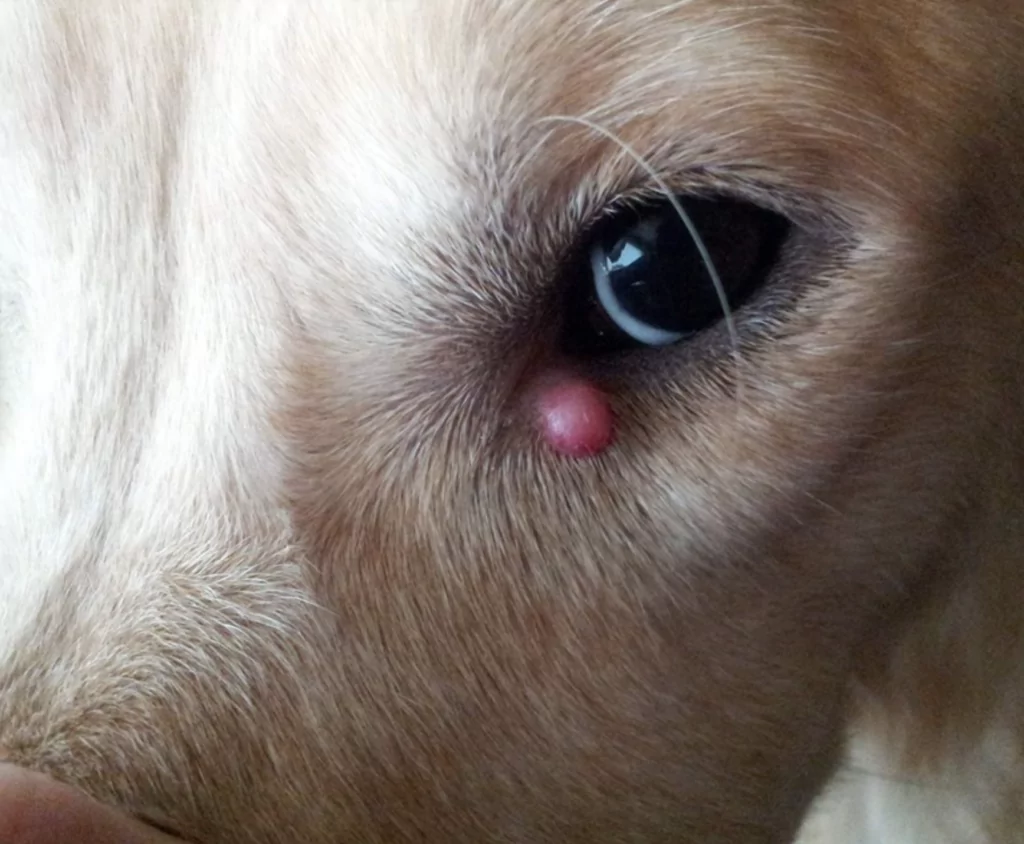
Dog stye eye, also called a hordeolum, looks like a red bump on a dog’s eyelid. It happens when the oil glands in the eyelid get impacted by bacteria, similar to pimples in humans. Staphylococcus bacteria are common culprits, leading to swelling, irritation, and potential vision problems for our furry friends.
Recognizing a dog stye eye early is crucial. Symptoms include noticeable swelling, discharge from the eye, and discomfort. Sometimes fur can hide styes until they enlarge or significantly bother the dog. When untreated, a stye can affect your dog’s ability to see clearly.
Several factors contribute to the development of dog stye eye. Besides bacterial infections and blocked oil glands, allergies, viruses, and other irritants like dirt or debris can play a role. Occasional eye injuries or autoimmune diseases might also trigger stye formation.
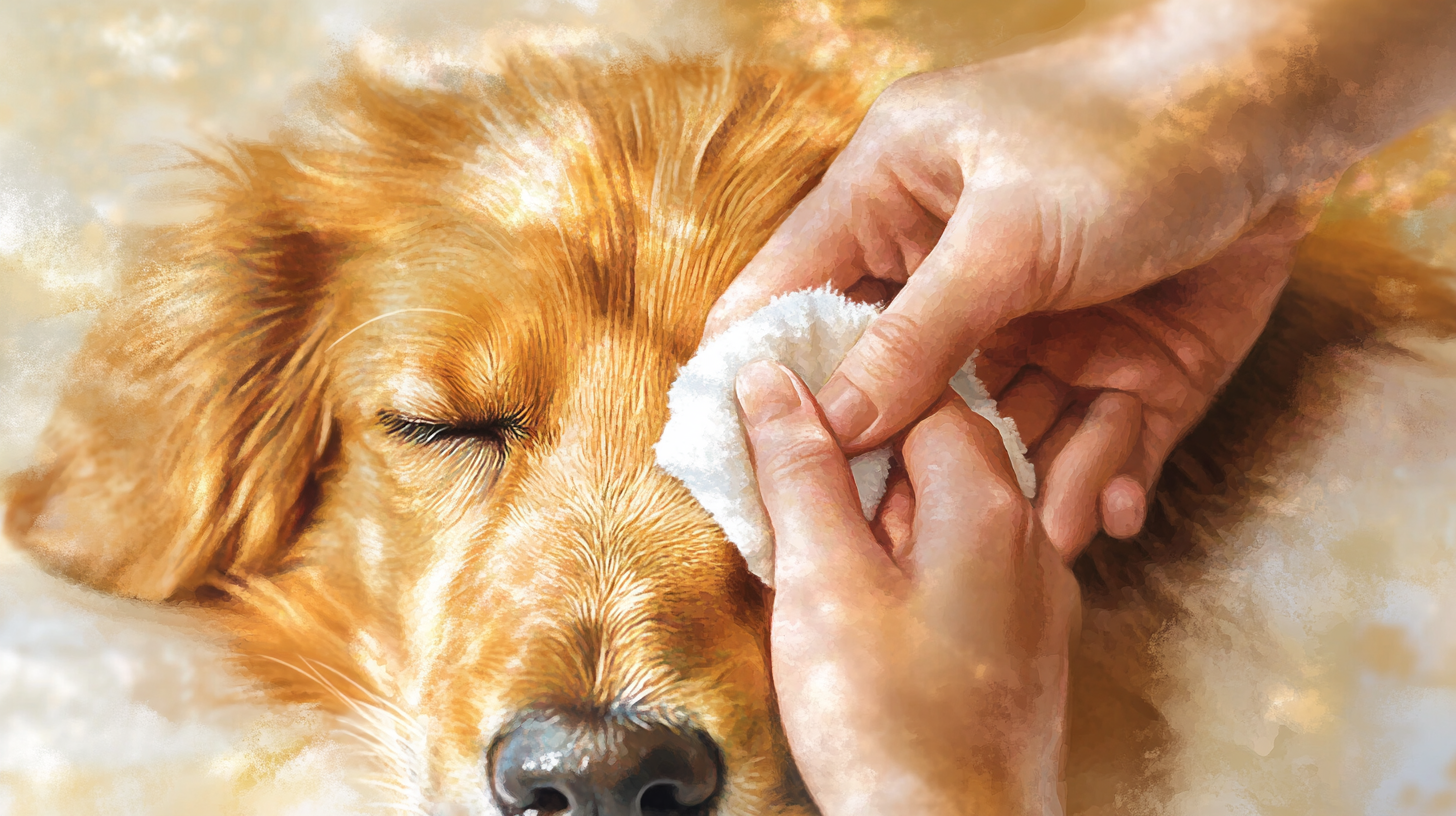
Initial treatment for dog stye eye often involves simple home remedies. Washing the affected area gently with a clean cloth or gauze pad helps remove debris or bacteria. Warm compresses can also provide relief, although not every dog likes them due to discomfort. But, if the stye worsens or significantly bothers the dog, professional veterinary care is advisable. Interventions might involve removing the stye with a sterilized instrument and ensuring the area stays clean with saline answers.
It’s important to distinguish dog stye eye from conditions like cherry eye, which appear similar but require different treatments. Cherry eye involves the prolapse of the third eyelid and often needs surgical intervention. When in doubt, seeing a veterinarian helps confirm the condition and determine the best care strategy.
Managing dog stye eyes involves understanding the condition, recognizing symptoms, and knowing when to seek professional help. Our dogs depend on us to keep them healthy, so monitoring eye health is vital. Taking early action and providing appropriate care ensures our pets stay comfortable and maintain good vision.
Differentiating Styes from Other Eye Issues
| Condition | Distinctive Sign | When to Seek Vet Assistance |
|---|---|---|
| Stye | Small, pimple-like bump on eyelid margin | If it grows, is very painful, or persists |
| Chalazion | Firm lump inside eyelid, less painful | If it blocks vision or causes discomfort |
| Eyelid Tumor | Firm, irregular growth, may bleed | If size increases rapidly or impairs sight |
| Infection | General redness/swelling, pronounced discharge | If redness spreads or discharge worsens |
Causes of Dog Eye Styes
Dog eye styes, or hordeolums, are painful, red bumps forming on the eyelid. They arise from infected or blocked oil glands, often due to Staphylococcus aureus bacteria. Understanding the factors contributing to their development is essential.
Bacterial Infections: The leading cause of dog eye styes is bacterial infection, notably from Staphylococcus aureus. These bacteria invade the oil glands on the eyelids, causing blockages and the formation of styes. This infection is not typically contracted through direct contact; rather, it’s often linked to changes in the dog’s immune system or eye trauma.
Blockage of Oil Glands: Another common trigger is the blockage of Meibomian glands. These glands produce oils that lubricate and protect the eyes. When blocked, the accumulated oil can infect, leading to a stye. Environmental factors, like allergies or debris near the eyes, can contribute to such blockages.
Compromised Immune System: Dogs with weakened immune systems are more susceptible to styes. Conditions like autoimmune disorders or side effects from chemotherapy can make dogs vulnerable to bacterial infections. The immune deficiency increases the risk of bacteria affecting the eye’s oil glands.
Environmental Factors and Trauma: Swelling and irritation caused by allergies, foreign substances, or trapped debris around the eyes can predispose dogs to styes. Eye injuries or rubbing can exacerbate the situation, aggravating the eyelids and fostering an environment where bacteria thrive.
These causes emphasize the need for awareness and prevention. By understanding the underlying factors, we can better protect our furry friends from painful styes and ensure effective treatment when necessary. Recognizing the signs early, seeking appropriate veterinary care, and maintaining a clean environment can help mitigate the risk of styes in dogs.
Recognizing Symptoms of Stye in Dogs
Identifying a stye in dogs early can prevent complications. This section outlines common signs and when to seek a veterinarian’s help.
Common Signs
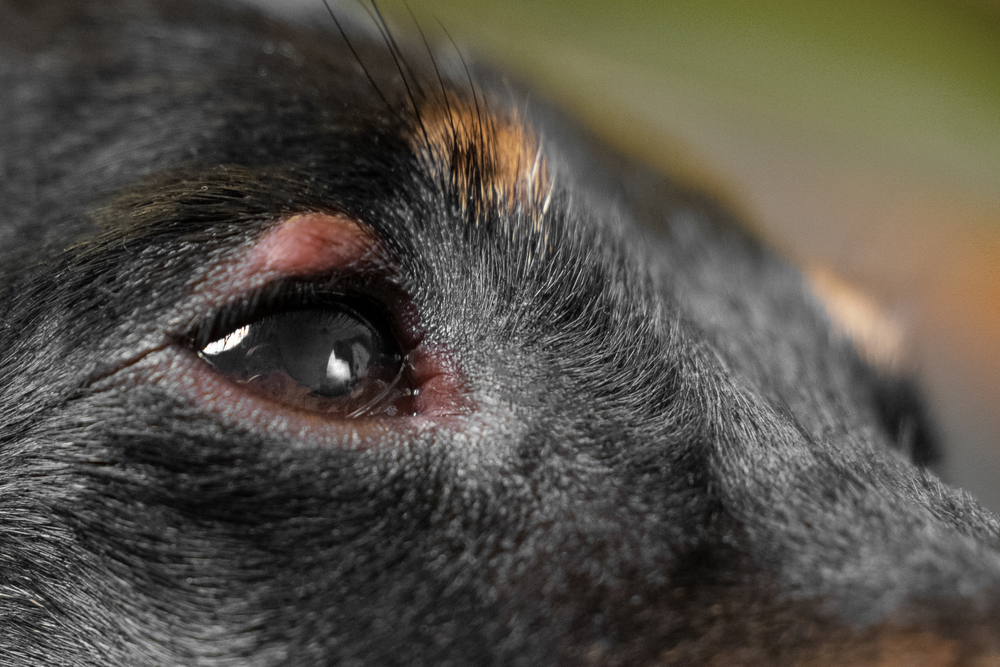
A stye in dogs, clinically known as a hordeolum, often manifests as a small, red bump on the eyelid. This bump might look like a pimple, either pink or pale, and generally appears on the eyelid margin. Eyelid swelling is another typical symptom, with the area becoming puffy and red due to inflammation. Discharge from the affected eye is common; you might notice excessive tearing or thick pus-like secretions. Signs of pain, such as rubbing or itching, often occur due to discomfort around the stye. Also, dogs may blink excessively or squint due to irritation. These indicators can guide you in determining if your dog has a stye, emphasizing early detection.
When Consultation is Necessary
Consulting a veterinarian becomes crucial when symptoms persist or worsen. If the swelling extends beyond the bump or involves the entire eyelid, medical assessment is advised. Persistent discharge, especially if it’s thick or white, can signal an infection requiring professional treatment. Behavioral changes, like excessive face rubbing or sustained discomfort, also warrant a vet visit. A vet can rule out other conditions that mimic styes, such as cherry eye or parasitic infections. Veterinary intervention ensures correct diagnosis and treatment, maintaining your dog’s eye health. While noticing the symptoms offers a preliminary understanding, only a professional can confirm a stye and recommend appropriate care.
Diagnosing Dog Stye Eye
Accurate diagnosis of dog stye eyes begins with a visual inspection. Dog styes appear as small red bumps on the upper or lower eyelid. Signs like swelling and discharge often accompany these bumps, especially if the stye becomes infected. Our dogs might exhibit behaviors such as rubbing or itching their face and squinting due to eyelid pain.
Veterinary examination is essential if a stye is suspected. A veterinarian performs a physical examination to determine whether the red bump is truly a stye or another eyelid condition like cherry eye or a tumor. Sometimes, other conditions such as autoimmune diseases can mimic stye symptoms. Understanding these differences is crucial because each condition requires exact management.
If the initial examination suggests a stye, the vet may further assess the dog’s eye health. Procedures like bacterial cultures or ophthalmic exams help verify the involvement of the eyelid glands. Identifying the correct condition ensures that the recommended treatment effectively addresses the issue.
While some styes resolve without intervention, professional guidance aids in managing them safely. Initial home care entails warming compresses and keeping the dog’s eyes clean. If the stye persists or worsens, it’s best to follow a vet’s advice. A possible progression might involve topical or systemic antibiotics prescribed to clear the infection, often within two weeks.
In severe cases unresponsive to home care, a vet might perform surgical drainage under anesthesia to alleviate discomfort. Understanding these diagnostic steps empowers us to anticipate our dogs’ needs and seek appropriate care when necessary. Accurate diagnosis enhances the likelihood of successful treatment and minimizes complications, ensuring our dog’s eye stays healthy and comfortable.
Treatment Options for Dog Stye Eye
Treating a dog stye eye often involves a combination of home remedies and veterinary treatments. It’s essential to start with home care measures to ensure early-stage intervention.
Home Remedies
Home remedies offer an initial approach for treating dog stye eyes. Washing the affected area gently with a clean cloth or gauze pad removes debris that contributes to blockage or infection. Warm compresses applied a few times daily can relax pores and help glands drain, reducing swelling. Available options for this include using a moist washcloth, teabags, or microwaved rice packs. If a stye ruptures, ensuring pus is carefully cleaned helps prevent the infection from spreading. While effective in many cases, consult a veterinarian if the stye persists or worsens even though home care.
Veterinary Treatments
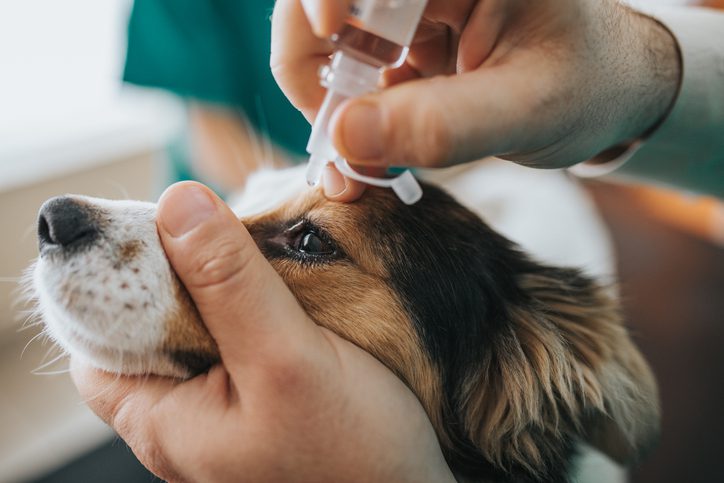
In circumstances where home remedies aren’t sufficient, veterinary treatments become necessary. A veterinarian might prescribe topical or systemic antibiotics customized to the stye’s severity. Anti-inflammatory medications can also alleviate discomfort. Veterinarians can perform procedures like bacterial cultures or ophthalmic exams to confirm involvement and prescribe appropriate treatment. In severe cases, a physical removal may be required. Safety precautions, such as wearing gloves during treatment, keep both the pet and caregiver safe. While some styes resolve with minimal intervention, professional guidance ensures optimal care for your dog’s eye health.
Preventing Dog Eye Styes
Preventing dog eye styes involves several proactive measures focusing on maintaining eye hygiene and monitoring your dog’s health. Regularly cleaning the eyes helps avoid the buildup of dirt and debris, reducing infection risks. Use a warm, moist washcloth to gently remove crust and dirt from around the eyes, ensuring no further irritation is caused. This simple routine aids in keeping the glands functioning properly.
Managing environmental allergies also plays a important role. Allergies can increase irritation and swelling of the eyelids, making styes more likely. Discuss potential allergies with your veterinarian, who can suggest appropriate treatments. Avoid exposing your dog to known allergens to mitigate this risk.
Limiting irritation sources can prevent styes. While letting dogs stick their heads out of car windows is popular, it exposes their eyes to dust and wind, increasing stye risk. Instead, keep windows closed to protect their eyes. Also, never allow your dog to swim in dirty water, which could lead to eye infections.
Monitoring your dog’s overall health aids in early detection. During cuddle time, check for lumps, bumps, or other abnormalities, especially around the eyes. If you notice anything unusual, consult your veterinarian promptly. Early intervention helps address eye issues before they become severe.
Proper grooming and a clean environment contribute significantly to eye health. Regular grooming, particularly trimming hair around the eyes, prevents bacteria buildup. Keeping your dog’s living area clean and free of irritants further supports eye well-being.
Finally, a balanced diet strengthens your dog’s immune system, reducing infection susceptibility. Providing nutritious meals supports overall eye health, helping keep styes at bay.
Preventing dog eye styes hinges on hygiene, proactive management of allergens, and reducing exposure to irritants. By incorporating these simple practices into your routine, you bolster your dog’s eye health and comfort.
When to Seek Veterinary Care
Determining when to seek veterinary care for a dog stye eye depends on observing exact symptoms. Eye swelling and redness are critical signs indicating that it is time to consult a veterinarian. Important inflammation around the eye might signal a developing issue beyond just a stye, warranting professional examination.
Discharge or pus from the affected eye requires immediate attention. This kind of secretion often points to an infection that needs medical intervention. Discharge or an oozy appearance can complicate a stye’s condition if ignored.
Pain or discomfort in dogs is another essential indicator. When dogs experience pain, they tend to rub their face or avoid touching the affected area. Such behavior suggests the stye is causing important discomfort and necessitates a veterinary visit.
Vision impairment is a serious symptom. If it appears the stye is affecting our dog’s vision or forces them to squint frequently, this urgency should prompt us to seek a veterinarian’s expertise. Allowing the stye to interfere with vision without addressing it can lead to further complications.
Being vigilant about these symptoms can ensure timely veterinary care. It helps us prevent the escalation of a dog stye eye into more severe conditions. Proper veterinary intervention provides an accurate diagnosis and a well-structured treatment plan, maintaining our dog’s eye health and overall well-being.
Conclusion
Dog stye eyes, though common, require our attention and timely care to ensure our furry friends remain comfortable and healthy. By staying alert to the symptoms and understanding the potential causes, we can take proactive steps in managing and preventing this condition. It’s crucial to maintain good eye hygiene and seek veterinary advice when necessary to avoid complications. With the right approach, we can help our dogs overcome styes and maintain their eye health, ensuring they can enjoy their daily adventures without discomfort. Let’s prioritize their well-being by being informed and prepared to act when needed.