
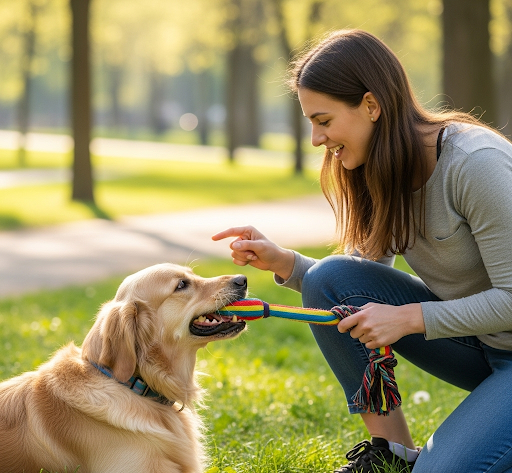
Ever wondered how a simple command like “drop it” can transform your dog’s behavior and ensure their safety? Teaching your dog to drop it is essential, especially when they pick up something dangerous. With over 90% of dogs able to learn this command through consistent training, it’s a skill every pet owner should prioritize. We understand that you’re seeking effective methods to train your dog without frustration, and that’s exactly what we’ll investigate into. From the basics of introducing the command to handling stubborn pups, our guide provides step-by-step strategies to make training successful. By the end, you’ll have the confidence to teach your dog to drop it reliably, improving both their safety and your peace of mind.
Why Teach Your Dog to Drop It
Teaching your dog the “drop it” command enhances safety, prevents household annoyances, and improves play interactions.
Safety
This command ensures your dog releases dangerous items, such as dropped medication or toxic foods like chocolate. According to Wiggle Butt Academy, over 90% of dogs learn “drop it” with consistent training. Implementing this command minimizes the risk of your dog swallowing harmful substances, providing peace of mind for pet owners. Also, it allows swift intervention in emergencies, reducing potential health hazards. For example, if a dog picks up a piece of broken glass, the “drop it” command can prevent injuries, ensuring the pet remains unharmed.
Preventing Annoyances
“Drop it” effectively stops dogs from stealing and chewing on household items like shoes, remote controls, or valuable objects. By using this command, we protect our belongings from damage and reduce household frustrations caused by unwanted chewing behaviors. This control enhances overall harmony in the home, ensuring that pets do not disrupt daily life with inappropriate item theft. Besides, it fosters respect for personal property, contributing to a well-behaved and obedient pet.
Improving Play
In games like fetch, “drop it” ensures your dog releases the ball or toy after retrieval. This command makes playtime more enjoyable and efficient, fostering positive interactions between you and your dog. Consistent use of “drop it” during play reinforces good behavior and strengthens the bond between pet and owner. Also, it facilitates structured play sessions, making them more predictable and fun. Enhanced play behaviors also contribute to the dog’s physical exercise and mental stimulation, promoting overall well-being.
Expert trainers, such as Nicole Kohanski from Wiggle Butt Academy, emphasize the importance of “drop it” in comprehensive dog training programs. With the right tools—a toy, training treats, and patience—most dogs can master this essential behavior. Practicing “drop it” in various situations and environments ensures your dog responds reliably, improving overall training efficacy and safety. Also, incorporating “drop it” into daily routines solidifies the command, making it an integral part of your dog’s obedience repertoire.
Preparing for Training
Effective training begins with thorough preparation. We ensure we have the right tools and setting to help successful learning.
Gather Necessary Supplies
We collect essential supplies to make the training process smooth. High-value treats serve as strong motivators, encouraging our dogs to release items willingly. Opt for small, tasty treats that our dogs find irresistible. Also, a sturdy leash provides control during training sessions, allowing us to guide our dogs effectively. A clicker can enhance communication by marking the desired behavior precisely. We also include a variety of durable toys to practice the “drop it” command in different scenarios. Water bowls and comfortable seating help maintain a positive environment during training. By assembling these supplies, we create a structured and rewarding training experience that fosters quick learning and consistency.
Choose the Right Environment
Selecting an appropriate environment is crucial for successful training. We choose a quiet, distraction-free area to help our dogs focus on the commands. A familiar space, like our living room or backyard, provides comfort and reduces anxiety, making it easier for our dogs to learn. If we plan to train outdoors, we ensure minimal interruptions from other animals or noises. Consistent training locations help our dogs associate the environment with learning, improving their responsiveness. Also, we ensure the area is safe, free from hazards that might tempt our dogs to pick up unwanted items. By carefully selecting the training environment, we create an optimal setting that supports effective learning and reinforces the “drop it” command.
Step-by-Step Training Methods
Teaching your dog to “drop it” involves consistent training using various effective methods. Here are the primary techniques we recommend:
Using Treats to Encourage Dropping
Using treats is a reliable method to teach your dog to drop items. First, offer a low-value toy that your dog likes but isn’t overly attached to. Let them hold the toy for a few seconds. Next, play and introduce the treat by placing a high-value treat near their nose. Your dog should naturally release the toy to take the treat.
Once they drop it, reward and repeat by praising them or using a clicker, then give the treat immediately. Hide the toy behind your back while they eat, and after they’ve finished, present the toy again to reinforce the behavior. Finally, add the verbal cue by saying “drop it” before showing the treat. Consistently practicing this method helps your dog associate the command with releasing the toy in anticipation of a reward.
Using Toys to Teach “Drop It”
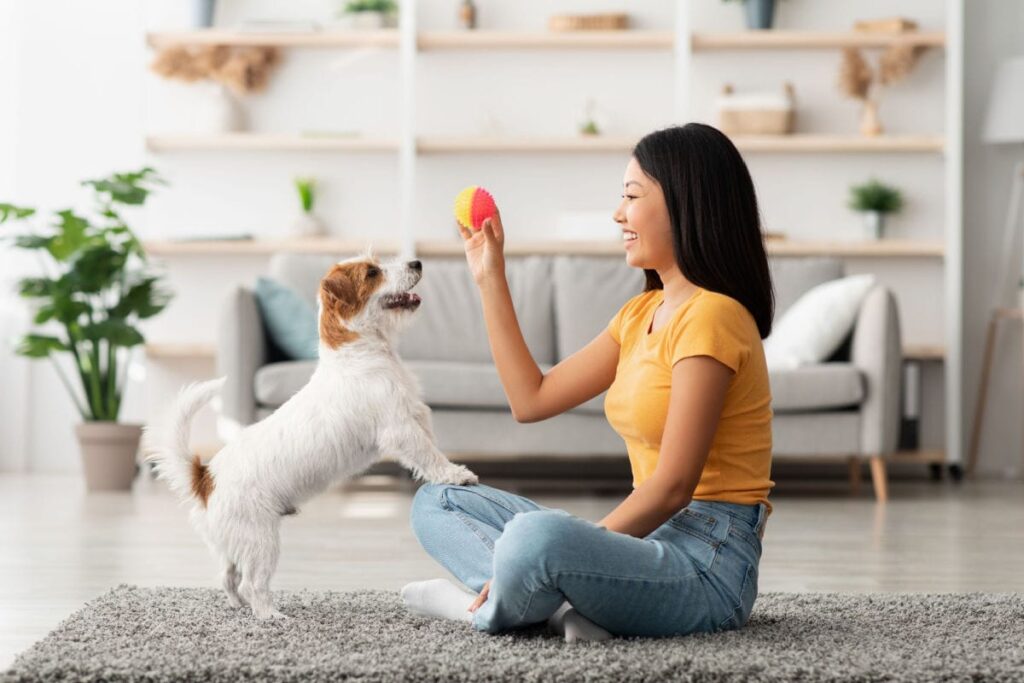
Incorporating toys into the training process can make learning “drop it” more captivating for your dog. Start by selecting a neutral toy that your dog shows interest in but doesn’t obsess over. Allow your dog to play with the toy briefly to build interest. Then, offer a high-value toy or another favorite item as a trade. When your dog releases the initial toy to take the new one, immediately praise and reward them.
Repeat this exchange multiple times, gradually increasing the duration your dog holds the toy before offering the trade. This method leverages your dog’s natural desire to play, making the “drop it” command a part of enjoyable interactions. Consistent practice with different toys in various settings ensures your dog reliably responds to the command.
Implementing the Trade Method
The trade method effectively teaches your dog to “drop it” by offering something of equal or greater value in return. Begin by conditioning the drop cue: say “drop it” and scatter treats to create a positive association. Once your dog anticipates treats upon hearing the cue, introduce objects for them to hold, starting with neutral items. Gradually progress to higher-value objects, always following up with a treat scatter.
Ensure you have a treat pouch with high-value treats handy. When your dog holds an item, calmly say “drop it” and scatter the treats. As your dog releases the object to eat the treats, praise and reward them immediately. Practice this method in different environments, such as during walks or in the yard, to reinforce the behavior consistently. Over time, your dog will understand that dropping items leads to positive rewards, making the command second nature.
Reinforcing the “Drop It” Command
To ensure your dog reliably responds to the “drop it” command, reinforcement is essential. Consistent practice solidifies the behavior, making it second nature for your dog during various situations.
Phasing Out Treats
Gradually reducing treats maintains your dog’s responsiveness to the “drop it” command without constant rewards. Start by offering treats less frequently, pairing them with praise or a favorite toy. For example, after your dog drops the item reliably, alternate between treats and verbal praise like “Good job!” This method encourages your dog to obey the command for approval rather than just for treats. Also, introduce high-value rewards sporadically to keep your dog motivated. By slowly decreasing treat dependency, your dog learns to respond consistently, even when treats aren’t immediately available. This approach ensures long-term obedience and reinforces the “drop it” command as a reliable behavior in everyday situations.
Consistent Commands and Voice Tone
Maintaining consistent commands and a uniform voice tone is crucial for effective training. Use the exact phrase “drop it” every time, avoiding variations like “let go” or “release.” Consistency helps your dog associate the exact words with the desired action. Also, keep your voice tone steady and assertive when issuing the command. A calm yet firm tone underscores authority, making it clear that you expect compliance. Avoid yelling or using a harsh tone, as this can create confusion or anxiety. Reinforcing the “drop it” command with uniform language and tone ensures your dog understands and responds appropriately, improving overall communication and obedience.
Practicing in Different Situations
Successfully teaching your dog to “drop it” requires consistent practice across various environments and scenarios. Adapting training to different toys, locations, and activities ensures your dog responds reliably in any situation.
Varying Toys and Locations
We use a variety of toys and practice in multiple locations to reinforce the “drop it” command. Starting with low-value items like tennis balls at home helps establish the basics. Gradually, we introduce higher-value items such as favorite chews or household objects like shoes. This variety prevents your dog from associating the command with a exact item.
Choosing diverse locations enhances your dog’s understanding. We begin in quiet areas like the living room, where distractions are minimal. As your dog becomes more proficient, we move training sessions to busier environments like parks or streets. This progression ensures your dog can drop items regardless of the setting. By varying both toys and locations, we create a comprehensive training experience that strengthens your dog’s obedience and adaptability.
Incorporating into Games
Integrating the “drop it” command into games makes training enjoyable and effective. We incorporate the command into fetch by asking your dog to drop the ball before throwing it again. This repetition reinforces the behavior in a fun context.
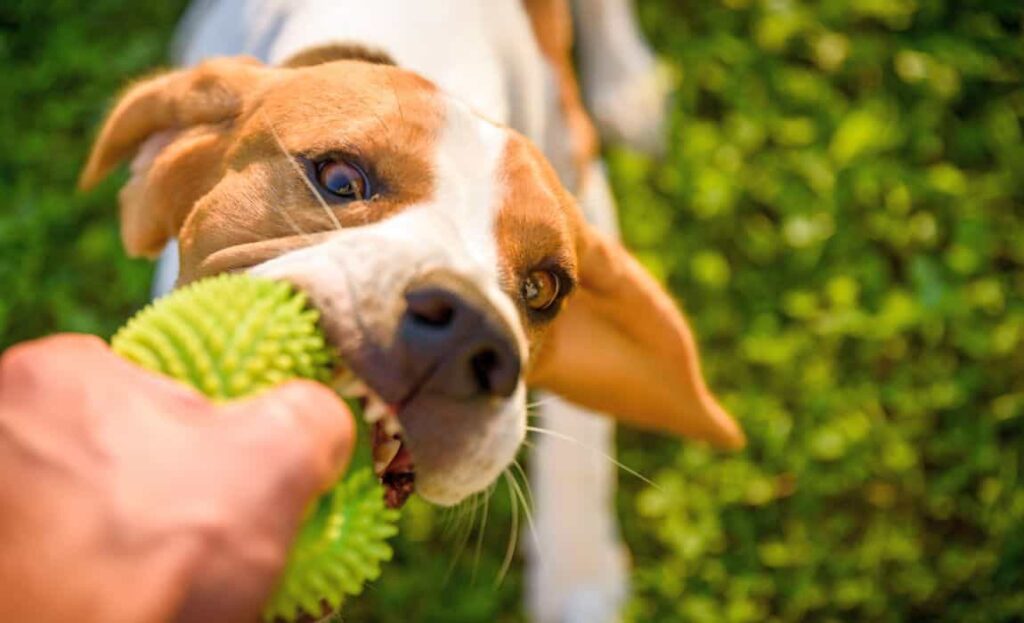
We also use tug-of-war to practice “drop it.” During the game, we pause and calmly instruct your dog to release the toy. Rewarding compliance with praise or treats encourages your dog to respond promptly. Also, hiding treats around the house and asking your dog to drop items they find adds variety to the training routine.
By embedding the command into play, we ensure training feels natural and rewarding. This approach maintains your dog’s interest and eagerness to learn, leading to a more reliable response when it matters most.
Handling Training Challenges
Dealing with Reluctant or Aggressive Dogs
When teaching your dog to drop it, some may show reluctance or aggression. Resource guarding often triggers these behaviors, causing dogs to protect what they have. Instead of punishing, offer high-value treats and praise to create a positive association. Avoid harsh discipline, as it can increase protectiveness and lead to biting, weakening your bond. Use a calm, assertive tone when issuing the “drop it” command. Gradually increase the difficulty by introducing distractions and varying environments. Consistent positive reinforcement helps your dog understand that releasing items leads to rewards, reducing aggressive responses over time. Patience and compassion are key to overcoming these challenges and ensuring effective training.
Managing Dangerous Items
Managing dangerous items requires swift and consistent training to ensure your dog’s safety. Identify objects that pose risks, such as medications, toxic foods, or small choking hazards. Use the “drop it” command immediately when your dog engages with these items.
Tempt them with high-value treats to encourage dropping. Toss treats near your dog to distract them from the dangerous object, then throw another treat farther away to reinforce the trade. Consistently practicing in various locations helps generalize the command, making it effective in different scenarios. Avoid punishment, as it can lead to fear or resource guarding. By prioritizing positive reinforcement and swift action, you can effectively manage and mitigate the risks associated with dangerous items.
Common Mistakes to Avoid
Avoiding common pitfalls ensures effective training when teaching your dog to drop it. Here are key mistakes to watch out for:
Inconsistent Commands
Using varied phrases or tones disrupts your dog’s understanding. Maintain the exact verbal cue “drop it” with a consistent, calm tone to reinforce the command effectively.
Low-Value Treats
Offering treats that lack appeal reduces motivation. Use high-value treats, such as small pieces of chicken or cheese, to encourage your dog to release the toy reliably.
Neglecting Reinforcement
Failing to consistently reward successful responses weakens the training. Reinforce the “drop it” command every time initially, then gradually reduce treat frequency while maintaining occasional rewards.
Training in Distracting Environments
Practicing in areas with high distractions hampers focus. Start training in a quiet, familiar space, then slowly introduce new environments as your dog becomes proficient.
Punishing Instead of Encouraging
Using punishment creates fear and resistance. Focus on positive reinforcement techniques, praising and rewarding your dog to build a trusting and cooperative relationship.
Overcomplicating the Process
Introducing too many commands or changes too quickly confuses your dog. Keep training sessions simple and focused on the “drop it” command to ensure clear understanding and retention.
Rushing the Training
Expecting immediate results leads to frustration for both you and your dog. Allow your dog to learn at their own pace, providing ample time for each step before progressing.
Ignoring Body Language
Failing to observe your dog’s signals can hinder training progress. Pay attention to signs of stress or confusion, adjusting your approach to keep the training positive and effective.
Using High-Value Items Unnecessarily
Introducing very valuable items too early can lead to resource guarding. Start with low-value toys and gradually incorporate higher-value items as your dog becomes more reliable with the “drop it” command.
Lack of Patience and Persistence
Giving up too soon prevents mastery of the command. Stay patient and persistent, consistently practicing the “drop it” command to achieve long-term success.
By steering clear of these common mistakes, we enhance our ability to teach our dogs the “drop it” command effectively. Consistency, positive reinforcement, and patience are key to successful training.
Conclusion
Mastering the “drop it” command transforms our relationship with our dogs improving safety and fostering trust. By committing to consistent training using positive reinforcement we create a harmonious environment where our dogs listen reliably in various situations. Embracing patience and understanding allows us to overcome challenges ensuring successful learning. As we continue practicing and reinforcing this essential skill our dogs become more obedient and our bond grows stronger. This valuable command not only safeguards our pets but also enriches our everyday interactions making life together more enjoyable.