Category: Beds

Welcome to our comprehensive Select Dog Supplies category focusing on Dog Beds. Here, we provide everything you need to know about choosing the perfect bed for your furry friend. From luxurious comfort to practical functionality, explore a range of topics tailored to enhance your dog’s sleep quality and overall well-being.

Key Topics Covered:

  1. Types of Dog Beds: Explore various types such as orthopedic, bolster, and cooling beds to suit different needs and preferences.
  2. Choosing the Right Size: Learn how to select the correct bed size based on your dog’s breed, weight, and sleeping habits.
  3. Materials and Durability: Discover which materials offer durability, comfort, and ease of maintenance for long-lasting use.
  4. Health Benefits: Understand the importance of orthopedic support for joint health and how specific bed types can alleviate common issues like arthritis.
  5. Style and Design: Explore stylish options that complement your home décor while providing a cozy retreat for your pet.
  6. Cleaning and Maintenance Tips: Get practical advice on keeping your dog’s bed clean and hygienic to promote a healthy sleeping environment.
  7. Budget-Friendly Options: Find affordable yet quality beds that meet both your pet’s needs and your budget.
  8. Reviews and Recommendations: Benefit from expert reviews and customer recommendations to make informed decisions when purchasing a dog bed.

Our goal is to empower you with the knowledge to choose the best dog bed that enhances your dog’s comfort and happiness. Stay tuned for informative articles and product guides within our Select Dog Supplies category, dedicated to helping you provide the best for your canine companion.

  • Best Dog Sofa 2025: Stylish Comfort for Your Furry Friend

    Best Dog Sofa 2025: Stylish Comfort for Your Furry Friend

    Is your furry friend deserving of a touch of luxury? Dog sofas have become a popular choice for pet owners seeking comfort and style for their pets. With various styles, shapes, and materials available, finding the perfect dog sofa can enhance both your dog’s well-being and your home’s aesthetic.

    In this text, we’ll explore the key features to consider when choosing a dog sofa, from durable materials to design functionalities that cater to your pet’s needs. Whether your dog prefers elevated seating for a sense of security or enjoys the sleek look of vegan leather, we’ll help you navigate the options to find a sofa that suits both you and your pet.

    What Is a Dog Sofa

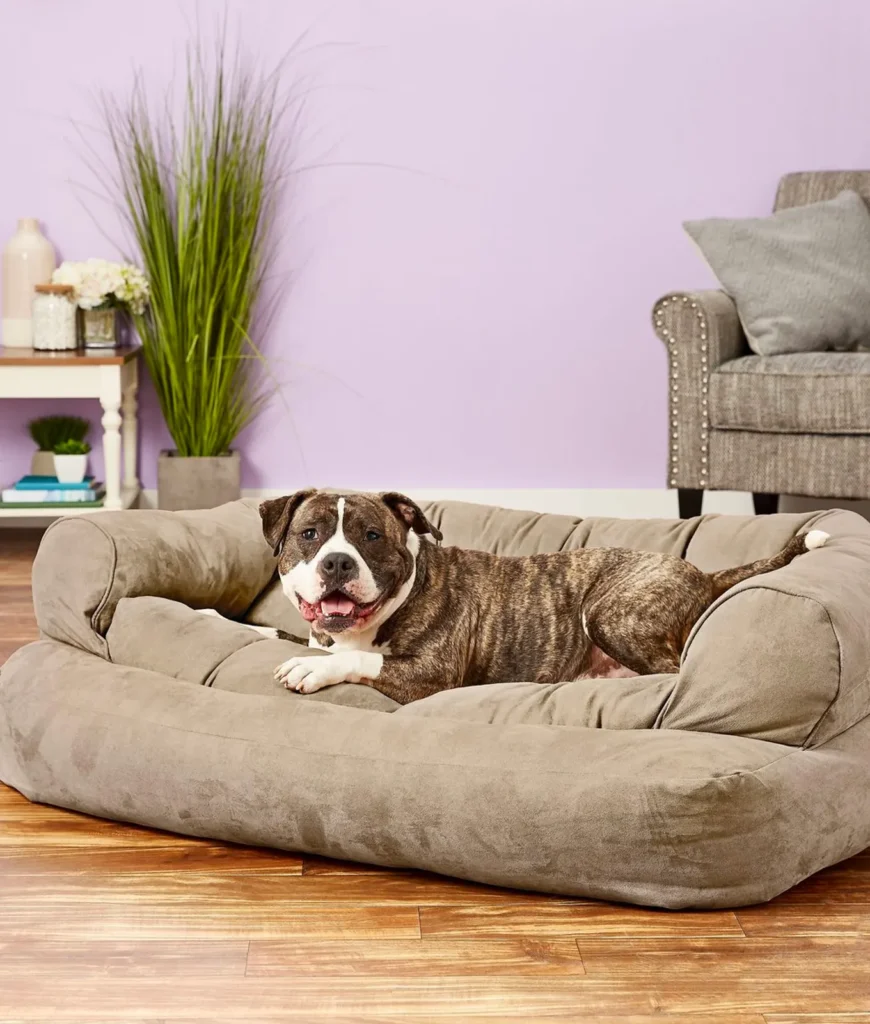
    A dog sofa is a specialized piece of furniture designed to provide dogs with a comfortable and supportive place to rest and relax. Unlike standard pet beds, dog sofas are crafted to resemble human sofas, seamlessly blending into home interiors while catering to a pet’s needs.

    Purpose and Benefits

    Dog sofas offer several advantages for both pets and owners. They provide:

    • Comfort and Support: Equipped with high-quality cushions and memory foam mattresses, dog sofas support dogs’ muscles and joints, which is crucial for aging dogs or those with health issues. For instance, senior dogs benefit from the orthopedic support that helps alleviate stress and pain.
    • Designated Rest Area: By offering a exact spot for dogs to rest, dog sofas help keep pets off human furniture. This reduces the spread of dirt and minimizes wear and tear on sofas, maintaining a clean and organized home environment.
    • Training Aid: A dog sofa serves as a training tool by giving dogs a designated place to sleep when instructed to vacate other furniture, reinforcing good behavior and boundaries.

    Design and Materials

    Dog sofas come in various styles, shapes, and materials to match different home aesthetics and meet diverse pet preferences. Common materials include:

    • Fabrics: Velvet, linen, cotton canvas, and microsuede provide softness and durability. High-grade Martindale fabrics used in dog sofas withstand double rubs, ensuring longevity against active pets.
    • Leather Options: Both traditional and vegan leather are available, offering a luxurious feel and easy maintenance. Leather dog sofas are ideal for pet owners seeking an upscale appearance that complements their home decor.
    • Frames and Bases: Many dog sofas feature sturdy, sustainably sourced wooden bases with various finishes. Elevated frames are designed for dogs that prefer a higher resting position, improving their sense of security.
    • Removable Covers: To help cleaning, many dog sofas come with removable and machine-washable covers. This feature ensures that the sofa remains hygienic and fresh, accommodating active dogs and easy maintenance.

    Size and Customization

    Dog sofas are available in multiple sizes to accommodate different breeds and sizes of dogs. Common dimensions include:

    SizeExterior Dimensions (Wide x Deep)Interior Dimensions (Wide x Deep)
    Medium30″ x 20″18″ x 8″
    Large40″ x 30″28″ x 18″
    XLarge54″ x 36″42″ x 24″

    Customization options allow pet owners to choose from a range of colors and patterns, such as animal prints and chevron designs, ensuring that the dog sofa complements existing home decor. Also, features like removable memory foam mattresses and non-skid bottoms enhance functionality and comfort.

    Maintenance and Durability

    Quality dog sofas prioritize durability and ease of maintenance. Materials used pass rigorous tests for wear resistance, and features like zipper-removable covers enable quick and hassle-free cleaning. For example, microsuede fabrics used in luxury dog sofas offer both comfort and durability, with a rub count of at least 100,000 double rubs to withstand active use.

    By integrating these elements, dog sofas provide a practical and stylish solution for pet owners seeking to enhance their dogs’ comfort while maintaining a cohesive home aesthetic.
    Best Dog Sofa

    Benefits of a Dog Sofa

    Comfort and Support

    A dog sofa offers a plush and comfortable space for your pet to relax. With high-quality cushions and memory foam, these sofas provide exceptional support, ensuring your dog experiences minimal discomfort. For instance, our luxury dog sofas feature microsuede fabric that enhances softness and durability. This level of comfort is crucial for dogs of all ages, promoting restful sleep and reducing stress. Elevated frames available in our collection cater to dogs that prefer a higher resting place, giving them a sense of security and improving their overall well-being.

    Joint Health

    Orthopedic dog sofas play a vital role in maintaining your dog’s joint health. Designed to alleviate pressure on joints, these sofas are ideal for dogs suffering from arthritis or hip dysplasia. By providing consistent support, dog sofas help improve mobility and reduce pain associated with age-related conditions. Our orthopedic models include removable memory foam mattresses that adapt to your dog’s body shape, ensuring optimal support. This feature not only benefits older dogs but also supports growing puppies by offering a stable and comfortable resting area during their developmental stages.

    Protection for Furniture

    Investing in a dog sofa protects your home’s furniture from potential damage. When dogs have their own designated sofa, they are less likely to jump onto couches, chairs, or beds, preventing claw marks, fur accumulation, and stains. Our dog sofas are crafted with durable, machine-washable materials such as vegan leather and cotton canvas, making them easy to maintain and protect your furniture effectively. Also, the sturdy wooden bases ensure stability, reducing the chances of your dog causing wear and tear on your existing home décor. By providing a stylish and functional alternative, dog sofas help maintain a clean and organized living space.

    Enhanced Aesthetic Appeal

    Dog sofas seamlessly blend with your home’s interior, adding a touch of luxury and style. Available in various colors, patterns, and materials, these sofas complement any décor, from modern to traditional. Whether you prefer the clean lines of a minimalist design or the rich textures of velvet and linen, our collection has options to match your aesthetic preferences. By choosing a dog sofa that aligns with your home’s style, you create a cohesive and attractive environment for both you and your pet.

    Durability and Maintenance

    Our dog sofas are built to last, using high-grade materials that withstand daily use. Most sofas feature a sturdy, sustainably sourced wooden base and upholstery that passes rigorous Martindale tests, ensuring resistance to paws and claws. Removable and machine-washable covers simplify cleaning, making it easy to maintain a fresh and hygienic resting space for your dog. The durability of our dog sofas ensures they remain a valuable addition to your home for years to come.

    Types of Dog Sofas

    Dog sofas come in various styles to cater to different preferences and needs. Each type offers unique features that enhance comfort and functionality for our canine companions.

    Traditional Sofas

    Traditional dog sofas provide classic elegance and robust support, mimicking human sofas in both style and comfort. We offer options like Mammoth Designer Dog Couches, featuring super-sized bolsters and orthopedic foam or memory foam cushions that support joints and enhance comfort. Available in Large and Extra Large sizes, these sofas accommodate a range of dog breeds. Lord Lou Dog Sofa Beds use superior-grade fabrics such as velvet, linen, and cotton canvas, ensuring durability and a luxurious feel. These models often include sturdy, sustainably sourced wooden bases that blend seamlessly with home interiors. Leather variants add an extra layer of sophistication for those seeking a premium option. Removable and washable covers simplify maintenance, making traditional dog sofas a practical and stylish choice for pet owners who prioritize both aesthetics and their dog’s well-being.

    Modern Designs

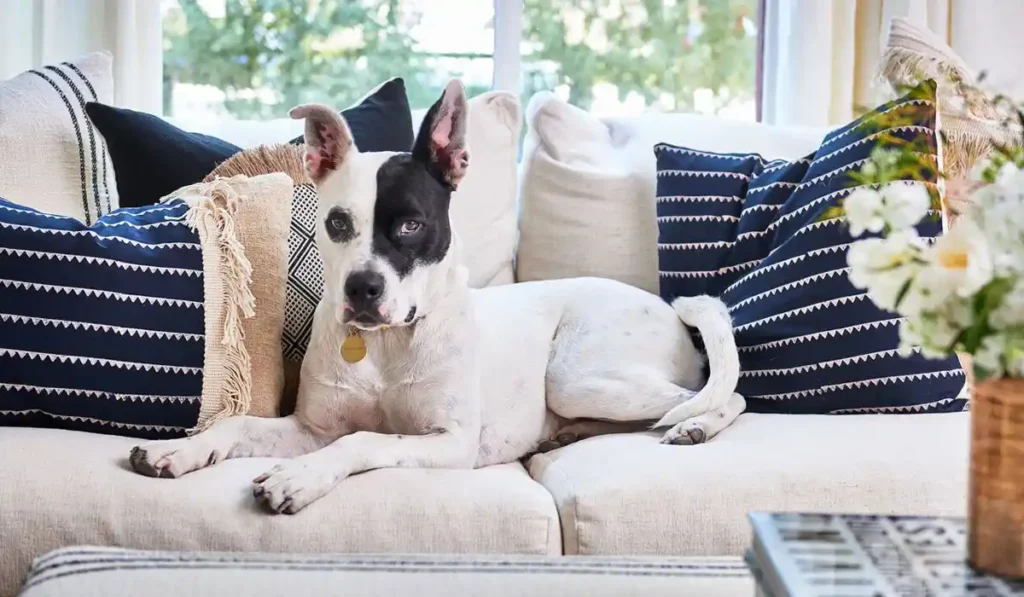
    Modern dog sofas incorporate innovative materials and sleek designs to meet contemporary home decor trends. We feature sofas with clean lines and minimalistic styles that seamlessly integrate into any living space. These designs often use durable fabrics like vegan leather, which offers a cruelty-free and easy-to-clean surface. Elevated frames provide dogs with a sense of security and an elevated resting spot, catering to pets that prefer staying away from drafts or enjoy being closer to their owners. Also, modern dog sofas may include advanced features such as built-in storage compartments for toys and accessories, improving functionality. The use of high-grade Martindale-tested fabrics ensures resistance to wear and tear from active pets. These sofas not only offer comfort and support but also serve as stylish furniture pieces that complement the overall aesthetic of a home.
    Best Dog Sofa

    Convertible Sofas

    Convertible dog sofas offer versatile answers that adapt to different needs and spaces. These sofas can transform between a traditional dog bed and a sofa configuration, providing flexibility for both pets and owners. Ideal for smaller living areas, convertible designs maximize space without compromising on comfort. Adjustable components, such as removable cushions and expandable frames, allow customization based on the dog’s size and sleeping preferences. Some models feature dual-purpose sections that can serve as a seating area for owners while maintaining a dedicated resting spot for dogs. Materials used in convertible dog sofas prioritize durability and ease of maintenance, with machine-washable covers and sturdy bases that withstand daily use. This adaptability makes convertible dog sofas a practical choice for pet owners seeking multifunctional furniture that caters to their dog’s comfort and their home’s layout.

    Choosing the Right Dog Sofa

    Selecting the ideal dog sofa involves evaluating size, comfort, material, and durability to ensure it meets your pet’s needs and complements your home.

    Size and Comfort

    The size of a dog sofa depends on your dog’s breed and weight. For larger breeds like English Mastiffs or Italian Mastiffs, a spacious and sturdy sofa accommodates their size and provides necessary support. Comfort remains crucial; dog sofas offer adequate cushioning and support to promote joint health. Orthopedic and temperature-controlled beds provide benefits for dogs with arthritis or hip dysplasia, improving their overall well-being. Multi-functional designs help easy access and create a cozy spot for relaxation. For instance, elevated frames offer extra security and comfort, catering to dogs that prefer to stay off the ground. Ensuring the sofa matches your dog’s life stage guarantees long-term comfort and usability.

    Material and Durability

    Choosing the right material ensures your dog sofa withstands daily use while maintaining its appearance. Tight weave fabrics resist pet hair and simplify cleaning, making them practical for active dogs. Sustainable wooden bases offer strength and longevity, supporting the sofa’s structure over time. Upholstery options include velvet, linen, and cotton canvas, each passing high-grade Martindale tests for durability against wear and tear. Leather alternatives provide a luxury feel while maintaining resilience. Removable, machine-washable covers enhance maintenance ease, ensuring the sofa remains fresh and hygienic. Investing in durable materials extends the lifespan of the dog sofa, providing a reliable and stylish resting place for your pet.

    Maintenance and Cleaning

    Regular Maintenance

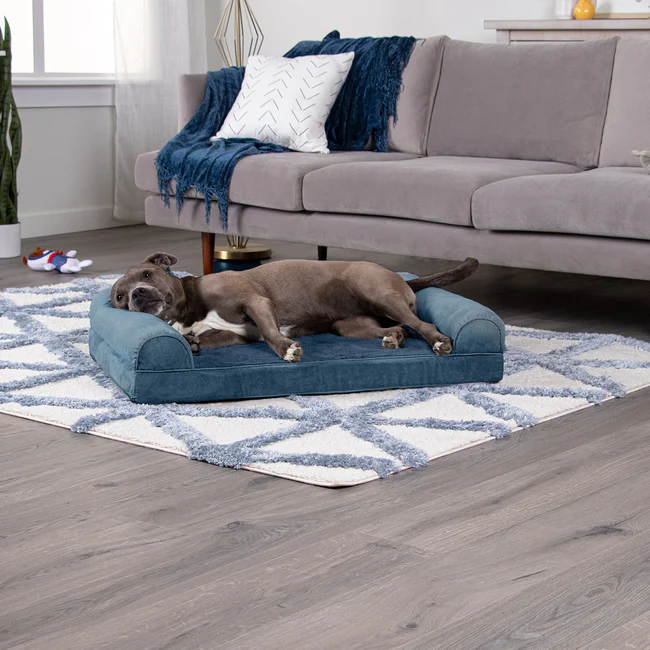
    Regular vacuuming keeps pet hair off our dog sofa. We use the upholstery attachment to efficiently remove fur and debris. Also, brushing our dog frequently reduces shedding, minimizing the amount of hair on the sofa. Scheduling these maintenance tasks weekly ensures our dog sofa remains clean and comfortable.
    Best Dog Sofa

    Cleaning Spills and Stains

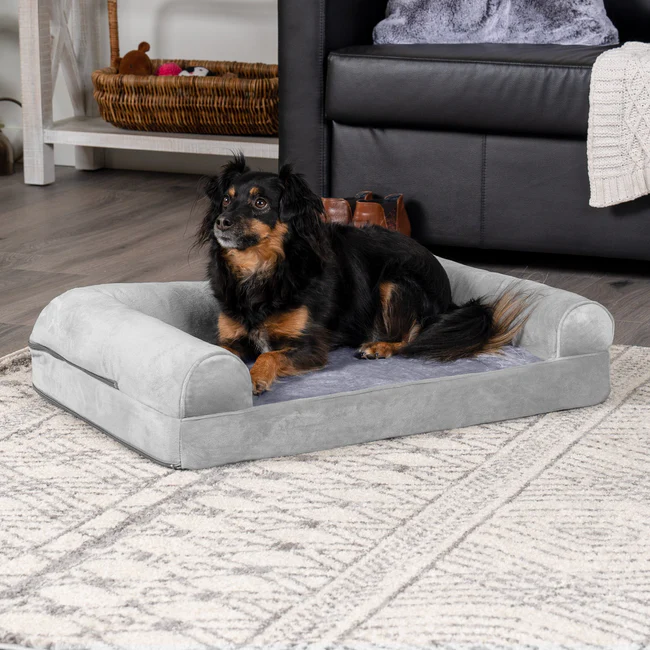
    For fabric dog sofas, we promptly blot spills with a clean, dry white cloth. Avoiding rubbing preserves the fabric’s integrity. Following the manufacturer’s cleaning instructions, we select appropriate cleaning answers for different fabric types. For leather dog sofas, a damp cloth effectively cleans spills and accidents. We handle leather carefully to prevent scratches, maintaining the sofa’s pristine appearance.

    Choosing Pet-Friendly Materials

    Selecting pet-friendly materials enhances our dog sofa’s durability and ease of maintenance. Leather stands out as a top choice because it’s stain-resistant and simple to clean. It doesn’t trap pet hair or odors, making it ideal for a pet-friendly home. Also, leather dog sofas complement various home décors, combining functionality with style.

    Additional Tips

    To prolong the life of our dog sofa, we use protective covers that are machine-washable. Regularly rotating cushions prevents uneven wear, ensuring consistent comfort. Addressing minor issues promptly, such as repairing small tears or replacing worn-out parts, keeps our dog sofa in excellent condition. By implementing these maintenance and cleaning practices, our dog sofa remains a stylish and practical addition to our home.
    Best Dog Sofa

    Conclusion

    We cherish creating a comfortable and stylish home for our pets. A dog sofa serves as a perfect addition blending seamlessly with our decor while offering our dogs a cozy retreat. Choosing the right sofa means prioritizing both durability and design ensuring it meets our pet’s needs and complements our living space. By investing in a quality dog sofa we enhance our home’s functionality and aesthetics providing a dedicated space that benefits everyone. Let’s embrace the trend and give our furry friends the comfort they deserve without compromising our home’s elegance.
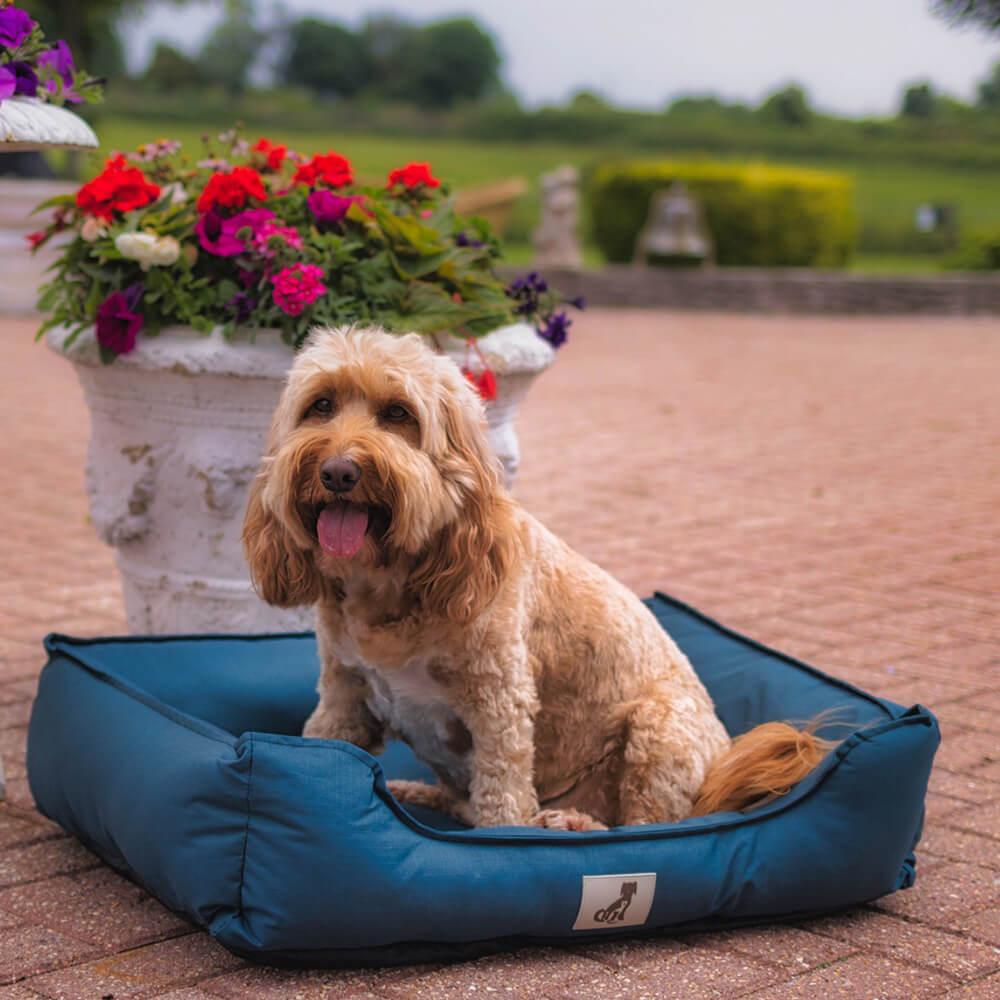
  • Perfect Waterproof Dog Bed for 2025: Durability & Comfort

    Perfect Waterproof Dog Bed for 2025: Durability & Comfort

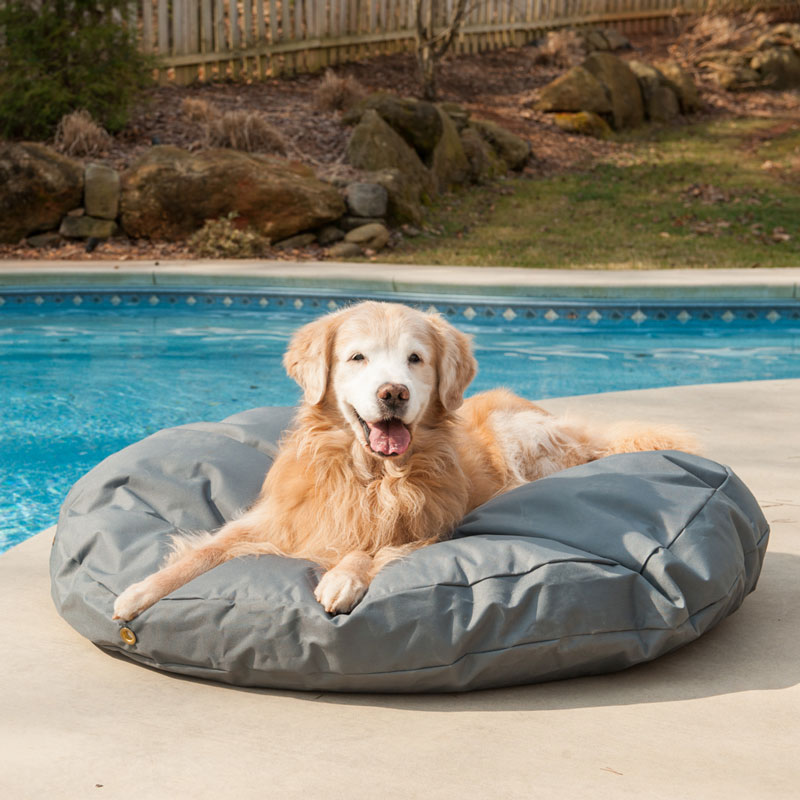
    Ever wondered why your dog’s bed never seems to last? With pets spending up to 80% of their time lounging, it’s crucial to invest in a durable solution like a waterproof dog bed. These beds aren’t just about comfort—they’re designed to withstand the elements and protect against accidents, ensuring your furry friend has a cozy spot both indoors and outdoors.

    As pet owners, we understand the frustration of constantly replacing damp, worn-out beds. A waterproof dog bed offers peace of mind, knowing it can handle everything from rainy adventures to unexpected spills. Plus, with easy-to-clean materials, maintenance becomes a breeze, allowing us to focus on what truly matters—spending quality time with our pets.

    Key Features of a Waterproof Dog Bed

    Waterproof dog beds are essential for maintaining a clean, comfortable environment for pets indoors and outdoors. These beds offer protection against moisture and are durable enough to withstand daily wear and tear.

    Waterproof Materials

    Waterproof materials are crucial in providing a protective barrier that keeps the bed dry. Effective waterproof dog beds use covers or liners made from vinyl, PVC, or specialized waterproof fabrics. These materials prevent liquids like urine from penetrating the bed’s layers. Interestingly, using a baby crib mattress with a waterproof cover presents a cost-effective alternative, offering superior waterproofing compared to many traditional dog beds.

    Durability and Longevity

    The durability of a waterproof dog bed is a vital consideration, especially for dogs prone to chewing or incontinence issues. Beds equipped with robust waterproof liners and sturdy construction handle frequent cleaning and usage effectively. Elevated options, such as those from Kuranda, demonstrate exceptional durability and are simple to clean. A durable waterproof dog bed significantly reduces the frequency of replacements, providing long-term comfort for our furry friends.

    Waterproof Dog Bed

    Ease of Cleaning

    Ease of cleaning is an indispensable feature of waterproof dog beds. With removable and machine-washable covers often created from polyester, these beds simplify the cleaning process. Beds with zippable covers ensure hassle-free wash routines, helping maintain hygiene. Some models even include non-skid bottoms for added convenience. Keeping a bed clean is less challenging when the materials are designed specifically for easy maintenance.

    Size and Style Options

    Choosing the right waterproof dog bed involves examining both size and style to ensure our pets’ comfort and the bed’s functionality.

    Size Considerations

    Determining the right size for a waterproof dog bed is essential for our dogs’ comfort. We should measure our dogs from head to tail to find the correct size, ensuring there’s ample space for them to stretch out naturally. Large breeds, like Great Danes or Mastiffs, require beds that offer more support to protect their joints from hard floors. Elevated or hammock beds provide excellent options, giving bigger dogs the necessary comfort while supporting their bodies.

    Style and Design Variations

    The style and design of waterproof dog beds vary to meet different needs. For dogs not fully house-trained or coping with incontinence, these beds are vital. We should look for options with sturdy closures and covers that simplify cleaning. The waterproof materials chosen must not be noisy, as this might disturb our pets’ rest. Designs range from basic waterproof covers to more intricate beds with multiple layers and texture options, allowing us to blend functionality with our home decor.

    Waterproof Dog Bed

    Benefits of a Waterproof Dog Bed

    Waterproof dog beds provide many advantages, promoting a clean and healthy environment for our pets. They protect against accidents and enhance comfort while being versatile enough for both indoor and outdoor use.

    Protecting Against Accidents

    Accidents occur, particularly with young or elderly dogs. Waterproof dog beds use special materials that prevent liquids, like urine, from soaking into the filling. This makes cleanup easier and prevents unpleasant odors and stains. Our waterproof dog bed features a full-coverage inner liner specifically designed to safeguard the filling from accidents. These bed designs reduce odor by preventing moisture buildup, minimizing the growth of bacteria and other odor-causing agents.

    Improving Comfort and Health

    Waterproof dog beds improve comfort and contribute to a healthier space for our furry friends. These beds resist odors, thanks to their ability to deter bacteria and microorganisms. A premium waterproof bed may be filled with plush polyfill stuffing and have an ultra-soft reversible fleece top, ensuring warmth during winter and coolness in summer. Our beds combine support and hygiene, making them ideal for maintaining our pets’ well-being.

    Suitable for Indoor and Outdoor Use

    Versatility defines waterproof dog beds, as they’re suitable for indoor and outdoor environments. Whether used with kennels, crates, or as a standalone bed, these beds adapt well to various settings. The durable construction of our beds allows them to function effectively as a portable dog crate mat. This adaptability makes them perfect for travels and ensures our pets’ comfort, no matter where their adventures take them.

    How to Choose the Right Waterproof Dog Bed

    Selecting the right waterproof dog bed involves considering exact criteria to suit both the dog’s and the owner’s needs. Understanding what makes a dog bed waterproof and comfortable aids in making an informed choice.

    Assessing Your Dog’s Needs

    Recognizing individual pet requirements is crucial when choosing a waterproof dog bed.

    • Age and Health: For senior dogs or puppies prone to accidents, waterproof beds are beneficial. They provide an easy-clean solution, ensuring comfort and hygiene.
    • Comfort and Support: Dogs with joint issues need beds offering adequate support. Orthopedic options can alleviate discomfort by offering a supportive and waterproof sleeping surface.
    • Climate: In hot climates, choosing an elevated or breathable material bed prevents overheating. For example, egg crate foam promotes airflow.
    • Behavior: Durable materials are necessary for dogs that chew. Covered beds can also provide comfort for anxious dogs by creating a secure environment.
    Waterproof Dog Bed

    Comparing Different Models

    Different waterproof dog beds offer varying features catering to distinct needs.

    • Material and Durability: Beds made from polyester with PVC backing are genuinely waterproof, withstand the elements, and fit both indoor and outdoor use. Chew-resistant options increase longevity.
    • Design and Functionality: Styles range from simple to elaborate, which caters to dogs’ comfort and aesthetics. Removable, machine-washable covers help easy cleaning.
    • Size and Adjustability: The bed size should be based on the dog’s dimensions, especially for stretchers, to ensure adequate space. Elevated beds or those without bolsters offer sprawling space.
    • Portability: Lightweight or foldable options allow for easy transportation, making them ideal for travel or outdoor adventures.

    Understanding these features helps select a suitable waterproof dog bed that aligns with both the lifestyle and comfort needs of a dog.

    Conclusion

    Choosing the right waterproof dog bed is a game-changer for both us and our pets. These beds offer unmatched durability and protection, ensuring our furry friends enjoy a clean and cozy space. With options ranging from simple waterproof covers to plush, supportive designs, we can easily find a bed that suits our pet’s needs and our home’s aesthetic. The ease of maintenance and longevity of these beds make them a smart investment, allowing us to focus on quality time with our pets rather than frequent replacements. Let’s embrace the comfort and convenience of waterproof dog beds for a happier, healthier pet experience.

  • Decoding Dog Sleeping: 6 Positions Reveal Your Pup’s Health and Happiness

    Decoding Dog Sleeping: 6 Positions Reveal Your Pup’s Health and Happiness

    Ever wondered what your dog’s sleeping position says about them? From sprawled across the floor to curled up in a tight ball, our furry friends have an array of sleeping styles that can reveal fascinating insights into their health, comfort, and even personality.

    We’ll explore the most common dog sleeping positions and what they mean for your canine companion. Whether your pup sleeps belly-up, in the “lion’s pose,” or cuddled up against you, each position offers clues about their state of mind and overall well-being. By understanding these sleep behaviors, we can better care for our four-legged family members and strengthen the bond we share with them. Let’s jump into the industry of doggy sleep habits and uncover the secrets behind their adorable slumber poses.

    Understanding Dog Sleeping Positions

    Dog sleeping positions offer valuable insights into their comfort, security, and overall well-being. By observing how our canine companions rest, we can better understand their needs and behaviors.

    The Importance of Sleep for Dogs

    Sleep is crucial for a dog’s health and happiness. Dogs typically require 12-14 hours of sleep per day, with puppies needing up to 20 hours for proper growth and development. Adequate rest helps dogs:

    • Maintain a healthy immune system
    • Process information and consolidate memories
    • Regulate mood and behavior
    • Recover from physical activities

    Dogs adapt their sleeping patterns to their environment, often sleeping more in quiet homes and less in active settings. It’s essential to provide a comfortable sleeping area and respect their rest periods to ensure optimal health.

    Common Sleeping Positions

    Stretched Out on the Side

    This position indicates a dog feels comfortable and at ease. When a dog sleeps stretched out on their side:

    • Muscles are relaxed
    • Vital organs are exposed
    • It suggests a sense of security and trust in their environment

    Curled Up in a Ball

    Often referred to as “The Donut,” “The Fox,” or “The Bagel,” this position serves multiple purposes:

    • Conserves body heat
    • Protects vulnerable areas
    • Allows for quick movement if needed
    • Indicates the dog feels secure or is trying to stay warm

    On Their Back (Belly Up)

    When a dog sleeps on their back with their belly exposed:

    • It’s a sign of complete trust and comfort
    • The position leaves them vulnerable, indicating they feel safe
    • It may help them cool down in warm weather

    By understanding these common sleeping positions, we can better interpret our dogs’ comfort levels and emotional states, strengthening the bond between pets and their owners.

    Common Dog Sleeping Positions

    Dogs adopt various sleeping positions, each revealing insights into their comfort, security, and overall well-being. Let’s explore six common dog sleeping positions and what they signify.

    The Side Sleeper

    The side sleeping position is a favorite among dogs, indicating a sense of safety and relaxation. When dogs sleep on their side with legs extended, they expose their vulnerable belly, demonstrating trust in their environment. This position allows for deep, restful sleep and complete muscle relaxation. Side sleepers often feel secure in their surroundings and comfortable with their human companions. It’s common to observe slight twitching or “running” movements in their legs during this position, signifying dream activity. Side sleeping also helps regulate body temperature, making it a popular choice for dogs in various climates.

    The Superman

    The Superman position, where dogs lie on their belly with front legs stretched forward and back legs extended behind, is often associated with high energy and playfulness. This pose allows dogs to cool down quickly, as their belly makes contact with a cool surface. It’s particularly common in younger dogs and puppies who want to be ready for action at a moment’s notice. The Superman sleeper is typically alert and may not be in deep sleep, instead opting for light rest between play sessions. This position also allows for quick transitions to standing, making it ideal for dogs who want to keep an eye on their surroundings.

    The Donut

    In the Donut position, dogs curl up tightly with their nose tucked close to their tail, forming a circular shape. This sleeping style serves multiple purposes, including conserving body heat and protecting vital organs. It’s a common position for dogs feeling cold or seeking comfort in unfamiliar environments. The Donut sleeper may be trying to feel more secure or attempting to make themselves appear smaller. This position is often seen in shelter dogs or newly adopted pets who are still acclimating to their surroundings. While cozy, this position doesn’t allow for the deepest sleep due to muscle tension.

    The Lion’s Pose

    The Lion’s Pose, also known as the Sphinx, involves dogs resting with their head on top of their paws, resembling lion statues. In this position, dogs may tuck their front paws and place their back legs to one side. This pose allows for quick transitions to alertness, making it ideal for dogs who want to stay aware of their surroundings. The Lion’s Pose might indicate a dog’s desire to be ready for action or a slight uneasiness in their environment. It’s less common than other positions and may suggest that the dog isn’t completely relaxed or is experiencing a fear of missing out (FOMO) on potential activities or interactions.

    Belly-Up

    When dogs sleep belly-up with all four paws in the air, it’s a sign of complete trust and contentment. This position exposes their most vulnerable area, indicating they feel entirely safe in their environment. Belly-up sleeping also helps dogs regulate their body temperature, as it allows for maximum heat dissipation through their less furry belly area. This position is often seen in dogs who are deeply bonded with their owners and feel secure in their home. It’s also a common position during warmer months when dogs need to cool down. Observing your dog in this position is a positive sign of their comfort and trust in you and their surroundings.

    The Cuddle Bug

    The Cuddle Bug position involves dogs snuggling up close to their owners or other pets while sleeping. This behavior stems from dogs’ pack instincts and their desire for warmth and companionship. Cuddle Bugs often seek physical contact, whether it’s pressing against their owner’s legs or curling up next to another pet. This position not only provides comfort but also strengthens the bond between dogs and their human or animal companions. It’s particularly common in breeds known for their affectionate nature or in dogs with separation anxiety. The Cuddle Bug position can vary, with some dogs preferring to rest their head on their owner’s lap or snuggle under blankets for added security and warmth.

     Dog Sleeping Positions

    Factors Influencing Dog Sleeping Positions

    Various factors influence a dog’s choice of sleeping position. These factors include temperature, comfort, emotional state, health, and age. Understanding these influences helps pet owners better interpret their dogs’ needs and preferences.

    Temperature and Comfort

    Temperature and comfort play crucial roles in determining a dog’s sleeping position. Dogs adjust their posture to regulate body temperature and find optimal comfort. Here are some common positions related to temperature regulation:

    • Superman position: Dogs lie flat on their belly with legs stretched out, often in hot conditions or after intense play. This position helps them cool down on cool surfaces.
    • Belly Up or Dead Bug position: Dogs expose their belly and paws, which have thinner fur and sweat glands, to cool down more effectively.
    • Donut position: Dogs curl up in a ball to conserve warmth and protect themselves in cold environments.

    These positions allow dogs to adapt to different temperatures and maintain comfort throughout their sleep cycles.

    Emotional State

    A dog’s emotional state significantly influences their sleeping positions. Different postures can indicate various emotional states and comfort levels:

    • Cuddler Bug position: Dogs sleep close to their owners or other pets, indicating affection and a strong bond.
    • Back to Back position: This position also suggests a sense of security and comfort around their owners or other dogs.
    • Lion’s Pose: Dogs rest with their head on their paws, often indicating alertness or slight unease in their environment.
    • Belly Up position: This posture signifies complete trust and contentment, showing that the dog feels safe and secure in their surroundings.

    By observing these sleeping positions, pet owners can gain insights into their dog’s emotional well-being and adjust their care accordingly.

    Health and Age

    A dog’s health and age can impact their sleeping positions and habits. As dogs age or experience health issues, they may adapt their sleeping postures:

    • Older dogs may prefer softer surfaces and positions that put less pressure on their joints.
    • Dogs with arthritis or hip dysplasia might avoid certain positions that cause discomfort.
    • Changes in sleeping patterns or positions can sometimes indicate underlying health issues.
    • Puppies often sleep in various positions as they grow and develop their preferences.
    • Some health conditions may cause dogs to sleep more or less than usual.

    It’s essential to monitor changes in a dog’s sleeping habits, as they can provide valuable insights into their overall health and well-being. If you notice persistent changes or discomfort, consult with a veterinarian to address any potential health concerns.

    Interpreting Dog Sleep Behaviors

    Understanding dog sleep behaviors provides valuable insights into a canine’s comfort, security, and overall well-being. By observing these behaviors, we can better interpret our furry friends’ needs and emotional states.

    Circling and Digging

    Dogs often exhibit circling and digging behaviors before settling down to sleep. This instinctual ritual stems from their wild ancestors’ need to create a safe, comfortable nest. Circling allows dogs to check their surroundings for potential threats and flatten the sleeping area. Digging, even on soft surfaces like beds or carpets, mimics the act of creating a cozy den.

    Some dogs may circle more extensively or dig with greater intensity, especially if they’re anxious or in an unfamiliar environment. These behaviors can also indicate underlying health issues, such as arthritis or cognitive dysfunction in older dogs. If you notice excessive circling or digging, it’s advisable to consult with a veterinarian to rule out any medical concerns.

    Twitching and Dreaming

    Like humans, dogs experience different sleep stages, including REM (Rapid Eye Movement) sleep. During this phase, it’s common to observe twitching, paw movements, and even vocalizations. These behaviors are typically signs that your dog is dreaming.

    Twitching during sleep is generally harmless and often accompanies vivid dreams. You might notice your dog’s eyes moving behind closed lids, muscles twitching, or soft whimpers and barks. These movements are usually brief and shouldn’t cause concern unless they become prolonged or intense.

    Research suggests that dogs likely dream about their daily activities, much like humans do. The content of their dreams may vary based on breed, size, and individual experiences. Smaller dogs tend to dream more frequently but for shorter periods, while larger breeds may have fewer but longer dreams.

    It’s important to avoid waking a dreaming dog, as it can be disorienting and potentially lead to a startled response. Instead, let your furry friend complete their sleep cycle naturally, ensuring they get the rest they need for optimal health and well-being.

     Dog Sleeping Positions

    Creating an Ideal Sleep Environment

    To ensure our dogs get quality rest, it’s crucial to create an ideal sleep environment. This includes choosing the right bed and deciding between indoor and outdoor sleeping arrangements.

    Choosing the Right Dog Bed

    Selecting the perfect dog bed is essential for our furry friends’ comfort and well-being. Consider the following factors:

    • Size: The bed should be large enough for the dog to stretch out comfortably.
    • Material: Choose durable, easy-to-clean fabrics that suit your dog’s needs.
    • Support: Orthopedic beds provide extra cushioning for older dogs or those with joint issues.
    • Shape: Some dogs prefer raised edges for a sense of security, while others like flat surfaces.
    • Temperature regulation: Look for beds with cooling or warming properties based on your climate.

    Remember to observe your dog’s preferred sleeping positions when selecting a bed. For example, dogs who enjoy the “Superman” position might prefer a larger, flatter bed, while those who curl up in a “Donut” shape may appreciate a round bed with raised edges.

    Indoor vs. Outdoor Sleeping

    When deciding between indoor and outdoor sleeping arrangements for our dogs, we must consider several factors:

    Indoor sleeping:

    • Provides better temperature control
    • Offers protection from elements and wildlife
    • Allows for closer monitoring of the dog’s health and safety
    • Strengthens the bond between dog and owner

    Outdoor sleeping:

    • Suits working dogs or those accustomed to outdoor living
    • Provides more space for larger breeds
    • May be preferable for dogs with thick coats who overheat easily indoors

    Regardless of the chosen location, ensure the sleeping area is:

    • Clean and free from hazards
    • Protected from extreme temperatures
    • Quiet and away from high-traffic areas
    • Equipped with fresh water nearby

    For outdoor sleeping, provide a well-insulated, weatherproof shelter raised off the ground. For indoor sleeping, create a dedicated space that’s cozy and free from drafts. In both cases, maintain a consistent sleeping routine to help your dog feel secure and comfortable.

     Dog Sleeping Positions

    When to Be Concerned About Sleep Patterns

    While dogs’ sleeping habits vary, certain changes or behaviors may indicate underlying health issues. Monitoring sleep patterns is crucial for maintaining your dog’s overall well-being.

    Signs of Sleep Disorders

    Dogs can experience sleep disorders similar to humans. Common signs include:

    • Excessive daytime sleepiness
    • Difficulty falling asleep or staying asleep
    • Frequent waking during the night
    • Unusual vocalizations during sleep
    • Sleepwalking or sleep-running
    • Excessive twitching or leg movements during sleep
    • Breathing irregularities, such as snoring or gasping

    These symptoms may indicate conditions like narcolepsy, sleep apnea, or REM behavior disorder. If you notice any of these signs persistently, it’s essential to consult with a veterinarian for proper diagnosis and treatment.

    Changes in Sleeping Habits

    Alterations in a dog’s sleep patterns can signal health problems or environmental stressors. Key changes to watch for include:

    • Sudden increase or decrease in sleep duration
    • Sleeping in unusual positions or locations
    • Restlessness or inability to settle down
    • Changes in energy levels during waking hours
    • Reluctance to lie down or get up
    • Pacing or circling excessively before sleep

    These changes may be linked to various factors, such as:

    • Pain or discomfort from underlying health conditions
    • Cognitive dysfunction in older dogs
    • Anxiety or stress
    • Changes in the home environment
    • Hormonal imbalances
    • Side effects of medications

    Monitoring your dog’s sleep patterns and behaviors is crucial for providing appropriate care. If you observe important changes or have concerns about your dog’s sleep habits, consulting with a veterinarian is recommended. They can provide a proper diagnosis, recommend appropriate treatments, and offer guidance on supporting your dog’s recovery.

    Conclusion

    We’ve explored the intriguing area of dog sleeping positions and their significance. Understanding these behaviors can greatly enhance our relationship with our furry friends. By observing their preferred sleeping styles we can gain valuable insights into their well-being comfort and overall health.

    Creating an ideal sleep environment customized to our dogs’ needs is crucial for their happiness and health. Remember that changes in sleep patterns may signal underlying issues. By staying attentive to our pets’ sleeping habits we can ensure they’re getting the rest they need to thrive.