Category: Dog Medication

The Dog Medication category offers expert guidance on using the right treatments to keep your dog healthy and happy. Whether you’re managing chronic conditions or treating short-term illnesses, this section covers everything pet owners need to know about medications. From prescription drugs to over-the-counter remedies, we provide essential information to ensure safe and effective use.

Key Topics Covered in the Dog Medication Category:

  • Prescription Dog Medications: Learn about essential prescriptions, including antibiotics, pain relievers, and anti-inflammatory drugs.
  • Over-the-Counter Dog Medication: Explore OTC medications for allergies, digestive issues, and minor injuries.
  • Medications for Chronic Conditions: Manage chronic conditions like arthritis, diabetes, heart disease, and skin disorders with the right treatments.
  • Pain Relief for Dogs: Discover safe pain management solutions, including NSAIDs and natural alternatives.
  • Antibiotics and Infection Control: Know when and how to use antibiotics to treat bacterial infections in dogs.
  • Allergy Medications for Dogs: Find the best medications for seasonal allergies, food allergies, and skin irritation.
  • Dewormers and Parasite Treatments: Keep your dog parasite-free with effective dewormers and flea control medications.
  • Anxiety and Behavioral Medications: Learn about treatments to manage anxiety, stress, and behavioral issues in dogs.
  • Vaccinations and Preventative Medications: Stay on top of your dog’s health with vaccinations and heartworm preventatives.
  • Dosage and Safety Guidelines: Understand how to administer medications correctly to avoid side effects and ensure proper care.

This category equips you with the knowledge to choose the best medications for your dog’s specific needs. Whether it’s for pain relief, infection control, or chronic condition management, our resources help you make informed decisions to keep your dog healthy and comfortable.

4o
  • Proin for Dogs: Effective Treatment for Canine Urinary Incontinence

    Proin for Dogs: Effective Treatment for Canine Urinary Incontinence

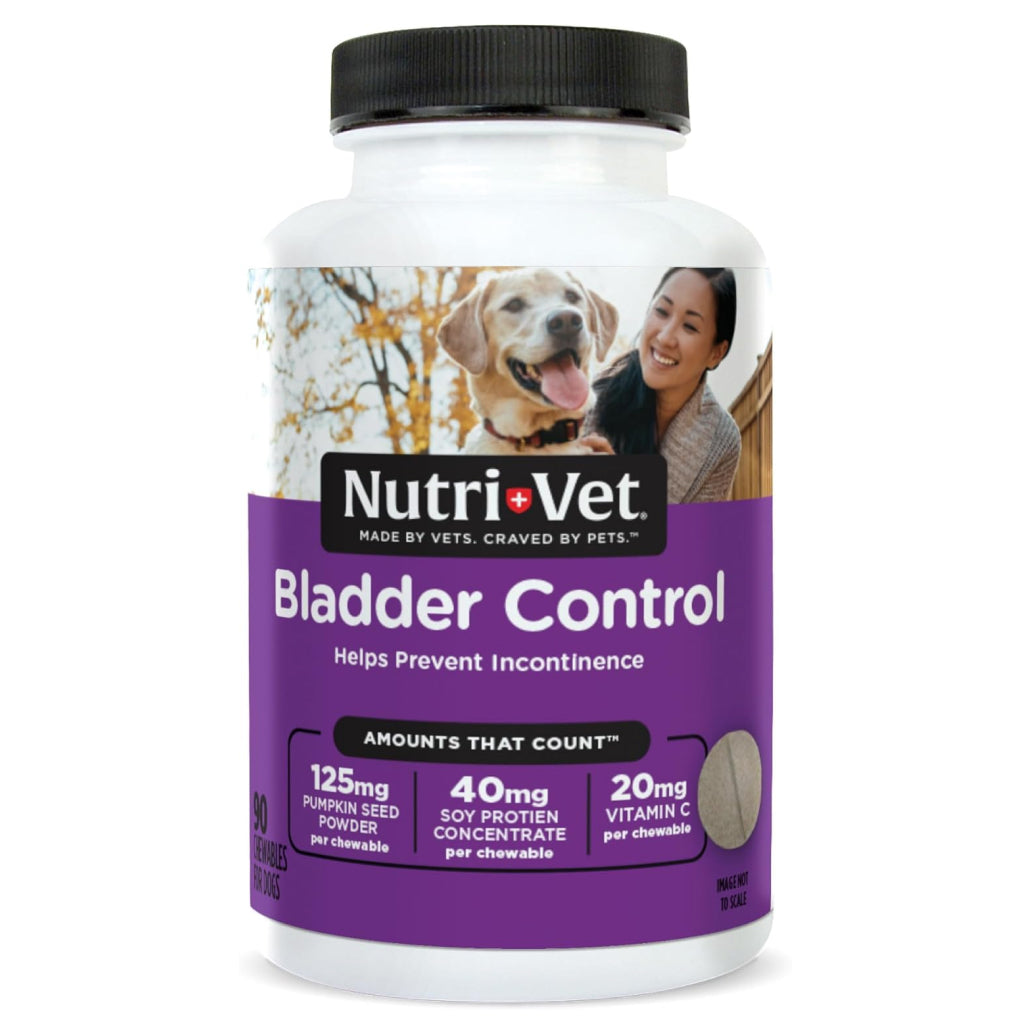
    Are you struggling with your dog’s urinary incontinence? You’re not alone. Millions of pet owners face this challenge, but there’s hope in the form of a medication called Proin.

    Proin is a prescription drug designed specifically for dogs to alleviate symptoms of urinary incontinence. It contains phenylpropanolamine, an active ingredient that works by tightening the bladder sphincter muscle, helping to control urine leakage. We’ll explore how Proin can potentially improve your furry friend’s quality of life and what you need to know before considering this treatment option.

    In this text, we’ll jump into the benefits, potential side effects, and proper usage of Proin for dogs. We’ll also discuss important considerations to keep in mind when deciding if this medication is right for your pet.

    What Is Proin for Dogs?

    Proin, also known as phenylpropanolamine (PPA), is an FDA-approved prescription medication designed to control urinary incontinence in dogs. It’s specifically indicated for treating urinary incontinence caused by urethral sphincter hypotonus, a condition where the urethral sphincter muscle is weakened.

    Understanding Urinary Incontinence in Dogs

    Urinary incontinence in dogs is the involuntary leakage of urine, often due to a weakened urethral sphincter muscle. This condition affects approximately 20% of all spayed dogs, particularly medium to large breeds and older females. Common signs include frequent urination, urine leakage during sleep or while lying down, and excessive licking of the genital area. Causes of urinary incontinence can range from neurological issues and bladder dysfunction to urinary tract infections and anatomical abnormalities. It’s crucial for pet owners to consult a veterinarian if they notice any of these symptoms, as proper diagnosis is essential for effective treatment.

    How Proin Works

    Proin works by targeting the root cause of urinary incontinence in dogs with urethral sphincter hypotonus. The active ingredient, phenylpropanolamine, is an adrenergic agent that strengthens the urethral sphincter muscle. This tightening effect helps to control urine leakage by improving the muscle’s ability to hold urine in the bladder.

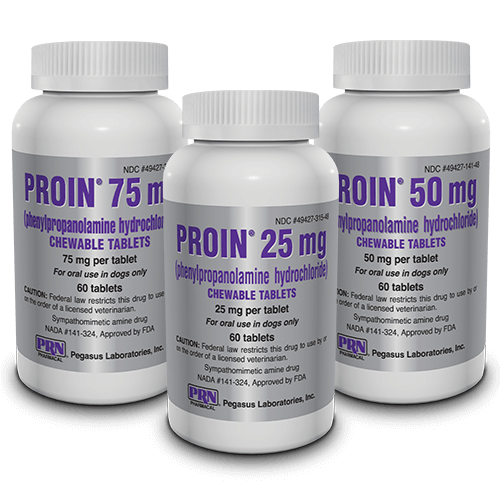
    Proin is available in chewable tablet form, with various strengths of 25 mg, 50 mg, and 75 mg to accommodate different dog sizes and exact needs. The medication is designed to maintain sustained levels of phenylpropanolamine in the bloodstream, providing consistent relief from incontinence symptoms. But, it’s important to note that Proin is not effective for urinary incontinence caused by neurological diseases or malformations, highlighting the importance of accurate diagnosis before treatment.

    Administering Proin to Dogs

    Proper administration of Proin is crucial for effective treatment of urinary incontinence in dogs. We’ll cover the correct dosage, administration methods, and duration of treatment to ensure optimal results.

    Proper Dosage

    Proin dosage depends on the dog’s weight and the exact formulation used. The standard Proin tablets come in 25 mg, 50 mg, and 75 mg strengths. The recommended dosage is 0.4 to 0.8 mg per pound of body weight, given twice daily. For example, a 50-pound dog might receive 25-50 mg twice a day.

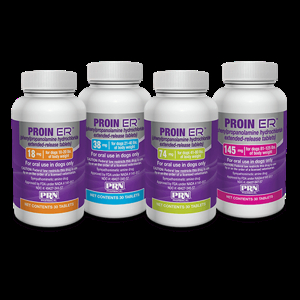
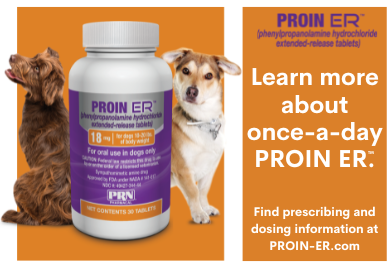
    Proin ER (extended-release) tablets are available in 18 mg, 38 mg, 74 mg, and 145 mg strengths. The recommended dosage for Proin ER is 2 to 4 mg/kg (0.9 to 1.8 mg/lb) of body weight, administered once daily. This formulation provides a convenient once-daily dosing option for pet owners.

    Always follow your veterinarian’s prescription and dosing instructions carefully to ensure your dog receives the correct amount of medication.

    Administration Methods

    Proin is typically administered orally in the form of chewable tablets or liquid. The standard Proin tablets can be given with or without food. If your dog experiences vomiting after taking Proin on an empty stomach, administer future doses with food to reduce gastrointestinal upset.

    Proin ER tablets should always be given with food to ensure optimal absorption. The extended-release formulation provides a steady release of the medication throughout the day, maintaining consistent blood levels of the active ingredient.

    For dogs that resist taking pills, Proin’s chewable tablets are flavored to make administration easier. If necessary, consult your veterinarian about alternative administration methods, such as hiding the tablet in a small amount of food or using a pill pocket.
    Proin for Dogs

    Duration of Treatment

    Proin is typically prescribed for long-term management of urinary incontinence in dogs. The duration of treatment varies depending on the individual dog’s response and the underlying cause of incontinence. Many dogs require ongoing treatment to maintain symptom control.

    Your veterinarian will determine the appropriate duration of treatment based on your dog’s exact condition and response to the medication. Regular follow-up appointments are essential to monitor your dog’s progress and adjust the treatment plan if needed.

    During long-term use, your veterinarian may recommend periodic blood tests to check liver and kidney function, as well as blood pressure monitoring. These tests help ensure the medication remains safe and effective for your dog over time.

    Effectiveness and Onset of Action

    Proin demonstrates high efficacy in managing urinary incontinence in dogs. Clinical studies show it’s effective in 85.7% to 97% of treated dogs, with 91.3% of owners reporting satisfactory urinary continence by day 30 and 98.1% by day 180.

    When to Expect Results

    Proin’s onset of action varies among dogs, but many owners notice improvements within the first few days of treatment. The full therapeutic effect typically manifests within 2-4 weeks. In clinical trials, 91.3% of dogs showed satisfactory urinary continence by day 30. It’s crucial to administer Proin consistently as prescribed to maintain its effectiveness. If no improvement is observed after 4 weeks, consult your veterinarian to reassess the treatment plan. Some dogs may require dosage adjustments or alternative therapies to achieve optimal results.

    Long-Term Use Considerations

    Long-term use of Proin requires careful monitoring and regular veterinary check-ups. While Proin is generally well-tolerated, prolonged use may lead to side effects or changes in effectiveness. Regular blood tests are essential to monitor kidney and liver function, as Proin can affect these organs over time. Periodic urinalysis helps assess the medication’s ongoing efficacy and detect potential urinary tract issues. Some dogs may develop tolerance to Proin, necessitating dosage adjustments. It’s crucial to report any changes in your dog’s behavior, appetite, or urination patterns to your veterinarian promptly. Continuous evaluation of the risk-benefit ratio ensures that Proin remains the most appropriate treatment for your dog’s urinary incontinence management.

    Potential Side Effects and Risks

    Proin, while effective for managing urinary incontinence in dogs, can cause various side effects and risks. Understanding these potential issues is crucial for pet owners to make informed decisions about their dog’s treatment.

    Common Side Effects

    Proin’s common side effects typically manifest within the first week of administration. Gastrointestinal issues are frequent, including vomiting, diarrhea, and decreased appetite. Dogs may experience increased thirst and polydipsia (excessive water consumption). Weight loss exceeding 5% of body weight has been observed in some cases. Anorexia, or reduced appetite, is another common side effect. Some dogs may exhibit behavioral changes such as anxiety, aggression, or restlessness. These side effects often improve or resolve on their own as the dog’s body adjusts to the medication.
    Proin for Dogs

    Serious Adverse Reactions

    While less common, Proin can cause serious adverse reactions in some dogs. Hypertension (elevated blood pressure) is a potential risk, though it’s less prevalent in dogs than in humans. Proteinuria, the presence of protein in urine, has been reported and may indicate kidney issues. In rare cases, dogs may experience severe allergic reactions, including difficulty breathing or swelling of the face, lips, tongue, or throat. Cardiovascular problems, such as irregular heartbeat or tachycardia, can occur. Some dogs may develop liver or kidney dysfunction with prolonged use. Neurological issues, including seizures or tremors, have been reported in rare instances. It’s crucial to monitor your dog closely and contact your veterinarian immediately if any serious side effects occur.

    Important Precautions

    When using Proin for dogs, several crucial precautions must be taken to ensure the safety and well-being of your pet. These precautions involve proper storage, administration, and monitoring of the medication.

    Drug Interactions

    Proin can interact with various medications, potentially affecting its efficacy or causing adverse reactions. It’s essential to inform your veterinarian about all medications your dog is taking, including:

    • Monoamine oxidase inhibitors (MAOIs)
    • Tricyclic antidepressants
    • Sympathomimetic drugs
    • Non-steroidal anti-inflammatory drugs (NSAIDs)
    • Alpha-adrenergic antagonists
    • Beta-adrenergic antagonists

    These interactions can lead to increased blood pressure, changes in heart rate, or other cardiovascular effects. Always consult your vet before combining Proin with any other medications or supplements.
    Proin for Dogs

    Contraindications

    Proin is contraindicated in certain conditions and should not be used in dogs with:

    • Glaucoma
    • Hyperthyroidism
    • Severe hypertension
    • Cardiovascular disorders
    • Diabetes mellitus
    • Seizure disorders

    Also, Proin is not recommended for use in pregnant or nursing dogs, as its safety in these situations hasn’t been established. Dogs with a history of aggression or anxiety may experience worsened symptoms and should be closely monitored if prescribed Proin.

    It’s crucial to provide a complete medical history to your veterinarian before starting Proin treatment. This information helps ensure the medication is safe and appropriate for your dog’s exact health condition.

    Alternatives to Proin

    While Proin is effective for many dogs with urinary incontinence, it’s not suitable for all cases. Various alternatives are available, ranging from other medications to non-pharmaceutical options. Let’s explore these alternatives to help pet owners make informed decisions about their dog’s urinary health.

    Other Medications

    Several alternative medications can help manage canine urinary incontinence:

    • Estrogen supplements: Synthetic estrogens like diethylstilbestrol (DES) or estriol can strengthen the urethral sphincter in spayed females.
    • Testosterone: For male dogs, testosterone supplements may improve urinary control.
    • Alpha-adrenergic agonists: Drugs like pseudoephedrine or ephedrine can increase urethral tone.
    • Anticholinergics: Medications such as oxybutynin or tolterodine may help reduce bladder contractions.
    • GnRH analogs: Gonadotropin-releasing hormone agonists like deslorelin can be effective in some cases.

    These medications work differently from Proin and may be suitable for dogs who don’t respond well to phenylpropanolamine or experience adverse effects. Always consult a veterinarian to determine the most appropriate treatment option.
    Proin for Dogs

    Non-Pharmaceutical Options

    For dogs who can’t tolerate medications or for pet owners seeking natural alternatives, several non-pharmaceutical options are available:

    1. Dietary changes:
    • Increased water intake to dilute urine
    • Low-sodium diets to reduce urine production
    • Supplements like corn silk or saw palmetto to support bladder health
    1. Weight management: Maintaining a healthy weight can reduce pressure on the bladder and improve urinary control.
    2. Frequent bathroom breaks: Establishing a consistent schedule for outdoor visits can help prevent accidents.
    3. Doggie diapers or belly bands: These products can manage leakage and protect furniture.
    4. Acupuncture: Some dogs respond well to this traditional Chinese medicine technique for improving bladder control.
    5. Herbal remedies: Certain herbs like uva ursi or horsetail may support urinary health, but consult a veterinarian before use.
    6. Pelvic floor exercises: Targeted exercises can strengthen muscles supporting the bladder.
    7. Environmental modifications: Using ramps or lower beds can reduce strain on the urinary system for older dogs.

    These non-pharmaceutical options can be used alone or in combination with medications, depending on the severity of the condition and the dog’s overall health. It’s essential to work closely with a veterinarian to develop a comprehensive treatment plan customized to each dog’s exact needs.

    Conclusion

    Proin offers an effective solution for dogs suffering from urinary incontinence. We’ve explored its benefits dosage and potential side effects. While it’s highly successful for many dogs alternatives exist for those who don’t respond well. As with any medication it’s crucial to work closely with a veterinarian to determine the best treatment plan. By understanding Proin’s uses and limitations we can make informed decisions about our furry friends’ health and well-being. Remember that managing urinary incontinence is possible and with the right approach we can help our dogs live comfortable happy lives.

  • Omeprazole for Dogs: A Lifesaver for Tummy Troubles?

    Omeprazole for Dogs: A Lifesaver for Tummy Troubles?

    Did you know that omeprazole, a common human medication, is increasingly being prescribed for our canine companions? As pet owners, we’re always looking for ways to keep our furry friends healthy and comfortable. Omeprazole for dogs has emerged as a valuable treatment option for various gastrointestinal issues, from acid reflux to stomach ulcers.

    We’ll explore the uses, benefits, and potential side effects of omeprazole in dogs. It’s crucial to understand that while this medication can be incredibly helpful, it should only be administered under veterinary guidance. We’ll investigate into the proper dosage, potential interactions, and why it’s essential to follow your vet’s instructions carefully. By the end of this article, you’ll have a comprehensive understanding of how omeprazole can help your four-legged friend and what precautions to keep in mind.

    What Is Omeprazole for Dogs?

    Omeprazole is a proton pump inhibitor (PPI) medication used to treat various gastrointestinal conditions in dogs. It’s commonly known by the brand name Prilosec® and works by reducing stomach acid production.

    How Omeprazole Works

    Omeprazole functions by targeting the proton pumps in a dog’s stomach, which are responsible for producing hydrochloric acid. Here’s how it works:

    1. Inhibits acid production: Omeprazole blocks the enzyme H+/K+ ATPase in the parietal cells of the stomach, effectively reducing acid secretion.
    2. Forms covalent bonds: The medication becomes activated in the acidic environment of the stomach, forming disulfide bonds with cysteine residues on the proton pump.
    3. Long-lasting effect: Due to the permanent nature of these bonds, the inhibition of acid production can last for up to 24 hours.
    4. Gradual onset: The full effect of omeprazole typically takes about 3-5 days to reach its maximum potential in reducing acid production.
    5. Promotes healing: By decreasing stomach acid, omeprazole creates an environment conducive to healing damaged tissue in the gastrointestinal tract.

    This mechanism of action makes omeprazole effective in treating conditions such as gastric ulcers, gastroesophageal reflux disease (GERD), and esophagitis in dogs. It’s important to note that omeprazole should only be administered under veterinary guidance, as the dosage and duration of treatment vary depending on the exact condition being treated.

    Uses of Omeprazole in Dogs

    Omeprazole serves multiple purposes in veterinary medicine, addressing various gastrointestinal issues in dogs. We’ll explore its primary applications and how it benefits canine health.

    Treating Stomach and Intestinal Ulcers

    • Locally invasive neoplasia
    • Hepatic disease
    • Inflammatory bowel disease
    • Ingestion of nonsteroidal anti-inflammatory drugs (NSAIDs)

    By lowering stomach acid levels, omeprazole promotes healing of the damaged tissue and provides relief from pain and discomfort. This makes it an essential tool in managing various ulcerative conditions in the canine gastrointestinal tract.

    Omeprazole for Dogs

    Managing Acid Reflux and Esophagitis

    Omeprazole plays a crucial role in managing gastroesophageal reflux disease (GERD) and esophagitis in dogs. By decreasing stomach acid production, it prevents the backflow of acid into the esophagus, alleviating symptoms such as:

    • Excessive swallowing
    • Gagging
    • Regurgitation
    • Discomfort while eating

    This medication helps protect the esophageal lining from further damage caused by stomach acid. It’s particularly beneficial for dogs with chronic GERD or those recovering from esophageal injuries. Omeprazole’s long-lasting effect, up to 24 hours, provides extended relief and promotes healing of the affected tissues.

    Addressing Helicobacter Infections

    Omeprazole is often used as part of a treatment protocol for Helicobacter infections in dogs. Helicobacter bacteria can cause chronic gastritis and contribute to the development of gastric ulcers. The medication works by:

    • Reducing stomach acidity, creating an unfavorable environment for bacteria
    • Improving the effectiveness of antibiotics used to treat the infection
    • Promoting healing of the gastric mucosa

    When combined with appropriate antibiotics, omeprazole helps eradicate Helicobacter infections more effectively. This combination therapy approach increases the success rate of treatment and reduces the likelihood of recurrence.

    Other Medical Applications

    Omeprazole has several other medical applications in canine healthcare:

    • Preventing stress-related gastric ulcers in critically ill dogs
    • Managing gastrointestinal side effects of certain medications
    • Treating eosinophilic esophagitis
    • Supporting dogs with pancreatitis by reducing gastric acid secretion
    • Aiding in the management of certain types of gastrinomas

    Also, omeprazole may be used prophylactically in dogs at high risk of developing gastric ulcers, such as those undergoing long-term NSAID therapy or experiencing severe physiological stress. Its versatility makes it a valuable tool in addressing various gastrointestinal disorders in dogs.

    Omeprazole for Dogs

    Dosage and Administration

    Administering the correct dosage of omeprazole for dogs is crucial for effective treatment. We’ll explore the recommended dosages and various forms of administration to ensure your dog receives the proper care.

    Recommended Dosages

    The standard dosage of omeprazole for dogs is 0.5 to 1 mg per kilogram of body weight, given once daily. For severe cases like extreme acid reflux or important ulcers, veterinarians may increase the dose to 1-2 mg per kilogram, administered every 12 hours. Exact conditions require customized dosages:

    • Ulcer treatment or prevention: 0.5–1 mg/kg once daily
    • Stomach cancer (gastrinomas) or esophagitis: 0.7–1.5 mg/kg once daily
    • Severe gastrinomas or esophagitis: 1-2 mg/kg every 12 hours

    It’s essential to follow your veterinarian’s instructions precisely, as they’ll determine the appropriate dosage based on your dog’s exact condition and weight.

    Forms and Administration Methods

    Omeprazole for dogs comes in various forms, making administration more manageable for pet owners. The most common forms include:

    1. Tablets: Available in 10 mg, 20 mg, and 40 mg sizes
    2. Capsules: Similar to human formulations
    3. Liquid: Often compounded by veterinarians or compounding pharmacies

    Tablets and capsules are typically administered orally, while liquid formulations offer easier administration, especially for smaller dogs or those resistant to taking pills. To ensure proper absorption, it’s best to give omeprazole on an empty stomach, about 30 minutes before a meal. If your dog experiences difficulty swallowing pills, consult your veterinarian about alternative administration methods or compounded formulations.

    Potential Side Effects and Risks

    Omeprazole for dogs, while generally well-tolerated, can cause certain side effects and risks. It’s crucial for pet owners to be aware of these potential issues to ensure their dog’s safety and well-being during treatment.

    Common Side Effects

    Omeprazole typically causes mild side effects in dogs. These include:

    • Vomiting, especially if given on an empty stomach
    • Decreased appetite
    • Gas and bloating
    • Diarrhea or loose stools

    Less common side effects may involve:

    • Headaches (difficult to detect in dogs)
    • Abdominal pain
    • Constipation
    • Dry mouth

    Most side effects are temporary and resolve on their own. But, if symptoms persist or worsen, it’s essential to consult your veterinarian promptly.

    Omeprazole for Dogs

    Safety Considerations

    When administering omeprazole to dogs, several safety considerations should be taken into account:

    • Long-term use: Prolonged use of omeprazole may lead to:
    • Increased risk of bone fractures
    • Vitamin B12 deficiency
    • Increased risk of certain infections
    • Drug interactions: Omeprazole can interact with other medications, including:
    • Antacids
    • Anticoagulants
    • Certain antibiotics
    1. Underlying conditions: Dogs with liver disease may require dosage adjustments.
    2. Pregnancy and lactation: Use with caution in pregnant or nursing dogs.
    3. Proper administration: Follow veterinary instructions carefully to avoid overdose or underdose.
    4. Monitoring: Regular check-ups are essential to assess the dog’s response to treatment and adjust dosage if necessary.
    5. Allergic reactions: Although rare, watch for signs of allergic reactions such as difficulty breathing, swelling, or hives.

    By considering these safety factors, pet owners can help minimize risks associated with omeprazole use in dogs. Always consult with a veterinarian before starting or changing any medication regimen for your pet.

    Effectiveness of Omeprazole

    Omeprazole demonstrates high efficacy in treating various gastrointestinal issues in dogs. It effectively suppresses gastric acid production, making it a valuable treatment for conditions like stomach ulcers, gastritis, esophagitis, and Helicobacter infections.

    Onset of Action

    Omeprazole’s onset of action in dogs is relatively rapid. It starts inhibiting acid secretion within one hour of administration. The drug reaches its peak effectiveness within 2-6 hours after ingestion. For optimal results, omeprazole is typically administered 30-60 minutes before a meal. This timing allows the medication to be absorbed and start working before food stimulates acid production. In clinical settings, a important increase in gastric pH is observed within 24 hours of the first dose, with full therapeutic effects often achieved within 3-5 days of consistent use.

    Duration of Treatment

    The duration of omeprazole treatment for dogs varies depending on the underlying condition and its severity. For acute gastritis or mild ulcers, a short-term treatment of 1-2 weeks may be sufficient. But, for more severe conditions like chronic gastroesophageal reflux disease (GERD) or deep ulcerations, treatment may extend to 4-8 weeks or longer. It’s crucial to complete the full course of treatment prescribed by the veterinarian, even if symptoms improve earlier. Abrupt discontinuation can lead to a rebound in acid production. When long-term therapy is necessary, regular monitoring and potential dose adjustments are essential to prevent potential side effects associated with prolonged use.

    Alternatives to Omeprazole

    While omeprazole is effective for many dogs with gastrointestinal issues, it’s not always the best option for every canine patient. We’ll explore other medications and natural remedies that veterinarians may recommend as alternatives to omeprazole for dogs.

    Other Medications

    Veterinarians have several alternative medications to consider when omeprazole isn’t suitable for a dog:

    1. Esomeprazole: A close relative of omeprazole, this proton pump inhibitor can be more effective for severe acid reflux or stomach ulcers.
    2. Sucralfate: This gastroprotectant forms a protective layer in the stomach and intestines, making it ideal for healing ulcers.
    3. Famotidine: An H2 receptor antagonist that reduces stomach acid production, often used for mild cases of acid reflux.
    4. Ranitidine: Another H2 blocker that can help manage excess stomach acid and treat ulcers.
    5. Cimetidine: An older H2 antagonist still used in some cases to reduce stomach acid secretion.

    These medications offer different mechanisms of action and may be more suitable depending on the dog’s exact condition and individual response to treatment.

    Natural Remedies

    Some pet owners prefer natural alternatives to manage their dog’s digestive issues:

    1. Slippery elm: This herb can soothe the digestive tract and reduce inflammation.
    2. Probiotics: Beneficial bacteria that support gut health and may alleviate digestive problems.
    3. Digestive enzymes: Supplements that aid in breaking down food and improving nutrient absorption.
    4. Licorice root: An herb with anti-inflammatory properties that can help soothe the digestive system.
    5. Aloe vera juice: Known for its soothing effects on the digestive tract when used in small amounts.
    6. Chamomile: An herb with calming properties that may help reduce stomach acid.
    7. Marshmallow root: This herb can form a protective layer in the digestive tract, similar to sucralfate.

    While these natural remedies can be beneficial, it’s crucial to consult a veterinarian before using them, as some may interact with medications or be inappropriate for certain conditions.

    When to Consult a Veterinarian

    Consulting a veterinarian is crucial when considering omeprazole for dogs. We’ll outline key reasons why professional guidance is essential for your canine companion’s health.

    Diagnosis and Prescription

    Omeprazole’s off-label use for dogs requires veterinary expertise. A vet diagnoses underlying conditions such as:

    • Stomach ulcers
    • Gastroesophageal reflux disease (GERD)
    • Gastritis
    • Helicobacter infections

    After diagnosis, the vet prescribes an appropriate treatment plan and dosage customized to your dog’s exact needs.

    Dosage and Administration

    Correct dosing of omeprazole is vital for effective treatment. Veterinarians determine the optimal dose based on:

    • Dog’s weight
    • Severity of the condition
    • Overall health status

    Typical dosage ranges from 0.5 to 1 mg per kilogram of body weight, administered once or twice daily. This precision ensures your dog receives the right amount for their condition.

    Potential Side Effects and Monitoring

    While omeprazole is generally well-tolerated, side effects can occur. Veterinarians monitor your dog’s response to the medication, watching for:

    • Vomiting
    • Decreased appetite
    • Gas
    • Diarrhea

    Professional oversight allows for timely adjustments to the treatment plan if needed, ensuring your dog’s comfort and safety throughout the course of medication.

    Omeprazole for Dogs

    Drug Interactions and Contraindications

    Veterinarians assess potential drug interactions between omeprazole and other medications your dog may be taking. They consider:

    • Current prescriptions
    • Supplements
    • Underlying health conditions

    This comprehensive evaluation prevents adverse reactions and ensures omeprazole’s compatibility with your dog’s overall treatment regimen.

    Long-Term Use Considerations

    For dogs requiring extended omeprazole treatment, veterinary guidance is indispensable. Professionals:

    • Evaluate the need for ongoing therapy
    • Assess potential risks of prolonged use
    • Recommend periodic check-ups and tests

    This approach safeguards your dog’s health during extended treatment periods.

    Alternative Treatment Options

    If omeprazole isn’t suitable for your dog, veterinarians can suggest alternatives such as:

    • Other proton pump inhibitors
    • H2 receptor antagonists
    • Natural remedies

    Professional advice ensures you choose the most appropriate and effective treatment for your dog’s exact condition.

    Consulting a veterinarian before administering omeprazole to your dog is non-negotiable. Their expertise ensures accurate diagnosis, appropriate dosing, and comprehensive care customized to your pet’s individual needs.

    Conclusion

    Omeprazole can be a valuable medication for dogs with various gastrointestinal issues. We’ve explored its uses benefits and potential risks highlighting the importance of veterinary guidance throughout treatment. Remember that proper dosage administration and monitoring are crucial for your dog’s safety and well-being. While omeprazole is often effective there are alternatives available both medicinal and natural. Always consult your veterinarian to determine the best treatment plan for your furry friend’s exact needs. With the right approach we can help our canine companions find relief from digestive discomfort and enjoy a better quality of life.

  • Kennel Cough Vaccine: Protect Your Dog from This Common Respiratory Disease

    Kennel Cough Vaccine: Protect Your Dog from This Common Respiratory Disease

    Have you ever wondered how to protect your furry friend from that persistent, hacking cough that can spread like wildfire at the dog park? Enter the kennel cough vaccine, a crucial tool in your pet’s health arsenal.

    We’ll discover the area of kennel cough vaccines, from oral to intranasal options, and why they’re essential for your dog’s wellbeing. While no vaccine offers complete immunity, these preventative measures can significantly reduce the severity and spread of this highly contagious respiratory disease.

    As responsible pet owners, it’s our duty to understand the best ways to keep our dogs healthy. Join us as we jump into the facts about kennel cough vaccines, their effectiveness, and how to make informed decisions with your veterinarian to ensure your canine companion stays happy and healthy.

    What Is Kennel Cough?

    Kennel cough, also known as canine infectious tracheobronchitis, is a highly contagious respiratory disease that affects dogs. It’s characterized by a persistent, hacking cough that can last for days or weeks. This condition is often compared to the common cold in humans due to its widespread nature and typical mild severity.

    Causes

    Kennel cough is primarily caused by a combination of pathogens:

    • Bacteria: Bordetella bronchiseptica is the most common bacterial cause
    • Viruses: Canine adenovirus type 2 and parainfluenza virus often contribute

    These pathogens work together to inflame the dog’s upper respiratory system, leading to the characteristic symptoms.

    Symptoms

    The main symptoms of kennel cough include:

    • A loud, honking cough (often described as sounding like a goose)
    • Sneezing
    • Runny nose
    • Lethargy
    • Fever (in some cases)

    While most dogs remain alert and active even though the cough, the persistent hacking can be bothersome and disruptive to both the dog and its owners.

    Transmission

    Kennel cough spreads rapidly in environments where dogs congregate, such as:

    • Kennels
    • Dog parks
    • Boarding facilities
    • Grooming salons
    • Dog daycare centers
    • Veterinary waiting rooms and wards
    Kennel Cough Vaccine

    The disease is transmitted through:

    1. Direct contact with an infected dog’s cough or sneeze
    2. Contact with contaminated surfaces or objects (e.g., food bowls, toys)
    3. Airborne droplets

    The highly contagious nature of kennel cough means that if one dog in a household becomes infected, other dogs in the same environment are likely to contract the disease as well.

    While kennel cough can be a nuisance, it’s important to note that most cases resolve on their own within a few days to weeks. But, young puppies, older dogs, and those with compromised immune systems may be at higher risk for more severe complications, such as pneumonia. In these cases, veterinary intervention may be necessary to manage symptoms and prevent secondary infections.

    Understanding the Kennel Cough Vaccine

    Kennel cough vaccines protect dogs against a contagious respiratory disease caused by various pathogens. These vaccines target the most common culprits: Bordetella bronchiseptica bacteria and canine parainfluenza virus.

    Types of Vaccines Available

    Two primary types of kennel cough vaccines are available:

    • Intranasal (IN) Vaccines:
    • Administered directly into the nostrils
    • Provide rapid, localized mucosal protection
    • Contain live, attenuated strains of B. bronchiseptica
    • May include canine parainfluenza virus and canine adenovirus
    • Develop protective immunity within 4 days of a single dose
    • Oral Vaccines:
    • Given orally
    • Highly effective in preventing disease
    • Reduce shedding of B. bronchiseptica

    Some vaccines, like the DA2PP vaccine, offer protection against adenovirus type 2 and parainfluenza. Bordetella vaccines are available separately and may be referred to as “Bord” in veterinary records.

    How the Vaccine Works?

    Kennel cough vaccines stimulate the dog’s immune system to produce antibodies against exact pathogens. The intranasal and oral vaccines work by mimicking natural infection, triggering a localized immune response in the respiratory tract.

    These vaccines contain weakened or modified forms of the target pathogens, allowing the dog’s body to recognize and develop immunity without causing the actual disease. The immune system creates memory cells that can quickly respond to future infections.

    While no vaccine offers complete protection, kennel cough vaccines significantly reduce the risk of infection and minimize symptom severity if infection occurs. They’re particularly effective against the most common strains of Bordetella bronchiseptica and canine parainfluenza virus.

    For optimal protection, veterinarians often recommend a combination of vaccines to cover multiple pathogens associated with kennel cough. The exact vaccine protocol may vary based on the dog’s risk factors, lifestyle, and local prevalence of different strains.

    Kennel Cough Vaccine

    Benefits of Vaccination

    Kennel cough vaccination offers many advantages for dogs and their owners. Let’s explore the key benefits of this preventive measure.

    Protection for Individual Dogs

    Kennel cough vaccines significantly reduce the risk and severity of respiratory infections in dogs. Vaccinated dogs are more likely to experience mild symptoms if they contract kennel cough, minimizing discomfort and potential complications. The vaccine targets primary pathogens like Bordetella bronchiseptica, parainfluenza virus, and adenovirus type 2, providing comprehensive protection. Intranasal vaccines offer rapid immunity within 48-72 hours, ideal for dogs needing immediate protection. This swift response is particularly beneficial for puppies, senior dogs, and those with compromised immune systems, who are more susceptible to severe cases of kennel cough.

    Preventing Outbreaks in Kennels and Shelters

    Vaccination plays a crucial role in preventing widespread kennel cough outbreaks in group settings. In kennels and shelters, where dogs are in close proximity, the highly contagious nature of kennel cough can lead to rapid transmission. Vaccinated dogs are less likely to contract and spread the disease, creating a barrier against outbreaks. This protection extends to boarding facilities, dog daycare centers, and animal shelters, where maintaining a healthy environment is essential. By reducing the overall infection rate, vaccination helps minimize the economic impact of outbreaks on these facilities, including treatment costs and potential closures. Also, it contributes to the well-being of shelter animals, improving their chances of adoption by keeping them healthy.

    When to Vaccinate Your Dog

    Timing is crucial when vaccinating dogs against kennel cough. The optimal vaccination schedule varies depending on the dog’s age, lifestyle, and risk factors. Here’s what you need to know about vaccinating puppies and adult dogs.

    Puppies vs. Adult Dogs

    Puppies require early protection against kennel cough. Vaccinations typically start at 6-8 weeks of age, with intranasal vaccines administered as early as 6 weeks. These provide rapid, localized protection within 4 days of a single dose. Adult dogs at high risk of exposure, such as those attending dog shows or staying in boarding facilities, should be vaccinated before potential exposure. Intranasal vaccines offer protection within days, while subcutaneous vaccines may take 10-14 days for partial immunity. Adult dogs often need a second dose 2-4 weeks after the initial vaccination for full protection.

    Frequency of Vaccination

    The frequency of kennel cough vaccination depends on the dog’s risk level and the exact vaccine used. Puppies typically receive a series of vaccinations over their first few months. Adult dogs generally need annual boosters to maintain immunity. High-risk dogs, such as those frequently boarded or attending dog shows, may require more frequent vaccinations. Intranasal vaccines often provide protection for up to 12 months, while injectable vaccines may offer immunity for 6-12 months. It’s essential to consult with a veterinarian to determine the most appropriate vaccination schedule based on your dog’s individual needs and lifestyle.

    Administering the Vaccine

    Administering the kennel cough vaccine correctly is crucial for its effectiveness. We’ll explore the different methods of administration and their exact applications.

    Oral and Injectable Options

    Oral kennel cough vaccines offer a convenient and stress-free administration method. The Recombitek Oral Bordetella vaccine has demonstrated 100% protection against kennel cough in studies, with no vaccinated dogs developing spontaneous cough. This oral vaccine also significantly reduces tracheal and nasal shedding of Bordetella bronchiseptica.

    Injectable kennel cough vaccines are administered subcutaneously or intramuscularly. They’re often preferred when dogs are already visiting a veterinarian for other vaccinations or medical care. The choice between oral and injectable forms depends on factors such as the dog’s age, health status, and vaccination history.

    Intranasal Application

    Intranasal (IN) vaccines are a common and effective method for preventing kennel cough. These vaccines typically contain Bordetella bronchiseptica and may include additional antigens like canine-parainfluenza virus and canine-adenovirus type 2. IN vaccines produce rapid, localized mucosal protection, developing protective immunity within 4 days following a single dose.

    The intranasal application is particularly beneficial for puppies, senior dogs, and those with compromised immune systems due to its quick onset of immunity. This method mimics the natural route of infection, stimulating a strong immune response in the respiratory tract where kennel cough pathogens typically enter the body.

    Potential Side Effects and Risks

    While kennel cough vaccines are generally safe and effective, they can cause some side effects. It’s important for dog owners to be aware of these potential reactions and understand when to seek veterinary care.

    Common Reactions

    Kennel cough vaccines typically cause mild, short-lived side effects in dogs. These common reactions include:

    • Lethargy and discomfort: Dogs may experience mild malaise, lethargy, or discomfort for 1-2 days after vaccination.
    • Fever: A slight increase in body temperature is normal and usually resolves within 48 hours.
    • Injection site reactions: For injectable vaccines, lumps, bumps, and tenderness at the injection site can occur.
    • Respiratory symptoms: Dogs receiving intranasal vaccines may exhibit sneezing, coughing, or a runny nose for 1-2 days.
    • Reduced appetite: Some dogs may eat less for a day or two following vaccination.

    These reactions are generally not cause for concern and resolve on their own within a few days. But, if symptoms persist or worsen, consult a veterinarian.

    Rare Complications

    While uncommon, more serious reactions to kennel cough vaccines can occur:

    • Allergic reactions: Symptoms include facial swelling, difficulty breathing, or hives. These require immediate veterinary attention.
    • Anaphylaxis: This severe, life-threatening allergic reaction is extremely rare but requires emergency treatment.
    • Prolonged respiratory issues: In some cases, dogs may experience persistent coughing or other respiratory symptoms beyond the expected timeframe.
    • Immune-mediated disorders: Very rarely, vaccines can trigger immune system reactions, leading to conditions like immune-mediated hemolytic anemia.
    • Neurological symptoms: In extremely rare instances, dogs may exhibit neurological issues such as seizures or changes in behavior.

    It’s crucial to monitor your dog closely after vaccination and report any unusual or severe symptoms to your veterinarian promptly. While these complications are rare, early intervention can significantly improve outcomes if they do occur.

    Effectiveness of the Kennel Cough Vaccine

    The kennel cough vaccine is highly effective in preventing and reducing the severity of canine infectious tracheobronchitis. Studies have shown that vaccinated dogs have a significantly lower risk of contracting kennel cough and experience milder symptoms if infected.

    Kennel Cough Vaccine

    Factors Affecting Efficacy

    The effectiveness of the kennel cough vaccine depends on several factors:

    • Timing: Proper vaccination timing is crucial for optimal protection. Puppies typically start their vaccination series at 6-8 weeks old.
    • Type of vaccine: Intranasal vaccines provide rapid immunity within 48-72 hours, while injectable vaccines may take longer to develop protection.
    • Exposure risk: Dogs in high-risk environments, such as kennels or dog shows, may require more frequent vaccinations.
    • Individual immune response: Each dog’s immune system may react differently to the vaccine, affecting its overall efficacy.
    • Strain coverage: The vaccine’s effectiveness varies depending on its ability to target prevalent strains of Bordetella bronchiseptica and other pathogens.

    Limitations of Vaccination

    While the kennel cough vaccine is highly effective, it’s important to understand its limitations:

    • Incomplete protection: No vaccine provides 100% immunity against all strains of kennel cough pathogens.
    • Duration of immunity: Protection may wane over time, necessitating booster shots for continued effectiveness.
    • Breakthrough infections: Vaccinated dogs can still contract kennel cough, though symptoms are usually milder.
    • Evolving pathogens: New strains of bacteria or viruses may emerge that aren’t covered by existing vaccines.
    • Individual variations: Some dogs may not develop a strong immune response to the vaccine, reducing its effectiveness.

    Even though these limitations, the kennel cough vaccine remains a crucial tool in preventing and controlling the spread of this common canine respiratory disease.

    Alternatives to Vaccination

    While vaccination remains the most effective protection against kennel cough, some pet owners seek alternatives. Here are other preventive measures and natural immunity boosters that can complement vaccination strategies.

    Preventive Measures

    Reducing exposure to kennel cough pathogens is crucial for unvaccinated dogs. Keep dogs away from high-traffic areas like dog parks, kennels, and grooming facilities. Use individual water bowls and toys to prevent sharing. Regularly clean and disinfect your dog’s living space, including bedding and toys. Improve indoor air quality with proper ventilation and air purifiers. Minimize stress, as it can weaken the immune system. Consider using a humidifier to keep respiratory passages moist. Avoid exposing your dog to cigarette smoke or other airborne irritants. Carry out a quarantine period for new dogs entering your household.

    Natural Immunity Boosters

    Supporting your dog’s immune system can help fight off infections. Provide a balanced, nutrient-rich diet with high-quality protein sources. Supplement with omega-3 fatty acids to reduce inflammation. Include antioxidant-rich foods like blueberries and spinach. Consider probiotics to support gut health and immune function. Ensure adequate vitamin C intake through foods or supplements. Incorporate herbs like echinacea and astragalus, known for immune-boosting properties. Maintain regular exercise routines to promote overall health. Ensure proper hydration with clean, fresh water. Manage stress through consistent routines and calming activities. Consult with a holistic veterinarian for personalized natural immunity support plans.

    Conclusion

    Kennel cough vaccines play a vital role in protecting our canine companions from this common respiratory illness. While not foolproof they significantly reduce the risk and severity of infections. We encourage pet owners to discuss vaccination options with their veterinarians considering their dog’s lifestyle and risk factors. Remember that vaccines work best when combined with other preventive measures like good hygiene and a healthy lifestyle. By staying informed and proactive we can help keep our furry friends happy healthy and cough-free.

  • Mometamax for Dogs: Ultimate Guide to Treating Canine Ear Infections

    Mometamax for Dogs: Ultimate Guide to Treating Canine Ear Infections

    Is your furry friend suffering from persistent ear infections? Mometamax for dogs might be the solution you’ve been searching for. This FDA-approved medication for dogs combines three powerful ingredients to tackle bacterial and fungal ear infections while reducing inflammation.

    We’ll explore how Mometamax works, its benefits, and proper usage for your canine companion. From its active components to potential off-label uses, we’ll cover everything you need to know about this versatile ear treatment. Whether you’re dealing with your dog’s first ear infection or looking for a more effective solution, our comprehensive guide will help you make an well-informed choice about Mometamax.

    What Is Mometamax Otic Suspension?

    Mometamax Otic Suspension is a prescription medication specifically designed for treating external ear infections in dogs. This FDA-approved veterinary medication, produced by Merck Animal Health, combines three active ingredients to effectively combat bacterial and fungal ear infections while reducing inflammation.

    Active Ingredients

    Mometamax Otic Suspension contains three key components:

    1. Gentamicin Sulfate: A broad-spectrum antibiotic that targets and eliminates bacteria causing infections. It’s effective against various bacteria, including Pseudomonas spp., coagulase-positive staphylococci, Enterococcus faecalis, Proteus mirabilis, and beta-hemolytic streptococci.
    2. Mometasone Furoate Monohydrate: A potent corticosteroid that reduces inflammation, itching, and swelling in the ear, alleviating symptoms associated with ear infections.
    3. Clotrimazole: An antifungal agent that combats fungal infections in the ear.

    This combination of ingredients provides a comprehensive approach to treating canine ear infections, addressing bacterial and fungal causes while managing inflammation.

    Intended Use for Dogs

    Mometamax Otic Suspension is primarily intended for dogs suffering from external ear infections. It’s particularly effective for:

    1. Acute and chronic otitis externa: Inflammation of the external ear canal caused by bacteria or fungi.
    2. Mixed infections: Cases where both bacterial and fungal agents are present.
    3. Inflammatory conditions: Situations where ear inflammation is a important concern.

    The medication comes in a dropper bottle with a long tip, designed for easy administration directly into the dog’s ear canal. Veterinarians typically prescribe Mometamax for a exact duration based on the severity and type of ear infection. While primarily used for dogs, it may be prescribed for other animals under veterinary guidance in certain circumstances.

    Mometamax for Dogs

    How Mometamax Works?

    Mometamax Otic Suspension is a powerful medication for treating external ear infections in dogs. It combines three active ingredients to effectively combat various aspects of ear infections.

    Anti-Inflammatory Action

    Mometamax contains Mometasone Furoate Monohydrate, a potent corticosteroid that targets inflammation in the ear canal. This ingredient reduces swelling, redness, and itching associated with ear infections. By calming the inflamed tissues, Mometasone Furoate Monohydrate helps alleviate discomfort and promotes healing. The anti-inflammatory action of Mometamax is crucial in breaking the cycle of irritation and scratching that often exacerbates ear infections in dogs. This component also helps decrease the production of excess ear wax, which can contribute to ongoing ear problems.

    Antifungal Activity

    Clotrimazole, the antifungal agent in Mometamax, plays a vital role in treating and preventing fungal infections in the ear. It’s particularly effective against yeast, a common culprit in canine ear infections. Clotrimazole works by disrupting the cell membranes of fungi, eventually leading to their destruction. This broad-spectrum antifungal activity ensures that Mometamax can address a wide range of fungal pathogens that may be present in the dog’s ear. By eliminating these fungal organisms, Clotrimazole helps prevent the recurrence of infections and promotes a healthy ear environment.

    Antibacterial Effect

    The third active ingredient in Mometamax, Gentamicin Sulfate, is a powerful antibiotic that targets and eliminates bacteria causing ear infections. Gentamicin Sulfate is effective against a wide range of bacteria commonly responsible for otitis externa in dogs. It works by interfering with bacterial protein synthesis, preventing the growth and reproduction of harmful bacteria. This antibacterial action is crucial in clearing up existing infections and preventing secondary bacterial infections that can occur due to the compromised state of the ear canal. The inclusion of Gentamicin Sulfate in Mometamax ensures comprehensive treatment of bacterial components in mixed ear infections.

    Indications and Benefits

    Mometamax is a powerful otic suspension specifically designed for treating ear infections in dogs. It’s formulated to combat various causes of otitis externa while providing relief from inflammation and discomfort.

    Treatable Conditions

    Mometamax effectively treats otitis externa in dogs caused by susceptible strains of yeast and bacteria. It’s particularly effective against Malassezia pachydermatis, Pseudomonas spp., coagulase-positive staphylococci, Enterococcus faecalis, Proteus mirabilis, and beta-hemolytic streptococci. The Mometamax Ultra variant targets acute otitis externa or acute exacerbation of recurrent otitis externa caused by mixed infections involving Staphylococcus pseudintermedius and Malassezia pachydermatis. This broad-spectrum coverage makes Mometamax a versatile solution for various ear infection scenarios in dogs.

    Mometamax for Dogs

    Advantages Over Other Treatments

    Mometamax offers several advantages over other ear infection treatments for dogs. Its triple-action formula combines an antibiotic (Gentamicin Sulfate), an antifungal agent (Clotrimazole), and a corticosteroid (Mometasone Furoate Monohydrate). This unique combination allows Mometamax to simultaneously target bacterial and fungal infections while reducing inflammation. The medication’s effectiveness against a wide range of pathogens reduces the need for multiple treatments or medication switches. Mometamax’s easy-to-use otic suspension format ensures precise application directly into the dog’s ear canal, maximizing its therapeutic effects. Its FDA approval provides veterinarians and pet owners with confidence in its safety and efficacy profile.

    Administration and Dosage

    Mometamax Otic Suspension is administered directly into the infected ear canal of dogs. Proper application technique and adherence to recommended treatment duration are crucial for effective results.

    Proper Application Technique

    To apply Mometamax correctly:

    1. Clean and dry the external ear canal thoroughly before treatment.
    2. Ensure the tympanic membrane is intact through veterinary examination.
    3. Shake the bottle well before use.
    4. For dogs under 30 lbs:
    • Instill 4 drops from 7.5 g, 15 g, and 30 g bottles
    • Use 2 drops from the 215 g bottle

    5. For dogs 30 lbs or more:

      • Instill 8 drops from 7.5 g, 15 g, and 30 g bottles
      • Use 4 drops from the 215 g bottle

      6. Administer once daily into the ear canal.

        Proper application prevents further infection and ensures effective treatment. Always follow your veterinarian’s instructions for the best results.

        Recommended Treatment Duration

        The recommended treatment duration for Mometamax varies based on the severity and type of ear infection. Typically, treatment lasts 7-14 days. But, your veterinarian may adjust the duration based on your dog’s exact condition and response to treatment. It’s crucial to complete the full course of medication as prescribed, even if symptoms improve before treatment ends. This approach helps prevent recurrence and antibiotic resistance. Regular follow-up visits allow your veterinarian to monitor progress and make necessary adjustments to the treatment plan.

        Potential Side Effects

        Mometamax Otic Suspension, while effective in treating ear infections in dogs, can cause certain side effects. Understanding these potential reactions helps dog owners monitor their pets and ensure proper treatment.

        Common Reactions

        Mometamax can lead to several common side effects in dogs:

        • Topical irritation at the application site, including redness, swelling, and itching
        • Temporary hearing loss or deafness, particularly in older or sensitive dogs
        • Behavioral changes such as increased appetite, thirst, and urination
        • Gastrointestinal issues like vomiting and diarrhea
        • Systemic effects including immunosuppression and delayed wound healing

        These reactions often result from the steroid component in Mometamax. It’s important to note that while some side effects are temporary, others may persist or require veterinary attention.

        When to Consult a Veterinarian

        Dog owners should contact their veterinarian if:

        • Symptoms worsen or persist beyond the treatment period
        • New or unexpected reactions occur
        • Signs of an allergic reaction appear, such as severe itching or difficulty breathing
        • The dog shows signs of hearing loss that doesn’t improve
        • There’s a important change in the dog’s behavior or appetite
        • Symptoms of Cushing’s syndrome develop, especially with prolonged use

        Prompt veterinary consultation ensures proper management of side effects and adjustments to the treatment plan if necessary. Regular follow-ups during the course of treatment allow for monitoring and early intervention if complications arise.

        Important Safety Information

        Mometamax for dogs requires careful consideration of safety precautions and potential interactions. Here’s essential information to ensure safe and effective use of this medication.

        Precautions and Warnings

        Mometamax should not be used in dogs with known hypersensitivity to any of its ingredients. The safety of Mometamax in pregnant or breeding dogs is unestablished, so use it cautiously in these cases. Prolonged use or large amounts of Mometamax may lead to systemic corticosteroid effects. If the ear infection doesn’t respond to Mometamax, reevaluate the diagnosis. Always clean and dry the dog’s ears before applying Mometamax. Avoid using in dogs with perforated eardrums. Monitor for signs of hearing loss or vestibular dysfunction during treatment. Discontinue use and consult a veterinarian if irritation or sensitization occurs.

        Drug Interactions

        When using Mometamax, be aware of potential drug interactions. Concurrent use with other ototoxic drugs may increase the risk of ear toxicity. Avoid combining Mometamax with other topical ear medications unless directed by a veterinarian. Systemic corticosteroids may interact with Mometamax’s mometasone component, potentially increasing the risk of adrenal suppression. Use caution when administering Mometamax to dogs on other medications, particularly those affecting the immune system or hormone balance. Always inform your veterinarian about all medications and supplements your dog is taking before starting Mometamax treatment. This helps prevent adverse reactions and ensures the most effective treatment plan for your dog’s ear infection.

        Mometamax for Dogs

        Storage and Handling

        Proper storage and handling of Mometamax Otic Suspension are crucial for maintaining its effectiveness and safety. Here’s what you need to know about storing this medication for your dog’s ear infections.

        Proper Storage Conditions

        Mometamax Otic Suspension requires exact storage conditions to maintain its potency. Store the medication at room temperature, away from direct sunlight and moisture. Keep it in its original packaging to protect it from light and environmental factors. Avoid exposing Mometamax to extreme temperatures or freezing conditions, as this can compromise its efficacy. Always store the suspension out of reach of children and pets to prevent accidental ingestion. Before applying Mometamax, ensure your dog’s external ear canal is thoroughly cleaned and dried for optimal treatment effectiveness.

        Shelf Life and Expiration

        The shelf life of Mometamax Otic Suspension is clearly indicated on its packaging with an expiration date. It’s essential to check this date before each use to ensure the medication’s safety and effectiveness. Using expired Mometamax can lead to reduced efficacy or potential harm to your dog. Once opened, the suspension typically remains effective until the expiration date, provided it’s stored correctly. If you notice any changes in color, consistency, or smell, discard the product immediately. Always follow your veterinarian’s instructions about the duration of use, even if the expiration date hasn’t been reached.

        Conclusion

        Mometamax stands out as a powerful solution for canine ear infections. Its triple-action formula effectively combats bacteria fungi and inflammation providing comprehensive relief for our furry friends. We’ve explored its benefits proper usage and potential side effects to help pet owners make informed decisions.

        Remember to always consult with a veterinarian before starting any treatment. By following professional guidance and adhering to proper administration techniques we can ensure the best possible outcomes for our dogs’ ear health. Mometamax offers a promising path to happier healthier ears for our canine companions.

      1. Previcox for Dogs: Effective Pain Relief for Canine Arthritis

        Previcox for Dogs: Effective Pain Relief for Canine Arthritis

        Are you tired of seeing your furry friend struggle with joint pain and inflammation? We’ve got good news for dog owners dealing with canine osteoarthritis. Previcox for dogs, a veterinary prescription nonsteroidal anti-inflammatory drug (NSAID), is changing the game for dogs suffering from this painful condition.

        Osteoarthritis affects countless dogs, causing limping, decreased activity, and stiffness. That’s where Previcox comes in. This innovative medication works by targeting the COX-2 enzyme, effectively reducing pain, inflammation, and fever in our canine companions. We’ll explore how Previcox can help improve your dog’s quality of life, its benefits, and what you need to know before considering this treatment option.

        What Is Firocoxib for Dogs?

        Firocoxib, marketed under the brand name Previcox, is a non-steroidal anti-inflammatory drug (NSAID) specifically designed for dogs. It’s primarily used to manage pain and inflammation associated with osteoarthritis and post-operative recovery.

        Understanding NSAIDs in Veterinary Medicine

        NSAIDs play a crucial role in veterinary medicine, providing relief for dogs suffering from various painful conditions. These medications work by inhibiting exact enzymes involved in the inflammatory process. Firocoxib, as a selective NSAID, targets the COX-2 enzyme, which is responsible for producing inflammatory chemicals in the body.

        Unlike traditional NSAIDs, firocoxib’s selective action on COX-2 generally results in fewer side effects. This selectivity allows it to reduce inflammation, fever, and pain without significantly affecting the COX-1 pathway, which is important for maintaining normal bodily functions such as digestion, kidney health, and blood clotting.

        Veterinarians often prescribe firocoxib for dogs with chronic pain conditions like osteoarthritis or to manage post-operative pain and inflammation following soft-tissue and orthopedic surgeries. Its once-daily dosing regimen makes it convenient for pet owners to administer, potentially improving compliance with the prescribed treatment plan.

        While firocoxib is generally well-tolerated, it’s essential to use it under veterinary supervision. Regular blood work checks are recommended for dogs on long-term firocoxib therapy to monitor liver and kidney function. As with any medication, the benefits of firocoxib must be weighed against potential risks, and dosage should be customized to each individual dog’s needs.

        How Firocoxib Works

        Firocoxib, the active ingredient in Previcox, is a non-steroidal anti-inflammatory drug (NSAID) designed to alleviate pain and inflammation in dogs. Its unique mechanism of action sets it apart from traditional NSAIDs, offering effective relief with potentially fewer side effects.

        Mechanism of Action

        Firocoxib operates as a selective COX-2 inhibitor, targeting the cyclooxygenase-2 (COX-2) enzyme pathway. This selective action is key to its effectiveness and safety profile:

        • COX-2 Inhibition: Firocoxib blocks the COX-2 enzyme, which is responsible for producing prostaglandins that cause inflammation, pain, and fever in dogs. By inhibiting this pathway, firocoxib effectively reduces these symptoms.
        • COX-1 Sparing: Unlike traditional NSAIDs, firocoxib is highly selective for the COX-2 pathway. This selectivity helps preserve the COX-1 pathway, which is associated with important protective functions in the body, including gastric mucosal protection, platelet aggregation, and renal perfusion.
        • Reduced Side Effects: The COX-1 sparing action of firocoxib potentially leads to fewer gastrointestinal and other side effects commonly associated with non-selective NSAIDs.
        • Targeted Pain Relief: By focusing on the COX-2 pathway, firocoxib provides effective pain relief and anti-inflammatory action where it’s needed most, without significantly impacting other bodily functions.

        This selective mechanism allows firocoxib to offer pain relief and anti-inflammatory benefits while potentially minimizing the risk of adverse effects on the digestive system, kidneys, and other organs. But, it’s important to note that while firocoxib is designed to be safer than traditional NSAIDs, it still requires veterinary supervision and regular monitoring, especially for dogs on long-term therapy.

        Previcox for Dogs

        Uses and Benefits

        Previcox offers important advantages for dogs suffering from various painful conditions. Its targeted approach to pain management makes it a valuable tool in veterinary medicine.

        Managing Osteoarthritis Pain

        Previcox (firocoxib) is an FDA-approved NSAID specifically designed for controlling osteoarthritis pain in dogs. It selectively inhibits the COX-2 pathway, reducing inflammation-triggering chemicals and providing effective pain relief. Clinical studies demonstrate impressive results, with 96% of pet owners and 93% of veterinarians observing improvements in dogs after 30 days of Previcox use. This medication can be used long-term for osteoarthritis management, with veterinarians recommending the lowest effective dose for the shortest duration consistent with individual response. Previcox’s ability to improve mobility and reduce pain significantly enhances the quality of life for dogs suffering from this chronic condition.

        Post-Surgical Pain Relief

        Previcox plays a crucial role in post-operative pain management for dogs. Its anti-inflammatory properties help reduce swelling and discomfort following surgical procedures, promoting faster recovery. The once-daily dosing regimen of Previcox simplifies post-surgical care for pet owners, ensuring consistent pain relief throughout the day. Veterinarians often prescribe Previcox for short-term use after surgeries to manage acute pain and inflammation, allowing dogs to heal more comfortably. By effectively controlling post-surgical pain, Previcox helps dogs return to normal activities sooner, reducing the risk of complications associated with prolonged immobility.

        Dosage and Administration

        Proper dosage and administration of Previcox are crucial for effective pain management in dogs. The recommended dosage is consistent across all indications, including osteoarthritis and postoperative pain.

        Proper Dosing Guidelines

        The recommended dosage of Previcox for dogs is 2.27 mg/lb (5.0 mg/kg) body weight once daily. This dosage applies to all indications, including osteoarthritis and postoperative pain associated with soft-tissue and orthopedic surgery. For surgical use, dogs can be treated with Previcox approximately two hours before surgery, with treatment continuing once daily for up to three days to control postoperative pain and inflammation. It’s important to note that dogs weighing less than 12.5 lb (5.7 kg) cannot be accurately dosed due to tablet sizes and scoring limitations. Always follow your veterinarian’s instructions for proper dosing.

        Chewable Tablet Options

        Previcox is available in chewable tablet form, designed for convenient administration. The tablets can be given with or without food, though co-administration with food may delay drug absorption and decrease peak concentrations. But, this does not affect the overall oral bioavailability at the recommended dose. The chewable tablets are barbecue-flavored, which may enhance palatability for dogs. This once-daily dosing regimen simplifies the administration process for pet owners, potentially improving compliance with the prescribed treatment plan. As with any medication, it’s essential to store Previcox chewable tablets as directed and keep them out of reach of children and pets.

        Potential Side Effects

        Previcox, while effective for managing pain and inflammation in dogs, can cause certain side effects. It’s crucial for pet owners to be aware of these potential reactions to ensure their dog’s safety and well-being during treatment.

        Common Adverse Reactions

        The most frequent side effects of Previcox in dogs involve the digestive system. Vomiting and decreased appetite are the most commonly reported reactions. Other gastrointestinal issues include diarrhea and dark or tarry stools. Some dogs may experience increased water consumption and urination. These reactions are typically mild and often resolve on their own, but it’s important to monitor your dog closely and report any persistent or severe symptoms to your veterinarian. If you notice any changes in your dog’s behavior or eating habits while on Previcox, consult with your vet to determine if adjustments to the treatment plan are necessary.

        Previcox for Dogs

        Serious Risks and Warnings

        While Previcox is generally well-tolerated, it can pose serious risks in some cases. Gastrointestinal ulceration or perforation, though rare, can occur and may be life-threatening. Signs include vomiting blood, black tarry stools, or severe abdominal pain. Liver and kidney damage are potential serious side effects, especially in dogs with pre-existing conditions or those on long-term therapy. Symptoms of liver issues include jaundice (yellowing of the gums, skin, or eyes), while kidney problems may manifest as changes in urination habits or increased thirst.

        Some dogs may experience neurological side effects such as incoordination, seizures, or behavioral changes. Allergic reactions, though uncommon, can occur and may present as itching, hives, or difficulty breathing. In rare cases, Previcox can cause bone marrow suppression, leading to anemia (pale gums) or increased susceptibility to infections.

        It’s crucial to use Previcox only as prescribed by a veterinarian and to report any concerning symptoms immediately. Dogs with a history of bleeding disorders, liver or kidney disease, or those taking certain medications may be at higher risk for adverse reactions. Regular blood work to monitor liver and kidney function is recommended for dogs on long-term Previcox therapy.

        Pet owners should be aware that Previcox, like other NSAIDs, can mask signs of infection or illness. Hence, it’s important to maintain regular veterinary check-ups and to be vigilant for any changes in your dog’s health while on this medication. If you suspect an overdose or accidental ingestion, contact your veterinarian or an animal poison control center immediately.

        Safety Considerations

        When using Previcox for dogs, it’s crucial to prioritize safety. This section outlines important safety considerations, contraindications, and potential drug interactions to ensure the well-being of dogs receiving this medication.

        General Safety

        Previcox (firocoxib) Chewable Tablets are exclusively for canine use and must be kept out of reach of children and other pets. As a cyclooxygenase inhibitory NSAID, Previcox may be associated with gastrointestinal, kidney, or liver side effects. Serious adverse reactions can occur with or without warning and, in rare cases, result in death. Before Previcox treatment, dogs should be evaluated for pre-existing conditions and current medications, with regular monitoring during therapy.

        Previcox can cause severe adverse effects, including death, when administered at doses exceeding the recommended amount in puppies under 7 months old. The safety of Previcox in pregnant, lactating, or breeding dogs hasn’t been evaluated. Dogs weighing less than 12.5 lb (5.7 kg) can’t be accurately dosed due to tablet sizes and scoring limitations.

        Contraindications

        Previcox is contraindicated in dogs with known hypersensitivity to firocoxib or other NSAIDs. It’s not recommended for dogs with active gastrointestinal ulceration or bleeding, as it may exacerbate these conditions. Dogs with impaired hepatic or renal function should not receive Previcox, as it can further compromise organ function. Dehydrated or hypovolemic dogs are at increased risk of renal toxicity and should not be given this medication. Previcox is also contraindicated in dogs with coagulation disorders, as it may interfere with platelet function and increase bleeding risk.

        Drug Interactions

        Previcox may interact with other medications, potentially altering their effectiveness or increasing the risk of adverse effects. Concurrent use of Previcox with other NSAIDs or corticosteroids is not recommended due to the increased risk of gastrointestinal ulceration and bleeding. Caution is advised when administering Previcox with ACE inhibitors, as this combination may increase the risk of renal toxicity.

        Previcox may reduce the effectiveness of diuretics and antihypertensive medications. When used with anticoagulants or antiplatelet drugs, Previcox can increase the risk of bleeding. Concurrent use with nephrotoxic drugs, such as aminoglycosides, should be avoided. Previcox may also affect the metabolism of certain drugs processed by the liver, potentially altering their effectiveness or toxicity.

        It’s essential to inform your veterinarian about all medications, supplements, and herbal products your dog is taking before starting Previcox treatment. Regular monitoring and adjustments to the treatment plan may be necessary to ensure the safe and effective use of Previcox in combination with other medications.

        Previcox for Dogs

        Monitoring and Long-Term Use

        When using Previcox for dogs, it’s crucial to monitor their health and understand the long-term implications of the medication. Regular check-ups and proper treatment duration are essential for ensuring the safe and effective use of Previcox.

        Regular Veterinary Check-ups

        Regular veterinary check-ups are vital for dogs on Previcox, especially those with pre-existing conditions like dehydration, gastrointestinal, liver, kidney, or heart disease. These check-ups allow veterinarians to monitor the dog’s response to the medication and adjust the treatment plan as needed. During these visits, vets typically assess the dog’s overall health, perform blood tests to check liver and kidney function, and evaluate the effectiveness of the treatment. It’s recommended to schedule check-ups every 3-6 months for dogs on long-term Previcox therapy. Pet owners should also watch for any changes in their dog’s behavior or health between visits and report them promptly to their veterinarian.

        Duration of Treatment

        The duration of Previcox treatment varies depending on the dog’s condition and individual response. For osteoarthritis management, Previcox can be used long-term, but it’s crucial to administer the lowest effective dose for the shortest duration necessary. Veterinarians typically start with a standard dose and adjust it based on the dog’s response and any side effects. In post-operative cases, Previcox is usually prescribed for a short period, often up to 3 days after surgery. For chronic conditions, treatment may extend beyond 90 days, but there’s limited information on long-term safety beyond this period. Continuous monitoring and regular veterinary consultations are essential to assess the ongoing need for Previcox and to ensure the benefits outweigh any potential risks associated with extended use.

        Alternatives and Comparisons

        While Previcox is an effective NSAID for dogs, veterinarians may recommend alternative treatments based on a dog’s exact needs. Let’s explore other pain management options and compare them to Previcox.

        Other Pain Management Options for Dogs

        When it comes to managing pain in dogs, there are several alternatives to Previcox that veterinarians may consider:

        1. Alternative NSAIDs: Other FDA-approved NSAIDs for dogs include Metacam (meloxicam), Rimadyl (carprofen), and Galliprant (grapiprant). These medications work similarly to Previcox by reducing inflammation and pain.
        2. Opioids: In cases of severe pain, veterinarians may prescribe opioid medications. These are typically used for short-term pain management, such as post-surgery recovery.
        3. Gabapentin: This medication is often used to manage chronic pain, particularly neuropathic pain, and can be used along with NSAIDs.
        4. Amantadine: Originally developed as an antiviral drug, amantadine has shown efficacy in managing chronic pain in dogs, especially when combined with NSAIDs.
        5. Nutraceuticals: Supplements like glucosamine, chondroitin, and omega-3 fatty acids can help support joint health and reduce inflammation in dogs with osteoarthritis.
        6. Physical therapy: Rehabilitation exercises, hydrotherapy, and massage can help improve mobility and reduce pain in dogs with joint issues.
        7. Acupuncture: This alternative therapy has gained popularity in veterinary medicine for managing chronic pain and improving overall well-being in dogs.
        8. Weight management: Maintaining a healthy weight is crucial for reducing stress on joints and managing pain associated with conditions like osteoarthritis.
        Previcox for Dogs

        Each of these options has its own benefits and potential risks. The choice of treatment depends on the individual dog’s condition, overall health, and the veterinarian’s assessment. It’s important to note that while some pain relief options for humans are available over-the-counter, it’s dangerous to give these to dogs without consulting a veterinarian first.

        Conclusion

        Previcox offers a powerful solution for managing pain and inflammation in dogs with osteoarthritis or post-surgical discomfort. Its targeted action on the COX-2 enzyme provides effective relief while minimizing potential side effects. We’ve explored the benefits dosage and safety considerations of this prescription NSAID.

        While Previcox can significantly improve a dog’s quality of life it’s crucial to use it under veterinary supervision. Regular monitoring and awareness of potential side effects are essential for safe long-term use. For pet owners seeking alternatives we’ve outlined various options to discuss with your vet.

        Eventually the goal is to find the most suitable pain management strategy for your furry friend ensuring they lead a comfortable and active life.

      2. Drontal for Dogs: Complete Guide to Effective Deworming

        Drontal for Dogs: Complete Guide to Effective Deworming

        Are you worried about protecting your furry friend from harmful parasites? As responsible pet owners, we know how crucial it is to keep our dogs healthy and worm-free. That’s where Drontal for dogs comes in.

        Drontal is a broad-spectrum dewormer that’s been trusted by veterinarians for years. It’s designed to combat a variety of intestinal parasites, including tapeworms, roundworms, hookworms, and whipworms. We’ll explore how this powerful medication works, its key ingredients, and why it’s an essential part of your dog’s healthcare routine. Plus, we’ll discuss how Drontal not only safeguards your pet but also helps protect your entire family from potential parasitic infections.

        What Is Drontal for Dogs?

        Drontal for dogs is a broad-spectrum dewormer designed to treat and control various intestinal parasites in dogs and puppies. It’s an oral medication available in tablet and chewable forms, often flavored for easier administration.

        Active Ingredients

        Drontal contains three powerful active ingredients:

        1. Praziquantel: Damages the parasite’s internal skin, causing disintegration and removal by the dog’s immune system.
        2. Pyrantel Pamoate: Acts as a depolarizing neuromuscular blocking agent, causing sudden contraction and paralysis of parasites, particularly effective against hookworms and ascarids.
        3. Febantel: Converts to fenbendazole in the dog’s body, blocking parasites’ energy production and starving them, especially effective against nematode parasites like whipworms.

        These ingredients work synergistically to provide comprehensive protection against a wide range of intestinal worms.

        Types of Worms Treated

        Drontal effectively treats and controls the following gastrointestinal worms in dogs:

        1. Roundworms: Toxocara canis and Toxascaris leonina
        2. Hookworms: Ancylostoma caninum, Ancylostoma braziliense, Ancylostoma ceylanicum, and Uncinaria stenocephala
        3. Whipworms: Trichuris vulpis
        4. Tapeworms: Echinococcus granulosus (hydatid tapeworm), Dipylidium caninum (common flea tapeworm), and various Taenia species

        Also, Drontal helps control the shedding of Giardia cysts, a common protozoan parasite in dogs. Its broad-spectrum activity makes it an effective solution for multiple worm infestations, providing comprehensive protection against intestinal parasites.

        How Drontal Works

        Drontal is a powerful deworming medication designed to combat various intestinal parasites in dogs. Its effectiveness stems from a unique combination of active ingredients that work synergistically to eliminate worms and protect your canine companion’s health.

        Mechanism of Action

        Drontal’s potent formula contains three key active ingredients: praziquantel, pyrantel pamoate, and febantel. Each component targets parasites differently:

        1. Praziquantel damages the parasite’s internal skin, causing it to disintegrate. The dog’s immune system then removes the disintegrated parasite.
        2. Pyrantel pamoate acts as a depolarizing neuromuscular blocking agent. It causes sudden contraction followed by paralysis of hookworms and ascarids, making them lose their grip on the intestinal wall.
        3. Febantel blocks the parasites’ energy metabolism, leading to energy exchange breakdown and inhibited glucose uptake. This action is particularly effective against nematode parasites, including whipworms.

        These ingredients work independently without interference, providing a comprehensive approach to parasite elimination.

        Drontal for Dogs

        Effectiveness Against Various Parasites

        Drontal’s broad-spectrum formula effectively targets and eliminates a wide range of intestinal parasites in dogs:

        1. Tapeworms: Praziquantel is highly effective against cestodes, including Dipylidium caninum, Taenia pisiformis, and Echinococcus species. It causes tapeworms to lose their ability to resist digestion, leading to their elimination.
        2. Roundworms: The combination of pyrantel pamoate and febantel effectively removes ascarids such as Toxocara canis and Toxascaris leonina.
        3. Hookworms: Pyrantel pamoate specifically targets Ancylostoma caninum and Uncinaria stenocephala, causing paralysis and elimination of these parasites.
        4. Whipworms: Febantel is particularly effective against Trichuris vulpis, disrupting their energy metabolism and leading to their removal from the dog’s system.

        Drontal’s multi-faceted approach ensures comprehensive protection against these common and potentially harmful parasites, promoting overall canine health and well-being.

        Dosage and Administration

        Proper dosing and administration of Drontal for dogs are crucial for effective parasite control. This section outlines the correct dosage for different dog sizes and the recommended method of administration to ensure optimal results.

        Proper Dosing for Different Dog Sizes

        Drontal dosage varies based on a dog’s weight:

        • Small Dogs (2-25 lbs):
        • Tablets contain 22.7 mg praziquantel, 22.7 mg pyrantel pamoate, 113.4 mg febantel
        • 1/2 tablet for 2-4 lbs, 1 tablet for 5-7 lbs, 1 1/2 tablets for 8-12 lbs, 2 tablets for 13-18 lbs, 2 1/2 tablets for 19-25 lbs
        • Medium Dogs (26-60 lbs):
        • Tablets contain 68 mg praziquantel, 68 mg pyrantel pamoate, 340.2 mg febantel
        • 1 tablet for 26-30 lbs, 1 1/2 tablets for 31-44 lbs, 2 tablets for 45-60 lbs
        • Large Dogs (45 lbs and over):
        • Tablets contain 136 mg praziquantel, 136 mg pyrantel pamoate, 680.4 mg febantel
        • 1 tablet for 45-60 lbs, 1 1/2 tablets for 61-90 lbs, 2 tablets for 91-120 lbs

        Method of Administration

        Administering Drontal to dogs requires careful attention to ensure proper dosage and effectiveness:

        1. Confirm parasites: Laboratory fecal examination confirms parasite presence before treatment.
        2. Weigh the dog: Accurate weight measurement ensures correct dosage.
        3. Single oral treatment: Administer the proper dosage as a single oral treatment.
        4. Mixing with food: Tablets may be mixed with food for easier administration.
        5. Age restrictions: Do not use in puppies less than 3 weeks of age or dogs weighing less than 2 lbs.
        6. Follow dosage chart: Use the provided dosage chart to determine the correct number of tablets based on the dog’s weight.
        7. Veterinary guidance: Consult a veterinarian for exact dosing instructions and any potential contraindications.
        Drontal for Dogs

        Benefits and Indications

        Drontal Plus offers many advantages for dog owners seeking effective parasite control. This comprehensive dewormer provides a range of benefits and is indicated for various parasitic infections in dogs.

        Broad Spectrum Protection

        Drontal Plus delivers broad spectrum protection against multiple intestinal parasites in dogs. It effectively eliminates tapeworms, hookworms, roundworms, and whipworms, providing a comprehensive solution for canine parasite management. The medication’s three active ingredients work synergistically to target different parasites, ensuring thorough protection. Drontal Plus’s wide-ranging efficacy reduces the need for multiple treatments, simplifying parasite control for pet owners. Its single-dose effectiveness against most parasite species enhances convenience and compliance. For dogs with continuous exposure to certain parasites, like Echinococcus multilocularis, regular retreatment may be necessary to maintain optimal protection.

        Treating Existing Infections

        Drontal Plus excels in treating existing parasitic infections in dogs. It rapidly eliminates adult worms, providing quick relief from infestations. The medication’s potent formula targets both mature and immature stages of various parasites, ensuring thorough eradication. Drontal Plus’s efficacy extends to treating mixed infections, addressing multiple parasite types simultaneously. Its fast-acting nature helps alleviate symptoms associated with parasitic infections, such as diarrhea and weight loss. The treatment’s comprehensive approach not only eliminates existing parasites but also helps prevent reinfection by interrupting the parasite life cycle. For optimal results, it’s crucial to follow veterinary guidelines about dosage and treatment frequency when using Drontal Plus to treat existing infections in dogs.

        Potential Side Effects

        Drontal Plus for dogs is generally well-tolerated, but like any medication, it can cause side effects in some animals. We’ll explore the common reactions and when to contact your veterinarian if you notice any concerning symptoms.

        Common Reactions

        The most frequently reported side effects of Drontal Plus include gastrointestinal issues. Dogs may experience nausea, vomiting, and diarrhea after administration. In some cases, blood or mucus in the stools may occur. Less common reactions include hyperactivity, particularly in breeds like Labradors and Golden Retrievers. It’s important to note that these side effects are typically mild and short-lived. If your dog has a large worm load, there’s a slight risk of bowel impaction, especially in puppies or small dogs. Always follow the recommended dosage and consult your veterinarian if you have concerns about your dog’s reaction to Drontal Plus.

        When to Contact Your Veterinarian

        Contact your veterinarian immediately if you observe severe or persistent side effects after administering Drontal Plus. Signs that warrant immediate attention include prolonged vomiting or diarrhea lasting more than 24 hours, signs of abdominal pain, lethargy, loss of appetite, or any unusual behavior. If you notice blood in your dog’s stool or vomit, seek veterinary care promptly. In rare cases, dogs may experience an allergic reaction to Drontal Plus. Symptoms of an allergic reaction can include facial swelling, difficulty breathing, or hives. These require immediate medical attention. Always consult your veterinarian before administering Drontal Plus if your dog is pregnant, nursing, or has any pre-existing health conditions.

        Safety Considerations

        When using Drontal for dogs, it’s crucial to prioritize safety and follow proper guidelines. We’ll explore the contraindications and precautions for use to ensure your pet’s well-being.

        Contraindications

        Drontal Plus is not suitable for all dogs in all situations. Pregnant dogs should not receive Drontal Plus, as studies have shown it can cause fetal abnormalities and increase the risk of abortion. The medication is also contraindicated for puppies less than 3 weeks old and dogs weighing under 2 pounds. These age and weight restrictions are in place to protect young and small dogs from potential adverse effects. Always consult with a veterinarian before administering Drontal Plus, especially if your dog falls into these categories or has any pre-existing health conditions.

        Drontal for Dogs

        Precautions for Use

        When using Drontal for dogs, it’s essential to follow proper dosage guidelines. Administer the medication according to the specified dosage charts to avoid adverse effects. Overdosing can lead to clinical signs such as vomiting and non-formed stools. In severe cases, elevated liver enzyme levels have been observed.

        Handling feces requires strict hygienic precautions, especially if the dog is suspected of harboring parasites like E. multilocularis. To prevent potential transmission of parasites, incinerate, autoclave, or treat feces with a sodium hypochlorite solution to destroy eggs.

        Monitor your dog closely after administering Drontal. While generally well-tolerated, some dogs may experience gastrointestinal issues. If you notice severe or persistent side effects, such as prolonged vomiting, abdominal pain, or unusual behavior, contact your veterinarian immediately.

        For pregnant or nursing dogs, consult with a veterinarian before using Drontal. The safety of the medication in these cases may vary, and professional guidance is crucial to ensure the health of both the mother and puppies.

        When administering Drontal, accurate weight measurement is essential for proper dosing. Use a reliable scale to determine your dog’s weight and follow the dosage instructions carefully. If you’re unsure about the correct dosage, consult your veterinarian for guidance.

        To confirm the presence of parasites and determine the most effective treatment plan, consider having a laboratory fecal examination performed before administering Drontal. This step can help ensure that you’re targeting the exact parasites affecting your dog.

        For dogs that have difficulty swallowing tablets, Drontal can be mixed with food to ease administration. But, always follow your veterinarian’s recommendations for the best method of giving the medication to your pet.

        Remember that Drontal is part of a comprehensive parasite control program. Regular veterinary check-ups, appropriate hygiene practices, and preventive measures are all essential components of keeping your dog parasite-free and healthy.

        Storage and Handling

        Proper storage and handling of Drontal Plus for dogs are crucial to maintain its effectiveness and ensure your pet’s safety. We’ll explore the correct storage conditions, shelf life, and disposal methods for this medication.

        Proper Storage Conditions

        Drontal Plus tablets require exact storage conditions to maintain their potency. Store the medication at controlled temperatures between 59°F and 86°F (15°C and 30°C). Keep the container tightly closed to protect the tablets from moisture and light. Choose a dark, dry location at room temperature for optimal storage. It’s essential to keep Drontal Plus out of reach of children and pets to prevent accidental ingestion. By following these storage guidelines, you’ll help preserve the medication’s efficacy and ensure it remains safe for your dog’s use.

        Shelf Life and Disposal

        While there’s no exact mention of shelf life in our sources, it’s crucial to adhere to the expiration date printed on the Drontal Plus packaging. Proper storage conditions help maintain the medication’s effectiveness until its expiration date. When disposing of unused or expired Drontal Plus, follow local regulations and guidelines for medication disposal. Although exact disposal instructions aren’t provided in our sources, it’s generally recommended to consult with your veterinarian or local pharmacy for proper disposal methods. This ensures environmental safety and prevents accidental ingestion by pets or wildlife.

        Veterinary Guidance

        Veterinary guidance is crucial when using Drontal Plus for dogs. This section outlines important considerations for pet owners and veterinarians about the use of this medication.

        Prescription Requirements

        Drontal Plus is a prescription-only medication for dogs. Federal law in the U.S.A. restricts its use to licensed veterinarians or their orders. Pet owners can’t purchase Drontal Plus over the counter and must consult a veterinarian to obtain a prescription. This requirement ensures proper diagnosis and appropriate treatment for each dog’s exact needs. Veterinarians consider factors such as the dog’s health status, age, weight, and parasite history before prescribing Drontal Plus. They also provide instructions on proper dosage and administration to maximize the medication’s effectiveness and minimize potential side effects.

        Importance of Professional Diagnosis

        Professional diagnosis is essential before administering Drontal Plus to dogs. Veterinarians typically perform laboratory stool (fecal) tests to confirm the presence of susceptible intestinal parasites. This diagnostic step ensures targeted treatment and prevents unnecessary medication use. Fecal testing identifies exact parasites, allowing veterinarians to tailor the treatment plan accordingly. Professional diagnosis also helps detect underlying health issues that may contribute to parasite susceptibility or affect the dog’s ability to tolerate the medication. Also, veterinarians can assess the severity of the infestation and determine if multiple treatments are necessary. By relying on professional diagnosis, pet owners can ensure their dogs receive appropriate care and avoid potential complications from misdiagnosis or improper treatment.

        Treatment Schedule

        Drontal Plus offers an effective treatment schedule for deworming dogs. The dosage and frequency of administration depend on the dog’s weight and the exact parasite infestation being treated.

        Drontal for Dogs

        Initial Dosing

        Drontal Plus is administered based on a dog’s weight, ensuring precise and effective treatment. For dogs weighing 2-4 lbs, give 1/2 tablet as a single dose. Dogs between 5-7 lbs require 1 tablet, while those 8-12 lbs need 1.5 tablets. For 13-18 lb dogs, administer 2 tablets, and 19-25 lb dogs receive 2.5 tablets. Dogs weighing 26-30 lbs get 1 tablet, 31-45 lbs receive 1.5 tablets, and 45-60 lb dogs need 2 tablets. For larger dogs weighing 61-90 lbs, administer 1 tablet per 22 lbs of body weight. Always consult a veterinarian for accurate dosing, especially for dogs outside these weight ranges.

        Retreatment Guidelines

        Retreatment with Drontal Plus depends on the type of parasite infestation and the risk of reinfection. For most intestinal parasites, a single dose is often sufficient. But, in cases of persistent or severe infestations, veterinarians may recommend follow-up treatments. Typically, retreatment occurs 2-3 weeks after the initial dose to eliminate any newly matured worms. For ongoing parasite prevention, dogs in high-risk environments may require regular deworming every 3-4 months. It’s crucial to follow your veterinarian’s advice for retreatment, as overuse of dewormers can lead to parasite resistance. Always combine Drontal Plus treatments with good hygiene practices and regular fecal examinations to ensure effective parasite control.

        Conclusion

        Drontal stands out as a powerful ally in protecting our canine companions from harmful intestinal parasites. Its comprehensive formula effectively targets a wide range of worms ensuring our dogs stay healthy and parasite-free. By following proper dosing guidelines and veterinary advice we can maximize Drontal’s benefits while minimizing potential risks.

        Remember that Drontal is just one part of a complete parasite control strategy. Regular check-ups fecal examinations and preventive measures all play crucial roles in maintaining our dogs’ well-being. With Drontal as part of our pet care routine we’re taking a important step towards ensuring our furry friends lead happy healthy lives.

      3. Tresaderm for Dogs: Effective Ear and Skin Treatment Guide

        Tresaderm for Dogs: Effective Ear and Skin Treatment Guide

        Is your furry friend struggling with ear or skin issues? Tresaderm might be the solution you’re looking for. This prescription medication has been a go-to treatment for veterinarians across the United States, helping countless dogs find relief from various dermatological conditions.

        We’ll explore how Tresaderm works, its proper application, and what pet owners need to know before using it. From dosage guidelines to potential side effects, we’ll cover all the essential information to help you make an well-informed choice about your dog’s health. Whether you’re dealing with ear infections or skin lesions, understanding this powerful medication can be a game-changer in your pet care routine.

        What Is Tresaderm and How Does It Work?

        Tresaderm is a veterinarian-prescribed topical solution designed to treat exact skin and ear infections in dogs and cats. It’s formulated to address bacterial, fungal, and inflammatory conditions affecting the skin and ears.

        Active Ingredients

        Tresaderm contains three active ingredients that work synergistically to combat various infections:

        1. Thiabendazole: A broad-spectrum antifungal agent that targets common yeast and fungal organisms.
        2. Dexamethasone: A synthetic adrenocorticoid steroid that reduces inflammation in the ear canal and skin.
        3. Neomycin sulfate: An antibacterial agent effective against several common bacteria, including Staphylococcus aureus, Proteus vulgaris, and Pseudomonas aeruginosa.

        These ingredients combine to provide a comprehensive treatment for dermatitis and otitis externa caused by various infectious agents.

        Mechanism of Action

        Tresaderm’s effectiveness stems from the unique actions of its three active ingredients:

        1. Thiabendazole inhibits fungal growth by interfering with the organism’s cellular processes.
        2. Dexamethasone suppresses the inflammatory response, reducing swelling, redness, and itching.
        3. Neomycin sulfate disrupts bacterial protein synthesis, effectively eliminating susceptible bacteria.

        The formulation combines these activities to control discomfort and directly treat skin and ear infections. Tresaderm works by moistening the affected area, allowing the active ingredients to penetrate and combat the underlying causes of infection and inflammation. This multi-faceted approach makes Tresaderm an effective solution for various dermatological and otic conditions in dogs and cats.

        Tresaderm for Dogs

        Benefits for Dogs

        Tresaderm Dermatologic Solution offers multiple advantages for dogs suffering from skin and ear conditions. This prescription medication combines powerful ingredients to provide effective relief and treatment.

        Types of Conditions Treated

        Tresaderm treats a wide range of dermatological and otic issues in dogs:

        • Fungal infections: Ringworm, yeast infections
        • Bacterial infections: Pyoderma, otitis externa
        • Inflammatory conditions: Dermatitis, allergic reactions
        • Ear problems: Ear mites, chronic otitis

        The antifungal agent thiabendazole targets fungal infections, while neomycin combats bacterial growth. Dexamethasone, a corticosteroid, reduces inflammation and alleviates itching. This triple-action formula makes Tresaderm effective against complex skin and ear conditions that may have multiple underlying causes.

        Effectiveness on Different Dog Breeds

        Tresaderm’s effectiveness isn’t limited to exact dog breeds. It’s suitable for use across various breeds, from small to large dogs. But, certain factors can influence its efficacy:

        • Coat type: Dogs with thick, dense coats may require more thorough application to ensure the solution reaches the skin
        • Ear shape: Breeds with floppy ears or narrow ear canals might need additional care during application
        • Skin sensitivity: Some breeds are more prone to skin sensitivities and may require careful monitoring

        While Tresaderm is generally effective across breeds, it’s essential to consult with a veterinarian for proper diagnosis and treatment recommendations. They’ll consider breed-exact factors and individual health conditions to ensure the most appropriate use of Tresaderm for each dog.

        Proper Usage and Administration

        Proper usage and administration of Tresaderm are crucial for effective treatment of skin and ear infections in dogs. This section outlines the dosage guidelines and application methods to ensure optimal results when using this veterinary medication.

        Dosage Guidelines

        Tresaderm dosage varies depending on the condition being treated:

        • Ear Infections: Apply 5 to 15 drops into the affected ear twice daily. The exact amount depends on the size of the dog and severity of the infection.
        • Skin Infections: Use 2 to 4 drops per square inch of affected skin, applied twice daily. The total volume needed varies based on the size of the lesion.

        Always follow your veterinarian’s exact instructions, as they may adjust the dosage based on your dog’s individual needs. Treatment duration typically ranges from 7 to 14 days, but may be extended in severe cases.

        Tresaderm for Dogs

        Application Methods

        For effective application of Tresaderm:

        1. Ear infections:
        • Clean the ear canal thoroughly before application.
        • Gently pull the ear flap upward to straighten the canal.
        • Instill the prescribed number of drops into the ear.
        • Massage the base of the ear to distribute the medication.

        2. Skin infections:

          • Clean and dry the affected area before applying Tresaderm.
          • Apply the solution directly to the lesion, ensuring complete coverage.
          • Gently massage the medication into the skin.

          For both applications, wear gloves to avoid skin contact. Don’t allow your dog to lick or scratch the treated areas. If treating multiple conditions, apply Tresaderm to the ears first, then the skin, to prevent cross-contamination. Always wash your hands thoroughly after administering the medication.

          Potential Side Effects and Precautions

          Tresaderm, while effective for treating various skin and ear conditions in dogs, can cause side effects in some cases. Pet owners should be aware of potential reactions and take necessary precautions when using this medication.

          Common Side Effects

          Tresaderm may cause localized irritation at the application site. Dogs might experience redness, itching, or discomfort where the medication is applied. Some dogs are sensitive to neomycin, one of Tresaderm’s active ingredients, leading to erythema that can last 24 to 48 hours. Transient discomfort, especially when applied to fissured or denuded areas, may occur and typically lasts 2 to 5 minutes. In rare cases, extensive and prolonged use of Tresaderm can lead to systemic side effects. These include salt and water retention or potassium excretion, manifesting as increased thirst, weakness, lethargy, oliguria, gastrointestinal disturbances, or tachycardia.

          When to Consult Your Veterinarian

          Contact your veterinarian immediately if your dog shows signs of an allergic reaction to Tresaderm, such as difficulty breathing, swelling of the face, or hives. Seek professional advice if the treated area becomes increasingly irritated, painful, or shows signs of infection. If your dog experiences any systemic side effects like excessive thirst, lethargy, or changes in urination habits, consult your vet promptly. It’s crucial to inform your veterinarian if your dog’s condition doesn’t improve or worsens after several days of treatment. Also, if your dog ingests Tresaderm or shows any unusual behavior following application, contact your vet for guidance.

          Storage and Handling Instructions

          Storage

          Tresaderm requires proper storage to maintain its effectiveness. We recommend keeping it in the refrigerator when not in use. This medication should never be frozen, as it can alter its composition and reduce its efficacy. Refrigeration helps preserve the active ingredients and extends the product’s shelf life.

          Tresaderm for Dogs

          Handling

          Proper handling of Tresaderm ensures optimal results for your dog’s treatment. Before application, we emphasize the importance of cleaning the affected area thoroughly. Remove any ceruminous material, pus, or foreign objects from the ear canal. For skin conditions, clear away any crusts associated with dermatoses. This preparation allows for better absorption of the medication.

          Application

          Tresaderm’s container features a specially designed nozzle for safe, partial insertion into the ear canal, facilitating easy administration. For ear infections, instill 5 to 15 drops into the ear twice daily. When treating skin disorders, moisten the affected area with 2 to 4 drops per square inch, applying twice a day. Ensure even coverage for maximum effectiveness.

          Precautions

          To prevent potential complications, we advise taking certain precautions when using Tresaderm. Avoid contact with your dog’s eyes during application. After administering the medication, wash your hands thoroughly to remove any residue. Keep Tresaderm out of reach of children and pets to prevent accidental ingestion or misuse.

          Duration of Use

          We recommend limiting the use of Tresaderm to periods no longer than one week. Extended use may lead to adverse effects or antibiotic resistance. If your dog’s condition persists or worsens after a week of treatment, consult your veterinarian for further guidance and potential alternative treatments.

          Comparing Tresaderm to Other Treatments

          Tresaderm stands out among veterinary treatments for its unique combination of active ingredients. This triple-action formula offers distinct advantages over single-ingredient medications for treating complex skin and ear conditions in dogs.

          Advantages and Disadvantages

          Tresaderm’s primary advantage is its broad-spectrum effectiveness against bacterial, fungal, and inflammatory conditions. The combination of neomycin, thiabendazole, and dexamethasone allows for simultaneous treatment of multiple issues. This reduces the need for separate medications, simplifying the treatment process for pet owners.

          But, Tresaderm’s potency can be a double-edged sword. The steroid component, while effective for reducing inflammation, may suppress the immune system with prolonged use. This can potentially lead to increased susceptibility to infections. Also, some dogs may be sensitive to neomycin, risking allergic reactions.

          Unlike some over-the-counter treatments, Tresaderm requires a veterinary prescription. This ensures proper diagnosis and dosage but may be less convenient for immediate treatment. The medication’s refrigeration requirement also adds a storage consideration not present with many alternatives.

          Cost Considerations

          Tresaderm’s cost varies depending on the size of the bottle and the veterinary clinic. Generally, it’s priced higher than single-ingredient topical treatments due to its multi-action formula. A typical 15ml bottle ranges from $25 to $40, which can treat multiple episodes of ear infections or small skin lesions.

          While the initial cost may be higher, Tresaderm’s effectiveness can lead to cost savings in the long run. By addressing multiple issues simultaneously, it may reduce the need for additional medications or repeated veterinary visits. But, for chronic conditions requiring long-term management, the cumulative cost of Tresaderm can be important.

          Generic alternatives to Tresaderm are available, often at a lower price point. These generics contain the same active ingredients and can be a cost-effective option for pet owners. It’s essential to consult with a veterinarian to determine if a generic alternative is suitable for your dog’s exact condition.

          Conclusion

          Tresaderm stands out as a versatile and effective solution for treating various skin and ear conditions in dogs. Its unique triple-action formula addresses multiple issues simultaneously making it a valuable tool in pet healthcare. While it offers many benefits we’ve highlighted the importance of proper usage veterinary guidance and awareness of potential side effects. By understanding Tresaderm’s applications and limitations pet owners can make informed decisions about their dog’s treatment. Remember that every dog is unique and consulting with a veterinarian is crucial for the best care possible.

        1. Clindamycin for Dogs: Effective Antibiotic Treatment Guide 2025

          Clindamycin for Dogs: Effective Antibiotic Treatment Guide 2025

          Have you ever wondered about the go-to antibiotic for your furry friend’s infections? Clindamycin, an FDA-approved medication for dogs, might just be the answer you’re looking for. This powerful antibiotic is widely used to treat various bacterial infections in our canine companions.

          We’ll explore the ins and outs of clindamycin for dogs, from its uses and effectiveness to potential side effects and precautions. As pet owners, it’s crucial to understand the medications our four-legged friends may need. Clindamycin, available under brand names like Clintabs and Antirobe, is a versatile antibiotic that targets a wide range of bacterial pathogens. We’ll investigate into how it works, when it’s prescribed, and what you need to know to ensure your dog’s safety and well-being.

          What Is Clindamycin?

          Clindamycin is an antibiotic medication approved by the FDA for use in dogs to treat various bacterial infections. It’s available in multiple formulations, including tablets, capsules, and liquid oral answers, making it versatile for different canine patients.

          How Clindamycin Works in Dogs

          Clindamycin is a bacteriostatic antibiotic belonging to the lincosamide class. It functions by inhibiting bacterial protein synthesis, effectively stopping the growth and spread of bacteria in a dog’s body. Here’s a detailed look at its mechanism of action:

          1. Binding to Ribosomes: Clindamycin binds to the 50S subunit of bacterial ribosomes.
          2. Protein Synthesis Inhibition: This binding prevents the formation of peptide bonds, halting protein production.
          3. Bacterial Growth Suppression: By disrupting protein synthesis, clindamycin stops bacteria from multiplying.
          4. Irreversible Modification: Unlike some antibiotics, clindamycin causes irreversible changes to the protein-synthesizing elements of bacteria.
          5. Broad-Spectrum Activity: It’s effective against various aerobic and anaerobic bacterial pathogens.

          While primarily bacteriostatic, clindamycin can also exhibit bactericidal activity in certain conditions. This dual action makes it a potent tool in fighting bacterial infections in dogs.

          Bacteria TypeClindamycin Effectiveness
          Gram-positiveHigh
          AnaerobicHigh
          Gram-negativeLimited

          Clindamycin’s efficacy extends to several types of infections in dogs, including:

          • Skin infections (pyoderma)
          • Dental and oral infections
          • Bone infections (osteomyelitis)
          • Wounds and abscesses
          • Deep staphylococcal infections

          Also, it’s used to treat certain protozoal infections like toxoplasmosis and babesiosis. This versatility makes clindamycin a valuable tool in veterinary medicine for managing various canine health issues.

          Uses of Clindamycin for Dogs

          Clindamycin is a versatile antibiotic that effectively treats various infections in dogs. Its broad-spectrum activity makes it a valuable tool in veterinary medicine for combating both bacterial and protozoal infections.

          Common Infections Treated

          Clindamycin is prescribed for a wide range of infections in dogs:

          • Skin infections: It’s highly effective against superficial and deep skin infections, including pyoderma and cellulitis.
          • Wounds and abscesses: Clindamycin helps treat infected wounds and abscesses, particularly those caused by Staphylococcus aureus or Staphylococcus intermedius.
          • Dental infections: It’s commonly used for oral infections related to dental disease, such as gingivitis and periodontitis.
          • Bone infections: Clindamycin is effective in treating osteomyelitis, a severe bone infection.
          • Respiratory infections: It can be prescribed for certain upper and lower respiratory tract infections.
          • Intra-abdominal sepsis: Clindamycin is useful in treating infections within the abdominal cavity.
          • Protozoal infections: It’s effective against toxoplasmosis, babesiosis, hepatozoonosis, and neosporosis.

          Clindamycin’s efficacy against both aerobic and anaerobic bacteria makes it a go-to antibiotic for many veterinarians. It’s particularly potent against gram-positive bacteria like Staphylococcus and Streptococcus species, as well as various anaerobic bacteria. This broad coverage allows for treatment of complex infections that may involve multiple bacterial species.

          When prescribing clindamycin for dogs, veterinarians consider factors such as the exact infection, its severity, and the dog’s overall health. The antibiotic’s ability to penetrate various tissues, including bone, makes it valuable for treating deep-seated infections that other antibiotics might struggle to reach.

          Clindamycin for Dogs

          Dosage and Administration

          Proper administration of clindamycin for dogs is crucial for effective treatment. The dosage and administration guidelines vary depending on the type and severity of the infection being treated.

          Proper Dosing Guidelines

          Clindamycin dosage for dogs varies based on the condition being treated:

          • For infected wounds, abscesses, and dental infections:
          • Oral dosage: 2.5-15.0 mg/lb body weight every 12 hours
          • Treatment duration: Up to 28 days maximum
          • For osteomyelitis:
          • Oral dosage: 5.0-15.0 mg/lb body weight every 12 hours
          • Treatment duration: Minimum 28 days

          Clindamycin is available in different capsule strengths:

          • ANTIROBE 25 mg: 1-6 capsules every 12 hours per 10 pounds of body weight
          • ANTIROBE 75 mg: 1-6 capsules every 12 hours per 30 pounds of body weight
          • ANTIROBE 150 mg: 1-6 capsules every 12 hours per 60 pounds of body weight

          It’s essential to follow the veterinarian’s prescribed dosage and complete the full course of treatment, even if symptoms improve before the medication is finished.

          What to Do If You Miss a Dose

          If you miss a dose of clindamycin for your dog:

          1. Administer the missed dose as soon as you remember.
          2. If it’s close to the time for the next scheduled dose, skip the missed dose.
          3. Never give your dog two doses at once to make up for a missed dose.
          4. Return to the regular dosing schedule for subsequent doses.
          5. If you’re unsure about what to do, contact your veterinarian for guidance.

          Consistency in medication administration is key for effective treatment. Set reminders or create a medication schedule to help ensure your dog receives clindamycin at the prescribed intervals.

          Side Effects and Precautions

          Clindamycin, while effective for treating various bacterial infections in dogs, can cause side effects. It’s crucial for pet owners to be aware of these potential reactions and know when to seek veterinary care.

          Common Side Effects

          Clindamycin can cause several side effects in dogs:

          • Gastrointestinal upset: Diarrhea, vomiting, and bloody stools are common due to GI irritation.
          • Loss of appetite: Dogs may experience decreased food intake.
          • Difficulty swallowing: Esophageal irritation or ulcers can occur if tablets become lodged in the throat.
          • Allergic reactions: Although rare, symptoms like difficulty breathing may occur.

          To minimize these effects, administer clindamycin with food. If gastrointestinal symptoms persist, consult your veterinarian about using probiotics or alternative antibiotics. Always follow the prescribed dosage and complete the full course of treatment to ensure effective infection control.

          When to Contact Your Veterinarian

          Contact your veterinarian immediately if you notice:

          • Severe gastrointestinal symptoms: Persistent vomiting, diarrhea, or bloody stools.
          • Signs of an allergic reaction: Difficulty breathing, swelling, or hives.
          • Unusual behavior: Lethargy, loss of coordination, or seizures.
          • Prolonged loss of appetite: Refusal to eat for more than 24 hours.
          • Yellowing of the eyes or skin: This may indicate liver problems.

          If your dog experiences any of these symptoms, discontinue the medication and seek veterinary care. Your vet may need to adjust the dosage, switch to a different antibiotic, or provide supportive care to manage side effects. Regular check-ups during treatment can help monitor your dog’s response to clindamycin and ensure the infection is resolving properly.

          Safety Considerations

          When administering clindamycin to dogs, it’s crucial to be aware of potential safety concerns. We’ll explore key factors to consider, including drug interactions and contraindications, to ensure the safe and effective use of this antibiotic.

          Drug Interactions

          Clindamycin can interact with other medications, potentially affecting its efficacy or increasing the risk of side effects. Here are some important drug interactions to be aware of:

          • Erythromycin and other macrolide antibiotics: These can reduce the effectiveness of clindamycin.
          • Neuromuscular blocking agents: Clindamycin may enhance their effects, potentially leading to prolonged muscle relaxation.
          • Cyclosporine: Clindamycin can decrease its blood levels, reducing its immunosuppressive effects.
          • Antidiarrheals: These may interfere with clindamycin’s absorption and effectiveness.
          • Kaolin/pectin products: These can reduce clindamycin absorption in the gut.

          Always inform your veterinarian about any medications or supplements your dog is taking to avoid potential interactions.

          Contraindications

          Certain conditions may preclude the use of clindamycin in dogs. Here are some contraindications to consider:

          • Liver disease: Clindamycin is primarily metabolized by the liver. Dogs with liver disease may have difficulty processing the drug, leading to higher blood concentrations and potential toxicity.
          • Kidney disease: While not as critical as liver disease, caution is advised in dogs with kidney issues.
          • Gastrointestinal disorders: Dogs with a history of severe gastrointestinal disease, especially colitis, may be at higher risk for adverse effects.
          • Allergies: Dogs with known allergies to clindamycin or other lincosamide antibiotics should not receive this medication.
          • Pregnancy and lactation: Use in pregnant or nursing dogs should be carefully considered due to potential risks to developing puppies.

          Regular blood work and monitoring are essential for dogs on long-term clindamycin treatment, especially those with pre-existing liver or kidney conditions. Always consult with your veterinarian to determine if clindamycin is appropriate for your dog’s exact health situation.

          Pharmacology

          Clindamycin’s pharmacology in dogs involves its mechanism of action, absorption, distribution, metabolism, and excretion. This broad-spectrum antibiotic effectively inhibits bacterial protein synthesis, making it a valuable tool in veterinary medicine.

          Absorption and Distribution

          Clindamycin demonstrates excellent oral absorption in dogs, with a bioavailability of at least 73%. It’s well-distributed throughout various tissues, including:

          • Skin
          • Soft tissue
          • Bone
          • Joints
          • Respiratory tissue
          • Heart
          • Pleura
          • Peritoneal fluid
          • Abscesses

          In cases of meningeal inflammation, clindamycin crosses the blood-brain barrier, reaching important levels in the central nervous system (CNS). But, in healthy animals, CNS levels are approximately 40% of serum levels. This wide distribution makes clindamycin effective against a range of infections, particularly those involving deep-seated or difficult-to-reach areas.

          Clindamycin for Dogs

          Metabolism and Excretion

          Clindamycin undergoes hepatic metabolism in dogs. The liver plays a crucial role in processing the drug, which affects its elimination from the body. This metabolic pathway is important for veterinarians to consider, especially when treating dogs with liver conditions or those taking other medications that might interact with clindamycin’s metabolism.

          While exact details about clindamycin’s excretion in dogs are limited in the provided context, it’s generally understood that metabolized drugs are typically eliminated through urine or feces. Regular monitoring of liver function may be necessary for dogs on long-term clindamycin treatment to ensure proper metabolism and excretion of the drug.

          Storage and Handling

          Storage

          Proper storage of clindamycin for dogs is crucial to maintain its effectiveness. We recommend storing clindamycin in a cool, dry place away from direct sunlight and moisture. This practice helps preserve the medication’s potency and ensures it remains safe for administration to your pet.

          The exact storage requirements may vary depending on the formulation:

          • Capsules and tablets: Keep in a tightly closed container at room temperature
          • Liquid formulations: Store as directed on the label, usually at room temperature or in the refrigerator

          Always follow the storage instructions provided on the medication label or as directed by your veterinarian. Improper storage can lead to degradation of the antibiotic, potentially reducing its efficacy in treating your dog’s infection.

          Handling

          When handling clindamycin for dogs, it’s essential to take proper precautions to maintain the medication’s integrity and ensure safe administration:

          1. Clean hands: Always wash your hands thoroughly before handling the medication
          2. Capsules and tablets: Handle with care to avoid damage or contamination
          3. Liquid formulations: Shake well before use and close the bottle tightly after each use
          4. Measuring: Use the provided measuring device for accurate dosing of liquid formulations
          5. Contamination prevention: Avoid touching the medication directly or exposing it to potential contaminants

          For liquid formulations like ANTIROBE AQUADROPS, extra caution is necessary due to the presence of ethyl alcohol. We advise:

          Clindamycin for Dogs
          • Keeping the medication away from open flames or sparks
          • Avoiding spills, which can lead to exposure or loss of potency
          • Storing out of reach of children and pets

          When administering clindamycin to your dog, it’s best to use clean utensils or hands to avoid introducing bacteria or other contaminants. If you’re using a liquid formulation, ensure the dropper or syringe doesn’t come into contact with your dog’s mouth or any other surfaces.

          By following these storage and handling guidelines, you’ll help maintain the effectiveness of clindamycin and ensure your dog receives the full benefit of the medication throughout the course of treatment. Remember, proper storage and handling contribute significantly to the overall success of your dog’s antibiotic therapy.

          Conclusion

          Clindamycin is a powerful antibiotic that plays a crucial role in treating various bacterial and protozoal infections in dogs. Its effectiveness against a wide range of conditions makes it a valuable tool in veterinary medicine.

          While clindamycin offers important benefits it’s essential to use it responsibly. Following proper dosage guidelines monitoring for side effects and maintaining regular check-ups with your veterinarian are key to ensuring your dog’s safety and treatment success.

          By understanding the uses safety considerations and proper administration of clindamycin we can better care for our furry companions and support their recovery from infections.

        2. Sucralfate for Dogs: A Powerful Treatment for Canine Stomach Ulcers

          Sucralfate for Dogs: A Powerful Treatment for Canine Stomach Ulcers

          Is your furry friend suffering from stomach ulcers or other gastrointestinal issues? Sucralfate for dogs might be the solution you’re looking for. This medication has become a go-to treatment for canine gastrointestinal problems, offering relief and promoting healing for our four-legged companions.

          We’ll explore how sucralfate works to protect and heal your dog’s digestive tract. From its ability to form a protective barrier over ulcers to its potential use in preventing future issues, we’ll cover everything you need to know about this versatile medication. Whether your pup has been diagnosed with ulcers or you’re seeking preventive measures, understanding sucralfate’s benefits and applications can help you make informed decisions about your dog’s health.

          What Is Sucralfate?

          Sucralfate is a medication used to treat and prevent ulcers and other gastrointestinal disorders in dogs. It’s a sucrose aluminum hydroxide compound that forms a protective barrier over damaged tissues in the digestive tract.

          How Sucralfate Works

          Sucralfate functions by creating a physical barrier over ulcerated or eroded areas in the gastrointestinal tract. Here’s a detailed look at its mechanism of action:

          • Acidic Environment Reaction:
          • In the stomach’s acidic environment, sucralfate reacts with hydrochloric acid.
          • This reaction forms a paste-like or gel-like substance.
          • Binding to Damaged Tissue:
          • The gel-like substance adheres tightly to epithelial cells.
          • It binds particularly well to the base of erosions and ulcers.
          • Sucralfate’s affinity for injured tissue is 5 times greater than for normal mucosa.
          • Protective Barrier Formation:
          • The adhered substance creates a physical barrier.
          • This barrier protects the ulcer from pepsin and bile acids.
          • It can remain in place for up to 6 hours.
          • Stimulation of Healing Factors:
          • Sucralfate stimulates local production of prostaglandins.
          • It binds to epidermal growth factor, promoting mucosal repair.
          • Reduction of Pepsin Activity:
          • Sucralfate decreases pepsin activity in the stomach.
          • Enhancement of Protective Mechanisms:
          • It increases mucosal blood flow.
          • Sucralfate stimulates increased mucus production and viscosity.
          Sucralfate EffectsBenefits
          Forms protective barrierShields ulcers from stomach acid
          Stimulates prostaglandin productionPromotes healing
          Binds to epidermal growth factorEnhances mucosal repair
          Decreases pepsin activityReduces further damage
          Increases mucosal blood flowImproves tissue health
          Enhances mucus productionStrengthens natural defenses

          Sucralfate’s unique properties make it particularly effective for treating various gastrointestinal issues in dogs, including ulcers, severe vomiting and diarrhea, and esophagitis. Its ability to form a protective barrier and stimulate healing processes makes it a valuable tool in veterinary medicine for managing and preventing digestive tract damage.

          Uses of Sucralfate for Dogs

          Sucralfate serves multiple purposes in canine veterinary medicine. It’s primarily used to treat and prevent gastrointestinal issues, but its applications extend beyond this primary function.

          Treating Gastrointestinal Ulcers

          Sucralfate’s main use in dogs is treating and preventing ulcers and erosions in the gastrointestinal tract. This includes the mouth, esophagus, stomach, and small intestine. The medication forms a protective barrier over ulcers, shielding them from stomach acids and promoting healing.

          Common causes of GI erosion and ulceration in dogs include:

          • Medications (NSAIDs and corticosteroids)
          • Toxic chemical ingestion
          • Liver disease
          • Renal failure
          • Carcinoma
          • Stress
          • Inflammatory bowel disease
          • Conditions causing excessive gastric acid secretion

          Sucralfate’s protective action makes it particularly effective in managing these conditions, reducing discomfort and facilitating recovery.

          Sucralfate for Dogs

          Other Medical Applications

          Beyond treating gastrointestinal ulcers, sucralfate has several other medical applications in dogs:

          • Severe Vomiting and Diarrhea: It’s used in cases of severe vomiting and diarrhea, especially when blood is present, as it protects the gut lining.
          • Esophagitis: Sucralfate helps reduce irritation and promote healing in cases of esophageal inflammation due to acid reflux or other irritants.
          • Preventive Measure: For dogs with a history of GI ulcers, particularly those on medications known to cause gastrointestinal issues, sucralfate can be used as a preventive treatment.
          • Oral Ulcers: It can be applied directly to mouth ulcers to promote healing and reduce pain.

          These diverse applications make sucralfate a versatile medication in veterinary medicine, addressing various gastrointestinal issues in dogs.

          Administering Sucralfate to Dogs

          Sucralfate is an anti-ulcer medication that forms a protective barrier over the stomach and intestinal lining in dogs. It’s commonly used to treat and prevent ulcers, severe vomiting, diarrhea, and other gastrointestinal issues.

          Proper Dosage

          The dosage of sucralfate for dogs varies based on the condition’s severity and the dog’s size. Veterinarians typically prescribe it in tablet or liquid form. The usual dosage ranges from 0.5 to 1 gram for medium to large dogs, given 2-4 times daily. Smaller dogs may receive 0.25 to 0.5 grams per dose. It’s crucial to administer sucralfate on an empty stomach, either 1 hour before or 2 hours after a meal. This timing ensures optimal effectiveness by allowing the medication to form a protective coating on the affected areas.

          Administration Guidelines

          To administer sucralfate effectively, follow these guidelines:

          1. Empty stomach: Give the medication 1 hour before or 2 hours after meals.
          2. Liquid form: Shake well before use. Use a syringe or dropper for accurate dosing.
          3. Tablet form: Crush and mix with a small amount of water if needed.
          4. Frequency: Administer 2-4 times daily as prescribed by your veterinarian.
          5. Duration: Continue treatment for the full course, even if symptoms improve.
          6. Separate medications: Give sucralfate at least 2 hours apart from other drugs.
          7. Monitoring: Watch for side effects like constipation and contact your vet if they occur.
          8. Storage: Keep at room temperature, away from moisture and light.
          9. Missed dose: Give as soon as remembered, unless it’s close to the next scheduled dose.
          10. Endoscopy: Discontinue sucralfate 12-24 hours before the procedure for accurate results.

          Always consult your veterinarian for exact instructions customized to your dog’s needs.

          Benefits and Effectiveness

          Sucralfate offers many benefits and demonstrates high effectiveness in treating various gastrointestinal issues in dogs. This medication forms a protective barrier over ulcers and damaged areas, promoting healing and providing relief from GI distress.

          Speed of Action

          Sucralfate acts quickly to provide relief for dogs suffering from gastrointestinal issues. Within 1-2 hours of administration, it forms a protective gel-like barrier over ulcerated or damaged areas in the stomach and esophagus. This rapid action helps alleviate discomfort and reduce further irritation caused by stomach acid. While immediate relief is often observed, the full therapeutic effects of sucralfate typically become apparent within 3-5 days of consistent use. For optimal results, it’s crucial to administer the medication as prescribed by a veterinarian, usually on an empty stomach to maximize its adherence to affected areas.

          Long-Term Use Considerations

          Long-term use of sucralfate in dogs requires careful monitoring and consideration of several factors. While generally safe for extended periods, prolonged administration may lead to constipation in some dogs. Regular veterinary check-ups are essential to assess the ongoing need for treatment and adjust dosages if necessary. In cases of chronic conditions like kidney disease, where sucralfate is used as a phosphate binder, long-term use is often beneficial but requires close monitoring of blood phosphate levels. It’s important to note that sucralfate can interact with other medications, potentially affecting their absorption. Hence, spacing out the administration of sucralfate and other oral medications is crucial for maintaining their effectiveness.

          Potential Side Effects and Precautions

          Sucralfate is generally well-tolerated in dogs, but it’s essential to be aware of potential side effects and safety concerns. We’ll explore common side effects and important precautions to ensure your dog’s safety when using this medication.

          Common Side Effects

          Sucralfate rarely causes side effects in dogs, but some mild reactions may occur. The most common side effect is constipation, which is typically temporary and resolves on its own. Vomiting and diarrhea are less frequent but possible reactions. These gastrointestinal disturbances usually subside as the dog’s body adjusts to the medication. If side effects persist or worsen, consult your veterinarian promptly. They may recommend adjusting the dosage or exploring alternative treatments to manage your dog’s condition effectively.

          Safety Concerns

          When administering sucralfate to dogs, it’s crucial to consider potential safety concerns. Allergic reactions, though rare, can occur in dogs with hypersensitivity to sucralfate. Signs of an allergic reaction include difficulty breathing, swelling, or severe skin irritation. If you notice these symptoms, discontinue use and seek immediate veterinary care.

          Drug interactions pose a important safety concern with sucralfate. This medication can interfere with the absorption of various drugs, including:

          • NSAIDs
          • H2 receptor antagonists
          • Fluoroquinolones
          • Digoxin
          • Ketoconazole
          • Levothyroxine
          • Penicillamine
          • Tetracyclines
          • Fat-soluble vitamins
          • Warfarin

          To avoid these interactions, separate the administration of sucralfate from other oral medications by at least 2 hours. This precaution ensures optimal absorption and effectiveness of all prescribed medications. Always inform your veterinarian about any other drugs or supplements your dog is taking to prevent potential complications.

          Drug Interactions

          Sucralfate, commonly prescribed for dogs with gastrointestinal issues, can interact with various medications. These interactions primarily stem from sucralfate’s ability to form a protective barrier over ulcerated tissues, which can affect the absorption of other oral drugs.

          Medications to Avoid

          When administering sucralfate to dogs, it’s crucial to be aware of potential drug interactions. Several types of medications should be avoided or administered with caution:

          1. NSAIDs (Nonsteroidal Anti-Inflammatory Drugs): Sucralfate can reduce the absorption of these pain-relieving and anti-inflammatory medications.
          2. H2 Receptor Antagonists: Drugs like cimetidine and ranitidine, used for reducing stomach acid, may bind with sucralfate, diminishing their effectiveness.
          3. Fluoroquinolone Antibiotics: Sucralfate can interfere with the absorption of antibiotics such as ciprofloxacin, potentially reducing their efficacy in treating bacterial infections.
          4. Digoxin: This heart medication’s absorption may be impaired when taken concurrently with sucralfate.
          5. Ketoconazole: The effectiveness of this antifungal medication can be reduced due to sucralfate’s binding properties.
          6. L-Thyroxine: Thyroid hormone replacement medications may not be absorbed properly when taken with sucralfate.
          7. Phenytoin and Quinidine: These medications, used for controlling seizures and heart rhythm respectively, can interact with sucralfate.
          8. Tetracycline: The absorption of this antibiotic can be significantly hindered by sucralfate.
          9. Theophylline: This medication used for respiratory diseases may have reduced efficacy when combined with sucralfate.

          To mitigate these interactions, it’s recommended to administer other medications at least 2 hours before giving sucralfate. This gap allows for proper absorption of other drugs before sucralfate enters the system and starts binding in the gastrointestinal tract.

          Natural Alternatives to Sucralfate

          Dietary Changes

          Altering a dog’s diet can significantly impact gastrointestinal health. We recommend feeding a balanced, easily digestible diet to alleviate symptoms. Foods rich in omega-3 fatty acids, such as fish oil, reduce inflammation and support healing. A temporary switch to a bland diet or a gastrointestinal-friendly commercial dog food eases digestive stress.

          Probiotics

          Probiotics maintain a healthy gut microbiome, essential for digestive health. They’re found in certain dog foods or given as supplements. Probiotics support overall gastrointestinal function and may help manage conditions similar to those treated with sucralfate.

          Sucralfate for Dogs

          Herbal Remedies

          Several herbs offer potential benefits for canine digestive health:

          • Slippery elm bark soothes and protects the digestive tract
          • Marshmallow root reduces inflammation and coats the stomach lining
          • Licorice root has anti-inflammatory properties and may help heal ulcers
          • Chamomile tea calms the digestive system and reduces inflammation

          Bone Broth

          Homemade bone broth provides easily digestible nutrients and promotes gut health. It’s rich in gelatin, which supports the intestinal lining and aids digestion.

          L-Glutamine

          This amino acid supports intestinal cell regeneration and helps maintain the gut barrier. It’s often used to treat leaky gut syndrome and may benefit dogs with gastrointestinal issues.

          Aloe Vera Juice

          Pure, organic aloe vera juice soothes the digestive tract and may help heal ulcers. It’s important to use only the inner leaf juice, as the outer part can be toxic to dogs.

          Cabbage Juice

          Fresh cabbage juice contains L-glutamine and gefarnate, compounds that support the healing of stomach ulcers. It’s best to introduce this gradually and in small amounts.

          Coconut Oil

          Medium-chain triglycerides in coconut oil possess anti-inflammatory properties and may help soothe the digestive tract. It also supports nutrient absorption.

          Sucralfate for Dogs

          Caution and Veterinary Guidance

          While these natural alternatives offer potential benefits, they’re not substitutes for veterinary care. We emphasize consulting a veterinarian before implementing any new treatments or supplements, especially for dogs with existing health conditions or those taking medications. Natural remedies may interact with other treatments or be contraindicated for certain conditions.

          Monitoring and Adjustment

          When using natural alternatives, closely monitor your dog’s response. Adjust dosages or discontinue use if adverse reactions occur. Regular check-ups with a veterinarian ensure the chosen approach effectively manages your dog’s gastrointestinal health.

          Combining Approaches

          In some cases, a combination of natural alternatives and conventional treatments like sucralfate may provide optimal results. A holistic veterinarian can help develop a comprehensive treatment plan customized to your dog’s exact needs.

          Conclusion

          Sucralfate stands out as a valuable treatment for dogs with gastrointestinal issues. We’ve explored its mechanism safety profile and wide range of applications in canine health. While it’s generally well-tolerated proper administration and monitoring are crucial for optimal results.

          Remember to consult your veterinarian before starting any new treatment. They’ll help tailor the approach to your dog’s exact needs. With the right care sucralfate can significantly improve your furry friend’s digestive health and overall well-being.

        3. Famotidine for Dogs: Benefits, Dosage, and Side Effects [2025 Guide]

          Famotidine for Dogs: Benefits, Dosage, and Side Effects [2025 Guide]

          Did you know that famotidine, a common human medication, can also be a lifesaver for our canine companions? As pet owners, we’re always on the lookout for safe and effective treatments for our furry friends’ health issues.

          Famotidine, also known by its brand name Pepcid, is an antihistamine that’s gaining popularity in veterinary medicine. It’s primarily used to treat gastrointestinal problems in dogs, including stomach ulcers, acid reflux, and other conditions involving excess stomach acid. By binding to membrane proteins that stimulate acid secretion, famotidine effectively suppresses stomach acid production, providing relief for our four-legged friends.

          In this text, we’ll explore the uses, dosage recommendations, and efficacy of famotidine for dogs. We’ll also address some common questions pet owners have about this medication, helping you make informed decisions about your dog’s health care.

          What Is Famotidine?

          Famotidine, commonly known as Pepcid or Pepcid AC, is an anti-ulcer medication belonging to the histamine receptor-2 (H2) antagonist class. It’s widely used in veterinary medicine to reduce gastric acid secretion in dogs, treating various gastrointestinal issues.

          How Famotidine Works in Dogs

          Famotidine functions by blocking the histamine H2 receptors located on the gastric parietal cells in a dog’s stomach. This mechanism of action effectively reduces stomach acid production, providing relief from various gastrointestinal conditions.

          • Acid Reduction: When a dog consumes food, H2 receptors are typically activated, triggering stomach acid secretion. Famotidine inhibits this process by binding to these receptors, decreasing acid production.
          • Gastrointestinal Protection: By lowering stomach acid levels, famotidine helps protect the stomach lining and esophagus from excessive acid exposure, promoting healing of ulcers and reducing inflammation.
          • Symptom Relief: The medication alleviates symptoms associated with excessive stomach acid, such as nausea, vomiting, and discomfort.

          Famotidine’s effectiveness in treating various gastrointestinal issues makes it a valuable tool in veterinary medicine. It’s commonly prescribed for conditions including:

          1. Stomach ulcers
          2. Esophagitis
          3. Gastric reflux
          4. Esophageal reflux
          5. Helicobacter infections
          6. Chronic vomiting

          Also, famotidine can be beneficial in managing conditions like inflammatory bowel disease, acute pancreatitis, and infections such as canine parvoviral enteritis.

          ConditionFamotidine’s Role
          Stomach UlcersReduces acid exposure, promoting healing
          Gastric RefluxDecreases acid production, minimizing reflux symptoms
          Chronic VomitingAlleviates nausea, reducing vomiting episodes
          Inflammatory Bowel DiseaseHelps manage symptoms by reducing stomach acid

          By understanding how famotidine works in dogs, pet owners can better appreciate its role in managing their canine companions’ gastrointestinal health. But, it’s crucial to consult with a veterinarian before administering any medication, as they can provide proper dosage instructions and monitor the dog’s response to treatment.

          Uses and Benefits of Famotidine for Dogs

          Famotidine, commonly known as Pepcid, is an H2-receptor antagonist that reduces gastric acid secretion in dogs. It’s widely used in veterinary medicine to treat various gastrointestinal issues.

          Common Conditions Treated

          Famotidine effectively treats several gastrointestinal conditions in dogs:

          • Gastrointestinal Ulcers: It helps heal and prevent ulcers in the stomach and upper small intestine by reducing acid production.
          • Acute Vomiting: By decreasing stomach acid, famotidine alleviates symptoms of acute vomiting, including bilious vomiting (yellow or green bile).
          • Esophagitis and Gastric Reflux: It manages these conditions by minimizing acid flow back into the esophagus.
          • Stomach Inflammation: Famotidine aids in treating gastritis caused by kidney disease or kidney failure.
          • Mast Cell Tumors: Dogs with these tumors often benefit from famotidine, as these tumors can produce excessive histamine.
          • Nausea and Decreased Appetite: It’s prescribed to combat various causes of nausea and stimulate appetite in dogs.
          • Megaesophagus: Famotidine reduces injury to the esophagus in dogs with this condition.

          By addressing these conditions, famotidine improves dogs’ digestive health and overall well-being. It’s crucial to consult a veterinarian for proper diagnosis and dosage recommendations, as famotidine’s use in dogs is off-label.

          Famotidine for Dogs

          Dosage and Administration

          Proper dosing and administration of famotidine for dogs are crucial for effective treatment. We’ll explore the recommended dosage guidelines and methods of administration to ensure the best possible outcomes for canine patients.

          Proper Dosing Guidelines

          The standard dosage of famotidine for dogs is 0.25 to 0.5 mg per pound of body weight, administered once or twice daily. For metric measurements, this translates to 0.5 to 1 mg per kilogram. Dosage can vary based on the condition being treated and the individual dog’s needs. For example, a 20-pound dog might receive 10 mg of famotidine up to twice daily.

          To simplify dosing, here’s a general chart based on a dog’s weight:

          WeightDosage
          Under 10 lbs2.5 mg
          10-19 lbs5 mg
          20-29 lbs10 mg
          30-39 lbs15 mg
          40-59 lbs20 mg
          60-79 lbs30 mg
          80-100 lbs40 mg
          101-119 lbs50 mg
          120 lbs and over60 mg

          It’s essential to consult with a veterinarian for precise dosing customized to your dog’s exact needs and condition.

          Methods of Administration

          Famotidine for dogs can be administered through various methods, ensuring flexibility in treatment. The most common forms include tablets, oral suspension, and injectable answers. Tablets are typically given orally, either whole or crushed and mixed with food. For dogs that resist taking pills, compounding pharmacies can create flavored liquid suspensions.

          When administering famotidine:

          • Give the medication on an empty stomach, about 30 minutes before meals
          • Provide fresh water after administration
          • Follow the veterinarian’s instructions about frequency and duration of treatment
          • Use pill pockets or treats to make ingestion easier for reluctant dogs

          For injectable forms, administration should only be performed by a veterinary professional. This method is often reserved for clinical settings or severe cases requiring immediate action.

          Remember, consistency in dosing and proper administration techniques are key to maximizing famotidine’s effectiveness in treating your dog’s gastrointestinal issues.

          Efficacy of Famotidine in Dogs

          Famotidine’s efficacy in dogs has been the subject of various clinical studies. These studies provide valuable insights into the medication’s effectiveness for treating gastrointestinal issues in canines.

          Clinical Studies and Results

          Clinical studies on famotidine’s efficacy in dogs have yielded mixed results, particularly about long-term use. Research has shown that famotidine is effective in the short term for reducing stomach acid and treating related conditions. The standard dosage of 0.5 to 1 milligram per kilogram of body weight daily has been found to be effective in most cases.

          A study conducted at the University of Tennessee College of Veterinary Medicine examined the long-term efficacy of famotidine in dogs. The research focused on measuring the mean percent time (MPT) that intragastric pH was maintained at levels 3 and 4. Results indicated that famotidine’s effectiveness decreased significantly over time.

          On day 2 of the study, famotidine administration achieved an MPT intragastric pH ≥3 of 74% and pH ≥4 of 64%. But, by days 12 and 13, the gastric acid-suppressing effects of famotidine declined significantly. The medication failed to meet either pH goal for sustained acid suppression.

          Study DayMPT pH ≥3MPT pH ≥4
          Day 274%64%
          Days 12-13Important declineImportant decline

          These findings suggest that famotidine may lose its efficacy as an acid suppressant over time when administered twice daily in dogs. The researchers concluded that caution is advised when recommending long-term oral administration of famotidine in canines.

          It’s important to note that while famotidine may show reduced effectiveness over time, it remains a valuable treatment option for short-term use. The medication’s mechanism of action, blocking histamine from binding to H2 receptors on the stomach lining, is still effective for immediate acid reduction.

          Veterinarians often recommend administering famotidine on an empty stomach, approximately 30 minutes before the dog’s first meal of the day. This timing helps maximize the medication’s effectiveness in reducing stomach acid production.

          Famotidine for Dogs

          While these clinical studies provide important insights, it’s crucial to remember that individual dogs may respond differently to famotidine. Factors such as the exact condition being treated, the dog’s overall health, and potential interactions with other medications can all influence the drug’s efficacy.

          Given the potential for decreased effectiveness over time, veterinarians may consider alternative treatments or adjusted dosing schedules for dogs requiring long-term acid suppression therapy. Regular monitoring and follow-up appointments are essential to assess the ongoing efficacy of famotidine treatment in individual cases.

          Considering these findings, pet owners should work closely with their veterinarians to determine the most appropriate treatment plan for their dogs. This may involve periodic reassessment of famotidine’s effectiveness and consideration of alternative therapies if long-term acid suppression is required.

          Potential Side Effects

          Famotidine is generally well-tolerated in dogs, but it can cause some side effects and interact with other medications. Understanding these potential issues helps pet owners make informed decisions about their dog’s treatment.

          Common Side Effects

          Common side effects of famotidine in dogs are typically mild and may include:

          • Decreased appetite
          • Lethargy or drowsiness
          • Mild gastrointestinal upset (vomiting or diarrhea)
          • Constipation
          • Dry mouth

          These effects are usually temporary and resolve on their own. If they persist or worsen, it’s important to consult with a veterinarian. In some cases, adjusting the dosage or administration time can help alleviate these side effects.

          Rare but Serious Reactions

          While rare, some dogs may experience more serious reactions to famotidine:

          • Severe allergic reactions (anaphylaxis)
          • Rapid heartbeat or irregular heart rhythm
          • Difficulty breathing
          • Seizures
          • Liver dysfunction

          These reactions require immediate veterinary attention. It’s crucial to monitor dogs closely when starting famotidine treatment, especially during the first few doses.

          Famotidine can also interact with other medications, potentially reducing their efficacy. For example:

          • It can decrease the absorption of drugs that require an acidic environment, such as itraconazole, ketoconazole, and oral iron supplements.
          • Antibiotics like cefpodoxime may be less effective when given with famotidine.

          To avoid these interactions, we recommend separating the administration of famotidine and these medications by at least 1-2 hours. Always inform your veterinarian about all medications and supplements your dog is taking to prevent potential drug interactions.

          Important Considerations

          When using famotidine for dogs, there are several crucial factors to consider. These include proper dosage, administration methods, and potential interactions with other medications. Let’s explore these considerations in detail.

          Drug Interactions

          Famotidine can interact with several medications, potentially altering their effectiveness. It may reduce the absorption of certain drugs, including:

          • Ketoconazole
          • Itraconazole
          • Iron supplements
          • Thyroid medications

          Famotidine can also increase the absorption of:

          • Sucralfate
          • Dasabuvir

          When administering famotidine to dogs, we recommend spacing it at least 2 hours apart from these medications. Also, famotidine may interact with:

          • Antacids
          • Proton pump inhibitors
          • Other H2 blockers

          It’s crucial to inform your veterinarian about all medications your dog is taking to prevent potential interactions and ensure optimal treatment effectiveness.

          Precautions and Contraindications

          While famotidine is generally safe for dogs, certain precautions and contraindications exist:

          1. Liver or kidney disease: Dogs with impaired liver or kidney function may require dosage adjustments.
          2. Pregnancy and lactation: The safety of famotidine in pregnant or nursing dogs hasn’t been fully established.
          3. Allergic reactions: Some dogs may be allergic to famotidine or other H2 blockers.
          4. Gastrointestinal bleeding: Famotidine may mask symptoms of more serious conditions like gastrointestinal bleeding.
          5. Long-term use: Prolonged use of famotidine may lead to decreased effectiveness over time.
          6. Geriatric dogs: Older dogs may be more sensitive to the effects of famotidine and may require lower doses.
          7. Breed-exact sensitivities: Some breeds may be more prone to side effects or have different metabolic responses to famotidine.

          We recommend closely monitoring your dog’s response to famotidine, especially during the initial treatment period. If you notice any unusual symptoms or side effects, contact your veterinarian immediately. Regular check-ups and blood tests may be necessary for dogs on long-term famotidine therapy to ensure ongoing safety and effectiveness.

          Alternatives to Famotidine for Dogs

          When famotidine isn’t the ideal choice for treating a dog’s gastrointestinal issues, several alternatives are available. These options provide veterinarians and pet owners with flexibility in managing canine digestive health.

          Proton Pump Inhibitors (PPIs)

          PPIs offer a more potent approach to reducing stomach acid compared to famotidine. They’re particularly useful for long-term treatment of gastrointestinal problems.

          • Omeprazole (Prilosec): This PPI is commonly prescribed when famotidine’s effectiveness diminishes after about two weeks of use. It’s highly effective in treating chronic acid-related conditions in dogs.
          • Lansoprazole, pantoprazole, and esomeprazole: These PPIs serve as alternatives to famotidine or can be used in combination with it for more severe or persistent gastrointestinal issues.

          Other H2 Receptor Antagonists

          While famotidine is a popular H2 blocker, other options in this class can be considered:

          • Ranitidine (Zantac): Even though its withdrawal from the human market due to safety concerns, ranitidine may still be prescribed in veterinary medicine under exact circumstances. Veterinarians carefully weigh the benefits and risks before recommending this alternative.
          Famotidine for Dogs

          Natural Alternatives

          For pet owners seeking non-pharmaceutical options, some natural alternatives can help manage mild gastrointestinal issues in dogs:

          • Slippery elm bark: This herb has a soothing effect on the digestive tract and can help alleviate inflammation.
          • Probiotics: These beneficial bacteria support digestive health and can help maintain a balanced gut microbiome in dogs.
          • Digestive enzymes: Supplementing with digestive enzymes can aid in the breakdown of food and improve nutrient absorption.

          Dietary Modifications

          In some cases, changes to a dog’s diet can be as effective as medication in managing gastrointestinal issues:

          • Hypoallergenic diets: For dogs with food sensitivities, switching to a hypoallergenic diet can reduce digestive distress.
          • Low-fat diets: Dogs with pancreatitis or other fat-sensitive conditions may benefit from low-fat dietary options.
          • Easily digestible foods: Specialized diets with highly digestible ingredients can help dogs with sensitive stomachs.

          Combination Therapies

          In more complex cases, veterinarians may recommend a combination of treatments:

          • PPI + H2 blocker: Using a PPI like omeprazole along with an H2 blocker can provide more comprehensive acid suppression.
          • Medication + dietary changes: Combining pharmacological treatment with dietary modifications often yields better results in managing chronic gastrointestinal conditions.

          When considering alternatives to famotidine for dogs, it’s crucial to consult with a veterinarian. They’ll assess the dog’s exact condition, medical history, and any potential drug interactions to determine the most appropriate treatment plan. Regular monitoring and follow-up appointments ensure the chosen alternative effectively manages the dog’s gastrointestinal issues while minimizing potential side effects.

          Conclusion

          Famotidine can be an effective treatment for various gastrointestinal issues in dogs. While it’s generally well-tolerated, it’s crucial to use it under veterinary guidance. We’ve explored its benefits, proper dosing, and potential side effects. Remember that famotidine’s effectiveness may decrease over time, so regular monitoring is essential. For long-term acid suppression, alternatives might be necessary. Always consult your vet to determine the best treatment plan for your furry friend’s exact needs. With proper care and attention, we can help our canine companions lead healthier, happier lives.

        4. Animax Ointment: Effective Skin Relief for Dogs | Expert Guide 2025

          Animax Ointment: Effective Skin Relief for Dogs | Expert Guide 2025

          Is your furry friend struggling with persistent skin issues? Animax Ointment might be the solution you’ve been searching for. This powerful veterinary medication combines antimicrobial and corticosteroid properties to effectively manage various dermatological disorders in dogs.

          We’ll explore how Animax Ointment tackles inflammation and dry, exudative dermatitis caused by bacterial or candidal infections. From acute and chronic otitis to interdigital cysts and anal gland infections, this versatile treatment offers relief for a range of canine skin conditions. We’ll also discuss its active ingredients, including nystatin, neomycin sulfate, thiostrepton, and triamcinolone acetonide, and how they work together to promote healing and comfort for your four-legged companion.

          Understanding Veterinary Ointments for Dogs

          Veterinary ointments play a crucial role in treating various skin conditions in dogs. These topical medications are designed to address exact issues and provide relief for our canine companions.

          Common Skin Issues in Canines

          Dogs frequently encounter skin problems that require medical attention. Some of the most prevalent issues include:

          • Allergic dermatitis
          • Hot spots
          • Bacterial and fungal infections
          • Ear infections (otitis)
          • Interdigital cysts
          • Anal gland infections
          • Yeast overgrowth
          • Seborrheic dermatitis
          • Eczema

          These conditions often cause discomfort, inflammation, and itching, which can significantly impact a dog’s quality of life. Veterinary ointments, such as Animax, are formulated to address these issues effectively.

          Animax Ointment, for example, contains a combination of active ingredients that target multiple skin problems:

          1. Nystatin: Combats yeast infections, including those caused by Candida albicans
          2. Neomycin sulfate: Fights bacterial infections
          3. Thiostrepton: Provides additional antimicrobial action
          4. Triamcinolone acetonide: Reduces inflammation and alleviates itching

          This multi-faceted approach allows veterinarians to treat a wide range of skin conditions with a single product. When dealing with acute or chronic otitis, interdigital cysts, or anal gland infections, Animax Ointment offers a comprehensive solution.

          It’s important to note that while over-the-counter ointments are available, prescription medications like Animax require veterinary authorization. This ensures that the treatment is appropriate for the exact condition and customized to the individual dog’s needs.

          Composition of Medicated Ointments

          Medicated ointments for dogs, like Animax, contain carefully formulated combinations of active ingredients designed to address multiple skin issues simultaneously. These specialized formulations provide targeted relief for various dermatological conditions in canines.

          Active Ingredients and Their Functions

          Animax Ointment incorporates four primary active ingredients, each serving an exact purpose in treating skin disorders in dogs:

          1. Nystatin: An antifungal antibiotic effective against various yeast and yeast-like fungi, including Candida albicans. Nystatin is fungistatic in vitro and treats cutaneous infections caused by these organisms.
          2. Neomycin Sulfate: This antibiotic inhibits protein formation in susceptible bacteria, preventing their growth. It remains on the skin’s surface due to poor absorption, making it effective against localized skin bacteria.
          3. Thiostrepton: An antimicrobial agent that enhances the ointment’s overall antimicrobial efficacy when combined with other active ingredients like neomycin or nystatin.
          4. Triamcinolone Acetonide: A potent synthetic corticosteroid that provides rapid and prolonged symptomatic relief upon topical application. It helps reduce inflammation, edema, and pruritus, allowing lesions to heal.

          These active ingredients work synergistically to provide four therapeutic effects: anti-inflammatory, antipruritic, antifungal, and antibacterial. This comprehensive approach allows Animax Ointment to address multiple aspects of skin conditions in dogs effectively.

          Animax Ointment

          Benefits of Multi-Action Ointments

          Multi-action ointments offer comprehensive treatment for various skin conditions in dogs. These specialized formulations combine multiple active ingredients to address different aspects of dermatological issues simultaneously.

          Treating Multiple Conditions Simultaneously

          Multi-action ointments like Animax provide a versatile solution for canine skin problems. By incorporating multiple active ingredients, these ointments tackle various issues concurrently:

          • Antiinflammatory effects: Reduce swelling and redness
          • Antipruritic properties: Alleviate itching and discomfort
          • Antifungal action: Combat yeast and fungal infections
          • Antibacterial capabilities: Fight off bacterial infections

          This multi-pronged approach allows veterinarians to treat complex skin conditions efficiently. For example, a dog suffering from a bacterial infection with associated inflammation and itching can benefit from a single application that addresses all these issues.

          Active IngredientPrimary Function
          Triamcinolone acetonideAntiinflammatory, Antipruritic
          NystatinAntifungal
          ThiostreptonAntibacterial (gram-positive)
          NeomycinAntibacterial (broad-spectrum)

          By combining these ingredients, multi-action ointments provide comprehensive care for various dermatological disorders in dogs, including:

          • Acute and chronic otitis
          • Interdigital cysts
          • Anal gland infections
          • Eczematous dermatitis
          • Contact dermatitis
          • Seborrheic dermatitis

          This all-in-one approach simplifies treatment regimens, potentially improving compliance and outcomes for canine patients with skin issues.

          Proper Application Techniques

          Applying Animax Ointment correctly is crucial for its effectiveness in treating various skin conditions in dogs. We’ll guide you through the proper application techniques to ensure optimal results.

          Preparation and Application Site

          Animax Ointment

          Before applying Animax Ointment, clean and dry the affected area thoroughly. This step enhances absorption and minimizes the risk of infection spread. Always wear gloves during application or wash your hands thoroughly afterward to prevent potential skin irritation or allergic reactions.

          Application Method

          Apply Animax Ointment directly to the affected area using a thin layer. For ear infections, consult your veterinarian to confirm the tympanic membrane isn’t ruptured before application. Prevent your dog from licking the treated area until the ointment has dried to ensure the medication remains on the skin surface and avoid ingestion.

          Dosage and Frequency Guidelines

          The dosage and frequency of Animax Ointment application depend on the exact condition being treated and your dog’s individual needs. Generally, apply a thin layer to the affected area 2-3 times daily or as directed by your veterinarian. For ear infections, typically instill 5 drops into the ear canal twice daily. Always follow your vet’s instructions precisely, as over-application can lead to side effects while under-application may reduce effectiveness.

          ConditionTypical Application FrequencyNotes
          Skin infections2-3 times dailyApply thin layer to affected area
          Ear infectionsTwice dailyInstill 5 drops into ear canal
          Interdigital cysts2-3 times dailyGently massage into affected area
          Anal gland infections1-2 times dailyApply carefully around anal area

          Remember to complete the entire course of treatment prescribed by your veterinarian, even if symptoms improve before the treatment period ends. This ensures complete resolution of the condition and helps prevent recurrence or antibiotic resistance.

          Potential Side Effects and Precautions

          Animax Ointment, while effective for treating various skin conditions in dogs, may cause some side effects. It’s essential to be aware of these potential reactions and take necessary precautions when using this medication.

          When to Consult Your Veterinarian

          Contact your veterinarian immediately if your dog experiences any of the following symptoms after applying Animax Ointment:

          Animax Ointment
          • Severe redness, swelling, or irritation at the application site
          • Signs of an allergic reaction, such as difficulty breathing or hives
          • Worsening of the skin condition or lack of improvement after several days of treatment
          • Unusual behavior changes or lethargy
          • Loss of appetite or vomiting
          • Changes in hearing or balance, especially when used for ear infections

          We advise closely monitoring your dog during treatment and arranging a follow-up appointment to evaluate the medication’s effectiveness. If you’re unsure about any aspect of the treatment or your dog’s response to it, don’t hesitate to reach out to your veterinary care provider for guidance.

          Storage and Handling Instructions

          Storage

          We recommend storing Animax Ointment in a cool, dry place away from direct sunlight. This practice helps maintain the ointment’s effectiveness and extends its shelf life. Keep the medication out of reach of children and pets to prevent accidental ingestion or misuse.

          Handling

          Use as Directed

          Always use Animax Ointment according to the instructions provided by a licensed veterinarian. Following the prescribed dosage and application frequency ensures optimal results and minimizes the risk of adverse effects.

          Gloves and Hand Hygiene

          We advise wearing gloves when applying Animax Ointment to your dog. If gloves aren’t available, wash your hands thoroughly immediately after application. This precaution helps prevent potential skin irritation and reduces the risk of spreading the medication to unintended areas.

          Application Site Preparation

          Before applying Animax Ointment, clean and dry the affected area on your dog’s skin. This step enhances the ointment’s absorption and effectiveness. For ear infections, ensure the tympanic membrane is intact before instilling the medication. If you’re unsure about the condition of your dog’s ear canal, consult your veterinarian before proceeding with treatment.

          By following these storage and handling instructions, you’ll maximize the benefits of Animax Ointment for your dog while minimizing potential risks. Remember to consult your veterinarian if you have any questions or concerns about using this medication.

          Alternatives and Complementary Treatments

          Natural Remedies

          Natural remedies offer alternative options for treating various skin conditions in dogs. These treatments often use ingredients with anti-inflammatory, antifungal, and antibacterial properties:

          • Coconut oil: Applies easily to the skin and possesses antimicrobial properties
          • Aloe vera: Soothes irritated skin and promotes healing
          • Calendula: Reduces inflammation and aids in wound healing
          • Apple cider vinegar: Helps balance skin pH and fights yeast infections
          • Chamomile: Calms irritated skin and reduces inflammation

          When considering natural remedies, consult with a veterinarian to ensure they’re appropriate for your dog’s exact condition.

          Animax Ointment

          Other Topical Medications

          Several topical medications serve as alternatives to Animax Ointment:

          1. Gentamicin: Antibiotic ointment effective against bacterial infections
          2. Miconazole: Antifungal cream used for yeast infections
          3. Hydrocortisone: Corticosteroid that reduces inflammation and itching
          4. Mupirocin: Antibiotic ointment for bacterial skin infections
          5. Ketoconazole: Antifungal medication for fungal skin infections

          These medications target exact conditions and may be prescribed based on the underlying cause of your dog’s skin issue.

          Oral Medications

          In some cases, oral medications complement or replace topical treatments:

          • Antibiotics: Treat systemic bacterial infections
          • Antifungals: Address widespread fungal infections
          • Antihistamines: Reduce allergic reactions and itching
          • Immunosuppressants: Manage autoimmune skin conditions

          Oral medications often require a prescription and should be administered under veterinary supervision.

          Dietary Changes and Supplements

          Dietary modifications and supplements can support skin health and complement topical treatments:

          1. Omega-3 fatty acids: Reduce inflammation and promote healthy skin
          2. Probiotics: Support immune function and gut health
          3. Vitamin E: Acts as an antioxidant and supports skin cell regeneration
          4. Zinc: Essential for skin healing and immune function
          5. Hypoallergenic diets: Eliminate potential food allergens

          Consult with a veterinarian to determine the most appropriate dietary changes or supplements for your dog’s exact needs.

          Environmental Management

          Managing your dog’s environment plays a crucial role in preventing and treating skin issues:

          • Regular grooming: Removes allergens and distributes natural oils
          • Flea control: Prevents flea-related skin irritations
          • Hypoallergenic bedding: Reduces exposure to potential allergens
          • Air purifiers: Remove airborne allergens from the home
          • Limited sun exposure: Protects against sunburn and skin damage

          Implementing these environmental changes can help reduce the frequency and severity of skin issues in dogs.

          Animax Ointment

          Alternative Therapies

          Some alternative therapies may complement traditional treatments:

          1. Acupuncture: Stimulates healing and reduces inflammation
          2. Cold laser therapy: Promotes tissue repair and reduces pain
          3. Ozone therapy: Enhances oxygen delivery to tissues and supports healing
          4. Herbal medicine: Utilizes plant-based remedies to address skin issues
          5. Homeopathy: Uses highly diluted substances to stimulate the body’s healing processes

          While these therapies show promise, their effectiveness varies. Consult with a holistic veterinarian to explore these options.

          Preventive Measures

          Implementing preventive measures reduces the likelihood of recurring skin issues:

          • Regular check-ups: Allow early detection of skin problems
          • Balanced diet: Supports overall health and skin condition
          • Proper hydration: Maintains skin moisture and elasticity
          • Stress reduction: Minimizes stress-related skin issues
          • Regular exercise: Promotes circulation and overall health

          By incorporating these preventive measures, you can help maintain your dog’s skin health and reduce the need for intensive treatments.

          Conclusion

          Animax Ointment offers a comprehensive solution for various canine skin issues. Its multi-action formula addresses inflammation and bacterial and fungal infections and provides relief from itching and discomfort. While effective, it’s crucial to use Animax under veterinary guidance and follow proper application techniques. We’ve explored alternatives and complementary treatments, highlighting the importance of a holistic approach to canine skin health. By understanding the benefits and limitations of Animax Ointment, pet owners can make informed decisions about their dog’s dermatological care, ensuring happier, healthier furry companions.

        5. Tramadol for Dogs: Safe Pain Relief Guide 2025

          Tramadol for Dogs: Safe Pain Relief Guide 2025

          Are you concerned about managing your dog’s pain effectively? Tramadol, a medication commonly used in human medicine, has gained attention as a potential solution for canine pain relief. As pet owners, we’re always looking for safe and effective ways to keep our furry friends comfortable.

          Tramadol for dogs works on the central nervous system to provide pain relief for both acute and chronic conditions. It’s a unique medication with two mechanisms of action: acting as a weak opioid receptor agonist and inhibiting the reuptake of serotonin and norepinephrine. But it’s important to note that dogs metabolize tramadol differently than humans, which affects its efficacy and dosing requirements.

          In this text, we’ll explore the uses, benefits, and potential side effects of tramadol for dogs. We’ll also discuss proper dosing, administration, and precautions to help you make informed decisions about your pet’s pain management.

          What Is Tramadol?

          Tramadol is a synthetic opioid medication used to manage moderate to severe pain in dogs. It’s an atypical opioid that works through multiple mechanisms to provide pain relief. Veterinarians often prescribe tramadol for both acute and chronic pain conditions in canines.

          Mechanism of Action

          Tramadol’s pain-relieving effects stem from its dual action on the central nervous system:

          1. Opioid Receptor Binding: It acts as a weak μ-receptor agonist, similar to morphine and codeine.
          2. Neurotransmitter Modulation: Tramadol inhibits the reuptake of serotonin and norepinephrine, increasing their levels in the bloodstream.

          This combination alters pain transmission and perception in the brain and spinal cord, providing analgesic effects. Also, tramadol’s action on neurotransmitters can contribute to feelings of well-being in dogs.

          Chemical Composition

          While tramadol’s chemical structure resembles human medications, it’s adjusted for canine safety. It’s one of the few human painkillers that can be safely administered to dogs under veterinary supervision. The Drug Enforcement Administration (DEA) classified tramadol as a Schedule IV controlled substance in August 2014, requiring a veterinary prescription for use in dogs.

          Efficacy in Dogs

          It’s important to note that tramadol’s effectiveness in dogs differs from its impact on humans. Dogs produce less of the active metabolite than humans or cats, which can affect the medication’s potency. As a result, veterinarians may need to adjust dosing or consider alternative pain management strategies for optimal results.

          Administration

          In the United States, tramadol is typically administered orally to dogs. It can be given with or without food, and some formulations can be compounded into a liquid for easier administration. The medication’s rapid absorption and elimination necessitate frequent dosing intervals to maintain its pain-relieving effects.

          By understanding tramadol’s mechanisms and properties, we can better appreciate its role in managing canine pain and ensure its appropriate use under veterinary guidance.

          Tramadol for Dogs

          How Tramadol Works in Dogs

          Tramadol’s mechanism of action in dogs is complex and multifaceted, involving several key processes in the central nervous system. We’ll explore how this medication provides pain relief and affects canine physiology.

          Dual Mechanism of Action

          Tramadol operates through two primary mechanisms:

          1. Opioid Receptor Binding: Tramadol acts as a weak mu-opioid receptor agonist, similar to morphine or codeine. This binding helps reduce pain sensation in dogs.
          2. Neurotransmitter Regulation: The drug inhibits the reuptake of serotonin and norepinephrine in the central nervous system. This action increases the levels of these neurotransmitters, contributing to pain relief and potentially improving mood.

          Central Nervous System Effects

          Tramadol targets the brain and spinal cord, altering the transmission and perception of pain signals. This central nervous system action helps dogs experience less pain and discomfort.

          Metabolic Considerations

          Dogs metabolize tramadol differently than humans or cats:

          • Dogs produce less of the active metabolite, making the medication less effective in canines.
          • Rapid absorption and elimination necessitate frequent dosing intervals.

          Pain Management Efficacy

          Tramadol is used to treat various types of pain in dogs:

          • Moderate to severe pain
          • Acute pain (e.g., post-surgery)
          • Chronic pain (e.g., osteoarthritis)

          Pharmacokinetics in Dogs

          Understanding tramadol’s behavior in canine bodies is crucial:

          • Half-life: Approximately 1-2 hours following oral administration
          • Dosage: Higher doses may be required (e.g., 15 mg/kg every 6-8 hours orally)
          • Absorption: Repeated dosing may decrease absorption and plasma concentration

          Potential Side Effects

          While generally well-tolerated, tramadol can cause side effects in dogs:

          • Nausea
          • Salivation
          • Anorexia
          • Sedation

          These adverse reactions may result from serotonin and norepinephrine reuptake inhibition rather than opioid-linked mechanisms.

          Tramadol for Dogs

          Long-term Use Considerations

          Extended use of tramadol in dogs requires careful monitoring:

          • High doses (e.g., 40 mg/kg/day for 1 year) may lead to adverse effects
          • Potential long-term side effects include mydriasis, reduced body weight, restlessness, difficulty walking, tremors, and seizures

          By understanding how tramadol works in dogs, veterinarians can better tailor pain management strategies to individual canine patients, ensuring effective relief while minimizing potential side effects.

          Uses of Tramadol for Dogs

          Tramadol serves various purposes in canine medicine, primarily focusing on pain management and other medical applications. This versatile medication offers relief for dogs suffering from different types of pain and can be used along with other treatments for optimal results.

          Pain Management

          Tramadol is widely used for pain control in dogs, addressing both acute and chronic conditions. It’s effective for:

          • Postoperative pain: Relieves discomfort after surgical procedures
          • Osteoarthritis: Alleviates joint stiffness and arthritis-related pain
          • Injuries and trauma: Manages general pain from fractures, sprains, or other injuries
          • Cancer pain: Helps control moderate to severe pain associated with cancer
          • Intervertebral disc disease: Eases pain caused by slipped or ruptured discs
          • Lameness and back pain: Treats pain related to mobility issues and back problems

          Veterinarians often prescribe tramadol as part of a multimodal pain management approach, combining it with other medications or therapies for enhanced effectiveness. Its dual action on opioid receptors and neurotransmitters makes it a valuable tool in managing various pain intensities and durations in dogs.

          Other Medical Applications

          Beyond pain management, tramadol has additional medical uses in canine care:

          • Anxiety reduction: May help alleviate anxiety in some dogs, particularly when pain is a contributing factor
          • Cough suppression: Can be used to manage persistent coughing in certain respiratory conditions
          • Adjunct therapy: Often combined with other medications to enhance overall treatment efficacy
          • Palliative care: Provides comfort and improves quality of life for dogs with terminal illnesses
          • Chronic disease management: Helps control symptoms in long-term conditions like degenerative joint disease

          Tramadol’s versatility makes it a valuable option for veterinarians treating various canine health issues. But its use should always be under professional guidance, considering the dog’s exact health needs and potential interactions with other medications.

          Tramadol for Dogs

          Tramadol Dosage for Dogs

          Tramadol dosage for dogs is primarily based on weight and pain severity. Veterinarians carefully calculate the appropriate dose to ensure effective pain management while minimizing potential side effects.

          Dosage Guidelines

          The recommended tramadol dosage for dogs ranges from 0.45 to 1.8 mg per pound of body weight (1 to 5 mg/kg). For general pain relief, it’s typically administered every 8 to 12 hours. In cases of severe pain, such as cancer-related discomfort, dosing may occur every 6 hours.

          Here’s a dosage chart for reference:

          Dog WeightHigh Dose (mg/lb)High Dose ( mg/lb)
          4lb (1.8kg)1.8mg7.2mg
          10lb (4.5kg)4.5mg18mg
          25lb (11.3kg)11.25mg45mg
          40lb (18kg)18mg72mg

          It’s crucial to follow veterinary guidance when administering tramadol. Factors such as the dog’s health status, concurrent medications, and exact pain control needs influence the prescribed dosage.

          Administration Methods

          Tramadol for dogs is typically administered orally. It’s available in tablet form and can be given with or without food. Some key points about tramadol administration include:

          1. Oral tablets: These are the most common form of tramadol for dogs.
          2. Frequency: Depending on the condition, dosing may be required every 6 to 12 hours.
          3. With or without food: Tramadol can be given on an empty stomach or with meals.
          4. Crushing tablets: If necessary, tablets can be crushed and mixed with food for easier administration.
          5. Liquid formulations: In some cases, veterinarians may prescribe liquid tramadol for more precise dosing.

          Always follow the veterinarian’s instructions about administration methods and timing. Consistent dosing is essential for maintaining effective pain relief. If a dose is missed, consult the veterinarian before administering the next dose to ensure proper timing and avoid potential overdosing.

          Side Effects of Tramadol in Dogs

          Tramadol, while effective for pain management in dogs, can cause various side effects. It’s crucial for pet owners to be aware of these potential reactions to ensure their dog’s safety and well-being.

          Common Side Effects

          Dogs taking tramadol may experience:

          • Vomiting: A frequent gastrointestinal reaction
          • Nausea: Often accompanying vomiting, leading to decreased appetite
          • Diarrhea: Another common digestive issue
          • Constipation: Some dogs may experience this instead of diarrhea
          • Drowsiness: Sedation is a typical effect of tramadol
          • Anxiety: Dogs may show signs of agitation
          • Dizziness: Incoordination or disorientation can occur
          • Tremors: Shaking or muscle tremors are possible
          • Decreased appetite: Loss of interest in food is common
          • Pupil dilation: Noticeable changes in eye appearance
          • Panting: Increased respiratory rate may indicate discomfort
          Tramadol for Dogs
          French Bulldog laying down in a dog bed at home.

          Severity and Frequency

          The severity and frequency of side effects can vary based on factors such as:

          • Dosage
          • Individual dog’s sensitivity
          • Duration of treatment
          • Concurrent medications

          Most dogs tolerate tramadol well when administered correctly, but monitoring for adverse reactions is essential.

          Serious Side Effects

          While less common, more severe side effects of tramadol in dogs include:

          • Seizures: Particularly in dogs with a history of seizures
          • Severe drowsiness: Inability to stay awake
          • Extreme agitation: Uncharacteristic aggressive behavior
          • Respiratory depression: Slow, shallow breathing
          • Cardiovascular issues: Significantly decreased or increased heart rate

          These serious side effects require immediate veterinary attention.

          Overdose Symptoms

          Tramadol overdose in dogs can be life-threatening. Symptoms may include:

          • Excessive sedation
          • Uncontrolled muscle movements
          • Severe respiratory depression
          • Coma

          If you suspect a tramadol overdose, contact your veterinarian or an emergency animal hospital immediately.

          Minimizing Side Effects

          To reduce the risk of side effects:

          1. Follow veterinary dosage instructions precisely
          2. Administer tramadol with food to minimize gastrointestinal upset
          3. Monitor your dog closely, especially during initial treatment
          4. Report any concerning symptoms to your veterinarian promptly

          Long-Term Use Considerations

          Extended use of tramadol in dogs may lead to:

          • Decreased efficacy over time
          • Potential for physical dependence
          • Increased risk of certain side effects

          Regular veterinary check-ups are essential for dogs on long-term tramadol therapy to assess ongoing benefits and risks.

          By understanding these potential side effects, pet owners can make informed decisions about using tramadol for their dogs’ pain management needs. Always consult with a veterinarian before starting, changing, or discontinuing tramadol treatment for your dog.

          Precautions and Contraindications

          Tramadol for dogs requires careful consideration due to potential risks and interactions. Understanding these precautions is crucial for safe and effective pain management in canine patients.

          Drug Interactions

          Tramadol can interact with various medications, potentially causing adverse effects in dogs. Serotonin syndrome, a potentially life-threatening condition, may occur when tramadol is combined with other serotonergic drugs. Monoamine oxidase inhibitors (MAOIs) should not be used concurrently with tramadol. Caution is necessary when administering tramadol with:

          • Selective serotonin reuptake inhibitors (SSRIs)
          • Tricyclic antidepressants
          • Other opioids
          • Benzodiazepines
          • Certain antifungal medications

          These interactions can lead to increased sedation, respiratory depression, or altered tramadol metabolism. Always inform your veterinarian about all medications your dog is taking to prevent potential drug interactions.

          When to Avoid Tramadol

          Tramadol is contraindicated in several situations for dogs:

          1. Hypersensitivity to opioids: Dogs with known allergies or sensitivities to opioid medications should not receive tramadol.
          2. Gastrointestinal obstruction: Tramadol can exacerbate symptoms in dogs with intestinal blockages.
          3. Severe liver or kidney disease: These conditions may impair tramadol metabolism and excretion, requiring dosage adjustments or alternative pain management strategies.
          4. History of seizures: Tramadol can lower the seizure threshold, making it risky for dogs with epilepsy or other seizure disorders.
          5. Severe respiratory issues: Dogs with severe asthma or other respiratory conditions may experience worsened breathing difficulties with tramadol use.
          6. Pregnancy or nursing: The safety of tramadol in pregnant or lactating dogs has not been established.
          7. Geriatric or debilitated dogs: Extra caution is necessary when administering tramadol to older or weakened dogs due to potential increased sensitivity to its effects.

          Always consult with a veterinarian before starting tramadol treatment, especially if your dog has any pre-existing health conditions or is taking other medications.

          Tramadol for Dogs
          Golden Retriever getting comforted while lying on a table at the vet.

          Tramadol Overdose in Dogs

          Tramadol overdose in dogs can be life-threatening and requires immediate veterinary attention. Understanding the symptoms and emergency treatment options is crucial for pet owners to ensure their dog’s safety when using this medication.

          Symptoms

          Recognizing tramadol overdose symptoms in dogs is essential for prompt intervention. These symptoms include:

          • Respiratory depression (slowed breathing)
          • Lethargy or extreme sleepiness
          • Vomiting
          • Decreased heart rate
          • Tremors or shaking
          • Seizures
          • Excessive drooling
          • Agitation or restlessness
          • Dilated pupils
          • Ataxia (lack of coordination)
          • Loss of consciousness

          Dogs may exhibit one or more of these symptoms, which can range from mild to severe. The severity often depends on the amount of tramadol ingested and the dog’s size and health status.

          Emergency Treatment

          If a tramadol overdose is suspected, immediate veterinary care is crucial. Emergency treatment for tramadol overdose in dogs typically involves:

          1. Contact a veterinarian: Call your vet or an emergency animal hospital immediately.
          2. Provide information: Tell the vet the dog’s weight, the amount of tramadol ingested, and when it was taken.
          3. Follow instructions: The vet may advise inducing vomiting or bringing the dog in for treatment.
          4. Supportive care: At the clinic, treatment may include:
          • Activated charcoal administration to absorb remaining drug
          • Intravenous fluids to support circulation and organ function
          • Oxygen therapy for respiratory depression
          • Medications to control seizures or other symptoms
          • Monitoring of vital signs
          1. Observation: The dog may need to stay at the clinic for continued monitoring and treatment.
          2. Follow-up care: After discharge, follow the vet’s instructions for at-home care and monitoring.

          Quick action and proper veterinary care significantly improve the prognosis for dogs experiencing tramadol overdose.

          Alternatives to Tramadol for Dogs

          When considering pain management options for dogs, veterinarians often explore alternatives to tramadol. These alternatives can be effective for various types of pain and may be more suitable depending on the dog’s exact condition and health status.

          Nonsteroidal Anti-Inflammatory Drugs (NSAIDs)

          NSAIDs are a common alternative to tramadol for managing pain and inflammation in dogs. Some examples include:

          • Carprofen
          • Meloxicam
          • Deracoxib

          These medications are often used along with other pain management strategies to provide comprehensive relief. NSAIDs work by reducing inflammation, which is a common source of pain in many conditions. But they require careful veterinary supervision due to potential side effects, such as:

          • Gastrointestinal issues
          • Kidney damage
          • Liver problems

          Gabapentin

          Gabapentin is an anticonvulsant medication that has gained popularity in veterinary medicine for managing chronic pain, particularly neuropathic pain. It can be used:

          • Alone as a primary pain management tool
          • In combination with other pain medications, including NSAIDs

          Gabapentin’s mechanism of action differs from tramadol, making it a valuable alternative for dogs that don’t respond well to opioid-based medications. When using gabapentin, it’s essential to monitor for side effects such as:

          • Drowsiness
          • Ataxia (loss of coordination)
          • Increased sedation when combined with other medications

          Acupuncture

          Acupuncture is a holistic approach to pain management that has shown promise in veterinary medicine. This ancient technique involves inserting thin needles into exact points on the body to:

          • Stimulate natural pain-relieving mechanisms
          • Improve blood flow to affected areas
          • Reduce inflammation

          Many dogs tolerate acupuncture well, and it can be particularly useful for managing chronic conditions like osteoarthritis or intervertebral disc disease.

          Laser Therapy

          Low-level laser therapy (LLLT) is a non-invasive treatment option that uses exact wavelengths of light to:

          • Reduce inflammation
          • Accelerate tissue repair
          • Alleviate pain

          This therapy is often used for:

          • Acute injuries
          • Chronic conditions like osteoarthritis
          • Post-surgical pain management

          Laser therapy can be an excellent alternative or complement to pharmacological pain management strategies.

          Physical Therapy and Rehabilitation

          For dogs with musculoskeletal pain or recovering from injuries, physical therapy and rehabilitation techniques can be effective alternatives to tramadol. These may include:

          • Therapeutic exercises
          • Hydrotherapy
          • Massage therapy
          • Range of motion exercises

          These techniques not only help manage pain but also improve overall mobility and quality of life for dogs with chronic conditions.

          Herbal and Nutraceutical Supplements

          Several natural supplements have shown promise in managing pain and inflammation in dogs. Some options include:

          • Glucosamine and chondroitin for joint health
          • Omega-3 fatty acids for reducing inflammation
          • Turmeric for its anti-inflammatory properties
          • Green-lipped mussel extract for joint support

          While these supplements can be beneficial, it’s crucial to consult with a veterinarian before starting any new regimen, as some may interact with other medications or have contraindications for certain health conditions.

          Multi-Modal Pain Management

          Often, the most effective approach to pain management in dogs involves combining multiple therapies. This multi-modal approach may include:

          • A combination of medications (e.g., NSAIDs with gabapentin)
          • Integrating pharmacological and non-pharmacological treatments
          • Tailoring the treatment plan to the individual dog’s needs and response

          By using a multi-faceted approach, veterinarians can often achieve better pain control with lower doses of individual medications, potentially reducing the risk of side effects.

          When considering alternatives to tramadol for dogs, it’s essential to work closely with a veterinarian to develop a safe and effective pain management plan. Each dog’s situation is unique, and what works for one may not be suitable for another. Regular check-ups and adjustments to the pain management strategy ensure that dogs receive the most appropriate and effective care for their exact needs.

          Conclusion

          Tramadol offers valuable pain relief for dogs but requires careful consideration. We’ve explored its mechanism’s efficacy and potential side effects, highlighting the importance of veterinary guidance. While tramadol can be effective for various pain types, it’s crucial to weigh its benefits against risks. Alternative treatments may be suitable for some dogs, emphasizing the need for personalized care plans. By working closely with veterinarians, pet owners can ensure their furry companions receive safe and effective pain management customized to their unique needs.

        6. Clavamox for Dogs: Uses, Dosage, and Safety Guide 2025

          Clavamox for Dogs: Uses, Dosage, and Safety Guide 2025

          Are you worried about your furry friend’s bacterial infection? Clavamox for dogs might be the solution you’re looking for. This powerful antibiotic has been a go-to treatment for veterinarians since 1986, effectively combating a wide range of infections in our canine companions.

          We’ll explore why Clavamox is one of the most commonly prescribed antibiotics for dogs, its uses, and what you need to know before giving it to your pet. From bladder infections to respiratory issues, we’ll cover the various conditions this broad-spectrum antibiotic can treat. Plus, we’ll discuss its safety profile and proper usage to ensure the best outcome for your four-legged friend.

          What Is Clavamox for Dogs?

          Clavamox for dogs is a powerful antibiotic combination of amoxicillin and clavulanic acid. It’s a broad-spectrum antibiotic widely used in veterinary medicine to treat various bacterial infections in dogs.

          How It Works

          Clavamox works by inhibiting bacterial cell wall synthesis, which is crucial for bacterial survival. The amoxicillin component interferes with cell wall formation, while clavulanic acid protects amoxicillin from degradation by beta-lactamase enzymes produced by some bacteria. This synergistic action makes Clavamox effective against a wide range of gram-positive and gram-negative bacteria. The drug starts working within hours of administration, though visible improvements in a dog’s condition may take a few days. Regular dosing is essential to maintain appropriate levels in the dog’s system due to its short-acting nature.

          Common Uses

          Clavamox is commonly prescribed for various bacterial infections in dogs. It’s effective in treating:

          1. Urinary tract infections
          2. Respiratory tract infections
          3. Skin and soft tissue infections
          4. Dental infections
          5. Wounds and abscesses
          6. Periodontal disease

          Veterinarians often choose Clavamox for its broad-spectrum efficacy against many bacterial strains. It’s particularly useful for infections caused by beta-lactamase-producing bacteria, which are resistant to some other antibiotics. But, it’s important to note that Clavamox should only be used under veterinary supervision and after proper diagnosis, as antibiotic resistance can occur with improper use.

          Dosage and Administration

          Proper dosing and administration of Clavamox for dogs are crucial for effective treatment and minimizing side effects. We’ll explore the recommended dosage guidelines and various administration methods to ensure optimal results.

          Proper Dosing for Dogs

          The recommended dosage of Clavamox for dogs is 6.25 mg per pound of body weight, administered twice daily. This dosage can be achieved using a combination of available tablet strengths: 62.5 mg, 125 mg, 250 mg, and 375 mg. Veterinarians calculate the dosage based on the dog’s body weight to ensure the right antibiotic concentration in the bloodstream. The average dose ranges from 15 to 20 milligrams per kilogram (about 22 pounds) for routine infections, while more severe infections may require higher doses. It’s essential to follow your veterinarian’s guidelines for dosage, duration, and frequency of administration to effectively treat the infection and prevent antibiotic resistance.

          Administration Methods

          Clavamox can be administered to dogs through two primary methods: oral tablets and liquid form.

          Oral tablets:

          • Available as chewable or regular tablets
          • Recommended to give with food for better absorption and reduced gastrointestinal side effects
          • Can be hidden in a small amount of food if the dog is reluctant to take them

          Liquid form:

          • Particularly useful for puppies or dogs that are difficult to administer tablets to
          • Allows for more precise dosing, especially for smaller dogs

          When administering Clavamox, it’s crucial to complete the full course as prescribed by your veterinarian. Stopping the medication early, even if your dog appears to be feeling better, can lead to incomplete treatment of the infection and potentially contribute to antibiotic resistance. Always follow your veterinarian’s instructions about the administration method and dosage to ensure the most effective treatment for your dog’s exact condition.

          Effectiveness and Benefits

          Clavamox’s effectiveness in treating bacterial infections in dogs stems from its unique combination of amoxicillin and clavulanic acid. This powerful antibiotic offers many benefits for canine health, making it a top choice among veterinarians.

          Types of Infections Treated

          Clavamox treats a wide range of bacterial infections in dogs. It’s effective against skin infections secondary to allergies, respiratory issues like pneumonia, and infected wounds. The antibiotic also combats bone infections, dental problems, ear infections, and urinary tract infections. Clavamox’s broad-spectrum action targets various bacterial strains, including E. coli and Staphylococcus. Its ability to inhibit beta-lactamase enzymes, produced by some bacteria, enhances its efficacy against resistant infections. This makes Clavamox particularly valuable for treating complex or persistent bacterial issues in dogs.

          Duration of Treatment

          The duration of Clavamox treatment varies depending on the type and severity of the infection. Typically, courses last 5-7 days for minor infections and up to 14 days for more severe cases. Veterinarians often prescribe Clavamox twice daily, with dosages based on the dog’s weight. It’s crucial to complete the entire prescribed course, even if symptoms improve, to prevent antibiotic resistance.

          For chronic or recurring infections, longer treatment periods may be necessary. Regular check-ups during treatment allow veterinarians to monitor progress and adjust the duration if needed. Always follow the vet’s instructions about treatment length to ensure optimal effectiveness and minimize the risk of relapse.

          Clavamox for Dogs

          Potential Side Effects

          Clavamox, while effective for treating bacterial infections in dogs, can cause certain side effects. It’s crucial for pet owners to be aware of these potential reactions to ensure their dog’s well-being during treatment.

          Common Side Effects

          Clavamox typically causes mild side effects in dogs. Gastrointestinal disturbances are the most frequent, with vomiting and diarrhea occurring in some cases. These symptoms result from the antibiotic’s impact on the dog’s gut bacteria. Loss of appetite is another common side effect, which may lead to a temporary decrease in food intake. Some dogs experience mild lethargy or decreased energy levels while on Clavamox. Soft stools or slight changes in bowel movements are also relatively common. These side effects are usually short-lived and resolve on their own as the dog’s body adjusts to the medication.

          Serious Adverse Reactions

          While rare, serious adverse reactions to Clavamox can occur in dogs. Allergic reactions are the most important concern, manifesting as hives, facial swelling, or difficulty breathing. In severe cases, anaphylaxis may develop, requiring immediate veterinary attention. Some dogs may experience prolonged vomiting or severe diarrhea, leading to dehydration. Liver or kidney dysfunction can occur in rare instances, particularly with prolonged use or in dogs with pre-existing conditions. Unusual bleeding or bruising may indicate a blood disorder, though this is extremely rare. If any of these serious reactions occur, it’s essential to discontinue Clavamox and consult a veterinarian immediately for appropriate treatment and alternative antibiotic options.

          Precautions and Considerations

          Clavamox, a powerful antibiotic for dogs, requires careful administration and monitoring. We’ll explore essential precautions and considerations to ensure safe and effective use of this medication.

          Drug Interactions

          Clavamox can interact with other medications, potentially affecting its efficacy or causing adverse effects. It’s crucial to inform your veterinarian about any other drugs your dog is taking, including:

          • Probenecid, which may increase Clavamox levels in the blood
          • Allopurinol, potentially causing skin rashes
          • Anticoagulants, as Clavamox may affect blood clotting
          • Oral contraceptives, possibly reducing their effectiveness
          • Methotrexate, as Clavamox can increase its toxicity

          Always consult your vet before combining Clavamox with other medications or supplements. They’ll assess potential interactions and adjust dosages if necessary to ensure your dog’s safety and treatment effectiveness.

          Clavamox for Dogs

          Allergic Reactions

          While rare, allergic reactions to Clavamox can occur in dogs. Signs of an allergic reaction include:

          • Hives or skin rashes
          • Facial swelling, particularly around the eyes, nose, or mouth
          • Difficulty breathing or wheezing
          • Sudden onset of vomiting or diarrhea
          • Collapse or loss of consciousness

          If you notice any of these symptoms, discontinue Clavamox immediately and contact your veterinarian or an emergency animal hospital. Severe allergic reactions can be life-threatening and require prompt medical attention. To minimize risk, inform your vet of any known allergies your dog has to antibiotics or other medications before starting Clavamox treatment.

          Use During Pregnancy and Lactation

          Clavamox use in pregnant or lactating dogs requires careful consideration. The safety of Clavamox hasn’t been definitively established for these populations. Potential risks include:

          • Impact on fetal development
          • Transfer of the antibiotic to nursing puppies through milk

          Veterinarians may prescribe Clavamox to pregnant or lactating dogs if the benefits outweigh potential risks. In such cases, they’ll closely monitor the dog and adjust dosages as needed. If your dog is pregnant or nursing, inform your vet before starting Clavamox treatment. They’ll assess the situation and recommend alternative antibiotics if necessary, ensuring the health and safety of both the mother and her puppies.

          Clavamox for Dogs

          Storage and Handling

          Proper storage and handling of Clavamox are crucial for maintaining its effectiveness in treating bacterial infections in dogs. We’ll explore the correct storage conditions and shelf life considerations to ensure the medication remains potent throughout the treatment period.

          Proper Storage Conditions

          Clavamox storage requirements vary depending on its form. For liquid suspensions, refrigeration is essential after mixing the powder with water. This cold environment helps preserve the medication’s potency and extends its usability. Tablets, on the other hand, can typically be stored at room temperature. But, it’s important to keep them in a cool, dry place away from direct sunlight, heat, and moisture. We recommend storing Clavamox tablets in their original container with the lid tightly closed to protect them from environmental factors that could compromise their effectiveness. Always check the manufacturer’s instructions or consult your veterinarian for exact storage guidelines, as they may vary slightly between different brands or formulations of Clavamox.

          Clavamox for Dogs

          Shelf Life and Expiration

          The shelf life of Clavamox differs between its liquid and tablet forms. For liquid suspensions, the expiration date is critical. Once mixed, the liquid Clavamox should be used within 10 days, even if refrigerated. After this period, any unused portion must be discarded to prevent potential ineffectiveness or adverse reactions. Tablets generally have a longer shelf life, but it’s essential to check the expiration date printed on the packaging.

          We advise against using Clavamox past its expiration date, as the medication’s potency and safety can’t be guaranteed. Always inspect the medication before use, looking for any signs of discoloration, unusual odor, or changes in consistency, which could indicate spoilage. If you’re unsure about the medication’s quality or expiration, consult your veterinarian before administering it to your dog.

          Conclusion

          Clavamox stands as a powerful ally in treating bacterial infections in dogs. We’ve explored its effectiveness dosage guidelines and potential side effects. It’s crucial to use this antibiotic responsibly under veterinary supervision to ensure your dog’s health and prevent antibiotic resistance. By following proper administration storage and safety precautions you’ll maximize Clavamox’s benefits for your furry friend. Remember always consult your vet for personalized advice and promptly report any concerning symptoms during treatment.

        7. 7 Effective Home Remedies for Dog Vulvar Dermatitis: Natural Relief for Your Pet

          7 Effective Home Remedies for Dog Vulvar Dermatitis: Natural Relief for Your Pet

          Is your furry friend showing signs of discomfort in her nether regions? Dog vulvar dermatitis can be a frustrating condition for both pets and owners. We’ll explore some effective home remedies that can provide relief and promote healing.

          When it comes to dog vulvar dermatitis home remedies, keeping the affected area clean and dry is crucial. We’ll discuss simple yet powerful answers like diluted tea tree oil and echinacea, which can help combat bacteria and reduce inflammation. We’ll also cover preventive measures and when it’s time to consult a veterinarian for more serious cases.

          What Is Dog Vulvar Dermatitis?

          Dog vulvar dermatitis is an inflammatory condition affecting the skin around a female dog’s vulva. It’s characterized by redness, itching, flaking skin, and hair loss in the affected area. This common ailment can cause discomfort and pain for dogs, potentially leading to more serious issues if left untreated.

          The primary cause of vulvar dermatitis is often an overgrowth of yeast, particularly Malassezia. This fungus naturally exists in the vaginal area but can proliferate excessively due to allergies, immune system issues, or other underlying health problems. The overgrowth leads to inflammation, erythema, skin folds, unpleasant odors, and peeling.

          Other potential causes of dog vulvar dermatitis include:

          • Urinary tract infections (UTIs), both bacterial and viral
          • Fecal or urinary contamination of the vulvar area
          • Vaginal lesions or abscesses
          • Zinc intoxication
          • Congenital or acquired structural disorders
          • Foreign body injuries to the vaginal wall

          Symptoms of dog vulvar dermatitis often include:

          • Purulent, mucoid, or mucopurulent vaginal discharge
          • Irritation and inflammation in the vulvar region
          • Lesions or infected ulcers around the vulva
          • Compulsive licking of the affected area due to itching

          It’s important to note that vulvar dermatitis can manifest in two forms: juvenile puppy vaginitis and adult-onset vaginitis. Each type may require different approaches to treatment and management.

          Understanding the nature and causes of dog vulvar dermatitis is crucial for effective home remedies and treatment. By recognizing the symptoms early, dog owners can take appropriate action to alleviate their pet’s discomfort and prevent the condition from worsening.

          Common Causes of Vulvar Dermatitis in Dogs

          Vulvar dermatitis in dogs stems from various factors that irritate and inflame the vulvar area. Understanding these causes is crucial for effective treatment and prevention. Here are the primary culprits:

          Yeast and Bacterial Overgrowth

          The most common cause of vulvar dermatitis is the overgrowth of Malassezia yeast. This naturally occurring organism typically coexists peacefully in the vulvar area. But, certain conditions can trigger excessive proliferation:

          • Allergies
          • Immune system disorders
          • Hormonal imbalances

          When Malassezia overgrows, it leads to:

          • Erythema (redness)
          • Skin folds
          • Foul odor
          • Seborrhea (oily skin)
          • Peeling or flaking skin

          Bacterial infections often accompany yeast overgrowth, exacerbating the condition.

          Dog Vulvar Dermatitis

          Urinary Tract Issues

          Urinary tract infections (UTIs) significantly contribute to vulvar dermatitis. These infections can be:

          • Viral
          • Bacterial

          UTIs cause irritation and inflammation in the genital area, leading to:

          • Frequent urination
          • Painful urination
          • Discharge
          • Licking or biting at the vulvar area

          Fecal and Urine Contamination

          Contact between feces or urine and the vulva can cause infections and irritation. This contamination occurs due to:

          • Poor hygiene
          • Obesity (making it difficult for dogs to clean themselves)
          • Diarrhea
          • Incontinence

          The moisture and bacteria from waste products create an ideal environment for infection and inflammation.

          Allergies and Environmental Factors

          Allergic reactions can trigger vulvar dermatitis. Common allergens include:

          • Food ingredients
          • Pollen
          • Dust mites
          • Fleas

          Environmental factors such as excessive humidity or exposure to irritants can also contribute to the condition.

          Hormonal Imbalances

          Hormonal fluctuations, particularly during heat cycles or in spayed females, can lead to vulvar dermatitis. These imbalances may cause:

          • Changes in vulvar tissue
          • Increased susceptibility to infections

          Structural Abnormalities

          Congenital or acquired structural disorders of the vulva can predispose dogs to dermatitis. These abnormalities include:

          • Inverted vulva
          • Vulvar fold dermatitis
          • Perivulvar fistulas

          Such conditions create environments conducive to bacterial growth and irritation.

          By identifying the underlying cause of vulvar dermatitis, pet owners and veterinarians can develop targeted treatment plans to alleviate symptoms and prevent recurrence. Regular monitoring and proper hygiene are essential in managing this condition effectively.

          Recognizing Symptoms of Vulvar Dermatitis

          Vulvar dermatitis in dogs presents with several distinct symptoms. We’ll explore these key indicators to help you identify this condition in your furry companion.

          Vaginal Discharge

          One of the most noticeable signs of vulvar dermatitis is vaginal discharge. This discharge can be:

          • Purulent (containing pus)
          • Mucoid (resembling mucus)
          • Mucopurulent (a mixture of pus and mucus)

          The color of the discharge varies, ranging from white to yellow. In some cases, it may even appear bloody.

          Excessive Licking

          Dogs with vulvar dermatitis often exhibit compulsive licking of their genital area. This behavior is a response to:

          • Discomfort
          • Itching
          • Irritation

          Excessive licking can exacerbate the condition, leading to further inflammation and potential secondary infections.

          Dog Vulvar Dermatitis

          Inflammation and Irritation

          The area around the vulva typically shows signs of inflammation, including:

          • Redness
          • Swelling
          • Irritation

          In severe cases, this inflammation can progress to:

          • Lesions
          • Infected ulcers

          These symptoms cause important discomfort for affected dogs and require prompt attention.

          Unpleasant Odor

          A strong, unpleasant odor often accompanies vulvar dermatitis. This smell results from:

          • Bacterial overgrowth
          • Yeast proliferation

          The odor is typically more noticeable than the dog’s normal scent and can be a clear indicator of the condition.

          Skin Changes

          Vulvar dermatitis can cause various skin changes in the affected area:

          • Skin folds may become inflamed
          • Seborrhea may develop, characterized by:
          • Flaky skin
          • Oily patches

          These skin changes contribute to the overall discomfort and can make the condition more visible.

          By recognizing these symptoms early, we can take prompt action to address vulvar dermatitis in dogs. Early intervention helps alleviate discomfort and prevents the condition from worsening. If you notice any of these signs in your dog, it’s crucial to consult with a veterinarian for proper diagnosis and treatment.

          Home Remedies for Dog Vulvar Dermatitis

          Dog vulvar dermatitis can be managed effectively with several home remedies. These treatments focus on maintaining hygiene, applying natural topical treatments, and supporting the dog’s immune system through dietary supplements.

          Maintaining Proper Hygiene

          Proper hygiene is crucial in managing dog vulvar dermatitis. Regular baths using a gentle, hypoallergenic shampoo or one containing benzoyl peroxide help remove irritants and reduce bacterial buildup. Keep the vulvar area clean and dry to prevent yeast and bacterial growth. For puppies, use unscented baby wipes to clean the area.

          Adult dogs require a different approach; avoid wiping the genital area directly as it can disrupt the natural pH balance. Instead, use a warm washcloth with diluted puppy shampoo to clean around the vulva. After bathing, thoroughly dry the area to prevent moisture accumulation. Trim long hair around the vulva to improve air circulation and reduce bacterial growth. Regularly inspect the area for signs of irritation or infection, and maintain a consistent cleaning routine to prevent flare-ups.

          Applying Natural Topical Treatments

          Natural topical treatments can effectively combat dog vulvar dermatitis. Diluted tea tree essential oil, known for its antiseptic and antibacterial properties, can be applied externally. Mix 1 teaspoon of tea tree oil with 1 cup of water and apply gently to the affected area. Apple cider vinegar, diluted with equal parts water, can be sprayed on the affected areas after bathing to help kill remaining bacteria.

          Coconut oil, with its antimicrobial properties, can be applied topically to soothe irritated skin and reduce inflammation. Aloe vera gel provides a cooling effect and promotes healing. For yeast-related dermatitis, a diluted solution of hydrogen peroxide can help control the overgrowth. Always perform a patch test before applying any new treatment and consult with a veterinarian if symptoms persist or worsen.

          Dietary Supplements and Probiotics

          Dietary supplements and probiotics play a crucial role in managing dog vulvar dermatitis from the inside out. Echinacea, a natural immune system booster, can help fight bacterial infections. Omega-3 fatty acids, found in fish oil supplements, reduce inflammation and support skin health. Probiotics promote a healthy balance of gut bacteria, which can positively impact the immune system and help prevent recurrent infections. Adding plain, unsweetened yogurt to your dog’s diet provides beneficial bacteria.

          Vitamin E supplements support skin health and can aid in healing. Zinc supplements may be beneficial for dogs with chronic skin issues. A diet rich in antioxidants, such as blueberries and sweet potatoes, can boost the immune system. Always consult with a veterinarian before introducing new supplements to ensure they’re appropriate for your dog’s exact needs and to determine the correct dosage.

          Preventive Measures for Vulvar Dermatitis

          Keeping the Area Clean and Dry

          Maintaining cleanliness and dryness in the vulvar area is crucial for preventing dog vulvar dermatitis. We recommend cleaning the area regularly using unscented baby wipes or a warm washcloth with diluted puppy shampoo. For puppies, clean the area at least twice daily. Ensure thorough rinsing after cleaning to remove any soap residue. Keeping the area dry is essential, as moisture creates an ideal environment for yeast and bacteria to thrive.

          Bathing and Hygiene

          Regular bathing plays a vital role in preventing vulvar dermatitis. We advise using a gentle, hypoallergenic shampoo to cleanse your dog thoroughly. For dogs prone to vulvar dermatitis, adding benzoyl peroxide to the bath can be beneficial. After bathing, apply a diluted apple cider vinegar solution to kill any remaining bacteria. Mix equal parts apple cider vinegar and water, then spray it on the affected areas.

          Dog Vulvar Dermatitis

          Use of Probiotics

          Probiotics are an effective preventive measure for vulvar dermatitis. These beneficial bacteria help balance the intestinal flora and prevent the proliferation of pathogenic bacteria. We recommend incorporating probiotic-rich foods into your dog’s diet, such as plain unsweetened yogurt or bulgur milk. Alternatively, consider adding probiotic supplements to your dog’s daily meals. These supplements can help prevent urinary tract infections and reduce allergic reactions, which are common contributors to vulvar dermatitis.

          Reducing Exposure to Allergens and Toxins

          Minimizing your dog’s exposure to potential allergens and toxins is crucial in preventing vulvar dermatitis. We suggest:

          1. Identifying and eliminating food allergens from your dog’s diet
          2. Keeping your dog’s living area clean and free from environmental allergens
          3. Reducing exposure to chemicals, pesticides, and other toxins
          4. Regularly washing your dog’s bedding and toys

          Maintaining a Healthy Diet

          A balanced diet is essential for preventing vulvar dermatitis. We recommend:

          1. Providing high-quality, nutritionally balanced dog food
          2. Incorporating omega-3 fatty acids to support skin health
          3. Ensuring adequate hydration to flush out toxins
          4. Avoiding foods that may trigger allergic reactions

          Regular Veterinary Check-ups

          Scheduling regular veterinary check-ups is crucial for early detection and prevention of vulvar dermatitis. We advise:

          1. Annual wellness exams to assess overall health
          2. Discussing any changes in your dog’s behavior or appearance
          3. Following your veterinarian’s recommendations for preventive care
          4. Promptly addressing any signs of discomfort or irritation in the vulvar area

          By implementing these preventive measures, we can significantly reduce the risk of dog vulvar dermatitis and promote overall skin health in our canine companions.

          Why is My Female Dog Private Area Red?

          A red private area in female dogs is often a sign of vulvar dermatitis, a condition that can cause discomfort and concern for pet owners. We’ll explore the common causes of this redness and what it might indicate about your dog’s health.

          Infection and Irritation

          Vulvar dermatitis in dogs is frequently caused by bacterial or yeast infections. The yeast Malassezia is a common culprit, often proliferating due to allergies or immune system issues. Signs of infection include:

          • Redness and swelling
          • Flaky or peeling skin
          • Unpleasant odor
          • Seborrhea (excessive oil production)

          Irritation can also occur when feces or urine come into contact with the vulvar area, leading to inflammation and discomfort.

          Urinary Tract Issues

          Urinary tract infections (UTIs) can contribute to vulvar dermatitis and cause redness in the private area. UTIs may be viral or bacterial in nature. Symptoms include:

          • Frequent urination attempts
          • Cloudy or bloody urine
          • Licking of the genital area

          In spayed females with recessed genitalia, trapped moisture can lead to chafing and irritation, exacerbating the problem.

          Hormonal Changes

          During a female dog’s heat cycle, the vulva typically swells and may appear red. This is a normal physiological response and usually resolves on its own. But, if your dog is spayed or not in heat, redness could indicate other issues.

          Allergies and Skin Sensitivities

          Allergic reactions to food, environmental factors, or topical products can cause irritation and redness in the vulvar area. Common allergens include:

          • Certain proteins in dog food
          • Pollen or grass
          • Cleaning products or detergents

          Structural Abnormalities

          Congenital or acquired structural disorders can lead to chronic irritation and redness of the vulva. These may include:

          • Inverted vulva
          • Vaginal strictures
          • Polyps or tumors

          In some cases, these conditions may require surgical intervention for resolution.

          Poor Hygiene and Obesity

          Overweight dogs may have difficulty keeping their genital area clean, leading to bacterial overgrowth and irritation. Skin folds can trap moisture and debris, creating an ideal environment for infection.

          FactorPercentage of Cases
          Infections (Bacterial/Yeast)40-50%
          Urinary Tract Issues20-30%
          Allergies15-20%
          Structural Abnormalities5-10%
          Other Causes5-10%

          When you notice persistent redness in your female dog’s private area, it’s crucial to consult a veterinarian for proper diagnosis and treatment. While some causes may be benign, others require prompt medical attention to prevent complications and ensure your dog’s comfort and well-being.

          Exploring CBD Oil’s Role in Managing Dog Vulvar Dermatitis

          CBD oil has gained attention as a potential aid in managing various canine health issues, including dog vulvar dermatitis. While research specifically targeting CBD’s effects on this condition is limited, its properties suggest potential benefits for affected dogs.

          Anti-Inflammatory Properties

          CBD oil’s anti-inflammatory properties may help reduce swelling and redness associated with dog vulvar dermatitis. By targeting inflammation, CBD could alleviate discomfort and promote healing in the affected area.

          Pain Relief

          Dogs suffering from vulvar dermatitis often experience pain and discomfort. CBD’s analgesic properties may help reduce pain, making the condition more manageable for affected pets.

          Skin Health Support

          CBD oil’s potential to support overall skin health could be beneficial for dogs with vulvar dermatitis. Its ability to regulate sebum production and promote skin cell regeneration may aid in maintaining healthy skin in the affected area.

          Dog Vulvar Dermatitis

          Stress Reduction

          Chronic skin conditions can cause stress in dogs, potentially exacerbating symptoms. CBD’s calming effects may help reduce anxiety and stress, indirectly supporting the healing process.

          Application Methods

          CBD oil can be administered topically or orally for dog vulvar dermatitis. Topical application directly to the affected area may provide localized relief, while oral consumption could offer systemic benefits.

          Considerations for Use

          Before incorporating CBD oil into a dog’s treatment regimen for vulvar dermatitis, consult a veterinarian. They can provide guidance on appropriate dosage, potential interactions with other medications, and monitor the dog’s response to treatment.

          Complementary Approach

          While CBD oil shows promise, it’s important to use it as part of a comprehensive treatment plan. Combine CBD oil with other home remedies and veterinary-recommended treatments for optimal results.

          By exploring CBD oil’s potential role in managing dog vulvar dermatitis, pet owners can consider this natural option alongside traditional treatments. But, it’s crucial to prioritize professional veterinary advice and use CBD oil responsibly as part of a holistic approach to canine health care.

          When to Seek Veterinary Care

          While home remedies can help manage mild cases of dog vulvar dermatitis, there are situations where professional veterinary care is essential. Recognizing these signs ensures timely intervention and prevents complications.

          Persistent or Worsening Symptoms

          Seek veterinary care if symptoms persist or worsen after 3-5 days of home treatment. Signs include:

          • Increased redness or swelling
          • Excessive licking or biting of the affected area
          • Foul odor that doesn’t improve with cleaning
          • Discharge that becomes more pronounced or changes color

          Signs of Infection

          Infection can complicate vulvar dermatitis. Watch for:

          • Pus-like discharge
          • Fever (normal dog temperature: 101-102.5°F)
          • Lethargy or loss of appetite
          • Swollen lymph nodes

          Behavioral Changes

          Changes in behavior can indicate discomfort or pain:

          • Reluctance to urinate
          • Crying or whimpering during urination
          • Aggression when the area is touched
          • Decreased activity levels

          Systemic Symptoms

          If vulvar dermatitis is part of a larger health issue, you may notice:

          • Vomiting or diarrhea
          • Weight loss
          • Changes in water consumption
          • Skin issues in other areas of the body

          Chronic or Recurrent Cases

          Repeated episodes of vulvar dermatitis warrant veterinary attention. Chronic cases may indicate:

          • Hormonal imbalances
          • Allergies
          • Anatomical abnormalities

          Presence of Blood

          Blood in the urine or discharge requires immediate veterinary evaluation. Possible causes include:

          • Urinary tract infections
          • Bladder stones
          • Tumors

          Pre-existing Health Conditions

          Dogs with compromised immune systems or chronic health issues need prompt veterinary care if vulvar dermatitis develops. This includes dogs with:

          • Diabetes
          • Cushing’s disease
          • Autoimmune disorders

          Pregnant or Nursing Dogs

          Vulvar dermatitis in pregnant or nursing dogs can affect puppies. Seek veterinary care to ensure safe treatment options.

          Ineffective Home Remedies

          If home remedies don’t provide relief after a week, consult a veterinarian. Professional assessment can identify underlying causes and provide targeted treatment.

          Severe Pain or Discomfort

          Dogs showing signs of severe pain or distress need immediate veterinary attention. Signs include:

          • Vocalization when urinating or moving
          • Refusal to eat or drink
          • Inability to get comfortable or rest

          By recognizing these signs and seeking timely veterinary care, we ensure our dogs receive the appropriate treatment for vulvar dermatitis. Early intervention often leads to quicker resolution and prevents more serious complications.

          Conclusion

          Dog vulvar dermatitis can be effectively managed through a combination of home remedies proper hygiene and preventive measures. We’ve explored various treatments from natural topical applications to dietary supplements that can aid in healing and comfort. While these remedies can be helpful it’s crucial to monitor your dog’s condition closely. If symptoms persist or worsen seeking veterinary care is essential. By staying vigilant and proactive we can help our furry friends maintain optimal vulvar health and overall well-being.

        8. Simplicef for Dogs: Effective Antibiotic Treatment for Canine Infections

          Simplicef for Dogs: Effective Antibiotic Treatment for Canine Infections

          Are you struggling to find an effective antibiotic for your dog’s skin infection? Simplicef for dogs might be the solution you’re looking for. As pet owners, we understand the importance of keeping our furry friends healthy and comfortable.

          Simplicef is an FDA-approved prescription medication specifically designed for dogs. It’s a powerful cephalosporin antibiotic that targets a wide range of bacterial infections, including skin issues, wounds, and abscesses. With its once-daily dosing and easy-to-administer tablet form, Simplicef offers a convenient treatment option for busy pet owners.

          In this text, we’ll explore the benefits of Simplicef, its proper usage, and what you need to know before starting treatment. We’ll also discuss potential side effects and when to consult your veterinarian. By the end, you’ll have a comprehensive understanding of how Simplicef can help your canine companion fight off bacterial infections effectively.

          What Is Cefpodoxime?

          Cefpodoxime is a third-generation cephalosporin antibiotic commonly used in veterinary medicine. It’s the active ingredient in Simplicef, a prescription medication designed specifically for dogs.

          Uses and Benefits for Dogs

          Cefpodoxime offers several benefits for canine health:

          • Broad-spectrum effectiveness: It combats both gram-positive and gram-negative bacteria, making it versatile for various infections.
          • Skin infection treatment: Cefpodoxime is particularly effective against pathogens causing skin infections, wounds, and abscesses in dogs.
          • Once-daily dosing: The convenient dosing schedule improves compliance and ease of administration for pet owners.
          • Beta-lactamase stability: Cefpodoxime remains stable in the presence of many common beta-lactamase enzymes, allowing it to work against certain antibiotic-resistant bacteria.
          • Bactericidal action: It kills bacteria by interfering with cell wall production, rather than just inhibiting growth.

          Cefpodoxime’s spectrum of activity includes:

          • Staphylococci
          • Streptococci
          • Pasteurella species
          • Escherichia coli
          • Proteus species

          It’s important to note that cefpodoxime isn’t effective against most anaerobic bacteria, Pseudomonas species, or enterococci. Veterinarians prescribe cefpodoxime based on its pharmacokinetic properties:

          ParameterValue
          Volume of distribution151 ± 27 mL/kg
          Elimination half-lifeApproximately 5.6 hours
          Total body clearance227 ± 41.9 mL/hr/kg

          These properties contribute to cefpodoxime’s effectiveness in treating various bacterial infections in dogs, making it a valuable tool in veterinary medicine.

          How Cefpodoxime Works

          Cefpodoxime, the active ingredient in Simplicef, is a powerful antibiotic that targets bacterial infections in dogs. Its unique mechanism of action and broad-spectrum effectiveness make it a valuable tool in veterinary medicine for treating various bacterial infections.

          Mechanism of Action

          Cefpodoxime works by interfering with bacterial cell wall synthesis. It binds to and inhibits transpeptidases, enzymes crucial for cell wall formation. This process weakens the bacterial cell wall, leading to cell lysis and death. Cefpodoxime’s stability in the presence of many common β-lactamase enzymes allows it to remain effective against certain antibiotic-resistant bacteria. As a bactericidal agent, it actively kills bacteria rather than merely inhibiting their growth, making it particularly effective in treating infections.

          Effectiveness Against Bacterial Infections

          Cefpodoxime demonstrates broad-spectrum antibacterial activity against various pathogens commonly found in canine infections. It’s effective against both Gram-positive and Gram-negative bacteria, including:

          • Staphylococcus intermedius
          • Staphylococcus aureus
          • Streptococcus canis (group G, β-hemolytic)
          • Escherichia coli
          • Pasteurella multocida
          • Proteus mirabilis

          These bacteria are often responsible for skin infections, wounds, and abscesses in dogs. Cefpodoxime’s effectiveness against these pathogens makes it a valuable treatment option for various canine bacterial infections. But, it’s important to note that cefpodoxime is not active against most obligate anaerobes, Pseudomonas spp., or enterococci.

          OrganismMIC50 (μg/mL)MIC90 (μg/mL)
          S. intermedius0.250.25
          S. canis≤0.030.06
          E. coli0.250.5
          P. multocida≤0.03≤0.03
          P. mirabilis≤0.030.06

          This table shows the minimum inhibitory concentrations (MICs) for cefpodoxime against common canine pathogens, demonstrating its potency in treating bacterial infections in dogs.

          Dosage and Administration

          Proper dosing and administration of Simplicef for dogs are crucial for effective treatment of bacterial infections. The following guidelines outline the recommended dosage and duration of treatment to ensure optimal results.

          Recommended Dosage for Dogs

          The recommended dosage range for Simplicef (cefpodoxime proxetil) tablets is 5-10 mg/kg (2.3-4.5 mg/lb) of body weight, administered orally once daily. This flexible dosing allows veterinarians to adjust the treatment based on the severity and nature of the infection, the susceptibility of the causative organisms, and the dog’s overall health. For convenience, Simplicef is available in 100 mg scored tablets and 200 mg tablets, allowing for precise dosing across various dog sizes.

          For example:

          • Dogs weighing 22 lbs: 1/2 of a 100 mg tablet or 1/2 of a 200 mg tablet
          • Dogs weighing 44 lbs: 1 100 mg tablet or 1 200 mg tablet
          • Dogs weighing 88 lbs: 1 100 mg tablet and 1/2 of a 200 mg tablet or 1.5 200 mg tablets

          Simplicef can be administered with or without food, providing flexibility for pet owners and improving compliance.

          Simplicef for Dogs

          Duration of Treatment

          The duration of Simplicef treatment varies depending on the type and severity of the infection being treated. Typically, veterinarians prescribe Simplicef for a exact period, often ranging from 5 to 28 days. It’s crucial to complete the entire course of antibiotics as prescribed, even if the dog’s symptoms improve before the medication is finished. This approach helps prevent the development of antibiotic-resistant bacteria and ensures the infection is fully cleared.

          Veterinarians may adjust the duration of treatment based on the dog’s response and the exact condition being treated. For instance, skin infections might require a longer course of antibiotics compared to simpler wound infections. Regular follow-up appointments allow veterinarians to monitor the dog’s progress and make any necessary adjustments to the treatment plan.

          Potential Side Effects in Dogs

          Simplicef for dogs, while generally well-tolerated, can cause some adverse reactions. Understanding these potential side effects is crucial for pet owners to ensure their dog’s safety and comfort during treatment.

          Common Adverse Reactions

          Simplicef’s active ingredient, cefpodoxime proxetil, primarily affects the gastrointestinal system. The most frequently reported side effects include:

          1. Vomiting: Approximately 2% of dogs experience this symptom.
          2. Diarrhea: Occurs in about 1% of treated dogs.
          3. Reduced appetite: Also observed in around 1% of dogs.

          These reactions are typically mild and often resolve on their own. In rare cases, some dogs may exhibit increased water consumption. It’s important to monitor your dog’s behavior and eating habits while on Simplicef to detect any changes promptly.

          When to Contact Your Veterinarian

          While Simplicef is generally safe, certain situations warrant immediate veterinary attention:

          1. Persistent or worsening vomiting or diarrhea
          2. Important reduction in appetite lasting more than 24 hours
          3. Signs of allergic reactions, such as:
          • Hives
          • Excessive itching
          • Difficulty breathing
          • Swelling of the face or limbs
          1. Unusual lethargy or weakness
          2. Changes in urination habits
          3. Any other concerning symptoms or behavioral changes

          Contact your veterinarian promptly if you observe any of these signs. They may need to adjust the dosage, switch to a different antibiotic, or provide supportive care to manage side effects. Always follow your vet’s instructions and complete the full course of Simplicef unless directed otherwise to ensure effective treatment and minimize the risk of antibiotic resistance.

          Simplicef for Dogs

          Precautions and Contraindications

          When using Simplicef for dogs, it’s crucial to be aware of potential precautions and contraindications. These considerations help ensure the safe and effective use of this antibiotic in canine patients.

          Drug Interactions

          Simplicef may interact with other medications, potentially affecting its efficacy or causing adverse reactions. Antacids can decrease Simplicef absorption in the stomach, so we recommend avoiding medications like omeprazole, cimetidine, and famotidine during treatment. Simplicef might also interact with other antibiotics and anticoagulants such as Heparin or Warfarin. It’s essential to inform your veterinarian about all medications your dog is taking to prevent potential drug interactions and ensure optimal treatment outcomes.

          Safety Considerations for Exact Dog Populations

          Certain dog populations require special attention when considering Simplicef treatment:

          1. Allergic dogs: Simplicef is contraindicated in dogs with known hypersensitivity to cefpodoxime or other β-lactam antibiotics, including penicillins and cephalosporins.
          2. Pregnant and lactating dogs: The safety of Simplicef in breeding, pregnant, or lactating dogs hasn’t been established. Use caution when administering to these populations.
          3. Dogs with kidney disease: We recommend using Simplicef cautiously in dogs with important kidney disease. Dosage and frequency adjustments may be necessary to ensure safe administration.
          4. Senior dogs: Older dogs may require closer monitoring during Simplicef treatment due to potential age-related changes in kidney function.
          5. Puppies: While Simplicef is generally safe for puppies, consult your veterinarian for appropriate dosing based on the puppy’s weight and age.

          By considering these safety factors for exact dog populations, we can help ensure the safe and effective use of Simplicef in treating bacterial infections while minimizing potential risks.

          Storage and Handling

          Proper storage and handling of Simplicef for dogs are crucial for maintaining its effectiveness and safety. We’ll explore the exact conditions required for storing both tablet and liquid forms, as well as guidelines for proper disposal.

          Proper Storage Conditions

          Simplicef tablets demand exact storage conditions to maintain their potency. Keep these tablets in a tightly sealed container, shielded from light, at controlled room temperatures between 68°F and 77°F (20-25°C). For the liquid suspension form of Simplicef, refrigeration is essential. Store it at temperatures between 35°F and 45°F (2°C-8°C) and discard after 14 days.

          When handling the liquid suspension, shake it well before each use and measure the dose carefully. Always ensure the container is tightly closed after each use to protect the medication from moisture and light exposure. By following these storage guidelines, you’ll help preserve the integrity and effectiveness of Simplicef for your dog’s treatment.

          Simplicef for Dogs

          Disposal Guidelines

          While exact disposal guidelines for Simplicef aren’t provided by the manufacturer, it’s essential to follow general medication disposal practices to ensure safety. Keep all medications, including Simplicef, out of reach of children and pets. When disposing of unused or expired Simplicef, don’t flush it down the toilet or pour it down the drain unless specifically instructed to do so. Instead, check with your local pharmacy or veterinary clinic for medication take-back programs in your area.

          If no such programs are available, mix the medication with an undesirable substance like used coffee grounds or kitty litter, seal it in a plastic bag, and dispose of it in your household trash. Always remove or obscure any personal information on the prescription label before disposal to protect your privacy. By following these guidelines, you’ll help prevent accidental ingestion and minimize environmental impact.

          Conclusion

          Simplicef stands out as a powerful ally in the fight against bacterial infections in dogs. We’ve explored its effectiveness broad-spectrum capabilities and convenient administration. While it’s generally well-tolerated proper dosage monitoring and awareness of potential side effects are crucial. By understanding the precautions and storage requirements pet owners can ensure the best possible outcomes for their furry companions. With Simplicef veterinarians have a valuable tool to help dogs overcome various bacterial infections promoting their health and well-being.

        9. Best Heartworm Medicine for Dogs: Protect Your Pup’s Heart

          Best Heartworm Medicine for Dogs: Protect Your Pup’s Heart

          Did you know that heartworm disease can be fatal for our furry friends? As responsible pet owners, we must protect our dogs from this dangerous parasite. Heartworm medicine for dogs is the key to keeping our canine companions safe and healthy.

          We’ll explore the different types of heartworm preventatives available, including chewable tablets, topical treatments, and injectable options. From Heartgard Plus to Sentinel, we’ll cover the most effective medications on the market. We’ll also discuss the importance of year-round prevention and why a prescription from your veterinarian is necessary. By the end of this article, you’ll have all the information you need to choose the best heartworm medicine for your dog and ensure their long-term health and happiness.

          Understanding Heartworm Disease in Dogs

          Heartworm disease is a severe condition that affects dogs worldwide. This section explores the nature of heartworms, their lifecycle, and the symptoms associated with the disease.

          What Are Heartworms?

          Heartworms are parasitic worms scientifically known as Dirofilaria immitis. These long, thin worms can grow up to 12 inches in length and inhabit a dog’s heart, lungs, and associated blood vessels. Heartworms are transmitted through the bite of an infected mosquito, making them a widespread threat to canine health. Unlike other common parasites, heartworms reside in the circulatory system, causing important damage to vital organs. The presence of these parasites can lead to severe health complications and, if left untreated, may result in fatal consequences for infected dogs.

          The Heartworm Lifecycle

          The heartworm lifecycle involves multiple stages and two hosts: mosquitoes and dogs. Here’s a breakdown of the process:

          1. Mosquito transmission: An infected mosquito bites a dog, depositing heartworm larvae (microfilariae) into the bloodstream.
          2. Larval development: Over several months, the larvae mature into adult heartworms within the dog’s body.
          3. Adult heartworms: Fully grown worms settle in the heart, lungs, and blood vessels, living for 5-7 years.
          4. Microfilariae production: Female adult heartworms release microfilariae into the bloodstream.
          5. Cycle continuation: Mosquitoes ingest microfilariae when biting infected dogs, perpetuating the cycle.

          This complex lifecycle makes heartworm prevention crucial for protecting dogs from infection.

          Symptoms of Heartworm Disease

          Heartworm disease symptoms in dogs often develop gradually and may not be noticeable in the early stages. As the infection progresses, dogs may exhibit:

          1. Persistent cough
          2. Fatigue or reluctance to exercise
          3. Decreased appetite and weight loss
          4. Difficulty breathing or rapid breathing
          5. Swollen belly due to fluid accumulation
          6. Pale gums
          7. Dark or bloody urine

          In advanced cases, dogs may experience:

          • Heart failure
          • Caval syndrome (cardiovascular collapse)
          • Sudden death

          It’s important to note that symptoms can vary depending on the number of worms present, the duration of infection, and the dog’s overall health. Regular veterinary check-ups and preventive measures are essential for early detection and treatment of heartworm disease.

          Heartworm medicine for dogs

          Importance of Heartworm Prevention

          Heartworm prevention is a crucial aspect of responsible dog ownership. It’s essential for protecting our canine companions from a potentially life-threatening parasitic infection.

          Prevalence of Heartworm Disease

          Heartworm disease is widespread across the United States. Dogs have been diagnosed with heartworm disease in all 50 states, making it a national concern for pet owners. The American Heartworm Society estimates that over a million dogs in the U.S. are infected with heartworms. This high prevalence is due to the disease’s transmission method – mosquitoes. Any area with mosquitoes, even in small numbers, can harbor heartworm disease. The risk isn’t limited to warm-weather months; year-round prevention is necessary as heartworms can be transmitted in various climates and seasons.

          Risks of Untreated Heartworm Infection

          Untreated heartworm infections pose severe risks to dogs’ health. As heartworms mature, they inhabit the heart, lungs, and associated blood vessels, causing important damage. This damage can lead to:

          1. Severe lung disease
          2. Heart failure
          3. Organ damage
          4. Potential death

          The progression of heartworm disease can be gradual, with symptoms developing over time. These may include persistent coughing, fatigue, decreased appetite, and in advanced cases, heart failure. The adult worms can live for 5-7 years inside a dog, continually producing offspring and exacerbating the infection. Treatment for heartworm disease is complex, expensive, and time-consuming, involving multiple veterinary visits and a prolonged treatment period. It’s significantly more cost-effective and less stressful for both the dog and the owner to prevent the disease rather than treat it.

          Types of Heartworm Preventive Medications

          Heartworm preventive medications for dogs come in various forms, each offering unique benefits. We’ll explore the three main types: oral medications, topical treatments, and injectable options.

          Oral Medications

          Oral medications are a popular choice for heartworm prevention in dogs. These typically come as monthly chewable tablets, often flavored to make administration easier. Oral preventives work by eliminating heartworm larvae before they can mature into adult worms. Many oral medications also protect against other parasites, such as intestinal worms. Some oral preventives require a prescription from a veterinarian, ensuring the correct dosage for your dog’s weight and health status. It’s crucial to administer these medications consistently on the same day each month for optimal protection against heartworms.

          Topical Treatments

          Topical heartworm preventives are applied directly to the dog’s skin, usually between the shoulder blades. These spot-on treatments are absorbed into the bloodstream through the skin, providing protection against heartworms and often other parasites like fleas and ticks. Topical treatments are typically applied monthly and are an excellent option for dogs who have difficulty swallowing pills. They’re easy to administer and don’t require the dog to ingest anything. But, it’s important to avoid bathing or allowing the dog to swim for a specified period after application to ensure full absorption of the medication.

          Heartworm medicine for dogs

          Injectable Options

          Injectable heartworm preventives offer a longer-lasting solution, typically administered by a veterinarian every 6 or 12 months. These injections contain a sustained-release formula that provides continuous protection against heartworms. Injectable options eliminate the need for monthly treatments, making them convenient for pet owners who may forget regular dosing. But, they require a visit to the veterinarian for each dose. While effective against heartworms, these injections may not provide protection against other parasites like some oral or topical treatments do. It’s important to discuss with your veterinarian whether an injectable option is suitable for your dog’s exact needs and lifestyle.

          Choosing the Right Heartworm Medicine

          Selecting the appropriate heartworm medicine for dogs is crucial for effective prevention. Various factors influence this decision, and understanding them helps ensure optimal protection for your canine companion.

          Factors to Consider

          When choosing heartworm medicine for dogs, consider the following key factors:

          1. Forms of administration:
          • Chewable pills
          • Topical “spot-on” treatments
          • Injectable medications

          2. Weight and size:

          • Select medication based on the dog’s weight
          • Different products are formulated for exact weight ranges
          • Look for color-coded packaging indicating appropriate weight categories

          3. Frequency of administration:

          • Monthly treatments are most common
          • Some products offer 6 or 12-month protection

          4. Targeted parasites:

          • Many heartworm preventives also treat other parasites
          • Some medications protect against fleas, ticks, roundworms, and hookworms
          Heartworm medicine for dogs

          5. Dog’s health status:

          • Consider any existing health conditions
          • Evaluate compatibility with other medications

          6. Proper diagnosis:

          • Veterinarians perform tests to confirm the dog is heartworm-free before prescribing preventatives
          • Regular testing is necessary to maintain an effective prevention regimen

          7. Correct dosage:

          • Prescriptions are customized to the dog’s exact weight and health needs
          • Proper dosing minimizes the risk of side effects and ensures maximum efficacy

          8. Monitoring:

          9. Professional guidance:

          • Veterinarians provide expert advice on the most suitable heartworm prevention options
          • They can address any concerns or questions about potential side effects or drug interactions

          10. Legal compliance:

          • Prescription requirements help control the distribution of these important medications
          • This ensures that dogs receive appropriate care and prevents misuse of heartworm preventatives

          Type of Heartworm Medicine

          Heartworm medicine for dogs is categorized into two main types: preventive medications and treatment medications.

          Preventive Medications

          Preventive medications are designed to stop heartworms from developing in dogs. These are available in various forms:

          • Chewable Pills: Many brands offer chewable tablets that are often flavored to make them more palatable for dogs.
          • Topical Solutions: Applied directly to the dog’s skin, these are known as “spot-ons.”
          • Injectable Medications: Some products are injected under the skin every 6 or 12 months, requiring a veterinarian’s administration.

          Preventives typically need to be administered monthly and are available by prescription only. They often contain additional ingredients to protect against other parasites like fleas, ticks, and intestinal worms. Popular brands include HeartgardIverhartSentinel, and Tri-Heart.

          Heartworm medicine for dogs

          Treatment Medications

          If a dog becomes infected with heartworms, treatment involves killing the adult worms. The primary drug for this purpose is:

          • Melarsomine Dihydrochloride: This arsenic-based compound is administered via deep injection into the dog’s back muscles. It is available under trade names like Immiticide and Diroban. Treatment protocols often include a series of injections, with a common regimen involving two or three doses.

          Additional Medications: Other drugs like doxycycline (an antibiotic) and corticosteroids may be prescribed to reduce complications associated with the treatment, such as inflammation and lung injury2.

          Administering Heartworm Prevention

          Proper administration of heartworm prevention is crucial for protecting dogs from this potentially fatal disease. We’ll explore the key aspects of administering heartworm preventives, including dosage, frequency, and year-round protection strategies.

          Dosage and Frequency

          Heartworm preventive medications come in various forms, each with exact dosage requirements. Chewable pills, topical answers, and injectable medications are the primary options available. The dosage is determined by a dog’s weight, with different products catering to exact weight ranges. It’s essential to consult a veterinarian to determine the correct dosage for your dog’s size and health status.

          Most heartworm preventives require monthly administration to maintain continuous protection. Chewable pills and topical treatments are typically given once every 30 days. Injectable medications offer longer-lasting protection, administered every 6 or 12 months by a veterinarian. Regardless of the chosen method, consistent administration according to the prescribed schedule is vital for effective heartworm prevention.

          Year-Round vs. Seasonal Prevention

          The American Heartworm Society recommends year-round administration of heartworm preventives for optimal protection. While some pet owners may consider seasonal prevention in colder climates, year-round protection offers several advantages:

          1. Consistent protection against heartworm disease
          2. Prevention of other parasites included in some heartworm medications
          3. Reduced risk of missed doses or lapses in protection
          4. Simplified medication schedule for pet owners

          Year-round prevention ensures dogs are protected regardless of unexpected weather changes or travel to different regions. It also helps maintain a consistent routine, reducing the likelihood of forgetting doses. While seasonal prevention may seem cost-effective, the potential risks and complications of heartworm disease far outweigh any perceived savings.

          Testing for Heartworms

          Regular heartworm testing is crucial for maintaining your dog’s health. It ensures early detection and effective prevention of heartworm disease.

          When to Test Your Dog

          Dogs should be tested for heartworms before starting any prevention program. This step is essential because administering preventatives to a dog already infected with adult heartworms can be harmful or fatal. Dogs 7 months and older require testing, as heartworm proteins become detectable in a dog’s bloodstream about 5 months after infection from a mosquito bite. Annual testing is recommended for all dogs on heartworm prevention to ensure ongoing protection and catch any potential infections early.

          Testing Procedures

          Veterinarians typically conduct heartworm testing using blood tests. The most common method is an antigen test, which detects exact proteins released by adult female heartworms into the dog’s bloodstream. This test accurately identifies infections with one or more adult female heartworms. The antigen test is highly effective in diagnosing heartworm disease, allowing for timely intervention and treatment. Your veterinarian will determine the best testing schedule based on your dog’s age, risk factors, and previous prevention history.

          Heartworm medicine for dogs

          Treating Heartworm Disease

          Treating heartworm disease in dogs is a complex process that requires careful management and professional veterinary care. The treatment aims to eliminate adult heartworms and microfilariae while minimizing complications.

          Available Treatment Options

          The primary treatment for heartworm disease involves medications and supportive care. Melarsomine dihydrochloride, an FDA-approved arsenic-containing drug, is the main medication used to kill adult heartworms. It’s administered through deep intramuscular injections in the dog’s back muscles. This treatment is typically reserved for dogs with stabilized class 1, 2, and 3 heartworm disease.

          To eliminate microfilariae from the bloodstream, veterinarians use drugs like imidacloprid and moxidectin, applied topically to the dog’s skin. In severe cases where heartworms are visible via ultrasound, surgical intervention may be considered, though it’s not commonly recommended.

          Recovery and Aftercare

          Recovery from heartworm treatment requires strict rest and limited activity for several months. This restriction is crucial to prevent complications as the dead worms break down in the dog’s system. Regular follow-up visits to the veterinarian are necessary to monitor the dog’s progress and ensure the treatment’s effectiveness.

          During recovery, dogs may need additional medications to manage pain and inflammation. Owners must watch for signs of complications, such as coughing, lethargy, or loss of appetite. A heartworm-free test is typically performed 6 months after treatment to confirm the elimination of all adult worms.

          Conclusion

          Heartworm prevention is crucial for every dog owner. We’ve explored the importance of regular testing regular testing and year-round protection to safeguard our furry friends. By choosing the right medication and adhering to proper administration we can significantly reduce the risk of this potentially fatal disease. Remember that prevention is always easier and more cost-effective than treatment. With the guidance of a veterinarian and consistent care we can ensure our dogs lead healthy happy lives free from the threat of heartworms.

        10. Cephalexin for Dogs: Antibiotic Uses, Dosage, and Safety Guide

          Cephalexin for Dogs: Antibiotic Uses, Dosage, and Safety Guide

          Is your furry friend battling a bacterial infection? Cephalexin for dogs might be the solution you’re looking for. This powerful antibiotic is widely prescribed by veterinarians to treat a variety of common infections in our canine companions.

          We’ll explore how cephalexin works, its benefits, and what you need to know before giving it to your dog. From urinary tract infections to skin issues, this medication has proven effective in combating many bacterial culprits. But, it’s crucial to understand the proper usage, potential side effects, and when it’s most appropriate. By the end of this article, you’ll have a comprehensive understanding of cephalexin and how it can help keep your four-legged friend healthy and happy.

          What Is Cephalexin?

          Cephalexin is a broad-spectrum antibiotic belonging to the first-generation cephalosporin class. It’s commonly prescribed by veterinarians to treat bacterial infections in dogs.

          How Cephalexin Works in Dogs

          Cephalexin effectively combats bacterial infections in dogs by targeting the cell walls of susceptible bacteria. Here’s how it functions:

          1. Inhibition of cell wall synthesis: Cephalexin interferes with the formation of peptidoglycan, a crucial component of bacterial cell walls.
          2. Bactericidal action: By weakening the cell wall, cephalexin causes bacterial cells to rupture and die.
          3. Broad-spectrum coverage: This antibiotic is effective against a wide range of gram-positive and some gram-negative bacteria.
          4. Rapid absorption: When administered orally, cephalexin is quickly absorbed into the dog’s bloodstream, allowing it to reach infection sites efficiently.
          5. Concentration-dependent killing: The antibiotic’s effectiveness increases with higher concentrations in the body.

          Cephalexin’s mechanism of action makes it particularly useful for treating various bacterial infections in dogs, including skin infections, urinary tract infections, and respiratory tract infections. Its broad-spectrum nature allows veterinarians to prescribe it for many common bacterial ailments, making it a versatile antibiotic option for canine patients.

          Uses of Cephalexin for Dogs

          Cephalexin is a versatile antibiotic widely prescribed for treating various bacterial infections in dogs. This broad-spectrum, first-generation cephalosporin offers effective treatment for multiple conditions, making it a valuable tool in veterinary medicine.

          Common Conditions Treated

          Cephalexin effectively treats several bacterial infections in dogs:

          • Skin infections (superficial pyoderma, hotspots)
          • Urinary tract infections (UTIs)
          • Respiratory tract infections (pneumonia, upper respiratory infections)
          • Ear infections (otitis interna, otitis media)
          • Bone infections (osteomyelitis)

          Veterinarians often prescribe cephalexin for these conditions due to its broad-spectrum activity against many bacterial strains. It’s particularly useful for treating infections caused by Staphylococcus and Streptococcus species, common culprits in canine bacterial infections.

          Cephalexin for Dogs

          Effectiveness for Skin Infections

          Cephalexin excels in treating bacterial skin infections in dogs, with FDA approval for this exact use. It’s highly effective against superficial pyoderma, a common skin condition in canines. The antibiotic targets the cell walls of susceptible bacteria, causing them to rupture and die.

          Key benefits of cephalexin for skin infections include:

          • Rapid absorption and concentration-dependent killing
          • Effective against Staphylococcus pseudintermedius, a primary cause of canine pyoderma
          • Ability to penetrate skin and soft tissues effectively

          Veterinarians often prescribe cephalexin as a first-line treatment for skin infections due to its proven efficacy and safety profile. The typical dosage is 10 mg per pound of the dog’s body weight, administered every 12 hours. This regimen ensures consistent antibiotic levels in the dog’s system, maximizing the treatment’s effectiveness against skin infections.

          Dosage and Administration

          Administering cephalexin for dogs requires careful attention to dosage and proper methods of administration. Veterinarians prescribe exact dosages based on the dog’s weight and the condition being treated. Let’s explore the proper dosing guidelines and various forms of cephalexin available for canine use.

          Proper Dosing for Dogs

          The typical dosage of cephalexin for dogs ranges from 10 to 18 mg per pound of body weight, administered every 6 to 12 hours orally. For most conditions, veterinarians commonly prescribe 10 to 15 mg per pound twice daily. For example:

          • A 10-pound dog would receive 100 to 150 mg per dose
          • A 40-pound dog would receive 400 to 600 mg per dose

          For exact infections like urinary tract infections (UTIs), the dosage may be adjusted to 15 mg/kg given orally twice a day for 14 days, resulting in a total daily dose of 30 mg/kg. It’s crucial to follow the veterinarian’s instructions precisely and complete the full course of treatment, even if symptoms improve before the medication is finished.

          Forms and Methods of Administration

          Cephalexin for dogs comes in various forms to help easy administration:

          1. Capsules and tablets: These are the most common forms and can be given with or without food. To prevent stomach upset, it’s often recommended to administer with meals.
          2. Chewable tablets: These flavored tablets are designed to be more palatable for dogs, making administration easier.
          3. Liquid suspensions: For smaller dogs or those who have difficulty swallowing pills, liquid forms are available. These require shaking well before measuring the dose accurately.

          To ensure proper administration:

          • Give the medication at the same time each day to maintain consistent blood levels
          • Use treats or small amounts of food to hide capsules or tablets if necessary
          • For liquid forms, use a precise measuring device to ensure accurate dosing

          It’s important to discuss any administration concerns with your veterinarian, who can provide exact guidance based on your dog’s needs and the prescribed treatment plan.

          Safety and Precautions

          Cephalexin is generally safe for dogs when used under veterinary supervision. But, it’s crucial to understand the safety measures and potential precautions associated with this antibiotic.

          Cephalexin for Dogs

          When to Use Cephalexin

          Cephalexin is effective for treating various bacterial infections in dogs. It’s particularly useful for:

          • Skin infections, including pyoderma and hotspots
          • Urinary tract infections
          • Respiratory tract infections
          • Ear infections
          • Bone infections (osteomyelitis)

          Veterinarians often prescribe cephalexin for long-term treatment of deep skin infections, typically lasting 6-8 weeks. It’s especially effective against Staphylococcal infections, which are common in dogs. When administering cephalexin, follow the prescribed dosage carefully to avoid adverse effects and prevent antibiotic resistance.

          When to Avoid Cephalexin

          While cephalexin is generally safe, there are situations where it should be avoided:

          • Allergic reactions: Dogs with known allergies to cephalosporins or penicillins should not take cephalexin.
          • Pregnancy: It’s best to avoid cephalexin during pregnancy if possible, as it can cross the placenta.
          • Kidney problems: Dogs with severe kidney issues may require dosage adjustments or alternative treatments.
          • Gastrointestinal disorders: In dogs with pre-existing GI issues, cephalexin may exacerbate symptoms.

          It’s essential to inform your veterinarian about any pre-existing conditions or medications your dog is taking. This information helps determine if cephalexin is the appropriate treatment option for your pet.

          Side Effects of Cephalexin in Dogs

          Cephalexin, while generally effective for treating bacterial infections in dogs, can cause side effects. Understanding these potential reactions helps dog owners manage their pet’s health during treatment.

          Common Side Effects

          Dogs taking cephalexin may experience mild gastrointestinal upset. These common side effects include:

          • Nausea
          • Vomiting
          • Diarrhea
          • Loss of appetite

          To mitigate these issues, veterinarians often recommend administering cephalexin with food. Some dogs might exhibit:

          • Increased salivation or drooling
          • Hyperexcitability or restlessness
          • Decreased energy or drowsiness
          • Increased thirst

          These side effects typically subside as the dog’s body adjusts to the medication. If symptoms persist or worsen, consult your veterinarian for guidance.

          Severe Reactions to Watch For

          While rare, severe reactions to cephalexin can occur. Dog owners should monitor for:

          • Allergic reactions: Symptoms include difficulty breathing, pale gums, fever, and skin rashes
          • Facial swelling
          • Hives or ear rash
          • Collapse

          If any of these severe reactions occur, seek emergency veterinary care immediately. Dogs with kidney problems may be at higher risk for side effects and require closer monitoring.

          Other potential severe reactions include:

          • Rapid breathing or panting
          • Itching and scratching (beyond normal behavior)
          • Important changes in behavior or energy levels

          It’s crucial to inform your veterinarian about all medications, vitamins, and supplements your dog is taking, as cephalexin may interact with certain drugs like probenecid and warfarin. If you notice any concerning symptoms or changes in your dog’s behavior during cephalexin treatment, discontinue the medication and consult your veterinarian promptly.

          Cephalexin for Dogs

          Duration of Treatment

          The duration of cephalexin treatment for dogs varies based on the infection type and severity. We’ll explore how quickly this antibiotic works and the typical length of treatment courses.

          How Long It Takes to Work

          Cephalexin starts working rapidly in dogs, with effects beginning within 1.5 to 2 hours after administration. While the antibiotic begins fighting bacteria quickly, visible improvement in symptoms may take a few days. Pet owners often notice reduced inflammation and decreased discomfort within 48 to 72 hours of starting treatment. But, it’s crucial to complete the full course of antibiotics as prescribed, even if symptoms improve, to prevent bacterial resistance and ensure complete eradication of the infection.

          Length of Typical Treatment Course

          Treatment duration with cephalexin for dogs typically ranges from 2 weeks to 4 months, depending on the infection’s nature and severity. For instance:

          • Skin infections (pyoderma): 3 to 4 weeks
          • Urinary tract infections: 7 to 14 days
          • Upper respiratory infections: 10 to 14 days
          • Bone infections (osteomyelitis): 4 to 8 weeks

          Veterinarians determine the appropriate treatment length based on several factors:

          1. Dog’s weight and overall health
          2. Infection severity
          3. Type of bacteria present
          4. Dog’s response to the medication

          For example, when treating pyoderma with Rilexine chewable tablets, the recommended dose is 22 mg/kg (10 mg/lb) given orally twice daily for 28 days. It’s essential to follow the veterinarian’s instructions precisely and complete the full course of antibiotics to ensure effective treatment and prevent antibiotic resistance.

          Interactions with Other Medications

          When administering cephalexin to dogs, it’s crucial to consider potential interactions with other medications. While cephalexin generally has few interactions, certain combinations require careful attention.

          Known Interactions

          Cephalexin can interact with exact medications, potentially affecting their efficacy or increasing the risk of side effects:

          • Probenecid: This medication can increase cephalexin levels in a dog’s body by reducing its excretion. Veterinarians may need to adjust the cephalexin dosage when used concurrently with probenecid.
          • Warfarin: Cephalexin may alter the effects of warfarin, a blood thinner. Dogs on warfarin require close monitoring when prescribed cephalexin to ensure proper blood clotting.

          Other Considerations

          While not direct interactions, certain medications and conditions warrant special attention when using cephalexin:

          • Beta-Lactam Antibiotics: Dogs with known sensitivities to penicillin or other beta-lactam antibiotics may experience cross-reactivity with cephalexin. Veterinarians should be informed of any previous allergic reactions to antibiotics.
          • Vitamins and Supplements: Inform your veterinarian about all supplements your dog is taking. While direct interactions are rare, some supplements can affect medication absorption or efficacy.
          • Other Antibiotics: Combining cephalexin with other antibiotics may lead to altered effectiveness or increased risk of side effects. Always consult your veterinarian before mixing antibiotics.
          • Gastrointestinal Medications: Drugs used to treat digestive issues may affect cephalexin absorption. Discuss timing and potential adjustments with your veterinarian.

          To ensure safe and effective treatment with cephalexin, provide your veterinarian with a complete list of your dog’s current medications, supplements, and health conditions. This information allows for appropriate dosage adjustments and monitoring throughout the treatment period.

          Alternatives to Cephalexin for Dogs

          While cephalexin is a commonly prescribed antibiotic for dogs, there are several alternatives available. The choice of antibiotic depends on factors such as the type and severity of the infection, the dog’s overall health, and potential drug interactions.

          Amoxicillin

          Amoxicillin is a broad-spectrum penicillin-type antibiotic effective against many bacterial infections in dogs. It’s often used for:

          • Skin infections
          • Urinary tract infections
          • Respiratory infections
          • Dental infections

          Amoxicillin is typically well-tolerated and can be given with food to reduce gastrointestinal side effects.

          Amoxicillin-Clavulanic Acid (Clavamox)

          This combination antibiotic offers broader coverage than amoxicillin alone. It’s effective against:

          • Deep skin infections
          • Bone infections
          • Respiratory tract infections
          • Urinary tract infections

          Clavamox is particularly useful for infections caused by β-lactamase-producing bacteria.

          Cefpodoxime

          Cefpodoxime is a third-generation cephalosporin antibiotic. It’s used to treat:

          • Skin infections
          • Urinary tract infections
          • Soft tissue infections

          This antibiotic is often chosen for its once-daily dosing, which can improve compliance.

          Doxycycline

          Doxycycline is a tetracycline-class antibiotic effective against various bacterial infections, including:

          • Respiratory infections
          • Tick-borne diseases
          • Some skin infections

          It’s also used for its anti-inflammatory properties in certain conditions.

          Enrofloxacin (Baytril)

          Enrofloxacin is a fluoroquinolone antibiotic used for:

          • Urinary tract infections
          • Skin infections
          • Respiratory infections
          • Gastrointestinal infections
          Cephalexin for Dogs

          It’s particularly effective against gram-negative bacteria but should be used judiciously due to potential side effects.

          Metronidazole

          While primarily used for anaerobic and protozoal infections, metronidazole is also effective for:

          • Gastrointestinal infections
          • Periodontal disease
          • Some skin infections

          It’s often combined with other antibiotics for broader coverage.

          When considering alternatives to cephalexin, it’s crucial to consult with a veterinarian. They’ll determine the most appropriate antibiotic based on:

          1. The exact bacteria causing the infection
          2. The location and severity of the infection
          3. The dog’s overall health and any pre-existing conditions
          4. Potential drug interactions with other medications
          5. The dog’s history of antibiotic use and any known allergies

          Remember, antibiotics should only be used under veterinary supervision. Improper use can lead to antibiotic resistance, making future infections more difficult to treat. Always complete the full course of antibiotics as prescribed, even if your dog’s symptoms improve before the medication is finished.

          Conclusion

          Cephalexin is a powerful antibiotic that can effectively treat various bacterial infections in dogs. When used correctly under veterinary guidance it can be a safe and valuable medication for our canine companions.

          We’ve explored its benefits proper usage potential side effects and interactions. We’ve also discussed alternatives and the importance of completing the full course of treatment.

          Remember to always consult with your veterinarian before administering any medication to your dog. They’ll provide the best advice customized to your pet’s exact needs ensuring optimal health and well-being for your furry friend.

        11. Entyce for Dogs: Boost Your Pup’s Appetite with FDA-Approved Solution

          Entyce for Dogs: Boost Your Pup’s Appetite with FDA-Approved Solution

          Is your furry friend’s appetite not what it used to be? We know how concerning it can be when our canine companions lose interest in food. That’s where Entyce for dogs comes in – a revolutionary appetite stimulant that’s changing the game for pet owners and veterinarians alike.

          As pet parents ourselves, we understand the importance of keeping our dogs healthy and well-fed. Entyce offers a promising solution for dogs struggling with decreased appetite, whether due to illness, medication side effects, or other factors. In this text, we’ll explore how Entyce works, its benefits, and what you need to know before considering it for your four-legged friend.

          What Is Entyce for Dogs?

          Entyce is an FDA-approved veterinary therapeutic designed to stimulate appetite in dogs. It’s specifically indicated for canines suffering from inappetence, which can result from various medical conditions such as anorexia, hyporexia, or dysrexia.

          How It Works

          Entyce functions by mimicking ghrelin, a natural hormone produced by the stomach that regulates food intake. As a ghrelin receptor agonist, Entyce binds to receptors in the hypothalamus, triggering the brain to stimulate appetite. This action leads to increased food consumption and body weight in dogs. The mechanism is similar to the body’s own natural hunger hormone, effectively signaling the brain that it’s time to eat. By activating these receptors, Entyce helps overcome the lack of appetite that some dogs experience due to various health issues or medication side effects.

          Active Ingredients

          The active ingredient in Entyce is capromorelin, a small molecule ghrelin receptor agonist. Capromorelin is the key component responsible for stimulating appetite in dogs. This synthetic compound is designed to interact with the dog’s body in a way that closely resembles the natural hunger-inducing hormone ghrelin. By targeting exact receptors in the brain, capromorelin triggers the physiological responses associated with hunger and appetite stimulation. The precise formulation of Entyce ensures that the capromorelin is delivered effectively, allowing for optimal absorption and efficacy in promoting food intake in dogs experiencing appetite loss.

          Benefits of Entyce for Canine Appetite Stimulation

          Entyce offers several advantages for dogs struggling with appetite issues. This FDA-approved medication effectively stimulates hunger in canines, addressing various underlying causes of decreased food intake.

          Addressing Decreased Appetite

          Entyce works by mimicking ghrelin, the body’s natural hunger hormone, triggering the brain to generate feelings of hunger in dogs. This mechanism proves beneficial for treating both chronic and acute conditions that cause a decrease in appetite. Clinical studies demonstrate Entyce’s important effectiveness, with approximately 68.6% of dogs showing increased appetite compared to 44.6% in the control group over a 4-day period. Dog owners reported improved appetite in about 7 out of 10 dogs within just 4 days of treatment, compared to 4.5 out of 10 dogs in the control group. Entyce’s ability to stimulate appetite helps dogs maintain proper nutrition, which is crucial for managing various health conditions and improving overall well-being.

          Supporting Weight Gain

          Entyce’s appetite-stimulating effects can play a vital role in supporting weight gain for dogs that have experienced weight loss due to illness or other factors. By increasing food intake, Entyce helps dogs consume more calories, which is essential for maintaining a healthy body weight. This is particularly important for dogs recovering from surgery, battling chronic illnesses, or undergoing cancer treatments. The increased appetite promoted by Entyce can lead to improved muscle mass and overall body condition, contributing to a dog’s strength and energy levels. Also, proper weight management supported by Entyce can enhance a dog’s immune function, promote faster healing, and improve their quality of life during recovery periods or while managing long-term health challenges.

          Dosage and Administration

          Proper dosage and administration of Entyce are crucial for its effectiveness in stimulating appetite in dogs. We’ll explore the recommended dosing and method of administration to ensure optimal results.

          Recommended Dosing

          The recommended dose of Entyce (capromorelin oral solution) for dogs is 3 mg/kg (1.4 mg/lb) of body weight once daily. This dosage is designed to effectively stimulate appetite in canines suffering from inappetence. Entyce comes in a 30 mg/mL concentration and is available in 10 mL, 15 mL, and 30 mL bottles. Each bottle includes a measuring syringe for accurate administration. It’s essential to follow the prescribed dosage carefully and consult with a veterinarian if there are any questions or concerns about the appropriate amount for your dog.

          Method of Administration

          Entyce is administered orally, making it easy to give to your dog. To administer the solution:

          1. Gently shake the bottle to ensure proper mixing of the medication.
          2. Use the provided syringe to withdraw the appropriate amount of solution based on your dog’s weight.
          3. Carefully dispense the medication into your dog’s mouth.
          4. Rinse the syringe thoroughly between treatment doses to maintain hygiene and prevent contamination.

          This simple administration process allows for convenient daily dosing. Remember to follow your veterinarian’s instructions carefully and maintain a consistent dosing schedule for the best results in stimulating your dog’s appetite.

          Safety and Side Effects

          Entyce, an FDA-approved appetite stimulant for dogs, is generally safe when used as directed. But, like all medications, it can cause side effects in some animals. We’ll explore the common side effects and important precautions for using Entyce in dogs.

          Common Side Effects

          Entyce’s active ingredient, capromorelin, can cause several side effects in dogs:

          • Diarrhea: The most frequently reported side effect.
          • Vomiting: Commonly observed in dogs taking Entyce.
          • Elevated Blood Urea Nitrogen: An increase in this kidney function indicator has been noted.
          • Increased Thirst (Polydipsia): Dogs may drink more water than usual.
          • Hypersalivation: Excessive drooling is a common occurrence.
          • Gastrointestinal Issues: Some dogs experience flatulence and increased gut sounds.
          • Lethargy/Depression: Less common, but some dogs may show signs of reduced energy or mood changes.
          • Other Symptoms: Nausea, abdominal pain, and head shaking have been reported in some cases.

          If these side effects persist or worsen, it’s crucial to consult a veterinarian promptly.

          Entyce for Dogs

          Precautions and Contraindications

          When considering Entyce for dogs, several precautions and contraindications should be taken into account:

          1. Pre-existing Conditions: Dogs with certain health issues may require special consideration:
          • Kidney Disease: Closely monitor kidney function, as Entyce can affect blood urea nitrogen levels.
          • Gastrointestinal Disorders: Use caution in dogs with pre-existing GI issues due to potential side effects.
          • Endocrine Disorders: Consult a veterinarian before use in dogs with hormonal imbalances.

          2. Drug Interactions: Inform your veterinarian of all medications and supplements your dog is taking. Entyce may interact with:

          • Other appetite stimulants
          • Certain antibiotics
          • Hormonal treatments

          3. Pregnancy and Lactation: The safety of Entyce in pregnant or lactating dogs hasn’t been established. Use only under veterinary guidance.

          4. Age Restrictions: Entyce is approved for use in dogs 9 months and older. Consult a veterinarian for younger dogs.

          5. Overdose Risk: Administer the correct dosage to avoid potential overdose symptoms, which may include:

          • Severe gastrointestinal distress
          • Elevated heart rate
          • Restlessness or agitation

          6. Long-term Use: While Entyce is generally safe for extended use, regular veterinary check-ups are essential to monitor its effects and adjust treatment as needed.

          7. Allergic Reactions: Though rare, watch for signs of allergic reactions, such as:

          • Hives or skin rashes
          • Facial swelling
          • Difficulty breathing

          3. Underlying Causes: Entyce treats symptoms of inappetence, not underlying causes. A thorough veterinary examination is crucial to identify and address any underlying health issues.

          By understanding these precautions and potential side effects, we can ensure the safe and effective use of Entyce in dogs experiencing appetite loss.

          Veterinary Considerations

          Veterinarians play a crucial role in prescribing and monitoring Entyce for dogs with appetite issues. We’ll explore when to prescribe this medication and how to effectively track treatment progress.

          When to Prescribe Entyce

          Entyce is prescribed for dogs experiencing inappetence due to various underlying conditions. Veterinarians consider Entyce when:

          • Dogs suffer from chronic medical conditions like cancer, endocrine diseases, heart disease, kidney disease, liver disease, or respiratory issues
          • Patients undergo chemotherapy and experience appetite loss
          • Dogs show signs of inappetence due to pain, fever, or nausea
          • Other appetite stimulation methods have proven ineffective

          Entyce’s FDA approval for appetite stimulation in dogs makes it a reliable choice for veterinarians. The medication’s ability to mimic ghrelin and trigger eating behavior addresses the root cause of appetite loss, making it suitable for a wide range of cases.

          Monitoring Treatment Progress

          Tracking a dog’s response to Entyce is essential for ensuring optimal treatment outcomes. Veterinarians monitor treatment progress by:

          • Assessing appetite improvement: Observe changes in food intake and eating behavior
          • Measuring weight gain: Regular weigh-ins to track progress towards healthy weight goals
          • Evaluating overall health: Monitor for improvements in energy levels and general well-being
          • Adjusting dosage: Fine-tune the 3 mg/kg daily dose based on individual response
          • Conducting follow-up appointments: Schedule regular check-ups to assess treatment efficacy
          • Monitoring for side effects: Watch for common issues like diarrhea, vomiting, or increased thirst
          • Assessing long-term needs: Determine if continued use is necessary for chronic conditions

          By closely monitoring these factors, veterinarians can ensure Entyce effectively stimulates appetite in dogs while maintaining their overall health and well-being.

          Effectiveness in Different Conditions

          Entyce demonstrates remarkable efficacy in stimulating appetite across various canine health conditions. Its versatility makes it a valuable tool for veterinarians treating dogs with diverse medical issues.

          Chronic Illnesses

          Entyce proves highly effective in managing appetite loss associated with chronic illnesses in dogs. In cases of chronic kidney disease, it helps maintain food intake and overall nutrition, crucial for dogs battling long-term health challenges. The appetite stimulant also shows promise in dogs with multiple comorbidities, including cancer, heart disease, and gastrointestinal disorders. By addressing inappetence in these conditions, Entyce contributes significantly to improving the quality of life for affected dogs. Its ability to mimic ghrelin, the natural hunger hormone, makes it particularly useful in countering the appetite-suppressing effects of chronic illnesses, helping dogs maintain their strength and vitality even though ongoing health issues.

          Post-Surgery Recovery

          Entyce plays a vital role in supporting dogs during post-surgery recovery. After surgical procedures, many dogs experience a temporary loss of appetite due to pain, medication side effects, or the stress of the surgery itself. Entyce helps stimulate appetite during this critical recovery period, ensuring dogs receive the necessary nutrients for proper healing. By increasing food intake, it aids in maintaining the dog’s strength and supports the body’s natural healing processes. This appetite stimulation is particularly beneficial for dogs recovering from major surgeries or those with prolonged recovery times. Veterinarians often prescribe Entyce as part of a comprehensive post-operative care plan to promote faster recovery and prevent complications associated with poor nutrition during the healing process.

          Entyce for Dogs

          Comparing Entyce to Other Appetite Stimulants

          When it comes to appetite stimulants for dogs, Entyce stands out as a unique and effective option. We’ll compare Entyce to other common appetite stimulants to highlight its benefits and potential advantages.

          Entyce vs. Mirtazapine

          Entyce and mirtazapine are both used to stimulate appetite in dogs, but they work differently:

          • Mechanism of Action:
          • Entyce: Mimics ghrelin, the natural hunger hormone
          • Mirtazapine: Acts as an antidepressant with appetite-stimulating side effects
          • FDA Approval:
          • Entyce: Specifically approved for appetite stimulation in dogs
          • Mirtazapine: Off-label use for appetite stimulation in dogs
          • Effectiveness:
          • Entyce: 69% of dog owners reported increased appetite in clinical studies
          • Mirtazapine: Effectiveness varies and may take longer to see results
          • Side Effects:
          • Entyce: Generally mild, including diarrhea and increased thirst
          • Mirtazapine: Can cause sedation, behavioral changes, and gastrointestinal issues

          Entyce vs. Cyproheptadine

          Cyproheptadine is another appetite stimulant sometimes used in dogs:

          • Primary Use:
          • Entyce: Specifically designed for appetite stimulation
          • Cyproheptadine: Antihistamine with appetite-stimulating side effects
          • Dosing:
          • Entyce: Once daily oral solution
          • Cyproheptadine: Multiple daily doses may be required
          • Onset of Action:
          • Entyce: Can increase appetite in as little as four days
          • Cyproheptadine: May take longer to see noticeable effects

          Entyce vs. Prednisolone

          Prednisolone, a corticosteroid, is sometimes used to stimulate appetite:

          • Purpose:
          • Entyce: Targeted appetite stimulation
          • Prednisolone: Anti-inflammatory with appetite stimulation as a side effect
          • Long-term Use:
          • Entyce: Safe for daily use as long as needed
          • Prednisolone: Long-term use can lead to important side effects
          • Side Effects:
          • Entyce: Minimal side effects reported
          • Prednisolone: Can cause increased thirst, urination, and potential serious health issues with prolonged use
          • Targeted Mechanism: Entyce specifically mimics ghrelin, directly stimulating appetite centers in the brain.
          • FDA Approval: It’s the only FDA-approved appetite stimulant for dogs, ensuring safety and efficacy.
          • Quick Results: Many dogs show increased appetite within four days of starting treatment.
          • Ease of Use: Once-daily oral solution with a provided measuring syringe for accurate dosing.
          • Long-term Safety: Entyce can be used daily for extended periods without the risk of serious side effects associated with some other medications.
          • Minimal Side Effects: Generally well-tolerated with fewer adverse effects compared to other appetite stimulants.
          • Weight Gain Support: Three out of four dogs gained weight in clinical studies, crucial for recovery from illness or surgery.
          • Versatility: Effective for various underlying causes of inappetence, including chronic diseases and medication side effects.

          By comparing Entyce to other appetite stimulants, we can see its unique benefits for dogs struggling with appetite issues. Its targeted approach, FDA approval, and favorable safety profile make it a valuable option for veterinarians and pet owners alike.

          Long-Term Use and Management

          Indication and Mechanism of Action

          Entyce (capromorelin) is an FDA-approved appetite stimulant for dogs. It acts as a ghrelin receptor agonist, mimicking the natural hunger hormone ghrelin. This innovative medication stimulates food intake and supports weight gain by binding to receptors in the hypothalamic hunger center and triggering growth hormone release.

          Long-Term Safety

          Entyce’s long-term safety profile is well-established through extensive research:

          • A 12-month oral safety study in adult dogs demonstrated that capromorelin is safe for daily long-term administration.
          • The study involved doses approximately 17.5 times the labeled dose, indicating a wide margin of safety for Entyce.
          • Dogs with various medical conditions, including chronic kidney disease, have shown good tolerance to Entyce.
          • The medication is safe for daily use as long as it’s needed, providing peace of mind for pet owners and veterinarians.
          Study DurationDose LevelSafety MarginConditions Tested
          12 months17.5x labeled doseWideVarious, including chronic kidney disease

          Entyce’s long-term safety profile makes it an excellent choice for managing chronic appetite issues in dogs. Its ability to stimulate appetite consistently over extended periods is crucial for dogs with ongoing health challenges or those recovering from prolonged illnesses.

          Monitoring and Adjustments

          When using Entyce for long-term appetite stimulation, we recommend:

          1. Regular veterinary check-ups to assess the dog’s overall health
          2. Monitoring food intake and weight gain
          3. Adjusting dosage as needed based on the dog’s response
          4. Watching for any potential side effects, though they’re typically minimal

          Long-term use of Entyce requires ongoing communication between pet owners and veterinarians to ensure optimal results. This collaborative approach allows for timely adjustments to the treatment plan, ensuring the dog’s nutritional needs are consistently met.

          Entyce for Dogs

          Considerations for Chronic Conditions

          For dogs with chronic conditions requiring long-term appetite support, Entyce offers several advantages:

          • Consistent appetite stimulation without developing tolerance
          • Minimal drug interactions, making it suitable for use alongside other medications
          • Ability to maintain nutritional status in dogs with ongoing health issues
          • Support for weight management in dogs prone to weight loss due to chronic illness

          Entyce’s mechanism of action, which mimics the body’s natural hunger signals, makes it particularly effective for long-term use in managing appetite in dogs with chronic health challenges.

          Integrating Entyce into Long-Term Care Plans

          When incorporating Entyce into a dog’s long-term care plan, consider:

          • Tailoring the dosage to the individual dog’s needs
          • Combining Entyce with appropriate dietary changes
          • Addressing any underlying health issues concurrently
          • Implementing complementary therapies to support overall health

          By integrating Entyce into a comprehensive care plan, we can effectively manage appetite issues in dogs over extended periods, contributing to improved quality of life and better health outcomes.

          Conclusion

          Entyce stands out as a game-changing solution for dogs struggling with appetite issues. We’ve explored its unique mechanism, impressive effectiveness, and versatile applications across various health conditions. As pet owners, we now have a powerful tool to support our furry friends’ nutritional needs during challenging times. With proper veterinary guidance and consistent use, Entyce can significantly improve a dog’s quality of life by stimulating appetite and promoting weight gain. It’s clear that this innovative medication offers hope and practical support for dogs facing inappetence, whether due to illness, recovery, or chronic conditions.

        12. Blastomycosis in Dogs: Symptoms, Risks, and Treatment Options

          Blastomycosis in Dogs: Symptoms, Risks, and Treatment Options

          Did you know that blastomycosis affects up to 85% of dogs’ lungs in endemic regions? This potentially life-threatening fungal infection poses a important risk to our canine companions, particularly in areas near rivers or lakes.

          We’ll discover the area of blastomycosis in dogs, shedding light on its causes, symptoms, and impact. From fever and respiratory distress to eye problems and skin lesions, this disease manifests in various ways. Understanding these signs is crucial for early detection and treatment. We’ll investigate into the factors that increase a dog’s risk, such as breed, age, and environment, and discuss the most common clinical findings. By the end of this article, you’ll be equipped with valuable knowledge to help protect your furry friend from this challenging condition.

          What Is Blastomycosis in Dogs?

          Blastomycosis in dogs is a systemic fungal infection caused by Blastomyces dermatitidis. This serious condition affects multiple organs and systems, leading to various clinical signs in infected canines.

          Cause and Risk Factors

          Blastomycosis primarily occurs in exact North American regions, including the Great Lakes, Saint Lawrence River, Ohio River Valley, and Mississippi River Valley. The fungus thrives in wet soil, decomposing wood, and leaves near bodies of water. Dogs at highest risk are sexually intact males of sporting or hound breeds, aged 2 to 4 years, living in endemic areas. Environmental factors play a crucial role, with dogs living near rivers or lakes and those with access to excavated areas facing increased infection risk. Most diagnoses occur in late summer or early fall, highlighting the seasonal nature of this condition.

          Route of Infection

          Blastomycosis infection typically begins in the lungs when dogs inhale spores from contaminated soil. The fungus then transforms into yeast cells and can disseminate through hematogenous or lymphatic routes to other body tissues. Common sites of clinically apparent infection include lungs, lymph nodes, eyes, skin, and bones. Interestingly, lung lesions may resolve by the time infection becomes apparent in other sites. The systemic spread of the infection leads to a variety of clinical signs, reflecting the body’s inflammatory response and the exact organs affected.

          Symptoms of Blastomycosis in Dogs

          Blastomycosis in dogs presents a range of symptoms that can vary depending on which organs are affected. This fungal infection can impact multiple body systems, leading to diverse clinical signs that pet owners should be aware of.

          Common Clinical Signs

          Dogs with blastomycosis often exhibit:

          • Fever (40-60% of cases)
          • Weight loss and poor appetite
          • Cough (65-85% of cases)
          • Difficulty breathing or rapid breathing
          • Lethargy and exercise intolerance
          • Lymph node swelling (30-50% of cases)
          • Skin lesions (30-50% of cases), including draining nodules, pimples, and rash-like lesions
          • Eye problems (20-50% of cases), such as inflammation or sudden blindness
          • Lameness or limping (up to 30% of cases)

          These symptoms may appear gradually or suddenly, depending on the severity and progression of the infection.

          Affected Body Systems

          Blastomycosis can impact various body systems in dogs:

          1. Respiratory System:
          • Lung lesions (65-85% of cases)
          • Cough, difficulty breathing, and cyanosis

          2. Lymphatic System:

          • Lymphadenopathy (30-50% of cases)
          • Reactive hyperplasia or pyogranulomatous inflammation

          3. Ocular System:

          • Anterior uveitis, vitritis, chorioretinitis
          • Optic neuritis, retinal separation, and secondary glaucoma

          4. Integumentary System:

          • Granulomatous or ulcerative skin lesions
          • Nasal planum, face, and nailbed involvement

          5. Musculoskeletal System:

          • Focal bone infections causing lameness
          • Osteolysis in up to 30% of infected dogs

          Pet owners should be vigilant for these signs, especially in endemic areas, to ensure early detection and treatment of blastomycosis in their dogs.

          Diagnosis of Canine Blastomycosis

          Diagnosing canine blastomycosis requires a comprehensive approach. Veterinarians employ various methods to accurately identify this fungal infection in dogs.

          Physical Examination

          A thorough physical examination is the first step in diagnosing canine blastomycosis. Veterinarians look for:

          • Fever (temperature > 103°F or 39.4°C) in 40-60% of cases
          • Respiratory distress: cough, tachypnea, cyanosis
          • Ocular signs: uveitis, glaucoma, swelling
          • Skin lesions: ulcerations, mass-like growths
          • Lameness or bone swelling
          • Nonspecific signs: weight loss, lethargy, depression

          Lung pathology occurs in 65-85% of cases, often resulting in exercise intolerance. Even without clinical signs, thoracic radiographic examination is recommended for all suspected blastomycosis cases.

          Diagnostic Tests

          Veterinarians use several diagnostic tests to confirm canine blastomycosis:

          1. Blood tests:
          • Complete blood count (CBC)
          • Serum chemistry analysis

          2. Imaging:

          • Chest X-rays (recommended for all suspected cases)
          • Ultrasound
          • CT scans

          3. Tissue sampling:

          • Cytologic examination
          • Histologic examination

          4. Specialized tests:

          • Serologic tests
          • Urinary antigen tests
          • Polymerase chain reaction (PCR)

          Blood tests often show nonspecific abnormalities reflecting chronic inflammation. Chest X-rays are crucial, as lung lesions may be clinically silent. Cytologic or histologic examination of infected tissues can reveal Blastomyces organisms, aiding in diagnosis in 67-82% of cases.

          Serologic, urinary antigen, and PCR tests provide additional diagnostic options. These tests help veterinarians differentiate blastomycosis from other conditions with similar symptoms, ensuring accurate diagnosis and appropriate treatment for affected dogs.

          Treatment Options for Blastomycosis

          Effective treatment of blastomycosis in dogs requires a comprehensive approach using antifungal medications. Let’s explore the various treatment options, duration of therapy, and how to monitor treatment response.

          Antifungal Medications

          Itraconazole is the primary antifungal medication for treating canine blastomycosis. It’s administered orally at 5 mg/kg every 24 hours and is generally well-tolerated. Other azoles like fluconazole and ketoconazole serve as alternatives, though less effective. Fluconazole may be considered for its lower cost, even though longer treatment times. In severe cases, especially those with hypoxemia, combination therapy using amphotericin B and itraconazole is recommended. Amphotericin B is typically used initially to manage severe symptoms. Newer azoles such as posaconazole and isavuconazole show promise in vitro and in animal models but haven’t been adequately studied for canine blastomycosis treatment.

          Blastomycosis in Dogs

          Duration of Therapy

          Treatment of blastomycosis in dogs requires commitment and patience. Oral medications are typically administered for a minimum of 4-6 months. It’s crucial to continue treatment until there’s certainty that the infection has cleared. Improvement may take weeks to become apparent, and early discontinuation of medication can lead to relapse. Severe infections, especially those involving the eyes, often necessitate multiple specialist visits. Some dogs may need hospitalization early in treatment for fluids, oxygen, and pain management. Following medication instructions precisely and working closely with a veterinarian increases the chances of survival and reduces relapse risk.

          Monitoring Treatment Response

          Regular monitoring is essential during blastomycosis treatment to assess response and adjust therapy if needed. Veterinarians typically evaluate clinical signs, perform physical examinations, and conduct follow-up tests. These may include blood work to check organ function and monitor for medication side effects, chest X-rays to assess lung involvement, and antigen tests to measure fungal load.

          It’s important to monitor for potential drug toxicity, especially with long-term use of antifungal medications. Treatment isn’t discontinued until there’s certainty that the infection has cleared. Most dogs who survive the initial weeks post-diagnosis recover, though some may have residual effects. Vigilant monitoring and adherence to treatment protocols are crucial for successful management of canine blastomycosis.

          Blastomycosis in Dogs

          Prognosis and Long-Term Management

          Prognosis Factors

          The prognosis for dogs with blastomycosis varies significantly based on several factors:

          1. Disease severity
          2. Extent of organ involvement
          3. Timing of diagnosis and treatment initiation

          Early detection and treatment of blastomycosis in dogs lead to better outcomes. When caught early with mild symptoms, dogs have a 50-75% recovery rate. But, as the disease progresses and affects multiple organs, the prognosis becomes less favorable.

          Prognosis FactorImpact on Recovery
          Early Detection50-75% recovery rate
          Multi-Organ InvolvementPoor prognosis
          Mild Lung DiseaseBetter prognosis
          Severe Lung DiseasePoorer outcome
          CNS InvolvementPoor prognosis

          Organ-Exact Prognosis

          The exact organs affected by blastomycosis play a crucial role in determining a dog’s prognosis:

          • Lungs: Dogs with mild lung disease have a better prognosis than those with severe pulmonary involvement. Severe lung disease can result in hypoxemia, leading to a poorer outcome.
          • Central Nervous System (CNS): CNS involvement, while uncommon, indicates a poor prognosis. Signs such as seizures are particularly concerning.
          • Multiple Organs: When three or more organs are involved, the prognosis is typically poor. Widespread dissemination of the fungus complicates treatment and recovery.

          Long-Term Management Strategies

          Effective long-term management of blastomycosis in dogs involves:

          1. Consistent antifungal therapy
          2. Regular veterinary check-ups
          3. Monitoring for relapse
          4. Supportive care

          Antifungal treatment typically lasts 4-6 months, but may extend longer depending on the dog’s response. It’s crucial to continue treatment until the infection is confirmed cleared to prevent relapse.

          Regular veterinary check-ups are essential for:

          • Assessing treatment efficacy
          • Monitoring organ function
          • Detecting potential side effects of medication
          • Adjusting treatment plans as needed

          Long-term monitoring for relapse is critical, as some dogs may experience recurrence of blastomycosis even after successful initial treatment. Pet owners should remain vigilant for any signs of the disease returning.

          Supportive care plays a vital role in long-term management, including:

          • Proper nutrition
          • Adequate rest
          • Respiratory support if needed
          • Management of any residual symptoms or complications

          By implementing these long-term management strategies, we can improve the chances of successful recovery and minimize the risk of relapse in dogs affected by blastomycosis.

          Blastomycosis in Dogs

          Prevention of Blastomycosis in Dogs

          High-Risk Areas

          Blastomycosis prevention in dogs starts with understanding high-risk areas. The Ohio River Valley, Great Lakes region, Saint Lawrence River, and Mississippi River Valley are prime locations for Blastomyces dermatitidis. These areas provide ideal conditions for the fungus, including wet soil and decomposing organic matter.

          Activities and Behaviors

          Certain activities increase a dog’s risk of blastomycosis exposure:

          • Hunting
          • Field trials
          • Digging
          • Swimming in areas with disturbed soil

          Sporting and hunting dogs, particularly hounds and retrievers, face higher risks due to their frequent exposure to these environments.

          Environmental Precautions

          While environmental testing isn’t considered useful, there are steps to reduce blastomycosis risk:

          1. Limit exposure to moist soil and decaying material along riverbanks
          2. Avoid areas with recently disturbed soil
          3. Keep dogs away from freshly landscaped areas
          4. Exercise caution during camping and hiking in wet areas

          Health Maintenance

          Maintaining overall health is crucial in blastomycosis prevention:

          These measures help dogs fight off potential low-level exposure to the Blastomyces fungus.

          Seasonal Awareness

          Be extra vigilant during late summer and early fall when blastomycosis diagnoses peak. Limit activities in high-risk areas during these seasons to reduce exposure risk.

          Travel Precautions

          When traveling with dogs to endemic regions:

          1. Research local blastomycosis prevalence
          2. Avoid high-risk activities in unfamiliar areas
          3. Monitor dogs closely for any signs of illness post-travel

          Indoor Precautions

          While blastomycosis is primarily an outdoor risk, take these indoor measures:

          1. Clean and dry paws after outdoor activities
          2. Regularly clean and disinfect indoor areas
          3. Use air purifiers with HEPA filters to reduce indoor spore levels

          Monitoring and Early Detection

          Regular monitoring is key to early blastomycosis detection:

          1. Conduct weekly body checks
          2. Watch for symptoms like coughing, fever, and weight loss
          3. Schedule bi-annual veterinary check-ups for dogs in high-risk areas

          Education and Awareness

          Stay informed about blastomycosis:

          1. Learn to recognize symptoms
          2. Understand local risk factors
          3. Share information with other dog owners in your community

          By implementing these preventive measures, we can significantly reduce the risk of blastomycosis in dogs. But, it’s important to note that complete prevention isn’t always possible due to the environmental presence of the fungus. Early detection and prompt treatment remain crucial in managing this challenging canine health issue.

          Public Health Considerations

          Transmission and Risk to Humans

          Blastomycosis in dogs raises important public health considerations. While the disease primarily affects canines, it’s crucial to understand its potential impact on human health. The fungus Blastomyces dermatitidis causes blastomycosis in both dogs and humans, but transmission doesn’t occur directly from dogs to people.

          Humans typically contract blastomycosis through the same route as dogs – by inhaling fungal spores from contaminated soil. This shared exposure pathway underscores the importance of environmental awareness for both pet owners and their dogs. Areas near water bodies, such as rivers, lakes, and streams, pose higher risks due to the fungus’s preference for moist, organic-rich soil.

          Extremely rare cases of human infection have been reported through dog bites or needle sticks from infected animals. But, these instances are so uncommon that they don’t represent a important risk for most people interacting with dogs diagnosed with blastomycosis.

          Blastomycosis in Dogs

          Environmental Factors

          The environmental factors contributing to blastomycosis risk in dogs also apply to humans. The fungus thrives in exact conditions:

          • Wet, organic-rich soil
          • Proximity to water bodies (rivers, lakes, streams)
          • Areas with decaying wood or leaves

          Activities that disturb contaminated soil can increase the risk of infection for both dogs and humans:

          • Digging
          • Construction
          • Landscaping
          • Excavation

          These actions can release fungal spores into the air, making them more likely to be inhaled by dogs or humans in the vicinity. Understanding these environmental factors helps in implementing preventive measures for both canine and human health.

          By recognizing the shared risk factors and transmission routes, we can better protect both dogs and humans from blastomycosis. While the disease isn’t directly contagious between dogs and people, the common environmental source of infection makes it a relevant public health concern in endemic areas.

          Conclusion

          Blastomycosis poses a important threat to dogs especially in endemic regions. We’ve explored its causes symptoms diagnosis and treatment highlighting the importance of early detection and proper management. While prevention can be challenging due to environmental factors understanding risk factors and maintaining vigilance are crucial. By staying informed and working closely with veterinarians pet owners can improve outcomes for their furry companions. Remember blastomycosis affects both dogs and humans emphasizing the need for awareness in high-risk areas. With proper knowledge and care we can better protect our canine friends from this serious fungal infection.

        13. Gastropexy in Dogs 101: Life-Saving Surgery to Prevent Bloat

          Gastropexy in Dogs 101: Life-Saving Surgery to Prevent Bloat

          Have you ever wondered how veterinarians protect large-breed dogs from a potentially life-threatening condition? Gastropexy in dogs is a surgical procedure that’s gaining attention in the veterinary industry, and for good reason.

          We’re diving into the industry of canine gastropexy, a preventive surgery that can be a game-changer for at-risk dogs. This procedure involves attaching a dog’s stomach to the abdominal wall, significantly reducing the risk of gastric dilatation and volvulus (GDV), commonly known as bloat. While it doesn’t completely eliminate the possibility of bloat, gastropexy can be a lifesaver for many large and deep-chested breeds.

          In this text, we’ll explore the ins and outs of gastropexy, including when it’s recommended, what to expect during the procedure, and why it might be crucial for your furry friend’s health. Let’s unpack this important topic and help you make informed decisions about your dog’s well-being.

          What Is Gastropexy in Dogs?

          Gastropexy is a surgical procedure that secures a dog’s stomach to the abdominal wall, preventing it from twisting and reducing the risk of gastric dilatation-volvulus (GDV), also known as bloat. This life-saving procedure is particularly important for large breed dogs with deep chests.

          Understanding Gastric Dilatation-Volvulus (GDV)

          GDV is a severe and potentially fatal condition in dogs where the stomach fills with gas or fluid and rotates on itself. This twisting cuts off blood supply to the stomach and can lead to shock, organ damage, and death if not treated promptly. Signs of GDV include:

          • Enlarged abdomen
          • Unsuccessful attempts to vomit or retch
          • Restlessness or visible discomfort
          • Drooling
          • Rapid breathing or gasping for air
          • Weakness

          GDV is more common in large, deep-chested breeds such as Great Danes, St. Bernards, and German Shepherds. While the exact causes aren’t fully understood, factors like eating large meals quickly, exercising after eating, and stress may contribute to its occurrence. A recent study reported an 80% survival rate for dogs undergoing surgery for GDV, emphasizing the importance of early veterinary intervention.

          Definition and Purpose

          Gastropexy, derived from “gastro” (stomach) and “pexy” (fixation), is a surgical technique designed to prevent GDV. By creating a permanent adhesion between the stomach and the abdominal wall, gastropexy keeps the stomach in its normal anatomical position, significantly reducing the risk of twisting.

          The procedure serves two primary purposes:

          1. Preventive measure for at-risk dogs
          2. Reducing the risk of GDV recurrence in dogs that have already experienced an episode

          While gastropexy doesn’t completely eliminate the possibility of bloat, it substantially decreases the likelihood of stomach rotation, making it a crucial preventive measure for susceptible breeds.

          Procedure

          During a gastropexy, the veterinarian creates incisions in both the stomach and the abdominal wall, then sutures them together. This forms a permanent attachment, anchoring the stomach in place. The procedure can be performed using various techniques:

          1. Open surgery: Traditional method with a larger incision
          2. Laparoscopic: Minimally invasive approach using small incisions and a camera
          3. Endoscopic: Uses a flexible tube with a camera inserted through the mouth

          Laparoscopic and endoscopic methods are less invasive, often resulting in faster recovery times. These approaches may be preferred for working dogs or those needing a quicker return to normal activities.

          The choice of technique depends on factors such as:

          Regardless of the method used, the goal remains the same: to create a strong, lasting connection between the stomach and abdominal wall, effectively reducing the risk of GDV in dogs.

          Types of Gastropexy Procedures

          Veterinarians perform several types of gastropexy procedures to prevent gastric dilatation and volvulus (GDV) in dogs. These techniques vary in their approach, but all aim to create a permanent adhesion between the stomach and the abdominal wall.

          Incisional Gastropexy

          Incisional gastropexy is a traditional surgical method that involves attaching the stomach to the body wall. The procedure begins with a midline celiotomy to access the stomach. A 4-5 cm incision is made through the seromuscular layer of the pyloric antrum, parallel to the stomach’s longitudinal axis. The mucosa is carefully separated from the serosa and muscularis layers to avoid penetrating the stomach lumen.

          This technique forms strong, long-term adhesions and results in few postoperative complications. Incisional gastropexy is fast, simple, and involves apposing the muscular layer of the gastric wall and the right transverse abdominis muscle. It’s an effective method for creating a permanent adhesion between the gastric wall and the abdominal wall.

          Laparoscopic-Assisted Gastropexy

          Laparoscopic-assisted gastropexy is a minimally invasive technique that secures the stomach using sutures or staples. This method results in less tissue trauma, decreased postoperative pain, and a faster return to normal function compared to traditional open surgeries. The procedure involves making small incisions for trocar placement and using specialized laparoscopic equipment to perform the gastropexy.

          While this technique offers several advantages, it requires expensive equipment and advanced training for veterinary surgeons. Potential complications include perforation of abdominal viscera, subcutaneous emphysema, or issues related to increased abdominal pressure during insufflation. Even though these challenges, laparoscopic-assisted gastropexy is gaining popularity due to its minimally invasive nature and quicker recovery times for dogs.

          Gastropexy in Dogs

          Why Dogs Need Gastropexy

          Gastropexy is a crucial surgical procedure for dogs at risk of gastric dilatation and volvulus (GDV), commonly known as bloat. This life-saving operation tethers the stomach to the abdominal wall, significantly reducing the risk of GDV in susceptible canines.

          Risk Factors for GDV

          Several factors contribute to a dog’s risk of developing GDV:

          • Breed: Large and giant breed dogs with deep chests are most susceptible. Examples include Great Danes, Saint Bernards, Weimaraners, and German Shepherds.
          • Age: Older dogs face a higher risk of GDV, with the likelihood increasing as they age.
          • Genetics: Dogs with close relatives who’ve experienced GDV are more prone to the condition.
          • Eating habits: Rapid eating, consuming large meals, or drinking excessive amounts of water immediately after eating can increase the risk.
          • Body condition: Both underweight and overweight dogs are at higher risk compared to those at an ideal weight.
          • Stress: Anxious or fearful dogs are more likely to develop GDV.
          • Exercise timing: Vigorous activity immediately before or after meals can contribute to GDV risk.

          By understanding these risk factors, we can identify dogs that may benefit most from a preventive gastropexy procedure.

          Benefits and Effectiveness of Gastropexy

          Prevention of GDV Recurrence

          Gastropexy significantly reduces the risk of gastric dilatation and volvulus (GDV) recurrence in dogs. Without this procedure, 76% of dogs experience another GDV episode, often within 3 months. But, with gastropexy, the recurrence risk drops to approximately 6%. This dramatic reduction underscores the procedure’s effectiveness in preventing future GDV episodes.

          Prophylactic Prevention

          For dogs at high risk of developing GDV, such as large and giant breeds like Great Danes, Saint Bernards, and German Shepherds, prophylactic gastropexy offers substantial benefits. When performed during spaying or neutering, this preventive measure can reduce the likelihood of GDV by nearly 30 times in susceptible breeds.

          Long-Term Adhesion Formation

          The goal of gastropexy is to create a permanent adhesion between the gastric wall and the abdominal wall. This adhesion forms within 14 days post-surgery, providing long-term protection against stomach rotation. The strength and durability of this attachment are crucial for the procedure’s effectiveness in preventing GDV.

          Minimal Complications

          Incisional gastropexy, a common technique, results in few postoperative complications. This method forms strong, long-term adhesions while minimizing risks associated with the surgery. The simplicity and effectiveness of this approach make it a preferred choice for many veterinary surgeons.

          Preservation of Gastric Function

          Properly performed gastropexy doesn’t significantly alter the stomach’s natural orientation or markedly affect gastric outflow. This preservation of normal gastric function is essential for maintaining the dog’s digestive health post-surgery.

          Laparoscopic Advantages

          Recent advancements in laparoscopic gastropexy techniques offer additional benefits:

          • Less tissue trauma
          • Decreased postoperative pain
          • Faster return to normal function

          While laparoscopic methods require specialized equipment and training, they provide a minimally invasive option for suitable candidates.

          Flexibility in Timing

          Gastropexy can be performed as a preventive measure or as part of emergency treatment for GDV. This flexibility allows veterinarians to address the needs of individual dogs based on their risk factors and current health status.

          Cost-Effective Prevention

          While the initial cost of gastropexy may seem important, it’s often more cost-effective than treating a GDV emergency. The procedure’s preventive nature can save pet owners from the emotional and financial stress of emergency surgeries and potential loss of their pet.

          Gastropexy in Dogs

          Potential Risks and Complications

          Gastropexy in dogs, while an effective preventive measure against gastric dilatation and volvulus (GDV), comes with potential risks and complications. Understanding these is crucial for pet owners considering the procedure for their furry companions.

          Immediate Post-Surgical Complications

          Gastrointestinal upset is one of the most common issues following gastropexy. Dogs may experience:

          • Vomiting
          • Diarrhea
          • Poor appetite

          These symptoms typically resolve within a few days without intervention. But, persistent or severe gastrointestinal distress warrants veterinary attention.

          Infection at the incision site is another potential complication. Signs of infection include:

          • Redness
          • Swelling
          • Discharge
          • Excessive licking or biting at the surgical area

          Proper post-operative care and monitoring are essential to minimize infection risk.

          Seroma formation, a collection of fluid resembling a cyst, can occur at the surgical site. While usually harmless, large seromas may require drainage by a veterinarian.

          Bleeding is a rare but serious complication of gastropexy. Signs of internal bleeding include:

          • Pale gums
          • Weakness
          • Collapse

          Immediate veterinary care is crucial if bleeding is suspected.

          Anesthesia-Related Risks

          As with any surgical procedure, gastropexy requires anesthesia, which carries its own set of risks. Adverse reactions to anesthesia can include:

          • Allergic reactions
          • Respiratory complications
          • Cardiovascular issues

          Pre-surgical health screenings help identify dogs at higher risk for anesthetic complications, allowing veterinarians to adjust protocols accordingly.

          Long-Term Considerations

          While gastropexy significantly reduces GDV risk, it’s not a guarantee against all stomach issues. Some potential long-term effects include:

          • Chronic gastrointestinal discomfort
          • Altered stomach motility
          • Increased susceptibility to certain digestive disorders

          Regular check-ups and monitoring can help identify and address any long-term complications that may arise post-gastropexy.

          By understanding these potential risks and complications, pet owners can make informed decisions about gastropexy for their dogs. Weighing these factors against the benefits of GDV prevention is crucial in determining the best course of action for each individual dog.

          Gastropexy in Dogs

          Preparing Your Dog for Gastropexy Surgery

          Pre-Surgical Considerations

          Preparing your dog for gastropexy surgery involves several important steps. We recommend taking the following pre-surgical considerations into account:

          • Risk Assessment: Evaluate your dog’s risk for gastric dilatation and volvulus (GDV). Large and giant breed dogs with deep chests are particularly susceptible to GDV.
          • Health Screening: Schedule a comprehensive health check-up with your veterinarian. This includes blood work and physical examinations to ensure your dog is fit for surgery.
          • Fasting: Follow your veterinarian’s instructions about fasting. Typically, dogs should fast for 8-12 hours before surgery to reduce the risk of aspiration during anesthesia.
          • Medication Review: Inform your veterinarian about any medications or supplements your dog is taking. Some may need to be adjusted or discontinued before surgery.
          • Exercise Restriction: Limit your dog’s physical activity 24 hours before the procedure to help maintain a calm state.

          Preparing Your Home

          Creating a comfortable recovery environment is crucial for your dog’s post-gastropexy care:

          • Recovery Area: Set up a quiet, confined space where your dog can rest undisturbed.
          • Bedding: Provide clean, soft bedding that’s easy to wash.
          • Elizabethan Collar: Have an E-collar ready to prevent your dog from licking or chewing the incision site.
          • Food and Water Bowls: Place easily accessible, shallow bowls to minimize strain on the surgical site.
          • Medication Station: Organize a area for post-operative medications and instructions.

          Day of Surgery Preparations

          On the day of your dog’s gastropexy surgery:

          • Arrival Time: Arrive at the veterinary clinic at the scheduled time to allow for pre-surgical procedures.
          • Documentation: Bring any required paperwork, including medical history and consent forms.
          • Questions: Prepare a list of questions or concerns to discuss with the veterinary team.
          • Contact Information: Ensure the clinic has your current contact information for updates during and after the procedure.
          • Transportation: Arrange comfortable and safe transportation for your dog’s return home post-surgery.

          By following these preparatory steps, we can help ensure a smooth gastropexy surgery experience for your dog and set the stage for a successful recovery.

          Post-Operative Care and Recovery

          After a gastropexy procedure, proper post-operative care is crucial for your dog’s recovery. We’ll outline the essential steps to ensure a smooth healing process and minimize complications.

          Monitoring and Immediate Post-Surgery Care

          Following gastropexy surgery, your dog will remain hospitalized overnight for close monitoring. This allows veterinary staff to:

          • Observe vital signs (heart rate, respiratory rate, blood oxygenation)
          • Check for immediate post-surgical complications
          • Manage pain effectively

          Pain Management

          Pain control is a critical aspect of post-operative care for gastropexy patients. Your veterinarian will carry out a comprehensive pain management plan:

          • Administer injectable pain medication during surgery (lasting 24 hours)
          • Prescribe oral pain medication for several days post-surgery
          • Adjust dosage based on your dog’s individual needs

          Activity Restriction

          Limiting your dog’s activity is essential for proper healing after gastropexy:

          • Restrict activity for 10-14 days post-surgery
          • Prevent running, jumping, and playing with other pets
          • Allow short, leashed walks for bathroom breaks only
          • Avoid bathing or swimming for 10-14 days or until cleared by your veterinarian

          Incision Care

          Proper care of the surgical incision is vital to prevent infection and ensure proper healing:

          • Monitor the incision site daily for:
          • Redness
          • Swelling
          • Discharge
          • Discoloration
          • Keep the incision clean and dry
          • Prevent your dog from licking or chewing the incision
          • Use an E-collar (cone) if necessary to protect the incision site

          Feeding and Hydration

          Proper nutrition and hydration are essential for recovery:

          • Follow your veterinarian’s instructions for post-operative feeding
          • Offer small, frequent meals to prevent stomach distension
          • Ensure fresh water is always available
          • Monitor food and water intake closely

          Follow-Up Appointments

          Regular check-ups are crucial to assess your dog’s recovery progress:

          • Schedule follow-up appointments as recommended by your veterinarian
          • Typically, the first check-up occurs 7-10 days post-surgery
          • Additional appointments may be necessary based on your dog’s individual recovery

          Signs of Complications

          Be vigilant for any signs of post-operative complications:

          • Excessive pain or discomfort
          • Persistent vomiting or diarrhea
          • Lethargy or depression
          • Loss of appetite for more than 24-48 hours
          • Fever
          • Incision site issues (excessive swelling, discharge, or opening)

          Contact your veterinarian immediately if you observe any of these signs.

          Long-Term Care

          While gastropexy significantly reduces the risk of GDV, it’s important to maintain good practices for your dog’s digestive health:

          • Feed smaller, more frequent meals
          • Avoid vigorous exercise immediately after eating
          • Continue regular check-ups with your veterinarian
          • Be aware of signs of bloat, as gastropexy reduces but doesn’t eliminate the risk entirely

          By following these post-operative care guidelines, you’ll help ensure a smooth recovery for your dog after gastropexy surgery. Remember, each dog’s recovery may vary, so always consult with your veterinarian for personalized advice and care instructions.

          Gastropexy in Dogs

          Cost Considerations for Gastropexy

          When evaluating the cost of gastropexy for dogs, several factors come into play. We’ll explore the key aspects that influence the overall expense of this procedure.

          Type of Procedure

          The method used for gastropexy significantly impacts the cost:

          • Open Surgery: Traditional open surgery typically involves higher upfront costs due to:
          • Longer surgical time
          • Extended hospitalization
          • Increased recovery period
          • Laparoscopic Gastropexy: This minimally invasive approach often results in lower overall costs because of:
          • Shorter surgical time
          • Reduced hospital stay
          • Quicker recovery
          Procedure TypeAverage Cost RangeRecovery Time
          Open Surgery$2,000 – $5,0002-4 weeks
          Laparoscopic$1,500 – $3,5001-2 weeks

          Emergency vs. Prophylactic Gastropexy

          The timing and circumstances of the procedure significantly affect the cost:

          • Emergency Gastropexy: Performed during an acute gastric dilatation-volvulus (GDV) episode, costs are higher due to:
          • Emergency care fees
          • Intensive monitoring
          • Additional life-saving measures
          • Prophylactic Gastropexy: Preventive surgery is generally less expensive because:
          • It’s planned in advance
          • No emergency care is required
          • It can be combined with other procedures (e.g., spaying or neutering)
          Gastropexy TypeAverage Cost Range
          Emergency$3,000 – $6,000+
          Prophylactic$1,000 – $2,500

          Additional Cost Factors

          Several other elements contribute to the overall expense:

          1. Geographic Location: Veterinary costs vary by region.
          2. Veterinary Clinic: Prices differ between general practices and specialty hospitals.
          3. Dog’s Size and Health: Larger dogs or those with health issues may require more resources.
          4. Pre-operative Tests: Blood work and imaging can add to the total cost.
          5. Post-operative Care: Follow-up visits and medications are additional expenses.

          Long-term Cost Benefits

          While the initial cost of gastropexy may seem high, it’s important to consider the long-term financial benefits:

          • Reduced Risk of GDV: Prophylactic gastropexy significantly lowers the chances of expensive emergency surgeries.
          • Lower Lifetime Costs: The one-time expense of preventive surgery is often less than potential emergency treatment costs.
          • Peace of Mind: Reduced worry about GDV can be invaluable for pet owners.

          Insurance Considerations

          Pet insurance can play a role in managing gastropexy costs:

          • Some policies cover prophylactic gastropexy for high-risk breeds.
          • Emergency gastropexy is typically covered under most comprehensive plans.
          • Check with insurance providers for exact coverage details and limitations.

          By understanding these cost factors, dog owners can make informed decisions about gastropexy, balancing the upfront investment against potential long-term health and financial benefits for their pets.

          Preventative Gastropexy: Is It Right for Your Dog?

          Preventative gastropexy is a proactive surgical procedure that can significantly reduce the risk of gastric dilatation-volvulus (GDV) in dogs. We’ll explore the factors to consider when deciding if this procedure is appropriate for your canine companion.

          Understanding the Benefits

          Preventative gastropexy offers several advantages for at-risk dogs:

          • Reduces GDV risk by nearly 30 times in high-risk breeds
          • Lowers recurrence rate from 76% to approximately 6%
          • Creates long-term adhesions within 14 days post-surgery
          • Preserves normal gastric function
          • Minimizes complications associated with emergency GDV treatment

          Ideal Candidates for Preventative Gastropexy

          Certain dogs are more likely to benefit from this procedure:

          • Large and giant breed dogs with deep chests (e.g., Great Danes, Weimaraners, Saint Bernards)
          • Dogs with a family history of GDV
          • Older dogs, particularly those in high-risk breeds
          • Dogs prone to rapid eating or excessive water intake after meals
          • Underweight or overweight dogs
          • Dogs experiencing frequent stress or anxiety

          Timing Considerations

          The optimal timing for preventative gastropexy varies:

          • Often performed during spaying or neutering to minimize anesthesia events
          • Recommended as soon as possible after 6 months of age for already spayed or neutered dogs
          • Can be done as a standalone procedure at any age for at-risk dogs

          Surgical Approaches

          Two main surgical techniques are used for preventative gastropexy:

          1. Open Surgery:
          • Traditional method involving a midline celiotomy
          • Creates strong, long-term adhesions
          • Minimal postoperative complications

          2. Laparoscopic-Assisted Gastropexy:

          • Minimally invasive technique
          • Uses small incisions and specialized equipment
          • Results in less tissue trauma and quicker recovery
          • Requires advanced training and equipment

          Weighing the Risks and Benefits

          While preventative gastropexy offers important protection against GDV, it’s essential to consider potential risks:

          Risks:

          • Gastrointestinal upset
          • Infection at the incision site
          • Seroma formation
          • Rare instances of bleeding
          • Anesthesia-related complications

          Benefits:

          • Substantial reduction in GDV risk
          • Potential cost savings compared to emergency GDV treatment
          • Peace of mind for pet owners
          • Improved long-term health outcomes for at-risk dogs

          Cost Considerations

          The cost of preventative gastropexy varies based on several factors:

          • Surgical technique (open vs. laparoscopic)
          • Geographic location
          • Veterinary clinic
          • Dog’s size and overall health
          • Pre- and post-operative care requirements

          While the initial cost may seem important, it’s often more cost-effective than treating a GDV emergency. Some pet insurance plans may cover preventative gastropexy, making it more accessible for pet owners.

          Making an Well-informed choice

          To determine if preventative gastropexy is right for your dog, consider the following steps:

          1. Assess your dog’s risk factors for GDV
          2. Consult with a veterinarian experienced in gastropexy procedures
          3. Evaluate the costs and potential benefits
          4. Consider your dog’s overall health and ability to undergo surgery
          5. Weigh the peace of mind against potential risks and complications

          Preventative gastropexy can be a life-saving procedure for dogs at high risk of GDV. By understanding the benefits, risks, and considerations associated with this surgery, you can make an well-informed choice about whether it’s the right choice for your canine companion. Remember, early prevention is key in managing the risk of GDV and ensuring your dog’s long-term health and well-being.

          Conclusion

          Gastropexy stands as a crucial preventive measure for at-risk dogs, significantly reducing the likelihood of life-threatening gastric dilatation and volvulus. We’ve explored the procedure’s benefits, risks, and cost considerations to help pet owners make informed decisions. Whether performed prophylactically or as an emergency intervention, gastropexy offers long-term health benefits and potential financial savings. By understanding the importance of this procedure and following proper pre- and post-operative care, we can help ensure our canine companions lead healthier, happier lives. Always consult with a veterinarian to determine if gastropexy is right for your dog.

        14. Giardia in Dogs: Symptoms, Treatment, and Prevention for Your Pup

          Giardia in Dogs: Symptoms, Treatment, and Prevention for Your Pup

          Did you know that giardia, a microscopic parasite, affects up to 45% of dogs in some populations? This intestinal infection, known as giardiasis, is more common than you might think and can even spread to humans.

          We’ll explore the ins and outs of giardia in dogs, from its lifecycle to symptoms and treatment options. As pet owners, it’s crucial to understand this parasitic infection, as it’s not only a threat to our furry friends but also to our families. Giardiasis is the most common intestinal parasitic disease in the United States, affecting over 1 million people annually.

          Throughout this article, we’ll cover how to identify, prevent, and treat giardia in dogs, ensuring you’re well-equipped to protect your pet and your household from this persistent parasite.

          What Is Giardia in Dogs?

          Giardia in dogs is an intestinal infection caused by a microscopic, single-celled protozoan parasite called Giardia duodenalis. This common parasite affects the small intestine and can lead to various clinical symptoms in infected dogs.

          Life Cycle and Transmission

          The life cycle of Giardia in dogs involves two main stages: the trophozoite stage and the cyst stage. Trophozoites are the active, feeding stage of the parasite that attach to the intestinal wall of the dog. These trophozoites reproduce by dividing, and some transform into the cyst stage.

          Cysts are the dormant, infectious stage of the parasite. They’re passed in the dog’s feces and can survive for several months in soil and water. Giardia cysts are highly resistant to environmental factors, allowing them to remain infective for extended periods.

          Transmission of Giardia occurs through the fecal-oral route. Dogs can become infected by:

          1. Direct contact with an infected host
          2. Ingesting contaminated water or food
          3. Exposure to a contaminated environment

          Several factors help Giardia transmission:

          • High and prolonged excretion of cysts by infected animals
          • Low infectious dose required for infection
          • Immediate infectivity of cysts after excretion
          • Environmental resilience of cysts
          • High humidity, which aids cyst survival
          • Overcrowding, which increases transmission opportunities

          Giardia cysts are particularly problematic due to their resistance to many common disinfectants and their ability to survive in moist environments. This resilience contributes to the gradual increase in environmental infection pressure, making Giardia a persistent threat to canine health.

          Symptoms of Giardia Infection in Dogs

          Giardia infection in dogs, also known as giardiasis, can manifest through various symptoms. While some dogs may remain asymptomatic, others can experience severe discomfort. It’s crucial for pet owners to recognize these signs to ensure prompt treatment.

          Common Symptoms

          Diarrhea is the most prevalent symptom of giardia infection in dogs. The stool may be:

          • Soft or watery
          • Greasy or fatty in appearance
          • Greenish in color
          • Occasionally containing blood or mucus

          Other common symptoms include:

          • Sudden onset of foul-smelling, watery diarrhea
          • Chronic intermittent diarrhea that comes and goes
          • Vomiting, which can persist for weeks
          • Abdominal discomfort
          • Decreased appetite
          • Gradual weight loss
          • Flatulence
          • Dehydration

          Severity and Duration

          The severity of symptoms can vary depending on factors such as the dog’s age, overall health, and immune system strength. Puppies, senior dogs, and those with compromised immune systems are more likely to experience severe symptoms.

          Age GroupSymptom Severity
          PuppiesHigh
          Adult dogsModerate to Low
          Senior dogsHigh

          Symptoms can persist for several weeks if left untreated, potentially leading to more serious health issues.

          Silent Carriers

          It’s important to note that many healthy adult dogs infected with giardia may not show any symptoms at all. These asymptomatic dogs can still shed the parasite in their feces, potentially infecting other animals or humans.

          When to Seek Veterinary Care

          While some symptoms of giardia infection may seem mild, it’s essential to consult a veterinarian if you notice any of the following:

          • Persistent diarrhea lasting more than 24 hours
          • Visible blood in the stool
          • Signs of dehydration (e.g., lethargy, sunken eyes, dry gums)
          • Important weight loss
          • Vomiting accompanied by diarrhea

          Early detection and treatment of giardia infection can prevent more severe complications and reduce the risk of transmission to other pets or family members.

          Giardia in Dogs

          How Dogs Get Infected with Giardia

          Giardia infection in dogs occurs through the ingestion of the cyst stage of the parasite. This typically happens when dogs come into contact with contaminated water, soil, or feces from infected animals.

          Risk Factors

          Several factors increase a dog’s likelihood of contracting giardia:

          • Age: Puppies under one year old are more susceptible due to their immature immune systems.
          • Environment: Dogs in kennels, shelters, or crowded living conditions face higher risks.
          • Outdoor activities: Dogs that frequently swim in lakes, streams, or ponds are more exposed to contaminated water sources.
          • Hygiene: Poor sanitation and inadequate waste management increase infection chances.
          • Immune status: Dogs with weakened immune systems are more vulnerable to giardia.
          • Travel: Visiting areas with higher giardia prevalence can expose dogs to new strains.
          • Season: Infection rates may increase during warmer months when dogs spend more time outdoors.
          • Diet: Dogs that scavenge or eat feces are at higher risk of ingesting giardia cysts.
          • Socialization: Frequent contact with other dogs in parks or daycare facilities can increase exposure.
          • Geographic location: Some regions have higher giardia prevalence in water sources and soil.

          Understanding these risk factors helps pet owners take appropriate preventive measures to protect their dogs from giardia infection. Regular veterinary check-ups, proper hygiene practices, and avoiding high-risk environments can significantly reduce the chances of giardia transmission in dogs.

          Diagnosis of Giardia in Dogs

          Diagnosing giardia in dogs requires a combination of clinical observation and laboratory testing. We’ll explore the various methods veterinarians use to identify this persistent parasite.

          Fecal Testing

          Fecal testing is the primary method for diagnosing giardia in dogs. This process involves:

          • Fecal flotation: A special zinc sulfate flotation solution helps detect tiny cysts shed inconsistently in feces.
          • Direct smear: Examining a fecal sample under a microscope, though less reliable due to intermittent cyst shedding.
          • Multiple sample testing: Because cysts are shed intermittently, examining multiple samples over several days increases detection accuracy.

          Giardia-Exact Antigen Tests

          More advanced diagnostic tools include:

          • In-clinic antigen tests: These rapid tests detect Giardia-exact proteins in stool samples.
          • Reference laboratory analysis: For more complex cases, samples may be sent to specialized labs for comprehensive testing.

          Additional Diagnostic Methods

          In some cases, veterinarians may employ:

          • Blood work: A complete blood count (CBC) and chemistry profile to assess overall health and rule out other conditions.
          • Intestinal biopsy: In rare, severe cases, this invasive procedure may be necessary to confirm diagnosis.

          Challenges in Diagnosis

          Giardia diagnosis can be tricky due to:

          • Intermittent cyst shedding: Infected dogs may not always release detectable cysts.
          • Asymptomatic carriers: Some dogs carry the parasite without showing symptoms.
          • Similar symptoms to other conditions: Giardia can mimic other gastrointestinal disorders.

          When to Seek Diagnosis

          We recommend seeking veterinary care for giardia testing if your dog exhibits:

          • Persistent diarrhea
          • Visible blood in stool
          • Signs of dehydration
          • Important weight loss
          • Vomiting accompanied by diarrhea

          Early detection and treatment of giardia in dogs are crucial for preventing complications and reducing transmission risks. Regular check-ups and prompt attention to unusual symptoms help ensure your dog’s health and well-being.

          Treatment Options for Canine Giardiasis

          Diagnosis and Initial Steps

          Effective treatment of giardia in dogs begins with an accurate diagnosis. Veterinarians typically employ a combination of methods to confirm the presence of this parasitic infection:

          1. Thorough medical history review
          2. Physical examination
          3. Fecal flotation tests
          4. Direct smears of feces
          5. Giardia-exact antigen tests

          Due to the intermittent shedding of Giardia cysts, multiple fecal samples over several days may be necessary for a definitive diagnosis. Once confirmed, treatment can begin promptly to address the infection and alleviate symptoms.

          Giardia in Dogs

          Medications

          The primary approach to treating giardiasis in dogs involves antiparasitic and antibiotic medications. Two commonly prescribed drugs are:

          1. Fenbendazole (Panacur®)
          • Widely used antiparasitic medication
          • Typical treatment duration: 3 to 10 days
          • Effective against Giardia trophozoites and cysts

          2. Metronidazole

          • Antibiotic with antiprotozoal properties
          • Used alone or in combination with fenbendazole
          • Particularly effective for cases with persistent diarrhea

          In some cases, veterinarians may recommend a combination of these medications for more comprehensive treatment. The duration and dosage depend on the severity of the infection and the dog’s individual health status.

          Supportive Care

          Alongside medication, supportive care plays a crucial role in managing giardiasis:

          1. Fluid Therapy: For dehydrated dogs, intravenous (IV) fluids may be necessary to restore hydration and correct electrolyte imbalances.
          2. Dietary Management: A bland, easily digestible diet can help alleviate gastrointestinal symptoms during treatment.
          3. Probiotics: These may be recommended to support gut health and restore beneficial bacteria.
          4. Symptomatic Treatment: Additional medications may be prescribed to address exact symptoms such as nausea or vomiting.

          Environmental Management

          Effective treatment of giardia extends beyond medication to include environmental management:

          1. Bathing: Regular bathing of the infected dog during treatment helps remove cysts from the coat, reducing the risk of reinfection.
          2. Cleaning: Thorough cleaning and disinfection of the dog’s living areas, bedding, and toys are essential to eliminate environmental contamination.
          3. Waste Disposal: Prompt removal and proper disposal of fecal matter reduce the risk of environmental spread and reinfection.
          4. Water Source Management: Preventing access to potentially contaminated water sources, such as stagnant ponds or puddles, is crucial during and after treatment.

          Follow-up Care

          After completing the initial treatment:

          1. Repeat Fecal Tests: One or more follow-up fecal tests are necessary to confirm the elimination of the parasite.
          2. Ongoing Monitoring: Close observation of the dog’s health and stool consistency helps detect any signs of recurrence.
          3. Prevention Strategies: Implementing long-term preventive measures, such as regular deworming and maintaining good hygiene practices, can help prevent future infections.

          By combining appropriate medication, supportive care, environmental management, and follow-up procedures, most cases of giardiasis in dogs can be successfully treated. But, it’s important to note that some dogs may require extended or repeated treatments, especially in cases of persistent infection or compromised immune function. Always consult with a veterinarian for the most appropriate treatment plan for your dog’s exact situation.

          Preventing Giardia in Dogs

          Preventing giardia in dogs requires a multi-faceted approach focusing on environmental management and proper hygiene practices. By implementing these strategies, dog owners can significantly reduce the risk of their pets contracting this parasitic infection.

          Environmental Management

          Environmental management is crucial in preventing giardia infections in dogs. Provide clean, fresh water for your dog at all times, avoiding contaminated sources like puddles, creeks, or streams. Use water filters that remove giardia cysts or boil water before cooling it for your dog to drink. Limit your dog’s exposure to areas where other animals may have defecated, such as certain parks or dog parks. When choosing boarding or training facilities, prioritize those with strict cleanliness and disinfection protocols. Remove wildlife attractants from your yard, such as feeders and water stations, to discourage potential carriers from visiting. By managing your dog’s environment effectively, you can significantly reduce the risk of giardia infection.

          Proper Hygiene Practices

          Maintaining proper hygiene is essential in preventing giardia in dogs. Immediately dispose of your dog’s feces to prevent giardia cysts from entering the environment. After treatment, follow your veterinarian’s instructions to bathe your dog’s hind end, protecting against accidental reinfection from self-grooming. Regularly clean and disinfect your dog’s items, including beds, toys, and accessories. Monitor your dog’s behavior, preventing stool-eating or rolling on contaminated ground. Schedule regular wellness exams for your dog, including stool checks to detect potential parasites early. When in public areas, closely supervise your dog to prevent contact with fecal matter. By implementing these hygiene practices, you can significantly reduce your dog’s risk of contracting giardia and maintain a healthy environment for both your pet and family.

          Giardia in Dogs

          Giardia and Human Health

          Giardia’s impact extends beyond our canine companions, posing potential risks to human health. Understanding the zoonotic nature of this parasite is crucial for both pet owners and public health professionals.

          Zoonotic Potential

          Giardia is a zoonotic parasite, capable of transmitting between animals and humans. While dogs can carry Giardia, human infections primarily stem from contaminated water sources rather than direct contact with pets. Exact Giardia assemblages (genetic groups) affect different species, with assemblages A and B most commonly infecting humans.

          Dogs typically harbor assemblages C and D, which rarely cause human infections. But, assemblages A and B can occasionally infect dogs, creating a potential transmission route to humans. This cross-species infection risk underscores the importance of proper hygiene when handling pets, especially those with confirmed Giardia infections.

          The zoonotic potential of Giardia highlights the interconnectedness of animal and human health. While the risk of transmission from dogs to humans is relatively low, it’s not negligible. Immunocompromised individuals, young children, and the elderly face a higher risk of contracting giardiasis from infected pets.

          To minimize zoonotic transmission risks:

          1. Practice thorough handwashing after handling pets, especially before eating
          2. Clean and disinfect areas where pets defecate
          3. Avoid letting dogs lick faces, particularly of children or immunocompromised individuals
          4. Regularly clean pet bowls, toys, and bedding
          5. Promptly treat infected pets as directed by a veterinarian

          Understanding Giardia’s zoonotic potential empowers pet owners to take necessary precautions, protecting both their furry friends and human family members from this persistent parasite.

          Long-Term Management of Giardia in Dogs

          Managing Giardia infections in dogs requires a comprehensive approach that combines treatment, preventive measures, and ongoing monitoring. This strategy ensures the parasite’s complete elimination and prevents reinfection, safeguarding your dog’s health in the long term.

          Treatment and Follow-Up

          Effective Giardia management starts with proper treatment:

          • Oral antibiotics and antiparasitic medications like fenbendazole (Panacur®) and metronidazole eliminate the parasites.
          • Follow-up fecal tests 24 to 48 hours post-treatment confirm parasite elimination.
          • Severe cases may require intravenous fluid therapy to address dehydration and electrolyte imbalances.

          Preventive Measures

          Preventing Giardia reinfection involves implementing strict hygiene practices:

          • Clean up dog feces immediately from kennels and indoor areas.
          • Disinfect living areas with appropriate cleaning agents.
          • Avoid potentially contaminated outdoor areas for at least a month.
          • Bathe dogs after treatment to prevent self-grooming reinfection.
          • Wash hands thoroughly after handling dog waste or interacting with infected dogs.

          Ongoing Monitoring

          Regular monitoring is crucial for long-term Giardia management:

          • Conduct periodic fecal tests to detect any recurrence.
          • Watch for symptoms like persistent diarrhea or weight loss.
          • Treat other household pets, as they may be asymptomatic carriers.

          Environmental Management

          Controlling the environment reduces the risk of reinfection:

          • Remove potential contamination sources like wildlife feeders and standing water.
          • Install barriers to prevent access to high-risk areas.
          • Maintain a clean living space for your dog, regularly disinfecting bowls, toys, and bedding.

          Diet and Nutrition

          A proper diet supports your dog’s recovery and ongoing health:

          • Provide easily digestible, high-quality food during and after treatment.
          • Consider probiotics to support gut health and immune function.
          • Ensure access to clean, fresh water at all times.

          By implementing these long-term management strategies, we can effectively control Giardia infections in dogs, minimizing the risk of reinfection and promoting overall canine health. Remember, consistency in these practices is key to successfully managing this persistent parasite.

          Conclusion

          Giardia in dogs presents a important health challenge that requires vigilance and proactive care. We’ve explored the complexities of this parasitic infection from its lifecycle to prevention strategies. By understanding the risks symptoms and treatment options we’re better equipped to protect our furry companions.

          Remember early detection and proper hygiene are key in managing giardia. With the right approach we can minimize its impact on our pets’ health and reduce transmission risks. Let’s stay informed and work closely with our veterinarians to keep our dogs healthy and happy in the face of this persistent parasite.

        15. NexGard Plus for Dogs: All-in-One Parasite Protection for Pups

          NexGard Plus for Dogs: All-in-One Parasite Protection for Pups

          Are you tired of constantly worrying about your furry friend’s health? We understand the challenge of protecting your dog from multiple parasites simultaneously. That’s where Nexgard PLUS comes in – a revolutionary monthly chewable that’s changing the game in canine parasite prevention.

          Nexgard PLUS offers comprehensive protection against heartworms, fleas, ticks, and intestinal parasites in a single, beef-flavored tablet. We’ll explore how this all-in-one solution simplifies your dog’s health routine, ensuring year-round protection with just one monthly dose. Whether you’re a new pet parent or a seasoned dog owner, we’ll cover everything you need to know about Nexgard PLUS, from its effectiveness to proper administration and potential side effects.

          What Is NexGard Plus for Dogs?

          NexGard PLUS is a prescription-only, monthly parasite preventive medication for dogs. It comes in the form of beef-flavored, soft chews that are easy to administer to dogs and puppies as young as 8 weeks old, weighing 4 pounds or more.

          NexGard Plus for Dogs

          Key Ingredients and Benefits

          NexGard PLUS contains three active ingredients: afoxolaner, moxidectin, and pyrantel. Afoxolaner, an isoxazoline class member, kills adult fleas and ticks. Moxidectin prevents heartworm disease, while pyrantel treats and controls roundworms and hookworms. The key benefits include:

          1. Flea and tick protection: Eliminates fleas and four common tick species
          2. Heartworm disease prevention: Stops heartworms before they mature
          3. Intestinal parasite control: Treats roundworms and hookworms
          4. Convenient administration: Once-monthly, beef-flavored chewable
          5. Broad-spectrum protection: Single product for multiple parasites

          How It Works

          NexGard PLUS works through its three active ingredients, each targeting exact parasites. Afoxolaner acts on the nervous systems of fleas and ticks, causing paralysis and death. It starts killing fleas within 4 hours and provides month-long protection against new infestations. Moxidectin prevents heartworm disease by eliminating larvae before they develop into adults. It circulates in the bloodstream, killing heartworm larvae as they enter the dog’s system. Pyrantel paralyzes intestinal worms, allowing the dog to expel them naturally. This combination provides comprehensive protection against multiple parasites with a single monthly dose.

          Effectiveness Against Common Canine Parasites

          NexGard PLUS for dogs offers comprehensive protection against various parasites that commonly affect canines. This all-in-one solution effectively targets fleas, ticks, heartworms, and intestinal worms, providing broad-spectrum parasite control for dogs.

          NexGard Plus for Dog

          Fleas and Ticks

          NexGard PLUS demonstrates high efficacy in controlling and preventing flea and tick infestations. It eliminates adult fleas within 6-8 hours of administration, effectively stopping the flea life cycle by preventing egg-laying. This rapid action reduces the risk of environmental infestation and provides long-lasting protection.

          For ticks, NexGard PLUS kills newly acquired ticks within 48 hours and controls pre-existing paralysis tick infestations within 24 hours. It’s effective against multiple tick species, including the brown dog tick, bush tick, and the potentially deadly paralysis tick. The product’s active ingredient, afoxolaner, targets the nervous systems of fleas and ticks, ensuring swift and thorough elimination of these external parasites.

          Heartworms

          NexGard PLUS is 100% effective in preventing heartworm disease when administered monthly as directed. The product contains an optimized dose of moxidectin (12 micrograms per kilogram), which has proven highly effective against susceptible heartworm isolates from the first dose. This consistent protection is crucial, as heartworm disease can cause permanent damage even before diagnosis. NexGard PLUS aligns with the American Heartworm Society’s recommendation for year-round heartworm prevention. By eliminating heartworm larvae, moxidectin prevents the development of adult heartworms, protecting dogs from this potentially fatal disease. Regular use of NexGard PLUS provides peace of mind for dog owners, knowing their pets are safeguarded against heartworm infestations.

          Intestinal Worms

          NexGard PLUS effectively treats and controls infections from roundworms and adult hookworms when given routinely on a monthly basis. The product’s active ingredient, pyrantel pamoate, targets these common intestinal parasites by paralyzing them, allowing for their natural expulsion from the dog’s system. This broad-spectrum protection against intestinal worms is crucial for maintaining a dog’s overall health and preventing potential transmission to humans. NexGard PLUS’s efficacy against multiple species of hookworms and roundworms ensures comprehensive protection against these internal parasites. By combining this intestinal worm control with its effectiveness against external parasites and heartworms, NexGard PLUS offers a convenient and thorough parasitic defense for dogs in a single monthly dose.

          NexGard Plus for Dog

          Administering NexGard Plus

          NexGard PLUS chews are administered orally once a month to protect dogs from parasites. This section covers the proper dosage, frequency, storage, and handling of NexGard PLUS.

          Proper Dosage and Frequency

          NexGard PLUS chews are given orally once every 30 days. The dosage is based on the dog’s weight, with different chew sizes available for various weight ranges. Dogs as young as 8 weeks old and weighing 4 pounds or more can safely receive NexGard PLUS. For optimal protection, administer the first dose within 30 days of the dog’s initial mosquito exposure and continue monthly throughout the year.

          When transitioning from another heartworm preventive, give the first NexGard PLUS dose within 30 days of the last dose of the previous medication. If a dose is missed, give a NexGard PLUS chew as soon as possible and resume the monthly schedule. Consult your veterinarian for guidance on missed doses to ensure continuous protection.

          Storage and Handling

          Store NexGard PLUS chews in their original packaging at room temperature, protected from light and moisture. Remove only one tablet at a time from the foil-backed blister card and return the card to the box to maintain product integrity. Keep the chews in their foil wrapper until ready for administration to preserve freshness and efficacy.

          When giving NexGard PLUS to your dog, offer it as a treat by hand or mix it with a small amount of food. Ensure the entire chew is consumed to guarantee full protection. For dogs over 132 lbs, use the appropriate combination of chews as directed by your veterinarian. Always follow the storage and handling instructions provided on the product label to maintain the medication’s effectiveness and safety.

          Safety Considerations

          NexGard PLUS offers effective parasite protection for dogs, but it’s essential to be aware of potential safety considerations. We’ll explore the potential side effects and drug interactions associated with this medication to help pet owners make informed decisions about their dog’s health.

          Potential Side Effects

          NexGard Plus for Dog

          NexGard PLUS contains afoxolaner, an isoxazoline-class ingredient linked to neurologic adverse reactions in dogs. These reactions include tremors, ataxia, and seizures, which can occur even in dogs without a history of seizures. Other frequently reported side effects are vomiting, diarrhea (with or without blood), lethargy, and itching. Seizures are a important concern, particularly in older dogs. Over 55% of seizures and 60% of deaths associated with isoxazoline flea treatments occurred in dogs over 5 years old. It’s crucial to use NexGard PLUS with caution in dogs with a history of seizures or neurologic disorders. The safe use of this medication in breeding, pregnant, or lactating dogs hasn’t been evaluated.

          Drug Interactions

          When administering NexGard PLUS, it’s important to consider potential drug interactions. Always inform your veterinarian about any medications, supplements, or treatments your dog is currently receiving. While exact drug interactions with NexGard PLUS aren’t extensively documented, it’s best to avoid concurrent use with other parasiticides unless directed by a veterinarian. Some medications may affect the metabolism of NexGard PLUS’s active ingredients, potentially altering its effectiveness or increasing the risk of side effects. If your dog is on any long-term medications or has underlying health conditions, consult your veterinarian before starting NexGard PLUS to ensure it’s safe and appropriate for your pet’s individual needs.

          Veterinary Guidance

          Veterinary guidance is crucial for the safe and effective use of NexGard PLUS in dogs. We’ll explore the prescription requirements and the importance of regular check-ups to ensure optimal protection against parasites.

          Prescription Requirements

          NexGard PLUS is a prescription-only medication, requiring veterinary approval for use. Veterinarians assess each dog’s health status, weight, and risk factors before prescribing the appropriate dosage. This evaluation ensures the medication’s safety and effectiveness for individual dogs. Prescriptions typically cover a exact time frame, often 6-12 months, after which a re-evaluation is necessary. Dogs must undergo heartworm testing before starting NexGard PLUS, as it’s not effective against adult heartworms. In cases of heartworm infection, veterinarians may recommend additional treatments before initiating NexGard PLUS.

          Importance of Regular Check-ups

          Regular veterinary check-ups are essential for dogs on NexGard PLUS. These visits allow veterinarians to monitor the medication’s effectiveness and assess the dog’s overall health. During check-ups, veterinarians perform physical examinations, review the dog’s parasite prevention history, and may conduct diagnostic tests. Annual heartworm tests are crucial, even for dogs on preventative medication, to ensure continued protection. Check-ups also provide opportunities to discuss any observed side effects or concerns. Veterinarians can adjust dosages or recommend alternative treatments if needed. Regular visits help maintain the dog’s health and ensure the continued efficacy of NexGard PLUS against parasites.

          Comparing NexGard Plus to Other Preventatives

          NexGard PLUS stands out among parasiticides for its comprehensive protection against a wide range of parasites. Let’s examine how it compares to other preventatives in terms of parasite coverage, efficacy, cost-effectiveness, and ease of use.

          Cost-Effectiveness

          NexGard Plus for Dog

          NexGard PLUS offers a cost-effective solution for comprehensive parasite protection. By combining multiple treatments into one monthly dose, it eliminates the need for separate products. This all-in-one approach can lead to important savings compared to purchasing individual preventatives for fleas, ticks, heartworms, and intestinal parasites. The broad spectrum of coverage provided by NexGard PLUS also reduces potential veterinary costs associated with parasite-related illnesses. Also, its once-monthly administration schedule simplifies pet care routines, potentially saving time and reducing the likelihood of missed doses. While the initial cost may be higher than some single-action preventatives, the long-term value and convenience make NexGard PLUS a cost-effective choice for many dog owners.

          Ease of Use

          NexGard PLUS excels in ease of use compared to many other preventatives. Its once-monthly dosing schedule simplifies parasite protection, reducing the risk of missed treatments. The soft, beef-flavored chews are designed to be palatable, making administration less stressful for both dogs and owners. In a laboratory study, dogs preferred NexGard PLUS chews over SIMPARICA TRIO chewable tablets, indicating high palatability.

          The chews don’t require food for administration, offering flexibility in dosing times. NexGard PLUS’s broad-spectrum protection eliminates the need for multiple products, streamlining the pet care routine. Available in four weight-based sizes, it’s easy to select the appropriate dose. The chews are also designed to be stable at room temperature, eliminating the need for refrigeration. This combination of factors makes NexGard PLUS one of the most user-friendly parasiticides on the market.

          Conclusion

          Nexgard PLUS stands out as a comprehensive parasitic defense for dogs. We’ve explored its broad-spectrum protection effectiveness and convenience. This all-in-one solution simplifies pet care while providing robust protection against various parasites. Remember it’s prescription-only so consult your vet for personalized advice. With Nexgard PLUS you’re investing in your dog’s health and your peace of mind. It’s a powerful tool in your pet care arsenal offering thorough year-round protection in one easy monthly dose.

        16. Corneal Ulcers in Dogs: Symptoms, Causes, and Treatment Guide

          Corneal Ulcers in Dogs: Symptoms, Causes, and Treatment Guide

          Have you ever noticed your furry friend squinting or pawing at their eye? It might be more than just an irritation. Corneal ulcers in dogs are a painful and potentially sight-threatening condition that demands our attention.

          We’ll discover the area of canine corneal ulcers, from common symptoms like excessive tearing and ocular redness to the various causes, including trauma, infections, and even breed predispositions. Understanding this condition is crucial for every dog owner, as prompt diagnosis and treatment are key to preserving your pet’s vision and comfort.

          In this text, we’ll jump into the symptoms, causes, and treatment options for corneal ulcers in dogs. We’ll also discuss how veterinarians diagnose this condition and what you can do to help prevent it. By the end, you’ll be equipped with the knowledge to spot early signs and take action to protect your furry companion’s eyesight.

          Understanding Corneal Ulcers in Dogs

          Corneal ulcers in dogs are serious eye conditions that require prompt attention. These painful injuries affect the cornea, the transparent outer layer of the eye, and can lead to vision loss if left untreated.

          What Is a Corneal Ulcer?

          A corneal ulcer in dogs is a wound or defect in the cornea, the clear front surface of the eye. It occurs when the outer layer of the cornea is damaged, exposing the deeper layers. Corneal ulcers can result from various factors, including:

          • External injuries
          • Infections
          • Underlying health conditions
          • Foreign objects
          • Chemical burns

          These ulcers range from superficial, affecting only the top layer, to deep, extending into the cornea’s inner layers. Deep ulcers are more serious and can lead to corneal rupture if not addressed promptly.

          The Importance of the Cornea

          The cornea plays a crucial role in a dog’s visual system and overall eye health. Its importance stems from several key functions:

          1. Transparency and Vision:
          • Maintains clarity for light transmission
          • Essential for sharp, clear vision

          2. Eye Structure:

            • Helps maintain the eye’s shape
            • Protects inner structures from external damage

            3. Sensitivity and Pain:

              • Highly sensitive to touch and irritation
              • Ulcers can cause important discomfort

              4. Refraction:

                • Bends light as it enters the eye
                • Crucial for proper focus on the retina

                The cornea’s health is vital for a dog’s visual acuity and comfort. Any damage or ulceration can lead to opacity, impaired vision, and severe pain, often manifesting as blepharospasm (eyelid spasms), redness, and discharge.

                Types of Corneal Ulcers in Dogs

                Corneal ulcers in dogs come in various forms, each with distinct characteristics and treatment requirements. We’ll explore four main types of corneal ulcers commonly seen in canine patients.

                Superficial Ulcers

                Superficial ulcers are the most prevalent type of corneal ulcers in dogs. These ulcers affect only the outermost layer of the cornea, known as the epithelium, and occasionally extend into the superficial stroma. Typically unilateral, superficial ulcers occur more frequently in male dogs. With proper treatment, such as subconjunctival injection of autologous platelet-rich plasma (PRP), these ulcers often heal within 2 to 4 weeks. Superficial ulcers generally have a better prognosis compared to deeper ulcers due to their limited depth and faster healing time.

                Deep Stromal Ulcers

                Deep stromal ulcers penetrate beyond the superficial layer, extending deeper into the corneal stroma. While less common than superficial ulcers, deep stromal ulcers are more severe and challenging to treat. These ulcers often require more intensive therapy, including multiple injections of PRP or other advanced treatments. Deep stromal ulcers pose a greater risk of complications, such as corneal rupture, if not addressed promptly. The healing process for deep stromal ulcers is typically longer and may necessitate surgical intervention to provide structural support and promote healing with a healthy blood supply.

                Indolent (Non-Healing) Ulcers

                Indolent ulcers, also known as spontaneous chronic corneal epithelial defects (SCCEDs) or boxer ulcers, are a unique type of corneal ulcer commonly seen in older dogs. Certain breeds, including Boxers, Corgis, Border Collies, and Samoyeds, are predisposed to this condition. These superficial ulcers fail to heal because the epithelium grows across the stroma but doesn’t adhere properly. Indolent ulcers can persist for weeks or months, often appearing wider than they seem. Treatment typically involves surgical removal of the non-adherent epithelium to promote proper healing.

                Melting Ulcers

                Melting ulcers are a severe form of corneal ulcer characterized by rapid corneal degradation. This condition occurs when enzymes, often released by bacterial infections, break down the corneal tissue. Melting ulcers can progress quickly, leading to corneal thinning and potential rupture if left untreated. These ulcers require aggressive treatment, including frequent administration of antibiotic and anti-collagenase medications. In some cases, surgical intervention may be necessary to save the eye and preserve vision. Early detection and prompt treatment are crucial for managing melting ulcers and preventing vision loss.

                Causes of Corneal Ulcers in Dogs

                Corneal ulcers in dogs stem from various factors that disrupt the cornea’s structure or function. Understanding these causes is crucial for prevention and early intervention. Let’s explore the main factors contributing to corneal ulcers in our canine companions.

                Trauma and Injury

                Trauma and injury are common culprits behind corneal ulcers in dogs. These incidents can occur in several ways:

                • Blunt trauma from rough play or rubbing against surfaces
                • Lacerations from sharp objects like cat claws or plant thorns
                • Chemical burns from exposure to irritants such as shampoo or household cleaners
                • Foreign bodies lodging in the eye, including grass awns or small debris

                Even minor scratches can develop into ulcers if left untreated. It’s essential to protect our dogs’ eyes from potential hazards and seek veterinary care promptly after any eye injury.

                Underlying Health Conditions

                Several health issues can predispose dogs to corneal ulcers:

                • Dry eye (keratoconjunctivitis sicca): Decreased tear production leaves the cornea vulnerable
                • Eyelid abnormalities: Conditions like entropion or ectopic cilia cause constant irritation
                • Glaucoma: Increased intraocular pressure can damage the cornea
                • Bacterial and viral infections: These can directly attack the corneal tissue
                • Eyelid masses or tumors: These can interfere with normal eyelid function and corneal protection

                Regular eye exams and managing these conditions can significantly reduce the risk of corneal ulcers developing in our dogs.

                Breed Predispositions

                Certain dog breeds are more susceptible to corneal ulcers due to their facial structure or genetic factors:

                • Brachycephalic breeds (e.g., Pugs, Bulldogs): Their protruding eyes are more exposed to potential injury
                • Boxers: Prone to indolent ulcers, a type of non-healing corneal erosion
                • Corgis: May have a genetic predisposition to corneal ulcers
                • Boston Terriers: Often affected by corneal ulcers due to their eye shape

                Owners of these breeds should be particularly vigilant about eye health and protection. Regular check-ups with a veterinarian can help detect and address potential issues early, reducing the risk of corneal ulcers in these predisposed breeds.

                corneal ulcers in dogs

                Symptoms of Corneal Ulcers in Dogs

                Corneal ulcers in dogs present with distinct and often painful symptoms. Recognizing these signs early is crucial for prompt treatment and prevention of vision loss.

                Common Signs to Look For

                • Excessive tearing or discharge from the affected eye
                • Squinting or blinking more frequently than usual
                • Redness and swelling around the eye
                • Pawing or rubbing at the eye due to irritation
                • Cloudy or grayish appearance of the cornea
                • Light sensitivity (photophobia)
                • Visible third eyelid (nictitating membrane)
                • Lethargy or decreased appetite
                • General discomfort or malaise

                These symptoms indicate potential corneal damage and require immediate attention. Dogs with brachycephalic breeds, like Boxers or Boston Terriers, may be more prone to developing corneal ulcers due to their facial structure.

                When to Contact Your Veterinarian

                Contact your veterinarian immediately if you notice:

                • Sudden onset of eye-related symptoms
                • Persistent squinting or excessive tearing
                • Any changes in eye appearance or behavior
                • Signs of pain or discomfort around the eye
                • Visible trauma or foreign objects in the eye
                • Cloudy or discolored cornea
                • Sensitivity to light or reluctance to open the eye

                Early diagnosis and treatment are essential for preventing further damage and restoring vision. Your veterinarian will perform a complete ocular examination, including a fluorescein stain test, to assess the severity of the ulcer and determine the appropriate treatment plan.

                Diagnosis of Corneal Ulcers

                Diagnosing corneal ulcers in dogs requires a comprehensive approach combining physical examination and exact diagnostic tests. Veterinarians use various techniques to assess the severity and underlying causes of corneal ulcers, ensuring an accurate diagnosis for effective treatment.

                Physical Examination

                During the physical examination, veterinarians assess several aspects of the dog’s eye and overall health:

                • Visual inspection: Observing the dog’s face and eye sockets for asymmetry and eyelid position
                • Eyelid examination: Checking for abnormalities in eyelid orientation or eyelash growth
                • Neurologic evaluation: Assessing visual responses, blinking ability, and pupil reaction
                • Topical anesthetic application: Numbing the eye surface for a thorough examination
                • Foreign material search: Looking for irritants or abnormal hairs causing ulceration
                • Entropion assessment: Diagnosing inward-turning eyelids that may contribute to ulcers

                Veterinarians carefully evaluate these factors to determine the presence and severity of corneal ulcers, as well as potential underlying causes.

                Diagnostic Tests

                Veterinarians employ exact diagnostic tests to confirm and characterize corneal ulcers:

                • Fluorescein stain: Adheres to damaged corneal areas, revealing ulcer presence and extent
                • Tonometry: Measures intraocular pressure to assess glaucoma risk
                • Schirmer tear test: Evaluates tear production to rule out dry eye (keratoconjunctivitis sicca)
                • Corneal cytology: Examines corneal cells for bacterial infection or other abnormalities
                • Corneal culture: Identifies exact bacteria causing infection in severe cases
                • Slit-lamp examination: Provides detailed view of corneal layers and ulcer depth
                • Ocular ultrasound: Assesses deeper eye structures in cases of severe ulceration

                These tests help veterinarians determine the ulcer’s severity, identify underlying causes, and develop an appropriate treatment plan. Early and accurate diagnosis is crucial for preventing complications and preserving the dog’s vision.

                corneal ulcers in dogs

                Treatment Options for Canine Corneal Ulcers

                Treating corneal ulcers in dogs requires a multi-faceted approach customized to the severity and underlying cause of the condition. We’ll explore various treatment options, including medical management, surgical interventions, and pain management strategies.

                Medical Management

                Medical management is the primary treatment for most canine corneal ulcers. It includes:

                • Topical antibiotics: Broad-spectrum antibiotics applied directly to the eye every few hours prevent or treat infections.
                • Lubricants: Artificial tear ointments keep the cornea moist and protect it from irritation.
                • Serum therapy: Topical autogenous serum inhibits collagenase breakdown in cases with important neutrophil presence.
                • Antifungal medication: Used when fungal infections are suspected.
                • Cycloplegic drugs: Atropine or tropicamide dilate the pupil, reducing pain and preventing iris spasm.

                For severe cases, oral antibiotics may be prescribed. Treatment frequency and duration vary based on ulcer depth and healing progress. Regular veterinary check-ups are essential to monitor improvement and adjust treatment as needed.

                Surgical Interventions

                Surgical procedures are necessary for deep ulcers or those unresponsive to medical treatment. Common surgical options include:

                • Conjunctival flap: A flap of conjunctiva covers the ulcer, providing blood supply and promoting healing.
                • Corneal grafting: Donor corneal tissue replaces damaged areas.
                • Keratectomy: Removal of damaged corneal tissue to promote healing.
                • Debridement: Removal of loose epithelium in indolent ulcers to encourage re-epithelialization.
                • Grid keratotomy: Creating a grid pattern on the cornea to promote healing in superficial chronic ulcers.

                These procedures are typically performed by veterinary ophthalmologists. Post-operative care includes antibiotics, pain management, and regular follow-ups to ensure proper healing and prevent complications.

                Pain Management

                Effective pain management is crucial for corneal ulcer treatment in dogs. Strategies include:

                • Topical anesthetics: Short-term use for immediate pain relief during examinations.
                • Oral pain medications: Non-steroidal anti-inflammatory drugs (NSAIDs) or opioids for systemic pain relief.
                • Atropine eye drops: Dilate the pupil and reduce ciliary muscle spasms, alleviating pain.
                • Elizabethan collars: Prevent self-trauma and further irritation.
                • Environmental modifications: Reducing bright light exposure and providing a calm, comfortable space.

                Pain management is customized to each dog’s needs and adjusted based on their response to treatment. Regular veterinary assessments ensure optimal pain control throughout the healing process. It’s essential to follow prescribed dosages and report any adverse reactions promptly.

                Recovery and Follow-Up Care

                Recovery and follow-up care are crucial for dogs with corneal ulcers. Proper care ensures optimal healing and reduces the risk of complications.

                Using Protective Collars

                Protective collars, also known as Elizabethan collars or pet cones, are essential during corneal ulcer recovery. These collars prevent dogs from rubbing or pawing at the affected eye, which can worsen the ulcer and delay healing. It’s crucial to keep the collar on until the veterinarian approves its removal. Premature removal may lead to further trauma and complications. The collar should be comfortable and properly fitted, allowing the dog to eat, drink, and sleep while protecting the eye. Some dogs may need time to adjust to wearing the collar, but it’s a necessary precaution to ensure proper healing of the corneal ulcer.

                Administering Medications

                Administering medications is a key component of corneal ulcer treatment in dogs. Topical antibiotics are typically applied every 4-6 hours to prevent bacterial infections. Ointments may have a longer-lasting effect than drops but still require frequent application. Topical atropine is often prescribed to reduce pain and prevent eye spasms, usually administered every 12-48 hours. When administering multiple medications, it’s important to follow the veterinarian’s instructions about the order and timing of application to maximize effectiveness. Consistency in medication administration is crucial for successful treatment and recovery from corneal ulcers.

                Monitoring Healing Progress

                Monitoring the healing progress of corneal ulcers in dogs is essential for ensuring proper recovery. Regular check-ups with the veterinarian are necessary to assess the ulcer’s improvement and adjust treatment if needed. During these visits, the veterinarian may perform fluorescein staining to evaluate the ulcer’s size and depth. It’s important to observe the dog’s behavior and symptoms at home, noting any changes in eye appearance, discharge, or discomfort. As the ulcer heals, the dog’s pain level should decrease, potentially leading to adjusted medication dosages. Owners should be vigilant for signs of complications or delayed healing, such as increased redness, swelling, or discharge, and report these to the veterinarian promptly.

                Prevention of Corneal Ulcers in Dogs

                Preventing corneal ulcers in dogs requires a proactive approach that combines protective measures, regular veterinary care, and awareness of risk factors. We’ll explore effective strategies to safeguard your dog’s eye health and reduce the likelihood of corneal ulcers.

                Protective Measures

                Implementing protective measures is crucial in preventing corneal ulcers in dogs. Here are some key steps to take:

                • Minimize Eye Trauma: Keep your dog away from sharp objects, bushes, and other potential hazards that could cause eye injuries. This is especially important for brachycephalic breeds like Pugs, Shih Tzus, and Bulldogs, whose prominent eyes are more susceptible to damage.
                • Separate Pets: If your dog and cat don’t get along, keep them apart to prevent cat scratches, a common cause of corneal ulcers in dogs.
                • Use Protective Eyewear: Consider using doggy goggles for outdoor activities, particularly for breeds prone to eye issues or dogs participating in high-risk activities.
                • Trim Facial Hair: Regularly trim hair around your dog’s eyes to prevent irritation and reduce the risk of eye infections that can lead to corneal ulcers.
                • Clean Eyes Gently: Use a damp, soft cloth to gently clean around your dog’s eyes, removing any discharge or debris that could potentially irritate the cornea.

                Regular Veterinary Check-Upshttps://genghiscollar.com/bald-spots/

                Routine veterinary care plays a vital role in preventing corneal ulcers:

                • Schedule Regular Eye Exams: Annual or bi-annual eye exams can help detect early signs of eye problems before they progress to corneal ulcers.
                • Monitor Underlying Conditions: Regular check-ups allow veterinarians to identify and manage conditions like dry eye (keratoconjunctivitis sicca), epithelial dystrophy, and eyelid abnormalities such as entropion or ectropion, which can predispose dogs to corneal ulcers.
                • Address Eye Issues Promptly: If you notice any changes in your dog’s eyes, such as redness, squinting, or excessive tearing, seek veterinary care immediately to prevent potential ulcer formation.

                Breed-Exact Considerations

                Some dog breeds are more prone to corneal ulcers due to their facial structure or genetic predispositions:

                • Brachycephalic Breeds: Breeds with flat faces and prominent eyes, such as Pugs, Bulldogs, and Boston Terriers, require extra care to protect their corneas from injury.
                • Boxers and Corgis: These breeds are prone to indolent ulcers, a type of non-healing corneal ulcer. Regular eye check-ups are especially important for these dogs.
                • Breeds with Eyelid Abnormalities: Some breeds are predisposed to conditions like entropion or ectropion, which can increase the risk of corneal ulcers. Identifying and addressing these issues early is crucial.

                Environmental Considerations

                Creating a safe environment for your dog can significantly reduce the risk of corneal ulcers:

                • Remove Potential Hazards: Keep your home free of sharp objects at your dog’s eye level, and be cautious of low-hanging branches or thorny plants in outdoor areas.
                • Control Dust and Allergens: Regularly clean your home and use air purifiers to minimize airborne irritants that could affect your dog’s eyes.
                • Provide Adequate Humidity: In dry environments, use a humidifier to prevent eye dryness, which can increase susceptibility to corneal ulcers.

                Nutritional Support

                A balanced diet can contribute to overall eye health and potentially reduce the risk of corneal ulcers:

                • Omega-3 Fatty Acids: Include sources of omega-3s in your dog’s diet, as they can help maintain eye health and reduce inflammation.
                • Antioxidants: Foods rich in vitamins A, C, and E can support eye health and potentially reduce the risk of corneal damage.
                • Hydration: Ensure your dog has constant access to fresh water to maintain overall hydration, including tear production.

                Avoiding Chemical Exposure

                Chemicals can cause severe corneal damage, leading to ulcers:

                • Store Cleaning Products Safely: Keep all household cleaners, chemicals, and potentially harmful substances out of your dog’s reach.
                • Use Pet-Safe Products: When cleaning areas your dog frequents, opt for pet-safe cleaning products to minimize the risk of chemical burns to the eyes.
                • Rinse After Swimming: If your dog swims in chlorinated pools or salt water, rinse their eyes with clean water afterward to remove potential irritants.

                By implementing these preventive measures, you can significantly reduce the risk of corneal ulcers in your dog. Regular veterinary care, a safe environment, and attention to breed-exact needs are key components of maintaining your dog’s eye health. Remember, early detection and prompt treatment of any eye issues are crucial in preventing the development of corneal ulcers and preserving your dog’s vision.

                Conclusion

                We’ve covered the crucial aspects of corneal ulcers in dogs from symptoms to treatment. Early detection and prompt veterinary care are key to preserving your pet’s vision. Remember to stay vigilant for signs of eye discomfort and carry out preventive measures to protect your dog’s eyes. With proper care and attention your furry friend can recover from corneal ulcers and maintain healthy eyesight. Always consult your veterinarian for personalized advice and treatment plans customized to your dog’s exact needs.

              1. Safe Melatonin Dosage for Dogs: A Guide for Pet Owners

                Safe Melatonin Dosage for Dogs: A Guide for Pet Owners

                Are you considering melatonin to help your furry friend sleep better or calm their anxiety? You’re not alone. Many pet owners are turning to this natural supplement to support their dogs’ well-being.

                We understand the importance of giving our canine companions the right melatonin dosage of any supplement. That’s why we’re here to guide you through the ins and outs of melatonin for dogs. In this text, we’ll explore the appropriate dosages based on your dog’s size, the potential benefits, and when it’s best to consult with your veterinarian. We’ll also discuss the safety considerations and possible side effects to ensure you’re making an well-informed choice for your beloved pet.

                Understanding Melatonin for Dogs

                Melatonin is a naturally occurring hormone that plays a crucial role in regulating sleep-wake cycles in both humans and dogs. As pet owners explore natural remedies for their canine companions, it’s essential to understand how melatonin works and its potential benefits.

                What Is Melatonin and How Does It Work?

                Melatonin is a hormone produced by the pineal gland in the brain of mammals, including dogs. It’s responsible for regulating mood, sleep-wake cycles, and reproduction. The production of melatonin is stimulated by darkness and inhibited by light, which means dogs produce more melatonin when it’s dark outside and less when it’s light. This natural cycle helps control shifts in hormone levels that affect wakefulness and fatigue.

                When used as a supplement, melatonin works by promoting relaxation and reducing the time it takes for dogs to fall asleep. It can be particularly helpful for dogs with disrupted sleep patterns or those experiencing anxiety-related issues.

                Benefits of Melatonin for Dogs

                Melatonin offers several potential benefits for dogs:

                1. Anxiety and Stress Relief: It helps calm dogs suffering from various forms of anxiety, including separation anxiety and noise phobias related to events like thunderstorms or fireworks.
                2. Sleep Regulation: Melatonin aids in regulating sleep patterns, especially beneficial for older dogs with canine cognitive dysfunction (CCD) or those with disrupted sleep cycles.
                3. Skin Conditions: It’s effective in treating certain skin conditions, such as seasonal flank alopecia and atopic dermatitis, promoting hair regrowth.
                4. Immune System Support: Thanks to its antioxidant properties, melatonin helps prevent cell damage from free radicals, potentially supporting overall immune function.
                5. Behavioral Disorders: Some dogs with behavioral issues may benefit from melatonin’s calming effects, helping to manage certain disorders.

                By understanding these benefits, pet owners can make informed decisions about using melatonin as a supplement for their dogs, always in consultation with a veterinarian for proper dosing and administration.

                Safe Melatonin Dosage for Dogs

                Determining the safe melatonin dosage for dogs requires careful consideration of various factors. We’ll explore these factors and provide a dosage chart to help pet owners administer melatonin correctly.

                Factors Affecting Dosage

                The appropriate melatonin dosage for dogs depends on several key factors:

                • Weight: A dog’s size significantly influences the melatonin dose. Larger dogs typically require higher doses than smaller ones.
                • Condition: The exact issue being treated affects dosage. Anxiety, sleep disorders, or skin conditions may require different amounts.
                • Age: Adult dogs metabolize melatonin differently than puppies or seniors.
                • Health status: Existing health conditions or medications can impact the appropriate melatonin dose.
                • Veterinarian guidance: Professional advice ensures safe and effective dosing customized to each dog’s needs.

                Consider these factors when determining the right melatonin dosage for your dog. Always consult a veterinarian before starting any new supplement regimen.

                Dosage Chart by Dog’s Weight

                To help pet owners administer melatonin safely, we’ve compiled a general dosage chart based on a dog’s weight. Remember, this chart serves as a guideline and should be verified with a veterinarian.

                Dog’s WeightRecommended Melatonin Dosage
                Under 10 lbs1 mg
                10-25 lbs1.5 mg
                26-100 lbs3 mg
                Over 100 lbs3-6 mg

                Administer melatonin up to three times daily, as needed. For optimal results, give the supplement 30 minutes before bedtime or during periods of expected anxiety. Always start with the lowest recommended dose and adjust as necessary under veterinary supervision.

                Melatonin Dosage for Dogs

                Administering Melatonin to Your Dog

                Administering melatonin to your dog requires careful consideration of timing, dosage, and method. We’ll explore when and how to give melatonin to ensure your dog receives the maximum benefits from this supplement.

                When to Give Melatonin

                Melatonin is most effective when administered at exact times, depending on the condition being treated. For sleep-related issues, give melatonin to your dog 30 minutes before bedtime. This allows the supplement to take effect as your dog prepares to sleep. When using melatonin for anxiety, administer it 30 to 60 minutes before anticipated stressful events, such as thunderstorms or fireworks. For dogs with seasonal alopecia, veterinarians often recommend giving melatonin daily for several months. Always follow your vet’s instructions about frequency and timing of melatonin administration. Consistency is key, so try to give melatonin at the same time each day if it’s part of a regular treatment plan.

                How to Give Melatonin

                Melatonin comes in various forms, including tablets, capsules, liquids, and chewables. Choose the form that’s easiest for you to administer and most appealing to your dog. For tablets or capsules, you can hide them in a small piece of food or use a pill pocket treat. Some dogs readily accept tablets wrapped in a thin slice of cheese or meat. If using liquid melatonin, measure the correct dose using a syringe or dropper, and administer it directly into your dog’s mouth or mix it with a small amount of wet food.

                Chewable melatonin tablets are often flavored and can be given as treats. Ensure your dog consumes the entire dose. Always check the label for xylitol, an artificial sweetener toxic to dogs, and avoid products containing it. If your dog resists taking melatonin, consult your vet about alternative administration methods or formulations.

                Remember to store melatonin supplements in a cool, dry place out of your dog’s reach. Follow the dosage guidelines provided by your veterinarian, and monitor your dog for any side effects or changes in behavior after administration. If you notice any adverse reactions, discontinue use and contact your vet immediately.

                Potential Side Effects and Precautions

                While melatonin is generally considered safe for dogs, it’s essential to be aware of potential side effects and take necessary precautions. We’ll explore common side effects and situations where melatonin should be avoided.

                Common Side Effects

                Melatonin typically causes mild side effects in dogs. These may include:

                • Drowsiness or lethargy
                • Upset stomach or gastrointestinal distress
                • Changes in heart rate
                • Itching or scratching
                • Confusion or disorientation

                Most side effects are temporary and subside as the dog’s body adjusts to the supplement. But, if symptoms persist or worsen, discontinue use and consult a veterinarian immediately.

                In rare cases, more serious side effects can occur:

                • Allergic reactions (hives, swelling, difficulty breathing)
                • Increased seizure activity in epileptic dogs
                • Changes in fertility (in intact dogs)

                Monitor your dog closely after administering melatonin and report any unusual symptoms to your vet promptly.

                When to Avoid Melatonin

                While melatonin offers benefits for many dogs, it’s not suitable for all. Avoid giving melatonin to:

                1. Puppies: Melatonin can interfere with hormones crucial for development.
                2. Pregnant or nursing dogs: The supplement may affect reproductive hormones.
                3. Dogs with liver or kidney disease: These conditions can alter melatonin metabolism.
                4. Dogs with autoimmune disorders: Melatonin may interact with the immune system.
                5. Dogs taking certain medications: Consult your vet about potential drug interactions.

                Also, exercise caution when using melatonin for:

                • Diabetic dogs: Melatonin may affect blood sugar levels.
                • Dogs with bleeding disorders: The supplement might influence blood clotting.
                • Dogs scheduled for surgery: Discontinue use at least two weeks before any procedure.

                Always consult a veterinarian before starting melatonin supplements, especially if your dog has pre-existing health conditions or is taking other medications.

                Melatonin Dosage for Dogs

                Effectiveness and Duration

                Melatonin’s effectiveness and duration in dogs depend on various factors, including the dog’s size, metabolism, and the exact condition being treated. Understanding these aspects helps pet owners make informed decisions about melatonin supplementation for their furry companions.

                How Long It Takes to Work

                Melatonin typically starts working in dogs within 10 to 15 minutes after administration. But, the full effects may not be noticeable for up to 30 minutes. For sleep-related issues, it’s best to give melatonin 30 minutes before bedtime. When using melatonin for anxiety, administer it 30 to 60 minutes before anticipated stressful events. The onset of action can vary depending on factors such as the dog’s size, metabolism, and the form of melatonin used (e.g., tablets, liquids, or chewables). Consistent administration and following veterinary guidance ensure optimal effectiveness.

                How Long It Stays in a Dog’s System

                Melatonin’s duration in a dog’s system varies, but it generally remains active for 8 to 12 hours. The half-life of melatonin in dogs is approximately 4 hours, meaning half of the dose is eliminated from the body within this timeframe. Factors affecting duration include the dog’s size, metabolism, liver function, and overall health. Larger dogs may metabolize melatonin more slowly, potentially extending its effects. For dogs with sleep issues, the benefits of melatonin can last throughout the night. When used for anxiety, the calming effects typically persist for several hours after administration. It’s important to note that regular use doesn’t lead to tolerance or decreased effectiveness over time.

                Conclusion

                Melatonin can be a valuable supplement for dogs struggling with sleep issues or anxiety. When used correctly it offers many benefits with minimal side effects. But we can’t stress enough the importance of consulting a veterinarian before starting any new supplement regimen. They’ll help determine the right dosage and ensure it’s safe for your furry friend. By following professional guidance and monitoring your dog’s response you can harness the potential of melatonin to improve your pet’s quality of life. Remember every dog is unique so what works for one may not work for another. With patience and proper care you’ll find the best solution for your canine companion.