Category: Dog Treats


Welcome to our Select Dog Treats category, where we provide a wide range of nutritious, tasty, and rewarding treats designed to meet the needs of every dog. Treats are an essential part of training, rewarding good behavior, and showing affection to your pet. Our curated collection ensures that every bite offers both flavor and health benefits for your furry friend.

Key Topics Covered:

  1. Types of Dog Treats:
    • Training Treats: Small, bite-sized treats perfect for reinforcing positive behavior.
    • Dental Treats: Chews that promote healthy teeth and gums while fighting plaque and tartar buildup.
    • Chewy Treats: Long-lasting treats ideal for dogs who love to chew.
  2. Age-Specific Treats:
    • Puppy Treats: Nutrient-rich treats designed to support growth and teething.
    • Adult Dog Treats: Options that cater to energy needs and healthy maintenance.
    • Senior Dog Treats: Gentle treats with added nutrients to support aging joints and overall well-being.
  3. Special Dietary Needs:
    • Grain-Free Treats: Perfect for dogs with allergies or sensitive stomachs.
    • Low-Calorie Treats: Ideal for dogs on a weight management plan.
    • Vegetarian and Vegan Treats: Plant-based options for dogs with specific dietary preferences.
  4. Functional Treats for Health Support:
    • Joint and Mobility Treats: Chews with glucosamine and chondroitin to promote joint health.
    • Immune-Boosting Treats: Treats packed with vitamins and antioxidants to support overall wellness.
  5. Flavorful Varieties: Explore treats made with irresistible flavors like chicken, beef, peanut butter, and more, catering to your dog’s taste preferences.
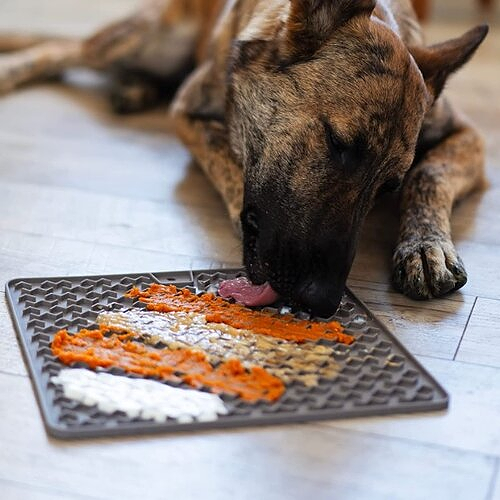
  6. Interactive Treats: Discover toys and puzzles that dispense treats, offering mental stimulation during snack time.
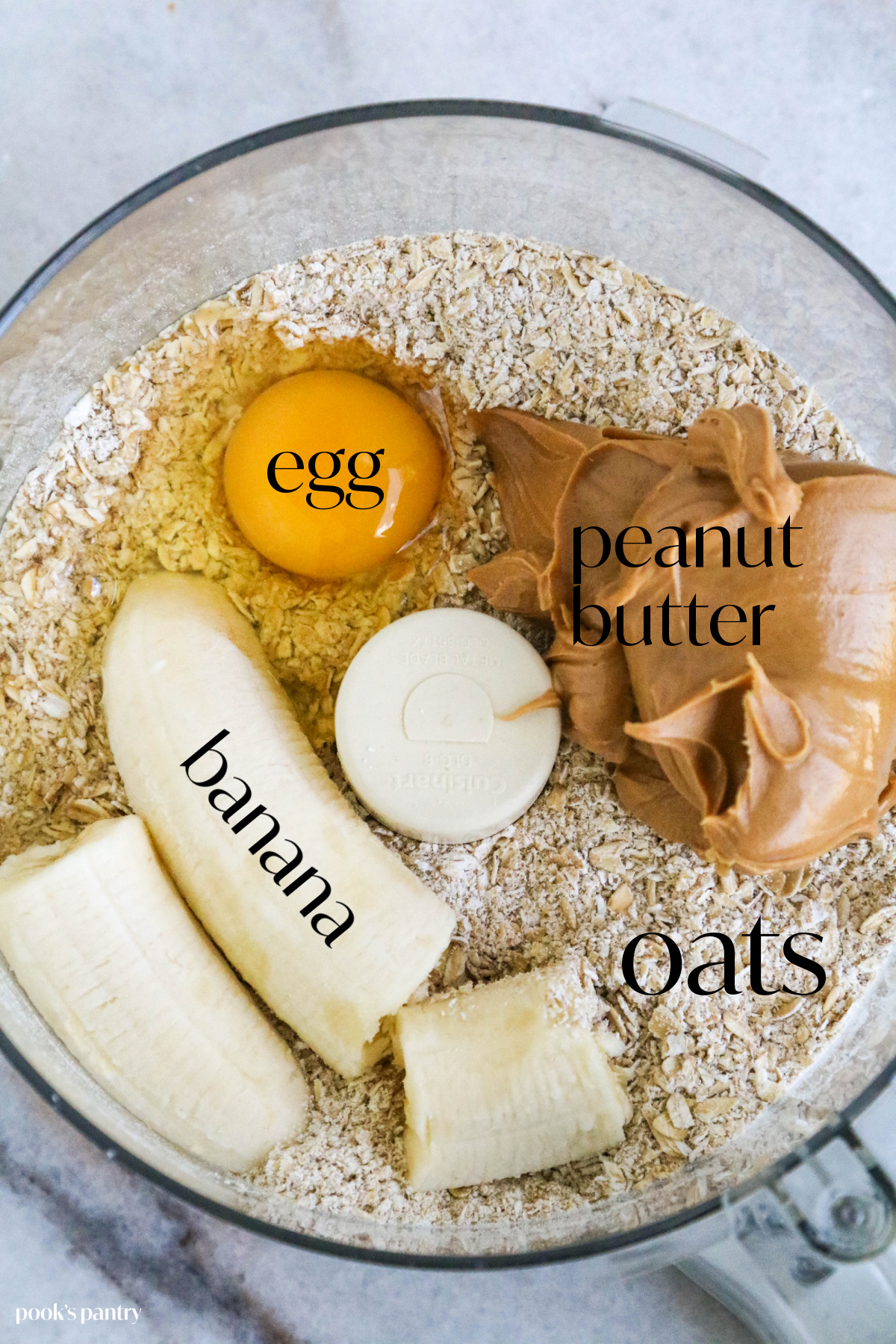
  7. Homemade and DIY Treat Ideas: Learn how to make healthy and delicious dog treats at home with easy recipes.
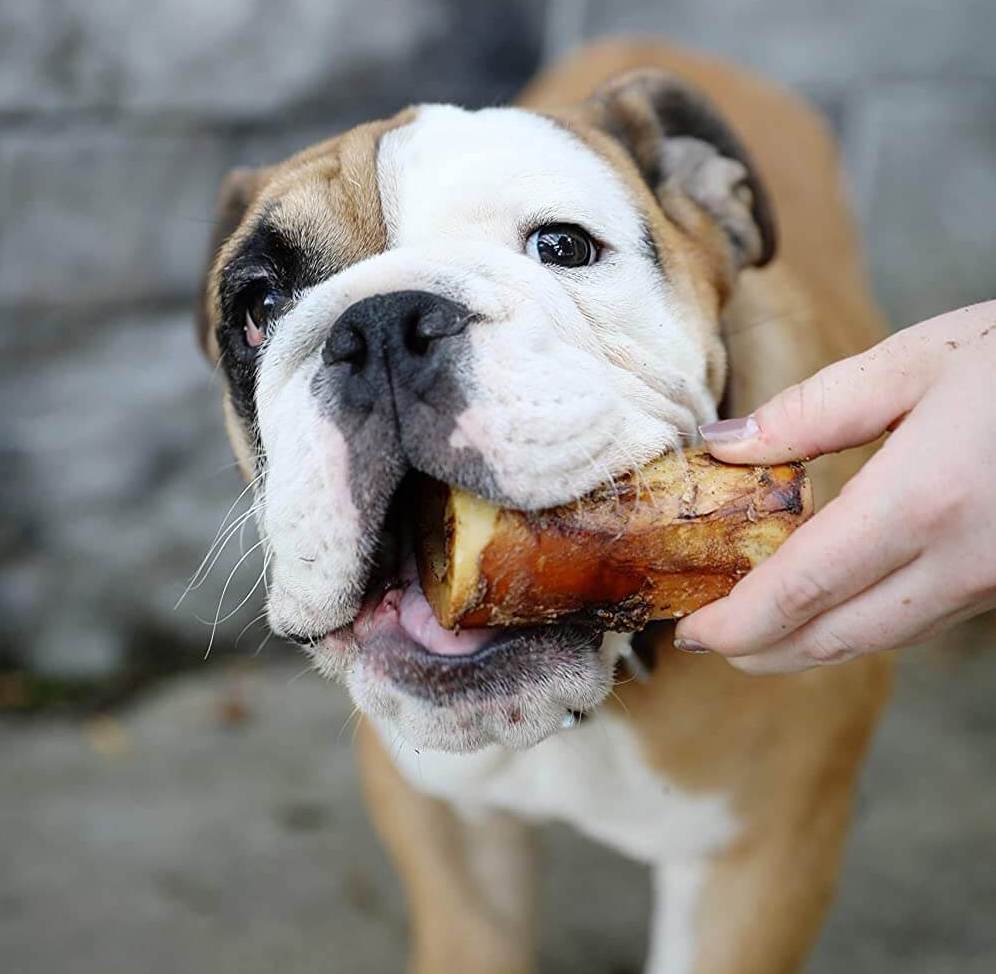
  8. Treats for Chewers: Find tough, long-lasting treats like bully sticks and yak chews that satisfy your dog’s chewing instincts.
  9. Eco-Friendly Dog Treats: Explore sustainably sourced and eco-conscious treats for environmentally aware pet owners.
  10. Safety and Storage Tips: Get expert advice on storing treats to maintain freshness and how to introduce new treats safely into your dog’s diet.
  11. Expert Reviews and Recommendations: Access expert opinions and product reviews to help you choose the best treats tailored to your dog’s needs.

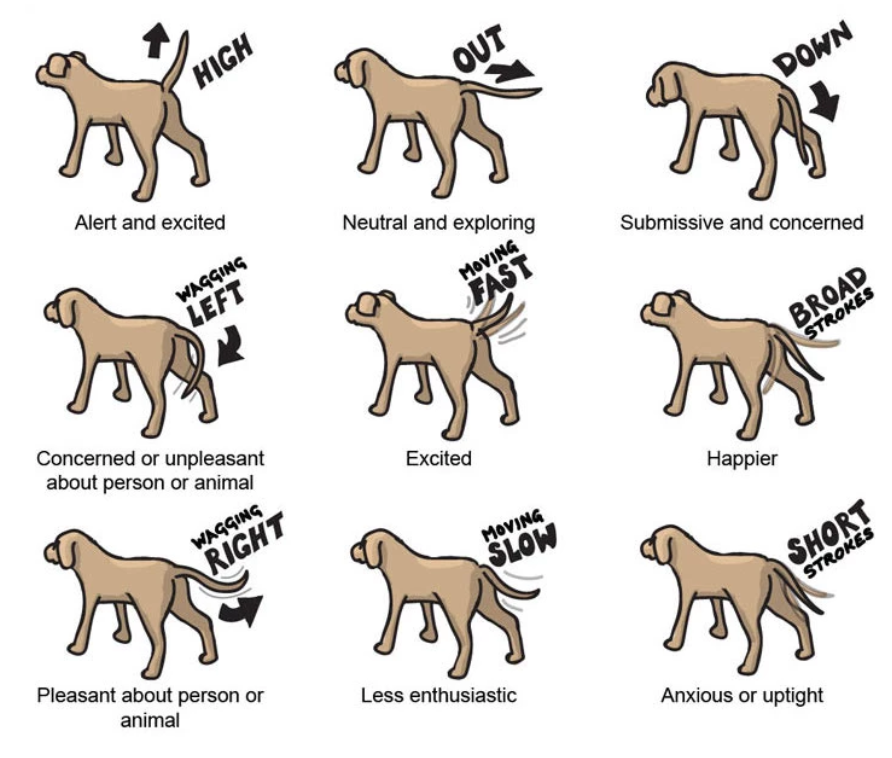
Our Select Dog Treats category is committed to offering delicious rewards that align with your pet’s health goals. From training incentives to dental chews, every treat is designed to benefit your dog’s well-being. Browse our collection today to find the perfect treats that will make your dog’s tail wag with joy!

  • Best Indestructible Dog Toys: Durable & Safe for Tough Chewers

    Best Indestructible Dog Toys: Durable & Safe for Tough Chewers

    Ever struggled to find a dog toy that can keep up with your furry friend’s relentless chewing? You’re not alone. Indestructible dog toys have become a lifesaver for pet owners dealing with aggressive chewers. With over half of dogs destroying their toys within weeks, choosing the right material is crucial for safety and longevity.

    We understand the frustration of constantly replacing shredded toys and the worry about potential hazards. In this guide, we jump into what makes a dog toy truly indestructible, from durable materials like ballistic nylon and rubber to advanced production techniques. Whether your dog prefers rubber’s tough resistance or the layered fabric of plush toys, we’ll help you find the best options that withstand even the most enthusiastic play.

    Join us as we explore top features to look for, compare different types, and provide expert tips to ensure your pet stays happy and safe with toys that last.

    What Are Indestructible Dog Toys

    Indestructible dog toys are engineered to withstand the rigorous chewing and active play of dogs, particularly those identified as power chewers. These toys play a crucial role in maintaining the safety and health of dogs by preventing the ingestion of small parts, sharp edges, and toxic materials.

    Definition and Features

    Indestructible dog toys are built using durable materials such as nylon, heavy-duty rubber, natural rubber, and silicone. These materials ensure that the toys remain intact even though vigorous use. Key features include reinforced stitching, multiple fabric layers, and robust construction techniques that resist tearing and shredding.

    Importance of Durability

    For dogs with aggressive chewing habits, standard toys often fail quickly, posing health risks like gastrointestinal blockages. Indestructible dog toys eliminate these dangers by staying intact longer, reducing the need for frequent replacements. They also help maintain dental health by providing consistent chewing surfaces without the risk of breaking apart.

    Key Materials

    • Nylon and Heavy-Duty Rubber: Known for their exceptional durability, these materials are ideal for power chewers. Toys from brands like Nylabone and Kong use these materials to ensure longevity.
    • Natural Rubber and Silicone: These materials offer durability with pliability, making them safe for dogs’ teeth and gums. Examples include West Paw’s Zogoflex® toys and Goughnuts.
    • Natural Fibers: While safe, toys made from cotton, wool, or hemp are less durable than rubber or nylon options but still provide a safe chewing experience.

    Production Quality

    The production process significantly impacts the indestructibility of dog toys. High-quality manufacturing ensures that toys are free from weak points and built to resist tearing and shredding. Some toys incorporate ballistic rubber, which is exceptionally tough and difficult for dogs to rip apart.

    Consumer Considerations

    When choosing indestructible dog toys, it’s essential to consider your dog’s chewing style and preferences. Rubber toys may not squeak or rip but offer minimal nibble opportunities, making them ideal for continuous play without quick destruction. Plush toys designed for aggressive chewers feature multiple fabric layers and reinforced seams, providing enhanced durability compared to standard plush toys.

    Safety and Maintenance

    Indestructible dog toys are generally easier to clean, often requiring just a simple wipe-down. But, rope and plush toys can become hazardous if they start to unravel, posing ingestion risks. Ensuring the toy remains intact is vital for your dog’s safety, making material choice and build quality critical factors in selection.

    Benefits Of Indestructible Toys

    Indestructible dog toys offer many advantages that enhance your pet’s well-being. They provide both longevity and essential stimulation for your canine companion.

    Longevity And Cost-Effectiveness

    Indestructible toys last significantly longer than standard alternatives, reducing the frequency of replacements. Made from durable materials like ballistic rubber and heavy-duty nylon, these toys withstand aggressive chewing and vigorous play. Investing in indestructible dog toys proves cost-effective over time, as fewer purchases are needed to maintain a variety of toys. Also, their robust construction minimizes wear and tear, ensuring they remain safe for extended use. By choosing high-quality indestructible toys, owners save money while providing their dogs with reliable play options that endure daily use.

    Mental And Physical Stimulation

    Indestructible dog toys deliver substantial mental and physical stimulation, keeping dogs engaged and active. Chewing these toys requires concentration, which sharpens cognitive functions and reduces stress levels. Physical activities, such as tugging and fetching, strengthen muscle development and promote overall fitness. These toys satisfy natural chewing instincts, preventing destructive behavior and promoting healthy habits. Also, the durable design encourages prolonged interaction, ensuring dogs receive continuous exercise and mental challenges. By incorporating indestructible toys into their routine, owners support their pets’ mental agility and physical health effectively.

    Key Features To Look For

    Selecting the right indestructible dog toys involves evaluating exact features that ensure durability and safety. We focus on material quality and thoughtful design to meet these standards.

    Durable Materials

    We choose toys made from heavy-duty rubber, nylon, and silicone to withstand aggressive chewing. These materials resist breaking into hazardous pieces, ensuring long-lasting use. Brands like KONG and Goughnuts lead the market with their robust rubber toys. Goughnuts includes a “Chew Toy Safety Indicator,” signaling when a replacement is needed, improving safety. Nylon bones offer exceptional durability, enduring weeks of intense chewing without fracturing. Silicone provides a flexible yet sturdy option, suitable for strong chewers. By selecting high-quality materials, we ensure our toys maintain their integrity, providing reliable entertainment and promoting dental health for dogs.

    Safe Design

    We prioritize size appropriateness to prevent choking hazards and ensure captivating play. Toys must match the dog’s size; small toys can be swallowed, while oversized ones might not capture interest. Also, we look for seamless construction with reinforced stitching to avoid snagging or tearing. Rounded edges enhance safety, reducing the risk of injury during play. Features like non-toxic dyes and BPA-free materials are essential to protect our pets’ health. By focusing on safe design elements, we create toys that are not only durable but also secure, offering peace of mind and a safe play environment for our dogs.

    Types Of Indestructible Dog Toys

    Selecting the right indestructible dog toys ensures durability and safety for your pet. We categorize these toys based on their materials to help you make an informed choice.

    Rubber Toys

    Rubber toys excel in durability, making them ideal for aggressive chewers. They resist tearing and can endure extensive playtime. KONG Toys stand out, especially the black “Extreme” versions, renowned for their longevity and ability to withstand heavy chewing. These toys are crafted from hard rubber and feature treat-dispensing openings, providing both engagement and resilience. Also, the Jolly Ball offers durability even though not being entirely rubber.

    It withstands vigorous chewing and rough play, while its buoyant design makes it suitable for various activities, including water play. Rubber toys like these promote dental health by reducing plaque buildup through consistent chewing. They are also easy to clean, maintaining hygiene for your dog. By choosing high-quality rubber indestructible dog toys, owners can ensure their pets have safe, long-lasting entertainment that meets their chewing needs.

    Nylon Toys

    Nylon toys are another top choice for dogs that chew aggressively. These toys offer exceptional strength and resistance to destruction. Goughnuts are a prime example, made from tough nylon materials that withstand intense chewing sessions. They feature a safety indicator, allowing pet owners to replace the toy before it becomes a hazard. Nylon indestructible dog toys come in various shapes and sizes, catering to different breeds and chewing behaviors.

    Their hard surface helps clean teeth and maintain oral health by reducing tartar buildup. Also, nylon toys are often designed to float, adding versatility for both indoor and outdoor play. Their robust construction ensures that they do not easily break down, providing a reliable and safe option for power chewers. By incorporating nylon-based indestructible dog toys into your pet’s routine, you can offer enduring playtime that supports both mental and physical stimulation.

    Rope Toys

    Rope toys offer durability but come with exact considerations for aggressive chewers. While they can last longer than standard toys, they are not entirely indestructible. High-quality rope toys resist fraying and withstand vigorous tugging and chewing. But, we advise caution as rope and similar fabrics can pose safety risks. Individual threads from rope toys may become tangled in a dog’s gastrointestinal tract, requiring veterinary intervention.

    Hence, it’s essential to select well-constructed rope toys designed for strong chewers and regularly inspect them for wear. Opting for rope toys without stuffing reduces the risk of internal blockages. Even though their durability, rope toys should be used under supervision to ensure your dog’s safety. By choosing robust rope indestructible dog toys and maintaining regular checks, you can provide interactive play while minimizing potential hazards for your pet.

    How To Choose The Right Toy For Your Dog

    Material and Construction

    Selecting the appropriate materials ensures your dog’s toy withstands intense chewing. Opt for durable substances like rubber, ballistic nylon, or hard plastic, which resist aggressive bites. Reinforced stitching and multiple fabric layers enhance a toy’s longevity. For example, rubber toys offer excellent resilience, while ballistic nylon provides strength against powerful chewers. Ensuring robust construction minimizes the risk of toy destruction and potential ingestion hazards.

    Brand and Reputation

    Choosing reputable brands guarantees quality and safety in indestructible dog toys. Brands such as Kong, Goughnuts, and Bullymake are renowned for their durable products designed for aggressive chewers. Kong’s Extreme line, especially the black variants, stands out for exceptional durability. Goughnuts features a “Chew Toy Safety Indicator” to signal when a toy needs replacement, ensuring continuous safety. Trusting established brands reduces the likelihood of purchasing subpar toys that may pose risks to your dog.

    Size and Fit

    Selecting the right size is crucial for your dog’s safety and enjoyment. Larger toys are less likely to be swallowed and provide longer-lasting play for bigger dogs. Measure your dog’s mouth size to ensure a comfortable fit, preventing accidental ingestion. For smaller breeds, choose appropriately sized toys to avoid choking hazards. Proper sizing not only enhances the toy’s durability but also ensures your dog can engage with it safely and effectively.

    Chewing Style and Preferences

    Understanding your dog’s chewing behavior helps in selecting the most suitable toy. Some dogs prefer firm toys for gnawing, while others enjoy softer options for tugging. Observe your dog’s play style to determine whether they favor chewing, fetching, or interactive play. For aggressive chewers, prioritize toys specifically designed to endure intense biting and tearing. Matching the toy’s functionality with your dog’s preferences ensures prolonged interest and usage.

    Safety Features

    Prioritizing safety features is essential when choosing indestructible dog toys. Look for non-toxic materials free from harmful chemicals, ensuring your dog’s health is protected. Seamless designs prevent small parts from breaking off and causing ingestion risks. Rounded edges and sturdy construction reduce the chance of injury during play. Regularly inspect toys for wear and tear, replacing them as needed to maintain a safe play environment for your dog.

    Price and Value

    Investing in high-quality indestructible dog toys offers long-term value even though a higher initial cost. Durable toys reduce the frequency of replacements, proving cost-effective over time. Assess the toy’s durability and features to ensure it meets your dog’s needs, providing sustained use and enjoyment. Balancing price with quality ensures you receive a reliable product that withstands your dog’s active play, offering both safety and entertainment.

    Safety Tips For Using Indestructible Toys

    Material Selection

    Choose indestructible dog toys made from durable materials such as rubber, ballistic nylon, or hard plastic. These materials resist aggressive chewing, ensuring the toy remains intact during play. For example, rubber toys like KONG’s Extreme line provide excellent longevity, while ballistic nylon offers a tough alternative for persistent chewers. Selecting the right material minimizes the risk of your dog ingesting harmful parts.

    Avoid Small Parts and Squeakers

    Select toys without small components or squeakers to prevent choking hazards and intestinal blockages. Indestructible dog toys should feature seamless construction, eliminating detachable pieces that can be swallowed. Toys with embedded squeakers or reinforced stitching reduce the chances of parts breaking off, ensuring your dog’s safety during extended play sessions.

    Supervise Play

    Always supervise your dog when introducing indestructible dog toys to monitor their interaction. Supervision helps you detect any signs of wear or damage early, allowing you to remove the toy before it poses a safety risk. This practice is crucial, especially for dogs prone to dismantling toys, as it prevents accidental ingestion of toy fragments.

    Choose the Right Size

    Select toys that match your dog’s size to avoid choking hazards. Larger toys are suitable for big breeds, while smaller toys are safer for smaller dogs. An appropriately sized toy ensures your dog can play comfortably without the risk of swallowing excessive pieces. Assess your dog’s chewing strength and preference to determine the ideal toy size.

    Inspect Toys Regularly

    Regularly examine your indestructible dog toys for signs of wear and tear. Look for cracks, fraying, or broken parts that could become hazardous if ingested. Promptly replacing damaged toys maintains a safe play environment and extends the toy’s lifespan. Consistent inspection ensures that your dog enjoys their toys without compromising their health.

    Store Toys Properly

    Store indestructible dog toys in a clean, dry place to prevent material degradation. Proper storage extends the toy’s durability and maintains hygiene, reducing the risk of bacterial growth. Keeping toys away from extreme temperatures preserves their integrity, ensuring they remain safe and enjoyable for your dog.

    Rotate Toys

    Rotate your dog’s toys to keep them engaged and reduce the risk of boredom-related destruction. Providing a variety of indestructible dog toys encourages mental stimulation and physical activity, promoting overall well-being. Regularly introducing new toys while storing others maintains your dog’s interest and prevents overuse of any single toy.

    Educate Your Dog

    Train your dog to use their indestructible dog toys appropriately. Teaching commands like “drop it” ensures controlled play and enhances safety. Proper training fosters positive interactions with toys, reducing destructive behaviors and promoting a healthy play routine.

    By following these safety tips, you ensure that indestructible dog toys serve their purpose effectively, providing your dog with long-lasting, safe, and captivating play options.

    Conclusion

    Selecting the right indestructible dog toys means our pets stay safe and engaged longer. Investing in durable toys not only reduces replacement costs but also enhances our dogs’ well-being. By focusing on quality materials and thoughtful design we ensure our furry friends enjoy endless playtime without the risks of damaged toys. Let’s prioritize their happiness and health with toys built to last, creating a more joyful and secure environment for our beloved companions.
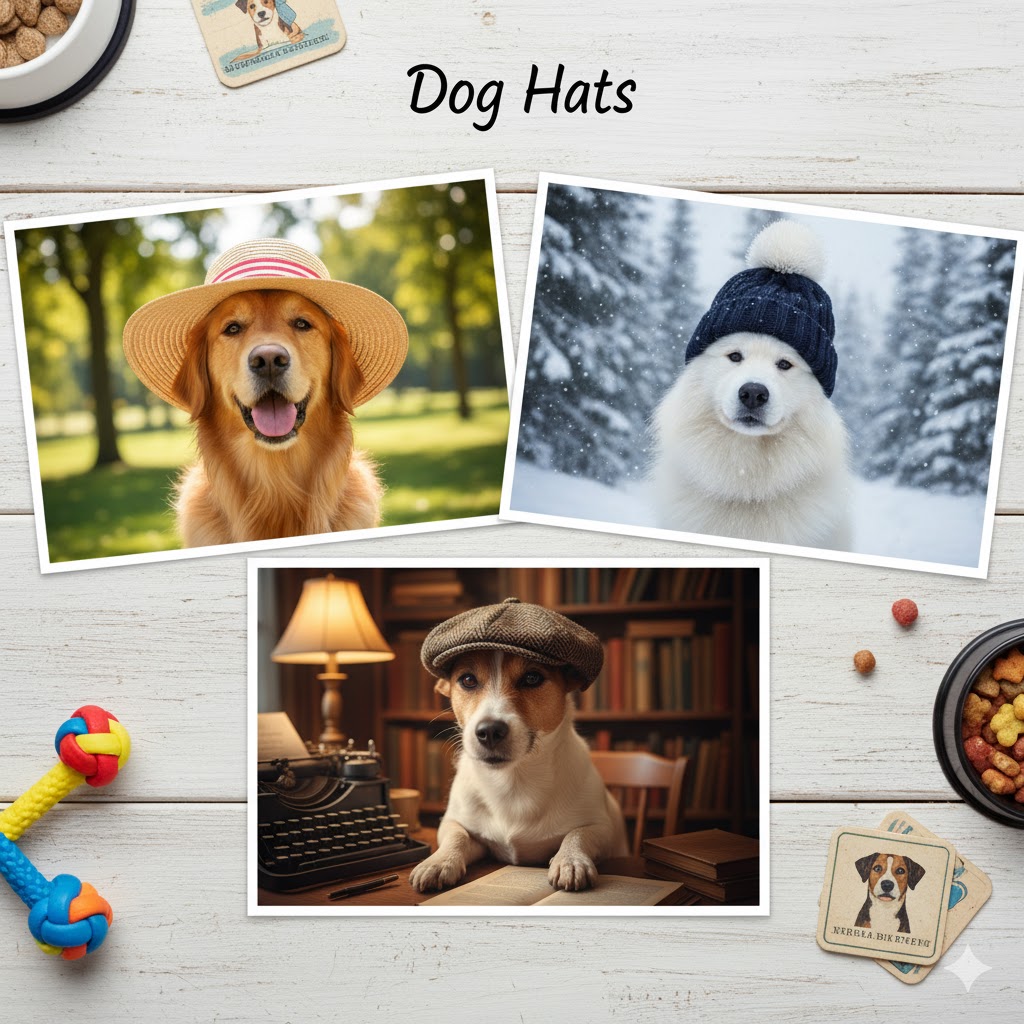
  • Trending Dog Hats in 2025: Style & Protection Guide

    Trending Dog Hats in 2025: Style & Protection Guide

    Ever wondered if your furry friend could pull off a stylish hat? Dog hats are taking the pet fashion industry by storm, and for good reason. As the demand for trendy dog accessories grows, hats have become a staple in showcasing our pets’ unique personalities. Whether it’s a cozy beanie for winter or a chic bucket hat for sunny strolls, there’s a perfect hat for every pup.

    Benefits of Dog Hats

    Dog hats offer several advantages beyond the fashion appeal they add to your furry friend’s appearance. Understanding these benefits can help dog owners make informed choices for their pets.

    Protection from the Sun

    Dog hats, particularly those with wide brims, provide essential protection against sun exposure. They shield your dog’s eyes and head from harsh UV rays, crucial for breeds with thin coats or sensitive skin. This layer of protection contributes to your dog’s overall health and comfort during outdoor activities.

    Comfort in Various Weather Conditions

    Dog hats are versatile and designed to accommodate different weather scenarios.

    • Summer Comfort: Cooling hats use water-retaining fabric and mesh layers for temperature regulation. These hats feature ear holes to ensure a snug fit while providing evaporation cooling effects, keeping your pet comfortable in the heat.
    • Winter Warmth: Beanies and hats crafted from materials like fleece and knit deliver warmth. They protect your dog’s head, ears, and neck, ideal for breeds with thinner coats. This type of headgear ensures your pet remains cozy and insulated during colder months.

    Training for Hat Acceptance

    Hat-wearing is a novel experience for many dogs, and initial resistance is common. Gradual introduction and acclimatization can help. Allowing your dog to sniff and explore the hat before wearing increases comfort levels. Positive reinforcement, such as treats or praises when wearing the hat, encourages acceptance, making the experience enjoyable and reducing initial apprehensions.

    Additional Practical Benefits

    Dog hats aren’t just about protection and style. They can serve functional purposes during exact activities or weather conditions. For example, waterproof hats provide essential rain protection during wet outings. Meanwhile, stylish beanies add flair, making your pet picture-perfect for any occasion.

    Integrating dog hats into our pet’s daily routines offers more than just style. With benefits ranging from sun protection to weather adaptability, these accessories ensure that our dogs look their best while staying protected and comfortable. From summer days in the park to frosty winter walks, the right hat can keep dogs happy and healthy all year round.

    Types of Dog Hats

    Dog hats play a dual role in pet fashion: they’re functional and stylish. Let’s investigate into some popular styles that fit different needs and seasons.

    Baseball Caps

    Baseball caps for dogs resemble those worn by humans, complete with a curved brim. These dog hats help shield our furry friends’ eyes and faces from the sun’s rays, making them perfect for outdoor adventures. Made from breathable materials like cotton or polyester, they ensure comfort even on warm days. Caps often come in a range of designs and logos, letting us showcase our dogs’ personalities through unique accessories. We find these hats ideal for keeping dogs stylish while providing necessary protection from UV rays.

    Beanies and Bonnets

    Beanies and bonnets bring warmth during the colder months. Crafted from insulating materials like wool or fleece, these dog hats keep our pets cozy when temperatures drop. Their snug fit ensures that dogs with sensitive ears stay protected against chilly winds. Available in various colors and patterns, these hats also let us enhance our dogs’ winter wardrobes. Beanies and bonnets serve both functional purposes and style, proving indispensable for cold-weather outings with our pups.

    Choosing the Right Hat for Your Dog

    Selecting the perfect dog hat involves understanding exact elements that ensure comfort and style. By prioritizing the fit and material, we can make a choice that suits our pet’s needs and personality.

    Size and Fit

    Ensuring a proper fit is essential for the hat to stay put and prevent discomfort. Dog hats come in many sizes to accommodate various breeds and sizes, so measuring your dog’s head accurately is key. Manufacturers offer inclusive sizing to ensure these hats fit well, which avoids them being too tight or loose. As each dog is unique, following a consistent measurement method helps us select a size that complements our pet’s build.

    Material Considerations

    The hat’s material significantly impacts both comfort and functionality. Breathable fabrics like mesh, cotton, and hemp are popular options as they allow airflow, keeping dogs cool in warm weather. Using such materials ensures the dogs remain comfortable even when dressed up, improving their stylish appearance. Choosing the right fabric helps maximize the hat’s aesthetic appeal while maintaining practicality in various climate conditions.

    How to Keep a Hat on Your Dog

    Ensuring that a dog hat stays in place involves several considerations. First, choosing the right size and fit is crucial. A well-sized hat enhances comfort and stability, while an ill-fitting one can lead to discomfort or frequent dislodgement. Sizing charts from sellers like Etsy and Amazon, or local stores such as Petco, provide guidance for selecting an appropriate fit.

    Material selection also plays a key role in a dog’s willingness to wear a hat. Comfortable, breathable materials reduce irritation and the likelihood of a dog attempting to remove the hat. Options like knit pom pom beanies or hats with ear holes not only look stylish but also offer practical comfort.

    Adjustable features add another layer of security. Hats with adjustable straps, such as the Leconpet Baseball Caps, accommodate different head sizes and offer a snug fit, minimizing the risk of the hat falling off during playtime or walks.

    Introducing the hat gradually can make a important difference. At first, hats might seem unusual to dogs, so it helps to familiarize them with the item in stages. Begin by showing the hat and letting the dog sniff it, using treats and praise to positively reinforce interactions. Over several days, gradually increase the duration the hat stays on.

    Also, hats with secure fastenings such as elastic or Velcro under the chin help keep the hat on longer. But, training a dog to accept wearing a hat through gentle introduction and positive reinforcement often proves more effective than simply relying on fastenings.

    Patience and persistence ensure successful adaptation to wearing hats. By taking these steps, we can create a pleasant and fashionable experience for our furry friends while providing them with the necessary protection from the elements.

    Care and Maintenance of Dog Hats

    When choosing to integrate dog hats into our pet fashion routines, it’s crucial to care for these accessories to ensure they provide comfort and style for our furry friends. Proper maintenance of dog hats extends their lifespan and keeps them looking their best.

    Cleaning

    Cleaning dog hats regularly is important, especially those made from fabric or leather. Use lukewarm water and a neutral detergent for effective cleaning. If there’s dirt, particularly on areas like the hat band, a towel soaked in lukewarm water and mild detergent can help remove it. Surface cleaning works for general maintenance, but deeper stains might need a more thorough approach.

    Storage

    Proper storage plays a key role in maintaining dog hats for the long term. Always store them properly when not in use to prevent damage. Avoid folding or creasing hats, as materials like soft cotton or leather can lose their shape easily. Position them in a way that preserves their form and ensures they remain ready for the next outing.

    Taking care of our dogs’ hats ensures they continue to offer protection and style, aligning with our goal of keeping our pets happy and comfortable in their fashionable accessories.

    Conclusion

    Dog hats have undeniably become a staple in pet fashion, offering both style and practicality. As we’ve explored, these accessories cater to every dog’s needs, from sun protection to warmth in colder months. By selecting the right fit and material, we ensure our furry friends are comfortable and stylish. Incorporating dog hats into daily routines not only enhances our pets’ wardrobes but also provides essential protection. With careful maintenance and positive reinforcement, we can make wearing hats an enjoyable experience for our dogs. Let’s embrace this trend and keep our pets safe and fashionable all year round.

  • Top Dog Pools 2025: Safe & Fun Pools for Dogs

    Top Dog Pools 2025: Safe & Fun Pools for Dogs

    Ever wondered how to give your furry friend the ultimate swimming experience? Our pool for dogs offers more than just a splash—it’s a chance for dogs to jump into a industry of fun and fitness. Unlike shallow plastic pools, our expansive 25 x 13 x 4-foot pool provides a safe and captivating environment where dogs can truly swim, exercising both their bodies and minds.

    In today’s pet industry, ensuring our dogs are healthy and happy is a top priority. That’s why we’ve designed a unique aquatic experience customized just for them. With trained lifeguards on duty and canine life vests for first-time swimmers, safety is our commitment. Our pool’s heated and filtered water ensures year-round enjoyment, while the low-dose chemical treatment keeps it comfortable and bacteria-free.

    Throughout this article, we’ll explore the benefits of our dog pool, safety measures in place, and how it enriches the lives of our beloved pets.

    Dog Pool

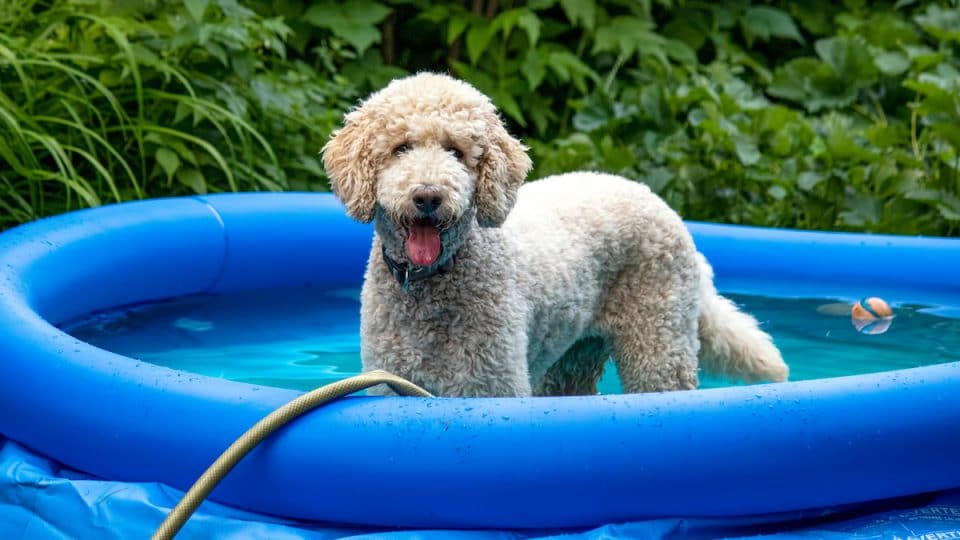
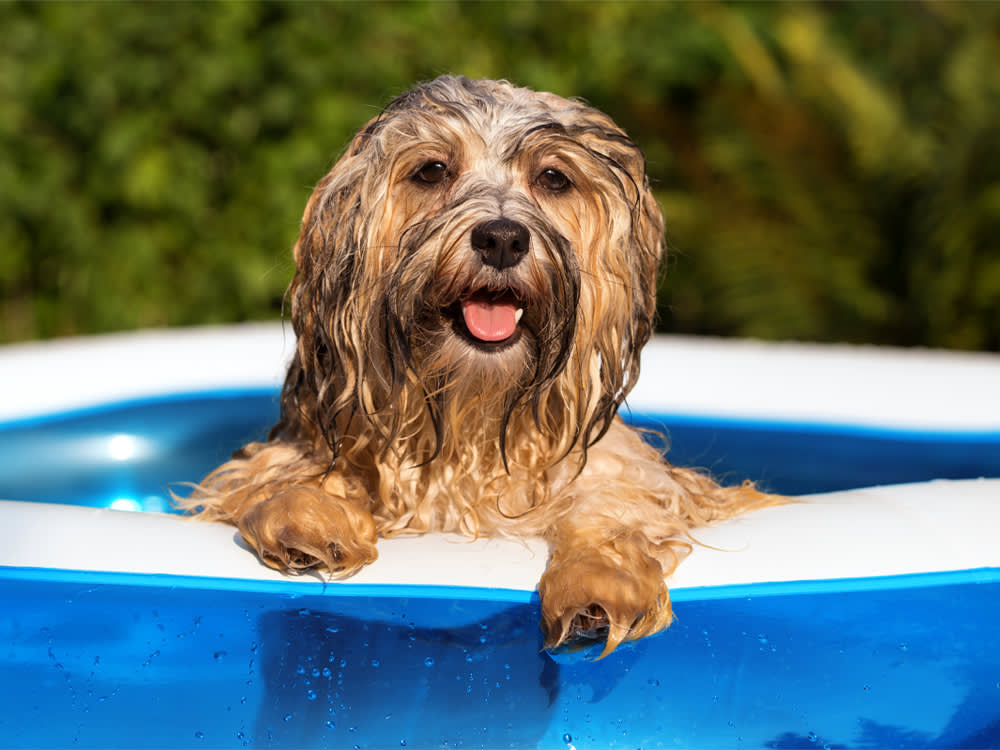
    Dog pools offer a unique recreational experience for our four-legged companions, combining fun, fitness, and safety. Our 25 x 13 x 4-foot dog pool provides ample space for dogs to swim freely, unlike traditional kiddie pools. This allows dogs to engage in full-body workouts that benefit their overall health and happiness. With the pool’s temperate, filtered water and low-dose chemical treatment, dogs can enjoy a comfortable and hygienic swimming environment.

    Types of Dog Pools

    Several types of dog pools cater to different needs, each having its unique features:

    • Foldable Pools: Made of durable PVC, these pools have become popular due to their convenience. They’re available on platforms such as Amazon and Target. The pools come in various sizes, include a drain for easy cleaning, and are perfect for quick setup and storage.
    • Inflatable Pools: Less common due to puncture risks from dog nails, some owners still use inflatable pools for smaller or less energetic dogs. These pools require mindful placement and constant supervision to prevent damage from sharp objects.
    • Heavy-Duty Pools: Constructed from thick plastic or rubber, these pools can endure the rough play of larger or more energetic dogs. Recommended for long-term use, they’re akin to pools used for aquatic plants or fish, ensuring robustness against wear and tear.
    • Kitty Pools: Smaller, cost-effective options, often referred to as “kitty pools,” are suitable for smaller dogs. Although not durable for larger breeds, they’re an economical solution for quick cool-offs during hot days.

    Safety remains paramount with our dog pool offering. First-time swimmers receive a special canine life vest and individual attention from trained lifeguards. A custom-built ramp facilitates easy entry and exit, supplemented by a non-slip floor that minimizes the risk of injury. Our exclusive viewing area allows pet parents to watch their dogs enjoy the pool safely.

    Maintaining cleanliness involves regular water treatment. Brushing dogs before they enter reduces debris and fur, which aids in maintaining water quality. Regular checks on pH levels also help keep the swimming environment healthy. Our pool combines the allure of water activities with essential safety and cleanliness, providing a haven for dog enjoyment and exercise.

    Benefits of a Pool for Dogs

    Dog pools offer many physical and mental benefits, improving health and happiness. Swimming provides low-impact exercise that minimizes strain on joints, making it perfect for dogs of all ages and those recovering from injuries. Dr. Arleigh Reynolds notes that 1 minute of swimming equals 4 minutes of jogging, delivering cardiovascular fitness efficiently.

    Water resistance builds muscle strength and tone without high-impact stress. Dogs, especially those needing muscle mass maintenance, find swimming effective. Swimming aids weight management too; it’s a great option for obese dogs seeking exercise without joint stress.

    Beyond physical benefits, pools offer cooling relief during hot weather. Like us, dogs need to regulate their body temperature, and wading or swimming offers a refreshing break when temperatures rise. Pools with features like ramps and non-slip floors promote easy and safe access, important for dogs with mobility concerns.

    Monitoring, like trained lifeguards or special life vests for first-time swimmers, ensures their well-being. Such measures reassure pet parents while offering dogs a safe environment. Also, pools with heated, filtered water and low-dose chemical treatments provide a comfortable, clean experience.

    Custom-built pools combine exercise with play, stimulating both the body and mind. They allow dogs to engage in full-body workouts, fostering mental engagement and alleviating boredom. Features like viewing areas let pet parents watch and enjoy their pets’ activities.

    Overall, dog pools combine physical fitness, weight management, mental stimulation, and safety, offering a comprehensive solution for pet exercise and enrichment. They cater to health needs while improving happiness, making them an ideal choice for pet families.

    Top Dog Pools

    Types of Pools for Dogs

    Exploring different types of pools ensures the best choice for our furry friends. Each type offers unique advantages and considerations worth examining.

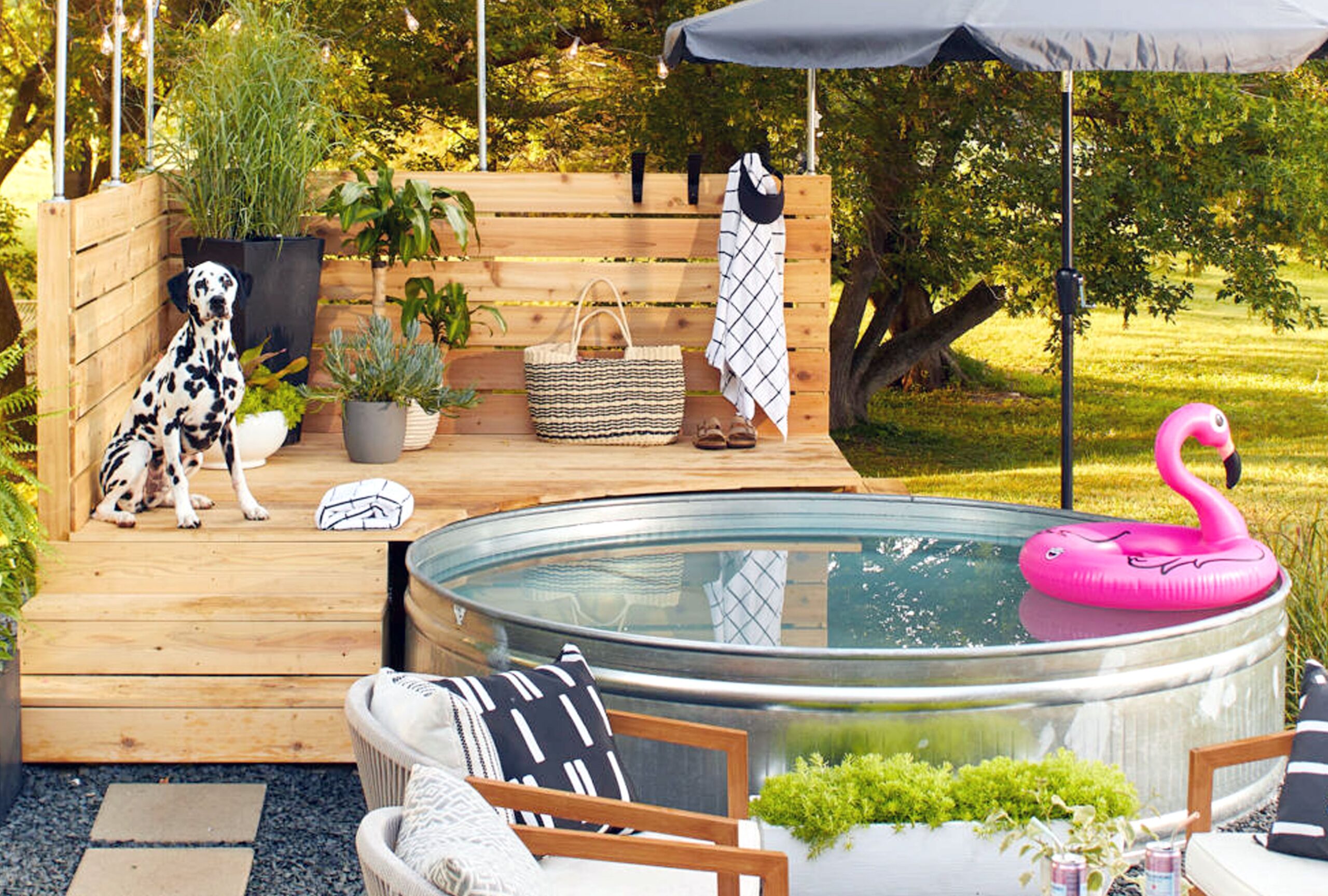
    Stock Tank Pools

    Stock tank pools provide a cost-effective solution for dogs. Made of galvanized steel or durable plastic, they’re portable and manageable. These features make them easy to place in our yards. They require minimal setup, allowing quick access for dogs to splash and play. Regular maintenance keeps the water clean and safe, ensuring a pleasant experience. Their affordability makes stock tank pools ideal for dog owners who want to provide a cooling haven without very costly.

    Built-In Pools

    Built-in pools offer a more permanent solution, seamlessly integrating into the industry. They allow for customization to suit the needs of both the yard and the dog. These pools can feature gentle slopes or zero-entry designs, ensuring easy access for pets. Beyond their functional benefits, built-in pools complement the aesthetics of our outdoor spaces. They remain fixed; but, this can increase the home’s value and present a lasting spot for doggy swimming enjoyment. This makes them an appealing option for those seeking durability and visual appeal.

    Above-Ground Pools

    Above-ground pools cater to various needs, offering flexibility in size and shape. From small plastic kiddie pools perfect for a quick cool-off to larger steel-framed models suited for energetic swimmers, the range is expansive. An added deck around the perimeter enhances accessibility, and a non-slip surface ensures safety. These pools, while not permanent, provide a semi-fixed experience conducive to both play and relaxation. For dog owners who want the benefits of a pool without the permanence of a built-in option, above-ground options offer a balanced solution.

    Factors to Consider When Choosing a Dog Pool

    Choosing the right dog pool involves considering various factors for safety and comfort. Whether you’re focused on durability or space, knowing what to look for enhances the swimming experience.

    Size and Depth

    The pool’s size and depth are crucial to meeting your dog’s needs. Smaller dogs thrive in pools about 31 inches in diameter and 8 inches deep. This size allows easy access without overwhelming them. Larger breeds benefit from pools that hold up to 20 gallons and measure roughly 6″ x 38″ x 39″. Shallow sides help dogs enter and exit safely, minimizing accident risks. Customizing the pool dimensions to suit your dog’s requirements ensures a secure and enjoyable environment.

    Material and Durability

    Material choice impacts durability and safety. Heavyweight vinyl is a strong option, resisting sharp nails during playful swims. This material is ideal for dogs who engage in energetic activities. Plastic pools offer durability, easy cleaning, and affordability. These are perfect for owners seeking low-maintenance answers. Ensuring the material withstands your dog’s activity level is essential for long-lasting use. Analyzing your dog’s behavior helps in selecting a suitable material.

    Safety Features

    Safety features enhance pool utility and protect our pets. An access point that dogs locate easily ensures they can exit without stress. Non-slip surfaces prevent accidents when dogs enter or leave the pool. Features like ramps or steps tailor the pool for all canine sizes. Continuous monitoring of water quality also maintains a healthy environment. Regular cleaning, as recommended by experts, reduces contaminants and creates a safer swimming area.

    Installing a Dog Pool

    Choosing the right dog pool is just the beginning; installation is key to ensuring a safe and enjoyable experience for your pet. Whether opting for a DIY approach or hiring a professional, efficient installation maximizes the benefits of a dog pool.

    DIY Installation Tips

    When setting up a dog pool on your own, focus on a few critical areas. Ensure the site is level and free from debris for a stable setup. Check the city’s regulations about permits since requirements vary. Smaller, removable pools often don’t need permits, but it’s wise to verify by consulting local guidelines or calling the permitting office. Gather necessary tools, such as a pump for inflatable options, and acquire durable materials to handle nails and play. Remember that foldable models made from PVC are portable and simple to assemble.

    Hiring a Professional

    If the pool has complex features or a built-in design, bring in a professional. Captivating experts ensures a seamless installation, particularly for permanent installations that add value to your home. Professionals assess terrain, ensuring the pool aligns perfectly with existing outdoor aesthetics. For an above-ground pool or one equipped with intricate deck surrounds, consider consulting specialized experts like deck builders. Hiring someone knowledgeable about dog pools offers peace of mind and guarantees the project complies with safety standards, providing a lasting haven for your pet.

    Dog Pool Maintenance

    Maintaining a pool for dogs involves various essential aspects to ensure a healthy and safe swimming environment. We need to highlight pool design and safety features to guide owners on best practices.

    Pool Design and Safety Features

    Dog pools should include safety elements. For example, custom-built safety ramps assist easy entry and exit, while non-slip flooring prevents injuries. Portable dog pools typically feature anti-slip bottoms and easy-drain valves that help maintenance. Barriers around pools keep pets from accidental falls and allow controlled swim times.

    Water Treatment and Filtration

    Proper water treatment is necessary to manage bacteria levels. Dog pools benefit from heated, filtered water treated with low-dose chemicals. This method ensures cleanliness without compromising dog comfort. It’s essential to clean the water after each swim to reduce bacteria buildup and fur clogging. Monitoring pH levels often can help maintain the correct chemical balance.

    Top Dog Pools

    Regular Cleaning and Maintenance Practices

    Cleanliness begins by brushing dogs before swimming to remove loose fur and dirt. This practice minimizes fur accumulation in the pool, preserving the filtration system’s efficiency. After swimming, a quick pool clean can significantly cut down on bacteria and maintain water quality.

    For DIY dog pools, using resistive materials that withstand dog nails is crucial. Galvanized steel, durable PVC, or heavyweight vinyl options offer durability and ease of maintenance. Balancing size and depth according to dog breed ensures both safety and enjoyment.

    Ensuring Safety and Compliance

    Safety goes beyond pool maintenance. Checking for sharp edges during construction reduces potential injuries. A pool’s safety continues with a lifeguard’s presence, using canine life vests, and defining swim times to ensure a supervised, controlled environment.

    Effective maintenance extends the life of a dog pool and contributes to a healthier environment for our canine companions. By integrating safety, water treatment, and cleanliness into routine maintenance, we can enhance the overall experience for dogs and their owners.

    Safety Tips for Dog Pools

    Safety in dog pools is vital to ensure fun without compromising health. Specialized pools designed for dogs usually incorporate features that keep them safe during play. Prioritizing a few key safety tips can prevent accidents and enhance the overall swimming experience.

    • Pool Design and Material: Opt for pools specifically crafted for dogs. These usually feature safe entry and exit points. Durable materials like marine-grade fiberglass or sturdy PVC ensure the pool withstands rough play without harming dogs.
    • Non-Slip Surfaces: An anti-slip surface in and around the pool prevents slipping accidents. Many dog pools include coatings that offer additional traction, reducing the risk of injuries.
    • Easy Access: Pools with ramps or steps help easy entry and exit. This design accommodates dogs of all sizes and agility levels, ensuring they feel confident entering and leaving the pool.
    • Supervision: Having someone watch over dogs while they swim is crucial. Supervision helps respond to any signs of distress quickly and ensures the dogs’ behavior remains safe.
    • Barrier Installation: Installing a barrier around the pool limits access when supervision isn’t available. This precaution helps prevent accidental falls and gives owners control over when their dogs use the pool.
    • Water Safety: Proper chemical balance is crucial to maintaining safe pool water. Overtreatment with chlorine can harm a dog’s eyes, ears, and skin. Regularly monitoring chemical levels keeps the water safe and comfortable for dogs.
    • Hydration and Rest: Regular water breaks prevent dehydration, especially in heated pools. Encouraging dogs to drink fresh water keeps them from ingesting too much pool water.

    Adhering to these tips, along with brushing dogs before swimming to minimize fur and dirt in the water, fosters a clean and safe environment. Incorporating these practices ensures our dogs enjoy their pool time while staying protected.

    Fun Activities for Your Dog

    Captivating your dog in aquatic activities offers many benefits, both for fun and health. In our exploration of dog-friendly pools, we highlighted various options in NYC that help safe and stimulating swimming experiences. These venues, including Water4Dogs and All Dogs in the City, feature heated pools and staff oversight. Incorporating pool time into your dog’s routine enhances mental well-being and physical fitness.

    Water Games and Toys

    Integrating toys into pool activities enhances enjoyment. Waterproof toys, such as floating balls and chew-resistant frisbees, can increase engagement. For dogs that enjoy retrieving, a simple game of fetch in the water can provide both mental stimulation and exercise. It’s beneficial to choose toys appropriate for your dog’s size to ensure safety and fun.

    Top Dog Pools

    Swimming Challenges

    Creating small challenges involves teaching dogs to navigate through hurdles or swim around buoys. These activities promote problem-solving skills and encourage physical exertion. Using treats as incentives can motivate completing tasks, providing a sense of accomplishment. Challenges should match your dog’s skill level to keep them engaged without overwhelming them.

    Social Swimming Sessions

    Organizing playdates with other dogs at friendly pools can enhance socialization. Interaction with different breeds and personalities enriches your pet’s experience, aligning with varied socialization needs. Facilities like Prospect Park Dog Beach allow off-leash mingling, fostering community bonding. Such experiences can improve behavioral traits and ensure exposure to diverse environments.

    Relaxation and Cooling

    Swimming offers a natural method for dogs to cool off. Using shaded areas near poolside spots can regulate temperature after activity, reducing overheating risk. Incorporating gentle pool liners minimizes impact, contributing to relaxation after exertion. The combination of swimming and resting periods ensures a balanced exercise session for dogs of all ages.

    Incorporating these fun activities into your dog’s swim time doesn’t just make pool sessions lively—it contributes to their overall well-being. From using toys to integrating learning challenges and relaxation, each element enriching their aquatic interaction provides a fulfilling, holistic experience.

    Conclusion

    Exploring the industry of pools for dogs reveals a fantastic avenue for improving our furry friends’ health and happiness. With options ranging from foldable to built-in pools, there’s something for every dog and owner. Prioritizing safety through features like non-slip surfaces and easy access ensures a secure environment. Effective maintenance and proper installation play crucial roles in extending the pool’s life and providing a clean, safe experience. Captivating activities in aquatic settings not only boost physical fitness but also promote mental well-being. Let’s embrace these opportunities to enrich our dogs’ lives through fun and fitness in the water.

  • Find the Ideal Dog Sitter in Sacramento: 2025 Guide

    Find the Ideal Dog Sitter in Sacramento: 2025 Guide

    Finding the perfect dog sitter in Sacramento can feel like searching for a needle in a haystack, especially when our furry friends mean the industry to us. With over 23 locals recently requesting quotes for pet sitting services, it’s clear that many of us are on the hunt for reliable care. We understand the importance of entrusting our beloved pets to someone who’ll treat them with kindness and compassion.

    In this text, we’ll guide you through the process of selecting a dog sitter that fits your needs. Whether you’re looking for someone to stay overnight or just for a few hours, we’ll provide insights into what to consider and how to make the right choice. By the end, you’ll feel confident in finding a sitter who’ll keep your pet happy and safe while you’re away. Let’s jump into the essentials of ensuring our pets receive the best care possible.

    Finding the Right Dog Sitter in Sacramento

    Finding the ideal dog sitter in Sacramento requires careful consideration of services and credentials. We must ensure sitters offer options that match our pets’ needs. Services like Lucky Buddy Petcare provide in-home pet sitting and dog walking across various Sacramento neighborhoods, including central, East, and West Sacramento. They use background-checked sitters, ensuring safety.

    Researching the sitter’s background and reputation is crucial. A service like Lucky Buddy Petcare utilizes a secure database for managing clients, adding a layer of trust. Similarly, Midtown Mutts offers comprehensive care, from behavior consulting to training sessions, emphasizing positive reinforcement techniques.

    Budget is a factor when selecting a dog sitter, with costs ranging from $48 to $69 per night. Prices vary based on service providers and exact requirements. By comparing different options, we find a sitter suitable for both our needs and budget.

    Verifying credentials and training enhances confidence in a sitter. Many Sacramento dog sitters are members of Pet Sitters International, an educational association ensuring professional standards. These credentials provide assurance in their ability to care for our pets properly.

    Scheduling flexibility and availability are important for last-minute plans. Pawriffic Pet Sitting, for example, is known for reliability and availability, with many clients recommending their services over several years. By planning ahead and communicating our needs, we minimize disruptions.

    Summarizing, choosing the right dog sitter in Sacramento involves researching services, verifying credentials, and assessing reputation. We ensure our pets receive the best possible care while we’re away by following this approach.

    Types of Dog Sitting Services

    Dog sitting in Sacramento offers various options to cater to different pet care needs. It’s essential to understand these services for making informed choices.

    In-Home Care

    In-home care allows pets to remain comfortable in familiar surroundings while receiving professional attention. Lucky Buddy Petcare provides this form of care throughout neighborhoods like central Sacramento and East Sacramento. Pet sitters come to the home, ensuring pets experience less stress and maintain their regular routines. Pawriffic Pet Sitting offers variations of this service, boarding in your home or visiting, which adds flexibility based on exact preferences. This type of care supports pets’ mental well-being by preventing unsettling changes to their environment.

    Dog Sitter in Sacramento

    Overnight Stays

    Overnight stays mean dogs have a temporary home while owners are away. Wag offers an example of this service as it connects pet owners with vetted, background-checked dog boarders. These dog sitters host pets in their homes, providing a safe, nurturing environment. Choosing the right sitter lets pet owners receive daily updates and photos, maintaining peace of mind. For those seeking overnight pet care, understanding sitter options and the environment they provide is vital.

    Drop-In Visits

    Drop-in visits offer convenience for regular, short-term check-ins. These visits entail pet sitters coming by to feed and interact with pets, ensuring their needs are met while owners are out. Ideal for those busy during the workday or on short trips, drop-in visits form a flexible pet care solution. Some Sacramento services, like Wag, accommodate these brief interactions, proving beneficial to maintaining daily pet care routines without full-time boarding. With drop-in visits, the pets stay comfortable at home, avoiding transportation stress.

    What to Look for in a Dog Sitter

    Finding the perfect dog sitter in Sacramento involves considering several key factors to ensure quality care for our pets. From assessing prior credentials to reading feedback from other pet owners, every detail matters.

    Experience and Qualifications

    Experience plays a critical role when selecting a dog sitter. In Sacramento, seasoned dog sitters, like those at Lucky Buddy Petcare, are often backed by important experience, which can positively impact care quality. These sitters often hold certifications such as Certified Professional Pet Sitter (CPPS) and are trained in pet first aid, ensuring our pets’ safety. Captivating with members of Pet Sitters International provides additional assurance of qualifications. Some pet sitters, like those from Midtown Mutts, enhance their offerings with dog training services, showcasing a higher level of expertise and understanding of pet behavior.

    Reviews and Recommendations

    Reviews from previous clients are invaluable in the process of selecting a dog sitter. Checking these reviews enables us to gauge the quality of service we can expect. In Sacramento, platforms like Wag provide comprehensive insights with feedback from users who rate the sitters based on their experiences. High-rated sitters often exhibit reliable communication and meticulous attention to detail, ensuring they understand and follow exact pet care instructions. Positive reviews emphasize qualities like reliability, professionalism, and the ability to maintain a pet’s routine, helping us narrow down the best options for our furry companions.

    How Much Does Dog Sitting Cost in Sacramento?

    Dog sitting costs in Sacramento vary depending on services and providers. On the Wag platform, dog boarding or pet sitting typically costs between $48 and $69 per night. Factors impacting the price include the number of dogs, location, and additional services. Pet Sitters International (PSI) lists individual sitters who set their own rates based on services and duration.

    Lucky Buddy Petcare offers in-home pet sitting and dog walking, though exact rates aren’t provided. They emphasize reliability and flexibility, catering especially to last-minute needs. Given these variables, it’s essential to compare services.

    When budgeting for dog sitting services in Sacramento, consider total expenses, including optional add-ons. Overnight dog sitting, for instance, may require extra fees for extended stays or exact care needs for certain breeds. This ensures transparency, reducing surprises once services begin.

    Researching local dog sitters and their offerings enhances decision-making. Look for membership in reputable organizations like PSI, which indicates commitment to quality standards in the pet care industry. This signals a sitter’s dedication to maintaining high service levels.

    Aside from direct costs, evaluating reviews and feedback about Sacramento sitters adds depth to the selection process. Previous client reviews on platforms like Wag provide insight into sitters’ reliability and care quality. This helps us choose a sitter who best matches our dog’s needs.

    Considering pet sitting costs in Sacramento involves more than just base rates. By examining service details, additional fees, sitters’ credentials, and client experiences, we ensure a comprehensive, informed choice for our pets’ care.

    Tips for Booking a Reliable Dog Sitter

    Selecting a trusted dog sitter in Sacramento involves several thought-out steps. Evaluating service reviews helps us assess reliability and quality, as platforms like Wag offer valuable client testimonials. Understanding these experiences guides us to choose sitters ensuring our pets’ safety and happiness.

    Plus to reviews, exploring reputable platforms aids decision-making. Websites specializing in pet care, such as Wag, grant access to verified sitters who’ve passed background checks. Opting for these platforms boosts our confidence in receiving consistent, high-quality care.

    As we consider cost, it’s vital to balance our budget with service expectations. The average cost in Sacramento ranges from $48 to $69 per night, varying with services required. Knowing these rates assists us in making informed decisions. We must consider factors like dog numbers and duration of care to prevent budget surprises.

    Choosing flexible services offers added convenience. Select sitters or services like Pawriffic Pet Sitting, which provide varied scheduling options, accommodating our last-minute needs better. Flexibility ensures reliable care during work hours or emergencies.

    Also, evaluating a sitter’s credentials, such as Pet Sitters International membership, underscores their commitment to professionalism. Seeking recommendations from fellow pet owners, researching certifications like the Certified Professional Pet Sitter (CPPS), and examining pet first aid skills enriches our selection process. These elements highlight sitters’ capabilities, relieving us of concerns about expertise.

    We’re drawn to the variety of care options available. In-home pet sitting services maintain our pets’ familiar environment, reducing stress and favoring routine continuity. Alternatively, drop-in visits provide quick check-ins to handle feeding and basic needs, while overnight stays offer a nurturing, home-like experience when we’re on vacation.

    Finally, it’s crucial to ensure our selected dog sitters have the comprehensive skill set and demeanor suited to our pets’ exact needs. Platforms like Wag allow us to navigate a wide array of choices, consider reviews of experienced sitters, and find those offering the best attention and care. This thoughtful approach enables us to focus on our responsibilities, assured of our pets’ comfort and security in our absence.

    Exploring Dog-Friendly Activities in Sacramento

    Sacramento offers a plethora of activities for dogs and their owners. From parks to events, our city ensures pets enjoy as much recreation as us.

    Popular Dog Parks

    Sacramento boasts several popular dog parks customized for canine enjoyment. McKinley Park features large open spaces and separate small dog areas, making it ideal for all dog sizes. North Natomas Regional Park offers agility equipment, providing mental and physical challenges for active dogs. Partnering with local dog sitters enhances these excursions, as they often know the best spots based on pet preferences. Tahoe Park is another favorite, known for its shaded areas and water stations that keep dogs cool, especially in the summer. These parks reflect the city’s commitment to creating enjoyable spaces for dogs, encouraging our furry friends to remain active.

    Dog-Friendly Events

    The city hosts many dog-friendly events that draw pet lovers community-wide. The Doggy Dash, benefiting the Sacramento SPCA, blends fitness with a purpose through its annual dog walk and accompanying festivities. PetAPalooza in Citrus Heights offers a day packed with pet activities such as obstacle courses and live entertainment, ensuring a memorable experience for pets and owners. Involving dog sitters in these events allows more flexibility for owners juggling busy schedules. DogFest Walk ‘n Roll at Southside Park features a scenic stroll and supports a charitable cause by helping Canine Companions for Independence. These events enrich our community and deepen our bond with our dogs, promoting both social interaction and fun.

    Conclusion

    Finding a trustworthy dog sitter in Sacramento doesn’t have to be daunting. By considering factors like experience, budget, and flexibility, we can ensure our pets receive the best care possible. Reputable services and platforms offer peace of mind, allowing us to enjoy our time away without worry. Captivating sitters in dog-friendly activities further enhances our pets’ experiences, strengthening their bond with caregivers. Let’s prioritize our pets’ comfort and security by choosing sitters who align with our expectations and values.

  • Enhance Fetch Fun in 2025 with the Best Dog Ball Launchers

    Enhance Fetch Fun in 2025 with the Best Dog Ball Launchers

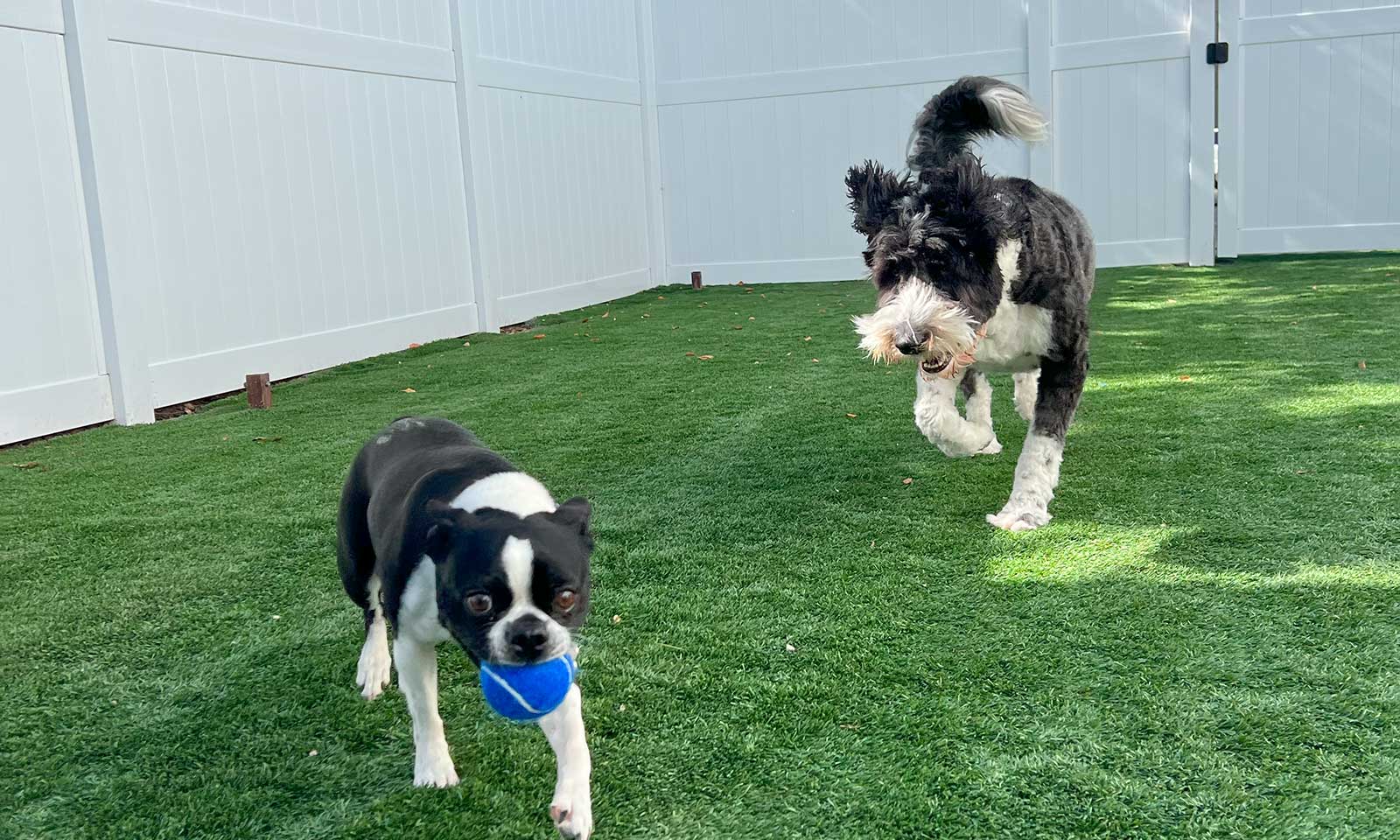
    Ever wonder why our furry friends get so excited at the mere sight of a ball? For many dogs, playing fetch is more than just a game—it’s a chance to bond, exercise, and satisfy their natural instincts. Enter the dog ball launcher, a game-changing gadget that promises to take our fetch sessions to the next level. With options that can launch balls up to 30 feet, these devices offer endless entertainment for both small and large breeds.

    In today’s fast-paced industry, dog ball launchers provide a convenient solution for busy pet owners who want to keep their dogs active and engaged. As we explore the various options available, from automatic launchers to hands-free designs, we’ll help you find the perfect fit for your pup’s playtime needs. Whether you’re looking for an indoor option or a robust outdoor model, our guide will ensure you make an well-informed choice that’ll keep those tails wagging.

    Benefits of Using a Dog Ball Launcher

    Dog ball launchers offer many advantages for both pets and their owners. As we explore these benefits, we see how they enhance playtime and simplify the dog’s exercise routine.

    • Convenience and Reduced Physical Strain: Dog ball launchers are perfect for owners who can’t throw a ball long distance. Those with shoulder injuries or mobility issues find using them particularly beneficial. The elderly, too, can enjoy more interactive play sessions with their dogs without enduring physical strain.
    • Increased Playtime and Exercise: Dogs need physical activity to stay healthy, and ball launchers extend play sessions effectively. Energetic dogs that require consistent exercise can meet their needs through these devices. They help long fetching sessions that may be challenging for owners to execute consistently by hand.
    • Supervised and Safe Play: Safety features integrated into many ball launchers ensure a care-free play environment. For instance, some models delay launches until the dog clears the throwing area. This prevents injuries while still allowing dogs to enjoy fetch. Owners can relax knowing their pets are playing safely under supervision.
    • Versatility: The adaptable nature of dog ball launchers means they can be used indoors or outdoors. They include adjustable launch distances, accommodating different environments and dog sizes. Whether in a cramped indoor setting or a spacious backyard, ball launchers cater to varying play needs.

    Incorporating a dog ball launcher into playtime routines doesn’t just enhance the fun—it’s a practical upgrade for ensuring active and happy dogs. By providing the exercise dogs need without overstraining owners, these devices serve as a valuable tool in any pet lover’s arsenal.

    Key Features to Consider

    When selecting a dog ball launcher, several key features help determine the best choice for our pets. These attributes ensure the device meets our needs and enhances playtime.

    Power Source and Battery Life

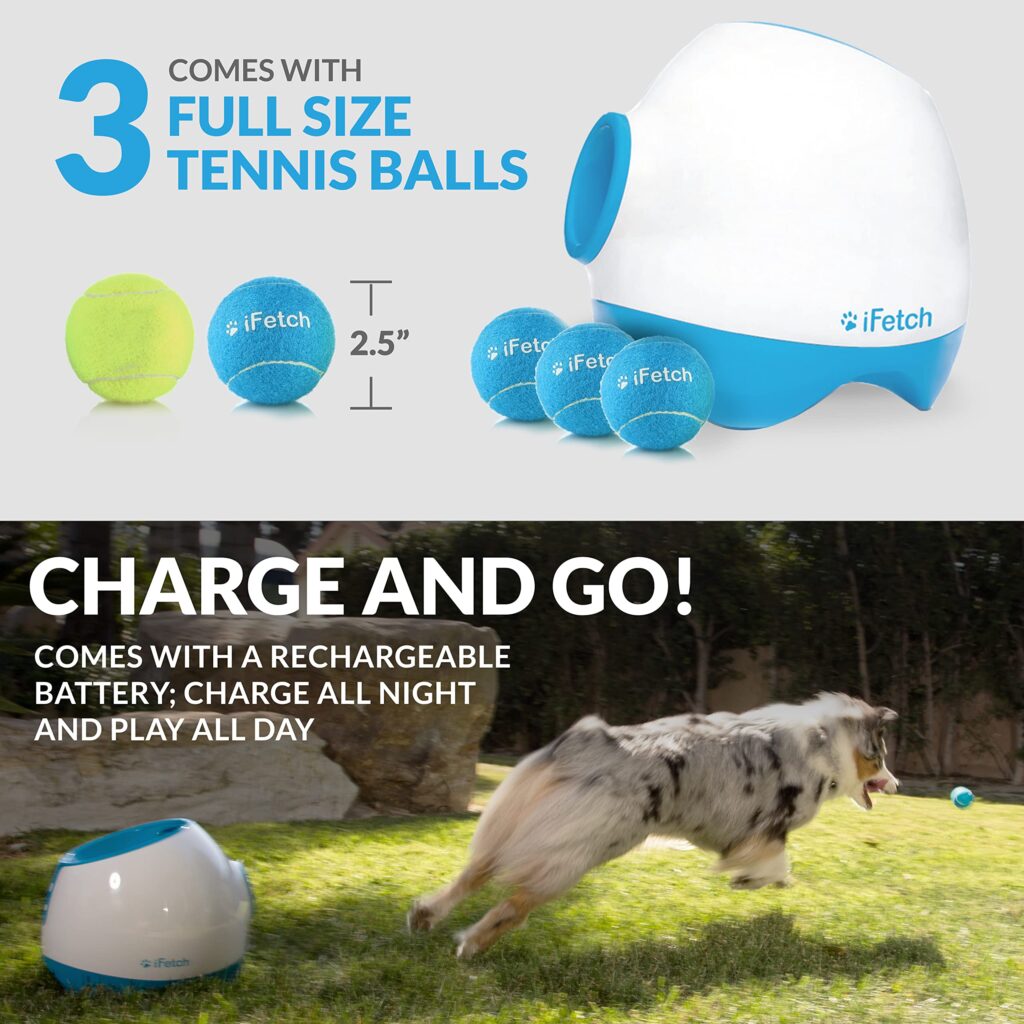
    Dog ball launchers often operate on both AC power and batteries. Devices like the PetSafe Automatic Ball Launcher use an AC adapter or batteries, offering flexibility in various settings. The Uahpet iRetriever stands out with a 4000 mAh battery, supporting up to 800 launches per charge. This high capacity suits prolonged play without frequent recharges. Rechargeable batteries like those in the iDogmate Small Dog Ball Launcher provide convenience in parks or areas without power outlets. Considering power source options ensures continuous play for our pets.

    Dog Ball Launcher

    Portability and Size

    Portability and size significantly affect usability. Compact, lightweight designs like the 6.3-pound Uahpet iRetriever make transportation easy. These features allow us to use the launcher in different locations, from the backyard to the local park, improving the versatility of play sessions. Ensuring the launcher is easy to carry helps integrate it seamlessly into our routine activities, providing flexible entertainment for our dogs.

    Range and Distance Settings

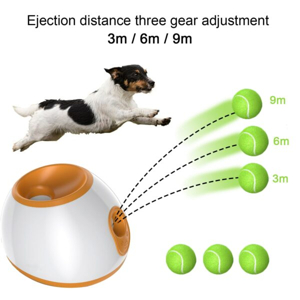
    Range and distance settings tailor the launcher to exact play areas. Devices with adjustable settings, like certain models of automatic launchers, accommodate various spaces, from small indoor rooms to expansive outdoor fields. By selecting appropriate distance options, we cater to our dog’s energy levels and playing style, maximizing joy and exercise during fetch games. A launcher’s capability to adjust throw distances ensures we can engage our dogs effectively in diverse environments.

    Ball Compatibility and Capacity

    Ball compatibility and capacity affect the fun and efficiency of a launcher. Ensuring the device fits standard tennis balls or exact size balls avoids purchasing different balls. Some launchers accommodate multiple balls, ideal for active dogs that prefer continuous play. Devices with larger capacities allow for extended play sessions without interruption, keeping our dogs entertained and engaged. Considering ball size and capacity guarantees that the launcher meets our pets’ preferences and play habits.

    Top Dog Ball Launchers Reviewed

    In the area of dog ball launchers, choosing the right tool enriches playtime with our energetic companions. We reviewed several top-rated launchers, considering their features and performance.

    PetSafe Automatic Ball Launcher

    The PetSafe Automatic Ball Launcher stands out for its versatility and safety. It features an adjustable dial with nine distance and six angle settings, capable of launching balls between 8 and 30 feet. It comes equipped with two standard tennis balls, accommodating up to three balls at once. This launcher is water-resistant and includes motion sensors to prevent launches if the dog is within 7 feet. An audible tone alerts the dog before launching, and an automatic sleep mode activates after 30 minutes of continuous play to conserve battery power.

    Pros:

    • Versatility with various distance and angle adjustments
    • Durable design suitable for both indoor and outdoor activities
    • Advanced safety features enhance secure play sessions

    Cons:

    • Requires 6 D-Cell batteries which are not included
    • Some users may find the price point slightly high
    Dog Ball Launcher

    Joyhound Electric Ball Launcher

    Another top contender is the Joyhound Electric Ball Launcher. Lauded for its durability, it cleans easily and maintains steadiness even on uneven terrain. This launcher is compatible with standard-size tennis balls, offering a familiar and interchangeable option for your dog. It’s designed for both indoor and outdoor use, catering well to dogs that swiftly adapt to retrieving games.

    Thoughts of Fun Co Automatic Ball Launcher

    The Thoughts of Fun Co Automatic Ball Launcher is recognized for its lightweight and portable design. It arrives fully assembled, a convenience for immediate play, and is ideal for indoor and outdoor environments. This launcher remains a solid choice for those seeking an easy-to-use, captivating play solution.

    Key Considerations for Dog Ball Launchers

    When selecting a launcher, we should consider several factors such as:

    • Launch Range: Ensure it suits your space and dog’s energy level.
    • Ball Capacity: Larger capacities accommodate prolonged play.
    • Ease of Use: Simple operation enhances user and canine experience.
    • Safety Features: Prevents injuries with sensor technology

    These devices amplify the joy of fetch, providing both dogs and their owners with more ever-changing play experiences. Keeping these aspects in mind ensures the selection of an optimal dog ball launcher customized to individual needs and preferences.

    Tips for Safe and Fun Use

    When using a dog ball launcher, ensuring safety and maximizing enjoyment are paramount. We listed some key tips to promote a positive experience for you and your furry friend.

    • Choose the Right Launcher: Select a launcher that’s compatible with your dog’s size. For small to medium dogs, options like THE THOUGHTS OF FUN CO. and the iDogmate Small Dog Ball Launcher provide suitable throwing distances. Large dogs benefit from models such as the PetSafe Automatic Ball Launcher or iRetriever Automatic Ball Launcher, offering longer ranges for active play.
    • Consider Safety Features: Look for launchers equipped with advanced safety elements. The Tof-Radar safety system in the iRetriever Automatic Ball Launcher is an example, incorporating real-time detection to avoid direct targeting of pets and people. Audible alerts in some devices notify when the ball is about to launch, helping your dog prepare.
    • Train Your Dog: Encourage independent play by training your dog to return the ball to the launcher’s hopper. This process might take a few days but allows for continuous, unsupervised fun. Reward consistent dropping with treats and praise to reinforce positive behavior.
    • Monitor Playtime: Keep an eye on your dog during play sessions to prevent overexertion. Regular breaks are advisable, especially on hot days, to ensure your pet stays hydrated and rested.
    • Maintain Equipment: Check the launcher for wear and tear. Clean the ball and device regularly to keep it functioning smoothly and prolong its lifespan. Always follow manufacturer maintenance guidelines to avoid malfunctions.
    Dog Ball Launcher

    These suggestions, combined with the right dog ball launcher, contribute to a safer and more enjoyable playing experience. Whether using an automatic or manual launcher, understanding how to use it appropriately enhances playtime while ensuring our pets’ wellbeing.

    Conclusion

    Dog ball launchers are a game-changer for both dogs and their owners. They offer a perfect blend of fun, exercise, and convenience, making them an essential tool for any pet-loving household. With options ranging from automatic to hands-free designs, there’s a launcher suited for every lifestyle and environment. By investing in a quality dog ball launcher, we ensure our furry friends get the activity they crave while simplifying our lives. Let’s embrace this innovative way to play fetch and make every moment with our dogs more enjoyable and fulfilling.

  • Stylish and Functional Dog Shirts: Trends for 2025

    Stylish and Functional Dog Shirts: Trends for 2025

    Ever wondered why dog shirts have become such a staple in pet fashion? With the pet industry booming, it’s no surprise that dog apparel is a growing trend. In fact, the global pet clothing market is expected to reach staggering figures as more pet owners seek stylish yet functional options for their furry friends. Dog shirts offer more than just aesthetic appeal—they provide comfort, protection, and a way to express personality.

    Overview Of Dog Shirts

    The dog shirt market is experiencing robust growth, with the global dog clothing and accessories market valued at $6.70 billion in 2023. A key driver is the increasing trend of humanizing pets. As dog owners, we consider our pets family members and often indulge them with fashionable apparel. This trend aligns with broader market growth, as the global pet clothing segment is projected to grow at a 4.1% CAGR from 2024 to 2030.

    Dog shirts aren’t just about fashion; they serve practical purposes too. These garments offer comfort and protection, especially in adverse weather. Polyblend dog shirts, for example, provide UPF protection rated between 10 and 35, shielding our pets from harmful UV rays. This is particularly important for dogs with short fur when spending time outdoors. Also, the poly-cotton blends maintain their size stability and durability, ensuring longevity and ease of care even after multiple washes.

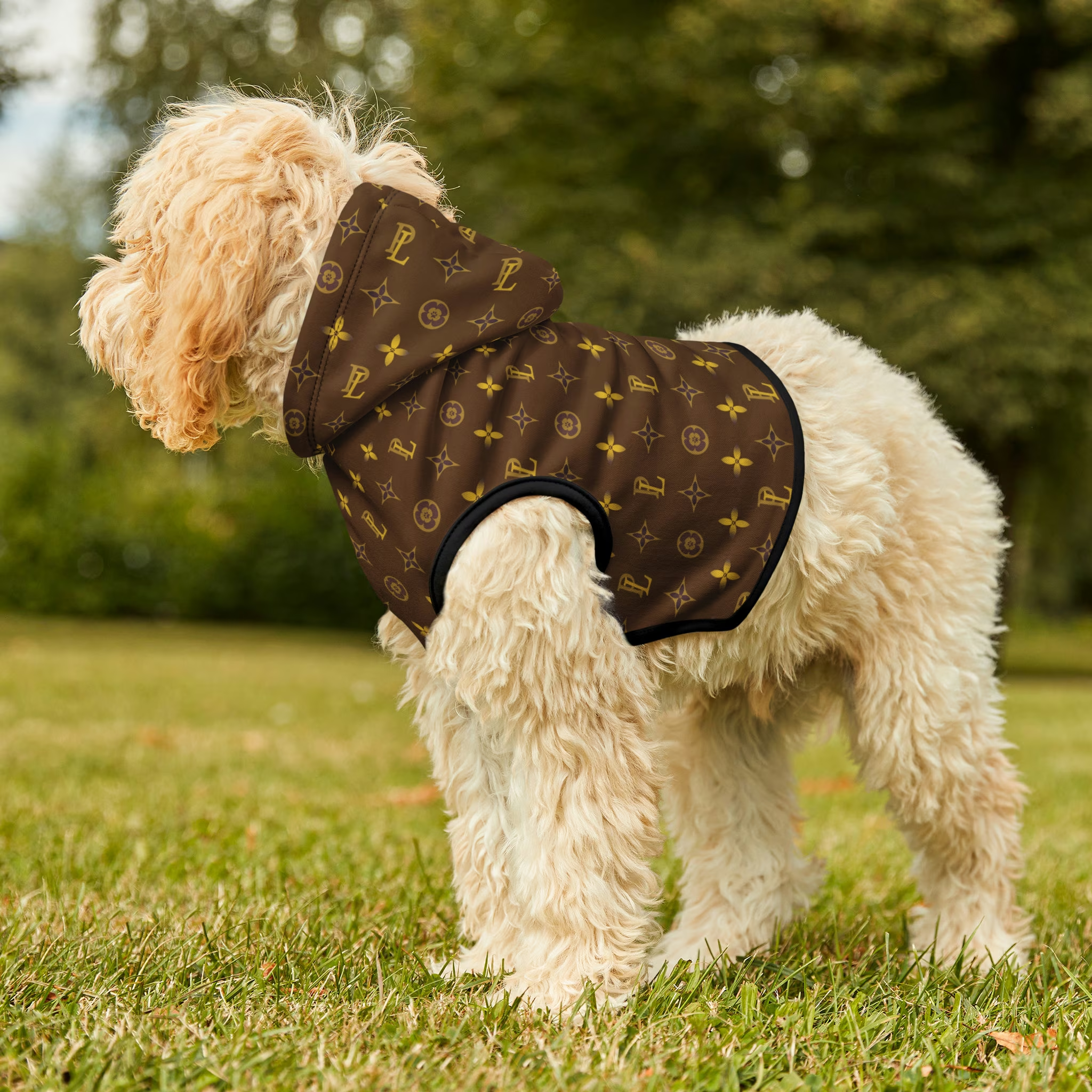
    Customization is also becoming popular, with options available for different sizes and styles. Options include items like the Ziggy Blush Dog Hoodie and the Tiny Gondolier Oatmeal Navy Stripe Tee, which cater to various fashion preferences. This diversity allows us to express our pets’ personalities in unique ways.

    A growing awareness of pet wellness contributes to the increasing demand for functional dog shirts. Pet owners are more conscious of the benefits, such as keeping a dog’s coat cleaner and reducing allergen shedding. As we embrace these products for their practical and aesthetic benefits, the dog shirt market continues to expand, revealing our deep connection with our furry companions.

    Stylish and Functional Dog Shirts

    Types Of Dog Shirts

    Dog shirts offer a variety of styles to suit different needs and preferences. These garments enhance a dog’s style and provide practical benefits like protection and comfort.

    T-Shirts

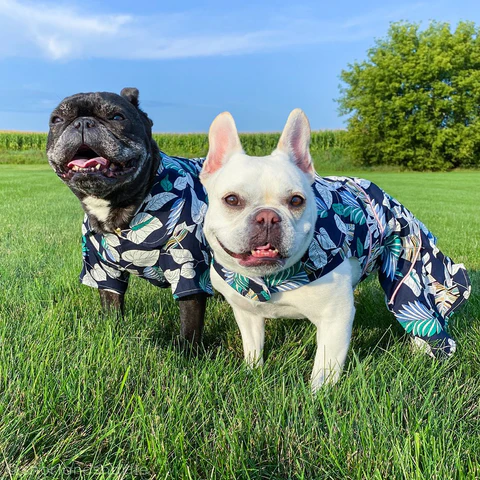
    Dog T-shirts are versatile garments, perfect for casual wear. They’re lightweight and breathable, making them suitable for warmer climates or indoor use. These shirts come in many designs, from playful prints to simple solids. Made typically from soft materials like cotton, they ensure comfort and ease of movement. For dogs with short fur, T-shirts can provide essential UV protection, thanks to fabrics offering UPF ratings from 10 to 35. They keep the coat cleaner and reduce allergen shedding, improving both style and hygiene.

    Sweatshirts

    Dog sweatshirts provide warmth and are ideal for cooler weather or active dogs. Unlike hoodies, these garments lack a hood but offer comfort and freedom of movement. Crafted from durable fabrics, they can withstand extensive outdoor activities. Sweatshirts often feature easy-to-wear designs, making them simple to put on and take off. They’re perfect for layering, providing extra insulation without restricting a dog’s activities. These garments are popular among owners who want to ensure their dogs remain stylish yet comfortable on brisk days.

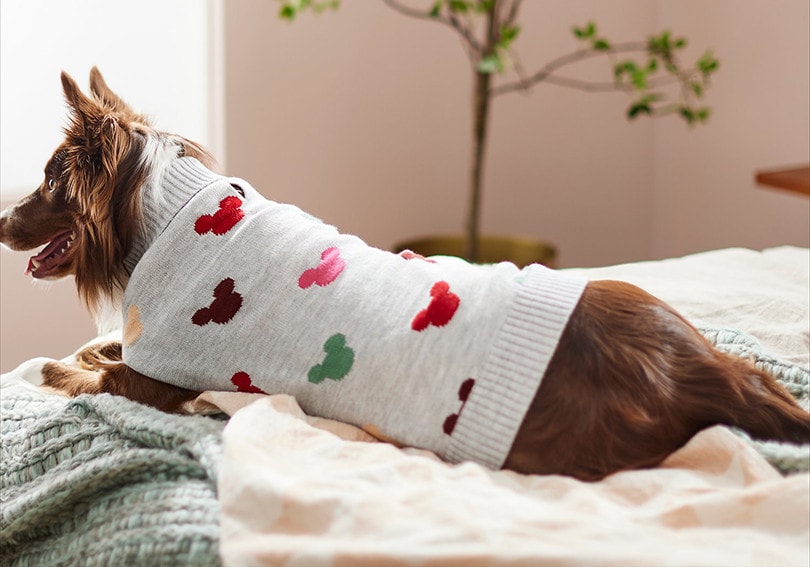
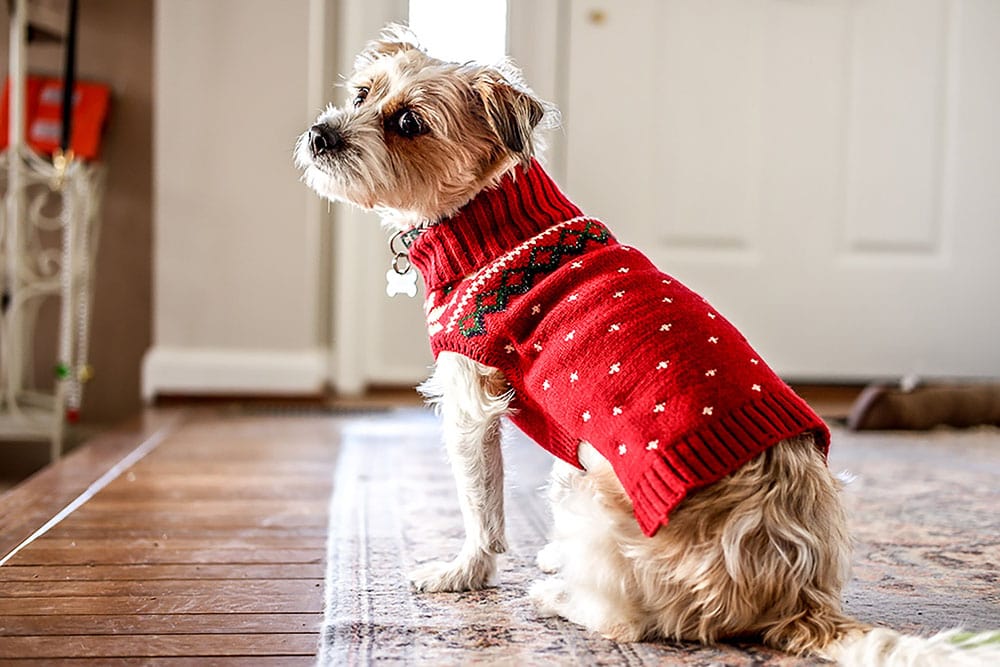
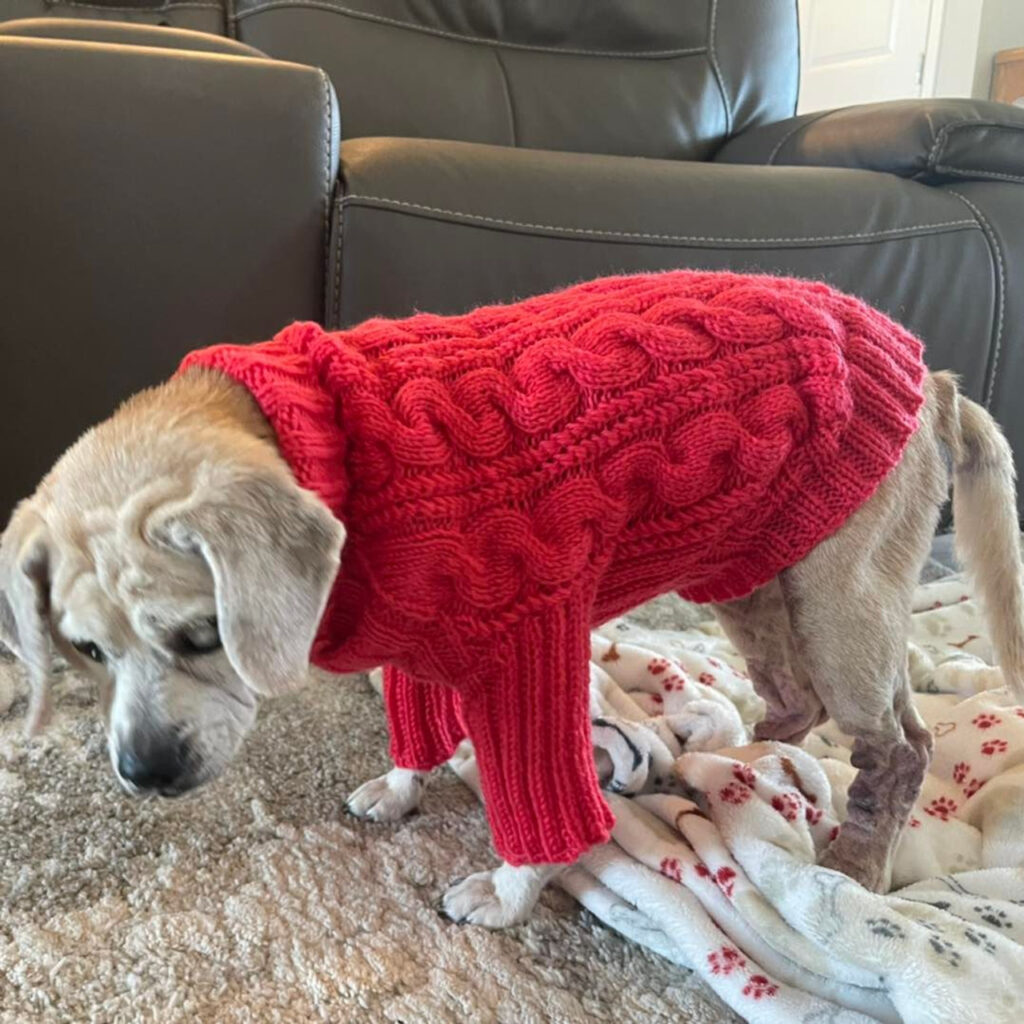
    Coats And Sweaters

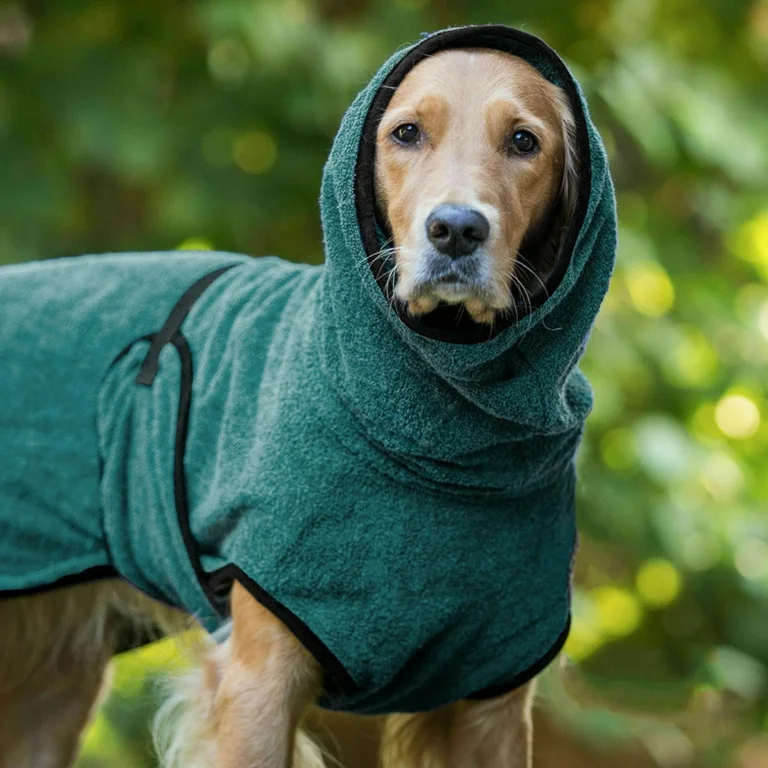
    Dog coats and sweaters are essential for colder climates, offering warmth and protection. Made from thicker materials, they keep dogs cozy in cold weather conditions. Coats often feature waterproof fabrics, shielding pets from rain or snow. Sweaters, knit from soft yarns, provide snug warmth indoors or during mild outdoor activities. Both types of garments are available in various styles and sizes, catering to different dog breeds and owner preferences. By providing protection against the elements, these garments help maintain a dog’s comfort and well-being during colder months.

    Materials And Comfort

    Dog shirts rely heavily on materials to ensure comfort and practicality. The most common materials include cotton, polyester, and fleece, each contributing unique qualities to the apparel.

    Cotton tops the list for its comfort-centric properties. It’s lightweight, breathable, and soft, making it an excellent choice for everyday dog shirts. Cotton stands out with its high absorbency, keeping dogs cool in warm weather. Also, cotton’s easy-care nature suits busy pet owners.

    Polyester is a synthetic alternative known for its durability. It’s resistant to wrinkles, shrinkage, and fading, making it suitable for active dogs. Polyester’s quick-drying capability makes it ideal for rainy or snowy days. To balance its lower breathability, it’s often blended with cotton to enhance comfort.

    Fleece offers warmth and coziness, making it perfect for colder seasons. Though lightweight, fleece remains breathable, ensuring dogs stay comfortable without feeling weighed down. Its insulating properties help retain heat, making it a favorite for winter dog apparel.

    With a variety of materials available, dog shirts can be customized to match any weather condition and activity level, ensuring pets remain both stylish and comfortable.

    Size And Fit Considerations

    Selecting the right size for a dog’s shirt involves precise measurements. Ensuring a snug and comfortable fit means focusing on three key measurements: back, chest, and neck. These measurements help us select a shirt that fits well, offering style and comfort.

    Back (Topline)

    Measuring from the base of the neck to the base of the tail ensures the shirt adequately covers the dog’s body. A proper back measurement prevents extra fabric from hindering movement or causing discomfort.

    Chest (Girth)

    The chest measurement is critical. We measure around the widest part of the dog’s chest, just behind the front legs. A well-fitting shirt in this area prevents tightness. It allows the dog to move freely and comfortably wear the shirt.

    Neck

    Measure around the neck where a collar would naturally sit. This ensures the neck hole isn’t too tight, offering comfort without restricting breathing or movement. A well-sized neck measurement allows easy wear and removal.

    Considering these measurements ensures a shirt that balances style and function. Our aim is to make sure the dog looks fashionable without sacrificing comfort. As the pet clothing market grows, driven by increasing humanization of pets, finding the right fit becomes crucial. Dog shirts not only serve aesthetic purposes but also enhance the pet’s wellbeing. Choosing the right size ensures the dog can enjoy the shirt’s benefits, from UPF protection to increased comfort in various weather conditions. As the options for pet clothing expand, paying attention to size and fit becomes an indispensable part of responsible pet care.

    Stylish and Functional Dog Shirts

    Style And Design Options

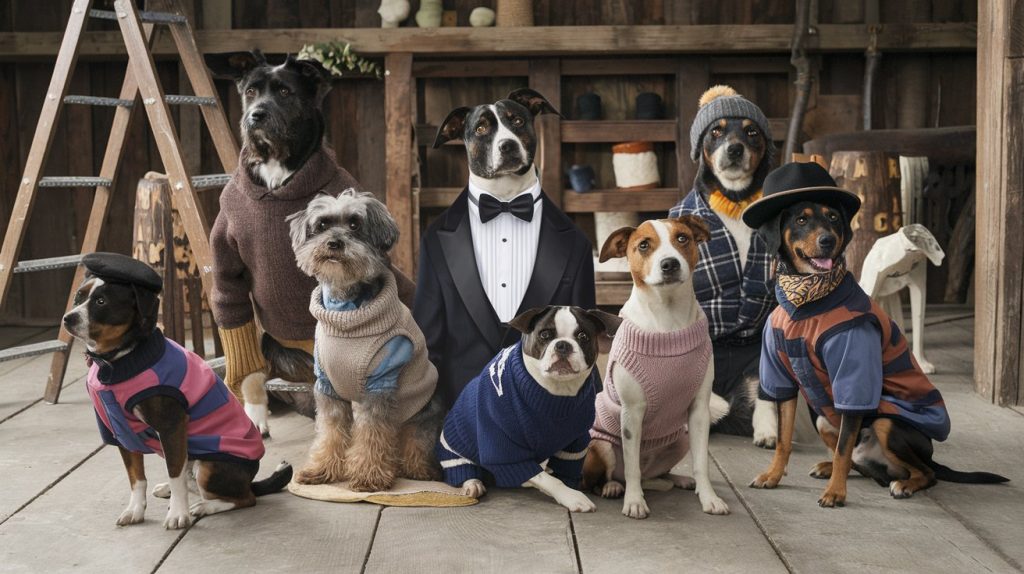
    Dog shirts offer diverse style and design options that cater to the varied tastes and unique personalities of our furry friends. This variety allows us to express our pets’ characters with flair and creativity. Popular styles range from sleek stripes and delightful cartoon prints to simple button-up shirts. These selections provide options for every occasion, whether we’re heading to a casual outing or a special event.

    Humorous designs have become a favorite among dog owners. Shirts with witty sayings like “Sorry I’m Late I Saw A Dog” or “All I Need Is Coffee and Dogs” add personality and charm to our pets’ wardrobes. These designs not only bring smiles but also serve as conversation starters during walks or play sessions at the park.

    Personalization is another appealing aspect of dog shirt fashion. Custom designs allow us to include photos, text, or logos on our pets’ shirts, making each piece unique. Whether it’s a favorite photo or a special message, personalized shirts give us the chance to create one-of-a-kind items that reflect our relationship with our pets.

    Plus to this wide array of designs, we can find dog shirts in many sizes to ensure a perfect fit for any breed, from the tiniest Chihuahua to the larger Labrador. By choosing the right size and style, we ensure our dogs remain comfortable while sporting their distinctive looks. Comfortable materials, such as 100% combed ring-spun cotton or blends including polyester, add to the appeal by keeping our pets comfortable and protected, no matter the weather.

    As pet fashion continuously evolves, the style and design options for dog shirts continue to expand, offering more possibilities for us to express our love through fashion. Each shirt not only showcases the dog’s personality but also highlights the bond between us and our furry companions.

    Benefits Of Dog Shirts

    Dog shirts offer multiple advantages beyond their fashion appeal, making them a valuable addition to any pet’s wardrobe. Pet owners seeking a blend of functionality and style find that dog shirts fulfill various essential needs.

    Thermal protection stands as a primary benefit, especially for breeds with thin or light coats like Chihuahuas or Labradors. These shirts add an extra layer of warmth during colder months, proving especially beneficial for senior or sick dogs. By wearing these shirts, dogs not only stay warm but also enjoy additional comfort and improved health.

    Anxiety reduction is another important advantage. Anxiety vests, such as those resembling the Thundershirt, provide calming pressure to soothe dogs during stressful situations like thunderstorms or fireworks. With snug-fitting dog shirts, pets experience a comforting hug-like sensation that can help reduce nervous behaviors.

    Protection from environmental elements further enhances the benefits of dog shirts. Sun protection is crucial for breeds with short or light-colored fur, as UV-blocking shirts shield them from harmful rays. A UPF rating between 10 and 35 in poly-cotton blends ensures dogs remain protected while enjoying outdoor activities.

    Stylish and Functional Dog Shirts

    Hygiene improvement also ranks high on the list of benefits. Dog shirts keep a dog’s coat cleaner by minimizing allergen shedding, so maintaining a tidier home environment. Pet owners appreciate the reduced cleaning effort and the added cleanliness of their pets.

    Summarizing, these shirts offer a range of practical uses, extending beyond mere fashion. We see their role as crucial in providing thermal protection, reducing anxiety, and protecting from harsh environmental elements. The fusion of style and functionality ensures that dog shirts remain a vital part of modern pet care, aligning with our ongoing commitment to enhance pet wellness and comfort.

    Conclusion

    Dog shirts have undeniably become a staple in the pet fashion industry, offering more than just a stylish appearance. They provide essential benefits like protection from UV rays, improved hygiene, and comfort across various weather conditions. As we continue to treat our pets as cherished family members, the demand for functional and fashionable dog apparel will only grow. With a wide range of materials, styles, and customization options, dog shirts cater to every pet’s needs and personality. Embracing this trend not only enhances our pets’ wellbeing but also strengthens the bond we share with them, making dog shirts an indispensable part of modern pet care.

  • Best Dog Sweaters 2025: Keep Your Pup Warm & Stylish

    Best Dog Sweaters 2025: Keep Your Pup Warm & Stylish

    Have you ever wondered why so many pet owners are turning to dog sweaters? With over 5,000 reviews highlighting warmth and comfort, it’s clear that these cozy garments are more than just a fashion statement for our furry friends. As temperatures drop, ensuring our pets stay snug becomes a top priority, especially for small and medium breeds that feel the chill more intensely.

    We understand that finding the perfect dog sweater can be overwhelming with the variety available. In this text, we’ll explore the benefits of dog sweaters, what to look for when choosing one, and tips to ensure your pet stays both stylish and comfortable. Whether you’re shopping for a puppy or a seasoned companion, our insights will help you make an well-informed choice that keeps your dog happy and warm all winter long.

    Types of Dog Sweaters

    Choosing the right dog sweater enhances your pet’s comfort and style. We offer a variety of designs to suit different needs and preferences.

    Pullover Sweaters

    Pullover dog sweaters remain a top choice for warmth and simplicity. Designed without zippers or complex fastenings, they ensure easy dressing and removal. Available in styles like turtleneck, classic fleece, and knitted patterns, these sweaters cater to various tastes. Materials such as soft fleece, acrylic yarn, and wool provide excellent insulation and comfort.

    Our pullover sweaters come in sizes ranging from XXS to XL, fitting breeds of all sizes snugly to retain heat effectively. This versatility makes pullover sweaters suitable for small breeds needing extra warmth and larger dogs requiring cozy coverage. Also, the range of colors and patterns allows pet owners to select options that match their dog’s personality and wardrobe. By prioritizing both functionality and aesthetics, pullover dog sweaters contribute significantly to your pet’s winter wardrobe, ensuring they stay warm and stylish during colder months.

    Hoodie Sweaters

    Hoodie dog sweaters blend comfort with a trendy look, offering added protection against the elements. Featuring a hood, these sweaters shield your dog’s head and neck from wind and rain, improving overall warmth. Constructed from durable and soft fabrics like fleece and cotton blends, hoodie sweaters provide flexibility and ease of movement. They come in various designs, including zip-up styles and those with adjustable closures, accommodating different dog sizes and coat types.

    Our hoodie sweaters are available in multiple sizes, ensuring a perfect fit for both small and large breeds. The elastic cuffs and adjustable waistbands help maintain the sweater’s position, preventing it from slipping during active play. Also, reflective trims are available in some models, improving visibility during evening walks. By combining practicality with modern aesthetics, hoodie dog sweaters offer a functional and fashionable solution for keeping your dog comfortable and protected in diverse weather conditions.

    Materials and Construction

    Choosing the right materials and construction ensures our dog sweaters offer maximum comfort and longevity for your pet. We prioritize quality to provide the best fit and functionality.

    Common Fabrics

    We select fabrics that balance warmth, comfort, and practicality for dog sweaters. Fleece stands out for its softness, warmth, and machine-washable properties, making it ideal for colder climates. Cotton offers breathability and comfort, perfect for milder weather and dogs with sensitive skin. Flannel provides an extra layer of insulation, suitable for very cold temperatures and adding a cozy texture to our designs.

    For outdoor-active dogs, nylon and polyester are excellent choices due to their water-resistant and durable nature, ensuring the sweaters withstand rigorous use. Also, knit sweater fabric is used in some styles, requiring stabilization to maintain shape and ease of sewing. By carefully selecting these materials, we ensure our dog sweaters meet diverse needs while maintaining style and functionality.

    Best Dog Sweaters 2025

    Durability and Quality

    Ensuring the durability and quality of our dog sweaters is essential for long-lasting use. We use reinforced stitching techniques to prevent wear and tear, especially in high-movement areas like seams and edges. Our selection of high-quality fabrics, such as nylon and polyester, enhances the sweaters’ resistance to abrasions and environmental factors, making them suitable for active dogs.

    We also incorporate double-layered materials in key areas to provide extra insulation and durability without adding unnecessary weight. Quality control processes are in place to inspect each sweater for defects, ensuring that every product meets our standards before reaching customers. By focusing on these aspects, we guarantee that our dog sweaters remain functional and stylish, providing reliable warmth and comfort season after season.

    Sizing and Fit

    Ensuring the right sizing and fit for dog sweaters enhances comfort and mobility. Accurate measurements keep sweaters snug without restricting movement.

    Measuring Your Dog

    To size a dog sweater accurately, take three essential measurements:

    1. Length: Measure your dog’s back from the collar area to the base of the tail. For example, a Golden Retriever might need a length of 22 inches.
    2. Chest Girth: Wrap a measuring tape around the widest part of your dog’s chest, just behind the front legs. Ensure the tape is secure but not tight. A medium-sized dog may have a chest girth of 20 inches, while larger breeds might require up to 30 inches.
    3. Neck Girth: Measure around the base of your dog’s neck where the collar sits. This ensures the sweater fits comfortably without restricting breathing. Neck sizes typically range from 12 to 24 inches depending on the breed.

    Accurate measurements prevent discomfort and help maintain the sweater’s shape after washing.

    Adjustability Features

    Adjustability features in dog sweaters provide a customized fit for various sizes and body types:

    • Velcro Straps: Offer easy tightening or loosening around the chest and neck, ensuring the sweater stays in place without being restrictive.
    • Elastic Panels: Provide flexibility in the sides or sleeves, accommodating movement while maintaining a snug fit. For instance, ribbed elastic allows the sweater to stretch without losing shape.
    • Button or Snap Closures: Enable precise adjustments at openings, ensuring the sweater fits securely and comfortably. These closures make it simple to put on or remove the sweater without hassle.

    Incorporating these features ensures dog sweaters remain comfortable during active play or restful periods, improving overall fit and usability.

    Benefits of Dog Sweaters

    Warmth and Temperature Regulation

    Dog sweaters provide essential warmth for breeds with thin or light coats, such as Chihuahuas, Greyhounds, terriers, and poodles. These dogs are not genetically adapted to cold environments, making extra insulation crucial during chilly weather. Sweaters help maintain their body temperature, ensuring comfort and preventing hypothermia in low temperatures.

    Protection for Exact Conditions

    Older dogs with weakened immune systems or diseases that impair hair growth, like Cushing’s disease or hypothyroidism, benefit significantly from the additional warmth provided by sweaters. These garments help mitigate the effects of reduced fur, offering a consistent heat source that supports their overall health. Also, sweaters aid dogs that are hesitant to go outside in snowy conditions, enabling them to relieve themselves comfortably without the stress of extreme cold.

    Insulation for Short-Fur Breeds

    Large breeds with short coats, such as Greyhounds and Boxers, lack sufficient natural insulation against cold weather. Sweaters compensate for this deficiency by providing an extra layer of warmth without restricting movement. This insulation ensures that short-furred dogs remain comfortable and active during colder months, reducing the risk of cold-related discomfort.

    Health Benefits

    Maintaining an optimal body temperature with dog sweaters reduces the risk of muscle stiffness and joint pain, especially in breeds prone to arthritis. By keeping muscles warm, sweaters enhance mobility and decrease the likelihood of injuries caused by sudden movements in cold weather. Also, consistent warmth supports joint health, promoting better overall mobility and quality of life for dogs with existing joint issues.

    Enhanced Comfort and Mobility

    Quality dog sweaters are designed to offer both warmth and flexibility, allowing dogs to move freely without feeling restricted. Features like elastic panels, Velcro straps, and adjustable closures ensure a snug fit that adapts to various body types and sizes. This balance of comfort and mobility encourages active lifestyles, even in colder temperatures, contributing to the dog’s physical and mental well-being.

    Best Dog Sweaters 2025

    Seasonal Adaptability

    Dog sweaters are versatile garments suitable for various weather conditions. Plus to providing warmth during winter, they offer protection against light rain and wind, ensuring dogs remain comfortable in transitional seasons. This adaptability makes sweaters a practical addition to a dog’s wardrobe, supporting their needs throughout the year.

    Safeguarding Sensitive Areas

    Sweaters cover vulnerable areas such as the belly, chest, and back, protecting dogs from harsh weather elements. This coverage prevents skin irritation caused by cold air and moisture, maintaining the integrity of their skin and coat. By safeguarding these sensitive regions, dog sweaters help maintain overall skin health and reduce the risk of related ailments.

    Choosing the Right Style

    Selecting the appropriate dog sweater involves evaluating various factors to ensure both comfort and functionality for your pet.

    Color and Design

    Color and design significantly impact the practicality and aesthetics of dog sweaters. Dark colors absorb heat, providing extra warmth during colder months, whereas lighter shades reflect sunlight, ideal for mild temperatures. Patterns and prints offer camouflage for outdoor activities, reducing visibility to predators. Also, vibrant colors enhance visibility, ensuring your dog stands out during walks. Reflective trims improve safety in low-light conditions, especially for evening or early morning outings.

    Functional designs include adjustable features, such as Velcro straps and snap closures, allowing a customized fit. We offer styles with pockets for carrying essentials, improving practicality. Also, hooded designs provide added protection against wind and rain, maintaining your dog’s comfort. Choosing the right color and design not only complements your dog’s appearance but also serves functional purposes based on your environment and activities.

    Seasonal Considerations

    Seasonal factors influence the selection of dog sweaters to match varying weather conditions. In winter, insulated materials like fleece and wool retain heat, keeping your dog warm during cold temperatures. Waterproof fabrics are essential for rainy seasons, preventing your dog from getting wet and maintaining body temperature. During transitional seasons, lightweight sweaters offer sufficient warmth without causing overheating.

    Ventilated designs ensure breathability, especially in spring and fall, promoting comfort as temperatures fluctuate. Also, breathable fabrics reduce the risk of overheating during active play, while layered styles accommodate different weather patterns. We provide sweaters suitable for year-round use, integrating features like removable liners for adaptability. Considering seasonal needs ensures your dog remains comfortable and protected, regardless of changing weather conditions.

    Care and Maintenance

    Before First Use

    Washing dog sweaters before their initial use isn’t necessary. But, some owners prefer doing so to soften the fabric and ensure a comfortable fit for their pets.

    Frequency of Washing

    We wash dog sweaters approximately every one to two weeks. The exact frequency depends on the dog’s activity level and how often the sweater is worn. Active dogs may require more frequent washes to maintain cleanliness.

    Best Dog Sweaters 2025

    Washing Methods

    Machine Washing

    Many dog sweaters are machine washable when we follow the care label instructions carefully. Using a garment bag prevents tangling around the washing machine’s agitator. We choose a pet-friendly, mild, and hypoallergenic detergent to avoid any allergic reactions. Also, selecting a gentle or delicate cycle with cold water helps prevent color loss and preserves the sweater’s quality.

    Hand Washing

    For sweaters made from delicate materials like wool, velvet, or cashmere, we recommend hand washing. This method ensures the fabric remains intact and extends the sweater’s lifespan, maintaining its softness and fit.

    Conclusion

    Choosing the right sweater ensures our dogs stay warm and stylish all year round. We understand how important it is to find a perfect fit that combines comfort with durability. By selecting quality materials and the right design, we can enhance our pets’ well-being and keep them happy during every season.

    Investing in a good dog sweater means our furry friends are protected against the elements and can enjoy their outdoor adventures safely. Let’s prioritize their comfort and health by making informed choices that benefit both them and us. Together we can ensure our dogs remain cozy and vibrant no matter the weather.

  • Best Dog Bones for Happy, Healthy Pups: Ultimate Guide to Canine Chews

    Best Dog Bones for Happy, Healthy Pups: Ultimate Guide to Canine Chews

    Did you know that the right chew bone can keep your dog entertained for hours while promoting dental health? Dog bones are more than just treats; they’re essential tools for your furry friend’s physical and mental well-being.

    We understand the importance of finding the perfect bone for your canine companion. From peanut butter-filled beef bones to natural shin bones stuffed with tasty flavors, there’s a wide variety of options to suit every dog’s preference. These chews not only satisfy your pup’s natural urge to gnaw but also provide crucial benefits like teeth cleaning and stress relief.

    In this text, we’ll discover the area of dog bones, helping you choose the best option for your four-legged friend. We’ll cover everything from safety considerations to the nutritional benefits of different types of bones, ensuring your pup stays happy, healthy, and thoroughly entertained.

    Types of Dog Bones

    Dog bones come in various forms, each offering unique benefits for canine companions. We’ll explore two main categories: natural bones and synthetic bones, detailing their characteristics and uses.

    Natural Bones

    Natural bones, derived from animal sources, provide dogs with a satisfying chewing experience. These bones often contain marrow, a nutrient-rich substance that dogs find irresistible. Archaeological findings, such as the canine humerus discovered in Erralla Cave, Spain, dated between 17,410 and 17,096 years ago, highlight the long-standing relationship between dogs and bones.

    Natural bones offer dental benefits, helping to clean teeth and massage gums as dogs chew. They’re available in different sizes to suit various breeds, from small shin bones to large femur bones. But, it’s crucial to monitor dogs while they chew natural bones due to potential splintering risks. Studies have shown that bone structure and density in dogs vary based on breed and size, with smaller dogs often having higher bone-mineral density than larger breeds.

    Synthetic Bones

    Synthetic bones offer a safe alternative to natural bones, designed to mimic the texture and appeal of real bones without the associated risks. These artificial chews come in various materials, including nylon, rubber, and specially formulated plastics. Synthetic bones provide consistent durability, reducing the risk of splintering or breaking during use.

    They’re often infused with flavors like chicken, beef, or peanut butter to enhance their appeal to dogs. Many synthetic bones feature textured surfaces that help clean teeth and promote good oral hygiene. Unlike natural bones, synthetic options don’t contain marrow or other organic matter, making them a cleaner choice for indoor use. They’re available in different shapes and sizes to cater to various dog breeds and chewing preferences, from small teething puppies to aggressive adult chewers.

    Best Dog Bones

    Benefits of Dog Bones

    Dog bones offer many advantages for canine health and well-being. They provide essential dental care and mental stimulation, contributing to overall wellness.

    Dental Health

    Dog bones play a crucial role in maintaining canine oral hygiene. Chewing on bones helps remove tartar and plaque from teeth, preventing gum disease and keeping teeth and gums clean. This natural teeth-cleaning process is particularly effective for hard-to-reach areas in a dog’s mouth. Also, the act of gnawing stimulates saliva production, which has antimicrobial properties that further clean the mouth and reduce the risk of dental issues. Regular bone chewing can significantly decrease the incidence of canine tooth disease, promoting overall oral health. The mechanical action of chewing also strengthens jaw muscles and massages gums, contributing to improved dental hygiene and reducing the need for professional cleanings.

    Mental Stimulation

    Bones provide essential mental stimulation for dogs, satisfying their natural urge to chew. This instinctive behavior, when directed towards appropriate objects like bones, can help prevent destructive chewing of household items. Chewing on bones offers dogs a positive outlet for stress and anxiety, promoting relaxation and reducing boredom. The act of working on a bone engages a dog’s mind, providing a form of problem-solving that can be both challenging and rewarding. This mental exercise is particularly beneficial for high-energy breeds or dogs left alone for extended periods. Also, the variety of textures and flavors in different types of bones can keep dogs interested and engaged, further improving the mental stimulation benefits.

    Choosing the Right Bone for Your Dog

    Selecting the appropriate bone for your dog is crucial for their safety and enjoyment. Various factors influence this choice, including your dog’s size, breed, age, and chewing habits.

    Size and Breed Considerations

    When choosing bones for dogs, size and breed play a important role. Small or fine-boned dogs don’t necessarily have weaker bones than larger breeds. Studies show that smaller dogs often have higher bone-mineral density and a larger ratio of dense outer layer to hollow core in their bones. But, it’s essential to select bones that match your dog’s size to prevent choking hazards or gastrointestinal blockages. For larger breeds, especially those experiencing rapid growth, bones can provide a balanced mix of minerals like calcium and phosphorus. Consider your dog’s jaw strength and chewing style when selecting bone size and density to ensure a safe and enjoyable chewing experience.

    Age and Chewing Habits

    A dog’s age and chewing habits greatly influence the type of bone that’s suitable for them. Puppies, particularly those of large breeds, require a diet rich in high-quality protein, fat, and exact mineral ratios for proper bone development. As dogs age, their chewing habits and nutritional needs change. Senior dogs may benefit from softer bones or chews that are gentler on their teeth and jaws.

    Aggressive chewers need durable bones that can withstand intense chewing sessions, while gentle chewers might prefer softer options. It’s crucial to monitor your dog’s chewing behavior and adjust the type of bone accordingly. Remember, persistent chewers can generate important jaw muscle power, potentially causing bones to splinter. Always supervise your dog during chewing sessions and remove the bone if it shows signs of breaking into pieces.

    Best Dog Bones

    Popular Dog Bone Materials

    Dog bones come in various materials, each offering unique benefits for canine dental health and entertainment. Let’s explore some popular options that cater to different dog preferences and chewing habits.

    Beef Bones

    Beef bones are a classic choice for dog chews, prized for their durability and palatability. These bones come from different parts of cattle, including femurs, ribs, and knuckles. Rich in nutrients like calcium and phosphorus, beef bones support dental health by scraping away plaque and tartar. Their dense structure provides a long-lasting chewing experience, satisfying even the most persistent chewers. But, it’s crucial to choose appropriately sized beef bones for your dog to prevent choking hazards. Always supervise your dog while they’re enjoying a beef bone and remove it if it starts to splinter or crack.

    Chicken and Poultry Bones

    Chicken and poultry bones are not recommended as chew toys for dogs due to their fragile nature. These bones can easily splinter, posing serious risks such as choking, internal injuries, or intestinal blockages. The hollow structure of bird bones makes them prone to breaking into sharp fragments when chewed. Instead of raw poultry bones, consider safer alternatives like specially designed synthetic bones that mimic the texture of poultry bones without the associated dangers. These alternatives often come infused with chicken or poultry flavors to appeal to dogs who enjoy these tastes, providing a safer chewing experience while still offering dental benefits.

    Bison and Exotic Meats

    Bison and exotic meat bones offer a novel chewing experience for dogs, often appealing to those with food sensitivities or allergies to more common proteins. Bison bones are denser than beef bones, providing a longer-lasting chew. They’re rich in nutrients and can help maintain dental health through prolonged gnawing. Exotic meat bones, such as those from elk or venison, offer similar benefits while introducing unique flavors. These bones are typically sourced from free-range animals, which may appeal to pet owners seeking natural options. As with all bones, it’s essential to choose the appropriate size for your dog and supervise chewing sessions to ensure safety.

    Safety Concerns and Precautions

    When giving dogs bones, it’s crucial to understand the potential risks and carry out proper safety measures. We’ll explore the exact hazards associated with different types of bones and provide guidelines for safe supervision during chewing sessions.

    Potential Risks

    Bones pose several dangers to dogs if not carefully selected and monitored. Cooked bones, especially from poultry, are particularly hazardous due to their tendency to splinter. These sharp fragments can cause serious injuries to a dog’s mouth, throat, or digestive tract. Raw bones, while generally safer, carry the risk of bacterial contamination, potentially leading to foodborne illnesses. Large bones may cause choking or intestinal blockages, particularly in smaller breeds. Aggressive chewers might break off large pieces, increasing the risk of obstruction. Dental injuries are also a concern, as excessively hard bones can crack or chip teeth. Also, some dogs may experience digestive upset, including constipation or diarrhea, when introduced to new bone types.

    Best Dog Bones

    Supervision Guidelines

    To ensure safe bone chewing, close supervision is essential. Always observe your dog during their first few encounters with a new bone type to assess their chewing style and any potential issues. Remove the bone if your dog shows signs of aggressive chewing or attempts to swallow large pieces. Limit chewing sessions to 10-15 minutes to prevent overindulgence and reduce the risk of digestive problems.

    Regularly inspect bones for wear and tear, discarding them if they become small enough to swallow whole or develop sharp edges. When introducing raw bones, practice proper food safety by washing your hands and cleaning surfaces afterward to minimize bacterial spread. For dogs with sensitive stomachs or those new to bone chewing, start with short sessions and gradually increase duration as tolerance improves. Always have fresh water available during chewing sessions to aid in digestion and prevent choking.

    Alternatives to Traditional Bones

    While traditional bones offer many benefits for dogs, there are alternatives that provide similar advantages with reduced risks. These options cater to different preferences and safety concerns while still satisfying a dog’s natural urge to chew.

    Chew Toys

    Chew toys are durable alternatives to traditional bones that satisfy a dog’s chewing instinct. Made from materials like rubber, nylon, or hard plastic, these toys withstand aggressive chewing and are less likely to splinter or cause obstruction if ingested in small pieces. Chew toys come in various shapes and sizes, catering to different breeds and chewing preferences. Many are designed with textures that promote dental health by cleaning teeth and massaging gums. Some chew toys feature treat-dispensing capabilities or can be filled with peanut butter, providing extended mental stimulation and engagement. The diversity of chew toys available ensures that dogs remain interested and entertained while reaping the benefits of chewing.

    Best Dog Bones

    Dental Treats

    Dental treats offer a tasty alternative to traditional bones while promoting oral health. These treats are specifically formulated to reduce plaque and tartar buildup, freshening breath and supporting overall dental hygiene. Unlike bones, dental treats are fully digestible and designed to break down safely in a dog’s digestive system. They come in various flavors and textures, appealing to different canine preferences. Many dental treats contain ingredients that support teeth and gum health, such as chlorophyll for breath freshening or calcium for tooth strength. Some are shaped to maximize contact with teeth and gums during chewing, improving their cleaning effect. Dental treats provide a convenient way to supplement a dog’s dental care routine while offering a satisfying chewing experience.

    Conclusion

    Dog bones are essential for our canine companions’ health and happiness. They provide dental benefits mental stimulation and satisfy natural chewing instincts. Whether choosing natural or synthetic options it’s crucial to consider your dog’s size breed and chewing habits. Always prioritize safety by supervising chewing sessions and selecting appropriate bone sizes. With the right choice our furry friends can enjoy the many benefits of chewing while staying safe and healthy. Remember alternatives like durable chew toys and dental treats can also offer similar advantages. By making informed decisions we can ensure our dogs’ well-being and keep their tails wagging.

  • Dog Chewing Paws: 7 Causes and Solutions for Happy Paws

    Dog Chewing Paws: 7 Causes and Solutions for Happy Paws

    Have you ever caught your dog chewing paws or licking their paws? It’s a common sight for dog owners, but when does this behavior become a cause for concern? While occasional paw licking is normal for canine grooming, excessive chewing may signal underlying issues that require attention.

    We’ll explore the various reasons why dogs chew their paws, from simple grooming habits to more serious conditions like allergies, injuries, or stress. Understanding these causes is crucial for maintaining your dog’s health and well-being. By the end of this article, you’ll be equipped with the knowledge to identify when paw chewing is harmless and when it’s time to consult a veterinarian.

    Why Do Dog Chewing Paws?

    Dogs chew their paws for various reasons, ranging from minor irritations to serious health concerns. Understanding these causes helps pet owners identify when paw chewing is normal grooming behavior or a sign of underlying issues.

    Allergies and Skin Irritations

    Allergies are a common trigger for paw chewing in dogs. Environmental allergens like pollen, dust mites, and certain grasses can cause skin irritation. Food allergies, often related to proteins like beef or chicken, may also lead to paw chewing. Skin conditions such as dermatitis result in itching and discomfort, prompting dogs to chew their paws for relief. Exposure to chemicals in yard treatments or deicing products can exacerbate skin irritations. To alleviate these issues, pet owners can use hypoallergenic wipes to clean paws after walks and consider dietary adjustments under veterinary guidance.

    Injuries and Pain

    Dogs often chew their paws in response to pain or injury. Cuts, insect stings, broken nails, or burns from hot surfaces can cause discomfort, leading to excessive licking or chewing. In winter, exposure to cold surfaces or deicing chemicals may result in dry, cracked paw pads. Foreign objects like thorns or small rocks lodged between paw pads can also trigger this behavior. It’s crucial to inspect paws regularly for signs of injury, such as swelling, redness, or limping. If an injury is suspected, consult a veterinarian promptly to prevent further complications and provide appropriate treatment.

    Parasites and Infections

    Parasites and infections can cause intense itching, leading dogs to chew their paws. Fleas, ticks, and mites are common culprits, often concentrating between toes and causing irritation. Yeast or bacterial infections, particularly in dogs with allergies or weakened immune systems, can develop in the moist areas between paw pads. These infections often produce a distinct odor and may cause redness or swelling. Regular parasite prevention and maintaining clean, dry paws help reduce the risk of infestations and infections. If persistent paw chewing occurs, a veterinary examination can identify and treat any underlying parasitic or infectious causes.

    Stress and Anxiety

    Dogs may chew their paws as a coping mechanism for stress and anxiety. Changes in environment, routine, or family dynamics can trigger this behavior. Separation anxiety, fear of loud noises, or unfamiliar situations may also lead to excessive paw chewing. This repetitive action serves as a self-soothing technique for anxious dogs. Identifying and addressing the source of stress is crucial in managing this behavior. Providing a consistent routine, safe spaces, and captivating activities can help alleviate anxiety. In severe cases, consultation with a veterinary behaviorist may be necessary to develop a comprehensive treatment plan.

    Boredom and Behavioral Issues

    Boredom and lack of mental stimulation can result in excessive paw chewing. Dogs with insufficient physical exercise or mental engagement may resort to this behavior as a way to occupy themselves. It can become a habit or compulsive behavior if not addressed. Providing regular exercise, interactive toys, and captivating activities helps prevent boredom-related paw chewing. Training sessions and puzzle feeders offer mental stimulation, reducing the likelihood of developing this habit. If paw chewing persists even though increased activity, it may indicate an underlying behavioral issue requiring professional intervention. Consistency in addressing the behavior and offering alternative activities is key to breaking the habit.

    Common Causes of Paw Chewing

    Dogs chew their paws for various reasons, ranging from environmental factors to dietary sensitivities and seasonal changes. Understanding these common causes helps identify the root of the problem and find appropriate answers.

    Environmental Factors

    Environmental triggers often lead to paw chewing in dogs. Fleas and ticks are frequent culprits, causing intense itching and allergic reactions that prompt excessive licking and chewing. Insect bites and stings also irritate dogs’ paws, resulting in discomfort and subsequent chewing. Hot surfaces during summer months can burn paw pads, while winter chemicals like road salt cause irritation, both leading to paw chewing as dogs attempt to soothe their discomfort. Also, foreign objects such as twigs, stones, or glass can become lodged in paws, causing soreness and prompting dogs to chew the affected area. Regular paw checks and proper environmental management help mitigate these issues and reduce paw chewing behavior.

    Dietary Sensitivities

    Dietary factors play a important role in paw chewing behaviors. Food allergies or sensitivities can manifest as skin reactions, including on the paws, leading dogs to chew and lick for relief. Common allergens include beef, dairy, wheat, egg, chicken, lamb, soy, pork, rabbit, and fish. Nutritional deficiencies, particularly in essential fatty acids, can also contribute to skin problems and subsequent paw chewing. Some dogs may develop sensitivities to certain ingredients in their food over time, even if they’ve eaten the same diet for years. Implementing an elimination diet under veterinary guidance can help identify food-related triggers. Switching to a hypoallergenic or limited-ingredient diet often alleviates symptoms and reduces paw chewing in dogs with dietary sensitivities.

    Seasonal Changes

    Seasonal changes significantly impact paw chewing behavior in dogs. During spring and fall, increased pollen levels can trigger allergic reactions, causing itchy paws that dogs chew to relieve discomfort. Summer brings its own challenges, with hot pavements potentially burning paw pads and leading to excessive licking. Also, summer activities expose dogs to various irritants like grass seeds, which can become lodged between toes.

    Winter presents unique problems, as road salt and de-icing chemicals irritate paw pads, prompting dogs to chew their paws for relief. Seasonal changes in humidity can also affect skin moisture, potentially causing dryness and itching. To combat these seasonal issues, we recommend regular paw inspections, using protective booties when necessary, and adjusting grooming routines to suit the season’s exact challenges.

    Identifying the Underlying Problem

    When dogs excessively chew their paws, it’s crucial to identify the root cause. This behavior often signals an underlying issue that requires attention. Let’s explore the physical signs and behavioral indicators to help pinpoint the problem.

    Physical Signs to Look For

    Examining your dog’s paws reveals valuable clues about the underlying issue. Look for redness, swelling, or inflammation between the toes or on the paw pads. Check for cuts, abrasions, or foreign objects like thorns or grass seeds. Inspect for discoloration, excessive moisture, or a foul odor, which may indicate a yeast or bacterial infection. Pay attention to any limping or favoring of a particular paw. Allergies often manifest as generalized redness and irritation on multiple paws. In cases of parasites, you might notice small specks (flea dirt) or visible insects. If you observe crusty, scaly, or balding patches on the paws, it could suggest a more serious skin condition requiring veterinary attention.

    Behavioral Indicators

    Dogs’ behavior often reflects their discomfort or underlying issues. Observe increased licking, chewing, or biting of the paws, especially if focused on one particular paw. Notice any changes in your dog’s activity level or reluctance to walk or play. Restlessness, pacing, or difficulty settling down may indicate discomfort. Excessive scratching, rubbing against furniture, or scooting on the floor can signal generalized itchiness. Watch for signs of anxiety or stress, such as panting, pacing, or hiding, which may lead to compulsive paw chewing. Changes in appetite or water consumption can also be indicative of an underlying health issue. If your dog suddenly becomes irritable or aggressive when their paws are touched, it may suggest pain or sensitivity in the area.

    Why Do Dog Chewing Paws

    Treatment Options

    Addressing a dog’s paw-chewing habit requires a multi-faceted approach customized to the underlying cause. We’ll explore various treatment options, including medical interventions, natural remedies, and lifestyle changes to help alleviate this behavior.

    Medical Interventions

    Medical interventions are often necessary when treating dogs that excessively chew their paws. Veterinarians may recommend allergy treatments such as apoquel, cytopoint injections, or antihistamines for dogs with allergies. Switching to a hypoallergenic diet can also help alleviate food-related allergies. For parasite-induced chewing, flea and tick preventative medications are essential. Dogs with injuries or arthritis may benefit from pain management medications like Galliprant® or Librela™. In cases where chewing leads to infections or inflammation, antibiotics and anti-inflammatory medications may be prescribed. It’s crucial to consult a veterinarian for proper diagnosis and treatment, as they can provide customized answers based on the exact cause of the paw-chewing behavior.

    Natural Remedies

    Natural remedies can complement medical treatments for dogs chewing their paws. Oatmeal baths soothe irritated skin, while apple cider vinegar acts as a natural antiseptic. Coconut oil, applied topically or added to food, provides anti-inflammatory and moisturizing benefits. Chamomile tea compresses can reduce inflammation and promote healing. Essential oils like lavender or chamomile, when properly diluted, may help calm anxious dogs. Probiotics support digestive health and boost the immune system, potentially reducing allergy symptoms. Omega-3 fatty acid supplements improve skin health and reduce inflammation. Herbal remedies such as calendula or aloe vera can be applied topically to soothe irritated paws. Always consult a veterinarian before introducing any new natural remedies to ensure they’re safe and appropriate for your dog.

    Lifestyle Changes

    Implementing lifestyle changes can significantly reduce paw-chewing behavior in dogs. Increase physical exercise and mental stimulation to combat boredom and anxiety. Regular walks, interactive toys, and puzzle feeders keep dogs engaged and less likely to resort to destructive behaviors. Maintain a consistent routine to minimize stress-induced chewing. Regularly clean and inspect your dog’s paws, trimming nails and removing debris to prevent irritation. Use protective boots during extreme weather conditions or when walking on potentially irritating surfaces.

    Improve your dog’s diet by choosing high-quality, balanced food and avoiding common allergens. Create a calm environment with designated safe spaces for your dog to retreat when feeling anxious. Consider professional training or behavior modification techniques for dogs with anxiety-related chewing. Regular grooming and bathing can help identify and address skin issues early on, preventing excessive paw chewing.

    Preventing Paw Chewing

    Preventing dog paw chewing requires a multi-faceted approach that addresses the root causes of the behavior. We’ll explore effective strategies to curb this habit, focusing on regular grooming practices, environmental modifications, and mental stimulation techniques.

    Regular Grooming Practices

    Regular grooming is essential in preventing paw chewing. We recommend inspecting your dog’s paws daily for signs of irritation, cuts, or foreign objects. Clean paws after walks using hypoallergenic dog wipes to remove allergens like grass pollen or pesticides. Trim nails regularly to prevent discomfort and potential injuries that may lead to chewing. Maintain proper skin health by using dog-safe shampoos and avoiding over-bathing, which can strip natural oils and cause dry, itchy skin. Consider using paw balms or moisturizers to keep paw pads supple and less prone to cracking or irritation. Brush your dog’s coat regularly to remove loose fur and debris that might cause skin irritation.

    Why Do Dog Chewing Paws

    Environmental Modifications

    Modifying your dog’s environment can significantly reduce paw chewing. Keep your home clean and free of allergens by vacuuming regularly and using air purifiers. Use hypoallergenic bedding for your dog and wash it frequently. Limit exposure to potential irritants by wiping your dog’s paws after outdoor activities. During walks, avoid areas treated with pesticides or other chemicals. In winter, protect paws from ice and salt with dog boots or paw wax. Create a calm, stress-free environment by maintaining a consistent routine and providing a quiet space for your dog to retreat. Consider using pheromone diffusers to reduce anxiety-related chewing. Ensure your dog has access to fresh water to stay hydrated, as dehydration can lead to dry, itchy skin.

    Mental Stimulation Techniques

    Mental stimulation is crucial in preventing boredom-related paw chewing. Provide a variety of puzzle toys and interactive games to keep your dog’s mind engaged. Rotate toys regularly to maintain interest. Carry out daily training sessions to challenge your dog mentally and reinforce positive behaviors. Consider scent work activities, which tap into your dog’s natural instincts and provide mental stimulation. Introduce new experiences and environments to keep your dog mentally stimulated.

    Use slow-feeder bowls or food-dispensing toys to make mealtimes more captivating. Engage in interactive play sessions that combine physical exercise with mental challenges. Teach your dog new tricks or commands to keep their mind active and focused. Provide opportunities for socialization with other dogs or people to prevent anxiety-related chewing.

    When to Seek Veterinary Care

    Injuries

    Seek veterinary care immediately if your dog’s paw chewing starts suddenly and focuses on one paw. This behavior often indicates an injury such as:

    • Cuts or lacerations
    • Torn nails
    • Foreign objects lodged between paw pads (twigs, stones, thorns, glass)
    • Blisters from walking on hot pavement or rough surfaces

    Prompt attention to these injuries prevents complications and alleviates your dog’s discomfort.

    Allergies

    Consult a veterinarian if your dog obsessively licks their paws, as this may signal allergies:

    • Environmental allergens: grass pollen, pesticides, dust mites
    • Food allergies: commonly beef, dairy, chicken, wheat

    Look for these symptoms accompanying paw chewing:

    • Red, sore skin
    • Itching
    • Inflammation

    A vet can diagnose the exact allergy and recommend appropriate treatment options.

    Skin Issues and Infections

    Take your dog to the vet if you notice:

    • A strong, rancid smell from the paws
    • Visible skin problems
    • Intense itching and excessive paw chewing

    These signs may indicate:

    • Dermatitis
    • Bacterial infections
    • Fungal infections

    Early diagnosis and treatment prevent the spread of infections and provide relief for your dog.

    Persistent Behavior

    If your dog’s paw chewing:

    • Continues for more than a few days
    • Interferes with daily activities
    • Causes visible distress or pain

    It’s crucial to seek professional veterinary advice. Persistent paw chewing can lead to:

    • Self-inflicted wounds
    • Secondary infections
    • Chronic discomfort

    A vet can determine the underlying cause and develop an effective treatment plan.

    Changes in Paw Appearance

    Schedule a vet appointment if you observe:

    • Swelling or inflammation
    • Discoloration of the paw pads
    • Unusual growths or lumps
    • Bleeding or discharge

    These changes may indicate:

    • Infections
    • Tumors
    • Autoimmune disorders

    Prompt veterinary care ensures early detection and treatment of potential serious conditions.

    Behavioral Changes

    Seek veterinary attention if paw chewing coincides with:

    • Lethargy or decreased activity
    • Loss of appetite
    • Increased aggression or irritability
    • Changes in sleep patterns

    These behavioral shifts can signal:

    • Systemic health issues
    • Chronic pain
    • Neurological problems

    A comprehensive veterinary exam can identify and address underlying health concerns affecting your dog’s behavior.

    Conclusion

    Understanding why dogs chew their paws is crucial for their well-being. We’ve explored various causes ranging from allergies to behavioral issues and provided strategies for treatment and prevention. By staying vigilant and addressing underlying problems we can help our furry friends find relief. Remember regular paw checks proper grooming and a balanced lifestyle go a long way in keeping our dogs healthy and happy. If you’re ever in doubt about your dog’s paw-chewing behavior don’t hesitate to consult a veterinarian. With the right approach we can ensure our canine companions enjoy comfortable paw-free lives.

  • Dog Socks: Paw Protection and Traction for Your Furry Friend

    Dog Socks: Paw Protection and Traction for Your Furry Friend

    Have you ever seen a dog prancing around in socks? It’s not just a cute fashion statement – dog socks serve a practical purpose too. As pet owners, we’re always looking for ways to keep our furry friends comfortable and protected, and that’s where these nifty accessories come in.

    Dog socks aren’t just for show – they offer a range of benefits for our canine companions. From providing traction on slippery floors to protecting paws from hot pavement or cold snow, these versatile items are becoming increasingly popular among pet owners. We’ll explore the various types of dog socks available, from anti-slip options for indoor wear to waterproof designs for outdoor adventures. Whether you’re looking to keep your pup’s paws warm in winter or provide extra grip for an older dog, we’ve got you covered.

    What Are Dog Socks?

    Dog socks are specialized footwear designed for canines, offering a lightweight and comfortable alternative to traditional dog boots. These socks are typically made from elastic, cotton, and sometimes silicone materials, allowing for natural movement while providing essential protection.

    Benefits of Dog Socks

    Dog socks offer many advantages for our furry companions:

    • Improved Traction: They provide grip on slippery surfaces like hardwood or tile floors, reducing the risk of accidents.
    • Paw Protection: Socks shield paws from hot pavements, cold surfaces, and rough terrains during walks.
    • Comfort: The soft, breathable materials conform to the dog’s foot, allowing for natural movement.
    • Indoor Cleanliness: They help keep floors clean by preventing dirt and debris from being tracked inside.
    • Wound Protection: Socks can cover and protect injuries or hotspots on paws, promoting faster healing.
    • Allergy Relief: For dogs with allergies, socks can minimize contact with allergens on the ground.
    • Slippery Surfaces: Use them indoors on smooth floors to prevent slipping, especially for older dogs or those with mobility issues.
    • Extreme Temperatures: Protect paws from hot pavements in summer or cold, icy surfaces in winter.
    • Post-Surgery Recovery: Socks can aid in recovery by keeping bandages clean and dry.
    • Allergies or Sensitivities: Use them to minimize contact with allergens or irritants on various surfaces.
    • Outdoor Activities: Provide protection during hikes or walks on rough terrain.
    • Anxiety Relief: Some dogs find the gentle pressure of socks calming, similar to anxiety wraps.
    • Preventing Licking or Chewing: Socks can deter dogs from excessively licking or chewing their paws.

    Types of Dog Socks

    Dog socks come in various styles, each designed for exact purposes. We’ll explore three main categories: protective socks, non-slip socks, and decorative socks.

    Protective Socks

    Protective dog socks safeguard canine paws from environmental hazards and extreme temperatures. These socks feature durable materials that shield paws from rough surfaces, hot pavement, and cold ground. Some protective socks incorporate waterproof elements, making them ideal for outdoor activities in wet conditions. They often have reinforced soles for added durability and protection against sharp objects. Breathable fabrics in protective socks help regulate paw temperature and prevent moisture buildup, reducing the risk of skin irritations. Many designs include adjustable straps or elastic bands to ensure a secure fit, preventing the socks from slipping off during walks or playtime.

    Non-Slip Socks

    Non-slip dog socks are engineered to provide traction on slippery surfaces, improving stability for dogs indoors. These socks typically feature rubberized soles or silicone patterns on the bottom, offering grip on hardwood floors, tiles, and other smooth surfaces. Non-slip socks are particularly beneficial for senior dogs or those with mobility issues, helping prevent accidents and injuries. The knit or cotton upper portion of these socks allows for breathability while keeping paws warm. Some non-slip socks come with reinforced toe areas for added durability. They’re available in various sizes to accommodate different breed sizes, from small to large dogs.

    Decorative Socks

    Decorative dog socks combine fashion with function, allowing pet owners to express their dog’s personality through stylish designs. These socks often feature fun patterns, vibrant colors, and even holiday-themed motifs. While primarily aesthetic, many decorative socks also incorporate non-slip elements for practicality. Some designs mimic human sock styles, such as crew socks or ankle socks, adapted for canine anatomy. Decorative socks can be made from various materials, including soft cotton blends for comfort. They’re popular for special occasions, photo shoots, or simply adding a touch of whimsy to a dog’s everyday look. Many pet owners choose decorative socks that complement their dog’s coat color or match their own style.

    Choosing the Right Dog Socks

    Selecting the perfect dog socks involves considering various factors to ensure comfort, functionality, and safety for your furry friend. We’ll explore key aspects to help you make an well-informed choice when purchasing dog socks.

    Size and Fit

    Proper sizing is crucial for dog socks to be effective and comfortable. Ill-fitting socks can cause discomfort and restrict movement, defeating their purpose. To ensure the right fit:

    • Measure your dog’s paws accurately, including width and length
    • Refer to brand-exact sizing charts for the best match
    • Consider the shape of your dog’s paws, as some breeds have unique foot structures
    • Look for socks with adjustable straps or elastic tops for a secure fit
    • Choose socks that come in various sizes, including extra-large options for bigger breeds
    • Ensure the socks aren’t too tight, which could impede circulation
    • Allow for some wiggle room to accommodate natural paw movement

    Remember, a proper fit is essential for your dog’s comfort and the socks’ effectiveness in providing traction and protection.

    Material Considerations

    The materials used in dog socks play a important role in their performance and your pet’s comfort. Key factors to consider include:

    • Breathability: Opt for materials like cotton, elastic, and mesh that allow air circulation to prevent overheating and moisture buildup
    • Comfort: Choose soft, flexible materials such as cotton and elastic for maximum comfort during wear
    • Durability: Look for robust materials that can withstand regular use and washing
    • Water resistance: For outdoor use, consider socks with water-resistant properties to keep paws dry
    • Non-toxic materials: Ensure the socks are made from pet-safe materials to prevent any adverse reactions
    • Stretch: Socks with some elasticity can provide a better fit and allow for natural paw movement
    • Thermal properties: For cold weather, consider materials with insulating properties to keep paws warm

    By selecting the right materials, you’ll ensure your dog’s socks are comfortable, functional, and long-lasting.

    Design Features

    When choosing dog socks, consider these essential design features for optimal functionality:

    • Non-slip soles: Look for rubber or silicone grips on the bottom to provide traction on slippery surfaces
    • Reinforced toes and heels: These areas experience more wear and tear, so reinforcement can extend the socks’ lifespan
    • Reflective elements: For nighttime visibility, choose socks with reflective strips or patterns
    • Adjustable closures: Velcro straps or elastic bands help keep the socks in place
    • Waterproof or water-resistant exteriors: Ideal for outdoor use in wet conditions
    • Padded soles: Extra cushioning can provide comfort for dogs with sensitive paws or joint issues
    • Machine washable: Opt for socks that are easy to clean and maintain
    • Breathable mesh panels: These allow for air circulation and prevent overheating
    • Colorfast dyes: Ensure the socks won’t bleed color onto your dog’s fur or your floors

    Consider your dog’s exact needs and lifestyle when selecting socks with these design features to ensure the best possible protection and comfort.

    Dog Socks

    How to Put Socks on Your Dog?

    Putting socks on your dog requires patience and the right technique. Here’s a step-by-step guide to help you and your furry friend navigate this process successfully.

    Training Your Dog to Wear Socks

    Introducing dog socks gradually is key to a positive experience. Start by letting your dog sniff and investigate the socks. Gently touch their paws with the socks, rewarding them with treats for calm behavior. Progress to slipping the socks on for short periods, extending the duration over time. Use positive reinforcement consistently, offering praise and treats when your dog tolerates the socks. Practice in a calm environment, free from distractions. If your dog shows signs of stress, take a break and try again later. With patience and persistence, most dogs adapt to wearing socks within a few weeks.

    Keeping Socks in Place

    Ensuring dog socks stay on is crucial for their effectiveness. Choose socks with secure fasteners, such as Velcro straps or elastic bands. Adjust the fasteners snugly, but not too tight to restrict circulation. For added stability, consider socks with non-slip soles that extend up the leg. If your dog has dewclaws, select socks designed to accommodate them. Regularly check the fit and readjust as needed during wear. For active dogs, look for socks with reinforced areas to prevent slipping. Some pet owners find success using a thin, breathable wrap over the socks for extra security. Remember, properly fitted socks are less likely to slip off during activity.

    Caring for Dog Socks

    Dog socks require proper care to maintain their effectiveness and longevity. Regular maintenance ensures your dog’s comfort and protects their paws effectively.

    Cleaning and Maintenance

    Proper cleaning and maintenance of dog socks are crucial for hygiene and durability. Most dog socks are machine washable, making maintenance easier. Wash them regularly to remove dirt, bacteria, and odors. Use a gentle cycle with mild detergent and cold water to preserve the fabric’s integrity. Avoid using bleach or harsh chemicals that may irritate your dog’s skin.

    After washing, air dry the socks thoroughly to prevent moisture buildup. Avoid using a dryer, as high heat can damage the elastic and non-slip materials. Inspect the socks regularly for signs of wear, such as thin spots or loose threads. Trim any loose threads carefully to prevent unraveling.

    Store clean, dry socks in a cool, dry place to maintain their shape and prevent mold growth. Rotate between multiple pairs to extend their lifespan and ensure you always have a clean set available.

    When to Replace

    Knowing when to replace dog socks is essential for maintaining their effectiveness and your dog’s comfort. Replace socks when you notice important wear and tear, such as holes, thinning fabric, or stretched-out elastic. These issues can compromise the socks’ ability to protect your dog’s paws and provide traction.

    Look for signs of decreased performance, like reduced grip on slippery surfaces or less effective paw protection. If the socks no longer stay in place or frequently slip off, it’s time for a new pair. Typically, dog socks last 3-6 months with regular use, depending on your dog’s activity level and the socks’ quality.

    Replace socks immediately if you notice any allergic reactions or skin irritation on your dog’s paws. This may indicate a worn-out fabric or accumulated allergens. Always have spare pairs on hand to ensure uninterrupted paw protection for your furry friend.

    Dog Socks

    Custom Dog Socks

    Custom dog socks offer a unique way to personalize your pet’s accessories. These socks can be customized to feature your dog’s image or other designs that reflect your pet’s personality.

    Photo Printing Options

    Photo printing on dog socks allows pet owners to showcase their furry friends in a fun and practical way. High-quality photos with good lighting and clear visibility of the dog’s face work best for printing. It’s recommended to use images taken straight on, avoiding obstructions that might obscure the dog’s features. Some custom sock providers offer the option to print up to three faces on a single pair, allowing for multiple pets or different expressions of the same dog. When selecting photos, consider the sock’s color and design to ensure the printed image stands out effectively.

    Personalization Ideas

    Personalization options for custom dog socks extend beyond photo printing. Pet owners can incorporate their dog’s name, breed, or a favorite quote onto the socks. Color combinations can be chosen to match the dog’s coat or the owner’s preferences. For a more artistic approach, cartoon-style illustrations of the dog can be used instead of photos. Special occasions like birthdays or holidays can be commemorated with themed designs. Some providers offer the option to add accessories like hats or glasses to the printed image, adding a playful touch. For multi-pet households, creating socks with a collage of all pets can be a charming way to represent the entire furry family.

    Conclusion

    Dog socks are more than just cute accessories. They’re practical tools that enhance our furry friends’ comfort safety and health. From protecting paws to providing traction these versatile items offer many benefits for dogs of all ages and sizes.

    By choosing the right socks and learning how to use them properly we can significantly improve our dogs’ quality of life. Whether it’s for medical reasons everyday protection or simply adding a touch of style dog socks are a valuable addition to any pet care routine.

    Remember: happy paws mean happy dogs. So why not give your canine companion the gift of comfort with a pair of well-fitted dog socks?

  • Dog Squishmallows: Cuddly Canine Plushies for Comfort and Collection

    Dog Squishmallows: Cuddly Canine Plushies for Comfort and Collection

    Are you ready to meet your new cuddly companion? Dog Squishmallows are taking the plush toy industry by storm, offering a perfect blend of comfort and cuteness for animal lovers of all ages.

    These adorable canine-themed plushies aren’t just ordinary stuffed animals. With their ultra-soft texture and irresistible squishiness, Dog Squishmallows have become collector’s items and beloved comfort objects. We’ll explore why these huggable hounds have captured hearts across the nation, from their diverse breeds to their versatile uses as both playthings and decorative pillows. Whether you’re a longtime Squishmallow enthusiast or new to the craze, we’ll guide you through everything you need to know about these paw-some pals.

    What Are Dog Squishmallows?

    Dog Squishmallows are cuddly plush toys designed to resemble various dog breeds. These soft, squishy companions are part of the popular Squishmallows brand, known for their huggable texture and adorable designs.

    Origins and Popularity

    Dog Squishmallows emerged as part of the Squishmallows line launched in 2017 by Kelly Toys Holdings LLC. The brand’s popularity skyrocketed during the COVID-19 pandemic in 2020 and 2021, with social media platforms like TikTok playing a important role in their widespread appeal. People sought comfort and companionship during lockdowns, turning these plush toys into a global phenomenon. The dog-themed Squishmallows quickly became fan favorites, appealing to both dog lovers and plush toy enthusiasts alike.

    Common Breeds and Designs

    Dog Squishmallows come in a variety of breeds and designs, catering to diverse preferences. Popular breeds include Labrador Retrievers, Poodles, Corgis, and Bulldogs. Each plush features distinctive characteristics of its respective breed, from floppy ears to curly fur textures. These toys range in size from 3.5 inches to 24 inches, allowing collectors to choose their preferred dimensions. The designs often incorporate vibrant colors and patterns, making them visually appealing and easily recognizable. Some Dog Squishmallows also come with themed accessories or outfits, adding to their charm and collectibility.

    Features of Dog Squishmallows

    Dog Squishmallows offer unique characteristics that make them popular among collectors and comfort-seekers alike. These plush toys combine adorable designs with functional features, creating a versatile and beloved product.

    Materials and Texture

    Dog Squishmallows are crafted from high-quality materials, including super-soft spandex and polyester stuffing. This combination results in a plush toy that’s incredibly soft to the touch and satisfyingly squishy. The texture provides a soothing sensory experience, making these toys perfect for cuddling and stress relief. Their marshmallow-like squishiness offers a therapeutic tactile sensation, stimulating endorphin release and promoting calmness. The durable materials ensure that Dog Squishmallows maintain their shape and softness even after repeated use, making them long-lasting companions for both children and adults.

    Sizes and Shapes

    Dog Squishmallows come in a variety of sizes and shapes to suit different preferences and needs. These plush toys range from pocket-sized 3.5-inch minis to impressive 24-inch jumbo versions. The diverse size options make them suitable for various uses, from portable travel companions to decorative pillows. Each Dog Squishmallow is designed to resemble different dog breeds, featuring distinctive characteristics such as floppy ears, button noses, or curly tails. The round, pillow-like shape of these plush toys makes them easy to stack, display, or cuddle. Their unique designs often include vibrant colors and themed accessories, improving their appeal and collectibility for enthusiasts of all ages.

    Benefits of Dog Squishmallows

    Dog Squishmallows offer a range of benefits that extend beyond their cute appearance. These plush companions provide comfort, stress relief, and appeal to collectors of all ages.

    Comfort and Stress Relief

    Dog Squishmallows excel in providing comfort and stress relief for both pets and humans. Their ultra-soft, high-quality materials create a cozy and inviting surface that’s perfect for cuddling. The plush fabric ensures warmth, while the inner padding supports the body, relieving pressure points and promoting relaxation.

    For pets, these squishy beds offer orthopedic support, crucial for maintaining healthy joints and bones. This feature is especially beneficial for older animals or those with conditions like arthritis or hip dysplasia. The beds distribute weight evenly, reducing pressure on joints and preventing issues like calluses and pressure sores.

    Human owners also benefit from the calming effect of Dog Squishmallows. The act of hugging or petting these soft plushies can lower stress levels and provide a sense of comfort, making them ideal companions during anxious moments or for relaxation.

    Dog Squishmallows

    Collectibility Factor

    Dog Squishmallows have become highly sought-after collectibles, appealing to enthusiasts of all ages. Their popularity stems from several factors that make them irresistible to collectors:

    1. Breed Variety: With a wide range of dog breeds represented, collectors can find their favorite canine companions in Squishmallow form.
    2. Limited Editions: Special releases and seasonal designs create a sense of urgency and exclusivity, driving collectors to seek out rare pieces.
    3. Size Options: Available in various sizes, from pocket-sized to large cuddly pillows, collectors can amass an impressive array of Dog Squishmallows to suit different display preferences.
    4. Affordability: Compared to other collectibles, Dog Squishmallows are relatively affordable, allowing collectors to expand their collections without very costly.
    5. Social Media Influence: The popularity of Dog Squishmallows on platforms like TikTok and Instagram has created a community of collectors who share, trade, and showcase their prized plushies.

    This combination of factors has transformed Dog Squishmallows into more than just toys, making them coveted items in the industry of collectibles.

    Choosing the Right Dog Squishmallow

    Selecting the perfect Dog Squishmallow involves careful consideration of various factors. We’ll explore key aspects to help you make an well-informed choice when choosing these popular plush toys.

    Considerations for Different Ages

    When selecting a Dog Squishmallow, age is a crucial factor to consider. For children and pets, durability is paramount. These groups often handle toys roughly, potentially damaging Squishmallows. Parents and pet owners may need to supervise playtime or repair the plush toys frequently.

    For younger children, larger Squishmallows (12 inches or more) are safer and easier to handle. Teens and adults might prefer smaller sizes for collectibility or display purposes. Elderly individuals may benefit from medium-sized Dog Squishmallows for comfort without being too heavy or cumbersome.

    It’s important to note that while Dog Squishmallows are soft and cuddly, they’re not indestructible. Their polyester and spandex composition makes them vulnerable to tearing, especially when exposed to vigorous play or sharp teeth. Always consider the recipient’s age and handling tendencies when choosing a Dog Squishmallow.

    Matching Personalities to Designs

    Dog Squishmallows come in various breeds and designs, each with unique characteristics that can match different personalities. We recommend considering the recipient’s preferences and traits when selecting a design.

    For energetic individuals, lively breeds like Labrador Retrievers or Corgis might be ideal. These designs often feature bright colors and playful expressions, reflecting an upbeat personality.

    Those with a calm demeanor might appreciate Squishmallows resembling more serene breeds, such as Bulldogs or Basset Hounds. These plush toys often have relaxed expressions and muted color schemes, perfect for those seeking a tranquil companion.

    For the fashion-forward, consider Dog Squishmallows with themed accessories or vibrant color combinations. Some designs feature bows, hats, or other decorative elements that add a touch of style.

    Individuals who value loyalty might connect with breeds known for their devotion, like German Shepherds or Golden Retrievers. These Squishmallows often have attentive expressions and warm color tones.

    Remember, the goal is to find a Dog Squishmallow that resonates with the recipient’s personality, creating a meaningful connection between the plush toy and its owner.

    Care and Maintenance

    Proper care and maintenance are essential for keeping your Dog Squishmallows in top condition. These adorable plush toys require regular cleaning and appropriate storage to maintain their softness and shape.

    Cleaning Tips

    To clean your Dog Squishmallows, start with surface spot cleaning for light dirt. Use a damp cloth with mild soap, gently blotting stained areas without rubbing. For heavily soiled plushies, hand washing is effective. Fill a basin with lukewarm water and gentle detergent, submerge the Squishmallow, and agitate gently. Rinse thoroughly and air dry. Machine washing is possible for some Dog Squishmallows, but always check the care label first. Use a gentle cycle with cold water and mild detergent. Place the plush in a mesh laundry bag to protect it during the wash. After cleaning, air dry completely to prevent mildew.

    Dog Squishmallows

    Storage Recommendations

    Proper storage is crucial for maintaining your Dog Squishmallows’ shape and cleanliness. Keep them in a cool, dry place away from direct sunlight to prevent fading and material degradation. Use plastic storage bins with lids to protect from dust and pests. For long-term storage, consider vacuum-sealed bags to save space and prevent dust accumulation. Avoid compressing Dog Squishmallows for extended periods, as this can affect their signature squishiness. If storing multiple plushies, separate them with acid-free tissue paper to prevent color transfer. Regularly rotate displayed Dog Squishmallows to maintain even wear and shape retention. For collectors, consider using clear display cases to showcase prized pieces while protecting them from environmental factors.

    Where to Find Dog Squishmallows

    Dog Squishmallows are available through various retail and online channels. We’ll explore the options to help you find these adorable plush companions.

    Retail Options

    Brick-and-mortar stores offer a hands-on shopping experience for Dog Squishmallows. Walmart stocks a range of options, including the 8″ Zerdan the Marble Dog, starting at $18.00. Target provides a diverse selection of dog characters in various sizes, with convenient purchasing options like same-day delivery, drive-up, or order pickup. For those seeking larger cuddle buddies, Baker’s sells a 20″ Tan Puppy Squishmallow for $59.00. These retail options allow you to see and feel the plushies before buying, ensuring you find the perfect Dog Squishmallow for your collection or as a gift.

    Online Marketplaces

    Online platforms offer a wider variety of Dog Squishmallows with the convenience of home delivery. Amazon features an extensive range, including officially licensed options like the 10″ Sassafras the St. Bernard Dog by Kellytoy. For unique or custom Dog Squishmallows, Etsy provides a selection of handmade pieces from various sellers, perfect for those seeking rare or personalized plushies. Online marketplaces often offer competitive pricing and the ability to compare different Dog Squishmallows easily. Also, customer reviews on these platforms can provide valuable insights into the quality and characteristics of exact Dog Squishmallows before making a purchase.

    Conclusion

    Dog Squishmallows have captured the hearts of plush toy enthusiasts and pet lovers alike. Their irresistible softness comfort-giving qualities and diverse breed options make them more than just toys. They’re companions stress relievers and collectibles rolled into one.

    Whether you’re seeking a cuddly friend or adding to your collection these adorable plushies offer something for everyone. With proper care and maintenance your Dog Squishmallow will remain a cherished part of your life for years to come.

    So why wait? Embrace the joy and comfort of Dog Squishmallows and experience the magic for yourself!

  • Get The Smell Out: Banish Odors from Your Dog’s Fabric Collar (2024 Easy Guide)

    Get The Smell Out: Banish Odors from Your Dog’s Fabric Collar (2024 Easy Guide)

    Is your furry friend’s fabric collar starting to smell a bit funky? Don’t worry, you’re not alone! Many dog owners face this common issue, but we’ve got you covered with get the smell out.

    We understand how important it is to keep your pup’s accessories clean and fresh. After all, a smelly collar isn’t just unpleasant for you – it can also be uncomfortable for your dog. In this text, we’ll share effective methods to get the smell out of fabric dog collars, ensuring your canine companion stays clean and comfortable. From simple home remedies to specialized cleaning techniques, we’ll guide you through everything you need to know to tackle this smelly situation and keep your dog’s collar in top condition.

    Understanding Dog Collar Odors

    Dog collar odors are a common issue that many pet owners face. These unpleasant smells can develop over time due to various factors related to your dog’s activities and the environment. Let’s explore the main causes of smelly collars and why fabric collars are particularly prone to odor issues.

    Common Causes of Smelly Collars

    Smelly dog collars result from a combination of factors:

    • Dirt and debris: Collars absorb particles from outdoor activities like rolling in grass or digging in soil.
    • Skin oils and body odors: Dogs’ natural skin secretions and sweat seep into collar fibers.
    • Moisture: Wet collars from rain, swimming, or humidity create ideal conditions for odor-causing bacteria.
    • Bacteria and mold growth: Damp collars provide perfect breeding grounds for microorganisms.
    • Environmental elements: Exposure to various substances like pond scum or skunk spray can leave lasting odors.
    • Parasites: Fleas or other parasites can contribute to collar odors.

    Regular cleaning is essential to prevent these odor-causing factors from accumulating on your dog’s collar.

    Why Fabric Collars Get Particularly Smelly

    Fabric collars are especially prone to odor issues for several reasons:

    • Absorbent nature: Fabric materials readily soak up moisture, oils, and dirt.
    • Porous structure: The woven fibers create many spaces for odor-causing particles to become trapped.
    • Slow drying time: Fabric collars often take longer to dry, promoting bacterial growth.
    • Difficulty in thorough cleaning: The intricate weave can make it challenging to remove all debris and bacteria.
    • Static attraction: Fabric collars may attract and hold onto more airborne particles.

    These characteristics make fabric collars more susceptible to developing and retaining unpleasant odors compared to other materials like leather or nylon. Regular maintenance and proper cleaning techniques are crucial for keeping fabric dog collars fresh and odor-free.

    Preparing to Clean Your Fabric Dog Collar

    Before diving into the cleaning process, it’s essential to prepare adequately. This preparation ensures you have everything needed for effective odor removal from your fabric dog collar.

    Assessing the Level of Odor

    To determine the extent of the odor, conduct a sniff test on your fabric dog collar. A mild odor might require a simple wash, while a strong smell calls for more intensive cleaning methods. Check for visible dirt, stains, or discoloration that might contribute to the odor. Feel the collar for any crusty or sticky areas, which could indicate trapped bacteria or oils. Consider the collar’s age and frequency of use, as older or frequently worn collars tend to accumulate more odors. This assessment helps tailor your cleaning approach for optimal results.

    Gathering Necessary Cleaning Supplies

    To effectively clean your fabric dog collar, gather these essential supplies:

    1. Dog shampoo: Use only pet-safe shampoo to prevent skin irritation.
    2. Warm water: For soaking and rinsing the collar.
    3. Soft-bristled brush or toothbrush: To scrub and clean crevices.
    4. Baking soda: For creating an odor-absorbing paste.
    5. White vinegar: An alternative deodorizer.
    6. Towels: For drying the collar after cleaning.
    7. Large bowl or sink: For soaking the collar.
    8. Rubber gloves: To protect your hands during cleaning.

    Having these supplies ready ensures a smooth cleaning process for your fabric dog collar. Remember to choose cleaning agents that are safe for both the collar material and your dog’s skin.

    Labrador Retriever dog breed / Get The Smell Out: Banish Odors from Your Dog's Fabric Collar (2024 Easy Guide)
    Labrador Retriever dog breed

    Effective Cleaning Methods

    We’ve compiled several effective cleaning methods to help you get the smell out of fabric dog collars. These techniques are designed to tackle stubborn odors and restore freshness to your pet’s accessory.

    Hand Washing Technique

    Hand washing is an excellent method for removing smells from fabric dog collars. Fill a bowl or sink with warm water and add a small amount of dog shampoo. Soak the collar for 10 to 20 minutes, allowing the solution to penetrate the fabric. Use a soft-bristled brush, like an old toothbrush, to gently scrub the collar, paying extra attention to crevices where dirt accumulates. Rinse the collar thoroughly under hot water to remove all soap residue. Pat it dry with a towel and let it air dry completely. Avoid using heat sources like hairdryers, as they can damage the collar’s fabric. This hand washing technique effectively removes odors while preserving the collar’s integrity.

    Machine Washing Tips

    For machine-washable fabric dog collars, place the collar in a mesh laundry garment bag or delicate bag to protect it from damage. Use a gentle cycle with mild detergent, which is particularly suitable for synthetic collars like nylon and polyester. Remove any detachable parts, such as tags or charms, before washing. Set the water temperature to cold or warm, as hot water may cause shrinking or color fading. Once the cycle is complete, inspect the collar to ensure it’s clean and odor-free. If necessary, repeat the process. To dry, hang the collar in a well-ventilated area, avoiding direct sunlight or heat sources. Machine washing is an efficient solution for cleaning fabric dog collars, especially when dealing with stubborn smells.

    Using Vinegar and Baking Soda Answers

    Vinegar and baking soda are powerful natural deodorizers for fabric dog collars. Create a solution of equal parts white vinegar and water. Soak the collar in this mixture for 15-30 minutes, then rinse thoroughly under running water to remove any lingering vinegar smell. For baking soda, make a paste using baking soda and a small amount of water. Apply this paste directly to the smelly areas of the collar and gently scrub with a soft brush.

    Rinse well with warm water. These methods are safe for pets and environmentally friendly. For daily maintenance, use a mild dish soap solution. Fill a basin with warm water, add a few drops of dish soap, and agitate the water to create suds. Submerge the collar and gently clean it. These natural answers effectively neutralize odors without harsh chemicals.

    Natural Odor-Removing Techniques

    Natural odor-removing techniques offer effective answers for eliminating unpleasant smells from fabric dog collars. These methods use common household items and are safe for both pets and the environment. We’ll explore two powerful techniques: essential oil treatment and the sun and fresh air method.

    Essential Oil Treatment

    Essential oils provide a natural and aromatic way to combat odors in fabric dog collars. Here’s how to use them effectively:

    1. Choose pet-safe essential oils like lavender, chamomile, or cedarwood.
    2. Mix 2-3 drops of essential oil with 1 cup of water in a spray bottle.
    3. Lightly mist the collar, ensuring even coverage.
    4. Allow the collar to air dry completely.
    5. Repeat the process if needed for stubborn odors.

    Essential oils not only mask unpleasant smells but also have antibacterial properties that help eliminate odor-causing bacteria. But, it’s crucial to use oils sparingly and avoid applying them directly to the collar without dilution. Always consult with a veterinarian before using essential oils around pets to ensure safety.

    Get The Smell Out: Banish Odors from Your Dog's Fabric Collar (2024 Easy Guide)

    Photo by Doğan Alpaslan Demir on Pexels

    Sun and Fresh Air Method

    The sun and fresh air method harnesses nature’s power to deodorize fabric dog collars:

    1. Rinse the collar thoroughly with clean water to remove surface dirt.
    2. Gently squeeze out excess water without wringing the collar.
    3. Hang the collar outside in direct sunlight on a warm, breezy day.
    4. Leave it for 4-6 hours, turning it occasionally for even exposure.
    5. Bring the collar inside once it’s completely dry.

    This method works by using UV rays from sunlight to kill odor-causing bacteria and mold. The fresh air helps dissipate lingering smells, leaving the collar smelling clean and fresh. It’s particularly effective for collars with mild odors or those that have already been washed. For best results, combine this method with other cleaning techniques for stubborn smells.

    Dealing with Stubborn Smells

    Some odors on fabric dog collars can be particularly challenging to eliminate. We’ll explore effective methods for tackling two of the most stubborn smells: skunk odor and mildew scent.

    Tackling Skunk Odor

    When a dog encounters a skunk, the resulting odor can be overwhelming and difficult to remove from fabric collars. To effectively eliminate skunk smell:

    1. Create a deodorizing solution: Mix 1 quart of 3% hydrogen peroxide, 1/4 cup of baking soda, and 1 teaspoon of liquid dish soap.
    2. Soak the collar: Immerse the fabric collar in the solution for 15-20 minutes.
    3. Scrub gently: Use a soft-bristled brush to work the solution into the fabric.
    4. Rinse thoroughly: Use clean water to remove all traces of the solution.
    5. Air dry: Hang the collar outside to dry completely.

    For persistent skunk odor, repeat the process or consider using specialized enzyme-based skunk odor removers available at pet stores.

    Removing Mildew Scent

    Mildew odor on fabric dog collars can be stubborn and unpleasant. Here’s how to effectively remove it:

    1. Vinegar solution: Mix equal parts white vinegar and water in a bowl.
    2. Soak the collar: Submerge the collar in the solution for 30 minutes.
    3. Scrub gently: Use a soft brush to work the solution into the fabric.
    4. Rinse and dry: Rinse the collar thoroughly with clean water and air dry in direct sunlight.
    5. Baking soda treatment: For persistent odors, sprinkle baking soda on the dry collar and let it sit overnight before brushing off.
    6. Enzymatic cleaner: For severe cases, use a pet-safe enzymatic cleaner designed to break down organic matter causing the mildew smell.

    Remember to always dry fabric collars completely after cleaning to prevent future mildew growth.

    Drying and Maintaining Your Collar

    After cleaning your fabric dog collar, proper drying and maintenance are crucial to prevent odors and extend its lifespan. We’ll explore effective drying techniques and regular maintenance tips to keep your dog’s collar fresh and clean.

    Proper Drying Techniques

    Air drying is essential for fabric dog collars to prevent the growth of yeast and bacteria. Hang the collar in a well-ventilated area or outside in direct sunlight. Sunlight acts as a natural disinfectant, eliminating harmful microbes and ensuring a fresh-smelling collar. Avoid using heat sources like dryers or radiators, as they can damage the fabric or warp the collar’s shape. Gently squeeze out excess water with a towel before hanging to speed up the drying process. For collars with metal hardware, wipe these parts dry to prevent rust. Allow the collar to dry completely before reattaching it to your dog, typically taking 4-6 hours depending on humidity levels.

    Regular Maintenance Tips

    Carry out preventive measures to keep your dog’s collar smelling fresh longer. Clean the collar regularly, at least once a month or more frequently for active dogs. Use a gentle soap or pet-safe cleaner to remove debris, avoiding harsh chemicals. Rotate between multiple collars, allowing each one to fully dry before reuse. This practice extends the lifespan of collars and prevents odor buildup.

    Brush the collar weekly to remove loose dirt and hair. For fabric collars with removable padding, wash the padding separately and more frequently. Apply a pet-safe fabric protector spray to create a barrier against dirt and moisture. Inspect the collar regularly for signs of wear and replace it when necessary to ensure your dog’s safety and comfort.

    Preventing Future Odors

    Preventing odors in fabric dog collars is easier than constantly cleaning them. We’ll explore strategies to keep your dog’s collar fresh for longer periods.

    Choosing Odor-Resistant Materials

    Selecting the right materials for your dog’s collar can significantly reduce odor buildup. Nylon and rubber collars are excellent choices as they resist water and don’t retain scents like other materials. These materials are less porous, making it harder for bacteria to thrive and odors to penetrate. Waterproof or odor-resistant collars absorb less smell, reducing the frequency of washes needed. When shopping for a new collar, look for labels that specifically mention odor-resistant properties. Some collars even feature antimicrobial coatings that inhibit bacterial growth, further preventing unpleasant smells. By investing in these types of collars, you’ll spend less time cleaning and more time enjoying odor-free walks with your furry friend.

    Establishing a Cleaning Routine

    Regular maintenance is key to preventing odors in fabric dog collars. Carry out a cleaning schedule to keep your dog’s collar fresh. Clean the collar at least once a month, or more frequently if your dog is particularly active or prone to getting dirty. Use a gentle soap or specialized pet-safe cleaner to remove debris, avoiding harsh chemicals that may damage the collar. Between deep cleans, brush the collar weekly to remove loose dirt and hair. Rotate between multiple collars, allowing each one to fully dry before use.

    This practice minimizes the accumulation of oils and bacteria. After each cleaning, ensure the collar is completely dry before putting it back on your dog. Air drying in a well-ventilated area or direct sunlight is ideal for preventing bacterial growth. By following these steps consistently, you’ll maintain a clean, odor-free collar and extend its lifespan.

    Final Thought on Get The Smell Out from Fabric Collar

    We’ve explored effective methods to banish odors from fabric dog collars ensuring your furry friend’s accessory stays fresh. By understanding the causes of smells and implementing proper cleaning techniques you’ll keep your dog’s collar in top condition. Remember regular maintenance and smart material choices are key to preventing future odors. With these tips you’ll enjoy cuddles with your pup without any unpleasant smells getting in the way. Your dog will thank you for the extra comfort and you’ll appreciate the fresh-smelling companion by your side.

  • Dog Lick Mats 2024: Ultimate Guide to Calming and Enriching Your Pup’s Life

    Dog Lick Mats 2024: Ultimate Guide to Calming and Enriching Your Pup’s Life

    Are you tired of your furry friend’s endless licking and nervous energy? Dog lick mats might be the solution you’ve been searching for. These innovative pet accessories have taken the canine industry by storm, offering a range of benefits for both dogs and their owners.

    We’ve seen a surge in popularity of dog lick mats, and for good reason. These simple yet effective tools can help reduce anxiety, promote better dental hygiene, and provide mental stimulation for our four-legged companions. Whether you’re dealing with a hyperactive pup or just looking to add some enrichment to your dog’s daily routine, lick mats could be the game-changer you need.

    What Are Dog Lick Mats?

    Dog lick mats are innovative pet accessories designed to engage dogs in their natural licking behavior. These versatile tools offer many benefits for canine mental and physical well-being. Let’s explore the key aspects of dog lick mats and how they can enhance your furry friend’s daily routine.

    Construction and Design

    Dog lick mats are typically crafted from durable, pet-safe materials such as TPR rubber or food-grade silicone. These materials ensure longevity and easy cleaning, making them practical for regular use. The mats feature:

    • Intricate surface patterns with grooves, ridges, and textures
    • Diverse shapes and sizes to suit different dog breeds
    • Suction cups on the bottom for secure placement

    The textured surface creates a grazing maze that encourages dogs to use their tongues to access treats or food spread across the mat. This design mimics the natural foraging behavior of canines, providing both mental and physical stimulation.

    Purpose and Benefits

    Dog lick mats serve multiple purposes, making them valuable tools for pet owners. Here are the primary benefits:

    1. Mental Stimulation
    • Engages dogs in problem-solving activities
    • Provides a fun and rewarding challenge
    • Helps prevent boredom and destructive behaviors
    1. Anxiety Relief
    • Acts as a calming distraction during stressful situations
    • Promotes the release of endorphins through repetitive licking
    • Useful for separation anxiety, thunderstorms, and vet visits
    1. Slow Feeding
    • Encourages slower eating habits
    • Helps prevent indigestion and bloating
    • Supports weight management by prolonging meal times
    1. Dental Health
    • Promotes saliva production, which aids in oral hygiene
    • Helps remove food particles from teeth and gums
    • Provides a gentle massaging action for gums
    1. Grooming Aid
    • Distracts dogs during grooming sessions
    • Makes bathing and nail trimming less stressful
    • Can be used to keep dogs occupied during at-home grooming
    BenefitDescriptionImpact
    Mental StimulationEngages problem-solving skillsReduces boredom and destructive behaviors
    Anxiety ReliefPromotes endorphin releaseCalms dogs during stressful situations
    Slow FeedingExtends meal timesPrevents indigestion and supports weight management
    Dental HealthIncreases saliva productionImproves oral hygiene
    Grooming AidDistracts during groomingMakes grooming sessions less stressful

    Dog lick mats are versatile tools that can be used with various treats and foods. Popular options include:

    • Peanut butter (xylitol-free)
    • Yogurt
    • Pureed fruits and vegetables
    • Wet dog food
    • Homemade dog-safe spreads

    By offering these enticing treats on the lick mat, pet owners can create positive associations with various activities and situations, making dog lick mats an invaluable addition to their pet care toolkit.

    Benefits of Using Lick Mats for Dogs

    Lick mats offer many advantages for dogs, improving their overall well-being and providing pet owners with an effective tool for managing various canine behaviors. Let’s explore the key benefits of using lick mats for dogs.

    Stress and Anxiety Reduction

    Lick mats excel at reducing stress and anxiety in dogs. The repetitive licking action stimulates the release of endorphins and dopamine, promoting a calming effect. This natural stress relief proves particularly beneficial during anxiety-inducing situations such as vet visits, thunderstorms, or encounters with unfamiliar dogs. By captivating in the soothing activity of licking, dogs can redirect their focus and find comfort in stressful environments. Pet owners often report noticeable improvements in their dogs‘ behavior and demeanor after regular use of lick mats, making them an valuable tool for managing canine anxiety.

    Oral Health Improvement

    Lick mats contribute significantly to dogs’ oral health maintenance. The textured surfaces and intricate grooves on these mats encourage increased saliva production as dogs lick and explore. This enhanced salivation aids in cleaning the tongue, teeth, and gums by naturally washing away food particles and bacteria. While lick mats support oral hygiene, they don’t replace regular brushing. The friction provided by lick mats may not reach all teeth effectively, so it’s crucial to maintain a comprehensive dental care routine. By incorporating lick mats into daily activities, pet owners can supplement their dogs’ oral health regimen and promote better overall dental hygiene.

    Mental Stimulation

    Lick mats provide essential mental stimulation for dogs, combating boredom and promoting cognitive health. These captivating accessories challenge dogs to problem-solve as they work to access treats spread across the textured surface. This mental exercise is particularly beneficial for high-energy breeds or dogs prone to destructive behaviors when understimulated. By encouraging natural foraging instincts, lick mats offer a constructive outlet for dogs’ energy and curiosity. Regular use of lick mats can help improve focus, reduce anxiety-related behaviors, and provide a sense of accomplishment, contributing to a happier, more balanced canine companion.

    Types of Dog Lick Mats

    Dog lick mats come in various designs to cater to different canine needs and preferences. These innovative accessories offer mental stimulation, anxiety relief, and promote healthy eating habits. Let’s explore three popular types of dog lick mats:

    Textured Mats

    Textured mats are the most common type of dog lick mat, featuring intricate surface patterns that encourage natural licking behavior. Made from durable TPR rubber or food-grade silicone, these mats have grooves, ridges, and bumps that create a maze-like surface. The textured design serves multiple purposes:

    • Traps food or treats, making it challenging for dogs to eat quickly
    • Stimulates saliva production, aiding in oral health
    • Provides a sensory experience that engages dogs’ tongues and minds
    • Helps reduce anxiety by promoting focus and concentration

    Popular textures include honeycomb patterns, wavy lines, and small nubs. These mats are versatile and can be used with various treats, from peanut butter to pureed fruits, making them suitable for dogs of all sizes and breeds.

    Dog Lick Mats

    Puzzle-Style Mats

    Puzzle-style mats take the concept of textured mats a step further by incorporating more complex designs and challenges. These mats feature:

    • Raised patterns and intricate shapes
    • Criss-cross designs and deeper crevices
    • Multiple levels or compartments

    The advanced design of puzzle-style mats offers several benefits:

    • Increases mental stimulation by requiring problem-solving skills
    • Extends engagement time, keeping dogs occupied longer
    • Provides a more challenging licking experience
    • Helps slow down fast eaters more effectively

    Puzzle-style mats are ideal for intelligent dogs or those that quickly master simpler lick mats. They’re particularly useful for combating boredom and destructive behaviors in high-energy breeds.

    Freezable Mats

    Freezable mats are designed to be filled with wet food, broth, or purees and then frozen. Key features include:

    • Made from freeze-safe materials like silicone
    • Often have deeper pockets or compartments
    • Can withstand temperature changes without warping

    The unique benefits of freezable mats include:

    • Providing a longer-lasting licking experience
    • Offering a cooling effect, perfect for hot days
    • Soothing teething puppies or dogs with dental discomfort
    • Creating a more challenging puzzle as the frozen treats slowly thaw

    Freezable mats are excellent for extending playtime and keeping dogs entertained during periods of alone time. They’re also useful for dogs that need to be kept busy during crate training or recovery from surgery.

    How to Introduce Your Dog to a Lick Mat

    Choosing the Right Lick Mat

    When introducing your dog to a lick mat, selecting the appropriate mat is crucial. We recommend opting for lick mats made from durable materials such as TPR rubber or silicone. These materials withstand repeated use and are easy to clean. For dogs with a tendency to chew, the LickiMat Tuff is an excellent choice, offering increased durability compared to classic versions.

    Preparation

    Before presenting the lick mat to your dog, we need to select suitable treats or foods. Popular options include:

    • Xylitol-free peanut butter
    • Wet dog food
    • Natural yogurt
    • Pure pumpkin puree
    • Veggie purees

    These options not only entice your dog but also provide nutritional benefits. When preparing the lick mat, ensure the chosen treat is spread evenly across the surface, encouraging your dog to explore the entire mat.

    Initial Introduction

    To familiarize your dog with the lick mat, follow these steps:

    1. Present the empty mat: Allow your dog to sniff and investigate the lick mat without any treats. This initial exposure helps them become comfortable with the mat’s texture and smell.
    2. Add a small amount of treats: Once your dog shows interest in the empty mat, apply a small amount of their favorite treat. Start with easily accessible treats to build positive associations.
    3. Encourage exploration: Use verbal praise and positive reinforcement to encourage your dog to interact with the lick mat. Let them discover the treats at their own pace.
    4. Gradually increase difficulty: As your dog becomes more comfortable with the lick mat, you can increase the challenge by spreading treats into harder-to-reach areas or using thicker consistencies.
    5. Supervise initial sessions: Monitor your dog’s first few interactions with the lick mat to ensure they’re using it safely and effectively.

    By following these steps, we introduce the lick mat as a positive and captivating experience for your dog. Remember, patience is key during this process, as some dogs may take longer to adapt to new items in their environment.

    Best Practices for Using Lick Mats

    Lick mats offer many benefits for dogs, but it’s essential to use them correctly. We’ll explore key practices to ensure your dog’s safety and maximize the effectiveness of these captivating tools.

    Supervision and Safety

    Lick mats require constant supervision to prevent potential hazards. Dogs left unattended may chew and ingest parts of the mat, leading to intestinal obstruction. Cases of both dogs and cats suffering from blockages after consuming mat pieces have been reported. Even well-trained dogs shouldn’t be left alone with lick mats, as frustration might cause them to chew the mat. Always monitor your dog during lick mat sessions to ensure their safety and prevent accidents.

    Using Lick Mats in Stressful Situations

    Lick mats serve as excellent distractions during anxiety-inducing events. They’re particularly effective for:

    • Vet visits
    • Thunderstorms
    • Bath time
    • Grooming sessions
    • Arrival of visitors

    By providing mental stimulation and redirecting focus, lick mats help calm dogs in these stressful situations. The act of licking promotes relaxation and can significantly reduce anxiety levels.

    Choosing the Right Foods

    Selecting appropriate foods for lick mats is crucial for your dog’s enjoyment and health. Opt for dog-safe options like:

    • Xylitol-free peanut butter
    • Plain, low-fat yogurt
    • Pureed fruits (e.g., banana, apple)
    • Wet dog food
    • Mashed vegetables (e.g., pumpkin, sweet potato)

    Avoid foods high in sugar, salt, or artificial additives. Vary the treats to maintain interest and provide a range of nutrients. For longer-lasting engagement, freeze the lick mat with wet food or yogurt spread on it.

    Cleaning and Maintenance

    Proper cleaning and maintenance of lick mats ensure hygiene and longevity. Follow these steps:

    1. Rinse the mat immediately after use to prevent food from drying and sticking.
    2. Wash thoroughly with warm, soapy water.
    3. Use a soft brush to clean crevices and textured areas.
    4. Rinse completely to remove all soap residue.
    5. Air dry or pat dry with a clean towel.

    For deep cleaning, most lick mats are dishwasher-safe (top rack). Check the manufacturer’s instructions for exact care guidelines. Regularly inspect the mat for signs of wear or damage, replacing it if you notice any tears or loose pieces to prevent ingestion risks.

    Safety Considerations

    When using dog lick mats, it’s crucial to prioritize your pet’s safety. We’ll explore potential risks associated with these tools and discuss alternatives for dogs who may not be suitable candidates for lick mats.

    Potential Risks

    Dog lick mats, while generally safe, can pose certain risks if not used properly. Choking hazards are a primary concern, especially for aggressive chewers who might tear off and swallow pieces of the mat. Dental issues may arise if dogs with sensitive teeth or gum problems use lick mats excessively. Overfeeding is another risk, as the treats used on lick mats can contribute to weight gain if not accounted for in the dog’s daily calorie intake. Allergic reactions to certain mat materials or treats are possible, particularly in dogs with sensitive skin or food allergies. Finally, hygiene issues can occur if lick mats aren’t cleaned thoroughly after each use, leading to bacterial growth and potential illness.

    Alternatives to Lick Mats

    For dogs who can’t safely use lick mats, several alternatives provide similar benefits. Puzzle toys offer mental stimulation and can slow down eating, mimicking the benefits of lick mats. Frozen Kong toys filled with dog-safe treats provide a long-lasting, captivating activity. Snuffle mats encourage natural foraging behaviors and can be used for dry treats or kibble. Interactive feeding balls dispense food as the dog plays, combining physical activity with mental engagement. For anxiety relief, calming aids like ThunderShirts or pheromone diffusers can be effective. Chew toys made from durable materials offer a safe outlet for dogs who need prolonged chewing activities. These alternatives cater to various needs and preferences, ensuring that dogs can enjoy enrichment activities safely.

    Conclusion

    Dog lick mats offer a multitude of benefits for our canine companions. From reducing anxiety and promoting dental health to providing mental stimulation these innovative accessories can significantly enhance our dogs’ well-being. We’ve explored their types uses and safety considerations to help you make informed decisions for your furry friend.

    By incorporating lick mats into our dogs’ routines we’re not just offering a treat but also addressing their natural instincts and needs. Remember to choose the right mat supervise its use and maintain proper hygiene. With these simple steps we can provide our pets with a fun captivating and beneficial experience that’ll keep their tails wagging.

  • Pumice Stone: The Secret Weapon for Dog Hair Removal 2024

    Pumice Stone: The Secret Weapon for Dog Hair Removal 2024

    Are you tired of finding dog hair everywhere in your home? We’ve got a surprising solution that’s been hiding in plain sight: pumice stones. These volcanic wonders aren’t just for smoothing rough feet; they’re also incredibly effective at removing stubborn pet hair from various surfaces.

    We’ll explore how this simple tool can revolutionize your pet hair cleanup routine. From carpets to car seats, pumice stones offer a cost-effective and eco-friendly alternative to traditional lint rollers and vacuums. We’ll jump into the best techniques for using pumice stones on different materials, ensuring you can keep your home hair-free without damaging your belongings.

    What Is a Pumice Stone?

    A pumice stone is a natural volcanic rock with a highly abrasive surface, making it an effective tool for dog hair removal. This lightweight, porous stone forms when lava cools rapidly, creating a rough texture that’s ideal for grabbing and removing pet hair from various surfaces.

    Composition and Physical Properties

    Pumice stones are primarily composed of:

    • Silica (70-77%)
    • Aluminum oxide (12-13%)
    • Potassium oxide (4-5%)
    • Sodium oxide (3-4%)

    These stones typically have a density ranging from 0.64 to 0.97 g/cm³, making them light enough to float on water. Their porous structure results from trapped gas bubbles during the rapid cooling process of lava.

    Effectiveness in Dog Hair Removal

    Pumice stones excel at removing dog hair due to their:

    1. Rough texture: Grabs and lifts hair from fabric fibers
    2. Abrasive nature: Pulls embedded hair out of carpets and upholstery
    3. Durability: Withstands repeated use without losing effectiveness

    When used for dog hair removal, pumice stones outperform many conventional cleaning tools. They’re particularly effective on:

    • Carpets
    • Upholstered furniture
    • Car interiors
    • Clothing

    Advantages Over Traditional Methods

    Pumice stones offer several benefits compared to other dog hair removal techniques:

    FeaturePumice StoneLint RollerVacuum Cleaner
    CostLowModerateHigh
    ReusabilityHighLowHigh
    PortabilityExcellentGoodPoor
    Effectiveness on embedded hairExcellentPoorModerate

    By using a pumice stone, pet owners can efficiently remove dog hair without relying on disposable products or expensive equipment. This natural tool provides a cost-effective and environmentally friendly solution for maintaining a hair-free home.

    How Pumice Stones Work for Dog Hair Removal

    Pumice stones are highly effective for removing dog hair due to their unique abrasive texture. These volcanic rocks serve as powerful tools for pet owners struggling with persistent shedding issues.

    The Science Behind Pumice and Pet Hair

    Pumice stones’ effectiveness in removing pet hair stems from their physical properties and interaction with hair fibers. The stone’s porous structure, composed of silica, aluminum oxide, potassium oxide, and sodium oxide, creates a rough surface that generates friction against fabrics. This friction allows the pumice to grip and lift dog hair from various materials, including carpets, upholstery, and car interiors.

    The abrasive nature of pumice stones also helps break the static bond between pet hair and fabric fibers. As the stone is rubbed across a surface, it disrupts the electrostatic attraction that often causes dog hair to cling stubbornly to textiles. This process makes it easier to collect and remove the loosened hair.

    Benefits of Using Pumice Stone

    Using a pumice stone for dog hair removal offers several advantages over traditional cleaning methods:

    1. Cost-effective: Pumice stones are inexpensive and long-lasting, providing excellent value for pet owners.
    2. Eco-friendly: As natural products, pumice stones reduce reliance on disposable cleaning tools.
    3. Versatile: They work on multiple surfaces, from furniture to clothing.
    4. Chemical-free: Pumice stones don’t require cleaning answers, making them safe for households with pets and children.
    5. Efficient: The abrasive texture removes embedded hair that vacuums and lint rollers often miss.

    Pumice stones also excel at removing hair from textured fabrics like chenille or tightly-woven materials, where other methods often fall short. Their ability to access hard-to-reach areas makes them invaluable for thorough cleaning of pet-friendly spaces.

    Using a Pumice Stone on Different Surfaces

    Pumice stones are versatile tools for removing dog hair from various surfaces in your home and vehicle. We’ll explore how to effectively use a pumice stone on different materials, ensuring a hair-free environment without causing damage.

    Upholstery and Furniture

    Pumice stones excel at removing dog hair from upholstered furniture, particularly those with textured or tightly woven fabrics. They’re highly effective on chenille-type upholstery and damask materials, easily collecting pet hair, crumbs, and dander. The abrasive surface of the pumice stone grips stubborn hairs, lifting them from deep within the fabric fibers.

    But, pumice stones aren’t suitable for all upholstery types. They’re less effective on loose fabrics and slipcovers, and shouldn’t be used on wood, plastic, or leather surfaces. For these materials, alternative cleaning methods are recommended to avoid potential damage.

    To use a pumice stone on upholstery:

    1. Gently brush the stone across the fabric in short, controlled strokes
    2. Work in small sections, moving systematically across the surface
    3. Vacuum loose hair and debris periodically during the process
    4. For delicate fabrics, test the pumice stone on an inconspicuous area first
    Large Breed Dogs / Pumice Stone

    Car Interiors

    Pumice stones are a favorite tool among car detailing professionals for removing pet hair from automotive carpets and upholstery. They act like magnets, grabbing dog hair deep from the carpet’s pile and lifting it without fuss. This makes them particularly useful for car interiors where pet hair often accumulates and becomes embedded.

    To effectively use a pumice stone in your car:

    1. Start with a thorough vacuum to remove loose hair and debris
    2. Use short, firm strokes with the pumice stone on carpeted areas
    3. Pay special attention to areas where your dog frequently sits or lies
    4. For fabric seats, use gentle pressure to avoid damaging the material
    5. Clean the pumice stone regularly during use to maintain its effectiveness

    Remember to test the pumice stone on a small, hidden area first to ensure it doesn’t damage your car’s interior surfaces.

    Carpets and Rugs

    Pumice stones are highly effective for removing dog hair from carpets and rugs, especially those with dense, short fibers. The stone’s rough texture creates friction against the carpet, loosening and lifting embedded pet hair that vacuums often miss.

    To use a pumice stone on carpets and rugs:

    1. Vacuum the area thoroughly to remove loose hair and debris
    2. Work in small sections, using short, firm strokes with the pumice stone
    3. Move in different directions to ensure you catch all the hair
    4. Use a brush or vacuum to collect the loosened hair as you go
    5. For delicate or antique rugs, consult a professional cleaner first

    Pumice stones are particularly useful for high-traffic areas and pet bedding spots where hair tends to accumulate. They can also help remove stubborn hair from carpet edges and corners that are often difficult to clean with traditional methods.

    For best results, combine the pumice stone technique with regular vacuuming to maintain a hair-free carpet. This method is especially effective for homes with heavy-shedding dog breeds or multiple pets.

    Proper Technique for Using Pumice Stone

    Using a pumice stone effectively removes dog hair from various surfaces. We’ll guide you through the proper technique and safety precautions to ensure optimal results.

    Step-by-Step Guide

    1. Prepare the Pumice Stone: Rinse the stone under water to remove any natural sediment from shipping.
    2. Test the Stone: Before using it on a larger area, test the pumice stone on a small, inconspicuous section of the fabric to ensure it doesn’t damage the material.
    3. Use on Appropriate Surfaces: Apply the pumice stone on heavier weight textiles like carpets, upholstered furniture, and car seats. It’s particularly effective for removing pet hair from these surfaces.
    4. Apply the Stone: Hold the pumice stone firmly and rub it gently over the area with pet hair. The abrasive nature of the stone lifts and removes the hair.
    5. Brush or Vacuum: After using the pumice stone, brush or vacuum the area to collect loose hair and debris.
    6. Clean the Stone: Rinse the pumice stone thoroughly after each use to remove collected hair and maintain its effectiveness.
    1. Gentle Pressure: Apply light pressure when using the pumice stone to avoid damaging delicate fabrics or surfaces.
    2. Avoid Delicate Materials: Don’t use pumice stones on silk, leather, or other delicate materials that can easily scratch or tear.
    3. Regular Inspection: Check the pumice stone for wear and tear. Replace it if it becomes smooth or starts to crumble.
    4. Proper Storage: Store the pumice stone in a dry place to prevent mold growth and maintain its abrasive properties.
    5. Test First: Always test the pumice stone on a small, hidden area before using it on visible surfaces to ensure compatibility.
    6. Skin Protection: Wear gloves to protect your hands from abrasion, especially during prolonged use.
    7. Ventilation: Use the pumice stone in a well-ventilated area to avoid inhaling loose hair or debris.

    Comparing Pumice Stone to Other Pet Hair Removal Methods

    Pumice stones offer a unique approach to dog hair removal, but how do they stack up against traditional methods? We’ll compare pumice stones to brushes, combs, lint rollers, and vacuum cleaners to help you determine the best solution for your pet hair challenges.

    Brushes and Combs

    Brushes and combs are staple tools for managing dog hair, primarily used directly on pets. Unlike pumice stones, these tools focus on grooming rather than surface cleaning. Brushes excel at removing loose fur, detangling, and distributing natural oils throughout the coat. Combs are particularly effective for removing mats and tangles in long-haired breeds.

    While brushes and combs are essential for pet care, they’re less versatile for cleaning furniture and carpets. Pumice stones, in contrast, are designed specifically for removing pet hair from various surfaces in the home. Brushes and combs require regular cleaning and may need replacement over time, whereas pumice stones are long-lasting and easy to maintain.

    Lint Rollers

    Lint rollers are popular for quick pet hair removal from clothing and small surface areas. They’re portable, easy to use, and effective on smooth fabrics. But, lint rollers have limitations compared to pumice stones. They quickly fill up with hair, requiring frequent sheet changes, which can be costly and wasteful over time.

    Pumice stones offer a more sustainable and cost-effective solution. They don’t require disposable sheets and can cover larger areas more efficiently. While lint rollers work well on smooth surfaces, they struggle with textured fabrics and deeply embedded hair. Pumice stones excel in these scenarios, making them more versatile for various household surfaces.

    Vacuum Cleaners

    Vacuum cleaners are versatile tools for pet hair removal, capable of cleaning large areas quickly. They’re particularly effective on carpets and hard floors. Many modern vacuums come with specialized pet hair attachments, improving their performance on furniture and in hard-to-reach areas.

    But, vacuums may struggle with deeply embedded hair in textured fabrics. They also require regular maintenance, filter changes, and can be noisy. Pumice stones offer a quieter, more targeted approach, especially effective on upholstery and car interiors. While vacuums are essential for overall home cleaning, pumice stones provide a complementary solution for stubborn pet hair that vacuums might miss.

    Maintaining Your Pumice Stone

    Cleaning the Pumice Stone

    We recommend cleaning your pumice stone after each use to maintain its effectiveness for dog hair removal. Rinse the stone under running water to remove collected pet hair, dust, and debris. This simple step ensures the stone’s abrasive surface remains free from obstructions, allowing it to perform optimally during your next cleaning session.

    Drying the Pumice Stone

    After cleaning, it’s crucial to dry your pumice stone properly. Lay it flat on a clean, dry surface to air dry completely. This prevents moisture from affecting the stone’s abrasive properties and maintains its effectiveness for future use on dog hair-covered surfaces.

    Testing on Surfaces

    Before using your pumice stone on a new surface, we advise testing it in a small, inconspicuous area. This precautionary step helps ensure the stone doesn’t damage the fabric or material you’re cleaning. It’s particularly important for delicate or sensitive surfaces that may be prone to scratching or wear.

    Storage

    Proper storage is key to preserving your pumice stone’s longevity and effectiveness for dog hair removal. Keep it in a dry place to prevent dampness or damage. A drawer, glove box, or any other convenient location that remains dry is ideal for storage. This ensures your pumice stone is always ready for action when you need to tackle pet hair around your home.

    By following these maintenance tips, you’ll extend the life of your pumice stone and maintain its effectiveness in removing dog hair from various surfaces in your home and car. Regular care ensures that this versatile tool remains a reliable solution for managing pet hair, complementing your other cleaning methods and keeping your living spaces fresh and hair-free.

    When Not to Use a Pumice Stone

    While pumice stones are effective for removing dog hair from many surfaces, there are exact scenarios where their use is not recommended. Understanding these limitations ensures we protect our belongings and maintain their quality.

    On Delicate or Loose Fabrics

    Pumice stones are unsuitable for loose or delicate fabrics. These materials include:

    • Blankets
    • Slipcovers
    • Lace curtains
    • Silk garments
    • Knitted sweaters

    The abrasive texture of pumice stones can tug at these fabrics, potentially causing damage or dislodging them from their surface. For these items, gentler hair removal methods like lint rollers or specialized pet hair brushes are more appropriate.

    On Wood, Plastic, or Leather Surfaces

    We must avoid using pumice stones on non-fabric surfaces such as:

    • Wooden furniture
    • Plastic components
    • Leather upholstery
    • Vinyl flooring
    • Painted surfaces

    The abrasive nature of pumice stones can scratch or damage these materials, leading to permanent marks or deterioration. Instead, use microfiber cloths, electrostatic dusters, or specialized cleaning products designed for these exact surfaces to remove dog hair.

    On Tight Corners and Small Spaces

    Pumice stones are less effective in areas with limited accessibility:

    • Between cushions
    • In crevices of car seats
    • Around furniture legs
    • Inside narrow gaps
    • Along baseboards

    The size and shape of pumice stones make them challenging to maneuver in tight spaces. For these areas, consider using vacuum attachments, crevice tools, or flexible rubber brushes that can reach into small spaces more easily.

    On Extremely Dirty or Wet Surfaces

    Avoid using pumice stones on surfaces that are:

    • Heavily soiled with dirt or grime
    • Wet or damp
    • Recently cleaned with liquid answers
    • Covered in sticky substances
    • Contaminated with pet accidents

    Using a pumice stone on these surfaces can spread the dirt or moisture, making the cleaning process more difficult. It’s best to clean and dry the surface thoroughly before attempting to remove dog hair with a pumice stone.

    On Sensitive Skin or Fur

    While pumice stones are primarily used on household surfaces, it’s crucial to note that they should never be used directly on:

    • Your dog’s skin
    • Your dog’s fur
    • Human skin

    The abrasive nature of pumice stones can irritate or damage sensitive skin and fur. For grooming purposes, always use brushes and combs specifically designed for pet care.

    By recognizing these situations where pumice stones are not suitable, we can ensure we use the right tools for each cleaning task. This approach helps maintain the integrity of our belongings while effectively managing dog hair in our homes.

    Conclusion

    We’ve explored the surprising effectiveness of pumice stones for tackling dog hair. These versatile volcanic rocks offer a cost-effective eco-friendly solution for pet owners. By following our techniques and guidelines you’ll be well-equipped to keep your home hair-free.

    Remember to use gentle pressure and avoid delicate materials. With proper care your pumice stone can be a long-lasting addition to your cleaning arsenal. While not suitable for every surface it excels where traditional methods fall short.

    Embrace this natural tool and enjoy a cleaner home without compromising your pet-friendly lifestyle. Happy cleaning!

  • Dog Foster Homes: Help Shelter Dogs Find Loving Families Today

    Dog Foster Homes: Help Shelter Dogs Find Loving Families Today

    Every year, countless dogs find themselves in shelters, waiting for a loving home. But what if we told you there’s a way to make a real difference without committing to a lifelong companion? Dog foster homes offer a unique opportunity for us to provide temporary care for these furry friends, giving them a safe space while they await their forever families.

    Fostering not only helps alleviate the burden on overcrowded shelters but also enriches our lives in unexpected ways. Imagine the joy of nurturing a pup, watching them grow, and preparing them for adoption. It’s a rewarding experience that brings love and companionship into our homes, even if just for a little while. Join us as we explore the incredible impact of dog foster homes and how we can all play a part in this heartwarming journey.

    Understanding Dog Foster Homes

    Temporary care for dogs plays a vital role in their transition to permanent homes. Providing a caring environment helps address their individual needs while reducing shelter overcrowding.

    Benefits of Fostering Dogs

    Fostering dogs offers many advantages for both the dogs and foster caregivers. We help reduce overcrowding in shelters, allowing more animals to find homes. We gain valuable experience in dog care, providing enrichment and training that enhances the dog’s social skills. Emotional bonds formed during this period lead to personal fulfillment, as we witness the dog’s growth and eventual adoption. Participating in fostering also encourages community involvement, connecting us with fellow animal lovers and rescue organizations.

    Common Needs for Foster Care

    Dogs in foster care often require exact support to thrive. We must ensure a safe, clean living space that allows for proper exercise and socialization. Basic veterinary needs, including vaccinations and check-ups, must be met regularly. Behavioral training helps address challenges, while providing adequate mental stimulation fosters happiness. Meal planning focused on nutrition and proper feeding schedules are essential for health. Each dog may have unique needs, and it’s crucial to identify and cater to these requirements.

    Becoming a Dog Foster Parent

    Fostering dogs requires commitment and a desire to provide care for dogs in need. By stepping into the role of foster parent, we contribute to the wellbeing of these animals and help prepare them for a loving forever home.

    Steps to Start Fostering

    1. Find a Rescue Group or Shelter:
      We can locate a local animal shelter or rescue group that offers a foster program, such as Bideawee, Animal Care Centers of NYC (ACC), or New York City Second Chance Rescue (SCR).
    2. Attend an Orientation or Complete an Application:
      Many organizations require attendance at an orientation or completion of a foster application. Programs like ACC offer virtual orientations, while SCR necessitates filling out an application followed by a phone interview.
    3. Approval Process:
      Following application submission, we undergo an approval process. This may involve a home visit or interview, ensuring our living space meets the standards for providing a safe environment for a dog.
    1. Age and Responsibility:
      Most organizations set an age limit, typically 18 years or older, to ensure responsible care.
    2. Living Situation:
      A stable and secure living environment is crucial. We must have space available for the dog, including a safe area for play and relaxation.
    3. Time Commitment:
      Fostering requires a commitment to daily care, socialization, and exercise. We should be ready to dedicate time to meet each dog’s individual needs.
    4. Financial Responsibility:
      Some costs, such as food, supplies, and vet care, might be covered by the organization. We should generally expect to contribute to the dog’s upkeep during the fostering period.

    Types of Foster Dogs

    Foster homes cater to various dogs, each requiring exact support and care. Understanding these categories helps us prepare for the unique challenges and rewards of fostering.

    Puppies and Nursing Mothers

    Puppies, often too young for adoption, frequently need our assistance. We provide temporary homes for those needing bottle feeding, particularly when their mothers aren’t present. Also, nursing mothers and their litters thrive in a nurturing environment, ensuring healthy growth and socialization. For example, fostering allows us to help puppies learn essential skills, setting them up for successful adoptions.

    Adult Dogs

    Adult dog fostering occurs for several reasons, improving their chances of finding permanent homes. Dogs over 40 lbs. often experience stress in shelters but flourish in calmer home settings. We also provide crucial socialization for those with limited previous exposure to home life or human interaction. Through fostering, we help these dogs adjust and learn what it’s like to be part of a family, easing their transition to a forever home.

    Dogs with Special Needs

    Special needs dogs present unique fostering opportunities. These dogs may require extra care, rehabilitation, or behavioral support. We can offer them a tranquil space where they can thrive physically and emotionally. For instance, senior dogs may need specialized diets or regular veterinary check-ups, while dogs with behavioral issues benefit from consistent routines and training. By fostering these dogs, we contribute to their healing journey, increasing their chances of adoption.

    Support for Foster Parents

    Foster parents receive essential resources and support to help the care and rehabilitation of dogs in need. Organizations and shelters play a vital role in this process.

    Resources and Training

    We access a range of resources, including food, veterinary care, and necessary supplies to support our caregiving roles. Many organizations provide specialized training focused on managing behavioral issues and addressing the exact needs of each dog. For instance, behavioral rehabilitation and socialization techniques help ensure that dogs adapt well to family life. Statistics indicate that caregivers receiving comprehensive support and training significantly boost dogs’ chances of becoming adoptable companions.

    Community and Networking

    We engage with a supportive community of fellow foster parents and organizations. This network allows us to share experiences, advice, and resources, fostering a collaborative environment. Opportunities for networking include local events, online forums, and social media groups. These connections offer insights into effective strategies for dog care and enhance our ability to provide customized support for each dog’s unique requirements. Access to a robust community strengthens our efforts and elevates the overall fostering experience.

    Challenges of Fostering

    Fostering dogs presents several unique challenges that require careful consideration and preparation.

    Emotional Impact

    Fostering dogs can lead to important emotional highs and lows. We form close bonds with the animals in our care, making the eventual separation difficult. Experiencing joy in their progress and development also carries the weight of potential grief when they find permanent homes. Continuous emotional support and self-care help navigate these ups and downs while promoting resilience.

    Managing Multiple Pets

    Managing multiple pets during the fostering process presents additional challenges. We must carefully introduce foster dogs to our existing pets, ensuring a smooth transition while minimizing jealousy and conflict. Establishing separate spaces for each animal helps to maintain harmony. Monitoring interactions also identifies any issues early, allowing us to manage behaviors and minimize stress for everyone involved.

    Conclusion

    Fostering dogs is a fulfilling way for us to make a real difference in the lives of shelter animals. By opening our homes and hearts we not only help alleviate overcrowding but also prepare these dogs for their forever families. The connections we form during this journey enrich our lives while providing essential care for dogs in need.

    As we consider becoming foster parents we can look forward to the support from local shelters and the shared experiences within our fostering community. Each dog we help brings us one step closer to a industry where every pet has a loving home. Embracing this opportunity allows us to be part of something greater while experiencing the joy of nurturing and loving these incredible animals.

  • Discover the Best Dog Bed in 2025: Essential Tips for Your Pet’s Comfort and Health

    Discover the Best Dog Bed in 2025: Essential Tips for Your Pet’s Comfort and Health

    When it comes to our furry friends, comfort is key. A best dog bed isn’t just a luxury; it’s essential for their health and happiness. After all, our dogs spend an important part of their day resting and recharging. Choosing the right bed can make all the difference in their quality of life.

    Imagine your pup sinking into a cozy, supportive bed that cradles them in comfort. Whether they’re a playful puppy or a wise old soul, the right dog bed can provide the perfect haven for relaxation and rejuvenation. Let’s explore the benefits of investing in a quality dog bed that suits your pet’s unique needs and enhances their everyday life.

    Understanding Dog Beds

    Selecting the right dog bed plays a vital role in our dog’s overall well-being. Comfort is essential, especially since dogs spend an important portion of their time resting.

    Importance of Choosing the Right Dog Bed

    Choosing a comfortable dog bed significantly impacts our pets’ health. Supportive bedding, particularly for dogs with joint issues, is crucial. An orthopedic dog bed, for example, offers exceptional support thanks to memory foam or egg-crate foam materials. Quality sleep positively affects behavior; when our dogs rest well, they show increased energy during play and training sessions. Besides, creating a cozy pet bed allows dogs to enjoy a peaceful retreat away from household chaos. Providing the right space for relaxation can greatly enhance our dog’s life. In essence, a good dog mattress leads to fewer behavioral problems and happier furry companions.
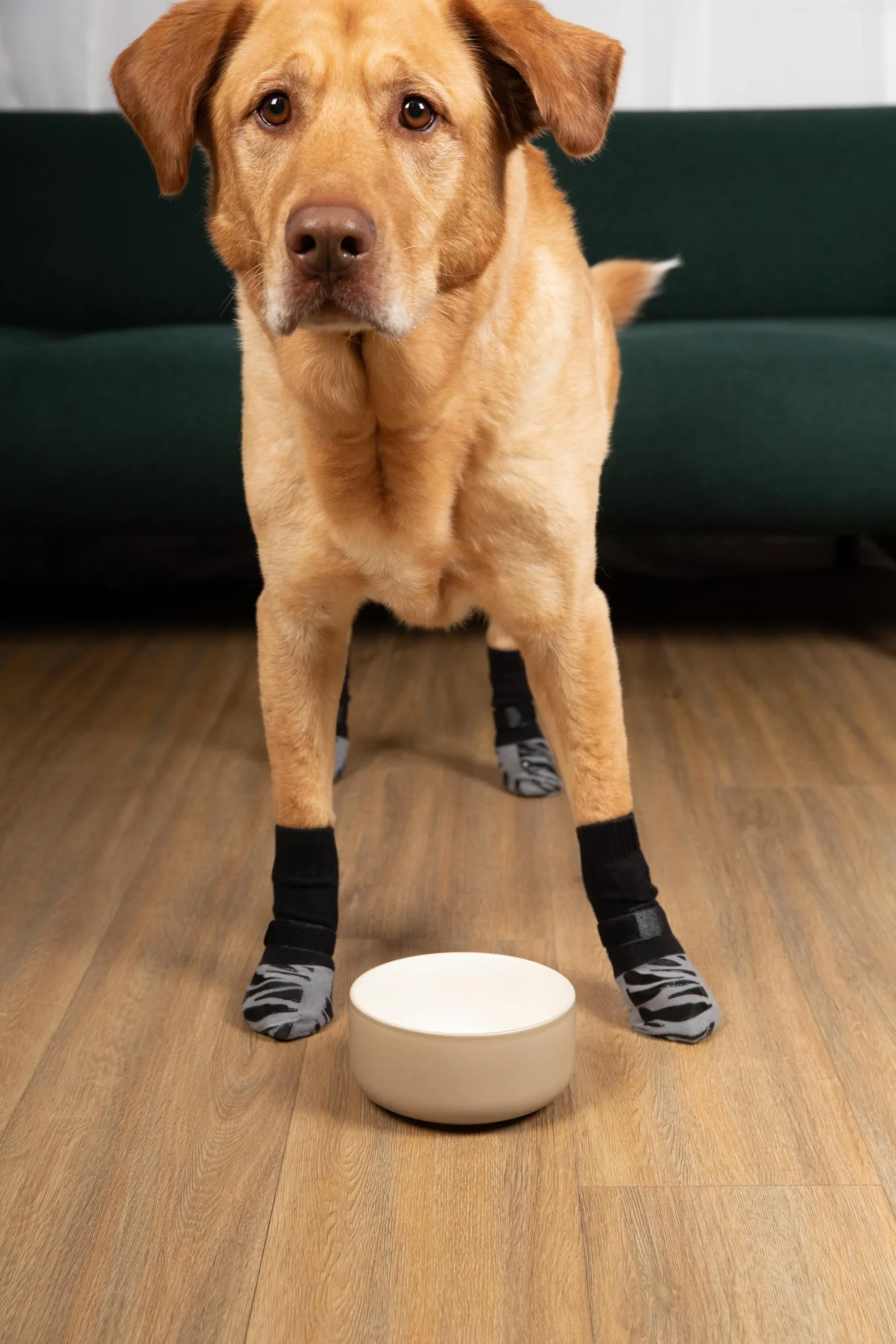
    Types of Dog Beds Available

    Many dog bed types cater to diverse needs. A large dog bed might be perfect for bigger breeds, while a small dog bed suits tiny companions. Waterproof dog beds are handy for accidents or outdoor use, while chew-resistant options stand up to vigorous pups.
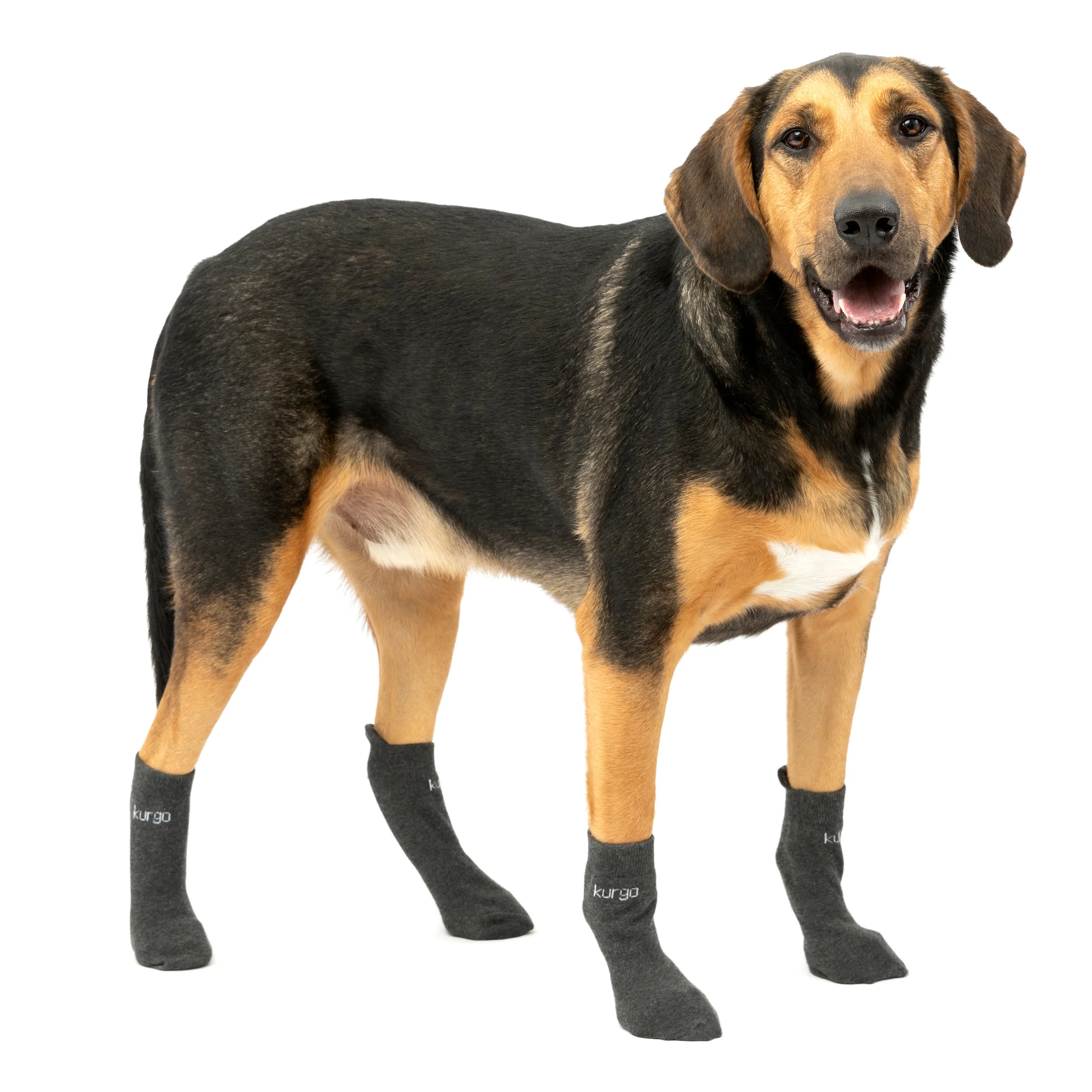
    Elevated dog beds keep pets cool in warm weather, while luxury dog beds add style to our home. Also, dog bed inserts offer customization, allowing us to select the perfect firmness. There are also options like dog crate beds designed to fit snugly in crates.

    With various materials available, finding a washable dog bed or soft dog bedding ensures we keep hygiene in check. Each choice rests on our dog’s exact needs and lifestyle, leading to informed decisions in our pet sleeping furniture selection.

    Factors to Consider When Buying a Dog Bed

    Choosing the right dog bed involves several key considerations that cater to our pets’ needs. Prioritizing comfort and fit ensures our furry companions enjoy a restful sleep.

    Size and Dimensions

    First, we must measure our dogs accurately. Determining the dog’s length from nose to tail and width from shoulder to shoulder provides insight into the appropriate dog bed sizes. A large dog bed allows ample space for stretching, while a small dog bed suits petite breeds. When selecting a dog mattress, consider the area where it will be placed. Providing sufficient room enhances comfort without compromising support.

    Materials and Comfort

    Materials play a crucial role in our dog’s comfort and the bed’s longevity. Many options, including memory foam dog beds and soft dog bedding, offer varying levels of support. Foam provides orthopedic benefits, especially for aging dogs that require extra care. Fleece and fabric choices feel cozy, inviting dogs to curl up. When evaluating dog bedding materials, thickness and padding influence how well the bed alleviates pressure points.

    Orthopedic and Health Benefits

    Choosing an orthopedic dog bed can significantly impact our pets’ health. Such beds support joints, particularly in older or injured dogs. Memory foam and raised dog beds promote better alignment during sleep, assisting in overall well-being. By investing in a durable pet bed, we ensure long-lasting support for our furry friends. An elevated dog bed can keep our pets dry and comfortable in various environments. Eventually, the right dog bed for aging dogs or active pups improves their quality of life and rejuvenates their energy levels.

    beagle lying on back on dog bed
    Photo by Albina White on Pexels.com

    Popular Features in Dog Beds

    Selecting a dog bed involves considering various features that enhance comfort and practicality. Among the most valued elements are washable covers and waterproof options.

    Washable and Removable Covers

    A washable dog bed significantly simplifies cleaning and maintenance. Dog owners appreciate removable covers that can be easily tossed in the washing machine. This feature proves crucial for puppies undergoing house-training and for aging dogs experiencing incontinence. For instance, beds like the Fur Haven Plush & Suede Orthopedic Dog Bed come with removable covers, allowing easy upkeep. Keeping our furry friends’ sleeping areas clean contributes to their overall health. Regular washing ensures that the dog mattress remains fresh and free from odors.

    Waterproof Options

    Waterproof dog beds offer solid protection against spills and accidents. Many find this feature essential, especially for senior dogs prone to mishaps. Durable materials with waterproof liners safeguard the dog bed padding from moisture. These beds, like the Pet Fusion Ultimate Dog Bed, protect your investment while providing a cozy haven. Also, waterproof features help keep allergens at bay, promoting a healthier sleeping environment. Spills and drool need no longer be a concern, allowing for carefree play and rest.

    Dog Bed

    Non-Slip Bottoms

    Non-slip bottoms enhance safety for our canine companions. A pet bed that stays in place minimizes risks of slipping or sliding, especially for older pets. This feature is particularly beneficial for larger dog beds, providing stability and comfort. Many modern beds incorporate grippy materials to keep them securely anchored during use. Choosing a bed with a non-slip bottom ensures confidence when our pets move in and out of their cozy spot. Captivating and safe sleeping surfaces contribute to a more enjoyable rest for our furry friends.
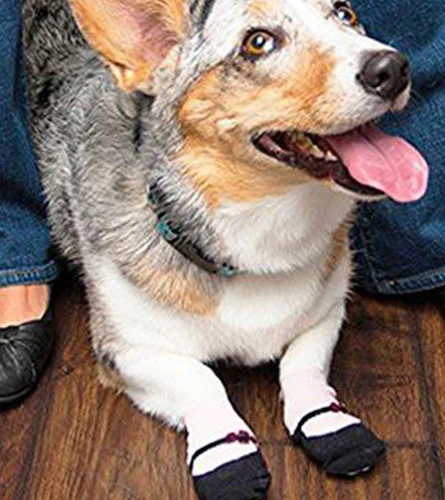
    Care and Maintenance of Dog Beds

    Keeping our canine buddy’s sleep environment clean and well-maintained enhances their comfort and health. Regular care ensures that our dog’s bed remains a cozy retreat.

    Cleaning Tips

    Vacuuming effectively removes hair, dirt, and dander from our pet’s sleeping surface. Next, we should unzip and remove the dog bed cover, checking the care label for washing instructions. Washing the cover in a machine with pet-safe detergent is essential; choosing a warm or hot water cycle effectively eliminates bacteria and odors. To avoid snags, we close all zippers before washing. If we’re drying the cover in a machine, using the lowest heat setting protects against shrinkage and possible damage. Air drying remains the ideal option, preserving the integrity of fabrics and materials.

    Longevity and Durability

    Opting for durable pet bedding materials can significantly extend the life of our dog’s bed. Selecting a dog mattress made from high-quality materials ensures it withstands daily wear and tear. Orthopedic dog beds and chew-resistant options cater to exact needs, particularly for aging dogs or those with heavy chewing habits. Large dog beds require robust construction just as small dog beds do. Maintaining these beds with regular cleaning also contributes to longevity. Employing waterproof dog beds prevents moisture and offers extra protection against spills and accidents. Investing in a luxury dog bed or raised dog bed not only enhances comfort but also adds to durability, creating a safe space for our furry friends.

    Conclusion

    Investing in a quality dog bed is one of the best decisions we can make for our furry companions. A comfortable and supportive bed not only enhances their quality of life but also promotes better health and behavior. By considering our dog’s exact needs and preferences, we can create a cozy haven for them to rest and rejuvenate.
    With various options available, like orthopedic beds and washable covers, we have the flexibility to choose what suits our pet best. Regular maintenance and attention to durability will ensure our dog’s bed lasts for years to come. Eventually, a well-chosen dog bed can transform our pets’ resting experience, leading to happier and healthier lives. Let’s prioritize their comfort and well-being with the right choice today.

  • How to Make Peanut Butter Dog Treats: Easy Recipe 2024

    How to Make Peanut Butter Dog Treats: Easy Recipe 2024

    Ever wondered why our furry friends wag their tails at the mere mention of peanut butter? This delightful spread isn’t just a human favorite, it’s a canine crowd-pleaser too. As pet owners, we’re always on the lookout for ways to treat our dogs while ensuring their health and happiness. Making dog treats with peanut butter at home not only satisfies their taste buds but also gives us control over the ingredients.

    Materials Needed for Peanut Butter Dog Treats

    Creating homemade peanut butter dog treats involves careful selection of ingredients and the proper tools to ensure successful results.

    Ingredients

    • Peanut Butter: We recommend using natural creamy peanut butter free from artificial sweeteners like xylitol, which poses a risk to dogs.
    • Whole Wheat Flour: Our preferred choice is whole wheat flour for its nutritional benefits, but alternative flours like oat, sorghum, or garbanzo bean may also be used.
    • Eggs: Essential for binding the ingredients, eggs play a key role in many dog treat recipes.
    • Water or Broth: Water or chicken, beef, or vegetable broth is crucial to forming the dough, providing necessary moisture.
    • Applesauce or Mashed Banana: These ingredients add sweetness and moisture, helping the dough come together smoothly.
    • Mixing Bowl: A large bowl is essential to blend all ingredients efficiently.
    • Measuring Cups and Spoons: Accurate measurements are crucial for balancing ingredients correctly.
    • Baking Sheet: We advise using a non-stick baking sheet to prevent sticking and ensure even baking.
    • Rolling Pin: Handy for flattening the dough to the desired thickness before cutting.
    • Cookie Cutter: Using a cookie cutter allows for uniform shapes, improving the appeal of the treats for both us and our furry friends.

    Preparing the Dough

    Preparing the dough sets the foundation for delicious and nutritious dog treats with peanut butter. Selection of safe ingredients and proper mixing are essential in this process.

    Choosing Dog-Safe Ingredients

    To ensure we create healthy treats, ingredients need careful selection. Peanut butter must be free from xylitol, which is toxic to dogs. Natural, unsalted peanut butter provides the best choice. Whole wheat flour serves as a beneficial base, offering fiber and nutrients. For dogs with wheat allergies, oat or chickpea flour can be a suitable alternative. Eggs provide binding and protein. Liquid components such as water or low-sodium broth enhance texture. Fruits like applesauce or mashed banana offer natural sweetness and additional nutrients. Carefully chosen ingredients ensure the treats are both delicious and dog-friendly.

    Mixing the Ingredients

    Combine peanut butter and eggs in a mixing bowl until smooth. Gradually incorporate flour, ensuring even distribution to form the dough. Add water or chosen liquid ingredient incrementally to achieve the desired dough consistency. If using applesauce or banana, integrate these with peanut butter before adding liquid components. Adjust by adding flour if dough feels too wet or water if too dry. Aim for a pliable yet firm consistency, suitable for rolling. Mixing these optimal ingredients thoroughly ensures a successful dough for tasty peanut butter dog treats.

    Shaping the Treats

    Crafting peanut butter dog treats involves transforming the dough into delightful shapes. This step makes the treats more fun and appealing for our furry friends.

    Photograph of a Labrador Retriever/ Peanut Butter Dog Treats
    Photo by Sharon Snider on Pexels

    Cookie cutters provide an easy method for creating themed shapes like bones, paws, or hearts. Begin by rolling the dough to about 1/4 inch on a floured surface for even shapes and texture. Secure each shape by pressing the cookie cutter firmly into the dough, ensuring clean cuts. Gather any leftover dough, re-roll, and repeat the process to use the entire batch. Cookie cutters not only make the treats visually appealing but also maintain uniform baking consistency. Ensuring each piece has the same thickness allows for even cooking, preventing parts from being undercooked or burnt.

    Alternative Shaping Methods

    In the absence of cookie cutters, a knife or pizza cutter offers versatile shaping options. Roll the dough to your desired uniform thickness, which is crucial for consistent baking. Cut the dough into simple shapes such as squares or strips using a straight edge for precision. Creativity thrives here, allowing for unique designs like triangles or zigzags. These methods ensure all dough is used effectively while still offering visually diverse treats. Keeping shapes regular and sizes similar ensures even baking and delightful results.

    Baking the Treats

    Baking Time and Temperature

    To bake the treats effectively, preheat the oven to 350°F (175°C). This temperature ensures even cooking and a consistent texture. Once preheated, place the shaped treats on a baking sheet lined with parchment paper. This setup prevents sticking and promotes uniform browning. Space the treats about 1 inch apart to allow air circulation. Bake for 15 to 20 minutes depending on the size and thickness of the treats. This range permits slight adjustments based on individual ovens and desired treat texture. Ensure exposure to consistent heat to develop the crunchy exterior beloved by dogs. The peanut butter infuses a warm aroma throughout the baking process.

    How to Tell They Are Done

    To determine when the dog treats are fully baked, observe the color and texture. The surface should turn a golden-brown hue, which indicates proper baking and flavor development. An adequately baked treat exhibits a firm exterior while maintaining a slightly soft interior to prevent overhardening that can challenge dogs with sensitive teeth. Cool them on a wire rack. This cooling helps in confirming their firmness. Baked treats should also release easily from the parchment-lined sheet, signifying they are ready to serve. Use these visual and tactile cues to deliver perfectly baked peanut butter dog treats.

    Cooling and Storing Dog Treats

    Cooling dog treats ensures they maintain proper texture and safety. Our treats need to cool completely before storage, avoiding moisture retention.

    Proper Storage Techniques

    Proper Storage Techniques extend the freshness and safety of homemade dog treats. Store thoroughly cooled peanut butter dog treats in an airtight container to prevent moisture from making them soggy. Use glass or plastic containers, or resealable bags, and place them in a cool, dry location away from direct sunlight. If storage extends beyond a week, choose refrigeration to keep treats fresh longer. For prolonged storage, freezing treats maintains their quality for up to 3 months. Quickly access a few servings by separating them into smaller containers.

    How Long They Last

    Shelf life considerations are crucial when storing peanut butter dog treats. At room temperature, fresh homemade treats can last up to a week in airtight containers. If refrigerated, extend their freshness to 2-3 weeks. Freezing options further enhance longevity, providing storage viability for up to 3 months. Check for signs of spoilage such as mold or off smells, and discard if necessary. Regularly monitor stored treats to ensure they remain safe and delightful for our dogs.

    Flavor Variations and Additions

    Improving homemade dog treats with flavors is an enjoyable process that can cater to dogs’ diverse tastes.

    Adding Fruits or Vegetables

    Adding Fruits or Vegetables can introduce new flavors and provide nutritional benefits to our peanut butter dog treats. For instance, finely chopped carrots or pureed pumpkin can add a touch of sweetness and provide vitamins like beta-carotene. Apples, minus the seeds and core, offer a delicious crunch with vitamin C. Blueberries are another option, bringing antioxidants and a burst of flavor. When including vegetables, consider spinach or green beans for additional fiber and nutrients. It is important to ensure any added fruit or vegetable is dog-safe. Steer clear of grapes, raisins, or onions, which can be harmful to pets. Always start with small quantities to assess your dog’s taste preferences and monitor any changes in digestion.

    Glazing Options

    Glazing Options enhance the aesthetic appeal and variety of our peanut butter dog treats. Yogurt is a popular choice for a healthy, easy coating. Mix plain yogurt with a small amount of honey and coat the cooled treats. Another option is a peanut butter glaze, created by thinning peanut butter with water until it has a spreadable consistency.

    For a colorful touch, combine egg yolk with a bit of turmeric to create a natural yellow glaze. Consider spreading a thin layer of unsweetened applesauce or pureed pumpkin for an extra flavor dimension. Remember to avoid glazes with added sugars or artificial sweeteners like xylitol, as these are toxic to dogs. Allow the glazed treats to set before serving or storing them.

    Troubleshooting Common Issues

    What If the Dough is Too Sticky?

    If the dough becomes too sticky, adjustments ensure smooth preparation. Gradually add more flour, about one tablespoon at a time, until the dough is workable. Avoid adding too much quickly as it could make the dough too dry. Chill the dough in the refrigerator for about 20-30 minutes, which helps in firming it up before rolling. When using alternatives like oat or chickpea flour, ensure consistent texture by combining both all-purpose and alternative flour. This approach balances moisture content. If using a broth instead of water, remember that increased liquid content may require additional flour to maintain a proper consistency. These methods make handling the dough much easier.

    Making the Treats Crunchier or Softer

    Baking time adjustments modify treat texture effectively. Baked longer, around 25-30 minutes, results in a crunchier finish, perfect for dogs who enjoy a crisp chew. Conversely, if aiming for softer treats, reduce the baking time to 12-15 minutes. Keep the temperature at 350°F (175°C) consistently to avoid uneven baking. Addings mashed banana introduces moisture, yielding a softer texture, while reducing cooking time preserves this softness. Experiment with thickness variations as well—thicker shapes tend to be chewier, while thinner ones turn out crisper. These strategies customize the texture based on preferences.

    Final Thought on Peanut Butter Dog Treats

    Making homemade dog treats with peanut butter offers a fantastic way for us to ensure our pets enjoy healthy and delicious snacks. By controlling the ingredients and experimenting with flavors and shapes, we can cater to our dogs’ tastes while keeping their health in mind. The process is not only rewarding but also allows us to bond with our furry friends over something they’ll love. Whether we choose to stick with the classic recipe or explore new variations, the joy of creating something special for our pets is truly unmatched. Let’s embrace this opportunity to make our dogs’ treat time both nutritious and delightful.

  • How Many Treats Every Day Should My Dog Get: 2024 Best Guide

    How Many Treats Every Day Should My Dog Get: 2024 Best Guide

    Ever wondered how many treats every day should my dog get? As pet parents, we all love rewarding our furry friends, but balancing their health with our affection is crucial. With obesity on the rise among pets, understanding the right amount of treats is more important than ever.

    Our furry companions deserve the best, and knowing how to manage their treat intake can make a industry of difference in their overall well-being. We’ll explore the factors influencing the ideal number of treats, including your dog’s size, age, and activity level.

    By the end of this article, you’ll be equipped with practical tips to ensure your pup enjoys treats without compromising their health. Join us as we investigate into expert advice and guidelines that promise to keep tails wagging happily and healthily.

    Understanding Your Dog’s Calorie Needs

    Grasping your dog’s calorie needs is essential to managing treat intake effectively. Treats should only account for 10% of your dog’s total daily caloric intake. This balance ensures the majority of their nutrition comes from a complete and balanced diet rather than treats. Knowing these needs lets us provide appropriate calorie intake while maintaining overall health.

    Our first step is determining the caloric needs of our dogs, which vary based on factors like size, age, and activity level. For instance, a 60-pound dog typically requires about 1,001 calories daily. This number helps in calculating the treat limit—100 calories in this example.

    It is crucial to consult the label on your dog’s food or speak with a veterinarian for accurate caloric information. This helps ascertain how many calories our dog should consume daily and, in turn, how to calculate the 10% caloric limit for treats. Only 40 calories from treats suffice for a dog needing 400 calories each day.

    Given the diversity among dog sizes, we adjust treat sizes and frequency accordingly. Small, pea-sized treats work well for training and should be administered in moderation—typically 2 to 4 tiny treats per day for dogs with a healthy weight. This cautious approach controls calorie intake without sacrificing the joy and motivation dogs receive from treats.

    In situations where exact guidance is needed, veterinarians provide customized advice. Understanding your dog’s unique dietary requirements prevents overindulgence, promoting a healthy lifestyle.

    The importance of monitoring treat intake underscores the wider issue of pet obesity. By understanding their calorie needs and keeping treats within the recommended limits, we actively contribute to preventing health problems related to excess weight. This diligent approach ensures our dogs lead healthy and fulfilling lives.

    The Role of Treats in Your Dog’s Diet

    Treats serve as an important part of rewarding good behavior in our dogs. But, they should not take up more than 10% of our dog’s daily caloric intake. A balanced diet, either from commercial dog food or a home-cooked diet formulated by a veterinary nutritionist, should cover the rest.

    How Treats Affect Feeding Time

    Treats can alter our dog’s overall calorie consumption, influencing their feeding schedule. We follow some key guidelines for balance:

    • Caloric Limit: To keep calories in check, treats should contribute no more than 10% of a dog’s daily calories. A dog requiring 400 calories should consume only 40 from treats.
    • Monitoring Health: We should regularly assess our dog’s body condition score and weight. Monitoring helps ensure treats aren’t causing weight gain or other health issues.

    Following the 10% Rule

    Adhering to the 10% rule for treats helps maintain our dog’s health. The majority, 90% or more, of their nutrition comes from a complete diet. For instance, if a dog’s daily requirement is 800 calories, only 80 calories should be from treats. Consulting our veterinarian about food choices can fine-tune our approach. Ensuring treats don’t overshadow meals keeps our furry friends healthy and happy.

    Close Up Photo of a Woman Feeding a Dog / How Many Treats Every Day Should My Dog Get
    Photo by Yaroslav Shuraev on Pexels

    Determining the Right Amount of Treats

    Balancing treat intake is crucial to maintain our dog’s health and happiness. Understanding size, age, and dietary requirements helps in customizing their treat allowance.

    Treat Guidelines for Small, Medium, and Large Dogs

    Caloric intake limits guide our dog’s treat amount. Treats shouldn’t exceed 10% of their daily calories. For instance, a dog requiring 1,000 calories daily should have treats totaling 100 calories. Smaller breeds benefit from smaller treats like bits of carrots or apples to prevent overfeeding. Medium and large breeds can handle heartier rewards, but it’s essential to adhere to the caloric boundary.

    Dog SizeDaily CaloriesTreat Calorie Limit
    Small Breeds50050
    Medium Breeds80080
    Large Breeds1,000+100+

    Treat Considerations for Puppies

    Puppies have a higher energy demand and need careful monitoring to avoid overfeeding. While they require more energy, ensuring their treat consumption remains within 10% of their caloric intake is vital. Using tiny treats, like pea-sized cheese bits, keeps their intake balanced. Monitoring their growth and adjusting treat quantities ensure they develop healthily. Treats serve as excellent training aids, but always consider their nutritional balance.

    Selecting the Right Treats

    Choosing the right treats for our dogs involves understanding caloric content and considering health benefits. Let’s explore the types of treats available and how they fit into a balanced diet.

    Commercial Dog Treats

    Commercial dog treats vary widely in caloric content, so it’s crucial to read labels. Many treats, such as biscuits or chewy snacks, can range from 10 to 50 calories per piece. Selecting low-calorie options helps maintain your dog’s health. Brands offering treats made with natural ingredients or those designed to support exact health needs, like dental care or joint support, add value to your dog’s diet. As always, the 10% rule applies, so calculate the treat’s caloric impact against your dog’s daily intake to avoid exceeding their caloric limit.

    Homemade and Human Foods

    Offering homemade treats and certain human foods provides wholesome alternatives to store-bought snacks. Consider low-calorie vegetables or fruits like carrots, cucumbers, and apples. For example, carrots contain about 25 calories per medium-sized piece, offering not only a healthy option but also a satisfying crunch. Before introducing new foods, consult with your veterinarian to ensure they’re safe for your dog. Homemade treats let us control ingredients, tailoring them to our dog’s dietary needs. Always remove any toxic parts, like apple seeds, and use moderation to keep within the daily caloric boundaries.

    Monitoring Your Dog’s Health and Weight

    Monitoring our dog’s health and weight ensures their well-being and helps us regulate treat intake. Regular evaluations help identify any unwanted changes in their physique.

    Signs of Overfeeding

    Weight gain indicates possible overfeeding. If our dog gains weight beyond growth expectations, it’s a signal for us to reassess treat portions. Loss of definition in the midsection and the absence of the typical waist taper or rib visibility further suggest excess calorie consumption. Observing these signs, we can make informed decisions to adjust our dog’s diet, keeping their health a priority.

    Adjusting Feeding Times

    Adjusting feeding times can help balance our dog’s overall calorie intake. For instance, if treats replace part of their regular meal, we should decrease the meal size accordingly. Monitoring the timing of treats can prevent excess calorie intake, especially if treats are frequent throughout the day. Customizing feeding times to our dog’s activity level or energy expenditure provides a more balanced diet. By planning treat distribution and meal timing, we maintain our dog’s health while still offering appropriate indulgences.

    Conclusion

    Balancing treat intake with our dog’s nutritional needs is crucial for maintaining their health and happiness. By adhering to the 10% rule and considering factors like size and activity level, we can ensure our furry friends enjoy their treats without compromising their well-being. Whether we’re using commercial treats or opting for healthy homemade options, understanding caloric content is key. Regularly monitoring our dog’s weight and body condition helps us stay on track, making adjustments as needed. Let’s continue to offer our dogs the love and rewards they deserve while prioritizing their health.

  • Easy Homemade Dog Treats at Home: Step-by-Step Guide 2024

    Easy Homemade Dog Treats at Home: Step-by-Step Guide 2024

    Ever wondered what’s really inside those store-bought dog treats? With concerns about pet health on the rise, more of us are turning to homemade options to ensure our furry friends get the best. Making dog treats at home the easy way not only lets us control the ingredients but also gives us peace of mind knowing exactly what our pets are consuming.

    Our dogs deserve treats that are both delicious and nutritious. By creating them ourselves, we can use simple ingredients like peanut butter, oats, and applesauce, ensuring they’re not only tasty but also safe. Plus, the process is as easy as mixing, rolling, and serving—no baking required!

    Benefits of Making Dog Treats at Home

    Making dog treats at home offers several benefits, both for us and our furry companions. First and foremost, we have complete control over the ingredients, ensuring our dogs consume only what aligns with their dietary needs and preferences. This is especially crucial if our pets have allergies or sensitivities. For example, some dogs are sensitive to wheat, so using oats as a flour substitute can prevent digestive issues.
    Another advantage lies in the nutritional value. By opting for natural ingredients like bananas, pumpkin, or peanut butter, we can create treats that are not only delicious but also packed with essential nutrients. For instance, incorporating pumpkin into treats provides fiber, supporting healthy digestion for our dogs.

    The freshness of homemade dog treats is also a important perk. Unlike store-bought options filled with preservatives to extend shelf life, our kitchen creations contain fresh, wholesome ingredients. This means our dogs enjoy treats that are fresher and taste better, improving their excitement and enjoyment.

    Beyond the nutritional and health aspects, making dog treats at home can be a fun and captivating activity for the family. Involving the entire household in the process fosters bonding time with our pets and a greater appreciation for what they consume. Cutting dough with festive cookie cutters can make the treats visually appealing, adding a personal touch to our gestures of love and care.

    Finally, crafting dog treats ourselves is cost-effective. Store-bought options, especially premium brands, can be expensive. But, by choosing simple, readily available ingredients, we can produce quality treats without very costly. For example, a batch of peanut butter and pumpkin treats uses ingredients commonly found in most pantries, making the process convenient and budget-friendly.

    Essential Ingredients for Homemade Dog Treats

    Creating dog treats at home requires understanding which ingredients can benefit our pets’ health. These essential components combine nutrition and flavor, appealing to our furry friends while ensuring safety.

    Whole Wheat Flour

    Whole wheat flour is a staple in many dog treat recipes because it’s nutrient-dense and provides more vitamins and fiber than all-purpose flour. Flour alternatives like oat or garbanzo bean flour can be used if our dogs have exact allergies.

    A Woman Training Their Dog/ Dog Treats at Home

    Photo by Pavel Danilyuk on Pexels

    Peanut Butter

    Peanut butter is a favorite among dogs, adding healthy fats and protein. It’s crucial to use natural peanut butter free from xylitol, a sweetener toxic to dogs, ensuring our homemade treats remain safe and nutritious.

    Eggs

    Eggs bind ingredients together, giving treats a pleasant texture. They are also a protein source, adding nutritional value to the dog treats.

    Fresh Fruits and Vegetables

    Using fresh ingredients like ripe bananas or pureed pumpkin introduces natural sweetness and essential nutrients. Bananas provide potassium, while pumpkin offers fiber and beta-carotene, improving our dogs’ diet.

    Oats

    Oats are versatile and provide carbohydrates for energy. Grinding them into a fine powder makes integration into dough easier, improving texture and flavor. Options such as old-fashioned oats or quick oats allow flexibility in recipes.

    Flavor Enhancers

    Aromatic spices like cinnamon can be added for flavor, but always confirm they’re safe—nutmeg is toxic to dogs and should be avoided. For extra sweetness, honey is a natural option that enhances the treat’s taste without harmful additives.

    Stock Options

    Vegetable, chicken, or beef stock helps moisten dough and adds a savory flavor dogs enjoy. Choosing low-sodium options benefits pup health.

    These carefully chosen ingredients form the basis of various homemade dog treat recipes, ensuring delicious and healthful snacks for our pets. By making these treats at home, we control every aspect of the recipe, tailoring them to our dogs’ needs and preferences.

    Step-by-Step Guide to Making Dog Treats

    Creating dog treats at home is a rewarding experience that benefits both pets and owners. It’s essential to begin with fresh, quality ingredients and follow the steps carefully to ensure delicious results.

    Gathering Ingredients

    Collecting the necessary ingredients simplifies the treat-making process. For our recipes, we use common pantry items. For example, Recipe 1 requires oats, bananas, and peanut butter. Recipe 2 includes pumpkin, eggs, and whole-wheat flour while Recipe 3 combines peanut butter, honey, and oats. Avoid using ingredients like xylitol, which can be harmful to dogs. Assembling these ingredients first facilitates a smooth workflow and ensures that you have everything needed before starting.

    Preparing the Dough

    Once ingredients are all set, it’s time to prepare the dough. Begin by preheating the oven to 300°F (150°C) and lining a baking sheet with parchment paper. For oat-based recipes, grinding the oats to a fine powder helps with dough consistency. Combine all ingredients in a bowl, mixing until a cohesive dough forms. When dough is ready, roll it out to a desired thickness. If using cutters, consider sizes that suit your dog’s breed and size to create appropriately portioned treats.

    Baking the Treats

    Baking homemade dog treats requires attention to time and temperature. Position treats on prepared baking sheets, ensuring even spacing for proper heat distribution. For a softer texture, bake for a shorter duration; for crunchier results, extend the baking time slightly. It’s key to allow the treats to cool completely before storing them. Store cooled treats in airtight containers to maintain freshness. Homemade treats can typically be kept for up to one week at room temperature or frozen for extended preservation.

    By following these steps, we ensure the process of making dog treats is straightforward and the results are just what our furry friends enjoy.

    Flavor Variations and Add-Ins

    Creating homemade dog treats offers the flexibility of flavor variations, allowing us to tailor these snacks to our pets’ preferences. Popular add-ins enrich the treats’ taste and nutritional profile while ensuring diversity in our dogs’ diet.

    • Fruits and Vegetables: Adding fresh produce like blueberries, carrots, or spinach boosts vitamins and antioxidants. For example, incorporating mashed blueberries into a peanut butter and oats recipe enhances flavor while providing antioxidants.
    • Proteins: Introducing new protein sources supports muscle health. We can use plain cooked chicken or turkey, cut into fine pieces and mixed into the treat dough to add variety and nutrition.
    • Herbs and Spices: Safe flavor enhancers include parsley, which freshens breath, or ginger, with soothing properties for digestion. Adding a pinch to the treat mixture can offer additional health benefits.
    • Dairy Products: Using yogurt or low-fat cheese in moderation enriches the calcium content. For instance, mixing a small amount of shredded cheese into the dough provides a savory twist.
    • Flavor Combinations: Experimenting with combinations creates unique tastes. A mix of apple sauce and cinnamon can create an enticing aroma, appealing even to picky eaters.

    While experimenting with these variations, we ensure all ingredients are safe for dogs, avoiding toxic substances like grapes, onions, and xylitol. Modifying textures and flavors not only enhances the treats but also aligns with exact dietary needs or preferences. Making diverse homemade dog treats allows us to adapt to our pets’ evolving tastes, offering both nutritional and sensory variety.

    Tips for Successful Homemade Dog Treats

    Achieving the best results with homemade dog treats involves a few key practices. Let’s explore the proven tips ensuring our furry friends enjoy these delicious creations.
    1. Use Fresh Ingredients: Freshness impacts the flavor and nutritional value. We stick to using fresh fruits, vegetables, and proteins. Avoid expirables or stale items for safety and quality.
    2. Know Your Dog’s Preferences: Some dogs may prefer savory over sweet, or vice versa. It’s crucial to understand flavors your dog enjoys, helping tailor recipes with components like chicken, pumpkin, or apples.
    3. Avoid Harmful Additives: Ingredients like artificial sweeteners, especially xylitol, are toxic to dogs. We ensure peanut butter, for example, contains only peanuts. Avoid spices and herbs that could harm dogs.
    4. Experiment with Textures: Dogs may have preferences for chewy or crunchy textures. We adjust baking times or ingredient ratios (like flour or oats) to achieve the desired consistency. Try baking longer for crunchier treats.
    5. Mind Portion Sizes: Overfeeding can lead to health issues. Cut treats into appropriate sizes using cookie cutters or a knife, aligning with your dog’s size. Smaller pieces work well for treats during training sessions.
    6. Store Properly: Proper storage extends freshness. Airtight containers in cool, dry places preserve treats. For long-term storage, consider freezing, ensuring they’re always ready for a quick snack.
    7. Test for Allergies: When introducing new ingredients, observe any allergic reactions. Start with small batches and monitor your dog’s response. This safeguards your pet’s well-being.
    8. Involve the Family: Making treats can be a fun family activity. Involving children fosters creativity and bonding with pets, developing a shared appreciation for our canine companions.
    Incorporating these tips into our treat-making routine guarantees both enjoyment and safety. By ensuring the best practices, we create snacks that delight our pets while keeping them healthy and happy.
    Storing and Freezing Dog Treats

    Proper storage extends the freshness and safety of homemade dog treats, keeping them delicious for our furry friends. Storing treats correctly is vital since homemade versions lack preservatives commonly found in store-bought ones.

    Room Temperature Storage

    When stored at room temperature, homemade dog treats remain fresh for up to 7 days if kept in an airtight container or ziplock bag. This method works well for short-term storage but requires monitoring the treats for signs of spoilage. Use opaque containers to reduce light exposure, which can hasten the degradation of oils and flavors in the treats.

    Refrigeration

    Refrigerating dog treats allows storage for up to 3 weeks. Place the treats in an airtight container or ziplock bag to maintain texture and prevent dryness. Keeping treats in the fridge slows down the growth of bacteria and mold, offering an extended shelf life compared to room temperature storage.

    Freezing

    Freezing dog treats provides the longest shelf life, lasting up to 8 months. To prevent them from sticking together, freeze them on a baking sheet for an hour before transferring the treats to a resealable freezer bag or freezer-safe container. Before serving, let the treats thaw in the fridge for several hours. Frozen treats often become firmer, offering a new texture that some dogs love.

    Tips for All Storage Types

    Label containers with dates to track freshness and rotate stock properly. Check for spoilage signs, such as unusual odors or visible mold, before serving. Experiment with storage methods to see which your dogs prefer, as some may enjoy the texture changes these methods introduce.

    By properly storing and freezing homemade dog treats, we ensure their freshness and appeal, providing our pets with healthy, safe snacks.

    Conclusion

    Making dog treats at home is not just a trend; it’s a rewarding practice that offers many benefits for our furry friends. By taking control of the ingredients, we ensure our pets enjoy nutritious and safe snacks customized to their exact needs. The process is simple and fun, providing an opportunity for family bonding while being budget-friendly.

    With the right ingredients and a bit of creativity, we can create delicious treats that cater to our dogs’ tastes and dietary requirements. Whether we’re experimenting with new flavors or sticking to tried-and-true recipes, homemade treats are a healthy and enjoyable way to show our pets love. By following proper storage guidelines, we can keep these treats fresh and ready for our dogs to enjoy anytime.

  • Top 15 Popular Dog Treats: Tail-Wagging Favorites Your Pup Will Love

    Top 15 Popular Dog Treats: Tail-Wagging Favorites Your Pup Will Love

    Who doesn’t love seeing their furry friend’s tail wag with excitement at the sight of a tasty treat? As dog owners, we know the joy of rewarding our loyal companions with delicious morsels. But with so many options on the market, finding the best treats can be overwhelming.

    Dog treats come in various forms, each designed to cater to different preferences and needs. We’ve categorized the most popular types of dog treats to help you choose the best option for your furry friend.

    Crunchy Biscuits and Cookies

    Crunchy biscuits and cookies are classic dog treats that provide a satisfying crunch. These treats often help reduce tartar buildup and promote dental health. Popular options include Milk-Bone Mini’s Flavor Snacks and Blue Buffalo Health Bars Crunchy Dog Biscuits. These treats come in various flavors like pumpkin, cinnamon, bacon, egg, and cheese. Crunchy treats are typically oven-baked and made with natural ingredients, making them a wholesome choice for dogs. They’re ideal for dogs who enjoy a hearty chew and can be used as occasional rewards or training incentives.

    Soft and Chewy Treats

    Soft and chewy treats are perfect for dogs who prefer a more tender texture. These treats are often easier to chew, making them suitable for older dogs or those with dental issues. Popular options in this category include Rachael Ray Nutrish Burger Bites and Blue Buffalo BLUE Bits Natural Soft-Moist Training Dog Treats. Soft treats come in various flavors like beef, chicken, and turkey. They’re often made without artificial flavors or meat by-products, catering to dogs with sensitive stomachs. These treats are excellent for training sessions due to their small size and appealing texture.

    Dental Chews

    Dental chews serve a dual purpose: they’re tasty treats that also promote oral health. These chews are designed to clean teeth, freshen breath, and reduce plaque and tartar buildup. Popular dental chews often feature ridges and nubs that help scrub teeth as dogs chew. Some dental treats contain ingredients like chlorophyll or mint to freshen breath. It’s important to choose dental chews appropriate for your dog’s size and chewing habits. Regular use of dental chews, combined with proper dental care, can contribute to better overall oral health for your dog.

    Training Treats

    Training treats are specifically designed to be small, low-calorie, and highly appealing to dogs. These treats are perfect for positive reinforcement during training sessions. Ideal training treats are soft, easily breakable, and can be quickly consumed without distracting the dog from the task at hand. They often come in pouches for easy dispensing during training. Popular flavors include chicken, beef, and cheese. When using training treats, it’s crucial to adjust your dog’s regular meal portions to maintain a balanced diet and prevent overfeeding.

    Freeze-Dried Treats

    Freeze-dried treats offer a unique texture and intense flavor that many dogs love. These treats are made by removing moisture from raw ingredients, preserving their nutritional value and natural taste. Common freeze-dried treats include chicken, beef, liver, and fish. They’re often single-ingredient treats, making them a good option for dogs with food sensitivities or allergies. Freeze-dried treats are lightweight, making them convenient for travel or outdoor activities. They have a long shelf life and don’t require refrigeration. When choosing freeze-dried treats, look for high-quality, human-grade ingredients to ensure the best nutrition for your dog.

    Factors to Consider When Choosing Dog Treats

    Selecting the right treats for your dog involves more than just picking their favorite flavor. We’ll explore key factors to consider when choosing dog treats, ensuring you make informed decisions for your furry friend’s health and happiness.

    Nutritional Value

    Treats’ nutritional value impacts your dog’s overall diet. High-quality treats contain animal-sourced protein as the first ingredient, providing essential amino acids. Look for treats with natural ingredients and avoid artificial additives, preservatives, or fillers. Freeze-dried treats, like liver or chicken, offer intense flavor and retain nutritional value. Consider treats with added benefits, such as omega-3 fatty acids for coat health or glucosamine for joint support. Balance treat intake with regular meals to maintain a nutritious diet. Remember, treats shouldn’t exceed 10% of your dog’s daily caloric intake to prevent nutrient deficiencies.

    Size and Texture

    Treat size and texture are crucial for your dog’s safety and enjoyment. Choose treats appropriately sized for your dog’s breed and age. Small, bite-sized treats are ideal for training sessions, allowing for quick consumption without interruption. Soft, chewy treats work well for older dogs or those with dental issues. Crunchy treats can help maintain dental health by reducing plaque buildup. Consider your dog’s chewing habits and any dental concerns when selecting textures. For puppies or small breeds, opt for smaller, softer treats to prevent choking hazards. Larger dogs may prefer substantial treats that satisfy their chewing instincts.

    Flavor Preferences

    Dogs have diverse flavor preferences, and finding treats they love enhances training and bonding. Popular flavors include chicken, beef, pork, and fish. Some dogs enjoy unique flavors like peanut butter or sweet potato. Experiment with different flavors to discover your dog’s favorites. High-value treats, such as freeze-dried liver or cheese, are particularly enticing and useful for training challenging behaviors. Consider rotating flavors to prevent boredom and maintain interest. Natural, single-ingredient treats often have intense flavors that dogs find appealing. Pay attention to your dog’s reactions to different flavors and adjust accordingly.

    Calorie Content

    Monitoring calorie content in treats is essential for maintaining your dog’s healthy weight. Check the calorie information on treat packaging and factor it into your dog’s daily caloric intake. Low-calorie treats allow for more frequent rewarding without overfeeding. Consider breaking larger treats into smaller pieces to reduce calorie consumption while still providing rewards. For training sessions, opt for tiny, low-calorie treats that allow for multiple repetitions without excessive calorie intake. Be mindful of high-fat treats, as they’re often calorie-dense. Adjust your dog’s regular meal portions on days with increased treat consumption to maintain caloric balance.

    Popular Dog Treats

    Special Dietary Needs

    Consider your dog’s exact dietary requirements when selecting treats. For dogs with food sensitivities or allergies, choose hypoallergenic treats or those made with limited ingredients. Grain-free options are available for dogs with grain sensitivities. Low-fat treats are suitable for dogs with pancreatitis or weight management needs. For dogs with diabetes, look for treats with low glycemic index ingredients. Senior dogs may benefit from treats containing joint-supporting ingredients like glucosamine and chondroitin. If your dog has dental issues, soft treats or dental chews can be appropriate choices. Always consult your veterinarian before introducing new treats, especially if your dog has exact health concerns or dietary restrictions.

    Top Ingredients in Quality Dog Treats

    Quality dog treats contain carefully selected ingredients that provide both nutrition and flavor. We’ve compiled a list of common ingredients found in high-quality dog treats, categorized by protein sources, fruits and vegetables, and grains and alternatives.

    Protein Sources

    High-quality dog treats prioritize protein-rich ingredients to support muscle health and overall well-being. Common protein sources include:

    • Chicken: A lean, easily digestible protein
    • Beef: Rich in essential nutrients and flavor
    • Fish: Provides omega-3 fatty acids for coat and skin health
    • Turkey: Another lean option, often used in hypoallergenic treats
    • Lamb: A novel protein source for dogs with sensitivities
    • Eggs: Packed with essential amino acids
    • Liver: Nutrient-dense organ meat, often used as a flavoring

    These protein sources are typically listed as the first ingredient in quality treats, ensuring dogs receive adequate protein content. Look for treats that use real meat rather than meat by-products or artificial meat flavors.

    Fruits and Vegetables

    Fruits and vegetables in dog treats offer essential vitamins, minerals, and fiber. Common healthy options include:

    • Pumpkin: Rich in fiber and beta-carotene
    • Sweet potato: Provides vitamins A and C
    • Blueberries: Packed with antioxidants
    • Carrots: Good source of vitamin A and fiber
    • Apples: Offer vitamins A and C (seeds removed)
    • Bananas: High in potassium and vitamin B6
    • Green beans: Low-calorie and high in fiber
    • Spinach: Rich in iron and other nutrients

    These ingredients are often used to supplement the main protein source in treats. They add nutritional value and can provide natural sweetness without artificial additives. When selecting treats, look for those that incorporate whole fruits and vegetables rather than artificial flavors or colors.

    Grains and Alternatives

    While some dogs thrive on grain-free diets, others benefit from certain grains. Common grains and alternatives in quality dog treats include:

    • Brown rice: A easily digestible whole grain
    • Oats: Provide fiber and essential nutrients
    • Quinoa: A gluten-free, protein-rich seed
    • Chickpeas: High in protein and fiber
    • Lentils: Another protein-rich legume option
    • Barley: Offers fiber and essential minerals
    • Sweet potato flour: A grain-free alternative
    • Coconut flour: Another grain-free option, rich in fiber

    These ingredients often serve as binders in treats and can provide additional nutrients. For dogs with grain sensitivities, look for treats that use alternative ingredients like sweet potato or chickpea flour. Always check the ingredient list to ensure the treat aligns with your dog’s dietary needs and preferences.

    Dogs have diverse taste preferences when it comes to treats. Understanding popular flavors can help pet owners choose the most appealing options for their furry friends. Let’s explore some of the most sought-after treat flavors for dogs.

    Meat-Based Flavors

    Meat-based treats are often the top choice for dogs due to their high protein content and enticing aroma. Hot dogs, cut into slices, are highly valued by many dogs as a special reward. Chicken, whether boiled, roasted, or in freeze-dried form, is a favorite among canines. Beef-flavored treats, including jerky and brisket, are also popular choices.

    Liver treats, such as freeze-dried liver or liver pâté, are highly rewarding for dogs. Exact variations like freeze-dried lamb lung, chicken liver, and duck liver are particularly enticing. Salmon, both freeze-dried and canned, is another high-value option. Turkey-based treats, including turkey balls and jerky, are well-received by many dogs. For an exceptionally high-reward treat, some pet owners opt for pig snout treats.

    Peanut Butter and Other Non-Meat Options

    While meat-based flavors dominate the dog treat market, non-meat options also hold important appeal. Peanut butter is a standout favorite among dogs, offering a creamy texture and rich flavor. Many commercially available treats incorporate peanut butter, and it’s also a popular ingredient in homemade dog treats.

    Other non-meat flavors that dogs enjoy include sweet potato, pumpkin, and various fruits. These options provide a balance of taste and nutrition, often appealing to dogs with dietary restrictions or those needing lower-calorie treats. Carrot-flavored treats offer a crunchy texture that many dogs appreciate. Some treats combine fruit flavors with yogurt for a creamy, sweet option that can be particularly refreshing for dogs in warmer weather.

    Treats for Specific Purposes

    Dog treats serve various purposes beyond just rewarding our furry friends. Here’s a breakdown of popular treats designed for exact needs:

    Training Rewards

    Training rewards are essential for positive reinforcement during obedience sessions. These treats are typically small, soft, and highly palatable to keep dogs motivated. Popular options include:

    • Soft and moist treats with real meat as the primary ingredient
    • Low-calorie options (around 3 kcal per treat) suitable for frequent rewards
    • Freeze-dried liver or other meats, highly valued by dogs
    • Small, bite-sized treats in various flavors
    • Human foods like boiled chicken, cheese, or hot dogs (in moderation)

    When selecting training rewards, consider treats that are easy to carry, quick to eat, and irresistible to your dog. Opt for options with natural ingredients and avoid artificial additives for the best nutritional value during training sessions.

    Dental Health

    Dental health treats help maintain your dog’s oral hygiene by reducing plaque and tartar buildup. These treats often feature:

    • Textured surfaces to scrape teeth clean
    • Ingredients that promote fresh breath
    • Enzymes to break down plaque
    • Abrasive textures to stimulate gums

    Popular dental treats include:

    • Rawhide alternatives made from digestible ingredients
    • Chews infused with chlorophyll or parsley for breath freshening
    • Treats shaped to reach all areas of the mouth
    • Dental sticks designed for daily use

    When choosing dental treats, look for options approved by veterinary dental associations and consider your dog’s size and chewing habits to ensure safety and effectiveness.

    Joint Support

    Joint support treats are formulated to promote healthy joints and mobility, especially beneficial for older dogs or breeds prone to joint issues. Key features include:

    • Glucosamine and chondroitin for cartilage health
    • Omega-3 fatty acids to reduce inflammation
    • MSM (Methylsulfonylmethane) for joint pain relief
    • Collagen to support connective tissue

    Popular joint support treats come in various forms:

    • Soft chews for easy consumption
    • Crunchy biscuits with added joint-supporting ingredients
    • Flavored tablets disguised as treats
    • Liquid supplements to mix with food

    When selecting joint support treats, consult with your veterinarian to determine the appropriate dosage and ingredients for your dog’s exact needs.

    Calming Treats

    Calming treats help reduce anxiety and promote relaxation in dogs during stressful situations. These treats often contain:

    • L-Theanine for stress reduction
    • Chamomile to soothe nerves
    • Melatonin to promote sleep and calmness
    • CBD oil for anxiety relief (where legally available)

    Popular calming treats include:

    • Soft chews with a blend of calming ingredients
    • Freeze-dried treats infused with relaxing herbs
    • Long-lasting chews to keep dogs occupied
    • Lickable treats for quick consumption

    When choosing calming treats, look for options with natural ingredients and avoid those with artificial additives. It’s essential to consult with your veterinarian before introducing any calming supplements to your dog’s diet, especially if they’re taking other medications or have underlying health conditions.

    How to Introduce New Treats to Your Dog

    Introducing new treats to your dog requires a thoughtful approach to ensure a positive experience. We’ll explore two essential aspects of this process: portion control and observing your dog’s reactions.

    Portion Control

    Portion control is crucial when introducing new treats to your dog. Start by offering small amounts of the new treat, typically no more than 10% of your dog’s daily caloric intake. Break larger treats into smaller pieces to extend the enjoyment and prevent overfeeding. Gradually increase the portion size if your dog tolerates the treat well. Monitor your dog’s weight and adjust treat portions accordingly to maintain a healthy balance. Remember, treats should complement your dog’s regular diet, not replace it. For dogs with exact dietary needs or health concerns, consult your veterinarian to determine appropriate portion sizes for new treats.

    Observing Your Dog’s Reactions

    Carefully observing your dog’s reactions to new treats is essential for their health and enjoyment. Introduce one new treat at a time and watch for any signs of digestive upset, such as vomiting or diarrhea. Pay attention to your dog’s enthusiasm for the treat – increased excitement may indicate a new favorite, while disinterest might suggest the treat isn’t appealing. Look for allergic reactions, including excessive scratching, skin redness, or changes in behavior. If any adverse reactions occur, discontinue the treat immediately and consult your veterinarian. Positive reactions, like tail wagging and eager anticipation, signal that the treat is a hit. Keep a log of your dog’s responses to different treats to help identify preferences and any potential sensitivities over time.

    Conclusion

    Choosing the right treats for our furry friends is an important part of responsible pet ownership. We’ve explored a wide range of options from crunchy biscuits to specialized dental chews and training rewards. By considering factors like nutritional value size texture and flavor preferences we can make informed decisions that benefit our dogs’ health and happiness.

    Remember to introduce new treats gradually and monitor your dog’s reactions. With the right approach treating our canine companions can be a rewarding experience that strengthens our bond and enhances their well-being. Let’s make every treat count!

  • Dog Tail and Terriers: Unleashing Canine Complexity in 2024

    Dog Tail and Terriers: Unleashing Canine Complexity in 2024

    Have you ever wondered why dogs wag their tails? It’s not just a cute quirk – it’s a crucial form of communication. Recent studies have shed light on the importance of a dog tail, revealing that it’s far more than just an adorable appendage.

    We’ve discovered that dogs use their tails to convey a wide range of emotions and intentions, from fear and caution to aggression and playfulness. In fact, research has shown that longer tails are more effective at communicating these cues than shorter ones. This insight challenges the practice of tail docking, which may significantly hinder a dog’s ability to interact with both humans and other canines.

    As we investigate deeper into canine behavior, we’ll explore why there’s more to our furry friends than meets the eye – or the tail. Join us as we uncover the intriguing area of dog communication and why every wag matters.

    Understanding the Complexity of Dogs

    Dogs are more than just their physical attributes. Their complexity extends far beyond what meets the eye, encompassing a rich tapestry of cognitive abilities, emotional processing, and behavioral patterns.

    Beyond Physical Characteristics

    Dogs possess remarkable cognitive abilities comparable to young children. They’re capable of learning over 150 words, with exceptional canines grasping up to 250 words. Their problem-solving skills shine through spatial challenges, often solved by observing and modeling human or other dogs’ behavior. Dogs can count up to five and grasp basic arithmetic, noticing errors in simple computations. These cognitive abilities highlight the depth of canine intelligence, proving there’s much more to our furry friends than their tails and physical appearance.

    The Importance of Canine Behavior

    Canine behavior is a crucial aspect of understanding dogs’ complexity. Dogs experience a wide range of emotions similar to humans, including love, anger, fear, grief, anxiety, and joy. They’re also capable of more complex emotions like shame, embarrassment, jealousy, guilt, resentment, pride, and empathy. This emotional depth significantly impacts their interactions with humans and other animals.

    Dogs’ behavioral patterns are intricate and purpose-driven. They communicate through various means, including body language, vocalizations, and scent marking. These behaviors serve essential functions in their social interactions, both with humans and other dogs. Understanding these behavioral cues is vital for effective communication and building strong bonds with our canine companions.

    Canine behavior also plays a crucial role in their adaptability to different environments and situations. Dogs have evolved alongside humans for thousands of years, developing behaviors that allow them to thrive in various settings. This adaptability is evident in their ability to learn commands, perform tasks, and adjust to different living situations.

    Research in canine cognition and behavior continues to reveal new insights into dogs’ mental and emotional capabilities. These studies help us better understand how dogs perceive the industry, process information, and make decisions. By exploring deeper into canine behavior, we can enhance our relationships with dogs, improve their well-being, and develop more effective training methods.

    The Significance of a Dog Tail

    A dog’s tail is more than just an appendage; it’s a vital tool for communication, balance, and overall well-being. We’ll explore the various roles a dog’s tail plays in their daily life and why it’s essential for their physical and social health.

    Communication Through Tail Movements

    A dog’s tail is a powerful communication device, conveying a wide range of emotions and intentions to both humans and other dogs. The position, movement, and speed of the tail wagging can indicate different messages:

    • A high, rapidly wagging tail often signals excitement or happiness
    • A low, slow wag might indicate uncertainty or caution
    • A stiff, high tail can be a sign of alertness or potential aggression
    • A tail tucked between the legs usually means fear or submission

    Research by Leaver and Reimchen in 2007 found that longer tails are more effective at conveying intraspecific cues compared to shorter tails. This highlights the importance of preserving a dog’s natural tail length for optimal communication. Dogs use their tails along with other body language cues to express complex emotions and intentions, making it crucial for owners to understand and interpret these signals accurately.

    Tail Health and Common Issues

    Maintaining tail health is essential for a dog’s overall well-being. Common tail-related issues include:

    1. Tail injuries: Cuts, scrapes, or fractures from accidents or excessive wagging
    2. Happy tail syndrome: Repeated injury from wagging against hard surfaces
    3. Limber tail: A condition causing temporary paralysis of the tail
    4. Skin irritations: Hot spots, allergies, or infections affecting the tail area

    Regular grooming and inspection of a dog’s tail can help detect potential problems early. It’s important to note that practices like tail docking, which Robert Wansborough’s 1996 paper highlighted as disadvantageous, can significantly impair a dog’s ability to communicate effectively and may lead to long-term health issues.

    Owners should consult with veterinarians for proper tail care and address any concerns promptly. Understanding the significance of a dog’s tail in their overall health and communication can lead to better care and stronger bonds between dogs and their human companions.

    Scottish Terriers: More Than Just Their Breed Name

    Scottish Terriers, affectionately known as Scotties, are a breed with a rich history and distinctive personality. These small but spirited dogs have captivated dog lovers for generations with their unique characteristics and charming demeanor.

    Unique Traits and Temperament

    Scottish Terriers possess a remarkable blend of independence and loyalty. They’re known for their strong-willed nature, which can make training challenging. But, their high intelligence allows them to excel in various dog sports and activities. Scotties are alert and vigilant, making them excellent watchdogs. They bark to alert their owners of potential threats, showcasing their protective instincts.

    These terriers have a deep devotion to their families, though they’re not typically cuddly lap dogs. Their affection is expressed through their unwavering loyalty and protective nature. Scotties respond well to positive reinforcement and short, captivating training sessions. Their quick learning ability, combined with their stubbornness, creates a unique and rewarding challenge for dog owners.

    Caring for Scottish Terriers

    Scottish Terriers require exact care to maintain their health and happiness. Their distinctive coat needs regular grooming, including brushing and trimming, to prevent matting and keep it looking its best. Exercise is crucial for Scotties, but they don’t need extensive workouts. Daily walks and playtime suffice to keep them physically and mentally stimulated.

    Proper socialization is essential for Scottish Terriers, especially from a young age. This helps prevent potential aggression towards other dogs and ensures they’re comfortable in various situations. Their diet should be carefully monitored, as Scotties can be prone to weight gain. Regular veterinary check-ups are important to catch and address any breed-exact health issues early.

    Dog Tail and Terriers

    Canine Body Language:

    Understanding canine body language is essential for interpreting a dog’s emotions, intentions, and needs. By observing facial expressions, posture, and movement, we can gain valuable insights into our furry companions’ inner industry.

    Reading Facial Expressions

    A dog’s face reveals a wealth of information about their emotional state. Eyes, ears, and mouth are key indicators of a dog’s mood and intentions. Soft, relaxed eyes suggest contentment, while wide or narrowed eyes may signal stress or aggression. Ear positioning is equally important: upright ears indicate alertness, while ears pinned back often signify fear or submission. The mouth also conveys crucial information. A relaxed, slightly open mouth with a loose tongue typically indicates ease, whereas a closed, tense mouth may suggest discomfort or anxiety. Focusing to these facial cues, we can better understand and respond to our dogs’ needs.

    Interpreting Posture and Movement

    A dog’s overall body posture and movement provide valuable clues about their emotional state and intentions. Relaxed, loose body language with a neutral tail position generally indicates a calm, content dog. Conversely, a stiff, rigid body with raised hackles often signals arousal or potential aggression. Tail positioning is particularly informative: a high, fast-wagging tail suggests excitement or arousal, while a low or tucked tail may indicate fear or submission. It’s crucial to consider the entire body stance, including eyes, ears, and legs, along with the context of the situation to accurately interpret canine body language. By observing these subtle signals, we can better understand our dogs’ needs and respond appropriately.

    The Impact of Breeding and Kennel Clubs

    Breeding practices and kennel club standards significantly influence the health, welfare, and genetic diversity of dog populations. We’ll explore how these factors shape modern dog breeds and the ethical considerations they raise.

    Breed Standards and Their Consequences

    Breed standards set by kennel clubs often prioritize exact physical attributes over health concerns. This focus has led to a high burden of inherited diseases in many breeds. For example, the American breed standard for boxers recommends severely penalizing undocked tails, potentially encouraging the continuation of tail docking practices.

    The emphasis on certain traits has resulted in:

    1. Increased inbreeding rates
    2. Loss of genetic diversity
    3. Spread of deleterious genetic variants
    4. Health issues exact to certain breeds

    Studies show that pedigree dog breeds often suffer from high levels of inbreeding. This problem was most severe in the 1980s and 1990s but has since declined to more sustainable levels. The relaxation of quarantine laws and the use of non-UK animals for breeding have contributed to this improvement.

    Ethical Considerations in Dog Breeding

    Ethical concerns in dog breeding revolve around the balance between maintaining breed characteristics and ensuring animal welfare. Key issues include:

    1. Genetic health: Breeding for exact traits can inadvertently propagate genetic disorders
    2. Physical well-being: Extreme features in some breeds can cause discomfort or health problems
    3. Breeding practices: The use of popular sires can increase inbreeding and spread genetic issues
    4. Breed standards: Some standards encourage potentially harmful practices like tail docking
    5. Genetic diversity: Closed breeding populations can lead to reduced genetic variability

    To address these concerns, breeders and kennel clubs are increasingly focusing on:

    • Implementing genetic testing programs
    • Revising breed standards to prioritize health
    • Encouraging outcrossing to increase genetic diversity
    • Educating breeders and owners about responsible breeding practices

    By addressing these ethical considerations, we can work towards preserving beloved breed characteristics while prioritizing the health and well-being of dogs.

    Final Thought on Dog Tail Communication

    We’ve explored the depth and complexity of our canine companions beyond their wagging tails and breed-exact traits. Dogs are intricate beings with rich emotional lives and sophisticated communication methods. Understanding their body language and behavioral cues is crucial for building strong bonds. We’ve also delved into the ethical considerations of breeding practices and their impact on canine health. By embracing this knowledge we can provide better care foster deeper connections and ensure the well-being of our furry friends. Let’s continue to appreciate and learn from these remarkable animals who offer us so much more than meets the eye.

  • 13 Ways to Make Your Dog Feel Special: Strengthen Your Bond Today

    13 Ways to Make Your Dog Feel Special: Strengthen Your Bond Today

    Ever wondered how to make your furry friend feel truly cherished? We’ve all been there, wanting to show our dogs just how much they mean to us. After all, our canine companions bring so much joy and unconditional love into our lives.

    In this guide, we’ll explore 13 heartwarming ways to make your dog feel special. From simple gestures like providing fresh water to more interactive activities that tap into their unique personalities, we’ll cover a range of ideas that’ll have your pup’s tail wagging with delight. Whether you have a high-energy retriever or a laid-back lap dog, you’ll find tips to strengthen your bond and show your appreciation for your four-legged family member.

    Understanding Your Dog’s Happiness

    Dogs experience emotions similar to those of a 2 to 2.5-year-old child, including joy, fear, and anger. But, they can’t verbalize their feelings, so it’s up to us to interpret their emotions through body language and behavior.

    Recognizing Signs of Happiness

    Happy dogs often display:

    • Soft, relaxed ears and eyes
    • Wagging tail
    • Puppy kisses
    • Broad smile
    • Loose, waggly body
    • Chipper, excited barks
    • Floppy ears (breed-dependent)
    • Openness to play, pets, or walks

    Observing Individual Differences

    Dogs’ activity levels and social desires vary as they grow and age. It’s crucial to understand your dog’s unique personality and preferences to gauge their happiness accurately.

    Identifying Stress Signals

    Recognizing stress signs is equally important in understanding your dog’s emotional state. Common stress indicators include:

    • Excessive panting
    • Yawning
    • Lip licking
    • Avoiding eye contact
    • Tucked tail

    Creating a Happiness Profile

    To better understand your dog’s happiness:

    1. Observe their reactions to different activities
    2. Note their typical energy levels
    3. Pay attention to their social preferences
    4. Monitor their response to affection
    5. Track their eating and sleeping habits

    Meeting Basic Needs

    Ensuring your dog’s happiness starts with meeting their basic needs:

    NeedExamples
    FoodNutritious, appropriate diet
    WaterClean, fresh water always available
    WarmthComfortable sleeping area
    RestQuiet space for relaxation
    SecuritySafe environment, consistent routine

    By understanding these aspects of your dog’s happiness, we can better cater to their emotional needs and strengthen our bond with them.

    Dog Feel Special

    13 Ways to Make Your Dog Feel Special

    Here are 13 effective ways to make your dog feel loved and cherished. These strategies cater to various aspects of your dog’s physical, mental, and emotional well-being, ensuring a happy and fulfilled canine companion.

    Give Daily Walks and Exercise

    Daily walks and exercise are crucial for your dog’s physical and mental health. Regular outings provide opportunities for exploration, socialization, and bonding. Tailor the intensity and duration of walks to your dog’s age, breed, and fitness level. For high-energy breeds, consider longer hikes or runs. Low-impact activities like swimming are excellent for older dogs or those with joint issues. Aim for at least 30 minutes of physical activity daily, adjusting as needed. Consistent exercise routines help maintain a healthy weight, reduce behavioral problems, and strengthen your bond.

    Provide Quality Playtime

    Captivating in regular play sessions is essential for your dog’s happiness and well-being. Incorporate a variety of games to keep playtime exciting and stimulating. Games like fetch, tug-of-war, and hide-and-seek cater to different instincts and preferences. For scent-oriented breeds, try hiding treats or toys for them to find. Interactive puzzle toys can provide mental stimulation during solo play. Tailor play sessions to your dog’s energy level and interests. Even short, frequent play breaks throughout the day can significantly boost your dog’s mood and strengthen your relationship.

    Offer Affectionate Touch

    Physical affection is a powerful way to show love and strengthen your bond with your dog. Find your dog’s preferred “touch love language” through gentle exploration. Common favorites include ear rubs, chin scratches, and belly rubs. Pay attention to your dog’s body language to ensure they’re comfortable with the type and duration of touch. Some dogs may prefer gentle pats, while others enjoy full-body massages. Regular grooming sessions can also serve as a form of affectionate touch, promoting relaxation and trust. Remember, respecting your dog’s boundaries is crucial in maintaining a positive association with physical contact.

    Use Positive Reinforcement Training

    Positive reinforcement training is an effective way to teach your dog new skills while building a stronger bond. This method focuses on rewarding desired behaviors rather than punishing unwanted ones. Use treats, praise, or toys as rewards when your dog follows commands or exhibits good behavior. Consistency is key in reinforcing positive actions. Keep training sessions short and fun to maintain your dog’s interest. Incorporate training into daily routines and playtime for a seamless learning experience. This approach not only improves obedience but also boosts your dog’s confidence and strengthens your relationship.

    Create a Safe Space

    Providing a dedicated safe space for your dog is essential for their emotional well-being. This area serves as a retreat where they can relax and feel secure. Choose a quiet corner of your home and set up a comfortable bed or crate. Add familiar items like favorite toys or a blanket with your scent. Respect this space as your dog’s personal area and teach children and guests to do the same. Ensure the space is easily accessible and free from disturbances. A safe haven helps reduce anxiety, especially during stressful situations like thunderstorms or when guests visit, allowing your dog to feel more comfortable in their environment.

    Offer Mental Stimulation

    Mental stimulation is as important as physical exercise for your dog’s well-being. Engage your dog’s mind with puzzle toys, treat-dispensing games, and training sessions. Rotate toys regularly to maintain novelty and interest. Try scent games by hiding treats around the house or yard for your dog to find. Teach new tricks or commands to keep their mind sharp. For food-motivated dogs, use feeding time as an opportunity for mental engagement by using slow feeders or puzzle bowls. Regular mental stimulation prevents boredom, reduces destructive behaviors, and keeps your dog’s cognitive functions sharp as they age.

    Provide Healthy Treats

    Treats are an excellent way to show affection and reinforce positive behaviors. Choose healthy, dog-exact treats that complement their regular diet. Opt for low-calorie options to avoid overfeeding. Fresh fruits and vegetables like apple slices (without seeds) or carrot sticks can be healthy alternatives. Use treats strategically during training sessions or as occasional rewards. Remember, treats should make up no more than 10% of your dog’s daily caloric intake. For dogs with dietary restrictions, consider non-food rewards like extra playtime or verbal praise. Always consult your veterinarian before introducing new treats, especially for dogs with health concerns.

    Practice Active Listening

    Active listening involves paying close attention to your dog’s non-verbal cues and vocalizations. Learn to recognize different barks, whines, and body language signals that indicate your dog’s needs or emotions. Respond promptly to these communications to build trust and understanding. Watch for subtle changes in behavior that might indicate discomfort or illness. During interactions, give your dog your full attention, maintaining eye contact and using encouraging tones. This practice helps strengthen your bond and makes your dog feel valued and understood. Regular, attentive communication also aids in early detection of potential health or behavioral issues.

    Respect Their Individuality

    Every dog has a unique personality, preferences, and quirks. Embrace and celebrate your dog’s individuality by tailoring your care and interactions to their exact needs. Observe their likes and dislikes in terms of activities, toys, and social situations. Some dogs may prefer quiet cuddle time, while others thrive on high-energy play. Adjust your expectations and routines to match your dog’s temperament and energy level. Avoid comparing your dog to others or forcing them into activities they don’t enjoy. By respecting their individuality, you create a more harmonious relationship and allow your dog to feel truly accepted and loved.

    Ensure Regular Veterinary Care

    Regular veterinary check-ups are crucial for maintaining your dog’s health and well-being. Schedule annual wellness exams, even if your dog appears healthy. Stay up-to-date with vaccinations and preventive treatments for parasites. Follow your vet’s recommendations for dental care, nutrition, and exercise. Be proactive in addressing any health concerns promptly. For older dogs or those with chronic conditions, more frequent check-ups may be necessary. Establish a positive association with vet visits by using treats and praise. Regular care not only ensures your dog’s physical health but also demonstrates your commitment to their long-term well-being.

    Engage in Nose Work Activities

    Nose work activities tap into your dog’s natural scenting abilities, providing mental stimulation and confidence-building opportunities. Start with simple games like hiding treats around the house or yard. Gradually increase difficulty by using scent-exact toys or essential oils. Consider enrolling in formal nose work classes or competitions for more structured activities. These exercises are particularly beneficial for anxious or shy dogs, as they build confidence through success. Nose work can be adapted for dogs of all ages and physical abilities, making it an excellent activity for senior dogs or those with mobility issues.

    Introduce New Toys

    Regularly introducing new toys keeps your dog’s environment stimulating and exciting. Rotate toys weekly to maintain novelty and prevent boredom. Choose a variety of toy types, including plush toys, chew toys, and interactive puzzles. Consider your dog’s play style and preferences when selecting new toys. For example, some dogs prefer squeaky toys, while others enjoy rope toys for tug-of-war. Introduce new toys during supervised play sessions to ensure safety and appropriate use. Regularly inspect toys for wear and tear, replacing them as needed to prevent choking hazards. New toys provide mental stimulation and can reignite interest in play, keeping your dog engaged and happy.

    Spend Quality Time Together

    Dedicating focused, quality time to your dog strengthens your bond and makes them feel special. Set aside daily one-on-one time free from distractions. This could involve cuddling on the couch, grooming sessions, or simply sitting together in the yard. Engage in activities your dog enjoys, whether it’s a car ride, a trip to the dog park, or a special outing. Be fully present during these moments, giving your dog your undivided attention. Quality time doesn’t always require elaborate plans; consistency and genuine engagement are key. Regular, positive interactions build trust and reinforce your dog’s sense of security and importance within the family.

    Recognizing Signs of a Happy Dog

    Understanding your dog’s happiness is crucial for strengthening your bond. Let’s explore the body language cues and behavioral indicators that signal a content canine companion.

    Body Language Cues

    A happy dog’s body language is relaxed and open. Their ears are typically soft and slightly forward, while their eyes appear calm and almond-shaped. A loose, wagging tail is a classic sign of contentment, especially when it’s at mid-height or lower. Happy dogs often have a slightly open mouth with a relaxed jaw, sometimes appearing to “smile.” Their body posture is neutral or slightly leaning forward, indicating engagement and comfort. You’ll notice their muscles are relaxed, not tense or rigid. When approaching you, a happy dog may exhibit a slight wiggle or “dance” in their walk, showcasing their excitement to interact. Pay attention to these subtle cues to gauge your dog’s emotional state accurately.

    Behavioral Indicators

    Happy dogs display a range of positive behaviors that reflect their contentment. They’re often eager to engage in play, bringing toys to you or inviting you to chase them. A happy dog will readily respond to commands and show enthusiasm during training sessions. They may seek out physical affection, leaning into pets or rolling over for belly rubs. Vocalizations like soft woofs or playful barks can indicate joy.

    A content dog will have a healthy appetite and sleep peacefully. They’ll be curious about their environment, sniffing and exploring with confidence. Happy dogs also tend to be more social, enjoying interactions with familiar people and other friendly dogs. Look for a balance in their energy levels – neither hyperactive nor lethargic – as this often indicates overall well-being and satisfaction.

    Conclusion

    Our furry friends bring immeasurable joy to our lives and deserve to feel cherished every day. By implementing these strategies we’ve shared you’ll deepen your bond and ensure your dog feels truly special. Remember that every dog is unique so pay attention to what makes your pup happiest. With a little effort and lots of love you’ll create a fulfilling life for your canine companion. The wagging tails excited greetings and unconditional love you’ll receive in return are priceless rewards for your dedication to your dog’s happiness and well-being.

  • Dog Harnesses for Safe, Comfy Walks: 2025 Guide

    Have you ever struggled with controlling your energetic pup during walks? We know the frustration of tangled leashes and pulling dogs. That’s why finding the best dog harnesses is crucial for both you and your furry friend’s comfort and safety.

    With countless options on the market, choosing the right harness can be overwhelming. We’ll guide you through the top-rated dog harnesses, considering factors like size, material, and purpose. Whether you’re looking for a no-pull solution or a comfortable fit for daily walks, we’ve got you covered. Our comprehensive review will help you make an well-informed choice, ensuring your canine companion stays happy and secure during your outdoor adventures together.

    Understanding Dog Harnesses

    Dog harnesses provide a secure and comfortable way to control and guide your canine companion. They offer many advantages over traditional collars, especially for dogs prone to pulling or those with respiratory issues.

    Types of Dog Harnesses

    Dog harnesses come in various styles, each designed for exact needs:

    1. No-pull harnesses: Feature a front leash attachment to discourage pulling
    2. Step-in harnesses: Easy to put on, ideal for small dogs
    3. Overhead harnesses: Slip over the dog’s head and fasten around the body
    4. Vest harnesses: Provide extra coverage and support
    5. Tactical harnesses: Durable and equipped with handles for service dogs
    6. Car safety harnesses: Designed to secure dogs during travel

    When choosing a harness, consider your dog’s size, behavior, and intended use. For example, a no-pull dog harness works well for training, while a padded dog harness offers comfort during long walks.

    Benefits of Using a Harness

    Harnesses offer several advantages over traditional collars:

    1. Improved control: Distribute pressure evenly across the chest and shoulders
    2. Reduced risk of injury: Prevent neck strain and tracheal damage
    3. Increased safety: Minimize escape risks with secure fasteners
    4. Versatility: Suitable for various activities, from hiking to car travel
    5. Comfort: Padded designs reduce chafing and irritation
    6. Training aid: Help discourage pulling and promote better leash manners

    An adjustable dog harness ensures a proper fit for growing puppies or dogs between sizes. For active dogs, a reflective dog harness enhances visibility during low-light conditions. When shopping, consider factors like breathability, durability, and ease of cleaning to find the best dog harness for your pet’s needs.

    Choosing the Right Dog Harness

    Selecting the best dog harness ensures your furry friend’s comfort and safety during walks. We’ll guide you through the essential factors to consider and how to measure your dog for a proper fit.

    Factors to Consider

    When choosing a dog harness, several key elements come into play:

    1. Harness type: No-pull, head, or seatbelt harnesses serve different purposes.
    2. Material: Look for durable, breathable fabrics like nylon or mesh.
    3. Adjustability: Ensure the harness can be customized for a snug fit.
    4. Size: Match the harness to your dog’s breed and body type.
    5. Safety features: Reflective strips or LED lights enhance visibility.
    6. Intended use: Consider if you need a harness for daily walks, hiking, or car travel.

    Popular options include the PetSafe Easy Walk No-Pull Dog Harness for reducing pulling behavior and the Kurgo Impact Car Harness for car safety. For head control, the Walk’ n Train Dog Head Halter is an effective choice.

    Measuring Your Dog for a Proper Fit

    Accurate measurements are crucial for selecting the right size harness:

    1. Chest girth: Measure the widest part of your dog’s chest, just behind the front legs.
    2. Neck girth: Measure around the base of the neck, where a collar typically sits.
    3. Body length: Measure from the base of the neck to the base of the tail.

    Use a soft measuring tape and allow for two fingers of space between the tape and your dog’s body. Consult the manufacturer’s size guide, as sizing can vary between brands. For growing puppies or dogs between sizes, opt for an adjustable dog harness with multiple points of adjustment. This ensures a comfortable fit as your dog grows or changes shape.

    a dog in a cage with a hand holding a leash and harness
    Photo by Pranidchakan Boonrom on Pexels.com

    Features of Top-Rated Dog Harnesses

    Top-rated dog harnesses offer a range of features designed to enhance comfort, safety, and control. We’ll explore key characteristics that make these harnesses stand out, focusing on no-pull designs, reflective elements, and adjustability.

    No-Pull Designs

    No-pull dog harnesses are essential for pet owners struggling with dogs that tend to pull during walks. These harnesses feature:

    • Front-clip attachments that redirect a dog’s attention when they pull
    • Comfortable straps that distribute pressure evenly across the chest
    • Designs that discourage pulling without causing discomfort

    Popular options include:

    1. PetSafe Easy Walk No-Pull Dog Harness:
    • Chest strap rests across the breastbone
    • Gently steers dogs to the side when they pull
    • Available in various sizes for different breeds
    1. Freedom No-Pull Harness by 2 Hounds Design:
    • Dual-clip design for added control
    • Velvet-lined chest strap for comfort
    • Adjustable to fit a wide range of dog shapes

    These harnesses provide effective answers for dog owners seeking better control during walks without resorting to aversive methods.

    Reflective Elements

    Reflective dog harnesses are crucial for visibility during low-light conditions, improving safety for both dogs and owners. Key features include:

    • Strategically placed reflective strips or stitching
    • 360-degree visibility for maximum safety
    • Durable materials that maintain reflectivity over time

    Notable reflective harnesses:

    1. ShawnCo Essential Dog Harness:
    • Incorporates reflective elements throughout the design
    • Offers increased visibility from all angles
    • Suitable for various outdoor activities
    1. EzyDog™ Harnesses:
    • Feature reflective trim along edges and straps
    • Provide extra visibility during nighttime walks
    • Available in multiple styles to suit different needs

    These harnesses ensure dogs remain visible to drivers and pedestrians, reducing the risk of accidents during early morning or evening walks.

    Adjustability and Comfort

    The best dog harnesses prioritize adjustability and comfort to ensure a perfect fit for dogs of all shapes and sizes. Key features include:

    • Multiple adjustment points for a customized fit
    • Padded straps to prevent chafing and discomfort
    • Breathable materials for extended wear

    Top-rated adjustable harnesses offer:

    1. Easy-to-use buckles or clasps for quick fitting
    2. Wide range of size options to accommodate various breeds
    3. Soft, cushioned chest plates for added comfort during long walks

    When selecting an adjustable dog harness, consider:

    • Your dog’s measurements (chest girth, neck size, and body length)
    • The harness’s weight distribution to prevent strain
    • Material quality for durability and ease of cleaning

    By focusing on adjustability and comfort, these harnesses ensure a secure fit while allowing freedom of movement for your furry companion.

    Best Harnesses for Different Needs

    Selecting the right dog harness depends on your pet’s exact needs and lifestyle. We’ve compiled a list of the best dog harnesses for various scenarios to help you make an well-informed choice.

    For Everyday Use

    For daily walks and activities, comfort and security are paramount. EzyDog harnesses excel in everyday use, offering a range of sizes from XXS to XXL with adjustable straps for a snug fit. These lightweight harnesses feature wider straps to prevent chafing and include reflective material for enhanced visibility. Ruffwear harnesses are another excellent option, providing padded, lightweight designs that allow full range of motion. Both brands offer harnesses in multiple styles and colors, ensuring you’ll find the perfect fit for your furry friend. When choosing an everyday harness, consider factors such as breathability, durability, and ease of use. To ensure the right fit, measure your dog’s girth at the widest part of their rib cage before making a purchase.

    For Active Dogs

    Active dogs require harnesses that can keep up with their energetic lifestyle. Look for harnesses designed specifically for high-impact activities like running, hiking, or agility training. These harnesses should be lightweight, durable, and allow for a full range of motion. Many active dog harnesses feature padded chest plates and reinforced attachment points to distribute pressure evenly and prevent chafing during intense activities.

    Some popular options include the Ruffwear Front Range Harness and the Kurgo Journey Air Dog Harness. These harnesses often come with additional features like multiple leash attachment points and reflective trim for added safety during low-light conditions. When selecting a harness for an active dog, prioritize breathability, adjustability, and comfort to ensure your pet can enjoy their adventures without restriction.

    For Car Safety

    Ensuring your dog’s safety during car rides is crucial. Car safety harnesses are designed to secure your pet and minimize the risk of injury in case of sudden stops or accidents. The Kurgo Impact Car Harness is a top choice, featuring a padded chest plate and steel nesting buckles for enhanced durability. This harness has been crash-tested for dogs up to 75 pounds and includes a carabiner and 10-inch dog seat belt loop for easy attachment to your vehicle’s seatbelt system.

    Another reliable option is the Sleepypod Clickit Sport, which has been certified by the Center for Pet Safety. When choosing a car safety harness, look for features like reinforced stitching, strong attachment points, and compatibility with your vehicle’s seatbelt system. Always ensure the harness fits properly and follow the manufacturer’s guidelines for secure installation.

    Proper Use and Care of Dog Harnesses

    Proper use and care of dog harnesses ensure your pet’s comfort and safety during walks. We’ll cover how to put on a harness correctly and provide essential cleaning and maintenance tips to keep it in top condition.

    How to Put on a Harness

    Putting on a dog harness correctly is crucial for your pet’s comfort and safety. Here’s how to do it:

    1. Measure your dog’s girth around the widest part of their rib cage.
    2. Slide the harness over your dog’s head with the logo facing up.
    3. Fasten the buckles on each side of your dog’s body.
    4. Adjust the straps for a snug fit, allowing two fingers’ width between the harness and your dog’s body.
    5. Check for any twists or tangles in the straps.
    6. Attach the leash to the designated ring on the harness.

    For no-pull dog harnesses, ensure the front clip is centered on your dog’s chest. With step-in harnesses, have your dog place their front legs through the openings before fastening. Always refer to the manufacturer’s instructions for exact guidance on your harness model.

    Cleaning and Maintenance Tips

    Regular cleaning and maintenance of your dog harness extend its lifespan and keep it hygienic. Follow these tips:

    1. Check the harness for wear and tear before each use.
    2. Wash the harness according to the manufacturer’s instructions, typically using mild soap and warm water.
    3. For machine-washable harnesses, use a gentle cycle and place them in a mesh bag.
    4. Air dry the harness completely before use to prevent mold and mildew.
    5. Avoid using harsh chemicals or bleach, which can damage the material.
    6. Inspect and clean metal components regularly to prevent rust.
    7. Store the harness in a cool, dry place when not in use.

    For reflective dog harnesses, gently clean the reflective strips to maintain visibility. If you have a padded dog harness, pay extra attention to the padding during cleaning to prevent odor buildup. Regularly adjusting the harness ensures a proper fit as your dog grows or changes weight.

    Common Concerns and Solutions

    When choosing the best dog harness, it’s essential to address common issues that dog owners face. We’ll explore answers for escape artists and chafing problems to ensure your furry friend stays comfortable and secure during walks.

    Dealing with Escape Artists

    Escape-proof dog harnesses are crucial for preventing your canine companion from slipping away. To keep your dog secure, consider these answers:

    1. Proper fitting: Measure your dog’s chest girth accurately, just behind the front legs, for a snug fit.
    2. Adjustable straps: Look for harnesses with multiple adjustment points, like the Joyride Harness or EzyDog harnesses, which offer 2 adjustable straps.
    3. Secure buckles: Choose harnesses with sturdy metal clips and buckles, such as the PetSafe Easy Walk No-Pull Dog Harness or PHOEPET No Pull Dog Harness.
    4. Step-in design: These harnesses can be more difficult for dogs to wiggle out of.
    5. Harness with handle: A top handle provides extra control and security for determined escape artists.

    By selecting a harness with these features, you’ll significantly reduce the risk of your dog slipping out during walks or outdoor activities.

    Addressing Chafing Issues

    Chafing can be uncomfortable for dogs and may discourage them from wearing a harness. Here are some answers to prevent and address chafing:

    1. Padded dog harness: Choose harnesses with soft, cushioned materials to reduce friction against your dog’s skin.
    2. Proper fit: Ensure the harness isn’t too tight or loose, as both can cause rubbing and irritation.
    3. Breathable materials: Opt for harnesses made from lightweight, breathable fabrics to minimize sweating and skin irritation.
    4. Wide straps: Harnesses with broader straps distribute pressure more evenly, reducing the risk of chafing.
    5. Regular cleaning: Keep the harness clean to prevent dirt and debris from causing skin irritation.
    6. Gradual introduction: Allow your dog to adjust to wearing the harness for short periods before extended use.

    By addressing these concerns, you’ll ensure your dog remains comfortable and happy while wearing their harness during walks and other activities.

    Conclusion

    We’ve explored the industry of dog harnesses to help you find the perfect fit for your furry friend. From no-pull designs to car safety options we’ve covered a range of choices to suit every need. Remember to prioritize comfort safety and proper fit when selecting a harness. With the right harness you’ll enjoy stress-free walks and adventures with your canine companion.

    Take the time to measure your dog correctly and consider their exact needs. By following our guide you’ll be well-equipped to make an well-informed choice ensuring your dog’s comfort and security during all your outings together.