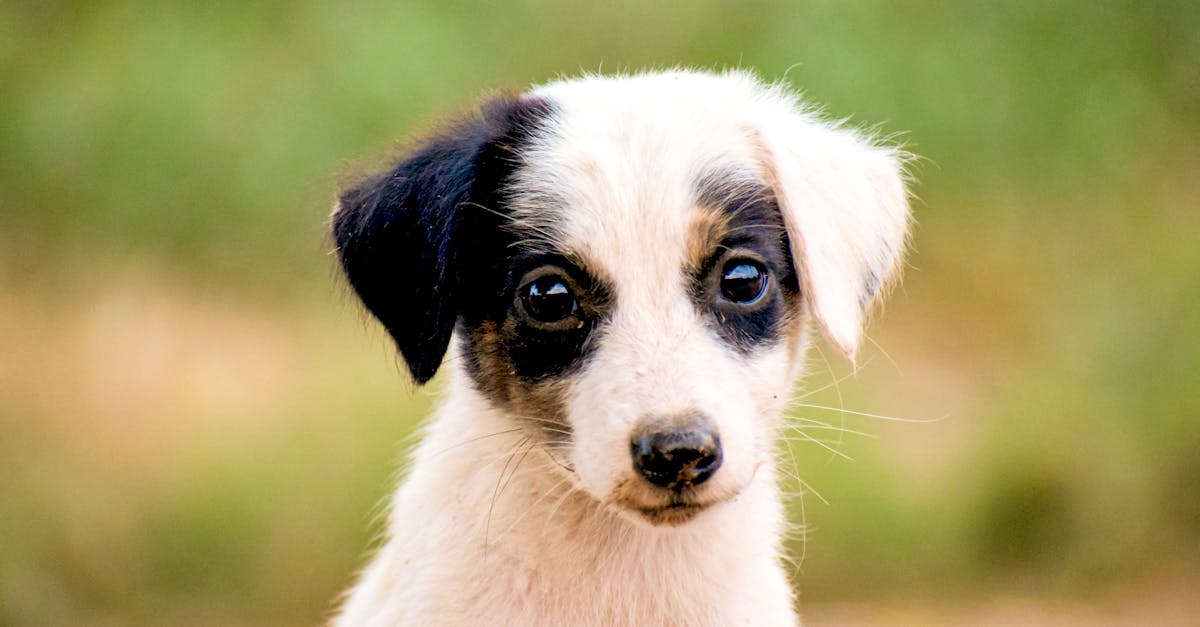
Category: Dog Breeds

Dog Breeds

Looking to learn more about different dog breeds? Our Dog Breeds category offers comprehensive information about the world’s most popular and unique canine companions. Whether you’re searching for the perfect family pet, a loyal working dog, or a breed that matches your lifestyle, this section covers it all.

Topics Covered in This Category:

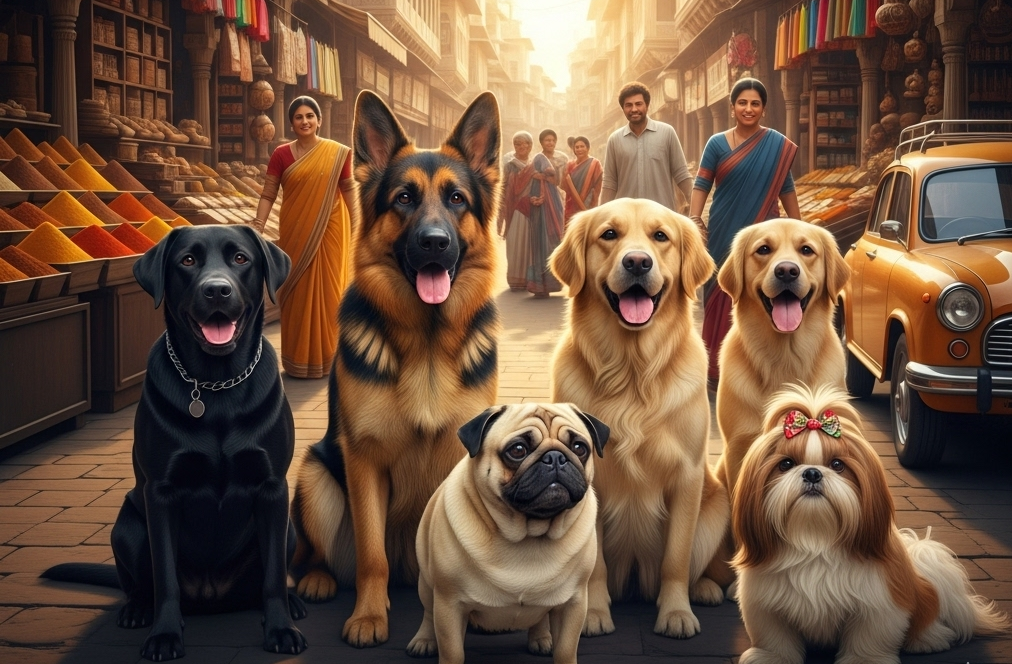
  1. Popular Dog Breeds – Detailed profiles of beloved breeds like Labrador Retrievers, German Shepherds, Golden Retrievers, and more.
  2. Small Dog Breeds – A guide to compact breeds like Chihuahuas, Pugs, and Dachshunds, perfect for apartment living.
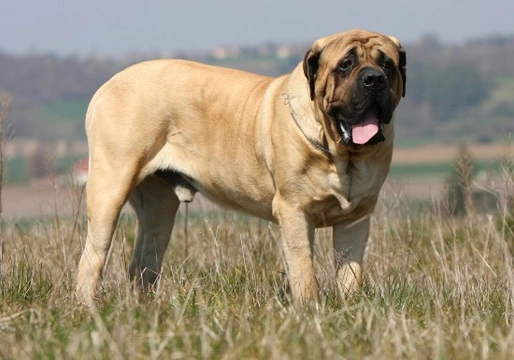
  3. Large Dog Breeds – Profiles of big breeds such as Great Danes, Mastiffs, and Saint Bernards, suitable for spacious homes.
  4. Hypoallergenic Dog Breeds – Information on low-shedding dogs like Poodles and Shih Tzus, ideal for people with allergies.
  5. Family-Friendly Dog Breeds – Best breeds for families with children, including Beagles, Cocker Spaniels, and Boxers.
  6. Working and Service Dog Breeds – Focus on breeds like Border Collies and Belgian Malinois, renowned for their intelligence and versatility.
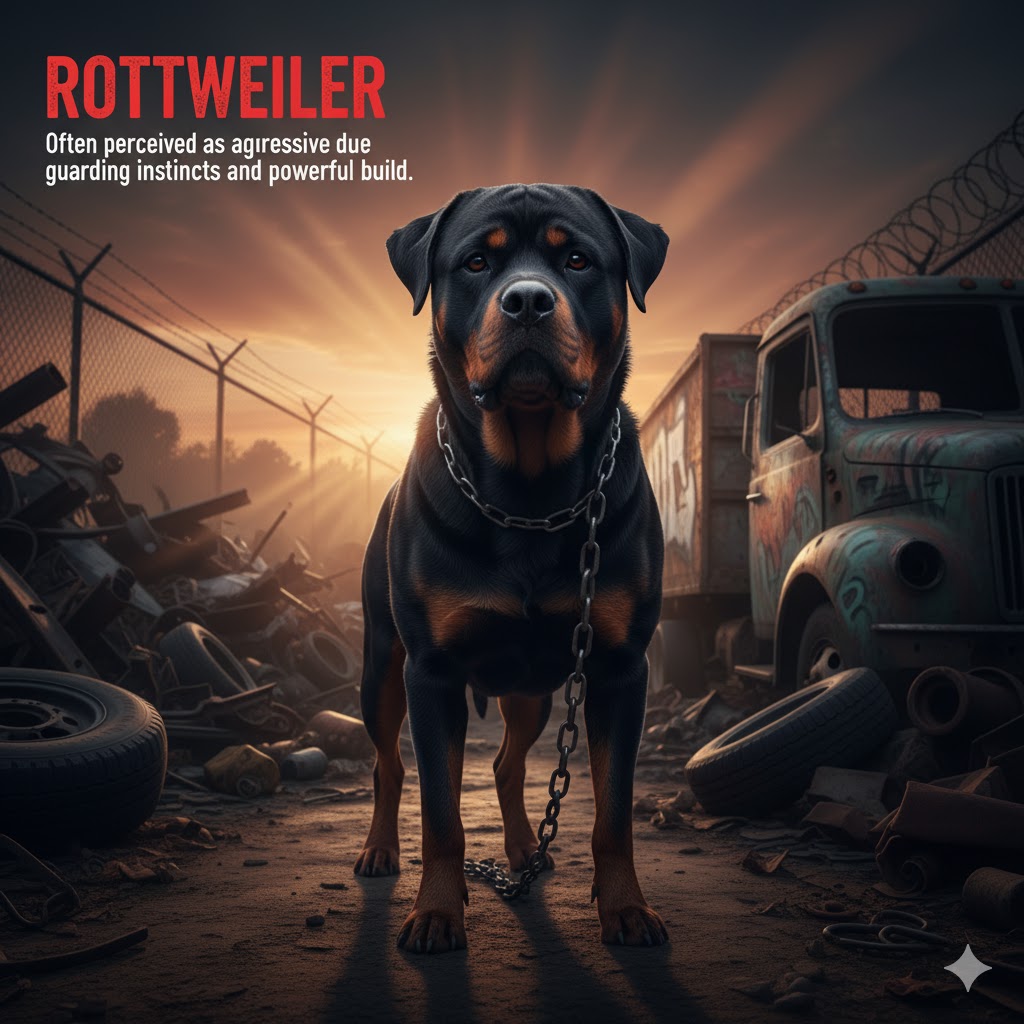
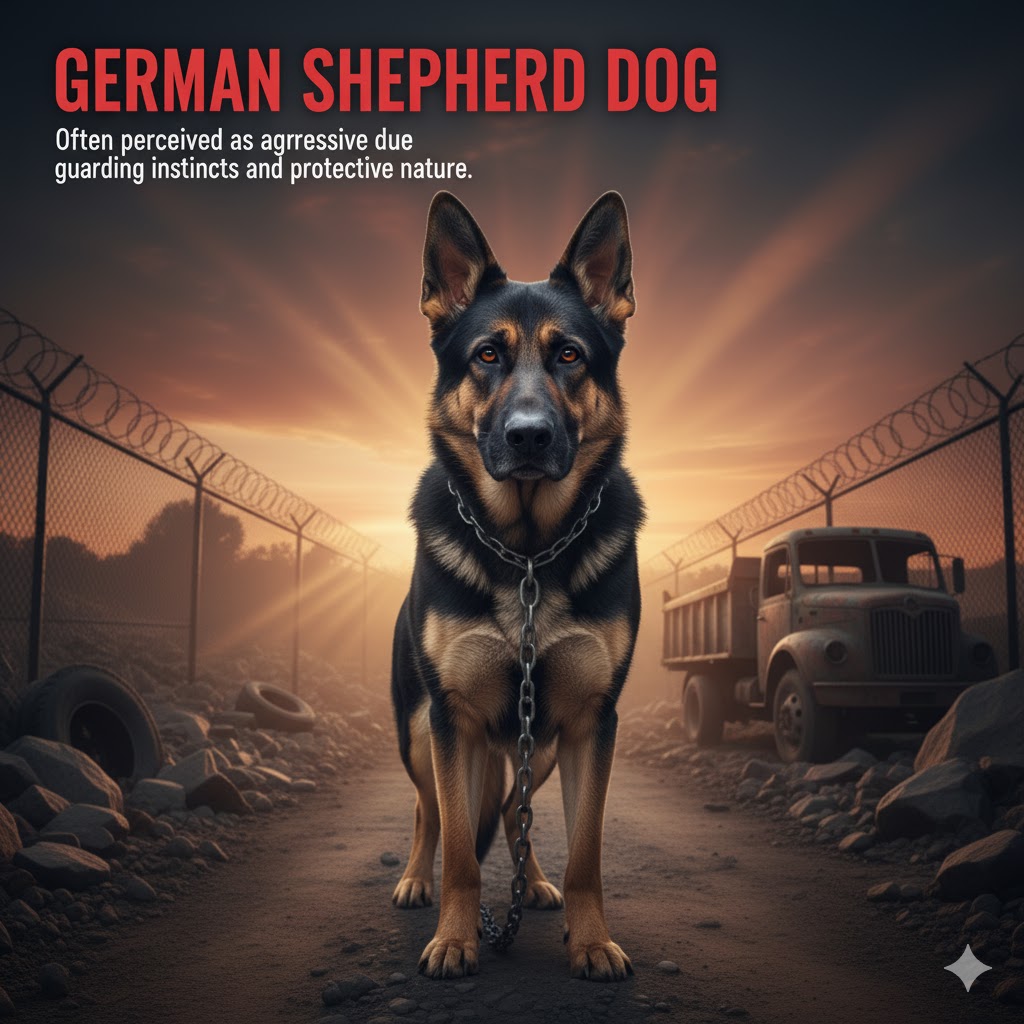
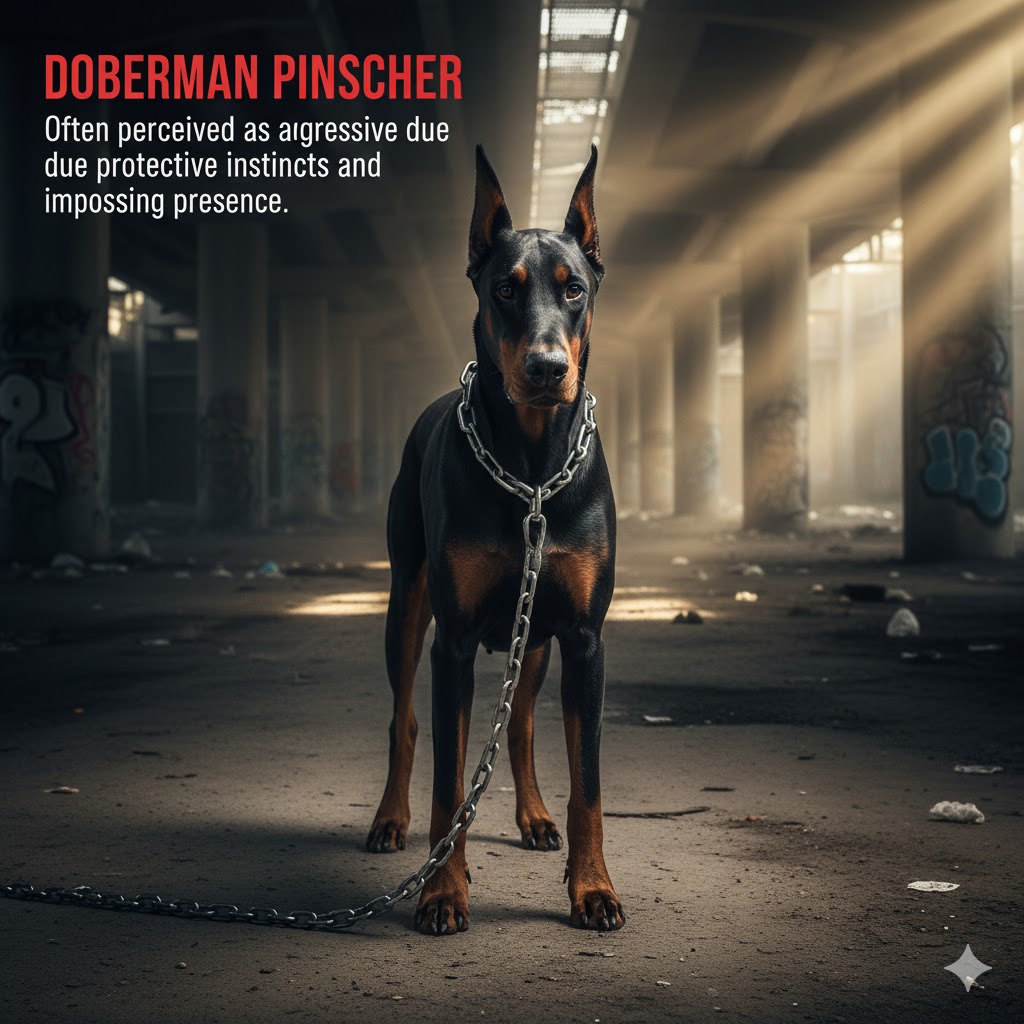
  7. Guard Dog Breeds – Learn about protective breeds like Rottweilers, Dobermans, and Bullmastiffs, known for their loyalty and strength.
  8. Rare and Exotic Dog Breeds – Discover lesser-known breeds such as Xoloitzcuintli, Thai Ridgebacks, and Lagotto Romagnolo.
  9. Breed-Specific Health Issues – Insights into common health concerns by breed, ensuring you’re prepared for proper care.
  10. Training and Temperament by Breed – Tips on understanding and training different breeds based on their unique personalities.
  11. Choosing the Right Breed for You – Factors like size, temperament, exercise needs, and grooming requirements to help you find the ideal match.
  12. Mixed Breeds and Designer Dogs – Popular mixes like Labradoodles, Goldendoodles, and Pomskies explained.

Why Explore Our Dog Breeds Category?

Whether you’re a first-time dog owner or an experienced pet parent, understanding the traits, care needs, and temperaments of different breeds helps ensure a harmonious relationship with your canine companion. Our articles provide essential guidance to help you make informed decisions about adopting or buying a dog that suits your lifestyle and needs.

This category also includes practical tips for training, grooming, and healthcare, ensuring your dog stays happy and healthy. From playful small breeds to large working dogs, and hypoallergenic companions to rare breeds, you’ll find everything you need to know right here.

  • Smallest Dog in the World: Meet the Top 20 Tiny Breeds

    Smallest Dog in the World: Meet the Top 20 Tiny Breeds

    Have you ever wondered which dog holds the title of the smallest dog in the industry? These tiny canines, from the charming Chihuahua to other petite breeds, pack a big presence in our lives. With over 200 breeds recognized by the American Kennel Club, finding the perfect miniature companion is easier than you might think.

    Smallest dogs not only bring joy with their expressive faces and playful antics but also offer practical benefits like longer lifespans and lower food costs. In this text, we’ll explore the top contenders for the smallest dog in the industry, investigate into their unique characteristics, and help you understand what makes these little dogs so beloved. Join us as we uncover the intriguing area of the tiniest dog breeds that make a huge impact on our hearts.

    Top 20 Smallest Dog Breeds

    Discover the most compact and charming dog breeds that capture hearts worldwide. These tiny companions offer big personalities in petite packages.

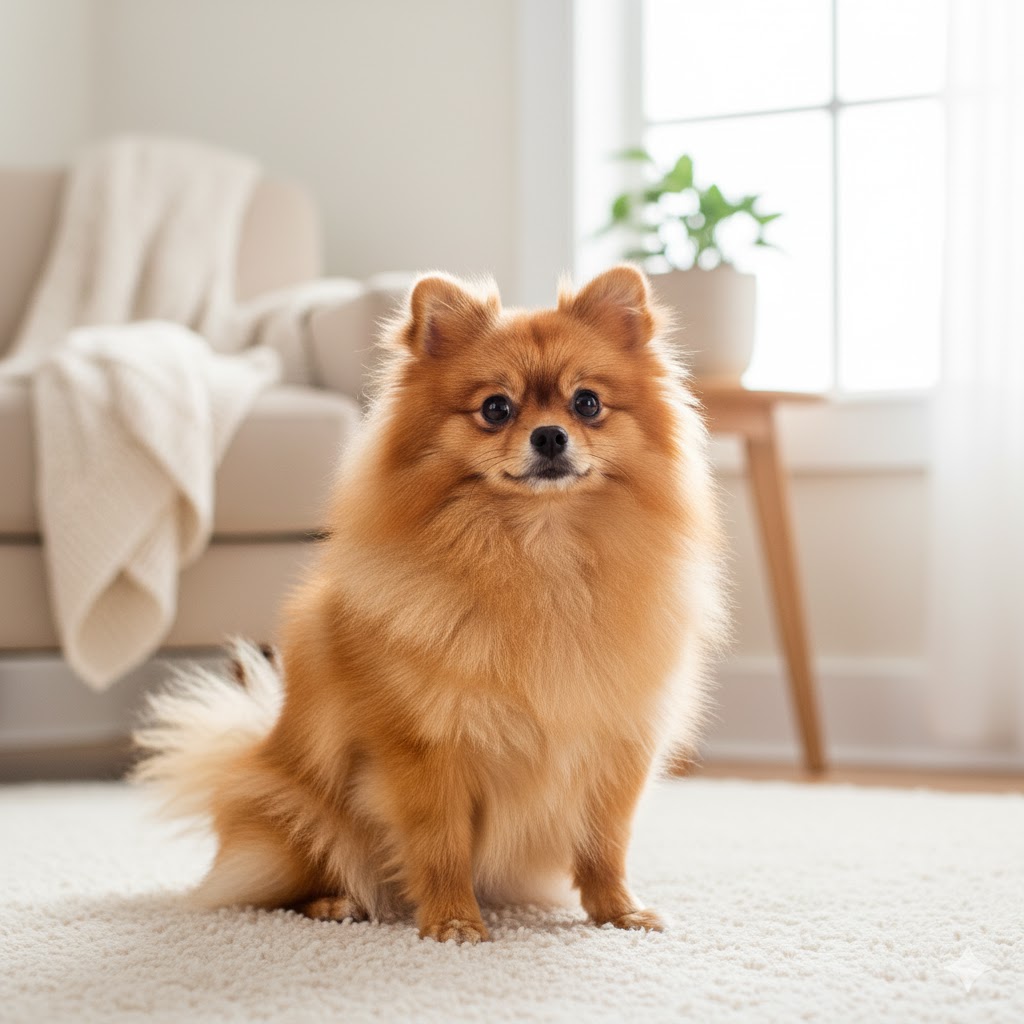
    1. Pomeranian

    Pomeranians are lively, intelligent lap dogs originating from northeastern Europe. Standing 18-30 cm (7-12 in) tall and weighing 3-7 kg (6.6-15.4 lbs), they feature a thick, fluffy double coat available in various colors. Their fox-like faces and curled tails highlight their inquisitive nature. Pomeranians adapt well to both urban and quiet environments, making them versatile companions.

    They require regular grooming to maintain their coats and enjoy daily exercise to stay healthy. Known for their alertness, they can serve as effective watchdogs even though their small size. Pomeranians thrive on social interaction and enjoy being part of family activities, blending affectionate behavior with independent streaks. Their spirited personalities make them a favorite among the smallest dog breeds, embodying both charm and vitality.

    2. Toy Poodle

    Toy Poodles are elegant and highly intelligent, known for their distinctive curly coats. Measuring 23-28 cm (9-11 in) and weighing 2-4 kg (4.4-8.8 lbs), they excel in obedience training and agility. Originating from Germany and standardized in France, Toy Poodles are hypoallergenic, making them suitable for families with allergies. Their playful and affectionate nature ensures strong bonds with their owners.

    Regular grooming is essential to prevent matting and maintain their sleek appearance. Toy Poodles adapt well to various living environments, from apartments to larger homes. Their keen intelligence allows them to learn tricks and commands quickly, improving their role as both companions and performers. Energetic yet adaptable, Toy Poodles are among the top choices for those seeking the smallest dog in the industry.

    3. Toy Fox Terrier

    Toy Fox Terriers are small yet spirited dogs with a keen sense of curiosity. Standing 21.5-29 cm (8.5-11.4 in) tall and weighing around 3-4 kg (6.6-8.8 lbs), they are known for their sleek, smooth coats and expressive faces. Originating from the United States, Toy Fox Terriers are agile and energetic, requiring regular physical activity and mental stimulation.

    Their friendly and affectionate nature makes them excellent family pets, while their alertness makes them good watchdogs. Toy Fox Terriers are highly trainable and enjoy participating in dog sports and activities. Their compact size allows them to thrive in various living situations, including apartments. Loyal and playful, Toy Fox Terriers embody the characteristics of some of the smallest dog breeds, offering both companionship and vivacity.

    4. Biewer Terrier

    Biewer Terriers are elegant and graceful dogs known for their distinctive tri-color coats. Measuring 23-28 cm (9-11 in) and weighing 2-3.5 kg (4.4-7.7 lbs), they are a relatively new breed originating from Germany. Biewer Terriers possess a friendly and affectionate temperament, making them excellent companions for families and individuals alike. Their silky, flowing coats require regular grooming to prevent tangles and maintain their beauty. Highly adaptable, Biewer Terriers thrive in both active households and quieter environments. They are intelligent and eager to please, making training straightforward and enjoyable. Their playful nature and gentle demeanor ensure they remain beloved among the smallest dog breeds, offering both charm and companionship.

    5. Papillon

    Papillons are distinguished by their large, butterfly-like ears and graceful appearance. Standing 20-28 cm (8-11 in) tall and weighing 2-4 kg (4.4-8.8 lbs), they are one of the most elegant small dog breeds. Originating from France and Germany, Papillons are intelligent and highly trainable, excelling in obedience and agility competitions. Their silky, flowing coats come in various colors and require regular grooming to stay pristine. Papillons are energetic and playful, enjoying daily exercise and mental challenges. Their friendly and affectionate nature makes them excellent companions for families and singles alike. Known for their lively spirit and charming demeanor, Papillons remain a top choice among the smallest dog breeds, blending beauty with intelligence.

    6. Chihuahua

    Chihuahuas are renowned as the smallest dog in the industry, with some individuals like Pearl measuring just 9.14 cm (3.59 in) tall. These tiny dogs typically stand up to 23 cm (9 in) and weigh between 1.5-3 kg (3.3-6.6 lbs). Originating from Mexico, Chihuahuas are known for their bold and confident personalities. They possess a smooth or long coat in various colors and require minimal grooming. Even though their small size, Chihuahuas are alert and make excellent watchdogs. They thrive on social interaction and form strong bonds with their owners. Adaptable to various living environments, Chihuahuas are well-suited for apartment living. Their lively and affectionate nature ensures they remain a popular choice among the smallest dog breeds.

    7. Russian Toy

    Russian Toy dogs are compact and stylish, known for their sleek appearance. Standing 20-23 cm (8-9 in) tall and weighing around 2-3 kg (4.4-6.6 lbs), they are one of the smallest recognized breeds. Originating from Russia, Russian Toys are elegant and graceful, with either a smooth or wirehaired coat. They are intelligent and highly trainable, excelling in various dog sports and obedience training. Their friendly and sociable nature makes them excellent companions, while their alertness ensures they act as vigilant watchdogs. Russian Toy dogs require regular grooming to maintain their coat quality and overall health. Adaptable to both active and quiet households, they are ideal for individuals and families seeking a petite yet spirited companion.

    8. Russian Tsvetnaya Bolonka

    Russian Tsvetnaya Bolonkas are charming and vibrant dogs known for their colorful coats. Measuring 23-28 cm (9-11 in) tall and weighing 2-3 kg (4.4-6.6 lbs), they are a small breed originating from Russia. These dogs feature a fluffy, soft coat that comes in a variety of colors, requiring regular grooming to prevent matting. Russian Tsvetnaya Bolonkas are friendly and affectionate, thriving on human interaction and making excellent family pets. They are intelligent and responsive to training, enjoying mental and physical activities. Adaptable to different living environments, they are suitable for both apartment and house settings. Their playful and gentle nature makes Russian Tsvetnaya Bolonkas a beloved choice among the smallest dog breeds, offering warmth and companionship.

    9. Toy American Eskimo Dog

    Toy American Eskimo Dogs are playful and lively, known for their striking white coats. Standing 23-28 cm (9-11 in) tall and weighing 2-4 kg (4.4-8.8 lbs), they are a smaller version of the larger American Eskimo Dog. Originating from the United States, Toy American Eskie Dogs are intelligent and highly trainable, excelling in obedience and agility competitions.

    Their thick, double coat requires regular grooming to maintain its condition and prevent matting. These dogs are friendly and outgoing, enjoying social interactions with family members and other pets. They are energetic and require daily exercise to stay healthy and happy. Toy American Eskimo Dogs adapt well to various living environments, making them a popular choice among the smallest dog breeds for their beauty and spirited nature.

    10. Bolognese

    Bolognese dogs are fluffy and affectionate, known for their charming personalities. Measuring 23-28 cm (9-11 in) tall and weighing 2.5-4 kg (5.5-8.8 lbs), they are a small breed originating from Italy. Bolognese dogs possess a soft, curly coat that requires regular grooming to maintain its appearance and prevent tangles. They are gentle and friendly, making them excellent companions for families and individuals alike. Highly social, Bolognese dogs enjoy being part of household activities and thrive on human interaction. They are intelligent and adaptable, easily adjusting to various living environments, including apartments. Their calm and nurturing demeanor ensures they remain a favored choice among the smallest dog breeds, offering both elegance and companionship.

    11. Maltese

    Maltese dogs are elegant and gentle, known for their long, silky white coats. Standing 20-25 cm (8-10 in) tall and weighing 1.8-3.6 kg (4-8 lbs), they are one of the oldest toy breeds, originating from the Mediterranean island of Malta. Maltese dogs are affectionate and playful, forming strong bonds with their owners. Their luxurious coat requires regular grooming to prevent tangles and maintain its beauty.

    Even though their small size, Maltese dogs are lively and enjoy daily exercise and mental stimulation. They are intelligent and responsive to training, making them easy to teach commands and tricks. Adaptable to various living situations, including apartments, Maltese dogs are ideal companions for those seeking the smallest dog breeds with a graceful and loving nature.

    12. Yorkshire Terrier

    Yorkshire Terriers, or Yorkies, are spunky and energetic dogs known for their silky blue and tan coats. Measuring 20-23 cm (8-9 in) tall and weighing 1.6-3.2 kg (3.5-7 lbs), they are a prominent small dog breed originating from England.

    Yorkies are intelligent and highly trainable, excelling in obedience and agility tasks. Their fine, straight coat requires regular grooming to maintain its appearance and prevent matting. Even though their small size, Yorkshire Terriers are bold and confident, often acting as vigilant watchdogs. They are affectionate and form strong bonds with their owners, enjoying being part of family activities. Adaptable to both active and quiet households, Yorkies are a popular choice among the smallest dog breeds for their lively spirit and loving nature.

    13. Affenpinscher

    Affenpinschers are playful and curious, known for their distinctive monkey-like expressions. Standing 23-29 cm (9-11 in) tall and weighing 3.2-6.8 kg (7-15 lbs), they are a small breed originating from Germany. Affenpinschers possess a dense, wiry coat that requires regular grooming to maintain its texture and appearance. They are intelligent and independent, enjoying mental stimulation and interactive training sessions. Affenpinschers are loyal and affectionate with their families, often forming strong bonds with their owners. Their alertness makes them effective watchdogs, even though their small stature. Adaptable to various living environments, including apartments, Affenpinschers thrive on companionship and active engagement, making them a beloved choice among the smallest dog breeds for their unique charm and spirited personality.

    14. Japanese Chin

    Japanese Chins are elegant and graceful, known for their distinctive pushed-in faces and flowing coats. Measuring 20-28 cm (8-11 in) tall and weighing 1.8-3.2 kg (4-7 lbs), they are a small breed originating from Japan. Japanese Chins possess a silky, long coat that requires regular grooming to prevent tangles and maintain its beauty. They are affectionate and gentle, forming strong bonds with their owners and thriving on human interaction. Intelligent and playful, Japanese Chins enjoy captivating in various activities and mental challenges. Their calm and dignified demeanor makes them excellent companions for both individuals and families. Adaptable to different living environments, including apartments, Japanese Chins remain a favorite among the smallest dog breeds for their beauty and loving nature.

    15. Brussels Griffon

    Brussels Griffons are charming and expressive, known for their distinct facial features and lively personalities. Standing 17-20 cm (6.5-8 in) tall and weighing 1.8-3 kg (4-7 lbs), they are a small breed originating from Belgium. Brussels Griffons possess a smooth or rough coat that requires regular grooming to maintain its condition and prevent matting. They are intelligent and highly trainable, enjoying interactive training sessions and mental stimulation. Brussels Griffons are affectionate and form strong bonds with their families, often seeking attention and companionship. Their alertness makes them effective watchdogs, even though their small size. Adaptable to various living environments, including apartments, Brussels Griffons are a popular choice among the smallest dog breeds for their expressive nature and loving demeanor.

    16. Miniature Pinscher

    Miniature Pinschers, or Min Pins, are energetic and fearless, often described as “small dogs with big personalities.” Measuring 25-30 cm (10-12 in) tall and weighing 3-5 kg (6.6-11 lbs), they are a small breed originating from Germany and Austria. Miniature Pinschers possess a sleek, smooth coat that requires minimal grooming. They are highly active and require regular exercise to stay healthy and happy. Known for their intelligence and alertness, Miniature Pinschers excel as watchdogs and enjoy participating in various dog sports. Their bold and confident nature makes them a spirited addition to any household. Adaptable to different living environments, including apartments, Miniature Pinschers are a favored choice among the smallest dog breeds for their lively spirit and ever-changing presence.

    17. Chinese Crested

    Chinese Cresteds are unique and elegant, known for their hairless bodies and distinctive crests of hair. Standing 23-28 cm (9-11 in) tall and weighing 2-3.6 kg (4.4-8 lbs), they are a small breed originating from China. Chinese Cresteds come in two varieties: Hairless, which have smooth skin with tufts of hair on their heads, tails, and feet, and Powderpuffs, which have a full, soft coat.

    are affectionate and friendly, forming strong bonds with their owners and thriving on human interaction. Intelligent and playful, Chinese Cresteds enjoy captivating in various activities and training sessions. Their unique appearance and gentle demeanor make them a standout among the smallest dog breeds. Adaptable to different living environments, including apartments, they are ideal companions for those seeking a distinctive and loving pet.

    18. Shih Tzu

    Shih Tzus are regal and affectionate, known for their luxurious, flowing coats and sweet dispositions. Measuring 20-28 cm (8-11 in) tall and weighing 4-7 kg (8.8-15.4 lbs), they are a small breed originating from China. Shih Tzus possess a long, dense coat that requires regular grooming to prevent matting and maintain its beauty.

    They are friendly and sociable, forming strong bonds with their families and enjoying being part of household activities. Shih Tzus are intelligent and trainable, responding well to positive reinforcement techniques. Their calm and gentle nature makes them excellent companions for individuals and families alike. Adaptable to various living environments, including apartments, Shih Tzus remain a popular choice among the smallest dog breeds for their elegant appearance and loving temperament.

    19. Silky Terrier

    Silky Terriers are agile and spirited, known for their sleek, shiny coats and lively personalities. Standing 23-28 cm (9-11 in) tall and weighing 3-5 kg (6.6-11 lbs), they are a small breed originating from Australia, developed from the Australian Terrier and the Yorkshire Terrier. Silky Terriers possess a long, silky coat that requires regular grooming to prevent tangles and maintain its luster.

    They are intelligent and energetic, enjoying daily exercise and mental stimulation to stay healthy and happy. Silky Terriers are affectionate and form strong bonds with their owners, thriving on social interaction and companionship. Their alertness makes them effective watchdogs, while their playful nature ensures they remain a joyful presence in the household. Adaptable to various living environments, including apartments, Silky Terriers are a favored choice among the smallest dog breeds for their vibrant spirit and loving demeanor.

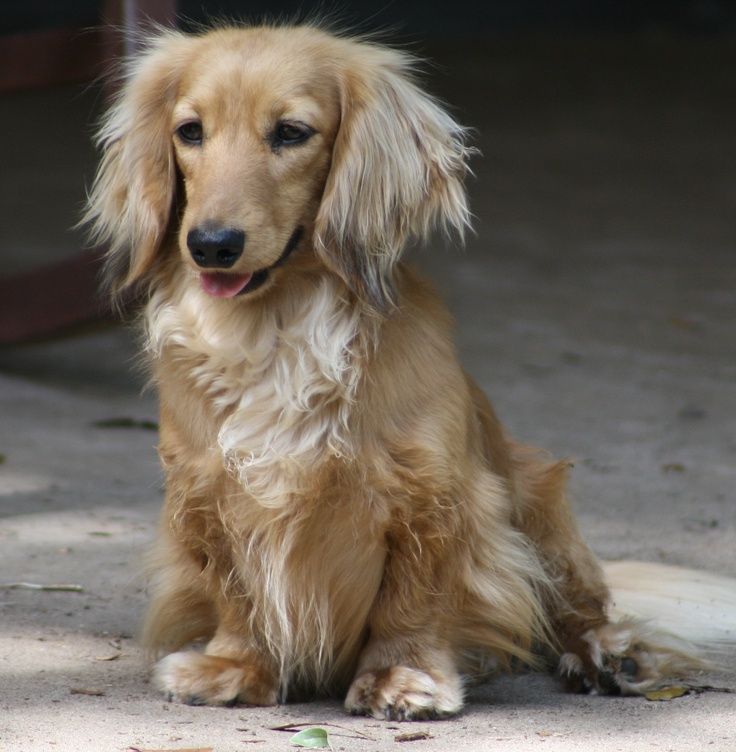
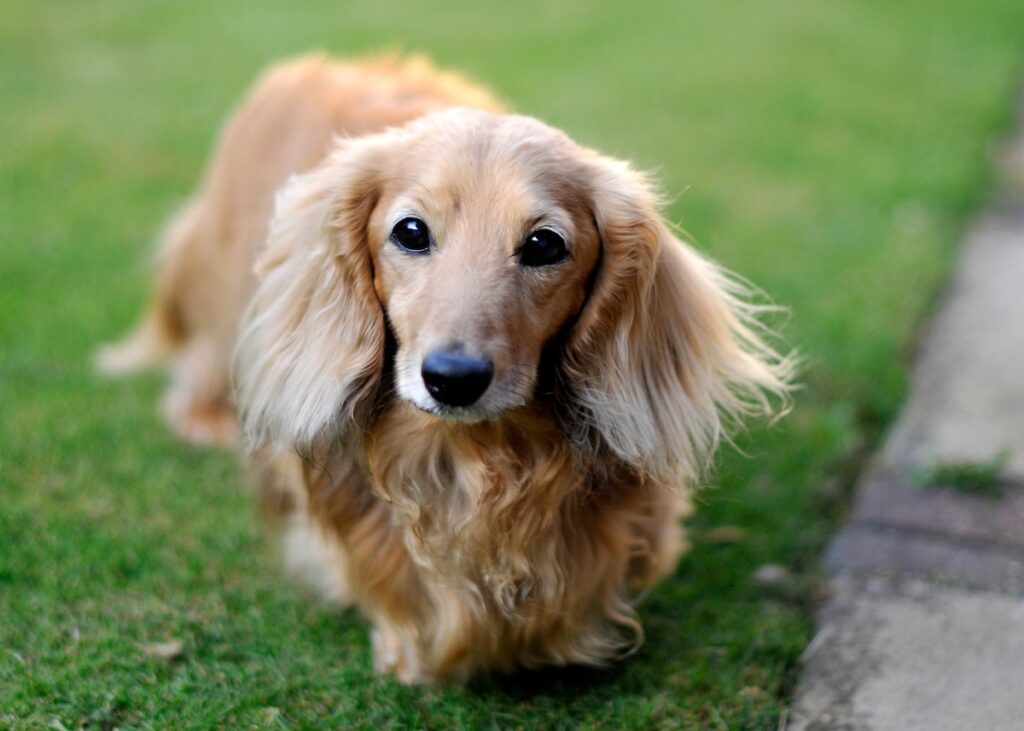
    20. Miniature Dachshund

    Miniature Dachshunds are spirited and charming, recognized for their long bodies and short legs. Measuring 13-23 cm (5-9 in) tall and weighing 4-5 kg (8.8-11 lbs), they are a small breed originating from Germany. Miniature Dachshunds come in smooth, wirehaired, or longhaired varieties, each requiring regular grooming to maintain their coat. They are intelligent and curious, enjoying interactive play and mental challenges to stay engaged. Even though their small size, Miniature Dachshunds are bold and confident, often displaying a strong hunting instinct. They are affectionate and loyal, forming deep bonds with their owners and thriving on companionship. Adaptable to various living environments, including apartments, Miniature Dachshunds are a beloved choice among the smallest dog breeds for their distinctive appearance and lively personalities.

    Small Dog Breed Health Concerns

    Small dog breeds like Pearl require specialized health care to thrive. We address common health issues and provide preventive measures essential for their well-being.

    Taking Care of Your Small Dog’s Teeth

    Dental care is vital for small dogs, as they develop periodontal disease more frequently and at earlier ages than larger breeds. A study in The Veterinary Journal found that 18.2% of dogs in the US suffer from periodontal disease, with breeds under 14.3 pounds facing a fivefold increased risk. We recommend brushing your small dog’s teeth daily using canine-exact toothpaste to prevent plaque buildup and overcrowding caused by larger teeth relative to their mouths.

    Also, regular professional cleanings under anesthesia are necessary to maintain optimal oral health. Ignoring dental care can lead to severe health issues, including infections and systemic diseases. By prioritizing oral hygiene, we ensure our small companions enjoy better overall health and longevity. Implementing a consistent dental care routine not only preserves your pet’s teeth but also contributes to their general well-being, allowing them to live happier, healthier lives.

    Is Your Dog Covered?

    Ensuring comprehensive care for your small dog involves more than just regular feeding and grooming. We need to address exact health aspects to keep our tiny companions thriving.

    Maintaining a Healthy Weight

    Maintaining a healthy weight is crucial for our small dogs to prevent health issues. Overfeeding can lead to obesity, increasing the risk of diabetes and heart disease. We should provide a balanced diet customized to their size and activity level. Regular exercise, such as short walks and playtime, helps burn calories and build muscle. Monitoring their weight through regular vet check-ups ensures they stay within a healthy range. Also, avoiding high-calorie treats and opting for nutritious snacks supports their overall well-being. By prioritizing their diet and activity, we can ensure our small dogs lead active, healthy lives.

    More Prone to Orthopedic Injuries

    Small dogs are more prone to orthopedic injuries due to their delicate frame and bones. We must take extra precautions to protect them from fractures and joint issues. Providing soft bedding and preventing slippery surfaces in the home reduces the risk of falls and injuries. Avoiding excessive jumping and high-impact activities helps safeguard their joints and bones. Regular veterinary evaluations can detect early signs of orthopedic problems, allowing for timely intervention. Also, maintaining their muscle strength through gentle exercises supports their skeletal health. By being vigilant and proactive, we can minimize the risk of orthopedic injuries in our small dogs.

    Bottom Line

    Celebrating the smallest dogs means embracing the immense joy they bring into our lives. Their compact size fits perfectly in various living spaces while their vibrant personalities ensure they remain beloved companions.

    By focusing on their unique needs we can enjoy the company of these charming little friends for many years. Their playful and affectionate nature enriches our daily lives and highlights the special bond we share. Let’s continue to appreciate and care for these tiny wonders ensuring their health and happiness remain a priority in our households.
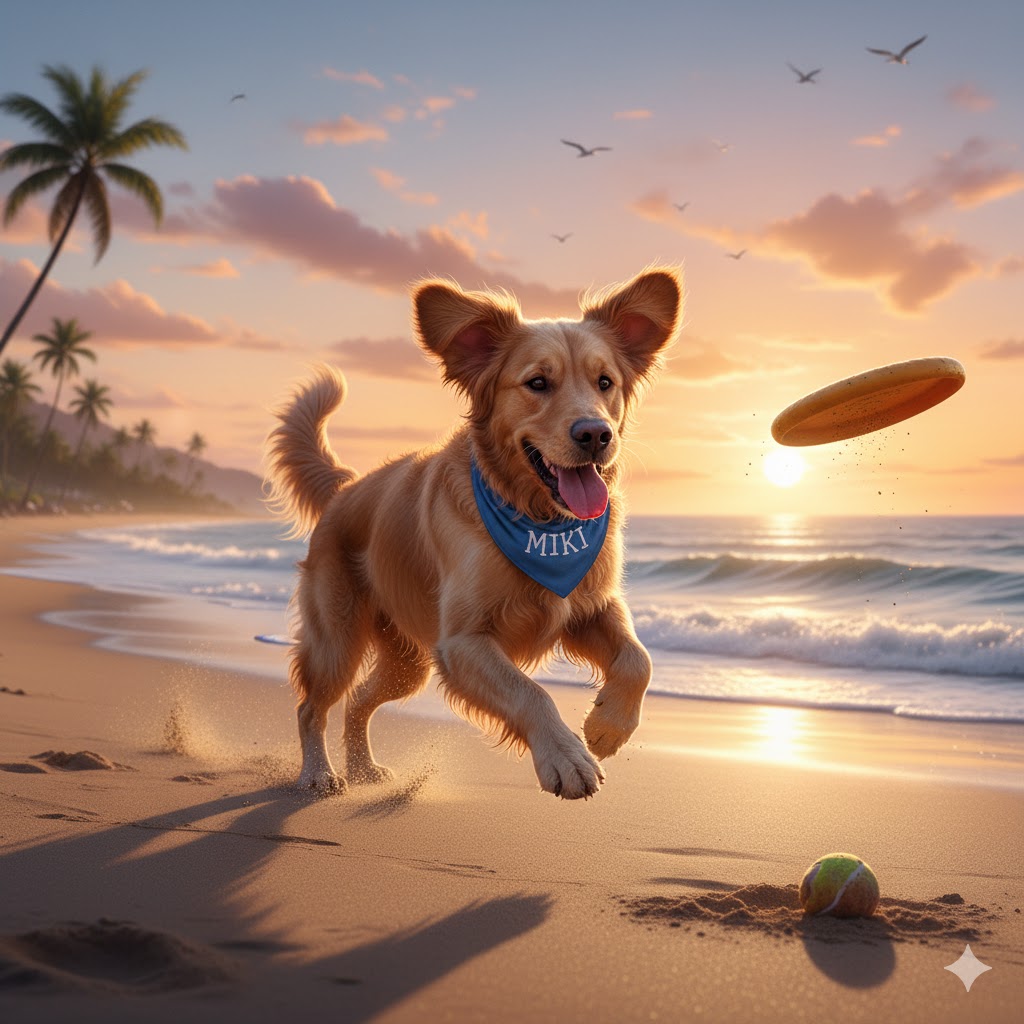
  • Miki Dog: The Ultimate 2025 Guide to Traits & Care

    Miki Dog: The Ultimate 2025 Guide to Traits & Care

    Looking for a lively yet compact companion? The Miki dog could be your ideal match. These energetic little dogs thrive in both houses and apartments, proving that you don’t need a large backyard to keep them happy. With just seven miles of walking a week, Miki dogs stay active and playful without overwhelming your schedule.

    We understand that finding a pet that’s both affectionate and low maintenance is important. Miki dogs are renowned for their gentle and friendly nature, making them perfect for families. Their low-shedding and hypoallergenic coats are a bonus for those with pet allergies. In this text, we’ll explore everything you need to know about Miki dogs, from their care requirements to their unique personality traits, ensuring you have all the information to welcome a Miki into your home.

    History and Origin

    Origin

    The Mi-Ki dog breed originated in the late 1980s, developed by Maureen van Wormer, also known as Mikki Mackin or Maureen Westberg, a dedicated breeder from Wisconsin, USA. Van Wormer’s goal was to create a small, long-haired breed with a calm and quiet temperament, ideal for various living environments.

    Early Breed Development

    Van Wormer initiated her breeding program in 1959 by acquiring two Shih Tzus from Jack and Mary Woods, imported from York, England. Over three decades, she meticulously crossbred these Shih Tzus with other toy breeds such as Papillons, Maltese, Yorkshire Terriers, and Japanese Chins. This strategic breeding aimed to enhance the Mi-Ki dog’s size, coat quality, and temperament, resulting in the distinct characteristics the breed is known for today.

    Breed Standard and Registry

    In 1991, van Wormer established the Imperial Toy Mi-Ki Club (ITMC) and formalized the breed standard, setting clear guidelines for the Mi-Ki dog’s physical and temperamental traits. But, a fire in 1995 destroyed many early breeding records, obscuring the exact breed combinations and genetic makeup used in the initial development. Even though this setback, the ITMC continues to oversee the breed’s standards and promote the Mi-Ki dog within the canine community.

    Breed Recognition and Growth

    Since its official recognition, the Mi-Ki dog has gained popularity for its affectionate nature and adaptability. The breed’s registry ensures that Mi-Ki dogs maintain their health and desired traits through responsible breeding practices. Today, Mi-Ki dogs are cherished as companions in both urban apartments and suburban homes, reflecting the careful planning and dedication of their founder.

    Current Status

    The Mi-Ki dog remains a specialized breed, with enthusiasts and breeders working to preserve its unique qualities. Ongoing efforts focus on expanding the breed’s visibility and ensuring that new generations continue to embody the calm and loving temperament that Maureen van Wormer envisioned. As a result, the Mi-Ki dog holds a respected place among toy breeds, valued for its history and enduring charm.

    Physical Characteristics

    The Miki dog showcases distinct physical traits that make it a charming companion. Understanding their size, build, and coat helps in appreciating their unique appearance.

    Size and Build

    Miki dogs stand between 7 to 11 inches tall and weigh from 3 to 10 pounds. Males typically reach up to 10 pounds, while females usually cap at 8 pounds. Their body structure features a fine to medium bone framework, slightly longer than tall. Miki dogs possess a level topline and firm shoulders, contributing to their sturdy appearance. Their legs are fine-boned, improving their elegant stance. This compact size makes them ideal for both apartments and larger homes. The balanced build ensures agility and endurance, suitable for various living environments. Miki dogs maintain a graceful posture, reflecting their well-proportioned physique. Their manageable size allows for easy handling and care, fitting seamlessly into diverse lifestyles.

    Coat and Coloring

    Miki dogs come in two primary coat types: long and smooth. The long coat is fine, silky, and straight, featuring extensive feathering on the ears, legs, and tail. This coat may include a beard and mustache, often complemented by a shaved head and muzzle.

    Natural hair under the ears creates a ruff around the face, adding to their distinctive look. Alternatively, the smooth coat lies close to the body with short fringing on the ears and legs, offering a sleek appearance. Both coat types come in various colors, improving their visual appeal. Regular grooming maintains their coat quality, whether it’s the luxurious long coat or the polished smooth variety. These diverse coat options allow owners to choose a Miki dog that best fits their aesthetic preferences and lifestyle needs.

    Temperament and Personality

    Temperament

    Miki dogs exhibit a calm, sweet, and affectionate nature. They remain friendly, gentle, and placid, maintaining a low to moderate activity level. These dogs thrive in social environments, getting along well with everyone in the household, including children, other pets, and cats. While they are highly sociable, we should be cautious around smaller children to prevent accidental injuries. Miki dogs display non-aggressive behavior and slow to anger, making them ideal for families and suitable as therapy or service dogs.

    Personality

    Miki dogs are extremely loving and affectionate, always seeking someone to cuddle and play with even though their small size. Their large hearts make them devoted companions. These dogs demonstrate intelligence, though they are not the smartest breed, and show a strong eagerness to please their owners. This trait makes Miki dogs reasonably easy to train when using consistent routines and positive reinforcement. Their dependable nature ensures they adapt well to various household settings, providing both joy and companionship to their families.

    Care and Maintenance

    Proper care and maintenance ensure our Mi-Ki dogs remain healthy and thriving. We address their nutrition, grooming, exercise, and training needs to provide the best support for our companions.

    Nutrition

    Mi-Ki dogs require a balanced diet to support their small size and energy levels. Puppies need frequent meals every 3-4 hours to prevent hypoglycemia, with access to fresh water at all times. We recommend a combination of grain-free and grain-based foods to meet their dietary needs effectively. Adult Mi-Kis should receive high-quality dog food customized to their age and activity level, helping them maintain a healthy weight.

    Monitoring their food intake allows us to adjust portions as necessary, preventing obesity, which is common in small breeds. Incorporating supplements like omega-3 fatty acids can enhance coat health and overall well-being. Regular veterinary consultations help us customize their diet, addressing exact health concerns such as dental issues or Brachycephalic Syndrome. By providing proper nutrition, we support their immune system, energy levels, and longevity, ensuring our Mi-Kis thrive in our homes.

    Grooming

    Grooming Mi-Ki dogs involves maintaining their distinct coat types. For the long coat variety, we follow two primary styles: Beard and Mustache, and Shaved Face. The Beard and Mustache style includes a closely clipped head not exceeding 1/4 inch, with a V-shaped trim under the chin and a blended body coat. Facial hair in front of the ears is shaved, while the hair behind the ears and neck is blended into the head.

    Toes and paw pads are shaved, keeping the top of the feet no higher than the dewclaw. Regular brushing prevents matting and removes loose hair. The Shaved Face style involves shaving the entire face, leaving a ruff around the face with hair under the ears. Lower leg hair is scissored to reveal the toes, and the body coat is trimmed to floor length. Consistent grooming schedules help maintain coat quality and overall appearance, ensuring our Mi-Kis are comfortable and looking their best.

    Exercise

    Mi-Ki dogs require regular, moderate exercise to maintain their health and happiness. Daily walks totaling 30 minutes to an hour keep them physically active and mentally stimulated. Interactive play sessions, such as fetch or puzzle toys, prevent boredom and support their cognitive functions. Indoor activities are also effective, especially in apartments or smaller living spaces.

    Regular exercise helps prevent obesity and supports joint health, reducing the risk of Patellar Luxation. We incorporate variety in their routines, including short hikes or agility training, to keep them engaged and active. Social outings with other pets or family members promote their friendly and affectionate nature. Ensuring our Mi-Ki dogs receive adequate exercise contributes to their overall well-being, making them active and content members of our households.

    Training

    Training Mi-Ki dogs emphasizes consistency and positive reinforcement to harness their eager-to-please nature. We start with basic commands such as sit, stay, and come, using treats and praise to encourage desired behaviors. Socialization is crucial, exposing them to various environments, people, and other animals to foster their friendly temperament. Housebreaking requires regular schedules and patience, ensuring our Mi-Kis understand designated areas for elimination.

    Crate training provides them with a safe space and aids in managing separation anxiety. Addressing common issues like dental care or leash manners involves regular practice and reinforcement. Advanced training may include tricks or obedience competitions, leveraging their intelligence and agility. By establishing clear expectations and maintaining a structured routine, we help effective training, resulting in well-behaved and adaptable Mi-Ki dogs that integrate seamlessly into our families.

    Health and Genetic Concerns

    The Mi-Ki dog breed maintains overall good health, but they can encounter exact genetic issues that require attention.

    Brachycephalic Syndrome

    Mi-Kis with shorter muzzles may develop Brachycephalic Syndrome. This condition restricts airways due to their facial structure, causing symptoms like loud, labored breathing, overheating, and eating difficulties. Managing their weight and reducing exercise can alleviate these issues. In severe cases, surgery becomes necessary.

    Dental Problems

    Dental issues, including periodontal disease, are common in Mi-Kis. Regular teeth brushing several times a week significantly lowers the risk of these problems. Routine veterinary dental check-ups are essential to maintain their oral health and prevent complications.

    Patellar Luxation

    Patellar Luxation affects the kneecap’s stability, leading to limping and pain in Mi-Ki dogs. Early detection through regular veterinary examinations ensures timely treatment. Managing their activity levels and providing appropriate joint support can help minimize discomfort and improve mobility.

    Maintaining the health of a Mi-Ki dog involves proactive measures to address these genetic concerns. Regular veterinary visits, proper grooming, and a balanced lifestyle are crucial in ensuring their well-being and longevity.

    Suitability as a Companion

    Mi-Ki dogs excel as companion animals due to their exceptional temperament and adaptable nature. Their friendly and affectionate personalities create strong bonds with family members, making them ideal for households of all sizes. We appreciate their playful demeanor, which brings joy and energy to daily interactions without being overwhelming.

    Their sweet-natured and easy-going disposition ensures that Mi-Kis integrate smoothly into various living environments. Whether residing in a spacious home or a compact apartment, Mi-Ki dogs adapt well, requiring minimal space while still enjoying regular interaction and affectionate contact. This adaptability is particularly beneficial for individuals and families seeking a loving and low-maintenance pet.

    Mi-Kis demonstrate remarkable intelligence and trainability, which enhance their role as companions. Their eagerness to please facilitates effective training sessions, allowing them to learn commands and behaviors quickly. We find that their responsiveness to cues fosters a harmonious relationship between the dog and owner, enabling seamless communication and mutual understanding.

    Health and longevity are key factors contributing to the Mi-Ki dog’s suitability as a companion. With a lifespan of 12-15 years, they offer a lasting presence in their owners’ lives. Mi-Ki dogs generally maintain excellent health, reducing the worry of frequent veterinary visits. While they are less susceptible to certain genetic disorders, we remain vigilant for conditions like Brachycephalic Syndrome, dental issues, and Patellar Luxation to ensure their well-being.

    Their calmness during stressful situations further solidifies their role as dependable companions. We observe that Mi-Kis remain composed, providing stability and comfort to their owners. This calm temperament, combined with their affectionate nature, makes them suitable for various roles, including therapy and service work, where emotional support is paramount.

    Summarizing, Mi-Ki dogs offer a balanced combination of friendliness, intelligence, and good health, making them exceptional companions. Their ability to adapt to different living situations and their enduring loyalty ensure that they remain cherished members of the family, providing consistent love and companionship throughout their lives.

    Conclusion

    Choosing a Miki dog means welcoming a loving and adaptable companion into our lives. Their affectionate nature and ease of care make them perfect for various living situations. We appreciate their intelligence and eagerness to please which simplify training and strengthen our bond. By understanding their exact needs and providing proper care we ensure our Miki dogs stay healthy and happy. Their calm demeanor and friendly personality enrich our households whether as family members or in therapeutic roles. Embracing a Miki dog brings joy and companionship improving our daily lives with their unique charm and steadfast loyalty.

  • The Complete Brindle Dog Guide: Breeds, Genetics & Care

    The Complete Brindle Dog Guide: Breeds, Genetics & Care

    Have you ever marveled at a dog’s striking tiger-striped coat? Brindle dogs captivate us with their unique and eye-catching patterns, setting them apart in the canine industry. This distinctive coat isn’t just about looks—it stems from a fascinating genetic makeup that influences their stunning appearance.

    We investigate into the intriguing genetics behind brindle dogs and highlight the 12 breeds that proudly showcase this pattern. Whether you’re considering adding a brindle dog to your family or simply fascinated by their beauty, our comprehensive guide offers valuable insights. From understanding the recessive genes that create those bold stripes to appreciating the subtle variations in their coloration, we’ll help you uncover what makes brindle dogs truly special. Get ready to explore the vibrant industry of brindle-coated companions and discover why they’re a favorite among dog enthusiasts.

    History and Origin of Brindle Dogs

    Brindle dogs possess a rich history influenced by their unique genetic makeup. The brindle pattern arises from the brindle gene at the K locus, interacting with the agouti gene to create the distinctive striped coat. Dogs must carry one or two copies of the brindle gene (k^br) to exhibit this pattern.

    Ancient Breeds

    Brindle patterns are evident in several ancient breeds, showcasing their longstanding presence. The Irish Wolfhound is associated with brindle coloration since around 500 B.C. in Ireland. Even though nearing extinction by the 1700s, efforts in the 1800s successfully rebuilt and standardized the breed. Similarly, the Basenji, originating in Africa around 3000 B.C., also displays the brindle pattern, highlighting its historical significance.

    Development in Modern Breeds

    In the late 19th century, brindle dogs gained prominence in Germany with the emergence of the Boxer breed. Originating from the Bullenbeisser, an ancient Molossian war dog, Boxers were valued for their working and hunting capabilities. They typically live between 10 to 12 years and stand 21 to 25 inches tall.

    Breed Origin Lifespan Height
    Boxer 1800s Germany 10-12 years 21-25 inches
    Irish Wolfhound ~500 B.C. Ireland 6-8 years 30-34 inches
    Basenji ~3000 B.C. Africa 12-14 years 16-17 inches

    Genetic Evolution

    The brindle gene (CBD103) is an unstable allele causing mosaicism in brindle dogs. This genetic variation leads to different pigmentation patterns across the body. Unlike horses, where brindle indicates chimaerism, brindle dogs are mosaics with genetically distinct cells during development. This results in varying stripe intensities and distributions, making each brindle dog unique.

    Historical Significance

    Brindle dogs have played important roles throughout history. Their distinctive coats not only provided camouflage but also signified strength and agility in hunting and war. The resilience of brindle patterns across diverse breeds underscores their adaptability and enduring appeal.

    Understanding the history and origin of brindle dogs enhances our appreciation of their genetic diversity and historical roles. From ancient Ireland and Africa to modern Germany, brindle dogs have maintained their unique appearance and valued traits, continuing to captivate dog enthusiasts worldwide.

    How Are Brindle Dog Breeds Classified?

    Brindle dog breeds are classified based on their genetic makeup, specifically the alleles present at the K locus. The K locus plays a crucial role in determining coat patterns, including the distinctive brindle stripeing.

    Genetic Basis

    The brindle pattern is influenced by three alleles located at the K locus:

    Allele Description Effect on Coat Color
    KB Dominant Black Produces a solid black coat
    kbr Brindle Creates the brindle pattern
    ky Non-Solid Black Allows expression of other colors

    A dog must carry at least one kbr allele to display the brindle pattern. If a dog possesses two kbr alleles, the brindle expression may intensify, depending on interactions with other genes.

    Expression of Brindle

    To exhibit the brindle pattern, a dog requires a minimum of one kbr allele. The pattern’s intensity varies based on additional genetic factors:

    • Base Coat Color: Typically features a phaeomelanin (red) base with eumelanin (black) stripes.
    • Stripe Intensity: Influenced by the presence of other coat color genes, particularly the agouti gene.

    Interaction with Other Genes

    Brindle expression is affected by interactions with other genetic loci:

    • Agouti Gene: Modulates the distribution and intensity of brindle stripes.
    • Intensity Locus: Alters the concentration of eumelanin and phaeomelanin, affecting overall coat appearance.

    These interactions ensure that brindle patterns vary among different breeds and individual dogs, resulting in unique and diverse coat presentations.

    Classification Criteria

    Brindle breeds are further classified based on the exact combination of alleles and their interactions with other genes:

    1. Dominant Brindle: Presence of one kbr allele with minimal interaction from other genes, resulting in lighter stripes.
    2. Recessive Brindle: Two kbr alleles, leading to more pronounced stripeing.
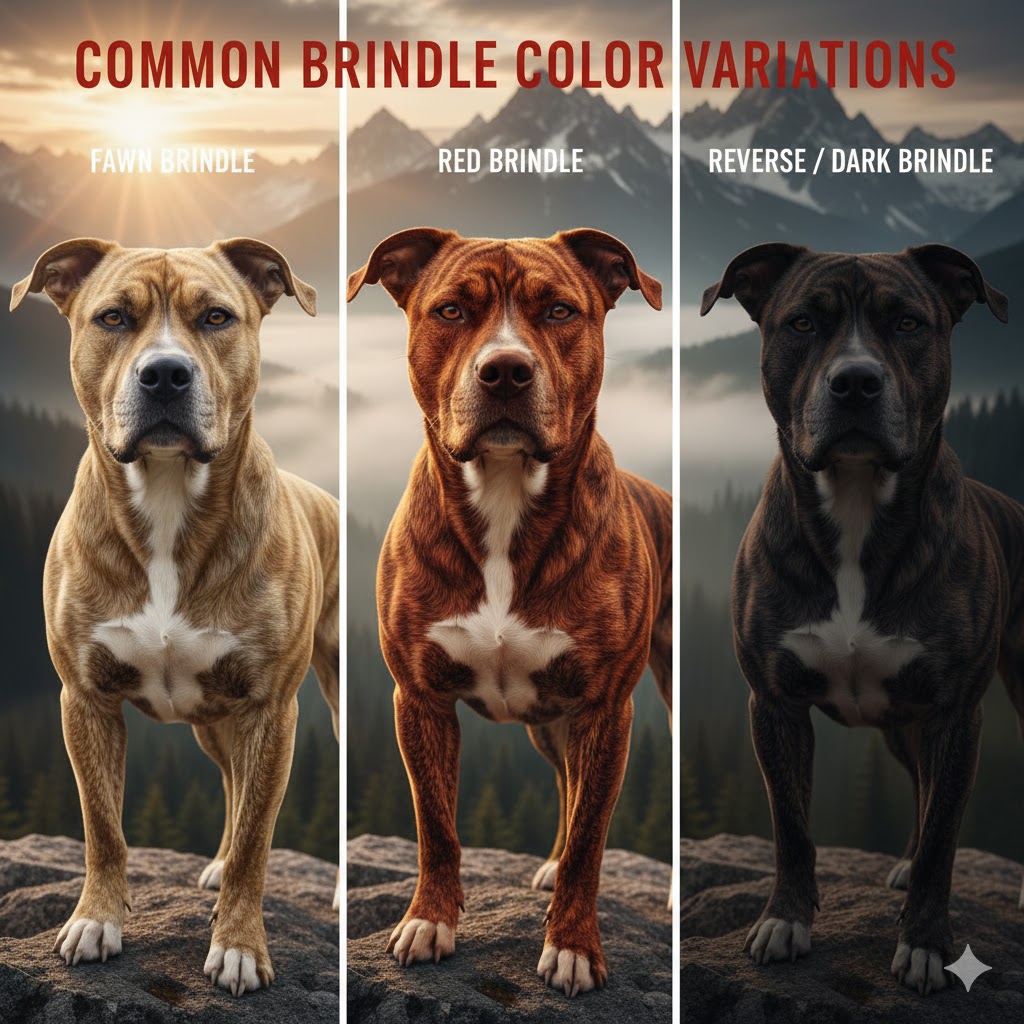
    3. Reverse Brindle: Excessive eumelanin, creating a darker overall appearance with prominent stripes.

    This genetic classification ensures that brindle patterns are distinct and consistent within each breed, allowing breeders to predict and maintain desired coat characteristics.

    Summary

    Understanding the genetic classification of brindle dog breeds involves examining the alleles at the K locus and their interactions with other coat color genes. This precise genetic framework ensures the unique and varied brindle patterns observed across different dog breeds.

    Popular Brindle Dog Breeds

    Brindle dogs captivate us with their striking coat patterns and diverse characteristics. Below, we explore some of the most popular brindle dog breeds, highlighting their unique traits and qualities.

    1. Boxer

    Boxers showcase a brindle coat with fawn, white, or brindled patterns. Originating in Germany in the 1700s, they are energetic, fun-loving, and affectionate. Boxers are flat-faced and brachycephalic, making them prone to overheating and drooling. They thrive on interaction and require daily exercise to stay healthy. As loyal family pets, Boxers are patient and protective of children, while also displaying a playful and goofy side that delights their households. Their intelligence and confidence can make training challenging, but their exceptional loyalty compensates for it. Boxers typically live between 12 to 14 years and stand 20 to 25 inches tall. Their strong build and muscular bodies add to their impressive presence.

    2. Plott Hound

    Plott Hounds feature a brindle coat in various colors, adding flair to their hunting prowess. Originating in North Carolina in the 1700s, they descend from German hunting dogs. Plott Hounds are highly skilled in tracking and hunting, excelling in mountainous terrains. Their loyalty, intelligence, and energy make them excellent working dogs and homestead protectors. With a lifespan of 12 to 15 years, Plott Hounds stand 10.5 to 12.5 inches tall. As North Carolina’s state dog, they embody strength and versatility. Their brindle pattern enhances their camouflage during hunts, aiding their effectiveness in the field.

    3. Cardigan Welsh Corgi

    Cardigan Welsh Corgis often display brindle markings, contributing to their distinctive appearance. One of the oldest British Isles breeds, they descend from the Teckel dog family. Cardigans are devoted, clever, and playful, making them excellent family pets. Their brindle gene likely originated from cross-breeding with an extinct brindle herder. These small, energetic herders excel at driving cattle while avoiding damage from cow kicks. Cardigans require quality training and ample exercise to remain happy and well-behaved. They typically live 12 to 15 years and stand 10 to 12 inches tall. Their intelligent and affectionate nature ensures strong family bonds.

    4. Great Dane

    Great Danes with brindle coats exhibit a majestic and powerful presence. Known as gentle giants, they combine size with a friendly disposition. Brindle Great Danes often feature a blend of black stripes on a fawn or brindle base. They require ample space and regular exercise to maintain their health. These dogs are loyal and protective, making excellent family guardians. With a lifespan of 7 to 10 years, Great Danes stand between 28 to 34 inches tall. Their brindle pattern adds to their regal appearance, making them stand out in any setting.

    5. Bullmastiff

    Bullmastiffs present a formidable brindle coat, improving their protective nature. Originating in England, they were bred to guard estates and manage game. Bullmastiffs are strong, courageous, and loyal, making them excellent guard dogs. Their brindle pattern often includes shades of red, brindle, and sometimes white markings. They require consistent training and socialization to balance their protective instincts. With a lifespan of 8 to 10 years, Bullmastiffs stand 24 to 27 inches tall. Their muscular build and brindle coat contribute to their imposing yet noble demeanor.

    6. Irish Wolfhound

    Irish Wolfhounds with brindle coats combine size with elegance. As one of the tallest dog breeds, they possess a commanding presence. Their brindle pattern typically features subtle black stripes on a grey or brindle base. Irish Wolfhounds are gentle, friendly, and patient, making them excellent companions. They require regular exercise and space to roam due to their large size. With a lifespan of 6 to 8 years, they stand 30 to 34 inches tall. Their brindle coat adds to their distinguished and noble appearance.

    7. Basenji

    Basenjis showcase a sleek brindle coat, improving their agile and compact build. Originating from Central Africa, Basenjis are known for their hunting skills and independence. Their brindle pattern often includes rich brown and black stripes on a short coat. Basenjis are intelligent, energetic, and require regular mental and physical stimulation. With a lifespan of 12 to 16 years, they stand 16 to 17 inches tall. Their brindle coat contributes to their graceful and elegant look, making them unique among small to medium breeds.

    8. Dutch Shepherd

    Dutch Shepherds feature a brindle coat that highlights their versatility and athleticism. Originating in the Netherlands, they were bred for herding and protection tasks. Dutch Shepherds are intelligent, trainable, and energetic, excelling in various dog sports. Their brindle pattern can vary in intensity, often blending black and brown stripes. With a lifespan of 12 to 14 years, they stand 17 to 20 inches tall. Their brindle coat not only adds to their working efficiency but also enhances their striking appearance.

    9. Greyhound

    Greyhounds with brindle coats possess a streamlined and muscular build. Known for their speed, they excel in racing and athletics. Their brindle pattern includes subtle black stripes on a grey or fawn base. Greyhounds are gentle, calm, and make excellent companions even though their high-energy capabilities. They require regular exercise to maintain their physique but enjoy lounging afterward. With a lifespan of 10 to 14 years, Greyhounds stand 25 to 30 inches tall. Their brindle coat adds to their graceful and elegant presence.

    10. Mastiff

    Mastiffs display a robust brindle coat that complements their massive size. Originating from England, they were bred for guarding and protection. Mastiffs are loyal, courageous, and gentle with families, making them excellent guard dogs. Their brindle pattern features strong black stripes on a fawn or brindle base. With a lifespan of 6 to 10 years, Mastiffs stand 27 to 32 inches tall. Their brindle coat enhances their imposing yet noble demeanor, distinguishing them among large breeds.

    11. French Bulldog

    French Bulldogs with brindle coats present a charming and compact appearance. Known for their affectionate and playful nature, they make excellent indoor companions. Their brindle pattern includes subtle black stripes on a fawn or brindle base, often with white markings. French Bulldogs require minimal exercise but benefit from regular playtime. With a lifespan of 10 to 12 years, they stand 11 to 12 inches tall. Their brindle coat adds to their distinctive and adorable look, making them a popular choice among urban dwellers.

    12. Bull Terrier

    Bull Terriers showcase a unique brindle coat that complements their muscular and agile build. Originating in England, they were bred for bull-baiting and later as companion dogs. Bull Terriers are energetic, playful, and loyal, making them excellent family pets. Their brindle pattern often features bold black stripes on a white or fawn base. With a lifespan of 10 to 14 years, they stand 21 to 22 inches tall. Their brindle coat enhances their distinctive egg-shaped head and charismatic personality.

    13. Cane Corso

    Cane Corsos display a powerful brindle coat that highlights their strength and agility. Originating in Italy, they were bred for guarding and hunting large game. Cane Corsos are intelligent, loyal, and protective, making them excellent guard dogs. Their brindle pattern includes rich black stripes on a grey or brindle base. With a lifespan of 10 to 12 years, they stand 23.5 to 27.5 inches tall. Their brindle coat adds to their commanding presence and formidable appearance.

    14. Cairn Terrier

    Cairn Terriers feature a wiry brindle coat that emphasizes their spirited and hardy nature. Originating in Scotland, they were bred for hunting small game among rocks and rough terrain. Cairn Terriers are intelligent, energetic, and independent, making them lively companions. Their brindle pattern includes subtle black stripes on a wheaten or brindle base. With a lifespan of 12 to 15 years, they stand 10 to 12 inches tall. Their brindle coat contributes to their rugged and charming appearance, suitable for active households.

    15. Bouvier des Flandres

    Bouvier des Flandres showcase a dense brindle coat that highlights their working dog heritage. Originating in Belgium, they were bred for herding and farm work. Bouvier des Flandres are strong, intelligent, and versatile, excelling in various working roles. Their brindle pattern features prominent black stripes on a fawn or brindle base. With a lifespan of 10 to 12 years, they stand 23 to 27 inches tall. Their brindle coat enhances their robust and commanding presence, making them reliable and trustworthy companions.

    16. Catahoula Leopard Dog

    Catahoula Leopard Dogs exhibit a striking brindle coat that complements their versatile working abilities. Originating in Louisiana, they were bred for herding, hunting, and guarding livestock. Catahoulas are intelligent, energetic, and adaptable, excelling in various dog sports. Their brindle pattern includes bold black stripes on a merle or brindle base, often with unique eye colors. With a lifespan of 12 to 16 years, they stand 20 to 23 inches tall. Their brindle coat adds to their distinctive and ever-changing appearance, suitable for active lifestyles.

    17. American Staffordshire Terrier

    American Staffordshire Terriers feature a bold brindle coat that highlights their muscular and athletic build. Originating in the United States, they were bred for companionship and performance. These dogs are intelligent, courageous, and affectionate, making them loyal family members. Their brindle pattern includes strong black stripes on a fawn or brindle base, often with muscular features. With a lifespan of 12 to 16 years, they stand 17 to 19 inches tall. Their brindle coat enhances their powerful and confident presence, making them standout companions.

    Brindle dog

    Characteristics and Temperament

    Brindle dogs exhibit a diverse range of characteristics and temperaments influenced by their breed heritage. These dogs often inherit traits that make them excellent companions, working dogs, or family pets.

    Physical Attributes

    Brindle dogs typically showcase a muscular and athletic build, reflecting their origins in hunting and working roles. Their unique striped coats not only provide camouflage but also highlight their agile movements. Common physical features include strong legs, expressive eyes, and alert ears, which contribute to their keen perception and responsiveness.

    Temperament Traits

    We observe that brindle dogs possess a balance of energy and calmness, making them adaptable to various living environments. Many brindle breeds are known for their loyalty and protective instincts, making them reliable guardians. Their intelligence allows for quick learning, which is beneficial in training sessions and obedience tasks.

    Social Behavior

    Brindle dogs generally exhibit friendly and sociable behavior towards family members and other pets. They thrive on interaction and enjoy participating in family activities. But, some breeds may display a reserved nature around strangers, emphasizing their role as vigilant protectors.

    Activity Levels

    Activity levels vary among brindle breeds, but most require regular exercise to maintain their physical and mental well-being. High-energy breeds like the Boxer and Greyhound enjoy vigorous activities such as running and agility training, while others like the French Bulldog may prefer moderate exercise routines.

    Training and Intelligence

    We find that brindle dogs respond well to positive reinforcement training methods. Their intelligence enables them to grasp commands quickly, making training sessions efficient and effective. Consistent training fosters good behavior and strengthens the bond between the dog and its owner.

    Health and Longevity

    Brindle dogs generally enjoy good health, though exact breeds may have predispositions to certain conditions. Regular veterinary check-ups and a balanced diet contribute to their longevity and overall vitality. Maintaining their physical and mental health ensures that they remain active and engaged members of the family.

    Suitability for Families

    Many brindle breeds are well-suited for families due to their gentle and affectionate nature. They often display patience with children and adapt well to different household dynamics. Their versatility allows them to fit into various lifestyles, whether in active households or more relaxed settings.

    Conclusion

    Understanding the characteristics and temperament of brindle dogs helps potential owners make informed decisions. These dogs offer a blend of beauty, intelligence, and companionship, making them a popular choice among diverse dog enthusiasts.

    Care and Maintenance

    Grooming

    Brindle dogs possess short to medium-length coats, requiring regular maintenance to stay healthy. Weekly brushing effectively removes dead hair and prevents matting for breeds like the French Bulldog and Treeing Tennessee Brindle. Consistent brushing also distributes natural oils, improving coat shine and reducing shedding.

    Cleaning facial folds is essential, particularly for French Bulldogs. Accumulated dirt and moisture in these areas can lead to infections and skin irritations. Using a damp cloth or specialized wipes, we ensure these folds remain dry and clean, minimizing health risks.

    Bathing brindle dogs remains necessary only when they become visibly dirty. Excessive bathing strips the coat of its natural oils, potentially causing dryness and irritation. Typically, a bath every two to three months suffices, depending on the dog’s activity level and environment. Using a high-quality dog shampoo maintains coat integrity without compromising skin health.

    Nutrition

    A balanced diet is fundamental for the well-being of brindle dogs. Selecting high-quality dog food customized to their age, weight, and activity level supports overall health. For example, French Bulldogs benefit from diets rich in protein and essential nutrients to maintain their muscular build and energy levels.

    Monitoring weight is crucial to prevent obesity, a common issue that can lead to joint problems and other health complications. We regularly assess our brindle dogs’ body condition, adjusting food portions and exercise routines as needed. Incorporating a mix of dry kibble and wet food can provide variety and ensure comprehensive nutrition.

    Supplementing their diet with vitamins and minerals may be necessary, especially for active brindle breeds. Consulting with a veterinarian helps determine exact dietary needs and address any deficiencies. Also, providing fresh water at all times supports hydration and overall metabolic functions.

    Proper nutrition extends the lifespan and enhances the quality of life for brindle dogs. By adhering to a structured feeding schedule and avoiding overfeeding treats, we maintain their optimal weight and health, ensuring they remain active and vibrant companions.

    Health Maintenance

    Routine veterinary check-ups are vital for early detection of potential health issues in brindle dogs. Regular examinations include vaccinations, dental care, and screenings for breed-exact conditions such as hip dysplasia in larger breeds like the Great Dane or respiratory issues in French Bulldogs.

    Preventative measures, including flea and tick control, protect brindle dogs from parasites and related diseases. We carry out year-round prevention strategies, adjusting treatments based on seasonal risks and environmental factors.

    Exercise is equally important, customized to each brindle dog’s breed and energy level. Daily walks, playtime, and mental stimulation activities prevent obesity and promote cardiovascular health. For active breeds like the Treeing Tennessee Brindle, captivating in agility training or scent work provides both physical and mental benefits.

    Maintaining a healthy weight through balanced nutrition and regular exercise reduces the risk of chronic diseases. Also, attention to grooming and hygiene supports overall health, creating a comprehensive care routine that keeps brindle dogs thriving.

    Training and Socialization

    Effective training enhances the behavior and responsiveness of brindle dogs. Utilizing positive reinforcement techniques, we establish clear commands and routines, fostering obedience and trust. Consistent training sessions build a strong bond and ensure our dogs respond appropriately in various situations.

    Early socialization is crucial for brindle dogs to develop confidence and adaptability. Introducing them to diverse environments, people, and other animals minimizes fear and aggression tendencies. Structured socialization activities, such as puppy classes or group walks, contribute to well-rounded temperaments.

    Brindle dog

    Mental stimulation complements physical exercise, preventing boredom and destructive behaviors. Interactive toys, puzzle feeders, and regular training challenges keep brindle dogs engaged and mentally sharp. A well-rounded training and socialization regimen supports their role as loyal and well-behaved companions.

    Environmental Enrichment

    Creating a stimulating environment enhances the quality of life for brindle dogs. Providing comfortable bedding, safe spaces, and access to outdoor areas ensures their physical and emotional needs are met. Regularly rotating toys and introducing new activities maintain their interest and prevent monotony.

    Exposure to different textures, sounds, and experiences fosters adaptability and reduces anxiety. We incorporate various forms of enrichment, such as scent trails or agility courses, catering to the natural instincts of different brindle breeds. This holistic approach supports their mental well-being and promotes a balanced, happy life.

    Maintaining an enriched environment not only benefits the dogs but also strengthens the human-animal bond. Captivating in interactive play and shared activities fosters mutual trust and companionship, improving the overall experience of caring for a brindle dog.

    Conclusion

    Brindle dogs bring a unique blend of beauty and strength to any family. Their striking coats not only make them stand out but also reflect a rich heritage that spans ancient breeds to modern companions. We appreciate how brindle patterns result from intricate genetics, showcasing nature’s artistry in each stripe. Caring for a brindle dog means embracing their energetic and sociable nature, ensuring they receive the love and attention they thrive on. Whether as loyal family members or dedicated working dogs brindles offer versatility and charm. By choosing a brindle dog, we welcome a vibrant and ever-changing presence into our lives, celebrating the elegance and character these remarkable dogs embody.

  • Ultimate Guide to Wolf Dogs: Traits, Care & Ownership

    Ultimate Guide to Wolf Dogs: Traits, Care & Ownership

    Have you ever wondered what it’s like to live with a creature that embodies both wild spirit and domesticated charm? Wolf dogs, a unique blend of wolves and domestic dogs, have captivated enthusiasts with their striking appearance and intriguing behavior. As interest in these hybrids grows, understanding their nature becomes essential for potential owners and animal lovers alike.

    We explore the intriguing area of wolf dogs, exploring into their origins and the delicate balance between their wild instincts and loyal companionship. By examining their genetic background and behavioral traits, we aim to provide a clear picture of what it takes to care for a wolf dog. Whether you’re considering adding a wolf dog to your family or simply curious about these remarkable animals, our guide offers valuable insights to help you navigate the complexities of owning a wolf dog.

    History And Origins

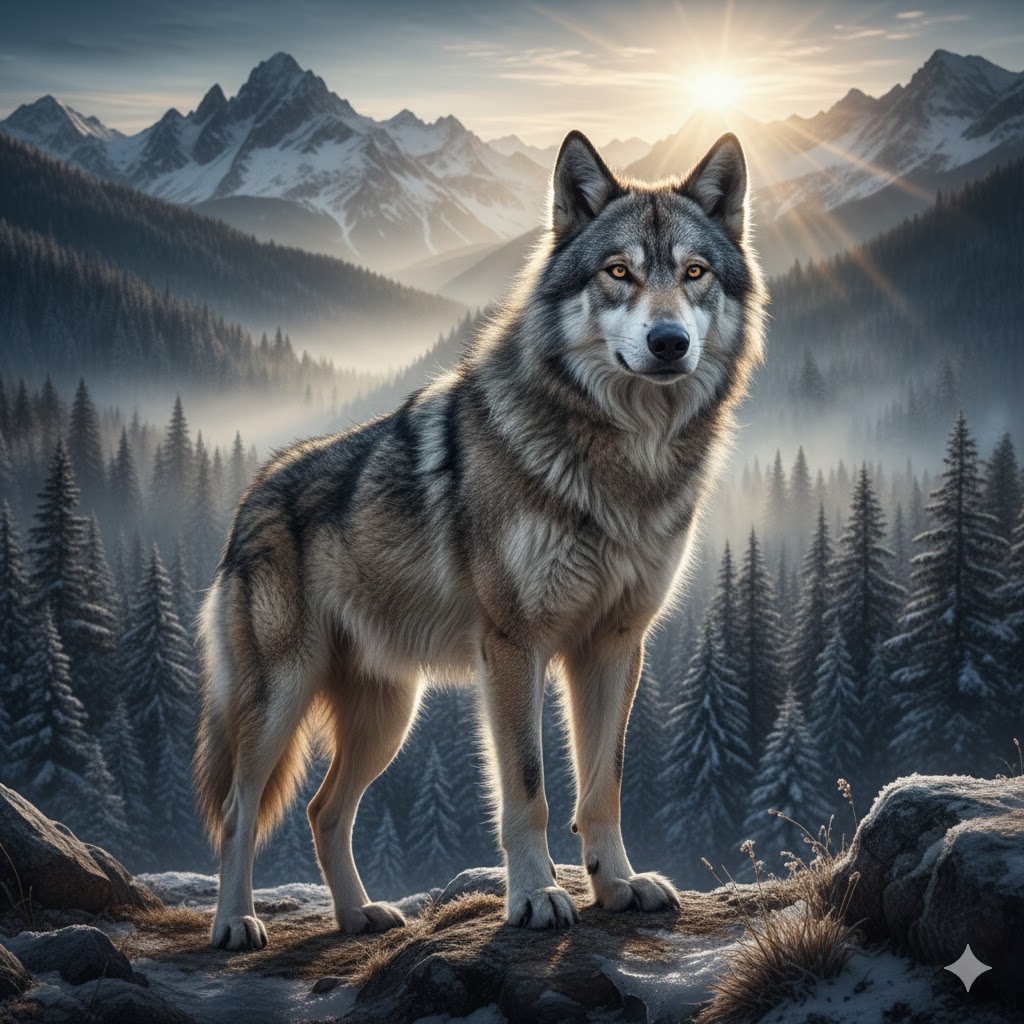
    Wolf dogs, hybrids of domestic dogs (Canis lupus familiaris) and gray wolves (Canis lupus), trace their lineage back to the early domestication of canines. Our understanding begins with the evolutionary ancestors of modern dogs and wolves, which emerged from Miacis, a small, tree-dwelling creature from the Paleocene epoch. This lineage progressed through genera such as Hesperocyon and Tomarctus, leading to the rise of gray wolves approximately one million years ago in Eurasia. These wolves later migrated to North America, where they coexisted with the now-extinct dire wolves.

    The domestication of dogs, our close relatives, commenced at least 15,000 to 23,000 years ago during the last Ice Age. Early humans formed symbiotic relationships with these canines, utilizing their hunting skills and companionship. Over millennia, selective breeding practices led to the vast diversity seen in domestic dog breeds today. But, the genetic pool of wolf dogs remains closely tied to their wild ancestors, preserving traits from both domestic dogs and gray wolves.

    The emergence of wolf dogs as a distinct hybrid species is relatively recent, driven by intentional breeding programs aimed at combining the intelligence and trainability of domestic dogs with the strength and endurance of wolves. These hybrids exhibit a blend of behaviors and physical characteristics inherited from both parent species. Their history is marked by both admiration for their wild attributes and challenges related to their complex temperaments and needs.

    Understanding the origins of wolf dogs requires recognizing the delicate balance between domestication and wild instincts. While domestic dogs have adapted to living alongside humans, gray wolves maintain their natural behaviors essential for survival in the wild. So, wolf dogs inherit a mix of these traits, making their history a fascinating study of genetics, behavior, and the intricate relationship between humans and canines.

    Genetic studies reveal that wolf dogs possess a varying degree of wolf ancestry, typically ranging from 25% to 75%. This genetic diversity contributes to their unique appearance and behavior, distinguishing them from both pure domestic dogs and wild wolves. The historical interplay between these species underscores the complexity of wolf dog lineage, highlighting their role as a bridge between domesticated companions and wild predators.

    Types And Breeds

    Wolf dogs come in various types and breeds, each with unique characteristics and lineage. Understanding these differences helps in selecting the right wolf dog for exact roles or companionship.

    Recognized Wolf Dog Breeds

    Several recognized wolf dog breeds result from crossbreeding domestic dogs with different wolf species. Notably:

    Czechoslovakian Wolfdog

    • Developed in the 1950s for border patrol in Czechoslovakia.
    • Cross between German Shepherd Dogs and Carpathian grey wolves.
    • Recognized by the Fédération Cynologique Internationale (FCI), American Kennel Club’s Foundation Stock Service, and United Kennel Club.
    • Utilized in agility, obedience, search and rescue, police work, therapy, and herding.
    • Created in 1932 by Dutch breeder Leendert Saarloos.
    • Cross between a male German Shepherd Dog and a female European wolf.
    • Further developed by breeding female offspring with male German Shepherd Dogs.
    • Known for endurance, strength, and independent nature.

    These breeds display distinctive traits from both their dog and wolf ancestry, making them suitable for various working and companionship roles.

    Hybrid Wolf Dogs

    Hybrid wolf dogs, or wolfdog hybrids, result from intentional crosses between domestic dogs and wolves. Key points include:

    Breed Composition

    • Six primary breeds acknowledge important wolfdog admixture, including the Wolamute (Alaskan Malamute and timber wolf cross).
    • Four breeds involve German Shepherd Dogs, reflecting diverse wolf subspecies influences.
    • Genetic Characteristics

    • Wolfdogs contain varying percentages of wolf DNA, affecting their behavior and appearance.
    • They share over 99% of their DNA with wolves, maintaining many wild traits.
    • Challenges and Statistics

    • Wolfdogs exhibit strong wild instincts, often leading to difficulties in domestic settings.
    • Approximately 65% of wolfdogs end up in rescues or are euthanized by age three, according to the National Wolfdog Alliance.
    • Recent breeding experiments in Germany include crosses between wolves and Poodles, aiming to create recognizable companions with wolf traits.

    Hybrid wolf dogs require extensive socialization and understanding of their complex behaviors, emphasizing the importance of responsible ownership.

     Wolf Dogs

    Physical Characteristics

    Wolf dogs, or wolf hybrids, display a combination of traits from both wolves and domestic dogs. These physical characteristics vary based on their wolf content.

    Body Build

    Wolf dogs have a lean body with long legs, resembling their wolf ancestors. They maintain a narrow chest and typically weigh between 70 to 100 pounds. Some individuals may reach up to 120 pounds.

    Muzzle

    A prominent feature is the long and slender muzzle. Higher wolf content wolf dogs showcase a fine and extended muzzle with a thin bridge, distinguishing them from the boxy muzzles of many dog breeds.

    Ears

    Wolf dogs possess small, rounded ears with thick fur inside. These ears are set naturally, neither on the top nor the sides of the head.

    Coat

    Their coat is usually double-layered, consisting of a dense under-fur and a top layer of glossy guard hairs. This structure provides protection against various weather conditions.

    TraitDescription
    Body BuildLean body, long legs, narrow chest, 70-100 lbs (up to 120 lbs)
    MuzzleLong, slender, fine bridge
    EarsSmall, rounded, thickly furred inside
    CoatDouble-layered, dense under-fur, glossy guard hairs

    These distinct physical characteristics help identify wolf dogs and highlight their unique blend of wild and domestic traits.

    Behavior And Temperament

    General Characteristics

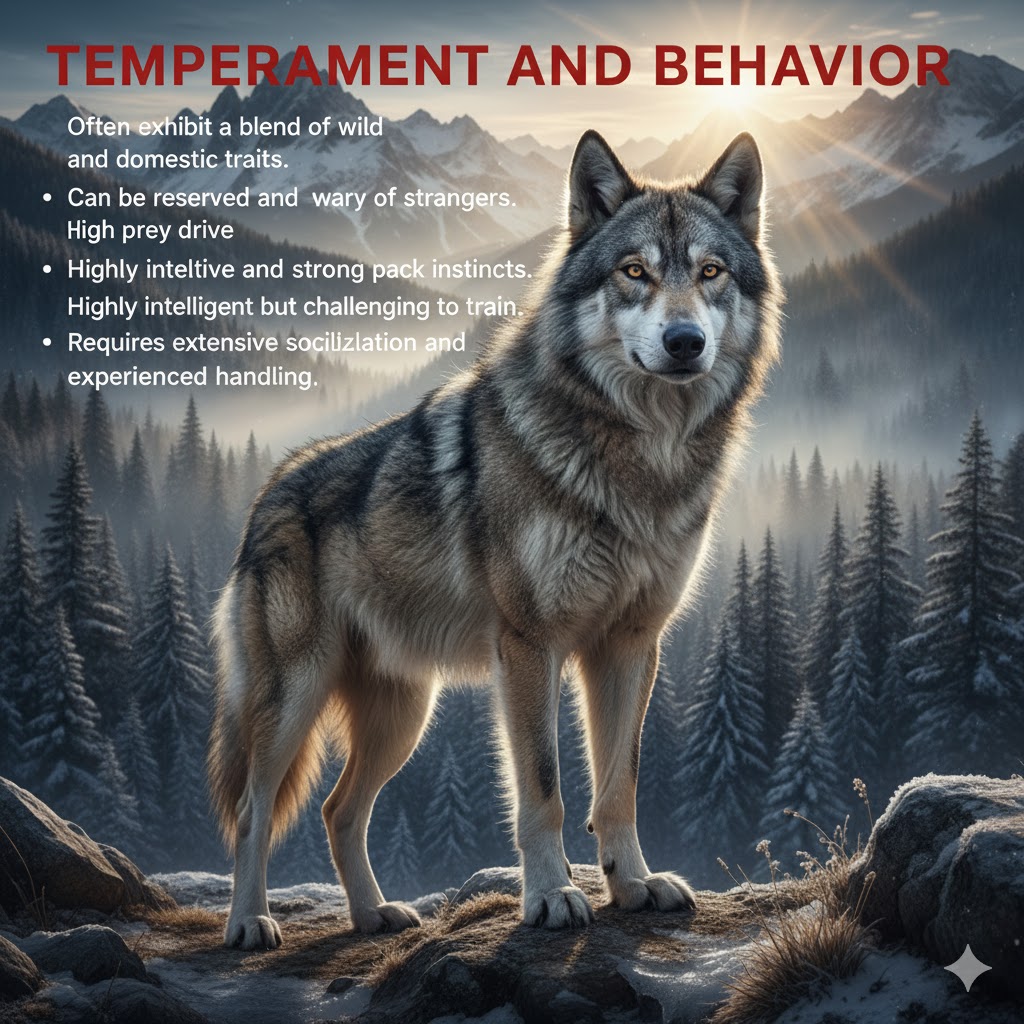
    Wolf dogs demonstrate high intelligence and self-awareness, distinguishing them from many domestic breeds. Their independent nature makes training a challenge, as wolf-dog hybrids often lack the typical eagerness to please found in domestic dogs. These canines establish strong bonds with their owners, fostering deep loyalty and attachment. But, this intense bond can lead to separation anxiety, causing distress when owners are absent. Also, wolf dogs exhibit protective behaviors, instinctively guarding their families and territory. Their social structure mirrors that of wild wolves, requiring consistent and structured interactions to maintain balanced behavior.

    Aggression and Protective Instincts

    Wolf-dog hybrids are not inherently aggressive; they generally prefer to retreat when threatened. But, aggression can surface if they feel cornered, mistreated, or if their protective instincts are triggered. Understanding these triggers is crucial for managing wolf dog behavior effectively. Proper socialization from a young age can mitigate aggressive tendencies, allowing wolf dogs to adjust to various environments and situations. Owners must establish clear boundaries and provide consistent training to ensure that protective behaviors do not escalate into aggression. By recognizing and addressing the factors that influence their temperament, we can foster positive interactions between wolf dogs and their human families.

    Social Behavior and Interaction

    Wolf dogs thrive in environments that mimic their natural social structures. They require ample mental and physical stimulation to prevent boredom and destructive behaviors. These hybrids enjoy captivating activities such as agility training, scent work, and interactive play, which cater to their problem-solving skills and energy levels. Social interaction with other dogs and humans is essential to their well-being, promoting healthy social behaviors and reducing the likelihood of anxiety or aggression. Establishing a routine that includes regular exercise and socialization opportunities helps maintain a balanced and content wolf dog temperament.

    Adaptability and Environment

    The adaptability of wolf-dog hybrids varies based on their upbringing and genetic makeup. While they can adjust to different living situations, they perform best in spacious environments that provide room for exploration and exercise. Urban settings may pose challenges due to limited space and higher stimulation levels, potentially leading to stress or behavioral issues. Conversely, rural or suburban areas with access to outdoor spaces allow wolf dogs to express their natural instincts more freely. Ensuring that their environment meets their physical and psychological needs is key to maintaining a stable and well-adjusted wolf dog.

    Training and Management

    Effective training strategies are vital for managing wolf dog behavior and ensuring a harmonious household. Positive reinforcement techniques, such as reward-based training, are recommended to encourage desirable behaviors without fostering fear or aggression. Consistency and patience are essential, as wolf dogs may respond differently than domestic breeds to training methods. Enrolling in specialized training programs customized for wolf-dog hybrids can provide owners with the necessary tools and knowledge to address exact behavioral challenges. Proper management, including secure fencing and controlled environments, further supports the safe and effective integration of wolf dogs into family life.

    Health And Lifespan

    Diet And Nutrition

    Wolf dogs require a diet closely aligned with wild wolves to maintain optimal health. They thrive on raw meat sources such as chicken, turkey, and beef. Including bones in their meals supports dental health and provides essential nutrients. It’s crucial to avoid raw pork, as it can cause digestive issues. Also, incorporating fresh grass and select vegetables into their diet supports digestive health. Certain fruits may also be beneficial; but, consulting a veterinarian ensures they are safe for consumption.

    To address common health concerns, we incorporate nutritional supplements into their diet. Supplements like glucosamine aid joint health, while vitamins C, A, B, D, and E support overall well-being. Alfalfa and wheatgrass further enhance their nutrient intake, reducing the risk of arthritis and skin problems. Providing a balanced diet rich in these components helps maintain the vitality and longevity of our wolf dogs.

    Health Issues

    Wolf dogs experience health challenges similar to domestic dogs, including hip dysplasia, allergies, and dental problems. But, their hybrid nature introduces unique health concerns influenced by their wolf ancestry. They may exhibit a higher susceptibility to certain genetic disorders and require regular veterinary check-ups to monitor their health status.

    Preventative care is essential for mitigating these risks. Regular vaccinations, parasite control, and routine health screenings help identify potential issues early. Also, maintaining a consistent exercise regimen supports their physical and mental health, reducing the likelihood of obesity and related complications. By addressing both common and unique health issues proactively, we ensure our wolf dogs lead healthy, active lives.

    Lifespan

    The average lifespan of a wolf dog typically ranges from 10 to 14 years, depending on various factors such as genetics, diet, and overall care. Responsible breeding practices play a important role in minimizing hereditary health issues, contributing to a longer, healthier life. Providing a nutritious diet, regular exercise, and timely medical care further enhances their longevity.

    Environmental factors also impact their lifespan. Wolf dogs thrive in spacious, enriched environments that allow for natural behaviors and mental stimulation. Ensuring they have ample space and opportunities for exploration supports both their physical and psychological well-being. By addressing these key aspects, we can maximize the lifespan and quality of life for our wolf dogs.

    Health IssuePrevalence in Wolf Dogs
    Hip Dysplasia15%
    Allergies20%
    Dental Problems25%
    Genetic Disorders10%
    Obesity18%

    These statistics highlight the importance of regular health monitoring and preventative care in maintaining the well-being of our wolf dogs.

    Legal Considerations

    Owning a wolf dog involves handling a complex industry of legal requirements, which vary significantly across states, counties, and municipalities in the United States. Understanding these regulations ensures compliance and the well-being of both the owner and the wolf dog.

    State Laws

    States categorize wolf dog ownership into three main categories: legal, restricted, and prohibited. Below is a breakdown of states where owning a wolf dog is either permitted or subject to exact restrictions:

    Legal StatesRestricted States
    Alabama, Arizona, Colorado, Idaho, Iowa, Kansas, Kentucky, Montana, Nevada, New Hampshire, New Jersey, New Mexico, North Carolina, North Dakota, Ohio, Oklahoma, Oregon, South Carolina, Tennessee, Utah, Vermont, Virginia, Washington, West Virginia, WisconsinStates with exact restrictions such as requiring permits, setting minimum enclosure standards, or limiting wolf DNA percentages. Examples include Arkansas, Florida, Indiana, Louisiana, Maryland, Massachusetts, Michigan, Minnesota, Missouri, Nebraska, Ohio, Oregon, Tennessee, Virginia, Washington, and West Virginia.

    Note: This table includes a selection of legal and restricted states. Owners must verify exact local laws.

    Permitting and Regulations

    In restricted states, owning a wolf dog typically requires obtaining permits. These permits may stipulate minimum enclosure standards to ensure the animal’s safety and containment. Also, some states limit the percentage of wolf DNA in the hybrid, commonly capping it at 50% to qualify for ownership. Compliance with these regulations is essential to avoid legal repercussions and ensure responsible ownership.

    Local Ordinances

    Beyond state laws, local counties and municipalities may have additional restrictions or outright bans on wolf dog ownership. It is crucial to consult local wildlife agencies or animal control offices to confirm regulations exact to your area. Non-compliance can result in fines, confiscation of the animal, or other legal actions.

    Zoning Laws

    Zoning laws also impact the legality of keeping a wolf dog. Residential zoning areas might have different rules compared to rural or agricultural zones. Ensuring that your property meets the zoning requirements for exotic or hybrid animals is a necessary step before acquiring a wolf dog.

    Transportation and Travel

    When transporting a wolf dog across state lines, owners must comply with each state’s regulations to prevent legal issues. This includes having the necessary permits and adhering to quarantine laws if applicable.

    By thoroughly understanding and adhering to these legal considerations, we can ensure a responsible and lawful ownership experience for our wolf dogs.

    Ownership And Care

    Owning a wolf dog involves important responsibilities and careful planning. Our focus on proper care ensures their well-being and harmonious integration into our lives.

    Training And Socialization

    Effective training is crucial for wolf dog owners. We carry out consistent obedience training to establish clear boundaries and commands. Early socialization with various environments and people reduces aggressive tendencies and enhances adaptability. Utilizing positive reinforcement techniques fosters trust and cooperation. Structured routines provide stability, essential for their independent nature. We engage in regular training sessions to address their high intelligence and prevent behavioral issues. Social interactions with other animals are monitored to ensure compatibility and reduce territorial instincts. Enrolling in specialized training programs supports their unique needs, promoting balanced temperaments. Consistent leadership and patience are key to successful training outcomes, ensuring our wolf dogs become well-adjusted companions.

    Diet And Exercise

    A balanced diet is vital for the health of our wolf dogs. We prioritize raw meat sources, mirroring their ancestral nutrition, to meet their high protein requirements. Including bones and organs supports their physical development and overall well-being. Nutritional supplements address exact health needs, preventing deficiencies common in diets.

    We monitor their weight and adjust portions to maintain optimal health, preventing obesity and related issues. Regular exercise ensures their physical and mental stimulation, crucial for their active nature. Daily activities include long walks, running, and interactive play sessions, which satisfy their need for exploration. Providing ample space for physical activity supports their strength and endurance, reducing stress and promoting happiness. Our structured exercise regimen enhances their longevity and quality of life, aligning with their natural instincts and energy levels.

    Challenges Of Owning A Wolf Dog

    Owning a wolf dog presents many challenges that require careful consideration. These challenges stem from their unique genetic makeup and inherent behaviors inherited from both domestic dogs and wild wolves.

    Behavioral Challenges

    Wolf dogs exhibit strong, instinctive behaviors that can be difficult to manage. They often display headstrong and aggressive tendencies, especially when protecting their owners or territory. This aggression poses risks to other people and pets, necessitating vigilant supervision.

    Socialization and Pack Mentality

    With a natural pack mentality, wolf dogs require constant social interaction. They thrive best with another canine companion, reducing the likelihood of separation anxiety. But, even with a companion, they may remain suspicious of strangers, complicating introductions to new people and animals.

    Escape Tendencies

    Wolf dogs are adept escape artists. They can jump over fences up to 8 feet high, dig beneath barriers, and manipulate doors or gate latches. Effective containment requires specialized enclosures with robust security measures to prevent escape attempts.

    Trainability and Independence

    Their independent nature makes training challenging. Unlike domestic dogs, wolf dogs lack the inherent desire to please humans, making consistent obedience training difficult. While some training is possible, fully mitigating their natural instincts is unlikely.

    Prey Instincts

    Wolf dogs possess strong prey instincts. Small children’s movements or running animals can trigger these instincts, leading to unpredictable and potentially dangerous behavior. This requires owners to maintain a safe environment to prevent such incidents.

    Health and Maintenance

    Maintaining a wolf dog’s health involves exact dietary needs, typically a diet rich in raw meat and necessary supplements. They are prone to health issues like hip dysplasia and allergies, necessitating regular veterinary care. The average lifespan ranges from 10 to 14 years, influenced by genetics and overall care quality.

    Social Needs and Companionship

    Wolf dogs do not thrive when left alone. They demand constant human interaction or the presence of another canine companion. Without adequate companionship, they can develop severe anxiety and exhibit destructive behaviors, further complicating ownership.

    Legal and Logistical Considerations

    Ownership regulations for wolf dogs vary by location, often requiring permits and adherence to strict enclosure standards. Handling these legal requirements adds another layer of complexity for potential owners, emphasizing the need for thorough research and compliance.

    Owning a wolf dog demands a important commitment to managing these challenges, ensuring the well-being of both the animal and the household.

    Conclusion

    Welcoming a wolf dog into our lives means embracing a unique blend of wild and domestic traits. Their intelligence and loyalty create a deep bond while their natural instincts require us to be vigilant and dedicated caregivers. We understand that owning a wolf dog isn’t for everyone, but for those willing to invest the time and resources, the rewards are unparalleled.

    By prioritizing their physical and mental needs and adhering to legal requirements, we can ensure these remarkable hybrids thrive in our homes. Let’s strive to promote responsible ownership and continue to learn about these fascinating animals. Together, we can provide a harmonious environment where wolf dogs and their families flourish side by side.

  • Most Aggressive Dog Breeds: Traits, Training & Safety Guide

    Most Aggressive Dog Breeds: Traits, Training & Safety Guide

    Did you know that certain dog breeds are more prone to aggressive behavior due to their genetics and instincts? Understanding the most aggressive dog breeds is crucial for prospective owners and enthusiasts alike. We investigate into the factors that contribute to these behaviors, such as high prey drives, strength, and trainability, which often stem from breeds developed for guarding, hunting, or fighting.

    Our exploration goes beyond stereotypes, highlighting how environment and upbringing play important roles in a dog’s temperament. By examining size, behavioral tendencies, and societal impacts, we aim to provide a comprehensive perspective on what makes some breeds more aggressive. Whether you’re considering adding a dog to your family or simply curious, our insights will help you make informed decisions and foster better relationships with these powerful companions.

    What Defines an Aggressive Dog Breed

    Aggressive dog breeds exhibit behaviors that can pose challenges for owners and the community. Understanding the defining characteristics of these breeds helps in making informed decisions about ownership and training.

    Breed History and Purpose

    Many aggressive dog breeds were initially developed for exact tasks requiring strength, assertiveness, and protective instincts. For instance:

    • Rottweilers and Doberman Pinschers: Bred for guarding and protection, these breeds possess innate protective instincts.
    • Pitbull Terriers: Originally bred for bull-baiting and dog fighting, they have a high prey drive and tenacity.
    • Dogo Argentinos: Developed for big-game hunting, these dogs exhibit strong hunting instincts and resilience.

    Genetic Disposition

    Genetics play a important role in aggressive behavior. Breeds purposefully developed for guarding, hunting, or fighting often inherit traits that predispose them to aggression. High prey drives and strong jaw strength are common genetic factors contributing to their behavior.

    Territorial and Protective Nature

    Breeds with a strong territorial instinct are more likely to display aggression to defend their space and family. Examples include:

    • Presa Canarios: Known for extreme territoriality and distrust of strangers, increasing their propensity for aggressive behavior.
    • Chow Chows: Their protective nature makes them wary of unfamiliar individuals and other animals, leading to potential aggression if not properly socialized.

    Size and Strength

    Larger breeds with considerable strength can inflict important damage, making their aggressive behavior more dangerous. While size alone doesn’t determine aggression, the physical capabilities of these breeds amplify any aggressive tendencies.

    Trainability and Behavior

    A dog’s ability to be trained affects its behavior. Breeds that are stubborn or difficult to control may exhibit aggressive actions if not managed properly. Also, behavioral issues such as boredom, anxiety, or fearfulness can trigger aggression, regardless of the breed.

    Environmental Factors

    The environment and upbringing significantly influence a dog’s temperament. Proper socialization, regular exercise, and mental stimulation are crucial in mitigating aggressive behaviors. Neglect or harsh training methods can exacerbate aggression, highlighting the importance of responsible ownership.

    Prey Drive

    Dogs with high prey drives, especially those bred for hunting, may act aggressively towards small animals. This instinctual behavior, while natural, requires careful management to prevent unwanted aggression.

    Behavioral Problems

    Factors like boredom, anxiety, or fearfulness can lead to aggression. Ensuring a stimulating environment and addressing behavioral issues promptly are essential in managing aggressive tendencies.

    By comprehending these defining elements, prospective owners can better understand the complexities of aggressive dog breeds and take appropriate measures to foster positive behavior.

    Top Aggressive Dog Breeds

    Understanding the most aggressive dog breeds helps potential owners make informed decisions. Each breed has unique traits influenced by genetics and upbringing.

    American Pit Bull Terrier

    The American Pit Bull Terrier ranks among the most aggressive dog breeds. Originally bred for bull-baiting and dog fighting, they exhibit high tenacity and strong prey drives. Genetics play a important role in their aggressive tendencies, primarily directed toward other dogs or strangers. Studies reveal that from 2005 to 2017, pit bulls caused 66 out of 284 fatal dog attacks in the United States. Their muscular build and courage make them formidable, but proper training can transform them into affectionate pets. Ensuring they receive regular exercise and mental stimulation is crucial to managing their behavior. Socialization from a young age helps mitigate aggression, making them loyal family members when raised correctly.

    Rottweiler

    Rottweilers are powerful dogs known for their protective instincts, placing them high on the list of most aggressive dog breeds. Bred in Germany for herding livestock and pulling carts, they possess a strong guarding instinct towards their families. But, this can translate to aggression toward strangers. A study found that Rottweilers were responsible for 45 fatal attacks, with a bite force of 328 PSI. Their size and strength require experienced handling and consistent training. Proper socialization and structured environments can reduce aggressive behaviors. Rottweilers thrive in active households where their protective nature is channeled positively, ensuring they remain loyal and controlled.

    German Shepherd

    German Shepherds are renowned for their intelligence and loyalty, placing them among the most aggressive dog breeds when not properly managed. Their protective and territorial instincts can lead to aggression, especially if they feel their family is threatened. Often used as police and military dogs, their trainability is high, but without adequate mental and physical stimulation, they may develop aggressive tendencies. Providing consistent training and ample exercise is essential to maintaining their balanced behavior. German Shepherds excel in structured environments where their natural instincts are directed towards positive activities, ensuring they remain steadfast and controlled.

    Doberman Pinscher

    The Doberman Pinscher is listed among the most aggressive dog breeds due to its strong protective instincts and high energy levels. Originally bred for guarding, Dobermans are vigilant and can be aggressive toward perceived threats. Their sleek, muscular build demands regular exercise and mental challenges to prevent boredom-induced aggression. Proper training and early socialization are crucial in managing their behavior. When raised in a structured environment, Dobermans are loyal and affectionate companions. Their alertness makes them excellent guard dogs, provided their aggressive tendencies are appropriately channeled through consistent training.

    Aggressive Dog Breed

    Siberian Husky

    Siberian Huskies appear on the list of most aggressive dog breeds primarily due to their stubborn nature and high energy levels. Bred for sled-pulling and endurance, they require extensive exercise and mental stimulation. Without proper training, Siberian Huskies can develop aggressive behaviors as a result of frustration or boredom. Their strong prey drive makes them prone to chasing smaller animals, which can lead to aggressive incidents. Consistent training and ample physical activity are essential to managing their behavior. Socialization with other dogs and humans from a young age helps mitigate potential aggression, ensuring they remain friendly and well-adjusted.

    Chow Chow

    Chow Chows are considered one of the most aggressive dog breeds due to their independent and territorial nature. Originating from China, they were historically used for hunting and guarding. Their strong protective instincts can lead to aggression toward strangers and other animals. Chow Chows require consistent training and early socialization to manage their defensive behaviors. Their dense double coat and lion-like appearance belie their sometimes aggressive demeanor. Providing a structured environment and clear boundaries helps reduce aggressive tendencies, making them loyal companions when properly trained and socialized.

    Chihuahua

    Even though their small size, Chihuahuas are listed among the most aggressive dog breeds due to their feisty and protective nature. They often exhibit aggression towards strangers and other animals, stemming from their strong attachment to their owners. Chihuahuas require consistent training and socialization from an early age to manage their aggressive tendencies. Their alertness makes them good watchdogs, but their compact size can lead to overcompensation in defensive behaviors. Providing a balanced environment with positive reinforcement training helps Chihuahas become well-behaved and less prone to aggression.

    Pitbull Terrier

    Pitbull Terriers feature prominently among the most aggressive dog breeds. Known for their strength and determination, Pitbulls can exhibit aggressive behavior, particularly towards other dogs and unfamiliar individuals. Studies indicate that Pitbulls caused a important number of fatal dog attacks, underscoring their potential for aggression. Their muscular build and high energy levels require regular exercise and disciplined training to prevent aggressive outbursts. Proper socialization and consistent positive reinforcement help mitigate aggressive tendencies, enabling Pitbull Terriers to be loyal and affectionate family members when raised in a supportive environment.

    Neapolitan Mastiff

    The Neapolitan Mastiff is recognized as one of the most aggressive dog breeds due to its size, strength, and protective instincts. Originating from Italy, they were bred for guarding property and livestock. Their imposing stature and deep bark can be intimidating, often leading to aggressive behavior toward perceived threats. Neapolitan Mastiffs require experienced handling and consistent training to manage their protective nature. Early socialization is essential to ensure they remain calm and controlled around strangers and other animals. Providing a structured environment helps channel their guarding instincts appropriately, reducing the likelihood of aggression.

    Aggressive Dog Breed

    Presa Canario

    Presa Canarios are listed among the most aggressive dog breeds due to their strong protective instincts and assertive nature. Originating from the Canary Islands, they were bred for livestock guarding and protection. Their muscular build and confident demeanor can lead to aggressive behavior toward strangers and other animals. Presa Canarios require disciplined training and early socialization to manage their protective instincts effectively. Consistent leadership and structured environments help mitigate aggressive tendencies, allowing them to be loyal and controlled companions. Proper training ensures their assertiveness is directed appropriately, reducing the risk of unwanted aggression.

    Dogo Argentino

    The Dogo Argentino stands out as one of the most aggressive dog breeds, bred for big-game hunting and protection. Originating from Argentina, they possess strong protective instincts and high energy levels. Their muscular build and fearless nature can result in aggressive behaviors if not properly trained and socialized. Dogo Argentinos require extensive exercise and consistent training to manage their assertiveness effectively. Early socialization with people and other animals helps reduce aggressive tendencies, ensuring they become loyal and controlled companions. Proper management of their high energy and protective instincts is essential to prevent unwanted aggression.

    Basenji

    Basenjis are considered among the most aggressive dog breeds due to their independent and high-energy nature. Originating from Central Africa, they were bred for hunting, which contributes to their strong prey drive. Basenjis can exhibit aggressive behavior toward other animals and unfamiliar individuals if not properly trained and socialized. Their intelligence and need for mental stimulation require consistent training to manage their assertiveness effectively. Early socialization helps mitigate aggressive tendencies, ensuring Basenjis remain friendly and well-adjusted. Providing ample exercise and structured environments is crucial to maintaining their balanced behavior.

    Rhodesian Ridgeback

    Rhodesian Ridgebacks are listed among the most aggressive dog breeds because of their strong protective instincts and high energy levels. Originating from Africa, they were bred for hunting and guarding, which fosters their assertive nature. Their size and strength can lead to aggressive behavior toward strangers and other animals if not properly trained and socialized. Rhodesian Ridgebacks require consistent training and ample exercise to manage their protective instincts effectively. Early socialization helps reduce aggression, ensuring they become loyal and controlled companions. Structured environments and positive reinforcement training are essential for mitigating aggressive tendencies.

    Dachshund

    Dachshunds appear on the list of most aggressive dog breeds primarily due to their strong hunting instincts and stubborn nature. Bred for hunting badgers, they possess a high prey drive that can translate into aggressive behavior toward smaller animals. Dachshunds require consistent training and early socialization to manage their assertiveness effectively. Their independent streak can lead to resistance against authority, necessitating firm but positive training methods. Providing structured environments and ample exercise helps reduce aggressive tendencies, ensuring Dachshunds remain friendly and well-behaved companions.

    Dalmatian

    Dalmatians are recognized among the most aggressive dog breeds due to their high energy and strong protective instincts. Originally bred as carriage dogs, they possess a keen sense of alertness, which can lead to aggressive behavior toward perceived threats. Their muscular build and stamina require regular exercise and consistent training to manage their assertiveness effectively. Early socialization helps mitigate aggressive tendencies, ensuring Dalmatians remain friendly and controlled around strangers and other animals. Providing a structured environment and ample physical activity is essential for maintaining their balanced behavior.

    Aggressive Dog Breed

    Boxers

    Boxers are listed among the most aggressive dog breeds because of their strong protective instincts and high energy levels. Originating from Germany, they were bred for guarding and fighting, which contributes to their assertive nature. Boxers require consistent training and early socialization to manage their protective instincts effectively. Their playful and energetic demeanor can sometimes lead to aggressive behavior if not properly channeled. Providing ample exercise and structured environments helps mitigate aggressive tendencies, ensuring Boxers remain loyal and controlled companions. Positive reinforcement training is essential for managing their high energy and protective instincts.

    Alaskan Malamutes

    Alaskan Malamutes are considered among the most aggressive dog breeds due to their high energy and strong prey drive. Bred for sled-pulling and endurance in harsh climates, they possess a robust and independent nature that can lead to aggressive behavior if not properly trained. Alaskan Malamutes require consistent training and extensive exercise to manage their assertiveness effectively. Their strong pack instincts necessitate structured environments and clear leadership to prevent unwanted aggression. Early socialization with humans and other animals helps mitigate aggressive tendencies, ensuring they become loyal and controlled companions.

    Akita

    Akitas rank among the most aggressive dog breeds due to their strong protective instincts and high territoriality. Originating from Japan, they were bred for guarding and hunting, which fosters their assertive nature. Akitas require consistent training and early socialization to manage their protective instincts effectively. Their size and strength can lead to aggressive behavior toward strangers and other animals if not properly managed. Providing structured environments and clear leadership helps reduce aggressive tendencies, ensuring Akitas remain loyal and controlled companions. Positive reinforcement training is essential for channeling their protective instincts appropriately.

    Japanese Tosa

    The Japanese Tosa is recognized as one of the most aggressive dog breeds due to its strong protective instincts and high fighting drive. Originating from Japan, they were bred for dog fighting, which contributes to their assertive and fearless nature. Japanese Tosas require experienced handling and consistent training to manage their aggressive tendencies effectively. Early socialization is essential to ensure they remain controlled around strangers and other animals. Their size and strength necessitate structured environments and clear leadership to prevent unwanted aggression. Proper training channels their protective instincts, making Japanese Tosas loyal and controlled companions.

    Factors Contributing to Dog Aggression

    Aggressive behavior in dogs arises from a combination of genetic, environmental, and behavioral factors. Understanding these elements is crucial for managing and mitigating aggression in various breeds.

    Genetic Disposition

    Genetics play a important role in a dog’s temperament. Breeds such as Rottweilers, Pitbull Terriers, and Doberman Pinschers were originally bred for guarding, hunting, or fighting. These genetic traits include high prey drives and strong protective instincts, which can predispose these breeds to aggressive behavior if not properly managed.

    Size and Strength

    The size and physical strength of a dog influence the potential impact of aggressive behavior. Larger breeds possess stronger jaws and greater bite force, making their aggression more dangerous. For example, a Rottweiler’s important strength can result in more severe injuries compared to a smaller breed exhibiting similar aggression levels.

    Trainability

    Trainability affects a dog’s ability to respond to commands and control aggressive impulses. Breeds with high intelligence and obedience, like Doberman Pinschers, can be trained effectively to manage aggression. Conversely, stubborn or less trainable breeds may exhibit more uncontrolled aggressive behavior.

    Behavioral Issues

    Behavioral problems such as boredom, anxiety, fearfulness, and stress contribute to aggression in dogs. A 2021 University of Helsinki study analyzed 13,715 dogs, identifying fearfulness as the most important contributor to aggressive behavior. Older dogs were more likely to be aggressive, potentially due to chronic pain reducing their patience.

    Socialization and Owner Experience

    Proper socialization is essential in preventing aggression. Dogs raised without canine companions or exposure to various environments are more likely to exhibit aggression towards people and other animals. Also, pets of first-time dog owners tend to show higher aggression levels, highlighting the importance of owner experience in managing dog behavior.

    Environmental Factors

    Environmental stressors, including lack of stimulation and inadequate training, can trigger aggressive behavior. Ensuring a structured and enriching environment helps mitigate these factors. The American Temperament Test Society emphasizes the role of responsible ownership in selecting breeds with positive temperament traits, reducing the likelihood of aggression.

    FactorInfluence on Aggression
    FearfulnessMost important contributor
    AgeOlder dogs more likely to be aggressive
    GenderMale dogs exhibit higher aggression
    SizeSmaller breeds may show fear-based aggression
    Owner ExperienceFirst-time owners’ dogs more aggressive
    SocializationLack of canine companions increases aggression

    By addressing these factors through responsible breeding, training, and environmental management, we can effectively reduce aggressive behavior in dogs, ensuring they remain loyal and well-adjusted companions.

    Responsible Ownership and Training

    Effective management of the most aggressive dog breeds hinges on responsible ownership and comprehensive training. We prioritize consistent training practices to establish clear boundaries and expectations. Positive reinforcement techniques enhance obedience and reduce aggressive tendencies, fostering a harmonious household.

    Socialization plays a critical role in mitigating aggression. Early and continuous exposure to various environments, people, and other animals helps our dogs develop confidence and adaptability. We ensure our dogs interact regularly in controlled settings, minimizing fear-induced aggression often seen in small or inexperienced breeds.

    Proper veterinary care is essential for maintaining our dogs’ health, directly impacting their behavior. Regular check-ups address underlying health issues that may cause pain or discomfort, reducing irritability and aggression. We monitor our dogs’ physical and emotional well-being to promptly manage any signs of distress.

    We emphasize the significance of understanding breed-exact traits. Recognizing the inherent characteristics of the most aggressive dog breeds enables us to tailor training programs effectively. For instance, breeds like Doberman Pinschers and Rottweilers require structured leadership and disciplined routines to channel their protective instincts positively.

    Environmental management is another key aspect of responsible ownership. We create safe and stimulating environments that prevent boredom and anxiety, common triggers for aggressive behavior. Providing adequate exercise, mental stimulation, and secure spaces ensures our dogs remain balanced and less prone to aggression.

    Owner education and experience significantly influence our ability to manage aggressive breeds. We invest time in learning about canine behavior and effective training methods. Joining training classes and consulting with professional dog trainers enhance our skills, ensuring we address aggression proactively and effectively.

    Also, we recognize the importance of consistent household rules. All family members adhere to the same training protocols, maintaining uniformity in expectations and responses. This consistency reinforces desirable behaviors and diminishes confusion, reducing the likelihood of aggressive incidents.

    Summarizing, responsible ownership and dedicated training are paramount in managing the most aggressive dog breeds. By implementing structured training, comprehensive socialization, regular veterinary care, and creating a supportive environment, we successfully mitigate aggressive behaviors, ensuring our dogs remain loyal and well-adjusted companions.

    Legal Considerations for Aggressive Dog Breeds

    Understanding the legal industry is essential when owning aggressive dog breeds. Regulations vary by location and breed, impacting ownership rights and responsibilities.

    Breed-Exact Legislation

    Many jurisdictions carry out breed-exact legislation (BSL) targeting aggressive dog breeds. BSL often includes bans, restrictions, or mandatory requirements for ownership.

    Restrictions and Bans

    BreedRestrictions and Bans
    American Pit Bull TerrierBanned in several countries. In the U.S., cities like Miami Beach and cities in states such as Illinois have exact ownership laws.
    RottweilerRestricted or banned in various apartment complexes. Some states enforce legislation limiting Rottweiler ownership due to perceived aggression.
    Dogo ArgentinoProhibited in multiple countries, including the United Kingdom and Australia, due to their aggressive tendencies.

    Licensing and Registration

    Owners must comply with local licensing and registration requirements. Certain breeds may require additional permits or adherence to stricter regulations to ensure public safety.

    Liability and Insurance

    Owning a regulated aggressive breed may necessitate specialized liability insurance. This coverage protects owners from potential legal claims arising from dog-related incidents.

    Housing and Leasing Restrictions

    Many housing providers prohibit aggressive breeds. It’s crucial to verify pet policies with landlords or rental agencies to avoid lease violations and potential evictions.

    Owner Responsibilities

    Owners must adhere to containment laws, such as secure fencing and muzzling in public areas. Proper training and socialization remain mandatory to mitigate aggressive behaviors and comply with legal standards.

    Compliance and Enforcement

    Non-compliance with breed-exact laws can result in fines, mandatory euthanasia, or confiscation of the dog. Regular audits and inspections help enforce these regulations, ensuring community safety.

    Legal Resources and Support

    Consulting with legal professionals or local animal control agencies provides guidance on handling breed-exact laws. Resources like the American Bar Association offer support for understanding and complying with relevant legislation.

    By adhering to these legal considerations, owners can responsibly manage aggressive dog breeds, ensuring both their safety and the well-being of their communities.

    Conclusion

    Managing aggressive dog breeds requires dedication and understanding from us. We need to invest time in training and socializing to bring out the best in our pets. Recognizing their natural instincts helps us create environments that minimize triggers for aggression. By prioritizing responsible ownership and staying informed about each breed’s exact needs, we foster safe and happy homes. Our commitment to proper care and consistent practices not only benefits our dogs but also strengthens our communities. Together we can ensure these remarkable breeds remain loyal companions who enrich our lives.

  • Are Jack Russells Dangerous? Understanding Their Behavior

    Are Jack Russells Dangerous? Understanding Their Behavior

    Are Jack Russells dangerous? This question often arises among potential dog owners and enthusiasts. Known for their intelligence and energy, these small terriers can sometimes display aggressive tendencies if not properly trained and socialized. In fact, they topped the list of breeds most likely to attack humans in a 2015 Merseyside Police report, surpassing even notorious breeds like pit bulls. So, why do these seemingly charming dogs have such a reputation?

    Understanding the behavior of Jack Russells is crucial for anyone considering bringing one into their home. Their aggression often stems from a lack of companionship, discipline, and exercise. As highly intelligent dogs, they require firm, consistent training to prevent unwanted behaviors. In our exploration, we’ll investigate into the factors contributing to their aggression and provide insights on how to effectively manage and nurture this spirited breed, ensuring a harmonious coexistence.

    Understanding Jack Russell Behavior

    Jack Russell Terriers exhibit distinct behavioral traits that can influence their reputation. These small yet energetic dogs are known for their strong hunting instincts, which are remnants of their history as working dogs. Their natural drive can sometimes lead to aggressive behavior, especially if not managed through early socialization and proper training.

    Aggression and Protective Behavior

    Same-sex aggression and aggression towards other breeds often appear in Jack Russells. Their possessive nature about their owners or favorite family members can prompt protective behavior. Such tendencies need control from a young age to prevent escalation. These behaviors, if unchecked, may develop into problematic aggression towards other dogs or people.

    Energy and Activity Level

    Jack Russells possess high energy levels and a need for vigorous exercise. Daily physical activities and mental stimulation are crucial to prevent destructive behavior. Without adequate outlets for their energy, they might resort to chewing, digging, or other undesirable actions. A well-exercised Jack Russell is typically calmer and less likely to exhibit aggressive tendencies.

    Training and Discipline

    Even though their intelligence, Jack Russells can be willful and stubborn, often testing boundaries. Consistent discipline and training are essential for managing their behavior. Using techniques like positive reinforcement or ensuring they’re mentally challenged contributes significantly to reducing unwanted behaviors. Uncontrolled play or rough games might encourage dominance, impacting their demeanor unfavorably.

    The foundation of a well-behaved Jack Russell lies in consistent guidance, ample exercise, and active socialization. While certain health conditions and improper handling might exacerbate aggressive behavior, the breed’s background accounts for a important portion of their conduct. Paying attention to these behavioral aspects helps us cultivate a balanced relationship with these spirited companions.

    Common Aggressive Traits

    Jack Russell Terriers, though small, can sometimes exhibit aggressive traits due to various factors. Their behavior is influenced by their environment and experiences.

    Territorial Instincts

    Jack Russells are known for strong territorial instincts. If they sense threats to their space or owners, they might react defensively. But, proper socialization helps mitigate these instincts. Introducing them to diverse environments, animals, and people reduces defensive aggression. Ensuring consistent exposure and training from an early stage assists in managing these behaviors. A well-socialized Jack Russell feels secure and shows less territorial aggression, making a more harmonious household companion.

    Prey Drive Concerns

    Their natural prey drive is strong, a trait inherited from their hunting ancestry. This drive often manifests in chasing smaller animals, like cats and rodents. While this is common for terriers, it can lead to problematic behavior if not addressed. Managing this requires regular exercise and mental engagement. Activities that simulate hunting can satisfy their instincts safely. Structured playtime with clear boundaries helps in controlling impulsive chasing. To keep Jack Russells from acting on this drive uncontrollably, consistent reinforcement of good behavior is essential.

    Analyzing Risk Factors

    Jack Russell Terriers, with their high energy and intelligence, can display exact risk factors that potential owners should understand. These elements, including same-sex aggression and biting tendencies, require careful management.

    Same-Sex Aggression

    In Jack Russells, same-sex aggression often arises when two dogs of the same gender share a home. This breed shows a high tendency for aggression towards other dogs of the same sex. These behaviors can lead to frequent fighting and dominance disputes, especially as the dogs mature. To minimize these issues, it’s best to keep only one Jack Russell or ensure they are of the opposite sex if two are in the same household. Owners considering multiple Jack Russells should prioritize creating a stable environment to reduce the likelihood of aggressive incidents.

    Nipping and Biting Incidents

    Jack Russell puppies commonly nip and bite as they explore their surroundings. While these are normal developmental behaviors, they can become problematic if not addressed early. Puppies use their mouths to learn boundaries, so guided training is crucial. Techniques like positive reinforcement and socialization help set the right behavioral expectations. Addressing nipping and biting helps prevent these from escalating into more serious aggression. Consistent training provides the necessary framework for puppies to understand limits, ensuring they grow into well-adjusted adults.

    Managing and Preventing Aggression

    Jack Russell Terriers can exhibit aggression without proper management and prevention strategies. Preventing such behaviors is crucial for ensuring safety and harmony at home.

    Responsible Breeding Practices

    Responsible breeding significantly impacts the temperament of Jack Russells. A dedicated breeder focuses on improving the health and disposition of the breed. Incorporating AKC-recommended health screenings helps ensure robust puppies. Breeders should offer early socialization opportunities, such as introducing puppies to diverse environments like car rides or interactions with children. Visiting a breeder allows us to observe the parents’ behavior, ensuring they possess calm and friendly temperaments. Selecting a well-bred Jack Russell can reduce potential aggression linked to inherent behavioral traits.

    Early Socialization Techniques

    Early socialization plays a pivotal role in preventing Jack Russell aggression. Exposing puppies to various people, pets, and settings fosters adaptability and reduces fear-driven aggression. Positive interactions during early development help Jack Russells feel secure in new environments. Socialization should start as soon as vaccinations permit, with gentle exposure to varied stimuli. Introducing these puppies to obedience training classes further instills discipline and encourages good manners. Through comprehensive early socialization, we can raise well-adjusted Jack Russells equipped to handle diverse situations with confidence.

    Positive Reinforcement Training

    Positive reinforcement training effectively mitigates aggression in Jack Russells. Rewarding desirable behaviors with treats or praise encourages repetition of those actions. This method eschews fear-based techniques, fostering a trusting relationship between the dog and us. Consistency in training time and approach strengthens desired behaviors while discouraging negative ones. Techniques like redirecting attention or offering interactive toys during stressful moments help redirect energy. Employing positive reinforcement nurtures a Jack Russell’s innate intelligence and drive, promoting a balanced and well-behaved companion.

    Ensuring a Safe Environment

    Ensuring a safe environment is crucial when managing Jack Russell Terriers. Proper attention to their behavioral needs reduces risks associated with aggression.

    Recognizing Signs of Aggression

    We must identify aggression signs in Jack Russells to address them promptly. Common indicators include growling, showing teeth, and biting. These behaviors often stem from insufficient socialization, injury, or illness. By observing these signs, we can carry out strategies to mitigate aggression and foster a secure environment for both the dog and others.

    Exercise and Mental Stimulation

    Physical activity and mental stimulation are vital for Jack Russells to prevent aggression. With high energy levels, they need daily exercise to channel their instincts constructively. Activities such as fetch, agility training, and puzzle toys keep their minds sharp. By incorporating these elements, we can meet their needs and reduce destructive tendencies, promoting calm behavior within the household.

    Conclusion

    Jack Russells aren’t inherently dangerous but their behavior largely depends on training and socialization. By understanding their needs and providing consistent guidance, we can nurture their positive traits. It’s crucial to focus on early socialization, responsible breeding, and regular mental and physical activities to ensure they grow into well-adjusted pets. Through positive reinforcement and structured environments, we can mitigate potential aggression and enjoy the lively companionship Jack Russells offer. With the right approach, these intelligent dogs can thrive and become beloved family members.

  • Pomeranian 2025: Breed History, Traits, and Care Guide

    Pomeranian 2025: Breed History, Traits, and Care Guide

    Ever wondered how a breed as tiny as the Pomeranian could have roots in the robust lineage of sled dogs? These spirited little companions, standing just 6 to 7 inches tall, pack a history as grand as their fluffy coats. Originating from the Pomerania region, these toy dogs have captured hearts worldwide with their vibrant personalities and fox-like charm.

    For those of us looking to understand the Pomeranian’s allure, it’s not just their adorable looks that make them special. Their descent from larger Spitz-type dogs, like the German Spitz, reveals a fascinating evolution from 30-pound sheepdogs to the petite 3 to 7-pound furballs we adore today. Readers will gain insights into their unique characteristics, historical significance, and why they remain a popular choice for dog lovers.

    Join us as we investigate into the captivating industry of Pomeranians, exploring their history, traits, and what makes them an ideal pet for many.

    Breed Overview

    Origin

    Pomeranians originate from the Pomerania region in Europe, now part of Poland and Germany. Developed from larger sled dogs like those in Lapland and Iceland, they’re the smallest members of the Spitz family. These charming canines carry a rich heritage, bridging the gap between robust working dogs and beloved companions.

    Physical Characteristics

    • Size: Pomeranians stand between 6 to 11 inches (15 to 28 cm) tall at the withers and weigh 3 to 7 pounds (1.5 to 3 kg).
    • Coat: Their luxurious double coat is thick and dense, particularly around the neck. Pomeranians come in a variety of colors, including white, black, brown, and reddish brown, among several other recognized shades.
    • Head and Ears: With a fox-like head, a round face, and small erect ears, Pomeranians often resemble their wild ancestors in appearance.
    • Personality: Known for cheerful, friendly, and lively personalities, Pomeranians are intelligent and confident. Their spirited nature adds a delightful spark to their small stature, making them both captivating and sometimes brash.

    Overall, Pomeranians capture hearts with their vivacious personalities and striking characteristics, rooted in a storied past that continues to fascinate and delight dog enthusiasts.

    Characteristics of Pomeranians

    Pomeranians, often called “Poms”, are captivating for their distinct physical and personality traits. Their small stature, lively characteristics, and luxurious coats make them stand out among toy breeds.

    Physical Characteristics

    • Size: With a weight range of 3-7 pounds and height of 6-7 inches, Pomeranians fit comfortably into small living environments.
    • Coat: Their long double coat consists of a harsh outer layer and a soft undercoat. Regular grooming helps manage shedding and keeps their coat healthy.
    • Coat Colors: Pomeranians come in various colors, including red, orange, cream, sable, black, brown, and blue. These colors can appear in solid form or as combinations.
    • Appearance: Their foxlike faces and small ears enhance their alert, curious expression. Poms have tiny legs, almond-shaped eyes, and a distinctive curled tail.

    Temperament and Personality

    • Intelligence: Recognized for their intelligence and curiosity, Pomeranians are highly trainable, albeit sometimes stubborn during training.
    • Loyalty and Affection: Known for loyalty, these dogs form strong bonds with their families. They make affectionate and devoted companions.
    • Fearless and Lively: Pomeranians have fearless and lively temperaments, often acting as if they’re much larger than their actual size. This boldness is part of their charm.
    • Vocal Nature: Their tendency to bark makes them excellent watchdogs but may require training to manage excessive barking.

    Living with Pomeranians

    Pomeranians, being highly trainable, adapt well to various environments as long as they receive proper socialization. Though not ideal for families with small children due to their fragile nature, Pomeranians thrive with older individuals or active households. Regular exercise keeps them mentally and physically stimulated, catering to their playful and energetic demeanor.

    History and Origin

    Origins

    Pomeranians trace their lineage back to larger Spitz-type dogs originating in Arctic regions like Lapland and Greenland. These dogs belong to the Spitz family, distinguished by features such as prick ears, curled tails, and dense double coats akin to wolves.

    Migration to Europe

    The Pomeranian breed journeyed into Europe via the Pomerania region, straddling north-west Poland and north-east Germany along the Baltic Sea. This region played a pivotal role in refining the traits that define modern Pomeranians.

    Early History

    References to Pomeranians first appear in the 18th century. In 1764, James Boswell mentioned a “Pomeranian dog” in his diary entries. The breed gained important recognition in England when Queen Charlotte, wife of King George III, introduced two Pomeranians, Phoebe and Mercury, in 1767. Their presence in the royal court helped the breed rise in popularity and established its status as a cherished companion dog.

    Pomeranian Care

    Exercise Needs

    Pomeranians brim with energy and benefit from daily physical activities. At least one hour of exercise each day engages their medium energy levels. This can include walks and play sessions with toys. Open spaces, even confined ones like yards or apartments, suit them well if complemented with leash walks. Puzzle toys provide necessary mental stimulation. The breed’s affinity for games and moderate temperature preferences should guide exercise selections.

    Grooming Essentials

    Pomeranians possess thick double coats needing regular upkeep. Weekly brushing, increased during shedding periods, maintains coat health and prevents matting. Using deshedding tools helps manage hair loss effectively. Some of these dogs experience alopecia X, resulting in hair loss and potential skin issues; protective clothing or sunscreen mitigates sun damage. Owners should avoid frequent clipping to ensure healthy hair regrowth. Grooming tasks, when done regularly, ensure a neat and healthy appearance.

    Training Techniques

    Consistent training fosters well-adjusted Pomeranians. Start training sessions early with positive reinforcement techniques. Focus on commands and socialization to nurture good behavior. Short, captivating sessions prevent boredom given their intelligence and quick learning ability. Positive reinforcements, like treats and praise, enhance responsiveness. Address potential behavioral concerns, such as excessive barking, with focused interventions. Through structured training, these small yet bold dogs develop as loyal companions.

    Common Health Concerns

    Pomeranians, often loved for their vibrant personalities and small stature, face exact health challenges that owners should be aware of. Addressing these concerns proactively ensures a better quality of life for our fluffy friends.

    Dental Health

    Due to their small mouth size and many teeth, Pomeranians are particularly prone to dental issues. Overcrowding leads to tartar and plaque buildup, making it easy for food particles to get trapped between teeth. If neglected, this can result in gum disease and tooth decay, affecting overall health. Giving our dogs regular dental checkups and cleanings while providing appropriate chew toys or dental treats helps mitigate potential problems.

    Eye Conditions

    Eye problems are another concern for Pomeranians. One common issue is distichiasis, where eyelashes grow abnormally and irritate the eyes. This condition can cause discomfort and potentially corneal ulcers if untreated. Regular eye examinations by a vet and monitoring for signs of irritation, such as excessive tearing or rubbing, can help keep our Pomeranians’ eyes in good health.

    Skeletal Issues

    Skeletal issues, including luxating patellas and hip dysplasia, are prevalent in Pomeranians due to genetic predispositions and their small size. These conditions affect joint stability and can lead to arthritis or mobility issues as the dog ages. Observing for limping or difficulty moving and maintaining a healthy weight helps manage these concerns. Providing joint supplements might also be beneficial in maintaining joint health.

    Diet and Nutrition

    Pomeranians thrive on a diet rich in high-quality protein, with real meat like chicken, beef, or fish as the primary ingredient. This protein supports their lean muscle mass and energetic nature, crucial for maintaining a healthy immune system. Our focus is on providing Pomeranians with foods that repair muscles and support their active lifestyle.

    Essential fats, particularly Omega-3 and Omega-6 fatty acids, play a vital role in a Pomeranian’s diet. These fats provide energy, support brain function, and ensure a shiny coat and healthy skin. We look for sources like fish oil, flaxseed, and chicken fat to meet these dietary needs effectively.

    Carbohydrates also play a important role in a Pomeranian’s nutrition, especially complex carbohydrates like sweet potatoes, brown rice, and oats. These carbs provide sustained energy, support a healthy digestive system, and promote overall well-being. By selecting these balanced ingredients, we help maintain a healthy lifestyle for our Pomeranians.

    Here’s a summary of the essential dietary components for Pomeranians:

    NutrientSourcesBenefits
    High-Quality ProteinChicken, beef, fishMuscle repair, immune support
    Essential FatsFish oil, flaxseed, chicken fatEnergy, brain function, skin health
    CarbohydratesSweet potatoes, brown rice, oatsSustained energy, digestive support

    With these dietary elements, we aim for optimal health, ensuring Pomeranians remain active and healthy throughout their lives.

    Behavior and Temperament

    Pomeranians, even though their small stature, are known for their vibrant personalities and distinctive behavior. These lively companions are outgoing and playful, capturing attention with their “big dog” attitude. They’re energetic and spirited, always ready for an adventure or a play session. Pomeranians earn their reputation as loyal and loving family members, forming strong bonds with those they trust.

    When it comes to intelligence and trainability, Pomeranians stand out. Their high intelligence means they learn quickly, especially with consistent and firm training methods. We recommend using positive reinforcement, such as clicker training, to engage their minds effectively. They thrive on mental stimulation and enjoy learning new tricks, participating in activities like obedience, agility, and tracking.

    Socialization plays a crucial role in a Pomeranian’s life. Naturally alert and curious, they make excellent watchdogs, always on the lookout for anything unusual. This trait, combined with their lively nature, makes them keen to interact with the industry around them. But, proper socialization is essential to prevent excessive barking and ensure they interact well with others. In environments with small children, we advise caution due to the breed’s delicate nature.

    Summarizing, understanding the unique behavioral characteristics and temperament of Pomeranians enriches our ability to provide them with the best care and training. By appreciating their intelligence and sociability, we can create a fulfilling environment for these remarkable pets.

    Buying or Adopting a Pomeranian

    Choosing to bring a Pomeranian into our home involves important decision-making. Whether buying or adopting, understanding both approaches helps ensure a smooth transition. Pomeranians, with their vibrant personalities and adorable stature, often find themselves in need of loving homes. Adoption offers a compassionate route, connecting dogs in need with families ready to provide care and affection. Adoption fees, typically around $300, help cover essential expenses such as vaccinations and pre-adoption care, bringing joy to both families and pets.

    When considering breeders, it’s crucial to choose reputable options. Ethical breeders prioritize health screenings, socialization, and the overall well-being of their puppies. This commitment ensures we welcome a healthy and well-adjusted companion. Pomeranians from responsible breeders might range from $1,500 to several thousand dollars, depending on bloodline and location. Thorough research is key to avoiding unethical practices, safeguarding both us and our future pet.

    The question often arises: should we adopt or purchase a Pomeranian? Adoption offers a direct impact, providing a home for dogs in shelters or with rescue groups. Platforms like Adopt a Pet and Petfinder simplify the search, connecting us with local rescues. If opting for a breeder, it’s vital to verify their practices align with ethical standards to ensure responsible pet ownership.

    Pomeranians come with exact needs due to their small size and double coat. Regular grooming is essential, and their personality requires socialization and training to thrive. Positive reinforcement training addresses potential behavior challenges, such as barking or separation anxiety, fostering a harmonious relationship.

    Adopting or buying, each path involves commitments. These playful, intelligent companions bring joy and energy, making them delightful family members. Prioritizing the health and happiness of the Pomeranian, we can enrich our lives with these spirited dogs, matching their care and needs with their loyal companionship.

    Pomeranian Cost

    When considering a Pomeranian, understanding its cost is essential. The initial purchase price of a Pomeranian varies based on several factors, including the dog’s lineage and the breeder’s reputation. Typically, prices range from $500 to $6,000 when buying from a reputable breeder. Regional differences also play a role, with costs in the Northeast and West typically between $2,000 and $5,000, the South between $1,500 and $4,000, and the Midwest from $1,200 to $3,500. Adopting from a rescue or shelter often presents a more economical option, with prices from $50 to $2,000.

    Several factors influence the overall cost of owning a Pomeranian. Dogs from champion bloodlines or with unique coat colors command higher prices due to their pedigree. Reputable breeders who ensure health and well-being also tend to have higher costs. Also, Pomeranian puppies are priced higher than older dogs because of their demand.

    Even though the initial costs, ongoing expenses for care and maintenance must be considered. Pomeranians require regular grooming to keep their long double coats in top condition. This breed’s vocal nature can lead to training costs to manage their barking effectively.

    As Pomeranians are small dogs with exact needs, families considering this breed should explore all costs involved. Regular veterinary check-ups are necessary to prevent common health issues like dental problems and eye conditions. Captivating in exercises such as daily walks ensures they remain physically fit.

    Pomeranians bring joy and companionship to households. Understanding the financial commitment is essential to ensure they receive the best care. With their unique personality and charming traits, Pomeranians offer much to those who welcome them into their homes. When considering adoption or purchase, thorough research and understanding of costs lead to a fulfilling experience with these delightful pets.
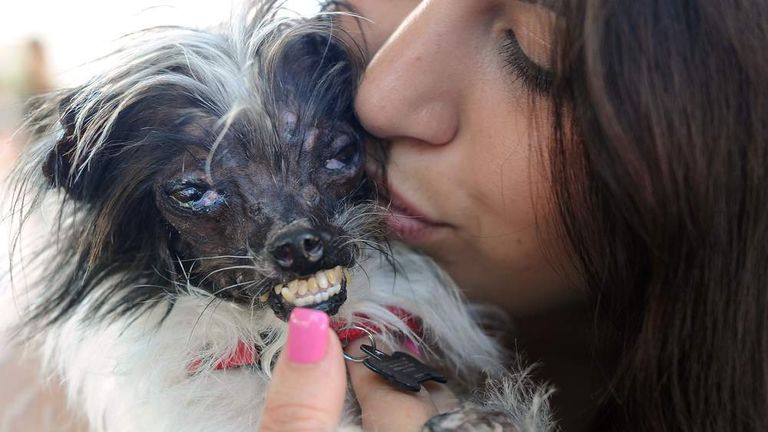
    Conclusion

    Pomeranians are truly remarkable companions that bring joy and energy to any home. Their unique blend of intelligence, loyalty, and spirited personality makes them a delightful addition to families who can meet their needs. While they require regular grooming and exercise, the love and companionship they offer are well worth the effort. As we consider bringing a Pomeranian into our lives, it’s crucial to be prepared for the financial and time commitments involved. By understanding their care requirements and behavioral traits, we can ensure a happy and healthy life for these charming little dogs.

  • 2025 Guide: Introducing ‘Baby Dog’ to Your Family

    2025 Guide: Introducing ‘Baby Dog’ to Your Family

    Bringing a new baby dog into your home is an exciting yet sometimes challenging experience. Did you know that dogs, much like us, can find babies a bit perplexing? They don’t look like grown-up humans, they make unexpected noises, and they move in curious ways. For many families, understanding this ever-changing is crucial to ensuring a harmonious household.

    Our article dives into the essentials of introducing your dog to a new baby, offering practical tips to ease the transition. We’ll explore how familiarizing your furry friend with baby-like sights, sounds, and smells can make all the difference. Whether you’re a seasoned pet owner or new to the industry of “baby dog” interactions, this guide promises valuable insights to foster a loving bond between your dog and your newest family member. Join us as we navigate this heartwarming journey, ensuring both tails and tiny feet wag in harmony.

    Understanding Baby Dogs

    Baby dogs, commonly known as puppies, enchant us with their playful demeanor and growth journey. They offer unique challenges and joys in the household atmosphere.

    Characteristics and Behavior

    Puppies exhibit distinctive traits at various development stages. In the Neonatal Stage (0-2 to 4 weeks), they’re totally dependent on their mother for sustenance and warmth. With closed eyes and ears, they rely on touch and taste during these initial weeks. Transitioning to the Transitional Stage (2-4 weeks), puppies begin sensory development. Eyes open, hearing and smell enhance, and interactions among littermates begin. Early personality traits appear, seen in tail wagging or barking attempts.

    Common Breeds

    Certain breeds are often chosen for their compatibility and temperament. Labrador Retrievers are famous for their friendly nature, making them suitable for families. Bulldogs present a gentle demeanor and adaptability, ideal for homes with children. Poodles, known for intelligence, easily adapt to training. Mixed breeds combine various traits offering diverse personalities, ensuring they fit well into many households. Each breed presents unique qualities that cater to different lifestyle preferences and family dynamics.

    Caring for Your Baby Dog

    Caring for a baby dog, often affectionately called a puppy, involves understanding their unique needs. Our guide covers essential aspects like feeding, health, and training.

    Feeding and Nutrition

    Puppies require exact nutrition at different stages of growth. Newborns need mother’s milk every 2-3 hours initially, transitioning to every 3-4 hours. Weaning starts at 3-4 weeks with high-quality puppy food mixed with water. Puppies should continue nursing until 5-6 weeks. The mother’s diet is crucial; she should eat quality puppy food multiple times daily to meet increased nutritional demands. Monitoring the puppies’ weight is vital to ensure every puppy, especially smaller ones, is growing healthily. A balanced approach prevents nutrition-related issues.

    Health and Vaccination

    Regular veterinary checks are essential for puppies. A vaccination schedule protects them from common diseases. Typically, puppies begin vaccinations at 6-8 weeks, covering distemper, parvovirus, and adenovirus. Deworming often starts at 2 weeks and continues throughout their developmental months. Maintaining a clean environment minimizes exposure to parasites. Observing your puppy’s behavior and physical health helps catch early signs of illness. Preventive care is vital in promoting a healthy start.

    Training and Socialization

    Training begins early with socialization exercises to help puppies adjust to new environments. Introducing them to various people and pets builds confidence. Basic commands, like sit and stay, establish a foundation for good behavior. Positive reinforcement, including treats and praise, enhances learning. Consistency in training sessions, held for short durations, is key. Socialization prevents behavioral issues and develops a well-adjusted adult dog. Prioritizing interaction creates a confident companion.

    Creating a Safe Environment

    Designing a safe space for both the baby and our dog ensures harmony in the household. Effective preparation means keeping the environment secure and nurturing for everyone.

    Puppy-Proofing Your Home

    Puppy-proofing involves removing hazards that can harm our baby and dog. We should eliminate toxic plants, keep electrical cords out of reach, and store cleaning supplies and medications securely. Some puppy-proofing measures in particular—removing cords and accessible harmful substances—ensure pets don’t interact with dangerous items. Providing dog-friendly zones like elevated spots helps our dog stay safe from curious toddlers. Placing a comfy bed or rug on the sofa or creating a platform with carpeted footing serves this purpose well.

    Managing Interactions with Children

    Supervising interactions between our dog and children is key for safety. We ensure children approach the dog calmly to prevent stress. Setting safe zones, such as “success stations,” allows our dog brief retreats when overwhelmed. Implementing training like “sit/stay” or “down/stay” enables us to manage boundaries effectively, especially in areas like the baby’s room. This consistent training encourages positive behavior and builds a strong bond between our child and the family pet.

    Daily Routines and Exercise

    Creating a daily routine and incorporating exercise is essential for a puppy’s development. This process supports their physical growth and mental stimulation, contributing to a well-adjusted and healthy pet.

    Establishing a Routine

    Consistency is vital in a puppy’s routine for behavioral development. We establish a schedule that includes bathroom breaks, meals, and rest. Puppies need frequent bathroom breaks after eating, playing, or sleeping to learn proper potty behavior. Providing 3-4 meals daily supports their metabolic needs. A set routine helps them anticipate activities, reducing anxiety and improving their ability to learn new behaviors. Establishing a structured routine from a puppy’s early stage offers the stability required for effective growth.

    Playtime and Bonding

    Playtime is crucial for a puppy’s energy release and cognitive development. We engage puppies in varied activities like fetch and puzzle toys to stimulate their senses and intelligence. Interactive playtime fosters a bond between us and our furry companions. It’s essential to balance vigorous activities with calm sessions to prevent overexertion. Puppies thrive with a blend of physical and mental exercises, which strengthens the bond with their human family members and instills trust and security.

    Common Challenges and Solutions

    When raising puppies, we frequently encounter issues like chewing, biting, and potty training. Addressing these challenges ensures a harmonious household and a well-behaved dog.

    Chewing and Biting

    Puppies naturally chew and bite. This behavior helps them explore the industry and ease teething discomfort. To manage it, we provide appropriate chewing outlets, like plush toys, rope toys, or balls designed for their size and chewing strength. Supervision is key to prevent safety hazards from shredded toys. If a puppy chews something off-limits, we gently swap it for an appropriate toy, avoiding a chase that might be misconstrued as play.

    Potty Training

    Potty training takes patience and consistency. We start by establishing a routine, taking our puppy out at regular intervals, especially after meals or naps. Praising them when they use the designated potty area reinforces good behavior. If accidents happen, we focus on redirecting them without punishment. Maintaining a consistent schedule, coupled with positive reinforcement, aids in faster acclimatization and helps prevent confusion. Gradually, our puppy learns the routine, contributing to a cleaner home environment.

    Conclusion

    Welcoming a new baby or a puppy into our homes is a journey filled with joy and adjustments. By understanding the unique needs and behaviors of both, we can create a nurturing environment that promotes harmony and love. Our collective efforts in training, socialization, and safety measures ensure that both our furry and human family members thrive together. Let’s embrace the challenges and rewards of this experience, knowing that our dedication will foster lasting bonds and cherished memories.

  • Bernese Mountain Puppies: Complete Guide to Raising Your Gentle Giant

    Bernese Mountain Puppies: Complete Guide to Raising Your Gentle Giant

    Are you looking for a gentle giant to join your family? Bernese Mountain puppies might just be the perfect addition! These adorable balls of fluff grow into loyal, loving companions that capture hearts with their expressive brown eyes and tri-colored coats.

    We’ll explore everything you need to know about Bernese Mountain puppies, from their temperament and grooming needs to health considerations and training tips. As a large breed with a rich history in Switzerland, these pups require exact care and attention. By the end of this article, you’ll understand why Bernese Mountain Dogs have become such popular family pets and whether they’re the right fit for your home. Let’s jump into the industry of these charming, gentle giants and discover what makes them so special.

    Understanding Bernese Mountain Puppies

    Bernese Mountain Dog puppies are charming, large-breed dogs known for their striking tri-color coats and gentle personalities. Let’s explore the breed’s overview and physical characteristics to help you better understand these adorable pups.

    Breed Overview

    Bernese Mountain Dog puppies hail from Switzerland, where they were originally bred as working dogs for farms. These pups descend from a mix of Roman mastiffs and Swiss flock-guarding dogs. Introduced to the United States in 1926, Bernese Mountain Dogs gained official recognition from the American Kennel Club in 1937. Known for their sweet and affectionate nature, these puppies are highly trainable and intelligent. They’re sociable creatures that thrive on family interaction, often forming strong bonds with their human companions. Bernese Mountain Dog puppies are particularly gentle with children, making them excellent family pets. While generally laid-back, they enjoy active play and display a protective instinct towards their loved ones without aggression.

    Physical Characteristics

    Bernese Mountain Dog puppies grow into large, sturdy adults. Males typically stand 25-28 inches at the shoulder, while females measure 23-26 inches. As puppies, they’re adorably fluffy, but their coat will develop into the distinctive tri-color pattern as they mature. Their thick, double coat features a longer outer layer and a wooly undercoat, providing protection in various weather conditions.

    Bernese Mountain Dog puppies have a broad head with a moderate stop, floppy ears, and expressive brown eyes. Their bodies are strong and muscular, with a deep chest and straight, sturdy legs. These puppies have a long, bushy tail that they often carry low. As they grow, Bernese Mountain Dog puppies develop the breed’s characteristic markings: a white blaze on the face, white chest, and white paws contrasting with their black coat and rust-colored accents above the eyes, on the cheeks, and legs.

    Temperament and Personality Traits

    Bernese Mountain puppies are renowned for their gentle, affectionate, and playful personalities. These adorable pups embody a unique combination of traits that make them beloved companions for many families.

    Gentle Giants: Typical Behavior

    Bernese Mountain puppies are quintessential gentle giants, known for their calm and docile nature. They’re self-assured yet not aggressive, displaying a level-headed temperament that’s rare in such large breeds. These pups are intelligent and highly trainable, responding well to positive reinforcement techniques. Their playful energy is balanced with a laid-back attitude, making them enjoyable companions without being overly demanding. Bernese Mountain puppies thrive on human interaction and often seek to be involved in family activities. They’re known for their loyalty and often form strong bonds with one particular family member, showcasing their deep affectionate nature.

    Bernese Mountain Puppies

    Compatibility with Families and Children

    Bernese Mountain puppies excel in family environments, particularly when it comes to interacting with children. Their gentle and patient demeanor makes them ideal playmates for kids of all ages. These pups are naturally protective without being overbearing, often forming strong bonds with the youngest family members. They’re tolerant of children’s antics and enjoy participating in family activities. But, it’s crucial to supervise interactions between young children and Bernese Mountain puppies due to the pups’ large size and energetic nature. Early socialization helps these puppies develop into well-rounded adult dogs that are comfortable in various social situations. Their affectionate nature extends to other pets as well, making them generally compatible with multi-pet households.

    Caring for Bernese Mountain Dog Puppies

    Caring for Bernese Mountain Dog puppies requires dedication and knowledge of their exact needs. These gentle giants demand attention in various aspects of their care, from exercise to grooming and nutrition.

    Exercise and Activity Needs

    Bernese Mountain Dog puppies have moderate energy levels, requiring 20-30 minutes of daily exercise. Short walks and playtime in a fenced yard suffice for young puppies. As they grow, introduce canine sports like obedience, agility, and carting. Provide ample space for these large dogs to move and play freely. Avoid over-exercising puppies to protect their developing joints and bones. Balance activity with rest periods to prevent strain on their growing bodies. Incorporate mental stimulation through puzzle toys and training sessions to keep them engaged. Gradually increase exercise duration and intensity as they mature, always monitoring their response and adjusting accordingly.

    Grooming Requirements

    Bernese Mountain Dog puppies have thick double coats that shed heavily, especially during seasonal changes. Start grooming routines early to acclimate them to the process. Brush their coat daily to manage shedding, prevent matting, and maintain its natural sheen. Use appropriate brushes for their coat type, such as slicker brushes and wide-toothed combs. Pay extra attention to areas prone to tangling, like behind the ears and under the legs. Regular grooming also allows for checking skin health and detecting any abnormalities. Bathe puppies only when necessary to avoid stripping natural oils from their coat. Trim nails regularly and clean ears to prevent infections. Establish a positive grooming experience through treats and praise.

    Nutritional Needs

    Bernese Mountain Dog puppies require a balanced diet customized to their rapid growth and large breed status. Feed them high-quality puppy food formulated for large breeds to support healthy bone and joint development. Divide their daily food intake into 3-4 meals until 6 months of age, then transition to 2-3 meals daily.

    Monitor portion sizes to prevent overfeeding, which can lead to obesity and joint issues. Include essential nutrients like protein for muscle development, calcium for strong bones, and omega-3 fatty acids for coat health. Avoid supplements unless recommended by a veterinarian. Provide fresh water at all times and clean food bowls regularly. Consult with a veterinarian to create a feeding plan that meets your puppy’s exact needs, adjusting as they grow. Watch for any signs of food allergies or sensitivities, and adjust their diet accordingly.

    Bernese Mountain Puppies

    Health Considerations

    Bernese Mountain puppies are predisposed to several health issues due to their large size and genetic factors. Understanding these potential problems is crucial for prospective owners to provide proper care and maintain their pet’s well-being.

    Common Health Issues

    Bernese Mountain Dogs face several health challenges, with cancer being a important concern. These gentle giants are particularly prone to histiocytic sarcoma, affecting approximately 25% of cases. Hip and elbow dysplasia are common in the breed, with hip dysplasia impacting about 28% of Berners. These conditions can lead to arthritis and mobility issues, especially if exacerbated by rapid growth during puppyhood or poor diet and exercise habits.

    Bloat and gastric torsion (GDV) pose life-threatening risks, characterized by stomach twisting and gas accumulation. Symptoms include anxious behavior, abdominal pain, excessive drooling, and unproductive vomiting. Regular check-ups and awareness of these issues are essential for early detection and management.

    Lifespan and Longevity

    Bernese Mountain Dogs have a relatively short lifespan compared to other breeds. On average, they live between 6 to 8 years, with some reaching 10 years in exceptional cases. Their short life expectancy is primarily due to their susceptibility to various health issues, particularly cancer. Factors influencing longevity include genetics, diet, exercise, and overall care.

    Responsible breeding practices aim to improve the breed’s health and potentially extend their lifespan. Regular veterinary check-ups, a balanced diet, appropriate exercise, and maintaining a healthy weight can contribute to a longer, healthier life for Bernese Mountain Dogs. Even though their shorter lifespan, these dogs provide immense joy and companionship during their time with their families.

    Training and Socialization

    Training and socializing Bernese Mountain Dog puppies are crucial for their development into well-adjusted adult dogs. We’ll explore effective strategies for early training and the importance of proper socialization.

    Early Puppy Training Tips

    Early training is essential for Bernese Mountain Dog puppies, starting as soon as they come home at 8-12 weeks old. We recommend using positive reinforcement techniques, which these gentle giants respond to exceptionally well. Consistency is key in training, so all family members should use the same commands and expectations.

    Begin with basic obedience commands like “sit,” “stay,” “come,” and “lie down.” Keep training sessions short, around 5-10 minutes, to match their attention span. Use high-value treats and plenty of praise to reward desired behaviors. Incorporate training into daily routines, such as meal times or before walks, to reinforce good habits.

    Crate training is also beneficial for Bernese Mountain Dog puppies, providing them with a safe space and aiding in housebreaking. Patience is crucial, as these large-breed puppies may take longer to mature compared to smaller breeds.

    Bernese Mountain Puppies

    Importance of Socialization

    Socialization is vital for Bernese Mountain Dog puppies to develop into confident, well-mannered adults. We emphasize exposing puppies to various people, animals, and environments during their critical socialization period, which occurs between 3 and 16 weeks of age.

    Introduce your puppy to different sights, sounds, and textures in a controlled, positive manner. This includes meeting people of various ages, appearances, and backgrounds, as well as encountering other dogs and animals. Attend puppy socialization classes to provide structured interactions with other puppies and people.

    Expose your Bernese Mountain Dog puppy to different environments, such as urban settings, parks, and various floor surfaces. This helps prevent fear and anxiety later in life. Always ensure these experiences are positive and not overwhelming for your puppy.

    Remember to socialize your puppy to handling and grooming practices early on, as Bernese Mountain Dogs require regular grooming due to their thick coats. This will make future veterinary visits and grooming sessions much easier for both you and your dog.

    Choosing a Bernese Mountain Dog Puppy

    Selecting the right Bernese Mountain Dog puppy requires careful consideration and research. We’ll explore how to find responsible breeders and identify healthy puppies to ensure you bring home a well-bred Berner.

    Finding Responsible Breeders

    Responsible breeders are crucial when looking for Bernese Mountain Dog puppies. They prioritize the health and well-being of their dogs and puppies. Here’s how to find them:

    1. Check with the Bernese Mountain Dog Club of America (BMDCA) for breeder referrals.
    2. Attend dog shows or events to meet breeders and their dogs in person.
    3. Look for breeders who:
    • Perform health tests on breeding dogs
    • Provide health guarantees for puppies
    • Allow visits to their facilities
    • Ask questions about your lifestyle and experience
    • Offer support throughout the dog’s life
    1. Avoid puppy mills and pet stores, which often prioritize profit over puppy health.
    2. Be prepared to wait for the right puppy, as responsible breeders may have waiting lists.

    Remember, a reputable breeder will be transparent about their breeding practices and the puppy’s lineage.

    What to Look for in a Healthy Puppy

    When selecting a Bernese Mountain Dog puppy, it’s essential to assess both physical and behavioral traits:

    • Physical health:
    • Clear, bright eyes without discharge
    • Clean ears free from redness or odor
    • Healthy coat without bald patches or excessive scratching
    • No signs of lameness or difficulty moving
    • Proper weight for age (not too thin or overweight)
    • Behavior and temperament:
    • Alert and curious about surroundings
    • Willing to approach people and interact
    • Not overly shy or aggressive
    • Playful and energetic when awake
    • Socialization:
    • Exposed to various people, sounds, and experiences
    • Comfortable being handled and touched
    • Health records:
    • Up-to-date vaccinations and deworming
    • Health certificate from a veterinarian
    • Genetic health:
    • Parents tested for hip and elbow dysplasia
    • Family history free from major health issues

    By carefully evaluating these aspects, you’ll increase your chances of bringing home a healthy Bernese Mountain Dog puppy that will thrive in your family.

    Bernese Mountain Puppies

    Preparing Your Home for a Berner Puppy

    Welcoming a Bernese Mountain Dog puppy into your home requires thoughtful preparation. Here’s what you need to know to create a safe and comfortable environment for your new Berner.

    Essential Supplies

    To ensure your Bernese Mountain Dog puppy’s comfort and well-being, gather these essential supplies:

    • Stainless steel or ceramic food and water bowls, which are durable and easy to clean
    • High-quality puppy food specifically formulated for large breeds
    • A spacious, comfortable bed to support their growing joints
    • Grooming tools including a brush, nail clippers, and coat-exact shampoo
    • A sturdy leash and adjustable collar to accommodate their rapid growth
    • Chew toys and interactive puzzles for mental stimulation
    • Puppy pads for house training
    • A crate or playpen for safe confinement
    • Bitter apple spray to deter chewing on furniture
    • A baby gate to restrict access to certain areas of your home

    These supplies will help your Berner puppy settle into their new environment and provide for their basic needs as they grow.

    Puppy-Proofing Your Space

    Puppy-proofing your home is crucial for your Bernese Mountain Dog puppy’s safety:

    • Secure loose wires and cords to prevent chewing
    • Remove or safely store toxic plants, chemicals, and medications
    • Keep small objects that could be swallowed out of reach
    • Install childproof latches on low cabinets
    • Close toilet lids and keep trash cans covered
    • Create a designated puppy area with their bed, toys, and water bowl
    • Remove valuable or fragile items from low shelves and tables
    • Block off stairs with baby gates until your puppy can navigate them safely
    • Ensure all windows and doors are secure to prevent escapes
    • Remove or securely store household items that could be harmful if ingested

    By taking these precautions, you’ll create a safe environment for your Berner puppy to explore and grow. Remember to supervise your puppy closely, especially during their initial adjustment period, to prevent accidents and reinforce good behavior.

    Conclusion

    Bernese Mountain puppies are truly special companions. Their gentle nature loyal disposition and striking appearance make them a beloved choice for families. While they require dedicated care including regular exercise grooming and health monitoring the joy they bring is immeasurable. By understanding their needs and preparing accordingly future owners can provide a loving home for these gentle giants. With proper care and attention Bernese Mountain Dogs will fill your life with unconditional love and unforgettable memories for years to come.

  • Caucasian Shepherd: Complete Guide to Care, Training & Health

    Caucasian Shepherd: Complete Guide to Care, Training & Health

    Have you ever wondered what it takes to guard livestock against formidable predators like wolves and bears? The Caucasian Shepherd stands as a remarkable example of strength and loyalty, originally bred in the rugged Caucasus Mountains. These impressive dogs can weigh over 100 pounds and reach heights of up to 30 inches, making them ideal protectors for both livestock and properties.

    As we discover the area of Caucasian Shepherds, we’ll uncover their unique traits, including their thick, weather-resistant coats and natural guarding instincts. Whether you’re considering adding one to your family or simply intrigued by this powerful breed, our guide provides valuable insights into their temperament, care requirements, and suitability for various living environments. Join us as we investigate into what makes the Caucasian Shepherd a trusted guardian and a loyal companion.

    Overview of Caucasian Shepherds

    Caucasian Shepherds are renowned for their strength and protective instincts. These powerful dogs excel in guarding livestock and properties.

    History and Origins

    Originating from the Caucasus region, including Georgia, Armenia, Azerbaijan, and Dagestan, Caucasian Shepherd Dogs have a rich heritage. Bred primarily to protect livestock from predators like wolves and bears, their role as guardian dogs remains paramount. Historically, shepherds relied on these dogs to defend herds in the rugged Caucasus Mountains.

    The breed’s resilience and independence were essential for survival in harsh climates. Over centuries, selective breeding enhanced their size and strength, ensuring they could effectively deter threats. Known by various names such as Caucasian Ovcharka, Caucasian Mountain Dog, and Russian Bear Dog, these dogs have maintained their status as reliable protectors. Their history as working dogs in Eastern Europe and Western Asia underscores their capability and unwavering loyalty. Today, while they continue to serve as guardians, their majestic presence also makes them admired companions for experienced owners.

    Physical Characteristics

    Caucasian Shepherds are distinguished by their impressive size and robust build. Males typically weigh between 110-154 pounds and stand 27.5-30 inches tall at the shoulder, while females range from 90-110 pounds and 26.5-29 inches in height. Their muscular frame supports their role as powerful guardians. A thick double coat protects them from extreme weather, available in colors like white, gray, brindle, and fawn. Their tails usually curl over their backs, adding to their formidable appearance.

    These dogs possess strong jaws and a deep, commanding bark, essential for deterring intruders. The breed’s sturdy legs and broad chest contribute to their overall strength and endurance. Also, their keen eyes and erect ears enhance their alertness, making them vigilant protectors. The combination of size, strength, and distinctive features makes Caucasian Shepherds easily recognizable and well-suited for their guarding duties.

    Temperament and Personality

    Caucasian Shepherds exhibit a strong protective instinct and fierce loyalty. They are naturally independent, which stems from their history as livestock guardians in the Caucasus Mountains. These dogs are highly alert, constantly monitoring their surroundings for potential threats. Their temperament requires experienced handlers to ensure proper training and socialization. While they are reserved with strangers, they form deep bonds with their families, showing affection and devotion.

    Their confident demeanor makes them assertive protectors, capable of making quick decisions when needed. Even though their intimidating presence, Caucasian Shepherds can be gentle and patient with children when properly raised. But, their assertiveness may overshadow playful behavior, necessitating consistent leadership. Their intelligence and strong will require mental and physical stimulation to prevent boredom and destructive tendencies. Overall, Caucasian Shepherds thrive in environments where their guarding instincts are respected and their need for purposeful activity is met.

    Caucasian Shepherds

    Care and Maintenance

    Caring for a Caucasian Shepherd involves addressing their exact nutritional, grooming, and exercise needs to ensure their well-being.

    Feeding and Nutrition

    We provide a diet rich in high-quality proteins, such as chicken or beef, to support their large size and muscle mass. If they engage in regular activity, we adjust their caloric intake to prevent obesity. Incorporating balanced vitamins and minerals maintains their overall health. For example, we include sources of calcium and phosphorus for strong bones and joints. Ensuring fresh water is always available keeps them hydrated.

    We avoid feeding them table scraps, which can lead to digestive issues or weight gain. Also, we choose dog food formulated for large breeds to address their exact nutritional requirements. Monitoring their weight and body condition helps us make necessary dietary adjustments. Regular consultations with a veterinarian ensure their nutritional needs are met and help prevent potential deficiencies or excesses.

    Grooming Needs

    Maintaining the Caucasian Shepherd’s thick double coat requires regular brushing, ideally twice a week, to remove loose hair and prevent matting. If their fur remains long, we trim it to manage length and reduce tangles. Bathing them monthly with a dog-exact shampoo keeps their coat clean unless they become excessively dirty.

    We pay special attention to areas prone to shedding, such as the undercoat, to minimize hair around the home. Regular grooming provides an opportunity to check for skin issues or parasites, ensuring their skin remains healthy. Also, we clean their ears weekly to prevent infections and brush their teeth several times a week to maintain dental health. Trimming their nails monthly prevents overgrowth and discomfort. Consistent grooming routines help keep our Caucasian Shepherd comfortable and looking their best.

    Exercise Requirements

    Meeting the Caucasian Shepherd’s exercise needs involves providing daily physical and mental stimulation. We ensure at least one-hour walks each day and allow time for free roaming in a secure, fenced area to accommodate their size. Incorporating activities like hiking or playing fetch engages their natural guarding instincts and builds their strength.

    We introduce obedience training sessions to keep their minds sharp and reinforce good behavior. Without adequate exercise, they may develop behavioral issues or become restless. Supervised outdoor time in a spacious yard with a 6-foot fence meets their energy demands and maintains their health. Also, interactive toys and puzzle feeders help keep them mentally stimulated when indoor activity is needed. Balancing structured exercise with free play ensures our Caucasian Shepherd remains happy and well-adjusted.

    Health Considerations

    Caucasian Shepherds require attentive health care to ensure their longevity and well-being. Understanding their common health issues and implementing preventative measures is essential for optimal health.

    Common Health Issues

    Caucasian Shepherds are susceptible to several health problems due to their size and breed characteristics. Bloat (Gastric Dilatation-Volvulus) is a life-threatening condition where the stomach fills with gas and twists, restricting blood flow. Symptoms include a distended abdomen, frequent vomiting, and lethargy.

    Hip Dysplasia affects 20% of Caucasian Shepherds, causing joint pain and mobility issues. Similarly, Elbow Dysplasia impacts the elbow joints, leading to lameness and discomfort. Regular veterinary check-ups can help detect these conditions early. Also, Degenerative Myelopathy and Hypothyroidism are less common but important health concerns. Maintaining a healthy weight and providing a balanced diet can mitigate some risks. Monitoring for signs of these ailments ensures timely intervention and enhances the quality of life for our Caucasian Shepherds.

    Preventative Care

    Preventative care is crucial for maintaining the health of Caucasian Shepherds. A balanced diet rich in high-quality proteins supports their large size and prevents obesity, which can exacerbate joint issues. Regular exercise is necessary to keep their muscles strong and joints flexible, recommending at least one hour of physical activity daily.

    Routine veterinary visits enable early detection of health problems, allowing for prompt treatment. Vaccinations and parasite control protect against common diseases and infestations. Joint supplements, such as glucosamine and chondroitin, can support joint health and reduce the risk of dysplasia. Also, dental care prevents oral diseases that can impact overall health. Consistent grooming, including brushing their thick double coat, helps prevent skin issues and promotes circulation. By prioritizing these preventative measures, we ensure our Caucasian Shepherds remain healthy and active throughout their lives.

    Training and Behavior

    Training a Caucasian Shepherd requires commitment and consistency to harness their natural protective instincts. Understanding their behavior is essential for effective training.

    Training Tips

    We use positive reinforcement techniques when training Caucasian Shepherds. This approach includes verbal praise, affection, and small treats to encourage desirable behavior. For instance, rewarding a command like “sit” with a treat reinforces compliance. Consistent training sessions help establish clear boundaries and expectations. We avoid punishment, as it can lead to behavioral issues and weaken the bond between the dog and owner. Incorporating basic commands such as “stay,” “wait,” “here,” and “no” ensures our dogs respond reliably in various situations.

    Regular practice of these commands enhances obedience and strengthens the communication between us and our dogs. Also, incorporating short, frequent training sessions keeps the dogs engaged and prevents boredom. By maintaining a structured training routine, we ensure our Caucasian Shepherds develop into well-behaved and dependable companions.

    Caucasian Shepherds

    Socialization

    Early socialization is vital for Caucasian Shepherds to become well-adjusted adults. We introduce our puppies to diverse environments, people, and other animals from a young age. Exposing them to different sounds, sights, and experiences helps reduce fear and aggression. Regular interactions with children teach them patience and gentleness, fostering positive relationships.

    We arrange controlled meetings with other dogs to promote good behavior in social settings. Visiting various locations, such as parks and urban areas, acclimates them to different stimuli and scenarios. Consistent socialization efforts prevent the development of territorial or defensive behaviors. Also, enrolling in puppy socialization classes provides professional guidance and structured interactions. By prioritizing early and ongoing socialization, we ensure our Caucasian Shepherds are confident, adaptable, and friendly, improving their ability to integrate smoothly into family and community life.

    Costs Associated with Caucasian Shepherds

    Owning a Caucasian Shepherd involves various financial considerations. We outline the primary costs associated with purchasing and maintaining this breed.

    Purchase Price

    The cost of acquiring a Caucasian Shepherd depends on factors such as breeder reputation, the puppy’s lineage, and location. Typically, prices range from $1,000 to $2,500 when sourced from reputable breeders. But, fees can escalate to $3,000–$10,000 for puppies from esteemed breeders with superior bloodlines and official breeding rights. For example, male Caucasian Shepherd puppies often cost around $2,500, while female Russian Shepherds are slightly less expensive, averaging $1,500–$1,800. Alternatively, adopting a Caucasian Shepherd through accredited organizations can cost between $100 and $300, offering a more budget-friendly option.

    Ongoing Expenses

    Maintaining a Caucasian Shepherd involves several ongoing expenses to ensure their health and well-being. Annual routine care, including veterinary exams, vaccinations, and heartworm or flea and tick prevention, typically costs around $400 per year. Also, their substantial appetite requires 5 to 10 cups of high-quality food daily, translating to higher food expenses compared to smaller breeds.

    Depending on their activity level, monthly food costs can range significantly. Other recurring expenses include microchipping, recommended at an initial cost to enhance the likelihood of recovering a lost pet, and neutering or spaying, which can range from $150 to $500. Overall, the first-year expenses, encompassing purchase or adoption fees, initial medical costs, and ongoing care, can total approximately $4,000–$5,000. As the dog ages, annual costs may decrease to around $2,000–$3,000.

    Expense CategoryEstimated Annual Cost
    Routine Care$400
    Food and NutritionVaries based on intake
    MicrochippingOne-time cost
    Neutering/Spaying$150–$500
    Total First-Year Costs$4,000–$5,000
    Annual Maintenance Costs$2,000–$3,000

    By understanding these costs, prospective owners can make informed decisions and ensure they can provide a stable and healthy environment for their Caucasian Shepherd.

    Conclusion

    Embracing the responsibility of a Caucasian Shepherd means welcoming a loyal and powerful companion into our lives. Their unwavering protection and deep bonds with families make them exceptional guardians. By understanding their unique needs—from proper training and socialization to dedicated care and regular health check-ups—we ensure our Shepherds thrive in our homes. Investing time and resources into their well-being not only enhances their quality of life but also strengthens the trust and connection we share. As we appreciate the strength and dedication of the Caucasian Shepherd, we recognize the profound partnership that can be achieved when we commit to meeting their needs with knowledge and compassion.

  • Discover the Charm of Japanese Dog Breeds

    Discover the Charm of Japanese Dog Breeds

    Have you ever wondered what makes Japanese dog breeds so special? Japanese dog breeds have captured the hearts of dog lovers around the globe with their distinctive looks and rich histories. From the fox-like Shiba Inu, dating back to 300 BC, to the sturdy Akita, these dogs offer a unique blend of charm and character.

    We understand that choosing the right dog is important, whether you’re looking to add a new family member or simply expand your knowledge about different breeds. In this text, we’ll explore the top ten Japanese dog breeds, highlighting their unique traits and backgrounds. You’ll discover why these fluffy companions are cherished in Japan and how they can make a wonderful addition to your home.

    Join us as we investigate into the intriguing area of Japanese dog breeds, offering you the insights you need to appreciate these remarkable dogs and decide if one is the perfect fit for your lifestyle.

    Overview of Japanese Dog Breeds

    Japanese dog breeds showcase a diverse range of appearances and characteristics shaped by centuries of selective breeding. These breeds primarily belong to the Spitz family, identifiable by their curled tails and double coats, which protect them from Japan’s varying climates. Among these, six stand out as Nihon-Ken, or native Japanese breeds, recognized for their historical significance and distinct traits.

    Nihon-Ken Breeds

    The Nihon-Ken comprises six native breeds standardized in 1934 by the Nihon-ken Hozonkai. Each breed exhibits unique features customized to exact roles such as hunting and guarding.

    • Akita Inu
    • Purpose: Hunters and guardians
    • Weight: Up to 100 pounds
    • Height: 24-32 inches
    • Notable Trait: Renowned for loyalty, exemplified by Hachiko
    • Hokkaido Inu
    • Purpose: Hunting bears and wild boars
    • Weight: Approximately 44 pounds
    • Height: 18-20 inches
    • Notable Trait: Thick outer coat and large paws for snowy terrain
    • Shiba Inu
    • Purpose: Hunting small game
    • Weight: 17-23 pounds
    • Height: 14.5-16.5 inches
    • Notable Trait: Fox-like appearance and high self-cleaning behavior
    • Kishu Ken
    • Purpose: Hunting deer and boar
    • Weight: 35-55 pounds
    • Height: 17-20 inches
    • Notable Trait: Strong prey drive and agility
    • Shikoku
    • Purpose: Hunting medium game
    • Weight: 25-35 pounds
    • Height: 17-20 inches
    • Notable Trait: Energetic and alert nature
    • Kai Ken
    • Purpose: Hunting deer
    • Weight: 40-45 pounds
    • Height: 17-20 inches
    • Notable Trait: Brindle coat and exceptional endurance
    Japanese Dog Breeds

    Imported Breeds in Japan

    Plus to native breeds, Japan hosts several imported dog breeds introduced for companionship, fighting, or hunting purposes. These breeds have integrated into Japanese society, contributing to the country’s rich canine diversity.

    Breed Characteristics

    Japanese dog breeds are typically medium-sized, with sturdy builds and expressive faces. Their double coats vary in length and density, adapted to different environments from snowy regions to temperate areas. Intelligence and loyalty are common traits, making these dogs suitable for various roles and as family companions.

    Preservation Efforts

    The Nihon-ken Hozonkai actively preserves these native breeds by maintaining breed standards and organizing events. Their efforts ensure the continuation of Japan’s canine heritage, promoting awareness and appreciation both domestically and internationally.

    BreedPurposeWeightHeightNotable Trait
    Akita InuHunting, guardingUp to 100 lbs24-32 inchesLoyalty (Hachiko)
    Hokkaido InuHunting large game~44 lbs18-20 inchesThick coat, large paws
    Shiba InuHunting small game17-23 lbs14.5-16.5 inchesFox-like appearance
    Kishu KenHunting deer, boar35-55 lbs17-20 inchesStrong prey drive
    ShikokuHunting medium game25-35 lbs17-20 inchesEnergetic and alert
    Kai KenHunting deer40-45 lbs17-20 inchesBrindle coat, exceptional endurance

    Japanese dog breeds continue to captivate enthusiasts worldwide with their unique blend of beauty, resilience, and companionship.

    Top Japanese Dog Breeds

    Discover the most beloved Japanese dog breeds, each with unique traits and rich histories. These breeds exemplify the elegance and resilience characteristic of Japan’s canine heritage.

    Shiba Inu

    The Shiba Inu stands as Japan’s oldest dog breed, tracing its origins back over 3,000 years. This medium-sized dog features a distinctive fox-like appearance, complete with a curled tail and sharp pointed ears. Shiba Inus possess a double coat that sheds heavily, requiring regular grooming. Known for their loyalty and intelligence, they exhibit a reserved nature around strangers, making them excellent companions for families.

    Historically used for hunting small game, Shiba Inus have adapted well to both rural and urban environments. Their unique vocalization, the “shiba scream,” signals excitement or alertness. Even though near extinction during Industry War II, today’s Shibas descend from three surviving bloodlines. Their agility and spirited personality continue to make them the most popular companion dog in Japan. Shiba Inus thrive in active households where they receive ample exercise and mental stimulation, reflecting their spirited and attentive demeanor.

    Akita Inu

    The Akita Inu is revered as one of Japan’s most powerful and dignified breeds. Originating in the Akita Prefecture, these dogs were initially bred for hunting large game, including deer, bear, and wild boar. Akitas possess a strong, muscular build with a thick double coat that protects them in harsh climates. They have a distinctive broad head, expressive eyes, and a curled tail that adds to their noble appearance. Historically exclusive to the Japanese Imperial family, Akitas symbolize loyalty and courage.

    The breed nearly faced extinction during Industry War II but was revived through dedicated preservation efforts. Today, Akita Inus are cherished worldwide for their unwavering loyalty and protective instincts. They require consistent training and socialization to manage their independent nature. Akitas thrive in environments where they can participate in activities that challenge their intelligence and strength, making them ideal for experienced dog owners seeking a devoted and resilient companion.

    Japanese Dog Breeds

    Japanese Spitz

    The Japanese Spitz is a charming and elegant breed known for its fluffy white coat and expressive eyes. Originating from the Spitz family, these dogs were developed in Japan during the early 20th century as companion animals. Japanese Spitzes are medium-sized, typically weighing between 13 to 20 pounds, and stand about 12 to 15 inches tall. Their double coat provides excellent insulation, making them well-suited for various climates. These dogs are highly intelligent and eager to please, which makes training relatively easy.

    Japanese Spitzes are known for their playful and friendly demeanor, making them excellent family pets. They are also alert and make good watchdogs, as they will bark to alert their owners of any unusual activity. Regular grooming is necessary to maintain their pristine white coat and prevent matting. Japanese Spitzes thrive in active households where they can engage in regular exercise and enjoy interactive play, reflecting their lively and affectionate nature.

    Shikoku

    The Shikoku is a robust and agile breed native to Japan’s mountainous regions. As one of the six native Nihon-Ken breeds, Shikokus were originally bred for hunting deer and wild boar. These dogs are medium-sized, weighing between 33 to 55 pounds and standing about 17 to 20 inches tall. Shikokus exhibit a strong, muscular build with a double coat that offers protection in various terrains and weather conditions. Their triangular ears and curled tail enhance their alert and spirited expression.

    Shikokus are known for their high intelligence and independence, requiring consistent training and socialization from an early age. They are energetic and thrive in active households where they have ample opportunities for physical exercise and mental stimulation. Shikokus form strong bonds with their families but can be reserved around strangers. Their keen hunting instincts make them excellent companions for outdoor activities, but they also adapt well to indoor living with proper training and exercise routines.

    Tosa Inu

    The Tosa Inu, also known as the Japanese Mastiff, is a powerful and imposing breed originally developed for dog fighting in Japan. These large dogs typically weigh between 90 to 200 pounds and stand about 21 to 25 inches tall. Tosa Inus possess a strong, muscular build with a short, dense coat that comes in various colors, including brindle, fawn, and black. They have a broad head, deep chest, and a confident, alert expression.

    Tosa Inus are known for their calm and dignified temperament, displaying loyalty and protectiveness towards their families. Even though their fighting heritage, they can be gentle and affectionate companions when properly trained and socialized. Tosas require experienced owners who can provide firm and consistent training to manage their strong-willed nature. They thrive in environments where they have space to move freely and engage in regular physical activities. Tosa Inus are best suited for experienced dog enthusiasts seeking a large, loyal, and resilient companion.

    Characteristics of Japanese Dog Breeds

    Japanese dog breeds exhibit a blend of distinctive physical traits and temperamental qualities that make them unique companions.

    Temperament

    Japanese dog breeds display remarkable loyalty and a protective nature towards their families. Breeds such as the Akita, Hokkaido, and Kishu Ken are renowned for their steadfast devotion and vigilance. These dogs often serve as excellent watchdogs, instinctively guarding their territory and alerting owners to any unusual activity. Proper socialization ensures that they remain friendly and trustworthy around strangers, balancing their protective instincts with a gentle disposition. Also, their intelligence allows for effective training, making them adaptable to various household environments. This combination of loyalty, protectiveness, and intelligence makes Japanese dog breeds ideal for families seeking both companionship and security.

    Physical Traits

    Japanese dog breeds are predominantly spitz-type, characterized by their thick, double coats that provide insulation against cold climates. This feature is common in breeds like the Akita, Shikoku, and Hokkaido, all of which possess curled tails and pointed ears. Size among these breeds varies significantly: the Shiba Inu weighs between 17-23 pounds, the Akita up to 100 pounds, and the Tosa Inu can reach up to 200 pounds. Their robust builds contribute to their agility and strength, essential for their historical roles as hunters in mountainous regions. The combination of their sturdy physique, expressive ears, and distinctive coat patterns not only distinguishes Japanese dog breeds but also enhances their adaptability to different environments.

    Caring for Japanese Dog Breeds

    Caring for Japanese dog breeds involves understanding their unique characteristics and meeting their exact needs. We focus on essential aspects such as exercise, training, health care, and grooming to ensure their well-being.

    Exercise Requirements

    Japanese dog breeds vary in size and energy levels, influencing their exercise needs. For example:

    • Shiba Inu: Weighs 17-23 pounds and requires daily walks and mental stimulation to maintain energy levels and prevent boredom, which can lead to the “Shiba scream.”
    • Akita: Weighs up to 100 pounds and needs substantial exercise, including daily walks and playtime, to support their physical and mental health.

    Regular exercise not only keeps these dogs fit but also reduces behavioral issues by channeling their inherent energy positively.

    Training and Socialization

    Training Japanese dog breeds demands consistency and strong leadership due to their intelligent yet sometimes stubborn nature.

    • Shiba Inu: Intelligent but can resist commands, requiring firm and consistent training methods.
    • Akita: Naturally protective, benefiting from early socialization to ensure they are well-adjusted and friendly around strangers.

    Early and continuous training fosters obedience and strengthens the bond between the dog and owner, promoting a harmonious household.

    Health Care

    Japanese dog breeds are generally healthy but may be predisposed to exact health issues:

    BreedCommon Health IssuesLife Expectancy
    Shiba InuHip dysplasia, patellar luxation, hypothyroidism15.5 years
    AkitaHip dysplasia, autoimmune disorders10-15 years

    Regular veterinary check-ups, a balanced diet, and maintaining good hygiene are crucial for preventing and managing these health conditions. Ensuring proper nutrition and exercise can mitigate some health risks and contribute to a longer, healthier life.

    Japanese Dog Breeds

    Grooming Needs

    Most Japanese dog breeds have thick, double coats that require regular grooming:

    • Shiba Inu: Known for their self-cleaning habits, they still benefit from weekly brushing to manage shedding and maintain coat health.
    • Akita: Requires more extensive grooming due to their larger size and dense fur, including weekly brushing and occasional bathing.

    Proper grooming practices help prevent matting, reduce shedding, and keep the dogs comfortable, especially in varying climates.

    Environment and Mental Stimulation

    Providing a suitable environment and ample mental stimulation is essential:

    • Living Space: Both Shiba Inus and Akitas thrive in environments where they have space to move and explore.
    • Mental Activities: Interactive toys, puzzle feeders, and training sessions keep their minds engaged, preventing boredom and promoting overall well-being.

    By addressing these care aspects, we ensure that Japanese dog breeds remain healthy, happy, and well-behaved members of the family.

    Cultural Significance

    Japanese dog breeds hold a prominent place in Japan’s cultural industry, symbolizing values such as loyalty, honor, and resilience. These dogs often feature in traditional Japanese art, including ukiyo-e prints and modern manga, reflecting their enduring presence in society. For instance, the Akita Inu represents unwavering loyalty, a trait celebrated in stories like “Hachiko,” the faithful dog known for his remarkable dedication.

    Festivals across Japan honor these breeds, showcasing their beauty and agility. The Kishu Ken participates in the annual Kishu Marathon, demonstrating endurance and strength, while the Shiba Inu appears in local parades, embodying charm and friendliness. Such events reinforce the bond between Japanese dog breeds and the community, fostering pride and appreciation.

    In literature, Japanese dog breeds often symbolize protective spirits and companions. They appear in folklore and contemporary novels alike, highlighting their role as guardians and loyal friends. This literary presence underscores their significance beyond practical uses, elevating them to cultural icons.

    Japanese Dog Breeds

    Also, Japanese dog breeds influence modern pop culture, inspiring characters in anime and video games. The Shiba Inu, for example, gained international fame through memes and social media, improving the global recognition of Japanese dog breeds. This crossover into popular media helps preserve their legacy while introducing their unique traits to a broader audience.

    Traditional craftsmanship also celebrates these breeds. Artisans create intricate sculptures and kimonos featuring motifs of dogs like the Kai Ken and Hokkaido Inu, integrating them into everyday cultural expressions. These artistic representations preserve the aesthetic and symbolic essence of Japanese dog breeds, ensuring their cultural significance endures through generations.

    Overall, Japanese dog breeds are integral to Japan’s cultural identity, embodying historical values and adapting to contemporary expressions. Their presence in art, literature, festivals, and media highlights their multifaceted role in society, making them cherished symbols of Japan’s rich heritage.

    Conclusion

    Japanese dog breeds offer a unique blend of beauty, loyalty, and resilience that captivates dog lovers worldwide. Their rich histories and distinctive traits make them more than just pets; they are cherished companions and cultural icons. Whether you’re looking for an active family member or a devoted guardian, these breeds provide the perfect match for various lifestyles. By choosing a Japanese dog, you embrace a tradition of excellence and gain a loyal friend for years to come. We invite you to explore these remarkable breeds and experience the exceptional bond they bring to your life.

  • Peanut: World’s Ugliest Dog Wins Hearts with Inspiring Journey

    Peanut: World’s Ugliest Dog Wins Hearts with Inspiring Journey

    Can a dog with deformed features and missing fur be crowned the industry’s ugliest? Meet Peanut, the 2-year-old mutt who captured hearts and headlines at the Sonoma-Marin Fair’s Industry’s Ugliest Dog Contest in Petaluma, California.

    Peanut’s story is more than just a peculiar competition win. It’s a testament to resilience and the power of love. As a victim of animal abuse, Peanut survived severe burns as a puppy, spending nine months in an animal hospital. Now, he’s not only healthy but a champion in his own right. We’ll explore Peanut’s journey from rescue to “ugly” royalty, and what his win means for animal adoption awareness.

    Meet Peanut: The World’s Ugliest Dog

    Peanut, a 2-year-old rescue dog of unknown breed origins, captured hearts and headlines when he was crowned the “Industry’s Ugliest Dog” in 2014. This prestigious title was awarded at the Sonoma-Marin Fair in Petaluma, California, an event that’s been celebrating unique canine appearances for over two decades.

    Peanut’s Distinctive Features

    Peanut’s appearance is truly one-of-a-kind:

    • Wild white and brown hair
    • Bulging eyes that can’t close
    • Protruding teeth
    • Deformed lips and eyelids
    • Missing patches of fur

    These distinctive features are the result of severe burns Peanut suffered as a puppy, likely due to animal abuse. The injuries left him without lips and eyelids, causing constant eye watering and nasal discharge.

    A Resilient Spirit

    Even though his challenging start in life, Peanut’s personality shines through his unconventional appearance. His owner, Holly Chandler from Greenville, North Carolina, describes him as sweet and energetic. Peanut’s resilience is evident in his journey from a severely injured puppy to a healthy, albeit unusually looking, adult dog.

    More Than Just a Title

    Peanut’s win isn’t just about his unique appearance. It represents:

    1. Awareness for animal abuse
    2. Promotion of pet adoption
    3. Celebration of unconventional beauty

    Chandler plans to use Peanut as a “poster child” for animal abuse awareness, showcasing the potential consequences of mistreatment while highlighting the capacity for recovery and love.

    The Competition

    The “Industry’s Ugliest Dog” contest, held annually at the Sonoma-Marin Fairgrounds, has been running for 26 years. Judges evaluate contestants based on:

    • Special or unusual attributes
    • Personality
    • Natural ugliness

    Previous winners have included a duck-footed beagle-boxer-basset hound mix and a Chinese crested-Chihuahua mix with a protruding tongue, showcasing the diverse range of unique canine appearances celebrated by the competition.

    Peanut

    Impact of Peanut’s Win

    Peanut’s victory came with a $1,500 prize, which Chandler intends to use for other animals’ veterinary bills. This gesture underscores the broader impact of Peanut’s win, extending beyond personal gain to benefit other animals in need.

    By sharing Peanut’s story, we hope to inspire compassion for animals with unconventional appearances and promote responsible pet ownership. Peanut’s journey from a severely injured puppy to the “Industry’s Ugliest Dog” champion serves as a powerful reminder of the resilience of animals and the groundbreaking power of love and care.

    The Unique Features That Made Peanut Famous

    Peanut’s distinctive appearance, resulting from severe abuse and injuries, captivated audiences and judges alike. His unique features not only contributed to his title as the Industry’s Ugliest Dog but also served as a powerful reminder of the resilience of animals in the face of adversity.

    Hairless Body and Protruding Teeth

    Peanut’s most striking feature was his nearly hairless body, a direct consequence of the burns he suffered during his traumatic past. His skin, mostly bare and exposed, revealed the extent of his injuries. The few patches of wild white and brown hair that remained stood in stark contrast to his otherwise smooth skin. Peanut’s protruding teeth, visible due to his deformed lips, added to his unconventional appearance. This combination of hairlessness and prominent dentition created a unique silhouette that set him apart from other contestants in the Industry’s Ugliest Dog contest.

    Unusual Facial Expression

    Peanut’s facial features were perhaps the most memorable aspect of his appearance. His deformed lips and eyelids, a result of severe burns, gave him a perpetual growl-like expression. Peanut’s eyes, unable to close due to the loss of his eyelids, appeared to bulge and were constantly watering. This led to frequent nasal discharge, often described as “snot bubbles.” The combination of his open eyes, missing lips, and protruding teeth created an expression that was both striking and unforgettable. Even though his unconventional looks, Peanut’s sweet personality shone through, making him a beloved figure and a powerful symbol of resilience in the face of adversity.

    The World’s Ugliest Dog Contest

    The Industry’s Ugliest Dog Contest is an annual event held at the Sonoma-Marin Fair in Petaluma, California. This unique competition celebrates unconventional canine beauty and promotes the adoption of rescue and shelter dogs.

    History and Purpose of the Competition

    The Industry’s Ugliest Dog Contest has been a beloved tradition for nearly five decades, with its roots tracing back to 1979. While it gained important popularity in the 1980s, the contest’s core mission has remained consistent throughout the years. Its primary purpose is to highlight the importance of adopting pets, particularly those that are disabled, senior, or have unique physical characteristics.

    This competition emphasizes that a dog’s pedigree doesn’t define its worth or ability to bring joy and love into people’s lives. By showcasing dogs with unconventional appearances, the contest aims to challenge traditional beauty standards and promote acceptance of all dogs, regardless of their looks.

    Peanut’s Winning Moment

    In 2014, Peanut, a two-year-old rescue dog from Greenville, North Carolina, captured the hearts of judges and spectators alike to claim the title of Industry’s Ugliest Dog. Peanut’s victory was particularly poignant due to his heartbreaking backstory as a survivor of severe abuse and burns.

    Peanut’s unique appearance, characterized by his lack of lips, missing eyelids, and distinctive “snot bubbles,” played a important role in his win. His owner, Holly Chandler, described these features with affection, highlighting how they contribute to Peanut’s one-of-a-kind character.

    The competition saw 29 dogs vying for the top prize of $1,500 and a 4-foot trophy. Peanut not only won the overall title but also secured victory in the mutts category. His win served as a powerful platform to raise awareness about animal abuse and the resilience of rescue dogs.

    Peanut’s Journey to Stardom

    Peanut, a two-year-old dog with unknown breed origins, captured hearts and headlines when he was crowned the Industry’s Ugliest Dog in 2014. His journey from a neglected, abused puppy to a celebrated champion is a testament to resilience and the groundbreaking power of love.

    Rescue and Adoption Story

    Peanut’s path to stardom began with a heartbreaking start. He was a victim of severe animal abuse, suffering burns that left him disfigured and in need of extensive care. Holly Chandler from Greenville, North Carolina, learned of Peanut’s plight and decided to give him a forever home. Chandler’s compassion and dedication played a crucial role in Peanut’s recovery and eventual rise to fame. The adoption not only saved Peanut’s life but also set the stage for his unexpected journey to becoming a symbol of hope and awareness for animal welfare.

    Overcoming Health Challenges

    Peanut’s road to recovery was fraught with obstacles. The burns he endured as a puppy resulted in important disfigurement, affecting his appearance and overall health. His injuries left him with bulging eyes that couldn’t close properly, protruding teeth, and patches of missing fur. Even though these challenges, Peanut’s indomitable spirit shone through. With Chandler’s unwavering support and proper medical care, Peanut gradually regained his strength and learned to navigate life with his unique physical attributes. His triumph over these health hurdles not only improved his quality of life but also prepared him for his unexpected role as an ambassador for abused and neglected animals.

    Peanut

    The Impact of Peanut’s Win

    Peanut’s victory as the Industry’s Ugliest Dog in 2014 sparked a powerful ripple effect. His story touched hearts and minds, raising awareness for important animal welfare issues and challenging conventional beauty standards in the canine industry.

    Raising Awareness for Animal Adoption

    Peanut’s win significantly boosted animal adoption awareness. His story highlighted the plight of abused and neglected animals, encouraging people to consider adopting rescue pets. Holly Chandler, Peanut’s owner, used the $1,500 prize money to help pay for other pets’ veterinary bills, demonstrating the tangible impact of Peanut’s victory. Media coverage of Peanut’s story reached millions, inspiring countless individuals to support animal rescue organizations and consider adoption. The Sonoma-Marin Fair’s contest, which crowned Peanut, became a platform for promoting shelter dog adoption, particularly for animals with unique needs or appearances.

    Changing Perceptions of Beauty in Dogs

    Peanut’s triumph challenged traditional notions of canine beauty. His distinctive appearance, resulting from severe injuries, showcased that beauty in dogs extends beyond conventional standards. The contest’s focus on “natural ugliness” and special attributes redefined attractiveness in pets, emphasizing personality and resilience over physical perfection. Peanut’s story encouraged people to look beyond surface-level appearances when choosing a pet, promoting acceptance of dogs with disabilities or unique features. This shift in perception has led to increased adoption rates for animals previously considered “less adoptable” due to their unconventional looks or special needs.

    Life After the Crown

    Peanut’s life took an extraordinary turn after being crowned the Industry’s Ugliest Dog in 2014. His victory not only brought attention to his unique appearance but also opened doors for advocacy and media opportunities.

    Peanut’s Media Appearances

    Peanut’s newfound fame led to many media appearances, showcasing his resilience and raising awareness for animal abuse. He made a notable appearance on “Good Morning America” with his owner, Holly Chandler, sharing his journey from a shelter dog to a champion. This national platform allowed Peanut to capture hearts across America, demonstrating that beauty comes in all forms. His media presence extended beyond television, with features in various print and online publications, each highlighting his inspiring story and unique charm.

    Conclusion

    Peanut’s journey from abused rescue dog to “Industry’s Ugliest Dog” champion is truly inspirational. His story reminds us that beauty isn’t just skin deep and that every animal deserves love and care. We’ve seen how Peanut’s victory has sparked important conversations about animal welfare and adoption.

    His impact extends far beyond the contest highlighting the resilience of rescue animals and challenging our perceptions of beauty. We hope Peanut’s story continues to inspire compassion and encourage more people to consider adopting pets with special needs or unique appearances.

  • Purina Dog Chow: Complete Nutrition for Your Canine Companion

    Purina Dog Chow: Complete Nutrition for Your Canine Companion

    Did you know that choosing the right dog food can significantly impact your furry friend’s health and happiness? We’re here to explore Purina Dog Chow, a popular choice among pet owners across the U.S.

    Purina Dog Chow offers a complete and balanced diet for adult dogs, formulated to meet AAFCO nutritional standards. With high-protein real chicken as a key ingredient, it’s designed to support your dog’s overall well-being. In this text, we’ll jump into the nutritional benefits, ingredients, and why thousands of pet owners trust this brand for their canine companions.

    What Is Dog Chow?

    Dog Chow is a complete and balanced dog food product developed by Nestlé Purina PetCare. It’s designed to meet the nutritional needs of adult dogs, providing essential nutrients for their overall health and well-being. The product’s history dates back to the 1950s when Purina introduced it as the first pet food made using extrusion technology.

    History and Innovation

    Purina Dog Chow revolutionized the pet food industry with its innovative extrusion process. This technique allowed for the creation of distinctive kibble shapes, which significantly improved the food’s:

    • Nutritional value
    • Digestibility
    • Palatability

    The extrusion process developed by Purina set a new standard in pet food manufacturing, influencing the industry for decades to come.

    Nutritional Significance

    Dog Chow’s formulation adheres to the nutritional levels established by the Association of American Feed Control Officials (AAFCO) Dog Food Nutrient Profiles for adult dog maintenance. This ensures that dogs receive a balanced diet containing:

    • Proteins
    • Carbohydrates
    • Fats
    • Vitamins
    • Minerals

    The product’s consistent and reliable nutritional profile has made it a popular choice for pet owners and researchers alike.

    Research and Testing

    Purina Dog Chow’s reputation extends beyond consumer preference into scientific research:

    • It’s frequently used as a control diet in scientific studies
    • The product has been involved in many lifetime feeding trials
    • Its consistent nutritional content makes it a reliable standard for comparison in research

    This extensive research background adds credibility to Dog Chow’s nutritional claims and effectiveness in supporting canine health.

    By combining innovation, nutritional science, and extensive testing, Purina Dog Chow has established itself as a trusted name in the pet food industry, offering a reliable feeding option for adult dogs.

    Nutritional Analysis

    Purina Dog Chow offers a balanced nutritional profile designed to meet the dietary needs of adult dogs. Let’s examine the key components of this popular dog food to understand its nutritional value better.

    Protein Content

    Purina Dog Chow contains a minimum of 21% crude protein on a guaranteed analysis basis. This translates to approximately 24% protein on a dry matter basis, providing dogs with essential amino acids for muscle maintenance and overall health. The protein content in Purina Dog Chow is derived primarily from high-quality sources, including real chicken as a primary ingredient. This protein level supports various bodily functions, including tissue repair, enzyme production, and immune system function. For active adult dogs, this protein content helps maintain lean muscle mass and promotes sustained energy throughout the day.

    Fat and Carbohydrates

    The fat content in Purina Dog Chow is a minimum of 10% on a guaranteed analysis basis, which equates to about 11% on a dry matter basis. This fat content provides essential fatty acids and helps with nutrient absorption. Carbohydrates make up approximately 57% of the dry matter content, calculated from the protein and fat percentages. This relatively high carbohydrate content serves as a primary energy source for dogs. The balance of fats and carbohydrates in Purina Dog Chow helps maintain a dog’s energy levels, supports healthy skin and coat, and aids in proper digestion. While some dogs may benefit from lower carbohydrate diets, this formulation is designed to meet the needs of most adult dogs.

    Vitamins and Minerals

    Purina Dog Chow is fortified with 23 essential vitamins and minerals to support the overall health and well-being of adult dogs. This comprehensive blend ensures that dogs receive a balanced diet that meets their nutritional requirements. The vitamin and mineral profile includes antioxidants to support immune function, calcium and phosphorus for strong bones and teeth, and B-complex vitamins for energy metabolism. Also, the formula contains essential trace minerals like zinc and iron, which play crucial roles in various bodily functions. This carefully crafted blend of vitamins and minerals in Purina Dog Chow helps maintain optimal health, supports the immune system, and promotes longevity in adult dogs.

    Dog Chow

    Key Ingredients

    Purina Dog Chow’s Complete Adult formulas contain a variety of ingredients designed to provide balanced nutrition for adult dogs. Let’s examine the primary sources and some controversial components found in this popular dog food.

    Primary Sources

    Purina Dog Chow’s primary ingredients include:

    • Whole grain corn: Serves as the main carbohydrate source
    • Meat and bone meal or chicken by-product meal: Provides protein, though from less exact sources
    • Corn gluten meal: Adds additional protein from corn
    • Beef fat or animal fat: Supplies essential fats, preserved with mixed-tocopherols
    • Soybean meal: Contributes protein from plant sources
    • Whole grain wheat: Offers another carbohydrate source
    • Real chicken, beef, or lamb: Included as high-quality protein sources, depending on the exact flavor

    These ingredients form the foundation of Purina Dog Chow’s nutritional profile, aiming to meet adult dogs’ dietary needs.

    Controversial Components

    Some ingredients in Purina Dog Chow have sparked debate among pet owners and nutritionists:

    1. Meat and bone meal: While it’s a protein source, its non-exact nature raises concerns about quality and origin.
    2. Chicken by-product meal: Contains various parts of chickens, which some consider less desirable than whole meat.
    3. Corn and wheat: These grains are common allergens for some dogs and may not be easily digestible for all.
    4. Animal fat: The unspecified source of this ingredient can be a point of contention for pet owners seeking transparency.
    5. Soybean meal: As a plant-based protein, it’s considered less biologically appropriate for dogs than animal proteins.

    These components, while meeting nutritional standards, have led some pet owners to seek alternative dog food options with more exact, whole-food ingredients. It’s important to note that the suitability of these ingredients can vary depending on individual dogs’ needs and sensitivities.

    Flavor Varieties and Options

    Purina Dog Chow offers a diverse range of flavor varieties and options to cater to different dog preferences and nutritional needs. We’ll explore the various dry and wet food options available, highlighting their unique features and benefits.

    Dry Dog Food Options

    Complete Adult Dry Dog Food

    Purina Dog Chow’s Complete Adult Dry Dog Food line includes flavors such as:

    • Real Chicken
    • Real Beef
    • Lamb

    These recipes are 100% complete and balanced, providing essential nutrients without artificial flavors or fillers. The use of real meat as the primary ingredient ensures high-quality protein sources for adult dogs.

    High Protein Dry Dog Food

    For dogs requiring increased protein intake, Purina Dog Chow offers High Protein Dry Dog Food options:

    • Real Lamb
    • Lamb & Beef

    These formulations are designed to support strong muscles and overall health in active adult dogs.

    Little Bites

    Purina Dog Chow Little Bites feature:

    • Real chicken
    • Real beef

    This variety consists of smaller kibble pieces, making it ideal for smaller dog breeds or dogs who prefer a more manageable kibble size.

    Tender & Crunchy

    The Tender & Crunchy variety combines two textures in one formula:

    • Beef flavor
    • Mix of tender and crunchy pieces

    This unique texture combination adds variety to a dog’s meal, potentially increasing palatability for picky eaters.

    Dog Chow

    Wet Dog Food Options

    High Protein Classic Ground Wet Dog Food

    Purina Dog Chow’s wet food line includes High Protein Classic Ground options:

    • Beef flavor
    • Lamb flavor

    These wet food varieties provide a high-protein alternative to dry kibble, offering variety in texture and moisture content.

    Flavor VarietyTypeKey Features
    Complete AdultDryReal meat, 100% complete, no artificial flavors
    High ProteinDrySupports muscle strength, multiple flavors
    Little BitesDrySmaller kibble size, real meat
    Tender & CrunchyDryMixed textures, beef flavor
    High Protein Classic GroundWetHigh moisture, beef and lamb flavors

    By offering this wide range of flavor varieties and options, Purina Dog Chow caters to diverse canine preferences and nutritional requirements. The combination of dry and wet food options allows pet owners to customize their dog’s diet based on individual needs, taste preferences, and health considerations.

    Feeding Guidelines

    Proper feeding guidelines are essential for maintaining your dog’s health with Purina Dog Chow. The recommended amounts are based on your dog’s weight, age, and activity level. Let’s explore the exact portion sizes and frequency recommendations for optimal nutrition.

    Portion Sizes

    Purina Dog Chow provides a detailed feeding chart to ensure your dog receives the right amount of food:

    Dog WeightDaily Portion
    3-12 lbs½ to 1 cup
    13-20 lbs1 to 1½ cups
    21-35 lbs1½ to 2⅛ cups
    36-50 lbs2¼ to 2¾ cups
    51-75 lbs2¾ to 3½ cups
    76-100 lbs3⅔ to 4⅓ cups
    Over 100 lbs4⅓ cups plus ⅓ cup for each 10 lbs over 100 lbs

    It’s crucial to adjust these portions based on your dog’s individual needs and consult the feeding chart on the packaging for precise measurements.

    Frequency Recommendations

    For optimal digestive health and to prevent accidents, Purina Dog Chow recommends exact feeding frequencies:

    • Puppies up to 4 months: Feed three meals per day
    • Adult and Senior Dogs: Feed two meals per day

    Consistent feeding times help establish a routine and maintain your dog’s digestive health. Always provide fresh water alongside meals and adjust portions if you’re including treats in your dog’s diet.

    Health Benefits and Concerns

    Purina Dog Chow offers a range of health benefits for adult dogs, but it’s essential to consider potential drawbacks as well. We’ll explore both aspects to provide a comprehensive understanding of this popular dog food brand.

    Potential Advantages

    Purina Dog Chow provides complete and balanced nutrition for adult dogs, meeting AAFCO standards. It contains high-quality protein sources, such as real American-raised chicken, supporting strong muscles. The formula includes 23 essential vitamins and minerals, promoting an active lifestyle and overall health. Dog Chow supports immune health, contributing to dogs’ well-being. The food also helps maintain healthy teeth and bones as part of its total care benefits. Also, the highly digestible formula supports a healthy digestive system, ensuring optimal nutrient absorption. These advantages make Purina Dog Chow a popular choice among pet owners seeking a nutritious and balanced diet for their adult dogs.

    Possible Drawbacks

    While Purina Dog Chow offers several benefits, it’s important to consider potential drawbacks. The use of whole grain corn and corn gluten meal as primary ingredients may not be ideal for dogs with grain sensitivities or allergies. Some pet owners and nutritionists express concerns about the quality and origin of meat and bone meal used in the formula. The inclusion of chicken by-product meal, which consists of less desirable parts of the chicken, raises questions about protein quality.

    Soybean meal, a plant-based protein source, may not be as biologically appropriate for dogs as animal-based proteins. The unspecified source of animal fat in the ingredient list lacks transparency. Also, the use of artificial preservatives and colors in some varieties may be a concern for pet owners seeking more natural options. Dogs with exact health conditions or dietary requirements may need specialized formulas not offered by Purina Dog Chow’s standard line.

    Cost and Value Comparison

    When evaluating Purina Dog Chow’s cost and value, we find it’s positioned as an economical option in the dog food market. The price per pound typically ranges from $0.78 to $1.03, making it one of the more affordable choices available for pet owners.

    Even though its lower price point, Purina Dog Chow aims to provide complete and balanced nutrition for adult dogs. It’s formulated to meet the essential nutritional requirements, including vitamins and minerals necessary for maintaining a dog’s health. This balance of affordability and nutritional coverage contributes to its value proposition.

    But, the ingredient list of Purina Dog Chow has faced scrutiny from some pet owners and nutritionists. The primary ingredients include:

    • Whole Grain Corn
    • Meat and Bone Meal
    • Corn Gluten Meal
    • Soybean Meal

    These components are often considered lower-quality ingredients in dog food. They’re less expensive fillers that provide limited nutritional value and can be harder for dogs to digest compared to higher-quality protein sources.

    To better understand the cost-value relationship, let’s compare Purina Dog Chow with other popular dog food brands:

    BrandPrice per poundPrimary IngredientsProtein Content
    Purina Dog Chow$0.78 – $1.03Whole Grain Corn, Meat and Bone Meal21% minimum
    Blue Buffalo Life Protection$1.97 – $2.55Deboned Chicken, Chicken Meal24% minimum
    Hill’s Science Diet$1.99 – $2.76Chicken, Whole Grain Wheat20% minimum
    Royal Canin$2.99 – $3.99Chicken By-Product Meal, Corn23% minimum

    This comparison illustrates that while Purina Dog Chow is significantly less expensive, it also contains lower-quality primary ingredients compared to some premium brands. The protein content, but, remains competitive with other options.

    When considering value, it’s essential to factor in:

    1. Cost per serving
    2. Nutritional adequacy
    3. Ingredient quality
    4. Dog’s individual needs and health requirements

    Purina Dog Chow’s affordability makes it an attractive option for budget-conscious pet owners. It meets AAFCO standards for complete and balanced nutrition, ensuring that dogs receive essential nutrients. But, the quality of ingredients used may not align with the preferences of pet owners seeking premium or natural dog food options.

    For dogs with exact health concerns or dietary sensitivities, the value proposition of Purina Dog Chow may diminish. In these cases, pet owners might find better value in specialized or higher-quality dog foods, even though the higher cost.

    Eventually, the cost and value of Purina Dog Chow depend on individual circumstances. For pet owners prioritizing affordability while meeting basic nutritional needs, it presents a viable option. Those seeking higher-quality ingredients or specialized nutrition may find better value in other brands, albeit at a higher price point.

    Customer Experiences

    Customer experiences with Purina Dog Chow vary, with some pet owners praising its affordability and nutritional value, while others express concerns about ingredient quality. We’ll explore both positive feedback and common complaints to provide a balanced view of this popular dog food brand.

    Positive Feedback

    Many customers appreciate Purina Dog Chow for its budget-friendly nature and nutritional benefits. Real meat ingredients, including beef, lamb, turkey, and chicken, are often listed as the first ingredient in various formulas, appealing to pet owners seeking quality protein sources. The brand offers a range of options, catering to different needs such as small breeds, puppies, and high-protein diets. Some users value the restricted diet formulas and specialized options for dogs with exact dietary requirements. Customers who opt for premium Purina lines, like Purina Pro Plan, generally report higher satisfaction due to improved ingredient quality and nutritional profiles.

    Common Complaints

    Even though its popularity, Purina Dog Chow faces criticism from some pet owners and nutrition experts. A common concern is the use of whole grain corn as a primary ingredient, which some view as a low-quality filler. The inclusion of meat and bone meal raises questions about ingredient quality and sourcing. Some customers report digestive issues in their dogs after consuming Purina Dog Chow, potentially due to food sensitivities or allergies to exact ingredients.

    The presence of artificial preservatives in certain formulas is another point of contention for health-conscious pet owners. Some users express dissatisfaction with the product’s smell and their dogs’ reluctance to eat it. While Purina Dog Chow meets AAFCO standards, critics argue that these baseline requirements may not be sufficient for optimal canine health. Pet owners seeking more premium options often cite the lack of whole food ingredients and the use of by-products as reasons for switching to alternative brands.

    Conclusion

    Purina Dog Chow stands as a popular choice for many dog owners seeking affordable nutrition. We’ve explored its rich history ingredients nutritional profile and diverse product range. While it meets AAFCO standards and offers complete nutrition some pet owners may have concerns about certain ingredients. Eventually the decision to choose Purina Dog Chow depends on individual priorities balancing cost nutritional needs and personal preferences. As responsible pet owners it’s crucial to consider all aspects when selecting the best food for our canine companions.

  • How Much is a Labrador Retriever? 2025 Cost Guide

    How Much is a Labrador Retriever? 2025 Cost Guide

    Ever considered adding a Labrador Retriever to your family? As America’s sweetheart, Labradors are cherished for their friendly demeanor and intelligence. Understanding how much a Labrador Retriever costs is crucial for prospective owners who want to provide a loving and stable home for this popular breed.

    From the initial purchase price to ongoing expenses like veterinary care, food, and training, there are several factors to consider. We’ll explore the average costs associated with acquiring a Labrador Retriever, including potential variations based on location and breeder reputation. Also, we’ll cover the hidden expenses that ensure your Lab remains healthy and happy throughout its life.

    By the end of this guide, you’ll have a clear understanding of the financial commitment involved in owning a Labrador Retriever, empowering you to make an informed and confident decision for your family.

    Labrador Retriever Overview

    The Labrador Retriever is a medium to large-sized dog known for its powerfully built frame and short, dense, water-resistant coat. We value their small drop ears and the short, thick otter-like tail that typically carries a slight upward curve. Their body length matches or slightly exceeds their height at the withers, while the distance from the elbows to the ground equals half the height at the withers, ensuring balanced movement.

    Intelligence and temperament are paramount in the Labrador’s evaluation. These dogs exhibit high levels of intelligence, making them easily trainable for various complex tasks. Their friendly and outgoing disposition makes them exceptional family pets, and their unwavering loyalty fosters strong bonds with their owners. Labs excel in performance activities, including obedience, agility, and hunting, thanks to their enthusiastic nature and strong work ethic.

    Health is another critical aspect of the Labrador Retriever. While generally robust, Labs are prone to conditions such as hip dysplasia, arthritis, allergies, skin issues, bloat, and certain types of cancer. Regular veterinary care and a balanced diet are essential to maintain their well-being and longevity.

    Originally bred in Newfoundland as water dogs, Labrador Retrievers were designed to assist fishermen. Their webbed paws and otter tail enhance their swimming capabilities, making them excellent retrievers in aquatic environments. Breeders in America have refined the breed, maintaining their functionality as working dogs while also emphasizing their suitability as family companions.

    We appreciate the Labrador’s versatility and moderation in build, avoiding extremes in size and movement that could impede their working abilities. Their short, dense double coat protects them during water retrieval, and their balanced outline supports both endurance and agility. Whether serving as a loyal family member or excelling in professional roles, Labrador Retrievers consistently demonstrate their value through intelligence, temperament, and physical prowess.

    By understanding these characteristics, potential owners can recognize why Labradors remain one of the most popular and cherished dog breeds worldwide, fitting seamlessly into various lifestyles and roles.

    Purchase Price

    Understanding the purchase price of a Labrador Retriever helps in planning your investment effectively. Costs vary based on several factors, including the source and region.

    Buying from a Breeder

    Purchasing a Labrador Retriever from a reputable breeder involves varying costs. On average, Labrador puppies range from $250 to $2,000. Regional differences affect prices significantly:

    • Northeast: $800 – $2,500
    • Southeast: $700 – $2,200
    • Midwest: $600 – $2,000
    • West: $900 – $2,800
    • South: $650 – $2,300
    • Northwest: $700 – $2,400

    Puppies from champion bloodlines or with exact lineage can cost between $6,500 and $7,500. Breeders in high-cost areas or those with high demand may charge more to cover their expenses and ensure the health and quality of their puppies. Investing in a reputable breeder ensures you receive a healthy, well-vetted Labrador Retriever, free from genetic health conditions.

    Adoption Costs

    Adopting a Labrador Retriever offers a more affordable alternative to purchasing from a breeder. Adoption fees typically range from $100 to $450, depending on the shelter or rescue program. These fees often include initial veterinary care, vaccinations, and spaying or neutering. Adopting supports animal welfare by providing homes to dogs in need and can be a cost-effective way to add a Labrador Retriever to your family. Also, many rescue organizations offer support and resources to help new owners integrate their adopted dogs smoothly.

    One-Time Expenses

    Owning a Labrador Retriever involves several one-time expenses that ensure a smooth transition into your home. These costs cover the essentials needed to care for your new family member.

    Initial Supplies

    We invest in initial supplies to provide our Labrador Retriever with everything necessary for a comfortable start. These supplies range from $600 to $1,000 and include:

    • Toys: $45–$120
    • Walking Supplies: $75–$100
    • Grooming Supplies (Brush/Shampoo/Nail Clippers): $30–$70
    • Food/Water Bowls: $20–$40
    • Bedding: $140
    • Crate: $80–$150
    ItemCost Range ($)
    Toys45 – 120
    Walking Supplies75 – 100
    Grooming Supplies30 – 70
    Food/Water Bowls20 – 40
    Bedding140
    Crate80 – 150

    These items are essential for our Labrador Retriever to feel settled and secure in their new environment.

    Microchipping and Vaccinations

    Microchipping and vaccinations represent crucial initial expenses to ensure our Labrador Retriever’s health and safety. Microchipping typically costs between $45 and $60, providing a permanent identification method. Vaccinations, including the first round, range from $75 to $150, protecting our pet against common diseases. These measures are vital for responsible pet ownership and comply with local regulations.

    ServiceCost Range ($)
    Microchipping45 – 60
    Vaccinations75 – 150

    By addressing these one-time expenses, we lay the foundation for a healthy and happy life with our Labrador Retriever.

    Monthly Care Costs

    Managing the monthly expenses of a Labrador Retriever ensures their well-being and happiness. Here’s a comprehensive breakdown of the costs involved:

    Food and Diet

    Feeding our Labrador Retriever costs between $20 and $100 each month, depending on the quality and brand of dog food we select. Premium brands or specialized diets customized to exact health needs can push our expenses towards the higher end. Also, if our Lab requires prescription food for conditions like obesity or allergies, costs may increase. Providing a balanced diet is crucial for maintaining our pet’s health and energy levels.

    Grooming

    Grooming our Labrador Retriever typically ranges from $40 to $80 monthly. Labs have a dense double coat that sheds seasonally, necessitating regular brushing to control shedding and prevent matting. Professional grooming services contribute to the higher end of the cost spectrum, while many owners manage grooming at home to save money. Essential grooming supplies include brushes, nail clippers, and ear cleaning tools, all of which help maintain our Lab’s coat and overall hygiene.

    Veterinary Care

    Monthly veterinary care for our Lab spans $50 to $100, influenced by their health and the frequency of vet visits. This includes routine check-ups, vaccinations, and preventive treatments. If our Retriever develops health issues such as hip dysplasia or ear infections, veterinary expenses may rise. Regular vet visits are essential for early detection and management of potential health problems, ensuring our pet remains healthy and active.

    Pet Insurance

    Pet insurance for our Labrador Retriever can range from $20 to $50 each month, depending on the coverage level we choose. Insurance helps cover unexpected veterinary costs, reimbursing up to 100% of out-of-pocket expenses for accidents and illnesses. While preventive care addons may incur additional fees, having insurance provides financial security, allowing us to focus on our Lab’s health without worrying about hefty veterinary bills.

    How Much is a Labrador Retriever

    Lifetime Cost of Ownership

    Owning a Labrador Retriever involves various financial commitments throughout their life. We categorize these costs into initial expenses, initial supplies and services, and recurring annual costs to provide a clear overview.

    Initial Costs

    Purchasing a Labrador Retriever puppy from a reputable breeder typically ranges between $1,000 and $2,000. Puppies from show-line pedigrees often cost closer to $1,800 to $2,000. Alternatively, adopting a Labrador from a rescue organization offers a more affordable option, with adoption fees between $250 and $450. Also, application fees range from $10 to $25, providing necessary support for the rescue operations.

    Initial Supplies and Services

    Equipping your home for a new Labrador requires initial supplies, including a crate, bed, toys, leashes, and other essentials, costing between $400 and $500. Microchipping ensures your pet’s safety, with costs ranging from $50 to $70. Initial medical expenses, such as vaccinations and check-ups, amount to approximately $280 to $300, safeguarding your Labrador’s health from the start.

    Recurring Annual Costs

    Maintaining your Labrador Retriever involves ongoing expenses to ensure their well-being. Veterinary care constitutes a important part of these costs, with annual vet visits, vaccinations, and preventive treatments costing between $632 and $839. Also, food expenses vary based on quality and dietary needs, typically ranging from $240 to $1,200 per year. Grooming services, including regular baths and coat maintenance, incur annual costs of approximately $480 to $960. Training classes, essential for obedience and behavior management, can add another $200 to $600 annually. Finally, pet insurance offers financial protection against unexpected health issues, costing between $240 and $600 each year.

    CategoryCost Range (USD)
    Initial Purchase$250 – $2,000
    Initial Supplies$400 – $500
    Microchipping$50 – $70
    Initial Medical Costs$280 – $300
    Annual Veterinary Care$632 – $839
    Annual Food$240 – $1,200
    Annual Grooming$480 – $960
    Annual Training$200 – $600
    Annual Pet Insurance$240 – $600

    Understanding these expenses helps us prepare for the financial responsibility of owning a Labrador Retriever, ensuring their health and happiness throughout their lives.

    Additional Expenses

    Owning a Labrador Retriever involves more than just the initial costs. We must consider additional expenses to ensure their well-being and happiness.

    How Much is a Labrador Retriever

    Training

    Effective training enhances our Labrador’s obedience and behavior. Investing in training classes benefits both the dog and the family.

    Training TypeAnnual Cost Range
    Basic Obedience$200 – $400
    Advanced Training$300 – $600
    Agility Classes$150 – $300
    Behavior Modification$250 – $500

    Participating in regular training sessions helps our Labradors develop essential skills, preventing potential behavioral issues and fostering a strong bond between us and our pets.

    Entertainment and Accessories

    Keeping our Labrador entertained ensures their mental and physical health. Quality accessories contribute to their overall happiness and comfort.

    Accessory TypeCost Range
    Interactive Toys$20 – $100
    Chew Toys$10 – $50
    Fetch Equipment$15 – $60
    Bedding and Crates$50 – $200
    Apparel (Coats, Boots)$25 – $150

    Providing a variety of toys, comfortable bedding, and appropriate apparel keeps our Labradors engaged and cozy. Also, accessories like fetch equipment support their active lifestyles.

    Conclusion

    Bringing a Labrador Retriever into our lives is a rewarding journey filled with joy and companionship. While the financial commitment is important, the bond we form with our Lab makes it worthwhile. Understanding the various costs involved helps us prepare and provide the best care possible.

    By considering factors like adoption fees, ongoing expenses, and potential health costs, we can make informed decisions that ensure our Lab thrives. Investing in their well-being not only strengthens our relationship but also enhances the quality of life for our furry family member.

    Eventually owning a Labrador Retriever is a fulfilling experience that combines love, responsibility, and the happiness they bring into our homes. With proper planning and dedication, we can enjoy many years of loyal friendship and unforgettable moments together.

  • Discover Diverse Dog Breeds in India: A 2025 Guide

    Discover Diverse Dog Breeds in India: A 2025 Guide

    Did you know India is home to a diverse array of dog breeds, each with unique characteristics and rich histories? From the majestic Bakharwal to the agile Mudhol Hound, these breeds reflect the country’s vast cultural and geographical diversity. As pet enthusiasts, it’s essential to explore these fascinating breeds not only for their beauty but also for their roles in hunting, guarding, and companionship.

    Understanding Indian dog breeds offers insights into their adaptability and resilience, crucial for anyone considering a pet that fits their lifestyle. Our article delves into the origins, traits, and roles of these breeds, providing valuable information for prospective dog owners and enthusiasts alike. Whether you’re curious about the Indian pariah dog’s versatility or the Himalayan Sheepdog’s guarding prowess, we’ll guide you through the captivating industry of Indian canine heritage.

    Join us as we uncover the stories and characteristics that make these breeds truly remarkable, offering a fresh perspective on our furry companions.

    Popular Dog Breeds in India

    Recognizing the popularity of dog breeds in India helps prospective owners make informed decisions. Let’s explore some sought-after breeds and their distinct traits.

    Labrador Retriever

    Labrador Retrievers are favored for their friendly and sociable nature. Known for being loyal companions, they thrive in family settings. Their adaptability in India’s climate adds to their allure. Labs are energetic, requiring daily exercise and mental stimulation. A short, dense coat means minimal grooming. Labs generally have a life expectancy of 10 to 14 years, making them a long-term family addition. Their love for water and playful demeanor brings unmatched joy to any household.

    German Shepherd

    German Shepherds stand out for their intelligence and protective instincts. They serve as both family pets and working dogs, reflecting their versatility. Their adaptability to the Indian climate ensures they are comfortable year-round. This breed thrives on physical activity and engagement. German Shepherds form strong bonds with their families, showcasing unwavering loyalty. Acknowledging their need for regular grooming due to their double coat is crucial. Their intelligence makes them quick learners, perfect for tasks that involve obedience and training.

    Golden Retriever

    Golden Retrievers are cherished for their gentle and affectionate nature. These dogs blend seamlessly into families due to their friendly disposition. Ideal for active households, their love for playtime and outdoor activities is apparent. Goldens have a manageable coat, requiring regular brushing to prevent tangles. They often live 10 to 12 years, providing enduring companionship. The breed’s intelligence and eagerness to please make training an enjoyable task. Indian climates present no issues for their well-being; Golden Retrievers can adapt to various environmental conditions.

    Boxer

    Boxers boast an energetic and playful nature, increasing their popularity in Indian homes. Their short coat suits the Indian climate, requiring minimal grooming. Known for their robust physique, they demand regular exercises like brisk walks and playtime. Boxers have a lifespan ranging from 8 to 10 years, offering a considerable companionship period. Their alert demeanor aids in spot-on observations, making them excellent watchdogs. Even though their strong build, they are gentle and great with children, fostering deep family bonds.

    Beagle

    Beagles are famed for their curiosity and friendly demeanor. Small and manageable, they fit effortlessly into compact Indian households. With their sensitive noses, Beagles make great scent hounds, captivating in scent-focused play. They typically live 12 to 15 years, providing long-term companionship. Although Beagles require regular exercise to channel their energy, their grooming demands remain low. Their adaptability and cheerful nature ensure they mesh well with varied family lifestyles, contributing to their wide appeal.
    Pomeranian

    Pomeranians, with their distinctive fluffy coats, captivate with their lively and spirited personalities. Although small, they have big personalities, often seeking attention and affection. Suitable for Indian climates, they require regular grooming to maintain their luxurious coats. Pomeranians live between 12 and 16 years, offering many years of companionship. Their keen intelligence and alert nature make them excellent watchdogs even though their small size. This breed’s charm and adaptability enhance their appeal in Indian homes where they form strong bonds.

    Native Indian Dog Breeds

    Indian native dog breeds offer a fascinating glimpse into the subcontinent’s unique canine heritage. These breeds, celebrated for their adaptability and diverse characteristics, continue to thrive across India.

    Indian Pariah Dog

    The Indian Pariah Dog is a breed widely spread across India. Known for intelligence and loyalty, these dogs excel in various environments thanks to their resilient nature. As one of the oldest breeds, they’re well-suited to the Indian climate. Even though misconceptions, not all stray dogs are Pariahs; instead, they belong to an ancient lineage with roots tracing back 4,500 years. Their adaptability and ease of training make them excellent companions and reliable guard dogs. Often described in search terms like “affordable dogs India,” their low maintenance needs and health benefits add to their popularity. Whether adopted from shelters or purchased, Indian Pariahs remain a beloved choice for families seeking a devoted pet.

    Rajapalayam

    The Rajapalayam, also called the Indian Panther Hound, hails from Tamil Nadu. This breed is noted for strength and protective instincts, making them ideal guard dogs. Valued for their intelligence and loyalty, Rajapalayams are recognized by the Kennel Club of India (KCI). Though historically linked with royalty and hunting, today they serve primarily as loyal guardians for families. As search interest in “Indian sighthound breeds” grows, Rajapalayams attract attention for their unique appearance and temperament. Given their sighthound capabilities, these dogs require regular exercise and space to thrive.

    Mudhol Hound

    Mudhol Hounds, or Caravan Hounds, are cherished in central India for their speed and agility. Known for their slender frame and keen sight, they excel at hunting and companionship. Recognized by organizations like KCI, these hounds demonstrate remarkable adaptability to Indian climates. Descriptions such as “Indian hunting dog” hint at the breed’s esteemed role over centuries. Prospective owners should be aware of their need for exercise and minimal grooming requirements, making them an ideal choice for active families. With their noble demeanor and history, Mudhol Hounds continue to capture the interest of dog enthusiasts.

    Gaddi Kutta

    The Gaddi Kutta, originating from the Himalayan region, primarily serves as a livestock guardian. Renowned for bravery and intelligence, they adeptly protect herds from predators in rugged terrains. They display an intimidating presence, yet remain gentle with familiar people. Search terms like “Himalayan guardian dog” reflect their historical importance among nomadic tribes. While their primary role involves herding and protection, their loyalty extends to household environments when properly socialized. Exhibiting high endurance and minimal grooming needs, Gaddi Kuttas are suitable for families with space and an appreciation for their protective nature.

    Considerations for Indian Weather

    Adapting to India’s diverse climates is crucial for selecting the right dog breed. Our focus here is on climate suitability, space requirements, and maintenance needs to ensure a canine friend thrives in varying weather conditions.

    Climate Suitability

    India’s climate varies from hot and humid to cold and dry. Dog breeds suited for these conditions offer a seamless transition for both pets and owners. The Indian Pariah Dog thrives across diverse climates, offering resilience and adaptability. Labrador Retrievers and Golden Retrievers, known for their friendly temperaments, manage well but may need extra care in heat. The Rajapalayam, with origins in Tamil Nadu, is perfectly customized for Indian environments due to its hunting background, making it an ideal choice for those living in warmer regions. Choosing a breed compatible with local climate conditions ensures a healthy and happy pet.

    Space Requirements

    Dogs require adequate space to move and play comfortably. Indian homes vary from apartments to large houses, influencing breed choice. Smaller breeds like Beagles adapt well to confined areas, making them suitable for urban living. But, larger breeds such as Boxers or Rajapalayams benefit from open spaces, enabling exercise and play. Urban residents should consider breeds that acclimate well to limited space and manage exercise needs within homes or parks. Selecting a breed based on available living space enhances their well-being and minimizes stress for everyone involved.

    Maintenance and Grooming

    Regular grooming maintains a dog’s health and appearance, playing a vital role in regions with extreme weather. Indian Pariah Dogs need minimal grooming, thanks to their short coats. Conversely, breeds like Golden Retrievers require consistent grooming to manage their longer fur and prevent issues in hot climates. Proper grooming not only keeps dogs comfortable but also reduces shedding and skin problems. Investing in grooming tools and establishing a routine ensures our furry friends remain healthy and clean, regardless of the climate they inhabit.

    Generate a image for Diverse Dog Breeds in India. Popular Dog Breeds in India

Some of the most popular dog breeds commonly found in Indian households include:

Labradors

Golden Retrievers

German Shepherds

Rottweilers

Beagles

Shih Tzus

Pugs

Cocker Spaniels

Boxers

Great Danes

Dachshunds

Poodles

Maltese

Doberman Pinschers

Saint Bernards

    Ideal Breeds for Families and Apartments

    Dog breeds in India offer diverse options for families and apartment dwellers. Each breed has unique qualities, making it suitable for different living environments and lifestyles.

    Friendly Breeds for Families

    Certain dog breeds, known for their gentle and loyal nature, fit seamlessly into family life.

    • Indian Pariah Dog: Found throughout India, these dogs are intelligent and resilient. They’re a great match for families due to their loyalty and adaptability.
    • Labrador Retriever: This friendly and active breed is ideal for families, especially first-time owners. Labradors are sociable and enjoy captivating with people and other pets.
    • Golden Retriever: Celebrated for their affectionate and obedient temperament, Golden Retrievers are medium-sized dogs that fit well with family dynamics. Their gentle nature makes them ideal companions for children.
    • German Shepherd: While often guardians, German Shepherds excel as family pets when trained. Their loyalty, intelligence, and curiosity make them captivating companions.
    • Boxer: Boxers are sporty and intelligent, making training straightforward. Their affectionate demeanor suits families with active lifestyles.

    Small Dog Breeds for Apartments

    Several breeds are well-suited for apartment living due to their size and adaptability.

    • Pug: Known for their compact size, Pugs thrive in small spaces. They’re affectionate and form strong bonds with their owners.
    • Shih Tzu: These small dogs have a calm demeanor and adapt well to apartment environments. Their affectionate nature makes them excellent companions.
    • Beagle: Although Beagles enjoy the outdoors, their moderate size and friendly temperament make them suitable for apartments. They benefit from regular walks.
    • Dachshund: With their playful character and compact size, Dachshunds fit small living spaces well. Their easy maintenance and lively personalities add to their charm.
    • Pomeranian: This toy breed, even though its fluffy coat, adapts well to the Indian climate. Their vivacious personality and small size are perfect for apartment living.

    Conclusion

    Exploring the wide range of dog breeds in India opens up a industry of fascinating history and unique traits. By understanding the distinct characteristics of both native and popular breeds, we’re better equipped to choose the right companion for our lifestyles and climates. Whether we’re drawn to the loyalty of the Indian Pariah Dog or the friendly nature of a Labrador Retriever, each breed offers something special. As we embrace these canine companions, we not only enrich our lives but also celebrate the diverse and rich canine heritage of India.

  • Sheepadoodle’s Story: The Ultimate Guide to This Lovable Hybrid Breed

    Sheepadoodle’s Story: The Ultimate Guide to This Lovable Hybrid Breed

    Ever seen a walking, barking teddy bear? Well, you might have just encountered a Sheepadoodle. A delightful mix of the intelligent Poodle and the gentle Old English Sheepdog, this hybrid breed is capturing hearts with its playful antics and affectionate nature. If you’re considering adding a furry member to your family, or are simply curious about this popular crossbreed, you’ve come to the right place. This is your ultimate guide to everything Sheepadoodle.

    What in the World is a Sheepadoodle?

    A Sheepadoodle is a “designer dog” that brings together the best of both its parent breeds. The goal of this mix is to create a dog with the intelligence and low-shedding coat of the Poodle and the calm, friendly demeanor of the Old English Sheepdog. This combination often results in a smart, sociable, and family-oriented companion.

    Sheepadoodle’s Story

    The Sheepadoodle’s story is a relatively new one. While the exact origins are a bit fuzzy, the intentional breeding of Poodles and Old English Sheepdogs gained popularity in the early 2000s. The aim was to produce a dog with a more hypoallergenic coat than the Old English Sheepdog, making it a suitable option for people with allergies.

    The Sheepadoodle Personality: A Gentle Giant with a Goofy Streak

    Sheepadoodles are renowned for their wonderful temperament. They are typically gentle, playful, and incredibly loving. Their patient and calm nature, inherited from their Sheepdog parent, makes them fantastic companions for families with children. From their Poodle side, they get a dose of intelligence and a fun-loving, sometimes goofy, personality.

    These dogs thrive on human companionship and can form strong bonds with their families. They are generally sociable with other pets, especially when introduced at a young age. Their friendly disposition means they’re more likely to greet a stranger with a wagging tail than a suspicious bark, making them excellent family pets but not the most effective guard dogs.

    What Do They Look Like? Size and Appearance

    One of the charming aspects of a hybrid breed is the variation in appearance. Sheepadoodles can lean more towards the Poodle’s curly coat or the Old English Sheepdog’s shaggy look. Their coats are usually a beautiful mix of black and white, though some can be solid black or even have grayish patches.

    Sheepadoodles come in a range of sizes, largely dependent on whether the Poodle parent was a Standard, Miniature, or Toy.

    • Standard Sheepadoodle: This is the most common size, typically weighing between 60 and 80 pounds and standing 18 to 27 inches tall at the shoulder.
    • Mini Sheepadoodle: A smaller version, the Mini Sheepadoodle, usually weighs between 25 and 45 pounds.
    • Toy Sheepadoodle: The smallest of the lot, the Toy Sheepadoodle, is significantly smaller and less common.

    Their build is sturdy and well-proportioned, with expressive, dark eyes that will surely melt your heart.

    Keeping Your Sheepadoodle Happy and Healthy

    Like any dog, Sheepadoodles have specific needs to ensure they live a long, happy, and healthy life. Their average lifespan is around 12 to 15 years.

    Exercise Needs: An Active Mind and Body

    This is not a couch potato dog. Sheepadoodles have a moderate to high energy level and require regular exercise to stay physically and mentally stimulated. Aim for at least 60 minutes of activity each day. This can include brisk walks, jogging, and plenty of playtime in a securely fenced yard.

    Their intelligence means they also need mental workouts. Interactive toys, puzzle feeders, and training sessions can help keep their sharp minds engaged and prevent boredom-related behaviors.

    Grooming: Taming the Terrific Coat

    While often touted as hypoallergenic due to their Poodle lineage, no dog is 100% hypoallergenic. However, Sheepadoodles do shed significantly less than many other breeds. Their coat can be wavy or curly and requires regular maintenance to prevent matting.

    • Brushing: Plan on brushing your Sheepadoodle several times a week, if not daily, to remove loose hair and prevent tangles.
    • Professional Grooming: Most Sheepadoodle owners opt for professional grooming every 6 to 8 weeks to keep their coat trimmed and manageable.
    • Bathing: Bathe your Sheepadoodle as needed, but not too frequently, as it can strip their coat of its natural oils.

    Training: A Smart and Eager Student

    Thanks to their Poodle intelligence, Sheepadoodles are generally easy to train. They are eager to please and respond well to positive reinforcement techniques like treats and praise. Early socialization and puppy training classes are highly recommended to help them grow into well-behaved and confident adults.

    Consistency and patience are key. Their intelligence can sometimes be accompanied by a stubborn streak, so keeping training sessions fun and engaging will yield the best results.

    Potential Health Concerns

    Sheepadoodles are generally healthy dogs, but like all breeds and crossbreeds, they can be prone to certain health conditions inherited from their parent breeds. Some potential health issues to be aware of include:

    • Hip and Elbow Dysplasia: A common condition in larger breeds where the joint doesn’t form correctly.
    • Bloat: A serious and life-threatening condition where the stomach twists.
    • Cushings Disease: A condition where the body produces too much cortisol.
    • Addison’s Disease: The opposite of Cushing’s, where the body doesn’t produce enough adrenal hormones.
    • Eye Conditions: Such as cataracts and progressive retinal atrophy.

    Choosing a reputable breeder who conducts health screenings on their breeding stock can significantly reduce the risk of these genetic conditions.

    Is a Sheepadoodle the Right Dog for You?

    A Sheepadoodle can be a wonderful addition to the right home. They are best suited for active families or individuals who can provide them with the exercise, mental stimulation, and companionship they crave. Their gentle nature makes them excellent playmates for children, and their sociable demeanor allows them to get along well with other pets.

    However, their grooming needs and energy levels require a significant time commitment. If you’re looking for a low-maintenance dog that you can leave alone for long periods, a Sheepadoodle might not be the best fit.

    The Final Woof

    The Sheepadoodle is a charming, intelligent, and affectionate companion that brings joy to many families. Their playful spirit and loving nature make them more than just a pet; they become a cherished member of the family. If you’re ready for a fluffy, fun-loving, and loyal friend, the Sheepadoodle might just be the perfect dog for you. As with any breed, thorough research and responsible ownership are key to a long and happy life together.

  • Sarabi Dog: The Gentle Giant Guardian from Iran’s Ancient Lands

    Sarabi Dog: The Gentle Giant Guardian from Iran’s Ancient Lands

    Have you ever heard of a dog breed that can weigh up to 200 pounds and still make a fantastic family pet? Meet the Sarabi dog, a giant livestock guardian breed with a fascinating history and unique characteristics.

    Originating from Sarab County in Iran’s East Azerbaijan province, the Sarabi has been used for centuries by local shepherds to protect their herds from predators like bears and wolves. Even though their intimidating size and protective nature, these intelligent and affectionate dogs can be loving companions when properly trained and socialized. We’ll explore the Sarabi’s traits, care requirements, and suitability for different households, helping you decide if this remarkable breed might be the right fit for your family.

    Breed Overview of the Sarabi Dog

    Origin

    The Sarabi Dog, also known as the Persian Mastiff or Iranian Mastiff, hails from Sarab County in Iran’s East Azerbaijan Province. This ancient breed’s lineage traces back to the Persian Empire, with roots likely stemming from large Assyrian dogs or Ancient Persian war dogs. Sarabi dogs have been integral to Iranian shepherds for centuries, protecting livestock from formidable predators like bears and wolves.

    Physical Characteristics

    Sarabi dogs are known for their imposing size and strength, making them one of the industry’s largest dog breeds. Here’s a breakdown of their key physical traits:

    Height

    • Males: 32-35 inches (81-89 cm)
    • Females: 28-32 inches (71-81 cm)

    Weight

    • Males: 143-198 pounds (65-90 kg), with some exceeding 220 pounds (100 kg)
    • Females: 110-154 pounds (50-70 kg)

    Coat

    Sarabi dogs boast a dense, double-layered coat that’s short to medium in length. Common colors include:

    • Fawn
    • Sable
    • Black
    • Tawny
    • Cream
    • Brown

    Some Sarabi dogs may have white markings on their chest. A distinctive black mask is also a common feature of the breed.

    Temperament

    Sarabi dogs exhibit a complex temperament that combines their guardian instincts with affectionate family traits:

    • Loyal and protective towards family members
    • Alert and watchful of their surroundings
    • Wary and potentially suspicious of strangers
    • Calm and gentle when properly socialized
    • Independent thinkers, which can be perceived as stubbornness
    • Courageous and unafraid to defend their family
    • Generally good with children and other pets when socialized early

    These dogs form strong bonds with their families and can be excellent companions for various activities, including hunting. Their protective nature makes them ideal guardians for both property and livestock.

    Suitability as Family Pets

    While Sarabi dogs can make wonderful family pets, their size and temperament require careful consideration:

    • Best suited for experienced dog owners who can provide firm, consistent leadership
    • More appropriate for households with older children due to their large size
    • Require ample space, making them better suited for homes with large yards
    • Need early socialization and training to manage their independent nature
    • Thrive in families that can engage them in activities that use their guarding and hunting instincts
    Sarabi Dog

    Health Considerations

    Currently, there are no known breed-exact genetic conditions associated with Sarabi dogs. But, as with all large breeds, they may be prone to certain health issues:

    • Hip dysplasia
    • Elbow dysplasia
    • Bloat (gastric dilatation-volvulus)

    Responsible breeders conduct genetic screening to identify potential health risks. Regular veterinary check-ups and a balanced diet are crucial for maintaining the health of these giant dogs.

    Care Requirements

    Caring for a Sarabi dog involves meeting their physical and mental needs:

    • Regular exercise to maintain their physical health and mental well-being
    • Consistent training to manage their independent nature
    • Proper socialization from an early age to ensure good behavior around strangers and other animals
    • Regular grooming to maintain their coat and check for any skin issues
    • A balanced diet appropriate for large, active breeds
    • Secure, spacious living environment that allows them to fulfill their guarding instincts

    By understanding the unique characteristics and needs of the Sarabi dog, potential owners can determine if this majestic breed aligns with their lifestyle and capabilities. While their size and protective nature may seem intimidating, Sarabi dogs can be loving and loyal companions when provided with proper care, training, and socialization.

    History and Origin

    The Sarabi dog, also known as the Persian Mastiff or Iranian Mastiff, boasts a rich heritage deeply rooted in Iranian culture. This majestic breed originated in Sarab County, located in the East Azerbaijan Province of Iran. The name “Sarabi” directly stems from the city of Sarab, where these impressive dogs were initially developed.

    Ancient Lineage

    Sarabi dogs have an ancient lineage that can be traced back over 3,000 years. Archaeological evidence suggests that large dogs resembling the Sarabi existed during the early Babylonian times and throughout the Achaemenid (Persian) Empire, which ruled from 550 to 330 BC. This long-standing history underscores the breed’s significance in the region’s cultural and economic industry.

    Molosser Group Ancestry

    The Sarabi dog belongs to the molosser group, a category of working dogs historically used for guarding and protecting livestock and property. This classification links the Sarabi to other well-known molosser breeds such as:

    • Kangal
    • Great Danes
    • Mastiffs
    • Shar Peis

    These connections highlight the Sarabi’s shared ancestry with other large, powerful breeds known for their protective instincts and loyalty.

    Sarabi Dog

    Traditional Role

    Throughout their history, Sarabi dogs have played a crucial role in Iranian agriculture and pastoral life. Shepherds have long relied on these formidable guardians to protect their flocks from predators such as bears and wolves. The breed’s size, strength, and protective nature made them ideal for this challenging task, ensuring the safety of valuable livestock in rugged terrain.

    Modern Recognition

    While the Sarabi dog has been a staple in Iranian culture for millennia, it’s only recently gained recognition on the global stage. As interest in rare and ancient breeds grows, the Sarabi is attracting attention from dog enthusiasts worldwide. But, it’s important to note that the breed is not yet recognized by major international kennel clubs, which impacts its availability outside of Iran.

    Preservation Efforts

    In recent years, there’s been a concerted effort to preserve the Sarabi breed and maintain its unique characteristics. Iranian breeders and enthusiasts are working to establish breeding standards and promote the Sarabi dog’s recognition as a distinct and valuable breed. These efforts aim to ensure that this ancient guardian continues to thrive in the modern industry while maintaining its historical integrity.

    Physical Characteristics

    The Sarabi dog, also known as the Persian Mastiff, is a giant breed with impressive physical attributes. These powerful dogs are known for their large size, muscular build, and distinctive coat.

    Size and Weight

    Sarabi dogs are massive, with males typically standing 32-35 inches (81-89 cm) tall at the shoulder. Females are slightly smaller, ranging from 28-32 inches (71-81 cm) in height. The weight of these dogs is equally impressive. Male Sarabis can weigh between 143-198 pounds (65-90 kg), with some exceptional specimens tipping the scales at over 220 pounds (100 kg). Female Sarabis are generally lighter, weighing 110-154 pounds (50-70 kg), though some may be heavier. These substantial dimensions make the Sarabi dog an imposing presence and contribute to their effectiveness as livestock guardians.

    Coat and Colors

    The Sarabi dog boasts a thick, double coat that provides protection from harsh weather conditions. Their coat comes in two main lengths: short and medium. This dense fur requires regular brushing to maintain its condition and minimize shedding, which is moderate throughout the year.

    The most common coat colors for Sarabi dogs include various shades of brown with a distinctive black mask. Solid black coats are also seen in the breed. Some Sarabis may have white markings on their chest, adding to their unique appearance. Less frequent but still present in the breed are colors such as fawn, sable, and brindle. The diversity in coat colors and patterns contributes to the Sarabi dog’s striking visual appeal, making each individual dog unique.

    Temperament and Personality

    Sarabi dogs possess a complex temperament that blends loyalty, protectiveness, and intelligence. These Persian Mastiffs exhibit unique personality traits that make them both formidable guardians and affectionate companions.

    Intelligence

    Sarabi dogs demonstrate high levels of intelligence, combining mental acuity with physical strength. Their sharp minds make them highly trainable, responding well to consistent, positive reinforcement-based methods. These dogs excel in problem-solving tasks and quickly learn commands, but their independent nature requires a firm, patient approach to training. Sarabi dogs’ intelligence extends to their awareness of their surroundings, making them excellent watchdogs. They’re capable of assessing situations and responding appropriately, a trait that stems from their history as livestock guardians. To keep their minds engaged, Sarabi dogs benefit from mental stimulation through interactive toys, puzzles, and varied training exercises.

    Family Friendliness

    Even though their imposing size, Sarabi dogs can be gentle giants within their family unit. They form strong bonds with their owners and often show a calm, patient demeanor with children when properly socialized. But, their protective instincts necessitate early and ongoing socialization to ensure they distinguish between genuine threats and normal social interactions. Sarabi dogs thrive in households with clear leadership and consistent rules. They’re loyal to a fault and will go to great lengths to protect their family members. While generally affectionate with their immediate family, they may be reserved or wary around strangers, a trait that underscores their effectiveness as guard dogs.

    Sarabi Dog

    Interaction with Other Pets

    Sarabi dogs’ interactions with other pets require careful management and socialization. Their strong protective instincts and large size can be intimidating to smaller animals. Early exposure to various pets and positive experiences are crucial for developing good interspecies relationships. When properly introduced, Sarabi dogs can coexist peacefully with other dogs, especially those of similar size. But, their prey drive may make them less suitable for homes with small pets like cats or rabbits. Supervision is essential during interactions with other animals, particularly in the early stages of introduction. With consistent training and positive reinforcement, Sarabi dogs can learn to be gentle and respectful towards other household pets, but their natural guarding tendencies should always be considered in multi-pet environments.

    Care Requirements

    Sarabi dogs require dedicated care to thrive. Their size and temperament demand exact attention to exercise, grooming, and nutrition. Here’s what you need to know about caring for these majestic dogs.

    Exercise Needs

    Sarabi dogs have high exercise requirements due to their large size and working dog heritage. Daily walks are essential, with these powerful dogs needing to heel beside or behind their handler to establish clear leadership. A large yard is ideal for Sarabi dogs, as they’re not suited for apartment living. They need ample space to move and burn off energy. Without proper exercise, Sarabi dogs may become restless or develop behavioral issues. Captivating them in activities that stimulate both their body and mind, such as obedience training or scent work, can help meet their exercise needs while strengthening the bond with their owners.

    Grooming

    Sarabi dogs have a dense, double-layered coat that requires regular grooming. Their coat can be short or medium in length and comes in various colors, including brown, black, fawn, sable, and brindle. Brush your Sarabi dog at least 2-3 times a week to manage shedding and maintain coat health. During shedding seasons, daily brushing may be necessary. Bathe your Sarabi dog as needed, typically every 6-8 weeks, using a dog-exact shampoo. Regular nail trims, ear cleaning, and dental care are also crucial parts of their grooming routine. Proper grooming not only keeps your Sarabi dog looking their best but also provides an opportunity to check for any skin issues or abnormalities.

    Nutritional Needs

    Sarabi dogs require a balanced diet customized to their large size and activity level. High-quality, protein-rich dog food formulated for large breeds is essential to support their muscular build and overall health. Divide their daily food intake into two meals to help prevent bloat, a potentially life-threatening condition in large breeds. The amount of food will vary based on age, weight, and activity level, but generally, adult Sarabi dogs need about 4-6 cups of dry food per day. Avoid overfeeding, as obesity can lead to joint problems in large breeds. Fresh water should always be available. Consult with a veterinarian to create a personalized nutrition plan that meets your Sarabi dog’s exact needs and helps maintain their ideal weight.

    Training and Socialization

    Training and socializing a Sarabi dog are crucial aspects of raising a well-behaved and balanced companion. These large, intelligent dogs require consistent guidance and positive reinforcement to reach their full potential as loyal family members and effective guardians.

    Training Techniques

    Sarabi dogs respond well to structured training programs that incorporate positive reinforcement methods. We’ve observed important improvements in their behavior and obedience within a short period. For instance, one Sarabi named Sarabi showed noticeable progress by her fourth day of training.

    Professional training facilities, such as Argos Board and Train, offer specialized programs for Sarabi dogs. These programs focus on:

    • Athletic training: Improving physical abilities and control
    • Reactive training: Addressing and modifying unwanted reactions
    • Obedience training: Establishing basic and advanced commands

    Training equipment plays a vital role in the process. The Herm Sprenger Prong Dog Training Collar Ultra Plus is one tool used by some trainers to aid in behavior modification and obedience training.

    Socialization Strategies

    While training often takes center stage, socialization is equally important for Sarabi dogs. Early and ongoing socialization helps these protective giants distinguish between genuine threats and normal interactions. Effective socialization strategies include:

    1. Exposure to various environments
    2. Controlled interactions with different people
    3. Supervised meetings with other dogs
    4. Gradual introduction to new sights, sounds, and experiences

    Integrating socialization into the training regimen ensures a well-rounded approach to developing a Sarabi dog’s temperament and behavior.

    Importance of Consistency

    Consistency is key when training and socializing Sarabi dogs. Their independent nature requires a firm yet gentle approach. We recommend:

    • Establishing clear rules and boundaries
    • Maintaining a regular training schedule
    • Involving all family members in the training process
    • Reinforcing learned behaviors in various situations

    By combining structured training with comprehensive socialization, Sarabi dogs can develop into well-adjusted, obedient, and sociable companions that excel in their roles as both family pets and protective guardians.

    Health Considerations

    Sarabi dogs, like all large breeds, have exact health considerations that owners should be aware of. Regular veterinary check-ups and a balanced diet are crucial for maintaining their overall health and well-being.

    Common Health Issues

    Sarabi dogs are prone to several health issues common in large breeds:

    • Hip Dysplasia: This genetic condition affects the hip joints, potentially leading to arthritis and mobility problems.
    • Bloat: A life-threatening condition where the stomach fills with gas and twists, requiring immediate veterinary attention.
    • Obesity: Due to their size, Sarabi dogs can easily become overweight, leading to various health complications.
    • Eye Disorders: Progressive retinal atrophy and other eye troubles may affect Sarabi dogs.
    • Elbow Dysplasia: Similar to hip dysplasia, this condition affects the elbow joints, causing pain and mobility issues.
    • Arthritis: This can develop over time, especially if the dog suffers from hip or elbow dysplasia.

    Regular exercise, a proper diet, and maintaining a healthy weight can help prevent or manage some of these issues.

    Lifespan

    Sarabi dogs typically have a lifespan of 10-12 years, which is average for large breed dogs. Their longevity depends on various factors, including genetics, diet, exercise, and overall care. Regular veterinary check-ups, a balanced diet, and proper exercise can contribute to a longer, healthier life for Sarabi dogs. Early detection and management of health issues can also significantly impact their lifespan and quality of life.

    Sarabi Dog

    The Sarabi Dog’s Role in Iranian Culture

    The Sarabi dog, also known as the Persian Mastiff or Iranian Mastiff, holds a important place in Iranian culture and history. This ancient breed has been an integral part of Persian society for centuries, serving various roles that have shaped its cultural importance.

    Historical Significance

    In ancient Persia, dogs were highly valued and considered a divine gift. The Sarabi dog, originating from the Sarab region of Iran, was particularly prized by Persian nobility. These majestic canines were often featured in art and literature, symbolizing loyalty, strength, and protection.

    Guardian of Livestock and Property

    Sarabi dogs have played a crucial role in Iranian agriculture for generations. Their primary function has been to protect livestock from predators such as wolves, bears, and jackals. Local shepherds have relied on these powerful dogs to safeguard their flocks in the rugged terrains of Iran, making them an indispensable part of rural life.

    Hunting Companion

    Beyond their guardian duties, Sarabi dogs were also valued for their hunting prowess. Their strength and agility made them excellent companions for hunting large game, including wild boar and deer. This versatility further cemented their importance in Iranian culture, particularly among the nobility who enjoyed hunting as a leisure activity.

    Symbol of Status and Prestige

    The Sarabi dog’s impressive size and noble bearing made it a symbol of status in Iranian society. Owning a Sarabi was often seen as a mark of prestige, with these dogs frequently given as gifts to foreign dignitaries and royalty. This practice helped spread the breed’s reputation beyond Iran’s borders and contributed to its cultural significance.

    Role in Modern Iranian Society

    Today, while the Sarabi dog’s traditional roles have diminished, its cultural importance remains. Many Iranians still value the breed for its historical significance and protective instincts. Efforts are being made to preserve the Sarabi dog as an important part of Iran’s national heritage, with breeding programs aimed at maintaining its unique characteristics.

    Influence on Iranian Art and Literature

    The Sarabi dog has left its mark on Iranian art and literature. Depictions of these noble canines can be found in various forms of Persian art, from ancient sculptures to modern paintings. In literature, the Sarabi’s loyalty and bravery have been celebrated in poetry and prose, further solidifying its place in Iranian cultural identity.

    By understanding the Sarabi dog’s role in Iranian culture, we gain insight into the deep connection between this ancient breed and the people of Iran. From its practical uses in agriculture and hunting to its symbolic significance in art and society, the Sarabi dog continues to be an important part of Iran’s cultural tapestry.

    Ethical Considerations

    Sarabi dogs, with their powerful nature and historical significance, raise several ethical considerations that warrant our attention. We’ll explore these concerns to provide a comprehensive understanding of the challenges associated with this breed.

    Use in Dog Fighting

    The use of Sarabi dogs in illegal dog fighting rings is a important ethical concern. Their size, strength, and protective instincts make them targets for this inhumane activity. Dog fighting:

    • Causes severe physical and psychological trauma to the animals
    • Often results in serious injury or death
    • Is illegal in many countries
    • Perpetuates animal cruelty and exploitation

    Efforts to combat dog fighting involving Sarabi dogs include:

    • Stricter law enforcement
    • Education and awareness campaigns
    • Rehabilitation programs for rescued dogs
    • Collaboration between animal welfare organizations and local authorities

    Treatment and Welfare

    Ethical treatment of Sarabi dogs extends beyond preventing their use in illegal activities. These powerful dogs require:

    • Experienced handlers capable of managing their independent nature
    • Proper training using positive reinforcement techniques
    • Adequate space for exercise and mental stimulation
    • Regular veterinary care to address breed-exact health concerns

    Responsible ownership of Sarabi dogs involves:

    • Providing a balanced diet customized to their size and activity level
    • Ensuring regular exercise to prevent obesity and behavioral issues
    • Grooming their dense coat 2-3 times a week
    • Early socialization to promote good behavior with people and other animals

    Breeding Practices

    Ethical breeding of Sarabi dogs is crucial for maintaining the breed’s health and preserving its unique characteristics. Responsible breeding practices include:

    Ethical Breeding ConsiderationsImportance
    Health screenings for genetic disordersPrevents passing on hereditary conditions
    Limiting breeding frequencyProtects the health of breeding dogs
    Carefully selecting breeding pairsMaintains breed standards and improves overall health
    Providing proper care for pregnant dogs and puppiesEnsures healthy litters and reduces complications

    Unethical breeding practices to avoid:

    • Overbreeding for profit
    • Inbreeding, which can lead to genetic health issues
    • Neglecting health screenings and certifications
    • Breeding dogs with known genetic disorders

    Cultural Sensitivity

    Given the Sarabi dog’s significance in Iranian culture, ethical considerations extend to cultural respect and preservation:

    • Recognizing the breed’s historical importance in Persian society
    • Supporting efforts to preserve the Sarabi as part of Iran’s national heritage
    • Promoting understanding of the breed’s traditional roles and symbolic value
    • Respecting cultural practices while prioritizing animal welfare

    Responsible Ownership

    Ethical ownership of Sarabi dogs involves:

    • Committing to the dog’s lifelong care (10-12 years on average)
    • Providing appropriate training and socialization
    • Ensuring the dog’s living environment meets its physical and mental needs
    • Being prepared for potential health issues common in large breeds

    Responsible owners should:

    • Research the breed thoroughly before adoption
    • Obtain Sarabi dogs from reputable breeders or rescue organizations
    • Invest time and resources in proper training and socialization
    • Be aware of local laws and regulations about large dog breeds

    Animal Welfare Legislation

    Ethical treatment of Sarabi dogs is supported by animal welfare legislation in many countries. Key aspects include:

    • Laws against animal cruelty and neglect
    • Regulations on breeding practices
    • Requirements for proper housing and care
    • Restrictions on the use of animals in fighting or other harmful activities

    Owners and breeders should familiarize themselves with local animal welfare laws to ensure compliance and ethical treatment of Sarabi dogs.

    Public Safety Considerations

    Given the Sarabi dog’s size and protective nature, ethical ownership also involves ensuring public safety:

    • Proper containment in secure, fenced areas
    • Use of leashes and appropriate control measures in public spaces
    • Training to respond reliably to commands
    • Educating the public about appropriate interactions with large, protective breeds

    Responsible owners must balance their dog’s needs with the safety of others in the community.

    Ethical Training Methods

    Training Sarabi dogs ethically is crucial for their well-being and social integration. Ethical training methods include:

    • Positive reinforcement techniques
    • Reward-based training to encourage desired behaviors
    • Avoiding harsh punishments or dominance-based methods
    • Consistent, patient approach customized to the breed’s independent nature

    Unethical training practices to avoid:

    • Physical punishment or intimidation
    • Excessive use of aversive stimuli
    • Neglecting mental stimulation and enrichment
    • Forcing the dog into uncomfortable situations for training purposes

    Rescue and Rehabilitation

    Ethical considerations extend to the rescue and rehabilitation of Sarabi dogs:

    • Supporting breed-exact rescue organizations
    • Providing resources for rehabilitation of abused or neglected Sarabi dogs
    • Educating potential adopters about the breed’s exact needs
    • Ensuring proper placement in homes equipped to handle large, protective dogs

    Rescue efforts should prioritize the dog’s welfare and match them with suitable, experienced owners.

    Environmental Impact

    Considering the environmental impact of owning a large breed like the Sarabi dog is an ethical responsibility:

    • Managing the dog’s carbon footprint through sustainable feeding practices
    • Properly disposing of waste to minimize environmental contamination
    • Considering the impact on local wildlife, especially in rural areas
    • Balancing the dog’s exercise needs with conservation of natural habitats

    Responsible ownership includes being mindful of the broader ecological implications of keeping a large, active breed.

    By addressing these ethical considerations, we can ensure that Sarabi dogs are treated with respect, provided proper care, and integrated responsibly into society. These majestic animals deserve our commitment to their welfare and the preservation of their unique breed characteristics.

    Conclusion

    The Sarabi dog stands out as a remarkable breed with a rich history and unique characteristics. These gentle giants offer unwavering loyalty and protection making them ideal companions for experienced owners. While they require dedicated care training and socialization their affectionate nature and intelligence make them truly special.

    As we’ve explored the Sarabi’s physical traits temperament and care needs it’s clear that responsible ownership is key. By understanding and meeting their requirements we can ensure these majestic dogs thrive in modern homes while preserving their cultural significance.

    Eventually the Sarabi dog represents a fascinating blend of ancient heritage and modern companionship offering a rewarding experience for those ready to embrace this extraordinary breed.

  • Foo Dogs: Unveiling the Mystery of Chinese Guardian Lions

    Foo Dogs: Unveiling the Mystery of Chinese Guardian Lions

    Have you ever wondered about those majestic lion-like statues guarding Chinese restaurants? Known as Foo Dogs, these striking figures have a rich history and deep symbolic meaning that goes far beyond mere decoration.

    We’ll explore the intriguing area of Foo Dogs, from their origins to their significance in Chinese culture. These guardians always come in pairs, representing the balance of yin and yang. We’ll uncover why they’re often mistaken for dogs, even though being lions, and reveal the hidden symbolism in their design. By the end of this article, you’ll understand why these protective statues have become popular worldwide and how they’re believed to bring prosperity and protection to homes and businesses.

    What Are Foo Dogs?

    Foo Dogs, even though their name, are not actually dogs but stylized lion statues with deep cultural roots in Chinese tradition. These imposing figures serve as symbolic guardians, often found in pairs at the entrances of buildings, temples, and homes.

    Origins and Cultural Significance

    Foo Dogs trace their origins to the Chinese Han Dynasty in the second century B.C. Their concept emerged from the introduction of Asiatic lions through the Silk Road trade route. These majestic creatures, kept by emperors, inspired the creation of imperial guardian lion sculptures. In Chinese feng shui, Foo Dogs are believed to ward off negative energy and evil spirits, serving as protective symbols. The statues typically come in pairs, representing the balance of yin and yang. The female Foo Dog protects the inhabitants, while the male guards the property and structures. This duality reflects the Chinese philosophy of complementary opposing forces.

    Terminology and Names

    Foo Dogs are known by various names, each reflecting different aspects of their identity and cultural significance. In Chinese, they’re called “shí” (石獅), meaning “stone lion,” or “shíshī” (石獅子), translating to “lion-lion.” The term “Foo Dog” is a Western interpretation, likely derived from the Chinese word “Fó” (佛), referring to Buddha, or “Fú” (福), meaning prosperity. They’re also commonly referred to as Chinese guardian lions, imperial guardian lions, or Fu Dogs. In feng shui practices, these statues are recognized as powerful symbols of protection and good fortune. The diversity in terminology highlights the widespread cultural impact and adoption of these iconic figures across different regions and traditions.

    Foo Dogs

    History of Foo Dogs

    Foo Dogs, also known as Chinese Guardian Lions, have a rich history spanning centuries. Their origins trace back to ancient China, evolving from realistic depictions to more mythical representations over time.

    Ancient Chinese Roots

    Foo Dogs emerged during the Han Dynasty (206 BC-220 AD) through increased trade along the Silk Road. Introduced as real Asiatic lions, they arrived in China as pelts and live tributes, accompanied by stories from Buddhist priests and travelers. Initially, artists depicted these guardian lions based on actual lions.

    But, as direct contact with real lions diminished, the representations became more mythical. By the Ming Dynasty, artists relied on previous generations’ visual depictions and oral interpretations, leading to romanticized portrayals. Foo Dogs are typically presented in pairs, symbolizing the balance of yin and yang. The male lion, holding a ball under his paw, represents yang, embodying strength and protection. The female, often depicted with a cub, represents yin, symbolizing nurture and care.

    Spread to Other Asian Cultures

    As Foo Dogs gained popularity in China, their influence spread across Asia through cultural and religious exchanges along the Silk Road. In Korea, they’re known as Haetae, while other Buddhist-influenced cultures adopted these guardian beasts with unique regional touches. The journey of Foo Dogs across Asia showcases the exchange of ideas and beliefs among different cultures.

    Japanese art and culture, for instance, incorporated Foo Dogs into their own artistic traditions, adapting their appearance and symbolism to fit local preferences. The resurgence of interest in Feng Shui and Eastern spirituality in the West has further elevated the status of Foo Dogs. They’re now seen as protectors and symbols of positive energy in homes and businesses worldwide, believed to bring strength, prosperity, and protection against negative forces.

    Symbolism and Meaning

    Foo dogs, also known as Chinese guardian lions, are deeply symbolic figures with rich historical significance. These statues embody multiple layers of meaning, serving as powerful symbols in various cultures across Asia.

    Guardianship and Protection

    Foo dogs are primarily recognized as guardians and protectors. They’re strategically placed at entrances of shrines, temples, palaces, and important buildings to ward off evil spirits and negative energy. In feng shui practices, foo dogs are believed to create a protective barrier, safeguarding inhabitants and property alike. Their fierce expressions and muscular forms serve as visual deterrents, symbolizing strength and vigilance. Many believe that foo dogs not only protect physical spaces but also shield against metaphysical threats, creating a harmonious environment for those within their domain.

    Yin and Yang Representation

    Foo dogs embody the concept of balance through their representation of yin and yang. Typically displayed in pairs, these statues symbolize the harmonious duality of opposing forces. The male foo dog, representing yang energy, is often depicted with an open mouth and a paw resting on a ball symbolizing the industry.

    In contrast, the female foo dog, embodying yin energy, has a closed mouth and protects a cub, representing nurture and growth. This pairing reflects the cosmic balance of masculine and feminine energies, strength and nurture, and protection of both external and internal realms. The yin-yang symbolism extends to their placement, with the male usually positioned on the right and the female on the left, creating a balanced entryway that promotes positive energy flow.

    Foo Dogs

    Artistic Depictions

    Foo Dogs, also known as Chinese guardian lions or Shishi, have a rich history of artistic representation that reflects their symbolic and protective roles. These depictions have evolved over time, showcasing various styles and cultural influences.

    Traditional Chinese Sculptures

    Traditional Chinese sculptures of Foo Dogs typically feature a male and female pair. The male Foo Dog often has a paw on a beribboned ball or sphere, symbolizing strength and protection of the industry. In contrast, the female Foo Dog is depicted with a paw on a cub, signifying nurture and protection of offspring. These sculptures evolved during the Ming and Qing Dynasties, becoming more dog-like with features such as scaled feet, curled tongues, and long, floppy ears. This transformation resulted from the loss of direct visual references to real lions, leading artists to rely on previous interpretations and oral traditions.

    Influence on Asian Art and Architecture

    Foo Dogs’ influence extended beyond China, impacting art and architecture across Asia. In Korea, the Haetae emerged as a variation of the Foo Dog concept. Japanese culture also adapted these guardian figures, incorporating them into their artistic traditions. The Metropolitan Museum of Art’s 2017 exhibition, “Age of Empires: Chinese Art of the Qin and Han Dynasty,” showcased two lion sculptures that exemplify the artistic evolution of Foo Dogs. The exhibition featured a Han Dynasty sculpture with a semi-realistic, elongated, and rigid depiction, contrasting with a Northern Qi Dynasty (550-577 CE) sculpture displaying a more naturalistic roundness and stylized mane pattern. This later style became the standard for subsequent generations of lion stone sculptures.

    Foo Dogs

    Foo Dogs in Modern Times

    Foo Dogs continue to captivate people’s imagination and serve practical purposes in contemporary settings. Their enduring popularity stems from their rich cultural heritage and symbolic significance, which have been adapted to suit modern aesthetics and lifestyles.

    Contemporary Uses and Interpretations

    Foo Dogs have found new roles in modern homes and businesses. They’re often placed at entranceways, such as front doors, foyers, or indoor spaces like mantels and bookshelves, serving both decorative and protective functions. In Feng Shui practices, Foo Dogs remain integral for balancing and harmonizing energy (chi) in a space. Their fierce expressions and muscular forms symbolize strength and vigilance, creating a sense of security for occupants. Contemporary interpretations of Foo Dogs include stylized versions in various materials, from traditional stone to modern metals and resins, catering to diverse design preferences.

    Popularity in Western Decor

    Foo Dogs have gained important traction in Western interior design. Their exotic appeal and rich symbolism make them attractive statement pieces in eclectic, Asian-inspired, and even modern minimalist decor schemes. Western designers often incorporate Foo Dogs as bookends, table lamps, or standalone sculptures, adapting their traditional forms to complement contemporary aesthetics. The resurgence of interest in Eastern spirituality and Feng Shui has further elevated Foo Dogs’ status in Western homes. They’re now recognized globally as protectors and symbols of positive energy, believed to bring strength, prosperity, and protection against negative forces. This blend of cultural significance and visual appeal has cemented Foo Dogs’ place in modern Western decor.

    Placement and Feng Shui

    Foo dogs play a crucial role in Feng Shui, with exact guidelines for their placement to maximize their protective powers. These traditional practices have evolved over time, adapting to modern sensibilities while maintaining their core principles.

    Traditional Placement Guidelines

    Foo dogs are traditionally placed in pairs, with one male and one female statue. The male foo dog, representing Yang energy, is positioned on the right side with his paw on a ball. The female, embodying Yin energy, is placed on the left side with her paw protecting a cub. Both statues face outward from the entrance they guard, serving as vigilant protectors against negative energies. This arrangement is crucial for maintaining the balance of Yin and Yang forces. Feng Shui practitioners recommend placing foo dogs at the main entrance of homes, businesses, temples, or palaces to create a powerful barrier against unwanted influences.

    Modern Adaptations

    In contemporary settings, foo dog placement has evolved to accommodate diverse architectural styles and personal preferences. While traditional guidelines are still respected, modern adaptations offer flexibility in positioning these guardians. Some homeowners opt to place foo dogs inside their homes, such as in entryways or living rooms, to create a focal point and distribute protective energy throughout the space. In urban apartments, smaller foo dog statues or artistic representations may be used on balconies or near windows.

    Businesses often incorporate foo dog imagery into their logos or interior design elements, blending ancient symbolism with modern branding. Feng Shui consultants now consider the overall energy flow of a space when recommending foo dog placement, sometimes suggesting unconventional locations to address exact energy imbalances. Even though these adaptations, the core principle of using foo dogs in pairs and facing outward remains consistent, preserving their symbolic role as guardians of positive energy.

    Conclusion

    Foo Dogs stand as enduring symbols of protection and balance in Chinese culture. Their rich history and deep symbolism have allowed them to transcend their origins evolving into globally recognized icons. We’ve explored their cultural significance artistic representations and modern adaptations.

    From ancient temple guardians to contemporary decor pieces Foo Dogs continue to captivate and protect. Their enduring appeal lies in their ability to blend tradition with modern aesthetics. As we embrace diverse cultural influences Foo Dogs remain powerful reminders of the timeless search for harmony and protection in our living spaces.

  • Rajapalayam Dog: India’s Majestic White Guardian Breed

    Rajapalayam Dog: India’s Majestic White Guardian Breed

    Have you ever heard of a dog breed that’s both a royal guardian and a skilled hunter? Meet the Rajapalayam, a majestic Indian breed that’s as striking as it’s unique. With its pure white coat, pink nose, and long legs, this canine beauty stands out in any crowd.

    Native to southern India, particularly the Tamil Nadu region, the Rajapalayam is more than just a pretty face. Standing 25-30 inches tall at the shoulder, these dogs are known for their athletic elegance and protective nature. We’ll explore the fascinating history of this breed, its distinctive characteristics, and why it’s gaining attention beyond its homeland. Whether you’re a dog enthusiast or simply curious about rare breeds, you’ll find the Rajapalayam’s story captivating.

    History and Origin of the Rajapalayam Dog

    The Rajapalayam dog, also known as the Polygar Hound or Indian Ghost Hound, boasts a rich heritage deeply rooted in southern India. This majestic breed originated in the town of Rajapalayam, located in Tamil Nadu’s Virudhunagar district. The name “Rajapalayam” stems from the Tamil words “raja” (king) and “palayam” (fortified town), reflecting the breed’s noble lineage.

    Rajapalayam dogs trace their ancestry back to ancient times, with some accounts suggesting their development during the Pandya dynasty around 300 BC. But, the breed’s formal development is more commonly associated with the Nayak dynasty, which ruled the region in the 16th century. The Nayak rulers specifically bred these dogs for hunting wild boars and guarding their estates, establishing the breed’s reputation for loyalty, intelligence, and bravery.

    During the 18th century, historical records indicate the recognition of approximately 50 different dog breeds in the Indian subcontinent, with the Rajapalayam being one of them. The breed’s prowess extended beyond hunting and guarding, as evidenced by its role in the Poligar wars of Karnataka from 1799 to 1805. During this conflict, Rajapalayam dogs played a crucial role by attacking and disabling horses, demonstrating their effectiveness in battle situations.

    The Rajapalayam’s historical significance isn’t limited to warfare. These dogs served as invaluable assets to villagers in ancient times, protecting agricultural crops, livestock, and produce. This versatility contributed to the breed’s popularity, making it one of India’s most beloved dog breeds.

    Rajapalayam Dog

    In recent years, efforts have been made to preserve and promote the Rajapalayam breed. The Indian Army has recognized the breed’s capabilities and incorporated them into their forces. Also, the Animal Husbandry Department of the Government of Tamil Nadu established a dog breeding unit in Saidapet, Chennai, during 1980-81, focusing on native breeds including the Rajapalayam.

    To raise awareness and encourage the rearing of native breeds, the department participates in dog shows and has established cooperative breeding programs. The Indian Postal Department has also contributed to the breed’s recognition by featuring the Rajapalayam on postage stamps, alongside other native Indian breeds.

    The Kennel Club of India has taken up the cause of preserving the Rajapalayam, launching the “Save the Rajapalayam Project” in collaboration with other organizations. These initiatives have successfully brought the breed back from the brink of extinction, ensuring that the Rajapalayam’s legacy continues to thrive in modern India.

    Physical Characteristics

    The Rajapalayam dog boasts distinctive physical features that set it apart from other breeds. Let’s explore the key characteristics that make this Indian breed unique and visually striking.

    Size and Weight

    Rajapalayam dogs are large, impressive canines with a commanding presence. They typically stand between 25–30 inches (65–75 cm) at the withers, making them one of the taller dog breeds. These majestic animals weigh between 30–45 kg (approximately 66–99 lbs), giving them a substantial yet athletic build. Their size and weight contribute to their reputation as formidable guard dogs and efficient hunters. The Rajapalayam’s physical stature reflects its historical role in protecting estates and assisting in boar hunts, showcasing a perfect balance of strength and agility.

    Rajapalayam Dog

    Coat and Color

    The Rajapalayam’s coat is one of its most striking features. These dogs possess a short, dense, and glossy coat that’s generally single-layered and fine in texture. The breed’s signature color is pure white, although some individuals may display faint brown markings or a slight off-white or cream hue. This pristine white coat not only enhances their regal appearance but also served a practical purpose in their hunting history, making them easily visible to their handlers during nighttime hunts.

    Grooming requirements for Rajapalayam dogs are minimal. A thorough but gentle brushing two to three times a week is sufficient to control shedding and maintain their coat’s lustrous appearance. This low-maintenance grooming routine makes the Rajapalayam an appealing choice for dog owners who prefer a breed that doesn’t require extensive coat care.

    Temperament and Personality

    Rajapalayam dogs possess a unique blend of characteristics that make them exceptional companions. These majestic canines exhibit a range of traits that endear them to their owners and make them well-suited for various roles.

    Loyalty and Affection

    Rajapalayams are renowned for their unwavering loyalty and deep affection towards their human family. Once they form a bond with their owners, these dogs become fiercely devoted companions. Their affectionate nature shines through in their interactions with family members, often seeking physical closeness and expressing their love through gentle nuzzles and attentive behavior. Rajapalayams thrive on human companionship and form strong emotional connections with their owners, making them ideal for families seeking a devoted pet.

    Protective Nature

    The protective instincts of Rajapalayam dogs are deeply ingrained, stemming from their historical role as estate guardians. These alert and vigilant canines possess a natural inclination to safeguard their territory and loved ones. While affectionate with family, Rajapalayams maintain a reserved demeanor around strangers, making them excellent watchdogs. Their imposing presence and deep, resonant bark serve as effective deterrents to potential intruders. But, proper socialization is crucial to ensure their protective nature doesn’t lead to excessive wariness or aggression towards unfamiliar people.

    Intelligence and Independence

    Rajapalayam dogs exhibit a remarkable blend of intelligence and independence. Their sharp minds enable them to quickly grasp commands and adapt to various situations, making them highly trainable. These dogs excel in problem-solving tasks and respond well to positive reinforcement techniques. But, their independent streak means they may occasionally display stubbornness or a tendency to make their own decisions. This combination of intelligence and autonomy requires owners to establish consistent training routines and provide mental stimulation through interactive toys and challenging activities to keep their Rajapalayam engaged and well-behaved.

    Rajapalayam Dog

    Training and Socialization

    Basic Obedience Training

    Rajapalayam dogs excel in basic obedience training due to their friendly and obedient nature. These intelligent canines respond well to consistent training methods, making them an ideal choice for both novice and experienced dog owners.

    • Start early: Begin training Rajapalayam puppies as young as 3 months old
    • Focus on basics: Teach commands like “come” and “sit” first
    • Advance gradually: By 6 months, Rajapalayams can learn more complex obedience skills
    • Use positive reinforcement: Reward good behavior with treats and praise
    • Be consistent: Establish a regular training schedule for best results

    Socialization Techniques

    Proper socialization is crucial for Rajapalayam dogs to develop into well-adjusted adult companions. Early and ongoing socialization helps prevent excessive wariness towards strangers and promotes confidence in various environments.

    • Expose to various stimuli: Introduce Rajapalayams to different people, animals, and environments
    • Start young: Begin socialization as early as possible, ideally during puppyhood
    • Use positive experiences: Create enjoyable interactions to build confidence
    • Gradual approach: Introduce new experiences slowly to avoid overwhelming the dog
    • Continuous process: Continue socialization throughout the Rajapalayam’s life

    Advanced Training

    Once Rajapalayam dogs master basic obedience, they can progress to more advanced training exercises. Their intelligence and adaptability make them well-suited for various activities and roles.

    • Agility training: Capitalize on their athletic build with obstacle courses
    • Scent work: Engage their hunting instincts through tracking exercises
    • Guard dog training: Refine their natural protective instincts
    • Trick training: Challenge their minds with complex commands and routines
    • Therapy dog training: Use their gentle nature for comforting others

    Training Challenges

    While Rajapalayam dogs are generally trainable, they may present some challenges due to their independent nature and strong-willed personality.

    • Address stubbornness: Use patience and consistency to overcome willful behavior
    • Maintain engagement: Keep training sessions short and interesting to hold their attention
    • Avoid harsh methods: Rajapalayams respond poorly to punitive training techniques
    • Establish leadership: Use firm but gentle guidance to assert your role as the pack leader
    • Tailor approach: Adapt training methods to suit individual Rajapalayam personalities

    Mental Stimulation

    Rajapalayam dogs thrive on mental challenges. Incorporating mental stimulation into their daily routine helps prevent boredom and associated behavioral issues.

    • Puzzle toys: Offer food-dispensing toys to engage problem-solving skills
    • Hide-and-seek games: Encourage use of their scenting abilities
    • Obedience drills: Regularly practice and expand on known commands
    • New experiences: Introduce novel objects, sounds, and environments
    • Training variety: Rotate between different types of training exercises

    By implementing these training and socialization strategies, Rajapalayam owners can nurture well-behaved, confident, and socially adept companions. The breed’s inherent intelligence and friendly disposition make them receptive to various training approaches, resulting in loyal and obedient family members.

    Exercise and Activity Requirements

    Rajapalayam dogs require substantial physical activity to maintain their health and well-being. Their hunting background and guardian role demand a rigorous exercise regimen. We’ve compiled essential information about their exercise needs and activity requirements to help owners provide optimal care for these unique Indian breeds.

    Daily Exercise Needs

    Rajapalayam dogs thrive on regular, vigorous exercise. Their muscular build and deep chest indicate a need for intense physical activity. We recommend:

    • 60-90 minutes of daily exercise
    • Two to three walks or jogs, each lasting 20-30 minutes
    • Off-leash playtime in a secure area for 30-45 minutes

    These activities help maintain their physical fitness and prevent boredom-related behavioral issues.

    Types of Activities

    To keep Rajapalayam dogs engaged and healthy, we suggest incorporating a variety of activities:

    1. Brisk walks or jogs
    2. Fetch games
    3. Swimming (if they enjoy water)
    4. Agility training
    5. Scent work exercises

    These activities cater to their hunting instincts and provide mental stimulation alongside physical exercise.

    Mental Stimulation

    Rajapalayam dogs benefit from activities that challenge their minds:

    • Puzzle toys
    • Hide-and-seek games
    • Obedience training sessions
    • Nose work exercises

    Mental stimulation prevents boredom and helps maintain their sharp hunting instincts.

    Exercise Considerations

    When exercising Rajapalayam dogs, we must consider:

    1. Climate: Their short coat offers minimal protection from extreme temperatures
    2. Age and health: Adjust exercise intensity for puppies, seniors, or dogs with health issues
    3. Individual preferences: Some may prefer longer walks, while others enjoy intense play sessions

    Tailoring the exercise routine to each dog’s needs ensures they receive appropriate physical activity without overexertion.

    Benefits of Regular Exercise

    Consistent exercise for Rajapalayam dogs offers many benefits:

    1. Maintains muscle tone and overall fitness
    2. Prevents obesity and related health issues
    3. Reduces destructive behavior caused by pent-up energy
    4. Enhances the bond between dog and owner
    5. Improves sleep quality

    Regular exercise contributes to a happier, healthier Rajapalayam dog.

    By providing appropriate exercise and activities, we ensure that Rajapalayam dogs maintain their physical prowess and mental acuity, honoring their heritage as skilled hunters and guardians while adapting to modern companionship roles.

    Rajapalayam Dog

    Health and Lifespan

    Rajapalayam dogs typically enjoy a lifespan of 10 to 14 years. While generally healthy, they’re prone to certain health issues that require attention and proper care.

    Common Health Issues

    Rajapalayams are susceptible to several health conditions:

    • Hip Dysplasia: This genetic condition affects the hip joints, leading to arthritis and mobility problems.
    • Bloat: A serious condition where the stomach twists and fills with gas, requiring immediate veterinary attention.
    • Skin Problems: Early grooming is crucial to prevent skin issues and reduce aggressive responses during handling.
    • Deafness: Regular veterinary check-ups are essential due to the breed’s predisposition to hearing loss.
    • Infectious Diseases: Vaccination against canine distemper, leptospirosis, and parvovirus is vital for protection.

    To maintain their health, we recommend regular veterinary check-ups, a balanced diet, and prompt attention to any unusual symptoms.

    Proper Care and Maintenance

    Proper care for Rajapalayam dogs involves:

    1. Regular Exercise: Daily walks and playtime to maintain their physical and mental health.
    2. Balanced Diet: High-quality dog food customized to their size, age, and activity level.
    3. Grooming: Weekly brushing to maintain their short, dense coat and reduce shedding.
    4. Dental Care: Regular teeth brushing and dental check-ups to prevent oral health issues.
    5. Parasite Prevention: Monthly flea, tick, and heartworm preventatives.
    6. Nail Trimming: Regular nail trims to prevent discomfort and mobility issues.
    7. Ear Cleaning: Weekly ear checks and cleaning to prevent infections.
    8. Mental Stimulation: Puzzle toys and training sessions to keep them mentally engaged.

    By following these care guidelines, we can help ensure our Rajapalayam companions lead healthy, happy lives throughout their 10-14 year lifespan.

    Grooming Needs

    Rajapalayam dogs have relatively low-maintenance grooming requirements, thanks to their short, smooth coats. We’ll explore the essential aspects of their grooming routine to help keep these majestic dogs looking their best.

    Coat and Shedding

    Rajapalayams possess a short, smooth coat that’s easy to maintain. They’re average shedders, which means regular grooming helps control loose hair. Their coat type contributes to their sleek appearance and requires minimal upkeep compared to long-haired breeds.

    Brushing

    Regular brushing is crucial for Rajapalayam dogs. We recommend brushing their coat two to three times a week to prevent matting and reduce shedding. This routine not only keeps their coat healthy but also distributes natural oils, promoting a shiny appearance.

    Bathing

    Rajapalayams don’t need frequent baths. Bathing every few weeks is sufficient to keep their skin clean and odor-free. Over-bathing can strip their coat of natural oils, potentially leading to skin issues. Use a mild dog shampoo to maintain their coat’s natural luster.

    Nail and Ear Care

    Proper nail and ear care are essential for Rajapalayam dogs’ overall health and comfort. Regular nail trimming prevents discomfort and potential gait issues. Clean their ears weekly to prevent infections, using a veterinarian-approved ear cleaner.

    Dental Care

    Dental hygiene is crucial for Rajapalayams. Regular teeth brushing prevents bad breath and maintains oral health. Aim to brush their teeth at least 2-3 times a week using dog-exact toothpaste. Dental chews and toys can supplement their oral care routine.

    Skin Care

    Rajapalayams can be prone to skin problems, making early grooming and handling crucial. Regular grooming sessions allow you to monitor their skin health and detect any issues early. Pay attention to any rashes, bumps, or changes in skin color during grooming.

    By following these grooming practices, we ensure that Rajapalayam dogs maintain their regal appearance and overall health. Regular grooming sessions also provide an opportunity to bond with these loyal companions while keeping them comfortable and happy.

    Rajapalayam as a Working Dog

    The Rajapalayam dog, originating from Tamil Nadu, India, excels as a versatile working breed. These dogs have a rich history of serving various roles, showcasing their exceptional abilities in hunting and guarding.

    Hunting Abilities

    Rajapalayam dogs are renowned for their exceptional hunting prowess, particularly in pursuing wild boar. These skilled hunters operate independently, in pairs, or as part of a pack, demonstrating their versatility in the field. Their unique ability to hunt by both sight and scent makes them effective in diverse terrains and conditions.

    When on the hunt, Rajapalayams display relentless pursuit, undeterred by complex landscapes or water bodies. They’re capable of taking down prey directly or, if unable to do so, will injure and corner the target until their handler arrives. This combination of independence and teamwork makes them invaluable hunting companions.

    Guard Dog Qualities

    Historically, Rajapalayam dogs served as formidable guard dogs, protecting agricultural crops, livestock, and farmhouses from wild animals and intruders. Their natural vigilance and alertness make them excellent watchdogs, readily identifying potential threats.

    These dogs possess a strong territorial instinct, coupled with an imposing physical presence that deters unwanted visitors. Their protective nature extends to their human families, forming deep bonds and showing unwavering loyalty. While naturally wary of strangers, proper socialization ensures they can differentiate between genuine threats and benign visitors, making them reliable and effective guardians.

    Caring for a Rajapalayam

    Caring for a Rajapalayam requires attention to their unique needs. These majestic dogs thrive with proper grooming, health care, diet, and exercise. Here’s what you need to know to keep your Rajapalayam healthy and happy.

    Diet and Nutrition

    A balanced diet is crucial for Rajapalayams at all life stages. We recommend high-quality dog food that’s appropriate for their size, age, and activity level. Rajapalayams benefit from protein-rich diets to support their muscular build and energy needs. Include lean meats, fish, and vegetables in their meals. Portion control is essential to prevent obesity, which can lead to health issues. Divide their daily food intake into two meals to aid digestion. Fresh water should always be available. Consult with a veterinarian to tailor the diet to your Rajapalayam’s exact needs, especially if they have any health concerns or allergies. Avoid human foods that are toxic to dogs, such as chocolate, onions, and grapes. Supplements may be beneficial, but only under professional guidance.

    Exercise Routine

    Rajapalayams are active dogs that require regular exercise to maintain their physical and mental health. We recommend 60-90 minutes of daily activity to keep them fit and prevent boredom. Their exercise routine should include:

    1. Brisk walks: Two 30-minute walks daily help maintain cardiovascular health.
    2. Jogging: For more intense exercise, accompany your Rajapalayam on a 20-30 minute jog.
    3. Off-leash play: Allow 30 minutes of free running in a secure area to satisfy their need for speed.
    4. Fetch: Engage their hunting instincts with 15-20 minutes of fetch games.
    5. Swimming: If accessible, 20-30 minutes of swimming provides low-impact exercise.
    6. Agility training: Set up an obstacle course for 15-20 minutes of mental and physical stimulation.
    7. Scent work: Hide treats or toys for 10-15 minutes to engage their tracking abilities.

    Tailor the routine to your Rajapalayam’s age, health, and energy level. Puppies and seniors may require shorter, less intense sessions. In hot weather, exercise during cooler hours to prevent overheating. Always provide fresh water before, during, and after exercise. Regular activity not only keeps Rajapalayams physically fit but also reduces destructive behaviors and strengthens the bond between dog and owner. Remember to incorporate mental stimulation through puzzle toys and obedience training to keep their minds sharp and prevent boredom.

    Challenges of Owning a Rajapalayam

    Owning a Rajapalayam dog comes with unique challenges that potential owners must consider. These majestic Indian hounds require exact care and attention to thrive in a domestic environment.

    Health Issues

    Rajapalayam dogs are prone to several genetic health problems:

    • Hip dysplasia
    • Deafness
    • Skin allergies
    • Bloat

    Inbreeding has exacerbated these issues, leading to a higher incidence of health complications. Regular veterinary check-ups and a keen eye for symptoms are essential for maintaining a Rajapalayam’s health.

    Training and Socialization

    Rajapalayams are intelligent but can be independent thinkers, making training a challenge:

    • Require firm, consistent training
    • May exhibit stubbornness
    • Need early socialization to prevent aggression towards strangers
    • Benefit from positive reinforcement techniques

    Early obedience training and socialization are crucial to prevent behavioral issues and ensure a well-adjusted adult dog.

    Exercise and Energy Levels

    These dogs have high energy levels and require substantial physical activity:

    • Need 60-90 minutes of daily exercise
    • Thrive with activities like brisk walks, jogging, and off-leash play
    • Benefit from mental stimulation through puzzle toys and obedience drills

    Failing to meet their exercise needs can lead to destructive behavior and restlessness.

    Space Requirements

    Rajapalayams are large dogs that need ample space:

    • Ideal for homes with large, fenced yards
    • Not well-suited for apartment living
    • Require room to move and stretch indoors

    Their size and energy levels make them challenging pets for those with limited living space.

    Climate Sensitivity

    Even though their short coats, Rajapalayams can be sensitive to extreme weather:

    • Prone to overheating in hot climates
    • May need extra protection in cold weather
    • Require access to shade and water during outdoor activities

    Owners must be vigilant about their dog’s comfort in various weather conditions.

    Grooming Needs

    While Rajapalayams have relatively low-maintenance coats, they still require regular grooming:

    • Need brushing 2-3 times a week to control shedding
    • Require regular nail trimming and ear cleaning
    • Benefit from routine dental care to prevent oral health issues

    Consistent grooming helps maintain their regal appearance and overall health.

    Dietary Considerations

    Rajapalayams have exact nutritional needs:

    • Require a balanced, high-quality diet
    • Prone to bloat, necessitating careful feeding practices
    • May have food sensitivities or allergies

    Owners must be attentive to their dog’s dietary requirements and feeding schedule.

    By understanding and preparing for these challenges, potential Rajapalayam owners can provide the best care for these unique and loyal companions. With proper attention to their health, training, exercise, and care needs, Rajapalayams can thrive as beloved family pets.

    Preserving the Breed

    The Rajapalayam dog, a treasured breed from Tamil Nadu, India, faces important challenges in its preservation. We’ll explore the efforts being made to protect this unique canine and ensure its survival for future generations.

    Historical Significance

    Rajapalayam dogs boast a rich heritage dating back to the 16th century. Developed by the Nayak dynasty, these majestic canines were prized for their hunting prowess and guarding abilities. Today, their historical importance and cultural significance make preserving the breed crucial.

    Current Status

    Even though their esteemed past, Rajapalayam dogs are experiencing a concerning decline in population. This decrease, coupled with various health issues, has raised alarms among breed enthusiasts and conservationists.

    Health Challenges

    Preserving the Rajapalayam breed involves addressing several health concerns:

    1. Hip dysplasia: A genetic condition affecting the hip joints
    2. Bloat: A serious condition causing the stomach to twist and fill with gas
    3. Skin allergies: Various dermatological issues that can affect quality of life
    4. Deafness: A genetic predisposition to hearing loss in some lines

    Regular veterinary check-ups and preventive care are essential to catch these issues early and maintain the breed’s overall health.

    Conservation Efforts

    Several initiatives are underway to preserve and promote the Rajapalayam breed:

    1. Government support: The Tamil Nadu government has implemented programs to encourage breeding and maintenance of Rajapalayam dogs.
    2. Kennel Club recognition: The Kennel Club of India has recognized the breed, helping to standardize breeding practices.
    3. Indian Army involvement: The breed’s inclusion in the Indian Army has raised its profile and encouraged conservation efforts.
    4. Breeding programs: Controlled breeding programs aim to maintain genetic diversity and reduce the risk of inherited health issues.

    Genetic Diversity

    Maintaining genetic diversity is crucial for the long-term health of the Rajapalayam breed. Efforts include:

    1. Outcrossing: Carefully introducing unrelated lines to broaden the gene pool
    2. DNA testing: Identifying carriers of genetic disorders to make informed breeding decisions
    3. Studbook management: Maintaining detailed records of lineages to guide breeding choices

    Education and Awareness

    Raising public awareness about Rajapalayam dogs is vital for their preservation:

    1. Breed clubs: Establishing and supporting clubs dedicated to Rajapalayam dogs
    2. Educational programs: Informing potential owners about the breed’s unique needs and characteristics
    3. Cultural events: Showcasing Rajapalayam dogs at cultural festivals and dog shows

    Responsible Ownership

    Encouraging responsible ownership is key to preserving the Rajapalayam breed:

    1. Proper care: Educating owners on the exact needs of Rajapalayam dogs
    2. Spaying/neutering: Promoting responsible breeding practices to control population
    3. Training and socialization: Ensuring Rajapalayam dogs are well-behaved and adaptable

    Future Prospects

    The future of the Rajapalayam breed depends on continued conservation efforts:

    1. Research: Ongoing studies into genetic health and breed characteristics
    2. International recognition: Seeking recognition from global kennel clubs to raise the breed’s profile
    3. Collaboration: Fostering partnerships between breeders, veterinarians, and conservationists

    By implementing these strategies and maintaining a dedicated focus on preservation, we can help ensure that the noble Rajapalayam dog continues to thrive and maintain its place in India’s rich cultural tapestry.

    Conclusion

    The Rajapalayam dog stands as a testament to India’s rich canine heritage. We’ve explored its striking appearance, loyal temperament, and historical significance. From its roots in Tamil Nadu to its role in hunting and guarding, this breed has proven its versatility and adaptability.

    While facing challenges, conservation efforts are ensuring the Rajapalayam’s future. With proper care, training, and attention to their unique needs, these majestic dogs can thrive as beloved companions. Their legacy continues to captivate dog enthusiasts and history buffs alike, securing their place in India’s cultural tapestry.

  • Cat-Dog Hybrids: Myth or Reality? The Truth Behind These Impossible Pets

    Cat-Dog Hybrids: Myth or Reality? The Truth Behind These Impossible Pets

    Have you ever imagined a pet that combines the best qualities of cats and dogs? The concept of a cat-dog hybrid has captured the imagination of animal lovers and scientists alike. While it may sound like something out of a sci-fi movie, this intriguing idea has sparked many discussions in the pet industry.

    We’ll explore the fascinating area of cat-dog hybrids, separating fact from fiction. Our journey will uncover the biological possibilities, ethical considerations, and the reasons behind the public’s fascination with this concept. As we investigate into this topic, we’ll provide you with a comprehensive understanding of why cat-dog hybrids remain a subject of curiosity and debate in the pet industry.

    Understanding the Concept of Cat-Dog Hybrids

    Cat-dog hybrids have long captured the imagination of pet lovers and pop culture enthusiasts. But, the scientific reality behind these mythical creatures is far different from what many might expect. We’ll explore the biological factors that make cat-dog hybrids an impossibility in nature.

    Genetic Incompatibility

    The fundamental barrier to creating cat-dog hybrids lies in their genetic makeup:

    • Cats have 19 pairs of chromosomes
    • Dogs possess 39 pairs of chromosomes

    This important difference in chromosome count prevents successful breeding between the two species. For viable offspring to be produced, the number of chromosomes must be compatible. The vast disparity between cats and dogs makes genetic fusion impossible, ruling out any chance of natural hybridization.

    Reproductive Differences

    Cat-dog hybrids face insurmountable obstacles in the area of reproduction:

    • Female cats ovulate after mating
    • Female dogs ovulate during exact parts of their heat cycle
    • Mating behaviors and signals differ significantly between species

    These variations in reproductive cycles and mating cues mean cats and dogs can’t recognize or respond to each other’s reproductive signals. As a result, they’re unable to initiate the mating process necessary for hybridization.

    Anatomical Incompatibility

    The physical structures of cats and dogs present another barrier to hybrid creation:

    • Male cats have barbed penises that stimulate ovulation in female cats
    • This unique feline anatomy is incompatible with canine reproductive systems

    The anatomical differences between cats and dogs extend beyond their external features. Their internal reproductive organs are designed specifically for their own species, making cross-species mating physically impossible.

    Scientific Consensus

    The scientific community unanimously agrees that cat-dog hybrids are biologically impossible. Researchers have extensively studied the genetic, reproductive, and anatomical characteristics of both species, confirming the insurmountable barriers to hybridization.

    FactorCatsDogsCompatibility
    Chromosome Pairs1939Incompatible
    Ovulation TriggerPost-matingDuring heat cycleIncompatible
    Penis StructureBarbedSmoothIncompatible

    While the concept of cat-dog hybrids continues to fascinate the public, it remains firmly in the area of fantasy. The biological realities of these two beloved pet species ensure that such hybrids will never occur naturally or through artificial means.

    The Science Behind Animal Hybridization

    Animal hybridization is a complex process that involves the breeding of two different species. We’ll explore the key factors that determine whether hybridization is possible between different animal species.

    DNA Compatibility and Species Barriers

    DNA compatibility is crucial for successful animal hybridization. Species with similar genetic makeup have a higher chance of producing viable offspring. For example, lions and tigers share enough genetic similarities to produce ligers or tigons. But, cats and dogs have important genetic differences that make hybridization impossible.

    Cats possess 19 pairs of chromosomes, while dogs have 39 pairs. This vast difference in chromosome count creates an insurmountable barrier to successful breeding. During meiosis, the process of cell division that produces reproductive cells, the genetic material from cats and dogs cannot align properly, preventing the formation of viable embryos.

    Species barriers extend beyond genetic incompatibility. Mating behaviors and reproductive cues play a vital role in animal hybridization. Cats and dogs have distinct mating signals and heat cycles that are incompatible with each other. These differences prevent them from recognizing each other as potential mates, further eliminating any possibility of natural hybridization.

    Cat-Dog Hybrids

    In contrast, some closely related species can hybridize naturally. Beluga whales and narwhals have been proven to interbreed, resulting in a hybrid known as the narluga. Similarly, grizzly bears and polar bears have produced offspring in the wild, creating what’s called a grolar bear. These examples demonstrate that hybridization is possible when species share genetic similarities and compatible mating behaviors.

    Human intervention has also led to the creation of hybrid animals for exact purposes. Mules, a cross between horses and donkeys, were developed as pack animals for agriculture. These hybrids combine the size and intelligence of horses with the strength and resilience of donkeys, making them valuable working animals.

    While cat-dog hybrids remain firmly in the area of fantasy, the science of animal hybridization continues to fascinate researchers and the public alike. Understanding the genetic and behavioral barriers that prevent certain species from interbreeding helps us appreciate the complexity and diversity of life on Earth.

    Debunking the Cat-Dog Hybrid Myth

    The concept of a cat-dog hybrid has captured the imagination of many, but it’s essential to understand that this idea is purely fictional. We’ll explore the scientific reasons why such a hybrid is biologically impossible.

    Genetic Incompatibility

    Cats and dogs have fundamentally different genetic structures, making them incompatible for breeding:

    • Cats: 19 pairs of chromosomes
    • Dogs: 39 pairs of chromosomes

    This important difference in chromosome numbers creates an insurmountable barrier to producing viable offspring. During meiosis, the process of cell division that creates reproductive cells, the mismatched chromosomes can’t align properly, preventing the formation of a viable embryo.

    Reproductive Incompatibility

    The reproductive systems and behaviors of cats and dogs are vastly different:

    AspectCatsDogs
    Heat cycles2-3 weeks, multiple times a yearTwice a year, lasting 2-4 weeks
    Mating behaviorInduced ovulationSpontaneous ovulation
    Penis structureBarbedSmooth with a bulbous gland

    These differences make successful mating between cats and dogs impossible:

    1. Mismatched heat cycles prevent natural breeding attempts
    2. Incompatible mating behaviors lead to miscommunication between species
    3. Anatomical differences in reproductive organs prevent successful copulation

    Anatomical Incompatibility

    The physical structures of cats and dogs are distinctly different, particularly in their reproductive anatomy:

    Cat-Dog Hybrids
    • Male cats have barbed penises that stimulate ovulation in female cats
    • Dogs lack this feature, and their reproductive anatomy is not compatible with feline physiology

    These anatomical differences further reinforce the impossibility of successful mating between the two species.

    By understanding these scientific facts, we can confidently state that cat-dog hybrids are a biological impossibility. While the idea may continue to fascinate us in fiction and popular culture, it remains firmly in the area of fantasy.

    Natural Hybridization in the Animal Kingdom

    While cat-dog hybrids remain in the area of fantasy, natural hybridization occurs among various animal species in the wild. This fascinating phenomenon demonstrates the complexities of genetic compatibility and evolutionary processes.

    Documented Cases of Natural Hybrids

    Several well-documented cases of natural hybridization exist in the animal kingdom:

    • Beluga whales and narwhals: These arctic cetaceans have produced a hybrid known as the “narluga,” first discovered in Greenland.
    • Grizzly bears and polar bears: In areas where their habitats overlap, these two bear species have interbred, resulting in the “grolar bear” or “pizzly bear.”
    • Blackcap chickadees and Carolina chickadees: These bird species interbreed where their ranges intersect.

    Factors Contributing to Natural Hybridization

    Natural hybridization occurs due to various factors:

    1. Geographical overlap: Species with overlapping habitats have increased opportunities for interbreeding.
    2. Climate change: Shifting environmental conditions can alter species’ ranges, leading to new encounters.
    3. Genetic similarity: Closely related species are more likely to produce viable offspring.
    4. Mating behavior: Similar courtship rituals or mating calls can lead to interspecies breeding.

    Hybrid Vigor and Adaptability

    Some natural hybrids exhibit “hybrid vigor,” a phenomenon where offspring display enhanced traits compared to their parent species:

    • Increased strength
    • Improved disease resistance
    • Enhanced adaptability to changing environments

    This adaptability can be crucial for species facing habitat loss or climate change challenges.

    Limitations and Challenges of Natural Hybrids

    Even though the potential benefits, natural hybrids often face challenges:

    1. Reduced fertility: Many hybrid males are infertile, limiting their ability to produce offspring.
    2. Genetic instability: Hybrids may have incompatible gene combinations, leading to health issues.
    3. Ecological fitness: Some hybrids struggle to find a niche in their network.
    4. Species integrity: Extensive hybridization can threaten the genetic distinctiveness of parent species.

    Conservation Implications

    Natural hybridization has important implications for conservation efforts:

    • Genetic diversity: Hybridization can introduce new genetic material, potentially benefiting endangered species.
    • Species delineation: The existence of hybrids challenges traditional species classifications.
    • Management strategies: Conservation plans must consider the impact of hybridization on network dynamics.

    By studying natural hybridization, scientists gain valuable insights into evolutionary processes, genetic compatibility, and the adaptability of species in changing environments. While cat-dog hybrids remain biologically impossible, the natural industry continues to surprise us with its capacity for genetic diversity and adaptation.

    Cats With Dog-Like Traits

    While cat-dog hybrids don’t exist, some cat breeds exhibit dog-like behaviors. These unique felines blur the line between traditional cat and dog personalities, offering the best of both worlds to pet owners.

    Popular Cat Breeds That Act Like Dogs

    Several cat breeds are known for their dog-like traits, making them popular choices for those seeking a feline companion with canine characteristics. Here are some of the most notable breeds:

    • Maine Coon
    • Large and sociable
    • Enjoys playing fetch
    • Often follows owners around the house
    • Abyssinian
    • Highly energetic and playful
    • Loves interactive toys and games
    • Easily trainable
    • Ragdoll
    • Relaxed and affectionate
    • Enjoys being held and cuddled
    • Often greets owners at the door
    • Siamese
    • Vocal and communicative
    • Forms strong bonds with their owners
    • Intelligent and trainable
    • Manx
    • Loyal and devoted to their families
    • Enjoys playing and learning tricks
    • Often described as “dog-like” in personality

    These breeds often display behaviors typically associated with dogs, such as following their owners, playing fetch, and responding to commands. Their unique personalities make them excellent choices for those who appreciate both feline and canine traits in a pet.

    Cat-Dog Hybrids

    Dogs With Cat-Like Characteristics

    While cat-dog hybrids don’t exist, some dog breeds exhibit feline-like behaviors and traits. These unique canines blur the line between traditional dog and cat personalities, offering pet owners the best of both worlds.

    Dog Breeds Known for Feline Behavior

    Several dog breeds are known for their cat-like characteristics, making them appealing to pet owners who appreciate both canine and feline traits. These breeds often display behaviors typically associated with cats, such as independent personalities, graceful movements, and a preference for perching in high places.

    1. Basenji: Often called the “barkless dog,” Basenjis are known for their quiet nature and tendency to groom themselves like cats. They’re independent, agile, and have a reputation for being aloof with strangers.
    2. Shiba Inu: This Japanese breed is often described as cat-like due to its independent nature and fastidious grooming habits. Shiba Inus are known for their agility and tendency to climb on furniture.
    3. Greyhound: Even though their reputation as racing dogs, Greyhounds are often lazy and enjoy lounging around the house, much like cats. They’re also known for their gentle and quiet demeanor.
    4. Whippet: Similar to their larger cousins, the Greyhounds, Whippets are known for their cat-like agility and tendency to curl up in small spaces for naps.
    5. Manchester Terrier: These dogs are known for their independent nature and tendency to groom themselves. They’re also agile climbers and can be found perching on high surfaces.
    6. Chow Chow: With their aloof personalities and tendency to be independent, Chow Chows often exhibit cat-like behaviors. They’re also known for their cleanliness and grooming habits.
    7. Akita: This Japanese breed is known for its independent nature and tendency to groom itself like a cat. Akitas are also quiet and can be aloof with strangers.

    These dog breeds offer a unique blend of canine and feline characteristics, making them ideal for pet owners who appreciate the best qualities of both cats and dogs. While they’re not cat-dog hybrids, they provide an interesting alternative for those seeking a pet with a mix of traits from both species.

    The Hmong Dog: A Unique Breed That Resembles Both

    The Hmong dog, originating from the mountainous regions of northern Vietnam, presents a fascinating case of a breed that exhibits characteristics reminiscent of both cats and dogs. This unique canine has garnered attention for its distinctive appearance and behavior, which blur the lines between traditional feline and canine traits.

    Cat-Dog Hybrids

    Physical Appearance

    Hmong dogs are known for their distinctive physical features:

    • Docked tail: A characteristic short, curled tail
    • Squishy face: A flattened facial structure reminiscent of certain cat breeds
    • Compact size: Generally smaller than average dog breeds

    These physical traits contribute to the Hmong dog’s cat-like appearance, making it an intriguing subject for those interested in animals that seem to bridge the gap between cats and dogs.

    Temperament and Behavior

    Hmong dogs display a range of behaviors that combine typical canine traits with some feline characteristics:

    • Loyalty: Strong attachment to their human families
    • Social nature: Generally friendly and good with children
    • Independence: Exhibit some cat-like independence in their behavior
    • Hunting instincts: Originally bred as hunting dogs, maintaining strong prey drive

    This blend of traits makes Hmong dogs appealing to pet owners who appreciate both cat and dog personalities.

    Historical Background

    The Hmong dog breed has a rich history:

    • Ancient origins: Native to Vietnam
    • Traditional use: Employed by ethnic groups for hunting and guarding
    • Adaptability: Developed to thrive in mountainous terrain

    Understanding the breed’s background provides insight into its unique combination of traits that resemble both cats and dogs.

    Rising Popularity

    Recently, Hmong dogs have gained important attention:

    • Social media presence: Viral images and videos showcasing their unique appearance
    • Global interest: Attracting fans from Vietnam and around the industry
    • Rapid growth: Fan pages accumulating thousands of followers in short periods

    This surge in popularity highlights the public’s fascination with animals that appear to bridge the gap between cats and dogs.

    Care and Maintenance

    Caring for Hmong dogs requires consideration of their unique traits:

    • Exercise needs: Combine their hunting background with their compact size
    • Grooming: May require regular attention due to their distinctive coat
    • Training: Balance their independent nature with their loyalty and intelligence

    Understanding these care requirements is essential for potential owners attracted to the Hmong dog’s cat-like qualities.

    While Hmong dogs are not actually cat-dog hybrids, their unique blend of characteristics makes them an intriguing breed for those fascinated by animals that seem to combine feline and canine traits. As with any pet, potential owners should thoroughly research the breed’s needs and characteristics before bringing a Hmong dog into their home.

    Genetic Modification and Future Possibilities

    Genetic modification has revolutionized many fields of science, but creating a cat-dog hybrid remains beyond our current capabilities. The genetic differences between cats and dogs are so vast that even advanced genetic engineering techniques can’t bridge the gap.

    Current Scientific Limitations

    Cats and dogs have drastically different chromosome counts, with dogs possessing 78 chromosomes and cats having 38. This fundamental disparity makes it impossible to combine their DNA in a way that would result in a viable offspring. The genetic distinctness between these two species creates an insurmountable barrier, even with the most advanced genetic engineering techniques available today.

    Ethical and Philosophical Considerations

    Even if the technological hurdles could be overcome, the creation of cat-dog hybrids would raise important ethical and philosophical questions. These concerns include:

    • Animal welfare: The potential suffering of hybrid creatures
    • Ecological impact: The unforeseen consequences of introducing new species
    • Scientific responsibility: The ethics of manipulating nature to this extent
    • Social implications: Public perception and acceptance of such hybrids

    Future Possibilities

    While cat-dog hybrids remain in the area of science fiction, genetic research continues to advance rapidly. Some potential future developments include:

    1. Gene editing: Refining CRISPR and other gene-editing technologies
    2. Synthetic biology: Creating artificial chromosomes or entirely new organisms
    3. Interspecies embryos: Developing chimeras for medical research
    4. Cross-species organ transplantation: Using genetic modification to create compatible organs

    These advancements, while not directly related to cat-dog hybrids, showcase the potential of genetic modification in reshaping our understanding of biology and species boundaries.

    SpeciesChromosome Count
    Dogs78
    Cats38
    Humans46
    Mice40
    Horses64

    This table illustrates the vast differences in chromosome counts among species, highlighting the challenges of interspecies genetic compatibility.

    While the creation of cat-dog hybrids remains scientifically impossible, the field of genetic modification continues to evolve. As we explore new frontiers in genetic research, it’s crucial to balance scientific curiosity with ethical considerations and responsible innovation.

    Conclusion

    While cat-dog hybrids remain a captivating concept they’re firmly in the area of fantasy. We’ve explored the scientific realities biological barriers and ethical considerations surrounding this idea. Although true hybrids aren’t possible some dog breeds exhibit cat-like traits offering a unique blend of characteristics. The Hmong dog in particular showcases an intriguing combination of feline and canine qualities. As we continue to advance in genetic research it’s crucial to balance scientific curiosity with ethical responsibility ensuring the welfare of animals and our network.

  • Wrinkly Dog Breeds: Adorable Furballs with Charming Folds

    Wrinkly Dog Breeds: Adorable Furballs with Charming Folds

    Who doesn’t love a dog with a big wrinkly mug you could just squeeze forever? Wrinkly dog breeds, with their adorable folds and furrows, bring an endearing charm that tugs at any pet lover’s heartstrings. From Shar-Peis to Bulldogs, these crinkly cuties have captured the hearts of dog enthusiasts across the U.S.

    We’re diving into the industry of wrinkly dogs to celebrate these unique and lovable pups. We’ll explore the top wrinkly dog breeds, their distinctive characteristics, and what makes them so irresistible. Whether you’re considering adding a wrinkly companion to your family or simply admiring their squishable faces, we’ve got you covered with everything you need to know about these adorable, rumpled canines.

    Understanding Wrinkly Dogs

    Wrinkly dogs are known for their distinctive physical appearance, characterized by loose, saggy, or folded skin. These unique features are often the result of selective breeding for exact traits, creating breeds that are both adorable and require special care.

    What Causes Wrinkles in Dogs?

    Wrinkles in dogs are primarily caused by genetic factors and the accumulation of hyaluronic acid (HA) in the skin. This combination leads to a thickened and folded skin appearance, particularly noticeable in breeds like the Chinese Shar-Pei. A exact genetic mutation plays a crucial role in wrinkle formation:

    1. DNA duplication: A chunk of DNA on chromosome 13 is duplicated in wrinkly breeds.
    2. Hyaluronic acid production: This genetic variation is associated with increased HA production.
    3. Skin structure: Excess HA causes the skin to thicken and fold, creating the characteristic wrinkles.

    In some breeds, wrinkles are more pronounced in certain areas, such as the face, back, chest, or legs. The extent and location of wrinkles can vary between individual dogs and exact breeds.

    Health Considerations for Wrinkly Breeds

    While wrinkly dogs are undeniably charming, their unique physical characteristics can lead to several health issues that require special attention:

    1. Skin infections: The folds and wrinkles can trap moisture, creating an ideal environment for bacterial and fungal growth.
    2. Dermatitis: Irritation and inflammation of the skin within the folds is common in wrinkly breeds.
    3. Eye problems: Excessive facial wrinkles can cause eyelid abnormalities, leading to eye irritation or infection.
    4. Breathing difficulties: Many wrinkly breeds are brachycephalic, meaning they have shortened muzzles that can cause respiratory issues.
    5. Temperature regulation: The excess skin can make it challenging for these dogs to regulate their body temperature effectively.

    To maintain the health of wrinkly dogs, owners must commit to regular grooming and skin care routines. This includes cleaning between the folds, keeping the skin dry, and monitoring for any signs of infection or irritation. Regular veterinary check-ups are essential to address potential health concerns early and ensure the overall well-being of these unique and lovable pets.

    Wrinkly Dogs
    Shar Pei puppies sitting, sniffing each other, isolated on white

    Popular Wrinkly Dog Breeds

    Wrinkly dog breeds are known for their distinctive folds and loose skin. These unique physical characteristics make them stand out among other canines. Let’s explore some of the most popular wrinkly dog breeds and their notable features.

    Shar-Pei

    The Shar-Pei, originating from southern China, is renowned for its deeply wrinkled skin and blue-black tongue. These intelligent dogs were originally bred for hunting, herding, and guarding. Shar-Peis typically stand 18 to 20 inches tall and have a lifespan of 8 to 12 years.

    Key characteristics of Shar-Peis include:

    • Pronounced wrinkles, especially as puppies
    • Independent and loyal temperament
    • Protective nature towards their families
    • Require regular skin care

    Shar-Peis may need special attention due to potential health issues:

    Health ConcernDescription
    EntropionRolling in of the eyelids, may require surgery
    Skin infectionsDue to deep skin folds

    Even though their adorable appearance, Shar-Peis are best suited for experienced dog owners due to their strong-willed nature and exact care requirements.

    English Bulldog

    English Bulldogs, with their iconic wrinkled faces and stocky bodies, have a rich history dating back to medieval England. Originally bred for bull-baiting, these dogs have since become beloved family companions.

    Notable features of English Bulldogs include:

    • Short, muscular bodies
    • Brachycephalic (flat) faces with prominent wrinkles
    • Short muzzles and distinctive jowls
    • Friendly and gentle temperament

    English Bulldogs typically have the following physical characteristics:

    TraitDescription
    Height14 to 15 inches
    Weight40 to 50 pounds
    Lifespan8 to 10 years

    While endearing, English Bulldogs require special care due to their unique physical structure, including potential breathing difficulties and skin fold maintenance.

    French Bulldog

    French Bulldogs, or “Frenchies,” are compact wrinkly dogs known for their bat-like ears and affectionate nature. These dogs have gained immense popularity as city-dwelling companions due to their adaptable nature and manageable size.

    Key characteristics of French Bulldogs include:

    • Wrinkled faces with a flattened muzzle
    • Muscular, compact bodies
    • Friendly and sociable temperament
    • Low exercise requirements

    French Bulldogs typically have the following traits:

    TraitDescription
    Height11 to 13 inches
    Weight16 to 28 pounds
    Lifespan10 to 12 years

    Like their English counterparts, French Bulldogs may face health challenges related to their brachycephalic features, including breathing issues and temperature sensitivity.

    Wrinkly Dogs

    Neapolitan Mastiff

    The Neapolitan Mastiff is a large, wrinkly dog breed known for its imposing presence and loose, saggy skin. These gentle giants have a history dating back to ancient Rome and were traditionally used as guard dogs.

    Notable features of Neapolitan Mastiffs include:

    • Massive size with abundant loose skin and wrinkles
    • Large, blocky heads with droopy jowls
    • Calm and protective temperament
    • Low to moderate exercise needs

    Neapolitan Mastiffs typically have the following physical characteristics:

    TraitDescription
    Height24 to 31 inches
    Weight110 to 150 pounds
    Lifespan7 to 9 years

    Due to their size and wrinkles, Neapolitan Mastiffs require regular grooming and skin care to prevent infections and maintain their overall health.

    Pug

    Pugs are small, wrinkly dogs known for their charismatic personalities and expressive faces. These dogs have been popular companions for centuries, originating in China and later becoming favorites in European royal courts.

    Key characteristics of Pugs include:

    • Compact, square bodies with wrinkled faces
    • Large, round eyes and flat muzzles
    • Playful and affectionate temperament
    • Adaptable to various living situations

    Pugs typically have the following traits:

    TraitDescription
    Height10 to 13 inches
    Weight14 to 18 pounds
    Lifespan12 to 15 years

    While adorable, Pugs require special attention to their wrinkles and facial folds to prevent skin issues. They may also experience breathing difficulties due to their brachycephalic features, necessitating careful monitoring during exercise and in hot weather.

    Caring for Wrinkly Dogs

    Wrinkly dogs require special attention to maintain their health and comfort. Their unique skin folds demand regular care to prevent issues and ensure a happy, healthy life.

    Skin Care and Hygiene

    Proper skin care is crucial for wrinkly dogs to prevent infections and irritation. Clean the skin folds daily using a damp cloth, cotton balls, or unscented dog wipes to remove dirt, debris, and moisture. Focus on areas prone to buildup, such as facial wrinkles and body folds. After cleaning, thoroughly dry the skin folds with a soft towel to prevent bacterial and fungal growth. Avoid using scented products or wipes containing fragrances, as these can irritate sensitive skin. Instead, opt for mild, unscented cleaning answers or chlorhexidine wipes specifically designed for dogs with skin folds. Regular cleaning routines, especially after meals, playtime, or outdoor activities, help maintain optimal skin health for wrinkly dogs.

    Grooming Tips

    Regular grooming is essential for wrinkly dogs to keep their skin and coat in top condition. Brush your wrinkly dog’s coat at least 2-3 times a week to remove loose hair, distribute natural oils, and prevent matting. For short-haired breeds, use a soft-bristled brush or grooming mitt. Long-haired wrinkly dogs may require a slicker brush or comb to tackle tangles.

    Bathe your dog every 4-6 weeks or as needed, using a gentle, dog-exact shampoo. Pay extra attention to cleaning and drying the skin folds during bath time. Trim nails regularly to prevent discomfort and potential injuries. Check and clean ears weekly, as wrinkly dogs are prone to ear infections. Professional grooming services can be beneficial for maintaining your wrinkly dog’s coat and addressing hard-to-reach areas.

    Common Health Issues

    Wrinkly dogs are prone to exact health issues due to their unique skin folds. Skin fold dermatitis is a common concern, caused by moisture and bacteria trapped in the folds. Regular cleaning and drying help prevent this condition. Eye problems, such as cherry eye or entropion, can occur in breeds with excessive facial wrinkles. Monitor your dog’s eyes for redness, discharge, or squinting, and consult a veterinarian if issues arise. Breathing difficulties are common in brachycephalic wrinkly breeds, requiring careful monitoring during exercise and in hot weather.

    Dental problems can develop due to overcrowded teeth in some wrinkly breeds, necessitating regular dental care and check-ups. Obesity is another concern, as excess weight can exacerbate breathing issues and put strain on joints. Maintain a balanced diet and provide regular exercise to keep your wrinkly dog at a healthy weight. Regular veterinary check-ups are essential to catch and address these common health issues early.

    Wrinkly Dogs

    Choosing a Wrinkly Dog

    Selecting a wrinkly dog requires careful consideration of their unique needs and characteristics. We’ll explore key factors to help you make an well-informed choice when choosing a wrinkly companion.

    Temperament and Personality Traits

    Wrinkly dog breeds often possess distinct temperaments that potential owners should consider. Chinese Shar-Peis, known for their loyalty and protective nature, are independent dogs that make great companions for experienced owners. Their heavily wrinkled skin gives them a distinctive scowling expression, but they’re generally affectionate with family members. French Bulldogs, with their friendly and adaptable nature, have big personalities even though their small size. They’re known for being affectionate and playful, making them excellent companions. English Bulldogs are famous for their gentle disposition and calm nature, making them wonderful family pets. When choosing a wrinkly dog, it’s essential to match the breed’s temperament with your lifestyle and preferences.

    Exercise and Space Requirements

    Wrinkly dog breeds have varying exercise and space needs. French Bulldogs, even though their small size, require regular exercise to maintain a healthy weight and prevent obesity-related issues. But, their brachycephalic structure means they’re prone to overheating, so exercise should be moderate and closely monitored. English Bulldogs have similar exercise requirements, needing daily walks and playtime, but they’re generally less energetic than other breeds. Shar-Peis are more active and benefit from regular exercise and mental stimulation. All wrinkly breeds need a comfortable living space with adequate ventilation to prevent skin fold irritation. When choosing a wrinkly dog, consider your living situation and ability to provide appropriate exercise and space for the breed’s exact needs.

    Conclusion

    Wrinkly dogs are undeniably charming and unique companions. Their distinctive features require special care but offer immense joy to dedicated owners. We’ve explored popular breeds their characteristics and care needs. Whether you’re considering adopting a wrinkly dog or simply admire their adorable appearance remember that these lovable pets thrive with proper attention and care. With the right knowledge and commitment wrinkly dogs can make wonderful additions to many households bringing their special brand of love and companionship.

  • Golden Weiner Dog: The Charming Golden Retriever-Dachshund Mix

    Golden Weiner Dog: The Charming Golden Retriever-Dachshund Mix

    Have you ever wondered what happens when you mix the lovable Golden Retriever with the spunky Dachshund? Enter the Golden Weiner dog, a unique hybrid that’s capturing hearts with its charming personality and adorable appearance.

    We’ll explore this delightful crossbreed, also known as the Golden Dox or Golden Dachshund. Standing at no more than 20 inches tall and weighing between 30 and 50 pounds, these pups pack a lot of love into a compact package. With their friendly nature and energetic spirit, Golden Weiner dogs make excellent companions for active families and are particularly good with children.

    In this text, we’ll jump into the Golden Weiner’s characteristics, care requirements, and why they might be the perfect addition to your home. Whether you’re considering adopting one or just curious about this lovable mix, we’ve got you covered.

    What Is a Golden Weiner Dog?

    A Golden Weiner Dog, also known as a Golden Dachshund or Golden Dox, is a hybrid breed resulting from crossing a Golden Retriever with a Dachshund. This unique mix combines traits from both parent breeds, creating a charming and distinctive companion.

    Breed Overview

    Golden Weiner Dogs are small to medium-sized canines, typically standing 10 to 23 inches tall and weighing between 30 to 60 pounds. They inherit a muscular build from the Golden Retriever and a long body with short legs from the Dachshund. These dogs boast floppy ears and a coat that varies in length, texture, and color. While not hypoallergenic, their coat sheds moderately. Golden Dox dogs are known for their friendly, sociable, and highly energetic nature. They thrive on human interaction and enjoy being the center of attention. These dogs generally get along well with children and other dogs but may not be suitable for homes with smaller pets due to their potential hunting instincts.

    Origin and History

    The Golden Weiner Dog is a relatively new designer breed, emerging as part of the trend of creating hybrid dogs to combine desirable traits from different purebreds. While the exact origin is unclear, this mix likely originated in the United States within the last few decades. The Golden Retriever, one parent breed, was developed in Scotland in the mid-19th century as a hunting dog.

    The Dachshund, the other parent breed, has roots in Germany dating back to the 15th century, originally bred for hunting badgers. By combining these two distinct breeds, breeders aimed to create a dog with the friendly nature of the Golden Retriever and the compact size of the Dachshund, resulting in the Golden Weiner Dog we know today.

    Physical Characteristics

    Golden Weiner dogs, also known as Golden Dachshunds or Golden Doxies, exhibit a unique blend of traits from their parent breeds. These adorable hybrids inherit distinct physical features that make them stand out among other designer dogs.

    Size and Weight

    Golden Weiner dogs typically range from 11 to 24 inches in height, reflecting the diverse sizes of their Golden Retriever and Dachshund parents. Their weight varies significantly, usually falling between 30 to 60 pounds. This wide range is due to the size difference between the parent breeds. Some Golden Doxies may lean towards the smaller Dachshund size, while others might take after the larger Golden Retriever. Their body shape often resembles the Dachshund’s elongated form, featuring shorter legs and a longer torso, but with more muscular build influenced by the Golden Retriever genetics.

    Coat and Colors

    The coat of a Golden Weiner dog can vary in length, texture, and color, combining characteristics from both parent breeds. Most Golden Doxies have a medium to long coat that’s soft and dense, similar to a Golden Retriever’s fur. But, some may inherit the shorter, smoother coat of a Dachshund. Common coat colors include golden, cream, red, and various shades of brown. Some Golden Weiner dogs may even display a mix of colors or patterns. Their coat typically requires regular grooming to maintain its health and appearance. While not hypoallergenic, the shedding level is usually moderate, making them easier to manage compared to some heavy-shedding breeds.

    Temperament and Personality

    Golden Weiner dogs, a delightful mix of Golden Retriever and Dachshund, boast a unique temperament that combines the best traits of both parent breeds. These charming hybrids are known for their friendly demeanor, playful spirit, and loyal nature.

    Intelligence and Trainability

    Golden Weiner dogs inherit high intelligence from both parent breeds, making them quick learners and highly trainable. Their eagerness to please, coupled with their sharp minds, allows for effective obedience training and the ability to learn various commands and tricks. But, they can also be stubborn at times, a trait inherited from their Dachshund lineage. Consistent, positive reinforcement techniques work best with these clever canines. Early socialization and training are crucial to channel their intelligence positively and prevent the development of undesirable behaviors. Their alertness and problem-solving skills make them excellent candidates for activities like agility courses and puzzle toys, which help keep their minds stimulated and prevent boredom.

    Family-Friendly Nature

    Golden Weiner dogs are exceptionally family-friendly, inheriting the Golden Retriever’s gentle disposition and the Dachshund’s playful spirit. They form strong bonds with their human family members and are particularly patient and gentle with children. Their moderate size makes them suitable for both apartments and houses with yards.

    These dogs thrive on human interaction and don’t do well when left alone for extended periods. They’re often social butterflies, getting along well with other dogs and even strangers, though proper socialization is key to nurturing this friendly nature. While generally good with other pets, their hunting instincts from the Dachshund side might surface around smaller animals. Golden Weiner dogs are adaptable and can fit into various family dynamics, from active households to more laid-back environments, as long as they receive adequate exercise and attention.

    Care and Maintenance

    Golden Weiner dogs require exact care to maintain their health and happiness. We’ll explore their exercise requirements, grooming needs, and dietary considerations to ensure these unique hybrid dogs thrive in their homes.

    Exercise Requirements

    Golden Weiner dogs inherit high energy levels from both parent breeds, necessitating regular exercise. A daily 30-minute walk, combined with 30 minutes of playtime, keeps them physically and mentally stimulated. These dogs excel in activities like:

    • Fetch
    • Tug-of-war
    • Hide-and-seek
    • Agility courses

    Their Dachshund heritage makes them prone to back problems, so avoid high-impact exercises. Provide ramps or steps for furniture access to prevent jumping-related injuries. Mental stimulation through puzzles and interactive toys helps prevent boredom and destructive behaviors. Regular socialization with other dogs and humans maintains their friendly temperament and prevents anxiety.

    Grooming Needs

    Golden Weiner dogs typically have medium to long coats that require regular grooming. Brush their coat 2-3 times a week to prevent matting and reduce shedding. During shedding seasons, daily brushing may be necessary. Grooming essentials include:

    • Slicker brush for detangling
    • Undercoat rake for removing loose fur
    • Dog-exact shampoo for monthly baths

    Trim their nails every 2-3 weeks or when you hear clicking on hard floors. Clean their ears weekly to prevent infections, especially if they have floppy ears like the Golden Retriever. Brush their teeth 2-3 times a week to maintain oral health and prevent dental issues common in small breeds.

    Golden Weiner Dog

    Dietary Considerations

    Golden Weiner dogs require a balanced diet customized to their size, age, and activity level. Feed them high-quality dog food formulated for medium-sized breeds, divided into two meals daily. Key dietary considerations include:

    • Protein: 18-25% for adults, 22-32% for puppies
    • Fat: 5-8% for adults, 8-12% for puppies
    • Calories: 30-40 calories per pound of body weight daily

    Avoid overfeeding, as Golden Weiner dogs can be prone to obesity. Treat them in moderation, limiting treats to 10% of their daily caloric intake. Fresh water should always be available. Consult your veterinarian for exact dietary recommendations, especially if your Golden Weiner dog has health issues or allergies. Monitor their weight regularly and adjust portions as needed to maintain a healthy body condition.

    Health Concerns

    Golden Weiner dogs, like many hybrid breeds, can inherit health issues from both parent breeds. We’ll explore some common health concerns and factors affecting their lifespan.

    Common Health Issues

    Golden Weiner dogs are prone to several health problems, primarily inherited from their Dachshund and Golden Retriever parents. Intervertebral Disc Disease (IVDD) is a important concern due to their elongated spine, potentially causing pain, mobility issues, and even paralysis. Symptoms include lethargy, loss of appetite, and reluctance to move. Eye problems are also common, with conditions like cataracts, Keratoconjunctivitis sicca (KCS), and Progressive Retinal Atrophy (PRA) potentially leading to vision loss. Regular eye exams are crucial for early detection and management. Epilepsy is another inherited condition that may affect Golden Weiner dogs, causing seizures that typically start between one and five years of age. This condition often requires lifelong medication and close monitoring.

    Lifespan and Genetic Factors

    The lifespan of Golden Weiner dogs typically ranges from 10 to 14 years, influenced by various genetic and environmental factors. Their mixed heritage can lead to hybrid vigor, potentially reducing the risk of certain breed-exact health issues. But, responsible breeding practices are crucial to minimize the inheritance of genetic disorders. Regular veterinary check-ups, a balanced diet, and appropriate exercise can help maintain their health and potentially extend their lifespan. It’s important to be aware of breed-exact health risks and to work closely with a veterinarian to develop a comprehensive health care plan customized to your Golden Weiner dog’s individual needs.

    Choosing a Golden Weiner Dog

    Selecting a Golden Weiner dog requires careful consideration of various factors. These unique hybrid dogs combine the best traits of Golden Retrievers and Dachshunds, making them an appealing choice for many families.

    Adoption vs Buying

    Adopting a Golden Weiner dog from a shelter or rescue organization offers several advantages. It’s often more cost-effective, provides a home to a dog in need, and can be a quicker process. Many shelters conduct health screenings and provide initial vaccinations. Buying from a breeder allows for more control over the puppy’s lineage and early socialization. Reputable breeders offer health guarantees and provide detailed information about the puppy’s parents. When choosing between adoption and buying, consider factors such as availability, health history, and personal preferences. Research local shelters and breeders thoroughly to ensure you’re working with a responsible source.

    Golden Weiner Dog

    Cost Considerations

    The cost of a Golden Weiner dog varies depending on several factors. Initial purchase prices range from $500 to $2,000, with designer breeders often charging more. Adoption fees at shelters are typically lower, averaging $200 to $500. Ongoing expenses include food, veterinary care, grooming, and supplies. Annual costs can range from $1,000 to $2,500, depending on the dog’s size and health needs. Factor in potential medical expenses, as Golden Weiner dogs may inherit health issues from their parent breeds. Pet insurance, which costs $30 to $50 per month, can help manage unexpected veterinary bills. Consider long-term financial commitments when deciding to bring a Golden Weiner dog into your home.

    Living With a Golden Weiner Dog

    Golden Weiner Dogs, also known as Golden Dachshunds, are a delightful mix of Golden Retrievers and Dachshunds. These friendly and energetic dogs require exact care and attention to thrive in a home environment.

    Ideal Living Environments

    Golden Weiner Dogs adapt well to various living situations, but they thrive in homes with ample space for play and exercise. They need:

    • Daily physical activity (30-60 minutes)
    • Mental stimulation through interactive toys and games
    • A secure, fenced yard for safe outdoor exploration
    • Regular walks to satisfy their curious nature
    • A comfortable indoor space for rest and relaxation

    While they can adjust to apartment living, Golden Dachshunds prefer homes with access to outdoor areas. Their moderate size makes them versatile, but they’re happiest in environments that allow them to expend energy and engage in playful activities.

    Compatibility With Other Pets

    Golden Weiner Dogs generally exhibit good compatibility with other pets, but their interactions require careful management:

    • Dogs: Usually get along well with other canines, especially when socialized early
    • Cats: Can coexist peacefully if introduced properly, but supervision is necessary
    • Small animals: May view them as prey due to their Dachshund heritage
    • Birds: Not recommended due to potential hunting instincts

    Early socialization is crucial for developing positive relationships with other pets. While Golden Dachshunds are friendly, their strong bond with their family can lead to protective behavior. Gradual introductions and consistent training help ensure harmonious multi-pet households.
    Conclusion

    Golden Weiner dogs offer a unique blend of charm intelligence and affection. They’re ideal for active families seeking a loyal companion. While they require consistent care and attention their adaptability makes them suitable for various living situations. We hope this guide has provided valuable insights into the industry of Golden Weiner dogs. Whether you’re considering adoption or simply curious these lovable hybrids have much to offer as furry family members.

  • Golden Mountain Dog: Comprehensive Guide for Families

    Golden Mountain Dog: Comprehensive Guide for Families

    Have you ever wondered what it’s like to have the best of two beloved dog breeds? The Golden Mountain Dog combines the friendly nature of a Golden Retriever with the sturdy charm of a Bernese Mountain Dog. As more families seek a loyal and affectionate companion, this crossbreed stands out for its unique blend of traits.

    We understand that choosing the perfect family dog is a big decision. That’s why we’re here to explore everything you need to know about the Golden Mountain Dog. From their health advantages due to hybrid vigor to their balanced energy levels, we’ll cover what makes them an excellent choice for various lifestyles. Whether you’re looking for a hiking buddy or a cuddly home companion, our comprehensive guide will help you determine if the Golden Mountain Dog is the right fit for your home.

    Join us as we investigate into the temperament, care requirements, and daily life with a Golden Mountain Dog, ensuring you have all the information to welcome this delightful hybrid into your family.

    Overview

    Origin and Parent Breeds

    The Golden Mountain Dog originates from the crossbreeding of a Golden Retriever and a Bernese Mountain Dog. We selected these parent breeds to merge the friendly disposition of the Golden Retriever with the strong, sturdy build of the Bernese Mountain Dog. This hybrid aims to combine the best traits of both breeds, resulting in a loyal and versatile companion suited for various family environments.

    Size and Physical Characteristics

    Golden Mountain Dogs typically stand between 24 to 28 inches (60 to 70 cm) at the shoulder and weigh between 75 to 120 pounds (34 to 54 kg). Males usually are larger and heavier than females. Their dense, water-resistant coats display a range of colors, including black, brown, gold, and white, often in striking combinations. This robust physique and adaptable coat make the Golden Mountain Dog well-suited to different climates and active lifestyles, providing both strength and elegance.

    Temperament

    Our Golden Mountain Dogs are known for their loyalty and loving nature. They form strong bonds with family members, exhibiting gentle behavior and a protective instinct. These dogs are highly intelligent and trainable, responding well to positive-reinforcement training methods. Their eagerness to please makes them adaptable to various roles, whether as family pets, service animals, or companions in active households. Also, their balanced temperament ensures they are both playful and calm, fitting seamlessly into diverse living situations and improving their suitability as a family dog.
    Golden Mountain Dog

    Health and Care

    Golden Mountain Dogs generally enjoy good health, benefiting from the robust genetics of their parent breeds. Regular veterinary check-ups, a balanced diet, and consistent exercise are essential to maintain their well-being. Their dense coats require regular grooming to prevent matting and reduce shedding. We prioritize preventive care to address any potential health issues early, ensuring our Golden Mountain Dogs remain active and healthy members of the family.

    Energy Levels and Exercise Needs

    These dogs possess moderate to high energy levels, necessitating daily exercise to keep them physically and mentally stimulated. Activities such as walking, hiking, and interactive play are ideal for maintaining their health and happiness. Without adequate exercise, Golden Mountain Dogs may exhibit undesirable behaviors, so a structured routine is crucial for their overall well-being.

    Training and Socialization

    Effective training and socialization are vital for Golden Mountain Dogs to thrive in various environments. Early exposure to different people, places, and experiences fosters confidence and reduces anxiety. Positive reinforcement techniques work best, as these dogs respond well to encouragement and rewards. Consistent training helps establish clear communication and strengthens the bond between the dog and its family.

    History

    The Golden Mountain Dog emerged in the 1970s as a purposeful hybrid, aiming to combine the best traits of the Golden Retriever and the Bernese Mountain Dog. Breeders sought a versatile companion, merging the Golden Retriever’s friendly disposition and high trainability with the Bernese Mountain Dog’s strength, endurance, and calm temperament. This crossbreed was developed to create a dog suitable for both family life and working roles, benefiting from the loyal nature and adaptability of its parent breeds.

    During its development, breeders focused on selecting individuals that exhibited the desired characteristics from each parent. By carefully managing the breeding process, the Golden Mountain Dog achieved a balanced combination of the Golden Retriever’s intelligence and eagerness to please alongside the Bernese Mountain Dog’s sturdy build and gentle demeanor. The 1970s breeding programs laid the foundation for establishing the breed’s consistent traits. Although the Golden Mountain Dog remains primarily a designer breed without official recognition from major kennel clubs, its popularity has steadily grown.

    Over the decades, the Golden Mountain Dog has become a favored choice among families seeking a large, affectionate, and reliable pet. Its ability to excel in various roles, from service and therapy work to being a loyal family member, highlights the successful integration of its parent breeds’ strengths. Also, the breed’s adaptability makes it well-suited for diverse environments, whether in rural settings or suburban homes. Today, the Golden Mountain Dog continues to be bred with the intention of maintaining its exceptional temperament and physical attributes, ensuring that it remains a beloved and versatile canine companion.

    Golden Mountain Dog

    Physical Characteristics

    Golden Mountain Dogs exhibit impressive physical traits that make them a standout breed in the canine industry.

    Size

    Golden Mountain Dogs are large to extra-large, standing between 21.5 and 28 inches at the shoulder. Males typically weigh between 75 and 120 pounds, while females range from 65 to 100 pounds. This substantial size contributes to their strong and sturdy presence, making them ideal for various family roles and activities.

    Coat Color And Grooming

    The Golden Mountain Dog features a thick, double coat that is medium to long in length. Their coat colors include black, brown, gold, and white, with some dogs displaying brindle patterns. Whether wavy or straight, their coats provide excellent protection against the elements. Golden Mountain Dogs are moderate to heavy shedders, shedding year-round and experiencing important shedding during seasonal changes. Regular grooming is essential to keep their coat healthy and free of mats.

    Temperament

    Gentle and Loving

    Golden Mountain Dogs exhibit a gentle and loving nature. We find them highly affectionate, making them excellent family pets, especially for households with small children.

    Intelligent and Trainable

    These dogs demonstrate high intelligence and eagerness to please. Golden Mountain Dogs respond effectively to positive reinforcement training methods, such as rewards, verbal praise, and affection.

    Loyal and Devoted

    We observe that Golden Mountain Dogs show extreme loyalty and devotion to their families. They thrive on human companionship and form strong bonds with family members.

    Sociable

    Golden Mountain Dogs are naturally sociable. They get along well with children, other pets, and even strangers, fostering harmonious interactions in diverse settings.

    Health

    Hip and Elbow Dysplasia

    Golden Mountain Dogs frequently encounter hip dysplasia, a joint malformation that leads to discomfort and reduced mobility. Similarly, elbow dysplasia, a form of arthritis in the elbow joint, arises from genetic factors, rapid growth, or obesity. Regular veterinary screenings can help detect these conditions early, allowing for effective management through weight control, anti-inflammatory medications, or, in severe cases, surgical interventions.

    Bloat (Gastric Dilatation-Volvulus)

    Golden Mountain Dog
    Bernese Mountain Dog

    Bloat, or Gastric Dilatation-Volvulus (GDV), poses a important risk for Golden Mountain Dogs due to their large size and deep chest structure. This life-threatening condition occurs when the stomach twists, trapping gas, food, or fluid. Factors such as rapid eating, vigorous exercise post-meal, and stress increase the likelihood of GDV. Preventative measures include feeding smaller, more frequent meals, using elevated bowls, and avoiding intense activity immediately after eating.

    Von Willebrand’s Disease

    Von Willebrand’s Disease is an inherited bleeding disorder more prevalent in Golden Retrievers, which can also affect Golden Mountain Dogs. This condition impairs blood clotting, leading to excessive bleeding from injuries or surgical procedures. Genetic testing can identify carriers, and affected dogs may require specialized veterinary care. Managing Von Willebrand’s Disease involves careful monitoring, avoiding medications that affect clotting, and having emergency treatment plans in place.

    Preventative Care and Regular Check-Ups

    Maintaining the health of a Golden Mountain Dog involves regular veterinary check-ups to monitor for common genetic conditions. A balanced diet, appropriate exercise, and maintaining a healthy weight are essential in preventing obesity-related issues. Also, routine vaccinations, parasite control, and dental care contribute to overall well-being. Grooming practices, such as regular brushing and bathing, help manage their dense, water-resistant coat and reduce shedding.

    Health ConditionPrevalence in Golden Mountain Dogs
    Hip Dysplasia20%
    Elbow Dysplasia15%
    Bloat (GDV)10%
    Von Willebrand’s Disease5%

    Regular attention to these health aspects ensures that Golden Mountain Dogs lead healthy, active lives, embodying their role as loyal and dependable family companions.

    Care And Feeding

    Nutrition and Diet

    Golden Mountain Dogs thrive on a high-quality diet rich in lean protein, healthy fats, and complex carbohydrates. We recommend foods specifically formulated for large breeds to meet their nutritional needs. For optimal health, choose high-protein brands with meat as the first ingredient. Avoid foods containing excess fillers, sweeteners, and preservatives. Grain-free or limited-ingredient formulas support dogs with potential skin allergies, improving their overall well-being.

    Feeding Amounts

    Proper feeding amounts are crucial for maintaining a healthy Golden Mountain Dog. Adult dogs typically require between three and four cups of dry food per day. Puppies need more frequent meals, consuming 3-4 meals daily to support their growth. The exact amount depends on the dog’s weight, age, and activity level. Refer to the feeding guidelines on your chosen dog food package and adjust based on your dog’s exact needs.

    Life StageMeals Per DayDaily Food Intake (cups)
    Puppy3-43-4
    Adult23-4

    Health Considerations

    Monitoring your Golden Mountain Dog’s weight is essential to prevent obesity, which can lead to various health issues. Regular weigh-ins help ensure they maintain a healthy weight. We recommend scheduling routine veterinary check-ups to monitor their overall health. Also, providing a balanced diet and appropriate portion sizes supports joint health and mobility, crucial for large breeds prone to hip and elbow dysplasia.

    Supplemental Feeding Tips

    Incorporating supplements can enhance your dog’s diet. Omega-3 fatty acids promote a shiny coat and healthy skin, while glucosamine supports joint health. Always consult with your veterinarian before adding supplements to ensure they align with your Golden Mountain Dog’s exact health requirements.

    Hydration Needs

    Ensuring your Golden Mountain Dog stays hydrated is vital. Provide fresh water at all times and monitor their intake, especially after exercise. Proper hydration supports digestion, circulation, and overall health, contributing to a vibrant and active lifestyle.

    Training And Exercise

    Effective training and consistent exercise are vital for the well-being of Golden Mountain Dogs. We prioritize establishing clear commands and rewarding desired behaviors to build a strong, respectful relationship. Consistency and patience ensure our dogs understand expectations, fostering obedience and trust.

    Positive reinforcement remains a cornerstone in our training approach. By rewarding good behavior with treats, verbal praise, or affection, we encourage our Golden Mountain Dogs to repeat these actions. This method aligns with their high trainability and eagerness to please, making training sessions both productive and enjoyable.

    Starting simple is essential when training our Golden Mountain Dogs. We begin with basic commands like “sit,” “stay,” and “come,” gradually introducing more complex instructions such as “fetch” and “roll over.” This step-by-step progression allows our dogs to build confidence and competence without feeling overwhelmed.

    Clicker training enhances our ability to teach exact tasks effectively. By associating the click sound with positive behaviors, we create a clear and consistent communication channel. This technique accelerates learning and helps refine our dogs’ responses to commands.

    Regular exercise is crucial to manage the moderate to high energy levels of Golden Mountain Dogs. We ensure daily walks, play sessions, and interactive activities to prevent boredom and promote physical health. Captivating in activities like hiking, agility training, and fetch not only keeps our dogs fit but also stimulates their minds.

    Structured exercise routines support our dogs’ endurance and strength, traits inherited from their Bernese Mountain Dog lineage. Balancing physical activity with mental challenges helps maintain their overall health and happiness. By integrating varied exercises, we cater to the natural strengths and playful nature of Golden Mountain Dogs, ensuring they lead balanced and fulfilling lives.

    Training MethodPurpose
    Consistency and PatienceEstablish clear expectations and trust
    Positive ReinforcementEncourage repetition of desired behaviors
    Start SimpleBuild foundational obedience
    Clicker TrainingEnhance communication and accelerate learning
    Regular ExerciseMaintain physical health and prevent boredom

    We remain committed to providing comprehensive training and ample exercise opportunities, ensuring our Golden Mountain Dogs thrive in both home and active environments.

    Compatibility With Children And Other Pets

    Compatibility With Children

    Golden Mountain Dog

    Golden Mountain Dogs showcase gentle and friendly personalities, making them perfect for families with small children. Their patient demeanor allows them to interact calmly with kids, fostering strong bonds. These dogs remain affectionate and protective without being overly boisterous, even though their large size. We ensure they receive proper training to maintain good manners, preventing accidental injuries during playtime. Also, their easygoing nature helps create a harmonious environment where children feel safe and loved.

    Compatibility With Other Pets

    Golden Mountain Dogs are naturally sociable, getting along well with other pets in the household. Their calm and steady temperament reduces conflicts with dogs, cats, and other animals. Early socialization plays a crucial role in improving their ability to coexist peacefully with different species. We prioritize consistent training to reinforce positive interactions, ensuring harmony among all pets. Their loyal and friendly nature allows them to integrate seamlessly into multi-pet households, contributing to a balanced and loving family ever-changing.

    Conclusion

    Golden Mountain Dogs bring together the best of both worlds providing loyalty and affection that enrich our lives. Their strength and gentle nature make them versatile companions ready to fit into various family settings. We value their intelligence and eagerness to please which make them easy to train and integrate into our daily routines. Taking on the responsibility of their care is rewarding as they thrive with regular exercise and proper nutrition. Our bond with them grows stronger as we enjoy their devoted presence and the joy they bring to our homes. Choosing a Golden Mountain Dog means welcoming a steadfast friend committed to being a cherished member of our family.

  • Hmong Dog: Ancient Breed with Loyal Spirit | Care Guide & History

    Hmong Dog: Ancient Breed with Loyal Spirit | Care Guide & History

    Have you ever heard of a dog breed that’s both ancient and rare, with a fascinating history tied to the Hmong people of Vietnam? Let us introduce you to the Hmong dog, a unique breed that’s capturing the attention of dog enthusiasts worldwide.

    The Hmong dog, also known as the Hmong docked-tail dog, is a medium to large-sized breed with a distinctive appearance. These intelligent and loyal companions have served as hunting partners for generations. With their short, dense coats in black, brown, or white, and their striking almond-shaped eyes, Hmong dogs are truly a sight to behold. We’ll explore their origins, characteristics, and why they’re gaining recognition as a remarkable breed worth knowing about.

    Origins and History of the Hmong Dog

    The Hmong Dog, also known as the Hmong Bobtail Dog or Vietnamese Hmong Dog, boasts a fascinating history deeply intertwined with the Hmong ethnic group. This ancient breed’s origins can be traced back to the mountainous regions of Vietnam and Laos, with ancestral roots in southern China.

    The Hmong Dog’s lineage is believed to stem from natural bobtail dogs that accompanied the Hmong people during their migration from China to Southeast Asia. These dogs played crucial roles as companions, hunters, and guardians for the Hmong people, adapting to various environments and challenges along the way.

    Historical records and Hmong traditions suggest that the breed’s ancestors originated near the Yellow River region in China. But, political turmoil and persecution by the Qing Dynasty in the 18th and 19th centuries forced the Hmong people to seek refuge in the mountainous areas of northern Vietnam.

    During this migration, the Hmong Dogs interbred with native Vietnamese jackals, resulting in a unique genetic makeup that contributed to their exceptional health, disease resistance, and adaptability to extreme temperatures. This hybridization likely played a important role in shaping the breed’s distinctive characteristics and resilience.

    Today, Hmong Dogs thrive in several northern Vietnamese provinces, including Hà Giang, Tuyên Quang, Lào Cai, and Yên Bái. These regions provide the ideal environment for the breed to showcase its remarkable traits, including an impressive average lifespan of 15-20 years.

    The Hmong Dog’s history is not just a tale of survival but also a testament to the strong bond between humans and their canine companions. As the breed continues to gain recognition worldwide, its rich heritage and unique characteristics make it a fascinating subject for dog enthusiasts and historians alike.

    Physical Characteristics

    Hmong dogs possess a distinctive appearance that sets them apart from other breeds. Their unique physical traits contribute to their charm and functionality as working dogs.

    Size and Weight

    Hmong dogs are medium-sized canines with a sturdy, muscular build. They typically stand between 18 to 22 inches at the shoulder, showcasing their compact yet powerful stature. These dogs weigh between 35 to 55 pounds on average, reflecting their well-proportioned body structure. Their robust frame is characterized by a broad back, notable chest, and strong ribs, all of which contribute to their agility and strength. The Hmong dog’s muscular legs further emphasize its athletic capabilities, making it well-suited for various tasks and activities.

    Coat and Colors

    Hmong dogs boast a short, dense coat that’s both practical and attractive. Their fur is typically smooth and lies close to the body, requiring minimal grooming. This coat type is well-adapted to various climates, providing insulation in cold weather and protection from the elements. While exact color variations aren’t extensively documented, Hmong dogs often display solid colors or combinations that reflect their diverse genetic background. The breed’s coat contributes to its overall appearance, complementing its muscular physique and adding to its distinctive look.

    Temperament and Personality

    Hmong dogs possess a unique blend of traits that make them exceptional companions. Their temperament combines loyalty, intelligence, and protective instincts, creating a ever-changing and captivating pet. Let’s explore the various aspects of their personality and how they interact with their environment.

    Intelligence

    Hmong dogs are remarkably intelligent, demonstrating quick learning abilities and adaptability. Their sharp minds allow them to excel in training sessions, grasping new commands with ease. This intelligence stems from their historical role as hunting partners, where problem-solving and attentiveness were crucial. Hmong dogs require mental stimulation to prevent boredom, thriving on puzzle toys and interactive games. Their cognitive abilities also make them excellent at reading human emotions, allowing them to respond appropriately to their owners’ moods. This intelligence, coupled with their loyalty, creates a strong bond between Hmong dogs and their families.

    Family Compatibility

    Hmong dogs exhibit strong family compatibility, forming deep connections with their human companions. Their protective nature makes them excellent guardians, always alert to potential threats. These dogs are particularly gentle with children, displaying patience and a nurturing attitude. But, early socialization is key to ensuring they interact appropriately with all family members. Hmong dogs thrive on attention and affection, becoming integral parts of the family unit. Their energetic nature means they’re always ready for playtime, making them ideal for active families. While they can adapt to various living situations, Hmong dogs prefer homes with ample space for exercise and exploration.

    Interaction with Other Pets

    When it comes to interacting with other pets, Hmong dogs require careful introduction and supervision. Their strong prey drive, inherited from their hunting ancestry, can sometimes lead to chasing smaller animals. But, with proper socialization from a young age, Hmong dogs can coexist peacefully with other pets. They tend to get along well with dogs of similar size, often forming strong bonds. Interactions with cats and smaller pets should be monitored closely, especially during initial introductions. Hmong dogs’ territorial nature may cause some initial tension with new pets, but their intelligence allows them to learn and adapt to new social dynamics quickly. Consistent training and positive reinforcement are essential for fostering harmonious relationships between Hmong dogs and other household pets.

    Care Requirements

    Hmong dogs require dedicated care to thrive. We’ll explore their exact needs in exercise, grooming, nutrition, and health to ensure these unique companions lead happy, healthy lives.

    Exercise Needs

    Hmong dogs are energetic and require ample exercise to maintain their physical and mental well-being. They need at least 60-90 minutes of daily activity, including:

    • Brisk walks or jogs
    • Off-leash playtime in a secure area
    • Fetch or frisbee games
    • Agility training sessions

    These dogs excel in activities that challenge their intelligence and agility. We recommend:

    • Hiking trails
    • Swimming
    • Scent work exercises

    Providing varied exercise routines prevents boredom and helps channel their energy positively. Mental stimulation through puzzle toys and training sessions is equally important for these intelligent dogs.

    Grooming

    Hmong dogs have low-maintenance coats that require minimal grooming. Their short, dense fur is naturally self-cleaning, but regular care enhances their appearance and health. We suggest:

    • Brushing 1-2 times per week to remove loose hair and distribute natural oils
    • Bathing every 6-8 weeks or as needed
    • Checking and cleaning ears weekly to prevent infections
    • Trimming nails every 2-3 weeks or when you hear clicking on hard floors
    • Brushing teeth 2-3 times per week to maintain oral health

    During shedding seasons, increase brushing frequency to manage loose fur. Pay attention to their skin for any signs of allergies or infections, which they’re prone to developing.

    Nutrition and Feeding

    A balanced diet is crucial for Hmong dogs’ health and longevity. We recommend:

    • High-quality, protein-rich dog food formulated for medium to large active breeds
    • Feeding twice daily to prevent bloat
    • Adjusting portions based on age, weight, and activity level
    • Avoiding table scraps and human food to prevent obesity and digestive issues
    Hmong Dog

    For puppies, feed cooked meat to mitigate gastrointestinal diseases. Adult Hmong dogs typically require:

    • 2-3 cups of dry food daily, divided into two meals
    • Fresh water available at all times

    Monitor their weight and adjust food intake accordingly. Consult a veterinarian for personalized nutrition advice, especially if your Hmong dog has exact health concerns or allergies.

    Training and Socialization

    Intelligence and Trainability

    Hmong dogs possess remarkable intelligence, making them highly trainable companions. Their keen minds and eagerness to learn create an ideal foundation for effective training. We’ve found that positive reinforcement techniques work exceptionally well with this breed. Treats and rewards serve as powerful motivators, encouraging Hmong dogs to master new commands and behaviors quickly.

    Early training is crucial for Hmong dogs. Their formative years provide the best opportunity to instill good habits and obedience. We recommend starting training sessions as soon as you bring your Hmong dog home. Consistency and patience are key factors in successfully training these intelligent canines.

    Positive Reinforcement

    When training Hmong dogs, positive reinforcement is the most effective approach. We strongly advise against using punishment-based methods, as they can lead to undesirable behaviors and damage the bond between dog and owner. Instead, focus on rewarding good behavior to encourage learning and obedience.

    Here are some effective positive reinforcement techniques for training Hmong dogs:

    • Treat rewards for correct responses to commands
    • Verbal praise and affection for good behavior
    • Clicker training to mark desired actions
    • Play sessions as a reward for successful training

    Socialization

    Early socialization is vital for Hmong dogs to develop into well-rounded companions. This breed can be naturally reserved with strangers and may develop strong protective instincts if not properly socialized. We recommend starting the socialization process as early as possible to ensure your Hmong dog interacts well with other dogs and humans.

    Effective socialization techniques for Hmong dogs include:

    • Exposing them to various people, animals, and environments
    • Enrolling in puppy socialization classes
    • Arranging playdates with other well-behaved dogs
    • Taking them on regular walks in different neighborhoods
    • Introducing them to various sounds, sights, and textures

    By implementing these socialization strategies, you’ll help your Hmong dog become more confident and adaptable in various situations. This early exposure helps curb potential aloofness and ensures they develop into well-adjusted adult dogs.

    Remember, the key to successful training and socialization of Hmong dogs lies in consistency, patience, and positive reinforcement. With proper guidance and care, these intelligent and loyal companions will thrive in their roles as devoted family members.

    Health Considerations

    Hmong dogs are generally hardy and healthy, but they’re not immune to certain health issues. Understanding these potential concerns and providing proper care is crucial for maintaining their well-being throughout their lives.

    Common Health Issues

    Hmong dogs are prone to several health conditions that owners should be aware of:

    1. Allergies: These dogs can develop allergies to pollen, food, and dust mites, often manifesting as skin rashes or excessive scratching.
    2. Gastrointestinal diseases: Hmong puppies are particularly sensitive to digestive issues. Feeding them cooked meat can help prevent gastrointestinal problems.
    3. Tick-borne diseases: Due to their love for outdoor activities, Hmong dogs are at risk for Lyme disease and canine bartonellosis. Regular coat checks for ticks and mites are essential.
    4. Skin infections: Their thick, long coats can lead to skin infections if not properly maintained. Regular grooming is crucial to prevent these issues.

    To mitigate these health concerns, we recommend:

    • Regular veterinary check-ups
    • A balanced, high-quality diet
    • Consistent grooming routines
    • Prompt treatment of any emerging health issues

    Lifespan and Aging

    Hmong dogs boast an impressive lifespan of 15-20 years, reflecting their robust health and adaptability. This longevity is attributed to their diverse genetic makeup, resulting from interbreeding with native Vietnamese jackals during historical migrations.

    As Hmong dogs age, they may experience:

    1. Reduced energy levels
    2. Joint stiffness or arthritis
    3. Dental issues
    4. Vision or hearing loss

    To support healthy aging in Hmong dogs, we suggest:

    • Adapting exercise routines to their changing needs
    • Providing joint supplements when recommended by a veterinarian
    • Maintaining regular dental care
    • Adjusting their diet to meet their evolving nutritional requirements

    By addressing these health considerations and providing attentive care throughout their lives, we can help ensure that Hmong dogs remain healthy, happy companions for many years.

    Unique Traits of the Hmong Dog

    The Hmong Dog, also known as the Hmong Docked Tail Dog, possesses several distinctive characteristics that set it apart from other breeds. We’ll explore these unique traits, highlighting what makes this ancient breed so special.

    Hmong Dog

    Physical Attributes

    Hmong Dogs boast a sturdy, muscular build that contributes to their impressive strength and agility. Their broad, prominent back is a key feature, enabling them to maintain a strong and steady gait. This physical structure makes them well-suited for various activities, including hunting and guarding.

    One of the most striking features of the Hmong Dog is its coat. These dogs have a thick, double coat that’s dense and rough to the touch. The outer layer often has an oily texture, providing excellent protection against harsh weather conditions, particularly cold temperatures. This unique coat comes in a variety of colors, including:

    • White
    • Black
    • Gray
    • Brown
    • Yellow
    • Brindle

    A rare brownish-red coat color is particularly prized among Hmong Dog enthusiasts.

    Perhaps the most distinctive physical trait of the Hmong Dog is its tail – or lack thereof. These dogs are either born tailless or with a short, stubby tail measuring only 1 to 2 inches in length. This characteristic has earned them the alternative name of Hmong Docked Tail Dog.

    The Hmong Dog’s head is adorned with erect, pointed ears that contribute to their alert and attentive expression. These ears, combined with their muscular build and unique tail, create a striking silhouette that’s easily recognizable.

    Intelligence and Trainability

    Hmong Dogs are renowned for their high intelligence and quick learning abilities. These traits make them exceptionally trainable, especially when proper techniques are employed. Early socialization and positive reinforcement methods yield the best results when training Hmong Dogs.

    Their intelligence extends beyond mere trainability. Hmong Dogs demonstrate remarkable problem-solving skills and adaptability, traits that have served them well in their traditional roles as hunting and guard dogs. These qualities also make them excellent companions for active households that can provide mental stimulation and engage in regular training sessions.

    Temperament and Personality

    While Hmong Dogs are known for their loyalty and affection towards their families, they also possess a strong protective instinct. This combination of traits makes them excellent guardians, but it also necessitates proper socialization from an early age to ensure they interact positively with strangers and other animals.

    Even though their protective nature, well-socialized Hmong Dogs can be gentle and patient with children, making them potential family pets for experienced dog owners. But, their high energy levels and need for mental stimulation mean they’re best suited to active households that can provide ample exercise and engagement.

    Adaptability and Resilience

    The Hmong Dog’s history as a working breed in challenging environments has contributed to its remarkable adaptability and resilience. These dogs can thrive in various climates, thanks in part to their weather-resistant coat. But, they do best in homes with ample space for exercise and play.

    Their resilience extends to their health as well. While all dogs can potentially face health issues, Hmong Dogs are generally hardy and long-lived, with proper care and nutrition contributing to their overall well-being.

    By understanding these unique traits of the Hmong Dog, potential owners can better appreciate the special qualities of this ancient breed. From their distinctive physical attributes to their keen intelligence and loyal nature, Hmong Dogs offer a combination of characteristics that make them truly one-of-a-kind companions for the right households.

    Adoption and Ownership Considerations

    Adopting a Hmong dog requires careful consideration of their unique needs and temperament. These intelligent and loyal companions demand dedicated care and attention to thrive in a family setting.

    Cost of Ownership

    Owning a Hmong dog involves various expenses beyond the initial adoption or purchase price. Here’s a breakdown of potential costs:

    • Initial expenses: $500-$1,000 (adoption fees, supplies, initial vet visit)
    • Annual medical costs: $300-$500 (routine check-ups, vaccinations)
    • Food: $400-$600 per year
    • Grooming: $200-$300 annually (minimal grooming needs)
    • Training: $500-$1,000 (professional training sessions)
    • Exercise equipment: $100-$200 (toys, leashes, harnesses)

    Long-term costs may include unexpected medical expenses, pet insurance, and boarding fees. Hmong dogs’ 15-20 year lifespan means a important financial commitment over time. Budgeting for these expenses ensures proper care and a happy, healthy companion.
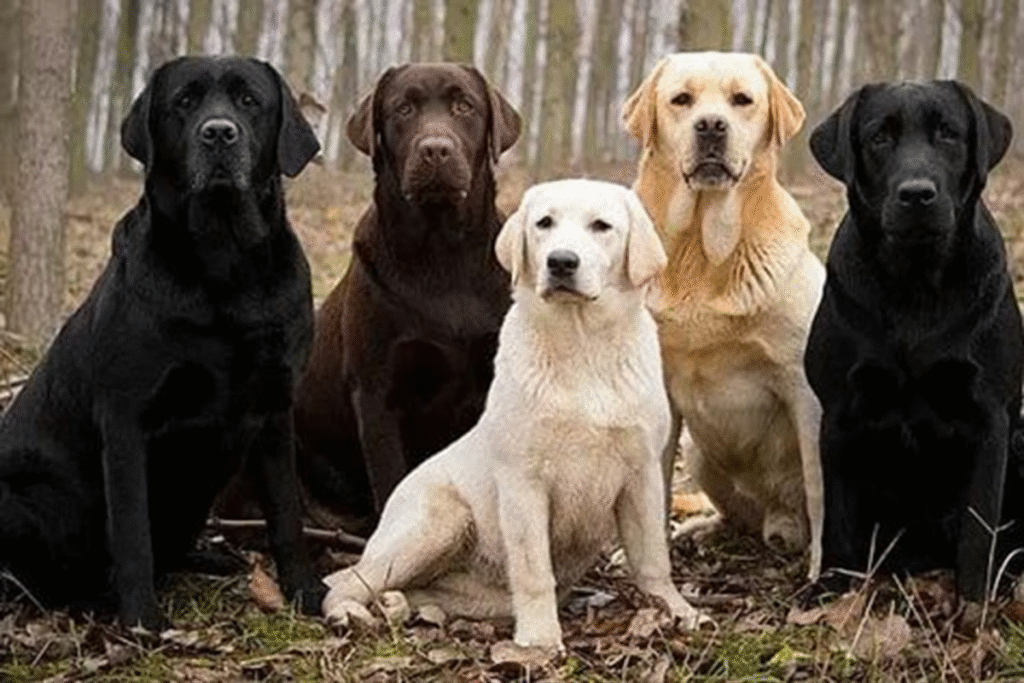
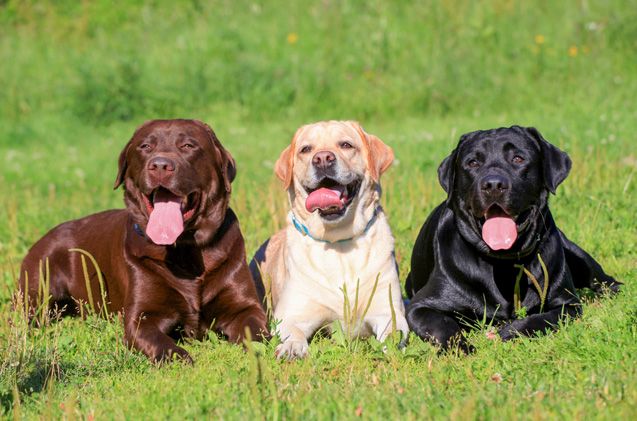
    Finding a Reputable Breeder

    Locating a reputable Hmong dog breeder requires diligence and research. Here are key steps to find a trustworthy source:

    1. Research extensively: Look for breeders specializing in Hmong dogs
    2. Check credentials: Verify breeder’s memberships in recognized kennel clubs
    3. Request health certifications: Ask for proof of genetic testing and health screenings
    4. Visit the breeding facility: Observe living conditions and interaction with dogs
    5. Ask questions: Inquire about breeding practices, socialization, and after-sale support
    6. Meet the parents: Assess temperament and health of parent dogs
    7. Review contracts: Understand terms, health guarantees, and return policies
    8. Seek references: Contact previous buyers for their experiences
    9. Avoid red flags: Be wary of unusually low prices or reluctance to answer questions

    Reputable breeders prioritize the health and well-being of their dogs, conduct necessary health screenings, and provide a nurturing environment for puppies. This approach ensures you bring home a healthy, well-socialized Hmong dog while discouraging unethical breeding practices.

    Conclusion

    The Hmong dog stands as a testament to the enduring bond between humans and canines. We’ve explored their rich history loyal nature and unique characteristics that make them exceptional companions. While owning a Hmong dog requires careful consideration and commitment their intelligence and devotion make them truly special pets.

    For those ready to welcome a Hmong dog into their lives proper research and preparation are key. By understanding their needs and working with reputable breeders we can ensure these remarkable dogs continue to thrive and bring joy to families for generations to come.