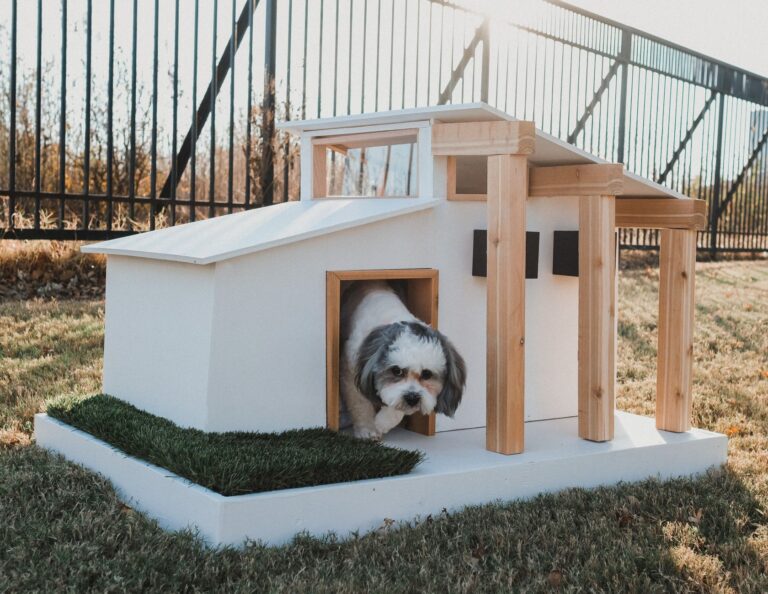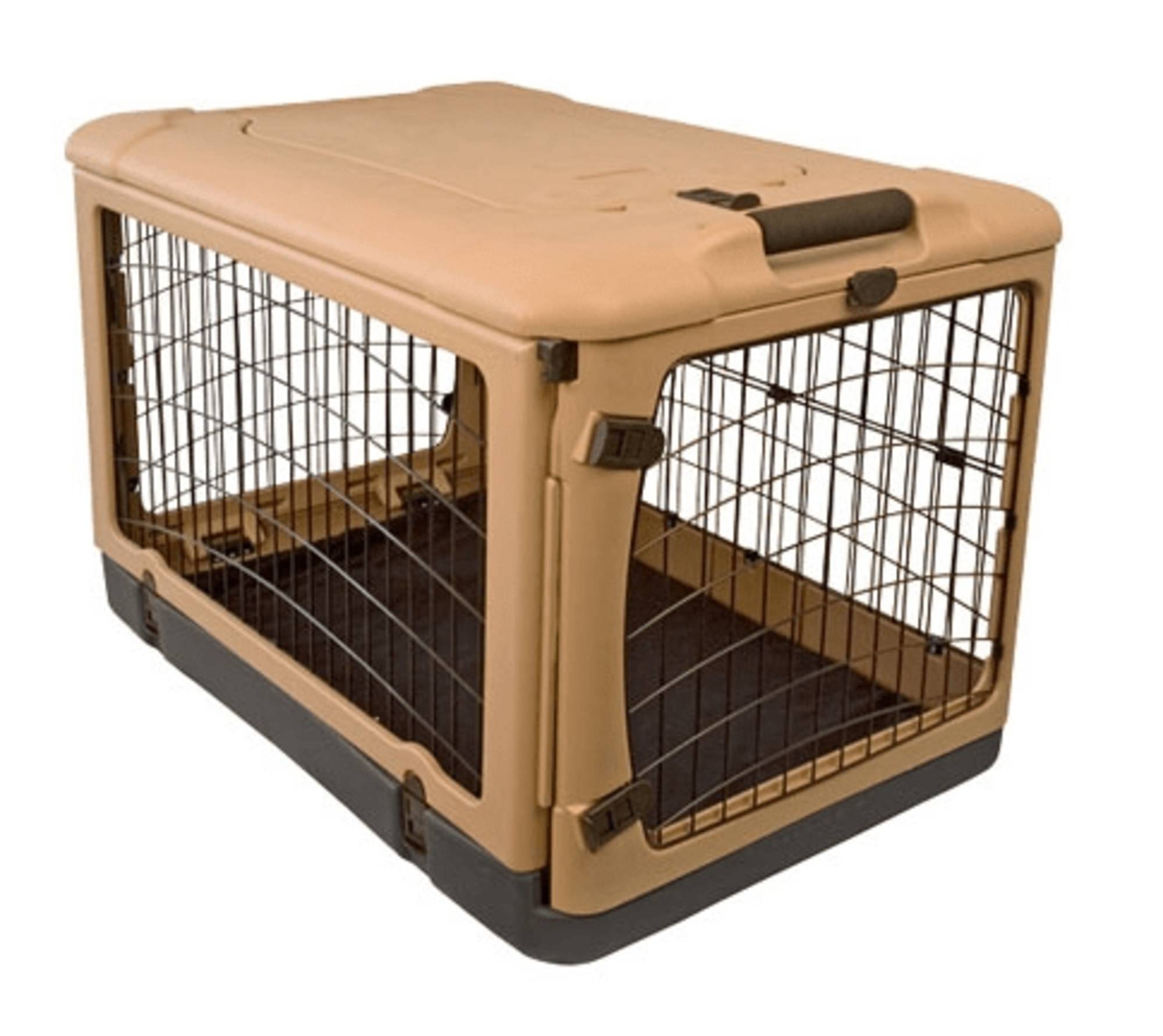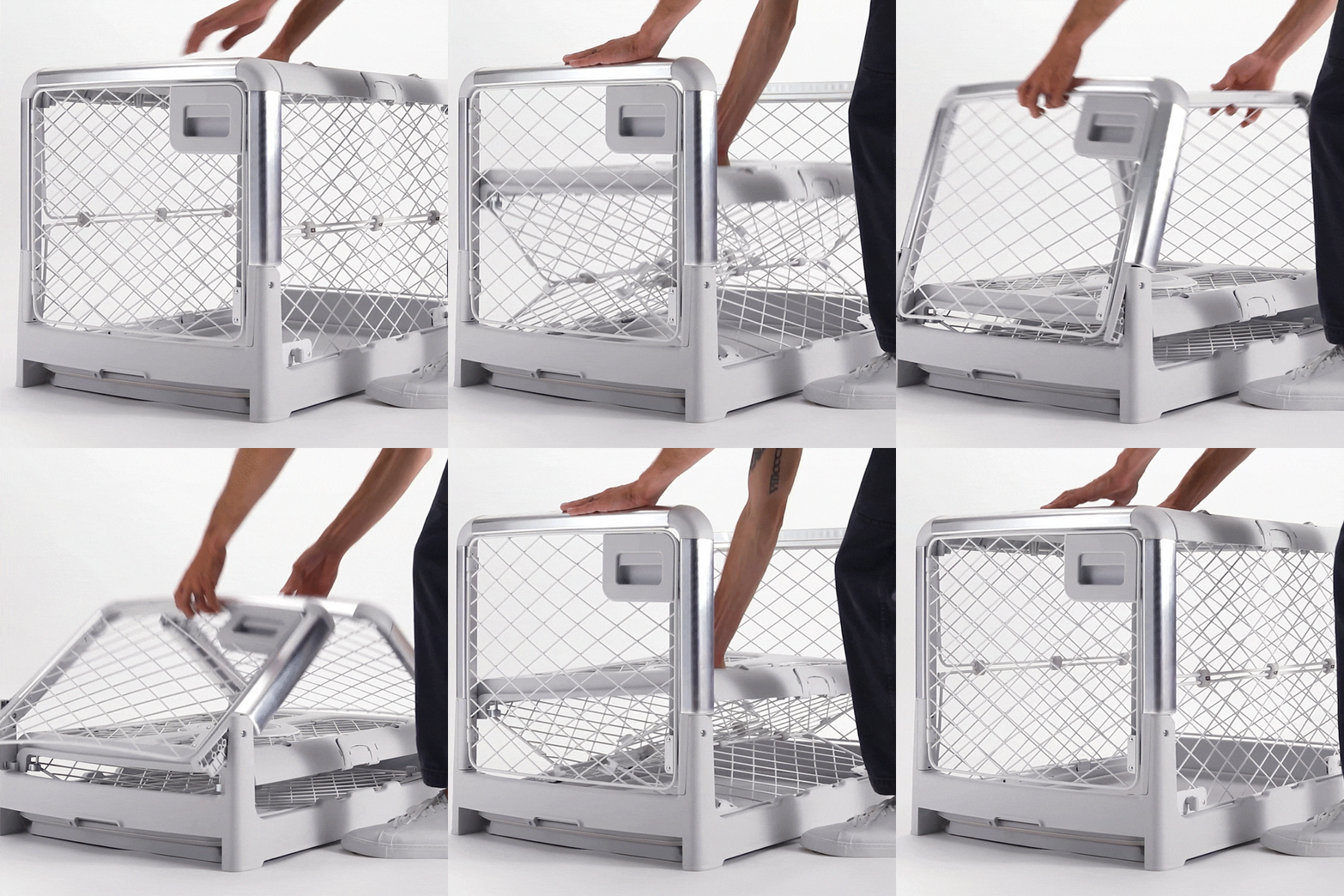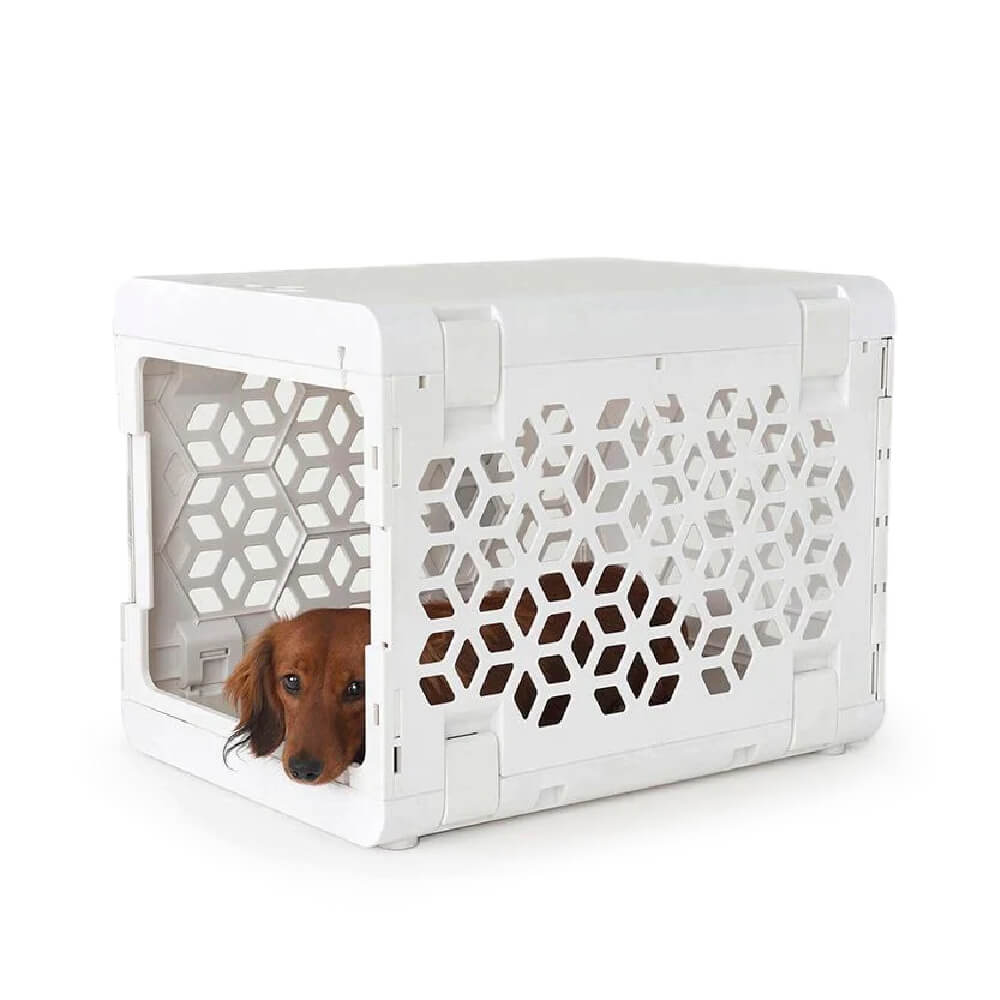
Category: Crates & Cages

Welcome to our Select Dog Supplies category focused on Crates & Cages, where we explore essential accessories designed to provide comfort, safety, and security for your dog. Discover a range of topics aimed at helping you choose the right crate or cage that meets your dog’s needs and enhances their living environment.

Key Topics Covered:

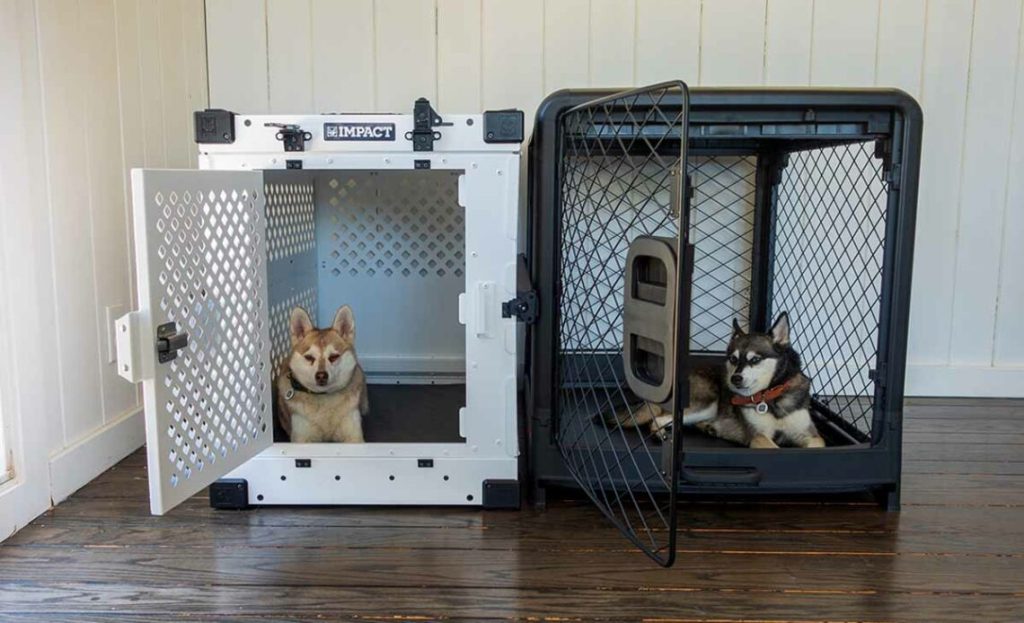
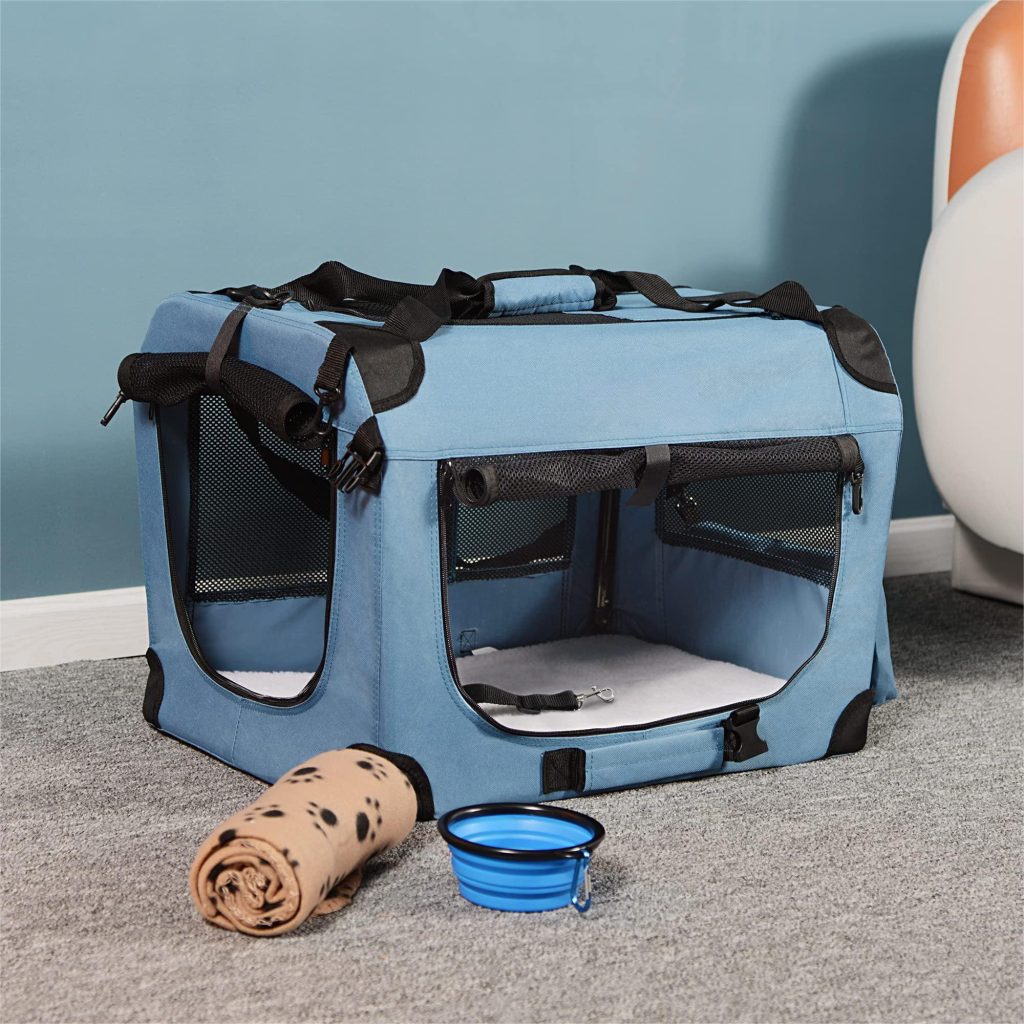
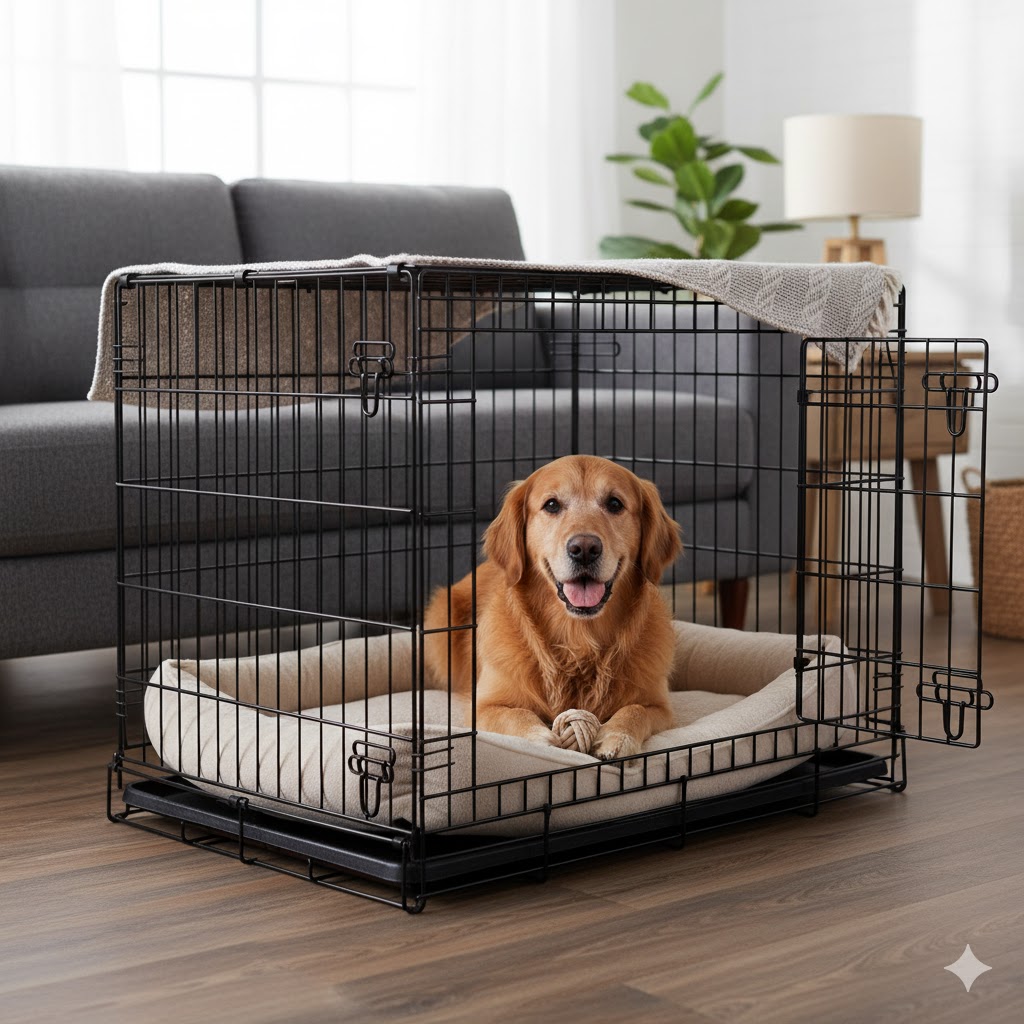
  1. Types of Crates & Cages: Explore various types such as wire crates, plastic crates, and soft-sided crates, each offering unique benefits for different situations.
  2. Choosing the Right Size: Learn how to select the appropriate crate size based on your dog’s breed, size, and temperament to ensure comfort and proper containment.
  3. Training with Crates: Discover effective crate training techniques to help your dog view their crate as a safe and comforting space.
  4. Travel and Transport: Understand the importance of crates and cages for safe travel, including tips on securing crates in vehicles and airline travel regulations.
  5. Indoor Use: Explore how crates and cages can be used indoors to provide a cozy retreat for your dog and aid in house training.
  6. Outdoor Enclosures: Learn about outdoor cage options for safely containing your dog in the yard, ideal for playtime and relaxation.
  7. Accessories and Add-Ons: Discover accessories such as crate pads, covers, and dividers that enhance comfort and functionality.
  8. Safety and Security: Get insights into ensuring the safety and security of your dog while using crates and cages, including escape prevention and durable construction.

Our goal is to provide you with comprehensive information and recommendations within the Crates & Cages category, enabling you to make informed decisions that benefit your dog’s well-being and lifestyle. Stay tuned for expert tips and product reviews to enhance your dog’s living environment effectively.

  • 2025 Guide: Choosing the Perfect Large Dog Crate

    2025 Guide: Choosing the Perfect Large Dog Crate

    Have you ever wondered if your large dog truly feels comfortable in its current crate? Finding the right large dog crate is crucial for ensuring your furry friend’s comfort and safety, especially for breeds like Labradors, Golden Retrievers, and Boxers. With dog crates designed for pets weighing 71 to 90 pounds and measuring around 42 inches in depth, there’s a perfect fit waiting for your companion.

    Our readers seek guidance on selecting the best large dog crate to suit their pets’ needs, whether for home use or travel. We’ll explore a range of options, from lightweight, portable crates ideal for frequent travelers to heavy-duty models offering extra durability. This article will help you make an well-informed choice, ensuring your pet’s well-being and your peace of mind. Stay with us as we investigate into the industry of large dog crates, providing insights and recommendations customized just for you.

    Understanding Large Dog Crates

    Large dog crates serve multiple purposes, offering benefits such as training aid, providing safety, and making travel easier. They create a familiar refuge where dogs can relax. Particularly during house training, these crates help prevent unwanted behaviors by confining dogs when unsupervised. For Labradors and Boxers, it can curb chewing or accidents inside the home.

    Selecting the right size is vital. A large dog crate, typically around 42 inches in depth, suits breeds weighing between 71 and 90 lbs, like Golden Retrievers, Rhodesian Ridgebacks, and Airedale Terriers. The dog should comfortably stand, turn, and lie down. If selecting for puppies, consider their adult size to avoid frequently buying new crates. Dividers can adjust the space, aiding both a growing puppy and preventing soiling of unused areas.

    Material and durability are important for choosing between wire and heavy-duty metal crates. Wire crates, known for their durability and airflow, are foldable and ideal for home use or travel. Heavy-duty crates, perfect for strong or active dogs like Belgian Malinois and Dalmatians, withstand high energy and ensure better security. These crates provide peace of mind by enduring enthusiastic use.

    When considering a large dog crate for travel, portability weighs significantly. Options like the Canine Camper Sportable, a sturdy, lightweight popup tent crate, cater to those frequently on the move with their pet. It’s easy to fold and carry, making travel logistics simpler.

    By understanding these aspects, we guide pet owners to make informed decisions best suited for their dogs’ needs. A large dog crate not only aids in managing behavior and ensuring the pet’s comfort but also offers flexibility and safety during travel.

    Types of Large Dog Crates

    Selecting the perfect large dog crate involves understanding the different types available and their unique features. By matching a crate’s attributes to our dogs’ needs, we can ensure maximum comfort and safety.

    Wire Crates

    Wire crates stand out for durability and functionality. Crafted from entwined metal wires, they offer clear sight lines and excellent ventilation—key elements for pet safety and comfort. These crates are ideal for crate training, particularly for dogs prone to chewing or scratching, like Labradors or Boxers. Though they’re often heavier than other types, many models—like the iCrate 1542 Single Door design—are collapsible for easy storage and transport. These crates, measuring around 42 inches, fit dogs between 71 to 90 lbs within a common weight range for large breeds. They make great choices for home usage or short trips when portability isn’t the primary concern.

    Plastic Crates

    Plastic dog crates cater to mobility, making them suitable for travel. These crates, more compact than wire versions, frequently come with handles for better portability. While they offer a cozy, enclosed space, ensuring adequate airflow is vital. Plastic crates, like the ones compatible with large breeds such as Golden Retrievers, provide secure spots for trips without compromising on comfort. They’re also useful for pet owners seeking a temporary outdoor dwelling, serving as excellent shelters in transitional weather.

    Soft-Sided Crates

    Soft-sided crates bring lightweight convenience, fitting for frequent travelers. Designed with durable fabric, these crates are easy to fold and carry. They’re perfect for less aggressive dogs or short travel, accommodating a range of breeds with sizes suited for 71 to 90 lbs, such as the Canine Camper Sportable 1742SP. These crates function best as temporary shelters during travel while being cautious of potential wear from persistent chewers or scratchers. They embody a mix of comfort and practicality, ideal for pets and owners always on the go.

    Choosing the Right Size

    Selecting the right large dog crate is essential for our furry friends’ comfort and safety. When determining the perfect size, we need to make sure to measure our dog accurately. These measurements are crucial whether you’re using the crate for home use or travel.

    Measuring Your Dog

    To ensure the crate fits well, we measure our dog’s height and length:

    • Height: Measure from the top of the head to the floor while the dog is standing. It’s important to add 3 to 4 inches to this measurement to provide sufficient headroom.
    • Length: Measure from the tip of the nose to the base of the tail. Adding 3 to 4 inches ensures they can turn around comfortably.

    Space Requirements

    A correctly sized crate allows our dog to perform a few key actions:

    • Stand with clearance above their head.
    • Lie down with space in front and behind them.
    • Turn around easily.

    These space considerations are vital to prevent discomfort and ensure our dog’s contentment within the crate.

    Understanding these factors helps us choose the appropriate large crate, whether for a Golden Retriever, Labrador, or Boxer. It’s important that the crate not only accommodates their size but also serves as a safe haven. Before purchasing, evaluating these measurements against the available crate options can significantly enhance our pet’s well-being.

    Key Features to Consider

    Large dog crates serve multiple purposes, providing secure spaces for dogs like Labradors and Boxers. When choosing a crate, several features play a critical role in ensuring both owner convenience and canine comfort.

    Durability and Material

    Durability is essential for large dog crates, especially if your pet is energetic or tends to chew. Heavy-duty wire crates withstand scratching and biting better than plastic. For instance, the MidWest Ultima Pro features a robust wire frame with rounded corners to minimize injury risk. The Luckyberry Indestructible Crate uses 0.8mm thick pipes, making it challenging for dogs to apply sufficient bite force. Selecting a durable crate assures safety and longevity for both home and travel use.

    Portability

    Portability becomes vital for owners who travel often or relocate crates within the home. Some crates, like wire models, include convenient folding designs. Portable options, such as lightweight crates or popup tents, simplify transport and setup. For example, the Canine Camper Sportable is perfect for travel, offering an easily collapsible design. This feature ensures versatility and flexibility, catering to our diverse lifestyle needs without compromising our dog’s comfort.

    Ventilation and Comfort

    A well-ventilated crate keeps dogs comfortable by ensuring proper airflow. Wire crates offer maximum visibility and ventilation, ideal for extended crate time. Selecting crates with mesh or ventilated panels enhances air circulation. Comfort is equally crucial; a crate should allow enough space for standing, lying down, and turning around with ease. Consider adding a cushioned mat or pad for added coziness. Ensuring ventilation and comfort promotes an inviting environment for our pets, improving their overall well-being.

    Benefits of Using a Large Dog Crate

    A large dog crate offers multiple benefits for both dogs and their owners. It provides a safe space where dogs can relax and feel secure. Dogs have a natural “denning” instinct, and a crate serves as their personal den or bedroom. This environment helps reduce stress and anxiety, especially during overwhelming situations or when extra downtime is needed.

    Large dog crates significantly aid in housetraining. Dogs typically avoid soiling their sleeping area, which makes crates an effective tool for establishing bathroom routines. Crate training is especially advantageous for puppies, helping to prevent accidents within the house. Using a divider in the crate enables us to adjust the space according to the puppy’s growth, maintaining its functionality over time.

    Ensuring household safety becomes easier with a large dog crate. While we are away from home, the crate offers a secure environment, preventing dogs from captivating in destructive behavior or encountering hazardous situations. This secure confinement gives us peace of mind.

    The extra large dog crates we offer, like those available at Tractor Supply, cater to different needs such as travel, training, or everyday use. Their robust construction makes them suitable for strong or active dogs, and selecting the right material ensures durability. Metal crates, known for strength, are ideal for large, energetic breeds.

    Portability enhances the convenience of using large dog crates. Options such as foldable wire crates or lightweight fabric crates help ease of transport, making them perfect for travel and outdoor adventures. We also emphasize adding cushioned crate pads, which increase comfort and invite relaxation by creating an inviting space for dogs.

    These benefits highlight the versatility and effectiveness of large dog crates in promoting a harmonious household environment, safeguarding pets, and aiding in training and safety. By understanding their advantages, we can better tailor our choices to suit our dogs’ needs and our own preferences, ensuring optimum comfort and security.

    Tips for Crate Training

    Effective crate training helps our dogs adapt to their large dog crate, ensuring they feel secure and relaxed in their space. It’s crucial to choose a large dog crate with the right dimensions, whether the 42-inch models for breeds like Labradors and Golden Retrievers or larger options for giant breeds. Here are some tips to make the training process smooth and successful:

    • Start Gradually: Introduce the crate slowly, and let your dog explore it at their own pace. Placing treats or toys inside can create positive associations.
    • Use Appropriate Bedding and Accessories: Comfort is key. A Bolstr Crate Bed provides a supportive sleeping area, while accessories like the Groov Training Aid offer enrichment through treats.
    • Establish a Routine: Consistency helps dogs fall into a pattern. Use the crate at regular times for rest and at night to help your dog adjust to its new environment.
    • Avoid Using the Crate for Punishment: Maintain a positive association by only using the crate for encouraging calm behavior and not as a disciplinary tool.
    • Provide Breaks and Exercise: Dogs need regular breaks for exercise and bathroom needs. Make sure your dog spends enough time outside the crate to balance physical activity with relaxation in it.
    • Ensure a Proper Fit: The crate must be large enough for the dog to stand, turn, and lie down. For puppies, using a divider ensures they grow with the crate, preventing excess space that might lead to soiling.
    • Promote Positive Experiences: Keep crate time enjoyable by including comfortable bedding, interactive toys, or even the Crate Bowl for easy mealtime within the space.

    Incorporating these crate training tips supports the natural denning instincts of dogs, leading to a peaceful and contented demeanor. By understanding these essentials, we can effectively use a large dog crate as a safe, trusted area that enhances our dog’s overall well-being.

    Conclusion

    Choosing the right large dog crate is a vital step in ensuring our furry friends feel secure and comfortable. By considering factors like size, material, and portability, we can find a crate that meets both our needs and those of our dogs. Whether we’re using it for training, travel, or as a safe haven at home, a well-chosen crate can significantly enhance our dog’s quality of life. Remember, a crate is more than just a containment tool; it’s a space where our pets can relax and thrive. Let’s make informed decisions to create a welcoming environment that supports their natural instincts and promotes their well-being.
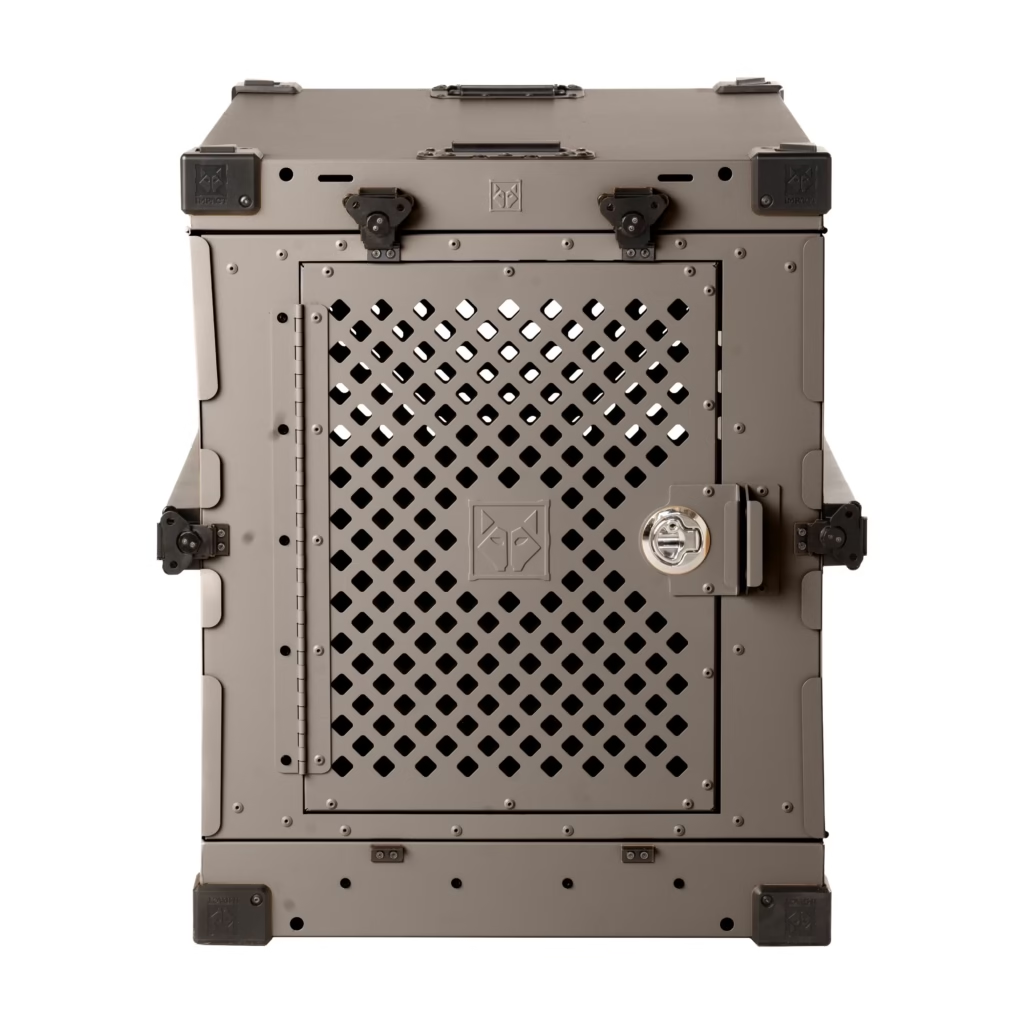
  • XL Dog Crate Buying Guide 2025: Top Picks for Large Breeds

    XL Dog Crate Buying Guide 2025: Top Picks for Large Breeds

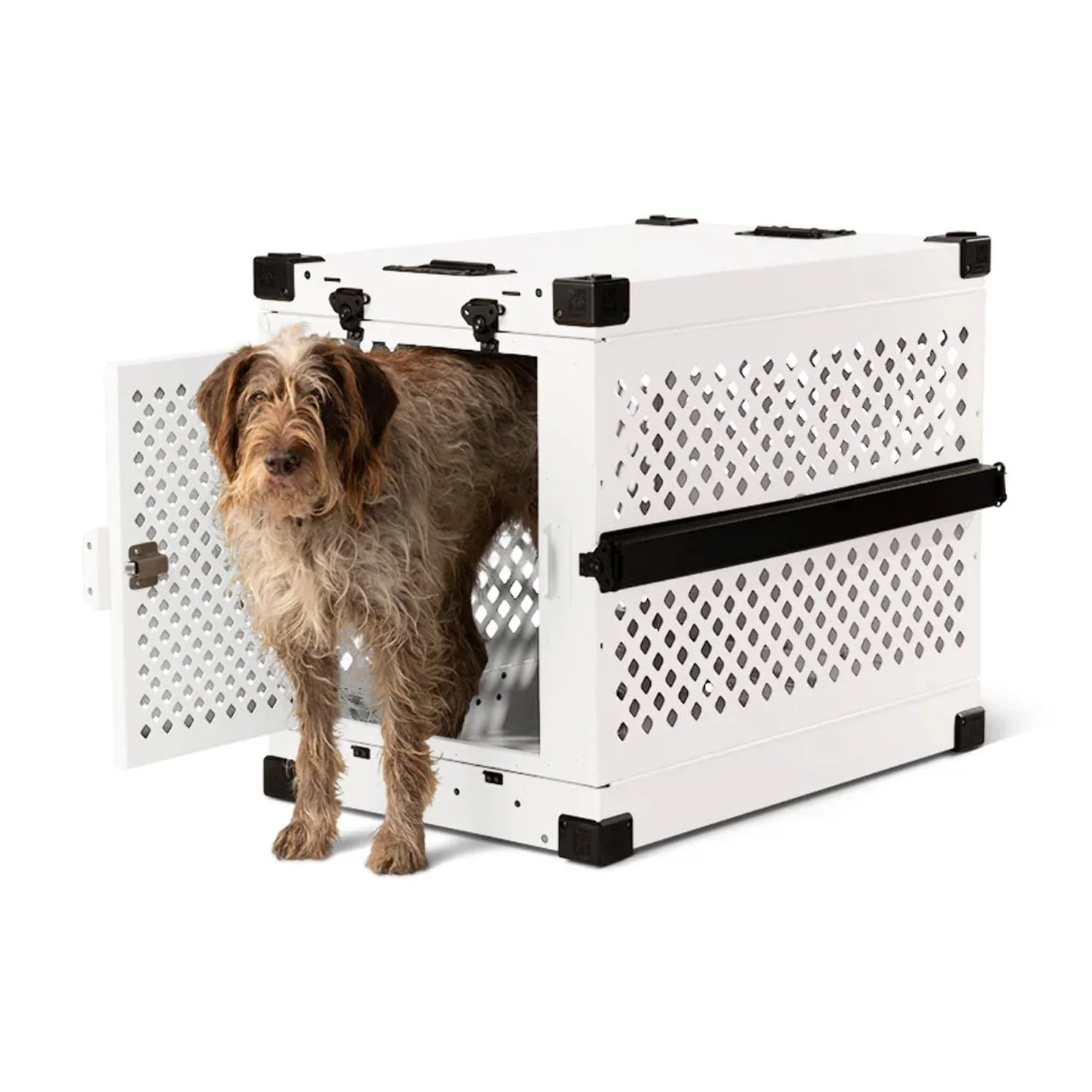
    Choosing the right XL dog crate can make all the difference for both you and your large breed companion. With over 17,290 satisfied customers, we understand the importance of providing a secure and comfortable space for your pet. Whether you’re traveling or setting up a cozy spot at home, finding the perfect crate is essential for your dog’s well-being.
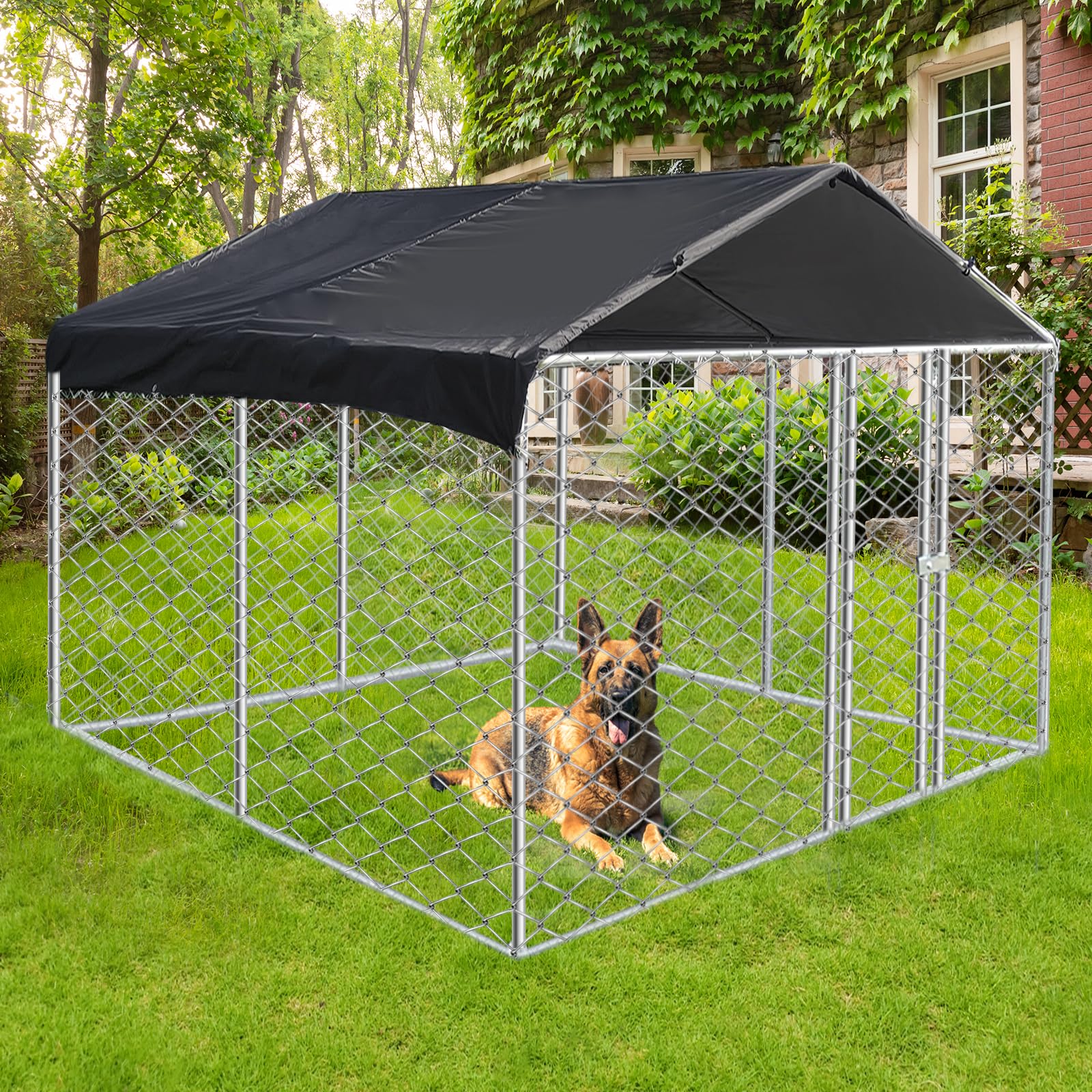
    In this guide, we’ll explore the two main types of extra large dog crates—folding wire and soft-sided—and discuss their unique benefits. You’ll gain insights into selecting the best crate based on your dog’s size and lifestyle, ensuring a happy and stress-free experience for both of you. Let’s jump into the essentials of choosing an XL dog crate that meets your needs and keeps your furry friend safe.

    Benefits Of An XL Dog Crate

    Choosing an XL dog crate ensures your large breed dog enjoys both space and comfort. These crates enhance your pet’s well-being while supporting effective training.

    Provides Ample Space

    An XL dog crate offers sufficient room for larger breeds such as German Shepherds, Alaskan Malamutes, and Bullmastiffs. Dogs require enough space to stand, sit, lie down, and stretch without feeling confined. For instance, the Ultima Pro 748UP model accommodates active dogs, allowing them to move freely during travel or at home. Also, crates like the Crate 1548DD provide designated areas for sleeping and resting, which helps maintain a structured environment. But, selecting the correct size is crucial; a crate that’s too large may lead to accidents, complicating housebreaking efforts. By ensuring the crate is appropriately sized, owners can prevent their dogs from designating separate areas for different activities, promoting better hygiene and easier training.

    Supports Comfort And Well-being

    An XL dog crate, when properly sized, serves as a secure and comfortable den for your dog. Dogs instinctively seek enclosed spaces for safety, and a well-sized crate meets this need without overwhelming them. Soft-sided options like the Canine Camper 1748CC2 cater to dogs that frequently travel, providing a cozy environment that adapts to various settings. Also, heavy-duty crates such as the Life Stages 1648DD offer durability and stability, ensuring a safe space for dogs prone to anxiety or those that are more active. By offering a reliable retreat, XL dog crates contribute to your pet’s mental and physical well-being, fostering a sense of security and reducing stress.

    Key Features To Consider

    Selecting the right XL dog crate involves evaluating several critical features to ensure your pet’s safety and comfort. We focus on durability, security, and proper ventilation to meet your dog’s needs.

    Durable Materials

    We prioritize XL dog crates constructed from high-quality, rust-resistant materials. The Revol dog crate exemplifies this with its solid frame and ultra-sturdy construction, ensuring longevity across all life stages of your dog. Metal crates, such as those available on Wayfair, offer exceptional sturdiness and durability, featuring elegant black finishes that complement any home décor.

    Also, heavy-duty crates withstand the wear and tear from larger breeds like German Shepherds and Alaskan Malamutes, providing a secure environment. Opting for a crate made from robust materials minimizes the risk of breakage and maintains a safe space for your pet. Investing in durable materials also reduces the need for frequent replacements, offering better value over time. By choosing a crate built to last, we ensure our dogs have a reliable and enduring sanctuary.

    XL Dog Crate

    Secure Locking Systems

    A secure locking system is essential for preventing escapes and ensuring your dog’s safety. We favor XL dog crates like the Revol model, which features the Proven Revol Latch System with innovative latching mechanisms and dual lock doors. These locks are designed to be inaccessible to your pup, adding an extra layer of security. Metal crates from reputable brands also come equipped with robust locks that withstand attempts to break free, providing peace of mind.

    Secure locking systems are crucial not only for containment but also for maintaining the structural integrity of the crate. By selecting a crate with advanced locking features, we effectively safeguard our pets against accidental escapes and ensure they remain secure in their designated space. Reliable locks contribute significantly to the overall safety and functionality of an XL dog crate.

    Adequate Ventilation

    Ensuring proper ventilation is vital for your dog’s health and comfort within an XL dog crate. We choose crates that incorporate ample airflow through strategically placed ventilation panels or mesh windows. The Revol dog crate, for example, includes multiple ventilation points that help air circulation, preventing overheating and maintaining a comfortable environment.

    Good ventilation helps regulate temperature, especially in warmer climates, and reduces the accumulation of odors inside the crate. Also, adequate airflow minimizes the risk of respiratory issues by providing fresh air continuously. Selecting a crate with sufficient ventilation ensures that our large breed dogs remain comfortable and healthy, even during extended stays. By prioritizing crates with excellent ventilation, we create a more pleasant and safe space for our pets.

    Choosing The Right XL Dog Crate

    Selecting the right XL dog crate ensures your large breed dog enjoys a safe and comfortable environment. We consider factors like size, durability, and your dog’s exact needs to make the best choice.

    Measuring For Proper Fit

    Accurate measurements are crucial when choosing an XL dog crate. First, measure your dog’s length from the tip of their nose to the base of their tail. Next, measure their height from the floor to the top of their head or the highest point of their ears, whichever is higher. For adult dogs, add 4 inches to both the length and height measurements.

    This extra space allows your dog to stand, turn around, and stretch comfortably. If you have a puppy, add 12 inches to the height measurement to accommodate their growth into adulthood. Proper fitting ensures your dog feels secure without being cramped, promoting better housebreaking and reducing accidents. By following these steps, we can select an XL dog crate that perfectly suits your pet’s size and provides ample room for their movements.

    Suitable Dog Breeds

    XL dog crates are ideal for larger breeds and dogs that require extra space. Breeds like German Shepherds, Alaskan Malamutes, and Labrador Retrievers benefit from the generous dimensions of an XL dog crate. Also, active or strong dogs, such as Rottweilers and Great Danes, need sturdy crates to withstand their energy and strength.

    Heavy-duty metal XL dog crates offer enhanced durability for these powerful breeds, ensuring the crate remains secure and long-lasting. We also accommodate breeds with exact needs, such as those prone to anxiety, by selecting crates with sufficient space to move and comfortable padding. By matching the crate type to your dog’s breed and activity level, we provide a safe and comfortable environment that supports their well-being and behavior.

    Setting Up Your XL Dog Crate

    Setting up your XL dog crate involves careful consideration to ensure safety and comfort. Proper arrangement enhances functionality and supports your dog’s well-being.
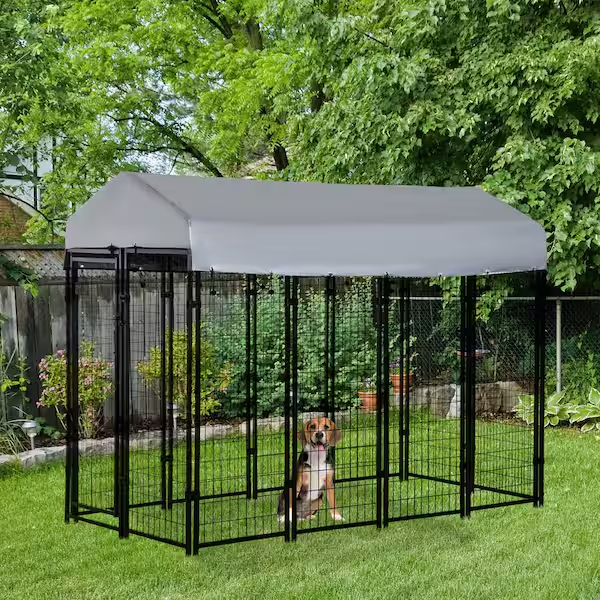
    Interior Accessories

    Improving the interior of your XL dog crate improves your dog’s comfort and crate usability. Include the following accessories:

    • Bedding: Use washable, durable bedding to provide a cozy resting area. For example, orthopaedic beds support larger breeds’ joints.
    • Dividers: Install dividers to adjust the crate size as your puppy grows. This feature maintains a secure space without excess room.
    • Water Bottles: Equip the crate with a spill-proof water bottle to keep your dog hydrated. Ensure the bottle is accessible and securely attached.
    • Food Bowls: Choose non-tip bowls to prevent spills and maintain cleanliness. Elevated bowls can reduce neck strain for larger dogs.
    • Toys and Chews: Include safe toys to keep your dog entertained and reduce anxiety. Durable chew toys are ideal for active breeds.

    These accessories ensure the XL dog crate remains a safe and comfortable environment, catering to your dog’s needs.

    XL Dog Crate

    Optimal Placement

    Selecting the optimal placement for your XL dog crate is crucial for your dog’s safety and comfort. Consider these factors:

    • Ventilation: Place the crate in a well-ventilated area to ensure adequate airflow. Avoid locations with poor ventilation that can lead to overheating.
    • Accessibility: Position the crate in a central area of your home where your dog feels included. This placement helps reduce separation anxiety.
    • Temperature Control: Keep the crate away from direct sunlight and drafts. Maintain a consistent temperature to ensure your dog remains comfortable.
    • Noise Levels: Choose a quiet spot away from high-traffic areas to minimize stress. Excessive noise can disturb your dog and affect crate training.
    • Secure Environment: Ensure the crate is placed in a stable area free from hazards. Avoid spaces near electrical cords or heavy objects that could pose risks.

    Proper placement of the XL dog crate creates a secure and comfortable space, promoting your dog’s overall well-being.
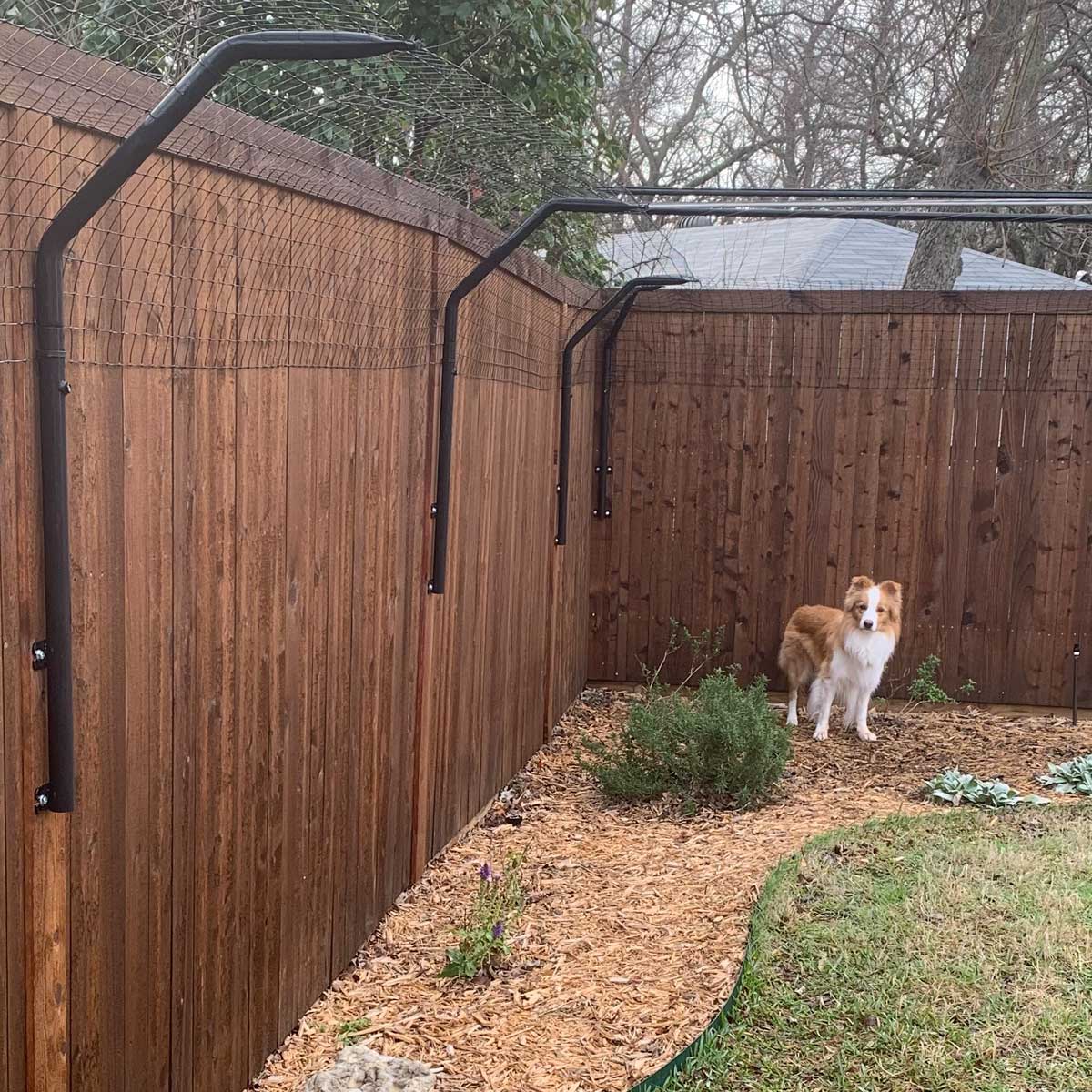
    Maintenance And Care

    Maintaining our XL dog crate ensures it remains clean, safe, and durable for our pet’s comfort and security.

    Cleaning Guidelines

    Daily maintenance keeps our XL dog crate hygienic. We perform a quick spot clean each day by removing visible dirt, debris, and waste. This practice maintains a fresh environment between deep cleanings.

    Weekly deep cleaning involves more thorough steps. We remove all bedding, toys, and accessories, washing them separately. Using a pet-safe disinfectant, we clean all surfaces of the XL dog crate, focusing on corners and crevices where dirt and bacteria accumulate. Scrubbing thoroughly and rinsing with clean water eliminates chemical residues, ensuring a safe space for our pet.

    For metal wire crates, we remove the tray and use a hose with dog-safe soap to clean the entire crate. Scrubbing individual wires removes any stuck-on gunk, maintaining the crate’s condition and appearance.

    Ensuring Longevity

    To ensure our XL dog crate lasts, we follow several key practices. First, we regularly inspect the crate for signs of wear, such as rust on metal frames or tears in soft-sided models. Addressing minor issues promptly prevents further damage.

    Proper assembly and disassembly are crucial. We handle the crate carefully, avoiding excessive force that could weaken joints or damage materials. Storing the crate in a dry, sheltered area reduces exposure to moisture, preventing rust and material degradation.

    We also rotate bedding and accessories to prevent excessive wear in exact areas. Using high-quality, durable materials extends the life of our XL dog crate, ensuring it remains a safe and comfortable space for our dog for years to come.

    Conclusion

    Choosing the right XL dog crate is essential for ensuring our large breeds feel safe and comfortable. We know that a well-selected crate not only supports our dogs’ well-being but also enhances our daily lives by providing structure and security. By considering factors like size, durability, and your dog’s exact needs, we can create a perfect space that caters to both active and anxious dogs.

    Let’s prioritize our pets’ comfort and safety by investing in a high-quality XL dog crate. Together, we can provide a nurturing environment where our furry friends thrive and feel truly at home.

  • Stay Warm: Best Heated Dog Houses for Winter 2025

    Stay Warm: Best Heated Dog Houses for Winter 2025

    As temperatures drop, keeping our furry friends warm becomes a top priority. Enter the heated dog houses, a game-changer for pet owners who want to ensure their dogs stay cozy during the cold months. These innovative shelters, equipped with electric, solar, or propane heating systems, offer a snug retreat for dogs of all sizes, providing protection from the harsh elements.

    For those of us seeking peace of mind, heated dog houses are more than just a luxury—they’re a necessity. They not only shield our pets from the biting cold but also offer relief for dogs with arthritis, making them an excellent investment. In this text, we’ll explore the various types of heated dog houses, the benefits they offer, and how to choose the perfect one for your canine companion. Get ready to discover how these shelters can transform your dog’s outdoor experience, ensuring comfort and warmth all year round.

    Understanding Heated Dog Houses

    As temperatures drop, heated dog houses offer a vital solution for keeping our pets warm and comfortable. These innovative shelters ensure protection from harsh weather and enhance our furry friends’ overall outdoor experience.

    What Are Heated Dog Houses?

    Heated dog houses provide a cozy shelter for pets, especially during cold weather. They feature heating elements and insulation designed to maintain a warm interior temperature. These houses are particularly beneficial for outdoor dogs or breeds less tolerant of cold environments, such as Chihuahuas or Greyhounds. Options range from standalone structures to existing dog houses integrated with accessories like space heaters or heated mats.

    How Do Heated Dog Houses Work?

    Heated dog houses operate using a mix of insulation and heating technology. Insulation materials such as fiberglass, cellulose, and EPS help maintain warmth by reducing heat loss. Heating systems, powered by electricity, solar energy, or propane, further enhance comfort. Electrical options might include heating pads or embedded wall heaters, providing consistent heat without the risk of overheating. In solar-powered designs, solar panels collect sunlight, converting it into stored energy used to warm the interior. This combination keeps our pets snug and safe during chilly weather.

    Benefits of a Heated Dog House

    Comfort and Safety for Your Pet

    Heated dog houses significantly enhance your pet’s comfort and safety, especially during cold weather. They maintain a consistent warm temperature, which helps in alleviating joint discomfort in older or arthritic dogs. This warmth enhances mobility and leads to a better quality of life. The stable temperature also supports your dog’s immune system by conserving energy. Besides, these houses provide a secure retreat, notably reducing stress and anxiety in dogs. This comforting environment is essential to ensure pets feel safe and relaxed during harsh weather conditions.

    All-Year-Round Usability

    A heated dog house offers usability throughout the year, making it a versatile investment. In winter, the built-in heating systems prevent the interior from becoming uncomfortably cold, while in milder weather, insulation retains a balanced temperature inside. This efficiency saves energy and reduces heating costs, letting your pet enjoy outdoor settings comfortably. Heated houses cater to various dog sizes and breeds, providing an adaptable environment regardless of external climate changes. This feature is particularly beneficial in regions experiencing important seasonal temperature variances.

    Key Features to Look For

    Choosing the right heated dog house means considering essential features for comfort and safety. Each component impacts your dog’s well-being and the house’s effectiveness.

    Insulation and Weatherproofing

    Robust insulation is crucial for a cozy heated dog house. Look for options with thick, high-grade insulation, like the Dog Palace Insulated Dog House, which uses 2 to 4 inches of industrial-grade material. Effective insulation reduces heat loss and ensures a warm interior, critical during cold weather.

    Weatherproofing offers protection against harsh elements. Although some dog houses aren’t fully waterproof, placing them in covered areas like garages or porches enhances their insulation properties. For entryways, a protective flap or door helps maintain warmth while blocking cold air. This feature is essential for safeguarding your dog from chilly drafts.

    Heated Dog Houses

    Appropriate Heating System

    An appropriate heating system is vital for maintaining consistent warmth. Electric heaters are popular for their efficiency and ease of use. They provide steady heat but require proximity to a power source. Solar heaters offer an eco-friendly alternative, useful in sunny regions but dependent on weather conditions.

    Propane heaters serve well for off-grid locations, offering flexibility and powerful heating capabilities. When selecting a heating system, consider your exact environment and energy availability. Each type has its own set of advantages suited for different needs, ensuring your pet stays warm and comfortable.

    Safety Considerations

    In heated dog houses, ensuring safety is paramount for the well-being of our pets. It’s important to address electrical and fire safety to provide a secure environment for our pets.

    Ensuring Safe Heating Options

    Choosing safe heating options is crucial in heated dog houses. It’s vital to pick a system with safety features like automatic shutoff and overheating protection to prevent accidents. Electric heating systems are common, but they need careful handling. It’s essential to use cable protectors to secure wires and place them out of your dog’s reach to avoid electrical shocks or fires. Also, placing the heated dog house away from water sources minimizes the risk of water damage.

    Heated Dog Houses

    Regular Maintenance and Monitoring

    Regular maintenance and monitoring keep heated dog houses safe. It’s important to frequently inspect heating elements and cords for any signs of wear to prevent accidents. Keeping the dog’s habitat clean and free from debris reduces fire risk. Ensuring a fire safety plan in place with accessible extinguishers is crucial for quick action. Training family members in emergency procedures adds an extra layer of safety, promoting a safe and comfortable space for our dogs year-round.

    Selecting the Right Heated Dog House

    Choosing the perfect heated dog house involves several considerations, ensuring the comfort and safety of our pets. Let’s explore the key aspects under size and design, as well as material and durability.

    Size and Design Considerations

    The size of the heated dog house should suit your dog’s needs, allowing enough room to stand, turn, and lie comfortably. A smaller interior maintains heat more effectively, provided insulation is adequate. Design features like a plastic “doggie door” can help sustain the interior temperature by minimizing drafts. Heater placement is also vital; wall-mounted heaters are convenient for saving space and ensuring effective heat distribution. Evaluating these elements will maximize the house’s efficiency and your dog’s comfort.

    Heated Dog Houses

    Material and Durability

    Selecting the right material ensures longevity and weather resistance. Durable options like wood, plastic, or metal withstand harsh conditions, preventing damage from rain, wind, or snow. Wood provides natural insulation but requires treatment for weatherproofing. Plastic is lightweight and resistant to decay, making it low-maintenance. Metal offers strength and durability but may need insulation enhancements against cold. Considering each material’s pros and cons aids in making the right choice, ensuring the heated dog house remains a reliable shelter through various seasons.

    Conclusion

    Choosing the right heated dog house is essential for ensuring our furry friends stay warm and comfortable throughout the colder months. By considering factors like insulation, weatherproofing, and safety features, we can provide a secure and cozy environment for our pets. These houses not only protect against harsh weather but also support our dogs’ health and well-being, making them a worthwhile investment. Let’s prioritize our pets’ comfort and safety by selecting a heated dog house that meets their exact needs and enhances their outdoor living experience year-round.

  • Stylish Dog Room Ideas For a Cozy Pup Haven 2025

    Stylish Dog Room Ideas For a Cozy Pup Haven 2025

    Ever thought about transforming that unused corner or spare room into a haven for your furry friend? Dog rooms are the latest trend in home decor, offering a blend of style and practicality. As we increasingly treat our homes as sanctuaries, it only makes sense to extend this comfort to our four-legged family members. Dog room ideas cater to both the aesthetic and functional needs of pet owners, ensuring that muddy paws and puppy drool are no longer a concern.

    Creating a dedicated space for our pets isn’t just about luxury—it’s about improving their well-being and simplifying our lives. From durable, stain-proof furniture to specialized feeding stations and dog-sized showers, there are endless possibilities to explore. Our article dives into innovative dog room ideas that promise to inspire and guide you in crafting a space that’s as stylish as it is practical. Join us as we explore how to make your home truly dog-friendly.

    Creative Dog Room Ideas

    Designing a dog room involves creativity, functionality, and consideration of our dog’s unique needs. Different locations and layouts can transform underutilized spaces into cozy canine havens. For instance, the area under the stairs often goes unused. We can convert this nook into a snug dog room, complete with a dog bed and storage for toys and treats.

    Stylish Dog Room

    Alternatively, converting a spare closet into a dog room offers a practical solution. By removing the door or using a doorstop, our pets gain easy access to this cozy retreat. Utilizing an entire room, if space allows, can provide a spacious sanctuary equipped with a bed, a feeding station, and even a dog shower.

    Innovative features enhance the function and style of dog rooms. Integrated feeding stations seamlessly blend with the room’s design, offering a tidy solution for meals. Crisp Architects, for instance, designed a pullout feeding station in a mudroom, keeping the space elegant and organized. Adding a dog shower can further enhance our pet’s comfort. Dina Bandman Interiors designed a compact dog shower in a laundry room, showcasing how stylish elements and function can coexist.

    Adding unique design elements like a portal window promotes interactivity. Studio North’s design features a round cutout that lets dogs observe the living room activities from a comfortable perch. This approach ensures our pets remain engaged and feel included.

    Overall, these creative dog room ideas demonstrate the blend of style and practicality. Implementing these concepts ensures our dog rooms meet our pets’ needs while improving our home’s overall design.

    Stylish Dog Room

    Designing the Perfect Space

    Creating the perfect dog room involves blending comfort with functionality while utilizing the available space effectively. Ensure the space reflects both your pet’s needs and your home’s aesthetic.

    Utilizing Negative Space

    When designing a dog room, consider transforming underused areas like the nook beneath stairs, a storage closet, or a mudroom section into a functional dog haven. These spaces, often overlooked, can become cozy retreats for dogs when optimized. Incorporating compact furniture like multi-tiered storage answers can help maximize space. For instance, vertical shelving provides room for toys and supplies without cluttering the floor. Using interchangeable décor elements, like removable wall decals, can add a personal touch that evolves with your pet’s changing needs.

    Adding Comfort and Functionality

    Integrating comfort and functionality ensures that a dog room caters to your pet’s lifestyle. Essential elements include a comfy, enclosed dog bed that offers a sense of security and a designated play area stocked with favorite toys. Custom features such as feeding stations keep mealtime organized, while a dog shower simplifies cleaning routines. Including storage options for food and supplies keeps everything accessible and clutter-free. Aligning these features with your pet’s preferences will enhance their daily comfort and make your life as a dog owner more convenient.

    Stylish Storage Solutions

    Creating a dog room that combines practicality with aesthetics is key. Well-thought-out storage answers ensure the space isn’t just functional but also fashionable.

    Repurposed Dog Furniture

    With some creativity, existing furniture can be transformed into stylish dog essentials. For instance, an old chest of drawers becomes a dual-purpose pet bed and storage unit. By removing the bottom drawers, there’s ample space for a cozy bed while maintaining a home for toys and accessories. Also, turning a kitchen cabinet into a feeding station offers a solution for organizing food and water bowls. Both ideas maximize on-hand materials, promoting sustainability while improving the dog room’s style.

    Stylish Dog Room

    Built-in Storage Options

    Incorporating built-in storage can seamlessly integrate your pet’s essentials with your home’s decor. Open shelves allow treats and toys to be both visible and easily accessible, blending functionality with interior design. Multi-functional furniture like crates doubling as tables offers compactness without compromising style. For a personalized touch, consider leash and collar displays integrated into cabinetry, streamlining organization. Built-in elements not only maintain tidiness but also enhance the room’s chic appeal, ensuring a functional yet aesthetically pleasing environment.

    Incorporating Practical Features

    Designing a dog room goes beyond aesthetics; it’s about integrating elements that enhance comfort and utility. Practical features ensure our furry friends enjoy their space while their needs are met efficiently.

    Feeding Stations and Hydration

    Feeding stations keep dog meals organized and accessible. Integrating a built-in feeding platform or a designated feeding area simplifies cleanup and refilling tasks. We can incorporate elevated feeding bowls to aid digestion, especially for large breeds. Using spill-proof mats or trays under bowls minimizes mess. Hydration remains vital; a well-positioned water dispenser or a hydration station ensures easy access to fresh water. Automatic dispensers can provide a steady water flow if we’re away for extended periods. These systems add convenience and maintain cleanliness in the dog room.

    Dog Shower and Grooming Areas

    Adding a dog shower facilitates easy grooming and increases our pets’ hygiene. A dedicated shower space with a handheld sprayer accommodates various dog sizes and simplifies rinsing. An elevated shower area minimizes the need for us to bend, providing comfort during bath time. Including shelves or waterproof cabinets nearby offers accessible storage for shampoos and grooming tools. This setup streamlines the grooming process and keeps the dog room tidy. Incorporating these features makes regular maintenance easier and ensures our pets stay clean and happy.

    Stylish Dog Room

    Decoration and Aesthetics

    Creating an appealing dog room involves blending both style and utility to cater to our pets’ needs and enhance home aesthetics.

    Wall Art and Murals

    Choosing the right wall art for the dog room adds personality and vibrancy. Pet-friendly murals featuring playful designs or nature scenes can bring relaxation and joy to the space. We can incorporate wall decals with dog motifs or personalized artwork that resonates with our home’s theme. Canvas prints showcasing delightful dog images or inspirational quotes create an inviting atmosphere.

    Matching Décor Themes

    To maintain a cohesive look, align the dog room’s décor with existing themes in our home. Consider using complementary colors and textures that mirror other rooms. For example, if our living room boasts a mid-century modern style, we could integrate gold accents and jewel-toned elements into the dog room. A consistent style ensures the dog area complements the rest of our living space while providing comfort and functionality.

    Conclusion

    Creating a dedicated dog room is more than just a trend; it’s a thoughtful way to enhance our pets’ lives while maintaining a stylish home. By incorporating innovative ideas and practical features, we can design spaces that cater to our dogs’ needs and our aesthetic preferences. Whether it’s transforming unused nooks or integrating multifunctional furniture, the possibilities are endless. Let’s embrace these creative answers to create dog rooms that are both functional and fashionable, ensuring our furry friends have a comfortable sanctuary that seamlessly blends with our home’s decor.

  • Best Foldable Dog Crate: Stylish, Portable & Safe

    Best Foldable Dog Crate: Stylish, Portable & Safe

    Ever wrestled with the dilemma of balancing style and functionality when it comes to dog crates? As pet owners, we understand that a foldable dog crate isn’t just a convenient travel accessory—it’s a game-changer for both home aesthetics and pet comfort. With the rise of compact living and the need for versatile answers, investing in a foldable dog crate has never been more relevant.

    Our furry friends deserve a safe and cozy space, whether we’re at home or on the go. Foldable dog crates offer the perfect blend of portability and ease of use, making them ideal for outdoor adventures and seamless storage. In this text, we’ll explore the benefits of these innovative crates, share tips on choosing the right size, and highlight key features that ensure our pets’ safety and comfort. Let’s jump into the industry of foldable dog crates and discover how they can enhance our lives and our pets’ experiences.

    Benefits of Foldable Dog Crates

    Foldable dog crates offer a range of advantages that cater well to both dogs and their owners. This innovative design combines usability and convenience for pet lovers. Here are some of the primary benefits that make foldable dog crates an essential investment.

    Portability and Ease of Transport
    Foldable dog crates, with their lightweight construction, provide excellent portability. They are easy to fold and unfold, taking up minimal space in vehicles or storage areas, which makes traveling with pets more manageable. The ability to quickly set up a safe and comfortable space for your dog means you can focus on enjoying your adventures together.

    Ease of Storage
    These crates can be compactly stored when not in use. Their collapsible nature allows them to fit into small spaces like closets, under beds, or other discreet areas at home. This feature is especially beneficial in living situations with limited space, ensuring readiness for use without cluttering the home environment.

    Versatility
    Versatile use stands as another key advantage of foldable dog crates. Many options offer soft-sided designs that work well at home, in hotels, or at outdoor events. Built with multiple entry points and mesh windows for ventilation, they adapt to various environments, ensuring comfort for your pets wherever you go.

    Durability and Safety
    Even though their lightweight nature, many foldable dog crates are designed to withstand the rigors of daily use. The inclusion of durable materials and stable designs ensures safety and longevity. For example, certain crates use commercial-grade hardware and a quality powder-coated finish to prevent dog escapes. These designs provide peace of mind, guaranteeing pets are secure while ensuring easy cleaning.

    Space Efficiency
    Foldable dog crates maximize space in both their setup and storage forms. Some models even offer stackable options, improving space efficiency further. This characteristic makes them an ideal choice for households with multiple pets or those who need flexible space management answers.

    By incorporating these benefits, foldable dog crates play a important role in improving our experience as pet owners, covering essential aspects like safety, functionality, and aesthetics.

    Foldable Dog Crate

    Key Features to Consider

    Exploring foldable dog crates requires attention to several key features. Each aspect contributes to the overall convenience, safety, and durability of the crate we choose for our pets.

    Size Options

    Selecting the right size for a foldable dog crate is crucial for pet comfort and safety. The Veehoo Collapsible Dog Crate offers ample space, although exact dimensions aren’t provided; it’s roomy enough for larger mixes like greyhounds/Chesapeakes. The DogGoods Foldable Dog Crate provides three sizes: Small (24 x 17 x 17 inches), fitting Terriers or Beagles; Large (42 x 27 x 27 inches), ideal for Labrador Retrievers; and Extra Large (48 x 33 x 33 inches), suitable for breeds like German Shepherds. The Revol Dog Crate by Diggs Pet includes two sizes, with the smaller one accommodating dogs up to 70 pounds.

    Material and Durability

    Material quality impacts a foldable dog crate’s longevity and reliability. We want a crate crafted from robust materials that can withstand daily use, ensuring our pet’s safety and comfort. Metal frames provide excellent support, while durable fabric offers flexibility. Models like the Veehoo and DogGoods are known for their solid construction, often using high-grade materials that resist wear and tear.

    Portability

    The portability of foldable dog crates makes them indispensable for pet owners on the go. Lightweight designs allow easy transportation, which benefits frequent travelers. Many foldable crates include handles or wheels for added convenience. For instance, some crates, like the Revol by Diggs Pet, incorporate innovative collapsible features that reduce hassle during assembly or disassembly.

    Safety Features

    Prioritizing safety features enhances a pet’s security within the crate. We look for elements such as secure locks, rounded edges, and breathable materials. The Revol Dog Crate, for example, often integrates a baby industry standard design, emphasizing safety. Ensuring the crate has proper ventilation and stable construction minimizes risks and creates a comfortable environment for our pets.

    How to Choose the Right Size

    Foldable Dog Crate

    Selecting the appropriate size for a foldable dog crate ensures comfort and safety for your pet. Our first step is measuring our dog’s dimensions. We measure the length from the tip of the nose to the base of the tail. Adding a few inches to this measurement ensures ample space for turning around and lying down. Height is crucial too; measure from the ground to the tallest point, usually the head or ears. Width is less critical, but it influences overall comfort.

    Breed and weight offer additional guidance in choosing a suitable size. Small dogs weighing up to 30lbs, such as Dachshunds and French Bulldogs, fit comfortably in crates measuring 25″L x 17″W x 19″H. For medium-sized dogs weighing up to 50lbs, like Basset Hounds and Cocker Spaniels, a crate sized 32″L x 20″W x 22″H offers a perfect fit. Larger breeds like Golden Retrievers or German Shepherds, weighing up to 90lbs, require more space, making a 44″L x 28″W x 30″H crate ideal.

    Avoiding an overly large crate is just as important as avoiding a small one. If the crate’s too large, dogs might use one end as a restroom, which can disrupt training. Choosing the right size supports effective training and keeps our pet comfortable.

    Material also plays a role in crate selection. Durable materials like steel or heavy-duty plastic ensure the crate supports the pet’s weight and activity level. Opting for a foldable dog crate made of sturdy material ensures it lasts longer and withstands daily use. With size, breed, weight, and material considerations, we balance comfort and convenience, optimizing our dog’s travel and home environment.

    Incorporating these sizing guidelines when selecting a foldable dog crate provides a safe and inviting space for our pets. This approach keeps our dog’s needs at the forefront, aligning with overall crate functionality.

    How to Assemble a Foldable Dog Crate

    Assembling a foldable dog crate involves several straightforward steps, ensuring both functionality and ease of transport. We follow a structured approach to set up these practical pet enclosures with efficiency and precision.

    General Steps

    1. Unfold the Crate
      Begin by lifting one side of the crate, followed by the other. Some models require pulling out central or end pieces for full expansion. Ensure the structure is evenly unfolded.
    2. Secure the Sides
      Make sure the sides are fully extended and locked into place. This usually involves pushing hooks or latches to secure the sides and top, providing stability to the crate.
    3. Attach the Top
      Lift the top panel, securing it to the sides with hooks or clips. Double-check that it’s firmly in place to ensure your pet’s safety and security within the crate.
    4. Add Additional Components
      If the crate includes airline rails or dividers, insert them into designated slots and secure with the provided latches or clips. This adds modularity and can accommodate pets of different sizes comfortably.

    Measure for Perfect Fit

    To maximize comfort, measure your pet’s length from nose to tail base and height from ground to top of the shoulder. Our foldable crates cater to varying sizes, from small to XXL, ensuring compatibility with most pet breeds.

    Fold and Store with Ease

    Disassembling is as simple as reversing the setup steps. With dimensions like 48″ L x 33″ H x 29″ W for larger models, these crates fold to a minimal footprint, making storage and transport hassle-free.

    Innovative Features

    Foldable Dog Crate

    Many models include lightweight frames, washable interiors, and strategic ventilation. Our crates blend style and functionality, improving both home decor and travel convenience while keeping pets safe and secure.

    We ensure our guides cover all necessary steps and considerations for an optimal setup experience. With quality materials and intuitive design, our foldable dog crates provide a reliable and stylish solution for pet owners.

    Comparing Foldable Dog Crates

    Foldable dog crates combine functionality and style, catering to the needs of pet owners on the go. These versatile travel kennels offer various benefits worth considering.

    Pros and Cons

    • Portability: Many foldable crates, like the DogGoods Travel Kennel, are quick to set up and break down. This makes them ideal for travel and events.
    • Hygiene: Some models feature water-resistant materials and washable interiors, making cleaning easy.
    • Comfort: Options include features like blackout shades and soft padding, turning the crate into a cozy retreat for pets.
    • Durability: Though practical, fabric models may not be as robust as metal crates. Dogs who chew or are more active might test their limits.
    • Size Constraints: Not all crates offer versatility in sizing. Ensuring a fit for your dog’s breed and weight is crucial for effectiveness.

    Foldable dog crates so cater to diverse needs, balancing ease of transport with essential safety and comfort features. Understanding these aspects assists in making informed choices.

    Caring for Your Foldable Dog Crate

    Proper maintenance of foldable dog crates ensures durability and functionality. Understanding the best practices for setup, cleaning, and storage is essential for maximizing their benefits.

    Setup and Assembly

    Foldable dog crates often feature easy-to-use designs, making assembly straightforward. Popular models like the Purism Collapsible Hard-Sided Dog Crate and the DogGoods Foldable Dog Kennel have intuitive setups. Releasing a few side clips, pulling up the handle, and securing the end panels completes the process in seconds. Using these simple steps, our crates can be ready for use or quickly folded for storage, providing both convenience and ease for pet owners on the move.

    Cleaning and Maintenance

    Maintaining a clean interior is crucial for pet health. Most foldable dog crates, including DogGoods Foldable Dog Kennel, come with stain-resistant and washable materials. Owners can dismantle and wash the canvas fabric shell, ensuring a hygienic environment. This feature simplifies the cleaning process, allowing quick removals of dirt, odors, and pet hair.

    Storage and Portability

    Foldable Dog Crate

    Foldable dog crates offer space-saving advantages, easily collapsing for compact storage when not in use. Our models, designed with lightweight frames and robust lock mechanisms, ensure easy transport and secure setup during travel. With designs accommodating easy stacking, these crates can be stored in minimal spaces, making them ideal for travel.

    Considerations for Longevity

    Longevity stems from routine checks and maintenance. Inspections for wear and securing of locks, along with regular cleaning, maintain structural integrity. By focusing on these details, we ensure that the crate remains a safe, reliable, and comfortable haven for our dogs. Emphasizing these care practices not only prolongs the life of the crate but also enhances the safety and comfort for our pets.

    Conclusion

    Foldable dog crates offer a perfect blend of practicality and style for pet owners looking to enhance their living spaces while ensuring their furry friends’ comfort and safety. With their ease of transport and storage, these crates are not only ideal for travel but also for maintaining a tidy home environment.

    As we navigate the industry of foldable dog crates, it’s clear that selecting the right size and material is crucial for our pets’ well-being. By considering key features like portability and safety, we can make informed decisions that benefit both our pets and our lifestyles. Investing in a quality foldable dog crate means creating a safe haven for our pets while enjoying the convenience and style these innovative products bring to our homes.

  • Top Dog Kennels 2025: Secure, Comfortable Spaces for Pets

    Top Dog Kennels 2025: Secure, Comfortable Spaces for Pets

    Are you looking for a secure and comfortable space for your furry friend? A high-quality dog kennel might just be the solution you need. With the pet industry booming, more of us are seeking ways to ensure our pets are safe and happy, both indoors and outdoors. A well-designed dog kennel not only provides a safe haven but also gives us peace of mind knowing our pets are protected from the elements and potential dangers.

    Dog kennels have evolved significantly, offering features like sturdy locks, UV and water-resistant covers, and even removable roofs for flexibility. As pet owners, we want to make informed choices that suit our pets’ needs and our lifestyle. In this text, we’ll explore the benefits of modern dog kennels, what to look for when choosing one, and how they can enhance our pets’ quality of life. Let’s jump into the industry of dog kennels and discover the best options available.

    Overview of Dog Kennels

    A dog kennel is a shelter designed for housing dogs safely. Dog kennels come in various forms, each serving different purposes and meeting exact needs.

    • Dog Crate Kennels provide a secure, den-like space for managing dogs during travel or training. Constructed from materials like plastic, wire, or fabric, they’re portable and replicate a dog’s natural habitat.
    • Dog Breeding Kennels are specialized facilities under strict regulations from bodies like the Canadian Kennel Club. They focus on breeding purebred dogs, ensuring comfort and quality care, while meeting necessary structural and procedural standards.
    • Dog Boarding Kennels offer temporary housing when owners are away. Many facilities provide basic needs like shelter and food, while others include premium services such as grooming and custom diet plans.

    By understanding the different types of dog kennels, we can choose the best option for our canine companions, improving their quality of life and ensuring their safety.

    Types of Dog Kennels

    Different types of dog kennels cater to various needs, providing secure and comfortable environments for our furry friends. These kennels can be categorized based on purpose, location, and construction.

    Indoor Dog Kennels

    Indoor dog kennels are essential for maintaining a safe and controlled environment within the home. These kennels, such as dog crate kennels, offer a secure, den-like space for dogs that helps with training and managing behavior. Materials vary, with options like plastic, metal, and soft dog crates, each suited to exact needs. Plastic crates give durability and ease of cleaning, whereas metal crates ensure sturdiness for more persistent chewers. Soft crates cater to small breeds that don’t chew. Features such as well-ventilated designs and portability make them suitable choices for indoor use.

    Dog Kennels

    Outdoor Dog Kennels

    Outdoor dog kennels provide space for exercise and fresh air while ensuring dogs stay secure. Large metal structures often make up these kennels, designed to withstand the elements with features like UV and water-resistant covers. Examples include heavy-duty metal enclosures and customizable designs fitting patio, deck, or yard spaces. They often include revolving feeder doors, removable roofs for weather protection, and secure locks. These outdoor options enhance flexibility and safety, accommodating other animals like cats or chickens, creating versatile pet management answers.

    Features to Consider

    When selecting a dog kennel, several critical features impact your dog’s comfort and safety. Let’s explore the key aspects to ensure a suitable choice for your pet.

    Size and Space Requirements

    Appropriate kennel dimensions ensure your dog can move freely, reducing stress. For single dogs, the kennel should exceed the dog’s dimensions by exact margins: 9 inches taller, 18 inches longer, and 12 inches wider. When housing multiple dogs, the kennel and accompanying run space should expand significantly to prevent crowding. A well-sized run offers dogs the chance to enjoy fresh air and exercise safely within a confined area.

    Material and Durability

    Material choice influences the kennel’s longevity and your dog’s safety. Steel and metal kennels provide strength and resistance against escape attempts but may need rust prevention. Plastic kennels offer lightweight alternatives, captivating during travel but may lack durability. Ensuring materials are UV and water-resistant increases the kennel’s lifespan, particularly when placed outdoors. The aim is to combine strength with suitable material to meet your needs.

    Ventilation and Safety

    Proper ventilation is crucial to keep the kennel environment healthy, maintaining air circulation and preventing heat buildup. Ventilation gaps, often found in metal and some plastic kennels, enable this circulation while ensuring safety. Safety features like secure locks prevent escapes and unwelcome access. Besides, gap-free designs eliminate the risk of paw entrapment, improving overall protection. Ensuring good airflow paired with safety measures creates optimal living conditions for your pet.

    Dog Kennels

    Benefits of Using a Dog Kennel

    Dog kennels provide a range of advantages for our furry friends, improving their well-being and safety. From offering secure spaces to aiding in behavioral training, kennels have become essential assets in pet care.

    Training and Behavioral Management

    Dog kennels support training and behavioral improvement. They offer a defined space for potty training, reducing indoor accidents. With features like built-in drainage, clean-up becomes easier. Kennels also help alleviate separation anxiety by providing comforting, familiar environments. Gradual introduction ensures pets feel secure when left alone. For active minds, kennels double as structured training zones where dogs access mental stimulation. These setups assist in addressing behavioral issues effectively.

    Safety and Security

    Safety and security stand paramount in dog kennels, creating hazard-free zones for pets. They shield dogs from external threats like other animals, traffic, or unfavorable weather. By containing pets, kennels prevent potential property damage or escape incidents. Durable materials, such as rust-resistant welded steel, enhance kennel integrity. Many kennels include secure locks and designs to avert escapes, maintaining a high level of safety. Using a kennel ensures pets stay protected while exploring their environment.

    Traveling Convenience

    Dog kennels simplify traveling with pets, maximizing convenience. Designed for easy portability, many options are lightweight and easy to assemble, making them ideal for travel. Kennels provide a familiar, secure space that reduces stress during trips, whether short outings or long journeys. Customizable designs accommodate various vehicle spaces, ensuring a perfect fit. Features like removable roofs and viewing windows enhance comfort and monitoring during travel. With convenient feeding doors, pets receive consistent care without disrupting routines.

    Common Challenges and Solutions

    Running a dog kennel presents several challenges, but each has a solution. Understanding financial hurdles is crucial. Establishing a kennel involves important investment. Expenses include renting or purchasing a facility, buying equipment, and obtaining insurance. If capital is limited, securing a loan or partnering with an investor is a practical option.

    Compliance with local laws cannot be ignored. Each state enforces unique requirements concerning zoning, licensing, and health codes. To operate legally, ensuring adherence to these regulations is essential. Obtaining necessary permits and staying informed about any changes in compliance requirements prevents legal issues.

    Dog Kennels

    Client and dog screening is vital in maintaining a harmonious environment. By implementing strict screening processes for both owners and their dogs, we mitigate future problems. Verifying medical certificates helps address potential health concerns. If owners or dogs pose a risk due to behavioral issues, it’s wise to address these concerns upfront.

    Dealing with difficult dogs and owners is inevitable. Developing strategies to manage dogs that don’t socialize well is critical for safety. Staff training in handling various dog temperaments creates a peaceful atmosphere. When encountering challenging dog owners, maintaining professionalism and setting clear kennel policies outlines expectations and resolves conflicts efficiently.

    By addressing these common challenges, a successful dog kennel operation is achievable. Balancing financial management, compliance, and client interactions ensures a safe and thriving environment for dogs.

    Conclusion

    Dog kennels play a crucial role in ensuring our pets’ safety and comfort. By understanding the various types and features of modern kennels, we can make informed decisions that enhance our dogs’ quality of life. Whether for training, travel, or daily living, a well-chosen kennel offers a secure and comfortable space customized to our pets’ needs. As we navigate the challenges of running or choosing a kennel, focusing on quality, safety, and compliance helps us create a nurturing environment. Let’s continue prioritizing our pets’ well-being by investing in the right kennel answers.

  • Stylish Dog Crate Furniture: Blend Pet Comfort with Home Decor

    Stylish Dog Crate Furniture: Blend Pet Comfort with Home Decor

    Are you tired of unsightly dog crates ruining your home’s aesthetic? Dog crate furniture offers a stylish solution that combines functionality with interior design. We’ll explore how these innovative pieces can transform your living space while providing a cozy retreat for your furry friend.

    Dog crate furniture serves multiple purposes, from potty training assistance to keeping your pup secure. Available in various sizes and colors, these attractive wooden enclosures seamlessly blend with your décor, doubling as end tables or TV stands. We’ll investigate into the benefits of incorporating dog crate furniture into your home, discussing how it can create a comfortable space for your pet while maintaining your home’s visual appeal.

    What Is Dog Crate Furniture?

    Dog crate furniture is a versatile home décor solution that combines the functionality of a dog crate with the aesthetics of traditional furniture. These pieces serve dual purposes, providing a secure enclosure for dogs while seamlessly blending into the home’s interior design.

    Multi-Functional Design

    Dog crate furniture is designed to serve multiple functions:

    • Secure enclosure for dogs
    • Stylish home furnishing
    • End tables
    • Credenzas
    • Entertainment centers

    This dual functionality allows pet owners to maintain a cohesive interior design while providing their dogs with a comfortable and safe space.

    Materials and Construction

    Dog crate furniture is crafted from a variety of materials:

    • Wood
    • Metal
    • Composite materials

    The use of these materials ensures both durability and aesthetic appeal. The construction typically features:

    • Sturdy frames
    • Open grillwork for ventilation
    • Secure latches or locks

    These design elements ensure the furniture can withstand daily use while providing a safe environment for pets.

    Aesthetic Integration

    Dog crate furniture is available in various styles and finishes to complement existing home décor:

    • Traditional
    • Modern
    • Rustic
    • Contemporary

    This wide range of options allows pet owners to choose pieces that seamlessly integrate with their interior design preferences, eliminating the need for unsightly wire crates.

    By incorporating dog crate furniture into their homes, pet owners can provide their dogs with a dedicated space without compromising on style or functionality. These pieces offer a practical solution for those seeking to balance pet care with home aesthetics.

    Benefits of Using Furniture-Style Dog Crates

    Aesthetic Integration

    Furniture-style dog crates offer a seamless blend of functionality and style, elevating the look of our living spaces. These innovative pieces replace traditional metal cages with designs that complement our home decor. We’ll find an array of options, from simple wooden crates doubling as side tables to elaborate cabinet-style enclosures that serve as entertainment centers. By choosing furniture-style dog crates, we’re able to maintain a cohesive interior design while providing our furry friends with a comfortable space.

    Dual Functionality

    One of the most important advantages of dog crate furniture is its multifunctional nature. These pieces serve dual purposes, acting as both a cozy den for our pets and practical furniture for us. We can use them as:

    Stylish Dog Crate Furniture
    • Side tables
    • Nightstands
    • TV stands
    • End tables
    • Credenzas

    This dual functionality not only saves space in our homes but also enhances the overall aesthetics of our living areas. We’re able to provide our dogs with a dedicated space without sacrificing style or square footage.

    Comfort and Safety

    Furniture-style dog crates prioritize our pets’ well-being by offering a safe and cozy environment. These enclosures cater to dogs’ natural instinct to seek out snug, enclosed spaces. By providing a secure retreat, we can help reduce anxiety and stress in our pets, especially when we’re away from home.

    Key safety features of dog crate furniture include:

    • Sturdy frames
    • Open grillwork for ventilation
    • Secure latches or locks

    These elements ensure our dogs remain safe and comfortable while inside their crates. The design of furniture-style crates also allows for easy monitoring of our pets, giving us peace of mind.

    Material OptionsStyle VariationsAdditional Benefits
    WoodTraditionalSpace-saving
    MetalModernEasy to clean
    CompositesRusticDurable
     ContemporaryVentilated

    By incorporating dog crate furniture into our homes, we’re able to provide our pets with a dedicated space that doesn’t compromise on style or functionality. These versatile pieces improve both the comfort of our dogs and the visual appeal of our living spaces, making them an excellent choice for pet owners who value both aesthetics and practicality.

    Types of Dog Crate Furniture

    Dog crate furniture blends functionality with style, offering pet owners elegant answers for housing their furry friends. These pieces seamlessly integrate into home decor while providing a comfortable space for dogs. Let’s explore three popular types of dog crate furniture.

    End Table Crates

    End table crates are versatile pieces that serve as both dog enclosures and functional side tables. These crates typically feature a sturdy wooden or composite construction with a flat top surface, perfect for placing lamps, books, or decorative items. End table crates often come with removable dividers, allowing owners to adjust the interior space as their puppy grows. Many designs incorporate lockable doors for added security and ventilation grilles to ensure proper airflow. Some models offer additional storage compartments for pet supplies, maximizing utility. End table crates are available in various finishes and styles, from rustic to modern, enabling pet owners to choose a piece that complements their existing decor while providing a cozy den for their dog.

    Stylish Dog Crate Furniture

    Credenza Crates

    Credenza crates offer a larger, more substantial furniture option for dog owners seeking to maximize both style and functionality. These crates resemble traditional credenzas or buffet tables, featuring elongated designs with multiple compartments. The crate area is typically integrated into one section of the credenza, while additional storage spaces or cabinets occupy the remaining areas. Credenza crates often boast high-quality wood construction and elegant finishes, making them suitable for formal living spaces or dining rooms. Some models incorporate sliding or hinged doors for easy access to the crate area, along with built-in ventilation systems. The expansive top surface of credenza crates provides ample space for displaying decor items or serving as a functional workspace, offering pet owners a multifunctional piece of furniture.

    Console Table Crates

    Console table crates combine the sleek profile of a console table with the practicality of a dog crate. These crates are designed to fit against walls or behind sofas, making them ideal for entryways, living rooms, or hallways. Console table crates typically feature a narrow, elongated shape with a crate area underneath and a flat top surface for decorative purposes. Many models incorporate additional features such as drawers or shelves for storage, improving their functionality. The crate section often includes a removable tray for easy cleaning and maintenance. Console table crates come in various styles, from minimalist modern designs to more ornate traditional options, allowing pet owners to select a piece that aligns with their interior design preferences while providing a secure and comfortable space for their dog.

    Choosing the Right Dog Crate Furniture

    Selecting the perfect dog crate furniture requires careful consideration of various factors. We’ll explore key aspects to ensure you find a piece that meets your dog’s needs and complements your home decor.

    Size Considerations

    When choosing dog crate furniture, size is paramount for your pet’s comfort and safety. The crate must be large enough for your dog to stand, turn around, and lie down comfortably. To determine the right size:

    1. Measure your dog’s length from nose to tail base
    2. Measure your dog’s height from floor to head top
    3. Add 5 inches to both measurements

    For puppies, avoid excess space to prevent potty accidents. Consider your dog’s adult size when selecting crate furniture for long-term use. Many products offer multiple size options, accommodating various breeds from small to jumbo. Remember, a properly sized crate ensures your dog feels secure and promotes better crate training results.

    Material and Durability

    Dog crate furniture comes in various materials, each offering different benefits:

    • Wood: Aesthetically pleasing, blends with home decor
    • Metal: Highly durable, ideal for chewers
    • Composite materials: Lightweight, easy to clean

    Consider your dog’s behavior when selecting materials. Chew-resistant options are essential for dogs prone to destructive chewing. Look for sturdy construction with reinforced corners and secure latches to ensure longevity.

    Key durability features:

    • Scratch-resistant surfaces
    • Water-resistant finishes
    • Easy-to-clean materials

    Invest in high-quality crate furniture to withstand daily use and provide a safe, comfortable space for your dog. Durable materials not only ensure your pet’s safety but also maintain the furniture’s appearance over time.

    Stylish Dog Crate Furniture

    Style and Home Decor

    Dog crate furniture offers a stylish alternative to traditional wire crates, seamlessly integrating into your home decor. Consider these style options:

    1. End table crates: Double as side tables
    2. Credenza crates: Resemble traditional credenzas
    3. Console table crates: Fit in narrow spaces

    Choose a design that complements your existing furniture and color scheme. Many crate furniture pieces come in various finishes, from classic wood tones to modern painted surfaces. Look for options that match your home’s aesthetic:

    • Traditional: Ornate details, rich wood finishes
    • Modern: Clean lines, minimalist design
    • Rustic: Distressed wood, natural textures
    • Contemporary: Sleek profiles, bold colors

    By selecting dog crate furniture that aligns with your decor, you create a cohesive look while providing a comfortable space for your pet. This approach ensures your dog’s crate becomes an integral part of your home’s design rather than an eyesore.

    Incorporating Dog Crate Furniture into Your Home

    Benefits and Demand

    Dog crate furniture has become increasingly popular among pet owners seeking stylish answers for their homes. This surge in demand stems from the growing trend of pet humanization, where dog owners prioritize their furry friends’ comfort and safety while maintaining an aesthetically pleasing living space. The dual functionality of dog crate furniture as both a secure enclosure and an attractive home decor piece makes it an appealing choice for many households.

    Design and Functionality

    Dog crate furniture combines practicality with style, offering pet owners a seamless way to integrate their dogs’ spaces into their home decor. Here are key aspects of its design and functionality:

    • Multi-Functional Design: These pieces serve as secure dog crates and functional furniture items such as end tables, coffee tables, or nightstands. This dual-purpose design allows for efficient use of space in any room.
    • Material Variety: Dog crate furniture comes in a range of materials, including:
    1. Wood: Offers a classic, warm look
    2. Metal: Provides durability and a modern aesthetic
    3. Composite materials: Combines strength with versatility in design
    • Seamless Integration: The design of dog crate furniture enables it to blend seamlessly with existing home decor, eliminating the need for unsightly wire crates.
    • Security Features: These pieces typically include sturdy frames, open grillwork for ventilation, and secure latches or locks to ensure the safety of your pet.
    • Size Options: Dog crate furniture is available in various sizes to accommodate different dog breeds and living spaces.

    Choosing the Right Dog Crate Furniture

    When selecting dog crate furniture for your home, consider the following factors:

    1. Size: Measure your dog to ensure the crate provides enough space for comfort and safety. Account for your dog’s adult size if you’re purchasing for a puppy.
    2. Material: Choose a material that complements your home’s decor and meets your dog’s needs. Consider factors like durability, ease of cleaning, and scratch resistance.
    3. Style: Select a design that enhances your living space while providing a comfortable area for your pet. Options range from traditional to modern, rustic to contemporary.
    4. Functionality: Determine which type of furniture piece would be most useful in your home, such as an end table, credenza, or console table.
    5. Ventilation: Ensure the crate has adequate airflow to keep your dog comfortable.
    6. Accessibility: Look for features like removable dividers or multiple entry points for easy access and cleaning.

    By carefully considering these factors, you’ll be able to choose dog crate furniture that not only meets your pet’s needs but also enhances your home’s overall aesthetic. This thoughtful integration of pet care and home decor exemplifies the growing trend of creating pet-friendly living spaces that don’t compromise on style or functionality.

    Stylish Dog Crate Furniture

    Maintaining and Cleaning Your Dog Crate Furniture

    Dog crate furniture requires regular maintenance and cleaning to ensure its longevity and hygiene. We’ll explore the best practices for keeping your pet’s living space in top condition.

    Material-Exact Cleaning Methods

    Different materials used in dog crate furniture demand exact cleaning approaches:

    Wood

    • Dust surfaces regularly with a soft, dry cloth
    • Use a mild wood cleaner for deeper cleaning
    • Avoid harsh chemicals that may damage the finish
    • Apply furniture polish periodically to maintain luster

    Metal

    • Wipe with a soft, damp cloth and mild detergent
    • Dry thoroughly to prevent rust
    • Avoid abrasive materials that could scratch the surface
    • Apply a thin coat of mineral oil to prevent corrosion

    Composite Materials

    • Clean with a damp cloth and mild soap
    • Rinse thoroughly and dry completely
    • Avoid harsh scrubbing that could damage the material
    • Use specialized cleaners designed for composite materials

    Regular Maintenance Tasks

    To keep your dog crate furniture in optimal condition:

    1. Inspect hardware weekly, tightening loose screws or bolts
    2. Check for signs of wear or damage, addressing issues promptly
    3. Clean spills immediately to prevent staining or odors
    4. Vacuum or sweep around and under the furniture regularly

    Odor Control Techniques

    Manage pet odors effectively:

    • Use enzymatic cleaners designed for pet odors
    • Place activated charcoal or baking soda near the crate to absorb smells
    • Wash bedding and removable cushions weekly
    • Consider using pet-safe air fresheners or essential oils

    Disinfecting Procedures

    Maintain a hygienic environment:

    1. Remove all bedding and accessories
    2. Clean surfaces with a pet-safe disinfectant
    3. Allow the crate to air dry completely
    4. Replace bedding with clean items

    Protecting Against Wear and Tear

    Extend the life of your dog crate furniture:

    • Apply furniture guards to corners and edges
    • Use protective pads on the bottom of metal crates
    • Consider waterproof liners for accident-prone pets
    • Rotate bedding to distribute wear evenly

    By following these maintenance and cleaning guidelines, we ensure that our dog crate furniture remains a safe, comfortable, and attractive addition to our homes for years to come.

    Conclusion

    Dog crate furniture offers the perfect blend of style and functionality for pet owners. We’ve explored how these innovative pieces seamlessly integrate into home decor while providing a safe haven for our furry friends. From end tables to credenzas these versatile options cater to various needs and preferences.

    By choosing the right size material and style you’ll create a comfortable space for your dog without sacrificing your home’s aesthetic. Remember to maintain and clean your crate furniture regularly to ensure its longevity and your pet’s well-being. Embrace this stylish solution and transform your living space into a pet-friendly paradise.

  • Best Outdoor Dog Fences: Secure Your Pup’s Freedom in 2025

    Best Outdoor Dog Fences: Secure Your Pup’s Freedom in 2025

    Ever wondered how to give your furry friend the freedom they crave while keeping them safe? A well-secured dog fence outdoor might be the answer you’re looking for. It’s not just about containment; it’s about creating a space where your pup can thrive.

    We’ll explore the various types of outdoor dog fences, from traditional wooden barriers to high-tech invisible systems. Each option comes with its own set of pros and cons, and we’ll help you navigate through them. Whether you’re dealing with a digger, a jumper, or just an enthusiastic explorer, there’s a fence solution that can meet your needs and keep your four-legged family member secure.

    Types of Outdoor Dog Fences

    Outdoor dog fences come in various types, each designed to meet different needs and preferences. We’ll explore the most common options to help you choose the best fence for your furry friend.

    Traditional Fencing Options

    Traditional fencing options provide physical barriers that keep dogs contained within a designated area. These include:

    1. Chain Link Fence:
    • Cost-effective and low-maintenance
    • Metal posts with thick wire mesh
    • At least 6 feet tall for larger dogs
    • Limited privacy and aesthetics

    2. Wooden Fence:

      • Strong and provides good privacy
      • Various styles available (e.g., “dog ear”)
      • Requires maintenance to prevent rotting
      • Can be chewed through by determined dogs

      3. Picket Fence:

        • Less tall than standard wooden fences
        • Larger spaces between slats
        • Suitable for smaller, less active dogs
        • May not contain larger or more energetic breeds

        Electronic Containment Systems

        Electronic containment systems use technology to create invisible boundaries for dogs:

        1. Wireless Systems:
        • Transmitter creates a circular boundary
        • Dogs wear special collars that emit warnings
        • Easy to set up and adjust
        • May not work well in areas with interference

        2. In-Ground Systems:

          • Buried wire creates a customized boundary
          • More precise than wireless systems
          • Requires installation effort
          • Can be used for complex yard shapes

          3. GPS-Based Systems:

            • Uses satellite technology for containment
            • No physical installation required
            • Works over large areas
            • May have limitations in areas with poor signal

            4. Underground Wire Systems:

              • Wire buried along property perimeter
              • Dogs wear special collars that react to the wire
              • Preserves industry aesthetics
              • Requires training for effectiveness

              5. Virtual GPS Fences:

                • Uses GPS technology to create boundaries
                • No physical installation needed
                • Flexible and easily adjustable
                • May have accuracy limitations in some areas

                6. Hybrid Systems:

                  • Combines elements of traditional and electronic fencing
                  • Provides visual cues and electronic containment
                  • Offers enhanced security for escape-prone dogs
                  • Can be more expensive than single-type answers
                  Outdoor Dog Fences

                  Choosing the Right Outdoor Dog Fence

                  Selecting an appropriate outdoor dog fence requires careful consideration of various factors. We’ll explore the key aspects to help you make an well-informed choice for your furry friend’s safety and comfort.

                  Considering Your Dog’s Size and Breed

                  A dog’s size and breed significantly influence the type of outdoor fence needed. Large, athletic breeds require taller fences to prevent jumping, while small dogs need fences with narrower gaps to avoid escaping. Chain link fences pose risks for both small and large dogs, as smaller ones can squeeze through and larger ones can climb. High-energy breeds with strong prey drives may ignore invisible fence shocks, making physical barriers more suitable. For jumpers, vinyl or aluminum fences offer height advantages, while aluminum fences installed close to the ground deter diggers. Consider your dog’s exact traits to choose a fence that matches their physical abilities and behavioral tendencies.

                  Evaluating Your Property Layout

                  Your property’s layout plays a crucial role in selecting an outdoor dog fence. Assess the terrain, including slopes, trees, and landscaping features. Uneven ground may require adjustable fence panels or custom installation. Consider property boundaries, existing structures, and local zoning regulations. For large properties, invisible fences offer flexibility but may not provide visual barriers. Wooden or vinyl fences work well for smaller yards, offering privacy and containment. Evaluate access points, such as gates for vehicles and pedestrians, ensuring they’re secure and convenient. Factor in sun exposure and wind patterns to choose materials that withstand local weather conditions. A thorough property evaluation ensures your chosen fence integrates seamlessly with your outdoor space.

                  Assessing Safety and Security Needs

                  Safety and security are paramount when choosing an outdoor dog fence. Consider potential hazards in your area, such as wildlife or busy roads. For areas with high foot traffic, solid fences provide visual barriers, reducing stress for reactive dogs. Evaluate your dog’s temperament – anxious dogs may benefit from privacy fences, while social dogs might prefer see-through options.

                  Ensure the fence material is non-toxic and free from sharp edges or splinters. For multi-dog households, choose fences that accommodate different sizes and behaviors. Consider adding dig guards for persistent diggers and roller bars for climbers. Regularly inspect the fence for wear and damage to maintain its effectiveness. Remember, a well-chosen fence not only contains your dog but also protects them from external threats, creating a safe outdoor environment.

                  Benefits of Outdoor Dog Fences

                  Outdoor dog fences offer many advantages for both pets and their owners. Let’s explore the key benefits that make these fences an essential addition to any dog-friendly home.

                  Increased Freedom for Your Pet

                  Outdoor dog fences provide a safe and controlled environment for dogs to roam freely. This increased freedom offers several benefits:

                  • Exercise and Stimulation: Fenced yards allow dogs to run, play, and explore without restrictions, promoting physical health and mental stimulation.
                  • Convenient Potty Breaks: Dogs can easily access the outdoors for bathroom needs, reducing indoor accidents and stress.
                  • Reduced Escape Risk: A secure fence prevents dogs from wandering off or running into dangerous situations, ensuring their safety.
                  • Socialization Opportunities: Dogs can interact with passersby and neighboring pets from a safe distance, improving their social skills.

                  By providing a secure outdoor space, dog fences contribute to happier, healthier, and more well-adjusted pets.

                  Enhanced Property Aesthetics

                  Outdoor dog fences can significantly improve the appearance of your property:

                  • Variety of Styles: Choose from various fence designs that complement your home’s architecture and industry.
                  • Natural Boundaries: Use fences to create distinct areas within your yard, improving overall aesthetics and functionality.
                  • Improved Curb Appeal: Well-designed fences can increase property value and create a more polished look for your home.
                  • Customization Options: Select materials, colors, and heights that best suit your preferences and property needs.

                  With thoughtful design, outdoor dog fences can seamlessly integrate into your property’s layout, improving its overall appearance while providing essential functionality.

                  Outdoor Dog Fences

                  Cost-Effectiveness vs Traditional Fencing

                  Outdoor dog fences often prove more cost-effective than traditional fencing options:

                  • Lower Installation Costs: Many dog fence systems, especially electronic ones, are less expensive to install than full perimeter fences.
                  • Reduced Maintenance: Electronic fences require minimal upkeep compared to wooden or metal fences that may need regular repairs or painting.
                  • Versatility: Dog fences can cover larger areas at a fraction of the cost of traditional fencing, making them ideal for expansive properties.
                  • Long-Term Savings: Durable materials and low maintenance requirements result in fewer replacement costs over time.

                  By choosing an outdoor dog fence, property owners can achieve their pet containment goals while potentially saving money compared to traditional fencing options.

                  Installing an Outdoor Dog Fence

                  Installing an outdoor dog fence requires careful planning and execution. Whether you choose to tackle the project yourself or hire professionals, it’s essential to consider various factors to ensure a safe and effective containment system for your furry friend.

                  DIY Installation Tips

                  For those considering a DIY approach to installing an outdoor dog fence, here are some key tips:

                  1. Plan the layout: Carefully map out the fence line, avoiding underground utilities and obstacles.
                  2. Choose appropriate materials: Select weather-resistant and durable fencing materials suitable for your dog’s size and behavior.
                  3. Gather necessary tools: Ensure you have all required equipment, including post-hole diggers, saws, and a level.
                  4. Set posts correctly: Dig holes at least 2 feet deep and use concrete to secure posts for stability.
                  5. Install tension wire: For chain-link fences, add a bottom tension wire to prevent digging.
                  6. Secure gate areas: Pay extra attention to gate installation, ensuring proper alignment and latching mechanisms.
                  7. Test the fence: Once installed, thoroughly check for weak spots or potential escape routes.

                  Remember, while DIY installation can save money, it requires important time and effort to ensure a properly installed and secure outdoor dog fence.

                  Professional Installation Services

                  Opting for professional installation services for your outdoor dog fence offers several advantages:

                  1. Expertise and experience: Professionals have the knowledge to handle various terrains and dog-exact requirements.
                  2. Time-saving: Installation is typically completed faster, allowing your dog to enjoy the new space sooner.
                  3. Quality assurance: Reputable companies often provide warranties and guarantees on their work.
                  4. Customization: Professionals can tailor the fence design to your property’s unique features and your dog’s needs.
                  5. Proper equipment: They have access to specialized tools and high-quality materials for optimal installation.
                  6. Code compliance: Professionals ensure the fence meets local regulations and building codes.
                  7. Obstacle management: They can effectively navigate around trees, rocks, and other industry features.
                  8. Post-installation support: Many services offer maintenance and repair assistance after installation.

                  While professional installation may cost more upfront, it often results in a more reliable and long-lasting outdoor dog fence solution.

                  Maintaining Your Outdoor Dog Fence

                  Maintaining your outdoor dog fence is crucial for ensuring its effectiveness and your pet’s safety. Regular upkeep helps prevent escapes and extends the fence’s lifespan.

                  Regular Inspection and Repairs

                  Regular inspections of your outdoor dog fence are essential for optimal performance. Carry out monthly checks as part of your routine, coinciding with other pet care tasks like administering heartworm medication. During these checks:

                  • Verify the wall transmitter is plugged in and functioning
                  • Test the receiver collar at a known boundary point
                  • Examine the fence line for signs of wear or damage
                  • Check battery life in the collar and replace as needed

                  Many modern collar systems include low battery warning lights, simplifying maintenance. For a more thorough assessment, consider annual professional inspections. Certified technicians can:

                  • Conduct comprehensive component checks
                  • Repair any identified issues
                  • Recalibrate the system if necessary

                  By staying proactive with inspections and repairs, you’ll maintain a reliable and safe outdoor environment for your dog.

                  Training Your Dog to Respect Boundaries

                  Training your dog to respect the boundaries of your outdoor dog fence is crucial for its effectiveness. Start with short, positive training sessions:

                  • Introduce your dog to boundary flags, teaching them to associate these with the fence limits
                  • Use verbal cues and praise to reinforce good behavior when your dog stays within bounds
                  • Gradually increase distractions during training to mimic real-industry scenarios
                  • Consistently reinforce boundary rules during daily activities

                  For invisible fences:

                  • Familiarize your dog with the warning beep before introducing corrections
                  • Use a leash during initial training to guide your dog away from boundaries
                  • Slowly extend off-leash time as your dog demonstrates understanding

                  Remember, every dog learns at their own pace. Patience and consistency are key to successful boundary training with your outdoor dog fence.

                  Addressing Common Escape Behaviors

                  Outdoor dog fences are essential for keeping our furry friends safe, but some dogs are determined escape artists. Understanding why dogs escape and implementing preventive measures are crucial for maintaining an effective outdoor dog fence.

                  Understanding Why Dogs Escape

                  Dogs escape for various reasons, including separation anxiety, boredom, and prey drive. Separation anxiety often leads dogs to attempt escape when left alone, as they seek to reunite with their owners. Boredom and lack of stimulation can drive dogs to search for excitement beyond their yard. The natural instinct to chase prey, such as squirrels or cats, can also motivate dogs to breach their boundaries. By recognizing these motivations, we can address the root causes of escape attempts and create a more secure environment for our pets.

                  Preventing Digging and Jumping

                  To prevent digging, we recommend extending the fence at least 6 inches underground. Using chicken wire or landscaping rocks along the fence line creates an additional barrier. For jumping prevention, ensure the fence is tall enough for your dog’s size and athleticism. A 6-foot fence is typically sufficient for most breeds. Adding an inward-facing angle at the top of the fence can deter climbers. Regular exercise and mental stimulation reduce the likelihood of escape attempts. Providing toys, puzzle feeders, and interactive play sessions keep dogs engaged and less interested in escaping their outdoor area.

                  Alternatives to Permanent Fencing

                  When a permanent outdoor dog fence isn’t feasible, there are several temporary and portable options available. These alternatives provide flexibility and convenience while still ensuring your dog’s safety and containment.

                  Temporary Containment Answers

                  Temporary mesh fencing offers a quick and easy solution for outdoor dog containment. These fences typically consist of lightweight materials with metal rods that can be inserted into soft ground or grass. For harder surfaces, consider using temporary fencing panels designed specifically for dogs. T-posts and wire fencing provide another effective option, especially when the ground isn’t frozen. Secure the wire snugly to the ground using fencing staples for added stability. Orange construction fencing serves as a cost-effective, temporary barrier that’s easy to set up. For a more durable option without ground penetration, no-dig fences made from rustproof metal offer a sturdy containment solution that can be quickly installed and removed as needed.

                  Exercise Pens and Playpens

                  Exercise pens and playpens provide versatile outdoor containment options for dogs. These portable enclosures typically feature multiple interconnected panels that can be arranged in various configurations to suit your space and needs. Many exercise pens come with doors for easy access and can be expanded by adding extra panels.

                  Look for models with sturdy construction and appropriate height for your dog’s size to prevent jumping or climbing. Some playpens include weather-resistant materials, making them suitable for outdoor use. Exercise pens offer flexibility in creating temporary play areas or containment zones, allowing you to move them around your yard or take them on trips. When selecting an exercise pen, consider factors such as size, durability, ease of setup, and portability to ensure it meets your exact outdoor dog containment requirements.

                  Conclusion

                  Outdoor dog fences are essential for providing a safe and enjoyable space for our canine companions. We’ve explored various options, from traditional fencing to high-tech electronic systems, each offering unique benefits. By considering your dog’s needs, property layout, and safety requirements, you’ll find the perfect solution. Remember, proper installation and maintenance are crucial for long-term effectiveness. With the right outdoor fence, we can give our dogs the freedom they crave while ensuring their safety and our peace of mind.