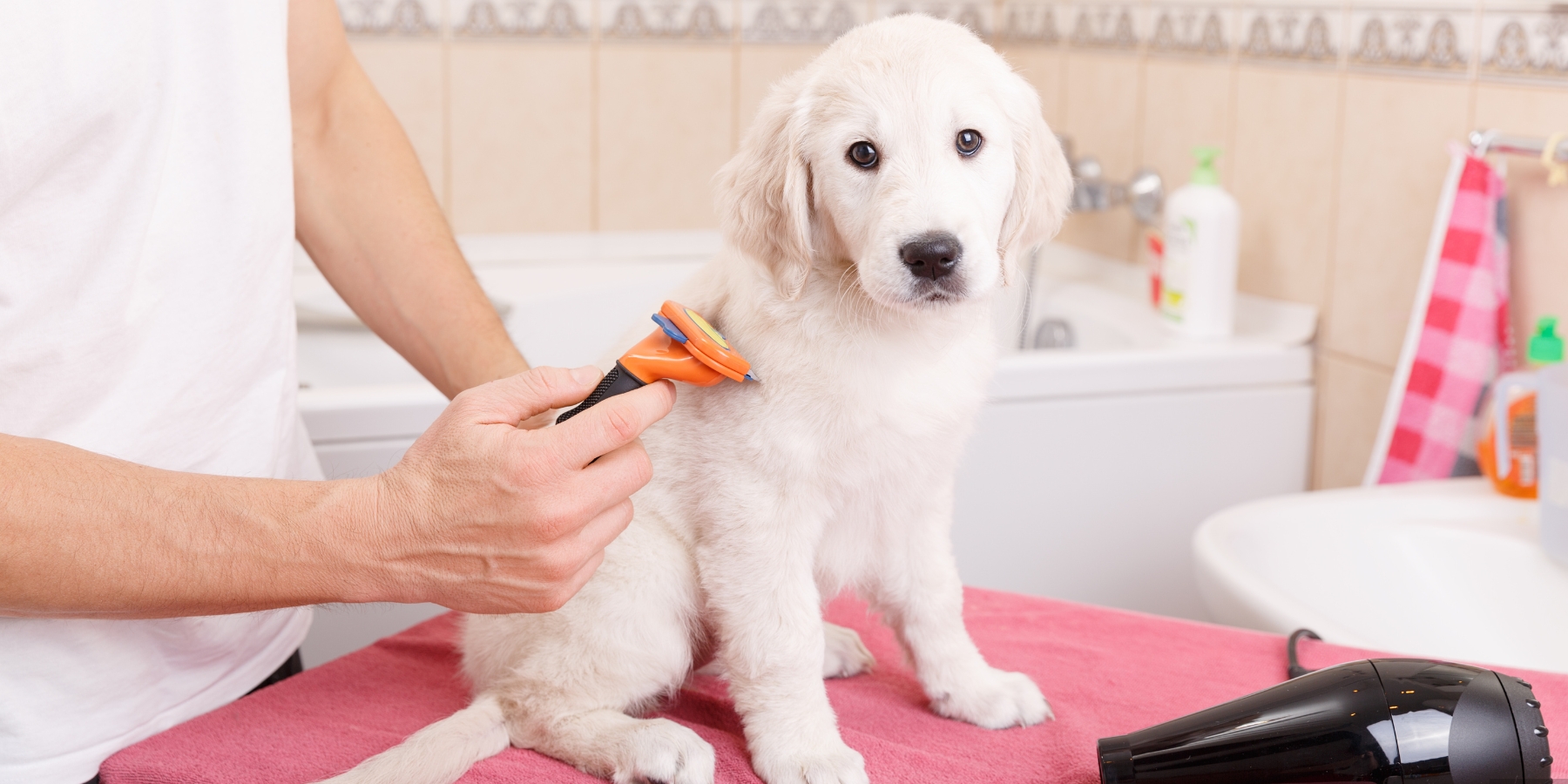
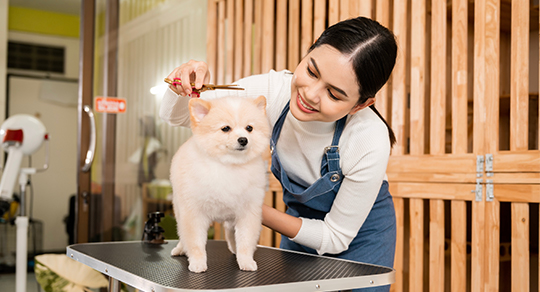
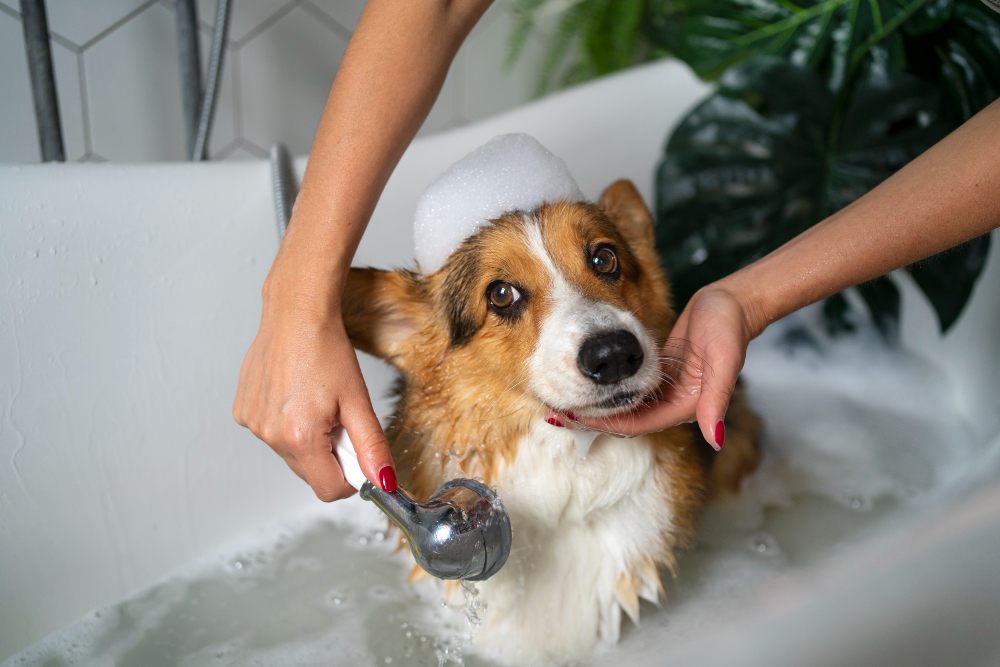
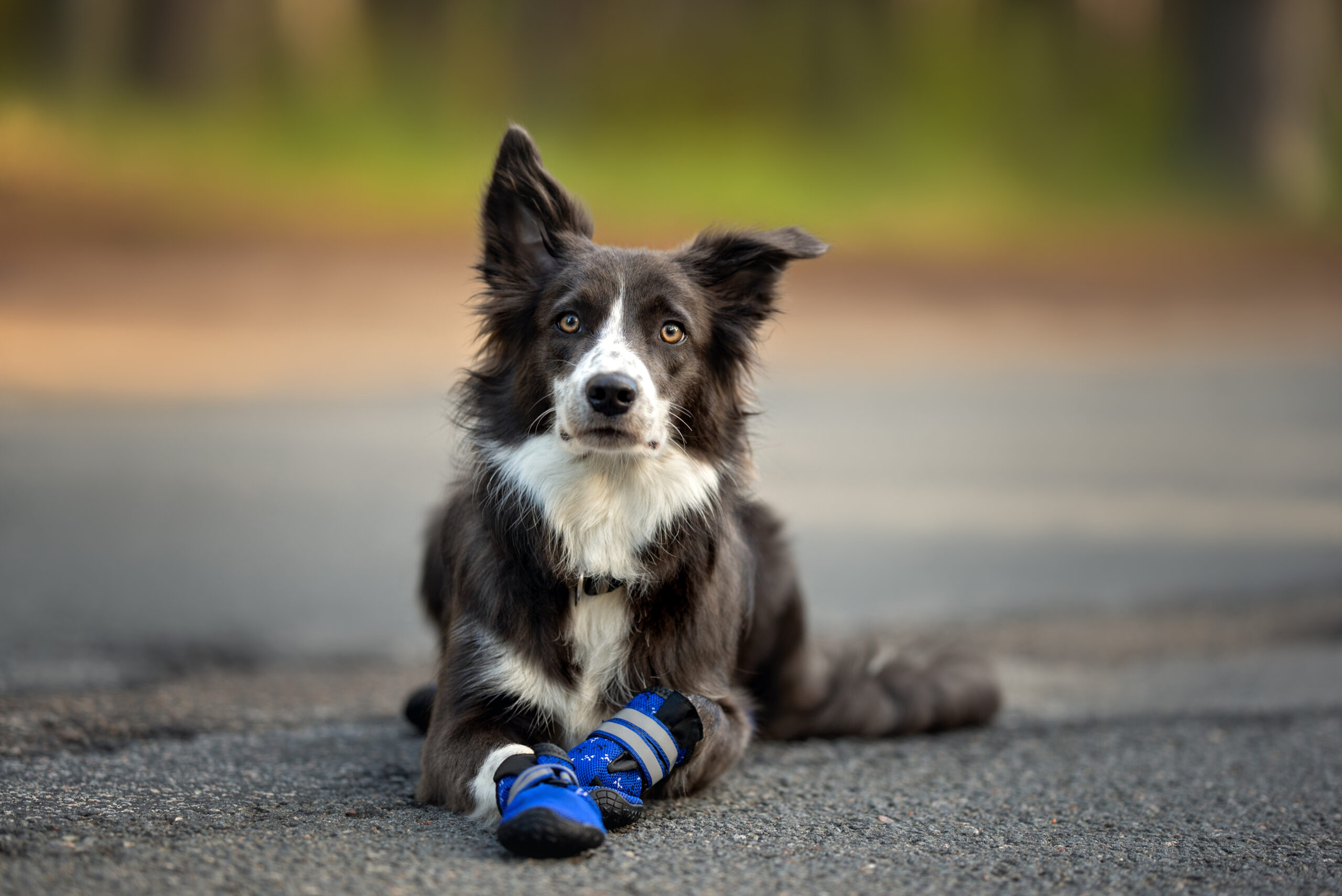
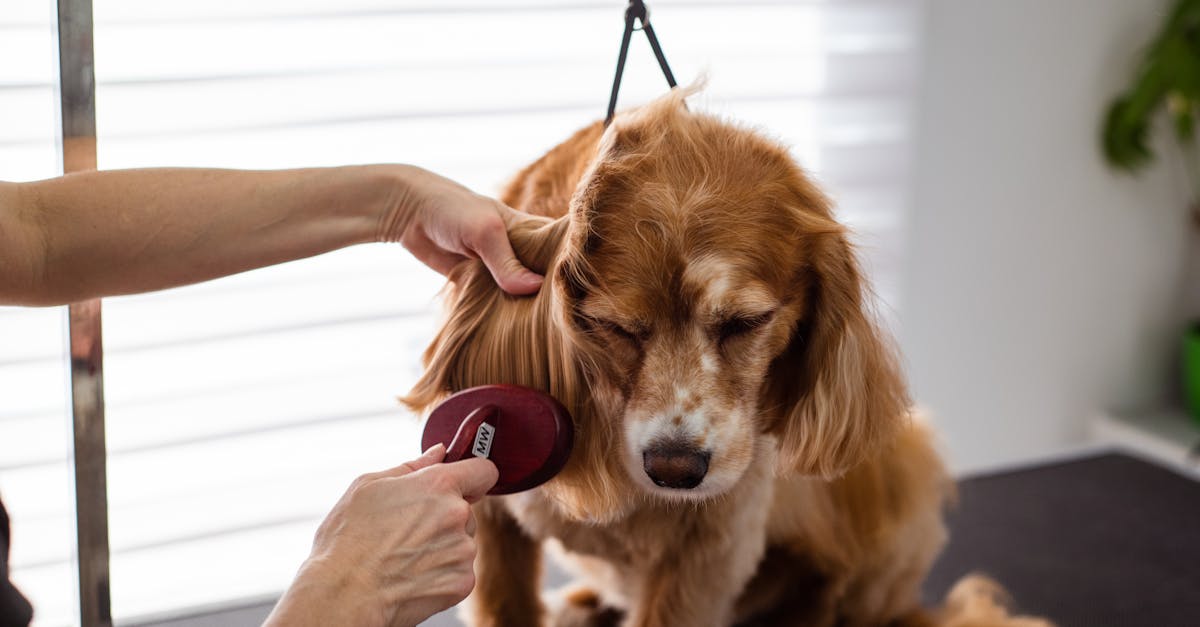
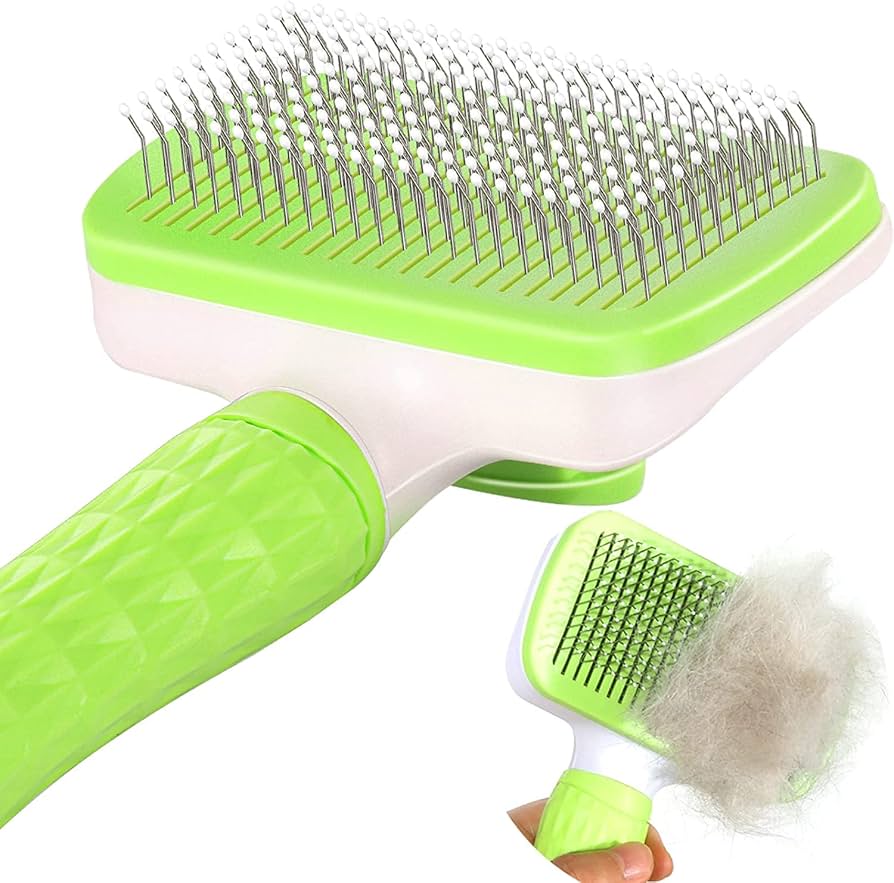
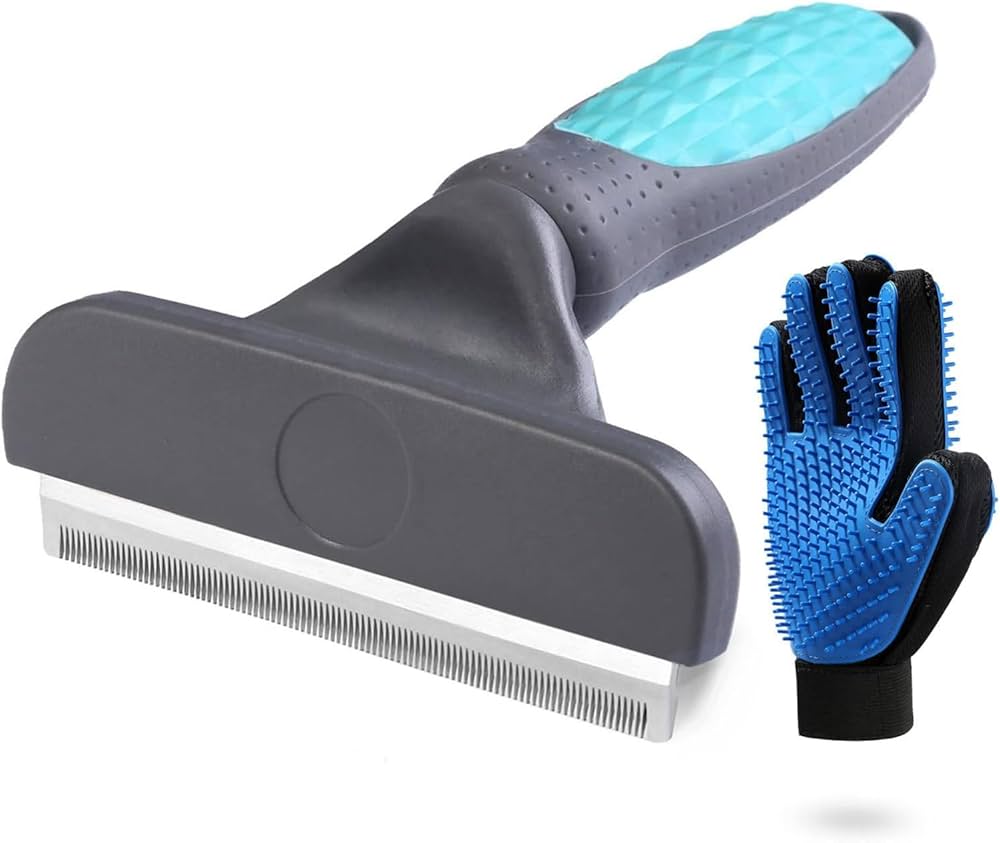
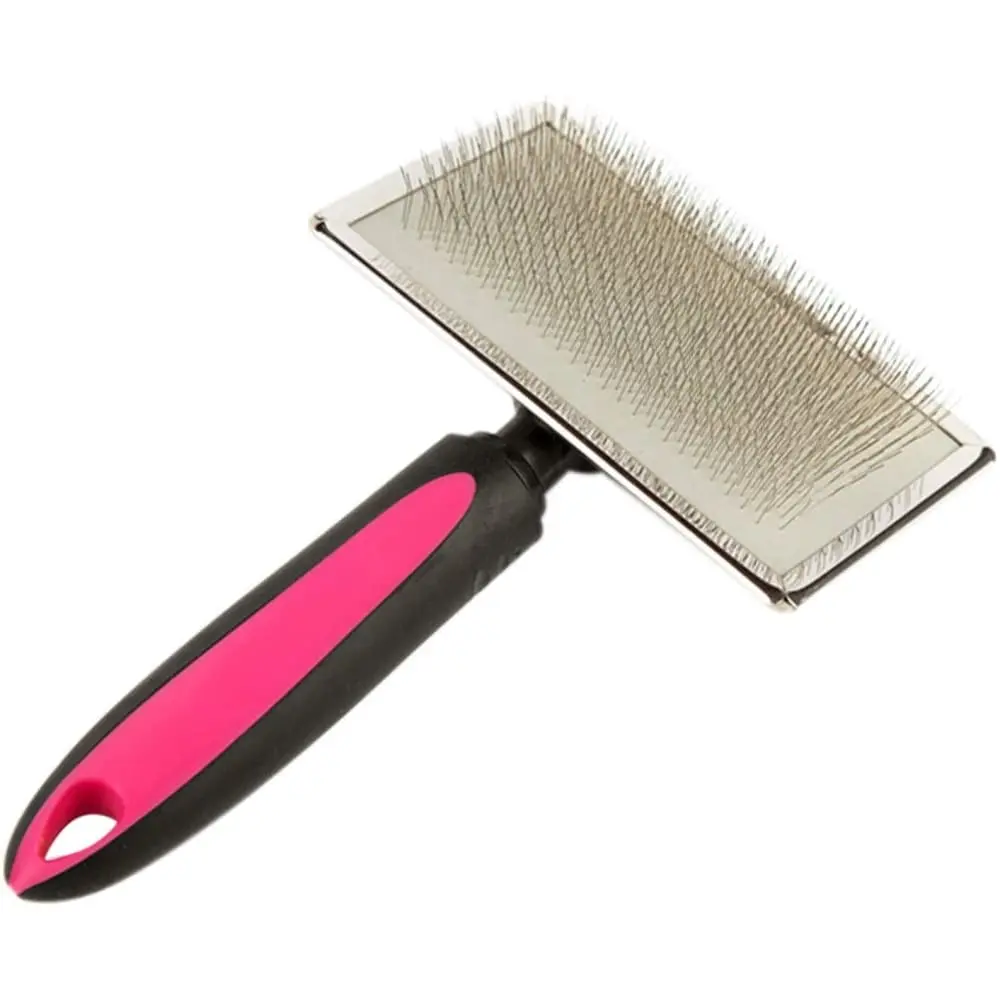
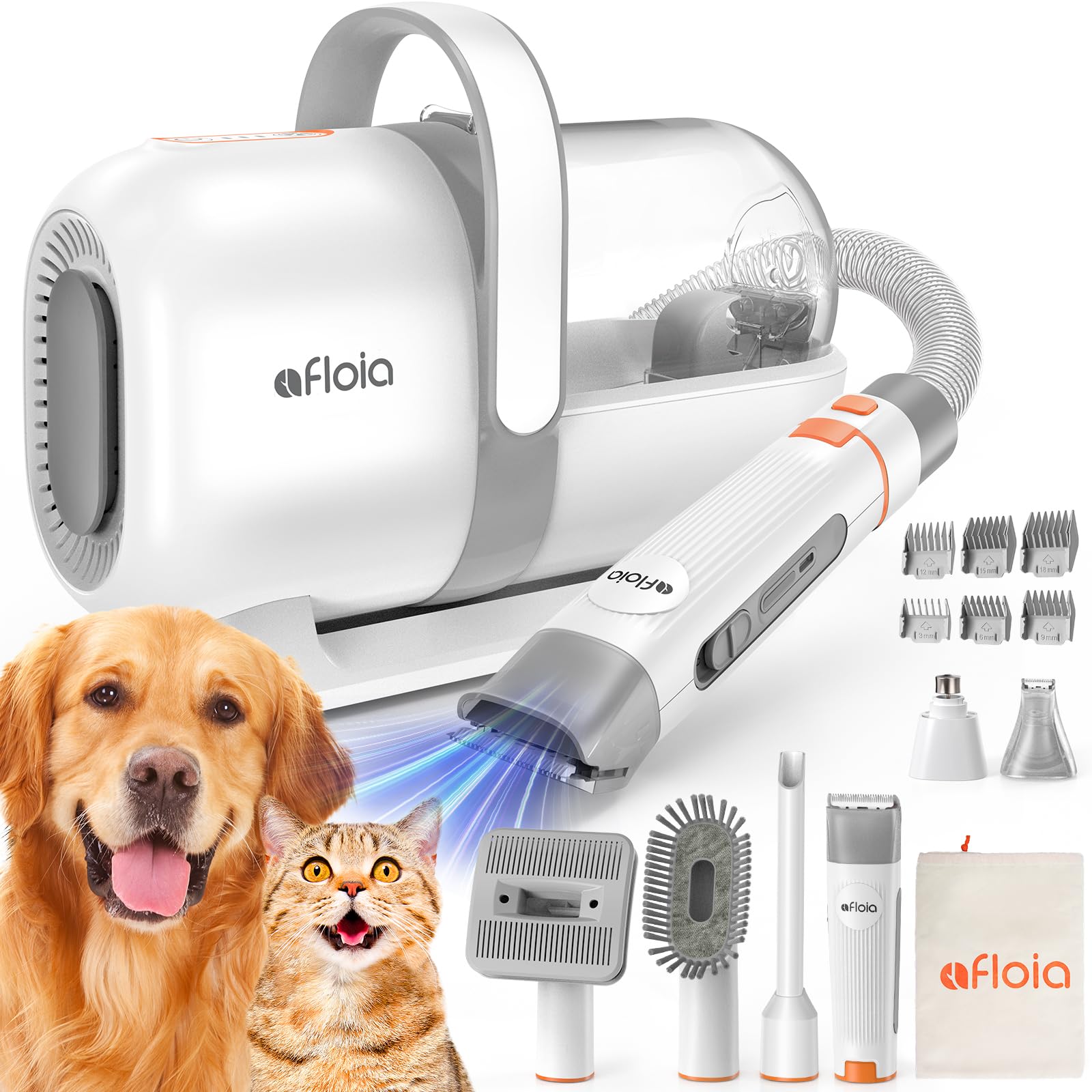
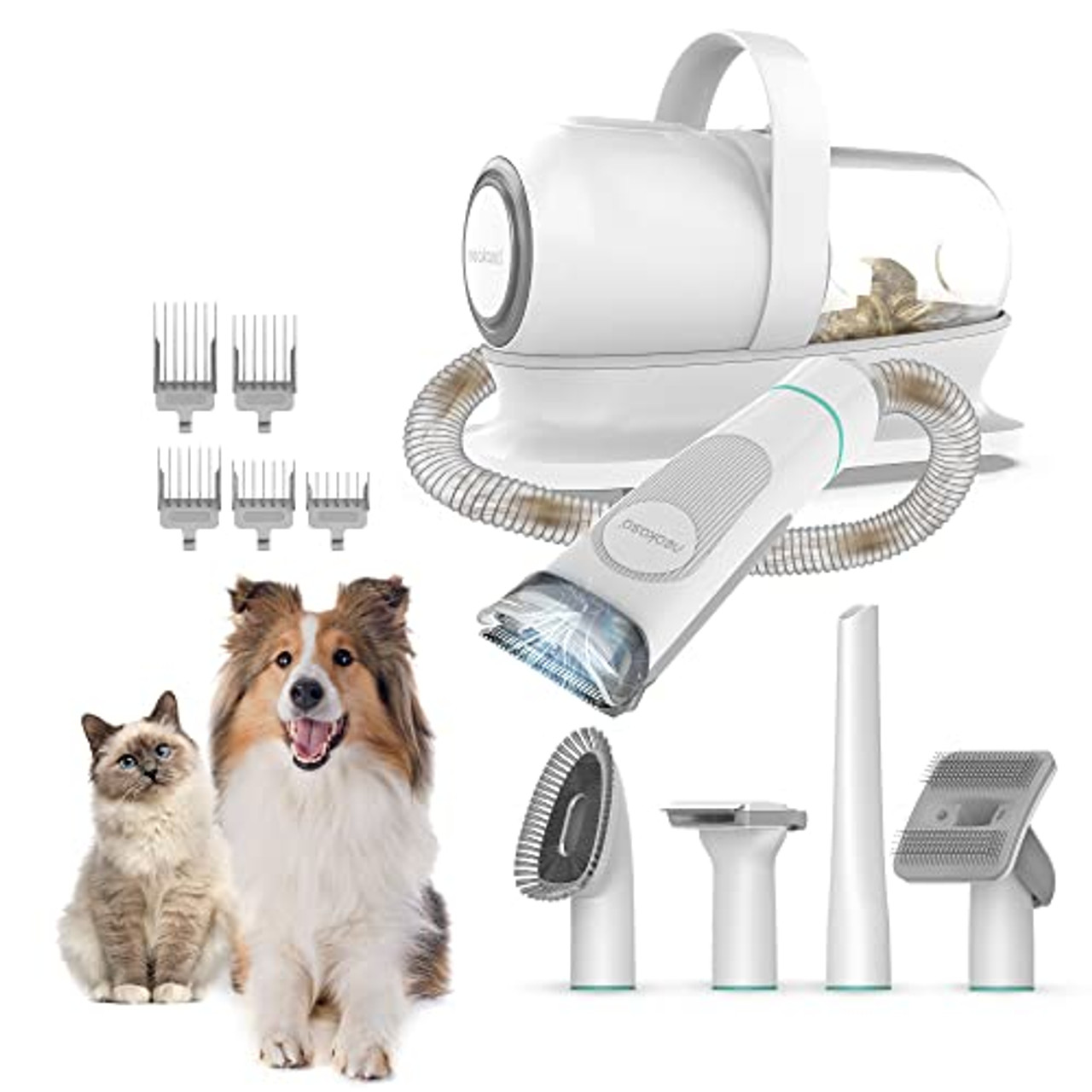
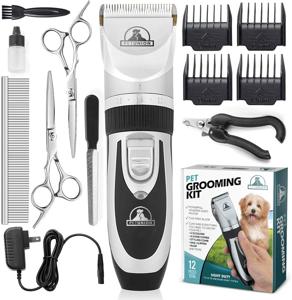
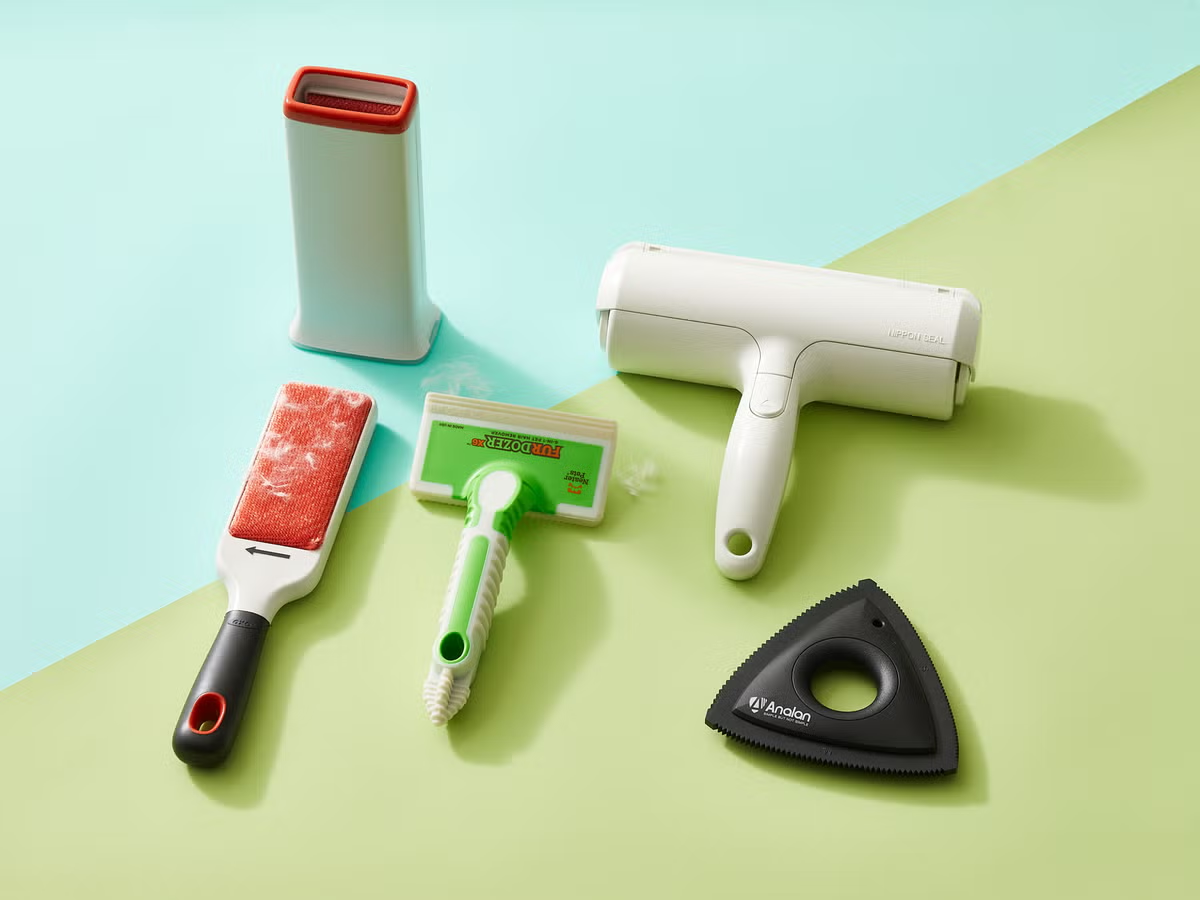
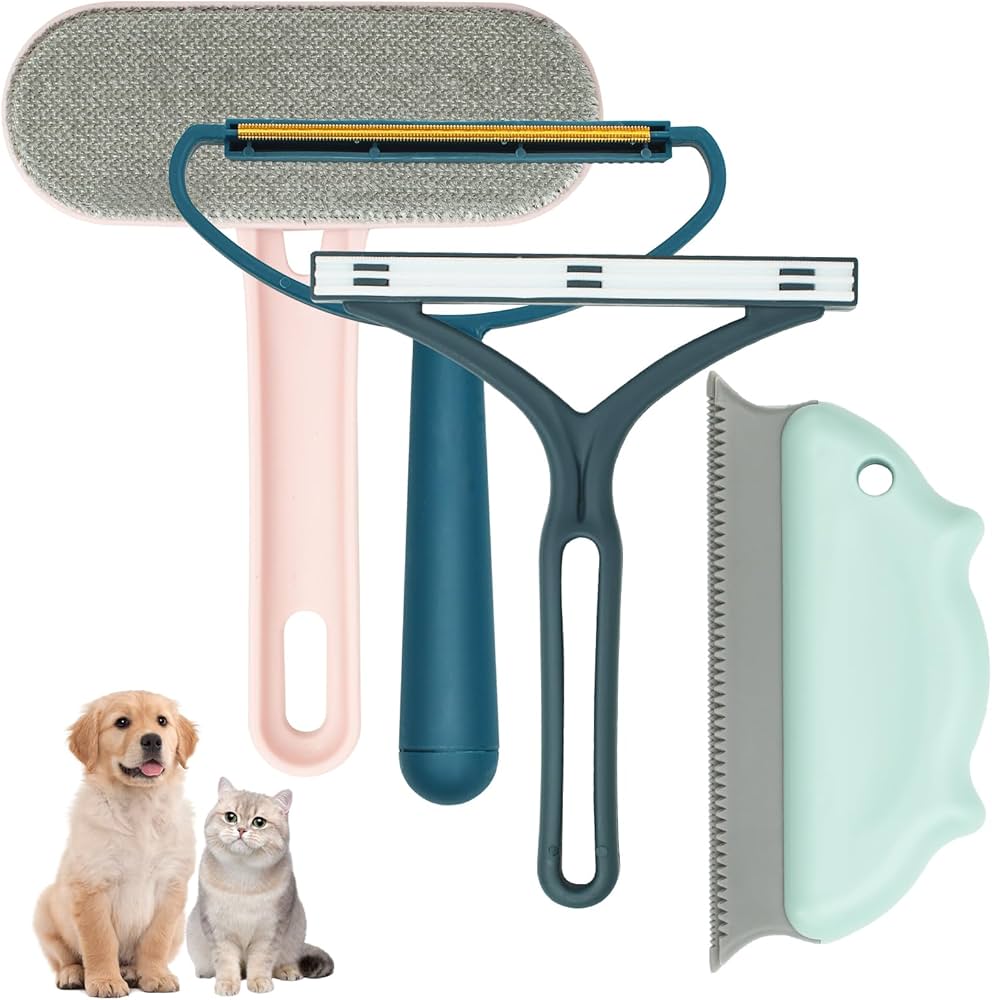
Welcome to our Select Dog Supplies category dedicated to Grooming, where we provide essential information and tips to keep your dog clean, healthy, and looking their best. Explore a variety of topics aimed at enhancing your grooming routine and ensuring your dog’s well-being.
Key Topics Covered:
Basic Grooming Tools: Discover essential tools such as brushes, combs, and nail clippers necessary for regular grooming sessions.
Bathing Techniques: Learn effective bathing techniques, including choosing the right shampoo and conditioner based on your dog’s coat type and skin sensitivity.
Brushing and Detangling: Understand the importance of regular brushing to prevent mats and tangles, and how to safely detangle your dog’s coat.
Ear and Dental Care: Get tips on cleaning your dog’s ears and maintaining dental hygiene to prevent infections and dental diseases.
Trimming Nails: Learn how to safely trim your dog’s nails to maintain proper length and prevent discomfort or injury.
Coat Care: Explore coat care routines for different breeds, including grooming tips specific to short-haired, long-haired, and double-coated dogs.
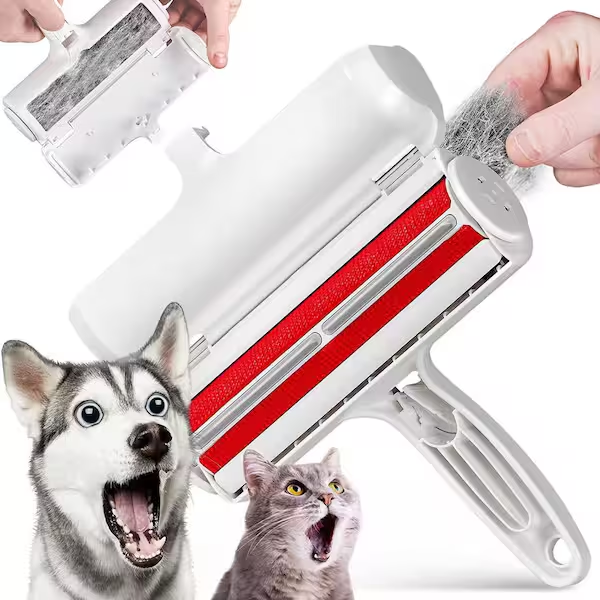
Dealing with Shedding: Discover strategies and tools to manage shedding, including deshedding tools and supplements that promote healthy skin and coat.
Grooming for Health: Understand how regular grooming contributes to your dog’s overall health, including early detection of skin issues or parasites.
Our goal is to provide you with comprehensive guidance within the Grooming category, enabling you to create a positive grooming experience for your dog while maintaining their health and appearance. Stay informed with our expert tips and product recommendations to elevate your grooming routine effectively.
Ever wondered why your furry friend seems stressed after a trip to the groomer? Imagine the convenience and comfort of having an in-home dog groomer. As pet owners, we know how crucial it is to ensure our dogs feel safe and relaxed during grooming sessions. The rise of in-home dog grooming services is a game-changer, offering a stress-free alternative that caters to both our pets’ needs and our busy schedules.
In this text, we’ll explore the benefits of choosing an in-home dog groomer, from personalized care to the comfort of familiar surroundings. We’ll jump into how these services work, what to expect, and how they can transform your pet’s grooming experience. Whether you’re a seasoned pet owner or new to the industry of dog grooming, you’ll discover why this option might just be the perfect fit for you and your furry companion.
Understanding In Home Dog Groomers
In-home dog groomers offer a unique service that enhances pet care by bringing grooming to the comfort of our own homes. This service has grown significantly with 41% of dog owners in the U.S. opting for at-home grooming, based on a 2020 survey by the American Pet Products Association. Understanding what these services entail can help us make informed choices for our pets.
Key Attributes
Personalized Service: In-home dog groomers provide individualized attention to our pets. The groomer focuses solely on one pet at a time, catering to exact grooming needs. This personalized approach often reduces the stress pets might experience in a busier salon environment.
Convenience and Comfort: The primary advantage of inviting a groomer into our home is convenience. Our pets remain in a familiar environment which can help them stay calm during grooming sessions. This setting is particularly beneficial for pets with anxiety or those uncomfortable with travel.
Customized Schedules: Unlike salons, in-home dog groomers offer flexible scheduling customized to our needs. This adaptability can ensure that grooming fits seamlessly into our routines, making it easier to maintain regular grooming habits.
Considerations for Hiring
When considering an in-home dog groomer, it’s essential to evaluate their qualifications and experience. We should ask about their training, certifications, and references to ensure they are skilled in various grooming techniques. Also, understanding their grooming process, including the products and tools used, guarantees the safety and well-being of our pets.
Financial Perspective
While offering many benefits, in-home dog grooming can present financial considerations. Lower-income households often choose this method due to cost-effectiveness compared to traditional grooming salons. It’s crucial to weigh potential savings against any compromises in service quality.
By grasping the full scope of what in-home dog groomers offer and assessing our exact circumstances, we can make informed decisions that best suit our pets’ grooming needs and our lifestyle. As this form of grooming continues to rise in popularity, understanding its facets ensures we provide optimal care for our dogs.
Benefits Of Choosing An In Home Dog Groomer
Choosing an in-home dog groomer offers unique advantages for both pets and owners. It’s important to consider personalized attention and a stress-free environment to ensure a comfortable grooming experience.
Personalized Attention
In-home dog grooming ensures personalized attention for each pet. Groomers focus solely on one dog, tailoring the service to exact needs, such as age, health, and behavioral traits. For example, elderly or special needs dogs benefit from this customized care. This individualized approach strengthens the bond between the groomer and our pet, improving trust and communication.
Stress-Free Environment
An in-home setting provides a stress-free environment, reducing anxiety for pets. Unlike salons, pets avoid car rides, loud noises, and other animals. Familiar surroundings offer comfort, improving the grooming experience. By minimizing stress, we promote positive mental well-being in our pets, making grooming more pleasant and efficient.
Convenience For Pet Owners
In-home grooming services offer unparalleled convenience. Scheduling flexibility allows us to choose times that fit our routine without the hassle of transporting pets. Also, grooming at home saves time and effort, accommodating busy lifestyles. We also have the opportunity to observe the grooming process, ensuring transparency and quality service.
Services Offered By In Home Dog Groomers
In-home dog groomers provide a variety of personalized services, ensuring our pets receive the care they need right at home, reducing anxiety and offering convenience. These services often exceed typical salon experiences by focusing on individual dog needs.
Basic Grooming Services
Our basic grooming services cover essential care aspects. We offer bathing and shampooing with hypoallergenic products, suitable for dogs with sensitive skin. Nail trimming and clipping helps prevent overgrowth and maintain hygiene. We focus on regular ear cleaning to prevent infections and reduce odor. Haircuts and trimming are customized to each dog’s breed and coat type. Our comprehensive brushing and detangling minimizes shedding while keeping your pet’s coat healthy. We also provide tooth brushing to maintain oral health.
Specialty Treatments
Specialty treatments cater to unique needs some dogs have. De-shedding treatments address excessive hair loss common in breeds with thick coats. Many pets benefit from flea and tick treatments, offering protection against pests. Some dogs require anal gland expression for improved comfort and health. Our groomers provide aromatherapy baths using calming scents to soothe anxious pets. Coat conditioning treatments enhance shine and manageability for dogs with dry or brittle fur.
Health Assessments
Health assessments become an integral part of in-home grooming. We conduct skin evaluations to detect issues like dryness or parasites early on. Regular ear inspections focus on identifying wax buildup or infections swiftly. Our oral health checks spot signs of dental problems, advising owners on further care. Assessing coat condition helps identify allergies or health issues. We also offer behavioral assessments that provide insights into anxiety or stress, recommending suitable grooming adjustments.
Factors To Consider When Hiring An In Home Dog Groomer
Hiring an in-home dog groomer involves careful consideration to ensure your pet receives the best care. We focus on several key factors to guide you in making an well-informed choice.
Experience And Certifications
Evaluating the groomer’s experience and certifications is crucial. Certifications from respected institutions like the National Dog Groomers Association of America (NDGAA) and the American Kennel Club (AKC) signify a groomer’s formal training and proven grooming skills. Also, consider if the groomer has specialized training for exact breeds, coat types, or grooming challenges. This expertise ensures they’re equipped to handle your dog’s unique grooming needs.
Reviews And Recommendations
Reading reviews and seeking recommendations from other pet owners provides insight into a groomer’s professionalism and reliability. Look for feedback on communication skills and the overall grooming experience. Positive reviews often highlight the groomer’s ability to connect with pets, ensuring a stress-free atmosphere. Recommendations from trusted sources, such as friends or neighbors, add another layer of assurance.
Cost And Availability
Understanding the cost and availability of in-home grooming services is essential. Costs can vary based on services offered and the groomer’s experience level. Compare different groomers to find a service that fits your budget. Consider their availability to match your schedule and ensure convenience. Flexible scheduling accommodates your routine and ensures regular grooming for your dog without disruptions.
Tips For A Successful Grooming Session
Ensuring a successful grooming session for your dog involves careful preparation and clear communication with your in-home groomer. By doing this, we create a stress-free environment that caters to our pet’s needs.
Preparing Your Dog
Proper preparation forms the foundation of a successful grooming session at home. Regular brushing is essential; daily or several times a week, depending on your dog’s coat type, ensures the removal of dead hair and tangles. A slicker or pin brush works wonders for long-haired breeds, preventing matting and distributing natural oils. Desensitizing our dog to grooming is crucial. Gently touching all body parts helps them get accustomed, making the process smooth. Positive reinforcement, like praise and treats, turns grooming into a pleasant experience. Before nail trimming, familiarize them with touch by rubbing their legs and toes to reduce anxiety. Before bath time, a thorough brush removes dead hair and mats, maintaining the coat’s health.
Communicating With The Groomer
Effective communication with the in-home dog groomer enhances the grooming session’s success, aligning their services with our dog’s unique needs. By discussing exact preferences and any concerns beforehand, we enable the groomer to tailor their approach. It’s important to provide information about any health issues or behavior traits that might impact the grooming process. We should encourage open dialogue, welcoming any questions or suggestions the groomer might have. Clear communication ensures our dog receives personalized care, fostering a stress-free environment and improving their overall well-being. Scheduling regular sessions also allows the groomer to become familiar with our pet, refining the care provided over time.
Conclusion
In-home dog grooming offers a customized and stress-free experience that benefits both pets and their owners. By choosing this personalized approach, we ensure our furry friends receive the care they need in a familiar environment, improving their comfort and well-being. The convenience of scheduling and the range of services available make in-home grooming an appealing option for many households. As we consider hiring a groomer, it’s crucial to evaluate their qualifications and gather insights from reviews to find the right fit. With proper preparation and open communication, we can create a positive grooming experience that meets our pets’ unique needs.
Has your furry friend ever come limping to you with a broken nail? It’s a common yet painful issue that many dog owners face. Broken nails in dogs can range from minor splits to severe fractures, often causing discomfort and potential complications if left untreated.
We understand how distressing it can be to see your pup in pain. That’s why we’ve put together this comprehensive guide on dealing with dog broken nails. We’ll walk you through the causes, symptoms, and step-by-step treatment options. From at-home care to when it’s time to visit the vet, we’ve got you covered. By the end of this article, you’ll be equipped with the knowledge to handle this common canine concern confidently and effectively.
Understanding Dog Nail Anatomy
The Structure of a Dog’s Nail
A dog’s nail consists of three main components: the hard outer shell, the quick, and the nail bed. Each part plays a crucial role in the nail’s function and health.
The Hard Outer Shell
The outer layer of a dog’s nail is composed of keratin, a tough protein that provides structural integrity and protection. This hard shell wraps around the toe’s tip, making contact with the ground during activities like walking, running, and digging.
The Quick
Inside the hard outer shell lies the quick, a triangular-shaped live tissue rich in blood vessels and nerves. The quick:
Connects to the bone
Serves as the nail’s blood supply
Appears as light pink, soft tissue within the nail
Is sensitive and prone to bleeding if damaged
The Nail Bed
The nail bed is the area where the nail meets the toe. It’s a sensitive region that can be easily damaged if the nail breaks or tears. Injuries to the nail bed may lead to:
Infections
Abnormal nail regrowth
Pain and discomfort for the dog
Importance of Dog Nails
Dog nails serve several vital purposes:
Provide traction and stability during movement
Aid in digging and scratching behaviors
Protect the toes from impact and injury
Assist in gripping objects
Understanding the anatomy of a dog’s nails helps explain why proper treatment for a broken nail is crucial. The complex structure of the nail, with its sensitive quick and nail bed, makes it susceptible to pain and complications if damaged.
Identifying the Quick
In dogs with white nails, the quick is usually visible through the hard outer surface. But, it can be more challenging to identify in dogs with dark nails. This distinction is important when trimming nails or addressing nail injuries.
Nail Anatomy and Injury Risk
Unlike human fingernails, which lie flat on the fingertip, dog nails wrap around the toe’s tip. This structure makes them more susceptible to:
Splitting
Cracking
Breaking
These risks increase when dogs engage in activities like digging or running on hard surfaces.
By understanding dog nail anatomy, we can better appreciate the importance of nail health and take appropriate measures to prevent and treat nail injuries.
Common Causes of Dog Broken Nail
Trauma
Trauma is a leading cause of broken nails in dogs. It occurs when a dog’s nail catches on sharp objects, gets trapped in doors, or experiences physical impact. Common scenarios include:
Jumping from elevated surfaces
Captivating in vigorous play
Digging in rough terrain
Fighting with other dogs
These activities can result in nail breaks, splits, or complete detachment, causing pain and potential infections.
Overgrown Nails
Long, overgrown nails are more susceptible to breaking or splitting. Regular nail trimming is crucial for preventing these issues. Overgrown nails are prone to:
Snagging on fabric and carpeting
Catching on grass roots
Breaking during normal activities
Maintaining proper nail length reduces the risk of breakage and improves overall paw health.
Nutritional Deficiencies
A dog’s nail health is closely tied to their diet. Nutritional deficiencies can lead to brittle nails that break easily. Key factors include:
Lack of adequate protein
Insufficient vitamins and minerals
Ensuring a balanced diet rich in essential nutrients promotes stronger, healthier nails and reduces the risk of breakage.
Medical Conditions
Certain health issues can weaken a dog’s nails, making them more prone to breaking:
These conditions affect nail structure and integrity, increasing the likelihood of breaks and splits.
Age-Related Factors
As dogs age, their nails may become more brittle and prone to breaking. This is due to:
Changes in nail composition
Reduced blood flow to the nail bed
Decreased overall health and vitality
Senior dogs require extra attention to nail care to prevent breakage and associated discomfort.
Environmental Factors
A dog’s environment can contribute to nail damage:
Rough surfaces (e.g., concrete, asphalt)
Exposure to chemicals or harsh cleaning products
Extreme weather conditions
These factors can weaken nail structure over time, leading to increased breakage risk.
By understanding these common causes, we can take proactive steps to maintain our dogs’ nail health and prevent painful breaks. Regular grooming, proper nutrition, and addressing underlying health issues are key to keeping our canine companions’ nails strong and intact.
Signs and Symptoms of a Broken Nail
Recognizing the signs and symptoms of a broken nail in dogs is crucial for prompt treatment and preventing complications. We’ll explore the key indicators that your dog may have suffered a nail injury.
Exposed quick (the sensitive, fleshy part of the nail)
Nail at an odd angle
These visual cues are often the first indicators of a nail injury in dogs.
Bleeding
Bleeding is a common symptom of a broken nail:
Heavy bleeding from the affected nail
Blood spots on bedding or floors
Continued bleeding with each step if the nail is partially detached
The rich blood supply to the nailbed can lead to important bleeding, especially if the quick is exposed.
Limping and Favoring the Foot
Dogs with broken nails typically exhibit altered walking patterns:
Limping or holding up the affected paw
Avoiding putting weight on the injured foot
Reluctance to walk or play
These behaviors indicate discomfort and pain associated with the nail injury.
Excessive Licking or Chewing
Dogs often attempt to self-soothe when experiencing nail pain:
Constant licking of the affected paw
Chewing at the injured nail or surrounding area
Increased focus on the paw
This behavior can exacerbate the injury and potentially lead to infection.
Sensitivity and Swelling
The area around a broken nail becomes sensitive and may show signs of inflammation:
Swollen nail bed or paw
Resistance when examining the affected area
Visible discomfort when the paw is touched
Pus or crust around the nail
These symptoms indicate pain and potential infection in the injured area.
Changes in Nail Appearance
A broken nail may cause noticeable changes in the nail’s appearance:
Brittle or fragile nails
Discoloration of the affected nail
Dangling nail slivers
Exposed quick (pink or red tissue inside the nail)
These changes can help identify which nail is injured and the extent of the damage.
Behavioral Changes
Dogs with broken nails often exhibit changes in their usual behavior:
Increased irritability
Reluctance to engage in normal activities
Whining or yelping, especially when the paw is touched
Decreased appetite due to pain or discomfort
These behavioral shifts can be subtle but important indicators of nail-related pain.
By recognizing these signs and symptoms, we can quickly identify when a dog has suffered a broken nail. Prompt detection allows for timely treatment, reducing pain and preventing potential complications such as infections. If you notice any of these symptoms in your dog, it’s important to assess the severity of the injury and seek veterinary care if necessary.
Types of Dog Nail Injuries
Dog nail injuries come in various forms, each with distinct characteristics and treatment needs. Understanding these types helps pet owners identify and address nail issues promptly. Let’s explore the most common types of dog nail injuries.
Cracked or Split Nails
Cracked or split nails are painful injuries that often result from trauma or snagging. These injuries can cause bleeding and expose the quick, the sensitive inner part of the nail. Signs include limping, pain, and visible damage to the nail. Treatment depends on the severity of the crack. Minor splits may only require cleaning and filing, while more severe cases need veterinary attention. Vets may trim the damaged portion, apply styptic powder to stop bleeding, and bandage the paw. Keeping the area clean and preventing the dog from licking or chewing the affected nail is crucial for proper healing.
Torn or Ripped Off Nails
Torn or ripped off nails are severe injuries that cause important pain and bleeding. These injuries often occur when a dog’s nail catches on something and is forcefully pulled. Symptoms include excessive bleeding, limping, and visible nail damage. Immediate veterinary care is essential for torn nails. Treatment typically involves cleaning the area, trimming any remaining damaged nail, and addressing the exposed quick. Vets may prescribe pain medication and antibiotics to prevent infection. Recovery requires careful monitoring and keeping the paw clean and dry. In some cases, a protective boot may be necessary to prevent further injury during healing.
Broken Dew Claws
Broken dew claws are a common nail injury in dogs. Dew claws, located higher on the leg, are more prone to snagging and breaking due to their position. These injuries can be particularly painful and may bleed profusely. Signs include limping, licking the affected area, and visible damage to the dew claw. Treatment for broken dew claws often requires veterinary intervention. The vet may need to remove the remaining portion of the claw under sedation. After removal, they’ll clean the area, apply a bandage, and prescribe pain medication and antibiotics if necessary. Some pet owners opt for permanent dew claw removal to prevent future injuries, especially in active dogs.
First Aid for a Dog’s Broken Nail
When a dog breaks a nail, quick action is crucial to minimize pain and prevent complications. We’ll guide you through the essential steps to provide immediate care for your furry friend’s injury.
Stopping the Bleeding
Stopping the bleeding is the first priority when dealing with a dog’s broken nail. We recommend applying gentle pressure using a clean cloth or sterile gauze to the affected area until the bleeding stops. For faster clotting, apply styptic powder or Kwik Stop directly to the bleeding nail. These products contain coagulants and may include a local anesthetic to help control pain. If these aren’t available, cornstarch or flour can serve as alternative coagulants. Simply place the dog’s nail in a plate of cornstarch or flour to encourage clotting. Remember to maintain pressure for several minutes to ensure the bleeding has stopped completely before proceeding with further treatment.
Managing Pain and Discomfort
Managing your dog’s pain and discomfort is crucial when treating a broken nail. We advise carefully restraining and muzzling your dog to prevent biting when touching the affected toe. This precaution ensures safety for both you and your pet during treatment. Apply a cool compress to the nail and toe for a few minutes to help reduce pain and slow blood flow from the exposed nail bed. If available, consider using a Chinese herb called yunnan baiyao to assist with pain management and bleeding control.
Open the capsule and apply its contents directly to the exposed nail bed. To prevent infection and further discomfort, cover the injury with a clean sock or bandage. This covering also keeps your dog from licking the wound, which can dislodge clots, restart bleeding, or introduce infection. For ongoing protection, we recommend using a cone or E-collar to prevent your dog from interfering with the healing process.
When to Seek Veterinary Care
Recognizing when to seek professional help for a dog’s broken nail is crucial for proper care and prevention of complications. We’ve identified key scenarios that warrant immediate veterinary attention:
Severe Bleeding
Excessive bleeding that persists for more than 30 minutes requires prompt veterinary care. If home remedies like styptic powder or cornstarch fail to stop the bleeding, it’s time to consult a vet. Uncontrolled bleeding can lead to important blood loss and other health issues.
Exposure of the Quick
The quick, the sensitive inner part of the nail containing blood vessels and nerves, demands special attention when exposed. A break that reaches the quick is extremely painful and prone to infection. Veterinary intervention is essential to:
Manage pain effectively
Prevent infection
Ensure proper healing
Signs of Infection
Watch for these infection indicators:
Foul odor from the nail area
Discharge or pus
Redness or swelling around the nail
Warmth in the affected paw
Any of these symptoms necessitate a vet visit to address the infection and prevent it from spreading.
Severe Pain or Discomfort
If your dog shows signs of intense pain, such as:
Refusing to put weight on the affected paw
Crying out when the area is touched
Excessive licking or chewing of the paw
These behaviors indicate severe discomfort that requires professional assessment and pain management.
Complicated Breaks or Tears
Some nail injuries are too complex for home treatment:
Nails torn off at the base
Multiple breaks in one nail
Injuries involving the nail bed
These situations often require surgical intervention or specialized treatment that only a veterinarian can provide.
Underlying Health Conditions
Dogs with pre-existing health issues like diabetes or immune system disorders need veterinary care for any nail injury. These conditions can complicate healing and increase the risk of infection.
By seeking veterinary care in these situations, we ensure our dogs receive the appropriate treatment, minimize their pain, and prevent potential complications. Remember, when in doubt about the severity of a nail injury, it’s always best to consult with a veterinary professional for guidance and proper care.
Professional Treatment Options
When home care isn’t sufficient for a dog’s broken nail, professional veterinary treatment becomes necessary. Here’s what you can expect from a vet’s approach to treating a dog’s broken nail:
Trimming or Removing the Damaged Nail
Vets often start by addressing the damaged portion of the nail:
They trim or remove the broken part to prevent further irritation
This eliminates potential breeding grounds for bacteria
Vets use specialized nail clippers to cut the nail at its base
They apply a coagulant like Kwik Stop to halt bleeding
This process reduces the risk of infection and promotes healing
Cleaning the Area
Thorough cleaning is crucial to prevent complications:
Vets use antiseptic answers to disinfect the injured area
They may clip fur around the nail for better access
This ensures a clean environment for proper healing
Antiseptics help eliminate existing bacteria and prevent new infections
The cleaning process is gentle to avoid causing additional pain
Pain Relief and Sedation
Comfort is a priority during treatment:
Vets offer pain relief options to make the process more bearable
For severe cases, they may administer sedation
This is particularly helpful when extensive nail manipulation is required
Pain management allows for a more thorough examination and treatment
It reduces stress for both the dog and the veterinary team
By providing these professional treatments, veterinarians ensure that dogs with broken nails receive comprehensive care. This approach not only addresses the immediate issue but also prevents potential complications, promoting faster healing and reducing the risk of future nail problems.
Home Care and Recovery
Stopping the Bleeding
When dealing with a dog’s broken nail, our first priority is stopping the bleeding. We apply gentle pressure to the injured nail using a clean cloth or gauze. For persistent bleeding, styptic powder, Kwik Stop, or cornstarch encourages clotting. These products are applied directly to the nail or, with cornstarch, by holding the nail in a plate of it.
Cleaning and Trimming
After controlling the bleeding, we clean the area with mild soap and warm water. If there’s a loose piece of nail, careful trimming with dog nail clippers is possible. But, it’s often best to have a veterinarian perform this task to avoid cutting the quick, which can cause additional pain and bleeding.
Disinfecting and Bandaging
To prevent infection, we apply a pet-safe antiseptic to the affected area. A light bandage protects the nail during the healing process, but we ensure it’s not too tight to avoid restricting blood flow. This bandage also helps keep the area clean and prevents the dog from licking or chewing the injured nail.
Monitoring and Follow-up Care
We closely monitor the injured nail for signs of infection or delayed healing. These signs include persistent swelling, discharge, or if the dog shows continued discomfort. Regular cleaning and bandage changes are essential for proper healing. We gradually reduce the frequency of bandage changes as the nail heals.
Pain Management
To manage our dog’s pain and discomfort, we may use pet-safe pain relievers as recommended by a veterinarian. Cold compresses can also help reduce swelling and provide relief. We limit our dog’s activity during the recovery period to prevent further injury to the healing nail.
Preventing Future Injuries
As part of the recovery process, we focus on preventing future nail injuries. Regular nail trims keep nails at an appropriate length, reducing the risk of snagging or breaking. We also inspect our dog’s paws and nails regularly for any signs of damage or abnormalities.
By following these home care and recovery steps, we ensure our dog’s broken nail heals properly and minimize the risk of complications. But, if we notice any signs of infection or if the nail doesn’t seem to be healing, we consult our veterinarian promptly for professional advice and treatment.
Preventing Future Nail Injuries
Preventing future nail injuries in dogs involves a combination of proper nail care and overall paw maintenance. By implementing these strategies, we can significantly reduce the risk of nail tears, breaks, and other related issues.
Proper Nail Trimming Techniques
Regular nail trimming is crucial for preventing dog nail injuries. Keeping nails short reduces the risk of snagging or breaking. We recommend trimming your dog’s nails every two to four weeks, depending on their growth rate and activity level. When trimming, cut only the tip of the nail, avoiding the quick – the sensitive area containing blood vessels and nerves. For dogs with dark nails, trim small amounts at a time to avoid cutting too close to the quick. Using the right tools, such as nail clippers designed for dogs or a nail grinder, can make the process easier and safer. Always reward your dog with treats and praise during nail trims to create a positive association with the experience.
Regular Paw Maintenance
Maintaining your dog’s paws goes beyond nail trimming. We advise inspecting your dog’s paws regularly for any signs of injury, dryness, or foreign objects. In cold weather or low humidity conditions, apply a pet-safe moisturizing balm to prevent cracking and dryness. Trim the hair between your dog’s paw pads to reduce the risk of matting and debris accumulation. After walks, especially in urban areas or rough terrain, clean your dog’s paws to remove any potential irritants. Providing appropriate surfaces for your dog to walk on, such as grass or smooth floors, can help prevent nail wear and tear. Regular paw maintenance not only prevents nail injuries but also promotes overall paw health and comfort for your dog.
Potential Complications of Untreated Nail Injuries
Untreated broken nails in dogs can lead to several serious complications. We’ll explore the most common issues that may arise when a dog’s nail injury is left unaddressed.
Blood Loss and Bleeding
A broken nail, particularly one that exposes the quick, can result in important blood loss. The quick contains blood vessels, making it prone to persistent bleeding. This bleeding can worsen if the dog continues to put pressure on the injured paw during normal activities.
Infection Risk
Exposed quick tissue is highly susceptible to bacterial and fungal infections. These microorganisms can easily enter the open wound, potentially leading to:
Localized infections in the nail bed
Spread of infection to surrounding tissues
Bone infections (osteomyelitis) in severe cases
Infections can cause swelling, redness, and pus discharge around the affected area. If left untreated, they may spread to other parts of the paw or even throughout the body.
Chronic Pain and Discomfort
Broken nails are extremely painful for dogs due to the sensitivity of the quick. This pain can manifest as:
Limping or favoring the affected paw
Reluctance to walk or engage in normal activities
Frequent licking or chewing of the injured area
Behavioral changes, such as irritability or aggression when the paw is touched
Persistent pain can significantly impact a dog’s quality of life and lead to long-term behavioral changes.
Difficulty Walking and Mobility Issues
An untreated broken nail can affect a dog’s gait and overall mobility. This alteration in movement may result in:
Uneven weight distribution while walking
Increased stress on other paws, joints, and muscles
Potential development of secondary injuries or conditions
Nail Bed Damage
Prolonged exposure of the nail bed can lead to permanent damage, affecting future nail growth. This damage may cause:
Deformed or misshapen nails
Increased susceptibility to future nail injuries
Chronic nail problems requiring ongoing management
Systemic Health Issues
In severe cases, untreated nail injuries can lead to systemic health problems:
Spread of infection to other parts of the body
Weakened immune system due to chronic infection
Stress-induced health issues from prolonged pain and discomfort
By addressing dog nail injuries promptly, we can prevent these potential complications and ensure our pets maintain optimal paw health. Regular nail maintenance and quick response to injuries are crucial for preventing long-term issues and preserving our dogs’ overall well-being.
Conclusion
Dealing with a dog’s broken nail can be a stressful experience but with the right knowledge and approach it’s manageable. We’ve covered the causes symptoms and treatment options for this common issue. Remember prompt action is crucial to prevent complications and ensure your furry friend’s comfort. By maintaining regular nail care and being vigilant about paw health you can significantly reduce the risk of future injuries. Always consult with your veterinarian if you’re unsure about the severity of the injury or if your dog shows signs of distress. With proper care and attention your dog’s paws will stay healthy allowing them to run play and explore with confidence.
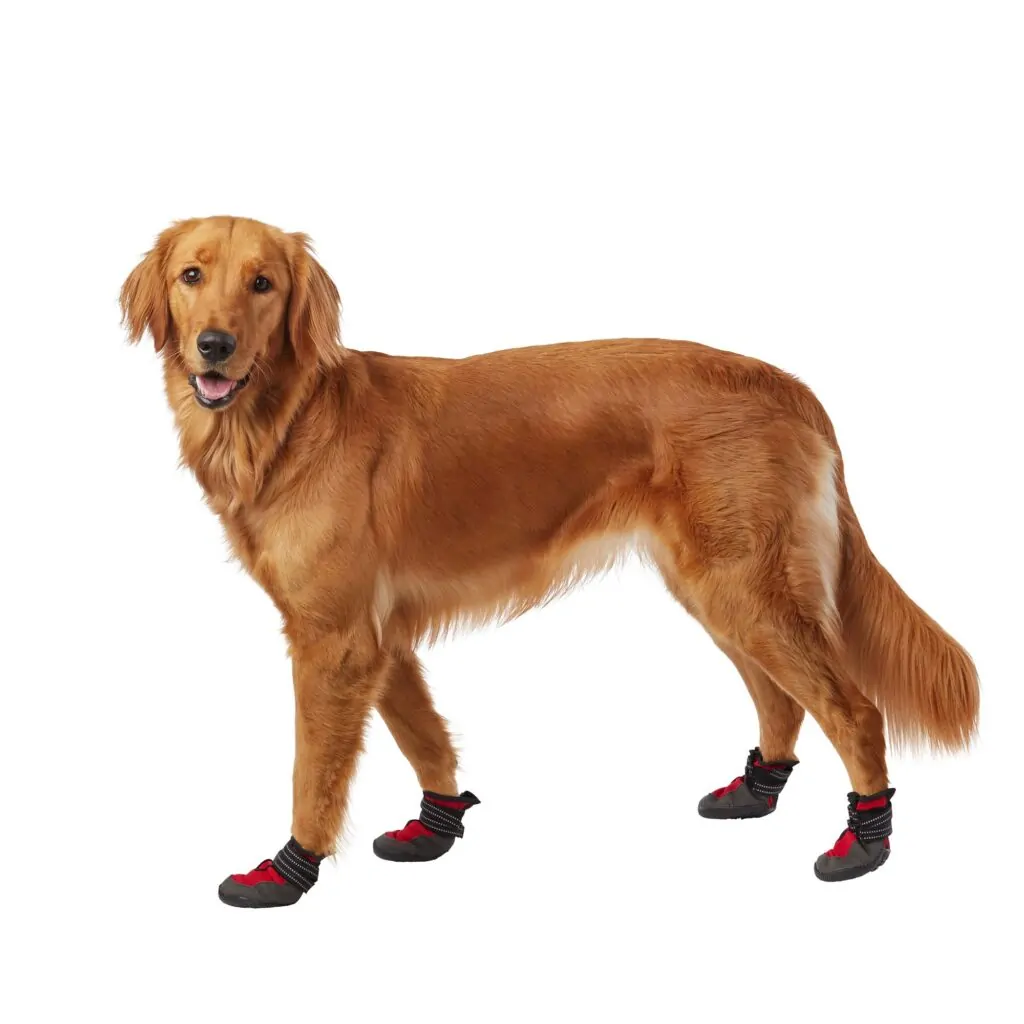
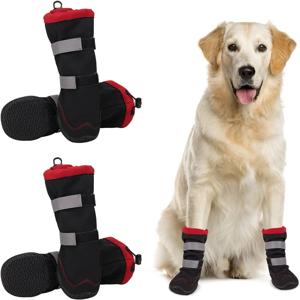
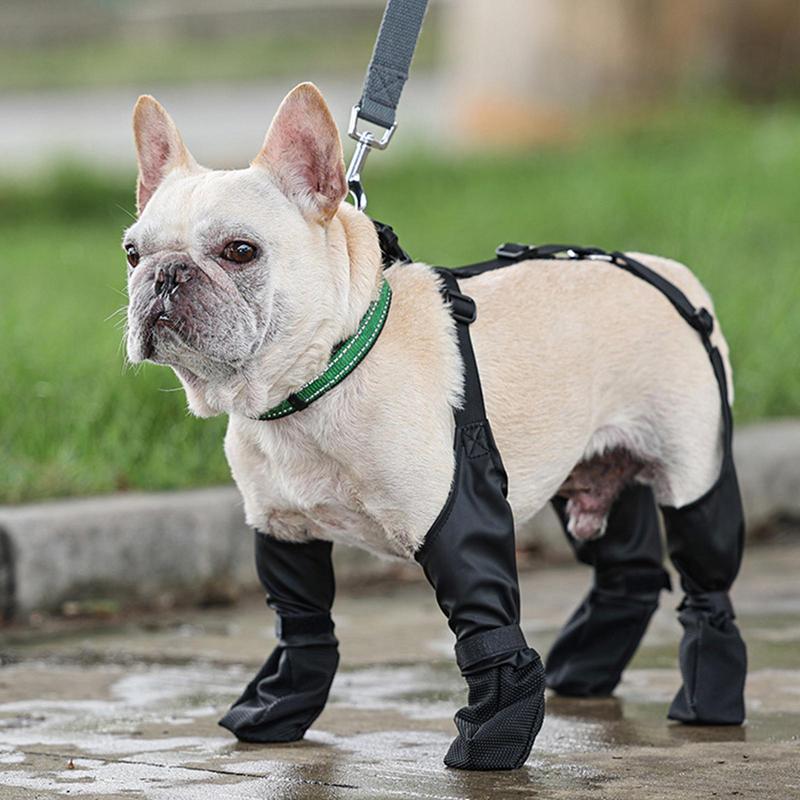
Ever wondered why your furry friend might need a pair of shoes? Dog booties aren’t just a fashion statement – they’re essential gear for protecting our canine companions’ paws in various conditions. From scorching summer sidewalks to icy winter streets, these paw protectors offer comfort and safety for our four-legged friends.
We’ve seen a growing trend in pet owners investing in dog boots, and for good reason. These clever accessories not only shield paws from extreme temperatures and rough terrain but also provide traction for older dogs or those with mobility issues. Whether you’re an avid hiker with a trail-loving pup or a city dweller handling salt-covered sidewalks, there’s a perfect pair of dog booties out there for every situation.
Why Dogs Need Booties
Dog booties are essential accessories that protect canine paws from various environmental hazards. They offer crucial benefits for dogs in different situations, ensuring their comfort and safety during outdoor activities.
Protection from Extreme Weather
Dog booties provide vital protection against extreme weather conditions. In hot weather, they shield paws from scorching surfaces like asphalt, concrete, and sand, preventing painful burns and blisters. When temperatures soar above 85°F, these surfaces can reach 140°F, causing severe injury to unprotected paws. During winter, booties guard against frostbite and cold injuries, especially in temperatures below 32°F. Insulated boots with faux fur or specialized fabric prevent hypothermia and allow dogs to play comfortably in the snow. Also, booties protect paws from harmful chemical substances like road salts and deicers, which can cause irritation or toxicity if ingested or absorbed through the skin.
Injury Prevention and Paw Care
Dog booties play a crucial role in injury prevention and paw care. They provide traction on slippery surfaces, reducing the risk of falls and injuries, particularly for older dogs or those with mobility issues. On rough terrains, booties offer cushioning and protection against cuts, scrapes, and punctures from sharp objects like rocks, thorns, or broken glass. For dogs recovering from paw injuries or surgeries, booties create a protective barrier that aids in the healing process and prevents further damage. They also shield paws from allergens and irritants that may cause discomfort or trigger allergic reactions. By wearing booties, dogs can safely navigate various environments while maintaining healthy, well-protected paws.
Types of Dog Booties
Dog booties come in various styles, each designed for exact purposes and environments. We’ll explore three main types of dog booties: thick traction sole boots, soft sole boots, and rubber coverings.
Thick Traction Sole Boots
Thick traction sole boots offer robust protection for dogs in rugged terrain. These boots feature durable soles with excellent grip, making them ideal for hiking, backpacking, and mountain biking. The sturdy construction shields paws from sharp objects like rocks, thorns, and broken glass. Thick traction sole boots provide superior traction on various surfaces, ensuring stability during outdoor adventures. They’re particularly useful in challenging environments where dogs need extra support and protection. While heavier than other types, these boots offer unparalleled durability and safety for active dogs exploring rough terrain.
Soft Sole Boots
Soft sole boots provide a balance between protection and comfort for dogs. Available in non-leather and leather varieties, these boots offer flexibility and lightweight wear. Non-leather soft sole boots often use waterproof thermoplastic materials, combining durability with paw protection. Leather options provide a natural, breathable alternative. Soft sole boots are ideal for everyday use, offering protection from hot pavement, cold surfaces, and minor irritants. They’re less restrictive than thick traction boots, allowing for more natural paw movement. These boots are perfect for urban walks, light hiking, and dogs who need gentle paw protection without compromising mobility.
Rubber Coverings
Rubber coverings offer a unique approach to paw protection for dogs. These flexible, waterproof boots provide excellent insulation against extreme temperatures and wet conditions. Rubber coverings are easy to put on and take off, making them convenient for quick outdoor trips. They’re particularly effective for protecting paws from ice, snow, and harmful chemicals like road salt during winter. In summer, rubber coverings shield paws from hot surfaces and provide a barrier against allergens and irritants. While not as durable as thick traction boots, rubber coverings offer versatile, lightweight protection suitable for various weather conditions and short-duration outdoor activities.
Choosing the Right Dog Booties
Selecting the perfect dog booties ensures your furry friend’s comfort and protection during outdoor adventures. We’ll guide you through the essential factors to consider when picking the ideal boots for your canine companion.
Measuring Your Dog’s Paws
Accurate paw measurements are crucial for finding the right fit. To measure your dog’s paws:
Place their paw on a piece of paper
Gently press down to spread the toes
Mark the width and length of the paw
Measure from the marks to get the dimensions
For the most precise measurement, lift the opposing paws to spread the toes fully. When in doubt, size up. A slightly larger bootie is preferable to one that’s too tight. Remember, front paws are often wider than rear paws, so consider purchasing two sets of different sizes for the best fit.
Considering Your Dog’s Activity Level
Your dog’s lifestyle and activities play a important role in choosing the right booties:
For hiking and rugged terrain: Select boots with deep grooves and anti-slip soles for improved traction on uneven surfaces
For everyday walks: Opt for lightweight, breathable boots that provide basic protection
For winter activities: Choose insulated boots with water-resistant materials to guard against cold and moisture
For hot pavement: Look for boots with heat-resistant soles to prevent burns
Consider the frequency and intensity of your dog’s activities. High-energy dogs may require more durable boots, while less active pups might do well with simpler designs. Boots designed for exact activities, such as winter sports or summer hikes, can enhance your dog’s performance and comfort during these adventures.
How to Introduce Dogs to Wearing Booties
Introducing dogs to wearing booties requires patience and a strategic approach. We’ll explore effective techniques to help your furry friend adjust to this new accessory comfortably and confidently.
Gradual Acclimation Techniques
Gradual acclimation is key to successfully introducing dogs to booties. Start by letting your dog explore the booties, allowing them to sniff and investigate. Place treats near or on the booties to create positive associations. Begin with short indoor sessions, putting on one bootie at a time. Let your dog wear it for a few minutes, then remove it. Gradually increase the duration and number of booties worn. Once comfortable indoors, transition to short outdoor walks. Monitor your dog’s reactions and adjust the pace accordingly. Use distractions like toys or treats during the process to keep their focus off the booties. With consistent practice, most dogs adapt to wearing booties within a few weeks.
Positive Reinforcement Strategies
Positive reinforcement is crucial when introducing dogs to booties. Reward your dog with treats, praise, and affection every time they interact positively with the booties. Use high-value treats to make the experience more appealing. Incorporate fun activities or games while your dog wears the booties to create positive associations. Celebrate small victories, such as your dog taking a few steps in the booties.
Never force your dog to wear them if they show signs of stress or discomfort. Instead, take a step back and proceed more slowly. Maintain a calm and encouraging demeanor throughout the process. Consistency is key – practice regularly and keep sessions short and positive. Over time, your dog will associate wearing booties with positive experiences, making the transition smoother.
Caring for Dog Booties
Proper care and maintenance of dog booties are essential for their longevity and effectiveness. Regular cleaning, proper storage, and timely replacement ensure your dog’s paws remain protected and comfortable.
Cleaning and Maintenance
Clean dog booties after each use with mild soap and water, especially when exposed to mud, dirt, or ice. Gently scrub the soles to maintain traction without using harsh chemicals or abrasive materials. Ensure booties are completely dry before storage to prevent moisture buildup and potential yeast infections. Regularly inspect for signs of wear, such as torn seams, worn-out soles, or loose straps. For boots with anti-slip soles, clean them carefully to preserve their grip. Proper maintenance extends the life of the booties and maintains their protective qualities for your dog’s comfort and safety.
When to Replace
Replace dog booties when they show important signs of wear and tear. Look for frayed edges, holes, or worn-out soles that compromise protection and traction. If the booties no longer fit properly due to stretching or shrinkage, it’s time for a new pair. Regularly check the velcro or fastening mechanisms; if they’re no longer secure, replace the booties to prevent them from falling off during walks. For dogs that wear booties frequently, consider replacing them every 3-6 months, depending on usage and wear patterns. Timely replacement ensures continued paw protection and comfort for your dog during outdoor activities.
Alternatives to Dog Booties
While dog booties offer excellent protection, some dogs may not tolerate them well. Fortunately, several alternatives can provide similar benefits for paw protection and comfort.
Paw Balms and Waxes
Paw balms and waxes are popular alternatives to dog booties, offering a protective layer for your dog’s paw pads. These products create a hydrophobic barrier that shields paws from salt, chemicals, and extreme temperatures. Musher’s Secret, a well-known brand, is easy to apply and mimics the natural protection of a dog’s paw pads. When using paw balms:
Apply a thin layer before outdoor activities
Reapply as needed, especially in harsh conditions
Choose products with natural, non-toxic ingredients
Use regularly to maintain paw health and moisture
While not providing as much protection as booties, balms and waxes are less intrusive and can be an excellent option for dogs that resist wearing footwear.
Protective Sprays
Protective sprays offer a quick and convenient alternative to dog booties, especially for short outings. These sprays typically contain a blend of natural oils and waxes that create a temporary barrier on your dog’s paw pads. Key benefits include:
Easy application without the need for fitting or adjustments
Quick-drying formulas that don’t leave residue
Protection against hot surfaces, salt, and ice
Often include moisturizing ingredients for paw health
When selecting a protective spray:
Look for products with all-natural, non-toxic ingredients
Choose sprays specifically designed for dog paws
Consider options with added grip for slippery surfaces
Test on a small area first to ensure no adverse reactions
While sprays may not offer the same level of protection as booties for extended periods, they’re an excellent option for daily walks or brief outdoor activities.
Conclusion
Dog booties are more than just a trendy accessory; they’re essential for protecting our furry friends’ paws. From extreme weather to rough terrain, these versatile protectors offer comfort and safety in various environments.
We’ve explored the types of booties available, how to choose the right fit, and even alternatives for picky pups. By investing in quality booties and properly caring for them, we’re ensuring our dogs can enjoy outdoor adventures safely and comfortably.
Remember, introducing booties may take time and patience, but the benefits far outweigh any initial resistance. Let’s step up our game and give our four-legged companions the paw protection they deserve!
Are you drowning in a sea of fluffy dog fur? You’re not alone. Most dogs shed, and some really shed a lot. That’s why finding the best dog brushes for shedding is crucial for any pet owner’s grooming kit.
We’ve explored various types of brushes, from undercoat deshedding tools to slicker and rake brushes, to help you tackle your pup’s shedding problem. With expert advice from veterinarians and our own testing, we’ll guide you through choosing the right brush for your dog’s coat type. Whether you’re dealing with daily maintenance or seasonal shedding, we’ve got you covered. Let’s jump into our top picks for the best dog brushes that’ll keep your home fur-free and your furry friend looking fabulous.
Understanding Dog Shedding and Brush Types
Dog shedding is a natural process that occurs in most breeds. Understanding why dogs shed and the different types of brushes available can help pet owners manage their dog’s coat effectively.
Why Dogs Shed
Dogs shed for various reasons:
Seasonal changes: Many dogs shed heavily during spring and fall to adjust to temperature changes.
Hormonal fluctuations: Changes in hormones can trigger shedding.
Health issues: Certain medical conditions or nutritional deficiencies may cause excessive shedding.
Breed-exact factors: Some breeds naturally shed more due to their coat type.
Regular growth cycle: Dogs continuously replace old or damaged fur with new hair.
Regular brushing helps manage shedding by removing loose hair, preventing matting, and distributing skin oils. This process keeps the coat healthy and reduces the amount of fur found around the home.
Types of Dog Brushes for Shedding
Several types of dog brushes are effective for managing shedding:
Undercoat rakes: Ideal for double-coated breeds, these brushes reach deep into the undercoat to remove loose fur.
Slicker brushes: Effective for removing tangles and mats in medium to long-haired dogs.
Pin brushes: Suitable for dogs with medium to long hair, helping to detangle and remove loose fur.
Bristle brushes: Best for short-haired dogs, these brushes help distribute natural oils and remove loose hair.
Deshedding tools: Specialized brushes designed to remove loose undercoat hair effectively.
Rubber curry brushes: Great for short-haired breeds, stimulating circulation and loosening dead hair.
Grooming gloves: Comfortable option for dogs who dislike traditional brushes, effective for removing loose fur.
Choosing the right brush depends on your dog’s coat type, length, and shedding pattern. Some dogs may benefit from a combination of brush types for optimal coat maintenance.
Factors to Consider When Choosing a Shedding Brush
Selecting the right shedding brush for your dog is crucial for effective grooming and coat maintenance. We’ve identified key factors to consider when choosing the best dog brush for shedding.
Dog’s Coat Type and Length
The type and length of your dog’s coat significantly influence the choice of shedding brush. Short-haired dogs benefit from brushes with sharp stainless steel teeth, which efficiently remove loose hair without causing discomfort. For long-haired dogs, brushes with curved metal bristles or undercoat rakes are more suitable, as they can work through tangles and reach deep into the undercoat. Curly or double-coated breeds require brushes that can handle tangles and mats effectively. Consider your dog’s exact coat characteristics to ensure you choose a brush that addresses their unique shedding needs.
Brush Material and Design
The material and design of the brush play a crucial role in its effectiveness and comfort for your dog. Look for brushes with ergonomic handles for comfortable grip during extended grooming sessions. Stainless steel bristles or teeth are durable and effective for removing loose hair, while rubber bristles can be gentler on sensitive skin. Some brushes feature a combination of materials to address different aspects of grooming. Consider the brush’s size and shape to ensure it’s suitable for your dog’s body and coat type. A well-designed brush will make the grooming process more efficient and enjoyable for both you and your pet.
Ease of Use and Cleaning
When choosing a shedding brush, consider its ease of use and cleaning features. Look for brushes with self-cleaning mechanisms or easy-to-clean designs, as these will save time and effort during grooming sessions. Some brushes come with a button that releases collected hair, making disposal quick and convenient. The brush’s weight and handle design also affect its ease of use, especially for longer grooming sessions. Opt for brushes that are easy to maneuver through your dog’s coat without causing discomfort. Also, consider brushes that are easy to wash and maintain, as regular cleaning is essential for hygiene and the brush’s longevity.
Top Features of Effective Shedding Brushes
Effective shedding brushes possess key features that enhance their performance and usability. These features ensure optimal grooming results for dogs while making the process comfortable for both pets and owners.
Deshedding Effectiveness
The best dog brushes for shedding have unique design elements that maximize their ability to remove loose fur:
Stainless steel teeth: Sharp, durable teeth penetrate the coat to reach the undercoat effectively.
Tooth and wave pattern: This configuration helps grab hair tips and extract loose fur without painful tugging.
Undercoat focus: Brushes designed to target the undercoat are particularly effective for double-coated breeds.
Size options: Various brush sizes accommodate different dog sizes and coat types.
Curved guard: A protective edge prevents the brush from getting too close to the skin while effectively removing loose hair.
Effective deshedding brushes can remove up to 90% of loose fur, significantly reducing shedding and keeping homes cleaner.
Comfort for Dogs
Comfort is crucial when selecting a dog brush for shedding:
Ergonomic design: Brushes with comfortable handles reduce strain during grooming sessions.
Flexible head: A flexible brush head conforms to the dog’s body contours for gentler grooming.
Non-slip grip: This feature ensures better control and prevents accidental scratches.
Rounded tips: Bristles with rounded tips minimize discomfort and skin irritation.
Adjustable pressure: Some brushes allow users to adjust the pressure for different coat types and sensitivities.
Comfortable brushes make grooming a positive experience for dogs, encouraging regular maintenance and reducing shedding-related issues.
Durability and Quality
High-quality materials and construction ensure the longevity and effectiveness of shedding brushes:
Stainless steel components: Rust-resistant materials maintain brush quality over time.
Reinforced connections: Sturdy connections between the brush head and handle prevent breakage.
Easy-clean design: Self-cleaning mechanisms or easy-to-clean surfaces simplify maintenance.
Replaceable parts: Some brushes offer replaceable combs or bristles, extending the tool’s lifespan.
Warranty: Quality brushes often come with warranties, indicating manufacturer confidence.
Sturdy construction: Durable plastic or metal frames withstand regular use and accidental drops.
Investing in a durable, high-quality shedding brush ensures long-term effectiveness and value for dog owners managing their pets’ shedding.
Best Brushes for Different Dog Coat Types
Selecting the right brush for your dog’s coat type is crucial for effective shedding management. We’ve identified the best brushes for various coat types to help you maintain your dog’s fur and reduce shedding.
For Short-Haired Dogs
Short-haired dogs benefit from brushes that can effectively remove loose hair without irritating their skin. Rubber brushes are an excellent choice for these breeds. These brushes feature short, flexible rubber bristles that massage the skin, bringing dirt and loose hair to the surface. Their gentle nature makes them ideal for dogs with sensitive skin.
Bristle brushes are another effective option for short-haired dogs. Made with natural or synthetic bristles, they excel at removing loose hair and dander while stimulating the skin. These brushes help maintain the health and shine of short coats, distributing natural oils throughout the fur.
For short-haired dogs that shed heavily, some deshedding tools can be effective. These tools are designed to reach deeper into the coat, removing loose undercoat hair and reducing overall shedding.
For Long-Haired Dogs
Long-haired dogs require brushes that can penetrate deep into their coats to remove tangles, mats, and loose fur. Pin brushes are particularly effective for these breeds. Their long bristles can reach the undercoat, effectively removing loose fur and preventing matting.
Slicker brushes are another excellent choice for long-haired dogs. These brushes feature fine, short wires close together on a flat surface, making them ideal for removing tangles and mats. They’re also effective at removing loose undercoat hair, which is crucial for managing shedding in long-haired breeds.
For dogs with particularly long or silky coats, a combination of a pin brush for daily maintenance and a slicker brush for deeper grooming sessions can be highly effective. This approach helps maintain coat health and minimize shedding.
For Double-Coated Breeds
Double-coated breeds, such as Siberian Huskies or German Shepherds, have unique grooming needs due to their dense undercoat and tougher topcoat. For these dogs, undercoat rakes are essential tools. These brushes are designed to penetrate the topcoat and remove loose hair from the undercoat, which is where most shedding occurs.
Slicker brushes are also beneficial for double-coated breeds, helping to remove tangles and loose fur from both the topcoat and undercoat. For heavy shedding periods, such as seasonal changes, deshedding tools can be particularly effective. These tools are specifically designed to remove loose undercoat hair without damaging the topcoat.
A combination of an undercoat rake for regular maintenance and a deshedding tool for heavy shedding periods can provide optimal results for double-coated breeds, effectively managing shedding and maintaining coat health.
How to Use a Shedding Brush Properly
Proper brushing technique is crucial for effectively managing your dog’s shedding and maintaining a healthy coat. We’ll explore the best brushing techniques and how often you should brush your dog to keep their coat in top condition.
Brushing Techniques
When using a shedding brush, start with gentle, short strokes in the direction of hair growth. Focus on areas where shedding is most prominent, such as the back, neck, and sides. For dogs with double coats, use an undercoat rake to remove loose fur from the undercoat first, followed by a slicker brush to smooth the topcoat. Be careful not to apply too much pressure, as this can irritate your dog’s skin.
For long-haired breeds, work through small sections at a time to prevent tangles and mats. Use a pin brush or slicker brush to gently detangle any knots before using a deshedding tool. When brushing short-haired dogs, use a rubber curry brush or bristle brush in circular motions to stimulate the skin and remove loose hair.
Frequency of Brushing
The frequency of brushing depends on your dog’s coat type and shedding patterns. For most dogs, brushing 2-3 times a week is sufficient to manage shedding and maintain coat health. But, during shedding season or when a dog is blowing their coat, daily brushing is recommended to control excessive hair loss and prevent matting.
Short-haired dogs may require brushing once or twice a week, while long-haired breeds often need more frequent attention to prevent tangles. Double-coated breeds typically benefit from brushing 3-4 times a week, with increased frequency during heavy shedding periods. Regular brushing not only helps manage shedding but also distributes natural oils throughout the coat, promoting overall skin and coat health.
https://youtu.be/UfyYB5C6LWg
Benefits of Regular Brushing
Regular brushing offers many advantages for both dogs and their owners. It’s an essential part of dog care that goes beyond just managing shedding. Let’s explore the key benefits of consistent brushing for your furry friend.
Reduced Shedding
Regular brushing significantly reduces shedding by removing loose fur before it falls on your furniture or floors. This process helps distribute natural oils throughout the coat, which can minimize excessive shedding. Brushing 2-3 times a week for most dogs, and 3-4 times for double-coated breeds during heavy shedding periods, effectively manages loose hair. Using the right brush, such as undercoat rakes for double-coated breeds or slicker brushes for long-haired dogs, removes dead hair from the undercoat. This proactive approach keeps your home cleaner and reduces the amount of fur your dog sheds around the house.
Improved Coat Health
Brushing promotes a healthier, shinier coat by stimulating blood circulation to the skin and hair follicles. This increased blood flow nourishes the skin and encourages the production of natural oils, leading to a glossier, more vibrant coat. Regular brushing also helps distribute these oils evenly throughout the coat, preventing dry skin and reducing the likelihood of matting and tangling, especially in long-haired breeds. By removing dead hair, dirt, and debris, brushing keeps the coat clean and reduces the frequency of baths needed, which can strip the coat of its natural oils if done too often.
Bonding with Your Pet
Brushing provides an excellent opportunity for bonding with your dog. This one-on-one time allows you to give your pet undivided attention, strengthening your relationship. Many dogs enjoy the sensation of brushing, finding it relaxing and comforting. Regular grooming sessions help your dog associate handling with positive experiences, making future grooming, vet visits, and general care easier. It’s also an ideal time to check for any skin issues, lumps, or parasites that might otherwise go unnoticed. By incorporating gentle praise and treats during brushing, you can create a positive association with grooming, making it an enjoyable experience for both you and your pet.
Additional Tips for Managing Dog Shedding
Effective shedding management goes beyond brushing. We’ve compiled additional strategies to help control your dog’s shedding and maintain a healthy coat.
Diet and Nutrition
A balanced diet is crucial for managing dog shedding. High-quality dog food rich in essential fatty acids, particularly omega-3 and omega-6, promotes healthy skin and coat. These nutrients help reduce excessive shedding and improve coat texture.
Key nutritional tips:
Choose dog food with real meat as the first ingredient
Look for foods containing fish oil or flaxseed for omega fatty acids
Ensure adequate protein content (at least 18% for adult dogs)
Consider supplements like biotin or vitamin E for coat health
Consult your veterinarian before making important changes to your dog’s diet, especially if they have exact health concerns or dietary requirements.
Bathing and Grooming Routine
A consistent bathing and grooming routine is essential for managing shedding. Regular baths help remove loose fur and distribute natural oils throughout the coat.
Maintain a regular grooming schedule based on your dog’s coat type
For double-coated breeds, consider professional grooming services during heavy shedding seasons to help manage excessive fur loss.
Recommended Products
Brush Type
Product Name
Key Features
Undercoat Rake
Furminator Grooming Rake
360-degree rotating pins, effective for undercoats
Slicker Brush
Chris Christensen Big G Slicker
Gentle on skin, excellent detangling
Deshedding Tool
Furminator Undercoat deShedding Tool
Ergonomic handle, self-cleaning function
Rubber Brush
Le Salon Essentials Rubber Dog Brush
Great for shedding and bathing
Bristle Brush
Hartz Groomer’s Best Combo Brush
Dual-sided for versatility, suitable for various coats
Conclusion
We’ve explored the industry of dog brushes for shedding highlighting top picks for various coat types and shedding needs. By choosing the right brush and maintaining a regular grooming routine you’ll keep your furry friend’s coat healthy and your home fur-free. Remember that proper nutrition and overall care play crucial roles in managing shedding. With these insights and recommendations you’re now equipped to tackle shedding effectively and enjoy a cleaner home and a happier healthier pet.
Are you tired of wrestling with your furry friend during grooming sessions? A high-quality dog grooming kit can be a game-changer for pet owners. We understand the challenges of keeping your canine companion looking their best, which is why we’re exploring the industry of dog grooming tools.
Pet grooming has evolved significantly, with innovative answers making the process easier and more efficient. From electric clippers to vacuum-powered brushes, today’s dog grooming kits offer a range of features designed to simplify hair management and maintain a clean home environment. We’ll jump into the benefits of these all-in-one systems, including their time-saving capabilities and effectiveness in tackling shedding issues.
What Is a Dog Grooming Kit?
A dog grooming kit is a comprehensive collection of tools and products designed to maintain a dog’s hygiene, health, and appearance. These kits typically include essential items for trimming, brushing, and cleaning a dog’s coat, nails, and overall body. We’ll explore the key components that make up a standard dog grooming kit.
Essential Tools
Dog grooming kits contain several crucial tools:
Clippers and Trimmers: These are fundamental for cutting and trimming a dog’s fur. Most kits include adjustable blade clippers with various blade sizes (#4, #5, #7, #10) to accommodate different coat lengths and types.
Brushes and Combs: Slicker brushes, stainless steel combs, and deshedding rakes are essential for detangling fur, removing loose hair, and distributing skin oils. These tools help maintain a healthy, shiny coat.
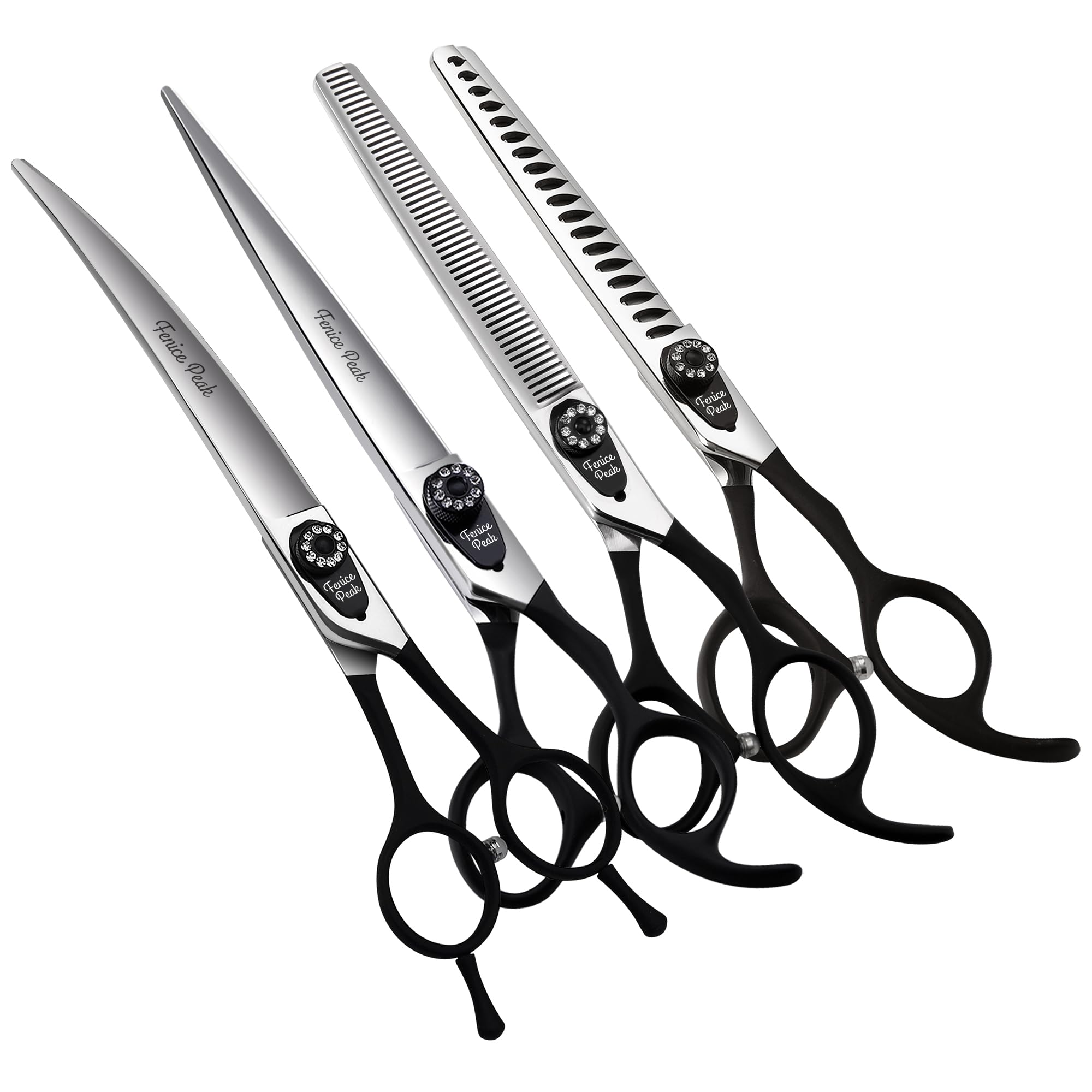
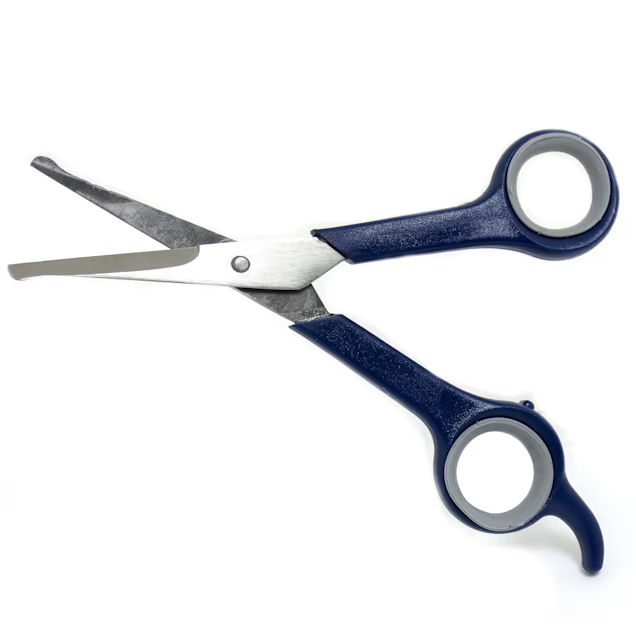
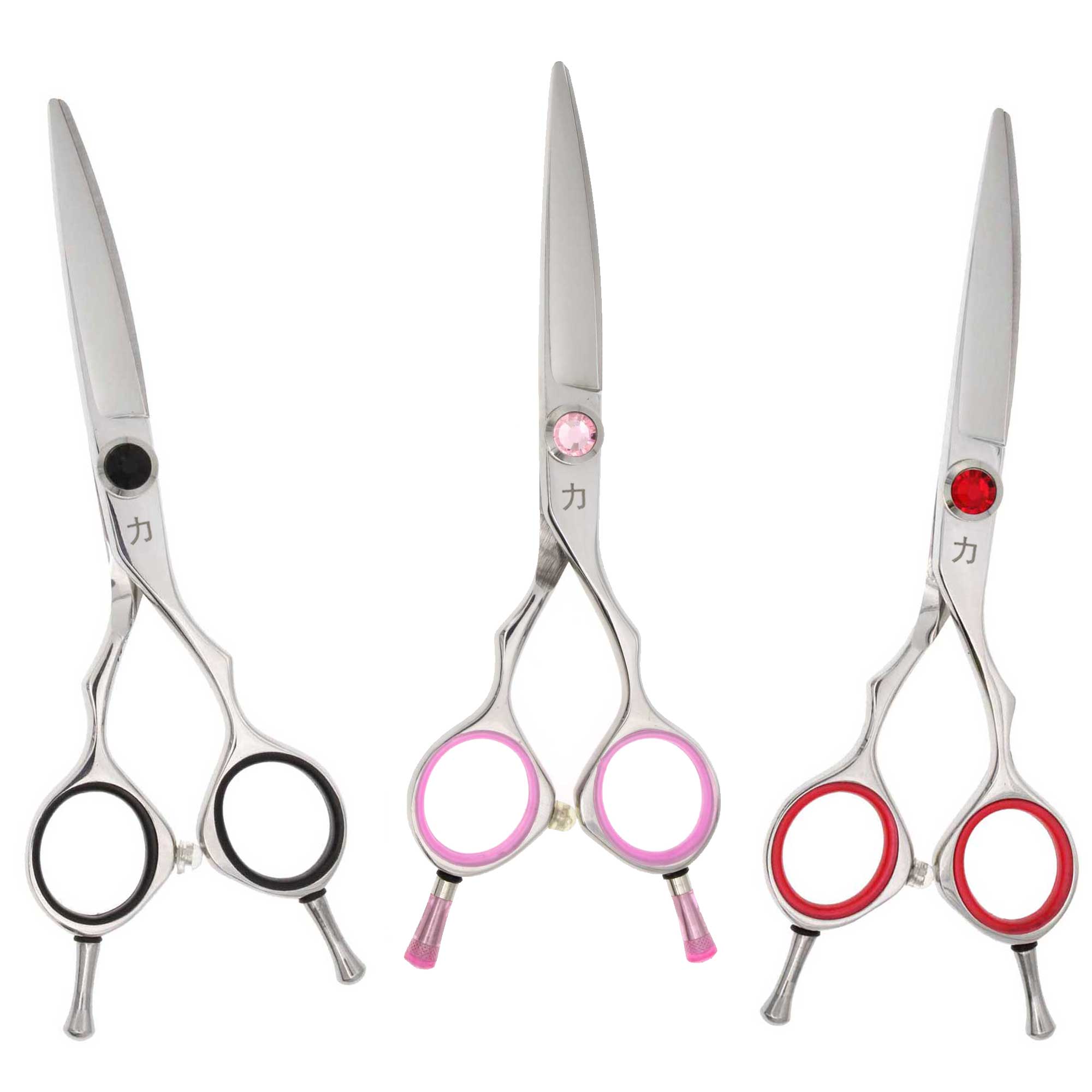
Shears and Scissors: Grooming kits feature different types of scissors, including straight grooming scissors and thinning shears. They come in various lengths and handle styles (offset handles, swivel thumbs) for comfort and precision during grooming sessions.
Nail Grinders: These tools are crucial for maintaining a dog’s nails. They help smooth and trim nails, ensuring they’re well-maintained and safe for both the dog and its surroundings.
Grooming Products
Plus to tools, dog grooming kits often include:
Shampoos and Conditioners: Specially formulated for dogs, these products clean and nourish the coat.
Ear Cleaners: Answers to maintain ear hygiene and prevent infections.
Toothbrushes and Toothpaste: For dental care and fresh breath.
Deodorizing Sprays: To keep the dog smelling fresh between baths.
Specialized Items
Some advanced dog grooming kits may include:
Grooming Tables: Portable or foldable tables for a stable grooming surface.
Dryers: Professional-grade dryers for efficient coat drying after baths.
Grooming Aprons: To protect the groomer’s clothing during the process.
A well-equipped dog grooming kit enables pet owners to maintain their dog’s appearance and health effectively, saving time and money on professional grooming services.
Essential Components of a Dog Grooming Kit
A comprehensive dog grooming kit contains various tools to maintain your pet’s hygiene and appearance. We’ll explore the essential components every kit should include, focusing on brushes, clippers, nail care tools, and bathing supplies.
Brushes and Combs
Brushes and combs are crucial for maintaining your dog’s coat health. Different types serve exact purposes:
Bristle brushes: Suitable for most coat types, with varying bristle hardness
Slicker brushes: Ideal for removing tangles and mats in thin, fine, or short hair
Wire pin brushes: Best for long-haired dogs to work out tangles and matting
Shedding brushes: Designed to remove excess fur from double coats
Combs complement brushes and include:
Fine-toothed combs: For dogs with thin hair
Wide-toothed or medium-toothed combs: For thick or coarse hair
Slicker combs: To find and remove tangles and dead hair
Flea combs: To remove fleas and ticks from your dog’s coat
Choose brushes and combs based on your dog’s exact coat type and grooming needs.
Clippers and Trimmers
Electric clippers and trimmers are essential for maintaining your dog’s coat length and appearance. Key features to consider include:
Blade types: Detachable or adjustable blades for versatility
Motor power: Stronger motors for thick coats, quieter motors for nervous dogs
Corded or cordless: Cordless for flexibility, corded for continuous use
Heat dissipation: Look for models with efficient cooling systems
Ergonomic design: Comfortable grip for extended grooming sessions
Include scissors or shears for detailed trimming around sensitive areas like the face and paws. Opt for rounded tips for safety.
Choose clippers with variable speeds and interchangeable blades to accommodate different coat types and grooming styles. Regular maintenance of clippers ensures optimal performance and longevity.
Nail clippers: Choose between guillotine-style or scissors-style clippers
Nail grinders: Electric tools for smoothing rough edges after clipping
Styptic powder: To stop bleeding if you accidentally cut the quick
Nail file: For smoothing rough edges after clipping or grinding
When selecting nail care tools, consider your dog’s size and nail thickness. Opt for ergonomic designs that provide a secure grip and precise control.
Always familiarize yourself with proper nail trimming techniques to ensure your dog’s safety and comfort during the process. Regular nail maintenance prevents overgrowth and associated discomfort.
Bathing Supplies
Bathing supplies are essential for keeping your dog clean and fresh. Key items include:
Dog-exact shampoo: Choose formulas suited to your dog’s skin and coat type
Conditioner: For detangling and moisturizing, especially for long-haired breeds
Bathing brushes: To work shampoo into the coat and remove loose fur
Non-slip bath mat: Provides traction for your dog during bath time
Towels or microfiber drying cloths: For quick and efficient drying
Blow dryer: Use a pet-exact dryer with adjustable heat settings
Include ear cleaners and cotton balls for ear maintenance during bath time. Consider waterproof grooming gloves for massaging shampoo into your dog’s coat.
Choose tear-free shampoo formulas for sensitive areas around the eyes and face. Always rinse thoroughly to prevent skin irritation from residual products.
Choosing the Right Dog Grooming Kit
Selecting an appropriate dog grooming kit is crucial for maintaining your pet’s health and appearance. We’ll explore key factors to consider and different types of kits available to help you make an well-informed choice.
Factors to Consider
When choosing a dog grooming kit, several elements require attention:
Breed and coat type: Different breeds have unique grooming needs. Heavy shedders like lab-husky mixes benefit from deshedding tools and vacuums.
Quality and durability: Opt for high-quality materials that withstand regular use and maintain effectiveness over time.
Included tools: Look for comprehensive kits with clippers, combs, brushes, shears, and deshedding rakes. Adjustable blade clippers and detachable blades offer versatility.
Ease of use and storage: Select kits that are user-friendly and easy to store.
Dog’s size: Ensure tools are appropriate for your dog’s size and weight.
Grooming frequency: Consider how often you’ll groom your dog to determine the kit’s complexity.
Different Types of Kits
Dog grooming kits come in various configurations:
Basic kits: Include essential tools like brushes, combs, and nail clippers. Ideal for regular maintenance between professional grooming sessions.
Professional kits: Offer a wide range of specialized tools, including electric clippers, scissors, and grooming tables. Suitable for experienced groomers or those looking to perform comprehensive grooming at home.
Breed-exact kits: Customized to meet the needs of particular breeds, containing tools designed for exact coat types and grooming requirements.
All-in-one systems: Combine multiple grooming functions into a single unit, often including vacuums for hair collection. These kits save time and reduce mess during grooming sessions.
Travel kits: Compact sets with essential tools for on-the-go grooming. Perfect for trips or quick touch-ups.
Specialty kits: Focus on exact aspects of grooming, such as nail care or dental hygiene. These kits offer specialized tools for targeted grooming needs.
Benefits of Using a Complete Grooming Kit
A complete dog grooming kit offers many advantages for both pets and their owners. We’ve identified several key benefits that make investing in a comprehensive grooming kit worthwhile:
Physical Health Benefits
Regular use of a complete grooming kit contributes significantly to a dog’s physical well-being:
Improved Hygiene and Infection Prevention: The tools in a grooming kit, such as brushes, bathing supplies, and cleaning implements for eyes, ears, and teeth, help maintain optimal hygiene. This regular maintenance reduces the risk of infections and keeps dogs healthy.
Enhanced Coat Health: Brushing tools in a grooming kit effectively remove dead hair, minimize shedding, and prevent matting. This consistent care promotes a lustrous, well-maintained coat and reduces the likelihood of skin irritations and infections.
Early Detection of Skin Issues: Grooming sessions provide opportunities to inspect a dog’s skin closely. This hands-on approach allows for early identification of potential problems like lumps, lesions, or rashes. Also, regular grooming aids in spotting and addressing flea and tick infestations promptly.
Time and Cost Efficiency
A complete grooming kit proves to be a time and cost-effective solution:
Reduced Professional Grooming Visits: With a comprehensive kit at home, owners can perform many grooming tasks themselves, reducing the frequency of professional grooming appointments. This saves both time and money in the long run.
Convenience of At-Home Grooming: Having all necessary tools readily available allows for quick touch-ups or full grooming sessions at home, eliminating the need for travel to a grooming salon.
Strengthened Bond Between Owner and Pet
Regular grooming using a complete kit fosters a stronger connection:
Positive Interaction: Grooming sessions provide opportunities for one-on-one time, helping to build trust and deepen the bond between dogs and their owners.
Stress Reduction: Consistent at-home grooming can help dogs feel more comfortable with the process, reducing anxiety often associated with professional grooming visits.
Customized Care
A complete grooming kit allows for personalized grooming routines:
Breed-Exact Needs: Different dog breeds have unique grooming requirements. A comprehensive kit enables owners to address these exact needs effectively, whether it’s managing a long, silky coat or maintaining a wire-haired texture.
Customized Products: Owners can select grooming products that best suit their dog’s skin and coat type, addressing individual sensitivities or allergies.
Environmental Control
Using a complete grooming kit at home offers better control over the grooming environment:
Reduced Allergens: Regular grooming helps control shedding and dander, which can significantly reduce allergens in the home environment.
Cleaner Living Spaces: Consistent grooming keeps dogs cleaner overall, which in turn helps maintain cleaner living spaces for both pets and their owners.
By incorporating these benefits into your dog care routine, a complete grooming kit becomes an invaluable asset for maintaining your pet’s health, appearance, and overall well-being. The advantages extend beyond the dog, positively impacting the owner’s lifestyle and the home environment.
Brushing and de-shedding are crucial steps in dog grooming. Start by selecting the appropriate brush for your dog’s coat type. Use a slicker brush for long-haired breeds, a bristle brush for short-haired dogs, or a combination brush for versatility. Begin brushing in the direction of hair growth, working through any tangles or mats gently. For heavy shedders, use a de-shedding tool to remove loose undercoat. Regular brushing distributes natural oils, prevents matting, and reduces shedding. Brush your dog 2-3 times a week for short-haired breeds and daily for long-haired breeds. Pay extra attention to areas prone to matting, such as behind the ears and under the legs.
Trimming and Clipping
Trimming and clipping maintain your dog’s coat and prevent overgrowth. Before starting, ensure your dog is comfortable and secure. Use electric clippers with the appropriate guard size for your desired coat length. Begin with a longer guard and gradually decrease the length if needed. Clip in the direction of hair growth, moving slowly to avoid irritation. For sensitive areas like the face and paws, switch to scissors or trimming shears for precision. Trim around the eyes, ears, and paw pads carefully. If you’re unsure about exact breed cuts, consult a professional groomer or watch instructional videos for guidance. Remember to take breaks if your dog becomes anxious or restless during the process.
Nail Care
Proper nail care is essential for your dog’s comfort and mobility. Use a nail clipper designed for dogs, choosing between guillotine-style or scissors-style based on your preference. Identify the quick (the pink part of the nail containing blood vessels) and avoid cutting into it. If your dog has dark nails, clip small amounts at a time to prevent over-cutting. Hold your dog’s paw firmly but gently, and clip at a 45-degree angle. After clipping, use a nail file to smooth any rough edges. For dogs sensitive to clippers, consider using a nail grinder instead. Aim to trim nails every 2-4 weeks, depending on your dog’s activity level and nail growth rate.
Bathing and Drying
Bathing keeps your dog clean and helps maintain a healthy coat. Use a dog-exact shampoo suited to your pet’s skin and coat type. Wet your dog thoroughly with lukewarm water, avoiding the eyes and ears. Apply shampoo from neck to tail, massaging it into the coat. Rinse thoroughly to remove all soap residue. For dogs with skin sensitivities, consider using an oatmeal-based or hypoallergenic shampoo. After bathing, towel-dry your dog gently.
For long-haired breeds, use a blow dryer on a low, cool setting, brushing simultaneously to prevent tangles. Bathe your dog every 4-8 weeks, or as needed, depending on their lifestyle and coat type. Always reward your dog with treats and praise after grooming to create a positive association with the experience.
Maintaining Your Dog Grooming Kit
Cleaning and Sanitizing Tools
We recommend cleaning your dog grooming tools after each use. Brushes and combs accumulate hair, dirt, and oils that can harbor bacteria. Remove hair from brushes using a comb or brush cleaner. Wash combs and brushes in warm, soapy water, rinse thoroughly, and air dry. For metal tools, use a disinfectant spray or wipe designed for grooming equipment.
Caring for Clippers
Clippers require regular maintenance to ensure optimal performance. Clean the blades after each use by removing hair with a small brush. Apply clipper oil to the blades before and after use to reduce friction and prevent overheating. For cordless clippers, follow the manufacturer’s guidelines for battery care and charging to maximize lifespan.
Sharpening Scissors and Blades
Sharp tools are essential for effective grooming. Dull blades can pull on your dog’s coat, causing discomfort. We suggest having your scissors and clipper blades professionally sharpened every 6-12 months, depending on frequency of use. Between professional sharpenings, use a honing stone to maintain the edge of your scissors.
Storing Your Grooming Kit
Proper storage extends the life of your grooming tools and keeps them organized. Store your kit in a dry, cool place to prevent rust and mold growth. Use a dedicated grooming bag or toolbox with compartments to keep items separated and easily accessible. Ensure tools are completely dry before storing to prevent moisture-related damage.
Replacing Worn Items
Regularly inspect your grooming tools for signs of wear. Replace brushes when bristles become bent or fall out, and discard combs with missing or bent teeth. Clipper blades typically last 6-12 months with regular use before needing replacement. Nail clippers should be replaced when they become dull or misaligned.
Maintaining Electrical Components
For electric clippers and dryers, check cords regularly for fraying or damage. Keep motors clean by removing hair and debris after each use. If your clipper has a removable blade drive, lubricate it according to the manufacturer’s instructions to ensure smooth operation.
By following these maintenance practices, we ensure our dog grooming kit remains in top condition, providing effective and safe grooming sessions for our furry friends.
Conclusion
A dog grooming kit is an essential investment for every pet owner. We’ve explored the components benefits and proper use of these kits highlighting their role in maintaining your dog’s health and appearance. By choosing the right kit and learning to use it effectively you’ll save time and money while strengthening your bond with your furry friend. Remember regular maintenance of your grooming tools ensures their longevity and your dog’s safety. With the right kit and knowledge you’re well-equipped to keep your canine companion looking and feeling their best.
Are you tired of battling pet hair on your furniture, clothes, and car seats? We’ve got great news for you! Pet hair remover tools have revolutionized the way we tackle this common household challenge.
Pet owners understand the struggle of keeping their homes fur-free. With innovative designs and advanced technology, today’s pet hair removers offer a quick and efficient solution. These tools not only save time but also help reduce allergies caused by pet dander. We’ll explore the best options available, from reusable rollers to brushes with gear-shaped teeth, ensuring you find the perfect tool for your needs.
In this text, we’ll jump into the top pet hair remover tools on the market, their unique features, and how they can make your life easier. Whether you’re dealing with short, embedded fur or long, clingy hair, we’ve got you covered.
Types of Pet Hair Remover Tools
Pet hair remover tools come in various forms, each designed to tackle different surfaces and pet hair challenges. We’ve identified several categories of pet hair removers that cater to exact needs:
Rollers
Rollers are versatile pet hair remover tools that work well on multiple surfaces. They’re particularly effective on furniture, clothing, and car interiors. Here are some key features of roller-type pet hair removers:
Use electrostatic charge to attract and collect pet hair
Often reusable, reducing waste and long-term costs
Effective on large surfaces like couches and bedding
Easy to use and clean
Handheld Brushes
Handheld brushes are compact and efficient pet hair remover tools, ideal for targeted cleaning and hard-to-reach areas. These brushes offer:
Versatility in tackling different fabric types
Compact design for easy storage and travel
Effectiveness on small surfaces like armrests and pillows
Various edge designs for different hair removal needs
Vacuum Attachments
Many vacuum cleaners come with specialized attachments for pet hair removal. These tools offer:
Powerful suction for deep-seated pet hair
Compatibility with existing vacuum systems
Effectiveness on both furniture and floors
Often include rotating brushes for improved hair pickup
Lint Brushes
Lint brushes are simple yet effective pet hair remover tools, especially for clothing. Key features include:
Double-sided design for increased efficiency
Self-cleaning mechanisms for easy maintenance
Portable and lightweight for on-the-go use
Gentle on delicate fabrics
Grooming Tools
While not strictly hair removers, grooming tools help manage pet hair at the source:
Brushes and combs to remove loose fur during grooming
Deshedding tools to reduce overall shedding
Regular use can significantly decrease loose hair in the home
Promote healthier coat and skin for pets
Brooms and Mops
For pet hair on floors, specialized brooms and mops offer effective answers:
Rubber bristles that attract and collect pet hair
Telescoping handles for reach and storage convenience
Effective on both hard floors and carpets
Often washable for easy maintenance
Dryer Sheets
An unexpected but effective pet hair remover tool, dryer sheets can be used on various surfaces:
Static-reducing properties help loosen and collect pet hair
Effective on clothing, furniture, and car interiors
Leave a fresh scent while removing pet hair
Cost-effective and readily available
Each type of pet hair remover tool offers unique benefits, and the best choice often depends on the exact surfaces and pet hair challenges in your home. By understanding these different tools, pet owners can select the most effective answers for managing pet hair and maintaining a clean living environment.
Best Pet Hair Removers for Different Surfaces
Pet hair removers come in various forms, each designed to tackle exact surfaces effectively. We’ve researched and tested multiple options to help you find the best pet hair remover for your needs.
For Furniture and Upholstery
Furniture and upholstery often trap pet hair, making removal challenging. Specialized tools like rollers and brushes are ideal for these surfaces. Some effective options include reusable rollers that collect hair in a compartment for easy disposal, and triangular-shaped brushes designed to reach crevices between cushions. These tools are gentle on fabrics while effectively removing pet hair. For deep cleaning, consider blade-like tools that can extract embedded pet hair from upholstery fibers. When dealing with leather furniture, use a soft cloth or vacuum to prevent damage, as pet hair is less likely to stick to smooth surfaces.
For Carpets and Rugs
Carpets and rugs require different approaches to pet hair removal. Rubber brooms are excellent for gathering hair on carpets, as the rubber bristles create static electricity that attracts pet hair. For deep-set hair, vacuum cleaners with powerful suction and specialized pet hair attachments are most effective. Some vacuums feature rubber or silicone attachments that agitate the carpet fibers, loosening stubborn pet hair. For area rugs, consider using a carpet rake before vacuuming to lift embedded hair. Regular maintenance with these tools can significantly reduce pet hair accumulation on carpets and rugs.
For Clothing and Laundry
Removing pet hair from clothing and laundry requires a multi-faceted approach. Lint rollers are handy for quick touch-ups on clothing before leaving the house. For more thorough removal, consider using rubber gloves or damp sponges to wipe down fabric surfaces, as the friction creates static that attracts hair. In the laundry, adding dryer sheets specifically designed for pet hair can be effective. These sheets work by reducing static cling and helping to separate pet hair from fabric fibers during the drying cycle. For heavily shed-on items, a pre-wash shake-out or brief tumble in the dryer can loosen hair before washing.
For Cars and Vehicles
Car interiors pose unique challenges for pet hair removal due to varied surfaces and tight spaces. Rubber-bristled brushes or gloves work well on car seats and floor mats, as they can agitate and lift hair from fabric and carpet fibers. For hard-to-reach areas like between seats or in corners, compressed air cans can blow out trapped hair. Vacuum cleaners with crevice tools are essential for thorough cleaning of car interiors. Some portable vacuums are designed specifically for car use, offering powerful suction in a compact form. For leather or vinyl surfaces, microfiber cloths can effectively wipe away loose hair without scratching the material.
Features to Look for in a Pet Hair Remover
When choosing a pet hair remover tool, several key features can make a important difference in its effectiveness and user experience. We’ll explore the essential aspects to consider when selecting the right pet hair remover for your needs.
Reusability and Sustainability
Reusable pet hair removers offer long-term value and environmental benefits. These tools, designed for multiple uses, eliminate the need for disposable sheets or refills. Many reusable options, such as roller-style removers and brushes, can be easily cleaned and reused countless times. Some models feature washable components, allowing for thorough cleaning between uses. Sustainable materials, like natural fibers or recycled plastics, are increasingly common in pet hair remover designs. By choosing a reusable and sustainable pet hair remover, pet owners can reduce waste and save money over time while effectively managing pet hair.
Ease of Use and Cleaning
The best pet hair removers are designed for effortless operation and maintenance. Look for tools with ergonomic handles and lightweight designs to reduce hand fatigue during extended use. Some pet hair removers feature one-handed operation, allowing for quick touch-ups on various surfaces. Easy-to-clean models often have removable collection chambers or heads that can be rinsed or wiped clean. Certain types, like electrostatic brushes, require minimal maintenance and can be cleaned with a simple wipe-down. Consider pet hair removers with self-cleaning mechanisms or those that can be easily disassembled for thorough cleaning to ensure long-lasting performance and hygiene.
Effectiveness on Different Hair Types
Pet hair removers must be versatile enough to handle various hair types and lengths. Look for tools with multiple surfaces or attachments designed to tackle both short, stubborn hairs and long, clingy strands. Rubber-bristled brushes often excel at removing short, fine hairs from fabrics, while metal combs or blade-like edges can effectively lift longer hairs. Some pet hair removers use electrostatic charge or microfiber materials to attract and capture hair of all types. Consider the exact needs of your pets’ hair type when selecting a remover. For multi-pet households with different hair types, opt for a versatile tool or a set of complementary removers to ensure comprehensive hair removal across all surfaces.
How Pet Hair Removers Work
Pet hair removers use various mechanisms to effectively remove pet hair from different surfaces. These tools employ physical, mechanical, or electrical methods to lift and collect pet hair, ensuring a clean and hair-free environment.
Manual vs. Electric Tools
Manual pet hair removers rely on physical interaction to remove pet hair, while electric tools use powered mechanisms for hair removal.
Manual tools include:
Brushes and combs: These create static attraction to pick up pet hair. Some have mini grooves or blade-like structures to reach embedded hair in hard-to-access areas.
Rubber and silicone tools: These use friction to grab and collect pet hair from surfaces. The ChomChom Roller, for example, employs a rubber surface to effectively pick up pet hair.
Lint rollers: These use adhesive sheets to capture loose pet hair from clothing and furniture.
Rubber gloves: When dampened, these create static electricity to attract and collect pet hair.
Electric tools include:
Vacuum attachments: These use suction power to remove pet hair from various surfaces, including upholstery and carpets.
Motorized brushes: These combine rotating bristles with suction to lift and remove pet hair effectively.
Handheld vacuums: These portable devices provide convenient spot-cleaning for pet hair on furniture and car interiors.
Both manual and electric tools have their advantages. Manual tools are often more affordable, portable, and don’t require power sources. Electric tools, while typically more expensive, can be more efficient for large areas or heavily shedding pets.
Tips for Effectively Removing Pet Hair
Regular Grooming
Regular grooming is essential for managing pet hair. We recommend brushing your pet’s coat at least 3-4 times a week to reduce shedding. Use a deshedding brush or comb specifically designed for your pet’s coat type. This practice not only removes loose hair before it falls on surfaces but also promotes healthier skin and coat for your pet.
Choose the Right Tool for Each Surface
Different surfaces require exact pet hair removal tools:
Upholstery: Use a Chom Chom Pet Hair Remover or a rubber glove for effective hair pickup.
Carpets: Opt for a rubber broom or a vacuum with a pet hair attachment.
Clothing: Lint rollers or fabric brushes work best for quick touch-ups.
Hard floors: Microfiber mops or electrostatic dusters capture hair efficiently.
Vacuum Strategically
When vacuuming, make multiple passes in different directions to lift embedded pet hair. Use crevice tools for corners and edges where hair tends to accumulate. Empty the vacuum canister or replace the bag frequently to maintain optimal suction power.
Use Static Electricity
Static electricity can be a powerful ally in pet hair removal. Use dryer sheets or damp rubber gloves to wipe down surfaces. The static charge attracts and lifts hair effectively, especially on fabrics and upholstery.
Pre-treat Before Washing
Before washing pet-hair covered items, run them through a 10-minute no-heat dryer cycle. This loosens the hair, making it easier to remove during the wash cycle. Add 1/2 cup of white vinegar to the rinse cycle to help release any remaining pet hair from fabrics.
Maintain a Clean Environment
Regularly clean areas where your pet spends the most time. This includes washing pet beds, vacuuming furniture, and wiping down surfaces. A clean environment reduces the amount of loose hair circulating in your home.
Use Covers and Barriers
Place washable covers on furniture and in your car to create a barrier between pet hair and surfaces. These covers are easy to remove and clean, simplifying the hair removal process.
Employ Air Purifiers
Air purifiers with HEPA filters can capture airborne pet hair and dander, improving indoor air quality. Place these in high-traffic areas or rooms where your pet spends the most time.
Damp Mop Hard Surfaces
For hard floors, use a slightly damp mop to trap pet hair effectively. The moisture helps to clump the hair together, making it easier to collect and dispose of.
Try Rubber Brooms
Rubber brooms are particularly effective on carpets and rugs. The rubber bristles create static electricity that lifts pet hair from the fibers, making it easy to sweep up.
By implementing these strategies and using the right tools, we can significantly reduce the challenge of pet hair in our homes. Remember, consistency is key in managing pet hair effectively.
Maintaining Your Pet Hair Remover Tool
Cleaning the Tool
Pet hair remover tools require regular maintenance to ensure their continued effectiveness. We’ve found that different types of tools demand exact cleaning approaches:
Rubber-Based Tools
Rubber-based pet hair removers, like the Analan Mini Pet Hair Remover Brush, can be challenging to clean due to hair sticking to the rubber material. To maintain these tools:
Rinse under running water to remove loose hair
Wipe with a damp cloth regularly
Allow to air dry completely before next use
Roller-Style Tools
Roller-style pet hair removers, such as the ChomChom Roller, often feature a hair collection compartment. To clean these tools:
Press the release button to open the compartment
Shake out collected hair into a trash can
Wipe the roller surface with a damp cloth if needed
Metal Teeth Tools
Tools with metal teeth, like the Uproot Clean Cleaner Pro Pet Hair Remover, require careful cleaning:
Hold the tool at a 90-degree angle
Gently pull hair from the teeth
Avoid using on delicate fabrics to prevent damage
Maintaining Effectiveness
To keep your pet hair remover tool in top condition:
Clean after each use to prevent buildup
Store in a dry place to avoid moisture damage
Check for wear and tear regularly
Replace parts or the entire tool when effectiveness diminishes
Prolonging Tool Life
Extend the lifespan of your pet hair remover by:
Following manufacturer’s instructions for use and care
Using the right tool for each surface type
Avoiding excessive pressure during use
Performing routine maintenance checks
By properly maintaining your pet hair remover tool, we ensure it remains effective in tackling pet hair challenges throughout your home. Regular cleaning and proper care not only prolong the life of the tool but also maintain its efficiency in removing pet hair from various surfaces.
Environmental Considerations
When selecting pet hair remover tools, it’s crucial to consider their environmental impact. We’ve analyzed various aspects to help you make an eco-friendly choice.
Reusability
Reusable pet hair removers offer important environmental benefits by reducing waste and the need for disposable products:
Chom Chom Roller: This tool collects pet hair in a compartment, eliminating the need for sticky sheets or disposable lint rollers.
Analan Mini Pet Hair Remover Brush: Can be rinsed off in the sink after each use, promoting long-term use.
Evriholder Pet Hair Removal Broom and FURemover Pet Hair Rubber Broom: These tools require no disposable parts, making them eco-friendly options.
Material and Durability
The materials used in pet hair remover tools impact their environmental footprint:
ChomChom Roller: Made from plastic but designed for longevity and easy cleaning, reducing the need for frequent replacements.
Metal or rubber-based tools: Often more durable than plastic alternatives, potentially lasting longer and minimizing waste.
Energy Efficiency
Consider the energy consumption of electric pet hair removers:
Manual tools: Brushes, rubber gloves, and lint rollers require no electricity, making them energy-efficient choices.
Electric tools: Vacuum attachments and motorized brushes use power but may be more efficient for large areas or heavy shedding.
Recyclability
The end-of-life disposal of pet hair remover tools is an important environmental factor:
Look for tools made from recyclable materials like metal or certain plastics.
Check if the manufacturer offers recycling programs for their products.
Packaging
Eco-friendly packaging can further reduce the environmental impact:
Minimal packaging: Choose products with reduced packaging or those using recycled materials.
Plastic-free options: Some brands offer plastic-free packaging alternatives.
By considering these environmental factors, we can make more sustainable choices when selecting pet hair remover tools, reducing our ecological footprint while keeping our homes free of pet hair.
Conclusion
Pet hair remover tools have revolutionized how we manage our furry friends’ shedding. We’ve explored various options from rollers to vacuums each designed for exact surfaces and needs. By choosing the right tool and implementing effective strategies we can significantly reduce pet hair in our homes. Remember to consider factors like reusability sustainability and ease of use when selecting a tool. With regular maintenance and proper care these tools will help keep our living spaces clean and comfortable for both us and our beloved pets.
Are you struggling to keep your furry friend looking sharp between professional grooming sessions? Dog grooming scissors might be the solution you’ve been searching for. These specialized tools are designed to help pet owners maintain their canine companions’ coats with ease and safety.
We’ll discover the area of dog grooming scissors, from their various types to their essential features. Whether you’re dealing with a thick, matted coat or just need to trim around sensitive areas, we’ve got you covered. By the end of this article, you’ll understand why investing in the right grooming scissors can make all the difference in your dog’s appearance and comfort. Let’s jump into the details that’ll help you choose the perfect pair for your pooch.
What Are Dog Grooming Scissors?
Dog grooming scissors are specialized tools designed for trimming, cutting, and styling a dog’s fur. These essential instruments help maintain a dog’s coat between professional grooming sessions, ensuring the pet’s comfort and appearance.
Types of Dog Grooming Scissors
There are three main types of dog grooming scissors:
Straight shears: Used for general cutting and trimming of larger areas
Curved shears: Ideal for trimming around the face, ears, and paws
Thinning shears: Designed to remove bulk and blend thick coats
Straight shears are versatile and suitable for most grooming tasks. Curved shears offer precision for delicate areas, creating smooth, rounded cuts. Thinning shears have teeth or blades with gaps, allowing groomers to thin out thick coats without removing too much hair at once.
Key Features to Look For
When selecting dog grooming scissors, consider these essential features:
Material: High-quality stainless steel or Japanese alloy steel for durability and sharpness
Blade length: Choose appropriate lengths for different grooming tasks
Ergonomic design: Comfortable grip to reduce hand fatigue during extended use
Safety features: Rounded tips for added protection, especially when working near sensitive areas
Adjustable tension: Allows customization of cutting resistance
Hand orientation: Options for left-handed or right-handed users
Blade type: Serrated or smooth edges for different cutting needs
Look for scissors with a projecting guard for better grip and control. Some models feature ball-shaped tips for enhanced safety when trimming facial areas. Consider purchasing a comprehensive shears kit to cover all grooming needs.
Choosing the Right Scissors for Your Dog
Selecting the appropriate dog grooming scissors is crucial for maintaining your pet’s coat effectively and safely. We’ll explore key factors to consider when choosing scissors that best suit your dog’s needs.
Considering Your Dog’s Coat Type
Different coat types require exact scissors for optimal grooming results. Straight-blade scissors are versatile, suitable for general trimming and shaping on most coat types. They’re particularly effective for thick-coated breeds, providing clean, precise cuts. Thinning scissors, also known as blending shears or chunkers, have toothed blades ideal for removing bulk and blending the coat. These are especially useful for dogs with thick or double coats, helping to thin out the hair without leaving noticeable lines. For finishing work and creating smooth, blended lines, convex blade scissors are an excellent choice. They have a curved edge that’s particularly effective for producing a polished look.
Size and Ergonomics
The size and ergonomics of dog grooming scissors significantly impact grooming efficiency and comfort. Choose scissors with a blade length appropriate for your dog’s size and the areas you’ll be grooming. Longer blades (7-8 inches) are suitable for larger dogs or extensive body work, while shorter blades (5-6 inches) offer more control for detailed work on smaller dogs or sensitive areas. Ergonomic design is crucial for reducing hand fatigue during prolonged grooming sessions. Look for scissors with comfortable handles, finger rests, and balanced weight distribution. Some scissors feature adjustable finger holes or rubber inserts for improved grip and comfort. Consider your dominant hand when selecting scissors, as some models are designed specifically for right or left-handed use.
How to Use Dog Grooming Scissors?
Using dog grooming scissors effectively requires proper technique and preparation. We’ll guide you through the essential steps to ensure a safe and successful grooming experience for your canine companion.
Preparing Your Dog for Grooming
Preparing your dog for grooming is crucial for a smooth and stress-free experience. Start by getting your dog accustomed to the grooming tools, including scissors. Let them become familiar with the sight, sound, and feel of the scissors. Choose the right time for grooming, preferably when your dog is relaxed, such as after a walk or playtime. Avoid grooming when they’re anxious, hungry, or tired. Thoroughly brush your dog’s coat to remove tangles and mats, preventing painful pulling during the grooming process. For nervous or anxious dogs, consider using calming aids like treats, pheromone sprays, or soothing music to help them relax during the grooming session.
Basic Cutting Techniques
When using dog grooming scissors, proper technique is essential for achieving the best results. Start by brushing your dog’s coat to ensure it’s clean and free of knots. Hold the scissors with your thumb in the bottom finger loop and ring finger in the top loop, resting your little finger on the finger rest for stability. Use the full blade to trim in small sections, maintaining the desired length and shape.
For sensitive areas like the eyes, nose, ears, and paws, use scissors with rounded tips facing away from your pet to prevent accidental nicks. Always trim in small sections to keep your dog safe and comfortable throughout the grooming process. When working with thick coats, use thinning shears to blend and reduce bulk without creating harsh lines. Remember to take frequent breaks and praise your dog to maintain a positive grooming experience.
Maintenance and Care of Grooming Scissors
Proper maintenance of dog grooming scissors is essential for their longevity and performance. Regular cleaning, disinfecting, sharpening, and storage practices ensure your grooming tools remain in top condition for years to come.
Cleaning and Disinfecting
Cleaning and disinfecting dog grooming scissors is crucial for maintaining their quality and effectiveness. Here’s a step-by-step process:
Initial cleaning: Use a lint-free cloth or soft brush to remove hair and debris from the blades.
Disinfecting: Submerge scissors in a suitable cleaning solution, like Barbicide, for 5-10 minutes.
Drying: Remove scissors from the solution and pat dry with a lint-free cloth to prevent lint accumulation.
Oiling: Apply a small amount of scissor oil to the blades, opening and closing them to distribute evenly.
This routine prevents rust, maintains smooth operation, and ensures hygienic grooming practices. Perform this process after each grooming session to keep your scissors in optimal condition.
Sharpening and Storage
Proper sharpening and storage techniques are vital for maintaining the effectiveness of dog grooming scissors:
Sharpening:
Frequency: Sharpen scissors every 3-6 months, depending on usage.
Professional sharpening: Consider using a professional sharpening service for optimal results.
At-home maintenance: Use a sharpening stone between professional sharpenings to maintain the edge.
Storage:
Clean and dry: Always store scissors clean and completely dry to prevent rust.
Protective case: Use a dedicated scissor case or roll to protect blades from damage.
Climate control: Store in a cool, dry place to avoid humidity-related issues.
Tension adjustment: Loosen the tension slightly before storage to reduce stress on the blades.
By following these sharpening and storage practices, you’ll extend the life of your dog grooming scissors and ensure consistent performance. Regular maintenance not only preserves the tools but also enhances the overall grooming experience for both you and your canine companion.
Safety Tips When Using Grooming Scissors
When using dog grooming scissors, it’s crucial to prioritize safety for both the pet and the groomer. Here are essential safety tips to keep in mind:
Proper Handling and Positioning
Holding dog grooming scissors correctly is fundamental for safe and effective grooming:
Grip the scissors with your thumb in one handle loop and your ring and little fingers in the other loop
This grip provides stability and control while cutting
Position your dog comfortably on a non-slip surface
Ensure proper lighting to see clearly while grooming
Sensitive Areas to Watch
When using grooming scissors, be extra cautious around these sensitive areas:
Eyes
Ears
Throat
Tuck-up (area between hind legs and belly)
Paw pads
These areas are prone to accidental cuts and require careful handling. Use safety-tip scissors with rounded tips to prevent accidental poking or scratching in these delicate regions.
Avoiding Accidents
To minimize the risk of accidents while using dog grooming scissors:
Never rush through the grooming process
Take your time to ensure even cuts and prevent injuries
Keep distractions to a minimum during grooming sessions
Regularly check the scissors for any damage or dullness
Replace or sharpen scissors as needed to maintain optimal performance
Opt for scissors specifically designed for dog grooming
Consider safety-tip scissors for areas near the skin
Choose scissors with an appropriate blade length for your dog’s size
Ensure the scissors fit comfortably in your hand to reduce fatigue
Preparing Your Dog
Proper preparation can make grooming safer and more comfortable:
Brush your dog’s coat thoroughly before using scissors
Remove any mats or tangles gently with a comb
Familiarize your dog with the sound and feel of the scissors
Start with short grooming sessions to build your dog’s tolerance
Maintaining Focus and Calm
A calm environment contributes to safer grooming:
Choose a quiet time and place for grooming
Speak soothingly to your dog throughout the process
Take breaks if you or your dog become tired or stressed
Reward your dog with treats and praise for good behavior
By following these safety tips, we can ensure a safer and more pleasant grooming experience when using dog grooming scissors. Remember, patience and attention to detail are key to avoiding accidents and achieving the best results.
Professional vs. DIY Dog Grooming
Quality and Materials
Professional dog grooming scissors are crafted from premium materials like Japanese alloy steel, stainless steel, or titanium-coated steel. These high-grade materials ensure durability, maintain sharpness, and resist rust and corrosion. DIY grooming tools often use lower-quality materials, which may not withstand frequent use or maintain their edge as effectively.
Design and Features
Professional scissors boast precise, hand-honed edges and often incorporate micro-serrated or semi-convex blades. These features enhance cutting performance and reduce slippage during grooming sessions. Offset handles and ergonomic designs are common in professional tools, reducing fatigue during extended use.
Some professional models, such as Kenchii’s Love™ and Rosé™ lines, are fully forged for superior performance and longevity. DIY scissors typically lack these advanced features, potentially resulting in less comfortable and efficient grooming sessions.
Precision and Efficiency
Professional groomers use specialized scissors designed for exact tasks:
Straight shears for general cutting
Curved shears for delicate areas like the face and paws
Thinning shears for reducing bulk in thick coats
This variety allows for more precise and efficient grooming. DIY groomers often rely on a single pair of scissors, which may not be suitable for all grooming tasks.
Cost Considerations
Professional-grade scissors come with a higher price tag, reflecting their quality and specialized features. While the initial investment is important, these tools often prove cost-effective in the long run due to their durability and performance. DIY grooming scissors are generally more affordable but may require more frequent replacement.
Skill and Technique
Professional groomers undergo extensive training to master various cutting techniques and understand different coat types. They’re equipped to handle challenging grooming situations and create polished, breed-exact styles. DIY groomers may lack this expertise, potentially leading to less refined results or accidental nicks and cuts.
Time and Convenience
Professional grooming services offer convenience and time-saving benefits. Groomers can efficiently complete a full grooming session, including bathing, drying, and styling. DIY grooming requires a important time investment to achieve similar results, especially for inexperienced pet owners.
Specialized Equipment
Professional grooming facilities are equipped with a wide range of tools beyond scissors, including:
High-velocity dryers
Adjustable grooming tables
Professional-grade shampoos and conditioners
These specialized tools contribute to more thorough and efficient grooming sessions. DIY groomers may lack access to this equipment, potentially impacting the quality of their grooming efforts.
Stress Management
Professional groomers are trained to handle anxious or difficult dogs, creating a calm environment during grooming sessions. They use techniques to minimize stress and ensure the dog’s comfort throughout the process. DIY grooming may be more stressful for both the dog and the owner, especially if the pet is unaccustomed to the process.
Health and Safety Considerations
Professional groomers are trained to identify potential health issues during grooming, such as skin problems, lumps, or parasites. They can alert pet owners to concerns that may require veterinary attention. DIY groomers may overlook these issues, potentially missing early signs of health problems.
Consistency and Frequency
Professional grooming typically occurs on a regular schedule, ensuring consistent maintenance of the dog’s coat. DIY grooming may be less consistent, depending on the owner’s time and motivation. Regular professional grooming can help prevent matting and other coat issues that may arise from infrequent maintenance.
Conclusion
Choosing the right dog grooming scissors is crucial for maintaining your pet’s coat between professional sessions. We’ve explored various types, essential features, and techniques to help you make informed decisions. Remember, proper care and maintenance of your scissors will ensure their longevity and effectiveness. While DIY grooming can be rewarding, it’s important to prioritize your dog’s safety and comfort. With the right tools and knowledge, you’ll be well-equipped to keep your furry friend looking their best. Happy grooming!