Category: Dog Supplies

Welcome to our comprehensive Dog Supplies category, where we cater to every aspect of your canine companion’s needs. Whether you’re a new pet parent or a seasoned dog owner, our range of topics covers everything from essential supplies to specialty items that enhance your dog’s comfort, health, and happiness.

Key Topics Covered:

  1. Dog Food and Nutrition: Explore the best dog food options, dietary requirements for different breeds, and tips on feeding schedules.
  2. Dog Beds and Bedding: Discover comfortable beds, cushions, and orthopedic options to ensure your dog gets a good night’s sleep.
  3. Dog Toys and Playtime: Find engaging toys for mental stimulation, interactive play, and durable options for chewers.
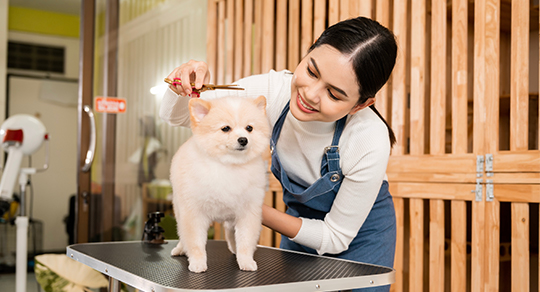
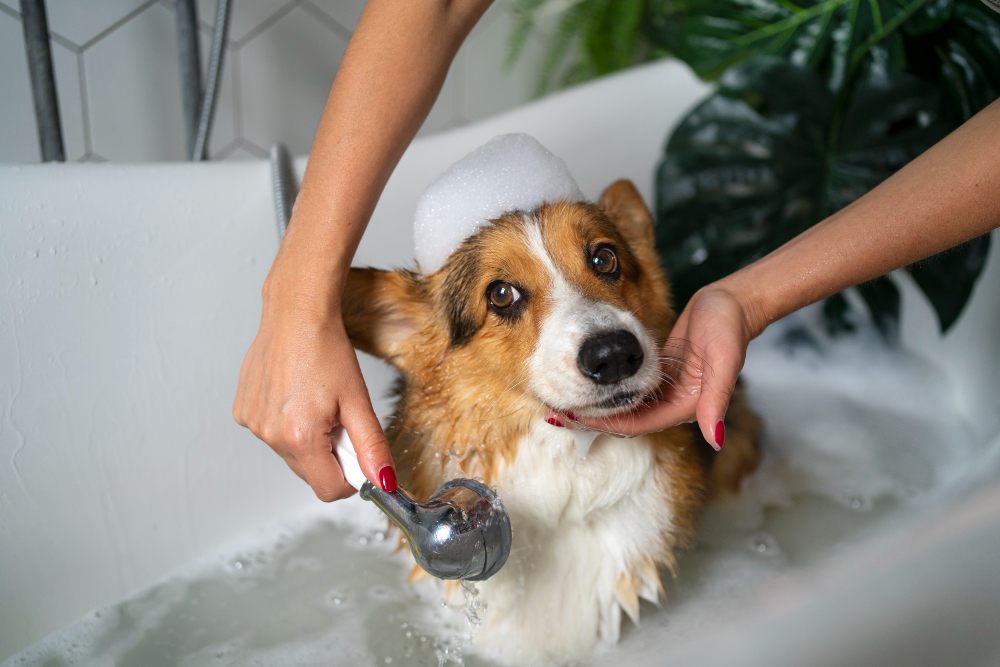
  4. Grooming Supplies: Learn about grooming tools, shampoos, brushes, and techniques for maintaining your dog’s coat and hygiene.
  5. Training Aids: Explore training collars, leashes, clickers, and treats to support positive reinforcement training methods.
  6. Health and Wellness: Access information on supplements, dental care products, and preventive health measures like flea and tick control.
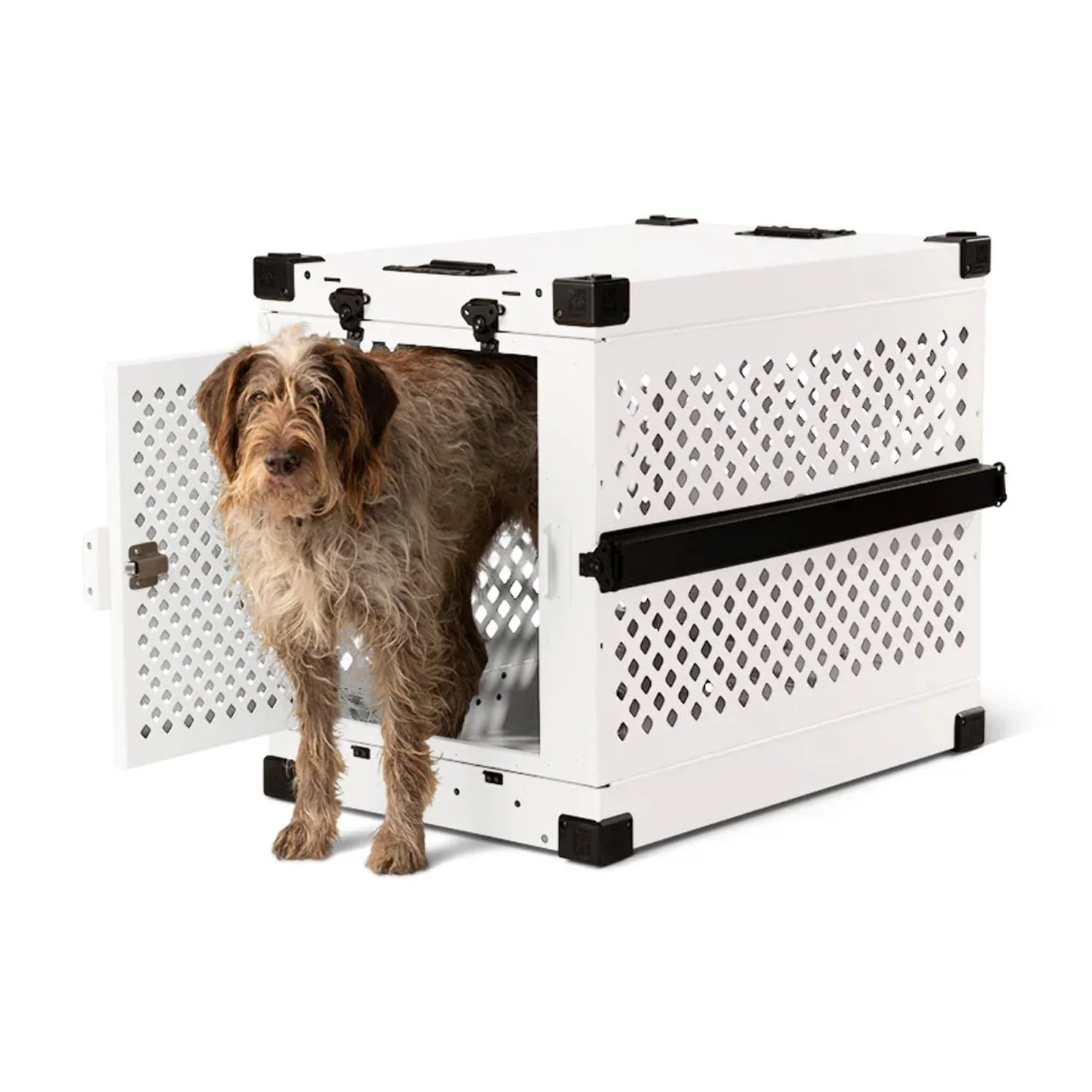
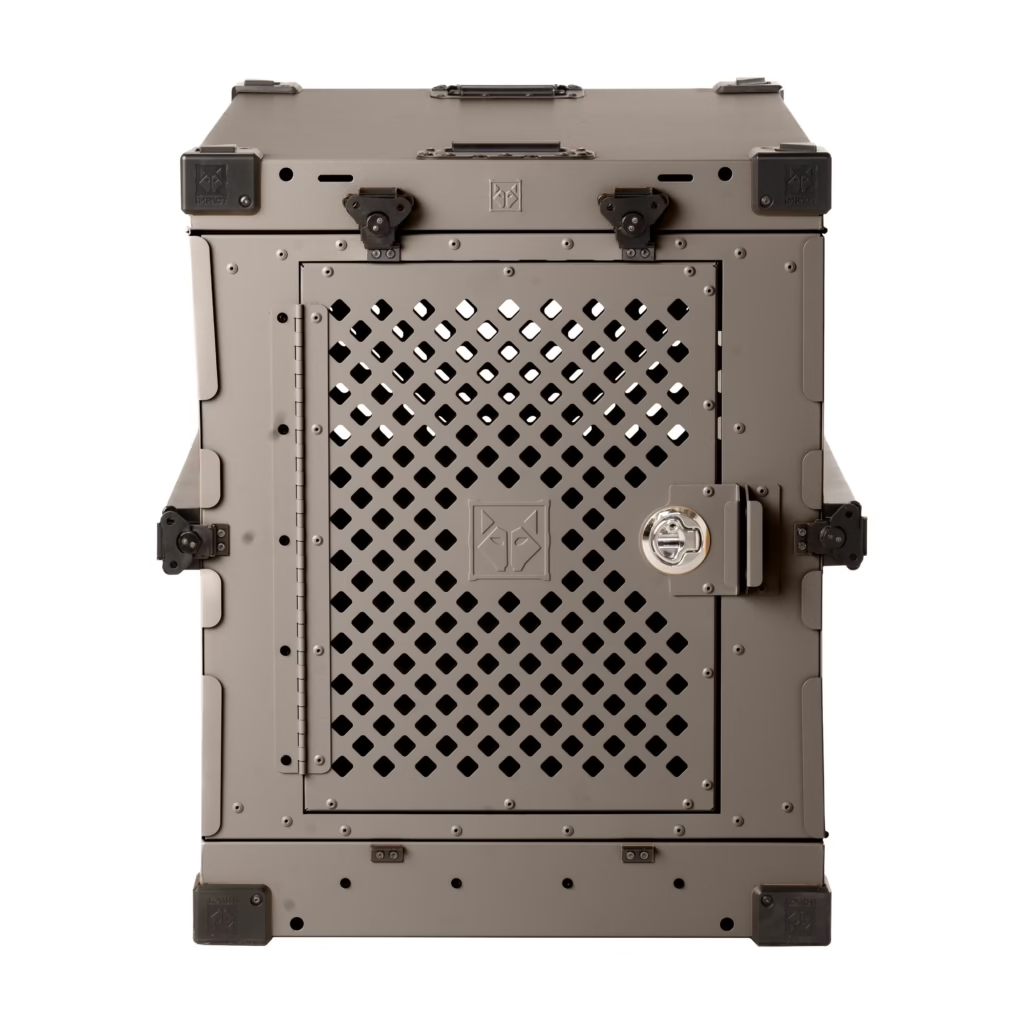
  7. Travel and Outdoor Gear: Get recommendations on travel crates, car seats, harnesses, and outdoor accessories for safe adventures with your dog.
  8. Apparel and Accessories: Browse through dog apparel for all seasons, stylish accessories, and protective gear.
  9. Technology and Gadgets: Stay updated with the latest in dog tech, including GPS trackers, automatic feeders, and health monitoring devices.
  10. Specialty Items: Explore niche products like dog cameras, calming aids, and personalized items that cater to specific needs.

Each article and product recommendation within our Dog Supplies category is crafted to enhance your understanding and provide practical solutions for caring for your beloved canine companion. Join us in creating a happier and healthier life for your dog with our expert insights and quality product reviews.

Visit us regularly for updates and new additions to our Dog Supplies category, ensuring you’re always informed and equipped to give your dog the best care possible.

  • 2025 Guide: Choosing the Perfect Large Dog Crate

    2025 Guide: Choosing the Perfect Large Dog Crate

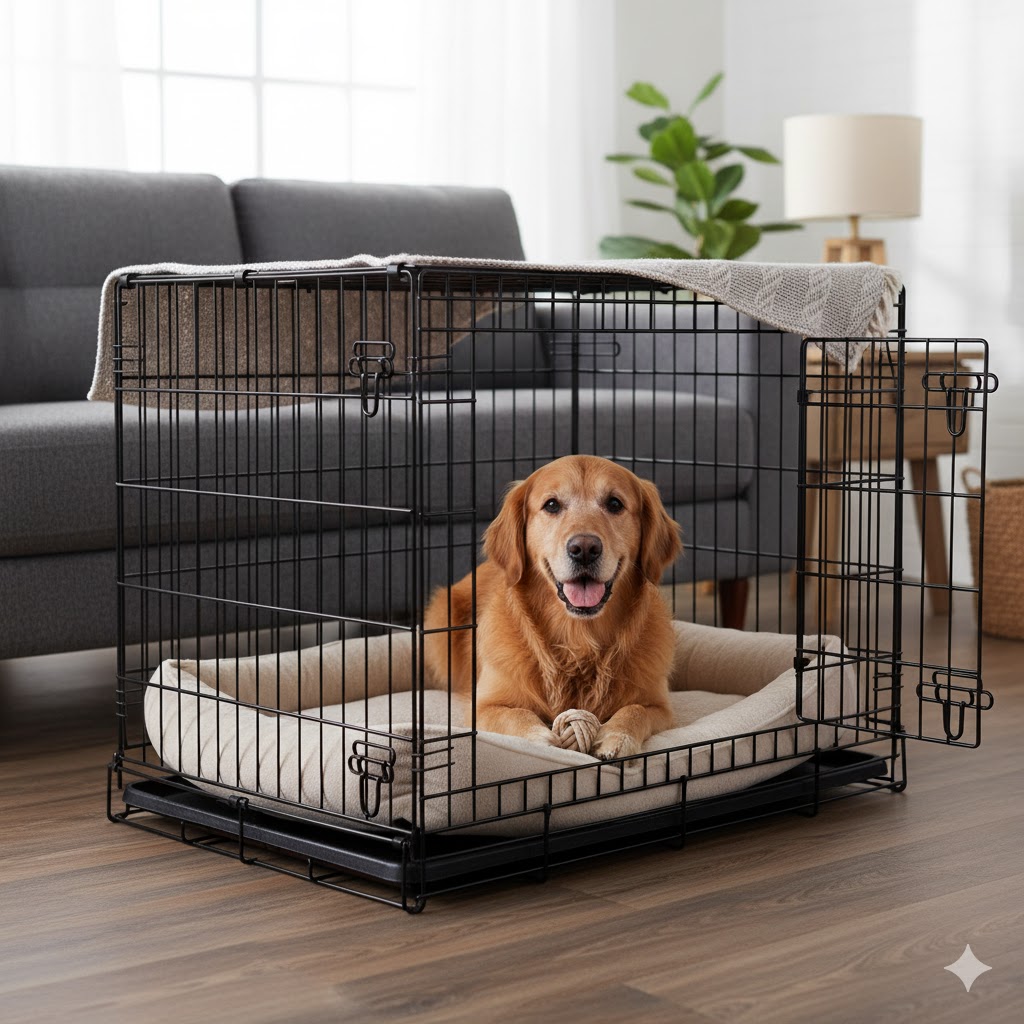
    Have you ever wondered if your large dog truly feels comfortable in its current crate? Finding the right large dog crate is crucial for ensuring your furry friend’s comfort and safety, especially for breeds like Labradors, Golden Retrievers, and Boxers. With dog crates designed for pets weighing 71 to 90 pounds and measuring around 42 inches in depth, there’s a perfect fit waiting for your companion.

    Our readers seek guidance on selecting the best large dog crate to suit their pets’ needs, whether for home use or travel. We’ll explore a range of options, from lightweight, portable crates ideal for frequent travelers to heavy-duty models offering extra durability. This article will help you make an well-informed choice, ensuring your pet’s well-being and your peace of mind. Stay with us as we investigate into the industry of large dog crates, providing insights and recommendations customized just for you.

    Understanding Large Dog Crates

    Large dog crates serve multiple purposes, offering benefits such as training aid, providing safety, and making travel easier. They create a familiar refuge where dogs can relax. Particularly during house training, these crates help prevent unwanted behaviors by confining dogs when unsupervised. For Labradors and Boxers, it can curb chewing or accidents inside the home.

    Selecting the right size is vital. A large dog crate, typically around 42 inches in depth, suits breeds weighing between 71 and 90 lbs, like Golden Retrievers, Rhodesian Ridgebacks, and Airedale Terriers. The dog should comfortably stand, turn, and lie down. If selecting for puppies, consider their adult size to avoid frequently buying new crates. Dividers can adjust the space, aiding both a growing puppy and preventing soiling of unused areas.

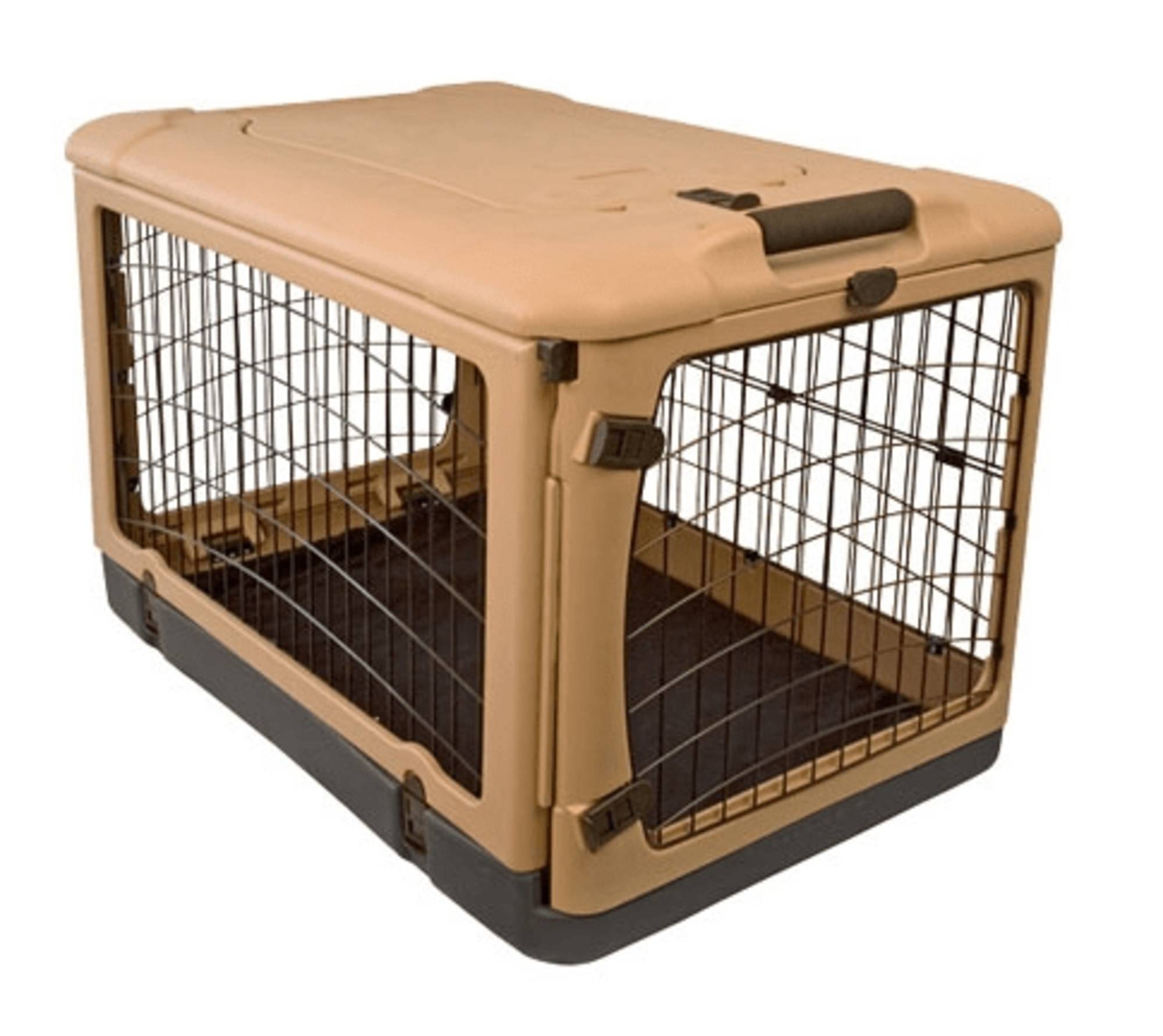
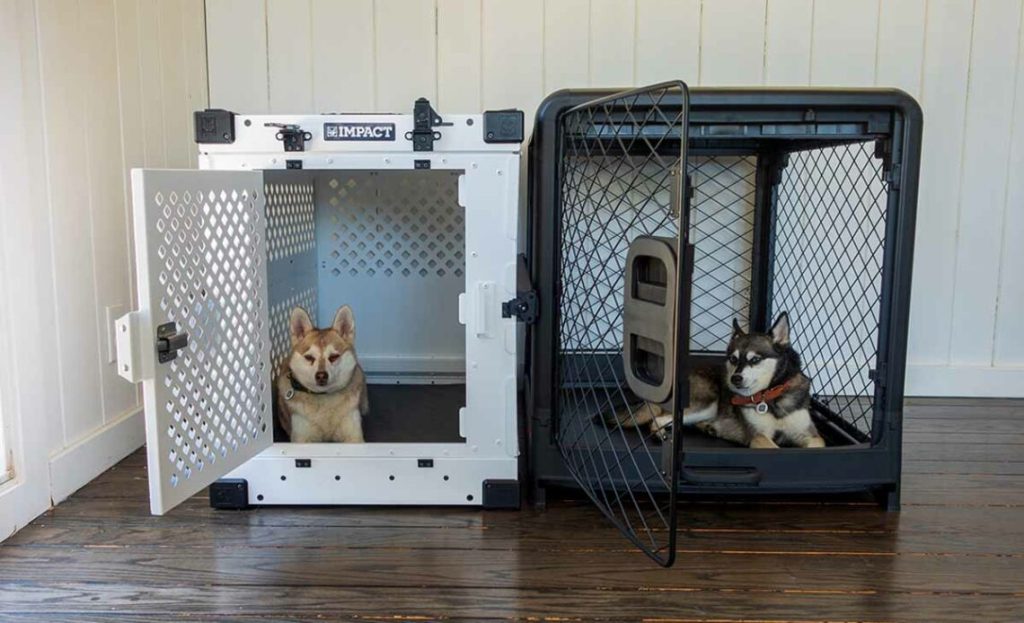
    Material and durability are important for choosing between wire and heavy-duty metal crates. Wire crates, known for their durability and airflow, are foldable and ideal for home use or travel. Heavy-duty crates, perfect for strong or active dogs like Belgian Malinois and Dalmatians, withstand high energy and ensure better security. These crates provide peace of mind by enduring enthusiastic use.

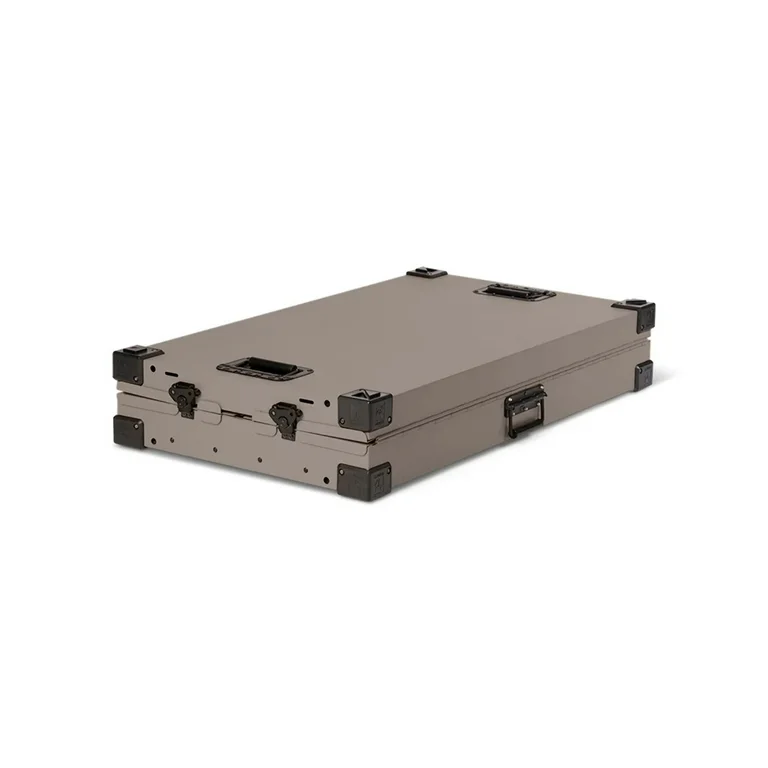
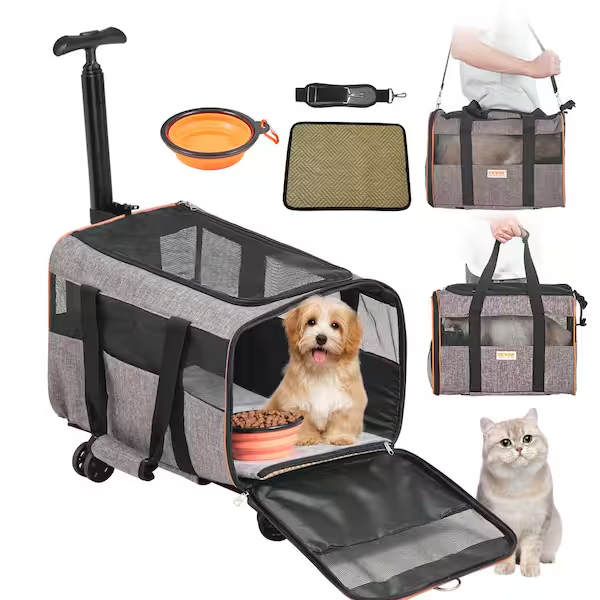
    When considering a large dog crate for travel, portability weighs significantly. Options like the Canine Camper Sportable, a sturdy, lightweight popup tent crate, cater to those frequently on the move with their pet. It’s easy to fold and carry, making travel logistics simpler.

    By understanding these aspects, we guide pet owners to make informed decisions best suited for their dogs’ needs. A large dog crate not only aids in managing behavior and ensuring the pet’s comfort but also offers flexibility and safety during travel.

    Types of Large Dog Crates

    Selecting the perfect large dog crate involves understanding the different types available and their unique features. By matching a crate’s attributes to our dogs’ needs, we can ensure maximum comfort and safety.

    Wire Crates

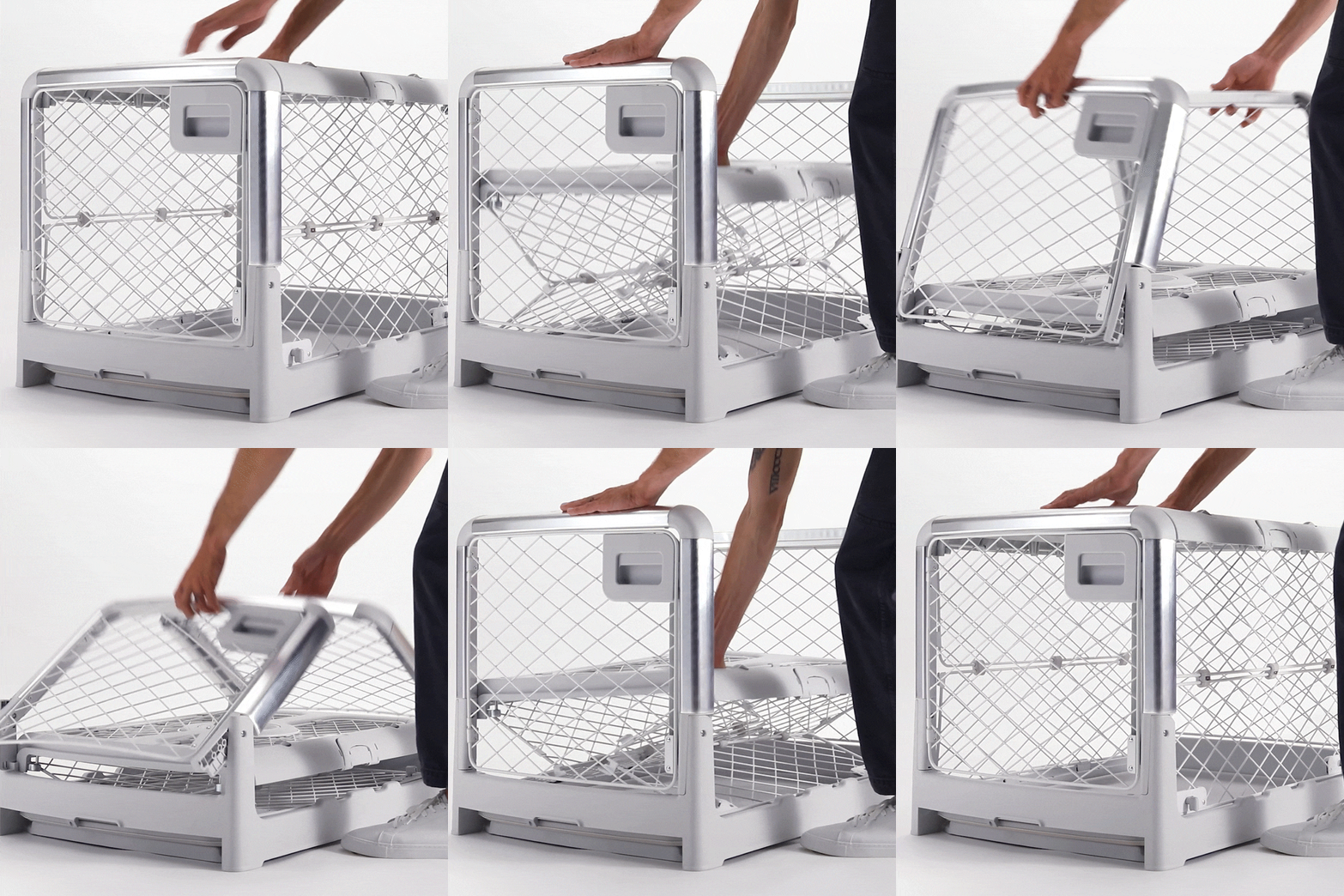
    Wire crates stand out for durability and functionality. Crafted from entwined metal wires, they offer clear sight lines and excellent ventilation—key elements for pet safety and comfort. These crates are ideal for crate training, particularly for dogs prone to chewing or scratching, like Labradors or Boxers. Though they’re often heavier than other types, many models—like the iCrate 1542 Single Door design—are collapsible for easy storage and transport. These crates, measuring around 42 inches, fit dogs between 71 to 90 lbs within a common weight range for large breeds. They make great choices for home usage or short trips when portability isn’t the primary concern.

    Plastic Crates

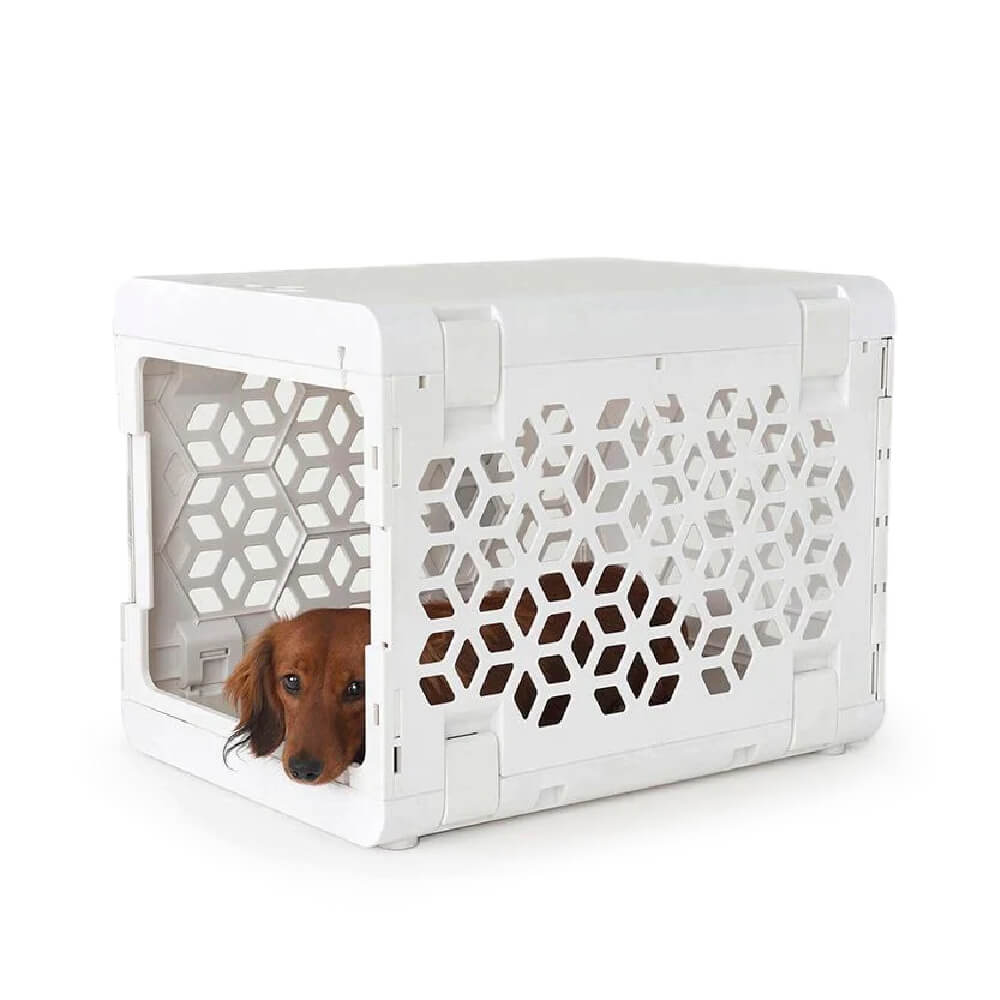
    Plastic dog crates cater to mobility, making them suitable for travel. These crates, more compact than wire versions, frequently come with handles for better portability. While they offer a cozy, enclosed space, ensuring adequate airflow is vital. Plastic crates, like the ones compatible with large breeds such as Golden Retrievers, provide secure spots for trips without compromising on comfort. They’re also useful for pet owners seeking a temporary outdoor dwelling, serving as excellent shelters in transitional weather.

    Soft-Sided Crates

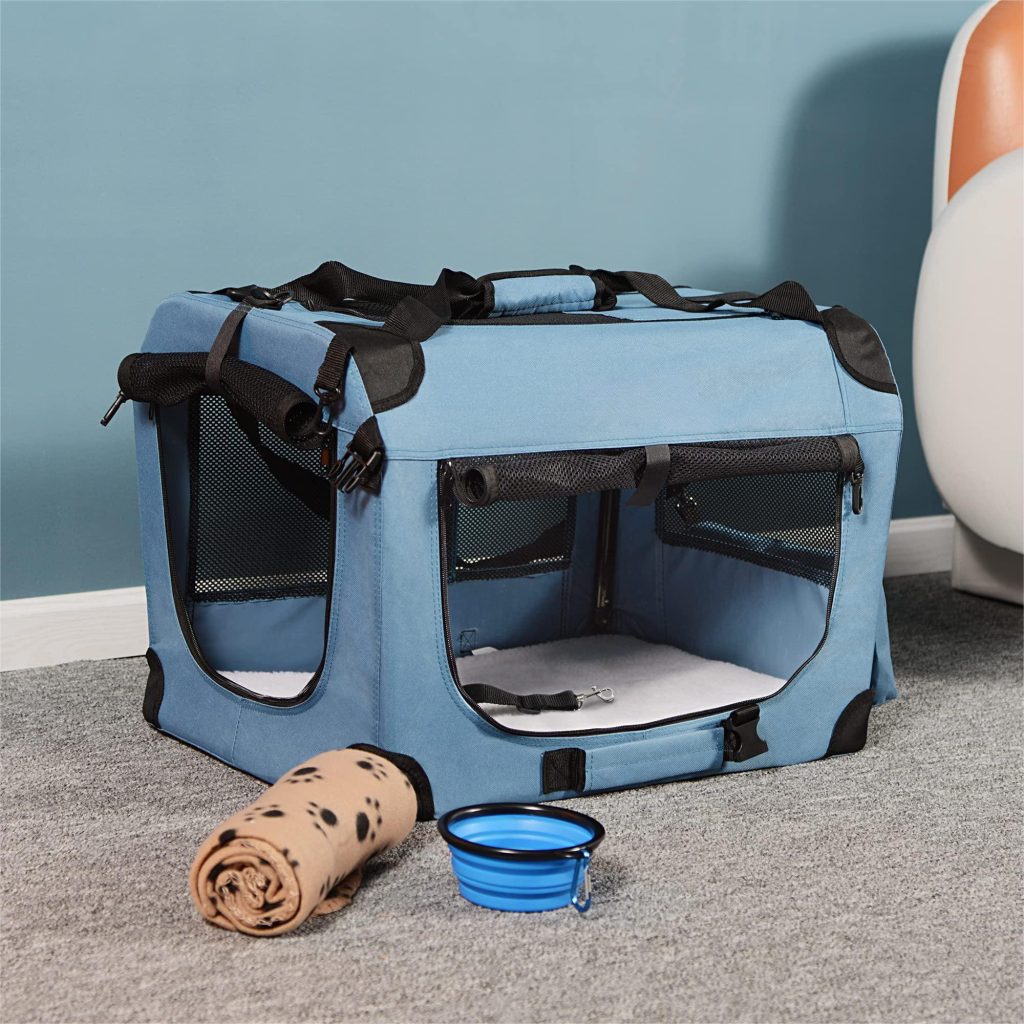
    Soft-sided crates bring lightweight convenience, fitting for frequent travelers. Designed with durable fabric, these crates are easy to fold and carry. They’re perfect for less aggressive dogs or short travel, accommodating a range of breeds with sizes suited for 71 to 90 lbs, such as the Canine Camper Sportable 1742SP. These crates function best as temporary shelters during travel while being cautious of potential wear from persistent chewers or scratchers. They embody a mix of comfort and practicality, ideal for pets and owners always on the go.

    Choosing the Right Size

    Selecting the right large dog crate is essential for our furry friends’ comfort and safety. When determining the perfect size, we need to make sure to measure our dog accurately. These measurements are crucial whether you’re using the crate for home use or travel.

    Measuring Your Dog

    To ensure the crate fits well, we measure our dog’s height and length:

    • Height: Measure from the top of the head to the floor while the dog is standing. It’s important to add 3 to 4 inches to this measurement to provide sufficient headroom.
    • Length: Measure from the tip of the nose to the base of the tail. Adding 3 to 4 inches ensures they can turn around comfortably.

    Space Requirements

    A correctly sized crate allows our dog to perform a few key actions:

    • Stand with clearance above their head.
    • Lie down with space in front and behind them.
    • Turn around easily.

    These space considerations are vital to prevent discomfort and ensure our dog’s contentment within the crate.

    Understanding these factors helps us choose the appropriate large crate, whether for a Golden Retriever, Labrador, or Boxer. It’s important that the crate not only accommodates their size but also serves as a safe haven. Before purchasing, evaluating these measurements against the available crate options can significantly enhance our pet’s well-being.

    Key Features to Consider

    Large dog crates serve multiple purposes, providing secure spaces for dogs like Labradors and Boxers. When choosing a crate, several features play a critical role in ensuring both owner convenience and canine comfort.

    Durability and Material

    Durability is essential for large dog crates, especially if your pet is energetic or tends to chew. Heavy-duty wire crates withstand scratching and biting better than plastic. For instance, the MidWest Ultima Pro features a robust wire frame with rounded corners to minimize injury risk. The Luckyberry Indestructible Crate uses 0.8mm thick pipes, making it challenging for dogs to apply sufficient bite force. Selecting a durable crate assures safety and longevity for both home and travel use.

    Portability

    Portability becomes vital for owners who travel often or relocate crates within the home. Some crates, like wire models, include convenient folding designs. Portable options, such as lightweight crates or popup tents, simplify transport and setup. For example, the Canine Camper Sportable is perfect for travel, offering an easily collapsible design. This feature ensures versatility and flexibility, catering to our diverse lifestyle needs without compromising our dog’s comfort.

    Ventilation and Comfort

    A well-ventilated crate keeps dogs comfortable by ensuring proper airflow. Wire crates offer maximum visibility and ventilation, ideal for extended crate time. Selecting crates with mesh or ventilated panels enhances air circulation. Comfort is equally crucial; a crate should allow enough space for standing, lying down, and turning around with ease. Consider adding a cushioned mat or pad for added coziness. Ensuring ventilation and comfort promotes an inviting environment for our pets, improving their overall well-being.

    Benefits of Using a Large Dog Crate

    A large dog crate offers multiple benefits for both dogs and their owners. It provides a safe space where dogs can relax and feel secure. Dogs have a natural “denning” instinct, and a crate serves as their personal den or bedroom. This environment helps reduce stress and anxiety, especially during overwhelming situations or when extra downtime is needed.

    Large dog crates significantly aid in housetraining. Dogs typically avoid soiling their sleeping area, which makes crates an effective tool for establishing bathroom routines. Crate training is especially advantageous for puppies, helping to prevent accidents within the house. Using a divider in the crate enables us to adjust the space according to the puppy’s growth, maintaining its functionality over time.

    Ensuring household safety becomes easier with a large dog crate. While we are away from home, the crate offers a secure environment, preventing dogs from captivating in destructive behavior or encountering hazardous situations. This secure confinement gives us peace of mind.

    The extra large dog crates we offer, like those available at Tractor Supply, cater to different needs such as travel, training, or everyday use. Their robust construction makes them suitable for strong or active dogs, and selecting the right material ensures durability. Metal crates, known for strength, are ideal for large, energetic breeds.

    Portability enhances the convenience of using large dog crates. Options such as foldable wire crates or lightweight fabric crates help ease of transport, making them perfect for travel and outdoor adventures. We also emphasize adding cushioned crate pads, which increase comfort and invite relaxation by creating an inviting space for dogs.

    These benefits highlight the versatility and effectiveness of large dog crates in promoting a harmonious household environment, safeguarding pets, and aiding in training and safety. By understanding their advantages, we can better tailor our choices to suit our dogs’ needs and our own preferences, ensuring optimum comfort and security.

    Tips for Crate Training

    Effective crate training helps our dogs adapt to their large dog crate, ensuring they feel secure and relaxed in their space. It’s crucial to choose a large dog crate with the right dimensions, whether the 42-inch models for breeds like Labradors and Golden Retrievers or larger options for giant breeds. Here are some tips to make the training process smooth and successful:

    • Start Gradually: Introduce the crate slowly, and let your dog explore it at their own pace. Placing treats or toys inside can create positive associations.
    • Use Appropriate Bedding and Accessories: Comfort is key. A Bolstr Crate Bed provides a supportive sleeping area, while accessories like the Groov Training Aid offer enrichment through treats.
    • Establish a Routine: Consistency helps dogs fall into a pattern. Use the crate at regular times for rest and at night to help your dog adjust to its new environment.
    • Avoid Using the Crate for Punishment: Maintain a positive association by only using the crate for encouraging calm behavior and not as a disciplinary tool.
    • Provide Breaks and Exercise: Dogs need regular breaks for exercise and bathroom needs. Make sure your dog spends enough time outside the crate to balance physical activity with relaxation in it.
    • Ensure a Proper Fit: The crate must be large enough for the dog to stand, turn, and lie down. For puppies, using a divider ensures they grow with the crate, preventing excess space that might lead to soiling.
    • Promote Positive Experiences: Keep crate time enjoyable by including comfortable bedding, interactive toys, or even the Crate Bowl for easy mealtime within the space.

    Incorporating these crate training tips supports the natural denning instincts of dogs, leading to a peaceful and contented demeanor. By understanding these essentials, we can effectively use a large dog crate as a safe, trusted area that enhances our dog’s overall well-being.

    Conclusion

    Choosing the right large dog crate is a vital step in ensuring our furry friends feel secure and comfortable. By considering factors like size, material, and portability, we can find a crate that meets both our needs and those of our dogs. Whether we’re using it for training, travel, or as a safe haven at home, a well-chosen crate can significantly enhance our dog’s quality of life. Remember, a crate is more than just a containment tool; it’s a space where our pets can relax and thrive. Let’s make informed decisions to create a welcoming environment that supports their natural instincts and promotes their well-being.
  • Best Dog Sofa 2025: Stylish Comfort for Your Furry Friend

    Best Dog Sofa 2025: Stylish Comfort for Your Furry Friend

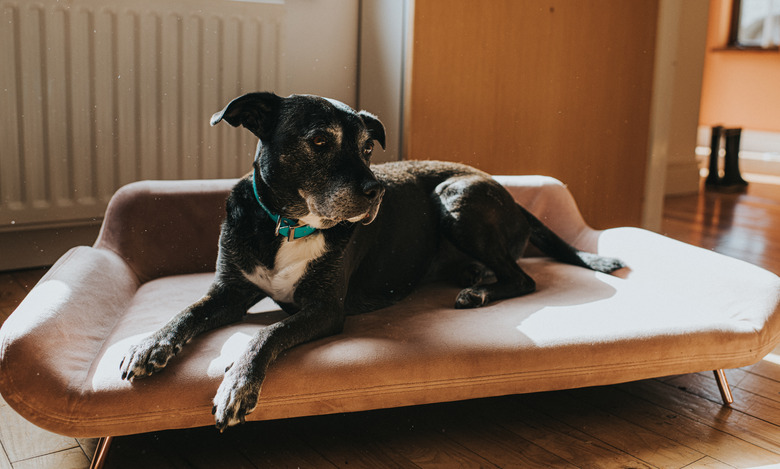
    Is your furry friend deserving of a touch of luxury? Dog sofas have become a popular choice for pet owners seeking comfort and style for their pets. With various styles, shapes, and materials available, finding the perfect dog sofa can enhance both your dog’s well-being and your home’s aesthetic.

    In this text, we’ll explore the key features to consider when choosing a dog sofa, from durable materials to design functionalities that cater to your pet’s needs. Whether your dog prefers elevated seating for a sense of security or enjoys the sleek look of vegan leather, we’ll help you navigate the options to find a sofa that suits both you and your pet.

    What Is a Dog Sofa

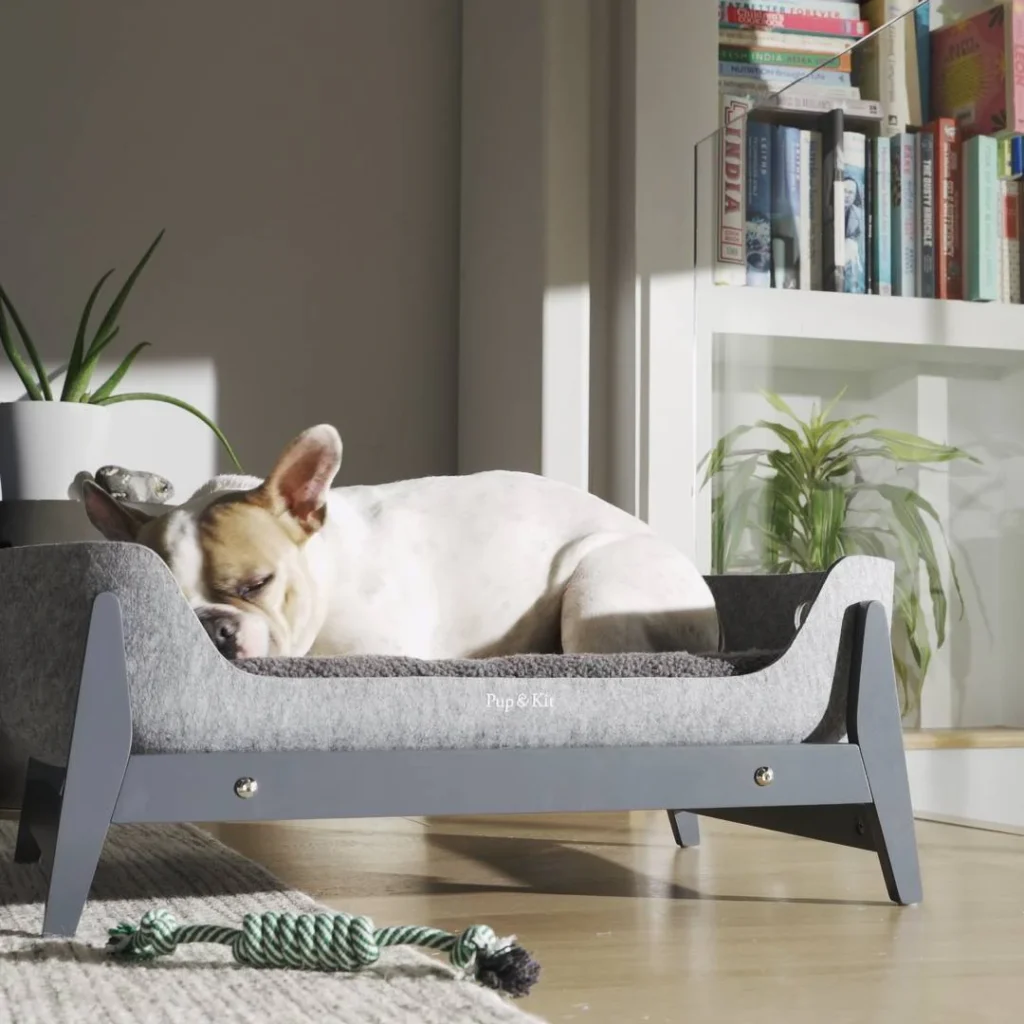
    A dog sofa is a specialized piece of furniture designed to provide dogs with a comfortable and supportive place to rest and relax. Unlike standard pet beds, dog sofas are crafted to resemble human sofas, seamlessly blending into home interiors while catering to a pet’s needs.

    Purpose and Benefits

    Dog sofas offer several advantages for both pets and owners. They provide:

    • Comfort and Support: Equipped with high-quality cushions and memory foam mattresses, dog sofas support dogs’ muscles and joints, which is crucial for aging dogs or those with health issues. For instance, senior dogs benefit from the orthopedic support that helps alleviate stress and pain.
    • Designated Rest Area: By offering a exact spot for dogs to rest, dog sofas help keep pets off human furniture. This reduces the spread of dirt and minimizes wear and tear on sofas, maintaining a clean and organized home environment.
    • Training Aid: A dog sofa serves as a training tool by giving dogs a designated place to sleep when instructed to vacate other furniture, reinforcing good behavior and boundaries.

    Design and Materials

    Dog sofas come in various styles, shapes, and materials to match different home aesthetics and meet diverse pet preferences. Common materials include:

    • Fabrics: Velvet, linen, cotton canvas, and microsuede provide softness and durability. High-grade Martindale fabrics used in dog sofas withstand double rubs, ensuring longevity against active pets.
    • Leather Options: Both traditional and vegan leather are available, offering a luxurious feel and easy maintenance. Leather dog sofas are ideal for pet owners seeking an upscale appearance that complements their home decor.
    • Frames and Bases: Many dog sofas feature sturdy, sustainably sourced wooden bases with various finishes. Elevated frames are designed for dogs that prefer a higher resting position, improving their sense of security.
    • Removable Covers: To help cleaning, many dog sofas come with removable and machine-washable covers. This feature ensures that the sofa remains hygienic and fresh, accommodating active dogs and easy maintenance.

    Size and Customization

    Dog sofas are available in multiple sizes to accommodate different breeds and sizes of dogs. Common dimensions include:

    SizeExterior Dimensions (Wide x Deep)Interior Dimensions (Wide x Deep)
    Medium30″ x 20″18″ x 8″
    Large40″ x 30″28″ x 18″
    XLarge54″ x 36″42″ x 24″

    Customization options allow pet owners to choose from a range of colors and patterns, such as animal prints and chevron designs, ensuring that the dog sofa complements existing home decor. Also, features like removable memory foam mattresses and non-skid bottoms enhance functionality and comfort.

    Maintenance and Durability

    Quality dog sofas prioritize durability and ease of maintenance. Materials used pass rigorous tests for wear resistance, and features like zipper-removable covers enable quick and hassle-free cleaning. For example, microsuede fabrics used in luxury dog sofas offer both comfort and durability, with a rub count of at least 100,000 double rubs to withstand active use.

    By integrating these elements, dog sofas provide a practical and stylish solution for pet owners seeking to enhance their dogs’ comfort while maintaining a cohesive home aesthetic.

    Best Dog Sofa

    Benefits of a Dog Sofa

    Comfort and Support

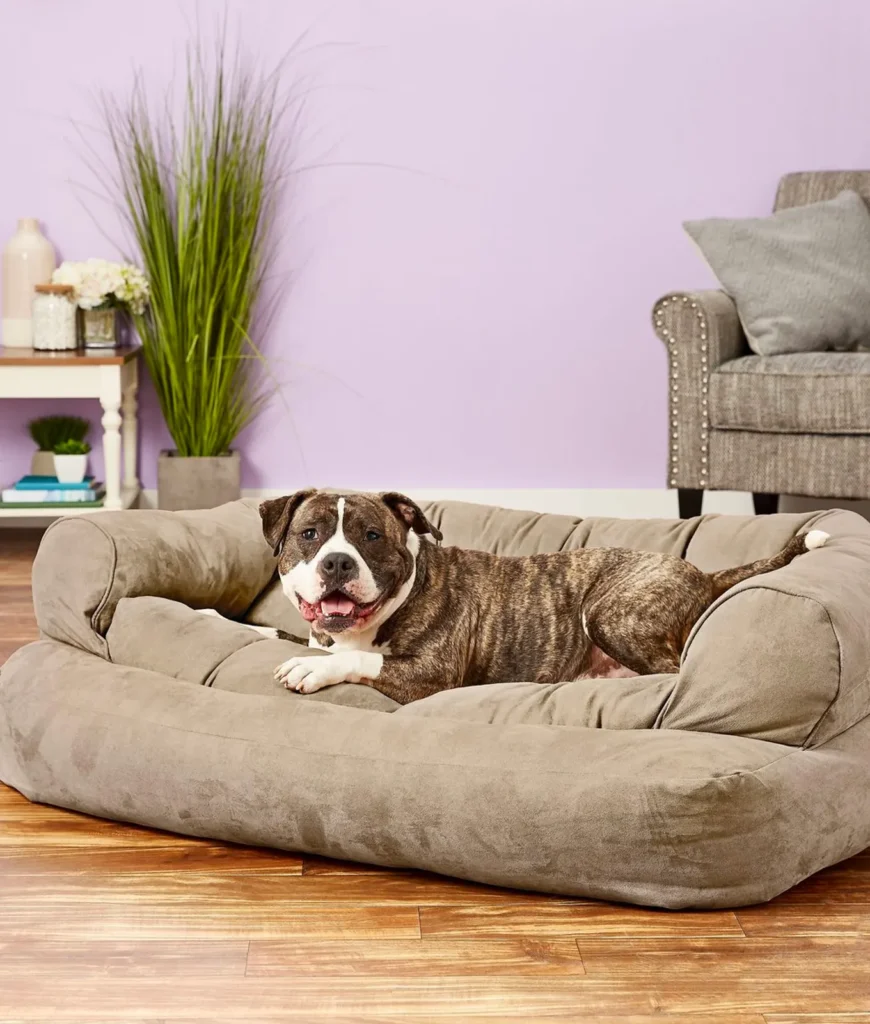
    A dog sofa offers a plush and comfortable space for your pet to relax. With high-quality cushions and memory foam, these sofas provide exceptional support, ensuring your dog experiences minimal discomfort. For instance, our luxury dog sofas feature microsuede fabric that enhances softness and durability. This level of comfort is crucial for dogs of all ages, promoting restful sleep and reducing stress. Elevated frames available in our collection cater to dogs that prefer a higher resting place, giving them a sense of security and improving their overall well-being.
    Joint Health

    Orthopedic dog sofas play a vital role in maintaining your dog’s joint health. Designed to alleviate pressure on joints, these sofas are ideal for dogs suffering from arthritis or hip dysplasia. By providing consistent support, dog sofas help improve mobility and reduce pain associated with age-related conditions. Our orthopedic models include removable memory foam mattresses that adapt to your dog’s body shape, ensuring optimal support. This feature not only benefits older dogs but also supports growing puppies by offering a stable and comfortable resting area during their developmental stages.

    Protection for Furniture

    Investing in a dog sofa protects your home’s furniture from potential damage. When dogs have their own designated sofa, they are less likely to jump onto couches, chairs, or beds, preventing claw marks, fur accumulation, and stains. Our dog sofas are crafted with durable, machine-washable materials such as vegan leather and cotton canvas, making them easy to maintain and protect your furniture effectively. Also, the sturdy wooden bases ensure stability, reducing the chances of your dog causing wear and tear on your existing home décor. By providing a stylish and functional alternative, dog sofas help maintain a clean and organized living space.

    Enhanced Aesthetic Appeal

    Dog sofas seamlessly blend with your home’s interior, adding a touch of luxury and style. Available in various colors, patterns, and materials, these sofas complement any décor, from modern to traditional. Whether you prefer the clean lines of a minimalist design or the rich textures of velvet and linen, our collection has options to match your aesthetic preferences. By choosing a dog sofa that aligns with your home’s style, you create a cohesive and attractive environment for both you and your pet.

    Durability and Maintenance

    Our dog sofas are built to last, using high-grade materials that withstand daily use. Most sofas feature a sturdy, sustainably sourced wooden base and upholstery that passes rigorous Martindale tests, ensuring resistance to paws and claws. Removable and machine-washable covers simplify cleaning, making it easy to maintain a fresh and hygienic resting space for your dog. The durability of our dog sofas ensures they remain a valuable addition to your home for years to come.

    Types of Dog Sofas

    Dog sofas come in various styles to cater to different preferences and needs. Each type offers unique features that enhance comfort and functionality for our canine companions.

    Traditional Sofas

    Traditional dog sofas provide classic elegance and robust support, mimicking human sofas in both style and comfort. We offer options like Mammoth Designer Dog Couches, featuring super-sized bolsters and orthopedic foam or memory foam cushions that support joints and enhance comfort. Available in Large and Extra Large sizes, these sofas accommodate a range of dog breeds. Lord Lou Dog Sofa Beds use superior-grade fabrics such as velvet, linen, and cotton canvas, ensuring durability and a luxurious feel. These models often include sturdy, sustainably sourced wooden bases that blend seamlessly with home interiors. Leather variants add an extra layer of sophistication for those seeking a premium option. Removable and washable covers simplify maintenance, making traditional dog sofas a practical and stylish choice for pet owners who prioritize both aesthetics and their dog’s well-being.

    Modern Designs

    Modern dog sofas incorporate innovative materials and sleek designs to meet contemporary home decor trends. We feature sofas with clean lines and minimalistic styles that seamlessly integrate into any living space. These designs often use durable fabrics like vegan leather, which offers a cruelty-free and easy-to-clean surface. Elevated frames provide dogs with a sense of security and an elevated resting spot, catering to pets that prefer staying away from drafts or enjoy being closer to their owners. Also, modern dog sofas may include advanced features such as built-in storage compartments for toys and accessories, improving functionality. The use of high-grade Martindale-tested fabrics ensures resistance to wear and tear from active pets. These sofas not only offer comfort and support but also serve as stylish furniture pieces that complement the overall aesthetic of a home.

    Best Dog Sofa

    Convertible Sofas

    Convertible dog sofas offer versatile answers that adapt to different needs and spaces. These sofas can transform between a traditional dog bed and a sofa configuration, providing flexibility for both pets and owners. Ideal for smaller living areas, convertible designs maximize space without compromising on comfort. Adjustable components, such as removable cushions and expandable frames, allow customization based on the dog’s size and sleeping preferences. Some models feature dual-purpose sections that can serve as a seating area for owners while maintaining a dedicated resting spot for dogs. Materials used in convertible dog sofas prioritize durability and ease of maintenance, with machine-washable covers and sturdy bases that withstand daily use. This adaptability makes convertible dog sofas a practical choice for pet owners seeking multifunctional furniture that caters to their dog’s comfort and their home’s layout.

    Choosing the Right Dog Sofa

    Selecting the ideal dog sofa involves evaluating size, comfort, material, and durability to ensure it meets your pet’s needs and complements your home.

    Size and Comfort

    The size of a dog sofa depends on your dog’s breed and weight. For larger breeds like English Mastiffs or Italian Mastiffs, a spacious and sturdy sofa accommodates their size and provides necessary support. Comfort remains crucial; dog sofas offer adequate cushioning and support to promote joint health. Orthopedic and temperature-controlled beds provide benefits for dogs with arthritis or hip dysplasia, improving their overall well-being. Multi-functional designs help easy access and create a cozy spot for relaxation. For instance, elevated frames offer extra security and comfort, catering to dogs that prefer to stay off the ground. Ensuring the sofa matches your dog’s life stage guarantees long-term comfort and usability.
    Material and Durability

    Choosing the right material ensures your dog sofa withstands daily use while maintaining its appearance. Tight weave fabrics resist pet hair and simplify cleaning, making them practical for active dogs. Sustainable wooden bases offer strength and longevity, supporting the sofa’s structure over time. Upholstery options include velvet, linen, and cotton canvas, each passing high-grade Martindale tests for durability against wear and tear. Leather alternatives provide a luxury feel while maintaining resilience. Removable, machine-washable covers enhance maintenance ease, ensuring the sofa remains fresh and hygienic. Investing in durable materials extends the lifespan of the dog sofa, providing a reliable and stylish resting place for your pet.

    Maintenance and Cleaning

    Regular Maintenance

    Regular vacuuming keeps pet hair off our dog sofa. We use the upholstery attachment to efficiently remove fur and debris. Also, brushing our dog frequently reduces shedding, minimizing the amount of hair on the sofa. Scheduling these maintenance tasks weekly ensures our dog sofa remains clean and comfortable.

    Best Dog Sofa

    Cleaning Spills and Stains

    For fabric dog sofas, we promptly blot spills with a clean, dry white cloth. Avoiding rubbing preserves the fabric’s integrity. Following the manufacturer’s cleaning instructions, we select appropriate cleaning answers for different fabric types. For leather dog sofas, a damp cloth effectively cleans spills and accidents. We handle leather carefully to prevent scratches, maintaining the sofa’s pristine appearance.

    Choosing Pet-Friendly Materials

    Selecting pet-friendly materials enhances our dog sofa’s durability and ease of maintenance. Leather stands out as a top choice because it’s stain-resistant and simple to clean. It doesn’t trap pet hair or odors, making it ideal for a pet-friendly home. Also, leather dog sofas complement various home décors, combining functionality with style.

    Additional Tips

    To prolong the life of our dog sofa, we use protective covers that are machine-washable. Regularly rotating cushions prevents uneven wear, ensuring consistent comfort. Addressing minor issues promptly, such as repairing small tears or replacing worn-out parts, keeps our dog sofa in excellent condition. By implementing these maintenance and cleaning practices, our dog sofa remains a stylish and practical addition to our home.

    Best Dog Sofa

    Conclusion

    We cherish creating a comfortable and stylish home for our pets. A dog sofa serves as a perfect addition blending seamlessly with our decor while offering our dogs a cozy retreat. Choosing the right sofa means prioritizing both durability and design ensuring it meets our pet’s needs and complements our living space. By investing in a quality dog sofa we enhance our home’s functionality and aesthetics providing a dedicated space that benefits everyone. Let’s embrace the trend and give our furry friends the comfort they deserve without compromising our home’s elegance.

  • Perfect Waterproof Dog Bed for 2025: Durability & Comfort

    Perfect Waterproof Dog Bed for 2025: Durability & Comfort

    Ever wondered why your dog’s bed never seems to last? With pets spending up to 80% of their time lounging, it’s crucial to invest in a durable solution like a waterproof dog bed. These beds aren’t just about comfort—they’re designed to withstand the elements and protect against accidents, ensuring your furry friend has a cozy spot both indoors and outdoors.

    As pet owners, we understand the frustration of constantly replacing damp, worn-out beds. A waterproof dog bed offers peace of mind, knowing it can handle everything from rainy adventures to unexpected spills. Plus, with easy-to-clean materials, maintenance becomes a breeze, allowing us to focus on what truly matters—spending quality time with our pets.

    Key Features of a Waterproof Dog Bed

    Waterproof dog beds are essential for maintaining a clean, comfortable environment for pets indoors and outdoors. These beds offer protection against moisture and are durable enough to withstand daily wear and tear.

    Waterproof Materials

    Waterproof materials are crucial in providing a protective barrier that keeps the bed dry. Effective waterproof dog beds use covers or liners made from vinyl, PVC, or specialized waterproof fabrics. These materials prevent liquids like urine from penetrating the bed’s layers. Interestingly, using a baby crib mattress with a waterproof cover presents a cost-effective alternative, offering superior waterproofing compared to many traditional dog beds.

    Durability and Longevity

    The durability of a waterproof dog bed is a vital consideration, especially for dogs prone to chewing or incontinence issues. Beds equipped with robust waterproof liners and sturdy construction handle frequent cleaning and usage effectively. Elevated options, such as those from Kuranda, demonstrate exceptional durability and are simple to clean. A durable waterproof dog bed significantly reduces the frequency of replacements, providing long-term comfort for our furry friends.

    Waterproof Dog Bed

    Ease of Cleaning

    Ease of cleaning is an indispensable feature of waterproof dog beds. With removable and machine-washable covers often created from polyester, these beds simplify the cleaning process. Beds with zippable covers ensure hassle-free wash routines, helping maintain hygiene. Some models even include non-skid bottoms for added convenience. Keeping a bed clean is less challenging when the materials are designed specifically for easy maintenance.

    Size and Style Options

    Choosing the right waterproof dog bed involves examining both size and style to ensure our pets’ comfort and the bed’s functionality.

    Size Considerations

    Determining the right size for a waterproof dog bed is essential for our dogs’ comfort. We should measure our dogs from head to tail to find the correct size, ensuring there’s ample space for them to stretch out naturally. Large breeds, like Great Danes or Mastiffs, require beds that offer more support to protect their joints from hard floors. Elevated or hammock beds provide excellent options, giving bigger dogs the necessary comfort while supporting their bodies.

    Style and Design Variations

    The style and design of waterproof dog beds vary to meet different needs. For dogs not fully house-trained or coping with incontinence, these beds are vital. We should look for options with sturdy closures and covers that simplify cleaning. The waterproof materials chosen must not be noisy, as this might disturb our pets’ rest. Designs range from basic waterproof covers to more intricate beds with multiple layers and texture options, allowing us to blend functionality with our home decor.

    Waterproof Dog Bed

    Benefits of a Waterproof Dog Bed

    Waterproof dog beds provide many advantages, promoting a clean and healthy environment for our pets. They protect against accidents and enhance comfort while being versatile enough for both indoor and outdoor use.

    Protecting Against Accidents

    Accidents occur, particularly with young or elderly dogs. Waterproof dog beds use special materials that prevent liquids, like urine, from soaking into the filling. This makes cleanup easier and prevents unpleasant odors and stains. Our waterproof dog bed features a full-coverage inner liner specifically designed to safeguard the filling from accidents. These bed designs reduce odor by preventing moisture buildup, minimizing the growth of bacteria and other odor-causing agents.

    Improving Comfort and Health

    Waterproof dog beds improve comfort and contribute to a healthier space for our furry friends. These beds resist odors, thanks to their ability to deter bacteria and microorganisms. A premium waterproof bed may be filled with plush polyfill stuffing and have an ultra-soft reversible fleece top, ensuring warmth during winter and coolness in summer. Our beds combine support and hygiene, making them ideal for maintaining our pets’ well-being.
    Suitable for Indoor and Outdoor Use

    Versatility defines waterproof dog beds, as they’re suitable for indoor and outdoor environments. Whether used with kennels, crates, or as a standalone bed, these beds adapt well to various settings. The durable construction of our beds allows them to function effectively as a portable dog crate mat. This adaptability makes them perfect for travels and ensures our pets’ comfort, no matter where their adventures take them.

    How to Choose the Right Waterproof Dog Bed

    Selecting the right waterproof dog bed involves considering exact criteria to suit both the dog’s and the owner’s needs. Understanding what makes a dog bed waterproof and comfortable aids in making an informed choice.

    Assessing Your Dog’s Needs

    Recognizing individual pet requirements is crucial when choosing a waterproof dog bed.

    • Age and Health: For senior dogs or puppies prone to accidents, waterproof beds are beneficial. They provide an easy-clean solution, ensuring comfort and hygiene.
    • Comfort and Support: Dogs with joint issues need beds offering adequate support. Orthopedic options can alleviate discomfort by offering a supportive and waterproof sleeping surface.
    • Climate: In hot climates, choosing an elevated or breathable material bed prevents overheating. For example, egg crate foam promotes airflow.
    • Behavior: Durable materials are necessary for dogs that chew. Covered beds can also provide comfort for anxious dogs by creating a secure environment.
    Waterproof Dog Bed

    Comparing Different Models

    Different waterproof dog beds offer varying features catering to distinct needs.

    • Material and Durability: Beds made from polyester with PVC backing are genuinely waterproof, withstand the elements, and fit both indoor and outdoor use. Chew-resistant options increase longevity.
    • Design and Functionality: Styles range from simple to elaborate, which caters to dogs’ comfort and aesthetics. Removable, machine-washable covers help easy cleaning.
    • Size and Adjustability: The bed size should be based on the dog’s dimensions, especially for stretchers, to ensure adequate space. Elevated beds or those without bolsters offer sprawling space.
    • Portability: Lightweight or foldable options allow for easy transportation, making them ideal for travel or outdoor adventures.

    Understanding these features helps select a suitable waterproof dog bed that aligns with both the lifestyle and comfort needs of a dog.

    Conclusion

    Choosing the right waterproof dog bed is a game-changer for both us and our pets. These beds offer unmatched durability and protection, ensuring our furry friends enjoy a clean and cozy space. With options ranging from simple waterproof covers to plush, supportive designs, we can easily find a bed that suits our pet’s needs and our home’s aesthetic. The ease of maintenance and longevity of these beds make them a smart investment, allowing us to focus on quality time with our pets rather than frequent replacements. Let’s embrace the comfort and convenience of waterproof dog beds for a happier, healthier pet experience.

  • In-Home Dog Groomer Benefits: Stress-Free Care in 2025

    In-Home Dog Groomer Benefits: Stress-Free Care in 2025

    Ever wondered why your furry friend seems stressed after a trip to the groomer? Imagine the convenience and comfort of having an in-home dog groomer. As pet owners, we know how crucial it is to ensure our dogs feel safe and relaxed during grooming sessions. The rise of in-home dog grooming services is a game-changer, offering a stress-free alternative that caters to both our pets’ needs and our busy schedules.

    In this text, we’ll explore the benefits of choosing an in-home dog groomer, from personalized care to the comfort of familiar surroundings. We’ll jump into how these services work, what to expect, and how they can transform your pet’s grooming experience. Whether you’re a seasoned pet owner or new to the industry of dog grooming, you’ll discover why this option might just be the perfect fit for you and your furry companion.

    Understanding In Home Dog Groomers

    In-home dog groomers offer a unique service that enhances pet care by bringing grooming to the comfort of our own homes. This service has grown significantly with 41% of dog owners in the U.S. opting for at-home grooming, based on a 2020 survey by the American Pet Products Association. Understanding what these services entail can help us make informed choices for our pets.

    Key Attributes

    • Personalized Service: In-home dog groomers provide individualized attention to our pets. The groomer focuses solely on one pet at a time, catering to exact grooming needs. This personalized approach often reduces the stress pets might experience in a busier salon environment.
    • Convenience and Comfort: The primary advantage of inviting a groomer into our home is convenience. Our pets remain in a familiar environment which can help them stay calm during grooming sessions. This setting is particularly beneficial for pets with anxiety or those uncomfortable with travel.
    • Customized Schedules: Unlike salons, in-home dog groomers offer flexible scheduling customized to our needs. This adaptability can ensure that grooming fits seamlessly into our routines, making it easier to maintain regular grooming habits.

    Considerations for Hiring

    When considering an in-home dog groomer, it’s essential to evaluate their qualifications and experience. We should ask about their training, certifications, and references to ensure they are skilled in various grooming techniques. Also, understanding their grooming process, including the products and tools used, guarantees the safety and well-being of our pets.

    Financial Perspective

    While offering many benefits, in-home dog grooming can present financial considerations. Lower-income households often choose this method due to cost-effectiveness compared to traditional grooming salons. It’s crucial to weigh potential savings against any compromises in service quality.

    By grasping the full scope of what in-home dog groomers offer and assessing our exact circumstances, we can make informed decisions that best suit our pets’ grooming needs and our lifestyle. As this form of grooming continues to rise in popularity, understanding its facets ensures we provide optimal care for our dogs.

    Benefits Of Choosing An In Home Dog Groomer

    Choosing an in-home dog groomer offers unique advantages for both pets and owners. It’s important to consider personalized attention and a stress-free environment to ensure a comfortable grooming experience.

    Personalized Attention

    In-home dog grooming ensures personalized attention for each pet. Groomers focus solely on one dog, tailoring the service to exact needs, such as age, health, and behavioral traits. For example, elderly or special needs dogs benefit from this customized care. This individualized approach strengthens the bond between the groomer and our pet, improving trust and communication.

    Stress-Free Environment

    An in-home setting provides a stress-free environment, reducing anxiety for pets. Unlike salons, pets avoid car rides, loud noises, and other animals. Familiar surroundings offer comfort, improving the grooming experience. By minimizing stress, we promote positive mental well-being in our pets, making grooming more pleasant and efficient.

    Convenience For Pet Owners

    In-home grooming services offer unparalleled convenience. Scheduling flexibility allows us to choose times that fit our routine without the hassle of transporting pets. Also, grooming at home saves time and effort, accommodating busy lifestyles. We also have the opportunity to observe the grooming process, ensuring transparency and quality service.

    Home Dog Groomer

    Services Offered By In Home Dog Groomers

    In-home dog groomers provide a variety of personalized services, ensuring our pets receive the care they need right at home, reducing anxiety and offering convenience. These services often exceed typical salon experiences by focusing on individual dog needs.

    Basic Grooming Services

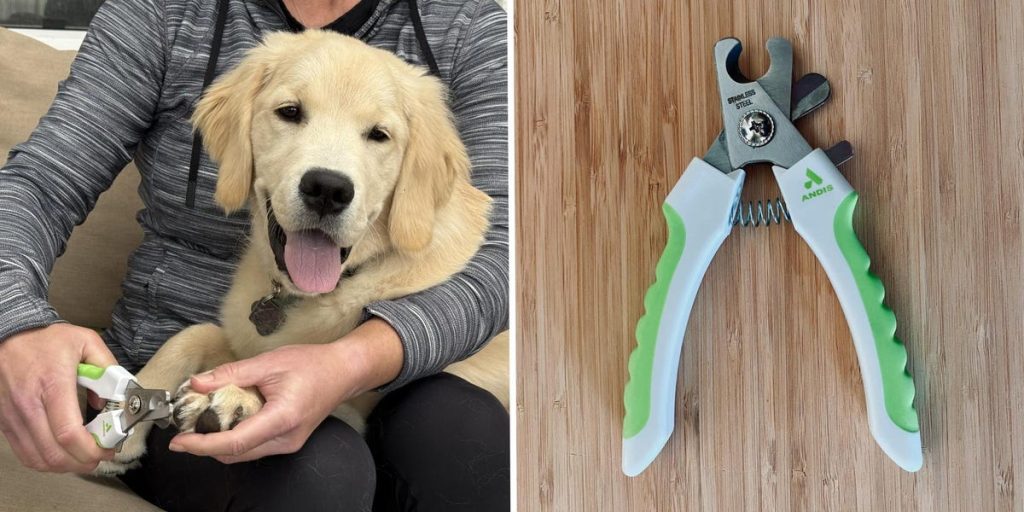
    Our basic grooming services cover essential care aspects. We offer bathing and shampooing with hypoallergenic products, suitable for dogs with sensitive skin. Nail trimming and clipping helps prevent overgrowth and maintain hygiene. We focus on regular ear cleaning to prevent infections and reduce odor. Haircuts and trimming are customized to each dog’s breed and coat type. Our comprehensive brushing and detangling minimizes shedding while keeping your pet’s coat healthy. We also provide tooth brushing to maintain oral health.

    Specialty Treatments

    Specialty treatments cater to unique needs some dogs have. De-shedding treatments address excessive hair loss common in breeds with thick coats. Many pets benefit from flea and tick treatments, offering protection against pests. Some dogs require anal gland expression for improved comfort and health. Our groomers provide aromatherapy baths using calming scents to soothe anxious pets. Coat conditioning treatments enhance shine and manageability for dogs with dry or brittle fur.

    Health Assessments

    Health assessments become an integral part of in-home grooming. We conduct skin evaluations to detect issues like dryness or parasites early on. Regular ear inspections focus on identifying wax buildup or infections swiftly. Our oral health checks spot signs of dental problems, advising owners on further care. Assessing coat condition helps identify allergies or health issues. We also offer behavioral assessments that provide insights into anxiety or stress, recommending suitable grooming adjustments.

    Factors To Consider When Hiring An In Home Dog Groomer

    Hiring an in-home dog groomer involves careful consideration to ensure your pet receives the best care. We focus on several key factors to guide you in making an well-informed choice.

    Experience And Certifications

    Evaluating the groomer’s experience and certifications is crucial. Certifications from respected institutions like the National Dog Groomers Association of America (NDGAA) and the American Kennel Club (AKC) signify a groomer’s formal training and proven grooming skills. Also, consider if the groomer has specialized training for exact breeds, coat types, or grooming challenges. This expertise ensures they’re equipped to handle your dog’s unique grooming needs.

    Reviews And Recommendations

    Reading reviews and seeking recommendations from other pet owners provides insight into a groomer’s professionalism and reliability. Look for feedback on communication skills and the overall grooming experience. Positive reviews often highlight the groomer’s ability to connect with pets, ensuring a stress-free atmosphere. Recommendations from trusted sources, such as friends or neighbors, add another layer of assurance.

    Cost And Availability

    Understanding the cost and availability of in-home grooming services is essential. Costs can vary based on services offered and the groomer’s experience level. Compare different groomers to find a service that fits your budget. Consider their availability to match your schedule and ensure convenience. Flexible scheduling accommodates your routine and ensures regular grooming for your dog without disruptions.

    Tips For A Successful Grooming Session

    Ensuring a successful grooming session for your dog involves careful preparation and clear communication with your in-home groomer. By doing this, we create a stress-free environment that caters to our pet’s needs.

    Preparing Your Dog

    Proper preparation forms the foundation of a successful grooming session at home. Regular brushing is essential; daily or several times a week, depending on your dog’s coat type, ensures the removal of dead hair and tangles. A slicker or pin brush works wonders for long-haired breeds, preventing matting and distributing natural oils. Desensitizing our dog to grooming is crucial. Gently touching all body parts helps them get accustomed, making the process smooth. Positive reinforcement, like praise and treats, turns grooming into a pleasant experience. Before nail trimming, familiarize them with touch by rubbing their legs and toes to reduce anxiety. Before bath time, a thorough brush removes dead hair and mats, maintaining the coat’s health.

    Home Dog Groomer

    Communicating With The Groomer

    Effective communication with the in-home dog groomer enhances the grooming session’s success, aligning their services with our dog’s unique needs. By discussing exact preferences and any concerns beforehand, we enable the groomer to tailor their approach. It’s important to provide information about any health issues or behavior traits that might impact the grooming process. We should encourage open dialogue, welcoming any questions or suggestions the groomer might have. Clear communication ensures our dog receives personalized care, fostering a stress-free environment and improving their overall well-being. Scheduling regular sessions also allows the groomer to become familiar with our pet, refining the care provided over time.

    Conclusion

    In-home dog grooming offers a customized and stress-free experience that benefits both pets and their owners. By choosing this personalized approach, we ensure our furry friends receive the care they need in a familiar environment, improving their comfort and well-being. The convenience of scheduling and the range of services available make in-home grooming an appealing option for many households. As we consider hiring a groomer, it’s crucial to evaluate their qualifications and gather insights from reviews to find the right fit. With proper preparation and open communication, we can create a positive grooming experience that meets our pets’ unique needs.
  • XL Dog Crate Buying Guide 2025: Top Picks for Large Breeds

    XL Dog Crate Buying Guide 2025: Top Picks for Large Breeds

    Choosing the right XL dog crate can make all the difference for both you and your large breed companion. With over 17,290 satisfied customers, we understand the importance of providing a secure and comfortable space for your pet. Whether you’re traveling or setting up a cozy spot at home, finding the perfect crate is essential for your dog’s well-being.
    In this guide, we’ll explore the two main types of extra large dog crates—folding wire and soft-sided—and discuss their unique benefits. You’ll gain insights into selecting the best crate based on your dog’s size and lifestyle, ensuring a happy and stress-free experience for both of you. Let’s jump into the essentials of choosing an XL dog crate that meets your needs and keeps your furry friend safe.

    Benefits Of An XL Dog Crate

    Choosing an XL dog crate ensures your large breed dog enjoys both space and comfort. These crates enhance your pet’s well-being while supporting effective training.

    Provides Ample Space

    An XL dog crate offers sufficient room for larger breeds such as German Shepherds, Alaskan Malamutes, and Bullmastiffs. Dogs require enough space to stand, sit, lie down, and stretch without feeling confined. For instance, the Ultima Pro 748UP model accommodates active dogs, allowing them to move freely during travel or at home. Also, crates like the Crate 1548DD provide designated areas for sleeping and resting, which helps maintain a structured environment. But, selecting the correct size is crucial; a crate that’s too large may lead to accidents, complicating housebreaking efforts. By ensuring the crate is appropriately sized, owners can prevent their dogs from designating separate areas for different activities, promoting better hygiene and easier training.

    Supports Comfort And Well-being

    An XL dog crate, when properly sized, serves as a secure and comfortable den for your dog. Dogs instinctively seek enclosed spaces for safety, and a well-sized crate meets this need without overwhelming them. Soft-sided options like the Canine Camper 1748CC2 cater to dogs that frequently travel, providing a cozy environment that adapts to various settings. Also, heavy-duty crates such as the Life Stages 1648DD offer durability and stability, ensuring a safe space for dogs prone to anxiety or those that are more active. By offering a reliable retreat, XL dog crates contribute to your pet’s mental and physical well-being, fostering a sense of security and reducing stress.

    Key Features To Consider

    Selecting the right XL dog crate involves evaluating several critical features to ensure your pet’s safety and comfort. We focus on durability, security, and proper ventilation to meet your dog’s needs.

    Durable Materials

    We prioritize XL dog crates constructed from high-quality, rust-resistant materials. The Revol dog crate exemplifies this with its solid frame and ultra-sturdy construction, ensuring longevity across all life stages of your dog. Metal crates, such as those available on Wayfair, offer exceptional sturdiness and durability, featuring elegant black finishes that complement any home décor.

    Also, heavy-duty crates withstand the wear and tear from larger breeds like German Shepherds and Alaskan Malamutes, providing a secure environment. Opting for a crate made from robust materials minimizes the risk of breakage and maintains a safe space for your pet. Investing in durable materials also reduces the need for frequent replacements, offering better value over time. By choosing a crate built to last, we ensure our dogs have a reliable and enduring sanctuary.

    XL Dog Crate

    Secure Locking Systems

    A secure locking system is essential for preventing escapes and ensuring your dog’s safety. We favor XL dog crates like the Revol model, which features the Proven Revol Latch System with innovative latching mechanisms and dual lock doors. These locks are designed to be inaccessible to your pup, adding an extra layer of security. Metal crates from reputable brands also come equipped with robust locks that withstand attempts to break free, providing peace of mind.

    Secure locking systems are crucial not only for containment but also for maintaining the structural integrity of the crate. By selecting a crate with advanced locking features, we effectively safeguard our pets against accidental escapes and ensure they remain secure in their designated space. Reliable locks contribute significantly to the overall safety and functionality of an XL dog crate.

    Adequate Ventilation

    Ensuring proper ventilation is vital for your dog’s health and comfort within an XL dog crate. We choose crates that incorporate ample airflow through strategically placed ventilation panels or mesh windows. The Revol dog crate, for example, includes multiple ventilation points that help air circulation, preventing overheating and maintaining a comfortable environment.

    Good ventilation helps regulate temperature, especially in warmer climates, and reduces the accumulation of odors inside the crate. Also, adequate airflow minimizes the risk of respiratory issues by providing fresh air continuously. Selecting a crate with sufficient ventilation ensures that our large breed dogs remain comfortable and healthy, even during extended stays. By prioritizing crates with excellent ventilation, we create a more pleasant and safe space for our pets.

    Choosing The Right XL Dog Crate

    Selecting the right XL dog crate ensures your large breed dog enjoys a safe and comfortable environment. We consider factors like size, durability, and your dog’s exact needs to make the best choice.

    Measuring For Proper Fit

    Accurate measurements are crucial when choosing an XL dog crate. First, measure your dog’s length from the tip of their nose to the base of their tail. Next, measure their height from the floor to the top of their head or the highest point of their ears, whichever is higher. For adult dogs, add 4 inches to both the length and height measurements.

    This extra space allows your dog to stand, turn around, and stretch comfortably. If you have a puppy, add 12 inches to the height measurement to accommodate their growth into adulthood. Proper fitting ensures your dog feels secure without being cramped, promoting better housebreaking and reducing accidents. By following these steps, we can select an XL dog crate that perfectly suits your pet’s size and provides ample room for their movements.

    Suitable Dog Breeds

    XL dog crates are ideal for larger breeds and dogs that require extra space. Breeds like German Shepherds, Alaskan Malamutes, and Labrador Retrievers benefit from the generous dimensions of an XL dog crate. Also, active or strong dogs, such as Rottweilers and Great Danes, need sturdy crates to withstand their energy and strength.

    Heavy-duty metal XL dog crates offer enhanced durability for these powerful breeds, ensuring the crate remains secure and long-lasting. We also accommodate breeds with exact needs, such as those prone to anxiety, by selecting crates with sufficient space to move and comfortable padding. By matching the crate type to your dog’s breed and activity level, we provide a safe and comfortable environment that supports their well-being and behavior.

    Setting Up Your XL Dog Crate

    Setting up your XL dog crate involves careful consideration to ensure safety and comfort. Proper arrangement enhances functionality and supports your dog’s well-being.

    Interior Accessories

    Improving the interior of your XL dog crate improves your dog’s comfort and crate usability. Include the following accessories:

    • Bedding: Use washable, durable bedding to provide a cozy resting area. For example, orthopaedic beds support larger breeds’ joints.
    • Dividers: Install dividers to adjust the crate size as your puppy grows. This feature maintains a secure space without excess room.
    • Water Bottles: Equip the crate with a spill-proof water bottle to keep your dog hydrated. Ensure the bottle is accessible and securely attached.
    • Food Bowls: Choose non-tip bowls to prevent spills and maintain cleanliness. Elevated bowls can reduce neck strain for larger dogs.
    • Toys and Chews: Include safe toys to keep your dog entertained and reduce anxiety. Durable chew toys are ideal for active breeds.

    These accessories ensure the XL dog crate remains a safe and comfortable environment, catering to your dog’s needs.

    XL Dog Crate

    Optimal Placement

    Selecting the optimal placement for your XL dog crate is crucial for your dog’s safety and comfort. Consider these factors:

    • Ventilation: Place the crate in a well-ventilated area to ensure adequate airflow. Avoid locations with poor ventilation that can lead to overheating.
    • Accessibility: Position the crate in a central area of your home where your dog feels included. This placement helps reduce separation anxiety.
    • Temperature Control: Keep the crate away from direct sunlight and drafts. Maintain a consistent temperature to ensure your dog remains comfortable.
    • Noise Levels: Choose a quiet spot away from high-traffic areas to minimize stress. Excessive noise can disturb your dog and affect crate training.
    • Secure Environment: Ensure the crate is placed in a stable area free from hazards. Avoid spaces near electrical cords or heavy objects that could pose risks.

    Proper placement of the XL dog crate creates a secure and comfortable space, promoting your dog’s overall well-being.
    Maintenance And Care

    Maintaining our XL dog crate ensures it remains clean, safe, and durable for our pet’s comfort and security.
    Cleaning Guidelines

    Daily maintenance keeps our XL dog crate hygienic. We perform a quick spot clean each day by removing visible dirt, debris, and waste. This practice maintains a fresh environment between deep cleanings.

    Weekly deep cleaning involves more thorough steps. We remove all bedding, toys, and accessories, washing them separately. Using a pet-safe disinfectant, we clean all surfaces of the XL dog crate, focusing on corners and crevices where dirt and bacteria accumulate. Scrubbing thoroughly and rinsing with clean water eliminates chemical residues, ensuring a safe space for our pet.

    For metal wire crates, we remove the tray and use a hose with dog-safe soap to clean the entire crate. Scrubbing individual wires removes any stuck-on gunk, maintaining the crate’s condition and appearance.

    Ensuring Longevity

    To ensure our XL dog crate lasts, we follow several key practices. First, we regularly inspect the crate for signs of wear, such as rust on metal frames or tears in soft-sided models. Addressing minor issues promptly prevents further damage.

    Proper assembly and disassembly are crucial. We handle the crate carefully, avoiding excessive force that could weaken joints or damage materials. Storing the crate in a dry, sheltered area reduces exposure to moisture, preventing rust and material degradation.

    We also rotate bedding and accessories to prevent excessive wear in exact areas. Using high-quality, durable materials extends the life of our XL dog crate, ensuring it remains a safe and comfortable space for our dog for years to come.

    Conclusion

    Choosing the right XL dog crate is essential for ensuring our large breeds feel safe and comfortable. We know that a well-selected crate not only supports our dogs’ well-being but also enhances our daily lives by providing structure and security. By considering factors like size, durability, and your dog’s exact needs, we can create a perfect space that caters to both active and anxious dogs.

    Let’s prioritize our pets’ comfort and safety by investing in a high-quality XL dog crate. Together, we can provide a nurturing environment where our furry friends thrive and feel truly at home.

  • Elevated Dog Beds: Boost Your Pup’s Comfort and Health

    Elevated Dog Beds: Boost Your Pup’s Comfort and Health

    Did you know that elevating your dog’s bed can significantly improve their sleep quality and overall health? We’ve seen firsthand how these innovative beds have transformed the lives of countless pups, providing comfort and support where it’s needed most.

    Elevated dog beds are more than just a trend; they’re a practical solution for pet owners looking to enhance their furry friends’ well-being. By allowing air to circulate beneath the bed, these raised platforms help regulate temperature, reduce joint stress, and keep pets dry and clean. We’ll explore the many benefits of elevated dog beds, from their easy-to-clean designs to their ability to accommodate dogs of all sizes and breeds. Whether you’re dealing with an aging pet or simply want to upgrade your dog’s sleeping arrangement, we’ve got you covered with everything you need to know about these game-changing beds.

    What Are Elevated Dog Beds?

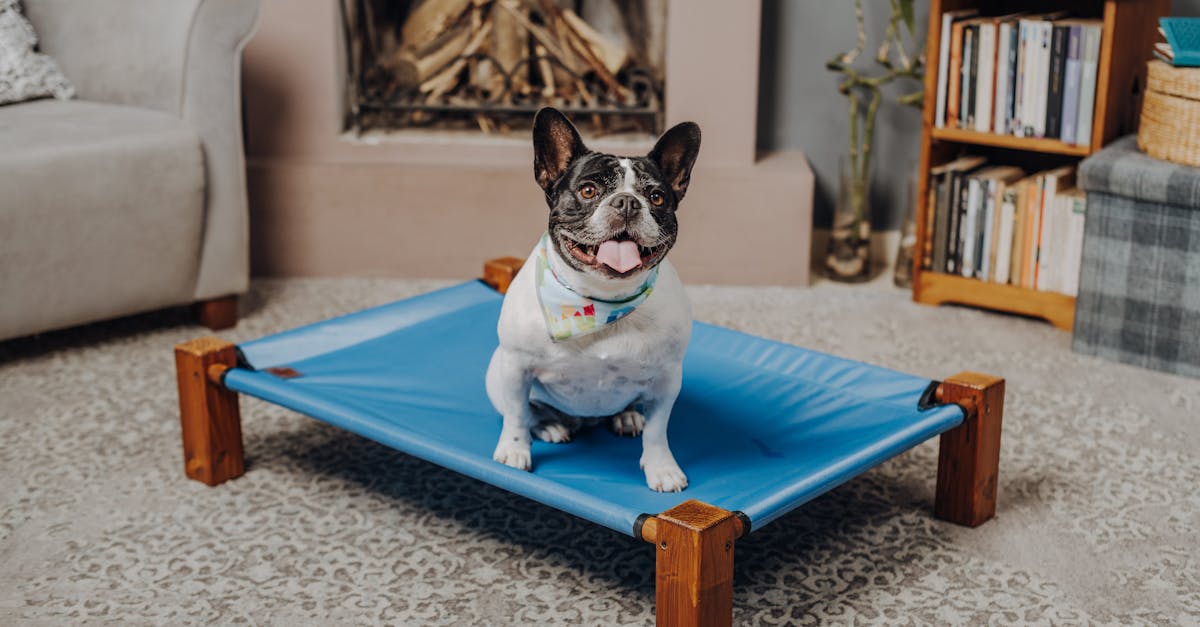
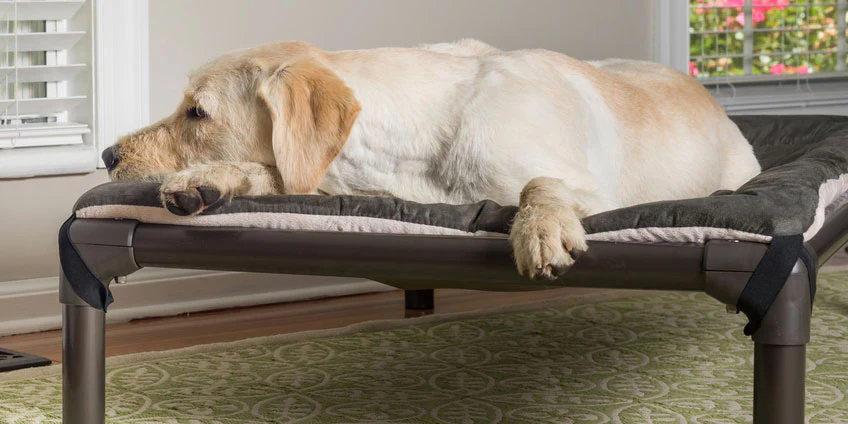
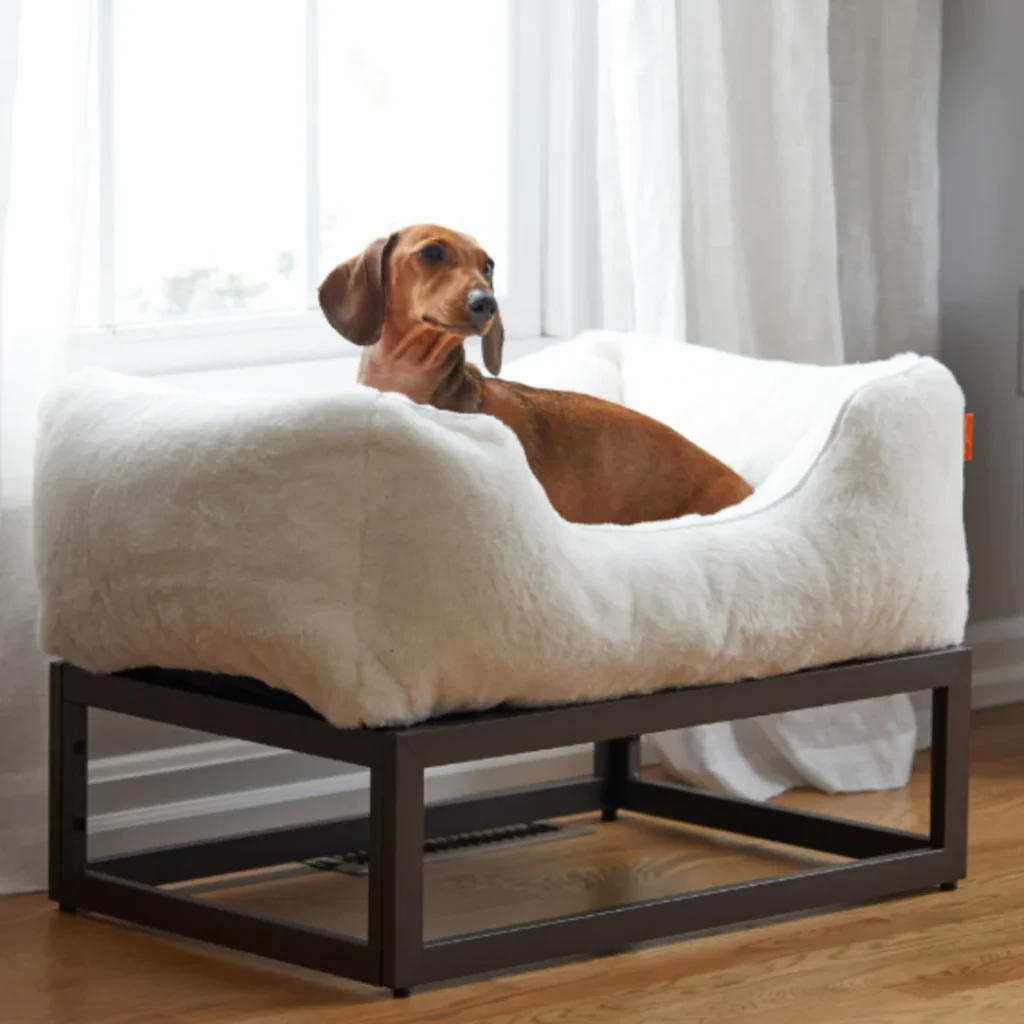
    Elevated dog beds are raised sleeping surfaces designed to keep dogs off the floor. These beds typically feature a cot-style design with a frame that lifts the sleeping area, allowing for airflow underneath and providing several advantages over traditional dog beds.

    Benefits of Raised Sleeping Surfaces for Dogs

    Elevated dog beds offer many benefits for canine companions:

    1. Improved air circulation: The raised design allows air to flow freely beneath the bed, helping regulate temperature and prevent overheating.
    2. Joint support: By distributing weight evenly, elevated beds reduce pressure on joints, benefiting dogs with arthritis or other orthopedic issues.
    3. Insulation from cold surfaces: Raised beds keep dogs off cold floors, providing insulation and comfort in various environments.
    4. Easy cleaning: Many elevated beds feature removable, machine-washable covers, making maintenance simple and hygienic.
    5. Durability: These beds often use sturdy materials like metal or aluminum frames, designed to withstand regular use and resist chewing.
    6. Versatility: Suitable for both indoor and outdoor use, elevated dog beds adapt to various settings and weather conditions.
    7. Pest prevention: Raising the sleeping surface helps protect dogs from fleas, ticks, and other ground-dwelling pests.
    8. Space-saving: Some elevated beds are designed to be stackable, making them ideal for multi-dog households or kennels with limited space.
    9. Reduced allergen exposure: By keeping dogs off the floor, elevated beds minimize contact with dust and allergens that accumulate on ground surfaces.
    10. Comfort for senior dogs: The raised design makes it easier for older dogs to get in and out of bed, reducing strain on their joints.

    By providing these benefits, elevated dog beds contribute to better sleep quality and overall health for dogs of all sizes and breeds.

    Types of Elevated Dog Beds

    Elevated dog beds come in various styles to suit different needs and preferences. Here’s an overview of the main types available:

    Indoor vs. Outdoor Options

    Elevated dog beds are versatile and can be used both indoors and outdoors. Indoor options often feature more aesthetically pleasing designs and materials that complement home decor. These beds are ideal for keeping dogs off cold floors and providing a comfortable sleeping spot in living rooms or bedrooms. Outdoor elevated beds are typically more durable and weather-resistant. They’re made with materials that can withstand the elements, such as UV-resistant fabrics and rust-proof frames. Outdoor beds are perfect for patios, decks, or yards, offering dogs a cool and comfortable place to relax outside. Some models are designed for dual use, allowing easy transition between indoor and outdoor settings.

    Elevated Dog Beds

    Size and Weight Considerations

    When choosing an elevated dog bed, size and weight capacity are crucial factors. Beds come in various sizes to accommodate different breeds, from small Chihuahuas to large Great Danes. It’s important to measure your dog and choose a bed that allows them to stretch out comfortably. The bed should be at least 6 inches longer than your dog’s body length. Weight capacity is equally important, especially for larger breeds or multiple dogs sharing a bed.

    Most elevated beds clearly state their weight limits, ranging from 30 to 150 pounds or more. Consider your dog’s current size and weight, as well as potential growth for puppies. Some beds offer adjustable heights, which can be beneficial for dogs with mobility issues or senior pets.

    Key Features to Look For

    When shopping for an elevated dog bed, it’s essential to consider several key features that contribute to its quality and effectiveness. Let’s explore the most important aspects to keep in mind when making your selection.

    Durability and Material Quality

    Elevated dog beds are built to withstand heavy use, featuring robust construction and high-quality materials. The frame is typically made of metal, providing stability and support for dogs of various sizes. Look for beds with reinforced corners and joints to ensure longevity. The sleeping surface is often constructed from durable, breathable fabrics like canvas or textilene. These materials resist wear and tear, making them suitable for dogs who like to chew or scratch. Opt for beds with UV-resistant fabrics if you plan to use them outdoors. Some premium models incorporate ripstop fabric, which prevents small tears from expanding and extends the bed’s lifespan.

    Comfort and Support

    Elevated dog beds excel in providing comfort and support for canine companions. The raised design promotes air circulation, keeping dogs cool in warm weather and insulated from cold surfaces in winter. This feature is particularly beneficial for dogs with thick coats or those prone to overheating. The taut sleeping surface offers orthopedic benefits by evenly distributing the dog’s weight, reducing pressure points on joints and muscles. This support is crucial for senior dogs or those with arthritis, hip dysplasia, or other joint issues. Some elevated beds come with optional padded surfaces or allow for the addition of a cushion, providing extra comfort for dogs who prefer a softer sleeping area.

    Ease of Cleaning and Maintenance

    Elevated dog beds are designed for easy cleaning and maintenance, making them a practical choice for pet owners. The raised design prevents dirt, hair, and debris from accumulating on the bed, simplifying the cleaning process. Most elevated beds feature removable, machine-washable covers that can be easily cleaned and replaced. The frame and sleeping surface can be wiped down with mild soap and water, eliminating the need for deep cleaning associated with traditional dog beds. Some models are designed to be hosed down, making them ideal for outdoor use. The quick-drying properties of the materials used in elevated beds help prevent mold and mildew growth, ensuring a hygienic sleeping environment for your dog.

    Elevated Dog Beds

    Ideal Users of Elevated Dog Beds

    Elevated dog beds offer benefits for a wide range of canines, making them suitable for various types of dogs. These beds provide comfort, support, and improved air circulation, catering to exact needs of different dogs.

    Senior Dogs and Arthritis Relief

    Elevated dog beds are particularly beneficial for senior dogs and those suffering from arthritis. The raised design reduces pressure on joints, making it easier for older dogs to get on and off the bed. The firm, even support provided by elevated beds helps alleviate pain and discomfort associated with arthritis and other joint conditions. The improved air circulation beneath the bed also helps regulate temperature, which can be soothing for achy joints. Senior dogs often experience greater mobility, especially when first waking up and moving off their raised beds, as the elevation reduces the strain of standing up from a lower surface.

    Large Breed Comfort

    Large breed dogs benefit significantly from elevated dog beds. The sturdy construction and raised design support their weight more effectively than traditional floor beds. This even distribution of weight helps prevent pressure points and promotes better spinal alignment, reducing the risk of joint and muscle issues. Elevated beds for large breeds often feature reinforced frames and durable materials to withstand the extra weight and size. The additional space beneath the bed allows for better air circulation, which is particularly important for large dogs that generate more body heat. This design helps keep them cool and comfortable, especially during warmer months.

    Cooling Answers for Hot Climates

    Elevated dog beds excel as cooling answers for dogs in hot climates. The raised design allows air to circulate freely underneath, creating a cooler sleeping surface compared to traditional floor beds. This feature is especially beneficial for dogs with thick coats or those prone to overheating. The space between the bed and the floor helps dissipate body heat more efficiently, preventing dogs from becoming too warm during sleep. Many elevated beds designed for hot climates use breathable, quick-drying materials that further enhance cooling properties. Some models even incorporate mesh or ventilated surfaces to maximize airflow, ensuring dogs remain comfortable in high temperatures.

    How to Choose the Right Elevated Bed

    Selecting the perfect elevated dog bed involves considering your pet’s exact needs and measurements. We’ll guide you through the essential factors to ensure you pick the ideal bed for your furry friend.

    Measuring Your Dog for Proper Fit

    Elevated Dog Beds

    To choose the right elevated dog bed, start by measuring your pet accurately. Measure your dog’s length from nose to tail base, and add 6-12 inches for comfort. For width, measure your dog at its widest point when lying down and add 3-6 inches. Consider your dog’s weight to ensure the bed can support it adequately. Remember, larger breeds need sturdier frames and more surface area. Elevated beds come in various sizes, so use these measurements to find the best fit. A properly sized bed allows your dog to stretch out comfortably without hanging over the edges.

    Evaluating Your Dog’s Needs

    When selecting an elevated dog bed, consider your pet’s exact requirements. Age is a crucial factor; senior dogs or those with joint issues benefit from beds with orthopedic support. For dogs with thick coats or those in warm climates, choose beds with breathable materials to enhance cooling. If your dog is an aggressive chewer, opt for beds with durable, chew-resistant fabrics. Consider your dog’s sleeping habits; some prefer to curl up, while others stretch out. For outdoor use, select weather-resistant materials. If your dog has allergies, hypoallergenic fabrics are ideal. Evaluate the bed’s portability if you travel frequently with your pet. By assessing these needs, you’ll ensure the elevated bed provides maximum comfort and functionality for your dog.

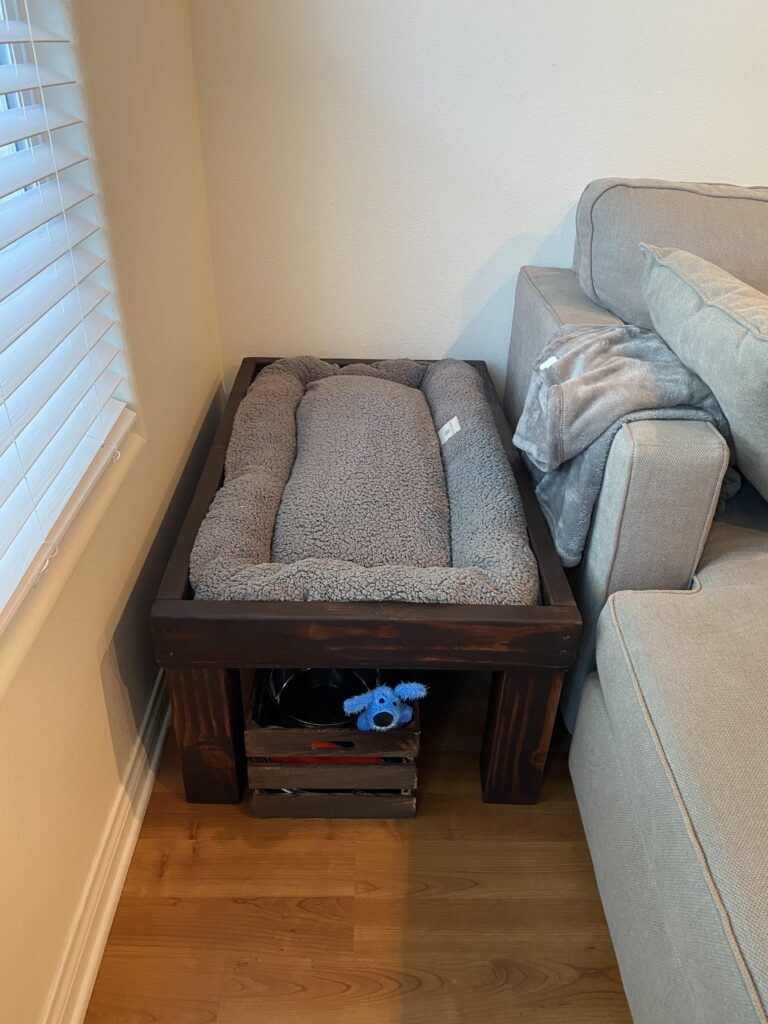
    DIY Elevated Dog Beds

    We’ve designed an easy, cost-effective way to build elevated dog beds. These DIY beds provide comfort and promote better health for dogs in shelters or at home. Here’s what you’ll need and how to build one.

    Materials and Tools Needed

    To construct an elevated dog bed, gather these materials:

    • 2x2s or 5×5 cm² lumber for the frame and legs
    • 3/4″ plywood for the bottom panel and sides
    • Construction screws (70 mm / 3″ and 30 mm / 1.2″)
    • L-shaped brackets for leg stability
    • Brad nails for securing plywood
    • Wood glue for reinforcing joints
    • Paint, stain, or clear coat poly (optional)
    • Foam pad or dog mattress to fit the bed

    Tools required:

    • Saw (circular or hand saw)
    • Drill with screwdriver bits
    • Measuring tape
    • Pencil for marking
    • Sander or sandpaper
    • Safety equipment (goggles, gloves)
    • Measure and cut the lumber:
    • Cut four pieces of 2×2 lumber for the legs
    • Cut four pieces for the frame’s length and width
    • Assemble the frame:
    • Lay out the frame pieces in a rectangle
    • Attach corners using wood glue and screws
    • Reinforce corners with L-shaped brackets
    Elevated Dog Beds
    • Attach the legs:
    • Position a leg at each corner of the frame
    • Secure with screws and L-brackets for stability
    • Create the bed surface:
    • Measure and cut plywood to fit the frame
    • Attach plywood to the frame using brad nails and wood glue
    • Sand and finish:
    • Sand all surfaces to remove rough edges
    • Apply paint, stain, or clear coat as desired
    • Add comfort:
    • Cut foam padding or place a dog mattress on the bed
    • Final touches:
    • Check all connections for security
    • Place the bed in a suitable location for your dog

    By following these steps, we’ve created a sturdy, comfortable elevated dog bed. This design keeps dogs off cold, wet floors and provides better support for their joints. Our DIY approach allows for customization to fit any space or dog size, ensuring a perfect fit for your furry friend.

    Proper Use and Care

    Elevated dog beds offer many benefits, but proper use and care are essential to maximize their effectiveness and longevity. Here’s how to set up, clean, and maintain your elevated dog bed for optimal performance and your pet’s comfort.

    Setting Up Your Elevated Dog Bed

    Setting up an elevated dog bed correctly ensures your pet’s safety and comfort. Place the bed on a level surface to prevent tipping, especially for large or energetic dogs. Choose a comfortable, accessible location, such as a quiet corner or near your bed, to make your dog feel secure. For outdoor use, position the bed under a shaded area or canopy to protect your pet from direct sunlight and harsh weather.

    Elevated Dog Beds

    Ensure the bed’s height allows easy access for your dog, particularly if they’re senior or have mobility issues. Adjust the legs if your bed has this feature, and check that all components are securely fastened before use. Adding a non-slip mat underneath can provide extra stability on smooth floors.

    Cleaning and Maintenance Tips

    Regular cleaning and maintenance of your elevated dog bed are crucial for hygiene and longevity. Remove the bed cover weekly and machine wash it according to the manufacturer’s instructions. For beds without removable covers, wipe down the surface with a pet-safe disinfectant. Vacuum or brush the bed frame to remove hair and debris.

    Inspect the bed regularly for signs of wear, such as frayed fabric or loose screws, and address issues promptly. For outdoor beds, clean more frequently and store them in a dry area when not in use to prevent weather damage. Rotate the bed periodically to ensure even wear. If the bed has a mesh surface, check for tears or stretching and replace if necessary. Encourage your dog to use their bed by placing familiar toys or blankets on it, making it a positive and comfortable space.

    Conclusion

    Elevated dog beds offer many benefits for our canine companions. From improved air circulation to joint support and easy maintenance these beds are a practical choice for pet owners. Whether you opt for a store-bought model or tackle a DIY project we’re confident that an elevated bed can enhance your dog’s comfort and well-being. By considering your pet’s exact needs and properly caring for the bed you’ll ensure a cozy and healthier sleeping environment for your furry friend. It’s clear that elevated dog beds are more than just a trend they’re a valuable investment in your pet’s quality of life.

  • Stay Warm: Best Heated Dog Houses for Winter 2025

    Stay Warm: Best Heated Dog Houses for Winter 2025

    As temperatures drop, keeping our furry friends warm becomes a top priority. Enter the heated dog houses, a game-changer for pet owners who want to ensure their dogs stay cozy during the cold months. These innovative shelters, equipped with electric, solar, or propane heating systems, offer a snug retreat for dogs of all sizes, providing protection from the harsh elements.

    For those of us seeking peace of mind, heated dog houses are more than just a luxury—they’re a necessity. They not only shield our pets from the biting cold but also offer relief for dogs with arthritis, making them an excellent investment. In this text, we’ll explore the various types of heated dog houses, the benefits they offer, and how to choose the perfect one for your canine companion. Get ready to discover how these shelters can transform your dog’s outdoor experience, ensuring comfort and warmth all year round.

    Understanding Heated Dog Houses

    As temperatures drop, heated dog houses offer a vital solution for keeping our pets warm and comfortable. These innovative shelters ensure protection from harsh weather and enhance our furry friends’ overall outdoor experience.

    What Are Heated Dog Houses?

    Heated dog houses provide a cozy shelter for pets, especially during cold weather. They feature heating elements and insulation designed to maintain a warm interior temperature. These houses are particularly beneficial for outdoor dogs or breeds less tolerant of cold environments, such as Chihuahuas or Greyhounds. Options range from standalone structures to existing dog houses integrated with accessories like space heaters or heated mats.

    How Do Heated Dog Houses Work?

    Heated dog houses operate using a mix of insulation and heating technology. Insulation materials such as fiberglass, cellulose, and EPS help maintain warmth by reducing heat loss. Heating systems, powered by electricity, solar energy, or propane, further enhance comfort. Electrical options might include heating pads or embedded wall heaters, providing consistent heat without the risk of overheating. In solar-powered designs, solar panels collect sunlight, converting it into stored energy used to warm the interior. This combination keeps our pets snug and safe during chilly weather.

    Benefits of a Heated Dog House

    Comfort and Safety for Your Pet

    Heated dog houses significantly enhance your pet’s comfort and safety, especially during cold weather. They maintain a consistent warm temperature, which helps in alleviating joint discomfort in older or arthritic dogs. This warmth enhances mobility and leads to a better quality of life. The stable temperature also supports your dog’s immune system by conserving energy. Besides, these houses provide a secure retreat, notably reducing stress and anxiety in dogs. This comforting environment is essential to ensure pets feel safe and relaxed during harsh weather conditions.

    All-Year-Round Usability

    A heated dog house offers usability throughout the year, making it a versatile investment. In winter, the built-in heating systems prevent the interior from becoming uncomfortably cold, while in milder weather, insulation retains a balanced temperature inside. This efficiency saves energy and reduces heating costs, letting your pet enjoy outdoor settings comfortably. Heated houses cater to various dog sizes and breeds, providing an adaptable environment regardless of external climate changes. This feature is particularly beneficial in regions experiencing important seasonal temperature variances.

    Key Features to Look For

    Choosing the right heated dog house means considering essential features for comfort and safety. Each component impacts your dog’s well-being and the house’s effectiveness.

    Insulation and Weatherproofing

    Robust insulation is crucial for a cozy heated dog house. Look for options with thick, high-grade insulation, like the Dog Palace Insulated Dog House, which uses 2 to 4 inches of industrial-grade material. Effective insulation reduces heat loss and ensures a warm interior, critical during cold weather.

    Weatherproofing offers protection against harsh elements. Although some dog houses aren’t fully waterproof, placing them in covered areas like garages or porches enhances their insulation properties. For entryways, a protective flap or door helps maintain warmth while blocking cold air. This feature is essential for safeguarding your dog from chilly drafts.

    Heated Dog Houses

    Appropriate Heating System

    An appropriate heating system is vital for maintaining consistent warmth. Electric heaters are popular for their efficiency and ease of use. They provide steady heat but require proximity to a power source. Solar heaters offer an eco-friendly alternative, useful in sunny regions but dependent on weather conditions.

    Propane heaters serve well for off-grid locations, offering flexibility and powerful heating capabilities. When selecting a heating system, consider your exact environment and energy availability. Each type has its own set of advantages suited for different needs, ensuring your pet stays warm and comfortable.

    Safety Considerations

    In heated dog houses, ensuring safety is paramount for the well-being of our pets. It’s important to address electrical and fire safety to provide a secure environment for our pets.

    Ensuring Safe Heating Options

    Choosing safe heating options is crucial in heated dog houses. It’s vital to pick a system with safety features like automatic shutoff and overheating protection to prevent accidents. Electric heating systems are common, but they need careful handling. It’s essential to use cable protectors to secure wires and place them out of your dog’s reach to avoid electrical shocks or fires. Also, placing the heated dog house away from water sources minimizes the risk of water damage.

    Heated Dog Houses

    Regular Maintenance and Monitoring

    Regular maintenance and monitoring keep heated dog houses safe. It’s important to frequently inspect heating elements and cords for any signs of wear to prevent accidents. Keeping the dog’s habitat clean and free from debris reduces fire risk. Ensuring a fire safety plan in place with accessible extinguishers is crucial for quick action. Training family members in emergency procedures adds an extra layer of safety, promoting a safe and comfortable space for our dogs year-round.

    Selecting the Right Heated Dog House

    Choosing the perfect heated dog house involves several considerations, ensuring the comfort and safety of our pets. Let’s explore the key aspects under size and design, as well as material and durability.

    Size and Design Considerations

    The size of the heated dog house should suit your dog’s needs, allowing enough room to stand, turn, and lie comfortably. A smaller interior maintains heat more effectively, provided insulation is adequate. Design features like a plastic “doggie door” can help sustain the interior temperature by minimizing drafts. Heater placement is also vital; wall-mounted heaters are convenient for saving space and ensuring effective heat distribution. Evaluating these elements will maximize the house’s efficiency and your dog’s comfort.

    Heated Dog Houses

    Material and Durability

    Selecting the right material ensures longevity and weather resistance. Durable options like wood, plastic, or metal withstand harsh conditions, preventing damage from rain, wind, or snow. Wood provides natural insulation but requires treatment for weatherproofing. Plastic is lightweight and resistant to decay, making it low-maintenance. Metal offers strength and durability but may need insulation enhancements against cold. Considering each material’s pros and cons aids in making the right choice, ensuring the heated dog house remains a reliable shelter through various seasons.

    Conclusion

    Choosing the right heated dog house is essential for ensuring our furry friends stay warm and comfortable throughout the colder months. By considering factors like insulation, weatherproofing, and safety features, we can provide a secure and cozy environment for our pets. These houses not only protect against harsh weather but also support our dogs’ health and well-being, making them a worthwhile investment. Let’s prioritize our pets’ comfort and safety by selecting a heated dog house that meets their exact needs and enhances their outdoor living experience year-round.

  • Best Dog Nail Clippers 2025: Top Picks for Safe Trimming

    Best Dog Nail Clippers 2025: Top Picks for Safe Trimming

    Ever wondered why your dog’s nails need regular trimming? It’s not just about aesthetics; it’s crucial for their health and comfort. Without the best dog nail clippers, overgrown nails can lead to painful conditions, including curling into the paw pad. As pet owners, we want to ensure our furry friends are comfortable and safe, which is why choosing the right tool is essential.

    Handling the industry of dog nail clippers can be daunting, with options ranging from plier-style to guillotine and grinders. Each type offers its own benefits, and finding the perfect fit for your pet can make the grooming process less stressful for both of you. Our guide will walk you through the top choices, ensuring you have the knowledge to make an well-informed choice.

    Join us as we explore the best dog nail clippers, designed to keep your pet’s nails neat and healthy while making the experience as smooth as possible.

    Top Picks for Best Dog Nail Clippers

    Choosing the right dog nail clippers enhances our pet grooming routine by ensuring a safe and efficient experience. Here are our top picks based on rigorous testing and reviews from authoritative sources.

    Millers Forge Pet Nail Clipper

    The Millers Forge Pet Nail Clipper is a standout performer thanks to its simplicity and functionality. It’s valued for:

    • Sharp Blades: Made from stainless steel, these blades offer precision and durability.
    • Comfort and Safety: The safety guard helps prevent cutting into the quick, and the lock feature allows safe storage.
    • Affordability: Cost-effective for most dog owners, making it accessible to many.

    But, the clipper’s small blade opening isn’t ideal for very large dogs or extremely thick nails, and rubber grips may sometimes slip.

    Bissell Dog and Cat Nail Clippers

    Praised for handling large, thick nails efficiently, the Bissell Dog and Cat Nail Clippers feature:

    • Quiet Cutting: Reduces anxiety for noise-sensitive pets.
    • Non-slip Grip: Enhances stability during the clipping process.
    • Safety Feature: A safety guard prevents overcutting, safeguarding your dog’s quick.

    A one-year limited warranty further supports the product’s reliability. These clippers outperform others, particularly for large dogs due to their comfortable grip and reasonable price.

    Safari Professional Nail Trimmer

    Ideal for beginners, the Safari Professional Nail Trimmer provides a reliable cut with its:

    • Nonslip Handle: Offers both right and left-handed comfort.
    • Safety Stop Guide: Aids in avoiding the quick, ensuring safer trims.

    This tool’s design makes it suitable for various dog sizes except for the extremely large.

    Dog Nail Clippers

    Resco Original Deluxe Dog Nail Clippers

    Known for quiet operation, these clippers offer:

    • Replaceable Blades: Ensures longevity with technology allowing blade swaps.
    • Smooth Cuts: Sharpness remains consistent, providing a clean cut every time.

    It’s suitable for various dog breeds and sizes, with a focus on ease of use.

    Dremel PawControl 7760-PGK Pet Nail Trimming Kit

    For those preferring grinders, the Dremel PawControl kit provides versatility with:

    • Attachments Variety: Makes it easy to achieve desired nail smoothness.
    • Ergonomic Design: Suitable for novice and professional use with adjustable speeds.

    These options collectively ensure you find the best fit for your dog’s nail trimming needs while maintaining their comfort and safety.

    Factors to Consider When Choosing Dog Nail Clippers

    Selecting the right dog nail clippers is crucial for ensuring a safe, effective grooming experience. Understanding the key aspects helps us make informed choices customized to a dog’s exact needs.

    Clipper Styles: Guillotine, Plier, Scissor, and Grinder

    Different clipper styles suit varying expertise levels and dog sizes. Guillotine clippers, like the Resco Original Deluxe, feature a single blade ideal for small to medium nails but aren’t beginner-friendly. Plier-style clippers, such as the Millers Forge Professional Nail Clip, offer a scissor-like action, making them user-friendly and suitable for most dogs. Scissor styles cater to their exact functions beyond regular trimming but aren’t typically for ordinary nail care. Grinders, like the Dremel Grinder, are versatile and help smooth rough edges, making them preferable for those who find traditional clippers cumbersome.

    Dog Nail Clippers

    Size and Blade Sharpness

    Correct size ensures smooth cuts and prevents discomfort. Smaller dogs benefit from small clippers, while larger breeds require robust tools for effective trimming. Blade sharpness is vital for cutting precision and avoiding jagged edges that could lead to splintering. Stainless steel blades, like those in the Safari Professional Nail Trimmer, resist rusting and provide durability. Sharply honed blades minimize pressure on the nail, offering a cleaner cut, reducing the risk of cutting the quick.

    Safety Features

    Safety guards protect dogs from accidental injury. Plier-style clippers often include a quick-guard to prevent overcutting, essential for novices. Guillotine clippers lack such features, so caution is vital during use. Ergonomically designed handles enhance grip, reducing hand fatigue for longer trimming sessions. Safety stop guides, found in trimmers like those by Safari, add a layer of security, making it easier for beginners to maintain control. Grinders may offer caps to guard against excessive trimming, ensuring the angle aligns naturally with a dog’s paw shape.

    How to Use Dog Nail Clippers Safely?

    Using dog nail clippers safely ensures a smooth and stress-free grooming session for both the dog and the owner. Proper technique is crucial to prevent injury and discomfort.

    Caring for the Quick

    The quick is a sensitive nerve ending inside the dog’s nail. Avoiding it is essential during trimming, as cutting into it can cause pain and bleeding. To identify the quick, look for a pinkish area within lighter nails. For dogs with dark nails, trim a small bit at a time. Check the cut surface after each clip; a lighter-colored circle indicates proximity to the quick. Use clippers like the Safari Professional Nail Trimmer which includes a safety stop guide to minimize the risk of cutting the quick. Regular trimming helps maintain shorter quicks, reducing the chance of accidental cuts.

    1. Prepare the Area: Gather dog nail clippers, a grinder or file for smoothing edges, and styptic powder for stopping any accidental bleeding.
    2. Familiarize Your Dog: Allow the dog to get comfortable with the clippers by letting them sniff and investigate while offering treats.
    3. Position Your Dog: Sit the dog in a stable position, either beside you or on a grooming table, depending on the size.
    4. Clip Small Sections: Start by clipping the tip of the nail. For dark nails, take off small bits and observe closely after each cut.
    5. Smooth Edges: Use a file or grinder to smooth any sharp edges. Devices like the Dremel PawControl offer gentle filing and ensure a polished finish.

    By following these steps and understanding the importance of the quick, we can trim our dog’s nails safely and effectively.

    Alternatives to Traditional Nail Clippers

    When exploring alternatives to traditional dog nail clippers, it’s valuable to consider options that reduce stress for pets and simplify the grooming process for us. Several innovative tools offer unique features that cater to different needs and preferences.

    Electric Nail Grinders

    Dog Nail Clippers

    Electric nail grinders, like the Dremel PawControl 7760-PGK, provide a gradual approach to nail trimming. They grind the nail down instead of cutting it, which reduces the risk of hitting the quick. These tools are particularly beneficial for dogs with large or thick nails. The adjustable speed settings offer control over the grinding intensity, making them suitable for nervous or skittish dogs.

    Guillotine-Style Clippers

    Guillotine-style clippers present a single blade that slides across a stationary ring. This design ensures a clean cut and is often recommended for small to medium dogs due to ease of use. Brands like Resco Original Deluxe provide replaceable blades, maintaining sharpness over repeated use. But, precise handling is necessary since the blade’s cut relies on accurate positioning.

    Scissor-Style Clippers

    Scissor-style clippers resemble regular scissors, offering a familiar grip and leverage. These are excellent for precision cuts, especially for small dogs or cats. Their design supports a controlled approach, reducing the likelihood of cutting too much nail. An example includes the Miller’s Forge Professional Nail Clip, noted for its affordability and effectiveness.

    Nail Files and Pencils

    Nail files and pencils create a gentle alternative for small trimmings or smoothing rough edges after clipping. These tools are less intimidating than clippers or grinders, making them ideal for daily maintenance or for dogs uncomfortable with other methods. They offer precision without noise, perfect for easily stressed pets.

    Styptic Powder

    Though not a tool for trimming, styptic powder acts as an emergency complement to any nail trimming method, stopping bleeding should a cut be too deep. This is a valuable addition to any pet grooming kit, preventing distress to both pets and us.

    Considering these alternatives expands our ability to provide the best care when grooming. Each option has distinct benefits that cater to different canine personalities and trimming needs, ensuring a stress-free experience for both us and our furry friends.

    How We Tested the Dog Nail Clippers?

    We evaluated 24 dog nail clippers through a comprehensive testing process, assessing various factors to find the best options. Each product underwent examination for sharpness and cutting performance, ease of use, and safety features, ensuring both effectiveness and reliability.

    Sharpness and Cutting Performance

    Clippers were tested on bamboo skewers, which mimic the resistance and texture of dog nails. This method allowed us to gauge sharpness and cutting efficiency. Dull blades often crushed or splintered the skewers, highlighting the importance of sharp edges for a clean, quick cut. Our testing confirmed that sharp clippers produce smooth edges and reduce the chance of discomfort for the dog.

    Ease of Use

    We considered the comfort and ergonomics of each clipper’s design. Handles with non-slip grips facilitated secure handling, especially during extended grooming sessions. We tested each clipper’s suitability for both right- and left-handed users, and options like the plier-style and guillotine-style cutters were easy for beginners to maneuver. Clippers that fit naturally in the hand improved the grooming process, ensuring control and precision.

    Dog Nail Clippers

    Safety Features

    Preventing accidental injury was a priority, so we paid close attention to safety features. Clippers equipped with safety guards or stop guides scored highly, as they helped avoid the quick, the sensitive part of the nail. Testing real dogs later confirmed the practicality of these features, showcasing their effectiveness in preventing over-trimming.

    Field Testing

    After preliminary tests, we used selected clippers on different dog breeds, including a 50-pound Lab-Whippet mix and a 15-pound Doxiepin. This real-industry testing was crucial to confirm that our top choices performed well under realistic conditions. Each clipper’s performance in maintaining dog comfort without compromising safety was evaluated, ensuring we recommended the best products for stress-free at-home grooming.

    By thoroughly testing these aspects, we confidently recommend options that protect your pet’s safety and your peace of mind.

    Conclusion

    Choosing the right dog nail clippers is crucial for maintaining our furry friends’ health and well-being. With a variety of options available from plier-style to grinders, it’s essential to select a tool that suits both our dog’s needs and our grooming skills. The top picks we’ve explored offer a range of features from sharp blades to ergonomic designs ensuring a safe and effective trimming experience.

    By understanding the importance of factors like size, blade sharpness, and safety features, we can make informed decisions that enhance our pets’ comfort. Whether we prefer traditional clippers or modern grinders, the right choice can transform nail trimming into a stress-free routine. Let’s prioritize our pets’ grooming needs with confidence and care.

  • Understanding Dog Muzzles: Essential Safety Guide 2025

    Understanding Dog Muzzles: Essential Safety Guide 2025

    Dog muzzles often spark debate, but they’re more essential than you might think. While many associate muzzles with aggression, experts agree that every dog might need one at some point for safety reasons. Whether it’s handling an injured pet or managing unexpected stressors, a muzzle can be a crucial tool in ensuring safety for both dogs and humans.

    Our goal is to shed light on the importance of dog muzzles, helping you understand when and why they’re necessary. By exploring the benefits and addressing common misconceptions, we’ll guide you on how to properly introduce and use a muzzle. This knowledge ensures that if the need arises, both you and your dog will be prepared and stress-free.

    In this text, we’ll cover everything from selecting the right muzzle to training your dog to wear it comfortably. Let’s equip ourselves with the right information to keep our furry friends and those around them safe.

    Understanding Dog Muzzles

    Understanding dog muzzles is crucial for every responsible dog owner. Muzzles commonly carry a stigma due to their association with aggression, yet their purpose extends far beyond this misconception. Often, we encounter situations where dog muzzles become essential for safety. When a dog is injured, for instance, they might bite out of pain or fear. In such cases, a muzzle protects both the animal and those providing care. So, recognizing the importance of dog muzzles helps manage these scenarios effectively.

    Types of Dog Muzzles

    Basket Muzzles
    Basket muzzles are ideal for extended use, as they’re designed to allow panting, drinking, and eating treats. Their structure provides security without compromising the dog’s ability to breathe and stay hydrated. Made from materials like hard plastic, metal, or biothane, these muzzles use leather or nylon straps for secure fastening. They balance safety and comfort, making them a preferred option for longer durations.

    Types of Dog Muzzles

    Soft or “Sleeve” Muzzles
    Soft muzzles or “sleeve” muzzles are made for short-term use, typically during procedures like nail trimming. They fit snugly, limiting a dog’s ability to pant and drink. Made of fabric or mesh, these muzzles are not suited for extended wear due to their restrictive nature. Nonetheless, they provide a temporary solution when restraint is essential.

    Gauze Muzzles

    Gauze muzzles offer a quick fix in emergencies. Composed of materials like roll gauze or ribbon, they’re not meant for prolonged use. They serve to restrain a dog temporarily, often in unexpected situations where safety becomes a priority.

    TypeDescriptionMaterialsKey FeaturesUse Case
    Basket MuzzleBasket-shaped, allows panting, drinking, and sometimes eatingLeather, wire, plastic, rubberSecure, comfortable, best for longer wearGeneral safety, walks, training
    Soft MuzzleWraps around mouth, holds jaw closed, restricts panting and drinkingNylon, mesh, leatherShould be used only briefly, not for hot weatherShort vet/grooming visits
    Homemade MuzzleImprovised in emergencies from gauze, leash, or pantyhoseVariousTemporary, only for emergenciesEmergency only

    Benefits and Considerations

    Proper fit and function are important when choosing a muzzle. Each type serves exact needs, and ensuring the right fit prevents stress. Muzzles are typically sized based on snout length and circumference, allowing room to pant. Dogs with unique face shapes may require custom designs. We should remember that muzzles don’t ensure complete safety, and supervision is always necessary.

    Using dog muzzles responsibly means training and teaching dogs to wear them comfortably. This proactive approach ensures that if circumstances call for a muzzle, our dogs are already familiar and less stressed. With knowledge and preparation, dog muzzles emerge as invaluable tools in various situations.

    When to Use a Dog Muzzle

    Understanding the proper circumstances for using a dog muzzle is crucial for both the safety of the dog and those around them. Muzzles aren’t just for aggressive dogs; they’re tools to address exact situations safely.

    Types of Dog Muzzles

    Emergency Situations

    Dog muzzles play a crucial role in emergencies. Dogs in pain or fear might bite unexpectedly, even if they’re usually calm. For instance, an injured dog’s chance of biting rises significantly during treatment. This makes having a muzzle ready important for transporting or caring for them. Training our dogs to tolerate muzzles beforehand helps in such scenarios, reducing stress for both the dog and us.

    Preventing Biting Incidents

    Muzzles can prevent biting incidents, ensuring safety in environments where dogs might become overstimulated. Scenarios include group playtimes or instances where they may lunge at passersby. If our dog has a history of biting, using a muzzle is wise when interacting with others. While a muzzle doesn’t solve aggression issues, it allows us to manage situations safely while working on behavioral adjustments.

    Grooming and Veterinary Visits

    During grooming and veterinary visits, muzzles help prevent biting. Even friendly dogs might react unpredictably to unfamiliar procedures. At a vet’s office or groomer, having our dog accustomed to a muzzle means fewer surprises and safer interactions. Cultivating a positive association with the muzzle in comfortable settings ensures our dog feels less anxious, making these visits smoother for everyone involved.

    Training Your Dog to Wear a Muzzle

    Training a dog to wear a muzzle helps ensure that they’re comfortable and reduces stress. It’s important to approach the process with patience and consistency. Our step-by-step guide simplifies muzzle training.

    1. Introduction to the Muzzle
      Introduce the muzzle by associating it with positive experiences. Let your dog sniff it freely and reward them with treats. As dogs often associate positive experiences with rewards, this association helps build a positive perception of the muzzle.
    2. Familiarization Stage
      Once the dog is comfortable around the muzzle, gently place it on the dog’s nose for a brief moment without fastening it. Use treats or favorite toys to keep the dog focused on positive outcomes. Repeating this process reinforces familiarity.
    3. Gradual Wear Time Increase
      Begin fastening the muzzle loosely for a few seconds. Gradually increase the duration, rewarding the dog during and after each session. This progressive increase helps dogs adapt without stress.
    4. Environmental Adjustment
      Introduce the dog to different environments while wearing the muzzle. Start with quiet spaces, then gradually incorporate more stimulating environments like parks. This step helps in building resilience and comfort in new settings.
    5. Distraction Integration
      Engage your dog in activities like walking or basic commands while wearing the muzzle. This engagement diverts their attention from the muzzle and helps normalize its presence during routine activities.
    6. Regular Practice
      Consistency ensures long-term muzzle acceptance. Regular practice sessions, even when it’s not immediately necessary, refine the comfort level. Maintaining this habit prevents any setback in progress.

    By following these training steps, we help our dogs love wearing muzzles, turning what might be an unpleasant accessory into a simple part of their routine. This approach not only safeguards against potential issues but also enhances the overall experience for both the dog and the owner.

    Properly Fitting a Muzzle

    A well-fitted dog muzzle ensures comfort, safety, and effectiveness. Incorrectly fitted muzzles can cause restricted breathing and discomfort, leading to negative behavioral effects. When fitting a muzzle, we must consider several key points.

    Importance of Measurements

    Rely on exact measurements rather than breed-type guidelines to choose the right size. Measure the dog’s snout length and circumference for accuracy. This prevents the muzzle from being too tight or too loose, ensuring proper fit and comfort.

    Types of Dog Muzzles

    Basket Muzzles

    Basket muzzles are ideal for prolonged use as they allow dogs to pant, drink, and eat. When fitting a basket muzzle, ensure space between the dog’s nose and the muzzle’s end. This allows natural movement and prevents abrasion. The padded portion should rest flat along the nose bridge without creating a gap that might impede airflow.

    Soft Muzzles

    Soft muzzles, suitable for short-term use, should fit snugly without restricting airflow. They’re often used during activities like nail trimming. Although they limit panting, they’re convenient for brief tasks. Ensuring the muzzle isn’t too tight prevents discomfort and helps maintain the dog’s composure.

    Adjusting for Comfort

    Types of Dog Muzzles

    Ensure the padded portion of a muzzle sits below the eyes, avoiding any contact with tear ducts or causing squinting, which indicates discomfort. Adjustable straps help achieve the desired fit, offering maximum comfort and preventing the muzzle from moving out of place.

    Practical Tips

    If a muzzle is uncomfortable, adaptations like added padding or widened sides can improve fit. Custom options also exist for unique facial shapes, such as brachycephalic breeds. The goal is to ensure ease and comfort for the dog throughout wear time.

    Ensuring a snug yet comfortable muzzle fit enhances the dog’s experience and ensures safety for both the dog and those around them. By understanding the importance of fit and making necessary adjustments, we contribute to the responsible and effective use of muzzles.

    Conclusion

    Understanding the role of dog muzzles is crucial for ensuring the safety and well-being of both pets and people. By dispelling misconceptions and embracing muzzles as valuable tools, we can manage various situations more effectively. Selecting the right type and ensuring a proper fit are essential steps in promoting comfort and safety. Through positive reinforcement and gradual training, we can help our dogs adapt to wearing muzzles without stress. As responsible pet owners, it’s our duty to equip ourselves with the knowledge needed to use muzzles appropriately, fostering a safer environment for everyone involved.

  • Top Balls for Dogs 2025: Keep Your Pup Active & Safe

    Top Balls for Dogs 2025: Keep Your Pup Active & Safe

    Did you know that playing with balls is one of the most effective ways to keep our furry friends healthy and happy? With countless options available, choosing the right ball for our dogs can feel overwhelming. From tennis balls to high-bounce rubber toys, each type offers unique benefits customized to different play styles and preferences.

    As dog owners, we’re always on the lookout for toys that not only entertain but also promote physical activity and mental stimulation. Balls for dogs are more than just a simple toy; they’re a tool for bonding and training. Whether it’s a squeaky tennis ball or a durable rubber ball designed for super chewers, there’s something for every pup out there.

    In this text, we’ll explore the various types of dog balls, their benefits, and how to select the best one for your pet’s needs. Let’s jump into the industry of dog balls and discover which ones will bring joy to our four-legged companions.

    Why Choose Balls for Dogs?

    Balls are a popular and versatile toy option for dogs, offering many benefits. Providing both entertainment and stimulation, they help maintain our dogs’ health and happiness. Here are some key reasons to choose balls for your canine companion:

    Durability and Longevity

    Many dog balls are crafted from durable materials like rubber, ensuring they withstand aggressive chewing and rough play. For instance, BIONIC Balls are made from a proprietary rubber free from harmful substances, such as BPA and phthalates. These balls undergo durability testing to ensure they can last longer. The CollieBall, made from PVC and rubber with a ballistic nylon cover, is specially designed to offer extra durability. Its dual-layer construction makes it particularly tough and resistant to wear.

    Safety

    Selecting the right ball minimizes potential health risks. Rubber balls, such as those by Chuckit!, are smooth and safe for chewing, reducing the risk of dental damage compared to tennis balls, which are often covered in felt. The Jolly Soccer Ball, made of JollyFlex material, emphasizes safety and durability. The CollieBall offers an added layer of safety for herding breeds due to its bouncy, nose-friendly design.

    Engagement and Stimulation

    Balls provide diverse ways to engage our dogs. They can be used for fetch, chasing, or even herding, depending on the ball type. The CollieBall is perfect for herding and working breeds, satisfying their natural instincts while burning excess energy. This specialized ball allows herding dogs, like Border Collies and German Shepherds, to enjoy a stimulating workout, addressing their need for both physical and mental activity. Regular play with balls can also result in fewer behavioral issues, such as excessive barking or chewing, by channeling energy into positive play.

    Choosing the right ball for our dogs involves considering both safety and stimulation needs. Balls not only serve as a source of fun and exercise but also help bonding and training, improving our pets’ overall quality of life.

    
Balls for Dogs

    Types of Dog Balls

    Different types of dog balls enrich playtime by catering to a variety of needs and behaviors. Exploring these options ensures a fun and captivating experience for pets.

    Interactive Balls

    Interactive dog balls stimulate dogs both mentally and physically. Treat-dispensing balls, like KONG Squeaker Balls, keep dogs entertained by challenging them to extract treats. Motion-activated options, such as the BARHOMO Dog Balls, offer automated movement that maintains a dog’s interest. These features make interactive balls ideal for solo play, providing both entertainment and cognitive exercise.

    Squeaky Balls

    Squeaky balls delight dogs with their sound, offering an auditory element to play. The Chuckit Squeaker Balls come in different sizes, making them versatile for any breed. This type of ball effectively engages dogs that respond well to auditory cues, encouraging them to chase and pounce. Squeaky balls can be particularly beneficial in training sessions, helping to capture and maintain a dog’s attention.

    Ball TypeDescription & Key FeaturesBest For
    Tennis BallsClassic fetch ball, soft enough for most dogs, widely available.General play, fetch
    Rubber BallsDurable, often chew-resistant, can be bouncy or spiky for gum massage.Chewers, energetic dogs
    Squeaky BallsContain squeakers to engage dogs’ interest and encourage play.Dogs who enjoy sound stimuli
    Spiky BallsTextured surface helps clean teeth and massage gums.Dental health, chewers
    Treat Dispensing BallsHollow, can be filled with treats to encourage independent play and mental stimulation.Dogs left alone, enrichment
    Floating BallsMade of buoyant materials for water play, brightly colored for visibility.Water-loving dogs, beach play
    Glow-in-the-Dark BallsGlow for visibility during evening or early morning play sessions.Low-light play
    Large/Heavy Duty BallsOversized or extra-durable for large breeds and heavy chewers.Large, strong dogs

    Durable Rubber Balls

    Durable rubber balls withstand aggressive chewers, providing lasting playtime enjoyment. These balls, designed for longevity, ensure minimal wear even with heavy use. Brands like BIONIC Balls focus on durability, catering to dogs that enjoy vigorous play sessions. Durable rubber options also promote safety by minimizing the risk of ingestion or choking, making them a reliable choice for high-energy pets.

    Floating Balls

    Floating balls enhance water-based activities, adding variety to a dog’s exercise regime. Designed for buoyancy, these balls are excellent for swimming sessions or beach outings. The visibility of bright-colored floating balls ensures they stand out against the water, making them easy to retrieve. They cater to dogs that enjoy aquatic play, effectively combining exercise with the thrill of retrieval games.

    Benefits of Using Dog Balls

    Dog balls are more than just toys; they offer various benefits that contribute to a dog’s overall well-being. Thoughtfully designed for physical, mental, and dental benefits, these balls cater to multiple aspects of canine health.

    Physical Exercise

    Dog balls provide important physical exercise, crucial for dogs’ health. Herding balls mimic livestock movements, helping manage weight and maintain optimal muscle condition. Regular play with these balls reduces the risk of obesity and associated health issues like heart disease and diabetes. Incorporating dog balls into a routine, especially for high-energy breeds, builds stamina and strength. According to a study by the American College of Veterinary Sports Medicine, daily exercise reduces obesity risks by up to 40%.

    
Balls for Dogs

    Mental Stimulation

    Interactive and herding balls offer ample mental stimulation. These toys engage dogs’ natural instincts, promoting mental exertion vital for cognitive health. Herding balls challenge dogs by requiring problem-solving skills and providing a sense of accomplishment. The American Journal of Veterinary Research notes that captivating toys can decrease anxiety-related behaviors by 30%. By satisfying curiosity and instincts, these balls contribute to a dog’s psychological well-being.

    Dental Health

    Dog balls also aid in dental health by providing a mechanical cleaning effect on teeth. Rubber balls, compared to felt-covered tennis balls, reduce dental damage. A study in the Journal of Veterinary Dentistry found dogs captivating with durable rubber toys exhibited better oral hygiene. These balls help prevent plaque build-up and control tartar, promoting overall oral health. Regular use of such toys can lead to fresher breath and healthier gums.

    Features to Consider

    When selecting balls for dogs, we must consider various features to ensure they are safe and suitable for our furry friends. Size, weight, material safety, bounce, and floatability are fundamental aspects that influence a ball’s effectiveness.

    Size and Weight

    Choosing the correct size and weight of the dog ball prevents choking hazards and ensures easy handling. Large dogs, for instance, require larger balls to avoid accidents like throat lodging, while small dogs manage better with appropriately sized lighter balls. The weight must also be suitable, as heavy balls can cause injuries if thrown at a high speed or if a dog trips during playtime.

    Material Safety

    Our ball’s material significantly impacts the safety and enjoyment of play. Tennis balls, with their abrasive nylon-like coverings, can wear down a dog’s teeth and may cause blockages if pieces are ingested. Opt for balls made from non-toxic materials that are gentle on teeth and resist breaking or shredding, ensuring safe interaction during play.

    Bounce and Floatability

    Bounce and floatability enrich the dog’s play experience. High-bounce balls, such as rubber balls, encourage active play by keeping dogs engaged with unpredictable motion patterns, while floatable balls serve water-loving dogs, improving retrieval activities in pools or lakes. Choosing balls with features customized to a dog’s preferences keeps them entertained and safely active.

    How to Introduce Ball Play?

    Introducing ball play to our dogs involves several key steps and considerations for a safe and enjoyable experience.

    Choose the Right Ball

    Selecting the correct ball type is essential for safety and engagement. We must pick balls that suit our dog’s size, age, and preferences. Balls made from durable materials like BIONIC Rubber ensure safety and a desirable bounce. We avoid balls with felt or fuzz, as some dogs might rip off and ingest these materials, which can be harmful. Balls with treat pockets, such as the BIONIC Ball, keep our dogs entertained and motivated.

    • Size: Select a ball appropriate for your dog’s breed and mouth size. Too small can be a choking hazard for large dogs, while too large may be difficult for small breeds to carry.
    • Material: Rubber and durable plastics are best for chewers, while softer materials may suit gentle dogs or puppies.
    • Surface Texture: Smooth balls roll well, while textured or spiky balls can aid dental health.
    • Special Features: Consider features like floating, squeaking, or treat-dispensing based on your dog’s preferences and play environmen

    Supervise and Inspect

    Supervision of our dogs when they first encounter a new ball is vital to ensure safety. We need to inspect the ball for damage regularly. If parts are separated or broken, we promptly remove and replace the ball to prevent potential injury or ingestion.

    Start with Simple Play

    Introducing ball play through simple activities helps our dogs acclimate. We begin with short and gentle throws or rolls, then gradually increase the distance and speed as our dogs become comfortable and enthusiastic. This gradual introduction ensures that they are not overwhelmed and can enjoy the activity fully.

    By making informed choices and observing key precautions, we create a rewarding ball play experience that is both safe and captivating for our dogs.

    Common Safety Tips

    When it comes to dog balls, ensuring your pet’s safety is our top priority. Selecting and using these toys correctly can prevent potential harm and promote safe play.

    Material Safety

    Choose dog balls made from non-toxic materials. Selecting options like BIONIC Balls, which lack BPA, lead, and phthalates, offers peace of mind about material safety. These exact selections ensure we use products that are inherently safer for our pets.

    
Balls for Dogs

    Dental Health

    Consider the potential for dental damage. Some owners avoid tennis balls because their abrasive felt can wear down teeth. Opting for smoother alternatives, like rubber balls, lessens the risk of dental issues while improving our pet’s chewing experience.

    Supervision

    We always supervise our dogs while they play with balls. Watching for any signs of toy wear or changes in behavior allows us to intervene promptly, reducing risks and fostering a secure environment.

    Inspection and Maintenance

    Regular inspection of balls is essential. Examining toys for damage, such as broken parts or separations, lets us immediately replace defective items and avoid serious injuries. Keeping our pet’s toys in good condition is key to their safe use.

    Size and Fit

    Select balls that are the right size for our dog’s breed and mouth. Proper sizing minimizes choking hazards and ensures easy play. Choose a size large enough to prevent accidental swallowing yet manageable for our pet to carry.

    Summary

    Choosing the right ball for our dogs is more than just picking a toy; it’s about improving their physical and mental well-being. With many options available, from durable rubber balls to interactive treat-dispensing toys, we can tailor playtime to our pets’ unique needs. Prioritizing safety and engagement ensures that our furry friends remain healthy, happy, and entertained. By understanding the benefits and features of different dog balls, we can create enriching experiences that strengthen our bond and contribute to our dogs’ overall health. Let’s invest in the right tools to keep our dogs active and joyful.

  • Miele Dog Vacuum: Best Pet Hair Solution for 2025

    Miele Dog Vacuum: Best Pet Hair Solution for 2025

    Ever feel like your home is drowning in pet hair? For pet owners, managing the constant onslaught of fur, feathers, and dander can be a challenging job. That’s where the Miele Dog Vacuum steps in—a top-of-the-line solution designed to tackle the messiest of pet-friendly homes. With its durable construction and innovative features, this vacuum is a game-changer for those of us who share our space with furry companions.

    Key Features of Miele Dog Vacuum

    The Miele Dog Vacuum, specifically designed for pet owners, boasts features that ensure homes remain clean and fresh, even with the presence of furry friends.

    Pet Hair Removal Efficiency

    Equipped with a 1200-watt Vortex Motor, the Miele Dog Vacuum offers robust suction that effectively tackles pet hair on both hard floors and carpets. The Electro Plus floorhead, featuring a five-level height adjustment, complements this by deep cleaning carpets and refreshing crushed carpet nap effortlessly. Further improving its efficiency, the SBB 300-3 parquet brush swiftly gathers dog or cat hair, ensuring no stray fur remains on your hard floor surfaces. This tool’s generous surface area and swivel neck allow for quick and thorough cleaning. Also, its advanced AirClean GN FilterBag™ combined with an Active AirClean Filter helps maintain a pet odor-free environment while retaining allergens.

    Miele Dog Vacuum

    Ease of Use and Versatility

    The Miele Dog Vacuum’s user-friendly design simplifies cleaning tasks. Its compact canister stores essential attachments like the dusting brush, crevice tool, and upholstery tool, ensuring they’re always within reach during cleaning. The vacuum is versatile, seamlessly transitioning from one type of flooring to another due to multiple adjustment settings. The electrified floorhead with variable height adaptation allows for easy movement across surfaces while maintaining optimal suction power. This ease of use makes the Miele Dog Vacuum an ideal choice for pet owners seeking efficiency and convenience in their cleaning routine.

    Performance and Functionality

    Our Miele Cat & Dog Vacuum, known for high performance and advanced functionality, stands out in providing powerful cleaning answers for pet owners.

    Quiet Operation

    This vacuum operates quietly compared to other models. Its 1200 Watt Vortex suction motor delivers strong performance while minimizing noise levels. Even at maximum power settings, we can comfortably hold conversations without overwhelming background noise. Ideal for households with pets, its quiet operation keeps environments calm.

    Effectiveness on Multiple Surfaces

    Equipped with six suction settings, the Miele Dog Vacuum efficiently tackles various surfaces. It transitions seamlessly from curtains to thick pile carpets, making cleaning smooth and efficient. The SEB 228 Electro Plus powerbrush handles carpets with ease, while the SBB300-3 Parquet Twister excels on hardwood floors. These attachments work together to ensure comprehensive cleaning across multiple surfaces, meeting the unique challenges of pet-friendly homes.

    Miele Dog Vacuum

    Design and Build Quality

    The Miele Dog Vacuum stands out with impeccable design and build quality, customized for pet owners. Its robust construction and premium materials ensure longevity and reliability, making it a favored choice for removing pet hair and allergens from homes.

    Durability and Reliability

    Miele vacuums are famous for lasting durability. The Miele Complete C3 series is a prime example, using high-grade materials like stainless steel and quality plastics. This ensures the vacuum endures years of use without performance decline. The sealed design of the Miele C3 effectively contains allergens, providing a cleaner, healthier home environment. Users often report no issues after extended use, showcasing its reliability in tackling pet hair and related challenges.

    Compact and User-Friendly Design

    Miele vacuums boast a compact and intuitive design, improving user experience. The Miele Triflex HX2 Pro/Cat & Dog offers versatility with its three-in-one design, facilitating multiple cleaning configurations. It’s highly maneuverable, crucial for cleaning tight spaces and varied surfaces in pet-friendly homes. With features like easy-to-use controls and adjustable settings, our design focuses on simplifying the cleaning process while maintaining effectiveness. This user-friendly approach makes handling pet hair and debris more manageable and efficient.

    Maintenance and Hygiene

    The Miele Cat & Dog vacuums excel in easy maintenance and superior hygiene. With motorized brush heads designed for simple cleaning, they maintain peak performance by disassembling the brush to remove debris.

    Dust Bag Capacity and Disposal

    Miele Cat & Dog vacuums feature large dust bags, minimizing replacement frequency and improving convenience. These dust bags, part of the AirClean GN system, capture and retain fine particles. When full, quick replacement due to self-sealing collars is possible, ensuring no dust escapes. This feature promotes a cleaner disposal process while maintaining indoor air quality. The high capacity caters to pet-friendly homes by efficiently handling pet-related debris.

    Filtration Systems

    The hygiene-focused Miele Cat & Dog vacuums use advanced filtration systems. They include a sealed airflow designed to prevent any allergens from leaking into the environment. The Active AirClean Filter tackles pet odors by incorporating activated charcoal layers. Combined with the sealed system, it ensures maximum air cleanliness. The result is an effective barrier against allergens, supporting a healthier indoor environment—a crucial aspect for homes with pets. This efficient filtration benefits allergy sufferers and pet owners alike by maintaining allergen-free, fresh air.

    Miele Dog Vacuum

    Pros and Cons of the Miele Dog Vacuum

    The Miele Dog Vacuum, popular in homes with pets, offers a balance of advantages and disadvantages. This section explores its main features to help potential buyers make informed decisions.

    Advantages

    Miele Dog Vacuum models like the Blizzard CX1 and Classic C1 are known for their high suction power. The CX1 generates an airflow of 100 km/hour, making it effective at picking up pet hair and debris from various surfaces such as hardwood floors, carpets, and upholstery. Its versatile attachments, including upholstery nozzles and crevice tools, handle various cleaning tasks efficiently. Also, the HEPA filtration system traps 99.97% of microscopic particles, including pet dander, which benefits households with allergy sufferers. The quiet operation and durable construction, featuring a 3-year warranty on the Cat & Dog series, also appeal to many users looking for long-lasting performance in a pet-friendly environment.

    Miele Dog Vacuum

    Disadvantages

    Even though its strengths, there are a few drawbacks to consider with the Miele Dog Vacuum. For those accustomed to bagless vacuums, adjusting to its bag-based system might take some time. These bags, though designed to contain allergens, add ongoing costs for replacements. Although the vacuum is quieter than some competitors, it may still not suit those seeking ultra-quiet cleaning answers. The premium quality of Miele vacuums can also lead to a higher upfront cost compared to other brands, which might deter budget-conscious customers. But, for those prioritizing durability and effective cleaning, the investment often proves valuable.

    Conclusion

    The Miele Dog Vacuum stands out as a top choice for pet owners seeking a reliable solution to manage pet hair and allergens. Its powerful performance, advanced features, and user-friendly design make it an invaluable tool in maintaining a clean and healthy home. While the initial investment and maintenance costs may be higher, the benefits of durability and efficiency outweigh these considerations for many. With its robust construction and comprehensive cleaning capabilities, the Miele Dog Vacuum is a worthwhile investment for those committed to creating a pet-friendly environment without compromising on cleanliness or convenience.

  • Stylish Dog Room Ideas For a Cozy Pup Haven 2025

    Stylish Dog Room Ideas For a Cozy Pup Haven 2025

    Ever thought about transforming that unused corner or spare room into a haven for your furry friend? Dog rooms are the latest trend in home decor, offering a blend of style and practicality. As we increasingly treat our homes as sanctuaries, it only makes sense to extend this comfort to our four-legged family members. Dog room ideas cater to both the aesthetic and functional needs of pet owners, ensuring that muddy paws and puppy drool are no longer a concern.

    Creating a dedicated space for our pets isn’t just about luxury—it’s about improving their well-being and simplifying our lives. From durable, stain-proof furniture to specialized feeding stations and dog-sized showers, there are endless possibilities to explore. Our article dives into innovative dog room ideas that promise to inspire and guide you in crafting a space that’s as stylish as it is practical. Join us as we explore how to make your home truly dog-friendly.

    Creative Dog Room Ideas

    Designing a dog room involves creativity, functionality, and consideration of our dog’s unique needs. Different locations and layouts can transform underutilized spaces into cozy canine havens. For instance, the area under the stairs often goes unused. We can convert this nook into a snug dog room, complete with a dog bed and storage for toys and treats.

    Stylish Dog Room

    Alternatively, converting a spare closet into a dog room offers a practical solution. By removing the door or using a doorstop, our pets gain easy access to this cozy retreat. Utilizing an entire room, if space allows, can provide a spacious sanctuary equipped with a bed, a feeding station, and even a dog shower.

    Innovative features enhance the function and style of dog rooms. Integrated feeding stations seamlessly blend with the room’s design, offering a tidy solution for meals. Crisp Architects, for instance, designed a pullout feeding station in a mudroom, keeping the space elegant and organized. Adding a dog shower can further enhance our pet’s comfort. Dina Bandman Interiors designed a compact dog shower in a laundry room, showcasing how stylish elements and function can coexist.

    Adding unique design elements like a portal window promotes interactivity. Studio North’s design features a round cutout that lets dogs observe the living room activities from a comfortable perch. This approach ensures our pets remain engaged and feel included.

    Overall, these creative dog room ideas demonstrate the blend of style and practicality. Implementing these concepts ensures our dog rooms meet our pets’ needs while improving our home’s overall design.

    Stylish Dog Room

    Designing the Perfect Space

    Creating the perfect dog room involves blending comfort with functionality while utilizing the available space effectively. Ensure the space reflects both your pet’s needs and your home’s aesthetic.

    Utilizing Negative Space

    When designing a dog room, consider transforming underused areas like the nook beneath stairs, a storage closet, or a mudroom section into a functional dog haven. These spaces, often overlooked, can become cozy retreats for dogs when optimized. Incorporating compact furniture like multi-tiered storage answers can help maximize space. For instance, vertical shelving provides room for toys and supplies without cluttering the floor. Using interchangeable décor elements, like removable wall decals, can add a personal touch that evolves with your pet’s changing needs.

    Adding Comfort and Functionality

    Integrating comfort and functionality ensures that a dog room caters to your pet’s lifestyle. Essential elements include a comfy, enclosed dog bed that offers a sense of security and a designated play area stocked with favorite toys. Custom features such as feeding stations keep mealtime organized, while a dog shower simplifies cleaning routines. Including storage options for food and supplies keeps everything accessible and clutter-free. Aligning these features with your pet’s preferences will enhance their daily comfort and make your life as a dog owner more convenient.

    Stylish Storage Solutions

    Creating a dog room that combines practicality with aesthetics is key. Well-thought-out storage answers ensure the space isn’t just functional but also fashionable.

    Repurposed Dog Furniture

    With some creativity, existing furniture can be transformed into stylish dog essentials. For instance, an old chest of drawers becomes a dual-purpose pet bed and storage unit. By removing the bottom drawers, there’s ample space for a cozy bed while maintaining a home for toys and accessories. Also, turning a kitchen cabinet into a feeding station offers a solution for organizing food and water bowls. Both ideas maximize on-hand materials, promoting sustainability while improving the dog room’s style.

    Stylish Dog Room

    Built-in Storage Options

    Incorporating built-in storage can seamlessly integrate your pet’s essentials with your home’s decor. Open shelves allow treats and toys to be both visible and easily accessible, blending functionality with interior design. Multi-functional furniture like crates doubling as tables offers compactness without compromising style. For a personalized touch, consider leash and collar displays integrated into cabinetry, streamlining organization. Built-in elements not only maintain tidiness but also enhance the room’s chic appeal, ensuring a functional yet aesthetically pleasing environment.

    Incorporating Practical Features

    Designing a dog room goes beyond aesthetics; it’s about integrating elements that enhance comfort and utility. Practical features ensure our furry friends enjoy their space while their needs are met efficiently.

    Feeding Stations and Hydration

    Feeding stations keep dog meals organized and accessible. Integrating a built-in feeding platform or a designated feeding area simplifies cleanup and refilling tasks. We can incorporate elevated feeding bowls to aid digestion, especially for large breeds. Using spill-proof mats or trays under bowls minimizes mess. Hydration remains vital; a well-positioned water dispenser or a hydration station ensures easy access to fresh water. Automatic dispensers can provide a steady water flow if we’re away for extended periods. These systems add convenience and maintain cleanliness in the dog room.

    Dog Shower and Grooming Areas

    Adding a dog shower facilitates easy grooming and increases our pets’ hygiene. A dedicated shower space with a handheld sprayer accommodates various dog sizes and simplifies rinsing. An elevated shower area minimizes the need for us to bend, providing comfort during bath time. Including shelves or waterproof cabinets nearby offers accessible storage for shampoos and grooming tools. This setup streamlines the grooming process and keeps the dog room tidy. Incorporating these features makes regular maintenance easier and ensures our pets stay clean and happy.

    Stylish Dog Room

    Decoration and Aesthetics

    Creating an appealing dog room involves blending both style and utility to cater to our pets’ needs and enhance home aesthetics.

    Wall Art and Murals

    Choosing the right wall art for the dog room adds personality and vibrancy. Pet-friendly murals featuring playful designs or nature scenes can bring relaxation and joy to the space. We can incorporate wall decals with dog motifs or personalized artwork that resonates with our home’s theme. Canvas prints showcasing delightful dog images or inspirational quotes create an inviting atmosphere.

    Matching Décor Themes

    To maintain a cohesive look, align the dog room’s décor with existing themes in our home. Consider using complementary colors and textures that mirror other rooms. For example, if our living room boasts a mid-century modern style, we could integrate gold accents and jewel-toned elements into the dog room. A consistent style ensures the dog area complements the rest of our living space while providing comfort and functionality.

    Conclusion

    Creating a dedicated dog room is more than just a trend; it’s a thoughtful way to enhance our pets’ lives while maintaining a stylish home. By incorporating innovative ideas and practical features, we can design spaces that cater to our dogs’ needs and our aesthetic preferences. Whether it’s transforming unused nooks or integrating multifunctional furniture, the possibilities are endless. Let’s embrace these creative answers to create dog rooms that are both functional and fashionable, ensuring our furry friends have a comfortable sanctuary that seamlessly blends with our home’s decor.

  • Best Foldable Dog Crate: Stylish, Portable & Safe

    Best Foldable Dog Crate: Stylish, Portable & Safe

    Ever wrestled with the dilemma of balancing style and functionality when it comes to dog crates? As pet owners, we understand that a foldable dog crate isn’t just a convenient travel accessory—it’s a game-changer for both home aesthetics and pet comfort. With the rise of compact living and the need for versatile answers, investing in a foldable dog crate has never been more relevant.

    Our furry friends deserve a safe and cozy space, whether we’re at home or on the go. Foldable dog crates offer the perfect blend of portability and ease of use, making them ideal for outdoor adventures and seamless storage. In this text, we’ll explore the benefits of these innovative crates, share tips on choosing the right size, and highlight key features that ensure our pets’ safety and comfort. Let’s jump into the industry of foldable dog crates and discover how they can enhance our lives and our pets’ experiences.

    Benefits of Foldable Dog Crates

    Foldable dog crates offer a range of advantages that cater well to both dogs and their owners. This innovative design combines usability and convenience for pet lovers. Here are some of the primary benefits that make foldable dog crates an essential investment.

    Portability and Ease of Transport
    Foldable dog crates, with their lightweight construction, provide excellent portability. They are easy to fold and unfold, taking up minimal space in vehicles or storage areas, which makes traveling with pets more manageable. The ability to quickly set up a safe and comfortable space for your dog means you can focus on enjoying your adventures together.

    Ease of Storage
    These crates can be compactly stored when not in use. Their collapsible nature allows them to fit into small spaces like closets, under beds, or other discreet areas at home. This feature is especially beneficial in living situations with limited space, ensuring readiness for use without cluttering the home environment.

    Versatility
    Versatile use stands as another key advantage of foldable dog crates. Many options offer soft-sided designs that work well at home, in hotels, or at outdoor events. Built with multiple entry points and mesh windows for ventilation, they adapt to various environments, ensuring comfort for your pets wherever you go.

    Durability and Safety
    Even though their lightweight nature, many foldable dog crates are designed to withstand the rigors of daily use. The inclusion of durable materials and stable designs ensures safety and longevity. For example, certain crates use commercial-grade hardware and a quality powder-coated finish to prevent dog escapes. These designs provide peace of mind, guaranteeing pets are secure while ensuring easy cleaning.

    Space Efficiency
    Foldable dog crates maximize space in both their setup and storage forms. Some models even offer stackable options, improving space efficiency further. This characteristic makes them an ideal choice for households with multiple pets or those who need flexible space management answers.

    By incorporating these benefits, foldable dog crates play a important role in improving our experience as pet owners, covering essential aspects like safety, functionality, and aesthetics.

    Foldable Dog Crate

    Key Features to Consider

    Exploring foldable dog crates requires attention to several key features. Each aspect contributes to the overall convenience, safety, and durability of the crate we choose for our pets.

    Size Options

    Selecting the right size for a foldable dog crate is crucial for pet comfort and safety. The Veehoo Collapsible Dog Crate offers ample space, although exact dimensions aren’t provided; it’s roomy enough for larger mixes like greyhounds/Chesapeakes. The DogGoods Foldable Dog Crate provides three sizes: Small (24 x 17 x 17 inches), fitting Terriers or Beagles; Large (42 x 27 x 27 inches), ideal for Labrador Retrievers; and Extra Large (48 x 33 x 33 inches), suitable for breeds like German Shepherds. The Revol Dog Crate by Diggs Pet includes two sizes, with the smaller one accommodating dogs up to 70 pounds.

    Material and Durability

    Material quality impacts a foldable dog crate’s longevity and reliability. We want a crate crafted from robust materials that can withstand daily use, ensuring our pet’s safety and comfort. Metal frames provide excellent support, while durable fabric offers flexibility. Models like the Veehoo and DogGoods are known for their solid construction, often using high-grade materials that resist wear and tear.

    Portability

    The portability of foldable dog crates makes them indispensable for pet owners on the go. Lightweight designs allow easy transportation, which benefits frequent travelers. Many foldable crates include handles or wheels for added convenience. For instance, some crates, like the Revol by Diggs Pet, incorporate innovative collapsible features that reduce hassle during assembly or disassembly.

    Safety Features

    Prioritizing safety features enhances a pet’s security within the crate. We look for elements such as secure locks, rounded edges, and breathable materials. The Revol Dog Crate, for example, often integrates a baby industry standard design, emphasizing safety. Ensuring the crate has proper ventilation and stable construction minimizes risks and creates a comfortable environment for our pets.

    How to Choose the Right Size

    Foldable Dog Crate

    Selecting the appropriate size for a foldable dog crate ensures comfort and safety for your pet. Our first step is measuring our dog’s dimensions. We measure the length from the tip of the nose to the base of the tail. Adding a few inches to this measurement ensures ample space for turning around and lying down. Height is crucial too; measure from the ground to the tallest point, usually the head or ears. Width is less critical, but it influences overall comfort.

    Breed and weight offer additional guidance in choosing a suitable size. Small dogs weighing up to 30lbs, such as Dachshunds and French Bulldogs, fit comfortably in crates measuring 25″L x 17″W x 19″H. For medium-sized dogs weighing up to 50lbs, like Basset Hounds and Cocker Spaniels, a crate sized 32″L x 20″W x 22″H offers a perfect fit. Larger breeds like Golden Retrievers or German Shepherds, weighing up to 90lbs, require more space, making a 44″L x 28″W x 30″H crate ideal.

    Avoiding an overly large crate is just as important as avoiding a small one. If the crate’s too large, dogs might use one end as a restroom, which can disrupt training. Choosing the right size supports effective training and keeps our pet comfortable.

    Material also plays a role in crate selection. Durable materials like steel or heavy-duty plastic ensure the crate supports the pet’s weight and activity level. Opting for a foldable dog crate made of sturdy material ensures it lasts longer and withstands daily use. With size, breed, weight, and material considerations, we balance comfort and convenience, optimizing our dog’s travel and home environment.

    Incorporating these sizing guidelines when selecting a foldable dog crate provides a safe and inviting space for our pets. This approach keeps our dog’s needs at the forefront, aligning with overall crate functionality.

    How to Assemble a Foldable Dog Crate

    Assembling a foldable dog crate involves several straightforward steps, ensuring both functionality and ease of transport. We follow a structured approach to set up these practical pet enclosures with efficiency and precision.

    General Steps

    1. Unfold the Crate
      Begin by lifting one side of the crate, followed by the other. Some models require pulling out central or end pieces for full expansion. Ensure the structure is evenly unfolded.
    2. Secure the Sides
      Make sure the sides are fully extended and locked into place. This usually involves pushing hooks or latches to secure the sides and top, providing stability to the crate.
    3. Attach the Top
      Lift the top panel, securing it to the sides with hooks or clips. Double-check that it’s firmly in place to ensure your pet’s safety and security within the crate.
    4. Add Additional Components
      If the crate includes airline rails or dividers, insert them into designated slots and secure with the provided latches or clips. This adds modularity and can accommodate pets of different sizes comfortably.

    Measure for Perfect Fit

    To maximize comfort, measure your pet’s length from nose to tail base and height from ground to top of the shoulder. Our foldable crates cater to varying sizes, from small to XXL, ensuring compatibility with most pet breeds.

    Fold and Store with Ease

    Disassembling is as simple as reversing the setup steps. With dimensions like 48″ L x 33″ H x 29″ W for larger models, these crates fold to a minimal footprint, making storage and transport hassle-free.

    Innovative Features

    Foldable Dog Crate

    Many models include lightweight frames, washable interiors, and strategic ventilation. Our crates blend style and functionality, improving both home decor and travel convenience while keeping pets safe and secure.

    We ensure our guides cover all necessary steps and considerations for an optimal setup experience. With quality materials and intuitive design, our foldable dog crates provide a reliable and stylish solution for pet owners.

    Comparing Foldable Dog Crates

    Foldable dog crates combine functionality and style, catering to the needs of pet owners on the go. These versatile travel kennels offer various benefits worth considering.

    Pros and Cons

    • Portability: Many foldable crates, like the DogGoods Travel Kennel, are quick to set up and break down. This makes them ideal for travel and events.
    • Hygiene: Some models feature water-resistant materials and washable interiors, making cleaning easy.
    • Comfort: Options include features like blackout shades and soft padding, turning the crate into a cozy retreat for pets.
    • Durability: Though practical, fabric models may not be as robust as metal crates. Dogs who chew or are more active might test their limits.
    • Size Constraints: Not all crates offer versatility in sizing. Ensuring a fit for your dog’s breed and weight is crucial for effectiveness.

    Foldable dog crates so cater to diverse needs, balancing ease of transport with essential safety and comfort features. Understanding these aspects assists in making informed choices.

    Caring for Your Foldable Dog Crate

    Proper maintenance of foldable dog crates ensures durability and functionality. Understanding the best practices for setup, cleaning, and storage is essential for maximizing their benefits.

    Setup and Assembly

    Foldable dog crates often feature easy-to-use designs, making assembly straightforward. Popular models like the Purism Collapsible Hard-Sided Dog Crate and the DogGoods Foldable Dog Kennel have intuitive setups. Releasing a few side clips, pulling up the handle, and securing the end panels completes the process in seconds. Using these simple steps, our crates can be ready for use or quickly folded for storage, providing both convenience and ease for pet owners on the move.

    Cleaning and Maintenance

    Maintaining a clean interior is crucial for pet health. Most foldable dog crates, including DogGoods Foldable Dog Kennel, come with stain-resistant and washable materials. Owners can dismantle and wash the canvas fabric shell, ensuring a hygienic environment. This feature simplifies the cleaning process, allowing quick removals of dirt, odors, and pet hair.

    Storage and Portability

    Foldable Dog Crate

    Foldable dog crates offer space-saving advantages, easily collapsing for compact storage when not in use. Our models, designed with lightweight frames and robust lock mechanisms, ensure easy transport and secure setup during travel. With designs accommodating easy stacking, these crates can be stored in minimal spaces, making them ideal for travel.

    Considerations for Longevity

    Longevity stems from routine checks and maintenance. Inspections for wear and securing of locks, along with regular cleaning, maintain structural integrity. By focusing on these details, we ensure that the crate remains a safe, reliable, and comfortable haven for our dogs. Emphasizing these care practices not only prolongs the life of the crate but also enhances the safety and comfort for our pets.

    Conclusion

    Foldable dog crates offer a perfect blend of practicality and style for pet owners looking to enhance their living spaces while ensuring their furry friends’ comfort and safety. With their ease of transport and storage, these crates are not only ideal for travel but also for maintaining a tidy home environment.

    As we navigate the industry of foldable dog crates, it’s clear that selecting the right size and material is crucial for our pets’ well-being. By considering key features like portability and safety, we can make informed decisions that benefit both our pets and our lifestyles. Investing in a quality foldable dog crate means creating a safe haven for our pets while enjoying the convenience and style these innovative products bring to our homes.

  • Top Dog Kennels 2025: Secure, Comfortable Spaces for Pets

    Top Dog Kennels 2025: Secure, Comfortable Spaces for Pets

    Are you looking for a secure and comfortable space for your furry friend? A high-quality dog kennel might just be the solution you need. With the pet industry booming, more of us are seeking ways to ensure our pets are safe and happy, both indoors and outdoors. A well-designed dog kennel not only provides a safe haven but also gives us peace of mind knowing our pets are protected from the elements and potential dangers.

    Dog kennels have evolved significantly, offering features like sturdy locks, UV and water-resistant covers, and even removable roofs for flexibility. As pet owners, we want to make informed choices that suit our pets’ needs and our lifestyle. In this text, we’ll explore the benefits of modern dog kennels, what to look for when choosing one, and how they can enhance our pets’ quality of life. Let’s jump into the industry of dog kennels and discover the best options available.

    Overview of Dog Kennels

    A dog kennel is a shelter designed for housing dogs safely. Dog kennels come in various forms, each serving different purposes and meeting exact needs.

    • Dog Crate Kennels provide a secure, den-like space for managing dogs during travel or training. Constructed from materials like plastic, wire, or fabric, they’re portable and replicate a dog’s natural habitat.
    • Dog Breeding Kennels are specialized facilities under strict regulations from bodies like the Canadian Kennel Club. They focus on breeding purebred dogs, ensuring comfort and quality care, while meeting necessary structural and procedural standards.
    • Dog Boarding Kennels offer temporary housing when owners are away. Many facilities provide basic needs like shelter and food, while others include premium services such as grooming and custom diet plans.

    By understanding the different types of dog kennels, we can choose the best option for our canine companions, improving their quality of life and ensuring their safety.

    Types of Dog Kennels

    Different types of dog kennels cater to various needs, providing secure and comfortable environments for our furry friends. These kennels can be categorized based on purpose, location, and construction.

    Indoor Dog Kennels

    Indoor dog kennels are essential for maintaining a safe and controlled environment within the home. These kennels, such as dog crate kennels, offer a secure, den-like space for dogs that helps with training and managing behavior. Materials vary, with options like plastic, metal, and soft dog crates, each suited to exact needs. Plastic crates give durability and ease of cleaning, whereas metal crates ensure sturdiness for more persistent chewers. Soft crates cater to small breeds that don’t chew. Features such as well-ventilated designs and portability make them suitable choices for indoor use.

    Dog Kennels

    Outdoor Dog Kennels

    Outdoor dog kennels provide space for exercise and fresh air while ensuring dogs stay secure. Large metal structures often make up these kennels, designed to withstand the elements with features like UV and water-resistant covers. Examples include heavy-duty metal enclosures and customizable designs fitting patio, deck, or yard spaces. They often include revolving feeder doors, removable roofs for weather protection, and secure locks. These outdoor options enhance flexibility and safety, accommodating other animals like cats or chickens, creating versatile pet management answers.

    Features to Consider

    When selecting a dog kennel, several critical features impact your dog’s comfort and safety. Let’s explore the key aspects to ensure a suitable choice for your pet.

    Size and Space Requirements

    Appropriate kennel dimensions ensure your dog can move freely, reducing stress. For single dogs, the kennel should exceed the dog’s dimensions by exact margins: 9 inches taller, 18 inches longer, and 12 inches wider. When housing multiple dogs, the kennel and accompanying run space should expand significantly to prevent crowding. A well-sized run offers dogs the chance to enjoy fresh air and exercise safely within a confined area.

    Material and Durability

    Material choice influences the kennel’s longevity and your dog’s safety. Steel and metal kennels provide strength and resistance against escape attempts but may need rust prevention. Plastic kennels offer lightweight alternatives, captivating during travel but may lack durability. Ensuring materials are UV and water-resistant increases the kennel’s lifespan, particularly when placed outdoors. The aim is to combine strength with suitable material to meet your needs.

    Ventilation and Safety

    Proper ventilation is crucial to keep the kennel environment healthy, maintaining air circulation and preventing heat buildup. Ventilation gaps, often found in metal and some plastic kennels, enable this circulation while ensuring safety. Safety features like secure locks prevent escapes and unwelcome access. Besides, gap-free designs eliminate the risk of paw entrapment, improving overall protection. Ensuring good airflow paired with safety measures creates optimal living conditions for your pet.

    Dog Kennels

    Benefits of Using a Dog Kennel

    Dog kennels provide a range of advantages for our furry friends, improving their well-being and safety. From offering secure spaces to aiding in behavioral training, kennels have become essential assets in pet care.

    Training and Behavioral Management

    Dog kennels support training and behavioral improvement. They offer a defined space for potty training, reducing indoor accidents. With features like built-in drainage, clean-up becomes easier. Kennels also help alleviate separation anxiety by providing comforting, familiar environments. Gradual introduction ensures pets feel secure when left alone. For active minds, kennels double as structured training zones where dogs access mental stimulation. These setups assist in addressing behavioral issues effectively.

    Safety and Security

    Safety and security stand paramount in dog kennels, creating hazard-free zones for pets. They shield dogs from external threats like other animals, traffic, or unfavorable weather. By containing pets, kennels prevent potential property damage or escape incidents. Durable materials, such as rust-resistant welded steel, enhance kennel integrity. Many kennels include secure locks and designs to avert escapes, maintaining a high level of safety. Using a kennel ensures pets stay protected while exploring their environment.

    Traveling Convenience

    Dog kennels simplify traveling with pets, maximizing convenience. Designed for easy portability, many options are lightweight and easy to assemble, making them ideal for travel. Kennels provide a familiar, secure space that reduces stress during trips, whether short outings or long journeys. Customizable designs accommodate various vehicle spaces, ensuring a perfect fit. Features like removable roofs and viewing windows enhance comfort and monitoring during travel. With convenient feeding doors, pets receive consistent care without disrupting routines.

    Common Challenges and Solutions

    Running a dog kennel presents several challenges, but each has a solution. Understanding financial hurdles is crucial. Establishing a kennel involves important investment. Expenses include renting or purchasing a facility, buying equipment, and obtaining insurance. If capital is limited, securing a loan or partnering with an investor is a practical option.

    Compliance with local laws cannot be ignored. Each state enforces unique requirements concerning zoning, licensing, and health codes. To operate legally, ensuring adherence to these regulations is essential. Obtaining necessary permits and staying informed about any changes in compliance requirements prevents legal issues.

    Dog Kennels

    Client and dog screening is vital in maintaining a harmonious environment. By implementing strict screening processes for both owners and their dogs, we mitigate future problems. Verifying medical certificates helps address potential health concerns. If owners or dogs pose a risk due to behavioral issues, it’s wise to address these concerns upfront.

    Dealing with difficult dogs and owners is inevitable. Developing strategies to manage dogs that don’t socialize well is critical for safety. Staff training in handling various dog temperaments creates a peaceful atmosphere. When encountering challenging dog owners, maintaining professionalism and setting clear kennel policies outlines expectations and resolves conflicts efficiently.

    By addressing these common challenges, a successful dog kennel operation is achievable. Balancing financial management, compliance, and client interactions ensures a safe and thriving environment for dogs.

    Conclusion

    Dog kennels play a crucial role in ensuring our pets’ safety and comfort. By understanding the various types and features of modern kennels, we can make informed decisions that enhance our dogs’ quality of life. Whether for training, travel, or daily living, a well-chosen kennel offers a secure and comfortable space customized to our pets’ needs. As we navigate the challenges of running or choosing a kennel, focusing on quality, safety, and compliance helps us create a nurturing environment. Let’s continue prioritizing our pets’ well-being by investing in the right kennel answers.

  • Best Dog Shoes: Protect Paws in Style | Ultimate Guide for Pet Parents

    Best Dog Shoes: Protect Paws in Style | Ultimate Guide for Pet Parents

    Have you ever wondered if your furry friend needs a little extra protection for their paws? Dog shoes might just be the solution you’re looking for. From scorching sidewalks to icy trails, our canine companions face various challenges that can harm their sensitive paw pads.

    We’ll explore why dog shoes are more than just a fashion statement. These practical accessories can shield your pup’s paws from extreme temperatures, rough terrain, and harmful substances. Whether you have a Pitbull, a French Bulldog, or a large breed, we’ll guide you through choosing the right shoes for your dog’s needs. We’ll also share tips on how to introduce your pet to their new footwear, ensuring a comfortable and safe experience for both of you.

    Why Dogs Might Need Shoes?

    Dog shoes serve crucial purposes beyond mere fashion. They protect canine paws from various environmental hazards and aid in recovery from injuries. Let’s explore the exact reasons why dogs might benefit from wearing shoes.

    Protection from Extreme Weather

    Dog shoes provide essential protection against extreme weather conditions. In hot weather, they shield paw pads from burns caused by scorching pavements, sand, and other heated surfaces. Temperatures as low as 77°F (25°C) can be uncomfortable for dogs, while 125°F (52°C) can cause severe burns within 60 seconds of contact.

    During winter, dog boots prevent paws from absorbing cold, protecting them from ice, snow, and rock salt. These harsh winter conditions can cause cracks, dryness, and irritation to sensitive paw pads. Dog shoes also offer insulation, maintaining a comfortable temperature for your pet’s feet in freezing environments.

    Also, dog shoes protect paws from moisture during rainy seasons, reducing the risk of fungal infections and keeping your dog’s feet dry and comfortable. By providing a barrier against extreme temperatures and moisture, dog shoes ensure your furry friend can enjoy outdoor activities year-round.

    Injury Prevention and Recovery

    Dog shoes play a vital role in preventing injuries and aiding recovery. They protect paws from sharp objects such as rocks, glass, and thorns, which can cause cuts, punctures, and other painful injuries. This protection is especially important when hiking or walking on rough terrain.

    For dogs recovering from paw injuries or surgeries, shoes provide a clean, protective barrier that prevents further damage and supports the healing process. They can also be used to cover bandages and keep them dry and clean during walks.

    Dog shoes offer additional traction on slippery surfaces, reducing the risk of falls and injuries, particularly for older dogs or those with mobility issues. This extra grip can be crucial on smooth floors, icy sidewalks, or wet surfaces.

    Besides, dog shoes can protect paws from allergens and irritants that may cause discomfort or allergic reactions. By creating a barrier between the paw and potential irritants, shoes can help manage skin conditions and reduce the risk of allergic responses.

    Types of Dog Shoes

    Dog shoes come in various styles, each designed for exact purposes and environments. Here’s an overview of the main types of dog shoes available:

    Hiking and Walking Boots

    Hiking and walking boots for dogs are rugged and durable, designed to protect paws during outdoor adventures. These boots feature non-marking soles with excellent traction, making them ideal for backpacking, hiking, and walking on hot or rugged surfaces. The soles provide stability and grip on various terrains, including rocky paths and slippery slopes. Many hiking boots for dogs are made with waterproof materials to keep paws dry in wet conditions. Some models offer additional features like reflective trim for visibility in low-light situations and adjustable closures for a secure fit.

    Winter Boots

    Winter boots for dogs are specifically designed to protect paws from cold temperatures, ice, and snow. These boots typically feature insulated materials to keep paws warm and comfortable in frigid conditions. The soles of winter boots often have enhanced traction to prevent slipping on icy surfaces. Many winter boots are waterproof or water-resistant to keep paws dry in snowy environments. Some models extend higher up the leg to provide additional protection from deep snow. Winter boots also help protect paws from potentially harmful de-icing salts and chemicals used on roads and sidewalks during winter months.

    Non-Slip and Orthopedic Shoes

    Non-slip and orthopedic shoes for dogs are designed to provide comfort and support for dogs with mobility issues or those recovering from injuries. These shoes feature specially designed soles with enhanced grip to prevent slipping on smooth surfaces like hardwood or tile floors. Orthopedic models often include extra cushioning and support to alleviate pressure on joints and paws. Some non-slip shoes are designed with breathable materials to promote air circulation and prevent overheating. These types of dog shoes are particularly beneficial for senior dogs, those with arthritis, or dogs recovering from surgeries or injuries affecting their paws or legs.

    Choosing the Right Dog Shoes

    Selecting the perfect dog shoes involves considering various factors to ensure optimal protection and comfort for your furry friend. We’ll guide you through the essential aspects of choosing dog shoes that fit well and meet your pet’s exact needs.

    Measuring Your Dog’s Paws

    Accurate paw measurements are crucial for finding the right fit. To measure your dog’s paws:

    1. Place your dog’s paw on a piece of paper
    2. Lift the opposite paw of the same set (front or rear)
    3. Mark the two sides of the weight-bearing paw
    4. Measure the width between the marks

    Remember, front and back paws may differ in size. Some dogs might need different sizes for front and rear shoes. Measure all four paws to ensure the best fit. For accuracy, take measurements when your dog is standing, as weight distribution affects paw shape.

    Considering Your Dog’s Needs

    When selecting dog shoes, consider your pet’s exact requirements:

    1. Activity level: Choose durable boots for active dogs or lightweight options for casual walks
    2. Terrain: Opt for rugged soles for hiking or softer materials for indoor use
    3. Weather conditions: Select insulated boots for cold climates or breathable materials for hot weather
    4. Paw sensitivities: Consider orthopedic shoes for dogs with joint issues or allergies
    5. Breed-exact needs: Some breeds may require specialized fits due to unique paw shapes

    For hot weather, look for shoes with breathable fabrics to prevent overheating. In cold conditions, insulated boots protect against frostbite and irritation from ice and salt. Consider water-resistant materials for rainy climates or water activities. Always prioritize comfort and ensure the shoes don’t restrict your dog’s natural movement.

    How to Introduce Dogs to Wearing Shoes?

    Introducing dogs to wearing shoes requires patience and a gradual approach. By following these training tips and addressing common challenges, you can help your furry friend adjust to their new footwear comfortably.

    Training Tips and Techniques

    1. Gradual introduction: Start by letting your dog sniff and inspect the shoes. Place them near their favorite spots or incorporate them into playtime.
    2. Positive reinforcement: Use treats and praise to encourage acceptance. Reward your dog when they remain calm or show interest in the shoes.
    3. Short sessions: Begin with brief periods of wear, such as a few minutes indoors. Gradually increase duration as your dog becomes more comfortable.
    4. Indoor practice: Allow your dog to wear the shoes during everyday activities inside the house before venturing outdoors.
    5. Proper fit: Ensure the shoes fit correctly to prevent discomfort or slipping. Measure your dog’s paws accurately and choose appropriate sizes.
    6. Distraction techniques: Use toys or games to divert your dog’s attention from the shoes during initial wear.
    7. Refusal to walk: Start with one shoe at a time and encourage movement with treats. Gradually add more shoes as your dog adjusts.
    8. Chewing or pawing at shoes: Redirect attention with toys or treats. Consider using bitter spray on the shoes to discourage chewing.
    9. Discomfort or awkward gait: Ensure proper fit and allow time for adjustment. Choose flexible, lightweight shoes that mimic natural paw movement.
    10. Difficulty putting shoes on: Practice handling your dog’s paws regularly. Use treats to create positive associations with the process.
    11. Overheating: Opt for breathable materials and remove shoes periodically to allow paws to cool down.
    12. Slipping or tripping: Select shoes with adequate traction and ensure a snug fit to prevent accidents.
    Best Dog Shoes

    Caring for Dog Shoes

    Proper care and maintenance of dog shoes ensure their longevity and effectiveness in protecting your furry friend’s paws. Regular cleaning, proper storage, and timely replacement are essential aspects of dog shoe care.

    Cleaning and Maintenance

    Cleaning dog shoes after each use prevents dirt buildup and extends their lifespan. For rubber and neoprene boots, use mild soap and water, rinsing thoroughly to remove residue. Dry the boots immediately with a clean towel or mitt dryer to prevent mold growth. Store dog shoes in a cool, dry place away from direct sunlight and extreme temperatures. Wipe rubber boots with a damp cloth for quick cleaning, using mild detergent for deeper cleansing. Regularly inspect the shoes for wear and tear, paying attention to the soles and fastening mechanisms. Brush off dirt and debris after outdoor use to maintain the shoes’ appearance and functionality.

    When to Replace

    Replace dog shoes when signs of important wear appear. Check for worn-out soles, frayed straps, or loose stitching that compromise protection and comfort. If the shoes no longer fit properly due to your dog’s growth or weight changes, it’s time for new ones. Inspect the waterproofing and insulation properties regularly; replace if these features deteriorate. Typically, high-quality dog shoes last 6-12 months with regular use. But, active dogs or those in harsh environments may need replacements more frequently. Replace immediately if you notice your dog experiencing discomfort or if the shoes fail to provide adequate protection. Keep spare pairs on hand to ensure continuous paw protection during replacement periods.

    Conclusion

    Dog shoes are more than just a fashion statement; they’re essential for protecting our furry friends’ paws. We’ve explored their benefits from weather protection to injury prevention and even aiding in recovery. Choosing the right shoes involves considering your dog’s exact needs activity level and environmental factors. Remember to measure paws accurately and introduce shoes gradually with patience and positive reinforcement. With proper care and maintenance these protective accessories can significantly enhance your dog’s comfort and safety. By investing in quality dog shoes we’re taking a crucial step in ensuring our canine companions’ well-being during all their adventures.

  • Top Dog Car Seats for Safe & Comfortable Travel – 2025 Guide

    Top Dog Car Seats for Safe & Comfortable Travel – 2025 Guide

    Ever wondered if your dog’s car seat is as essential as your own seatbelt? With over 70% of Americans owning pets, ensuring their safety during car rides has become a priority. Dog car seats are more than just a luxury—they’re a necessity for any pet owner who wants peace of mind on the road.

    Our furry friends often get excited during car rides, which can lead to distractions and potential hazards. A well-designed dog car seat not only keeps them secure but also enhances their travel experience by reducing anxiety and providing a cozy spot to relax. From plush interiors to built-in safety harnesses, these seats cater to dogs of all sizes and needs.

    In this text, we’ll explore the key features to look for in a dog car seat, the benefits of using one, and how it can transform your travel adventures with your pet. Let’s jump into a safer, more comfortable journey for our four-legged companions.

    Importance of Dog Car Seats

    Safety During Accidents

    Dog car seats keep pets restrained during accidents, reducing risk for both dogs and passengers. Dogs can become projectiles without proper restraints. This safety measure prevents injuries by securing the dog and minimizing movement inside the car. Independent crash tests have shown important effectiveness in dog car seats, especially when combined with a harness.

    Prevention of Distractions

    Freely moving dogs can distract drivers, leading to dangerous situations. A secured dog car seat maintains focus by keeping pets in one place. This is especially crucial during long drives where distractions are frequent. Harnesses and boosters further enhance this by keeping dogs from reaching the driver, so avoiding unexpected accidents.

    Comfort and Security

    A dog car seat provides a dedicated space for pets to relax. Many models feature plush interiors, making long journeys more comfortable for dogs. Small dog booster seats even allow pets to safely see out windows without unnecessary movement. As a result, stress and anxiety decrease, making drives more enjoyable for both dogs and owners.

    Enhanced Travel Experience

    Dog car seats contribute to an overall better travel experience by combining safety with comfort. They provide peace of mind, knowing that pets are protected from potential harm. The right seat, chosen according to the dog’s size and weight, ensures stability and security, making every trip pleasant.

    Considerations for Selection

    When selecting a dog car seat, factors like size, weight, ease of installation, and added features should be evaluated. Seats with additional functions such as convenient storage for treats or toys enhance utility. Remember, the back seat is the safest place for installation, further protecting the pet and optimizing the space within the vehicle.

    Dog Car Seats

    Key Features to Consider

    When choosing a dog car seat, several features play a crucial role in ensuring your pet’s safety and comfort. Let’s explore these aspects to make an well-informed choice.

    Safety

    Safety forms the foundation of any dog car seat. Products independently crash-tested by organizations like the Center for Pet Safety (CPS) should top your list. For optimum protection, harnesses provide better restraint compared to booster seats or simple car beds. Examples of effective harnesses include the Kurgo Tru-Fit Enhanced Strength Dog Harness and the Sleepypod Clickit Sport. Always secure the harness to the vehicle’s seat belt system and attach the tether to the harness, not the dog’s collar. This approach minimizes the risk of injury during sudden stops or collisions.

    Comfort

    Comfort is pivotal for a relaxed travel experience for your pet. Seats and harnesses crafted from padded and breathable materials enhance your dog’s well-being during the journey. Our choice should focus on products that prevent discomfort and stress, promoting a calm environment. A comfortable setting reduces anxiety and makes car trips enjoyable for both pets and owners. Prioritizing comfort by selecting cushioned interiors ensures a smoother ride, impacting the dog’s travel experience positively.

    Installation

    Installation ease can greatly influence our decision in selecting a dog car seat. Choose options that integrate seamlessly into your vehicle using user-friendly systems. Quick or universal attachment features simplify the setup process, boosting convenience for frequent travelers. It’s beneficial to opt for seats or harnesses that come with clear instructions, ensuring a secure and stable fit in the vehicle. Proper installation directly correlates with maximizing safety and minimizing distractions for the driver.

    Material Quality

    Material quality ensures durability and longevity in dog car seats. Selecting seats with high-quality, durable fabrics withstands wear and tear from regular use. Opt for water-resistant and easy-to-clean materials that manage spills and accidents efficiently. Our focus should be on materials that blend sturdiness with comfort, striking a balance that enhances both the seat’s lifespan and the comfort level for our pets. Durable materials also contribute to maintaining safety standards over time.

    Types of Dog Car Seats

    Dog car seats play an essential role in ensuring pet safety and comfort during car rides. We’ll explore different types of dog car seats, focusing on their unique attributes and safety features.

    Booster Seats

    Booster seats are designed to elevate dogs for a better view outside the window. But, many of these seats lack essential safety elements during a crash. According to the Center for Pet Safety (CPS), several booster seats, like the Snoozer Lookout I Car Seat, fail crash tests due to issues with anchor straps and structural integrity. Even though these challenges, booster seats can still provide a pleasant viewing experience for small dogs when properly anchored. To ensure safety, always verify if a booster seat meets crash-test standards and consider using it with a harness.

    Dog Car Seats

    Console Seats

    Console seats fit snugly in a vehicle’s center console, giving small dogs a cozy perch during drives. Nevertheless, console seats are not typically designed with extensive safety features and may not restrain dogs effectively in a collision. Their appeal lies in the proximity they offer to drivers, making it easier for pets to feel secure through closeness. Prioritize console seats that boast sturdy anchors and harness compatibility to enhance protection for your pet. Although comfort is a key selling point, safety shouldn’t be compromised.

    Bucket Seats

    Bucket seats offer a more enclosed space, resembling a miniature version of a car seat for dogs. While they differ in size and build, the enclosed design can provide both comfort and a greater sense of security for pets. They often include built-in harness attachments, adding an extra layer of safety compared to other seat types. Their design suits various dog sizes while ensuring a snug fit, reducing movement during sudden stops. Ensure that any bucket seat considered has undergone crash testing to verify its efficacy in an accident.

    Tips for Choosing the Right Dog Car Seat

    Selecting the ideal dog car seat ensures both safety and comfort for our furry companions. Here are some crucial tips to guide your choice:

    1. Consider Dog Size and Weight
    Dog car seats should match your pet’s size and weight. Small dogs (under 20 pounds) benefit from booster seats allowing a better view outside, improving their travel experience. Larger dogs may need more robust options like carriers or harnesses. Ensuring a proper fit is crucial for safety.

    2. Prioritize Safety Certification
    It’s vital to buy car seats that have been crash-tested and certified by reputable organizations like the Center for Pet Safety (CPS). Certified seats undergo rigorous testing to assess their effectiveness. Harnesses should also meet certification standards to maximize protection during travel.

    3. Assess Seat Installation Ease
    Effortless installation enhances both safety and usability, as secure attachment reduces the risk of movement during travel. Look for car seats with seat belt buckles, adjustable straps, or latch systems to ensure stable and reliable installation.

    4. Evaluate Comfort Features
    Comfortable car seats can ease travel and reduce anxiety for pets. Padded interiors, breathable materials, and adjustable headrests are features to look for. Ensure your car seat offers a relaxing space.

    Dog Car Seats

    5. Check Material Durability
    Choose dog car seats with durable materials that withstand wear and tear. High-quality fabrics and sturdy frames ensure longevity and maintain safety standards. Removable, washable covers help cleaning.

    6. Explore Added Functionalities
    Some dog car seats offer extra features like storage compartments for treats or toys, which can be useful on long trips. Consider additional attachments for seat security, like harnesses that prevent movement during sudden stops.

    7. Choose Appropriate Location
    The safest place for a dog’s car seat is in the back seat. This position reduces driver distractions and provides a secure area for pets if abrupt stops.

    Remember, the right dog car seat combines safety, comfort, and utility, customized to your dog’s needs and preferences. By following these tips, we ensure a smoother, safer travel experience for our pets.

    Benefits of Using a Dog Car Seat

    Dog car seats offer multiple advantages that enhance the travel experience for both pets and owners. Let’s explore some of these benefits.

    Improved Comfort and Convenience

    Dog car seats provide a comfortable, cushioned spot for dogs to relax. These seats allow them to lie down or even nap during the journey. With the ability to view outside, many dogs find the ride more enjoyable. Ensuring the car seat fits your pet’s size is crucial, allowing them to sit and lie down comfortably. Features such as padded interiors and breathable materials further enhance comfort.

    Enhanced Security and Peace of Mind

    Dog car seats offer a sense of security for pets, making them feel at ease in the car. Installing the seat in the back, possibly with a harness, reduces distractions and ensures the pet stays in place. This arrangement not only secures the pet but also minimises the risk of accidents during sudden stops. The importance of using seats designed for safety highlights our responsibility to keep our furry friends protected on the road.

    Dog Car Seats

    Minimized Distractions for Drivers

    The right dog car seat minimizes distractions for drivers. A pet secured in a comfortable seat doesn’t attempt to roam around the vehicle, ensuring the driver’s focus remains on the road. This is vital for safety, especially during long journeys when attention can drift.

    Added Utility Features

    Many dog car seats come with added utility features, such as pockets or compartments for storing essentials like treats and poop bags. These additional functionalities make traveling with pets more convenient by organizing necessary items in one place.

    Choosing a well-designed dog car seat customized to the pet’s size and equipped with useful features ensures a smoother travel experience. By combining comfort and security, these seats cater to both the pet’s needs and the owner’s peace of mind, creating a win-win scenario for all involved. This holistic approach reinforces our commitment to safe and enjoyable travels with our beloved pets.

    Conclusion

    Dog car seats play a vital role in ensuring the safety and comfort of our furry friends during car rides. By investing in a high-quality dog car seat, we not only protect our pets but also enhance our own driving experience by reducing distractions. The right dog car seat offers a blend of safety, comfort, and convenience, making it an essential accessory for pet owners who love to travel. As we prioritize our pets’ well-being, selecting a seat that meets safety standards and suits our dog’s needs is key. Let’s make every journey a safe and enjoyable adventure for both us and our beloved pets.

  • Choosing the Best Flea Collars for Dogs: Effective Protection Made Easy

    Choosing the Best Flea Collars for Dogs: Effective Protection Made Easy

    Are pesky fleas making your furry friend miserable? Flea collars for dogs have long been a popular solution, but with the rise of topical drops and oral preventatives, you might wonder if they’re still effective.

    We’ll discover the area of flea collars and their role in modern pet care. From how they work to their advantages and potential drawbacks, we’ll cover everything you need to know to make an well-informed choice for your canine companion. Whether you’re considering a flea collar for the first time or looking to switch from other methods, we’ve got you covered with expert insights and practical advice.

    What Are Flea Collars for Dogs?

    Flea collars for dogs are wearable devices designed to prevent and control flea and tick infestations. These collars are typically worn around a dog’s neck and release active ingredients that repel or kill fleas and ticks.

    How Flea Collars Work

    Flea collars work by releasing active ingredients that distribute over the dog’s body through skin oils or direct contact with parasites. Key points include:

    • Active ingredients: Collars use various substances like flumethrin and imidacloprid.
    • Slow release: Medications are released gradually for continuous protection.
    • Skin absorption: Ingredients are absorbed into the dog’s skin oil glands.
    • Body distribution: Active substances spread across the dog’s body.
    • Parasite targeting: Ingredients affect fleas and ticks upon contact.
    • Nervous system impact: Some chemicals target the parasites’ nervous systems.
    • Repelling action: Certain collars make dogs less attractive to fleas.
    • Quick efficacy: Many collars start working within 24 hours.
    • Ongoing protection: New fleas are typically killed within two hours of contact.

    Types of Flea Collars

    Flea collars for dogs come in various types, each with unique features:

    1. Medicated collars:
    • Contain active pharmaceutical ingredients
    • Provide long-lasting protection (up to 8 months)
    • Effective against multiple parasites (fleas, ticks, lice, some mites)
    Flea Collars for Dogs

    2. Natural oil-based collars:

    • Infused with essential oils like peppermint
    • Claim to repel fleas through scent
    • Limited scientific evidence for effectiveness

    3. Ultrasonic collars:

    • Claim to use sound waves to repel fleas
    • Effectiveness not scientifically proven

    4. Combination collars:

    • Offer protection against fleas and other parasites
    • May include additional features like reflective strips for visibility

    5. Age-exact collars:

    • Designed for puppies (typically 8 weeks and older)
    • Formulated with appropriate dosages for young dogs

    When choosing a flea collar, consider factors such as your dog’s age, size, and exact parasite concerns. Consult with a veterinarian to determine the most suitable option for your pet’s needs.

    Benefits of Using Flea Collars

    Flea collars offer many advantages for dog owners seeking effective parasite control. These wearable devices provide a convenient and long-lasting solution for protecting pets from fleas, ticks, and other ectoparasites.

    Protection Duration

    Flea collars excel in providing extended protection against parasites. Most collars offer continuous defense for four to six months, with some premium options lasting up to eight months. This long-lasting effectiveness reduces the frequency of reapplication, making flea collars a cost-effective choice for pet owners. Unlike topical treatments or oral medications that require monthly administration, flea collars offer a set-it-and-forget-it approach to parasite control. The sustained release of active ingredients ensures consistent protection throughout the collar’s lifespan, maintaining a protective barrier against fleas and ticks.

    Flea Collars for Dogs

    Waterproof Properties

    Many modern flea collars are designed with waterproof properties, improving their effectiveness and convenience. These collars maintain their efficacy even when exposed to water, allowing dogs to swim, bathe, or play in the rain without compromising parasite protection. The waterproof feature ensures that the active ingredients remain on the dog’s coat and skin, continuing to repel and kill fleas and ticks. This durability eliminates the need for frequent reapplication after water exposure, making flea collars ideal for active dogs or those living in humid climates. The waterproof nature of these collars also contributes to their long-lasting protection, as the active ingredients are not easily washed away by regular grooming or environmental factors.

    Safety Considerations

    Flea collars for dogs offer effective parasite control, but they come with important safety considerations. We’ll explore potential side effects and proper usage guidelines to ensure your dog’s well-being while using these products.

    Potential Side Effects

    Flea collars can cause adverse reactions in some dogs. Common side effects include skin irritation, itching, and redness around the neck area. In rare cases, dogs may experience more severe reactions such as:

    • Neurological symptoms (e.g., seizures, tremors)
    • Hair loss or changes in coat texture
    • Vomiting or diarrhea
    • Lethargy or decreased appetite

    Toxic ingredients like amitraz and propoxur can be harmful if ingested. Puppies and small breeds (e.g., Chihuahuas, Pomeranians) are particularly vulnerable to poisoning. The EPA has documented incidents related to certain flea collars, including the Seresto collar, though most weren’t definitively linked to the product.

    Flea collars also pose risks to other household members. Residual chemicals on the dog’s fur can affect other pets and children. Some collars have been associated with mechanical strangulation or trauma, highlighting the importance of proper fit and monitoring.

    Proper Usage Guidelines

    To maximize safety when using flea collars for dogs:

    1. Consult a veterinarian before use, especially for puppies, senior dogs, or those with health conditions.
    2. Choose the right size collar for your dog’s weight and neck circumference.
    3. Follow manufacturer instructions carefully for application and removal.
    4. Monitor your dog closely for any adverse reactions, especially in the first 24-48 hours.
    5. Avoid letting children play with or handle the collar.
    6. Wash your hands thoroughly after adjusting or removing the collar.
    7. Keep the packaging for reference in case of emergencies.
    8. Replace the collar according to the manufacturer’s recommended schedule.
    9. Remove the collar before bathing your dog and reapply once the coat is dry.
    10. Store unused collars in a sealed container away from food and out of reach of children and pets.

    If you notice any concerning symptoms or behavioral changes in your dog after applying a flea collar, remove it immediately and consult your veterinarian. Consider alternative flea prevention methods if your dog experiences persistent side effects from collars.

    Choosing the Right Flea Collar

    Selecting the ideal flea collar for your dog requires careful consideration of several factors. We’ll explore the key aspects to keep in mind when making this important decision for your canine companion’s health and comfort.

    Factors to Consider

    When choosing a flea collar, effectiveness is paramount. Look for collars that offer long-lasting protection against fleas and ticks. Duration of protection varies, with some collars providing coverage for up to 8 months. Consider the active ingredients used, as they determine the collar’s efficacy. Cost is another crucial factor, as prices can differ significantly between brands and types of collars. Also, evaluate the collar’s water resistance, especially if your dog enjoys swimming or frequent baths. The size and age of your dog are important considerations, as some collars are designed for exact weight ranges or life stages. Always consult with your veterinarian to ensure the chosen collar is appropriate for your dog’s individual needs and health status.

    Flea Collars for Dogs

    Natural vs. Chemical Options

    Flea collars come in both natural and chemical varieties, each with its own set of advantages and considerations. Chemical-based collars often contain synthetic insecticides that provide robust, long-lasting protection against fleas and ticks. These collars typically offer more extended periods of effectiveness, sometimes lasting up to 8 months. But, some dogs may experience skin irritation or other side effects from the active ingredients.

    Natural flea collars, on the other hand, use essential oils and plant-based ingredients to repel pests. These options are often preferred by pet owners seeking a more holistic approach. While generally gentler on a dog’s skin, natural collars may require more frequent replacement and might not be as effective against severe infestations. They’re ideal for dogs with sensitive skin or those living in areas with lower flea populations.

    When deciding between natural and chemical options, consider your dog’s exact needs, environment, and any existing health conditions. Always read product labels carefully and consult with your veterinarian to determine the most suitable choice for your furry friend.

    Effectiveness of Flea Collars

    Flea collars for dogs offer a convenient and long-lasting solution for parasite control. These wearable devices provide continuous protection against fleas and ticks, making them a popular choice among pet owners.

    Comparison to Other Flea Treatments

    Flea collars have several advantages when compared to other flea treatments:

    • Duration of Protection: Flea collars typically provide 4-8 months of continuous protection, surpassing the 1-3 month coverage of topical drops and oral preventatives.
    • Cost-Effectiveness: The extended protection period makes flea collars a more economical option for many pet owners.
    • Ease of Application: Unlike messy topical treatments, flea collars are simple to put on and require no reapplication for several months.
    • Water Resistance: Many modern flea collars maintain their effectiveness even when exposed to water, ideal for active dogs or those in humid climates.
    • Broad-Spectrum Protection: Some flea collars offer protection against multiple parasites, including ticks, lice, and certain mites.

    But, it’s important to note that the effectiveness of flea collars can vary:

    • Speed of Action: Oral medications often start working faster, killing fleas within hours, while collars may take up to 24 hours to become fully effective.
    • Coverage Area: Topical and oral treatments typically provide full-body protection, while some older flea collars may only protect the area around the neck.
    • Consistency: Oral treatments ensure consistent dosage, while collar effectiveness may diminish over time.

    When choosing between flea collars and other treatments, consider your dog’s lifestyle, environment, and exact parasite risks. Consult with a veterinarian to determine the most suitable option for your pet’s individual needs.

    Flea Collars for Dogs

    Year-Round Flea Prevention

    Flea collars offer a convenient and effective solution for year-round flea prevention in dogs. These devices provide long-lasting protection against fleas and ticks, making them a popular choice among pet owners.

    Combining Flea Collars with Other Methods

    Flea collars can be combined with other preventive measures to enhance their effectiveness. While flea collars provide continuous protection, supplementing them with additional methods creates a comprehensive defense against parasites. Here are some strategies to consider:

    1. Regular grooming: Brush your dog’s coat frequently to detect and remove fleas.
    2. Environmental control: Vacuum carpets and wash bedding regularly to eliminate flea eggs and larvae.
    3. Yard treatment: Apply pet-safe insecticides to outdoor areas where fleas thrive.
    4. Spot-on treatments: Use topical flea prevention products for added protection during peak flea seasons.
    5. Oral medications: Combine flea collars with oral flea preventatives for internal and external protection.

    By integrating these methods with flea collars, you’ll create a multi-layered approach to flea prevention. This comprehensive strategy helps ensure your dog remains flea-free throughout the year, even in high-risk environments or during flea outbreaks.

    Conclusion

    Flea collars offer a convenient and effective solution for dog owners seeking long-term parasite protection. We’ve explored their benefits advantages and potential drawbacks to help you make an well-informed choice. Remember to consider your dog’s exact needs and consult with a veterinarian when choosing a flea collar. By combining these collars with other preventive measures you’ll create a robust defense against fleas and ticks ensuring your furry friend stays healthy and comfortable year-round. With the right approach flea collars can be a valuable tool in your pet care arsenal.

  • Stylish Dog Crate Furniture: Blend Pet Comfort with Home Decor

    Stylish Dog Crate Furniture: Blend Pet Comfort with Home Decor

    Are you tired of unsightly dog crates ruining your home’s aesthetic? Dog crate furniture offers a stylish solution that combines functionality with interior design. We’ll explore how these innovative pieces can transform your living space while providing a cozy retreat for your furry friend.

    Dog crate furniture serves multiple purposes, from potty training assistance to keeping your pup secure. Available in various sizes and colors, these attractive wooden enclosures seamlessly blend with your décor, doubling as end tables or TV stands. We’ll investigate into the benefits of incorporating dog crate furniture into your home, discussing how it can create a comfortable space for your pet while maintaining your home’s visual appeal.

    What Is Dog Crate Furniture?

    Dog crate furniture is a versatile home décor solution that combines the functionality of a dog crate with the aesthetics of traditional furniture. These pieces serve dual purposes, providing a secure enclosure for dogs while seamlessly blending into the home’s interior design.

    Multi-Functional Design

    Dog crate furniture is designed to serve multiple functions:

    • Secure enclosure for dogs
    • Stylish home furnishing
    • End tables
    • Credenzas
    • Entertainment centers

    This dual functionality allows pet owners to maintain a cohesive interior design while providing their dogs with a comfortable and safe space.

    Materials and Construction

    Dog crate furniture is crafted from a variety of materials:

    • Wood
    • Metal
    • Composite materials

    The use of these materials ensures both durability and aesthetic appeal. The construction typically features:

    • Sturdy frames
    • Open grillwork for ventilation
    • Secure latches or locks

    These design elements ensure the furniture can withstand daily use while providing a safe environment for pets.

    Aesthetic Integration

    Dog crate furniture is available in various styles and finishes to complement existing home décor:

    • Traditional
    • Modern
    • Rustic
    • Contemporary

    This wide range of options allows pet owners to choose pieces that seamlessly integrate with their interior design preferences, eliminating the need for unsightly wire crates.

    By incorporating dog crate furniture into their homes, pet owners can provide their dogs with a dedicated space without compromising on style or functionality. These pieces offer a practical solution for those seeking to balance pet care with home aesthetics.

    Benefits of Using Furniture-Style Dog Crates

    Aesthetic Integration

    Furniture-style dog crates offer a seamless blend of functionality and style, elevating the look of our living spaces. These innovative pieces replace traditional metal cages with designs that complement our home decor. We’ll find an array of options, from simple wooden crates doubling as side tables to elaborate cabinet-style enclosures that serve as entertainment centers. By choosing furniture-style dog crates, we’re able to maintain a cohesive interior design while providing our furry friends with a comfortable space.

    Dual Functionality

    One of the most important advantages of dog crate furniture is its multifunctional nature. These pieces serve dual purposes, acting as both a cozy den for our pets and practical furniture for us. We can use them as:

    Stylish Dog Crate Furniture
    • Side tables
    • Nightstands
    • TV stands
    • End tables
    • Credenzas

    This dual functionality not only saves space in our homes but also enhances the overall aesthetics of our living areas. We’re able to provide our dogs with a dedicated space without sacrificing style or square footage.

    Comfort and Safety

    Furniture-style dog crates prioritize our pets’ well-being by offering a safe and cozy environment. These enclosures cater to dogs’ natural instinct to seek out snug, enclosed spaces. By providing a secure retreat, we can help reduce anxiety and stress in our pets, especially when we’re away from home.

    Key safety features of dog crate furniture include:

    • Sturdy frames
    • Open grillwork for ventilation
    • Secure latches or locks

    These elements ensure our dogs remain safe and comfortable while inside their crates. The design of furniture-style crates also allows for easy monitoring of our pets, giving us peace of mind.

    Material OptionsStyle VariationsAdditional Benefits
    WoodTraditionalSpace-saving
    MetalModernEasy to clean
    CompositesRusticDurable
     ContemporaryVentilated

    By incorporating dog crate furniture into our homes, we’re able to provide our pets with a dedicated space that doesn’t compromise on style or functionality. These versatile pieces improve both the comfort of our dogs and the visual appeal of our living spaces, making them an excellent choice for pet owners who value both aesthetics and practicality.

    Types of Dog Crate Furniture

    Dog crate furniture blends functionality with style, offering pet owners elegant answers for housing their furry friends. These pieces seamlessly integrate into home decor while providing a comfortable space for dogs. Let’s explore three popular types of dog crate furniture.

    End Table Crates

    End table crates are versatile pieces that serve as both dog enclosures and functional side tables. These crates typically feature a sturdy wooden or composite construction with a flat top surface, perfect for placing lamps, books, or decorative items. End table crates often come with removable dividers, allowing owners to adjust the interior space as their puppy grows. Many designs incorporate lockable doors for added security and ventilation grilles to ensure proper airflow. Some models offer additional storage compartments for pet supplies, maximizing utility. End table crates are available in various finishes and styles, from rustic to modern, enabling pet owners to choose a piece that complements their existing decor while providing a cozy den for their dog.

    Stylish Dog Crate Furniture

    Credenza Crates

    Credenza crates offer a larger, more substantial furniture option for dog owners seeking to maximize both style and functionality. These crates resemble traditional credenzas or buffet tables, featuring elongated designs with multiple compartments. The crate area is typically integrated into one section of the credenza, while additional storage spaces or cabinets occupy the remaining areas. Credenza crates often boast high-quality wood construction and elegant finishes, making them suitable for formal living spaces or dining rooms. Some models incorporate sliding or hinged doors for easy access to the crate area, along with built-in ventilation systems. The expansive top surface of credenza crates provides ample space for displaying decor items or serving as a functional workspace, offering pet owners a multifunctional piece of furniture.

    Console Table Crates

    Console table crates combine the sleek profile of a console table with the practicality of a dog crate. These crates are designed to fit against walls or behind sofas, making them ideal for entryways, living rooms, or hallways. Console table crates typically feature a narrow, elongated shape with a crate area underneath and a flat top surface for decorative purposes. Many models incorporate additional features such as drawers or shelves for storage, improving their functionality. The crate section often includes a removable tray for easy cleaning and maintenance. Console table crates come in various styles, from minimalist modern designs to more ornate traditional options, allowing pet owners to select a piece that aligns with their interior design preferences while providing a secure and comfortable space for their dog.

    Choosing the Right Dog Crate Furniture

    Selecting the perfect dog crate furniture requires careful consideration of various factors. We’ll explore key aspects to ensure you find a piece that meets your dog’s needs and complements your home decor.

    Size Considerations

    When choosing dog crate furniture, size is paramount for your pet’s comfort and safety. The crate must be large enough for your dog to stand, turn around, and lie down comfortably. To determine the right size:

    1. Measure your dog’s length from nose to tail base
    2. Measure your dog’s height from floor to head top
    3. Add 5 inches to both measurements

    For puppies, avoid excess space to prevent potty accidents. Consider your dog’s adult size when selecting crate furniture for long-term use. Many products offer multiple size options, accommodating various breeds from small to jumbo. Remember, a properly sized crate ensures your dog feels secure and promotes better crate training results.

    Material and Durability

    Dog crate furniture comes in various materials, each offering different benefits:

    • Wood: Aesthetically pleasing, blends with home decor
    • Metal: Highly durable, ideal for chewers
    • Composite materials: Lightweight, easy to clean

    Consider your dog’s behavior when selecting materials. Chew-resistant options are essential for dogs prone to destructive chewing. Look for sturdy construction with reinforced corners and secure latches to ensure longevity.

    Key durability features:

    • Scratch-resistant surfaces
    • Water-resistant finishes
    • Easy-to-clean materials

    Invest in high-quality crate furniture to withstand daily use and provide a safe, comfortable space for your dog. Durable materials not only ensure your pet’s safety but also maintain the furniture’s appearance over time.

    Stylish Dog Crate Furniture

    Style and Home Decor

    Dog crate furniture offers a stylish alternative to traditional wire crates, seamlessly integrating into your home decor. Consider these style options:

    1. End table crates: Double as side tables
    2. Credenza crates: Resemble traditional credenzas
    3. Console table crates: Fit in narrow spaces

    Choose a design that complements your existing furniture and color scheme. Many crate furniture pieces come in various finishes, from classic wood tones to modern painted surfaces. Look for options that match your home’s aesthetic:

    • Traditional: Ornate details, rich wood finishes
    • Modern: Clean lines, minimalist design
    • Rustic: Distressed wood, natural textures
    • Contemporary: Sleek profiles, bold colors

    By selecting dog crate furniture that aligns with your decor, you create a cohesive look while providing a comfortable space for your pet. This approach ensures your dog’s crate becomes an integral part of your home’s design rather than an eyesore.

    Incorporating Dog Crate Furniture into Your Home

    Benefits and Demand

    Dog crate furniture has become increasingly popular among pet owners seeking stylish answers for their homes. This surge in demand stems from the growing trend of pet humanization, where dog owners prioritize their furry friends’ comfort and safety while maintaining an aesthetically pleasing living space. The dual functionality of dog crate furniture as both a secure enclosure and an attractive home decor piece makes it an appealing choice for many households.

    Design and Functionality

    Dog crate furniture combines practicality with style, offering pet owners a seamless way to integrate their dogs’ spaces into their home decor. Here are key aspects of its design and functionality:

    • Multi-Functional Design: These pieces serve as secure dog crates and functional furniture items such as end tables, coffee tables, or nightstands. This dual-purpose design allows for efficient use of space in any room.
    • Material Variety: Dog crate furniture comes in a range of materials, including:
    1. Wood: Offers a classic, warm look
    2. Metal: Provides durability and a modern aesthetic
    3. Composite materials: Combines strength with versatility in design
    • Seamless Integration: The design of dog crate furniture enables it to blend seamlessly with existing home decor, eliminating the need for unsightly wire crates.
    • Security Features: These pieces typically include sturdy frames, open grillwork for ventilation, and secure latches or locks to ensure the safety of your pet.
    • Size Options: Dog crate furniture is available in various sizes to accommodate different dog breeds and living spaces.

    Choosing the Right Dog Crate Furniture

    When selecting dog crate furniture for your home, consider the following factors:

    1. Size: Measure your dog to ensure the crate provides enough space for comfort and safety. Account for your dog’s adult size if you’re purchasing for a puppy.
    2. Material: Choose a material that complements your home’s decor and meets your dog’s needs. Consider factors like durability, ease of cleaning, and scratch resistance.
    3. Style: Select a design that enhances your living space while providing a comfortable area for your pet. Options range from traditional to modern, rustic to contemporary.
    4. Functionality: Determine which type of furniture piece would be most useful in your home, such as an end table, credenza, or console table.
    5. Ventilation: Ensure the crate has adequate airflow to keep your dog comfortable.
    6. Accessibility: Look for features like removable dividers or multiple entry points for easy access and cleaning.

    By carefully considering these factors, you’ll be able to choose dog crate furniture that not only meets your pet’s needs but also enhances your home’s overall aesthetic. This thoughtful integration of pet care and home decor exemplifies the growing trend of creating pet-friendly living spaces that don’t compromise on style or functionality.

    Stylish Dog Crate Furniture

    Maintaining and Cleaning Your Dog Crate Furniture

    Dog crate furniture requires regular maintenance and cleaning to ensure its longevity and hygiene. We’ll explore the best practices for keeping your pet’s living space in top condition.

    Material-Exact Cleaning Methods

    Different materials used in dog crate furniture demand exact cleaning approaches:

    Wood

    • Dust surfaces regularly with a soft, dry cloth
    • Use a mild wood cleaner for deeper cleaning
    • Avoid harsh chemicals that may damage the finish
    • Apply furniture polish periodically to maintain luster

    Metal

    • Wipe with a soft, damp cloth and mild detergent
    • Dry thoroughly to prevent rust
    • Avoid abrasive materials that could scratch the surface
    • Apply a thin coat of mineral oil to prevent corrosion

    Composite Materials

    • Clean with a damp cloth and mild soap
    • Rinse thoroughly and dry completely
    • Avoid harsh scrubbing that could damage the material
    • Use specialized cleaners designed for composite materials

    Regular Maintenance Tasks

    To keep your dog crate furniture in optimal condition:

    1. Inspect hardware weekly, tightening loose screws or bolts
    2. Check for signs of wear or damage, addressing issues promptly
    3. Clean spills immediately to prevent staining or odors
    4. Vacuum or sweep around and under the furniture regularly

    Odor Control Techniques

    Manage pet odors effectively:

    • Use enzymatic cleaners designed for pet odors
    • Place activated charcoal or baking soda near the crate to absorb smells
    • Wash bedding and removable cushions weekly
    • Consider using pet-safe air fresheners or essential oils

    Disinfecting Procedures

    Maintain a hygienic environment:

    1. Remove all bedding and accessories
    2. Clean surfaces with a pet-safe disinfectant
    3. Allow the crate to air dry completely
    4. Replace bedding with clean items

    Protecting Against Wear and Tear

    Extend the life of your dog crate furniture:

    • Apply furniture guards to corners and edges
    • Use protective pads on the bottom of metal crates
    • Consider waterproof liners for accident-prone pets
    • Rotate bedding to distribute wear evenly

    By following these maintenance and cleaning guidelines, we ensure that our dog crate furniture remains a safe, comfortable, and attractive addition to our homes for years to come.

    Conclusion

    Dog crate furniture offers the perfect blend of style and functionality for pet owners. We’ve explored how these innovative pieces seamlessly integrate into home decor while providing a safe haven for our furry friends. From end tables to credenzas these versatile options cater to various needs and preferences.

    By choosing the right size material and style you’ll create a comfortable space for your dog without sacrificing your home’s aesthetic. Remember to maintain and clean your crate furniture regularly to ensure its longevity and your pet’s well-being. Embrace this stylish solution and transform your living space into a pet-friendly paradise.

  • Decoding Dog Sleeping: 6 Positions Reveal Your Pup’s Health and Happiness

    Decoding Dog Sleeping: 6 Positions Reveal Your Pup’s Health and Happiness

    Ever wondered what your dog’s sleeping position says about them? From sprawled across the floor to curled up in a tight ball, our furry friends have an array of sleeping styles that can reveal fascinating insights into their health, comfort, and even personality.

    We’ll explore the most common dog sleeping positions and what they mean for your canine companion. Whether your pup sleeps belly-up, in the “lion’s pose,” or cuddled up against you, each position offers clues about their state of mind and overall well-being. By understanding these sleep behaviors, we can better care for our four-legged family members and strengthen the bond we share with them. Let’s jump into the industry of doggy sleep habits and uncover the secrets behind their adorable slumber poses.

    Understanding Dog Sleeping Positions

    Dog sleeping positions offer valuable insights into their comfort, security, and overall well-being. By observing how our canine companions rest, we can better understand their needs and behaviors.

    The Importance of Sleep for Dogs

    Sleep is crucial for a dog’s health and happiness. Dogs typically require 12-14 hours of sleep per day, with puppies needing up to 20 hours for proper growth and development. Adequate rest helps dogs:

    • Maintain a healthy immune system
    • Process information and consolidate memories
    • Regulate mood and behavior
    • Recover from physical activities

    Dogs adapt their sleeping patterns to their environment, often sleeping more in quiet homes and less in active settings. It’s essential to provide a comfortable sleeping area and respect their rest periods to ensure optimal health.

    Common Sleeping Positions

    Stretched Out on the Side

    This position indicates a dog feels comfortable and at ease. When a dog sleeps stretched out on their side:

    • Muscles are relaxed
    • Vital organs are exposed
    • It suggests a sense of security and trust in their environment

    Curled Up in a Ball

    Often referred to as “The Donut,” “The Fox,” or “The Bagel,” this position serves multiple purposes:

    • Conserves body heat
    • Protects vulnerable areas
    • Allows for quick movement if needed
    • Indicates the dog feels secure or is trying to stay warm

    On Their Back (Belly Up)

    When a dog sleeps on their back with their belly exposed:

    • It’s a sign of complete trust and comfort
    • The position leaves them vulnerable, indicating they feel safe
    • It may help them cool down in warm weather

    By understanding these common sleeping positions, we can better interpret our dogs’ comfort levels and emotional states, strengthening the bond between pets and their owners.

    Common Dog Sleeping Positions

    Dogs adopt various sleeping positions, each revealing insights into their comfort, security, and overall well-being. Let’s explore six common dog sleeping positions and what they signify.

    The Side Sleeper

    The side sleeping position is a favorite among dogs, indicating a sense of safety and relaxation. When dogs sleep on their side with legs extended, they expose their vulnerable belly, demonstrating trust in their environment. This position allows for deep, restful sleep and complete muscle relaxation. Side sleepers often feel secure in their surroundings and comfortable with their human companions. It’s common to observe slight twitching or “running” movements in their legs during this position, signifying dream activity. Side sleeping also helps regulate body temperature, making it a popular choice for dogs in various climates.

    The Superman

    The Superman position, where dogs lie on their belly with front legs stretched forward and back legs extended behind, is often associated with high energy and playfulness. This pose allows dogs to cool down quickly, as their belly makes contact with a cool surface. It’s particularly common in younger dogs and puppies who want to be ready for action at a moment’s notice. The Superman sleeper is typically alert and may not be in deep sleep, instead opting for light rest between play sessions. This position also allows for quick transitions to standing, making it ideal for dogs who want to keep an eye on their surroundings.

    The Donut

    In the Donut position, dogs curl up tightly with their nose tucked close to their tail, forming a circular shape. This sleeping style serves multiple purposes, including conserving body heat and protecting vital organs. It’s a common position for dogs feeling cold or seeking comfort in unfamiliar environments. The Donut sleeper may be trying to feel more secure or attempting to make themselves appear smaller. This position is often seen in shelter dogs or newly adopted pets who are still acclimating to their surroundings. While cozy, this position doesn’t allow for the deepest sleep due to muscle tension.

    The Lion’s Pose

    The Lion’s Pose, also known as the Sphinx, involves dogs resting with their head on top of their paws, resembling lion statues. In this position, dogs may tuck their front paws and place their back legs to one side. This pose allows for quick transitions to alertness, making it ideal for dogs who want to stay aware of their surroundings. The Lion’s Pose might indicate a dog’s desire to be ready for action or a slight uneasiness in their environment. It’s less common than other positions and may suggest that the dog isn’t completely relaxed or is experiencing a fear of missing out (FOMO) on potential activities or interactions.

    Belly-Up

    When dogs sleep belly-up with all four paws in the air, it’s a sign of complete trust and contentment. This position exposes their most vulnerable area, indicating they feel entirely safe in their environment. Belly-up sleeping also helps dogs regulate their body temperature, as it allows for maximum heat dissipation through their less furry belly area. This position is often seen in dogs who are deeply bonded with their owners and feel secure in their home. It’s also a common position during warmer months when dogs need to cool down. Observing your dog in this position is a positive sign of their comfort and trust in you and their surroundings.

    The Cuddle Bug

    The Cuddle Bug position involves dogs snuggling up close to their owners or other pets while sleeping. This behavior stems from dogs’ pack instincts and their desire for warmth and companionship. Cuddle Bugs often seek physical contact, whether it’s pressing against their owner’s legs or curling up next to another pet. This position not only provides comfort but also strengthens the bond between dogs and their human or animal companions. It’s particularly common in breeds known for their affectionate nature or in dogs with separation anxiety. The Cuddle Bug position can vary, with some dogs preferring to rest their head on their owner’s lap or snuggle under blankets for added security and warmth.

     Dog Sleeping Positions

    Factors Influencing Dog Sleeping Positions

    Various factors influence a dog’s choice of sleeping position. These factors include temperature, comfort, emotional state, health, and age. Understanding these influences helps pet owners better interpret their dogs’ needs and preferences.

    Temperature and Comfort

    Temperature and comfort play crucial roles in determining a dog’s sleeping position. Dogs adjust their posture to regulate body temperature and find optimal comfort. Here are some common positions related to temperature regulation:

    • Superman position: Dogs lie flat on their belly with legs stretched out, often in hot conditions or after intense play. This position helps them cool down on cool surfaces.
    • Belly Up or Dead Bug position: Dogs expose their belly and paws, which have thinner fur and sweat glands, to cool down more effectively.
    • Donut position: Dogs curl up in a ball to conserve warmth and protect themselves in cold environments.

    These positions allow dogs to adapt to different temperatures and maintain comfort throughout their sleep cycles.

    Emotional State

    A dog’s emotional state significantly influences their sleeping positions. Different postures can indicate various emotional states and comfort levels:

    • Cuddler Bug position: Dogs sleep close to their owners or other pets, indicating affection and a strong bond.
    • Back to Back position: This position also suggests a sense of security and comfort around their owners or other dogs.
    • Lion’s Pose: Dogs rest with their head on their paws, often indicating alertness or slight unease in their environment.
    • Belly Up position: This posture signifies complete trust and contentment, showing that the dog feels safe and secure in their surroundings.

    By observing these sleeping positions, pet owners can gain insights into their dog’s emotional well-being and adjust their care accordingly.

    Health and Age

    A dog’s health and age can impact their sleeping positions and habits. As dogs age or experience health issues, they may adapt their sleeping postures:

    • Older dogs may prefer softer surfaces and positions that put less pressure on their joints.
    • Dogs with arthritis or hip dysplasia might avoid certain positions that cause discomfort.
    • Changes in sleeping patterns or positions can sometimes indicate underlying health issues.
    • Puppies often sleep in various positions as they grow and develop their preferences.
    • Some health conditions may cause dogs to sleep more or less than usual.

    It’s essential to monitor changes in a dog’s sleeping habits, as they can provide valuable insights into their overall health and well-being. If you notice persistent changes or discomfort, consult with a veterinarian to address any potential health concerns.

    Interpreting Dog Sleep Behaviors

    Understanding dog sleep behaviors provides valuable insights into a canine’s comfort, security, and overall well-being. By observing these behaviors, we can better interpret our furry friends’ needs and emotional states.

    Circling and Digging

    Dogs often exhibit circling and digging behaviors before settling down to sleep. This instinctual ritual stems from their wild ancestors’ need to create a safe, comfortable nest. Circling allows dogs to check their surroundings for potential threats and flatten the sleeping area. Digging, even on soft surfaces like beds or carpets, mimics the act of creating a cozy den.

    Some dogs may circle more extensively or dig with greater intensity, especially if they’re anxious or in an unfamiliar environment. These behaviors can also indicate underlying health issues, such as arthritis or cognitive dysfunction in older dogs. If you notice excessive circling or digging, it’s advisable to consult with a veterinarian to rule out any medical concerns.

    Twitching and Dreaming

    Like humans, dogs experience different sleep stages, including REM (Rapid Eye Movement) sleep. During this phase, it’s common to observe twitching, paw movements, and even vocalizations. These behaviors are typically signs that your dog is dreaming.

    Twitching during sleep is generally harmless and often accompanies vivid dreams. You might notice your dog’s eyes moving behind closed lids, muscles twitching, or soft whimpers and barks. These movements are usually brief and shouldn’t cause concern unless they become prolonged or intense.

    Research suggests that dogs likely dream about their daily activities, much like humans do. The content of their dreams may vary based on breed, size, and individual experiences. Smaller dogs tend to dream more frequently but for shorter periods, while larger breeds may have fewer but longer dreams.

    It’s important to avoid waking a dreaming dog, as it can be disorienting and potentially lead to a startled response. Instead, let your furry friend complete their sleep cycle naturally, ensuring they get the rest they need for optimal health and well-being.

     Dog Sleeping Positions

    Creating an Ideal Sleep Environment

    To ensure our dogs get quality rest, it’s crucial to create an ideal sleep environment. This includes choosing the right bed and deciding between indoor and outdoor sleeping arrangements.

    Choosing the Right Dog Bed

    Selecting the perfect dog bed is essential for our furry friends’ comfort and well-being. Consider the following factors:

    • Size: The bed should be large enough for the dog to stretch out comfortably.
    • Material: Choose durable, easy-to-clean fabrics that suit your dog’s needs.
    • Support: Orthopedic beds provide extra cushioning for older dogs or those with joint issues.
    • Shape: Some dogs prefer raised edges for a sense of security, while others like flat surfaces.
    • Temperature regulation: Look for beds with cooling or warming properties based on your climate.

    Remember to observe your dog’s preferred sleeping positions when selecting a bed. For example, dogs who enjoy the “Superman” position might prefer a larger, flatter bed, while those who curl up in a “Donut” shape may appreciate a round bed with raised edges.

    Indoor vs. Outdoor Sleeping

    When deciding between indoor and outdoor sleeping arrangements for our dogs, we must consider several factors:

    Indoor sleeping:

    • Provides better temperature control
    • Offers protection from elements and wildlife
    • Allows for closer monitoring of the dog’s health and safety
    • Strengthens the bond between dog and owner

    Outdoor sleeping:

    • Suits working dogs or those accustomed to outdoor living
    • Provides more space for larger breeds
    • May be preferable for dogs with thick coats who overheat easily indoors

    Regardless of the chosen location, ensure the sleeping area is:

    • Clean and free from hazards
    • Protected from extreme temperatures
    • Quiet and away from high-traffic areas
    • Equipped with fresh water nearby

    For outdoor sleeping, provide a well-insulated, weatherproof shelter raised off the ground. For indoor sleeping, create a dedicated space that’s cozy and free from drafts. In both cases, maintain a consistent sleeping routine to help your dog feel secure and comfortable.

     Dog Sleeping Positions

    When to Be Concerned About Sleep Patterns

    While dogs’ sleeping habits vary, certain changes or behaviors may indicate underlying health issues. Monitoring sleep patterns is crucial for maintaining your dog’s overall well-being.

    Signs of Sleep Disorders

    Dogs can experience sleep disorders similar to humans. Common signs include:

    • Excessive daytime sleepiness
    • Difficulty falling asleep or staying asleep
    • Frequent waking during the night
    • Unusual vocalizations during sleep
    • Sleepwalking or sleep-running
    • Excessive twitching or leg movements during sleep
    • Breathing irregularities, such as snoring or gasping

    These symptoms may indicate conditions like narcolepsy, sleep apnea, or REM behavior disorder. If you notice any of these signs persistently, it’s essential to consult with a veterinarian for proper diagnosis and treatment.

    Changes in Sleeping Habits

    Alterations in a dog’s sleep patterns can signal health problems or environmental stressors. Key changes to watch for include:

    • Sudden increase or decrease in sleep duration
    • Sleeping in unusual positions or locations
    • Restlessness or inability to settle down
    • Changes in energy levels during waking hours
    • Reluctance to lie down or get up
    • Pacing or circling excessively before sleep

    These changes may be linked to various factors, such as:

    • Pain or discomfort from underlying health conditions
    • Cognitive dysfunction in older dogs
    • Anxiety or stress
    • Changes in the home environment
    • Hormonal imbalances
    • Side effects of medications

    Monitoring your dog’s sleep patterns and behaviors is crucial for providing appropriate care. If you observe important changes or have concerns about your dog’s sleep habits, consulting with a veterinarian is recommended. They can provide a proper diagnosis, recommend appropriate treatments, and offer guidance on supporting your dog’s recovery.

    Conclusion

    We’ve explored the intriguing area of dog sleeping positions and their significance. Understanding these behaviors can greatly enhance our relationship with our furry friends. By observing their preferred sleeping styles we can gain valuable insights into their well-being comfort and overall health.

    Creating an ideal sleep environment customized to our dogs’ needs is crucial for their happiness and health. Remember that changes in sleep patterns may signal underlying issues. By staying attentive to our pets’ sleeping habits we can ensure they’re getting the rest they need to thrive.

  • Perfect Dog Backpack: How to Choose the Perfect Dog Backpack for Adventures (2025)

    Perfect Dog Backpack: How to Choose the Perfect Dog Backpack for Adventures (2025)

    Ever wondered how to take your furry friend on more adventures? A dog backpack might be the perfect solution. These innovative carriers are designed to make traveling with your pup easier and more enjoyable, whether you’re hiking trails or exploring new cities.

    We’ve seen a growing trend in pet owners seeking ways to include their dogs in outdoor activities and travel. Dog backpacks offer a comfortable and secure way to transport smaller dogs or puppies, allowing them to join in on the fun while keeping them safe. With features like ventilation windows, secure leash attachments, and even laptop sleeves for the human, these backpacks are revolutionizing how we adventure with our four-legged companions.

    In this text, we’ll explore the benefits of dog backpacks, what to look for when choosing one, and how they can enhance your outdoor experiences with your pet. Let’s jump into the industry of canine carriers and discover why they’re becoming a must-have for dog lovers on the go.

    What Is a Dog Backpack?

    A dog backpack is a specialized harness designed for canines to carry items on their backs. It’s a versatile accessory that serves multiple purposes for both working dogs and pets. These packs are crafted to distribute weight evenly across a dog’s shoulders and back, ensuring comfort during use.

    Dog backpacks come in various sizes and styles to accommodate different breeds and purposes. They’re typically made from durable, water-resistant materials like polyester or nylon to withstand outdoor conditions. The design often includes multiple compartments for storing essentials such as water, treats, toys, and waste bags.

    Key features of dog backpacks include:

    • Adjustable straps for a secure fit
    • Padded areas for comfort
    • Reflective elements for visibility
    • Inner leash attachments for safety
    • Ventilation to prevent overheating

    These packs are particularly useful for:

    • Hiking and camping trips
    • Urban adventures
    • Training working breeds
    • Providing mental stimulation
    • Assisting in rewilding projects

    In rewilding initiatives, dogs wearing backpacks filled with seeds help disperse native plant species in areas needing ecological restoration. This method mimics the natural seed dispersal behavior of wild animals like wolves.

    It’s important to note that not all dogs are suited for wearing backpacks. Active breeds with sturdy frames and strong shoulders, such as those bred for herding or sledding, are generally more appropriate candidates. But, with proper introduction and fitting, many dogs can adapt to wearing a backpack comfortably.

    When selecting a dog backpack, consider:

    1. Your dog’s size and weight
    2. The intended use (day trips vs. longer excursions)
    3. The pack’s capacity and weight distribution
    4. Comfort features like padding and breathable materials
    5. Safety elements such as reflective strips and secure closures

    By choosing the right dog backpack, you’ll enhance your outdoor experiences with your canine companion while providing them with a sense of purpose and engagement.

    Benefits of Using a Dog Backpack

    Dog backpacks offer many advantages for both canines and their owners. Here’s why incorporating a dog backpack into your outdoor activities can be beneficial:

    Physical Exercise and Muscle Building

    Dog backpacks transform regular walks into more intense workouts. The added weight:

    • Builds muscle strength
    • Increases endurance
    • Burns energy more efficiently
    • Promotes a longer, healthier life

    For high-energy breeds or dogs needing extra exercise, a backpack turns a short walk into a full-body workout.

    Mental Stimulation and Sense of Purpose

    Many dogs, especially working breeds, thrive when given a job. A dog backpack provides:

    • A sense of responsibility
    • Increased mental engagement
    • Reduced hyperactivity
    • Improved overall behavior

    By wearing a backpack, dogs feel they have a purpose, which can lead to a more content and well-behaved pet.

    Enhanced Focus and Reduced Leash Pulling

    When wearing a backpack, dogs often enter a “work mode” mindset. This results in:

    • Fewer distractions during walks
    • Decreased instances of leash pulling
    • More enjoyable walks for both dog and owner
    • Improved obedience and attentiveness

    The added responsibility of carrying a pack helps keep dogs focused on the task at hand, rather than being easily distracted by their surroundings.

    Weight Distribution for Comfortable Carrying

    Well-designed dog backpacks distribute weight evenly across a dog’s body. This ensures:

    • Comfort during extended wear
    • Reduced strain on exact muscle groups
    • Balanced load distribution
    • Minimized risk of injury

    Proper weight distribution allows dogs to carry supplies without experiencing discomfort or fatigue.

    Versatility for Various Activities

    Dog backpacks are versatile tools for multiple outdoor activities:

    • Hiking and camping trips
    • Urban adventures
    • Training exercises
    • Everyday walks
    ActivityBackpack Use
    HikingCarrying water, treats, first-aid supplies
    Urban outingsTransporting waste bags, portable water bowls
    TrainingAdding weight for strength building
    Daily walksCarrying essentials for both dog and owner

    This versatility makes dog backpacks a valuable accessory for various lifestyles and activities.

    By incorporating a dog backpack into your outdoor routines, you’ll provide your canine companion with physical and mental stimulation while improving your shared adventures. Remember to introduce the backpack gradually and ensure proper fitting for maximum comfort and effectiveness.

    Dog Backpack

    Types of Dog Backpacks

    Dog backpacks come in various styles, each designed for exact purposes and activities. Here’s an overview of the main types of dog backpacks available:

    Hiking and Outdoor Backpacks

    Hiking and outdoor backpacks are built for adventurous outings with your canine companion. These packs focus on durability, comfort, and functionality for extended outdoor activities. Features often include:

    • Breathable harnesses for enhanced comfort
    • Radial cut saddlebags for even weight distribution
    • Multiple pockets for organizing gear, food, and water
    • Adjustable straps for a custom fit
    • Reflective trim for visibility in low-light conditions

    These backpacks are designed to distribute weight evenly over the dog’s shoulders, reducing strain during long hikes. They’re ideal for carrying essentials like food, water, bowls, and first-aid supplies on day hikes or multi-day treks.

    Travel Carriers

    Travel carriers are designed for small to medium-sized dogs, providing a safe and comfortable way to transport pets during various modes of travel. Key features include:

    • Airline-compliant designs for in-cabin use
    • Ventilation windows for proper airflow
    • Padded interiors for comfort
    • Secure closures to prevent escapes
    • Shoulder straps or handles for easy carrying

    Many travel carriers double as backpacks, allowing hands-free transportation of pets. They often include discrete laptop sleeves and additional storage compartments, making them versatile for both travel and daily use.

    Urban Daypacks

    Urban daypacks are designed for city-dwelling dogs and their owners who need a practical solution for daily outings. These packs typically offer:

    • Lightweight, streamlined designs
    • Water-resistant materials for unpredictable weather
    • Pockets for essentials like treats, waste bags, and keys
    • Reflective elements for safety during evening walks
    • Comfortable padding to prevent chafing

    Urban daypacks are perfect for short trips to the park, running errands, or commuting with your dog. They provide enough storage for daily essentials without the bulk of larger hiking packs, making them ideal for urban adventures and everyday use.

    Choosing the Right Dog Backpack

    Selecting the perfect dog backpack enhances outdoor adventures for both you and your furry companion. We’ll explore key factors to consider when choosing a dog backpack, ensuring comfort, safety, and functionality.

    Size and Fit Considerations

    The size and fit of a dog backpack are crucial for your pet’s comfort and safety. Measure your dog’s chest circumference and weight to determine the appropriate backpack size. Ensure the backpack allows enough space for movement, with straps that aren’t too tight. You should be able to fit one or two fingers under the straps easily.

    Different breeds have varying body types, so consider breed-exact needs when selecting a backpack. Herding, sledding, and sports breeds typically have sturdier frames and stronger shoulders, making them well-suited for wearing backpacks. Adjust the backpack straps for a snug fit that doesn’t restrict breathing or movement. A properly fitted dog backpack distributes weight evenly across your dog’s shoulders, preventing discomfort or potential injury.

    Dog Backpack

    Material and Durability

    When choosing a dog backpack, prioritize durable and weather-resistant materials. Look for backpacks made from high-quality, tear-resistant fabrics that can withstand outdoor elements. Waterproof or water-resistant materials are essential to keep your dog’s gear dry and prevent discomfort from moisture. Breathable fabrics help regulate your dog’s body temperature and prevent overheating during physical activity. Reinforced stitching and sturdy zippers contribute to the backpack’s longevity, ensuring it can withstand regular use on trails and outdoor adventures. Consider the climate and terrain where you’ll be using the backpack most frequently, and choose materials that are suitable for those conditions. Opt for backpacks with UV-resistant properties if you often hike in sunny areas.

    Comfort Features

    Comfort is paramount when selecting a dog backpack. Look for padded straps and back panels that distribute weight evenly and prevent chafing. Adjustable straps allow for a customized fit, accommodating your dog’s unique body shape. Some backpacks feature mesh panels or ventilation channels to enhance airflow and keep your dog cool during physical activity.

    Consider backpacks with lightweight designs that don’t add unnecessary bulk or weight. Ergonomically designed saddlebags help maintain your dog’s natural range of motion while carrying gear. Look for backpacks with reflective trim or patches for increased visibility during low-light conditions. Some models offer removable packs, allowing your dog to wear just the harness when not carrying gear. Prioritize comfort features that align with your dog’s needs and the activities you plan to undertake together.

    How to Train Your Dog to Wear a Backpack

    Training your dog to wear a backpack is a gradual process that requires patience and consistency. We’ve outlined the key steps to help you and your furry friend succeed in this new adventure.

    Introduction to the Backpack

    The first step in training your dog to wear a backpack is familiarizing them with the new item. Here’s how to do it:

    • Place the empty backpack near your dog’s favorite spot
    • Let them sniff and investigate it at their own pace
    • Reward curiosity with treats and praise
    • Once comfortable, gently place the backpack on their back for a few seconds
    • Gradually increase the duration over several days
    • Take 2-4 short walks with the empty backpack

    Adding Weight

    After your dog is comfortable wearing an empty backpack, it’s time to introduce weight:

    • Start with minimal weight, such as a 350ml water bottle on each side for larger dogs
    • For smaller dogs, use lighter items like an orange in each pocket
    • Ensure the weight is evenly distributed on both sides
    • Monitor your dog’s reaction and adjust as needed
    • Reward your dog with treats and praise during and after wearing the weighted backpack

    Gradual Increase in Weight and Duration

    To build your dog’s strength and endurance, follow these guidelines:

    • Increase weight in small increments over several walks
    • Complete 2-4 walks with each new weight before adding more
    • Keep the first walk with a new weight short, around 5-10 minutes
    • Gradually extend walk duration as your dog becomes more comfortable
    • Pay attention to your dog’s body language and energy levels
    • Adjust the weight or duration if your dog shows signs of discomfort or fatigue

    By following these steps, we can help our dogs become comfortable and confident wearing backpacks. This process not only prepares them for outdoor adventures but also provides mental stimulation and a sense of purpose. Remember, every dog is unique, so be patient and adjust the training plan as needed to ensure a positive experience for your canine companion.

    Dog Backpack

    Safety Tips for Using Dog Backpacks

    When using dog backpacks, it’s crucial to prioritize your canine companion’s safety and comfort. Here are essential tips to ensure a positive experience:

    Health and Fitness Assessment

    Before introducing a dog backpack, we recommend:

    • Consulting with a veterinarian to assess your dog’s overall health
    • Ensuring your dog is physically fit enough to carry additional weight
    • Avoiding backpacks for dogs with respiratory problems, hip dysplasia, heart issues, or joint conditions
    • Considering the breed size: larger dogs like German Shepherds are typically better suited for backpacks than smaller breeds like Chihuahuas

    Gradual Introduction

    Introduce the backpack to your dog slowly:

    • Start with short walks while your dog wears an empty backpack
    • Allow your dog to become comfortable with the sensation of wearing the pack
    • Gradually increase the duration of walks and the weight in the backpack

    Proper Weight Distribution

    Maintaining balance is key:

    • Distribute weight evenly on both sides of the backpack
    • Use items like two water bottles or split food into two containers for balance
    • Keep the total weight (including the pack and contents) under 25% of your dog’s body weight
    • For first-time backpackers, start with even lighter loads

    Fitting and Comfort

    Ensure the backpack fits correctly:

    • Measure your dog’s chest circumference and weight before selecting a backpack
    • Choose a pack that allows for natural movement
    • Adjust straps for a snug but not tight fit
    • Look for padded straps and breathable materials for added comfort

    Regular Checks

    During your outings:

    • Monitor your dog for signs of discomfort or fatigue
    • Check the fit of the backpack periodically, especially if your dog gains or loses weight
    • Inspect the backpack for wear and tear before each use

    Weather Considerations

    Adapt to environmental conditions:

    • In hot weather, use lighter loads and take frequent breaks
    • During colder months, ensure the backpack doesn’t interfere with your dog’s ability to regulate body temperature

    By following these safety tips, we can help ensure that using dog backpacks enhances our outdoor adventures while keeping our furry friends safe and comfortable.

    Maintaining and Cleaning Your Dog Backpack

    Regular maintenance and proper cleaning are essential for extending the life of your dog backpack and ensuring it remains comfortable for your furry friend. We’ll guide you through the key steps to keep your dog’s backpack in top condition.

    General Cleaning

    Maintaining your dog backpack’s cleanliness is simple with these steps:

    • Wipe the backpack with a damp cloth and mild cleanser regularly
    • Remove dust, dirt, and pet hair after each use
    • Spot clean small stains immediately to prevent set-in marks
    • Air out the backpack after each adventure to prevent odors
    Dog Backpack

    Hand Washing

    For a thorough clean, hand washing is the preferred method:

    • Remove all detachable parts, including padding
    • Fill a bathtub or large sink with lukewarm water and mild shampoo
    • Submerge the backpack and gently knead to work in the shampoo
    • Rinse thoroughly until no soap residue remains
    • Press out excess water without wringing

    Drying

    Proper drying prevents damage and maintains the backpack’s shape:

    • Hang the backpack upside-down to air dry
    • Avoid direct sunlight or heat sources to prevent fabric damage
    • Ensure complete dryness before next use or storage

    Maintenance Tips

    To keep your dog backpack in prime condition:

    • Check straps and buckles for wear and tear regularly
    • Tighten loose stitching promptly to prevent further damage
    • Store in a cool, dry place when not in use
    • Apply waterproofing spray periodically for added protection

    By following these cleaning and maintenance guidelines, we ensure our dog backpacks remain durable, hygienic, and ready for the next adventure. Regular care not only extends the life of the backpack but also provides a consistently comfortable experience for our canine companions.

    Conclusion

    Dog backpacks offer an exciting way to enhance outdoor adventures with our canine companions. They provide many benefits from physical exercise to mental stimulation while allowing our furry friends to carry their own gear. By choosing the right backpack and following proper training and safety guidelines we can ensure a comfortable and enjoyable experience for both dogs and owners.

    With the right approach dog backpacks can transform ordinary walks into enriching adventures fostering a stronger bond between pets and their humans. So why not give your four-legged friend a new sense of purpose and embark on your next outdoor journey together?

  • Dog Ramps: Boosting Mobility and Safety for Your Aging Canine Companion (2025 Guide)

    Dog Ramps: Boosting Mobility and Safety for Your Aging Canine Companion (2025 Guide)

    Are you tired of watching your furry friend struggle to climb onto the couch or into the car? As our beloved canine companions age or face mobility challenges, a dog ramp can be a game-changer. We’ve seen firsthand how these simple yet effective tools can significantly improve a dog’s quality of life.

    Dog ramps come in various styles and sizes, designed to suit different needs and spaces. From adjustable folding ramps for SUVs to high-density foam steps for beds, there’s a solution for every situation. We’ll explore the benefits of dog ramps, helping you understand why they’re essential for preventing joint strain and injuries, especially in breeds prone to back problems or older dogs.

    By the end of this article, you’ll have all the information you need to choose the perfect ramp for your four-legged friend, ensuring their comfort and safety for years to come.

    Understanding Dog Ramps: Purpose and Benefits

    Purpose of Dog Ramps

    Dog ramps serve as essential tools for canine mobility, providing a safe and comfortable way for dogs to access elevated surfaces. These ramps are designed to help dogs reach beds, sofas, and vehicles without the need for jumping or climbing stairs. The primary purpose of dog ramps is to reduce the physical strain on a dog’s body, particularly their joints and muscles.

    For small breeds, dog ramps are crucial in preventing injuries caused by frequent jumping. Breeds like dachshunds, corgis, and chihuahuas benefit significantly from using ramps to access furniture or vehicles. The ramps help alleviate the pressure on their muscles and joints, reducing the risk of long-term damage.

    Senior dogs and those with arthritis find dog ramps especially beneficial. As dogs age, their joints become less flexible, and jumping can cause pain and discomfort. Ramps provide a gentle incline that allows these dogs to maintain their independence while minimizing stress on their bodies.

    Dogs with mobility issues, neurological problems, or those recovering from injuries or surgeries also benefit greatly from dog ramps. These aids make it easier for dogs with limited mobility to navigate their environment without exacerbating their conditions.

    Benefits of Dog Ramps

    Injury Prevention

    Dog ramps play a crucial role in injury prevention by reducing the strain on a dog’s body when accessing elevated surfaces. This is particularly important for:

    By providing a gradual incline, dog ramps minimize the impact on a dog’s joints and muscles, reducing the risk of both acute injuries and long-term wear and tear.

    Improved Mobility and Independence

    Dog ramps enhance mobility and promote independence for dogs of all ages and sizes. They allow dogs to:

    • Access vehicles without assistance
    • Climb onto beds or furniture easily
    • Navigate different levels in the home

    This increased mobility contributes to a dog’s overall quality of life, allowing them to maintain their routines and enjoy their favorite spaces without limitations.

    Reduced Pain and Discomfort

    For dogs with existing health conditions, such as arthritis or hip dysplasia, dog ramps offer important pain relief. By eliminating the need for jumping or climbing stairs, ramps help:

    • Minimize joint stress
    • Reduce inflammation
    • Decrease overall discomfort associated with movement

    This reduction in pain can lead to improved mood and activity levels in affected dogs.

    Versatility and Convenience

    Dog ramps come in various styles and sizes, making them versatile tools for pet owners. Some key features include:

    • Adjustable heights to accommodate different furniture or vehicles
    • Foldable designs for easy storage and portability
    • Non-slip surfaces for secure footing
    • Weight capacities suitable for dogs of all sizes

    This versatility allows pet owners to choose a ramp that best fits their exact needs and living situations.

    Long-term Health Benefits

    Consistent use of dog ramps can contribute to a dog’s long-term health and well-being. By reducing the cumulative stress on a dog’s joints and muscles, ramps can help:

    • Slow the progression of arthritis
    • Maintain muscle strength and flexibility
    • Prevent the development of certain mobility issues

    These long-term benefits can potentially extend a dog’s active years and improve their overall quality of life as they age.

    Types of Dog Ramps

    Dog ramps come in various styles to accommodate different needs and environments. We’ll explore three main categories: indoor ramps, outdoor ramps, and portable ramps, each designed to provide safe and comfortable access for dogs with mobility challenges.

    Indoor Ramps

    Indoor dog ramps are specifically designed for use within the home, helping pets access furniture and elevated surfaces. These ramps typically feature:

    • Bed and sofa ramps: Sturdy structures that allow dogs to climb onto beds, sofas, and other high furniture safely.
    • Foam steps: Soft, cushioned steps that reduce joint stress and are easy to place near furniture.
    • Solid wood ramps: Durable options made from hardwood, suitable for larger dogs and long-term use.

    Indoor ramps often have non-slip surfaces and gentle inclines to ensure safety. They’re particularly beneficial for small breeds, senior dogs, or those with mobility issues. Some models are adjustable or foldable, allowing for easy storage when not in use.

    Outdoor Ramps

    Outdoor dog ramps are designed to withstand various weather conditions and provide access to vehicles or elevated outdoor areas. Key features include:

    • Car and SUV ramps: Adjustable ramps that help dogs enter and exit vehicles safely.
    • Boat ramps: Specialized ramps for water activities, often with non-slip surfaces and floating capabilities.
    • Deck and porch ramps: Sturdy structures that provide access to elevated outdoor spaces.

    These ramps typically have higher weight capacities and more durable construction to accommodate larger dogs and outdoor use. They often feature textured surfaces for better traction in wet conditions and may have side rails for added safety.

    Portable Ramps

    Portable dog ramps offer versatility and convenience for pet owners who frequently travel or need a ramp for multiple locations. These ramps are characterized by:

    • Lightweight materials: Often made from aluminum or high-strength plastic for easy carrying.
    • Foldable or telescoping designs: Allow for compact storage and transportation.
    • Adjustable lengths: Can be adapted to various heights and situations.

    Portable ramps are ideal for dogs that need assistance in multiple settings, such as getting into cars, boats, or temporary accommodations. They often come with carrying handles or bags for easy transport. Even though their lightweight nature, many portable ramps can support important weight, making them suitable for various dog sizes.

    Key Features to Consider

    When selecting a dog ramp, it’s crucial to evaluate several key features to ensure the ramp meets your pet’s exact needs. Let’s explore the essential aspects to consider when choosing the right dog ramp for your furry friend.

    Weight Capacity

    The weight capacity of a dog ramp is a critical factor in ensuring your pet’s safety. Different ramps are designed to support varying weights, so it’s essential to choose one that can comfortably accommodate your dog’s size. For instance:

    • The MAHANCRIS Dog Ramp has a maximum static load capacity of 110 pounds, making it suitable for small to medium-sized dogs.
    • The Solvit Telescoping Pet Ramp supports up to 300 pounds, ideal for larger breeds.

    When selecting a dog ramp, consider your pet’s current weight and potential future growth. It’s always better to choose a ramp with a higher weight capacity than your dog’s actual weight to ensure long-term safety and stability.

    Material and Durability

    The materials used in a dog ramp’s construction directly impact its durability, stability, and overall lifespan. High-quality materials ensure the ramp can withstand regular use and various environmental conditions. Consider these examples:

    • The MAHANCRIS Dog Ramp is constructed from engineered wood, iron, and carpet, offering a sturdy and durable structure for indoor use.
    • The Solvit Telescoping Pet Ramp features an aluminum frame, which is lightweight, rust-resistant, and suitable for both indoor and outdoor use.

    When choosing a dog ramp, consider factors such as weather resistance for outdoor ramps, ease of cleaning, and overall sturdiness. Opt for materials that align with your intended use and provide long-lasting performance.

    Non-Slip Surface

    A non-slip surface is crucial for your dog’s safety when using a ramp. It provides traction and prevents slipping, especially important for older dogs or those with mobility issues. Look for ramps with:

    • Textured surfaces or grip tape for enhanced traction
    • High-friction materials like rubber or carpet
    • Ridged or grooved designs to improve paw grip

    Some ramps feature removable non-slip mats for easy cleaning and replacement. When evaluating non-slip surfaces, consider your dog’s exact needs, such as arthritis or joint problems, which may require extra grip support.

    Adjustable Height

    An adjustable height feature allows a dog ramp to adapt to various surfaces and situations, making it versatile for different uses. Key considerations include:

    • Range of height adjustment
    • Ease of adjusting the ramp
    • Stability at different heights

    For example, telescoping ramps offer multiple height settings, while foldable ramps may have predefined height options. When choosing an adjustable ramp, consider the exact heights you’ll need, such as for your car, bed, or couch. Ensure the ramp’s maximum height meets your requirements while maintaining stability and safety for your dog.

    Choosing the Right Dog Ramp

    Selecting the ideal dog ramp involves careful consideration of your pet’s exact needs and your home’s layout. We’ll guide you through the essential factors to ensure you find the perfect ramp for your furry friend.

    Assessing Your Dog’s Needs

    When choosing a dog ramp, it’s crucial to evaluate your pet’s weight, health, and mobility requirements. Weight capacity is a primary concern; ensure the ramp can safely support your dog’s size. For large breeds, look for ramps with a capacity of up to 400 pounds. Consider your dog’s health status, particularly for older pets or those with joint issues. A gentler incline is essential for dogs with mobility problems, so opt for longer ramps that provide a more gradual slope. Surface traction is another critical factor to prevent slipping. Choose ramps with non-slip surfaces that offer excellent grip, especially important for older dogs or those with balance issues.

    Measuring for the Perfect Fit

    Accurate measurements are key to finding a dog ramp that fits seamlessly into your home or vehicle. Start by measuring the height of the surface your dog needs to access, such as your bed, couch, or car. Next, determine the available floor space for the ramp. Remember, a longer ramp provides a gentler incline but requires more room.

    Calculate the ideal length by considering a 1:3 or 1:4 ratio of height to length for a comfortable slope. For example, a 20-inch high surface would need a 60-80 inch long ramp. Don’t forget to measure doorways or storage areas if you plan to move or store the ramp. By taking precise measurements, you’ll ensure the ramp fits perfectly and provides safe, easy access for your dog.

    Installing and Using a Dog Ramp

    Installing and using a dog ramp requires careful consideration of safety and proper training techniques. We’ll explore essential safety precautions and effective methods to train your dog to use the ramp confidently.

    Safety Precautions

    When installing a dog ramp, safety is paramount. Ensure the ramp is securely attached to the intended surface, whether it’s a car, bed, or couch. Check the weight capacity of the ramp and confirm it can support your dog’s weight. Use non-slip or skid-resistant surfaces to provide good traction, especially in wet conditions. For adjustable ramps, verify all locking mechanisms are engaged before use.

    Place the ramp at a gentle incline, typically no steeper than 18-20 degrees, to prevent slipping. Regularly inspect the ramp for wear and tear, replacing it if any damage is found. Consider adding side rails for extra security, particularly for elderly or unsteady dogs. Always supervise your dog when using the ramp, especially during the initial training period.

    Training Your Dog to Use the Ramp

    Training your dog to use a ramp requires patience and positive reinforcement. Start by introducing the ramp in a flat position on the ground, allowing your dog to explore it freely. Use treats to encourage your dog to walk on the ramp, rewarding each successful step. Gradually increase the incline of the ramp over several training sessions. Never force your dog onto the ramp; instead, use gentle encouragement and praise. For hesitant dogs, try placing a favorite toy or treat at the top of the ramp as motivation.

    Practice short sessions multiple times a day, keeping each session positive and stress-free. As your dog becomes more comfortable, introduce the ramp in its intended location, such as next to the car or furniture. Continue to provide treats and praise for successful use. For older dogs or those with mobility issues, consider using a harness for added support during training. Be patient and consistent, as some dogs may take longer to adjust to using a ramp.

    Alternatives to Dog Ramps

    While dog ramps are an excellent solution for helping pets access elevated surfaces, there are alternative options available. These alternatives cater to different needs and preferences, providing pet owners with a range of choices to assist their furry companions.

    Dog Stairs

    Dog stairs offer a popular alternative to ramps, particularly for pets comfortable with stepping up and down. These stairs come in various designs, typically featuring multiple steps and constructed from materials such as wood, plastic, or metal. They’re especially useful for pets needing to access furniture like couches, beds, or cars. But, stairs may not be suitable for pets with severe mobility issues or joint problems. When selecting dog stairs, consider factors such as the number of steps, width, and overall stability. Some models offer additional features like non-slip surfaces or removable covers for easy cleaning. Dog stairs can be a great option for smaller breeds or pets that prefer a more structured climbing experience.

    Pet Elevators

    Pet elevators provide a more automated solution for helping dogs navigate different levels. These innovative devices offer a hands-free approach to pet mobility assistance. While less common than ramps or stairs, pet elevators can be particularly beneficial for larger dogs or those with severe mobility limitations. They typically consist of a platform that raises and lowers electronically, allowing pets to move between floors or access elevated surfaces without physical exertion. Pet elevators often require professional installation and may be more suitable for permanent home modifications rather than portable answers. When considering a pet elevator, factors to evaluate include weight capacity, platform size, safety features, and ease of operation for both pets and owners.

    Maintaining Your Dog Ramp

    Proper maintenance of your dog ramp ensures its longevity and your pet’s safety. We’ve compiled essential tips to keep your ramp in top condition.

    Cleaning Schedule

    Establish a consistent cleaning routine for your dog ramp:

    • Perform daily spot checks, cleaning new soiling or debris immediately
    • Conduct thorough deep cleaning weekly, or more frequently with heavy use
    • For high-traffic ramps, increase cleaning frequency to maintain hygiene

    Cleaning Methods

    Effective cleaning techniques for dog ramps include:

    • Use a sanitizing solution of equal parts vinegar and water
    • Spray the solution, let it sit briefly, then wipe with clean cloths
    • Alternatively, apply rubbing alcohol or pet-safe disinfectant
    • Allow the ramp to air dry or rinse thoroughly after cleaning
    • Machine wash removable ramp covers, if applicable

    Monthly and Yearly Maintenance

    Regular maintenance ensures your dog ramp remains safe and functional:

    • Monthly, apply pet-safe disinfectant products to sanitize the ramp
    • Check for wear and tear, especially on non-slip surfaces
    • Tighten any loose screws or bolts
    • Inspect joints and hinges for proper function
    • Replace worn parts promptly to maintain safety

    Storage and Protection

    Proper storage extends your dog ramp’s lifespan:

    • Store indoor ramps in a dry, cool place when not in use
    • Cover outdoor ramps to protect from weather elements
    • Avoid prolonged exposure to direct sunlight for plastic ramps
    • Keep folding ramps in their collapsed state to prevent warping

    Safety Checks

    Regular safety inspections are crucial:

    • Test the ramp’s stability before each use
    • Ensure non-slip surfaces remain effective
    • Check weight capacity hasn’t been compromised
    • Verify locking mechanisms function correctly on adjustable ramps

    By following these maintenance guidelines, we ensure our dog ramps remain safe, hygienic, and functional for our furry companions. Regular care not only prolongs the ramp’s life but also provides peace of mind for pet owners.

    Conclusion

    Dog ramps are invaluable tools for improving our furry friends’ quality of life. They offer safe access to elevated surfaces, reducing strain and preventing injuries. Whether you choose indoor, outdoor, or portable options, the right ramp can significantly improve your dog’s mobility and independence. Remember to consider your pet’s exact needs, safety features, and proper maintenance when selecting and using a ramp. With patience and training, your dog will soon navigate their new ramp with ease, ensuring their comfort and well-being for years to come.

  • Best Dog Mats Guide 2025: Top Picks for Comfort, Training & Floor Protection

    Best Dog Mats Guide 2025: Top Picks for Comfort, Training & Floor Protection

    Looking to create a comfortable and clean space for your four-legged friend? Dog mats have become an essential accessory for pet owners who want to protect their floors while providing a cozy spot for their canine companions. With prices ranging from $44.95 to $362.00, there’s a perfect mat for every budget and home décor style.

    We’ve seen how the right dog mat can transform your pet’s living space while maintaining your home’s cleanliness. These versatile accessories serve multiple purposes – from creating a dedicated relaxation area to protecting floors from spills and paw prints. Whether you’re looking for an easy-to-clean option for your garden entrance or a plush mat for your pup’s favorite indoor spot, today’s market offers an impressive variety of sizes, designs, and materials.

    In this guide, we’ll explore everything you need to know about choosing the perfect dog mat, including material options, size considerations, and practical tips for maintaining your pet’s special space while keeping your home looking its best.

    Types of Dog Mats for Different Needs

    Dog mats are designed to serve exact purposes based on unique pet requirements. The variety ranges from training aids to temperature regulation answers with distinct features for each use case.

    Indoor Training and Comfort Mats

    Indoor mats provide essential comfort while supporting training routines. Orthopedic mats feature memory foam padding that offers joint support for senior dogs or breeds prone to hip issues. Training mats incorporate waterproof layers beneath plush surfaces to protect flooring during housebreaking periods.

    Key features of indoor mats:

    • Non-slip backing for secure placement on hardwood or tile floors
    • Machine washable materials for easy maintenance
    • Reinforced edges to prevent destructive chewing
    • Multiple size options for different room spaces
    • Stain-resistant surfaces for quick cleanup

    Cooling and Temperature-Control Mats

    Cooling mats regulate body temperature through specialized gel technology. These mats activate automatically when exposed to pressure, maintaining a temperature 5-10 degrees below room temperature for up to 3 hours.

    Temperature control specifications:

    FeaturePerformance
    Cooling Duration2-3 hours
    Temperature Drop5-10°F below ambient
    Recharge Time15-20 minutes
    Weight CapacityUp to 80 lbs

    Travel and Portable Mats

    Travel mats combine durability with compact design for on-the-go convenience. These lightweight options fold or roll into compact sizes while maintaining structural integrity.

    • Quick-dry materials for outdoor use
    • Reinforced carrying handles
    • Water-resistant bottom layer
    • Folds to 1/4 original size
    • Built-in storage pockets for accessories

    Key Features to Consider When Choosing a Dog Mat

    Selecting the right dog mat requires attention to exact features that enhance comfort functionality. These essential elements determine how well the mat serves its intended purpose.

    Size and Thickness Options

    Dog mats come in standardized dimensions ranging from 24×18 inches for small breeds to 48×36 inches for large dogs. The mat’s size needs 2-3 inches of extra space beyond your dog’s measurements when lying down fully stretched. Thickness varies from 1-inch padding for basic comfort to 4-inch orthopedic support:

    Size CategoryDimensions (inches)Recommended Dog Weight
    Small24×18Up to 25 lbs
    Medium36×2425-50 lbs
    Large48×3650+ lbs

    Material and Durability

    High-density polyester fiber forms the core of premium dog mats offering antimicrobial protection. Quality materials include:

    • Synthetic lamb’s wool with 52oz weight rating for maximum comfort
    • Non-allergenic fibers designed for sensitive skin
    • Water-resistant covers protecting internal padding
    • Double-sided construction with reinforced stitching
    • Non-slip backing preventing movement on smooth floors

    Cleaning and Maintenance

    Modern dog mats feature practical cleaning capabilities for long-term use:

    • Machine washable materials supporting regular cleaning cycles
    • Quick-dry technology reducing moisture retention
    • Removable covers enabling thorough sanitization
    • Spot-cleaning compatibility for minor spills
    • Dryer-safe construction maintaining shape after washing

    Each mat requires exact care based on its materials temperature settings. Regular cleaning extends the mat’s lifespan preserves its protective properties.

    Dog Mats

    Where to Use Dog Mats in Your Home

    Dog mats serve multiple purposes in different areas of your home, protecting floors while providing comfort for your pet. Strategic placement of these mats helps maintain cleanliness and creates designated spaces for your dog’s activities.

    Crates and Kennels

    Crate mats transform metal or plastic kennels into cozy retreats for dogs. Double-sided crate mats with rip-stop oxford bonded fabric offer durability for both indoor and outdoor use. Orthopedic crate mats provide extra support, featuring:

    • Waterproof bottom layers to protect crate floors
    • Non-slip surfaces to prevent shifting during movement
    • Machine washable materials for easy maintenance
    • Various sizes to fit standard crate dimensions
    • Plush tops for enhanced sleeping comfort

    Entry Areas and Mudrooms

    Entry mats act as the first line of defense against tracked-in dirt and moisture. High-traffic areas benefit from:

    • Heavy-duty materials that trap dirt and absorb water
    • Quick-drying fibers to prevent odor development
    • Large sizing to catch debris from multiple paw prints
    • Deep grooves that collect mud and outdoor debris
    • Washable designs for regular cleaning
    • Non-skid backing for safety on slick floors
    • Stain-resistant surfaces that maintain appearance
    • Durable edges that withstand frequent use

    Each placement maximizes the mat’s functionality while protecting your home’s flooring and maintaining cleanliness throughout high-traffic areas.

    Benefits of Using Specialized Dog Mats

    Specialized dog mats serve multiple purposes in creating a pet-friendly environment. These versatile accessories combine practical functionality with essential comfort features for both pets and their owners.

    Protection for Floors and Furniture

    Dog mats create a protective barrier between your pet and household surfaces. The mats’ waterproof layers prevent liquids from seeping through to floors while containing spills from food bowls or water dishes. A properly placed mat catches:

    • Food debris from messy eaters
    • Water splashes around drinking areas
    • Mud tracks from outdoor activities
    • Dirt particles from paws
    • Hair shedding during rest periods

    Many modern dog mats feature raised edges that contain spills within the mat’s perimeter. This design creates a designated space that minimizes cleanup time while preserving the condition of hardwood floors tile surfaces.

    Dog Mats

    Comfort and Joint Support

    High-quality dog mats provide essential cushioning for pets throughout their daily activities. The supportive materials offer:

    • Pressure point relief during extended rest periods
    • Cushioned support for aging joints
    • Temperature regulation on various floor surfaces
    • Non-slip stability for secure movement
    • Orthopedic padding for arthritic conditions

    The mat’s thickness determines its comfort level, with premium options featuring multi-layer construction. These layers combine soft top surfaces with dense support cores that maintain their shape under regular use.

    Mat FeatureBenefit
    Raised EdgesContains 95% of spills
    Non-slip BaseReduces movement by 80%
    Orthopedic PaddingDistributes weight across 60% more surface area
    Waterproof LayerProtects floors from 99% of liquid penetration

    Conclusion

    We believe investing in the right dog mat is essential for creating a comfortable and hygienic space for our four-legged friends. From protecting our floors to providing a cozy spot for rest dog mats serve multiple purposes in our homes.

    Whether you’re looking for a cooling mat for summer days or a cozy orthopedic option for senior pets there’s a perfect mat out there for every dog’s needs. By considering factors like size durability and exact features we can make an informed choice that benefits both our pets and our homes.

    Remember that a quality dog mat isn’t just an accessory – it’s an investment in our pet’s comfort and our home’s cleanliness. We encourage you to choose a mat that aligns with your exact needs and watch how it transforms your dog’s daily routine.

  • Dog Broken Nail: First Aid Guide and Treatment Options for Pet Owners

    Dog Broken Nail: First Aid Guide and Treatment Options for Pet Owners

    Has your furry friend ever come limping to you with a broken nail? It’s a common yet painful issue that many dog owners face. Broken nails in dogs can range from minor splits to severe fractures, often causing discomfort and potential complications if left untreated.

    We understand how distressing it can be to see your pup in pain. That’s why we’ve put together this comprehensive guide on dealing with dog broken nails. We’ll walk you through the causes, symptoms, and step-by-step treatment options. From at-home care to when it’s time to visit the vet, we’ve got you covered. By the end of this article, you’ll be equipped with the knowledge to handle this common canine concern confidently and effectively.

    Understanding Dog Nail Anatomy

    The Structure of a Dog’s Nail

    A dog’s nail consists of three main components: the hard outer shell, the quick, and the nail bed. Each part plays a crucial role in the nail’s function and health.

    The Hard Outer Shell

    The outer layer of a dog’s nail is composed of keratin, a tough protein that provides structural integrity and protection. This hard shell wraps around the toe’s tip, making contact with the ground during activities like walking, running, and digging.

    The Quick

    Inside the hard outer shell lies the quick, a triangular-shaped live tissue rich in blood vessels and nerves. The quick:

    • Connects to the bone
    • Serves as the nail’s blood supply
    • Appears as light pink, soft tissue within the nail
    • Is sensitive and prone to bleeding if damaged

    The Nail Bed

    The nail bed is the area where the nail meets the toe. It’s a sensitive region that can be easily damaged if the nail breaks or tears. Injuries to the nail bed may lead to:

    • Infections
    • Abnormal nail regrowth
    • Pain and discomfort for the dog

    Importance of Dog Nails

    Dog nails serve several vital purposes:

    1. Provide traction and stability during movement
    2. Aid in digging and scratching behaviors
    3. Protect the toes from impact and injury
    4. Assist in gripping objects

    Understanding the anatomy of a dog’s nails helps explain why proper treatment for a broken nail is crucial. The complex structure of the nail, with its sensitive quick and nail bed, makes it susceptible to pain and complications if damaged.

    Identifying the Quick

    In dogs with white nails, the quick is usually visible through the hard outer surface. But, it can be more challenging to identify in dogs with dark nails. This distinction is important when trimming nails or addressing nail injuries.

    Nail Anatomy and Injury Risk

    Unlike human fingernails, which lie flat on the fingertip, dog nails wrap around the toe’s tip. This structure makes them more susceptible to:

    • Splitting
    • Cracking
    • Breaking

    These risks increase when dogs engage in activities like digging or running on hard surfaces.

    By understanding dog nail anatomy, we can better appreciate the importance of nail health and take appropriate measures to prevent and treat nail injuries.

    Common Causes of Dog Broken Nail

    Trauma

    Trauma is a leading cause of broken nails in dogs. It occurs when a dog’s nail catches on sharp objects, gets trapped in doors, or experiences physical impact. Common scenarios include:

    • Jumping from elevated surfaces
    • Captivating in vigorous play
    • Digging in rough terrain
    • Fighting with other dogs

    These activities can result in nail breaks, splits, or complete detachment, causing pain and potential infections.

    Overgrown Nails

    Long, overgrown nails are more susceptible to breaking or splitting. Regular nail trimming is crucial for preventing these issues. Overgrown nails are prone to:

    • Snagging on fabric and carpeting
    • Catching on grass roots
    • Breaking during normal activities

    Maintaining proper nail length reduces the risk of breakage and improves overall paw health.

    Nutritional Deficiencies

    A dog’s nail health is closely tied to their diet. Nutritional deficiencies can lead to brittle nails that break easily. Key factors include:

    • Lack of adequate protein
    • Insufficient vitamins and minerals

    Ensuring a balanced diet rich in essential nutrients promotes stronger, healthier nails and reduces the risk of breakage.

    Medical Conditions

    Certain health issues can weaken a dog’s nails, making them more prone to breaking:

    • Fungal infections
    • Immune-mediated diseases
    • Hereditary conditions (e.g., lupoid onychodystrophy)

    These conditions affect nail structure and integrity, increasing the likelihood of breaks and splits.

    Age-Related Factors

    As dogs age, their nails may become more brittle and prone to breaking. This is due to:

    • Changes in nail composition
    • Reduced blood flow to the nail bed
    • Decreased overall health and vitality

    Senior dogs require extra attention to nail care to prevent breakage and associated discomfort.

    Environmental Factors

    A dog’s environment can contribute to nail damage:

    • Rough surfaces (e.g., concrete, asphalt)
    • Exposure to chemicals or harsh cleaning products
    • Extreme weather conditions

    These factors can weaken nail structure over time, leading to increased breakage risk.

    By understanding these common causes, we can take proactive steps to maintain our dogs’ nail health and prevent painful breaks. Regular grooming, proper nutrition, and addressing underlying health issues are key to keeping our canine companions’ nails strong and intact.

    Signs and Symptoms of a Broken Nail

    Recognizing the signs and symptoms of a broken nail in dogs is crucial for prompt treatment and preventing complications. We’ll explore the key indicators that your dog may have suffered a nail injury.

    Visible Damage

    A broken dog nail often shows visible signs of damage:

    • Cracked or split nail
    • Partially or completely torn-off nail
    • Exposed quick (the sensitive, fleshy part of the nail)
    • Nail at an odd angle

    These visual cues are often the first indicators of a nail injury in dogs.

    Bleeding

    Bleeding is a common symptom of a broken nail:

    • Heavy bleeding from the affected nail
    • Blood spots on bedding or floors
    • Continued bleeding with each step if the nail is partially detached

    The rich blood supply to the nailbed can lead to important bleeding, especially if the quick is exposed.

    Limping and Favoring the Foot

    Dogs with broken nails typically exhibit altered walking patterns:

    • Limping or holding up the affected paw
    • Avoiding putting weight on the injured foot
    • Reluctance to walk or play

    These behaviors indicate discomfort and pain associated with the nail injury.

    Excessive Licking or Chewing

    Dogs often attempt to self-soothe when experiencing nail pain:

    • Constant licking of the affected paw
    • Chewing at the injured nail or surrounding area
    • Increased focus on the paw

    This behavior can exacerbate the injury and potentially lead to infection.

    Sensitivity and Swelling

    The area around a broken nail becomes sensitive and may show signs of inflammation:

    • Swollen nail bed or paw
    • Resistance when examining the affected area
    • Visible discomfort when the paw is touched
    • Pus or crust around the nail

    These symptoms indicate pain and potential infection in the injured area.

    Changes in Nail Appearance

    A broken nail may cause noticeable changes in the nail’s appearance:

    • Brittle or fragile nails
    • Discoloration of the affected nail
    • Dangling nail slivers
    • Exposed quick (pink or red tissue inside the nail)

    These changes can help identify which nail is injured and the extent of the damage.

    Behavioral Changes

    Dogs with broken nails often exhibit changes in their usual behavior:

    • Increased irritability
    • Reluctance to engage in normal activities
    • Whining or yelping, especially when the paw is touched
    • Decreased appetite due to pain or discomfort

    These behavioral shifts can be subtle but important indicators of nail-related pain.

    By recognizing these signs and symptoms, we can quickly identify when a dog has suffered a broken nail. Prompt detection allows for timely treatment, reducing pain and preventing potential complications such as infections. If you notice any of these symptoms in your dog, it’s important to assess the severity of the injury and seek veterinary care if necessary.

    Dog Broken Nail

    Types of Dog Nail Injuries

    Dog nail injuries come in various forms, each with distinct characteristics and treatment needs. Understanding these types helps pet owners identify and address nail issues promptly. Let’s explore the most common types of dog nail injuries.

    Cracked or Split Nails

    Cracked or split nails are painful injuries that often result from trauma or snagging. These injuries can cause bleeding and expose the quick, the sensitive inner part of the nail. Signs include limping, pain, and visible damage to the nail. Treatment depends on the severity of the crack. Minor splits may only require cleaning and filing, while more severe cases need veterinary attention. Vets may trim the damaged portion, apply styptic powder to stop bleeding, and bandage the paw. Keeping the area clean and preventing the dog from licking or chewing the affected nail is crucial for proper healing.

    Torn or Ripped Off Nails

    Torn or ripped off nails are severe injuries that cause important pain and bleeding. These injuries often occur when a dog’s nail catches on something and is forcefully pulled. Symptoms include excessive bleeding, limping, and visible nail damage. Immediate veterinary care is essential for torn nails. Treatment typically involves cleaning the area, trimming any remaining damaged nail, and addressing the exposed quick. Vets may prescribe pain medication and antibiotics to prevent infection. Recovery requires careful monitoring and keeping the paw clean and dry. In some cases, a protective boot may be necessary to prevent further injury during healing.

    Broken Dew Claws

    Broken dew claws are a common nail injury in dogs. Dew claws, located higher on the leg, are more prone to snagging and breaking due to their position. These injuries can be particularly painful and may bleed profusely. Signs include limping, licking the affected area, and visible damage to the dew claw. Treatment for broken dew claws often requires veterinary intervention. The vet may need to remove the remaining portion of the claw under sedation. After removal, they’ll clean the area, apply a bandage, and prescribe pain medication and antibiotics if necessary. Some pet owners opt for permanent dew claw removal to prevent future injuries, especially in active dogs.

    First Aid for a Dog’s Broken Nail

    When a dog breaks a nail, quick action is crucial to minimize pain and prevent complications. We’ll guide you through the essential steps to provide immediate care for your furry friend’s injury.

    Stopping the Bleeding

    Stopping the bleeding is the first priority when dealing with a dog’s broken nail. We recommend applying gentle pressure using a clean cloth or sterile gauze to the affected area until the bleeding stops. For faster clotting, apply styptic powder or Kwik Stop directly to the bleeding nail. These products contain coagulants and may include a local anesthetic to help control pain. If these aren’t available, cornstarch or flour can serve as alternative coagulants. Simply place the dog’s nail in a plate of cornstarch or flour to encourage clotting. Remember to maintain pressure for several minutes to ensure the bleeding has stopped completely before proceeding with further treatment.

    Managing Pain and Discomfort

    Managing your dog’s pain and discomfort is crucial when treating a broken nail. We advise carefully restraining and muzzling your dog to prevent biting when touching the affected toe. This precaution ensures safety for both you and your pet during treatment. Apply a cool compress to the nail and toe for a few minutes to help reduce pain and slow blood flow from the exposed nail bed. If available, consider using a Chinese herb called yunnan baiyao to assist with pain management and bleeding control.

    Open the capsule and apply its contents directly to the exposed nail bed. To prevent infection and further discomfort, cover the injury with a clean sock or bandage. This covering also keeps your dog from licking the wound, which can dislodge clots, restart bleeding, or introduce infection. For ongoing protection, we recommend using a cone or E-collar to prevent your dog from interfering with the healing process.

    When to Seek Veterinary Care

    Recognizing when to seek professional help for a dog’s broken nail is crucial for proper care and prevention of complications. We’ve identified key scenarios that warrant immediate veterinary attention:

    Severe Bleeding

    Excessive bleeding that persists for more than 30 minutes requires prompt veterinary care. If home remedies like styptic powder or cornstarch fail to stop the bleeding, it’s time to consult a vet. Uncontrolled bleeding can lead to important blood loss and other health issues.

    Exposure of the Quick

    The quick, the sensitive inner part of the nail containing blood vessels and nerves, demands special attention when exposed. A break that reaches the quick is extremely painful and prone to infection. Veterinary intervention is essential to:

    • Manage pain effectively
    • Prevent infection
    • Ensure proper healing

    Signs of Infection

    Watch for these infection indicators:

    • Foul odor from the nail area
    • Discharge or pus
    • Redness or swelling around the nail
    • Warmth in the affected paw

    Any of these symptoms necessitate a vet visit to address the infection and prevent it from spreading.

    Severe Pain or Discomfort

    If your dog shows signs of intense pain, such as:

    • Refusing to put weight on the affected paw
    • Crying out when the area is touched
    • Excessive licking or chewing of the paw

    These behaviors indicate severe discomfort that requires professional assessment and pain management.

    Complicated Breaks or Tears

    Some nail injuries are too complex for home treatment:

    • Nails torn off at the base
    • Multiple breaks in one nail
    • Injuries involving the nail bed

    These situations often require surgical intervention or specialized treatment that only a veterinarian can provide.

    Dog Broken Nail

    Underlying Health Conditions

    Dogs with pre-existing health issues like diabetes or immune system disorders need veterinary care for any nail injury. These conditions can complicate healing and increase the risk of infection.

    By seeking veterinary care in these situations, we ensure our dogs receive the appropriate treatment, minimize their pain, and prevent potential complications. Remember, when in doubt about the severity of a nail injury, it’s always best to consult with a veterinary professional for guidance and proper care.

    Professional Treatment Options

    When home care isn’t sufficient for a dog’s broken nail, professional veterinary treatment becomes necessary. Here’s what you can expect from a vet’s approach to treating a dog’s broken nail:

    Trimming or Removing the Damaged Nail

    Vets often start by addressing the damaged portion of the nail:

    • They trim or remove the broken part to prevent further irritation
    • This eliminates potential breeding grounds for bacteria
    • Vets use specialized nail clippers to cut the nail at its base
    • They apply a coagulant like Kwik Stop to halt bleeding
    • This process reduces the risk of infection and promotes healing

    Cleaning the Area

    Thorough cleaning is crucial to prevent complications:

    • Vets use antiseptic answers to disinfect the injured area
    • They may clip fur around the nail for better access
    • This ensures a clean environment for proper healing
    • Antiseptics help eliminate existing bacteria and prevent new infections
    • The cleaning process is gentle to avoid causing additional pain

    Pain Relief and Sedation

    Comfort is a priority during treatment:

    • Vets offer pain relief options to make the process more bearable
    • For severe cases, they may administer sedation
    • This is particularly helpful when extensive nail manipulation is required
    • Pain management allows for a more thorough examination and treatment
    • It reduces stress for both the dog and the veterinary team

    By providing these professional treatments, veterinarians ensure that dogs with broken nails receive comprehensive care. This approach not only addresses the immediate issue but also prevents potential complications, promoting faster healing and reducing the risk of future nail problems.

    Home Care and Recovery

    Stopping the Bleeding

    When dealing with a dog’s broken nail, our first priority is stopping the bleeding. We apply gentle pressure to the injured nail using a clean cloth or gauze. For persistent bleeding, styptic powder, Kwik Stop, or cornstarch encourages clotting. These products are applied directly to the nail or, with cornstarch, by holding the nail in a plate of it.

    Cleaning and Trimming

    After controlling the bleeding, we clean the area with mild soap and warm water. If there’s a loose piece of nail, careful trimming with dog nail clippers is possible. But, it’s often best to have a veterinarian perform this task to avoid cutting the quick, which can cause additional pain and bleeding.

    Dog Broken Nail

    Disinfecting and Bandaging

    To prevent infection, we apply a pet-safe antiseptic to the affected area. A light bandage protects the nail during the healing process, but we ensure it’s not too tight to avoid restricting blood flow. This bandage also helps keep the area clean and prevents the dog from licking or chewing the injured nail.

    Monitoring and Follow-up Care

    We closely monitor the injured nail for signs of infection or delayed healing. These signs include persistent swelling, discharge, or if the dog shows continued discomfort. Regular cleaning and bandage changes are essential for proper healing. We gradually reduce the frequency of bandage changes as the nail heals.

    Pain Management

    To manage our dog’s pain and discomfort, we may use pet-safe pain relievers as recommended by a veterinarian. Cold compresses can also help reduce swelling and provide relief. We limit our dog’s activity during the recovery period to prevent further injury to the healing nail.

    Preventing Future Injuries

    As part of the recovery process, we focus on preventing future nail injuries. Regular nail trims keep nails at an appropriate length, reducing the risk of snagging or breaking. We also inspect our dog’s paws and nails regularly for any signs of damage or abnormalities.

    By following these home care and recovery steps, we ensure our dog’s broken nail heals properly and minimize the risk of complications. But, if we notice any signs of infection or if the nail doesn’t seem to be healing, we consult our veterinarian promptly for professional advice and treatment.

    Preventing Future Nail Injuries

    Preventing future nail injuries in dogs involves a combination of proper nail care and overall paw maintenance. By implementing these strategies, we can significantly reduce the risk of nail tears, breaks, and other related issues.

    Proper Nail Trimming Techniques

    Regular nail trimming is crucial for preventing dog nail injuries. Keeping nails short reduces the risk of snagging or breaking. We recommend trimming your dog’s nails every two to four weeks, depending on their growth rate and activity level. When trimming, cut only the tip of the nail, avoiding the quick – the sensitive area containing blood vessels and nerves. For dogs with dark nails, trim small amounts at a time to avoid cutting too close to the quick. Using the right tools, such as nail clippers designed for dogs or a nail grinder, can make the process easier and safer. Always reward your dog with treats and praise during nail trims to create a positive association with the experience.

    Regular Paw Maintenance

    Maintaining your dog’s paws goes beyond nail trimming. We advise inspecting your dog’s paws regularly for any signs of injury, dryness, or foreign objects. In cold weather or low humidity conditions, apply a pet-safe moisturizing balm to prevent cracking and dryness. Trim the hair between your dog’s paw pads to reduce the risk of matting and debris accumulation. After walks, especially in urban areas or rough terrain, clean your dog’s paws to remove any potential irritants. Providing appropriate surfaces for your dog to walk on, such as grass or smooth floors, can help prevent nail wear and tear. Regular paw maintenance not only prevents nail injuries but also promotes overall paw health and comfort for your dog.

    Potential Complications of Untreated Nail Injuries

    Untreated broken nails in dogs can lead to several serious complications. We’ll explore the most common issues that may arise when a dog’s nail injury is left unaddressed.

    Blood Loss and Bleeding

    A broken nail, particularly one that exposes the quick, can result in important blood loss. The quick contains blood vessels, making it prone to persistent bleeding. This bleeding can worsen if the dog continues to put pressure on the injured paw during normal activities.

    Infection Risk

    Exposed quick tissue is highly susceptible to bacterial and fungal infections. These microorganisms can easily enter the open wound, potentially leading to:

    • Localized infections in the nail bed
    • Spread of infection to surrounding tissues
    • Bone infections (osteomyelitis) in severe cases

    Infections can cause swelling, redness, and pus discharge around the affected area. If left untreated, they may spread to other parts of the paw or even throughout the body.

    Chronic Pain and Discomfort

    Broken nails are extremely painful for dogs due to the sensitivity of the quick. This pain can manifest as:

    • Limping or favoring the affected paw
    • Reluctance to walk or engage in normal activities
    • Frequent licking or chewing of the injured area
    • Behavioral changes, such as irritability or aggression when the paw is touched

    Persistent pain can significantly impact a dog’s quality of life and lead to long-term behavioral changes.

    Difficulty Walking and Mobility Issues

    An untreated broken nail can affect a dog’s gait and overall mobility. This alteration in movement may result in:

    • Uneven weight distribution while walking
    • Increased stress on other paws, joints, and muscles
    • Potential development of secondary injuries or conditions

    Nail Bed Damage

    Prolonged exposure of the nail bed can lead to permanent damage, affecting future nail growth. This damage may cause:

    • Deformed or misshapen nails
    • Increased susceptibility to future nail injuries
    • Chronic nail problems requiring ongoing management

    Systemic Health Issues

    In severe cases, untreated nail injuries can lead to systemic health problems:

    • Spread of infection to other parts of the body
    • Weakened immune system due to chronic infection
    • Stress-induced health issues from prolonged pain and discomfort

    By addressing dog nail injuries promptly, we can prevent these potential complications and ensure our pets maintain optimal paw health. Regular nail maintenance and quick response to injuries are crucial for preventing long-term issues and preserving our dogs’ overall well-being.

    Conclusion

    Dealing with a dog’s broken nail can be a stressful experience but with the right knowledge and approach it’s manageable. We’ve covered the causes symptoms and treatment options for this common issue. Remember prompt action is crucial to prevent complications and ensure your furry friend’s comfort. By maintaining regular nail care and being vigilant about paw health you can significantly reduce the risk of future injuries. Always consult with your veterinarian if you’re unsure about the severity of the injury or if your dog shows signs of distress. With proper care and attention your dog’s paws will stay healthy allowing them to run play and explore with confidence.

  • Top Dog Carriers for Comfortable and Safe Pet Travel in 2025

    Top Dog Carriers for Comfortable and Safe Pet Travel in 2025

    Are you and your furry friend always on the go? Whether you’re tackling long distances, rough terrain, or crowded spaces, there are times when it’s necessary to carry your dog. A reliable dog carrier can make all the difference in ensuring your pup’s comfort and safety during travel.

    We’ll explore the key situations when a dog carrier becomes essential, from long trips to handling busy public spaces. We’ll also discuss how the right carrier can provide a cozy retreat for your pet, keeping them secure and relaxed in potentially overwhelming environments. Join us as we jump into the industry of dog carriers and discover how they can enhance your adventures with your four-legged companion.

    Types of Dog Carriers

    Dog carriers come in various styles to suit different needs and preferences. We’ll explore three popular types: backpack carriers, suitcase-style carriers, and collapsible travel crates.

    Backpack Carriers

    Backpack carriers offer hands-free mobility for pet owners on the go. These carriers are ideal for outdoor activities like hiking or walking in crowded areas. Key features include:

    • Wide, padded straps for even weight distribution
    • Mesh sides for ventilation and visibility
    • Reinforced bottom for stability
    • Adjustable sizing to accommodate different dog breeds
    • Safety features like internal tethers and sturdy zippers

    Backpack carriers typically support dogs weighing up to 40 pounds. They often include additional pockets for storing essentials like water bottles, treats, and waste bags. Some models feature roll-up mesh windows, allowing dogs to peek out and enjoy the scenery during travels.

    Suitcase-Style Carriers

    Suitcase-style carriers combine functionality with convenience for air travel and extended trips. These carriers offer:

    • Hard or soft-sided options for durability
    • Wheels for easy maneuverability through airports
    • Expandable sides for extra space during rest periods
    • Multiple entry points for easy access
    • Removable, washable padding for comfort and hygiene

    Many suitcase-style carriers comply with airline regulations for in-cabin pet travel. They often feature locking zippers for added security and removable food and water bowls. Some models convert into backpacks or shoulder bags, providing versatility for different travel situations.

    Collapsible Travel Crates

    Collapsible travel crates offer a portable, den-like environment for dogs during car trips or hotel stays. These carriers provide:

    • Easy setup and breakdown for quick storage
    • Durable, water-resistant materials
    • Multiple mesh windows for ventilation and visibility
    • Removable, machine-washable floors
    • Carry handles and shoulder straps for transport

    Collapsible crates come in various sizes to accommodate different dog breeds. They often feature reinforced corners and sturdy zippers for added durability. Some models include built-in pockets for storing treats, leashes, and other essentials. These crates provide a familiar, secure space for dogs in new environments, helping to reduce travel-related stress.

    Choosing the Right Dog Carrier

    Selecting the ideal dog carrier ensures your furry friend’s safety and comfort during travel. We’ll explore key factors to consider when choosing a carrier that meets your dog’s needs.

    Size and Weight Considerations

    Size and weight are crucial factors in selecting the right dog carrier. The carrier must provide enough space for your dog to stand, turn around, and lie down comfortably. But, it shouldn’t be so large that your dog feels insecure or has excessive room to move during transit.

    To determine the appropriate size:

    • Measure your dog’s length from nose to tail
    • Measure your dog’s height from floor to top of head
    • Add 2-4 inches to these measurements for the carrier’s dimensions

    Weight capacity is equally important. Choose a carrier that can safely support your dog’s weight, with some extra allowance for growth or added items. Many carriers come with exact weight limits, typically ranging from 5-20 pounds for small dogs and up to 40-50 pounds for larger breeds.

    Material and Durability

    The material of your dog carrier plays a vital role in its durability and safety. Common materials include:

    1. Polyester: Lightweight, water-resistant, and easy to clean
    2. Nylon: Durable and resistant to tears
    3. Microfiber: Soft, comfortable, and easy to maintain
    4. Hard plastic: Sturdy and provides excellent protection

    For air travel or outdoor adventures, opt for carriers made from sturdy materials that can withstand the rigors of travel. Look for reinforced seams, strong zippers, and scratch-resistant surfaces to ensure longevity.

    Consider carriers with water-resistant or waterproof properties for added protection against spills or accidents. Some high-end carriers feature antimicrobial linings to prevent odor and bacterial growth, improving hygiene during extended use.

    Comfort Features

    Comfort is paramount when choosing a dog carrier. Look for these features to ensure your furry friend’s well-being:

    1. Ventilation: Adequate airflow is crucial. Choose carriers with mesh panels or ventilation holes on multiple sides.
    2. Padded interior: A soft, cushioned base provides comfort during long trips.
    3. Removable bedding: This allows for easy cleaning and customization of the carrier’s interior.
    4. Collapsible design: Ideal for storage and transport when not in use.
    5. Multiple entry points: Convenient for easy access and stress-free loading.
    6. Pockets and compartments: Store treats, toys, and other essentials.
    7. Shoulder straps or wheels: Enhance portability and reduce strain during travel.
    8. Safety features: Look for carriers with secure closures and safety tethers to prevent escapes.

    By considering these comfort features, you’ll ensure a positive travel experience for your canine companion.

    Benefits of Using a Dog Carrier

    Dog carriers offer many advantages for pet owners and their furry companions. These versatile accessories enhance travel experiences, ensure safety, and reduce stress for both dogs and their humans.

    Travel Convenience

    Dog carriers streamline pet transportation, making travel easier and more efficient. They come in various sizes and shapes, fitting comfortably in vehicles or as carry-on luggage for air travel. Many carriers feature wheels for effortless navigation through crowded spaces like airports. Airline-approved models simplify check-in and boarding processes, ensuring compliance with travel regulations. Multiple pockets provide storage for treats, toys, and other essentials, eliminating the need for separate bags. Rolling carriers reduce physical strain by allowing owners to glide their pets along instead of carrying them. This convenience extends to public transportation and busy streets, where carriers offer a safe, contained space for dogs.

    Dog Carriers

    Safety and Security

    Dog carriers provide a secure environment during transportation, protecting pets from potential hazards. They prevent dogs from jumping out of moving vehicles or getting loose in unfamiliar surroundings. Carriers with sturdy construction and reinforced seams ensure durability and containment, even for energetic or anxious dogs. Many models feature locking zippers or clasps for added security. Ventilation panels maintain proper airflow while keeping pets safely inside. Reflective strips on some carriers enhance visibility during nighttime travel. Padded interiors cushion pets against bumps and sudden movements, reducing the risk of injury. Carriers also protect dogs from external elements like extreme weather, debris, or other animals, ensuring a safe travel experience.

    Stress Reduction for Pets

    Dog carriers create a familiar, den-like environment that helps reduce travel-related anxiety. The enclosed space provides a sense of security, especially in overwhelming situations like crowded areas or new environments. Carriers with covered tops offer privacy, allowing dogs to retreat and feel protected. Many models include removable, washable bedding for added comfort and a sense of home. Some carriers feature pheromone-infused materials or compatibility with calming sprays to further reduce stress. The consistent, portable space helps maintain routines during travel, minimizing disruptions to a dog’s sense of normalcy. By providing a safe haven, carriers enable dogs to adapt more easily to new surroundings, making travel less stressful for both pets and their owners.

    Dog Carrier Design Features

    Dog carriers come in various designs, each with unique features to enhance comfort, safety, and convenience for both pets and owners. We’ll explore key design elements that make a carrier functional and pet-friendly.

    Ventilation and Airflow

    Proper ventilation is crucial for a dog’s comfort and well-being during travel. High-quality carriers incorporate mesh panels or windows to ensure adequate airflow and visibility. These openings allow fresh air to circulate, preventing overheating and reducing anxiety. Hard-sided carriers often feature strategically placed ventilation holes, while soft-sided options typically have larger mesh areas. Some carriers even include adjustable ventilation flaps, allowing owners to control airflow based on weather conditions. It’s essential to choose a carrier with multiple ventilation points to maintain a comfortable temperature and promote air circulation throughout the journey.

    Storage Compartments

    Efficient storage answers are a hallmark of well-designed dog carriers. Many models feature built-in pockets or compartments for storing essential items like treats, waste bags, and travel documents. Some carriers offer expandable storage sections, allowing owners to adjust the space based on trip duration. External zippered pockets provide quick access to frequently used items, while internal compartments keep valuables secure. Water bottle holders and clip-on attachments for accessories are common in modern carriers. These storage options help organize pet supplies and reduce the need for additional bags, streamlining the travel experience for both dogs and their owners.

    Easy-Access Openings

    Convenient entry and exit points are essential for a stress-free travel experience. Top-loading carriers often feature wide openings that make it easy to place and remove dogs without struggle. Side entry options are popular for smaller breeds, allowing them to walk in and out naturally. Some carriers incorporate multiple access points, providing flexibility in various situations. Zippered openings with smooth, durable zippers ensure quick access while maintaining security. Carriers designed for air travel may include expandable sections that open to create more space during layovers. Easy-access openings not only simplify the process of getting dogs in and out but also allow for better interaction and comfort checks during the journey.

    Traveling with Your Dog in a Carrier

    Traveling with your dog in a carrier requires careful planning and adherence to exact guidelines. We’ll explore the essential rules and tips for air travel, car safety, and public transportation to ensure a smooth journey for you and your furry companion.

    Air Travel Guidelines

    When flying with your dog, it’s crucial to choose an airline-approved carrier that meets size requirements. These carriers typically fit under the seat in front of you and measure around 18 x 11 x 11 inches (LWH). Ensure your dog can comfortably stand, turn, and lie down in the carrier. Soft-sided carriers are often preferred for air travel due to their flexibility.

    Ventilation is key, so select a carrier with adequate airflow. Look for secure zippers and sturdy construction to prevent escapes. Always check with your exact airline for their guidelines, as requirements can vary. Some airlines may have restrictions on the number of pets allowed in the cabin or require health certificates.

    Remember to acclimate your dog to the carrier before your trip to reduce stress. Pack essentials like water, treats, and any necessary medications in easily accessible pockets.

    Car Safety Tips

    Car travel with your dog requires careful consideration for both comfort and safety. Secure the carrier in the backseat using a seatbelt or specialized straps to prevent shifting during the ride. Never place the carrier in the front seat due to the risk of airbag deployment.

    Dog Carriers

    Choose a well-ventilated carrier that allows your dog to see out, reducing anxiety. For longer trips, plan regular breaks for your dog to stretch, drink water, and relieve themselves. Keep the car temperature comfortable, as carriers can heat up quickly.

    Consider using a crash-tested carrier for added protection in case of accidents. These carriers are designed to withstand impact and keep your dog safe. If your dog is prone to motion sickness, consult your vet about possible remedies before the trip.

    Public Transportation Rules

    When using public transportation with your dog carrier, familiarize yourself with local regulations. Many systems require dogs to remain in carriers at all times. Choose a carrier that’s easy to maneuver in crowded spaces and fits comfortably on your lap or under the seat.

    Opt for a carrier with multiple entry points for easy access. Ensure it has secure closures to prevent escapes in busy areas. A carrier with a waterproof bottom is ideal for accidents or spills. Consider a collapsible design for convenient storage when not in use.

    Be respectful of other passengers by keeping your dog calm and quiet. Bring supplies like waste bags and wipes for quick cleanups. Some public transportation systems may have size or weight restrictions for pet carriers, so check ahead. During peak hours, be prepared to wait for less crowded transport options to ensure a comfortable ride for everyone.

    Maintenance and Cleaning of Dog Carriers

    Proper maintenance and cleaning of dog carriers are essential for your pet’s health and comfort during travel. Regular upkeep ensures a hygienic environment and extends the carrier’s lifespan. Here’s how to effectively maintain and clean your dog’s carrier:

    Cleaning Surfaces

    Dog carriers require thorough cleaning to remove dirt, hair, and potential odors. Use pet-friendly cleaning answers or warm soapy water to wipe down all surfaces. Pay extra attention to areas your dog frequently contacts, such as the floor and sides of the carrier. For stubborn stains or odors, a mixture of water and white vinegar can be effective.

    Regular Maintenance

    Carry out a routine maintenance schedule to keep your dog’s carrier in top condition:

    • Wipe the carrier with a damp cloth and mild cleanser weekly
    • Remove loose hair and debris after each use
    • Check for wear and tear, especially on zippers, straps, and mesh panels
    • Tighten any loose screws or fittings
    • Replace removable bedding or liners regularly

    These simple steps help maintain cleanliness and comfort for your pet.

    Dog Carriers

    Deep Cleaning

    Occasionally, dog carriers need a more thorough cleaning, especially after accidents or extended trips:

    1. Remove all detachable parts, including bedding and food bowls
    2. Use a hose-end foamer with pet-safe detergent for hard-to-reach areas
    3. Scrub with a long-handled brush to remove stubborn dirt
    4. Rinse thoroughly with clean water
    5. Allow the carrier to air dry completely before reassembling

    For fabric carriers, check the care label for exact washing instructions. Some may be machine washable, while others require hand washing.

    Disinfecting

    After cleaning, it’s crucial to disinfect the carrier to eliminate bacteria and pathogens:

    • Use a pet-safe disinfectant spray or solution
    • Apply the disinfectant using a hose-end foamer for even coverage
    • Let the disinfectant sit for the recommended time
    • Rinse thoroughly and allow the carrier to dry completely

    Disinfecting is particularly important if your dog has been ill or if the carrier has been exposed to other animals.

    By following these maintenance and cleaning practices, you’ll ensure your dog’s carrier remains a safe, comfortable, and hygienic space for travel. Regular upkeep not only benefits your pet’s health but also prolongs the life of the carrier, making it a wise investment for frequent travelers.

    Conclusion

    Choosing the right dog carrier can transform your travel experiences with your furry friend. We’ve explored various types, key features, and essential considerations to help you make an well-informed choice. Remember that a well-designed carrier ensures your dog’s comfort, safety, and peace of mind during trips. By following our guidelines for travel and maintenance, you’ll be well-equipped to embark on adventures with your canine companion. Invest in a quality dog carrier today and open up a industry of possibilities for you and your beloved pet.