Category: Dog Supplies

Welcome to our comprehensive Dog Supplies category, where we cater to every aspect of your canine companion’s needs. Whether you’re a new pet parent or a seasoned dog owner, our range of topics covers everything from essential supplies to specialty items that enhance your dog’s comfort, health, and happiness.

Key Topics Covered:

  1. Dog Food and Nutrition: Explore the best dog food options, dietary requirements for different breeds, and tips on feeding schedules.
  2. Dog Beds and Bedding: Discover comfortable beds, cushions, and orthopedic options to ensure your dog gets a good night’s sleep.
  3. Dog Toys and Playtime: Find engaging toys for mental stimulation, interactive play, and durable options for chewers.
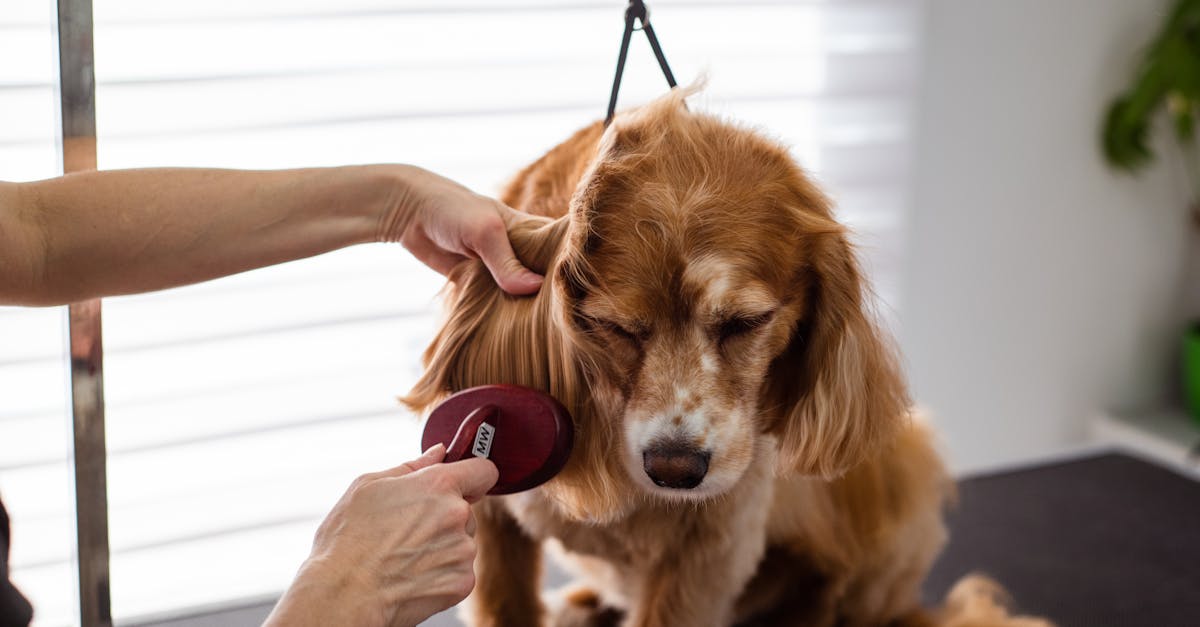
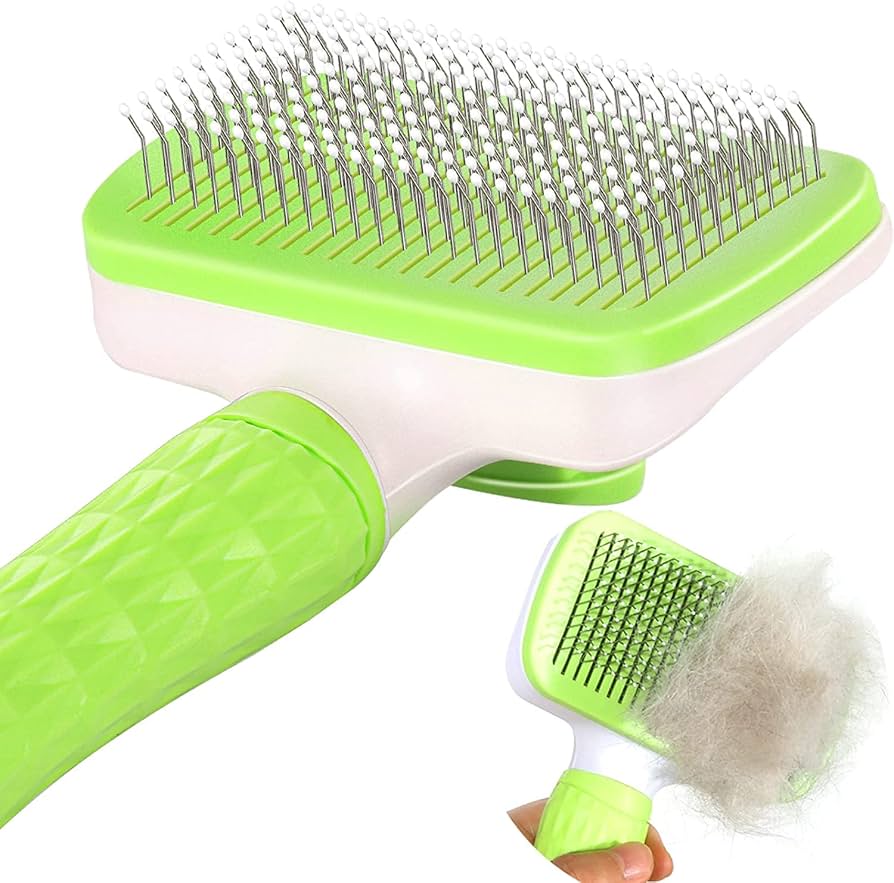
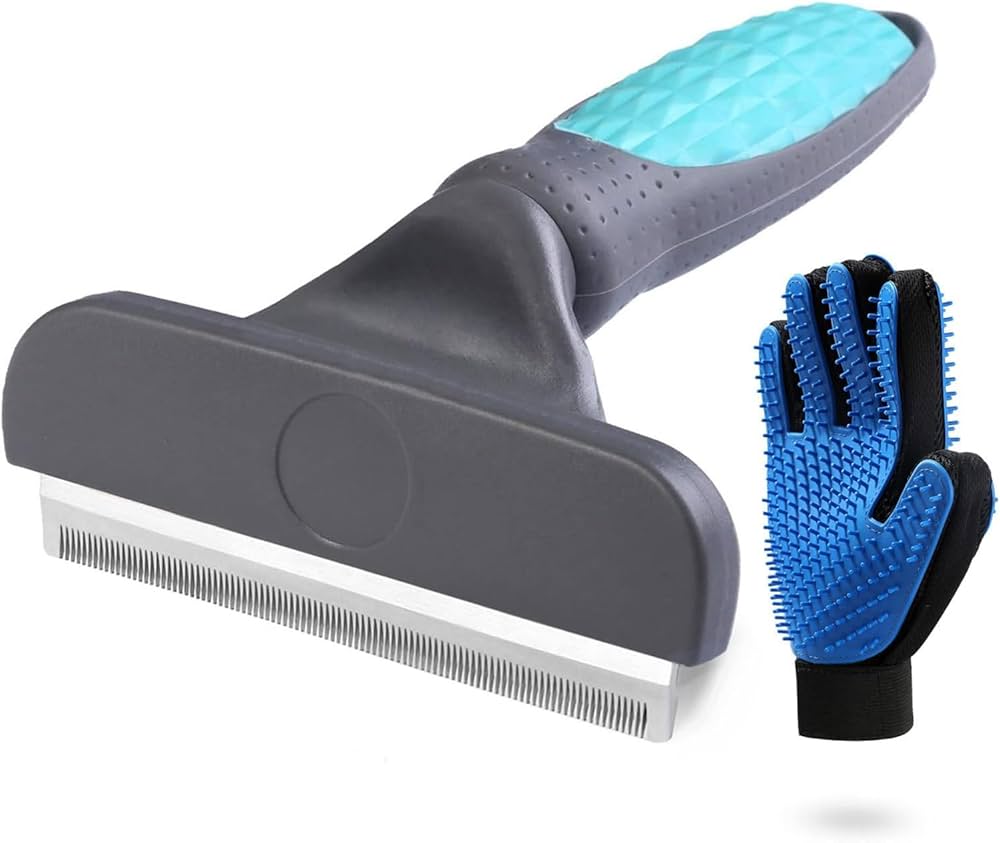
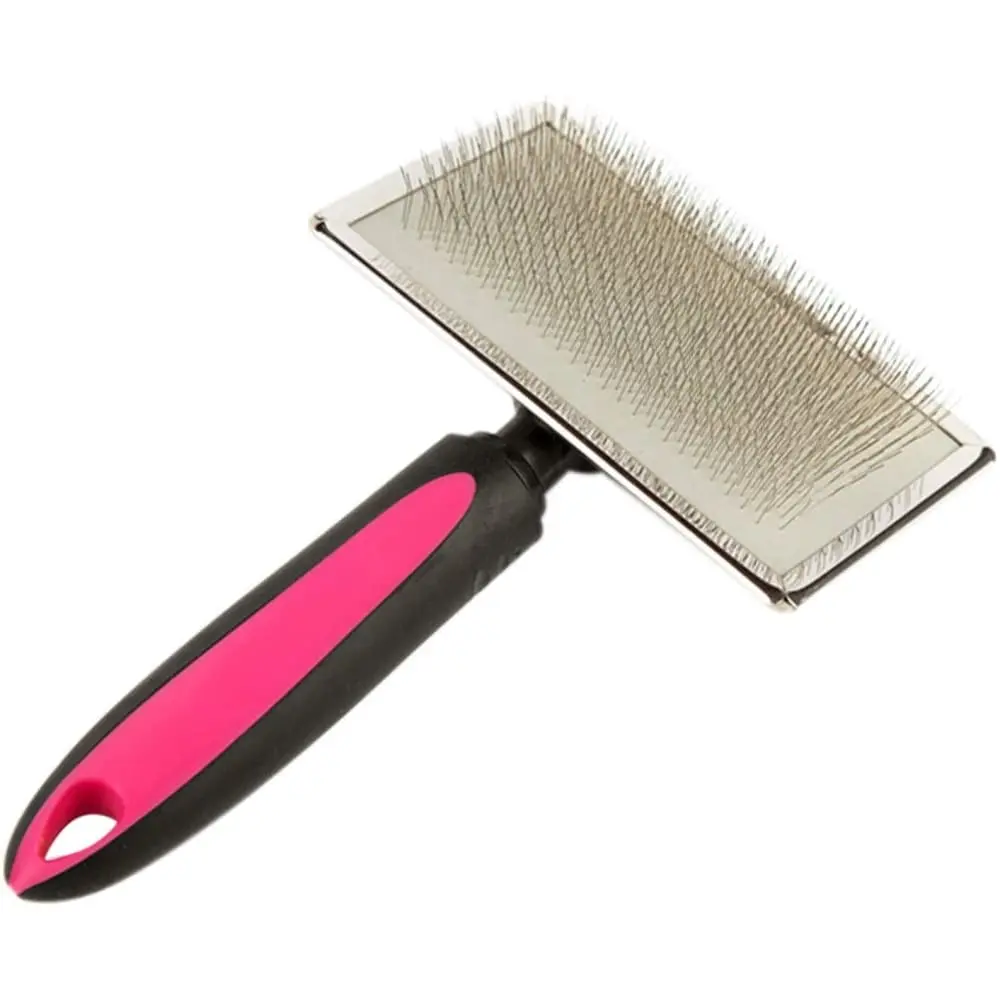
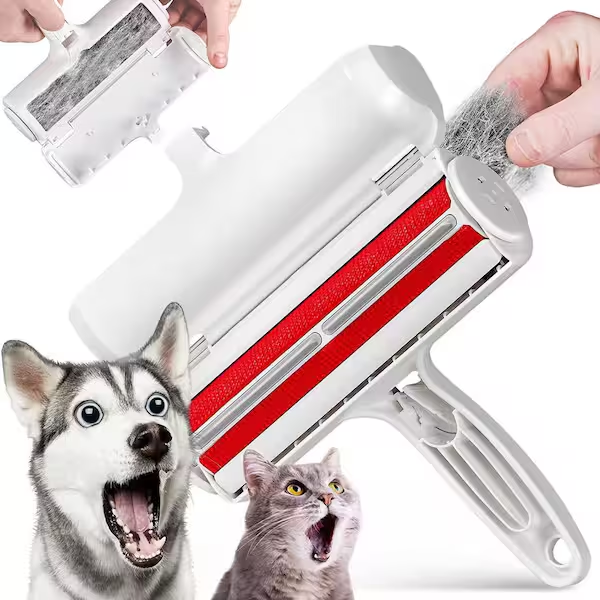
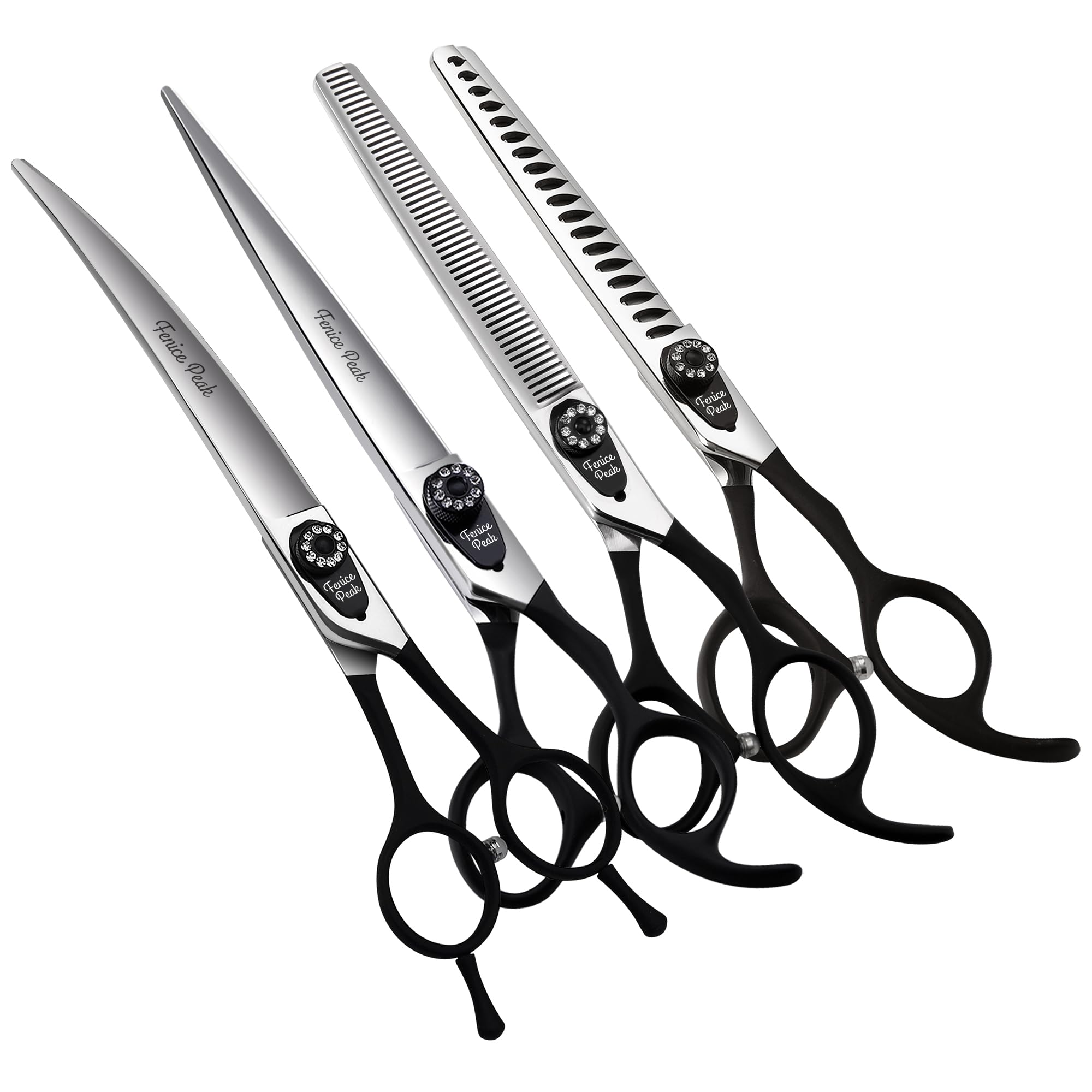
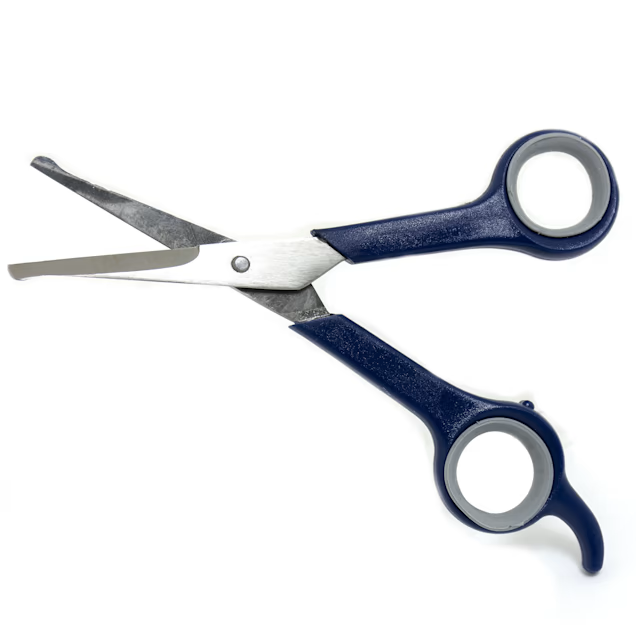
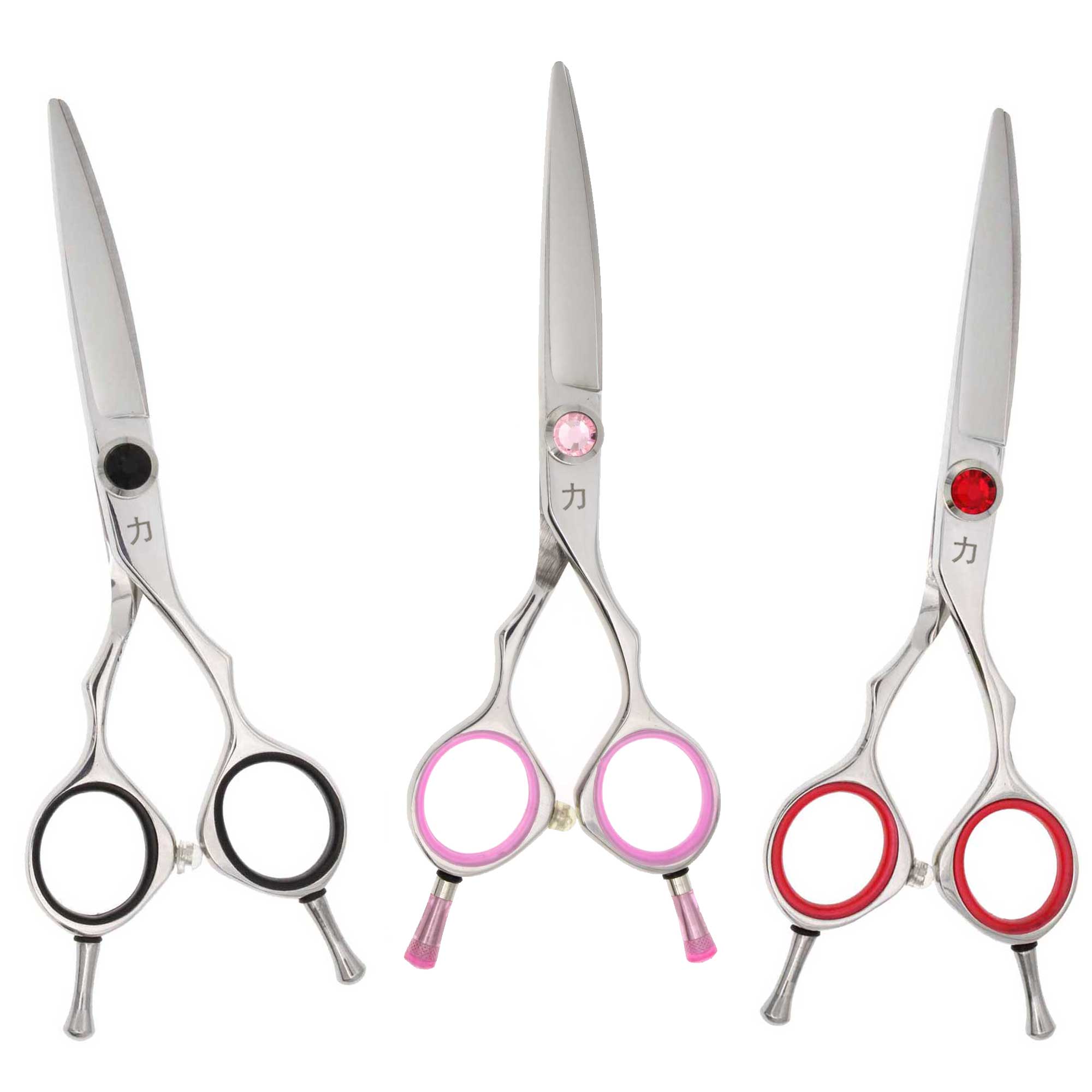
  4. Grooming Supplies: Learn about grooming tools, shampoos, brushes, and techniques for maintaining your dog’s coat and hygiene.
  5. Training Aids: Explore training collars, leashes, clickers, and treats to support positive reinforcement training methods.
  6. Health and Wellness: Access information on supplements, dental care products, and preventive health measures like flea and tick control.
  7. Travel and Outdoor Gear: Get recommendations on travel crates, car seats, harnesses, and outdoor accessories for safe adventures with your dog.
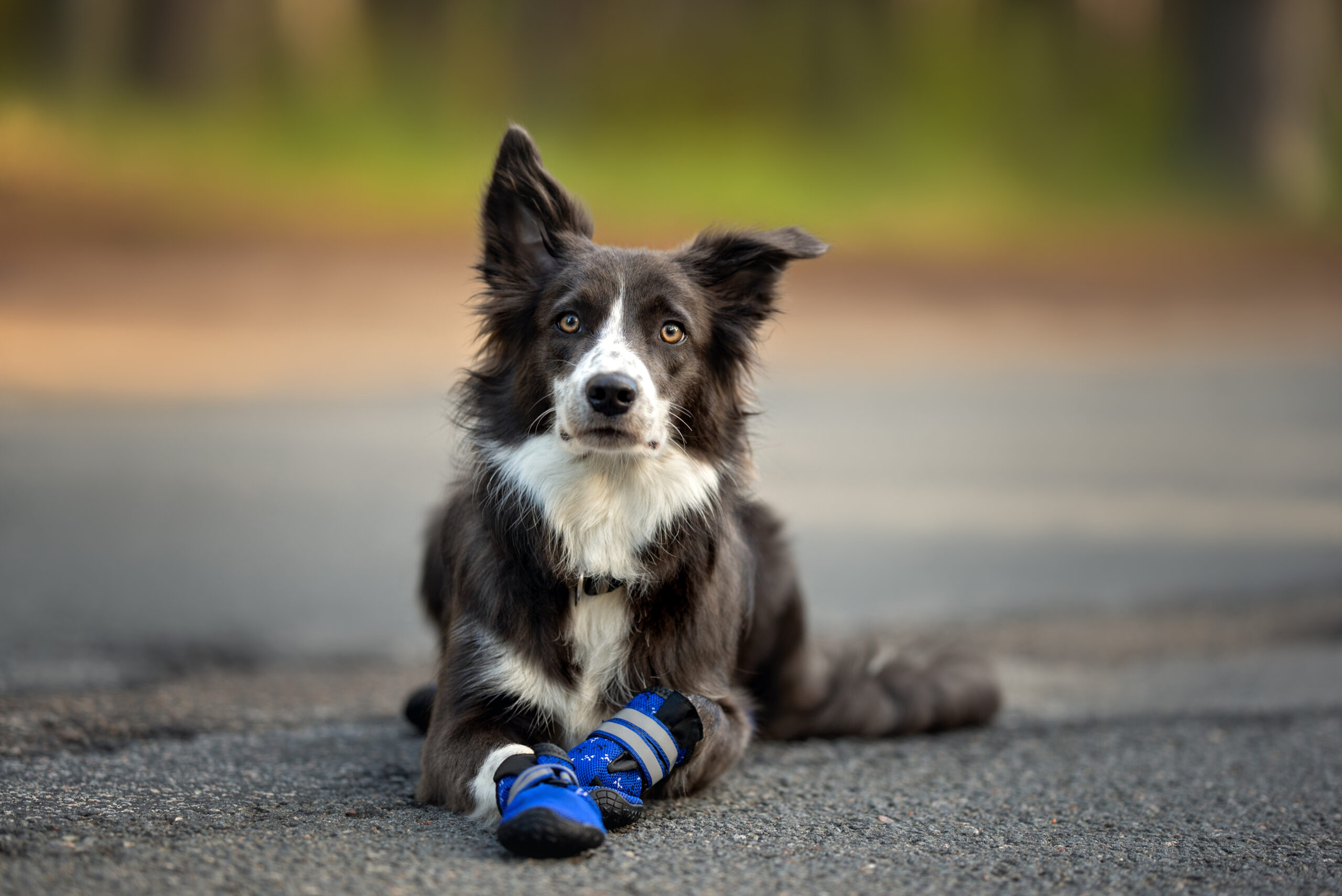
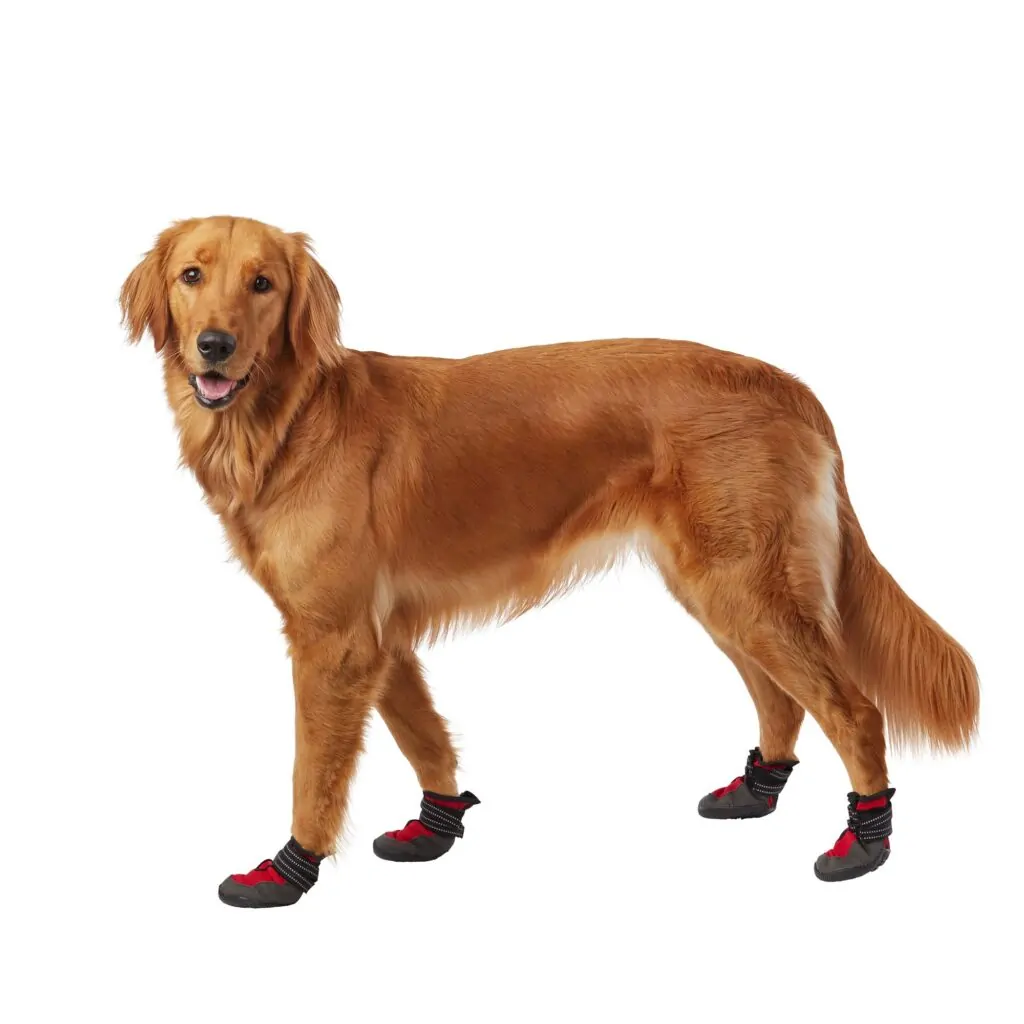
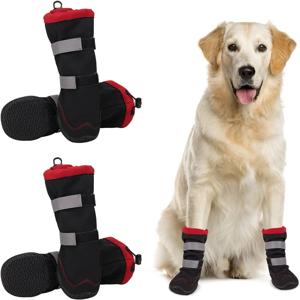
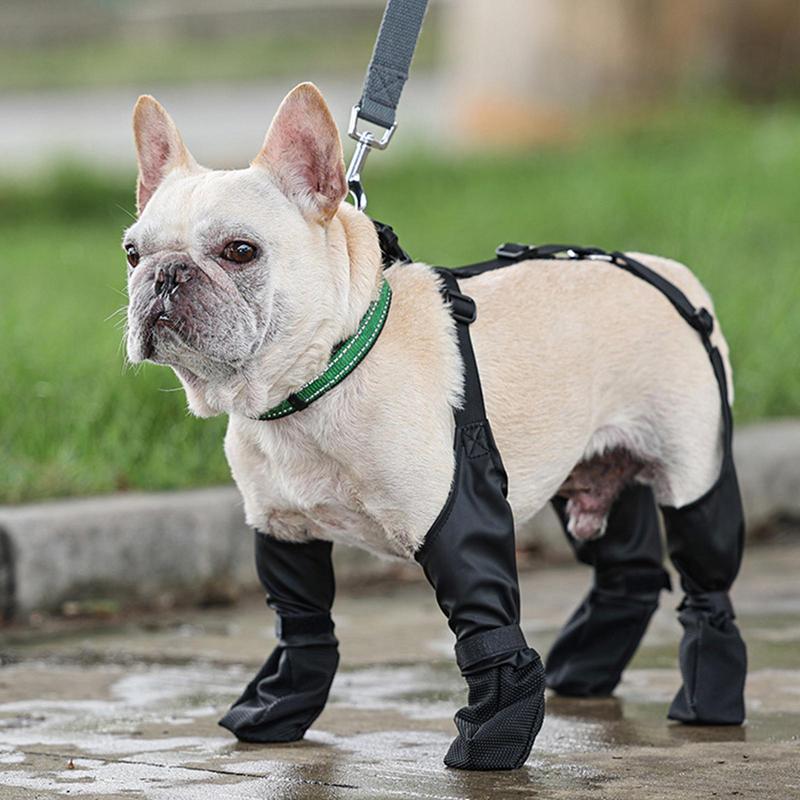
  8. Apparel and Accessories: Browse through dog apparel for all seasons, stylish accessories, and protective gear.
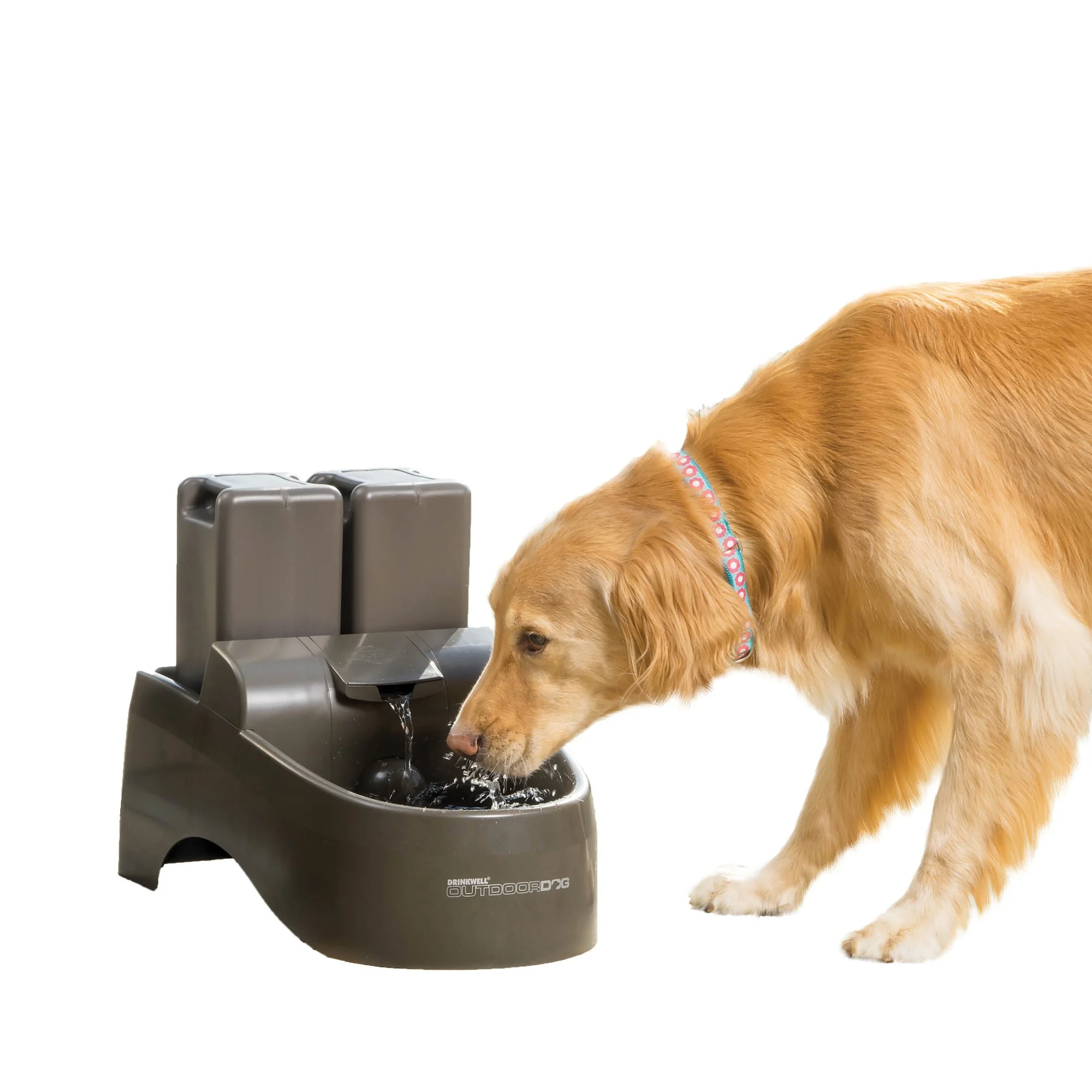
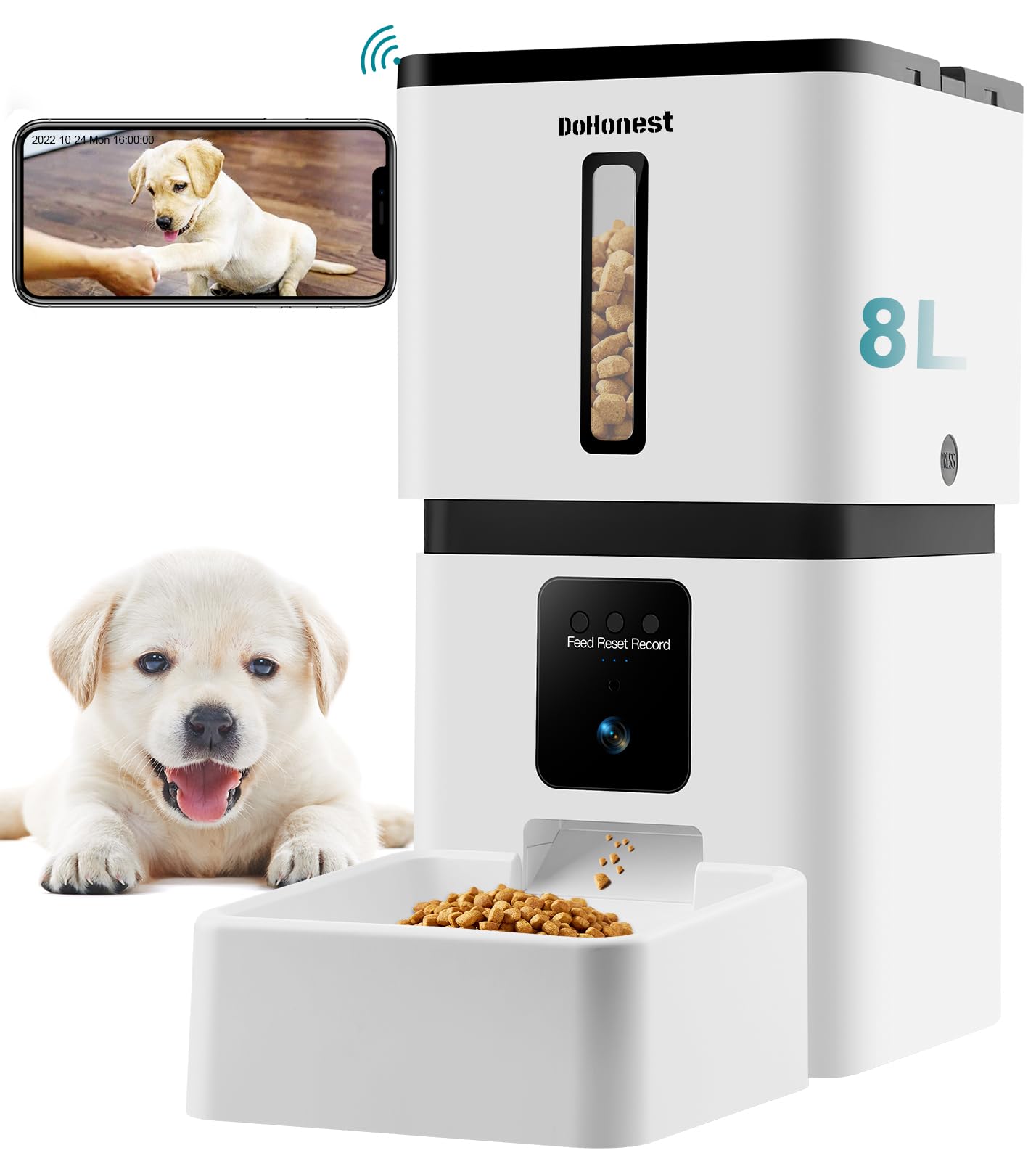
  9. Technology and Gadgets: Stay updated with the latest in dog tech, including GPS trackers, automatic feeders, and health monitoring devices.
  10. Specialty Items: Explore niche products like dog cameras, calming aids, and personalized items that cater to specific needs.

Each article and product recommendation within our Dog Supplies category is crafted to enhance your understanding and provide practical solutions for caring for your beloved canine companion. Join us in creating a happier and healthier life for your dog with our expert insights and quality product reviews.

Visit us regularly for updates and new additions to our Dog Supplies category, ensuring you’re always informed and equipped to give your dog the best care possible.

  • Top Automatic Dog Feeders: Simplify Your Pet’s Mealtime in 2025

    Top Automatic Dog Feeders: Simplify Your Pet’s Mealtime in 2025

    Are you tired of juggling your busy schedule with your furry friend’s feeding routine? We’ve got the perfect solution for you: automatic dog feeders. These innovative devices are revolutionizing the way pet owners manage their dogs’ meals, offering convenience and peace of mind.

    Automatic dog feeders allow us to maintain our pups’ feeding schedules without being tethered to mealtime. They’re ideal for busy professionals, frequent travelers, or anyone who wants to ensure their dog is fed on time, every time. With features like portion control and timed dispensing, these feeders promote healthier eating habits and can even help with weight management. In this text, we’ll explore the benefits of automatic dog feeders, how to choose the right one, and tips for making the most of this game-changing pet care technology.

    What Is an Automatic Dog Feeder?

    An automatic dog feeder is a device designed to dispense food to dogs at predetermined intervals without human intervention. These innovative gadgets use electronic components and programmable interfaces to ensure pets receive their meals on time, even when their owners aren’t home.

    Components and Functionality

    Automatic dog feeders typically consist of several key components:

    • Food container
    • Dispensing mechanism
    • Programmable interface
    • Sensors (e.g., ultrasonic ranging modules)
    • LCD screen
    • Servo motors
    • Microcontrollers (such as Arduino boards)

    The food container stores the pet’s meals, while the dispensing mechanism, often controlled by servo motors, releases the food at set times. Sensors detect the dog’s presence, triggering the food release. The programmable interface allows owners to set feeding schedules and portion sizes, which are displayed on the LCD screen.

    1. Programmable Feeders
    • Allow owners to set exact feeding times and amounts
    • Ensure consistent and accurate food delivery
    • Ideal for pets with strict dietary requirements

    2. Gravity Feeders

      • Refill the bowl as it empties
      • Best suited for pets with smaller appetites or self-control

      3. Smart Feeders

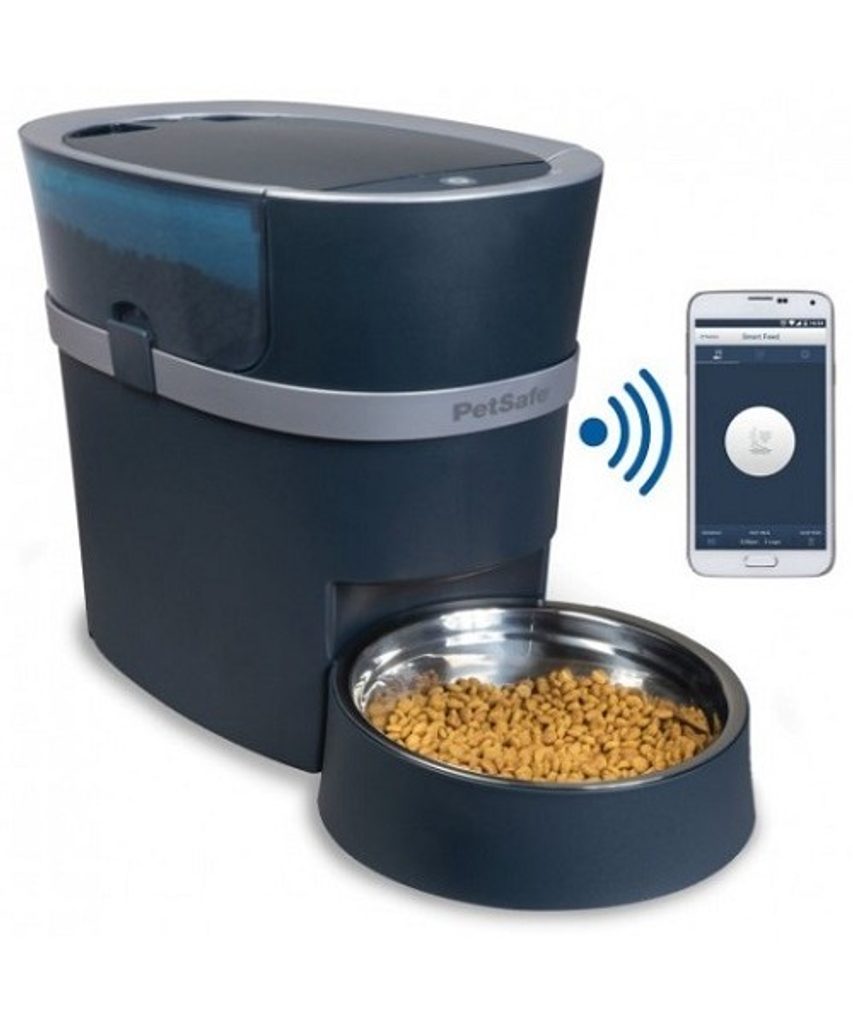
        • Connect to smartphones or home automation systems
        • Offer remote feeding options and real-time monitoring

        4. Portion Control Feeders

          • Dispense precise amounts of food
          • Help maintain healthy eating habits and weight management

          By incorporating these features, automatic dog feeders provide convenience for pet owners while ensuring dogs maintain regular feeding schedules. They’re particularly useful for busy households, working professionals, or when owners are away for short periods.

          Benefits of Using an Automatic Dog Feeder

          Convenience and Consistency

          Automatic dog feeders offer unparalleled convenience and consistency in your pet’s feeding routine. They dispense meals at preset times, ensuring your dog eats on schedule even when you’re not home. This regularity is essential for pets, as they thrive on routine and predictable mealtimes. By maintaining a consistent feeding schedule, automatic feeders help regulate your dog’s digestive system and prevent anxiety related to irregular mealtimes.

          Portion Control

          One of the key advantages of automatic dog feeders is precise portion control. These devices allow you to measure and dispense exact amounts of food for each meal. This feature is crucial for:

          • Preventing overeating
          • Maintaining a healthy weight
          • Managing exact dietary needs
          • Controlling calorie intake for dogs with health conditions like diabetes

          By eliminating guesswork and human error in portion sizes, automatic feeders contribute significantly to your dog’s overall health and well-being.

          Fresh Food and Reduced Contamination

          Automatic dog feeders keep food fresh and protected from contaminants. They typically store food in sealed containers, dispensing it only at scheduled feeding times. This storage method offers several benefits:

          • Preserves food quality
          • Reduces the risk of spoilage
          • Prevents exposure to air and moisture
          • Keeps out insects and other pests

          By maintaining food freshness, these feeders ensure your dog always has access to high-quality, safe meals.

          Time Management

          For busy pet owners, automatic dog feeders are a game-changer in time management. They:

          • Eliminate the need to rush home for feeding times
          • Allow for more flexible work schedules
          • Reduce stress during busy periods or travel
          • Free up time for other pet care activities, like walks or playtime

          By automating the feeding process, these devices give you more quality time to spend with your furry friend without compromising their nutritional needs.

          Types of Automatic Dog Feeders

          Automatic dog feeders come in various designs to suit different needs and preferences. We’ve categorized these feeders into three main types: gravity feeders, electronic programmable feeders, and smart feeders. Each type offers unique features and benefits for pet owners and their furry companions.

          Gravity Feeders

          Gravity feeders operate on a simple principle, food is dispensed from a reservoir into a bowl as the dog eats. These feeders are low-tech and don’t require electricity or batteries. The food container sits atop the bowl, allowing kibble to flow down as the bowl empties. Gravity feeders are ideal for dogs who can self-regulate their food intake, as they provide a constant supply of food. But, they’re not suitable for dogs prone to overeating. Benefits of gravity feeders include:

          • Low maintenance
          • No programming required
          • Suitable for multiple pets
          • Large capacity for extended periods

          Drawbacks include lack of portion control and the potential for food to become stale if not consumed quickly.

          Electronic Programmable Feeders

          Electronic programmable feeders offer more control over your dog’s feeding schedule. These devices use timers and portion control mechanisms to dispense pre-set amounts of food at exact times. Key features include:

          • Customizable feeding schedules
          • Portion control for weight management
          • LCD displays for easy programming
          • Battery backup to ensure feeding during power outages

          Electronic feeders are excellent for maintaining consistent feeding routines, especially for dogs with exact dietary needs or owners with irregular schedules. They help prevent overfeeding and ensure your dog receives the right amount of food at the right time. Some models even allow for multiple feeding profiles, making them suitable for households with multiple pets.

          Smart Feeders

          Smart feeders represent the latest innovation in automatic dog feeding technology. These devices combine programmable features with internet connectivity, offering advanced control and monitoring capabilities. Smart feeders typically include:

          • Smartphone app integration for remote feeding
          • Real-time feeding notifications
          • Voice recording features for personalized meal calls
          • Built-in cameras for pet monitoring
          • Integration with smart home systems

          Smart feeders provide unparalleled convenience for pet owners, allowing them to manage feeding schedules from anywhere. They’re particularly useful for those who travel frequently or have unpredictable schedules. Some models even offer features like slow feed modes to prevent rapid eating and automatic reordering of pet food when supplies run low.

          Key Features to Consider

          When selecting an automatic dog feeder, several key features warrant careful consideration. These features impact the feeder’s functionality, convenience, and suitability for your pet’s needs.

          Capacity and Size

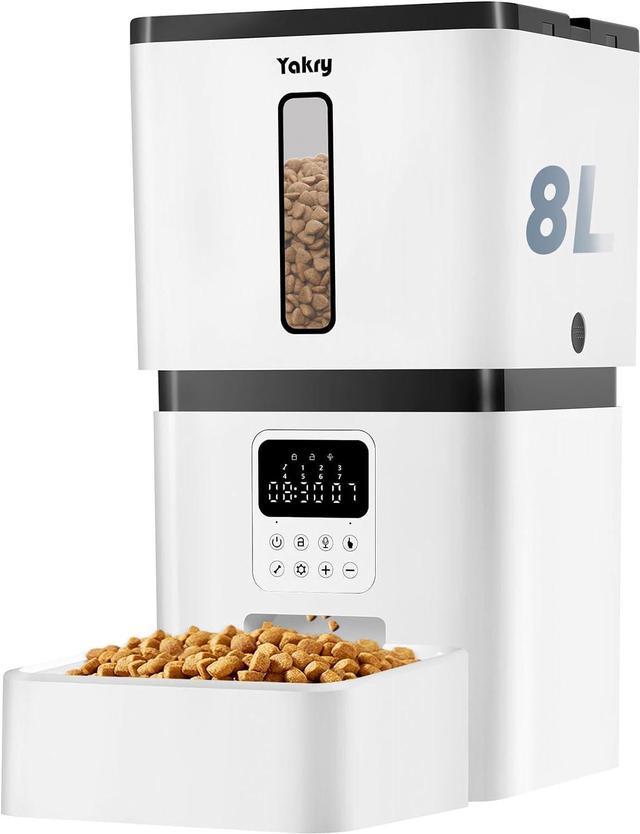
          The capacity and size of an automatic dog feeder are crucial factors to consider. Feeders come in various sizes, with some capable of holding up to 30lb of dog food. This large capacity is ideal for larger dogs or for extended periods without refilling. The physical dimensions of the feeder also matter, with typical sizes around 1′ wide by 1′ deep by 4′ tall. This compact design ensures easy placement and access for refilling. When choosing a feeder, consider your dog’s size, feeding requirements, and the available space in your home to determine the most suitable capacity and dimensions.
          Scheduling Options

          Scheduling options are a fundamental feature of automatic dog feeders. These devices allow users to set exact feeding times, ensuring consistent meals even when owners are away. Most feeders offer customizable scheduling, with the ability to set multiple feeding times throughout the day. The flexibility to adjust feeding intervals, often in one-hour increments, caters to various dietary needs and routines. Advanced models even provide remote scheduling options through smartphone apps, allowing owners to modify feeding times on the go. This feature is particularly beneficial for pet owners with irregular schedules or those who travel frequently.

          Portion Control

          Portion control is a critical feature in automatic dog feeders, promoting healthier eating habits and weight management. These feeders typically offer adjustable portion sizes, allowing owners to dispense precise amounts of food at each meal. This feature helps prevent overfeeding and supports dogs with exact dietary requirements or weight issues. Some advanced models even incorporate weight sensors to adjust portions based on your dog’s current weight and activity level. By providing consistent, measured meals, automatic feeders with portion control capabilities contribute to maintaining your dog’s optimal health and preventing obesity-related issues.

          Power Source and Backup

          The power source and backup options of an automatic dog feeder are important considerations for reliable operation. Most electronic feeders run on electricity, either through a direct power connection or rechargeable batteries. It’s crucial to choose a feeder with a dependable power source that suits your home setup. Some models offer dual power options, combining battery and AC adapter capabilities for added versatility. Also, look for feeders with battery backup systems to ensure continued operation during power outages. This feature is particularly important for pet owners who are frequently away from home, as it guarantees uninterrupted feeding schedules regardless of power fluctuations.

          Ease of Cleaning

          The ease of cleaning is a vital feature to consider when selecting an automatic dog feeder. Regular cleaning maintains hygiene and prevents bacterial growth, ensuring your pet’s health. Look for feeders with removable components, such as food containers and dispensing trays, that can be easily disassembled for thorough cleaning. Dishwasher-safe parts are a bonus, simplifying the cleaning process. Some feeders feature antimicrobial materials or coatings that inhibit bacterial growth, reducing the frequency of deep cleaning required. When evaluating cleaning ease, consider the feeder’s design, materials, and any exact cleaning instructions provided by the manufacturer to ensure proper maintenance and longevity of the device.

          Choosing the Right Automatic Feeder for Your Dog

          Selecting an appropriate automatic dog feeder is crucial for your pet’s health and well-being. We’ll explore key factors to consider when choosing a feeder that meets your dog’s exact needs.

          Size and Breed Considerations

          When choosing an automatic dog feeder, it’s essential to consider your dog’s size and breed. The feeder’s capacity and portion control features are critical factors:

          • Large breeds require feeders with higher capacities, typically holding up to 30 pounds of food.
          • Small breeds need feeders with smaller capacities to prevent overfeeding.
          • Look for feeders with adjustable portion control settings to ensure the right amount of food is dispensed at each meal.

          The feeding mechanism should also be suitable for your dog’s food type. Some feeders work better with dry kibble, while others can handle wet or semi-moist food. Consider your dog’s eating habits and the type of food they consume when selecting a feeder.

          For dogs with exact eating behaviors, such as fast eaters or those prone to overeating, choose a feeder with slow-feed options or dispensing mechanisms that regulate food flow.

          Special Dietary Needs

          Automatic dog feeders can be particularly beneficial for dogs with special dietary needs. Here’s what to consider:

          • For dogs on strict diets, opt for feeders with precise portion control to manage calorie intake.
          • If your dog requires multiple small meals throughout the day, choose a feeder with programmable scheduling options.
          • For dogs with food allergies, select feeders with separate compartments to keep different types of food isolated.
          • Some feeders come with built-in scales, which can be useful for dogs on weight management plans.

          Consider feeders with voice recording features if your dog needs encouragement to eat. This can be particularly helpful for dogs with anxiety or those recovering from illness.

          For dogs with medication needs, look for feeders with separate compartments or trays that allow you to include pills or supplements with their meals.

          Setting Up and Using Your Automatic Dog Feeder

          Setting up and using an automatic dog feeder is a straightforward process that can significantly simplify your pet care routine. We’ll guide you through the initial setup, programming tips, and maintenance to ensure you get the most out of your device.
          Programming Tips

          When programming your automatic dog feeder, focus on customization to meet your dog’s exact needs. Set portion sizes based on your pet’s weight, age, and activity level. Schedule feeding times to match your dog’s routine, typically 2-3 meals per day for adult dogs. Use the smart features of your feeder to adjust portions easily if your dog’s needs change. For dogs on weight management plans, program smaller, more frequent meals throughout the day. If your feeder has a slow-feed option, activate it for dogs who tend to eat too quickly. Take advantage of voice recording features to comfort anxious eaters with familiar sounds at mealtime. Remember to sync the feeder’s clock with your home’s time zone for accurate scheduling.

          Maintenance and Cleaning

          Regular maintenance and cleaning of your automatic dog feeder are essential for its proper functioning and your pet’s health. Clean the food container and dispensing mechanism weekly to prevent bacteria growth and food contamination. For feeders with removable parts, disassemble and wash them in warm, soapy water. Use a soft brush to clean hard-to-reach areas and remove any stuck food particles. Dry all components thoroughly before reassembling to prevent moisture-related issues.

          Check and replace batteries in battery-operated feeders every 3-4 months, or as recommended by the manufacturer. For smart feeders, update the firmware regularly to ensure optimal performance and security. Inspect the feeder’s moving parts monthly for signs of wear and tear, and replace any damaged components promptly. Always use pet-safe cleaning products to avoid harmful residues. Store extra food in an airtight container to maintain freshness and prevent pests.

          Potential Drawbacks and Considerations

          Automatic dog feeders offer many benefits, but it’s crucial to understand their potential drawbacks and considerations before investing in one. We’ll explore two key areas of concern: technical issues and reliability, and maintenance and cleaning.

          Technical Issues and Reliability

          Automatic dog feeders rely on various components to function properly, which can lead to several technical challenges:

          • Jamming: Some models, particularly those using gravity-fed systems, are prone to food jams. This can result in inconsistent feeding and potential malnutrition if the feeder fails to dispense food as intended.
          • Electronic failures: Feeders with microcontrollers, Wi-Fi modules, and other electronic parts may experience:
          • Software glitches
          • Connectivity problems
          • Hardware malfunctions

          These issues can disrupt feeding schedules and cause stress for both pets and owners. To mitigate these risks:

          1. Choose a reputable brand with positive customer reviews
          2. Opt for models with backup power sources
          3. Regularly check the feeder’s functionality
          4. Have a backup feeding plan in case of device failure

          Maintenance and Cleaning

          Proper maintenance and cleaning are essential for the longevity and hygiene of automatic dog feeders:

          • Regular upkeep: These devices require consistent maintenance to ensure optimal performance. This includes:
          • Cleaning the food container
          • Wiping down dispensing mechanisms
          • Checking for any blockages or wear and tear
          • Cleaning challenges: Some models have complex designs that make thorough cleaning difficult:
          • Multiple components may need disassembly
          • Hard-to-reach areas can accumulate food residue and bacteria
          • Time-consuming cleaning processes may lead to less frequent maintenance

          To address these concerns:

          1. Select a feeder with easily removable and dishwasher-safe parts
          2. Establish a regular cleaning schedule (e.g., weekly deep cleans)
          3. Use pet-safe cleaning products to sanitize all components
          4. Inspect the feeder daily for any signs of food buildup or malfunction

          By understanding these potential drawbacks and taking proactive measures, pet owners can make informed decisions about incorporating automatic dog feeders into their pet care routines. Regular monitoring and maintenance can help ensure these devices continue to provide convenient and reliable feeding answers for dogs.

          Conclusion

          Automatic dog feeders offer a game-changing solution for pet owners seeking convenience and consistency in their furry friends’ feeding routines. We’ve explored their benefits features and potential drawbacks to help you make an well-informed choice. By choosing the right feeder for your dog’s needs and maintaining it properly you’ll ensure a reliable and efficient feeding system.

          Remember that while automatic feeders provide many advantages they shouldn’t replace quality time with your pet. Use the time saved to bond play and nurture your relationship with your canine companion. With the right automatic feeder you’ll enjoy peace of mind knowing your dog is well-fed and healthy even when you’re not at home.
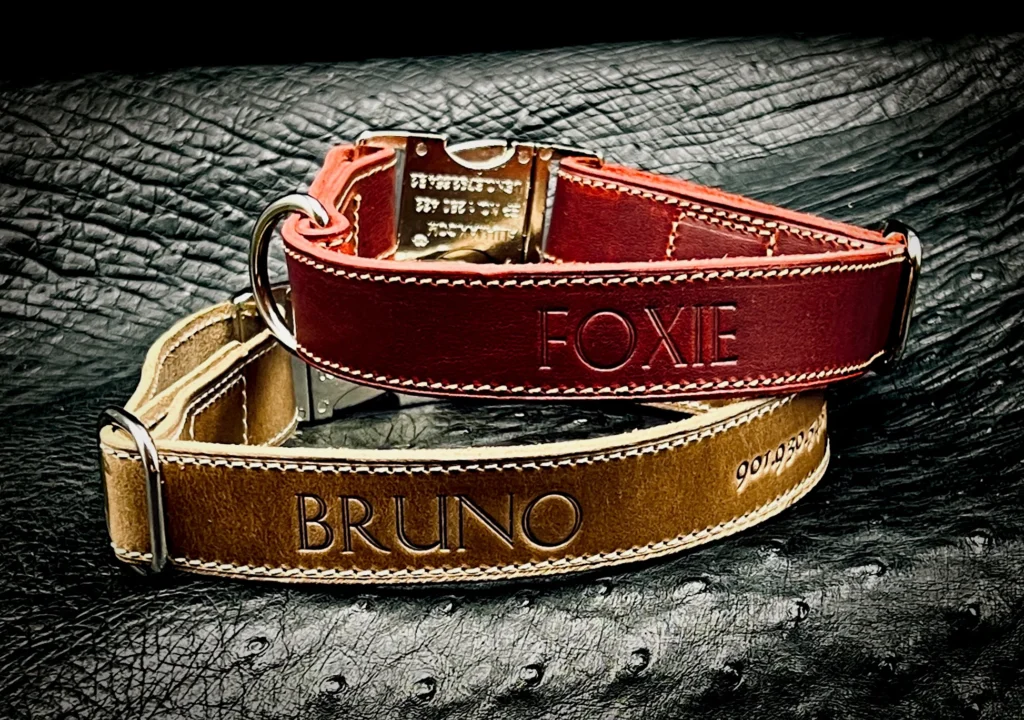
        1. Custom Dog Collars: Stylish, Safe, and Personalized for Your Pup

          Custom Dog Collars: Stylish, Safe, and Personalized for Your Pup

          Have you ever wondered why your dog’s collar just doesn’t seem quite right? You’re not alone. We’ve discovered that when it comes to our furry friends, one size doesn’t fit all. That’s where custom dog collars come into play, offering a perfect blend of style, comfort, and functionality.

          Custom dog collars aren’t just a fashion statement; they’re a practical solution for pet owners who want the best for their canine companions. From puppies to full-grown dogs, these collars can be customized to fit perfectly, ensuring your pet’s safety and comfort. We’ll explore how these customizable options allow for easy adjustments as your dog grows, preventing the risks associated with ill-fitting collars.

          What Are Custom Dog Collars?

          Custom dog collars are customized accessories designed to meet the exact needs, preferences, and styles of individual dogs and their owners. These collars offer a personalized approach to pet care, combining functionality with aesthetic appeal.

          Materials and Construction

          Custom dog collars come in a variety of materials, each offering unique benefits:

          • Nylon: Durable and water-resistant
          • Leather: Classic look with long-lasting wear
          • Neoprene: Soft and comfortable for sensitive skin
          • Faux Leather: Cruelty-free alternative to leather
          • Cotton: Breathable and gentle on the skin
          • Biothane: Waterproof and easy to clean
          • Hemp: Eco-friendly and naturally antimicrobial
          • Rubber: Flexible and ideal for active dogs

          The construction of these collars focuses on durability and comfort, ensuring they withstand daily wear while providing a pleasant experience for the dog.

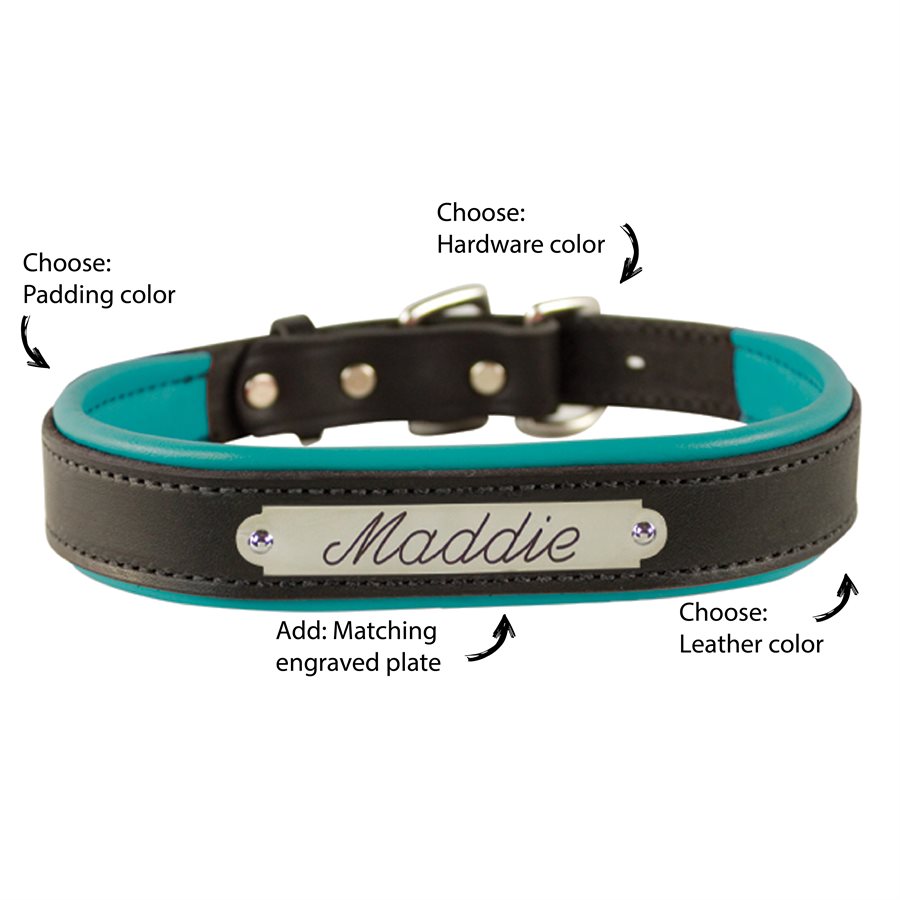
          Personalization Options

          A key feature of custom dog collars is the ability to personalize them. Common personalization options include:

          • Embroidered names
          • Phone numbers for easy identification
          • Unique designs or patterns
          • Attachment points for tags (city, rabies, microchip)
          • Custom color combinations
          • Specialized hardware (buckles, D-rings)

          This level of customization allows owners to create a collar that’s not only functional but also reflects their dog’s personality or their own style preferences.

          Design and Style Variations

          Custom collars come in various designs to suit different tastes:

          • Classic solid colors
          • Patterned designs (stripes, polka dots, plaid)
          • Themed collars (seasonal, holiday, sports teams)
          • Reflective options for enhanced visibility
          • Padded designs for extra comfort
          • Adjustable styles to accommodate growth
          • Breakaway collars for added safety

          These design variations ensure that there’s a custom collar to match every dog’s lifestyle and owner’s aesthetic preferences.

          Functionality and Special Features

          Beyond style, custom dog collars often incorporate functional features:

          • Reflective strips for nighttime visibility
          • Quick-release buckles for easy on and off
          • Waterproof materials for water-loving dogs
          • Odor-resistant fabrics for active pets
          • Hypoallergenic options for sensitive skin
          • Reinforced stitching for durability
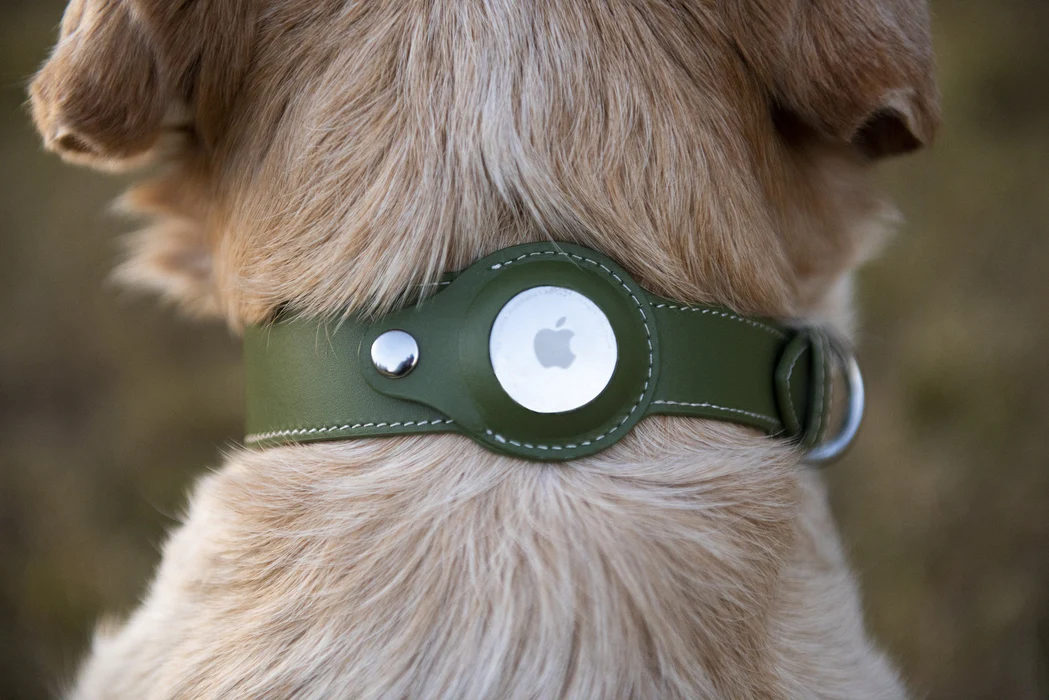
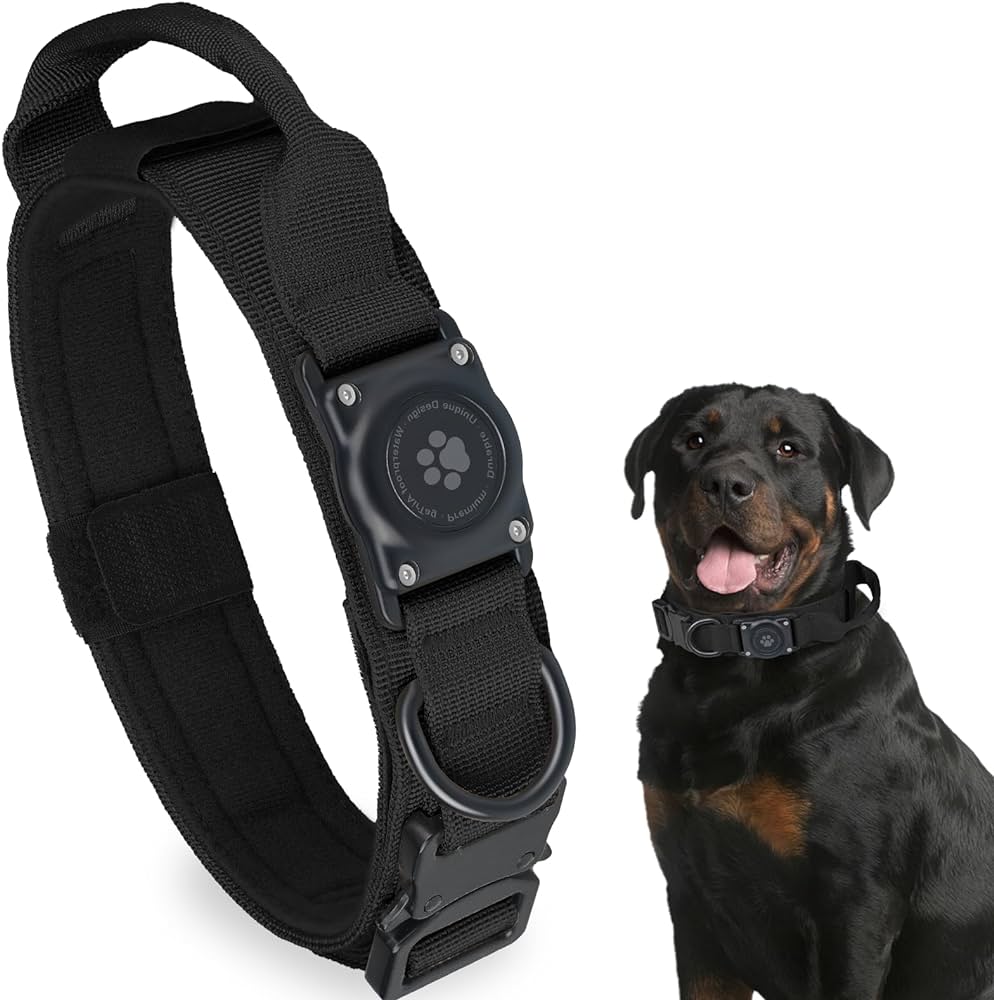
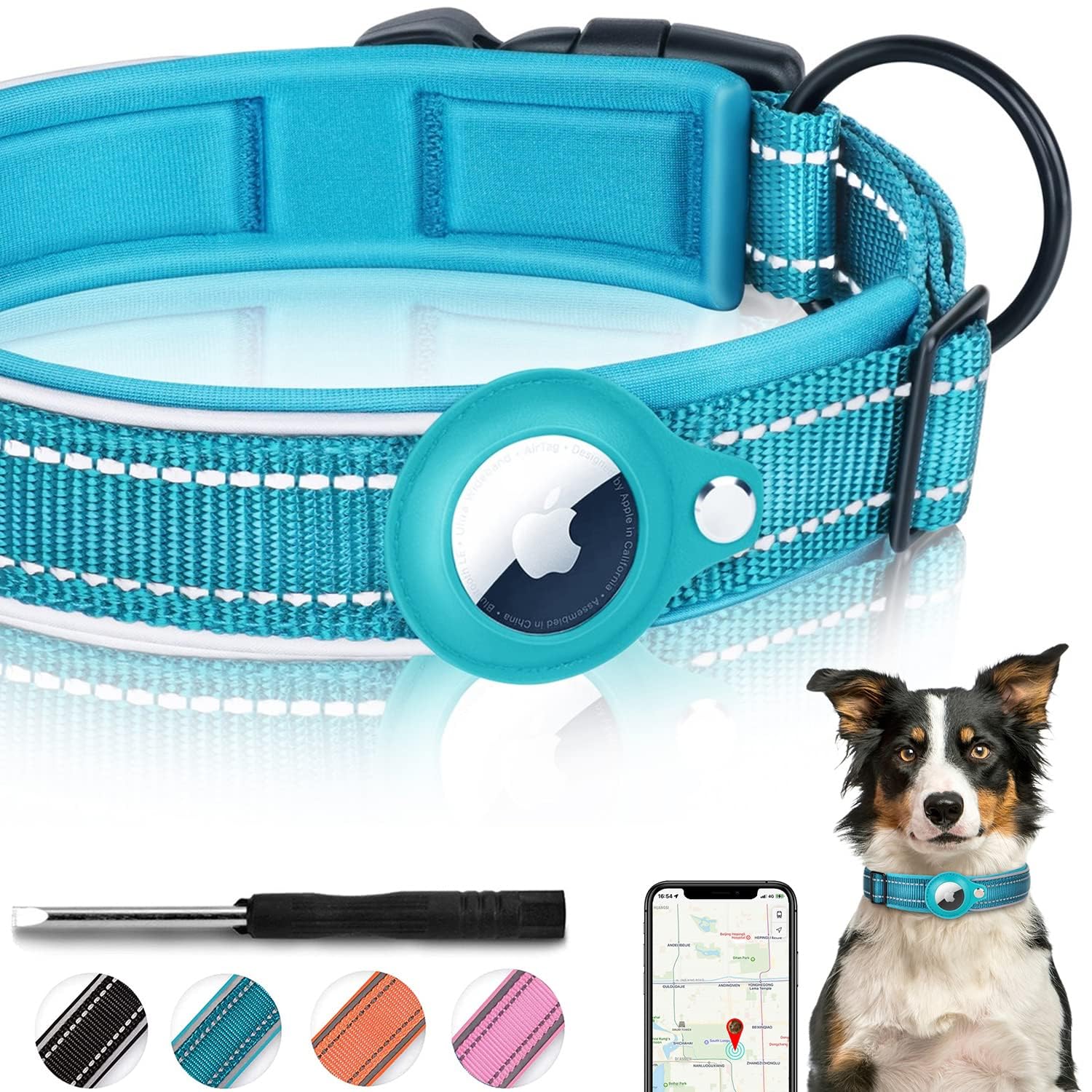
          • Integrated GPS trackers for location monitoring

          These features enhance the collar’s practicality, addressing exact needs or concerns of dog owners.

          By offering a combination of personalized style, comfort, and functionality, custom dog collars provide a customized solution for pet owners who want more than just a basic collar for their canine companions.

          Benefits of Personalized Dog Collars

          Personalized dog collars offer many advantages for both pets and their owners. These custom accessories provide a blend of functionality, safety, and style that sets them apart from standard collars.

          Safety and Identification

          Personalized dog collars enhance safety and identification in several ways:

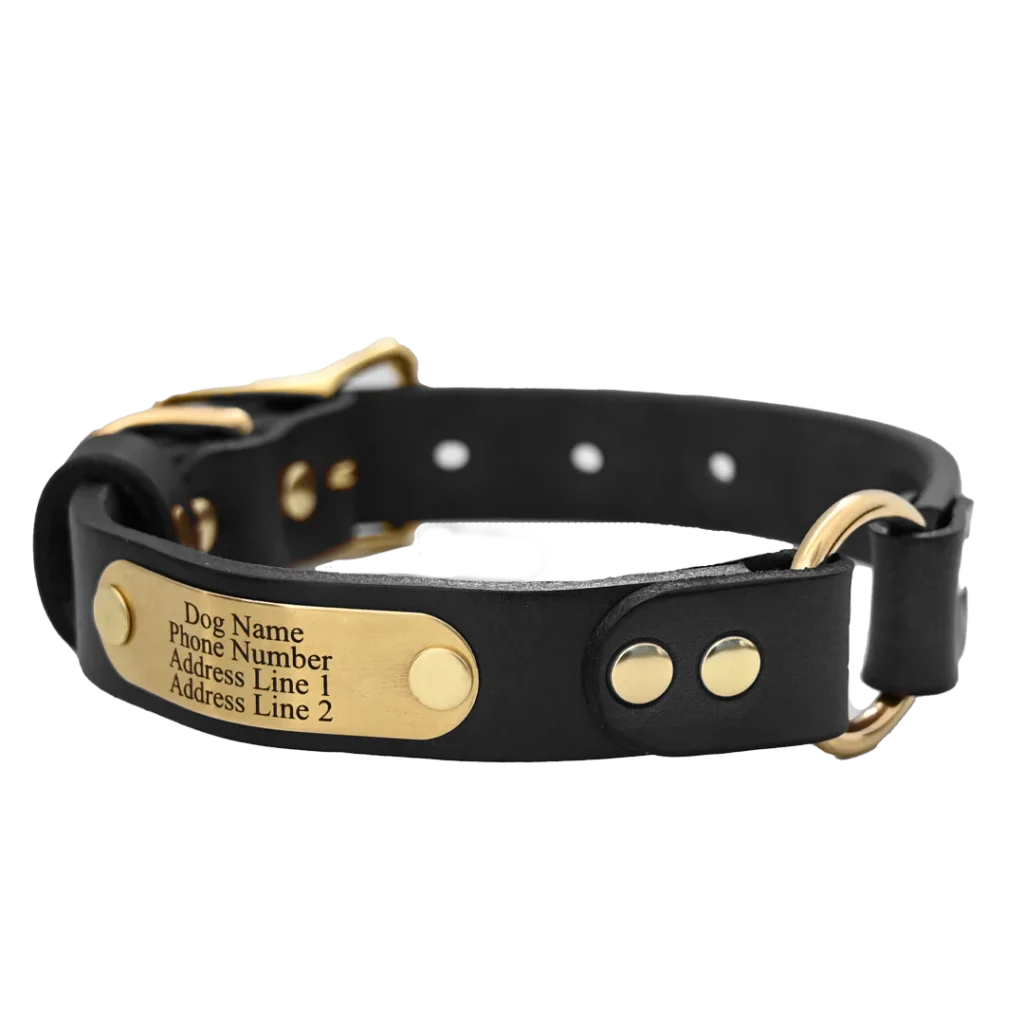
          • Immediate Contact Information: Custom collars feature embroidered or laser-engraved details, including the dog’s name and owner’s contact information. This enables quick communication if a dog is found, eliminating the need for separate ID tags that can be lost or damaged.
          • Reduced Approach Risk: For fearful or undersocialized dogs, personalized collars allow people to read contact information from a distance. This minimizes the need for close approach, reducing the risk of startling the dog or provoking defensive reactions.
          • Enhanced Visibility: Many personalized collars incorporate reflective materials, improving visibility in low-light conditions. This added safety feature is particularly beneficial during evening walks or in dimly lit areas.
          • Built-in Identification: Some custom collars, like ScruffTag designs, integrate nameplates directly into the collar structure. This ensures identification remains secure and visible at all times, even if other tags are lost.

          Style and Expression

          Personalized dog collars offer unique opportunities for style and expression:

          • Reflection of Personality: Custom collars allow owners to showcase their dog’s unique personality through color choices, patterns, and designs. This personalization extends beyond functionality to create a fashion statement.
          • Variety of Materials: Owners can choose from a range of materials such as nylon, leather, or eco-friendly options like hemp. Each material offers distinct aesthetic qualities and practical benefits.
          • Customizable Designs: From embroidered names to themed patterns, personalized collars can be customized to match exact preferences or occasions. This level of customization allows for a truly unique accessory.
          • Coordination with Accessories: Custom collars can be designed to complement other pet accessories like leashes, harnesses, or bandanas, creating a cohesive look for the dog.
          • Seasonal Options: Personalized collars can be created for different seasons or holidays, allowing owners to update their pet’s look throughout the year.
          Custom Dog Collars

          Types of Custom Dog Collars

          Custom dog collars come in various styles, each offering unique personalization options. We’ll explore three popular types: engraved, embroidered, and printed collars.

          Engraved Collars

          Engraved collars provide a durable and sleek personalization option. These collars typically feature text or designs etched directly onto the material, often leather or metal. The engraving process creates a permanent, professional-looking identification that won’t fade or wear off over time. Engraved collars offer several advantages:

          • Longevity: The engraved information lasts as long as the collar itself
          • Sleek Appearance: No additional tags or attachments required
          • Customization options: Various fonts, sizes, and designs available
          • Safety: Contact information is always visible, even if tags are lost
          • Quiet: No jingling from separate ID tags

          Engraved collars are ideal for pet owners seeking a minimalist, yet effective way to display their dog’s identification information.

          Embroidered Collars

          Embroidered collars offer a softer, more colorful personalization option. These collars feature text or designs stitched directly onto the fabric, typically nylon or polyester. Embroidered collars provide several benefits:

          • Visibility: Bright, colorful thread options make information easy to read
          • Comfort: No raised surfaces or metal tags to irritate your dog’s neck
          • Durability: High-quality embroidery withstands regular wear and washing
          • Versatility: Suitable for various collar styles and materials
          • Customization: Multiple font styles, sizes, and thread colors available

          Embroidered collars are perfect for pet owners who want a comfortable, visually appealing way to display their dog’s information while adding a touch of personality.

          Printed Collars

          Printed collars offer the most versatile and creative personalization options. These collars feature designs or text printed directly onto the material using various techniques, such as sublimation or screen printing. Printed collars provide several advantages:

          • Unlimited design options: From simple text to complex graphics
          • Full-color capabilities: Vibrant, eye-catching designs
          • Quick Production: Faster turnaround times compared to engraving or embroidery
          • Affordability: Often less expensive than other personalization methods
          • Variety of Materials: Available on nylon, polyester, and some leather collars

          Printed collars are ideal for pet owners who want to showcase their dog’s personality through unique, colorful designs or patterns while still incorporating essential identification information.

          Choosing the Right Custom Collar

          Selecting the perfect custom dog collar involves considering various factors to ensure comfort, safety, and style for your furry friend. We’ll explore the key elements to keep in mind when choosing a custom collar for your dog.

          Material Options

          Custom dog collars come in a range of materials, each offering unique benefits:

          • Leather: Durable and classic, with bridle leather being highly regarded for its quality and longevity.
          • Nylon: Lightweight, easy to clean, and often more affordable than leather. It’s versatile and comfortable for everyday wear.
          • Neoprene: Soft, flexible, and easy to maintain. It’s an excellent choice for dogs with sensitive skin or those who love water activities.
          • Biothane: A waterproof, durable material that’s easy to clean and maintain. It’s ideal for active dogs or those living in wet climates.
          • Faux leather: A cruelty-free alternative to genuine leather, often more affordable while still providing a stylish look.
          • Cotton: Breathable and comfortable, though it may not be as durable as other options. It’s suitable for dogs with allergies or skin sensitivities.

          Consider your dog’s lifestyle, activity level, and any skin sensitivities when choosing the material for their custom collar.

          Custom Dog Collars

          Size and Fit Considerations

          Proper sizing is crucial for your dog’s comfort and safety when selecting a custom collar:

          • Measure your dog’s neck circumference using a soft measuring tape, allowing for two fingers of space between the collar and neck.
          • For puppies, choose adjustable collars that can grow with them. Custom options often allow for easy adjustments as your puppy develops.
          • Consider your dog’s breed and body type. Some breeds, like Greyhounds, may require specialized collar styles to prevent slipping.
          • Ensure the collar width is appropriate for your dog’s size. Larger dogs typically need wider collars for comfort and control.
          • Check the collar fit regularly, especially for growing puppies or dogs that fluctuate in weight.
          • Look for collars with multiple adjustment points to achieve the perfect fit.

          Remember, a well-fitted custom collar should be snug enough to stay in place without causing discomfort or restricting breathing.

          Design Elements

          Custom dog collars offer many design elements to reflect your dog’s personality and your style preferences:

          • Color Selection: Choose colors that complement your dog’s fur or match your personal taste. Consider bright colors for visibility during walks.
          • Patterns and Prints: From classic stripes to playful polka dots, select patterns that suit your dog’s character.
          • Personalization Options: Add your dog’s name, your contact information, or a unique design through engraving, embroidery, or printing.
          • Hardware Selection: Choose from various buckle types, such as traditional metal buckles or quick-release plastic clips for convenience.
          • Reflective Elements: Incorporate reflective strips or stitching for enhanced visibility during nighttime walks.
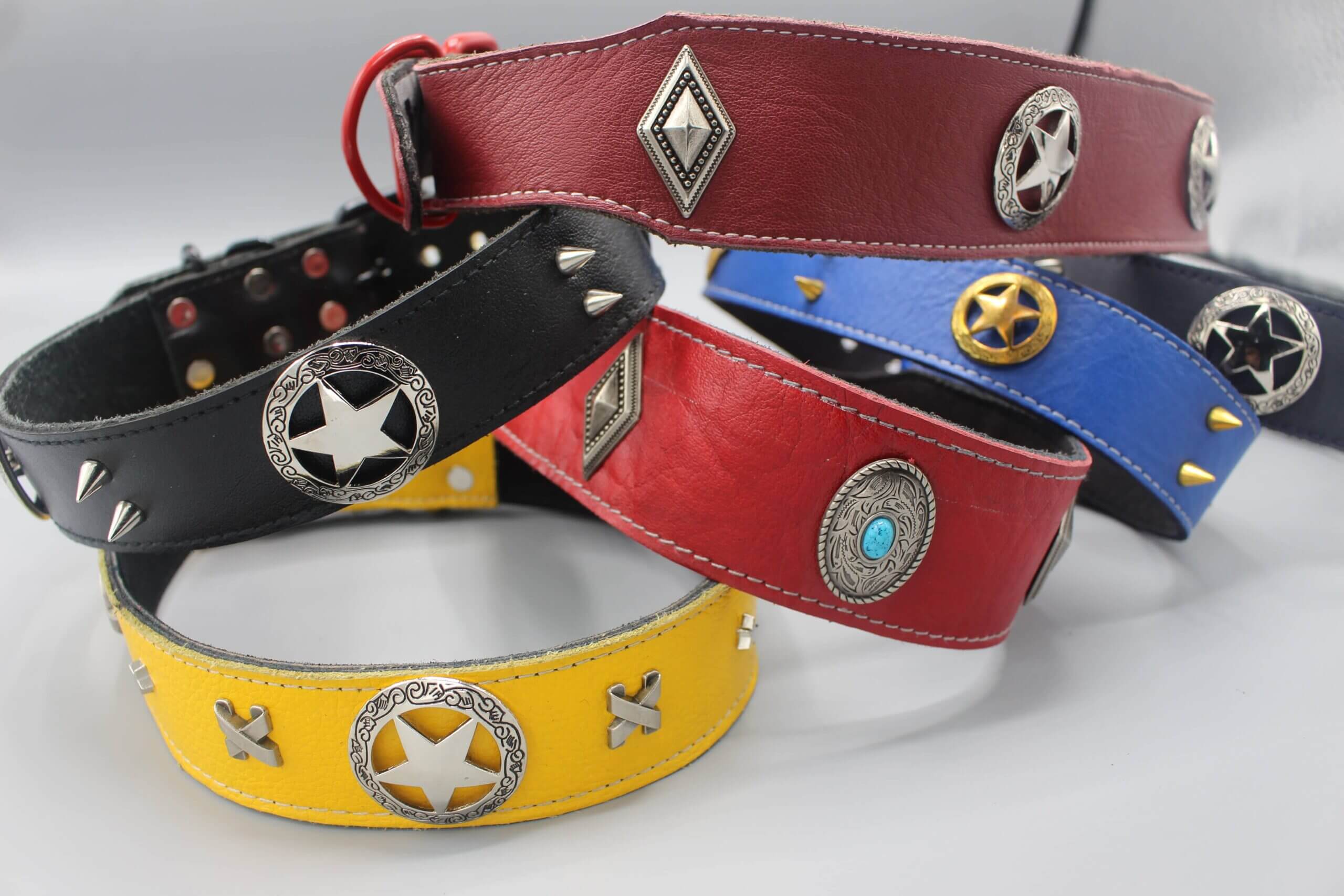
          • Decorative Accents: Consider adding studs, rhinestones, or charms for a more stylish look, ensuring they’re securely attached.
          • Seasonal Designs: Opt for interchangeable designs to suit different seasons or occasions.

          When selecting design elements, prioritize both aesthetics and functionality to create a custom collar that’s both stylish and practical for your dog’s needs.

          How to Personalize Your Dog’s Collar

          Personalizing your dog’s collar is an excellent way to ensure their safety and showcase their unique personality. We’ll explore the key aspects of customizing a collar, from selecting information to choosing colors and patterns.

          Selecting Information to Include

          When personalizing a dog collar, it’s crucial to include essential information for your pet’s safety. Here are the key details to consider:

          • Dog’s Name: Embroidering or engraving your dog’s name on the collar helps identify them quickly.
          • Phone Number: Include your primary contact number for immediate reach in case your dog gets lost.
          • Address: Adding your address is helpful if your dog tends to wander locally.
          • Multiple Phone Numbers: Consider including an alternate contact for emergencies.
          • Medical information: For dogs with health conditions, include brief medical details or allergies.
          • Microchip Information: If your dog is microchipped, add the chip ID number.
          • Funny Sayings or Quotes: For a personal touch, include a short, witty phrase that reflects your dog’s personality.

          Remember, the amount of information you can include depends on the collar’s size and the customization method used.

          Choosing Colors and Patterns

          Selecting the right colors and patterns for your dog’s custom collar enhances their appearance and reflects their personality. Here’s what to consider:

          • Color Options: Choose from a wide range of colors, including red, blue, orange, black, and pink. Select a color that complements your dog’s fur or matches your personal style.
          • Contrast: Opt for colors that contrast with your dog’s coat for better visibility.
          • Pattern Varieties: Explore various patterns like stripes, polka dots, or themed designs (e.g., holidays, sports teams).
          • Material Textures: Consider different textures such as velvet, cotton voile, or canvas for added visual interest.
          • Reflective Elements: Incorporate reflective materials for enhanced visibility during nighttime walks.
          • Seasonal Designs: Select patterns that match different seasons or holidays for a festive touch.
          • Breed-exact Patterns: Choose designs that complement your dog’s breed characteristics.
          • Embroidery Thread Colors: If opting for embroidered text, select a thread color that stands out against the collar’s base color.

          When choosing colors and patterns, consider your dog’s personality, your personal preferences, and the collar’s functionality to create a unique and practical accessory for your furry friend.

          Custom Dog Collars

          Caring for Your Custom Dog Collar

          Cleaning Methods

          Custom dog collars require regular cleaning to maintain their appearance and functionality. For nylon collars, we recommend using mild soap and water. Gently scrub the collar with a soft brush, ensuring you reach all areas. Rinse thoroughly to remove all soap residue and let it air dry completely before putting it back on your dog.

          Leather collars demand more careful attention. Avoid exposing them to excessive water or harsh chemicals, as this can damage the material. Instead, use a leather conditioner to keep the collar soft and supple. Apply the conditioner sparingly, working it into the leather with a clean cloth.

          Material Maintenance

          Different materials used in custom dog collars require exact care:

          • Nylon: Durable and easy to maintain, nylon collars withstand regular use without important wear and tear.
          • Leather: Requires periodic conditioning to prevent cracking and maintain flexibility.
          • Biothane: Wipe clean with a damp cloth; resistant to odors and stains.
          • Neoprene: Machine washable, but air dry to prevent shrinkage.

          Storage Tips

          Proper storage extends the life of your custom dog collar:

          1. Store in a dry place to prevent moisture buildup.
          2. Hang the collar or lay it flat to maintain its shape.
          3. Keep away from direct sunlight to prevent color fading.
          4. Separate from other pet accessories to avoid tangling or scratching.

          Regular Inspections

          Perform weekly checks on your custom dog collar:

          • Examine for signs of wear or damage.
          • Check buckles and D-rings for secure attachment.
          • Ensure any embroidery or engraving remains legible.
          • Verify the fit, adjusting as needed for your dog’s comfort and safety.

          By following these care instructions, we ensure our custom dog collars remain in top condition, providing both style and functionality for our canine companions.

          Conclusion

          Custom dog collars offer a perfect blend of style functionality and personalization for our canine companions. We’ve explored the various materials designs and benefits these collars provide ensuring both safety and self-expression for our pets. By choosing the right collar and maintaining it properly we can enhance our dog’s comfort and showcase their unique personality. Whether it’s for identification safety or style custom collars are an excellent investment in our furry friends’ well-being and happiness. With so many options available there’s a perfect custom collar out there for every dog.

        2. How to Remove Dog Pee from Carpet: Easy DIY Solutions

          How to Remove Dog Pee from Carpet: Easy DIY Solutions

          We’ve all been there – that unmistakable smell of dog urine wafting from our beloved carpets. It’s a common problem for pet owners, but don’t worry! Getting dog pee out of carpet isn’t as daunting as it might seem.

          Whether you’re dealing with a one-time accident or a recurring issue, we’ve got you covered. In this guide, we’ll walk you through effective methods to remove dog urine from your carpet, from quick DIY answers to professional cleaning techniques. We’ll also explore why dogs might be peeing indoors and how to prevent future accidents. With our expert tips, you’ll be able to tackle those stubborn stains and odors, keeping your carpets fresh and your home smelling clean.

          Understanding Dog Pee Stains on Carpet

          Dog urine stains on carpets are a common issue for pet owners. Understanding the reasons behind this behavior and the different types of stains can help us address the problem more effectively.

          Why Dogs Pee on Carpet

          Dogs may urinate on carpets for various reasons, including:

          1. Medical Issues: Urinary tract infections, bladder stones, or diabetes can cause increased urination.
          2. Lack of Training: Puppies or newly adopted dogs may not be fully house-trained.
          3. Marking Territory: Dogs use urine to mark their territory, especially in multi-pet households.
          4. Anxiety: Stress or changes in the environment can lead to inappropriate urination.
          5. Age-Related Issues: Older dogs may have reduced bladder control.

          Identifying the underlying cause is crucial for preventing future accidents. If the behavior persists, consult a veterinarian to rule out medical issues.

          Types of Stains: Fresh vs. Dried

          Fresh and dried urine stains require different cleaning approaches:

          Fresh Urine Stains:

          • Easier to clean if addressed immediately
          • Still moist and have not fully set into carpet fibers
          • Strong, pungent odor

          Cleaning steps for fresh stains:

          1. Blot the area with paper towels or a cloth to absorb excess moisture
          2. Rinse with cool water and blot again
          3. Apply a cleaning solution (e.g., vinegar and water mixture)
          4. Blot dry and repeat if necessary

          Dried Urine Stains:

          • More challenging to clean and remove odors
          • May have crystallized in carpet fibers
          • Faint but persistent smell

          Cleaning steps for dried stains:

          1. Locate the stain using a blacklight if necessary
          2. Pre-treat the area with an enzyme cleaner
          3. Use a carpet cleaner or steam cleaner for deep cleaning
          4. Apply baking soda to neutralize odors

          Remember, prompt action is key to preventing long-lasting damage and odors in your carpet.

          Essential Supplies for Removing Dog Pee

          Effective dog pee removal from carpets requires exact supplies. We’ve compiled a list of essential items to tackle this common household challenge, including both everyday items and specialized products.

          Common Household Items

          To remove dog pee from carpet, we can use several common household items:

          • Paper towels or absorbent microfiber cloths: These are crucial for blotting up as much urine as possible.
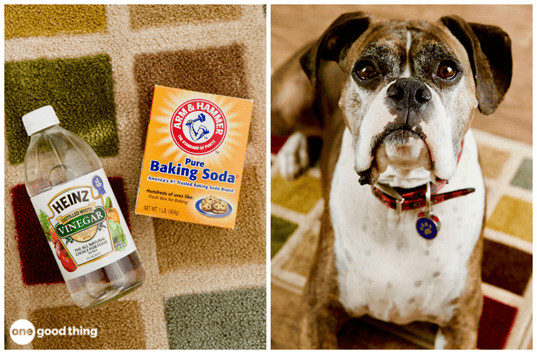
          • Baking soda: This versatile powder neutralizes odors and absorbs moisture.
          • White vinegar: It effectively neutralizes the alkalinity of urine.
          • Spray bottle: Useful for applying cleaning answers evenly.
          • Wet-dry vacuum cleaner: Helps saturate and extract moisture from the affected area.
          • Sponge: Aids in applying and working cleaning answers into the carpet fibers.

          These items are typically readily available and can be used as a first line of defense against dog pee stains and odors.

          Specialized Cleaning Products

          For more stubborn dog pee stains and odors, specialized cleaning products can be highly effective:

          • Enzymatic cleaners: These products contain exact enzymes that break down urine molecules, eliminating both stains and odors.
          • Pet odor neutralizers: Designed to counteract the strong smell of pet urine.
          • Carpet shampoos: Formulated to deep clean carpets and remove tough stains.
          • Stain removers: Specifically designed to target and lift pet stains from carpet fibers.
          • Odor-blocking treatments: Help prevent future pet accidents in the same spot.

          These specialized products are often more potent than DIY answers and can be particularly useful for severe or repeated pet accidents on carpets.

          Cleaning Fresh Dog Urine Stains

          Fresh dog urine stains require immediate action for effective removal. Our step-by-step process and blotting tips ensure you’ll tackle these accidents quickly and efficiently, preventing long-lasting damage to your carpet.

          Step-by-Step Process

          1. Blot the area: Use dry white cloths or paper towels to absorb as much urine as possible. Press firmly and repeatedly to soak up the liquid.
          2. Rinse with cool water: Pour a small amount of cool water over the stain to dilute remaining urine. Use a wet-dry vacuum or blot again with clean towels to remove the water.
          3. Apply enzymatic cleaner: Use a pet-exact enzymatic cleaner to break down urine molecules and eliminate odors. Follow the product’s instructions, working the cleaner deep into carpet fibers.
          4. Blot again: After applying the cleaner, blot the area with clean, dry towels to remove excess moisture.
          5. Allow to dry: Let the area air dry completely. Avoid walking on the cleaned spot until it’s fully dry.
          6. Act quickly: The sooner you start blotting, the more urine you’ll remove before it soaks into carpet padding.
          7. Use white materials: Colored cloths may transfer dye to your carpet. Stick with white towels or paper products.
          8. Press, don’t rub: Rubbing can spread the stain and damage carpet fibers. Use firm pressure to press and lift repeatedly.
          9. Work from outside in: Start blotting at the edges of the stain and move inward to prevent spreading.
          10. Change towels frequently: Replace saturated towels with fresh ones to maximize absorption. Use a wet-dry vacuum: If available, this tool can extract more liquid than manual blotting alone.
          11. Consider weight application: After initial blotting, place a thick layer of paper towels over the area and weigh it down to continue absorption.

          Tackling Dried Dog Urine Stains

          Dried dog urine stains present unique challenges for carpet cleaning. These set-in stains require exact techniques and products to effectively remove both the discoloration and odor. Let’s explore how to identify and eliminate these stubborn carpet blemishes.

          Identifying Old Stains

          Locating dried dog urine stains on carpets can be tricky. Look for these telltale signs:

          • Discoloration: Yellow or brownish spots on the carpet
          • Texture changes: Stiff or crusty areas
          • Odor: Persistent, ammonia-like smell
          • UV light detection: Use a blacklight to reveal fluorescent stains
          • Moisture: Slightly damp patches, even if the surface feels dry

          To confirm a suspected stain, perform a sniff test. Mark identified areas with tape for targeted treatment. Remember, old stains may have penetrated deep into the carpet fibers and padding, requiring more thorough cleaning methods.

          Removal Techniques for Set-In Odors

          Eliminating dried dog urine stains and odors involves a multi-step process:

          1. Rinse and Extract: Saturate the area with clean water and use a wet-dry vacuum to remove as much liquid as possible.
          2. Apply Enzymatic Cleaner: Use a pet-exact enzymatic solution to break down urine molecules.
          3. Allow Dwell Time: Let the cleaner sit for the recommended duration to effectively neutralize odors.
          4. Blot and Dry: Remove excess moisture with clean towels and allow the area to air dry completely.
          5. Repeat if Necessary: For stubborn stains, repeat the process or consider professional cleaning services.

          Avoid using steam cleaners, as heat can set the stain and odor permanently. For persistent issues, consider deep cleaning with a rented carpet cleaner or hiring professional carpet cleaning services.

          Natural Cleaning Solutions

          Natural cleaning answers offer effective ways to remove dog pee from carpet without harsh chemicals. These methods use common household items and are easy to carry out.

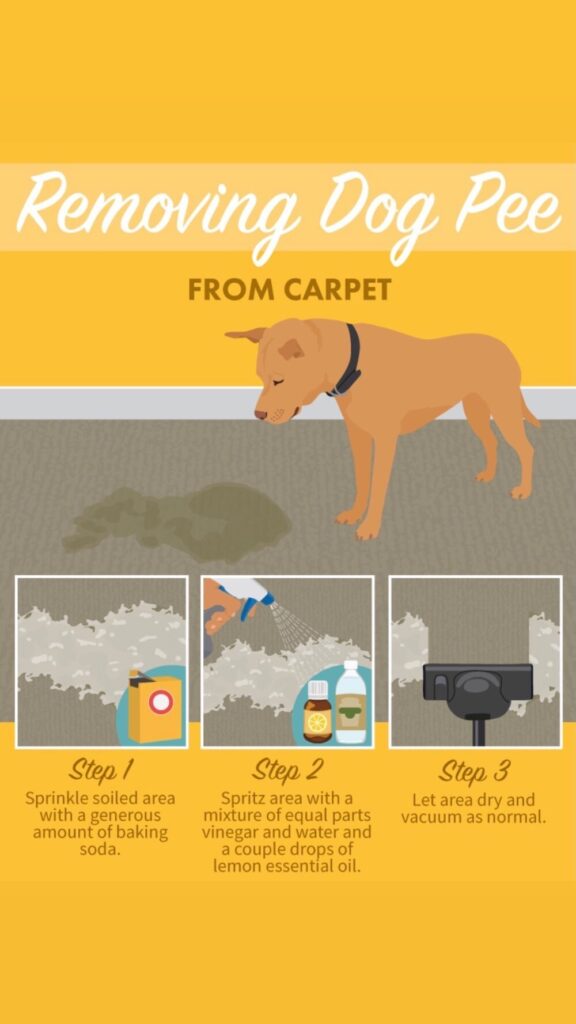
          Vinegar and Baking Soda Method

          The vinegar and baking soda method is a powerful, natural way to clean dog urine from carpets. Here’s how to use it:

          1. Blot the area with paper towels or microfiber cloths to absorb as much urine as possible.
          2. Mix one cup of white vinegar with two cups of cool water in a spray bottle.
          3. Spray the solution generously on the stained area and let it sit for 5-10 minutes.
          4. Blot the area again with clean towels to remove the solution and urine.
          5. Sprinkle a generous amount of baking soda over the damp spot.
          6. Let the baking soda sit for several hours or overnight to absorb odors.
          7. Vacuum the area thoroughly to remove the dried baking soda.

          This method effectively neutralizes odors and helps remove stains without using harsh chemicals.

          Enzyme-Based Cleaners

          Enzyme-based cleaners are specifically designed to break down organic matter, making them highly effective for removing dog urine from carpets. Here’s what you need to know:

          Enzyme cleaners contain beneficial bacteria that produce enzymes to break down urine molecules, effectively eliminating both stains and odors.

          1. How they work:
          • Blot the area to remove excess urine.
          • Apply the enzyme cleaner generously, ensuring it penetrates the carpet fibers.
          • Allow it to sit for the time specified on the product label (usually 10-15 minutes).
          • Blot the area with a clean, damp cloth to remove the cleaner and dissolved urine.

          2. Benefits:

          • Targets the source of the odor, rather than just masking it.
          • Safe for use around pets and children when used as directed.
          • Effective on both fresh and old stains.

          3. Tips for use:

          • Always test on an inconspicuous area first to ensure colorfastness.
          • For best results, use on fresh stains whenever possible.
          • Some enzyme cleaners may require multiple applications for stubborn or set-in stains.

          Dealing with Stubborn Odors

          Stubborn dog urine odors can persist even after initial cleaning attempts. Here’s how to tackle these challenging smells and ensure your carpet stays fresh.

          Locating Hidden Urine Spots

          Finding hidden urine spots is crucial for effective odor removal. Use a blacklight in a darkened room to reveal urine stains that glow yellow or green. Hold the blacklight about two feet from the carpet and scan systematically. Mark identified spots with tape for targeted cleaning. Perform a sniff test to confirm urine odors. For large areas, divide the carpet into sections and check each thoroughly. Remember, old stains may appear as dark patches or discolored areas under normal light. Pay special attention to corners, baseboards, and furniture edges where dogs often mark territory.

          Deep Cleaning Techniques

          For deep cleaning dog urine from carpets, start by thoroughly rinsing the affected area with cool water. Use a wet-dry vacuum to extract as much liquid as possible. Apply an enzymatic cleaner specifically designed for pet urine, ensuring it penetrates deep into the carpet fibers and padding. Allow the cleaner to sit for 10-15 minutes, then blot with a clean, white cloth. For severe cases, repeat this process several times.

          To neutralize odors, create a solution of equal parts white vinegar and water. Spray the mixture on the affected area, let it sit for a few minutes, then blot dry. Follow up with a sprinkling of baking soda, working it into the carpet fibers. Leave the baking soda overnight, then vacuum thoroughly.

          For persistent odors, consider using a carpet cleaning machine with a urine-exact cleaning solution. Make several passes over the area, first applying the solution, then extracting it. Finish with clean water rinses to remove any residual cleaning agents.

          If DIY methods don’t suffice, professional carpet cleaning services offer specialized treatments for pet urine odors. They use industrial-strength equipment and answers that can penetrate deep into carpet padding and subfloors where odors often linger.

          Remember, never use steam cleaners on urine stains, as the heat can set the odor and stain permanently. Always test cleaning answers on an inconspicuous area first to ensure colorfastness. Patience is key when dealing with stubborn odors – it may take multiple treatments to completely eliminate the smell.

          Preventing Future Accidents

          Preventing dog urine accidents on carpets requires a combination of effective training and proactive measures. By addressing the root causes and implementing preventive strategies, we can significantly reduce the likelihood of future incidents.

          Training Tips for Dogs

          Consistent training is key to preventing carpet accidents. Establish a regular potty schedule, taking your dog out first thing in the morning, after meals, and before bedtime. Use positive reinforcement techniques, rewarding your dog with treats or praise when they eliminate outdoors. For puppies or newly adopted dogs, consider crate training to help with housebreaking. Watch for signs that your dog needs to go, such as sniffing, circling, or whining. If you catch your dog in the act of urinating indoors, interrupt them calmly and immediately take them outside. Avoid punishing your dog for accidents, as this can lead to anxiety and more frequent urination.

          Protecting Your Carpet

          To protect your carpet from future accidents, consider using washable rugs or carpet runners in high-traffic areas. Apply a pet-safe carpet protector spray to create a barrier against stains and odors. Place pee pads in strategic locations for senior dogs or those still in training. Regularly clean and maintain your carpets to prevent lingering odors that might attract your dog back to the same spot. Use enzyme-based cleaners specifically designed for pet urine to thoroughly eliminate odors. Consider installing pet gates to limit access to carpeted areas when you’re not home. For persistent issues, consult with a veterinarian to rule out any underlying medical conditions that may be causing frequent urination.

          When to Seek Professional Help

          Sometimes, dog urine stains and odors can be too severe for DIY methods. Professional carpet cleaning services offer specialized equipment and expertise for tackling stubborn pet stains and odors.

          Signs of Severe Carpet Damage

          Carpet damage from dog urine can go beyond surface-level stains. Look for these signs of severe damage:

          • Persistent odors that linger after multiple cleaning attempts
          • Discoloration that doesn’t fade with cleaning
          • Carpet fibers that feel stiff or crunchy
          • Visible mold or mildew growth
          • Urine stains that reappear after cleaning
          • Strong ammonia smell, indicating deep-set urine
          • Carpet padding that feels damp or squishy
          • Multiple or large urine spots covering a important area

          If you notice any of these signs, it’s time to consider professional carpet cleaning services. Severe damage may require carpet replacement in extreme cases.

          Choosing a Carpet Cleaning Service

          When selecting a professional carpet cleaning service for dog urine removal:

          1. Look for specialists: Choose companies with experience in pet stain and odor removal.
          2. Check certifications: Ensure the service is certified by reputable organizations like the IICRC.
          3. Ask about methods: Inquire about their cleaning techniques and products used for pet urine.
          4. Get multiple quotes: Compare prices and services from at least three companies.
          5. Read reviews: Check customer feedback on independent review sites.
          6. Verify insurance: Ensure the company is insured to protect your property.
          7. Ask about guarantees: Reputable services often offer satisfaction guarantees.
          8. Inquire about equipment: Professional-grade equipment is essential for deep cleaning.
          9. Discuss pre-treatment: Ask if they use enzymatic cleaners specifically for pet urine.
          10. Consider follow-up services: Some companies offer protective treatments post-cleaning.

          Remember, professional services have access to industrial-strength cleaners and equipment that can effectively tackle severe pet urine damage in carpets.

          Conclusion

          Dealing with dog urine on carpets can be challenging but it’s not impossible. With the right techniques tools and patience you can effectively remove stains and odors. Remember to act quickly for fresh stains and use appropriate methods for dried ones. Enzymatic cleaners and natural answers offer effective alternatives to harsh chemicals.

          For stubborn problems don’t hesitate to seek professional help. Most importantly focus on prevention through consistent training and proactive measures. By following these guidelines you’ll maintain clean fresh-smelling carpets while enjoying the companionship of your furry friend.

        3. Seresto Dog Collar: 8-Month Flea & Tick Protection for Your Pup

          Seresto Dog Collar: 8-Month Flea & Tick Protection for Your Pup

          Are you tired of constantly battling fleas and ticks on your furry friend? We’ve got great news for you! The Seresto dog collar is revolutionizing pet protection, offering an innovative solution that keeps your canine companion safe from pesky parasites for up to eight months.

          In this text, we’ll explore the game-changing features of the Seresto collar and why it’s become a go-to choice for dog owners across the country. From its unique polymer matrix technology to its water-resistant formula, we’ll break down how this collar provides long-lasting protection against fleas, ticks, and even sarcoptic mange. We’ll also investigate into its ease of use and effectiveness, helping you make an well-informed choice about your dog’s health and well-being.

          What Is A Seresto Dog Collar?

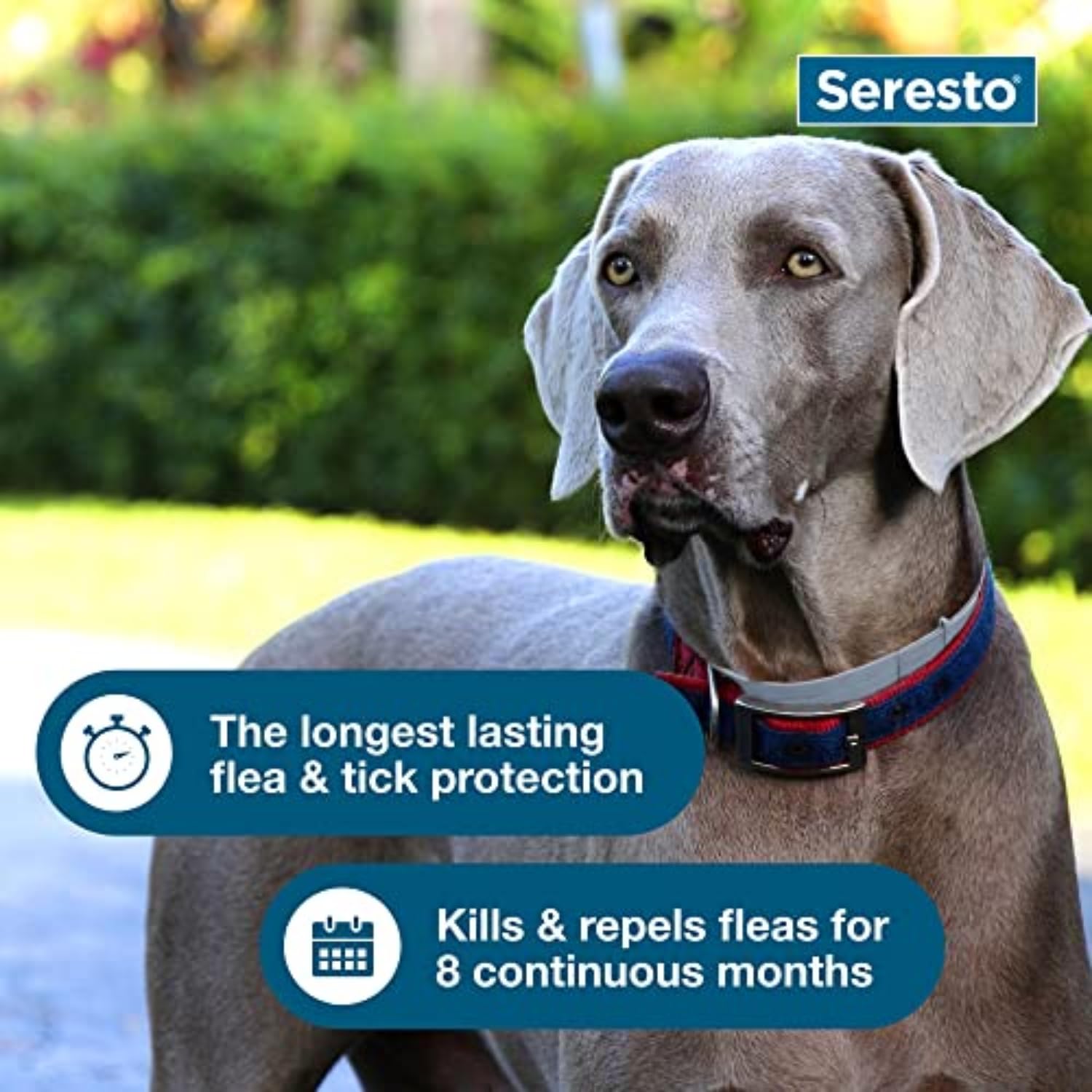
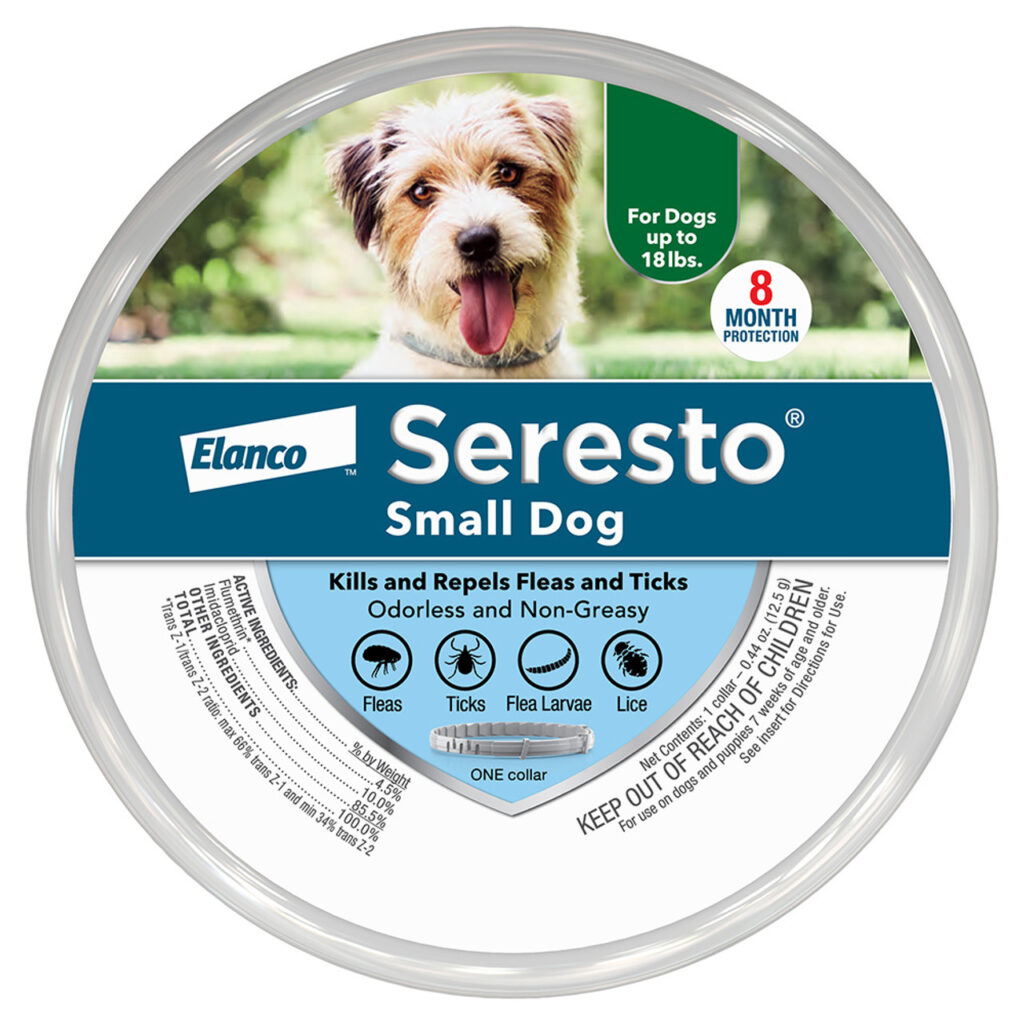
          A Seresto dog collar is an innovative flea and tick prevention product designed for canines. It’s a non-greasy, odorless collar that provides long-lasting protection against parasites for up to 8 months. The collar’s effectiveness stems from its unique polymer matrix technology, which slowly releases two active ingredients: imidacloprid and flumethrin.

          Imidacloprid targets fleas, while flumethrin repels and kills ticks. This dual-action formula spreads across the dog’s skin and coat, creating a protective barrier against parasites. The Seresto collar starts eliminating existing fleas within 24 hours of application and repels new ticks within 6 hours.

          Key features of the Seresto dog collar include:

          • Water-resistant formula
          • Effective for 8 continuous months
          • Safe for puppies 7 weeks and older
          • Kills and repels fleas, ticks, and chewing lice
          • Treats and controls sarcoptic mange infections

          The collar’s water-resistant properties ensure it remains effective even after bathing, swimming, or exposure to rain. But, for optimal results, it’s recommended not to bathe dogs more than once a month while wearing the collar.

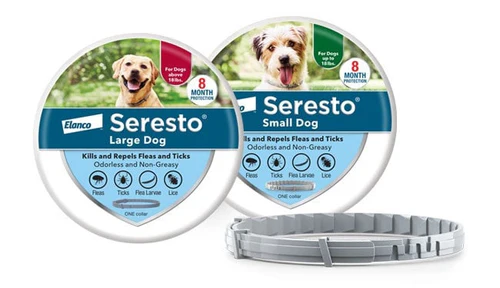
          Seresto collars are available in different sizes to accommodate various dog breeds:

          Dog SizeFlea ProtectionTick Protection
          Small Dogs (up to 18 lbs)8 Months4 Months
          Large Dogs (over 18 lbs)8 Months4 Months

          The Seresto dog collar is registered under the Federal Insecticide, Fungicide, and Rodenticide Act (FIFRA) and meets the Environmental Protection Agency’s (EPA) standards. This regulatory compliance ensures the product’s safety and efficacy for use on dogs.

          By providing continuous protection against parasites, the Seresto dog collar helps prevent the transmission of diseases such as babesiosis, which is commonly spread by ticks like Dermacentor reticulatus. This makes it an essential tool for maintaining your dog’s health and well-being.

          How The Collar Works

          The Seresto dog collar utilizes a unique slow-release technology to provide continuous protection against fleas, ticks, and other parasites. This innovative approach ensures long-lasting effectiveness without compromising safety.

          Active Ingredients

          The Seresto collar’s efficacy stems from its two primary active ingredients:

          1. Imidacloprid: A neonicotinoid that targets the nervous system of fleas and other insects.
          2. Flumethrin: A pyrethroid that repels and kills ticks and other parasites.

          These ingredients are embedded in the collar’s polymer matrix, allowing for a controlled release over time. As the dog’s natural skin oils come into contact with the collar, the active substances spread across the animal’s skin and coat. This distribution creates a protective barrier that covers the entire body, effectively safeguarding against parasites.

          Duration Of Protection

          The Seresto collar offers extended protection, lasting up to 8 months. This long-lasting efficacy is due to the collar’s innovative design:

          • Slow-release technology: The active ingredients are gradually released, maintaining consistent levels of protection throughout the collar’s lifespan.
          • Water-resistant formula: The collar remains effective even after swimming or bathing, ensuring continuous protection in various conditions.
          • Sustained distribution: The active substances continue to spread across the dog’s skin and coat over time, maintaining the protective barrier.

          By providing such prolonged protection, the Seresto collar eliminates the need for monthly treatments, making it a convenient and cost-effective solution for dog owners seeking reliable parasite control.

          Benefits And Features

          The Seresto dog collar offers a range of advantages for pet owners seeking effective parasite control. Its innovative design and advanced technology provide long-lasting protection against fleas and ticks, along with water-resistant properties.

          Flea And Tick Prevention

          The Seresto collar excels in flea and tick prevention, offering comprehensive protection for dogs. It starts working within 24 hours of application, quickly eliminating existing fleas on dogs. For new adult fleas, the collar kills them within two hours of contact. This rapid action helps break the flea life cycle, preventing further infestations.

          The collar’s effectiveness extends to various tick species, including deer ticks, American dog ticks, brown dog ticks, and Lone Star ticks. It not only kills these ticks but also repels them, reducing the risk of tick-borne diseases. Also, the collar repels and kills chewing lice, providing broader parasite protection.

          One of the most important benefits is the collar’s long-lasting efficacy. It provides continuous protection against fleas and ticks for up to 8 months, eliminating the need for monthly treatments and offering convenience to pet owners.

          Water Resistance

          The Seresto dog collar’s water-resistant formula enhances its effectiveness and convenience for pet owners. This feature ensures that the collar remains functional even after exposure to water, maintaining its protective properties in various conditions.

          The collar’s water resistance allows dogs to continue their regular activities without compromising the efficacy of the flea and tick protection. Whether your dog enjoys swimming, gets caught in the rain, or requires regular baths, the Seresto collar continues to work effectively.

          This water-resistant quality contributes to the collar’s long-lasting protection, as it doesn’t need to be removed during water-related activities. It saves pet owners the hassle of constantly removing and reapplying the collar, ensuring continuous protection against fleas and ticks.

          The collar’s ability to withstand water exposure also means that its active ingredients remain stable and continue to be released slowly over time, maintaining consistent protection throughout its 8-month lifespan.

          Safety Considerations

          The Seresto dog collar’s safety profile is a critical aspect of its widespread use. We’ll explore potential side effects and regulatory oversight to provide a comprehensive understanding of the collar’s safety considerations.

          Potential Side Effects

          While the Seresto dog collar is generally safe, some dogs may experience mild side effects. These can include skin irritation, redness, or itching at the application site. In rare cases, dogs may exhibit signs of discomfort, such as excessive scratching or hair loss around the collar area. Allergic reactions, though uncommon, can occur and may manifest as swelling or difficulty breathing. It’s essential to monitor your dog closely after applying the collar and remove it immediately if any adverse reactions occur. Consult your veterinarian if symptoms persist or worsen. Some dogs may also experience temporary appetite loss or changes in behavior, which typically resolve within a few days of collar application.

          Regulatory Oversight

          The Seresto dog collar undergoes rigorous regulatory scrutiny to ensure its safety and efficacy. The Environmental Protection Agency (EPA) has conducted extensive reviews of the collar under the Federal Insecticide, Fungicide, and Rodenticide Act (FIFRA). Even though concerns and incident reports, the EPA has confirmed that Seresto collars continue to meet their standards for safety and efficacy. A multi-year review of Seresto-related incidents by the EPA found that while adverse events were reported, the collars remain safe for use when applied according to label instructions. To address safety concerns, the EPA has implemented several measures:

          1. Label warnings: Enhanced labeling to provide clear safety information
          2. Outreach program: Informing veterinarians and the public about potential risks
          3. Improved incident reporting: Capturing more detailed information on adverse events

          These measures aim to ensure that pet owners and veterinarians have access to accurate information about the collar’s safety profile. The EPA’s ongoing monitoring and assessment of Seresto collars demonstrate their commitment to maintaining product safety while balancing the benefits of effective flea and tick prevention.

          Proper Usage And Care

          The Seresto dog collar provides up to eight months of flea, tick, and lice prevention. We’ll cover essential application instructions and guidelines for bathing and swimming to ensure optimal performance and safety.

          Application Instructions

          To apply the Seresto collar correctly:

          1. Remove the collar from its packaging and unroll it.
          2. Place the collar around your dog’s neck, ensuring it’s not too tight or loose.
          3. Adjust the fit so two fingers can fit between the collar and your dog’s neck.
          4. Cut off any excess length, leaving about 2 inches (5 cm) beyond the clasp.
          5. Secure the collar by inserting the loose end through the loop and buckle.

          Monitor your dog for side effects after application. Common reactions include mild itching, while rare cases may involve neurological symptoms like convulsions or ataxia. If adverse effects occur, remove the collar immediately and report the incident to the EPA or National Pesticide Information Center.

          Bathing And Swimming Guidelines

          The Seresto collar’s water-resistant formula allows for regular bathing and swimming without compromising effectiveness. Here are key guidelines:

          1. Bathing: Limit bathing to once a month for dogs wearing the collar. Frequent bathing may reduce the collar’s duration of effectiveness.
          2. Swimming: Dogs can swim while wearing the collar. But, limit water activities to no more than once a month for extended periods.
          3. Drying: After swimming or bathing, allow the collar to air dry completely before reattaching it to your dog.
          4. Reapplication: If the collar becomes loose after water exposure, readjust it to maintain proper fit and contact with your dog’s skin.
          5. Effectiveness: The collar remains effective after water exposure, but prolonged or frequent immersion may shorten its lifespan.

          By following these guidelines, you’ll ensure your dog receives optimal protection from the Seresto collar while maintaining their regular activities.

          Effectiveness Compared To Other Products

          The Seresto dog collar stands out as a highly effective solution for flea and tick control. Its unique slow-release technology provides continuous protection for up to eight months, setting it apart from many other products on the market.

          Oral Medications

          Oral flea and tick medications offer a different approach to parasite control. While effective, they typically require monthly administration. The Seresto collar’s long-lasting protection eliminates this need, providing convenience for pet owners. Oral medications containing isoxazolines, such as Bravecto and Nexgard, have different mechanisms of action. They’re absorbed into the dog’s bloodstream, killing fleas and ticks when they bite. But, the Seresto collar’s dual-action formula not only kills parasites but also repels them, creating a protective barrier around the dog. This repellent effect gives Seresto an edge in preventing tick-borne diseases, as it reduces the likelihood of ticks attaching to the dog in the first place.

          Topical Treatments

          Topical flea and tick treatments, like spot-on answers, are popular alternatives to collars. The Seresto collar matches or exceeds the effectiveness of many topical treatments. It kills adult fleas within 24 hours of application and new fleas within two hours, rivaling the speed of action of topical products. Unlike monthly spot-on treatments, which can lose efficacy towards the end of the treatment period, the Seresto collar maintains consistent protection throughout its eight-month lifespan.

          This sustained effectiveness eliminates the “end-of-month gap” often seen with topical treatments. Also, the Seresto collar’s water-resistant properties allow it to remain effective even after swimming or bathing, a feature that some topical treatments lack. When compared to products like Frontline, the Seresto collar often performs favorably, particularly in its ability to repel fleas and ticks rather than just kill them after they’ve already attached to the dog.

          Common Concerns And Misconceptions

          Adverse Reactions and Deaths

          The Seresto dog collar has faced scrutiny due to reports of adverse reactions and deaths associated with its use. Since the product’s introduction, over 100,000 incidents have been reported, including more than 3,000 deaths. These reports have raised concerns among pet owners and animal welfare advocates.

          Reported symptoms include:

          • Skin lesions
          • Lethargy
          • Neurological issues (difficulty standing and walking)
          • Respiratory problems
          • Digestive issues (vomiting and diarrhea)

          It’s important to note that while these reports are important, they represent a small percentage of the millions of Seresto collars sold worldwide. The EPA continues to monitor the situation and has not deemed the product unsafe when used as directed.

          Regulatory Scrutiny

          The Environmental Protection Agency (EPA) has faced criticism for its handling of safety assessments related to Seresto collars. Even though confirming the registration and safety of the product, there have been calls for:

          1. More thorough risk assessments
          2. Better reporting of adverse incidents
          3. Improved transparency in the review process

          A congressional report suggested that the EPA’s review process for pesticide products like Seresto needs revamping. This recommendation aims to enhance the agency’s ability to assess and respond to potential risks associated with pet products containing pesticides.

          Balancing Benefits and Risks

          When considering the use of Seresto dog collars, it’s crucial to weigh the potential risks against the benefits of effective flea and tick prevention. While adverse reactions are possible, many dogs use the collar without incident, benefiting from its long-lasting protection against parasites.

          Key considerations include:

          • Individual pet sensitivity to ingredients
          • Proper application and monitoring
          • Consultation with a veterinarian before use

          Addressing Misconceptions

          Some common misconceptions about Seresto dog collars include:

          1. All reported incidents are directly caused by the collar
          2. The collar is unsafe for all dogs
          3. There are no benefits to using the product

          It’s important to approach these claims critically and consider the context of each reported incident. Many factors can contribute to adverse reactions, and not all reported issues may be directly linked to the collar itself.

          Ongoing Research and Improvements

          Bayer, the manufacturer of Seresto collars, continues to conduct research and gather data on the product’s safety and efficacy. They work closely with regulatory agencies to address concerns and improve the product where necessary.

          Recent efforts include:

          • Enhanced labeling to provide clearer usage instructions
          • Ongoing studies to assess long-term safety
          • Improved reporting mechanisms for adverse events

          Alternative Flea and Tick Prevention Methods

          For pet owners concerned about using Seresto collars, there are alternative flea and tick prevention methods available:

          1. Oral medications
          2. Topical treatments
          3. Natural repellents
          4. Regular grooming and environmental control

          Each method has its own set of benefits and potential drawbacks, and pet owners should consult with their veterinarian to determine the best approach for their dog’s exact needs.

          Making Informed Decisions

          When considering the use of Seresto dog collars or any flea and tick prevention method, it’s essential to:

          1. Consult with a veterinarian
          2. Research product safety and efficacy data
          3. Monitor your pet closely for any adverse reactions
          4. Report any concerns to the manufacturer and regulatory agencies

          By staying informed and vigilant, pet owners can make the best decisions for their dogs’ health and well-being while effectively managing flea and tick prevention.

          Conclusion

          The Seresto dog collar offers a unique solution for long-lasting flea and tick prevention. Its innovative design provides continuous protection for up to eight months while remaining water-resistant and easy to use.

          While safety concerns exist we believe the benefits outweigh potential risks when used as directed. We encourage pet owners to consult with their veterinarians and closely monitor their dogs after application.

          Eventually the Seresto collar stands out as an effective and convenient option for those seeking reliable parasite control. By understanding its features benefits and proper usage pet owners can make informed decisions to keep their furry companions healthy and protected.

        4. Dog Seat Belts: Secure Your Pup for Safe Car Rides

          Dog Seat Belts: Secure Your Pup for Safe Car Rides

          Ever wondered how to keep your furry friend safe during car rides? A dog seat belt might be the answer you’re looking for. As pet owners, we know the importance of protecting our four-legged companions, especially when they’re along for the ride.

          Dog seat belts are designed to secure your pup in the back seat, preventing them from distracting you while driving and keeping them safe in case of sudden stops or accidents. These innovative devices connect directly to your vehicle’s frame, providing a level of security comparable to child car seats. We’ll explore how these safety belts work, their benefits, and what to look for when choosing the right one for your canine companion.

          Understanding the Importance of Dog Seat Belts

          Safety Reasons

          Dog seat belts are crucial for ensuring the safety of both dogs and human passengers in vehicles. Here’s why they’re essential:

          • Injury Prevention: Unrestrained dogs become dangerous projectiles during crashes or sudden stops. A 10-pound dog generates 500 pounds of force in a 30-mph crash, while an 80-pound dog becomes a 2,400-pound projectile at 50 mph.
          • Airbag Protection: Dogs in the front passenger seat risk injury from airbags designed for adult humans.
          • External Debris Protection: Dogs hanging their heads out windows face potential injury from road particles, branches, or other objects.
          • Distraction Reduction: Dog seat belts minimize distractions, allowing drivers to focus on the road. Common distractions include:
          • Escape attempts
          • Barking or lunging at windows or doors
          • Wandering into the driver’s lap (illegal in some states)
          • Moving around the cabin, blocking mirrors and sight lines
          • Attention-grabbing antics
          • Legal Compliance: Some states have laws requiring dogs to be restrained while in vehicles.

          Types of Dog Seat Belts

          Several types of dog seat belts are available, each with unique features:

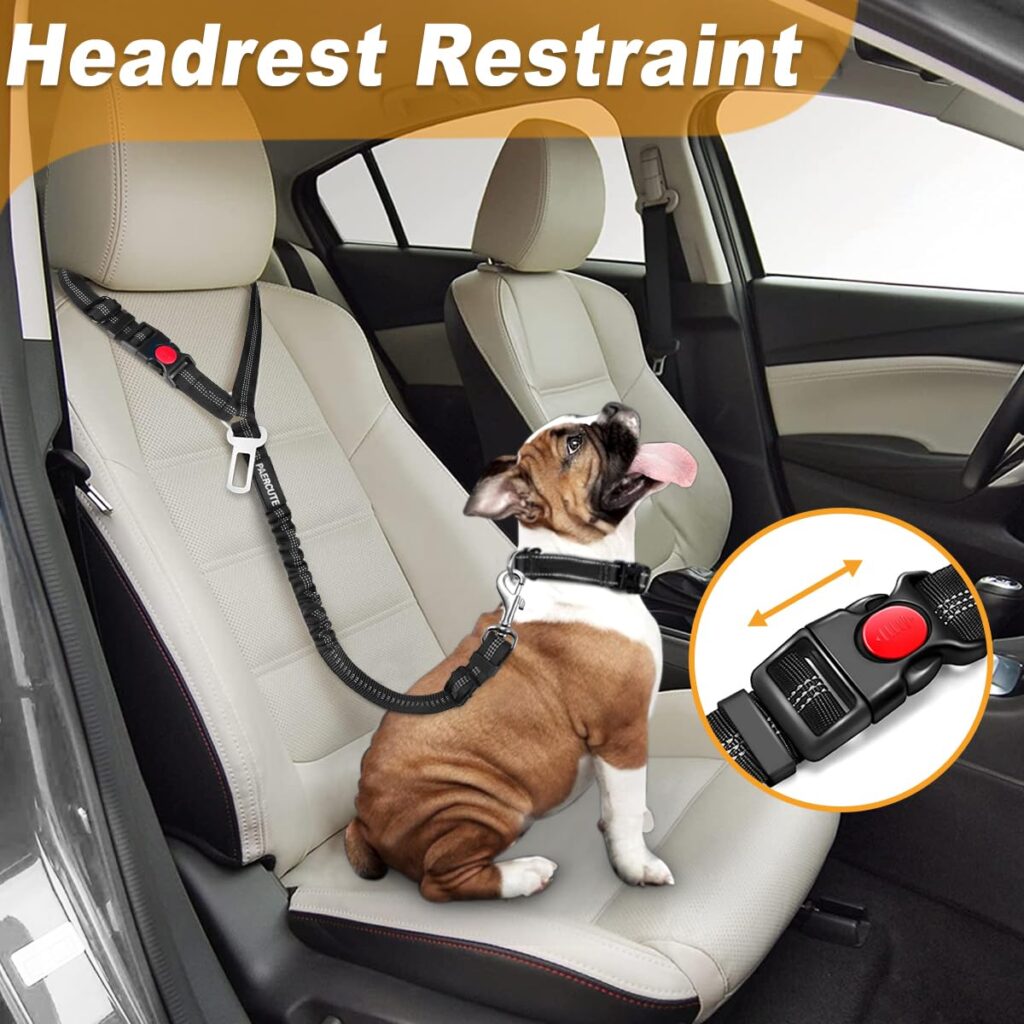
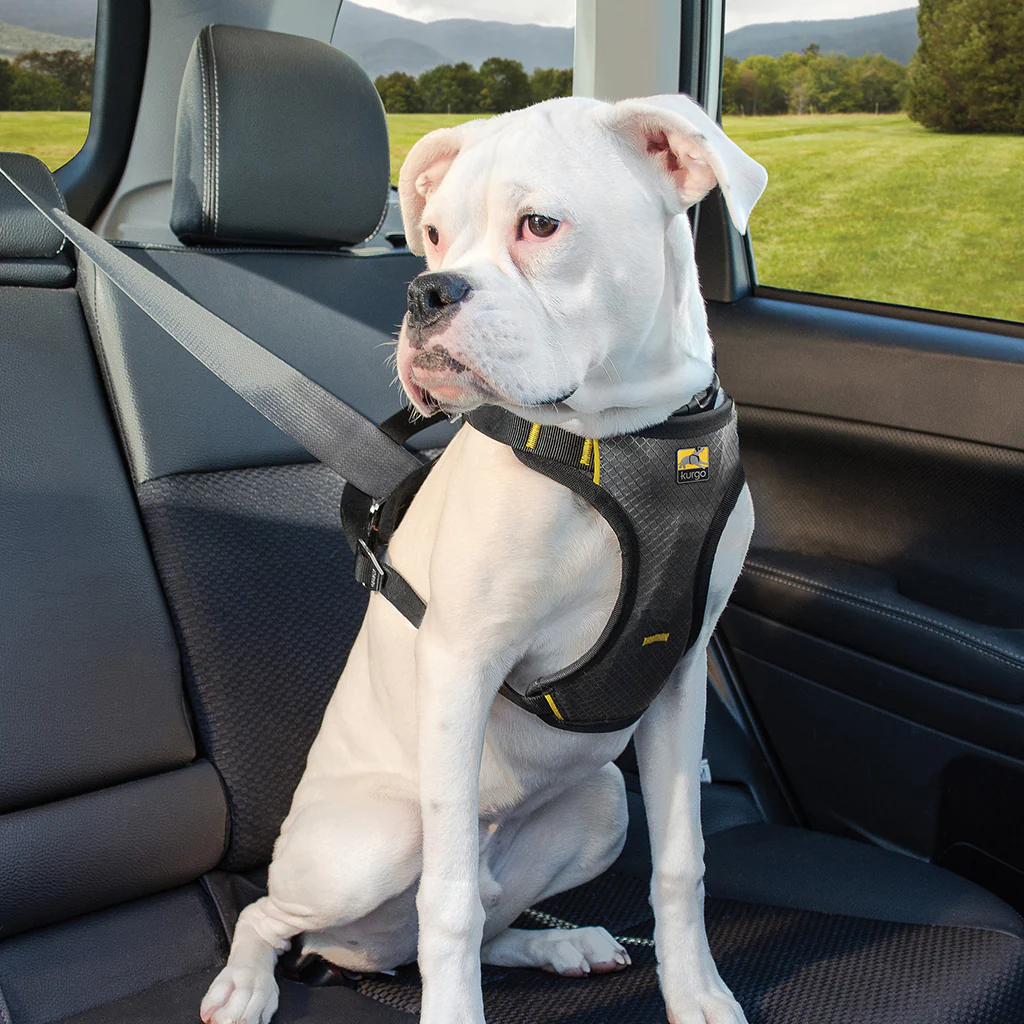
          1. Dog Harnesses: The most common type, consisting of a full-body harness that attaches to the vehicle’s seat belt via a loop or strap.
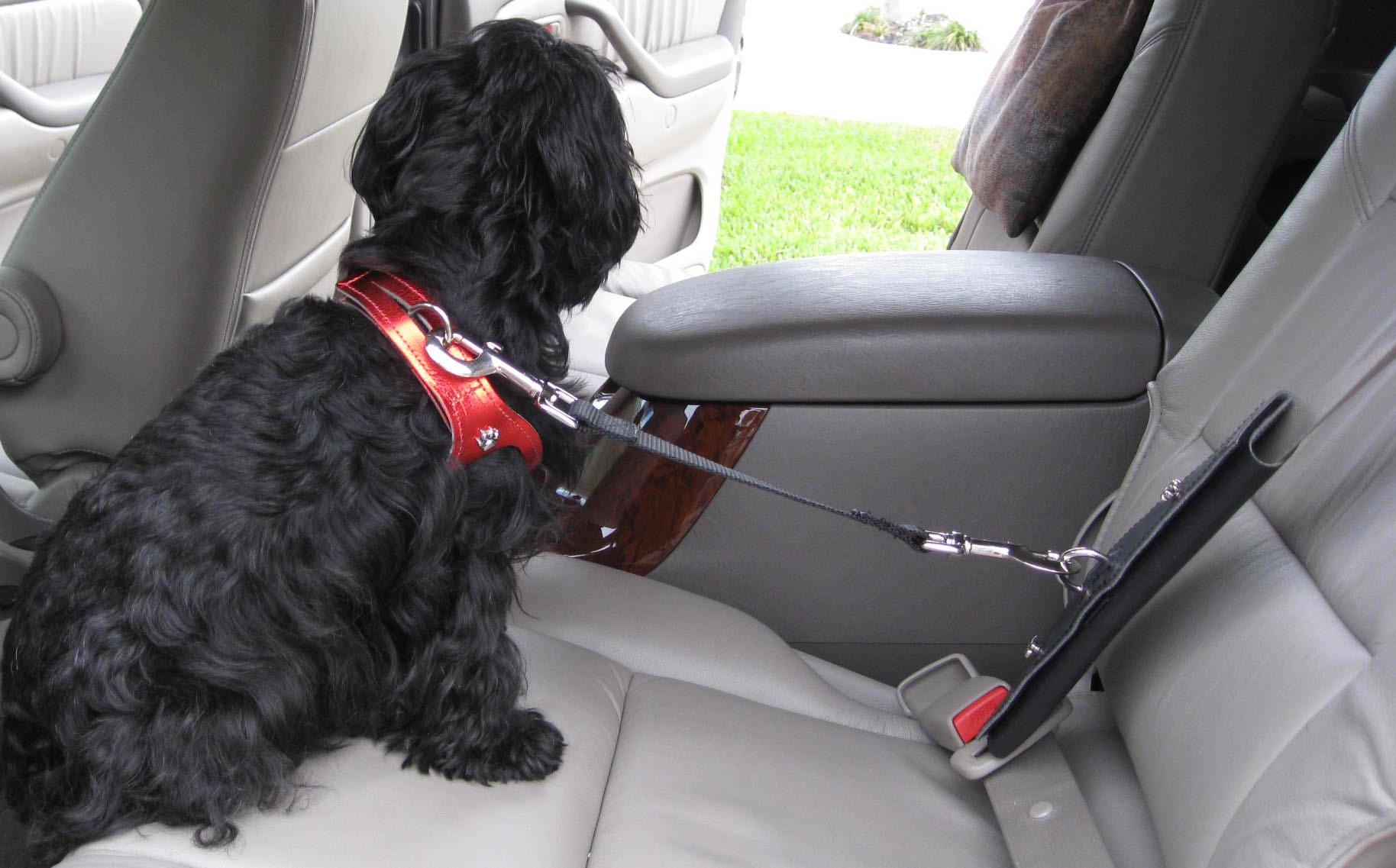
          2. Tethers: These connect a dog’s existing harness to the car’s seat belt system or LATCH anchors.
          3. Booster Seats: Ideal for small dogs, these elevated seats secure pets while allowing them to see out the window.
          4. Zipline Harnesses: These allow dogs more movement while still keeping them secure.
          5. Crates and Carriers: While not technically seat belts, these provide an alternative method of restraint for dogs during travel.

          When choosing a dog seat belt, consider factors such as your dog’s size, weight, and temperament. It’s crucial to select a product that’s been crash-tested and certified for safety.

          By using dog seat belts, we prioritize our pets’ safety and well-being during car rides. These devices not only protect our furry friends but also enhance overall road safety for all passengers.

          Types of Dog Seat Belt Attachments

          Dog seat belts come in various designs to ensure your pet’s safety during car travel. We’ll explore two common types of attachments: harness-based systems and tether and swivel designs.

          Harness-Based Systems

          Harness-based systems are the most recommended dog seat belt attachments. These systems distribute force across the dog’s body, reducing the risk of injury in case of sudden stops or accidents. Crash-tested harnesses, certified by organizations like the Center for Pet Safety (CPS), offer the highest level of protection. They’re constructed with durable materials, strong metal buckles, and quality stitching to withstand impact forces. Harness-based systems typically connect to the car’s existing seat belt system or LATCH anchors, providing a secure attachment point. When selecting a harness, it’s crucial to choose one that fits your dog properly and allows for some movement while keeping them safely restrained.

          Tether and Swivel Designs

          Tether and swivel designs offer a balance between security and mobility for dogs during car rides. These attachments typically consist of a sturdy strap with a clip on one end to attach to your dog’s harness and a latch or buckle on the other end to secure to the car’s seat belt or LATCH system. The swivel feature allows your dog to move around comfortably without getting tangled.

          Tether lengths vary, usually adjustable between 16 to 26 inches, to accommodate different dog sizes and car interiors. While these designs offer more freedom of movement than harness-based systems, they may not provide the same level of crash protection. It’s essential to use tether attachments along with a well-fitted harness, never attaching them directly to a collar to prevent potential choking hazards.

          Key Features to Look for in Dog Seat Belts

          When selecting a dog seat belt, it’s crucial to consider several key features that ensure your pet’s safety and comfort during car rides. We’ll explore the most important aspects to look for when choosing the right dog seat belt for your furry friend.

          Safety Certifications

          Safety certifications are paramount when selecting a dog seat belt. Look for products certified by independent organizations like the Center for Pet Safety (CPS). These organizations conduct rigorous crash tests to ensure harnesses protect dogs in accidents. Only a few harnesses pass these stringent tests, so prioritize products with reputable third-party certifications. Certified dog seat belts undergo thorough testing to meet exact safety standards, providing peace of mind for pet owners. When evaluating safety certifications, consider factors such as impact resistance, durability, and overall performance in simulated crash scenarios.

          Adjustability and Comfort

          Adjustability is essential for ensuring a proper fit for your dog. A high-quality dog seat belt should feature multiple adjustment points to accommodate various dog sizes and shapes. Look for harnesses with adjustable straps around the chest and neck areas, allowing for a snug yet comfortable fit. Padded straps and breathable materials enhance comfort during long car rides. Consider dog seat belts with quick-release buckles for easy on and off. The ideal harness should allow your dog to sit, stand, or lie down comfortably while remaining securely restrained. Remember, a well-fitting harness distributes force evenly across your dog’s body in case of sudden stops or accidents.

          Universal Compatibility

          Universal compatibility is a crucial feature to consider when choosing a dog seat belt. Look for options that work with various vehicle types and seat belt systems. Many dog seat belts come with a universal seat belt clip that easily latches into standard car buckles. Some models feature a carabiner attachment that loops around the car’s headrest or seat belt for added versatility.

          Ensure the dog seat belt you choose is compatible with your exact vehicle make and model. Universal compatibility also extends to different harness types, allowing you to use the seat belt with your dog’s existing harness. This flexibility ensures you can use the dog seat belt in different vehicles and with various harness styles, providing convenience and consistency in your pet’s travel safety.

          Dog Seat Belts

          Choosing the Right Size for Your Dog

          When selecting a dog seat belt or harness, choosing the right size is crucial for ensuring your pet’s safety and comfort during car rides. We’ll guide you through the key factors to consider when sizing a dog seat belt.

          Importance of Fit

          A properly fitting dog seat belt or harness is essential for its effectiveness. An ill-fitting restraint can compromise your dog’s safety in case of an accident. The ideal fit should be snug but not restrictive, allowing your dog to move comfortably while preventing escape.

          Measurement and Sizing

          To select the correct size, accurate measurements of your dog are necessary. Here are the key measurements to take:

          1. Chest circumference: Measure around the widest part of your dog’s chest, just behind the front legs.
          2. Neck circumference: Measure around the narrowest part of your dog’s neck.
          3. Length: Some harnesses require measuring from the base of the neck to the base of the tail.

          Use these measurements to compare with the manufacturer’s sizing chart for the exact dog seat belt or harness you’re considering. Many brands offer size ranges based on weight and breed, but individual measurements are more accurate for ensuring a proper fit.

          Adjustability Features

          Look for dog seat belts with multiple adjustment points. These allow for a more customized fit, accommodating your dog’s unique body shape. Adjustable straps around the chest and neck areas are particularly important for achieving a secure yet comfortable fit.

          Adjustment AreaImportance
          ChestEnsures a snug fit around the body
          NeckPrevents chafing and allows for comfortable head movement
          LengthAccommodates different body shapes and sizes

          Growth Considerations

          If you have a puppy or a young dog, consider their potential growth when choosing a seat belt. Some harnesses offer expandable features or come with additional padding that can be removed as your dog grows. This adaptability can save you from having to purchase multiple harnesses as your dog matures.

          Breed-Exact Considerations

          Different dog breeds have unique body shapes that can affect the fit of a seat belt or harness. For example:

          • Deep-chested breeds like Greyhounds may require specially designed harnesses.
          • Short-legged breeds such as Corgis might need adjustments to prevent the harness from dragging on the ground.
          • Broad-shouldered breeds like Bulldogs may need extra room in the chest area.

          Always consult the manufacturer’s breed recommendations when selecting a dog seat belt.

          By taking these factors into account, we can ensure that our furry companions are both safe and comfortable during car rides. Remember, a properly fitted dog seat belt not only protects your pet but also contributes to overall road safety for all passengers.

          How Dog Seat Belts Enhance Driving Safety

          Dog seat belts significantly improve driving safety by addressing two crucial aspects: reducing distractions and protecting dogs in accidents. Let’s explore how these safety devices contribute to a safer driving experience for both humans and their canine companions.

          Reducing Distractions

          Dog seat belts play a vital role in minimizing distractions while driving. Unrestrained dogs can cause many distractions, including:

          • Moving around the vehicle
          • Climbing onto the driver’s lap
          • Sticking their heads out windows
          • Barking or lunging at passing objects

          These behaviors divert the driver’s attention from the road, increasing the risk of accidents. By using a dog seat belt or harness, we keep our furry friends secure in one place, allowing us to focus on driving. This simple safety measure prevents dogs from interfering with the driver’s line of sight, blocking mirrors, or causing sudden movements that could lead to dangerous situations.

          Protecting Dogs in Accidents

          Dog seat belts are essential for safeguarding our canine companions during accidents or sudden stops. When dogs are unrestrained, they can become projectiles in a crash, posing important risks to themselves and other passengers. Here’s how dog seat belts enhance protection:

          • Prevent ejection: Seat belts keep dogs inside the vehicle during collisions, reducing the risk of severe injuries or fatalities.
          • Distribute impact forces: Well-designed harnesses spread the force of impact across the dog’s body, minimizing the risk of localized injuries.
          • Limit movement: By restricting a dog’s movement during a crash, seat belts reduce the likelihood of the dog colliding with hard surfaces or other passengers.
          • Airbag protection: Keeping dogs restrained in the back seat protects them from potential injuries caused by airbag deployment.

          By using dog seat belts, we not only protect our pets but also ensure the safety of all vehicle occupants during unexpected incidents on the road.

          Crash Testing and Safety Standards

          Crash testing and safety standards are crucial for ensuring the effectiveness of dog seat belts. Unlike human safety restraints, dog seat belts lack standardized safety protocols. But, several organizations conduct independent crash tests to evaluate these products.

          The Center for Pet Safety (CPS) leads in dog harness testing. Their 2013 study revealed alarming results:

          Study FindingsDetails
          Harnesses TestedMultiple brands
          Pass RateLow
          Common IssuesCatastrophic failures
          Test CriteriaBased on child car seat standards

          Most harnesses failed to meet safety standards, with many experiencing catastrophic failures during testing. These results highlight the importance of rigorous testing for dog seat belts.

          Safety harnesses attempting to be as lightweight as walking harnesses often fail independently conducted crash tests. The CPS found that many of these harnesses lacked the construction strength to withstand crash impact velocities, essentially falling apart during testing.

          Crash testing for dog seat belts typically involves:

          • High-speed impact simulations
          • Use of specially designed dog dummies
          • Evaluation of harness integrity post-impact
          • Assessment of potential injury risks to the dog

          Some companies conduct their own crash tests using recognized facilities. For example, certain harnesses have been tested at university facilities using Federal Motor Vehicle Safety Standards for child restraint systems. These tests evaluate harnesses for dogs weighing up to 108 pounds, providing valuable data on their safety performance.

          It’s important to note that crash test standards and methods evolve. Companies committed to dog safety continually update their testing procedures to align with current industry standards. This ongoing refinement ensures that dog seat belts meet the latest safety requirements.

          When selecting a dog seat belt, consider:

          1. CPS certification
          2. Crash test results from reputable sources
          3. Weight limits specified in safety tests
          4. Construction quality and materials used

          By prioritizing these factors, dog owners can make informed decisions about the safety of their pets during car travel. Remember, a properly tested and certified dog seat belt significantly enhances the safety of both the dog and vehicle occupants during travel.

          Introducing Your Dog to a Seat Belt

          Introducing a dog seat belt requires patience and positive reinforcement. A gradual approach helps dogs associate the safety device with comfort and enjoyment during car rides.

          Training Tips

          • Start with short sessions: Begin by letting your dog wear the harness for 5-10 minutes at home.
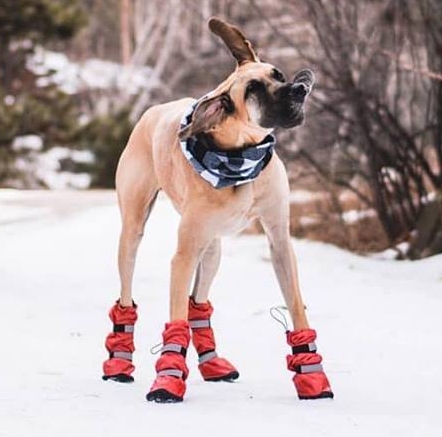
          • Use treats and praise: Reward your dog with treats and verbal praise when they wear the harness.
          • Practice in a stationary car: Let your dog sit in the car with the seat belt on while parked.
          • Take short trips: Start with brief drives around the block to build positive associations.
          • Maintain a calm demeanor: Your relaxed attitude helps your dog feel secure.
          • Use familiar items: Place your dog’s favorite toy or blanket in the car for comfort.
          • Be consistent: Use the seat belt every time you travel to establish a routine.
          • Monitor for signs of stress: Watch for panting, whining, or restlessness and adjust accordingly.
          • Home introduction: Let your dog explore the harness and seat belt in a familiar environment.
          • Treat association: Place treats near the harness to create positive connections.
          • Harness practice: Put the harness on your dog for short periods at home, gradually increasing duration.
          • Car familiarization: Allow your dog to sit in the stationary car with the harness on, offering treats and praise.
          • Buckle acclimation: Practice attaching and detaching the seat belt while in the driveway.
          • Short drives: Begin with brief car rides around the block, gradually extending trip length.
          • Destination rewards: Plan trips to enjoyable locations like parks to reinforce positive associations.
          • Consistent use: Make the seat belt a regular part of every car journey to establish a routine.

            By following these gradual acclimation techniques, you’ll help your dog feel comfortable and secure with their seat belt, ensuring safer and more enjoyable car rides for both of you.

            Alternatives to Dog Seat Belts

            While dog seat belts are popular for securing pets in vehicles, there are alternative options available. These alternatives offer different features and benefits, catering to various dog sizes and owner preferences.

            Car Seats and Booster Seats

            Car seats and booster seats for dogs are common alternatives to traditional seat belts. These products elevate smaller dogs, allowing them to see out the window and providing a sense of security. But, it’s important to note that many car seats and booster seats don’t offer adequate protection if a crash.

            When considering a car seat or booster seat:

            • Choose products specifically designed for pets
            • Look for models with secure attachment points to the vehicle’s seat
            • Ensure the seat has a harness or tether to keep your dog in place
            • Check for padding and comfort features
            • Verify weight limits and size recommendations

            While these seats can be convenient, they’re typically best suited for small to medium-sized dogs. For optimal safety, combine a car seat with a crash-tested harness for added protection during travel.

            Carriers and Crates

            Carriers and crates provide an enclosed space for dogs during car travel, offering both security and comfort. These options are particularly suitable for small to medium-sized dogs or those who prefer a den-like environment.

            Key considerations for carriers and crates include:

            • Size: Ensure the carrier or crate is large enough for your dog to stand, turn around, and lie down comfortably
            • Material: Look for durable, crash-resistant materials like high-grade plastic or metal
            • Ventilation: Choose options with adequate airflow to keep your dog comfortable
            • Secure fastening: Opt for carriers or crates that can be safely secured to the vehicle using seat belts or other attachment systems

            For enhanced safety, consider CPS-certified carriers like Sleepypod Carriers or Gunner Kennels. These products have undergone rigorous crash testing and offer superior protection if an accident. While they may come at a higher price point, the investment in your dog’s safety can provide peace of mind during travel, especially for long distances or frequent trips.

            Legal Considerations for Restraining Dogs in Cars

            When it comes to restraining dogs in cars, laws and regulations vary significantly across different states in the United States. It’s crucial for dog owners to understand and comply with these legal requirements to ensure the safety of their pets and other road users.

            States with Exact Dog Restraint Laws

            Several states have implemented exact laws requiring dog restraints in vehicles:

            • Hawaii: It’s illegal for drivers to hold a dog in their lap or allow it to be in the immediate area if it interferes with vehicle control. Dogs must be restrained using a seat belt or crate.
            • New Jersey: Dogs are required to be in a crate or tethered to a seatbelt using a harness. Violations can result in fines ranging from $250 to $1,000 or up to six months in jail.
            • Rhode Island: Pets must be under the physical control of a person other than the driver or restrained by crates, harnesses, or seat belts. Fines for violations can be up to $200.

            General Safety Laws

            While not all states have exact dog restraint laws, many have general distracted driving laws that can apply to unrestrained pets:

            • Distracted driving laws: In many states, driving with an unrestrained dog that causes distraction can lead to citations under existing distracted driving statutes.
            • Obstruction of view: Laws prohibiting obstructions to the driver’s view or control can apply if an unrestrained dog interferes with driving.

            Potential Consequences of Non-Compliance

            Failing to restrain dogs in cars can lead to various consequences:

            1. Traffic citations and fines
            2. Increased insurance premiums
            3. Liability in case of accidents
            4. Potential criminal charges in severe cases

            Best Practices for Dog Safety in Cars

            To ensure compliance with laws and prioritize safety:

            1. Use certified dog seat belts or harnesses
            2. Secure dogs in crates or carriers when possible
            3. Keep dogs in the back seat to avoid airbag injuries
            4. Never allow dogs to sit in the driver’s lap
            5. Research local laws before traveling to different states

            By understanding and following these legal considerations, we can create a safer environment for our dogs, ourselves, and other road users during car travel.

            Conclusion

            Dog seat belts are essential for safe and responsible pet travel. We’ve explored their importance in reducing distractions improving safety and complying with local laws. From various types and features to proper sizing and introduction techniques we’ve covered crucial aspects of choosing and using these devices. Remember to prioritize crash-tested products and consider your dog’s exact needs. By investing in a quality dog seat belt you’re not just following best practices – you’re ensuring the safety and well-being of your furry friend and everyone on the road.

          1. Dog Booties: Protect Paws in Every Season | Ultimate Guide 2025

            Dog Booties: Protect Paws in Every Season | Ultimate Guide 2025

            Ever wondered why your furry friend might need a pair of shoes? Dog booties aren’t just a fashion statement – they’re essential gear for protecting our canine companions’ paws in various conditions. From scorching summer sidewalks to icy winter streets, these paw protectors offer comfort and safety for our four-legged friends.

            We’ve seen a growing trend in pet owners investing in dog boots, and for good reason. These clever accessories not only shield paws from extreme temperatures and rough terrain but also provide traction for older dogs or those with mobility issues. Whether you’re an avid hiker with a trail-loving pup or a city dweller handling salt-covered sidewalks, there’s a perfect pair of dog booties out there for every situation.

            Why Dogs Need Booties

            Dog booties are essential accessories that protect canine paws from various environmental hazards. They offer crucial benefits for dogs in different situations, ensuring their comfort and safety during outdoor activities.

            Protection from Extreme Weather

            Dog booties provide vital protection against extreme weather conditions. In hot weather, they shield paws from scorching surfaces like asphalt, concrete, and sand, preventing painful burns and blisters. When temperatures soar above 85°F, these surfaces can reach 140°F, causing severe injury to unprotected paws. During winter, booties guard against frostbite and cold injuries, especially in temperatures below 32°F. Insulated boots with faux fur or specialized fabric prevent hypothermia and allow dogs to play comfortably in the snow. Also, booties protect paws from harmful chemical substances like road salts and deicers, which can cause irritation or toxicity if ingested or absorbed through the skin.

            Injury Prevention and Paw Care

            Dog booties play a crucial role in injury prevention and paw care. They provide traction on slippery surfaces, reducing the risk of falls and injuries, particularly for older dogs or those with mobility issues. On rough terrains, booties offer cushioning and protection against cuts, scrapes, and punctures from sharp objects like rocks, thorns, or broken glass. For dogs recovering from paw injuries or surgeries, booties create a protective barrier that aids in the healing process and prevents further damage. They also shield paws from allergens and irritants that may cause discomfort or trigger allergic reactions. By wearing booties, dogs can safely navigate various environments while maintaining healthy, well-protected paws.

            Types of Dog Booties

            Dog booties come in various styles, each designed for exact purposes and environments. We’ll explore three main types of dog booties: thick traction sole boots, soft sole boots, and rubber coverings.

            Thick Traction Sole Boots

            Thick traction sole boots offer robust protection for dogs in rugged terrain. These boots feature durable soles with excellent grip, making them ideal for hiking, backpacking, and mountain biking. The sturdy construction shields paws from sharp objects like rocks, thorns, and broken glass. Thick traction sole boots provide superior traction on various surfaces, ensuring stability during outdoor adventures. They’re particularly useful in challenging environments where dogs need extra support and protection. While heavier than other types, these boots offer unparalleled durability and safety for active dogs exploring rough terrain.

            Dog Booties

            Soft Sole Boots

            Soft sole boots provide a balance between protection and comfort for dogs. Available in non-leather and leather varieties, these boots offer flexibility and lightweight wear. Non-leather soft sole boots often use waterproof thermoplastic materials, combining durability with paw protection. Leather options provide a natural, breathable alternative. Soft sole boots are ideal for everyday use, offering protection from hot pavement, cold surfaces, and minor irritants. They’re less restrictive than thick traction boots, allowing for more natural paw movement. These boots are perfect for urban walks, light hiking, and dogs who need gentle paw protection without compromising mobility.

            Rubber Coverings

            Rubber coverings offer a unique approach to paw protection for dogs. These flexible, waterproof boots provide excellent insulation against extreme temperatures and wet conditions. Rubber coverings are easy to put on and take off, making them convenient for quick outdoor trips. They’re particularly effective for protecting paws from ice, snow, and harmful chemicals like road salt during winter. In summer, rubber coverings shield paws from hot surfaces and provide a barrier against allergens and irritants. While not as durable as thick traction boots, rubber coverings offer versatile, lightweight protection suitable for various weather conditions and short-duration outdoor activities.

            Choosing the Right Dog Booties

            Selecting the perfect dog booties ensures your furry friend’s comfort and protection during outdoor adventures. We’ll guide you through the essential factors to consider when picking the ideal boots for your canine companion.

            Measuring Your Dog’s Paws

            Accurate paw measurements are crucial for finding the right fit. To measure your dog’s paws:

            1. Place their paw on a piece of paper
            2. Gently press down to spread the toes
            3. Mark the width and length of the paw
            4. Measure from the marks to get the dimensions

            For the most precise measurement, lift the opposing paws to spread the toes fully. When in doubt, size up. A slightly larger bootie is preferable to one that’s too tight. Remember, front paws are often wider than rear paws, so consider purchasing two sets of different sizes for the best fit.

            Considering Your Dog’s Activity Level

            Your dog’s lifestyle and activities play a important role in choosing the right booties:

            • For hiking and rugged terrain: Select boots with deep grooves and anti-slip soles for improved traction on uneven surfaces
            • For everyday walks: Opt for lightweight, breathable boots that provide basic protection
            • For winter activities: Choose insulated boots with water-resistant materials to guard against cold and moisture
            • For hot pavement: Look for boots with heat-resistant soles to prevent burns

            Consider the frequency and intensity of your dog’s activities. High-energy dogs may require more durable boots, while less active pups might do well with simpler designs. Boots designed for exact activities, such as winter sports or summer hikes, can enhance your dog’s performance and comfort during these adventures.

            How to Introduce Dogs to Wearing Booties

            Introducing dogs to wearing booties requires patience and a strategic approach. We’ll explore effective techniques to help your furry friend adjust to this new accessory comfortably and confidently.

            Gradual Acclimation Techniques

            Gradual acclimation is key to successfully introducing dogs to booties. Start by letting your dog explore the booties, allowing them to sniff and investigate. Place treats near or on the booties to create positive associations. Begin with short indoor sessions, putting on one bootie at a time. Let your dog wear it for a few minutes, then remove it. Gradually increase the duration and number of booties worn. Once comfortable indoors, transition to short outdoor walks. Monitor your dog’s reactions and adjust the pace accordingly. Use distractions like toys or treats during the process to keep their focus off the booties. With consistent practice, most dogs adapt to wearing booties within a few weeks.

            Positive Reinforcement Strategies

            Positive reinforcement is crucial when introducing dogs to booties. Reward your dog with treats, praise, and affection every time they interact positively with the booties. Use high-value treats to make the experience more appealing. Incorporate fun activities or games while your dog wears the booties to create positive associations. Celebrate small victories, such as your dog taking a few steps in the booties.

            Dog Booties

            Never force your dog to wear them if they show signs of stress or discomfort. Instead, take a step back and proceed more slowly. Maintain a calm and encouraging demeanor throughout the process. Consistency is key – practice regularly and keep sessions short and positive. Over time, your dog will associate wearing booties with positive experiences, making the transition smoother.

            Caring for Dog Booties

            Proper care and maintenance of dog booties are essential for their longevity and effectiveness. Regular cleaning, proper storage, and timely replacement ensure your dog’s paws remain protected and comfortable.

            Cleaning and Maintenance

            Clean dog booties after each use with mild soap and water, especially when exposed to mud, dirt, or ice. Gently scrub the soles to maintain traction without using harsh chemicals or abrasive materials. Ensure booties are completely dry before storage to prevent moisture buildup and potential yeast infections. Regularly inspect for signs of wear, such as torn seams, worn-out soles, or loose straps. For boots with anti-slip soles, clean them carefully to preserve their grip. Proper maintenance extends the life of the booties and maintains their protective qualities for your dog’s comfort and safety.

            When to Replace

            Replace dog booties when they show important signs of wear and tear. Look for frayed edges, holes, or worn-out soles that compromise protection and traction. If the booties no longer fit properly due to stretching or shrinkage, it’s time for a new pair. Regularly check the velcro or fastening mechanisms; if they’re no longer secure, replace the booties to prevent them from falling off during walks. For dogs that wear booties frequently, consider replacing them every 3-6 months, depending on usage and wear patterns. Timely replacement ensures continued paw protection and comfort for your dog during outdoor activities.

            Dog Booties

            Alternatives to Dog Booties

            While dog booties offer excellent protection, some dogs may not tolerate them well. Fortunately, several alternatives can provide similar benefits for paw protection and comfort.

            Paw Balms and Waxes

            Paw balms and waxes are popular alternatives to dog booties, offering a protective layer for your dog’s paw pads. These products create a hydrophobic barrier that shields paws from salt, chemicals, and extreme temperatures. Musher’s Secret, a well-known brand, is easy to apply and mimics the natural protection of a dog’s paw pads. When using paw balms:

            • Apply a thin layer before outdoor activities
            • Reapply as needed, especially in harsh conditions
            • Choose products with natural, non-toxic ingredients
            • Use regularly to maintain paw health and moisture

            While not providing as much protection as booties, balms and waxes are less intrusive and can be an excellent option for dogs that resist wearing footwear.

            Protective Sprays

            Protective sprays offer a quick and convenient alternative to dog booties, especially for short outings. These sprays typically contain a blend of natural oils and waxes that create a temporary barrier on your dog’s paw pads. Key benefits include:

            • Easy application without the need for fitting or adjustments
            • Quick-drying formulas that don’t leave residue
            • Protection against hot surfaces, salt, and ice
            • Often include moisturizing ingredients for paw health

            When selecting a protective spray:

            • Look for products with all-natural, non-toxic ingredients
            • Choose sprays specifically designed for dog paws
            • Consider options with added grip for slippery surfaces
            • Test on a small area first to ensure no adverse reactions

            While sprays may not offer the same level of protection as booties for extended periods, they’re an excellent option for daily walks or brief outdoor activities.

            Conclusion

            Dog booties are more than just a trendy accessory; they’re essential for protecting our furry friends’ paws. From extreme weather to rough terrain, these versatile protectors offer comfort and safety in various environments.

            We’ve explored the types of booties available, how to choose the right fit, and even alternatives for picky pups. By investing in quality booties and properly caring for them, we’re ensuring our dogs can enjoy outdoor adventures safely and comfortably.

            Remember, introducing booties may take time and patience, but the benefits far outweigh any initial resistance. Let’s step up our game and give our four-legged companions the paw protection they deserve!

          2. AirTag Dog Collars: Smart Tracking for Furry Friends in 2025

            AirTag Dog Collars: Smart Tracking for Furry Friends in 2025

            Ever wondered how to keep tabs on your furry friend while giving them the freedom to roam? Enter the AirTag dog collar, a game-changing innovation in pet care technology. We’ve seen a surge in popularity for these smart collars, combining style, safety, and cutting-edge GPS tracking.

            AirTag dog collars offer pet owners peace of mind by seamlessly integrating Apple’s tracking technology into durable, adjustable collars. They’re not just for dogs – cat owners and even parents of adventurous children are finding these collars invaluable. From reflective materials for nighttime visibility to waterproof designs, these collars are built to withstand your pet’s active lifestyle. We’ll explore the features that make AirTag collars a must-have for modern pet parents and how they’re revolutionizing the way we care for our four-legged companions.

            Understanding AirTag Dog Collars

            AirTag dog collars have gained popularity among pet owners seeking innovative ways to track their furry companions. These collars combine Apple’s AirTag technology with traditional pet accessories, offering a unique solution for pet monitoring.

            What Is an AirTag?

            An AirTag is a small, circular Bluetooth tracking device developed by Apple. It’s designed to help users locate lost items using the Find My network. AirTags use ultra-wideband technology for precise location tracking and can be attached to various objects. While originally intended for items like keys and wallets, some pet owners have repurposed AirTags for pet tracking. But, it’s crucial to note that AirTags weren’t specifically designed for pet use, which can lead to potential limitations and risks.

            How AirTags Work with Dog Collars

            AirTags integrated into dog collars leverage Apple’s Find My network to track pets. When an AirTag-equipped collar is within Bluetooth range (typically about 30 feet) of any Apple device in the Find My network, it transmits its location. This data is then securely sent to the owner’s iPhone, allowing them to view their pet’s location on a map.

            But, AirTags have limitations for pet tracking:

            1. Range: They rely on nearby Apple devices to relay location information.
            2. Battery life: The coin cell battery needs periodic replacement.
            3. Water resistance: While AirTags are water-resistant, they’re not waterproof.
            4. Size: The AirTag’s dimensions may be uncomfortable for smaller pets.

            Pet owners considering AirTag dog collars should weigh these factors against dedicated pet GPS trackers, which often offer more comprehensive features for animal safety and tracking.

            Pros and Cons of Using AirTags for Pet Tracking

            AirTags offer a unique solution for pet owners looking to keep tabs on their furry friends. While these small devices provide some advantages, they also come with limitations that are important to consider.

            Benefits of AirTag Dog Collars

            AirTag dog collars provide a cost-effective and convenient option for pet tracking. At $29 per unit with no monthly fees, they’re more affordable than many GPS collars. The small, lightweight design (11 grams) and water-resistant construction make AirTags comfortable for dogs to wear and durable for everyday use.

            AirTags leverage Apple’s Find My network, enabling location tracking when the device is within range of any iPhone with cell service. This feature is particularly useful in populated areas where iPhones are common. The “Lost Mode” feature sends notifications to nearby iPhones, potentially alerting Good Samaritans to your pet’s location.

            Maintenance is minimal, with a user-replaceable CR2032 coin cell battery lasting up to a year. This eliminates the need for frequent recharging, ensuring your pet’s location is trackable for extended periods.

            Limitations and Concerns

            Even though their benefits, AirTags have important limitations for pet tracking. They rely on Bluetooth technology and the proximity of Apple devices, which may not be reliable in rural or less populated areas. This dependency on nearby iPhones limits their effectiveness as a standalone pet tracking solution.

            AirTags lack real-time GPS tracking capabilities, making it challenging to locate a pet that’s constantly on the move. They also don’t offer features like geofencing or activity monitoring, which are common in dedicated pet GPS trackers.

            While AirTags are water-resistant, they’re not fully waterproof, which could be problematic for dogs who love to swim or play in water. The size of the AirTag, while small for many dogs, may be too large or heavy for smaller pets or cats.

            There are also privacy concerns, as AirTags were designed to track objects, not living beings. This raises questions about the ethical implications of using them for pet tracking without proper safeguards in place.

            Alternatives to AirTag Dog Collars

            While AirTag dog collars offer some benefits, there are more suitable alternatives designed specifically for pet tracking. These options provide better safety features and functionality for monitoring your furry friends.

            GPS Pet Trackers

            GPS pet trackers are purpose-built devices that offer real-time location tracking for dogs and cats. Unlike AirTags, these trackers don’t rely on nearby Apple devices, making them more reliable in rural areas. GPS trackers typically feature:

            • Real-time location updates
            • Geofencing capabilities with escape alerts
            • Activity monitoring
            • Longer battery life
            • Water-resistant or waterproof designs

            Many GPS trackers, like the Tractive GPS Dog LTE Tracker, attach securely to existing collars. They often provide faster escape alerts, typically within one minute of a pet leaving a designated safe zone. While GPS trackers usually require a monthly subscription, they offer more comprehensive tracking features and peace of mind for pet owners.

            Smart Collars

            Smart collars combine GPS tracking with additional health and wellness monitoring features. These collars are designed specifically for pets, addressing safety concerns associated with AirTags. Key features of smart collars include:

            • Built-in GPS tracking
            • Activity and fitness monitoring
            • Temperature sensors
            • LED lights for visibility
            • Durable, pet-safe construction

            The Fi Series 3 is an example of a smart collar that offers long battery life and a durable build. It’s suitable for dogs of various sizes, including smaller breeds. Smart collars often provide more accurate tracking and health insights compared to AirTags, making them a more comprehensive solution for pet owners concerned about their furry friends’ wellbeing and location.

            AirTag Dog Collars

            Choosing the Right Pet Tracking Solution

            Selecting an effective pet tracking solution requires careful consideration of various factors. We’ll explore key aspects to help you make an well-informed choice for your furry friend’s safety and your peace of mind.

            Factors to Consider

            When choosing a pet tracking solution, it’s crucial to evaluate:

            1. Tracking technology: GPS vs. Bluetooth-based systems
            2. Battery life: Longevity and charging requirements
            3. Range and coverage: Urban vs. rural effectiveness
            4. Water resistance: Protection against rain and swimming
            5. Size and weight: Comfort for your pet
            6. Additional features: Activity monitoring, health tracking, geofencing
            7. Subscription costs: One-time purchase vs. recurring fees
            8. Durability: Ability to withstand active pet lifestyles
            9. Ease of use: User-friendly app interface and setup process
            10. Accuracy: Precision of location tracking

            These factors help determine which tracking solution best suits your pet’s needs and lifestyle.

            Compatibility with Your Devices

            Device compatibility is a critical factor when selecting a pet tracking solution. AirTag dog collars work within the Apple network, utilizing Bluetooth to communicate with nearby Apple devices. This system relies on the Find My network, which requires a sufficient number of Apple devices in the vicinity to report the AirTag’s location effectively.

            For optimal performance, consider:

            1. Your smartphone’s operating system (iOS or Android)
            2. The prevalence of Apple devices in your area
            3. Your home’s smart device network

            In rural or less populated areas, AirTag effectiveness diminishes significantly due to fewer Apple devices. Alternatively, GPS pet trackers often offer broader compatibility and don’t rely on nearby devices, making them more versatile for various environments and user preferences.

            Legal and Ethical Considerations

            Using AirTag dog collars raises important legal and ethical questions. We’ll explore the privacy concerns and age restrictions associated with this technology.

            Privacy Concerns

            AirTag dog collars pose important privacy issues. These devices can potentially track individuals without their consent, infringing on personal privacy rights. Pet owners must comply with state and federal regulations about tracking devices to avoid legal complications. The use of AirTags for pet tracking requires a delicate balance between pet safety and respecting others’ privacy.

            Key privacy concerns include:

            • Inadvertent tracking of people near the pet
            • Potential misuse of location data
            • Lack of explicit consent from those being tracked
            • Ethical implications of monitoring living beings without proper safeguards

            To address these concerns, pet owners should:

            1. Use AirTags exclusively for pet tracking purposes
            2. Inform neighbors and frequent visitors about the tracking device
            3. Regularly review and delete unnecessary location data
            4. Stay informed about local privacy laws and regulations
            AirTag Dog Collars
            Version 1.0.0

            Age Restrictions

            Age restrictions for AirTag dog collars aren’t explicitly defined, but ethical considerations come into play. While there’s no legal minimum age for using these devices on pets, responsible usage is crucial. Parents and guardians should carefully consider the implications of tracking technology for younger pet owners.

            Factors to consider for age-appropriate use:

            1. Maturity level of the child or teen
            2. Understanding of privacy and responsible tracking
            3. Ability to manage the technology safely
            4. Parental supervision and guidance

            Recommendations for age-appropriate use:

            • Educate children about responsible pet tracking
            • Carry out parental controls on associated devices
            • Encourage open discussions about privacy and technology
            • Set clear guidelines for AirTag usage within the family

            By addressing these age-related considerations, families can ensure the ethical and responsible use of AirTag dog collars while prioritizing both pet safety and privacy concerns.

            Best Practices for Pet Tracking

            When using an AirTag dog collar for pet tracking, it’s essential to combine technology with traditional methods and prioritize your pet’s safety and comfort. Here are some best practices to consider:

            Combining Technology with Traditional Methods

            AirTag dog collars offer innovative tracking capabilities, but they shouldn’t replace traditional pet safety measures. We recommend:

            • Microchipping: Always microchip your pet as a permanent form of identification.
            • ID tags: Attach a collar with up-to-date contact information.
            • Training: Teach your dog basic obedience and recall commands.
            • Regular vet check-ups: Maintain your pet’s health and update vaccinations.
            • Local registration: Register your pet with local authorities if required.

            By integrating these methods with AirTag technology, you’ll create a comprehensive approach to pet safety and tracking.

            Ensuring Your Pet’s Safety and Comfort

            While AirTag dog collars can be useful, it’s crucial to prioritize your pet’s well-being:

            • Proper fit: Ensure the collar fits snugly but not too tight, allowing two fingers to slip between the collar and your pet’s neck.
            • Regular checks: Inspect the AirTag and collar for signs of wear and tear, replacing them as needed.
            • Waterproof protection: Consider a waterproof case for the AirTag if your dog loves water.
            • Activity monitoring: Use the AirTag along with activity tracking to monitor your pet’s health and exercise levels.
            • Safe zones: Set up “safe zones” in your Apple Find My app to receive notifications if your pet leaves designated areas.

            Remember, AirTags aren’t specifically designed for pet tracking, so always supervise your pet and use this technology responsibly.

            Conclusion

            AirTag dog collars offer an innovative solution for pet tracking but come with limitations. We’ve explored their benefits including cost-effectiveness and lightweight design alongside drawbacks such as limited range and lack of real-time GPS. It’s crucial to weigh these factors against alternatives like dedicated GPS pet trackers.

            Eventually the right choice depends on your exact needs. Consider your pet’s size environment and your budget. Remember to combine technology with traditional safety measures and use tracking devices responsibly. By making an well-informed choice you’ll ensure your furry friend’s safety while respecting privacy concerns.

          3. Top 7 Dog Brushes for Shedding: Expert-Tested Solutions for 2024

            Top 7 Dog Brushes for Shedding: Expert-Tested Solutions for 2024

            Are you drowning in a sea of fluffy dog fur? You’re not alone. Most dogs shed, and some really shed a lot. That’s why finding the best dog brushes for shedding is crucial for any pet owner’s grooming kit.

            We’ve explored various types of brushes, from undercoat deshedding tools to slicker and rake brushes, to help you tackle your pup’s shedding problem. With expert advice from veterinarians and our own testing, we’ll guide you through choosing the right brush for your dog’s coat type. Whether you’re dealing with daily maintenance or seasonal shedding, we’ve got you covered. Let’s jump into our top picks for the best dog brushes that’ll keep your home fur-free and your furry friend looking fabulous.

            Understanding Dog Shedding and Brush Types

            Dog shedding is a natural process that occurs in most breeds. Understanding why dogs shed and the different types of brushes available can help pet owners manage their dog’s coat effectively.

            Why Dogs Shed

            Dogs shed for various reasons:

            • Seasonal changes: Many dogs shed heavily during spring and fall to adjust to temperature changes.
            • Hormonal fluctuations: Changes in hormones can trigger shedding.
            • Health issues: Certain medical conditions or nutritional deficiencies may cause excessive shedding.
            • Breed-exact factors: Some breeds naturally shed more due to their coat type.
            • Regular growth cycle: Dogs continuously replace old or damaged fur with new hair.

            Regular brushing helps manage shedding by removing loose hair, preventing matting, and distributing skin oils. This process keeps the coat healthy and reduces the amount of fur found around the home.

            Types of Dog Brushes for Shedding

            Several types of dog brushes are effective for managing shedding:

            • Undercoat rakes: Ideal for double-coated breeds, these brushes reach deep into the undercoat to remove loose fur.
            • Slicker brushes: Effective for removing tangles and mats in medium to long-haired dogs.
            • Pin brushes: Suitable for dogs with medium to long hair, helping to detangle and remove loose fur.
            • Bristle brushes: Best for short-haired dogs, these brushes help distribute natural oils and remove loose hair.
            • Deshedding tools: Specialized brushes designed to remove loose undercoat hair effectively.
            • Rubber curry brushes: Great for short-haired breeds, stimulating circulation and loosening dead hair.
            • Grooming gloves: Comfortable option for dogs who dislike traditional brushes, effective for removing loose fur.

            Choosing the right brush depends on your dog’s coat type, length, and shedding pattern. Some dogs may benefit from a combination of brush types for optimal coat maintenance.

            Factors to Consider When Choosing a Shedding Brush

            Selecting the right shedding brush for your dog is crucial for effective grooming and coat maintenance. We’ve identified key factors to consider when choosing the best dog brush for shedding.

            Dog’s Coat Type and Length

            The type and length of your dog’s coat significantly influence the choice of shedding brush. Short-haired dogs benefit from brushes with sharp stainless steel teeth, which efficiently remove loose hair without causing discomfort. For long-haired dogs, brushes with curved metal bristles or undercoat rakes are more suitable, as they can work through tangles and reach deep into the undercoat. Curly or double-coated breeds require brushes that can handle tangles and mats effectively. Consider your dog’s exact coat characteristics to ensure you choose a brush that addresses their unique shedding needs.

            Brush Material and Design

            The material and design of the brush play a crucial role in its effectiveness and comfort for your dog. Look for brushes with ergonomic handles for comfortable grip during extended grooming sessions. Stainless steel bristles or teeth are durable and effective for removing loose hair, while rubber bristles can be gentler on sensitive skin. Some brushes feature a combination of materials to address different aspects of grooming. Consider the brush’s size and shape to ensure it’s suitable for your dog’s body and coat type. A well-designed brush will make the grooming process more efficient and enjoyable for both you and your pet.

            Ease of Use and Cleaning

            When choosing a shedding brush, consider its ease of use and cleaning features. Look for brushes with self-cleaning mechanisms or easy-to-clean designs, as these will save time and effort during grooming sessions. Some brushes come with a button that releases collected hair, making disposal quick and convenient. The brush’s weight and handle design also affect its ease of use, especially for longer grooming sessions. Opt for brushes that are easy to maneuver through your dog’s coat without causing discomfort. Also, consider brushes that are easy to wash and maintain, as regular cleaning is essential for hygiene and the brush’s longevity.

            Top Features of Effective Shedding Brushes

            Effective shedding brushes possess key features that enhance their performance and usability. These features ensure optimal grooming results for dogs while making the process comfortable for both pets and owners.

            Deshedding Effectiveness

            The best dog brushes for shedding have unique design elements that maximize their ability to remove loose fur:

            • Stainless steel teeth: Sharp, durable teeth penetrate the coat to reach the undercoat effectively.
            • Tooth and wave pattern: This configuration helps grab hair tips and extract loose fur without painful tugging.
            • Undercoat focus: Brushes designed to target the undercoat are particularly effective for double-coated breeds.
            • Size options: Various brush sizes accommodate different dog sizes and coat types.
            • Curved guard: A protective edge prevents the brush from getting too close to the skin while effectively removing loose hair.

            Effective deshedding brushes can remove up to 90% of loose fur, significantly reducing shedding and keeping homes cleaner.

            Comfort for Dogs

            Comfort is crucial when selecting a dog brush for shedding:

            • Gentle bristles: Soft bristles prevent skin irritation while effectively removing loose fur.
            • Ergonomic design: Brushes with comfortable handles reduce strain during grooming sessions.
            • Flexible head: A flexible brush head conforms to the dog’s body contours for gentler grooming.
            • Non-slip grip: This feature ensures better control and prevents accidental scratches.
            • Rounded tips: Bristles with rounded tips minimize discomfort and skin irritation.
            • Adjustable pressure: Some brushes allow users to adjust the pressure for different coat types and sensitivities.

            Comfortable brushes make grooming a positive experience for dogs, encouraging regular maintenance and reducing shedding-related issues.

            Dog Brushes for Shedding

            Durability and Quality

            High-quality materials and construction ensure the longevity and effectiveness of shedding brushes:

            • Stainless steel components: Rust-resistant materials maintain brush quality over time.
            • Reinforced connections: Sturdy connections between the brush head and handle prevent breakage.
            • Easy-clean design: Self-cleaning mechanisms or easy-to-clean surfaces simplify maintenance.
            • Replaceable parts: Some brushes offer replaceable combs or bristles, extending the tool’s lifespan.
            • Warranty: Quality brushes often come with warranties, indicating manufacturer confidence.
            • Sturdy construction: Durable plastic or metal frames withstand regular use and accidental drops.

            Investing in a durable, high-quality shedding brush ensures long-term effectiveness and value for dog owners managing their pets’ shedding.

            Best Brushes for Different Dog Coat Types

            Selecting the right brush for your dog’s coat type is crucial for effective shedding management. We’ve identified the best brushes for various coat types to help you maintain your dog’s fur and reduce shedding.

            For Short-Haired Dogs

            Short-haired dogs benefit from brushes that can effectively remove loose hair without irritating their skin. Rubber brushes are an excellent choice for these breeds. These brushes feature short, flexible rubber bristles that massage the skin, bringing dirt and loose hair to the surface. Their gentle nature makes them ideal for dogs with sensitive skin.

            Bristle brushes are another effective option for short-haired dogs. Made with natural or synthetic bristles, they excel at removing loose hair and dander while stimulating the skin. These brushes help maintain the health and shine of short coats, distributing natural oils throughout the fur.

            For short-haired dogs that shed heavily, some deshedding tools can be effective. These tools are designed to reach deeper into the coat, removing loose undercoat hair and reducing overall shedding.

            For Long-Haired Dogs

            Long-haired dogs require brushes that can penetrate deep into their coats to remove tangles, mats, and loose fur. Pin brushes are particularly effective for these breeds. Their long bristles can reach the undercoat, effectively removing loose fur and preventing matting.

            Slicker brushes are another excellent choice for long-haired dogs. These brushes feature fine, short wires close together on a flat surface, making them ideal for removing tangles and mats. They’re also effective at removing loose undercoat hair, which is crucial for managing shedding in long-haired breeds.

            For dogs with particularly long or silky coats, a combination of a pin brush for daily maintenance and a slicker brush for deeper grooming sessions can be highly effective. This approach helps maintain coat health and minimize shedding.

            For Double-Coated Breeds

            Double-coated breeds, such as Siberian Huskies or German Shepherds, have unique grooming needs due to their dense undercoat and tougher topcoat. For these dogs, undercoat rakes are essential tools. These brushes are designed to penetrate the topcoat and remove loose hair from the undercoat, which is where most shedding occurs.

            Slicker brushes are also beneficial for double-coated breeds, helping to remove tangles and loose fur from both the topcoat and undercoat. For heavy shedding periods, such as seasonal changes, deshedding tools can be particularly effective. These tools are specifically designed to remove loose undercoat hair without damaging the topcoat.

            A combination of an undercoat rake for regular maintenance and a deshedding tool for heavy shedding periods can provide optimal results for double-coated breeds, effectively managing shedding and maintaining coat health.

            How to Use a Shedding Brush Properly

            Proper brushing technique is crucial for effectively managing your dog’s shedding and maintaining a healthy coat. We’ll explore the best brushing techniques and how often you should brush your dog to keep their coat in top condition.

            Brushing Techniques

            When using a shedding brush, start with gentle, short strokes in the direction of hair growth. Focus on areas where shedding is most prominent, such as the back, neck, and sides. For dogs with double coats, use an undercoat rake to remove loose fur from the undercoat first, followed by a slicker brush to smooth the topcoat. Be careful not to apply too much pressure, as this can irritate your dog’s skin.

            For long-haired breeds, work through small sections at a time to prevent tangles and mats. Use a pin brush or slicker brush to gently detangle any knots before using a deshedding tool. When brushing short-haired dogs, use a rubber curry brush or bristle brush in circular motions to stimulate the skin and remove loose hair.

            Frequency of Brushing

            The frequency of brushing depends on your dog’s coat type and shedding patterns. For most dogs, brushing 2-3 times a week is sufficient to manage shedding and maintain coat health. But, during shedding season or when a dog is blowing their coat, daily brushing is recommended to control excessive hair loss and prevent matting.

            Short-haired dogs may require brushing once or twice a week, while long-haired breeds often need more frequent attention to prevent tangles. Double-coated breeds typically benefit from brushing 3-4 times a week, with increased frequency during heavy shedding periods. Regular brushing not only helps manage shedding but also distributes natural oils throughout the coat, promoting overall skin and coat health.

            https://youtu.be/UfyYB5C6LWg

            Benefits of Regular Brushing

            Regular brushing offers many advantages for both dogs and their owners. It’s an essential part of dog care that goes beyond just managing shedding. Let’s explore the key benefits of consistent brushing for your furry friend.

            Reduced Shedding

            Regular brushing significantly reduces shedding by removing loose fur before it falls on your furniture or floors. This process helps distribute natural oils throughout the coat, which can minimize excessive shedding. Brushing 2-3 times a week for most dogs, and 3-4 times for double-coated breeds during heavy shedding periods, effectively manages loose hair. Using the right brush, such as undercoat rakes for double-coated breeds or slicker brushes for long-haired dogs, removes dead hair from the undercoat. This proactive approach keeps your home cleaner and reduces the amount of fur your dog sheds around the house.

            Improved Coat Health

            Brushing promotes a healthier, shinier coat by stimulating blood circulation to the skin and hair follicles. This increased blood flow nourishes the skin and encourages the production of natural oils, leading to a glossier, more vibrant coat. Regular brushing also helps distribute these oils evenly throughout the coat, preventing dry skin and reducing the likelihood of matting and tangling, especially in long-haired breeds. By removing dead hair, dirt, and debris, brushing keeps the coat clean and reduces the frequency of baths needed, which can strip the coat of its natural oils if done too often.

            Dog Brushes for Shedding

            Bonding with Your Pet

            Brushing provides an excellent opportunity for bonding with your dog. This one-on-one time allows you to give your pet undivided attention, strengthening your relationship. Many dogs enjoy the sensation of brushing, finding it relaxing and comforting. Regular grooming sessions help your dog associate handling with positive experiences, making future grooming, vet visits, and general care easier. It’s also an ideal time to check for any skin issues, lumps, or parasites that might otherwise go unnoticed. By incorporating gentle praise and treats during brushing, you can create a positive association with grooming, making it an enjoyable experience for both you and your pet.

            Additional Tips for Managing Dog Shedding

            Effective shedding management goes beyond brushing. We’ve compiled additional strategies to help control your dog’s shedding and maintain a healthy coat.

            Diet and Nutrition

            A balanced diet is crucial for managing dog shedding. High-quality dog food rich in essential fatty acids, particularly omega-3 and omega-6, promotes healthy skin and coat. These nutrients help reduce excessive shedding and improve coat texture.

            Key nutritional tips:

            • Choose dog food with real meat as the first ingredient
            • Look for foods containing fish oil or flaxseed for omega fatty acids
            • Ensure adequate protein content (at least 18% for adult dogs)
            • Consider supplements like biotin or vitamin E for coat health
            • Provide fresh, clean water to keep your dog hydrated

            Consult your veterinarian before making important changes to your dog’s diet, especially if they have exact health concerns or dietary requirements.

            Bathing and Grooming Routine

            A consistent bathing and grooming routine is essential for managing shedding. Regular baths help remove loose fur and distribute natural oils throughout the coat.

            Effective bathing and grooming tips:

            • Brush your dog before bathing to remove loose fur
            • Use lukewarm water and dog-exact shampoo
            • Rinse thoroughly to prevent skin irritation
            • Avoid over-bathing, which can dry out the skin
            • Consider using a de-shedding conditioner
            • Blow-dry on a low, cool setting while brushing
            • Maintain a regular grooming schedule based on your dog’s coat type

            For double-coated breeds, consider professional grooming services during heavy shedding seasons to help manage excessive fur loss.

            Recommended Products

            Brush TypeProduct NameKey Features
            Undercoat RakeFurminator Grooming Rake360-degree rotating pins, effective for undercoats
            Slicker BrushChris Christensen Big G SlickerGentle on skin, excellent detangling
            Deshedding ToolFurminator Undercoat deShedding ToolErgonomic handle, self-cleaning function
            Rubber BrushLe Salon Essentials Rubber Dog BrushGreat for shedding and bathing
            Bristle BrushHartz Groomer’s Best Combo BrushDual-sided for versatility, suitable for various coats

            Conclusion

            We’ve explored the industry of dog brushes for shedding highlighting top picks for various coat types and shedding needs. By choosing the right brush and maintaining a regular grooming routine you’ll keep your furry friend’s coat healthy and your home fur-free. Remember that proper nutrition and overall care play crucial roles in managing shedding. With these insights and recommendations you’re now equipped to tackle shedding effectively and enjoy a cleaner home and a happier healthier pet.

          4. Best Dog Water Fountains: Fresh, Clean Hydration for Your Pup

            Best Dog Water Fountains: Fresh, Clean Hydration for Your Pup

            Are you tired of constantly refilling your dog’s water bowl? A dog water fountain might be the perfect solution for keeping your furry friend hydrated and happy.

            We’ve all seen our canine companions lap up water from puddles or even the toilet, but did you know that many dogs prefer moving water? That’s where dog water fountains come in. These innovative devices provide a continuous flow of fresh, filtered water that encourages dogs to drink more throughout the day. With various sizes and styles available, there’s a fountain to suit every home and every pup’s needs.

            In this text, we’ll explore the benefits of dog water fountains, how to choose the right one for your pet, and share our top picks for the best fountains on the market. Whether you’re looking to upgrade your dog’s hydration routine or simply curious about these nifty gadgets, we’ve got you covered.

            Benefits of Dog Water Fountains

            Fresh, Clean Drinking Water

            Dog water fountains provide a constant supply of fresh, clean water for your canine companion. These devices often include filtration systems that remove impurities such as hair, dirt, and debris. This filtration process ensures the water remains clean and free from contaminants, which is crucial for your dog’s health. Traditional water bowls can become breeding grounds for harmful bacteria like MRSA, E. coli, and salmonella. By using a dog water fountain, you’re significantly reducing the risk of these pathogens affecting your pet’s health.

            Encourages Proper Hydration

            One of the key advantages of dog water fountains is their ability to encourage proper hydration. Dogs naturally prefer running water over stagnant pools, and the movement of water in a fountain taps into this instinct. This preference can lead to increased water consumption, which is particularly beneficial for dogs on dry kibble diets who may be prone to chronic dehydration. The running water in fountains is more appealing due to its freshness and the absence of undesirable odors and tastes often associated with tap water.

            Cooler Water Temperature

            Dog water fountains maintain a cooler water temperature through continuous circulation. This feature is especially beneficial during warmer months when dogs need to stay hydrated and cool. The cooler water is more refreshing and appealing to dogs, further encouraging them to drink more frequently. This can help prevent heat-related issues and ensure your dog stays comfortable and well-hydrated throughout the day.

            Convenience for Pet Owners

            Dog water fountains offer important convenience for pet owners. Once set up, these devices provide a constant supply of fresh water without the need for frequent refills. This feature is particularly useful for busy pet owners or those who are away from home for extended periods. Also, many dog water fountains have large capacities, reducing the frequency of refills and ensuring your dog always has access to water.

            Improved Water Quality

            The continuous circulation of water in dog fountains helps maintain water quality. Stagnant water in traditional bowls can quickly accumulate bacteria, algae, and other contaminants. In contrast, the constant movement of water in fountains helps oxygenate it, reducing the growth of harmful microorganisms. This improved water quality contributes to better overall health for your dog.

            Suitable for Multi-Pet Households

            Dog water fountains are often designed to accommodate multiple pets, making them ideal for households with more than one dog or even cats. The larger capacity and continuous flow ensure that all pets have access to fresh water throughout the day. This can help reduce competition for water resources and ensure that each pet stays properly hydrated.

            Environmental Benefits

            Using a dog water fountain can have environmental benefits. By providing a constant source of fresh water, you’re less likely to waste water by frequently emptying and refilling traditional water bowls. Some fountains are also designed to be energy-efficient, using minimal electricity to operate. This can contribute to a more environmentally friendly approach to pet care.

            Types of Dog Water Fountains

            Dog water fountains come in various styles to suit different needs and environments. We’ll explore three main types: indoor fountains, outdoor fountains, and multi-pet fountains, each designed to keep your furry friends hydrated and happy.

            Indoor Fountains

            Indoor dog water fountains are perfect for keeping your pet hydrated within the comfort of your home. These fountains typically use an electric pump to circulate water through a filter, ensuring a continuous flow of fresh, clean water. The filtered water is dispensed through a fountainhead, creating an attractive stream or bubbler that encourages dogs to drink more frequently.

            Indoor fountains are available in various materials, including stainless steel, ceramic, and plastic. Stainless steel options offer durability and rust resistance, while ceramic fountains provide aesthetic appeal and easy cleaning. Plastic fountains are lightweight and budget-friendly. Many indoor models feature multiple spout modes, such as flower waterfall, faucet waterfall, or bubbler designs, catering to different dog preferences.

            These fountains often include features like low-water indicators, LED lights for visibility, and quiet operation to blend seamlessly into your home environment. With capacities ranging from 58 ounces to 2.1 gallons, indoor fountains can accommodate various dog sizes and household needs.

            Outdoor Fountains

            Outdoor dog water fountains are designed to withstand the elements and provide a refreshing water source for pets spending time in the yard. These fountains are typically more durable and weather-resistant than their indoor counterparts, often featuring sturdy construction materials like heavy-duty plastic or metal.

            Outdoor fountains come in various styles, including step-on models that activate when your dog steps on a pedal, and solar-powered options that harness the sun’s energy to operate. Some outdoor fountains connect directly to a garden hose, ensuring a constant supply of fresh water without the need for manual refilling.

            Many outdoor models incorporate larger water reservoirs to accommodate extended outdoor play sessions and multiple pets. They often include features like UV-resistant materials to prevent sun damage and algae growth, as well as easy-to-clean designs for hassle-free maintenance. Some outdoor fountains also double as fun water play stations, encouraging dogs to stay cool and hydrated during hot weather.

            Multi-Pet Fountains

            Multi-pet water fountains are designed to cater to households with multiple dogs or a combination of dogs and cats. These fountains typically feature larger capacities and multiple drinking stations to accommodate several pets simultaneously, reducing competition for water access.

            Multi-tier designs are popular in this category, offering drinking options at different heights to suit pets of various sizes. These fountains often incorporate wider water basins or multiple spouts to allow easy access for multiple animals. Some models even feature separate drinking areas for dogs and cats, catering to their distinct preferences.

            Dog Water Fountains
            Version 1.0.0

            Filtration systems in multi-pet fountains are usually more robust, capable of handling increased water consumption and potential debris from multiple animals. Many models include features like adjustable flow rates to accommodate different drinking preferences and quiet operation to minimize disturbance in multi-pet households.

            These fountains often boast capacities of 2 gallons or more, ensuring a steady supply of fresh water for all your pets throughout the day. Some advanced models may include smart features like app connectivity for monitoring water levels and filter change reminders, making it easier to maintain optimal hydration for your furry family members.

            Key Features to Consider

            When choosing a dog water fountain, it’s essential to evaluate several key features to ensure you select the best option for your pet. Let’s explore the critical aspects to consider when making your decision.

            Capacity and Size

            The capacity and size of a dog water fountain are crucial factors in your selection process. Fountains typically range from 2 to 6 liters, with most models falling between 2 and 4 liters. For single-dog households, a 2-liter fountain is often sufficient. But, multi-pet homes or large breed dogs may require a 4 to 6-liter capacity. Consider your dog’s size, water consumption habits, and the number of pets using the fountain. A larger capacity means less frequent refills, ideal for busy pet owners or those who are away from home for extended periods. Remember to account for the fountain’s physical dimensions to ensure it fits comfortably in your intended space.

            Material and Durability

            The material of your dog water fountain affects its durability, ease of cleaning, and overall lifespan. Stainless steel fountains offer excellent durability and resist rust, making them a popular choice among dog owners. These fountains withstand wear and tear, are easy to sanitize, and don’t harbor bacteria. Ceramic fountains provide an aesthetically pleasing option and are also easy to clean. They’re heavier, which can prevent tipping, but may chip if dropped. Plastic fountains are lightweight and affordable but can be less durable and more prone to scratches, which can harbor bacteria. When selecting a material, consider your dog’s chewing habits, the fountain’s placement, and your cleaning routine to ensure longevity and hygiene.

            Filtration System

            A robust filtration system is essential for maintaining clean, fresh water in your dog’s fountain. Most fountains incorporate a multi-stage filtration process, including mechanical, chemical, and sometimes biological filtration. Mechanical filters remove debris, hair, and particles from the water. Activated carbon filters eliminate odors and improve taste by removing chlorine and other impurities. Some advanced models include UV sterilization to kill bacteria and other microorganisms. When evaluating filtration systems, consider the filter replacement frequency and cost. Look for fountains with easily accessible filters and clear maintenance instructions. A high-quality filtration system ensures your dog has access to clean, safe drinking water, promoting better health and encouraging increased water consumption.

            Noise Level

            The noise level of a dog water fountain can impact both your pet’s comfort and your home environment. Most quality fountains operate quietly, with a gentle humming sound from the pump. But, some models may produce more noticeable sounds, especially as water levels decrease. Look for fountains with adjustable flow rates, allowing you to customize the water stream and potentially reduce noise. Ceramic and stainless steel fountains tend to be quieter than plastic ones due to their sound-dampening properties. Consider your dog’s sensitivity to noise and the fountain’s intended location when making your choice. A quiet fountain ensures your pet isn’t deterred from drinking and prevents disturbances in your living space, particularly important for nighttime use or in apartments.

            Choosing the Right Water Fountain for Your Dog

            Selecting the ideal water fountain for your dog involves considering both your pet’s needs and your home environment. Let’s explore these factors to help you make an well-informed choice.

            Assessing Your Dog’s Needs

            When choosing a water fountain for your dog, it’s essential to evaluate your pet’s exact requirements. Unlike cats, most dogs don’t have a strong preference for running water over still water. They typically drink from standard water bowls without issue. But, certain factors may influence the need for a fountain:

            • Health considerations: Dogs with exact health issues or those not drinking enough water might benefit from a fountain. Consult your veterinarian to determine if a fountain is necessary and rule out underlying health problems.
            • Age and immune system: Puppies and dogs with compromised immune systems may benefit from a clean, fresh water source. But, this can often be achieved with a regularly cleaned and changed water bowl.
            • Size and breed: Larger breeds or multiple dogs may require fountains with higher capacities to ensure adequate water supply throughout the day.
            • Available space: Measure the area where you plan to place the fountain. Ensure it fits comfortably without obstructing walkways or other pet accessories.
            • Indoor vs. outdoor use: If you intend to use the fountain outdoors, choose a model designed to withstand various weather conditions.
            • Noise level: Consider the fountain’s noise output, especially if you plan to place it in a high-traffic area or near sleeping spaces. Some models are quieter than others, ensuring minimal disturbance.
            • Power source: Check the availability of electrical outlets near the intended location. If power access is limited, consider battery-operated or solar-powered options.
            • Maintenance requirements: Evaluate how easy the fountain is to clean and maintain. Models with dishwasher-safe components can simplify the cleaning process.

            Maintenance and Cleaning

            Proper maintenance and cleaning of dog water fountains are essential for ensuring your pet’s health and the fountain’s longevity. Regular upkeep prevents the buildup of bacteria, algae, and mineral deposits, keeping the water fresh and appealing to your furry friend.

            Daily Maintenance

            Daily maintenance of your dog water fountain is crucial for optimal performance. Check the water level each day to prevent the fountain from running dry, which can damage the pump and reduce efficiency. Quickly inspect for visible debris or sediment accumulation. If you notice important buildup or discoloration, perform a deeper clean immediately. Wipe down exterior surfaces with a damp cloth to remove any splashed water or pet hair. Refill the fountain with fresh, clean water as needed, ensuring a constant supply for your dog. Monitor the pump’s operation, listening for any unusual noises that might indicate a problem. By incorporating these simple tasks into your daily routine, you’ll keep your dog’s water fountain in top condition.

            Deep Cleaning Tips

            Deep cleaning your dog water fountain is essential for maintaining its hygiene and functionality. Start by unplugging the fountain and disassembling all components, including the reservoir, pump, and water pathways. This thorough disassembly allows for a comprehensive clean of all parts. Soak the components in a solution of mild soap and warm water, or create a mixture of white vinegar and baking soda for tougher stains. Vinegar is particularly effective against biofilm and bacteria buildup.

            Dog Water Fountains
            Version 1.0.0

            Use a soft brush or cloth to gently scrub all surfaces, paying special attention to corners and crevices where debris can accumulate. Rinse all parts thoroughly with clean water to remove any cleaning solution residue. For the pump, carefully clean the impeller and intake valve to ensure proper function. Descale mineral deposits by soaking affected parts in a vinegar solution. Once clean, dry all components completely before reassembling the fountain. Replace filters as recommended by the manufacturer to maintain optimal water quality. Perform this deep cleaning process weekly or bi-weekly, depending on usage and your dog’s habits, to keep the fountain in prime condition.

            Troubleshooting Common Issues

            Dog water fountains can encounter various problems that affect their performance. We’ll explore the most frequent issues and provide practical answers to keep your pet’s water flowing smoothly.

            Water Flow Problems

            Water flow issues in dog fountains often stem from clogged filters or debris accumulation. Clogged filters significantly reduce or halt water circulation, impacting the fountain’s effectiveness. Regular filter cleaning and replacement are crucial for maintaining proper flow. Debris like food particles, dust, and pet hair can also obstruct the system. To prevent this, disassemble and clean the fountain thoroughly each week, paying special attention to the fountainhead and other components. This routine maintenance ensures optimal water flow and keeps the fountain functioning as intended. By addressing these common causes of water flow problems, you’ll ensure your dog always has access to fresh, circulating water.

            Pump Malfunctions

            Pump failures are a common issue across various pet fountain models. These malfunctions can disrupt water circulation, compromising the fountain’s primary function. To troubleshoot pump problems, first check the power source and ensure all connections are secure. If the pump is running but not circulating water, it may be clogged with debris or mineral buildup.

            Cleaning the pump thoroughly, including the impeller, can often resolve this issue. In some cases, air bubbles in the system can cause the pump to lose prime. To fix this, unplug the fountain, refill it with water, and restart the pump. If these steps don’t resolve the problem, the pump may need replacement. Regular maintenance, including cleaning the pump and checking for wear, can help prevent unexpected malfunctions and extend the life of your dog water fountain.

            Conclusion

            Dog water fountains are a game-changer for pet hydration. They offer many benefits including cleaner water improved hydration and convenience for pet owners. By choosing the right fountain and maintaining it properly we can ensure our furry friends stay healthy and hydrated.

            Remember to consider your dog’s exact needs when selecting a fountain. With proper care and attention these devices can become an invaluable addition to your pet care routine. Embrace the advantages of dog water fountains and watch your canine companion thrive with fresh flowing water at their disposal.

          5. Best Outdoor Dog Fences: Secure Your Pup’s Freedom in 2025

            Best Outdoor Dog Fences: Secure Your Pup’s Freedom in 2025

            Ever wondered how to give your furry friend the freedom they crave while keeping them safe? A well-secured dog fence outdoor might be the answer you’re looking for. It’s not just about containment; it’s about creating a space where your pup can thrive.

            We’ll explore the various types of outdoor dog fences, from traditional wooden barriers to high-tech invisible systems. Each option comes with its own set of pros and cons, and we’ll help you navigate through them. Whether you’re dealing with a digger, a jumper, or just an enthusiastic explorer, there’s a fence solution that can meet your needs and keep your four-legged family member secure.

            Types of Outdoor Dog Fences

            Outdoor dog fences come in various types, each designed to meet different needs and preferences. We’ll explore the most common options to help you choose the best fence for your furry friend.

            Traditional Fencing Options

            Traditional fencing options provide physical barriers that keep dogs contained within a designated area. These include:

            1. Chain Link Fence:
            • Cost-effective and low-maintenance
            • Metal posts with thick wire mesh
            • At least 6 feet tall for larger dogs
            • Limited privacy and aesthetics

            2. Wooden Fence:

              • Strong and provides good privacy
              • Various styles available (e.g., “dog ear”)
              • Requires maintenance to prevent rotting
              • Can be chewed through by determined dogs

              3. Picket Fence:

                • Less tall than standard wooden fences
                • Larger spaces between slats
                • Suitable for smaller, less active dogs
                • May not contain larger or more energetic breeds

                Electronic Containment Systems

                Electronic containment systems use technology to create invisible boundaries for dogs:

                1. Wireless Systems:
                • Transmitter creates a circular boundary
                • Dogs wear special collars that emit warnings
                • Easy to set up and adjust
                • May not work well in areas with interference

                2. In-Ground Systems:

                  • Buried wire creates a customized boundary
                  • More precise than wireless systems
                  • Requires installation effort
                  • Can be used for complex yard shapes

                  3. GPS-Based Systems:

                    • Uses satellite technology for containment
                    • No physical installation required
                    • Works over large areas
                    • May have limitations in areas with poor signal

                    4. Underground Wire Systems:

                      • Wire buried along property perimeter
                      • Dogs wear special collars that react to the wire
                      • Preserves industry aesthetics
                      • Requires training for effectiveness

                      5. Virtual GPS Fences:

                        • Uses GPS technology to create boundaries
                        • No physical installation needed
                        • Flexible and easily adjustable
                        • May have accuracy limitations in some areas

                        6. Hybrid Systems:

                          • Combines elements of traditional and electronic fencing
                          • Provides visual cues and electronic containment
                          • Offers enhanced security for escape-prone dogs
                          • Can be more expensive than single-type answers
                          Outdoor Dog Fences

                          Choosing the Right Outdoor Dog Fence

                          Selecting an appropriate outdoor dog fence requires careful consideration of various factors. We’ll explore the key aspects to help you make an well-informed choice for your furry friend’s safety and comfort.

                          Considering Your Dog’s Size and Breed

                          A dog’s size and breed significantly influence the type of outdoor fence needed. Large, athletic breeds require taller fences to prevent jumping, while small dogs need fences with narrower gaps to avoid escaping. Chain link fences pose risks for both small and large dogs, as smaller ones can squeeze through and larger ones can climb. High-energy breeds with strong prey drives may ignore invisible fence shocks, making physical barriers more suitable. For jumpers, vinyl or aluminum fences offer height advantages, while aluminum fences installed close to the ground deter diggers. Consider your dog’s exact traits to choose a fence that matches their physical abilities and behavioral tendencies.

                          Evaluating Your Property Layout

                          Your property’s layout plays a crucial role in selecting an outdoor dog fence. Assess the terrain, including slopes, trees, and landscaping features. Uneven ground may require adjustable fence panels or custom installation. Consider property boundaries, existing structures, and local zoning regulations. For large properties, invisible fences offer flexibility but may not provide visual barriers. Wooden or vinyl fences work well for smaller yards, offering privacy and containment. Evaluate access points, such as gates for vehicles and pedestrians, ensuring they’re secure and convenient. Factor in sun exposure and wind patterns to choose materials that withstand local weather conditions. A thorough property evaluation ensures your chosen fence integrates seamlessly with your outdoor space.

                          Assessing Safety and Security Needs

                          Safety and security are paramount when choosing an outdoor dog fence. Consider potential hazards in your area, such as wildlife or busy roads. For areas with high foot traffic, solid fences provide visual barriers, reducing stress for reactive dogs. Evaluate your dog’s temperament – anxious dogs may benefit from privacy fences, while social dogs might prefer see-through options.

                          Ensure the fence material is non-toxic and free from sharp edges or splinters. For multi-dog households, choose fences that accommodate different sizes and behaviors. Consider adding dig guards for persistent diggers and roller bars for climbers. Regularly inspect the fence for wear and damage to maintain its effectiveness. Remember, a well-chosen fence not only contains your dog but also protects them from external threats, creating a safe outdoor environment.

                          Benefits of Outdoor Dog Fences

                          Outdoor dog fences offer many advantages for both pets and their owners. Let’s explore the key benefits that make these fences an essential addition to any dog-friendly home.

                          Increased Freedom for Your Pet

                          Outdoor dog fences provide a safe and controlled environment for dogs to roam freely. This increased freedom offers several benefits:

                          • Exercise and Stimulation: Fenced yards allow dogs to run, play, and explore without restrictions, promoting physical health and mental stimulation.
                          • Convenient Potty Breaks: Dogs can easily access the outdoors for bathroom needs, reducing indoor accidents and stress.
                          • Reduced Escape Risk: A secure fence prevents dogs from wandering off or running into dangerous situations, ensuring their safety.
                          • Socialization Opportunities: Dogs can interact with passersby and neighboring pets from a safe distance, improving their social skills.

                          By providing a secure outdoor space, dog fences contribute to happier, healthier, and more well-adjusted pets.

                          Enhanced Property Aesthetics

                          Outdoor dog fences can significantly improve the appearance of your property:

                          • Variety of Styles: Choose from various fence designs that complement your home’s architecture and industry.
                          • Natural Boundaries: Use fences to create distinct areas within your yard, improving overall aesthetics and functionality.
                          • Improved Curb Appeal: Well-designed fences can increase property value and create a more polished look for your home.
                          • Customization Options: Select materials, colors, and heights that best suit your preferences and property needs.

                          With thoughtful design, outdoor dog fences can seamlessly integrate into your property’s layout, improving its overall appearance while providing essential functionality.

                          Outdoor Dog Fences

                          Cost-Effectiveness vs Traditional Fencing

                          Outdoor dog fences often prove more cost-effective than traditional fencing options:

                          • Lower Installation Costs: Many dog fence systems, especially electronic ones, are less expensive to install than full perimeter fences.
                          • Reduced Maintenance: Electronic fences require minimal upkeep compared to wooden or metal fences that may need regular repairs or painting.
                          • Versatility: Dog fences can cover larger areas at a fraction of the cost of traditional fencing, making them ideal for expansive properties.
                          • Long-Term Savings: Durable materials and low maintenance requirements result in fewer replacement costs over time.

                          By choosing an outdoor dog fence, property owners can achieve their pet containment goals while potentially saving money compared to traditional fencing options.

                          Installing an Outdoor Dog Fence

                          Installing an outdoor dog fence requires careful planning and execution. Whether you choose to tackle the project yourself or hire professionals, it’s essential to consider various factors to ensure a safe and effective containment system for your furry friend.

                          DIY Installation Tips

                          For those considering a DIY approach to installing an outdoor dog fence, here are some key tips:

                          1. Plan the layout: Carefully map out the fence line, avoiding underground utilities and obstacles.
                          2. Choose appropriate materials: Select weather-resistant and durable fencing materials suitable for your dog’s size and behavior.
                          3. Gather necessary tools: Ensure you have all required equipment, including post-hole diggers, saws, and a level.
                          4. Set posts correctly: Dig holes at least 2 feet deep and use concrete to secure posts for stability.
                          5. Install tension wire: For chain-link fences, add a bottom tension wire to prevent digging.
                          6. Secure gate areas: Pay extra attention to gate installation, ensuring proper alignment and latching mechanisms.
                          7. Test the fence: Once installed, thoroughly check for weak spots or potential escape routes.

                          Remember, while DIY installation can save money, it requires important time and effort to ensure a properly installed and secure outdoor dog fence.

                          Professional Installation Services

                          Opting for professional installation services for your outdoor dog fence offers several advantages:

                          1. Expertise and experience: Professionals have the knowledge to handle various terrains and dog-exact requirements.
                          2. Time-saving: Installation is typically completed faster, allowing your dog to enjoy the new space sooner.
                          3. Quality assurance: Reputable companies often provide warranties and guarantees on their work.
                          4. Customization: Professionals can tailor the fence design to your property’s unique features and your dog’s needs.
                          5. Proper equipment: They have access to specialized tools and high-quality materials for optimal installation.
                          6. Code compliance: Professionals ensure the fence meets local regulations and building codes.
                          7. Obstacle management: They can effectively navigate around trees, rocks, and other industry features.
                          8. Post-installation support: Many services offer maintenance and repair assistance after installation.

                          While professional installation may cost more upfront, it often results in a more reliable and long-lasting outdoor dog fence solution.

                          Maintaining Your Outdoor Dog Fence

                          Maintaining your outdoor dog fence is crucial for ensuring its effectiveness and your pet’s safety. Regular upkeep helps prevent escapes and extends the fence’s lifespan.

                          Regular Inspection and Repairs

                          Regular inspections of your outdoor dog fence are essential for optimal performance. Carry out monthly checks as part of your routine, coinciding with other pet care tasks like administering heartworm medication. During these checks:

                          • Verify the wall transmitter is plugged in and functioning
                          • Test the receiver collar at a known boundary point
                          • Examine the fence line for signs of wear or damage
                          • Check battery life in the collar and replace as needed

                          Many modern collar systems include low battery warning lights, simplifying maintenance. For a more thorough assessment, consider annual professional inspections. Certified technicians can:

                          • Conduct comprehensive component checks
                          • Repair any identified issues
                          • Recalibrate the system if necessary

                          By staying proactive with inspections and repairs, you’ll maintain a reliable and safe outdoor environment for your dog.

                          Training Your Dog to Respect Boundaries

                          Training your dog to respect the boundaries of your outdoor dog fence is crucial for its effectiveness. Start with short, positive training sessions:

                          • Introduce your dog to boundary flags, teaching them to associate these with the fence limits
                          • Use verbal cues and praise to reinforce good behavior when your dog stays within bounds
                          • Gradually increase distractions during training to mimic real-industry scenarios
                          • Consistently reinforce boundary rules during daily activities

                          For invisible fences:

                          • Familiarize your dog with the warning beep before introducing corrections
                          • Use a leash during initial training to guide your dog away from boundaries
                          • Slowly extend off-leash time as your dog demonstrates understanding

                          Remember, every dog learns at their own pace. Patience and consistency are key to successful boundary training with your outdoor dog fence.

                          Addressing Common Escape Behaviors

                          Outdoor dog fences are essential for keeping our furry friends safe, but some dogs are determined escape artists. Understanding why dogs escape and implementing preventive measures are crucial for maintaining an effective outdoor dog fence.

                          Understanding Why Dogs Escape

                          Dogs escape for various reasons, including separation anxiety, boredom, and prey drive. Separation anxiety often leads dogs to attempt escape when left alone, as they seek to reunite with their owners. Boredom and lack of stimulation can drive dogs to search for excitement beyond their yard. The natural instinct to chase prey, such as squirrels or cats, can also motivate dogs to breach their boundaries. By recognizing these motivations, we can address the root causes of escape attempts and create a more secure environment for our pets.

                          Preventing Digging and Jumping

                          To prevent digging, we recommend extending the fence at least 6 inches underground. Using chicken wire or landscaping rocks along the fence line creates an additional barrier. For jumping prevention, ensure the fence is tall enough for your dog’s size and athleticism. A 6-foot fence is typically sufficient for most breeds. Adding an inward-facing angle at the top of the fence can deter climbers. Regular exercise and mental stimulation reduce the likelihood of escape attempts. Providing toys, puzzle feeders, and interactive play sessions keep dogs engaged and less interested in escaping their outdoor area.

                          Alternatives to Permanent Fencing

                          When a permanent outdoor dog fence isn’t feasible, there are several temporary and portable options available. These alternatives provide flexibility and convenience while still ensuring your dog’s safety and containment.

                          Temporary Containment Answers

                          Temporary mesh fencing offers a quick and easy solution for outdoor dog containment. These fences typically consist of lightweight materials with metal rods that can be inserted into soft ground or grass. For harder surfaces, consider using temporary fencing panels designed specifically for dogs. T-posts and wire fencing provide another effective option, especially when the ground isn’t frozen. Secure the wire snugly to the ground using fencing staples for added stability. Orange construction fencing serves as a cost-effective, temporary barrier that’s easy to set up. For a more durable option without ground penetration, no-dig fences made from rustproof metal offer a sturdy containment solution that can be quickly installed and removed as needed.

                          Exercise Pens and Playpens

                          Exercise pens and playpens provide versatile outdoor containment options for dogs. These portable enclosures typically feature multiple interconnected panels that can be arranged in various configurations to suit your space and needs. Many exercise pens come with doors for easy access and can be expanded by adding extra panels.

                          Look for models with sturdy construction and appropriate height for your dog’s size to prevent jumping or climbing. Some playpens include weather-resistant materials, making them suitable for outdoor use. Exercise pens offer flexibility in creating temporary play areas or containment zones, allowing you to move them around your yard or take them on trips. When selecting an exercise pen, consider factors such as size, durability, ease of setup, and portability to ensure it meets your exact outdoor dog containment requirements.

                          Conclusion

                          Outdoor dog fences are essential for providing a safe and enjoyable space for our canine companions. We’ve explored various options, from traditional fencing to high-tech electronic systems, each offering unique benefits. By considering your dog’s needs, property layout, and safety requirements, you’ll find the perfect solution. Remember, proper installation and maintenance are crucial for long-term effectiveness. With the right outdoor fence, we can give our dogs the freedom they crave while ensuring their safety and our peace of mind.

                        1. Best Dog Boots for Winter: Protect Your Pup’s Paws from Ice and Snow

                          Best Dog Boots for Winter: Protect Your Pup’s Paws from Ice and Snow

                          Are you tired of your furry friend tracking snow and mud into your home after winter walks? We’ve got you covered! Dog boots for winter aren’t just a fashionable accessory; they’re essential gear for protecting your pup’s paws from harsh elements.

                          Winter can be tough on our canine companions’ sensitive paw pads. From icy sidewalks to salt-covered roads, the cold season presents many challenges. That’s where dog snow boots come in handy. These waterproof wonders not only keep your dog’s feet clean and dry but also provide much-needed warmth and traction on slippery surfaces.

                          In this text, we’ll explore the best dog boots for winter, their benefits, and how to choose the right pair for your four-legged friend. Whether you’re dealing with deep snow or just want to protect your pup from the cold, we’ll help you find the perfect solution to keep those paws cozy and protected all season long.

                          Why Dogs Need Winter Boots

                          Winter conditions pose unique challenges for our canine companions, making dog boots an essential accessory for the colder months. Here’s why winter boots are crucial for dogs:

                          Protection from Cold and Ice

                          Winter boots provide vital insulation and warmth for dogs’ paws, shielding them from extreme cold and icy surfaces. These boots act as a barrier against frigid temperatures, preventing frostbite and discomfort. The insulated design keeps paw pads warm, allowing dogs to enjoy outdoor activities even in harsh winter conditions.

                          Traction and Stability

                          Icy and slippery surfaces can be treacherous for dogs, leading to potential injuries. Winter boots offer superior traction, helping dogs maintain their balance on frozen ground, snow, and ice. The enhanced grip provided by these boots allows dogs to navigate winter terrain with confidence, reducing the risk of slips and falls.

                          Protection from Snow and Moisture

                          Keeping paws dry is crucial for dogs’ comfort and health during winter. Snow can accumulate between paw pads, forming painful ice balls. Winter boots create a waterproof barrier, preventing snow and slush from coming into direct contact with paws. This protection ensures that dogs’ feet remain dry and comfortable throughout their winter adventures.

                          Guard Against De-icing Chemicals

                          Many cities use salt and other de-icing chemicals on roads and sidewalks during winter. These substances can irritate and dry out dogs’ paw pads, potentially leading to cracking or chemical burns. Winter boots provide a protective layer, keeping these harmful substances away from sensitive paw skin.

                          Prolonged Outdoor Activity

                          With proper winter boots, dogs can enjoy longer periods of outdoor activity without discomfort. This extended playtime helps maintain their physical and mental well-being during the winter months when outdoor exercise opportunities might otherwise be limited.

                          Prevention of Snow and Ice Accumulation

                          Winter boots prevent snow and ice from building up between dogs’ toes and around their paw pads. This accumulation can be uncomfortable and potentially harmful, causing dogs to lick their paws excessively or attempt to remove the snow themselves, which may lead to injury.

                          By addressing these winter-exact concerns, dog boots play a crucial role in keeping our furry friends safe, comfortable, and active during the colder months. When selecting winter boots for dogs, it’s important to choose ones that offer appropriate insulation, traction, and waterproofing to ensure maximum protection against harsh winter elements.

                          Best Dog Boots for Winter

                          Types of Winter Dog Boots

                          Winter dog boots come in various styles, each designed to address exact cold-weather challenges. We’ll explore three essential types of winter dog boots that provide crucial protection for your furry friend’s paws during the colder months.

                          Waterproof Boots

                          Waterproof boots are essential for keeping your dog’s paws dry in snowy and wet conditions. These boots feature water-resistant or waterproof materials that prevent moisture from seeping inside. The upper fabric is often made of a waterproof, windproof, and breathable softshell material, ensuring your dog’s paws stay dry and warm. Waterproof boots are particularly effective in protecting against snow, ice, and de-icing chemicals used on roads and sidewalks. They’re ideal for dogs who love to play in the snow or take long walks in wet winter weather. By keeping paws dry, these boots help prevent frostbite and discomfort, allowing your dog to enjoy outdoor activities safely.

                          Insulated Boots

                          Insulated boots provide an extra layer of warmth, making them perfect for extremely cold weather conditions. These boots typically feature a thick, insulated lining that traps heat and keeps your dog’s paws cozy. The insulation is often made of materials like fleece or synthetic fibers designed to retain warmth even in sub-zero temperatures. Insulated boots are particularly beneficial for dogs with short coats or those sensitive to cold. They’re also great for extended outdoor activities in frigid weather, such as winter hiking or playing in deep snow. Some insulated boots combine waterproof properties with insulation, offering comprehensive protection against both cold and moisture.

                          Anti-Slip Boots

                          Anti-slip boots are crucial for maintaining traction on icy or slippery surfaces. These boots feature specially designed outsoles with enhanced grip patterns to provide stability and prevent slipping. The soles are often made of durable, non-marking rubber with a winter-exact lug pattern that offers superior traction on various surfaces, including ice, packed snow, and wet pavement. Anti-slip boots are particularly important for older dogs or those with mobility issues, as they help prevent falls and injuries on slick winter surfaces. They also provide confidence to dogs who may be hesitant to walk on unfamiliar or slippery terrain. Some anti-slip boots incorporate reflective trim for increased visibility during low-light conditions, adding an extra safety feature for winter walks.

                          Key Features to Look for in Winter Dog Boots

                          When choosing winter dog boots, it’s crucial to consider exact features that ensure comfort, protection, and durability. We’ll explore the essential elements to look for in high-quality winter dog boots.

                          Durable Materials

                          Winter dog boots require robust materials to withstand harsh conditions. Look for boots made from waterproof or water-resistant fabrics that protect paws from snow, ice, and de-icing chemicals. Neoprene is an excellent choice, as it repels snow and retains heat even when wet. For extreme cold, insulated boots with fleece lining provide extra warmth. Opt for materials like PVC or natural rubber that resist water and prevent moisture buildup between your dog’s toes. These durable options ensure longevity and effective protection throughout the winter season.

                          Secure Fastening System

                          A reliable fastening system is critical to keep boots in place during walks. Velcro straps offer both convenience and a snug fit, allowing quick and easy adjustment. Some boots feature adjustable bungee closures for added security. Look for designs with wide openings that make it easier to put the boots on and take them off. Reflective strips on the straps enhance visibility in low-light conditions, improving safety during evening walks. A well-designed fastening system prevents boots from slipping off, ensuring consistent paw protection in various winter conditions.

                          Proper Sizing and Fit

                          Correct sizing is paramount for winter dog boots to function effectively. Measure your dog’s paws carefully, considering both width and length. Many brands offer size charts to help you select the right fit. The boots should be snug but not tight, allowing for natural movement and flexibility. Look for boots with a bit of stretch to accommodate different paw shapes. A proper fit prevents chafing, discomfort, and the risk of boots falling off during walks. Consider adjustable options that can be fine-tuned for a perfect fit, especially if your dog’s paws are between sizes or have unique proportions.

                          Best Dog Boots for Winter

                          How to Choose the Right Winter Boots for Your Dog

                          Selecting the perfect winter boots for your dog requires careful consideration of several factors. We’ll guide you through the essential steps to ensure your furry friend’s paws stay protected and comfortable during cold weather adventures.

                          Measuring Your Dog’s Paws

                          Accurate paw measurements are crucial for finding the right fit in winter dog boots. Here’s how to measure your dog’s paws:

                          • Measure while standing: Have your dog stand on a flat surface to get the most accurate dimensions.
                          • Use a ruler or printable chart: Measure the length from the back of the pad to the nail tip and the width across the widest part.
                          • Consider front and rear paws: Many dogs have wider front paws, so measure each paw individually.
                          • Mark the widest point: Press your dog’s paw onto paper and trace around it, then measure the widest part.
                          • Allow for growth: Add a small buffer (1/8 inch) to accommodate nail growth and between-toe fur.

                          By following these steps, you’ll ensure a snug fit that won’t slip off during winter walks.

                          Considering Your Dog’s Activity Level

                          Your dog’s winter activities play a crucial role in selecting the right boots. Here’s what to consider:

                          • Light activity: For short walks, choose lightweight, flexible boots with basic traction.
                          • Moderate activity: Dogs who enjoy longer walks need boots with better insulation and water resistance.
                          • High activity: Active dogs require durable boots with excellent traction and weather protection.
                          • Indoor/outdoor use: If your dog frequently transitions between indoors and outdoors, opt for boots that are easy to put on and take off.
                          • Terrain types: Consider boots with specialized soles for icy sidewalks, snowy trails, or rough terrain.

                          Match the boot features to your dog’s winter routine to ensure comfort and protection during all activities.

                          Introducing Your Dog to Winter Boots

                          Introducing winter boots to your dog requires patience and a strategic approach. We’ll explore effective techniques to help your furry friend adjust comfortably to their new footwear.

                          Gradual Acclimation Techniques

                          Start the acclimation process at home, where your dog feels safe and relaxed. Place the boots near your dog’s favorite spots or during mealtimes to familiarize them with the sight and smell. Next, put one boot on your dog for short periods indoors, gradually increasing to all four boots. This step-by-step approach helps your dog adjust to the feel and weight of the boots without outdoor distractions.

                          To ease the transition, consider using dog socks or boot liners that match your dog’s paw anatomy. These lightweight options minimize bulk and help your dog get used to wearing something on their paws. Gradually increase the duration your dog wears the boots indoors, starting with a few minutes and working up to longer periods.

                          Best Dog Boots for Winter

                          Positive Reinforcement Methods

                          Positive reinforcement is key to making the boot-wearing experience enjoyable for your dog. Use treats, praise, and playtime to create positive associations with the boots. When your dog shows interest in the boots or allows you to put them on, immediately reward this behavior with their favorite treats or toys.

                          Engage your dog in fun activities while wearing the boots indoors. Play fetch, practice obedience commands, or simply walk around the house together. This approach helps your dog associate the boots with positive experiences. Be patient and consistent with your training, always keeping sessions short and enjoyable to prevent overwhelming your dog.

                          As your dog becomes more comfortable, gradually introduce outdoor walks with the boots. Start with brief outings on familiar terrain, rewarding your dog frequently for their cooperation. Over time, extend the duration of these walks and vary the surfaces to build your dog’s confidence in their winter boots.

                          Alternatives to Dog Boots for Winter

                          While dog boots offer excellent protection during winter, some dogs may not adapt well to wearing them. Fortunately, there are alternative methods to safeguard your canine companion’s paws from harsh winter conditions.

                          Paw Balms and Waxes

                          Paw balms and waxes provide a protective barrier for your dog’s paw pads without the need for boots. These products create a thin, invisible layer that shields paws from ice, snow, and salt. Apply the balm or wax before heading outdoors, focusing on the paw pads and between the toes. Look for natural, non-toxic ingredients like beeswax, shea butter, and vitamin E. Reapply as needed, especially after prolonged exposure to winter elements. Paw balms and waxes not only protect against cold and irritants but also moisturize the paw pads, preventing cracking and dryness. For dogs that resist boots, these alternatives offer a less intrusive solution while still providing essential winter protection.

                          Paw Cleaning Routines

                          Establishing a proper paw cleaning routine is crucial for winter paw care, especially when boots aren’t an option. After each outdoor excursion, gently wipe your dog’s paws with a warm, damp cloth to remove snow, ice, and salt residue. Pay special attention to the spaces between the toes and paw pads. For stubborn ice or snow buildup, briefly soak the paws in lukewarm water.

                          Use a mild, pet-safe soap if necessary to remove de-icing chemicals. After cleaning, thoroughly dry the paws to prevent moisture-related issues. Regular inspection during the cleaning process allows you to check for any cuts, cracks, or irritation. Trim the fur between paw pads to reduce ice accumulation. Consistent paw cleaning not only removes harmful substances but also helps maintain your dog’s overall paw health throughout the winter season.

                          Maintaining and Cleaning Winter Dog Boots

                          Winter dog boots require proper care to ensure they last through the season and continue to protect your furry friend’s paws. We’ll guide you through the essential steps for maintaining and cleaning these essential winter accessories.

                          Cleaning the Boots

                          Keeping your dog’s winter boots clean is crucial for their longevity and effectiveness. Here’s how to clean them properly:

                          • Use mild detergent and water for cleaning the upper fabric of the boots
                          • Gently wipe down the boots with a damp cloth
                          • Avoid harsh chemicals or abrasive materials that could damage the fabric
                          • For rubber soles, use a soft brush to remove debris or ice
                          • Clean the boots after each use to prevent buildup of dirt and salt

                          Drying the Boots

                          Proper drying is essential to maintain the boots’ shape and insulating properties:

                          • Allow the boots to air dry naturally
                          • Avoid exposing them to direct heat sources
                          • Don’t use a dryer, as high heat can damage materials like neoprene
                          • Place the boots in a well-ventilated area to dry thoroughly

                          Storing Winter Dog Boots

                          When not in use, store your dog’s winter boots properly:

                          • Keep them in a cool, dry place
                          • Avoid storing in direct sunlight
                          • Use a breathable bag or container to prevent moisture buildup
                          • Ensure the boots are completely dry before storing

                          Inspecting for Wear and Tear

                          Regular inspections help identify any damage early:

                          • Check for loose stitching or tears in the fabric
                          • Examine the soles for excessive wear or separation
                          • Inspect closures like Velcro straps or zippers for functionality
                          • Replace boots if they show signs of important wear to maintain protection

                          By following these maintenance and cleaning tips, you’ll extend the life of your dog’s winter boots and ensure they continue to provide optimal protection throughout the cold season.

                          Comparison Table

                          Boot TypeMaterialInsulationTractionSecure Fit
                          Ruffwear Polar TrexSoftshell + VibramYesExcellentZip + Gaiter
                          Muttluks OriginalFleece + LeatherYesGoodVelcro Strap
                          Pawz Dog BootsNatural RubberNoGoodSlip-on
                          Dog BootiesCordura FabricNoModerateN/A
                          Canada Pooch Soft ShieldWater-resistant FabricYesGoodWide Opening

                          Conclusion

                          Winter dog boots are essential for protecting our furry friends’ paws during harsh weather. They offer more than just style providing warmth traction and safeguarding against harmful chemicals. By choosing the right boots and introducing them properly we can ensure our dogs stay comfortable and safe during winter walks.

                          Remember alternatives like paw balms can work for dogs who resist boots. With proper care and maintenance these boots will keep our canine companions happy and healthy throughout the cold season. Let’s prioritize our dogs’ paw health and make the most of winter adventures together.

                        2. Ultimate Dog Grooming Kit: Transform Your Pup’s Look at Home

                          Ultimate Dog Grooming Kit: Transform Your Pup’s Look at Home

                          Are you tired of wrestling with your furry friend during grooming sessions? A high-quality dog grooming kit can be a game-changer for pet owners. We understand the challenges of keeping your canine companion looking their best, which is why we’re exploring the industry of dog grooming tools.

                          Pet grooming has evolved significantly, with innovative answers making the process easier and more efficient. From electric clippers to vacuum-powered brushes, today’s dog grooming kits offer a range of features designed to simplify hair management and maintain a clean home environment. We’ll jump into the benefits of these all-in-one systems, including their time-saving capabilities and effectiveness in tackling shedding issues.

                          What Is a Dog Grooming Kit?

                          A dog grooming kit is a comprehensive collection of tools and products designed to maintain a dog’s hygiene, health, and appearance. These kits typically include essential items for trimming, brushing, and cleaning a dog’s coat, nails, and overall body. We’ll explore the key components that make up a standard dog grooming kit.

                          Essential Tools

                          Dog grooming kits contain several crucial tools:

                          • Clippers and Trimmers: These are fundamental for cutting and trimming a dog’s fur. Most kits include adjustable blade clippers with various blade sizes (#4, #5, #7, #10) to accommodate different coat lengths and types.
                          • Brushes and Combs: Slicker brushes, stainless steel combs, and deshedding rakes are essential for detangling fur, removing loose hair, and distributing skin oils. These tools help maintain a healthy, shiny coat.
                          • Shears and Scissors: Grooming kits feature different types of scissors, including straight grooming scissors and thinning shears. They come in various lengths and handle styles (offset handles, swivel thumbs) for comfort and precision during grooming sessions.
                          • Nail Grinders: These tools are crucial for maintaining a dog’s nails. They help smooth and trim nails, ensuring they’re well-maintained and safe for both the dog and its surroundings.

                          Grooming Products

                          Plus to tools, dog grooming kits often include:

                          • Shampoos and Conditioners: Specially formulated for dogs, these products clean and nourish the coat.
                          • Ear Cleaners: Answers to maintain ear hygiene and prevent infections.
                          • Toothbrushes and Toothpaste: For dental care and fresh breath.
                          • Deodorizing Sprays: To keep the dog smelling fresh between baths.

                          Specialized Items

                          Some advanced dog grooming kits may include:

                          • Grooming Tables: Portable or foldable tables for a stable grooming surface.
                          • Dryers: Professional-grade dryers for efficient coat drying after baths.
                          • Grooming Aprons: To protect the groomer’s clothing during the process.

                          A well-equipped dog grooming kit enables pet owners to maintain their dog’s appearance and health effectively, saving time and money on professional grooming services.

                          Essential Components of a Dog Grooming Kit

                          A comprehensive dog grooming kit contains various tools to maintain your pet’s hygiene and appearance. We’ll explore the essential components every kit should include, focusing on brushes, clippers, nail care tools, and bathing supplies.

                          Brushes and Combs

                          Brushes and combs are crucial for maintaining your dog’s coat health. Different types serve exact purposes:

                          • Bristle brushes: Suitable for most coat types, with varying bristle hardness
                          • Slicker brushes: Ideal for removing tangles and mats in thin, fine, or short hair
                          • Wire pin brushes: Best for long-haired dogs to work out tangles and matting
                          • Shedding brushes: Designed to remove excess fur from double coats

                          Combs complement brushes and include:

                          • Fine-toothed combs: For dogs with thin hair
                          • Wide-toothed or medium-toothed combs: For thick or coarse hair
                          • Slicker combs: To find and remove tangles and dead hair
                          • Flea combs: To remove fleas and ticks from your dog’s coat

                          Choose brushes and combs based on your dog’s exact coat type and grooming needs.

                          Clippers and Trimmers

                          Electric clippers and trimmers are essential for maintaining your dog’s coat length and appearance. Key features to consider include:

                          • Blade types: Detachable or adjustable blades for versatility
                          • Motor power: Stronger motors for thick coats, quieter motors for nervous dogs
                          • Corded or cordless: Cordless for flexibility, corded for continuous use
                          • Heat dissipation: Look for models with efficient cooling systems
                          • Ergonomic design: Comfortable grip for extended grooming sessions

                          Include scissors or shears for detailed trimming around sensitive areas like the face and paws. Opt for rounded tips for safety.

                          Choose clippers with variable speeds and interchangeable blades to accommodate different coat types and grooming styles. Regular maintenance of clippers ensures optimal performance and longevity.

                          Nail Care Tools

                          Proper nail care is crucial for your dog’s comfort and health. Essential nail care tools include:

                          • Nail clippers: Choose between guillotine-style or scissors-style clippers
                          • Nail grinders: Electric tools for smoothing rough edges after clipping
                          • Styptic powder: To stop bleeding if you accidentally cut the quick
                          • Nail file: For smoothing rough edges after clipping or grinding

                          When selecting nail care tools, consider your dog’s size and nail thickness. Opt for ergonomic designs that provide a secure grip and precise control.

                          Always familiarize yourself with proper nail trimming techniques to ensure your dog’s safety and comfort during the process. Regular nail maintenance prevents overgrowth and associated discomfort.

                          Bathing Supplies

                          Bathing supplies are essential for keeping your dog clean and fresh. Key items include:

                          • Dog-exact shampoo: Choose formulas suited to your dog’s skin and coat type
                          • Conditioner: For detangling and moisturizing, especially for long-haired breeds
                          • Bathing brushes: To work shampoo into the coat and remove loose fur
                          • Non-slip bath mat: Provides traction for your dog during bath time
                          • Towels or microfiber drying cloths: For quick and efficient drying
                          • Blow dryer: Use a pet-exact dryer with adjustable heat settings

                          Include ear cleaners and cotton balls for ear maintenance during bath time. Consider waterproof grooming gloves for massaging shampoo into your dog’s coat.

                          Choose tear-free shampoo formulas for sensitive areas around the eyes and face. Always rinse thoroughly to prevent skin irritation from residual products.

                          Choosing the Right Dog Grooming Kit

                          Selecting an appropriate dog grooming kit is crucial for maintaining your pet’s health and appearance. We’ll explore key factors to consider and different types of kits available to help you make an well-informed choice.

                          Factors to Consider

                          When choosing a dog grooming kit, several elements require attention:

                          1. Breed and coat type: Different breeds have unique grooming needs. Heavy shedders like lab-husky mixes benefit from deshedding tools and vacuums.
                          2. Quality and durability: Opt for high-quality materials that withstand regular use and maintain effectiveness over time.
                          3. Included tools: Look for comprehensive kits with clippers, combs, brushes, shears, and deshedding rakes. Adjustable blade clippers and detachable blades offer versatility.
                          4. Ease of use and storage: Select kits that are user-friendly and easy to store.
                          5. Dog’s size: Ensure tools are appropriate for your dog’s size and weight.
                          6. Grooming frequency: Consider how often you’ll groom your dog to determine the kit’s complexity.
                          Dog Grooming Kit

                          Different Types of Kits

                          Dog grooming kits come in various configurations:

                          1. Basic kits: Include essential tools like brushes, combs, and nail clippers. Ideal for regular maintenance between professional grooming sessions.
                          2. Professional kits: Offer a wide range of specialized tools, including electric clippers, scissors, and grooming tables. Suitable for experienced groomers or those looking to perform comprehensive grooming at home.
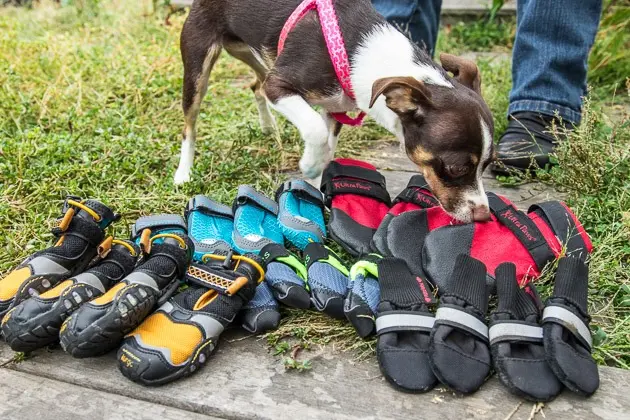
                          3. Breed-exact kits: Customized to meet the needs of particular breeds, containing tools designed for exact coat types and grooming requirements.
                          4. All-in-one systems: Combine multiple grooming functions into a single unit, often including vacuums for hair collection. These kits save time and reduce mess during grooming sessions.
                          5. Travel kits: Compact sets with essential tools for on-the-go grooming. Perfect for trips or quick touch-ups.
                          6. Specialty kits: Focus on exact aspects of grooming, such as nail care or dental hygiene. These kits offer specialized tools for targeted grooming needs.

                          Benefits of Using a Complete Grooming Kit

                          A complete dog grooming kit offers many advantages for both pets and their owners. We’ve identified several key benefits that make investing in a comprehensive grooming kit worthwhile:

                          Physical Health Benefits

                          Regular use of a complete grooming kit contributes significantly to a dog’s physical well-being:

                          • Improved Hygiene and Infection Prevention: The tools in a grooming kit, such as brushes, bathing supplies, and cleaning implements for eyes, ears, and teeth, help maintain optimal hygiene. This regular maintenance reduces the risk of infections and keeps dogs healthy.
                          • Enhanced Coat Health: Brushing tools in a grooming kit effectively remove dead hair, minimize shedding, and prevent matting. This consistent care promotes a lustrous, well-maintained coat and reduces the likelihood of skin irritations and infections.
                          • Early Detection of Skin Issues: Grooming sessions provide opportunities to inspect a dog’s skin closely. This hands-on approach allows for early identification of potential problems like lumps, lesions, or rashes. Also, regular grooming aids in spotting and addressing flea and tick infestations promptly.

                          Time and Cost Efficiency

                          A complete grooming kit proves to be a time and cost-effective solution:

                          • Reduced Professional Grooming Visits: With a comprehensive kit at home, owners can perform many grooming tasks themselves, reducing the frequency of professional grooming appointments. This saves both time and money in the long run.
                          • Convenience of At-Home Grooming: Having all necessary tools readily available allows for quick touch-ups or full grooming sessions at home, eliminating the need for travel to a grooming salon.

                          Strengthened Bond Between Owner and Pet

                          Regular grooming using a complete kit fosters a stronger connection:

                          • Positive Interaction: Grooming sessions provide opportunities for one-on-one time, helping to build trust and deepen the bond between dogs and their owners.
                          • Stress Reduction: Consistent at-home grooming can help dogs feel more comfortable with the process, reducing anxiety often associated with professional grooming visits.

                          Customized Care

                          A complete grooming kit allows for personalized grooming routines:

                          • Breed-Exact Needs: Different dog breeds have unique grooming requirements. A comprehensive kit enables owners to address these exact needs effectively, whether it’s managing a long, silky coat or maintaining a wire-haired texture.
                          • Customized Products: Owners can select grooming products that best suit their dog’s skin and coat type, addressing individual sensitivities or allergies.

                          Environmental Control

                          Using a complete grooming kit at home offers better control over the grooming environment:

                          • Reduced Allergens: Regular grooming helps control shedding and dander, which can significantly reduce allergens in the home environment.
                          • Cleaner Living Spaces: Consistent grooming keeps dogs cleaner overall, which in turn helps maintain cleaner living spaces for both pets and their owners.

                          By incorporating these benefits into your dog care routine, a complete grooming kit becomes an invaluable asset for maintaining your pet’s health, appearance, and overall well-being. The advantages extend beyond the dog, positively impacting the owner’s lifestyle and the home environment.

                          How to Use a Dog Grooming Kit

                          Using a dog grooming kit effectively requires a systematic approach and knowledge of proper techniques. We’ll guide you through the essential steps of grooming your dog at home, covering brushing, trimming, nail care, and bathing.

                          Brushing and De-shedding

                          Brushing and de-shedding are crucial steps in dog grooming. Start by selecting the appropriate brush for your dog’s coat type. Use a slicker brush for long-haired breeds, a bristle brush for short-haired dogs, or a combination brush for versatility. Begin brushing in the direction of hair growth, working through any tangles or mats gently. For heavy shedders, use a de-shedding tool to remove loose undercoat. Regular brushing distributes natural oils, prevents matting, and reduces shedding. Brush your dog 2-3 times a week for short-haired breeds and daily for long-haired breeds. Pay extra attention to areas prone to matting, such as behind the ears and under the legs.

                          Trimming and Clipping

                          Trimming and clipping maintain your dog’s coat and prevent overgrowth. Before starting, ensure your dog is comfortable and secure. Use electric clippers with the appropriate guard size for your desired coat length. Begin with a longer guard and gradually decrease the length if needed. Clip in the direction of hair growth, moving slowly to avoid irritation. For sensitive areas like the face and paws, switch to scissors or trimming shears for precision. Trim around the eyes, ears, and paw pads carefully. If you’re unsure about exact breed cuts, consult a professional groomer or watch instructional videos for guidance. Remember to take breaks if your dog becomes anxious or restless during the process.

                          Nail Care

                          Proper nail care is essential for your dog’s comfort and mobility. Use a nail clipper designed for dogs, choosing between guillotine-style or scissors-style based on your preference. Identify the quick (the pink part of the nail containing blood vessels) and avoid cutting into it. If your dog has dark nails, clip small amounts at a time to prevent over-cutting. Hold your dog’s paw firmly but gently, and clip at a 45-degree angle. After clipping, use a nail file to smooth any rough edges. For dogs sensitive to clippers, consider using a nail grinder instead. Aim to trim nails every 2-4 weeks, depending on your dog’s activity level and nail growth rate.

                          Bathing and Drying

                          Bathing keeps your dog clean and helps maintain a healthy coat. Use a dog-exact shampoo suited to your pet’s skin and coat type. Wet your dog thoroughly with lukewarm water, avoiding the eyes and ears. Apply shampoo from neck to tail, massaging it into the coat. Rinse thoroughly to remove all soap residue. For dogs with skin sensitivities, consider using an oatmeal-based or hypoallergenic shampoo. After bathing, towel-dry your dog gently.

                          For long-haired breeds, use a blow dryer on a low, cool setting, brushing simultaneously to prevent tangles. Bathe your dog every 4-8 weeks, or as needed, depending on their lifestyle and coat type. Always reward your dog with treats and praise after grooming to create a positive association with the experience.

                          Maintaining Your Dog Grooming Kit

                          Cleaning and Sanitizing Tools

                          We recommend cleaning your dog grooming tools after each use. Brushes and combs accumulate hair, dirt, and oils that can harbor bacteria. Remove hair from brushes using a comb or brush cleaner. Wash combs and brushes in warm, soapy water, rinse thoroughly, and air dry. For metal tools, use a disinfectant spray or wipe designed for grooming equipment.

                          Caring for Clippers

                          Clippers require regular maintenance to ensure optimal performance. Clean the blades after each use by removing hair with a small brush. Apply clipper oil to the blades before and after use to reduce friction and prevent overheating. For cordless clippers, follow the manufacturer’s guidelines for battery care and charging to maximize lifespan.

                          Dog Grooming Kit

                          Sharpening Scissors and Blades

                          Sharp tools are essential for effective grooming. Dull blades can pull on your dog’s coat, causing discomfort. We suggest having your scissors and clipper blades professionally sharpened every 6-12 months, depending on frequency of use. Between professional sharpenings, use a honing stone to maintain the edge of your scissors.

                          Storing Your Grooming Kit

                          Proper storage extends the life of your grooming tools and keeps them organized. Store your kit in a dry, cool place to prevent rust and mold growth. Use a dedicated grooming bag or toolbox with compartments to keep items separated and easily accessible. Ensure tools are completely dry before storing to prevent moisture-related damage.

                          Replacing Worn Items

                          Regularly inspect your grooming tools for signs of wear. Replace brushes when bristles become bent or fall out, and discard combs with missing or bent teeth. Clipper blades typically last 6-12 months with regular use before needing replacement. Nail clippers should be replaced when they become dull or misaligned.

                          Maintaining Electrical Components

                          For electric clippers and dryers, check cords regularly for fraying or damage. Keep motors clean by removing hair and debris after each use. If your clipper has a removable blade drive, lubricate it according to the manufacturer’s instructions to ensure smooth operation.

                          By following these maintenance practices, we ensure our dog grooming kit remains in top condition, providing effective and safe grooming sessions for our furry friends.

                          Conclusion

                          A dog grooming kit is an essential investment for every pet owner. We’ve explored the components benefits and proper use of these kits highlighting their role in maintaining your dog’s health and appearance. By choosing the right kit and learning to use it effectively you’ll save time and money while strengthening your bond with your furry friend. Remember regular maintenance of your grooming tools ensures their longevity and your dog’s safety. With the right kit and knowledge you’re well-equipped to keep your canine companion looking and feeling their best.

                        3. Top Dog Cooling Mats for Summer: Keep Your Pup Chill and Comfy

                          Top Dog Cooling Mats for Summer: Keep Your Pup Chill and Comfy

                          Is your furry friend panting excessively in the summer heat? A dog cooling mat might be the solution you’re looking for. These innovative products are designed to help prevent overheating and keep our canine companions comfortable during hot weather.

                          We’ve explored various types of cooling mats, from gel-filled to water-based options, to bring you the most comprehensive information. Our research shows that these mats can be up to 10 times more effective than traditional bedding in reducing your dog’s body temperature. Whether you have a small pup or a large breed, there’s a cooling mat size to fit your needs.

                          In this text, we’ll jump into the different types of dog cooling mats, their effectiveness, and how to choose the best one for your four-legged friend. We’ll also share insights from our testing to help you make an well-informed choice for your pet’s comfort and safety.

                          What Is a Dog Cooling Mat?

                          A dog cooling mat is a specialized pet accessory designed to help regulate a dog’s body temperature, particularly during hot weather or after physical activity. These mats provide a cool surface for dogs to rest on, helping them stay comfortable and preventing overheating.

                          Types of Cooling Mats

                          Gel-Based Cooling Mats

                          Gel-based cooling mats contain a non-toxic gel substance that absorbs and dissipates heat from a dog’s body. The gel typically consists of water, alginic acid, polyacrylamide, and carboxymethyl cellulose. When a dog lies on the mat, the gel absorbs the heat, and when the dog leaves, the heat disperses into the air or the surface below, allowing the mat to cool down again.

                          Water-Based Cooling Mats

                          Water-based cooling mats use water as the cooling medium. They feature multiple layers, including a breathable top layer, a middle layer with a water reservoir, and a waterproof bottom layer. The water absorbs heat from the dog’s body, while the breathable top layer allows for evaporation, improving the cooling effect.

                          Ice-Filled Cooling Mats

                          Some cooling mats incorporate ice or frozen elements for enhanced cooling. These mats often feature a triple-layer cooling system, including:

                          1. A soft waterbed cushion that distributes cooling power and provides comfort
                          2. An ice sheet containing built-in ice cubes (made from purified water)
                          3. A layer of closed-cell foam insulation to block heat from underneath

                          Ice-filled cooling mats can be up to 10 times more effective than gel pads in preventing heat stress in dogs.

                          How Dog Cooling Mats Work

                          Dog cooling mats work by creating a cooling barrier between the dog and the hot floor or surface. The thick gel or water filling absorbs body heat slower than regular dog beds, hot porches, or concrete patios, effectively lowering the dog’s body temperature.

                          In our testing, we found that beds with thicker fillings tended to heat up slower than their thinner counterparts. For example, after 30 minutes of use, one gel-filled mat showed only a 2.8-degree heat transfer, significantly less than observed with most other mats.

                          Effectiveness and Recharging

                          The effectiveness of a dog cooling mat depends on various factors, including the type of mat, its thickness, and the duration of use. Some manufacturers recommend recharging the mat after three hours of continuous use. Recharging typically involves pausing use for about 20 minutes to allow the gel or water to regain its cooling abilities.

                          By understanding the different types of dog cooling mats and how they work, we can better choose the most suitable option for our furry friends, ensuring their comfort and safety during hot weather.

                          Benefits of Using a Cooling Mat for Dogs

                          Heat Regulation and Comfort

                          Dog cooling mats play a crucial role in regulating canine body temperature, especially during hot weather. Dogs primarily cool down through panting and heat loss from their paw pads and nose. Cooling mats provide a cool surface that absorbs excess heat from the dog’s body, effectively preventing overheating and heat stroke.

                          These mats create a comfortable resting place for dogs, offering relief from high temperatures. By providing a cool surface, they help dogs maintain a healthy body temperature, reducing the risk of heat-related illnesses.

                          Extended Cooling Effect

                          Many cooling mats, particularly those filled with non-toxic gel, offer long-lasting cooling effects. Some mats provide cooling for up to 3 hours before needing a recharge. This extended cooling period ensures that dogs can enjoy prolonged comfort during hot days or in warm environments.

                          The recharging process is typically quick and effortless. Most cooling mats recharge within 15-20 minutes of non-use, making them ready for the next cooling session. This feature allows for continuous use throughout the day, providing consistent temperature regulation for dogs.

                          Portability and Versatility

                          Cooling mats are designed with convenience in mind. They’re often portable, foldable, and easy to store, making them ideal for various situations. Dog owners can easily take these mats on trips, to dog shows, competitions, or camping adventures.

                          The versatility of cooling mats extends to their use in different environments. They can be placed in crates, on floors, or even in outdoor settings, providing a cool spot for dogs wherever they go. This adaptability makes cooling mats a valuable accessory for dog owners who enjoy an active lifestyle with their pets.

                          Dog Cooling Mats

                          Types of Dog Cooling Mats

                          Dog cooling mats come in various designs, each offering unique benefits for keeping pets comfortable in warm weather. We’ll explore three main types of dog cooling mats: gel-based, water-filled, and phase-change material mats.

                          Gel-Based Mats

                          Gel-based cooling mats are popular for their convenience and effectiveness. These mats contain a non-toxic gel that absorbs and dissipates heat from a dog’s body. The gel recharges automatically when not in use, making them low-maintenance and energy-efficient.

                          Key features of gel-based mats include:

                          • Self-recharging capability
                          • No electricity, water, or refrigeration required
                          • Effective cooling for several hours
                          • Portable and suitable for indoor and outdoor use
                          • Durable and easy to clean

                          Gel mats work by absorbing heat when a dog lies on them and releasing it when the dog moves away. This cycle allows the mat to cool down and be ready for use again. The cooling effect typically lasts for 3-4 hours before needing a short recharge period.

                          Water-Filled Mats

                          Water-filled cooling mats use the principle of heat transfer to cool dogs. These mats consist of a vinyl exterior filled with water, creating a cool surface for dogs to rest on.

                          Characteristics of water-filled mats include:

                          • Customizable cooling intensity by adjusting water temperature
                          • Long-lasting cooling effect
                          • Suitable for both indoor and outdoor use
                          • Durable and puncture-resistant material
                          • Easy to clean and maintain

                          To use a water-filled mat, simply fill it with cool water and place it in a shaded area. The water absorbs heat from the dog’s body, providing a refreshing surface. Some models feature a multi-layer design that enhances cooling through evaporation.

                          Phase-Change Material Mats

                          Phase-change material (PCM) mats represent an advanced cooling solution for dogs. These mats contain special materials that change from solid to liquid at exact temperatures, absorbing heat in the process.

                          Notable features of PCM mats include:

                          • Consistent cooling temperature
                          • No refrigeration or electricity required
                          • Long-lasting cooling effect
                          • Reusable and eco-friendly
                          • Suitable for various environments

                          PCM mats work by absorbing excess heat when a dog lies on them. As the material changes phase, it maintains a constant temperature, typically around 80°F (27°C). This provides a cool surface without being uncomfortably cold. When the dog moves away, the material solidifies again, ready for the next use.

                          Key Features to Look for in a Dog Cooling Mat

                          When selecting a dog cooling mat, several essential features ensure optimal cooling, comfort, and durability. We’ll explore the crucial aspects to consider when choosing the right cooling mat for your furry friend.

                          Size and Portability

                          Size is a critical factor in selecting a dog cooling mat. The mat should be large enough to accommodate your dog’s entire body comfortably, with extra space for movement. Measure your dog’s length and width when fully stretched out, then add a few inches to ensure adequate coverage. Portability is equally important, especially for pet owners who travel or use the mat in various locations. Look for lightweight, foldable mats that are easy to carry and store. Some mats come with convenient carrying cases or handles, making transportation a breeze. Consider your lifestyle and how you plan to use the mat when evaluating its portability features.

                          Durability and Material Quality

                          Durability is crucial for a dog cooling mat to withstand regular use and potential wear and tear. High-quality materials ensure longevity and effectiveness. Look for mats made with sturdy, puncture-resistant outer layers that can withstand your dog’s nails and occasional chewing. Non-toxic gel or liquid fillings are essential for safety in case of accidental ingestion. Some mats feature reinforced edges or double-layered construction for added durability. Consider the mat’s weight capacity to ensure it can support your dog’s size. Quality materials also contribute to better heat absorption and dissipation, maintaining the mat’s cooling properties over time.

                          Dog Cooling Mats

                          Ease of Cleaning

                          A dog cooling mat’s ease of cleaning is vital for maintaining hygiene and extending its lifespan. Look for mats with smooth, non-porous surfaces that resist dirt, hair, and bacteria buildup. Many high-quality mats feature water-resistant or waterproof coverings that can be easily wiped clean with a damp cloth or mild soap solution. Some mats have removable, machine-washable covers for thorough cleaning. Consider mats with antimicrobial properties to inhibit the growth of odor-causing bacteria. Avoid mats with complex textures or materials that trap dirt and make cleaning difficult. Regular cleaning not only keeps the mat hygienic but also helps maintain its cooling effectiveness by removing any insulating dirt or debris.

                          How Dog Cooling Mats Work

                          Gel-Based Mats

                          Gel-based cooling mats for dogs use a specialized gel substance to absorb and dissipate heat. These mats contain a mixture of materials such as carboxymethyl cellulose, water, polyacrylamide, and alginic acid. When a dog lies on the mat, the gel absorbs body heat, creating a cooling sensation.

                          The heat absorption process continues as long as the dog remains on the mat. Once the dog moves, the absorbed heat dissipates into the surrounding air or the surface beneath the mat. This self-recharging mechanism allows the mat to cool down and prepare for the next use.

                          Gel-based dog cooling mats offer several advantages:

                          • No electricity required
                          • No need for water or ice
                          • Suitable for indoor and outdoor use
                          • Portable and lightweight

                          But, these mats may lose effectiveness in direct sunlight or after prolonged use. Most gel-based mats provide cooling effects for up to three hours before needing a 15-20 minute recharge period.

                          Water-Filled Mats

                          Water-filled cooling mats for dogs operate on a different principle. These mats consist of a vinyl exterior filled with water. The water acts as a heat sink, absorbing warmth from the dog’s body and providing a cool surface.

                          Key features of water-filled dog cooling mats include:

                          • Customizable cooling intensity by adjusting water temperature
                          • Long-lasting cooling effects
                          • Durable vinyl construction

                          To use a water-filled mat, simply fill it with the desired amount of cool water. The mat will maintain its cooling properties until the water reaches room temperature.

                          Phase-Change Material (PCM) Mats

                          PCM cooling mats for dogs incorporate advanced temperature-regulating technology. These mats contain materials that change from solid to liquid at exact temperatures, absorbing heat in the process.

                          Characteristics of PCM dog cooling mats:

                          • Consistent cooling temperature
                          • No electricity or refrigeration required
                          • Reusable and long-lasting

                          PCM mats work by absorbing excess heat from the dog’s body as the material changes phase. Once the dog moves, the mat naturally recharges as the PCM solidifies.

                          Triple-Layer Cooling System

                          Some advanced dog cooling mats employ a triple-layer cooling system for enhanced performance. This system typically includes:

                          1. A soft waterbed cushion for comfort and heat distribution
                          2. A layer containing ice or cooling elements
                          3. An insulating layer to prevent heat transfer from the ground

                          These mats offer powerful cooling capabilities, often claimed to be up to 10 times more effective than standard gel pads.

                          Cooling Mechanism

                          Regardless of the type, dog cooling mats work by creating a temperature differential between the mat’s surface and the dog’s body. This differential facilitates heat transfer from the dog to the mat, helping to lower the animal’s body temperature.

                          Dogs primarily cool themselves through panting and heat loss from their paw pads and nose. Cooling mats supplement these natural processes by providing an additional avenue for heat dissipation.

                          Effectiveness and Duration

                          The effectiveness of dog cooling mats varies based on factors such as:

                          • Mat type and size
                          • Ambient temperature
                          • Dog’s size and coat thickness
                          • Duration of use

                          Most cooling mats provide relief for several hours before requiring recharging. But, it’s important to monitor your dog and ensure they have access to fresh water and shade, especially in extreme heat conditions.

                          By understanding how dog cooling mats work, pet owners can make informed decisions about which type best suits their dog’s needs. Whether choosing a gel-based, water-filled, or PCM mat, these cooling answers offer a practical way to help keep dogs comfortable during hot weather.

                          Choosing the Right Cooling Mat for Your Dog

                          Selecting the ideal cooling mat for your dog involves considering several key factors. We’ll explore how your dog’s size and breed, as well as the intended usage environment, play crucial roles in making the best choice.

                          Considering Your Dog’s Size and Breed

                          The size and breed of your dog are critical factors when choosing a cooling mat. Large breeds require spacious mats that accommodate their full body length and width, while smaller breeds can use more compact options. For example, a Great Dane needs a significantly larger mat than a Chihuahua. Consider your dog’s sleeping habits, as some dogs stretch out while others curl up.

                          Breed-exact considerations include coat type and body composition. Dogs with thick fur or brachycephalic breeds (flat-faced dogs like Bulldogs) are more prone to overheating and may benefit from larger or more efficient cooling mats. Short-haired breeds might be comfortable with standard-sized mats. Always measure your dog’s length from nose to tail and add a few inches for optimal comfort.

                          Indoor vs. Outdoor Use

                          The intended use environment for your dog’s cooling mat impacts your selection. Indoor mats typically focus on comfort and aesthetics, while outdoor mats prioritize durability and weather resistance. For indoor use, consider non-slip bottoms to prevent sliding on smooth floors and materials that complement your home decor.

                          Outdoor cooling mats should be made of tough, water-resistant materials to withstand various weather conditions. Look for UV-resistant fabrics to prevent fading and degradation from sun exposure. Some outdoor mats feature elevated designs to improve airflow, improving the cooling effect. For versatility, choose a mat suitable for both indoor and outdoor use, allowing your dog to stay cool in multiple environments.

                          Proper Use and Maintenance of Dog Cooling Mats

                          Selection and Placement

                          Choosing the right cooling mat for your dog ensures optimal comfort and effectiveness. We recommend considering the following factors when selecting and placing a dog cooling mat:

                          • Type of mat: Gel-based, water-based, and air-based cooling mats each have unique advantages. Gel mats are convenient and self-recharging, making them suitable for indoor and outdoor use, including car travel. Water-based mats offer effective cooling but may require refilling or freezing. Air-based mats promote airflow and are lightweight, though they may not provide as much cooling as gel or water-based options.
                          • Size: Select a mat that’s large enough for your dog to stretch out comfortably. Measure your dog’s length from nose to tail and add 6 inches for an ideal size.
                          • Location: Place the cooling mat in a shaded or cool area to maximize its effectiveness. Direct sunlight can heat up the mat, reducing its cooling efficiency.
                          • Surface: For outdoor use, place the mat on a flat, clean surface away from direct sunlight. Indoors, choose a spot with good air circulation, such as near a fan or air conditioning vent.

                          Usage Guidelines

                          To ensure your dog gets the most benefit from their cooling mat, follow these usage guidelines:

                          • Introduce gradually: Allow your dog to explore the mat at their own pace. Some dogs may need time to adjust to the new texture and sensation.
                          • Monitor use: Observe your dog’s behavior when using the mat. If they seem uncomfortable or avoid the mat, try placing a thin towel over it to adjust the temperature.
                          • Rotation: For gel-based mats, the cooling effect activates by the dog’s weight and body heat. These mats typically need a 20-minute break to recharge after four hours of use.
                          • Hydration: Always provide fresh water nearby, as the cooling mat complements but doesn’t replace proper hydration.
                          • Travel use: When using the mat in a car, secure it to prevent sliding and ensure it doesn’t interfere with your dog’s safety harness or carrier.

                          Cleaning and Maintenance

                          Regular cleaning and proper maintenance extend the life of your dog’s cooling mat and ensure it remains hygienic:

                          • Cleaning frequency: Clean the mat at least once a week, or more often if visibly soiled.
                          • Cleaning method: For most mats, wiping with a damp cloth and mild soap is sufficient. Avoid harsh chemicals that could irritate your dog’s skin.
                          • Drying: Allow the mat to air dry completely before use to prevent mold growth.
                          • Storage: When not in use, store the mat in a cool, dry place away from direct sunlight to prevent degradation of the cooling materials.
                          • Inspection: Regularly check for signs of wear, tears, or leaks. Replace the mat if you notice any damage to ensure your dog’s safety.

                          By following these guidelines for proper use and maintenance, you’ll help ensure your dog’s cooling mat remains an effective tool for keeping them comfortable in warm weather.

                          Safety Considerations

                          When choosing a dog cooling mat, safety is paramount. We’ll explore key safety aspects to ensure your furry friend stays cool and protected.

                          Material Safety

                          Dog cooling mats must be made from non-toxic, pet-safe materials. Gel-based mats should contain non-toxic gels to prevent harm if accidentally ingested. Water-based mats need to be free from harmful chemicals and feature a waterproof layer to prevent leakage. We recommend checking the product specifications for certifications or statements confirming the use of pet-safe materials.

                          Choking Hazards

                          Dogs prone to chewing pose a risk of ingesting small parts or the contents of cooling mats. Water-based mats may be safer for these dogs, but close supervision is essential regardless of the mat type. We advise:

                          • Monitoring your dog’s behavior around the cooling mat
                          • Removing the mat when unsupervised
                          • Replacing the mat if signs of damage appear

                          Durability and Puncture Resistance

                          A dog cooling mat should withstand regular use and your pet’s activities. Look for mats with the following features:

                          • Puncture-resistant materials
                          • Reinforced seams
                          • Tear-resistant outer layers

                          Regularly inspect your dog’s cooling mat for:

                          • Frayed edges
                          • Loose seams
                          • Cracks in the material
                          • Any signs of wear and tear

                          Replace the mat if you notice any damage to maintain its safety and effectiveness.

                          By considering these safety factors, we can help ensure that dog cooling mats provide a safe and comfortable solution for keeping our pets cool in warm weather.

                          Alternatives to Dog Cooling Mats

                          While dog cooling mats are effective for keeping pets comfortable in hot weather, there are several alternatives that can help regulate your dog’s body temperature. We’ve compiled a list of effective methods to keep your furry friend cool during those scorching summer days.

                          Water Immersion

                          Water immersion is one of the most efficient ways to cool down dogs, especially after intense physical activity. A study published on PubMed found that partial immersion in water significantly reduces postexercise heat stress in dogs. This method cools dogs faster than using a cooling mat or relying on natural cooling processes.

                          To use water immersion:

                          • Fill a shallow kiddie pool with cool water
                          • Encourage your dog to stand or lie in the water for a few minutes
                          • Supervise your pet throughout the process to ensure safety

                          Shaded Areas and Cool Surfaces

                          Providing access to shaded areas and cool surfaces is an effective alternative to cooling mats. These options include:

                          • Concrete driveways
                          • Tile floors
                          • Hardwood floors

                          These surfaces tend to be cooler than the ambient temperature, especially when in the shade. They can absorb heat from your dog’s body, helping to lower their temperature naturally.

                          Cooling Vests and Bandanas

                          Cooling vests and bandanas are wearable alternatives to cooling mats. These products work by:

                          • Evaporative cooling
                          • Reflecting sunlight
                          • Providing a barrier between your dog and the heat

                          To use:

                          1. Soak the vest or bandana in cool water
                          2. Wring out excess water
                          3. Place on your dog’s body or around their neck

                          Elevated Beds

                          Elevated beds, also known as cot-style beds, provide several cooling benefits:

                          • Improved air circulation around your dog’s body
                          • Reduced contact with warm surfaces
                          • Lightweight and portable for indoor and outdoor use

                          Frozen Treats and Chew Toys

                          Frozen treats and chew toys can help cool your dog from the inside out. Try:

                          • Freezing low-sodium chicken broth in ice cube trays
                          • Stuffing a Kong toy with peanut butter and freezing it
                          • Making frozen fruit popsicles (using dog-safe fruits)

                          Cooling Fans

                          Portable or stationary fans can provide relief for dogs in hot weather:

                          • Place fans in areas where your dog frequently rests
                          • Use battery-operated fans for outdoor cooling
                          • Combine with a misting system for enhanced cooling effect

                          Indoor Climate Control

                          While not always feasible, maintaining a cool indoor environment is ideal for keeping your dog comfortable:

                          • Use air conditioning during the hottest parts of the day
                          • Install blackout curtains to reduce heat from sunlight
                          • Use dehumidifiers to reduce moisture in the air

                          By providing these alternatives to dog cooling mats, you can ensure your pet stays comfortable and safe during hot weather. Remember to always monitor your dog for signs of overheating and provide plenty of fresh water, regardless of the cooling method you choose.

                          Conclusion

                          Dog cooling mats are an excellent investment for pet owners looking to keep their furry friends comfortable during hot weather. We’ve explored various types, from gel-based to PCM mats, each offering unique benefits. Remember to consider your dog’s size, breed, and environment when choosing a mat.

                          Safety and proper maintenance are crucial for maximizing the effectiveness of these cooling answers. While cooling mats are fantastic, we’ve also highlighted several alternatives to help you keep your dog cool in various situations.

                          By prioritizing your dog’s comfort and safety during warm weather, you’ll ensure they stay happy and healthy all summer long.

                        4. Top Hands-Free Dog Leashes for Stress-Free Walks in 2025

                          Top Hands-Free Dog Leashes for Stress-Free Walks in 2025

                          Ever wished you had an extra pair of hands during your daily dog walks? That’s where hands-free dog leashes come in, revolutionizing the way we exercise and bond with our furry friends. These innovative leashes offer a convenient solution for multitasking dog owners, whether you’re jogging, hiking, or simply strolling through the park.

                          We’ve explored the industry of hands-free dog leashes to bring you the best options for your active lifestyle. From adjustable designs that fit comfortably around your waist or shoulder to versatile models that can convert to traditional leashes, we’ll cover everything you need to know. Get ready to discover how these leashes can streamline your walks, enhance your outdoor adventures, and make everyday outings with your canine companion more enjoyable and hassle-free.

                          What Is a Hands-Free Dog Leashes?

                          A hands-free dog leash is an innovative walking accessory designed to provide dog owners with a convenient, multitasking-friendly alternative to traditional handheld leashes. These leashes typically feature a waist belt or harness worn by the owner, with an attached leash that connects to the dog’s collar or harness.

                          Hands-free leashes come in various styles and designs, but they all share the common goal of allowing owners to walk their dogs without occupying their hands. Some key features include:

                          1. Waist belt
                          2. Adjustable length leash
                          3. Bungee cord or shock-absorbing system
                          4. Quick-release mechanisms
                          5. Reflective materials for visibility

                          The harness is usually adjustable to fit different body sizes comfortably. The leash portion often includes a bungee cord or shock-absorbing system to reduce the impact of sudden pulls or jerks from the dog. Many hands-free leashes also incorporate quick-release mechanisms for safety and convenience.

                          We’ve found that hands-free dog leashes offer several advantages over traditional leashes:

                          • Improved posture and reduced strain on arms and shoulders
                          • Enhanced freedom of movement for activities like jogging or hiking
                          • Ability to multitask (e.g., carrying groceries, pushing a stroller)
                          • Better control and communication with the dog
                          • Increased safety during walks, especially in low-light conditions

                          These leashes are particularly useful for active dog owners who enjoy outdoor activities with their pets. They’re also beneficial for people with mobility issues or those who need their hands free for other tasks while walking their dogs.

                          It’s important to note that while hands-free leashes offer many benefits, they may not be suitable for all dogs or situations. Proper training and acclimation are essential for both the dog and the owner to ensure safe and enjoyable walks.

                          Benefits of Using a Hands-Free Leash

                          Hands-free leashes offer many advantages for dog owners. They provide greater freedom and control during walks, runs, and outdoor activities. Let’s explore the key benefits of using a hands-free dog leash.

                          Improved Control and Safety

                          Hands-free leashes enhance control and safety for both the owner and the dog. They distribute the dog’s pulling force evenly across the owner’s waist or chest, improving stability and reducing the risk of being pulled off balance. This is particularly beneficial for owners with strong or large dogs.

                          The two-point attachment system, connecting to both the owner’s waist or chest and the dog’s collar, increases control and minimizes the chance of the dog slipping out of the leash. Many hands-free leashes also feature bungee sections, providing shock absorption if the dog suddenly reaches the end of the lead.

                          By allowing for better control, hands-free leashes help prevent accidents and injuries that can occur when a dog unexpectedly lunges or pulls. This improved safety aspect makes them an excellent choice for various outdoor activities, including jogging, hiking, or handling busy urban environments.

                          Enhanced Comfort for Dog Owners

                          Hands-free leashes significantly improve comfort for dog owners during walks and outdoor activities. By freeing up the hands, these leashes reduce strain on the arms, shoulders, and back that often results from holding a traditional leash, especially with larger or more energetic dogs.

                          The design of hands-free leashes promotes better posture by encouraging owners to stand upright and walk naturally. This can help prevent the development of muscle imbalances and reduce the risk of repetitive strain injuries associated with prolonged leash holding.

                          Also, hands-free leashes allow for greater freedom of movement, making activities like jogging or hiking more enjoyable and less cumbersome. The ability to move arms freely enhances balance and coordination, particularly important when handling uneven terrain or captivating in more strenuous activities with your dog.

                          Key Features to Look for in a Hands-Free Leash

                          When selecting a hands-free dog leash, it’s crucial to consider several key features that enhance both functionality and comfort. We’ve identified the most important aspects to keep in mind when choosing the perfect hands-free leash for you and your furry companion.

                          Material and Durability

                          Hands-free leashes must be constructed from high-quality, durable materials to withstand the rigors of daily use. Look for leashes made with strong, soft, and supple webbing that can resist the pulling force of your dog. Sturdy plastic or metal fittings are essential for longevity and safety. The materials should be comfortable against your skin, especially if worn around the waist or chest. Water-resistant or waterproof fabrics are ideal for all-weather use, ensuring the leash remains functional in various conditions. Reinforced stitching at stress points adds extra durability, prolonging the life of the leash and improving safety during walks or runs.

                          Adjustability and Fit

                          A well-designed hands-free leash offers extensive adjustability to accommodate different body types and sizes. Look for models with adjustable straps or belts that can be worn comfortably around the waist or chest, ensuring a secure fit for the owner. The leash itself should have adjustable length options, allowing you to control your dog’s proximity as needed. This feature is particularly useful in various environments, such as shortening the leash in crowded areas or lengthening it for more freedom during hikes. Some hands-free leashes come with multiple attachment points, offering versatility in how you connect with your dog and providing options for different walking styles or training needs.

                          Storage Options

                          Efficient storage options are a valuable feature in hands-free leashes, improving convenience during walks or outdoor activities. Look for leashes with built-in pockets or pouches to carry essentials like treats, waste bags, or keys. Some models incorporate detachable storage compartments, allowing you to customize your setup based on your needs. Consider leashes with integrated loops or clips for attaching additional accessories, such as water bottles or collapsible bowls. Reflective elements on storage components improve visibility during low-light conditions, adding an extra layer of safety. Opt for weather-resistant storage options to protect your belongings from moisture or unexpected weather changes, ensuring a worry-free outdoor experience with your canine companion.

                          Hands-Free Dog Leashes

                          Types of Hands-Free Dog Leashes

                          Hands-free dog leashes come in various designs to suit different needs and preferences. We’ll explore two main types: waist-worn leashes and shoulder-worn leashes, each offering unique benefits for dog owners.

                          Waist-Worn Leashes

                          Waist-worn leashes are the most common type of hands-free dog leashes. These leashes feature an adjustable belt or strap that secures around the owner’s waist or hips. The design evenly distributes the dog’s pulling force across the body, improving stability and reducing the risk of being pulled off balance.

                          Key features of waist-worn leashes include:

                          • Adjustable waist belts to fit various body sizes
                          • Quick-release buckles for easy attachment and removal
                          • Bungee sections to absorb shock from sudden movements
                          • Reflective elements for improved visibility during low-light conditions

                          Waist-worn leashes are ideal for activities such as jogging, hiking, and walking, as they allow for greater freedom of movement. They also help better communication with the dog through voice commands, body language, and hand signals, as the owner’s hands remain free.

                          Shoulder-Worn Leashes

                          Shoulder-worn leashes offer an alternative to waist-worn designs, providing a different distribution of force and range of motion. These leashes typically feature a strap that crosses the body diagonally, resting on one shoulder and extending to the opposite hip.

                          Key characteristics of shoulder-worn leashes include:

                          • Adjustable straps to accommodate various body types and sizes
                          • Padded shoulder sections for enhanced comfort during extended use
                          • Swivel attachments to prevent tangling and allow for natural dog movement
                          • Multiple attachment points for versatility in leash positioning

                          Shoulder-worn leashes are particularly useful for activities that require upper body mobility, such as trail running or cycling. They also provide a comfortable option for those who prefer not to have a leash around their waist. The diagonal design helps maintain control while allowing for a more natural arm swing during movement.

                          Choosing the Right Hands-Free Leash for Your Dog

                          Selecting the perfect hands-free leash for your dog requires careful consideration of various factors. We’ll explore key aspects to help you make an well-informed choice that suits both you and your furry companion.

                          Considerations for Large or Strong Dogs

                          When choosing a hands-free leash for large or strong dogs, safety and control are paramount. Look for leashes with robust construction and reinforced attachment points to withstand powerful pulling. Opt for models with shock-absorbing bungee sections to reduce strain on both you and your dog during sudden movements. A wider waist belt distributes force more evenly, improving stability and comfort during walks or runs. Consider leashes with multiple handles for quick control in high-traffic areas or emergency situations. Adjustable length options allow you to keep your dog closer in crowded spaces or give them more freedom in open areas. Reflective materials are crucial for visibility during low-light conditions, ensuring safety for both you and your large canine companion.

                          Options for Multiple Dogs

                          For those with multiple dogs, specialized hands-free leashes offer convenient answers. Dual-dog leashes feature a single waist attachment that splits into two separate leads, allowing you to walk two dogs simultaneously. Look for designs with swivel attachments to prevent tangling and individual shock-absorbing sections for each dog. Some models offer adjustable lead lengths, enabling you to accommodate dogs of different sizes or walking speeds. Consider leashes with color-coded leads for easy identification. For added control, choose options with separate traffic handles for each dog. Reflective stitching on both leads enhances visibility during evening walks. When selecting a multi-dog hands-free leash, ensure the combined weight limit of the leash exceeds the total weight of your dogs for optimal safety and durability.

                          Safety Tips When Using a Hands-Free Leash

                          Proper Fit and Adjustment

                          A hands-free leash’s effectiveness depends on its fit. The adjustable strap or belt should be snug but comfortable, allowing free movement without causing discomfort. We recommend checking the fit regularly, especially before longer walks or runs, to ensure optimal safety and comfort for both you and your dog.

                          Dog Training and Behavior

                          Hands-free leashes work best with leash-trained dogs that don’t pull excessively. If your dog tends to lunge, chase distractions, or pull strongly, a hands-free leash may not be suitable. These behaviors can impact your balance and potentially cause injury. We suggest addressing these issues through proper training before transitioning to a hands-free leash.

                          Physical Capability

                          Consider your physical strength and balance when using a hands-free leash. If your dog outweighs you or is strong enough to pull you over, this type of leash may pose safety risks. We advise assessing your ability to control your dog effectively before opting for a hands-free leash.

                          Awareness of Surroundings

                          When using a hands-free leash, maintaining awareness of your environment is crucial. Be mindful of potential hazards such as uneven terrain, obstacles, or other animals. We recommend staying alert and prepared to react quickly to unexpected situations.

                          Hands-Free Dog Leashes

                          Quick-Release Mechanism

                          Choose a hands-free leash with a quick-release mechanism. This feature allows you to detach from your dog swiftly in emergency situations. We emphasize the importance of familiarizing yourself with the release mechanism before using the leash in public.

                          Gradual Introduction

                          Introduce the hands-free leash gradually to both you and your dog. Start with short, controlled walks in familiar environments before progressing to more challenging settings or activities. This approach helps ensure a smooth transition and reduces the risk of accidents.

                          Reflective Materials

                          For enhanced visibility during low-light conditions, opt for a hands-free leash with reflective elements. This feature improves safety for both you and your dog during early morning or evening walks. We suggest choosing leashes with prominent reflective stitching or strips for maximum visibility.

                          Regular Inspection

                          Regularly inspect your hands-free leash for signs of wear and tear. Check the stitching, clasps, and attachment points for any damage. We recommend replacing the leash if you notice any important wear to maintain optimal safety during use.

                          By following these safety tips, you’ll maximize the benefits of your hands-free leash while minimizing potential risks. Remember, the key to a safe and enjoyable experience lies in proper training, awareness, and equipment maintenance.

                          Proper Care and Maintenance

                          Maintaining your hands-free dog leash ensures its longevity, safety, and comfort for both you and your furry companion. We’ll explore essential aspects of care and maintenance to keep your leash in top condition.

                          Materials and Durability

                          The durability of hands-free dog leashes depends on their materials. We recommend regularly inspecting the fabric and hardware for signs of wear. High-quality leashes typically feature:

                          • Strong, soft webbing for the main body
                          • Sturdy plastic or metal fittings for attachments

                          To maximize the lifespan of your hands-free leash:

                          1. Check for fraying or thinning in the fabric
                          2. Examine buckles and clasps for cracks or damage
                          3. Test the strength of stitching at connection points

                          Cleaning

                          Regular cleaning preserves the hygiene and integrity of your hands-free dog leash. Follow these steps:

                          1. Use mild soap and water for routine cleaning
                          2. Gently scrub areas with dirt or debris
                          3. Rinse thoroughly to remove all soap residue
                          4. Air dry completely before use
                          Cleaning FrequencyActivity Level
                          WeeklyHigh (daily use, outdoor activities)
                          Bi-weeklyModerate (regular walks)
                          MonthlyLight (occasional use)

                          Always consult the manufacturer’s instructions for exact cleaning recommendations to avoid damaging the materials.

                          Adjustments and Fit

                          Proper fit is crucial for the effectiveness and comfort of hands-free dog leashes. We suggest:

                          1. Adjusting the waist belt or strap for a snug, comfortable fit
                          2. Ensuring even distribution of your dog’s pulling force
                          3. Checking the fit before each use, especially after washing

                          A well-fitted hands-free leash:

                          • Enhances stability during walks or runs
                          • Improves communication between you and your dog
                          • Reduces the risk of chafing or discomfort

                          By following these care and maintenance tips, you’ll extend the life of your hands-free dog leash and ensure a safe, enjoyable experience for both you and your canine companion.

                          Conclusion

                          Hands-free dog leashes offer a game-changing solution for dog owners seeking convenience comfort and safety during outdoor activities. We’ve explored their benefits types and key features to help you make an informed choice. By selecting the right hands-free leash for your needs and following proper safety and maintenance guidelines you’ll transform your dog-walking experience. Embrace this innovative accessory and enjoy newfound freedom and connection with your furry companion on your next adventure.

                        5. Top Pet Hair Remover Tools for a Fur-Free Home in 2025

                          Top Pet Hair Remover Tools for a Fur-Free Home in 2025

                          Are you tired of battling pet hair on your furniture, clothes, and car seats? We’ve got great news for you! Pet hair remover tools have revolutionized the way we tackle this common household challenge.

                          Pet owners understand the struggle of keeping their homes fur-free. With innovative designs and advanced technology, today’s pet hair removers offer a quick and efficient solution. These tools not only save time but also help reduce allergies caused by pet dander. We’ll explore the best options available, from reusable rollers to brushes with gear-shaped teeth, ensuring you find the perfect tool for your needs.

                          In this text, we’ll jump into the top pet hair remover tools on the market, their unique features, and how they can make your life easier. Whether you’re dealing with short, embedded fur or long, clingy hair, we’ve got you covered.

                          Types of Pet Hair Remover Tools

                          Pet hair remover tools come in various forms, each designed to tackle different surfaces and pet hair challenges. We’ve identified several categories of pet hair removers that cater to exact needs:

                          Rollers

                          Rollers are versatile pet hair remover tools that work well on multiple surfaces. They’re particularly effective on furniture, clothing, and car interiors. Here are some key features of roller-type pet hair removers:

                          • Use electrostatic charge to attract and collect pet hair
                          • Often reusable, reducing waste and long-term costs
                          • Effective on large surfaces like couches and bedding
                          • Easy to use and clean

                          Handheld Brushes

                          Handheld brushes are compact and efficient pet hair remover tools, ideal for targeted cleaning and hard-to-reach areas. These brushes offer:

                          • Versatility in tackling different fabric types
                          • Compact design for easy storage and travel
                          • Effectiveness on small surfaces like armrests and pillows
                          • Various edge designs for different hair removal needs

                          Vacuum Attachments

                          Many vacuum cleaners come with specialized attachments for pet hair removal. These tools offer:

                          • Powerful suction for deep-seated pet hair
                          • Compatibility with existing vacuum systems
                          • Effectiveness on both furniture and floors
                          • Often include rotating brushes for improved hair pickup

                          Lint Brushes

                          Lint brushes are simple yet effective pet hair remover tools, especially for clothing. Key features include:

                          • Double-sided design for increased efficiency
                          • Self-cleaning mechanisms for easy maintenance
                          • Portable and lightweight for on-the-go use
                          • Gentle on delicate fabrics

                          Grooming Tools

                          While not strictly hair removers, grooming tools help manage pet hair at the source:

                          • Brushes and combs to remove loose fur during grooming
                          • Deshedding tools to reduce overall shedding
                          • Regular use can significantly decrease loose hair in the home
                          • Promote healthier coat and skin for pets

                          Brooms and Mops

                          For pet hair on floors, specialized brooms and mops offer effective answers:

                          • Rubber bristles that attract and collect pet hair
                          • Telescoping handles for reach and storage convenience
                          • Effective on both hard floors and carpets
                          • Often washable for easy maintenance

                          Dryer Sheets

                          An unexpected but effective pet hair remover tool, dryer sheets can be used on various surfaces:

                          • Static-reducing properties help loosen and collect pet hair
                          • Effective on clothing, furniture, and car interiors
                          • Leave a fresh scent while removing pet hair
                          • Cost-effective and readily available

                          Each type of pet hair remover tool offers unique benefits, and the best choice often depends on the exact surfaces and pet hair challenges in your home. By understanding these different tools, pet owners can select the most effective answers for managing pet hair and maintaining a clean living environment.

                          Pet Hair Remover Tools

                          Best Pet Hair Removers for Different Surfaces

                          Pet hair removers come in various forms, each designed to tackle exact surfaces effectively. We’ve researched and tested multiple options to help you find the best pet hair remover for your needs.

                          For Furniture and Upholstery

                          Furniture and upholstery often trap pet hair, making removal challenging. Specialized tools like rollers and brushes are ideal for these surfaces. Some effective options include reusable rollers that collect hair in a compartment for easy disposal, and triangular-shaped brushes designed to reach crevices between cushions. These tools are gentle on fabrics while effectively removing pet hair. For deep cleaning, consider blade-like tools that can extract embedded pet hair from upholstery fibers. When dealing with leather furniture, use a soft cloth or vacuum to prevent damage, as pet hair is less likely to stick to smooth surfaces.

                          For Carpets and Rugs

                          Carpets and rugs require different approaches to pet hair removal. Rubber brooms are excellent for gathering hair on carpets, as the rubber bristles create static electricity that attracts pet hair. For deep-set hair, vacuum cleaners with powerful suction and specialized pet hair attachments are most effective. Some vacuums feature rubber or silicone attachments that agitate the carpet fibers, loosening stubborn pet hair. For area rugs, consider using a carpet rake before vacuuming to lift embedded hair. Regular maintenance with these tools can significantly reduce pet hair accumulation on carpets and rugs.

                          For Clothing and Laundry

                          Removing pet hair from clothing and laundry requires a multi-faceted approach. Lint rollers are handy for quick touch-ups on clothing before leaving the house. For more thorough removal, consider using rubber gloves or damp sponges to wipe down fabric surfaces, as the friction creates static that attracts hair. In the laundry, adding dryer sheets specifically designed for pet hair can be effective. These sheets work by reducing static cling and helping to separate pet hair from fabric fibers during the drying cycle. For heavily shed-on items, a pre-wash shake-out or brief tumble in the dryer can loosen hair before washing.

                          For Cars and Vehicles

                          Car interiors pose unique challenges for pet hair removal due to varied surfaces and tight spaces. Rubber-bristled brushes or gloves work well on car seats and floor mats, as they can agitate and lift hair from fabric and carpet fibers. For hard-to-reach areas like between seats or in corners, compressed air cans can blow out trapped hair. Vacuum cleaners with crevice tools are essential for thorough cleaning of car interiors. Some portable vacuums are designed specifically for car use, offering powerful suction in a compact form. For leather or vinyl surfaces, microfiber cloths can effectively wipe away loose hair without scratching the material.

                          Features to Look for in a Pet Hair Remover

                          When choosing a pet hair remover tool, several key features can make a important difference in its effectiveness and user experience. We’ll explore the essential aspects to consider when selecting the right pet hair remover for your needs.

                          Reusability and Sustainability

                          Reusable pet hair removers offer long-term value and environmental benefits. These tools, designed for multiple uses, eliminate the need for disposable sheets or refills. Many reusable options, such as roller-style removers and brushes, can be easily cleaned and reused countless times. Some models feature washable components, allowing for thorough cleaning between uses. Sustainable materials, like natural fibers or recycled plastics, are increasingly common in pet hair remover designs. By choosing a reusable and sustainable pet hair remover, pet owners can reduce waste and save money over time while effectively managing pet hair.

                          Pet Hair Remover Tools

                          Ease of Use and Cleaning

                          The best pet hair removers are designed for effortless operation and maintenance. Look for tools with ergonomic handles and lightweight designs to reduce hand fatigue during extended use. Some pet hair removers feature one-handed operation, allowing for quick touch-ups on various surfaces. Easy-to-clean models often have removable collection chambers or heads that can be rinsed or wiped clean. Certain types, like electrostatic brushes, require minimal maintenance and can be cleaned with a simple wipe-down. Consider pet hair removers with self-cleaning mechanisms or those that can be easily disassembled for thorough cleaning to ensure long-lasting performance and hygiene.

                          Effectiveness on Different Hair Types

                          Pet hair removers must be versatile enough to handle various hair types and lengths. Look for tools with multiple surfaces or attachments designed to tackle both short, stubborn hairs and long, clingy strands. Rubber-bristled brushes often excel at removing short, fine hairs from fabrics, while metal combs or blade-like edges can effectively lift longer hairs. Some pet hair removers use electrostatic charge or microfiber materials to attract and capture hair of all types. Consider the exact needs of your pets’ hair type when selecting a remover. For multi-pet households with different hair types, opt for a versatile tool or a set of complementary removers to ensure comprehensive hair removal across all surfaces.

                          How Pet Hair Removers Work

                          Pet hair removers use various mechanisms to effectively remove pet hair from different surfaces. These tools employ physical, mechanical, or electrical methods to lift and collect pet hair, ensuring a clean and hair-free environment.

                          Manual vs. Electric Tools

                          Manual pet hair removers rely on physical interaction to remove pet hair, while electric tools use powered mechanisms for hair removal.

                          Manual tools include:

                          1. Brushes and combs: These create static attraction to pick up pet hair. Some have mini grooves or blade-like structures to reach embedded hair in hard-to-access areas.
                          2. Rubber and silicone tools: These use friction to grab and collect pet hair from surfaces. The ChomChom Roller, for example, employs a rubber surface to effectively pick up pet hair.
                          3. Lint rollers: These use adhesive sheets to capture loose pet hair from clothing and furniture.
                          4. Rubber gloves: When dampened, these create static electricity to attract and collect pet hair.

                          Electric tools include:

                          1. Vacuum attachments: These use suction power to remove pet hair from various surfaces, including upholstery and carpets.
                          2. Motorized brushes: These combine rotating bristles with suction to lift and remove pet hair effectively.
                          3. Handheld vacuums: These portable devices provide convenient spot-cleaning for pet hair on furniture and car interiors.

                          Both manual and electric tools have their advantages. Manual tools are often more affordable, portable, and don’t require power sources. Electric tools, while typically more expensive, can be more efficient for large areas or heavily shedding pets.

                          Tips for Effectively Removing Pet Hair

                          Regular Grooming

                          Regular grooming is essential for managing pet hair. We recommend brushing your pet’s coat at least 3-4 times a week to reduce shedding. Use a deshedding brush or comb specifically designed for your pet’s coat type. This practice not only removes loose hair before it falls on surfaces but also promotes healthier skin and coat for your pet.

                          Choose the Right Tool for Each Surface

                          Different surfaces require exact pet hair removal tools:

                          • Upholstery: Use a Chom Chom Pet Hair Remover or a rubber glove for effective hair pickup.
                          • Carpets: Opt for a rubber broom or a vacuum with a pet hair attachment.
                          • Clothing: Lint rollers or fabric brushes work best for quick touch-ups.
                          • Hard floors: Microfiber mops or electrostatic dusters capture hair efficiently.

                          Vacuum Strategically

                          When vacuuming, make multiple passes in different directions to lift embedded pet hair. Use crevice tools for corners and edges where hair tends to accumulate. Empty the vacuum canister or replace the bag frequently to maintain optimal suction power.

                          Use Static Electricity

                          Static electricity can be a powerful ally in pet hair removal. Use dryer sheets or damp rubber gloves to wipe down surfaces. The static charge attracts and lifts hair effectively, especially on fabrics and upholstery.

                          Pre-treat Before Washing

                          Before washing pet-hair covered items, run them through a 10-minute no-heat dryer cycle. This loosens the hair, making it easier to remove during the wash cycle. Add 1/2 cup of white vinegar to the rinse cycle to help release any remaining pet hair from fabrics.

                          Maintain a Clean Environment

                          Regularly clean areas where your pet spends the most time. This includes washing pet beds, vacuuming furniture, and wiping down surfaces. A clean environment reduces the amount of loose hair circulating in your home.
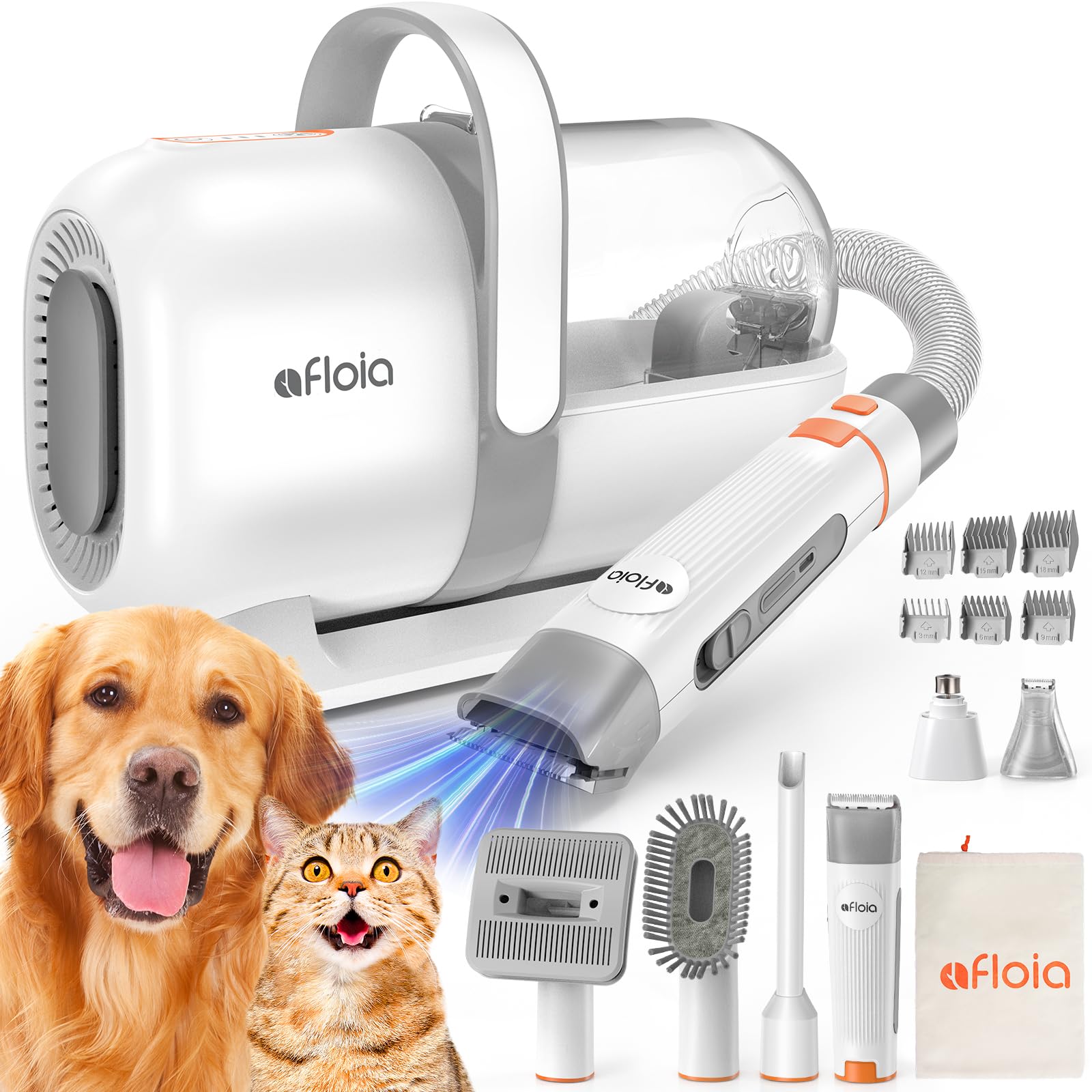
                          Use Covers and Barriers

                          Place washable covers on furniture and in your car to create a barrier between pet hair and surfaces. These covers are easy to remove and clean, simplifying the hair removal process.

                          Employ Air Purifiers

                          Air purifiers with HEPA filters can capture airborne pet hair and dander, improving indoor air quality. Place these in high-traffic areas or rooms where your pet spends the most time.

                          Damp Mop Hard Surfaces

                          For hard floors, use a slightly damp mop to trap pet hair effectively. The moisture helps to clump the hair together, making it easier to collect and dispose of.

                          Try Rubber Brooms

                          Rubber brooms are particularly effective on carpets and rugs. The rubber bristles create static electricity that lifts pet hair from the fibers, making it easy to sweep up.

                          By implementing these strategies and using the right tools, we can significantly reduce the challenge of pet hair in our homes. Remember, consistency is key in managing pet hair effectively.

                          Maintaining Your Pet Hair Remover Tool

                          Cleaning the Tool

                          Pet hair remover tools require regular maintenance to ensure their continued effectiveness. We’ve found that different types of tools demand exact cleaning approaches:

                          Rubber-Based Tools

                          Rubber-based pet hair removers, like the Analan Mini Pet Hair Remover Brush, can be challenging to clean due to hair sticking to the rubber material. To maintain these tools:

                          • Rinse under running water to remove loose hair
                          • Wipe with a damp cloth regularly
                          • Allow to air dry completely before next use

                          Roller-Style Tools

                          Roller-style pet hair removers, such as the ChomChom Roller, often feature a hair collection compartment. To clean these tools:

                          • Press the release button to open the compartment
                          • Shake out collected hair into a trash can
                          • Wipe the roller surface with a damp cloth if needed

                          Metal Teeth Tools

                          Tools with metal teeth, like the Uproot Clean Cleaner Pro Pet Hair Remover, require careful cleaning:

                          • Hold the tool at a 90-degree angle
                          • Gently pull hair from the teeth
                          • Avoid using on delicate fabrics to prevent damage

                          Maintaining Effectiveness

                          To keep your pet hair remover tool in top condition:

                          1. Clean after each use to prevent buildup
                          2. Store in a dry place to avoid moisture damage
                          3. Check for wear and tear regularly
                          4. Replace parts or the entire tool when effectiveness diminishes

                          Prolonging Tool Life

                          Extend the lifespan of your pet hair remover by:

                          • Following manufacturer’s instructions for use and care
                          • Using the right tool for each surface type
                          • Avoiding excessive pressure during use
                          • Performing routine maintenance checks

                          By properly maintaining your pet hair remover tool, we ensure it remains effective in tackling pet hair challenges throughout your home. Regular cleaning and proper care not only prolong the life of the tool but also maintain its efficiency in removing pet hair from various surfaces.
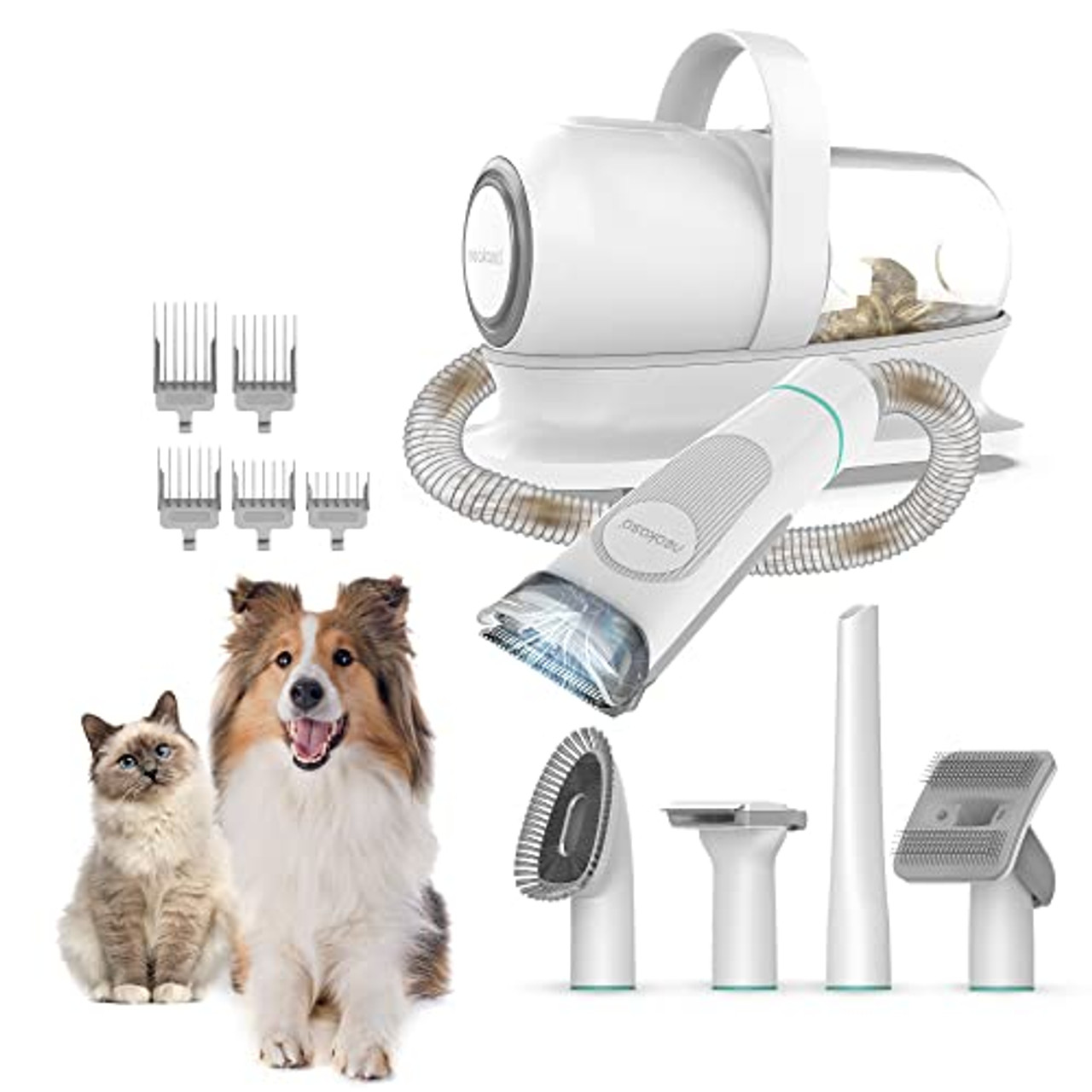
                          Environmental Considerations

                          When selecting pet hair remover tools, it’s crucial to consider their environmental impact. We’ve analyzed various aspects to help you make an eco-friendly choice.

                          Reusability

                          Reusable pet hair removers offer important environmental benefits by reducing waste and the need for disposable products:

                          • Chom Chom Roller: This tool collects pet hair in a compartment, eliminating the need for sticky sheets or disposable lint rollers.
                          • Analan Mini Pet Hair Remover Brush: Can be rinsed off in the sink after each use, promoting long-term use.
                          • Evriholder Pet Hair Removal Broom and FURemover Pet Hair Rubber Broom: These tools require no disposable parts, making them eco-friendly options.

                          Material and Durability

                          The materials used in pet hair remover tools impact their environmental footprint:

                          • ChomChom Roller: Made from plastic but designed for longevity and easy cleaning, reducing the need for frequent replacements.
                          • Metal or rubber-based tools: Often more durable than plastic alternatives, potentially lasting longer and minimizing waste.

                          Energy Efficiency

                          Consider the energy consumption of electric pet hair removers:

                          • Manual tools: Brushes, rubber gloves, and lint rollers require no electricity, making them energy-efficient choices.
                          • Electric tools: Vacuum attachments and motorized brushes use power but may be more efficient for large areas or heavy shedding.

                          Recyclability

                          The end-of-life disposal of pet hair remover tools is an important environmental factor:

                          • Look for tools made from recyclable materials like metal or certain plastics.
                          • Check if the manufacturer offers recycling programs for their products.

                          Packaging

                          Eco-friendly packaging can further reduce the environmental impact:

                          • Minimal packaging: Choose products with reduced packaging or those using recycled materials.
                          • Plastic-free options: Some brands offer plastic-free packaging alternatives.

                          By considering these environmental factors, we can make more sustainable choices when selecting pet hair remover tools, reducing our ecological footprint while keeping our homes free of pet hair.

                          Conclusion

                          Pet hair remover tools have revolutionized how we manage our furry friends’ shedding. We’ve explored various options from rollers to vacuums each designed for exact surfaces and needs. By choosing the right tool and implementing effective strategies we can significantly reduce pet hair in our homes. Remember to consider factors like reusability sustainability and ease of use when selecting a tool. With regular maintenance and proper care these tools will help keep our living spaces clean and comfortable for both us and our beloved pets.

                        6. Best Dog Grooming Scissors: Essential Guide for Pet Owners

                          Best Dog Grooming Scissors: Essential Guide for Pet Owners

                          Are you struggling to keep your furry friend looking sharp between professional grooming sessions? Dog grooming scissors might be the solution you’ve been searching for. These specialized tools are designed to help pet owners maintain their canine companions’ coats with ease and safety.

                          We’ll discover the area of dog grooming scissors, from their various types to their essential features. Whether you’re dealing with a thick, matted coat or just need to trim around sensitive areas, we’ve got you covered. By the end of this article, you’ll understand why investing in the right grooming scissors can make all the difference in your dog’s appearance and comfort. Let’s jump into the details that’ll help you choose the perfect pair for your pooch.

                          What Are Dog Grooming Scissors?

                          Dog grooming scissors are specialized tools designed for trimming, cutting, and styling a dog’s fur. These essential instruments help maintain a dog’s coat between professional grooming sessions, ensuring the pet’s comfort and appearance.

                          Types of Dog Grooming Scissors

                          There are three main types of dog grooming scissors:

                          1. Straight shears: Used for general cutting and trimming of larger areas
                          2. Curved shears: Ideal for trimming around the face, ears, and paws
                          3. Thinning shears: Designed to remove bulk and blend thick coats

                          Straight shears are versatile and suitable for most grooming tasks. Curved shears offer precision for delicate areas, creating smooth, rounded cuts. Thinning shears have teeth or blades with gaps, allowing groomers to thin out thick coats without removing too much hair at once.

                          Key Features to Look For

                          When selecting dog grooming scissors, consider these essential features:

                          1. Material: High-quality stainless steel or Japanese alloy steel for durability and sharpness
                          2. Blade length: Choose appropriate lengths for different grooming tasks
                          3. Ergonomic design: Comfortable grip to reduce hand fatigue during extended use
                          4. Safety features: Rounded tips for added protection, especially when working near sensitive areas
                          5. Adjustable tension: Allows customization of cutting resistance
                          6. Hand orientation: Options for left-handed or right-handed users
                          7. Blade type: Serrated or smooth edges for different cutting needs

                          Look for scissors with a projecting guard for better grip and control. Some models feature ball-shaped tips for enhanced safety when trimming facial areas. Consider purchasing a comprehensive shears kit to cover all grooming needs.

                          Choosing the Right Scissors for Your Dog

                          Selecting the appropriate dog grooming scissors is crucial for maintaining your pet’s coat effectively and safely. We’ll explore key factors to consider when choosing scissors that best suit your dog’s needs.

                          Considering Your Dog’s Coat Type

                          Different coat types require exact scissors for optimal grooming results. Straight-blade scissors are versatile, suitable for general trimming and shaping on most coat types. They’re particularly effective for thick-coated breeds, providing clean, precise cuts. Thinning scissors, also known as blending shears or chunkers, have toothed blades ideal for removing bulk and blending the coat. These are especially useful for dogs with thick or double coats, helping to thin out the hair without leaving noticeable lines. For finishing work and creating smooth, blended lines, convex blade scissors are an excellent choice. They have a curved edge that’s particularly effective for producing a polished look.

                          Size and Ergonomics

                          The size and ergonomics of dog grooming scissors significantly impact grooming efficiency and comfort. Choose scissors with a blade length appropriate for your dog’s size and the areas you’ll be grooming. Longer blades (7-8 inches) are suitable for larger dogs or extensive body work, while shorter blades (5-6 inches) offer more control for detailed work on smaller dogs or sensitive areas. Ergonomic design is crucial for reducing hand fatigue during prolonged grooming sessions. Look for scissors with comfortable handles, finger rests, and balanced weight distribution. Some scissors feature adjustable finger holes or rubber inserts for improved grip and comfort. Consider your dominant hand when selecting scissors, as some models are designed specifically for right or left-handed use.

                           Dog Grooming Scissors

                          How to Use Dog Grooming Scissors?

                          Using dog grooming scissors effectively requires proper technique and preparation. We’ll guide you through the essential steps to ensure a safe and successful grooming experience for your canine companion.

                          Preparing Your Dog for Grooming

                          Preparing your dog for grooming is crucial for a smooth and stress-free experience. Start by getting your dog accustomed to the grooming tools, including scissors. Let them become familiar with the sight, sound, and feel of the scissors. Choose the right time for grooming, preferably when your dog is relaxed, such as after a walk or playtime. Avoid grooming when they’re anxious, hungry, or tired. Thoroughly brush your dog’s coat to remove tangles and mats, preventing painful pulling during the grooming process. For nervous or anxious dogs, consider using calming aids like treats, pheromone sprays, or soothing music to help them relax during the grooming session.
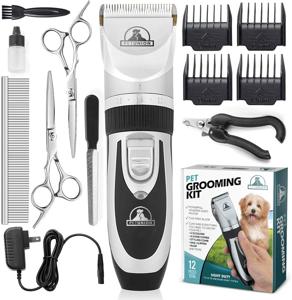
                          Basic Cutting Techniques

                          When using dog grooming scissors, proper technique is essential for achieving the best results. Start by brushing your dog’s coat to ensure it’s clean and free of knots. Hold the scissors with your thumb in the bottom finger loop and ring finger in the top loop, resting your little finger on the finger rest for stability. Use the full blade to trim in small sections, maintaining the desired length and shape.
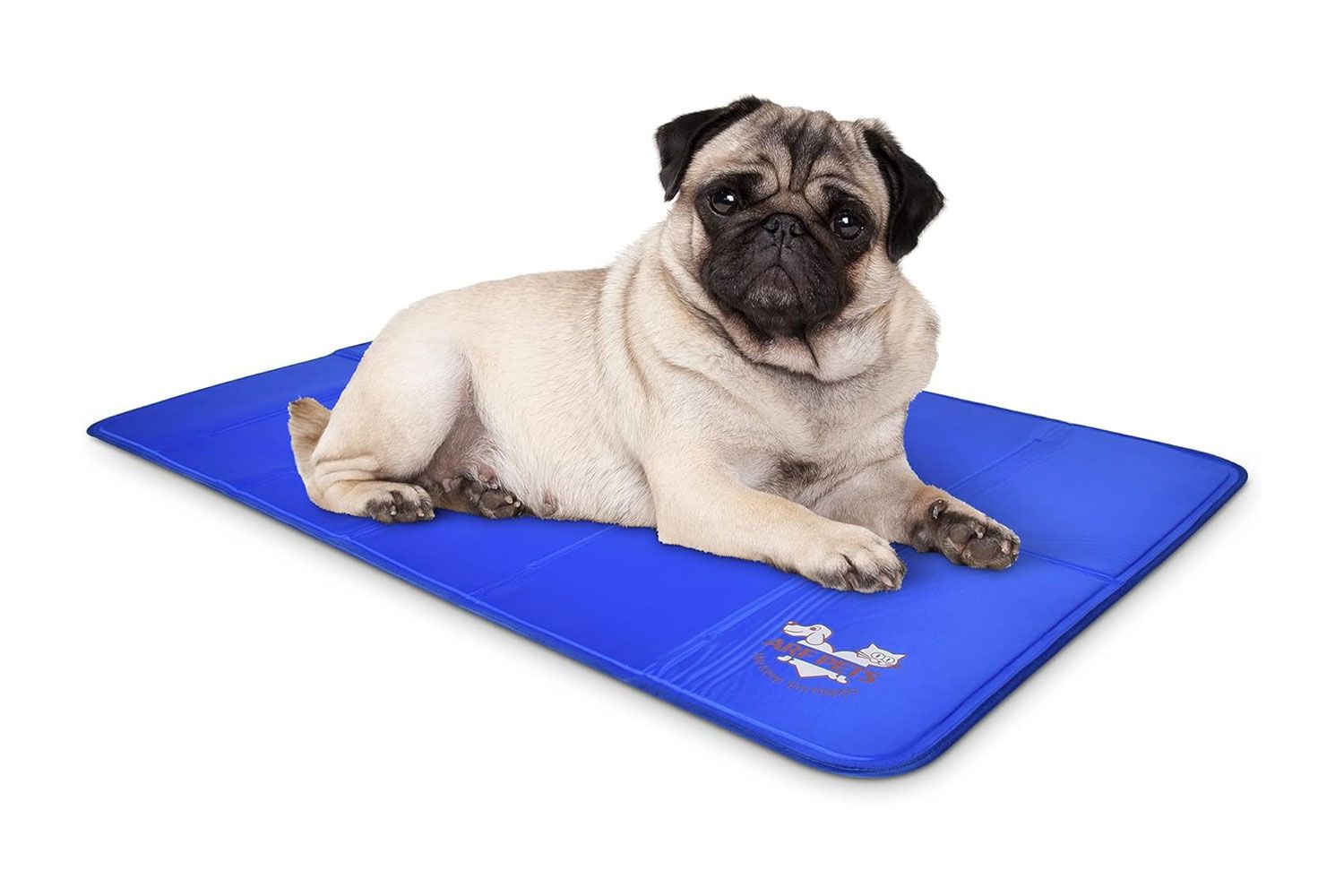
                          For sensitive areas like the eyes, nose, ears, and paws, use scissors with rounded tips facing away from your pet to prevent accidental nicks. Always trim in small sections to keep your dog safe and comfortable throughout the grooming process. When working with thick coats, use thinning shears to blend and reduce bulk without creating harsh lines. Remember to take frequent breaks and praise your dog to maintain a positive grooming experience.

                          Maintenance and Care of Grooming Scissors

                          Proper maintenance of dog grooming scissors is essential for their longevity and performance. Regular cleaning, disinfecting, sharpening, and storage practices ensure your grooming tools remain in top condition for years to come.

                          Cleaning and Disinfecting

                          Cleaning and disinfecting dog grooming scissors is crucial for maintaining their quality and effectiveness. Here’s a step-by-step process:

                          1. Initial cleaning: Use a lint-free cloth or soft brush to remove hair and debris from the blades.
                          2. Disinfecting: Submerge scissors in a suitable cleaning solution, like Barbicide, for 5-10 minutes.
                          3. Drying: Remove scissors from the solution and pat dry with a lint-free cloth to prevent lint accumulation.
                          4. Oiling: Apply a small amount of scissor oil to the blades, opening and closing them to distribute evenly.

                          This routine prevents rust, maintains smooth operation, and ensures hygienic grooming practices. Perform this process after each grooming session to keep your scissors in optimal condition.

                          Sharpening and Storage

                          Proper sharpening and storage techniques are vital for maintaining the effectiveness of dog grooming scissors:

                          1. Sharpening:
                          • Frequency: Sharpen scissors every 3-6 months, depending on usage.
                          • Professional sharpening: Consider using a professional sharpening service for optimal results.
                          • At-home maintenance: Use a sharpening stone between professional sharpenings to maintain the edge.
                          1. Storage:
                          • Clean and dry: Always store scissors clean and completely dry to prevent rust.
                          • Protective case: Use a dedicated scissor case or roll to protect blades from damage.
                          • Climate control: Store in a cool, dry place to avoid humidity-related issues.
                          • Tension adjustment: Loosen the tension slightly before storage to reduce stress on the blades.

                          By following these sharpening and storage practices, you’ll extend the life of your dog grooming scissors and ensure consistent performance. Regular maintenance not only preserves the tools but also enhances the overall grooming experience for both you and your canine companion.

                          Safety Tips When Using Grooming Scissors

                          When using dog grooming scissors, it’s crucial to prioritize safety for both the pet and the groomer. Here are essential safety tips to keep in mind:

                          Proper Handling and Positioning

                          Holding dog grooming scissors correctly is fundamental for safe and effective grooming:

                          • Grip the scissors with your thumb in one handle loop and your ring and little fingers in the other loop
                          • This grip provides stability and control while cutting
                          • Position your dog comfortably on a non-slip surface
                          • Use a grooming noose if necessary to keep your pet steady
                          • Ensure proper lighting to see clearly while grooming
                           Dog Grooming Scissors

                          Sensitive Areas to Watch

                          When using grooming scissors, be extra cautious around these sensitive areas:

                          • Eyes
                          • Ears
                          • Throat
                          • Tuck-up (area between hind legs and belly)
                          • Paw pads

                          These areas are prone to accidental cuts and require careful handling. Use safety-tip scissors with rounded tips to prevent accidental poking or scratching in these delicate regions.

                          Avoiding Accidents

                          To minimize the risk of accidents while using dog grooming scissors:

                          • Never rush through the grooming process
                          • Take your time to ensure even cuts and prevent injuries
                          • Keep distractions to a minimum during grooming sessions
                          • Regularly check the scissors for any damage or dullness
                          • Replace or sharpen scissors as needed to maintain optimal performance

                          Choosing the Right Scissors

                          Selecting appropriate grooming scissors enhances safety:

                          • Opt for scissors specifically designed for dog grooming
                          • Consider safety-tip scissors for areas near the skin
                          • Choose scissors with an appropriate blade length for your dog’s size
                          • Ensure the scissors fit comfortably in your hand to reduce fatigue

                          Preparing Your Dog

                          Proper preparation can make grooming safer and more comfortable:

                          • Brush your dog’s coat thoroughly before using scissors
                          • Remove any mats or tangles gently with a comb
                          • Familiarize your dog with the sound and feel of the scissors
                          • Start with short grooming sessions to build your dog’s tolerance

                          Maintaining Focus and Calm

                          A calm environment contributes to safer grooming:

                          • Choose a quiet time and place for grooming
                          • Speak soothingly to your dog throughout the process
                          • Take breaks if you or your dog become tired or stressed
                          • Reward your dog with treats and praise for good behavior

                          By following these safety tips, we can ensure a safer and more pleasant grooming experience when using dog grooming scissors. Remember, patience and attention to detail are key to avoiding accidents and achieving the best results.

                          Professional vs. DIY Dog Grooming

                          Quality and Materials

                          Professional dog grooming scissors are crafted from premium materials like Japanese alloy steel, stainless steel, or titanium-coated steel. These high-grade materials ensure durability, maintain sharpness, and resist rust and corrosion. DIY grooming tools often use lower-quality materials, which may not withstand frequent use or maintain their edge as effectively.

                          Design and Features

                          Professional scissors boast precise, hand-honed edges and often incorporate micro-serrated or semi-convex blades. These features enhance cutting performance and reduce slippage during grooming sessions. Offset handles and ergonomic designs are common in professional tools, reducing fatigue during extended use.

                          Some professional models, such as Kenchii’s Love™ and Rosé™ lines, are fully forged for superior performance and longevity. DIY scissors typically lack these advanced features, potentially resulting in less comfortable and efficient grooming sessions.

                          Precision and Efficiency

                          Professional groomers use specialized scissors designed for exact tasks:

                          • Straight shears for general cutting
                          • Curved shears for delicate areas like the face and paws
                          • Thinning shears for reducing bulk in thick coats

                          This variety allows for more precise and efficient grooming. DIY groomers often rely on a single pair of scissors, which may not be suitable for all grooming tasks.

                          Cost Considerations

                          Professional-grade scissors come with a higher price tag, reflecting their quality and specialized features. While the initial investment is important, these tools often prove cost-effective in the long run due to their durability and performance. DIY grooming scissors are generally more affordable but may require more frequent replacement.

                          Skill and Technique

                          Professional groomers undergo extensive training to master various cutting techniques and understand different coat types. They’re equipped to handle challenging grooming situations and create polished, breed-exact styles. DIY groomers may lack this expertise, potentially leading to less refined results or accidental nicks and cuts.

                          Time and Convenience

                          Professional grooming services offer convenience and time-saving benefits. Groomers can efficiently complete a full grooming session, including bathing, drying, and styling. DIY grooming requires a important time investment to achieve similar results, especially for inexperienced pet owners.

                          Specialized Equipment

                          Professional grooming facilities are equipped with a wide range of tools beyond scissors, including:

                          • High-velocity dryers
                          • Adjustable grooming tables
                          • Professional-grade shampoos and conditioners

                          These specialized tools contribute to more thorough and efficient grooming sessions. DIY groomers may lack access to this equipment, potentially impacting the quality of their grooming efforts.

                          Stress Management

                          Professional groomers are trained to handle anxious or difficult dogs, creating a calm environment during grooming sessions. They use techniques to minimize stress and ensure the dog’s comfort throughout the process. DIY grooming may be more stressful for both the dog and the owner, especially if the pet is unaccustomed to the process.

                          Health and Safety Considerations

                          Professional groomers are trained to identify potential health issues during grooming, such as skin problems, lumps, or parasites. They can alert pet owners to concerns that may require veterinary attention. DIY groomers may overlook these issues, potentially missing early signs of health problems.

                          Consistency and Frequency

                          Professional grooming typically occurs on a regular schedule, ensuring consistent maintenance of the dog’s coat. DIY grooming may be less consistent, depending on the owner’s time and motivation. Regular professional grooming can help prevent matting and other coat issues that may arise from infrequent maintenance.

                          Conclusion

                          Choosing the right dog grooming scissors is crucial for maintaining your pet’s coat between professional sessions. We’ve explored various types, essential features, and techniques to help you make informed decisions. Remember, proper care and maintenance of your scissors will ensure their longevity and effectiveness. While DIY grooming can be rewarding, it’s important to prioritize your dog’s safety and comfort. With the right tools and knowledge, you’ll be well-equipped to keep your furry friend looking their best. Happy grooming!

                        7. Get The Smell Out: Banish Odors from Your Dog’s Fabric Collar (2024 Easy Guide)

                          Get The Smell Out: Banish Odors from Your Dog’s Fabric Collar (2024 Easy Guide)

                          Is your furry friend’s fabric collar starting to smell a bit funky? Don’t worry, you’re not alone! Many dog owners face this common issue, but we’ve got you covered with get the smell out.

                          We understand how important it is to keep your pup’s accessories clean and fresh. After all, a smelly collar isn’t just unpleasant for you – it can also be uncomfortable for your dog. In this text, we’ll share effective methods to get the smell out of fabric dog collars, ensuring your canine companion stays clean and comfortable. From simple home remedies to specialized cleaning techniques, we’ll guide you through everything you need to know to tackle this smelly situation and keep your dog’s collar in top condition.

                          Understanding Dog Collar Odors

                          Dog collar odors are a common issue that many pet owners face. These unpleasant smells can develop over time due to various factors related to your dog’s activities and the environment. Let’s explore the main causes of smelly collars and why fabric collars are particularly prone to odor issues.

                          Common Causes of Smelly Collars

                          Smelly dog collars result from a combination of factors:

                          • Dirt and debris: Collars absorb particles from outdoor activities like rolling in grass or digging in soil.
                          • Skin oils and body odors: Dogs’ natural skin secretions and sweat seep into collar fibers.
                          • Moisture: Wet collars from rain, swimming, or humidity create ideal conditions for odor-causing bacteria.
                          • Bacteria and mold growth: Damp collars provide perfect breeding grounds for microorganisms.
                          • Environmental elements: Exposure to various substances like pond scum or skunk spray can leave lasting odors.
                          • Parasites: Fleas or other parasites can contribute to collar odors.

                          Regular cleaning is essential to prevent these odor-causing factors from accumulating on your dog’s collar.

                          Why Fabric Collars Get Particularly Smelly

                          Fabric collars are especially prone to odor issues for several reasons:

                          • Absorbent nature: Fabric materials readily soak up moisture, oils, and dirt.
                          • Porous structure: The woven fibers create many spaces for odor-causing particles to become trapped.
                          • Slow drying time: Fabric collars often take longer to dry, promoting bacterial growth.
                          • Difficulty in thorough cleaning: The intricate weave can make it challenging to remove all debris and bacteria.
                          • Static attraction: Fabric collars may attract and hold onto more airborne particles.

                          These characteristics make fabric collars more susceptible to developing and retaining unpleasant odors compared to other materials like leather or nylon. Regular maintenance and proper cleaning techniques are crucial for keeping fabric dog collars fresh and odor-free.

                          Preparing to Clean Your Fabric Dog Collar

                          Before diving into the cleaning process, it’s essential to prepare adequately. This preparation ensures you have everything needed for effective odor removal from your fabric dog collar.

                          Assessing the Level of Odor

                          To determine the extent of the odor, conduct a sniff test on your fabric dog collar. A mild odor might require a simple wash, while a strong smell calls for more intensive cleaning methods. Check for visible dirt, stains, or discoloration that might contribute to the odor. Feel the collar for any crusty or sticky areas, which could indicate trapped bacteria or oils. Consider the collar’s age and frequency of use, as older or frequently worn collars tend to accumulate more odors. This assessment helps tailor your cleaning approach for optimal results.

                          Gathering Necessary Cleaning Supplies

                          To effectively clean your fabric dog collar, gather these essential supplies:

                          1. Dog shampoo: Use only pet-safe shampoo to prevent skin irritation.
                          2. Warm water: For soaking and rinsing the collar.
                          3. Soft-bristled brush or toothbrush: To scrub and clean crevices.
                          4. Baking soda: For creating an odor-absorbing paste.
                          5. White vinegar: An alternative deodorizer.
                          6. Towels: For drying the collar after cleaning.
                          7. Large bowl or sink: For soaking the collar.
                          8. Rubber gloves: To protect your hands during cleaning.

                          Having these supplies ready ensures a smooth cleaning process for your fabric dog collar. Remember to choose cleaning agents that are safe for both the collar material and your dog’s skin.

                          Labrador Retriever dog breed / Get The Smell Out: Banish Odors from Your Dog's Fabric Collar (2024 Easy Guide)
                          Labrador Retriever dog breed

                          Effective Cleaning Methods

                          We’ve compiled several effective cleaning methods to help you get the smell out of fabric dog collars. These techniques are designed to tackle stubborn odors and restore freshness to your pet’s accessory.

                          Hand Washing Technique

                          Hand washing is an excellent method for removing smells from fabric dog collars. Fill a bowl or sink with warm water and add a small amount of dog shampoo. Soak the collar for 10 to 20 minutes, allowing the solution to penetrate the fabric. Use a soft-bristled brush, like an old toothbrush, to gently scrub the collar, paying extra attention to crevices where dirt accumulates. Rinse the collar thoroughly under hot water to remove all soap residue. Pat it dry with a towel and let it air dry completely. Avoid using heat sources like hairdryers, as they can damage the collar’s fabric. This hand washing technique effectively removes odors while preserving the collar’s integrity.

                          Machine Washing Tips

                          For machine-washable fabric dog collars, place the collar in a mesh laundry garment bag or delicate bag to protect it from damage. Use a gentle cycle with mild detergent, which is particularly suitable for synthetic collars like nylon and polyester. Remove any detachable parts, such as tags or charms, before washing. Set the water temperature to cold or warm, as hot water may cause shrinking or color fading. Once the cycle is complete, inspect the collar to ensure it’s clean and odor-free. If necessary, repeat the process. To dry, hang the collar in a well-ventilated area, avoiding direct sunlight or heat sources. Machine washing is an efficient solution for cleaning fabric dog collars, especially when dealing with stubborn smells.

                          Using Vinegar and Baking Soda Answers

                          Vinegar and baking soda are powerful natural deodorizers for fabric dog collars. Create a solution of equal parts white vinegar and water. Soak the collar in this mixture for 15-30 minutes, then rinse thoroughly under running water to remove any lingering vinegar smell. For baking soda, make a paste using baking soda and a small amount of water. Apply this paste directly to the smelly areas of the collar and gently scrub with a soft brush.

                          Rinse well with warm water. These methods are safe for pets and environmentally friendly. For daily maintenance, use a mild dish soap solution. Fill a basin with warm water, add a few drops of dish soap, and agitate the water to create suds. Submerge the collar and gently clean it. These natural answers effectively neutralize odors without harsh chemicals.

                          Natural Odor-Removing Techniques

                          Natural odor-removing techniques offer effective answers for eliminating unpleasant smells from fabric dog collars. These methods use common household items and are safe for both pets and the environment. We’ll explore two powerful techniques: essential oil treatment and the sun and fresh air method.

                          Essential Oil Treatment

                          Essential oils provide a natural and aromatic way to combat odors in fabric dog collars. Here’s how to use them effectively:

                          1. Choose pet-safe essential oils like lavender, chamomile, or cedarwood.
                          2. Mix 2-3 drops of essential oil with 1 cup of water in a spray bottle.
                          3. Lightly mist the collar, ensuring even coverage.
                          4. Allow the collar to air dry completely.
                          5. Repeat the process if needed for stubborn odors.

                          Essential oils not only mask unpleasant smells but also have antibacterial properties that help eliminate odor-causing bacteria. But, it’s crucial to use oils sparingly and avoid applying them directly to the collar without dilution. Always consult with a veterinarian before using essential oils around pets to ensure safety.

                          Get The Smell Out: Banish Odors from Your Dog's Fabric Collar (2024 Easy Guide)

                          Photo by Doğan Alpaslan Demir on Pexels

                          Sun and Fresh Air Method

                          The sun and fresh air method harnesses nature’s power to deodorize fabric dog collars:

                          1. Rinse the collar thoroughly with clean water to remove surface dirt.
                          2. Gently squeeze out excess water without wringing the collar.
                          3. Hang the collar outside in direct sunlight on a warm, breezy day.
                          4. Leave it for 4-6 hours, turning it occasionally for even exposure.
                          5. Bring the collar inside once it’s completely dry.

                          This method works by using UV rays from sunlight to kill odor-causing bacteria and mold. The fresh air helps dissipate lingering smells, leaving the collar smelling clean and fresh. It’s particularly effective for collars with mild odors or those that have already been washed. For best results, combine this method with other cleaning techniques for stubborn smells.

                          Dealing with Stubborn Smells

                          Some odors on fabric dog collars can be particularly challenging to eliminate. We’ll explore effective methods for tackling two of the most stubborn smells: skunk odor and mildew scent.

                          Tackling Skunk Odor

                          When a dog encounters a skunk, the resulting odor can be overwhelming and difficult to remove from fabric collars. To effectively eliminate skunk smell:

                          1. Create a deodorizing solution: Mix 1 quart of 3% hydrogen peroxide, 1/4 cup of baking soda, and 1 teaspoon of liquid dish soap.
                          2. Soak the collar: Immerse the fabric collar in the solution for 15-20 minutes.
                          3. Scrub gently: Use a soft-bristled brush to work the solution into the fabric.
                          4. Rinse thoroughly: Use clean water to remove all traces of the solution.
                          5. Air dry: Hang the collar outside to dry completely.

                          For persistent skunk odor, repeat the process or consider using specialized enzyme-based skunk odor removers available at pet stores.

                          Removing Mildew Scent

                          Mildew odor on fabric dog collars can be stubborn and unpleasant. Here’s how to effectively remove it:

                          1. Vinegar solution: Mix equal parts white vinegar and water in a bowl.
                          2. Soak the collar: Submerge the collar in the solution for 30 minutes.
                          3. Scrub gently: Use a soft brush to work the solution into the fabric.
                          4. Rinse and dry: Rinse the collar thoroughly with clean water and air dry in direct sunlight.
                          5. Baking soda treatment: For persistent odors, sprinkle baking soda on the dry collar and let it sit overnight before brushing off.
                          6. Enzymatic cleaner: For severe cases, use a pet-safe enzymatic cleaner designed to break down organic matter causing the mildew smell.

                          Remember to always dry fabric collars completely after cleaning to prevent future mildew growth.

                          Drying and Maintaining Your Collar

                          After cleaning your fabric dog collar, proper drying and maintenance are crucial to prevent odors and extend its lifespan. We’ll explore effective drying techniques and regular maintenance tips to keep your dog’s collar fresh and clean.

                          Proper Drying Techniques

                          Air drying is essential for fabric dog collars to prevent the growth of yeast and bacteria. Hang the collar in a well-ventilated area or outside in direct sunlight. Sunlight acts as a natural disinfectant, eliminating harmful microbes and ensuring a fresh-smelling collar. Avoid using heat sources like dryers or radiators, as they can damage the fabric or warp the collar’s shape. Gently squeeze out excess water with a towel before hanging to speed up the drying process. For collars with metal hardware, wipe these parts dry to prevent rust. Allow the collar to dry completely before reattaching it to your dog, typically taking 4-6 hours depending on humidity levels.

                          Regular Maintenance Tips

                          Carry out preventive measures to keep your dog’s collar smelling fresh longer. Clean the collar regularly, at least once a month or more frequently for active dogs. Use a gentle soap or pet-safe cleaner to remove debris, avoiding harsh chemicals. Rotate between multiple collars, allowing each one to fully dry before reuse. This practice extends the lifespan of collars and prevents odor buildup.

                          Brush the collar weekly to remove loose dirt and hair. For fabric collars with removable padding, wash the padding separately and more frequently. Apply a pet-safe fabric protector spray to create a barrier against dirt and moisture. Inspect the collar regularly for signs of wear and replace it when necessary to ensure your dog’s safety and comfort.

                          Preventing Future Odors

                          Preventing odors in fabric dog collars is easier than constantly cleaning them. We’ll explore strategies to keep your dog’s collar fresh for longer periods.

                          Choosing Odor-Resistant Materials

                          Selecting the right materials for your dog’s collar can significantly reduce odor buildup. Nylon and rubber collars are excellent choices as they resist water and don’t retain scents like other materials. These materials are less porous, making it harder for bacteria to thrive and odors to penetrate. Waterproof or odor-resistant collars absorb less smell, reducing the frequency of washes needed. When shopping for a new collar, look for labels that specifically mention odor-resistant properties. Some collars even feature antimicrobial coatings that inhibit bacterial growth, further preventing unpleasant smells. By investing in these types of collars, you’ll spend less time cleaning and more time enjoying odor-free walks with your furry friend.

                          Establishing a Cleaning Routine

                          Regular maintenance is key to preventing odors in fabric dog collars. Carry out a cleaning schedule to keep your dog’s collar fresh. Clean the collar at least once a month, or more frequently if your dog is particularly active or prone to getting dirty. Use a gentle soap or specialized pet-safe cleaner to remove debris, avoiding harsh chemicals that may damage the collar. Between deep cleans, brush the collar weekly to remove loose dirt and hair. Rotate between multiple collars, allowing each one to fully dry before use.

                          This practice minimizes the accumulation of oils and bacteria. After each cleaning, ensure the collar is completely dry before putting it back on your dog. Air drying in a well-ventilated area or direct sunlight is ideal for preventing bacterial growth. By following these steps consistently, you’ll maintain a clean, odor-free collar and extend its lifespan.

                          Final Thought on Get The Smell Out from Fabric Collar

                          We’ve explored effective methods to banish odors from fabric dog collars ensuring your furry friend’s accessory stays fresh. By understanding the causes of smells and implementing proper cleaning techniques you’ll keep your dog’s collar in top condition. Remember regular maintenance and smart material choices are key to preventing future odors. With these tips you’ll enjoy cuddles with your pup without any unpleasant smells getting in the way. Your dog will thank you for the extra comfort and you’ll appreciate the fresh-smelling companion by your side.