Have you ever watched your beloved dog suddenly vomit blood? It’s a frightening experience that can leave any pet owner feeling helpless. Understanding why a dog is throwing up blood is crucial for taking the right steps to ensure their health and safety.
We often receive calls from worried owners reporting this alarming symptom. From ingesting foreign objects like chicken bones or plastic toys to severe gastrointestinal issues, there are many reasons behind this distressing sign. In this text, we’ll explore the common causes of dogs vomiting blood and guide you on the actions you should take. By the end, you’ll have a clearer understanding of what might be troubling your furry friend and how to respond effectively.
Understanding Bloody Vomit in Dogs
Bloody vomit in dogs, or hematemesis, signals an urgent health issue. Recognizing its signs and differentiating it from other symptoms ensures timely veterinary care.
Signs and Symptoms
Dogs throwing up blood exhibit various indicators. Appearance of Blood varies from bright red, indicating bleeding in the esophagus or mouth, to dark red or coffee-ground-like, suggesting stomach or upper intestinal bleeding. Additional Symptoms include abdominal pain, loss of appetite, lethargy, pale gums, weakness, weight loss, and black, tarry stools. These signs help determine the severity of the condition. Bleeding Indicators like dark, tarry stools point to internal bleeding within the digestive tract. Observing these symptoms promptly allows us to assess whether the vomiting blood is due to minor issues or more serious health concerns. Immediate attention is crucial, especially when multiple symptoms accompany hematemesis, ensuring our dogs receive the necessary treatment without delay.
Differentiating from Other Symptoms
Distinguishing bloody vomit from other types of vomiting is essential. Brown Vomit may result from digested kibble, fecal matter, or lower digestive tract bleeding, resembling coffee grounds. In such cases, immediate veterinary evaluation is necessary. Grassy Vomit occurs when dogs eat grass, which isn’t always a medical emergency unless accompanied by foamy or bile-stained vomit. Excessive grass eating might indicate an underlying issue requiring professional assessment. Lip Licking and Drooling can precede vomiting but don’t specifically indicate blood presence. Understanding these differences helps us identify when the blood in vomit signifies a critical condition versus a less severe reaction. Accurate differentiation ensures we respond appropriately to our dog’s health needs, prioritizing their well-being effectively.
Common Causes
When a dog throws up blood, identifying the underlying cause is essential for effective treatment. We categorize the causes into gastrointestinal issues, infections and diseases, and ingestion of toxins or foreign objects.
Gastrointestinal Issues
Gastrointestinal problems are primary reasons our dogs might vomit blood. Gastrointestinal Ulcers occur in the stomach or upper GI tract, often triggered by medications like NSAIDs, bacterial infections, or chronic diseases. These ulcers lead to bleeding, resulting in hematemesis. Gastrointestinal Tumors, including stomach cancer or esophageal growths, can cause important bleeding. These tumors may be benign or malignant, affecting the digestive system’s integrity. Hemorrhagic Gastroenteritis presents sudden, severe bloody vomiting and diarrhea, rapidly causing dehydration. This condition demands immediate veterinary attention to prevent critical health decline. Recognizing these gastrointestinal issues helps us respond promptly when our dogs show signs of vomiting blood.
Infections and Diseases
Infections and systemic diseases also contribute to dogs vomiting blood. Parvovirus is a highly contagious viral infection causing severe vomiting and bloody stool, primarily in puppies. Leptospirosis affects the liver and kidneys, leading to hemorrhaging and blood in vomit. Pancreatitis, the inflammation of the pancreas, can induce vomiting with traces of blood due to irritated stomach lining. Chronic conditions like Liver Disease impair blood clotting, increasing the risk of bleeding in the gastrointestinal tract. These infections and diseases require swift diagnosis and treatment to mitigate severe health consequences in our pets.
Ingestion of Toxins or Foreign Objects
Exposure to toxins or ingestion of foreign objects poses important risks for our dogs, leading to vomiting blood. Toxic Substances such as certain plants, chemicals, or human medications can damage the gastrointestinal lining, causing hemorrhage. Foreign Objects, like bones, toys, or indigestible items, can tear the esophagus or stomach, resulting in bleeding. Accidental ingestion of Heavy Metals or Household Cleaners also leads to severe internal bleeding and requires immediate veterinary intervention. Preventing access to these harmful substances and monitoring our dogs can reduce the likelihood of them vomiting blood due to toxic ingestion or foreign object obstruction.
When to Seek Emergency Care
Recognizing when our dog is throwing up blood is essential for timely intervention. Immediate veterinary attention can save their life.
Severe Indicators
Severe blood loss in our dog requires urgent veterinary care. Signs include pale gums, rapid weakness, and persistent lethargy. If our dog experiences bloody diarrhea or black, tarry stools, it indicates important internal bleeding. Also, a high fever combined with continuous vomiting of blood demonstrates a critical condition. When our dog shows these symptoms, swift action is necessary to prevent fatal outcomes. Severe blood loss may necessitate an emergency blood transfusion, highlighting the importance of immediate veterinary intervention.
Considerations for Puppies and Senior Dogs
Puppies and senior dogs face unique risks when throwing up blood. Puppies have delicate systems, making them more susceptible to rapid blood loss and dehydration. Symptoms like persistent vomiting, weakness, or unusual lethargy in puppies require urgent care. Senior dogs often have underlying health issues, such as liver disease or cancer, that complicate their condition. Age-related factors can slow recovery, so observing changes like decreased appetite or increased fatigue in senior dogs is crucial. Prompt veterinary intervention ensures we address these age-exact risks effectively, improving the chances of a positive outcome for our beloved pets.
Veterinary Diagnosis and Treatment
When a dog vomits blood, prompt veterinary diagnosis and treatment are essential to address the underlying cause effectively.
Diagnostic Procedures
To diagnose why a dog is vomiting blood, veterinarians use several methods:
Fecal Examination: Identifies parasitic infections like Giardia and detects abnormal gastrointestinal bacteria.
Blood Tests: Includes a complete blood count (CBC), blood chemistry panel, and coagulation profile. These tests assess overall health, infection, inflammation, and organ function.
Imaging Techniques: Utilizes X-rays, ultrasound, or contrast studies to visualize the gastrointestinal tract, revealing structural abnormalities, tumors, or foreign objects.
Biopsy: Conducted if a tumor or abnormal tissue is suspected, providing samples for laboratory analysis.
After a thorough physical exam, vets may recommend additional tests based on initial findings. For example, a suspected foreign body might require endoscopy or surgery. Diagnostic procedures ensure accurate identification of the cause, enabling targeted treatment plans.
Treatment Options
Treatment for a dog vomiting blood depends on the diagnosed condition:
Parasite Treatment: Dogs with intestinal worms receive exact antiparasitic medications.
Surgery: Necessary for intestinal obstructions or removal of foreign objects.
Medications: Antacids and antiemetics address chronic gastritis or ulcers. Anti-inflammatory drugs manage autoimmune issues or organ dysfunction.
Hospitalization: Severe cases may require hospitalization for intravenous fluids, blood transfusions, or continuous monitoring.
Supportive Care: Includes activated charcoal for poisonings and strict diets to eliminate allergens.
Vets prioritize stabilizing the dog’s condition, addressing the root cause, and providing supportive treatments. Depending on severity, some dogs may be treated and released, while others require extended veterinary care to ensure full recovery.
Prevention Strategies
Preventing a dog from throwing up blood involves implementing comprehensive health and safety measures. By focusing on diet, toxin avoidance, and regular veterinary care, we can significantly reduce the risk of this serious symptom.
Maintaining a Healthy Diet
Feeding our dogs a balanced, nutritious diet is essential to prevent gastrointestinal issues that can lead to vomiting blood. We ensure their meals consist of high-quality proteins, carbohydrates, and fats customized to their age, size, and activity level. Avoiding table scraps eliminates the risk of dietary indiscretion, where dogs might ingest harmful substances. Also, we incorporate fiber-rich foods to support digestive health and prevent constipation, which can strain the gastrointestinal tract.
Regularly scheduled feeding times and controlling portion sizes help maintain a healthy weight, reducing the likelihood of conditions like gastritis or ulcers. By selecting commercial dog foods with clear ingredient lists and avoiding those with artificial additives, we minimize the chance of allergic reactions or sensitivities that could result in bleeding. Monitoring our dogs for any adverse reactions to new foods allows us to address potential issues promptly, ensuring their digestive system remains robust and less prone to severe complications like vomiting blood.
Avoiding Exposure to Toxins
Preventing exposure to toxins is crucial in stopping our dogs from throwing up blood. We secure household chemicals, medications, and toxic plants out of reach to prevent accidental ingestion. During walks, we keep a close watch to stop them from scavenging in garbage bins or consuming harmful substances found outdoors. We use pet-safe cleaning products and avoid those containing ingredients like xylitol or chocolate, which are toxic to dogs.
Also, we ensure that our dogs do not have access to antifreeze, pesticides, or other hazardous materials commonly found in garages or gardens. Educating household members about the dangers of certain foods and substances further reduces the risk of accidental poisoning. In environments where exposure to environmental toxins is possible, we provide protective measures such as supervised play areas and secure storage answers. By maintaining vigilance and creating a toxin-free environment, we effectively minimize the chances of our dogs encountering harmful agents that could damage their gastrointestinal system and cause them to vomit blood.
Conclusion
We know how alarming it is when your dog vomits blood. It’s a clear sign that immediate action is needed. Staying informed helps us respond effectively during these critical moments.
By recognizing the symptoms and understanding the potential causes, we can make informed decisions about seeking veterinary care. Our proactive approach can make a important difference in our pets’ recovery.
Taking preventive measures also plays a key role in safeguarding our dogs’ health. Together we can ensure our furry companions lead happy and healthy lives.
Ever noticed your dog scratching incessantly or grappling with a rash on his belly and inner thighs? You’re not alone—skin issues like these affect countless pets every year. Understanding why your furry friend is uncomfortable is crucial for their health and happiness.
From allergic reactions to environmental factors, several causes can lead to irritating rashes. Flea allergy dermatitis alone affects a important percentage of dogs, causing intense itching and redness in sensitive areas. Ignoring these signs can worsen the condition, potentially leading to infections that require professional care.
In this text, we’ll explore the common reasons behind belly and thigh rashes in dogs, outline the steps you can take to alleviate their discomfort, and highlight when it’s essential to seek veterinary assistance. Together, we can ensure your pet stays healthy and itch-free.
Causes of Rashes on a Dog’s Belly and Inner Thighs
Rashes on a dog’s belly and inner thighs can stem from various underlying causes. Understanding these factors helps address and prevent further skin issues effectively.
Allergic Reactions
Allergic reactions frequently cause rashes on a dog’s belly and inner thighs. Environmental allergens, such as pollen, grasses, molds, and dust mites, trigger these reactions when dogs come into contact with them. Food allergies to ingredients like chicken, beef, or fish also lead to skin inflammation. Also, contact allergens, including chemicals found in household cleaners or certain plants like poison ivy, can irritate your dog’s skin. When exposed to these allergens, the immune system releases histamines, resulting in itching, redness, and rash formation. Identifying the exact allergen is crucial for managing symptoms and preventing recurrence.
Parasites (Fleas and Ticks)
Parasites are important contributors to rashes on a dog’s belly and inner thighs. Fleas, though small, can cause intense allergic reactions known as flea allergy dermatitis (FAD). Flea bites lead to itching, redness, and rash development, especially in areas where fleas are active. Ticks also pose a threat by attaching to the skin and causing irritation. They can transmit diseases like Lyme disease, necessitating prompt removal. Effective parasite control measures, such as regular grooming and preventive treatments, are essential to minimize the risk of rash development and other related health issues.
Bacterial and Fungal Infections
Bacterial and fungal infections can cause rashes on a dog’s belly and inner thighs. These infections occur when the skin barrier is compromised due to scratching or trauma, allowing pathogens to enter. Bacterial infections, such as those caused by Staphylococcus, result in red, inflamed, and sometimes oozing rashes. Fungal infections, like yeast dermatitis, present with greasy scales and a foul odor. Maintaining proper hygiene and addressing skin injuries promptly can prevent these infections. If an infection is suspected, veterinary treatment with appropriate antimicrobials is necessary to resolve the condition and alleviate your dog’s discomfort.
Heat and Irritation
Heat and irritation also lead to rashes on a dog’s belly and inner thighs. High temperatures and humidity increase moisture retention in skin folds, promoting irritation and friction. This environment is ideal for the development of hot spots, which are localized areas of acute inflammation and self-inflicted injury from excessive scratching or licking. Providing adequate ventilation, keeping your dog cool, and ensuring the skin remains dry can prevent heat-related rashes. Also, minimizing exposure to harsh surfaces and using protective clothing during hot weather can reduce irritation and maintain your dog’s skin health.
Symptoms of a Dog Rash
When our dog has a rash on his belly and inner thighs, we observe several distinct symptoms. Recognizing these signs promptly helps us address the issue effectively.
Red, Irritated, or Flaky Skin
Our dog’s skin may appear red, irritated, or flaky in the affected areas. This redness often indicates inflammation and can vary in intensity. Flaky skin signifies dryness or shedding, which may contribute to discomfort.
Excessive Itchiness
Itchiness is a primary symptom of a dog rash. We notice our dog scratching, licking, biting, or chewing the rash area frequently. This behavior not only intensifies the rash but can also lead to further skin irritation or infection.
Hair Loss
A rash can result in noticeable hair loss around the belly and inner thighs. Bald patches or dull fur in these regions are common as persistent scratching and licking damage the hair follicles.
Sores and Ulcers
Continuous irritation from scratching or licking may cause sores and ulcers. These open wounds increase the risk of secondary bacterial or yeast infections, worsening our dog’s skin condition.
Swelling and Inflammation
Swelling and inflammation often accompany a rash. The affected skin may become puffy and tender, sometimes developing pimple-like pustules or scabs. This swelling indicates the body’s response to irritation or infection.
Strong Bad Odor
A foul odor can emanate from the rash area due to bacterial or yeast infections. The unpleasant smell serves as a warning sign of underlying issues that need immediate attention.
Weeping Skin
In some cases, the rash causes the skin to become weepy or greasy. This moisture can create an environment conducive to further infections and delays in the healing process.
Additional Observations
Beyond these primary symptoms, we might also notice:
Discolored Skin: The affected areas may display colors ranging from pink and red to brown or black, indicating different stages or types of skin damage.
Painful or Tender Skin: Touching the rash may elicit a painful response, signaling important irritation or injury.
Hot Spots: Moist, inflamed skin regions known as hot spots develop from repeated licking and scratching, requiring prompt treatment to prevent escalation.
Monitoring these symptoms allows us to take timely action, ensuring our dog remains comfortable and healthy. If multiple signs are present or the rash persists, consulting a veterinarian becomes essential to determine the exact cause and appropriate treatment.
Diagnosing a Rash in Dogs
When our dog shows a rash on his belly and inner thighs, we start by scheduling a veterinary appointment. The veterinarian conducts a thorough physical examination, assessing the rash’s size, color, and texture. They also check for symptoms like swelling, discharge, or odor, which can indicate the rash’s severity and underlying cause.
Veterinary Assessment
Our vet reviews our dog’s medical history, including diet, current health issues, and home environment. They ask questions about recent changes or exposures to potential allergens or irritants. This information helps narrow down possible causes of the rash.
Diagnostic Tests
Depending on the suspected cause, the veterinarian may perform several tests:
Allergy Testing: If allergies are suspected, the vet might recommend a food elimination diet or intradermal allergy testing to identify exact allergens like pollen, dust mites, or certain foods such as chicken or beef.
Skin Scraping: To detect mites, bacteria, or fungi, the vet performs a skin scraping. This test helps identify parasitic infections like fleas or mites that could cause intense itching and irritation.
Skin Biopsy: In cases of recurring rashes or infections, a skin biopsy may be necessary. A small sample of skin is examined in a pathology laboratory to determine the exact cause.
Blood Profile: Blood tests check for underlying diseases such as hypothyroidism or Cushing’s disease, which can contribute to skin issues.
Identifying Parasites
Even if we don’t see fleas or ticks, the vet thoroughly inspects our dog’s fur and skin. Using a fine-toothed comb, they search for pests, especially in areas where the rash is present. Identifying and removing parasites is crucial for effective treatment.
Ruling Out Irritants
The vet considers environmental factors, such as exposure to chemicals, pesticides, or irritating plants like poison ivy. They may ask about recent use of household cleaners or changes in our dog’s environment that could contribute to the rash.
Treatment Plan
Once the diagnosis is clear, the veterinarian develops a treatment plan customized to our dog’s exact needs. This plan may include:
Prescription Medications: To reduce inflammation and itching.
Topical Treatments: Applied directly to the affected areas to soothe the skin.
Allergy Management: Implementing dietary changes or environmental controls to minimize exposure to allergens.
By following a systematic diagnostic approach, we ensure our dog receives the appropriate treatment to eliminate the rash and prevent its recurrence.
Treatment Options for Dog Rashes
Addressing a rash on your dog’s belly and inner thighs involves various treatment options customized to the underlying cause. We explore both veterinary treatments and effective home remedies to ensure your dog’s comfort and skin health.
Veterinary Treatments
Veterinary treatments target the exact cause of your dog’s rash. A veterinarian may prescribe antihistamines like Benadryl for allergic reactions, effectively reducing itching and inflammation. For parasitic issues such as mange, antiparasitic medications are essential to eliminate the source. Medicated shampoos containing antifungal or antibacterial ingredients can soothe irritated skin and prevent infections. In cases of bacterial or fungal infections, antibiotics or antifungals are necessary to combat the pathogens. Also, anti-inflammatory medications or newer anti-itch medications may be recommended to provide relief. For severe allergies, allergen immunotherapy or hypoallergenic diets can be part of a comprehensive treatment plan. Regular follow-up appointments ensure the rash improves and the treatment is effective, allowing adjustments as needed.
Home Remedies
Complementing veterinary treatments, home remedies can provide additional relief for your dog’s rash. Oatmeal-based shampoos soothe irritated skin and help retain moisture, while hypoallergenic shampoos reduce inflammation and prevent further irritation. Regular grooming, including trimming your dog’s hair and bathing, promotes a healthy coat and alleviates discomfort. Oatmeal baths offer anti-inflammatory benefits, calming itchy areas naturally. Incorporating a modified diet with hypoallergenic foods supports skin health and minimizes allergic reactions. Flea and tick prevention measures at home, such as using topical treatments or collars, help prevent parasite-related rashes. Ensuring a clean and comfortable environment reduces exposure to irritants, aiding in the healing process. These home-based strategies work alongside veterinary care to enhance your dog’s skin health and overall well-being.
Preventing Future Rashes
Maintaining your dog’s skin health is essential to prevent rashes on his belly and inner thighs. We keep skin folds clean and dry by regularly using medicated wipes. This practice removes potential allergens and irritants that can trigger allergic reactions. Also, we ensure our dog stays cool during hot and humid weather by providing ample shade and ventilation.
Limiting sun exposure helps reduce the risk of heat-induced skin irritation. We walk our dog early in the morning and late in the evening when temperatures are lower, minimizing his exposure to harsh sunlight. Regular walks also help remove pollen and other environmental allergens from his coat, preventing them from causing skin issues.
Year-round flea prevention is crucial in preventing flea allergy dermatitis, a common cause of rashes. We use high-quality flea prevention products consistently to protect our dog from flea bites and related skin irritation. Maintaining a nutritionally complete and balanced diet supports overall skin health, reducing the likelihood of allergic reactions to food.
Regular grooming, including baths and professional haircuts, keeps our dog’s skin and coat in optimal condition. The frequency of these grooming sessions depends on his breed and lifestyle, ensuring his skin remains free from excess moisture and debris that can lead to infections. We also consider skin health supplements formulated for dogs, after consulting our veterinarian, to enhance his skin barrier and reduce inflammation.
Identifying and avoiding exact triggers is key to preventing future rashes. For dogs with environmental allergies, we use antihistamines like Benadryl during allergy seasons and wipe his paws and belly after walks to remove pollen. If our dog has food allergies, we adhere to a special diet recommended by our vet to eliminate offending ingredients.
In dry climates, using a home humidifier can maintain skin moisture, preventing dryness and irritation. We work closely with our veterinarian to identify and manage any underlying causes of rashes, ensuring prompt treatment at the first sign of irritation. By implementing these preventive measures, we reduce the risk of rash development and promote our dog’s long-term skin health.
Preventive Measure
Description
Regular Use of Medicated Wipes
Cleans skin folds to remove allergens and irritants.
Year-Round Flea Prevention
Protects against flea bites and flea allergy dermatitis.
Balanced Diet
Supports overall skin health and reduces food-related allergies.
Regular Grooming
Keeps skin and coat free from excess moisture and debris.
Antihistamines During Allergy Season
Manages environmental allergies effectively.
Special Diet for Food Allergies
Eliminates exact allergens to prevent food-related rashes.
Home Humidifier in Dry Climates
Maintains skin moisture to prevent dryness and irritation.
Early Morning and Late Evening Walks
Minimizes sun exposure and removes environmental allergens from coat.
Prompt Veterinary Care
Ensures early treatment to prevent rash progression and infections.
Conclusion
Taking proactive steps to address your dog’s rash ensures their comfort and health. By staying vigilant and maintaining proper care routines we can prevent minor issues from escalating.
Working closely with our veterinarians and implementing preventive measures not only alleviates current discomfort but also supports our dog’s long-term well-being. Together we can keep our furry friends happy and healthy.
Ever wondered how to keep your furry friend safe while maintaining your home’s flow? We understand that finding the perfect dog gate is essential for creating a harmonious living space. With pets becoming beloved members of our families, ensuring their safety without sacrificing accessibility has never been more important.
Dog gates offer a versatile solution to block off doorways, stairways, and other areas, providing peace of mind for pet owners. Whether you have a playful pup that loves to explore or a curious cat that’s always on the move, the right gate can make all the difference. In this text, we’ll explore the key features to look for in a dog gate, share essential tips for installation, and help you choose the best option to suit your home and pet’s needs. Let’s jump into how you can create a safe and comfortable environment for your beloved companion.
Types of Dog Gates
Select the right dog gate by understanding the different types available. Each design offers unique features to suit various household needs.
Pressure-Mounted Gates
Pressure-mounted dog gates provide a versatile solution for temporary or non-permanent installations. These gates are perfect for renters or anyone who prefers not to alter their home structure. They use rubberized tension knobs and an adjustable bar to secure the gate within a doorway, ensuring a tight fit without the need for tools or screws. This ease of installation allows for swift setup and removal, making them adaptable for different doorways and situations. Also, pressure-mounted gates often feature a small step-over bar at the bottom, improving their stability when open.
Some models include extensions and pet doors, offering added convenience for pet movement. With materials such as durable recycled plastic and built-in safety features, these gates effectively contain dogs while maintaining visibility. They generally require a minimum mounting surface of 2 x 2 feet, ensuring they fit securely in most standard spaces. Overall, pressure-mounted gates combine practicality and functionality, making them a popular choice among dog owners.
Hardware-Mounted Gates
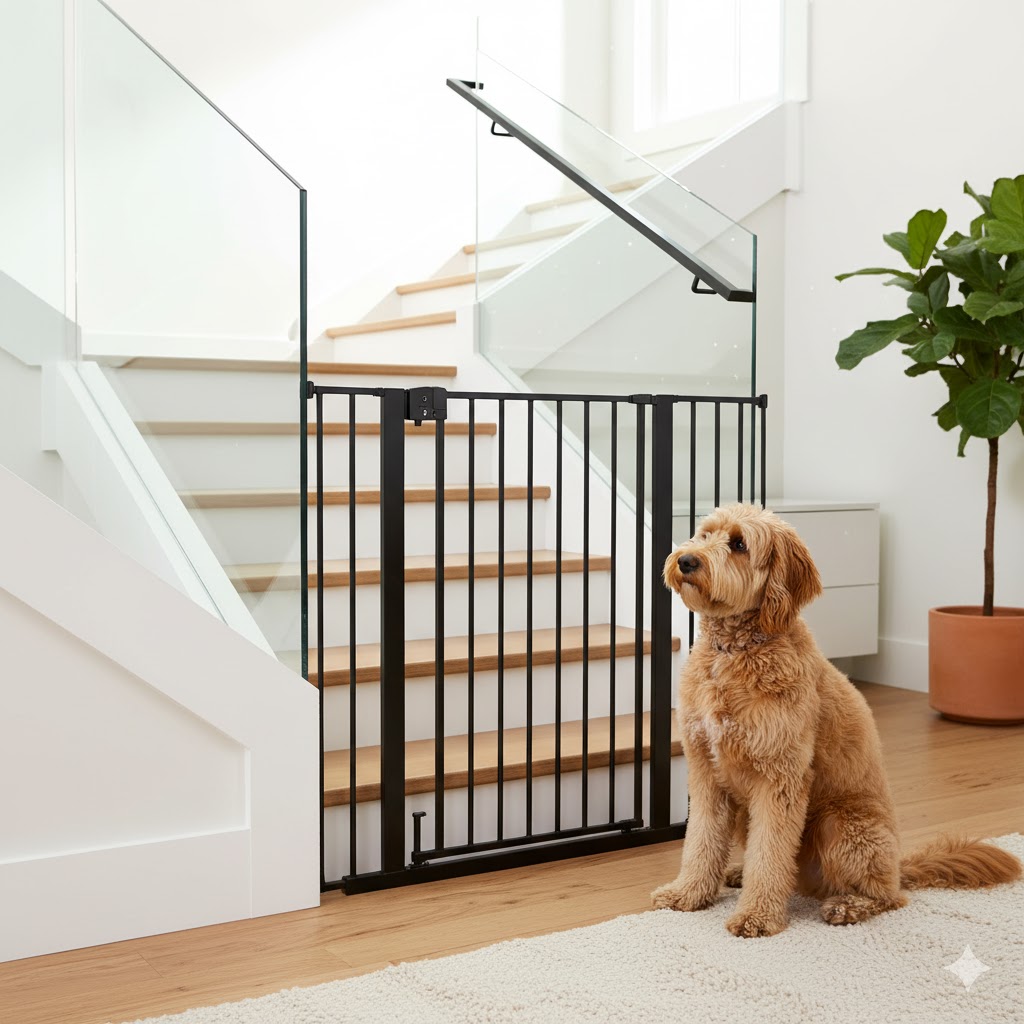
Hardware-mounted dog gates offer the highest level of security and durability, making them ideal for permanent or long-term installations. These gates are securely fastened to the door frame using screws, providing a sturdy barrier that withstands strong and determined dogs. Constructed from heavy-duty materials like wrought iron, strong steel, and beautiful hardwood, hardware-mounted gates can support large dogs and resist forceful attempts to climb or squeeze through.
They provide ample height, up to 42 inches, preventing accidental escapes and ensuring safety. Also, these gates blend seamlessly with home decor, available in various styles from traditional to modern designs. While installation requires more effort and tools compared to pressure-mounted options, the longevity and reliability of hardware-mounted gates justify the initial setup. They are suitable for blocking off multiple areas, including stairways and broader doorways, offering comprehensive containment answers for active pets. Investing in a hardware-mounted gate ensures a robust and lasting barrier for your home.
Freestanding Gates
Freestanding dog gates offer flexibility for irregular or extra-wide openings where traditional mounted gates may not fit. These gates operate independently without the need to attach to walls or door frames, making them ideal for larger spaces or areas with non-standard dimensions. They provide a sturdy visual and physical barrier, which is effective for dogs that respond well to clear boundaries. Freestanding gates are available in various materials, including strong recycled plastic and durable hardwood, ensuring they can withstand the energy of active dogs.
Many models feature height options up to 42 inches, preventing larger dogs from climbing over. Their design often includes interlocking panels, allowing for customizable configurations to suit exact space requirements. Also, freestanding gates can be easily moved and repositioned as needed, offering versatility for ever-changing household layouts. They are also aesthetically pleasing, blending with both indoor and outdoor settings such as porches, decks, and patios. Overall, freestanding gates provide a reliable and adaptable containment solution for diverse living environments.
Features to Consider
Choosing the right dog gate involves evaluating several essential features to ensure it meets our safety and convenience needs.
Height and Size
Assessing the height and size of a dog gate is crucial for effective containment. Adjustable width gates, such as the Cardinal Gates Metal Step Over Pet Gate, accommodate openings from 24 to 41 inches. A 20-inch tall gate suits small pets and allows easy passage for adults, while a 26-inch freestanding foldable wooden gate provides a taller barrier for larger dogs. Also, configurable gates that fold into shapes like M, L, U, or Z adapt to various spaces, including hallways, doorways, and staircases, ensuring a perfect fit for our home layout.
Material and Durability
Selecting a durable material ensures the dog gate withstands daily use. Metal gates offer robust construction and long-lasting performance, ideal for active pets. Wooden gates, such as the freestanding foldable option, provide a sturdy and aesthetically pleasing barrier. Mesh gates offer lightweight options with adequate visibility and airflow. By choosing high-quality materials, we guarantee our dog gate remains reliable and secure, providing peace of mind for our household.
Ease of Installation
Ease of installation is a important factor in selecting a dog gate. Pressure-mounted gates, like the Cardinal Gates Metal Step Over Pet Gate, feature rubberized tension knobs for quick setup without altering home structures. Hardware-mounted gates require screws for permanent installation, offering maximum security and durability. Freestanding gates provide flexibility, operating independently and allowing for customizable configurations without the need for mounting. Prioritizing easy installation ensures we can efficiently set up the gate and maintain a safe environment for our pets.
Benefits of Using a Dog Gate
Boundary Setting and Training
Dog gates establish clear boundaries, facilitating effective training and behavior management. By designating exact areas, we shape our dogs’ habits, which is crucial during housetraining young puppies. For example, confining a puppy to a playpen area minimizes accidents and reinforces disciplined behavior. Also, gates help transition dogs to understand which spaces are off-limits, promoting consistency in training routines.
Safety and Protection
Using a dog gate enhances the safety of our pets by restricting access to potentially hazardous areas like stairs, kitchens, and balconies. Gates prevent dogs from encountering dangers such as hot appliances, sharp objects, and falls from elevated surfaces. Also, they create a secure environment, shielding pets from household chaos, such as children running around or interactions with other pets. This protection ensures that our furry friends remain safe and reduces the risk of accidents in the home.
Separation and Organization
Dog gates help the separation of pets from young children, ensuring the safety and well-being of both. In households with multiple pets, gates keep animals apart, reducing conflicts and fostering a harmonious living space. Also, gates allow us to designate off-limit areas, such as bedrooms or dining rooms, helping maintain cleanliness and organization. By clearly marking these boundaries, we create a structured environment that benefits all family members and pets alike.
Enhanced Home Organization
Incorporating dog gates into our home setup aids in maintaining an organized living space. Gates can delineate exact zones, such as play areas or feeding stations, preventing clutter and promoting order. This organization not only makes the home more aesthetically pleasing but also simplifies daily routines by clearly defining where activities take place. As a result, we enjoy a more streamlined and functional household.
Improved Pet Well-Being
Dog gates contribute to the overall well-being of our pets by providing them with a secure and comfortable space. Pets can retreat to their designated areas when they need rest or downtime, reducing stress and anxiety. Also, gates help manage interactions between pets and other family members, fostering a peaceful coexistence. By ensuring that our dogs have their own safe spaces, we support their mental and emotional health.
Versatility and Flexibility
Dog gates offer versatility and flexibility to accommodate various home layouts and pet needs. Adjustable gates can fit different doorway sizes, while freestanding options provide answers for irregular openings. This adaptability ensures that we can effectively manage our pets’ access throughout the home, regardless of the architectural challenges. So, dog gates serve as a practical tool for maintaining control and improving the functionality of our living spaces.
How to Choose the Right Dog Gate
Selecting the right dog gate involves evaluating several key factors to ensure it meets both safety and convenience needs. We start by identifying the gate’s primary purpose, whether it’s to restrict access to exact areas, protect your dog from potential hazards, or create a designated space for training and separation.
Assessing Purpose and Placement
First, determine where the dog gate will be installed. Common placements include stairways, doorways, and entire room entrances. For stairways, hardware-mounted gates offer enhanced security, preventing strong or determined dogs from pushing the gate over. Doorways and hallways may benefit from pressure-mounted gates for easier installation and flexibility. Ensuring the gate fits the exact location is crucial for optimal performance and safety.
Choosing the Type of Gate
Next, consider the type of dog gate that best suits your environment:
Hardware-Mounted Gates: Ideal for high-traffic areas, these gates provide maximum security. They are securely attached to walls, making them suitable for larger or more active dogs.
Pressure-Mounted Gates: These gates are simpler to install and remove, making them perfect for temporary use or renters. While they offer less security than hardware-mounted options, they are effective for smaller dogs or less demanding environments.
Freestanding Gates: Offering versatility, freestanding gates can be placed anywhere without installation. They are suitable for irregular openings and allow for customizable configurations, making them a flexible choice for various spaces.
Evaluating Size and Material
We also assess the size and material of the dog gate. Adjustable width gates accommodate different openings, ensuring a proper fit. The gate’s height is essential to prevent dogs from jumping over, especially for larger breeds. Materials such as metal, wood, and mesh each have distinct benefits:
Metal Gates: Durable and sturdy, suitable for strong dogs and high-traffic areas.
Wooden Gates: Aesthetic appeal and strength, blending well with home decor while providing reliable containment.
Mesh Gates: Lightweight and portable, ideal for smaller dogs and temporary setups.
Considering Ease of Installation and Durability
Ease of installation is another critical factor. Pressure-mounted gates typically require no tools and can be set up quickly, while hardware-mounted gates may need more effort but offer greater stability. Durability is equally important; investing in a high-quality dog gate ensures longevity and reliability, reducing the need for frequent replacements.
Balancing Safety and Convenience
Finally, we balance safety with convenience. Features like built-in locks, one-handed operation, and visibility panels enhance the functionality of the dog gate, making it easier to manage while maintaining a secure environment for your pet.
By carefully evaluating these aspects, we ensure the chosen dog gate aligns with your household’s exact needs, providing a safe and organized space for both your dog and your family.
Installation Tips
Proper installation ensures your dog gate provides optimal safety and functionality. Follow these tips for a seamless setup.
Tools Needed
Screwdriver
Drill
Pencil
Tape measure
Wall cups and screws (for mounted gates)
Spanner or adjustment tool (for pressure-fit gates)
Optional: Furniture leveling feet, metal hose clamps, zip ties, Velcro for added stability
Step-by-Step Installation
Pressure-Fit Gates
Set Up the Gate: Position the dog gate in the doorway or opening, ensuring it covers the entire span. For expandable gates, extend the frame outward until it fits securely.
Adjust and Secure: Use the adjustment wheels or spindle rods to apply pressure against the doorway. Turn the rods until the gate remains snug and stable. Confirm the gate sits flat on the floor with minimal gaps.
Optional Extensions: To extend the gate’s reach, remove the top and bottom threaded spindle rods. Slide the extensions into the gate, then reattach the spindle rods to secure the additions.
Mark the Placement: Use a pencil and tape measure to mark the desired height and position for the wall cups on both sides of the doorway.
Drill Pilot Holes: Pre-drill holes at the marked points to ensure precise placement and prevent wood splitting.
Attach Wall Cups: Secure the wall cups with screws, ensuring they are level and firmly anchored into the wall studs for maximum stability.
Install the Gate: Hang the dog gate on the mounted wall cups, adjusting as necessary to achieve a secure fit.
Following these installation steps guarantees your dog gate is set up correctly, providing a safe and effective barrier for your home.
Maintenance and Care
Cleaning
Regular maintenance keeps our dog gate in optimal condition and extends its lifespan. We use a mild detergent, such as dish soap, combined with lukewarm water and a soft cloth to thoroughly clean the frame, flaps, and all other parts of the gate. This routine ensures that dirt and minor stains do not accumulate over time.
For tougher grime and persistent spots, Simple Green cleaner serves as an effective solution without damaging the gate’s materials. It’s essential to avoid ammonia-based cleaners because they can deteriorate the gate’s structure, compromising its integrity and safety.
If our dog gate includes vinyl flaps, applying a vinyl protectant like Armor-All or Turtle Wax is beneficial. These protectants safeguard the vinyl from wear and tear, preventing cracks and brittleness, thereby prolonging the gate’s usability.
Inspection and Repair
We prioritize regular inspections to detect any signs of wear and tear early. Checking for loose parts, gaps, or visible damage in the dog gate allows us to address these issues promptly, preventing them from developing into more important problems that could hinder the gate’s effectiveness.
It’s crucial to examine the hinges and moving parts frequently. Lubricating these components with grease ensures smooth and quiet operation, reducing the risk of malfunction or damage due to friction.
For dog gates equipped with electrical components, inspecting the wires and connections is vital. Ensuring that all electrical parts remain intact and secure prevents potential safety hazards and maintains the gate’s functionality.
Conclusion
Choosing the right dog gate transforms our home into a safer and more organized space for everyone. With various options available, we can find a gate that perfectly fits our needs and complements our home’s design. Installing and maintaining our chosen gate ensures long-term functionality and peace of mind. By setting clear boundaries, we support our pets’ well-being and foster a harmonious living environment. Investing time in selecting and properly using a dog gate pays off in the comfort and safety it brings to our daily lives. Let’s make our homes better for our furry friends and enjoy the benefits of a well-guarded and organized household.
Have you noticed your dog constantly shaking its head? Dog shaking head can be more than just a quirky habit—it might signal underlying discomfort or health issues. Understanding why your furry friend is exhibiting this behavior is crucial for their well-being.
We explore the common reasons behind dog head shaking, from ear discomfort and allergies to dental problems and behavioral factors. By the end of this article, you’ll know when to seek veterinary care and how to help your pet find relief. Let’s jump into the signs to watch for and the steps you can take to ensure your dog stays happy and healthy.
Ear infections frequently cause dogs to shake their heads. These infections often result from bacteria or yeast, leading to itchiness, inflammation, and discharge. Signs include redness, swelling, and visible discharge when lifting the dog’s ear flap. But, infections can reside deep within the ear, making them less apparent externally. According to veterinary studies, ear infections account for approximately 20% of cases where dogs exhibit head shaking. Prompt veterinary attention ensures proper diagnosis and treatment, preventing complications like hearing loss or chronic discomfort. Regular ear cleaning and monitoring can reduce the risk of infections, especially in breeds prone to ear issues. By addressing ear infections promptly, we ensure our dogs remain comfortable and healthy.
Allergies
Allergies significantly contribute to head shaking in dogs. These reactions can be food-related or triggered by environmental factors such as pollen, mold spores, dust mites, or storage mites. Common symptoms include itchy skin, recurrent ear and skin infections, scratching at the ears, chewing on the feet, and rubbing the face. Studies indicate that up to 10% of dogs suffer from some form of allergy, making it a prevalent cause of discomfort. Identifying and eliminating allergens involves veterinary guidance, including dietary adjustments or environmental modifications. Managing allergies effectively reduces head shaking and enhances the overall well-being of our pets. Regular check-ups help detect allergic reactions early, ensuring timely intervention and relief for our dogs.
Foreign Objects in Ears
Foreign objects in a dog’s ears can lead to persistent head shaking. Items like grass seeds, small insects, or debris can become lodged in the ear canal, causing irritation and discomfort. Dogs may shake their heads vigorously in an attempt to dislodge these objects. Approximately 5% of head shaking cases are due to foreign objects, highlighting the importance of thorough ear examinations. If our dogs frequently shake their heads, inspecting their ears for foreign objects can prevent further complications. Veterinary assistance may be necessary to safely remove embedded items and treat any resulting inflammation or infection. Maintaining clean ears minimizes the risk of foreign objects causing distress and ensures our dogs remain comfortable.
Water in Ears
Water trapped in a dog’s ears after swimming or bathing can trigger head shaking. Moist environments foster bacterial and yeast growth, leading to ear infections and discomfort. Ensuring ears are thoroughly dried after exposure to water helps prevent these issues. Research shows that dogs exposed to water regularly have a higher incidence of ear problems, making post-swim ear care essential. Using ear drying answers or gently wiping the ears can reduce moisture buildup. By keeping our dogs’ ears dry, we minimize the risk of infections and the associated head shaking behavior. Regular maintenance is crucial, especially for breeds with floppy ears that retain moisture more easily.
Neurological Conditions
Neurological conditions, though less common, can cause dogs to shake their heads. Disorders affecting the nervous system may lead to involuntary movements, including head shaking. Conditions such as vestibular disease or certain types of epilepsy fall into this category. Neurological issues account for a small percentage of head shaking cases but require immediate veterinary attention. Diagnosing these conditions involves comprehensive neurological examinations and possibly imaging studies. Early detection and treatment are vital to managing symptoms and improving the quality of life for our dogs. Understanding that head shaking can stem from neurological problems ensures we seek appropriate care when needed.
When to Be Concerned About Head Shaking
Identifying when a dog’s head shaking signals a concern ensures timely care and prevents complications.
Persistent or Aggressive Shaking
If our dog shakes their head repeatedly with minimal pauses, it indicates discomfort. Persistent or aggressive shaking often points to underlying issues that require veterinary attention.
Ear Infections
Ear infections are a primary cause of head shaking in dogs. Symptoms include:
Redness and Swelling: Inflamed ears signal irritation.
Discharge: Brown, green, or yellow discharge indicates infection.
Odor: A foul smell often accompanies infected ears.
Untreated ear infections can lead to pain and potential hearing loss. According to veterinary studies, ear infections account for over 20% of head shaking cases in dogs.
Foreign Objects or Water in the Ears
After swimming or bathing, water can become trapped in a dog’s ears, causing irritation. Also, foreign objects such as grass, insects, or dirt may lodge in the ear canal, prompting head shaking. If shaking continues even though cleaning, it may develop into an infection, necessitating a veterinary check.
Allergies
Allergies, whether food-related or environmental, cause itchiness inside the ears. Other signs include:
Itchy Skin: Frequent scratching or rubbing.
Inflammation: Swollen areas around the ears.
Managing allergies with professional guidance can reduce discomfort and minimize head shaking incidents.
Neurological Disorders
Excessive shaking may indicate neurological issues affecting balance or movement. Symptoms to watch for include:
Trouble Walking: Difficulty maintaining balance.
Seizures: Uncontrolled shaking or convulsions.
Neurological conditions require a comprehensive veterinary evaluation to determine the appropriate treatment.
Behavioral Issues
Occasional head shaking might be behavioral, especially if no medical cause is found. Obsessive head shaking can indicate stress or anxiety. Consulting a veterinarian or a behavioral specialist helps address these underlying issues effectively.
Additional Signs to Watch For
Monitoring accompanying symptoms can help identify the cause of head shaking:
Scratching Ears: Frequent attempts to relieve itchiness.
Discharge Consistency: Type and color of ear discharge.
Behavior Changes: Increased irritability or lethargy.
By recognizing these signs, we can take prompt action to ensure our dog’s health and comfort.
How Vets Diagnose Head Shaking in Dogs
Physical Examination and Observation
We begin by observing the dog’s behavior for signs of discomfort. Common indicators include pawing at the face or mouth, increased vocalizations, changes in appetite, and lethargy. During the physical examination, we assess the overall health of the dog, noting any visible signs that may point to the underlying cause of head shaking.
Otoscopic Examination
Utilizing an otoscope, we inspect the dog’s ear canals for foreign objects, dirt, debris, or signs of infection such as redness, swelling, or discharge. This examination is crucial in identifying conditions like ear infections or mites that often lead to persistent head shaking.
Ear Cleaning
If we detect excessive debris or buildup during the otoscopic examination, ear cleaning becomes necessary. This process involves carefully removing the debris to alleviate irritation. In cases where the dog experiences important discomfort or pain, sedation might be required to safely perform the cleaning.
Laboratory Tests
When an ear infection is suspected, we collect a sample from the affected ear. This sample undergoes microscopic examination to identify the presence of bacteria or yeast. Laboratory tests help us determine the exact type of infection, enabling us to prescribe the most effective treatment.
Differential Diagnosis
Plus to ear-related issues, we consider other potential causes of head shaking, such as neurological disorders. By ruling out conditions like tremors or head bobbing, which may indicate balance or movement disorders, we ensure a comprehensive diagnosis. If necessary, we refer the dog to a veterinary neurologist for further evaluation and specialized testing.
Comprehensive Evaluation
Our diagnostic approach involves a combination of behavioral observation, physical examination, otoscopic inspection, and laboratory testing. This systematic process allows us to accurately identify the root cause of head shaking in dogs and develop an appropriate treatment plan to enhance their well-being.
How to Address and Relieve Head Shaking
Effectively addressing dog head shaking involves identifying the underlying cause and implementing appropriate treatments. We follow these key steps to ensure relief for our pets:
1. Ear Cleaning
Regular ear maintenance helps prevent earwax buildup and infections. Use a veterinarian-recommended dog ear cleaner to gently clean the ear canal. Clean ears once a month, especially for breeds prone to ear issues.
2. Veterinary Treatment for Infections
Ear infections require prompt veterinary care. Our vets prescribe antibiotics or antifungal medications based on the infection type. Follow the treatment plan precisely to eliminate bacterial or yeast infections and reduce inflammation.
3. Removing Foreign Objects
If a foreign object lodges in your dog’s ear, avoid home removal to prevent further injury. Schedule a veterinary appointment to safely extract items like grass, dirt, or small toys from the ear canal.
4. Managing Ear Mites
For ear mite infestations, veterinarians recommend exact acaricides to eliminate the parasites. Regular follow-ups ensure complete eradication and prevent recurrence.
5. Addressing Allergies
Allergies can cause persistent head shaking. Identify and eliminate allergens, whether they are food-related or environmental. Our vets may suggest hypoallergenic diets or medications to manage allergic reactions and reduce symptoms.
6. Neurological Evaluation
Excessive head shaking without an apparent ear-related cause may indicate a neurological disorder. Schedule a comprehensive neurological exam with a veterinary specialist to diagnose and treat underlying conditions like tremors or ataxia.
7. Home Care and Monitoring
Provide a clean, hydrated, and well-fed environment for your dog. Monitor head shaking frequency and severity. Keep track of additional symptoms such as scratching, redness, or discharge to report to your veterinarian during visits.
8. Professional Ear Examinations
Regular veterinary check-ups include thorough ear examinations. Early detection of issues like inflammation or discharge allows for timely intervention, preventing complications like ruptured blood vessels or hearing loss.
By following these steps, we ensure our dogs receive the necessary care to alleviate head shaking and maintain their overall health and comfort.
Conclusion
We’ve uncovered the reasons behind our dogs’ head shaking and understand the importance of addressing them promptly By staying alert to these behaviors we can ensure our pets receive the care they need to stay healthy and comfortable Regular ear cleaning and monitoring for allergies are simple steps that make a big difference in our dogs’ well-being Let’s commit to proactive care and attentive observation to keep our furry friends happy and free from discomfort Together we can provide the support our dogs need for a vibrant and joyful life
Have you ever wondered which dog holds the title of the smallest dog in the industry? These tiny canines, from the charming Chihuahua to other petite breeds, pack a big presence in our lives. With over 200 breeds recognized by the American Kennel Club, finding the perfect miniature companion is easier than you might think.
Smallest dogs not only bring joy with their expressive faces and playful antics but also offer practical benefits like longer lifespans and lower food costs. In this text, we’ll explore the top contenders for the smallest dog in the industry, investigate into their unique characteristics, and help you understand what makes these little dogs so beloved. Join us as we uncover the intriguing area of the tiniest dog breeds that make a huge impact on our hearts.
Top 20 Smallest Dog Breeds
Discover the most compact and charming dog breeds that capture hearts worldwide. These tiny companions offer big personalities in petite packages.
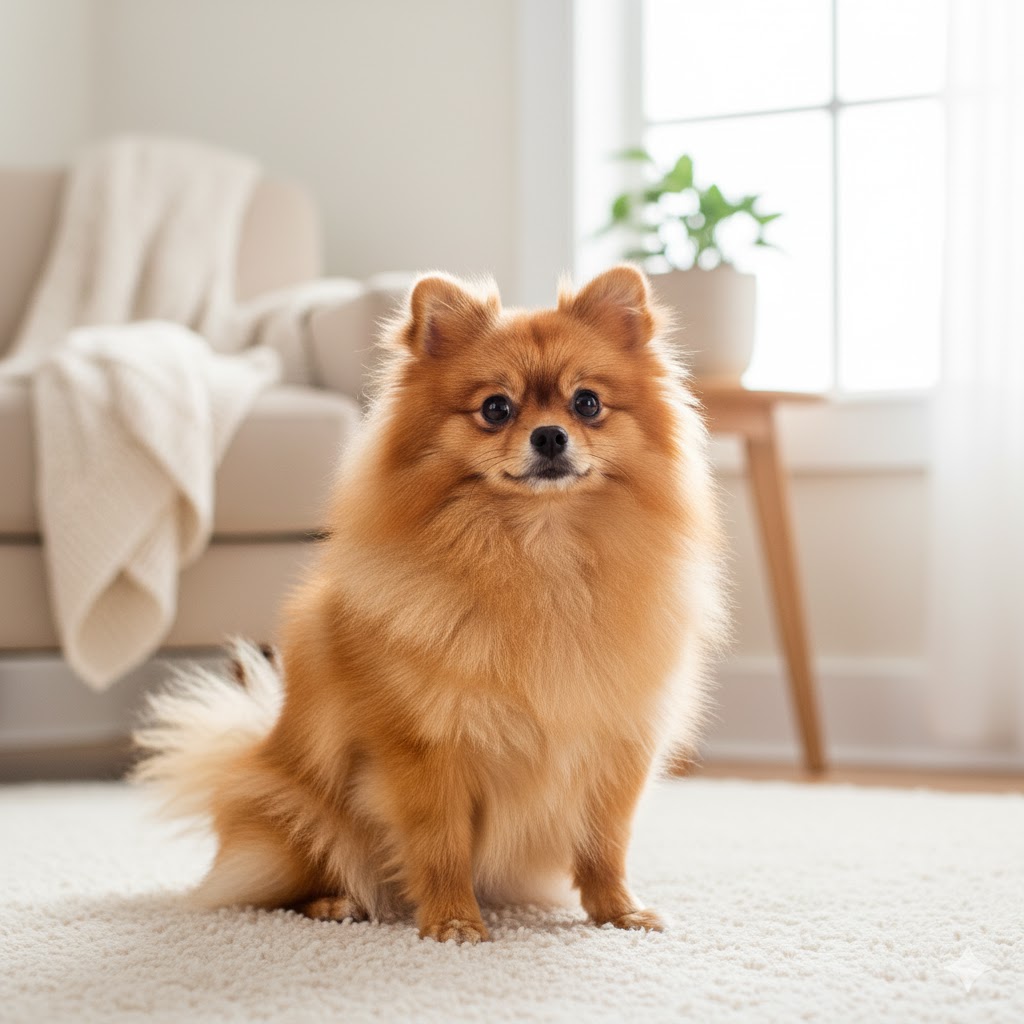
1. Pomeranian
Pomeranians are lively, intelligent lap dogs originating from northeastern Europe. Standing 18-30 cm (7-12 in) tall and weighing 3-7 kg (6.6-15.4 lbs), they feature a thick, fluffy double coat available in various colors. Their fox-like faces and curled tails highlight their inquisitive nature. Pomeranians adapt well to both urban and quiet environments, making them versatile companions.
They require regular grooming to maintain their coats and enjoy daily exercise to stay healthy. Known for their alertness, they can serve as effective watchdogs even though their small size. Pomeranians thrive on social interaction and enjoy being part of family activities, blending affectionate behavior with independent streaks. Their spirited personalities make them a favorite among the smallest dog breeds, embodying both charm and vitality.
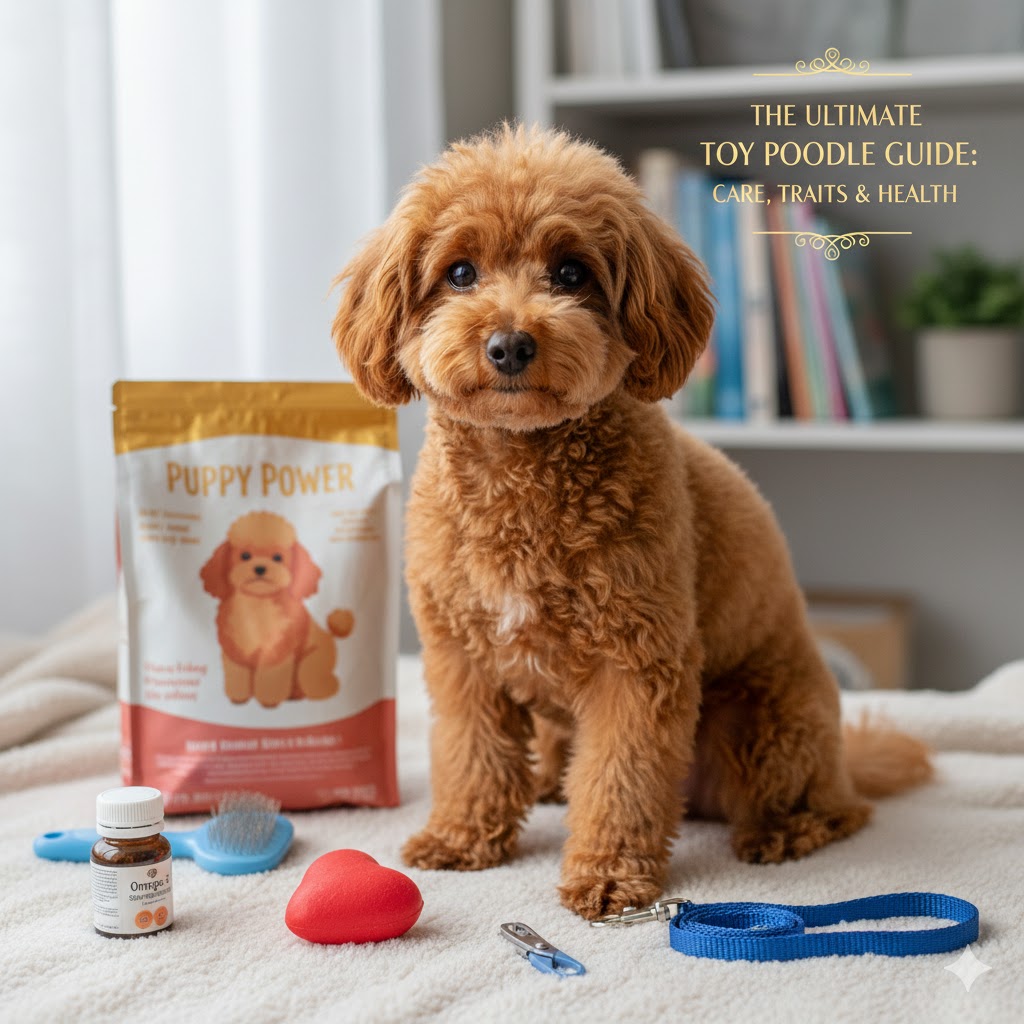
2. Toy Poodle
Toy Poodles are elegant and highly intelligent, known for their distinctive curly coats. Measuring 23-28 cm (9-11 in) and weighing 2-4 kg (4.4-8.8 lbs), they excel in obedience training and agility. Originating from Germany and standardized in France, Toy Poodles are hypoallergenic, making them suitable for families with allergies. Their playful and affectionate nature ensures strong bonds with their owners.
Regular grooming is essential to prevent matting and maintain their sleek appearance. Toy Poodles adapt well to various living environments, from apartments to larger homes. Their keen intelligence allows them to learn tricks and commands quickly, improving their role as both companions and performers. Energetic yet adaptable, Toy Poodles are among the top choices for those seeking the smallest dog in the industry.
3. Toy Fox Terrier
Toy Fox Terriers are small yet spirited dogs with a keen sense of curiosity. Standing 21.5-29 cm (8.5-11.4 in) tall and weighing around 3-4 kg (6.6-8.8 lbs), they are known for their sleek, smooth coats and expressive faces. Originating from the United States, Toy Fox Terriers are agile and energetic, requiring regular physical activity and mental stimulation.
Their friendly and affectionate nature makes them excellent family pets, while their alertness makes them good watchdogs. Toy Fox Terriers are highly trainable and enjoy participating in dog sports and activities. Their compact size allows them to thrive in various living situations, including apartments. Loyal and playful, Toy Fox Terriers embody the characteristics of some of the smallest dog breeds, offering both companionship and vivacity.
4. Biewer Terrier
Biewer Terriers are elegant and graceful dogs known for their distinctive tri-color coats. Measuring 23-28 cm (9-11 in) and weighing 2-3.5 kg (4.4-7.7 lbs), they are a relatively new breed originating from Germany. Biewer Terriers possess a friendly and affectionate temperament, making them excellent companions for families and individuals alike. Their silky, flowing coats require regular grooming to prevent tangles and maintain their beauty. Highly adaptable, Biewer Terriers thrive in both active households and quieter environments. They are intelligent and eager to please, making training straightforward and enjoyable. Their playful nature and gentle demeanor ensure they remain beloved among the smallest dog breeds, offering both charm and companionship.
5. Papillon
Papillons are distinguished by their large, butterfly-like ears and graceful appearance. Standing 20-28 cm (8-11 in) tall and weighing 2-4 kg (4.4-8.8 lbs), they are one of the most elegant small dog breeds. Originating from France and Germany, Papillons are intelligent and highly trainable, excelling in obedience and agility competitions. Their silky, flowing coats come in various colors and require regular grooming to stay pristine. Papillons are energetic and playful, enjoying daily exercise and mental challenges. Their friendly and affectionate nature makes them excellent companions for families and singles alike. Known for their lively spirit and charming demeanor, Papillons remain a top choice among the smallest dog breeds, blending beauty with intelligence.
6. Chihuahua
Chihuahuas are renowned as the smallest dog in the industry, with some individuals like Pearl measuring just 9.14 cm (3.59 in) tall. These tiny dogs typically stand up to 23 cm (9 in) and weigh between 1.5-3 kg (3.3-6.6 lbs). Originating from Mexico, Chihuahuas are known for their bold and confident personalities. They possess a smooth or long coat in various colors and require minimal grooming. Even though their small size, Chihuahuas are alert and make excellent watchdogs. They thrive on social interaction and form strong bonds with their owners. Adaptable to various living environments, Chihuahuas are well-suited for apartment living. Their lively and affectionate nature ensures they remain a popular choice among the smallest dog breeds.
7. Russian Toy
Russian Toy dogs are compact and stylish, known for their sleek appearance. Standing 20-23 cm (8-9 in) tall and weighing around 2-3 kg (4.4-6.6 lbs), they are one of the smallest recognized breeds. Originating from Russia, Russian Toys are elegant and graceful, with either a smooth or wirehaired coat. They are intelligent and highly trainable, excelling in various dog sports and obedience training. Their friendly and sociable nature makes them excellent companions, while their alertness ensures they act as vigilant watchdogs. Russian Toy dogs require regular grooming to maintain their coat quality and overall health. Adaptable to both active and quiet households, they are ideal for individuals and families seeking a petite yet spirited companion.
8. Russian Tsvetnaya Bolonka
Russian Tsvetnaya Bolonkas are charming and vibrant dogs known for their colorful coats. Measuring 23-28 cm (9-11 in) tall and weighing 2-3 kg (4.4-6.6 lbs), they are a small breed originating from Russia. These dogs feature a fluffy, soft coat that comes in a variety of colors, requiring regular grooming to prevent matting. Russian Tsvetnaya Bolonkas are friendly and affectionate, thriving on human interaction and making excellent family pets. They are intelligent and responsive to training, enjoying mental and physical activities. Adaptable to different living environments, they are suitable for both apartment and house settings. Their playful and gentle nature makes Russian Tsvetnaya Bolonkas a beloved choice among the smallest dog breeds, offering warmth and companionship.
9. Toy American Eskimo Dog
Toy American Eskimo Dogs are playful and lively, known for their striking white coats. Standing 23-28 cm (9-11 in) tall and weighing 2-4 kg (4.4-8.8 lbs), they are a smaller version of the larger American Eskimo Dog. Originating from the United States, Toy American Eskie Dogs are intelligent and highly trainable, excelling in obedience and agility competitions.
Their thick, double coat requires regular grooming to maintain its condition and prevent matting. These dogs are friendly and outgoing, enjoying social interactions with family members and other pets. They are energetic and require daily exercise to stay healthy and happy. Toy American Eskimo Dogs adapt well to various living environments, making them a popular choice among the smallest dog breeds for their beauty and spirited nature.
10. Bolognese
Bolognese dogs are fluffy and affectionate, known for their charming personalities. Measuring 23-28 cm (9-11 in) tall and weighing 2.5-4 kg (5.5-8.8 lbs), they are a small breed originating from Italy. Bolognese dogs possess a soft, curly coat that requires regular grooming to maintain its appearance and prevent tangles. They are gentle and friendly, making them excellent companions for families and individuals alike. Highly social, Bolognese dogs enjoy being part of household activities and thrive on human interaction. They are intelligent and adaptable, easily adjusting to various living environments, including apartments. Their calm and nurturing demeanor ensures they remain a favored choice among the smallest dog breeds, offering both elegance and companionship.
11. Maltese
Maltese dogs are elegant and gentle, known for their long, silky white coats. Standing 20-25 cm (8-10 in) tall and weighing 1.8-3.6 kg (4-8 lbs), they are one of the oldest toy breeds, originating from the Mediterranean island of Malta. Maltese dogs are affectionate and playful, forming strong bonds with their owners. Their luxurious coat requires regular grooming to prevent tangles and maintain its beauty.
Even though their small size, Maltese dogs are lively and enjoy daily exercise and mental stimulation. They are intelligent and responsive to training, making them easy to teach commands and tricks. Adaptable to various living situations, including apartments, Maltese dogs are ideal companions for those seeking the smallest dog breeds with a graceful and loving nature.
12. Yorkshire Terrier
Yorkshire Terriers, or Yorkies, are spunky and energetic dogs known for their silky blue and tan coats. Measuring 20-23 cm (8-9 in) tall and weighing 1.6-3.2 kg (3.5-7 lbs), they are a prominent small dog breed originating from England.
Yorkies are intelligent and highly trainable, excelling in obedience and agility tasks. Their fine, straight coat requires regular grooming to maintain its appearance and prevent matting. Even though their small size, Yorkshire Terriers are bold and confident, often acting as vigilant watchdogs. They are affectionate and form strong bonds with their owners, enjoying being part of family activities. Adaptable to both active and quiet households, Yorkies are a popular choice among the smallest dog breeds for their lively spirit and loving nature.
13. Affenpinscher
Affenpinschers are playful and curious, known for their distinctive monkey-like expressions. Standing 23-29 cm (9-11 in) tall and weighing 3.2-6.8 kg (7-15 lbs), they are a small breed originating from Germany. Affenpinschers possess a dense, wiry coat that requires regular grooming to maintain its texture and appearance. They are intelligent and independent, enjoying mental stimulation and interactive training sessions. Affenpinschers are loyal and affectionate with their families, often forming strong bonds with their owners. Their alertness makes them effective watchdogs, even though their small stature. Adaptable to various living environments, including apartments, Affenpinschers thrive on companionship and active engagement, making them a beloved choice among the smallest dog breeds for their unique charm and spirited personality.
14. Japanese Chin
Japanese Chins are elegant and graceful, known for their distinctive pushed-in faces and flowing coats. Measuring 20-28 cm (8-11 in) tall and weighing 1.8-3.2 kg (4-7 lbs), they are a small breed originating from Japan. Japanese Chins possess a silky, long coat that requires regular grooming to prevent tangles and maintain its beauty. They are affectionate and gentle, forming strong bonds with their owners and thriving on human interaction. Intelligent and playful, Japanese Chins enjoy captivating in various activities and mental challenges. Their calm and dignified demeanor makes them excellent companions for both individuals and families. Adaptable to different living environments, including apartments, Japanese Chins remain a favorite among the smallest dog breeds for their beauty and loving nature.
15. Brussels Griffon
Brussels Griffons are charming and expressive, known for their distinct facial features and lively personalities. Standing 17-20 cm (6.5-8 in) tall and weighing 1.8-3 kg (4-7 lbs), they are a small breed originating from Belgium. Brussels Griffons possess a smooth or rough coat that requires regular grooming to maintain its condition and prevent matting. They are intelligent and highly trainable, enjoying interactive training sessions and mental stimulation. Brussels Griffons are affectionate and form strong bonds with their families, often seeking attention and companionship. Their alertness makes them effective watchdogs, even though their small size. Adaptable to various living environments, including apartments, Brussels Griffons are a popular choice among the smallest dog breeds for their expressive nature and loving demeanor.
16. Miniature Pinscher
Miniature Pinschers, or Min Pins, are energetic and fearless, often described as “small dogs with big personalities.” Measuring 25-30 cm (10-12 in) tall and weighing 3-5 kg (6.6-11 lbs), they are a small breed originating from Germany and Austria. Miniature Pinschers possess a sleek, smooth coat that requires minimal grooming. They are highly active and require regular exercise to stay healthy and happy. Known for their intelligence and alertness, Miniature Pinschers excel as watchdogs and enjoy participating in various dog sports. Their bold and confident nature makes them a spirited addition to any household. Adaptable to different living environments, including apartments, Miniature Pinschers are a favored choice among the smallest dog breeds for their lively spirit and ever-changing presence.
17. Chinese Crested
Chinese Cresteds are unique and elegant, known for their hairless bodies and distinctive crests of hair. Standing 23-28 cm (9-11 in) tall and weighing 2-3.6 kg (4.4-8 lbs), they are a small breed originating from China. Chinese Cresteds come in two varieties: Hairless, which have smooth skin with tufts of hair on their heads, tails, and feet, and Powderpuffs, which have a full, soft coat.
are affectionate and friendly, forming strong bonds with their owners and thriving on human interaction. Intelligent and playful, Chinese Cresteds enjoy captivating in various activities and training sessions. Their unique appearance and gentle demeanor make them a standout among the smallest dog breeds. Adaptable to different living environments, including apartments, they are ideal companions for those seeking a distinctive and loving pet.
18. Shih Tzu
Shih Tzus are regal and affectionate, known for their luxurious, flowing coats and sweet dispositions. Measuring 20-28 cm (8-11 in) tall and weighing 4-7 kg (8.8-15.4 lbs), they are a small breed originating from China. Shih Tzus possess a long, dense coat that requires regular grooming to prevent matting and maintain its beauty.
They are friendly and sociable, forming strong bonds with their families and enjoying being part of household activities. Shih Tzus are intelligent and trainable, responding well to positive reinforcement techniques. Their calm and gentle nature makes them excellent companions for individuals and families alike. Adaptable to various living environments, including apartments, Shih Tzus remain a popular choice among the smallest dog breeds for their elegant appearance and loving temperament.
19. Silky Terrier
Silky Terriers are agile and spirited, known for their sleek, shiny coats and lively personalities. Standing 23-28 cm (9-11 in) tall and weighing 3-5 kg (6.6-11 lbs), they are a small breed originating from Australia, developed from the Australian Terrier and the Yorkshire Terrier. Silky Terriers possess a long, silky coat that requires regular grooming to prevent tangles and maintain its luster.
They are intelligent and energetic, enjoying daily exercise and mental stimulation to stay healthy and happy. Silky Terriers are affectionate and form strong bonds with their owners, thriving on social interaction and companionship. Their alertness makes them effective watchdogs, while their playful nature ensures they remain a joyful presence in the household. Adaptable to various living environments, including apartments, Silky Terriers are a favored choice among the smallest dog breeds for their vibrant spirit and loving demeanor.
20. Miniature Dachshund
Miniature Dachshunds are spirited and charming, recognized for their long bodies and short legs. Measuring 13-23 cm (5-9 in) tall and weighing 4-5 kg (8.8-11 lbs), they are a small breed originating from Germany. Miniature Dachshunds come in smooth, wirehaired, or longhaired varieties, each requiring regular grooming to maintain their coat. They are intelligent and curious, enjoying interactive play and mental challenges to stay engaged. Even though their small size, Miniature Dachshunds are bold and confident, often displaying a strong hunting instinct. They are affectionate and loyal, forming deep bonds with their owners and thriving on companionship. Adaptable to various living environments, including apartments, Miniature Dachshunds are a beloved choice among the smallest dog breeds for their distinctive appearance and lively personalities.
Small Dog Breed Health Concerns
Small dog breeds like Pearl require specialized health care to thrive. We address common health issues and provide preventive measures essential for their well-being.
Taking Care of Your Small Dog’s Teeth
Dental care is vital for small dogs, as they develop periodontal disease more frequently and at earlier ages than larger breeds. A study in The Veterinary Journal found that 18.2% of dogs in the US suffer from periodontal disease, with breeds under 14.3 pounds facing a fivefold increased risk. We recommend brushing your small dog’s teeth daily using canine-exact toothpaste to prevent plaque buildup and overcrowding caused by larger teeth relative to their mouths.
Also, regular professional cleanings under anesthesia are necessary to maintain optimal oral health. Ignoring dental care can lead to severe health issues, including infections and systemic diseases. By prioritizing oral hygiene, we ensure our small companions enjoy better overall health and longevity. Implementing a consistent dental care routine not only preserves your pet’s teeth but also contributes to their general well-being, allowing them to live happier, healthier lives.
Is Your Dog Covered?
Ensuring comprehensive care for your small dog involves more than just regular feeding and grooming. We need to address exact health aspects to keep our tiny companions thriving.
Maintaining a Healthy Weight
Maintaining a healthy weight is crucial for our small dogs to prevent health issues. Overfeeding can lead to obesity, increasing the risk of diabetes and heart disease. We should provide a balanced diet customized to their size and activity level. Regular exercise, such as short walks and playtime, helps burn calories and build muscle. Monitoring their weight through regular vet check-ups ensures they stay within a healthy range. Also, avoiding high-calorie treats and opting for nutritious snacks supports their overall well-being. By prioritizing their diet and activity, we can ensure our small dogs lead active, healthy lives.
More Prone to Orthopedic Injuries
Small dogs are more prone to orthopedic injuries due to their delicate frame and bones. We must take extra precautions to protect them from fractures and joint issues. Providing soft bedding and preventing slippery surfaces in the home reduces the risk of falls and injuries. Avoiding excessive jumping and high-impact activities helps safeguard their joints and bones. Regular veterinary evaluations can detect early signs of orthopedic problems, allowing for timely intervention. Also, maintaining their muscle strength through gentle exercises supports their skeletal health. By being vigilant and proactive, we can minimize the risk of orthopedic injuries in our small dogs.
Bottom Line
Celebrating the smallest dogs means embracing the immense joy they bring into our lives. Their compact size fits perfectly in various living spaces while their vibrant personalities ensure they remain beloved companions.
By focusing on their unique needs we can enjoy the company of these charming little friends for many years. Their playful and affectionate nature enriches our daily lives and highlights the special bond we share. Let’s continue to appreciate and care for these tiny wonders ensuring their health and happiness remain a priority in our households.
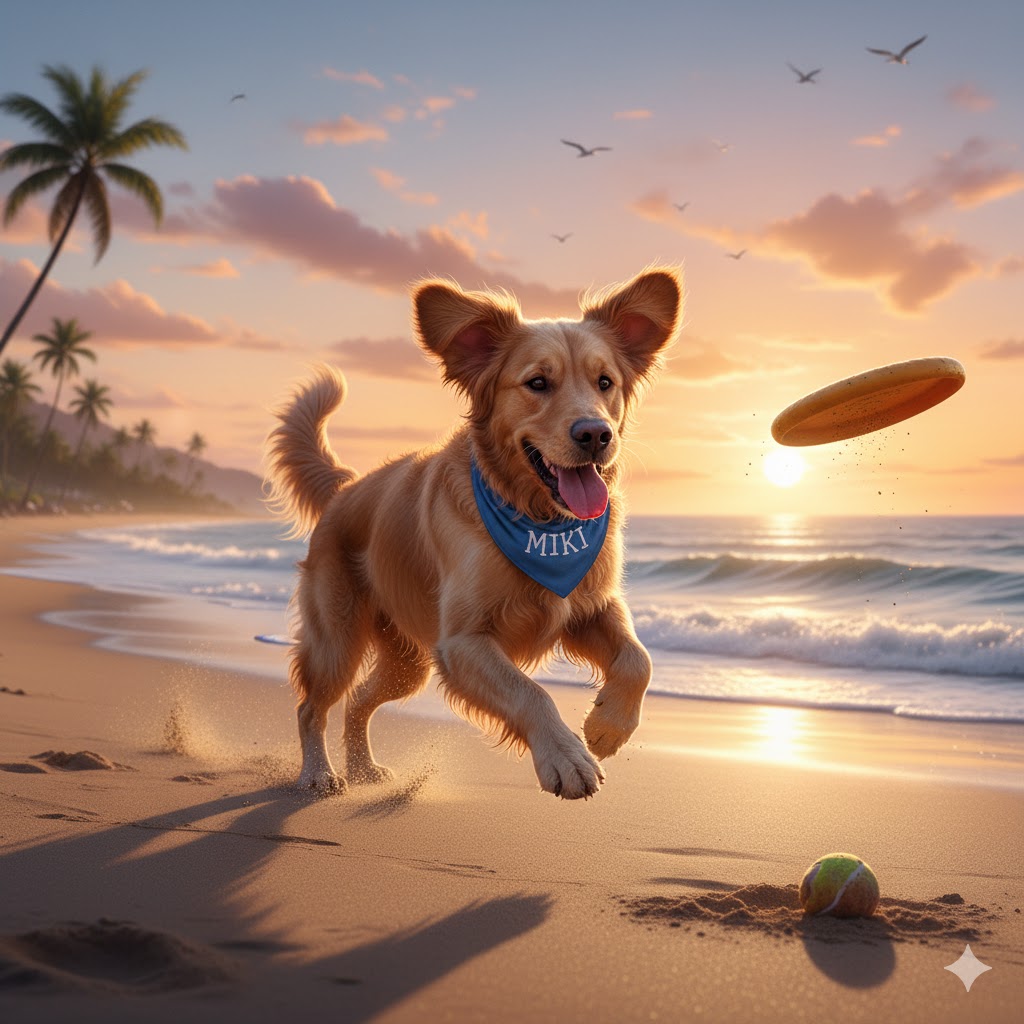
Looking for a lively yet compact companion? The Miki dog could be your ideal match. These energetic little dogs thrive in both houses and apartments, proving that you don’t need a large backyard to keep them happy. With just seven miles of walking a week, Miki dogs stay active and playful without overwhelming your schedule.
We understand that finding a pet that’s both affectionate and low maintenance is important. Miki dogs are renowned for their gentle and friendly nature, making them perfect for families. Their low-shedding and hypoallergenic coats are a bonus for those with pet allergies. In this text, we’ll explore everything you need to know about Miki dogs, from their care requirements to their unique personality traits, ensuring you have all the information to welcome a Miki into your home.
History and Origin
Origin
The Mi-Ki dog breed originated in the late 1980s, developed by Maureen van Wormer, also known as Mikki Mackin or Maureen Westberg, a dedicated breeder from Wisconsin, USA. Van Wormer’s goal was to create a small, long-haired breed with a calm and quiet temperament, ideal for various living environments.
Early Breed Development
Van Wormer initiated her breeding program in 1959 by acquiring two Shih Tzus from Jack and Mary Woods, imported from York, England. Over three decades, she meticulously crossbred these Shih Tzus with other toy breeds such as Papillons, Maltese, Yorkshire Terriers, and Japanese Chins. This strategic breeding aimed to enhance the Mi-Ki dog’s size, coat quality, and temperament, resulting in the distinct characteristics the breed is known for today.
Breed Standard and Registry
In 1991, van Wormer established the Imperial Toy Mi-Ki Club (ITMC) and formalized the breed standard, setting clear guidelines for the Mi-Ki dog’s physical and temperamental traits. But, a fire in 1995 destroyed many early breeding records, obscuring the exact breed combinations and genetic makeup used in the initial development. Even though this setback, the ITMC continues to oversee the breed’s standards and promote the Mi-Ki dog within the canine community.
Breed Recognition and Growth
Since its official recognition, the Mi-Ki dog has gained popularity for its affectionate nature and adaptability. The breed’s registry ensures that Mi-Ki dogs maintain their health and desired traits through responsible breeding practices. Today, Mi-Ki dogs are cherished as companions in both urban apartments and suburban homes, reflecting the careful planning and dedication of their founder.
Current Status
The Mi-Ki dog remains a specialized breed, with enthusiasts and breeders working to preserve its unique qualities. Ongoing efforts focus on expanding the breed’s visibility and ensuring that new generations continue to embody the calm and loving temperament that Maureen van Wormer envisioned. As a result, the Mi-Ki dog holds a respected place among toy breeds, valued for its history and enduring charm.
Physical Characteristics
The Miki dog showcases distinct physical traits that make it a charming companion. Understanding their size, build, and coat helps in appreciating their unique appearance.
Size and Build
Miki dogs stand between 7 to 11 inches tall and weigh from 3 to 10 pounds. Males typically reach up to 10 pounds, while females usually cap at 8 pounds. Their body structure features a fine to medium bone framework, slightly longer than tall. Miki dogs possess a level topline and firm shoulders, contributing to their sturdy appearance. Their legs are fine-boned, improving their elegant stance. This compact size makes them ideal for both apartments and larger homes. The balanced build ensures agility and endurance, suitable for various living environments. Miki dogs maintain a graceful posture, reflecting their well-proportioned physique. Their manageable size allows for easy handling and care, fitting seamlessly into diverse lifestyles.
Coat and Coloring
Miki dogs come in two primary coat types: long and smooth. The long coat is fine, silky, and straight, featuring extensive feathering on the ears, legs, and tail. This coat may include a beard and mustache, often complemented by a shaved head and muzzle.
Natural hair under the ears creates a ruff around the face, adding to their distinctive look. Alternatively, the smooth coat lies close to the body with short fringing on the ears and legs, offering a sleek appearance. Both coat types come in various colors, improving their visual appeal. Regular grooming maintains their coat quality, whether it’s the luxurious long coat or the polished smooth variety. These diverse coat options allow owners to choose a Miki dog that best fits their aesthetic preferences and lifestyle needs.
Temperament and Personality
Temperament
Miki dogs exhibit a calm, sweet, and affectionate nature. They remain friendly, gentle, and placid, maintaining a low to moderate activity level. These dogs thrive in social environments, getting along well with everyone in the household, including children, other pets, and cats. While they are highly sociable, we should be cautious around smaller children to prevent accidental injuries. Miki dogs display non-aggressive behavior and slow to anger, making them ideal for families and suitable as therapy or service dogs.
Personality
Miki dogs are extremely loving and affectionate, always seeking someone to cuddle and play with even though their small size. Their large hearts make them devoted companions. These dogs demonstrate intelligence, though they are not the smartest breed, and show a strong eagerness to please their owners. This trait makes Miki dogs reasonably easy to train when using consistent routines and positive reinforcement. Their dependable nature ensures they adapt well to various household settings, providing both joy and companionship to their families.
Care and Maintenance
Proper care and maintenance ensure our Mi-Ki dogs remain healthy and thriving. We address their nutrition, grooming, exercise, and training needs to provide the best support for our companions.
Nutrition
Mi-Ki dogs require a balanced diet to support their small size and energy levels. Puppies need frequent meals every 3-4 hours to prevent hypoglycemia, with access to fresh water at all times. We recommend a combination of grain-free and grain-based foods to meet their dietary needs effectively. Adult Mi-Kis should receive high-quality dog food customized to their age and activity level, helping them maintain a healthy weight.
Monitoring their food intake allows us to adjust portions as necessary, preventing obesity, which is common in small breeds. Incorporating supplements like omega-3 fatty acids can enhance coat health and overall well-being. Regular veterinary consultations help us customize their diet, addressing exact health concerns such as dental issues or Brachycephalic Syndrome. By providing proper nutrition, we support their immune system, energy levels, and longevity, ensuring our Mi-Kis thrive in our homes.
Grooming
Grooming Mi-Ki dogs involves maintaining their distinct coat types. For the long coat variety, we follow two primary styles: Beard and Mustache, and Shaved Face. The Beard and Mustache style includes a closely clipped head not exceeding 1/4 inch, with a V-shaped trim under the chin and a blended body coat. Facial hair in front of the ears is shaved, while the hair behind the ears and neck is blended into the head.
Toes and paw pads are shaved, keeping the top of the feet no higher than the dewclaw. Regular brushing prevents matting and removes loose hair. The Shaved Face style involves shaving the entire face, leaving a ruff around the face with hair under the ears. Lower leg hair is scissored to reveal the toes, and the body coat is trimmed to floor length. Consistent grooming schedules help maintain coat quality and overall appearance, ensuring our Mi-Kis are comfortable and looking their best.
Exercise
Mi-Ki dogs require regular, moderate exercise to maintain their health and happiness. Daily walks totaling 30 minutes to an hour keep them physically active and mentally stimulated. Interactive play sessions, such as fetch or puzzle toys, prevent boredom and support their cognitive functions. Indoor activities are also effective, especially in apartments or smaller living spaces.
Regular exercise helps prevent obesity and supports joint health, reducing the risk of Patellar Luxation. We incorporate variety in their routines, including short hikes or agility training, to keep them engaged and active. Social outings with other pets or family members promote their friendly and affectionate nature. Ensuring our Mi-Ki dogs receive adequate exercise contributes to their overall well-being, making them active and content members of our households.
Training
Training Mi-Ki dogs emphasizes consistency and positive reinforcement to harness their eager-to-please nature. We start with basic commands such as sit, stay, and come, using treats and praise to encourage desired behaviors. Socialization is crucial, exposing them to various environments, people, and other animals to foster their friendly temperament. Housebreaking requires regular schedules and patience, ensuring our Mi-Kis understand designated areas for elimination.
Crate training provides them with a safe space and aids in managing separation anxiety. Addressing common issues like dental care or leash manners involves regular practice and reinforcement. Advanced training may include tricks or obedience competitions, leveraging their intelligence and agility. By establishing clear expectations and maintaining a structured routine, we help effective training, resulting in well-behaved and adaptable Mi-Ki dogs that integrate seamlessly into our families.
Mi-Kis with shorter muzzles may develop Brachycephalic Syndrome. This condition restricts airways due to their facial structure, causing symptoms like loud, labored breathing, overheating, and eating difficulties. Managing their weight and reducing exercise can alleviate these issues. In severe cases, surgery becomes necessary.
Dental Problems
Dental issues, including periodontal disease, are common in Mi-Kis. Regular teeth brushing several times a week significantly lowers the risk of these problems. Routine veterinary dental check-ups are essential to maintain their oral health and prevent complications.
Patellar Luxation
Patellar Luxation affects the kneecap’s stability, leading to limping and pain in Mi-Ki dogs. Early detection through regular veterinary examinations ensures timely treatment. Managing their activity levels and providing appropriate joint support can help minimize discomfort and improve mobility.
Maintaining the health of a Mi-Ki dog involves proactive measures to address these genetic concerns. Regular veterinary visits, proper grooming, and a balanced lifestyle are crucial in ensuring their well-being and longevity.
Suitability as a Companion
Mi-Ki dogs excel as companion animals due to their exceptional temperament and adaptable nature. Their friendly and affectionate personalities create strong bonds with family members, making them ideal for households of all sizes. We appreciate their playful demeanor, which brings joy and energy to daily interactions without being overwhelming.
Their sweet-natured and easy-going disposition ensures that Mi-Kis integrate smoothly into various living environments. Whether residing in a spacious home or a compact apartment, Mi-Ki dogs adapt well, requiring minimal space while still enjoying regular interaction and affectionate contact. This adaptability is particularly beneficial for individuals and families seeking a loving and low-maintenance pet.
Mi-Kis demonstrate remarkable intelligence and trainability, which enhance their role as companions. Their eagerness to please facilitates effective training sessions, allowing them to learn commands and behaviors quickly. We find that their responsiveness to cues fosters a harmonious relationship between the dog and owner, enabling seamless communication and mutual understanding.
Health and longevity are key factors contributing to the Mi-Ki dog’s suitability as a companion. With a lifespan of 12-15 years, they offer a lasting presence in their owners’ lives. Mi-Ki dogs generally maintain excellent health, reducing the worry of frequent veterinary visits. While they are less susceptible to certain genetic disorders, we remain vigilant for conditions like Brachycephalic Syndrome, dental issues, and Patellar Luxation to ensure their well-being.
Their calmness during stressful situations further solidifies their role as dependable companions. We observe that Mi-Kis remain composed, providing stability and comfort to their owners. This calm temperament, combined with their affectionate nature, makes them suitable for various roles, including therapy and service work, where emotional support is paramount.
Summarizing, Mi-Ki dogs offer a balanced combination of friendliness, intelligence, and good health, making them exceptional companions. Their ability to adapt to different living situations and their enduring loyalty ensure that they remain cherished members of the family, providing consistent love and companionship throughout their lives.
Conclusion
Choosing a Miki dog means welcoming a loving and adaptable companion into our lives. Their affectionate nature and ease of care make them perfect for various living situations. We appreciate their intelligence and eagerness to please which simplify training and strengthen our bond. By understanding their exact needs and providing proper care we ensure our Miki dogs stay healthy and happy. Their calm demeanor and friendly personality enrich our households whether as family members or in therapeutic roles. Embracing a Miki dog brings joy and companionship improving our daily lives with their unique charm and steadfast loyalty.
Ever wondered why toy poodles consistently rank among the top small dog breeds? As one of the oldest canine companions, toy poodles blend elegance with intelligence, making them a favorite for families and individuals alike. Whether you’re a first-time dog owner or looking to add a loyal friend to your home, understanding the unique traits of the toy poodle is essential.
We jump into everything you need to know about toy poodles, from their hypoallergenic coats and minimal shedding to their playful yet chatty nature. Discover how their quick learning abilities make training a breeze and why their affectionate demeanor makes them excellent family dogs. By the end of this guide, you’ll have a comprehensive understanding of what makes toy poodles such extraordinary companions and how to provide the best care for your furry friend.
Breed History
Origins
The Toy Poodle traces its roots over 400 years back to Europe. While France officially recognizes the Poodle as its national dog, most experts agree that the breed originated in Germany. The name “Poodle” derives from the German word “Pudel,” meaning “to splash in water,” highlighting their initial role as water retrievers. These dogs were prized for their ability to assist hunters by retrieving game from water bodies.
Early Roles
Initially, Toy Poodles shared their lineage with larger Poodle varieties, such as the Standard Poodle, which were essential for wildfowl hunting. These larger Poodles excelled in retrieving waterfowl, demonstrating intelligence and agility. As the demand for smaller companion dogs grew, breeders began developing the Miniature Poodle. This size variation maintained the original traits of the breed while adapting them for different purposes beyond hunting.
Development of Toy Poodles
In the early 20th century, breeders focused on further reducing the size of Miniature Poodles to create the Toy Poodle. This smaller variant was specifically bred to serve as a companion animal, offering the same elegance and intelligence in a more manageable size for urban living. The Toy Poodle quickly gained popularity due to its charming demeanor and suitability for families and individuals alike. Today, Toy Poodles continue to embody the rich history and versatility that have made them a beloved breed worldwide.
Historical Significance
Throughout history, Toy Poodles have remained a symbol of sophistication and loyalty. Their ability to adapt from working dogs to beloved pets exemplifies their enduring appeal. The consistent breeding standards have preserved their distinctive curly coats and vibrant personalities, ensuring that Toy Poodles remain a favored choice for those seeking a graceful and intelligent companion.
Appearance
Toy Poodles exhibit an elegant and refined stature, making them a standout small dog breed. Their distinctive features contribute to their sophisticated appearance.
Coat Types
Toy Poodles possess either curly or corded coats, renowned for their density and hypoallergenic properties. The curly coat forms tight ringlets, while the corded coat develops into rope-like strands. Although not entirely hypoallergenic, their coats minimize shedding, benefiting allergy sufferers. Regular grooming is essential to maintain their coat’s integrity. Daily brushing prevents matting and tangling, while professional trims every four to six weeks uphold breed standards. Also, maintaining the coat’s texture requires consistent care, ensuring the Toy Poodle remains both stylish and comfortable.
Size and Weight
Toy Poodles stand up to 10 inches (25 cm) tall at the withers, presenting a compact and balanced frame. Their weight typically ranges between 4 to 6 pounds (1.8 to 2.7 kg), making them ideal for various living environments, including apartments and homes with limited space. Even though their small size, Toy Poodles exhibit a sturdy build with well-proportioned limbs and a graceful posture. Their lightweight nature facilitates easy handling and transportation, while their sturdy structure ensures agility and resilience. This combination of size and weight contributes to the Toy Poodle’s practicality as a beloved companion.
Temperament
Toy Poodles possess a distinctive temperament that makes them exceptional companions.
Personality Traits
Toy Poodles exhibit high intelligence and exceptional trainability. They excel in obedience training, agility, and various canine sports due to their eagerness to learn and please their owners. Their playful and energetic nature ensures they remain active and engaged, requiring daily walks and interactive play sessions. Loyalty and affection are central to their personality, as Toy Poodles thrive on human companionship and form strong bonds with their families. Also, their sensitivity allows them to quickly read body language, making them responsive to their environment. But, this sensitivity can sometimes lead to skittish or territorial behavior, causing them to bark at strangers or unfamiliar noises.
Compatibility with Families and Other Pets
Toy Poodles adapt seamlessly to family life, making them ideal for households with children. Their affectionate demeanor fosters close relationships with family members, while their intelligence facilitates smooth interactions with both kids and other pets. When properly socialized, Toy Poodles coexist harmoniously with various animals, including cats and other dogs. Their playful energy complements active family lifestyles, and their loyalty ensures they remain dedicated companions. But, their sensitive nature requires a stable and loving environment to prevent separation anxiety. By providing consistent training and positive reinforcement, Toy Poodles integrate well into families, improving the household with their friendly and loyal presence.
Training and Behavior
Effective training and understanding behavior are essential for fostering a strong bond with our toy poodles. These intelligent dogs respond well to structured guidance and exhibit distinct behavioral patterns.
Training Tips
We use positive reinforcement techniques when training toy poodles. Providing treats and praise for desired behaviors enhances learning and encourages repetition. Crate training ensures our poodles have a safe and comfortable space, preventing accidents and promoting independence. We maintain consistent training schedules, offering frequent potty breaks every hour to accommodate their high-energy levels. Incorporating short, captivating sessions keeps their intelligent minds stimulated and prevents boredom.
Socialization is integral; exposing our poodles to various environments, people, and other animals fosters well-rounded behavior. Obedience training reinforces commands, improving their responsiveness and reliability. Also, we use interactive toys and puzzle feeders to challenge their problem-solving skills. Addressing any unwanted behaviors promptly with positive methods ensures a harmonious household. Regular exercise complements training, providing the physical outlet their playful nature requires. By adhering to these strategies, we achieve effective training outcomes and nurture well-behaved toy poodles.
Common Behavioral Traits
Toy poodles exhibit several distinct behavioral traits that make them exceptional companions. Their high intelligence enables quick learning and adaptability to various environments. We observe their playful nature through captivating activities and interactive games, keeping them mentally and physically stimulated. Affectionate by nature, toy poodles form strong bonds with family members, displaying loyalty and love. Their sensitivity allows them to pick up on household moods and react accordingly, ensuring a harmonious living space.
While generally sociable, they can exhibit territorial behavior if not properly socialized, highlighting the importance of early exposure to different stimuli. Their alertness makes them excellent watchdogs, responding promptly to unfamiliar sounds or visitors. Also, toy poodles demonstrate a keen desire to please, improving their trainability and responsiveness to commands. Understanding these traits helps us cater to their needs effectively, ensuring their well-being and integrating them seamlessly into our families.
Care and Maintenance
Caring for Toy Poodles involves attentive grooming, proper nutrition, and regular exercise to ensure their well-being.
Grooming
Toy Poodles possess a thick, curly coat that demands daily brushing to prevent matting. We recommend using a slicker brush or a comb designed for curly hair. Regular grooming appointments every four to six weeks maintain their coat’s health and appearance. Also, trimming their nails monthly and cleaning their ears weekly help prevent infections. Bathing should occur bi-monthly using a gentle, hypoallergenic shampoo to keep their skin healthy. Maintaining dental hygiene with daily brushing reduces the risk of periodontal disease.
Diet and Nutrition
Providing a balanced diet is crucial for Toy Poodles’ health. We suggest feeding them high-quality protein-rich dog food customized to small breeds. A typical adult Toy Poodle requires approximately 200 to 300 calories daily, depending on activity levels. Incorporating lean meats, vegetables, and whole grains ensures they receive essential nutrients. Portion control prevents obesity, a common issue in small breeds. Fresh water should be available at all times. Also, supplementing with vitamins may be necessary if recommended by a veterinarian. Monitoring their weight and adjusting their diet accordingly maintains optimal health.
Exercise Needs
Toy Poodles need regular exercise to stay healthy and happy. We recommend at least 30 minutes of daily activity, which can include walks, playtime, and interactive games. Mental stimulation through training sessions or puzzle toys prevents boredom and promotes intelligence. Social outings with other dogs enhance their social skills and reduce anxiety. Indoor play areas are suitable for days with unfavorable weather. Providing a variety of exercises keeps them engaged and supports their energetic nature. Consistent exercise routines also help mitigate behaviors like excessive barking or chewing.
Health and Wellness
Toy Poodles thrive with proper health care and attention. Monitoring their wellness ensures a happy, active life.
Common Health Issues
Toy Poodles encounter several health problems even though their long lifespan of 10-18 years:
Progressive Retinal Atrophy (PRA): An inherited disease causing photoreceptor cell degeneration, leading to night blindness and eventual blindness. No effective treatments exist.
Dental Disease: Common in small breeds due to bacterial tartar and plaque buildup. It causes tooth decay and bone inflammation. Symptoms include bad breath, swollen gums, and difficulty eating. Preventative measures include regular dental cleanings, daily tooth brushing, and specialized diets or treats.
Tracheal Collapse: Results from weak cartilage rings or membrane sagging in the trachea. Symptoms involve a persistent dry cough, especially during excitement or eating.
Preventative Care
Proper preventative care is essential for maintaining Toy Poodles’ health:
Regular Veterinary Checkups: Schedule annual exams to detect and address health issues early.
Dental Hygiene: Carry out daily tooth brushing and provide dental treats. Schedule professional dental cleanings as recommended by your veterinarian.
Balanced Diet: Feed a high-quality, protein-rich diet customized to small breeds. Control portion sizes to prevent obesity and support overall health.
Exercise: Ensure at least 30 minutes of daily physical activity, including walks, playtime, and mental stimulation to keep them fit and engaged.
Grooming: Maintain regular grooming routines to prevent coat matting and skin issues. Regular brushing and professional grooming appointments are necessary.
Genetic Screening: Consider genetic testing for PRA and other hereditary conditions to make informed breeding or adoption decisions.
Choosing a Toy Poodle
Selecting the right Toy Poodle ensures a healthy and happy addition to our family. We focus on reputable breeders and recognize key traits in puppies to make informed decisions.
Selecting a Reputable Breeder
We prioritize breeders affiliated with reputable organizations like the Poodle Club of America or the American Kennel Club (AKC). These breeders adhere to strict ethical guidelines and breeding standards, ensuring high-quality Toy Poodles. Research and recommendations from trusted sources help identify trustworthy breeders. We verify that breeders provide health clearances for both parents, screening for common Toy Poodle issues such as Progressive Retinal Atrophy (PRA), heart disorders, and skin conditions.
Visiting the breeder’s facility is crucial; we ensure the environment is clean, well-maintained, and that the dogs appear healthy and well-socialized. A reputable breeder welcomes visits, allowing us to observe the living conditions and interact with the puppies and their parents. This transparency indicates the breeder’s commitment to the well-being of their Toy Poodles. Also, we look for breeders who offer guarantees and are willing to support us throughout the puppy’s life, reflecting their dedication to responsible breeding practices.
What to Look For in a Puppy
When selecting a Toy Poodle puppy, we assess several key factors to ensure a healthy and well-adjusted pet. First, we observe the puppy’s behavior; active, playful, and curious traits are indicators of good health and temperament. We check for clear eyes, clean ears, and a shiny coat, signs of overall well-being. It’s essential to review the parents’ personalities, as Toy Poodles often inherit behavioral traits from their lineage. Ensuring the parents are friendly and socialized helps predict the puppy’s future demeanor.
We also inquire about the puppy’s vaccination and deworming history, confirming they’ve received necessary veterinary care. Assessing the puppy’s environment is vital; clean, spacious, and enriched settings contribute to their development. Early socialization is crucial, so we seek puppies exposed to various stimuli and interactions. Also, we consider the puppy’s size and weight, ensuring they match the Toy Poodle standards of up to 10 inches tall and 4 to 6 pounds. By carefully evaluating these aspects, we select a Toy Poodle puppy that fits our family’s needs and lifestyle.
Cost and Expenses
Purchase Price
Toy Poodles from reputable breeders cost between $500 and $2,000. Prices depend on factors like breeder reputation, pedigree, and coat color. On average, expect to pay $1,000 to $3,000 for a well-bred Toy Poodle puppy.
Initial Setup and Supplies
Initial expenses include:
Item
Cost Range
ID Tag and Collar
$15 – $60
Spay/Neuter
$100 – $400
Initial Vet Visit and Vaccinations
$150 – $350
Microchip
$25 – $60
Kennel and Bedding
$40 – $250
Toys
$10 – $150
Food and Water Bowls
$10 – $30
Grooming Tools
$5 – $100
Other Supplies (nail clippers, brush, etc.)
$10 – $50
Food: $20 – $150, depending on type and quality.
Grooming: $50 – $300, based on frequency and services.
Veterinary Care: $30 – $100 for routine checkups and preventative treatments.
Pet Insurance: $20 – $50, optional for covering unexpected health issues.
Supplies Replacement: $10 – $40 for replacing toys and other essentials as needed.
Maintaining a Toy Poodle involves both initial investments and ongoing monthly costs. Planning for these expenses ensures that we can provide a healthy and happy environment for our Toy Poodle.
Conclusion
Welcoming a Toy Poodle into our lives means embracing a loyal and intelligent companion. Their playful and affectionate nature fits seamlessly into many households.
Providing them with the right care and training ensures they remain happy and healthy. We cherish the unique bond we share with our Toy Poodles as they enrich our lives with their charm and devotion.
Have you ever marveled at a dog’s striking tiger-striped coat? Brindle dogs captivate us with their unique and eye-catching patterns, setting them apart in the canine industry. This distinctive coat isn’t just about looks—it stems from a fascinating genetic makeup that influences their stunning appearance.
We investigate into the intriguing genetics behind brindle dogs and highlight the 12 breeds that proudly showcase this pattern. Whether you’re considering adding a brindle dog to your family or simply fascinated by their beauty, our comprehensive guide offers valuable insights. From understanding the recessive genes that create those bold stripes to appreciating the subtle variations in their coloration, we’ll help you uncover what makes brindle dogs truly special. Get ready to explore the vibrant industry of brindle-coated companions and discover why they’re a favorite among dog enthusiasts.
History and Origin of Brindle Dogs
Brindle dogs possess a rich history influenced by their unique genetic makeup. The brindle pattern arises from the brindle gene at the K locus, interacting with the agouti gene to create the distinctive striped coat. Dogs must carry one or two copies of the brindle gene (k^br) to exhibit this pattern.
Ancient Breeds
Brindle patterns are evident in several ancient breeds, showcasing their longstanding presence. The Irish Wolfhound is associated with brindle coloration since around 500 B.C. in Ireland. Even though nearing extinction by the 1700s, efforts in the 1800s successfully rebuilt and standardized the breed. Similarly, the Basenji, originating in Africa around 3000 B.C., also displays the brindle pattern, highlighting its historical significance.
Development in Modern Breeds
In the late 19th century, brindle dogs gained prominence in Germany with the emergence of the Boxer breed. Originating from the Bullenbeisser, an ancient Molossian war dog, Boxers were valued for their working and hunting capabilities. They typically live between 10 to 12 years and stand 21 to 25 inches tall.
Breed
Origin
Lifespan
Height
Boxer
1800s Germany
10-12 years
21-25 inches
Irish Wolfhound
~500 B.C. Ireland
6-8 years
30-34 inches
Basenji
~3000 B.C. Africa
12-14 years
16-17 inches
Genetic Evolution
The brindle gene (CBD103) is an unstable allele causing mosaicism in brindle dogs. This genetic variation leads to different pigmentation patterns across the body. Unlike horses, where brindle indicates chimaerism, brindle dogs are mosaics with genetically distinct cells during development. This results in varying stripe intensities and distributions, making each brindle dog unique.
Historical Significance
Brindle dogs have played important roles throughout history. Their distinctive coats not only provided camouflage but also signified strength and agility in hunting and war. The resilience of brindle patterns across diverse breeds underscores their adaptability and enduring appeal.
Understanding the history and origin of brindle dogs enhances our appreciation of their genetic diversity and historical roles. From ancient Ireland and Africa to modern Germany, brindle dogs have maintained their unique appearance and valued traits, continuing to captivate dog enthusiasts worldwide.
How Are Brindle Dog Breeds Classified?
Brindle dog breeds are classified based on their genetic makeup, specifically the alleles present at the K locus. The K locus plays a crucial role in determining coat patterns, including the distinctive brindle stripeing.
Genetic Basis
The brindle pattern is influenced by three alleles located at the K locus:
Allele
Description
Effect on Coat Color
KB
Dominant Black
Produces a solid black coat
kbr
Brindle
Creates the brindle pattern
ky
Non-Solid Black
Allows expression of other colors
A dog must carry at least one kbr allele to display the brindle pattern. If a dog possesses two kbr alleles, the brindle expression may intensify, depending on interactions with other genes.
Expression of Brindle
To exhibit the brindle pattern, a dog requires a minimum of one kbr allele. The pattern’s intensity varies based on additional genetic factors:
Base Coat Color: Typically features a phaeomelanin (red) base with eumelanin (black) stripes.
Stripe Intensity: Influenced by the presence of other coat color genes, particularly the agouti gene.
Interaction with Other Genes
Brindle expression is affected by interactions with other genetic loci:
Agouti Gene: Modulates the distribution and intensity of brindle stripes.
Intensity Locus: Alters the concentration of eumelanin and phaeomelanin, affecting overall coat appearance.
These interactions ensure that brindle patterns vary among different breeds and individual dogs, resulting in unique and diverse coat presentations.
Classification Criteria
Brindle breeds are further classified based on the exact combination of alleles and their interactions with other genes:
Dominant Brindle: Presence of one kbr allele with minimal interaction from other genes, resulting in lighter stripes.
Recessive Brindle: Two kbr alleles, leading to more pronounced stripeing.
Reverse Brindle: Excessive eumelanin, creating a darker overall appearance with prominent stripes.
This genetic classification ensures that brindle patterns are distinct and consistent within each breed, allowing breeders to predict and maintain desired coat characteristics.
Summary
Understanding the genetic classification of brindle dog breeds involves examining the alleles at the K locus and their interactions with other coat color genes. This precise genetic framework ensures the unique and varied brindle patterns observed across different dog breeds.
Popular Brindle Dog Breeds
Brindle dogs captivate us with their striking coat patterns and diverse characteristics. Below, we explore some of the most popular brindle dog breeds, highlighting their unique traits and qualities.
1. Boxer
Boxers showcase a brindle coat with fawn, white, or brindled patterns. Originating in Germany in the 1700s, they are energetic, fun-loving, and affectionate. Boxers are flat-faced and brachycephalic, making them prone to overheating and drooling. They thrive on interaction and require daily exercise to stay healthy. As loyal family pets, Boxers are patient and protective of children, while also displaying a playful and goofy side that delights their households. Their intelligence and confidence can make training challenging, but their exceptional loyalty compensates for it. Boxers typically live between 12 to 14 years and stand 20 to 25 inches tall. Their strong build and muscular bodies add to their impressive presence.
2. Plott Hound
Plott Hounds feature a brindle coat in various colors, adding flair to their hunting prowess. Originating in North Carolina in the 1700s, they descend from German hunting dogs. Plott Hounds are highly skilled in tracking and hunting, excelling in mountainous terrains. Their loyalty, intelligence, and energy make them excellent working dogs and homestead protectors. With a lifespan of 12 to 15 years, Plott Hounds stand 10.5 to 12.5 inches tall. As North Carolina’s state dog, they embody strength and versatility. Their brindle pattern enhances their camouflage during hunts, aiding their effectiveness in the field.
3. Cardigan Welsh Corgi
Cardigan Welsh Corgis often display brindle markings, contributing to their distinctive appearance. One of the oldest British Isles breeds, they descend from the Teckel dog family. Cardigans are devoted, clever, and playful, making them excellent family pets. Their brindle gene likely originated from cross-breeding with an extinct brindle herder. These small, energetic herders excel at driving cattle while avoiding damage from cow kicks. Cardigans require quality training and ample exercise to remain happy and well-behaved. They typically live 12 to 15 years and stand 10 to 12 inches tall. Their intelligent and affectionate nature ensures strong family bonds.
4. Great Dane
Great Danes with brindle coats exhibit a majestic and powerful presence. Known as gentle giants, they combine size with a friendly disposition. Brindle Great Danes often feature a blend of black stripes on a fawn or brindle base. They require ample space and regular exercise to maintain their health. These dogs are loyal and protective, making excellent family guardians. With a lifespan of 7 to 10 years, Great Danes stand between 28 to 34 inches tall. Their brindle pattern adds to their regal appearance, making them stand out in any setting.
5. Bullmastiff
Bullmastiffs present a formidable brindle coat, improving their protective nature. Originating in England, they were bred to guard estates and manage game. Bullmastiffs are strong, courageous, and loyal, making them excellent guard dogs. Their brindle pattern often includes shades of red, brindle, and sometimes white markings. They require consistent training and socialization to balance their protective instincts. With a lifespan of 8 to 10 years, Bullmastiffs stand 24 to 27 inches tall. Their muscular build and brindle coat contribute to their imposing yet noble demeanor.
6. Irish Wolfhound
Irish Wolfhounds with brindle coats combine size with elegance. As one of the tallest dog breeds, they possess a commanding presence. Their brindle pattern typically features subtle black stripes on a grey or brindle base. Irish Wolfhounds are gentle, friendly, and patient, making them excellent companions. They require regular exercise and space to roam due to their large size. With a lifespan of 6 to 8 years, they stand 30 to 34 inches tall. Their brindle coat adds to their distinguished and noble appearance.
7. Basenji
Basenjis showcase a sleek brindle coat, improving their agile and compact build. Originating from Central Africa, Basenjis are known for their hunting skills and independence. Their brindle pattern often includes rich brown and black stripes on a short coat. Basenjis are intelligent, energetic, and require regular mental and physical stimulation. With a lifespan of 12 to 16 years, they stand 16 to 17 inches tall. Their brindle coat contributes to their graceful and elegant look, making them unique among small to medium breeds.
8. Dutch Shepherd
Dutch Shepherds feature a brindle coat that highlights their versatility and athleticism. Originating in the Netherlands, they were bred for herding and protection tasks. Dutch Shepherds are intelligent, trainable, and energetic, excelling in various dog sports. Their brindle pattern can vary in intensity, often blending black and brown stripes. With a lifespan of 12 to 14 years, they stand 17 to 20 inches tall. Their brindle coat not only adds to their working efficiency but also enhances their striking appearance.
9. Greyhound
Greyhounds with brindle coats possess a streamlined and muscular build. Known for their speed, they excel in racing and athletics. Their brindle pattern includes subtle black stripes on a grey or fawn base. Greyhounds are gentle, calm, and make excellent companions even though their high-energy capabilities. They require regular exercise to maintain their physique but enjoy lounging afterward. With a lifespan of 10 to 14 years, Greyhounds stand 25 to 30 inches tall. Their brindle coat adds to their graceful and elegant presence.
10. Mastiff
Mastiffs display a robust brindle coat that complements their massive size. Originating from England, they were bred for guarding and protection. Mastiffs are loyal, courageous, and gentle with families, making them excellent guard dogs. Their brindle pattern features strong black stripes on a fawn or brindle base. With a lifespan of 6 to 10 years, Mastiffs stand 27 to 32 inches tall. Their brindle coat enhances their imposing yet noble demeanor, distinguishing them among large breeds.
11. French Bulldog
French Bulldogs with brindle coats present a charming and compact appearance. Known for their affectionate and playful nature, they make excellent indoor companions. Their brindle pattern includes subtle black stripes on a fawn or brindle base, often with white markings. French Bulldogs require minimal exercise but benefit from regular playtime. With a lifespan of 10 to 12 years, they stand 11 to 12 inches tall. Their brindle coat adds to their distinctive and adorable look, making them a popular choice among urban dwellers.
12. Bull Terrier
Bull Terriers showcase a unique brindle coat that complements their muscular and agile build. Originating in England, they were bred for bull-baiting and later as companion dogs. Bull Terriers are energetic, playful, and loyal, making them excellent family pets. Their brindle pattern often features bold black stripes on a white or fawn base. With a lifespan of 10 to 14 years, they stand 21 to 22 inches tall. Their brindle coat enhances their distinctive egg-shaped head and charismatic personality.
13. Cane Corso
Cane Corsos display a powerful brindle coat that highlights their strength and agility. Originating in Italy, they were bred for guarding and hunting large game. Cane Corsos are intelligent, loyal, and protective, making them excellent guard dogs. Their brindle pattern includes rich black stripes on a grey or brindle base. With a lifespan of 10 to 12 years, they stand 23.5 to 27.5 inches tall. Their brindle coat adds to their commanding presence and formidable appearance.
14. Cairn Terrier
Cairn Terriers feature a wiry brindle coat that emphasizes their spirited and hardy nature. Originating in Scotland, they were bred for hunting small game among rocks and rough terrain. Cairn Terriers are intelligent, energetic, and independent, making them lively companions. Their brindle pattern includes subtle black stripes on a wheaten or brindle base. With a lifespan of 12 to 15 years, they stand 10 to 12 inches tall. Their brindle coat contributes to their rugged and charming appearance, suitable for active households.
15. Bouvier des Flandres
Bouvier des Flandres showcase a dense brindle coat that highlights their working dog heritage. Originating in Belgium, they were bred for herding and farm work. Bouvier des Flandres are strong, intelligent, and versatile, excelling in various working roles. Their brindle pattern features prominent black stripes on a fawn or brindle base. With a lifespan of 10 to 12 years, they stand 23 to 27 inches tall. Their brindle coat enhances their robust and commanding presence, making them reliable and trustworthy companions.
16. Catahoula Leopard Dog
Catahoula Leopard Dogs exhibit a striking brindle coat that complements their versatile working abilities. Originating in Louisiana, they were bred for herding, hunting, and guarding livestock. Catahoulas are intelligent, energetic, and adaptable, excelling in various dog sports. Their brindle pattern includes bold black stripes on a merle or brindle base, often with unique eye colors. With a lifespan of 12 to 16 years, they stand 20 to 23 inches tall. Their brindle coat adds to their distinctive and ever-changing appearance, suitable for active lifestyles.
17. American Staffordshire Terrier
American Staffordshire Terriers feature a bold brindle coat that highlights their muscular and athletic build. Originating in the United States, they were bred for companionship and performance. These dogs are intelligent, courageous, and affectionate, making them loyal family members. Their brindle pattern includes strong black stripes on a fawn or brindle base, often with muscular features. With a lifespan of 12 to 16 years, they stand 17 to 19 inches tall. Their brindle coat enhances their powerful and confident presence, making them standout companions.
Characteristics and Temperament
Brindle dogs exhibit a diverse range of characteristics and temperaments influenced by their breed heritage. These dogs often inherit traits that make them excellent companions, working dogs, or family pets.
Physical Attributes
Brindle dogs typically showcase a muscular and athletic build, reflecting their origins in hunting and working roles. Their unique striped coats not only provide camouflage but also highlight their agile movements. Common physical features include strong legs, expressive eyes, and alert ears, which contribute to their keen perception and responsiveness.
Temperament Traits
We observe that brindle dogs possess a balance of energy and calmness, making them adaptable to various living environments. Many brindle breeds are known for their loyalty and protective instincts, making them reliable guardians. Their intelligence allows for quick learning, which is beneficial in training sessions and obedience tasks.
Social Behavior
Brindle dogs generally exhibit friendly and sociable behavior towards family members and other pets. They thrive on interaction and enjoy participating in family activities. But, some breeds may display a reserved nature around strangers, emphasizing their role as vigilant protectors.
Activity Levels
Activity levels vary among brindle breeds, but most require regular exercise to maintain their physical and mental well-being. High-energy breeds like the Boxer and Greyhound enjoy vigorous activities such as running and agility training, while others like the French Bulldog may prefer moderate exercise routines.
Training and Intelligence
We find that brindle dogs respond well to positive reinforcement training methods. Their intelligence enables them to grasp commands quickly, making training sessions efficient and effective. Consistent training fosters good behavior and strengthens the bond between the dog and its owner.
Health and Longevity
Brindle dogs generally enjoy good health, though exact breeds may have predispositions to certain conditions. Regular veterinary check-ups and a balanced diet contribute to their longevity and overall vitality. Maintaining their physical and mental health ensures that they remain active and engaged members of the family.
Suitability for Families
Many brindle breeds are well-suited for families due to their gentle and affectionate nature. They often display patience with children and adapt well to different household dynamics. Their versatility allows them to fit into various lifestyles, whether in active households or more relaxed settings.
Conclusion
Understanding the characteristics and temperament of brindle dogs helps potential owners make informed decisions. These dogs offer a blend of beauty, intelligence, and companionship, making them a popular choice among diverse dog enthusiasts.
Care and Maintenance
Grooming
Brindle dogs possess short to medium-length coats, requiring regular maintenance to stay healthy. Weekly brushing effectively removes dead hair and prevents matting for breeds like the French Bulldog and Treeing Tennessee Brindle. Consistent brushing also distributes natural oils, improving coat shine and reducing shedding.
Cleaning facial folds is essential, particularly for French Bulldogs. Accumulated dirt and moisture in these areas can lead to infections and skin irritations. Using a damp cloth or specialized wipes, we ensure these folds remain dry and clean, minimizing health risks.
Bathing brindle dogs remains necessary only when they become visibly dirty. Excessive bathing strips the coat of its natural oils, potentially causing dryness and irritation. Typically, a bath every two to three months suffices, depending on the dog’s activity level and environment. Using a high-quality dog shampoo maintains coat integrity without compromising skin health.
Nutrition
A balanced diet is fundamental for the well-being of brindle dogs. Selecting high-quality dog food customized to their age, weight, and activity level supports overall health. For example, French Bulldogs benefit from diets rich in protein and essential nutrients to maintain their muscular build and energy levels.
Monitoring weight is crucial to prevent obesity, a common issue that can lead to joint problems and other health complications. We regularly assess our brindle dogs’ body condition, adjusting food portions and exercise routines as needed. Incorporating a mix of dry kibble and wet food can provide variety and ensure comprehensive nutrition.
Supplementing their diet with vitamins and minerals may be necessary, especially for active brindle breeds. Consulting with a veterinarian helps determine exact dietary needs and address any deficiencies. Also, providing fresh water at all times supports hydration and overall metabolic functions.
Proper nutrition extends the lifespan and enhances the quality of life for brindle dogs. By adhering to a structured feeding schedule and avoiding overfeeding treats, we maintain their optimal weight and health, ensuring they remain active and vibrant companions.
Health Maintenance
Routine veterinary check-ups are vital for early detection of potential health issues in brindle dogs. Regular examinations include vaccinations, dental care, and screenings for breed-exact conditions such as hip dysplasia in larger breeds like the Great Dane or respiratory issues in French Bulldogs.
Preventative measures, including flea and tick control, protect brindle dogs from parasites and related diseases. We carry out year-round prevention strategies, adjusting treatments based on seasonal risks and environmental factors.
Exercise is equally important, customized to each brindle dog’s breed and energy level. Daily walks, playtime, and mental stimulation activities prevent obesity and promote cardiovascular health. For active breeds like the Treeing Tennessee Brindle, captivating in agility training or scent work provides both physical and mental benefits.
Maintaining a healthy weight through balanced nutrition and regular exercise reduces the risk of chronic diseases. Also, attention to grooming and hygiene supports overall health, creating a comprehensive care routine that keeps brindle dogs thriving.
Training and Socialization
Effective training enhances the behavior and responsiveness of brindle dogs. Utilizing positive reinforcement techniques, we establish clear commands and routines, fostering obedience and trust. Consistent training sessions build a strong bond and ensure our dogs respond appropriately in various situations.
Early socialization is crucial for brindle dogs to develop confidence and adaptability. Introducing them to diverse environments, people, and other animals minimizes fear and aggression tendencies. Structured socialization activities, such as puppy classes or group walks, contribute to well-rounded temperaments.
Mental stimulation complements physical exercise, preventing boredom and destructive behaviors. Interactive toys, puzzle feeders, and regular training challenges keep brindle dogs engaged and mentally sharp. A well-rounded training and socialization regimen supports their role as loyal and well-behaved companions.
Environmental Enrichment
Creating a stimulating environment enhances the quality of life for brindle dogs. Providing comfortable bedding, safe spaces, and access to outdoor areas ensures their physical and emotional needs are met. Regularly rotating toys and introducing new activities maintain their interest and prevent monotony.
Exposure to different textures, sounds, and experiences fosters adaptability and reduces anxiety. We incorporate various forms of enrichment, such as scent trails or agility courses, catering to the natural instincts of different brindle breeds. This holistic approach supports their mental well-being and promotes a balanced, happy life.
Maintaining an enriched environment not only benefits the dogs but also strengthens the human-animal bond. Captivating in interactive play and shared activities fosters mutual trust and companionship, improving the overall experience of caring for a brindle dog.
Conclusion
Brindle dogs bring a unique blend of beauty and strength to any family. Their striking coats not only make them stand out but also reflect a rich heritage that spans ancient breeds to modern companions. We appreciate how brindle patterns result from intricate genetics, showcasing nature’s artistry in each stripe. Caring for a brindle dog means embracing their energetic and sociable nature, ensuring they receive the love and attention they thrive on. Whether as loyal family members or dedicated working dogs brindles offer versatility and charm. By choosing a brindle dog, we welcome a vibrant and ever-changing presence into our lives, celebrating the elegance and character these remarkable dogs embody.
Have you ever wondered what it’s like to live with a creature that embodies both wild spirit and domesticated charm? Wolf dogs, a unique blend of wolves and domestic dogs, have captivated enthusiasts with their striking appearance and intriguing behavior. As interest in these hybrids grows, understanding their nature becomes essential for potential owners and animal lovers alike.
We explore the intriguing area of wolf dogs, exploring into their origins and the delicate balance between their wild instincts and loyal companionship. By examining their genetic background and behavioral traits, we aim to provide a clear picture of what it takes to care for a wolf dog. Whether you’re considering adding a wolf dog to your family or simply curious about these remarkable animals, our guide offers valuable insights to help you navigate the complexities of owning a wolf dog.
History And Origins
Wolf dogs, hybrids of domestic dogs (Canis lupus familiaris) and gray wolves (Canis lupus), trace their lineage back to the early domestication of canines. Our understanding begins with the evolutionary ancestors of modern dogs and wolves, which emerged from Miacis, a small, tree-dwelling creature from the Paleocene epoch. This lineage progressed through genera such as Hesperocyon and Tomarctus, leading to the rise of gray wolves approximately one million years ago in Eurasia. These wolves later migrated to North America, where they coexisted with the now-extinct dire wolves.
The domestication of dogs, our close relatives, commenced at least 15,000 to 23,000 years ago during the last Ice Age. Early humans formed symbiotic relationships with these canines, utilizing their hunting skills and companionship. Over millennia, selective breeding practices led to the vast diversity seen in domestic dog breeds today. But, the genetic pool of wolf dogs remains closely tied to their wild ancestors, preserving traits from both domestic dogs and gray wolves.
The emergence of wolf dogs as a distinct hybrid species is relatively recent, driven by intentional breeding programs aimed at combining the intelligence and trainability of domestic dogs with the strength and endurance of wolves. These hybrids exhibit a blend of behaviors and physical characteristics inherited from both parent species. Their history is marked by both admiration for their wild attributes and challenges related to their complex temperaments and needs.
Understanding the origins of wolf dogs requires recognizing the delicate balance between domestication and wild instincts. While domestic dogs have adapted to living alongside humans, gray wolves maintain their natural behaviors essential for survival in the wild. So, wolf dogs inherit a mix of these traits, making their history a fascinating study of genetics, behavior, and the intricate relationship between humans and canines.
Genetic studies reveal that wolf dogs possess a varying degree of wolf ancestry, typically ranging from 25% to 75%. This genetic diversity contributes to their unique appearance and behavior, distinguishing them from both pure domestic dogs and wild wolves. The historical interplay between these species underscores the complexity of wolf dog lineage, highlighting their role as a bridge between domesticated companions and wild predators.
Types And Breeds
Wolf dogs come in various types and breeds, each with unique characteristics and lineage. Understanding these differences helps in selecting the right wolf dog for exact roles or companionship.
Recognized Wolf Dog Breeds
Several recognized wolf dog breeds result from crossbreeding domestic dogs with different wolf species. Notably:
Czechoslovakian Wolfdog
Developed in the 1950s for border patrol in Czechoslovakia.
Cross between German Shepherd Dogs and Carpathian grey wolves.
Recognized by the Fédération Cynologique Internationale (FCI), American Kennel Club’s Foundation Stock Service, and United Kennel Club.
Utilized in agility, obedience, search and rescue, police work, therapy, and herding.
Created in 1932 by Dutch breeder Leendert Saarloos.
Cross between a male German Shepherd Dog and a female European wolf.
Further developed by breeding female offspring with male German Shepherd Dogs.
Known for endurance, strength, and independent nature.
These breeds display distinctive traits from both their dog and wolf ancestry, making them suitable for various working and companionship roles.
Hybrid Wolf Dogs
Hybrid wolf dogs, or wolfdog hybrids, result from intentional crosses between domestic dogs and wolves. Key points include:
Breed Composition
Six primary breeds acknowledge important wolfdog admixture, including the Wolamute (Alaskan Malamute and timber wolf cross).
Four breeds involve German Shepherd Dogs, reflecting diverse wolf subspecies influences.
Genetic Characteristics
Wolfdogs contain varying percentages of wolf DNA, affecting their behavior and appearance.
They share over 99% of their DNA with wolves, maintaining many wild traits.
Challenges and Statistics
Wolfdogs exhibit strong wild instincts, often leading to difficulties in domestic settings.
Approximately 65% of wolfdogs end up in rescues or are euthanized by age three, according to the National Wolfdog Alliance.
Recent breeding experiments in Germany include crosses between wolves and Poodles, aiming to create recognizable companions with wolf traits.
Hybrid wolf dogs require extensive socialization and understanding of their complex behaviors, emphasizing the importance of responsible ownership.
Physical Characteristics
Wolf dogs, or wolf hybrids, display a combination of traits from both wolves and domestic dogs. These physical characteristics vary based on their wolf content.
Body Build
Wolf dogs have a lean body with long legs, resembling their wolf ancestors. They maintain a narrow chest and typically weigh between 70 to 100 pounds. Some individuals may reach up to 120 pounds.
Muzzle
A prominent feature is the long and slender muzzle. Higher wolf content wolf dogs showcase a fine and extended muzzle with a thin bridge, distinguishing them from the boxy muzzles of many dog breeds.
Ears
Wolf dogs possess small, rounded ears with thick fur inside. These ears are set naturally, neither on the top nor the sides of the head.
Coat
Their coat is usually double-layered, consisting of a dense under-fur and a top layer of glossy guard hairs. This structure provides protection against various weather conditions.
Trait
Description
Body Build
Lean body, long legs, narrow chest, 70-100 lbs (up to 120 lbs)
These distinct physical characteristics help identify wolf dogs and highlight their unique blend of wild and domestic traits.
Behavior And Temperament
General Characteristics
Wolf dogs demonstrate high intelligence and self-awareness, distinguishing them from many domestic breeds. Their independent nature makes training a challenge, as wolf-dog hybrids often lack the typical eagerness to please found in domestic dogs. These canines establish strong bonds with their owners, fostering deep loyalty and attachment. But, this intense bond can lead to separation anxiety, causing distress when owners are absent. Also, wolf dogs exhibit protective behaviors, instinctively guarding their families and territory. Their social structure mirrors that of wild wolves, requiring consistent and structured interactions to maintain balanced behavior.
Aggression and Protective Instincts
Wolf-dog hybrids are not inherently aggressive; they generally prefer to retreat when threatened. But, aggression can surface if they feel cornered, mistreated, or if their protective instincts are triggered. Understanding these triggers is crucial for managing wolf dog behavior effectively. Proper socialization from a young age can mitigate aggressive tendencies, allowing wolf dogs to adjust to various environments and situations. Owners must establish clear boundaries and provide consistent training to ensure that protective behaviors do not escalate into aggression. By recognizing and addressing the factors that influence their temperament, we can foster positive interactions between wolf dogs and their human families.
Social Behavior and Interaction
Wolf dogs thrive in environments that mimic their natural social structures. They require ample mental and physical stimulation to prevent boredom and destructive behaviors. These hybrids enjoy captivating activities such as agility training, scent work, and interactive play, which cater to their problem-solving skills and energy levels. Social interaction with other dogs and humans is essential to their well-being, promoting healthy social behaviors and reducing the likelihood of anxiety or aggression. Establishing a routine that includes regular exercise and socialization opportunities helps maintain a balanced and content wolf dog temperament.
Adaptability and Environment
The adaptability of wolf-dog hybrids varies based on their upbringing and genetic makeup. While they can adjust to different living situations, they perform best in spacious environments that provide room for exploration and exercise. Urban settings may pose challenges due to limited space and higher stimulation levels, potentially leading to stress or behavioral issues. Conversely, rural or suburban areas with access to outdoor spaces allow wolf dogs to express their natural instincts more freely. Ensuring that their environment meets their physical and psychological needs is key to maintaining a stable and well-adjusted wolf dog.
Training and Management
Effective training strategies are vital for managing wolf dog behavior and ensuring a harmonious household. Positive reinforcement techniques, such as reward-based training, are recommended to encourage desirable behaviors without fostering fear or aggression. Consistency and patience are essential, as wolf dogs may respond differently than domestic breeds to training methods. Enrolling in specialized training programs customized for wolf-dog hybrids can provide owners with the necessary tools and knowledge to address exact behavioral challenges. Proper management, including secure fencing and controlled environments, further supports the safe and effective integration of wolf dogs into family life.
Health And Lifespan
Diet And Nutrition
Wolf dogs require a diet closely aligned with wild wolves to maintain optimal health. They thrive on raw meat sources such as chicken, turkey, and beef. Including bones in their meals supports dental health and provides essential nutrients. It’s crucial to avoid raw pork, as it can cause digestive issues. Also, incorporating fresh grass and select vegetables into their diet supports digestive health. Certain fruits may also be beneficial; but, consulting a veterinarian ensures they are safe for consumption.
To address common health concerns, we incorporate nutritional supplements into their diet. Supplements like glucosamine aid joint health, while vitamins C, A, B, D, and E support overall well-being. Alfalfa and wheatgrass further enhance their nutrient intake, reducing the risk of arthritis and skin problems. Providing a balanced diet rich in these components helps maintain the vitality and longevity of our wolf dogs.
Health Issues
Wolf dogs experience health challenges similar to domestic dogs, including hip dysplasia, allergies, and dental problems. But, their hybrid nature introduces unique health concerns influenced by their wolf ancestry. They may exhibit a higher susceptibility to certain genetic disorders and require regular veterinary check-ups to monitor their health status.
Preventative care is essential for mitigating these risks. Regular vaccinations, parasite control, and routine health screenings help identify potential issues early. Also, maintaining a consistent exercise regimen supports their physical and mental health, reducing the likelihood of obesity and related complications. By addressing both common and unique health issues proactively, we ensure our wolf dogs lead healthy, active lives.
Lifespan
The average lifespan of a wolf dog typically ranges from 10 to 14 years, depending on various factors such as genetics, diet, and overall care. Responsible breeding practices play a important role in minimizing hereditary health issues, contributing to a longer, healthier life. Providing a nutritious diet, regular exercise, and timely medical care further enhances their longevity.
Environmental factors also impact their lifespan. Wolf dogs thrive in spacious, enriched environments that allow for natural behaviors and mental stimulation. Ensuring they have ample space and opportunities for exploration supports both their physical and psychological well-being. By addressing these key aspects, we can maximize the lifespan and quality of life for our wolf dogs.
Health Issue
Prevalence in Wolf Dogs
Hip Dysplasia
15%
Allergies
20%
Dental Problems
25%
Genetic Disorders
10%
Obesity
18%
These statistics highlight the importance of regular health monitoring and preventative care in maintaining the well-being of our wolf dogs.
Legal Considerations
Owning a wolf dog involves handling a complex industry of legal requirements, which vary significantly across states, counties, and municipalities in the United States. Understanding these regulations ensures compliance and the well-being of both the owner and the wolf dog.
State Laws
States categorize wolf dog ownership into three main categories: legal, restricted, and prohibited. Below is a breakdown of states where owning a wolf dog is either permitted or subject to exact restrictions:
Legal States
Restricted States
Alabama, Arizona, Colorado, Idaho, Iowa, Kansas, Kentucky, Montana, Nevada, New Hampshire, New Jersey, New Mexico, North Carolina, North Dakota, Ohio, Oklahoma, Oregon, South Carolina, Tennessee, Utah, Vermont, Virginia, Washington, West Virginia, Wisconsin
States with exact restrictions such as requiring permits, setting minimum enclosure standards, or limiting wolf DNA percentages. Examples include Arkansas, Florida, Indiana, Louisiana, Maryland, Massachusetts, Michigan, Minnesota, Missouri, Nebraska, Ohio, Oregon, Tennessee, Virginia, Washington, and West Virginia.
Note: This table includes a selection of legal and restricted states. Owners must verify exact local laws.
Permitting and Regulations
In restricted states, owning a wolf dog typically requires obtaining permits. These permits may stipulate minimum enclosure standards to ensure the animal’s safety and containment. Also, some states limit the percentage of wolf DNA in the hybrid, commonly capping it at 50% to qualify for ownership. Compliance with these regulations is essential to avoid legal repercussions and ensure responsible ownership.
Local Ordinances
Beyond state laws, local counties and municipalities may have additional restrictions or outright bans on wolf dog ownership. It is crucial to consult local wildlife agencies or animal control offices to confirm regulations exact to your area. Non-compliance can result in fines, confiscation of the animal, or other legal actions.
Zoning Laws
Zoning laws also impact the legality of keeping a wolf dog. Residential zoning areas might have different rules compared to rural or agricultural zones. Ensuring that your property meets the zoning requirements for exotic or hybrid animals is a necessary step before acquiring a wolf dog.
Transportation and Travel
When transporting a wolf dog across state lines, owners must comply with each state’s regulations to prevent legal issues. This includes having the necessary permits and adhering to quarantine laws if applicable.
By thoroughly understanding and adhering to these legal considerations, we can ensure a responsible and lawful ownership experience for our wolf dogs.
Ownership And Care
Owning a wolf dog involves important responsibilities and careful planning. Our focus on proper care ensures their well-being and harmonious integration into our lives.
Training And Socialization
Effective training is crucial for wolf dog owners. We carry out consistent obedience training to establish clear boundaries and commands. Early socialization with various environments and people reduces aggressive tendencies and enhances adaptability. Utilizing positive reinforcement techniques fosters trust and cooperation. Structured routines provide stability, essential for their independent nature. We engage in regular training sessions to address their high intelligence and prevent behavioral issues. Social interactions with other animals are monitored to ensure compatibility and reduce territorial instincts. Enrolling in specialized training programs supports their unique needs, promoting balanced temperaments. Consistent leadership and patience are key to successful training outcomes, ensuring our wolf dogs become well-adjusted companions.
Diet And Exercise
A balanced diet is vital for the health of our wolf dogs. We prioritize raw meat sources, mirroring their ancestral nutrition, to meet their high protein requirements. Including bones and organs supports their physical development and overall well-being. Nutritional supplements address exact health needs, preventing deficiencies common in diets.
We monitor their weight and adjust portions to maintain optimal health, preventing obesity and related issues. Regular exercise ensures their physical and mental stimulation, crucial for their active nature. Daily activities include long walks, running, and interactive play sessions, which satisfy their need for exploration. Providing ample space for physical activity supports their strength and endurance, reducing stress and promoting happiness. Our structured exercise regimen enhances their longevity and quality of life, aligning with their natural instincts and energy levels.
Challenges Of Owning A Wolf Dog
Owning a wolf dog presents many challenges that require careful consideration. These challenges stem from their unique genetic makeup and inherent behaviors inherited from both domestic dogs and wild wolves.
Behavioral Challenges
Wolf dogs exhibit strong, instinctive behaviors that can be difficult to manage. They often display headstrong and aggressive tendencies, especially when protecting their owners or territory. This aggression poses risks to other people and pets, necessitating vigilant supervision.
Socialization and Pack Mentality
With a natural pack mentality, wolf dogs require constant social interaction. They thrive best with another canine companion, reducing the likelihood of separation anxiety. But, even with a companion, they may remain suspicious of strangers, complicating introductions to new people and animals.
Escape Tendencies
Wolf dogs are adept escape artists. They can jump over fences up to 8 feet high, dig beneath barriers, and manipulate doors or gate latches. Effective containment requires specialized enclosures with robust security measures to prevent escape attempts.
Trainability and Independence
Their independent nature makes training challenging. Unlike domestic dogs, wolf dogs lack the inherent desire to please humans, making consistent obedience training difficult. While some training is possible, fully mitigating their natural instincts is unlikely.
Prey Instincts
Wolf dogs possess strong prey instincts. Small children’s movements or running animals can trigger these instincts, leading to unpredictable and potentially dangerous behavior. This requires owners to maintain a safe environment to prevent such incidents.
Health and Maintenance
Maintaining a wolf dog’s health involves exact dietary needs, typically a diet rich in raw meat and necessary supplements. They are prone to health issues like hip dysplasia and allergies, necessitating regular veterinary care. The average lifespan ranges from 10 to 14 years, influenced by genetics and overall care quality.
Social Needs and Companionship
Wolf dogs do not thrive when left alone. They demand constant human interaction or the presence of another canine companion. Without adequate companionship, they can develop severe anxiety and exhibit destructive behaviors, further complicating ownership.
Legal and Logistical Considerations
Ownership regulations for wolf dogs vary by location, often requiring permits and adherence to strict enclosure standards. Handling these legal requirements adds another layer of complexity for potential owners, emphasizing the need for thorough research and compliance.
Owning a wolf dog demands a important commitment to managing these challenges, ensuring the well-being of both the animal and the household.
Conclusion
Welcoming a wolf dog into our lives means embracing a unique blend of wild and domestic traits. Their intelligence and loyalty create a deep bond while their natural instincts require us to be vigilant and dedicated caregivers. We understand that owning a wolf dog isn’t for everyone, but for those willing to invest the time and resources, the rewards are unparalleled.
By prioritizing their physical and mental needs and adhering to legal requirements, we can ensure these remarkable hybrids thrive in our homes. Let’s strive to promote responsible ownership and continue to learn about these fascinating animals. Together, we can provide a harmonious environment where wolf dogs and their families flourish side by side.
Did you know that certain dog breeds are more prone to aggressive behavior due to their genetics and instincts? Understanding the most aggressive dog breeds is crucial for prospective owners and enthusiasts alike. We investigate into the factors that contribute to these behaviors, such as high prey drives, strength, and trainability, which often stem from breeds developed for guarding, hunting, or fighting.
Our exploration goes beyond stereotypes, highlighting how environment and upbringing play important roles in a dog’s temperament. By examining size, behavioral tendencies, and societal impacts, we aim to provide a comprehensive perspective on what makes some breeds more aggressive. Whether you’re considering adding a dog to your family or simply curious, our insights will help you make informed decisions and foster better relationships with these powerful companions.
What Defines an Aggressive Dog Breed
Aggressive dog breeds exhibit behaviors that can pose challenges for owners and the community. Understanding the defining characteristics of these breeds helps in making informed decisions about ownership and training.
Breed History and Purpose
Many aggressive dog breeds were initially developed for exact tasks requiring strength, assertiveness, and protective instincts. For instance:
Rottweilers and Doberman Pinschers: Bred for guarding and protection, these breeds possess innate protective instincts.
Pitbull Terriers: Originally bred for bull-baiting and dog fighting, they have a high prey drive and tenacity.
Dogo Argentinos: Developed for big-game hunting, these dogs exhibit strong hunting instincts and resilience.
Genetic Disposition
Genetics play a important role in aggressive behavior. Breeds purposefully developed for guarding, hunting, or fighting often inherit traits that predispose them to aggression. High prey drives and strong jaw strength are common genetic factors contributing to their behavior.
Territorial and Protective Nature
Breeds with a strong territorial instinct are more likely to display aggression to defend their space and family. Examples include:
Presa Canarios: Known for extreme territoriality and distrust of strangers, increasing their propensity for aggressive behavior.
Chow Chows: Their protective nature makes them wary of unfamiliar individuals and other animals, leading to potential aggression if not properly socialized.
Size and Strength
Larger breeds with considerable strength can inflict important damage, making their aggressive behavior more dangerous. While size alone doesn’t determine aggression, the physical capabilities of these breeds amplify any aggressive tendencies.
Trainability and Behavior
A dog’s ability to be trained affects its behavior. Breeds that are stubborn or difficult to control may exhibit aggressive actions if not managed properly. Also, behavioral issues such as boredom, anxiety, or fearfulness can trigger aggression, regardless of the breed.
Environmental Factors
The environment and upbringing significantly influence a dog’s temperament. Proper socialization, regular exercise, and mental stimulation are crucial in mitigating aggressive behaviors. Neglect or harsh training methods can exacerbate aggression, highlighting the importance of responsible ownership.
Prey Drive
Dogs with high prey drives, especially those bred for hunting, may act aggressively towards small animals. This instinctual behavior, while natural, requires careful management to prevent unwanted aggression.
Behavioral Problems
Factors like boredom, anxiety, or fearfulness can lead to aggression. Ensuring a stimulating environment and addressing behavioral issues promptly are essential in managing aggressive tendencies.
By comprehending these defining elements, prospective owners can better understand the complexities of aggressive dog breeds and take appropriate measures to foster positive behavior.
Top Aggressive Dog Breeds
Understanding the most aggressive dog breeds helps potential owners make informed decisions. Each breed has unique traits influenced by genetics and upbringing.
American Pit Bull Terrier
The American Pit Bull Terrier ranks among the most aggressive dog breeds. Originally bred for bull-baiting and dog fighting, they exhibit high tenacity and strong prey drives. Genetics play a important role in their aggressive tendencies, primarily directed toward other dogs or strangers. Studies reveal that from 2005 to 2017, pit bulls caused 66 out of 284 fatal dog attacks in the United States. Their muscular build and courage make them formidable, but proper training can transform them into affectionate pets. Ensuring they receive regular exercise and mental stimulation is crucial to managing their behavior. Socialization from a young age helps mitigate aggression, making them loyal family members when raised correctly.
Rottweiler
Rottweilers are powerful dogs known for their protective instincts, placing them high on the list of most aggressive dog breeds. Bred in Germany for herding livestock and pulling carts, they possess a strong guarding instinct towards their families. But, this can translate to aggression toward strangers. A study found that Rottweilers were responsible for 45 fatal attacks, with a bite force of 328 PSI. Their size and strength require experienced handling and consistent training. Proper socialization and structured environments can reduce aggressive behaviors. Rottweilers thrive in active households where their protective nature is channeled positively, ensuring they remain loyal and controlled.
German Shepherd
German Shepherds are renowned for their intelligence and loyalty, placing them among the most aggressive dog breeds when not properly managed. Their protective and territorial instincts can lead to aggression, especially if they feel their family is threatened. Often used as police and military dogs, their trainability is high, but without adequate mental and physical stimulation, they may develop aggressive tendencies. Providing consistent training and ample exercise is essential to maintaining their balanced behavior. German Shepherds excel in structured environments where their natural instincts are directed towards positive activities, ensuring they remain steadfast and controlled.
Doberman Pinscher
The Doberman Pinscher is listed among the most aggressive dog breeds due to its strong protective instincts and high energy levels. Originally bred for guarding, Dobermans are vigilant and can be aggressive toward perceived threats. Their sleek, muscular build demands regular exercise and mental challenges to prevent boredom-induced aggression. Proper training and early socialization are crucial in managing their behavior. When raised in a structured environment, Dobermans are loyal and affectionate companions. Their alertness makes them excellent guard dogs, provided their aggressive tendencies are appropriately channeled through consistent training.
Siberian Husky
Siberian Huskies appear on the list of most aggressive dog breeds primarily due to their stubborn nature and high energy levels. Bred for sled-pulling and endurance, they require extensive exercise and mental stimulation. Without proper training, Siberian Huskies can develop aggressive behaviors as a result of frustration or boredom. Their strong prey drive makes them prone to chasing smaller animals, which can lead to aggressive incidents. Consistent training and ample physical activity are essential to managing their behavior. Socialization with other dogs and humans from a young age helps mitigate potential aggression, ensuring they remain friendly and well-adjusted.
Chow Chow
Chow Chows are considered one of the most aggressive dog breeds due to their independent and territorial nature. Originating from China, they were historically used for hunting and guarding. Their strong protective instincts can lead to aggression toward strangers and other animals. Chow Chows require consistent training and early socialization to manage their defensive behaviors. Their dense double coat and lion-like appearance belie their sometimes aggressive demeanor. Providing a structured environment and clear boundaries helps reduce aggressive tendencies, making them loyal companions when properly trained and socialized.
Chihuahua
Even though their small size, Chihuahuas are listed among the most aggressive dog breeds due to their feisty and protective nature. They often exhibit aggression towards strangers and other animals, stemming from their strong attachment to their owners. Chihuahuas require consistent training and socialization from an early age to manage their aggressive tendencies. Their alertness makes them good watchdogs, but their compact size can lead to overcompensation in defensive behaviors. Providing a balanced environment with positive reinforcement training helps Chihuahas become well-behaved and less prone to aggression.
Pitbull Terrier
Pitbull Terriers feature prominently among the most aggressive dog breeds. Known for their strength and determination, Pitbulls can exhibit aggressive behavior, particularly towards other dogs and unfamiliar individuals. Studies indicate that Pitbulls caused a important number of fatal dog attacks, underscoring their potential for aggression. Their muscular build and high energy levels require regular exercise and disciplined training to prevent aggressive outbursts. Proper socialization and consistent positive reinforcement help mitigate aggressive tendencies, enabling Pitbull Terriers to be loyal and affectionate family members when raised in a supportive environment.
Neapolitan Mastiff
The Neapolitan Mastiff is recognized as one of the most aggressive dog breeds due to its size, strength, and protective instincts. Originating from Italy, they were bred for guarding property and livestock. Their imposing stature and deep bark can be intimidating, often leading to aggressive behavior toward perceived threats. Neapolitan Mastiffs require experienced handling and consistent training to manage their protective nature. Early socialization is essential to ensure they remain calm and controlled around strangers and other animals. Providing a structured environment helps channel their guarding instincts appropriately, reducing the likelihood of aggression.
Presa Canario
Presa Canarios are listed among the most aggressive dog breeds due to their strong protective instincts and assertive nature. Originating from the Canary Islands, they were bred for livestock guarding and protection. Their muscular build and confident demeanor can lead to aggressive behavior toward strangers and other animals. Presa Canarios require disciplined training and early socialization to manage their protective instincts effectively. Consistent leadership and structured environments help mitigate aggressive tendencies, allowing them to be loyal and controlled companions. Proper training ensures their assertiveness is directed appropriately, reducing the risk of unwanted aggression.
Dogo Argentino
The Dogo Argentino stands out as one of the most aggressive dog breeds, bred for big-game hunting and protection. Originating from Argentina, they possess strong protective instincts and high energy levels. Their muscular build and fearless nature can result in aggressive behaviors if not properly trained and socialized. Dogo Argentinos require extensive exercise and consistent training to manage their assertiveness effectively. Early socialization with people and other animals helps reduce aggressive tendencies, ensuring they become loyal and controlled companions. Proper management of their high energy and protective instincts is essential to prevent unwanted aggression.
Basenji
Basenjis are considered among the most aggressive dog breeds due to their independent and high-energy nature. Originating from Central Africa, they were bred for hunting, which contributes to their strong prey drive. Basenjis can exhibit aggressive behavior toward other animals and unfamiliar individuals if not properly trained and socialized. Their intelligence and need for mental stimulation require consistent training to manage their assertiveness effectively. Early socialization helps mitigate aggressive tendencies, ensuring Basenjis remain friendly and well-adjusted. Providing ample exercise and structured environments is crucial to maintaining their balanced behavior.
Rhodesian Ridgeback
Rhodesian Ridgebacks are listed among the most aggressive dog breeds because of their strong protective instincts and high energy levels. Originating from Africa, they were bred for hunting and guarding, which fosters their assertive nature. Their size and strength can lead to aggressive behavior toward strangers and other animals if not properly trained and socialized. Rhodesian Ridgebacks require consistent training and ample exercise to manage their protective instincts effectively. Early socialization helps reduce aggression, ensuring they become loyal and controlled companions. Structured environments and positive reinforcement training are essential for mitigating aggressive tendencies.
Dachshund
Dachshunds appear on the list of most aggressive dog breeds primarily due to their strong hunting instincts and stubborn nature. Bred for hunting badgers, they possess a high prey drive that can translate into aggressive behavior toward smaller animals. Dachshunds require consistent training and early socialization to manage their assertiveness effectively. Their independent streak can lead to resistance against authority, necessitating firm but positive training methods. Providing structured environments and ample exercise helps reduce aggressive tendencies, ensuring Dachshunds remain friendly and well-behaved companions.
Dalmatian
Dalmatians are recognized among the most aggressive dog breeds due to their high energy and strong protective instincts. Originally bred as carriage dogs, they possess a keen sense of alertness, which can lead to aggressive behavior toward perceived threats. Their muscular build and stamina require regular exercise and consistent training to manage their assertiveness effectively. Early socialization helps mitigate aggressive tendencies, ensuring Dalmatians remain friendly and controlled around strangers and other animals. Providing a structured environment and ample physical activity is essential for maintaining their balanced behavior.
Boxers
Boxers are listed among the most aggressive dog breeds because of their strong protective instincts and high energy levels. Originating from Germany, they were bred for guarding and fighting, which contributes to their assertive nature. Boxers require consistent training and early socialization to manage their protective instincts effectively. Their playful and energetic demeanor can sometimes lead to aggressive behavior if not properly channeled. Providing ample exercise and structured environments helps mitigate aggressive tendencies, ensuring Boxers remain loyal and controlled companions. Positive reinforcement training is essential for managing their high energy and protective instincts.
Alaskan Malamutes
Alaskan Malamutes are considered among the most aggressive dog breeds due to their high energy and strong prey drive. Bred for sled-pulling and endurance in harsh climates, they possess a robust and independent nature that can lead to aggressive behavior if not properly trained. Alaskan Malamutes require consistent training and extensive exercise to manage their assertiveness effectively. Their strong pack instincts necessitate structured environments and clear leadership to prevent unwanted aggression. Early socialization with humans and other animals helps mitigate aggressive tendencies, ensuring they become loyal and controlled companions.
Akita
Akitas rank among the most aggressive dog breeds due to their strong protective instincts and high territoriality. Originating from Japan, they were bred for guarding and hunting, which fosters their assertive nature. Akitas require consistent training and early socialization to manage their protective instincts effectively. Their size and strength can lead to aggressive behavior toward strangers and other animals if not properly managed. Providing structured environments and clear leadership helps reduce aggressive tendencies, ensuring Akitas remain loyal and controlled companions. Positive reinforcement training is essential for channeling their protective instincts appropriately.
Japanese Tosa
The Japanese Tosa is recognized as one of the most aggressive dog breeds due to its strong protective instincts and high fighting drive. Originating from Japan, they were bred for dog fighting, which contributes to their assertive and fearless nature. Japanese Tosas require experienced handling and consistent training to manage their aggressive tendencies effectively. Early socialization is essential to ensure they remain controlled around strangers and other animals. Their size and strength necessitate structured environments and clear leadership to prevent unwanted aggression. Proper training channels their protective instincts, making Japanese Tosas loyal and controlled companions.
Factors Contributing to Dog Aggression
Aggressive behavior in dogs arises from a combination of genetic, environmental, and behavioral factors. Understanding these elements is crucial for managing and mitigating aggression in various breeds.
Genetic Disposition
Genetics play a important role in a dog’s temperament. Breeds such as Rottweilers, Pitbull Terriers, and Doberman Pinschers were originally bred for guarding, hunting, or fighting. These genetic traits include high prey drives and strong protective instincts, which can predispose these breeds to aggressive behavior if not properly managed.
Size and Strength
The size and physical strength of a dog influence the potential impact of aggressive behavior. Larger breeds possess stronger jaws and greater bite force, making their aggression more dangerous. For example, a Rottweiler’s important strength can result in more severe injuries compared to a smaller breed exhibiting similar aggression levels.
Trainability
Trainability affects a dog’s ability to respond to commands and control aggressive impulses. Breeds with high intelligence and obedience, like Doberman Pinschers, can be trained effectively to manage aggression. Conversely, stubborn or less trainable breeds may exhibit more uncontrolled aggressive behavior.
Behavioral Issues
Behavioral problems such as boredom, anxiety, fearfulness, and stress contribute to aggression in dogs. A 2021 University of Helsinki study analyzed 13,715 dogs, identifying fearfulness as the most important contributor to aggressive behavior. Older dogs were more likely to be aggressive, potentially due to chronic pain reducing their patience.
Socialization and Owner Experience
Proper socialization is essential in preventing aggression. Dogs raised without canine companions or exposure to various environments are more likely to exhibit aggression towards people and other animals. Also, pets of first-time dog owners tend to show higher aggression levels, highlighting the importance of owner experience in managing dog behavior.
Environmental Factors
Environmental stressors, including lack of stimulation and inadequate training, can trigger aggressive behavior. Ensuring a structured and enriching environment helps mitigate these factors. The American Temperament Test Society emphasizes the role of responsible ownership in selecting breeds with positive temperament traits, reducing the likelihood of aggression.
Factor
Influence on Aggression
Fearfulness
Most important contributor
Age
Older dogs more likely to be aggressive
Gender
Male dogs exhibit higher aggression
Size
Smaller breeds may show fear-based aggression
Owner Experience
First-time owners’ dogs more aggressive
Socialization
Lack of canine companions increases aggression
By addressing these factors through responsible breeding, training, and environmental management, we can effectively reduce aggressive behavior in dogs, ensuring they remain loyal and well-adjusted companions.
Responsible Ownership and Training
Effective management of the most aggressive dog breeds hinges on responsible ownership and comprehensive training. We prioritize consistent training practices to establish clear boundaries and expectations. Positive reinforcement techniques enhance obedience and reduce aggressive tendencies, fostering a harmonious household.
Socialization plays a critical role in mitigating aggression. Early and continuous exposure to various environments, people, and other animals helps our dogs develop confidence and adaptability. We ensure our dogs interact regularly in controlled settings, minimizing fear-induced aggression often seen in small or inexperienced breeds.
Proper veterinary care is essential for maintaining our dogs’ health, directly impacting their behavior. Regular check-ups address underlying health issues that may cause pain or discomfort, reducing irritability and aggression. We monitor our dogs’ physical and emotional well-being to promptly manage any signs of distress.
We emphasize the significance of understanding breed-exact traits. Recognizing the inherent characteristics of the most aggressive dog breeds enables us to tailor training programs effectively. For instance, breeds like Doberman Pinschers and Rottweilers require structured leadership and disciplined routines to channel their protective instincts positively.
Environmental management is another key aspect of responsible ownership. We create safe and stimulating environments that prevent boredom and anxiety, common triggers for aggressive behavior. Providing adequate exercise, mental stimulation, and secure spaces ensures our dogs remain balanced and less prone to aggression.
Owner education and experience significantly influence our ability to manage aggressive breeds. We invest time in learning about canine behavior and effective training methods. Joining training classes and consulting with professional dog trainers enhance our skills, ensuring we address aggression proactively and effectively.
Also, we recognize the importance of consistent household rules. All family members adhere to the same training protocols, maintaining uniformity in expectations and responses. This consistency reinforces desirable behaviors and diminishes confusion, reducing the likelihood of aggressive incidents.
Summarizing, responsible ownership and dedicated training are paramount in managing the most aggressive dog breeds. By implementing structured training, comprehensive socialization, regular veterinary care, and creating a supportive environment, we successfully mitigate aggressive behaviors, ensuring our dogs remain loyal and well-adjusted companions.
Legal Considerations for Aggressive Dog Breeds
Understanding the legal industry is essential when owning aggressive dog breeds. Regulations vary by location and breed, impacting ownership rights and responsibilities.
Breed-Exact Legislation
Many jurisdictions carry out breed-exact legislation (BSL) targeting aggressive dog breeds. BSL often includes bans, restrictions, or mandatory requirements for ownership.
Restrictions and Bans
Breed
Restrictions and Bans
American Pit Bull Terrier
Banned in several countries. In the U.S., cities like Miami Beach and cities in states such as Illinois have exact ownership laws.
Rottweiler
Restricted or banned in various apartment complexes. Some states enforce legislation limiting Rottweiler ownership due to perceived aggression.
Dogo Argentino
Prohibited in multiple countries, including the United Kingdom and Australia, due to their aggressive tendencies.
Licensing and Registration
Owners must comply with local licensing and registration requirements. Certain breeds may require additional permits or adherence to stricter regulations to ensure public safety.
Liability and Insurance
Owning a regulated aggressive breed may necessitate specialized liability insurance. This coverage protects owners from potential legal claims arising from dog-related incidents.
Housing and Leasing Restrictions
Many housing providers prohibit aggressive breeds. It’s crucial to verify pet policies with landlords or rental agencies to avoid lease violations and potential evictions.
Owner Responsibilities
Owners must adhere to containment laws, such as secure fencing and muzzling in public areas. Proper training and socialization remain mandatory to mitigate aggressive behaviors and comply with legal standards.
Compliance and Enforcement
Non-compliance with breed-exact laws can result in fines, mandatory euthanasia, or confiscation of the dog. Regular audits and inspections help enforce these regulations, ensuring community safety.
Legal Resources and Support
Consulting with legal professionals or local animal control agencies provides guidance on handling breed-exact laws. Resources like the American Bar Association offer support for understanding and complying with relevant legislation.
By adhering to these legal considerations, owners can responsibly manage aggressive dog breeds, ensuring both their safety and the well-being of their communities.
Conclusion
Managing aggressive dog breeds requires dedication and understanding from us. We need to invest time in training and socializing to bring out the best in our pets. Recognizing their natural instincts helps us create environments that minimize triggers for aggression. By prioritizing responsible ownership and staying informed about each breed’s exact needs, we foster safe and happy homes. Our commitment to proper care and consistent practices not only benefits our dogs but also strengthens our communities. Together we can ensure these remarkable breeds remain loyal companions who enrich our lives.
Are Jack Russells dangerous? This question often arises among potential dog owners and enthusiasts. Known for their intelligence and energy, these small terriers can sometimes display aggressive tendencies if not properly trained and socialized. In fact, they topped the list of breeds most likely to attack humans in a 2015 Merseyside Police report, surpassing even notorious breeds like pit bulls. So, why do these seemingly charming dogs have such a reputation?
Understanding the behavior of Jack Russells is crucial for anyone considering bringing one into their home. Their aggression often stems from a lack of companionship, discipline, and exercise. As highly intelligent dogs, they require firm, consistent training to prevent unwanted behaviors. In our exploration, we’ll investigate into the factors contributing to their aggression and provide insights on how to effectively manage and nurture this spirited breed, ensuring a harmonious coexistence.
Understanding Jack Russell Behavior
Jack Russell Terriers exhibit distinct behavioral traits that can influence their reputation. These small yet energetic dogs are known for their strong hunting instincts, which are remnants of their history as working dogs. Their natural drive can sometimes lead to aggressive behavior, especially if not managed through early socialization and proper training.
Aggression and Protective Behavior
Same-sex aggression and aggression towards other breeds often appear in Jack Russells. Their possessive nature about their owners or favorite family members can prompt protective behavior. Such tendencies need control from a young age to prevent escalation. These behaviors, if unchecked, may develop into problematic aggression towards other dogs or people.
Energy and Activity Level
Jack Russells possess high energy levels and a need for vigorous exercise. Daily physical activities and mental stimulation are crucial to prevent destructive behavior. Without adequate outlets for their energy, they might resort to chewing, digging, or other undesirable actions. A well-exercised Jack Russell is typically calmer and less likely to exhibit aggressive tendencies.
Training and Discipline
Even though their intelligence, Jack Russells can be willful and stubborn, often testing boundaries. Consistent discipline and training are essential for managing their behavior. Using techniques like positive reinforcement or ensuring they’re mentally challenged contributes significantly to reducing unwanted behaviors. Uncontrolled play or rough games might encourage dominance, impacting their demeanor unfavorably.
The foundation of a well-behaved Jack Russell lies in consistent guidance, ample exercise, and active socialization. While certain health conditions and improper handling might exacerbate aggressive behavior, the breed’s background accounts for a important portion of their conduct. Paying attention to these behavioral aspects helps us cultivate a balanced relationship with these spirited companions.
Common Aggressive Traits
Jack Russell Terriers, though small, can sometimes exhibit aggressive traits due to various factors. Their behavior is influenced by their environment and experiences.
Territorial Instincts
Jack Russells are known for strong territorial instincts. If they sense threats to their space or owners, they might react defensively. But, proper socialization helps mitigate these instincts. Introducing them to diverse environments, animals, and people reduces defensive aggression. Ensuring consistent exposure and training from an early stage assists in managing these behaviors. A well-socialized Jack Russell feels secure and shows less territorial aggression, making a more harmonious household companion.
Prey Drive Concerns
Their natural prey drive is strong, a trait inherited from their hunting ancestry. This drive often manifests in chasing smaller animals, like cats and rodents. While this is common for terriers, it can lead to problematic behavior if not addressed. Managing this requires regular exercise and mental engagement. Activities that simulate hunting can satisfy their instincts safely. Structured playtime with clear boundaries helps in controlling impulsive chasing. To keep Jack Russells from acting on this drive uncontrollably, consistent reinforcement of good behavior is essential.
Analyzing Risk Factors
Jack Russell Terriers, with their high energy and intelligence, can display exact risk factors that potential owners should understand. These elements, including same-sex aggression and biting tendencies, require careful management.
Same-Sex Aggression
In Jack Russells, same-sex aggression often arises when two dogs of the same gender share a home. This breed shows a high tendency for aggression towards other dogs of the same sex. These behaviors can lead to frequent fighting and dominance disputes, especially as the dogs mature. To minimize these issues, it’s best to keep only one Jack Russell or ensure they are of the opposite sex if two are in the same household. Owners considering multiple Jack Russells should prioritize creating a stable environment to reduce the likelihood of aggressive incidents.
Nipping and Biting Incidents
Jack Russell puppies commonly nip and bite as they explore their surroundings. While these are normal developmental behaviors, they can become problematic if not addressed early. Puppies use their mouths to learn boundaries, so guided training is crucial. Techniques like positive reinforcement and socialization help set the right behavioral expectations. Addressing nipping and biting helps prevent these from escalating into more serious aggression. Consistent training provides the necessary framework for puppies to understand limits, ensuring they grow into well-adjusted adults.
Managing and Preventing Aggression
Jack Russell Terriers can exhibit aggression without proper management and prevention strategies. Preventing such behaviors is crucial for ensuring safety and harmony at home.
Responsible Breeding Practices
Responsible breeding significantly impacts the temperament of Jack Russells. A dedicated breeder focuses on improving the health and disposition of the breed. Incorporating AKC-recommended health screenings helps ensure robust puppies. Breeders should offer early socialization opportunities, such as introducing puppies to diverse environments like car rides or interactions with children. Visiting a breeder allows us to observe the parents’ behavior, ensuring they possess calm and friendly temperaments. Selecting a well-bred Jack Russell can reduce potential aggression linked to inherent behavioral traits.
Early Socialization Techniques
Early socialization plays a pivotal role in preventing Jack Russell aggression. Exposing puppies to various people, pets, and settings fosters adaptability and reduces fear-driven aggression. Positive interactions during early development help Jack Russells feel secure in new environments. Socialization should start as soon as vaccinations permit, with gentle exposure to varied stimuli. Introducing these puppies to obedience training classes further instills discipline and encourages good manners. Through comprehensive early socialization, we can raise well-adjusted Jack Russells equipped to handle diverse situations with confidence.
Positive Reinforcement Training
Positive reinforcement training effectively mitigates aggression in Jack Russells. Rewarding desirable behaviors with treats or praise encourages repetition of those actions. This method eschews fear-based techniques, fostering a trusting relationship between the dog and us. Consistency in training time and approach strengthens desired behaviors while discouraging negative ones. Techniques like redirecting attention or offering interactive toys during stressful moments help redirect energy. Employing positive reinforcement nurtures a Jack Russell’s innate intelligence and drive, promoting a balanced and well-behaved companion.
Ensuring a Safe Environment
Ensuring a safe environment is crucial when managing Jack Russell Terriers. Proper attention to their behavioral needs reduces risks associated with aggression.
Recognizing Signs of Aggression
We must identify aggression signs in Jack Russells to address them promptly. Common indicators include growling, showing teeth, and biting. These behaviors often stem from insufficient socialization, injury, or illness. By observing these signs, we can carry out strategies to mitigate aggression and foster a secure environment for both the dog and others.
Exercise and Mental Stimulation
Physical activity and mental stimulation are vital for Jack Russells to prevent aggression. With high energy levels, they need daily exercise to channel their instincts constructively. Activities such as fetch, agility training, and puzzle toys keep their minds sharp. By incorporating these elements, we can meet their needs and reduce destructive tendencies, promoting calm behavior within the household.
Conclusion
Jack Russells aren’t inherently dangerous but their behavior largely depends on training and socialization. By understanding their needs and providing consistent guidance, we can nurture their positive traits. It’s crucial to focus on early socialization, responsible breeding, and regular mental and physical activities to ensure they grow into well-adjusted pets. Through positive reinforcement and structured environments, we can mitigate potential aggression and enjoy the lively companionship Jack Russells offer. With the right approach, these intelligent dogs can thrive and become beloved family members.
Ever wondered how a breed as tiny as the Pomeranian could have roots in the robust lineage of sled dogs? These spirited little companions, standing just 6 to 7 inches tall, pack a history as grand as their fluffy coats. Originating from the Pomerania region, these toy dogs have captured hearts worldwide with their vibrant personalities and fox-like charm.
For those of us looking to understand the Pomeranian’s allure, it’s not just their adorable looks that make them special. Their descent from larger Spitz-type dogs, like the German Spitz, reveals a fascinating evolution from 30-pound sheepdogs to the petite 3 to 7-pound furballs we adore today. Readers will gain insights into their unique characteristics, historical significance, and why they remain a popular choice for dog lovers.
Join us as we investigate into the captivating industry of Pomeranians, exploring their history, traits, and what makes them an ideal pet for many.
Breed Overview
Origin
Pomeranians originate from the Pomerania region in Europe, now part of Poland and Germany. Developed from larger sled dogs like those in Lapland and Iceland, they’re the smallest members of the Spitz family. These charming canines carry a rich heritage, bridging the gap between robust working dogs and beloved companions.
Physical Characteristics
Size: Pomeranians stand between 6 to 11 inches (15 to 28 cm) tall at the withers and weigh 3 to 7 pounds (1.5 to 3 kg).
Coat: Their luxurious double coat is thick and dense, particularly around the neck. Pomeranians come in a variety of colors, including white, black, brown, and reddish brown, among several other recognized shades.
Head and Ears: With a fox-like head, a round face, and small erect ears, Pomeranians often resemble their wild ancestors in appearance.
Personality: Known for cheerful, friendly, and lively personalities, Pomeranians are intelligent and confident. Their spirited nature adds a delightful spark to their small stature, making them both captivating and sometimes brash.
Overall, Pomeranians capture hearts with their vivacious personalities and striking characteristics, rooted in a storied past that continues to fascinate and delight dog enthusiasts.
Characteristics of Pomeranians
Pomeranians, often called “Poms”, are captivating for their distinct physical and personality traits. Their small stature, lively characteristics, and luxurious coats make them stand out among toy breeds.
Physical Characteristics
Size: With a weight range of 3-7 pounds and height of 6-7 inches, Pomeranians fit comfortably into small living environments.
Coat: Their long double coat consists of a harsh outer layer and a soft undercoat. Regular grooming helps manage shedding and keeps their coat healthy.
Coat Colors: Pomeranians come in various colors, including red, orange, cream, sable, black, brown, and blue. These colors can appear in solid form or as combinations.
Appearance: Their foxlike faces and small ears enhance their alert, curious expression. Poms have tiny legs, almond-shaped eyes, and a distinctive curled tail.
Temperament and Personality
Intelligence: Recognized for their intelligence and curiosity, Pomeranians are highly trainable, albeit sometimes stubborn during training.
Loyalty and Affection: Known for loyalty, these dogs form strong bonds with their families. They make affectionate and devoted companions.
Fearless and Lively: Pomeranians have fearless and lively temperaments, often acting as if they’re much larger than their actual size. This boldness is part of their charm.
Vocal Nature: Their tendency to bark makes them excellent watchdogs but may require training to manage excessive barking.
Living with Pomeranians
Pomeranians, being highly trainable, adapt well to various environments as long as they receive proper socialization. Though not ideal for families with small children due to their fragile nature, Pomeranians thrive with older individuals or active households. Regular exercise keeps them mentally and physically stimulated, catering to their playful and energetic demeanor.
History and Origin
Origins
Pomeranians trace their lineage back to larger Spitz-type dogs originating in Arctic regions like Lapland and Greenland. These dogs belong to the Spitz family, distinguished by features such as prick ears, curled tails, and dense double coats akin to wolves.
Migration to Europe
The Pomeranian breed journeyed into Europe via the Pomerania region, straddling north-west Poland and north-east Germany along the Baltic Sea. This region played a pivotal role in refining the traits that define modern Pomeranians.
Early History
References to Pomeranians first appear in the 18th century. In 1764, James Boswell mentioned a “Pomeranian dog” in his diary entries. The breed gained important recognition in England when Queen Charlotte, wife of King George III, introduced two Pomeranians, Phoebe and Mercury, in 1767. Their presence in the royal court helped the breed rise in popularity and established its status as a cherished companion dog.
Pomeranian Care
Exercise Needs
Pomeranians brim with energy and benefit from daily physical activities. At least one hour of exercise each day engages their medium energy levels. This can include walks and play sessions with toys. Open spaces, even confined ones like yards or apartments, suit them well if complemented with leash walks. Puzzle toys provide necessary mental stimulation. The breed’s affinity for games and moderate temperature preferences should guide exercise selections.
Grooming Essentials
Pomeranians possess thick double coats needing regular upkeep. Weekly brushing, increased during shedding periods, maintains coat health and prevents matting. Using deshedding tools helps manage hair loss effectively. Some of these dogs experience alopecia X, resulting in hair loss and potential skin issues; protective clothing or sunscreen mitigates sun damage. Owners should avoid frequent clipping to ensure healthy hair regrowth. Grooming tasks, when done regularly, ensure a neat and healthy appearance.
Training Techniques
Consistent training fosters well-adjusted Pomeranians. Start training sessions early with positive reinforcement techniques. Focus on commands and socialization to nurture good behavior. Short, captivating sessions prevent boredom given their intelligence and quick learning ability. Positive reinforcements, like treats and praise, enhance responsiveness. Address potential behavioral concerns, such as excessive barking, with focused interventions. Through structured training, these small yet bold dogs develop as loyal companions.
Common Health Concerns
Pomeranians, often loved for their vibrant personalities and small stature, face exact health challenges that owners should be aware of. Addressing these concerns proactively ensures a better quality of life for our fluffy friends.
Dental Health
Due to their small mouth size and many teeth, Pomeranians are particularly prone to dental issues. Overcrowding leads to tartar and plaque buildup, making it easy for food particles to get trapped between teeth. If neglected, this can result in gum disease and tooth decay, affecting overall health. Giving our dogs regular dental checkups and cleanings while providing appropriate chew toys or dental treats helps mitigate potential problems.
Eye Conditions
Eye problems are another concern for Pomeranians. One common issue is distichiasis, where eyelashes grow abnormally and irritate the eyes. This condition can cause discomfort and potentially corneal ulcers if untreated. Regular eye examinations by a vet and monitoring for signs of irritation, such as excessive tearing or rubbing, can help keep our Pomeranians’ eyes in good health.
Skeletal Issues
Skeletal issues, including luxating patellas and hip dysplasia, are prevalent in Pomeranians due to genetic predispositions and their small size. These conditions affect joint stability and can lead to arthritis or mobility issues as the dog ages. Observing for limping or difficulty moving and maintaining a healthy weight helps manage these concerns. Providing joint supplements might also be beneficial in maintaining joint health.
Diet and Nutrition
Pomeranians thrive on a diet rich in high-quality protein, with real meat like chicken, beef, or fish as the primary ingredient. This protein supports their lean muscle mass and energetic nature, crucial for maintaining a healthy immune system. Our focus is on providing Pomeranians with foods that repair muscles and support their active lifestyle.
Essential fats, particularly Omega-3 and Omega-6 fatty acids, play a vital role in a Pomeranian’s diet. These fats provide energy, support brain function, and ensure a shiny coat and healthy skin. We look for sources like fish oil, flaxseed, and chicken fat to meet these dietary needs effectively.
Carbohydrates also play a important role in a Pomeranian’s nutrition, especially complex carbohydrates like sweet potatoes, brown rice, and oats. These carbs provide sustained energy, support a healthy digestive system, and promote overall well-being. By selecting these balanced ingredients, we help maintain a healthy lifestyle for our Pomeranians.
Here’s a summary of the essential dietary components for Pomeranians:
Nutrient
Sources
Benefits
High-Quality Protein
Chicken, beef, fish
Muscle repair, immune support
Essential Fats
Fish oil, flaxseed, chicken fat
Energy, brain function, skin health
Carbohydrates
Sweet potatoes, brown rice, oats
Sustained energy, digestive support
With these dietary elements, we aim for optimal health, ensuring Pomeranians remain active and healthy throughout their lives.
Behavior and Temperament
Pomeranians, even though their small stature, are known for their vibrant personalities and distinctive behavior. These lively companions are outgoing and playful, capturing attention with their “big dog” attitude. They’re energetic and spirited, always ready for an adventure or a play session. Pomeranians earn their reputation as loyal and loving family members, forming strong bonds with those they trust.
When it comes to intelligence and trainability, Pomeranians stand out. Their high intelligence means they learn quickly, especially with consistent and firm training methods. We recommend using positive reinforcement, such as clicker training, to engage their minds effectively. They thrive on mental stimulation and enjoy learning new tricks, participating in activities like obedience, agility, and tracking.
Socialization plays a crucial role in a Pomeranian’s life. Naturally alert and curious, they make excellent watchdogs, always on the lookout for anything unusual. This trait, combined with their lively nature, makes them keen to interact with the industry around them. But, proper socialization is essential to prevent excessive barking and ensure they interact well with others. In environments with small children, we advise caution due to the breed’s delicate nature.
Summarizing, understanding the unique behavioral characteristics and temperament of Pomeranians enriches our ability to provide them with the best care and training. By appreciating their intelligence and sociability, we can create a fulfilling environment for these remarkable pets.
Buying or Adopting a Pomeranian
Choosing to bring a Pomeranian into our home involves important decision-making. Whether buying or adopting, understanding both approaches helps ensure a smooth transition. Pomeranians, with their vibrant personalities and adorable stature, often find themselves in need of loving homes. Adoption offers a compassionate route, connecting dogs in need with families ready to provide care and affection. Adoption fees, typically around $300, help cover essential expenses such as vaccinations and pre-adoption care, bringing joy to both families and pets.
When considering breeders, it’s crucial to choose reputable options. Ethical breeders prioritize health screenings, socialization, and the overall well-being of their puppies. This commitment ensures we welcome a healthy and well-adjusted companion. Pomeranians from responsible breeders might range from $1,500 to several thousand dollars, depending on bloodline and location. Thorough research is key to avoiding unethical practices, safeguarding both us and our future pet.
The question often arises: should we adopt or purchase a Pomeranian? Adoption offers a direct impact, providing a home for dogs in shelters or with rescue groups. Platforms like Adopt a Pet and Petfinder simplify the search, connecting us with local rescues. If opting for a breeder, it’s vital to verify their practices align with ethical standards to ensure responsible pet ownership.
Pomeranians come with exact needs due to their small size and double coat. Regular grooming is essential, and their personality requires socialization and training to thrive. Positive reinforcement training addresses potential behavior challenges, such as barking or separation anxiety, fostering a harmonious relationship.
Adopting or buying, each path involves commitments. These playful, intelligent companions bring joy and energy, making them delightful family members. Prioritizing the health and happiness of the Pomeranian, we can enrich our lives with these spirited dogs, matching their care and needs with their loyal companionship.
Pomeranian Cost
When considering a Pomeranian, understanding its cost is essential. The initial purchase price of a Pomeranian varies based on several factors, including the dog’s lineage and the breeder’s reputation. Typically, prices range from $500 to $6,000 when buying from a reputable breeder. Regional differences also play a role, with costs in the Northeast and West typically between $2,000 and $5,000, the South between $1,500 and $4,000, and the Midwest from $1,200 to $3,500. Adopting from a rescue or shelter often presents a more economical option, with prices from $50 to $2,000.
Several factors influence the overall cost of owning a Pomeranian. Dogs from champion bloodlines or with unique coat colors command higher prices due to their pedigree. Reputable breeders who ensure health and well-being also tend to have higher costs. Also, Pomeranian puppies are priced higher than older dogs because of their demand.
Even though the initial costs, ongoing expenses for care and maintenance must be considered. Pomeranians require regular grooming to keep their long double coats in top condition. This breed’s vocal nature can lead to training costs to manage their barking effectively.
As Pomeranians are small dogs with exact needs, families considering this breed should explore all costs involved. Regular veterinary check-ups are necessary to prevent common health issues like dental problems and eye conditions. Captivating in exercises such as daily walks ensures they remain physically fit.
Pomeranians bring joy and companionship to households. Understanding the financial commitment is essential to ensure they receive the best care. With their unique personality and charming traits, Pomeranians offer much to those who welcome them into their homes. When considering adoption or purchase, thorough research and understanding of costs lead to a fulfilling experience with these delightful pets.
Conclusion
Pomeranians are truly remarkable companions that bring joy and energy to any home. Their unique blend of intelligence, loyalty, and spirited personality makes them a delightful addition to families who can meet their needs. While they require regular grooming and exercise, the love and companionship they offer are well worth the effort. As we consider bringing a Pomeranian into our lives, it’s crucial to be prepared for the financial and time commitments involved. By understanding their care requirements and behavioral traits, we can ensure a happy and healthy life for these charming little dogs.
Can a fluffy Chow Chow really pass as a panda? In China, the “panda dog” phenomenon has captured the public’s imagination, sparking both fascination and controversy. These adorable canines, painted to mimic the country’s beloved national animal, have become a viral sensation, with videos shared over 14 million times on platforms like Douyin. The allure of these panda dogs lies in their gentle demeanor and striking resemblance to pandas, making them a top attraction at zoos like Shanwei Zoo in Guangdong province.
As pet enthusiasts, we’re curious about the implications of this trend. Are these painted dogs merely a harmless attraction, or do they raise ethical concerns within the pet industry? In this text, we’ll explore the origins of the panda dog craze, examine the debates surrounding it, and investigate into what this means for animal welfare. Join us as we uncover the truth behind this captivating trend.
What Is a Panda Dog?
The term “panda dog” encompasses different phenomena that pique interest across various contexts. In canine genetics, a “panda dog” refers to a German Shepherd exhibiting distinct white spotting patterns. This pattern results from a mutation in the KIT gene and follows an autosomal dominant inheritance. Dogs with an N/P genotype display the panda pattern, showcasing symmetrical white markings on the forelock, muzzle, chest, and tail tips. While those with an N/N genotype lack these markings, a P/P genotype remains embryonic lethal, never observed in live dogs.
In stark contrast, within certain public attractions, “panda dogs” refer to Chow Chows painted and dressed to mimic giant pandas. These fluffy dogs serve as popular attractions in zoos, resembling the beloved national animal of China without intending to mislead visitors. Signage often clarifies these attractions, emphasizing the panda-like appearance and friendly demeanor of the Chow Chows.
This trend gained viral traction, especially through platforms like Douyin, capturing attention in China and beyond. For these painted canine exhibits, zoos often openly disclose the artificial nature of the look, showcased by signs labeling them as “panda dogs.” Such attractions, like at Shanwei Zoo in Guangdong, sparked controversy, leading to discussions about ethics and animal welfare. The public remains divided, as some appreciate the unique and adorable appearance, while others express concern over animal treatment.
It’s essential to distinguish these panda dog types to understand their respective backgrounds and implications. In the case of the German Shepherd with the panda pattern, the focus resides on genetic understanding. Meanwhile, for Chow Chows painted as pandas, the spotlight shifts to discussions on ethical considerations within the pet and zoo industry. As this phenomenon continues, it ignites dialogues about genetic research and cultural attractions, portraying complex intersections of nature, art, and ethics.
Origins and Popularity
“Panda dogs” originated in China, where the concept involves grooming and dyeing dogs, like Chow Chows and Bichon Frises, to resemble giant pandas. This trend gained traction around 2014 when pet shop owners in Sichuan Province perfected the grooming technique. These dogs, not a distinct breed, acquire panda-like features through an elaborate grooming process that takes about two hours.
The Rise of Panda Dogs as a Trend
The popularity of panda dogs surged as they became a symbol of uniqueness. In China, the middle class has shown important interest in these exotic-looking pets. The trend’s rise is evident in the increasing number of pet shops and zoos featuring these cute, friendly animals. Videos showcasing these panda dogs often go viral, especially on platforms like Douyin. This growing trend has led to discussions about animal welfare and ethical grooming practices.
Cultural Influence and Media Exposure
Panda dogs have captured media attention because of their unique appearance and the cultural significance of pandas in China. Social media plays a pivotal role in spreading this trend; pictures and videos quickly gain popularity. Platforms such as Douyin and Weibo have amplified their reach, making panda dogs a sensation both domestically and internationally. The cultural impact also reflects the fascination with pandas as national symbols, further fueling interest in these dyed canines. But, the influence of media raises ethical questions about the treatment and perception of pets.
Characteristics of Panda Dogs
Panda dogs have captured widespread attention due to their unique, panda-like appearance. Their charm lies in both naturally occurring genetic variations and creative grooming efforts that mimic panda aesthetics.
Breeds Commonly Used for Panda Dogs
The term “panda dog” mainly involves two contexts. For naturally panda-like appearances, the German Shepherd is a prime example due to a exact genetic mutation, the KIT gene. This variation produces their characteristic piebald coloring—white, black, and tan markings similar to a panda’s face. Chow Chows, known for their fluffy coats, are popular in playful grooming transformations. Their gentle and friendly nature makes them suitable for the dyeing process that gives them their panda-like look. Although controversy surrounds painting them, Chow Chows remain central to creating the panda dog illusion.
Grooming Techniques to Achieve the Panda Look
Achieving the panda appearance in dogs involves creative grooming techniques and strategic dyeing. Chow Chows, with their natural fluff, serve as excellent canvases. Groomers carefully apply non-toxic dyes to form black and white patches corresponding to a panda’s appearance. This meticulous process includes coloring around the eyes and ears, creating the illusion of a panda’s marked face. Techniques ensure that dogs remain comfortable, and their well-being is prioritized throughout the grooming transformation. Though some may question the ethics of such practices, the method persists due to public fascination and demand, particularly in pet industries and attractions like zoos.
Public Perceptions and Reactions
The “panda dog” phenomenon has triggered varied public responses, showcasing both support and criticism across diverse platforms.
Support and Enthusiasm
Many found the notion of “panda dogs” entertaining and endearing. Social media platforms like Douyin and Instagram buzzed with users delighted by the painted dogs. Descriptions such as “adorable” and “hilarious” frequently appeared in posts and comments. Enthusiasts expressed a keen interest in visiting zoos or shelters that feature animals creatively painted to look like other species if the process is humane and uses safe products. Some users shared their excitement at the idea of adopting a “tiger dog” or a cuddly “pandog.” The zoo’s manager, in response to the trend, defended the initiative by highlighting that these unique attractions have captured many visitors’ hearts.
Criticism and Concerns
But, criticism has centered on the ethical aspects and the potentially deceptive practices of zoos promoting “panda dogs” as authentic. Critics argue that painting dogs to mimic other species raises animal welfare concerns and perpetuates a misleading representation for the public. Doubts about animal stress during the dyeing process and the suitability of cosmetic products used have been voiced. Animal rights advocates emphasize the importance of transparent communication to ensure visitors are aware of the dogs’ true nature. This ongoing debate underscores the need for ethical considerations within the pet and zoo industries.
Ethical Considerations
The “panda dog” trend raises important ethical debates. This phenomenon involves dyeing and grooming dogs, primarily Chow Chows, to resemble pandas, sparking concerns about deceit and animal welfare.
Animal Welfare and Comfort
Animal welfare is at the heart of the ethical considerations surrounding panda dogs. Critics argue that the dyeing process can distress dogs and may pose health risks. Although the dyes used are often labeled as non-toxic, the application process itself might cause discomfort. Our focus should be on ensuring animals’ well-being by critically examining these practices. Animal rights organizations frequently highlight the necessity of prioritizing the comfort and health of these animals over aesthetics.
Grooming Practices and Their Effects
Grooming practices for panda dogs involve meticulous techniques to achieve the desired appearance. These techniques often include creative grooming to mimic panda markings and may attract ethical scrutiny. While some practitioners ensure humane methods, the potential for misuse exists. We must examine these practices to prevent possible negative effects on the animals’ health and emotional state. The controversy underscores the need for transparency and ethical grooming standards to safeguard the animals’ welfare.
Conclusion
The panda dog phenomenon continues to captivate and divide public opinion, highlighting the intersection of cultural fascination and ethical responsibility. As we navigate this trend, it’s crucial to balance our appreciation for these unique animals with a commitment to their welfare. Whether it’s the genetically distinct German Shepherds or creatively groomed Chow Chows, our focus should remain on ensuring humane practices.
By fostering transparency and ethical standards, we can enjoy the charm of panda dogs while safeguarding their health and well-being. Let’s engage in informed discussions that respect both the cultural significance and the ethical implications of this intriguing trend.
Ever wondered how a tiny, playful puppy transforms into a wise, senior companion? Understanding the life cycle of a dog is crucial for providing the best care throughout their lives. With lifespans ranging from 10 to 15 years, dogs experience distinct stages—puppyhood, adolescence, adulthood, and senior years—each with unique developmental and behavioral traits.
As we navigate these stages, we uncover the secrets to meeting our furry friends’ evolving needs. Whether it’s adjusting their diet or recognizing behavioral shifts, being informed empowers us to enhance their quality of life. We’ll explore how factors like breed, genetics, and nutrition influence their journey from energetic pups to cherished seniors.
Join us as we investigate into each stage of a dog’s life cycle, offering insights to help you nurture your loyal companion through every phase. Your understanding is key to ensuring they thrive at every age.
Life Stages of a Dog
Dogs progress through distinct life stages, each with unique characteristics. Understanding these stages can guide us in providing the best care and support for our furry companions.
Puppy Stage
The puppy stage starts at birth, lasting until approximately 6 to 18 months, depending on the breed. During this period, puppies are initially blind and deaf, relying heavily on their mother. Their senses begin to develop after about 10-14 days. By 2-4 weeks, puppies open their eyes and start moving, crawling first, then walking. Socialization is crucial between 4-8 weeks as they are weaned off their mother’s milk. Interactions with humans, animals, and new environments shape their early development. Puppyhood is the ideal time to start basic obedience training.
Adolescent Stage
Adolescence covers 6 months to 2 years, with variations among breeds. Dogs in this stage experience important growth and hormonal changes. Their boundless energy and curiosity often lead to exploration and mischief. Consistent training and socialization remain essential to harness their growing strength and intelligence. Investing time in teaching good behaviors helps manage their natural impulses. Activity and mental stimulation are key to maintaining their health during adolescent development.
Adult Stage
Adulthood begins around age 2 and spans until about 7 for most breeds. Adult dogs hit their physical and cognitive peak, showcasing matured behavior. This stage calls for maintaining balanced diets, ensuring regular exercise, and continuing mental challenges. Understanding individual needs, influenced by breed and size, helps in providing customized care. Dogs develop deeper bonds with their families and often act as loyal companions, benefiting from consistent routines.
Senior Stage
The senior stage varies, starting generally around age 7 for most dogs, earlier for larger breeds. This phase requires adjustments in care to accommodate aging processes. Senior dogs may slow down, exhibiting reduced stamina and sometimes joint issues. Regular veterinary check-ups identify health changes early. Dietary needs often shift, needing more supportive nutrition. Even though age, seniors still enjoy interaction, gentle exercise, and mental engagement. Adapting to their evolving needs enhances their quality of life in these golden years.
Factors Affecting Dog’s Life Cycle
Several factors influence a dog’s life cycle, impacting their development and longevity. These factors determine how each stage of life unfolds for different breeds and individual dogs.
Genetic Influences
Genetics play a crucial role in determining a dog’s life cycle. Breeds have inherent genetic traits that affect their rate of growth and aging. Smaller breeds mature faster and often live longer, typically reaching the senior stage later. In contrast, larger breeds mature slowly and have shorter life spans on average. A dog’s genetic background can also impact susceptibility to certain hereditary diseases, which may influence overall health and longevity. By understanding the genetic factors at play, we can anticipate potential health issues and provide targeted care to enhance their quality of life.
Environmental Factors
Environmental factors significantly impact a dog’s life cycle stages. Quality of nutrition stands out as a vital factor, as it directly affects growth, development, and longevity. Providing a balanced diet customized to each life stage supports optimal health. Exercise and mental stimulation are essential to prevent obesity and boredom, particularly during the adolescent and adult stages. Also, a safe and nurturing living environment reduces stress and promotes well-being. Regular veterinary care, including vaccinations and preventive treatments, aids in detecting and managing health concerns early, contributing to a dog’s healthy progression through each life stage.
Supporting Your Dog Through Life Stages
Ensuring your dog transitions smoothly through each life stage involves attention to their changing needs. Providing proper nutrition, exercise, and regular health monitoring ensures they thrive from puppyhood to their senior years.
Nutrition and Exercise
Balanced nutrition is vital throughout a dog’s life cycle, but dietary needs change as they age. Puppies require high-calorie, nutrient-rich food to support growth. As dogs transition to adolescence, they still need nutritious food albeit with calories adjusted to prevent obesity. Adulthood necessitates a balanced diet to maintain weight and health, while senior dogs benefit from reduced-calorie food to accommodate a slower metabolism. Exercise complements a dog’s diet by keeping them physically and mentally fit. Puppies need short, frequent play sessions, whereas adolescent dogs benefit from more structured training and exercise. Adult dogs require consistent physical activity customized to their breed and size, while senior dogs enjoy gentler exercise to maintain mobility without straining their joints.
Health Monitoring
Consistent health monitoring is crucial at all stages of a dog’s life cycle. Puppies need regular veterinary visits for vaccinations and growth assessments. During adolescence, health monitoring focuses on managing growth spurts and hormonal changes. Check-ups remain critical in adulthood to catch early signs of health issues. As dogs enter their senior years, more frequent veterinary visits help monitor chronic conditions like arthritis or heart disease. Maintaining a health record and being observant of behavioral changes support early detection of potential problems. Regular dental care and weight checks are also important to their long-term well-being. Monitoring allows us to provide timely interventions and ensures our furry friends enjoy a high quality of life throughout their lifespan.
Conclusion
Understanding the life cycle of a dog empowers us to provide the best care throughout their lives. By recognizing the unique needs and challenges of each stage, we can offer customized nutrition, exercise, and health monitoring. Genetics and environment play vital roles in a dog’s development and longevity, reminding us of the importance of a safe and stimulating environment. Regular veterinary care remains crucial for early detection of health issues, ensuring our furry friends thrive. As we adapt our care to their evolving needs, we not only enhance their quality of life but also strengthen the bond we share with them.
Have you ever wondered if your large dog truly feels comfortable in its current crate? Finding the right large dog crate is crucial for ensuring your furry friend’s comfort and safety, especially for breeds like Labradors, Golden Retrievers, and Boxers. With dog crates designed for pets weighing 71 to 90 pounds and measuring around 42 inches in depth, there’s a perfect fit waiting for your companion.
Our readers seek guidance on selecting the best large dog crate to suit their pets’ needs, whether for home use or travel. We’ll explore a range of options, from lightweight, portable crates ideal for frequent travelers to heavy-duty models offering extra durability. This article will help you make an well-informed choice, ensuring your pet’s well-being and your peace of mind. Stay with us as we investigate into the industry of large dog crates, providing insights and recommendations customized just for you.
Understanding Large Dog Crates
Large dog crates serve multiple purposes, offering benefits such as training aid, providing safety, and making travel easier. They create a familiar refuge where dogs can relax. Particularly during house training, these crates help prevent unwanted behaviors by confining dogs when unsupervised. For Labradors and Boxers, it can curb chewing or accidents inside the home.
Selecting the right size is vital. A large dog crate, typically around 42 inches in depth, suits breeds weighing between 71 and 90 lbs, like Golden Retrievers, Rhodesian Ridgebacks, and Airedale Terriers. The dog should comfortably stand, turn, and lie down. If selecting for puppies, consider their adult size to avoid frequently buying new crates. Dividers can adjust the space, aiding both a growing puppy and preventing soiling of unused areas.
Material and durability are important for choosing between wire and heavy-duty metal crates. Wire crates, known for their durability and airflow, are foldable and ideal for home use or travel. Heavy-duty crates, perfect for strong or active dogs like Belgian Malinois and Dalmatians, withstand high energy and ensure better security. These crates provide peace of mind by enduring enthusiastic use.
When considering a large dog crate for travel, portability weighs significantly. Options like the Canine Camper Sportable, a sturdy, lightweight popup tent crate, cater to those frequently on the move with their pet. It’s easy to fold and carry, making travel logistics simpler.
By understanding these aspects, we guide pet owners to make informed decisions best suited for their dogs’ needs. A large dog crate not only aids in managing behavior and ensuring the pet’s comfort but also offers flexibility and safety during travel.
Types of Large Dog Crates
Selecting the perfect large dog crate involves understanding the different types available and their unique features. By matching a crate’s attributes to our dogs’ needs, we can ensure maximum comfort and safety.
Wire Crates
Wire crates stand out for durability and functionality. Crafted from entwined metal wires, they offer clear sight lines and excellent ventilation—key elements for pet safety and comfort. These crates are ideal for crate training, particularly for dogs prone to chewing or scratching, like Labradors or Boxers. Though they’re often heavier than other types, many models—like the iCrate 1542 Single Door design—are collapsible for easy storage and transport. These crates, measuring around 42 inches, fit dogs between 71 to 90 lbs within a common weight range for large breeds. They make great choices for home usage or short trips when portability isn’t the primary concern.
Plastic Crates
Plastic dog crates cater to mobility, making them suitable for travel. These crates, more compact than wire versions, frequently come with handles for better portability. While they offer a cozy, enclosed space, ensuring adequate airflow is vital. Plastic crates, like the ones compatible with large breeds such as Golden Retrievers, provide secure spots for trips without compromising on comfort. They’re also useful for pet owners seeking a temporary outdoor dwelling, serving as excellent shelters in transitional weather.
Soft-Sided Crates
Soft-sided crates bring lightweight convenience, fitting for frequent travelers. Designed with durable fabric, these crates are easy to fold and carry. They’re perfect for less aggressive dogs or short travel, accommodating a range of breeds with sizes suited for 71 to 90 lbs, such as the Canine Camper Sportable 1742SP. These crates function best as temporary shelters during travel while being cautious of potential wear from persistent chewers or scratchers. They embody a mix of comfort and practicality, ideal for pets and owners always on the go.
Choosing the Right Size
Selecting the right large dog crate is essential for our furry friends’ comfort and safety. When determining the perfect size, we need to make sure to measure our dog accurately. These measurements are crucial whether you’re using the crate for home use or travel.
Measuring Your Dog
To ensure the crate fits well, we measure our dog’s height and length:
Height: Measure from the top of the head to the floor while the dog is standing. It’s important to add 3 to 4 inches to this measurement to provide sufficient headroom.
Length: Measure from the tip of the nose to the base of the tail. Adding 3 to 4 inches ensures they can turn around comfortably.
Space Requirements
A correctly sized crate allows our dog to perform a few key actions:
Stand with clearance above their head.
Lie down with space in front and behind them.
Turn around easily.
These space considerations are vital to prevent discomfort and ensure our dog’s contentment within the crate.
Understanding these factors helps us choose the appropriate large crate, whether for a Golden Retriever, Labrador, or Boxer. It’s important that the crate not only accommodates their size but also serves as a safe haven. Before purchasing, evaluating these measurements against the available crate options can significantly enhance our pet’s well-being.
Key Features to Consider
Large dog crates serve multiple purposes, providing secure spaces for dogs like Labradors and Boxers. When choosing a crate, several features play a critical role in ensuring both owner convenience and canine comfort.
Durability and Material
Durability is essential for large dog crates, especially if your pet is energetic or tends to chew. Heavy-duty wire crates withstand scratching and biting better than plastic. For instance, the MidWest Ultima Pro features a robust wire frame with rounded corners to minimize injury risk. The Luckyberry Indestructible Crate uses 0.8mm thick pipes, making it challenging for dogs to apply sufficient bite force. Selecting a durable crate assures safety and longevity for both home and travel use.
Portability
Portability becomes vital for owners who travel often or relocate crates within the home. Some crates, like wire models, include convenient folding designs. Portable options, such as lightweight crates or popup tents, simplify transport and setup. For example, the Canine Camper Sportable is perfect for travel, offering an easily collapsible design. This feature ensures versatility and flexibility, catering to our diverse lifestyle needs without compromising our dog’s comfort.
Ventilation and Comfort
A well-ventilated crate keeps dogs comfortable by ensuring proper airflow. Wire crates offer maximum visibility and ventilation, ideal for extended crate time. Selecting crates with mesh or ventilated panels enhances air circulation. Comfort is equally crucial; a crate should allow enough space for standing, lying down, and turning around with ease. Consider adding a cushioned mat or pad for added coziness. Ensuring ventilation and comfort promotes an inviting environment for our pets, improving their overall well-being.
Benefits of Using a Large Dog Crate
A large dog crate offers multiple benefits for both dogs and their owners. It provides a safe space where dogs can relax and feel secure. Dogs have a natural “denning” instinct, and a crate serves as their personal den or bedroom. This environment helps reduce stress and anxiety, especially during overwhelming situations or when extra downtime is needed.
Large dog crates significantly aid in housetraining. Dogs typically avoid soiling their sleeping area, which makes crates an effective tool for establishing bathroom routines. Crate training is especially advantageous for puppies, helping to prevent accidents within the house. Using a divider in the crate enables us to adjust the space according to the puppy’s growth, maintaining its functionality over time.
Ensuring household safety becomes easier with a large dog crate. While we are away from home, the crate offers a secure environment, preventing dogs from captivating in destructive behavior or encountering hazardous situations. This secure confinement gives us peace of mind.
The extra large dog crates we offer, like those available at Tractor Supply, cater to different needs such as travel, training, or everyday use. Their robust construction makes them suitable for strong or active dogs, and selecting the right material ensures durability. Metal crates, known for strength, are ideal for large, energetic breeds.
Portability enhances the convenience of using large dog crates. Options such as foldable wire crates or lightweight fabric crates help ease of transport, making them perfect for travel and outdoor adventures. We also emphasize adding cushioned crate pads, which increase comfort and invite relaxation by creating an inviting space for dogs.
These benefits highlight the versatility and effectiveness of large dog crates in promoting a harmonious household environment, safeguarding pets, and aiding in training and safety. By understanding their advantages, we can better tailor our choices to suit our dogs’ needs and our own preferences, ensuring optimum comfort and security.
Tips for Crate Training
Effective crate training helps our dogs adapt to their large dog crate, ensuring they feel secure and relaxed in their space. It’s crucial to choose a large dog crate with the right dimensions, whether the 42-inch models for breeds like Labradors and Golden Retrievers or larger options for giant breeds. Here are some tips to make the training process smooth and successful:
Start Gradually: Introduce the crate slowly, and let your dog explore it at their own pace. Placing treats or toys inside can create positive associations.
Use Appropriate Bedding and Accessories: Comfort is key. A Bolstr Crate Bed provides a supportive sleeping area, while accessories like the Groov Training Aid offer enrichment through treats.
Establish a Routine: Consistency helps dogs fall into a pattern. Use the crate at regular times for rest and at night to help your dog adjust to its new environment.
Avoid Using the Crate for Punishment: Maintain a positive association by only using the crate for encouraging calm behavior and not as a disciplinary tool.
Provide Breaks and Exercise: Dogs need regular breaks for exercise and bathroom needs. Make sure your dog spends enough time outside the crate to balance physical activity with relaxation in it.
Ensure a Proper Fit: The crate must be large enough for the dog to stand, turn, and lie down. For puppies, using a divider ensures they grow with the crate, preventing excess space that might lead to soiling.
Promote Positive Experiences: Keep crate time enjoyable by including comfortable bedding, interactive toys, or even the Crate Bowl for easy mealtime within the space.
Incorporating these crate training tips supports the natural denning instincts of dogs, leading to a peaceful and contented demeanor. By understanding these essentials, we can effectively use a large dog crate as a safe, trusted area that enhances our dog’s overall well-being.
Conclusion
Choosing the right large dog crate is a vital step in ensuring our furry friends feel secure and comfortable. By considering factors like size, material, and portability, we can find a crate that meets both our needs and those of our dogs. Whether we’re using it for training, travel, or as a safe haven at home, a well-chosen crate can significantly enhance our dog’s quality of life. Remember, a crate is more than just a containment tool; it’s a space where our pets can relax and thrive. Let’s make informed decisions to create a welcoming environment that supports their natural instincts and promotes their well-being.
Have you ever noticed a slimy substance in your dog’s poop? Don’t panic! Mucus in dog stool is actually quite common and often harmless. As responsible pet owners, we’re always on the lookout for signs of our furry friends’ health, and understanding what’s normal can save us unnecessary worry.
Mucus plays a crucial role in your dog’s digestive system, acting as a natural lubricant to keep things moving smoothly. While small amounts are perfectly normal, excessive mucus or changes in your dog’s stool consistency might indicate an underlying issue. In this text, we’ll explore the causes of mucus in dog stool, when it’s a cause for concern, and what steps you should take to ensure your pup’s digestive health stays on track.
Understanding Mucus in Dog Stool
Mucus in dog stool is a common occurrence that serves a crucial role in canine digestive health. While small amounts are normal, changes in the appearance or quantity of mucus can signal various health issues. Let’s explore what normal dog stool looks like and when mucus becomes a concern.
What Does Normal Dog Stool Look Like?
Normal dog stool is typically firm, moist, and easy to pick up. It’s usually brown in color, though the exact shade can vary depending on the dog’s diet. A small amount of mucus in dog stool is normal and helps lubricate the feces as it passes through the digestive tract. This mucus is usually clear, white, or pale yellow and is not very noticeable.
The consistency of healthy dog stool should be similar to Play-Doh when squeezed. It shouldn’t be too hard or too soft. If you notice any important changes in your dog’s stool consistency, color, or frequency, it’s worth monitoring closely.
When Is Mucus a Concern?
While some mucus is normal, excessive amounts or changes in its appearance can indicate underlying health issues. Here are signs that mucus in your dog’s stool may be concerning:
Excessive quantity: If you notice a important increase in the amount of mucus, especially if it persists for more than a day or two, it could signal a problem.
Color changes: Normal mucus is clear to pale yellow. If it appears bloody, bright yellow, or green, consult your veterinarian.
Consistency changes: If the mucus looks like shiny slime, clear jelly, or a substance similar to snot surrounding the stool, it may indicate an issue.
Accompanying symptoms: If mucus is accompanied by diarrhea, vomiting, decreased appetite, or lethargy, it’s time to seek veterinary advice.
Persistent presence: Occasional mucus isn’t usually a major issue. But, if it’s persistent or increasing over time, consult your veterinarian.
Remember, changes in your dog’s stool can be early indicators of health problems. By staying informed and observant, you can be proactive about your furry friend’s health and address potential issues before they escalate.
Common Causes of Mucus in Dog Stool
Mucus in dog stool can be caused by various factors affecting the digestive system. While small amounts are normal, excessive mucus may indicate an underlying issue. Let’s explore the common causes of mucus in dog stool.
Dietary Changes and Indiscretions
Sudden changes in a dog’s diet or consuming inappropriate foods often lead to mucus in stool. This includes:
Switching to a new dog food brand abruptly
Eating table scraps or human food
Ingesting garbage or spoiled food
Food allergies or intolerances
These dietary indiscretions can cause intestinal inflammation, resulting in increased mucus production. To prevent this, introduce new foods gradually and maintain a consistent, balanced diet. If mucus persists, consider a limited-ingredient or bland diet to identify potential allergens.
Infections and Parasites
Intestinal infections and parasites are common culprits for mucus in dog stool. These include:
These conditions often cause additional symptoms like diarrhea, vomiting, and weight loss. Regular deworming and maintaining good hygiene can help prevent parasitic infections. If you suspect an infection, consult a veterinarian for proper diagnosis and treatment, which may include antibiotics or antiparasitic medications.
Inflammatory Bowel Conditions
Chronic inflammatory conditions of the digestive tract can lead to mucus in dog stool. These include:
Inflammatory Bowel Disease (IBD)
Colitis
Irritable Bowel Syndrome (IBS)
These conditions cause inflammation and irritation in the intestines, resulting in increased mucus production. Symptoms often include chronic diarrhea, vomiting, and weight loss. Treatment typically involves dietary management, stress reduction, and medications to control inflammation. In some cases, immunosuppressive drugs may be necessary to manage severe IBD.
Stress and Anxiety
Stress and anxiety can significantly impact a dog’s digestive system, leading to mucus in stool. Common stressors include:
Changes in routine or environment
Separation anxiety
Loud noises (e.g., fireworks, thunderstorms)
Introduction of new pets or family members
Stress-induced colitis can cause increased mucus production and diarrhea. Managing stress through behavior modification, environmental enrichment, and in some cases, anti-anxiety medications can help alleviate these symptoms. Maintaining a consistent routine and providing a calm environment can also reduce stress-related digestive issues.
Serious Underlying Health Issues
In some cases, mucus in dog stool may indicate more serious health problems:
Gastrointestinal cancer
Polyps or tumors in the digestive tract
Liver or pancreatic diseases
Autoimmune disorders
These conditions often present with additional symptoms such as weight loss, lethargy, and changes in appetite. If mucus in the stool persists or is accompanied by other concerning symptoms, it’s crucial to seek veterinary care promptly. Diagnostic tests, including blood work, imaging studies, and potentially biopsies, may be necessary to identify and treat these underlying health issues effectively.
Recognizing Alarming Signs
Identifying concerning symptoms in your dog’s stool is crucial for maintaining their health. Let’s explore the key indicators that warrant attention and potentially require veterinary care.
Changes in Stool Color and Consistency
Changes in stool color and consistency can signal various health issues in dogs. Normal mucus in dog stool is typically white to pale yellow, appearing as a shiny slime or clear jelly. While small amounts are generally harmless, certain alterations can indicate underlying problems:
Bright yellow mucus may suggest jaundice, unless the dog has consumed yellow food.
Blood in the stool, often mixed with mucus, can signify colon irritation or bleeding.
Black, tarry stools indicate bleeding in the upper digestive tract.
Red blood in the stool points to lower intestinal bleeding.
Any persistent changes in stool color or consistency, especially when accompanied by mucus, require prompt veterinary attention.
Accompanying Symptoms
When mucus in dog stool is accompanied by other symptoms, it’s often a sign of a more serious condition. Watch for these alarming signs:
Abdominal pain: Dogs may show discomfort when touched or assume a hunched posture.
Diarrhea: Frequent, loose stools can lead to dehydration.
Fever: An elevated body temperature may indicate infection or inflammation.
Lethargy: Unusual tiredness or lack of energy can be a sign of illness.
Loss of appetite: Refusal to eat or drink can quickly lead to health complications.
Vomiting: This can exacerbate dehydration and indicate digestive distress.
Mucus-only stools: Passing only mucus without solid matter is concerning.
If you observe any of these symptoms along with mucus in your dog’s stool, collect a sample and contact your veterinarian immediately. These signs could indicate various conditions, from minor digestive upset to more severe gastrointestinal issues requiring prompt medical attention.
Diagnosis and Testing
Diagnosing the cause of mucus in dog stool requires a comprehensive approach. We’ll explore the steps veterinarians take to identify the underlying issue and determine the appropriate treatment.
Veterinary Examination
A thorough veterinary examination is crucial for diagnosing mucus in dog stool. The vet starts by taking a detailed health history, including recent diet changes, symptoms like vomiting or diarrhea, and any other unusual behaviors. They’ll perform a physical exam to check for signs of illness, dehydration, or abdominal pain. This initial assessment helps the vet determine which diagnostic tests are necessary and provides valuable context for interpreting the results.
Fecal and Blood Tests
Fecal and blood tests are essential diagnostic tools for identifying the cause of mucus in dog stool. A fecal examination involves analyzing a stool sample under a microscope to detect parasites, eggs, or hidden blood. This test can also reveal imbalances in gut flora or the presence of pathogens. In some cases, vets may request a larger stool sample collected over several days for more comprehensive analysis.
Blood tests provide crucial information about a dog’s internal health, checking for signs of infection, inflammation, and organ function. These tests can help identify underlying conditions contributing to mucus production. Depending on the initial findings, additional tests such as X-rays or ultrasounds may be recommended to detect abnormalities in the abdominal area, like blockages or growths.
Treatment Options
Effective management of mucus in dog stool often involves a multi-faceted approach. We’ll explore various treatment options, including dietary adjustments, medications, probiotics, and stress management techniques to help alleviate this common canine health issue.
Dietary Adjustments
Dietary changes play a crucial role in managing mucus in dog stool. Here’s how to optimize your dog’s diet:
Carry out gradual transitions when changing food to prevent digestive upset
Offer a bland diet of boiled chicken, white rice, and canned pumpkin for short-term relief
Consider hypoallergenic or limited ingredient diets for dogs with food sensitivities
Increase fiber intake through sources like pumpkin or sweet potato to improve stool consistency
Ensure adequate hydration by providing fresh water and incorporating wet food into meals
Avoid table scraps and human foods that may irritate your dog’s digestive system
Consult with a veterinarian to determine the best long-term dietary plan for your dog’s exact needs
Medications and Probiotics
Medications and probiotics can be effective in treating mucus in dog stool. Here’s what you need to know:
Antibiotics may be prescribed for bacterial infections causing excessive mucus production
Anti-inflammatory medications can help reduce intestinal inflammation in some cases
Dewormers are used to eliminate parasites that may be causing mucus in the stool
Probiotics support healthy gut flora and can improve overall digestive health
Digestive enzymes may be recommended to aid in nutrient absorption and reduce inflammation
Supplements like slippery elm or L-glutamine can help soothe the digestive tract
Always consult with a veterinarian before administering any medications or supplements to your dog
Establish a consistent daily routine for feeding, exercise, and rest
Provide a quiet, comfortable space for your dog to retreat when feeling overwhelmed
Engage in regular exercise and playtime to help reduce anxiety and promote overall well-being
Use pheromone diffusers or calming supplements to create a more relaxing environment
Consider behavioral training or desensitization techniques for dogs with exact anxiety triggers
Minimize changes in the home environment when possible to reduce stress
Practice positive reinforcement and reward-based training to build your dog’s confidence
Prevention and Long-Term Management
Preventing mucus in dog stool and managing it long-term requires a multi-faceted approach. We’ll explore strategies to support digestive health and the importance of regular monitoring.
Supporting Digestive Health
To support your dog’s digestive health and prevent excess mucus in stool:
Carry out regular parasite prevention measures, including monthly heartworm medications and annual fecal examinations.
Feed a balanced, high-quality diet to avoid stomach issues.
Introduce dietary changes gradually over several days.
For sensitive stomachs, introduce new treats one at a time and observe stool changes.
Consider adding fiber to your dog’s diet using psyllium husk, high-fiber cereals, or canned pumpkin.
Consult your vet about probiotic supplements to maintain a healthy gut bacteria balance.
Minimize stress triggers in your dog’s environment.
Establish a regular exercise routine and stable daily schedule.
These strategies help maintain optimal digestive function and reduce the likelihood of mucus in your dog’s stool.
Regular Monitoring
Regular monitoring is crucial for long-term management of your dog’s digestive health:
Observe your dog’s stool consistently, noting any changes in color, consistency, or mucus content.
Pay attention to your dog’s overall behavior and energy levels.
Schedule regular check-ups with your veterinarian, especially if your dog is on medication or a special diet.
Keep track of any dietary changes or new treats introduced.
Monitor your dog’s water intake and ensure they stay properly hydrated.
Watch for signs of stress or anxiety that might affect digestive health.
Maintain a log of any recurring digestive issues or patterns you notice.
By staying vigilant and proactive, you can quickly identify and address potential digestive problems before they become serious health concerns.
When to Seek Veterinary Care
Recognizing when to seek veterinary care for mucus in dog stool is crucial for maintaining your pet’s health. While small amounts of mucus are normal, certain scenarios warrant professional attention.
Excessive Mucus
Excessive mucus in your dog’s stool is a clear indicator that it’s time to consult a veterinarian. Look for:
Jelly-like coating on the stool
Shiny slime surrounding feces
Clear jelly enveloping the stool
These signs suggest an abnormal amount of mucus production, potentially signaling an underlying health issue.
Additional Symptoms
Mucus in dog stool becomes more concerning when accompanied by other symptoms. Seek veterinary care if you notice:
Diarrhea: Loose, watery stools lasting more than 24 hours
Vomiting: Especially if persistent or containing blood
Loss of appetite: Refusal to eat for more than 24 hours
Abdominal discomfort: Signs of pain when touching the belly
Blood in the stool: Bright red or dark, tarry appearance
Weight loss: Unexplained decrease in body weight
Lethargy: Unusual tiredness or lack of energy
Pain during defecation: Whining or straining while pooping
Constipation: Difficulty passing stool or infrequent bowel movements
These combinations of symptoms indicate potential digestive issues, infections, or other health problems that require prompt veterinary attention.
Persistent Mucus
If mucus in your dog’s stool persists for more than 2-3 days, even without additional symptoms, it’s advisable to consult a veterinarian. Chronic mucus production can indicate ongoing digestive issues or inflammatory conditions that need professional evaluation.
Changes in Stool Consistency or Color
Important changes in stool consistency or color, along with mucus, are reasons to seek veterinary care:
Watery or very loose stools
Hard, dry stools
Black, tarry stools
Bright red or maroon-colored stools
Grey or yellow stools
These changes can indicate various health issues, from dietary problems to more serious conditions like internal bleeding or liver dysfunction.
Behavioral Changes
Pay attention to your dog’s behavior along with mucus in their stool. Seek veterinary care if you notice:
Increased urgency to defecate
Frequent attempts to poop with little output
Signs of discomfort or pain during bowel movements
Excessive licking of the anal area
These behaviors, combined with mucus in stool, may indicate issues such as colitis, anal gland problems, or intestinal parasites.
Dehydration Signs
Mucus in stool accompanied by signs of dehydration requires immediate veterinary attention. Watch for:
Sunken eyes
Dry, tacky gums
Loss of skin elasticity
Decreased urine output
Dehydration can quickly become life-threatening, especially in puppies or small dogs.
By staying vigilant and seeking timely veterinary care when these signs appear, you’ll ensure your dog receives the necessary treatment for any underlying conditions causing mucus in their stool. Remember, early intervention often leads to better outcomes and can prevent more serious health complications.
Conclusion
Staying vigilant about our dog’s stool health is crucial for their overall well-being. While some mucus is normal occasional excessive amounts or changes in consistency can signal underlying issues. By understanding the causes monitoring stool appearance and recognizing warning signs we can take prompt action when needed.
Regular veterinary check-ups proper nutrition stress management and maintaining a healthy lifestyle are key to preventing digestive problems. Remember that early intervention is vital in addressing potential health concerns. With proper care and attention we can ensure our furry companions lead happy healthy lives free from digestive discomfort.
Bringing a new baby dog into your home is an exciting yet sometimes challenging experience. Did you know that dogs, much like us, can find babies a bit perplexing? They don’t look like grown-up humans, they make unexpected noises, and they move in curious ways. For many families, understanding this ever-changing is crucial to ensuring a harmonious household.
Our article dives into the essentials of introducing your dog to a new baby, offering practical tips to ease the transition. We’ll explore how familiarizing your furry friend with baby-like sights, sounds, and smells can make all the difference. Whether you’re a seasoned pet owner or new to the industry of “baby dog” interactions, this guide promises valuable insights to foster a loving bond between your dog and your newest family member. Join us as we navigate this heartwarming journey, ensuring both tails and tiny feet wag in harmony.
Understanding Baby Dogs
Baby dogs, commonly known as puppies, enchant us with their playful demeanor and growth journey. They offer unique challenges and joys in the household atmosphere.
Characteristics and Behavior
Puppies exhibit distinctive traits at various development stages. In the Neonatal Stage (0-2 to 4 weeks), they’re totally dependent on their mother for sustenance and warmth. With closed eyes and ears, they rely on touch and taste during these initial weeks. Transitioning to the Transitional Stage (2-4 weeks), puppies begin sensory development. Eyes open, hearing and smell enhance, and interactions among littermates begin. Early personality traits appear, seen in tail wagging or barking attempts.
Common Breeds
Certain breeds are often chosen for their compatibility and temperament. Labrador Retrievers are famous for their friendly nature, making them suitable for families. Bulldogs present a gentle demeanor and adaptability, ideal for homes with children. Poodles, known for intelligence, easily adapt to training. Mixed breeds combine various traits offering diverse personalities, ensuring they fit well into many households. Each breed presents unique qualities that cater to different lifestyle preferences and family dynamics.
Caring for Your Baby Dog
Caring for a baby dog, often affectionately called a puppy, involves understanding their unique needs. Our guide covers essential aspects like feeding, health, and training.
Feeding and Nutrition
Puppies require exact nutrition at different stages of growth. Newborns need mother’s milk every 2-3 hours initially, transitioning to every 3-4 hours. Weaning starts at 3-4 weeks with high-quality puppy food mixed with water. Puppies should continue nursing until 5-6 weeks. The mother’s diet is crucial; she should eat quality puppy food multiple times daily to meet increased nutritional demands. Monitoring the puppies’ weight is vital to ensure every puppy, especially smaller ones, is growing healthily. A balanced approach prevents nutrition-related issues.
Health and Vaccination
Regular veterinary checks are essential for puppies. A vaccination schedule protects them from common diseases. Typically, puppies begin vaccinations at 6-8 weeks, covering distemper, parvovirus, and adenovirus. Deworming often starts at 2 weeks and continues throughout their developmental months. Maintaining a clean environment minimizes exposure to parasites. Observing your puppy’s behavior and physical health helps catch early signs of illness. Preventive care is vital in promoting a healthy start.
Training and Socialization
Training begins early with socialization exercises to help puppies adjust to new environments. Introducing them to various people and pets builds confidence. Basic commands, like sit and stay, establish a foundation for good behavior. Positive reinforcement, including treats and praise, enhances learning. Consistency in training sessions, held for short durations, is key. Socialization prevents behavioral issues and develops a well-adjusted adult dog. Prioritizing interaction creates a confident companion.
Creating a Safe Environment
Designing a safe space for both the baby and our dog ensures harmony in the household. Effective preparation means keeping the environment secure and nurturing for everyone.
Puppy-Proofing Your Home
Puppy-proofing involves removing hazards that can harm our baby and dog. We should eliminate toxic plants, keep electrical cords out of reach, and store cleaning supplies and medications securely. Some puppy-proofing measures in particular—removing cords and accessible harmful substances—ensure pets don’t interact with dangerous items. Providing dog-friendly zones like elevated spots helps our dog stay safe from curious toddlers. Placing a comfy bed or rug on the sofa or creating a platform with carpeted footing serves this purpose well.
Managing Interactions with Children
Supervising interactions between our dog and children is key for safety. We ensure children approach the dog calmly to prevent stress. Setting safe zones, such as “success stations,” allows our dog brief retreats when overwhelmed. Implementing training like “sit/stay” or “down/stay” enables us to manage boundaries effectively, especially in areas like the baby’s room. This consistent training encourages positive behavior and builds a strong bond between our child and the family pet.
Daily Routines and Exercise
Creating a daily routine and incorporating exercise is essential for a puppy’s development. This process supports their physical growth and mental stimulation, contributing to a well-adjusted and healthy pet.
Establishing a Routine
Consistency is vital in a puppy’s routine for behavioral development. We establish a schedule that includes bathroom breaks, meals, and rest. Puppies need frequent bathroom breaks after eating, playing, or sleeping to learn proper potty behavior. Providing 3-4 meals daily supports their metabolic needs. A set routine helps them anticipate activities, reducing anxiety and improving their ability to learn new behaviors. Establishing a structured routine from a puppy’s early stage offers the stability required for effective growth.
Playtime and Bonding
Playtime is crucial for a puppy’s energy release and cognitive development. We engage puppies in varied activities like fetch and puzzle toys to stimulate their senses and intelligence. Interactive playtime fosters a bond between us and our furry companions. It’s essential to balance vigorous activities with calm sessions to prevent overexertion. Puppies thrive with a blend of physical and mental exercises, which strengthens the bond with their human family members and instills trust and security.
Common Challenges and Solutions
When raising puppies, we frequently encounter issues like chewing, biting, and potty training. Addressing these challenges ensures a harmonious household and a well-behaved dog.
Chewing and Biting
Puppies naturally chew and bite. This behavior helps them explore the industry and ease teething discomfort. To manage it, we provide appropriate chewing outlets, like plush toys, rope toys, or balls designed for their size and chewing strength. Supervision is key to prevent safety hazards from shredded toys. If a puppy chews something off-limits, we gently swap it for an appropriate toy, avoiding a chase that might be misconstrued as play.
Potty Training
Potty training takes patience and consistency. We start by establishing a routine, taking our puppy out at regular intervals, especially after meals or naps. Praising them when they use the designated potty area reinforces good behavior. If accidents happen, we focus on redirecting them without punishment. Maintaining a consistent schedule, coupled with positive reinforcement, aids in faster acclimatization and helps prevent confusion. Gradually, our puppy learns the routine, contributing to a cleaner home environment.
Conclusion
Welcoming a new baby or a puppy into our homes is a journey filled with joy and adjustments. By understanding the unique needs and behaviors of both, we can create a nurturing environment that promotes harmony and love. Our collective efforts in training, socialization, and safety measures ensure that both our furry and human family members thrive together. Let’s embrace the challenges and rewards of this experience, knowing that our dedication will foster lasting bonds and cherished memories.
Have you ever noticed tiny dark specks on your dog’s fur and wondered if it’s just dirt? It’s likely flea dirt on dogs—a clear sign of a flea infestation affecting countless pets each year. Understanding what flea dirt is and how to identify it is crucial for maintaining your dog’s health and comfort.
Flea dirt, which resembles ground black pepper or coffee grounds, is actually the feces of adult fleas, made up mostly of digested blood. Spotting these specks on your pet, their bedding, or your furniture means it’s time to take action. In this text, we’ll guide you through recognizing flea dirt, why it’s important to address it promptly, and effective strategies to eliminate fleas from your home. By the end, you’ll be equipped with the knowledge to protect your furry friend from these pesky invaders.
What Is Flea Dirt?
Flea dirt constitutes the feces of adult fleas, tiny blood-feeding insects that infest dogs and other pets. Composed primarily of digested blood, flea dirt serves as a waste product after fleas consume their host’s blood. Understanding its composition is essential for accurate identification and effective flea control.
Composition
Flea dirt consists of digested blood extracted from the host during feeding. This waste material contains proteins and other blood components that fleas cannot use, resulting in the formation of small, dark specks resembling dirt or pepper.
Appearance
Flea dirt appears as tiny, dark brown or reddish-black specks similar to ground black pepper or coffee grounds. These specks are often found on a dog’s skin, particularly around the tail base, belly, and the back of the hind legs. Also, flea dirt may accumulate in a dog’s bedding, carpets, and furniture where pets frequently rest.
Identification
To accurately identify flea dirt, perform the following test:
Collect the Specks: Use a fine-toothed comb to gather the suspicious particles from your dog’s fur.
Apply to a Damp Paper Towel: Place the collected specks on a moist paper towel.
Observe the Reaction: If the specks turn reddish-brown upon contact with moisture, they are confirmed as flea dirt, indicating the presence of digested blood.
Test Step
Observation Result
Place on damp paper towel
Red or reddish-brown color
Significance
The presence of flea dirt is a definitive indicator of an active flea infestation. Flea dirt not only signifies that fleas are feeding on your dog but also poses various health risks. These risks include skin irritation, allergic reactions, and, in severe cases, anemia due to excessive blood loss. Addressing flea dirt promptly helps prevent the spread of fleas and protects the overall health and well-being of your pets.
Flea dirt differentiates itself from regular environmental dirt by its distinct appearance and composition. Unlike soil, which remains black or red based on its type, flea dirt reveals a reddish hue when moistened, confirming its origin from digested blood. Recognizing flea dirt enables pet owners to take swift action against flea infestations, ensuring a healthier environment for their dogs.
Why Is Flea Dirt Dangerous to Dogs?
Flea dirt on dogs signifies an active flea infestation, leading to various health risks. Fleas feeding on a dog’s blood produce this fecal matter, indicating their presence and potential harm.
Health Issues
Flea Allergy Dermatitis (FAD): Flea saliva triggers severe allergic reactions in dogs, causing intense itching, scratching, and skin irritation. This condition often results in secondary bacterial infections, compromising a dog’s skin health.
Anemia: Heavy flea infestations, especially in puppies, cause important blood loss from flea bites, leading to anemia. Symptoms include pale gums, lethargy, and weakness. Anemic dogs require veterinary intervention to restore healthy blood levels.
Transmission of Parasites: Fleas can transmit tapeworms to dogs when ingested during self-grooming. Tapeworms cause weight loss, diarrhea, and other gastrointestinal issues. Regular deworming and flea prevention are crucial to protect dogs from these parasites.
Indication of Flea Infestation
The presence of flea dirt on dogs clearly indicates a flea infestation. Detecting flea dirt means fleas are actively feeding on the dog, which can lead to discomfort and more severe health problems. Addressing flea dirt promptly with safe flea medications eliminates fleas and reduces health risks.
Human Health Concerns
While flea dirt primarily affects dogs, it can also pose risks to humans. Flea feces carry bacteria like Rickettsia, which can cause flea-borne typhus if they enter a cut. Also, Bartonella bacteria in flea feces may lead to cat scratch disease, presenting symptoms such as fever and swollen lymph nodes. Maintaining a flea-free environment protects both pets and their human companions from these potential infections.
Preventive Measures
Implementing regular flea prevention strategies ensures dogs remain healthy and free from flea-related dangers. Using veterinarian-recommended flea medications, maintaining clean living environments, and conducting routine checks for flea dirt are essential practices. These measures prevent infestations and mitigate the associated health risks for dogs.
How to Identify Flea Dirt on Your Dog
Identifying flea dirt on your dog is essential for detecting a flea infestation early. By understanding its appearance and recognizing the signs, we can take prompt action to protect our pets.
Recognizing Flea Dirt Appearance
Flea dirt on your dog appears as tiny dark specks resembling ground black pepper. These specks range from dark brown to black and may look like coffee grounds in your pet’s fur. Typically, flea dirt accumulates in areas where fleas prefer to congregate, such as the lower back, base of the tail, belly, and hind legs. To confirm if it’s flea dirt, place the specks on a damp paper towel; they will dissolve and leave a reddish-brown stain due to the blood content. Unlike regular dirt, flea dirt’s distinct color and composition make it identifiable. Regularly combing your dog’s fur with a fine-toothed flea comb helps spot these specks early, ensuring effective flea control and maintaining your dog’s health.
Signs of Flea Infestation
Detecting flea dirt on your dog indicates an active flea infestation. One primary sign is excessive scratching; flea bites and saliva cause important discomfort, leading to irritated skin and hair loss. Also, you might notice flea dirt concentrated around your dog’s tail base, belly, and hind legs. Other indicators include red, inflamed skin, small puncture wounds, and possibly the presence of adult fleas moving through the fur. If flea dirt is found in your dog’s bedding or around your home, it confirms the infestation requires immediate treatment. Addressing these signs promptly helps prevent health issues like Flea Allergy Dermatitis (FAD) and anemia, ensuring your dog remains healthy and comfortable.
How to Remove Flea Dirt from Your Dog
Removing flea dirt from your dog involves consistent and effective methods to ensure a thorough cleanup and prevent further infestations. Implementing these strategies helps maintain your dog’s health and comfort.
Using Flea Combs
A flea comb effectively removes flea dirt and fleas from your dog. Follow these steps to use a flea comb:
Select a Fine-Toothed Flea Comb: Choose a metal comb with closely spaced teeth to trap flea dirt and fleas.
Focus on High-Activity Areas: Comb your dog’s lower back, base of the tail, belly, and legs where fleas typically reside.
Comb in a Bathtub: Perform combing sessions in the bathtub to allow trapped fleas and dirt to wash down the drain, preventing re-infestation.
Dip the Comb Regularly: After every few strokes, immerse the comb in soapy water to drown any fleas or eggs, ensuring they do not survive.
Perform Daily Checks: Conduct daily combing sessions to address all life stages of fleas, breaking the infestation cycle.
Consistent use of a flea comb helps remove existing fleas and flea dirt, maintaining your dog’s hygiene and preventing further health issues.
Bathing and Treatments
Bathing your dog regularly is essential for removing flea dirt and maintaining overall hygiene. Follow these steps for effective bathing and treatments:
Use Pet-Safe Shampoo: Choose a shampoo designed to remove flea dirt without harming your dog’s skin. Products labeled as pet-safe are ideal.
Thorough Washing: Ensure the shampoo reaches all areas, especially where flea dirt accumulates, such as the lower back and underbelly.
Rinse Completely: Properly rinse your dog to eliminate any remaining shampoo and loosened flea dirt.
Dry and Brush: Dry your dog thoroughly and brush their fur to remove any residual flea dirt.
Apply Insecticidal Treatments: Use veterinarian-recommended flea treatments to kill existing fleas and prevent new ones from infesting your dog.
Clean Living Areas: Treat your home with appropriate flea control products to eliminate fleas and flea dirt from your environment.
Regular bathing combined with effective treatments ensures the removal of flea dirt and the prevention of future flea infestations, promoting your dog’s health and comfort.
Treating Your Home for Fleas and Flea Dirt
Effectively treating your home for fleas and flea dirt involves a comprehensive approach to eliminate the infestation and prevent recurrence. We start by thoroughly vacuuming all carpets, rugs, and upholstered furniture. Vacuuming removes flea dirt, eggs, and larvae from your home environment. Pay special attention to areas where your dog spends the most time, such as the bedroom, living room, and pet bedding areas.
Next, we wash all pet bedding, curtains, and any fabric items in hot water. High-temperature washing kills fleas at various life stages, ensuring that flea dirt is eradicated from these surfaces. Drying the items on the highest heat setting further eliminates any remaining fleas or eggs.
Applying environmental flea treatments is crucial for comprehensive control. We recommend using EPA-approved insecticides specifically designed for indoor use. These treatments target adult fleas and their eggs, disrupting the flea life cycle. It’s essential to follow the manufacturer’s instructions carefully to ensure effective and safe application.
Plus to chemical treatments, integrating diatomaceous earth into your home cleaning routine can help control flea populations naturally. Sprinkling diatomaceous earth in carpets and pet areas dehydrates and kills fleas without exposing your pets to harmful chemicals. Allow the product to sit for several hours before vacuuming to maximize its effectiveness.
Regularly washing and treating your home environment helps prevent flea dirt buildup and maintains a flea-free living space. We also suggest sealing cracks and crevices in floors and baseboards where fleas can hide and breed. Using flea traps can monitor and reduce flea populations, providing an additional layer of protection for your home.
For severe infestations, consulting a professional pest control service ensures thorough treatment and long-term prevention. Professionals have access to advanced treatments and can create a customized plan to address your exact flea problem effectively.
Maintaining a clean and treated home environment not only eliminates flea dirt on dogs but also protects your family and other pets from the health risks associated with flea infestations. By following these steps, we can create a safe and comfortable living space free from fleas and flea dirt.
Preventing Flea Dirt on Dogs
Preventing flea dirt on dogs involves consistent flea control and maintaining a clean environment. Implementing these strategies ensures your pets remain healthy and comfortable.
Regular Flea Prevention Methods
We use veterinarian-approved flea control products to prevent flea dirt on dogs. These include flea collars, oral pills, and topical treatments, requiring reapplication monthly or every three months. Applying these products as recommended ensures effective protection. We treat all pets in the household with flea control products, preventing fleas from transferring between animals.
Whether dogs, cats, or ferrets, consistent treatment is essential, especially for pets that go outside. Also, we regularly use a fine-toothed metal flea comb to remove fleas and their eggs from our dogs’ coats. Combing in the bathtub allows us to wash away collected fleas and eggs, reducing the risk of infestation. By following these prevention methods, we maintain our dogs’ health and minimize the presence of flea dirt.
Maintaining a Clean Environment
Maintaining a clean environment is crucial in preventing flea dirt on dogs. We vacuum all floors, furniture, and pet bedding regularly to eliminate fleas and their eggs. Washing pillows, blankets, and other fabrics in hot water effectively kills flea larvae. Using detergents and surface disinfectants ensures thorough cleaning of all areas where dogs spend time.
We also seal cracks and crevices in the home to prevent fleas from hiding and breeding. Implementing these cleaning practices minimizes the chances of flea infestations, keeping our living spaces safe for our pets. Also, we monitor and clean outdoor areas where dogs play, reducing the likelihood of fleas re-entering the home. By maintaining a consistently clean environment, we support our flea prevention efforts and protect our dogs from flea dirt.
Conclusion
Keeping our dogs healthy means staying vigilant against flea dirt. By regularly checking and maintaining effective prevention strategies we protect our pets from discomfort and serious health issues. Embracing these practices ensures a safe and happy environment for both our furry friends and our families. Together we can make a important difference in their well-being and enjoy a flea-free home.
Choosing the right dog food is essential for your pet’s health and happiness. Did you know that high-quality nutrition can significantly impact your dog’s lifespan and well-being? Purina Pro Plan dog food stands out in the crowded pet food market, offering formulas customized to various needs. We understand that selecting the best food for your furry friend can be overwhelming, which is why we’re here to break down what makes Purina Pro Plan a trusted choice.
In this text, we’ll explore the key features of Purina Pro Plan dog food, including its high-protein recipes and carefully selected ingredients. Whether you’re looking to maintain your dog’s lean muscle or support their brain and vision development, we’ve got you covered. By the end, you’ll have a clear understanding of how Purina Pro Plan can meet your dog’s unique nutritional needs and help them thrive.
Overview of Purina Pro Plan Dog Food
Ingredients and Nutrition
Purina Pro Plan dog food features high-quality ingredients that ensure balanced nutrition for your pet. Each recipe begins with whole meat, such as beef, chicken, or lamb, providing essential proteins for muscle maintenance. Carbohydrates like rice, barley, corn meal, and whole-grain wheat supply the necessary energy. Poultry by-products, rich in protein, enhance the nutritional profile without acting as mere fillers. Also, Purina Pro Plan includes vitamins and minerals to support overall health. Some formulas contain live probiotics, which aid digestive health and bolster the immune system, promoting your dog’s well-being.
Variety of Formulas
Purina Pro Plan offers a diverse range of formulas customized to meet different dog sizes, ages, and exact health needs. For adult dogs, there are 25 distinct recipes designed to maintain optimal health and vitality. Puppies benefit from formulas enriched with DHA from omega-rich fish oil, supporting brain and vision development. Large breed dogs can access joint health formulas with probiotics to maintain mobility and overall joint function. Weight management options are available for dogs needing controlled calorie intake, ensuring they stay fit and healthy. This variety ensures that every dog receives the precise nutrition required at each life stage and for unique health conditions.
Specialized Diets
Plus to general formulas, Purina Pro Plan provides specialized diets to address exact health concerns. Sensitive skin and stomach formulas include probiotics and gentle ingredients like lamb and oatmeal to reduce digestive issues and skin irritations. Performance formulas, high in protein, support active and athletic dogs, improving their stamina and muscle strength. Each specialized diet is crafted to target particular needs, ensuring that your dog thrives regardless of their individual health requirements.
Quality Assurance
Purina Pro Plan upholds strict quality standards in its manufacturing process. Products are proudly made in Purina-owned US facilities, ensuring consistent quality and safety. Every batch undergoes rigorous testing to meet nutritional standards, guaranteeing that your dog receives reliable and trustworthy nutrition. This commitment to quality makes Purina Pro Plan a dependable choice for maintaining your dog’s health and happiness.
Pricing and Availability
Purina Pro Plan dog food is competitively priced, offering value without compromising on quality. Various packaging options, including wet and dry formulas, are available to suit different feeding preferences and budgets. Products can be purchased through multiple retailers, both online and in-store, ensuring easy access for pet owners. This accessibility allows you to provide your dog with high-quality nutrition conveniently and affordably.
Benefits and Advantages
Purina Pro Plan dog food offers many benefits customized to your pet’s unique needs. Our formulas ensure optimal health and performance for dogs at every life stage.
High-Quality Ingredients
We prioritize real meat as the primary ingredient in Purina Pro Plan dog food, typically featuring chicken or salmon. This commitment ensures each meal is rich in essential proteins that support muscle development and overall health. Also, our recipes incorporate high-quality carbohydrates and carefully selected vitamins and minerals to provide balanced nutrition. Ingredients like brown rice, barley, and oatmeal offer sustained energy, while added antioxidants help protect your dog’s cells from oxidative stress. By using premium ingredients, we guarantee that your dog receives the necessary nutrients for a vibrant and active lifestyle.
Nutritional Balance
Purina Pro Plan dog food achieves nutritional balance by combining precise levels of protein, fats, and essential fatty acids. For performance dogs, our Sport formulas contain up to 30% protein and 20% fat, supporting lean muscle mass and energy needs. Omega-3 fatty acids from fish oil enhance joint health and mobility, while glucosamine aids in maintaining healthy joints. Senior formulas include antioxidants to boost immune health and Omega-6 fatty acids to nourish the skin and coat. Each recipe is meticulously formulated to meet the exact dietary requirements of different life stages and activity levels, ensuring your dog remains healthy and energetic.
Available Formulas
Purina Pro Plan dog food offers a diverse selection of formulas to support your dog’s unique health and lifestyle needs. Our range ensures balanced nutrition customized to every stage and condition.
Life Stage Exact Options
We provide life stage exact options to meet your dog’s evolving nutritional requirements. For puppies, our formulas like the Puppy Chicken & Rice support growth with high-quality proteins and essential nutrients. Adult dogs benefit from options such as the Complete Essentials Adult Dry Dog Food, which maintains muscle mass and energy levels. For seniors, our Senior 7+ formula includes joint-supporting ingredients like glucosamine and chondroitin. Large breed formulas, like the Large Breed Adult Dry Dog Food, promote healthy bone development and reduce the risk of joint issues. Each life stage formula ensures your dog receives optimal nutrition, improving their health and vitality throughout their years.
Specialty Diets
Our specialty diets address exact health needs and preferences. For dogs with sensitive skin and stomachs, we offer formulas containing salmon, lamb, and oatmeal to minimize allergies and promote digestion. Grain-free options, such as the Sensitive Skin & Stomach Salmon & Rice Formula, cater to dogs with grain intolerances. Active dogs benefit from our Sport All Life Stage Dry Dog Food, which provides high calories and proteins for sustained energy and muscle support. Also, we offer wet and dry formulas to suit different preferences and dietary requirements, including the Wet Dog Food for Small Dogs and Adult Small Breed Chicken Entree. These specialized diets ensure every dog receives the precise nutrition they need for a healthy and active life.
Feeding Guidelines
We outline Purina Pro Plan dog food feeding guidelines to ensure your pet receives balanced nutrition. Following these guidelines supports your dog’s overall health and well-being.
Portion Sizes
The portion sizes for Purina Pro Plan dog food are weight-based. For instance, dogs weighing 3-12 lbs consume 1/2 to 1-1/4 cups daily. Dogs weighing 13-20 lbs require 1-2/3 cups, while those 21-35 lbs need 1-2/3 to 2-1/3 cups. Larger dogs, from 36-50 lbs, eat 2-1/3 to 3 cups, and dogs between 51-75 lbs consume 3 to 4 cups. For dogs over 100 lbs, feed 4-2/3 cups plus 1/2 cup for each additional 10 lbs. Adjust portions for age and activity; puppies, for example, need more food per pound than adults. Active dogs may require increased servings to meet energy demands.
Feeding Frequency
We recommend feeding Purina Pro Plan dog food according to your dog’s life stage and activity level. Adult dogs typically eat twice daily, ensuring consistent energy levels. Puppies may benefit from three to four meals each day to support growth. Active or high-energy dogs might require more frequent feedings to maintain stamina. Maintaining a regular feeding schedule promotes healthy digestion and metabolism. Monitor your dog’s weight and activity to adjust feeding frequency as needed, ensuring optimal nutrition and health.
Comparing Purina Pro Plan to Other Brands
Purina Pro Plan stands out among dog food brands due to its commitment to high-quality ingredients and specialized nutrition. Unlike many generic brands, Purina Pro Plan features real meat such as chicken, salmon, or lamb as the primary ingredient, ensuring a rich protein source essential for muscle development.
Nutritional Content and Ingredients
Purina Pro Plan emphasizes advanced nutrition by incorporating real meat as the first ingredient, surpassing many competitor brands that often use by-products. The formulas include high-quality carbohydrates, essential vitamins, and minerals customized to support various life stages and health needs. For instance, the Sensitive Skin and Stomach Puppy Food with Lamb and Oatmeal provides probiotics for digestive health, a feature not always present in other brands.
Specialized Formulas
Compared to other dog food brands, Purina Pro Plan offers a wider range of specialized formulas designed to address exact health issues. These include grain-free options, joint health formulas for large breeds, and diets for weight management. For example, the Focus Adult Weight Management Turkey and Rice Entree caters to dogs needing controlled caloric intake, which many other brands may only offer in limited selections.
Pricing and Customer Satisfaction
Purina Pro Plan products are competitively priced, offering good value considering the quality of ingredients and specialized nutrition. For instance, a 24 lb bag of Sensitive Skin and Stomach Puppy Food is priced at $69.98 with a 4.7 out of 5-star rating based on 92 reviews. In comparison, similar products from other brands may vary in price and customer satisfaction, often offering lower ratings or less comprehensive ingredient profiles.
Product Variety and Availability
Purina Pro Plan provides a diverse selection of both wet and dry dog foods, accommodating different feeding preferences and dietary needs. Products like the Complete Essentials Grain-Free Chicken & Carrots Cans and High Protein Beef & Rice Cans demonstrate the brand’s versatility. This extensive range ensures pet owners can find appropriate nutrition for their dogs without compromising on quality, a notable advantage over more limited product lines from other brands.
Purina Pro Plan’s superior ingredient quality, specialized nutrition, competitive pricing, and broad product range position it favorably against other dog food brands, making it a reliable choice for pet owners seeking optimal health for their dogs.
Customer Reviews and Feedback
Product
Price (USD)
Size
Rating (Stars)
Reviews
Sensitive Skin & Stomach Puppy Lamb
$69.98
24 lb
4.7
92
Complete Essentials Grain-Free Chicken Cans
$32.40
208 oz
5.0
24
Focus Adult Weight Management Turkey Entree
$65.07
13 oz
4.3
15
Purina Pro Plan consistently receives positive feedback from both pet owners and veterinarians. Users appreciate its strong safety record, citing minimal recalls compared to other brands. This reliability builds trust among customers seeking dependable nutrition for their dogs.
High Ratings and Recommendations
A majority of customers rate Purina Pro Plan highly. On Chewy, it holds an impressive 4.7 out of 5 stars. Also, 96% of customers recommend Purina Pro Plan to others, highlighting widespread satisfaction and confidence in the brand.
Affordability and Value
Affordability is a key factor in Purina Pro Plan’s popularity. Pet owners find it offers excellent value without compromising quality. The presence of a board-certified vet nutritionist on staff further enhances its credibility, ensuring that formulations meet professional standards.
Nutritional Standards and Quality
Purina Pro Plan meets both AAFCO and WSAVA guidelines, ensuring comprehensive nutritional standards. Each formula includes high-quality ingredients such as live probiotics, chelated minerals, and omega-rich fish oil. These components support overall health, from digestion to coat quality.
Diverse Formulas for Exact Needs
Customers value the variety of Purina Pro Plan formulas customized to different life stages and health requirements:
Puppies: Enhanced with essential proteins for growth.
Adults: Maintains muscle mass with balanced nutrition.
Seniors: Includes joint-supporting ingredients for older dogs.
Sensitive Skin and Stomach: Incorporates probiotics for digestive health.
Positive Health Outcomes
Many owners report noticeable improvements in their dogs’ health. Common benefits include:
Improved Digestion: Enhanced nutrient absorption and regular stools.
Healthier Coats: Shinier fur and reduced shedding.
Firmer Stools: Indicative of better digestive health.
Purina Pro Plan’s commitment to quality, affordability, and diverse nutritional offerings ensures it remains a top choice for dog owners seeking optimal health and well-being for their pets.
Conclusion
Choosing the right nutrition is crucial for our dogs’ health and happiness Purina Pro Plan stands out with its high-quality ingredients and customized formulas ensuring every dog’s unique needs are met We trust that the balanced nutrition supports their well-being and longevity With consistent positive feedback and a commitment to excellence Purina Pro Plan proves to be a reliable choice for us dog owners seeking the best for our beloved pets Let’s continue to prioritize their health with a diet that nurtures their active and joyful lives
Ever struggled to find a dog toy that can keep up with your furry friend’s relentless chewing? You’re not alone. Indestructible dog toys have become a lifesaver for pet owners dealing with aggressive chewers. With over half of dogs destroying their toys within weeks, choosing the right material is crucial for safety and longevity.
We understand the frustration of constantly replacing shredded toys and the worry about potential hazards. In this guide, we jump into what makes a dog toy truly indestructible, from durable materials like ballistic nylon and rubber to advanced production techniques. Whether your dog prefers rubber’s tough resistance or the layered fabric of plush toys, we’ll help you find the best options that withstand even the most enthusiastic play.
Join us as we explore top features to look for, compare different types, and provide expert tips to ensure your pet stays happy and safe with toys that last.
What Are Indestructible Dog Toys
Indestructible dog toys are engineered to withstand the rigorous chewing and active play of dogs, particularly those identified as power chewers. These toys play a crucial role in maintaining the safety and health of dogs by preventing the ingestion of small parts, sharp edges, and toxic materials.
Definition and Features
Indestructible dog toys are built using durable materials such as nylon, heavy-duty rubber, natural rubber, and silicone. These materials ensure that the toys remain intact even though vigorous use. Key features include reinforced stitching, multiple fabric layers, and robust construction techniques that resist tearing and shredding.
Importance of Durability
For dogs with aggressive chewing habits, standard toys often fail quickly, posing health risks like gastrointestinal blockages. Indestructible dog toys eliminate these dangers by staying intact longer, reducing the need for frequent replacements. They also help maintain dental health by providing consistent chewing surfaces without the risk of breaking apart.
Key Materials
Nylon and Heavy-Duty Rubber: Known for their exceptional durability, these materials are ideal for power chewers. Toys from brands like Nylabone and Kong use these materials to ensure longevity.
Natural Rubber and Silicone: These materials offer durability with pliability, making them safe for dogs’ teeth and gums. Examples include West Paw’s Zogoflex® toys and Goughnuts.
Natural Fibers: While safe, toys made from cotton, wool, or hemp are less durable than rubber or nylon options but still provide a safe chewing experience.
Production Quality
The production process significantly impacts the indestructibility of dog toys. High-quality manufacturing ensures that toys are free from weak points and built to resist tearing and shredding. Some toys incorporate ballistic rubber, which is exceptionally tough and difficult for dogs to rip apart.
Consumer Considerations
When choosing indestructible dog toys, it’s essential to consider your dog’s chewing style and preferences. Rubber toys may not squeak or rip but offer minimal nibble opportunities, making them ideal for continuous play without quick destruction. Plush toys designed for aggressive chewers feature multiple fabric layers and reinforced seams, providing enhanced durability compared to standard plush toys.
Safety and Maintenance
Indestructible dog toys are generally easier to clean, often requiring just a simple wipe-down. But, rope and plush toys can become hazardous if they start to unravel, posing ingestion risks. Ensuring the toy remains intact is vital for your dog’s safety, making material choice and build quality critical factors in selection.
Benefits Of Indestructible Toys
Indestructible dog toys offer many advantages that enhance your pet’s well-being. They provide both longevity and essential stimulation for your canine companion.
Longevity And Cost-Effectiveness
Indestructible toys last significantly longer than standard alternatives, reducing the frequency of replacements. Made from durable materials like ballistic rubber and heavy-duty nylon, these toys withstand aggressive chewing and vigorous play. Investing in indestructible dog toys proves cost-effective over time, as fewer purchases are needed to maintain a variety of toys. Also, their robust construction minimizes wear and tear, ensuring they remain safe for extended use. By choosing high-quality indestructible toys, owners save money while providing their dogs with reliable play options that endure daily use.
Mental And Physical Stimulation
Indestructible dog toys deliver substantial mental and physical stimulation, keeping dogs engaged and active. Chewing these toys requires concentration, which sharpens cognitive functions and reduces stress levels. Physical activities, such as tugging and fetching, strengthen muscle development and promote overall fitness. These toys satisfy natural chewing instincts, preventing destructive behavior and promoting healthy habits. Also, the durable design encourages prolonged interaction, ensuring dogs receive continuous exercise and mental challenges. By incorporating indestructible toys into their routine, owners support their pets’ mental agility and physical health effectively.
Key Features To Look For
Selecting the right indestructible dog toys involves evaluating exact features that ensure durability and safety. We focus on material quality and thoughtful design to meet these standards.
Durable Materials
We choose toys made from heavy-duty rubber, nylon, and silicone to withstand aggressive chewing. These materials resist breaking into hazardous pieces, ensuring long-lasting use. Brands like KONG and Goughnuts lead the market with their robust rubber toys. Goughnuts includes a “Chew Toy Safety Indicator,” signaling when a replacement is needed, improving safety. Nylon bones offer exceptional durability, enduring weeks of intense chewing without fracturing. Silicone provides a flexible yet sturdy option, suitable for strong chewers. By selecting high-quality materials, we ensure our toys maintain their integrity, providing reliable entertainment and promoting dental health for dogs.
Safe Design
We prioritize size appropriateness to prevent choking hazards and ensure captivating play. Toys must match the dog’s size; small toys can be swallowed, while oversized ones might not capture interest. Also, we look for seamless construction with reinforced stitching to avoid snagging or tearing. Rounded edges enhance safety, reducing the risk of injury during play. Features like non-toxic dyes and BPA-free materials are essential to protect our pets’ health. By focusing on safe design elements, we create toys that are not only durable but also secure, offering peace of mind and a safe play environment for our dogs.
Types Of Indestructible Dog Toys
Selecting the right indestructible dog toys ensures durability and safety for your pet. We categorize these toys based on their materials to help you make an informed choice.
Rubber Toys
Rubber toys excel in durability, making them ideal for aggressive chewers. They resist tearing and can endure extensive playtime. KONG Toys stand out, especially the black “Extreme” versions, renowned for their longevity and ability to withstand heavy chewing. These toys are crafted from hard rubber and feature treat-dispensing openings, providing both engagement and resilience. Also, the Jolly Ball offers durability even though not being entirely rubber.
It withstands vigorous chewing and rough play, while its buoyant design makes it suitable for various activities, including water play. Rubber toys like these promote dental health by reducing plaque buildup through consistent chewing. They are also easy to clean, maintaining hygiene for your dog. By choosing high-quality rubber indestructible dog toys, owners can ensure their pets have safe, long-lasting entertainment that meets their chewing needs.
Nylon Toys
Nylon toys are another top choice for dogs that chew aggressively. These toys offer exceptional strength and resistance to destruction. Goughnuts are a prime example, made from tough nylon materials that withstand intense chewing sessions. They feature a safety indicator, allowing pet owners to replace the toy before it becomes a hazard. Nylon indestructible dog toys come in various shapes and sizes, catering to different breeds and chewing behaviors.
Their hard surface helps clean teeth and maintain oral health by reducing tartar buildup. Also, nylon toys are often designed to float, adding versatility for both indoor and outdoor play. Their robust construction ensures that they do not easily break down, providing a reliable and safe option for power chewers. By incorporating nylon-based indestructible dog toys into your pet’s routine, you can offer enduring playtime that supports both mental and physical stimulation.
Rope Toys
Rope toys offer durability but come with exact considerations for aggressive chewers. While they can last longer than standard toys, they are not entirely indestructible. High-quality rope toys resist fraying and withstand vigorous tugging and chewing. But, we advise caution as rope and similar fabrics can pose safety risks. Individual threads from rope toys may become tangled in a dog’s gastrointestinal tract, requiring veterinary intervention.
Hence, it’s essential to select well-constructed rope toys designed for strong chewers and regularly inspect them for wear. Opting for rope toys without stuffing reduces the risk of internal blockages. Even though their durability, rope toys should be used under supervision to ensure your dog’s safety. By choosing robust rope indestructible dog toys and maintaining regular checks, you can provide interactive play while minimizing potential hazards for your pet.
How To Choose The Right Toy For Your Dog
Material and Construction
Selecting the appropriate materials ensures your dog’s toy withstands intense chewing. Opt for durable substances like rubber, ballistic nylon, or hard plastic, which resist aggressive bites. Reinforced stitching and multiple fabric layers enhance a toy’s longevity. For example, rubber toys offer excellent resilience, while ballistic nylon provides strength against powerful chewers. Ensuring robust construction minimizes the risk of toy destruction and potential ingestion hazards.
Brand and Reputation
Choosing reputable brands guarantees quality and safety in indestructible dog toys. Brands such as Kong, Goughnuts, and Bullymake are renowned for their durable products designed for aggressive chewers. Kong’s Extreme line, especially the black variants, stands out for exceptional durability. Goughnuts features a “Chew Toy Safety Indicator” to signal when a toy needs replacement, ensuring continuous safety. Trusting established brands reduces the likelihood of purchasing subpar toys that may pose risks to your dog.
Size and Fit
Selecting the right size is crucial for your dog’s safety and enjoyment. Larger toys are less likely to be swallowed and provide longer-lasting play for bigger dogs. Measure your dog’s mouth size to ensure a comfortable fit, preventing accidental ingestion. For smaller breeds, choose appropriately sized toys to avoid choking hazards. Proper sizing not only enhances the toy’s durability but also ensures your dog can engage with it safely and effectively.
Chewing Style and Preferences
Understanding your dog’s chewing behavior helps in selecting the most suitable toy. Some dogs prefer firm toys for gnawing, while others enjoy softer options for tugging. Observe your dog’s play style to determine whether they favor chewing, fetching, or interactive play. For aggressive chewers, prioritize toys specifically designed to endure intense biting and tearing. Matching the toy’s functionality with your dog’s preferences ensures prolonged interest and usage.
Safety Features
Prioritizing safety features is essential when choosing indestructible dog toys. Look for non-toxic materials free from harmful chemicals, ensuring your dog’s health is protected. Seamless designs prevent small parts from breaking off and causing ingestion risks. Rounded edges and sturdy construction reduce the chance of injury during play. Regularly inspect toys for wear and tear, replacing them as needed to maintain a safe play environment for your dog.
Price and Value
Investing in high-quality indestructible dog toys offers long-term value even though a higher initial cost. Durable toys reduce the frequency of replacements, proving cost-effective over time. Assess the toy’s durability and features to ensure it meets your dog’s needs, providing sustained use and enjoyment. Balancing price with quality ensures you receive a reliable product that withstands your dog’s active play, offering both safety and entertainment.
Safety Tips For Using Indestructible Toys
Material Selection
Choose indestructible dog toys made from durable materials such as rubber, ballistic nylon, or hard plastic. These materials resist aggressive chewing, ensuring the toy remains intact during play. For example, rubber toys like KONG’s Extreme line provide excellent longevity, while ballistic nylon offers a tough alternative for persistent chewers. Selecting the right material minimizes the risk of your dog ingesting harmful parts.
Avoid Small Parts and Squeakers
Select toys without small components or squeakers to prevent choking hazards and intestinal blockages. Indestructible dog toys should feature seamless construction, eliminating detachable pieces that can be swallowed. Toys with embedded squeakers or reinforced stitching reduce the chances of parts breaking off, ensuring your dog’s safety during extended play sessions.
Supervise Play
Always supervise your dog when introducing indestructible dog toys to monitor their interaction. Supervision helps you detect any signs of wear or damage early, allowing you to remove the toy before it poses a safety risk. This practice is crucial, especially for dogs prone to dismantling toys, as it prevents accidental ingestion of toy fragments.
Choose the Right Size
Select toys that match your dog’s size to avoid choking hazards. Larger toys are suitable for big breeds, while smaller toys are safer for smaller dogs. An appropriately sized toy ensures your dog can play comfortably without the risk of swallowing excessive pieces. Assess your dog’s chewing strength and preference to determine the ideal toy size.
Inspect Toys Regularly
Regularly examine your indestructible dog toys for signs of wear and tear. Look for cracks, fraying, or broken parts that could become hazardous if ingested. Promptly replacing damaged toys maintains a safe play environment and extends the toy’s lifespan. Consistent inspection ensures that your dog enjoys their toys without compromising their health.
Store Toys Properly
Store indestructible dog toys in a clean, dry place to prevent material degradation. Proper storage extends the toy’s durability and maintains hygiene, reducing the risk of bacterial growth. Keeping toys away from extreme temperatures preserves their integrity, ensuring they remain safe and enjoyable for your dog.
Rotate Toys
Rotate your dog’s toys to keep them engaged and reduce the risk of boredom-related destruction. Providing a variety of indestructible dog toys encourages mental stimulation and physical activity, promoting overall well-being. Regularly introducing new toys while storing others maintains your dog’s interest and prevents overuse of any single toy.
Educate Your Dog
Train your dog to use their indestructible dog toys appropriately. Teaching commands like “drop it” ensures controlled play and enhances safety. Proper training fosters positive interactions with toys, reducing destructive behaviors and promoting a healthy play routine.
By following these safety tips, you ensure that indestructible dog toys serve their purpose effectively, providing your dog with long-lasting, safe, and captivating play options.
Conclusion
Selecting the right indestructible dog toys means our pets stay safe and engaged longer. Investing in durable toys not only reduces replacement costs but also enhances our dogs’ well-being. By focusing on quality materials and thoughtful design we ensure our furry friends enjoy endless playtime without the risks of damaged toys. Let’s prioritize their happiness and health with toys built to last, creating a more joyful and secure environment for our beloved companions.
Did you know that over half of all dogs experience skin irritations at some point? Finding the right dog shampoo is essential for keeping your furry friend comfortable and healthy. We understand that selecting a gentle yet effective shampoo can be tricky, especially for breeds with sensitive skin or recurring conditions.
In this text, we’ll jump into what makes a great dog shampoo, highlighting key ingredients that nourish and protect your pet’s coat and skin. We’ll also discuss how the best formulas maintain your dog’s natural microbiome and essential oils, ensuring long-lasting health and shine. By the end, you’ll be equipped with the knowledge to choose the perfect shampoo that meets your dog’s unique needs and keeps their coat baby soft and shiny.
Benefits of Using the Right Dog Shampoo
Choosing the right dog shampoo offers many advantages for your pet’s health and well-being.
Skin Health and Comfort
We know that over half of all dogs experience skin irritations. By selecting a shampoo customized to your dog’s exact skin type, we can prevent and alleviate issues such as dryness, itching, and allergic reactions. Hypoallergenic shampoos exclude harsh chemicals, fragrances, and dyes, minimizing the risk of triggering allergies. For dogs with existing skin conditions, medicated shampoos containing ingredients like coal tar, salicylic acid, or ketoconazole effectively treat issues such as dandruff and fungal infections.
Coat Health and Appearance
Maintaining a healthy coat is essential for your dog’s overall appearance and comfort. The right dog shampoo nourishes the fur, making it shiny and soft while preventing flaking and itching. Moisturizing shampoos with natural ingredients like oatmeal or jojoba oil hydrate dry skin and soothe irritation. Also, our aloe-based formulas preserve the protective microbiome and retain natural oils, ensuring your dog’s coat remains vibrant and resilient without stripping essential nutrients.
Safe and Natural Ingredients
We prioritize using only beneficial ingredients in our dog shampoos. Unlike other products that contain harsh chemicals and synthetic additives, our shampoos feature natural options such as aloe vera and coconut surfactants. This approach supports a healthy skin environment, allowing your dog’s skin to thrive naturally. By avoiding irritants like chlorhexidine, coal tar, and sulfates, we ensure that your dog’s skin remains healthy and unexposed to further irritation.
Implementing the right dog shampoo as part of your grooming routine promotes long-term skin and coat health, ensuring your dog remains comfortable and looks their best.
Different Types of Dog Shampoo
Choosing the right dog shampoo ensures your pet’s skin and coat remain healthy. We offer various options customized to exact needs.
All-Natural Shampoos
All-natural dog shampoos contain ingredients sourced from nature, avoiding harsh chemicals, artificial fragrances, and dyes. Key components include:
Aloe Vera: Acts as an antiseptic and moisturizes the skin.
Oatmeal: Rich in vitamin B, it soothes and hydrates irritated skin.
Coconut Oil: Cleanses and moisturizes the coat, promoting shine.
Vitamin E: Nourishes the skin and detangles the fur.
These shampoos suit dogs with sensitive skin or those requiring a gentle cleanse. Our Sensitive Skin Oatmeal formula exemplifies this type, providing a mild yet effective wash for all breeds and ages. By using natural ingredients, we support your dog’s skin health without causing irritation or dryness.
Medicated Shampoos
Medicated dog shampoos address exact skin conditions, often recommended by veterinarians. They contain active ingredients to treat issues like:
Allergies: Reduces inflammation and itching caused by environmental factors.
Hot Spots: Promotes healing of irritated and infected skin areas.
Rashes: Alleviates discomfort and supports skin recovery.
Our Itchy Dog Shampoo targets recurring skin conditions, offering restorative care for adult dogs. It’s safe for all breeds and ages, ensuring effective treatment without compromising your pet’s overall health. Medicated shampoos play a crucial role in managing persistent skin issues, improving your dog’s comfort and well-being.
Flea and Tick Shampoos
Flea and tick shampoos provide essential protection against common parasites. These shampoos typically include:
Insecticides: Kill and repel fleas, ticks, and other pests.
Soothing Agents: Calm irritated skin caused by bites.
Preventative Ingredients: Create a barrier to prevent future infestations.
Using flea and tick shampoos helps maintain your dog’s health by preventing parasite-related diseases. Our formulations ensure thorough cleansing while delivering effective pest control. Regular use keeps your dog comfortable and reduces the risk of infestations, contributing to their overall health and happiness.
Key Ingredients to Look For
Selecting the right dog shampoo involves choosing ingredients that nurture your pet’s skin and coat. We prioritize formulations with effective, safe components to maintain your dog’s health.
Coconut-Based Cleansers
Coconut-based cleansers are favored in dog shampoos for their mild and efficacious properties. Key ingredients include:
Cocamidopropyl Betaine: A gentle surfactant from coconut oil, it ensures good foaming and stabilizes the foam liquid. It enhances viscosity, providing a smooth feel to your dog’s skin and coat.
Sodium Coco Sulfate (SCS): A milder alternative to Sodium Lauryl Sulfate (SLS), SCS creates a rich, thick lather without irritating sensitive skin.
Coco-Glucoside: This natural, non-ionic surfactant is exceptionally mild, making it ideal for dogs with sensitive skin. It effectively cleanses while preserving the skin’s natural oils.
These coconut-based cleansers balance cleansing power with gentleness, ensuring your dog’s skin remains healthy and irritation-free.
Organic Aloe Vera
Organic aloe vera is a vital ingredient in dog shampoos, offering many skin benefits. It provides:
Moisturization: Aloe vera hydrates the skin, preventing dryness and flakiness.
Soothing Properties: It alleviates itching and irritation, making it suitable for dogs with sensitive or irritated skin.
Anti-Inflammatory Effects: Aloe vera reduces redness and swelling, supporting the healing of minor skin irritations and allergies.
Incorporating organic aloe vera into our dog shampoos ensures a calming and moisturizing experience, promoting overall skin health and comfort.
Oatmeal for Sensitive Skin
Oatmeal is essential for shampoos designed for sensitive dog skin. It delivers several benefits:
Gentle Exfoliation: Oatmeal helps remove dead skin cells without causing irritation, maintaining a healthy coat.
Hydration: It locks in moisture, preventing dryness and improving the skin’s barrier function.
Anti-Itch Relief: Oatmeal soothes itching and irritation, providing relief for dogs with allergies, hot spots, or rashes.
Our formulations with oatmeal cater to all breeds and ages, especially those prone to frequent skin irritations, ensuring your dog remains comfortable and their coat stays shiny.
How to Choose the Best Shampoo for Your Dog
Selecting the optimal dog shampoo involves evaluating several critical factors to ensure it aligns with your dog’s unique needs and promotes overall health.
Breed and Coat Type
Different breeds possess distinct coat types, necessitating exact shampoo formulations:
Single-Coated Dogs: Breeds like Greyhounds and Boxers feature single coats. These dogs benefit from shampoos with gentle cleansing agents to maintain coat softness without stripping natural oils.
Double-Coated Dogs: Breeds such as Golden Retrievers and German Shepherds have double coats. Shampoos for these dogs should penetrate the undercoat, promoting thorough cleaning and preventing matting.
Skin Type and Conditions
A dog’s skin health is paramount when selecting a shampoo:
Sensitive Skin: For dogs with sensitive skin, hypoallergenic shampoos minimize the risk of allergic reactions and irritation.
Allergies and Skin Conditions: Shampoos labeled as anti-itch, anti-fungal, or medicated address exact issues like itching, hot spots, and fungal infections, providing targeted relief and healing.
Chronic Skin Issues: Regular use of appropriate medicated shampoos can manage ongoing skin problems, improving your dog’s comfort and skin integrity.
Age
A dog’s life stage influences shampoo choice:
Puppies: Gentle, tearless shampoos are essential for puppies due to their delicate and sensitive skin. These shampoos ensure a safe bathing experience without causing irritation.
Adult Dogs: Adult dogs may require shampoos customized to their exact skin and coat needs, such as those promoting shine, reducing shedding, or addressing age-related skin conditions.
Natural Cleansers: Ingredients like coconut-based cleansers (e.g., Cocamidopropyl Betaine) provide effective yet gentle cleaning.
Moisturizers: Aloe vera and oatmeal offer moisturizing benefits, soothing the skin and preventing dryness.
Avoid Harsh Chemicals: Steer clear of shampoos containing sulfates, parabens, or synthetic fragrances, which can irritate the skin and disrupt the natural microbiome.
Frequency of Use
Determining how often to bathe your dog is crucial:
Regular Baths: Depending on breed and lifestyle, regular bathing maintains coat health and hygiene.
Overbathing Risks: Excessive bathing can strip natural oils, leading to dry skin and coat issues. Balance is key to preserving skin health.
By carefully considering these factors, you can select a dog shampoo that effectively meets your dog’s exact requirements, ensuring a healthy, comfortable, and well-maintained coat.
Tips for Bathing Your Dog Effectively
Choose the Right Shampoo
Selecting the appropriate dog shampoo ensures your pet’s coat and skin remain healthy. We evaluate your dog’s coat type and any existing skin conditions to determine the best option. For dogs with sensitive or dry, itchy skin, oatmeal and aloe-based shampoos from brands like Earthbath and Arm & Hammer provide soothing relief. When addressing exact issues, such as flea and tick infestations, Advantage® Flea & Tick Dog & Puppy Shampoo offers effective treatment. For antiseptic and antifungal needs, Veterinary Formula Clinical Care Medicated Shampoo serves as a reliable choice. Also, all-natural shampoos containing ingredients like coconut oil and vitamin E cater to dogs requiring gentle cleansing without harsh chemicals.
Prepare Your Dog
Preparing your dog before the bath enhances the bathing experience and ensures effectiveness. We begin by thoroughly brushing your dog to eliminate mats and tangles, preventing knots and facilitating smoother washing. Using a high-quality ear wash solution, we clean your dog’s ears and place cotton balls inside to protect them during the bath. This preparation step minimizes discomfort and reduces the risk of ear infections. Ensuring your dog’s coat is free of debris and knots makes the application of dog shampoo more efficient, allowing for a thorough and comfortable cleaning process.
Bathing Process
Executing the bath correctly maximizes the benefits of the chosen dog shampoo. We start by wetting your dog’s coat with lukewarm water to ensure optimal shampoo lathering. Applying the dog shampoo evenly, we massage it into the fur, reaching the skin to remove dirt and allergens effectively. Rinsing thoroughly with clean water is essential to prevent residue buildup, which can cause skin irritation. After rinsing, we gently towel-dry your dog and use a blow dryer on a low, cool setting if your pet tolerates it. Ensuring all shampoo is removed and the coat is dried properly maintains skin health and keeps the fur shiny and soft.
Frequency of Bathing
Determining the right bathing frequency supports your dog’s skin and coat health. We recommend bathing your dog every four to six weeks, depending on breed and activity level. Overbathing can strip natural oils, leading to dry skin and irritation, while underbathing may result in a dull coat and buildup of dirt and allergens. Monitoring your dog’s condition and adjusting the bathing schedule accordingly ensures their coat remains healthy and their skin stays moisturized.
Post-Bath Care
Implementing effective post-bath care maintains the benefits of a thorough wash. We apply a conditioner or detangler to keep the coat manageable and prevent future matting. Regular brushing after the bath stimulates the skin and distributes natural oils, improving coat shine and strength. Inspecting your dog for any signs of irritation or abnormalities after the bath allows for prompt attention to potential issues. Proper post-bath care routines contribute to your dog’s overall well-being and preserve the effectiveness of the dog shampoo used.
Conclusion
Choosing the right dog shampoo helps us keep our pets healthy and happy. We can ensure their coats stay shiny and their skin stays irritation-free by selecting products that meet their exact needs. Investing in quality shampoos shows our commitment to their well-being.
Understanding our dogs’ unique requirements allows us to prevent common skin issues and promote a comfortable life. Let’s continue to prioritize their grooming routines to support their long-term health and happiness.
Did you know that improper storage of dog food can lead to nutrient loss and spoilage? That’s why choosing the right dog food container is crucial for keeping our furry friends’ meals fresh and nutritious. In a industry where pet care is more important than ever, investing in a high-quality dog food container ensures that our pets get the best out of every meal.
As pet owners, we’re always on the lookout for answers that make life easier and healthier for our dogs. A well-designed dog food container not only keeps food fresh but also offers convenience with features like airtight seals and easy mobility. With options ranging from collapsible designs to those with attachable wheels, there’s a perfect container out there for every pet’s needs.
In this text, we’ll explore the top dog food containers on the market, highlighting their features and benefits. By the end, you’ll be well-equipped to make an well-informed choice for your pet’s food storage.
Importance Of Dog Food Containers
Dog food containers play a crucial role in preserving the freshness, safety, and nutritional value of our pets’ meals. By using a dog food container, we ensure the food remains fresh and appetizing for our four-legged friends.
Maintaining Freshness
Dog food containers with airtight seals maintain the freshness of both dry and wet foods. Air exposure can lead to spoilage and nutrient breakdown. For instance, an airtight dog food storage option prevents air and moisture from degrading the food quality. Containers that effectively lock out air keep the taste and nutritional content intact.
Preventing Contamination
Contamination from pests and bacteria becomes a non-issue with proper storage. A dog food container with a tight-fitting lid acts as a barrier against unwanted guests like insects and rodents. Even energetic dogs find it difficult to access these securely sealed containers, safeguarding the food from contamination.
Preserving Nutritional Value
A good dog food container protects food from light, heat, and moisture, preserving its nutritional properties. Keeping food in its original bag inside the container further enhances its protection. The best dog food containers, often made from BPA-free materials, prevent leaching of harmful substances, maintaining the food’s quality.
Versatile Storage Options
Dog food containers come in various designs and sizes. Options include collapsible containers with wheels and stackable storage answers. Using containers with wheels provides easy mobility, especially useful for large quantities of food or heavy bags. Some containers offer additional features like convenient scoops for portion control.
Quality and Convenience
We evaluated several dog food storage containers in our search for the best. Products like the IRIS Airtight Food Storage Container with Scoop Combo stood out due to their design and functionality. A high-quality container prevents moisture, air, and odors from affecting the food, ensuring every meal is as good as the last.
Incorporating these containers into our pet care routine not only keeps the food fresh and safe but also adds convenience and peace of mind.
Key Features To Consider
Choosing the right dog food container is essential to maintaining the freshness and nutritional quality of your pet’s meals. Several features require careful evaluation including material, seal, and size to ensure optimal storage and safety.
Material
The construction material determines the container’s safety for storing dog food. Common storage bin plastics like polycarbonate often contain BPA, which poses health risks such as developmental and neurological issues. It’s vital to select materials labeled as BPA-free or choose food-safe options like HDPE or PETE, both generally safer for pet food storage. Nevertheless, even safer plastics can leach chemicals under certain conditions, so always verify labels indicating “food-safe” or “pet-safe” to minimize contamination risks.
Seal
Airtight seals are crucial in dog food containers to prevent spoilage and preserve nutrition by minimizing air exposure. This feature protects food from moisture and pests while ensuring each meal remains fresh. Containers with rubber or silicone gaskets are effective at creating tight seals. Also, the presence of a secure locking mechanism can inhibit bacterial growth and reduce the likelihood of odors escaping, further improving food safety and the cleanliness of storage areas.
Size
The appropriate size of a dog food container aligns with the quantity of dog food regularly used. Ensuring adequate storage without excess can preserve food quality and manage space efficiently. A size that accommodates the full bag of dog food helps maintain its freshness. Smaller, more flexible sizes may be suitable for travel or limited space environments, enabling easy handling and mobile storage while preventing wastage or spoilage.
Types Of Dog Food Containers
Dog food containers come in various styles designed to preserve freshness and nutrition. We explore different types to help you find one that fits your needs.
Airtight Containers
Airtight containers are key in maintaining your dog’s food quality. These containers have seals that lock out moisture and air, preventing oxidation which can cause food to spoil. We ensure the freshness and safety of the food by keeping it in its original packaging inside the airtight vessel. This method also enables us to access essential lot numbers or dates if recalls occur. Many pet owners use airtight options like the IRIS Airtight Pet Food Storage Container that performed excellently in lab tests, proving its durability and reliability.
Stackable Containers
Stackable containers offer space-efficient storage answers for those with limited areas. We confirm their food safety by using materials free of harmful chemicals like BPA. Polycarbonate plastics in stackable containers, although common, may contain substances that can leach into food. So, the educated choice involves selecting containers made from safe materials. This aids in organizing multiple types of dog food without compromising on safety or ease of access.
Smart Containers
Smart containers introduce technology into pet food storage. These containers often feature automatic dispensers to manage portions and track feed times, ensuring consistent meal schedules for your pet. We can connect some models to mobile apps, allowing for meal monitoring and adjustment remotely. While relatively new in the market, smart containers are gaining popularity due to their convenience in busy households. Their efficacy in providing precise portions for healthier feeding habits underscores their rise in the pet food container network.
Benefits Of Using A Dog Food Container
Dog food containers significantly enhance the storage and preservation of pet food. They offer vital advantages that ensure our pets receive safe and nutritious meals.
Preservation Of Freshness
Dog food containers, especially those with airtight seals, crucially preserve the freshness of the food. By locking out air and moisture, these containers maintain the food’s nutritional value and prevent spoilage. Proper storage shields the food from light, heat, and moisture, which can degrade essential nutrients over time. Selecting containers that accommodate a 30-day supply helps optimize freshness and minimize spoilage. Choosing BPA-free and food-grade materials ensures safety and health benefits.
Pest Prevention
Using airtight dog food containers effectively prevents pests and contaminants from compromising food safety. A tight-fitting lid keeps out unwanted visitors like rodents and insects. Metal and ceramic containers excel at this due to their durable, non-porous nature. These containers not only protect the food from pests but also prevent bacterial contamination. Ensuring a tight seal even with the whole food bag inside the container further enhances protection against spoilage.
Easy Portion Control
Dog food containers simplify portion control, helping us manage our pet’s diet more effectively. Selecting containers with measurement markings or built-in dispensers allows for precise food portions, supporting weight management and overall health. Smart containers with technological features provide advanced portion control and meal tracking, ideal for maintaining consistent feeding routines. These storage options accommodate various pet sizes and dietary needs, ensuring every meal meets dietary recommendations.
Tips For Storing Dog Food
Ensuring the freshness and nutritional value of dog food involves proper storage techniques. Let’s explore some essential tips to keep your dog’s food safe and fresh.
Store in Original Packaging
Keeping dog food in its original packaging preserves its essential nutrients, fats, and flavors. The packaging is designed to protect these elements and includes critical information like the lot number and expiration date for easy tracking. For added protection, place the original bag inside an airtight dog food container to safeguard against pests and moisture.
Avoid Decanting into New Containers
Transferring dog food into new containers, especially plastic ones, is not ideal. Even “food-safe” plastics might absorb fats and deplete nutrients. Stainless steel containers are a better alternative if you need to transfer food due to space constraints. By avoiding unnecessary decanting, we maintain the food’s quality and safety.
Choose the Right Storage Location
Selecting the proper storage spot is vital for maintaining the quality of dog food. A cool, dry place with stable temperatures between 50-80 degrees Fahrenheit is best. Avoid areas with direct sunlight or high humidity that can lead to spoilage or nutrient breakdown. Using stackable dog food containers can help organize space effectively in suitable environments.
Use Airtight Dog Food Containers
Airtight dog food containers are indispensable for preserving freshness. They limit exposure to air and moisture, which can lead to spoilage. Look for containers with rubber or silicone gaskets that create strong seals. This minimizes oxidation and keeps pests away.
Manage Portion Control
Maintaining precise portion sizes for your dog’s meals is easier with containers featuring measurement markings or built-in dispensers. This aids in managing pet diets and reducing waste. Consider smart containers with technological features to track feeding schedules conveniently, aligning with your daily routine.
By implementing these storage tips, we ensure our dog’s meals remain fresh and safe for consumption. Employing effective storage strategies enhances the overall quality of our pet’s food, maintaining its nutritional benefits while preventing wastage and contamination.
Conclusion
Choosing the right dog food container is essential for maintaining the freshness and nutritional value of our pets’ meals. With options offering airtight seals and versatile designs, we can ensure our furry friends receive safe and healthy food. By considering materials, seal quality, and size, we can find a container that meets our needs and minimizes health risks. Let’s prioritize proper storage practices to keep our pets’ food fresh and nutritious, making every meal a delightful experience for them.
Are you overwhelmed by the sheer variety of dog food options available on Chewy? With thousands of choices, picking the right one for your furry friend can feel like handling a maze. Chewy stands out in the pet food market by offering an extensive range of products customized to meet diverse dietary needs. From high-fiber meals to recipes for sensitive stomachs, there’s something for every pup.
Our goal is to simplify your search and help you find the best chewy dog food that aligns with your pet’s exact needs. Whether you’re dealing with a picky eater or a dog with dietary restrictions, we’ve got insights that’ll guide you through this decision-making process. In this text, we’ll explore the top options, focusing on nutritional benefits like omega-6 fatty acids and probiotics, ensuring your pet’s health and happiness. Let’s jump into the industry of Chewy dog food and find the perfect meal for your loyal companion.
Overview of Chewy Dog Food
Chewy serves as a comprehensive online retailer rather than a standalone brand of dog food. Our platform allows access to a vast selection of over 3,000 dog food brands. The diversity caters to various dietary needs like grain-free and gluten-free options, as well as foods designed for sensitive stomachs or requiring human-grade ingredients. These options include dry food, wet food, freeze-dried, dehydrated, and freshly prepared meals.
Chewy Platform Features
Product Variety: Our catalog covers a spectrum of diet types. Whether you’re looking for raw food to introduce more natural nourishment or canned food for easier meal prep, the spectrum is wide. Freeze-dried or frozen options add another layer for those seeking exact dietary textures.
Pricing and Benefits: Competitive pricing enhances savings potential. We offer frequent discounts and an Autoship program for consistent convenience and cost-efficiency on regular orders. This setup means you can capitalize on savings while catering to your pet’s ongoing dietary needs.
Quality and Ingredient Focus
Emphasizing high-quality ingredients, many brands available through Chewy prioritize natural components. The commitment to minimally processed, wholesome ingredients ensures your dog receives quality nutrition. For example, dogs sensitive to certain components can enjoy meals crafted with real products like beef or turkey, combined with energy-rich ingredients like rice and whole grains.
Nutritional Insights
Specifically designed for dogs with sensitive stomachs, certain meals provide optimal nutrition. They balance taste with health benefits, featuring essential vitamins and omega-6 fatty acids for coat and skin enhancement. For example:
Calories: Approximately 253 kcal per can, supporting energy needs.
Macronutrients: Balancing crude protein (28% min), crude fat (19% min), and crude fiber (2% max).
Hydration: Moisture content up to 86% ensures hydration support.
Browsing Made Easy
We know choosing the right dog food can be daunting. Chewy’s filtering system lets you personalize searches based on your pet’s breed size or life stage. With these customized results, you can navigate efficiently through the extensive product offerings, finding the best match for your dog’s exact preferences and requirements.
Key Features to Look For
When selecting dog food on Chewy, it’s crucial to focus on exact features to ensure optimal nutrition and satisfaction for our pets. We should consider nutritional content, ingredient quality, and flavor varieties when evaluating options.
Nutritional Content
A comprehensive understanding of nutritional content assists us in choosing the best food for our dogs. The guaranteed analysis section on labels provides key nutrient levels, including crude protein, fat, fiber, and moisture. These nutrients align with AAFCO standards and ensure balanced diets. Calorie content is essential for determining portion sizes based on dogs’ weight and life stage. We can use the resting energy requirement (RER) formula for better estimates. A nutritional adequacy statement confirms if the food meets AAFCO benchmarks for exact life stages such as puppies, adult maintenance, or all life stages.
Ingredient Quality
Ingredient quality directly impacts our dogs’ health. When scanning the ingredients list, we should note that items are listed by weight in descending order. High-quality dog food often features natural ingredients and minimizes artificial additives or fillers. Whole proteins like chicken or beef commonly appear as primary ingredients. For dogs with exact needs, such as sensitivity, foods with fewer ingredients or limited ingredient formulas are beneficial. Selecting options that prioritize quality can help promote better digestion and overall health.
Flavor Varieties
Flavor selection is key to satisfying our dogs’ taste preferences. Chewy offers a diverse range of flavors to cater to different palates, including chicken, beef, lamb, and turkey. Some brands incorporate unique options like salmon or duck to appeal to more adventurous tastes. Varied flavors can also prevent taste fatigue and encourage finicky eaters to maintain a balanced diet. Rotating flavors within the same brand assists in keeping our dogs engaged while ensuring consistent nutritional benefits. Exploring Chewy’s variety helps us find the perfect combination for our pets’ enjoyment and well-being.
Benefits of Chewy Dog Food
Dental Health
Chewy dog food options include dry kibble that supports dental health through natural abrasion. Breeds prone to dental issues benefit from these products as chewing helps clean their teeth. For instance, dry formulas like Acana Free-Run Poultry Recipe Grain-Free Dry Dog Food offer this advantage, maintaining oral hygiene. Such foods promote healthier gums and fresher breath by reducing tartar buildup.
Digestive Support
High-quality ingredients in Chewy dog food cater to digestive health. These products often contain prebiotics, probiotics, and fiber to ensure a balanced gut microbiome. Recipes featuring elements like beet pulp prebiotic fiber aid easy digestibility, supporting sensitive stomachs. Proteins, such as chicken, also contribute to gut function. Essential nutrients, including vitamins and omega-6 fatty acids, improve immune function, keeping overall health in check.
Potential Drawbacks
Nutritional Variability
Dog food on Chewy comes from over 3,000 brands, each with unique nutritional profiles. While many align with the American Association of Feed Control Officials (AAFCO) standards, this doesn’t guarantee a perfect fit for every dog. Ensuring that food meets a suitable profile for your pet’s exact dietary needs is crucial for their health.
Digestive Issues
Sensitive digestive systems in dogs may react negatively to certain ingredients, causing issues like vomiting or abnormal stool. Monitoring dogs’ reactions to new foods and adjusting diets as needed can help manage these problems. Foods that feature high-quality ingredients and prebiotics may promote better gut health.
Transition Challenges
Switching dog food can cause digestive upset when done abruptly. Gradual transitions usually spanning 7-10 days for dogs help mitigate this risk. Mixing old and new food incrementally allows dogs to adjust without discomfort. When changing brands or formulations, consulting with a veterinarian may provide additional guidance to ease the transition.
When selecting dog food on platforms like Chewy, understanding these potential drawbacks helps in making informed decisions customized to your dog’s health and dietary needs.
Tips for Choosing the Right Chewy Dog Food
When handling Chewy’s extensive selection, several key factors can guide us to the right dog food for our furry friends. By focusing on nutritional requirements, ingredient quality, and manufacturing standards, we can ensure our pets enjoy a healthier, balanced diet.
Nutritional Requirements
Understanding our dog’s nutritional needs is crucial. The ideal diet provides balanced proteins, carbohydrates, fats, vitamins, and minerals. Puppies, adults, and seniors each require varying nutrient ratios, so selecting food that cater to life stages ensures optimal health. Also, consider their lifestyle; active dogs need more energy-dense food compared to less active ones.
Ingredient Quality
Selecting dog food with high-quality ingredients is essential. Whole food components such as real meat contribute to better digestion and overall health. Avoid foods with artificial ingredients or fillers, as these may not offer the nutritional benefits our dogs require. For example, options with natural prebiotics and probiotics, such as Purina Pro Plan, promote digestive health and improve immune function.
Manufacturing Standards
It’s important to choose dog food meeting recognized standards. Human-grade foods adhering to Association of American Feed Control Officials (AAFCO) and United States Department of Agriculture (USDA) guidelines ensure they meet safety and nutritional benchmarks. This ensures peace of mind knowing our dog’s food is both safe and nutritious.
Use of Filters
Leveraging Chewy’s filter system simplifies decision-making. The breed size filter aligns meals with the needs of large or giant breeds, while the lifestage filter helps us find age-appropriate options. Using these tools narrows down choices, making it easier to find the perfect chewy dog food for our pets.
Sensitivity Considerations
For dogs with sensitive stomachs, it’s wise to choose gentle ingredients like turkey, rice, or easily digestible vegetables such as carrots and spinach. These components help minimize digestive issues while providing necessary nutrients.
Choosing chewy dog food doesn’t have to be daunting if we focus on nutrition, quality, and appropriate filters. By considering these tips and understanding our dog’s unique needs, we can confidently provide them with a healthy, satisfying diet.
Conclusion
Handling the vast selection of dog food on Chewy doesn’t have to be daunting. By focusing on nutritional content, ingredient quality, and flavor variety, we can ensure our furry friends receive the best possible diet. Chewy’s user-friendly platform and comprehensive filtering options make it easier than ever to tailor our choices to meet exact dietary needs and preferences.
Understanding the benefits and potential drawbacks of different dog food options allows us to make informed decisions that support our pets’ overall health. With high-quality ingredients and attention to individual requirements, we can confidently provide a balanced and satisfying diet. Let’s embrace the convenience and variety Chewy offers to keep our dogs happy and healthy.
Ever wondered how to make outdoor adventures with your dog both safe and enjoyable? The right dog harness can be a game-changer, and that’s where Ruffwear harnesses come in. Designed with the active pup in mind, these harnesses ensure a snug fit, allowing for a full range of motion during walks, runs, and hikes.
As pet enthusiasts, we know that choosing the perfect harness is crucial for both comfort and control. Whether you’re tackling rugged trails or strolling through the neighborhood, Ruffwear harnesses offer durability and thoughtful features like foam padding for extended wear and reflective trim for low-light visibility.
Overview Of Ruffwear Harness
Ruffwear harnesses revolutionize the way we engage with our dogs during outdoor activities. The roots of dog harnesses trace back to 10,000 BC, evolving significantly through various eras. Entering the market in 1996, Ruffwear’s Web Master Harness™ set a new standard in this evolution. It’s now a leader in producing specialized harness designs, catering to different needs and improving usability.
Key among Ruffwear’s offerings is the Front Range® Harness, designed as an all-day, everyday option. It features two leash attachment points, enabling more control with one at the back for regular walks and another at the chest to manage dogs that pull. Its foam-padded construction provides comfort with strips across the chest and belly, ensuring easy all-day wear. We’re mindful of customization, offering four points of adjustment for an optimal fit.
When discussing materials, the Front Range harness boasts a 300-denier polyester ripstop shell with 63% recycled content, a closed-cell foam for padding, and 100% polyester mesh lining. These materials meet bluesign® criteria, echoing our commitment to sustainability. The available sizes—XS, S, M, and L/XL—ensure we cater to all breeds, with dimensions ranging from 9 x 8.25 x 2 inches (XS) to 14 x 13 x 2 inches (L/XL).
We emphasize ease of use with ID pockets for tags and reflective trim for safety during low-light conditions. The harness integrates a light loop for attaching accessories like the Ruffwear Beacon. These features contribute to a comprehensive solution, built not just for comfort, but also for reliability and safety, aligning perfectly with our outdoor adventures.
Features And Benefits
Ruffwear harnesses excel in providing both comfort and functionality for our active dogs. Their thoughtful construction and materials ensure they stand out in quality and performance.
Key Benefits
Comfort: Our Ruffwear Front Range Harness prioritizes comfort with padded chest and belly panels. Made from breathable mesh, these panels reduce rubbing and ensure ease during long adventures.
Durability: High-quality materials like 300 denier polyester ripstop and reinforced webbing enhance durability. This design withstands daily training and outdoor activities, showing our commitment to providing a lasting product.
Ease of Use: The harness design simplifies putting it on and taking it off with side-release buckles. With four adjustment points, it fits any dog size or breed, making daily use hassle-free for us and our furry friends.
Safety Features: Reflective trim and a light attachment point increase visibility in low-light conditions. The front leash attachment aids in training dogs not to pull, improving safety and control during walks.
Unique Features
Ruffwear harnesses incorporate distinctive elements that make them a practical choice for outdoor enthusiasts.
Design Versatility: With two leash attachment points, our harness offers versatile control options. This flexibility suits various activities from hiking to everyday walks.
Sustainable Materials: Made from a 300-denier polyester ripstop shell with recycled content, the harness reflects our focus on sustainability. It pairs durability with environmental responsibility.
Enhanced Usability: Our harness includes thoughtful features like ID pockets, reflective trim, and a light loop for accessories. These additions contribute to its usability, making it an ideal choice in any scenario.
Each Ruffwear harness is crafted for longevity, comfort, and practicality, aligning with our dedication to quality outdoor gear for dogs.
Choosing The Right Ruffwear Harness
Selecting the perfect Ruffwear harness for our dogs ensures both comfort and functionality during outdoor adventures. Consider sizing, materials, and durability to make the right choice. With these aspects in mind, Ruffwear harnesses align well with active lifestyles and varied terrain.
Sizing Guide
Ruffwear harnesses come in sizes ranging from XXS to XL, accommodating any breed. Measuring our dog’s girth at the widest part of their rib cage is crucial for an accurate fit. Ruffwear’s sizing chart assists in matching our dog’s measurements to the correct size. Beyond measurements, trying the harness at a store allows us to adjust the fit properly. Each harness has four adjustment points, ensuring it caters to any dog’s exact needs. For larger breeds, loosening the neck clips enhances comfort. Proper fitting prevents chafing and ensures our dogs move freely without restriction.
Materials And Durability
High-quality, durable materials define Ruffwear harnesses, crafted with outdoor adventures in mind. The use of strong fabric, like 300-denier polyester ripstop, provides resilience against wear and tear. This guarantees longevity even with frequent, extended use. Padding in the chest and belly panels offers breathable comfort, especially during prolonged activities. Reflective trims enhance visibility in low-light conditions, crucial for safety during evening walks. Investing in a Ruffwear harness means opting for an eco-friendly product that supports both outdoor functionality and sustainability in design.
User Experience And Reviews
The Ruffwear Front Range Harness has garnered attention for its outstanding user reviews, highlighting its performance in real-industry scenarios. Below, we explore the advantages and disadvantages as noted by users.
Pros And Cons
Durability and Quality
The Front Range Harness impresses with its durability. Constructed from robust ripstop polyester, it withstands daily use in harsh environments like beaches and mountains. Reinforced loops and sturdy buckles ensure longevity.
Comfort and Fit
Dogs enjoy a comfortable experience with this harness due to its thoughtful design. With padding around the chest and belly, dogs maintain a full range of motion. Four adjustment points and elasticated chest straps provide a customized and comfortable fit for various sizes.
Practicality
Ease of use ranks high among its features. Users appreciate the straightforward design, enabling a quick on-and-off process, even with wiggly dogs.
While the Ruffwear Front Range Harness excels in durability, comfort, and practicality, ensuring the correct fit is essential to maximize its benefits.
Alternatives To Ruffwear Harness
For those seeking options beyond Ruffwear harnesses, several brands offer comparable quality and functionality. Each alternative provides unique features that cater to varying needs, ensuring your dog’s comfort and safety during outdoor activities.
Kurgo Dog Harness
Kurgo is renowned for its versatile dog harnesses, suitable for everyday walks, hiking, and car travel. Their products often include padded construction and adjustable straps, ensuring a secure and comfortable fit. Multiple leash attachment points enhance control, mirroring Ruffwear’s design principles. With durability and functionality at the forefront, Kurgo harnesses offer excellent protection and ease of use for active dogs.
BARKBAY Dog Harness
BARKBAY harnesses prioritize comfort and durability. Foam-padded construction provides a cushioned experience for extended wear. Reflective materials enhance visibility in low-light situations, a feature also present in Ruffwear harnesses. The easy-on/off design caters to convenience, making BARKBAY a reliable alternative for dog owners seeking effortless usability alongside safety.
Gooby Dog Harness
Gooby offers harnesses focusing on comfort and simplicity. Lightweight designs and adjustable straps ensure a snug fit, accommodating various breeds and sizes. Gooby’s harnesses are user-friendly, facilitating easy adjustments, a characteristic sharing similarities with Ruffwear’s snug fit features. Their range suits both small and large dogs, providing comfort for diverse adventures.
These alternatives maintain a high standard of comfort and safety, similar to Ruffwear harnesses, offering options to fit individual preferences and needs. Each brand brings a unique blend of features, ensuring that your dog can enjoy outdoor activities comfortably and securely.
Conclusion
Choosing the right harness is crucial for our dogs’ comfort and safety during outdoor adventures. Ruffwear harnesses stand out with their thoughtful design, durability, and eco-friendly materials. They offer a perfect blend of comfort, control, and visibility, making them an excellent choice for active dogs. By investing in a Ruffwear harness, we’re not just ensuring our dogs’ comfort and safety; we’re also supporting sustainable practices. Whether we’re exploring trails or strolling through the neighborhood, Ruffwear harnesses provide the reliability and functionality we need. Let’s make our next adventure even more enjoyable with a Ruffwear harness.