Have you ever wondered why dog trainers seem to cringe at the sight of retractable leashes? Even though their popularity among pet owners, these seemingly convenient devices have become a source of contention in the dog training community.
We’ll explore the reasons behind trainers’ aversion to retractable leashes and why they’re often banned from training classes. From safety concerns to behavior issues, we’ll unpack the drawbacks that make these leashes a less-than-ideal choice for many dog professionals. By the end of this article, you’ll understand why trainers prefer alternative options and how to make the best choice for your furry friend’s safety and training progress.
Understanding Retractable Leashes
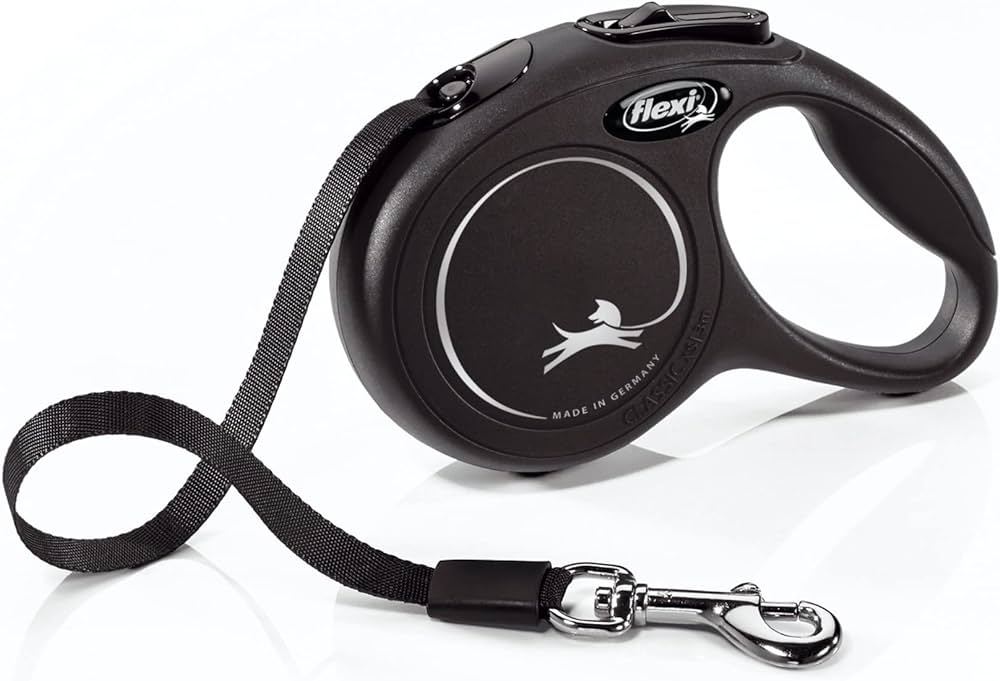
Retractable leashes are popular among dog owners but often discouraged by trainers. These leashes consist of a thin cord wound around a spring-loaded device inside a plastic handle. Let’s explore how they work and the different types available.
How They Work
Retractable leashes feature a cord that extends and retracts from a plastic handle. The handle houses a spring-loaded mechanism controlled by a button. When the button is released, the cord locks in place. Pressing the button allows the cord to extend or retract, giving dogs more freedom to roam.
The cord length varies, typically ranging from 10 to 26 feet. This design allows dogs to explore their surroundings while still being connected to their owners. But, the increased distance can make it challenging for owners to maintain control over their pets, especially in busy or potentially dangerous environments.
Types of Retractable Leashes
Several types of retractable leashes are available, designed for different dog sizes and owner preferences:
Standard retractable leashes: These are the most common, suitable for small to medium-sized dogs.
Heavy-duty retractable leashes: Designed for larger breeds, these feature stronger cords and mechanisms.
Tape-style retractable leashes: Instead of a thin cord, these use a flat tape, reducing the risk of cuts or burns.
Multi-dog retractable leashes: These allow owners to walk multiple dogs simultaneously, with separate cords for each dog.
Retractable leashes with built-in accessories: Some models include features like LED lights, waste bag dispensers, or treat compartments.
While these variations offer different features, they all share the same basic mechanism and potential drawbacks that concern dog trainers.
Safety Concerns for Dogs and Owners
Retractable leashes pose important safety risks for both dogs and their owners. These issues stem from the design and functionality of these leashes, which can lead to various hazardous situations.
Potential for Neck Injuries
Retractable leashes can cause severe neck injuries to dogs. The sudden jerking motion when a dog reaches the end of the leash puts extreme stress on their neck, potentially causing:
Damage to the trachea
Spinal cord injuries
Whiplash
Aggravation of existing neck problems
This risk is heightened when retractable leashes are used with choke chains, prong collars, or pinch collars. The constant pressure can desensitize dogs to leash tension, leading to more forceful pulling and increased injury risk.
Lack of Control in Emergencies
Retractable leashes significantly reduce an owner’s control over their dog, especially in emergency situations. This lack of control manifests in several ways:
Difficulty reeling in the dog quickly when needed
Limited ability to guide the dog away from potential dangers
Increased reaction time to unexpected events
Reduced effectiveness of verbal commands due to distance
In busy areas or near traffic, this lack of control can put dogs at risk of accidents or confrontations with other animals. It’s crucial for owners to maintain close control of their dogs in unpredictable environments.
Risk of Leash Breakage
Retractable leashes are more prone to breakage compared to standard leashes, presenting additional safety hazards:
Thin cords can snap under sudden pressure
Mechanical failures in the retraction mechanism
Wear and tear from frequent use
Increased risk of malfunction in extreme weather conditions
A broken leash can result in a dog running loose, potentially leading to accidents, lost pets, or dangerous situations for both the dog and others in the vicinity.
Dangers to Humans
Retractable leashes don’t just pose risks to dogs; they can be dangerous for humans as well:
Rope burns from the cord wrapping around limbs
Cuts or lacerations from the thin, fast-moving cord
Falls caused by entanglement in the leash
Injuries from the handle being yanked out of hand
These injuries can be particularly severe if the cord wraps around fingers or other body parts as the dog pulls away. In some cases, these incidents have led to amputations or important tissue damage.
Impact on Dog Training
Retractable leashes significantly hinder effective dog training by reinforcing undesirable behaviors and undermining consistent guidance. These leashes present multiple challenges that can impede a dog’s progress in learning proper walking etiquette and obedience.
Encouraging Pulling Behavior
Retractable leashes inadvertently reward pulling, making loose-leash walking difficult to achieve. The constant tension on these leashes teaches dogs that pulling is necessary to move forward. This continuous pressure desensitizes dogs to leash tension, leading them to pull more persistently. As a result, dogs learn to ignore gentle leash cues and struggle to walk calmly beside their owners. The variable length of retractable leashes further confuses dogs about appropriate walking distances, reinforcing the idea that pulling grants more freedom to explore.
Hindering Leash Manners
The inconsistent nature of retractable leashes makes it challenging for dogs to develop good leash manners. Dogs struggle to understand the concept of walking close to their owners due to the variable leash length. This confusion often persists even when switched to a regular leash, as dogs have learned to expect varying distances. The lack of clear boundaries makes it difficult for dogs to grasp proper leash etiquette, such as walking politely in heel position or responding to leash pressure cues. So, dogs may continue to pull, lunge, or wander, regardless of the leash type used.
Retractable leashes encourage dogs to wander and explore without guidance, undermining training efforts. The extended reach allows dogs to roam far from their owners, making it challenging to maintain control and focus during walks. This freedom often leads to increased distractions and decreased responsiveness to commands. Dogs may become overly fixated on environmental stimuli, ignoring their owners’ cues and making it difficult to redirect their attention. The inconsistent proximity to the handler can also hinder the development of a strong bond and reliable recall, essential components of effective dog training.
Practical Drawbacks
Dog trainers often criticize retractable leashes due to several important drawbacks. These issues range from safety concerns to training difficulties, making them less than ideal for responsible dog ownership.
Safety Risks
Retractable leashes pose serious safety hazards for both dogs and their owners. Dogs can suffer neck and throat injuries from the sudden jolt when reaching the end of the leash, potentially exacerbating existing conditions like pinched discs. The long cord can cause burns, cuts, and entanglements, with the risk of severe injury to handlers, including finger amputation if the leash wraps around digits.
Difficulty in Training
Training dogs becomes considerably more challenging with retractable leashes. They hinder the development of loose-leash walking skills by teaching dogs to pull constantly. The constant tension on the leash reinforces the idea that pulling is necessary to move forward, contradicting the goal of walking with slack in the leash. This behavior can persist even when switching to a regular leash, making consistent training more difficult.
Pairing Issues With Other Equipment
Retractable leashes often conflict with other essential dog training equipment. They’re incompatible with head halters and front-clip harnesses, tools frequently recommended by trainers for better control. The inconsistent tension of retractable leashes can render these tools ineffective or even dangerous. Also, the thin cords of retractable leashes may tangle with or damage other equipment, potentially compromising their integrity and effectiveness during crucial training sessions.
Awkward Handling and Weight
The design of retractable leashes presents handling challenges for dog owners. The bulky plastic housing adds important weight, making it uncomfortable to hold for extended periods. This awkwardness can lead to fatigue and reduced control, especially during longer walks. The mechanism’s complexity also makes quick reactions difficult in emergencies, as locking or releasing the leash requires manipulating small buttons. This delay in response time can be critical in potentially dangerous situations, further highlighting the practical drawbacks of retractable leashes in everyday use.
Situations Where Retractable Leashes May Be Appropriate
While dog trainers generally advise against retractable leashes, there are exact situations where they might be suitable. We’ll explore these scenarios, keeping in mind that safety and control should always be the top priorities.
Controlled Environments
Retractable leashes can be appropriate in controlled environments with minimal distractions. Open fields, empty beaches, or quiet trails offer spaces where dogs can explore safely. These areas have a low likelihood of encountering other people, dogs, or potential hazards. But, it’s crucial to remain vigilant and ready to lock the leash if needed. Elderly dogs in their own yards might benefit from the extra freedom a retractable leash provides, allowing them to move at their own pace while still under supervision. Always assess the environment for potential risks before using a retractable leash, even in seemingly safe locations.
Exact Dog Types and Sizes
Certain dog types and sizes may be better suited for retractable leashes under exact circumstances. Small, well-behaved dogs in open areas can benefit from the extended range while remaining easily controllable. Dogs with mobility issues or those recovering from injuries might find the adjustable length helpful during rehabilitation walks. But, it’s essential to consider the dog’s temperament, training level, and physical capabilities.
Large or strong dogs are generally not good candidates for retractable leashes due to the increased risk of injury and lack of control. Always use a harness instead of a collar when using a retractable leash to minimize the risk of neck injuries. Remember that regardless of size or type, all dogs require proper training and supervision when using any leash.
Alternatives to Retractable Leashes
Dog trainers recommend several alternatives to retractable leashes that offer better control and safety for both dogs and their owners. These options provide a balance between freedom and security, allowing for effective training and enjoyable walks.
Standard Leash Options
Standard leashes are the go-to choice for most dog trainers. They come in various lengths, typically 4 to 6 feet, and offer consistent control. Flat nylon leashes are durable and affordable, while leather leashes provide a comfortable grip and long-lasting quality. For enhanced visibility during night walks, reflective leashes are an excellent option. Adjustable leashes allow owners to modify the length based on the environment, offering versatility for different situations. Some leashes feature traffic handles near the collar clip, providing extra control in crowded areas. When choosing a standard leash, consider factors such as your dog’s size, strength, and walking habits to ensure the best fit for your needs.
Long-Line Training Tools
Long-line training tools are excellent alternatives for dogs that need more freedom to explore while maintaining control. These leashes typically range from 15 to 50 feet in length, allowing dogs to roam and practice recall in open spaces. Biothane long lines are popular due to their durability and water-resistant properties. Nylon long lines are lightweight and easy to clean.
When using long lines, it’s crucial to pair them with a well-fitted harness to prevent neck injuries. Long lines are particularly useful for recall training, scent work, and giving dogs controlled freedom in safe environments. But, they require careful handling to prevent tangling and are best used in open areas away from traffic and other distractions. Always supervise your dog closely when using a long line and gradually increase the length as your dog’s recall improves.
Conclusion
We’ve explored why dog trainers advise against retractable leashes due to safety concerns and training challenges. While these leashes offer convenience they often hinder proper training and pose risks to both dogs and owners.
By making informed decisions about leash choices we can ensure safer more enjoyable walks and foster better relationships with our canine companions. Remember the right leash is an investment in your dog’s well-being and training success.
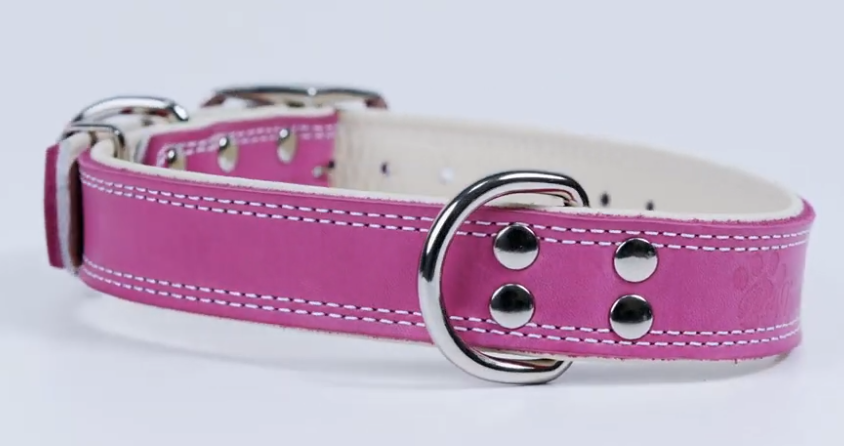
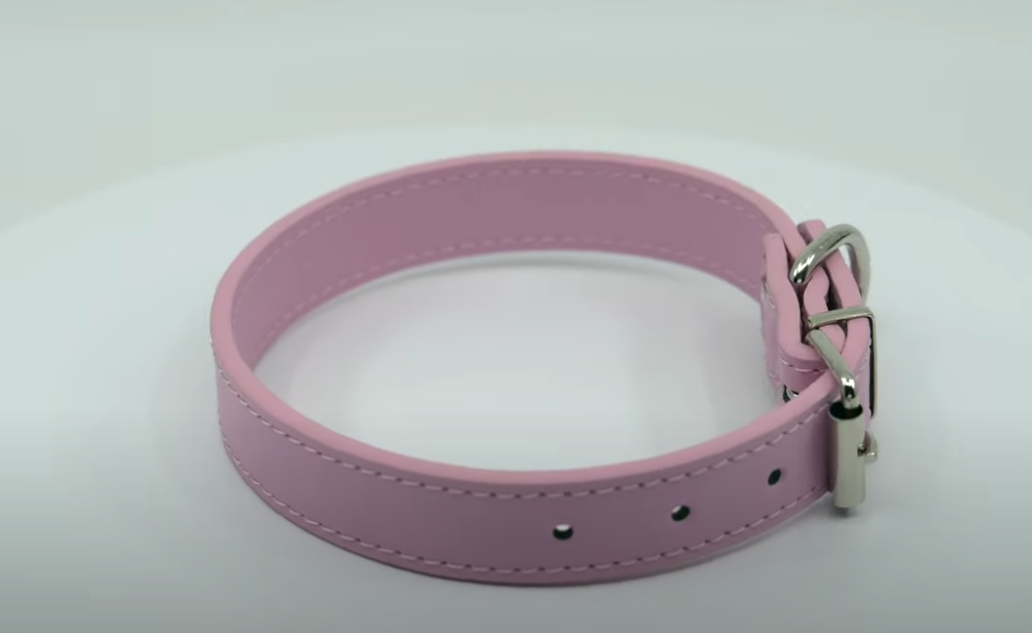
Is your furry friend’s leather collar emanating an unpleasant odor? Don’t worry, we’ve got you covered! A smelly dog collar isn’t just a nuisance; it can also be a breeding ground for bacteria and affect your pet’s comfort.
We understand the importance of keeping your dog’s accessories clean and fresh. That’s why we’ll guide you through the process of cleaning a smelly leather dog collar effectively. From identifying common causes of odor to using the right cleaning methods, we’ll explore everything you need to know. By the end of this article, you’ll have the knowledge to transform that stinky collar into a fresh, like-new accessory your pup will love wearing.
Understanding Leather Dog Collar Odors
Leather dog collars are prone to developing unpleasant odors due to their porous nature. We’ll explore the common causes of these smells and why regular cleaning is crucial for maintaining a fresh-smelling collar.
Common Causes of Smelly Collars
Leather dog collars absorb odors from various sources:
Sweat and body oils: Dogs’ natural skin secretions transfer to the collar, causing odors over time.
Dirt and debris: Accumulated grime from outdoor activities contributes to foul smells.
Moisture: Wet collars create an ideal environment for bacteria and mold growth.
Environmental factors: Exposure to rain, humidity, and puddles can lead to persistent odors.
Bacteria and yeast: These microorganisms thrive in damp conditions, producing strong smells.
Chemical residues: Some leather treatments and cleaners leave behind scented residues.
Understanding these causes helps pet owners identify the source of the odor and choose appropriate cleaning methods to eliminate it effectively.
Importance of Regular Cleaning
Regular cleaning of leather dog collars is essential for several reasons:
Odor prevention: Frequent cleaning removes dirt, sweat, and oils before they cause persistent smells.
Bacterial control: Cleaning inhibits the growth of odor-causing bacteria and yeast.
Collar longevity: Proper maintenance prevents leather from drying out and cracking.
Pet comfort: A clean collar reduces skin irritation and discomfort for dogs.
Hygiene: Regular cleaning maintains overall cleanliness and reduces the risk of skin infections.
By implementing a consistent cleaning routine, pet owners can ensure their dog’s leather collar remains fresh, comfortable, and in good condition for longer periods.
Preparing for Cleaning
Before diving into the cleaning process, it’s crucial to prepare properly. We’ll guide you through assessing your leather dog collar’s condition and gathering the necessary supplies for effective cleaning.
Assessing the Collar’s Condition
Leather dog collars require careful handling due to their sensitive nature. Start by removing any visible dirt, debris, or hair using a soft-bristled brush or damp cloth. Inspect the collar thoroughly for stains or areas with strong odors, as these will need extra attention during cleaning. It’s important to note that leather can fall apart or get scratched easily, so avoid harsh cleaning methods or abrasive materials. Check for signs of wear and tear, such as frayed edges or weakened buckles, which could compromise your pet’s safety. This assessment helps determine the appropriate cleaning approach and ensures the collar remains in good condition throughout the process.
Gathering Necessary Supplies
To clean a smelly leather dog collar effectively, gather these essential supplies:
Mild soap: Choose a gentle, unscented soap suitable for leather.
Warm water: Use lukewarm water to avoid damaging the leather.
Soft cloths: Microfiber or cotton cloths work well for cleaning and drying.
Leather conditioner: This helps maintain the collar’s suppleness after cleaning.
Soft-bristled brush: For removing loose dirt and debris.
White vinegar: A natural deodorizer for stubborn odors.
Baking soda: Another effective odor neutralizer.
Small bowl: For mixing cleaning answers.
Towel: To lay the collar on while cleaning.
Having these supplies ready ensures a smooth cleaning process and helps maintain the leather’s quality. Remember to avoid harsh chemicals or cleaners that could damage the collar’s material or irritate your dog’s skin.
Cleaning Methods for Leather Dog Collars
Cleaning a smelly leather dog collar requires exact techniques to effectively remove odors while preserving the leather’s quality. We’ll explore various methods, from basic cleaning to deep cleaning and odor removal.
Basic Cleaning with Leather Conditioner
For regular maintenance of leather dog collars, a gentle cleaning approach is essential. Start by hand washing the collar with a damp cloth or soft-bristled brush and a small amount of mild dog shampoo or soap. Gently scrub the collar to remove dirt and grime, being careful not to soak the leather. Rinse the soap off the cloth or brush and wipe the collar clean.
Use a towel to blot excess moisture and allow the collar to air dry away from direct sunlight and heat sources. Once dry, apply a pet-safe leather conditioner to prevent cracking and maintain the leather’s health. Gently rub the conditioner into the leather using an oil or cream specifically designed for this purpose, and remove any excess with a soft cloth.
Deep Cleaning Techniques
For more thorough cleaning of a smelly leather dog collar, begin by removing surface dirt with a soft-bristled brush. Prepare a cleaning solution using a mild, leather-safe cleaner mixed with water, or create a homemade solution of equal parts white vinegar and water. Dip a soft cloth into the solution, wring out excess liquid, and gently wipe the collar, avoiding soaking the leather. Use a clean, damp cloth to remove any soap residue. Pat the collar dry with a towel and let it air dry naturally. For finished leather, warm water and mild detergent work well. Unfinished leather requires more care; use saddle soap on a cloth and avoid commercial spot-cleaning answers to prevent dark spots.
Dealing with Stubborn Odors
To tackle persistent odors in leather dog collars, consider using a mixture of baking soda, hydrogen peroxide, water, and dish soap. Combine 1 tablespoon of baking soda, ½ cup of hydrogen peroxide, ½ cup of water, and 2 tablespoons of dish soap. This solution can effectively cleanse heavily soiled and smelly vegetable-tanned leather without causing damage. But, for tooled leather, opt for a commercial leather conditioner or beeswax, as these products are specifically formulated to care for and protect tooled leather surfaces. Always spot test any cleaning solution on a small, inconspicuous area before applying it to the entire collar. After cleaning, apply a leather conditioner to keep the collar supple and prevent cracking.
Drying and Conditioning the Collar
After cleaning a smelly leather dog collar, proper drying and conditioning are crucial steps to maintain its quality and prevent future odors. We’ll explore effective techniques for drying and conditioning your pet’s leather collar.
Proper Drying Techniques
Drying a leather dog collar correctly is essential to prevent damage and lingering odors. Never use heat sources like hairdryers or radiators, as they can cause the leather to crack or become brittle. Instead, gently blot the collar with a clean towel to remove excess moisture. Hang the collar in a well-ventilated area, away from direct sunlight, to air dry completely. This process may take several hours or overnight, depending on humidity levels. Ensure the collar is fully spread out to allow air circulation on all surfaces. Before using the collar again, check for any remaining dampness by touching it. If it still feels moist, allow additional drying time to prevent bacterial growth and unpleasant smells.
Applying Leather Conditioner
Once the leather dog collar is thoroughly dry, applying a pet-safe leather conditioner is crucial for restoring moisture and flexibility. This step helps prevent cracking and extends the collar’s lifespan. Choose a high-quality leather conditioner specifically designed for pet accessories. Apply a small amount to a soft cloth and gently rub it into the leather using circular motions.
Ensure even coverage, paying extra attention to areas prone to bending or creasing. Allow the conditioner to absorb fully before wiping away any excess with a clean cloth. For optimal results, condition the collar every few months or after each deep cleaning. Regular conditioning not only keeps the collar supple but also helps resist future odors by creating a protective barrier against moisture and dirt.
Preventing Future Odors
Keeping your leather dog collar fresh isn’t just about cleaning—it’s about prevention too. Here are some effective strategies to maintain a clean, odor-free collar for your furry friend.
Establishing a Cleaning Routine
Regular cleaning is key to preventing odors from building up on your dog’s leather collar. We recommend establishing a weekly cleaning routine:
Wipe down the collar with a damp cloth and mild soap
Use a soft-bristled brush to remove any stubborn dirt or debris
Apply a small amount of leather conditioner to keep the material supple
Allow the collar to air dry completely before putting it back on your dog
For active dogs or those prone to getting dirty, increase the frequency of cleaning to twice a week. Remember, consistent maintenance prevents deep-set odors and extends the life of the collar.
Tips for Odor Prevention
Beyond regular cleaning, there are several preventative measures you can take to keep your dog’s leather collar smelling fresh:
Rotate between two collars, allowing each one to fully dry and air out between uses
Apply a pet-safe odor neutralizer spray after each cleaning
Store the collar in a cool, dry place when not in use to prevent moisture buildup
Avoid letting your dog swim or bathe while wearing the leather collar
Use a separate collar for water activities to keep the leather one dry
Brush your dog’s coat regularly to reduce oil and dirt transfer to the collar
Consider applying a leather protectant spray to create a barrier against odor-causing elements
By implementing these preventative strategies, you’ll significantly reduce the chances of unpleasant odors developing on your dog’s leather collar, ensuring it stays fresh and comfortable for your pet.
Special Considerations
When cleaning a smelly leather dog collar, certain situations require extra care and attention. We’ll explore how to handle metal components and address exact types of stains that may contribute to unpleasant odors.
Cleaning Metal Parts and Buckles
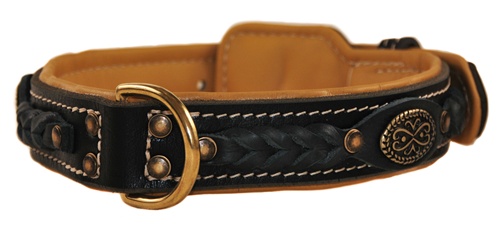
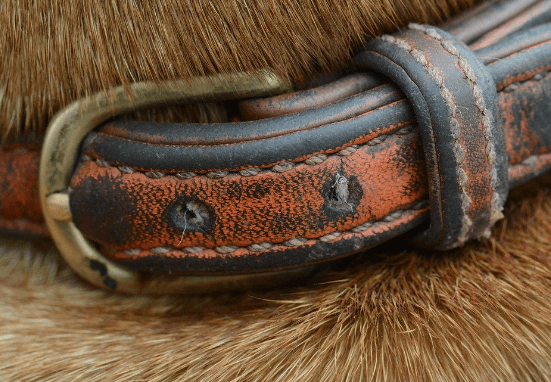
Metal parts and buckles on leather dog collars require special attention during cleaning. We recommend using a soft-bristled brush or toothbrush to remove dirt and debris from these areas. For stubborn grime, create a paste using baking soda and water. Apply this mixture to the metal parts, let it sit for an hour, then scrub gently with a toothbrush. Rinse thoroughly with clean water and dry completely to prevent rust. For light rust stains, this baking soda method is effective. But, avoid soaking the entire collar, as this can damage the leather. Instead, focus on spot-cleaning the metal components while protecting the leather portions of the collar.
How to Clean a Smelly Leather Dog Collar: 2024 Freshen Up Your Pup’s Neckwear 4
Mud stains: Allow the mud to dry completely, then brush off excess dirt. Use a damp cloth with mild soap to gently clean the affected area. For stubborn mud stains, create a paste with cornstarch and water, apply it to the stain, let it dry, then brush off.
Blood stains: Act quickly to prevent setting. Blot the stain with a cold, damp cloth to remove as much blood as possible. Apply a mixture of cold water and mild soap, gently working it into the stain. Rinse with clean water and dry thoroughly.
Grease stains: Sprinkle cornstarch or baking soda on the grease spot and let it sit overnight to absorb the oil. Brush off the powder gently the next day. For persistent grease stains, apply a small amount of leather-safe degreaser, following the product instructions carefully.
Remember to spot-test any cleaning solution on an inconspicuous area of the collar first to ensure it doesn’t damage or discolor the leather. After treating exact stains, condition the leather to maintain its softness and prevent cracking.
Conclusion
We’ve covered everything you need to know about cleaning a smelly leather dog collar. By following our guide you’ll not only eliminate odors but also extend your collar’s life. Remember regular cleaning and proper care are key to keeping your pet’s accessories fresh and comfortable. With these tips you’re well-equipped to tackle any smelly collar situation. Your furry friend will thank you for the extra effort and you’ll enjoy a cleaner more pleasant experience during walks and playtime.
Is your furry friend’s leather collar emitting an unpleasant odor that’s hard to ignore? We’ve all been there. A stinky leather dog collar isn’t just a nuisance; it can be a breeding ground for bacteria and affect your pet’s comfort.
We’ll guide you through the process of cleaning a smelly leather dog collar effectively. From understanding the common causes of odor to choosing the right cleaning methods, we’ve got you covered. Whether it’s sweat, dirt, or that unfortunate encounter with fox poo, we’ll show you how to tackle these stubborn smells and restore your dog’s collar to its fresh, clean state.
By the end of this article, you’ll have the knowledge to keep your pup’s leather collar clean and odor-free, ensuring both you and your four-legged companion can breathe easy.
Understanding Leather Dog Collar Odors
Leather dog collars are prone to developing unpleasant odors due to various factors. Understanding these causes is crucial for effective cleaning and maintenance of your pet’s collar.
Common Causes of Smelly Collars
Smelly leather dog collars often result from a combination of environmental factors and natural pet behaviors:
Dirt and debris accumulation
Absorption of skin oils and sweat
Exposure to moisture (rain, swimming, bathing)
Bacterial and fungal growth
Contact with strong-smelling substances (e.g., fox poo, decaying matter)
Infrequent cleaning and maintenance
Outdoor activities like hiking, swimming, or rolling in mud increase the likelihood of odor development. Regular cleaning is essential to prevent the buildup of dirt, oils, and bacteria that contribute to unpleasant smells.
Assessing the Level of Odor
To effectively clean a smelly leather dog collar, it’s important to assess the severity and type of odor:
Mild odor: Slight mustiness or “doggy” smell
Moderate odor: Noticeable unpleasant smell that lingers
Severe odor: Strong, pungent smell that’s immediately noticeable
Identify the source of the odor:
Sweat and skin oils: Musky, slightly sour smell
Dirt and grime: Earthy or musty odor
Mildew: Damp, moldy smell
Bacterial growth: Sour or rotten odor
Perform a visual inspection:
Look for visible dirt, stains, or discoloration
Check for signs of mold or mildew growth
Examine the collar’s overall condition
Consider the collar’s age and frequency of use, as older, well-worn collars may require more intensive cleaning or replacement.
Preparation for Cleaning
Before diving into the cleaning process, it’s crucial to prepare properly to ensure effective and safe cleaning of your stinky leather dog collar. We’ll cover the essential steps to remove surface dirt and gather the necessary supplies.
Removing Surface Dirt and Debris
To begin cleaning a stinky leather dog collar, remove loose dirt and debris:
Use a soft-bristled brush or cloth to gently sweep away surface grime.
Avoid using water at this stage to prevent leather damage.
For stubborn dirt, use a slightly damp cloth with minimal moisture.
Pay attention to collar creases and hardware areas where dirt accumulates.
Brush in the direction of the leather grain to maintain its texture.
If the collar has a strong odor, consider using a pet-safe deodorizing spray.
Remember, thorough surface cleaning sets the stage for deeper odor removal.
Gathering Necessary Cleaning Supplies
Collect these essential items for cleaning your leather dog collar:
Mild, pet-safe soap or leather cleaner
Soft cloths or microfiber towels
Soft-bristled brush
Leather conditioner
Clean, lukewarm water
Small bowl for mixing cleaning solution
Pet-safe deodorizer (optional)
Old toothbrush for cleaning hardware
Baking soda for odor absorption (if needed)
White vinegar for tough stains (diluted)
Leather protector spray
Having these supplies ready ensures a smooth cleaning process and helps maintain your dog’s collar effectively.
Safe Cleaning Methods for Leather Collars
Cleaning a stinky leather dog collar requires careful attention to preserve the material’s integrity. We’ll explore effective methods to eliminate odors and maintain your pet’s collar.
Using Mild Soap and Water
Mild soap and water offer a gentle yet effective cleaning solution for leather dog collars. We recommend using a pet-safe shampoo or a mild soap designed for leather. Apply the soap to a damp cloth or soft-bristled brush, gently working it into the collar’s surface. Avoid soaking the leather, as excessive moisture can lead to cracking or deterioration. After cleaning, use a clean, damp cloth to remove any soap residue. Pat the collar dry with a towel and allow it to air dry completely. Never use heat sources like hairdryers, as they can damage the leather. This method is ideal for regular maintenance and light cleaning of your dog’s leather collar.
Applying Leather Cleaner
For more stubborn odors or stains, a specialized leather cleaner can be highly effective. Products like saddle soap or leather-exact cleaners are designed to deep clean without harming the material. Apply a small amount of the cleaner to a soft cloth and gently work it into the leather in circular motions. Pay special attention to areas with visible stains or strong odors.
After cleaning, wipe the collar with a clean, damp cloth to remove any residue. Allow the collar to air dry naturally. Leather cleaners not only remove dirt and odors but also help condition the leather, maintaining its suppleness and preventing cracks. Always perform a spot test on an inconspicuous area before applying any new cleaner to ensure it doesn’t discolor or damage the leather.
Natural Remedies for Odor Removal
Natural remedies can be effective for removing odors from leather dog collars while being gentle on the material. One popular method is using a mixture of equal parts white vinegar and water. Apply this solution to a cloth and gently wipe the collar, then allow it to air dry. The vinegar helps neutralize odors without harsh chemicals. Another option is using baking soda, a natural deodorizer.
Sprinkle baking soda on the collar, let it sit for a few hours to absorb odors, then brush it off. For persistent smells, create a paste with baking soda and water, apply it to the collar, let it dry, then brush off. Essential oils like lavender or tea tree, when diluted properly, can also help freshen the collar. Remember to condition the leather after using these methods to prevent drying.
Step-by-Step Cleaning Process
To effectively clean a stinky leather dog collar, follow these step-by-step processes customized to different types of leather and odor severity. Our guide covers methods for both finished and unfinished leather collars, as well as techniques for addressing stubborn odors.
Cleaning Finished Leather Collars
Finished leather collars require gentle cleaning to maintain their protective layer. Start by mixing a solution of apple cider vinegar and baking soda. Dip a toothbrush into the solution and gently scrub the affected areas. Avoid soaking the collar, as this can damage the leather. Instead, use a soft cloth dampened with warm water to wipe away the cleaning solution. For stubborn dirt, use a stiff-bristled brush, being careful not to scratch the leather. After cleaning, blot the collar with a towel to remove excess moisture. Allow the collar to air dry away from direct sunlight or heat sources to prevent cracking. Once dry, apply a small amount of leather conditioner to keep the material supple.
Tackling Unfinished Leather Collars
Unfinished leather collars demand extra care due to their susceptibility to stains and discoloration. Begin by gently brushing the collar with a soft-bristled brush to remove loose dirt. For cleaning, use saddle soap on a damp cloth and carefully scrub the collar. Rinse the soap residue with a clean, damp cloth, ensuring you don’t oversaturate the leather. Let the collar air dry naturally, away from direct heat or sunlight. Before applying any cleaning answers or conditioners, perform a spot check on a small, inconspicuous area, as these products may darken unfinished leather. After cleaning, apply a thin layer of leather conditioner to maintain the collar’s softness and prevent cracking.
Addressing Stubborn Odors
For collars with persistent odors, more intensive methods may be necessary. Create a paste using baking soda and water, and apply it to the smelly areas of the collar. Let the paste sit for several hours or overnight to absorb odors. For particularly stubborn smells, place the collar in a sealed plastic bag with baking soda for 24-48 hours. After treatment, brush off the baking soda and wipe the collar with a damp cloth.
Another effective method is using a mixture of equal parts white vinegar and water. Apply this solution sparingly with a soft cloth, then wipe clean with a damp cloth. For leather-safe commercial deodorizers, follow the product instructions carefully. Always finish by conditioning the leather to prevent drying and cracking.
Drying and Conditioning the Collar
After cleaning a stinky leather dog collar, proper drying and conditioning are crucial to maintain its quality and prevent future odors. We’ll explore effective techniques for drying the collar and applying leather conditioner to keep it in top shape.
Proper Drying Techniques
To dry a leather dog collar correctly, avoid using direct heat sources or sunlight, which can damage the leather. Instead:
Gently squeeze out excess water using a clean, dry towel.
Hang the collar in a well-ventilated area away from direct heat or sunlight.
Use a fan to circulate air around the collar, speeding up the drying process.
Allow the collar to air dry completely, which may take several hours or overnight.
Check for any remaining moisture by touching the collar before use.
For stubborn dampness, stuff the collar with newspaper to absorb excess moisture. Replace the paper every few hours until the collar is completely dry.
Dog Collar
Applying Leather Conditioner
Once the collar is dry, applying a leather conditioner helps restore moisture, prevent cracking, and maintain the leather’s suppleness. Here’s how to condition a leather dog collar effectively:
Choose a high-quality leather conditioner specifically designed for pet products.
Perform a spot test on a small, inconspicuous area to ensure the conditioner doesn’t cause discoloration.
Apply a small amount of conditioner to a clean, soft cloth.
Gently work the conditioner into the leather using circular motions, covering the entire surface.
Pay extra attention to areas that bend or flex frequently, as these are more prone to drying out.
Allow the conditioner to absorb for 10-15 minutes.
Wipe off any excess conditioner with a clean cloth to prevent over-saturation.
Let the collar air dry completely before reattaching it to your dog.
Regular conditioning, typically every 1-3 months depending on use, helps maintain the collar’s quality and odor resistance.
Preventing Future Odors
To maintain a fresh-smelling leather dog collar, prevention is key. We’ll explore effective strategies to keep odors at bay and extend the life of your pet’s collar.
Regular Maintenance Tips
Regular maintenance is crucial for preventing odors in leather dog collars. Here are some tips:
Clean the collar weekly using a damp cloth and mild soap
Rotate between two collars to allow each one to air dry completely
Apply a leather conditioner every 1-3 months to maintain the leather’s quality
Avoid exposing the collar to excessive moisture or heat
Wipe the collar with a dry cloth after walks or outdoor activities
Use a pet-safe deodorizer spray between cleanings
Store the collar in a cool, dry place when not in use
Brush your dog regularly to reduce oil transfer to the collar
Consider using a protective coating on the collar to repel dirt and moisture
By implementing these maintenance tips, you’ll significantly reduce odor buildup and keep your dog’s leather collar in top condition.
When to Replace a Leather Collar
Even though proper care, leather dog collars eventually wear out. Here’s how to determine when it’s time for a replacement:
Inspect the collar monthly for signs of wear and tear
Replace if you notice fraying, cracking, or thinning of the leather
Check the buckle and D-ring for rust or damage; replace if compromised
If the collar no longer fits properly due to stretching, it’s time for a new one
Replace immediately if the collar develops a persistent odor that won’t dissipate after cleaning
Consider replacing annually for active dogs or those who swim frequently
If the collar shows signs of mold or mildew growth, replace it to protect your dog’s health
When the leather becomes stiff and uncomfortable even though conditioning, it’s time for a new collar
Remember, a well-maintained leather collar can last several years, but safety and comfort should always be the priority when deciding to replace it.
Conclusion
We’ve covered everything you need to know about cleaning a stinky leather dog collar. By following our guide you’ll be able to eliminate odors effectively and safely. Remember to clean regularly assess your collar’s condition and replace it when necessary. With proper care and maintenance your dog’s leather collar will stay fresh and comfortable for years to come. Don’t let unpleasant odors compromise your pet’s comfort or your enjoyment of their companionship. Take action today and enjoy a fresher-smelling furry friend!
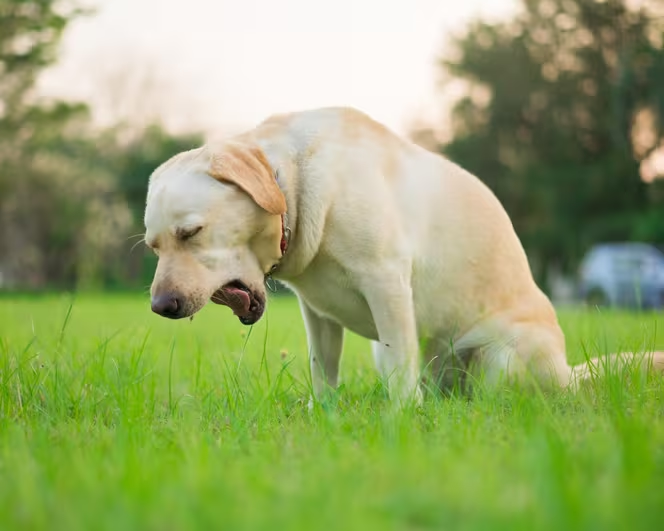
Is your furry friend feeling under the weather? When vomiting dogs, it’s natural to feel concerned and want to help them feel better quickly. As pet parents, we know how distressing it can be to see our canine companions in discomfort.
In this text, we’ll explore what to give a sick dog for throwing up, providing you with practical advice to help your pup bounce back. We’ll cover safe, vet-approved remedies and discuss when it’s time to seek professional help. From dietary adjustments to home care tips, we’ve got you covered with everything you need to know about managing your dog’s upset stomach.
Understanding Dog Vomiting
Dog vomiting is a common concern for pet owners. It’s essential to understand the causes and distinguish between vomiting and regurgitation to provide appropriate care for our furry friends.
Common Causes of Vomiting in Dogs
Vomiting in dogs can result from various factors:
Dietary indiscretion: Eating spoiled food, human food toxic to dogs, or non-food items
Infections: Viral, bacterial, or parasitic
Bloat and Gastric Dilatation-Volvulus (GDV): A life-threatening condition requiring immediate veterinary attention
Organ failure: Kidney or liver issues
Toxins: Ingestion of medications or harmful substances
Stress and anxiety: Separation anxiety or other stress-related problems
Sudden diet changes: Introducing new foods too quickly
It’s crucial to differentiate between vomiting and regurgitation:
Vomiting:
Involves forceful ejection of stomach or upper intestine contents
Often accompanied by abdominal heaving and nausea
Contents may be partially digested and contain bile
Regurgitation:
Passive process with little abdominal effort
Occurs shortly after eating or drinking
Contents are usually undigested and may be tube-shaped
Often related to esophageal issues or anatomical abnormalities
Identifying the difference helps determine the underlying cause and appropriate treatment. While occasional vomiting may not be serious, chronic vomiting or regurgitation requires veterinary attention to rule out more severe conditions.
When to Be Concerned About Your Dog’s Vomiting
Identifying when your dog’s vomiting requires immediate veterinary attention is crucial for their health and well-being. While occasional vomiting can be normal, certain signs indicate a more serious condition that needs prompt medical care.
Signs of Emergency Situations
Severe or Persistent Vomiting: Multiple vomiting episodes within a short period or vomiting that continues for more than 24 hours.
Blood in Vomit: Presence of fresh red blood or dark, coffee-ground-like material in the vomit.
Dehydration: Signs include excessive thirst, dry gums, sunken eyes, and decreased urination.
Lethargy or Weakness: Unusual tiredness or lack of responsiveness.
Abdominal Pain: Visible discomfort when touching the belly area.
Fever: Body temperature above 103°F (39.4°C).
Inability to Keep Water Down: Vomiting even after drinking small amounts of water.
Additional Symptoms: Diarrhea, loss of appetite, difficulty breathing, or bloating.
Known Ingestion of Toxins: If your dog has eaten something potentially harmful, such as chocolate, onions, or certain plants.
Frequency: One or two isolated vomiting episodes within 24 hours.
Appearance: Clear or white foam without blood or unusual content.
Behavior: Dog remains active and alert between vomiting episodes.
Appetite: Maintains interest in food and water after a brief fasting period.
Duration: Vomiting resolves within 24 hours without additional symptoms.
Causes: Often due to dietary indiscretion or minor stomach upset.
Home Care: Withhold food for 12-24 hours, offer small amounts of water, and gradually reintroduce bland food.
Monitoring: Observe for worsening symptoms or additional health concerns.
Recovery: Most mild cases improve with basic home care and close observation.
Home Care for a Vomiting Dog
When caring for a vomiting dog, it’s crucial to focus on fasting, reintroducing food, and maintaining hydration. These steps help alleviate discomfort and promote recovery.
Fasting and Reintroducing Food
Fasting is an essential first step in caring for a vomiting dog. Adult dogs benefit from a 24-hour fast, giving their digestive system time to recover. For puppies, limit fasting to 12 hours due to their higher metabolic needs. After fasting, reintroduce food gradually:
Start with small, frequent meals of bland diet
Offer lightly steamed protein and broth
Introduce plain rice for gentle digestion
Consider baby food as an easy-to-digest option
Gradually reintroduce the dog’s normal diet
Monitor your dog’s response to food reintroduction. If vomiting persists, consult a veterinarian for further guidance.
Hydration and Electrolytes
Maintaining proper hydration is crucial for a vomiting dog. Dehydration can quickly become a serious issue, so it’s important to encourage fluid intake. Here are some ways to keep your dog hydrated:
Monitor your dog’s urine output and gum color to assess hydration levels. If dehydration persists or worsens, seek veterinary care immediately. Severe cases may require intravenous fluid therapy to restore proper hydration and electrolyte balance.
What to Feed a Dog After Vomiting
After a dog has vomited, it’s crucial to reintroduce food carefully. A bland diet helps soothe the stomach and provides necessary nutrients while allowing the digestive system to recover.
Bland Diet Options
Boiled chicken and white rice is an effective bland diet for dogs recovering from vomiting. To prepare:
Use skinless, boneless chicken breast or lean ground beef
Boil the meat until fully cooked
Mix with cooked white rice (rice should make up the majority of the meal)
Other bland food options include:
Cooked pumpkin (plain, without spices)
Bone broth (low-fat, spice-free)
These options are easily digestible and gentle on the stomach. Cooked pumpkin aids digestion, while bone broth provides hydration and nutrients. Offer small portions initially, gradually increasing the amount if the dog tolerates it well.
Transitioning back to regular food requires patience:
Day 1: Fast adult dogs for 12-24 hours (puppies for 12 hours max)
Day 2: Offer 10% of normal meal size, then 25%, 25%, and 50% at intervals
Day 3: Provide 50% of normal meal size twice, then a full meal if no vomiting occurs
Day 4: Feed normal amount divided into three evenly spaced meals
Monitor your dog closely during this process. If vomiting recurs, stop feeding and consult your veterinarian. Once your dog has kept food down for 48-72 hours without vomiting, gradually reintroduce their regular diet over several days.
Natural Remedies for Dog Vomiting
Natural remedies can be effective in managing mild cases of dog vomiting. These remedies often provide relief and support the digestive system without harsh medications. Here are two popular natural approaches to help a sick dog with vomiting:
Ginger for Nausea Relief
Ginger is a powerful natural antiemetic and anti-spasmodic remedy for dogs experiencing nausea and vomiting. Its effectiveness stems from its ability to soothe the digestive tract and reduce stomach discomfort. To use ginger:
Prepare ginger tea by boiling 1 tablespoon of fresh ginger root in 1 cup of water
Cool the tea and administer small amounts throughout the day
Dose at 1 teaspoon per 15 pounds of body weight
For dogs resistant to liquids, mix powdered ginger with chamomile and raw honey
Offer 1/8 teaspoon of the mixture per 15 pounds of body weight
Ginger’s natural properties make it a safe and gentle option for alleviating nausea in vomiting dogs.
Probiotics for Digestive Health
Probiotics play a crucial role in maintaining and restoring digestive health in dogs experiencing vomiting. These beneficial bacteria help:
Restore the balance of gut microflora
Strengthen the immune system
Improve nutrient absorption
Reduce inflammation in the digestive tract
When selecting a probiotic for your dog:
Choose products specifically formulated for canines
Look for multiple strains of beneficial bacteria
Opt for probiotics with at least 1 billion CFUs (colony-forming units)
Consider probiotic supplements in powder or capsule form for easy administration
Introduce probiotics gradually, starting with a small dose and increasing over time. Always consult with a veterinarian before adding any supplements to your dog’s diet, especially when dealing with vomiting or other digestive issues.
Safe Remedies for Vomiting Dogs: What to Give and When to Worry ( 2024 ) 9
When to Seek Veterinary Care
While mild cases of vomiting in dogs can often be managed at home, certain situations require immediate veterinary attention. Recognizing these signs is crucial for your dog’s health and well-being.
Diagnostic Procedures
When you bring your dog to the vet for vomiting, they’ll likely perform a thorough physical examination. This may include:
Taking your dog’s temperature
Checking for signs of dehydration
Palpating the abdomen for pain or abnormalities
Listening to heart and lung sounds
Additional diagnostic tests may be necessary, such as:
Blood work to check organ function and electrolyte levels
X-rays or ultrasounds to look for obstructions or organ abnormalities
Fecal tests to check for parasites
Exact tests for suspected toxins or infections
These procedures help veterinarians determine the underlying cause of your dog’s vomiting and guide appropriate treatment.
Potential Treatments
Treatment for a vomiting dog varies depending on the underlying cause and severity of symptoms. Potential treatments may include:
Fluid therapy: Intravenous or subcutaneous fluids to combat dehydration
Anti-emetic medications: To control nausea and vomiting
Gastrointestinal protectants: To soothe the digestive tract
Antibiotics: If a bacterial infection is suspected
Dietary management: Prescription diets or dietary recommendations
Surgery: In cases of foreign body obstruction or other severe conditions
For more serious cases, hospitalization may be necessary to provide intensive care and monitoring. Your veterinarian will develop a treatment plan customized to your dog’s exact needs, which may involve a combination of these approaches to address the underlying cause and alleviate symptoms.
Preventing Future Vomiting Episodes
To minimize future vomiting episodes in dogs, we need to address both dietary considerations and lifestyle adjustments. These preventive measures can significantly reduce the likelihood of recurring digestive issues and promote overall canine health.
Dietary Considerations
To prevent future vomiting episodes, we recommend implementing the following dietary strategies:
Feed small, frequent meals: Offer 3-4 smaller meals throughout the day instead of one or two large meals.
Choose high-quality dog food: Select premium, easily digestible food appropriate for your dog’s age and breed.
Avoid sudden diet changes: Gradually transition to new foods over 7-10 days to prevent stomach upset.
Limit table scraps and human food: These can cause digestive issues and nutritional imbalances.
Provide fresh water: Ensure clean, fresh water is always available to maintain proper hydration.
Consider probiotics: Consult your veterinarian about adding probiotics to support digestive health.
Monitor for food sensitivities: Observe your dog for any adverse reactions to exact ingredients and adjust the diet accordingly.
Establish a consistent feeding schedule: Regular mealtimes help regulate digestion and prevent bile buildup.
Secure trash cans and food storage: Keep garbage and pantry items out of your dog’s reach to avoid dietary indiscretion.
Manage stress levels: Create a calm environment and provide mental stimulation to reduce anxiety-related vomiting.
Regular exercise: Maintain an appropriate exercise routine to promote healthy digestion and overall well-being.
Proper dental care: Regular teeth cleaning can prevent oral issues that may lead to vomiting.
Slow down fast eaters: Use puzzle feeders or slow-feed bowls to prevent rapid eating, which can cause vomiting.
Conclusion
Caring for a sick dog requires patience understanding and a proactive approach. By following the guidelines we’ve outlined you can effectively manage your dog’s vomiting at home in many cases. Remember that prevention is key so maintain a healthy diet and lifestyle for your furry friend.
While home remedies can be helpful it’s crucial to recognize when professional help is needed. Trust your instincts as a pet owner and don’t hesitate to consult your veterinarian if you’re unsure or if symptoms persist. With the right care and attention your dog will be back to their happy healthy self in no time.
When our dogs with diarrhea, it’s not just uncomfortable for them—it’s worrying for us too. Knowing what to feed a sick dog with diarrhea can make all the difference in their recovery. We’ll guide you through the best dietary choices to help your canine companion get back on their paws.
Feeding a sick dog isn’t just about managing symptoms; it’s about providing the right nutrition to support their healing process. We’ll explore simple, vet-recommended options that are easy on your dog’s digestive system, from bland diets to fiber supplements. By the end of this article, you’ll have a clear understanding of how to nourish your dog back to health, ensuring they receive the care they need during this challenging time.
Understanding Diarrhea in Dogs
Diarrhea in dogs is a common digestive issue that can stem from various causes. Recognizing the underlying factors and knowing when to seek veterinary care is crucial for effective treatment and your dog’s well-being.
Common Causes
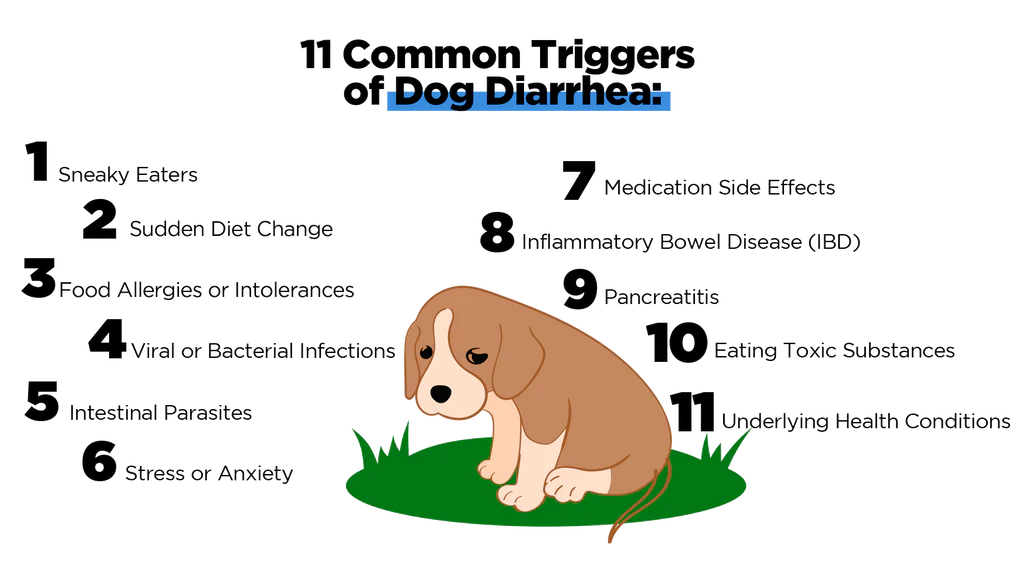
Diarrhea in dogs often results from dietary indiscretion, such as eating garbage or spoiled food. Changes in diet, including new treats or sudden switches in food brands, can upset a dog’s sensitive stomach. Stress and anxiety, triggered by events like boarding or traveling, may also lead to loose stools. Medical conditions, including inflammatory bowel disease, liver or kidney issues, and intestinal cancer, can cause persistent diarrhea. Viral infections (e.g., parvovirus), bacterial infections (e.g., salmonella), and parasites (e.g., Giardia, roundworms) are common culprits. Ingestion of foreign objects or toxins can irritate the digestive tract, resulting in diarrhea. Some medications, particularly antibiotics, may disrupt the gut’s bacterial balance, leading to digestive issues.
When to Be Concerned
While occasional mild diarrhea may resolve on its own, certain signs warrant immediate veterinary attention. Seek professional help if your dog’s diarrhea persists for more than 24-48 hours, as prolonged episodes can lead to dehydration. Black, tarry stools or diarrhea containing fresh blood indicate potential internal bleeding and require urgent care.
Accompanying symptoms such as lethargy, loss of appetite, vomiting, or fever suggest a more serious underlying condition. Puppies, senior dogs, and those with pre-existing health conditions are particularly vulnerable to complications from diarrhea and should be monitored closely. If your dog shows signs of severe abdominal pain, bloating, or unproductive attempts to defecate, consult a veterinarian promptly. Dehydration, evidenced by dry gums, sunken eyes, or loss of skin elasticity, is a serious concern that necessitates immediate medical intervention.
Best Foods for Dogs with Diarrhea
When a dog has diarrhea, it’s crucial to provide easily digestible foods that help stabilize their digestive system. Here are some of the best options to consider:
Chicken and Rice
Chicken and rice is a classic, vet-recommended diet for dogs with diarrhea. Here’s why it’s effective:
Lean protein: Boiled, skinless, boneless chicken breast is gentle on the stomach and provides essential nutrients.
Easy digestion: White rice, particularly long-grain, is easily digestible and helps firm up stools.
Optimal ratio: Mix chicken and rice in a 1:2 ratio (one part chicken to two parts rice) for balanced nutrition.
Gradual introduction: Start with small portions and gradually increase as your dog’s condition improves.
Hydration: The moisture in cooked chicken helps prevent dehydration, a common concern with diarrhea.
Pumpkin
Pumpkin is a superfood for dogs with diarrhea, offering many benefits:
High fiber content: Helps regulate the digestive system, alleviating both diarrhea and constipation.
Nutrient-rich: Contains vitamins A, C, and E, as well as potassium and iron.
Prebiotic properties: Supports beneficial gut bacteria, promoting digestive health.
Low in calories: Ideal for maintaining a healthy weight during recovery.
Versatile use: Can be mixed with other foods or given as a standalone treat.
Always use plain, canned pumpkin, not pumpkin pie filling, which contains added sugars and spices.
Sweet Potatoes
Sweet potatoes are another excellent option for dogs with diarrhea:
Digestible fiber: Helps firm up stools and regulate bowel movements.
Rich in nutrients: Packed with vitamins A, B6, C, and minerals like potassium and manganese.
Antioxidant properties: Beta-carotene supports immune function during recovery.
Preparation methods: Can be boiled, baked, or mashed for easy consumption.
Gradual introduction: Start with small amounts to avoid overwhelming the digestive system.
Ensure the sweet potatoes are cooked thoroughly and cooled before serving to your dog.
Bone Broth
Bone broth is a nourishing and soothing option for dogs with diarrhea:
Easily digestible: Gentle on the stomach and provides essential hydration.
Rich in nutrients: Contains minerals, amino acids, and collagen for gut health.
Appetite stimulant: Encourages eating in dogs with reduced appetites.
Versatile use: Can be served alone or mixed with other foods.
Homemade option: Prepare by simmering bones for 20-24 hours, removing fat after cooling.
Always serve bone broth at room temperature to avoid burning your dog’s mouth.
Oatmeal
Oatmeal is a beneficial food for dogs recovering from diarrhea:
Soluble fiber: Helps absorb excess water in the intestines, firming up stools.
Gentle on digestion: Easy to digest and unlikely to irritate the stomach.
Nutrient-rich: Contains vitamins B, omega-6 fatty acids, and minerals.
Preparation: Cook plain oatmeal with water, avoiding milk or additives.
Gradual introduction: Start with small portions, mixing with other bland foods if needed.
Ensure the oatmeal is cooled to room temperature before serving to your dog.
Feeding Guidelines
When caring for a dog with diarrhea, following proper feeding guidelines is crucial for their recovery. We’ll explore the appropriate portion sizes and meal frequency to help your canine companion’s digestive system heal.
Portion Sizes
When feeding a sick dog with diarrhea, it’s essential to control portion sizes carefully. Start with small, frequent meals rather than large portions. Offer 1/4 to 1/2 cup of food per 10 pounds of body weight initially. For example, a 20-pound dog would receive 1/2 to 1 cup of food per meal. As your dog’s condition improves, gradually increase portion sizes over several days. Monitor your dog’s response to the food and adjust accordingly. If vomiting occurs, reduce the portion size and consult your veterinarian. Remember, each dog’s needs may vary, so observe your pet closely and adjust portions based on their individual response to the bland diet.
Frequency of Meals
Feeding frequency plays a crucial role in managing diarrhea in dogs. Initially, offer small meals 4-6 times per day. This approach helps prevent overloading the digestive system while providing necessary nutrients. As your dog’s condition improves, gradually reduce the frequency to 3-4 meals per day. Continue this feeding schedule for 2-3 days after symptoms subside. Then, slowly transition back to your dog’s regular feeding routine over 5-7 days. During this transition, mix increasing amounts of their regular food with decreasing amounts of the bland diet. Always have fresh water available to prevent dehydration. If diarrhea persists or worsens even though following these guidelines, consult your veterinarian promptly for further evaluation and treatment.
Best Foods for Dogs with Diarrhea: 2024 Vet-Approved Diet Guide 12
Foods to Avoid
When caring for a dog with diarrhea, it’s crucial to avoid certain foods that can exacerbate the condition or cause further harm. We’ve compiled a list of foods and substances to keep away from your sick dog:
Toxic Foods
Several common foods are toxic to dogs and can worsen diarrhea or cause additional health problems:
Onions and Garlic: These Allium family members can cause gastroenteritis, anemia, and damage to red blood cells. Signs include lethargy, weakness, and discolored urine.
Chocolate: Contains theobromine, which can lead to vomiting, diarrhea, heart problems, tremors, seizures, and in severe cases, death. Dark chocolate is more toxic than milk chocolate.
Xylitol: Found in sugar-free gum, candy, baked goods, and toothpaste. It can cause a rapid drop in blood sugar and liver failure in dogs.
Grapes and Raisins: Associated with kidney failure in dogs. Symptoms include vomiting, lethargy, and diarrhea.
Alcohol: Can cause vomiting, diarrhea, coordination problems, breathing issues, coma, and even death.
High-Fat Foods
High-fat foods can irritate your dog’s digestive system and potentially lead to pancreatitis:
Fried foods
Fatty meats (e.g., bacon, sausage)
Dairy products (e.g., cheese, butter, ice cream)
Greasy table scraps
Spicy and Seasoned Foods
Spices and seasonings can irritate your dog’s stomach and worsen diarrhea:
Hot peppers
Curry
Garlic powder
Onion powder
Salt
Raw or Undercooked Meats
Raw or undercooked meats can contain harmful bacteria:
Raw eggs
Raw fish
Undercooked poultry
Raw ground beef
Sugary Foods and Drinks
Sugary items can upset your dog’s stomach and contribute to dental problems:
Candy
Soft drinks
Sweetened juices
Baked goods
Processed Foods
Highly processed foods often contain preservatives and additives that can irritate your dog’s digestive system:
Commercial dog treats
Human snack foods (e.g., chips, pretzels)
Cured meats (e.g., hot dogs, deli meats)
Bones and Rawhide
These items can splinter or cause blockages in your dog’s digestive tract:
Cooked bones
Rawhide chews
Large chunks of hard treats
By avoiding these foods and focusing on a bland, easily digestible diet, we can help support your dog’s recovery from diarrhea. Always consult with your veterinarian for personalized advice on your dog’s dietary needs during illness.
Hydration and Electrolyte Balance
Maintaining proper hydration and electrolyte balance is crucial for dogs with diarrhea. Diarrhea can lead to rapid fluid loss, potentially causing dehydration and electrolyte imbalances. Here’s how to manage these aspects effectively:
Provide Fresh Water
Always ensure your dog has access to clean, fresh water. Encourage frequent, small sips rather than large amounts at once. This approach helps prevent overwhelming the digestive system while maintaining hydration.
Consider Electrolyte Answers
For mild cases of diarrhea, electrolyte answers designed for dogs can help replenish lost fluids and minerals. These answers are available over-the-counter at pet stores or through veterinarians. Always follow the recommended dosage instructions.
Monitor Water Intake
Keep track of your dog’s water consumption. If they’re not drinking enough on their own, try offering water from your hand or using a syringe (without the needle) to administer small amounts of water directly into their mouth.
Recognize Signs of Dehydration
Be alert for signs of dehydration, which include:
Dry, sticky gums
Loss of skin elasticity
Sunken eyes
Lethargy
Decreased urine output
If you notice these symptoms, contact your veterinarian immediately.
Fluid Therapy
In severe cases of diarrhea or dehydration, veterinary-administered fluid therapy may be necessary. This treatment involves intravenous or subcutaneous fluids to quickly restore hydration and correct electrolyte imbalances.
Ice Chips and Frozen Treats
For dogs reluctant to drink, offer ice chips or frozen low-sodium broth cubes. These can encourage fluid intake while providing a soothing effect on the digestive system.
Avoid Certain Liquids
Steer clear of milk, caffeinated beverages, or sugary drinks. These can exacerbate diarrhea and lead to further complications.
By focusing on proper hydration and electrolyte balance, you’ll support your dog’s recovery from diarrhea and prevent more serious health issues. Remember, severe or prolonged diarrhea requires veterinary attention to ensure appropriate treatment and prevent complications.
Transitioning Back to Regular Diet
Once your dog’s diarrhea has improved and they’ve tolerated the bland diet for a few days, it’s time to transition back to their regular food. We’ll guide you through this process to ensure a smooth return to normalcy.
Gradual Introduction
The key to a successful transition is gradual introduction. Begin by mixing a small amount of your dog’s regular food with the bland diet. Start with a ratio of 25% regular food to 75% bland diet. Maintain this ratio for 2-3 days, monitoring your dog’s stool consistency and overall health.
Increasing Regular Food Portions
If your dog tolerates the initial mix well, gradually increase the proportion of regular food. Move to a 50/50 mix for another 2-3 days, then to 75% regular food and 25% bland diet for an additional 2-3 days. Finally, transition to 100% regular food.
Monitoring Progress
Throughout the transition, closely observe your dog’s:
Stool consistency
Appetite
Energy levels
Digestive comfort
If you notice any signs of recurring diarrhea or digestive discomfort, slow down the transition process or consult your veterinarian.
Feeding Schedule
Maintain small, frequent meals during the transition period. This approach helps prevent overwhelming your dog’s digestive system. As your dog fully recovers, gradually return to their normal feeding schedule.
Probiotics and Supplements
Consider adding probiotics to support your dog’s digestive health during the transition. These beneficial bacteria can help restore balance to the gut microbiome. Discuss with your veterinarian about appropriate probiotic options for your dog.
Hydration
Continue to ensure your dog has access to fresh water throughout the transition process. Proper hydration supports overall digestive health and helps prevent constipation as you reintroduce regular food.
Special Considerations
For dogs with sensitive stomachs or recurring digestive issues, consult your veterinarian about:
Long-term dietary changes
Prescription diets
Additional supplements to support digestive health
Remember, every dog is unique, and recovery times may vary. If your dog shows any signs of persistent digestive issues or discomfort during the transition, don’t hesitate to seek professional veterinary advice.
Prevention and Long-Term Care
Dietary Management
We recommend implementing a consistent, balanced diet to prevent future episodes of diarrhea. Choose high-quality dog food with easily digestible ingredients and avoid sudden changes in diet. Gradually introduce new foods over 7-10 days, mixing them with the current food in increasing proportions.
Probiotics and Supplements
Incorporating probiotics into your dog’s diet can support digestive health and immune function. These beneficial bacteria help maintain a healthy gut microbiome, reducing the risk of diarrhea. Consult your veterinarian for appropriate probiotic supplements customized to your dog’s needs.
Regular Exercise
Maintaining a consistent exercise routine is crucial for your dog’s overall health and digestive function. Daily walks or playtime sessions help regulate bowel movements and reduce stress, which can contribute to digestive issues.
Stress Reduction
Minimize stressors in your dog’s environment to prevent stress-induced diarrhea. Create a calm, predictable routine and provide a safe space for your dog to retreat when feeling overwhelmed.
Regular Veterinary Check-ups
Schedule regular check-ups with your veterinarian to monitor your dog’s overall health and catch any potential issues early. These visits allow for preventive care and timely adjustments to your dog’s diet or lifestyle if needed.
Parasite Prevention
Carry out a comprehensive parasite prevention program as recommended by your veterinarian. Regular deworming and flea/tick prevention can help avoid parasite-related digestive issues.
Water Quality
Ensure your dog has access to clean, fresh water at all times. Consider using a water filter if your tap water quality is questionable, as contaminants can contribute to digestive upset.
Food Hygiene
Practice proper food hygiene by washing your hands before handling your dog’s food and cleaning food bowls regularly. Store dry food in airtight containers to prevent contamination and maintain freshness.
Portion Control
Avoid overfeeding, which can lead to digestive issues. Follow feeding guidelines based on your dog’s age, weight, and activity level, and adjust portions as needed to maintain a healthy weight.
Avoid Table Scraps
Refrain from feeding your dog table scraps or human food, as these can disrupt their digestive system and lead to diarrhea. Stick to dog-exact treats and foods designed for their nutritional needs.
By implementing these preventive measures and maintaining a consistent long-term care routine, we can significantly reduce the risk of recurring diarrhea episodes in dogs and promote overall digestive health.
Conclusion
Caring for a dog with diarrhea requires attention to diet hydration and overall health. By following the guidelines we’ve outlined you can help your furry friend recover faster and more comfortably. Remember to start with bland easily digestible foods and gradually transition back to their regular diet.
Always prioritize your dog’s well-being and don’t hesitate to consult a veterinarian if symptoms persist or worsen. With proper care and nutrition you’ll be supporting your dog’s digestive health and paving the way for a swift recovery.
Did you know that fleas can jump up to 150 times their own length? That’s equivalent to a human leaping over a 30-story building! It’s no wonder these tiny pests can be such a big problem for our furry friends. When it comes to protecting our dogs from fleas, choosing the right medication is crucial.
Dog flea medication isn’t just about comfort; it’s a vital part of our pets’ health and well-being. We’ll discover the area of flea prevention, from over-the-counter options to prescription treatments. We’ll jump into the pros and cons of various forms, including oral tablets and topical answers, to help you make an well-informed choice for your canine companion. By the end of this article, you’ll have a clear understanding of how to keep your dog flea-free and happy.
Understanding Dog Flea Medication
Types of Flea Medications
Dog flea medications come in various forms, each designed to combat these persistent parasites effectively. We’ll explore the main types of flea treatments available for our canine companions:
Monthly Treatments
Monthly flea medications are a common choice for many dog owners. These treatments typically contain active ingredients such as:
Fipronil
Pyrethroids
Imidacloprid
While these monthly treatments are widely used, they often face challenges with owner compliance. When pet parents forget or delay administering the medication, it leaves dogs vulnerable to flea infestations.
Extended Duration Treatments
Recent advancements in veterinary medicine have introduced longer-lasting flea medications. These extended duration treatments offer several benefits:
Longer protection periods (up to 12 weeks)
Improved owner adherence to treatment schedules
Reduced risk of gaps in protection
One notable example of an extended duration treatment is fluralaner, an isoxazoline class compound. This medication provides up to 12 weeks of protection against fleas and ticks with a single dose.
Treatment Type
Duration
Administration
Monthly
30 days
Oral or topical
Extended
Up to 12 weeks
Oral or topical
Choosing the Right Medication
Selecting the appropriate flea medication for your dog involves several considerations:
Consult your veterinarian
Review the product label carefully
Ensure the medication is suitable for your dog’s species and weight
Check the protection spectrum (fleas, ticks, other parasites)
Understand the administration requirements
Be aware of potential safety concerns
It’s crucial to follow the manufacturer’s instructions precisely for optimal effectiveness and safety.
Administration Methods
Flea medications typically come in two primary forms:
Oral treatments: Chewable tablets ingested by your dog
Topical treatments: Liquid applied between the shoulder blades or along the back
Each method has its advantages and considerations. We’ll explore these in more detail:
Oral Treatments
Oral flea medications offer several benefits:
Easy to administer, especially for dogs that enjoy treats
Not affected by bathing or swimming
Often provide protection against multiple parasites
But, oral treatments may require a prescription and can be more expensive than topical options.
Topical Treatments
Topical flea medications have their own set of advantages:
Generally available over-the-counter
Can be more cost-effective
Often repel insects plus to killing them
When applying topical treatments, it’s important to:
Part your dog’s fur to ensure direct skin contact
Apply the medication in 3-4 spots along the spine
Avoid bathing your dog for 48 hours before and after application
Effectiveness and Consistency
For optimal protection against fleas, it’s crucial to:
Administer the medication on time
Follow the manufacturer’s dosing instructions
Maintain a consistent treatment schedule
Missed doses or irregular applications can significantly increase your dog’s risk of flea infestations.
When implementing a flea prevention strategy, consider these factors:
Treat all pets in the household simultaneously
Use appropriate environmental treatments for your home
Address any existing flea infestations before starting preventative measures
By understanding the various types of dog flea medications and their proper use, we can ensure our furry friends remain protected against these pesky parasites. Remember to consult with your veterinarian to determine the most suitable flea prevention strategy for your dog’s exact needs and lifestyle.
Types of Flea Prevention for Dogs
Effective flea prevention for dogs comes in various forms, each with its own advantages. We’ll explore the primary types of flea prevention methods available, including topical treatments, oral medications, and flea collars.
Topical Treatments
Topical flea treatments are applied directly to a dog’s skin, typically between the shoulder blades. These treatments offer several benefits:
Easy application
Long-lasting protection (usually 30 days)
Effective against both fleas and ticks
Water-resistant formulations available
Topical treatments contain active ingredients that spread across the dog’s skin, killing fleas on contact. Some products also repel mosquitoes and prevent flea eggs from hatching. Application frequency varies by product, but most require monthly application.
When using topical treatments, it’s crucial to:
Choose the correct dosage based on the dog’s weight
Apply to dry skin and avoid bathing for 24-48 hours after application
Prevent children and other pets from coming into contact with the treated area until dry
Oral Medications
Oral flea medications for dogs come in the form of tablets, pills, or chewables. These products offer several advantages:
No mess or residue on the dog’s coat
Quick action, often killing fleas within hours
No risk of washing off during bathing
Easy administration, especially for dogs that enjoy flavored chewables
Oral flea medications work systemically, circulating through the dog’s bloodstream. When fleas bite, they ingest the medication and die. Some oral treatments also prevent flea eggs from hatching, breaking the flea life cycle.
Key points to consider with oral medications:
Prescription required for most oral flea treatments
Some products combine flea prevention with heartworm protection
Monthly administration is typical, but some last up to 3 months
May cause side effects in some dogs, such as vomiting or diarrhea
Flea Collars
Flea collars offer a convenient and long-lasting option for flea prevention in dogs. These collars work by:
Releasing active ingredients slowly over time
Providing continuous protection for several months
Repelling and killing fleas before they bite
Modern flea collars have improved significantly, offering:
Water-resistant formulations
Extended protection periods (up to 8 months)
Combination flea and tick prevention
When using flea collars, consider the following:
Ensure proper fit for effectiveness and safety
Replace collars according to manufacturer instructions
Monitor for any skin irritation or allergic reactions
While flea collars are convenient, they may not be suitable for all dogs. Consult with a veterinarian to determine the best flea prevention method for your pet.
How Flea Medications Work
Flea medications for dogs use various mechanisms to combat these persistent parasites. We’ll explore the primary types of flea treatments and their modes of action.
Topical Treatments
Topical flea medications are applied directly to a dog’s skin, typically between the shoulder blades or along the back. These treatments work through different active ingredients:
Imidacloprid and Permethrin: These compounds disrupt the flea’s nervous system, leading to paralysis and death. They’re effective against adult fleas and provide a repellent effect against ticks and mosquitoes.
Fipronil: This ingredient kills adult fleas and ticks by interfering with their central nervous system. It’s stored in the oil glands of the skin, providing long-lasting protection.
Pyriproxyfen and (S)-methoprene: These insect growth regulators prevent flea eggs from hatching and inhibit larval development, breaking the flea life cycle.
Topical treatments spread across the dog’s body through the natural oils in their skin and coat, offering full-body protection.
Rapid Action: Many oral treatments start killing fleas within hours of ingestion.
Isoxazoline Compounds: These ingredients, such as afoxolaner, target the flea’s nervous system, causing paralysis and death.
Systemic Distribution: The active ingredients circulate throughout the dog’s body, affecting fleas when they bite.
Oral medications offer convenience and eliminate concerns about washing off or transferring to humans or other pets.
Flea Collars
Flea collars work through a slow-release mechanism:
Sustained Release: Active ingredients are gradually released from the collar material over an extended period.
Distribution: The released compounds spread across the dog’s skin and coat, providing full-body protection.
Long-lasting Effect: Some flea collars can provide protection for up to 8 months.
Combination Treatments
Many flea medications combine multiple active ingredients to:
Target different life stages of fleas
Provide protection against other parasites like ticks and heartworms
Enhance overall efficacy and duration of protection
Understanding how these medications work helps dog owners choose the most appropriate treatment for their pets. It’s crucial to consult with a veterinarian to determine the best flea prevention strategy based on the dog’s exact needs and lifestyle factors.
Choosing the Right Flea Treatment
Selecting the appropriate flea treatment for dogs requires careful consideration of several factors. We’ll explore key aspects to help you make an well-informed choice about your dog’s flea prevention strategy.
Factors to Consider
When choosing flea medication for dogs, efficacy and duration of action are crucial. Prescription medications, such as those in the isoxazoline class, offer high efficacy in controlling flea and tick infestations. For instance, some treatments provide up to 12 weeks of protection against various flea and tick species. Consider your dog’s lifestyle, age, and health status when selecting a treatment. Review product labels to ensure compatibility with your dog’s weight range and species. Consult your veterinarian to determine the best flea preventative based on your dog’s exact needs. Evaluate administration methods, such as oral chewable tablets or topical liquids, to find the most suitable option for you and your pet.
Over-the-Counter vs. Prescription Options
Over-the-counter (OTC) flea treatments are readily available but typically require monthly administration. These products may have varying levels of efficacy compared to prescription options. Prescription medications often provide longer-lasting protection and may be more effective against a broader range of parasites. For example, some prescription treatments can protect against fleas, ticks, and other parasites for up to 12 weeks.
When deciding between OTC and prescription options, consider factors such as cost, convenience, and the exact parasites you need to target. Prescription medications may offer additional benefits, such as broader spectrum protection and potentially improved safety profiles. But, they require a veterinarian’s approval and may be more expensive. Eventually, the choice between OTC and prescription flea treatments should be based on your dog’s individual needs and your veterinarian’s recommendations.
Application Methods and Frequency
Topical Treatments
Topical flea medications are applied directly to a dog’s skin, typically between the shoulder blades or along the spine. This strategic placement prevents dogs from licking off the medication. To apply:
Part the dog’s fur to expose the skin
Squeeze the applicator to release the liquid onto the skin
Ensure the medication contacts the skin, not just the fur
For larger dogs, apply the treatment in multiple spots along the spine to prevent runoff. Topical treatments like Frontline® and Advantix® offer long-lasting protection, often effective for 30 days or more.
Oral Medications
Oral flea preventatives come in chewable tablet form, ingested by the dog. Popular options include:
Credelio®
Nexgard®
Simparica® Trio
These products are ideal for dogs with sensitive skin or those that frequently swim or bathe. Oral medications typically provide protection for 30 days and often start working within hours of administration.
Application Frequency
The frequency of flea medication application depends on the exact product and your dog’s risk factors:
Monthly treatments: Most topical and oral flea medications require monthly application
Extended duration treatments: Some newer products offer protection for up to 12 weeks
Year-round prevention: In many areas, year-round flea prevention is recommended due to varying climate conditions
Consult your veterinarian to determine the most appropriate application schedule for your dog’s exact needs and environment.
Combination Treatments
Some flea medications combine multiple active ingredients to provide broader protection:
Flea and tick prevention
Heartworm prevention
Intestinal parasite control
These combination products can simplify pet care routines and ensure comprehensive parasite protection.
Application Tips
To maximize the effectiveness of flea treatments:
Follow product instructions carefully
Apply at the same time each month for consistent protection
Set reminders to ensure timely application
Treat all pets in the household simultaneously
Monitor for any adverse reactions and consult your vet if concerns arise
By understanding the various application methods and adhering to recommended frequencies, we can effectively protect our dogs from fleas and other parasites, ensuring their comfort and health.
Effectiveness and Duration of Protection
When it comes to dog flea medications, effectiveness and duration of protection are crucial factors. We’ll explore various oral flea and tick medications, focusing on their active ingredients, speed of action, and protection periods.
Isoxazoline Class
The isoxazoline class of medications offers potent flea and tick protection for dogs. Here’s a breakdown of popular options:
Medication
Active Ingredient
Flea Kill Time
Tick Kill Time
Protection Duration
Bravecto®
Fluralaner
2 hours
12 hours
Up to 12 weeks
Credelio®
Lotilaner
4 hours
Not specified
Monthly
Nexgard®
Afoxolaner
4 hours
48 hours
Monthly
Simparica® Trio
Sarolaner, Moxidectin, Pyrantel
12 hours
12 hours
Monthly
Bravecto®
Bravecto® stands out with its extended protection period. It starts killing fleas within 2 hours and ticks within 12 hours, providing up to 12 weeks of continuous protection. This longer duration means fewer doses and potentially better compliance for pet owners.
Credelio®
Credelio® begins eliminating fleas within 4 hours of administration. It’s a monthly treatment that effectively combats both fleas and ticks. The quick action against fleas helps reduce discomfort for dogs rapidly.
Nexgard®
Nexgard® starts killing fleas within 4 hours and ticks within 48 hours. It’s administered monthly, offering consistent protection against these parasites. The slightly longer tick kill time compared to fleas is typical for many oral medications.
Simparica® Trio
Simparica® Trio is a comprehensive parasite prevention medication. It begins killing fleas and ticks within 12 hours of administration. This monthly treatment not only protects against fleas and ticks but also prevents heartworm disease and treats roundworms and hookworms, offering broad-spectrum parasite control.
Comparing Effectiveness
All four medications in the isoxazoline class demonstrate high effectiveness against fleas and ticks. They start working within hours of administration, providing quick relief for dogs suffering from flea infestations.
Duration Considerations
While Bravecto® offers extended protection for up to 12 weeks, the other medications require monthly administration. The choice between these options often depends on factors such as the dog’s lifestyle, owner preferences, and veterinary recommendations.
Broader Protection
Simparica® Trio stands out for its additional protection against heartworms, roundworms, and hookworms. This broader spectrum of protection can be beneficial for dogs at risk of multiple parasitic infections.
Safety and Administration
It’s important to note that all these medications are prescription-only and should be administered under veterinary guidance. While they’re generally safe for most dogs, individual factors such as age, health status, and existing medical conditions must be considered.
By understanding the effectiveness and duration of protection offered by these dog flea medications, we can make informed decisions about which option best suits our pets’ needs. Always consult with a veterinarian to determine the most appropriate flea and tick prevention strategy for your dog.
Safety Considerations
Safety is paramount when using dog flea medications. We’ll explore important precautions and potential side effects to ensure your pet’s well-being during treatment.
Side Effects to Watch For
When administering flea medications to dogs, it’s crucial to monitor for potential adverse reactions. Common side effects include:
Skin irritation or redness at the application site
Mild gastrointestinal upset (vomiting or diarrhea)
Lethargy or decreased appetite
More severe reactions, though rare, can occur:
Seizures or neurological symptoms
Severe allergic reactions (difficulty breathing, swelling)
Excessive drooling or trembling
Products in the isoxazoline class require extra caution in dogs with a history of seizures or neurologic disorders. Always consult your veterinarian if you notice any unusual symptoms after administering flea medication.
Use During Pregnancy and Lactation
Administering flea medications to pregnant or lactating dogs requires special consideration:
Consult your veterinarian before using any flea treatment
Some products are safe for use during pregnancy and lactation
Others may pose risks to developing puppies or nursing dogs
Veterinarians often recommend:
Topical treatments over oral medications for pregnant dogs
Avoiding certain active ingredients during pregnancy
It’s essential to weigh the benefits of flea control against potential risks. Your vet can recommend safe alternatives or adjust dosages for pregnant or nursing dogs. Always prioritize the health of both the mother and her puppies when choosing flea prevention methods during these sensitive periods.
Combining Flea Treatment with Tick Prevention
When it comes to protecting our dogs from parasites, combining flea treatment with tick prevention is an effective strategy. Many modern products offer comprehensive protection against both fleas and ticks, simplifying the process for pet owners.
Dual-Action Products
Dual-action products target both fleas and ticks simultaneously. These medications come in various forms, including chewable tablets and topical answers. Here are two popular options:
Bravecto®:
Available as a chewable tablet or topical solution
Contains fluralaner as the active ingredient
Starts killing fleas within 2 hours and ticks within 12 hours
Provides protection for up to 12 weeks
Also treats demodectic and sarcoptic mange, and ear mites
Use with caution in dogs with a history of seizures, epilepsy, or neurologic disorders
Nexgard®:
Chewable tablet containing afoxolaner
Effective against fleas and multiple tick species (deer ticks, American dog ticks, brown ticks, and Lone Star ticks)
Begins killing fleas within 4 hours and ticks within 48 hours
Requires monthly administration
Use cautiously in dogs with neurological issues
Advantages of Combination Products
Combining flea and tick prevention offers several benefits:
Convenience: One product addresses multiple parasites
Cost-effectiveness: Often more economical than purchasing separate treatments
Comprehensive protection: Guards against a wider range of parasites
Simplified administration: Reduces the number of treatments pet owners need to remember
Considerations When Choosing a Combination Product
When selecting a combination flea and tick preventative, consider the following factors:
Dog’s age and weight
Existing health conditions
Lifestyle and exposure risk
Preferred administration method (oral vs. topical)
Duration of protection
Veterinarian recommendations
Importance of Year-Round Prevention
While flea and tick activity may vary seasonally, year-round prevention is crucial:
Ticks can be active at temperatures as low as 40°F (4°C)
Fleas can thrive indoors, protected from outdoor temperatures
Consistent protection helps prevent infestations and related diseases
By combining flea treatment with tick prevention, we provide our dogs with comprehensive protection against these common parasites. Always consult with a veterinarian to determine the best product for your dog’s exact needs and to ensure safe and effective use.
Year-Round Protection: Myths and Facts
Importance of Year-Round Protection
Flea and tick prevention for dogs isn’t just a seasonal concern. These parasites remain active throughout the year, even in colder climates. Ticks, for instance, can function in temperatures as low as 40°F, with some species like the Gulf Coast Tick surviving at 39.2°F. Fleas thrive indoors where temperatures typically range from 70°F to 85°F, making year-round prevention essential to avoid infestations.
Myths About Winter Inactivity
A common misconception is that fleas and ticks become dormant during winter months. This myth often leads dog owners to discontinue flea and tick medication during colder seasons. But, the reality is quite different:
Myth: Fleas and ticks are inactive during winter.
Fact: Many flea and tick species remain active year-round. Fleas find warmth in homes, while ticks survive in mild winter conditions.
Risks of Stopping Medication
Discontinuing flea and tick prevention during winter months can have serious consequences:
Maintaining a consistent flea and tick prevention regimen protects dogs from these risks and ensures continuous defense against parasites.
Effective Year-Round Prevention Strategies
To provide comprehensive protection for dogs, consider these year-round prevention strategies:
Use broad-spectrum medications that target both fleas and ticks
Administer treatments consistently as directed by the product label or veterinarian
Combine topical and oral medications for enhanced protection
Regularly inspect dogs for signs of fleas or ticks, especially after outdoor activities
Treat the home environment to prevent infestations
Choosing the Right Year-Round Protection
When selecting a year-round flea and tick medication for dogs, consider these factors:
Dog’s age, weight, and health status
Lifestyle and exposure risk
Ease of administration
Duration of protection
Additional parasites covered by the medication
Consult with a veterinarian to determine the most suitable year-round protection plan for your dog’s exact needs.
By implementing these strategies and dispelling common myths, we can ensure our dogs receive consistent, effective protection against fleas and ticks throughout the year.
Conclusion
Protecting our dogs from fleas is crucial for their health and comfort. We’ve explored various flea medications their application methods and effectiveness. From topical treatments to oral medications and flea collars each option has its benefits. Remember to consult with a veterinarian to find the best solution for your dog’s exact needs.
Year-round prevention is key as fleas can be a threat even in colder months. By staying informed and proactive we can keep our furry friends happy healthy and flea-free. With the right approach and consistent care we’ll ensure our dogs remain protected against these persistent pests.
Are you ready to unlock the secrets to a happier, healthier pup? As responsible pet owners, we all want our furry friends to live their best lives. That’s why we’ve compiled a list of 10 proven ways to keep your dog happy and safe.
From daily exercise routines to mental stimulation techniques, we’ll explore practical tips that’ll have your canine companion wagging their tail with joy. We’ll jump into the importance of proper nutrition, regular vet check-ups, and socialization strategies that’ll enhance your dog’s overall well-being. Whether you’re a new pet parent or a seasoned dog lover, these expert-backed methods will help strengthen your bond and ensure your four-legged friend thrives in your care.
The Importance of Keeping Your Dog Happy and Safe
A happy and safe dog is a cornerstone of responsible pet ownership. Dogs thrive on physical and mental stimulation, requiring a balanced approach to their care. Regular exercise, proper nutrition, and mental engagement are crucial for maintaining their overall well-being.
Physical activity is essential for a dog’s health. Daily walks, runs, or play sessions help maintain a healthy weight, improve cardiovascular health, and reduce stress. Exercise also provides an outlet for excess energy, preventing destructive behaviors that can arise from boredom or anxiety.
Mental stimulation is equally important. Puzzle toys, training sessions, and interactive games keep a dog’s mind sharp and engaged. These activities prevent cognitive decline and help alleviate behavioral issues that may stem from lack of mental exercise.
A safe environment is paramount for a dog’s happiness. This includes a secure home free from hazards, proper identification in case of escape, and supervision during outdoor activities. Regular veterinary check-ups ensure early detection of health issues and maintain up-to-date vaccinations.
Socialization plays a vital role in a dog’s emotional well-being. Exposure to various people, animals, and environments helps build confidence and reduces anxiety in new situations. Well-socialized dogs are typically happier and more adaptable to different circumstances.
Providing a nutritious diet customized to a dog’s exact needs contributes significantly to their health and happiness. Proper nutrition supports their immune system, maintains a healthy coat, and provides the energy needed for daily activities.
Adequate rest and a comfortable sleeping area are essential for a dog’s physical and mental recovery. A well-rested dog is more likely to be calm, attentive, and able to engage in activities that promote happiness.
Regular grooming sessions not only maintain a dog’s hygiene but also serve as bonding time. These sessions allow for early detection of skin issues or abnormalities and contribute to the dog’s overall comfort.
Finally, showing affection through petting, praise, and quality time spent together reinforces the human-animal bond. This emotional connection is fundamental to a dog’s sense of security and happiness in their home environment.
Physical Health and Safety
Maintaining your dog’s physical health and safety is crucial for their overall well-being. By focusing on nutrition, exercise, and regular veterinary care, you’ll provide a strong foundation for your furry friend’s happiness and longevity.
Provide a Nutritious Diet
A well-balanced, nutritious diet is essential for your dog’s health and vitality. Choose high-quality dog food that meets your pet’s exact nutritional needs based on their age, breed, and health status. Consider factors such as protein content, fat levels, and essential nutrients when selecting food. Portion control is crucial to prevent obesity, which can lead to various health issues. Consult with your veterinarian to determine the best diet plan for your dog, including whether to feed them dry kibble, wet food, or a combination of both. Remember to provide fresh water at all times and avoid feeding your dog table scraps or foods that can be harmful to their health.
Ensure Regular Exercise
Regular exercise is vital for your dog’s physical and mental well-being. Dogs require at least 30 minutes to two hours of daily activity, depending on their breed, age, and energy level. Incorporate a variety of exercises such as walks, runs, fetch games, or swimming to keep your dog engaged and fit. Exercise helps maintain a healthy weight, strengthens muscles and bones, and improves cardiovascular health. It also provides mental stimulation, reduces behavioral problems, and strengthens the bond between you and your pet. Tailor the exercise routine to your dog’s individual needs, considering factors like weather conditions and any health limitations they may have.
Regular veterinary check-ups are crucial for maintaining your dog’s health and detecting potential issues early. Schedule annual wellness visits with your veterinarian to discuss any changes in your dog’s health, behavior, or diet. These visits typically include physical examinations, necessary vaccinations, and preventive care measures such as flea, tick, and heartworm treatments. Your vet can also provide guidance on dental care, nutrition, and age-exact health concerns. Keep a record of your dog’s medical history and be prepared to discuss any concerns or observations during these appointments. By establishing a strong relationship with your veterinarian, you’ll ensure comprehensive care for your dog throughout their life.
Mental Stimulation and Enrichment
Mental stimulation and enrichment are crucial for keeping dogs happy and healthy. These activities challenge their minds, prevent boredom, and promote overall well-being. Here are some effective strategies to provide mental stimulation for your furry friend:
Rotate Toys and Introduce New Games
Keep your dog’s toy collection fresh and exciting by rotating toys regularly. Introduce new items every few weeks, removing some older ones temporarily. This practice prevents boredom and maintains your dog’s interest in playtime. Incorporate interactive games like hide-and-seek with treats or toys, teaching new tricks, or setting up obstacle courses using household items. These activities not only stimulate your dog’s mind but also strengthen your bond through shared experiences. Remember to supervise playtime and choose age-appropriate toys to ensure safety.
Offer Captivating Indoor Activities
Indoor activities are essential for mental stimulation, especially during inclement weather or for dogs with limited outdoor access. Create a stimulating indoor environment with puzzle feeders, treat-dispensing toys, or DIY snuffle mats. These tools encourage problem-solving and natural foraging behaviors. Set up indoor agility courses using furniture and household items, teaching your dog to navigate through tunnels, jump over low obstacles, or weave between items. Incorporate training sessions into daily routines, focusing on obedience commands or fun tricks. These activities keep your dog mentally sharp and physically active, even within the confines of your home.
Provide Outdoor Exploration Opportunities
Outdoor exploration offers a wealth of mental stimulation through new sights, sounds, and smells. Take your dog on varied walking routes to expose them to different environments. Visit dog-friendly parks, beaches, or hiking trails to provide diverse sensory experiences. Allow supervised sniffing time during walks, letting your dog explore interesting scents at their own pace. This natural behavior is mentally stimulating and satisfying for dogs. Consider setting up a secure area in your yard for digging or hiding toys, encouraging natural behaviors in a controlled setting. For water-loving breeds, introduce supervised swimming or water play sessions. Always prioritize safety by ensuring your dog is trained in recall and is up-to-date on vaccinations before exploring new areas.
Emotional Well-being
A dog’s emotional well-being is crucial for their overall happiness and safety. We’ll explore key strategies to support your dog’s emotional health, including showing affection, establishing routines, and socializing with other dogs.
Show Affection and Praise
Dogs thrive on affection and positive reinforcement. We encourage regular displays of love through petting, cuddling, and verbal praise. Use a cheerful tone when speaking to your dog and offer treats as rewards for good behavior. Physical contact, like belly rubs or gentle massages, releases feel-good hormones in dogs, strengthening your bond. Praise your dog immediately after they perform a desired action to reinforce positive behaviors. Remember, consistency is key in showing affection and praise. By creating a positive emotional environment, we help our dogs feel secure and loved, contributing significantly to their overall happiness and well-being.
Establish a Consistent Routine
Dogs feel safe and content with predictable daily routines. We recommend setting regular times for meals, walks, play sessions, and bedtime. Consistency helps reduce anxiety and provides a sense of security. Create a structured schedule for feeding, exercise, and rest periods. Incorporate training sessions into the daily routine to keep your dog mentally stimulated. Stick to the routine as much as possible, even on weekends or during holidays. If changes are necessary, introduce them gradually to minimize stress. A well-established routine helps dogs understand what to expect, reducing uncertainty and promoting a calm, happy state of mind.
Socialize with Other Dogs
Socialization is essential for a dog’s emotional development and overall happiness. We encourage safe interactions with other dogs to build social skills and confidence. Arrange playdates with friendly, vaccinated dogs in secure environments. Visit dog parks during less crowded times to allow controlled socialization. Enroll in obedience classes or doggy daycare for supervised social experiences. Always monitor interactions and intervene if play becomes too rough. Gradually expose your dog to different breeds, sizes, and temperaments to broaden their social skills. Positive experiences with other dogs help prevent fear and aggression issues. Remember, socialization is an ongoing process throughout a dog’s life, contributing to their emotional well-being and ability to adapt to various situations.
Creating a Safe Environment
Creating a safe environment is crucial for keeping your dog happy and secure. We’ll explore how to dog-proof your home and yard, as well as protect your furry friend from harsh weather and pests.
Dog-proof Your Home and Yard
Dog-proofing your home and yard is essential for your pet’s safety. We recommend removing toxic plants, securing loose wires, and storing chemicals out of reach. In the yard, ensure fences are secure and free from gaps. Remove any sharp objects or tools that could harm your dog. Create designated play areas with dog-friendly surfaces like grass or rubber mulch. Install gates to restrict access to potentially dangerous areas like pools or gardens. Regularly inspect your property for potential hazards and address them promptly to maintain a safe environment for your canine companion.
Protect from Harsh Weather and Pests
Protecting your dog from harsh weather and pests is crucial for their well-being. We advise providing adequate shelter during extreme temperatures, such as a insulated doghouse or access to air-conditioned spaces. In hot weather, ensure fresh water is always available and limit outdoor activities to cooler hours. During winter, use dog-safe ice melters and consider protective gear like coats or booties. To guard against pests, maintain a regular flea and tick prevention regimen. Keep your yard well-maintained to reduce mosquito breeding grounds. Consult your veterinarian for appropriate preventative measures against heartworm and other parasites exact to your area.
Final Thought on Your Dog Happy and Safe
We’ve explored ten essential ways to keep our canine companions happy and safe. By implementing these strategies we’re not just ensuring their physical health but also nurturing their emotional well-being. Remember that a happy dog is a healthy dog and vice versa.
Our furry friends rely on us for their care and happiness. Let’s commit to providing them with the love attention and support they need. With these tips we can create a fulfilling life for our dogs fostering a deeper bond that will last a lifetime.
Are you looking for the perfect collar for your furry friend? Look no further than leather dog collars. We’ve compiled the top reasons why these timeless accessories are a must-have for every canine companion.
When it comes to durability, style, and comfort, leather dog collars stand head and shoulders above the rest. They’re not just functional; they’re a fashion statement that can enhance your pup’s appearance while providing long-lasting wear. From classic designs to trendy options, there’s a leather collar to suit every dog’s unique personality.
In this text, we’ll explore why leather collars are the best choice for your four-legged friend. We’ll jump into their unmatched durability, timeless style, and superior comfort. By the end, you’ll understand why investing in a leather collar is a decision that benefits both you and your beloved pet.
Understanding Dog Collar Materials
Dog collars come in various materials, each with unique characteristics. We’ll explore the differences between leather and other common materials to help you make an well-informed choice for your furry friend.
Leather vs. Other Materials
Leather dog collars offer distinct advantages over other materials like nylon or synthetic options. Here’s a comparison of key features:
Feature
Leather
Nylon
Synthetic
Comfort
Soft, breathable
Can be stiff, abrasive
Varies by material
Durability
Highly durable, lasting years
Less durable, prone to fraying
Moderate durability
Style
Classic, improves with age
Wide range of colors and patterns
Modern, varied designs
Maintenance
Easy to clean, develops patina
Machine washable, but can retain odors
Easy to clean, may fade over time
Cost
Higher initial investment
Generally less expensive
Varies by quality
Leather collars excel in comfort, providing a soft and breathable option for dogs. Unlike nylon collars with potentially stiff edges, leather reduces the risk of chafing or skin irritation. This natural material molds to your dog’s neck over time, improving comfort.
Durability is a standout feature of leather collars. Full-grain leather, in particular, resists wear and tear effectively, often outlasting synthetic alternatives. While nylon collars may fray or show signs of wear quickly, a well-maintained leather collar can last for many years, potentially throughout your dog’s life.
Style-wise, leather collars offer a timeless, sophisticated look. They develop a unique patina over time, adding character and distinction. In contrast, nylon collars, while available in various colors and patterns, tend to show stains and fraying as they age.
Maintenance of leather collars is straightforward. They’re easy to clean and don’t retain odors like nylon collars often do. But, leather does require occasional conditioning to maintain its suppleness and appearance.
Cost is an important consideration. Leather collars typically have a higher upfront cost compared to nylon or synthetic options. But, their longevity often makes them a cost-effective choice in the long run, as they don’t need frequent replacement.
When choosing a dog collar material, consider your dog’s lifestyle, your budget, and personal preferences. Leather collars offer a blend of comfort, durability, and style that many dog owners find appealing, making them a popular choice for discerning pet parents.
Top Reasons to Choose a Leather Collar
Leather collars offer many advantages for dogs and their owners. Here are the top reasons why a leather collar is an excellent choice for your canine companion:
Exceptional Durability
Leather collars are renowned for their long-lasting nature. Made from high-quality materials like full grain leather, these collars retain their strength and integrity over time. Unlike nylon or synthetic alternatives, leather withstands the rigors of a dog’s active lifestyle, including chewing and rough handling. The robust construction ensures that a leather collar remains intact and functional for years, even with daily use. This durability makes leather collars a cost-effective choice in the long run, as they don’t need frequent replacement.
Superior Comfort
Leather collars provide unmatched comfort for dogs. The soft, supple nature of leather significantly reduces the risk of chafing or irritation on a dog’s skin. This makes leather collars an ideal choice for dogs with sensitive skin or those prone to skin rashes. As the leather molds to the dog’s neck over time, it creates a custom fit that enhances comfort. The breathable properties of leather also help prevent moisture buildup, keeping the dog’s neck area dry and comfortable, even during extended wear or in warm weather conditions.
Timeless Style and Aesthetics
Leather collars offer a unique and stylish appearance that improves with age. The rich, natural look of leather adds a touch of sophistication to any dog’s appearance. As the collar ages, it develops a beautiful patina, giving it character and a distinctive look. Leather collars come in various colors and designs, allowing owners to choose one that complements their dog’s coat or personality. The timeless appeal of leather ensures that these collars never go out of style, making them a versatile accessory for any occasion.
Hypoallergenic Properties
Leather collars are an excellent choice for dogs with allergies or sensitive skin. Natural leather is hypoallergenic, meaning it’s less likely to cause allergic reactions compared to synthetic materials. The absence of artificial dyes and chemicals in high-quality leather collars reduces the risk of skin irritation. For dogs prone to allergies or skin sensitivities, a leather collar provides a safe and comfortable option. The smooth surface of leather also prevents the accumulation of allergens, making it easier to keep clean and allergen-free.
Easy Maintenance
Maintaining a leather collar is straightforward and hassle-free. Regular cleaning with a damp cloth keeps the collar in good condition. Occasional conditioning with leather-exact products helps preserve the material’s suppleness and prevents cracking. Unlike fabric collars that can harbor odors and bacteria, leather naturally resists these issues. The smooth surface of leather makes it easy to wipe away dirt and grime, ensuring the collar stays clean with minimal effort. With proper care, a leather collar maintains its appearance and functionality for years, making it a low-maintenance option for dog owners.
Practical Considerations
Leather collars offer several practical benefits for dog owners. We’ll explore key aspects that make them a superior choice, including comfort, style, durability, and safety.
Discover why leather dog collars are the ultimate choice for your furry friend. Explore their durability, style, and comfort, and learn why investing in quality pays off in the long run.
Comfort
Leather collars provide exceptional comfort for dogs. They’re made from a natural, breathable material that’s gentle on the skin and coat. Unlike synthetic options, leather reduces the risk of chafing or irritation, especially for dogs with sensitive skin. As the collar ages, it softens and molds to your dog’s neck, creating a custom fit that enhances comfort over time.
Style
Leather collars offer a timeless, sophisticated look for your canine companion. They come in various colors and designs, allowing you to match your dog’s personality or your own style preferences. The unique patina that develops as leather ages adds character, making each collar distinct. This natural aging process enhances the collar’s appearance, unlike synthetic materials that may fade or look worn over time.
Durability
The durability of leather collars is unmatched. They’re built to withstand the active lifestyle of dogs, from playful puppies to energetic adults. High-quality leather resists wear and tear, maintaining its structural integrity far longer than nylon or fabric collars. With proper care, a leather collar can last for years, often outliving multiple synthetic alternatives.
Safety
Leather collars provide a secure attachment point for identification tags and leashes. Their robust construction makes them less likely to break or fray, ensuring your dog stays safely tethered during walks or training sessions. The sturdy nature of leather also means it’s less likely to get caught on objects, reducing the risk of accidents or injury to your pet.
Proper Fit and Sizing
Ensuring a proper fit is crucial when selecting a leather collar for your dog. Measure your dog’s neck circumference and add 1-2 inches for comfort. Most leather collars come with multiple adjustment holes, allowing for a customized fit. Check the fit regularly, especially for growing puppies or dogs with changing weight. A well-fitted leather collar should allow two fingers to fit comfortably between the collar and your dog’s neck, providing security without restricting movement or breathing.
Cost and Long-Term Value
While leather collars may have a higher upfront cost compared to synthetic options, they offer excellent long-term value. Their durability means you’ll replace them less frequently, saving money over time. High-quality leather collars often last for years, making them a cost-effective choice for dog owners. Also, the timeless style of leather means you won’t need to replace the collar due to changing trends. When considering the cost, factor in the collar’s longevity, reduced need for replacements, and the added benefits of comfort and style for your furry friend.
Leather Collar Care Tips
Proper care extends the life of leather dog collars, ensuring they remain comfortable and safe for your pet. Here are essential tips for maintaining your dog’s leather collar:
Cleaning
Regular cleaning keeps leather collars in top condition:
Remove dirt with a dry microfiber cloth
For light cleaning, use a damp cloth with mild soap
Avoid harsh chemicals or regular shampoos
For stubborn stains, use a soft-bristled brush
Rinse thoroughly with clean water
Air dry away from direct sunlight
Conditioning
Conditioning prevents cracking and maintains flexibility:
Apply leather conditioner every 3-4 months
Use products specifically designed for leather
Work the conditioner into the leather with a soft cloth
Remove excess conditioner with a clean cloth
Allow the collar to dry completely before use
Storage
Proper storage preserves the collar’s shape and prevents damage:
Store in a cool, dry place
Avoid direct sunlight or heat sources
Hang the collar or lay it flat
Keep away from moisture to prevent mold
Inspection
Regular checks ensure the collar remains safe:
Examine for signs of wear or damage
Check buckles and D-rings for security
Look for cracks or weakened areas
Replace the collar if it shows important wear
Special Care for Finished vs. Unfinished Leather
Different types of leather require exact care:
Finished Leather
Clean with mild soap and water
Use leather wax for added protection
Buff to restore shine
Clean with saddle soap
Avoid water-based cleaning methods
Apply leather wax for protection
By following these care tips, you’ll maintain your dog’s leather collar’s quality, comfort, and safety for years to come.
Conclusion
Leather dog collars stand out as the superior choice for discerning pet owners. They offer unmatched durability comfort and style that improves with age. While the initial investment might be higher their longevity and low maintenance make them cost-effective in the long run.
We believe that by choosing a leather collar you’re not just buying an accessory but investing in your dog’s comfort and safety. With proper care these collars can last for years providing a timeless look and reliable performance.
For pet owners seeking quality and style leather collars are the way to go. They’re a testament to your commitment to your furry friend’s well-being and appearance.
Are you struggling to find the perfect harness for your loyal German Shepherd? We’ve got you covered! German Shepherds are known for their impressive strength and size, making the right harness essential for their comfort and safety during walks and training sessions.
We understand the unique needs of this noble breed and have extensively researched and tested various harnesses to bring you the best options. From heavy-duty nylon construction to reinforced stitching, we’ll guide you through the key features to look for in a German Shepherd harness. Whether you’re seeking a no-pull design for daily walks or a tactical harness for working dogs, we’ll help you make an informed choice that ensures your furry friend’s well-being and gives you maximum control.
Understanding German Shepherd Harnesses
German Shepherds, with their impressive strength and size, require specialized harnesses that cater to their unique needs. We’ve discovered that the right harness can significantly improve both the dog’s comfort and the owner’s control during walks and training sessions.
Benefits of Using a Harness
Harnesses offer several advantages over traditional collars for German Shepherds:
Even pressure distribution: Harnesses spread force across the chest and shoulders, reducing neck strain and potential injuries.
Enhanced control: The design provides better leverage, making it easier to manage strong dogs without causing discomfort.
Improved training: Front-clip options discourage pulling, aiding in leash training.
Comfort: Well-fitted harnesses prevent chafing and allow for natural movement.
Versatility: Many harnesses feature multiple attachment points for various activities.
No-pull harnesses: These redirect a dog’s forward motion when they pull, discouraging the behavior without causing discomfort.
Tactical harnesses: Built for durability, these often include multiple attachment points and handles for working dogs or active lifestyles.
Y-shaped harnesses: These follow the natural contours of a dog’s body, allowing for unrestricted shoulder movement.
Step-in harnesses: Easy to put on, these are ideal for dogs who don’t like things going over their heads.
Padded harnesses: Extra cushioning provides comfort for long walks or sensitive dogs.
Vest harnesses: These offer more coverage and can be suitable for dogs with skin sensitivities.
When selecting a harness for your German Shepherd, consider factors such as fit, durability, and exact needs (e.g., training, service work, or everyday use). A properly fitted harness should allow for two fingers of space between the harness and your dog’s body to ensure comfort without compromising security.
Choosing the Right Harness
Selecting the ideal harness for a German Shepherd requires careful consideration of several factors. We’ll explore the key features to look for and important sizing and fit considerations to ensure your German Shepherd’s comfort and safety.
Key Features to Look For
When choosing a German Shepherd harness, prioritize durability and functionality. Opt for harnesses made from strong materials like nylon or leather, which can withstand the strength of these active dogs. Look for reinforced stitching and sturdy hardware to ensure longevity.
Y-shaped harnesses are often recommended for German Shepherds as they allow for natural shoulder movement and provide better control. Consider harnesses with multiple attachment points, including a front clip to discourage pulling and a back clip for casual walks.
Adjustability is crucial for a proper fit. Choose harnesses with multiple adjustment points to customize the fit around your dog’s chest and neck. Padded straps can enhance comfort, especially during extended wear.
For working or highly active German Shepherds, tactical harnesses with handles and extra attachment points offer versatility for various activities. Reflective elements improve visibility during low-light conditions, improving safety during evening walks.
Sizing and Fit Considerations
Proper sizing is essential for a German Shepherd harness to be effective and comfortable. Measure your dog’s chest girth, neck circumference, and body length before selecting a harness size. Most manufacturers provide sizing charts, so consult these carefully to find the best fit.
Ensure the harness sits snugly but not too tight. A well-fitted harness should allow you to slip two fingers between the harness and your dog’s body. This provides enough room for comfort without compromising security.
Pay attention to how the harness sits on your German Shepherd’s body. It shouldn’t restrict movement or rub against sensitive areas. The chest strap should rest across the breastbone, not on the throat or too far down on the belly.
Consider your German Shepherd’s body shape when choosing a harness style. Some dogs may have broader chests or longer bodies, requiring exact harness designs for a better fit. Adjustable harnesses can accommodate growth or weight changes in younger dogs.
Test the harness’s fit by having your German Shepherd wear it for short periods before extended use. Watch for signs of discomfort or chafing, and make adjustments as needed. A properly fitted harness will allow your dog to move naturally while providing the control and safety you need.
Top Harness Styles for German Shepherds
German Shepherds require exact harness styles that cater to their size, strength, and activity level. We’ve identified three key harness types that address different needs for these powerful dogs.
No-Pull Harnesses
No-pull harnesses are essential for German Shepherds prone to pulling on walks. These harnesses typically feature a front chest attachment point that redirects the dog’s forward motion, discouraging pulling behavior. Some no-pull harnesses offer both front and back attachment options, providing versatility in training and control.
Key features of effective no-pull harnesses for German Shepherds include:
Sturdy construction to withstand the breed’s strength
Adjustable straps for a custom fit
Padded chest piece for comfort during correction
Reflective strips for visibility during night walks
When fitted correctly, a no-pull harness can significantly improve leash manners without causing discomfort to your German Shepherd.
Tactical Harnesses
Tactical harnesses are ideal for working German Shepherds or those involved in high-intensity activities. These harnesses are designed for durability and functionality, often featuring:
Heavy-duty materials like ballistic nylon
Multiple attachment points for gear and control handles
MOLLE (Modular Lightweight Load-carrying Equipment) webbing for customization
Reinforced stitching at stress points
Tactical harnesses provide excellent control and support for German Shepherds in service roles, such as:
Police K9 units
Search and rescue operations
Military service dogs
Advanced obedience training
The robust design of tactical harnesses ensures they can withstand the demands of rigorous activities while offering handlers superior control and versatility.
Comfort Harnesses
Comfort harnesses prioritize your German Shepherd’s well-being during everyday activities. These harnesses are designed to distribute pressure evenly across the chest and shoulders, reducing strain on the neck and back. Key features include:
Soft, breathable materials to prevent chafing
Wide, padded straps for weight distribution
Y-shape design to allow full range of motion
Easy on/off buckles for convenience
Comfort harnesses are particularly beneficial for:
Senior German Shepherds
Dogs with sensitive skin or previous injuries
Long walks or hikes
Everyday use in various environments
When selecting a comfort harness, ensure it’s adjustable to accommodate your German Shepherd’s unique body shape and size. A properly fitted comfort harness should allow for natural movement while providing secure control during walks and outdoor activities.
Proper Use and Training
Proper use and training with a German Shepherd harness are essential for ensuring your dog’s comfort and safety. We’ll explore effective techniques for introducing your German Shepherd to a harness and addressing pulling behavior.
Introducing Your German Shepherd to a Harness
Introducing a harness to your German Shepherd requires patience and positive reinforcement. Start by letting your dog sniff and investigate the harness. Place treats on the harness to create positive associations. Gradually introduce the harness by draping it over your dog’s back for short periods, rewarding calm behavior. When your German Shepherd is comfortable, begin the fitting process.
For standard harnesses, slip it over your dog’s head, ensure the D-ring is on the back, and buckle it after the dog’s legs are through the correct holes. With step-in harnesses, lay it flat, place your dog’s front feet in the triangles, and clip the ends together on the back. For front-clip harnesses, put the loop over the head, fasten the belly strap, and adjust for a snug fit.
Always check that you can slip two fingers underneath any strap to ensure a proper fit. Reward your German Shepherd with treats and praise throughout the process to maintain a positive experience.
Addressing Pulling Behavior
Addressing pulling behavior in German Shepherds often involves using a harness designed to discourage this habit. Front-clip harnesses are particularly effective for this purpose. When your dog pulls, the front attachment point turns them towards you, reducing the pulling force.
To train your German Shepherd not to pull:
Start in a low-distraction environment.
Use a command like “heel” or “with me” to indicate the desired walking position.
Reward your dog with treats and praise when they walk calmly beside you.
If your dog pulls, stop walking immediately.
Only resume walking when the leash is slack.
Consistency is key in this training process. Combine the use of a proper harness with these techniques to effectively address pulling behavior in your German Shepherd. Remember that training takes time and patience, but with persistent effort, you can achieve a more enjoyable walking experience for both you and your dog.
Harness Care and Maintenance
Proper care and maintenance of your German Shepherd harness ensure its longevity, comfort, and effectiveness. We’ll explore essential practices for keeping your harness in top condition.
Material Care
Different harness materials require exact care approaches:
Nylon Harnesses
Nylon harnesses are durable and water-resistant, making them popular for German Shepherds. To maintain these harnesses:
Wipe down with a damp cloth after each use
Pay special attention to areas exposed to dirt or moisture
Avoid harsh chemicals or abrasive cleaners
Air dry completely before storage
Leather Harnesses
Leather harnesses need more attentive care:
Apply leather conditioner or oil regularly
Keep away from excessive water exposure
Air dry if wet
Clean with a soft cloth and mild soap
Cleaning Routine
Regular cleaning maintains harness hygiene and prolongs its lifespan:
Inspect the harness for dirt, debris, and odors
Use a mild soap and water solution for nylon harnesses
Gently scrub with a soft brush to remove stubborn dirt
Rinse thoroughly with clean water
Air dry completely before use
Storage
Proper storage prevents damage and extends the harness’s life:
Hang the harness in a cool, dry place
Avoid direct sunlight exposure
Keep away from heat sources
Store in a well-ventilated area to prevent mold growth
Buckles and Hardware
Maintaining metal components ensures harness functionality:
Keeping your German Shepherd’s harness odor-free enhances comfort:
Use enzymatic cleaners for stubborn odors
Avoid fabric softeners or strong-scented detergents
Sunlight exposure can naturally eliminate odors
Consider antimicrobial treatments for persistent issues
Adjustments and Fit
Regular fit checks ensure optimal comfort and effectiveness:
Reassess harness fit every few months
Adjust straps as your German Shepherd grows or changes weight
Ensure two-finger space between harness and dog’s body
Check for signs of chafing or irritation
Seasonal Considerations
Adapt care routines based on seasonal changes:
Winter: Dry thoroughly after exposure to snow or salt
Summer: Clean more frequently due to increased sweat and dirt
Spring/Fall: Watch for mud and debris accumulation
Professional Maintenance
Consider professional care for high-quality or specialized harnesses:
Seek expert cleaning for leather harnesses annually
Have tactical harnesses inspected by manufacturers periodically
Consult professionals for repairs on complex harness systems
By following these care and maintenance guidelines, we ensure that our German Shepherd’s harness remains in optimal condition, providing comfort, safety, and functionality for years to come. Regular attention to these details not only extends the harness’s lifespan but also enhances our dog’s walking and training experiences.
Alternatives to Harnesses
While harnesses are popular for German Shepherds, it’s essential to explore alternative options. These alternatives can provide different benefits and may be more suitable for certain situations or individual dogs.
Collars vs. Harnesses for German Shepherds
Collars and harnesses each have their own advantages and disadvantages for German Shepherds. Collars are traditional and widely used, but harnesses offer exact benefits for this strong breed.
Collars:
Simpler to put on and take off
Ideal for holding ID tags
Less bulky for everyday wear
Can be more comfortable in hot weather
Harnesses:
Distribute pressure across the chest and shoulders
Reduce risk of neck injuries
Provide better control during walks and training
Harder for dogs to slip out of
When choosing between collars and harnesses, consider your German Shepherd’s individual needs, behavior, and the exact activities you’ll be doing together. Some owners use both, depending on the situation.
Conclusion
Choosing the right harness for your German Shepherd is crucial for their comfort and safety. We’ve explored various types, from no-pull to tactical and comfort harnesses, each serving exact needs. Remember to prioritize proper fit, durability, and functionality when making your selection. With the right harness and training, you’ll enjoy safer, more enjoyable walks with your loyal companion. Don’t forget to maintain your harness regularly to ensure its longevity and effectiveness. Whether you opt for a harness or a collar, always prioritize your German Shepherd’s well-being and individual needs.
Have you ever struggled with controlling your energetic pup during walks? We know the frustration of tangled leashes and pulling dogs. That’s why finding the best dog harnesses is crucial for both you and your furry friend’s comfort and safety.
With countless options on the market, choosing the right harness can be overwhelming. We’ll guide you through the top-rated dog harnesses, considering factors like size, material, and purpose. Whether you’re looking for a no-pull solution or a comfortable fit for daily walks, we’ve got you covered. Our comprehensive review will help you make an well-informed choice, ensuring your canine companion stays happy and secure during your outdoor adventures together.
Understanding Dog Harnesses
Dog harnesses provide a secure and comfortable way to control and guide your canine companion. They offer many advantages over traditional collars, especially for dogs prone to pulling or those with respiratory issues.
Types of Dog Harnesses
Dog harnesses come in various styles, each designed for exact needs:
No-pull harnesses: Feature a front leash attachment to discourage pulling
Step-in harnesses: Easy to put on, ideal for small dogs
Overhead harnesses: Slip over the dog’s head and fasten around the body
Vest harnesses: Provide extra coverage and support
Tactical harnesses: Durable and equipped with handles for service dogs
Car safety harnesses: Designed to secure dogs during travel
When choosing a harness, consider your dog’s size, behavior, and intended use. For example, a no-pull dog harness works well for training, while a padded dog harness offers comfort during long walks.
Benefits of Using a Harness
Harnesses offer several advantages over traditional collars:
Improved control: Distribute pressure evenly across the chest and shoulders
Reduced risk of injury: Prevent neck strain and tracheal damage
Increased safety: Minimize escape risks with secure fasteners
Versatility: Suitable for various activities, from hiking to car travel
Comfort: Padded designs reduce chafing and irritation
Training aid: Help discourage pulling and promote better leash manners
An adjustable dog harness ensures a proper fit for growing puppies or dogs between sizes. For active dogs, a reflective dog harness enhances visibility during low-light conditions. When shopping, consider factors like breathability, durability, and ease of cleaning to find the best dog harness for your pet’s needs.
Choosing the Right Dog Harness
Selecting the best dog harness ensures your furry friend’s comfort and safety during walks. We’ll guide you through the essential factors to consider and how to measure your dog for a proper fit.
Factors to Consider
When choosing a dog harness, several key elements come into play:
Harness type: No-pull, head, or seatbelt harnesses serve different purposes.
Material: Look for durable, breathable fabrics like nylon or mesh.
Adjustability: Ensure the harness can be customized for a snug fit.
Size: Match the harness to your dog’s breed and body type.
Safety features: Reflective strips or LED lights enhance visibility.
Intended use: Consider if you need a harness for daily walks, hiking, or car travel.
Popular options include the PetSafe Easy Walk No-Pull Dog Harness for reducing pulling behavior and the Kurgo Impact Car Harness for car safety. For head control, the Walk’ n Train Dog Head Halter is an effective choice.
Measuring Your Dog for a Proper Fit
Accurate measurements are crucial for selecting the right size harness:
Chest girth: Measure the widest part of your dog’s chest, just behind the front legs.
Neck girth: Measure around the base of the neck, where a collar typically sits.
Body length: Measure from the base of the neck to the base of the tail.
Use a soft measuring tape and allow for two fingers of space between the tape and your dog’s body. Consult the manufacturer’s size guide, as sizing can vary between brands. For growing puppies or dogs between sizes, opt for an adjustable dog harness with multiple points of adjustment. This ensures a comfortable fit as your dog grows or changes shape.
Top-rated dog harnesses offer a range of features designed to enhance comfort, safety, and control. We’ll explore key characteristics that make these harnesses stand out, focusing on no-pull designs, reflective elements, and adjustability.
Front-clip attachments that redirect a dog’s attention when they pull
Comfortable straps that distribute pressure evenly across the chest
Designs that discourage pulling without causing discomfort
Popular options include:
PetSafe Easy Walk No-Pull Dog Harness:
Chest strap rests across the breastbone
Gently steers dogs to the side when they pull
Available in various sizes for different breeds
Freedom No-Pull Harness by 2 Hounds Design:
Dual-clip design for added control
Velvet-lined chest strap for comfort
Adjustable to fit a wide range of dog shapes
These harnesses provide effective answers for dog owners seeking better control during walks without resorting to aversive methods.
Reflective Elements
Reflective dog harnesses are crucial for visibility during low-light conditions, improving safety for both dogs and owners. Key features include:
Strategically placed reflective strips or stitching
360-degree visibility for maximum safety
Durable materials that maintain reflectivity over time
Notable reflective harnesses:
ShawnCo Essential Dog Harness:
Incorporates reflective elements throughout the design
Offers increased visibility from all angles
Suitable for various outdoor activities
EzyDog™ Harnesses:
Feature reflective trim along edges and straps
Provide extra visibility during nighttime walks
Available in multiple styles to suit different needs
These harnesses ensure dogs remain visible to drivers and pedestrians, reducing the risk of accidents during early morning or evening walks.
Adjustability and Comfort
The best dog harnesses prioritize adjustability and comfort to ensure a perfect fit for dogs of all shapes and sizes. Key features include:
Multiple adjustment points for a customized fit
Padded straps to prevent chafing and discomfort
Breathable materials for extended wear
Top-rated adjustable harnesses offer:
Easy-to-use buckles or clasps for quick fitting
Wide range of size options to accommodate various breeds
Soft, cushioned chest plates for added comfort during long walks
When selecting an adjustable dog harness, consider:
Your dog’s measurements (chest girth, neck size, and body length)
The harness’s weight distribution to prevent strain
Material quality for durability and ease of cleaning
By focusing on adjustability and comfort, these harnesses ensure a secure fit while allowing freedom of movement for your furry companion.
Best Harnesses for Different Needs
Selecting the right dog harness depends on your pet’s exact needs and lifestyle. We’ve compiled a list of the best dog harnesses for various scenarios to help you make an well-informed choice.
For Everyday Use
For daily walks and activities, comfort and security are paramount. EzyDog harnesses excel in everyday use, offering a range of sizes from XXS to XXL with adjustable straps for a snug fit. These lightweight harnesses feature wider straps to prevent chafing and include reflective material for enhanced visibility. Ruffwear harnesses are another excellent option, providing padded, lightweight designs that allow full range of motion. Both brands offer harnesses in multiple styles and colors, ensuring you’ll find the perfect fit for your furry friend. When choosing an everyday harness, consider factors such as breathability, durability, and ease of use. To ensure the right fit, measure your dog’s girth at the widest part of their rib cage before making a purchase.
For Active Dogs
Active dogs require harnesses that can keep up with their energetic lifestyle. Look for harnesses designed specifically for high-impact activities like running, hiking, or agility training. These harnesses should be lightweight, durable, and allow for a full range of motion. Many active dog harnesses feature padded chest plates and reinforced attachment points to distribute pressure evenly and prevent chafing during intense activities.
Some popular options include the Ruffwear Front Range Harness and the Kurgo Journey Air Dog Harness. These harnesses often come with additional features like multiple leash attachment points and reflective trim for added safety during low-light conditions. When selecting a harness for an active dog, prioritize breathability, adjustability, and comfort to ensure your pet can enjoy their adventures without restriction.
For Car Safety
Ensuring your dog’s safety during car rides is crucial. Car safety harnesses are designed to secure your pet and minimize the risk of injury in case of sudden stops or accidents. The Kurgo Impact Car Harness is a top choice, featuring a padded chest plate and steel nesting buckles for enhanced durability. This harness has been crash-tested for dogs up to 75 pounds and includes a carabiner and 10-inch dog seat belt loop for easy attachment to your vehicle’s seatbelt system.
Another reliable option is the Sleepypod Clickit Sport, which has been certified by the Center for Pet Safety. When choosing a car safety harness, look for features like reinforced stitching, strong attachment points, and compatibility with your vehicle’s seatbelt system. Always ensure the harness fits properly and follow the manufacturer’s guidelines for secure installation.
Proper Use and Care of Dog Harnesses
Proper use and care of dog harnesses ensure your pet’s comfort and safety during walks. We’ll cover how to put on a harness correctly and provide essential cleaning and maintenance tips to keep it in top condition.
How to Put on a Harness
Putting on a dog harness correctly is crucial for your pet’s comfort and safety. Here’s how to do it:
Measure your dog’s girth around the widest part of their rib cage.
Slide the harness over your dog’s head with the logo facing up.
Fasten the buckles on each side of your dog’s body.
Adjust the straps for a snug fit, allowing two fingers’ width between the harness and your dog’s body.
Check for any twists or tangles in the straps.
Attach the leash to the designated ring on the harness.
For no-pull dog harnesses, ensure the front clip is centered on your dog’s chest. With step-in harnesses, have your dog place their front legs through the openings before fastening. Always refer to the manufacturer’s instructions for exact guidance on your harness model.
Cleaning and Maintenance Tips
Regular cleaning and maintenance of your dog harness extend its lifespan and keep it hygienic. Follow these tips:
Check the harness for wear and tear before each use.
Wash the harness according to the manufacturer’s instructions, typically using mild soap and warm water.
For machine-washable harnesses, use a gentle cycle and place them in a mesh bag.
Air dry the harness completely before use to prevent mold and mildew.
Avoid using harsh chemicals or bleach, which can damage the material.
Inspect and clean metal components regularly to prevent rust.
Store the harness in a cool, dry place when not in use.
For reflective dog harnesses, gently clean the reflective strips to maintain visibility. If you have a padded dog harness, pay extra attention to the padding during cleaning to prevent odor buildup. Regularly adjusting the harness ensures a proper fit as your dog grows or changes weight.
Common Concerns and Solutions
When choosing the best dog harness, it’s essential to address common issues that dog owners face. We’ll explore answers for escape artists and chafing problems to ensure your furry friend stays comfortable and secure during walks.
Proper fitting: Measure your dog’s chest girth accurately, just behind the front legs, for a snug fit.
Adjustable straps: Look for harnesses with multiple adjustment points, like the Joyride Harness or EzyDog harnesses, which offer 2 adjustable straps.
Secure buckles: Choose harnesses with sturdy metal clips and buckles, such as the PetSafe Easy Walk No-Pull Dog Harness or PHOEPET No Pull Dog Harness.
Step-in design: These harnesses can be more difficult for dogs to wiggle out of.
Harness with handle: A top handle provides extra control and security for determined escape artists.
By selecting a harness with these features, you’ll significantly reduce the risk of your dog slipping out during walks or outdoor activities.
Addressing Chafing Issues
Chafing can be uncomfortable for dogs and may discourage them from wearing a harness. Here are some answers to prevent and address chafing:
Padded dog harness: Choose harnesses with soft, cushioned materials to reduce friction against your dog’s skin.
Proper fit: Ensure the harness isn’t too tight or loose, as both can cause rubbing and irritation.
Breathable materials: Opt for harnesses made from lightweight, breathable fabrics to minimize sweating and skin irritation.
Wide straps: Harnesses with broader straps distribute pressure more evenly, reducing the risk of chafing.
Regular cleaning: Keep the harness clean to prevent dirt and debris from causing skin irritation.
Gradual introduction: Allow your dog to adjust to wearing the harness for short periods before extended use.
By addressing these concerns, you’ll ensure your dog remains comfortable and happy while wearing their harness during walks and other activities.
Conclusion
We’ve explored the industry of dog harnesses to help you find the perfect fit for your furry friend. From no-pull designs to car safety options we’ve covered a range of choices to suit every need. Remember to prioritize comfort safety and proper fit when selecting a harness. With the right harness you’ll enjoy stress-free walks and adventures with your canine companion.
Take the time to measure your dog correctly and consider their exact needs. By following our guide you’ll be well-equipped to make an well-informed choice ensuring your dog’s comfort and security during all your outings together.
Looking to add a touch of glamour to your furry friend’s wardrobe? A pink leather dog collar might just be the perfect accessory. With a blend of style and functionality, these collars have become increasingly popular among pet owners who want their dogs to stand out from the pack.
We’ve noticed a growing trend in fashionable pet accessories, and pink leather dog collars are at the forefront. From rhinestone-studded designs to classic paisley patterns, there’s a wide variety of options available to suit every pup’s personality. In this text, we’ll explore the benefits of these collars, discuss important features to consider when choosing one, and highlight some of the top-rated products on the market. Whether you’re shopping for a small Chihuahua or a medium-sized Labrador, we’ll help you find the perfect pink leather collar for your canine companion.
Pink leather dog collars add a stylish and fashionable touch to a dog’s appearance. The color pink traditionally symbolizes femininity but is now often used for pets of any gender, reflecting the owner’s aesthetic preferences. These collars come in various shades of pink, from soft pastels to vibrant hot pink, allowing pet owners to choose a hue that complements their dog’s coat or personality.
Some pink leather collars feature additional design elements like rhinestones, studs, or embossed patterns, further improving their visual appeal. The combination of leather material and pink color creates a unique look that stands out in dog parks and on daily walks. For pet owners who want their dogs to make a fashion statement, pink leather collars offer a perfect blend of sophistication and playfulness.
Durability and Comfort
Pink leather dog collars are known for their durability and comfort. Leather is a robust material that’s less likely to fray or break, ensuring the collar can withstand long-term use. This durability makes leather collars an excellent investment for pet owners, as they often outlast collars made from other materials.
The leather padding inside the collar protects the dog’s neck from rubbing and irritation, preventing sores and hair loss. This feature is particularly beneficial for dogs with sensitive skin or those prone to allergies. Adjustable leather collars can be fitted perfectly to accommodate the dog’s growth or weight changes, and the padding adds extra comfort, especially for breeds with shorter fur.
Many pink leather collars are designed with soft, breathable leather that molds to the dog’s neck over time, providing a custom fit. This adaptability ensures that the collar remains comfortable even during extended wear, making it ideal for daily use or special occasions.
Choosing the Right Pink Leather Dog Collar
Selecting the perfect pink leather dog collar requires careful consideration of several factors. We’ll explore the key aspects to ensure you choose a collar that’s both stylish and functional for your furry friend.
Size and Fit Considerations
When selecting a pink leather dog collar, proper sizing is crucial for your dog’s comfort and safety. Measure your dog’s neck circumference accurately, allowing for two fingers’ width between the collar and neck. Look for adjustable collars with multiple holes or sliding buckles to accommodate your dog’s growth or weight changes. Consider the width of the collar in relation to your dog’s size; smaller breeds need narrower collars, while larger dogs require wider ones for better support. Remember that a well-fitting collar prevents slipping off or causing discomfort. Always check the fit regularly, especially for growing puppies or dogs with thick fur that may change seasonally.
Quality of Leather and Hardware
The quality of leather and hardware in a pink leather dog collar significantly impacts its durability and appearance. Opt for collars made from full-grain or top-grain leather, which are more resistant to wear and tear. High-quality leather ages gracefully, developing a unique patina over time. Examine the stitching; double-stitched seams provide extra strength. For hardware, look for solid brass or stainless steel components, as they resist corrosion and maintain their appearance.
Avoid collars with plastic buckles or D-rings, which can break easily. Some premium collars feature padded interiors for added comfort. Consider collars with reinforced holes to prevent stretching and maintain a secure fit. Remember, investing in a high-quality pink leather collar ensures longevity and keeps your dog looking stylish for years to come.
Customization Options
Pink leather dog collars offer various customization options to suit your pet’s style and your preferences. These options allow you to create a unique and personalized accessory for your furry friend.
Engraving and Personalization
Engraving and personalization add a special touch to pink leather dog collars. Many manufacturers offer nameplate options with contact details, ensuring your dog’s safety if they ever get lost. Some companies provide multiple lines of text for engraving, allowing you to include your dog’s name and your phone number. Font choices often include standard, elegant, and modern styles to match your aesthetic preferences. Custom logos can be engraved for a truly unique collar, though additional fees may apply. It’s important to note that personalized collars are typically non-returnable unless there’s a manufacturing error.
Additional Accessories
Pink leather dog collars can be enhanced with various accessories to improve functionality and style. D-rings for attaching leashes and ID tags are common additions. Some collars feature decorative studs, rhinestones, or gemstones for added glamour. Reflective strips or glow-in-the-dark elements improve visibility during nighttime walks. Padding options in contrasting colors can provide extra comfort and a pop of style. Matching leashes, harnesses, and waste bag holders are often available to create a coordinated set. Some manufacturers offer interchangeable charms or pendants that can be easily swapped out to change the collar’s look. Consider water-resistant coating options for added durability in wet conditions.
Care and Maintenance
Proper care and maintenance are essential for keeping your pink leather dog collar in pristine condition. Regular upkeep ensures the collar remains comfortable for your furry friend while maintaining its stylish appearance.
Cleaning Tips
To clean a pink leather dog collar, use a damp cloth or sponge with mild soap or leather cleaner. Avoid harsh chemicals that can damage the leather. Remove visible dirt with a soft brush before cleaning. Work on one section at a time, wiping off lather with a clean cloth. Never soak the collar in water; instead, use a damp cloth for cleaning. If the collar gets wet, let it air dry naturally at room temperature, away from direct heat sources. For vegan collars, use a PU-leather cleaner and conditioner. Regular cleaning keeps the collar looking fresh and prevents dirt buildup, extending its lifespan.
Extending Collar Lifespan
To maximize the lifespan of a pink leather dog collar, follow these tips:
Rotate collars: Use different collars throughout the week to reduce wear on a single collar.
Remove when at home: Take off the collar when your dog is indoors to minimize constant wear.
Avoid water exposure: Don’t use leather collars for swimming or on rainy days. Opt for vegan alternatives in wet conditions.
Proper storage: Keep the collar connected when not in use to maintain its natural shape. Avoid flattening it out after use.
Protect from heat and sunlight: Store the collar away from direct sunlight and heat sources to prevent leather drying.
Regular conditioning: Apply leather protection cream after cleaning to keep the leather supple and moisturized.
Inspect regularly: Check for signs of wear and tear, addressing any issues promptly to prevent further damage.
Pink leather dog collars come in various styles, each offering unique features to suit different preferences and needs. We’ve compiled a list of popular styles that combine fashion and functionality:
Padded Leather Collars
Padded leather collars provide exceptional comfort for dogs. These collars feature:
Genuine leather construction
Soft, cushioned interior
Customizable color options, including pink
Durability for long-lasting use
Central Kentucky Tack and Leather offers customizable padded leather dog collars. But, it’s important to note that neon and metallic colors may fade faster than plain colors.
Handcrafted Genuine Leather Collars
For pet owners seeking a touch of elegance, handcrafted genuine leather collars are an excellent choice. The Golden Dog Co. offers stylish options:
Rose pink and tan combination
High-quality craftsmanship
Unique, eye-catching design
Suitable for various dog breeds
These collars add a sophisticated touch to any dog’s appearance, making them perfect for special occasions or everyday wear.
Trendy Pink Leather Dog Collars: 2024 Stylish & Durable Picks for Your Pup 21
Italian Leather Collars
Italian leather dog collars are known for their superior quality and style. On Etsy, you’ll find pink leather dog collars with the following features:
Made from genuine Italian leather
Solid brass hardware for durability
Available in multiple sizes (XS to XL)
Elegant and luxurious appearance
Size
Neck Circumference (inches)
XS
8-12
S
10-14
M
12-16
L
14-18
XL
16-20
These collars cater to dogs of various sizes, from small Chihuahuas to large Labradors.
Veg-Tanned Leather with Hand-Painted Details
For a truly unique and artistic touch, consider veg-tanned leather collars with hand-painted details. General Knot & Co. offers these distinctive collars:
Vegetable-tanned leather for eco-friendliness
Hand-painted designs for a one-of-a-kind look
Durable construction for long-lasting wear
Customizable options to suit individual tastes
These collars combine traditional craftsmanship with modern design, resulting in a stylish and environmentally conscious accessory for your dog.
By exploring these popular styles of pink leather dog collars, you’ll find the perfect blend of fashion and functionality for your furry friend. Whether you prefer the comfort of padded collars, the elegance of handcrafted designs, the luxury of Italian leather, or the uniqueness of hand-painted details, there’s a pink leather collar to suit every dog and owner’s style.
Pricing and Where to Buy
Pink leather dog collars are available at various price points and from multiple retailers. We’ve compiled a list of options to help you find the perfect collar for your furry friend.
General Knot & Co.
General Knot & Co. offers a unique Blonde Leather Dog Collar featuring a hand-painted neon pink stripe. This collar is crafted from natural veg-tanned leather, combining durability with style. While the exact price isn’t specified on their website, you can purchase this distinctive collar directly from General Knot & Co.’s online store.
Amazon
For budget-conscious pet owners, Amazon provides an affordable option. They offer a Pink Leather Dog Collar suitable for medium and small dogs at just $4.99. This low-cost alternative allows you to accessorize your pet without very costly. You’ll find this collar readily available on Amazon.com.
The Golden Dog Co.
The Golden Dog Co. presents the Santa Cruz Collar in a stylish rose pink and tan leather combination. This handcrafted genuine leather collar features a tan leather loop and non-tarnishing brass accents for a touch of elegance. Available in four sizes:
Size
Neck Circumference
XS
6-10 inches
S
9-13 inches
M
13-17 inches
L
17-21 inches
While the price isn’t listed on the provided link, you can purchase this collar directly from The Golden Dog Co.’s website.
Things Remembered
For those seeking a personalized touch, Things Remembered offers Personalized Pink Italian Leather Dog Collars. These collars combine high-quality Italian leather with customization options, allowing you to add your pet’s name or other details for a truly unique accessory.
When shopping for a pink leather dog collar, consider factors like size, quality, and additional features to ensure you’re getting the best value for your money. Remember to measure your dog’s neck accurately before making a purchase to guarantee a comfortable and secure fit.
Conclusion
Pink leather dog collars offer a perfect blend of style and functionality for fashion-forward pet owners. We’ve explored their benefits durability and customization options as well as care tips to keep them looking their best. With various styles and price points available there’s a pink leather collar for every dog and budget. By choosing the right collar and maintaining it properly you’ll ensure your furry friend stays stylish comfortable and safe. So why not add a touch of pink to your pup’s wardrobe and see how it enhances their look?
Looking to make your furry friend stand out from the pack? A cool dog collar might be just what you need! We know how important it is to find the perfect accessory that combines style, comfort, and functionality for your canine companion.
In this text, we’ll discover the area of unique and eye-catching dog collars. From funky colors to innovative designs, we’ll guide you through the best options to keep your pup safe and stylish. We’ll cover everything from reflective collars for nighttime safety to waterproof options for those adventurous dogs who love to swim. By the end, you’ll be equipped with all the knowledge you need to choose the coolest collar that suits your dog’s personality and your lifestyle.
Types of Cool Dog Collars
Cool dog collars come in various styles and designs, each offering unique features to make your furry friend stand out. We’ve identified three popular types of cool dog collars that combine style with functionality.
Reflective Collars
Reflective collars enhance visibility during low-light conditions, ensuring your dog’s safety during evening walks or nighttime outings. These collars incorporate reflective materials or stitching that catch and reflect light, making your dog more visible to drivers and pedestrians. Reflective collars come in various designs, from simple nylon bands with reflective strips to more elaborate patterns that blend style with safety. Some reflective collars feature additional elements like side-release buckles for easy placement and removal, or attachment points for ID tags. The reflective properties of these collars provide peace of mind for dog owners who enjoy outdoor activities with their pets after dark.
LED Light-Up Collars
LED light-up collars take visibility to the next level by incorporating bright, battery-powered LED lights directly into the collar design. These collars typically feature a series of LED lights that can be set to different modes, including steady glow, slow flash, or rapid flash. LED collars are available in various colors, allowing you to choose one that matches your dog’s personality or your personal style. The bright illumination provided by LED collars makes them an excellent choice for nighttime walks, camping trips, or any situation where maximum visibility is desired. Many LED collars are rechargeable via USB, ensuring they’re always ready for your next adventure with your canine companion.
Personalized Collars
Personalized collars offer a unique way to showcase your dog’s individuality while providing practical benefits. These collars can be customized with your dog’s name, your contact information, or even fun graphics and patterns. Personalization options range from embroidered text to engraved metal plates attached to the collar. Some personalized collars allow for interchangeable design elements, letting you switch up your dog’s look for different occasions. Beyond style, personalized collars serve as a built-in identification system, potentially helping reunite lost pets with their owners more quickly. With a wide variety of materials, colors, and customization options available, personalized collars offer a perfect blend of fashion and functionality for your furry friend.
Stylish Pups: 10 Cool Dog Collars for Your Furry Friend in 2024 25
Features to Look for in a Cool Dog Collar
When choosing a cool dog collar, it’s essential to consider features that blend style with functionality. We’ve identified key aspects to help you select the perfect collar for your furry friend.
Durability and Material Quality
Durability is crucial for a cool dog collar that’ll withstand daily wear and tear. High-quality materials ensure longevity and comfort:
Nylon: Lightweight, durable, and easy to clean
Leather: Stylish, ages well, and resists teeth marks
Biothane or PVC-coated: Waterproof and odor-resistant
Look for collars with reinforced stitching and sturdy hardware, such as stainless steel D-rings and buckles. These features prevent breakage and ensure the collar remains secure during active play or walks. Waterproof or water-resistant materials are ideal for dogs that love swimming or live in rainy climates.
Breathable materials prevent overheating and skin irritation
Rounded edges minimize chafing and hair breakage
Measure your dog’s neck carefully and choose a collar that allows for two fingers’ width between the collar and neck. This ensures proper fit without restricting breathing or movement. Consider your dog’s activity level and breed when selecting collar width and weight to maximize comfort.
Bold patterns and vibrant colors for a standout look
Reflective elements for increased visibility during night walks
LED lights for maximum nighttime safety and style
Personalized options with embroidered names or custom tags
Themed designs for holidays or special occasions
Choose a design that complements your dog’s coat color and reflects their unique character. Consider collars with interchangeable accessories or reversible designs for versatility. Remember, while style is important, never compromise on safety features or comfort for the sake of appearance.
Stylish Pups: 10 Cool Dog Collars for Your Furry Friend in 2024 26
Choosing the Right Cool Collar for Your Dog
Selecting the perfect cool collar for your dog involves considering various factors to ensure comfort, functionality, and style. We’ll explore key aspects to help you make an well-informed choice.
Size and Breed Considerations
When choosing a cool dog collar, size and breed considerations are crucial for your pet’s comfort and safety. Adjustability is key, as it allows the collar to fit a variety of sizes and accommodate your dog’s growth. Look for collars with multiple adjustment points to ensure a snug yet comfortable fit.
The width and thickness of the collar should correspond to your dog’s neck size and overall build. Smaller breeds typically require narrower collars, around half an inch wide, while larger dogs benefit from wider collars for better support and weight distribution. Consider your dog’s neck circumference and coat thickness when selecting the appropriate size.
For breeds with thick fur or sensitive skin, opt for collars with smooth edges and soft materials to prevent irritation. Some cool collars feature padded linings or rolled designs, which are gentler on your dog’s neck and reduce the risk of chafing or hair loss.
Activity Level and Lifestyle
Your dog’s activity level and lifestyle play a important role in choosing the right cool collar. For active dogs who love outdoor adventures, durability is paramount. Look for collars made from robust materials like high-quality nylon or leather that can withstand rough play and frequent exposure to the elements.
Water-resistant or waterproof collars are ideal for dogs who enjoy swimming or live in rainy climates. These collars resist odors and dry quickly, maintaining their cool appearance and functionality. For dogs that spend time outdoors during low-light conditions, consider collars with reflective elements or LED lights to enhance visibility and safety.
If your dog has a more laid-back lifestyle, you might prioritize style over ruggedness. Designer collars with unique patterns or embellishments can showcase your pet’s personality while still providing comfort for everyday wear. But, ensure that any decorative elements are securely attached and won’t pose a choking hazard.
Safety Considerations for Dog Collars
When choosing a cool dog collar, safety should be the top priority. We’ll explore key safety considerations to ensure your dog’s well-being while wearing a collar.
Proper Fit and Adjustment
A properly fitted collar is crucial for your dog’s comfort and safety. To ensure the right fit:
Measure your dog’s neck circumference accurately
Allow space for two fingers between the collar and your dog’s neck
Check the fit regularly, especially for growing puppies
Adjust the collar as needed to maintain proper fit
For long-haired breeds, part the fur to measure directly against the skin. Collars that are too loose can slip off, while those that are too tight can cause discomfort or injury. Regularly inspect the collar for signs of wear and tear, replacing it when necessary to maintain optimal safety.
Breakaway Mechanisms
Breakaway collars are designed with a safety release mechanism that unclips under pressure. These collars offer several benefits:
Prevent choking hazards if the collar gets caught on objects
Reduce the risk of injury during play with other dogs
Provide peace of mind for owners when dogs are unsupervised
But, breakaway collars may not be suitable for all situations:
Not ideal for leash walking or training purposes
May release too easily for some high-energy dogs
Consider your dog’s lifestyle and behavior when deciding if a breakaway collar is appropriate. For added safety, remove collars when dogs are at home alone or during supervised playtime with other dogs.
Caring for Your Dog’s Cool Collar
Material Care
Cool dog collars come in various materials, each requiring exact care to maintain their functionality and appearance. Here’s how to care for different types of collar materials:
Nylon Collars
Nylon collars are durable and easy to maintain. To clean them:
Wash with soap and water
Rinse thoroughly
Dry in direct sunlight
This method preserves the collar’s flexibility and prevents damage. Nylon collars are ideal for active dogs and outdoor activities.
Leather Collars
Leather collars need more careful attention:
Hand wash with mild soap and water
Allow to dry naturally
Avoid direct heat sources
Over time, leather softens, making it easier to adjust and fasten. Regular conditioning keeps the leather supple and prevents cracking.
Reflective and Waterproof Collars
Collars with reflective materials or waterproof properties require special care:
Hand wash with gentle soap
Rinse thoroughly
Air dry away from direct heat
These collars often retain their reflective or waterproof properties even after washing, making them ideal for nighttime walks or water-loving dogs.
Cleaning Frequency
The frequency of cleaning your dog’s cool collar depends on several factors:
Activity level of your dog
Environmental conditions
Visible dirt or odor
As a general rule, clean your dog’s collar at least once a month. For more active dogs or those prone to getting dirty, weekly cleaning may be necessary.
Inspecting for Wear and Tear
Regular inspection of your dog’s cool collar is crucial for safety:
Check for fraying or loose stitching
Examine buckles and D-rings for damage
Look for signs of chewing or excessive wear
Replace the collar if you notice any important damage or wear that could compromise its integrity.
Adjusting the Fit
A properly fitting collar is essential for your dog’s comfort and safety:
Check the fit regularly, especially for growing puppies
Ensure you can comfortably fit two fingers between the collar and your dog’s neck
Adjust as needed to maintain a proper fit
Remember that a cool dog collar that’s too loose can slip off, while one that’s too tight can cause discomfort or even injury.
Storing Your Dog’s Cool Collar
When not in use, proper storage of your dog’s cool collar helps maintain its quality:
Store in a cool, dry place
Avoid direct sunlight when not in use
Keep away from heat sources
Proper storage prevents unnecessary wear and extends the life of the collar.
By following these care instructions, you’ll ensure that your dog’s cool collar remains functional, comfortable, and stylish for years to come. Regular maintenance not only preserves the collar’s appearance but also contributes to your dog’s overall safety and well-being.
Conclusion
Cool dog collars offer a perfect blend of style functionality and safety for our furry friends. We’ve explored various options from reflective and LED collars to personalized designs that cater to different needs and preferences. By considering factors like size breed activity level and safety features we can choose the ideal collar for our dogs. Remember to prioritize comfort durability and proper fit while expressing your pet’s unique personality. With regular care and maintenance your chosen cool dog collar will keep your four-legged companion safe stylish and comfortable for years to come.
Is your furry friend ready for a touch of luxury? Premium dog collars are transforming the way we accessorize our beloved pets, offering both style and functionality in one sleek package.
We’ve seen a growing trend in high-end pet accessories, with luxury dog collars leading the pack. These aren’t just ordinary collars; they’re handcrafted works of art, often made with top-quality materials like Italian leather and soft cotton linings for maximum comfort. From designer brands to custom-made pieces, these collars are redefining canine fashion while prioritizing safety and durability.
In this text, we’ll discover the area of premium dog collars, uncovering their unique features, benefits, and why they’re worth the investment for discerning pet owners. We’ll guide you through choosing the perfect collar that reflects your pup’s personality and elevates their style on every walk.
What Are Premium Dog Collars?
Premium dog collars are high-quality accessories designed for canines that offer superior comfort, durability, and style. These collars stand out from standard options due to their exceptional craftsmanship, materials, and attention to detail. We’ve identified several key characteristics that define premium dog collars:
Materials and Construction
Premium dog collars use top-tier materials, setting them apart from conventional options:
Eco-friendly materials: Many premium collars incorporate sustainable materials like hemp, organic cotton, or recycled fabrics. These choices appeal to environmentally conscious pet owners.
Luxury materials: High-end leather, particularly eco-leather, and premium-grade nylon are common in luxury dog collars. These materials offer durability and a refined aesthetic.
Handcrafted quality: Many premium collars are meticulously handcrafted, ensuring superior attention to detail and craftsmanship.
Durability and Adjustability
Premium dog collars are built to last, reducing the need for frequent replacements:
Long-lasting construction: The use of high-quality materials and expert craftsmanship results in collars that withstand daily wear and tear.
Adjustable designs: Many premium collars feature adjustable sizing, allowing them to be resized as dogs grow or change shape.
Style and Personalization
Premium dog collars offer a wide range of design options to suit various tastes:
Diverse styles: From studded leather to sleek, minimalist designs, premium collars cater to different aesthetic preferences.
Personalization options: Many high-end collars offer customization features, such as engraved tags or custom color combinations.
Comfort and Safety
Premium dog collars prioritize the comfort and safety of pets:
Soft inner lining: Many luxury collars feature soft, breathable materials on the inside to prevent irritation and ensure comfort.
Sturdy hardware: High-quality buckles, D-rings, and other hardware components enhance the collar’s durability and safety.
Brand Reputation
Premium dog collars often come from reputable brands known for their quality and attention to detail:
Established manufacturers: Many luxury pet accessory brands have a long-standing reputation for producing high-quality items.
Ethical production: Some premium collar makers prioritize ethical manufacturing processes and sustainable practices.
By understanding these key features, we can better appreciate the value and appeal of premium dog collars. These accessories offer a combination of style, durability, and comfort that sets them apart from standard options in the pet accessory market.
Benefits of Investing in High-Quality Collars
Durability
Premium dog collars offer exceptional durability, making them a wise investment for pet owners. Crafted from full-grain leather, these collars resist wear and tear far better than their synthetic counterparts. The tightly woven fibers in full-grain leather provide superior abrasion and tear resistance, ensuring the collar withstands daily use and maintains its integrity over time. This longevity translates to less frequent replacements, saving money in the long run.
Comfort
High-quality collars prioritize your dog’s comfort. Unlike nylon or plastic collars with stiff edges that can irritate skin, premium leather collars are soft and supple. The natural, breathable properties of leather allow for better air circulation, reducing the risk of skin irritation or chafing. As the leather ages, it molds to your dog’s neck, creating a custom fit that allows for unrestricted movement while maintaining a secure hold.
Style and Customization
Premium dog collars blend functionality with fashion. These collars come in a wide array of styles, colors, and designs, allowing you to choose one that perfectly matches your dog’s personality and your aesthetic preferences. Many high-end collars offer customization options, such as personalized engravings or interchangeable accessories, letting you create a truly unique look for your furry friend.
Safety Features
Investing in a high-quality collar often means enhanced safety features for your pet. Premium collars typically include sturdy hardware, such as reinforced D-rings for leash attachment and durable buckles that won’t break under strain. Some high-end collars also incorporate reflective elements for improved visibility during nighttime walks, adding an extra layer of safety for your dog.
Eco-Friendly Materials
Many premium dog collar manufacturers prioritize sustainability in their production processes. By choosing a high-quality collar made from eco-friendly materials, you’re not only investing in your dog’s comfort but also supporting environmentally conscious practices. Look for collars made from sustainably sourced leather or recycled materials to minimize your environmental impact.
Hypoallergenic Options
For dogs with sensitive skin or allergies, premium collars often offer hypoallergenic options. These collars are made from materials less likely to cause allergic reactions, such as vegetable-tanned leather or exact synthetic blends. Investing in a hypoallergenic collar can help prevent skin irritations and ensure your dog’s comfort.
Adjustability and Growth Accommodation
High-quality collars often feature superior adjustability, allowing for a perfect fit as your dog grows or changes weight. This adaptability ensures the collar remains comfortable and effective throughout your dog’s life stages, eliminating the need for frequent replacements due to size changes.
Feature
Benefit
Full-grain leather
Enhanced durability and longevity
Breathable materials
Improved comfort and reduced skin irritation
Customization options
Personalized style and identification
Reinforced hardware
Increased safety and security
Eco-friendly production
Reduced environmental impact
Hypoallergenic materials
Suitable for dogs with sensitive skin
Adjustable design
Accommodates growth and weight changes
By investing in a high-quality dog collar, you’re prioritizing your pet’s comfort, safety, and style. These premium accessories offer a range of benefits that justify their cost, from enhanced durability to customizable features. Eventually, choosing a high-quality collar is an investment in your dog’s well-being and your peace of mind.
Types of Premium Dog Collars
Premium dog collars come in various styles and materials, each offering unique features and benefits. We’ll explore three popular types of high-end collars that cater to different preferences and needs.
Luxury Leather Collars
Luxury leather collars epitomize quality and durability in premium dog accessories. Crafted from high-grade materials like full-grain or top-grain leather, these collars offer exceptional longevity and comfort. The natural properties of leather allow it to mold to a dog’s neck over time, creating a custom fit. Luxury leather collars often feature meticulous stitching, reinforced edges, and high-quality hardware, ensuring both style and functionality. Many brands offer a range of colors and finishes, from classic brown to vibrant hues, allowing pet owners to match their dog’s collar to their personal style. These collars are particularly suitable for medium to large breeds due to their strength and durability.
Designer Fabric Collars
Designer fabric collars combine style and comfort, offering a lightweight alternative to leather. These collars feature high-quality fabrics such as nylon, cotton, or synthetic blends, often adorned with unique patterns and designs. The versatility of fabric allows for a wide range of colors and prints, from subtle, sophisticated patterns to bold, eye-catching designs. Many designer fabric collars incorporate additional features like padded linings for extra comfort or water-resistant coatings for durability. These collars are particularly popular for smaller breeds or dogs with sensitive skin, as the soft fabric reduces the risk of irritation. Some designer fabric collars also include reflective elements for enhanced visibility during nighttime walks.
Custom-Made Collars
Custom-made collars offer the ultimate in personalization and customized fit for discerning pet owners. These collars are crafted to exact measurements and design preferences, ensuring a perfect fit and unique style. Custom options often include a choice of materials, from premium leather to high-quality fabrics, allowing pet owners to select the best option for their dog’s comfort and needs.
Personalization features may include embroidered names, custom hardware, or even gemstone embellishments for a truly luxurious touch. Many custom collar makers offer consultations to discuss exact requirements, such as breed-exact needs or addressing particular comfort issues. This bespoke approach results in a one-of-a-kind collar that not only fits perfectly but also reflects the individual personality of both the dog and its owner.
Key Features to Look for in Premium Collars
When selecting premium dog collars, it’s essential to consider several key features that set them apart from standard options. These features ensure the collar’s quality, comfort, and style, making it a worthwhile investment for your furry friend.
Durability and Craftsmanship
Premium dog collars are crafted with superior materials and construction techniques to ensure long-lasting durability. Look for collars made from high-quality materials such as top-grain leather, robust nylon, or water-resistant BioThane. These materials offer exceptional strength and resistance to wear and tear. The hardware, including buckles and D-rings, should be made from sturdy metals like nickel-plated or stainless steel for security and longevity. Pay attention to the stitching and construction details, such as expertly sealed backing and edging, which prevent fraying and tearing. Durable perimeter stitching and heat-sealed edging are indicators of high-quality craftsmanship in premium collars.
Comfort and Fit
Comfort is paramount when choosing a premium dog collar. Look for collars with adjustable designs that allow for a perfect fit as your dog grows or changes weight. The inner lining should be soft and breathable, often made from materials like cotton or padded neoprene, to prevent skin irritation and chafing. Premium collars typically feature rounded edges and smooth surfaces to minimize friction against your dog’s neck. Consider the width of the collar, ensuring it’s appropriate for your dog’s size and breed. Some premium collars offer additional comfort features like padding or contoured designs that distribute pressure evenly around the neck.
Style and Aesthetics
Premium dog collars offer a wide range of stylish options to suit every taste and preference. Look for collars with unique designs, patterns, or embellishments that reflect your dog’s personality. Many premium collars feature hand-stitched details, embossed leather, or decorative hardware that adds a touch of elegance. Consider collars with interchangeable accessories or customizable elements that allow you to switch up your dog’s look. Some premium brands offer seasonal collections or limited-edition designs for the fashion-forward pup. Remember that while style is important, it should never compromise the collar’s functionality or your dog’s comfort.
How to Choose the Right Premium Collar
Selecting the perfect premium collar for your dog involves careful consideration of several factors. We’ll guide you through the essential steps to ensure you find a collar that’s both stylish and functional for your furry friend.
Measuring Your Dog’s Neck
Accurate neck measurement is crucial for choosing the right premium collar. Use a flexible tape measure or string to measure around the base of your dog’s neck, where the collar sits. Ensure the measurement isn’t too tight or loose. Compare this measurement to the manufacturer’s size chart for the best fit. For growing puppies or dogs between sizes, opt for a slightly larger collar with room for adjustment. Remember, a well-fitted collar allows you to comfortably slip two fingers between the collar and your dog’s neck.
Considering Your Dog’s Lifestyle
Your dog’s lifestyle significantly influences the ideal premium collar choice. For highly active dogs who love outdoor adventures, consider durable, water-resistant collars made from rugged materials like high-quality leather or robust nylon. These withstand wear and tear from frequent use. For indoor dogs or those with sensitive skin, opt for softer, hypoallergenic materials. If your dog swims often, look for quick-drying, odor-resistant collars. For night-time walks, reflective elements or LED features enhance visibility and safety. Consider your dog’s daily activities and choose a collar that complements their lifestyle while ensuring comfort and functionality.
Matching Collar to Coat Color
Selecting a premium collar that complements your dog’s coat enhances their overall appearance. For dogs with solid-colored coats, choose a contrasting collar color to make it stand out. For example, a red collar pops against a black coat, while a navy collar complements a golden coat. For multi-colored or patterned coats, select a collar that picks up one of the coat’s colors. Consider your dog’s eye color as well; a collar that matches or complements their eyes can create a striking look. Metallic hardware on the collar can also enhance your dog’s appearance. Silver hardware often looks best on cool-toned coats, while gold complements warm tones. Remember, while aesthetics are important, never compromise comfort and functionality for style.
Caring for Premium Dog Collars
Proper care and maintenance are essential for preserving the quality and extending the lifespan of premium dog collars. By following these guidelines, you’ll ensure your investment remains in top condition for years to come.
Cleaning and Maintenance
Premium dog collars require regular cleaning and maintenance to maintain their appearance and functionality. For leather collars, use a gentle leather cleaner and conditioner to prevent drying and cracking. Avoid harsh chemicals or excessive water, as these can damage the leather’s quality. Nylon or synthetic collars can be cleaned with a mild soap and water solution. Gently scrub with a soft brush, rinse thoroughly, and air dry. For collars with electronic components, use a damp cloth to wipe down the surface, taking care not to compromise the electronics. Regularly inspect your dog’s collar for signs of wear and tear, such as fraying, cracks, or loose fittings. This proactive approach ensures the collar remains safe and functional for your pet.
Storage Tips
Proper storage is crucial for maintaining the quality of premium dog collars. When not in use, store the collar in a cool, dry place away from direct sunlight to prevent material degradation. For leather collars, use a collar stand or hang them to maintain their shape and prevent creasing. Avoid storing collars in damp areas, as moisture can lead to mold growth and material breakdown.
If the collar has metal components, consider using a silica gel packet to absorb excess moisture and prevent tarnishing. For collars with electronic features, remove batteries if storing for extended periods. Keep collars separate from other pet accessories to prevent scratching or tangling. By following these storage tips, you’ll ensure your premium dog collar remains in excellent condition and ready for use whenever needed.
Are Premium Collars Worth the Investment?
Premium dog collars offer a range of benefits that justify their higher price point. We’ll explore the key factors that make these collars a worthwhile investment for discerning pet owners.
Durability and Quality
Premium dog collars are built to last, often crafted from high-quality materials such as genuine leather. Italian leather and calfskin leather are common choices for luxury collars, providing exceptional durability that can withstand years of use. This longevity means you’ll replace premium collars less frequently than their cheaper counterparts, offsetting the initial cost over time.
Comfort for Your Canine
Comfort is paramount when it comes to dog collars, and premium options excel in this area. Leather collars, in particular, offer superior comfort as they mold to your dog’s neck over time, creating a custom fit. For dogs with thick coats, rolled leather collars prevent matting of fur, ensuring your pet’s comfort during extended wear.
Style and Fashion
For pet owners who value aesthetics, premium dog collars offer unparalleled style options. High-end brands like Fendi, Tiffany & Co, Hermès, Valentino, and Barbour create collars that double as fashion statements. These luxury items feature:
Signature motifs
High-quality hardware
Exclusive designs
While style shouldn’t compromise functionality, premium collars allow you to elevate your dog’s appearance without sacrificing comfort or quality.
Safety Features
Many premium collars incorporate advanced safety features that protect your pet:
Reinforced stitching
Durable buckles and D-rings
Reflective elements for nighttime visibility
These safety enhancements provide peace of mind and can be crucial in preventing accidents or escapes.
Customization Options
Premium collars often offer extensive customization options, allowing you to create a unique accessory that reflects your dog’s personality. From engraved nameplates to a wide range of colors and patterns, these collars provide a level of personalization that standard options can’t match.
Environmental Considerations
Many manufacturers of premium dog collars prioritize eco-friendly practices and materials. By investing in a high-quality, sustainably-produced collar, you’re making a choice that aligns with environmental consciousness.
Long-Term Value
While the upfront cost of premium dog collars may be higher, their durability and quality often result in better long-term value. A well-made collar can last for years, potentially outlasting multiple cheaper alternatives.
Premium dog collars combine style, comfort, and durability in a way that justifies their higher price point for many pet owners. By investing in a high-quality collar, you’re prioritizing your dog’s comfort and safety while also making a statement about your commitment to your pet’s well-being. Whether you’re drawn to the luxurious designs of fashion houses or the craftsmanship of artisanal leatherworkers, premium collars offer a level of quality that can enhance both your dog’s comfort and your satisfaction as a pet owner.
Conclusion
Premium dog collars offer a perfect blend of style functionality and durability. We’ve explored their unique features from high-quality materials to customizable options. These collars not only enhance your dog’s appearance but also prioritize their comfort and safety. While they may require a higher initial investment the long-term benefits are undeniable. By choosing a premium collar you’re investing in your pet’s well-being and making a statement about your commitment to quality. Remember to consider your dog’s exact needs and lifestyle when selecting the perfect collar. With proper care these luxurious accessories will serve your furry friend for years to come.
Looking for a dog collar that’s as tough as your furry friend? Military style dog collars are taking the pet industry by storm, offering unparalleled durability and functionality for canines of all sizes. These rugged accessories aren’t just for show – they’re designed to withstand the most demanding conditions, inspired by gear used by military and K9 police units.
We’ve seen a surge in popularity of these tactical collars, and it’s easy to see why. With features like heavy-duty metal clasps, adjustable sizes, and even built-in handles for secure control, these collars are a cut above the rest. Whether you’re an outdoor enthusiast or simply want a collar that’ll last, we’ll explore why military style dog collars might be the perfect choice for your four-legged companion.
What Are Military Style Dog Collars?
Military style dog collars, also known as tactical dog collars, are rugged, durable accessories designed for working dogs and active pets. These collars draw inspiration from equipment used by military and K9 police units, incorporating features that enhance functionality and control.
Tactical dog collars are crafted from high-strength materials, typically military-grade nylon webbing. This robust construction ensures the collar can withstand intense use and harsh environments. The 1000D nylon commonly used in these collars offers exceptional resistance to wear and tear, making them ideal for dogs that lead active lifestyles.
We find that military style dog collars often feature adjustable straps, allowing for a customized fit across various dog breeds and sizes. This adjustability ensures the collar remains secure without being overly tight or loose. Some designs incorporate soft padding around the neck area, balancing durability with comfort for extended wear.
A key characteristic of tactical dog collars is the inclusion of control features. Many models come equipped with integrated traffic handles positioned near the leash attachment point. These handles provide owners with improved control over their dogs, particularly useful in crowded areas or during training sessions.
Military style dog collars typically feature heavy-duty metal hardware, including D-rings and buckles. These metal components contribute to the overall strength and reliability of the collar, ensuring it can handle the stress of sudden pulls or challenging conditions.
In terms of aesthetics, tactical dog collars often come in colors and patterns associated with military use. Common options include camouflage patterns, solid earth tones like olive drab or tan, and black. This styling not only aligns with the military-inspired design but can also be practical for outdoor activities where visibility might be a concern.
We note that these collars are designed to be multi-functional, often including features like MOLLE (Modular Lightweight Load-carrying Equipment) webbing. This allows for the attachment of additional gear or accessories, improving the collar’s versatility for working dogs or those involved in outdoor adventures.
Military style dog collars prioritize functionality and durability, making them suitable for a wide range of applications beyond military or police use. They’re popular among pet owners who engage in outdoor activities with their dogs, those with large or strong breeds, and anyone seeking a long-lasting, reliable collar option for their canine companion.
Key Features of Tactical Dog Collars
Tactical dog collars offer a range of features designed for durability, strength, and functionality. These collars are engineered to withstand the demands of active dogs and challenging environments.
Durability and Strength
Tactical dog collars are built to last, using high-quality materials that can endure extreme conditions. These collars are typically constructed with:
High-density nylon webbing for superior tensile strength
Heavy-duty polymers that resist wear and tear
Stainless steel components to prevent rust and corrosion
The robust construction of tactical dog collars makes them ideal for large, powerful breeds such as German Shepherds and Pit Bulls. Many collars feature metal buckles, known for their exceptional strength and reliability. These buckles ensure the collar remains secure even under important stress or strain.
Functional Design Elements
Tactical dog collars incorporate several design elements that enhance their practicality and usability:
Adjustability: Most tactical collars offer a wide range of size adjustments, typically from 16 to 26 inches, ensuring a secure and comfortable fit for dogs of various sizes.
Width Options: Collars are available in different widths, usually 1, 1.5, and 2 inches, catering to different dog breeds and owner preferences.
Integrated Handles: Some tactical collars feature built-in handles, providing quick and secure control of the dog during training exercises or emergency situations.
MOLLE Compatibility: Many designs include MOLLE webbing, allowing for the attachment of additional gear or accessories.
Padding: Soft padding is often incorporated to enhance comfort during extended wear.
Reflective Elements: Some collars include reflective stitching or patches for improved visibility in low-light conditions.
These functional design elements make tactical dog collars versatile and practical for various applications, from everyday use to specialized training scenarios.
Benefits of Using Military Style Collars
Military style dog collars offer many advantages for pet owners seeking durability and functionality. These tactical collars provide enhanced control, versatility, and reliability for various activities and training scenarios.
Enhanced Control and Training
Military style dog collars excel in providing superior control during training and daily activities. The integrated traffic handle allows for quick and secure grasping of the dog, particularly in critical situations. This feature is especially useful in crowded areas or when immediate control is necessary. The heavy-duty construction, often made from military-grade nylon, ensures the collar can withstand the pull of strong dogs, maintaining control during walks and training sessions. Quick-release buckles, a common feature on tactical collars, offer easy and swift attachment and removal, improving convenience and safety in various situations.
Versatility for Various Activities
Military style dog collars are designed to adapt to a wide range of activities and environments. Their robust construction makes them suitable for outdoor adventures, hiking, and camping trips. The collars’ durability allows them to withstand exposure to different weather conditions and terrain types. Many tactical collars feature MOLLE compatibility, enabling the attachment of additional gear or accessories, further expanding their versatility. The adjustable sizing options ensure a proper fit for dogs of various breeds and sizes, accommodating growth or weight changes. Reflective elements incorporated into some designs enhance visibility during low-light conditions, making them ideal for early morning or evening walks.
Choosing the Right Tactical Collar
Selecting the ideal military-style dog collar requires careful consideration of various factors. We’ll explore key aspects to help you make an well-informed choice for your canine companion.
Size and Fit Considerations
Proper sizing is crucial for a tactical collar’s effectiveness and your dog’s comfort. Military-style collars come in various sizes to accommodate different breeds and neck circumferences. Common widths include 1″, 1.5″, and 2″ options, suitable for small, medium, and large dogs respectively.
When measuring your dog’s neck, use a flexible tape measure and allow for two fingers’ width between the collar and neck for a comfortable fit. Many tactical collars offer adjustable designs, enabling a customized fit within a exact size range. This feature is particularly useful for growing puppies or dogs with thick coats that may change seasonally.
Consider the collar’s weight in relation to your dog’s size. A heavier collar may be too cumbersome for smaller breeds, while larger dogs require sturdier options to withstand their strength.
Military-style dog collars are constructed from durable materials to withstand rigorous use and harsh conditions. Common options include:
Nylon Webbing: High-strength, lightweight, and resistant to water, UV rays, and abrasion.
Leather: Durable, classic appearance, and molds to your dog’s neck over time.
Biothane: Synthetic material that combines strength with flexibility, easy to clean, and waterproof.
Ballistic Nylon: Extremely tough fabric originally developed for military use, highly resistant to tears and abrasions.
When selecting a material, consider your dog’s activities and environment. For water-loving dogs, choose waterproof options like biothane or treated nylon. For working dogs in rugged conditions, ballistic nylon or heavy-duty leather may be more suitable.
Hardware quality is equally important. Look for collars with metal buckles, D-rings, and other attachments made from corrosion-resistant materials like stainless steel or brass. Some high-end tactical collars feature specialized hardware like Cobra buckles for enhanced strength and quick release capabilities.
Popular Types of Military Style Collars
Military style dog collars come in various designs, each catering to exact needs and preferences. These collars are inspired by those used in military and police K9 units, offering durability and functionality for various dog breeds and sizes.
Standard Tactical Collars
Standard tactical collars are the cornerstone of military style dog gear. These collars are crafted from high-quality, military-grade materials like heavy-duty nylon webbing, ensuring exceptional durability. Available in widths of 1″, 1.5″, and 2″, they accommodate different dog sizes and breeds.
The hallmark of these collars is their robust construction, featuring metal hardware such as AustriAlpin Cobra buckles. This hardware choice ensures strength and longevity, even under intense use. Standard tactical collars are designed to withstand tough conditions, making them ideal for working dogs, outdoor enthusiasts, and pet owners seeking long-lasting, reliable collars for their canine companions.
Collars with Handles
Tactical collars with integrated handles offer enhanced control and versatility. These collars feature a built-in handle, typically made from the same durable material as the collar itself. The handle provides a quick and secure way to grab and control the dog in various situations.
This design is particularly useful for working dogs, search and rescue operations, and dogs in training. The handle allows handlers to guide their dogs through crowded areas, assist them over obstacles, or provide immediate control in emergency situations. For pet owners, these collars offer an extra level of security during walks or outdoor activities, especially with larger or more energetic dogs.
Military Style Dog Collars: 2024 Tactical Gear for Your Canine Companion 30
E-Collar Compatible Options
E-collar compatible tactical collars are designed to work seamlessly with electronic training devices. These collars feature exact attachment points or integrated components that allow for easy mounting of e-collar receivers. This design ensures that the e-collar stays in the correct position for effective training.
The integration of e-collar compatibility doesn’t compromise the collar’s durability or functionality. These collars maintain the robust construction and features of standard tactical collars while offering added versatility for training purposes. They’re particularly useful for professional trainers, hunting dogs, and pet owners engaged in advanced obedience training. E-collar compatible options provide a streamlined solution for those using electronic training aids alongside traditional collar functions.
Proper Use and Care
Military-style dog collars require exact care and handling to ensure their longevity and effectiveness. We’ll explore essential training tips and maintenance techniques to keep these rugged collars in top condition.
Training Tips
Military-style dog collars offer enhanced control during training sessions. When using these collars:
Start with short training sessions to acclimate your dog to the collar’s weight and feel.
Use positive reinforcement techniques to associate the collar with positive experiences.
Practice leash control exercises to familiarize your dog with the collar’s handle.
Gradually increase the duration and intensity of training as your dog becomes comfortable.
Ensure the collar fits properly, allowing two fingers’ width between the collar and your dog’s neck.
Use the collar’s handle for quick control in high-stress situations or during advanced obedience training.
Incorporate the collar into various training scenarios, including recall, heel, and stay commands.
Monitor your dog’s behavior and adjust training methods as needed to maintain a positive experience.
Maintenance and Cleaning
Proper maintenance of military-style dog collars ensures their durability and functionality:
Inspect the collar regularly for signs of wear, such as fraying edges or loose stitching.
Clean the collar after each use in muddy or wet conditions to prevent dirt buildup.
For nylon collars, use mild soap and warm water to remove dirt and odors.
Avoid harsh chemicals or bleach, which can damage the collar’s material and compromise its strength.
Rinse thoroughly to remove all soap residue, as leftover detergent can irritate your dog’s skin.
Air dry the collar completely before use to prevent mold and mildew growth.
For metal components, use a soft brush to remove debris and apply a light coating of mineral oil to prevent rust.
Store the collar in a cool, dry place when not in use to maintain its structural integrity.
Replace the collar if you notice important wear or damage to ensure your dog’s safety.
For collars with electronic components, follow the manufacturer’s exact cleaning instructions.
By following these maintenance practices, you’ll extend the life of your military-style dog collar and ensure it remains a reliable tool for training and control.
Safety Considerations
When choosing a military-style dog collar, we must prioritize safety to ensure our canine companions’ well-being. These robust accessories offer durability and functionality, but it’s crucial to consider several key factors to guarantee a secure and comfortable fit.
Material and Durability
Military-style dog collars are crafted from heavy-duty materials designed to withstand rigorous use. We typically find these collars made from:
Military-grade nylon
High-quality leather
Durable metal components
These materials are chosen for their strength, making them ideal for powerful breeds like pit bulls. But, we must ensure the material doesn’t cause skin irritation or discomfort. A well-made collar balances durability with comfort, providing a safe option for daily wear and intense activities.
Buckle and Hardware
The buckle and hardware components are critical safety features in military-style dog collars. We recommend looking for:
Metal buckles (stainless steel or aluminum)
Robust D-rings for leash attachment
Secure stitching and reinforced stress points
Metal buckles offer superior reliability compared to plastic alternatives, reducing the risk of accidental escapes. Strong hardware ensures better control during walks and prevents collar failure in high-stress situations.
Adjustability and Fit
A proper fit is essential for the safety and comfort of our dogs. Military-style collars should offer:
Wide range of size adjustments
Secure fastening mechanisms
Enough room for two fingers between the collar and the dog’s neck
An adjustable collar accommodates our dog’s growth or weight changes, ensuring a consistently safe fit. We must avoid collars that are too tight, which can cause breathing difficulties, or too loose, which may allow our dog to slip out.
By carefully considering these safety aspects, we can select a military-style dog collar that provides both security and comfort for our furry friends.
Conclusion
Military-style dog collars offer a robust solution for pet owners seeking durability and functionality. We’ve explored their key features versatility and benefits highlighting why they’re an excellent choice for active dogs and owners. Remember to prioritize proper fit and safety when selecting a tactical collar. With the right care and use these collars can be a long-lasting reliable accessory for your canine companion. Whether you’re an outdoor enthusiast or simply want a sturdy collar for daily walks a military-style option might be the perfect fit for you and your furry friend.
Are you ready to hit the trails with your four-legged companion? A hiking harness is a game-changer for adventurous dog owners. We’ve spent hundreds of hours testing 23 different harnesses to find the perfect fit for your canine explorer.
Whether you’re tackling steep mountain paths or rugged off-road terrain, the right hiking harness can make your journey safer and more enjoyable. We’ll guide you through the essential features to look for, including durability, comfort, and adjustability. From breathable materials to reflective accents and lift handles, we’ll explore how these harnesses can enhance your outdoor experience with your furry friend.
Join us as we investigate into the industry of hiking harnesses and discover how they can transform your outdoor adventures. We’ll share our top picks and expert insights to help you choose the best harness for your dog’s unique needs.
Understanding Hiking Harnesses
Hiking harnesses are essential gear for dog owners who enjoy outdoor adventures with their furry companions. These specialized harnesses provide comfort, support, and control during activities like hiking, walking, and trail running. Let’s explore the different types of hiking harnesses and their key features.
Types of Hiking Harnesses
Y-Harness (Non-Restrictive):
Designed for natural shoulder and body movement
Allows greater range of motion
May still limit shoulder extension when weight is attached
Ideal for active dogs and longer hikes
Norwegian Harness (Restrictive):
More restrictive design
Limits spinal motion and shoulder extension
Provides greater control for stronger or pulling dogs
Better suited for shorter hikes or dogs needing extra support
Step-In Harness:
Easy to put on and take off
Distributes pressure evenly across the chest
Suitable for dogs uncomfortable with over-the-head designs
Front-Clip Harness:
Attachment point on the chest
Helps discourage pulling behavior
Offers more control during walks and hikes
Features
Adjustability:
Multiple adjustment points for a custom fit
Ensures comfort and prevents chafing
Accommodates changes in your dog’s size or weight
Durability:
Sturdy materials like ripstop nylon or reinforced polyester
Strong stitching and hardware to withstand outdoor elements
Resistant to wear and tear from regular use
Comfort:
Padded chest and belly panels
Breathable fabric to prevent overheating
Soft edges to avoid rubbing or irritation
Safety Features:
Reflective accents for visibility in low light conditions
Handle for lifting your dog over obstacles
Secure attachment points for leashes
Storage Options:
Built-in pockets or attachment points for accessories
Allows carrying of essentials like water bowls or waste bags
Selecting the appropriate hiking harness is crucial for a safe and enjoyable outdoor experience. We’ll explore key factors to consider when choosing a harness for both humans and dogs.
Fit and Adjustability
Fit and adjustability are paramount when selecting a hiking harness. For human climbing harnesses, a snug yet comfortable fit is essential. The waist belt and leg loops must be adjustable to ensure a secure fit, preventing slippage during falls. A well-fitted harness allows for a wide range of movement without restricting climbing ability.
For dog hiking harnesses, proper fit around the shoulders, chest, and belly is crucial. Look for harnesses with side release buckles for easy on and off. A y-front style keeps the dog’s shoulders unencumbered, allowing natural extension and free movement. Measuring your dog’s neck, back, and chest circumference helps determine the correct size. Adjustable harnesses accommodate your dog’s unique shape, ensuring comfort and safety on the trail.
Material and Durability
Durable materials are essential for hiking harnesses to withstand outdoor elements and rigorous use. For human harnesses, look for robust materials like reinforced nylon or polyester that resist wear and tear. Stitching quality is crucial; double or triple stitching at stress points enhances durability.
Dog hiking harnesses benefit from similar tough materials. Opt for harnesses made with high-quality, weather-resistant fabrics that can handle exposure to water, mud, and rough terrain. Reinforced attachment points for leashes and handles increase longevity. Some harnesses incorporate TPU-coated nylon or vegan-friendly PU materials, offering both durability and ethical considerations. Prioritize harnesses designed to maintain their integrity even after prolonged outdoor use.
Weight and Comfort
The weight and comfort of a hiking harness significantly impact the overall hiking experience. For human harnesses, lightweight designs reduce fatigue during long climbs or hikes. Look for harnesses with padded waist belts and leg loops to distribute weight evenly and prevent chafing. Breathable materials enhance comfort by managing moisture and temperature.
Dog hiking harnesses should also prioritize comfort without sacrificing functionality. Padded chest and belly panels prevent rubbing and irritation during extended wear. Breathable fabrics help regulate your dog’s body temperature, especially important during strenuous hikes. Some harnesses feature ergonomic designs that evenly distribute pressure across the dog’s body, reducing strain on any single area. Balance the need for features like storage pockets or handles with the overall weight to ensure your dog remains comfortable throughout the hike.
Benefits of Using a Hiking Harness
Hiking harnesses offer many advantages for both dogs and their owners during outdoor adventures. These specialized harnesses provide enhanced safety, control, and convenience for hikers and their canine companions.
Safety and Control
Hiking harnesses significantly improve safety and control for dogs on the trail. Unlike collars, harnesses distribute force across the chest and shoulders, preventing throat damage and back pain. This design is especially beneficial for dogs that tend to pull on the leash. Front-clip and no-pull harnesses offer additional control by applying pressure to the chest when dogs pull, discouraging this behavior. For small dogs, harnesses reduce injury risk by avoiding pressure on the neck area. The improved control allows owners to navigate challenging terrain more safely with their pets, improving the overall hiking experience.
Carrying Capacity
Hiking harnesses often feature built-in storage answers, increasing their practical value on long treks. Many designs include pockets or attachment points for carrying essential items such as food, water, and collapsible bowls. This carrying capacity allows owners to distribute weight more evenly and keep necessary supplies easily accessible. Some harnesses even accommodate GPS trackers, ensuring pets can be located if they wander off. The added storage options make hiking harnesses a versatile tool for outdoor enthusiasts, combining safety features with practical functionality for extended adventures.
Hiking Harnesses for Dogs
Hiking harnesses for dogs are essential gear for outdoor adventures with your canine companion. They provide comfort, safety, and control while exploring rugged terrains. Let’s investigate into the importance of these harnesses and how to select the best one for your furry friend.
Importance of Dog Harnesses for Hiking
Dog harnesses designed for hiking offer several key benefits:
Enhanced safety: Harnesses distribute force across the chest and shoulders, reducing neck strain and choking risks.
Improved control: They provide better control over your dog, especially on challenging trails.
Comfort: Well-designed harnesses prevent chafing and allow for a full range of motion during long hikes.
Assistance features: Many hiking harnesses include handles for lifting dogs over obstacles.
Visibility: Reflective accents on harnesses increase visibility in low-light conditions.
By using a hiking harness, you ensure your dog’s comfort and safety while enjoying outdoor activities together.
Selecting the Best Dog Hiking Harness
Choosing the right hiking harness for your dog involves considering several factors:
Fit and adjustability: The most crucial aspect is finding a harness that fits your dog’s unique shape. Measure your dog’s neck, back, and chest to determine the correct size. Look for harnesses with multiple adjustment points for a customized fit.
Durability: Opt for harnesses made from sturdy materials that can withstand outdoor elements and frequent use. Reinforced stitching and high-quality hardware ensure longevity.
Comfort features: Look for padded panels and breathable fabrics to keep your dog comfortable during long hikes. Ensure the harness allows for unrestricted movement of your dog’s front legs.
Safety features: Choose harnesses with reflective accents for increased visibility. A handle on the top is useful for assisting your dog over obstacles or in emergency situations.
Attachment points: Multiple leash attachment points offer versatility in controlling your dog. Front-clip options can help discourage pulling.
Storage options: Some hiking harnesses include pockets or attachment points for carrying essentials like water bowls or waste bags.
Weight: Consider lightweight designs to prevent fatigue during extended hikes.
Ease of use: Look for harnesses that are easy to put on and take off, especially if your dog is impatient or energetic.
Weather-appropriate: Choose materials suitable for the climate you’ll be hiking in, such as breathable fabrics for hot weather or water-resistant options for wet conditions.
Brand reputation: Research reputable brands known for producing quality dog gear. Read reviews from other hikers to gain insights into real-industry performance.
When testing harnesses, observe your dog’s comfort level and range of motion. A well-fitting harness should allow your dog to move naturally without chafing or restricting movement. Remember that different breeds may have unique needs, so consider your dog’s exact body type and any physical limitations.
By carefully selecting a hiking harness customized to your dog’s needs, you’ll enhance both safety and enjoyment during your outdoor adventures. A properly fitted, high-quality harness ensures that your canine companion can comfortably keep pace with you on the trails, making your hiking experiences more rewarding for both of you.
Proper Use and Care
Proper use and care of your hiking harness ensures safety and longevity. We’ll explore essential tips for fitting, adjusting, maintaining, and cleaning your harness to maximize its performance on the trails.
Fitting and Adjusting Your Harness
A well-fitted hiking harness is crucial for comfort and safety during outdoor adventures. To achieve the optimal fit:
Ensure the harness fits snugly but not too tightly around your body.
Adjust the leg loops to fit comfortably around your thighs without restricting movement.
Position the waist belt at your natural waistline for proper weight distribution.
Center the tie-in points at your waist level, aligning with your body’s center of gravity.
Check that all straps are secure and lie flat against your body to prevent chafing.
Test the fit by moving around, reaching up, and bending down to ensure full range of motion.
Make final adjustments as needed before hitting the trail.
Remember, a properly fitted harness should feel secure without causing discomfort or restricting your movements while hiking.
Maintenance and Cleaning Tips
Regular maintenance and proper cleaning extend the life of your hiking harness and ensure its reliability. Follow these guidelines:
Inspection:
Examine your harness before and after each use for signs of wear or damage.
Check all stitching, buckles, and attachment points for integrity.
Look for fraying, tearing, or excessive wear on the webbing and tie-in loops.
Inspect the structural framework for any deformities or weak spots.
Cleaning:
Rinse your harness with clean water after each use to remove dirt and sweat.
For stubborn dirt, hand wash the harness in warm water using mild soap.
Avoid harsh chemicals, bleach, or solvents that can compromise the material.
Air dry the harness completely before storage or use.
Store your harness in a cool, dry place away from direct sunlight.
By following these maintenance and cleaning practices, you’ll ensure your hiking harness remains in top condition for many adventures to come.
Hiking with Your Harness
Hiking with a harness enhances safety and comfort on the trails. Whether you’re using a climbing harness or a dog harness, proper use is essential for an enjoyable outdoor experience.
Trail Etiquette
When hiking with a harness, respect for other trail users is paramount. Keep your dog on a leash and under control at all times. Yield to other hikers, especially on narrow paths or steep sections. If using a climbing harness, be mindful of your gear and ensure it doesn’t obstruct the trail. When taking breaks, move off the main path to allow others to pass. Avoid loud noises that might disturb wildlife or other hikers. Always pack out what you pack in, including any waste from your dog. Be aware of your surroundings and follow Leave No Trace principles to preserve the natural environment for future hikers.
Tips for Beginners
For those new to hiking with a harness, start with shorter, easier trails to get accustomed to the gear. Practice adjusting your harness at home to ensure a proper fit before hitting the trails. When using a dog harness, gradually introduce your pet to wearing it on short walks before embarking on longer hikes. Always carry essential supplies like water, snacks, and first-aid items. Learn to read trail markers and carry a map or GPS device. Start early in the day to avoid hiking in the dark. Pace yourself and take frequent breaks to stay hydrated and energized. Be prepared for weather changes by layering your clothing. Finally, inform someone of your hiking plans and expected return time for safety.
Conclusion
Choosing the right hiking harness can significantly enhance your outdoor adventures with your furry companion. We’ve explored the key features safety benefits and proper use of these essential accessories. By considering factors like fit durability and comfort you’ll find a harness that meets both you and your dog’s needs. Remember to practice proper trail etiquette and maintain your gear for optimal performance. With the right hiking harness you’ll be well-equipped to embark on countless safe and enjoyable treks with your four-legged friend.
When it comes to keeping our canine companions safe and secure, a reliable K9 harness is essential. But with so many options on the market, how do we choose the right one for our furry friends?
We’ve spent years researching and testing various K9 harnesses to bring you the most comprehensive guide available. From military-grade designs to everyday walking harnesses, we’ll explore the features that matter most. We’ll cover durability, comfort, and safety standards, including harnesses rated for up to 7,000 lbs of force. Whether you’re looking for a harness for a 3-pound Chihuahua or a 180-pound Great Dane, we’ve got you covered. Join us as we jump into the industry of K9 harnesses and help you make the best choice for your four-legged friend.
Types of K9 Harnesses for Dogs
K9 harnesses come in various designs, each customized for exact purposes and dog types. We’ll explore three main categories: no-pull harnesses, tactical harnesses, and service dog harnesses.
No-Pull Harnesses
No-pull harnesses are engineered to discourage leash pulling, improving control during walks. These harnesses distribute force across the dog’s chest and shoulders, reducing strain on the neck. Key features include:
Front-clip attachment points to steer dogs back towards handlers
Padded chest plates for comfort
Adjustable straps for secure fit
Back-clip options for trained dogs
Reflective strips for visibility in low light
No-pull harnesses are ideal for dogs in training or those prone to pulling. They’re available in various sizes, from small breeds to large dogs, ensuring a proper fit for optimal effectiveness.
Tactical Harnesses
Tactical harnesses are robust, designed for working dogs in high-stress environments. These harnesses cater to military, police, and search and rescue operations. Features include:
Durable materials like 1000D nylon
MOLLE webbing for attaching accessories
Multiple attachment points for versatility
Reinforced stitching for strength
Handle for quick control and assistance
ID patch panels for identification
Tactical harnesses often meet or exceed military standards, with some rated to withstand up to 7,000 lbs of force. They’re built to withstand harsh conditions while providing comfort for extended wear.
Service Dog Harnesses
Service dog harnesses are specialized for assistance dogs, providing functionality and identification. These harnesses are designed to:
Clearly identify the dog’s working status
Offer comfort for extended wear
Provide attachment points for mobility assistance
Include pockets for carrying essential items
Feature adjustable straps for a custom fit
Incorporate reflective elements for safety
Service dog harnesses often include removable patches or labels indicating the dog’s role. They’re designed to be lightweight yet durable, ensuring the dog can perform tasks comfortably throughout the day.
Key Features to Look for in a K9 Harness
When selecting a K9 harness for dogs, certain features are essential for optimal performance and safety. These key elements ensure the harness meets both the dog’s needs and the handler’s requirements.
Durability and Material Quality
Durability and material quality are paramount in K9 harnesses. High-quality materials ensure longevity and reliability, even under strenuous conditions. Look for harnesses made with heavy-duty Mil-Spec webbing, which offers quick-drying properties and resistance to mold and mildew. Top-tier K9 harnesses are strength-rated to withstand forces up to 7,000 lbs, providing exceptional durability for various applications. Professional-grade harnesses often incorporate superior design elements and high-quality materials to enhance overall durability. When evaluating a K9 harness, prioritize those with reinforced stitching and robust construction to ensure they can withstand the rigors of daily use and potential emergency situations.
Comfort and Padding
Comfort is crucial in K9 harnesses to prevent discomfort and potential injury to the dog. Seek harnesses designed with joint-friendly features that combine comfort with freedom of movement. Padded chest plates are essential components, providing both comfort and safety for the K9. Look for harnesses with skin-friendly inner liners to prevent chafing and irritation during extended wear. Ergonomic designs that distribute pressure evenly across the dog’s body contribute to overall comfort. Also, consider harnesses with breathable materials to regulate temperature and prevent overheating during physical activities. The ideal K9 harness strikes a balance between structural support and comfort, allowing the dog to move naturally while providing necessary restraint and control.
Adjustability and Fit
Proper adjustability and fit are critical for K9 harness effectiveness and the dog’s comfort. Look for harnesses with multiple adjustment points to ensure a snug, customized fit for various dog sizes and shapes. Adjustable chest and girth straps allow for precise fitting, accommodating changes in the dog’s weight or coat thickness. Quick-release buckles enhance ease of use and safety in emergency situations. Consider harnesses with size ranges that correspond to exact chest girth measurements, ensuring optimal fit.
For example, some harnesses offer size options for dogs weighing 50-65 lbs with chest girths of 25-33 inches, 61-88 lbs with 28-38 inch girths, and 88-150 lbs with 32-45 inch girths. A properly fitted harness prevents chafing, slipping, and potential escape, while maximizing comfort and control during use.
Benefits of Using a K9 Harness
K9 harnesses offer many advantages for dogs and their handlers. These specialized harnesses provide enhanced control, safety, and comfort for various activities.
Improved Control and Safety
K9 harnesses significantly enhance control and safety for both dogs and handlers. The top-mounted handle and leash attachment points allow for precise control, especially in challenging situations. Tactical K9 harnesses feature integrated handles that provide complete manual control, enabling handlers to lift or lower dogs during operations like climbing, rappelling, and helicopter applications. This improved control reduces the risk of accidents and injuries, particularly in high-stress environments or during training exercises. K9 harnesses also distribute force evenly across the dog’s body, preventing sudden jerks that could cause harm. With multiple attachment points, handlers can choose the most appropriate position for leash connection based on the activity or training scenario.
Reduced Strain on Dog’s Neck
K9 harnesses effectively minimize strain on a dog’s neck by distributing force across the chest and shoulders. Unlike traditional collars that concentrate pressure on the neck area, harnesses spread the load over a larger surface area. This design prevents potential injuries to the trachea, thyroid gland, and cervical vertebrae. Joint-friendly harnesses combine comfort with freedom of movement, allowing dogs to move naturally without restriction. The reduced strain is particularly beneficial for dogs prone to respiratory issues or those with existing neck problems. By alleviating pressure on the neck, K9 harnesses promote healthier breathing and reduce the risk of long-term damage caused by repeated pulling or sudden stops.
Versatility for Different Activities
K9 harnesses offer exceptional versatility, accommodating a wide range of activities and working scenarios. These harnesses are designed to support dogs in various roles, from everyday walks to specialized tasks. For military and law enforcement K9 units, tactical harnesses provide the necessary durability and functionality for demanding operations.
Search and rescue teams benefit from harnesses with reinforced lifting points and reflective elements for improved visibility. Service dog harnesses often include features like pockets for essential items and clear identification panels. For recreational use, K9 harnesses adapt to activities such as hiking, running, or swimming, offering secure attachment points and quick-drying materials. This versatility ensures that handlers can select a harness that meets their exact needs while maintaining optimal comfort and safety for their dogs.
Choosing the Right Size K9 Harness
Selecting the correct size K9 harness ensures your dog’s comfort, safety, and optimal performance. A well-fitting harness prevents chafing, allows freedom of movement, and enhances the effectiveness of the equipment for various activities.
How to Measure Your Dog
Accurate measurements are crucial for selecting the right size K9 harness. Start by measuring your dog’s chest circumference, the most critical dimension for harness fitting. Wrap a flexible measuring tape around the widest part of your dog’s chest, just behind the front legs. For neck measurement, place the tape around the narrowest part of your dog’s neck. Take measurements when your dog is standing in a natural position. Record these measurements in both inches and centimeters for easy reference when consulting sizing charts. For precise results, measure your dog multiple times and calculate the average. Remember that different harness styles may require additional measurements, such as body length or girth, so always check the manufacturer’s exact sizing guidelines.
Understanding Sizing Charts
Sizing charts are essential tools for selecting the appropriate K9 harness. These charts typically list dimensions for chest girth, neck circumference, and sometimes body length or weight. Match your dog’s measurements to the size ranges provided in the chart. If your dog’s measurements fall between sizes, opt for the larger size to ensure comfort. Pay attention to breed-exact recommendations, as some harnesses are designed with particular body types in mind.
Weight guidelines are often included but should be considered secondary to actual measurements. Remember that sizing can vary between brands and styles, so always refer to the exact chart for the harness you’re considering. Some charts may use different terminology, such as “girth” instead of “chest circumference,” so familiarize yourself with common terms used in sizing guides.
Proper Use and Care of K9 Harnesses
K9 harnesses require proper use and maintenance to ensure optimal performance and longevity. We’ll explore the correct methods for putting on and adjusting a harness, as well as essential cleaning and maintenance tips.
Putting on and Adjusting the Harness
Proper fitting and adjustment of a K9 harness are crucial for your dog’s comfort and safety. Follow these steps to ensure the harness fits correctly:
Measure your dog’s chest girth and neck size accurately.
Choose the appropriate harness size based on the manufacturer’s sizing chart.
Unbuckle all straps and lay the harness flat.
Guide your dog’s head through the neck opening or have them step into the harness, depending on the design.
Fasten all buckles securely, starting with the chest strap.
Adjust the straps to achieve a snug but comfortable fit.
Ensure you can fit two fingers between the harness and your dog’s body.
Check for any signs of chafing or restriction of movement.
Make final adjustments as needed for optimal fit and comfort.
Check the harness for signs of wear or damage before each use.
Clean the harness regularly based on usage frequency and environmental conditions.
Use mild soap and lukewarm water for routine cleaning.
Avoid harsh detergents or chemicals that may damage the material.
Scrub gently with a soft brush to remove dirt and debris.
Rinse thoroughly to remove all soap residue.
Air dry the harness completely before use or storage.
Avoid direct sunlight or heat sources when drying to prevent material degradation.
Store the harness in a cool, dry place when not in use.
Inspect and replace any worn or damaged components promptly.
Follow the manufacturer’s exact care instructions for your harness model.
Consider using a protective spray to enhance water resistance and durability.
K9 Harnesses for Dogs: 2024 Ultimate Guide to Safety and Comfort 35
Training Your Dog to Wear a K9 Harness
Training a dog to wear a K9 harness is crucial for various activities, including working, rescue operations, and everyday walks. Proper training ensures the dog’s comfort and safety while wearing the harness.
Positive Reinforcement Techniques
Positive reinforcement is key to successfully training a dog to wear a K9 harness. Start by introducing the harness gradually, allowing the dog to become familiar with its sight, smell, and feel. Place the harness near the dog, then progress to putting it on for short periods while rewarding with treats and praise.
Use treats, affection, and verbal praise when the dog remains calm and comfortable while wearing the harness. This approach encourages the dog to associate the harness with positive experiences. Carry out desensitization and counterconditioning techniques if the dog shows signs of discomfort or anxiety. Gradually increase exposure to the harness while providing positive reinforcement.
Practice short training sessions, focusing on rewarding the dog for calm behavior while wearing the harness. Extend the duration of wear as the dog becomes more comfortable. Combine harness training with other enjoyable activities to create positive associations.
Common Challenges and Answers
Many dogs initially resist wearing a K9 harness. Common challenges include anxiety, discomfort, and attempts to remove the harness. To address anxiety, start with short periods of wear and gradually increase duration. Use calming techniques and provide distractions during initial fittings.
If the dog shows discomfort, check the harness fit and adjust as needed. Ensure the harness doesn’t chafe or restrict movement. Some dogs may try to chew or paw at the harness. Redirect this behavior with toys or training exercises, and never leave the dog unsupervised while wearing the harness until fully acclimated.
For dogs that freeze or refuse to move while wearing the harness, encourage movement with treats or toys. Start indoors in a familiar environment before progressing to outdoor walks. If the dog continues to struggle, consult a professional dog trainer for personalized guidance and support in harness training.
Conclusion
K9 harnesses are essential tools for dog owners seeking safety comfort and control. We’ve explored various types suitable for different needs from everyday walks to specialized tasks. Remember to prioritize durability comfort and proper fit when choosing a harness. With the right K9 harness you’ll enhance your dog’s safety and improve your handling experience. Whether you have a small companion or a large working dog there’s a perfect harness waiting to make your adventures together safer and more enjoyable.
Are you struggling to find the perfect collar for your beloved bulldog? You’re not alone. Choosing the right collar is crucial for your pup’s comfort and safety, especially given the unique anatomy of bulldogs.
We’ll discover the area of bulldog collars, comparing traditional options with specialized designs. From lightweight nylon to sturdy leather, we’ll cover the pros and cons of various materials and styles. We’ll also investigate into the importance of proper fit and how to use collars effectively for training and everyday wear. By the end of this article, you’ll be equipped with the knowledge to make the best choice for your bulldog’s needs, ensuring both style and functionality.
Understanding Bulldog Collar Needs
Selecting the right collar for a bulldog requires careful consideration of their unique physical traits and behavioral tendencies. We’ll explore the exact characteristics of bulldogs and why proper collar selection is crucial for their comfort and safety.
Unique Characteristics of Bulldogs
Bulldogs are a brachycephalic breed, distinguished by their short muzzles, wide heads, and compact bodies. Their anatomy presents challenges when it comes to collar fit, as their head circumference and neck size are often similar. This unique structure increases the risk of bulldogs slipping out of poorly fitted collars.
Bulldogs have a muscular build and tend to pull on leashes during walks, which can put additional pressure on their necks. Their wrinkled skin and short coat also require special attention when selecting a collar to prevent irritation or chafing. These distinctive features make bulldogs prone to respiratory issues, making it essential to choose a collar that doesn’t restrict their breathing or cause discomfort.
Importance of Proper Collar Selection
Choosing the right collar for a bulldog is critical for their health, safety, and comfort. A properly selected collar should accommodate their unique neck structure while providing secure control during walks. We recommend opting for collars specifically designed for bulldogs, which often feature wider bands to distribute pressure evenly across the neck.
When selecting a bulldog collar, consider materials that are durable yet gentle on their sensitive skin. Padded collars or those made from soft, breathable fabrics can help prevent irritation around the neck area. It’s crucial to ensure the collar is adjustable to accommodate the bulldog’s neck size without being too tight or loose.
Proper collar selection also plays a role in training and behavior management. A well-fitted collar allows for effective communication between the owner and the dog during walks and training sessions. But, it’s important to note that due to bulldogs’ tendency to pull, a harness may be a safer alternative for leash walking to avoid putting excessive pressure on their neck and throat area.
Types of Collars for Bulldogs
Choosing the right collar for a bulldog is crucial due to their unique physical characteristics. We’ll explore various collar types suitable for bulldogs, each with its own benefits and considerations.
Flat Collars
Flat collars are a popular choice for bulldogs due to their simplicity and versatility. These collars are typically made from nylon or leather and feature a buckle or quick-release clasp. For bulldogs, it’s essential to select a flat collar that’s wide enough to distribute pressure evenly across their neck. A width of 1.5 to 2 inches is often recommended for adult bulldogs. When fitting a flat collar, ensure you can comfortably slip two fingers between the collar and your bulldog’s neck. This type of collar is suitable for everyday wear and attaching identification tags, but may not be ideal for leash training or walking bulldogs prone to pulling.
Leather Collars
Leather collars offer durability and style for bulldogs. High-quality leather collars are soft, pliable, and become more comfortable with wear. They’re less likely to cause irritation or chafing compared to some synthetic materials. When choosing a leather collar for a bulldog, opt for a wide, padded design to distribute pressure evenly. Look for collars with reinforced stitching and sturdy hardware to withstand the bulldog’s strength. Leather collars are available in various colors and styles, allowing for personalization. But, they require regular maintenance, including cleaning and conditioning, to prevent cracking and maintain their appearance. Avoid leather collars for bulldogs that frequently swim or get wet, as prolonged moisture exposure can damage the material.
Nylon Collars
Nylon collars are lightweight, durable, and easy to clean, making them a practical choice for bulldogs. These collars come in a wide range of colors and patterns, offering plenty of style options. For bulldogs, choose a nylon collar that’s at least 1.5 inches wide to distribute pressure evenly. Look for collars with reinforced stitching and strong hardware to withstand the bulldog’s strength. Many nylon collars feature quick-release buckles, which can be helpful in emergency situations. Some nylon collars are also reflective, improving visibility during nighttime walks. But, nylon can sometimes cause friction and irritation on a bulldog’s sensitive skin, so it’s important to monitor for any signs of discomfort or chafing.
Breakaway Collars
Breakaway collars are designed with safety in mind, featuring a mechanism that releases when excessive pressure is applied. This feature can be particularly beneficial for bulldogs, who may be prone to getting caught on objects due to their curious nature. The breakaway mechanism helps prevent choking or injury if the collar becomes entangled.
These collars typically have a clasp that separates when pulled with force but remains secure during normal wear. While breakaway collars provide an added safety measure, they may not be suitable for leash attachment. Some models offer a double-loop design that allows for secure leash connection when needed. When choosing a breakaway collar for a bulldog, ensure it’s sturdy enough for daily wear but will release if necessary.
Martingale Collars
Martingale collars, also known as limited-slip collars, are an excellent option for bulldogs. These collars consist of two loops: a larger loop that fits around the dog’s neck and a smaller control loop that tightens when pulled. The design prevents bulldogs from slipping out of their collars, a common issue due to their large heads and thick necks.
When properly fitted, a martingale collar tightens only to the size of the dog’s neck, preventing over-constriction. This type of collar is particularly useful for leash training and walking bulldogs prone to pulling. Choose a martingale collar made from durable materials like nylon or leather, with a width of at least 1.5 inches for adult bulldogs. Ensure the collar is adjusted correctly to prevent it from becoming too tight or loose during use.
Choosing the Right Size
Selecting the correct size for a bulldog collar is crucial for your pet’s comfort and safety. Bulldogs have unique neck structures that require careful consideration when choosing a collar. Let’s explore the essential steps to ensure a perfect fit.
Measuring Your Bulldog’s Neck
To measure your bulldog’s neck accurately:
Use a flexible tape measure or string
Wrap it around the thickest part of your dog’s neck
Add 2 inches (5 cm) to the measurement for comfort
For French Bulldogs, neck sizes typically range from 11 to 15 inches. English Bulldogs have larger necks, usually between 15 to 22 inches. Remember, bulldogs have heads and necks of similar circumference, which can affect collar fit. Always ensure you can comfortably fit two fingers between the collar and your dog’s neck to prevent choking or slipping.
Adjusting for Comfort and Safety
When adjusting your bulldog’s collar:
Check for proper fit regularly, especially in growing puppies
Ensure the collar isn’t too tight or too loose
Consider using a harness for walks to reduce neck strain
Avoid corrective collars like prong, pinch, or choke chains, as these can cause pain or injury to your bulldog’s sensitive neck area. Opt for collars with safety features, such as breakaway clasps, to prevent accidental strangulation. For bulldogs prone to overheating, choose breathable materials that won’t trap heat around their neck. Remember, a well-fitted collar is essential for your bulldog’s comfort and safety during daily activities and training sessions.
Collar vs. Harness: Which Is Better?
Choosing between a collar and a harness for your bulldog isn’t a one-size-fits-all decision. Each option has its advantages and drawbacks, and the best choice depends on your bulldog’s exact needs and behavior.
Pros and Cons of Each Option
Collars:
Pros: Easy to put on and remove, convenient for ID tags, stylish options available
Cons: Can exert pressure on the neck, potential for injury when pulling
Harnesses:
Pros: Distribute pressure evenly, provide better control, reduce escape risk
Cons: Require proper fitting, may need an acclimation period
Studies show that collars can exert important pressure on a dog’s neck, potentially leading to injuries. Harnesses, on the other hand, distribute pressure across the chest and back, reducing discomfort and the risk of neck-related issues.
When to Use a Collar or Harness
Use a collar:
For short, controlled walks
When your bulldog doesn’t pull on the leash
For attaching ID tags
Use a harness:
For longer walks or runs
If your bulldog tends to pull or lunge
When additional control is needed
It’s important to consider your bulldog’s individual needs and behavior when deciding between a collar and harness. For bulldogs prone to respiratory issues, a harness may be the safer option as it reduces pressure on the neck and throat. But, collars can be suitable for well-trained bulldogs during calm, short walks.
Key Features to Look for in Bulldog Collars
When selecting a collar for your bulldog, it’s crucial to consider exact features that cater to their unique needs. We’ll explore the essential aspects to keep in mind when choosing the perfect collar for your bully companion.
Durability and Material Quality
Bulldogs require collars that can withstand their strength and active lifestyle. Leather collars, known for their durability and longevity, are often an excellent choice for bulldogs. High-quality leather distributes force evenly and maintains its shape over time. Look for collars with sturdy hardware, such as nickel-plated or metal buckles and D-rings, to ensure longevity. Wide collars, typically two inches or more, provide better support and reduce pressure on your bulldog’s neck. Nylon collars offer another durable option, being lightweight and easy to clean. But, ensure the nylon is high-quality to prevent fraying or breaking under stress. Regardless of the material, prioritize collars with reinforced stitching and strong construction to withstand your bulldog’s powerful build.
Comfort and Breathability
Comfort is paramount when selecting a bulldog collar, given their unique anatomy and tendency to overheat. Opt for collars with soft, padded lining to prevent chafing and irritation, especially around the neck folds. Breathable materials like cotton or mesh-lined leather help regulate temperature and reduce the risk of skin issues. Adjustable collars ensure a proper fit, accommodating your bulldog’s muscular neck.
Consider collars with multiple adjustment points for a more customized fit. Wide collars distribute pressure more evenly, increasing comfort during walks. For bulldogs prone to respiratory issues, look for collars that sit lower on the neck to avoid putting pressure on the trachea. Some collars feature moisture-wicking properties, which can be beneficial for bulldogs that drool excessively or are prone to skin fold infections.
Safety Considerations
Safety is a top priority when choosing a bulldog collar. Opt for collars with quick-release buckles, allowing for swift removal in emergency situations. Reflective elements or bright colors enhance visibility during nighttime walks, improving safety for both you and your bulldog. Consider breakaway collars, which release under excessive pressure, preventing accidental strangulation if the collar gets caught on objects. For bulldogs prone to slipping out of traditional collars, martingale collars offer a secure fit without choking.
Avoid collars with prongs or shock features, as these can harm your bulldog’s sensitive neck area. Instead, focus on positive reinforcement training methods. Ensure the collar fits properly, allowing two fingers to fit comfortably between the collar and your bulldog’s neck. Regularly check for signs of wear and tear, replacing the collar as needed to maintain its safety features.
Best Bulldog Collars: Finding the Perfect Fit for Your Pup 2024 37
Proper care and maintenance of your bulldog’s collar ensure its longevity and your pet’s comfort. Regular cleaning and timely replacement are essential for your bulldog’s health and safety.
Cleaning and Maintenance Tips
To keep your bulldog’s collar clean and well-maintained:
Soak the collar in warm water with 1 teaspoon of baking soda for 15 minutes to loosen dirt and odors.
Rinse the collar to remove excess dirt.
Scrub gently with a small brush, like a toothbrush, avoiding embroidered or delicate areas.
Rinse thoroughly in clean warm water to remove all residue.
Dry with a water-absorbing towel, ensuring metal hardware is completely dry.
Allow the collar to air dry overnight or until dry to the touch.
Avoid harsh detergents or spot treatments. If soap is necessary, use a small amount of dog shampoo. Regular cleaning prevents odor buildup and extends the collar’s lifespan.
When to Replace the Collar
Replace your bulldog’s collar when:
The material shows signs of fraying, tearing, or important wear.
The buckle or clasps become loose, damaged, or unreliable.
The collar no longer fits properly due to your bulldog’s growth or weight changes.
There’s visible discoloration or stubborn odors that won’t wash out.
The collar has been chewed or damaged by your bulldog.
Inspect the collar weekly for signs of wear. A well-maintained collar typically lasts 1-2 years, but active bulldogs may require more frequent replacements. Always prioritize your bulldog’s safety and comfort when deciding to replace their collar.
Conclusion
Choosing the right collar for your bulldog is crucial for their comfort and safety. We’ve explored various options customized to bulldogs’ unique anatomy considering factors like material durability comfort and safety features. Remember to measure your bulldog’s neck accurately and adjust the collar properly. Regular maintenance and inspections are key to ensuring your bulldog’s collar remains effective. Whether you opt for a collar or harness always prioritize your pet’s well-being and consider their individual needs. With the right choice you’ll enhance your bulldog’s daily life and strengthen your bond during walks and training sessions.
Ever wondered why choosing the right dog collar is so crucial? It’s not just about style – it’s about your furry friend’s comfort and safety. With countless options available, finding the perfect fit can be overwhelming.
We’re here to demystify the industry of dog collars. From types to sizes, we’ll guide you through everything you need to know. Whether you’ve got a tiny Chihuahua or a massive Great Dane, we’ve got you covered. We’ll explore how to measure your dog’s neck, understand different collar widths, and ensure a proper fit. By the end of this article, you’ll be equipped with the knowledge to make an well-informed choice for your canine companion.
Types of Dog Collars
Dog collars come in various styles, each designed for exact purposes and dog breeds. We’ll explore four common types of dog collars: standard, center-ring, D-end, and quick-release collars.
Standard Collars
Standard collars are the most common type of dog collar. They’re typically made from durable materials like nylon, leather, or fabric. These collars feature a simple design with a buckle or clip for fastening and a D-ring for attaching a leash or ID tags. Standard collars are suitable for everyday wear and work well for most dogs. They’re adjustable, allowing for a comfortable fit as your dog grows or their weight fluctuates. When choosing a standard collar, consider the width and material to ensure it’s appropriate for your dog’s size and activity level.
Center-Ring / O-Ring Collars
Center-ring or O-ring collars have a distinctive design featuring a metal ring in the middle of the collar. This unique placement offers several advantages. The center ring allows for greater flexibility, which can be beneficial if your dog gets caught on something. It provides a potential escape mechanism, earning these collars the nickname “safety collars.” The center ring also serves as an attachment point for leashes and ID tags. Some center-ring collars include an additional D-ring specifically for leash attachment, known as double-ring collars. These collars are particularly useful for active dogs or those who spend time outdoors.
D-End Collars
D-end collars are designed with the D-ring positioned before the buckle, offering enhanced security for leash attachment. This placement ensures that when a dog pulls, the force is distributed across two layers of collar material, reducing the risk of the D-ring detaching. D-end collars are an excellent choice for strong dogs or those prone to pulling during walks. They provide pet owners with added peace of mind, knowing that even if the D-ring were to come loose, the collar would remain securely fastened. When selecting a D-end collar, ensure it’s made from sturdy materials to withstand the additional stress placed on the attachment point.
Quick-Release Collars
Quick-release collars, also known as side-release or flat buckle collars, feature a plastic snap closure for easy removal and fastening. These collars are typically made from nylon and offer a wide range of adjustment options, making them ideal for growing puppies or dogs with fluctuating weights. Quick-release collars are convenient for everyday use and situations where you need to remove the collar quickly, such as grooming sessions or visits to the vet. They’re available in various colors and patterns, allowing for personalization. While these collars are suitable for most dogs, they may not be the best choice for strong pullers or escape artists, as the plastic closure can be less secure than traditional buckles.
Choosing the Right Collar Material
Selecting the appropriate collar material is crucial for your dog’s comfort and the collar’s durability. We’ll explore three popular types of collar materials: nylon, leather, and waterproof options.
Nylon Collars
Nylon collars are a popular choice for many dog owners due to their versatility and affordability. These collars are lightweight, strong, and resistant to water and humidity, making them ideal for active dogs. Nylon collars come in various colors and designs, allowing for personalization. They’re easy to adjust, making them suitable for growing puppies or dogs with fluctuating weight.
Key benefits of nylon collars include:
Durability and strength
Easy maintenance and cleaning
Cost-effectiveness
Variety of styles and colors
Adjustability for a perfect fit
But, some dogs may be sensitive or allergic to nylon, so it’s essential to monitor your pet for any signs of irritation.
Discover why leather dog collars are the ultimate choice for your furry friend. Explore their durability, style, and comfort, and learn why investing in quality pays off in the long run.
Leather Collars
Leather collars are known for their classic look, durability, and comfort. These collars often improve with age, developing a unique patina over time. Leather is a natural material that’s gentle on a dog’s skin and fur, making it an excellent choice for dogs with sensitive skin.
Advantages of leather collars:
Long-lasting with proper care
Comfortable and soft on the dog’s neck
Classic, timeless appearance
Resistant to odors
Adjustable for a custom fit
While leather collars may be more expensive initially, their longevity often makes them a cost-effective choice in the long run. Regular cleaning and conditioning help maintain the leather’s quality and extend the collar’s lifespan.
Waterproof Collars
Waterproof collars are perfect for dogs who love water activities or live in rainy climates. These collars are typically made from materials like BioThane, a waterproof polyester webbing that’s easy to clean and extremely durable.
Benefits of waterproof collars include:
Resistance to water damage
Odor-resistant properties
Easy to clean and maintain
Durability in various weather conditions
Ideal for outdoor activities and water sports
Waterproof collars are particularly suitable for breeds that enjoy swimming or playing in water. They’re also a practical choice for dogs that frequently get dirty, as they can be easily wiped clean without absorbing odors or retaining moisture.
How to Measure Your Dog for a Collar
Measuring your dog for a collar is crucial to ensure comfort and safety. We’ll guide you through the process step-by-step, including the essential two-finger test.
The Two-Finger Test
The two-finger test is a simple yet effective method to check if a collar fits properly. Here’s how to perform it:
Place the collar on your dog’s neck
Slip two fingers between the collar and your dog’s neck
The collar should feel snug but not tight
If you can easily fit two fingers, the collar is likely a good fit. If it’s too tight to fit your fingers, loosen the collar. Conversely, if there’s excess space beyond your two fingers, tighten the collar.
This test ensures the collar isn’t restricting your dog’s breathing or movement while also preventing it from slipping off. Remember, a properly fitted collar allows for comfortable head and neck movement without the risk of escape.
Dog Collar Sizing Guide
Selecting the right collar size is crucial for your dog’s comfort and safety. We’ll explore two common methods for determining the appropriate collar size: sizing by breed and sizing by weight.
Sizing by Breed
Dog collar sizes vary significantly based on breed characteristics. Here’s a guide to help you choose the right size:
Small breeds (Chihuahuas, Yorkshire Terriers): 8-12 inch collars, 0.5-0.75 inches wide
Medium breeds (Beagles, French Bulldogs): 12-18 inch collars, 0.75-1 inch wide
Large breeds (Labrador Retrievers, German Shepherds): 18-26 inch collars, 1-1.5 inches wide
Remember, these are general guidelines. Always measure your dog’s neck for the most accurate fit. For breeds with unique neck-to-head ratios, like Greyhounds or Whippets, consider specialized sighthound collars.
Sizing by Weight
Another method for determining collar size is based on your dog’s weight:
Up to 20 lbs: Extra-small collars (8-12 inches)
20-30 lbs: Small collars (10-16 inches)
30-50 lbs: Medium collars (14-20 inches)
50-90 lbs: Large collars (18-26 inches)
Over 90 lbs: Extra-large collars (20-28 inches)
While weight-based sizing provides a good starting point, it’s not always precise. Factors like body composition and breed characteristics can affect the ideal collar size. Always use the two-finger test to ensure a proper fit: you should be able to comfortably slip two fingers between the collar and your dog’s neck.
Selecting the Proper Collar Thickness
Collar thickness plays a crucial role in your dog’s comfort and control. We’ve found that the right thickness ensures optimal pressure distribution, especially for larger breeds or dogs that pull frequently. Here’s what you need to know about choosing the appropriate collar thickness:
Thickness Guidelines Based on Dog Size
Small Dogs (up to 20 lbs): 1/2 inch to 5/8 inch width
Medium Dogs (20-50 lbs): 3/4 inch to 1 inch width
Large Dogs (50-80 lbs): 1 inch to 1.5 inch width
Extra Large Dogs (80+ lbs): 1.5 inch to 2 inch width
Considerations for Collar Thickness
Dog’s Neck Size: A thicker collar distributes pressure more evenly on a larger neck.
Breed Characteristics: Long-necked breeds may benefit from wider collars for added support.
Dog’s Strength: Powerful breeds often require thicker collars for better control.
Comfort: Ensure the thickness doesn’t impede your dog’s natural neck movement.
Material Impact on Thickness
Different materials affect how a collar’s thickness feels on your dog:
Leather: Often more comfortable at greater thicknesses due to its softness and flexibility.
Nylon: Lightweight, allowing for slightly thicker collars without added bulk.
Padded Collars: Offer comfort even at greater thicknesses, ideal for sensitive dogs.
Thickness for Training and Control
For dogs that pull or need extra control, consider:
1.5 inch to 2 inch width: Provides more surface area for control without causing discomfort.
Martingale Collars: Often wider, offering gentle control for dogs with narrow heads.
Remember, the right collar thickness balances comfort, control, and your dog’s exact needs. Always measure your dog’s neck and use the two-finger rule to ensure a proper fit, regardless of thickness.
Selecting the right collar size is crucial for your dog’s comfort and safety. We’ll guide you through the process of choosing the perfect fit for various dog sizes.
Measuring Your Dog’s Neck
To determine the correct collar size:
Use a soft tape measure or string
Wrap it around your dog’s neck where the collar sits
Allow space for two fingers between the measure and neck
If using string, mark and measure against a ruler
Collar Size Categories
Extra Small (XS)
Neck Size: 6 – 11 inches (15 – 28 cm)
Weight: Up to 10 pounds (4.5 kg)
Breeds: Chihuahua, Teacup Yorkshire Terrier, Chinese Crested, Papillon, Pomeranian
Small (SM)
Neck Size: 8 – 14 inches (20 – 35 cm)
Weight: 10 – 25 pounds (4.5 – 11.3 kg)
Breeds: Dachshund (miniature), Maltese, Toy Poodle, Yorkshire Terrier, Cavalier King Charles Spaniel, Pug
Medium (MD)
Neck Size: 10 – 18 inches (25 – 45 cm)
Weight: 25 – 55 pounds (11.3 – 25 kg)
Breeds: Beagle, French Bulldog, Miniature Schnauzer
Large (LG)
Neck Size: 14 – 20 inches (35 – 50 cm)
Weight: 55 – 75 pounds (25 – 34 kg)
Breeds: Boxer, German Shepherd, Labrador Retriever
Extra Large (XL)
Neck Size: 18 – 26 inches (45 – 66 cm)
Weight: 75 pounds and up (34+ kg)
Breeds: Great Dane, Mastiff, Rottweiler
Collar Width Considerations
The width of the collar is equally important for your dog’s comfort:
Small Dogs: 0.5 to 0.75 inches wide
Medium Dogs: 0.75 to 1 inch wide
Large Dogs: 1 to 1.5 inches wide
Ensuring Proper Fit
Once you’ve selected the appropriate size:
Place the collar on your dog’s neck
Insert two fingers between the collar and neck
The collar should be snug but not tight
Adjust if it’s too loose or too tight
Remember, a properly fitted collar allows for comfortable movement while preventing escape. Regular checks and adjustments are essential as your dog grows or changes weight.
Importance of Proper Collar Fit
A properly fitted collar is crucial for your dog’s safety and comfort. We can’t stress enough how essential it is to ensure the collar fits correctly. A loose collar can easily slip off, potentially leading to your dog running away or getting lost. On the other hand, a tight collar can restrict your dog’s breathing and even cause injury.
To measure your dog’s neck for a collar, follow these steps:
Get a soft tape measure
Place it around your dog’s neck where the collar will sit
Ensure the tape measure is snug but not too tight
Check that you can fit two fingers between the tape measure and your dog’s neck
This two-finger rule is a reliable method for determining the right fit. It allows enough space for comfort while preventing the collar from slipping off.
When selecting a collar, consider these factors:
Your dog’s breed
Neck size
Weight
Activity level
Different types of collars offer various benefits:
Buckle dog collars: The most common type, available in materials like leather, nylon, and cotton
Martingale collars: Designed to prevent dogs from slipping out, with an adjustable loop that tightens when pulled
Break-away collars: Feature a release mechanism to reduce strangulation risk if caught on something
Adjustable collars: Can be modified to fit different neck sizes, ensuring a snug and comfortable fit
Remember, collar sizes vary widely depending on the breed, weight, and neck size of the dog. It’s essential to regularly check and adjust the collar as your dog grows or changes weight.
A well-fitted collar allows for comfortable head and neck movement while preventing escape. By taking the time to ensure a proper fit, we’re prioritizing our dog’s safety and comfort, which are paramount in responsible pet ownership.
Conclusion
We’ve explored the industry of dog collars highlighting their importance for safety and comfort. From various types to materials and sizing guides we’ve covered essential aspects to help you make an informed choice. Remember the two-finger rule for proper fit and consider your dog’s unique needs when selecting a collar. Regular checks and adjustments are crucial as your furry friend grows. With this knowledge you’re well-equipped to choose the perfect collar ensuring your dog’s comfort safety and style for years to come.
Are you considering adding a German Shepherd to your family? This iconic breed, known for its intelligence and versatility, has captured hearts worldwide. From loyal companions to dedicated working dogs, German Shepherds have proven their worth in countless roles.
We’ll explore the intriguing area of German Shepherds, exploring into their unique characteristics and capabilities. These moderately active dogs are self-assured, curious, and eager to learn, making them excellent guard dogs and search mission partners. While they can be protective of their families, proper socialization is key to ensuring they don’t become overprotective. We’ll guide you through the breed’s traits, from their muscular build to their balanced temperament, helping you understand what makes German Shepherds such exceptional canines.
The German Shepherd: An Overview
German Shepherds are medium to large-sized dogs known for their intelligence, versatility, and loyalty. These dogs typically stand between 22 to 26 inches tall at the shoulders, with males generally taller than females. Their weight ranges from 75 to 95 pounds, reflecting their muscular and balanced build.
Physical Characteristics
German Shepherds boast a distinctive double coat, consisting of a dense, straight or slightly wavy outer coat and a soft undercoat. This coat comes in various colors, including:
Black and tan
Sable
Solid black
It’s important to note that colors like white, liver, and blue aren’t recognized by reputable breeders. The breed’s appearance is characterized by a large, deep-chested, slightly elongated body with smooth curves and a firm overall structure.
Temperament and Behavior
German Shepherds are known for their:
Self-assurance
Willingness to learn
Eagerness to have a purpose
High intelligence
Strong protective instincts
These traits make them excellent guard dogs and suitable for search missions. But, their protective nature can lead to overprotectiveness if not properly socialized. German Shepherds aren’t typically inclined to become immediate friends with strangers, emphasizing the importance of early socialization.
History and Origin
The German Shepherd breed originated in Germany in the late 1800s. Captain Max von Stephanitz played a crucial role in developing the breed after being impressed by a dog named Hektor Linksrhein (later renamed Horand von Grafrath) at a dog show in 1899. This led to the founding of the Verein für Deutsche Schäferhunde (Society for German Shepherd Dogs) to oversee the breed’s development.
Working Roles
German Shepherds’ intelligence, alertness, courage, and loyalty have earned them various working roles, including:
Guard dogs
Guide dogs
Search and rescue dogs
Police dogs
Military service dogs
Their versatility and eagerness to please make them well-suited for these demanding tasks.
Health Considerations
While German Shepherds are generally healthy dogs, their size and popularity have led to some health concerns. Regular exercise, a balanced diet, and routine veterinary care are crucial for maintaining their overall health and longevity. Responsible breeding practices play a important role in upholding the breed’s size standards and preventing health issues associated with excessive or inadequate size.
Aggression and Biting
A 2020 literature review in Plastic and Reconstructive Surgery found that from 1971 to 2018, among all pure breed dogs in the United States, German Shepherds were responsible for the most bites severe enough to require hospital treatment. This statistic underscores the importance of proper training, socialization, and responsible ownership for this powerful breed.
To conclude, German Shepherds are versatile, intelligent, and loyal dogs that excel in various roles. Their physical prowess, combined with their mental acuity, makes them ideal for both work and companionship. But, potential owners should be aware of their strong protective instincts and the need for proper socialization and training to ensure they become well-adjusted family members.
History and Development of the Breed
The German Shepherd’s fascinating history dates back to the late 19th century, marking the beginning of a breed that would become one of the most recognizable and versatile dogs in the industry. We’ll explore the origins and early development of this remarkable breed, tracing its evolution from a working dog to a beloved companion and service animal.
Origins and Early Development
The German Shepherd breed owes its existence to Captain Max von Stephanitz, a former cavalry officer in the German Army. In 1889, von Stephanitz attended a dog show in Karlsruhe, Germany, where he encountered a medium-sized, yellow-and-gray wolflike dog named Hektor Linksrhein. Impressed by the dog’s intelligence, strength, and ability, von Stephanitz purchased Hektor and renamed him Horand von Grafrath. This dog became the first registered German Shepherd and the foundation of the breed.
Von Stephanitz’s vision was to create a superior working dog that could excel in herding and protecting sheep while also performing other tasks. He sought to combine the best qualities of native sheepdog breeds, focusing on intelligence, strength, and versatility. In 1899, von Stephanitz took a important step in realizing his vision by founding the Verein für Deutsche Schäferhunde (SV), or the German Shepherd Dog Club.
Key Events in German Shepherd History
1889: Von Stephanitz encounters Hektor Linksrhein
1899: Founding of the German Shepherd Dog Club (SV)
Establishment of breed standard and register
The SV played a crucial role in shaping the German Shepherd breed. It established a comprehensive breed standard, outlining the ideal physical and temperamental characteristics of the German Shepherd. Also, the club created a breed register (Zuchtbuch) to document and track the lineage of German Shepherds, ensuring the breed’s purity and consistent development.
Von Stephanitz’s dedication to breeding for utility and intelligence set the foundation for the German Shepherd’s versatility. He emphasized the importance of working ability over appearance, believing that form should follow function. This philosophy guided the breed’s development, resulting in a dog that excelled in various roles beyond herding, including:
Military service
Police work
Search and rescue operations
Guide dogs for the visually impaired
Therapy and assistance dogs
The German Shepherd’s adaptability and intelligence quickly gained recognition beyond Germany’s borders. As the breed’s popularity grew, it spread to other countries, where it continued to prove its worth in various working capacities and as a loyal companion.
Throughout the 20th century, the German Shepherd’s role evolved alongside societal changes. While maintaining its working dog heritage, the breed also became increasingly popular as a family pet. This dual nature as both a working dog and a companion has contributed to the German Shepherd’s enduring popularity and versatility.
The breed’s development hasn’t been without challenges. As with many popular breeds, overbreeding and breeding for exaggerated physical features have sometimes led to health issues. Responsible breeders and breed enthusiasts continue to work towards maintaining the German Shepherd’s original qualities of intelligence, strength, and versatility while addressing health concerns.
Today, the German Shepherd stands as a testament to von Stephanitz’s vision of a versatile, intelligent working dog. From its humble beginnings as a herding dog in late 19th century Germany, the breed has evolved into one of the most recognized and respected dog breeds worldwide, serving in countless roles and winning the hearts of millions of dog lovers across the globe.
Physical Characteristics
German Shepherds are renowned for their striking appearance and powerful build. Their distinctive features make them easily recognizable and contribute to their popularity as both working dogs and family companions.
Size and Appearance
German Shepherds are medium to large-sized dogs with a muscular and well-proportioned body. Males typically stand 24 to 26 inches (61 to 66 cm) tall at the withers, while females are slightly shorter at 22 to 24 inches (56 to 61 cm). Adult German Shepherds generally weigh between 75 to 95 pounds (34 to 43 kg), with males being heavier at 65 to 90 pounds and females weighing 50 to 70 pounds.
These dogs boast a strong, athletic build with a deep chest and well-carried ribs. Their large, powerful head features a long snout and strong jaw muscles, sloping into massive shoulders. German Shepherds have straight forelegs and a back that continues to slope towards their powerful hind legs. Their erect, medium-sized ears are a notable characteristic, carried upright and contributing to their alert appearance.
Coat and Colors
German Shepherds possess a dense double coat that provides protection from various weather conditions. Their outer coat is straight and coarse, while the undercoat is thick and soft. This combination offers insulation against both cold and heat, making them adaptable to different climates.
The breed exhibits a diverse range of colors and patterns. The most common color varieties include tan/black and red/black. Many German Shepherds display black masks and body markings, which can vary from a classic saddle pattern to an overall blanket appearance. Rarer color variations include sable, pure black, pure white, liver, and blue. While the all-black and sable varieties are generally accepted by breed standards, blue and liver colors are considered serious faults. All-white German Shepherds face disqualification from conformation shows at All Breed and Specialty events.
Temperament and Personality Traits
German Shepherds possess a distinctive temperament and personality that sets them apart from other breeds. Their complex character stems from a rich breeding history, high intelligence, and proper socialization. Let’s explore the positive traits that make German Shepherds such remarkable companions and working dogs.
Intelligence
German Shepherds rank among the most intelligent dog breeds. Their quick learning ability and sharp minds enable them to excel in various roles:
Police work
Search and rescue operations
Service dog duties
Complex training tasks
This exceptional intelligence makes German Shepherds highly trainable and adaptable to different situations. They thrive on mental stimulation and enjoy problem-solving activities, making them ideal partners for owners who can provide consistent mental challenges.
Loyalty
Loyalty stands out as a defining characteristic of German Shepherds. They form deep, lasting bonds with their families, displaying unwavering devotion. This trait manifests in several ways:
Protective behavior towards family members
Strong desire to please their owners
Eagerness to spend time with their human companions
Vigilant guarding of their home and territory
German Shepherds’ loyalty makes them excellent family dogs, always ready to offer comfort and protection to their loved ones.
Work Drive
The German Shepherd’s strong work drive is a testament to their breeding history as herding and working dogs. This innate desire to have a purpose contributes to their overall well-being and satisfaction. German Shepherds excel in:
Herding tasks
Agility competitions
Obedience trials
Therapy work
Providing German Shepherds with regular tasks or activities that engage their work drive is crucial for their mental and physical health. Without proper outlets, they may develop destructive behaviors or become restless.
Courage and Bravery
German Shepherds are renowned for their fearlessness and bravery, traits that make them invaluable in various high-stakes roles:
K9 units in law enforcement
Military operations
Search and rescue missions
Personal protection
Their courage, combined with their loyalty and intelligence, makes German Shepherds excellent guard dogs. They’re naturally protective of their families and territories, often serving as a deterrent to potential intruders.
While these positive traits contribute to the German Shepherd’s popularity, it’s important to note that proper training and socialization are essential to harness these characteristics effectively. A well-trained German Shepherd showcases these traits in a balanced manner, making them reliable and adaptable companions in various settings.
German Shepherds as Working Dogs
German Shepherds excel in various working roles due to their intelligence, versatility, and strong work ethic. These qualities make them highly sought-after for demanding tasks in military, police, and search and rescue operations.
Military and Police Service
German Shepherds are widely utilized in military and law enforcement due to their exceptional abilities. Their keen sense of smell, agility, and unwavering loyalty make them invaluable assets in these fields. In military contexts, German Shepherds perform crucial roles such as:
Explosive detection
Patrol duties
Sentry work
Special operations support
Police forces around the industry rely on German Shepherds for:
Suspect apprehension
Narcotic detection
Crowd control
Building searches
These dogs’ discipline and ability to follow commands under stressful conditions make them ideal for high-pressure situations. Their strong protective instincts and courage enable them to effectively assist human officers in dangerous scenarios.
Search and Rescue
German Shepherds play a vital role in search and rescue operations, utilizing their exceptional scenting abilities and physical stamina. Their effectiveness in this field stems from several key attributes:
Powerful sense of smell: German Shepherds can detect human scents over long distances and in challenging terrains.
Endurance: These dogs possess the stamina to work tirelessly for extended periods, crucial in time-sensitive rescue missions.
Intelligence: Their quick learning ability allows for efficient training in various search techniques.
Agility: German Shepherds can navigate through difficult terrains, including rubble and debris.
Focus: These dogs maintain concentration on their task, even in distracting environments.
Search and rescue German Shepherds are trained for various scenarios, including:
Wilderness searches
Urban disaster response
Avalanche rescue
Water rescue operations
Their versatility and reliability make German Shepherds indispensable in locating missing persons and saving lives in critical situations.
Care and Maintenance
German Shepherds require dedicated care and maintenance to ensure their health and well-being. Proper nutrition, regular exercise, and consistent grooming are essential for these intelligent and active dogs.
Nutrition and Feeding
German Shepherds thrive on a balanced diet rich in protein, vitamins, and minerals. High-quality dog food formulated for large breeds meets their nutritional needs. The amount of food depends on age, size, and activity level, with veterinary consultation recommended for exact dietary guidelines. Adult German Shepherds typically eat twice daily, while puppies require three to four meals. Transitioning from puppy to adult food occurs between 12-18 months, with gradual changes to prevent digestive issues. A common approach is starting with 75% old food and 25% new food, gradually adjusting the ratio. Treats should not exceed 10% of daily calorie intake to maintain a balanced diet.
Exercise Requirements
German Shepherds are energetic dogs that need regular exercise to maintain physical and mental health. Daily walks, runs, or play sessions are essential, with at least 1-2 hours of activity recommended. These intelligent dogs benefit from mentally stimulating activities like obedience training, agility courses, or puzzle toys. Swimming provides a low-impact exercise option, especially for older dogs or those with joint issues. Varying exercise routines keeps German Shepherds engaged and prevents boredom. Regular exercise helps manage their weight, reduces destructive behaviors, and strengthens the bond between dog and owner.
Grooming Needs
German Shepherds have a double coat that requires regular grooming to maintain its health and appearance. Brushing 2-3 times per week helps remove loose fur and prevents matting, with daily brushing recommended during shedding seasons. These dogs typically shed year-round, with heavier shedding in spring and fall. Bathing should be done every 4-6 weeks or as needed, using dog-exact shampoos to protect their skin and coat. Regular nail trimming, usually every 3-4 weeks, prevents discomfort and potential issues with walking. Dental care is crucial, with teeth brushing recommended 2-3 times per week to prevent dental problems. Ear cleaning should be part of the grooming routine to prevent infections, especially for dogs prone to ear issues.
Training and Socialization
Critical Socialization Period
The critical socialization period for German Shepherd puppies spans from 3 to 12-16 weeks of age. During this crucial time, we must expose puppies to a wide variety of people, animals, and situations. This exposure minimizes fear and aggression while promoting friendliness in German Shepherds.
Early Socialization
We start socializing German Shepherd puppies as soon as they come home. While breeders typically begin this process, it’s essential to continue and intensify socialization efforts. We expose puppies to different stimuli in a safe, controlled manner, including:
Various people (ages, genders, appearances)
Other dogs and animals
Different sights and sounds
New smells and textures
Methods of Socialization
Positive Interactions
We ensure all interactions are positive for German Shepherd puppies. If a puppy shows shyness or fear, we avoid forcing interactions. Instead, we use treats to create positive associations. For example:
People throw treats near the puppy
Strangers drop treats for the puppy to pick up
Initially ignore the puppy while providing treats
This approach helps German Shepherds associate new experiences with positive outcomes, fostering confidence and sociability.
Obedience Training
Obedience training is crucial for German Shepherds due to their intelligence and strong work drive. We start basic obedience training early, usually around 8 weeks old. Key commands include:
Sit
Stay
Come
Down
Heel
Consistent, positive reinforcement techniques work best with German Shepherds. We use treats, praise, and play as rewards for good behavior.
Advanced Training
As German Shepherds mature, we introduce more advanced training:
Agility training
Scent work
Protection training (for qualified dogs)
Task-exact training (e.g., for service or working roles)
These activities challenge their minds and bodies, fulfilling their need for mental and physical stimulation.
Socialization Challenges
German Shepherds may face exact socialization challenges:
Overprotectiveness: We address this by exposing them to various people in positive settings
Wariness of strangers: Regular, positive interactions with new people help mitigate this trait
Dog reactivity: Controlled interactions with other dogs from an early age can reduce this issue
Ongoing Socialization
Socialization doesn’t end after puppyhood. We continue exposing German Shepherds to new experiences throughout their lives to maintain their social skills and confidence.
Use positive reinforcement: German Shepherds respond well to praise and rewards
Be consistent: Establish clear rules and expectations
Start early: Begin training and socialization as soon as possible
Keep sessions short: 5-10 minute sessions work best for puppies
Gradually increase difficulty: Build on learned skills over time
Provide mental stimulation: Use puzzle toys and training games
Socialize regularly: Expose them to various environments and situations
By following these training and socialization guidelines, we help German Shepherds develop into well-balanced, confident, and sociable dogs. Their intelligence and eagerness to please make them highly trainable, but consistent effort and patience are key to success.
Health Concerns
German Shepherds are prone to several health issues, many of which are genetic or related to their breed characteristics. Understanding these health concerns is crucial for responsible ownership and proper care of these beloved dogs.
Common Genetic Conditions
Hip and elbow dysplasia are prevalent in German Shepherds, affecting approximately 20-21% and 19% of the breed, respectively. These conditions cause joint pain, limping, and reduced mobility. Degenerative Myelopathy (DM) is a progressive neurological disease that typically affects older German Shepherds, leading to paralysis and eventual death. Bloat and Gastric Dilation-Volvulus (GDV) are life-threatening conditions where the stomach enlarges with gas and twists, requiring immediate medical intervention. German Shepherds are also susceptible to other genetic issues such as exocrine pancreatic insufficiency, hemophilia, and certain types of cancer. Regular veterinary check-ups and genetic testing can help identify and manage these conditions early.
Preventive Care
Proactive health management is essential for German Shepherds. We recommend scheduling regular veterinary check-ups, typically twice a year, to monitor their overall health and catch potential issues early. Maintaining a balanced diet customized to their age, size, and activity level helps prevent obesity-related health problems. Regular exercise, about 1-2 hours daily, keeps German Shepherds physically fit and mentally stimulated. Dental care, including daily brushing and professional cleanings, prevents periodontal disease.
Vaccinations and parasite prevention are crucial; follow your vet’s recommended schedule for vaccines and use appropriate flea, tick, and heartworm preventatives. Regular grooming, including brushing their coat 2-3 times a week, helps detect skin issues early. For German Shepherds prone to hip and elbow dysplasia, consider joint supplements and maintain a healthy weight to reduce strain on their joints. Early socialization and training can prevent behavioral issues that may lead to stress-related health problems. By implementing these preventive measures, we can significantly improve the quality of life and longevity of German Shepherds.
German Shepherds as Family Pets
German Shepherds can make excellent family pets, thanks to their loyalty, intelligence, and protective nature. These versatile dogs are known for their strong bond with family members and their ability to adapt to various household dynamics.
Compatibility with Children and Other Pets
German Shepherds often excel in family environments, particularly when it comes to their interactions with children. Their loyal and protective nature makes them excellent guardians for kids, while their playful energy matches well with active youngsters. Here are key points to consider:
Early socialization: Introducing German Shepherds to children and other pets at a young age is crucial for developing positive relationships. This exposure helps them learn appropriate behavior and reduces the likelihood of fear or aggression.
Supervision: While German Shepherds are generally good with children, adult supervision is essential, especially during initial interactions. This ensures safety for both the dog and the child.
Energy levels: German Shepherds have high energy levels, making them great playmates for active children. But, it’s important to provide them with adequate exercise and mental stimulation to prevent behavioral issues.
Protective instincts: These dogs have a strong protective instinct, which can be beneficial for families. But, proper training is necessary to prevent overprotectiveness or aggression towards strangers.
Interactions with other pets: With proper introductions and training, German Shepherds can coexist peacefully with other pets. But, their herding instincts may lead to chasing smaller animals, so supervision is important.
Space requirements: German Shepherds are moderately active dogs that require ample space to move and play. Families living in smaller homes or apartments should ensure they can provide sufficient exercise opportunities.
Training and consistency: Establishing clear rules and consistent training helps German Shepherds understand their place in the family hierarchy. This is particularly important in households with children and other pets.
Tolerance levels: While generally patient, German Shepherds may have varying tolerance levels for rough play or handling. Teaching children to respect the dog’s boundaries is essential for a harmonious relationship.
By considering these factors and providing proper care, training, and socialization, German Shepherds can become loving and loyal family pets, forming strong bonds with children and adapting well to multi-pet households.
Choosing a German Shepherd
When selecting a German Shepherd, it’s crucial to consider various factors to ensure you find the right companion for your lifestyle. We’ll explore the two main options for acquiring a German Shepherd: adoption and purchasing from breeders.
Adoption vs. Breeders
Adopting a German Shepherd from a shelter or rescue organization offers several advantages. It’s a cost-effective option that typically includes initial veterinary care, such as vaccinations and spaying or neutering. Adoption fees are generally lower than the cost of purchasing from a breeder, making it a budget-friendly choice for many families.
Shelters and rescues often have German Shepherds of various ages, sizes, and temperaments. This variety allows potential owners to find a dog that best suits their lifestyle and preferences. Also, adopting a German Shepherd provides a second chance to a dog in need, making it a rewarding experience for those who choose this route.
On the other hand, purchasing a German Shepherd puppy from a reputable breeder offers different benefits. Breeders who prioritize the health and temperament of their dogs conduct necessary health screenings and provide a nurturing environment for their puppies. This can result in a dog with a known genetic background and potentially fewer health issues.
When considering a breeder, it’s essential to conduct thorough research to ensure they follow ethical practices and prioritize the well-being of their dogs. Reputable breeders focus on maintaining the breed’s standards and producing healthy, well-socialized puppies.
It’s important to note that German Shepherds from different lineages may exhibit varying traits. American-bred German Shepherds often prioritize show-quality aesthetics, while German-bred dogs typically focus on both appearance and working abilities. German-bred dogs often undergo rigorous tests to uphold the breed’s renowned physical and mental standards, resulting in dogs with higher energy levels and determination.
Regardless of the chosen route, interacting with the dog before making a commitment is crucial. Visiting a shelter or breeder provides an invaluable opportunity to connect with your potential lifelong companion and assess their temperament and compatibility with your lifestyle.
Conclusion
German Shepherds are truly remarkable dogs with a rich history and diverse range of abilities. Their intelligence loyalty and versatility make them exceptional companions and working dogs. We’ve explored their physical traits temperament and various roles in society. We’ve also highlighted the importance of proper care training and socialization.
While German Shepherds can make wonderful family pets it’s crucial to understand their needs and potential challenges. By providing the right environment exercise and attention these dogs can thrive and form deep bonds with their owners. Whether as a family companion or a working partner German Shepherds continue to prove why they’re one of the industry’s most beloved breeds.
Did you know that Doberman Pinschers were originally bred to protect a tax collector? This fascinating origin story is just one of many reasons why Dobermans have become one of the most beloved dog breeds in the United States.
We’ll discover the area of Doberman dogs, from their impressive intelligence and loyalty to their striking appearance. These noble companions, known for their muscular build and sleek coats, have captured the hearts of dog lovers for over a century. Standing at 24-28 inches tall and weighing 60-100 pounds, Dobermans are a powerful presence in any home.
Throughout this article, we’ll investigate into the breed’s history, temperament, and care requirements, helping you understand why Dobermans make such excellent family pets and guard dogs. Whether you’re considering adding a Dobie to your family or simply curious about this remarkable breed, we’ve got you covered.
The Doberman Pinscher: An Overview
The Doberman Pinscher is a breed of working dog renowned for its intelligence, loyalty, and striking appearance. Originating in Germany in the late 19th century, this breed has become a popular choice for both families and working roles.
Origin and History
The Doberman Pinscher was developed in Apolda, Germany, around 1890 by Karl Friedrich Louis Dobermann. As a tax collector, night watchman, and dogcatcher, Dobermann sought to create a breed that could provide protection during his dangerous work. This led to the development of the Doberman Pinscher, a breed designed for fearlessness, alertness, and intelligence.
Physical Characteristics
Doberman Pinschers are sleek, agile, and powerful dogs. They stand 24 to 28 inches (61 to 71 cm) at the withers, with males typically being larger than females. Adult males weigh between 75 to 100 pounds (34 to 45 kg), while females weigh 60 to 90 pounds (27 to 41 kg).
These dogs have a short, smooth coat that comes in several colors:
Black
Blue
Fawn
Red
All color variations feature rust markings on the head, throat, chest, base of the tail, and feet. This distinctive coat pattern adds to their noble and striking appearance.
Temperament and Personality
Doberman Pinschers are known for their:
Bravery
Friendliness
Intelligence
Loyalty
Devotion
With proper training, Dobermans can excel as guard dogs. Their high intelligence and stamina make them versatile working dogs, capable of performing various tasks. Even though their imposing appearance, they can be excellent family companions when properly socialized and trained.
Lifespan and Health
The average lifespan of a Doberman Pinscher is 10 to 12 years. While generally healthy, they can be prone to certain health conditions as they age. Regular veterinary check-ups and proper care are essential to maintain their well-being throughout their lives.
Summarizing, the Doberman Pinscher is a noble and capable breed with a rich history. Their combination of intelligence, loyalty, and striking appearance makes them a popular choice for those seeking a versatile working dog or a devoted family companion.
Physical Characteristics
Doberman Pinschers are renowned for their distinctive physical features, combining strength, elegance, and athleticism. Let’s explore the key aspects of their appearance and grooming needs.
Size and Appearance
Doberman Pinschers are medium to large dogs with a sleek, muscular build. Males typically stand 26 to 28 inches (66 to 71 cm) tall at the withers and weigh around 70 pounds (32 kilograms). Females are slightly smaller, measuring 24 to 26 inches (61 to 66 cm) in height and weighing 60 to 65 pounds (27 to 29 kilograms). These dogs boast a long head, deep chest, and athletic physique, showcasing their power and agility. Their well-proportioned body and confident stance contribute to their imposing presence, making them excellent guard dogs and companions.
Coat Colors and Grooming
Doberman Pinschers sport a short, smooth, and dense coat that’s hard and thick, providing protection against various weather conditions. Their coat comes in four primary colors: black, red, blue, and fawn. Each color variant features distinctive rust-colored markings on the head, throat, chest, base of the tail, and feet, adding to their striking appearance.
Grooming a Doberman is relatively low-maintenance due to their short coat. Regular brushing helps keep their coat healthy and reduces shedding. While they don’t require frequent bathing, occasional baths can help maintain their coat’s shine and cleanliness. Nail trimming, ear cleaning, and dental care should be part of their routine grooming regimen to ensure overall health and hygiene.
Temperament and Personality
Doberman Pinschers are renowned for their unique blend of intelligence, loyalty, and protective instincts. These dogs possess a complex temperament that combines alertness with affection, making them exceptional companions for the right owners.
Dobermans rank among the most intelligent dog breeds, often excelling in obedience and working roles. Their sharp minds and eagerness to please make them highly trainable. We’ve found that Dobermans:
Learn commands quickly, often mastering new tasks in just a few repetitions
Excel in various canine sports and activities, including agility and tracking
Require mental stimulation to prevent boredom and destructive behaviors
Respond well to positive reinforcement training methods
Can be stubborn if not properly motivated or challenged
Owners should provide consistent training and plenty of mental exercises to keep their Doberman engaged. Puzzle toys, obedience training, and interactive games are excellent ways to stimulate their active minds.
Loyalty and Protective Nature
Doberman Pinschers are famously loyal and protective of their families. Their strong bond with their owners often leads to:
Unwavering devotion and a desire to be close to their family members
Natural protective instincts that make them excellent watchdogs
A tendency to be reserved or cautious around strangers
Potential for separation anxiety if left alone for extended periods
While their protective nature is an asset, it’s crucial to socialize Dobermans early to ensure they can distinguish between genuine threats and normal social interactions. Well-socialized Dobermans can be:
Affectionate and gentle with family members, including children
Accepting of strangers when properly introduced
Calm and confident in various social situations
Proper training and socialization help balance their protective instincts with appropriate social behavior, resulting in a well-rounded and reliable companion.
History and Origin of the Breed
The Doberman Pinscher’s history is deeply rooted in late 19th century Germany, where the breed was developed with a exact purpose in mind. We’ll explore the fascinating origins of this intelligent and loyal breed, tracing its development from a tax collector’s vision to the versatile working dog we know today.
Origin and Breeder
The Doberman Pinscher’s story begins in Apolda, Germany, with Karl Friedrich Louis Dobermann. As a tax collector, night watchman, and dog pound keeper, Dobermann faced unique challenges in his daily life. His profession often put him in dangerous situations, particularly when collecting taxes from reluctant payers.
Dobermann’s multifaceted career provided him with access to a variety of dogs, which he used to create the breed that now bears his name. His roles as a dog catcher and pound keeper gave him the opportunity to observe and select dogs with desirable traits for his breeding program.
Breeding Objectives
Dobermann’s primary goal was to create a breed that could serve as a loyal protector and companion. He sought to combine several key qualities in his ideal dog:
Bravery
Intelligence
Agility
Obedience
Protective instinct
Quick reaction time
Stamina
Strong sense of smell
These traits were essential for a dog that could effectively guard Dobermann during his tax collection duties and provide protection in potentially hostile situations.
To achieve his vision, Dobermann likely crossed several breeds, although the exact combination remains a subject of speculation. Some of the breeds thought to have contributed to the Doberman Pinscher’s development include:
German Pinscher
Rottweiler
Black and Tan Terrier
Greyhound
Weimaraner
German Shepherd
The result of Dobermann’s breeding efforts was a dog that combined strength, intelligence, and loyalty—qualities that continue to define the Doberman Pinscher breed today.
Early Development and Recognition
After Karl Friedrich Louis Dobermann’s death in 1894, other breeders continued to refine and develop the breed. Otto Goeller, who’s often credited as the “second creator” of the Doberman Pinscher, played a important role in standardizing the breed’s appearance and temperament.
In 1899, the first Doberman Pinscher club was founded in Germany. The breed quickly gained popularity for its versatility and impressive working abilities. In 1908, the American Kennel Club (AKC) officially recognized the Doberman Pinscher.
Evolution of the Breed
Over the years, the Doberman Pinscher has evolved from its original role as a personal protection dog to a versatile working breed. We’ve seen Dobermans excel in various roles, including:
Military and police work
Search and rescue operations
Therapy and service dogs
Competitive obedience and agility
Breeders have worked to refine the Doberman’s temperament, maintaining its protective instincts while emphasizing stability and friendliness. This evolution has made the breed more suitable for family life without compromising its working abilities.
Doberman Pinschers in Industry War II
During Industry War II, Doberman Pinschers gained further recognition for their bravery and versatility. The United States Marine Corps adopted the breed as their official war dog. Dobermans served in various capacities, including:
Scouts
Sentries
Messengers
Ammunition carriers
Their contributions during the war earned them the nickname “Devil Dogs” and solidified their reputation as courageous and loyal working dogs.
Modern Doberman Pinschers
Today’s Doberman Pinschers retain many of the qualities that Karl Friedrich Louis Dobermann sought to create over a century ago. They’re known for their intelligence, loyalty, and protective nature, combined with a more refined temperament that makes them suitable for various roles.
While still excellent working dogs, modern Dobermans have also found their place as beloved family companions. Their adaptability and trainability have made them popular in dog sports, therapy work, and as assistance dogs for people with disabilities.
The breed’s appearance has also evolved slightly over time, with breeders focusing on creating a more elegant and refined look while maintaining the Doberman’s athletic build and distinctive features.
To conclude, the Doberman Pinscher’s rich history and purposeful breeding have resulted in a breed that combines intelligence, loyalty, and versatility. From its origins as a tax collector’s protector to its modern roles as a working dog and family companion, the Doberman Pinscher continues to captivate dog enthusiasts around the industry.
Doberman Pinschers are generally healthy dogs, but they’re prone to certain genetic health issues. Understanding these potential problems and implementing preventive care measures is crucial for maintaining the well-being of these loyal companions.
Common Genetic Predispositions
Doberman Pinschers face several genetic health challenges that require attention:
Dilated Cardiomyopathy (DCM): This serious heart condition affects the heart’s ability to pump blood effectively. Symptoms include lethargy, weakness, coughing, and collapse. Early detection through echocardiograms and Holter monitor tests is crucial, especially around 7 ½ years of age.
Von Willebrand Disease: This congenital bleeding disorder is caused by a deficiency in Von Willebrand factor, essential for blood clotting. Dobermans have a high incidence of this disease, making pre-surgery testing important.
Chronic Active Hepatitis (CAH): This liver disease can be managed with a low-copper diet and regular monitoring of liver enzyme levels.
Other conditions to watch for include hip dysplasia, hypothyroidism, and cervical vertebral instability (wobbler syndrome).
Preventive Care and Maintenance
Proactive health management is key for Doberman Pinschers:
Regular Veterinary Check-ups: Schedule annual or bi-annual exams to catch potential issues early.
Genetic Testing: Consider screening for common genetic disorders to inform breeding decisions or prepare for potential health challenges.
Diet and Exercise: Provide a balanced, high-quality diet and regular exercise to maintain a healthy weight and support overall health.
Dental Care: Carry out a consistent dental hygiene routine to prevent periodontal disease.
Vaccinations: Keep up-to-date with core vaccinations and discuss non-core vaccines with your veterinarian.
Parasite Prevention: Use year-round flea, tick, and heartworm preventatives.
Mental Stimulation: Engage your Doberman in activities that challenge their mind to prevent boredom and associated behavioral issues.
Grooming: Regular brushing and occasional baths help maintain coat health and allow for early detection of skin issues.
By staying vigilant and providing comprehensive care, we can help ensure our Doberman Pinschers lead long, healthy lives even though their genetic predispositions.
Exercise and Activity Needs
Doberman Pinschers are high-energy dogs that require substantial physical and mental stimulation to maintain their health and well-being. These intelligent and athletic canines thrive on regular exercise and captivating activities.
Daily Exercise Requirements
Dobermans need 1.5 to 2 hours of exercise daily. This exercise regimen includes:
Brisk walks
Jogging
Running in secure, fenced areas
Interactive play sessions
Captivating Activities
To meet their exercise needs, Dobermans enjoy various activities:
Fetch: A classic game that Dobermans can play for hours
Flirt pole: An excellent tool for burning excess energy
Obstacle courses: Challenges both physical and mental abilities
Swimming: Gentle on joints, great for cooling off (with supervision)
Cycling: Allows for longer distances and higher intensity
Canicross and bikejoring: Activities where the dog pulls while you run or bike
Mental Stimulation
Exercise for Dobermans isn’t just about physical activity. Mental stimulation is equally important:
Exploring new hiking trails
Learning new tricks
Puzzle toys
Scent work activities
Exercise Considerations
When planning exercise for Dobermans, keep these factors in mind:
Age: Adjust intensity and duration for puppies and senior dogs
Weather: Avoid extreme temperatures; opt for indoor activities when necessary
Health: Consult with a veterinarian to tailor exercise plans for individual needs
By providing adequate exercise and mental stimulation, we ensure our Doberman companions remain healthy, happy, and well-behaved. Remember, a tired Doberman is a good Doberman, and meeting their exercise needs helps prevent destructive behaviors caused by pent-up energy.
Nutrition and Feeding Guidelines
Protein Content
Dobermans thrive on a diet rich in high-quality protein to maintain their muscular build and energy levels. We recommend focusing on these protein sources:
Wild-caught salmon: Packed with protein, omega-3 fatty acids, selenium, and vitamin D
Chicken: Offers protein, omega-6 fatty acids, and essential amino acids
Duck: Rich in iron, vitamin A, phosphorus, calcium, and B vitamins
Beef: Provides potassium, B vitamins, magnesium, calcium, and phosphorus
A well-balanced diet for Dobermans typically contains 22-26% protein for adults and 28-32% for puppies. It’s crucial to choose high-quality, easily digestible protein sources to support their muscular frame and overall health.
Vitamins and Minerals
Dobermans require a balanced intake of vitamins and minerals to maintain optimal health. Key nutrients include:
Omega-3 and omega-6 fatty acids: Support skin, coat, and joint health
Glucosamine and chondroitin: Promote joint health, especially important for large breeds prone to hip dysplasia
Calcium and phosphorus: Essential for bone health, particularly crucial for growing Doberman puppies
Nutrient
Recommended Daily Intake
Calcium
1.2-1.8%
Phosphorus
0.8-1.6%
Omega-3 fatty acids
0.5-1%
Omega-6 fatty acids
2.5-3.5%
Feeding Schedule
Establishing a consistent feeding schedule is essential for Dobermans:
Adult Dobermans: Feed twice daily, dividing their daily food allowance into two meals
Puppies: Feed three to four times daily until 6 months old, then transition to twice-daily feedings
We recommend following these guidelines to prevent bloat, a serious condition that can affect large, deep-chested breeds like Dobermans.
Portion Control
Proper portion control is crucial to maintain a healthy weight for Dobermans:
Adult males: 4-6 cups of high-quality dog food daily
Adult females: 3-5 cups of high-quality dog food daily
Puppies: Adjust portions based on age, weight, and activity level
Always consult with your veterinarian to determine the ideal portion size for your Doberman, as individual needs may vary based on age, activity level, and overall health.
Special Dietary Considerations
Some Dobermans may have exact dietary needs:
Allergies: Some Dobermans may be sensitive to common protein sources like chicken or beef. In these cases, alternative protein sources like fish or lamb may be recommended.
Joint health: Dobermans prone to joint issues may benefit from foods enriched with glucosamine and chondroitin.
Heart health: Given their predisposition to heart conditions, Dobermans may benefit from diets rich in taurine and L-carnitine.
Hydration
Proper hydration is essential for Dobermans:
Provide fresh, clean water at all times
Change water daily and clean bowls regularly
Consider using a large, elevated water bowl to promote comfortable drinking posture
Treats and Supplements
While treats can be used for training and bonding, they should be given in moderation:
Limit treats to no more than 10% of daily caloric intake
Choose healthy, low-calorie options like small pieces of lean meat or vegetables
Avoid human foods that are toxic to dogs, such as chocolate, grapes, and onions
Supplements may be beneficial for some Dobermans:
Fish oil: Supports coat health and may reduce inflammation
Probiotics: Can aid digestion and boost immune function
Joint supplements: May help prevent or manage joint issues
Always consult with your veterinarian before adding any supplements to your Doberman’s diet.
Monitoring Health and Adjusting Diet
Regularly monitor your Doberman’s weight and body condition:
Perform weekly body condition checks
Adjust food portions if you notice weight gain or loss
Consult your veterinarian if you observe important changes in appetite or weight
As Dobermans age or their activity levels change, their nutritional needs may shift. Be prepared to adjust their diet accordingly, always under the guidance of a veterinary professional.
By following these nutrition and feeding guidelines, we can help ensure our Dobermans maintain optimal health, energy, and longevity. Remember that each dog is unique, and it’s essential to tailor these recommendations to your individual Doberman’s needs in consultation with your veterinarian.
Training and Socialization
Training and socializing a Doberman is crucial for developing a well-adjusted, confident, and friendly adult dog. Early training and consistent socialization help shape the Doberman’s temperament and behavior, ensuring they become excellent companions and family members.
Obedience Training
Obedience training for Dobermans should start early and focus on positive reinforcement techniques. We recommend beginning with basic commands like sit, stay, come, and heel. Reward-based methods using treats, praise, and play are highly effective for reinforcing good behavior and building trust. Structured puppy classes provide a controlled environment for learning and socializing with other dogs and people. Consistency is key in training Dobermans, as they respond well to clear expectations and routines. Advanced obedience training can include agility courses, scent work, or specialized tasks that challenge their intelligence and work ethic. Regular training sessions not only improve behavior but also strengthen the bond between the Doberman and its owner.
Socialization with Children and Other Pets
Socializing Dobermans with children and other pets is essential for their development as well-rounded companions. Early exposure to various people, animals, and environments helps prevent fear or aggression issues later in life. We recommend introducing Doberman puppies to children of different ages in supervised settings, teaching both the dog and children how to interact safely and respectfully. Positive experiences with other pets, including dogs, cats, and smaller animals, help Dobermans develop appropriate social skills.
Gradually expose them to different sounds, sights, and experiences to build confidence. Socialization should continue throughout the Doberman’s life to maintain their friendly and adaptable nature. Regular visits to dog parks, pet-friendly stores, and outdoor events can provide ongoing socialization opportunities. Always monitor interactions and intervene if necessary to ensure positive experiences for all involved.
Living with a Doberman
Doberman Pinschers are intelligent, loyal companions that require dedicated care and attention. Understanding their exact needs is crucial for a harmonious living environment and successful integration into family life.
Home Environment
Dobermans thrive in spacious homes with ample room for exercise and play. A well-fenced yard is essential, as these athletic dogs can easily clear low barriers. They need at least an hour of vigorous daily exercise, including long jogs or intense play sessions. Dobermans adapt well to various climates but prefer temperate weather. Their short, smooth coat requires weekly grooming to maintain its health and appearance. Mental stimulation is equally important, so provide puzzle toys and training exercises to keep their minds engaged. Create a dedicated space for your Doberman with a comfortable bed and easy access to water. Ensure your home is secure, as these protective dogs may become anxious in unfamiliar environments.
Compatibility as Family Dogs
Dobermans can be excellent family companions when properly socialized and trained. Their loyalty and protective nature make them devoted guardians of their human pack. Early socialization is crucial to ensure they interact well with children and other pets. Dobermans are generally gentle with young children but may accidentally knock over small kids due to their size and energy. Supervise interactions and teach children how to respectfully approach and handle the dog.
These intelligent dogs respond well to positive reinforcement training, making them highly trainable and adaptable to family life. They form strong bonds with their owners and thrive on attention and involvement in family activities. But, their high energy levels and need for mental stimulation require an active family lifestyle. Dobermans are not suitable for families who cannot provide consistent exercise and mental challenges. With proper care, training, and socialization, Dobermans can become loyal, affectionate, and protective family members.
Final Thought on Doberman Dog
Doberman Pinschers are truly remarkable dogs with a rich history and impressive traits. We’ve explored their origins intelligence loyalty and versatility as both protectors and companions. From their striking appearance to their complex temperament these dogs require dedicated care and attention.
With proper training socialization exercise and nutrition Dobermans can thrive as loving family members. While they may face certain health challenges their adaptability and devotion make them exceptional pets for the right owners. For those ready to commit to their needs Dobermans offer a lifetime of loyalty and companionship.
Have you ever wondered what breed combines the strength of a mastiff with the tenacity of a bulldog? Meet the Bullmastiff, a powerful yet gentle giant that’s captured the hearts of dog lovers worldwide.
Originating in 19th century England, Bullmastiffs were bred by gamekeepers to protect estates from poachers. These impressive dogs stand 24-27 inches tall and weigh between 100-130 pounds, making them an imposing presence. Even though their size, Bullmastiffs are known for their friendly and trustworthy nature, though they do require proper training to thrive in social settings.
In this text, we’ll explore the fascinating history, unique characteristics, and care requirements of Bullmastiffs. Whether you’re considering adding one to your family or simply curious about this remarkable breed, we’ll provide you with all the information you need to understand these loyal companions.
Overview of the Bullmastiff Breed
The Bullmastiff is a large, powerful dog breed known for its loyalty, intelligence, and protective nature. These gentle giants are a perfect blend of strength and affection, making them excellent family companions.
History and Origin
Bullmastiffs originated in England during the mid-19th century, specifically bred by British gamekeepers to protect country estates from poachers. The breed was developed by crossing the English Mastiff with the now-extinct Old English Bulldog, aiming to create a dog that was strong, fast, and capable of detaining intruders. This unique combination resulted in a breed that possessed the size and strength of the Mastiff with the tenacity and courage of the Bulldog. Recognized by the American Kennel Club in 1933, Bullmastiffs have since gained popularity as both working dogs and family pets, known for their unwavering loyalty and protective instincts.
Physical Characteristics
Bullmastiffs are impressive in stature, with males standing 25-27 inches tall and females 24-26 inches at the shoulder. These muscular dogs typically weigh between 100-130 pounds, depending on gender and individual genetics. Their large, broad heads feature a short, wide muzzle and dark, expressive eyes that convey intelligence and alertness. Bullmastiffs have a short, dense coat that comes in fawn, red, or brindle colors, often with a black mask on the face. Their powerful build is characterized by a deep chest, strong legs, and a short, straight back. Even though their imposing size, Bullmastiffs move with surprising grace and agility, showcasing their athletic capabilities.
Bullmastiff Temperament and Personality
Bullmastiffs are known for their gentle nature and unwavering loyalty. These large dogs possess a unique blend of strength and affection, making them excellent companions for the right families.
Key Traits
Bullmastiffs exhibit a calm and gentle temperament, often surprising those unfamiliar with the breed. They’re affectionate and loyal, forming strong bonds with their family members. Even though their size, they’re not typically anxious or fearful.
These dogs are intelligent and independent thinkers, which can make training challenging if not started early. Their strong-willed nature requires consistent, firm training from a young age to prevent stubbornness in adulthood.
Protective instincts are deeply ingrained in Bullmastiffs, stemming from their origins as guard dogs. They have a natural suspicion of strangers and can become fearless guardians when they perceive a threat to their family or home.
Early socialization is crucial for managing their protective traits and ensuring they become well-mannered adults. When properly trained, Bullmastiffs excel in various activities, including obedience, agility, and nose work.
Interaction with Children and Other Pets
Bullmastiffs generally interact well with children, especially when raised together. Their calm nature and patience make them suitable playmates for kids. But, due to their large size, supervision is essential to prevent accidental knocking over of small children.
With proper socialization, Bullmastiffs can coexist peacefully with other pets. Their protective instincts may initially cause wariness around unfamiliar animals, but early exposure and positive experiences help them adapt to multi-pet households.
It’s important to note that Bullmastiffs have a high prey drive, which may pose challenges with smaller pets. Careful introduction and consistent training are key to fostering positive relationships between Bullmastiffs and other household animals.
Caring for a Bullmastiff
Caring for a Bullmastiff requires dedication and understanding of their unique needs. These loyal and protective dogs form deep bonds with their families, making them excellent companions for experienced owners.
Exercise Requirements
Bullmastiffs have moderate energy levels and need regular exercise to maintain their health and happiness. Daily walks totaling at least one hour, split between morning and evening, are essential for these large dogs. Even though their size, Bullmastiffs benefit from activities that challenge both their body and mind.
Captivating them in obedience training and agility exercises provides mental stimulation while keeping them physically active. Playtime in a spacious, secure area allows them to stretch their legs and burn off energy. It’s important to note that Bullmastiffs can overheat easily, so exercise should be moderated during hot weather.
To prevent boredom and potential destructive behaviors, incorporate mental stimulation activities like hide-and-seek with treats or interactive toys. These exercises not only keep Bullmastiffs physically fit but also strengthen the bond between dog and owner.
Grooming Needs
Bullmastiffs have relatively low grooming requirements compared to some other breeds. Their short, dense coat is easy to maintain with regular brushing sessions. Brushing once or twice a week helps remove loose hair and distribute natural oils throughout their coat, keeping it clean and shiny.
These dogs are moderate shedders, with heavier shedding occurring seasonally. During shedding seasons, more frequent brushing may be necessary to manage loose hair. Bathing should be done as needed, typically every few months or when they get particularly dirty.
Regular ear checks are crucial for Bullmastiffs. Clean their ears weekly with a veterinarian-recommended solution to prevent infections. Nail trimming should be done once or twice a month to maintain proper foot health. Don’t forget about dental hygiene – brushing their teeth two to three times a week helps prevent tartar buildup and periodontal disease.
Nutritional Considerations
Proper nutrition is crucial for maintaining a Bullmastiff’s health and preventing obesity, which can lead to joint problems in this large breed. A high-quality, balanced diet formulated for large breeds is essential. The food should be appropriate for their age, whether puppy, adult, or senior.
Portion control is key for Bullmastiffs, as they can be prone to overeating. Follow feeding guidelines based on your dog’s weight and activity level, adjusting as necessary to maintain a healthy body condition. Divide their daily food intake into two meals to help prevent bloat, a serious condition that can affect large, deep-chested dogs.
Avoid feeding table scraps or high-calorie treats, as these can contribute to weight gain. Instead, use low-calorie treats for training rewards. Fresh water should always be available, especially after exercise. Consult with a veterinarian to create a customized nutrition plan that meets your Bullmastiff’s exact needs, taking into account any health issues or dietary restrictions.
Training Your Bullmastiff
Training a Bullmastiff requires patience, consistency, and understanding of the breed’s unique characteristics. These intelligent and loyal dogs respond well to positive reinforcement techniques and early socialization. Let’s explore some common challenges and effective training techniques for Bullmastiffs.
Common Challenges
Bullmastiffs, while intelligent, can be stubborn during training. Their large size and strong-willed nature present unique challenges:
Dominance: Bullmastiffs may try to assert dominance, requiring firm but gentle leadership.
Socialization: Without proper socialization, they can become wary of strangers and other animals.
Prey drive: Their high prey drive may lead to chasing smaller animals.
Size management: Their strength and size can make leash training difficult.
Independence: Bullmastiffs can be independent thinkers, sometimes ignoring commands.
To overcome these challenges, start training early and remain consistent. Establish clear boundaries and use positive reinforcement to encourage good behavior. Socialization is crucial for developing a well-mannered Bullmastiff.
Effective Training Techniques
When training a Bullmastiff, focus on positive reinforcement and consistency:
Positive reinforcement: Reward desired behaviors with treats, praise, or playtime.
Early socialization: Expose your Bullmastiff to various people, animals, and environments from a young age.
Consistency: Use the same commands and rewards across all family members to avoid confusion.
Short sessions: Keep training sessions brief (5-10 minutes) to maintain focus.
Leash training: Start early to manage their strength and size.
Basic obedience: Focus on essential commands like sit, stay, come, and heel.
Mental stimulation: Incorporate puzzle toys and training games to engage their intelligent minds.
Remember, Bullmastiffs respond best to gentle, firm guidance. Avoid harsh corrections, as they can damage the trust between you and your dog. With patience and consistency, you’ll develop a well-behaved and loyal companion.
Health Concerns in Bullmastiffs
Bullmastiffs, even though their robust appearance, are prone to several health issues. Understanding these concerns and taking preventive measures are crucial for maintaining the well-being of these gentle giants.
Common Medical Issues
Bullmastiffs face several breed-exact health challenges:
Hip and Elbow Dysplasia: Affecting 24.5% and 13.8% of individuals respectively, these conditions cause joint malformation and can lead to arthritis.
Gastric Dilatation Volvulus (Bloat): A life-threatening condition where the stomach twists, cutting off blood supply.
Cancer: Bullmastiffs have a higher incidence of lymphoma and mast cell tumors.
Progressive Retinal Atrophy: A degenerative eye disorder that can lead to blindness.
Entropion: An eyelid abnormality affecting 2.8% of the breed.
Hypothyroidism: A common endocrine disorder in Bullmastiffs.
Heart Problems: Including valvular disorders, sub-aortic stenosis, and dilated cardiomyopathy.
These health issues require vigilant monitoring and prompt veterinary care to ensure the best quality of life for Bullmastiffs.
Preventive Care Measures
Proactive care significantly improves a Bullmastiff’s health outcomes:
Balanced Diet: Provide high-quality, breed-exact nutrition to maintain a healthy weight and prevent bloat.
Exercise Regimen: Engage in moderate daily exercise to support joint health and prevent obesity.
Genetic Testing: Screen for hereditary conditions before breeding or when acquiring a puppy.
Dental Care: Carry out regular teeth cleaning to prevent oral health issues.
Weight Management: Monitor and maintain a healthy body weight to reduce strain on joints.
Mental Stimulation: Provide puzzles and training exercises to keep Bullmastiffs mentally sharp.
Environmental Adjustments: Create a safe living space to prevent injuries and reduce stress.
By implementing these preventive measures, we can help Bullmastiffs lead healthier, more comfortable lives and potentially reduce the incidence of breed-exact health concerns.
Living with a Bullmastiff
Bullmastiffs are gentle giants that make excellent family companions. Their unique blend of strength and affection requires careful consideration when it comes to living arrangements and home environment.
Space Requirements
Bullmastiffs are large dogs, with males standing 25-27 inches tall and weighing 110-130 pounds, while females measure 24-26 inches and weigh 100-120 pounds. Even though their size, they don’t need extensive space for running. A moderate-sized living area suffices, provided they receive adequate daily exercise.
These dogs require about 40 minutes of physical activity per day, which can include regular walks, play sessions, and mental stimulation. While they’re not high-energy breeds, Bullmastiffs benefit from having a fenced yard for safe outdoor time. Indoor space should accommodate their size, allowing them to move comfortably and have a designated resting area.
Bullmastiffs adapt well to various living situations, from apartments to houses, as long as their exercise needs are met. But, they’re not ideal for tiny spaces due to their substantial size and potential to accidentally knock over objects or small children.
Ideal Home Environment
The ideal home environment for a Bullmastiff balances comfort, safety, and stimulation. These dogs thrive in homes with a calm atmosphere and a consistent routine. They’re well-suited for families with reasonably well-behaved children, as their gentle nature makes them patient companions.
A Bullmastiff’s living space should include:
A comfortable, large bed or designated sleeping area
Sturdy, chew-resistant toys for mental stimulation
Easy access to fresh water
A quiet spot for retreat when needed
Temperature regulation is crucial for Bullmastiffs. They’re sensitive to extreme heat and cold, so a climate-controlled environment is ideal. In warmer climates, access to shade and cool surfaces is essential.
Socialization is key in a Bullmastiff’s home life. While they’re generally calm, early and ongoing exposure to various people, animals, and situations helps manage their protective instincts. A home that provides opportunities for controlled social interactions benefits their development and behavior.
Adopting a Bullmastiff is a important commitment that requires careful consideration. These loyal and protective dogs can make excellent family companions, but potential owners must understand their unique needs and characteristics.
Considerations for Potential Owners
Bullmastiffs are large dogs with exact requirements. Their size demands adequate living space, though they adapt well to various environments. Prospective owners need a minimum of 40 minutes daily for exercise and play. Bullmastiffs have a relatively short lifespan of 8-10 years, with an average life expectancy of 10.2 years. They’re prone to health issues like hip and elbow dysplasia, progressive retinal atrophy, bloat, and certain cancers. Regular veterinary check-ups and a balanced diet are crucial for their well-being. Early socialization and consistent training are essential to manage their protective instincts and ensure they interact well with children and other pets. Potential owners should be prepared for the financial and time commitments associated with Bullmastiff ownership.
Finding Reputable Breeders or Rescue Organizations
When adopting a Bullmastiff, it’s crucial to work with reputable breeders or rescue organizations. Responsible breeders prioritize health testing and temperament, reducing the risk of genetic issues. They provide health clearances for conditions like hip dysplasia and eye problems. Rescue organizations offer opportunities to adopt adult Bullmastiffs, often providing detailed information about the dog’s temperament and health history.
The American Bullmastiff Association is a valuable resource for finding reputable breeders and rescue groups. When adopting, ask about the dog’s health history, temperament, and any exact care requirements. Be prepared to undergo a thorough screening process, as responsible organizations prioritize matching Bullmastiffs with suitable homes. Always visit the breeder or rescue facility in person to observe the living conditions and interact with the dogs before making a decision.
Conclusion
Bullmastiffs are truly remarkable dogs combining strength loyalty and gentle companionship. We’ve explored their rich history unique characteristics and exact care needs. These gentle giants require dedicated owners who can provide proper training socialization and health care.
While Bullmastiffs come with challenges their unwavering devotion and protective nature make them exceptional family pets. For those ready to commit to their needs Bullmastiffs offer a lifetime of love and companionship. Remember responsible ownership is key to unlocking the full potential of this magnificent breed.
Are you struggling to find the perfect collar for your beloved pitbull? We’ve got you covered. Choosing the right collar for your pit bull isn’t just about style – it’s a matter of safety and comfort.
Pitbulls are known for their strength and energy, which means they need a collar that can keep up. We’ll guide you through the key factors to consider, from material durability to proper fit. Whether you’re dealing with a puller or a gentle giant, we’ll help you find a collar that ensures your pitbull’s safety during walks and playtime.
In this text, we’ll explore various collar types, discuss the importance of width and material, and share tips on finding the perfect fit. By the end, you’ll be equipped with the knowledge to make an well-informed choice for your furry friend.
Understanding Pitbull Collar Needs
Choosing the right collar for a pitbull requires careful consideration of their unique characteristics and needs. Pitbulls are strong, energetic dogs that demand collars designed to match their physicality and temperament.
Pitbull Temperament and Collar Requirements
Pitbulls are known for their strength, energy, and powerful jaw, which necessitate collars that provide enhanced safety and durability. Their strong prey drive often leads to intense pulling behaviors during walks or when excited. This puts important strain on standard collars, potentially causing wear and tear over time.
To address these needs, pitbull collars should be made from heavy-duty materials like durable nylon, leather, or leather alternatives. Tactical collars with triple-stitched nylon and neoprene padding are particularly suitable, offering both comfort and durability. It’s crucial to avoid collars with plastic buckles, as they can break under a strong pitbull’s pressure. Instead, opt for collars with stainless steel buckles and D-rings for increased reliability and safety.
Importance of Proper Fit and Sizing
A properly fitted collar is essential for a pitbull’s safety and comfort. The collar should sit high on the dog’s neck, just below the ears, to prevent slipping out and maintain control during walks. It should be snug enough to stay in place but not so tight that it restricts breathing or causes coughing.
To ensure the right fit, use the two-finger rule: there should be enough space to comfortably fit two fingers between the collar and the dog’s neck. This provides sufficient room for comfort while preventing the collar from slipping over the dog’s head. For growing puppies, it’s important to check collar size frequently and adjust as needed.
When measuring for a new collar, use a tape measure to determine the dog’s neck size, then add two to three inches for the ideal fit. Remember that a well-fitted collar is crucial for your pitbull’s safety and your peace of mind during walks and other activities.
Types of Collars Suitable for Pitbulls
When selecting a collar for a pitbull, it’s essential to consider durability, comfort, and safety. Here are three popular options that cater to the unique needs of pitbulls.
Flat Collars
Flat collars are a common choice for pitbulls due to their simplicity and versatility. These collars are typically made from nylon or leather, providing a balance of durability and comfort. For pitbulls, opt for flat collars with:
Width of 1-2 inches for better weight distribution
Sturdy metal buckles to prevent breakage
Reinforced stitching to withstand pulling
Padded lining for added comfort
When fitting a flat collar, ensure it’s snug but not tight. Allow for two fingers’ width between the collar and your pitbull’s neck. Regularly check for signs of wear and tear, especially if your pitbull is a strong puller.
Martingale Collars
Martingale collars offer an excellent alternative for pitbulls, especially those prone to slipping out of traditional collars. These collars feature:
A loop design that tightens when pulled, preventing escape
Limited closure to avoid over-tightening
Even pressure distribution around the neck
For pitbulls, choose martingale collars made from:
Durable nylon or leather
Wide straps for comfort
Metal hardware for strength
Adjust the martingale collar so it tightens just enough to prevent slipping over your pitbull’s head. This collar type provides better control during walks and training sessions, making it a popular choice among pitbull owners.
Harnesses as Alternatives
Harnesses offer a safe and comfortable alternative to traditional collars for pitbulls. They distribute pressure across the chest and shoulders, reducing strain on the neck. When choosing a harness for your pitbull, consider:
No-pull designs to discourage leash pulling
Padded chest plates for comfort
Reflective strips for visibility during night walks
Multiple adjustment points for a secure fit
Harnesses are particularly beneficial for:
Pitbulls with respiratory issues
Dogs prone to leash pulling
Owners concerned about neck injuries
Ensure the harness fits snugly without chafing or restricting movement. Regularly check for proper fit as your pitbull grows or changes weight. While harnesses aren’t collars, they provide a safe and effective way to control and walk your pitbull.
Key Factors in Choosing a Pitbull Collar
Selecting the right collar for a pitbull requires careful consideration of several crucial factors. These elements ensure the collar’s effectiveness, safety, and comfort for your powerful and energetic companion.
Durability and Material
Pitbulls’ strength and energy demand collars made from heavy-duty materials. Durable nylon, leather, and triple-stitched tactical collars with neoprene padding are excellent choices. These materials withstand the pulling force typical of pitbulls while providing lasting comfort. Stainless steel buckles and D-rings are essential components, offering superior strength compared to plastic alternatives. The collar’s construction should feature reinforced stitching and robust hardware to endure daily wear and tear. By prioritizing durability, you’ll ensure the collar remains intact during walks, playtime, and unexpected situations, providing reliable control and safety for your pitbull.
Size and Adjustability
Proper fit is crucial for a pitbull’s collar. Measure your dog’s neck just above the chest and shoulders for accurate sizing. The ideal fit allows for two finger-widths between the collar and the dog’s neck, ensuring comfort without compromising security. Adjustable collars accommodate your pitbull’s growth or weight changes, maintaining a consistent fit. Look for collars with multiple adjustment points to fine-tune the size. Wide collars, typically 1-2 inches, distribute pressure more evenly across the neck, reducing the risk of injury. Remember to check the fit regularly, especially for growing puppies, to prevent discomfort or escape risks.
Safety Features
Safety is paramount when choosing a pitbull collar. Opt for collars with quick-release buckles, allowing for swift removal in emergencies. Reflective stitching or strips enhance visibility during low-light conditions, crucial for evening walks. Break-away collars provide an additional safety measure, releasing under extreme pressure to prevent choking hazards. Avoid collars with small decorative elements that could pose choking risks if detached. Consider collars with built-in ID tags or ample space for attaching identification, ensuring your pitbull can be quickly identified if lost. These safety features work together to protect your dog from potential dangers and provide peace of mind for responsible owners.
Comfort and Breathability
A comfortable collar is essential for your pitbull’s well-being. Look for collars with soft, padded linings to prevent chafing and irritation, especially important for dogs with sensitive skin. Breathable materials like neoprene or mesh help regulate temperature and reduce moisture buildup, preventing skin issues. Wide collars distribute pressure more evenly, reducing strain on your pitbull’s neck during walks. Lightweight materials offer comfort without compromising durability. Rounded edges on the collar prevent hair breakage and skin irritation. By prioritizing comfort and breathability, you’ll ensure your pitbull wears the collar willingly, making walks and daily activities more enjoyable for both you and your furry companion.
Special Considerations for Pitbull Collars
When choosing a collar for a pitbull, it’s essential to consider their unique characteristics and needs. Here are some special considerations to keep in mind:
Training Collars: Pros and Cons
Training collars for pitbulls can be effective tools when used correctly. Prong collars, for instance, distribute pressure evenly around the neck, potentially reducing the risk of injury. But, they’re controversial and should only be used under professional guidance. E-collars can aid in remote training but require careful calibration to avoid distress. Martingale collars offer a gentler alternative, providing control without excessive pressure. It’s crucial to pair any training collar with positive reinforcement techniques for optimal results. Remember, no collar replaces proper training and socialization. Always prioritize your pitbull’s well-being and consult with a professional trainer before using specialized training collars.
Reflective and Light-up Options
Reflective and light-up collars enhance visibility during low-light conditions, crucial for pitbull safety. Reflective stitching or strips on collars bounce back light from cars or flashlights, making your pitbull visible from a distance. Light-up collars, powered by LED lights or fiber optics, provide constant illumination. These options are particularly useful for early morning or evening walks. Some collars combine both reflective and light-up features for maximum visibility. When choosing, consider battery life and water resistance for light-up options. For reflective collars, ensure the reflective material covers a important portion of the collar for effectiveness. These safety features can be lifesavers, especially in urban areas with high traffic.
Weather-resistant Collars
Weather-resistant collars are essential for pitbulls, given their active lifestyle and love for outdoor activities. Neoprene collars offer excellent water resistance and quick-drying properties, ideal for pitbulls who enjoy swimming or live in rainy climates. Biothane, a coated webbing material, provides durability and weather resistance without retaining odors. Some high-quality leather collars are treated for water resistance, combining style with practicality. Look for collars with rust-resistant hardware, such as stainless steel or brass, to prevent corrosion from moisture exposure. Weather-resistant collars not only last longer but also help prevent skin irritation caused by wet or moldy collars. When selecting a weather-resistant collar, consider your pitbull’s exact activities and your local climate to find the best option.
Accurate measurement is crucial for selecting the right collar for your pitbull. A well-fitting collar ensures comfort and safety for your dog. Let’s explore the proper techniques for measuring your pitbull’s neck and accounting for growth in puppies.
Neck Measurement Techniques
To measure your pitbull’s neck, use a flexible measuring tape. Wrap it around the widest part of the neck, just above the chest and shoulders. Ensure the tape is snug but not tight. You should be able to slip two fingers comfortably between the tape and your dog’s neck. This measurement provides the ideal collar length.
For accuracy, measure multiple times and take an average. If you don’t have a flexible tape, use a string and mark the length, then measure it against a ruler. Remember, pitbulls typically have neck sizes ranging from 14 to 18 inches. Always err on the side of caution and choose a slightly larger size if you’re between measurements.
Accounting for Growth in Puppies
When measuring a pitbull puppy, consider their rapid growth rate. Take measurements every two weeks to track changes. Add an extra inch to the current neck measurement to accommodate growth. Choose an adjustable collar with multiple holes or a sliding mechanism for flexibility.
Pitbull puppies can outgrow collars quickly, so opt for collars with at least 2-3 inches of adjustment range. Check the fit regularly, ensuring you can still slip two fingers under the collar. Replace the collar when you can no longer make adjustments or when it shows signs of wear. Remember, a growing puppy may need several collar replacements in their first year.
Collar Maintenance and Care
Proper maintenance and care of your pitbull’s collar are essential for its longevity and your dog’s comfort. Regular cleaning, inspection, and timely replacement ensure your pitbull’s collar remains safe and effective.
Cleaning and Inspection
Cleaning your pitbull’s collar depends on its material. For nylon collars, wipe them down with a damp cloth or mild soap and water. Leather collars require gentle leather cleaner and conditioning to maintain quality. Neoprene collars can be cleaned with mild soap and water, making them easy to maintain.
Inspect the collar regularly for signs of wear and tear:
Check for fraying or loose stitching
Look for cracks in leather or plastic components
Examine metal parts for rust or damage
Ensure buckles and D-rings are secure
Clean your pitbull’s collar at least once a month, or more frequently if it gets dirty or smelly. During cleaning, take the opportunity to thoroughly inspect all parts of the collar.
When to Replace Your Pitbull’s Collar
Replace your pitbull’s collar when:
It shows important wear or damage
The buckle or D-ring is bent or broken
The collar no longer fits properly due to your dog’s growth or weight changes
The material has become weak or stretched out
There are signs of chewing or bite marks
For growing pitbull puppies, replace collars every 2-3 months to accommodate their rapid growth. Adult pitbulls may need collar replacements every 1-2 years, depending on wear and tear.
Always prioritize your pitbull’s safety and comfort when deciding to replace a collar. A well-maintained and properly fitting collar is crucial for your dog’s well-being during walks and everyday wear.
Conclusion
Choosing the right collar for your pitbull is crucial for their safety comfort and well-being. We’ve explored various types of collars suitable materials and important features to consider. Remember to prioritize durability proper fit and safety when making your selection. Regular maintenance and timely replacements are essential especially for growing puppies. By following our guidelines you’ll be well-equipped to choose a collar that meets your pitbull’s needs and ensures a happy healthy relationship with your furry friend.
Have you ever wondered about the controversial choke dog collar? We’ll explore this training tool that’s been a topic of heated debate among pet owners and trainers for years.
Choke collars, also known as slip collars, are designed to tighten around a dog’s neck when they pull on the leash. While some trainers swear by their effectiveness, others argue they’re inhumane and potentially harmful. We’ll investigate into the pros and cons of choke collars, examining their impact on dog behavior and discussing alternative training methods.
By the end of this article, you’ll have a clear understanding of choke collars and be better equipped to make an well-informed choice about your dog’s training needs. Let’s unpack the facts and myths surrounding this contentious canine accessory.
What Is a Choke Dog Collar?
A choke dog collar, also known as a choke chain or slip collar, is a training tool designed to tighten around a dog’s neck when pressure is applied. These collars consist of a metal chain or rope with two loops, one at each end. When fitted correctly, the collar forms a “P” shape around the dog’s neck.
Choke collars work by constricting when the dog pulls on the leash or when the handler applies pressure. This tightening action is intended to discourage pulling behavior and provide more control over the dog during training or walks. The collar loosens when the tension is released.
Key features of choke dog collars include:
Material: Typically made of metal chain or braided rope
Design: Two metal rings connected by a length of chain or rope
Mechanism: Tightens and loosens based on leash tension
Placement: Positioned high on the dog’s neck, just behind the ears
While some trainers and dog owners use choke collars for training purposes, it’s important to note that these tools come with important risks. The pressure applied by choke collars can cause discomfort, pain, and potential injury to the dog’s neck, trachea, and other vital structures.
Choke collars are often used for:
Training strong or stubborn dogs
Controlling large breeds
Teaching leash manners
Correcting unwanted behaviors
But, the use of choke collars remains controversial due to their potential for harm. Many animal welfare organizations and professional trainers advise against their use, recommending positive reinforcement techniques and alternative collar types instead.
When considering a choke dog collar, it’s crucial to weigh the potential risks against any perceived benefits. We recommend consulting with a professional dog trainer or veterinarian to explore safer, more humane training methods that can achieve desired results without compromising your dog’s well-being.
Types of Choke Collars
Choke collars, also known as check collars or slip collars, come in different materials and designs. We’ll explore the two main types of choke collars: chain and nylon.
Chain Choke Collars
Chain choke collars consist of metal links forming a loop around a dog’s neck. When a dog pulls on the leash, the loop tightens, applying pressure to the neck. These collars are designed to discourage pulling behavior during training sessions.
Chain choke collars can cause important discomfort and potential injury, especially with forceful pulling or improper use. The metal links exert concentrated pressure on the dog’s throat, potentially leading to:
Breathing difficulties
Coughing
Neck or spinal injuries
Tracheal damage
Many animal welfare organizations and professional trainers advise against using chain choke collars due to these risks. Instead, they recommend positive reinforcement techniques and alternative collar types for safer and more effective training.
Nylon Choke Collars
Nylon choke collars are made from a continuous loop of nylon material that tightens when a dog pulls on the leash. These collars are often considered a slightly gentler alternative to chain choke collars, but they still carry similar risks.
Key features of nylon choke collars include:
Softer material compared to chain collars
Less likely to cause hair pulling or skin irritation
Available in various colors and patterns
Even though their softer construction, nylon choke collars can still cause discomfort and potential injury to a dog’s neck and trachea. Like chain choke collars, they work by applying pressure to discourage pulling behavior.
Many trainers and veterinarians recommend exploring alternative training methods and collar types that don’t rely on aversive techniques. Positive reinforcement training and the use of front-clip harnesses or head halters are often suggested as safer and more humane options for managing pulling behavior in dogs.
How Choke Collars Work
Mechanism of Action
Choke collars operate on a simple yet effective principle. These collars consist of a loop that tightens around a dog’s neck when tension is applied to the leash. As the dog pulls, the collar constricts, creating pressure on the neck. This pressure is designed to discourage pulling behavior and encourage the dog to walk calmly beside its handler.
Types of Choke Collars
There are two primary types of choke collars:
Simple Choke Collars: These collars are typically made from a single piece of material, such as chain or rope. They form a continuous loop that tightens indefinitely when pulled.
Martingale Choke Collars: These collars feature an additional loop that limits how tight the collar can become. While they still tighten when the dog pulls, they have a built-in safety mechanism to prevent excessive constriction.
Proper placement is crucial for the effective use of choke collars. They’re designed to sit high on the dog’s neck, just behind the ears and under the jaw. This position allows for more precise control and quicker response to corrections.
When used correctly, a choke collar should:
Tighten quickly when the dog pulls
Release immediately when the pulling stops
Not remain tight around the dog’s neck
Intended Purpose
Choke collars are primarily used as training tools to:
Discourage pulling on the leash
Teach dogs to walk calmly beside their handlers
Provide quick corrections for unwanted behaviors
Effectiveness and Concerns
While some trainers advocate for the use of choke collars, their effectiveness and safety are subjects of ongoing debate in the dog training community. Concerns include:
Potential for physical injury to the dog’s neck and trachea
Risk of behavioral issues developing due to discomfort or fear
Inconsistent results if not used properly
Concern
Potential Consequence
Physical Injury
Damage to trachea, esophagus, or blood vessels in the neck
Behavioral Issues
Development of aggression or anxiety
Inconsistent Results
Ineffective training if not used correctly
It’s important to note that many animal welfare organizations and professional trainers recommend alternative training methods that focus on positive reinforcement rather than aversive techniques like choke collars.
Pros and Cons of Using Choke Collars
Choke collars, while controversial, have both advantages and drawbacks in dog training. Let’s examine the benefits and potential risks associated with their use.
Benefits
Choke collars offer several advantages for exact training situations:
Effective for large and stubborn dogs
Provide short-term corrections
Useful for breeds with larger necks than heads
These collars can be particularly effective for large and stubborn dogs that don’t respond to verbal corrections or other training methods. They’re designed to provide short-term corrections during training sessions, discouraging pulling behavior by tightening around the dog’s neck when they pull on the leash.
For breeds like Greyhounds and Whippets, which have larger necks than heads, choke collars or their alternatives (such as half check or Martingale collars) can be more suitable. These collars help reduce the frequency of undesired behaviors by associating them with a negative consequence.
Potential Risks
Even though their benefits, choke collars pose several risks:
Pain and discomfort
Physical injuries
Behavioral issues
Inconsistent training results
Choke collars can cause important pain and discomfort to dogs, especially if pulled too hard. This discomfort can lead to physical injuries, including damage to the trachea, neck injuries, and breathing difficulties.
Also, the use of choke collars may result in new and more serious behavioral issues, such as aggression. Dogs often desensitize to these collars over time, requiring stronger and stronger levels of choking, which can exacerbate existing problems.
Training results with choke collars can be inconsistent, as they rely on aversive techniques rather than positive reinforcement. Many animal welfare organizations and professional trainers advise against their use, recommending safer alternatives that prioritize the dog’s well-being and promote more effective, long-term behavioral changes.
Proper Use and Fitting
Placement and Fitting
We’ve found that correct placement and fitting of a choke dog collar are crucial for its effectiveness and the dog’s safety. The collar should sit just below the dog’s ears, avoiding direct pressure on the trachea. This positioning distributes pressure more evenly, reducing injury risk. It’s essential to ensure a snug fit, allowing a few fingers between the collar and the dog’s neck. This space enables the chain to tighten and release properly without causing harm.
Correct Orientation
When putting on a choke collar, its orientation depends on which side the dog walks:
Left side: The collar forms a “P” shape when facing the dog
Right side: The collar forms a “9” or reverse “P” shape
This exact orientation ensures the collar functions as intended during walks.
Attaching the Leash
We always attach the leash to the “live ring” of the choke collar. This ring is the one through which the chain passes. Proper attachment is crucial for the collar to function correctly and safely during use.
By following these guidelines, we ensure the choke dog collar is used properly and fits correctly. But, it’s important to note that many animal welfare organizations and professional trainers advise against using choke collars due to potential risks. We recommend exploring alternative training methods that prioritize positive reinforcement and consulting with a professional trainer for safer approaches to dog handling and training.
Alternatives to Choke Collars
Choke collars pose important risks to dogs’ physical and mental well-being. We recommend exploring safer alternatives that prioritize positive reinforcement and effective training methods.
Flat Collars
Flat collars are a traditional and humane option for everyday use. These collars are typically made of nylon, cotton, or leather and feature a buckle or quick-release clasp. Flat collars:
Provide comfortable wear for dogs
Allow easy attachment of ID tags
Come in various colors and designs
Don’t constrict the dog’s neck
When using a flat collar, proper leash handling techniques are crucial. We emphasize the importance of training the handler rather than relying on collar mechanics. With patience and consistent positive reinforcement, flat collars can effectively address pulling issues without causing harm to the dog.
Martingale Collars
Martingale collars, also known as limited-slip collars, offer a safer alternative to choke collars. These collars consist of two loops: a larger loop that fits around the dog’s neck and a smaller control loop. Martingale collars:
Tighten only to a predetermined point
Prevent dogs from slipping out of their collars
Distribute pressure evenly around the neck
Are particularly useful for dogs with narrow heads
We recommend martingale collars for dogs that tend to back out of their collars or those transitioning from choke collars. They provide gentle correction without the risks associated with traditional choke collars, making them a popular choice among trainers and pet owners.
Harnesses
Harnesses offer a safe and comfortable alternative to choke collars, distributing pressure across the chest and shoulders instead of the neck. We recommend two main types of harnesses:
Front-Clip Harnesses:
Attach the leash to a ring on the dog’s chest
Provide better control and discourage pulling
Redirect the dog’s attention back to the handler
Back-Clip Harnesses:
Attach the leash to a ring on the dog’s back
Ideal for small dogs or those with neck issues
Reduce strain on the neck and throat
Harnesses are particularly beneficial for brachycephalic breeds, dogs with respiratory issues, or those prone to tracheal collapse. They allow for greater freedom of movement and can make walks more enjoyable for both dogs and their owners.
Training Methods With Choke Collars
Proper Placement and Technique
Choke collars require precise placement for effective and safe use. Position the collar high on the dog’s neck, just behind the ears. This placement ensures the collar tightens quickly when correction is needed and releases promptly afterward. The collar should form a “P” shape when the dog walks on your left side or a “9” shape when on your right.
Applying Corrections
When using a choke collar, corrections should be swift and precise. Apply a quick, firm tug on the leash and immediately release. This technique communicates to the dog that their behavior is undesirable without causing prolonged discomfort. Avoid constant pressure or yanking, as these actions can cause pain and potential injury.
Positive Reinforcement Integration
While choke collars rely on aversive techniques, combining their use with positive reinforcement can yield better results. Reward desired behaviors with treats, praise, or play immediately after the dog responds correctly to a correction. This approach helps the dog associate good behavior with positive outcomes, potentially reducing the need for corrections over time.
Transitioning to Alternative Methods
Many trainers recommend gradually transitioning away from choke collars to more positive training methods. Start by incorporating alternative tools like front-clip harnesses or head halters during training sessions. As the dog’s behavior improves, reduce the use of the choke collar and increase reliance on positive reinforcement techniques.
Training Exact Behaviors
Choke collars are often used to address exact behavioral issues:
Leash pulling: Apply a quick correction when the dog pulls, then immediately praise and reward when they return to your side.
Reactivity: Use the collar to redirect the dog’s attention away from triggers, followed by positive reinforcement for calm behavior.
Jumping: Correct the dog as they begin to jump, then reward all four paws on the ground.
Safety Considerations
When training with choke collars, safety is paramount:
Limit training sessions to 15-20 minutes to prevent fatigue and potential injury.
Regularly check the dog’s neck for signs of irritation or injury.
Never leave a choke collar on an unsupervised dog.
Avoid using choke collars on puppies, senior dogs, or breeds with respiratory issues.
Professional Guidance
Given the potential risks associated with choke collars, seeking professional guidance is crucial. A certified dog trainer can demonstrate proper techniques, assess whether a choke collar is appropriate for your dog, and offer alternative training methods if needed.
Safety Considerations
Choke dog collars pose important risks to canine health and well-being. We’ll explore the potential physical injuries and respiratory issues associated with these controversial training tools.
Whiplash: Sudden jerks on the leash may result in neck injuries.
Fainting: Excessive pressure on the neck can lead to loss of consciousness.
Spinal cord damage: In extreme cases, this can cause paralysis.
Laryngeal injuries: The bones in the larynx may be crushed or fractured.
Neck bone dislocation: Forceful pulling can displace vertebrae.
Esophageal bruising: Repeated pressure damages the throat lining.
Skin and tissue damage: Friction from the collar can cause abrasions.
More severe consequences include:
Brain damage: Increased pressure in the head can lead to neurological issues.
Prolapsed eyes: Extreme pressure may cause eyes to protrude.
Injury Type
Potential Consequence
Whiplash
Neck injuries
Fainting
Loss of consciousness
Spinal cord damage
Paralysis
Laryngeal injuries
Crushed or fractured bones
Neck bone dislocation
Displaced vertebrae
Esophageal bruising
Damaged throat lining
Skin and tissue damage
Abrasions
Brain damage
Neurological issues
Prolapsed eyes
Eye protrusion
Respiratory Issues
Choke collars can significantly impact a dog’s ability to breathe:
Tracheal constriction: The collar tightens around the windpipe, restricting airflow.
Breathing difficulties: Dogs may struggle to inhale and exhale properly.
Asphyxiation risk: In severe cases, the dog may be unable to breathe at all.
These issues are particularly dangerous for:
Dogs that pull on the leash: Constant pressure on the throat increases risks.
Brachycephalic breeds: Flat-faced dogs already prone to breathing problems.
Older or health-compromised dogs: More susceptible to respiratory distress.
Given these serious safety concerns, we strongly recommend exploring alternative training methods and collar types that prioritize your dog’s health and comfort.
Conclusion
We’ve explored the complexities of choke dog collars and their impact on our canine companions. While they may offer quick corrections, the risks far outweigh the benefits. We strongly advocate for safer alternatives that prioritize our dogs’ well-being. Positive reinforcement techniques, flat collars, martingales, and harnesses provide effective training answers without compromising safety. By choosing humane methods, we can build stronger bonds with our pets and ensure their physical and mental health. Let’s embrace kinder approaches to dog training and create a more positive experience for our furry friends.
Are you tired of flimsy dog collars that wear out quickly? A wide leather dog collar might be the perfect solution for your furry friend. These durable accessories not only look stylish but also provide superior comfort and safety for your canine companion.
We’ve been in the pet industry for years, and we’ve seen firsthand how a high-quality leather collar can make a difference. Wide leather collars distribute pressure more evenly around your dog’s neck, reducing the risk of injury during walks or playtime. They’re also built to last, with many able to withstand water exposure for up to an hour without damage. Plus, their smooth interior helps prevent skin irritation and hair loss, unlike abrasive nylon alternatives.
Benefits of Wide Leather Dog Collars
Wide leather dog collars offer many advantages for dogs and their owners. These collars excel in durability, comfort, and style, making them a popular choice for various dog breeds.
Durability and Longevity
Wide leather dog collars are renowned for their exceptional durability and long-lasting nature. Full-grain or top-grain leather resists wear and tear, making these collars ideal for active or larger breeds. They withstand daily use, including exposure to outdoor elements, outlasting synthetic alternatives like nylon. Leather’s natural properties allow it to age gracefully, developing a unique patina over time. With proper maintenance, such as cleaning with a damp cloth and applying leather conditioner, these collars can last throughout a dog’s lifetime. The sturdy construction and high-quality materials ensure that wide leather collars maintain their structural integrity, even under demanding conditions.
Comfort and Reduced Irritation
Wide leather dog collars provide superior comfort for dogs. The natural, breathable properties of leather make it less irritating to the dog’s skin, reducing the risk of chafing or irritation. The wider design distributes pressure more evenly across the neck, minimizing strain and discomfort during walks or other activities. Unlike synthetic materials, leather adapts to the dog’s neck shape over time, creating a custom fit. The smooth interior of leather collars prevents hair loss and skin abrasion, common issues with rougher materials. For dogs with sensitive skin or allergies, leather’s hypoallergenic properties offer additional benefits. The flexibility of leather allows for natural movement, ensuring the collar doesn’t restrict the dog’s range of motion.
Style and Appearance
Wide leather dog collars offer a timeless and sophisticated aesthetic that appeals to many dog owners. The classic look of leather complements various dog breeds and coat types, improving their overall appearance. These collars come in a range of colors and finishes, from rich browns to sleek blacks, allowing owners to choose a style that best suits their dog’s personality.
The wider design makes a bold statement, perfect for larger breeds or dogs with thick coats. Leather collars often feature decorative elements like embossing, studding, or hand-stitching, adding a touch of individuality. As leather ages, it develops a unique patina, giving each collar a distinctive character. The elegant appearance of wide leather collars makes them suitable for both everyday wear and special occasions.
Choosing the Right Wide Leather Collar
Selecting the perfect wide leather collar for your dog ensures comfort, safety, and style. Here’s how to make the right choice for your furry friend.
Measuring Your Dog’s Neck
Accurate neck measurement is crucial for a proper fit. Follow these steps:
Use a soft measuring tape around the lower part of your dog’s neck.
Allow two fingers’ width between the tape and neck for comfort.
Record the measurement in inches or centimeters.
If between sizes, opt for the larger size.
Consider growth for puppies or young dogs.
For breeds with thick necks or large heads, measure the widest part to ensure the collar fits over comfortably. Remember, a well-fitted collar prevents slipping off or choking.
Wide Leather Dog Collars: Comfort & Style for Large Breeds 2024 48
Selecting the Appropriate Width
The width of a leather collar impacts comfort and functionality:
Various leather types offer unique benefits for dog collars:
Full-Grain Leather:
Highest quality
Durable and long-lasting
Develops a beautiful patina over time
Top-Grain Leather:
Second-highest quality
More uniform appearance
Resistant to stains
Genuine Leather:
Lower quality than full-grain or top-grain
Less durable but more affordable
Suede Leather:
Soft and comfortable
Requires more maintenance
Bridle Leather:
Treated for water resistance
Ideal for active dogs
Consider your dog’s lifestyle and your maintenance preferences when choosing leather type. Full-grain and top-grain leathers are ideal for durability, while suede offers comfort for sensitive dogs. Bridle leather suits water-loving breeds.
Features to Look for in Quality Wide Leather Collars
When selecting a wide leather dog collar, it’s crucial to prioritize quality and durability. Here are key features to consider:
Sturdy Hardware and Buckles
Quality wide leather dog collars boast robust hardware and buckles for enhanced durability. Look for collars with hardware made from corrosion-resistant materials such as brass, stainless steel, or nickel-plated metal. These materials withstand daily wear and tear, ensuring longevity.
Opt for heavy-duty buckles that are easy to fasten and unfasten but difficult for dogs to accidentally release. Secure rivets or screws attaching the hardware are essential to prevent loosening over time. D-rings for leash attachment should be welded for maximum strength.
Hardware Feature
Recommended Material
Buckles
Brass, Stainless Steel
D-rings
Welded Metal
Rivets/Screws
Corrosion-resistant
Reinforced Stitching
Reinforced stitching is a hallmark of high-quality wide leather dog collars. Look for collars with strong, durable threads that can withstand daily use and occasional tugging. Double or triple stitching patterns add strength and prevent the collar from coming apart easily.
Quality stitching not only enhances durability but also contributes to the collar’s overall aesthetic. Inspect the stitching for evenness and tightness, as these indicate superior craftsmanship. Bonded nylon stitching is often used in premium collars for its strength and resistance to wear.
Stitching Feature
Benefit
Double/Triple Stitching
Enhanced Durability
Bonded Nylon Thread
Wear Resistance
Even, Tight Stitches
Superior Craftsmanship
Water-Resistant Coatings
Water-resistant coatings are essential for protecting wide leather dog collars from moisture damage. These coatings help prevent water absorption, which can lead to cracking, warping, or mold growth in untreated leather.
Look for collars treated with high-quality water-resistant finishes that don’t compromise the leather’s natural properties. Some manufacturers use specialized leather treatments that maintain breathability while offering water resistance. This feature is particularly important for active dogs or those living in humid climates.
Coating Benefit
Description
Moisture Protection
Prevents water absorption
Durability
Reduces cracking and warping
Versatility
Suitable for various climates
Customization Options
Wide leather dog collars offer various customization options to suit individual preferences and needs. These options allow dog owners to create unique, personalized collars that reflect their pet’s personality and ensure functionality.
Personalized Engravings
Personalized engravings are a popular customization feature for wide leather dog collars. Many retailers, including Etsy sellers and specialized pet accessory websites, offer engraving services. Dog owners can add their pet’s name, contact information, or other relevant details to the collar. This customization not only adds a personal touch but also serves as a safety measure. Engraved collars help identify lost dogs and reunite them with their owners quickly. Some companies use laser engraving techniques for crisp, durable text that won’t fade over time. Others offer hand-stamped engravings for a more rustic, artisanal look.
Decorative Studs and Embellishments
Decorative studs and embellishments add flair to wide leather dog collars. These ornamental features come in various styles, including metal studs, rivets, and other decorative elements. Dog owners can choose from different metal finishes such as silver, gold, or brass to complement the leather color. Some collars feature intricate designs with multiple studs or patterns, while others opt for a more minimalist approach with a single row of embellishments. Decorative elements not only enhance the collar’s appearance but can also reinforce its structure, providing additional durability. When selecting studded collars, it’s essential to ensure the embellishments are securely attached to prevent them from becoming a choking hazard.
Proper Care and Maintenance
Maintaining your wide leather dog collar ensures its longevity and keeps it looking great. Regular cleaning and proper storage are essential for preserving the collar’s quality and appearance.
Cleaning and Conditioning Leather
Cleaning your wide leather dog collar is crucial for its longevity. For most leather types, use a shampoo soak method. Mix dog shampoo with hot water, soak the collar for 10-20 minutes, then gently scrub with a soft-bristled brush. Rinse thoroughly and air dry away from direct sunlight. For delicate leather, avoid soaking. Instead, use soapy water or a baking soda and vinegar solution. Scrub with a toothbrush, rinse, and blot dry with a towel. Finished leather collars can be cleaned with warm water and mild detergent. Be cautious with commercial leather cleaners, ensuring they’re safe for your dog. After cleaning, apply a leather conditioner to keep the collar supple and prevent cracking.
Storing Your Collar
Proper storage extends your wide leather dog collar’s lifespan. When not in use, hang the collar on a hook or store it flat in a cool, dry place. Avoid damp areas to prevent mold growth. Keep the collar away from direct sunlight, which can fade and dry out the leather. If storing for extended periods, stuff the collar with tissue paper to maintain its shape. For travel, use a soft cloth bag or case to protect the collar from scratches. Regularly inspect stored collars for signs of wear or damage. By following these storage tips, you’ll preserve your wide leather dog collar’s quality and ensure it’s always ready for your next adventure with your furry friend.
Safety Considerations
When choosing a wide leather dog collar, safety is paramount. We’ve identified key factors to ensure your dog’s well-being while wearing this accessory.
Proper Fit and Adjustment
A properly fitted wide leather dog collar is crucial for your pet’s comfort and safety. Measure your dog’s neck circumference accurately, allowing for a two-finger gap between the collar and neck. This space ensures breathability and prevents chafing. Adjust the collar regularly as your dog grows or changes weight. Check for signs of wear, such as frayed edges or loose stitching, which can compromise the collar’s integrity. Remember, a well-fitted collar stays in place without sliding or rotating, reducing the risk of skin irritation or escape.
Breakaway Options for Added Security
Breakaway collars offer an additional layer of safety for dogs prone to getting caught on objects. These collars feature a quick-release mechanism that unlatches under pressure, preventing strangulation if the collar snags. While not all wide leather dog collars come with this feature, some manufacturers offer breakaway buckles or clasps as an option. Consider this safety feature for dogs that spend time outdoors unsupervised or those with adventurous spirits. But, weigh the benefits against the potential for the collar to release during normal leash use, which could lead to your dog getting loose in unsafe situations.
Conclusion
We’ve explored the industry of wide leather dog collars and their many benefits. From superior comfort and durability to stylish customization options these collars offer a perfect blend of functionality and fashion. By choosing the right collar measuring for a proper fit and following our care tips you’ll ensure your furry friend enjoys a comfortable safe and stylish accessory. Remember a well-chosen wide leather collar isn’t just an accessory it’s an investment in your dog’s comfort and your peace of mind for years to come.