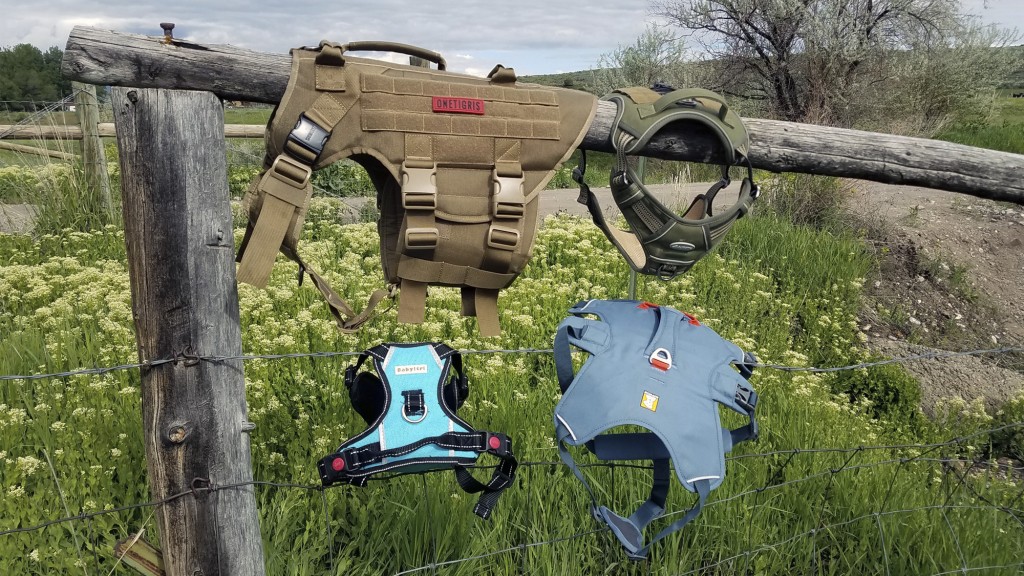
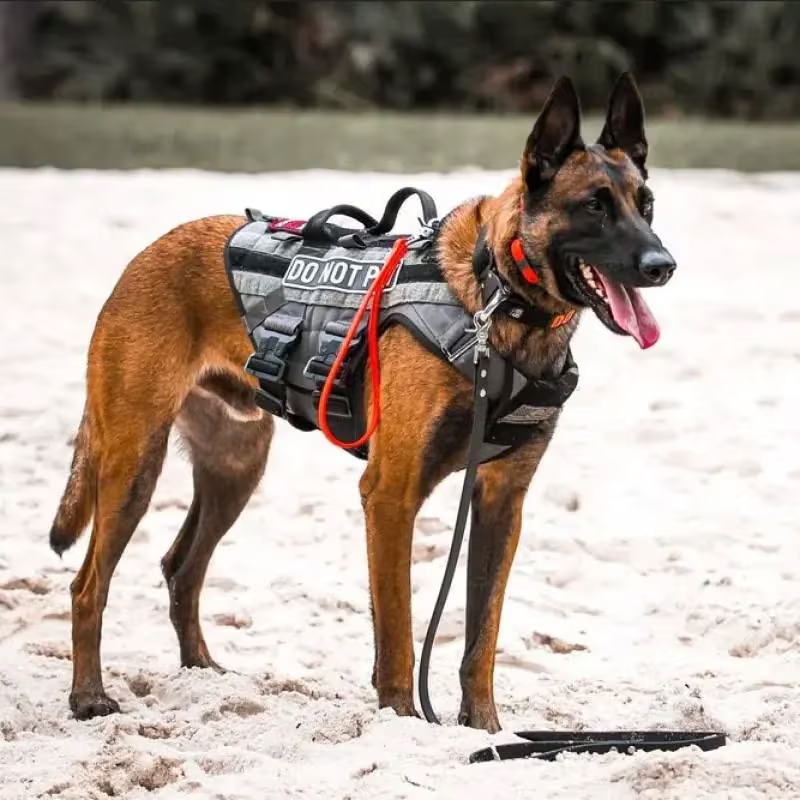
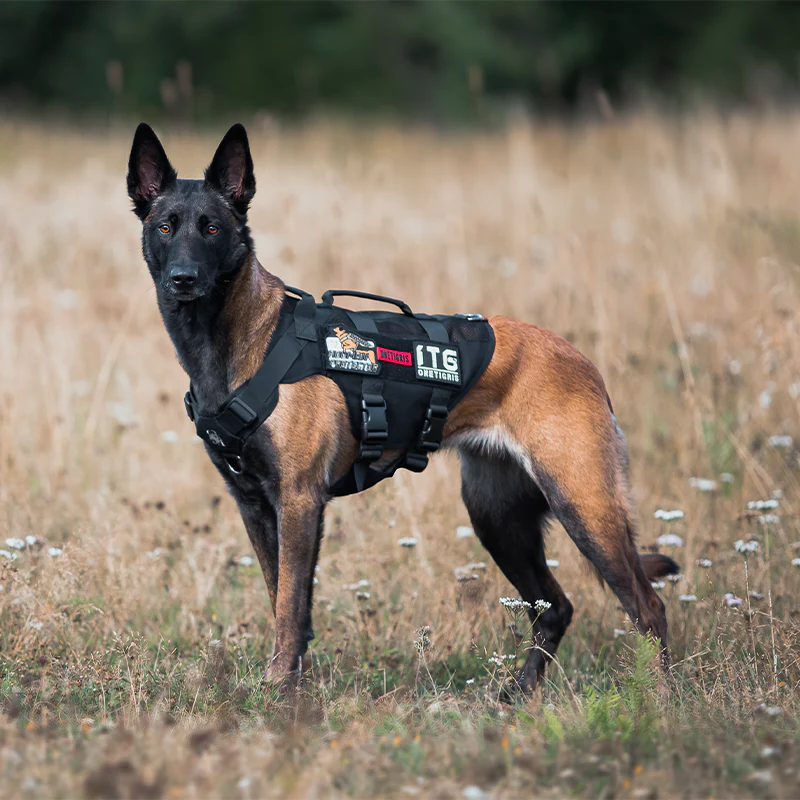
When it comes to ensuring the safety and control of our canine companions, especially those serving in military or law enforcement roles, tactical dog harnesses are a game-changer. These harnesses aren’t just about control; they’re designed with the utmost durability and functionality in mind. Built from heavy-duty materials, they offer a secure fit for dogs ranging from 50 to 150 pounds, ensuring that no matter the size, your dog remains comfortable and safe.
What sets tactical harnesses apart is their ability to distribute pressure evenly across a dog’s body, minimizing strain on the neck and enhancing control during training or field operations. With features like top-mounted grab handles and sturdy buckles, these harnesses provide handlers with the confidence they need to manage their K9 partners effectively. Whether you’re a civilian handler or part of a specialized unit, a tactical dog harness is an essential tool for any serious dog handler.
Understanding Tactical Dog Harness
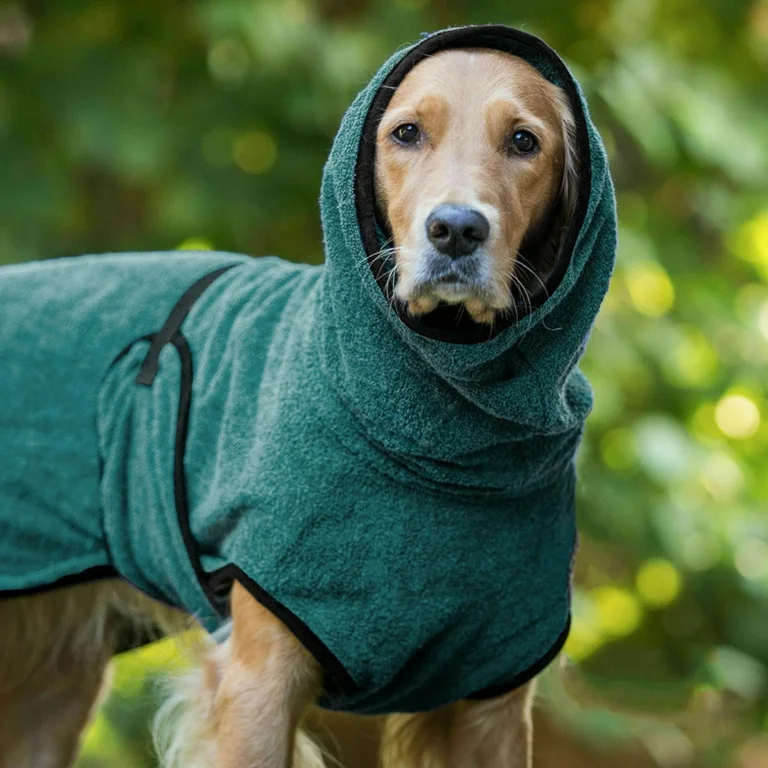
Tactical dog harnesses offer vital benefits for both civilian and professional handlers. They’re specifically designed to provide increased control, safety, and comfort. These harnesses allow users to stabilize dogs during various activities by using heavy-duty materials and ergonomic designs. When a tactical dog harness distributes pressure across the body, it prevents neck strain and enhances operational efficiency.
Key features present in tactical harnesses include top-mounted grab handles and load-tested metal alloy buckles. These components ensure secure handling and easy command execution. The harness’s adjustability, provided by two panels and four adjustment points, guarantees a snug fit applicable for dogs weighing 50 to 150 pounds. Reinforced stitching supports the structural integrity, making these vests reliable and durable for extended use.
These harnesses are particularly beneficial for dogs in law enforcement and military operations, including SWAT teams and patrols. However, they’re equally suitable for civilian handlers seeking military-grade equipment. Whether used for training or missions, tactical harnesses excel in enhancing a dog’s performance while maintaining safety and control.
Key Features of Tactical Dog Harness
Tactical dog harnesses exhibit remarkable features enhancing safety, control, and comfort. These features ensure optimal performance for dogs in various roles.
Durability and Materials
Heavy-duty materials form the backbone of tactical dog harnesses. Constructed to withstand rigorous conditions, materials like military-grade nylon ensure robustness. Reinforced stitching boosts strength, preventing wear and tear during intense activities.
Comfort and Fit
A secure and comfortable fit defines quality harnesses. Adjustable panels allow customization, accommodating chest girth variations from 25 to 45 inches. Distributing pressure evenly over the body minimizes stress on the dog’s neck, enhancing comfort during prolonged use.
Versatility and Attachments
Versatile design incorporates multiple attachment points. Top-mounted grab handles offer quick control access, while heavy-duty rings enable leash attachment for enhanced handling. These features support diverse tasks, making the harness suitable for civilian and specialized operations.
Tactical dog harnesses enhance safety by distributing force from pulling across a wider area of the dog’s body. This decreases strain on the neck, reducing the risk of injury. With top-mounted grab handles and secure buckles, handlers gain superior control, preventing dogs from escaping during high-stress situations. Adjustable fit options ensure the harness remains snug, improving control over movements.
Load-Carrying Capabilities
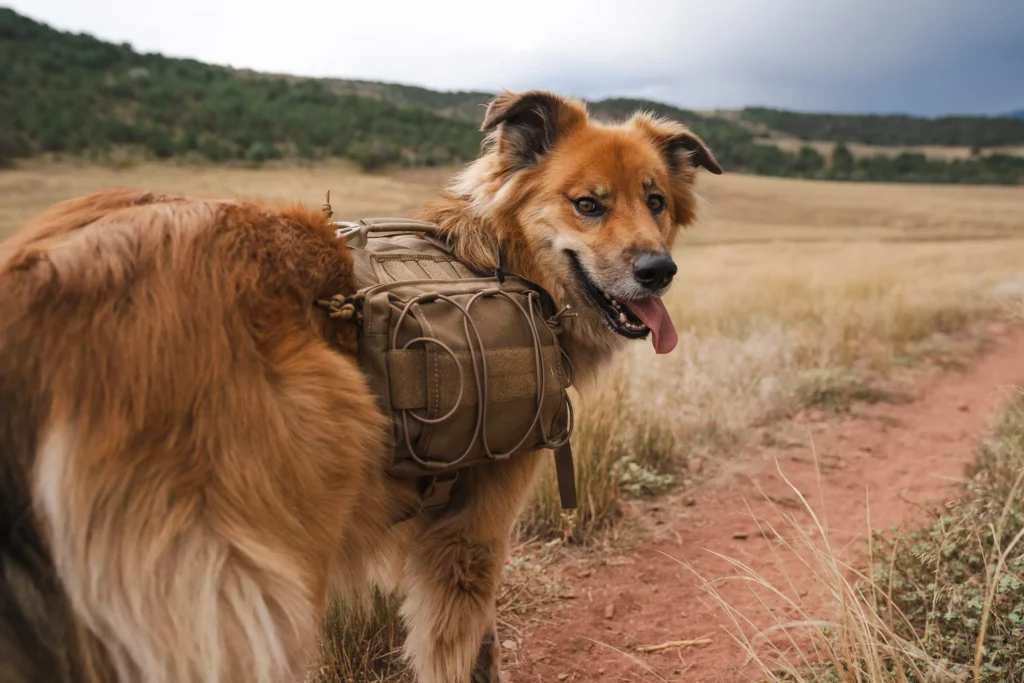
Equipped with attachable loops and pockets, tactical dog harnesses allow dogs to carry equipment. This feature is especially beneficial in search and rescue missions, where dogs can transport essential gear. The design maintains balance, allowing the dog to move efficiently while carrying additional items.
Enhancing Training and Performance
These harnesses aid training by providing a uniform control mechanism that’s essential for teaching commands. They minimize distractions by keeping the dog comfortable, allowing for better focus and responsiveness. Reinforced materials ensure reliability, supporting intense training routines and performances without compromising the dog’s well-being.
How to Choose the Right Tactical Dog Harness
Selecting the right tactical dog harness ensures comfort and efficiency for your canine partner. Consider several factors to make an informed decision.
Size and Breed Considerations
Determining the correct size is crucial for a comfortable fit. Tactical dog harnesses accommodate a wide range of dogs from 50 to 150 pounds. Measure the chest girth to find the appropriate size; options range from 25 to 45 inches. For example, a harness for medium breeds suits dogs weighing between 61 and 88 pounds with a chest girth of 28 to 38 inches. Consider breed-specific traits as well, as stockier breeds may require more robust harnesses.
Intended Use and Activity Level
Assessing the purpose of the harness guides selection. Tactical harnesses provide versatility for military, law enforcement, or civilian use. Choose a model with suitable features for your dog’s activity level. For high-intensity operations, look for harnesses with reinforced stitching and durable materials like military-grade nylon. For regular activities, prioritize comfort with padded panels. Each harness comes equipped with multiple attachment points for leashes, accommodating varied scenarios from training sessions to field deployments.
Popular Uses for Tactical Dog Harness
Tactical dog harnesses serve as vital equipment in differing activities for both handlers and dogs. Their versatility makes them suitable for a range of environments and purposes.
Outdoor Adventures
Tactical dog harnesses are excellent for outdoor adventures, including hiking and camping. These harnesses provide maximum control, particularly useful for managing dogs in rugged terrains. The durable materials withstand harsh weather and excited dogs pulling on trails. Handlers also find the harnesses’ load-carrying features handy for attaching small gear, enhancing packing efficiency.
Service and Working Dogs
For service and working dogs, tactical harnesses offer unmatched support and control. Police and military units rely on these harnesses to keep their K9s secure during operations. The heavy-duty construction ensures reliability in high-tension scenarios, such as apprehensions or search missions. With top-mounted grab handles, handlers manage rapid movements effectively, maintaining optimal performance without compromising the dogs’ safety or comfort.
Conclusion
Tactical dog harnesses stand out as indispensable tools for anyone seeking enhanced control and safety for their canine companions. Whether you’re a civilian handler or part of a specialized unit, these harnesses offer unmatched durability and functionality. The heavy-duty materials and thoughtful design elements ensure that dogs perform optimally while staying secure and comfortable. With features like reinforced stitching, top-mounted grab handles, and multiple attachment points, these harnesses are well-equipped to handle a variety of scenarios. Choosing the right tactical dog harness means considering your dog’s specific needs, ensuring a perfect fit, and prioritizing features that align with your activities.
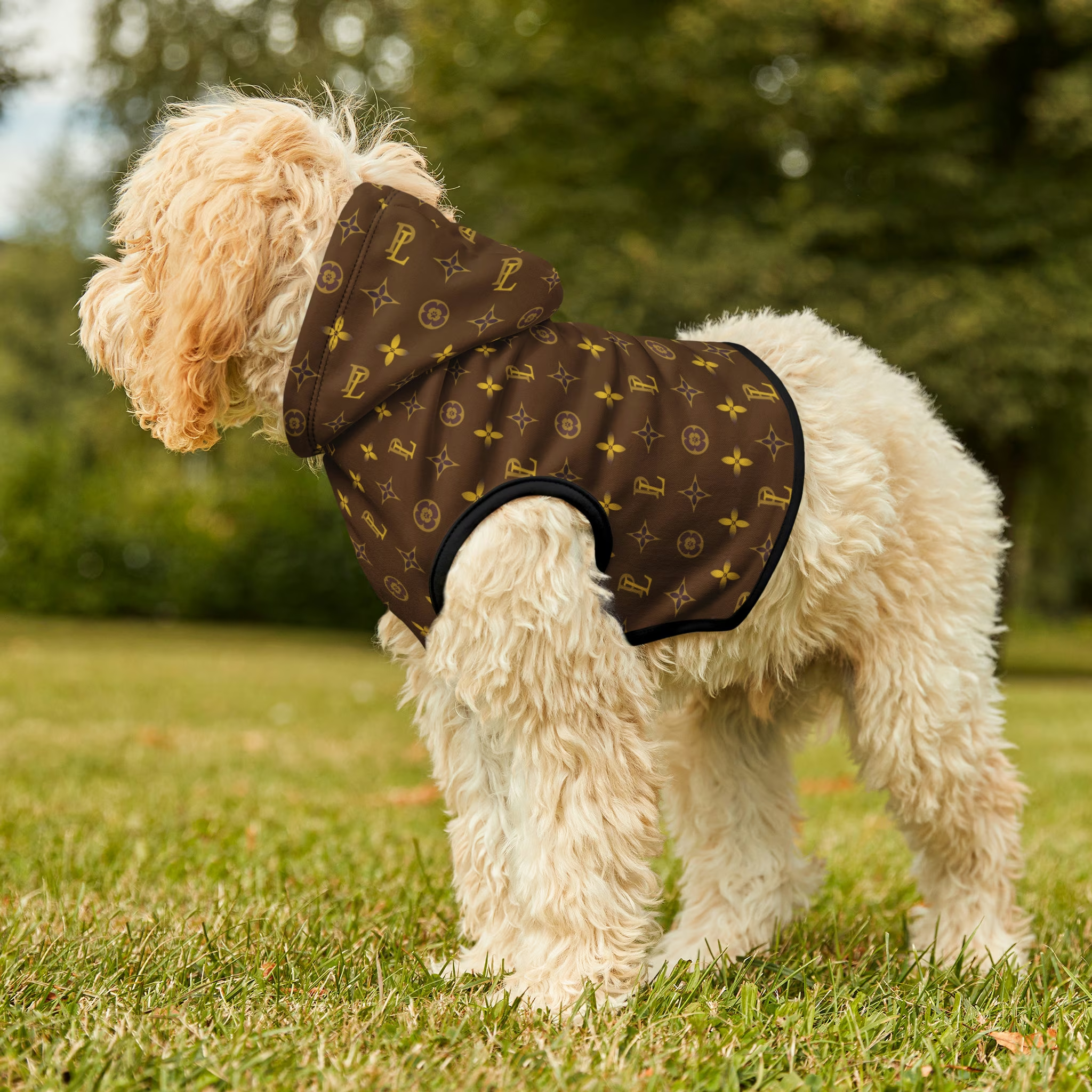
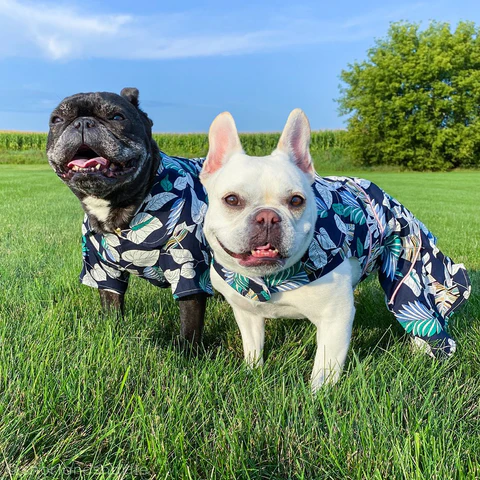
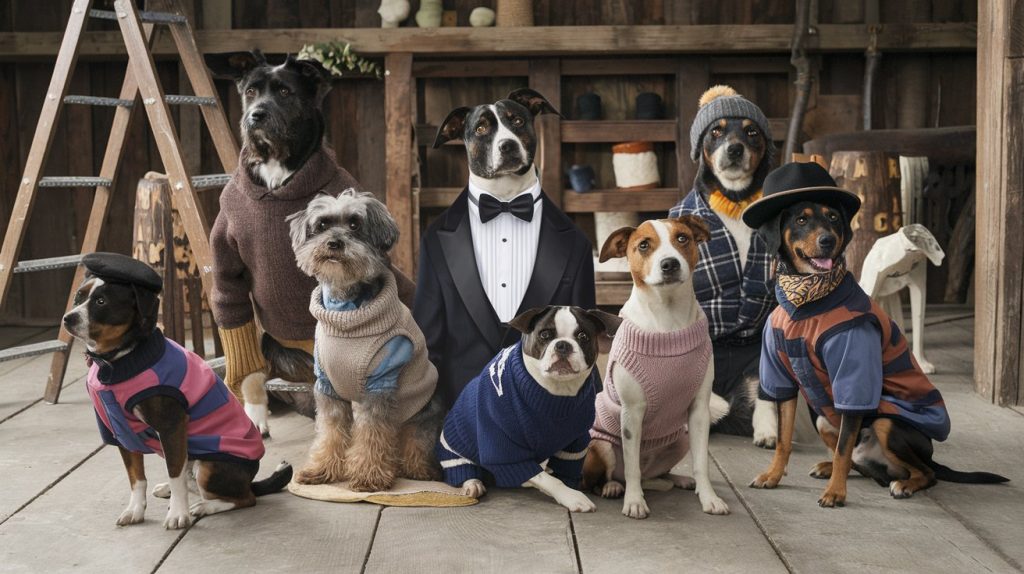
Ever wondered why dog shirts have become such a staple in pet fashion? With the pet industry booming, it’s no surprise that dog apparel is a growing trend. In fact, the global pet clothing market is expected to reach staggering figures as more pet owners seek stylish yet functional options for their furry friends. Dog shirts offer more than just aesthetic appeal—they provide comfort, protection, and a way to express personality.
Overview Of Dog Shirts
The dog shirt market is experiencing robust growth, with the global dog clothing and accessories market valued at $6.70 billion in 2023. A key driver is the increasing trend of humanizing pets. As dog owners, we consider our pets family members and often indulge them with fashionable apparel. This trend aligns with broader market growth, as the global pet clothing segment is projected to grow at a 4.1% CAGR from 2024 to 2030.
Dog shirts aren’t just about fashion; they serve practical purposes too. These garments offer comfort and protection, especially in adverse weather. Polyblend dog shirts, for example, provide UPF protection rated between 10 and 35, shielding our pets from harmful UV rays. This is particularly important for dogs with short fur when spending time outdoors. Also, the poly-cotton blends maintain their size stability and durability, ensuring longevity and ease of care even after multiple washes.
Customization is also becoming popular, with options available for different sizes and styles. Options include items like the Ziggy Blush Dog Hoodie and the Tiny Gondolier Oatmeal Navy Stripe Tee, which cater to various fashion preferences. This diversity allows us to express our pets’ personalities in unique ways.
A growing awareness of pet wellness contributes to the increasing demand for functional dog shirts. Pet owners are more conscious of the benefits, such as keeping a dog’s coat cleaner and reducing allergen shedding. As we embrace these products for their practical and aesthetic benefits, the dog shirt market continues to expand, revealing our deep connection with our furry companions.
Types Of Dog Shirts
Dog shirts offer a variety of styles to suit different needs and preferences. These garments enhance a dog’s style and provide practical benefits like protection and comfort.
T-Shirts
Dog T-shirts are versatile garments, perfect for casual wear. They’re lightweight and breathable, making them suitable for warmer climates or indoor use. These shirts come in many designs, from playful prints to simple solids. Made typically from soft materials like cotton, they ensure comfort and ease of movement. For dogs with short fur, T-shirts can provide essential UV protection, thanks to fabrics offering UPF ratings from 10 to 35. They keep the coat cleaner and reduce allergen shedding, improving both style and hygiene.
Sweatshirts
Dog sweatshirts provide warmth and are ideal for cooler weather or active dogs. Unlike hoodies, these garments lack a hood but offer comfort and freedom of movement. Crafted from durable fabrics, they can withstand extensive outdoor activities. Sweatshirts often feature easy-to-wear designs, making them simple to put on and take off. They’re perfect for layering, providing extra insulation without restricting a dog’s activities. These garments are popular among owners who want to ensure their dogs remain stylish yet comfortable on brisk days.
Coats And Sweaters
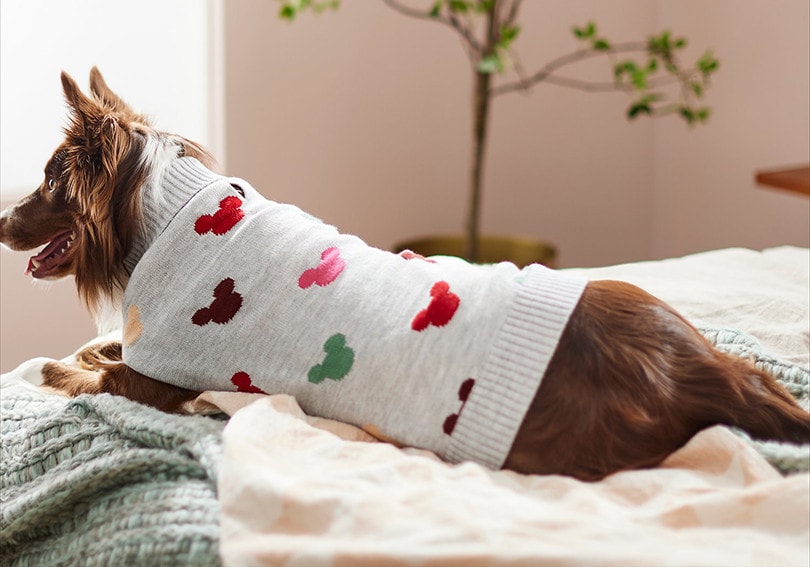
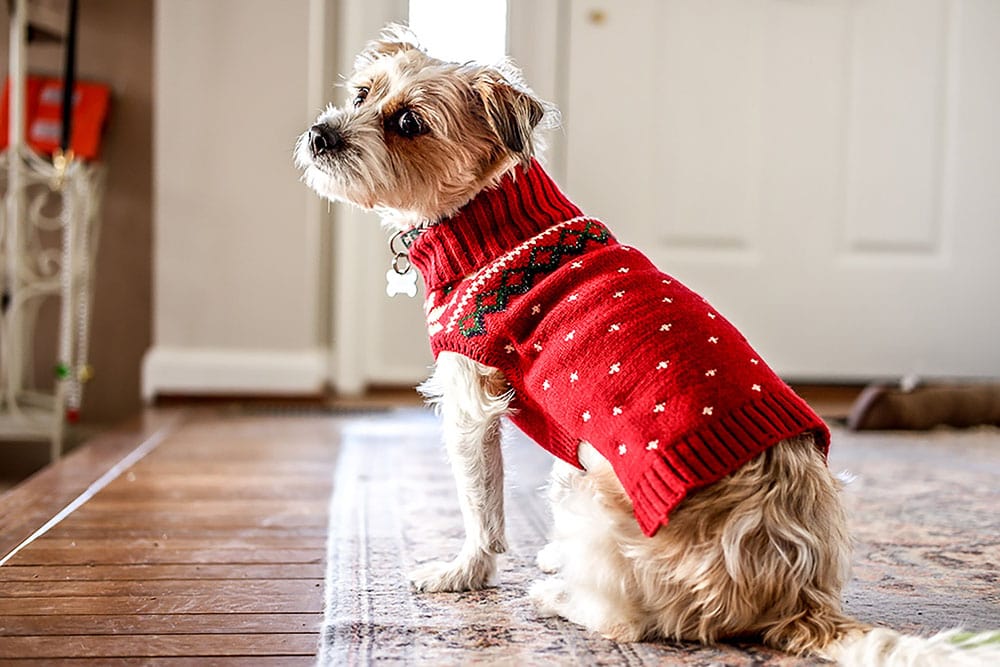
Dog coats and sweaters are essential for colder climates, offering warmth and protection. Made from thicker materials, they keep dogs cozy in cold weather conditions. Coats often feature waterproof fabrics, shielding pets from rain or snow. Sweaters, knit from soft yarns, provide snug warmth indoors or during mild outdoor activities. Both types of garments are available in various styles and sizes, catering to different dog breeds and owner preferences. By providing protection against the elements, these garments help maintain a dog’s comfort and well-being during colder months.
Cotton tops the list for its comfort-centric properties. It’s lightweight, breathable, and soft, making it an excellent choice for everyday dog shirts. Cotton stands out with its high absorbency, keeping dogs cool in warm weather. Also, cotton’s easy-care nature suits busy pet owners.
Polyester is a synthetic alternative known for its durability. It’s resistant to wrinkles, shrinkage, and fading, making it suitable for active dogs. Polyester’s quick-drying capability makes it ideal for rainy or snowy days. To balance its lower breathability, it’s often blended with cotton to enhance comfort.
Fleece offers warmth and coziness, making it perfect for colder seasons. Though lightweight, fleece remains breathable, ensuring dogs stay comfortable without feeling weighed down. Its insulating properties help retain heat, making it a favorite for winter dog apparel.
With a variety of materials available, dog shirts can be customized to match any weather condition and activity level, ensuring pets remain both stylish and comfortable.
Size And Fit Considerations
Selecting the right size for a dog’s shirt involves precise measurements. Ensuring a snug and comfortable fit means focusing on three key measurements: back, chest, and neck. These measurements help us select a shirt that fits well, offering style and comfort.
Back (Topline)
Measuring from the base of the neck to the base of the tail ensures the shirt adequately covers the dog’s body. A proper back measurement prevents extra fabric from hindering movement or causing discomfort.
Chest (Girth)
The chest measurement is critical. We measure around the widest part of the dog’s chest, just behind the front legs. A well-fitting shirt in this area prevents tightness. It allows the dog to move freely and comfortably wear the shirt.
Neck
Measure around the neck where a collar would naturally sit. This ensures the neck hole isn’t too tight, offering comfort without restricting breathing or movement. A well-sized neck measurement allows easy wear and removal.
Considering these measurements ensures a shirt that balances style and function. Our aim is to make sure the dog looks fashionable without sacrificing comfort. As the pet clothing market grows, driven by increasing humanization of pets, finding the right fit becomes crucial. Dog shirts not only serve aesthetic purposes but also enhance the pet’s wellbeing. Choosing the right size ensures the dog can enjoy the shirt’s benefits, from UPF protection to increased comfort in various weather conditions. As the options for pet clothing expand, paying attention to size and fit becomes an indispensable part of responsible pet care.
Style And Design Options
Dog shirts offer diverse style and design options that cater to the varied tastes and unique personalities of our furry friends. This variety allows us to express our pets’ characters with flair and creativity. Popular styles range from sleek stripes and delightful cartoon prints to simple button-up shirts. These selections provide options for every occasion, whether we’re heading to a casual outing or a special event.
Humorous designs have become a favorite among dog owners. Shirts with witty sayings like “Sorry I’m Late I Saw A Dog” or “All I Need Is Coffee and Dogs” add personality and charm to our pets’ wardrobes. These designs not only bring smiles but also serve as conversation starters during walks or play sessions at the park.
Personalization is another appealing aspect of dog shirt fashion. Custom designs allow us to include photos, text, or logos on our pets’ shirts, making each piece unique. Whether it’s a favorite photo or a special message, personalized shirts give us the chance to create one-of-a-kind items that reflect our relationship with our pets.
Plus to this wide array of designs, we can find dog shirts in many sizes to ensure a perfect fit for any breed, from the tiniest Chihuahua to the larger Labrador. By choosing the right size and style, we ensure our dogs remain comfortable while sporting their distinctive looks. Comfortable materials, such as 100% combed ring-spun cotton or blends including polyester, add to the appeal by keeping our pets comfortable and protected, no matter the weather.
As pet fashion continuously evolves, the style and design options for dog shirts continue to expand, offering more possibilities for us to express our love through fashion. Each shirt not only showcases the dog’s personality but also highlights the bond between us and our furry companions.
Benefits Of Dog Shirts
Dog shirts offer multiple advantages beyond their fashion appeal, making them a valuable addition to any pet’s wardrobe. Pet owners seeking a blend of functionality and style find that dog shirts fulfill various essential needs.
Thermal protection stands as a primary benefit, especially for breeds with thin or light coats like Chihuahuas or Labradors. These shirts add an extra layer of warmth during colder months, proving especially beneficial for senior or sick dogs. By wearing these shirts, dogs not only stay warm but also enjoy additional comfort and improved health.
Anxiety reduction is another important advantage. Anxiety vests, such as those resembling the Thundershirt, provide calming pressure to soothe dogs during stressful situations like thunderstorms or fireworks. With snug-fitting dog shirts, pets experience a comforting hug-like sensation that can help reduce nervous behaviors.
Protection from environmental elements further enhances the benefits of dog shirts. Sun protection is crucial for breeds with short or light-colored fur, as UV-blocking shirts shield them from harmful rays. A UPF rating between 10 and 35 in poly-cotton blends ensures dogs remain protected while enjoying outdoor activities.
Hygiene improvement also ranks high on the list of benefits. Dog shirts keep a dog’s coat cleaner by minimizing allergen shedding, so maintaining a tidier home environment. Pet owners appreciate the reduced cleaning effort and the added cleanliness of their pets.
Summarizing, these shirts offer a range of practical uses, extending beyond mere fashion. We see their role as crucial in providing thermal protection, reducing anxiety, and protecting from harsh environmental elements. The fusion of style and functionality ensures that dog shirts remain a vital part of modern pet care, aligning with our ongoing commitment to enhance pet wellness and comfort.
Conclusion
Dog shirts have undeniably become a staple in the pet fashion industry, offering more than just a stylish appearance. They provide essential benefits like protection from UV rays, improved hygiene, and comfort across various weather conditions. As we continue to treat our pets as cherished family members, the demand for functional and fashionable dog apparel will only grow. With a wide range of materials, styles, and customization options, dog shirts cater to every pet’s needs and personality. Embracing this trend not only enhances our pets’ wellbeing but also strengthens the bond we share with them, making dog shirts an indispensable part of modern pet care.
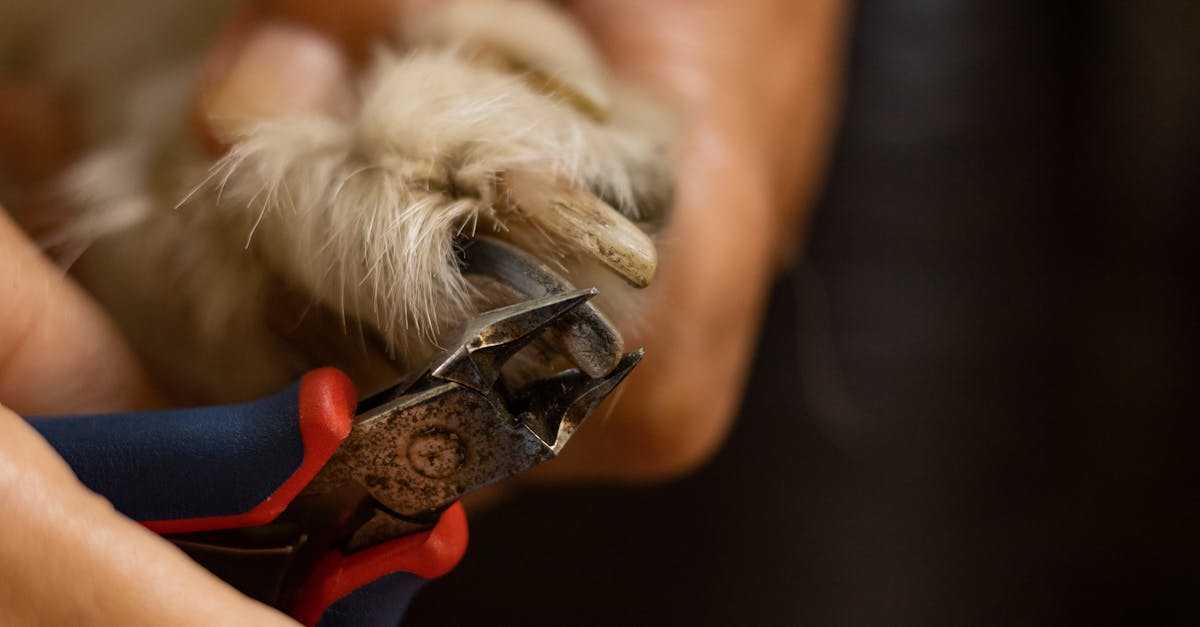
Are you tired of wrestling with your furry friend every time their nails need a trim? We’ve got you covered! Dog nail clippers are an essential tool for every pet parent, ensuring your pup’s paws stay healthy and your floors scratch-free.
We’ve tested 24 different dog nail clippers to find the best options for at-home grooming. From plier-style to guillotine and scissor types, we’ll guide you through the industry of canine nail care. Our top pick, the Safari Professional Nail Trimmer, offers a clean cut with a non-slip handle suitable for both right and left-handed users. We’ll explore features like safety guards, stainless steel blades, and ergonomic designs to help you choose the perfect clipper for your pooch.
Types of Dog Nail Clippers
Dog nail clippers come in various styles, each designed for exact nail sizes and user preferences. We’ll explore four main types of dog nail clippers: guillotine clippers, scissor-style clippers, plier-style clippers, and electric nail grinders.
Guillotine Clippers
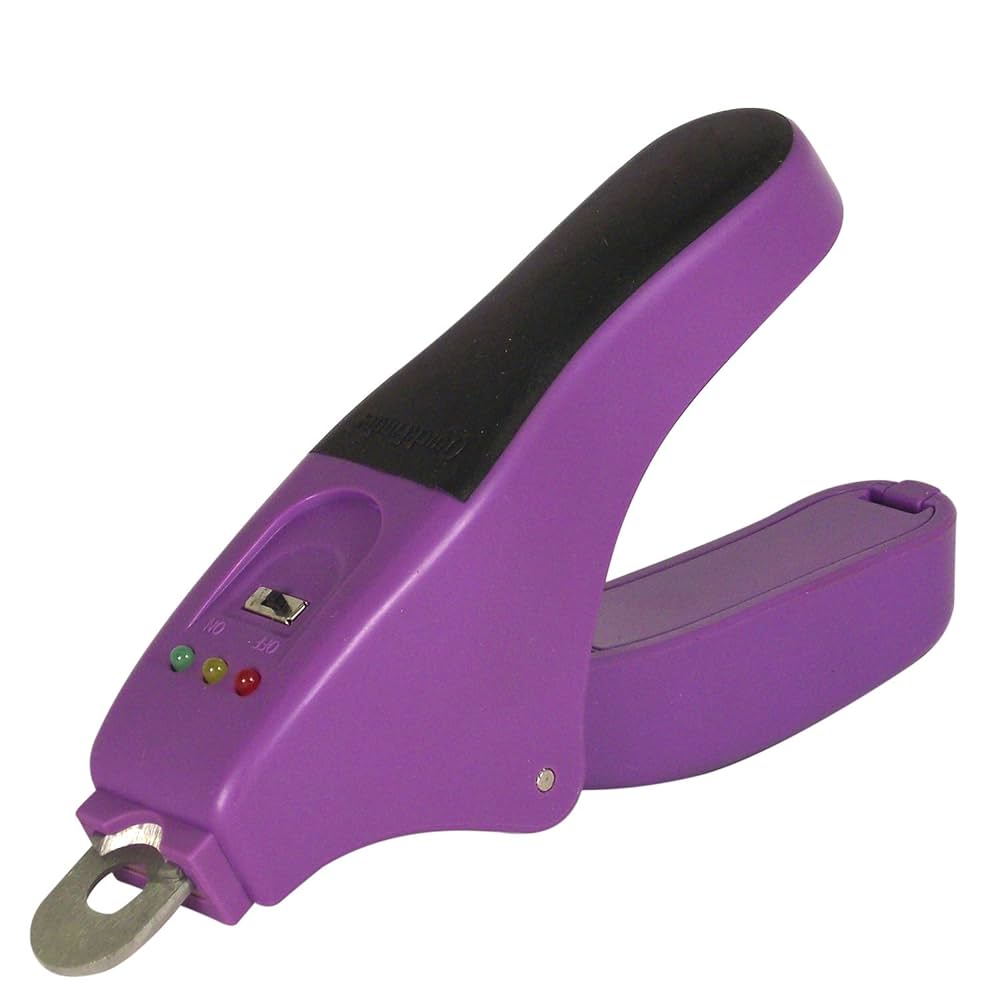
Guillotine clippers feature a single blade that slices through the nail when the handles are squeezed. These clippers are ideal for small to medium-sized dogs with thinner nails. The precision of guillotine clippers allows for accurate cuts, but they require careful positioning to avoid cutting the quick. Users place the dog’s nail through a hole, and the blade comes up to slice it cleanly. Guillotine clippers are quieter than other types, making them suitable for dogs sensitive to loud snapping sounds. But, they lack a quick-guard safety feature, so it’s crucial to trim small amounts at a time to prevent injury.
Scissor-Style Clippers
Scissor-style clippers, also known as scissor-type clippers, resemble scissors with short, sharp, curved blades. These clippers are versatile and suitable for a wide range of dog sizes. The familiar scissor-like action makes them easy to use, especially for beginners. Scissor-style clippers offer good visibility of the nail during cutting, allowing for more precise trimming. They’re particularly effective for small dogs and puppies with thin nails. Some models come with a safety stop to prevent overcutting. The main advantage of scissor-style clippers is their maneuverability, making it easier to trim nails at different angles.
Plier-Style Clippers
Plier-style clippers, also called plier-type or miller’s forge clippers, are the most common type of dog nail clippers. They feature two blades that come together when the handles are squeezed, similar to pliers. These clippers are ideal for medium to large dogs with thicker nails. Plier-style clippers offer important cutting power, making them suitable for tough nails. Many models include a quick-guard safety feature to prevent overcutting. The spring-loaded handles provide extra force, reducing the effort required to cut through thick nails. Plier-style clippers are typically ambidextrous, accommodating both right and left-handed users.
Electric Nail Grinders
Electric nail grinders are motorized tools that file down a dog’s nails instead of cutting them. They’re an excellent alternative for dogs who dislike traditional clippers or for pet owners who fear cutting the quick. Grinders gradually wear down the nail, allowing for more precise length control. They’re particularly useful for smoothing rough edges after clipping or maintaining nail length between trimmings. Electric grinders come in corded and cordless models, with some featuring multiple speed settings. While they’re quieter than traditional clippers, the vibration might take some getting used to for some dogs. Grinders are versatile and can be used on dogs of all sizes, making them a popular choice for multi-dog households.
Choosing the Right Nail Clipper for Your Dog
Selecting the appropriate nail clipper for your dog is crucial for safe and effective grooming. We’ll explore key factors to consider when choosing dog nail clippers, including dog size, blade quality, and safety features.
Considering Dog Size
Dog size plays a vital role in selecting the right nail clippers. Smaller dogs (under 20 pounds) require more maneuverable clippers for their delicate feet. These clippers are less likely to accidentally cut the quick, the sensitive nerve ending in the nail. For larger dogs, bigger clippers provide the necessary force for a clean cut. Some clippers come in multiple sizes, allowing you to choose the best fit for your dog’s weight and nail thickness. It’s essential to match the clipper size to your dog’s size to ensure comfort and safety during nail trimming sessions.
Blade Quality and Sharpness
High-quality, sharp blades are essential for effective and safe nail trimming. Sharp blades cut cleanly through the nail, reducing the risk of splintering or crushing. Quality blades maintain their edge longer, providing consistent performance over time. Look for clippers with stainless steel blades, known for their durability and resistance to corrosion. Sharp blades also make the trimming process quicker and more comfortable for your dog, as they require less pressure to cut through the nail. Regular maintenance of your clipper blades ensures they remain sharp and effective for each grooming session.
Safety Features
Safety features in dog nail clippers help prevent accidents and make the trimming process more manageable. Many plier-style clippers include a safety guard or quick-stop feature, which helps avoid cutting into the quick of the nail. This is particularly useful for beginners or those less experienced with nail trimming. Some clippers offer non-slip handles for a secure grip, reducing the risk of slipping during use. For electric nail grinders, look for models with protective caps that help maintain the ideal 45-degree angle for trimming. These safety features provide added confidence and control, making the nail trimming experience more positive for both you and your dog.
Proper Techniques for Trimming Dog Nails
Trimming your dog’s nails correctly is essential for their comfort and health. We’ll guide you through the process, ensuring you have the knowledge to trim your dog’s nails safely and effectively.
Identifying the Quick
The quick is the sensitive part of the nail containing blood vessels and nerves. It’s crucial to avoid cutting it to prevent pain and bleeding. For dogs with clear or translucent nails, the quick appears as a pinkish area inside the nail. Dark-colored nails make it harder to see, so trim small amounts at a time and check frequently. Gently touch the nail to feel for the quick, which is softer than the rest of the nail. Always err on the side of caution and trim conservatively, cutting just the hooked part of the nail to be safe. If you’re unsure, ask your veterinarian for a demonstration on your dog.
Positioning Your Dog
Proper positioning is key for a safe and comfortable nail trimming experience. Choose a quiet, distraction-free area where your dog feels relaxed. Use positive reinforcement with treats and praise to make the experience enjoyable. Start nail trimming early to help your puppy learn to accept it. Even older dogs can adapt if you approach it correctly. Introduce the procedure slowly, making it fun and rewarding. This approach helps your dog associate nail trimming with positive attention and bonding time with you. Ensure you have good lighting and a comfortable position for both you and your dog to minimize stress and maximize accuracy.
Gather supplies: Dog nail clippers, styptic powder (in case of bleeding), and treats.
Hold your dog’s paw gently but firmly.
Identify the quick using the techniques mentioned earlier.
Position the clipper at a 45-degree angle to the nail.
Cut small amounts at a time, especially with dark nails.
Stop if you see a dark spot in the center of the nail, indicating you’re near the quick.
File any rough edges with a nail file or grinder.
Reward your dog with treats and praise after each nail.
If you accidentally cut the quick, apply styptic powder to stop bleeding.
Take breaks if your dog becomes anxious or restless.
Remember, consistency is key. Regular trimming keeps nails short and helps the quick recede, making future trims easier. If you’re uncomfortable trimming your dog’s nails, consult a professional groomer or veterinarian for assistance or guidance.
Benefits of Regular Nail Trimming
Prevents Pain and Discomfort
Regular nail trimming is essential for preventing pain and discomfort in dogs. When nails grow too long, they can push the toes out of their natural position, causing important distress during walking or running. This misalignment can lead to altered gait patterns and discomfort in the paws and legs. By keeping nails at an appropriate length, we ensure our dogs maintain proper foot structure and avoid unnecessary pain.
Avoids Injury
Trimming dog nails regularly helps prevent various injuries. Overgrown nails are prone to splitting, breaking, or tearing, which can result in painful bleeding and potential infections. Long nails also trap dirt and debris more easily, creating an ideal environment for bacterial growth. By maintaining proper nail length, we reduce the risk of these injuries and keep our dogs’ paws healthier.
Improves Mobility
Keeping our dogs’ nails trimmed improves their overall mobility. Overgrown nails can significantly impact a dog’s ability to walk or run comfortably, leading to balance issues and changes in posture. This altered movement can strain joints and muscles, potentially causing long-term health problems. Regular nail trimming ensures our dogs can move freely and naturally, maintaining their agility and comfort during daily activities.
Protects Floors and Furniture
While not directly related to dog health, regular nail trimming helps protect our floors and furniture from scratches. Long nails can easily damage hardwood floors, carpets, and upholstery. By keeping our dogs’ nails short, we minimize the risk of unintentional damage to our homes, creating a more harmonious living environment for both pets and owners.
Promotes Positive Handling
Regular nail trimming sessions create opportunities for positive handling experiences. When we trim our dogs’ nails frequently, they become more accustomed to the process, reducing stress and anxiety associated with grooming. This familiarity can extend to other handling situations, such as veterinary examinations, making these experiences more comfortable for our pets.
Facilitates Early Detection of Issues
Through regular nail trimming, we can closely inspect our dogs’ paws and nails, allowing for early detection of potential issues. This routine examination can reveal problems such as ingrown nails, infections, or abnormalities in nail growth. Early identification of these issues enables prompt treatment, preventing more serious complications and ensuring our dogs’ continued well-being.
Common Challenges and Solutions
When using dog nail clippers, pet owners often encounter exact challenges. We’ll explore two common issues and provide effective answers to make the nail trimming process smoother for both you and your furry friend.
Dealing with Dark Nails
Dark nails present a unique challenge when trimming a dog’s nails. The quick, which contains blood vessels and nerves, is harder to identify in dark nails compared to light-colored ones. To overcome this:
Use a bright light to illuminate the nail, helping you spot the quick’s location.
Consider using a nail grinder instead of clippers. Grinders allow for gradual nail reduction without the risk of cutting into the quick.
Look for a subtle change in nail texture or a dark spot, indicating the quick’s beginning.
Trim conservatively, taking off small amounts at a time to avoid accidentally cutting the quick.
Invest in styptic powder as a precautionary measure to stop bleeding if you accidentally cut too far.
By employing these techniques, you’ll be better equipped to safely trim dark nails and maintain your dog’s paw health.
Handling Anxious Dogs
Many dogs experience anxiety during nail trimming, which can make the process challenging. To help anxious dogs feel more comfortable:
Create a positive association with nail clippers by rewarding your dog with treats when they’re near the tool.
Start slowly by touching your dog’s paws without clipping to build trust.
Use a calming pheromone spray or diffuser to reduce anxiety before and during the trimming session.
Consider using a nail file or grinder instead of clippers if your dog is particularly nervous about the clipping sound.
Trim nails in short sessions, focusing on one or two nails at a time to prevent overwhelming your dog.
Provide plenty of praise and treats throughout the process to reinforce positive behavior.
If needed, enlist the help of a professional groomer or veterinarian to demonstrate proper techniques and help your dog become more comfortable with the process.
By implementing these strategies, you can help reduce your dog’s anxiety and make nail trimming a more positive experience for both of you.
Maintaining Your Dog Nail Clippers
Cleaning
We recommend cleaning your dog nail clippers after each use to ensure they remain effective and hygienic. Here’s how to keep them in top condition:
Wipe the clippers clean with a soft cloth or brush to remove dirt, nail fragments, and debris from the blades and handles.
For a deeper clean, use mild soap and warm water. Ensure the clippers are completely dry before storing to prevent rust.
Store the clippers indoors in a plastic or cloth bag with all grinding accessories to protect them from moisture and temperature fluctuations.
Sharpening and Blade Replacement
To maintain the quality of your dog nail clippers, pay attention to blade sharpness:
Regularly check the blades for dullness. Sharp blades make clean, efficient cuts, minimizing discomfort for your dog.
For clippers with replaceable blades, such as Resco models, use replacement kits when the blades become dull.
Some high-quality clippers, like those from Millers Forge, maintain their sharpness over time but still require monitoring.
To sharpen your clippers:
Disassemble the clippers.
Use a grinding stone, diamond tapered rod, or ceramic rod.
Run the tool along each side of the blade, following its curve (usually 35 to 40 degrees).
When reassembling, lubricate the spring to keep the tool working smoothly.
Safety and Storage
Proper storage and handling of your dog nail clippers are crucial for longevity and safety:
Engage the safety lock to protect the blade when not in use.
If the clippers get wet, dry them thoroughly before storing.
Keep clippers out of reach of pets and children to prevent accidents.
Store in a cool, dry place to prevent rust and warping.
By following these maintenance tips, we ensure our dog nail clippers remain sharp, clean, and safe for use, providing the best grooming experience for our furry friends.
When to Seek Professional Help
If You’re New to Nail Trimming
For first-time dog nail trimmers, seeking professional guidance is crucial. A seasoned dog groomer or veterinarian can demonstrate proper techniques and help you understand how to avoid cutting the quick. We recommend observing a professional trim your dog’s nails at least once before attempting it yourself. This hands-on experience provides invaluable insights into:
Correct holding techniques for different paw sizes
Identifying the safe cutting point on various nail types
Proper use of different dog nail clippers
Strategies for keeping your dog calm during the process
Dogs with Black Nails
Black nails pose a unique challenge when trimming due to the difficulty in locating the quick. We advise caution when dealing with dark-colored nails, as the risk of causing pain or bleeding is higher. In these cases, professional assistance is beneficial:
Groomers use specialized techniques to safely trim black nails
They can teach you how to estimate the quick’s location
Professional trimming reduces the risk of accidental injury
Accidental Quick Cutting
If you accidentally cut into the quick while using dog nail clippers, it’s essential to know how to respond:
Apply styptic powder or cornstarch to stop the bleeding
Monitor the nail for signs of infection
Consider professional help for future trims until your dog regains comfort
Seeking professional assistance after such an incident helps rebuild your dog’s trust in the nail trimming process. Groomers can:
Demonstrate gentle handling techniques
Provide tips for calming anxious dogs during nail trims
Offer advice on maintaining nail health between professional visits
Extremely Anxious or Aggressive Dogs
Some dogs experience severe anxiety or aggression during nail trimming sessions. In these cases, professional intervention is often necessary:
Certified groomers have experience with difficult-to-handle dogs
They can employ calming techniques and positive reinforcement
Professional environments may have specialized equipment for safer trimming
Long-Neglected Nails
If your dog’s nails have been neglected for an extended period, they may require special attention:
Overgrown nails can affect a dog’s gait and posture
Professional groomers can safely trim severely overgrown nails
They can create a plan for gradually reducing nail length over time
Medical Conditions Affecting Nails
Certain medical conditions can complicate nail trimming:
Nail infections or fungal issues
Autoimmune diseases affecting nail health
Injuries to the paw or nail bed
In these cases, veterinary assistance is crucial. They can:
Diagnose and treat underlying conditions
Provide specialized trimming techniques for affected nails
Offer guidance on ongoing nail care for dogs with chronic conditions
When Considering New Dog Nail Clippers
If you’re unsure about which dog nail clippers to use, consulting a professional can help:
They can recommend appropriate clippers based on your dog’s size and nail type
Demonstrate proper use of different clipper styles
Provide tips on maintaining and sharpening your clippers
By recognizing these situations and seeking professional help when needed, we ensure our dogs receive safe and effective nail care. Professional guidance not only protects our pets from potential harm but also helps us become more confident and skilled in using dog nail clippers at home.
Conclusion
Choosing the right dog nail clippers is crucial for maintaining your furry friend’s health and comfort. We’ve explored various types of clippers their features and how to use them effectively. Remember to consider your dog’s size nail type and temperament when selecting a clipper. Regular trimming not only keeps your dog’s nails healthy but also protects your home from scratches. If you’re unsure about the process don’t hesitate to seek professional help. With the right tools and techniques nail trimming can become a positive bonding experience for you and your dog.
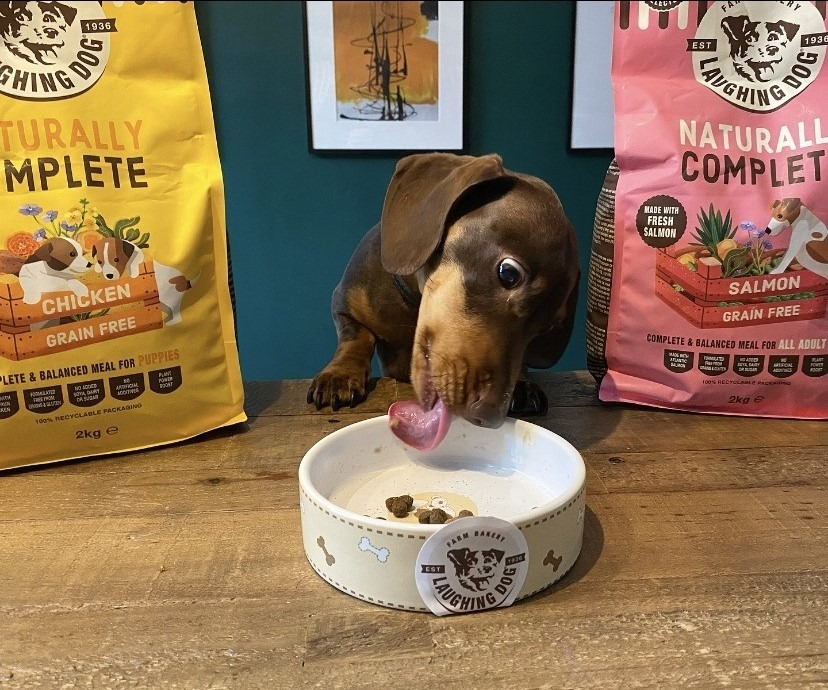
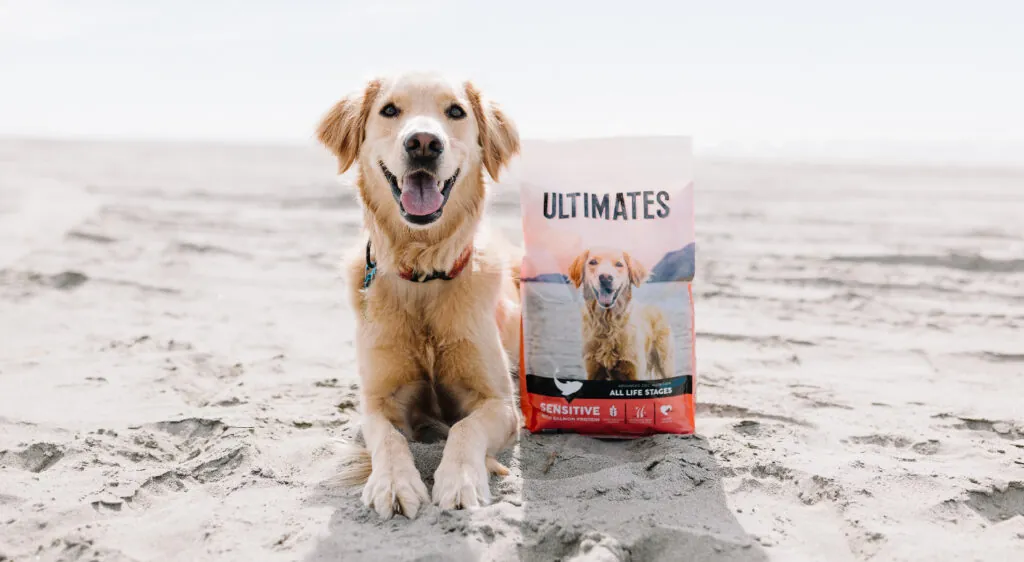
Is your furry friend struggling with digestive issues? You’re not alone. Many dog owners face the challenge of finding the right food for their pets with sensitive stomachs. That’s where sensitive stomach dog food comes in, offering a customized solution to keep our canine companions happy and healthy.
We understand the importance of choosing the right diet for dogs with delicate digestive systems. Sensitive stomach dog food is specially formulated to be gentle on your pet’s tummy, often featuring easy-to-digest ingredients and essential nutrients. From novel protein sources to prebiotic fibers, these specialized formulas aim to provide complete nutrition while minimizing digestive discomfort.
In this guide, we’ll explore the key factors to consider when selecting sensitive stomach dog food, including ingredient quality, nutritional balance, and brand reputation. We’ll also share expert tips on transitioning your dog to a new diet and managing dietary restrictions. By the end, you’ll be equipped with the knowledge to make the best choice for your four-legged friend’s digestive health.
Understanding Sensitive Stomachs in Dogs
Sensitive stomachs in dogs can cause discomfort and digestive issues, affecting their overall well-being. Recognizing the signs and understanding the causes are crucial steps in managing this condition effectively.
Common Causes and Symptoms
Sensitive stomachs in dogs stem from various factors, including food sensitivities, allergies, and dietary imbalances. Common symptoms include:
Occasional vomiting
Loose stools or diarrhea
Excessive gas or flatulence
Loss of appetite
Abdominal discomfort
Food sensitivities often trigger these symptoms, with certain proteins like chicken or beef being common culprits. Dietary imbalances, such as insufficient fiber or excessive fat, can also lead to digestive issues. Non-dietary factors, like eating table scraps or getting into trash, may contribute to stomach upset.
Identifying Food Sensitivities
Identifying food sensitivities in dogs requires careful observation and sometimes professional guidance. Here’s how to pinpoint the issue:
Keep a food diary: Record your dog’s meals and any symptoms that occur.
Eliminate common allergens: Remove potential trigger foods from your dog’s diet.
Introduce novel proteins: Try less common protein sources like venison, duck, or salmon.
Conduct an elimination diet: Under veterinary supervision, feed a limited-ingredient diet for 8-12 weeks.
Gradual reintroduction: Slowly reintroduce potential allergens one at a time to identify triggers.
If symptoms persist even though dietary changes, consult a veterinarian to rule out underlying health conditions. They may recommend specialized tests or prescription diets to manage your dog’s sensitive stomach effectively.
Key Ingredients for Sensitive Stomach Dog Food
Choosing the right ingredients is crucial for dogs with sensitive stomachs. We’ll explore the essential components that make up an effective sensitive stomach dog food, focusing on easily digestible and nutrient-rich options.
Protein Sources
Protein sources in sensitive stomach dog food should be easily digestible and less likely to trigger allergies. Novel proteins like salmon, venison, and duck are excellent choices for dogs with sensitivities. These proteins are often more easily tolerated than common sources such as chicken or beef.
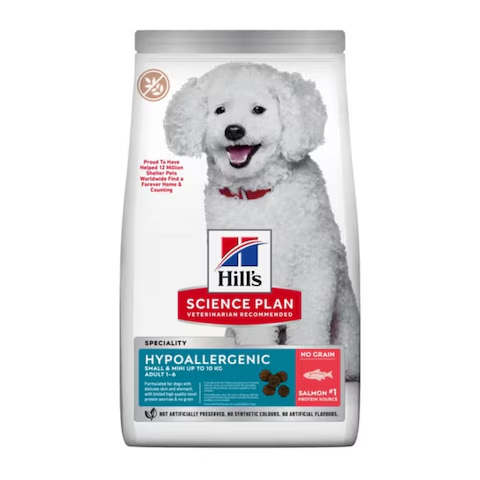
Fish, particularly salmon and cod, stand out as ideal protein options. They’re highly digestible and rich in omega-3 fatty acids, which support skin and coat health. For dogs with severe sensitivities, hydrolyzed proteins offer a hypoallergenic alternative, as they’re broken down into smaller molecules that are less likely to cause reactions.
When selecting a sensitive stomach dog food, look for single-source protein recipes. These formulas contain only one type of animal protein, making it easier to identify and avoid potential allergens.
Fiber and Carbohydrates
Fiber and carbohydrates play a vital role in maintaining digestive health for dogs with sensitive stomachs. Easily digestible carbohydrates like rice and oatmeal provide energy without overwhelming the digestive system.
Prebiotics and probiotics are essential ingredients in sensitive stomach dog food. Prebiotics, such as chicory root or inulin, feed beneficial gut bacteria. Probiotics, like Lactobacillus acidophilus, introduce helpful bacteria directly into the digestive tract. Together, they support a balanced gut microbiome, aiding in healthy digestion and nutrient absorption.
Moderate amounts of soluble fiber from sources like pumpkin or sweet potato can help regulate bowel movements and firm up loose stools. These ingredients also provide essential nutrients and can help dogs feel fuller for longer periods.
Vitamins and Minerals
A well-balanced sensitive stomach dog food should contain essential vitamins and minerals to support overall health and digestive function. Vitamin E acts as an antioxidant, protecting cells from damage and supporting immune function. Vitamin C, while not essential for dogs, can aid in reducing inflammation and supporting the immune system.
B-complex vitamins, particularly B12, are crucial for proper digestion and nutrient absorption. They help maintain a healthy appetite and support the nervous system. Zinc is another important mineral that aids in digestion and supports a strong immune system.
Omega-3 and omega-6 fatty acids, found in fish oil or flaxseed, help reduce inflammation in the digestive tract and promote overall gut health. These essential fatty acids also contribute to healthy skin and a shiny coat.
When selecting a sensitive stomach dog food, look for formulas that include chelated minerals. These minerals are bound to amino acids, making them easier for dogs to absorb and use effectively.
What to Avoid in Sensitive Stomach Dog Food
When selecting food for dogs with sensitive stomachs, it’s crucial to identify and avoid certain ingredients that can exacerbate digestive issues. We’ll explore common allergens, irritants, and low-quality ingredients that should be excluded from sensitive stomach dog food.
Common Allergens and Irritants
Certain proteins are frequent culprits for allergies in dogs with sensitive stomachs. Chicken, beef, and dairy products often trigger adverse reactions. Instead, opt for novel proteins like duck, venison, or fish, which are less likely to cause allergies. Avoid fillers such as corn, soy, and wheat, as these can be difficult to digest and may lead to food sensitivities. By-products and meat meals should also be eliminated from the diet of dogs with sensitive stomachs. Dairy products are another common irritant, as many dogs struggle to digest lactose. Eggs, while nutritious, can sometimes cause allergic reactions in sensitive dogs. Artificial preservatives, colors, and flavors may also trigger digestive issues and should be avoided in sensitive stomach dog food.
Choosing the Best Dog Food for Sensitive Stomachs
Selecting the right food for dogs with sensitive stomachs requires careful consideration of ingredients and nutritional content. We’ll explore key factors to help you make an well-informed choice for your furry friend’s digestive health.
Reading and Interpreting Labels
Understanding dog food labels is crucial when choosing sensitive stomach dog food. We recommend focusing on the ingredient list, which is typically ordered by weight. Look for high-quality protein sources listed first, such as novel proteins like duck, venison, or fish. These are often easier to digest and less likely to cause allergies.
Pay attention to the guaranteed analysis, which provides information on the minimum percentages of crude protein and fat, and maximum percentages of fiber and moisture. For sensitive stomachs, moderate protein levels (around 18-25%) and lower fat content (10-15%) are often beneficial.
Check for added prebiotics and probiotics, which support digestive health. Ingredients like chicory root, inulin, or exact probiotic strains (e.g., Lactobacillus acidophilus) can help maintain a healthy gut flora.
Avoid foods with artificial preservatives, colors, or flavors, as these can irritate sensitive stomachs. Instead, look for natural preservatives like mixed tocopherols (vitamin E).
Dry vs. Wet Food Options
When choosing sensitive stomach dog food, consider both dry and wet options. Dry kibble is convenient, helps maintain dental health, and is often more cost-effective. Look for formulas with easily digestible carbohydrates like rice or oatmeal, and limited ingredients to minimize potential irritants.
Wet food can be beneficial for dogs with sensitive stomachs due to its higher moisture content, which aids digestion and helps maintain hydration. It’s often more palatable and can be easier to eat for dogs with dental issues. But, wet food may spoil faster once opened and can be more expensive.
Some dogs with sensitive stomachs may benefit from a combination of both dry and wet food. This approach can provide variety in texture and flavor while ensuring balanced nutrition. Always introduce new foods gradually to avoid further stomach upset.
The Role of Probiotics and Prebiotics
Probiotics and prebiotics play a crucial role in managing a dog’s sensitive stomach by promoting digestive health. These beneficial components work together to support the gut microbiome, which is essential for overall well-being.
Probiotics
Probiotics are live microorganisms that provide health benefits when consumed in adequate amounts. In sensitive stomach dog food, probiotics serve several important functions:
Digestive Support: Probiotics help maintain a balanced gut microbiome, aiding in healthy digestion. They’re particularly effective in alleviating common digestive issues such as diarrhea, gas, and bloating.
Immune System Enhancement: The digestive system is closely linked to the immune system. Probiotics strengthen the immune response, reducing the risk of infections and other immune-related problems.
Nutrient Absorption: These beneficial bacteria improve the absorption of essential nutrients, ensuring your dog gets the most out of their food.
Prebiotics
Prebiotics are non-digestible fibers that act as food for the beneficial bacteria in the gut. They’re essential for maintaining a healthy probiotic population:
Bacterial Growth: Prebiotics stimulate the growth and activity of beneficial gut bacteria, creating an environment where probiotics can thrive.
Digestive Health: By supporting the growth of good bacteria, prebiotics contribute to overall digestive health and comfort.
Short-Chain Fatty Acid Production: Prebiotics ferment in the gut, producing short-chain fatty acids that provide energy for colon cells and help maintain a healthy pH balance.
In sensitive stomach dog food, the combination of probiotics and prebiotics creates a synbiotic effect, maximizing the benefits for your dog’s digestive system. When selecting a food for your dog with a sensitive stomach, look for formulas that include both probiotics and prebiotics to support optimal gut health.
Transitioning to a Sensitive Stomach Diet
Transitioning to a sensitive stomach diet requires careful planning and execution. This process involves implementing an elimination diet and following a gradual food transition to ensure your dog’s digestive system adapts smoothly to the new diet.
Implementing an Elimination Diet
An elimination diet is a crucial step in identifying food sensitivities and finding the right diet for dogs with sensitive stomachs. Here’s how to carry out it:
Start with a novel protein source and a single carbohydrate
Feed this limited ingredient diet for 8-12 weeks
Monitor your dog’s symptoms closely
Gradually reintroduce potential allergens one at a time
Observe any reactions for 1-2 weeks after each reintroduction
During this process, avoid treats, table scraps, and flavored medications. Keep a detailed food diary to track your dog’s progress and any changes in symptoms. Consult with your veterinarian throughout the elimination diet to ensure your dog receives proper nutrition and to interpret the results accurately.
Gradual Food Transition Process
A gradual transition is essential when introducing a new diet to dogs with sensitive stomachs. Follow these steps for a smooth transition:
Day 1-3: Mix 75% old food with 25% new food
Day 4-6: Increase new food to 50% and decrease old food to 50%
Day 7-9: Mix 75% new food with 25% old food
Day 10: Transition to 100% new food
During this process, monitor your dog’s stool consistency, appetite, and overall behavior. If you notice any digestive upset, slow down the transition by extending each step for a few more days. Provide smaller, more frequent meals (3-4 times daily) to ease digestion. Stay consistent with feeding times and avoid sudden changes in routine. If problems persist, consult your veterinarian for guidance on adjusting the transition process or exploring alternative diet options.
Homemade Diets for Dogs with Sensitive Stomachs
Homemade diets offer a customizable solution for dogs with sensitive stomachs. We’ll explore key considerations for creating nutritionally balanced meals that cater to your dog’s exact digestive needs.
Nutritional Balance
Crafting a homemade diet requires meticulous attention to nutritional balance. We must ensure the diet meets all of your dog’s nutritional needs to prevent deficiencies. Consulting with a veterinarian or veterinary nutritionist is crucial for formulating a diet that includes essential vitamins, minerals, and macronutrients.
To achieve optimal balance:
Work closely with a veterinary professional
Use tools like balance IT, created by board-certified veterinary nutritionist Sean J. Delaney, DVM, MS, DACVN
Monitor your dog’s health and adjust the diet as needed
Ingredients
Selecting the right ingredients is paramount for dogs with sensitive stomachs. We’ll focus on easily digestible proteins and gentle carbohydrates that support digestive health.
Easily Digestible Proteins
Opt for proteins that are less likely to trigger sensitivities:
Fish (cod, salmon)
Turkey
Novel proteins (venison, duck)
These protein sources are often recommended for their digestibility and reduced likelihood of causing allergic reactions.
Gentle Carbohydrates
Include easily digestible carbohydrates to provide energy and fiber:
White rice
Sweet potatoes
Pumpkin
These options are gentle on the digestive system and can help firm up stools.
Beneficial Supplements
Enhance your dog’s homemade diet with supplements that support digestive health:
Probiotics for gut flora balance
Omega-3 fatty acids for anti-inflammatory properties
Digestive enzymes to aid nutrient absorption
Preparation Techniques
Proper preparation is key to maximizing digestibility and nutrient retention:
Boil or steam vegetables to soften them
Cook meats thoroughly to eliminate harmful bacteria
Avoid using oils, seasonings, or spices that may irritate the stomach
Portion Control and Feeding Schedule
Establish a consistent feeding routine:
Divide daily food intake into smaller, more frequent meals
Measure portions carefully to prevent overfeeding
Adjust quantities based on your dog’s weight, activity level, and health status
Monitoring and Adjusting
Regularly assess your dog’s response to the homemade diet:
Watch for improvements in digestive symptoms
Monitor weight and body condition
Conduct periodic blood tests to ensure nutritional adequacy
By following these guidelines, we can create a homemade diet that addresses your dog’s sensitive stomach while providing complete nutrition. Remember, consistency and patience are key when implementing a new dietary regimen for dogs with digestive issues.
When to Consult a Veterinarian
Consulting a veterinarian is crucial when dealing with a dog’s sensitive stomach. We’ll explore key scenarios that warrant professional advice and potential treatment options.
Identifying Underlying Causes
Veterinary consultation is essential to rule out serious health conditions before modifying your dog’s diet. A vet can perform tests and examinations to identify:
Stomach cancer
Gastrointestinal issues
Other underlying medical problems
These conditions may manifest symptoms similar to a sensitive stomach, making professional diagnosis vital for proper treatment.
Elimination Diet
If food sensitivities are suspected, a veterinarian may recommend an elimination diet. This process involves:
Removing all food items except regular dog food
Gradually reintroducing other foods
Monitoring for symptoms to identify exact triggers
An elimination diet under veterinary supervision ensures safety and effectiveness in pinpointing food sensitivities or allergies.
Prescription Diets for Severe Cases
In severe cases of sensitive stomachs, veterinarians may prescribe specialized diets. These prescription diets are formulated to address exact digestive issues and provide targeted nutrition. Key features of prescription diets include:
Highly digestible ingredients
Limited ingredient formulas to minimize potential allergens
Balanced nutrients customized for digestive health
Exact protein and carbohydrate sources selected for easy digestion
The dog has a diagnosed gastrointestinal condition
Severe food allergies or sensitivities are present
It’s important to note that prescription diets should only be used under veterinary guidance, as they’re designed to address exact health concerns and may not be suitable for all dogs with sensitive stomachs.
Conclusion
Choosing the right sensitive stomach dog food can greatly improve your furry friend’s quality of life. We’ve explored key ingredients to look for essential nutrients and what to avoid in these specialized diets. Remember the importance of probiotics and prebiotics for gut health and consider both commercial and homemade options. Always transition to new foods gradually and consult your veterinarian for personalized advice. With the right approach you’ll be well-equipped to support your dog’s digestive health and overall well-being.
Are you looking for a gentle giant to join your family? Bernese Mountain puppies might just be the perfect addition! These adorable balls of fluff grow into loyal, loving companions that capture hearts with their expressive brown eyes and tri-colored coats.
We’ll explore everything you need to know about Bernese Mountain puppies, from their temperament and grooming needs to health considerations and training tips. As a large breed with a rich history in Switzerland, these pups require exact care and attention. By the end of this article, you’ll understand why Bernese Mountain Dogs have become such popular family pets and whether they’re the right fit for your home. Let’s jump into the industry of these charming, gentle giants and discover what makes them so special.
Understanding Bernese Mountain Puppies
Bernese Mountain Dog puppies are charming, large-breed dogs known for their striking tri-color coats and gentle personalities. Let’s explore the breed’s overview and physical characteristics to help you better understand these adorable pups.
Breed Overview
Bernese Mountain Dog puppies hail from Switzerland, where they were originally bred as working dogs for farms. These pups descend from a mix of Roman mastiffs and Swiss flock-guarding dogs. Introduced to the United States in 1926, Bernese Mountain Dogs gained official recognition from the American Kennel Club in 1937. Known for their sweet and affectionate nature, these puppies are highly trainable and intelligent. They’re sociable creatures that thrive on family interaction, often forming strong bonds with their human companions. Bernese Mountain Dog puppies are particularly gentle with children, making them excellent family pets. While generally laid-back, they enjoy active play and display a protective instinct towards their loved ones without aggression.
Physical Characteristics
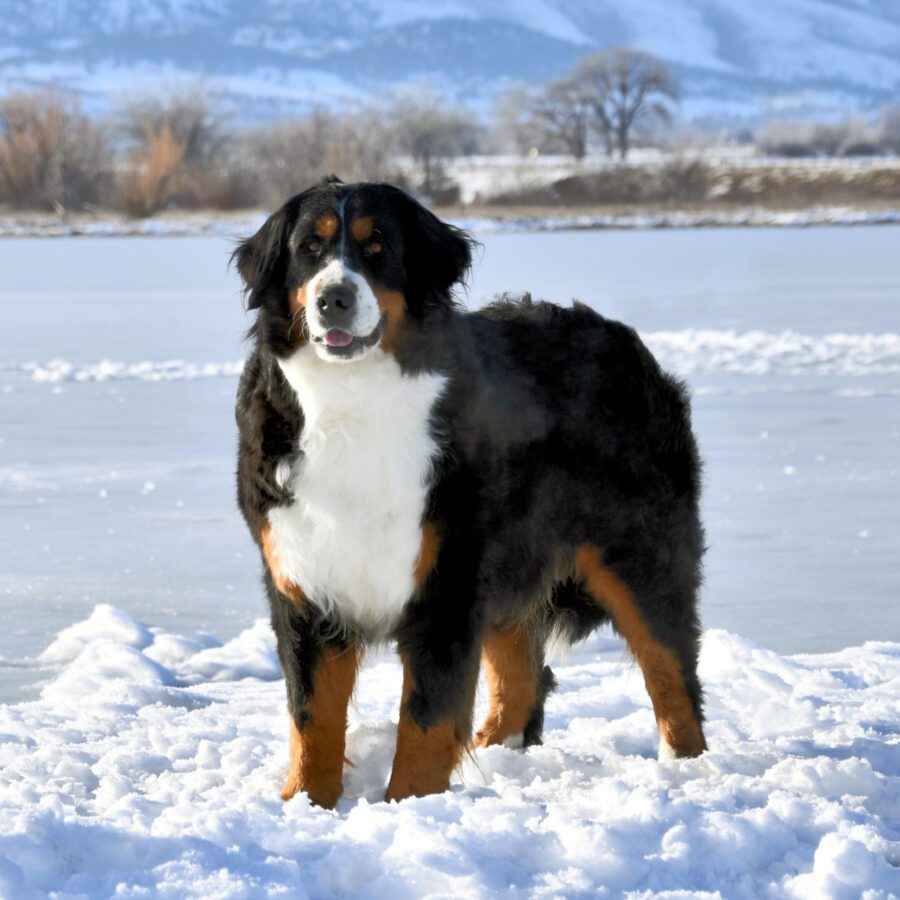
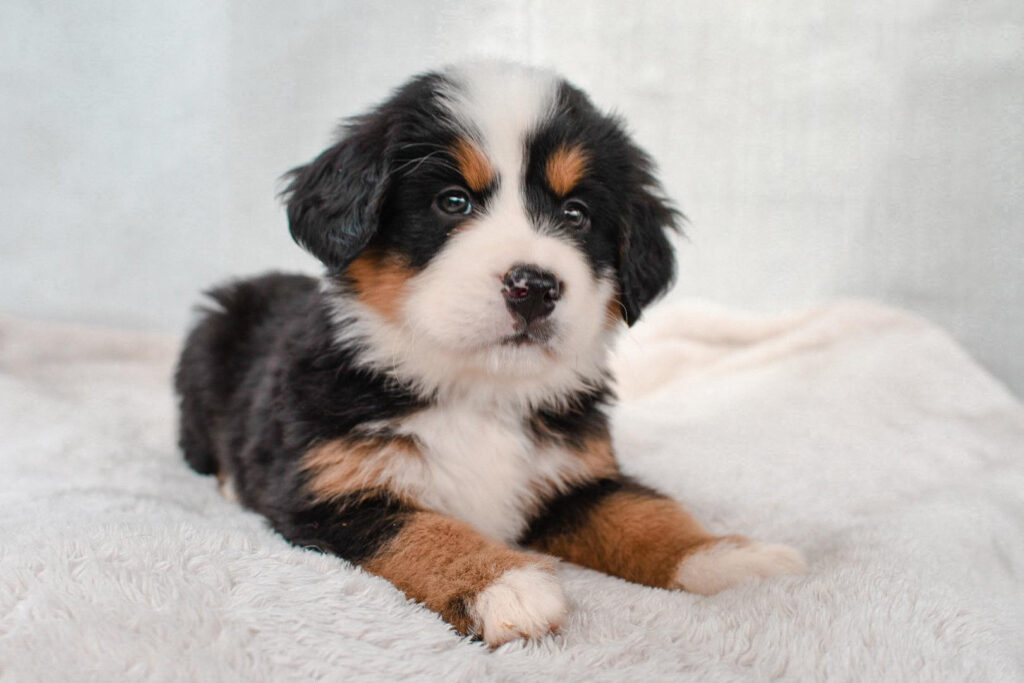
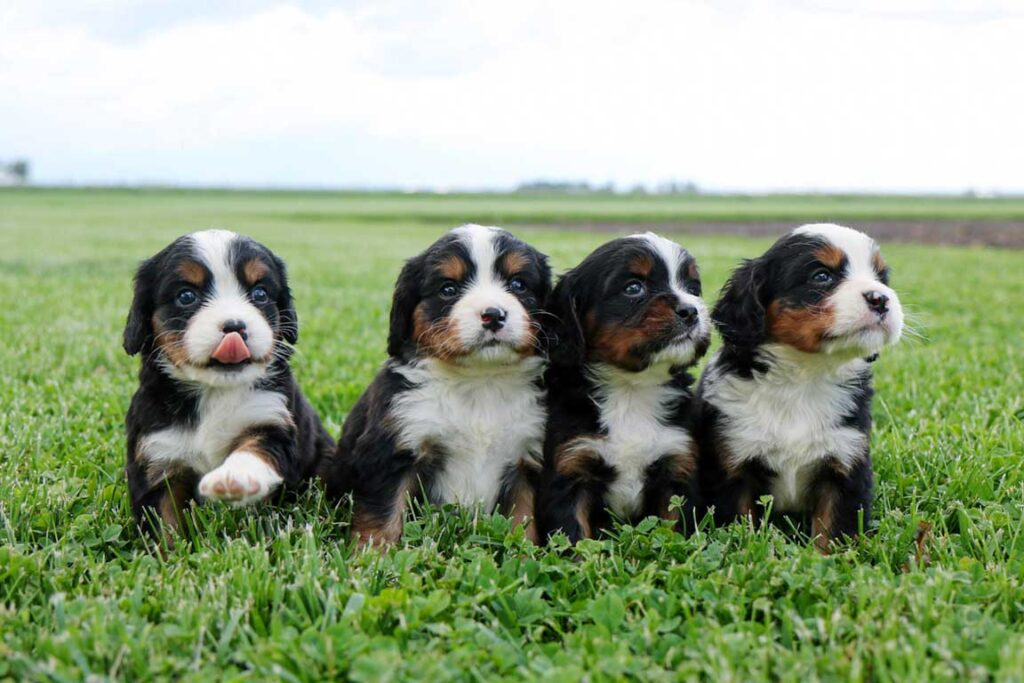
Bernese Mountain Dog puppies grow into large, sturdy adults. Males typically stand 25-28 inches at the shoulder, while females measure 23-26 inches. As puppies, they’re adorably fluffy, but their coat will develop into the distinctive tri-color pattern as they mature. Their thick, double coat features a longer outer layer and a wooly undercoat, providing protection in various weather conditions.
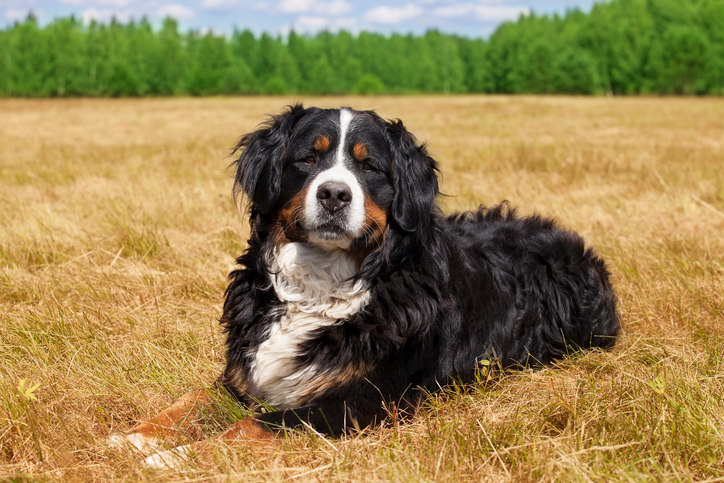
Bernese Mountain Dog puppies have a broad head with a moderate stop, floppy ears, and expressive brown eyes. Their bodies are strong and muscular, with a deep chest and straight, sturdy legs. These puppies have a long, bushy tail that they often carry low. As they grow, Bernese Mountain Dog puppies develop the breed’s characteristic markings: a white blaze on the face, white chest, and white paws contrasting with their black coat and rust-colored accents above the eyes, on the cheeks, and legs.
Temperament and Personality Traits
Bernese Mountain puppies are renowned for their gentle, affectionate, and playful personalities. These adorable pups embody a unique combination of traits that make them beloved companions for many families.
Gentle Giants: Typical Behavior
Bernese Mountain puppies are quintessential gentle giants, known for their calm and docile nature. They’re self-assured yet not aggressive, displaying a level-headed temperament that’s rare in such large breeds. These pups are intelligent and highly trainable, responding well to positive reinforcement techniques. Their playful energy is balanced with a laid-back attitude, making them enjoyable companions without being overly demanding. Bernese Mountain puppies thrive on human interaction and often seek to be involved in family activities. They’re known for their loyalty and often form strong bonds with one particular family member, showcasing their deep affectionate nature.
Compatibility with Families and Children
Bernese Mountain puppies excel in family environments, particularly when it comes to interacting with children. Their gentle and patient demeanor makes them ideal playmates for kids of all ages. These pups are naturally protective without being overbearing, often forming strong bonds with the youngest family members. They’re tolerant of children’s antics and enjoy participating in family activities. But, it’s crucial to supervise interactions between young children and Bernese Mountain puppies due to the pups’ large size and energetic nature. Early socialization helps these puppies develop into well-rounded adult dogs that are comfortable in various social situations. Their affectionate nature extends to other pets as well, making them generally compatible with multi-pet households.
Caring for Bernese Mountain Dog Puppies
Caring for Bernese Mountain Dog puppies requires dedication and knowledge of their exact needs. These gentle giants demand attention in various aspects of their care, from exercise to grooming and nutrition.
Exercise and Activity Needs
Bernese Mountain Dog puppies have moderate energy levels, requiring 20-30 minutes of daily exercise. Short walks and playtime in a fenced yard suffice for young puppies. As they grow, introduce canine sports like obedience, agility, and carting. Provide ample space for these large dogs to move and play freely. Avoid over-exercising puppies to protect their developing joints and bones. Balance activity with rest periods to prevent strain on their growing bodies. Incorporate mental stimulation through puzzle toys and training sessions to keep them engaged. Gradually increase exercise duration and intensity as they mature, always monitoring their response and adjusting accordingly.
Grooming Requirements
Bernese Mountain Dog puppies have thick double coats that shed heavily, especially during seasonal changes. Start grooming routines early to acclimate them to the process. Brush their coat daily to manage shedding, prevent matting, and maintain its natural sheen. Use appropriate brushes for their coat type, such as slicker brushes and wide-toothed combs. Pay extra attention to areas prone to tangling, like behind the ears and under the legs. Regular grooming also allows for checking skin health and detecting any abnormalities. Bathe puppies only when necessary to avoid stripping natural oils from their coat. Trim nails regularly and clean ears to prevent infections. Establish a positive grooming experience through treats and praise.
Nutritional Needs
Bernese Mountain Dog puppies require a balanced diet customized to their rapid growth and large breed status. Feed them high-quality puppy food formulated for large breeds to support healthy bone and joint development. Divide their daily food intake into 3-4 meals until 6 months of age, then transition to 2-3 meals daily.
Monitor portion sizes to prevent overfeeding, which can lead to obesity and joint issues. Include essential nutrients like protein for muscle development, calcium for strong bones, and omega-3 fatty acids for coat health. Avoid supplements unless recommended by a veterinarian. Provide fresh water at all times and clean food bowls regularly. Consult with a veterinarian to create a feeding plan that meets your puppy’s exact needs, adjusting as they grow. Watch for any signs of food allergies or sensitivities, and adjust their diet accordingly.
Health Considerations
Bernese Mountain puppies are predisposed to several health issues due to their large size and genetic factors. Understanding these potential problems is crucial for prospective owners to provide proper care and maintain their pet’s well-being.
Common Health Issues
Bernese Mountain Dogs face several health challenges, with cancer being a important concern. These gentle giants are particularly prone to histiocytic sarcoma, affecting approximately 25% of cases. Hip and elbow dysplasia are common in the breed, with hip dysplasia impacting about 28% of Berners. These conditions can lead to arthritis and mobility issues, especially if exacerbated by rapid growth during puppyhood or poor diet and exercise habits.
Bloat and gastric torsion (GDV) pose life-threatening risks, characterized by stomach twisting and gas accumulation. Symptoms include anxious behavior, abdominal pain, excessive drooling, and unproductive vomiting. Regular check-ups and awareness of these issues are essential for early detection and management.
Lifespan and Longevity
Bernese Mountain Dogs have a relatively short lifespan compared to other breeds. On average, they live between 6 to 8 years, with some reaching 10 years in exceptional cases. Their short life expectancy is primarily due to their susceptibility to various health issues, particularly cancer. Factors influencing longevity include genetics, diet, exercise, and overall care.
Responsible breeding practices aim to improve the breed’s health and potentially extend their lifespan. Regular veterinary check-ups, a balanced diet, appropriate exercise, and maintaining a healthy weight can contribute to a longer, healthier life for Bernese Mountain Dogs. Even though their shorter lifespan, these dogs provide immense joy and companionship during their time with their families.
Training and Socialization
Training and socializing Bernese Mountain Dog puppies are crucial for their development into well-adjusted adult dogs. We’ll explore effective strategies for early training and the importance of proper socialization.
Early Puppy Training Tips
Early training is essential for Bernese Mountain Dog puppies, starting as soon as they come home at 8-12 weeks old. We recommend using positive reinforcement techniques, which these gentle giants respond to exceptionally well. Consistency is key in training, so all family members should use the same commands and expectations.
Begin with basic obedience commands like “sit,” “stay,” “come,” and “lie down.” Keep training sessions short, around 5-10 minutes, to match their attention span. Use high-value treats and plenty of praise to reward desired behaviors. Incorporate training into daily routines, such as meal times or before walks, to reinforce good habits.
Crate training is also beneficial for Bernese Mountain Dog puppies, providing them with a safe space and aiding in housebreaking. Patience is crucial, as these large-breed puppies may take longer to mature compared to smaller breeds.
Importance of Socialization
Socialization is vital for Bernese Mountain Dog puppies to develop into confident, well-mannered adults. We emphasize exposing puppies to various people, animals, and environments during their critical socialization period, which occurs between 3 and 16 weeks of age.
Introduce your puppy to different sights, sounds, and textures in a controlled, positive manner. This includes meeting people of various ages, appearances, and backgrounds, as well as encountering other dogs and animals. Attend puppy socialization classes to provide structured interactions with other puppies and people.
Expose your Bernese Mountain Dog puppy to different environments, such as urban settings, parks, and various floor surfaces. This helps prevent fear and anxiety later in life. Always ensure these experiences are positive and not overwhelming for your puppy.
Remember to socialize your puppy to handling and grooming practices early on, as Bernese Mountain Dogs require regular grooming due to their thick coats. This will make future veterinary visits and grooming sessions much easier for both you and your dog.
Choosing a Bernese Mountain Dog Puppy
Selecting the right Bernese Mountain Dog puppy requires careful consideration and research. We’ll explore how to find responsible breeders and identify healthy puppies to ensure you bring home a well-bred Berner.
Finding Responsible Breeders
Responsible breeders are crucial when looking for Bernese Mountain Dog puppies. They prioritize the health and well-being of their dogs and puppies. Here’s how to find them:
Check with the Bernese Mountain Dog Club of America (BMDCA) for breeder referrals.
Attend dog shows or events to meet breeders and their dogs in person.
Look for breeders who:
Perform health tests on breeding dogs
Provide health guarantees for puppies
Allow visits to their facilities
Ask questions about your lifestyle and experience
Offer support throughout the dog’s life
Avoid puppy mills and pet stores, which often prioritize profit over puppy health.
Be prepared to wait for the right puppy, as responsible breeders may have waiting lists.
Remember, a reputable breeder will be transparent about their breeding practices and the puppy’s lineage.
What to Look for in a Healthy Puppy
When selecting a Bernese Mountain Dog puppy, it’s essential to assess both physical and behavioral traits:
Physical health:
Clear, bright eyes without discharge
Clean ears free from redness or odor
Healthy coat without bald patches or excessive scratching
No signs of lameness or difficulty moving
Proper weight for age (not too thin or overweight)
Behavior and temperament:
Alert and curious about surroundings
Willing to approach people and interact
Not overly shy or aggressive
Playful and energetic when awake
Socialization:
Exposed to various people, sounds, and experiences
Comfortable being handled and touched
Health records:
Up-to-date vaccinations and deworming
Health certificate from a veterinarian
Genetic health:
Parents tested for hip and elbow dysplasia
Family history free from major health issues
By carefully evaluating these aspects, you’ll increase your chances of bringing home a healthy Bernese Mountain Dog puppy that will thrive in your family.
Preparing Your Home for a Berner Puppy
Welcoming a Bernese Mountain Dog puppy into your home requires thoughtful preparation. Here’s what you need to know to create a safe and comfortable environment for your new Berner.
Essential Supplies
To ensure your Bernese Mountain Dog puppy’s comfort and well-being, gather these essential supplies:
Stainless steel or ceramic food and water bowls, which are durable and easy to clean
High-quality puppy food specifically formulated for large breeds
A spacious, comfortable bed to support their growing joints
Grooming tools including a brush, nail clippers, and coat-exact shampoo
A sturdy leash and adjustable collar to accommodate their rapid growth
Chew toys and interactive puzzles for mental stimulation
Puppy pads for house training
A crate or playpen for safe confinement
Bitter apple spray to deter chewing on furniture
A baby gate to restrict access to certain areas of your home
These supplies will help your Berner puppy settle into their new environment and provide for their basic needs as they grow.
Puppy-Proofing Your Space
Puppy-proofing your home is crucial for your Bernese Mountain Dog puppy’s safety:
Secure loose wires and cords to prevent chewing
Remove or safely store toxic plants, chemicals, and medications
Keep small objects that could be swallowed out of reach
Install childproof latches on low cabinets
Close toilet lids and keep trash cans covered
Create a designated puppy area with their bed, toys, and water bowl
Remove valuable or fragile items from low shelves and tables
Block off stairs with baby gates until your puppy can navigate them safely
Ensure all windows and doors are secure to prevent escapes
Remove or securely store household items that could be harmful if ingested
By taking these precautions, you’ll create a safe environment for your Berner puppy to explore and grow. Remember to supervise your puppy closely, especially during their initial adjustment period, to prevent accidents and reinforce good behavior.
Conclusion
Bernese Mountain puppies are truly special companions. Their gentle nature loyal disposition and striking appearance make them a beloved choice for families. While they require dedicated care including regular exercise grooming and health monitoring the joy they bring is immeasurable. By understanding their needs and preparing accordingly future owners can provide a loving home for these gentle giants. With proper care and attention Bernese Mountain Dogs will fill your life with unconditional love and unforgettable memories for years to come.
Is your furry friend constantly scratching and biting at their skin? Itchy skin can be a real nuisance for dogs and their owners alike. Left unchecked, it can lead to skin breakages and infections, making it crucial to find the best dog shampoo for itchy skin. Our pets deserve relief, and choosing the right shampoo is a critical step in ensuring their comfort and well-being.
Many dog owners are on the hunt for effective answers to soothe their pups’ irritated skin. While there are many options available, not all shampoos are created equal. We’ll explore some top-rated shampoos specifically designed to alleviate itching and restore your dog’s coat health. From natural remedies to veterinarian-formulated blends, we’ll guide you through the options that promise to offer relief.
By the end of this article, you’ll have a clearer understanding of which dog shampoos can help your pet feel their best, supporting a happier, itch-free life.
Understanding Itchy Skin in Dogs
Itchy skin is a common issue for dogs, leading to discomfort and potential skin problems if not addressed. Various factors often cause this condition and recognizing the triggers helps in choosing effective answers.
Common Causes
Itchy skin in dogs arises from several sources:
Allergies: Dogs frequently experience allergic reactions to food, environmental factors like pollen or dust mites, and skin contact with certain substances.
Fleas and Parasites: External parasites such as fleas or mites cause irritation and extreme itching.
Fungal Infections: Yeast and fungi thrive in moist areas, leading to itchy skin and discomfort.
Bacterial Infections: Skin irritation often results from bacterial growth.
Skin Conditions: Diseases like eczema or seborrhea contribute to persistent itching.
Dry Skin: Low humidity or harsh shampoos often result in dry skin, exacerbating itchiness.
Symptoms to Look Out For
Identifying symptoms helps in managing itchy skin effectively:
Biting and Licking: Frequent licking or biting of skin areas indicates irritation.
Redness or Inflammation: Look for red or swollen areas on the dog’s skin.
Flaky or Scaly Skin: Observe for dry patches or flakiness.
Hair Loss: Monitor for thinning fur or bald spots indicating skin distress.
Hot Spots: Localized, irritated, and reddened areas suggest underlying issues.
These signs combined with knowing the causes can guide effective treatment.
What to Look for in a Dog Shampoo
When choosing the best dog shampoo for itchy skin, understanding key factors enhances both effectiveness and safety. Our guide explains what elements make a shampoo beneficial for dogs with sensitive skin.
Key Ingredients
Recognizing beneficial ingredients is essential. Oatmeal offers antiseptic properties that soothe itchy skin but can be drying, particularly for dry skin. Aloe Vera provides moisturizing and antiseptic benefits to cleanse and protect against irritations. Vitamin E nourishes the skin and makes grooming easier by detangling the coat. Coconut Oil cleanses and moisturizes, offering relief from itching.
Types of Shampoos
Shampoos vary to cater to different needs. Antimicrobial Shampoos target bacterial and fungal infections which often cause itching. Hypoallergenic Shampoos use gentle formulations ideal for dogs with sensitive skin. Moisturizing Shampoos help dogs with dry skin, improving hydration and reducing flakiness. Deodorizing Shampoos mask odors using safe, dog-friendly fragrances.
Avoiding Harmful Additives
Reading labels carefully ensures avoidance of harmful additives. Artificial Fragrances often cause irritations, so opt for naturally scented options. Parabens and Sulfates are harsh chemicals that strip natural oils, exacerbating dry and itchy skin. Alcohol-Based Ingredients dry out the skin further, and are best avoided. Always choose formulations labeled as safe and natural.
Top Dog Shampoos for Itchy Skin
Finding the best dog shampoo for itchy skin is essential for maintaining your pet’s comfort and health. We explore top-rated shampoos customized to relieve and soothe irritated skin in dogs.
Best Natural Options
Choosing a natural dog shampoo can benefit dogs with sensitive and itchy skin. Natural Care+ Itch Relief Dog Shampoo combines Tea Tree Oil, Aloe Vera, and Goat Milk to ease itchiness and dryness. With added Salicylic Acid, Jojoba Oil, and Vitamins A & D, this shampoo moisturizes and protects the coat. Burt’s Bees Tearless Puppy Shampoo with Buttermilk offers delicate care with buttermilk and honey, ensuring a gentle clean without sulfates or colorants. BUDDY WASH Original Lavender & Mint Dog Shampoo & Conditioner uses soothing ingredients like sage and chamomile, providing a calming bath experience.
Best Medicated Answers
Medicated shampoos target more severe skin conditions to provide relief from itchiness by addressing underlying causes. Vets Best Allergy Itch Relief Dog Shampoo uses essential oils like oatmeal and tea tree oil to calm and cleanse the skin effectively. Veterinary Formula Clinical Care includes hydrocortisone and pramoxine, proven to alleviate discomfort from allergies and irritations. These options are ideal for dogs needing more intensive care alongside vet-recommended treatments.
Top Hypoallergenic Shampoos
Hypoallergenic dog shampoos offer safe options for pets with sensitive and itchy skin. Sebocalm Hypoallergenic Shampoo moisturizes and maintains a healthy coat with its soap-free, neutral pH formula, perfect for frequent use. EpiSoothe Hypoallergenic Shampoo handles itching and odor, offering a gentle cleanse that suits sensitive pups. These shampoos support sensitive skin’s health by avoiding harsh ingredients and ensuring ongoing benefits post-wash.
Homemade Remedies for Itchy Skin
Exploring homemade remedies provides natural alternatives when dealing with a dog’s itchy skin. These answers often use accessible ingredients that can address mild symptoms effectively.
DIY Shampoo Recipes
Crafting a homemade dog shampoo involves selecting ingredients known for their soothing properties. Oatmeal, aloe vera, and coconut oil are popular choices. For a basic recipe, grind one cup of oats to a fine powder, mix it with half a cup of baking soda, and add four cups of water. This blend helps reduce irritation and moisturize the skin.
Another option is to combine a quarter cup of apple cider vinegar with a quarter cup of non-toxic dish soap and half a cup of aloe vera gel. These ingredients work together to offer relief and cleansing without harsh chemicals. Homemade shampoos should be used with caution on pets with sensitive skin to avoid unwanted reactions.
When to Use Homemade over Store-Bought
Homemade shampoos offer benefits in exact scenarios. They’re ideal for dogs with minor skin irritations or owners seeking natural answers free from synthetic ingredients. These recipes provide a simple yet effective remedy when mild itchiness arises. But, if the dog’s itchy skin results from an underlying condition like severe allergies or infections, consulting a veterinarian remains crucial.
Severe cases might demand a veterinarian-formulated shampoo like Vets Best Allergy Itch Relief, which offers targeted relief. For those interested in customizing remedies while managing minor issues, homemade options are a viable alternative.
Additional Tips for Managing Itchy Skin
Addressing itchy skin in dogs involves more than just choosing the right shampoo. Taking a holistic approach can help maximize skin health and comfort.
Grooming Practices
Regular grooming helps manage itchy skin. Brush the coat frequently to remove allergens, dust, and debris that may irritate the skin. Use a soft-bristled brush and be gentle to prevent further irritation. Bathing regularly with an appropriate dog shampoo keeps the skin clean and reduces itchiness. But, over-bathing can strip natural oils, so follow a balanced schedule. Consult your vet for a suitable bathing frequency. Consider trimming long fur around areas prone to mats to prevent additional irritation.
Dietary Considerations
Diet impacts a dog’s skin health significantly. If allergies cause itchiness, an elimination diet might identify trigger foods. Gradually reintroduce foods such as chicken, beef, or lamb, while monitoring the dog’s response. High-quality fish oil supplements provide essential fatty acids, reducing inflammation and improving skin health. Probiotic supplements can boost gut health, indirectly benefiting the skin. Fish-based diets or recipes, like Venison and Squash, support allergy-prone dogs. Always consult a veterinarian before making major dietary changes or introducing new supplements.
Conclusion
Choosing the right dog shampoo for itchy skin can make a important difference in our pets’ comfort and overall skin health. With a variety of options available, from natural remedies to veterinarian-formulated products, it’s essential to select a shampoo that addresses the exact needs of our furry friends. By focusing on beneficial ingredients and avoiding harmful additives, we can ensure a safe and effective bathing experience. Remember, managing itchy skin goes beyond just shampoo; regular grooming, a balanced diet, and consulting with a veterinarian play crucial roles in maintaining our dogs’ skin health. Let’s prioritize their well-being and make informed choices that contribute to their happiness and comfort.
Have you ever wondered what it takes to guard livestock against formidable predators like wolves and bears? The Caucasian Shepherd stands as a remarkable example of strength and loyalty, originally bred in the rugged Caucasus Mountains. These impressive dogs can weigh over 100 pounds and reach heights of up to 30 inches, making them ideal protectors for both livestock and properties.
As we discover the area of Caucasian Shepherds, we’ll uncover their unique traits, including their thick, weather-resistant coats and natural guarding instincts. Whether you’re considering adding one to your family or simply intrigued by this powerful breed, our guide provides valuable insights into their temperament, care requirements, and suitability for various living environments. Join us as we investigate into what makes the Caucasian Shepherd a trusted guardian and a loyal companion.
Overview of Caucasian Shepherds
Caucasian Shepherds are renowned for their strength and protective instincts. These powerful dogs excel in guarding livestock and properties.
History and Origins
Originating from the Caucasus region, including Georgia, Armenia, Azerbaijan, and Dagestan, Caucasian Shepherd Dogs have a rich heritage. Bred primarily to protect livestock from predators like wolves and bears, their role as guardian dogs remains paramount. Historically, shepherds relied on these dogs to defend herds in the rugged Caucasus Mountains.
The breed’s resilience and independence were essential for survival in harsh climates. Over centuries, selective breeding enhanced their size and strength, ensuring they could effectively deter threats. Known by various names such as Caucasian Ovcharka, Caucasian Mountain Dog, and Russian Bear Dog, these dogs have maintained their status as reliable protectors. Their history as working dogs in Eastern Europe and Western Asia underscores their capability and unwavering loyalty. Today, while they continue to serve as guardians, their majestic presence also makes them admired companions for experienced owners.
Physical Characteristics
Caucasian Shepherds are distinguished by their impressive size and robust build. Males typically weigh between 110-154 pounds and stand 27.5-30 inches tall at the shoulder, while females range from 90-110 pounds and 26.5-29 inches in height. Their muscular frame supports their role as powerful guardians. A thick double coat protects them from extreme weather, available in colors like white, gray, brindle, and fawn. Their tails usually curl over their backs, adding to their formidable appearance.
These dogs possess strong jaws and a deep, commanding bark, essential for deterring intruders. The breed’s sturdy legs and broad chest contribute to their overall strength and endurance. Also, their keen eyes and erect ears enhance their alertness, making them vigilant protectors. The combination of size, strength, and distinctive features makes Caucasian Shepherds easily recognizable and well-suited for their guarding duties.
Temperament and Personality
Caucasian Shepherds exhibit a strong protective instinct and fierce loyalty. They are naturally independent, which stems from their history as livestock guardians in the Caucasus Mountains. These dogs are highly alert, constantly monitoring their surroundings for potential threats. Their temperament requires experienced handlers to ensure proper training and socialization. While they are reserved with strangers, they form deep bonds with their families, showing affection and devotion.
Their confident demeanor makes them assertive protectors, capable of making quick decisions when needed. Even though their intimidating presence, Caucasian Shepherds can be gentle and patient with children when properly raised. But, their assertiveness may overshadow playful behavior, necessitating consistent leadership. Their intelligence and strong will require mental and physical stimulation to prevent boredom and destructive tendencies. Overall, Caucasian Shepherds thrive in environments where their guarding instincts are respected and their need for purposeful activity is met.
We provide a diet rich in high-quality proteins, such as chicken or beef, to support their large size and muscle mass. If they engage in regular activity, we adjust their caloric intake to prevent obesity. Incorporating balanced vitamins and minerals maintains their overall health. For example, we include sources of calcium and phosphorus for strong bones and joints. Ensuring fresh water is always available keeps them hydrated.
We avoid feeding them table scraps, which can lead to digestive issues or weight gain. Also, we choose dog food formulated for large breeds to address their exact nutritional requirements. Monitoring their weight and body condition helps us make necessary dietary adjustments. Regular consultations with a veterinarian ensure their nutritional needs are met and help prevent potential deficiencies or excesses.
Grooming Needs
Maintaining the Caucasian Shepherd’s thick double coat requires regular brushing, ideally twice a week, to remove loose hair and prevent matting. If their fur remains long, we trim it to manage length and reduce tangles. Bathing them monthly with a dog-exact shampoo keeps their coat clean unless they become excessively dirty.
We pay special attention to areas prone to shedding, such as the undercoat, to minimize hair around the home. Regular grooming provides an opportunity to check for skin issues or parasites, ensuring their skin remains healthy. Also, we clean their ears weekly to prevent infections and brush their teeth several times a week to maintain dental health. Trimming their nails monthly prevents overgrowth and discomfort. Consistent grooming routines help keep our Caucasian Shepherd comfortable and looking their best.
Exercise Requirements
Meeting the Caucasian Shepherd’s exercise needs involves providing daily physical and mental stimulation. We ensure at least one-hour walks each day and allow time for free roaming in a secure, fenced area to accommodate their size. Incorporating activities like hiking or playing fetch engages their natural guarding instincts and builds their strength.
We introduce obedience training sessions to keep their minds sharp and reinforce good behavior. Without adequate exercise, they may develop behavioral issues or become restless. Supervised outdoor time in a spacious yard with a 6-foot fence meets their energy demands and maintains their health. Also, interactive toys and puzzle feeders help keep them mentally stimulated when indoor activity is needed. Balancing structured exercise with free play ensures our Caucasian Shepherd remains happy and well-adjusted.
Health Considerations
Caucasian Shepherds require attentive health care to ensure their longevity and well-being. Understanding their common health issues and implementing preventative measures is essential for optimal health.
Common Health Issues
Caucasian Shepherds are susceptible to several health problems due to their size and breed characteristics. Bloat (Gastric Dilatation-Volvulus) is a life-threatening condition where the stomach fills with gas and twists, restricting blood flow. Symptoms include a distended abdomen, frequent vomiting, and lethargy.
Hip Dysplasia affects 20% of Caucasian Shepherds, causing joint pain and mobility issues. Similarly, Elbow Dysplasia impacts the elbow joints, leading to lameness and discomfort. Regular veterinary check-ups can help detect these conditions early. Also, Degenerative Myelopathy and Hypothyroidism are less common but important health concerns. Maintaining a healthy weight and providing a balanced diet can mitigate some risks. Monitoring for signs of these ailments ensures timely intervention and enhances the quality of life for our Caucasian Shepherds.
Preventative Care
Preventative care is crucial for maintaining the health of Caucasian Shepherds. A balanced diet rich in high-quality proteins supports their large size and prevents obesity, which can exacerbate joint issues. Regular exercise is necessary to keep their muscles strong and joints flexible, recommending at least one hour of physical activity daily.
Routine veterinary visits enable early detection of health problems, allowing for prompt treatment. Vaccinations and parasite control protect against common diseases and infestations. Joint supplements, such as glucosamine and chondroitin, can support joint health and reduce the risk of dysplasia. Also, dental care prevents oral diseases that can impact overall health. Consistent grooming, including brushing their thick double coat, helps prevent skin issues and promotes circulation. By prioritizing these preventative measures, we ensure our Caucasian Shepherds remain healthy and active throughout their lives.
Training and Behavior
Training a Caucasian Shepherd requires commitment and consistency to harness their natural protective instincts. Understanding their behavior is essential for effective training.
Training Tips
We use positive reinforcement techniques when training Caucasian Shepherds. This approach includes verbal praise, affection, and small treats to encourage desirable behavior. For instance, rewarding a command like “sit” with a treat reinforces compliance. Consistent training sessions help establish clear boundaries and expectations. We avoid punishment, as it can lead to behavioral issues and weaken the bond between the dog and owner. Incorporating basic commands such as “stay,” “wait,” “here,” and “no” ensures our dogs respond reliably in various situations.
Regular practice of these commands enhances obedience and strengthens the communication between us and our dogs. Also, incorporating short, frequent training sessions keeps the dogs engaged and prevents boredom. By maintaining a structured training routine, we ensure our Caucasian Shepherds develop into well-behaved and dependable companions.
Socialization
Early socialization is vital for Caucasian Shepherds to become well-adjusted adults. We introduce our puppies to diverse environments, people, and other animals from a young age. Exposing them to different sounds, sights, and experiences helps reduce fear and aggression. Regular interactions with children teach them patience and gentleness, fostering positive relationships.
We arrange controlled meetings with other dogs to promote good behavior in social settings. Visiting various locations, such as parks and urban areas, acclimates them to different stimuli and scenarios. Consistent socialization efforts prevent the development of territorial or defensive behaviors. Also, enrolling in puppy socialization classes provides professional guidance and structured interactions. By prioritizing early and ongoing socialization, we ensure our Caucasian Shepherds are confident, adaptable, and friendly, improving their ability to integrate smoothly into family and community life.
Costs Associated with Caucasian Shepherds
Owning a Caucasian Shepherd involves various financial considerations. We outline the primary costs associated with purchasing and maintaining this breed.
Purchase Price
The cost of acquiring a Caucasian Shepherd depends on factors such as breeder reputation, the puppy’s lineage, and location. Typically, prices range from $1,000 to $2,500 when sourced from reputable breeders. But, fees can escalate to $3,000–$10,000 for puppies from esteemed breeders with superior bloodlines and official breeding rights. For example, male Caucasian Shepherd puppies often cost around $2,500, while female Russian Shepherds are slightly less expensive, averaging $1,500–$1,800. Alternatively, adopting a Caucasian Shepherd through accredited organizations can cost between $100 and $300, offering a more budget-friendly option.
Ongoing Expenses
Maintaining a Caucasian Shepherd involves several ongoing expenses to ensure their health and well-being. Annual routine care, including veterinary exams, vaccinations, and heartworm or flea and tick prevention, typically costs around $400 per year. Also, their substantial appetite requires 5 to 10 cups of high-quality food daily, translating to higher food expenses compared to smaller breeds.
Depending on their activity level, monthly food costs can range significantly. Other recurring expenses include microchipping, recommended at an initial cost to enhance the likelihood of recovering a lost pet, and neutering or spaying, which can range from $150 to $500. Overall, the first-year expenses, encompassing purchase or adoption fees, initial medical costs, and ongoing care, can total approximately $4,000–$5,000. As the dog ages, annual costs may decrease to around $2,000–$3,000.
Expense Category
Estimated Annual Cost
Routine Care
$400
Food and Nutrition
Varies based on intake
Microchipping
One-time cost
Neutering/Spaying
$150–$500
Total First-Year Costs
$4,000–$5,000
Annual Maintenance Costs
$2,000–$3,000
By understanding these costs, prospective owners can make informed decisions and ensure they can provide a stable and healthy environment for their Caucasian Shepherd.
Conclusion
Embracing the responsibility of a Caucasian Shepherd means welcoming a loyal and powerful companion into our lives. Their unwavering protection and deep bonds with families make them exceptional guardians. By understanding their unique needs—from proper training and socialization to dedicated care and regular health check-ups—we ensure our Shepherds thrive in our homes. Investing time and resources into their well-being not only enhances their quality of life but also strengthens the trust and connection we share. As we appreciate the strength and dedication of the Caucasian Shepherd, we recognize the profound partnership that can be achieved when we commit to meeting their needs with knowledge and compassion.
Have you noticed your dog breathing fast but not panting? This unusual behavior can signal that something isn’t right. While regular panting after exercise is normal, rapid breathing without it may indicate respiratory distress or other health issues. Signs like using stomach muscles to breathe, pale or bluish gums, and excessive drooling shouldn’t be overlooked.
Understanding why your dog is breathing this way helps us take prompt action to ensure their well-being. In this text, we’ll explore the common causes behind fast breathing without panting, recognize the key warning signs, and guide you on when to seek veterinary care. By the end, you’ll be equipped with the knowledge to keep your furry friend safe and healthy.
A healthy dog’s respiratory rate at rest ranges from 10 to 35 breaths per minute. Rapid breathing, defined as over 40 breaths per minute, may signal an issue. During exercise or in warm environments, dogs breathe faster to cool down, but their rate should normalize after they rest. Persistent fast breathing without obvious triggers could point to underlying conditions such as asthma or heart disease. Monitoring your dog’s breathing rate helps determine if their respiratory pattern is within the expected range or requires attention.
Distinguishing Between Panting and Fast Breathing
Panting serves as a natural cooling mechanism for dogs, involving rapid, shallow breaths through an open mouth. It’s common after exercise, in hot weather, or during moments of excitement. In contrast, fast breathing without panting may indicate distress. Unlike panting, which resolves once the dog cools down, rapid breathing can persist and may be accompanied by signs like abnormal noises, bluish gums, or increased respiratory effort. Understanding these differences helps identify when your dog’s fast breathing is a normal response or a sign of a potential health issue.
Assessing Your Dog’s Breathing Rate
To evaluate if your dog is breathing fast but not panting, count their breaths while they’re at rest or sleeping. A normal rate is typically below 30 breaths per minute. Rates exceeding 35 breaths per minute warrant a veterinary consultation. Observing your dog’s breathing patterns regularly establishes a baseline, making it easier to spot abnormalities. Look for additional signs such as shallow breaths, reluctance to lie down, or visible distress. Accurate assessment ensures timely intervention, promoting your dog’s health and comfort.
Common Causes of Rapid Breathing Without Panting
Rapid breathing without panting in dogs can signal various health issues. Understanding these causes helps us take timely action to ensure our pets’ well-being.
Respiratory Infections
Respiratory infections lead to increased breathing rates in dogs. Conditions like pneumonia, kennel cough, and bronchitis inflame the airways, causing congestion. Dogs may breathe quickly to compensate for reduced oxygen intake. According to the American Veterinary Medical Association, pneumonia can elevate a dog’s respiratory rate beyond normal limits. Early detection and veterinary care are crucial to manage these infections effectively.
Heart Disease
Heart disease affects a dog’s breathing by impairing the heart’s pumping efficiency. Left-sided congestive heart failure often results in pulmonary edema, where fluid accumulates in the lungs. This fluid forces dogs to breathe rapidly to obtain sufficient oxygen. Studies show that dogs with heart disease frequently exhibit respiratory rates exceeding 40 breaths per minute. Monitoring heart health and seeking veterinary intervention can mitigate severe complications.
Pain and Discomfort
Pain causes dogs to breathe fast without panting as they react to discomfort. Injuries, traumas, sore muscles, and gastrointestinal disorders are common pain sources. When experiencing pain, dogs increase their respiratory rate to cope with stress. Research indicates that pain management can normalize breathing rates, emphasizing the importance of addressing underlying discomfort promptly.
Anxiety and Stress
Anxiety and stress trigger rapid breathing in dogs, even without physical exertion. Situations like loud noises, separation, or changes in the environment can elevate a dog’s breathing rate. Chronic stress may lead to persistent rapid breathing, affecting overall health. Behavioral interventions and creating a calm environment help reduce anxiety-induced hyperventilation in dogs.
Other Medical Conditions
Various medical conditions cause dogs to breathe rapidly without panting. Metabolic disorders, such as diabetic ketoacidosis (DKA), disrupt a dog’s acid-base balance, increasing respiratory rates. Also, tumors in the lungs or laryngeal paralysis can hinder normal breathing patterns. Recognizing symptoms and consulting a veterinarian ensures accurate diagnosis and appropriate treatment for these complex health issues.
Signs and Symptoms to Watch For
Recognizing the signs of a dog breathing fast but not panting is crucial for their health. We monitor exact behaviors and physical indicators to identify potential issues early.
Behavioral Changes
When a dog is breathing fast without panting, we may observe reluctance to drink, eat, or move. Dogs might show decreased activity levels, avoiding play or walks. They often exhibit signs of discomfort, such as restlessness or agitation, indicating distress related to their breathing. Also, some dogs become unusually quiet or hide, reflecting anxiety or pain. Changes in sleep patterns, like difficulty settling down or frequent waking, can also signal underlying health problems. These behavioral alterations are critical markers that prompt us to seek veterinary care promptly. For example, a normally active dog suddenly refusing food and appearing lethargic should raise concerns. By closely watching these behavior changes, we ensure timely intervention, safeguarding our dog’s well-being.
Physical Indicators
Physical signs accompany fast breathing without panting, providing clear clues to underlying issues. We check the respiratory rate; a normal range is 15 to 35 breaths per minute, while over 40 breaths per minute is abnormal. Labored breathing is evident when a dog uses stomach muscles to breathe, stands with front legs apart, or stretches the neck to expand the chest fully.
Gum color serves as another vital indicator; pale, blue-tinged, or brick-red gums can signify respiratory distress or other serious health issues. Excessive drooling or a change in posture during breathing also points to potential problems. Monitoring these physical indicators helps us assess the severity of the situation accurately. For instance, noticing a rapid respiratory rate combined with blue gums requires immediate veterinary attention. By staying vigilant about these signs, we can respond effectively to our dog’s health needs.
When to Seek Veterinary Care
Rapid breathing in dogs can indicate a serious health issue requiring immediate attention. Recognizing the signs helps us act swiftly to ensure our pet’s well-being.
Recognizing Emergency Situations
If our dog is breathing fast without panting and exhibits symptoms like pale or bluish gums, excessive drooling, or weakness, it’s an emergency. Other critical signs include collapse, seizures, or persistent coughing. We must monitor their respiratory rate; a resting rate above 40 breaths per minute signals abnormal breathing. Also, signs such as open-mouthed breathing in cool environments, increased effort to breathe, or unusual vocalizations warrant urgent care.
Situations like heat stroke, heart disease, respiratory infections, or exposure to toxins can cause these symptoms. Also, if the dog shows reluctance to move, appears restless, experiences pain, or has a distended abdomen, contacting a veterinarian immediately is essential. Early intervention prevents the escalation of underlying conditions and improves our dog’s prognosis, ensuring their health and safety.
Diagnostic Approach by Vets
When a dog is breathing fast but not panting, veterinarians follow a systematic diagnostic approach to identify the underlying cause. This involves a comprehensive physical examination and a series of diagnostic tests to ensure accurate diagnosis and effective treatment.
Physical Examination
During the physical examination, we assess the dog’s overall health to identify signs related to rapid breathing without panting. We begin by measuring the respiratory rate, noting that a healthy dog rests between 10 to 35 breaths per minute. Rates exceeding this range may indicate tachypnea. We observe the dog’s breathing pattern, checking for shallow and rapid breaths characteristic of tachypnea rather than the open-mouthed panting used for cooling.
Also, we examine the gums for color changes, such as paleness or a bluish tint, which can signal insufficient oxygenation. Heart rate and rhythm are monitored to detect any irregularities. We also evaluate the dog’s heart and lung sounds using a stethoscope, looking for abnormal noises like wheezing or heart murmurs. Assessing the abdomen for any signs of discomfort or swelling helps identify potential gastrointestinal issues. By conducting a thorough physical examination, we can pinpoint areas that require further investigation through diagnostic testing.
Diagnostic Tests
To determine the cause of a dog breathing fast without panting, we use various diagnostic tests. Echocardiography examines the heart’s structure and function, ruling out heart disease, pulmonary hypertension, fluid accumulation, tumors, or heartworm disease. Bronchoscopy allows us to visualize the airways, identifying inflammation, growths, foreign objects, or enabling tissue sampling for further analysis.
When detailed imaging is necessary, a CT scan provides comprehensive views of the airways and lung tissues, revealing abnormalities that may not be visible through other methods. Also, Baermann fecal testing helps detect lung worms by analyzing stool samples, ensuring parasites are not the cause of respiratory distress. These diagnostic tests offer precise information, enabling us to accurately diagnose and treat the underlying issues causing the dog’s rapid breathing. By integrating results from these tests, we develop a targeted treatment plan to address the exact health concerns affecting the dog.
Treatment Options for Fast Breathing in Dogs
Addressing fast breathing in dogs requires identifying the underlying cause. Effective treatment options vary based on the exact health issue.
Medical Interventions
Veterinarians begin by diagnosing the cause of your dog’s fast breathing without panting. Diagnostic tests include X-rays, blood tests, and echocardiograms to assess heart and lung health. If heart disease is detected, treatments may involve oxygen therapy, diuretics to remove lung fluid, and in severe cases, thoracocentesis to drain chest fluid.
For respiratory disorders like pneumonia, antibiotics or antiviral medications are administered. Pain management is crucial; we use analgesics such as NSAIDs (e.g., carprofen, Galliprant) or steroids like prednisone to alleviate discomfort. In cases of anxiety-induced rapid breathing, veterinarians might recommend behavioral therapies alongside medication. Monitoring your dog’s response to treatment ensures adjustments are made promptly. Also, informing the vet about any previous medical issues supports a comprehensive treatment plan customized to your dog’s needs.
Supportive Care
Supportive care plays a vital role in managing fast breathing in dogs. Providing a calm and comfortable environment helps reduce stress and anxiety, which can exacerbate breathing difficulties. Oxygen therapy may be administered to ensure your dog receives adequate oxygen, especially during acute episodes. Intravenous fluids support overall hydration and organ function, particularly if your dog is weak or dehydrated. Ensuring your dog rests and avoids strenuous activities promotes recovery.
support is essential; maintaining a balanced diet helps bolster your dog’s immune system. Regular monitoring at home of respiratory rates and observing for any changes allows for timely intervention if conditions worsen. Also, specialized training with a certified behaviorist can aid dogs whose fast breathing stems from anxiety, improving their coping mechanisms and overall well-being.
Conclusion
Keeping a close eye on our dogs’ breathing patterns is essential for their health and happiness. When we notice fast breathing without panting, it’s crucial to stay alert and consider possible underlying issues. By understanding the signs and knowing when to seek professional help, we can ensure our furry friends receive the care they need promptly. Prioritizing our dogs’ well-being through attentive monitoring and timely intervention helps maintain their quality of life and strengthens the bond we share with them.
Have you ever wondered why so many pet owners are turning to dog sweaters? With over 5,000 reviews highlighting warmth and comfort, it’s clear that these cozy garments are more than just a fashion statement for our furry friends. As temperatures drop, ensuring our pets stay snug becomes a top priority, especially for small and medium breeds that feel the chill more intensely.
We understand that finding the perfect dog sweater can be overwhelming with the variety available. In this text, we’ll explore the benefits of dog sweaters, what to look for when choosing one, and tips to ensure your pet stays both stylish and comfortable. Whether you’re shopping for a puppy or a seasoned companion, our insights will help you make an well-informed choice that keeps your dog happy and warm all winter long.
Types of Dog Sweaters
Choosing the right dog sweater enhances your pet’s comfort and style. We offer a variety of designs to suit different needs and preferences.
Pullover Sweaters
Pullover dog sweaters remain a top choice for warmth and simplicity. Designed without zippers or complex fastenings, they ensure easy dressing and removal. Available in styles like turtleneck, classic fleece, and knitted patterns, these sweaters cater to various tastes. Materials such as soft fleece, acrylic yarn, and wool provide excellent insulation and comfort.
Our pullover sweaters come in sizes ranging from XXS to XL, fitting breeds of all sizes snugly to retain heat effectively. This versatility makes pullover sweaters suitable for small breeds needing extra warmth and larger dogs requiring cozy coverage. Also, the range of colors and patterns allows pet owners to select options that match their dog’s personality and wardrobe. By prioritizing both functionality and aesthetics, pullover dog sweaters contribute significantly to your pet’s winter wardrobe, ensuring they stay warm and stylish during colder months.
Hoodie Sweaters
Hoodie dog sweaters blend comfort with a trendy look, offering added protection against the elements. Featuring a hood, these sweaters shield your dog’s head and neck from wind and rain, improving overall warmth. Constructed from durable and soft fabrics like fleece and cotton blends, hoodie sweaters provide flexibility and ease of movement. They come in various designs, including zip-up styles and those with adjustable closures, accommodating different dog sizes and coat types.
Our hoodie sweaters are available in multiple sizes, ensuring a perfect fit for both small and large breeds. The elastic cuffs and adjustable waistbands help maintain the sweater’s position, preventing it from slipping during active play. Also, reflective trims are available in some models, improving visibility during evening walks. By combining practicality with modern aesthetics, hoodie dog sweaters offer a functional and fashionable solution for keeping your dog comfortable and protected in diverse weather conditions.
Materials and Construction
Choosing the right materials and construction ensures our dog sweaters offer maximum comfort and longevity for your pet. We prioritize quality to provide the best fit and functionality.
Common Fabrics
We select fabrics that balance warmth, comfort, and practicality for dog sweaters. Fleece stands out for its softness, warmth, and machine-washable properties, making it ideal for colder climates. Cotton offers breathability and comfort, perfect for milder weather and dogs with sensitive skin. Flannel provides an extra layer of insulation, suitable for very cold temperatures and adding a cozy texture to our designs.
For outdoor-active dogs, nylon and polyester are excellent choices due to their water-resistant and durable nature, ensuring the sweaters withstand rigorous use. Also, knit sweater fabric is used in some styles, requiring stabilization to maintain shape and ease of sewing. By carefully selecting these materials, we ensure our dog sweaters meet diverse needs while maintaining style and functionality.
Durability and Quality
Ensuring the durability and quality of our dog sweaters is essential for long-lasting use. We use reinforced stitching techniques to prevent wear and tear, especially in high-movement areas like seams and edges. Our selection of high-quality fabrics, such as nylon and polyester, enhances the sweaters’ resistance to abrasions and environmental factors, making them suitable for active dogs.
We also incorporate double-layered materials in key areas to provide extra insulation and durability without adding unnecessary weight. Quality control processes are in place to inspect each sweater for defects, ensuring that every product meets our standards before reaching customers. By focusing on these aspects, we guarantee that our dog sweaters remain functional and stylish, providing reliable warmth and comfort season after season.
Sizing and Fit
Ensuring the right sizing and fit for dog sweaters enhances comfort and mobility. Accurate measurements keep sweaters snug without restricting movement.
Measuring Your Dog
To size a dog sweater accurately, take three essential measurements:
Length: Measure your dog’s back from the collar area to the base of the tail. For example, a Golden Retriever might need a length of 22 inches.
Chest Girth: Wrap a measuring tape around the widest part of your dog’s chest, just behind the front legs. Ensure the tape is secure but not tight. A medium-sized dog may have a chest girth of 20 inches, while larger breeds might require up to 30 inches.
Neck Girth: Measure around the base of your dog’s neck where the collar sits. This ensures the sweater fits comfortably without restricting breathing. Neck sizes typically range from 12 to 24 inches depending on the breed.
Accurate measurements prevent discomfort and help maintain the sweater’s shape after washing.
Adjustability Features
Adjustability features in dog sweaters provide a customized fit for various sizes and body types:
Velcro Straps: Offer easy tightening or loosening around the chest and neck, ensuring the sweater stays in place without being restrictive.
Elastic Panels: Provide flexibility in the sides or sleeves, accommodating movement while maintaining a snug fit. For instance, ribbed elastic allows the sweater to stretch without losing shape.
Button or Snap Closures: Enable precise adjustments at openings, ensuring the sweater fits securely and comfortably. These closures make it simple to put on or remove the sweater without hassle.
Incorporating these features ensures dog sweaters remain comfortable during active play or restful periods, improving overall fit and usability.
Benefits of Dog Sweaters
Warmth and Temperature Regulation
Dog sweaters provide essential warmth for breeds with thin or light coats, such as Chihuahuas, Greyhounds, terriers, and poodles. These dogs are not genetically adapted to cold environments, making extra insulation crucial during chilly weather. Sweaters help maintain their body temperature, ensuring comfort and preventing hypothermia in low temperatures.
Protection for Exact Conditions
Older dogs with weakened immune systems or diseases that impair hair growth, like Cushing’s disease or hypothyroidism, benefit significantly from the additional warmth provided by sweaters. These garments help mitigate the effects of reduced fur, offering a consistent heat source that supports their overall health. Also, sweaters aid dogs that are hesitant to go outside in snowy conditions, enabling them to relieve themselves comfortably without the stress of extreme cold.
Insulation for Short-Fur Breeds
Large breeds with short coats, such as Greyhounds and Boxers, lack sufficient natural insulation against cold weather. Sweaters compensate for this deficiency by providing an extra layer of warmth without restricting movement. This insulation ensures that short-furred dogs remain comfortable and active during colder months, reducing the risk of cold-related discomfort.
Health Benefits
Maintaining an optimal body temperature with dog sweaters reduces the risk of muscle stiffness and joint pain, especially in breeds prone to arthritis. By keeping muscles warm, sweaters enhance mobility and decrease the likelihood of injuries caused by sudden movements in cold weather. Also, consistent warmth supports joint health, promoting better overall mobility and quality of life for dogs with existing joint issues.
Enhanced Comfort and Mobility
Quality dog sweaters are designed to offer both warmth and flexibility, allowing dogs to move freely without feeling restricted. Features like elastic panels, Velcro straps, and adjustable closures ensure a snug fit that adapts to various body types and sizes. This balance of comfort and mobility encourages active lifestyles, even in colder temperatures, contributing to the dog’s physical and mental well-being.
Seasonal Adaptability
Dog sweaters are versatile garments suitable for various weather conditions. Plus to providing warmth during winter, they offer protection against light rain and wind, ensuring dogs remain comfortable in transitional seasons. This adaptability makes sweaters a practical addition to a dog’s wardrobe, supporting their needs throughout the year.
Safeguarding Sensitive Areas
Sweaters cover vulnerable areas such as the belly, chest, and back, protecting dogs from harsh weather elements. This coverage prevents skin irritation caused by cold air and moisture, maintaining the integrity of their skin and coat. By safeguarding these sensitive regions, dog sweaters help maintain overall skin health and reduce the risk of related ailments.
Choosing the Right Style
Selecting the appropriate dog sweater involves evaluating various factors to ensure both comfort and functionality for your pet.
Color and Design
Color and design significantly impact the practicality and aesthetics of dog sweaters. Dark colors absorb heat, providing extra warmth during colder months, whereas lighter shades reflect sunlight, ideal for mild temperatures. Patterns and prints offer camouflage for outdoor activities, reducing visibility to predators. Also, vibrant colors enhance visibility, ensuring your dog stands out during walks. Reflective trims improve safety in low-light conditions, especially for evening or early morning outings.
Functional designs include adjustable features, such as Velcro straps and snap closures, allowing a customized fit. We offer styles with pockets for carrying essentials, improving practicality. Also, hooded designs provide added protection against wind and rain, maintaining your dog’s comfort. Choosing the right color and design not only complements your dog’s appearance but also serves functional purposes based on your environment and activities.
Seasonal Considerations
Seasonal factors influence the selection of dog sweaters to match varying weather conditions. In winter, insulated materials like fleece and wool retain heat, keeping your dog warm during cold temperatures. Waterproof fabrics are essential for rainy seasons, preventing your dog from getting wet and maintaining body temperature. During transitional seasons, lightweight sweaters offer sufficient warmth without causing overheating.
Ventilated designs ensure breathability, especially in spring and fall, promoting comfort as temperatures fluctuate. Also, breathable fabrics reduce the risk of overheating during active play, while layered styles accommodate different weather patterns. We provide sweaters suitable for year-round use, integrating features like removable liners for adaptability. Considering seasonal needs ensures your dog remains comfortable and protected, regardless of changing weather conditions.
Care and Maintenance
Before First Use
Washing dog sweaters before their initial use isn’t necessary. But, some owners prefer doing so to soften the fabric and ensure a comfortable fit for their pets.
Frequency of Washing
We wash dog sweaters approximately every one to two weeks. The exact frequency depends on the dog’s activity level and how often the sweater is worn. Active dogs may require more frequent washes to maintain cleanliness.
Washing Methods
Machine Washing
Many dog sweaters are machine washable when we follow the care label instructions carefully. Using a garment bag prevents tangling around the washing machine’s agitator. We choose a pet-friendly, mild, and hypoallergenic detergent to avoid any allergic reactions. Also, selecting a gentle or delicate cycle with cold water helps prevent color loss and preserves the sweater’s quality.
Hand Washing
For sweaters made from delicate materials like wool, velvet, or cashmere, we recommend hand washing. This method ensures the fabric remains intact and extends the sweater’s lifespan, maintaining its softness and fit.
Conclusion
Choosing the right sweater ensures our dogs stay warm and stylish all year round. We understand how important it is to find a perfect fit that combines comfort with durability. By selecting quality materials and the right design, we can enhance our pets’ well-being and keep them happy during every season.
Investing in a good dog sweater means our furry friends are protected against the elements and can enjoy their outdoor adventures safely. Let’s prioritize their comfort and health by making informed choices that benefit both them and us. Together we can ensure our dogs remain cozy and vibrant no matter the weather.
Are you looking for a premium dog food that prioritizes your furry friend’s health and wellness? Hill’s Science Diet might be the answer you’ve been searching for. With a wide range of formulas customized to meet the exact nutritional needs of dogs at every life stage, this brand has become a trusted choice for pet owners across the United States.
We’ll explore why Hill’s Science Diet dog food stands out in the crowded pet nutrition market. From specially formulated recipes for small and large breeds to options that support joint health, digestive care, and immune system function, there’s a Hill’s Science Diet product for every canine companion. We’ll investigate into the brand’s commitment to using high-quality ingredients and its focus on precisely balanced nutrition to help your dog thrive.
Overview of Science Diet Dog Food
Hill’s Science Diet is a renowned brand of dog food that offers a comprehensive range of nutritional formulas for canines. With over 90 wet and dry food recipes, Science Diet caters to dogs of various life stages, sizes, and exact health needs.
History and Development
Hill’s Science Diet traces its roots back to the 1930s when Dr. Mark L. Morris Sr., a veterinarian, developed a specialized diet for a guide dog with kidney disease. This breakthrough led to the creation of Hill’s Pet Nutrition in 1948. Over the decades, the company expanded its research and product line, focusing on scientifically formulated nutrition for pets. In 1968, Hill’s partnered with Colgate-Palmolive, allowing for broader distribution and continued innovation in pet nutrition. Today, Science Diet is recognized globally for its commitment to advancing veterinary nutrition and improving the lives of pets through customized dietary answers.
Brand Philosophy
Science Diet’s philosophy centers on providing precisely balanced nutrition to support dogs’ overall health and well-being. The brand emphasizes the use of high-quality ingredients and follows a science-based approach to pet nutrition. Key aspects of their philosophy include:
Life-stage nutrition: Formulas customized for puppies, adults, and seniors
Breed-exact needs: Recipes designed for small, medium, and large breeds
Health-focused answers: Addressing exact concerns like weight management, digestive health, and skin sensitivities
Quality ingredients: Using natural ingredients with added vitamins, minerals, and amino acids
Continuous research: Collaborating with veterinarians and nutritionists to develop innovative formulas
Science Diet’s commitment to these principles has established it as a trusted choice among pet owners and veterinary professionals seeking optimal nutrition for dogs.
Nutritional Approach
Hill’s Science Diet adopts a biology-based nutrition approach, focusing on evidence-driven formulas for optimal pet health. This rigorous method ensures that each Hill’s Science Diet dog food meets exact nutritional needs across various life stages and breeds.
Key Ingredients
Hill’s Science Diet dog food incorporates high-quality, precisely balanced ingredients to support canine health. Key components include:
Lean proteins (chicken, lamb, salmon) for muscle maintenance
Complex carbohydrates (brown rice, barley) for sustained energy
Omega-3 and omega-6 fatty acids for skin and coat health
Vitamins and minerals for immune system support
Antioxidants (vitamin C, vitamin E) to combat cellular aging
Fiber sources (beet pulp, flaxseed) for digestive health
The ActivBiome+ Technology, a blend of prebiotics, nourishes gut bacteria and promotes overall digestive wellness. This proprietary blend rapidly activates the gut microbiome, improving nutrient absorption and supporting immune function.
Formulation Process
Hill’s Science Diet’s formulation process involves a team of over 220 veterinarians, nutritionists, and food scientists. This collaborative approach ensures each recipe is:
Research-driven: Extensive clinical studies validate formula effectiveness
Life-stage exact: Customized nutrition for puppies, adults, and senior dogs
Breed-size appropriate: Formulas adapted for small, medium, and large breeds
Health-condition focused: Addresses exact issues like weight management or sensitive stomachs
The process begins with identifying nutritional needs, followed by ingredient selection and rigorous testing. Each formula undergoes multiple quality checks before approval. Hill’s continuously refines its recipes based on new scientific findings, maintaining its position as a leader in pet nutrition innovation.
Product Range
Hill’s Science Diet offers a comprehensive selection of dog food products designed to meet the diverse nutritional needs of canines. Their extensive range includes formulas customized to exact life stages, sizes, and special dietary requirements.
Life Stage Formulas
Hill’s Science Diet provides targeted nutrition for dogs at every stage of life:
Puppy (up to 1 year old): These formulas support healthy brain development and overall growth, essential for young dogs. Ingredients are carefully selected to promote proper cognitive function and physical development.
Adult Dogs (1-6 years): Adult formulas focus on maintaining strong, lean muscles and ideal body condition. They’re balanced to support peak performance and vitality during a dog’s prime years.
Adult Dogs (7+ years): Senior formulas support energy levels, heart health, and kidney function. These recipes contain exact nutrients to address the changing needs of aging dogs, helping them maintain an active lifestyle.
Each life stage formula is precisely balanced to provide optimal nutrition, ensuring dogs receive the right nutrients at the right time in their lives.
Special Dietary Needs
Hill’s Science Diet addresses exact dietary requirements with specialized formulas:
Size-Exact Formulas
Small Breed: These formulas support the longer lifespan and unique needs of small breed dogs. They feature easier-to-digest ingredients and nutrients for skin and coat health, customized to the high metabolism of smaller dogs.
Large Breed: Specially formulated to meet the energy needs and joint health of large breed dogs, these recipes include glucosamine and chondroitin to support healthy joints and mobility.
Science Diet Perfect Weight: This formula is designed to help pets achieve and maintain a healthy weight. Over 70% of pets lose weight within 10 weeks when fed this diet as directed. It’s formulated with a precise blend of ingredients to support weight loss while maintaining lean muscle mass.
Hill’s Science Diet also offers formulas for exact health concerns such as sensitive stomachs, skin issues, and dental care. Each product in the range is developed with input from veterinarians and nutritionists to ensure it meets the highest standards of quality and effectiveness.
Quality Control and Safety Measures
Hill’s Science Diet dog food undergoes rigorous quality control and safety measures throughout its production process. We carry out comprehensive checks and standards to ensure the highest quality and safety for every batch of dog food.
Manufacturing Standards
Hill’s Science Diet adheres to stringent manufacturing standards for their dog food products. We conduct over 60 quality checks on each batch during production, with quality samples taken every 30 minutes for testing key attributes. Our daily final safety checks ensure every batch is free from metal or other foreign materials and meets strict nutrient standards. We’ve implemented a zero tolerance policy for micro-contaminants, screening all products before release. These measures guarantee consistent quality and safety across all Hill’s Science Diet dog food formulations.
Ingredient Sourcing
Hill’s Science Diet prioritizes high-quality ingredient sourcing for their dog food products. We carefully select suppliers who meet our rigorous quality and safety standards. Our ingredients are sourced from trusted partners who undergo regular audits and inspections. We ensure traceability of all components used in our dog food formulations. Hill’s Science Diet emphasizes using premium proteins, complex carbohydrates, and essential nutrients in their recipes. By maintaining strict control over ingredient sourcing, we guarantee the nutritional integrity and safety of our dog food products.
Benefits for Dog Health
Hill’s Science Diet dog food offers many benefits for canine health, addressing various aspects of a dog’s well-being through carefully formulated recipes. These recipes are designed to provide comprehensive nutritional support for dogs at different life stages and with exact health needs.
Digestive Support
Hill’s Science Diet includes formulas specifically customized to promote optimal digestive health in dogs. These recipes contain prebiotic fiber that nourishes beneficial gut bacteria, supporting a balanced microbiome. The ActivBiome+ Technology, a proprietary blend of prebiotics, is incorporated into certain formulas to enhance digestive wellness. This combination of ingredients aids in nutrient absorption and promotes easier stool pick-up. Some recipes also include added fiber sources like pumpkin, which can help regulate digestion. By focusing on digestive health, Hill’s Science Diet aims to improve overall gut function and minimize digestive issues in dogs.
Coat and Skin Health
Hill’s Science Diet dog foods are enriched with nutrients that promote healthy skin and a lustrous coat. These formulas contain a balanced blend of omega-3 and omega-6 fatty acids, which are essential for maintaining skin health and coat shine. Vitamin E and other antioxidants are included to support the skin’s natural barrier function and protect against environmental stressors. Some recipes are specifically designed for dogs with sensitive skin, incorporating ingredients that help reduce skin irritation and inflammation. By providing these key nutrients, Hill’s Science Diet supports overall skin health, reduces shedding, and helps maintain a soft, glossy coat.
Pricing and Availability
Hill’s Science Diet dog food offers a wide range of pricing options and is readily available through various channels. Pet owners can find these premium dog food products both online and in retail stores, with prices varying based on formula, size, and retailer.
Online and Retail Options
Hill’s Science Diet is accessible through multiple online platforms. The official Hill’s Pet Nutrition website offers prices from $22.49 for a 4.5 lb bag of Adult Dog Food to $57.99 for a 12.5 lb bag of Adult 7+ Senior Vitality Dog Food. They provide discounts like 35% off the first Autoship order and free shipping on orders over $50. Other online retailers such as Petco and PetSmart sell Hill’s Science Diet, with prices ranging from $19.99 to $96.99 depending on the formula and size. For in-person shopping, major pet supply stores like Petco and PetSmart stock Hill’s Science Diet products. Some online retailers like PetFlow also carry the brand, though availability may be limited in certain cases.
Comparison to Competitors
When comparing Hill’s Science Diet to competitors, it’s important to consider factors beyond price. Hill’s Science Diet positions itself as a premium brand, often priced higher than some mass-market alternatives but competitively with other science-based formulas. The brand’s focus on customized nutrition for exact life stages, health conditions, and breed sizes justifies its pricing structure. Unlike some competitors, Hill’s Science Diet offers a vast array of over 90 wet and dry food formulas, providing more specialized options. The brand’s collaboration with over 220 veterinarians, nutritionists, and food scientists in product development sets it apart from many competitors. Hill’s Science Diet’s rigorous quality control measures, including 60+ quality checks per batch, also contribute to its value proposition compared to some other brands.
Expert and Customer Reviews
Hill’s Science Diet dog food has garnered attention from both veterinarians and pet owners. Let’s explore the expert opinions and customer experiences to provide a comprehensive view of this popular brand.
Veterinarian Opinions
Veterinarians generally regard Hill’s Science Diet as a reliable choice for dog nutrition. The brand’s collaboration with veterinary professionals in developing their formulas contributes to its positive reputation. Many vets appreciate the science-based approach and the range of specialized diets for exact health conditions.
Nutritional analyses show Hill’s Science Diet offers average to above-average dry kibble. Protein levels range from 22% to 27% on a dry matter basis, with moderate meat content. The fat content is near-average, while carbohydrates are above-average compared to other dry dog foods.
Expert reviews, such as those from Dog Food Advisor, give Hill’s Science Diet Adult a 3-star rating. They note the use of named meat meals as the primary animal protein source but suggest the overall nutrient profile isn’t exceptional. Similarly, Wag awards 3 out of 5 paws, acknowledging the variety of recipes for exact needs but indicating the ingredients don’t meet their highest quality standards.
Dog Owner Experiences
Dog owners’ experiences with Hill’s Science Diet are diverse, reflecting the brand’s wide range of products. Many pet parents appreciate the variety of formulas customized to exact life stages, sizes, and health concerns.
Positive feedback often centers on:
Improved digestive health: Owners report fewer stomach upsets and more regular bowel movements.
Healthier coat and skin: Many notice shinier coats and reduced skin irritations.
Weight management: Success stories of dogs achieving and maintaining healthy weights are common.
Palatability: Most dogs seem to enjoy the taste, making mealtime easier for owners.
But, some concerns are also raised:
Price: Some find Hill’s Science Diet more expensive than other brands.
Ingredient quality: A few owners express reservations about certain ingredients or wish for more whole foods.
Individual sensitivities: As with any food, some dogs may not tolerate exact formulas well.
Overall, the majority of dog owners report satisfaction with Hill’s Science Diet, citing noticeable improvements in their pets’ health and vitality. The brand’s reputation for research-backed formulas and quality control measures contributes to customer trust. But, as with any dog food, individual results may vary, and consulting with a veterinarian is always recommended when choosing the best diet for a exact dog.
Potential Drawbacks
Hill’s Science Diet dog food, even though its popularity, has some potential drawbacks. These concerns include high carbohydrate content, lack of whole foods, and processing methods that may impact nutritional value.
Grain Content Considerations
Hill’s Science Diet dog foods contain important amounts of grains, which can be problematic for some dogs. The high carbohydrate content, often derived from grains, may lead to:
Obesity: Excess carbs can contribute to weight gain
Digestive issues: Some dogs have difficulty processing grains
Allergies: Grain sensitivities can cause skin and digestive problems
Dental problems: High-carb diets may increase plaque buildup
While grains provide energy, they’re not essential for dogs. The focus on grains often means less room for protein-rich ingredients. This grain-heavy approach contrasts with the ancestral canine diet, which was primarily meat-based.
Taste Preferences
Hill’s Science Diet’s taste profile can be hit-or-miss for some dogs. Factors affecting palatability include:
Limited variety of protein sources
Artificial flavors and preservatives
Lack of whole food ingredients
Some dogs may find the kibble less appealing compared to more meat-focused brands. This can lead to:
Picky eating behaviors
Decreased food enthusiasm
Potential nutritional deficiencies if dogs consistently refuse meals
To address taste concerns, Hill’s offers different flavors and textures. But, the reliance on processed ingredients may still impact overall palatability for some canines.
Conclusion
Hill’s Science Diet stands out as a top-tier dog food brand backed by extensive research and veterinary expertise. We’ve explored its diverse product range customized to meet exact canine needs across life stages and health conditions. While the brand offers many benefits including digestive support and coat health it’s not without drawbacks such as high carbohydrate content and potential palatability issues for some dogs. Eventually Hill’s Science Diet’s commitment to quality nutrition and safety measures makes it a solid choice for many pet owners. But we recommend consulting with your veterinarian to determine if it’s the right fit for your furry friend’s unique dietary requirements.
Are you looking for a pet food brand that prioritizes your furry friend’s health and nutrition? Instinct dog food might be the answer you’ve been searching for. With its focus on raw meals and commitment to quality ingredients, Instinct has become a popular choice among pet owners seeking a natural diet for their canine companions.
We’ll explore what sets Instinct apart in the competitive pet food market. From its variety of raw and wet options to its rigorous safety standards, we’ll jump into the key features that make this brand stand out. We’ll also examine the nutritional benefits of Instinct’s meals, including their use of high-quality proteins, fruits, and vegetables to support your dog’s overall health and well-being.
What Is Instinct Dog Food?
Instinct Dog Food is a brand specializing in raw and minimally processed pet food, focusing on natural and whole ingredients. The company’s mission centers on transforming pets’ lives through raw nutrition, believing it offers superior nutritional benefits compared to traditional cooked pet food.
Brand Overview
Instinct originated from the Milligans’ work providing raw, meat-based diets to large cats in zoos, which led to noticeable health improvements. The brand’s commitment to raw nutrition stems from its belief in the higher nutrient density and nutritional complexity of raw food compared to cooked pet food. Instinct collaborates with academic institutions, including the University of Nebraska and the University of Helsinki’s DogRisk research program, to develop and study the effects of raw pet food on canine health. Their team boasts over 50 years of collective experience in pet food and nutrition, ensuring a solid foundation for their products.
Types of Products Offered
Instinct offers a diverse range of products catering to dogs and cats, with a primary focus on raw nutrition. Their product line includes:
Raw frozen meals: Complete and balanced diets made with raw, uncooked ingredients.
Freeze-dried raw: Convenient options that offer the benefits of raw food in a shelf-stable format.
Raw boost kibble: A combination of high-protein kibble and freeze-dried raw pieces.
Wet food: Nutrient-rich canned options for added variety.
Toppers and mixers: Raw or freeze-dried additions to enhance regular meals.
These products feature high-quality proteins such as chicken, beef, lamb, and fish, complemented by fruits and vegetables like spinach, broccoli, blueberries, and apples. Instinct enriches its recipes with essential nutrients, including taurine for heart health, probiotics for digestion, and fatty acids for skin and coat health. The brand’s commitment to safety is evident in its SQF Food Safety certification and rigorous testing procedures for all ingredients.
Nutritional Value of Instinct Dog Food
Instinct dog food is designed to provide balanced nutrition for canines through high-quality ingredients and carefully formulated recipes. The brand offers a range of products with varying nutritional profiles to meet different dietary needs.
Key Ingredients
Instinct dog food incorporates a diverse selection of ingredients to ensure comprehensive nutrition. The primary components include high-quality animal proteins such as chicken, beef, lamb, and fish. These protein sources are complemented by nutrient-rich fruits and vegetables like spinach, broccoli, carrots, blueberries, and cranberries. Instinct also adds essential vitamins, minerals, probiotics, and fatty acids to enhance the nutritional value of their meals. The company sources ingredients primarily from American suppliers, with some international sourcing to maintain quality standards. For example, lamb is sourced from New Zealand, where pasture-raised animals are more readily available.
Protein, Fat, and Fiber Content
Instinct dog food offers varying levels of protein, fat, and fiber content across its product lines. The Raw Boost Healthy Weight Chicken Dry Dog Food contains a minimum of 35.0% crude protein and 12.0% to 15.0% crude fat, with a maximum of 6.0% crude fiber. In contrast, the Be Natural Real Chicken & Brown Rice Recipe Dry Dog Food provides a minimum of 25% crude protein, 14% crude fat, and a maximum of 5% crude fiber. The Original Grain-Free Recipe with Real Beef, while not explicitly stating its protein content, emphasizes high protein levels derived from animal ingredients. This formula also includes 2.9% omega-6 fatty acids and 0.5% omega-3 fatty acids. These nutritional profiles demonstrate Instinct’s commitment to providing balanced and varied options for different canine dietary requirements.
Raw and Freeze-Dried Options
Instinct dog food offers a range of raw and freeze-dried options designed to provide pets with minimally processed, nutrient-rich meals. These options aim to replicate a dog’s ancestral diet while ensuring convenience for pet owners.
Benefits of Raw Dog Food
Raw dog food offers several advantages for canine health and well-being. It provides high-quality protein sources that are easily digestible, promoting better nutrient absorption. Raw diets often lead to improved skin and coat health, increased energy levels, and better dental hygiene. The natural enzymes present in raw food support digestive health, potentially reducing issues like bloating and gas. Also, raw diets can help maintain a healthy weight and muscle mass in dogs. Many pet owners report smaller, firmer stools and reduced allergy symptoms when feeding their dogs raw food. But, it’s crucial to ensure proper handling and storage of raw food to prevent bacterial contamination.
Freeze-Dried vs. Traditional Kibble
Freeze-dried dog food and traditional kibble differ significantly in processing methods and nutritional content. Freeze-drying preserves the nutritional integrity of raw ingredients by removing moisture without applying heat, retaining more vitamins, minerals, and enzymes. In contrast, traditional kibble undergoes high-temperature processing, which can degrade some nutrients. Freeze-dried food is typically more nutrient-dense and palatable than kibble, often leading to improved appetite in picky eaters. It’s also lighter and more convenient for storage and travel. But, freeze-dried options are generally more expensive than kibble. Traditional kibble offers longer shelf life and is more cost-effective for many pet owners. While both can provide complete nutrition, freeze-dried food often contains fewer preservatives and artificial additives, appealing to pet owners seeking more natural options for their dogs.
Product Lines and Varieties
Instinct dog food offers a diverse range of products designed to incorporate raw nutrition into a dog’s diet. Their product lines cater to different life stages and dietary needs, ensuring optimal nutrition for dogs of all ages and sizes.
Puppy Formulas
Instinct’s puppy formulas are specifically crafted to support the rapid growth and development of young dogs. These products include:
Instinct Raw Boost Puppy Grain-Free Recipe: Combines high-protein kibble with freeze-dried raw pieces for balanced nutrition
Instinct Original Puppy Grain-Free Recipe: Offers a protein-rich diet without grains
Instinct Raw Frozen Bites Puppy Recipe: Provides raw nutrition in convenient, frozen form
Each puppy formula contains essential nutrients like DHA for brain and eye development, calcium for strong bones and teeth, and easily digestible proteins for muscle growth. The balanced ratios of protein, fat, and carbohydrates in these formulas support healthy weight gain and energy levels in growing puppies.
Adult Dog Formulas
Instinct’s adult dog formulas are designed to maintain optimal health and vitality in mature dogs. Key products include:
Instinct Raw Boost: Combines grain-free kibble with freeze-dried raw pieces
Instinct Original: Offers grain-free or with-grain options for balanced nutrition
Instinct Raw: Provides frozen raw meals for a biologically appropriate diet
Instinct Be Natural: Features recipes with wholesome grains for dogs with grain tolerances
These formulas contain high-quality animal proteins, essential fatty acids, and a blend of fruits and vegetables to support overall health. Adult dog recipes focus on maintaining lean muscle mass, promoting healthy digestion, and supporting immune function. The variety of options allows pet owners to choose the best fit for their dog’s individual needs and preferences.
Special Dietary Options
Instinct offers specialized formulas to address exact health concerns and dietary requirements:
Limited Ingredient Diets: For dogs with food sensitivities or allergies
Raw Boost Mixers: Freeze-dried raw food toppers to enhance nutrition
Healthy Weight: Formulas designed for weight management
Healthy Cravings: Wet food toppers for added flavor and nutrition
Raw Boost Senior: Customized for the nutritional needs of older dogs
These options provide answers for dogs with unique dietary needs, such as those requiring novel proteins, grain-free diets, or weight management support. The limited ingredient diets use single-source animal proteins and easily digestible carbohydrates to minimize potential allergens. Raw Boost Mixers allow pet owners to add raw nutrition to their dog’s existing diet, while the senior formula includes ingredients to support joint health and cognitive function in aging dogs.
Quality Control and Safety Measures
At Instinct Dog Food, we prioritize the safety and nutritional integrity of our products through rigorous quality control and safety measures. Our commitment to excellence is evident in our certifications, processing techniques, and testing procedures.
Ingredient Sourcing
We source our ingredients with utmost care, prioritizing quality and safety. Our primary suppliers are located in the United States, ensuring close oversight of ingredient quality. For exact components, we use international sources to maintain the highest standards. We carefully select each ingredient, including high-quality animal proteins, nutrient-rich fruits and vegetables, and essential vitamins and minerals. Our sourcing process involves thorough vetting of suppliers and regular audits to guarantee compliance with our stringent quality standards.
Manufacturing Process
Our manufacturing process is designed to maintain the nutritional value of raw ingredients while ensuring product safety. We employ High Pressure Processing (HPP) for our raw recipes, which effectively eliminates pathogenic bacteria such as Salmonella, E. Coli, and Listeria without compromising nutritional integrity. This innovative technique allows us to produce safe, raw dog food that retains its natural benefits.
We hold both Safe Quality Food (SQF) Food Safety and Quality certifications, demonstrating our commitment to exceeding industry standards. These globally recognized certifications are not mandatory in the pet food industry, but we’ve chosen to adhere to these rigorous requirements to ensure the highest quality products for your pets.
Our quality control extends to batch testing, where every batch of Instinct raw food undergoes thorough examination by an external, ISO 17025 certified laboratory before leaving our facilities. This testing specifically targets pathogens like Salmonella, E. Coli, and Listeria, providing an additional layer of safety assurance.
Price and Availability
Instinct dog food offers a range of premium products with varying prices. We’ll explore the cost comparison and where to purchase these high-quality pet nutrition options.
Cost Comparison
Instinct dog food is priced higher than many mainstream brands, reflecting its premium ingredients and raw food focus. A 20-pound bag of Instinct Raw Boost Whole Grain dog food has nearly doubled in price, now costing around $85. On Amazon, a 20-pound bag of Instinct Original Grain Free Recipe with Real Beef is priced at $67.87, while a 22.5-pound bag of the Chicken variant costs $77.99. Comparatively, other premium brands like Purina Pro Plan offer an 18-pound bag for about $50 or a 40-pound bag for $85. The price difference is attributed to Instinct’s use of high-quality, raw ingredients and specialized processing methods that preserve nutritional integrity.
Where to Purchase
Instinct dog food is widely available through various retail channels. Online marketplaces like Amazon offer a comprehensive range of Instinct products, often with competitive pricing and convenient delivery options. Pet specialty stores such as PetSmart stock Instinct dog food, with prices for a 20-25 pound bag of Instinct Raw Boost Kibble + Freeze-Dried Raw All Life Stage Dry Dog Food ranging from $60 to over $80. Many independent pet stores also carry Instinct products, providing local availability and personalized service. For those seeking the best deals, it’s advisable to compare prices across different retailers and watch for promotional offers or bulk purchase discounts.
Customer Reviews and Feedback
Customer reviews and feedback for Instinct dog food are generally positive, with many pet owners reporting important improvements in their dogs’ health and behavior. Let’s explore the pros and cons based on customer experiences and expert opinions.
Pros and Cons
Pros:
Improved digestion and smaller, firmer stools
Enhanced skin and coat health
Increased energy levels and playfulness
Reduced allergic reactions and sensitivities
Appealing taste, even for picky eaters
Cons:
Higher price point compared to conventional dog food
Requires proper storage and handling for raw options
Some dogs may need an adjustment period when switching
Limited availability in some areas
Shorter shelf life for raw and freeze-dried products
Expert Opinions
Veterinary nutritionists and animal health experts have weighed in on Instinct dog food, providing valuable insights into its nutritional benefits and potential drawbacks. Many experts appreciate Instinct’s commitment to using high-quality, minimally processed ingredients in their products.
Dr. Jennifer Coates, DVM, notes that raw diets like those offered by Instinct can provide excellent nutrition for dogs when properly balanced. She emphasizes the importance of Instinct’s safety measures, such as High Pressure Processing, which helps eliminate potential pathogens while preserving nutritional value.
Dr. Gary Richter, MS, DVM, author of “The Ultimate Pet Health Guide,” supports the use of raw and minimally processed diets for dogs. He states that foods like Instinct’s raw options can offer superior nutrition compared to highly processed kibble, potentially leading to improved overall health and longevity in pets.
But, some experts caution that raw diets may not be suitable for all dogs, particularly those with compromised immune systems or certain health conditions. Dr. Lisa Weeth, DVM, DACVN, recommends consulting with a veterinarian before switching to a raw diet, especially for dogs with exact health concerns.
Nutritionist Dr. Joseph Wakshlag, DVM, PhD, DACVN, acknowledges the potential benefits of raw diets but emphasizes the importance of proper nutrient balance. He commends Instinct for their efforts in formulating complete and balanced raw meals, which can be challenging to achieve in homemade raw diets.
Overall, expert opinions on Instinct dog food are generally positive, with many professionals recognizing the potential benefits of their raw and minimally processed options. But, they stress the importance of individual assessment and proper handling to ensure the best outcomes for each dog.
Potential Health Benefits
Instinct Dog Food offers several potential health benefits for dogs. Its carefully formulated ingredients and minimal processing techniques aim to support overall canine well-being. Let’s explore some of the key health advantages associated with Instinct Dog Food.
Digestive Health
Instinct Dog Food promotes digestive health through its thoughtfully selected ingredients and manufacturing processes. The inclusion of probiotics and fiber aids in gut health and digestion, improving the absorption of essential vitamins and minerals. This combination strengthens immunity and supports overall digestive well-being.
High-quality animal proteins, such as chicken, beef, and lamb, are easier for dogs to digest compared to plant proteins. This protein-rich formulation supports muscle development and overall health. Instinct’s minimal processing techniques, including cold pressing, help preserve the nutritional value of ingredients without extensive cooking. This approach reduces the presence of advanced glycation end products (AGEs), which can contribute to inflammation.
Coat and Skin Improvements
Instinct Dog Food’s nutrient-rich formulation contributes to improvements in coat and skin health. The high-quality proteins and essential fatty acids found in Instinct’s recipes promote a shiny, healthy coat and support skin elasticity. Omega-3 and omega-6 fatty acids, sourced from ingredients like fish oil, help reduce inflammation and alleviate skin irritations.
The inclusion of vitamins A and E in Instinct Dog Food supports skin cell regeneration and provides antioxidant protection. These nutrients help maintain a healthy skin barrier, reducing the likelihood of dryness, itching, and other skin issues. Many pet owners report noticeable improvements in their dogs’ coat texture and overall skin condition after switching to Instinct Dog Food.
Conclusion
Instinct Dog Food stands out as a premium option for pet owners seeking high-quality nutrition for their canine companions. With its focus on raw and minimally processed ingredients we believe it offers many health benefits. From improved digestion to enhanced coat health the brand’s commitment to quality is evident.
While it may come at a higher price point the positive feedback from customers and experts alike suggests it’s a worthwhile investment in your dog’s health. We encourage pet owners to consider their dog’s exact needs and consult with a veterinarian when choosing the right Instinct product for their furry friend.
Have you ever wondered what makes Japanese dog breeds so special? Japanese dog breeds have captured the hearts of dog lovers around the globe with their distinctive looks and rich histories. From the fox-like Shiba Inu, dating back to 300 BC, to the sturdy Akita, these dogs offer a unique blend of charm and character.
We understand that choosing the right dog is important, whether you’re looking to add a new family member or simply expand your knowledge about different breeds. In this text, we’ll explore the top ten Japanese dog breeds, highlighting their unique traits and backgrounds. You’ll discover why these fluffy companions are cherished in Japan and how they can make a wonderful addition to your home.
Join us as we investigate into the intriguing area of Japanese dog breeds, offering you the insights you need to appreciate these remarkable dogs and decide if one is the perfect fit for your lifestyle.
Overview of Japanese Dog Breeds
Japanese dog breeds showcase a diverse range of appearances and characteristics shaped by centuries of selective breeding. These breeds primarily belong to the Spitz family, identifiable by their curled tails and double coats, which protect them from Japan’s varying climates. Among these, six stand out as Nihon-Ken, or native Japanese breeds, recognized for their historical significance and distinct traits.
Nihon-Ken Breeds
The Nihon-Ken comprises six native breeds standardized in 1934 by the Nihon-ken Hozonkai. Each breed exhibits unique features customized to exact roles such as hunting and guarding.
Akita Inu
Purpose: Hunters and guardians
Weight: Up to 100 pounds
Height: 24-32 inches
Notable Trait: Renowned for loyalty, exemplified by Hachiko
Hokkaido Inu
Purpose: Hunting bears and wild boars
Weight: Approximately 44 pounds
Height: 18-20 inches
Notable Trait: Thick outer coat and large paws for snowy terrain
Shiba Inu
Purpose: Hunting small game
Weight: 17-23 pounds
Height: 14.5-16.5 inches
Notable Trait: Fox-like appearance and high self-cleaning behavior
Kishu Ken
Purpose: Hunting deer and boar
Weight: 35-55 pounds
Height: 17-20 inches
Notable Trait: Strong prey drive and agility
Shikoku
Purpose: Hunting medium game
Weight: 25-35 pounds
Height: 17-20 inches
Notable Trait: Energetic and alert nature
Kai Ken
Purpose: Hunting deer
Weight: 40-45 pounds
Height: 17-20 inches
Notable Trait: Brindle coat and exceptional endurance
Imported Breeds in Japan
Plus to native breeds, Japan hosts several imported dog breeds introduced for companionship, fighting, or hunting purposes. These breeds have integrated into Japanese society, contributing to the country’s rich canine diversity.
Breed Characteristics
Japanese dog breeds are typically medium-sized, with sturdy builds and expressive faces. Their double coats vary in length and density, adapted to different environments from snowy regions to temperate areas. Intelligence and loyalty are common traits, making these dogs suitable for various roles and as family companions.
Preservation Efforts
The Nihon-ken Hozonkai actively preserves these native breeds by maintaining breed standards and organizing events. Their efforts ensure the continuation of Japan’s canine heritage, promoting awareness and appreciation both domestically and internationally.
Breed
Purpose
Weight
Height
Notable Trait
Akita Inu
Hunting, guarding
Up to 100 lbs
24-32 inches
Loyalty (Hachiko)
Hokkaido Inu
Hunting large game
~44 lbs
18-20 inches
Thick coat, large paws
Shiba Inu
Hunting small game
17-23 lbs
14.5-16.5 inches
Fox-like appearance
Kishu Ken
Hunting deer, boar
35-55 lbs
17-20 inches
Strong prey drive
Shikoku
Hunting medium game
25-35 lbs
17-20 inches
Energetic and alert
Kai Ken
Hunting deer
40-45 lbs
17-20 inches
Brindle coat, exceptional endurance
Japanese dog breeds continue to captivate enthusiasts worldwide with their unique blend of beauty, resilience, and companionship.
Top Japanese Dog Breeds
Discover the most beloved Japanese dog breeds, each with unique traits and rich histories. These breeds exemplify the elegance and resilience characteristic of Japan’s canine heritage.
Shiba Inu
The Shiba Inu stands as Japan’s oldest dog breed, tracing its origins back over 3,000 years. This medium-sized dog features a distinctive fox-like appearance, complete with a curled tail and sharp pointed ears. Shiba Inus possess a double coat that sheds heavily, requiring regular grooming. Known for their loyalty and intelligence, they exhibit a reserved nature around strangers, making them excellent companions for families.
Historically used for hunting small game, Shiba Inus have adapted well to both rural and urban environments. Their unique vocalization, the “shiba scream,” signals excitement or alertness. Even though near extinction during Industry War II, today’s Shibas descend from three surviving bloodlines. Their agility and spirited personality continue to make them the most popular companion dog in Japan. Shiba Inus thrive in active households where they receive ample exercise and mental stimulation, reflecting their spirited and attentive demeanor.
Akita Inu
The Akita Inu is revered as one of Japan’s most powerful and dignified breeds. Originating in the Akita Prefecture, these dogs were initially bred for hunting large game, including deer, bear, and wild boar. Akitas possess a strong, muscular build with a thick double coat that protects them in harsh climates. They have a distinctive broad head, expressive eyes, and a curled tail that adds to their noble appearance. Historically exclusive to the Japanese Imperial family, Akitas symbolize loyalty and courage.
The breed nearly faced extinction during Industry War II but was revived through dedicated preservation efforts. Today, Akita Inus are cherished worldwide for their unwavering loyalty and protective instincts. They require consistent training and socialization to manage their independent nature. Akitas thrive in environments where they can participate in activities that challenge their intelligence and strength, making them ideal for experienced dog owners seeking a devoted and resilient companion.
Japanese Spitz
The Japanese Spitz is a charming and elegant breed known for its fluffy white coat and expressive eyes. Originating from the Spitz family, these dogs were developed in Japan during the early 20th century as companion animals. Japanese Spitzes are medium-sized, typically weighing between 13 to 20 pounds, and stand about 12 to 15 inches tall. Their double coat provides excellent insulation, making them well-suited for various climates. These dogs are highly intelligent and eager to please, which makes training relatively easy.
Japanese Spitzes are known for their playful and friendly demeanor, making them excellent family pets. They are also alert and make good watchdogs, as they will bark to alert their owners of any unusual activity. Regular grooming is necessary to maintain their pristine white coat and prevent matting. Japanese Spitzes thrive in active households where they can engage in regular exercise and enjoy interactive play, reflecting their lively and affectionate nature.
Shikoku
The Shikoku is a robust and agile breed native to Japan’s mountainous regions. As one of the six native Nihon-Ken breeds, Shikokus were originally bred for hunting deer and wild boar. These dogs are medium-sized, weighing between 33 to 55 pounds and standing about 17 to 20 inches tall. Shikokus exhibit a strong, muscular build with a double coat that offers protection in various terrains and weather conditions. Their triangular ears and curled tail enhance their alert and spirited expression.
Shikokus are known for their high intelligence and independence, requiring consistent training and socialization from an early age. They are energetic and thrive in active households where they have ample opportunities for physical exercise and mental stimulation. Shikokus form strong bonds with their families but can be reserved around strangers. Their keen hunting instincts make them excellent companions for outdoor activities, but they also adapt well to indoor living with proper training and exercise routines.
Tosa Inu
The Tosa Inu, also known as the Japanese Mastiff, is a powerful and imposing breed originally developed for dog fighting in Japan. These large dogs typically weigh between 90 to 200 pounds and stand about 21 to 25 inches tall. Tosa Inus possess a strong, muscular build with a short, dense coat that comes in various colors, including brindle, fawn, and black. They have a broad head, deep chest, and a confident, alert expression.
Tosa Inus are known for their calm and dignified temperament, displaying loyalty and protectiveness towards their families. Even though their fighting heritage, they can be gentle and affectionate companions when properly trained and socialized. Tosas require experienced owners who can provide firm and consistent training to manage their strong-willed nature. They thrive in environments where they have space to move freely and engage in regular physical activities. Tosa Inus are best suited for experienced dog enthusiasts seeking a large, loyal, and resilient companion.
Characteristics of Japanese Dog Breeds
Japanese dog breeds exhibit a blend of distinctive physical traits and temperamental qualities that make them unique companions.
Temperament
Japanese dog breeds display remarkable loyalty and a protective nature towards their families. Breeds such as the Akita, Hokkaido, and Kishu Ken are renowned for their steadfast devotion and vigilance. These dogs often serve as excellent watchdogs, instinctively guarding their territory and alerting owners to any unusual activity. Proper socialization ensures that they remain friendly and trustworthy around strangers, balancing their protective instincts with a gentle disposition. Also, their intelligence allows for effective training, making them adaptable to various household environments. This combination of loyalty, protectiveness, and intelligence makes Japanese dog breeds ideal for families seeking both companionship and security.
Physical Traits
Japanese dog breeds are predominantly spitz-type, characterized by their thick, double coats that provide insulation against cold climates. This feature is common in breeds like the Akita, Shikoku, and Hokkaido, all of which possess curled tails and pointed ears. Size among these breeds varies significantly: the Shiba Inu weighs between 17-23 pounds, the Akita up to 100 pounds, and the Tosa Inu can reach up to 200 pounds. Their robust builds contribute to their agility and strength, essential for their historical roles as hunters in mountainous regions. The combination of their sturdy physique, expressive ears, and distinctive coat patterns not only distinguishes Japanese dog breeds but also enhances their adaptability to different environments.
Caring for Japanese Dog Breeds
Caring for Japanese dog breeds involves understanding their unique characteristics and meeting their exact needs. We focus on essential aspects such as exercise, training, health care, and grooming to ensure their well-being.
Exercise Requirements
Japanese dog breeds vary in size and energy levels, influencing their exercise needs. For example:
Shiba Inu: Weighs 17-23 pounds and requires daily walks and mental stimulation to maintain energy levels and prevent boredom, which can lead to the “Shiba scream.”
Akita: Weighs up to 100 pounds and needs substantial exercise, including daily walks and playtime, to support their physical and mental health.
Regular exercise not only keeps these dogs fit but also reduces behavioral issues by channeling their inherent energy positively.
Training and Socialization
Training Japanese dog breeds demands consistency and strong leadership due to their intelligent yet sometimes stubborn nature.
Shiba Inu: Intelligent but can resist commands, requiring firm and consistent training methods.
Akita: Naturally protective, benefiting from early socialization to ensure they are well-adjusted and friendly around strangers.
Early and continuous training fosters obedience and strengthens the bond between the dog and owner, promoting a harmonious household.
Health Care
Japanese dog breeds are generally healthy but may be predisposed to exact health issues:
Breed
Common Health Issues
Life Expectancy
Shiba Inu
Hip dysplasia, patellar luxation, hypothyroidism
15.5 years
Akita
Hip dysplasia, autoimmune disorders
10-15 years
Regular veterinary check-ups, a balanced diet, and maintaining good hygiene are crucial for preventing and managing these health conditions. Ensuring proper nutrition and exercise can mitigate some health risks and contribute to a longer, healthier life.
Grooming Needs
Most Japanese dog breeds have thick, double coats that require regular grooming:
Shiba Inu: Known for their self-cleaning habits, they still benefit from weekly brushing to manage shedding and maintain coat health.
Akita: Requires more extensive grooming due to their larger size and dense fur, including weekly brushing and occasional bathing.
Proper grooming practices help prevent matting, reduce shedding, and keep the dogs comfortable, especially in varying climates.
Environment and Mental Stimulation
Providing a suitable environment and ample mental stimulation is essential:
Living Space: Both Shiba Inus and Akitas thrive in environments where they have space to move and explore.
Mental Activities: Interactive toys, puzzle feeders, and training sessions keep their minds engaged, preventing boredom and promoting overall well-being.
By addressing these care aspects, we ensure that Japanese dog breeds remain healthy, happy, and well-behaved members of the family.
Cultural Significance
Japanese dog breeds hold a prominent place in Japan’s cultural industry, symbolizing values such as loyalty, honor, and resilience. These dogs often feature in traditional Japanese art, including ukiyo-e prints and modern manga, reflecting their enduring presence in society. For instance, the Akita Inu represents unwavering loyalty, a trait celebrated in stories like “Hachiko,” the faithful dog known for his remarkable dedication.
Festivals across Japan honor these breeds, showcasing their beauty and agility. The Kishu Ken participates in the annual Kishu Marathon, demonstrating endurance and strength, while the Shiba Inu appears in local parades, embodying charm and friendliness. Such events reinforce the bond between Japanese dog breeds and the community, fostering pride and appreciation.
In literature, Japanese dog breeds often symbolize protective spirits and companions. They appear in folklore and contemporary novels alike, highlighting their role as guardians and loyal friends. This literary presence underscores their significance beyond practical uses, elevating them to cultural icons.
Also, Japanese dog breeds influence modern pop culture, inspiring characters in anime and video games. The Shiba Inu, for example, gained international fame through memes and social media, improving the global recognition of Japanese dog breeds. This crossover into popular media helps preserve their legacy while introducing their unique traits to a broader audience.
Traditional craftsmanship also celebrates these breeds. Artisans create intricate sculptures and kimonos featuring motifs of dogs like the Kai Ken and Hokkaido Inu, integrating them into everyday cultural expressions. These artistic representations preserve the aesthetic and symbolic essence of Japanese dog breeds, ensuring their cultural significance endures through generations.
Overall, Japanese dog breeds are integral to Japan’s cultural identity, embodying historical values and adapting to contemporary expressions. Their presence in art, literature, festivals, and media highlights their multifaceted role in society, making them cherished symbols of Japan’s rich heritage.
Conclusion
Japanese dog breeds offer a unique blend of beauty, loyalty, and resilience that captivates dog lovers worldwide. Their rich histories and distinctive traits make them more than just pets; they are cherished companions and cultural icons. Whether you’re looking for an active family member or a devoted guardian, these breeds provide the perfect match for various lifestyles. By choosing a Japanese dog, you embrace a tradition of excellence and gain a loyal friend for years to come. We invite you to explore these remarkable breeds and experience the exceptional bond they bring to your life.
Have you ever wondered how to keep your dog active during those rainy days? With over 17 countries utilizing dog treadmills, it’s clear that this innovative equipment plays a crucial role in canine fitness. We recognize the challenges of maintaining your dog’s physical and mental health, especially when outdoor exercise isn’t an option.
Dog treadmills offer a high-quality, reliable solution customized to various needs, from pet parents to professional handlers. Featuring sealed whisper-quiet motors and continuous tension running belts, these treadmills are built to endure years of daily use. In this text, we’ll investigate into the benefits of incorporating a dog treadmill into your pet’s routine, explore key features to consider, and provide tips to maximize its effectiveness. Whether you’re improving your dog’s training program or seeking a convenient exercise alternative, understanding dog treadmills can help you make informed decisions for your furry friend’s well-being.
Benefits of a Dog Treadmill
Improved Cardiovascular Health
Using a dog treadmill enhances our pet’s cardiovascular health by providing consistent, controlled exercise. Regular treadmill sessions strengthen the heart, promoting better blood circulation and endurance. Studies indicate that dogs captivating in routine treadmill workouts exhibit lower heart rates and improved stamina compared to those with limited physical activity.
Weight Management
A dog treadmill effectively manages our dog’s weight, mitigating obesity-related risks such as diabetes and arthritis. Consistent treadmill use burns calories efficiently, helping maintain a healthy weight. For instance, a medium-sized dog can burn approximately 200 calories per hour on a treadmill, supporting long-term weight control and overall health.
Joint and Muscle Strengthening
Controlled treadmill exercises build our dog’s joint and muscle strength without the high impact of outdoor activities. This low-impact workout is ideal for aging dogs or those recovering from injuries, as it enhances muscle tone and joint flexibility. Strengthened muscles contribute to better mobility and reduce the likelihood of musculoskeletal issues.
Rehabilitation Aid
Dog treadmills offer a controlled environment for rehabilitation, allowing our pets to gradually regain strength and mobility post-surgery or injury. Supervised treadmill sessions ensure safe and effective recovery, customized to our dog’s exact needs. This structured approach accelerates the healing process and restores normal activity levels more efficiently than unregulated exercise.
Mental Stimulation
Plus to physical benefits, a dog treadmill provides essential mental stimulation. Structured exercise routines keep our dogs engaged, reducing boredom and destructive behaviors. The variety of exercise programs available on modern treadmills introduces new challenges, maintaining our pet’s mental sharpness and emotional well-being.
Convenience and Safety
Dog treadmills offer a safe and convenient way to keep our pets active, especially during adverse weather conditions or busy schedules. Features like safety keys, emergency stop buttons, and side panels ensure our dog’s safety during workouts. Also, digital displays and remote controls allow us to monitor and adjust exercise settings easily, providing a customized fitness regimen for our furry friends.
Enhanced Endurance
Regular treadmill use increases our dog’s endurance, making daily activities less strenuous. Improved stamina allows our pets to enjoy longer walks and more vigorous play sessions, improving their quality of life. Enhanced endurance also supports better performance in other physical activities, contributing to a more active and fulfilling lifestyle for our dogs.
Consistent Routine
Incorporating a dog treadmill into our pet’s routine establishes a consistent exercise schedule. Predictable workout times help regulate our dog’s metabolism and energy levels, promoting balanced behavior and sustained health benefits. Consistency is key to achieving long-term fitness goals and maintaining our dog’s overall well-being.
Benefit
Description
Cardiovascular Health
Strengthens the heart and improves blood circulation.
Weight Management
Burns calories to maintain a healthy weight and reduce obesity risks.
Joint and Muscle Strength
Enhances muscle tone and joint flexibility with low-impact exercise.
Rehabilitation Aid
Provides a controlled environment for safe recovery post-injury or surgery.
Mental Stimulation
Keeps dogs engaged and reduces boredom through varied exercise programs.
Convenience and Safety
Ensures safe workouts with features like safety keys and emergency stops.
Enhanced Endurance
Increases stamina for longer and more vigorous physical activities.
Consistent Routine
Establishes a regular exercise schedule for sustained health benefits.
Leveraging the benefits of a dog treadmill ensures our pets remain healthy, active, and happy, even when outdoor exercise isn’t feasible.
How to Choose the Best Dog Treadmill
Selecting the ideal dog treadmill involves evaluating several critical factors to ensure it meets your dog’s needs effectively.
Size and Weight Considerations
Choose a dog treadmill that accommodates your dog’s size and weight for comfortable exercise. Measure your dog’s body length and select a treadmill with a deck at least 1.5 to 2 times that length. For instance, a 60″ deck suits various breeds, providing ample space for natural movement. Ensure the treadmill supports your dog’s weight; models like those supporting up to 200 pounds cater to larger breeds.
Verify the treadmill’s dimensions to fit your living space, ensuring your dog has enough room to move without restrictions. Also, consider the treadmill’s weight for portability. Lightweight models, under 50 pounds, feature built-in wheels, making them easier to relocate as needed. Proper size and weight capacity prevent discomfort and promote effective workouts, improving your dog’s physical health and endurance.
Speed and Incline Settings
Adjustable speed and incline settings are essential for customizing your dog’s workout routine. Opt for a treadmill with precise speed controls, allowing incremental adjustments from walking to running speeds. For example, speed ranges up to 7.5 mph accommodate different exercise intensities, helping your dog adapt gradually. Incline features add variety to workouts, targeting different muscle groups and improving cardiovascular health. While some models offer automatic incline adjustments, others require manual settings, impacting ease of use. Ensure the treadmill provides a smooth transition between speeds and inclines to maintain your dog’s comfort and safety. Customized speed and incline options enhance workout effectiveness, supporting your dog’s fitness goals and overall well-being.
Safety Features
Prioritize safety features when selecting a dog treadmill to protect your pet during exercise. Look for treadmills with secure side barriers to prevent your dog from slipping or stepping off unexpectedly. Anti-slip running belts offer stability, reducing the risk of injury. Emergency stop buttons provide immediate control in case of distress, ensuring quick responses to your dog’s needs.
Quiet motors minimize noise, creating a less intimidating environment for your dog. Also, enclosed frames and sturdy construction enhance overall stability, preventing wobbling or tipping. Some models include monitoring systems that track your dog’s activity levels, providing insights into their exercise patterns. Comprehensive safety features ensure a secure and comfortable workout experience, promoting your dog’s confidence and reducing anxiety during treadmill use.
Training Your Dog to Use a Treadmill
Introduction to the Treadmill
Begin by introducing the treadmill while it’s turned off. Encourage your dog to step on and off using treats and praise. Building a positive association with the equipment is essential. Ensure the treadmill is placed in a quiet area to minimize distractions.
Desensitization to Noise and Movement
Next, desensitize your dog to the treadmill’s noise. Turn it on at the lowest speed without moving the belt. Reward your dog for staying near or on the treadmill while it operates. Gradually increase the volume and duration as your dog becomes more comfortable.
Initial Walking Sessions
With the treadmill still at its lowest speed, encourage your dog to walk on it. Use treats and verbal praise to motivate movement. Start with short sessions, such as 5 minutes, and slowly extend the time as your dog gains confidence. Monitor your dog’s behavior to ensure they remain relaxed and engaged.
Gradual Speed and Incline Adjustments
Once your dog is comfortable walking on the treadmill, gradually adjust the speed and incline. Increase the speed by small increments, ensuring your dog maintains a steady walk. Introduce incline settings to vary the workout and target different muscle groups. Always observe your dog’s response to changes to prevent overexertion.
Consistent Training Schedule
Establish a consistent training schedule to reinforce the routine. Aim for daily sessions lasting 10 to 20 minutes, depending on your dog’s fitness level. Consistency helps your dog adapt to the treadmill and integrates it into their regular exercise regimen.
Safety Precautions
Prioritize safety by using secure side barriers and ensuring the treadmill has an emergency stop feature. Monitor your dog at all times during treadmill use to prevent accidents. Regularly inspect the equipment for wear and tear, maintaining it to guarantee a safe workout environment.
Monitoring Progress
Track your dog’s progress by noting improvements in endurance and overall fitness. Adjust the treadmill settings based on your dog’s evolving needs and capabilities. Regular monitoring allows you to tailor the exercise routine, optimizing your dog’s health and well-being.
Benefits of Treadmill Training
Incorporating treadmill training enhances your dog’s cardiovascular health, aids in weight management, and strengthens muscles and joints through controlled, low-impact exercise. It also provides mental stimulation and a structured routine, contributing to your dog’s overall happiness and resilience.
Equipment Features to Consider
Select a treadmill with high-quality construction, whisper-quiet motors, and continuous tension running belts. These features ensure durability and a smooth, quiet operation, creating a comfortable environment for your dog. Adjustable speed and incline settings allow for customized workouts, catering to various fitness goals and rehabilitation needs.
Adapting to Individual Needs
Every dog is unique; tailor the treadmill training to suit your dog’s exact requirements. Whether your dog is a pet parent, a working dog, or involved in dog sports, customizing the training sessions enhances effectiveness. Adapt the routine to accommodate your dog’s energy levels and physical capabilities.
Incorporating Treadmill Training into Daily Routine
Integrate treadmill sessions seamlessly into your dog’s daily routine. Use it during bad weather, times when outdoor walks are not feasible, or to manage excess energy before other activities. Consistent treadmill use establishes a reliable exercise pattern, supporting your dog’s health even on challenging days.
Maintenance and Care Tips
Regular Cleaning and Maintenance
We maintain our dog treadmill by adhering to a consistent cleaning schedule to prevent dirt, dust, and pet hair buildup. Using a vacuum with a brush attachment, we clean the treadmill’s sides and underside weekly. For movable treadmills, we also vacuum the mat underneath to ensure the surrounding area stays clean.
After each use, we wipe the treadmill belt with a dry cloth to remove surface debris. Once a week, we perform a more thorough cleaning by using a damp cloth on the belt. We avoid excessive water to protect the belt’s integrity and manually rotate it during cleaning to ensure comprehensive coverage. Regular maintenance helps prevent issues like belt slippage and mechanical wear, ensuring the treadmill operates smoothly.
Professional Servicing
We schedule professional servicing for our dog treadmill to maintain its performance and extend its lifespan. The servicing frequency depends on usage intensity:
Usage Intensity
Servicing Interval
Heavy Usage
Every 6 Months
Light Usage
Every 12 Months
Having an approved engineer inspect the treadmill includes checking electrical components, lubricating moving parts, and identifying any signs of wear or damage. Professional maintenance helps prevent unexpected breakdowns, ensures all features function correctly, and maintains the treadmill’s safety standards.
Safety and Supervision
Ensuring safety during treadmill use is crucial. We always supervise our dogs during sessions to prevent accidents and ensure they run correctly. Supervision allows us to monitor our dog’s behavior and intervene if necessary, reducing the risk of falls or overexertion.
Also, we regularly inspect all safety features, including secure side barriers, anti-slip running belts, and emergency stop buttons. Ensuring these features are in good working order provides a secure environment for our dogs. Proper supervision and safety checks guarantee that treadmill workouts are both effective and safe for our pets.
Potential Drawbacks of Dog Treadmills
Safety Concerns
Dog treadmills present several safety risks that owners must consider. Operating a dog treadmill at speeds above a trot increases the likelihood of falls, particularly with electric models. Utilizing a human treadmill for dogs is discouraged due to the shorter tread deck and different suspension systems, which can cause gait abnormalities and injuries. Also, tethering a dog to the treadmill with a leash poses important dangers, including the risk of strangulation or injury if the dog slips or attempts to jump off.
Training and Compliance
Training a dog to use a dog treadmill can be challenging, especially with manual or dog-powered models. These treadmills often allow the dog to control the speed, which may lead to inconsistent workout routines if the dog does not comply with desired speeds. Introducing the treadmill should occur gradually and positively to prevent the dog from forming a negative association with the equipment. Without proper training, dogs might resist using the treadmill, reducing its effectiveness as a fitness tool.
Equipment Limitations
Some dog treadmills have size and weight restrictions that limit their suitability for all dogs. Treadmills designed for small to medium-sized dogs may not accommodate larger breeds, potentially leading to discomfort or insufficient exercise. Also, the inadequate length of certain tread decks may not support a dog’s natural movement, increasing the risk of injury during workouts.
Maintenance and Supervision
Regular maintenance and constant supervision are essential when using a dog treadmill. Owners must ensure that the treadmill remains clean and functional to prevent accidents. Supervision is necessary to monitor the dog’s behavior and intervene if any issues arise, such as the dog attempting to overexert or becoming anxious during use. Without proper oversight, the benefits of a dog treadmill may be outweighed by potential hazards.
Cost Considerations
Investing in a quality dog treadmill can be costly. High-end models with advanced safety features, adjustable speeds, and incline settings often come with a important price tag. Also, ongoing maintenance and potential repairs can add to the overall expense, making dog treadmills a less accessible option for some pet owners.
Limited Replacement for Outdoor Activity
While dog treadmills offer a controlled environment for exercise, they cannot entirely replace the benefits of outdoor activities. Natural terrain, fresh air, and varied stimuli are essential for a dog’s mental and physical well-being. Relying solely on a treadmill may lead to reduced overall fitness and mental stimulation compared to regular outdoor exercise.
By understanding these potential drawbacks, we can make informed decisions about incorporating a dog treadmill into our pet’s fitness routine, ensuring their safety and well-being remain the top priority.
Conclusion
Integrating a treadmill into our dogs’ routines offers a practical solution to keeping them active when outdoor exercise isn’t possible. Choosing the right model and following proper training techniques ensures our pets stay healthy and happy year-round. Embracing this innovative approach enhances our ability to care for our furry friends, providing them with the consistent exercise they need to thrive. Let’s prioritize their well-being and explore the benefits a dog treadmill can bring to our daily lives.
Can a dog with deformed features and missing fur be crowned the industry’s ugliest? Meet Peanut, the 2-year-old mutt who captured hearts and headlines at the Sonoma-Marin Fair’s Industry’s Ugliest Dog Contest in Petaluma, California.
Peanut’s story is more than just a peculiar competition win. It’s a testament to resilience and the power of love. As a victim of animal abuse, Peanut survived severe burns as a puppy, spending nine months in an animal hospital. Now, he’s not only healthy but a champion in his own right. We’ll explore Peanut’s journey from rescue to “ugly” royalty, and what his win means for animal adoption awareness.
Meet Peanut: The World’s Ugliest Dog
Peanut, a 2-year-old rescue dog of unknown breed origins, captured hearts and headlines when he was crowned the “Industry’s Ugliest Dog” in 2014. This prestigious title was awarded at the Sonoma-Marin Fair in Petaluma, California, an event that’s been celebrating unique canine appearances for over two decades.
Peanut’s Distinctive Features
Peanut’s appearance is truly one-of-a-kind:
Wild white and brown hair
Bulging eyes that can’t close
Protruding teeth
Deformed lips and eyelids
Missing patches of fur
These distinctive features are the result of severe burns Peanut suffered as a puppy, likely due to animal abuse. The injuries left him without lips and eyelids, causing constant eye watering and nasal discharge.
A Resilient Spirit
Even though his challenging start in life, Peanut’s personality shines through his unconventional appearance. His owner, Holly Chandler from Greenville, North Carolina, describes him as sweet and energetic. Peanut’s resilience is evident in his journey from a severely injured puppy to a healthy, albeit unusually looking, adult dog.
More Than Just a Title
Peanut’s win isn’t just about his unique appearance. It represents:
Awareness for animal abuse
Promotion of pet adoption
Celebration of unconventional beauty
Chandler plans to use Peanut as a “poster child” for animal abuse awareness, showcasing the potential consequences of mistreatment while highlighting the capacity for recovery and love.
The Competition
The “Industry’s Ugliest Dog” contest, held annually at the Sonoma-Marin Fairgrounds, has been running for 26 years. Judges evaluate contestants based on:
Special or unusual attributes
Personality
Natural ugliness
Previous winners have included a duck-footed beagle-boxer-basset hound mix and a Chinese crested-Chihuahua mix with a protruding tongue, showcasing the diverse range of unique canine appearances celebrated by the competition.
Impact of Peanut’s Win
Peanut’s victory came with a $1,500 prize, which Chandler intends to use for other animals’ veterinary bills. This gesture underscores the broader impact of Peanut’s win, extending beyond personal gain to benefit other animals in need.
By sharing Peanut’s story, we hope to inspire compassion for animals with unconventional appearances and promote responsible pet ownership. Peanut’s journey from a severely injured puppy to the “Industry’s Ugliest Dog” champion serves as a powerful reminder of the resilience of animals and the groundbreaking power of love and care.
The Unique Features That Made Peanut Famous
Peanut’s distinctive appearance, resulting from severe abuse and injuries, captivated audiences and judges alike. His unique features not only contributed to his title as the Industry’s Ugliest Dog but also served as a powerful reminder of the resilience of animals in the face of adversity.
Hairless Body and Protruding Teeth
Peanut’s most striking feature was his nearly hairless body, a direct consequence of the burns he suffered during his traumatic past. His skin, mostly bare and exposed, revealed the extent of his injuries. The few patches of wild white and brown hair that remained stood in stark contrast to his otherwise smooth skin. Peanut’s protruding teeth, visible due to his deformed lips, added to his unconventional appearance. This combination of hairlessness and prominent dentition created a unique silhouette that set him apart from other contestants in the Industry’s Ugliest Dog contest.
Unusual Facial Expression
Peanut’s facial features were perhaps the most memorable aspect of his appearance. His deformed lips and eyelids, a result of severe burns, gave him a perpetual growl-like expression. Peanut’s eyes, unable to close due to the loss of his eyelids, appeared to bulge and were constantly watering. This led to frequent nasal discharge, often described as “snot bubbles.” The combination of his open eyes, missing lips, and protruding teeth created an expression that was both striking and unforgettable. Even though his unconventional looks, Peanut’s sweet personality shone through, making him a beloved figure and a powerful symbol of resilience in the face of adversity.
The World’s Ugliest Dog Contest
The Industry’s Ugliest Dog Contest is an annual event held at the Sonoma-Marin Fair in Petaluma, California. This unique competition celebrates unconventional canine beauty and promotes the adoption of rescue and shelter dogs.
History and Purpose of the Competition
The Industry’s Ugliest Dog Contest has been a beloved tradition for nearly five decades, with its roots tracing back to 1979. While it gained important popularity in the 1980s, the contest’s core mission has remained consistent throughout the years. Its primary purpose is to highlight the importance of adopting pets, particularly those that are disabled, senior, or have unique physical characteristics.
This competition emphasizes that a dog’s pedigree doesn’t define its worth or ability to bring joy and love into people’s lives. By showcasing dogs with unconventional appearances, the contest aims to challenge traditional beauty standards and promote acceptance of all dogs, regardless of their looks.
Peanut’s Winning Moment
In 2014, Peanut, a two-year-old rescue dog from Greenville, North Carolina, captured the hearts of judges and spectators alike to claim the title of Industry’s Ugliest Dog. Peanut’s victory was particularly poignant due to his heartbreaking backstory as a survivor of severe abuse and burns.
Peanut’s unique appearance, characterized by his lack of lips, missing eyelids, and distinctive “snot bubbles,” played a important role in his win. His owner, Holly Chandler, described these features with affection, highlighting how they contribute to Peanut’s one-of-a-kind character.
The competition saw 29 dogs vying for the top prize of $1,500 and a 4-foot trophy. Peanut not only won the overall title but also secured victory in the mutts category. His win served as a powerful platform to raise awareness about animal abuse and the resilience of rescue dogs.
Peanut’s Journey to Stardom
Peanut, a two-year-old dog with unknown breed origins, captured hearts and headlines when he was crowned the Industry’s Ugliest Dog in 2014. His journey from a neglected, abused puppy to a celebrated champion is a testament to resilience and the groundbreaking power of love.
Rescue and Adoption Story
Peanut’s path to stardom began with a heartbreaking start. He was a victim of severe animal abuse, suffering burns that left him disfigured and in need of extensive care. Holly Chandler from Greenville, North Carolina, learned of Peanut’s plight and decided to give him a forever home. Chandler’s compassion and dedication played a crucial role in Peanut’s recovery and eventual rise to fame. The adoption not only saved Peanut’s life but also set the stage for his unexpected journey to becoming a symbol of hope and awareness for animal welfare.
Overcoming Health Challenges
Peanut’s road to recovery was fraught with obstacles. The burns he endured as a puppy resulted in important disfigurement, affecting his appearance and overall health. His injuries left him with bulging eyes that couldn’t close properly, protruding teeth, and patches of missing fur. Even though these challenges, Peanut’s indomitable spirit shone through. With Chandler’s unwavering support and proper medical care, Peanut gradually regained his strength and learned to navigate life with his unique physical attributes. His triumph over these health hurdles not only improved his quality of life but also prepared him for his unexpected role as an ambassador for abused and neglected animals.
The Impact of Peanut’s Win
Peanut’s victory as the Industry’s Ugliest Dog in 2014 sparked a powerful ripple effect. His story touched hearts and minds, raising awareness for important animal welfare issues and challenging conventional beauty standards in the canine industry.
Raising Awareness for Animal Adoption
Peanut’s win significantly boosted animal adoption awareness. His story highlighted the plight of abused and neglected animals, encouraging people to consider adopting rescue pets. Holly Chandler, Peanut’s owner, used the $1,500 prize money to help pay for other pets’ veterinary bills, demonstrating the tangible impact of Peanut’s victory. Media coverage of Peanut’s story reached millions, inspiring countless individuals to support animal rescue organizations and consider adoption. The Sonoma-Marin Fair’s contest, which crowned Peanut, became a platform for promoting shelter dog adoption, particularly for animals with unique needs or appearances.
Changing Perceptions of Beauty in Dogs
Peanut’s triumph challenged traditional notions of canine beauty. His distinctive appearance, resulting from severe injuries, showcased that beauty in dogs extends beyond conventional standards. The contest’s focus on “natural ugliness” and special attributes redefined attractiveness in pets, emphasizing personality and resilience over physical perfection. Peanut’s story encouraged people to look beyond surface-level appearances when choosing a pet, promoting acceptance of dogs with disabilities or unique features. This shift in perception has led to increased adoption rates for animals previously considered “less adoptable” due to their unconventional looks or special needs.
Life After the Crown
Peanut’s life took an extraordinary turn after being crowned the Industry’s Ugliest Dog in 2014. His victory not only brought attention to his unique appearance but also opened doors for advocacy and media opportunities.
Peanut’s Media Appearances
Peanut’s newfound fame led to many media appearances, showcasing his resilience and raising awareness for animal abuse. He made a notable appearance on “Good Morning America” with his owner, Holly Chandler, sharing his journey from a shelter dog to a champion. This national platform allowed Peanut to capture hearts across America, demonstrating that beauty comes in all forms. His media presence extended beyond television, with features in various print and online publications, each highlighting his inspiring story and unique charm.
Conclusion
Peanut’s journey from abused rescue dog to “Industry’s Ugliest Dog” champion is truly inspirational. His story reminds us that beauty isn’t just skin deep and that every animal deserves love and care. We’ve seen how Peanut’s victory has sparked important conversations about animal welfare and adoption.
His impact extends far beyond the contest highlighting the resilience of rescue animals and challenging our perceptions of beauty. We hope Peanut’s story continues to inspire compassion and encourage more people to consider adopting pets with special needs or unique appearances.
Have you ever wondered what lies beneath your dog’s playful exterior? Understanding the dog penis is essential for every pet owner concerned about their furry friend’s health and well-being. This topic might seem unusual, but gaining insight into your dog’s anatomy can help you recognize signs of potential issues and ensure they receive the best care possible.
We investigate into the key aspects of canine reproductive anatomy, addressing common questions and misconceptions. Whether you’re curious about neutering effects, normal versus abnormal behaviors, or general care tips, our comprehensive guide provides the knowledge you need. By the end, you’ll feel more confident in monitoring your dog’s health and making informed decisions that benefit both you and your beloved pet.
What’s Normal for a Dog’s Penis?
Anatomy and Appearance
A dog’s penis remains enclosed within the prepuce, a protective sheath of skin and tissue. Normally, the penis appears moist and ranges from bright pink to red, thanks to its mucous membrane covering. The prepuce ensures the penis stays concealed when not erect, maintaining hygiene and protecting against injuries.
Smegma
Smegma is a typical secretion composed of fluid and dead skin cells. It accumulates around the prepuce’s opening, presenting as a yellowish-white or slightly green-tinged discharge. Smegma serves to lubricate the penis, preventing dryness and reducing friction during movement. While some discharge is normal, the quantity can vary among dogs, influenced by factors like breed and individual health.
Erections
Erections in dogs are powered by the os penis, a bone that provides rigidity. These erections can occur in both neutered and unneutered dogs, often triggered by excitement or stimulation. During an erection, the entire penis and the bulbus glandis extend outside the prepuce, making them more noticeable. This process is a natural part of canine reproductive behavior and does not typically indicate distress or health issues.
Bulbus Glandis
The bulbus glandis is situated at the base of the penis and plays a crucial role during arousal. When a dog becomes excited, the bulbus glandis swells with blood, creating visible bumps beneath the skin. This swelling helps maintain copulatory ties during mating by locking the penis in place, ensuring successful reproduction. The size and prominence of the bulbus glandis can vary based on the dog’s breed, age, and whether it has been neutered.
Variations Among Dogs
Size and prominence of the penis and associated structures can differ significantly among dog breeds and individual dogs. Larger breeds may have more noticeable penile anatomy compared to smaller breeds. Also, neutering can influence the size of the penis, scrotum, and bulbus glandis. Dogs neutered before reaching sexual maturity often have smaller reproductive organs, which is a normal variation and does not affect overall health.
Understanding these normal aspects of a dog’s penis helps us monitor our pets’ health effectively. Regular checks ensure that any deviations from the norm, such as unusual discharge or persistent erections, are promptly addressed with a veterinarian.
Canine Penis Anatomy And Function
Understanding the canine penis is essential for monitoring your dog’s reproductive health. The canine penis comprises several key components, each serving a exact function during mating and daily activities.
General Structure
The canine penis includes the following primary structures:
Os Penis: A bone located within the penis, extending almost to the tip of the glans. It facilitates vaginal entry without a full erection and influences the orientation of the urethral orifice during intromission.
Corpus Cavernosum: Paired erectile tissues arising from the ischial tuberosity. They extend distally in the dorsolateral part of the penis to the os penis and are covered by the tunica albuginea, a thick layer of collagenous and elastic fibers.
Corpus Spongiosum: Surrounds the penile urethra and runs ventrally within the penile root. It provides structural support and maintains the urethral path during erection.
A Pet Owner’s Guide to Dog Penis Health
Common Health Issues & Urgency Level
Several health issues can affect a dog’s penis, ranging in severity. Some require immediate veterinary attention to prevent serious complications. The chart below illustrates the relative urgency of common conditions.
Key Signs to Watch For
💧
Unusual Discharge
Persistent, foul-smelling, or bloody discharge from the sheath.
👅
Excessive Licking
Compulsive licking or scratching of the genital area, indicating discomfort.
❗
Swelling or Redness
Visible inflammation or inability for the penis to retract into the sheath.
🩸
Bleeding
Presence of blood from the penis or in the dog’s urine.
😟
Signs of Pain
Pain or discomfort, which may manifest as whimpering, agitation, or guarding the area.
growths
Lumps or Growths
Any new tumors, lumps, or unusual growths on the penis or sheath.
Proactive Care Routine
A consistent care routine is the best way to prevent issues before they start. Key practices include regular checks, gentle cleaning, and careful grooming.
Decision Guide: When to Call the Vet
If you notice any symptoms, it can be hard to know when to seek professional help. Follow this guide to make the right decision for your dog’s health.
Start: You observe a symptom.
Is the penis stuck out and unable to retract?
YES
URGENT CARE: Seek veterinary help immediately!
NO
Is there bleeding, pus, discoloration, or severe pain?
YES
High Priority: Schedule a vet visit soon.
NO
Monitor: Keep a close eye. If symptoms persist or worsen, call vet.
Unique Features
Unlike humans, dogs possess the bulbus glandis, a specialized tissue that swells during arousal. This swelling, often visible as two prominent lumps alongside the prepuce, plays a crucial role in the mating process by ensuring the male remains attached to the female during ejaculation, a phase known as the tie.
Prepuce and Glans
The penis is typically concealed within the prepuce, a sheath of skin protecting the glans. The glans becomes visible and erect during stimulation, appearing moist and red due to increased blood flow. This area contains the os penis and is highly sensitive, contributing to successful mating.
Smegma Production
A normal secretion called smegma accumulates at the tip of the prepuce. Composed of fluids from accessory sex glands and urine, smegma lubricates the penis. While its presence is normal, excessive buildup may indicate hygiene issues requiring attention.
Impact of Neutering
Neutering affects the canine penis by reducing the size of the penis, scrotum, and bulbus glandis. Dogs neutered before reaching sexual maturity exhibit smaller reproductive structures compared to those neutered later or not at all. This modification can influence mating behavior and overall reproductive health.
Variations Among Breeds
The size and prominence of the canine penis vary across different dog breeds and individual dogs. Larger breeds tend to have more prominent reproductive organs, while smaller breeds have less noticeable structures. Age and sexual maturity also play roles in these variations, with growth continuing until full maturity is achieved.
By comprehensively understanding the anatomy and function of the canine penis, pet owners can better assess their dog’s reproductive health and recognize when veterinary consultation is necessary.
Common Health Concerns
Understanding the common health issues related to a dog’s penis is crucial for maintaining your pet’s well-being. Recognizing these concerns early can ensure timely veterinary care and prevent complications.
Infections And Inflammation
Infections in a dog’s penis or prepuce present noticeable symptoms such as drainage from the prepuce, excessive licking, and changes in discharge quantity or color. Balanoposthitis, caused by a buildup of bacteria and debris, leads to important inflammation and discomfort. This condition requires prompt treatment with antibiotics to prevent further complications. Regular cleaning of the genital area is essential to avoid infections, as neglect can create an environment conducive to bacterial growth. By maintaining proper hygiene, we can reduce the risk of inflammatory conditions and ensure our dogs remain comfortable and healthy.
Discharge And Odor
Smegma is a natural substance produced in the crevices of a dog’s penis, consisting of dead skin cells, dried urine, and other secretions. While some discharge is normal, excessive smegma can result in inflammation and discomfort if not regularly cleaned. An unusual odor accompanying the discharge may indicate an underlying issue such as an infection or poor hygiene. Monitoring the amount and smell of discharge helps us identify when a visit to the veterinarian is necessary. Consistent cleaning routines play a vital role in managing discharge and preventing unpleasant odors, ensuring our dogs maintain good genital health.
Swelling, Lumps, And Growths
Swelling, lumps, and growths on a dog’s penis can signal various health concerns that require immediate attention. Tumors, whether benign or malignant, may develop and cause noticeable changes in the genital area. Inflammatory responses to infections or injuries can also lead to swelling, making the penis appear enlarged and tender. Any persistent lumps or abnormal growths should be evaluated by a veterinarian to determine the appropriate treatment. Early detection and intervention are key to managing these issues effectively, helping us safeguard our dogs’ reproductive health and overall comfort.
Paraphimosis And Priapism
Paraphimosis occurs when a dog’s penis remains outside the prepuce for more than two hours, preventing it from retracting. This condition can lead to severe complications such as swelling, tissue irritation, and potential necrosis if not addressed promptly. Priapism, distinct from paraphimosis, involves an erection lasting longer than two hours and can also cause tissue damage. Causes include traumatic injuries, congenital abnormalities, neurological issues, or obstructions like hair at the base of the penis. Dogs affected by paraphimosis or priapism often exhibit excessive licking, which exacerbates tissue damage. These conditions are emergencies that require immediate veterinary intervention to relieve swelling, prevent infections, and restore normal penile function, ensuring our dogs can maintain healthy reproductive capabilities.
Why Your Dog’s Penis Is Swollen
Understanding the reasons behind a swollen dog penis helps ensure your pet’s health and well-being. We explore both normal and medical causes to provide clear guidance.
Is Your Dog’s Penis Color Normal?
A healthy dog’s penis is usually enclosed by the prepuce, appearing moist and pink to red. During an erection, it may darken to a purple hue, returning to its normal color within an hour. If the coloration normalizes and your dog shows no signs of discomfort, swelling is typically not a concern. But, persistent discoloration, such as a sustained purple shade or abnormal colors like yellow, white, or green, can signal infections or other medical issues.
Also, changes in moisture levels—either excessively dry or unusually wet—might indicate underlying problems. If you notice any unusual color changes or discharge from the prepuce, it’s crucial to consult your veterinarian promptly to rule out conditions like bacterial infections, injuries, or tumors. Early detection and treatment can prevent more severe health issues and ensure your dog remains comfortable and healthy.
Why Your Dog Is Bleeding From His Penis
Bleeding from your dog’s penis can signal various underlying health issues. Understanding these causes helps ensure timely veterinary care and maintains your pet’s well-being.
Urinary Tract Issues
Bleeding may stem from the urinary tract. Common urinary tract problems include:
Urinary Tract Infections (UTIs): Infections can irritate the urinary passages, leading to blood in the urine.
Kidney or Bladder Stones: Stones can cause abrasions or blockages, resulting in bleeding.
Injuries: Trauma to the kidneys, ureters, bladder, or urethra can lead to important bleeding.
Reproductive Tract Issues
In intact male dogs, the reproductive system is a frequent source of bleeding. Key reproductive issues include:
Benign Prostatic Hypertrophy (BPH): A noncancerous enlargement of the prostate gland due to prolonged testosterone exposure. BPH is common in senior dogs and leads to intermittent or continuous bleeding.
Prostatic Inflammation or Infection: Infections such as prostatitis cause swelling and bleeding from the penis.
Prostatic Cancer: Although less common, tumors in the prostate can result in persistent bleeding.
Infections and Inflammations
Penile infections and inflammations contribute to bleeding and other symptoms:
Balanitis: Infection of the penis and prepuce causes redness, discharge, and bleeding.
Balanoposthitis: Inflammation of the penis or prepuce leads to similar symptoms, including excessive licking and swelling.
Other Potential Causes
Additional conditions may also lead to penile bleeding:
Paraphimosis: Prolonged erection causes the penis to swell and remain outside the prepuce, cutting off blood flow and resulting in bleeding.
Traumatic Injuries: Accidents or rough play can cause wounds or lacerations to the penis.
When to Seek Veterinary Care
Immediate veterinary attention is crucial if your dog exhibits blood from his penis. Early diagnosis and treatment can prevent complications such as tissue damage or severe infections. Regular veterinary check-ups help identify and manage these conditions effectively.
By recognizing the signs and understanding the potential causes of bleeding from your dog’s penis, you can take proactive steps to ensure your pet’s health and comfort.
Behavioral Signs And Symptoms
Recognizing behavioral signs related to a dog’s penis is essential for maintaining their health. We identify key behaviors that may indicate underlying issues.
Excessive Licking
Excessive licking of the dog penis indicates possible infections, injuries, or conditions like paraphimosis. This behavior often comes with increased drainage, pain, or lethargy. While dogs naturally lick to remove smegma, over-licking suggests discomfort or medical problems. In paraphimosis, dogs frequently lick their exposed and irritated penis, worsening the condition. Monitoring this behavior helps us detect infections or injuries early, ensuring timely veterinary intervention. Addressing excessive licking promptly can prevent complications related to the dog penis and maintain overall health.
Humping Behavior
Humping behavior in dogs can signify excitement, nervousness, or dominance related to the dog penis. It’s typically normal but becomes concerning when frequent or linked to other symptoms. Excessive humping may indicate issues like constipation, bladder stones, prostatic enlargement, or inflammation in the area. It can also reflect sexual frustration, potentially leading to behavioral problems. Understanding the context of humping helps us determine if it’s a natural behavior or a sign of underlying health issues. Consulting a vet for persistent humping ensures that any medical concerns affecting the dog penis are addressed effectively.
Grooming And Maintenance
Importance Of Cleaning
Regular cleaning of a dog penis prevents irritation, inflammation, and bacterial infections. A male dog’s penis remains sensitive and requires proper hygiene to avoid issues. We manage smegma, a normal secretion comprising dead skin cells, dried urine, and other residues, by maintaining cleanliness. Without regular cleaning, smegma buildup can cause inflammation and discomfort. Monitoring for redness, swelling, or abnormal discharge helps us identify infections early. These signs indicate the need for prompt veterinary attention to maintain our pet’s health.
Cleaning Methods
We use effective methods to clean our dog’s penis safely:
Warm Washcloth: A warm, wet washcloth gently cleans the area. We avoid harsh soaps or detergents to prevent skin irritation.
Specialized Cleansers: Products like Jean Peau Foreskin Cleanser offer a gentle solution to remove smegma and maintain hygiene without causing discomfort.
By incorporating these cleaning techniques into our routine, we ensure our dog’s penile health remains optimal. Consistent maintenance reduces the risk of infections and promotes overall well-being. If we notice persistent issues even though regular cleaning, consulting a veterinarian becomes essential for further care.
Monitoring And Regular Checks
We perform regular checks to ensure our dog’s penis remains healthy. Observing for any changes in appearance, such as discoloration or unusual swelling, allows us to address potential problems early. Maintaining a consistent grooming schedule helps us keep track of our pet’s health and respond promptly to any signs of distress or infection. By staying vigilant and proactive, we support our dog’s comfort and prevent more serious health issues from developing.
Recommended Products
Using appropriate products enhances our grooming efforts. Warm washcloths are essential for daily cleaning, while specialized cleansers like Jean Peau Foreskin Cleanser effectively manage smegma without causing irritation. We choose products designed for canine use to ensure safety and effectiveness. Incorporating these products into our routine simplifies the maintenance process and contributes to our dog’s overall penile health.
Addressing Behavioral Signs
We recognize that certain behaviors, such as excessive licking or humping, may indicate issues with our dog’s penis. Excessive licking can signal infections or injuries, while humping might reflect excitement or discomfort. Understanding these behaviors helps us identify underlying health concerns and take appropriate action. Addressing behavioral signs promptly ensures our dog remains comfortable and healthy.
Veterinary Treatment And Care
Immediate Care
Cleaning and Lubrication: We gently clean the exposed penis using a warm, damp cloth to remove debris and reduce the risk of infection. Applying a veterinarian-recommended lubricant facilitates the retraction of the penis into the prepuce, minimizing discomfort.
Reduction of Swelling: We use hypertonic answers, such as sterile saline or sugar-based answers, to draw out excess fluid and decrease swelling through osmosis. This approach helps alleviate edema around the penile area, promoting quicker recovery.
Medical Intervention
Sedation or Anesthesia: In severe cases of paraphimosis or other penile conditions, we may administer sedation or anesthesia to relax the dog. This allows for safe and effective manipulation of the penis, reducing stress and pain during the procedure.
Surgical Correction: When non-invasive methods fail, surgical intervention becomes necessary. We perform procedures to reposition the penis and remove any obstructive tissue. Surgical treatment ensures the restoration of normal penile function and prevents recurrence.
Ongoing Care
Medication Administration: Post-treatment, we prescribe antibiotics to prevent infections and anti-inflammatory drugs to reduce pain and swelling. Adhering to the medication schedule is crucial for complete healing and minimizing complications.
Monitoring and Follow-up: Regular veterinary check-ups are essential to monitor the healing process. We assess the penile area for signs of infection, proper retraction, and overall health. Follow-up visits allow us to adjust treatments as needed and ensure the dog’s well-being.
Prevention Strategies
Regular Hygiene: Maintaining proper hygiene is vital in preventing penile issues. We recommend routine cleaning of the genital area to remove smegma and other secretions. This practice reduces the risk of infections and inflammation.
Spaying and Neutering Considerations: We discuss the benefits of spaying or neutering with pet owners, as these procedures can lower the chances of certain penile conditions. Early neutering, before sexual maturity, often results in smaller reproductive organs, which may decrease the likelihood of complications.
Environmental Management: Minimizing opportunities for exposure to irritants and ensuring a clean living environment contribute to overall penile health. We advise on managing the dog’s surroundings to prevent injuries and infections that could affect the penis.
By implementing these veterinary treatments and care strategies, we ensure the health and comfort of dogs experiencing penile issues. Timely intervention and ongoing maintenance play critical roles in effective management and prevention of future complications.
Conclusion
Understanding our dog’s reproductive health plays a vital role in ensuring their overall well-being. By recognizing normal behaviors and being aware of potential health issues, we can provide better care and address concerns promptly. Regular veterinary check-ups and maintaining good hygiene are essential steps in supporting our pets’ health. Let’s stay informed and proactive to keep our furry friends happy and healthy.
Have you ever wondered how much it costs to neuter a dog? Understanding the financial aspect of this important procedure helps us make informed decisions for our furry family members. Neutering not only lowers the risk of reproductive cancers and prostate issues but also reduces behaviors like roaming and urine marking.
Costs can vary widely, typically ranging from $200 to $700 depending on factors like location, breed size, and the type of veterinary provider. We’ll explore the average prices, affordable options such as shelters and pet insurance, and what influences these costs. By the end, you’ll have a clear roadmap to budget for your dog’s neuter surgery, ensuring their health and your peace of mind without straining your finances.
Average Cost To Neuter A Dog
The cost to neuter a dog varies based on several factors, including location, clinic type, size, and health. Understanding these variables helps us budget accordingly.
Itemized Price Breakdown
The average cost to neuter a dog is approximately $435. But, prices fluctuate depending on exact circumstances. Here’s a detailed breakdown:
Veterinary Option
Price Range ($)
Low-Cost Clinics
10 – 300
Private Veterinary Clinics
200 – 700
Overall Average Cost
300 – 500
Several elements influence the final price, such as the dog’s size and age, necessary preoperative tests, and post-surgery care. Low-cost clinics often provide basic services, sometimes at reduced rates for rescued or community pets. In contrast, private clinics may offer comprehensive care, including enhanced pain management and safety protocols, resulting in higher fees. Also, larger dogs typically incur higher costs due to longer surgery time and increased anesthesia usage. By considering these factors, we can select the appropriate neutering option that aligns with our budget and our dog’s health needs.
Factors Influencing Neuter Costs
Understanding the factors that affect the cost to neuter a dog helps us make informed decisions about our pet’s care. Several key elements determine the overall expense of the procedure.
Geographic Location
The cost to neuter a dog varies significantly based on geographic location. In larger cities or regions with a higher cost of living, private veterinary clinics typically charge between $300 and $700 for neuter surgery. Urban areas incur higher operational expenses, which are reflected in the service fees. In contrast, rural areas or smaller towns often offer more affordable options.
Low-cost clinics and humane societies in these regions may charge as little as $10 to $125. This disparity arises from lower overhead costs and different pricing structures outside metropolitan areas. When budgeting for your dog’s neuter surgery, consider local clinic prices to find a service that fits your financial plan without compromising quality.
Size And Age Of Dog
The size and age of your dog significantly influence the cost to neuter a dog. Larger dogs require more anesthesia and longer surgical times, which can increase the procedure’s expense, typically ranging from $300 to $700 or more. Smaller or medium-sized dogs may incur lower costs, depending on the clinic’s pricing. Also, the age of the dog can impact the overall cost.
While neutering can be performed on dogs of any age, senior dogs might need preoperative tests to ensure they are fit for surgery, potentially adding to the total expense. Proper assessment and customized care based on your dog’s size and age ensure a safe and successful neuter procedure, aligning costs with the exact needs of your pet.
Does Pet Insurance Cover Neutering?
Pet insurance typically excludes neutering as it’s considered an elective procedure. Most standard plans focus on covering accidents and illnesses. But, some insurance providers offer wellness add-ons that include neutering costs. These add-ons come with additional monthly premiums but can offset the expense of the surgery.
Wellness Plans and Neutering Coverage
Wellness plans differ from regular pet insurance. Instead of waiting periods, coverage activates once you sign up. You pay for neutering at your veterinarian and submit a claim for reimbursement. Approved plans usually reimburse between $100 and $650 for neuter surgery, depending on the provider and plan specifics.
Common Pet Insurance Providers Offering Neutering Coverage
Provider
Monthly Base Plan Cost
Monthly Wellness Plan Cost
Maximum Neuter Reimbursement
Lemonade
$30
$53
$120
Spot
$75
$25
$150
Figo
$54
$1017
$4075
Embrace
$73
$1952
$250650
Factors to Consider
When selecting a pet insurance plan for neutering, review the reimbursement limits and any out-of-pocket costs. Some plans require you to pay upfront and wait for reimbursement, while others offer direct reimbursements. Verify if the plan covers potential complications from the surgery, such as adverse reactions to anesthesia.
Financial Assistance Options
State voucher programs and financial assistance can further reduce neutering costs. These programs may offer coverage up to $100 or more, supplementing your insurance benefits. Combining state assistance with a wellness plan can minimize your out-of-pocket expenses effectively.
Maximizing Insurance Benefits
To maximize your coverage, choose a plan with a higher reimbursement limit if available. Ensure that your chosen veterinary clinic is within the insurance provider’s network to streamline the claims process. Regularly review and adjust your coverage as needed to align with your pet’s health requirements and your financial situation.
By understanding the nuances of pet insurance coverage for neutering, we can make informed decisions that balance both our budget and our dog’s health needs.
Ways To Reduce Neuter Surgery Costs
Reducing the cost to neuter a dog is feasible through several effective strategies that maintain quality care while minimizing expenses.
Use Low-Cost Neuter Clinics
Low-cost clinics offer neuter surgeries at significantly lower rates, typically ranging from $20 to $125. These facilities are often operated by local humane societies or animal control organizations, providing accessible and affordable options for pet owners in the community.
Apply for Vouchers and Coupons
Many rescue groups and shelters provide vouchers or coupons for low-cost or free neuter surgeries. Dogs adopted from these organizations, especially those too young for neutering, frequently come with vouchers redeemable through contracted veterinary providers. This approach can substantially decrease the cost to neuter a dog, sometimes covering the entire expense.
Bundle Veterinary Services
Opting for bundled veterinary services can help distribute the cost to neuter a dog more manageably. Veterinary practices offering wellness plans allow pet owners to purchase a package of services, including exams, vaccines, deworming, and neuter surgery, for a flat monthly fee. Bundled services often include discounts, reducing the overall expense of neuter surgery.
Explore State Voucher Programs and Assistance
State voucher programs provide financial assistance to help cover the cost to neuter a dog. These programs can offer up to $100 depending on eligibility and location. Pet owners can apply for these vouchers through state animal services or nonprofit organizations dedicated to animal welfare, making neuter surgery more affordable.
Adopt Through Rescue Groups
Adopting an older puppy or adult dog from a rescue group can lower neuter surgery costs. These groups frequently ensure that the animal is already neutered before adoption or provide support to cover the surgery expenses. This method not only reduces the cost to neuter a dog but also promotes responsible pet ownership.
Consider Pet Insurance
Although neutering is typically viewed as an elective procedure and may not be covered by standard pet insurance, some providers offer wellness add-ons. These add-ons can reimburse between $100 and $650 for neuter surgery, effectively lowering the cost to neuter a dog when combined with an insurance plan.
Seek Financial Assistance Programs
Various nonprofit organizations and animal welfare groups offer financial assistance for neuter surgeries. Programs like these can significantly reduce the cost to neuter a dog, ensuring that more pets receive necessary care without imposing a financial burden on their owners.
By implementing these strategies, pet owners can effectively manage and reduce the cost to neuter a dog, ensuring their pets receive essential care without financial strain.
Benefits Of Neutering Your Dog
Neutering your dog offers many advantages that go beyond controlling the cost to neuter a dog. These benefits enhance your pet’s health and behavior, contributing to a happier, longer life.
Health Benefits
Neutering a dog significantly reduces the risk of several health issues. It prevents testicular cancer, eliminating the need for treatments related to this disease. Also, neutered dogs are less likely to develop benign prostatic hyperplasia (BPH), a common condition in intact males. The procedure also lowers the chances of hernias, which can be painful and require extensive medical care. According to a 2013 Banfield Pet Hospital study, neutered dogs tend to live longer, averaging up to one year more than their intact counterparts. Also, neutering minimizes the risk of bacterial prostatitis, an infection of the prostate gland, ensuring your dog remains healthier and enjoys a higher quality of life.
Behavioral Benefits
Neutering a dog positively impacts their behavior, making them more well-adjusted pets. Neutered dogs are less likely to roam in search of a mate, reducing the risk of them getting lost or injured. They also exhibit fewer territorial marking behaviors, such as urinating around the house, which can be a common issue in intact males. Also, neutered dogs are less prone to aggression and dominance-related behaviors, fostering a calmer household environment. By preventing unwanted pregnancies, neutering helps control the pet population, ensuring fewer dogs end up in shelters. These behavioral improvements not only enhance your dog’s well-being but also strengthen the bond between you and your pet.
Potential Drawbacks Of Neutering
While neutering offers several benefits, it’s essential to consider potential drawbacks to make an well-informed choice.
Health Risks
Neutering a dog involves certain health risks that owners should weigh against the benefits. Larger breeds may face an increased risk of orthopedic problems post-surgery due to hormonal changes affecting bone growth. Also, neutered dogs might experience weight gain, necessitating careful dietary management to prevent obesity-related issues. Some studies indicate a possible rise in the likelihood of developing exact cancers, including lymphoma, bone cancer, and prostate cancer, after neutering. Besides, there is an anesthetic-related risk associated with any surgical procedure, which can be more pronounced in older dogs or those with preexisting health conditions. While these risks exist, they vary depending on the dog’s breed, size, and overall health. It’s crucial to consult with a veterinarian to assess individual risks and determine the best course of action for your pet’s health and well-being.
Behavioral Changes
Neutering can lead to notable behavioral changes in dogs, which may be viewed as both positive and negative. On the positive side, neutered dogs often exhibit reduced territorial marking behaviors and decreased aggression, contributing to a calmer household environment. They are also less likely to engage in dangerous roaming behaviors, lowering the risk of accidents or conflicts with other animals.
But, some owners report potential downsides, such as a decrease in performance speed and muscle mass in sporting dogs, which can impact their athletic abilities. Also, changes in hormone levels post-neutering might lead to alterations in a dog’s personality or energy levels. While these behavioral shifts are generally manageable, it’s important to monitor your dog’s behavior after the procedure and work with a veterinarian to address any concerns that arise.
Conclusion
Understanding the costs involved in neutering our dogs helps us make choices that support their health and our budget. By exploring different options and resources we find affordable answers without sacrificing quality care. Prioritizing our pets’ well-being strengthens our bond and fosters a responsible pet community. Together we can provide the best for our furry friends while managing expenses effectively.
As pet owners, discovering a lump on our beloved dog can be a heart-stopping moment. But how can we tell if it’s a cause for concern? Cancer lumps in dogs are more common than we might think, with potential locations ranging from the skin and lymph nodes to mammary glands.
We’ll explore the signs that distinguish cancerous lumps from benign ones, such as growth rate and texture changes. Understanding these differences is crucial for early detection and timely intervention. While not all lumps are malignant, it’s vital to know when to seek veterinary attention. We’ll guide you through the various types of cancerous and non-cancerous growths, empowering you with the knowledge to monitor your dog’s health effectively.
Understanding Cancer Lumps in Dogs
Cancer lumps in dogs are a serious health concern that requires prompt attention and proper diagnosis. We’ll explore what these lumps are and the common types found in dogs to help pet owners better understand this critical issue.
What Are Cancerous Lumps?
Cancerous lumps in dogs are malignant tumors or growths that can develop in various parts of the body. These lumps are characterized by abnormal cell growth and can spread to other areas, potentially causing severe health problems. Cancerous lumps often exhibit distinct features:
Rapid changes in size, color, and texture
Irregular borders and surface changes
Firmness and lack of mobility
Possible discharge or discoloration of surrounding skin
Association with other symptoms like weight loss or lethargy
It’s crucial to monitor any lumps on your dog regularly and consult a veterinarian for proper diagnosis and treatment.
Common Types of Cancerous Lumps in Dogs
Several types of cancerous lumps can affect dogs. Understanding these common types can help pet owners recognize potential issues:
Skin squamous cell carcinoma:
Most common form of skin cancer in dogs
Appears as raised, wart-like patches or lumps
Typically found on the head, lower legs, rear, and abdomen
Mast cell tumors:
Occur in the skin’s mast cells
Can vary in appearance and behavior
May cause itching or swelling
Mammary gland tumors:
More common in female dogs, especially those not spayed
Can develop in any of the mammary glands
May appear as firm, nodular masses
Lymphoma:
Cancer of the lymphatic system
Often presents as swollen lymph nodes
Can affect various organs, including the skin
Soft tissue sarcomas:
Develop in connective tissues
Can occur anywhere in the body
Often appear as firm, deep-seated masses
Early detection and proper veterinary care are essential for managing these cancerous lumps effectively. Regular check-ups and self-examinations can help identify potential issues before they become more serious.
Identifying Suspicious Lumps on Your Dog
Identifying suspicious lumps on your dog is crucial for early detection of potential health issues. We’ll explore the visual characteristics of cancerous lumps and other signs to watch for, helping you recognize when veterinary attention is necessary.
Visual Characteristics of Cancerous Lumps
Cancerous lumps on dogs often exhibit distinct visual characteristics:
Hard and firm texture: Unlike benign lumps, cancerous growths are typically harder and less moveable.
Rapid changes: Sudden appearance or quick growth of a lump is more concerning than slow-growing ones.
Irregular shape: Malignant tumors may have uneven borders or surfaces.
Color changes: The skin over the lump might darken or become discolored.
Size variations: Cancerous lumps can grow rapidly or change size unpredictably.
Fixed position: These lumps often feel anchored to underlying tissues.
Rough surface: The lump’s surface may become uneven or textured.
Regular examination of your dog’s skin and body can help detect these visual cues early, potentially improving treatment outcomes.
Other Signs and Symptoms to Watch For
While visual characteristics are important, other signs and symptoms can indicate a potentially cancerous lump:
Discharge: Some cancerous lumps may produce unusual discharge.
Pain or discomfort: Your dog may show signs of pain when the area is touched.
Behavioral changes: Lethargy, loss of appetite, or changes in activity levels can accompany cancerous growths.
Swelling: Areas around the lump may become swollen or inflamed.
Ulceration: The skin over the lump might break open or ulcerate.
Multiple lumps: The sudden appearance of multiple lumps can be concerning.
Persistent licking: Your dog may excessively lick or chew at the lump site.
Difficulty breathing or swallowing: If lumps develop internally, these symptoms may occur.
It’s important to monitor your dog regularly and consult a veterinarian if you notice any of these signs or symptoms. Early detection and professional evaluation are key to managing potential health issues effectively.
Diagnosis of Cancerous Lumps
Diagnosing cancerous lumps in dogs requires a comprehensive approach combining physical examination, diagnostic tests, and veterinary expertise. We’ll explore when to consult a veterinarian and the diagnostic procedures used to identify cancerous lumps in dogs.
When to Consult a Veterinarian
It’s crucial to consult a veterinarian immediately if you notice any unusual lumps or growths on your dog. Seek veterinary attention when:
A new lump appears and persists for more than a week
Existing lumps grow rapidly or change in appearance
Lumps are firm, immovable, or irregularly shaped
Your dog shows signs of discomfort or pain around the lump
There’s discharge, bleeding, or ulceration from the lump
You observe multiple lumps appearing simultaneously
Your dog exhibits behavioral changes or loss of appetite
Regular check-ups are essential for early detection. Veterinarians recommend examining your dog’s skin and body monthly for any new growths or changes in existing ones.
Diagnostic Procedures
Veterinarians employ various diagnostic procedures to determine if a lump is cancerous:
Physical Examination: The vet thoroughly inspects and palpates the lump, assessing its size, shape, and consistency.
Fine Needle Aspiration (FNA): This common procedure involves inserting a thin needle into the lump to extract cells for microscopic examination.
Biopsy: For more definitive diagnosis, a small tissue sample is surgically removed and analyzed under a microscope.
Imaging Tests:
X-rays: To check for internal tumors or metastasis
Ultrasound: For detailed soft tissue examination
CT or MRI scans: For advanced imaging of tumors and surrounding tissues
Blood Tests: These help assess overall health and may indicate the presence of certain cancers.
Lymph Node Evaluation: Enlarged lymph nodes may be aspirated or biopsied to check for cancer spread.
Specialized Tests: In some cases, additional tests like immunohistochemistry or PCR may be performed for precise tumor identification.
These diagnostic procedures are crucial for accurate diagnosis and developing an effective treatment plan. Early detection and proper diagnosis significantly improve the chances of successful treatment for cancerous lumps in dogs.
Treatment Options for Canine Cancer
When a dog develops a cancerous lump, various treatment options are available. The choice of treatment depends on factors such as the type of cancer, its location, and the stage of the disease. Here’s an overview of common treatment approaches for canine cancer:
Surgical Removal
Surgical removal is often the primary treatment for many types of cancerous lumps in dogs. It’s particularly effective for localized tumors that haven’t spread to other parts of the body. The procedure involves excising the tumor along with a small margin of healthy tissue to ensure all cancer cells are removed. For mast cell tumors, early detection and surgery can be highly effective. In cases of melanoma, surgery is typically combined with other treatments like radiation therapy and immunotherapy. For osteosarcoma (bone cancer), treatment may involve amputation of the affected limb, although limb-saving surgeries are sometimes possible in early cases.
Chemotherapy and Radiation
Chemotherapy and radiation therapy are often used along with surgery or as standalone treatments for certain types of canine cancer. Chemotherapy utilizes medications to destroy cancer cells and is particularly effective for cancers that have metastasized or spread throughout the body. It’s also used to shrink tumors before surgical removal. Radiation therapy employs high-energy beams,
such as X-rays or electron beams, to target and destroy cancer cells. It’s often used for treating localized tumors that haven’t spread or as an adjunct to other treatment modalities. Radiation therapy can be beneficial in shrinking tumors, improving quality of life, or potentially curing the cancer. It’s typically recommended for certain types of cancer, including bone tumors, brain tumors, and nasal cavity tumors, especially when surgical removal is challenging or impossible.
Monitoring Your Dog’s Skin Health
Regular monitoring of your dog’s skin health is crucial for early detection of potential cancerous lumps. By implementing consistent self-examinations and preventive measures, you can ensure your dog’s well-being and catch any issues early on.
Regular Self-Examinations
Regular self-examinations are essential for monitoring your dog’s skin health. During grooming sessions, carefully inspect your dog’s skin, paying attention to any new lumps, bumps, or changes in existing ones. Focus on the size, texture, and color of any growths you discover. Feel for hard, immovable lumps, as these are more likely to be cancerous compared to soft, moveable ones like lipomas. Look for changes in existing lumps, such as increases in size, texture alterations, or color changes, particularly if they become black or purple. Up to 80% of skin lumps in pets are not cancerous, but it’s crucial to consult a veterinarian to determine the nature of any suspicious growths.
Preventive Measures
Implementing preventive measures can significantly reduce the risk of skin cancer in dogs. Limit your dog’s exposure to direct sunlight, especially during peak hours, to minimize the risk of skin damage. Apply pet-safe sunscreen to areas with thin fur or exposed skin when spending time outdoors. Maintain a healthy diet rich in antioxidants to support your dog’s immune system and overall skin health. Regular grooming not only keeps your dog’s coat clean but also allows you to detect any skin abnormalities early. Schedule routine veterinary check-ups to ensure professional monitoring of your dog’s skin health. If you notice any persistent lumps, changes in existing growths, or other concerning symptoms, consult your veterinarian promptly for proper evaluation and potential treatment.
Warning Signs of Advanced Cancer in Dogs
Recognizing the Warning Signs of Advanced Cancer in Dogs
Finding a lump on your dog can be worrying. This guide helps you understand the signs of a potentially cancerous lump in its advanced stages, empowering you to take timely action.
Physical Changes in the Lump
As a cancerous lump progresses, it often develops several distinct characteristics simultaneously. The chart on the right visualizes the profile of a high-concern lump, where multiple warning signs are present and prominent. Each point represents a key feature to watch for.
→
Rapid Growth: A significant increase in size over a short period.
→
Fixed Position: Feels attached to underlying tissue, not moving freely.
→
Irregular Shape: Develops an uneven or jagged border.
→
Inflamed/Ulcerated: The overlying skin becomes red, irritated, or breaks open.
Coping with a Cancer Diagnosis
Receiving a cancer diagnosis for your dog can be overwhelming. Understanding the implications and providing appropriate support during treatment is crucial for your pet’s well-being and quality of life.
Supporting Your Dog During Treatment
Supporting your dog during cancer treatment involves creating a comfortable environment and managing side effects. Provide a stress-free space with plenty of rest opportunities. Feed a balanced diet customized to your dog’s nutritional needs. Administer medications as prescribed to control nausea or pain. Offer extra comfort through gentle grooming and affection. Maintain open communication with your veterinarian, reporting any changes in your dog’s condition promptly. Regular check-ups help monitor progress and adjust treatment plans. Consider complementary therapies like acupuncture or massage to alleviate discomfort, but always consult your vet first.
Quality of Life Considerations
Quality of life is paramount when dealing with canine cancer. Assess your dog’s comfort level, appetite, and activity regularly. Monitor for signs of pain or distress, such as panting, restlessness, or changes in behavior. Adjust your dog’s routine to accommodate treatment schedules and energy levels. Provide mental stimulation through gentle play or interactive toys. Consider mobility aids if needed. Evaluate treatment effectiveness against your dog’s overall well-being. Discuss palliative care options with your veterinarian if treatments become too burdensome. Focus on creating positive experiences and maintaining your dog’s dignity throughout the process. Regular communication with your veterinary team ensures your dog’s comfort remains a top priority.
Conclusion
We’ve explored the crucial aspects of cancerous lumps in dogs from detection to treatment. Early identification and prompt veterinary care are key to managing these health concerns effectively. By staying vigilant through regular check-ups and self-examinations we can catch potential issues early. Remember that not all lumps are cancerous but professional evaluation is essential for accurate diagnosis. With proper care and support dogs with cancer can maintain a good quality of life. Stay informed proactive and work closely with your veterinarian to ensure the best possible outcome for your furry friend.
Have you ever seen a dog’s face light up with a genuine smile? It’s a heartwarming sight that’s taken the internet by storm. Smiling dogs have become a viral sensation, capturing the hearts of millions across social media platforms like TikTok and Instagram.
We’re diving into the intriguing area of smiling dogs, exploring why these joyful canines have become such a popular trend. From adorable Golden Retrievers to grinning Staffordshire Bull Terriers, we’ll uncover what makes these happy pups so irresistible. We’ll also examine the science behind dog emotions and whether their smiles truly reflect happiness or if there’s more to the story.
The Smiling Dog Phenomenon
The smiling dog phenomenon has captured the hearts of many pet owners and animal lovers. While dogs can exhibit smile-like expressions, it’s essential to understand the nuances of canine facial expressions and their true meanings.
Understanding Canine Facial Expressions
Dogs use a variety of facial expressions to communicate, but these don’t always align with human emotions. A dog’s smile can convey different messages, such as happiness, stress, fear, or submission. For example, a smile accompanied by a submissive roll or ears pulled back may indicate appeasement or discomfort. Conversely, a smile with bared teeth isn’t always aggressive; it can be a goodwill gesture or a sign of excitement. When a dog smiles with narrowed eyes, it might suggest discomfort or assessment for safety. To accurately interpret a dog’s facial expressions, we must consider the entire body language and context of the situation.
Interpreting a Dog’s “Smile”
Interpreting a dog’s smile requires careful observation and understanding of canine behavior. A genuine dog smile is characterized by a relaxed mouth and jaw, with the corners of the mouth turned upwards. Some dogs may smile with their teeth showing, while others might hang their tongues out. But, it’s crucial to note that not all dog smiles indicate happiness. A smile-like expression can have various meanings:
Happiness: A relaxed, open-mouthed expression with a slightly upturned mouth may indicate contentment.
Submission: A closed-mouth smile with ears pulled back can be a sign of appeasement.
Stress or anxiety: A tight-lipped smile with whale eye (showing the whites of their eyes) might indicate discomfort.
Panting: Often mistaken for smiling, panting is a way for dogs to regulate their body temperature.
To accurately interpret a dog’s smile, we must consider other body language cues, such as tail position, ear placement, and overall posture. It’s essential to remember that dogs communicate primarily through body language, and facial expressions are just one part of their complex communication system.
Types of Dog Smiles
Dogs express themselves through various facial expressions that resemble smiles. These expressions can convey different emotions and intentions. Let’s explore three common types of dog smiles.
Submissive Grin
A submissive grin is a distinct facial expression dogs use to communicate appeasement or submission. This smile-like gesture involves:
Lifted lips revealing front teeth
Wrinkled nose
Flattened ears
Lowered head
Soft or wide eyes
Tense or soft body posture
Dogs display submissive grins when feeling uncomfortable, guilty, intimidated, or fearful. It’s crucial to distinguish this expression from an aggressive snarl, as the intention behind it is non-threatening. Submissive grins often occur in social situations where the dog wants to avoid conflict or show deference to a more dominant individual, whether human or canine.
Happy Panting
Happy panting is a common expression in dogs that often resembles a smile. Key characteristics include:
Relaxed, open mouth
Tongue visible and slightly protruding
Lips pulled back slightly at the corners
Bright, alert eyes
Relaxed facial muscles
Steady, rhythmic breathing
This expression typically accompanies positive experiences like playtime, walks, or receiving attention from their owners. Happy panting differs from stress-induced panting by its slower pace and the dog’s overall relaxed body language. It’s often seen along with a wagging tail, perked ears, and an enthusiastic demeanor, indicating a contented and joyful state.
Relaxed Open Mouth
The relaxed open mouth, sometimes called a “play face,” is another smile-like expression in dogs. It features:
Slightly open mouth
Relaxed jaw
Lips in a natural position (not pulled back or tense)
Tongue may be visible but not protruding
Soft, bright eyes
Overall relaxed facial muscles
This expression often appears during play sessions or when a dog is in a calm, content state. It differs from the submissive grin and happy panting in its more subtle appearance. The relaxed open mouth indicates a dog is comfortable in its environment and with the company present. It’s frequently observed when dogs interact positively with their owners or other friendly dogs, signaling a state of ease and enjoyment.
Reasons Dogs “Smile”
Dogs display smile-like expressions for various reasons, often misinterpreted by humans. Understanding these expressions helps pet owners better comprehend their canine companions’ emotional states and needs.
Contentment and Joy
A dog’s smile can indicate happiness and contentment. When dogs are joyful, they exhibit a relaxed facial expression characterized by:
Slightly open mouth
Corners of lips gently pulled back and upwards
Sometimes showing teeth
This expression often accompanies other signs of happiness:
Wagging tail
Soft eyes
Relaxed body posture
Dogs may smile after captivating in play or anticipating a walk, signaling their excitement and joy. It’s essential to consider the overall context and body language when interpreting a dog’s smile as a sign of contentment.
Seeking Attention
Dogs may use smile-like expressions to seek attention and affection from their human companions. This behavior is often learned through positive reinforcement:
Dogs associate smiling with receiving attention and praise
Humans respond positively to dog smiles, encouraging the behavior
The smile becomes a communication tool for the dog
Examples of attention-seeking smiles:
Greeting owners upon their return home
Approaching humans during playtime or mealtime
Initiating interaction for petting or treats
It’s important to note that not all attention-seeking behaviors are positive, and owners should be mindful of reinforcing appropriate communication methods.
Response to Human Interaction
Dogs’ smile-like expressions can also be a direct response to human interaction. This behavior stems from:
Social bonding between dogs and humans
Mimicry of human facial expressions
Learned association between smiling and positive outcomes
Examples of human-interaction smiles:
Responding to a human’s smile or laughter
Reacting to excited or enthusiastic human voices
Mirroring their owner’s positive emotional state
While these expressions may resemble human smiles, it’s crucial to remember that dogs communicate differently. Interpreting canine body language holistically ensures accurate understanding of their emotional state and intentions.
Capturing Smiling Dog Photos
Capturing smiling dog photos requires a combination of skill, patience, and the right techniques. We’ll explore some essential tips to help you snap the perfect shot of your furry friend’s joyful expression.
Tips for Perfect Shots
To capture stunning smiling dog photos:
Use natural light, especially during golden hour for flattering results
Shoot from your dog’s eye level for a personal perspective
Set a wide aperture (f/2.8 or lower) to create a shallow depth of field
Focus on the dog’s eyes for sharp, captivating images
Engage your dog with treats, toys, or squeakers to encourage smiles
Reward your pet before, during, and after the photo shoot
Experiment with different angles to find the most flattering view
Be patient and take multiple shots to increase chances of success
Use burst mode to capture fleeting expressions
Keep sessions short to maintain your dog’s interest and energy
Popular Smiling Dog Breeds
While all dogs can smile, some breeds are known for their particularly expressive grins:
Golden Retrievers: Famous for their friendly, open-mouthed smiles
Staffordshire Bull Terriers: Often display wide, joyful grins
Samoyeds: Known as “smiling Sammies” due to their upturned mouth corners
Australian Shepherds: Display energetic, happy grins
Huskies: Known for their mischievous, playful smiles
These breeds tend to be more expressive, making them excellent subjects for capturing smiling dog photos. Remember, individual personalities vary, so any dog can potentially showcase a charming smile with the right encouragement and timing.
The Impact of Smiling Dogs in Popular Culture
Smiling dogs have become a important cultural phenomenon, capturing hearts and screens worldwide. Their infectious grins and joyful expressions have transcended mere pet photos to become symbols of happiness and companionship in our digital age.
Social Media Trends
Social media platforms have amplified the popularity of smiling dogs, turning them into viral sensations. Instagram, TikTok, and Facebook are flooded with images and videos of canines sporting their best grins, often garnering millions of likes and shares. The hashtag #smilingdog has over 1.5 million posts on Instagram alone, showcasing the trend’s widespread appeal. These platforms have created dedicated communities where dog lovers share and celebrate their pets’ cheerful expressions, fostering a sense of connection among users worldwide. The trend has also given rise to popular social media accounts focused solely on sharing smiling dog content, some amassing followers in the hundreds of thousands.
Memes and Viral Content
Smiling dogs have become a staple in internet meme culture, with countless images and videos repurposed for humorous or uplifting content. The “Birthday Dog” meme, featuring a Golden Retriever beaming at its birthday cake, has been shared millions of times across various platforms.
Viral videos of dogs “smiling” on command or reacting joyfully to their owners have garnered billions of views collectively. These memes and viral content often transcend language barriers, making them universally appealing and shareable. The popularity of smiling dog content has led to the creation of dedicated websites, apps, and even merchandise featuring these cheerful canines, further cementing their place in popular culture.
Conclusion
We’ve explored the intriguing area of smiling dogs from their viral popularity to the science behind their expressions. Understanding canine body language is crucial for interpreting these charming grins correctly. While some breeds are naturally more expressive smiling dogs can be found across all types. Their impact on popular culture is undeniable with social media platforms amplifying their appeal. Whether you’re looking to capture the perfect smiling dog photo or simply want to better understand your furry friend’s emotions this phenomenon continues to bring joy to dog lovers worldwide.
Did you know that choosing the right dog food can significantly impact your furry friend’s health and happiness? We’re here to explore Purina Dog Chow, a popular choice among pet owners across the U.S.
Purina Dog Chow offers a complete and balanced diet for adult dogs, formulated to meet AAFCO nutritional standards. With high-protein real chicken as a key ingredient, it’s designed to support your dog’s overall well-being. In this text, we’ll jump into the nutritional benefits, ingredients, and why thousands of pet owners trust this brand for their canine companions.
What Is Dog Chow?
Dog Chow is a complete and balanced dog food product developed by Nestlé Purina PetCare. It’s designed to meet the nutritional needs of adult dogs, providing essential nutrients for their overall health and well-being. The product’s history dates back to the 1950s when Purina introduced it as the first pet food made using extrusion technology.
History and Innovation
Purina Dog Chow revolutionized the pet food industry with its innovative extrusion process. This technique allowed for the creation of distinctive kibble shapes, which significantly improved the food’s:
Nutritional value
Digestibility
Palatability
The extrusion process developed by Purina set a new standard in pet food manufacturing, influencing the industry for decades to come.
Nutritional Significance
Dog Chow’s formulation adheres to the nutritional levels established by the Association of American Feed Control Officials (AAFCO) Dog Food Nutrient Profiles for adult dog maintenance. This ensures that dogs receive a balanced diet containing:
Proteins
Carbohydrates
Fats
Vitamins
Minerals
The product’s consistent and reliable nutritional profile has made it a popular choice for pet owners and researchers alike.
Research and Testing
Purina Dog Chow’s reputation extends beyond consumer preference into scientific research:
It’s frequently used as a control diet in scientific studies
The product has been involved in many lifetime feeding trials
Its consistent nutritional content makes it a reliable standard for comparison in research
This extensive research background adds credibility to Dog Chow’s nutritional claims and effectiveness in supporting canine health.
By combining innovation, nutritional science, and extensive testing, Purina Dog Chow has established itself as a trusted name in the pet food industry, offering a reliable feeding option for adult dogs.
Nutritional Analysis
Purina Dog Chow offers a balanced nutritional profile designed to meet the dietary needs of adult dogs. Let’s examine the key components of this popular dog food to understand its nutritional value better.
Protein Content
Purina Dog Chow contains a minimum of 21% crude protein on a guaranteed analysis basis. This translates to approximately 24% protein on a dry matter basis, providing dogs with essential amino acids for muscle maintenance and overall health. The protein content in Purina Dog Chow is derived primarily from high-quality sources, including real chicken as a primary ingredient. This protein level supports various bodily functions, including tissue repair, enzyme production, and immune system function. For active adult dogs, this protein content helps maintain lean muscle mass and promotes sustained energy throughout the day.
Fat and Carbohydrates
The fat content in Purina Dog Chow is a minimum of 10% on a guaranteed analysis basis, which equates to about 11% on a dry matter basis. This fat content provides essential fatty acids and helps with nutrient absorption. Carbohydrates make up approximately 57% of the dry matter content, calculated from the protein and fat percentages. This relatively high carbohydrate content serves as a primary energy source for dogs. The balance of fats and carbohydrates in Purina Dog Chow helps maintain a dog’s energy levels, supports healthy skin and coat, and aids in proper digestion. While some dogs may benefit from lower carbohydrate diets, this formulation is designed to meet the needs of most adult dogs.
Vitamins and Minerals
Purina Dog Chow is fortified with 23 essential vitamins and minerals to support the overall health and well-being of adult dogs. This comprehensive blend ensures that dogs receive a balanced diet that meets their nutritional requirements. The vitamin and mineral profile includes antioxidants to support immune function, calcium and phosphorus for strong bones and teeth, and B-complex vitamins for energy metabolism. Also, the formula contains essential trace minerals like zinc and iron, which play crucial roles in various bodily functions. This carefully crafted blend of vitamins and minerals in Purina Dog Chow helps maintain optimal health, supports the immune system, and promotes longevity in adult dogs.
Key Ingredients
Purina Dog Chow’s Complete Adult formulas contain a variety of ingredients designed to provide balanced nutrition for adult dogs. Let’s examine the primary sources and some controversial components found in this popular dog food.
Primary Sources
Purina Dog Chow’s primary ingredients include:
Whole grain corn: Serves as the main carbohydrate source
Meat and bone meal or chicken by-product meal: Provides protein, though from less exact sources
Corn gluten meal: Adds additional protein from corn
Beef fat or animal fat: Supplies essential fats, preserved with mixed-tocopherols
Soybean meal: Contributes protein from plant sources
Whole grain wheat: Offers another carbohydrate source
Real chicken, beef, or lamb: Included as high-quality protein sources, depending on the exact flavor
These ingredients form the foundation of Purina Dog Chow’s nutritional profile, aiming to meet adult dogs’ dietary needs.
Controversial Components
Some ingredients in Purina Dog Chow have sparked debate among pet owners and nutritionists:
Meat and bone meal: While it’s a protein source, its non-exact nature raises concerns about quality and origin.
Chicken by-product meal: Contains various parts of chickens, which some consider less desirable than whole meat.
Corn and wheat: These grains are common allergens for some dogs and may not be easily digestible for all.
Animal fat: The unspecified source of this ingredient can be a point of contention for pet owners seeking transparency.
Soybean meal: As a plant-based protein, it’s considered less biologically appropriate for dogs than animal proteins.
These components, while meeting nutritional standards, have led some pet owners to seek alternative dog food options with more exact, whole-food ingredients. It’s important to note that the suitability of these ingredients can vary depending on individual dogs’ needs and sensitivities.
Flavor Varieties and Options
Purina Dog Chow offers a diverse range of flavor varieties and options to cater to different dog preferences and nutritional needs. We’ll explore the various dry and wet food options available, highlighting their unique features and benefits.
Dry Dog Food Options
Complete Adult Dry Dog Food
Purina Dog Chow’s Complete Adult Dry Dog Food line includes flavors such as:
Real Chicken
Real Beef
Lamb
These recipes are 100% complete and balanced, providing essential nutrients without artificial flavors or fillers. The use of real meat as the primary ingredient ensures high-quality protein sources for adult dogs.
High Protein Dry Dog Food
For dogs requiring increased protein intake, Purina Dog Chow offers High Protein Dry Dog Food options:
Real Lamb
Lamb & Beef
These formulations are designed to support strong muscles and overall health in active adult dogs.
Little Bites
Purina Dog Chow Little Bites feature:
Real chicken
Real beef
This variety consists of smaller kibble pieces, making it ideal for smaller dog breeds or dogs who prefer a more manageable kibble size.
Tender & Crunchy
The Tender & Crunchy variety combines two textures in one formula:
Beef flavor
Mix of tender and crunchy pieces
This unique texture combination adds variety to a dog’s meal, potentially increasing palatability for picky eaters.
Wet Dog Food Options
High Protein Classic Ground Wet Dog Food
Purina Dog Chow’s wet food line includes High Protein Classic Ground options:
Beef flavor
Lamb flavor
These wet food varieties provide a high-protein alternative to dry kibble, offering variety in texture and moisture content.
Flavor Variety
Type
Key Features
Complete Adult
Dry
Real meat, 100% complete, no artificial flavors
High Protein
Dry
Supports muscle strength, multiple flavors
Little Bites
Dry
Smaller kibble size, real meat
Tender & Crunchy
Dry
Mixed textures, beef flavor
High Protein Classic Ground
Wet
High moisture, beef and lamb flavors
By offering this wide range of flavor varieties and options, Purina Dog Chow caters to diverse canine preferences and nutritional requirements. The combination of dry and wet food options allows pet owners to customize their dog’s diet based on individual needs, taste preferences, and health considerations.
Feeding Guidelines
Proper feeding guidelines are essential for maintaining your dog’s health with Purina Dog Chow. The recommended amounts are based on your dog’s weight, age, and activity level. Let’s explore the exact portion sizes and frequency recommendations for optimal nutrition.
Portion Sizes
Purina Dog Chow provides a detailed feeding chart to ensure your dog receives the right amount of food:
Dog Weight
Daily Portion
3-12 lbs
½ to 1 cup
13-20 lbs
1 to 1½ cups
21-35 lbs
1½ to 2⅛ cups
36-50 lbs
2¼ to 2¾ cups
51-75 lbs
2¾ to 3½ cups
76-100 lbs
3⅔ to 4⅓ cups
Over 100 lbs
4⅓ cups plus ⅓ cup for each 10 lbs over 100 lbs
It’s crucial to adjust these portions based on your dog’s individual needs and consult the feeding chart on the packaging for precise measurements.
Frequency Recommendations
For optimal digestive health and to prevent accidents, Purina Dog Chow recommends exact feeding frequencies:
Puppies up to 4 months: Feed three meals per day
Adult and Senior Dogs: Feed two meals per day
Consistent feeding times help establish a routine and maintain your dog’s digestive health. Always provide fresh water alongside meals and adjust portions if you’re including treats in your dog’s diet.
Health Benefits and Concerns
Purina Dog Chow offers a range of health benefits for adult dogs, but it’s essential to consider potential drawbacks as well. We’ll explore both aspects to provide a comprehensive understanding of this popular dog food brand.
Potential Advantages
Purina Dog Chow provides complete and balanced nutrition for adult dogs, meeting AAFCO standards. It contains high-quality protein sources, such as real American-raised chicken, supporting strong muscles. The formula includes 23 essential vitamins and minerals, promoting an active lifestyle and overall health. Dog Chow supports immune health, contributing to dogs’ well-being. The food also helps maintain healthy teeth and bones as part of its total care benefits. Also, the highly digestible formula supports a healthy digestive system, ensuring optimal nutrient absorption. These advantages make Purina Dog Chow a popular choice among pet owners seeking a nutritious and balanced diet for their adult dogs.
Possible Drawbacks
While Purina Dog Chow offers several benefits, it’s important to consider potential drawbacks. The use of whole grain corn and corn gluten meal as primary ingredients may not be ideal for dogs with grain sensitivities or allergies. Some pet owners and nutritionists express concerns about the quality and origin of meat and bone meal used in the formula. The inclusion of chicken by-product meal, which consists of less desirable parts of the chicken, raises questions about protein quality.
Soybean meal, a plant-based protein source, may not be as biologically appropriate for dogs as animal-based proteins. The unspecified source of animal fat in the ingredient list lacks transparency. Also, the use of artificial preservatives and colors in some varieties may be a concern for pet owners seeking more natural options. Dogs with exact health conditions or dietary requirements may need specialized formulas not offered by Purina Dog Chow’s standard line.
Cost and Value Comparison
When evaluating Purina Dog Chow’s cost and value, we find it’s positioned as an economical option in the dog food market. The price per pound typically ranges from $0.78 to $1.03, making it one of the more affordable choices available for pet owners.
Even though its lower price point, Purina Dog Chow aims to provide complete and balanced nutrition for adult dogs. It’s formulated to meet the essential nutritional requirements, including vitamins and minerals necessary for maintaining a dog’s health. This balance of affordability and nutritional coverage contributes to its value proposition.
But, the ingredient list of Purina Dog Chow has faced scrutiny from some pet owners and nutritionists. The primary ingredients include:
Whole Grain Corn
Meat and Bone Meal
Corn Gluten Meal
Soybean Meal
These components are often considered lower-quality ingredients in dog food. They’re less expensive fillers that provide limited nutritional value and can be harder for dogs to digest compared to higher-quality protein sources.
This comparison illustrates that while Purina Dog Chow is significantly less expensive, it also contains lower-quality primary ingredients compared to some premium brands. The protein content, but, remains competitive with other options.
When considering value, it’s essential to factor in:
Cost per serving
Nutritional adequacy
Ingredient quality
Dog’s individual needs and health requirements
Purina Dog Chow’s affordability makes it an attractive option for budget-conscious pet owners. It meets AAFCO standards for complete and balanced nutrition, ensuring that dogs receive essential nutrients. But, the quality of ingredients used may not align with the preferences of pet owners seeking premium or natural dog food options.
For dogs with exact health concerns or dietary sensitivities, the value proposition of Purina Dog Chow may diminish. In these cases, pet owners might find better value in specialized or higher-quality dog foods, even though the higher cost.
Eventually, the cost and value of Purina Dog Chow depend on individual circumstances. For pet owners prioritizing affordability while meeting basic nutritional needs, it presents a viable option. Those seeking higher-quality ingredients or specialized nutrition may find better value in other brands, albeit at a higher price point.
Customer Experiences
Customer experiences with Purina Dog Chow vary, with some pet owners praising its affordability and nutritional value, while others express concerns about ingredient quality. We’ll explore both positive feedback and common complaints to provide a balanced view of this popular dog food brand.
Positive Feedback
Many customers appreciate Purina Dog Chow for its budget-friendly nature and nutritional benefits. Real meat ingredients, including beef, lamb, turkey, and chicken, are often listed as the first ingredient in various formulas, appealing to pet owners seeking quality protein sources. The brand offers a range of options, catering to different needs such as small breeds, puppies, and high-protein diets. Some users value the restricted diet formulas and specialized options for dogs with exact dietary requirements. Customers who opt for premium Purina lines, like Purina Pro Plan, generally report higher satisfaction due to improved ingredient quality and nutritional profiles.
Common Complaints
Even though its popularity, Purina Dog Chow faces criticism from some pet owners and nutrition experts. A common concern is the use of whole grain corn as a primary ingredient, which some view as a low-quality filler. The inclusion of meat and bone meal raises questions about ingredient quality and sourcing. Some customers report digestive issues in their dogs after consuming Purina Dog Chow, potentially due to food sensitivities or allergies to exact ingredients.
The presence of artificial preservatives in certain formulas is another point of contention for health-conscious pet owners. Some users express dissatisfaction with the product’s smell and their dogs’ reluctance to eat it. While Purina Dog Chow meets AAFCO standards, critics argue that these baseline requirements may not be sufficient for optimal canine health. Pet owners seeking more premium options often cite the lack of whole food ingredients and the use of by-products as reasons for switching to alternative brands.
Conclusion
Purina Dog Chow stands as a popular choice for many dog owners seeking affordable nutrition. We’ve explored its rich history ingredients nutritional profile and diverse product range. While it meets AAFCO standards and offers complete nutrition some pet owners may have concerns about certain ingredients. Eventually the decision to choose Purina Dog Chow depends on individual priorities balancing cost nutritional needs and personal preferences. As responsible pet owners it’s crucial to consider all aspects when selecting the best food for our canine companions.
Ever wondered why those adorable little white dogs often sport crusty, tear-stained eyes? We’re diving into the industry of “crusty white dogs,” a phenomenon that’s taken the internet by storm and become a beloved meme.
These small, fluffy pups, typically toy breeds, aren’t just cute – they’re also prone to a condition called epiphora, or excessive eye watering. This causes the telltale tear stains that give them their “crusty” appearance. While it might seem like a cosmetic issue, there’s more to it than meets the eye. We’ll explore why these dogs get crusty eyes, how to care for them, and why they’ve become such a sensation online.
What Is a Crusty White Dog?
A crusty white dog is a small, typically white-furred canine with noticeable tear stains and crusty buildup around its eyes. This condition, known as epiphora, causes excessive eye watering that leads to the characteristic appearance.
Causes of the Crust
Epiphora is the primary cause of the crusty appearance in white dogs. This condition results in:
Excessive tear production
Release of porphyrin molecules rich in iron
Oxidation of these molecules when exposed to air
Formation of rust-colored stains on the dog’s white fur
The crust itself is a combination of:
Dried tears
Mucus
Oil
Dead cells
Dust
These elements accumulate and dry around the dog’s eyes, creating the crusty appearance.
Characteristics
The crusty appearance is more prominent in white dogs due to:
High contrast between light fur and dark stains
Longer fur that easily traps moisture and debris
Common breeds associated with this condition include:
Bichon Frise
Maltese
Shih Tzu
West Highland White Terrier
These toy and lap dog breeds are particularly susceptible to tear staining due to their physical characteristics and genetic predisposition to eye-related issues.
While the term “crusty white dog” may seem unflattering, it’s important to note that this condition is not the dog’s fault. It’s a result of their physiology and, in many cases, can be managed with proper care and attention to eye health.
Common Causes of Crusty Eyes in White Dogs
Crusty eyes in white dogs, often referred to as “crusty white dogs,” stem from various factors. Understanding these causes helps pet owners address the issue effectively and maintain their furry friend’s eye health.
Eye Shape and Structure
The eye shape and structure of certain white dog breeds contribute significantly to crusty eyes. Brachycephalic breeds, with their flatter faces and protruding eyes, are more prone to this condition. Their unique facial structure often results in:
Shallow eye sockets, exposing more of the eye surface
Underdeveloped tear ducts, leading to improper drainage
Increased tear production as a protective mechanism
Higher risk of eye irritation from environmental factors
These anatomical features create an ideal environment for tear staining and crust formation. Breeds like Maltese, Bichon Frise, and Shih Tzu frequently experience these issues due to their distinctive facial structures.
Environmental Factors
Environmental elements play a crucial role in the development of crusty eyes in white dogs. Common factors include:
Allergens: Pollen, dust, and other airborne particles can irritate dogs’ eyes
Weather conditions: Wind and dry air may increase tear production
Chemical irritants: Household cleaners or lawn treatments can cause eye irritation
Physical irritants: Long facial hair or debris near the eyes can lead to excessive tearing
These environmental triggers often result in increased tear production, which can lead to tear staining and crust formation around the eyes. Regular grooming and monitoring of the dog’s environment can help mitigate these issues.
Health Issues
Several health conditions can contribute to crusty eyes in white dogs:
Conjunctivitis: Inflammation of the eye’s outer membrane
Blocked tear ducts: Impairs proper tear drainage
Dry eye syndrome: Insufficient tear production leading to irritation
Glaucoma: Increased pressure within the eye
Corneal ulcers: Damage to the eye’s surface
Eyelid abnormalities: Entropion or ectropion can cause excessive tearing
These health issues often result in increased tear production or improper tear drainage, leading to the characteristic crusty appearance. Regular veterinary check-ups are essential for early detection and treatment of these conditions, helping to maintain the overall eye health of white dogs.
Identifying Crusty Eye Problems
Recognizing crusty eye issues in white dogs requires attentiveness to various signs and symptoms. Crusty eyes in dogs, particularly in white breeds, often indicate underlying health concerns that demand prompt attention.
Visual Cues
White dogs with crusty eyes typically exhibit:
Reddish-brown stains around the eyes
Dried, crusty discharge accumulating in the corners
Excessive tearing or watery eyes
Swollen or puffy eyelids
Squinting or frequent blinking
These visual indicators often signal potential eye problems in crusty white dogs.
Behavioral Changes
Crusty-eyed white dogs may display altered behaviors, including:
Increased pawing or rubbing at the eyes
Reluctance to open eyes fully
Sensitivity to light
Decreased activity or playfulness
Visible discomfort when touched near the eye area
These behavioral shifts can indicate discomfort associated with crusty eye conditions.
Breed-Exact Considerations
Certain white dog breeds are more prone to crusty eye problems:
Bichon Frise
Maltese
West Highland White Terrier
Shih Tzu
Poodle (white varieties)
These breeds often have anatomical features predisposing them to eye issues, such as shallow eye sockets or protruding eyes.
Differentiating Normal vs. Problematic Discharge
Normal Discharge
Problematic Discharge
Clear or slightly cloudy
Yellow, green, or bloody
Small amount
Excessive or constant
Easily wiped away
Sticky or forming crusts
No associated discomfort
Accompanied by pain or irritation
Understanding these differences helps identify when crusty eyes in white dogs require veterinary attention.
When to Seek Veterinary Care
Consult a veterinarian if a white dog with crusty eyes exhibits:
Persistent or worsening symptoms
Changes in eye color or clarity
Difficulty opening eyes
Signs of pain or discomfort
Sudden onset of symptoms
Early intervention prevents minor eye issues from escalating into more severe conditions in crusty white dogs.
Treating and Preventing Crusty Eyes
Treating and preventing crusty eyes in white dogs requires a combination of home care and professional veterinary attention. Consistent cleaning and proper maintenance can significantly improve your dog’s eye health and appearance.
Home Remedies
Effective home remedies for crusty eyes in white dogs include:
Daily cleaning with warm water and a soft cloth
Using specialized eye wipes designed for dogs
Trimming facial hair to reduce tear staining
Applying a mixture of equal parts hydrogen peroxide and water to the affected area
Incorporating tear-stain-fighting supplements into your dog’s diet
Regularly washing your dog’s face with a mild, tear-free shampoo
Using stainless steel or ceramic food bowls to prevent bacterial growth
Ensuring proper hydration to promote tear production and eye health
These home remedies can help manage crusty eyes and reduce tear staining in white dogs. Consistency is key when implementing these treatments for optimal results.
Professional Veterinary Care
While home remedies can be effective, professional veterinary care is crucial for addressing underlying issues causing crusty eyes in white dogs. Veterinarians can:
Conduct thorough eye examinations to identify potential problems
Prescribe medicated eye drops or ointments for infections or allergies
Perform tear duct flushing to clear blockages
Recommend surgical interventions for severe cases of blocked tear ducts
Provide guidance on breed-exact eye care routines
Offer allergy testing and treatment options
Assess overall health to rule out systemic issues affecting eye health
Recommend specialized diets or supplements to support eye health
Regular check-ups with a veterinarian ensure proper diagnosis and treatment of eye issues in crusty white dogs, preventing potential complications and maintaining optimal eye health.
Popular White Dog Breeds Prone to Crusty Eyes
White dog breeds are often susceptible to crusty eyes due to their light-colored fur and facial structure. This condition, known as epiphora, can affect dogs of various sizes. Let’s explore some of the most common white dog breeds prone to crusty eyes.
Small Breeds
Small white dog breeds frequently experience crusty eyes due to their facial structure and coat type. These breeds often have long, fluffy fur that can trap tears and debris, leading to visible staining and crust formation.
Bichon Frise: These gentle, affectionate dogs have a low-shedding coat that easily collects tears and mucus, resulting in crusty eyes.
Maltese: Highly prone to crusty eyes, Maltese dogs’ long, white fur traps tears and mucus, causing visible crust and tear stains.
Shih Tzu: With their long fur and tendency to experience epiphora, Shih Tzus often develop crusty eyes.
Havanese: Their fluffy white coats make Havanese dogs susceptible to crusty eyes from dried tears and mucus.
Regular cleaning of the undereye area helps manage crusty eyes in these small white breeds.
Medium and Large Breeds
While crusty eyes are more commonly associated with small white dogs, medium and large breeds can also experience this issue. Some larger white dog breeds prone to crusty eyes include:
Samoyed: These fluffy, medium-sized dogs have thick white coats that can trap tears and debris, leading to crusty eyes.
Great Pyrenees: Large and majestic, Great Pyrenees can develop crusty eyes due to their long facial fur and potential for tear staining.
White German Shepherd: Although less common than their standard-colored counterparts, white German Shepherds can experience crusty eyes, especially if they have allergies or eye irritations.
Kuvasz: This large Hungarian breed with a dense white coat may develop crusty eyes due to excessive tearing or eye irritation.
Regular grooming and eye cleaning are essential for managing crusty eyes in these larger white dog breeds. Owners should monitor their pets for signs of excessive tearing or eye discomfort and consult a veterinarian if issues persist.
Long-Term Care for White Dogs with Eye Issues
Daily Eye Cleaning Routine
Establishing a consistent eye cleaning routine is crucial for white dogs prone to crusty eyes. We recommend cleaning the area around your dog’s eyes at least once daily, preferably in the morning. Use a soft, damp cloth or specialized pet eye wipes to gently remove any accumulated discharge. Avoid using soap or harsh chemicals near the eyes, as these can cause irritation.
Proper Grooming Techniques
Regular grooming plays a vital role in managing eye issues in white dogs. We suggest the following techniques:
Trim facial hair regularly to prevent it from irritating the eyes
Use round-tipped scissors to carefully trim hair around the eyes
Consider professional grooming services for intricate areas
Diet and Nutrition
A balanced diet can significantly impact your white dog’s eye health. We recommend:
High-quality dog food with essential nutrients
Omega-3 fatty acids to reduce inflammation
Antioxidant-rich foods to support overall eye health
Nutrient
Benefit
Food Sources
Omega-3
Reduces inflammation
Fish oil, flaxseed
Vitamin A
Supports eye function
Carrots, sweet potatoes
Vitamin C
Boosts immune system
Berries, leafy greens
Supplements for Eye Health
Certain supplements can help manage eye issues in white dogs:
Tear stain supplements containing natural enzymes
Probiotics to support immune function
Lutein and zeaxanthin for eye health
Always consult with your veterinarian before adding any supplements to your dog’s diet.
Environmental Considerations
Controlling your white dog’s environment can help reduce eye irritation:
Use air purifiers to minimize airborne allergens
Avoid exposing your dog to cigarette smoke
Keep your home clean and dust-free
Regular Veterinary Check-ups
Schedule regular check-ups with your veterinarian to monitor your white dog’s eye health. These visits allow for:
Early detection of potential eye issues
Adjustments to treatment plans as needed
Professional cleaning and assessment of tear ducts
Managing Underlying Health Conditions
Address any underlying health conditions that may contribute to eye issues:
Treat allergies with appropriate medications
Manage chronic conditions like dry eye syndrome
Address any breed-exact health concerns
Protective Measures
Carry out protective measures to prevent further eye irritation:
Use pet-safe sunglasses or goggles for outdoor activities
Apply a pet-safe eye lubricant before walks in windy conditions
Consider using a snood or head covering to protect facial fur
Stress Reduction
Minimize stress in your white dog’s life, as it can exacerbate eye issues:
Maintain a consistent daily routine
Provide regular exercise and mental stimulation
Create a calm, comfortable living environment
By following these long-term care strategies, we can help manage and reduce eye issues in white dogs prone to crustiness. Remember, consistency is key in maintaining your dog’s eye health and overall well-being.
Conclusion
Crusty white dogs require special attention and care to maintain their eye health. We’ve explored the causes symptoms and treatments for this common condition affecting many beloved white-furred breeds. By implementing proper grooming routines daily cleaning and regular veterinary check-ups we can significantly improve our furry friends’ comfort and well-being. Remember that while crusty eyes may seem like a cosmetic issue they often indicate underlying health concerns. With the right knowledge and care we can ensure our white dogs stay healthy happy and bright-eyed for years to come.
Are you looking for a high-quality dog food that won’t expensive? Diamond Naturals might be the answer you’ve been searching for. We’ve taken a closer look at this popular brand to help you make an well-informed choice for your furry friend.
Diamond Naturals is a family-owned company committed to producing affordable, nutritious dog food. With a range of dry and canned options, they offer complete nutrition using a holistic approach. We’ll explore their use of superfoods, guaranteed probiotics, and their commitment to overall canine health and wellness. Join us as we jump into the pros and cons of Diamond Naturals dog food and help you determine if it’s the right choice for your pup.
Understanding Diamond Naturals Dog Food
Diamond Naturals is a popular dog food brand known for its quality ingredients and affordable prices. Let’s investigate into the brand’s overview and manufacturing process to better understand what sets it apart in the competitive pet food market.
Brand Overview
Diamond Naturals, produced by Diamond Pet Foods, offers a comprehensive range of dog food formulas catering to various life stages and dietary needs. The brand’s product line includes both grain-inclusive and grain-free options, designed to support overall canine health and wellness. Diamond Naturals’ formulas feature named meat meals as primary protein sources, complemented by whole grains and superfoods like chia seeds, quinoa, and spinach. These ingredients provide essential nutrients, antioxidants, and probiotics for optimal digestive and immune support. With protein content averaging 26-28% and fat content of 16-17% on a dry matter basis, Diamond Naturals dog foods generally offer above-average nutritional profiles.
Manufacturing Process
Diamond Pet Foods, the parent company of Diamond Naturals, is a family-owned business based in the United States. The company maintains a strong commitment to producing high-quality dog food at accessible price points. Diamond Naturals dog food is manufactured entirely in the USA, adhering to strict quality control standards. The brand’s production facilities employ advanced technologies and follow rigorous safety protocols to ensure consistency and nutritional integrity across all formulas.
Diamond Naturals’ manufacturing process emphasizes the use of premium ingredients, including named meat meals, whole grains, and superfoods, which are carefully combined to create balanced and nutritious recipes. The inclusion of guaranteed probiotics in all dry formulas involves a specialized manufacturing technique to ensure the viability of these beneficial microorganisms in the final product.
Key Ingredients and Nutritional Value
Diamond Naturals dog food is formulated with high-quality ingredients to provide balanced nutrition for dogs. The brand focuses on using premium protein sources, wholesome grains, and essential nutrients to support canine health and well-being.
Primary Protein Sources
Diamond Naturals offers a variety of protein sources in their dog food formulas. The Diamond Naturals Beef & Rice Formula features beef meal as the primary protein, supplemented with chicken fat, fish meal, and egg product. For dogs requiring higher protein content, the Diamond Naturals Extreme Athlete Adult Dog Chicken & Rice Formula uses chicken meal and chicken as main protein sources, with additional protein from egg product. The Diamond Naturals Lamb/Rice Formula relies on lamb meal as its primary protein source. These diverse protein options cater to different canine dietary needs and preferences, ensuring dogs receive essential amino acids for muscle development and overall health.
Grain and Carbohydrate Content
Diamond Naturals incorporates a mix of grains and carbohydrates to provide energy and fiber for dogs. Ground white rice, cracked pearled barley, and pea flour are common ingredients in their formulas. Whole grains like brown rice and barley offer slow-burning carbohydrates and dietary fiber, supporting digestive health and sustained energy levels. The brand also utilizes alternative carbohydrate sources such as peas, pea flour, and quinoa. Quinoa is particularly noteworthy for its high fiber and protein content, adding nutritional value to the formulas. This diverse range of grains and carbohydrates ensures a balanced diet that supports various aspects of canine health.
Essential Vitamins and Minerals
Diamond Naturals dog food formulas are enriched with essential vitamins and minerals to support overall canine health. The recipes include a blend of vitamins such as A, D, E, and B-complex, which are crucial for immune function, bone health, and energy metabolism. Minerals like calcium, phosphorus, and zinc are added to promote strong bones and teeth. The formulas also contain chelated minerals, which are easier for dogs to absorb and use. Antioxidants from fruits and vegetables, such as blueberries and spinach, are included to support immune health and combat oxidative stress. Also, Diamond Naturals incorporates probiotics to aid in digestive health and nutrient absorption, ensuring dogs receive maximum nutritional benefits from their food.
Product Line Overview
Diamond Naturals offers a comprehensive range of dog food formulas designed to meet the nutritional needs of dogs at every life stage. Our product line includes specialized formulas for puppies, adult dogs, and those with special dietary requirements.
Puppy Formulas
Diamond Naturals puppy formulas are crafted to support the rapid growth and development of young dogs. These formulas feature:
High-quality protein sources like lamb and lamb meal
DHA from salmon oil for brain and vision development
Easily digestible grains such as brown rice and quinoa
K9 Strain Probiotics (80 million CFU per pound) for digestive health
Essential fatty acids for healthy skin and coat
Antioxidants from superfoods like blueberries and spinach
Our Large Breed Puppy Formula is specifically designed for larger breeds, ensuring proper growth rates and joint support. All puppy formulas are balanced to provide optimal nutrition during this critical growth phase.
Adult Dog Formulas
Our adult dog formulas cater to the nutritional needs of fully grown dogs, maintaining their health and vitality. Key features include:
Various protein options such as beef, chicken, and lamb meals
Whole grains for sustained energy and fiber
Omega fatty acids from flaxseed, chia seed, and coconut
Guaranteed levels of glucosamine and chondroitin for joint health
Superfoods like kale, carrots, and papaya for phytonutrients
Probiotics for digestive and immune support
Balanced vitamins and minerals for overall well-being
These formulas are designed to support adult dogs’ muscle maintenance, energy levels, and immune function while promoting healthy skin and coat.
Special Needs Formulas
Diamond Naturals offers specialized formulas to address exact dietary requirements:
Weight management formulas with L-carnitine for healthy weight maintenance
Senior dog formulas with glucosamine and chondroitin for aging joints
Grain-free options for dogs with grain sensitivities
Limited ingredient diets for dogs with food sensitivities
High-protein formulas for active and working dogs
Each special needs formula is carefully crafted to provide targeted nutrition while maintaining the holistic approach that defines the Diamond Naturals brand. These formulas include antioxidants, probiotics, and essential fatty acids to support overall health, customized to meet exact dietary needs.
Health Benefits and Considerations
Diamond Naturals dog food offers many health benefits for canines. Let’s explore how this brand supports various aspects of your dog’s well-being.
Supporting Coat and Skin Health
Diamond Naturals dog food excels in promoting healthy skin and a lustrous coat. The formulas contain omega-3 and omega-6 fatty acids, essential for skin health and coat shine. Ingredients like chia seed, coconut, and flaxseed provide these crucial fatty acids. Superfoods such as blueberries, oranges, spinach, and carrots contribute antioxidants and phytonutrients, further improving skin and coat condition. These nutrient-rich components work together to nourish your dog’s skin from the inside out, resulting in a softer, more vibrant coat and reduced skin irritations.
Joint and Muscle Support
Diamond Naturals dog food prioritizes joint and muscle health through its carefully selected ingredients. High-quality protein sources, including chicken, beef meal, lamb, and lamb meal, form the foundation for maintaining strong muscles and supporting overall muscle health. These protein-rich formulas aid in muscle development and repair, particularly beneficial for active dogs and senior pets. Also, some Diamond Naturals recipes include glucosamine and chondroitin, which promote joint health by supporting cartilage strength and flexibility. This combination of muscle-building proteins and joint-supporting nutrients helps keep dogs mobile and active throughout their lives.
Digestive Health
Diamond Naturals dog food places a strong emphasis on promoting optimal digestive health. The inclusion of K9 Strain Probiotics in their formulas supports a healthy gut microbiome, aiding in nutrient absorption and overall digestive function. These beneficial bacteria help maintain a balanced intestinal flora, potentially reducing the risk of digestive issues. The brand also incorporates easily digestible ingredients like whole grains and vegetables, providing essential fiber for regular bowel movements. Besides, the use of high-quality protein sources ensures easy digestion and optimal nutrient utilization. By prioritizing digestive health, Diamond Naturals helps dogs maintain a healthy weight, consistent energy levels, and a strong immune system.
Suitability for Different Dogs
Diamond Naturals offers a range of formulas designed to meet the nutritional needs of various dogs. We’ll explore how these formulas cater to different breed sizes, life stages, and exact health concerns.
Breed Size Considerations
Diamond Naturals recognizes the importance of tailoring nutrition to breed size. Their product line includes formulas specifically designed for different breed sizes:
Large Breed Puppy Formula: Contains real lamb and lamb meal as primary protein sources
Customized for puppies that will weigh 70 lbs or more as adults
Meets the nutritional needs of larger breeds during crucial growth stages
For smaller breeds, Diamond Naturals offers:
Small Breed Adult Formula: Crafted with higher calorie density for smaller dogs’ faster metabolisms
Kibble size optimized for smaller mouths and teeth
Medium-sized breeds benefit from:
All Life Stages Formula: Balanced nutrition suitable for adult dogs of various sizes
Adaptable to different activity levels and metabolic needs
Life Stage Appropriateness
Diamond Naturals provides formulas customized to different life stages, ensuring optimal nutrition throughout a dog’s life:
Puppy Formulas:
High-quality proteins for growth and development
DHA for brain and eye health
Balanced calcium and phosphorus for proper bone formation
Adult Dog Formulas:
Maintenance formulas for peak health and vitality
Various protein options to suit different preferences and needs
Whole grains for sustained energy
Senior Dog Formulas:
Reduced calorie content for less active older dogs
Glucosamine and chondroitin for joint health
Antioxidants to support immune function
All Life Stages Formulas:
Versatile nutrition suitable for dogs of various ages
Balanced protein and fat content for different life stages
Addressing Exact Health Concerns
Diamond Naturals offers specialized formulas to address various health concerns:
Weight Management:
Reduced fat content for overweight or less active dogs
L-carnitine to support healthy metabolism
High fiber content for satiety
Skin and Coat Health:
Omega-3 and omega-6 fatty acids for healthy skin and shiny coat
Vitamin E and zinc for skin support
Digestive Health:
K9 Strain Probiotics for optimal digestion
Easily digestible ingredients like rice and barley
Grain-free options for dogs with sensitivities
Joint Support:
Glucosamine and chondroitin in senior and large breed formulas
Balanced calcium and phosphorus for proper bone health
Grain Sensitivities:
Grain-free options available for dogs with grain allergies or sensitivities
Alternative carbohydrate sources like sweet potatoes and peas
Formulas with elevated protein content for active or working dogs
Quality animal protein sources as primary ingredients
Quality Control and Safety Measures
Diamond Pet Foods, the manufacturer of Diamond Naturals dog food, implements rigorous quality control and safety measures to ensure the safety and nutritional value of their products. These measures cover comprehensive testing, employee safety training, and advanced water purification processes.
Ingredient Sourcing
Diamond Naturals prioritizes high-quality ingredient sourcing for their dog food formulas. They partner with trusted suppliers to obtain premium proteins, whole grains, and superfoods. The company conducts 5,520 ingredient nutritional tests weekly to verify the quality and nutritional content of raw materials. This extensive testing process ensures that only the best ingredients make it into their dog food formulas, maintaining consistent quality and nutritional value. By carefully selecting and testing ingredients, Diamond Naturals aims to provide dogs with optimal nutrition while minimizing the risk of contaminants or subpar components in their products.
Manufacturing Standards
Diamond Pet Foods adheres to strict manufacturing standards to produce Diamond Naturals dog food. Their facilities employ advanced technologies and follow rigorous protocols to maintain product safety and quality. The company conducts over 50,000 quality tests per week, including 3,458 mycotoxin tests, 1,538 microbiological tests, and 268 oxidative stability tests. These comprehensive quality control measures cover pre-production, production, and post-production stages. Also, Diamond Pet Foods invests in employee safety, providing over 20 hours of safety training per employee annually and conducting over 700 safety assessments each year. This commitment to manufacturing excellence ensures that Diamond Naturals dog food meets high standards of quality and safety.
Recall History
Diamond Pet Foods has faced recalls in the past, demonstrating their commitment to transparency and product safety. While exact recall details are not provided in the given context, it’s important to note that the company has implemented enhanced quality control measures in response to these incidents. Their current testing protocols, which include over 40,000 finished product nutritional tests per week, reflect a proactive approach to preventing potential issues. Diamond Pet Foods also utilizes a reverse osmosis water purification process to eliminate microorganisms and harmful chemicals from the water used in manufacturing. These improvements in quality control and safety measures aim to minimize the risk of future recalls and ensure the ongoing safety of Diamond Naturals dog food products.
Diamond Naturals offers competitive pricing compared to similar premium dog food brands. It’s positioned as a mid-range option, providing quality ingredients at a more affordable price point than some high-end competitors. For budget-conscious pet owners, Diamond Naturals presents a balance between cost and quality.
Costco’s Kirkland brand, manufactured by Diamond, offers comparable quality at an even lower price point. This makes Diamond Naturals an attractive option for those seeking value without compromising on nutritional content. When compared to brands like Blue Buffalo or Nature’s Recipe, Diamond Naturals often comes in at a lower price per pound, especially for larger bag sizes.
Nutritional Value Comparison
Diamond Naturals holds its own in nutritional value when compared to other premium dog food brands. Like Blue Buffalo and Nature’s Recipe, Diamond Naturals prioritizes high-quality protein sources, including real lamb, chicken, or salmon as primary ingredients.
Protein content in Diamond Naturals is comparable to many competitors, though some Blue Buffalo formulas may have slightly higher protein percentages. Diamond Naturals includes whole grains in many formulas, which may appeal to owners preferring grain-inclusive diets. But, they also offer grain-free options for dogs with sensitivities.
Both Diamond Naturals and its competitors incorporate probiotics for digestive health. Diamond Naturals uses K9 Strain Probiotics, while other brands may use different probiotic strains. The inclusion of superfoods like chia seeds, quinoa, and spinach in Diamond Naturals formulas provides additional nutrients and antioxidants, matching or exceeding the nutritional profiles of many competing brands.
Consumer Feedback and Expert Opinions
Diamond Naturals dog food has garnered important attention from pet owners and veterinary professionals alike. We’ll explore both customer reviews and veterinary perspectives to provide a comprehensive overview of this popular dog food brand.
Customer Reviews
Diamond Naturals dog food receives overwhelmingly positive feedback from consumers. Many pet owners praise its affordability and quality, often describing it as one of the best low to medium budget dry dog foods available. Users appreciate that Diamond Naturals is produced by a reputable, family-owned company, Diamond Pet Foods, and manufactured entirely in the USA.
Many dog owners report noticeable improvements in their pets after switching to Diamond Naturals. These improvements include:
Enhanced digestive health
Increased energy levels
Improved coat condition
The food’s palatability is frequently highlighted, with many dogs showing enthusiasm for mealtime. One user noted that their previously picky eater now eagerly consumes Diamond Naturals.
Some exact comments from satisfied customers include:
“My dog’s digestive issues disappeared after switching to Diamond Naturals.”
“I’ve noticed a important boost in my dog’s energy since starting this food.”
“Even my finicky eater loves Diamond Naturals!”
Veterinary Perspectives
Veterinary professionals generally view Diamond Naturals dog food favorably. Many veterinarians appreciate the brand’s commitment to providing balanced nutrition at an affordable price point. Key aspects of Diamond Naturals that veterinarians often highlight include:
Quality protein sources: The use of named meat meals as primary protein sources is viewed positively.
Whole grains and superfoods: The inclusion of nutritious carbohydrates and superfoods like chia seeds and spinach is seen as beneficial for overall health.
Probiotics: The guaranteed probiotics in Diamond Naturals formulas are recognized for supporting digestive health.
Veterinarians often recommend Diamond Naturals as a viable option for pet owners seeking a balance between quality and affordability. But, they also emphasize the importance of selecting the appropriate formula based on a dog’s exact needs, such as age, size, and any health concerns.
It’s worth noting that while many veterinarians speak positively about Diamond Naturals, some may prefer prescription diets for dogs with exact health issues. As always, pet owners should consult with their veterinarian to determine the best food choice for their individual dog.
Conclusion
Diamond Naturals dog food stands out as a high-quality affordable option for pet owners. We’ve explored its diverse product line comprehensive nutritional benefits and rigorous quality control measures. The brand’s commitment to holistic nutrition using premium ingredients and probiotics sets it apart in the competitive dog food market. With positive feedback from pet owners and veterinary professionals Diamond Naturals proves to be a reliable choice for dogs at various life stages and with different dietary needs. It’s clear that this brand offers a balanced approach to canine nutrition without very costly.
Choosing the right XL dog crate can make all the difference for both you and your large breed companion. With over 17,290 satisfied customers, we understand the importance of providing a secure and comfortable space for your pet. Whether you’re traveling or setting up a cozy spot at home, finding the perfect crate is essential for your dog’s well-being.
In this guide, we’ll explore the two main types of extra large dog crates—folding wire and soft-sided—and discuss their unique benefits. You’ll gain insights into selecting the best crate based on your dog’s size and lifestyle, ensuring a happy and stress-free experience for both of you. Let’s jump into the essentials of choosing an XL dog crate that meets your needs and keeps your furry friend safe.
Benefits Of An XL Dog Crate
Choosing an XL dog crate ensures your large breed dog enjoys both space and comfort. These crates enhance your pet’s well-being while supporting effective training.
Provides Ample Space
An XL dog crate offers sufficient room for larger breeds such as German Shepherds, Alaskan Malamutes, and Bullmastiffs. Dogs require enough space to stand, sit, lie down, and stretch without feeling confined. For instance, the Ultima Pro 748UP model accommodates active dogs, allowing them to move freely during travel or at home. Also, crates like the Crate 1548DD provide designated areas for sleeping and resting, which helps maintain a structured environment. But, selecting the correct size is crucial; a crate that’s too large may lead to accidents, complicating housebreaking efforts. By ensuring the crate is appropriately sized, owners can prevent their dogs from designating separate areas for different activities, promoting better hygiene and easier training.
Supports Comfort And Well-being
An XL dog crate, when properly sized, serves as a secure and comfortable den for your dog. Dogs instinctively seek enclosed spaces for safety, and a well-sized crate meets this need without overwhelming them. Soft-sided options like the Canine Camper 1748CC2 cater to dogs that frequently travel, providing a cozy environment that adapts to various settings. Also, heavy-duty crates such as the Life Stages 1648DD offer durability and stability, ensuring a safe space for dogs prone to anxiety or those that are more active. By offering a reliable retreat, XL dog crates contribute to your pet’s mental and physical well-being, fostering a sense of security and reducing stress.
Key Features To Consider
Selecting the right XL dog crate involves evaluating several critical features to ensure your pet’s safety and comfort. We focus on durability, security, and proper ventilation to meet your dog’s needs.
Durable Materials
We prioritize XL dog crates constructed from high-quality, rust-resistant materials. The Revol dog crate exemplifies this with its solid frame and ultra-sturdy construction, ensuring longevity across all life stages of your dog. Metal crates, such as those available on Wayfair, offer exceptional sturdiness and durability, featuring elegant black finishes that complement any home décor.
Also, heavy-duty crates withstand the wear and tear from larger breeds like German Shepherds and Alaskan Malamutes, providing a secure environment. Opting for a crate made from robust materials minimizes the risk of breakage and maintains a safe space for your pet. Investing in durable materials also reduces the need for frequent replacements, offering better value over time. By choosing a crate built to last, we ensure our dogs have a reliable and enduring sanctuary.
Secure Locking Systems
A secure locking system is essential for preventing escapes and ensuring your dog’s safety. We favor XL dog crates like the Revol model, which features the Proven Revol Latch System with innovative latching mechanisms and dual lock doors. These locks are designed to be inaccessible to your pup, adding an extra layer of security. Metal crates from reputable brands also come equipped with robust locks that withstand attempts to break free, providing peace of mind.
Secure locking systems are crucial not only for containment but also for maintaining the structural integrity of the crate. By selecting a crate with advanced locking features, we effectively safeguard our pets against accidental escapes and ensure they remain secure in their designated space. Reliable locks contribute significantly to the overall safety and functionality of an XL dog crate.
Adequate Ventilation
Ensuring proper ventilation is vital for your dog’s health and comfort within an XL dog crate. We choose crates that incorporate ample airflow through strategically placed ventilation panels or mesh windows. The Revol dog crate, for example, includes multiple ventilation points that help air circulation, preventing overheating and maintaining a comfortable environment.
Good ventilation helps regulate temperature, especially in warmer climates, and reduces the accumulation of odors inside the crate. Also, adequate airflow minimizes the risk of respiratory issues by providing fresh air continuously. Selecting a crate with sufficient ventilation ensures that our large breed dogs remain comfortable and healthy, even during extended stays. By prioritizing crates with excellent ventilation, we create a more pleasant and safe space for our pets.
Accurate measurements are crucial when choosing an XL dog crate. First, measure your dog’s length from the tip of their nose to the base of their tail. Next, measure their height from the floor to the top of their head or the highest point of their ears, whichever is higher. For adult dogs, add 4 inches to both the length and height measurements.
This extra space allows your dog to stand, turn around, and stretch comfortably. If you have a puppy, add 12 inches to the height measurement to accommodate their growth into adulthood. Proper fitting ensures your dog feels secure without being cramped, promoting better housebreaking and reducing accidents. By following these steps, we can select an XL dog crate that perfectly suits your pet’s size and provides ample room for their movements.
Suitable Dog Breeds
XL dog crates are ideal for larger breeds and dogs that require extra space. Breeds like German Shepherds, Alaskan Malamutes, and Labrador Retrievers benefit from the generous dimensions of an XL dog crate. Also, active or strong dogs, such as Rottweilers and Great Danes, need sturdy crates to withstand their energy and strength.
Heavy-duty metal XL dog crates offer enhanced durability for these powerful breeds, ensuring the crate remains secure and long-lasting. We also accommodate breeds with exact needs, such as those prone to anxiety, by selecting crates with sufficient space to move and comfortable padding. By matching the crate type to your dog’s breed and activity level, we provide a safe and comfortable environment that supports their well-being and behavior.
Setting Up Your XL Dog Crate
Setting up your XL dog crate involves careful consideration to ensure safety and comfort. Proper arrangement enhances functionality and supports your dog’s well-being.
Interior Accessories
Improving the interior of your XL dog crate improves your dog’s comfort and crate usability. Include the following accessories:
Bedding: Use washable, durable bedding to provide a cozy resting area. For example, orthopaedic beds support larger breeds’ joints.
Dividers: Install dividers to adjust the crate size as your puppy grows. This feature maintains a secure space without excess room.
Water Bottles: Equip the crate with a spill-proof water bottle to keep your dog hydrated. Ensure the bottle is accessible and securely attached.
Food Bowls: Choose non-tip bowls to prevent spills and maintain cleanliness. Elevated bowls can reduce neck strain for larger dogs.
Toys and Chews: Include safe toys to keep your dog entertained and reduce anxiety. Durable chew toys are ideal for active breeds.
These accessories ensure the XL dog crate remains a safe and comfortable environment, catering to your dog’s needs.
Optimal Placement
Selecting the optimal placement for your XL dog crate is crucial for your dog’s safety and comfort. Consider these factors:
Ventilation: Place the crate in a well-ventilated area to ensure adequate airflow. Avoid locations with poor ventilation that can lead to overheating.
Accessibility: Position the crate in a central area of your home where your dog feels included. This placement helps reduce separation anxiety.
Temperature Control: Keep the crate away from direct sunlight and drafts. Maintain a consistent temperature to ensure your dog remains comfortable.
Noise Levels: Choose a quiet spot away from high-traffic areas to minimize stress. Excessive noise can disturb your dog and affect crate training.
Secure Environment: Ensure the crate is placed in a stable area free from hazards. Avoid spaces near electrical cords or heavy objects that could pose risks.
Proper placement of the XL dog crate creates a secure and comfortable space, promoting your dog’s overall well-being.
Maintenance And Care
Maintaining our XL dog crate ensures it remains clean, safe, and durable for our pet’s comfort and security.
Cleaning Guidelines
Daily maintenance keeps our XL dog crate hygienic. We perform a quick spot clean each day by removing visible dirt, debris, and waste. This practice maintains a fresh environment between deep cleanings.
Weekly deep cleaning involves more thorough steps. We remove all bedding, toys, and accessories, washing them separately. Using a pet-safe disinfectant, we clean all surfaces of the XL dog crate, focusing on corners and crevices where dirt and bacteria accumulate. Scrubbing thoroughly and rinsing with clean water eliminates chemical residues, ensuring a safe space for our pet.
For metal wire crates, we remove the tray and use a hose with dog-safe soap to clean the entire crate. Scrubbing individual wires removes any stuck-on gunk, maintaining the crate’s condition and appearance.
Ensuring Longevity
To ensure our XL dog crate lasts, we follow several key practices. First, we regularly inspect the crate for signs of wear, such as rust on metal frames or tears in soft-sided models. Addressing minor issues promptly prevents further damage.
Proper assembly and disassembly are crucial. We handle the crate carefully, avoiding excessive force that could weaken joints or damage materials. Storing the crate in a dry, sheltered area reduces exposure to moisture, preventing rust and material degradation.
We also rotate bedding and accessories to prevent excessive wear in exact areas. Using high-quality, durable materials extends the life of our XL dog crate, ensuring it remains a safe and comfortable space for our dog for years to come.
Conclusion
Choosing the right XL dog crate is essential for ensuring our large breeds feel safe and comfortable. We know that a well-selected crate not only supports our dogs’ well-being but also enhances our daily lives by providing structure and security. By considering factors like size, durability, and your dog’s exact needs, we can create a perfect space that caters to both active and anxious dogs.
Let’s prioritize our pets’ comfort and safety by investing in a high-quality XL dog crate. Together, we can provide a nurturing environment where our furry friends thrive and feel truly at home.
Have you noticed an unexpected growth on your furry friend’s skin? Skin tags, also known as acrochordons, are common in dogs and often mistaken for ticks or other skin conditions. Understanding dog skin tags is essential for ensuring your pet’s health and comfort.
These benign growths can appear alone or in clusters, typically in areas where your dog lies down, like the chest and elbows. While they’re usually harmless, dogs that develop one skin tag are likely to grow more over time. In this text, we’ll explore how to identify skin tags, differentiate them from other skin issues, and discuss the best ways to manage them, so you can keep your dog happy and healthy.
What Are Dog Skin Tags
Dog skin tags are benign, non-cancerous growths that appear on a dog’s skin. These acrochordons vary in size, shape, and texture, typically appearing as small, soft lumps attached by a thin stalk or peduncle. Skin tags can range from a few millimeters to several centimeters and may have a smooth, wrinkled, or bumpy, cauliflower-like surface.
Color and Texture
Skin tags on dogs usually match the surrounding skin but can sometimes be darker, pink, or reddish due to increased blood supply. Larger or inflamed skin tags often exhibit a richer blood flow, giving them a redder appearance. The texture may vary, with some tags blending seamlessly with the skin and others appearing warty or uneven.
Common Locations
These growths commonly develop in areas subjected to friction, such as:
Armpits
Chest
Abdomen
Groin
Neck
Underarms
Belly
Back
Legs
Eyelids
Also, skin tags frequently form in skin folds and regions where collars or harnesses are worn. Older dogs and certain breeds, including Miniature Schnauzers, Cocker Spaniels, and Poodles, are more prone to developing skin tags.
Causes and Prevalence
The exact cause of skin tags in dogs remains unclear, though genetics, age, and skin friction contribute to their formation. Chronic irritation from friction, especially in weight-bearing areas like the chest and elbows of large-breed dogs, may lead to clusters of skin tags. While most skin tags are solitary, they can appear in patches, indicating that dogs with one skin tag are likely to develop more over time.
Identification and Differentiation
It’s essential to distinguish skin tags from other skin conditions, such as ticks or skin cancer. Skin tags are generally small, soft, and painless, whereas ticks are parasites, and skin cancer may present as irregular, bleeding, or rapidly changing growths. Consulting a veterinarian ensures accurate diagnosis and appropriate management, ensuring your dog’s skin health remains uncompromised.
What Causes Skin Tags on Dogs?
Skin tags on dogs develop due to multiple factors, each contributing to their formation in different ways. Understanding these causes helps us manage and prevent their occurrence effectively.
Age
Older dogs are more susceptible to developing skin tags. As dogs age, their skin loses elasticity, making it easier for benign growths to form. The decline in skin resilience increases the likelihood of skin tags appearing in various areas of the body.
Genetics
Genetic predisposition plays a important role in the development of skin tags on dogs. Certain breeds, including Cocker Spaniels, Poodles, Miniature Schnauzers, Boxers, and Beagles, have a higher tendency to develop these growths. These breeds inherit exact traits that make their skin more prone to forming skin tags compared to others.
Friction and Irritation
Chronic friction and irritation contribute significantly to the formation of skin tags. Repetitive rubbing of skin folds, such as those in the neck, armpits, groin, and pressure points like elbows, hips, and ankles, can lead to the development of these growths. Dogs that frequently lie on hard surfaces or wear tight collars and harnesses are particularly at risk. This constant irritation creates an environment where skin tags can easily form.
Overactive Cells
Overactive fibroblasts, the cells responsible for producing fibers and collagen, are another cause of skin tags on dogs. When these cells become excessively active, they can lead to the growth of benign skin tags. This cellular overactivity disrupts the normal skin structure, resulting in the formation of these small, soft lumps.
Additional Factors
Excessive bathing can also contribute to the development of skin tags. Frequent bathing dries out a dog’s skin, making it more susceptible to irritations and subsequent skin tag formation. Maintaining proper skin moisture through balanced bathing routines can help mitigate this risk.
Cause
Description
Age
Older dogs have less elastic skin, increasing the likelihood of skin tags.
Genetics
Breeds like Cocker Spaniels, Poodles, and Miniature Schnauzers are more prone.
Friction and Irritation
Repetitive skin rubbing in areas like neck and armpits leads to skin tag growth.
Overactive Cells
Excessive activity of fibroblasts causes benign growths on the skin.
Excessive Bathing
Dry skin from frequent baths can result in skin tag formation.
By recognizing these factors, we can take proactive steps to reduce the incidence of skin tags on our dogs, ensuring their skin remains healthy and free from unnecessary growths.
What Do Skin Tags on Dogs Look Like?
Appearance
Skin tags on dogs appear as small, soft, and fleshy growths. These benign lesions often resemble tiny flaps or tag-like structures attached to the skin by a thin stalk, known as a peduncle. Their flexible nature allows them to move slightly when touched, distinguishing them from more rigid growths.
Color
The color of skin tags on dogs varies, ranging from pale to slightly darker or pigmented hues. They may appear pink, brown, black, or match the surrounding skin tone. In some cases, skin tags exhibit a color similar to or slightly darker than the adjacent skin, especially when there is increased blood supply or mild inflammation.
Texture
Texture-wise, skin tags can be smooth, resembling small bumps, or have a slightly wrinkled or folded surface. This variability in texture helps differentiate skin tags from other skin conditions like warts, which typically have a rougher or cauliflower-like appearance.
Location
Skin tags commonly develop in areas subject to friction or rubbing. Typical locations include the neck, underarms, groin, belly, back, legs, eyelids, and skin folds. They may also be found on the face, limbs, and chest. These growths often appear where dogs frequently lie down or where collars and harnesses create repetitive irritation.
Size and Number
The size of skin tags on dogs can vary significantly. They may remain small, just a few millimeters in diameter, or grow larger over time, reaching up to two centimeters or more. Dogs can have a single skin tag or multiple tags distributed across different parts of their body. The presence of multiple skin tags is common, especially in older dogs or exact breeds predisposed to developing these growths.
Distinguishing from Other Conditions
It’s essential to differentiate skin tags from other skin conditions. Unlike warts, which are caused by viral infections and have a rough texture, skin tags are soft and flexible. Tumors such as lipomas or sebaceous adenomas may resemble large skin tags but typically do not have a stalk. Ticks, often found on the nose, neck, or ears, can be confused with skin tags but are usually mobile and have different textures. Skin cysts may look similar to small skin tags but contain fluid or semi-solid material, whereas skin tags are composed of excess skin tissue.
Accurate identification of skin tags on dogs ensures proper care and management. While skin tags are generally harmless, they can become problematic if irritated or infected, requiring veterinary attention.
Causes of Dog Skin Tags
Understanding the causes of dog skin tags helps us manage and prevent their occurrence effectively. Several factors contribute to the development of these benign growths in dogs.
Irritation
Irritation plays a important role in the formation of dog skin tags. Friction from collars, harnesses, or repetitive rubbing in skin folds and creases can lead to chronic irritation. Skin tags frequently appear at pressure points such as the elbows, armpits, and groin. Prolonged exposure to hard surfaces like concrete may cause inflammation, especially in medium to large breeds.
Also, improper skin care practices, including excessive bathing, can dry out the skin and contribute to irritation. Irritants from certain shampoos or detergents further exacerbate the condition. Overactive fibroblasts, which produce collagen and fibers, can also respond to these irritants by forming skin tags. By minimizing friction and using appropriate skin care products, we can reduce the likelihood of skin tag development in our dogs.
Virus
While dog skin tags themselves are not caused by viruses, it’s crucial to differentiate them from other viral skin growths. Viral infections can result in warts or other types of tumors that may resemble skin tags. Unlike skin tags, which are typically small, soft, and painless, viral growths might change in size, shape, or color and could bleed or fail to heal properly. Recognizing these differences ensures accurate identification and appropriate treatment. If a skin growth exhibits unusual characteristics or rapid changes, consulting a veterinarian is essential to rule out viral causes or other skin conditions. Proper diagnosis helps maintain our dogs’ skin health and prevents potential complications from misidentified growths.
Identifying Dog Skin Tags
Identifying dog skin tags ensures timely and appropriate care for our pets. Recognizing their characteristics and common locations helps differentiate them from other skin conditions.
Common Locations
Skin tags in dogs typically appear in areas subjected to friction or rubbing. Common locations include:
Neck: Where collars often cause irritation.
Underarms: Frequent movement and rubbing contribute to tag formation.
Groin: Moist areas are prone to skin growths.
Belly: Soft skin here can develop benign tags.
Back: Especially where dogs lie down frequently.
Legs: Movement causes repetitive friction.
Eyelids: Delicate skin may develop small growths.
Skin Folds: Wrinkles and folds create ideal conditions for tags.
Areas with Collars or Harnesses: Constant contact and pressure can lead to tag development.
Larger breeds and older dogs commonly exhibit skin tags in these regions due to increased skin friction and decreased elasticity.
Appearance and Symptoms
Dog skin tags present as small, soft, and fleshy growths varying in size. They attach to the skin by a thin stalk, known as a peduncle. Key appearance features include:
Size: Typically range from a few millimeters to a centimeter.
Texture: Soft and pliable to the touch.
Color: Match surrounding skin or appear darker due to blood supply.
Shape: Often round or oval, sometimes with a smooth surface.
Symptoms associated with skin tags are usually minimal. But, signs to watch for include:
Irritation: Redness or swelling around the tag if rubbed frequently.
Bleeding: Occurs if the tag is snagged or injured.
Infection: Signs include pus or discharge from the growth.
Rapid Growth: Unusual increase in size may warrant veterinary attention.
Regular visual examinations during grooming help detect these growths early, ensuring they remain benign and manageable.
Diagnosis by Veterinarians
Physical Examination
Veterinarians diagnose dog skin tags through a thorough physical examination. They identify characteristic stalk-like growths that are movable and usually painless. During the exam, vets assess the size, shape, and texture of the growths to confirm they are skin tags.
Breed and History
Certain breeds are more prone to developing skin tags in dogs. Boxers, hound breeds, bully-type terriers, English Bulldogs, and Pugs frequently exhibit these growths. Veterinarians consider the dog’s breed and medical history when diagnosing skin tags. A history of chronic friction or skin irritation also supports the diagnosis.
Differentiation from Other Conditions
Accurate diagnosis requires distinguishing skin tags from other skin conditions. Veterinarians differentiate skin tags from ticks, masses, warts, and cysts. For example, ticks have legs extending from their bodies, unlike skin tags. Vets may use diagnostic tools or perform minor procedures to ensure the growth is benign.
Diagnostic Procedures
In some cases, veterinarians perform additional procedures to confirm the diagnosis. These may include:
Biopsy: A small tissue sample is taken to rule out malignant growths.
Dermatoscopy: A magnified view of the skin is examined to assess the characteristics of the growth.
Ultrasound: Imaging may be used if the growth’s nature is unclear.
Importance of Professional Diagnosis
Professional diagnosis ensures that skin tags are correctly identified and not confused with more serious conditions. Consulting a veterinarian provides peace of mind and appropriate management strategies for managing skin tags in dogs.
Common Diagnostic Findings
Veterinarians often find that skin tags in dogs are small, soft, and attached by thin stalks. These growths typically appear in areas with increased friction, such as the neck, underarms, and groin. Recognizing these patterns helps vets make an accurate diagnosis quickly.
Referral to Specialists
If a growth appears unusual or if there are multiple tags, veterinarians may refer owners to a veterinary dermatologist. Specialists can offer advanced diagnostic techniques and treatment options to address complex cases of dog skin tags.
Follow-Up and Monitoring
After diagnosis, veterinarians recommend regular monitoring of skin tags. They advise owners to watch for changes in size, shape, or color, and to report any signs of irritation or discomfort. Ongoing veterinary oversight ensures that skin tags remain benign and manageable.
Treatment Options
When managing dog skin tags, understanding the appropriate treatment options ensures your pet’s comfort and health. We explore effective removal methods and essential aftercare practices to maintain your dog’s well-being.
Removal Methods
We offer several methods to remove dog skin tags, each customized to your pet’s exact needs:
Surgical Removal:
This method involves numbing the area with a local anesthetic before cutting off the skin tag. It may require stitches and is often performed during other procedures like dental cleanings, spaying, or neutering. Surgical removal ensures complete extraction, reducing the risk of recurrence.
Cauterization:
Cauterization burns off the skin tag using heat or electricity. This technique seals blood vessels, minimizing bleeding and promoting faster healing. Thermal cauterization is effective for tags in areas prone to irritation, offering a minimally invasive option.
Cryosurgery:
Cryosurgery freezes the skin tag with liquid nitrogen, causing it to fall off within weeks. This method is non-invasive and suitable for dogs sensitive to surgical procedures. It effectively reduces discomfort and eliminates the need for stitches.
Choosing the right removal method depends on factors like the skin tag’s size, location, and your dog’s overall health. Consulting a veterinarian ensures the most appropriate and safe treatment for your dog.
Aftercare
Proper aftercare is crucial following the removal of a dog skin tag to ensure healing and prevent complications. We recommend the following steps:
Monitor the Area:
Regularly check the removal site for signs of infection, such as redness, swelling, or discharge. Immediate veterinary attention is necessary if any abnormal symptoms appear.
Keep the Area Clean:
Gently clean the site with a veterinarian-approved antiseptic solution. Avoid using harsh chemicals that may irritate the skin or delay healing.
Prevent Licking and Scratching:
Use an Elizabethan collar or protective bandages to stop your dog from licking or scratching the treated area. This prevents infection and ensures the skin heals properly.
Limit Activity:
Restrict your dog’s physical activity for a few days post-removal to avoid reopening the wound. Calm environments aid in faster recovery and reduce stress on the healing site.
Follow Veterinary Instructions:
Adhere to any exact guidelines provided by your veterinarian, including administering prescribed medications or applying topical treatments as directed.
By following these aftercare practices, we ensure your dog recovers smoothly from the removal of skin tags, maintaining their comfort and skin health.
Prevention and Care
Comfortable Environment
We provide a supportive and soft sleeping surface to minimize compression injuries and prevent repetitive rubbing of our dog’s skin against hard surfaces like concrete. Ensuring a comfortable resting area reduces friction, lowering the risk of skin tag formation in areas where our dogs frequently lie down.
Proper Fitting Equipment
We ensure that collars and harnesses fit our dogs appropriately to avoid chronic irritation. Ill-fitting gear can cause constant friction and pressure, increasing the likelihood of developing skin tags. Regularly checking the fit of these accessories helps maintain our pets’ skin health.
Skin Care
We maintain our dogs’ skin health by keeping skin folds clean, especially in breeds prone to excess skin. Utilizing products such as MalAcetic and Mal-a-Ket wipes allows us to easily clean these areas, preventing irritation. Also, we brush our dogs frequently to promote natural oil secretions and remove dirt, loose fur, and matting that can irritate the skin.
Allergy Management
We manage allergies that may cause skin irritation by addressing flea allergies, food sensitivities, and environmental factors. Treating these allergies effectively reduces inflammation and prevents the development of skin tags. Implementing a comprehensive allergy management plan ensures our dogs remain comfortable and minimizes skin issues.
Regular Veterinary Check-ups
We schedule regular veterinary check-ups to monitor our dogs’ skin health. Early detection of skin tags allows for timely management and prevents complications. Veterinarians provide professional advice on maintaining skin health and recommend appropriate treatments if necessary.
Proper Nutrition
We provide a balanced diet rich in essential nutrients to support our dogs’ overall health, including their skin and coat. Proper nutrition strengthens the skin barrier, making it less susceptible to irritation and the formation of skin tags. Ensuring our dogs receive high-quality food contributes to their long-term well-being.
Hydration and Moisturization
We keep our dogs well-hydrated and use appropriate moisturizers to maintain skin elasticity. Adequate hydration prevents dry skin, which can lead to irritation and increase the risk of skin tag development. Regularly moisturizing our dogs’ skin helps sustain its health and resilience.
Minimizing Stress
We create a stress-free environment for our dogs, as stress can impact their immune system and skin health. Reducing stress through regular exercise, mental stimulation, and a stable routine supports our dogs in maintaining healthy skin, thereby preventing the formation of skin tags.
By implementing these prevention and care strategies, we effectively reduce the likelihood of our dogs developing skin tags and ensure their skin remains healthy and comfortable.
Conclusion
We recognize that dog skin tags are typically harmless additions to our pets’ appearance. Staying vigilant and regularly examining our dogs helps us catch any changes early. Consulting with our veterinarians ensures that our pets receive the best care when needed. By maintaining proper grooming habits and reducing factors that contribute to skin tag development, we support our dogs’ overall skin health and comfort. Together, we can keep our furry friends happy and thriving.
Ever wondered what kind of dog Scooby Doo truly is? Scooby Doo, the beloved animated canine, stands out with his unique features and quirky personality. From his finger-like paws to his incredible sense of balance, there’s more to Scooby than meets the eye.
Understanding what kind of dog Scooby Doo is not only deepens our appreciation for this iconic character but also highlights the creativity behind his design. In this text, we’ll explore Scooby’s real-life inspirations, his distinctive traits, and how these elements have made him a timeless favorite for both kids and adults.
Join us as we uncover the secrets of Scooby Doo’s breed and discover what makes him one of the most enduring and lovable animated dogs of all time.
The Origins of Scooby-Doo
Scooby-Doo’s inception combines creative inspiration and evolving character development, shaping him into the beloved figure we recognize today.
Creation and Inspiration
Scooby-Doo originated from the creative minds at Hanna-Barbera Productions in 1969. Inspired by 1960s teen shows like “The Archies” and “The Many Loves of Dobie Gillis,” the creators aimed to blend mystery-solving with youthful adventure. Fred Silverman, CBS’s head of daytime programming, envisioned a series featuring a group of teenagers and their dog tackling supernatural mysteries.
Writers Joe Ruby and Ken Spears, alongside artist Iwao Takamoto, developed Scooby-Doo’s character concept. Initially named “Too Much,” the dog was redesigned as a Great Dane, influenced by Takamoto’s own pet. The name “Scooby-Doo” was inspired by Frank Sinatra’s 1966 song “Strangers in the Night,” where Sinatra sings “dooby dooby doo,” sparking the final naming decision. This blend of pop culture influences and creative brainstorming laid the foundation for Scooby-Doo’s unique identity in animated television.
Evolution of the Character
Scooby-Doo’s character has undergone important evolution since his debut. Initially portrayed as a somewhat cowardly but lovable Great Dane, Scooby-Doo complemented the group’s dynamics with his distinctive speech and appetite for Scooby Snacks. Over the decades, the character adapted to changing audiences while maintaining core traits.
The introduction of Scrappy-Doo in the late 1970s expanded the franchise, though his addition received mixed reactions. Modern iterations, such as “What’s New, Scooby-Doo?” and “Scooby-Doo! Mystery Incorporated,” have deepened his personality, showcasing bravery and cleverness alongside his humorous side. Technological advancements in animation have enhanced Scooby-Doo’s visual appeal, allowing for more expressive and ever-changing portrayals. These adaptations ensure that Scooby-Doo remains relevant and endearing, continually captivating new generations while honoring his classic roots.
Scooby-Doo’s Physical Characteristics
Understanding what kind of dog Scooby-Doo is involves exploring his unique physical traits. These characteristics distinguish him from typical dogs and contribute to his iconic status.
Appearance and Design
Scooby-Doo mirrors the Great Dane’s size, reaching heights up to 32 inches and weighing as much as 175 pounds. But, his design incorporates a sloped back and bowed legs, deviating from the breed’s standard build. His front paws feature opposable thumbs, allowing him to grasp objects like a balancing stick or press buttons.
Scooby-Doo’s prehensile tail enhances his functionality, enabling him to point, hold items, and assist in various tasks. His facial features include a prominent underbite, a large chin, and floppy ears, which add to his expressive and comedic appearance. Also, Scooby-Doo sports a brown coat adorned with several black spots and wears a blue collar with an off-yellow diamond-shaped tag marked with his initials “SD.” These design elements combine to create a visually distinctive character that embodies both the traits of a Great Dane and imaginative features unique to Scooby-Doo.
Comparison to Real Dog Breeds
While Scooby-Doo is based on the Great Dane, his characteristics differ significantly from real dogs of the breed. Traditional Great Danes have a straight back and robust limbs, unlike Scooby-Doo’s sloped back and bowed legs. Real Great Danes do not possess opposable thumbs or prehensile tails, features that Scooby-Doo uses to perform tasks and interact with his environment.
Also, Scooby-Doo exhibits bipedal traits and can use his front paws like hands, which is uncommon in actual Great Danes. His exaggerated facial structure, including an underbite and large chin, contrasts with the more refined features of a standard Great Dane. These deviations highlight the creative liberties taken in designing Scooby-Doo, blending realistic breed characteristics with fictional enhancements to suit his role in animated adventures.
Is Scooby-Doo a Purebred or Mixed Breed?
Scooby-Doo is primarily based on the Great Dane breed, known for its impressive size and friendly nature. Creator Iwao Takamoto drew inspiration from his own Great Dane, which established the foundation for Scooby’s character. Great Danes typically stand up to 32 inches tall and weigh as much as 175 pounds, aligning with Scooby’s substantial stature.
Even though these similarities, Scooby-Doo exhibits several exaggerated features that distinguish him from a standard Great Dane. His slouched posture, long limbs, and prominent underbite add a comedic element to his appearance. These artistic modifications suggest that while Scooby-Doo maintains the core characteristics of a Great Dane, he also incorporates traits that deviate from the purebred standards.
The debate over whether Scooby-Doo is a purebred or a mixed breed remains largely speculative. Most sources agree that he is intended to be a Great Dane with some creative liberties. His design blends realistic breed attributes with imaginative enhancements, making him a unique and memorable character in the animated industry.
Feature
Great Dane Standard
Scooby-Doo Characteristics
Height
Up to 32 inches
Similar towering stature
Weight
Up to 175 pounds
Comparable substantial weight
Posture
Upright and elegant
Slouched and relaxed
Limbs
Proportionate and strong
Long and gangly
Facial Features
Short hair, expressive eyes
Prominent underbite, floppy ears
Additional Traits
Gentle disposition
Opposable thumbs, prehensile tail
While Scooby-Doo’s breed classification isn’t officially defined, the consensus leans towards him being a Great Dane influenced by other breeds for a more distinctive and entertaining character design. This blend of purebred and imaginative traits has allowed Scooby-Doo to become an iconic figure, resonating with audiences for decades.
Scooby-Doo’s Influence on Pop Culture
Scooby-Doo has significantly shaped American pop culture through its enduring presence and wide-ranging impact. The franchise introduced iconic catchphrases like “Scooby Snacks,” “Jinkies,” and “Zoinks,” which have seamlessly integrated into everyday language[^1].
Merchandising and Brand Integration
Scooby-Doo stands as a merchandising powerhouse, inspiring a diverse array of products including toys, clothing, and stationery. The brand’s successful integration into movies, video games, and comic books ensures its continued relevance and appeal across multiple generations[^1].
Popularity of Great Danes
The portrayal of Scooby-Doo as a Great Dane has positively influenced the breed’s popularity. Fans of the series often developed a fondness for Great Danes, leading many to consider adopting them as pets. This trend highlights how animated characters can impact real-industry pet adoption choices[^1].
Representation of Dogs as Companions and Heroes
Scooby-Doo exemplifies the role of dogs as loyal companions and heroes. His strong bond with Shaggy Rogers underscores the unbreakable connections between humans and dogs, reinforcing the idea of dogs as essential members of the family and key partners in adventures.
Legacy in Media
Since its inception in 1969, Scooby-Doo has appeared in many animated series, live-action films, and spin-offs. The consistent formula of mystery-solving and the dramatic unmasking of villains have solidified Scooby-Doo’s place in television history. This enduring legacy demonstrates the franchise’s ability to adapt and remain relevant in the ever-evolving media industry.
Cultural Iconography
Scooby-Doo has become a cultural icon, with phrases like “Would you do it for a Scooby Snack?” embedding themselves in the lexicon of American pop culture. The franchise’s influence extends beyond television, shaping various aspects of entertainment and merchandise[^1].
Influence on Creative Inspirations
The creation of Scooby-Doo was inspired by Frank Sinatra’s 1966 hit “Strangers in the Night,” where Sinatra’s lyrics “dooby dooby doo” influenced the character’s name. This connection illustrates how popular culture and music can inspire and shape iconic characters[^1].
Conclusion
Scooby-Doo remains a standout character in the industry of animation, blending loyalty and charm in a way that resonates with fans across generations. His unique design and endearing personality continue to inspire and entertain, solidifying his place as a beloved cultural icon. We celebrate how Scooby-Doo embodies the spirit of adventure and friendship, reminding us why he has captured our hearts for decades. As new stories unfold, his legacy as the lovable Great Dane ensures that Scooby-Doo will stay a cherished part of our lives for years to come.