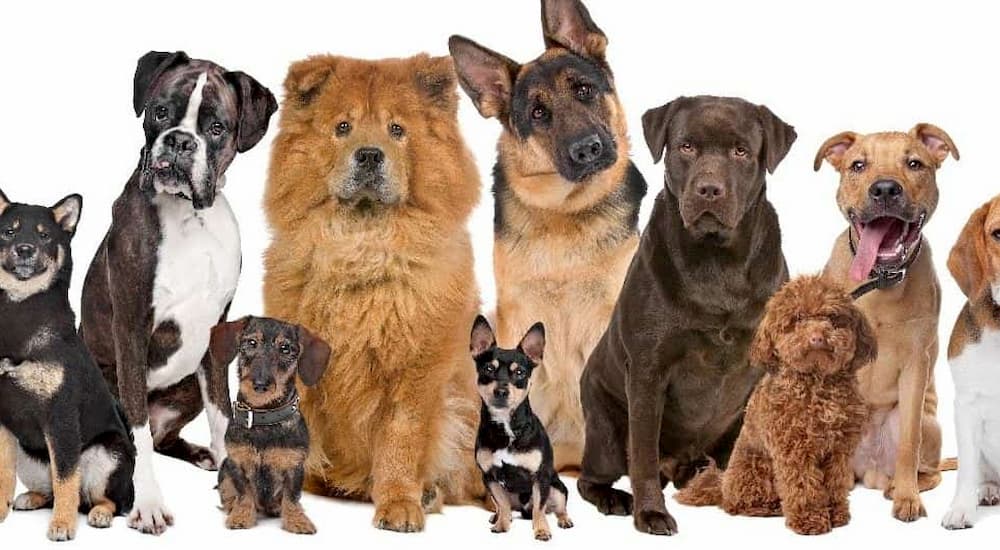
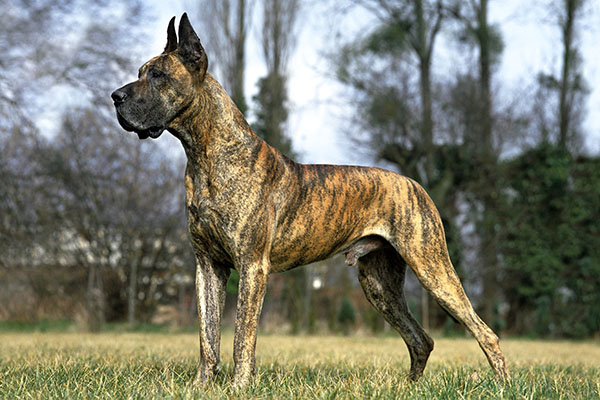
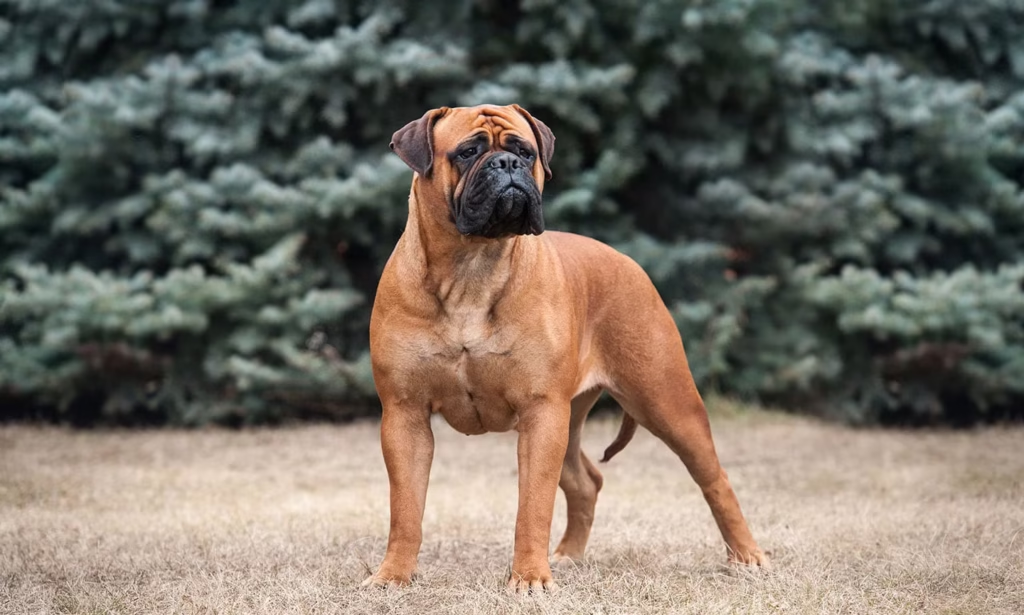
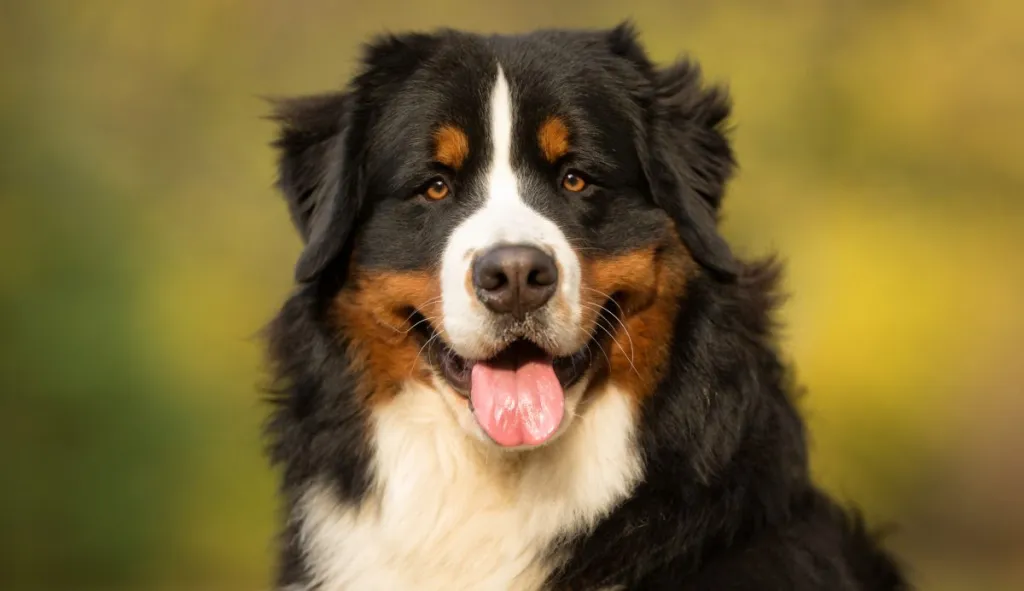
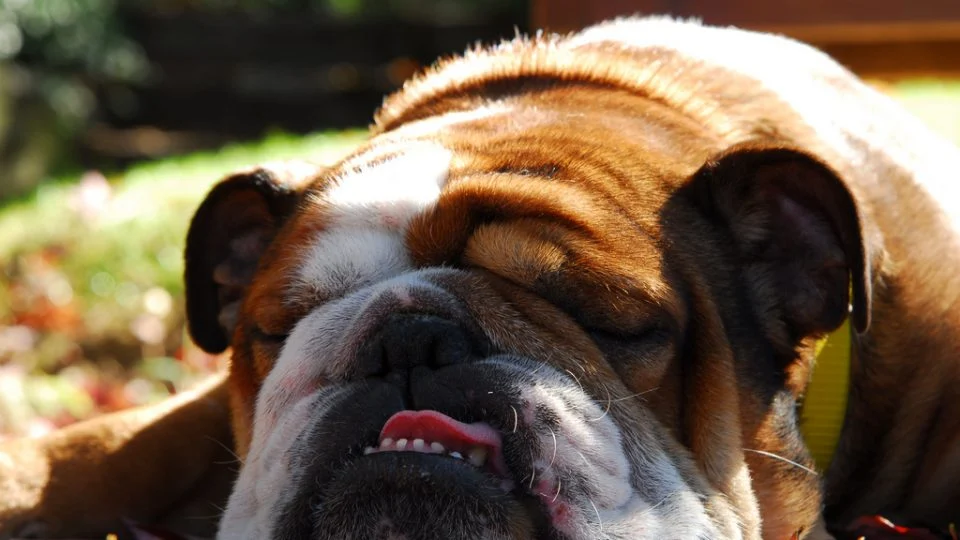
With over 340 recognized breeds worldwide, finding the right dog for your lifestyle takes more than a quick internet search. The Dog Breeds section at Genghis Collar gives you in-depth, honest profiles on every breed group, from working dogs and herding breeds to toy companions and rare imports.
Each breed guide covers the traits that actually matter to real owners: energy level, trainability, grooming demands, health risks, and how well the breed fits families, apartments, or first-time dog parents.
What You Will Find Here
Breed Profiles – Temperament, size range, lifespan, and AKC or FCI recognition status. Health Predispositions – Genetic conditions common to each breed so you can screen proactively. Exercise and Mental Stimulation Needs – Daily requirements so you can match a breed to your routine. Grooming Requirements – Coat type, shedding level, and how much professional grooming typically costs. Best Fit Guidance – Which breeds do well with kids, cats, other dogs, or small living spaces. Puppy vs. Adult Adoption – What to expect at each life stage for every breed.
Finding Your Match
The right breed is not just about looks. Energy level, independence, and noise level can make or break a match. Use our breed guides alongside our free Crate Size and Collar Size calculators to get set up right from day one.
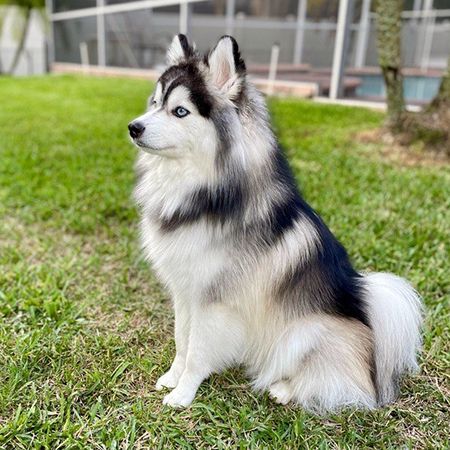
Ever wondered what happens when you combine the playful energy of a Siberian Husky with the charming personality of a Pomeranian? Enter the Pomeranian Husky mix, a designer breed that’s been capturing hearts since 2012. This adorable crossbreed, also known as the Pomsky, has quickly become a favorite among dog lovers for its unique blend of traits.
We’ll explore everything you need to know about this lovable hybrid, from its appearance and temperament to care requirements and potential health concerns. Whether you’re considering adding a Pomsky to your family or just curious about this fascinating mix, we’ve got you covered. Get ready to discover why the Pomeranian Husky mix might just be the perfect companion for your lifestyle.
What Is a Pomeranian Husky?
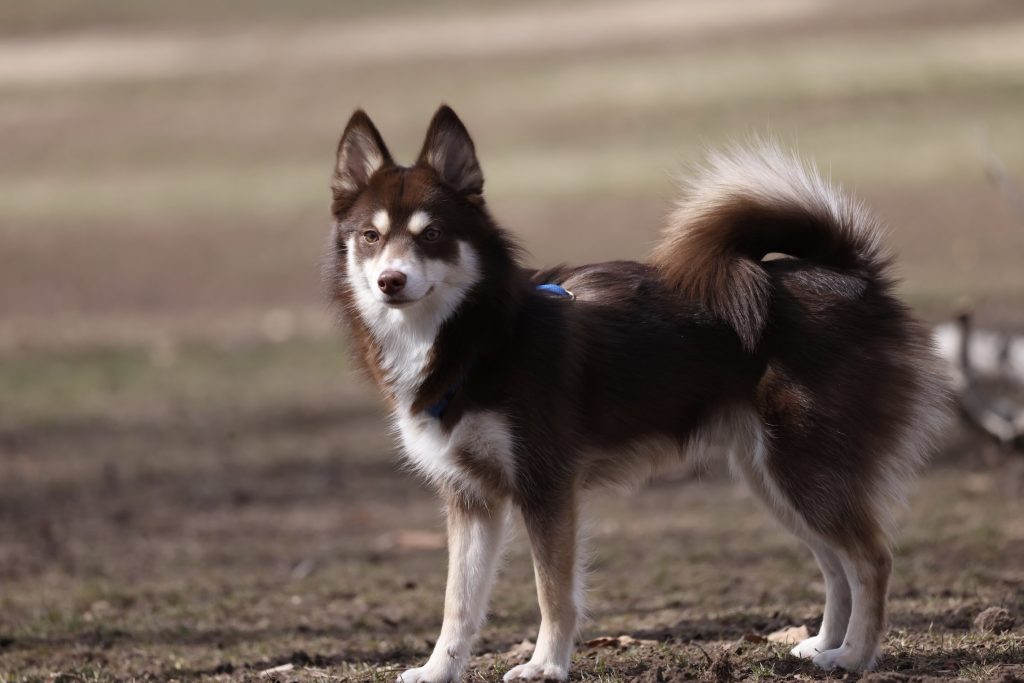
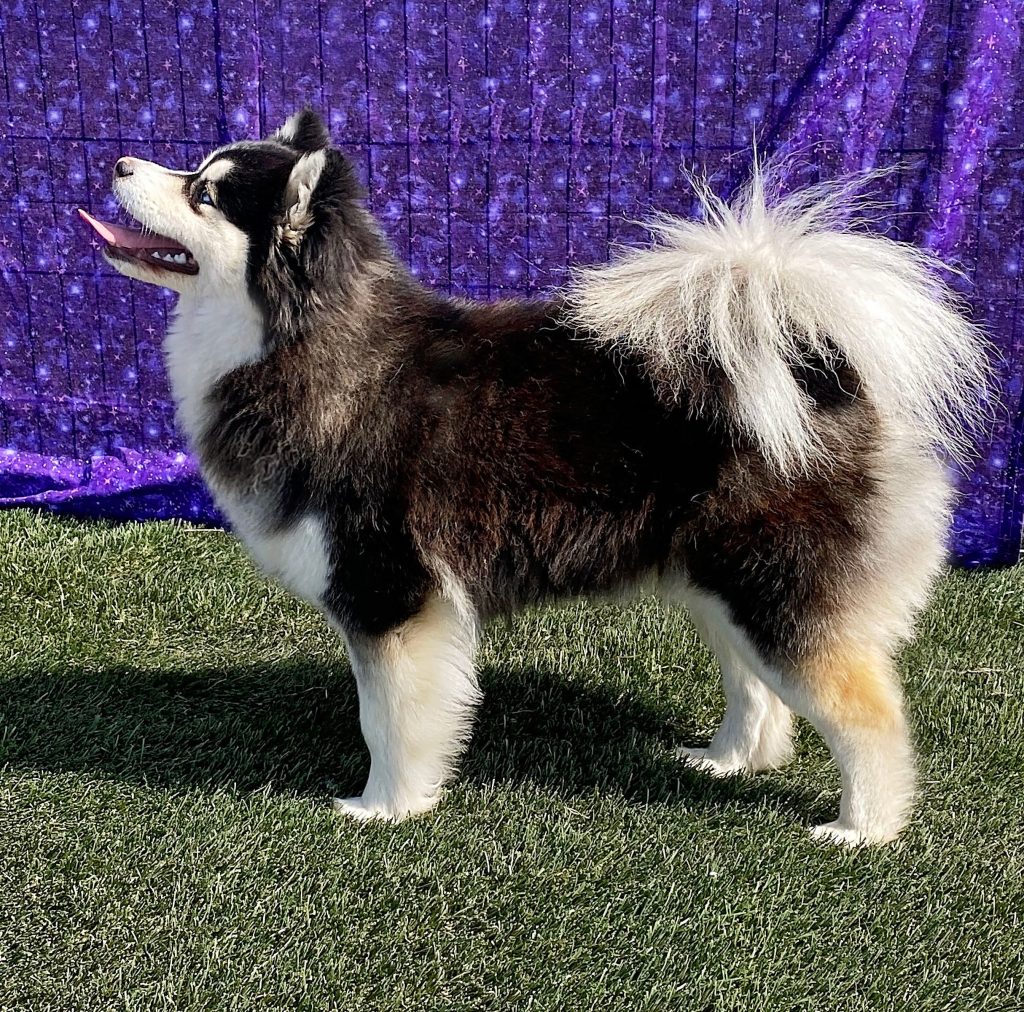
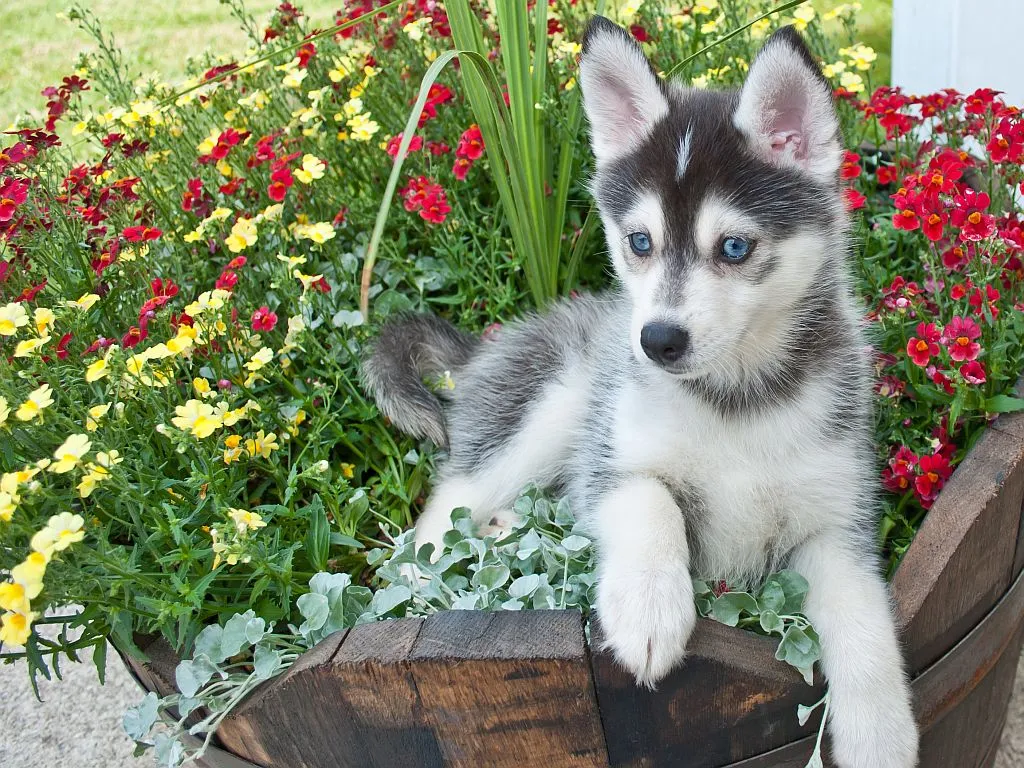
A Pomeranian Husky, commonly known as a Pomsky, is a designer dog breed that combines the traits of a Siberian Husky and a Pomeranian. This unique crossbreed has gained popularity due to its adorable appearance and lively personality.
Origin and History
The Pomsky’s origin traces back to 2012 when a viral internet meme featuring Finnish Lapphund puppies misidentified as Husky-Pomeranian mixes sparked widespread interest. This demand led breeders to create the Pomsky through artificial insemination, addressing the important size difference between the parent breeds. Since then, Pomskies have become increasingly popular among dog enthusiasts seeking a smaller version of the Siberian Husky with Pomeranian traits.
Physical Characteristics
Pomskies typically weigh between 20-35 pounds and stand 10-18 inches tall at the shoulder. They’re categorized into three size groups:
Toy Pomskies: Up to 15 pounds and less than 10 inches tall
Mini Pomskies: 12-20 pounds and up to 14 inches tall
Standard Pomskies: 20-35 pounds and 12-18 inches tall
These designer dogs feature a soft double coat with colors ranging from grey and white to brown or reddish-brown. Their rounded eyes can be blue, brown, hazel, or amber, with some Pomskies exhibiting heterochromia (two different colored eyes). The Pomsky’s appearance can vary significantly depending on which genes it inherits from its parent breeds, resulting in a unique blend of Husky and Pomeranian traits.
Pomsky: The Adorable Pomeranian Husky Mix You Need to Know About 6
Temperament and Personality
Pomskies inherit a unique blend of traits from their Pomeranian and Siberian Husky parents, resulting in a distinctive temperament. These designer dogs are known for their intelligence, energy, and social nature, making them captivating companions for the right owners.
Behavior Traits
Pomskies are highly intelligent, quick learners capable of mastering commands rapidly. But, they can exhibit a stubborn streak, necessitating consistent training. Their energetic and playful nature demands regular exercise and mental stimulation to prevent boredom-induced destructive behavior. Daily walks, interactive playtime, and captivating activities are essential for their well-being.
These vocal dogs combine the Husky’s talkative nature with the Pomeranian’s tendency to yip, resulting in a chatty companion. Pomskies form strong bonds with their family members, often developing a particularly close relationship with one person in the household. Their affectionate nature extends to other family members, creating a loving and social atmosphere in the home.
Compatibility with Children and Pets
Pomskies generally get along well with children and other pets when properly socialized. Their playful and energetic nature makes them excellent playmates for older children who can handle their exuberance. But, supervision is crucial with younger children due to the Pomsky’s potential for accidentally knocking them over during play.
When it comes to other pets, Pomskies typically display a friendly demeanor. Their social nature allows them to coexist harmoniously with other dogs and even cats, especially if introduced at a young age. Early socialization and proper introductions are key to ensuring positive relationships between Pomskies and other household pets.
It’s important to note that individual Pomskies may vary in their compatibility with children and other animals. Factors such as training, socialization, and individual personality play important roles in determining how well a Pomsky integrates into a family with existing pets or young children.
Care and Maintenance
Pomeranian Huskies, or Pomskies, require dedicated care and attention to thrive. These energetic and intelligent dogs need consistent grooming, exercise, and training to maintain their health and happiness.
Pomsky: The Adorable Pomeranian Husky Mix You Need to Know About 7
Grooming Needs
Pomskies have a double coat that demands regular maintenance. We recommend daily brushing to remove dead fur and prevent matting. Their coat comes in three types: standard, plush, and wooly. Each type requires exact grooming techniques to keep it healthy and shiny. Bathing should be limited to a few times a year to preserve natural oils. When bathing, use high-quality canine shampoo and conditioner. Dental care is crucial for Pomskies, as they’re prone to dental issues. Brush their teeth two to three times weekly using canine toothpaste. Trim their nails every few weeks to avoid discomfort and splitting. Regular ear checks ensure they’re clean and odor-free, preventing potential infections.
Exercise Requirements
Pomskies are energetic dogs that need daily exercise to stay healthy and content. We suggest providing at least 30-45 minutes of physical activity per day. This can include brisk walks, play sessions, or interactive games. Mental stimulation is equally important for these intelligent dogs. Incorporate puzzle toys, training sessions, and obedience exercises into their routine. Pomskies excel in agility courses and enjoy activities that challenge both their body and mind. Regular exercise helps prevent boredom-induced destructive behavior and maintains their overall well-being. Remember to adjust the intensity and duration of exercise based on your Pomsky’s age, size, and individual energy levels.
Training Tips
Training a Pomsky requires patience, consistency, and positive reinforcement. We recommend starting socialization and obedience training early to shape their behavior positively. Use treats and praise to reward good behavior, as Pomskies respond well to positive reinforcement. Keep training sessions short and captivating to maintain their interest.
Focus on basic commands like sit, stay, come, and heel before progressing to more advanced tricks. Address their stubborn streak by being firm but gentle in your approach. Consistency is key; ensure all family members follow the same training rules. Incorporate mental stimulation exercises to challenge their intelligence and prevent boredom. Leash training is essential, as Pomskies can have a strong prey drive. Regular training sessions throughout their life help reinforce good behaviors and strengthen your bond.
Pomsky: The Adorable Pomeranian Husky Mix You Need to Know About 8
Health Considerations
Pomeranian Husky mixes, or Pomskies, inherit health traits from both parent breeds. Understanding these health considerations is crucial for potential owners to ensure proper care and longevity for their furry companions.
Common Health Issues
Pomskies are prone to several health concerns inherited from their Pomeranian and Siberian Husky parents:
Dental Disease: A important issue in Pomskies, developing as early as age 3. Regular dental check-ups are essential to prevent periodontal disease.
Hip Dysplasia: This condition causes abnormal hip socket formation, leading to arthritis. Symptoms include limping, difficulty with stairs, and reluctance to move.
Eye Defects: Inherited from Siberian Huskies, issues like uveodermatologic syndrome can cause eye inflammation, light sensitivity, and vision loss.
Allergies: Skin allergies are common, requiring careful monitoring and sometimes special diets.
Patellar Luxation: A knee condition where the kneecap dislocates, causing lameness and pain.
Regular veterinary check-ups help detect and manage these issues early, ensuring a healthier life for your Pomsky.
Lifespan and Nutrition
Pomskies typically live 12-15 years with proper care. Their lifespan depends on factors like genetics, diet, and exercise:
Diet: Feed high-quality, age-appropriate dog food. Avoid overfeeding to prevent obesity, which can lead to joint problems and diabetes.
Portion Control: Measure meals carefully to maintain a healthy weight. Adult Pomskies usually need 1-2 cups of food daily, divided into two meals.
Supplements: Consider joint supplements for hip health and omega-3 fatty acids for coat and skin health.
Hydration: Provide fresh water at all times, especially important for their double coat.
Exercise: Regular physical activity helps maintain a healthy weight and supports overall longevity.
Dental Care: Brush teeth regularly and provide dental chews to prevent periodontal disease, which can affect overall health.
By addressing these nutritional needs and maintaining a healthy lifestyle, you can help your Pomsky live a long, vibrant life.
Is a Pomeranian Husky Right for You?
Pomeranian Huskies, also known as Pomskies, are unique designer dogs that combine traits from Siberian Huskies and Pomeranians. Before deciding if this breed is right for you, consider the following pros and cons, as well as adoption considerations.
Pros and Cons
Pros:
Unique appearance: Pomskies have a striking look, blending the fluffy coat of a Husky with the compact size of a Pomeranian.
Intelligent and playful: These dogs are clever and entertaining companions.
Adaptable: Their smaller size allows them to adjust to apartment living, though they still need regular exercise.
Loyal and affectionate: With proper socialization, Pomskies form strong bonds with their owners.
Cons:
High energy: Pomskies require daily exercise and mental stimulation to prevent boredom.
Grooming needs: Their double coat demands regular brushing and maintenance.
Potential stubbornness: Training may be challenging due to their independent nature.
Vocal tendencies: They can be quite talkative, combining Husky howls with Pomeranian yips.
Health concerns: Pomskies may inherit health issues from both parent breeds.
Pomsky: The Adorable Pomeranian Husky Mix You Need to Know About 9
Cost and Adoption Considerations
Adopting a Pomeranian Husky involves several financial and practical considerations:
Purchase price: Pomskies can be expensive, ranging from $1,000 to $5,000 or more from reputable breeders.
Ongoing costs: Factor in expenses for food, grooming, veterinary care, and supplies.
Time commitment: These dogs need daily exercise, training, and socialization.
Space requirements: While adaptable, Pomskies benefit from having a secure outdoor area.
Lifespan: With proper care, Pomskies can live 12-15 years, requiring a long-term commitment.
Adoption options: Consider rescue organizations or shelters for Pomskies in need of homes.
Breeder research: If buying from a breeder, ensure they’re reputable and provide health clearances.
Before bringing a Pomeranian Husky into your home, assess your lifestyle, living situation, and ability to meet their needs. These unique dogs can make wonderful companions for the right owners who are prepared for their energy, grooming requirements, and potential health concerns.
Conclusion
The Pomsky is a captivating breed that combines the best of Pomeranians and Huskies. With their unique appearance and charming personality they’ve quickly become a sought-after companion. While they require dedicated care including regular grooming exercise and training their loyalty and adaptability make them a rewarding choice for many dog lovers. Before bringing a Pomsky home it’s crucial to consider your lifestyle and ability to meet their needs. With proper care and attention these delightful dogs can bring joy and companionship to the right families for years to come.
Ever wondered why the Mini Dachshunds, affectionately known as the wiener dog, has captured the hearts of pet lovers across the globe? With their distinctive long bodies, short legs, and expressive eyes, these little hounds are more than just a cute face. Their adaptability makes them perfect companions for both cozy apartments and spacious homes, allowing us to enjoy their playful antics anywhere we go.
Miniature Dachshunds aren’t just adorable; they’re also steeped in history and charm. Originally bred in the late 1800s to chase rabbits, their clever and courageous nature has made them popular among royalty and common folk alike. For those of us seeking a loyal, social, and low-maintenance pet, these dogs offer a delightful blend of companionship and character.
In this text, we’ll explore what makes the Miniature Dachshund a beloved choice for pet owners and how we can provide the best care for our four-legged friends.
Characteristics and Personality
Miniature Dachshunds exhibit a blend of distinctive traits that endear them to many. Their unique personality and characteristics define their interactions with humans and their environment.
Size and Appearance
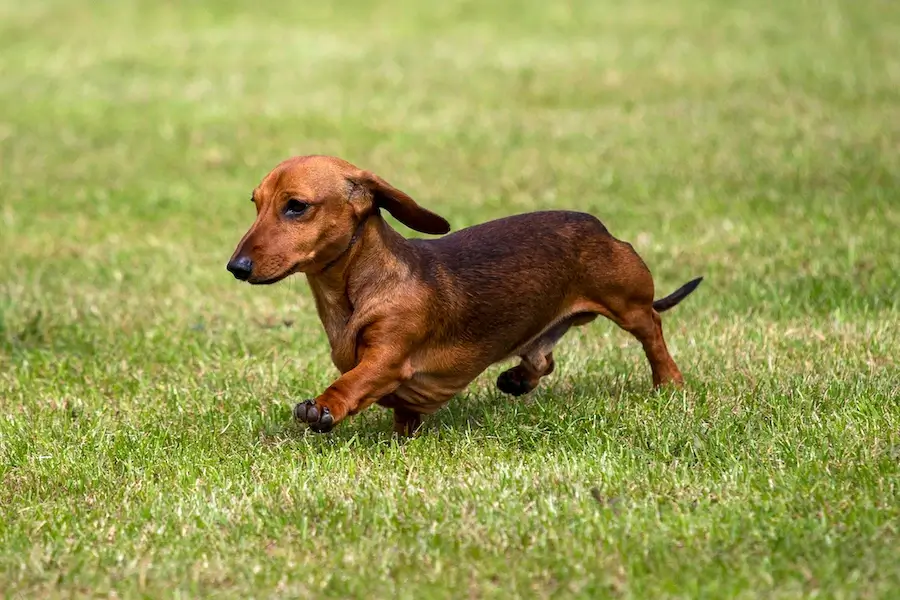
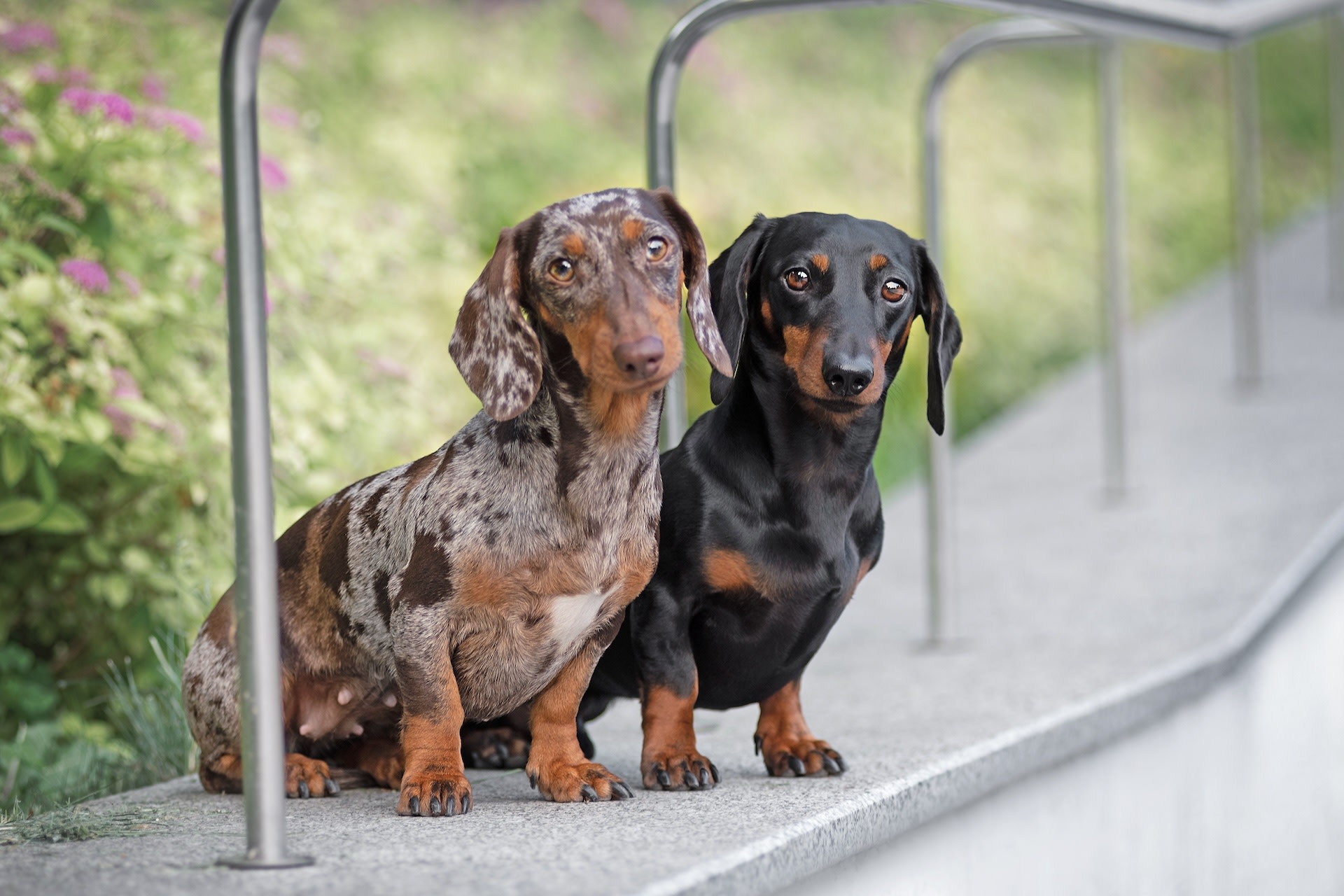
Miniature Dachshunds are known for their small and compact frame, typically weighing around 11 pounds with a height of about 5-7 inches. Their long bodies and short legs give them a distinctive, charming appearance. Coat variations include smooth, long-haired, and wire-haired, each requiring a different grooming approach. Even though their diminutive size, these dogs carry themselves with an air of confidence befitting their hunting heritage.
Temperament and Behavior
Their temperament reflects intelligence coupled with a streak of independence, making training an interesting venture. Miniature Dachshunds thrive on positive reinforcement with treats while showing aversion to harsh discipline. Their affectionate and loyal nature makes them wonderful family companions, often forming strong bonds with their owners. These dogs display medium to high energy levels, needing daily exercise such as walks and playtime to maintain good health. Early socialization plays a vital role in helping them feel comfortable around unfamiliar dogs and people, minimizing their protective, sometimes aggressive tendencies.
Discover the Charm of Mini Dachshunds: Care Tips 2025 14
Living Needs
Mini Dachshunds, known for their unique traits, require exact living conditions that cater to their adaptability and exercise needs.
Adaptability to Apartment Living
Our Mini Dachshunds, small yet adaptable, fit seamlessly into apartment settings. Their compact size makes them ideal for limited spaces. Their ability to adjust to various living situations, from cozy apartments to larger homes, showcases their flexibility. Although they’re generally quiet, their vocal nature might occasionally disturb neighbors. Providing them with enough mental stimulation can help manage this tendency. An essential aspect of apartment dwelling is addressing their potty needs, as Mini Dachshunds shouldn’t be left alone for more than four hours without a break. Utilizing indoor dog potty systems, like the Fresh Patch Disposable Dog Potty, can be effective for ensuring cleanliness, especially when weather conditions are unfavorable.
Exercise and Enrichment
Mini Dachshunds exhibit moderate exercise needs, thriving on routine activities that stimulate their bodies and minds. Regular, manageable walks benefit their health, aiding weight management and muscle tone. Beyond physical exercise, it’s vital to engage them with enriching activities that challenge their intelligence. Interactive toys, puzzles, and varied play sessions offer necessary mental engagement. Through consistent exercise and enrichment, we ensure our Mini Dachshunds explore their energetic side, promoting overall well-being while maintaining manageable energy levels.
Mini Dachshund Key Facts
Attribute
Details
Weight
11 lbs (5 kg) or less
Height
5–6 inches (13–18 cm)
Coat Types
Smooth, wirehaired, longhaired
Colors
Wide variety (black/tan, red, cream, etc.)
Lifespan
12–16 years
Temperament
Affectionate, alert, playful, loyal
Exercise Needs
At least 1 hour daily
Health Concerns
Prone to back problems (IVDD), obesity
Best For
Families, singles, apartment dwellers
Grooming and Care
Mini Dachshunds require exact grooming and care to maintain their health and appearance. Their unique coat types, including smooth, long-haired, and wire-haired, determine their grooming needs.
Coat Maintenance
For smooth-haired Mini Dachshunds, grooming is relatively simple. We brush them 1-2 times a week with a soft-bristled brush or rubber grooming mitt to remove loose hairs and keep their coat clean. Monthly baths suffice unless they get dirty sooner.
Long-haired Mini Dachshunds need daily brushing using a slicker brush to detangle, and a bristle or pin brush to maintain shine. Regular trims prevent matting, especially around the ears, feet, and underbelly. We avoid shaving as it alters the coat’s growth pattern. Monthly bathing is advised.
Discover the Charm of Mini Dachshunds: Care Tips 2025 15
Diet and Nutrition
Mini Dachshunds thrive on a balanced diet suited to their energy levels and size. We provide high-quality dog food rich in proteins, fats, and essential nutrients to support their active lifestyle and maintain their lean body mass. It’s crucial to monitor their food portions to prevent obesity, which can lead to health issues such as joint problems and diabetes.
Including vegetables and fruits like carrots and blueberries offers additional vitamins and antioxidants. Fresh water should always be available, and treats should be given sparingly. Consulting with a veterinarian helps tailor a diet that suits their individual needs and keeps them healthy.
Training Tips
Training Miniature Dachshunds involves a mix of early training, socialization, positive reinforcement, and consistent methods. Starting early, ideally between 8 to 12 weeks, lays a solid foundation. During this critical period, focus on socialization, potty training, and basic commands like “come” and “sit.” This sets the stage for a well-behaved adult mini dachshund.
Positive reinforcement plays a vital role in training. We recommend using treats, praise, and favorite toys to encourage good behavior. This approach builds a happy and confident pet. Consistent rewards for tasks help reinforce learning, and your mini dachshund will associate training with positivity.
Housetraining should begin immediately. Establish a regular schedule and praise the puppy for using the designated potty area. This consistency helps avoid accidents. For crate training, start early and gradually increase time spent in the crate. Use a single command like “crate” and entice them with treats to ensure the crate becomes a positive space. This teaches them to enjoy their personal area.
Effective training requires patience and persistence. Given their independent nature, mini dachshunds can be challenging to train at times. But, maintaining a positive atmosphere and sticking to these strategies will help foster an obedient and happy companion.
By focusing on these training tips, we can build a strong bond with our mini dachshund, ensuring they grow into well-mannered adults. These methods improve their confidence, socialize them effectively, and create a harmonious home environment.
Health Considerations
Miniature Dachshunds charm us with their long bodies and small size, but they also face unique health issues due to these features.
Common Health Issues
Discover the Charm of Mini Dachshunds: Care Tips 2025 16
Miniature Dachshunds often experience health problems linked to their distinctive body shape. Intervertebral Disc Disease (IVDD) is a severe concern, as it’s up to 12 times more common in Dachshunds compared to other breeds. Typically occurring between the ages of 5-7 years, IVDD causes spinal pressure, affecting mobility and comfort. Also, various back problems arise from their elongated body, making them prone to spinal injuries from simple actions. Ramps and steps can help prevent these injuries by easing their movements.
Lifespan and Care Tips
On average, Mini Dachshunds live 12-16 years, provided they receive proper care. Regular vet check-ups are essential to catch potential health issues early. A balanced diet, such as high-quality dog food supplemented with fruits and vegetables, maintains their optimal health while monitoring their portions helps prevent obesity, a risk factor for several health issues. Regular exercise, including walks and playtime, keeps them fit and reduces the risk of injuries. Providing mental stimulation via interactive toys enhances their well-being, encouraging a happy and healthy life.
Conclusion
Mini Dachshunds truly embody a blend of charm and character, making them delightful companions for a range of lifestyles. With their unique physical traits and spirited personalities, they bring joy and warmth to any home. By understanding their exact needs—from grooming to exercise and training—we can ensure they thrive as healthy and happy pets. Through consistent care and attention, we create a loving environment where our Mini Dachshunds can flourish, enriching our lives with their loyalty and affection.
Looking for a pint-sized pup with a big personality? Meet the Pomchi, a delightful blend of Pomeranian and Chihuahua charm. These adorable little dogs have been stealing hearts with their fluffy coats, expressive eyes, and confident attitudes.
We’ll explore the intriguing area of Pomchis, from their unique appearance to their spirited temperament. At just 6 to 9 inches tall and weighing 3 to 7 pounds, these tiny dynamos pack a lot of love into a small package. Whether you’re a first-time pet owner or a seasoned dog lover, we’ll guide you through everything you need to know about this playful and devoted breed. From their exercise needs to their compatibility with families and other pets, we’ve got you covered on all things Pomchi.
What Is a Pomchi?
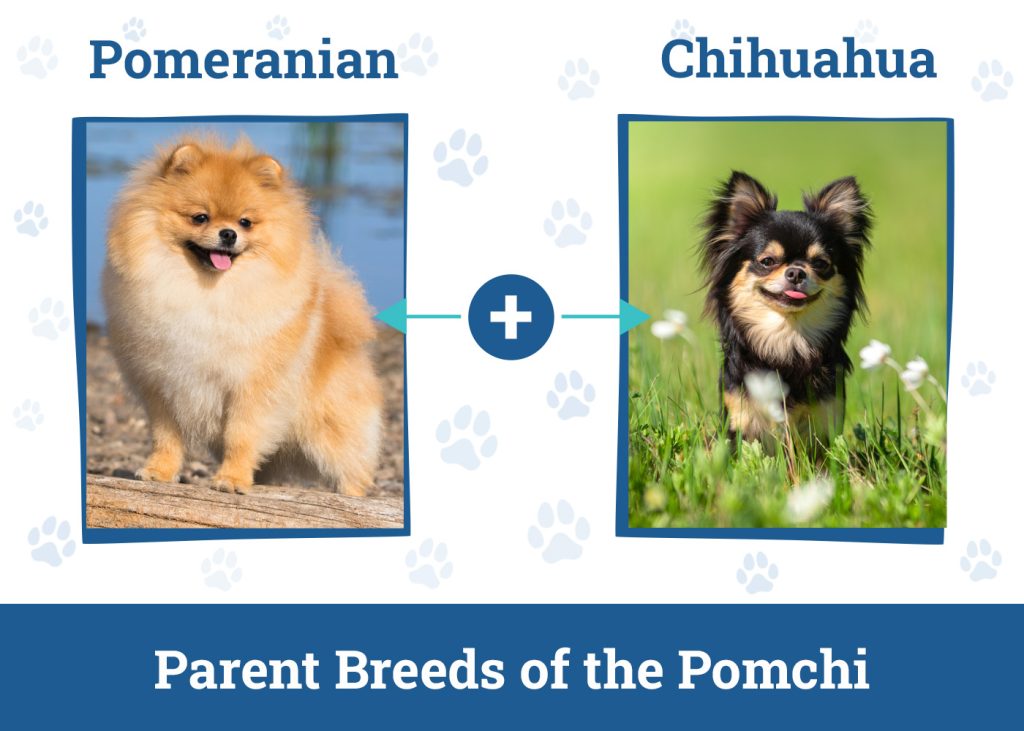
A Pomchi is a delightful mixed-breed dog resulting from the crossbreeding of a Pomeranian and a Chihuahua. This charming hybrid combines the best traits of both parent breeds, creating a small, fluffy companion with a big personality.
Origin of the Pomchi Breed
The Pomchi is a relatively new designer breed, gaining popularity in recent years. While the exact origins are unclear, it’s believed that Pomchis were first intentionally bred in the United States during the late 20th century. The breed standard was approved by the Pomchi Club of America on June 18, 1998, officially recognizing this adorable hybrid.
Pomchis inherit characteristics from both parent breeds:
Pomeranians: Descendants of German Spitz dogs, hailing from the Pomerania region in Germany
Chihuahuas: Ancient breed originating in Mexico, known for their small size and feisty temperament
The combination of these two beloved breeds has resulted in a dog that’s not only cute but also intelligent and alert. Pomchis are sometimes referred to by other names, including Pomachi, Chiranian, and Chiapom, reflecting their mixed heritage.
As a hybrid breed, Pomchis aren’t recognized by major kennel clubs like the American Kennel Club. But, they’ve quickly gained a following among dog enthusiasts who appreciate their compact size and lively personalities.
Physical Characteristics
Pomchis are small, adorable dogs that blend the best features of Pomeranians and Chihuahuas. Their compact size and unique coat make them stand out among other designer breeds.
Size and Weight
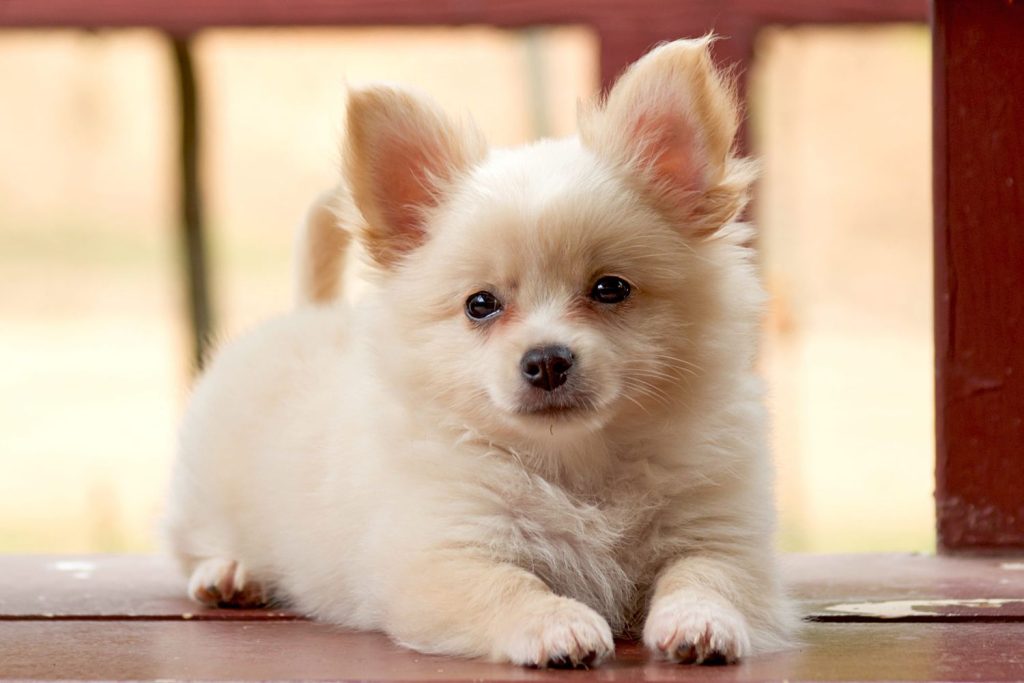
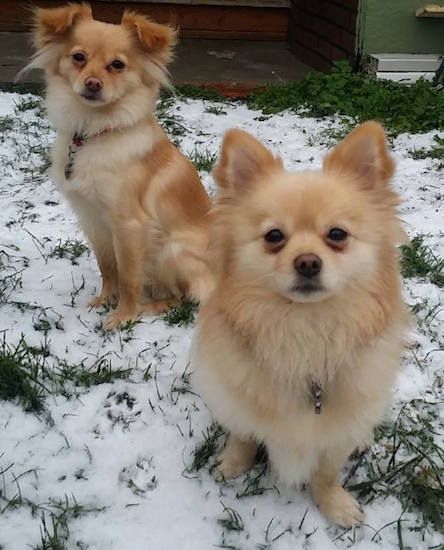
Pomchis are tiny dogs, typically measuring 5 to 9 inches in height at the shoulder. Their weight ranges from 3 to 10 pounds, with most falling between 3 to 7 pounds. These compact canines have a well-proportioned body that’s slightly longer than it is tall. Their head is round with a delicate face, featuring an elegant pointed muzzle and a dainty black nose. Pomchis boast large, round eyes and erect ears with slight feathering on the edges. Their legs are short, strong, and slender, ending in small rounded paws.
Coat Types and Colors
Pomchis inherit their coat characteristics from their parent breeds, resulting in diverse coat types and colors. The two primary coat types are:
Heavy coat: Long, thick, and silky hair reminiscent of the Pomeranian parent. This coat type requires regular grooming to maintain its luxurious appearance.
Smooth coat: Short, flat, and smooth fur similar to the Chihuahua parent. This coat type is easier to maintain but may not provide as much warmth in colder climates.
Pomchi coat colors vary widely, including solid colors like black, white, brown, and cream, as well as combinations such as black and tan, brown and white, or tricolor patterns. Their eye colors can range from dark brown to amber, adding to their unique and charming appearance.
Pomchi Breed: The Adorable Pomeranian-Chihuahua Mix You Need to Know 24
Temperament and Personality
Pomchis, the delightful hybrid of Pomeranians and Chihuahuas, possess unique and vibrant personalities that make them stand out among small dog breeds. These pint-sized pups combine traits from both parent breeds, resulting in a charming and sometimes sassy companion.
Affectionate and Loyal
Pomchis are known for their unwavering affection and loyalty towards their family members. These little dogs form strong bonds with their owners, often seeking attention and physical closeness. They’ll happily curl up in your lap for cuddles or follow you around the house, always eager to be part of the action.
Sassy and Bold
Even though their small stature, Pomchis have big personalities. They inherit a sassy and bold nature from both parent breeds, often displaying a confident and sometimes feisty attitude. This trait can make them entertaining and endearing, but it’s important to provide proper training to prevent any bossy behavior.
Intelligent and Alert
Pomchis are highly intelligent dogs with keen observational skills. Their alertness makes them excellent watchdogs, quickly noticing and reacting to unusual sights or sounds. This trait, combined with their vocal nature, means they’ll readily bark to alert their owners of potential intruders or unfamiliar situations.
Playful and Energetic
These lively little dogs have an abundance of energy and love to play. Pomchis enjoy interactive games, toys, and short bursts of activity throughout the day. Regular play sessions and mental stimulation are essential to keep them happy and prevent boredom-induced destructive behaviors.
Pomchi Breed: The Adorable Pomeranian-Chihuahua Mix You Need to Know 25
Stubbornness
Training a Pomchi can be challenging due to their stubborn streak. They may test boundaries and resist commands, especially if they’re not in the mood to cooperate. But, with patience, consistency, and positive reinforcement techniques, Pomchis can learn and follow commands effectively.
Compatibility with Families and Other Pets
Pomchis can make excellent family pets when properly socialized and trained. They often form strong bonds with their primary caregiver but can be affectionate towards all family members. Here’s what to consider about their compatibility:
Children: Pomchis can get along well with older children who understand how to interact gently with small dogs. But, supervision is necessary with younger children to prevent accidental injury to the dog.
Other Dogs: With proper socialization, Pomchis can coexist peacefully with other dogs. They may be wary of larger breeds initially, but many learn to enjoy canine companionship.
Cats: Pomchis’ compatibility with cats varies. Some may chase cats due to their prey drive, while others can form friendly relationships. Early socialization and gradual introductions are key.
Small Pets: Caution is advised when introducing Pomchis to small pets like rodents or birds. Their hunting instincts may be triggered, so close supervision is essential.
Seniors: The Pomchi’s small size and affectionate nature can make them suitable companions for seniors, provided their exercise needs are met.
It’s important to note that every Pomchi is unique, and individual personalities can vary. Early socialization, consistent training, and positive experiences with various people and animals are crucial for developing a well-rounded and compatible Pomchi.
Care and Maintenance
Caring for a Pomchi requires attention to their exercise, grooming, and overall health needs. These small but energetic dogs thrive with proper care and maintenance customized to their unique characteristics.
Exercise Requirements
Pomchis have moderate energy levels and need daily exercise to stay healthy and happy. A 30-minute walk or two 15-minute play sessions typically suffice for these small dogs. Indoor activities like fetch or puzzle toys can provide mental stimulation and physical exercise, especially in apartments. Pomchis enjoy short bursts of activity, making them ideal for quick play sessions throughout the day. Even though their small size, they benefit from outdoor exploration in secure areas.
Regular exercise helps prevent obesity, a common issue in small breeds. Pomchis also excel in agility training, which combines physical activity with mental challenges. It’s important to monitor their exercise intensity, as their short muzzles can lead to breathing difficulties during strenuous activities.
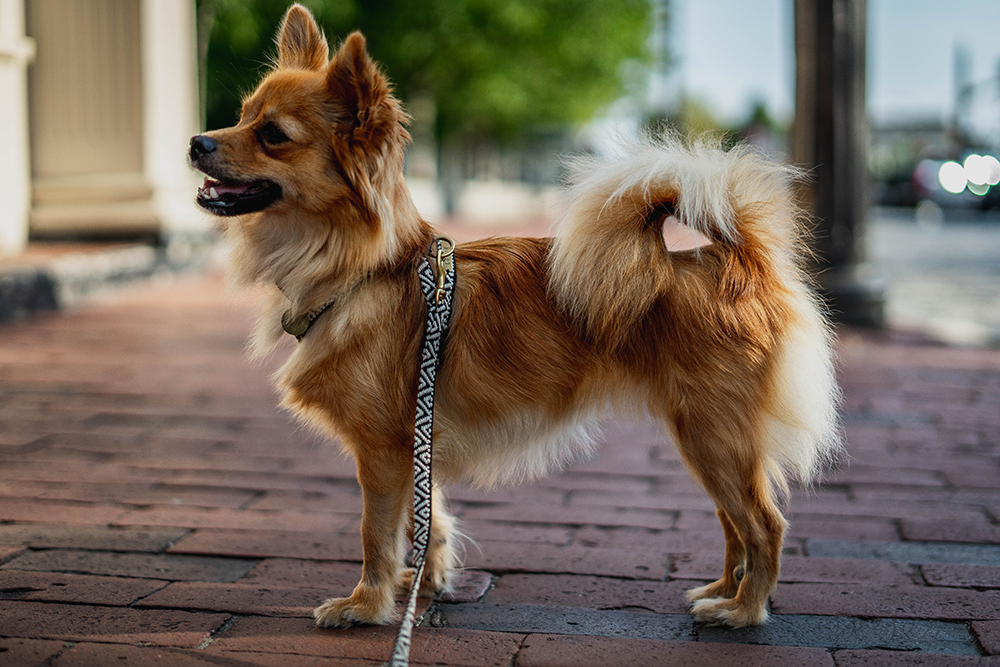
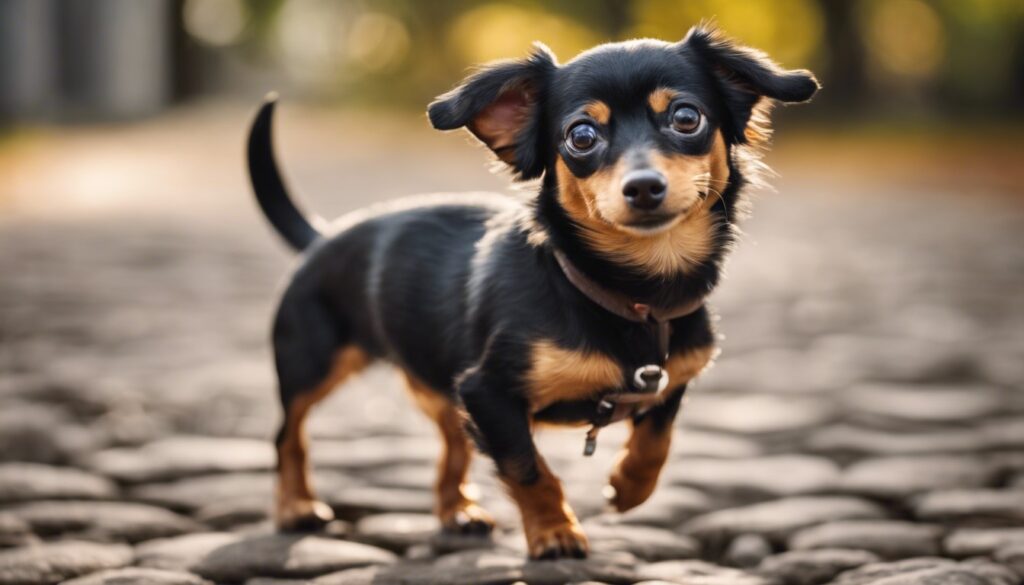
Pomeranian Chihuahua Mix Standing on Brick Sidewalk
Grooming Needs
Pomchis require regular grooming to maintain their coat and overall health. Brush their coat 2-3 times a week for smooth-coated Pomchis and daily for long-coated ones to prevent matting and reduce shedding. Bathe your Pomchi every 4-6 weeks, using a gentle dog shampoo to avoid skin irritation. Trim their nails every 2-3 weeks or as needed to prevent discomfort and potential walking issues. Clean their ears weekly with a vet-approved solution to prevent infections.
Brush their teeth daily, as small breeds are prone to dental problems. During shedding seasons, which occur twice a year, increase brushing frequency to manage excessive hair loss. Pay special attention to the areas behind their ears and under their legs, where mats commonly form. For long-coated Pomchis, consider professional grooming every 6-8 weeks to maintain coat health and appearance.
Training and Socialization
Positive Reinforcement Techniques
Pomchi training thrives on positive reinforcement. We use delicious treats and praise to encourage good behavior. This approach proves more effective than punishment, which can lead to defensive reactions. Consistency and patience are key, as Pomchis can be stubborn. We establish a routine and stick to it, rewarding desired behaviors promptly.
Addressing Stubborn Tendencies
Pomchis’ intelligence often comes with a stubborn streak. We tackle this challenge by:
Breaking training sessions into short, captivating bursts
Varying rewards to maintain interest
Using clicker training for precise timing
Incorporating play into learning sessions
For inexperienced owners, professional training or group classes offer valuable guidance.
Preventing Small Dog Syndrome
Early training prevents small dog syndrome in Pomchis. We focus on:
Teaching proper leash manners
Enforcing consistent rules
Discouraging excessive barking
Promoting calm greetings with people and other dogs
These steps help develop a well-behaved Pomchi, regardless of size.
Socialization Strategies
Proper socialization is crucial for Pomchis. We introduce them to various:
People (of different ages, genders, and appearances)
Animals (dogs, cats, and other pets)
Environments (parks, streets, and different homes)
Sounds (traffic, appliances, and household noises)
This exposure builds confidence and reduces fearfulness or aggression.
Early Training Techniques
We start training Pomchis as early as 8 weeks old. Key focus areas include:
Basic commands (sit, stay, come)
Potty training
Crate training
Handling exercises (touching paws, ears, and mouth)
Early training establishes good habits and strengthens the bond between Pomchi and owner.
Pomchi Breed: The Adorable Pomeranian-Chihuahua Mix You Need to Know 26
Advanced Training Options
For Pomchis mastering basics, we explore advanced options:
Agility training
Trick training
Scent work
Therapy dog certification
These activities provide mental stimulation and reinforce obedience skills.
Addressing Exact Behavioral Issues
We target common Pomchi behavioral issues through targeted training:
Separation anxiety: gradual desensitization to alone time
Excessive barking: teaching “quiet” command and redirecting attention
Resource guarding: positive association with sharing toys and food
Leash reactivity: controlled exposure and reward-based training
Consistent application of these techniques helps manage and resolve problematic behaviors.
Health Considerations
Pomchis, like all dog breeds, have exact health considerations that owners should be aware of. Understanding these issues helps ensure proper care and a good quality of life for these adorable mixed-breed dogs.
Common Health Issues
Pomchis are prone to several health issues inherited from their parent breeds. Tracheal collapse is a important concern, causing breathing problems and exercise intolerance. Patellar luxation, a displacement of the kneecap, can lead to discomfort and lameness. Dental problems are common, requiring regular dental hygiene to prevent tartar build-up and gum infections. Hypoglycemia, particularly in smaller Pomchis, can cause lethargy and shivering due to low blood sugar. Regular veterinary check-ups and a balanced diet are crucial for managing these health issues. Owners should also watch for signs of allergies, eye problems, and heart conditions, which can affect this breed.
Lifespan
Pomchis typically have a lifespan of 12 to 16 years, reflecting the longevity of both parent breeds. Proper care, including a nutritious diet, regular exercise, and routine veterinary check-ups, can help extend their life expectancy. Factors such as genetics, environment, and overall health management play important roles in determining a Pomchi’s lifespan. Regular dental care is particularly important, as dental issues can impact overall health and longevity. With attentive care and a loving home, many Pomchis can live well into their teens, providing years of companionship to their owners.
Adopting a Pomchi
Adopting a Pomchi can be an exciting experience for potential dog owners. These adorable mixed-breed dogs combine the best traits of Pomeranians and Chihuahuas, making them popular companions. Let’s explore the process of finding a reputable breeder and understanding the costs associated with adopting a Pomchi.
Pomchi Breed: The Adorable Pomeranian-Chihuahua Mix You Need to Know 27
Finding a Reputable Breeder
When searching for a Pomchi breeder, it’s crucial to prioritize those with a strong reputation and ethical breeding practices. Reputable breeders are registered and genuinely care for their dogs’ health. They’re knowledgeable about Pomchi genetics and can provide health clearances for the puppy’s parents.
Key questions to ask potential breeders include:
How long have you been breeding Pomchis?
Can you provide health certifications for the parents?
Are the puppies up-to-date on vaccinations?
What socialization methods do you use?
Can we meet the puppy’s parents?
Responsible breeders allow you to visit their facilities and meet the parent dogs. They’ll also offer references from previous buyers and provide a health guarantee with a contract.
Adoption Costs
The cost of adopting a Pomchi varies widely, typically ranging from $150 to $1,500. On average, expect to pay around $500 for a Pomchi puppy. Well-bred individuals from reputable breeders can cost up to $5,000 or more.
Factors influencing the price include:
Breeder reputation
Pedigree of parent dogs
Coat color and quality
Geographic location
Remember, a higher price doesn’t always guarantee better health or quality. It’s essential to focus on the breeder’s credentials and the puppy’s overall health rather than solely on the price tag.
Additional costs to consider:
Initial veterinary check-ups
Vaccinations and preventive medications
Supplies (food, bed, toys, etc.)
Training classes
By thoroughly researching breeders and understanding the associated costs, you’ll be better prepared to welcome a healthy, happy Pomchi into your home.
Is a Pomchi Right for You?
Lifestyle Compatibility
Pomchis thrive in various living situations, making them adaptable companions. They’re well-suited for apartment dwellers, seniors, and families with older children. Their small size and moderate exercise needs allow them to fit comfortably in compact spaces. But, Pomchis require daily attention and interaction to prevent boredom and potential behavioral issues.
Time Commitment
Owning a Pomchi demands a important time investment. These dogs need:
Daily exercise (30-minute walks or two 15-minute play sessions)
Regular grooming (2-3 times weekly for smooth coats, daily for long coats)
Consistent training and socialization
Frequent companionship to prevent separation anxiety
Consider your schedule and availability before bringing a Pomchi into your home.
Financial Considerations
The cost of owning a Pomchi extends beyond the initial purchase price:
Expense Category
Estimated Annual Cost
Food and Treats
$200 – $400
Veterinary Care
$300 – $600
Grooming
$200 – $500
Toys and Supplies
$100 – $200
Training
$200 – $500
Factor in these ongoing expenses when deciding if a Pomchi fits your budget.
Living Space Requirements
Pomchis adapt well to various living environments:
Apartments
Houses with small yards
Urban or suburban settings
They don’t require large outdoor spaces but benefit from secure areas for supervised play.
Family Dynamics
Pomchis can integrate well into different family structures:
Singles and couples
Families with older children
Seniors seeking companionship
Their small size necessitates careful handling, making them less suitable for families with very young children.
Other Pets
With proper introduction and socialization, Pomchis can coexist with:
Other dogs
Cats
Exercise caution with smaller pets due to the Pomchi’s potential prey drive.
Energy Level Match
Assess your own energy level and lifestyle:
Moderate daily exercise required
Indoor play sessions
Mental stimulation through training and puzzle toys
Pomchis balance playfulness with periods of relaxation, suiting both active and laid-back owners.
Grooming Commitment
Consider your willingness to maintain your Pomchi’s coat:
Smooth coats: Brush 2-3 times weekly
Long coats: Daily brushing required
Regular baths, nail trims, and dental care
Factor in professional grooming costs if you’re unable to manage these tasks yourself.
Training Dedication
Pomchis require consistent training due to their intelligence and potential stubbornness:
Early socialization crucial
Positive reinforcement techniques work best
Address potential small dog syndrome
Patience needed for housebreaking
Evaluate your commitment to ongoing training and behavior management.
Pomchi Breed: The Adorable Pomeranian-Chihuahua Mix You Need to Know 28
Noise Tolerance
Pomchis can be vocal dogs:
Alert barking common
May be reactive to unfamiliar sounds
Training can help manage excessive barking
Consider your living situation and noise restrictions before adopting a Pomchi.
Travel and Lifestyle
If you travel frequently, assess how a Pomchi fits into your plans:
Portable size makes them good travel companions
May experience separation anxiety if left alone
Pet-sitters or doggy daycare might be necessary for longer trips
Ensure your lifestyle accommodates the needs of a Pomchi.
Health Considerations
Be prepared for potential health issues common in Pomchis:
Regular veterinary check-ups required
Potential for inherited conditions from parent breeds
Dental care crucial due to small mouths
Factor in the costs and commitment of managing these health concerns.
Long-Term Commitment
Pomchis have a lifespan of 12 to 16 years:
Consider your ability to provide care for over a decade
Evaluate potential life changes that might affect pet ownership
Ensure all family members are committed to long-term care
A Pomchi is a long-term responsibility requiring dedication and love.
By carefully considering these factors, you’ll be better equipped to decide if a Pomchi is the right fit for your lifestyle, family, and home. Remember, responsible pet ownership involves meeting both the physical and emotional needs of your furry companion throughout their lifetime.
Conclusion
The Pomchi is a delightful blend of Pomeranian and Chihuahua charm packed into a small package. We’ve explored their unique characteristics temperament and care requirements. While they’re adaptable and loving companions they’re not for everyone. Potential owners should carefully consider their lifestyle energy level and long-term commitment before bringing a Pomchi home. With proper care training and love these pint-sized pups can bring joy and companionship for many years to come. If you’re ready for a loyal energetic and affectionate pet a Pomchi might just be the perfect addition to your family.
Have you ever marveled at the striking beauty of a pure white dog? These pearly-coated canines are not just visually stunning; they come in a variety of sizes and temperaments, each with its own unique charm. From the majestic Great Pyrenees to the friendly Bichon Frise, white dog breeds offer something for every dog lover.
We’ll discover the area of white dog breeds, uncovering their fascinating histories and distinctive characteristics. Whether you’re considering adding a snowy companion to your family or simply curious about these eye-catching canines, we’ve got you covered. Join us as we investigate into the small, medium, and large white dog breeds that have captured hearts around the globe, and discover which one might be the perfect match for your lifestyle.
Understanding White Dog Breeds
Genetic Factors Behind White Coats
White coats in dogs are primarily the result of genetic mutations. The Microphthalmia Associated Transcription Factor (MITF) gene plays a crucial role in determining a dog’s coat color. Mutations in this gene affect the development of pigment cells, leading to white markings or entirely white coats.
Types of White Patterning
White patterning in dogs comes in various forms:
Piebald/White Spotting: This pattern is characterized by asymmetrical white markings.
Solid White: Some breeds have been selectively bred for all-white coats.
Albinism: A rare genetic condition resulting in a complete lack of pigmentation.
The S locus is associated with piebald patterning, which can be inherited in different ways:
S/S genotype: Extensive white patterning
N/S genotype: Some white patterning
N/N genotype: No piebald patterning
Breed-Exact White Coats
White coats appear in various dog breeds, each with unique characteristics:
Small Breeds:
Bichon Frise
Maltese
West Highland White Terrier
2. Medium Breeds:
Samoyed
American Eskimo Dog
Japanese Spitz
3. Large Breeds:
Great Pyrenees
Kuvasz
Dogo Argentino
Advantages of White Coats
White coats in certain breeds may have evolved for exact reasons:
Camouflage: In snowy environments, white coats provide natural camouflage.
Temperature Regulation: Light-colored coats can reflect sunlight, helping dogs stay cool.
Visibility: White coats make dogs more visible in low-light conditions, beneficial for herding or working dogs.
Care and Maintenance
White dog breeds require special care to maintain their pristine coats:
Regular Grooming: Frequent brushing and bathing to prevent staining and matting.
Stain Prevention: Using protective products around eyes and mouth to prevent tear and saliva stains.
Sun Protection: Applying dog-safe sunscreen to prevent sunburn on exposed skin.
Health Considerations
Some health issues can be more prevalent in white dog breeds:
Deafness: White dogs with blue eyes are more prone to congenital deafness.
Skin Sensitivity: Lighter skin can be more susceptible to sunburn and skin irritations.
Eye Problems: Certain white breeds may be predisposed to eye conditions.
By understanding these aspects of white dog breeds, we can better appreciate their unique characteristics and provide appropriate care for these striking canine companions.
Small White Dog Breeds
Small white dog breeds are popular choices for many dog lovers due to their charming appearance and manageable size. These breeds often make excellent companions for various living situations, from apartments to larger homes.
Maltese
White Dog Breeds: 9 Stunning Canine Companions 39
The Maltese is an ancient breed originating from Malta, known for its long, silky white coat. These tiny dogs typically weigh 4-8 pounds and stand 8-10 inches tall at the shoulder. Maltese dogs are gentle, playful, and affectionate, often described as sweet and docile. Their coat requires regular grooming to prevent matting, making them high-maintenance in terms of appearance.
Maltese are intelligent and respond well to positive reinforcement training, though they can be challenging to housebreak. While they’re generally healthy, Maltese can be prone to issues like hypoglycemia, dental problems, and luxating patellas. Their adaptability and low-shedding coat make them suitable for allergy sufferers and various living situations.
West Highland White Terrier
White Dog Breeds: 9 Stunning Canine Companions 40
The West Highland White Terrier, commonly known as the Westie, is a Scottish breed originally developed for hunting small game. These sturdy little dogs weigh 15-20 pounds and stand 10-11 inches tall at the shoulder. Westies sport a distinctive double coat of white fur, which requires regular grooming to maintain its appearance. Their compact size and alert nature make them excellent watchdogs. Westies are known for their confident, friendly, and sometimes stubborn personalities.
They’re intelligent and respond well to consistent training, though their terrier instincts can make them prone to digging and barking. Westies are generally healthy but can be susceptible to skin allergies and other breed-exact issues. Their adaptable nature makes them suitable for various living situations, from apartments to houses with yards.
Bichon Frise
White Dog Breeds: 9 Stunning Canine Companions 41
The Bichon Frise is a charming small white dog breed known for its fluffy, cloud-like appearance. These peppy little dogs typically weigh 12-18 pounds and stand 9.5-11.5 inches tall at the shoulder. Bichons have a soft, dense undercoat and a coarser, curlier outer coat that requires regular grooming to maintain its signature look. They’re known for their cheerful, affectionate nature and do well with families, including those with children.
Bichons are intelligent and respond well to positive reinforcement training, making them relatively easy to train. They have moderate exercise needs and adapt well to various living situations. While generally healthy, Bichons can be prone to certain health issues like allergies and eye problems. Their hypoallergenic coat makes them a good choice for allergy sufferers, but regular grooming is essential to prevent matting and skin issues.
Medium White Dog Breeds
Medium white dog breeds offer a perfect balance of size and striking appearance. These breeds are often known for their intelligence, loyalty, and adaptability to various living situations. Let’s explore some popular medium-sized white dog breeds.
American Eskimo
White Dog Breeds: 9 Stunning Canine Companions 42
The American Eskimo Dog is a stunning medium-sized breed with a pure white, fluffy coat. They come in three sizes: Toy, Miniature, and Standard. The Standard size stands between 18 and 19 inches tall and weighs 35-55 pounds. American Eskimos are intelligent, active dogs that require regular exercise and mental stimulation.
Their loyalty and affection towards their families make them excellent companions. These dogs have a thick double coat that needs regular grooming to prevent matting. Originally bred as guard dogs, American Eskimos are good with children and alert their owners to potential threats, though they may sometimes be overzealous in their barking.
Japanese Spitz
White Dog Breeds: 9 Stunning Canine Companions 43
The Japanese Spitz is a charming medium-sized dog with a pure white coat. They typically stand between 12 and 15 inches tall and weigh 11-20 pounds, though some can be slightly larger. Known for their friendly and outgoing personalities, Japanese Spitz dogs are gentle and playful companions. These dogs have a thick, fluffy coat that requires regular grooming to maintain its pristine appearance.
Japanese Spitz are intelligent and easy to train, making them ideal for first-time dog owners. They’re adaptable to various living situations, from apartments to houses with yards, as long as they receive adequate exercise and mental stimulation.
Bull Terrier
White Dog Breeds: 9 Stunning Canine Companions 44
The Bull Terrier is a unique medium-sized breed that can sport a pure white coat. These muscular dogs stand 21-22 inches tall and weigh 50-70 pounds. Bull Terriers are known for their distinctive egg-shaped heads and strong, athletic builds. Even though their tough appearance, they’re playful, affectionate, and great with children when properly socialized.
Bull Terriers require regular exercise and mental stimulation to prevent boredom and destructive behavior. Their short, dense coat is relatively low-maintenance, needing only occasional brushing. These dogs are intelligent but can be stubborn, so consistent training and socialization from an early age are essential for well-behaved Bull Terriers.
Large White Dog Breeds
Large white dog breeds are known for their striking appearance and powerful presence. These majestic canines often have a rich history of working alongside humans in various roles. Let’s explore three notable large white dog breeds: the Samoyed, Great Pyrenees, and Kuvasz.
White Dog Breeds: 9 Stunning Canine Companions 45
Samoyed
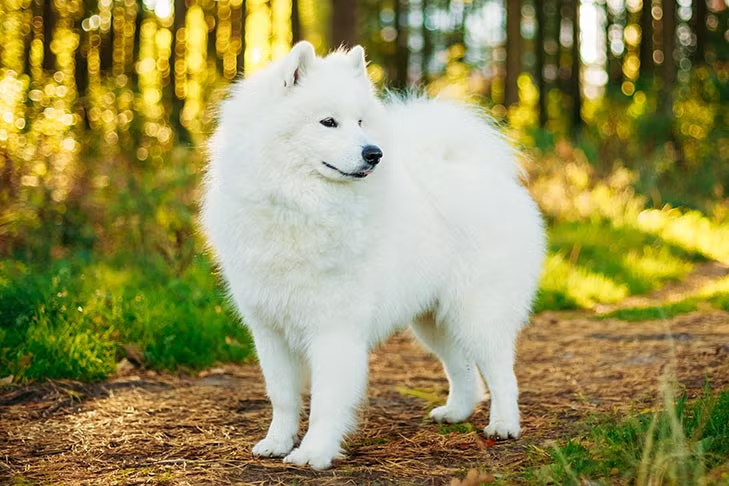
Samoyeds are stunning white dogs originating from Russia. These fluffy giants boast a thick, double-layered coat that’s pure white and incredibly soft. Samoyeds typically weigh between 35-65 pounds and stand 19-23 inches tall. Known for their friendly “Sammy smile,” these dogs are intelligent, energetic, and social companions.
Samoyeds require regular exercise and mental stimulation to thrive. Their thick coats need frequent brushing to prevent matting and reduce shedding. While generally healthy, Samoyeds may be prone to hip dysplasia and eye problems. These Arctic dogs excel in cold climates but can adapt to warmer weather with proper care. Their friendly nature makes them great family pets, but their high energy levels demand an active lifestyle.
Great Pyrenees
White Dog Breeds: 9 Stunning Canine Companions 46
The Great Pyrenees, hailing from the Pyrenees Mountains between France and Spain, is a majestic white dog breed. These gentle giants can weigh up to 100-160 pounds and stand 25-32 inches tall. Their thick, weather-resistant white coats often have subtle shades of gray, tan, or reddish-brown.
Great Pyrenees are known for their calm and patient demeanor, making them excellent family guardians. They’re independent thinkers, which can sometimes be mistaken for stubbornness. These dogs require moderate exercise and thrive in cooler climates. Regular grooming is essential to maintain their luxurious coats. Great Pyrenees are generally healthy but may be prone to hip dysplasia and bloat. Their protective nature makes them excellent livestock guardians and devoted family companions.
Kuvasz
White Dog Breeds: 9 Stunning Canine Companions 47
The Kuvasz is a large white dog breed originating from Hungary. These powerful dogs typically weigh between 70-115 pounds and stand 26-30 inches tall. Their dense, white double coat is designed to protect them in harsh weather conditions. Kuvaszok (plural) have a noble bearing and are known for their loyalty and protective instincts.
These intelligent dogs were originally bred as livestock guardians, making them naturally wary of strangers. Kuvaszok require early socialization and consistent training to manage their independent nature. They need regular exercise but are generally calm indoors. Their coats shed heavily twice a year and require weekly brushing. Kuvaszok are generally healthy but may be prone to hip dysplasia and osteochondritis dissecans. These devoted dogs make excellent protectors for families who can provide firm, loving leadership.
Unique Characteristics of White Dogs
White dog breeds possess distinct features that set them apart from other canines. These unique traits extend beyond their striking appearance, encompassing various aspects of their physical attributes and care requirements.
Coat Types and Grooming Needs
White dogs exhibit diverse coat types, each requiring exact grooming attention. Samoyeds boast thick, fluffy double coats that demand regular brushing to prevent matting and control shedding. Great Pyrenees have dense, weather-resistant coats needing weekly brushing and occasional baths. West Highland White Terriers (Westies) sport wiry double coats that benefit from regular brushing and professional grooming every few months. Regardless of coat type, white dogs often require more frequent bathing to maintain their pristine appearance. Sun protection is crucial for white dogs, as their pale skin is susceptible to sunburn. Regular ear cleaning and nail trimming are essential grooming practices for all white dog breeds.
Health Considerations
White dog breeds face unique health challenges. Deafness is more prevalent in white dogs, particularly those with pigmentation-related genes. Regular hearing tests are recommended, especially for breeds like Bull Terriers and Dalmatians. Skin sensitivity is another concern, with white dogs prone to allergies, hot spots, and sunburn. Owners should monitor their pets for signs of skin irritation and use pet-safe sunscreen when necessary. Eye problems, including cataracts and progressive retinal atrophy, are more common in some white breeds. Regular veterinary check-ups are crucial for early detection and management of these issues. Some white dogs, like the Samoyed, may be predisposed to certain genetic conditions, emphasizing the importance of purchasing from reputable breeders who conduct health screenings.
Popular White Mixed Breeds
White mixed breeds offer the best of both worlds, combining the unique traits of their parent breeds. These dogs often inherit the striking white coat that many pet owners adore. Let’s explore two popular white mixed breeds that have captured the hearts of dog lovers.
Maltipoo
Maltipoos are a charming cross between a Maltese and a Poodle, typically a Toy or Miniature Poodle. These small, fluffy companions weigh between 4-8 pounds and stand 8-14 inches tall. Their coats are often white or predominantly white, though they can also come in black, gray, or apricot. Maltipoos are known for their friendly, affectionate nature and high intelligence, making them excellent pets for various households.
These hypoallergenic dogs shed minimally, thanks to their Poodle heritage, but require regular grooming to maintain their soft, luxurious coats. Maltipoos are adaptable and do well in apartments or houses with small yards. They’re energetic and playful but don’t need extensive exercise, making them ideal for less active owners or families with older children.
Sheepadoodle
Sheepadoodles are a delightful mix of Old English Sheepdog and Poodle, usually a Standard Poodle. These larger mixed breeds can weigh between 60-80 pounds and stand 22-27 inches tall. Their coats are often a beautiful blend of black and white, creating a unique, eye-catching appearance. Some Sheepadoodles can be predominantly white, especially as they age.
Known for their intelligence and gentle nature, Sheepadoodles inherit the best traits from both parent breeds. They’re highly trainable, thanks to their Poodle lineage, and possess the Old English Sheepdog’s calm and affectionate demeanor. These dogs are excellent family companions, getting along well with children and other pets.
Sheepadoodles require regular exercise and mental stimulation to stay happy and healthy. Their coats are typically low-shedding but need consistent grooming to prevent matting. With proper care and attention, these lovable mixed breeds make wonderful, loyal pets for active families or individuals seeking a larger, intelligent companion.
Choosing the Right White Dog for Your Lifestyle
Selecting the perfect white dog breed requires careful consideration of various factors. We’ll explore key aspects to help you make an well-informed choice that aligns with your lifestyle and preferences.
Size Considerations
White dog breeds come in various sizes, each suited to different living situations:
Small breeds (under 20 pounds):
Ideal for apartments or small homes
Easier to travel with
Lower food and medication costs
2. Medium breeds (20-50 pounds):
Suitable for houses with small yards
Balance between portability and presence
3. Large breeds (over 50 pounds):
Best for spacious homes with large yards
Require more exercise and food
Size Category
Weight Range
Ideal Living Space
Small
Under 20 lbs
Apartments, small homes
Medium
20-50 lbs
Houses with small yards
Large
Over 50 lbs
Spacious homes, large yards
Energy Levels and Exercise Needs
White dog breeds vary in their activity requirements:
Low energy:
Suitable for less active owners
Require minimal exercise (short daily walks)
2. Moderate energy:
Need regular exercise (30-60 minutes daily)
Enjoy interactive play sessions
3. High energy:
Demand extensive exercise (1-2 hours daily)
Thrive with active owners
Match the breed’s energy level to your lifestyle to ensure a harmonious relationship.
Grooming Requirements
White coats often require exact care:
Low maintenance:
Short-haired breeds
Weekly brushing suffices
2. Moderate maintenance:
Regular brushing (2-3 times per week)
Occasional professional grooming
3. High maintenance:
Daily brushing to prevent matting
Frequent professional grooming
Consider your time and budget when selecting a white dog breed with exact grooming needs.
Temperament and Personality
White dog breeds exhibit diverse temperaments:
Friendly and outgoing:
Great for families and social environments
Easy to train and socialize
2. Independent and aloof:
Suitable for experienced owners
Require consistent training
3. Protective and loyal:
Excellent for security-conscious owners
Need early socialization
Choose a breed whose personality complements your lifestyle and family dynamics.
Exact Breed Examples
Bichon Frise
Size: Small (9-12 inches, 7-12 pounds)
Energy: Moderate
Grooming: High maintenance
Temperament: Friendly, playful
Lifespan: 14-15 years
Bichon Frises are hypoallergenic, easy to train, and great with kids. They require daily brushing to prevent matting.
Maltese
Size: Small (8-10 inches, 4-8 pounds)
Energy: Moderate
Grooming: High maintenance
Temperament: Affectionate, gentle
Lifespan: 12-15 years
Maltese dogs are suitable for older kids and adults. They respond well to reward-based training and need regular grooming.
West Highland White Terrier (Westie)
Size: Small (10-11 inches, 15-20 pounds)
Energy: High
Grooming: Moderate maintenance
Temperament: Confident, independent
Lifespan: 13-15 years
Westies are compact, energetic dogs with a double coat of white fur. They’re intelligent and make excellent companions for active owners.
Health Considerations
When choosing a white dog breed, be aware of potential health issues:
Deafness: More common in white dogs due to pigmentation-related genes
Skin sensitivity: Increased risk of sunburn and skin irritations
Eye problems: Some white breeds are prone to eye conditions
Regular veterinary check-ups are essential for maintaining your white dog’s health.
Living Environment
Consider your home and surroundings:
Urban environments:
Choose smaller, adaptable breeds
Look for dogs that tolerate apartment living
2. Suburban or rural areas:
Larger breeds with more space to roam
Consider breeds that enjoy outdoor activities
3. Climate:
Cold climates: Breeds with thick coats (e.g., Samoyed)
Hot climates: Breeds with shorter coats or those that tolerate heat well
Time Commitment
Assess your availability:
Limited time:
Low-energy breeds
Dogs with minimal grooming needs
2. Moderate time:
Breeds with regular exercise requirements
Dogs needing weekly grooming sessions
3. Ample time:
High-energy breeds requiring extensive exercise
Dogs with demanding grooming needs
Allergies and Shedding
If allergies are a concern:
Hypoallergenic breeds:
Bichon Frise
Maltese
Poodle (white variety)
2. Low-shedding breeds:
West Highland White Terrier
American Eskimo Dog
Choose breeds that minimize allergic reactions and shedding if these factors are important to you.
Training and Socialization
Consider your experience and willingness to train:
Easily trainable breeds:
Poodle (white variety)
Bichon Frise
2. Breeds requiring consistent training:
Great Pyrenees
Kuvasz
Ensure you’re prepared to invest time in training and socializing your chosen white dog breed.
Family Dynamics
Your family structure influences breed selection:
Families with young children:
Patient, gentle breeds (e.g., Bichon Frise)
Sturdy breeds that tolerate rough play (e.g., Samoyed)
2. Households with other pets:
Sociable breeds that get along with other animals
Consider the size difference between existing pets and the new dog
3. Single-person households:
Breeds that form strong bonds with one person
Dogs that can adapt to your work schedule
Cost Considerations
Factor in long-term expenses:
Initial costs:
Purchase price or adoption fees
Initial veterinary expenses
2. Ongoing costs:
Food and treats
Regular veterinary care
Grooming expenses (especially for high-maintenance white coats)
Training classes or equipment
Expense Category
Small Breeds
Medium Breeds
Large Breeds
Annual Food Cost
$100-$300
$200-$500
$300-$700
Grooming (Professional)
$30-$50 per session
$40-$75 per session
$50-$100 per session
Veterinary Care
$100-$300 annually
$200-$500 annually
$300-$700 annually
These figures are estimates and can vary based on location and exact needs.
By carefully considering these factors, you’ll be well-equipped to choose the perfect white dog breed that complements your lifestyle and brings joy to your home. Remember, each dog is unique, and breed characteristics are general guidelines. Spend time with potential dogs before making your final decision to ensure a compatible match.
Conclusion
White dog breeds offer a stunning array of choices for potential pet owners. From small lap dogs to large guardians these beautiful canines come in various sizes temperaments and care requirements. We’ve explored their unique characteristics grooming needs and health considerations to help you make an well-informed choice.
Whether you’re drawn to the fluffy Samoyed the elegant Maltese or a charming mixed breed like the Maltipoo there’s a white dog that’s perfect for your lifestyle. Remember to consider factors such as size energy level and grooming needs when choosing your new companion. With proper care and attention these magnificent white dogs will bring joy and companionship to your home for years to come.
Have you ever heard of a dog breed that’s not only a national treasure but also has its own holiday? Meet the Alabai dog, a gentle giant with a fascinating history and impressive capabilities.
We’ll discover the area of this remarkable livestock guardian breed, also known as the Central Asian Shepherd Dog or Turkmen Wolfhound. Even though its intimidating size – weighing up to 160 pounds – the Alabai is known for its gentle nature towards family members. As Turkmenistan’s national dog, it holds a special place in the country’s culture and tradition.
In this guide, we’ll investigate into the Alabai’s unique characteristics, temperament, and care needs. Whether you’re considering adding one to your family or simply curious about this extraordinary breed, we’ve got you covered with all the essential information you need to know.
What Is an Alabai Dog?
The Alabai dog, also known as the Central Asian Shepherd Dog, is a formidable livestock guardian breed with a rich history spanning thousands of years. These dogs are renowned for their protective instincts, loyalty, and independent nature.
Origin and History
Originating from Central Asia, the Alabai dog’s roots can be traced back over 5,000 years. These dogs have been shaped by natural selection rather than human intervention, resulting in a breed perfectly adapted to its environment. Alabai dogs hail from regions including Turkmenistan, Kazakhstan, Kyrgyzstan, Tajikistan, Uzbekistan, and parts of Afghanistan and Northwest China. Historically, they were used to protect livestock, families, and property, a role they continue to excel in today.
Physical Characteristics
Alabai dogs are impressive in size and stature, with a robust build that reflects their working dog heritage. Males typically stand 25-27 inches tall at the shoulder, while females are slightly smaller at 24-26 inches. Their weight can range from 88 to 160 pounds, making them one of the larger dog breeds. Alabai dogs have a strong, muscular body with a thick, double coat that can be short or medium in length. Their coat comes in various colors, including white, fawn, black, or brindle, often with distinctive markings. They have a large head with a broad skull, small ears, and alert, expressive eyes that contribute to their imposing presence.
Temperament and Personality
The Alabai dog, also known as the Central Asian Shepherd Dog, possesses a unique temperament characterized by intelligence, independence, and a strong protective instinct. These traits make them excellent guardians but require careful handling and socialization.
Protective Nature
Alabai dogs are renowned for their exceptional protective instincts, which form a core part of their personality. Their natural guarding abilities stem from centuries of breeding as livestock protectors. These dogs are:
Vigilant and alert, constantly monitoring their surroundings
Fearless in the face of perceived threats
Quick to react to potential dangers
Fiercely loyal to their family and property
Alabais exhibit a calm and confident demeanor, rarely captivating in unnecessary activity. Their protective nature extends to both family members and territory, making them excellent watchdogs. But, this strong protective instinct requires proper training and socialization to ensure they can differentiate between genuine threats and normal situations.
Interaction with Children and Other Pets
Alabai dogs can be gentle giants when it comes to interacting with children and other pets, but their size and protective nature necessitate careful supervision. Here’s what to consider:
With children:
Generally patient and tolerant
Protective of family children
May be wary of unfamiliar children
Supervision is essential due to their large size
With other pets:
Early socialization is crucial
Can coexist peacefully with other dogs if raised together
May exhibit dominance towards unfamiliar dogs
Strong prey drive may pose risks to smaller pets
Proper introductions and consistent training are key to fostering positive relationships between Alabais and other household members. Their independent nature means they may not always seek out affection, but they form strong bonds with their families when given time and patience.
Training and Exercise Needs
Training and exercising Alabai dogs require a balanced approach that considers their intelligence, independence, and physical attributes. Here’s what you need to know about these crucial aspects of Alabai care:
Alabai Dog: The Gentle Giant Guardian of Central Asia 52
Intelligence and Trainability
Alabai dogs are highly intelligent, but their independent nature can make training challenging. Early socialization and obedience training are essential for these protective dogs. We recommend starting training during puppyhood to establish good behaviors and mitigate their strong territorial instincts. Experienced owners or professional trainers often achieve the best results with Alabais due to their wariness of newcomers and need for careful socialization.
Positive reinforcement techniques work well with Alabais, as they respond better to rewards than punishment. Consistency and patience are key when training these dogs. Their eagerness to please can be an advantage, but their protective instincts may sometimes override commands. Focus on reinforcing desired behaviors and redirecting unwanted ones to create a well-mannered Alabai.
Exercise Requirements
Even though their large size, Alabai dogs don’t require excessive exercise. Regular physical activity is crucial for maintaining their fitness and mental well-being. We recommend daily walks and playtime to keep your Alabai healthy and content. Here’s a breakdown of their exercise needs:
Daily walks: Two 30-minute walks per day
Playtime: 15-20 minutes of interactive play
Mental stimulation: Puzzle toys or training sessions
Providing a spacious, securely fenced yard allows Alabais to roam and patrol, satisfying their natural guardian instincts. While they don’t need intense exercise, regular activity prevents boredom and potential destructive behaviors. Remember to adjust exercise routines based on your Alabai’s age, health, and individual energy levels.
Care and Maintenance
Alabai dogs require exact care and maintenance due to their large size and unique characteristics. Proper attention to their grooming, health, and nutrition is essential for their well-being and longevity.
Alabai Dog: The Gentle Giant Guardian of Central Asia 53
Grooming Needs
Alabai dogs have a thick, double coat that sheds moderately throughout the year. Their grooming needs are relatively low-maintenance compared to some other breeds. Brushing their coat 2-3 times a week helps remove loose hair and distribute natural oils. During shedding seasons, daily brushing may be necessary to manage the increased hair loss. Bathe Alabais only when necessary, as frequent bathing can strip their coat of natural oils. Trim their nails regularly, clean their ears weekly, and brush their teeth several times a week to maintain overall hygiene. Pay special attention to their facial wrinkles, cleaning them gently to prevent moisture buildup and potential skin infections.
Health Concerns
Alabai dogs are generally healthy, but like all large breeds, they’re prone to certain health issues. Hip dysplasia is a common concern, which can lead to arthritis and mobility problems. Regular vet check-ups and maintaining a healthy weight can help mitigate this risk. Bloat, a potentially life-threatening condition, is another concern for deep-chested breeds like the Alabai.
Feeding smaller meals throughout the day and avoiding exercise immediately after eating can help prevent bloat. Eye problems, such as entropion and ectropion, may also occur. Regular eye examinations are crucial for early detection and treatment. Some Alabais may develop skin allergies or sensitivities, requiring careful attention to their diet and environment. As a large breed, they’re also susceptible to joint issues, making proper exercise and nutrition essential for their long-term health.
Nutrition and Feeding
Proper nutrition is crucial for maintaining the health and well-being of Alabai dogs. As large, active breeds, they require a diet high in protein to support their muscular build and energy needs. Choose high-quality dog food formulated for large breeds, ensuring it contains essential nutrients like omega-3 fatty acids for coat health and glucosamine for joint support. Divide their daily food intake into two or three meals to help prevent bloat.
Monitor their calorie intake carefully, as Alabais can be prone to obesity, which can exacerbate joint issues. Adjust their food portions based on age, activity level, and overall health. Fresh water should always be available, especially during hot weather or after exercise. Avoid feeding table scraps or foods toxic to dogs, such as chocolate, onions, and grapes. Consult with a veterinarian to develop a customized nutrition plan that meets your Alabai’s exact needs and helps maintain their ideal weight.
Is an Alabai Dog Right for You?
Owning an Alabai dog requires careful consideration due to their unique characteristics and needs. These large, protective dogs demand exact living conditions and a important investment of time and effort.
Alabai Dog: The Gentle Giant Guardian of Central Asia 54
Living Space Considerations
Alabai dogs need ample space to thrive. A large, securely fenced yard is essential for these dogs to roam and patrol. They’re not suited for apartment living or small homes with limited outdoor areas. Alabais require at least 1,000 square feet of outdoor space to exercise and fulfill their guardian instincts. Indoor living areas should be spacious, with room for the dog to move freely without feeling confined. Sturdy fencing, at least 6 feet high, is crucial to prevent escapes and ensure the safety of both the dog and passersby. Consider climate when housing an Alabai; while they’re adaptable, they prefer cooler temperatures due to their thick double coat.
Time and Effort Commitment
Owning an Alabai dog demands substantial time and effort. Daily exercise is crucial, with at least 60 minutes of physical activity required. This includes long walks, playtime, and mental stimulation exercises. Training an Alabai is time-intensive due to their independent nature. Expect to spend 30-45 minutes daily on training sessions, especially during the first two years. Socialization is paramount, requiring consistent effort to expose the dog to various people, animals, and situations.
Grooming needs are moderate, with brushing sessions 2-3 times a week lasting about 20 minutes each. During shedding seasons, daily brushing may be necessary. Regular vet check-ups, nail trims, and dental care add to the time commitment. Alabais also need important attention and interaction from their family, though they’re not overly demanding of affection.
Conclusion
The Alabai dog stands as a remarkable breed with a rich history and unique characteristics. We’ve explored their impressive size powerful guardian instincts and gentle nature with family. While they make excellent protectors their independent spirit requires dedicated training and socialization. Potential owners should carefully consider the space time and commitment needed to raise an Alabai. For those ready to embrace this majestic breed the rewards of a loyal and devoted companion are immeasurable. The Alabai truly embodies the spirit of its Central Asian heritage making it a fascinating addition to the industry of dog breeds.
Have you ever heard of a dog that can lure ducks with its playful antics? Meet the Nova Scotia Duck Tolling Retriever, affectionately known as the Toller. This medium-sized gundog might be mistaken for a miniature Golden Retriever, but it’s a unique breed with a fascinating history and remarkable versatility.
We’ll discover the area of Tollers, from their hunting roots to their role as loving family companions. These energetic, intelligent dogs excel in various activities, from conformation rings to hunting fields. We’ll jump into their distinctive traits, including their high-pitched “scream” of excitement, and discuss why they’re becoming increasingly popular among active families across the U.S.
What Is a Toller Dog?
A Toller dog, officially known as the Nova Scotia Duck Tolling Retriever, is a medium-sized gundog bred primarily for hunting waterfowl. These energetic and intelligent dogs have a unique history and distinctive characteristics that set them apart from other retriever breeds.
Origin and History
The Nova Scotia Duck Tolling Retriever originated in Yarmouth County, Nova Scotia, Canada, specifically in the Little River Harbour area. Developed in the early 19th century by the Acadian community, Tollers were inspired by the hunting techniques of the Mi’kmaq First Nation and the behavior of foxes patrolling shorelines. The breed’s name comes from the Middle English word “tollen,” meaning to entice or lure, reflecting their role in attracting waterfowl within gunshot range. Tollers are a mix of retriever, spaniel, setter, and possibly farm collie, though their exact genetic makeup remains undocumented. In 2003, the American Kennel Club officially recognized the Nova Scotia Duck Tolling Retriever as its 150th breed.
Breed Characteristics
Tollers are versatile, medium-sized dogs known for their distinctive red coat and white markings. They possess a penetrating, high-pitched bark, often described as a “scream,” which indicates excitement and eagerness. This unique vocalization can be managed through training. Tollers excel in various activities, including conformation shows, hunting tests, and obedience competitions. Their high energy and intelligence make them ideal candidates for demanding jobs requiring dedication and skill.
These dogs transition effortlessly from relaxed companions to enthusiastic retrievers, enjoying new experiences and travel. Tollers are affectionate, playful, and get along well with children, making them excellent family pets for active households. Their smaller size often leads to comparisons with miniature Golden Retrievers, though they are a distinct breed with their own unique traits and abilities.
Toller Dog: The Playful Retriever That Lures Ducks and Hearts 60
Physical Attributes
The Nova Scotia Duck Tolling Retriever, or Toller, possesses distinct physical characteristics that make it well-suited for its original purpose as a hunting companion. We’ll explore the breed’s size, appearance, coat, and colors in detail.
Size and Appearance
Tollers are medium-sized dogs with a compact, muscular build. Males typically stand 18 to 21 inches tall at the shoulder, while females measure 17 to 20 inches. Both sexes generally weigh between 35 to 50 pounds. These retrievers boast a deep chest and strong, short backs, features that contribute to their exceptional swimming abilities. Their well-proportioned bodies reflect their versatility as both working dogs and family companions. Tollers have a balanced, athletic appearance that hints at their agility and endurance in the field.
Coat and Colors
The Toller’s coat is a defining feature of the breed. It consists of a double layer: a soft, dense undercoat for insulation and a medium-length, water-repellent outer coat. This combination provides excellent protection in cold water and harsh weather conditions. The outer coat is generally straight, though it may have a slight wave around the neck area. Tollers sport distinctive feathering on the underside of their tail, pantaloons, and body.
Color-wise, Tollers exhibit a range of warm, inviting hues. Their coats can vary from light orange to deep red, often described as golden red, red-gold, or dark coppery red. This rich coloration is complemented by lighter featherings, adding depth and character to their appearance. The Toller’s striking coat color, combined with its medium size and athletic build, contributes to its unique and appealing look among retriever breeds.
Temperament and Personality
Nova Scotia Duck Tolling Retrievers, or Tollers, possess a unique temperament that distinguishes them from other breeds. These intelligent, high-energy dogs combine loyalty with a reserved nature, making them intriguing companions for active families.
Intelligence and Trainability
Tollers are highly intelligent dogs with a strong work ethic, making them exceptionally trainable. Their keen minds and eagerness to please their owners contribute to their success in various activities, from hunting to obedience competitions. We’ve found that Tollers excel in tasks that challenge both their physical and mental abilities.
Toller Dog: The Playful Retriever That Lures Ducks and Hearts 61
Training a Toller requires consistency and positive reinforcement techniques. These dogs respond well to praise and rewards, thriving on mental stimulation and problem-solving exercises. Early socialization is crucial for Tollers, as it helps them develop into well-adjusted adults. Exposing them to various people, animals, and environments from a young age prevents potential behavioral issues and enhances their adaptability.
Energy Levels and Exercise Needs
Tollers are high-energy dogs that require substantial daily exercise to maintain their physical and mental well-being. Their energetic nature stems from their hunting background, where stamina and alertness were essential traits. We recommend providing Tollers with at least 60-90 minutes of vigorous exercise daily.
Activities that cater to a Toller’s natural instincts include:
Swimming
Retrieving games
Agility training
Hiking
Without adequate exercise, Tollers may develop destructive behaviors or become restless. Regular physical activity not only keeps them fit but also helps channel their energy positively, resulting in a calmer and more content dog at home.
The Unique “Tolling” Behavior
Nova Scotia Duck Tolling Retrievers, or Tollers, are known for their distinctive “tolling” behavior. This unique trait sets them apart from other retriever breeds and plays a crucial role in their hunting abilities.
Understanding the Tolling Process
Tolling is a luring technique used by Tollers to attract waterfowl. The term “tollen” originates from Middle English, meaning “to lure.” Here’s how the process works:
Visual attraction: Tollers use their flashy red coats and fluffy, bobbing tails to catch waterfowl’s attention.
Playful movements: The dogs perform energetic and seductive antics near the water’s edge.
Mimicking foxes: This behavior mimics the actions of foxes, which naturally attract curious ducks.
Mesmerizing effect: Waterfowl become entranced by the dog’s movements, drawing them closer to shore.
Hunter’s advantage: As ducks approach, they come within range of the hidden hunter.
Tollers’ unique coloration and enthusiastic play are key elements in this effective hunting strategy.
Hunting Abilities
Tollers excel as versatile hunting companions, combining their tolling skills with exceptional retrieving abilities:
Natural retrievers: Tollers possess an intense desire to retrieve, performing multiple retrieves without tiring.
Endurance: Their seemingly inexhaustible energy allows them to toll ducks all day and hunt upland game.
Adaptability: Tollers naturally perform most hunting tasks with minimal formal training.
Water work: Their strong swimming abilities and water-repellent coats make them excellent waterfowl retrievers.
Upland hunting: Tollers’ endurance translates well to upland game hunting scenarios.
While Tollers are natural hunters, they may resist repetitive drilling for advanced blind retrieves. Positive training methods yield the best results, as these dogs can become stubborn if pushed too hard. Their playful nature during retrieves is acceptable and even advantageous in tolling situations.
Health Considerations
Nova Scotia Duck Tolling Retrievers, or Tollers, are generally healthy dogs but can be prone to certain genetic and health issues. It’s important for potential owners to be aware of these considerations to ensure proper care and early detection of any problems.
Toller Dog: The Playful Retriever That Lures Ducks and Hearts 62
Common Health Issues
Tollers may face several genetic health issues. Hip and elbow dysplasia, conditions involving joint misalignment, can lead to pain and arthritis. Eye problems, such as progressive retinal atrophy and Collie eye anomaly, are common in the breed. Regular eye checks and certifications from the Canine Eye Registry Foundation are recommended. Addison’s disease, an inherited condition affecting the adrenal glands, can cause lethargy and decreased appetite. Hypothyroidism is another concern, potentially leading to weight gain and skin issues. Responsible breeders screen for these conditions to minimize their occurrence in Toller puppies.
Lifespan and Care
Tollers typically live 10-14 years with proper care. Regular veterinary check-ups, a balanced diet, and adequate exercise contribute to their longevity. Dental care is crucial, with daily tooth brushing recommended to prevent periodontal disease. Their double coat requires weekly brushing, with more frequent grooming during shedding seasons. Nail trimming and ear cleaning should be part of their routine care. Mental stimulation through training and interactive toys helps maintain their cognitive health. Providing a loving, active environment and addressing health issues promptly ensures Tollers enjoy a high quality of life throughout their years.
Living with a Toller
Nova Scotia Duck Tolling Retrievers, or Tollers, are energetic and intelligent dogs that require active lifestyles. They thrive in homes that can provide ample exercise and mental stimulation.
Family Compatibility
Tollers make excellent companions for active families. Their playful nature and affectionate temperament make them great with children. These dogs are loyal and form strong bonds with their family members. But, they can be reserved with strangers, so early socialization is crucial. Tollers adapt well to various living situations, including apartments, as long as their exercise needs are met. They require 1.5 to 2-hour walks daily, along with activities like hiking or dog sports. Mental stimulation through trick training and enrichment toys is essential to prevent boredom and destructive behavior. Families considering a Toller should be prepared for their high energy levels and need for engagement.
Grooming Requirements
Tollers have relatively low-maintenance grooming needs. Their double coat consists of a soft, dense undercoat and a medium-length, water-repellent outer coat. Weekly brushing is usually sufficient to prevent matting and remove dead hair. But, during shedding seasons in spring and fall, daily brushing may be necessary. Regular grooming tasks for Tollers include:
Nail trimming
Cleaning and trimming foot pads
Plucking excess hair around the ears
Bathing as needed
It’s worth noting that Toller puppies may experience a temporary ear position change around 3-4 months of age. In such cases, the ears may need taping to maintain their proper position. Overall, Tollers don’t require professional grooming services, making them a budget-friendly option for families seeking a low-maintenance breed in terms of grooming.
Training and Activities
Nova Scotia Duck Tolling Retrievers, or Tollers, require consistent training and captivating activities to thrive. These intelligent dogs respond well to positive reinforcement techniques and need mental and physical stimulation to stay happy and healthy.
Obedience Training Tips
Tollers excel in obedience training when approached with patience and consistency. We recommend using reward-based methods, as these dogs respond enthusiastically to positive reinforcement. Keep training sessions short and productive, typically 10-15 minutes, to maintain their focus and interest. Incorporate “learn to earn” opportunities, where Tollers perform a desired behavior before receiving rewards or privileges.
For effective recall training, use long leashes and gradually increase distance. Reward the dog generously for returning when called. Consistency is key in reinforcing desired behaviors. Address their sometimes stubborn nature by making training sessions fun and captivating. Vary exercises to keep them mentally stimulated and prevent boredom.
Early socialization is crucial for Tollers. Expose them to various people, animals, and environments to develop well-rounded personalities. Remember, their intelligence can lead to independent thinking, so establish clear boundaries and expectations during training.
Toller Dog: The Playful Retriever That Lures Ducks and Hearts 63
Recommended Activities and Sports
Tollers thrive on physical and mental stimulation. We suggest captivating them in various activities to keep them happy and healthy:
Swimming: As natural water dogs, Tollers love swimming. Regular swimming sessions provide excellent low-impact exercise and help maintain their coat condition.
Retrieving games: Set up retrieving exercises on land or in water to satisfy their natural instincts. Use a variety of toys to keep the activity interesting.
Agility training: Tollers excel in agility courses due to their athleticism and intelligence. This sport provides both physical exercise and mental stimulation.
Hiking: Take your Toller on hiking adventures to explore new environments and scents. This activity satisfies their curiosity and provides ample exercise.
Nose work: Engage their scenting abilities with nose work games or competitions. This mentally stimulating activity taps into their natural hunting instincts.
Flyball: This fast-paced team sport combines retrieving and agility, perfect for energetic Tollers.
Dock diving: Capitalize on their love for water with dock diving competitions or recreational jumping.
Obedience trials: Challenge their intelligence and trainability through formal obedience competitions.
Rally obedience: This ever-changing form of obedience combines elements of agility and traditional obedience, keeping Tollers engaged and focused.
Tracking: Use their scenting abilities in tracking exercises or competitions, providing mental stimulation and satisfying their working dog instincts.
Remember to provide at least 60-90 minutes of daily exercise through a combination of these activities. Tailor the intensity and duration to your Toller’s age, health, and fitness level. Regular engagement in these activities not only keeps them physically fit but also prevents destructive behaviors that may arise from boredom or excess energy.
Conclusion
The Nova Scotia Duck Tolling Retriever is truly a remarkable breed. With their unique history playful nature and striking appearance Tollers have captured the hearts of many dog enthusiasts. These intelligent and energetic companions thrive in active households making them ideal for families who enjoy outdoor adventures.
While they require consistent training and plenty of exercise Tollers reward their owners with unwavering loyalty and affection. Their versatility in various activities from hunting to agility sports showcases their adaptability and eagerness to please. For those ready to embrace an active lifestyle the Toller promises to be a devoted and entertaining furry friend.
Looking for a unique and intelligent canine companion? Meet the Xolo dog, an ancient breed that’s capturing the hearts of dog lovers across the U.S. With their sleek hairless bodies and devoted nature, Xolos are quickly becoming a popular choice for families seeking a distinctive pet.
We’ll explore the intriguing area of Xolo dogs, from their size varieties to their temperament and care requirements. Whether you’re considering adding a Xolo to your family or simply curious about this intriguing breed, we’ve got you covered. Discover why these “Mexican Hairless” dogs are more than just their appearance and how they might be the perfect fit for your lifestyle.
What Is a Xoloitzcuintli?
The Xoloitzcuintli, often called Xolo or Mexican hairless dog, is an ancient breed with a rich history spanning over 3,000 years. These unique canines originated in Mexico and held important cultural importance for ancient civilizations like the Aztecs, Mayans, and Toltecs.
Origins and Cultural Significance
Xolos trace their roots back to pre-Columbian Mesoamerica. The Aztecs revered these dogs, believing they possessed mystical healing powers and served as guides to the afterlife. This spiritual connection is reflected in the breed’s name, which combines “Xolotl,” the Aztec god of the underworld, with “itzcuintli,” meaning dog in the Aztec language.
Physical Characteristics
Xoloitzcuintlis come in three distinct sizes:
Toy: 10-15 pounds
Miniature: 15-30 pounds
Standard: 30-50 pounds
Their most striking feature is their hairless body, though approximately 20% of Xolos are born with a full coat of fur. Hairless Xolos often display tufts of hair on their head, tail tip, and toes, adding to their unique appearance.
Coat Types
Xolos exhibit two coat varieties:
Hairless: Smooth, tough skin with minimal hair
Coated: Short, flat coat covering the entire body
Both varieties can appear in the same litter, showcasing the breed’s genetic diversity.
Color Variations
Xoloitzcuintlis display a range of colors, including:
Black
Blue
Bronze
Chocolate
Fawn
Red
Their skin or coat color can be solid or mixed with various patterns and markings.
By understanding the Xoloitzcuintli’s distinctive traits and rich history, we gain insight into why this ancient breed continues to captivate dog enthusiasts worldwide. Its unique appearance and cultural significance make the Xolo a truly remarkable canine companion.
History and Legend of the Xolo Dog
The Xoloitzcuintli, commonly known as the Xolo or Mexican hairless dog, boasts a rich history spanning over 3,000 years. This ancient breed’s origins and cultural significance are deeply rooted in Mesoamerican civilizations, particularly the Aztecs.
Ancient Aztec Origins
The Xolo’s history dates back to the Mayan and Aztec civilizations, making it one of the oldest dog breeds in the Americas. The name “Xoloitzcuintli” combines “Xolotl,” the Aztec god of the underworld, and “itzcuintli,” the Aztec word for dog. Aztec legend tells that Xolotl created the Xolo from the Bone of Life, instructing humans to guard the dog with their lives. In return, Xolos would guide humans through the underworld to the heavens. This sacred bond between humans and Xolos highlights the breed’s spiritual importance in Aztec culture.
Role in Mesoamerican Culture
Xolos held a important place in Mesoamerican societies, particularly among the Aztecs, Mayans, and Toltecs. These cultures revered Xolos for their spiritual and ritual significance, believing them to possess healing properties. Xolos were often buried with their owners to serve as guides for the soul’s journey to the underworld. The breed’s importance extended beyond spiritual realms, as they were also valued for their practical roles in daily life. Xolos served as companions, guardians against evil spirits and intruders, and even as a source of warmth due to their higher body temperature. Their presence in ancient artifacts, such as ceramic figurines and paintings, further emphasizes their cultural significance in Mesoamerican societies.
Physical Characteristics
Xoloitzcuintlis, or Xolo dogs, possess distinct physical traits that set them apart from other breeds. Their unique appearance stems from a genetic mutation affecting their coat and dental features.
Hairless and Coated Varieties
Xolos come in two varieties: hairless and coated. The hairless Xolo, known as “Perro pelón mexicano,” lacks fur due to canine ectodermal dysplasia caused by a mutation on the FOXI3 autosomal gene. These dogs have smooth, close-fitting skin in black, gray, red, or fawn colors. Hairless Xolos require special care, including sunscreen application to protect their skin from sunburn and cold temperatures. The coated variety has a short, smooth coat in various colors. Interestingly, the gene responsible for hairlessness also affects dentition, with hairless Xolos typically having an incomplete set of teeth, while coated Xolos have complete dentition.
Xolo Dog: Ancient Breed with Mystical Heritage and Unique Care Needs 68
Size and Appearance
Xolos have a sleek body structure with a long neck and muzzle. Their large, bat-like ears and almond-shaped eyes contribute to their distinctive appearance. The breed comes in three sizes: Toy (10-15 pounds), Miniature (15-30 pounds), and Standard (30-50 pounds). Hairless Xolos often have wrinkles and may exhibit dental abnormalities. Their skin can be black, gray, red, or fawn in color, while coated Xolos can have fur in any color. The breed’s unique physical characteristics, including their hairless or coated varieties and size ranges, make Xolos a visually striking and diverse breed.
Temperament and Personality
Xoloitzcuintlis, or Xolos, possess a unique temperament that combines loyalty, intelligence, and calmness. These ancient Mexican dogs form strong bonds with their families and exhibit a range of behaviors that make them exceptional companions.
Behavior Traits
Xolos are known for their pack-oriented nature, thriving when they feel part of a community. They’re highly intelligent and trainable, easily reading their owners’ moods and emotions. Even though their primitive instincts, Xolos maintain a calm and gentle demeanor. They’re alert and will bark to signal changes in their environment, but they’re not typically aggressive or excessively vocal. Proper socialization from an early age helps Xolos accept public handling and interact well with other pets and children. Their loyalty often manifests in a strong attachment to one particular family member, though they’re affectionate with all their loved ones.
Suitability as a Pet
Xolos make excellent pets for various households due to their adaptable nature and unique characteristics. They’re well-suited for families, singles, and seniors who can provide adequate attention and exercise. Xolos thrive in homes where they receive mental stimulation and regular physical activity. Their calm demeanor makes them suitable for apartment living, provided they get daily walks and playtime. Due to their intelligence and trainability, Xolos excel in obedience training and dog sports.
They’re generally good with children and other pets when properly socialized. But, their reserved nature with strangers means they may not be ideal for households with frequent visitors. Potential owners should be prepared to provide special skin care for hairless Xolos, including sunscreen application and regular moisturizing. Their loyalty and affectionate nature make them excellent companions for those seeking a devoted and loving pet.
Care and Maintenance
Xolo dogs require exact care due to their unique characteristics. Their hairless nature and distinctive temperament necessitate specialized attention to ensure their health and happiness.
Grooming Needs
Xolo dogs have unique grooming requirements, especially for the hairless variety. Regular skin care is essential to prevent acne and maintain cleanliness. We recommend wiping them down daily with a damp washcloth to remove dirt and oils. Apply dog-friendly lotions or creams to keep their skin hydrated and prevent dryness. Sunscreen designed for dogs is crucial to protect their exposed skin from harmful UV rays. Hairless Xolos are prone to acne, particularly during adolescence, which may require topical or oral medications. For coated Xolos, brushing once a week helps remove loose hair and distribute natural oils. Bath both varieties monthly or as needed, using gentle, dog-exact shampoos to avoid irritating their sensitive skin.
Exercise Requirements
Xolo dogs are moderately active and require regular exercise to maintain their physical and mental well-being. We recommend providing 30-60 minutes of daily activity, which can include walks, playtime, or interactive games. These intelligent dogs benefit from mental stimulation through puzzle toys and training sessions. Xolos excel in agility and obedience activities, making these excellent options for exercise and bonding. While they have bursts of energy, they’re also content to relax at home after sufficient activity. Adjust exercise intensity based on the dog’s size and age, with toy and miniature varieties needing less strenuous activity than standard Xolos. Regular exercise helps prevent boredom and potential destructive behaviors, ensuring a happy and well-balanced Xolo.
Dietary Considerations
Xolo dogs thrive on a balanced diet customized to their size, age, and activity level. We recommend high-quality commercial dog food or a veterinarian-approved homemade diet. Xolos are generally not prone to obesity, but portion control is still important to maintain a healthy weight. Due to their higher metabolism, they may require more frequent meals than other breeds.
Xolo Dog: Ancient Breed with Mystical Heritage and Unique Care Needs 69
For hairless Xolos, a diet rich in omega-3 fatty acids supports skin health. Coated Xolos benefit from foods promoting coat shine. Both varieties need access to fresh water at all times. Avoid human foods toxic to dogs, such as chocolate, grapes, and onions. Consult with a veterinarian to determine the best diet plan for your Xolo, considering factors like allergies or exact health needs. Regular dental care is crucial, especially for hairless Xolos with dental abnormalities.
Health Concerns
Xoloitzcuintli dogs, or Xolos, are generally healthy, but they’re susceptible to certain health issues. We’ll explore common health concerns and preventive care measures for these unique dogs.
Common Health Issues
Xolos typically enjoy good health, with a lifespan of 13 to 18 years. But, they can face exact health challenges:
Orthopedic conditions:
Hip dysplasia: Abnormal hip joint development causing lameness or difficulty with stairs
Patellar luxation: Kneecap dislocation due to tendon laxity
2. Skin conditions:
Acne: Common in adolescent Xolos, especially on lips and muzzle
Sun sensitivity: Risk of sunburn, particularly for fair-skinned or white-patched Xolos
These health issues, while not exclusive to Xolos, require attention from owners and veterinarians to ensure the dogs’ well-being.
Preventive Care
To maintain a Xolo’s health, we recommend the following preventive care measures:
Regular veterinary check-ups:
Annual examinations to detect and address health issues early
Routine vaccinations and parasite prevention
2. Skin care:
Daily wiping with a damp cloth to remove dirt and oils
Application of dog-friendly moisturizers to prevent dryness
Use of sunscreen for outdoor activities, especially for hairless Xolos
3. Dental care:
Regular teeth brushing, particularly important for hairless Xolos with dental abnormalities
Dental chews and toys to promote oral health
4. Exercise and mental stimulation:
30-60 minutes of daily physical activity
Interactive games and training sessions for mental engagement
5. Nutrition:
Balanced diet customized to the dog’s size and activity level
By implementing these preventive care strategies, Xolo owners can help ensure their dogs lead healthy, comfortable lives.
Training and Socialization
Xoloitzcuintlis, or Xolo dogs, require consistent training and proper socialization to become well-adjusted companions. These intelligent and loyal dogs respond well to positive reinforcement techniques and thrive in structured environments.
Training Tips
Xolos benefit from a consistent training regimen with clearly defined boundaries. Start with early puppy training classes and basic obedience commands like “sit,” “stay,” “come,” and “heel.” Use positive reinforcement techniques such as treats, praise, and petting to encourage good behavior. Avoid physical punishment or negative reinforcement, as it can damage your relationship with your Xolo and lead to behavioral issues. Keep training sessions short but frequent to prevent boredom and maintain engagement. Address exact issues like separation anxiety promptly with patience and consistency. Xolos’ intelligence makes them highly trainable, but they may have a stubborn streak, so remain persistent and firm in your training approach.
Socialization Importance
Proper socialization is crucial for Xolos to develop into well-rounded adults. Expose your Xolo puppy to various people, animals, and environments during their critical socialization period (between 3 and 16 weeks of age). Introduce them to different sights, sounds, and textures to build confidence and reduce the likelihood of fear-based behaviors later in life. Encourage positive interactions with children, other pets, and strangers to foster a friendly demeanor. Enroll your Xolo in puppy socialization classes to provide structured opportunities for interaction with other dogs and people. Continue socialization efforts throughout your Xolo’s life to maintain their social skills and adaptability. Remember that Xolos can be reserved with strangers, so ongoing socialization helps them become more comfortable in various situations.
The Xolo Dog in Modern Culture
The Xoloitzcuintli, or Xolo, has experienced a resurgence in popularity and cultural significance in recent years. This ancient breed has captured the hearts of dog enthusiasts and gained recognition for its unique characteristics and rich heritage.
Recognition by Kennel Clubs
The Xolo’s journey to official recognition has been a long one. In 1956, the Fédération Cynologique Internationale (FCI) recognized the breed, marking a important milestone in its history. The American Kennel Club (AKC) followed suit much later, officially accepting the Xolo into its Non-Sporting Group on January 1, 2011. This recognition by major kennel clubs has helped raise the breed’s profile and standardize its characteristics. The United Kennel Club (UKC) and the Canadian Kennel Club (CKC) have also acknowledged the Xolo, further solidifying its status in the purebred dog industry. These recognitions have played a crucial role in preserving the breed’s integrity and promoting responsible breeding practices.
Pop Culture Appearances
Xolo Dog: Ancient Breed with Mystical Heritage and Unique Care Needs 70
Xolos have made notable appearances in various forms of media, contributing to their growing popularity. In the 2017 Disney-Pixar animated film “Coco,” a Xolo named Dante played a important role, introducing millions of viewers to this unique breed. The movie’s success helped spark interest in Xolos among dog lovers worldwide. Also, Xolos have been featured in several television shows and documentaries, often highlighting their ancient heritage and distinctive appearance.
The breed has also appeared in fashion and art, with designers and artists drawing inspiration from its sleek, elegant form. Notable artists like Frida Kahlo and Diego Rivera kept Xolos as pets and featured them in their paintings, cementing the breed’s place in cultural iconography. These pop culture appearances have not only increased awareness of the Xolo but have also helped educate the public about their care requirements and unique characteristics.
Conclusion
The Xolo dog stands out as a truly unique breed with a rich history and distinctive traits. We’ve explored their ancient origins spiritual significance and modern-day appeal. From their hairless bodies to their loyal personalities Xolos offer a one-of-a-kind companionship experience. While they require special care especially for their skin they reward owners with devotion and intelligence. Whether you’re drawn to their striking appearance or their gentle nature Xolos have much to offer as pets. As this ancient breed continues to gain recognition we’re excited to see more people discover the joys of Xolo ownership.
Looking for a versatile, intelligent, and hardworking canine companion? The Dutch Shepherd might just be the breed you’ve been searching for. Originating from the Netherlands, this herding dog has captured the hearts of many dog enthusiasts with its adaptability and unwavering loyalty.
We’ll explore the intriguing area of Dutch Shepherds, exploring into their rich history, unique characteristics, and the many roles they play in modern society. From their humble beginnings as farm dogs to their current status as beloved pets and working animals, we’ll uncover why this breed has become increasingly popular in recent years. Whether you’re considering adding a Dutch Shepherd to your family or simply curious about this remarkable breed, our comprehensive guide will provide you with all the essential information you need.
Dutch Shepherd: An Overview
The Dutch Shepherd is a versatile and intelligent breed with a rich history rooted in the Netherlands. These dogs have evolved from their origins as farm helpers to become beloved pets and skilled working animals in various fields.
Dutch Shepherds are medium-sized dogs with a well-muscled, athletic build. Their distinctive brindle coat comes in three varieties: short-haired, long-haired, and wire-haired. These dogs are known for their keen intelligence, strong work ethic, and loyalty to their families.
Temperament-wise, Dutch Shepherds are alert, protective, and affectionate. They excel in various roles, including herding, search and rescue, police work, and as family companions. Their high energy levels and intelligence require regular exercise and mental stimulation to prevent boredom and destructive behaviors.
Dutch Shepherds are generally healthy dogs, but like all breeds, they can be prone to certain genetic health issues. Regular veterinary check-ups and proper care are essential to maintain their well-being. With proper training and socialization, these versatile dogs make excellent companions for active individuals or families who can provide them with the physical and mental stimulation they need.
History and Origins
The Dutch Shepherd’s rich history dates back to the 18th century, originating in the rural areas of the Netherlands. This versatile breed emerged from a lineage of Northern European shepherd dogs, evolving to meet the diverse needs of farmers and shepherds.
Northern European Shepherd Roots
Dutch Shepherds share a common ancestry with other Northern European herding dogs, including German Shepherds and Belgian Shepherds. These breeds naturally developed to assist farmers and shepherds across regions now known as the Netherlands, Belgium, and Germany. The Dutch Shepherd’s lineage can be traced to these early working dogs, which were prized for their intelligence, adaptability, and strong work ethic. As regional breeding practices evolved, the Dutch Shepherd emerged as a distinct breed, customized to the exact needs of Dutch farmers and the unique industry of the Netherlands.
Development in the Netherlands
The Dutch Shepherd’s development primarily occurred in the southern region of Brabant, bordering Belgium. In the 18th and early 19th centuries, these dogs were bred to fulfill multiple roles on Dutch farms. They excelled in herding livestock, particularly sheep, adapting to the flat, open landscapes of the Netherlands. Dutch Shepherds also proved invaluable for guarding property, watching over children, and even pulling carts to market. Their versatility and keen intelligence made them indispensable to rural Dutch communities. As farming practices evolved, so did the breed, with Dutch Shepherds becoming increasingly specialized in their herding and guarding abilities while maintaining their adaptable nature.
Physical Attributes
Dutch Shepherds are medium-sized dogs with distinctive physical features that set them apart. These versatile canines boast a robust build and unique coat characteristics that contribute to their overall appearance and functionality.
Size and Weight
Dutch Shepherds typically stand between 22 to 24.5 inches (56 to 62 cm) in height, with males generally taller than females. Males measure 22.5 to 24.5 inches, while females range from 21.5 to 23.5 inches. Their weight falls between 45 to 75 pounds (20 to 34 kg), making them a well-proportioned breed. This size range allows Dutch Shepherds to be agile and strong, ideal for their original herding and working roles. Their medium build also makes them adaptable to various living situations, from farms to urban environments.
Coat Colors and Types
Dutch Shepherds are known for their distinctive brindle coat, which comes in three different types: short-hair, long-hair, and rough-hair. Each coat type has unique characteristics:
Short-hair coat:
Hard and close-fitting
Not too short
Visible ruff, breeches, and tail plume
Short, dense hair on head, ears, feet, and hind legs below the hocks
2. Long-hair coat:
Long and straight, without curls or waves
Harsh to the touch
Distinct and abundantly coated ruff, breeches, and tail
Short, dense hair on head, ears, feet, and hind legs below the hocks
3. Rough-hair coat:
Dense, harsh, and tousled appearance
Moderate length
The brindle coloration can vary from light gold to dark mahogany, with darker stripes overlaying the base color. This unique coat pattern not only adds to the breed’s aesthetic appeal but also served as effective camouflage in their original working environments.
Dutch Shepherd: Versatile Working Dog & Loyal Family Companion 76
Personality and Temperament
Dutch Shepherds are known for their distinctive personality traits and temperament. These intelligent and loyal dogs possess a unique blend of characteristics that make them excellent companions and working animals.
Intelligence and Trainability
Dutch Shepherds are highly intelligent and excel in trainability. Their sharp minds and eagerness to please make them quick learners, capable of mastering complex tasks and commands. These dogs thrive on mental stimulation and enjoy problem-solving activities. Their intelligence, combined with their strong work ethic, allows them to excel in various roles, including herding, search and rescue, and police work.
Training Dutch Shepherds requires consistency and positive reinforcement techniques. They respond well to clear communication and structured training sessions. Early socialization is crucial to ensure they develop into well-rounded adults. While their intelligence makes them highly trainable, it also means they can be independent thinkers. This trait requires owners to establish themselves as confident leaders to prevent stubborn behaviors.
Compatibility with Children and Other Pets
Dutch Shepherds can be excellent family dogs when properly socialized. They’re typically affectionate and protective of their family members, including children. Their high energy levels and playful nature make them great companions for active kids. But, due to their herding instincts, they may attempt to herd young children or small animals by nipping at their heels.
Supervision is essential when Dutch Shepherds interact with children, especially during initial introductions. Early socialization helps them learn appropriate behavior around kids and other pets. While they can get along with other dogs and pets if raised together, their strong prey drive may make them unsuitable for households with small animals like cats or rabbits. Proper introductions and ongoing training are key to ensuring harmonious relationships within a multi-pet household.
Care and Maintenance
Dutch Shepherds require dedicated care and maintenance to thrive. Their high energy levels and intelligence demand consistent attention to exercise, grooming, and nutrition.
Exercise Requirements
Dutch Shepherds are energetic dogs that need substantial daily exercise. We recommend:
60-90 minutes of physical activity daily
Walks, playtime, and mental stimulation exercises
Agility training, nose work, and obedience activities
Running and interactive play, like Frisbee
Opportunities to “work” or engage in tasks
These activities cater to their strong desire for jobs and help maintain their physical and mental well-being. Dutch Shepherds excel in various athletic pursuits, making them ideal companions for active individuals or families. Regular exercise prevents boredom and potential destructive behaviors, ensuring a happy and well-adjusted dog.
Grooming Needs
Dutch Shepherds’ grooming requirements vary based on their coat type:
Short and smooth coat: Weekly brushing, occasional baths
Long-haired coat: Frequent brushing to prevent matting, regular baths
Wire/rough coat: Less common, requires hand-stripping
General grooming tasks include:
Regular nail trimming
Ear cleaning to prevent infections
Dental care, including teeth brushing
During shedding seasons, more frequent brushing is necessary to control loose hair. While Dutch Shepherds aren’t high-maintenance in grooming, consistent care keeps their coat healthy and reduces shedding. Professional grooming services may be beneficial for owners less experienced with coat maintenance, especially for long-haired varieties.
Dutch Shepherd: Versatile Working Dog & Loyal Family Companion 77
Feeding and Nutrition
Proper nutrition is crucial for Dutch Shepherds’ health and performance. We recommend:
High-quality, protein-rich dog food appropriate for their age and activity level
Measured portions to maintain a healthy weight
Feeding schedule: 2-3 meals per day for adults
Fresh water available at all times
Adult Dutch Shepherds typically require 2-3 cups of dry food daily, adjusted based on size, age, and activity level. Puppies need more frequent meals with specially formulated puppy food. Monitor your dog’s weight and adjust portions accordingly to prevent obesity. Consult with a veterinarian for personalized dietary recommendations, especially for working dogs or those with exact health concerns. Avoid human foods that can be harmful to dogs, such as chocolate, onions, and grapes.
Health Considerations
Dutch Shepherds are generally healthy dogs, but like all breeds, they’re prone to certain health conditions. Understanding these potential issues and providing proper care is crucial for maintaining their well-being and longevity.
Common Health Issues
Dutch Shepherds may face several health concerns:
Hip and elbow dysplasia: These conditions affect joint development, causing pain and mobility issues.
Progressive Retinal Atrophy (PRA): An inherited eye disorder leading to vision loss.
Epilepsy: A neurological disorder characterized by recurring seizures.
Goniodysplasia: More common in rough-haired varieties, affecting eye fluid flow.
Regular veterinary check-ups are essential for early detection and management of these conditions. Responsible breeders conduct health screenings to minimize the risk of hereditary issues in their puppies.
Lifespan and Preventive Care
Dutch Shepherds typically live 12-15 years. To ensure a long, healthy life:
Schedule regular veterinary check-ups
Maintain a balanced diet appropriate for their age and activity level
Provide daily exercise to keep them physically and mentally stimulated
Practice good dental hygiene with regular teeth brushing
Stay up-to-date on vaccinations and parasite prevention
Preventive care plays a crucial role in extending a Dutch Shepherd’s lifespan. Early detection and treatment of health issues can significantly improve their quality of life and longevity.
Dutch Shepherd: Versatile Working Dog & Loyal Family Companion 78
The Dutch Shepherd as a Working Dog
Dutch Shepherds excel as versatile working dogs, renowned for their intelligence, loyalty, and adaptability. Their diverse skill set and strong work ethic make them valuable assets in various professional and service roles.
Roles and Capabilities
Dutch Shepherds showcase exceptional abilities across multiple fields:
Herding: Even though the decline of sheep flocks in the Netherlands, Dutch Shepherds retain their herding instinct. They’re capable of managing sheep and other livestock effectively.
Law Enforcement: These dogs are widely utilized in police work, particularly under the Koninklijke Nederlandse Politiehond Vereniging (KNPV) program. Their intelligence and trainability make them ideal for various law enforcement tasks.
Search and Rescue: Dutch Shepherds’ keen sense of smell and remarkable tracking abilities make them invaluable in search and rescue operations.
Military Service: Their agility, strength, and loyalty make Dutch Shepherds excellent candidates for military roles, including patrol and detection work.
Personal Protection: With their protective nature and trainability, Dutch Shepherds serve as effective personal protection dogs.
Therapy and Service: Some Dutch Shepherds work as therapy or service dogs, assisting individuals with disabilities or providing emotional support.
Competitive Dog Sports: Their athleticism and intelligence allow Dutch Shepherds to excel in various dog sports, including agility, obedience, and Schutzhund.
Detection Work: Dutch Shepherds’ superior scenting abilities make them valuable in detecting narcotics, explosives, and other substances.
These versatile dogs adapt quickly to new tasks and environments, making them highly valued in various working dog roles. Their strong work ethic, combined with their physical capabilities, ensures they perform consistently across diverse fields.
Adopting a Dutch Shepherd
Adopting a Dutch Shepherd requires careful consideration and preparation. These intelligent and energetic dogs make excellent companions for active families, but they need experienced handlers and consistent training.
Finding Reputable Breeders
When seeking a Dutch Shepherd puppy, it’s crucial to find a reputable breeder. Responsible breeders prioritize the health and temperament of their dogs, conduct necessary health screenings, and provide a nurturing environment for puppies. Here’s what to look for:
Health certifications for both parent dogs
Clean, spacious facilities with proper socialization opportunities
Willingness to answer questions and provide references
Limited number of litters per year
Contracts that include health guarantees
Ongoing support after adoption
Avoid breeders who have multiple litters available at all times, don’t allow visits to their facilities, or can’t provide health clearances. Research thoroughly and ask for recommendations from breed clubs or experienced Dutch Shepherd owners.
Dutch Shepherd: Versatile Working Dog & Loyal Family Companion 79
Rescue Organizations
Adopting a Dutch Shepherd from a rescue organization is a rewarding option. Many rescue dogs are already trained and socialized, making them excellent companions. Consider these points when adopting from a rescue:
Research breed-exact rescues and general dog rescue organizations
Be prepared for a thorough adoption process, including home visits and interviews
Understand the dog’s history and any potential behavioral issues
Consider fostering before committing to adoption
Be patient, as Dutch Shepherds may not always be immediately available
Rescue organizations often provide support and resources for new owners, including training advice and medical history. By adopting, you’re giving a loving home to a dog in need while discouraging unethical breeding practices.
Conclusion
The Dutch Shepherd stands out as a remarkable breed with a rich history and diverse capabilities. We’ve explored their unique characteristics versatile roles and care requirements. These intelligent and loyal dogs make excellent companions for active individuals and families who can meet their needs. Whether as working dogs or beloved pets Dutch Shepherds continue to impress with their adaptability and devotion. For those considering adding one to their family careful research and preparation are key to ensuring a fulfilling relationship with these exceptional canines.
Have you ever heard of a dog breed that can fearlessly protect livestock from wolves and bears? Meet the Kangal Shepherd, a powerful and loyal canine hailing from Turkey. These majestic dogs have captured the hearts of many with their imposing stature and unwavering dedication to their duties.
We’ll explore the intriguing area of Kangal Shepherds, from their impressive physical attributes to their unique temperament. With their muscular build, distinct double coat, and striking appearance, these dogs are truly a sight to behold. Standing at an impressive 28-31 inches tall for males and weighing up to 130 pounds, Kangal Shepherds are well-equipped for their traditional role as guardians of flocks.
What Is a Kangal Shepherd Dog?
The Kangal Shepherd Dog, also known as the Turkish Kangal, is a large and powerful breed originating from Turkey. These impressive dogs have a rich history as livestock guardians, protecting flocks from predators like wolves and bears in the rugged terrain of Central Anatolia.
Kangal Shepherds are characterized by their imposing size and muscular build. Males typically stand between 72 and 78 cm (28 and 31 inches) at the withers, while females measure 65 to 73 cm (26 to 29 inches). Their weight ranges from 90 to 150 pounds for males and 90 to 120 pounds for females, making them a formidable presence in any setting.
One of the most distinctive features of the Kangal Shepherd is their double coat. This coat consists of a short, dense undercoat that provides insulation and a longer, coarser outer coat that offers protection against harsh weather conditions and potential predators. The coat colors of Kangal Shepherds vary from pale fawn to wolf grey, always accompanied by a striking black mask on their face.
Kangal Shepherds boast a broad head, powerful jaw, and a curled tail, all of which contribute to their strong and agile appearance. These physical attributes reflect their historical role as guardians and their ability to withstand challenging environments.
In terms of temperament, Kangal Shepherds are known for their exceptional guarding instincts and unwavering loyalty. They’re intelligent dogs that can independently assess situations and respond appropriately to perceived threats. While they’re protective of their family and territory, Kangal Shepherds aren’t typically aggressive without cause.
These dogs prefer to approach new situations on their own terms and may be aloof or suspicious of strangers. They often dislike bold approaches or unfamiliar touch, which is a trait that stems from their guardian heritage. Even though their imposing size, Kangal Shepherds are known for their calm and confident demeanor, relying more on their presence than aggression to deter threats.
The Kangal Shepherd’s history traces back to the Kangal district in Sivas Province, Central Anatolia, Turkey. Some evidence suggests that nomadic Turks may have brought these dogs to the region from Central Asia. Over centuries, Turkish shepherds have relied on Kangal Shepherds to protect their livestock, solidifying the breed’s reputation as an exceptional guardian.
Today, Kangal Shepherds are recognized by various kennel clubs, including the Cynology Federation of Turkey and the Fédération Cynologique Internationale. Their unique combination of size, strength, and protective instincts continues to make them valuable working dogs, while also gaining popularity as loyal family companions in suitable environments.
History and Origins
The Kangal Shepherd Dog, also known as the Kangal Çoban Köpeği, boasts a rich and ancient history deeply rooted in the heart of Turkey. We’ll explore the fascinating origins and historical background of this remarkable breed.
Ancient Lineage
The Kangal Shepherd Dog belongs to an ancient lineage of mastiff-type dogs. Archaeological evidence links these dogs to ancient civilizations such as the Babylonians, Assyrians, and Mesopotamians. Depictions of similar dogs have been found in ancient sculptures and writings, suggesting a long-standing presence in the region.
Origins in Anatolia
The Kangal Shepherd Dog originates from the Sivas province in the Central Anatolia Region of Turkey. The breed’s name “Kangal” comes from the town and district of Kangal in this province. This region’s rugged terrain and harsh climate played a crucial role in shaping the breed’s robust characteristics.
Nomadic Influence
We can trace the Kangal’s presence in Anatolia back to the 11th century. Nomadic Turkic tribes, fleeing from Genghis Khan’s expansion, brought these dogs with them during their migration from Central Asia. These tribes traveled with their livestock and the dogs that protected them, introducing the ancestors of the Kangal to the Anatolian region.
Development as Livestock Guardians
Over centuries, the Kangal Shepherd Dog developed into a specialized livestock guardian. Turkish shepherds in the Kangal district relied on these dogs to protect their flocks from predators such as wolves and bears. This role shaped the breed’s protective instincts, strength, and independence.
Characteristic
Description
Origin
Sivas province, Central Anatolia Region, Turkey
Historical Period
Presence traced back to 11th century
Ancient Connections
Links to Babylonian, Assyrian, and Mesopotamian civilizations
Primary Function
Livestock guardian
Brought by
Nomadic Turkic tribes from Central Asia
The Kangal Shepherd Dog’s history is a testament to its resilience and adaptability. From its ancient origins to its development as a specialized guardian, the breed has maintained its core characteristics while evolving to meet the needs of its human companions. This rich heritage contributes to the Kangal’s unique blend of strength, loyalty, and protective instincts that we see in the breed today.
Physical Characteristics
The Kangal Shepherd Dog boasts impressive physical attributes that reflect its role as a livestock guardian. These dogs are known for their large size, muscular build, and distinctive coat coloration.
Size and Weight
Kangal Shepherd Dogs are large and imposing breeds. Males typically stand between 28-32 inches (70-80 cm) at the withers, while females are slightly smaller, measuring 25-30 inches (63-75 cm) in height. The weight of these dogs corresponds to their substantial size. Male Kangals usually weigh between 110-145 pounds (50-66 kg), with females weighing 90-120 pounds (41-54 kg). This important size and weight contribute to the breed’s effectiveness as a guardian, allowing them to deter potential predators and protect livestock.
Coat and Color
The Kangal Shepherd Dog’s coat is well-adapted to withstand various weather conditions. It features a dense double coat, with a soft and dense undercoat providing insulation against both cold and heat. The outer coat is moderately short and dense, helping to repel water and snow. This combination allows Kangals to thrive in diverse climates.
The breed’s coat color is distinct and easily recognizable. Kangals display a range of base colors from pale fawn to wolf grey. A defining characteristic is the black mask that covers the muzzle and extends over the top of the head. This mask is accompanied by black velvety ears, creating a striking contrast against the lighter body color. The coat colors are always solid, with no non-standard colors considered purebred for the Kangal Shepherd Dog.
Temperament and Personality
Kangal Shepherd Dogs possess a complex temperament that combines protective instincts with a gentle nature. These dogs exhibit a unique blend of characteristics that make them excellent guardians and loyal companions.
Loyalty and Protectiveness
Kangal Shepherd Dogs are renowned for their unwavering loyalty and protective nature. These traits stem from their centuries-old role as livestock guardians in Turkey’s rugged terrain. Kangals form deep bonds with their families and exhibit a strong sense of responsibility towards their charges. Their protective instincts are highly developed, making them excellent watchdogs and defenders of their territory. Kangals are alert and vigilant, always ready to intervene if they perceive a threat. Even though their imposing size and protective demeanor, they’re not needlessly aggressive. Instead, they display a calm and confident presence, deterring potential threats through their mere presence.
Interaction with Children and Other Pets
Kangal Shepherd Dogs typically interact well with children and other pets when properly socialized. Their gentle and patient nature makes them excellent companions for families. Kangals are known to be particularly protective of children within their family unit, often assuming a guardian role. But, due to their large size, supervision is essential during interactions with young children to prevent accidental knocking over. With other pets, Kangals can be tolerant and even friendly when raised together from a young age. Early socialization and proper introductions are crucial for fostering positive relationships. It’s important to note that their strong guarding instincts may lead to wariness towards unfamiliar animals, so controlled introductions are recommended.
Care and Maintenance
Kangal Shepherd Dogs require dedicated care and attention to thrive. These large, powerful dogs have exact needs that owners must address to ensure their health and happiness.
Exercise Requirements
Kangal Shepherd Dogs need substantial daily exercise to maintain their physical and mental well-being. Adult Kangals require at least 2 hours of physical activity per day, which can include:
These dogs thrive in spacious environments and are not suited for cramped living conditions. They need access to a securely fenced area where they can patrol and exercise freely. Regular exercise helps prevent boredom and destructive behaviors, while also keeping them physically fit.
Kangals benefit from activities that stimulate their minds and fulfill their guarding instincts. Captivating them in obedience training, scent work, or supervised herding activities can provide both physical and mental stimulation.
Grooming Needs
Kangal Shepherd Dogs have relatively low-maintenance grooming needs compared to some other breeds. Their double coat consists of a dense undercoat and a coarse outer coat, which helps protect them from various weather conditions. To keep their coat healthy:
Brush weekly to remove loose hair and distribute natural oils
Increase brushing frequency during shedding seasons (spring and fall)
Bathe only when necessary to avoid stripping natural oils from the coat
Brush teeth several times a week for good oral hygiene
While professional grooming isn’t typically necessary, regular at-home grooming sessions help maintain the Kangal’s coat and provide an opportunity to check for any skin issues or abnormalities.
Proper nutrition is crucial for maintaining the health and well-being of Kangal Shepherd Dogs. As large, active dogs, they require a balanced diet that meets their nutritional needs:
High-quality protein sources to support muscle maintenance
Moderate fat content for energy
Complex carbohydrates for sustained energy
Essential vitamins and minerals for overall health
Adult Kangals typically need 2-3 meals per day, with portion sizes adjusted based on their activity level, age, and weight. It’s important to avoid overfeeding, as excess weight can strain their joints and lead to health issues.
Some Kangals may be prone to food allergies, so monitoring their diet and consulting with a veterinarian if any issues arise is essential. Fresh water should always be available, especially given their high activity levels and potential for dehydration during exercise or hot weather.
Training and Socialization
General Principles
Kangal Shepherd Dogs are highly intelligent and capable of learning various tasks, particularly those related to guarding and protecting. Their training, but, requires careful consideration of both breed-exact and individual characteristics. We’ve found that successful training plans for Kangals must account for their unique abilities, talents, temperament, and behavior.
These powerful dogs possess a strong-willed and stubborn nature, which can make training challenging. To effectively train a Kangal Shepherd, we emphasize the importance of consistency and mental stimulation. These elements are crucial in keeping these intelligent dogs focused and engaged throughout the training process.
Training Challenges
One of the primary challenges in training Kangal Shepherd Dogs is their limited responsiveness to outsiders. We’ve observed that Kangals respond best to their owners or primary caretakers. This characteristic often renders professional trainers less effective unless they are the dog’s owner or have established a strong bond with the animal.
Unlike many other breeds, Kangals aren’t particularly motivated by food rewards. Instead, true rewards for these loyal dogs come from their master or caretaker. This unique aspect of their personality requires trainers to develop alternative motivation strategies that resonate with the Kangal’s natural instincts and preferences.
Effective Training Techniques
To overcome the challenges associated with training Kangal Shepherd Dogs, we recommend the following techniques:
Early socialization: Expose Kangals to various people, animals, and environments from a young age to develop their social skills.
Positive reinforcement: Use praise, petting, and play as rewards instead of relying solely on food treats.
Consistency: Maintain a consistent training schedule and use the same commands across all family members.
Patience: Understand that Kangals may take longer to learn certain commands due to their independent nature.
Mental stimulation: Incorporate problem-solving activities and puzzles into training sessions to keep them engaged.
Socialization Importance
Proper socialization is crucial for Kangal Shepherd Dogs, especially given their protective instincts. We emphasize the following aspects of socialization:
Early exposure: Introduce Kangals to various stimuli during their critical developmental period (3-16 weeks).
Controlled interactions: Supervise meetings with new people and animals to ensure positive experiences.
Diverse environments: Expose Kangals to different settings, sounds, and surfaces to build confidence.
Ongoing process: Continue socialization throughout the dog’s life to maintain their adaptability.
Training for Exact Roles
Kangal Shepherd Dogs excel in various roles, particularly as livestock guardians. When training Kangals for exact duties, we consider the following:
Livestock guardian training: Introduce Kangals to livestock at a young age, supervising interactions and reinforcing protective behaviors.
Family protection: Focus on obedience and controlled protective instincts to ensure appropriate responses to perceived threats.
Companion dog training: Emphasize basic obedience and social skills for Kangals intended primarily as family pets.
By tailoring the training approach to the Kangal Shepherd Dog’s unique characteristics and intended role, we can maximize their potential while ensuring they become well-adjusted and reliable companions or working dogs.
Health Concerns
Kangal Shepherd dogs, while generally robust, face exact health issues that potential owners should be aware of. We’ll explore two primary concerns: hip dysplasia and entropion.
Hip Dysplasia
Hip dysplasia is a common orthopaedic condition affecting Kangal Shepherds. It occurs when:
Cartilage plates surrounding hip joints develop abnormally
Ball-and-socket joint becomes deformed
Pain, stiffness, and lameness in hind legs result
Symptoms of hip dysplasia in Kangal Shepherds may appear as early as 5-6 months old. Diagnosis requires X-ray examination. Treatment options include:
Anti-inflammatory medications for mild cases
Total hip replacement surgery for severe cases
Genetics play a important role in hip dysplasia. When considering a Kangal Shepherd, select a breeder who screens for this condition.
Hip Dysplasia Facts
Details
Onset Age
As early as 5-6 months
Diagnosis Method
X-ray examination
Treatment Options
Anti-inflammatory medications, surgery
Prevention
Select breeders who screen for the condition
Entropion
Entropion is another health concern for Kangal Shepherds. This condition involves:
Inward folding of the eyelid towards the eye
Eyelashes and hair rubbing against the cornea
Discomfort, inflammation, and irritation
Entropion in Kangal Shepherds can be:
Congenital (present at birth)
Result of chronic eye irritation
Treatment for entropion often requires surgery. But, it’s recommended to wait until the Kangal Shepherd is fully grown before proceeding with surgery to avoid complications.
Entropion Facts
Details
Cause
Congenital or chronic eye irritation
Symptoms
Discomfort, inflammation, irritation
Treatment
Surgery (after full growth)
By understanding these health concerns, Kangal Shepherd owners can better monitor their dogs’ well-being and seek appropriate veterinary care when necessary. Regular check-ups and early intervention are key to managing these conditions in Kangal Shepherds.
The Kangal as a Working Dog
The Kangal Shepherd Dog excels as a working dog, particularly in its traditional role as a livestock guardian. These powerful canines have been bred for centuries to protect flocks of sheep and goats from predators in the harsh terrain of Central Anatolia, Turkey. Their natural instincts and physical attributes make them uniquely suited for this demanding job.
Guarding Abilities
Kangal Shepherds possess exceptional guarding abilities, which stem from their innate protective instincts and imposing physical presence. These dogs are alert, territorial, and fiercely loyal to their charges. They’re capable of intercepting and confronting threats to the livestock they protect, using their strength, speed, and courage to deter predators such as wolves, jackals, and even bears.
Kangals prefer to intimidate potential threats rather than engage in physical confrontation. But, they won’t hesitate to take action if necessary. Their natural wariness of strange dogs and reserved attitude towards unfamiliar people contribute to their effectiveness as guardians.
Training for Livestock Protection
Training Kangal Shepherd Dogs for livestock protection begins at an early age. Puppies are introduced to the animals they’ll be guarding, often left alone with lambs to become accustomed to their scent. This early exposure helps develop a strong bond between the dog and the flock.
At around five months old, Kangal puppies are typically exposed to wolf pelts. This practice sharpens their ability to recognize potential threats and reinforces their protective instincts. The training process ensures that Kangals develop into effective guardians without becoming aggressive towards the sheep they’re meant to protect.
Working Temperament
Kangal Shepherd Dogs exhibit a calm and composed demeanor even though their imposing size. When working, they’re generally reserved with strangers unless their owner is present and offering reassurance. This balanced temperament allows them to remain vigilant without being unnecessarily aggressive.
Their strong protective instincts are tempered by their gentle nature towards their charges. Kangals are known for their ability to work independently, making decisions based on their assessment of potential threats. This combination of traits makes them highly valued as working dogs in various settings.
Adaptability to Different Environments
While Kangal Shepherds have traditionally been used in rural, mountainous areas of Turkey, they’ve proven adaptable to various working environments worldwide. Their robust physique and weather-resistant coat allow them to withstand harsh climates, from the cold winters of Central Anatolia to the heat of other regions where they’ve been introduced as livestock guardians.
These dogs have been successfully employed in countries such as the United States, Australia, and parts of Africa to protect livestock from predators. Their ability to adapt to different terrains and climates while maintaining their guarding instincts has contributed to their growing popularity as working dogs internationally.
Beyond Livestock Guardian: Other Working Roles
Although Kangal Shepherd Dogs are primarily known for their livestock guarding abilities, their intelligence and trainability make them suitable for other working roles. Some of these include:
Property guardians
Search and rescue operations
Therapy dogs in exact situations
Military and police work in certain countries
While not as common as their traditional role, these alternative working positions showcase the Kangal’s versatility and adaptability as a working breed.
Even though their excellence as working dogs in rural settings, Kangal Shepherds face challenges in urban environments. Their large size, strong guarding instincts, and need for ample space can make them less suitable for city living. In urban areas, Kangals require extensive training and socialization to adapt to the increased human and animal activity.
Owners considering Kangal Shepherds as companion dogs in urban settings must be prepared to provide adequate exercise, mental stimulation, and consistent training to channel their working instincts positively.
Preserving Working Abilities
As Kangal Shepherd Dogs gain popularity as companion animals, there’s a growing concern about preserving their working abilities. Breeding programs focused solely on appearance or pet qualities may inadvertently dilute the traits that make Kangals exceptional working dogs.
Responsible breeders and enthusiasts are working to maintain the breed’s working heritage by:
Emphasizing working ability in breeding programs
Promoting the use of Kangals in traditional livestock guarding roles
Educating potential owners about the breed’s working background
Supporting research on the effectiveness of Kangals in various working environments
By preserving these working traits, the Kangal Shepherd Dog can continue to fulfill its traditional role while adapting to new challenges in the modern industry.
Comparing Kangals to Similar Breeds
When examining the Kangal Shepherd Dog in relation to other similar breeds, it’s essential to understand its unique characteristics and how they set it apart. We’ll explore the key differences between Kangals and other closely related breeds, focusing on their physical attributes, temperament, and working abilities.
Origin and Recognition
The Kangal Shepherd Dog hails from the Sivas Province in central Turkey. This breed has gained international recognition:
Fédération Cynologique Internationale (FCI): Recognized since 1989
Kennel Club of the United Kingdom: Recognized since 2013
These official recognitions highlight the Kangal’s distinct identity as a separate breed from other similar dogs.
Kangal vs. Anatolian Shepherd Dog
One of the most common comparisons is between the Kangal Shepherd Dog and the Anatolian Shepherd Dog. While they share some similarities due to their Turkish origins, there are notable differences:
Characteristic
Kangal Shepherd Dog
Anatolian Shepherd Dog
Size
Typically larger
Slightly smaller
Head Shape
More domed
Wedge-shaped
Speed
Slightly swifter
Less swift
It’s important to note that in the United States, the term “Anatolian Shepherd Dog” is often used as an umbrella term for various Turkish livestock guardian dogs, including both Kangal and Akbash breeds. This can lead to confusion when distinguishing between these breeds.
Physical Characteristics
Kangal Shepherd Dogs possess distinct physical traits that set them apart from other similar breeds:
Size: Kangals are generally larger and heavier than many other livestock guardian breeds.
Coat Color: They typically have a uniform coat color ranging from pale fawn to wolf grey.
Mask: A distinctive black mask covers the muzzle and extends over the head.
Ears: Black, velvety ears complement their facial features.
These physical attributes contribute to the Kangal’s imposing presence and make them easily identifiable among other breeds.
Temperament and Working Abilities
Kangal Shepherd Dogs exhibit unique behavioral traits that distinguish them from other livestock guardian breeds:
People-oriented: Kangals tend to be more receptive to human interaction compared to some other guardian breeds.
Judgment:They’re often described as excellent judges of character, able to discern between welcome visitors and potential threats.
Intelligence: Owners frequently report that Kangals display higher levels of intelligence and cleverness compared to other livestock guard dog breeds.
Protective instincts: While protective, Kangals prefer to intimidate threats rather than immediately resorting to aggression.
These temperament traits make Kangals particularly well-suited for their traditional role as livestock guardians while also allowing them to adapt to family environments when properly socialized.
Working Style
The Kangal Shepherd Dog’s approach to guarding sets it apart from some other breeds:
Early warning: Kangals are known for their ability to detect disturbances from a distance and respond with warning barks.
Graduated response: They typically employ a stepped approach to threats, first placing themselves between the danger and their charges before escalating to confrontation if necessary.
Versatility: While primarily used for livestock protection, Kangals have shown adaptability to other roles such as property guardians and even therapy work.
This nuanced approach to their duties demonstrates the Kangal’s intelligence and ability to assess situations, making them highly effective in their working roles.
Breed Preservation Concerns
As Kangal Shepherd Dogs gain popularity as companion animals, there’s growing concern about preserving their working abilities:
Breeding practices: Emphasis on maintaining the breed’s working heritage through responsible breeding programs.
Education: Informing potential owners about the Kangal’s unique background and needs.
Functionality: Ensuring that breed standards continue to prioritize working ability alongside physical characteristics.
By focusing on these aspects, efforts are being made to ensure that Kangal Shepherd Dogs retain their distinctive traits and capabilities, even as their roles evolve in modern society.
To conclude, while the Kangal Shepherd Dog shares some similarities with other livestock guardian breeds, particularly those from Turkey, it stands out due to its exact physical characteristics, temperament, and working style. Understanding these distinctions is crucial for potential owners, breeders, and enthusiasts to appreciate the unique qualities of the Kangal breed.
Conclusion
The Kangal Shepherd Dog stands as a testament to centuries of selective breeding for strength intelligence and loyalty. We’ve explored their impressive physical attributes unique temperament and rich history as guardians of livestock. These dogs require dedicated care proper training and socialization to thrive in various environments.
While they excel in their traditional roles Kangals can adapt to other working capacities and family settings with proper guidance. As interest in this breed grows it’s crucial to maintain their working heritage through responsible breeding practices. The Kangal Shepherd Dog truly embodies a perfect blend of power gentleness and unwavering devotion.
Have you heard about the rising popularity of bully dogs? These muscular, compact canines have been turning heads and capturing hearts across the United States. But what exactly is a bully dog, and why are they gaining such attention?
Bully dogs, often referred to as American Bullies, are a relatively new breed that originated in the U.S. They’re known for their stocky build, friendly temperament, and loyal nature. While they may look intimidating at first peek, these dogs are actually gentle giants that make excellent family pets. We’ll explore the intriguing area of bully dogs, from their origins to their unique characteristics, and why they’ve become a favorite among dog enthusiasts.
What Is a Bully Dog?
Bully dogs are a group of breeds characterized by their muscular build, short coats, and loyal temperament. These dogs share common physical traits and a rich history that has shaped their development over time.
Origins and History
Bully dogs trace their roots back to ancient Greece, where molosser dogs were used to guard property and livestock. The term “bully” originated from the practice of bull-baiting in medieval Europe, where these dogs were used to bait bulls for gambling purposes. This practice was eventually banned, but the nickname “bully” persisted.
In the 1990s, the American Bully breed was developed in the United States, marking a new chapter in the bully dog lineage. Even though their historical association with fighting and guarding, modern bully breeds have evolved into affectionate and intelligent companions. Their transformation from working dogs to family pets highlights the adaptability and resilience of these breeds.
Different Types of Bully Breeds
Bully breeds cover a diverse group of dogs, each with its own unique characteristics:
American Bully: A relatively new breed developed in the 1990s, available in various sizes.
American Pit Bull Terrier: Known for their strength and athleticism.
American Staffordshire Terrier: Muscular and agile, with a friendly disposition.
Bulldog: Recognized for their distinctive wrinkled face and stocky build.
Bull Terrier: Characterized by their egg-shaped head and playful nature.
Staffordshire Bull Terrier: Compact and powerful, with a reputation for being good with children.
Boston Terrier: Smaller in size, often referred to as “the American Gentleman.”
These breeds share common traits such as muscular bodies, short coats, and loyal temperaments. While their appearances may vary, all bully breeds require proper training, socialization, and care to thrive as family pets.
Physical Characteristics
American Bullies possess distinctive physical traits that set them apart from other breeds. These dogs exhibit a powerful build and striking appearance that contribute to their unique appeal.
Size and Build
American Bullies are compact and muscular, with a solid, well-defined structure. They have a large, broad head that’s proportionate to their body, featuring a flat top skull and a well-defined stop. The cheek muscles are prominent, giving the head a square appearance from both front and side views. Their muzzle is broad and blocky, measuring 25 to 35 percent of the overall head length. The lower jaw is well-developed, wide, and deep, contributing to their distinctive facial structure.
Coat Types and Colors
American Bullies sport a short, smooth coat that’s close to the body. Their coat comes in a variety of colors and patterns, with all shades except albinism being acceptable. Common colors include fawn, blue, brindle, and various combinations. The coat is easy to maintain, requiring minimal grooming. Their eyes are round to oval, set low in the skull, and spaced far apart, adding to their unique facial expression. The eye color can vary, with all shades permitted except for albino eyes.
American Bully Dog: The Gentle Giant’s Rise as Family Favorite – 2025 93
Temperament and Personality
American Bullies are known for their unique and endearing temperament. These dogs possess a combination of affectionate, loyal, and intelligent traits that make them excellent family companions.
Common Traits
American Bullies exhibit several distinctive personality traits:
Affectionate and loyal: They’re highly devoted to their families, often forming strong bonds with their owners.
Intelligent and trainable: Their eagerness to please makes them responsive to positive reinforcement training methods.
Social and playful: Bully dogs enjoy interaction and playtime, thriving in both indoor and outdoor environments.
Emotionally attuned: They’re sensitive to their owners’ emotions and have a strong desire for obedience.
Confident: American Bullies typically display a self-assured demeanor.
These traits contribute to their popularity as family pets, offering a balance of companionship and trainability.
Compatibility with Children and Other Pets
American Bullies generally demonstrate excellent compatibility with children and other pets:
Child-friendly: Their patient and gentle nature makes them suitable for families with kids.
Sociable: When properly socialized, they often get along well with other dogs and pets.
Protective: While not aggressive, they may exhibit a protective instinct towards their family members.
Energetic playmates: Their playful nature makes them great companions for active children.
Tolerant: American Bullies typically show patience with children’s antics.
Early socialization and consistent training are crucial for ensuring positive interactions with children and other animals. Supervision is always recommended when dogs interact with young children.
Health Considerations
American Bully dogs, even though their robust appearance, face several health challenges. Understanding these issues is crucial for potential owners to provide the best care for their bully dogs.
American Bully Dog: The Gentle Giant’s Rise as Family Favorite – 2025 94
Common Health Issues
Hip and elbow dysplasia are prevalent in American Bullies, particularly in larger variants. These conditions cause joint misalignment, leading to pain and mobility issues. Pocket American Bullies are especially prone to elbow dysplasia due to their compact build. Brachycephalic syndrome affects Pocket American Bullies with short snouts, causing respiratory difficulties and overheating. This condition may require surgery or lifestyle adjustments to manage effectively. Other common health concerns include skin allergies, heart problems, and eye issues. Regular veterinary check-ups and genetic testing can help identify and manage these conditions early.
Lifespan and Care Requirements
American Bullies typically live 8-13 years, depending on their size and overall health. Proper care is essential to maximize their lifespan and quality of life. A balanced diet customized to their age, size, and activity level is crucial. Regular exercise, including daily walks and playtime, helps maintain a healthy weight and prevents obesity-related issues. Grooming needs are minimal due to their short coat, but regular brushing and occasional baths keep their skin healthy. Dental care, including regular teeth brushing and professional cleanings, is important to prevent dental disease. Vaccinations, parasite prevention, and routine health screenings are vital for maintaining overall health. Mental stimulation through training and interactive toys helps prevent boredom and associated behavioral issues.
Exercise and Training Needs
Bully dogs require consistent exercise and training to maintain their physical and mental well-being. These activities are crucial for channeling their energy positively and fostering good behavior.
Activity Requirements
Bully dogs need daily exercise to stay healthy and happy. We recommend at least 60 minutes of physical activity per day, split into two or more sessions. Their exercise routine should include:
Cardio activities: Running, brisk walking
Strength-building exercises: Tug-of-war, fetch with heavy toys, weight pulling
It’s important to tailor the intensity and duration of exercises to your bully dog’s exact needs. For American Bullies, short, intense sprinting and power movements are ideal. Low-impact activities like swimming or walking on soft surfaces benefit breeds prone to joint issues.
Remember to avoid excessive strain on their joints and heart, especially for breeds susceptible to hip dysplasia, arthritis, and cardiac problems. Always monitor your dog’s energy levels and adjust the exercise routine accordingly.
American Bully Dog: The Gentle Giant’s Rise as Family Favorite – 2025 95
Socialization and Obedience Training
Proper socialization and obedience training are essential for bully dogs to become well-mannered companions. Start training early to establish good habits and prevent behavioral issues. Here’s what you need to know:
Early socialization:
Expose your bully dog to various people, animals, and environments
Organize positive interactions with children and other pets
Attend puppy classes for controlled socialization experiences
2. Obedience training:
Use positive reinforcement techniques
Teach basic commands: sit, stay, come, heel
Practice leash training to prevent pulling
3. Consistency:
Establish clear rules and boundaries
Involve all family members in training efforts
Maintain a regular training schedule
4. Mental stimulation:
Provide puzzle toys and interactive games
Incorporate training sessions into daily routines
Teach new tricks to keep their minds engaged
5. Professional help:
Consider working with a professional dog trainer
Address any exact behavioral issues promptly
Attend group training classes for ongoing socialization
Remember that bully dogs are intelligent and eager to please, making them highly trainable. Patience, consistency, and positive reinforcement are key to successful training. By investing time and effort in proper socialization and obedience training, you’ll help your bully dog become a well-behaved and confident companion.
Bully Dogs as Family Pets
Bully dogs, particularly American Bullies, have gained popularity as family pets due to their unique blend of strength and affection. These muscular companions offer a range of benefits and challenges for potential owners.
Pros and Cons
Pros:
Affectionate and gentle nature
Intelligence and trainability
Compatibility with children and other pets
Loyalty and strong companionship
Cons:
Potential health issues, including hip dysplasia and brachycephalic syndrome
Regular exercise requirements
Need for consistent training and socialization
Possible breed-exact legislation concerns
American Bullies excel as family pets due to their patient and playful temperament. Their muscular build belies a gentle disposition, making them excellent companions for households with children. These dogs form strong bonds with their families, offering unwavering loyalty and affection.
Responsible Ownership
Owning a bully dog requires commitment and responsible care. Proper socialization is crucial for bully dogs to develop into well-adjusted pets. Expose them to various environments, people, and animals from an early age to foster positive interactions.
Training is essential for bully dogs. Use positive reinforcement techniques to harness their intelligence and eagerness to please. Consistent obedience training helps prevent behavioral issues and ensures a well-mannered companion.
American Bully Dog: The Gentle Giant’s Rise as Family Favorite – 2025 96
Regular exercise is vital for bully dogs’ physical and mental well-being. Aim for at least 60 minutes of daily activity, including walks, playtime, and strength-building exercises. Be mindful of their joint health, especially in larger variants.
Health management is a key aspect of responsible bully dog ownership. Schedule regular veterinary check-ups to monitor and address potential health issues common to the breed. Genetic testing can help identify and manage inherited conditions.
Proper nutrition and grooming contribute to a bully dog’s overall health. Provide a balanced diet suited to their age and activity level. Their short coat requires minimal grooming, but regular brushing and dental care are important.
Mental stimulation is crucial for preventing boredom and destructive behaviors. Offer interactive toys and engage in training sessions to keep your bully dog’s mind active and engaged.
By understanding and meeting the needs of bully dogs, owners can foster a loving and harmonious relationship with these loyal companions.
Breed-Specific Legislation
Breed-exact legislation (BSL) regulates or bans certain dog breeds, often targeting those perceived as dangerous, including bully breeds. These laws aim to reduce dog attacks but face criticism for their effectiveness and discriminatory nature.
Current Regulations
BSL commonly targets breeds like American Pit Bull Terriers, American Staffordshire Terriers, and Staffordshire Bull Terriers, including mixed-breed dogs resembling these breeds. Regulations vary but may include:
Outright bans
Mandatory spay/neuter programs
Microchip implants
Muzzling requirements in public
Exact enclosure requirements
Warning signs on properties
Increased liability insurance
In the UK, new regulations starting December 2023 require XL Bully owners to keep their dogs on a lead and muzzled in public. From February 1, 2024, owning an XL Bully without a Certificate of Exemption becomes a criminal offense in most of the UK.
Controversies and Debates
BSL remains a contentious issue, sparking debates among policymakers, animal welfare organizations, and dog owners. Critics argue that:
Ineffectiveness: BSL fails to address the root causes of dog aggression, which often stem from irresponsible ownership and lack of proper training.
Breed misidentification: Visual identification of dog breeds is often inaccurate, leading to unfair targeting of certain dogs.
Disproportionate impact: BSL can affect responsible dog owners and well-behaved dogs of targeted breeds.
Lack of scientific basis: Studies show that breed is not a reliable predictor of aggression or bite risk.
Resource allocation: Enforcing BSL diverts resources from more effective dog bite prevention strategies.
Negative consequences: BSL can lead to increased shelter populations and euthanasia rates for targeted breeds.
Proponents of BSL argue that it’s necessary for public safety, citing statistics on dog attacks involving certain breeds. But, many animal welfare organizations and experts advocate for breed-neutral legislation focusing on responsible ownership, proper training, and education to address dog-related incidents effectively.
Choosing a Bully Dog
Selecting the right bully dog requires careful consideration of various factors. We’ll explore the differences between adopting and buying, as well as how to find reputable breeders or rescues.
Adopting vs. Buying
Adopting a bully dog offers a chance to provide a loving home to a dog in need. Many shelters and rescue organizations specialize in bully breeds, including Bulldogs, Bull Terriers, and American Bullies. Adoption often includes spaying/neutering, vaccinations, and initial training, making it cost-effective. Rescues and shelters provide valuable information about the dog’s temperament, behavior, and health history.
Buying from a reputable breeder is another option. Responsible breeders prioritize health, temperament, and well-being of their dogs. They conduct genetic testing to identify potential health issues and ensure proper socialization from an early age. When buying, you’ll have more control over the dog’s age, lineage, and early training.
American Bully Dog: The Gentle Giant’s Rise as Family Favorite – 2025 97
Finding Reputable Breeders or Rescues
Locating a reputable breeder or rescue is crucial when choosing a bully dog. For breeders, research their reputation, visit their facilities, and ask for health certifications. Look for breeders who prioritize the dogs’ well-being over profit. They should provide comprehensive health records, offer ongoing support, and allow you to meet the puppy’s parents.
When considering rescues, seek organizations specializing in bully breeds. Reputable rescues assess dogs’ temperaments, provide medical care, and offer post-adoption support. They’re transparent about the dog’s history and any known health issues. Visit the rescue, interact with potential dogs, and ask about their adoption processes and requirements.
Whether adopting or buying, ensure the organization or breeder is registered, follows ethical practices, and prioritizes the dogs’ welfare. Ask for references and check online reviews. A responsible source will be happy to answer your questions and provide necessary documentation.
Conclusion
Bully dogs have evolved from their historical roles to become beloved family companions. Their unique blend of strength and affection makes them stand out among other breeds. We’ve explored their rich history origins distinctive features and the joys and challenges of ownership. While they require dedicated care and training their loyalty and loving nature make them wonderful pets for the right families. As with any dog breed responsible ownership is key to ensuring a happy healthy life for these captivating canines. Whether you’re considering adoption or purchase understanding the needs of bully dogs is crucial for a rewarding relationship with these remarkable animals.
Ever wondered about a dog breed that’s been roaming the American Southeast for centuries? Meet the Carolina Dog, a fascinating canine with a unique history and distinctive appearance.
We’ll explore the intriguing industry of these medium-sized dogs, often described as resembling small jackals or wolves. From their fishhook-shaped tails to their upright ears, Carolina Dogs possess features that have helped them survive in the wild for generations. As we investigate into their characteristics, care requirements, and rarity, you’ll discover why these intelligent and athletic animals have captured the attention of dog enthusiasts and researchers alike.
Join us as we uncover the story behind this remarkable breed, from its origins in the southeastern United States to its recognition by the United Kennel Club in 1995. Whether you’re considering adding a Carolina Dog to your family or simply curious about this unique breed, we’ve got you covered.
What Is a Carolina Dog?
The Carolina Dog, also known as the “American Dingo” or “Dixie Dingo,” is a breed native to the southeastern United States. These unique dogs were first identified as a distinct breed in the 1970s by Dr. I. Lehr Brisbin, an ecologist at the University of Georgia.
Origin and History
Carolina Dogs have a fascinating history that dates back thousands of years. These ancient canines are believed to have migrated from Asia to North America via the Bering Land Bridge 12,000 to 20,000 years ago. Accompanying nomadic tribes, they spread across the continent, eventually establishing themselves in the southeastern United States. In the 1920s, Grover Morrill Allen of Harvard College’s Museum of Comparative Zoology documented these dogs, referring to them as “Larger or Common Indian Dogs.” Dr. Brisbin’s research in the 1970s led to the formal recognition of the breed, culminating in their acceptance by the United Kennel Club on January 1, 1995.
Carolina Dog: America’s Ancient Breed Rediscovered 2025 103
Physical Characteristics
Carolina Dogs possess a distinct appearance that reflects their adaptation to the wild. They’re medium-sized dogs with a rectangular body, exhibiting a straight back of medium length. Their most notable features include:
Large, upright ears
Long, graceful neck
Deep brisket chest
Highly tucked-up loins
Distinctive waist
Fishhook-shaped tail with variable carriage
These dogs typically appear lean and fit, with a light to medium bone structure. Their overall appearance resembles a small jackal or wolf, combined with features of a small sighthound. This unique blend of characteristics has allowed Carolina Dogs to thrive in diverse habitats, from tall grass savannas to bottomland swamp forests. Their physical traits are a testament to their resourcefulness and adaptability as free-living animals in the southeastern United States.
Temperament and Personality
Carolina Dogs possess a unique blend of traits that make them fascinating companions. Their temperament and personality are shaped by their wild origins and adaptation to domestic life.
Natural Behaviors
Carolina Dogs exhibit strong pack mentality and loyalty, forming close bonds with their family members. They thrive in multi-dog households, showcasing their innate social nature. These dogs display intelligence and responsiveness to training, especially when positive reinforcement techniques are employed. Their athletic build and medium energy level contribute to their playful nature, making them suitable for various activities. Carolina Dogs also retain some wild instincts, such as wariness of strangers, which translates into excellent guard dog capabilities without aggression.
Interaction with Humans
When interacting with humans, Carolina Dogs demonstrate a mix of loyalty and independence. They form strong attachments to their family members but may exhibit reserve around strangers. This breed’s intelligence makes them highly trainable, though they can occasionally show stubbornness. Positive reinforcement methods work best, tapping into their eagerness to please. Carolina Dogs excel in activities like agility sports and hunting, where their athleticism and responsiveness shine. While naturally shy, proper socialization helps them become more comfortable around unfamiliar people. Their playful nature and medium energy level make them suitable for active families who can provide mental and physical stimulation.
Carolina Dog: America’s Ancient Breed Rediscovered 2025 104
Health and Care
Carolina Dogs are generally healthy, with a life expectancy of 12 to 15 years. Their resilient nature, developed through centuries of survival in the wild, contributes to their overall robustness.
Common Health Issues
Carolina Dogs are prone to hip and elbow dysplasia, a condition affecting the ball and socket joints. This can lead to painful, loose joints, requiring treatment ranging from exercise modification to corrective surgery. Some Carolina Dogs have the Multidrug Resistant Mutation (MDR1), making them sensitive to Ivermectin, a common parasitic medication. This sensitivity can cause serious complications, including vomiting, weakness, uncoordinated movement, tremors, seizures, and even blindness. Eye problems, though less common, can also affect Carolina Dogs. Regular veterinary check-ups are essential to monitor and address these potential health issues promptly.
Grooming Needs
Carolina Dogs are known for their low-maintenance grooming needs. They’re naturally clean, often grooming themselves like cats. Regular brushing, about once a week, helps remove loose fur and distribute skin oils. Their short, dense coat sheds moderately, with increased shedding during seasonal changes. Bathe Carolina Dogs only when necessary to preserve their coat’s natural oils. Trim their nails monthly, or when you hear clicking on the floor. Dental care is crucial; brush their teeth at least three times a week to prevent dental issues. Check and clean their ears regularly to prevent infections.
Exercise Requirements
Carolina Dogs have moderate exercise needs, requiring daily physical activity to maintain their health and happiness. A brisk 30-minute walk or jog, combined with playtime, satisfies their exercise requirements. They enjoy activities that engage both their body and mind, such as fetch, agility training, or scent work. Providing a secure, fenced area for off-leash play allows them to explore safely. Mental stimulation through puzzle toys or training sessions is equally important for these intelligent dogs. Regular exercise helps prevent boredom and potential destructive behaviors. Tailor the intensity and duration of activities to your Carolina Dog’s age, health status, and individual energy level.
Training and Socialization
Training and socializing Carolina Dogs requires patience and consistency due to their independent nature and wild instincts. These unique challenges can be overcome with the right approach and understanding of the breed’s characteristics.
Training Challenges
Carolina Dogs present distinct training challenges due to their primitive instincts and independent nature. Their strong pack mentality can make them resistant to traditional training methods. Consistency is crucial when teaching basic obedience commands like “sit,” “stay,” and “come.” Positive reinforcement techniques work best, as these dogs respond well to praise and treats. Housebreaking may take longer compared to other breeds, so establishing a regular schedule for potty breaks is essential. Crate training provides a safe space and aids in housebreaking efforts. Advanced training, such as agility or trick training, offers mental stimulation and helps channel their energy positively.
Socialization Tips
Proper socialization is key to raising a well-adjusted Carolina Dog. Start socialization early, exposing your puppy to various people, animals, and environments. Regular visits to dog parks allow for controlled interactions with other dogs and humans. Introduce your Carolina Dog to different surfaces, sounds, and situations to build confidence. Encourage positive experiences with strangers by using treats and praise. Organize playdates with friendly, vaccinated dogs to improve social skills. Enroll in puppy classes or obedience training to provide structured socialization opportunities. Be patient and allow your dog to approach new situations at their own pace. Consistently reinforce good behavior during social interactions to create positive associations.
Carolina Dog: America’s Ancient Breed Rediscovered 2025 105
Carolina Dogs as Pets
Carolina Dogs possess unique characteristics that make them both rewarding and challenging as pets. These intelligent, athletic canines require exact care and attention to thrive in a domestic environment.
Adaptability to Home Life
Carolina Dogs aren’t ideal for indoor-only living. They’re medium-sized, standing 18 to 24 inches tall and weighing 35 to 50 pounds. These dogs thrive in environments with ample outdoor space, such as farms or homes with large yards. Daily physical exercise and mental stimulation are essential for their well-being.
Without proper outdoor activities, Carolina Dogs can become bored, leading to unwanted behaviors like excessive barking or destructive chewing. Their strong prey drive necessitates secure, fenced areas or leash walks to prevent them from following scents and wandering off. While they form loving bonds with their families, they can be reserved around strangers, requiring consistent positive training to build a strong human-animal connection.
Compatibility with Children and Other Pets
Carolina Dogs can be loving and loyal companions in the right household. But, their compatibility with children and other pets requires careful consideration. These dogs typically form strong bonds with their family members, including both humans and other dogs they’re raised with.
Their reserved nature around strangers extends to unfamiliar children, making early socialization crucial. Carolina Dogs aren’t generally recommended for homes with small children or small pets due to their strong prey drive. They’re better suited for families with older children who understand how to interact respectfully with dogs.
In multi-dog households, Carolina Dogs often thrive due to their pack mentality. But, introducing them to existing pets should be done gradually and under supervision. Their hunting instincts may make them unsuitable for homes with smaller pets like cats or rabbits. Proper training and socialization from an early age can help mitigate potential issues and foster positive relationships with family members and other pets.
Breeding and Conservation
Carolina Dogs, with their unique heritage and characteristics, require special attention in breeding and conservation efforts. These efforts focus on maintaining the breed’s genetic integrity and preserving wild populations while also developing domestic breeding programs.
Wild Populations
Wild Carolina Dog populations exist primarily in remote areas of the southeastern United States. These dogs have adapted to survive in diverse habitats, including swamps, forests, and coastal regions. Conservation efforts for wild Carolina Dogs focus on protecting their natural habitats and monitoring population health. Researchers, like Dr. I. Lehr Brisbin Jr. from the University of Georgia’s Savannah River Ecology Laboratory, study these wild populations to understand their behavior, genetic makeup, and ecological role. Preserving wild Carolina Dogs is crucial for maintaining the breed’s unique characteristics and genetic diversity.
Carolina Dog: America’s Ancient Breed Rediscovered 2025 106
Breed Recognition
Carolina Dogs gained official recognition from the United Kennel Club (UKC) in 1995. This recognition was a important milestone in establishing the Carolina Dog as a distinct breed. The UKC breed standard describes Carolina Dogs as medium-sized, athletic canines with distinctive physical features such as a fish-hook tail and almond-shaped eyes. While recognized by the UKC, Carolina Dogs are not yet acknowledged by the American Kennel Club (AKC). But, they’re included in the AKC’s Foundation Stock Service, a stepping stone towards full recognition. Breed enthusiasts and organizations like the Carolina Dog Association work to promote awareness and recognition of these unique dogs, showcasing their primitive traits and historical significance in North America.
Conclusion
The Carolina Dog stands as a testament to the ancient canine heritage of North America. With their unique characteristics and primitive instincts, these dogs offer a fascinating glimpse into our continent’s natural history. While they make loyal and intelligent companions, they require dedicated owners who understand their exact needs. As we continue to learn more about this remarkable breed, we’re reminded of the importance of preserving both their wild populations and their genetic integrity. Whether you’re considering adoption or simply intrigued by their story, Carolina Dogs undoubtedly hold a special place in the canine industry.
Have you ever seen a dog that looks just like a wolf? Meet the Czech Wolfdog, a unique breed that’s turning heads and capturing hearts. This fascinating canine combines the wild appearance of a wolf with the loyal temperament of a domestic dog, making it a truly one-of-a-kind companion.
We’ll explore the origins of the Czech Wolfdog, its distinctive physical characteristics, and its intriguing personality traits. From its intelligence and agility to its strong bond with family members, we’ll uncover what makes this breed so special. Whether you’re considering adding a Czech Wolfdog to your home or simply curious about this remarkable breed, we’ve got you covered with essential information and insights.
What Is a Czech Wolf Dog?
The Czech Wolf Dog, also known as the Czechoslovakian Wolfdog or Czechoslovakian Vlcak, is a unique breed that originated from an experimental breeding program in Czechoslovakia during the 1950s. This distinctive canine combines the physical attributes of wolves with the trainable nature of domestic dogs.
Origin and History
The Czech Wolf Dog emerged from a Cold War-era project aimed at creating an ideal border patrol dog. Czechoslovakian scientists crossed German Shepherds with Carpathian wolves, seeking to blend the wolf’s stamina, sensory abilities, and tenacity with the German Shepherd’s trainability and pack mentality.
The breeding process involved initial pairings between German Shepherds and Carpathian wolves. Subsequent generations were bred with German Shepherds, with no additional wolf blood introduced after 1983. This careful breeding strategy balanced wolf-like physical traits with more manageable behavior.
Physical Characteristics
Czech Wolf Dogs possess a striking resemblance to their wolf ancestors:
Height: Tall and light-bodied
Head: Cone-shaped with a lightly domed forehead
Eyes: Narrow and amber-colored
Ears: Erect, narrow, short, and triangular
Neck: Muscular
Chest: Full
Tail: Set high, bushy, hanging down at rest, sickle-shaped when active
Coat: Straight and close-lying with abundant winter undercoat
Colors: Wolf-like coloring or silver-gray with a light mask
Intelligence: Quick learners with high problem-solving abilities
Activity level: Lively, active, and energetic
Courage: Fearless and bold in various situations
Vocalization: Pleasant-sounding howl instead of typical barking
Family bonds: Strong attachment to family members, including other pets
Stranger interaction: Cautious and potentially wary of unfamiliar people
Animal encounters: May show confrontational behavior with unknown animals
Hunting instinct: Strong predatory drive, especially as puppies
Special Abilities
Czech Wolf Dogs possess enhanced capabilities compared to standard dog breeds:
Improved night vision
Greater endurance
Superior sense of smell
Heightened hearing
These traits make them particularly well-suited for specialized roles, such as search and rescue operations in the United Kingdom.
Recognition and Status
The Fédération Cynologique Internationale (FCI) officially recognized the Czech Wolf Dog as a distinct breed in 1999. This recognition acknowledges the breed’s unique combination of wolf-like morphology and domesticated behavior, characterized by tameness and loyalty to their human companions.
Origins and History
The Czechoslovakian Wolfdog, also known as the Czechoslovakian Vlcak, emerged from a unique breeding experiment in 1955. This distinctive breed combines the traits of German Shepherds and Carpathian grey wolves, resulting in a dog with wolf-like appearance and domestic temperament.
Military Experiment
The Czechoslovakian Wolfdog’s origins trace back to a military experiment led by Karel Hartl in 1955. The program aimed to develop a superior working dog for border patrol duties. Hartl crossbred a female Carpathian grey wolf named Brita with a male German Shepherd called Cézar. On May 26, 1958, the first hybrid puppies were born in Libějovice, Czechoslovakia.
These early hybrids displayed enhanced capabilities:
Improved night vision
Heightened sense of hearing
Superior olfactory abilities
Increased stamina and strength
Enhanced navigational skills
The military valued these traits for their potential in border security and patrol work. The experiment’s success laid the foundation for the breed’s development and eventual recognition.
Czech Wolf Dog: Ultimate Guide to This Unique Canine Breed 112
Breeding Program
The Czechoslovakian Wolfdog breeding program focused on balancing wolf-like physical traits with manageable behavior. Breeders carefully selected traits to enhance the breed’s working abilities while maintaining a domesticated temperament. Key aspects of the breeding program included:
Selective breeding to maintain wolf-like appearance
Emphasis on intelligence and trainability
Development of strong pack mentality
Refinement of physical attributes for endurance and agility
The program continued for several decades, with subsequent generations of wolfdogs bred to German Shepherds to stabilize desired traits. This careful selection process resulted in a unique breed that combined the best qualities of both wolves and domestic dogs.
In 1982, the Czechoslovakian Wolfdog gained recognition as a national breed in Czechoslovakia. The Fédération Cynologique Internationale (FCI) provisionally accepted the breed in 1989, granting full recognition in 1999. This official acknowledgment solidified the Czechoslovakian Wolfdog’s status as a distinct breed, showcasing the success of the long-term breeding program.
Physical Characteristics
The Czech Wolfdog, also known as the Czechoslovakian Wolfdog, boasts a striking appearance that closely resembles its wolf ancestors. We’ll explore the breed’s unique physical traits in detail.
Appearance
The Czechoslovakian Wolfdog’s wolf-like appearance is unmistakable. These dogs possess a body shape and movement reminiscent of their wild counterparts. Their facial features are particularly wolf-like, with strong jaws that contribute to their predatory appearance. The breed’s triangular, pricked ears are always alert, adding to their attentive expression. One of the most captivating features of the Czech Wolfdog is their amber-colored eyes, which give them an intense and intelligent gaze. This combination of wolf-like characteristics and domesticated traits makes the Czech Wolfdog a visually stunning breed that stands out in the canine industry.
Size and Build
Czech Wolfdogs are tall and athletic, showcasing a powerful build that reflects their working dog heritage. There’s a noticeable size difference between males and females, with males generally being larger. Male Czech Wolfdogs typically stand 25.5 inches or more at the shoulder, while females measure at least 23.5 inches. When it comes to weight, males range from 57 to 90 pounds, and females weigh between 44 and 80 pounds. This size difference contributes to the breed’s sexual dimorphism, a characteristic inherited from their wolf ancestors. The Czech Wolfdog’s athletic build allows for agility and endurance, making them well-suited for various activities and tasks.
Coat and Colors
The Czech Wolfdog’s coat is a defining feature of the breed. They have a thick, double coat that provides excellent protection against various weather conditions. The outer coat is short and straight, lying close to the body. Underneath, a dense and thick undercoat offers insulation, particularly during colder months. This coat structure is reminiscent of their wolf ancestors, adapted for survival in harsh environments.
The typical coat colors of Czech Wolfdogs range from yellowish-gray to silver-gray, often accompanied by a lighter-colored mask on the face. This coloration allows them to blend seamlessly with their surroundings, a trait inherited from their wolf lineage. The coat’s texture and color contribute to the breed’s overall wolf-like appearance, making them a visually striking and unique companion.
Temperament and Personality
Czech Wolfdogs possess a unique blend of wolf-like traits and domestic dog characteristics. Their temperament combines intelligence, independence, and loyalty, creating a complex personality that requires understanding and proper management.
Intelligence
Czech Wolfdogs are highly intelligent canines with quick learning abilities. Their sharp minds enable them to grasp new concepts rapidly, making them excellent problem-solvers. But, this intelligence comes with a caveat: they’re prone to boredom when faced with repetitive tasks. Training sessions must be varied and captivating to maintain their interest. These dogs thrive on mental stimulation, excelling in activities that challenge their cognitive abilities. Puzzle toys, scent work, and agility training are excellent ways to keep their minds active. Their intelligence also manifests in their independent nature, often leading them to question commands and assess situations before responding.
Czech Wolf Dog: Ultimate Guide to This Unique Canine Breed 113
Social Behavior
Czech Wolfdogs exhibit complex social behaviors rooted in their wolf ancestry. They’re naturally suspicious of strangers, making early socialization crucial for developing well-mannered companions. These dogs form strong bonds within their “pack” but can be aloof with outsiders. Their protective instincts make them excellent guard dogs, always alert to potential threats. In social settings, Czech Wolfdogs are known for their physical interactions, often using their bodies to communicate. This physicality, combined with their strength, requires careful management to prevent accidental injuries. They thrive in environments where they can interact with their family but may struggle in overly crowded or noisy situations.
Family Compatibility
Czech Wolfdogs can be loving and devoted family companions when properly socialized and trained. They form strong bonds with their families, often becoming protective of their “pack.” These dogs thrive in active households that can provide ample exercise and mental stimulation. Their high energy levels and need for engagement make them suitable for families who enjoy outdoor activities and have the time for regular training sessions. But, their independent nature and strong will can pose challenges for inexperienced dog owners.
Czech Wolfdogs require consistent leadership and clear boundaries to feel secure within the family structure. With proper guidance, they can become loyal, affectionate, and playful members of the family, particularly excelling in homes with older children who can respect their space and strength.
Care Requirements
Czech Wolfdogs require specialized care due to their unique wolf-dog hybrid nature. These high-maintenance dogs need experienced owners who can provide consistent training, socialization, and attention to ensure their well-being.
Exercise Needs
Czech Wolfdogs have high energy levels and demand extensive daily exercise. They thrive on long walks, runs, and captivating activities that challenge both their bodies and minds. A minimum of 2 hours of intense physical activity per day is essential to keep them mentally stimulated and physically fit. Activities like hiking, agility training, and scent work are excellent options for these intelligent canines. Without proper exercise, Czech Wolfdogs may become bored and destructive, leading to behavioral issues. Providing a large, securely fenced yard allows them to explore and burn off excess energy safely.
Grooming
Czech Wolfdogs have a dense double coat that requires regular grooming to maintain its health and appearance. They shed moderately throughout the year and experience heavy shedding twice annually. Brushing 2-3 times a week helps remove loose fur and prevents matting. During shedding seasons, daily brushing is necessary to manage the increased fur loss. Bathing should be done sparingly, only when necessary, to preserve the natural oils in their coat. Regular nail trimming, ear cleaning, and teeth brushing are essential parts of their grooming routine. Professional grooming may be beneficial during heavy shedding periods to thoroughly remove undercoat and maintain coat health.
Czech Wolf Dog: Ultimate Guide to This Unique Canine Breed 114
Nutrition and Diet
A balanced, high-quality diet is crucial for the health and well-being of Czech Wolfdogs. These active dogs require a protein-rich diet to support their muscular build and high energy levels. Adult Czech Wolfdogs typically need 2-3 cups of premium dry dog food daily, divided into two meals. The exact amount depends on the dog’s size, age, and activity level. Look for dog foods with high-quality animal proteins as the primary ingredients, supplemented with healthy fats and complex carbohydrates. Some owners opt for raw or homemade diets, but these should be carefully balanced and approved by a veterinarian. Always provide fresh, clean water and monitor food intake to prevent obesity, which can lead to health issues in this active breed.
Training and Socialization
Training and socializing a Czech Wolfdog requires dedication, patience, and a deep understanding of the breed’s unique characteristics. These intelligent and independent dogs need early socialization and consistent training to become well-adjusted companions.
Challenges
Training Czech Wolfdogs presents several challenges due to their wolf-like traits and strong-willed nature. Their high intelligence demands mental stimulation to prevent boredom and destructive behaviors. Early socialization is crucial, as these dogs are naturally suspicious of strangers. Their independent streak can make them resistant to commands, requiring persistent and confident leadership. Czech Wolfdogs have a strong prey drive, which can be difficult to manage without proper training. Their need for extensive physical exercise adds another layer of complexity to their care. Finally, their pack mentality necessitates clear boundaries and consistent rules to establish the owner’s role as the pack leader.
Best Practices
To successfully train and socialize a Czech Wolfdog, it’s essential to start early and follow these best practices:
Early Socialization: Begin socializing Czech Wolfdog puppies as early as 2-3 weeks old. Expose them to various people, animals, sounds, and environments to build confidence and reduce anxiety.
Positive Reinforcement: Use reward-based training methods. Czech Wolfdogs respond well to treats, praise, and play as incentives for good behavior.
Consistency: Maintain regular, short training sessions of 10-15 minutes, twice daily. Consistency helps build trust and respect between the dog and handler.
Patient and Confident Leadership: Demonstrate firm but gentle leadership. Czech Wolfdogs respect confident handlers who provide clear guidance.
Mental Stimulation: Incorporate puzzle toys, scent work, and training games to challenge their intelligent minds and prevent boredom.
Physical Exercise: Provide at least 2 hours of intense daily exercise through activities like hiking, agility training, or long walks.
Socialization Opportunities: Regularly expose your Czech Wolfdog to new people, animals, and situations in controlled environments to improve their social skills.
Basic Obedience: Focus on essential commands like sit, stay, come, and leave it. These form the foundation for more advanced training.
Leash Training: Start leash training early to manage their strong prey drive and ensure safe walks.
Recall Training: Develop a reliable recall command to maintain control in off-leash situations.
Patience and Persistence: Understand that training a Czech Wolfdog may take longer than with other breeds. Remain patient and persistent in your efforts.
Professional Help: Consider working with a professional trainer experienced with primitive or wolf-like breeds if you encounter difficulties.
Socialization with Children and Pets: If you have children or other pets, introduce them gradually and supervise all interactions to ensure safety.
Respect Their Independence: Allow Czech Wolfdogs some independence while establishing boundaries. This balance helps build a strong bond.
Avoid Punishment: Never use physical punishment or harsh corrections, as these can damage the trust between you and your Czech Wolfdog.
By following these best practices, you’ll be better equipped to raise a well-adjusted and obedient Czech Wolfdog. Remember that each dog is unique, so be prepared to adapt your approach based on your individual dog’s temperament and needs.
Health Concerns
Czech Wolfdogs are generally robust and healthy, but they’re prone to certain genetic issues. Understanding these health concerns is crucial for potential owners and breeders to ensure the well-being of these unique dogs.
Common Genetic Issues
Czech Wolfdogs can inherit exact genetic disorders that affect their quality of life. Degenerative Myelopathy (DM) is a progressive spinal cord disease leading to mobility loss. It’s a recessive condition, with 53.5% of screened dogs clear, 39.4% carriers, and 7% at-risk or affected. Pituitary Dwarfism (DW) is another recessive disorder affecting about 20% of the breed. It causes poor coat quality, renal issues, and spine problems. Many affected puppies don’t survive long. Responsible breeding practices and genetic testing are essential to reduce the prevalence of these conditions in Czech Wolfdogs.
Czech Wolf Dog: Ultimate Guide to This Unique Canine Breed 115
Preventive Care
Regular veterinary check-ups are crucial for maintaining Czech Wolfdog health. We recommend annual exams, including blood work and urinalysis, to detect potential issues early. Vaccinations should be kept up-to-date, with core vaccines administered according to veterinary guidelines. Parasite prevention is essential, including regular deworming and flea/tick treatments. Dental care is vital; daily tooth brushing and professional cleanings help prevent periodontal disease. A balanced diet customized to the breed’s needs supports overall health. Regular exercise maintains muscle tone and joint health, while mental stimulation prevents boredom-related issues. Grooming sessions offer opportunities to check for skin problems or abnormalities. Genetic testing for breed-exact issues helps identify potential risks early.
Suitability as Pets
Czechoslovakian Wolfdogs, also known as Czech Wolfdogs, are unique and captivating pets. But, their suitability depends on various factors, including the owner’s experience and lifestyle.
Pros of Owning a Czech Wolf Dog
Czech Wolfdogs offer several advantages as pets:
Loyalty: They form deep attachments to their owners, becoming fearless and courageous protectors.
Intelligence: These dogs excel in search-and-rescue operations and canine sports due to their high intelligence.
Physical capabilities: Czech Wolfdogs possess excellent eyesight, hearing, and sense of smell.
Agility: They combine the strength, speed, and agility of wolves with the devoted personality of German Shepherds.
Unique appearance: Their wolf-like appearance makes them visually striking companions.
Versatility: Czech Wolfdogs adapt well to various activities, including hiking and agility training.
These qualities make Czech Wolfdogs exceptional canine companions for experienced owners who can provide proper care and attention.
Potential Challenges
Owning a Czech Wolfdog comes with several challenges:
Experience required: They’re not suitable for first-time dog owners due to their exact needs and characteristics.
Extensive training: Czech Wolfdogs need consistent, patient training and early socialization to manage their natural wariness of strangers.
High exercise demands: They require at least 2-3 hours of daily exercise and mental stimulation to prevent boredom and destructive behavior.
Strong prey drive: This makes them unsuitable for households with small pets like cats or rabbits.
Pack mentality: Czech Wolfdogs need an owner who can confidently assume the role of ‘pack leader’.
Space requirements: They’re not well-suited for apartment living due to their size and energy levels.
Grooming needs: Their thick double coat requires regular maintenance, especially during shedding seasons.
These challenges highlight the importance of careful consideration before adopting a Czech Wolfdog as a pet.
Legal Considerations
When considering the Czech Wolfdog, also known as the Czechoslovakian Vlcak, it’s crucial to understand the legal aspects surrounding this unique breed. While it originated from crossing a German Shepherd with a Carpathian gray wolf, the Czech Wolfdog isn’t typically classified as a wolf-dog hybrid in legal terms. This distinction is important because many jurisdictions have strict regulations or outright bans on wolf-dog hybrids.
Legal Status
The Czech Wolfdog’s legal status is generally more favorable than that of wolf-dog hybrids. As a recognized dog breed rather than a hybrid, it often enjoys more lenient regulations. This classification allows Czech Wolfdogs to be legally owned in many areas where wolf-dog hybrids are prohibited.
State and Local Regulations
In the United States, the legality of owning a Czech Wolfdog varies significantly:
State laws: Regulations differ from state to state, with some having more permissive laws than others.
Local ordinances: Individual cities or counties may have exact rules about Czech Wolfdogs.
Breed-exact legislation: While less common for Czech Wolfdogs than for some other breeds, it’s essential to check local laws.
For example, New York State permits Czech Wolfdogs while prohibiting wolf hybrids. This example underscores the importance of thoroughly researching local laws before acquiring a Czech Wolfdog.
Ownership Requirements
Even in areas where Czech Wolfdogs are legal, there may be exact requirements for ownership:
Licensing: Some jurisdictions require special licenses for Czech Wolfdog ownership.
Insurance: Additional liability insurance may be necessary in certain areas.
Housing regulations: There might be exact requirements for secure enclosures or fencing.
International Considerations
For those considering international travel or relocation with a Czech Wolfdog:
Import/export regulations: Different countries have varying rules on bringing in or taking out Czech Wolfdogs.
Quarantine laws: Some nations may require quarantine periods for incoming Czech Wolfdogs.
Breed recognition: Not all countries officially recognize the Czech Wolfdog breed, which could impact travel or residency options.
Responsible Ownership
Regardless of legal status, responsible ownership of a Czech Wolfdog includes:
Proper training and socialization
Adequate exercise and mental stimulation
Regular veterinary care
Compliance with local leash laws and public space regulations
By understanding and adhering to these legal considerations, Czech Wolfdog owners can ensure they’re complying with relevant laws while providing a safe and nurturing environment for their unique companions.
Conclusion
The Czech Wolfdog stands as a testament to the fascinating interplay between wild and domestic canines. We’ve explored their unique origins distinctive traits and the challenges they present as companions. While not for everyone these dogs offer a remarkable blend of wolf-like appearance and domestic dog loyalty.
For those prepared to meet their needs Czech Wolfdogs can be extraordinary partners. They demand commitment but reward owners with their intelligence beauty and devotion. As with any pet responsible ownership is key to ensuring these remarkable animals thrive in our homes and communities.
Have you ever seen a dog that looks like it’s wearing dreadlocks? Meet the Komondor, a unique breed that’s as eye-catching as it is protective. These large, muscular dogs are known for their distinctive white coats made up of tight cords, giving them an unmistakable appearance.
Originally bred as guardians of livestock in Hungary, Komondorok (the plural form) have evolved into devoted family protectors and companions. We’ll explore the fascinating history, characteristics, and care requirements of this remarkable breed. From their imposing presence to their fiercely loyal nature, we’ll uncover why Komondors are both admired and challenging as pets. Whether you’re considering adding a Komondor to your family or simply curious about these extraordinary dogs, we’ve got you covered.
History and Origins of the Komondor Guard Dog
The Komondor, also known as the Hungarian sheepdog, boasts a rich and ancient lineage deeply intertwined with European history. This unique breed’s origins can be traced back to the Eurasian steppes, where its ancestors played a crucial role in protecting livestock.
Ancient Roots
Komondors are believed to have descended from Tibetan dogs, introduced to Europe by the Cumans, a Turkic-speaking nomadic people. These early ancestors likely originated near the Yellow River in Asia. As the Cumans migrated westward to escape the Mongol invasion, they brought their loyal canine companions with them.
Arrival in Hungary
In 1239, under the leadership of Koten Khan, the Cumans were granted asylum in Hungary. This marked the beginning of the Komondor’s long association with the Hungarian region. The breed’s name itself is a testament to its origins, derived from “Koman-dor,” which translates to “Cuman dog” or “the dog of the Cumans.”
Historical Documentation
The earliest known written reference to the Komondor dates back to 1544. It appears in a Hungarian codex, specifically in the “History of King Astiagis” by Péter Kákonyi. This historical mention solidifies the breed’s presence in Hungary by the 16th century, though their history in the region likely predates this documentation.
Traditional Role
For centuries, Komondors served as invaluable guardians of livestock. Their distinctive white, corded coat provided excellent camouflage among sheep flocks, allowing them to blend in and surprise potential predators. These brave dogs protected herds from various threats, including wolves, bears, and even human intruders.
Modern Recognition
The Komondor’s journey from working dog to recognized breed began in the early 20th century. The American Kennel Club (AKC) officially recognized the breed in 1937, introducing it to a broader audience outside of Hungary. But, Industry War II significantly impacted the breed’s population and breeding programs.
Post-War Recovery
The devastation of Industry War II nearly wiped out the Komondor breed. By the war’s end, only a few dozen specimens remained. Dedicated breeders in Hungary worked tirelessly to reestablish the breed, though it remained rare even in its homeland. Between Industry War II and 1960, only about 1,000 Komondors were registered in Hungary.
International Resurgence
In 1962, contact between the American Kennel Club and the Hungarian Kennel Club was reestablished, allowing for the resumption of Komondor importation. This renewed connection played a crucial role in revitalizing the breed’s presence outside of Hungary. Even though these efforts, the Komondor remains relatively rare compared to more popular breeds.
The Komondor’s history is a testament to its resilience and enduring legacy. From its ancient origins on the Eurasian steppes to its modern-day role as both a working dog and companion, the Komondor continues to captivate dog enthusiasts with its unique appearance and loyal nature.
Physical Characteristics
The Komondor’s physical characteristics are as unique as they are striking. This large breed boasts a distinctive appearance that sets it apart from other dogs.
Size and Appearance
Komondors are classified as a large to giant dog breed. Males typically stand between 27 to 31 inches tall at the shoulder, while females are slightly smaller, measuring 25 to 29 inches in height. The weight of these impressive dogs varies by gender, with males tipping the scales at 100 to 130 pounds and females weighing in at 80 to 110 pounds. Even though their substantial size, Komondors are known for their surprising agility and speed. These dogs move with a lightness that belies their hefty build, demonstrating remarkable grace and swiftness when in motion.
Coat and Colors
The Komondor’s most distinguishing feature is its extraordinary corded coat. This unique fur resembles long, white dreadlocks that can reach the ground if left uncut. The coat’s development is a natural process that begins between 8 and 12 months of age. During this time, the fur starts “plating up,” forming clumps that gradually tighten into cords over time. These cords are dense and felt-like, creating a protective layer that once served to shield the dog from harsh weather and potential predator attacks. The Komondor’s coat color is exclusively white, which historically helped shepherds distinguish them from wolves in low-light conditions. This striking white coat, combined with their impressive size, gives the Komondor a commanding presence that’s hard to miss.
Komondor: The Unique Dreadlocked Guard Dog You Need to Know 120
Temperament and Personality
Komondor dogs possess a unique blend of calm steadiness and protective alertness. Their temperament, shaped by centuries of livestock guarding, makes them both loyal companions and formidable protectors.
Protective Nature
Komondors are renowned for their strong protective instincts, developed over generations as livestock guardians. These dogs fiercely defend their family, home, and possessions. Their vigilant nature makes them excellent watchdogs, always on alert for potential threats. Komondors are highly intelligent and independent, capable of making decisions on their own when guarding. This independence stems from their historical role of protecting flocks without human supervision. Their protective instincts are deeply ingrained, making them naturally cautious of unfamiliar situations or people.
Interactions with Family and Strangers
With their families, Komondors are affectionate and gentle, forming strong bonds with their human companions. They’re particularly patient with children and can coexist peacefully with other household pets when properly socialized. But, their interaction with strangers is markedly different. Komondors are inherently wary of unfamiliar people and may take time to accept newcomers. This cautious approach to strangers is an extension of their protective nature. Early socialization is crucial to help Komondors differentiate between genuine threats and harmless visitors. Even though their independent streak, these dogs respond well to consistent, positive reinforcement training methods. Their intelligence allows them to learn quickly, but their autonomous nature can sometimes make training a challenge.
Care and Maintenance
Komondor dogs require exact care and maintenance due to their unique corded coat and large size. We’ll explore the essential aspects of grooming, exercise, and nutrition to keep these distinctive dogs healthy and happy.
Grooming Requirements
Komondors have demanding grooming needs, especially during their first two years when their cords are forming. Their distinctive coat requires regular attention to prevent matting and maintain cleanliness. Bathing a Komondor is a time-consuming process, often taking several hours to complete. After the initial cord formation period, maintenance becomes less intensive but still requires dedication.
Regular coat separations are essential to prevent the cords from becoming too thick or tangled. Trimming the coat around the face, paws, and sanitary areas helps keep the dog comfortable and clean. While professional grooming services are available, many Komondor owners learn to manage their dog’s coat at home, saving on long-term expenses.
Komondor: The Unique Dreadlocked Guard Dog You Need to Know 121
Exercise Needs
Even though their large size, Komondors have moderate exercise requirements. Daily walks and playtime are sufficient to keep them physically and mentally stimulated. These dogs benefit from activities that engage their protective instincts and intelligence, such as obedience training or agility exercises.
Komondors are not high-energy dogs and are generally content with moderate activity levels. But, they do need regular exercise to maintain a healthy weight and prevent boredom-related behaviors. Providing a secure, fenced area for them to roam and explore is ideal, as it allows them to satisfy their natural guarding instincts.
Nutritional Guidelines
Proper nutrition is crucial for maintaining the health of Komondor dogs. As a large breed, they require a balanced diet that supports their size and energy levels. High-quality, protein-rich dog food formulated for large breeds is recommended. Portion control is essential to prevent obesity, which can strain their joints and overall health.
Komondors may be prone to bloat, a serious condition affecting large, deep-chested dogs. To reduce this risk, we recommend feeding them smaller, more frequent meals throughout the day rather than one large meal. Slow-feed bowls can also help prevent rapid eating, which contributes to bloat. Always ensure fresh water is available, and consult with a veterinarian to develop a customized nutrition plan that meets your Komondor’s exact needs.
Training and Socialization
Training and socializing a Komondor is essential for developing a well-behaved and confident companion. These independent thinkers require consistent guidance and early exposure to various stimuli to become well-rounded adult dogs.
Obedience Training
Komondors benefit from structured obedience training that starts between 4-8 months of age. We recommend short, varied sessions using positive reinforcement techniques to keep these intelligent dogs engaged. Their independent nature can make training challenging, so consistency is key. Establish clear rules and boundaries early on, focusing on basic commands like sit, stay, come, and heel. Incorporate obedience exercises into daily routines to reinforce good behavior. Professional training classes can provide additional guidance and help socialize your Komondor with other dogs. Remember to be patient and persistent, as these dogs may take longer to respond to commands than more eager-to-please breeds.
Socialization Techniques
Proper socialization is crucial for Komondors to develop into well-adjusted adults. We suggest starting socialization as early as possible, exposing puppies to various people, animals, and environments. Introduce your Komondor to different sights, sounds, and textures in a controlled, positive manner. Arrange supervised playdates with other dogs and invite friends over to help your puppy become comfortable with strangers. Take your Komondor on walks in different neighborhoods, parks, and busy areas to acclimate them to various stimuli.
Enroll in puppy socialization classes to provide structured interactions with other dogs and people. Gradually expose your Komondor to livestock if you plan to use them as working dogs. Consistently reward calm, friendly behavior to encourage positive associations with new experiences. Remember that socialization is an ongoing process, and continue to expose your Komondor to new situations throughout their life to maintain their social skills.
Komondor: The Unique Dreadlocked Guard Dog You Need to Know 122
Health Considerations
Komondors are generally healthy dogs, but like all breeds, they’re prone to certain health issues. Understanding these potential problems and implementing preventive care measures is crucial for maintaining their well-being.
Common Health Issues
Komondors are susceptible to several health concerns:
Hip and Elbow Dysplasia: These conditions affect joint development, causing instability and potential arthritis. Symptoms include lameness, limping, and swollen joints. Treatment options range from joint supplements to surgery in severe cases.
Ear Infections: Komondors’ floppy ears trap moisture, leading to bacterial and yeast overgrowth. Signs include redness, itching, odor, and head shaking. Regular cleaning with veterinary-approved products is essential for prevention.
Bloat (Gastric Dilatation-Volvulus): This life-threatening condition occurs when the stomach fills with gas and twists, cutting off blood flow. It’s a medical emergency requiring immediate veterinary attention.
Eye Problems: Komondors may develop conditions like entropion or ectropion, where eyelids turn inward or outward, respectively. These can cause irritation and require surgical correction.
Preventive Care
Proactive health management is key for Komondors:
Regular Vet Check-ups: Schedule annual examinations to catch potential issues early. These visits include physical assessments, vaccinations, and parasite prevention.
Dental Care: Brush your Komondor’s teeth regularly and provide dental chews to prevent periodontal disease. Professional cleanings may be necessary periodically.
Weight Management: Maintain a healthy weight through proper diet and exercise to reduce the risk of joint problems and other weight-related issues.
Exercise: Provide daily moderate exercise to keep your Komondor physically and mentally stimulated. This helps prevent obesity and reduces the risk of certain health problems.
Grooming: Regular grooming isn’t just for appearance; it allows you to check for skin issues, lumps, or parasites. Pay special attention to their unique corded coat to prevent matting and skin irritation.
Ear Care: Clean ears weekly with a veterinarian-approved solution to prevent infections. This is especially important due to their floppy ears.
The Komondor as a Working Dog
The Komondor, also known as the Hungarian Sheepdog, has a rich history as a working breed. These large, corded dogs have played crucial roles in livestock protection and property guarding for centuries. Let’s explore their traditional roles and modern applications.
Traditional Roles
Komondors were primarily bred as livestock guardian dogs, excelling in protecting sheep, goats, and cattle from predators. Their distinctive features include:
Robust bodies with strong muscles, long legs, and a short back
Thick, white corded coats that blend with sheep flocks
Independent decision-making abilities developed from working in open fields
Fearless nature when confronting threats like wolves, bears, and human intruders
These dogs were left to make autonomous decisions for the flock’s benefit, developing a keen instinct for protection. Their imposing presence and ability to blend in with the herd made them highly effective guardians against various threats.
Modern Applications
While Komondors continue to serve as livestock guardians in some areas, their roles have expanded in modern times:
Home and property protection: Komondors excel as guard dogs for families, using their protective instincts to keep loved ones safe
Companion animals: With proper training and socialization, they make loyal and affectionate pets
Therapy work: Some Komondors participate in animal-assisted therapy programs, utilizing their calm demeanor
Search and rescue: Their intelligence and agility make them suitable for search and rescue operations
Show dogs: Komondors compete in conformation events, showcasing their unique appearance and breed standards
In households, Komondors serve as dutiful guard dogs for their human “flock.” Their independent nature requires owners to provide clear guidance and consistent training to ensure they become well-adjusted companions in modern living environments.
Adopting a Komondor
Adopting a Komondor is a important commitment that requires careful consideration and preparation. These unique dogs with their distinctive corded coats and strong protective instincts need dedicated owners who understand their exact needs and characteristics.
Finding Reputable Breeders
When seeking a Komondor puppy, it’s crucial to find a reputable breeder who prioritizes the health and well-being of their dogs. Responsible breeders conduct health screenings, provide proper socialization, and ensure their puppies are raised in a nurturing environment. We recommend researching breeders through the Komondor Club of America or other recognized breed organizations. Visiting the breeder’s facility, meeting the parent dogs, and asking for health clearances are essential steps in the adoption process. Reputable breeders will be transparent about their breeding practices and willing to answer questions about the breed’s temperament, care requirements, and potential health issues.
Rescue Organizations
For those interested in adopting an adult Komondor, rescue organizations offer a valuable alternative. These organizations often have Komondors in need of loving homes due to various circumstances. Adopting from a rescue can be rewarding, as you’re providing a second chance to a deserving dog. We suggest contacting breed-exact rescue groups or checking with local shelters that may have Komondors available.
When adopting from a rescue, it’s important to gather information about the dog’s history, temperament, and any exact needs they may have. Rescue organizations typically assess their dogs’ behavior and health, providing valuable insights to potential adopters. This approach not only gives a home to a dog in need but also allows adopters to skip the puppy stage and potentially adopt a dog with some training already in place.
Conclusion
The Komondor is truly a remarkable breed with its distinctive appearance and unwavering loyalty. We’ve explored their rich history unique characteristics and exact care needs. While they make excellent guardians and devoted companions Komondors require dedicated owners who can meet their grooming and training demands. For those ready to embrace the challenge this majestic breed offers a rewarding and one-of-a-kind companionship. Whether as a working dog or family pet Komondors continue to captivate and inspire with their strength intelligence and unmistakable presence.
Have you ever wondered how much the industry’s most expensive dog costs? Prepare to be amazed, as some pups can fetch prices in the millions!
We’re diving into the intriguing area of high-end canines, exploring why certain breeds command such astronomical prices. From rare Tibetan Mastiffs to show-winning champions, we’ll uncover the factors that make these dogs so valuable. Whether it’s their rarity, pedigree, or special abilities, these pricey pooches are in a league of their own.
Join us as we reveal the top contenders for the title of most expensive dog and learn what sets them apart. We’ll also shed light on the ongoing costs of owning these prestigious breeds, helping you understand the full financial picture of luxury dog ownership.
What Makes a Dog Breed Expensive?
Initial Purchase Price
The initial purchase price is a important factor in determining the most expensive dog breeds. Rare and highly sought-after breeds often command premium prices. For example:
Tibetan Mastiffs can cost between $3,000 and $10,000, with exceptional cases reaching up to $1.95 million.
Samoyeds, French Bulldogs, and English Bulldogs typically range from $3,000 to $14,000.
These high prices reflect the breed’s rarity, demand, and breeding costs. Pedigree also plays a crucial role in pricing. Dogs with traceable lineages spanning several generations or those whose parents have won prestigious dog shows often come with higher price tags.
Health Issues and Veterinary Care
Many expensive dog breeds are prone to exact health issues, contributing to their overall cost of ownership. These health concerns often require frequent and costly veterinary care:
Tibetan Mastiffs are susceptible to hip dysplasia, hypothyroidism, and eye anomalies.
English Bulldogs and French Bulldogs, known for their brachycephalic (flat-faced) structure, often face respiratory problems, joint issues, and other health concerns that may require expensive surgeries.
The potential for ongoing medical expenses adds to the overall cost of owning these breeds, making them some of the most expensive dogs to maintain long-term.
Artificial insemination for breeds with difficulty reproducing naturally
Small litter sizes, which limit the number of puppies available for sale
These breeding expenses are often passed on to buyers, resulting in higher initial purchase prices for the most expensive dog breeds.
Rarity and Demand
The law of supply and demand applies to dog breeds as well. Rare breeds or those with limited availability often command higher prices. Factors contributing to a breed’s rarity include:
Geographic limitations (breeds native to exact regions)
Strict breeding standards
Limited number of registered breeders
When demand for a particular breed outpaces the available supply, prices can skyrocket, making these dogs some of the most expensive in the industry.
Working dogs with exact skills (e.g., guard dogs, search and rescue dogs)
Show dogs with extensive training and competition experience
Dogs bred for exact purposes (e.g., hunting, herding)
The time, effort, and resources invested in developing these specialized skills contribute to the overall cost of the breed.
By understanding these factors, we can better appreciate why certain dog breeds command such high prices. It’s important to note that the initial purchase price is just one aspect of the total cost of dog ownership. Potential owners should consider ongoing expenses such as food, grooming, and veterinary care when deciding on a breed.
Top 10 Most Expensive Dog Breeds
Top 10 Most Expensive Dogs: Million-Dollar Breeds Revealed 134
The industry of luxury canines offers a range of prestigious breeds that come with hefty price tags. Here’s a look at the top 10 most expensive dog breeds, each known for their unique characteristics and high-end appeal.
1. Tibetan Mastiff
Tibetan Mastiffs reign supreme as the most expensive dog breed. These majestic canines command prices ranging from $3,000 to $10,000, with exceptional specimens fetching even higher sums. The breed’s claim to fame includes a red Tibetan Mastiff named Big Splash, which sold for an astounding $1.5 million. Their rarity, imposing size, and lion-like mane contribute to their high value. Tibetan Mastiffs are known for their protective nature and loyalty, making them sought-after guard dogs for estates and livestock. Their ancient lineage, tracing back to the nomadic tribes of the Himalayas, adds to their allure and price.
Top 10 Most Expensive Dogs: Million-Dollar Breeds Revealed 135
2. Samoyed
Samoyeds, with their striking white coats and gentle dispositions, are among the priciest dog breeds. These fluffy companions typically cost between $2,500 and $5,000, with some reaching up to $10,000. Their high price is attributed to their rarity and the extensive grooming needs of their luxurious double coats. Samoyeds are prone to hereditary eye problems and hip dysplasia, which can add to their overall cost of ownership. Even though these potential health issues, their friendly nature and stunning appearance make them a popular choice for those willing to invest in a premium pet.
Top 10 Most Expensive Dogs: Million-Dollar Breeds Revealed 136
3. Löwchen
The Löwchen, also known as the Little Lion Dog, is a rare and expensive breed. While exact prices aren’t widely detailed, it’s consistently mentioned alongside other high-cost breeds like the Tibetan Mastiff and French Bulldog. Their scarcity contributes significantly to their high price tag. Löwchens are known for their playful personalities and distinctive lion-like cut. Their small size and low-shedding coats make them popular among those seeking a luxurious lap dog. The breed’s rarity and unique appearance justify its place among the most expensive dog breeds in the industry.
Top 10 Most Expensive Dogs: Million-Dollar Breeds Revealed 137
4. Chow Chow
Chow Chows, with their distinctive lion-like mane and blue-black tongues, are another expensive breed. These fluffy dogs typically cost between $1,500 and $4,000. Their unique appearance, including a thick double coat and sturdy build, contributes to their high price. Chow Chows are known for their loyal nature and independent personalities. Their grooming needs are extensive, which adds to the overall cost of ownership. Even though their aloof demeanor with strangers, Chow Chows form strong bonds with their families, making them a coveted companion for those who can afford their hefty price tag.
5. Rottweiler
Top 10 Most Expensive Dogs: Million-Dollar Breeds Revealed 138
Rottweilers, known for their strength and loyalty, are among the most expensive dog breeds. These powerful dogs can cost between $2,000 and $8,000, depending on their lineage and training. Rottweilers are prized for their intelligence and protective instincts, making them excellent guard dogs. Their large size and muscular build require proper training and socialization, contributing to their high price. Rottweilers also have exact health needs, including a predisposition to hip dysplasia, which can increase long-term ownership costs. Even though these factors, their devoted nature and versatility make them a popular choice for those seeking a robust and loyal companion.
Top 10 Most Expensive Dogs: Million-Dollar Breeds Revealed 139
6. French Bulldog
French Bulldogs, with their distinctive bat-like ears and compact build, command high prices in the canine industry. These popular city dwellers can cost between $1,500 and $8,000, with some rare colors fetching even higher prices. Their high cost is partly due to breeding difficulties, as most French Bulldogs require artificial insemination and cesarean sections to reproduce. This breed is prone to various health issues, including breathing problems and spinal disorders, which can lead to important veterinary expenses. Even though these challenges, their charming personalities and adaptability to apartment living make them a sought-after breed among urban dog lovers.
7. Canadian Eskimo Dog
Top 10 Most Expensive Dogs: Million-Dollar Breeds Revealed 140
The Canadian Eskimo Dog, also known as the Canadian Inuit Dog, is a rare and expensive breed. These arctic working dogs can cost between $3,000 and $7,000. Their high price is due to their rarity and the specialized care required to maintain their thick double coats. Canadian Eskimo Dogs were originally bred for sledding and hunting in harsh Arctic conditions, making them hardy and resilient. Their strong work ethic and loyalty make them valuable companions, but they require experienced owners who can provide ample exercise and mental stimulation. The breed’s scarcity and unique heritage contribute to its high price tag.
Top 10 Most Expensive Dogs: Million-Dollar Breeds Revealed 141
8. Azawakh
The Azawakh, a sighthound from West Africa, is a rare and expensive breed. These elegant dogs can cost between $2,000 and $5,000. Their high price is due to their rarity outside their native region and their unique physical characteristics. Azawakhs are known for their slender build, deep chest, and short coat, which require minimal grooming. These dogs are prized for their speed and agility, making them excellent companions for active owners. Their independent nature and strong prey drive necessitate experienced handling, further justifying their high cost. The Azawakh’s exotic origins and limited availability contribute to its status as one of the most expensive dog breeds.
Top 10 Most Expensive Dogs: Million-Dollar Breeds Revealed 142
9. Pharaoh Hound
Pharaoh Hounds, with their sleek bodies and distinctive “blushing” ability, are among the most expensive dog breeds. These ancient Egyptian dogs can cost between $2,500 and $6,500. Their rarity and unique characteristics contribute to their high price. Pharaoh Hounds are known for their intelligence, athleticism, and gentle nature. They require regular exercise and mental stimulation to thrive. This breed’s low-shedding coat and minimal grooming needs are attractive features for potential owners. The Pharaoh Hound’s rich history, dating back to ancient Egypt, adds to its allure and justifies its place among luxury dog breeds.
10. Afghan Hound
Top 10 Most Expensive Dogs: Million-Dollar Breeds Revealed 143
Afghan Hounds, with their regal appearance and flowing silky coats, round out our list of the most expensive dog breeds. These elegant dogs can cost between $2,000 and $5,000. Their high price is attributed to their striking looks and the extensive grooming required to maintain their luxurious coats. Afghan Hounds are known for their independent nature and speed, making them popular in dog shows and as companion animals. Their unique appearance and aristocratic demeanor have earned them the nickname “King of Dogs.” While their grooming needs can be time-consuming and costly, many owners find the Afghan Hound’s beauty and grace well worth the investment.
Factors Influencing Dog Breed Prices
Several factors contribute to the high prices of certain dog breeds. These elements range from the breed’s rarity to the costs associated with breeding and maintaining their health. Let’s explore the key factors that influence the prices of the most expensive dog breeds.
Rarity and Demand
Rarity and demand significantly impact dog breed prices. Breeds like the Black Russian Terrier command high prices due to their scarcity and limited availability of puppies with completed health checks. The Lagotto Romagnolo’s rarity in the U.S. and specialized training needs contribute to its elevated cost. Tibetan Mastiffs, known for their historical significance and luxury status, can fetch millions of dollars due to their exclusivity. The limited supply of these breeds, coupled with high demand from enthusiasts, drives up their market value. Breeds with unique characteristics or those considered status symbols often see increased demand, further inflating their prices.
Breeding Costs
Breeding costs play a crucial role in determining the prices of expensive dog breeds. Reputable breeders invest important time, effort, and money into producing healthy puppies while adhering to strict breeding regulations. These costs include:
Facility maintenance for proper breeding conditions
Nutrition and health supplements for breeding pairs
Registration fees and documentation costs
Also, breeders often select parent dogs from excellent bloodlines, which can be costly to acquire. The expenses associated with maintaining breeding stock, including regular health check-ups and proper nutrition, contribute to the overall cost of puppies.
Health and Grooming Requirements
Health and grooming requirements significantly influence the prices of expensive dog breeds. Breeds prone to exact health issues often require more veterinary care, increasing their overall cost of ownership. For example:
English Bulldogs and French Bulldogs frequently face respiratory problems
Large breeds like Tibetan Mastiffs may be susceptible to hip dysplasia
Some purebreds have genetic predispositions to certain diseases
Grooming needs also factor into the price:
Breeds with long or thick coats require regular professional grooming
Specialized grooming tools and products may be necessary
Some breeds need frequent bathing or skin treatments
These ongoing health and grooming expenses are often reflected in the initial purchase price, as breeders factor in the long-term care requirements of the breed. Potential owners should consider these recurring costs when contemplating the purchase of an expensive dog breed.
The True Cost of Owning an Expensive Dog
Owning an expensive dog breed involves more than just the initial purchase price. We’ll explore the various costs associated with these luxury canines, from acquisition to long-term care.
Initial Purchase Price
Expensive dog breeds command high prices due to their rarity, pedigree, and unique characteristics. The Tibetan Mastiff tops the list, with prices ranging from $2,000 to millions. In 2014, a red Tibetan Mastiff puppy sold for an astonishing $1.95 million. Other costly breeds include:
Czechoslovakian Wolfdog: Up to $50,000
Samoyed: Average of $14,000, ranging from $1,200 to $3,500
Lowchen: Around $12,000
These prices reflect the breeds’ exclusivity and the careful breeding practices required to maintain their lineage. Factors influencing initial costs include:
Rarity and demand
Pedigree and show quality
Breeder reputation
Geographical location
It’s important to note that adopting from shelters or rescues can significantly reduce initial costs while providing a loving home to a dog in need.
Lifetime Care Expenses
The true cost of owning an expensive dog extends far beyond the initial purchase price. We must consider various ongoing expenses throughout the dog’s lifetime:
Food and nutrition:
High-quality dog food
Special dietary requirements
Supplements
2. Healthcare:
Routine veterinary check-ups
Vaccinations and preventive medications
Emergency medical care
Breed-exact health issues
3. Grooming:
Professional grooming services
Grooming tools and supplies
Breed-exact grooming needs
4. Training and socialization:
Obedience classes
Behavioral training
Socialization activities
5. Accessories and supplies:
Bedding
Toys
Leashes and collars
Crates or carriers
6. Insurance:
Pet health insurance premiums
Liability insurance
7. Boarding or pet-sitting:
Kennel fees
Professional pet-sitting services
These expenses can vary significantly depending on the breed, individual dog’s needs, and geographical location. Luxury breeds often require specialized care, which can increase overall costs. For example, breeds prone to health issues may incur higher veterinary expenses over time.
It’s crucial to factor in these long-term costs when considering an expensive dog breed. While the initial investment may be substantial, the ongoing care expenses often surpass the purchase price over the dog’s lifetime.
Ethical Considerations in Expensive Dog Breeding
The industry of expensive dog breeds raises several ethical concerns, particularly in breeding practices and ownership responsibilities. We’ll explore these issues to provide a comprehensive understanding of the ethical implications associated with high-priced canines.
Health Issues and Veterinary Costs
Many expensive dog breeds are prone to important health problems, leading to substantial veterinary expenses:
Rottweilers face a wide range of diseases and cancers, resulting in high pet insurance claims and veterinary bills.
Tibetan Mastiffs often suffer from hip dysplasia, hypothyroidism, and eye anomalies, requiring frequent testing and treatment.
Samoyeds are susceptible to corneal dystrophy, autoimmune conditions, and cardiac disorders, necessitating costly health care.
These health issues raise ethical concerns about the dogs’ welfare, as they can significantly impact their quality of life. Potential owners must consider the long-term health implications and associated costs when choosing an expensive breed.
Breeding Practices and Genetic Diversity
Ethical breeding practices are crucial for maintaining the health and well-being of expensive dog breeds:
Responsible breeders focus on genetic diversity to reduce the risk of inherited diseases.
Overbreeding to meet high demand can lead to health problems and compromised genetic pools.
Some breeds with extreme physical features may suffer from respiratory issues or skeletal problems.
Ethical breeders prioritize the health and temperament of their dogs over profit, conducting thorough health screenings and genetic tests to ensure the best possible outcomes for their puppies.
Demand and Commercialization
The high demand for expensive dog breeds can lead to ethical dilemmas:
Puppy mills and unethical breeders may exploit the demand for profit, disregarding animal welfare.
The commercialization of certain breeds can lead to impulse purchases without proper consideration of long-term care requirements.
Social media trends can drive demand for exact breeds, potentially leading to abandonment when owners realize they can’t meet the dogs’ needs.
We encourage potential owners to thoroughly research breeds and breeders, considering adoption from shelters where many purebred dogs end up.
Ownership Responsibilities
Owning an expensive dog breed comes with important responsibilities:
Financial commitment: Owners must be prepared for ongoing costs, including high-quality food, routine healthcare, and potential medical emergencies.
Time and attention: Many expensive breeds require extensive grooming, exercise, and mental stimulation.
Lifestyle compatibility: Owners should choose breeds that fit their living situation and activity levels.
Responsible ownership involves a long-term commitment to the dog’s well-being, not just the prestige of owning a high-priced breed.
Environmental Impact
The breeding and maintenance of expensive dog breeds can have environmental implications:
Large breeds often have important carbon footprints due to their food consumption and waste production.
Specialized breeding facilities may contribute to resource consumption and environmental strain.
Transportation of dogs across long distances for breeding or sales purposes can increase carbon emissions.
Ethical considerations in this area include sustainable breeding practices and responsible resource management.
By addressing these ethical considerations, we aim to promote responsible breeding and ownership practices in the industry of expensive dog breeds. It’s crucial for potential owners to weigh these factors carefully before making a decision, ensuring they can provide a loving, healthy home for their canine companion while considering the broader implications of their choice.
Alternatives to Buying Expensive Dogs
When considering adding a furry friend to our family, we don’t always have to opt for the most expensive dog breeds. There are several alternatives that can provide us with loving companionship without very costly.
Adoption from Shelters
Adopting from animal shelters is a cost-effective and compassionate alternative to purchasing expensive dogs. Here’s why:
Lower initial costs: Adoption fees typically range from $50 to $300, significantly less than buying from breeders.
Included services: Many shelters provide initial vaccinations, spaying/neutering, and microchipping as part of the adoption fee.
Variety of breeds: Shelters often have a mix of purebred and mixed-breed dogs, including some rarer breeds.
Support a good cause: Adoption helps reduce the number of homeless pets and supports local animal welfare organizations.
Rescue Organizations
Breed-exact rescue organizations offer another alternative to expensive dog purchases:
Focus on exact breeds: These organizations specialize in rescuing and rehoming particular breeds.
Lower costs: Adoption fees are generally much lower than purchasing from breeders.
Health screenings: Many rescue organizations provide thorough health checks before adoption.
Breed expertise: Staff and volunteers often have extensive knowledge about the breed’s needs and characteristics.
Mixed-Breed Dogs
Opting for mixed-breed dogs, often called “mutts,” can be a great alternative to expensive purebreds:
Lower purchase price: Mixed-breed puppies are typically less expensive than purebred counterparts.
Hybrid vigor: Mixed breeds often have fewer genetic health issues due to diverse gene pools.
Unique characteristics: Each mixed-breed dog has a one-of-a-kind combination of traits from its parent breeds.
Lower maintenance costs: Many mixed breeds have fewer breed-exact health concerns, potentially reducing long-term veterinary expenses.
Senior Dogs
Considering senior dogs as an alternative to expensive puppies offers several advantages:
Reduced adoption fees: Many shelters offer lower fees for older dogs to encourage their adoption.
Established personalities: Senior dogs often have well-developed temperaments, making it easier to find a good match for our lifestyle.
Lower energy requirements: Older dogs typically require less exercise and attention compared to puppies, suiting busy households.
Immediate companionship: Senior dogs are often already trained and ready to integrate into our homes.
Foster-to-Adopt Programs
Foster-to-adopt programs provide a unique opportunity to experience dog ownership before making a long-term commitment:
Trial period: These programs allow us to foster a dog for a set period before deciding on adoption.
Lower initial costs: Fostering often comes with minimal or no upfront fees.
Support system: Many organizations provide food, supplies, and medical care during the foster period.
Opportunity to help: Fostering frees up shelter space for other animals in need.
By considering these alternatives to buying expensive dogs, we can find loving companions while potentially saving money and supporting animal welfare efforts. Each option offers unique benefits, allowing us to choose the best fit for our lifestyle and budget.
Conclusion
Expensive dog breeds captivate us with their rarity and unique traits but come with important financial and ethical considerations. We’ve explored the top contenders their prices and the factors driving their costs. It’s clear that owning these luxury breeds involves more than just the initial purchase price.
We’ve also highlighted alternatives like adoption which offer loving companionship at a fraction of the cost. Eventually the decision to own an expensive dog should be made with careful consideration of long-term commitments and responsibilities. Remember that every dog regardless of price deserves a loving and responsible home.
Ever wondered about the perfect blend of sass and charm in a pint-sized package? Meet the Chiweenie, a delightful crossbreed that’s taking the pet industry by storm. This unique mix of Chihuahua and Dachshund brings together the best of both worlds, creating a companion that’s as lovable as it is entertaining.
We’ll jump into the industry of Chiweenies, exploring their distinctive characteristics and what makes them such popular pets. From their petite stature (standing 6-10 inches tall and weighing 5-12 pounds) to their vibrant personalities, we’ll uncover why these pups are capturing hearts across the country. Whether you’re a potential owner or simply curious about this charming breed, we’ve got you covered with everything you need to know about the Chiweenie’s temperament, care needs, and why they might just be the perfect addition to your family.
What Is a Chiweenie?
A Chiweenie is a designer dog breed resulting from crossing a Chihuahua and a Dachshund. This small, charming hybrid combines the best traits of both parent breeds, creating a unique and lovable companion.
Origin and History
Chiweenies first appeared in the United States during the early 1990s. Breeders initially aimed to create a dog with the Dachshund’s appearance while reducing the risk of back problems common in purebred Dachshunds. Although the exact origins aren’t well-documented, Chiweenies quickly gained popularity due to their adorable looks and captivating personalities. This hybrid breed is part of the designer dog trend that emerged in the late 20th century, focusing on creating dogs with exact traits from different purebred parents.
Physical Characteristics
Chiweenies typically stand 6-10 inches tall at the shoulder and weigh between 5-12 pounds, making them ideal for apartment living. Their body shape often resembles a Dachshund’s elongated frame with shorter legs, while their head may feature the distinctive Chihuahua traits. Coat types vary widely, including short, long, and wire-haired varieties. Colors range from solid shades like black, brown, or tan to mixed patterns such as brindle or merle. Their ears can be either erect like a Chihuahua’s or floppy like a Dachshund’s, adding to their unique appearance.
Chiweenie Temperament and Personality
Chiweenies are known for their vibrant personalities and distinctive temperament. These small, energetic dogs inherit traits from both their Chihuahua and Dachshund parents, resulting in a unique blend of characteristics that make them lovable companions.
Affectionate Nature
Chiweenies are affectionate dogs that thrive on human interaction. They form strong bonds with their owners and often seek attention through cuddling or sitting close by. These pups are known for their loyalty and desire to please, making them excellent companions for those who can provide ample affection. Chiweenies often display their love by following their owners around the house and even attempting to sleep in the same bed if allowed. Their playful nature is evident in their enthusiastic greetings and eagerness to engage in activities with their family members. But, it’s important to note that Chiweenies can become anxious or demanding if they don’t receive enough attention, which may lead to excessive barking or clingy behavior.
Compatibility with Children and Pets
Chiweenies can be good companions for families, but their compatibility with children and other pets depends on various factors. These dogs generally get along well with older children who understand how to interact gently with small dogs. But, they may not be the best choice for families with very young children due to their small size and potential for injury during rough play. Chiweenies can be protective and may become aggressive if they feel threatened or overlooked, especially around energetic children.
When it comes to other pets, Chiweenies often coexist well with cats and dogs, particularly if socialized from a young age. Their playful nature can make them enjoyable companions for other animals in the household. But, their strong personalities and occasional stubbornness may lead to conflicts with larger or more dominant pets. Early socialization and proper introductions are crucial for ensuring harmonious relationships between Chiweenies and other household animals.
Living with a Chiweenie
Chiweenies are energetic, loyal, and playful companions that bring joy to their owners’ lives. These small dogs inherit traits from both Chihuahuas and Dachshunds, resulting in a unique and charming personality.
Exercise Requirements
Chiweenies are active dogs that require regular exercise to maintain their physical and mental well-being. Even though their small size, they have moderate energy levels and need daily activity. A 30-minute walk or two 15-minute play sessions are typically sufficient to keep a Chiweenie healthy and content.
These dogs enjoy indoor games, fetch, and interactive toys that stimulate their minds. Puzzle toys and treat-dispensing games are excellent options for mental stimulation. While they don’t need extensive exercise, Chiweenies benefit from consistent physical activity to prevent obesity and maintain muscle tone.
It’s important to note that Chiweenies may inherit the Dachshund’s tendency for back problems, so activities that involve jumping or climbing stairs should be limited to protect their spine.
Apartment Suitability
Chiweenies are well-suited for apartment living due to their small size and adaptability. Their compact stature makes them ideal for smaller living spaces, and they don’t require a large yard to thrive. But, apartment-dwelling Chiweenies still need regular exercise and mental stimulation to prevent boredom and destructive behaviors.
Chiweenie: The Ultimate Guide to This Adorable Mixed Breed 148
These dogs are generally quiet and well-behaved in apartments when properly trained and socialized. They’re content with indoor playtime and short walks around the neighborhood. Chiweenies adapt well to urban environments and can be comfortable in various living situations.
To ensure a harmonious apartment life, provide your Chiweenie with a designated space, such as a cozy bed or crate, where they can retreat when needed. Regular socialization with neighbors and other dogs in the building is also beneficial for their overall well-being.
Barking Tendencies
Chiweenies have a reputation for being vocal dogs, inheriting this trait from both parent breeds. While their barking can be an asset for alerting owners to potential dangers, it may become excessive without proper training and management.
These dogs often bark in response to unfamiliar sounds, sights, or people. Their protective nature and desire to alert their owners can contribute to frequent barking. But, with consistent training and positive reinforcement, Chiweenies can learn to control their vocalizations.
To manage barking tendencies:
Start early socialization to reduce fear-based barking
Use positive reinforcement techniques to reward quiet behavior
Provide mental stimulation to prevent boredom-induced barking
Teach the “quiet” command to control excessive vocalization
Address underlying anxiety or stress that may trigger barking
It’s important to note that some Chiweenies may be more prone to barking than others, depending on their individual temperament and upbringing. Consistent training and patience are key to managing this behavior effectively.
Caring for Your Chiweenie
Chiweenies are delightful companions that require exact care to thrive. We’ll explore the essential aspects of grooming, diet, and training to ensure your Chiweenie stays healthy and happy.
Grooming Needs
Chiweenies inherit diverse coat types from their Chihuahua and Dachshund parents, ranging from short to long and wire-haired. Regular grooming is crucial for maintaining their coat’s health and appearance. For short-coated Chiweenies, weekly brushing suffices, while long and wire-haired varieties need more frequent attention. Occasional baths keep their coat clean, but avoid over-bathing to prevent skin irritation. Trim their nails regularly to prevent discomfort and potential health issues. Clean their ears weekly to prevent infections, and brush their teeth daily to maintain good oral hygiene. Pay special attention to dental care, as Chiweenies are prone to dental problems. Consistent grooming routines not only keep your Chiweenie looking their best but also strengthen your bond through positive interactions.
Dietary Requirements
Chiweenies require a balanced diet customized to their small size and energy level. As active dogs, they need nutrient-dense food to support their metabolism. Opt for high-quality, small-breed dog food that’s rich in protein and contains essential vitamins and minerals. Monitor portion sizes carefully to prevent obesity, which can lead to health issues in this small breed.
Divide their daily food intake into two or three meals to maintain stable blood sugar levels. Fresh water should always be available. Avoid human foods that are toxic to dogs, such as chocolate, grapes, and onions. Consult your veterinarian to determine the ideal diet for your Chiweenie, considering factors like age, weight, and activity level. Remember, a proper diet is crucial for maintaining your Chiweenie’s health and longevity.
Training Tips
Training a Chiweenie requires patience and consistency due to their strong-willed nature. Start socializing your Chiweenie early to help them become comfortable with new people and situations. Use positive reinforcement techniques, rewarding good behavior with treats and praise. Keep training sessions short and captivating to match their attention span. Focus on basic obedience commands like “sit,” “stay,” and “come.” Address potential barking issues early by teaching a “quiet” command.
Chiweenies are a mixed breed dog. Cherry eye is a prolapsed eye gland, specifically a prolapsed nictitating membrane.
Housetraining may take time, so establish a consistent routine and use frequent potty breaks. Crate training can be beneficial for both housetraining and providing a safe space. Be firm but gentle, as Chiweenies can be sensitive to harsh corrections. Incorporate mental stimulation through puzzle toys and interactive games to prevent boredom and destructive behavior. With patience and consistent training, your Chiweenie can become a well-behaved and delightful companion.
Health Considerations
Chiweenies, like all dog breeds, have exact health considerations that potential owners should be aware of. Understanding these health issues helps ensure proper care and a happy, healthy life for these charming hybrid dogs.
Common Health Issues
Chiweenies can inherit health problems from both their Chihuahua and Dachshund parents. Allergies are a frequent concern, often causing excessive licking, scratching, or chewing on the skin. These reactions can be triggered by pollen, dust, or certain food ingredients. Intervertebral Degenerative Disc Disease is another common issue, affecting the neck and back due to the Chiweenie’s long body and short legs. This condition can lead to disc degeneration, pain, shivering, and potentially paralysis. Hypothyroidism is also observed in some Chiweenies, causing symptoms like lethargy, weight gain, skin problems, and hair loss. Regular veterinary check-ups and a balanced diet can help manage these health concerns effectively.
Lifespan and Longevity
Chiweenies typically enjoy a lifespan of 12 to 16 years, thanks to their small size and hybrid vigor. Proper nutrition, regular exercise, and routine veterinary care play crucial roles in extending their longevity. A balanced diet customized to their size and activity level helps maintain a healthy weight, reducing the risk of obesity-related health issues. Regular dental care is essential, as small breeds like Chiweenies are prone to dental problems. Providing mental stimulation through interactive toys and activities can also contribute to their overall well-being and longevity. By addressing potential health issues early and maintaining a healthy lifestyle, Chiweenie owners can help their pets live long, happy lives.
Chiweenie: The Ultimate Guide to This Adorable Mixed Breed 149
Is a Chiweenie Right for You?
Chiweenies are charming and energetic small dogs that can make wonderful companions for the right owners. Before deciding if a Chiweenie is the perfect pet for you, it’s essential to consider their unique characteristics and needs.
Committed to socializing their pet from an early age
Chiweenies thrive in households where they receive ample attention and exercise. They’re best suited for owners who can dedicate time to training, socialization, and companionship.
Conclusion
The Chiweenie is a delightful blend of charm and sass that brings joy to many pet owners. We’ve explored their unique characteristics, care needs, and potential challenges. While they’re not for everyone, these pint-sized pups offer big love in a small package. With proper care, training, and attention, Chiweenies can become wonderful companions. If you’re ready for a loyal, energetic, and affectionate furry friend, a Chiweenie might just be the perfect addition to your family. Remember, responsible ownership is key to ensuring a happy and healthy life for these adorable crossbreeds.
Ever wondered what makes a police dog so effective in law enforcement? These canine officers are more than just furry companions; they’re highly trained professionals with unique skills that human officers can’t match.
We’ll jump into the industry of police dog breeds, exploring the most popular and effective choices for law enforcement agencies. From the versatile German Shepherd to the agile Belgian Malinois, we’ll uncover why certain breeds excel in police work. We’ll also discuss the essential traits that make a successful police dog, including intelligence, strength, and a strong work ethic. Whether you’re a law enforcement professional or simply curious about these remarkable animals, this guide will provide valuable insights into the best police dog breeds and their crucial role in keeping our communities safe.
Top Police Dog Breeds
Police dogs play a crucial role in law enforcement, utilizing their unique skills to assist officers in various tasks. We’ll explore the top police dog breeds known for their intelligence, strength, and specialized abilities.
German Shepherd
Top 8 Police Dog Breeds: Furry Heroes of Law Enforcement 159
German Shepherds are the quintessential police dog breed, renowned for their versatility and strong work ethic. These intelligent canines excel in multiple areas of law enforcement, including:
Tracking suspects and missing persons
Detecting narcotics and explosives
Apprehending criminals
Search and rescue operations
Their exceptional sense of smell, combined with high pain tolerance, makes them ideal for challenging conditions. German Shepherds form strong bonds with their handlers, displaying unwavering loyalty and protectiveness. Their imposing presence alone often serves as a deterrent to criminal activity, making them an invaluable asset to police forces worldwide.
Belgian Malinois
Top 8 Police Dog Breeds: Furry Heroes of Law Enforcement 160
Belgian Malinois have gained popularity in law enforcement circles due to their intense drive, focus, and agility. These medium-sized dogs offer several advantages:
Compact size for handling tight spaces
Exceptional speed and athleticism
High energy levels for extended work periods
Strong bite force for suspect apprehension
Belgian Malinois require extensive training and mental stimulation to prevent boredom and destructive behavior. Their intelligence and loyalty make them excellent partners for police officers, particularly in high-intensity situations. These dogs are often chosen for specialized units, including SWAT teams and military operations.
Dutch Shepherd
Top 8 Police Dog Breeds: Furry Heroes of Law Enforcement 161
Dutch Shepherds share many characteristics with their German and Belgian counterparts, making them well-suited for police work. Key traits include:
Adaptability to various environments
Strong protective instincts
Excellent problem-solving skills
Versatility in different police roles
These dogs excel in obedience training and can quickly learn complex commands. Dutch Shepherds are often employed in patrol work, narcotics detection, and search and rescue missions. Their stamina and agility allow them to perform efficiently in demanding situations, making them a valuable asset to law enforcement agencies.
Labrador Retriever
Black labrador retriever on the grass
Labrador Retrievers are popular choices for exact police tasks due to their friendly nature and exceptional scenting abilities. Their strengths include:
Superior nose for detecting drugs and explosives
Calm demeanor in crowded public spaces
Gentle disposition for community outreach programs
Endurance for long search operations
Labradors are often deployed in airports, border crossings, and large public events for security screening. Their non-threatening appearance makes them ideal for interacting with the public while maintaining a vigilant presence. These dogs also excel in search and rescue operations, utilizing their strong swimming abilities when necessary.
Bloodhound
Top 8 Police Dog Breeds: Furry Heroes of Law Enforcement 162
Bloodhounds are unparalleled in their tracking abilities, making them indispensable for exact police operations. Their unique skills include:
Exceptional scenting power, able to follow trails days old
Persistence in following a scent over long distances
Distinctive appearance that’s easily recognizable
Gentle temperament suitable for public interactions
These dogs are primarily used for tracking missing persons, fugitives, and in search and rescue missions. Bloodhounds can differentiate between scents even in heavily contaminated areas, making them valuable in complex investigations. Their droopy ears and wrinkled skin help trap scent particles, improving their already remarkable olfactory abilities.
Specialized Roles of Police Dogs
Police dogs play crucial roles in law enforcement, utilizing their unique abilities to assist officers in various tasks. These highly trained canines excel in exact areas, improving the effectiveness of police operations.
Apprehension and Protection
Police dogs trained for apprehension and protection are essential assets in law enforcement. German Shepherds and Belgian Malinois are top choices for these roles due to their strength, agility, and protective instincts. These breeds excel in:
Pursuing and apprehending suspects
Protecting officers from potential threats
Controlling crowds during civil disturbances
Deterring criminal activity through their presence
K-9 units trained in apprehension undergo rigorous training to ensure they respond accurately to commands and use appropriate force. Their ability to quickly subdue suspects often reduces the need for officers to use firearms, potentially saving lives in high-risk situations.
Detection and Tracking
Detection and tracking are vital functions performed by specialized police dogs. Breeds like Labrador Retrievers and Belgian Malinois are frequently employed for their exceptional scenting abilities. These dogs are trained to detect:
Narcotics and illegal substances
Explosives and bomb materials
Missing persons or fugitives
Evidence at crime scenes
Police dogs’ olfactory capabilities far surpass human abilities, allowing them to detect minute traces of substances or track scents over long distances. This skill is invaluable in locating hidden contraband, identifying potential threats, and following trails left by suspects or missing individuals.
Search and Rescue
Search and rescue operations benefit greatly from the assistance of specialized police dogs. Breeds like Bloodhounds and German Shepherds are particularly suited for this role due to their endurance and tracking abilities. These dogs are trained to:
Locate missing persons in various terrains
Find survivors in disaster areas
Track lost hikers or children
Assist in water rescue operations
Police dogs in search and rescue roles can cover large areas quickly and efficiently, using their keen senses to detect human scent or signs of life. Their ability to work in challenging environments, including rubble or dense forests, makes them invaluable assets in time-sensitive rescue missions. These canines often provide hope and increase the chances of successful outcomes in critical situations.
Traits of Effective Police Dogs
Effective police dogs possess a unique combination of physical and mental attributes that make them invaluable assets to law enforcement. These traits enable them to perform a wide range of tasks with precision and reliability.
Physical Characteristics
Police dogs require exceptional physical attributes to excel in their demanding roles. German Shepherds, Belgian Malinois, and Dutch Shepherds are prized for their strength and endurance, crucial for apprehending suspects and participating in search and rescue missions. These breeds boast agile frames, allowing them to overcome obstacles and navigate various terrains with ease.
Exceptional olfactory abilities are paramount for detection tasks. Bloodhounds, German Shepherds, and Labradors possess superior sense of smell, making them invaluable for tracking suspects, locating missing persons, and detecting drugs and explosives. Police dogs must also maintain a lean, athletic build to ensure peak performance in physically demanding situations.
Temperament and Trainability
The ideal police dog exhibits a balanced temperament, combining confidence with a strong work ethic. German Shepherds and Belgian Malinois are renowned for their intelligence and eagerness to please, making them highly trainable. These breeds display a natural protective instinct, essential for their role in law enforcement.
Effective police dogs remain calm under pressure, adapting quickly to various environments and situations. They possess high energy levels and drive, necessary for long work hours and intense training sessions. Labradors, known for their friendly nature, excel in public-facing roles while maintaining the focus required for detection work. Trainability is crucial, as police dogs must respond reliably to commands and maintain discipline in high-stress scenarios.
Less Common Police Dog Breeds
While German Shepherds and Belgian Malinois are popular choices, several less common breeds excel in law enforcement roles. These unique police dogs bring specialized skills to their departments, improving the versatility of K9 units.
Top 8 Police Dog Breeds: Furry Heroes of Law Enforcement 163
Doberman Pinscher
Doberman Pinschers are formidable police dogs known for their intimidating appearance and fearless nature. These muscular canines excel in physically demanding situations, making them ideal for SWAT teams and high-risk operations. Dobermans possess exceptional tracking abilities and can detect various substances, contributing to their versatility in police work.
Their strong protective instincts and intelligence make them highly effective in apprehending suspects and safeguarding officers. But, Dobermans lack a thick undercoat, limiting their suitability for cold climates. This breed thrives in warmer conditions, making them a preferred choice for law enforcement agencies in temperate regions.
Top 8 Police Dog Breeds: Furry Heroes of Law Enforcement 164
Boxer
Boxers are fearless and energetic police dogs with a strong desire to please their handlers. These attributes make them excellent candidates for various law enforcement tasks. Boxers were among the first breeds selected for police training in Germany, showcasing their long-standing reputation in the field.
European police forces more commonly use Boxers due to their versatility and trainability. Their muscular build and agility allow them to excel in physical tasks, while their intelligence enables them to master complex commands. Boxers’ friendly demeanor also makes them suitable for community policing roles, where they can interact positively with the public while maintaining their protective instincts.
Top 8 Police Dog Breeds: Furry Heroes of Law Enforcement 165
Giant Schnauzer
Giant Schnauzers are highly adaptable police dogs capable of performing various duties. Their versatility makes them valuable assets in law enforcement. These intelligent canines excel in contraband detection, suspect tracking, and officer protection, showcasing their wide range of skills.
With their natural protective instinct, Giant Schnauzers are among the best police dogs for security operations. Their large size and imposing presence serve as effective deterrents, while their agility allows them to navigate challenging environments. Giant Schnauzers’ high energy and drive to achieve tasks make them well-suited for the demanding nature of police work, ensuring they remain focused and motivated throughout their shifts.
Training and Certification for Police Dogs
Police dog training is an extensive process that begins with the selection and training of canine handlers. These handlers undergo rigorous preparation to ensure they can train their dogs to the highest standards. Here’s an overview of the training and certification process:
Handler Training
Canine handlers must complete exact requirements before joining a K9 unit:
Graduate from a police academy
Gain 1-2 years of patrol experience
Demonstrate knowledge in dog obedience and crowd control
Show ability to communicate effectively with animals
Exhibit approachable and personable demeanor
Prior experience with dog training is considered an asset, as it enhances the handler’s ability to work effectively with their canine partner.
Dog Training Process
The initial training for police dogs typically lasts 8-12 months, depending on the exact role and training methods. Key aspects of police dog training include:
Obedience training
Agility training
Scent detection
Verbal and hand gesture command recognition
Specialized task training (e.g., narcotics detection, suspect apprehension)
Police dogs must learn to respond to commands in multiple languages, improving their versatility in various situations.
Ongoing Training and Certification
Police dogs and their handlers participate in regular training programs to reinforce skills and maintain peak performance. This ongoing training ensures:
Skill maintenance and improvement
Adaptation to new techniques and technologies
Compliance with certification requirements
Certification processes vary by jurisdiction but often involve rigorous testing of the dog’s abilities in areas such as:
Obedience
Agility
Scent detection
Apprehension techniques
Aspect
Duration/Intensity
Initial handler training
Police academy + 1-2 years patrol experience
Initial dog training
8-12 months
Total training hours
800-1000 hours
Ongoing training
Regular sessions throughout career
The extensive training ensures that police dogs are well-prepared for the challenges they face in law enforcement roles. This comprehensive approach produces highly skilled canine units capable of performing a wide range of tasks essential to public safety and law enforcement operations.
Challenges and Controversies in K9 Policing
Ethical Concerns in K9 Use
K9 units face scrutiny over ethical considerations in law enforcement. The use of police dogs raises questions about potential excessive force and civil rights violations. Critics argue that deploying dogs against suspects can lead to severe injuries, sometimes disproportionate to the situation. In 2020, a study by the Marshall Project found that police dog bites resulted in more hospital visits than any other use of force by police.
Racial disparities in K9 deployments also spark controversy. Data from several U.S. cities shows that police dogs are more frequently used in minority neighborhoods. This trend raises concerns about systemic bias in K9 policing practices.
Training and Handling Issues
Proper training and handling of police dogs are crucial for effective and safe K9 policing. Inadequate training can lead to:
Misinterpretation of handler commands
Inappropriate aggression
Failure to perform duties effectively
High-profile incidents of K9 units causing unintended harm have highlighted the importance of ongoing training and certification. For example, in 2019, a police dog in California mistakenly bit a young boy during a search operation, prompting a review of training protocols.
Legal Challenges and Liability
K9 units face increasing legal scrutiny, with lawsuits challenging the constitutionality of certain practices. Key legal issues include:
Fourth Amendment concerns about searches and seizures
Excessive force claims related to dog bites
Liability for injuries caused by police dogs
Courts have grappled with defining the limits of K9 use in law enforcement. In 2013, the U.S. Supreme Court ruled in Florida v. Harris that a drug detection dog’s alert can provide probable cause for a search, but questions remain about the reliability of such alerts.
Public Perception and Community Relations
The use of police dogs can significantly impact community relations. While many view K9 units as valuable assets in law enforcement, others see them as intimidating or potentially dangerous. Public demonstrations of K9 capabilities can help build trust, but incidents of dog attacks can quickly erode community confidence.
Media coverage of K9-related incidents often shapes public perception. Positive stories about search and rescue operations can boost support for K9 programs, while negative incidents can lead to calls for reform or restrictions on K9 use.
Health and Welfare of Police Dogs
Ensuring the well-being of police dogs is a important challenge in K9 policing. These animals face many risks, including:
Physical injuries during training or operations
Exposure to toxic substances during drug searches
Long-term health effects from stress and intense work environments
In 2000, the Federal Law Enforcement Animal Protection Act was passed to provide additional protection for police dogs, recognizing their importance and the need to safeguard their welfare.
Cost and Resource Allocation
Maintaining K9 units requires important financial investment. Costs include:
Expense Category
Estimated Cost Range
Initial dog purchase
$8,000 – $15,000
Training (dog and handler)
$12,000 – $15,000
Annual care and maintenance
$2,500 – $5,000
These expenses can strain police department budgets, especially in smaller jurisdictions. Critics argue that these resources could be better allocated to other areas of law enforcement or community programs.
Technological Advancements and K9 Roles
Emerging technologies are challenging traditional K9 roles in law enforcement. Drones, advanced sensors, and artificial intelligence are increasingly capable of performing tasks traditionally assigned to police dogs. This trend raises questions about the future relevance of K9 units and the need to adapt their roles.
But, proponents argue that the unique capabilities of police dogs, such as their agility and sensory abilities, remain valuable in many scenarios where technology falls short.
Cross-Contamination in Drug Detection
The reliability of drug-detection dogs has come under scrutiny due to concerns about cross-contamination. Studies have shown that trace amounts of drugs on currency or in the environment can lead to false positives. In 2011, a study in the journal Animal Cognition found that handler beliefs and expectations could influence a dog’s alert behavior, potentially compromising the integrity of searches.
Retirement and Post-Service Care
The retirement of police dogs presents unique challenges. Issues include:
Determining the appropriate age for retirement
Providing ongoing medical care for retired dogs
Finding suitable homes for retired K9s
Many departments have implemented programs to address these concerns, such as allowing handlers to adopt their K9 partners or creating specialized retirement facilities. But, the long-term care of retired police dogs remains a important challenge for many agencies.
By addressing these challenges and controversies, law enforcement agencies can work towards improving K9 policing practices, improving public trust, and ensuring the ethical and effective use of police dogs in law enforcement operations.
Conclusion
Police dog breeds play a vital role in law enforcement contributing to public safety in many ways. From German Shepherds to Bloodhounds each breed brings unique skills to the force. We’ve explored their specialized roles training requirements and the challenges faced in K9 policing. As law enforcement evolves these loyal companions will continue to be indispensable assets adapting to new technologies and societal needs. The bond between handlers and their canine partners remains at the heart of effective K9 units serving and protecting communities worldwide.
Are you looking for a furry companion that matches your laid-back lifestyle? Lazy dog breeds might be the perfect fit for you! While many people assume all dogs need constant exercise and playtime, there’s a whole industry of low-energy canines waiting to snuggle up on the couch with you.
We’ll explore some of the laziest dog breeds and why they make excellent pets for those who prefer a calmer household. From apartment dwellers to weekend loungers, these easy-going pups can adapt to various living situations without demanding hours of daily activity. You’ll discover their unique traits, care requirements, and the benefits of choosing a more relaxed canine companion.
So, if you’re ready to find your perfect lazy furry friend, let’s jump into the industry of low-maintenance dog breeds that’ll happily join you for a Netflix marathon or a peaceful afternoon nap.
Understanding Lazy Dog Breeds
What Makes a Dog Breed “Lazy”?
Lazy dog breeds are characterized by their low energy levels and preference for rest over intense physical activity. These dogs are content with short, gentle exercises and spend a important amount of time sleeping or lounging around. It’s important to note that the term “lazy” doesn’t mean these dogs are unhealthy or inactive; rather, they have naturally lower energy requirements compared to more high-strung breeds.
Characteristics of Lazy Dog Breeds
Lazy dog breeds typically share several common traits:
Low energy levels
Preference for napping and lounging
Minimal exercise requirements
Calm and relaxed temperament
Adaptability to apartment living
Affectionate nature
Lower likelihood of destructive behavior
These characteristics make lazy dog breeds ideal companions for pet owners who prefer a more laid-back lifestyle or have limited time for extensive exercise routines.
Benefits of Owning a Lazy Dog Breed
Lazy dog breeds offer many advantages for certain lifestyles:
Suitable for apartment living
Ideal for less active owners
Lower exercise requirements
Reduced risk of destructive behavior
Great for families with young children or elderly members
Perfect companions for relaxation and cuddling
Often quieter and less prone to excessive barking
Popular Lazy Dog Breeds
While individual dogs may vary, certain breeds are known for their laid-back nature:
Breed
Size
Energy Level
Maltese
Small
Low
Pomeranian
Small
Low
Chihuahua
Small
Low
Bulldog
Medium
Low
Basset Hound
Medium
Low
Great Dane
Large
Low
Considerations When Choosing a Lazy Dog Breed
While lazy dog breeds can be excellent pets, it’s crucial to consider:
Health needs: Some breeds may be prone to exact health issues
Grooming requirements: Certain breeds require regular grooming even though low activity levels
Socialization: Even lazy dogs need proper socialization and mental stimulation
Exercise: While minimal, all dogs require some form of daily exercise
Diet: Proper nutrition is essential to maintain a healthy weight, especially for less active dogs
By understanding these factors, potential dog owners can make informed decisions when selecting a lazy dog breed that fits their lifestyle and preferences.
Characteristics of Low-Energy Dogs
Size and Breed Groups
Low-energy dogs come in various sizes and breed groups. We often find these lazy dog breeds in the toy, hound, and non-sporting groups. For example, the Shih Tzu, Basset Hound, and French Bulldog are well-known representatives of these groups. These breeds typically have lower exercise requirements and are content with a more relaxed lifestyle.
Energy Levels and Exercise Needs
Lazy dog breeds have distinct energy levels and exercise needs compared to their more active counterparts:
Minimal exercise requirements: These dogs thrive on short, leisurely walks and indoor playtime. Basset Hounds and French Bulldogs, for instance, maintain their health with brief daily outings.
Surprising couch potatoes: Some breeds, like Greyhounds, may surprise you. Even though their athletic build, they’re often content with short daily walks and plenty of rest.
Large breeds with low energy: Even some larger breeds, such as Bernese Mountain Dogs and Bullmastiffs, have relatively low energy levels. They still need regular walks but not as extensive as high-energy breeds.
Breed
Exercise Needs
Basset Hound
Short, leisurely walks
French Bulldog
Brief daily outings
Greyhound
Short daily walks
Bernese Mountain Dog
Regular, moderate walks
Bullmastiff
Regular, moderate walks
Temperament
The temperament of lazy dog breeds is a key factor in their appeal:
Gentle nature: These dogs are often known for their calm and affectionate personalities. Basset Hounds, for example, are renowned for their friendly and gentle demeanor.
Family-friendly: Many low-energy breeds make excellent companions for families, including those with young children or elderly members.
Adaptability: Lazy dog breeds often adapt well to various living situations, including apartments or homes with limited outdoor space.
By understanding these characteristics, we can better appreciate the unique traits of low-energy dogs. These breeds offer companionship without demanding excessive physical activity, making them ideal for those seeking a more relaxed pet ownership experience.
Top Lazy Dog Breeds
Lazy dog breeds offer the perfect companionship for those seeking a relaxed lifestyle. These low-energy canines come in various sizes, each with their unique characteristics and minimal exercise requirements. Let’s explore some of the top lazy dog breeds across different size categories.
Small Breeds
Small lazy dog breeds are ideal for apartment living and those with limited space. These compact canines offer affection and companionship without demanding excessive exercise.
Chihuahua: Standing 5-8 inches tall and weighing up to 6 pounds, Chihuahuas are loving and adaptable. They need only 30 minutes of daily exercise and require weekly grooming.
Top Lazy Dog Breeds: Perfect Pals for Relaxed Living 178
Pomeranian: These perky watchdogs stand 6-7 inches tall and weigh 3-7 pounds. They’re affectionate but may bark frequently. Grooming is needed more than once a week.
Top Lazy Dog Breeds: Perfect Pals for Relaxed Living 179
Maltese: At 7-9 inches tall and weighing up to 7 pounds, Maltese dogs are playful and adaptable. They require daily grooming and have a medium barking tendency.
Top Lazy Dog Breeds: Perfect Pals for Relaxed Living 180
These small breeds are perfect for those seeking a lazy companion that fits comfortably in their lap and home.
Medium Breeds
Medium-sized lazy dog breeds offer a balance between size and energy levels. These dogs are suitable for various living situations and provide a calm presence in the home.
Basset Hound: Known for their short legs and long bodies, Basset Hounds are gentle and easygoing. They enjoy short walks and lounging around the house.
Top Lazy Dog Breeds: Perfect Pals for Relaxed Living 181
French Bulldog: These compact, muscular dogs are adaptable to apartment living. French Bulldogs are affectionate and require minimal exercise, making them ideal lazy companions.
Top Lazy Dog Breeds: Perfect Pals for Relaxed Living 182
Cavalier King Charles Spaniel: With their gentle nature and moderate exercise needs, these spaniels are perfect for those seeking a calm, affectionate medium-sized breed.
Top Lazy Dog Breeds: Perfect Pals for Relaxed Living 183
These medium breeds offer the best of both worlds: a substantial presence without the high energy demands of larger dogs.
Large Breeds
Contrary to popular belief, some large dog breeds are surprisingly lazy and well-suited for a relaxed lifestyle. These gentle giants offer a commanding presence with a laid-back attitude.
Great Dane: Even though their size, Great Danes are known as “gentle giants.” They adapt well to apartment living and have a calm demeanor, making them excellent lazy companions.
Top Lazy Dog Breeds: Perfect Pals for Relaxed Living 184
Bullmastiff: These large, muscular dogs are naturally protective but have low exercise requirements. They’re content with short walks and plenty of lounging time.
Top Lazy Dog Breeds: Perfect Pals for Relaxed Living 185
Bernese Mountain Dog: While they enjoy outdoor activities, Bernese Mountain Dogs are generally calm and easygoing indoors. They’re affectionate and well-suited for families seeking a large, lazy breed.
Top Lazy Dog Breeds: Perfect Pals for Relaxed Living 186
These large lazy dog breeds prove that size doesn’t always correlate with energy levels. They offer the best of both worlds: an impressive stature and a relaxed temperament.
Benefits of Owning a Lazy Dog
Lazy dog breeds offer many advantages for pet owners seeking a more relaxed companion. These low-energy canines perfectly complement laid-back lifestyles, providing companionship without demanding excessive physical activity.
Low Exercise Needs
Lazy dogs require minimal exercise compared to their high-energy counterparts. Most lazy breeds are content with short, leisurely walks lasting 20-45 minutes per day. This makes them ideal for:
Breeds like the Bernese Mountain Dog, Neapolitan Mastiff, and Basset Hound exemplify this gentle nature, offering affectionate companionship without overwhelming energy levels.
Reduced Risk of Destructive Behavior
High-energy dogs often engage in destructive behaviors when bored or under-stimulated. Lazy breeds are less prone to:
Excessive chewing
Digging
Hyperactivity-induced property damage
This reduced risk of destructive behavior translates to a more harmonious living environment and potentially lower maintenance costs.
Adaptability to Various Living Situations
Lazy dog breeds adapt well to different living situations, including:
Small apartments
Houses with limited outdoor space
Urban environments
Their ability to thrive in confined spaces makes them versatile companions for city dwellers and those with space constraints.
Perfect Couch Companions
Lazy dogs excel as couch companions, making them ideal for:
Movie nights
Relaxing weekends
Quiet evenings at home
Breeds like the English Bulldog and French Bulldog are renowned for their love of lounging, providing comfort and companionship during leisurely activities.
Lower Grooming Requirements
Many lazy dog breeds have minimal grooming needs, which can be advantageous for owners who prefer low-maintenance pets. This often includes:
Less frequent bathing
Reduced shedding
Fewer trips to professional groomers
Suitable for First-Time Dog Owners
The laid-back nature of lazy dog breeds makes them excellent choices for first-time dog owners. Their manageable energy levels and typically easy-going personalities can help new pet parents adjust to dog ownership without feeling overwhelmed.
By choosing a lazy dog breed, pet owners can enjoy the companionship and love of a canine friend while maintaining a relaxed lifestyle. These breeds offer a perfect balance of affection and low-maintenance care, making them ideal for those seeking a more leisurely approach to pet ownership.
Top Lazy Dog Breeds: Perfect Pals for Relaxed Living 187
Caring for Low-Energy Dogs
Caring for low-energy dogs requires a unique approach customized to their laid-back nature. While these breeds don’t demand intense physical activity, they still need proper care to maintain their health and happiness.
Exercise Requirements
Low-energy dogs have minimal exercise needs compared to their high-energy counterparts. Short, leisurely walks and brief play sessions are often sufficient for these breeds. For example:
English Bulldogs benefit from gentle, 15-20 minute walks twice daily.
Basset Hounds enjoy 30-minute strolls and occasional playtime.
Pugs require 20-30 minutes of daily activity, split into shorter sessions.
Greyhounds thrive on 30-minute walks with short bursts of running.
It’s crucial to monitor these breeds during exercise, especially those with flat faces like Bulldogs and Pugs, to prevent overexertion. Avoid strenuous activities in hot weather, as these breeds can be prone to heat exhaustion. Always provide fresh water and allow for plenty of rest between exercise sessions.
Mental Stimulation
While low-energy dogs may not require intense physical exercise, mental stimulation is essential for their well-being. Captivating their minds helps prevent boredom and potential behavioral issues. Here are effective ways to provide mental enrichment:
Puzzle toys: Use treat-dispensing toys to challenge their problem-solving skills.
Scent games: Hide treats around the house for a stimulating “treasure hunt.”
Training sessions: Short, positive reinforcement training keeps their minds active.
Rotating toys: Introduce new toys regularly to maintain interest.
Gentle play: Engage in low-key games like hide-and-seek or gentle tug-of-war.
Remember, even lazy dog breeds benefit from daily mental exercises. Tailor activities to your dog’s energy level and preferences, ensuring they remain engaged without becoming overwhelmed. Regular mental stimulation contributes to a happy, well-adjusted low-energy companion.
Choosing the Right Lazy Dog for Your Lifestyle
Assessing Your Living Space
When selecting a lazy dog breed, consider your living space. Small apartments suit toy breeds like Chihuahuas or Maltese. Larger homes accommodate bigger lazy breeds such as Great Danes or Bullmastiffs. Evaluate available square footage, outdoor access, and noise restrictions.
Evaluating Your Activity Level
Match your dog’s energy to your lifestyle. Extremely low-energy breeds like Basset Hounds or French Bulldogs thrive with minimal exercise. Slightly more active lazy breeds, such as Cavalier King Charles Spaniels, enjoy short walks. Consider your daily routine and exercise habits.
Considering Time Commitment
Lazy dog breeds require less time for exercise but need attention and care. Assess grooming needs: short-haired breeds like Bulldogs need less maintenance than long-haired Maltese. Factor in time for feeding, health check-ups, and companionship.
Analyzing Family Dynamics
Lazy dogs often suit families with children or elderly members. Gentle giants like Bernese Mountain Dogs are patient with kids. Small breeds like Pomeranians adapt well to seniors’ lifestyles. Consider allergies, existing pets, and family members’ preferences.
Top Lazy Dog Breeds: Perfect Pals for Relaxed Living 188
Understanding Health Considerations
Research breed-exact health issues. Brachycephalic breeds (e.g., Bulldogs, Pugs) may have breathing difficulties. Large breeds like Great Danes are prone to joint problems. Consider potential veterinary costs and care requirements.
Factoring in Climate
Some lazy breeds adapt better to certain climates. Short-nosed breeds struggle in hot weather, while thick-coated breeds like Chow Chows prefer cooler temperatures. Choose a breed that suits your local climate to ensure comfort.
Considering Personality Traits
Lazy dogs have varying personalities. Bulldogs are often stubborn, while Cavalier King Charles Spaniels are typically eager to please. Research breed temperaments to find a match for your personality and training preferences.
Evaluating Cost Factors
Factor in long-term costs. Large breeds consume more food, while some breeds require professional grooming. Consider adoption fees, food, veterinary care, and potential breed-exact expenses when budgeting for your lazy dog.
By carefully considering these factors, you’ll find the perfect lazy dog breed that complements your lifestyle and provides companionship without excessive energy demands.
Health Considerations for Lazy Breeds
While lazy dog breeds are known for their relaxed nature, they still require proper care to maintain their health and well-being. We’ve compiled essential health considerations for these low-energy canines to help you provide the best care for your furry friend.
Exercise Needs and Health Implications
Lazy dog breeds may not demand intense physical activity, but regular exercise remains crucial for their overall health. Here’s what you need to know:
Short, leisurely walks: Breeds like Basset Hounds, Bernese Mountain Dogs, and Newfoundland’s benefit from daily walks to prevent obesity and maintain joint health.
Bursts of activity: Greyhounds, even though their lazy reputation, require occasional short bursts of exercise to stay healthy.
Playtime: Incorporate brief play sessions to keep your lazy dog mentally stimulated and physically active.
Regular exercise helps prevent obesity, supports cardiovascular health, and provides mental stimulation for lazy dog breeds.
Weight Management
Lazy breeds are particularly prone to weight gain due to their low energy levels. Here’s how to manage their weight effectively:
Monitor food intake: Carefully control portion sizes and avoid overfeeding.
Choose appropriate diets: Select high-quality, low-calorie dog foods designed for less active breeds.
Regular weigh-ins: Schedule periodic weight checks with your veterinarian to catch any unhealthy weight gain early.
Breed
Ideal Weight Range (lbs)
Daily Calorie Needs
Great Dane
110-175
2,500-3,000
Newfoundland
100-150
2,000-2,500
Saint Bernard
120-180
2,500-3,500
Grooming Requirements
Some lazy dog breeds have exact grooming needs that are essential for their health:
Regular brushing: Breeds with longer coats, like the Bernese Mountain Dog, require frequent brushing to prevent matting and skin issues.
Skin fold care: Breeds with wrinkles, such as Bulldogs, need regular cleaning to prevent skin infections.
Nail trimming: Due to less natural wear from exercise, lazy breeds often need more frequent nail trims.
Joint Health
Many lazy breeds, especially larger ones, are prone to joint issues:
Joint supplements: Consider adding glucosamine and chondroitin supplements to support joint health.
Orthopedic bedding: Provide comfortable, supportive beds to alleviate pressure on joints.
Low-impact exercise: Choose activities that don’t strain joints, such as swimming or gentle walks on soft surfaces.
Mental Stimulation
While lazy breeds don’t require intense physical activity, mental stimulation is crucial:
Puzzle toys: Offer food-dispensing toys to engage their minds during meal times.
Training sessions: Short, positive training sessions can provide mental exercise and strengthen your bond.
Scent games: Hide treats around the house to encourage natural foraging behaviors.
Annual exams: Schedule yearly check-ups to monitor overall health and catch potential issues early.
Breed-exact screenings: Some lazy breeds are prone to certain health conditions, so discuss appropriate screenings with your vet.
Vaccination schedule: Maintain up-to-date vaccinations to protect against preventable diseases.
By addressing these health considerations, we can ensure that our lazy dog breeds lead happy, healthy lives. Remember, while these dogs may not demand intense exercise, they still require attentive care and regular health maintenance to thrive.
Conclusion
We’ve explored the industry of lazy dog breeds and their perfect fit for relaxed lifestyles. These low-energy companions offer a unique blend of affection and minimal maintenance making them ideal for various living situations. While they may not require intense exercise they still need proper care to thrive. By understanding their exact needs and providing attentive care we can ensure these laid-back pups lead happy healthy lives. Whether you’re living in a cozy apartment or simply prefer a more leisurely pace lazy dog breeds offer the perfect balance of companionship and ease.
Have you ever spotted a dog so unique you couldn’t help but wonder what breed it was? While Labrador Retrievers and Golden Retrievers dominate neighborhoods across America, there’s a intriguing area of rare dog breeds waiting to be discovered.
We’ll take you on a journey through the lesser-known corners of the canine kingdom, exploring some of the rarest and most intriguing dog breeds recognized by the American Kennel Club (AKC). With over 200 breeds in their registry, it’s no surprise that some have remained hidden gems. From high-maintenance pooches to those with unusual traits, we’ll uncover why these rare breeds haven’t gained widespread popularity even though their remarkable qualities.
What Makes a Dog Breed Rare?
Several factors contribute to a dog breed’s rarity. We’ll explore the key elements that determine why some breeds are less common than others.
These low numbers make it challenging to find and acquire these breeds, contributing to their rarity.
Historical and Geographical Isolation
Breeds originating in remote or isolated areas typically remain rare due to limited exposure and breeding opportunities. The Telomian, for instance, was bred by the Orang Asli indigenous people in isolated villages near Malaysia’s Telom River. This breed wasn’t officially discovered until 1963, highlighting how geographical isolation can contribute to a breed’s rarity.
Decline in Traditional Roles
Many rare breeds were originally developed for exact tasks that are no longer common or necessary. As these traditional roles decline, the breeds associated with them often become less popular. The Norwegian Lundehund, originally used to hunt puffins, saw a important decline in numbers as traditional hunting methods decreased. This breed was nearly decimated by canine distemper, further contributing to its rarity.
Specialized Traits and Maintenance Requirements
Some rare breeds possess unique traits or require specialized care, making them less appealing to the average dog owner. These factors can include:
Complex grooming needs
Exact exercise requirements
Unusual dietary restrictions
Temperaments that require experienced handlers
Limited Recognition and Breed Standards
Breeds that aren’t recognized by major kennel clubs or lack established breed standards often remain rare. Without official recognition, these breeds may have limited opportunities for shows, competitions, and organized breeding programs, which can help increase a breed’s popularity and visibility.
Cultural and Regional Preferences
Some dog breeds remain rare simply because they haven’t gained popularity outside their country or region of origin. Cultural preferences, climate suitability, and local laws can all influence a breed’s distribution and prevalence in different parts of the industry.
By understanding these factors, we can appreciate the unique circumstances that contribute to the rarity of certain dog breeds. These uncommon canines offer a glimpse into the diverse industry of dogs, each with its own fascinating history and characteristics.
Top 12 Rarest Dog Breeds in the World
The industry of canines is filled with unique and fascinating breeds, but some stand out for their rarity. Let’s explore five of the rarest dog breeds, each with its own distinct characteristics and history.
Discover 12 Unique Rare Dog Breeds You’ve Never Heard Of 202
Norwegian Lundehund
The Norwegian Lundehund is an exceptionally rare breed with unique physical adaptations. These dogs possess six toes on each foot, allowing them to climb steep cliffs with ease. Their flexible necks can bend backward to touch their spines, and they can rotate their forelegs at 90-degree angles. Originally bred to hunt puffins on Norway’s rocky coasts, Lundehunds are now critically endangered. With a global population of only 1,200 to 1,400, they’re among the rarest breeds worldwide. Lundehunds typically weigh 13 to 15 pounds and stand 12 to 16 inches tall. Even though their small size, they’re agile and make excellent hiking companions. Their life expectancy ranges from 5 to 10 years.
Discover 12 Unique Rare Dog Breeds You’ve Never Heard Of 203
Azawakh
The Azawakh, hailing from West Africa, is a striking sighthound known for its elegance and athleticism. Native to Mali, Niger, and Burkina Faso, these dogs were bred to hunt gazelle, hare, and wild boar in the harsh Saharan desert. Azawakhs are characterized by their slender build, deep chest, and long legs, which contribute to their impressive speed and stamina. With an estimated global population of 1,500 to 2,000, they remain one of the industry’s rarest breeds. Azawakhs typically weigh between 45 to 50 pounds and stand 25 to 30 inches tall. Their life expectancy ranges from 12 to 14 years, making them a long-lived companion for those fortunate enough to own one.
Discover 12 Unique Rare Dog Breeds You’ve Never Heard Of 204
Otterhound
The Otterhound is a rare British breed originally developed for hunting otters. These large, rough-coated dogs are known for their powerful swimming abilities and keen sense of smell. Otterhounds have webbed feet and a waterproof double coat, making them excellent water dogs. Their population has dwindled significantly, with only about 600 Otterhounds remaining worldwide. This scarcity places them on the Kennel Club’s list of vulnerable native breeds. Otterhounds typically weigh between 80 to 115 pounds and stand 24 to 27 inches tall. Even though their size, they’re known for their gentle and affectionate nature, making them loyal family companions.
Discover 12 Unique Rare Dog Breeds You’ve Never Heard Of 205
Chinook
The Chinook is a rare American breed developed in New Hampshire in the early 20th century. These dogs were bred for sledding and are known for their strength, speed, and endurance. Chinooks nearly went extinct in the 1960s, with only 11 breedable dogs remaining. Thanks to dedicated breeders, their numbers have increased, but they’re still considered rare. Chinooks typically weigh between 55 to 90 pounds and stand 21 to 27 inches tall. They’re known for their tawny coat color and friendly, gentle temperament. Chinooks excel in various activities, including sledding, skijoring, and search and rescue operations.
Discover 12 Unique Rare Dog Breeds You’ve Never Heard Of 206
Mudi
The Mudi is a rare Hungarian herding breed known for its versatility and intelligence. These medium-sized dogs have a distinctive curly or wavy coat that can come in various colors, including black, brown, gray, and merle. Mudis are highly energetic and excel in activities such as agility, obedience, and herding trials. Their global population is estimated to be between 8,000 to 10,000, making them one of the rarer breeds recognized by major kennel clubs. Mudis typically weigh between 18 to 29 pounds and stand 15 to 19 inches tall. They’re known for their loyalty, trainability, and adaptability, making them excellent working dogs and family companions.
The Lagotto Romagnolo, hailing from Italy’s Romagna region, boasts a history dating back to medieval times. Originally bred as a water retriever, this breed’s primary function has evolved to truffle hunting. Their dense, woolly coat and keen sense of smell make them ideally suited for this task.
Discover 12 Unique Rare Dog Breeds You’ve Never Heard Of 207
Lagotto Romagnolos are medium-sized dogs with a muscular build and curly, non-shedding coats. Their physical attributes, combined with their intelligence and strong work ethic, make them versatile companions. These dogs excel in various activities, including therapy work, search and rescue, and dog sports like tracking and agility.
While not as rare as some other breeds, Lagotto Romagnolos remain relatively uncommon outside of Italy. Their unique appearance, specialized skills, and affectionate nature have garnered them a dedicated following among dog enthusiasts who appreciate their distinctive qualities and versatile abilities.
Cirneco dell’Etna
The Cirneco dell’Etna, originating from Sicily, is an ancient breed with a rich heritage tied to the region around Mount Etna. These sleek, athletic dogs are known for their distinctive appearance, featuring large, erect ears and a slender build reminiscent of sighthounds.
Cirneco dell’Etna stacked in a field outdoors.
Cirnecos are prized for their intelligence, independence, and strong hunting instincts. Even though their small to medium size, they possess remarkable agility and endurance. Their short, smooth coat comes in various shades of tan or chestnut, often with white markings.
While relatively rare outside of Italy, Cirneco dell’Etnas are gradually gaining recognition among dog enthusiasts worldwide. Efforts to preserve the breed and maintain its unique characteristics are ongoing. These dogs make loyal and affectionate companions for those who appreciate their distinctive qualities and can provide them with adequate exercise and mental stimulation.
Grand Basset Griffon Vendéen
The Grand Basset Griffon Vendéen (GBGV) is a French scent hound breed known for its distinctive appearance and excellent hunting abilities. These medium-sized dogs feature a rough, shaggy coat and long, drop ears that give them a charming, rustic appearance.
Grand Basset Griffon Vendeen laying down in the grass.
GBGVs were originally bred for hunting in the Vendée region of France, where their strong sense of smell and tenacity made them invaluable companions for hunters tracking various game. Their name aptly describes their key features: “Grand” for their larger size compared to their Petit Basset cousins, “Basset” for their low-set body, “Griffon” for their wire-haired coat, and “Vendéen” for their region of origin.
Even though their hunting heritage, GBGVs have adapted well to family life. They’re known for their friendly, outgoing personalities and their ability to get along with children and other pets. But, their strong hunting instincts mean they require proper training and socialization from an early age to channel their energy positively.
Uncommon Asian Dog Breeds
Asia is home to several rare and unique dog breeds that have captivated dog enthusiasts worldwide. These breeds possess distinctive characteristics and rich histories that set them apart from more common canine companions. Let’s explore two of the most intriguing uncommon Asian dog breeds: the Thai Ridgeback and the Tibetan Mastiff.
Thai Ridgeback
The Thai Ridgeback is a rare breed originating from Thailand, known for its distinctive ridge of hair running along its back. This unique feature sets it apart from most other dog breeds, with only two others sharing this trait. Thai Ridgebacks are medium to large-sized dogs, typically weighing between 50-75 pounds and standing 20-24 inches tall at the shoulder.
Discover 12 Unique Rare Dog Breeds You’ve Never Heard Of 208
These dogs have a rich history in Thailand, where they’ve been present for centuries. Originally bred for hunting and guarding purposes, Thai Ridgebacks are highly intelligent and agile. Their muscular build and keen senses make them excellent trackers and versatile working dogs.
The breed’s rarity stems from its isolated origins on the islands of Eastern Thailand, where limited transportation made breeding opportunities scarce. Today, there are only an estimated 500 to 600 Thai Ridgebacks worldwide, making them a truly uncommon sight outside their native country.
Tibetan Mastiff
The Tibetan Mastiff is an ancient breed hailing from the Himalayan regions of Tibet, Nepal, and Central Asia. These massive dogs are known for their impressive size, thick coats, and guardian instincts. Tibetan Mastiffs typically weigh between 70-150 pounds and stand 24-30 inches tall at the shoulder, with males generally larger than females.
Originally bred to protect livestock and property in harsh mountain environments, Tibetan Mastiffs possess a strong, independent nature. Their thick double coats, designed to withstand extreme cold, require regular grooming to maintain.
While not as rare as some other Asian breeds, Tibetan Mastiffs remain uncommon in many parts of the industry. Their specialized care requirements, including extensive socialization and exercise needs, contribute to their limited popularity as pets. Even though this, they’re highly valued for their loyalty, protective instincts, and majestic appearance.
Discover 12 Unique Rare Dog Breeds You’ve Never Heard Of 209
Tibetan Mastiffs have a life expectancy of 10-12 years and are known for their calm demeanor inside the home. But, their strong-willed nature and size make them best suited for experienced dog owners who can provide proper training and socialization from an early age.
Rare American Dog Breeds
The United States has contributed several unique and rare dog breeds to the canine industry. These breeds, while not as well-known as their popular counterparts, possess distinctive characteristics and rich histories that make them truly special.
Discover 12 Unique Rare Dog Breeds You’ve Never Heard Of 210
Catahoula Leopard Dog
The Catahoula Leopard Dog, America’s first homegrown breed, hails from Louisiana’s Catahoula Parish. Known for their striking multi-colored or spotted coats, these dogs were originally bred for hunting wild boar and other game. Catahoulas are intelligent, energetic, and possess a strong work ethic, making them excellent working dogs and family companions. Their adaptability and unique appearance set them apart from more common breeds. While not as rare as some other breeds, Catahoulas are less frequently encountered than popular breeds, which adds to their allure. Their distinctive traits and versatility make them a prized choice for those seeking a rare American breed with a fascinating heritage.
American Foxhound
Discover 12 Unique Rare Dog Breeds You’ve Never Heard Of 211
The American Foxhound, while not as rare as some breeds, remains less common than many popular dog breeds in the United States. Developed in the 18th century for fox hunting, these dogs are known for their stamina, keen sense of smell, and melodious howl. American Foxhounds are typically friendly, easy-going, and great with families, but they require plenty of exercise due to their high energy levels.
Their rarity can be attributed to their exact hunting background and the decline in traditional fox hunting practices. Even though this, American Foxhounds continue to be valued for their tracking abilities and make excellent companions for active owners. Their place in American history and their unique traits make them a noteworthy rare breed with a loyal following among enthusiasts.
Conservation Efforts for Rare Breeds
Conservation efforts for rare dog breeds are crucial to preserving their unique characteristics and genetic diversity. We’ll explore the initiatives aimed at protecting two endangered breeds: the Norwegian Lundehund and the Otterhound.
Norwegian Lundehund
The Norwegian Lundehund is one of the rarest dog breeds, known for its distinctive features:
Polydactylism (six toes on each foot)
Flexible neck (can bend backward to touch the spine)
Unique shoulder structure
These traits evolved for puffin hunting on steep cliffs, but nearly led to the breed’s extinction during Industry War II. Norwegian breeders have since made important efforts to recover the Lundehund population:
Conservation Measure
Impact
Breeding programs
Increased population from near-extinction to 1,200-1,400 dogs
Genetic diversity management
Reduced inbreeding and improved overall health
Education initiatives
Raised awareness about the breed’s unique characteristics
Even though these efforts, the Norwegian Lundehund remains critically endangered. Ongoing conservation strategies focus on:
Expanding the breeding pool
Promoting responsible ownership
Collaborating with international kennel clubs for breed recognition
Otterhound
The Otterhound, a British breed, faces an even more precarious situation:
Fewer than 1,000 dogs worldwide
UK’s most endangered native dog breed
The breed’s decline began after otter hunting was banned in the UK, eliminating its primary purpose. Conservation efforts for the Otterhound include:
Breed-exact health research
Careful breeding programs to maintain genetic diversity
Public education about the breed’s history and characteristics
The Kennel Club and other organizations are working tirelessly to increase the Otterhound population. Their initiatives include:
Hosting breed-exact events
Supporting Otterhound rescue organizations
Encouraging responsible breeding practices
These conservation efforts aim to ensure the survival of these rare breeds, preserving their unique traits and historical significance for future generations. By raising awareness and implementing targeted breeding programs, conservationists hope to see these endangered dog populations stabilize and grow in the coming years.
Challenges of Owning a Rare Dog Breed
Owning a rare dog breed comes with unique challenges that set these canines apart from more common breeds. We’ll explore three key areas that potential owners should consider before bringing a rare breed into their homes.
Rarity and Availability
Finding a rare dog breed can be a important challenge. The limited population of these breeds often results in long waiting lists and extensive searches. For example:
Norwegian Lundehund: With only 1,200 to 1,400 dogs worldwide, locating a breeder can be extremely difficult.
Peruvian Inca Orchid: This hairless breed has a global population of just 500 to 600 dogs.
The scarcity of these breeds means prospective owners may need to travel long distances or even consider international adoption to find their desired rare dog.
High Costs
Rare dog breeds often come with a hefty price tag due to their limited availability and specialized breeding programs. Here’s a breakdown of some rare breed costs:
Breed
Approximate Cost
Azawakh
Up to $10,000
Tibetan Mastiff
Around $10,000
Löwchen
Up to $12,000
Samoyed
Up to $14,000
These high costs extend beyond the initial purchase price. Rare breeds may require specialized care, including unique dietary needs, grooming requirements, or training methods, which can add to the overall expense of ownership.
Health Issues
Due to their limited gene pools, rare dog breeds are often more susceptible to exact health problems. This genetic predisposition can lead to increased veterinary costs and specialized care requirements. Some examples include:
Azawakh: Prone to epilepsy and Wobbler disease
Tibetan Mastiff: Susceptible to hip dysplasia, hypothyroidism, and eye anomalies
Owners of rare breeds must be prepared for potential health complications and the associated costs of treatment. Regular veterinary check-ups and genetic testing are often necessary to monitor and maintain the health of these unique dogs.
By understanding these challenges, potential owners can make informed decisions about whether a rare dog breed is the right choice for their lifestyle and resources. While owning a rare breed can be rewarding, it’s crucial to consider these factors to ensure a happy and healthy life for both the dog and its owner.
Conclusion
Rare dog breeds offer a fascinating glimpse into the diverse industry of canines. We’ve explored unique breeds from around the globe their distinctive traits and the challenges they face. While owning a rare breed can be rewarding it’s crucial to understand the responsibilities involved. These dogs often require specialized care higher costs and dedicated conservation efforts. By raising awareness and supporting conservation initiatives we can help preserve these extraordinary breeds for future generations. Whether you’re considering a rare breed or simply curious about canine diversity we hope this journey has deepened your appreciation for these remarkable dogs.
Are you dreaming of a four-legged companion who’s more zen master than zoomie enthusiast? You’re not alone. Many dog lovers seek out breeds known for their calm demeanor, whether it’s to match their lifestyle or to find a pet-friendly apartment companion.
While a dog’s temperament can vary based on individual personality, training, and environment, certain breeds are renowned for their laid-back nature. From gentle giants to pocket-sized pooches, calmest dog breeds come in all shapes and sizes. We’ll explore these serene canines, offering insights into their characteristics and care needs.
As we jump into our list of the calmest dog breeds, remember that every dog is unique. We’ll provide you with valuable information to help you find your perfect, peaceful pup companion, whether you’re looking for a couch potato or a mild-mannered walking buddy.
Understanding Calmest Dog Breeds
Calm dog breeds are characterized by their gentle temperaments, low energy levels, and adaptable nature. These breeds are known for their easygoing personalities and make excellent companions for various lifestyles.
Characteristics of Calm Dogs
Calm dogs possess several distinct traits that set them apart:
Gentle temperament: These breeds are known for their mild-mannered nature, making them ideal for families with children or other pets.
Low energy: Many calm breeds require moderate exercise and are content with leisurely activities.
Adaptability: They adjust well to different living situations, from apartments to houses with yards.
Quiet nature: Calm dogs tend to bark less, only vocalizing when necessary.
Even-tempered: They’re less likely to react strongly to stimuli that might cause other dogs to become excited or agitated.
Patient: Calm breeds often exhibit patience, making them suitable for households with young children or elderly individuals.
It’s important to note that while breed tendencies exist, individual dogs may vary in temperament based on factors such as training, socialization, and environment.
Benefits of Owning a Calm Dog
Owning a calm dog offers many advantages:
Reduced stress: Their relaxed nature can help lower stress levels in the household.
Easier training: Calm dogs are often more focused and receptive to training.
Lower exercise requirements: They’re suitable for owners with less active lifestyles or limited outdoor space.
Compatibility with apartment living: Many calm breeds adapt well to smaller living spaces.
Good with children and other pets: Their gentle temperament makes them excellent family dogs.
Less disruptive: Quiet nature means fewer noise complaints from neighbors.
Ideal for first-time owners: Calm breeds are often more forgiving of novice mistakes.
Suitable for therapy work: Their gentle disposition makes them excellent candidates for therapy or emotional support roles.
While calm dogs offer these benefits, it’s crucial to remember that all dogs require proper care, attention, and regular exercise to maintain their physical and mental well-being.
Small Calm Dog Breeds
When searching for a tranquil canine companion, small calm dog breeds offer the perfect blend of size and temperament. These pocket-sized pooches provide all the love and affection of larger breeds while maintaining a peaceful demeanor.
Cavalier King Charles Spaniel
Cavalier King Charles Spaniels are renowned for their gentle and affectionate nature. These small, calm dogs thrive on human companionship and adapt well to various living situations. Their silky coats and expressive eyes make them irresistible companions.
Cavaliers excel in both active households and more relaxed environments, making them versatile pets. Their social nature allows them to get along well with children and other dogs, cementing their status as excellent family pets. Even though their small size, Cavaliers have big hearts and form strong bonds with their owners.
These dogs require moderate exercise, enjoying leisurely walks and playtime. Their calm demeanor makes them ideal for apartment living, but they also appreciate having a backyard to explore. Regular grooming is necessary to maintain their beautiful coats and prevent matting.
French Bulldog
French Bulldogs, affectionately known as “Frenchies,” are beloved for their calm and even-tempered nature. These compact dogs are particularly well-suited for apartment living due to their low energy levels and minimal exercise requirements.
While Frenchies may experience an energetic phase as puppies, they typically settle into a more relaxed lifestyle as adults. Their easygoing nature makes them excellent companions for various households, including those with children or other pets.
French Bulldogs are known for their distinctive bat-like ears and wrinkled faces, which contribute to their charming appearance. They’re generally quiet dogs, rarely barking without reason, which adds to their appeal as calm companions. But, their short snouts can lead to breathing difficulties, so owners should monitor their activity levels and avoid excessive heat.
Top 10 Calmest Dog Breeds: Perfect Pets for Relaxed Living 215
Pug
Pugs are small, calm dog breeds known for their wrinkled faces and playful personalities. These charming companions are well-suited for various living situations, including apartments and homes with limited space.
Even though their small stature, Pugs have big personalities and a calm demeanor that endears them to many dog lovers. They’re often described as the clowns of the canine industry, with a natural ability to entertain their owners while maintaining a relatively low energy level.
Pugs are adaptable dogs that enjoy spending time with their families. They’re content with short walks and indoor play sessions, making them ideal for those seeking a less active pet. Their calm nature and affectionate disposition make them excellent companions for seniors and families with children. But, like French Bulldogs, Pugs are brachycephalic breeds and may experience breathing difficulties, so owners should monitor their exercise and exposure to heat.
Medium-Sized Calm Dog Breeds
Medium-sized calm dog breeds offer the perfect balance of companionship and tranquility. These breeds are known for their easy-going nature and adaptability to various living situations, making them ideal for families, apartment dwellers, and those seeking a relaxed canine companion.
Basset Hound
Basset Hounds are renowned for their calm and gentle demeanor. These low-to-the-ground dogs are content with moderate exercise and adapt well to new surroundings. Even though their independent streak, Basset Hounds form loyal partnerships with their owners through patient training. Their distinctive booming bark is rarely heard, as they’re generally quiet unless alerting to potential danger. Originally bred for hunting, Basset Hounds possess an exceptional sense of smell, second only to Bloodhounds, with over 220 smell receptors. This breed excels at following scents calmly without distraction, making them ideal for owners who prefer a relaxed companion over a high-energy pet.
Whippet
Whippets are the epitome of calm in the medium-sized dog category. Known for their mellow demeanor, these sleek canines are content to lounge around for most of the day. While they do experience short bursts of high energy, Whippets quickly return to their peaceful state. Their calm nature makes them excellent apartment dogs, provided they have occasional opportunities to stretch their legs. Whippets thrive in quiet environments and are perfectly happy curling up on the couch with their owners. Even though their racing heritage, these dogs don’t require extensive exercise, making them ideal for those seeking a low-maintenance, tranquil companion.
Chow Chow
Chow Chows are medium-sized dogs known for their distinctive lion-like mane and calm temperament. These ancient Chinese breeds are naturally aloof and independent, preferring a serene environment over constant activity. Chow Chows are loyal to their families but can be reserved with strangers, making them excellent watchdogs. Their low energy levels mean they’re content with moderate daily exercise, such as short walks or play sessions. Chow Chows adapt well to various living situations, including apartments, as long as they receive proper socialization and training from an early age. Their thick double coat requires regular grooming, but their quiet and dignified nature makes them ideal companions for those seeking a calm, low-key pet.
Large Calm Dog Breeds
When it comes to gentle giants, large calm dog breeds offer a unique combination of size and tranquility. These gentle giants are known for their relaxed demeanor and affectionate nature, making them excellent companions for families and individuals alike.
Golden Retriever
Golden Retrievers are renowned for their calm and friendly disposition. These intelligent dogs are easy to train and adapt well to various living situations. Their gentle nature makes them ideal family pets, especially for households with children. Golden Retrievers are also popular as therapy and service dogs due to their patient temperament.
Key traits of Golden Retrievers:
Affectionate and gentle with children
Highly trainable and eager to please
Calm demeanor when properly exercised
Excellent for first-time dog owners
While Golden Retrievers have a reputation for being energetic, they typically calm down significantly after reaching 3-4 years of age. Regular exercise and mental stimulation are crucial for maintaining their calm behavior.
Saint Bernard
Saint Bernards are iconic gentle giants known for their massive size and incredibly calm nature. These dogs are often referred to as “nanny dogs” due to their patient and gentle demeanor, especially around children.
Notable characteristics of Saint Bernards:
Exceptionally calm and easygoing
Patient and gentle with children
Low energy levels, preferring relaxation over intense activity
Loyal and affectionate companions
Even though their large size, Saint Bernards are relaxed and adaptable to various living situations. They’re known for their historical role in search-and-rescue missions, where their calm nature proves invaluable. Saint Bernards require moderate exercise and thrive in cooler climates due to their thick coats.
Top 10 Calmest Dog Breeds: Perfect Pets for Relaxed Living 216
Irish Wolfhound
Irish Wolfhounds are gentle giants that combine impressive size with a calm, tender nature. These dignified dogs are known for their patient and easygoing temperament, making them excellent companions for families with older children or adults.
Key attributes of Irish Wolfhounds:
Calm and sensitive disposition
Gentle and affectionate with family members
Low energy levels, content with moderate exercise
Excellent therapy dogs due to their calm nature
While Irish Wolfhounds are generally calm, their large size means they may accidentally knock over small children or fragile objects. They’re best suited for homes with ample space and families who can provide them with the attention and gentle exercise they need to maintain their calm demeanor.
Giant Calm Dog Breeds
Giant calm dog breeds combine impressive size with gentle temperaments, making them ideal companions for those seeking a large but tranquil pet. These gentle giants offer a unique blend of strength and serenity, perfect for families or individuals looking for a calm, imposing presence in their homes.
Great Dane
Great Danes are renowned for their gentle nature and calm demeanor, even though their impressive size. These quiet giants typically stand 28-32 inches tall and weigh between 110-175 pounds. Great Danes are known for their laid-back personalities, often described as “gentle giants” due to their patient and easygoing nature.
These dogs require regular exercise, including daily walks, but their calm temperament makes these activities generally hassle-free. Great Danes adapt well to family life and are known for their affectionate behavior towards children. While they need plenty of space to move comfortably, they’re not high-energy dogs and are content with moderate activity levels.
Great Danes make excellent companions for those seeking a large, calm breed that combines an imposing presence with a gentle spirit. Their quiet nature and unruffled demeanor make them well-suited for various living situations, provided they have enough space to accommodate their size.
Newfoundland
Newfoundlands, affectionately known as “Newfies,” are celebrated for their sweet temperament and gentle demeanor. These large dogs typically weigh around 130-150 pounds and stand 26-28 inches tall. Newfoundlands are renowned for their calm and patient nature, making them excellent family pets and companions.
These gentle giants are particularly good with children, thanks to their social nature and unflappable temperament. Newfoundlands have a natural affinity for water and were originally bred as working dogs for fishermen, which contributes to their strong swimming abilities and rescue instincts.
Even though their size, Newfies are known for their calm and easygoing personalities. They require regular exercise but are not overly demanding in terms of physical activity. Their gentle nature, combined with their impressive size, makes them ideal for families seeking a large, tranquil dog that’s both protective and affectionate.
Bernese Mountain Dog
Bernese Mountain Dogs are known for their calm and gentle dispositions, making them excellent family companions. These large dogs typically stand 23-27.5 inches tall and weigh between 70-115 pounds. Their striking tri-color coats and friendly expressions contribute to their appeal as gentle giants.
Originally bred as working dogs in Switzerland, Bernese Mountain Dogs possess a calm and steady temperament. They’re known for their patience and affection towards family members, including children. These dogs have a moderate energy level and enjoy outdoor activities, but they’re equally content lounging at home with their families.
Bernese Mountain Dogs are intelligent and eager to please, which makes them relatively easy to train. Their calm nature helps them adapt well to various living situations, provided they receive adequate exercise and mental stimulation. While they can be protective of their families, they typically maintain a gentle and friendly demeanor, making them an excellent choice for those seeking a large, calm breed with a loving disposition.
Factors Affecting a Dog’s Calmness
A dog’s calmness isn’t solely determined by breed. Several factors contribute to a dog’s overall temperament and behavior. Let’s explore the key elements that influence a dog’s calmness.
Breed Temperament
Breed temperament plays a important role in a dog’s calmness. Different breeds have distinct personality traits:
English Bulldogs are known for their gentle and easygoing nature, making them excellent companions for families and seniors.
Cavalier King Charles Spaniels are friendly, affectionate, and well-mannered, thriving on human companionship.
Basset Hounds are calm, gentle, and adaptable to new surroundings, content with moderate exercise.
Great Danes, even though their size, are renowned for their gentle and quiet nature, making them ideal family dogs.
While these breeds are predisposed to calmness, individual dogs may vary. Factors like socialization, training, and environment also influence a dog’s temperament.
Exercise and Training
Exercise and training are crucial factors in maintaining a dog’s calmness:
Regular exercise helps burn excess energy, reducing anxiety and hyperactivity.
Mental stimulation through training and interactive toys keeps dogs engaged and less prone to destructive behaviors.
Consistent exercise routines and training sessions create structure, which can lead to a calmer demeanor.
Even naturally calm breeds benefit from appropriate exercise and training. Tailoring these activities to a dog’s individual needs and energy levels is essential for fostering a balanced and calm temperament.
Choosing the Right Calm Dog for Your Lifestyle
Assessing Your Living Situation
When selecting a calm dog breed, it’s crucial to evaluate your living environment. Apartment dwellers benefit from smaller, quieter breeds like Cavalier King Charles Spaniels or French Bulldogs. These breeds adapt well to limited space and don’t require extensive exercise. Homeowners with yards have more flexibility, accommodating larger calm breeds such as Golden Retrievers or Saint Bernards.
Considering Your Activity Level
Match your dog’s energy to your lifestyle. Low-energy individuals or seniors may prefer ultra-calm breeds like Basset Hounds or English Bulldogs. These dogs are content with short walks and lounging. More active people might opt for moderately calm breeds like Whippets or Bernese Mountain Dogs, which enjoy regular exercise but aren’t hyperactive.
Family Dynamics
Family composition plays a important role in choosing a calm dog. Families with young children benefit from patient, gentle breeds like Newfoundlands or Golden Retrievers. These dogs tolerate the unpredictable nature of kids well. Empty nesters or single adults might prefer the companionship of Tibetan Spaniels or Chow Chows, which form strong bonds with their owners.
Time Commitment
Consider the time you can dedicate to your dog. While calm breeds generally require less intense exercise, they still need attention, training, and care. Breeds like Pugs or French Bulldogs are suitable for busy individuals, as they’re content with shorter playtimes. Breeds like Irish Wolfhounds or Saint Bernards, even though their calm nature, need more time for grooming and exercise.
Health Considerations
Be aware of breed-exact health issues. Brachycephalic breeds like English Bulldogs and Pugs, while calm, may require special care due to their flat faces. Larger calm breeds such as Great Danes might be prone to joint issues. Research breed-exact health concerns and factor them into your decision-making process.
Training and Socialization Needs
Even naturally calm breeds benefit from proper training and socialization. Some calm breeds, like Chow Chows, can be independent and require consistent training. Others, like Golden Retrievers, are typically eager to please and easier to train. Consider your experience level and willingness to invest time in training when choosing a breed.
By carefully considering these factors, you’ll be better equipped to choose a calm dog breed that seamlessly fits into your lifestyle, ensuring a harmonious relationship between you and your new canine companion.
Conclusion
Choosing a calm dog breed can greatly enhance your life and living situation. We’ve explored various breeds known for their serene nature from small to giant sizes. Remember that while breed tendencies are important factors individual temperaments can vary. Exercise training and socialization play crucial roles in maintaining a dog’s calm demeanor. By considering your lifestyle needs and the characteristics of different breeds you’ll be well-equipped to find your perfect peaceful companion. Whether you’re looking for a relaxed apartment dweller or a gentle family pet there’s a calm breed out there waiting to bring tranquility to your home.
Have you ever heard of a dog breed that’s both a skilled herder and a loyal protector? Meet the Beauceron, a remarkable French breed that’s been turning heads in the U.S. since its American Kennel Club recognition in 2007.
We’re excited to introduce you to this powerful and intelligent working dog. The Beauceron, also known as Berger de Beauce or Bas Rouge, hails from the plains of central France. With its muscular build, double coat, and striking appearance, this breed is gaining popularity among dog enthusiasts. In this text, we’ll explore the Beauceron’s history, characteristics, and what makes it an exceptional companion for the right owner. Whether you’re considering adding a Beauceron to your family or simply curious about this fascinating breed, we’ve got you covered.
The Beauceron: An Overview of the Breed
Origin and History
The Beauceron, also known as the Berger de Beauce or Bas Rouge, originated from the plains of Central France, specifically the La Beauce region surrounding Paris. This herding breed’s history dates back to 1587, with its first mention in a manuscript. In 1809, it was officially named “Berger de Beauce.” Beaucerons served primarily as livestock guarding and herding dogs, showcasing their versatility and work ethic.
During Industry War II, the French army employed Beaucerons for various tasks, including messaging, mine detection, and tracking. This period marked a important turning point for the breed, as it gained recognition beyond its native France. In the 1960s, the French Ministry of Agriculture requested the Society Central Canine to develop a confirmation examination to preserve the breed’s qualities, addressing concerns about potential dilution or extinction due to modernization.
Physical Characteristics
Beaucerons are large, muscular dogs with a commanding presence. Their physical attributes include:
Height: 24 to 27.5 inches (61 to 70 cm)
Weight: 66 to 100 pounds (30 to 45 kg)
Coat: Double coat with a coarse, dense outer layer (approximately 1.5 inches long) and a fine, dense undercoat
Colors: Black and tan, tricolor, black, or harlequin coat pattern
Characteristic
Description
Build
Muscular, powerful without heaviness
Appearance
Balanced, harmonious, free from exaggeration
Movement
Effortless
Manner
Direct and fearless
A distinctive feature of the Beauceron is its hind double dewclaws, forming a pair of independent “thumbs” on the rear legs. This unique trait sets them apart from other herding breeds.
Temperament and Personality
Beaucerons are known for their:
Loyalty
Intelligence
Protective nature
High energy levels
Watchfulness
These dogs often stay close to their owners, earning them the nickname of “shadow dogs.” They’re affectionate with family members and enjoy being part of household activities, whether it’s relaxing on the couch or joining outdoor adventures.
Training and Exercise Needs
As a working breed, Beaucerons require:
Consistent, positive training methods
Mental stimulation
Ample physical exercise
Without proper outlets for their energy, Beaucerons can become destructive or develop undesirable behaviors. They have a natural tendency to mouth objects, so providing durable chew toys is essential.
Suitability as a Family Pet
Beaucerons can make excellent family companions for owners who:
Understand and appreciate herding breeds
Lead active lifestyles
Can provide consistent training and socialization
Have experience with large, intelligent dogs
Their protective nature and strong bond with family members make them loyal guardians. But, their size and energy levels may not be suitable for homes with very young children or limited space.
Grooming and Care
The Beauceron’s double coat requires regular grooming:
Brush weekly to remove loose hair and distribute natural oils
Bathe as needed, typically every few months
Check and clean ears regularly
Trim nails monthly or as needed
Health Considerations
While generally healthy, Beaucerons may be prone to certain genetic health issues:
Hip dysplasia
Bloat (gastric dilatation-volvulus)
Progressive retinal atrophy
Regular veterinary check-ups and a balanced diet are crucial for maintaining their health and longevity.
By understanding the Beauceron’s history, physical characteristics, temperament, and care requirements, potential owners can make an well-informed choice about whether this remarkable breed is the right fit for their lifestyle and family dynamics.
Beauceron: The Loyal French Herding Dog You Need to Know 221
Physical Characteristics
The Beauceron is a large, well-proportioned breed with a distinctive appearance. Its physical attributes reflect its heritage as a working dog, combining strength and agility.
Size and Build
Beaucerons are known for their impressive stature. Adult males typically stand 25.5 to 27.5 inches (64-70 cm) at the shoulder, while females range from 24 to 26.5 inches (61-67 cm). Their weight varies between 70 and 110 pounds (32-50 kg), with females generally lighter than males. The breed’s body is slightly longer than tall, giving it a rectangular shape. Beaucerons boast a solid bone structure without appearing heavy, showcasing both power and agility. Their well-balanced build allows them to move with grace and efficiency, a testament to their working dog heritage.
Coat Colors and Markings
Beaucerons have a short, dense, and coarse double coat. The outer coat is rough and straight, while the undercoat is fine and soft. Their coat comes in two primary color variations:
Black and Tan: This is the most common color pattern. The black is deep and rich, complemented by bright rust markings. These tan markings appear:
Above the eyes
On the sides of the muzzle
On the chest (two spots preferred)
On the throat
Under the tail
On the feet, extending up to the hocks and wrists
2. Blue Mottled with Tan (Harlequin): This pattern features gray, black, and tan in a unique arrangement of blue-gray patches distributed evenly over the body. Sometimes, black may predominate.
In both color variations, the tan markings should become progressively narrower on the limbs, typically not extending higher than one-third of the leg on the outside. A few white hairs on the chest are permissible, but extensive white markings are considered a fault in the breed standard.
Temperament and Personality
Beaucerons are known for their loving, loyal, and energetic personalities. These intelligent dogs form strong bonds with their families and excel as both working dogs and companions.
Loyalty and Protective Nature
Beaucerons are fiercely loyal to their families, forming deep, lasting bonds. Their protective instincts make them excellent watchdogs, always alert to potential threats. These dogs are gentle and playful with family members but can be reserved around strangers. Beaucerons follow their owners closely, showcasing their devotion through constant companionship. Their adaptability allows them to handle changes well, though they may remain cautious when meeting new people. This combination of loyalty and protective nature makes Beaucerons ideal for families seeking a devoted guardian and loving companion.
Intelligence and Trainability
Beaucerons are highly intelligent dogs with a strong desire to please their owners. Their keen observational skills and quick learning ability make them highly trainable. These dogs excel in various activities, including obedience, agility, and herding trials. Beaucerons require mental stimulation to prevent boredom and potential destructive behaviors. Consistent training and positive reinforcement yield the best results with this breed. Their intelligence allows them to learn complex tasks and commands quickly. Beaucerons thrive when given jobs or tasks to perform, making them excellent working dogs in various fields. Early socialization is crucial to ensure well-rounded, confident adult dogs.
Beauceron: The Loyal French Herding Dog You Need to Know 222
History and Origin
The Beauceron’s rich history dates back to the 16th century, with roots deeply embedded in French culture. This noble breed has evolved from ancient hunting dogs to become a versatile working companion.
French Heritage
The Beauceron, also known as Berger de Beauce or Bas Rouge, originates from the plains of Central France, particularly La Beauce region. First mentioned in 1587, the breed’s earliest records appear in a Renaissance manuscript from 1578. The name “Beauceron” was coined by Pierre Mégnin, a veterinarian and zoology professor, in his 1888 book about war dogs. This distinctly French breed gained official recognition when the first Beauceron was registered in the “Livres Origines Francais” (French Book of Origin) in September 1892. Even though its prevalence throughout northern France, the Beauceron’s ties to La Beauce remain strong, cementing its status as a quintessential French working dog.
Traditional Working Roles
The Beauceron’s ancestry can be traced to the “Chien des Tourbieres,” an ancient canine renowned for hunting large game such as bear, boar, and stag. Over time, these powerful dogs transitioned into roles as flock guardians and herding dogs, showcasing their versatility and adaptability. Their strength, intelligence, and loyalty made them invaluable assets to French farmers and shepherds.
Beaucerons excelled in managing and protecting livestock, demonstrating their natural herding instincts and protective nature. As their reputation grew, these dogs began to take on more diverse roles, including military and police work. During Industry War II, Beaucerons served in the French army, performing tasks such as detecting mines, carrying messages, and aiding in search and rescue operations. This multifaceted history has shaped the Beauceron into the capable and devoted working dog we know today.
Care Requirements
Beaucerons require dedicated care to thrive. Their high energy levels and intelligence demand consistent attention and engagement from their owners.
Exercise Needs
Beaucerons are highly energetic dogs that require substantial daily exercise. They need at least 2-3 hours of vigorous physical activity each day to maintain their health and happiness. This can include long walks, runs, hikes, or cycling trips. Beaucerons particularly enjoy outdoor activities in open spaces, making regular excursions to the countryside or large parks essential.
Their love for nature and wide-open fields aligns with their herding heritage. This breed isn’t suited for a sedentary lifestyle and thrives in active families who can match their energy levels. Mental stimulation is equally important for Beaucerons. They excel in dog sports and obedience competitions, which provide both physical and mental challenges. Early socialization is crucial to ensure they adapt well to various situations and interact positively with other pets and strangers.
Grooming and Maintenance
Beaucerons have a relatively low-maintenance grooming routine compared to some other breeds. Their short, dense double coat requires weekly brushing to remove loose hair and distribute natural oils. During shedding seasons, which typically occur twice a year, more frequent brushing may be necessary to manage the increased hair loss. Bathing should be done only when necessary, as over-bathing can strip the coat of its natural oils. Beaucerons need monthly nail trims to prevent overgrowth and discomfort.
Regular ear checks are essential, with weekly cleaning using a damp cotton ball and a gentle, pH-balanced ear cleaner to prevent infections. Dental hygiene is crucial for Beaucerons. Their natural chewing tendencies help maintain dental cleanliness, but providing durable dental chew toys or bones can further combat tartar buildup, especially on back molars. Supplementing this with periodic brushing using a soft toothbrush and dog-exact toothpaste enhances overall gum and teeth health.
Health Considerations
Beaucerons are generally healthy dogs, but like all breeds, they’re prone to certain health conditions. Understanding these potential issues helps owners provide the best care for their canine companions.
Common Health Issues
Beaucerons are susceptible to several health concerns:
Bloat and Gastric Dilatation-Volvulus (GDV): This life-threatening condition affects deep-chested breeds like Beaucerons. GDV occurs when the stomach fills with gas and twists, cutting off blood supply. Symptoms include restlessness, abdominal swelling, and unsuccessful attempts to vomit.
Canine Hip Dysplasia (CHD): Affecting about 14% of Beaucerons, CHD is a genetic condition causing hip joint laxity. It leads to pain, lameness, and arthritis. Reputable breeders screen for CHD using OFA or PennHIP evaluations.
Eye Problems: Beaucerons may develop progressive retinal atrophy, a degenerative eye disorder that can lead to blindness. Regular eye exams by a veterinary ophthalmologist are crucial for early detection.
Dilated Cardiomyopathy: This heart condition can affect Beaucerons, causing the heart to enlarge and lose its ability to pump blood effectively. Regular cardiac screenings are essential for early diagnosis and management.
Preventive Care and Nutrition
Proper preventive care and nutrition are vital for maintaining a Beauceron’s health:
Regular Veterinary Check-ups: Schedule annual or bi-annual visits for comprehensive health assessments, vaccinations, and preventive treatments.
Balanced Diet: Feed high-quality, breed-appropriate dog food. Divide daily portions into two or three meals to reduce the risk of bloat.
Exercise Regimen: Provide ample physical activity to maintain a healthy weight and prevent obesity-related health issues. But, avoid vigorous exercise immediately before or after meals.
Dental Care: Carry out regular tooth brushing and provide dental chews to maintain oral health and prevent periodontal disease.
Parasite Prevention: Administer monthly flea, tick, and heartworm preventatives as recommended by your veterinarian.
Mental Stimulation: Engage your Beauceron in mentally stimulating activities to support cognitive health and prevent boredom-related behaviors.
Grooming: Brush your Beauceron’s coat weekly to distribute natural oils and check for skin issues. Trim nails regularly and clean ears to prevent infections.
Genetic Testing: Consider genetic testing to identify potential hereditary conditions and make informed breeding decisions.
By following these preventive measures and providing proper nutrition, Beauceron owners can help ensure their dogs lead long, healthy lives. Regular communication with a trusted veterinarian is key to addressing any health concerns promptly and effectively.
Training and Socialization
Beaucerons are intelligent and highly trainable dogs, but they require consistent, firm guidance to reach their full potential. Early training and socialization are crucial for developing well-rounded Beaucerons that excel as family companions and working dogs.
Early Training Techniques
Beaucerons respond well to positive reinforcement and consistency in training. We recommend starting training as early as possible, ideally during the puppy stage, to establish good behaviors and prevent potential issues. Short, captivating training sessions throughout the day are most effective, keeping the Beauceron’s attention and preventing boredom.
Beauceron: The Loyal French Herding Dog You Need to Know 223
Clicker training and reward-based methods using treats and praise work exceptionally well with this breed. It’s essential to provide clear leadership and set consistent boundaries, as Beaucerons thrive on structured routines and tasks. This approach aligns with their heritage as sheep herders, satisfying their need for purpose and direction.
When training Beaucerons, we emphasize the importance of firm but fair techniques. Clear communication and patience are key, as these intelligent dogs can quickly pick up on commands but may also test boundaries. Incorporating tasks that challenge their problem-solving abilities keeps them mentally stimulated and engaged in the training process.
Socialization with People and Other Pets
Proper socialization is crucial for Beaucerons to develop into well-adjusted adult dogs. We recommend exposing them to various people, animals, and environments from an early age. This exposure helps prevent fearfulness or aggression towards unfamiliar situations later in life.
Introduce your Beauceron to different types of people, including children, elderly individuals, and people with diverse appearances. Controlled interactions with other dogs and pets are also important. Puppy socialization classes offer a structured environment for these experiences.
When socializing Beaucerons, we encourage positive experiences through treats and praise. Gradual introductions to new stimuli help build confidence. It’s important to respect the Beauceron’s natural protective instincts while teaching them to differentiate between genuine threats and normal social situations.
Consistent socialization throughout a Beauceron’s life helps maintain their friendly demeanor. Regular outings to dog-friendly locations, such as parks or pet stores, provide ongoing opportunities for positive interactions. This continued exposure helps Beaucerons remain adaptable and well-mannered in various social settings.
The Beauceron as a Family Pet
The Beauceron, also known as the Berger de Beauce or Bas Rouge, can make an excellent family pet for the right household. These intelligent and loyal dogs require careful consideration due to their exact needs and characteristics.
Suitability for Different Households
Beaucerons are best suited for experienced dog owners who can provide firm leadership and consistent training. They thrive in homes with large, fenced-in yards where they can run and play, ideally needing more than two hours of vigorous activity per day. But, they can adapt to smaller homes if given regular long walks and ample exercise opportunities.
These dogs require early socialization and ongoing training to ensure they’re well-behaved and accepting of other pets. Beaucerons are highly intelligent and eager to please, making them responsive to training, but they can also be strong-willed and independent. Households that can dedicate time to mental stimulation through activities like obedience training, agility, or herding trials will find Beaucerons to be engaged and satisfied companions.
Interaction with Children
Beaucerons can be excellent companions for children when properly socialized and trained. Their protective nature and loyalty make them attentive and patient with kids. But, due to their large size and herding instincts, supervision is crucial, especially with younger children.
These dogs often form strong bonds with family members, including children, and can be gentle and affectionate. Their playful nature and high energy levels match well with active kids who can engage in games and outdoor activities. It’s important to teach children how to interact respectfully with Beaucerons, as with any large breed.
Early socialization with children of various ages helps ensure Beaucerons remain calm and gentle in their presence. While they’re generally good with kids, their herding instincts may lead them to nip at heels or attempt to corral running children. Consistent training can help curb these behaviors, making Beaucerons reliable and loving family pets.
Conclusion
The Beauceron is a remarkable breed with a rich history and versatile skillset. We’ve explored their physical traits, temperament, care needs, and potential health concerns. These intelligent and loyal dogs make excellent companions for experienced owners who can provide ample exercise, mental stimulation, and consistent training. With proper care and attention, Beaucerons can thrive as working dogs or family pets. As this French breed gains popularity in the U.S., it’s crucial for potential owners to understand their unique needs and characteristics to ensure a harmonious partnership.
Have you ever heard of a dog breed that’s both a loyal guardian and a gentle giant? Meet the Presa Canario, a Spanish mastiff-type breed that’s capturing the hearts of dog enthusiasts across the U.S.
Originating from the Canary Islands, the Presa Canario has a rich history as a working dog. Known for their impressive strength and protective nature, these dogs were traditionally used for guarding, herding, and even dog fighting before it was outlawed. Today, they’re valued as devoted family companions and excellent guard dogs. We’ll explore the unique characteristics of this breed, from their muscular build to their affectionate personality, and discuss why proper training and socialization are crucial for these powerful pups.
The Presa Canario: An Overview of the Canary Mastiff
The Presa Canario, also known as the Canary Mastiff or Dogo Canario, is a powerful and imposing breed that hails from the Canary Islands. This large, muscular dog has a rich history as a working breed, originally used for guarding, herding, and unfortunately, dog fighting. Today, the Presa Canario has found its place as a loyal companion and formidable guardian.
Origin and History
The Presa Canario’s roots trace back to the Canary Islands, particularly Gran Canaria and Tenerife. The breed evolved from a mix of native dogs and molossoid-type breeds introduced during the colonial period. British dogs brought to the islands in the late 19th century also influenced the breed’s development.
Initially, Presa Canarios served multiple purposes:
Guarding livestock and property
Herding sheep and cattle
Participating in dog fights (until banned in 1936)
The breed faced near-extinction in the 1960s due to factors like:
Prohibition of dog fighting
Introduction of other guard dog breeds
Changing agricultural practices
Thanks to the efforts of the Club Español del Presa Canario, established in 1982, the breed was revived. The Presa Canario gained official recognition from:
Spanish national government (2001)
Fédération Cynologique Internationale (2011)
Physical Characteristics
The Presa Canario is a large, muscular dog with a distinctive appearance:
Feature
Description
Height
Males: 60-66 cm (24-26 in) Females: 56-62 cm (22-24 in)
Weight
Males: 50-65 kg (110-145 lb) Females: 40-55 kg (90-120 lb)
Coat
Short, dense, and typically brindle or fawn
Head
Large, broad, and cube-shaped
Ears
Medium-sized, hanging close to the head
Eyes
Medium-sized, almond-shaped, ranging from medium to dark brown
Tail
Thick, tapering to a point, reaching the hock
The breed’s imposing stature and muscular build contribute to its effectiveness as a guard dog. Their deep bark and alert demeanor serve as natural deterrents to potential intruders.
Temperament and Personality
Presa Canarios are known for their:
Loyalty to family
Protective nature
Intelligence
Calm demeanor (when properly trained and socialized)
While affectionate with their families, Presa Canarios can be wary of strangers. Early socialization and consistent training are crucial to ensure they develop into well-balanced adults. Their strong guarding instincts make them excellent protectors, but also require responsible ownership to manage their territorial tendencies.
Consistent, firm training from an experienced owner
Even though their size, Presa Canarios adapt well to various living situations, provided they receive adequate exercise and attention. Their intelligence makes them responsive to training, but their strong-willed nature necessitates a confident, experienced handler.
Health Considerations
Like many large breeds, Presa Canarios are prone to certain health issues:
Hip dysplasia
Elbow dysplasia
Patellar luxation
Bloat (gastric dilatation-volvulus)
Regular veterinary check-ups, a balanced diet, and appropriate exercise can help mitigate these risks. The breed’s average lifespan is typically 9-11 years.
Is the Presa Canario Right for You?
Owning a Presa Canario requires careful consideration:
Pros:
Excellent guard dog
Loyal and affectionate with family
Impressive appearance
Adaptable to various living situations (with proper exercise)
Cons:
Requires experienced handling
Strong guarding instincts need management
Potential for aggression if not properly socialized
High exercise and mental stimulation needs
The Presa Canario isn’t suitable for every household. Prospective owners should honestly assess their ability to provide the necessary training, socialization, and exercise this powerful breed requires. For those who can meet these needs, the Presa Canario can be a loyal, protective, and impressive companion.
Origin and History
The Presa Canario, a powerful mastiff-type breed, originated in the Canary Islands of Spain. Its history dates back to the 15th and 16th centuries, following the Castilian conquest of the archipelago.
Development in the Canary Islands
The Presa Canario evolved from a mix of native island dogs and imported breeds. Its primary ancestors include the Iberian Presa (Perro de Ganado Majorero) and the Bardino Majorero, a pre-Hispanic sheepdog from Fuerteventura. English colonists later introduced Bandogges, Tiedogs, Bull/Terriers, Bulldogs, and Mastiffs, further shaping the breed’s development.
The unique environment and needs of the Canary Islands significantly influenced the Presa Canario’s characteristics. Breeders focused on developing a strong, agile dog capable of working in the islands’ rugged terrain. This selective breeding resulted in a versatile canine with exceptional guarding instincts and the ability to adapt to various tasks.
Historical Roles and Functions
The Presa Canario served multiple roles throughout its history, adapting to the changing needs of the islanders. These dogs were primarily used for:
Livestock guarding: Protecting cattle and other farm animals from predators and thieves
Property protection: Serving as formidable guardians for homes and businesses
Herding: Assisting in managing and moving livestock
Dog fighting: Unfortunately, they were also bred for this purpose until it was outlawed
The breed’s strength, intelligence, and loyalty made it an invaluable asset to the Canary Islands’ inhabitants. Presa Canarios excelled in their working roles, demonstrating remarkable versatility and adaptability. Their protective nature and imposing presence deterred intruders, while their herding abilities helped manage livestock efficiently.
As the islands’ economy evolved, so did the Presa Canario’s functions. They transitioned from primarily working dogs to becoming prized companions and guardians for families. This shift in roles contributed to the breed’s near-extinction in the 1960s, as the demand for traditional working dogs decreased.
Physical Characteristics
The Presa Canario boasts a striking physical presence that commands attention. This breed’s impressive stature and muscular build are complemented by a range of distinctive features that set it apart from other large dog breeds.
Size and Appearance
The Presa Canario is a large to medium-sized dog with a powerful, muscular build. Males typically stand 22-27 inches (55-68 cm) at the withers and weigh 80-130 pounds (36-59 kg). Females are slightly smaller, measuring 20-25 inches (50-63 cm) and weighing 60-100 pounds (27-45 kg). Their body structure is mesomorphic, slightly longer than tall, contributing to a feline-like movement. The breed’s head is broad, massive, and square with a brachycephalic shape. A broad muzzle and pendulous upper lip form an inverted V shape when viewed from the front. The chest is deep and broad, with a slightly raised rump completing their imposing silhouette.
Coat Colors and Markings
The Presa Canario’s coat comes in a variety of colors, adding to the breed’s visual appeal. Common coat colors include fawn, brindle, and black, with fawn and brindle being the most prevalent. Fawn coats range from light to dark shades, while brindle patterns feature dark stripes on a lighter background. Black coats, though rare, occur in some lines. White markings may appear on the chest, paws, and muzzle, but excessive white is considered a fault in breed standards. The coat is short and dense, lying flat against the body. This sleek coat not only enhances the dog’s muscular appearance but also requires minimal grooming, making the Presa Canario a relatively low-maintenance breed in terms of coat care.
Temperament and Personality
The Presa Canario’s temperament and personality are as distinctive as its physical appearance. These dogs possess a unique combination of traits that make them both formidable guardians and affectionate companions.
Protective Instincts
Presa Canarios are renowned for their strong protective instincts. Their loyalty to family members is unwavering, and they’re naturally inclined to guard their home and loved ones. This breed’s confidence and bravery make them excellent watchdogs, always alert and ready to defend against perceived threats. But, their strong-willed nature requires experienced handling and consistent training to ensure these protective instincts are properly channeled. Early socialization is crucial to prevent overly aggressive behavior towards strangers. Presa Canarios thrive on mental stimulation, excelling in tasks that challenge their problem-solving abilities. Their intelligence allows them to quickly learn commands and adapt to various situations, making them versatile working dogs and family protectors.
Interactions with Family and Other Pets
Within their family circle, Presa Canarios display a softer side. They’re affectionate and gentle with their loved ones, often forming strong bonds with children. But, due to their size and strength, supervision is essential during interactions with young kids. These dogs are typically reserved around strangers, maintaining a cautious demeanor until they determine there’s no threat. When it comes to other pets, Presa Canarios can be territorial and may show aggression towards unfamiliar dogs, especially those of the same sex.
Early socialization and proper introductions are key to fostering positive relationships with other animals in the household. Their high energy levels require regular exercise and mental stimulation to prevent boredom-induced destructive behaviors. With proper training and socialization, Presa Canarios can be well-balanced family companions, showcasing their loyalty and affection while maintaining their natural protective instincts.
Care and Maintenance
Proper care and maintenance are crucial for the health and well-being of Presa Canarios. These powerful dogs require dedicated attention to their exercise, grooming, and nutritional needs to thrive as family companions.
Exercise Requirements
Presa Canarios are high-energy dogs that need substantial physical and mental stimulation. Daily exercise is essential for their overall health and behavior management:
Two 30-minute walks per day, minimum
Additional activities like tug-of-war, fetch, or hiking
Mental stimulation through puzzle toys and obedience training
Engagement in working dog activities or competitions
As working dogs, Presa Canarios benefit from having a job to do. Competition training in conformation or obedience trials can provide both physical and mental challenges. Their Mediterranean origins make them more tolerant of warm weather, but caution is necessary in extreme heat or cold.
Grooming Needs
Presa Canarios have relatively low-maintenance grooming requirements due to their short coat:
Weekly brushing to remove loose hair and distribute skin oils
Occasional baths, typically every 6-8 weeks or as needed
Regular nail trimming, usually every 2-3 weeks
Dental care, including brushing teeth 2-3 times per week
Ear cleaning to prevent infections, especially after swimming or bathing
While professional grooming isn’t typically necessary, regular at-home care helps maintain their coat’s health and appearance. Pay attention to any skin folds, particularly around the face, to prevent irritation or infection.
Nutrition and Feeding Guidelines
Proper nutrition is vital for maintaining the Presa Canario’s muscular build and overall health:
High-quality, protein-rich diet formulated for large, active breeds
Balanced meals with appropriate ratios of protein, fats, and carbohydrates
Portion control to prevent obesity, which can strain joints
Feeding schedule of 2-3 meals per day, rather than free-feeding
Fresh water available at all times
Consider consulting with a veterinarian to determine the best diet plan based on your Presa Canario’s age, weight, and activity level. Some owners opt for raw or home-cooked diets, but these should be carefully balanced to meet nutritional requirements. Avoid overfeeding, as Presa Canarios can be prone to weight gain, which can lead to health issues.
Training and Socialization
Proper training and socialization are essential for Presa Canarios to become well-adjusted companions. These powerful dogs require consistent guidance and early exposure to various stimuli to develop into balanced adults.
Importance of Early Training
Early training is crucial for Presa Canarios, beginning as soon as they join the family. The critical socialization period occurs between 3 to 14 weeks of age, during which puppies should be exposed to diverse people, animals, environments, and experiences. This early exposure helps mitigate natural wariness and ensures they’re comfortable in various situations.
Positive reinforcement techniques are highly effective for training Presa Canarios. We use treats, praise, and affection to create positive associations with new experiences and desired behaviors. Consistency in commands and routines helps reinforce training, establishing clear expectations for the dog.
Basic obedience training, including commands like sit, stay, and come, should be prioritized. These foundational skills provide structure and help manage the Presa Canario’s strong-willed nature. Regular training sessions, kept short and captivating, maintain the dog’s interest and reinforce learned behaviors.
Managing Prey Drive
Presa Canarios possess a strong prey drive due to their working dog heritage. Managing this instinct is essential for their safety and the well-being of other animals. We carry out several strategies to address and channel this natural drive:
Early socialization: Expose Presa Canarios to various animals from a young age, teaching appropriate interactions.
Consistent training: Use positive reinforcement to reward calm behavior around potential prey animals.
Leash control: Keep Presa Canarios on a leash during walks to prevent chasing instincts from taking over.
Secure environment: Ensure a high, secure fence in the yard to prevent escape when outdoors.
Mental stimulation: Provide puzzle toys and interactive games to channel energy positively.
Structured playtime: Engage in activities that satisfy the prey drive, such as tug-of-war or fetch, under controlled conditions.
Avoid triggers: Identify and manage exposure to stimuli that increase prey drive, like high-pitched noises or fast movements.
Professional assistance: Consult an experienced dog trainer, especially one familiar with large breeds like the Presa Canario, for personalized guidance.
By implementing these strategies consistently, we can effectively manage the Presa Canario’s prey drive while nurturing their positive qualities as loyal and protective companions.
Health Considerations
Presa Canarios are generally healthy dogs, but like all breeds, they’re prone to certain health issues. Understanding these potential problems helps owners provide the best care for their pets.
Common Health Issues
Presa Canarios face several breed-exact health challenges:
Hip Dysplasia: This genetic condition affects the hip joint, causing pain and arthritis. Regular exercise and maintaining a healthy weight help manage this issue.
Elbow Dysplasia: Similar to hip dysplasia, this developmental disorder affects the elbow joint. Proper nutrition during growth and regular vet check-ups are crucial.
Dilated Cardiomyopathy (DCM): This heart condition weakens the heart muscle, reducing blood pumping efficiency. A balanced diet and cardiovascular exercise support heart health.
Other health concerns include:
Gastric Dilatation-Volvulus (Bloat): This life-threatening condition requires immediate veterinary attention.
Eye Problems: Regular eye exams help detect and manage issues early.
Skin Allergies: Proper grooming and a balanced diet can help prevent skin irritations.
Lifespan and Genetic Predispositions
Presa Canarios typically live 9-11 years. Their lifespan depends on various factors, including:
Genetics
Diet and nutrition
Exercise
Overall health care
Genetic predispositions in Presa Canarios include:
Orthopedic Issues: Hip and elbow dysplasia are common due to their large size.
Heart Problems: DCM and other cardiac issues can be hereditary.
Eye Conditions: Entropion and ectropion may occur.
To mitigate these risks:
Choose reputable breeders who conduct health screenings
Maintain regular veterinary check-ups
Provide a balanced diet and appropriate exercise
Monitor for early signs of health issues
By understanding these genetic predispositions, we can take proactive steps to ensure our Presa Canarios lead healthy, fulfilling lives.
Living with a Presa Canario
Living with a Presa Canario requires dedication, experience, and a suitable environment. These powerful dogs need proper care, training, and socialization to thrive as family companions.
Ideal Home Environment
Presa Canarios require a spacious home environment with ample room for exercise and movement. A large, securely fenced yard is ideal for these active dogs. They’re not well-suited for apartment living due to their size and exercise needs. Presa Canarios thrive in homes with:
Experienced dog owners who understand their strong-willed nature
Consistent training and clear boundaries
Regular physical activity and mental stimulation
A calm, stable household environment
Limited exposure to strangers or unfamiliar animals
These dogs need a structured routine and plenty of attention from their owners. They’re not recommended for homes with small children or other pets due to their protective instincts and potential for aggression if not properly socialized.
Suitability for Different Owners
Presa Canarios aren’t suitable for all owners. They’re best matched with:
Experienced dog owners: Their strong temperament requires confident handling and consistent training.
Active individuals or families: These dogs need regular exercise and engagement.
Those with spacious homes: A large yard or access to open spaces is essential for their well-being.
People with a calm demeanor: Presa Canarios respond well to steady, assertive leadership.
They’re not recommended for:
First-time dog owners: Their size and temperament can be challenging for novices.
Families with young children: While affectionate with family, their size and strength pose risks.
Those living in apartments: Limited space can lead to frustration and behavioral issues.
Individuals with busy lifestyles: Presa Canarios require important time and attention.
Potential owners must commit to extensive socialization, ongoing training, and providing a structured environment. These dogs thrive with owners who understand and respect their natural instincts while providing firm, loving guidance.
Breed Misconceptions and Challenges
Presa Canarios face many misconceptions and challenges that impact their reputation and ownership. These issues stem from misunderstandings about their temperament and the responsibilities of owning such a powerful breed.
Legal Considerations
Presa Canarios are subject to breed-exact legislation in some areas, restricting or banning their ownership. These laws often result from misconceptions about the breed’s aggression. In certain jurisdictions, owning a Presa Canario requires special permits, insurance, or adherence to exact housing requirements. Potential owners must research local laws before acquiring a Presa Canario to ensure compliance with regulations. Some countries have outright bans on the breed, while others impose strict control measures. These legal challenges can make it difficult for responsible owners to keep Presa Canarios as family pets, even though the breed’s loyalty and affectionate nature when properly trained and socialized.
Public Perception
The public perception of Presa Canarios is often skewed by media portrayal and isolated incidents. Many people view these dogs as inherently aggressive or dangerous, which is not an accurate representation of the breed as a whole. This misconception stems from their imposing physical appearance and history as guard dogs. In reality, well-trained and socialized Presa Canarios are typically gentle and affectionate with their families.
But, their strong protective instincts can be misinterpreted as aggression by those unfamiliar with the breed. Educating the public about responsible ownership and the breed’s true temperament is crucial to improving their image. Positive interactions with well-behaved Presa Canarios can help dispel myths and showcase their potential as loving companions when in the right hands.
Conclusion
The Presa Canario is a remarkable breed with a rich history and unique characteristics. We’ve explored their physical traits temperament and care requirements highlighting both the rewards and challenges of ownership. While they can be loving companions their strong-willed nature and size demand experienced handling.
Proper training socialization and care are crucial for raising a well-balanced Presa Canario. We encourage potential owners to thoroughly research and consider their lifestyle before welcoming this powerful breed into their homes. With the right approach a Presa Canario can become a loyal protector and cherished family member.
Have you ever been captivated by the majestic beauty of a long-haired dog? These stunning canines, with their flowing locks, are among the most eye-catching breeds in the industry. From the elegant Afghan Hound to the fluffy Samoyed, long-haired dog breeds offer a diverse range of sizes, personalities, and coat textures.
We’ll explore 11 remarkable long-haired dog breeds, each with its own unique charm. While these pooches may require extra grooming time, the results are well worth the effort. We’ll investigate into the varying energy levels, shedding tendencies, and trainability of these breeds, helping you find the perfect long-haired companion for your family. Whether you’re drawn to hypoallergenic options or don’t mind a little extra vacuuming, there’s a long-haired breed out there for everyone.
Understanding Long-Haired Dog Breeds
Long-haired dog breeds are cherished for their luxurious coats and elegant appearance. These dogs come in various sizes and temperaments, each with unique grooming needs and characteristics.
Types of Long-Haired Coats
Long-haired dogs exhibit diverse coat types, each requiring exact care:
Silky: Smooth, shiny coats that can be single or double-layered.
Double: A soft undercoat paired with a thick, long outer coat.
Curly/Wooly: Tightly curled, wavy, or straight coats, often hypoallergenic.
Wire: Rough, hair-like fur that’s coarser to the touch.
Coat lengths vary, with some breeds sporting hair just a few inches long, while others have floor-length locks. Small breeds like Maltese and Shih Tzus often have flowing coats requiring daily brushing. Medium-sized breeds such as Cocker Spaniels and Collies need regular grooming to maintain their wavy or fluffy coats.
Benefits and Challenges of Long-Haired Dogs
Long-haired breeds offer several advantages:
Striking appearance: Their luxurious coats turn heads and add to their charm.
Weather protection: Many long-haired breeds, especially double-coated ones, are well-suited for colder climates.
Versatility: Long-haired dogs come in various sizes and temperaments, suitable for different lifestyles.
But, owning a long-haired dog also presents challenges:
Grooming demands: Regular brushing, often daily, is necessary to prevent matting and tangles.
Shedding: Many long-haired breeds shed significantly, requiring consistent coat maintenance.
Hygiene concerns: Long coats can trap dirt, debris, and parasites more easily than shorter coats.
Cost: Professional grooming may be needed regularly, adding to the overall expense of pet ownership.
We recommend considering these factors when choosing a long-haired breed to ensure it aligns with your lifestyle and commitment level.
Popular Large Long-Haired Dog Breeds
Large long-haired dog breeds are known for their impressive size and luxurious coats. These gentle giants often capture hearts with their striking appearance and affectionate personalities. Let’s explore three popular breeds in this category.
Old English Sheepdog
Old English Sheepdogs are beloved for their shaggy, mop-like coats and sweet dispositions. These dogs stand 21-24 inches tall and weigh 60-100 pounds. With a life expectancy of 12 years, they’re known for their intelligence and gentle nature. Old English Sheepdogs have a moderate activity level and shedding factor.
Grooming is intensive for this breed. Their long, thick coats require daily brushing to prevent matting and tangling. Regular trimming, especially around the paws, is necessary to avoid dirt buildup. Without proper grooming, these dogs may need to be shaved to remove knots. Even though the grooming challenges, Old English Sheepdogs make loving and loyal companions for families willing to invest time in their care.
11 Stunning Long-Haired Dog Breeds: Find Your Perfect Fluffy Companion 236
Newfoundland
Newfoundlands are massive, friendly dogs known for their thick, water-resistant coats. Standing 26-28 inches tall and weighing 100-150 pounds, these gentle giants have a life expectancy of 9-10 years. Newfoundlands are renowned for their loving, loyal personalities and moderate to high shedding factor.
These dogs require regular grooming to maintain their luxurious double coats. Brushing several times a week is essential to prevent matting and manage shedding. Newfoundlands excel in water-related activities due to their webbed feet and water-resistant coats. Even though their size, they’re known for their calm demeanor and patience with children, making them excellent family pets for those with ample space and time for grooming.
Bernese Mountain Dog
Bernese Mountain Dogs are striking large breeds with long, tri-colored coats. These dogs typically stand 23-27 inches tall and have a life expectancy of 7-10 years. Known for their gentle and affectionate nature, Bernese Mountain Dogs make excellent family companions.
Their thick, double coats require regular grooming to maintain their lustrous appearance. Brushing 2-3 times a week helps manage shedding and prevents matting. Bernese Mountain Dogs are prone to heavy seasonal shedding, necessitating more frequent grooming during these periods. Even though their size, they’re often described as “gentle giants” and are known for their patience with children. These dogs thrive in cooler climates and enjoy outdoor activities, making them ideal for active families in temperate regions.
Medium-Sized Long-Haired Dog Breeds
Medium-sized long-haired dog breeds offer a perfect balance of size and elegance. These dogs combine the benefits of larger breeds with the manageability of smaller ones, making them ideal for various living situations. Let’s explore three popular medium-sized long-haired dog breeds.
Collie
Collies are intelligent and gentle medium-sized dogs known for their thick, double coats. Standing 22-26 inches tall and weighing 50-75 pounds, they come in rough or smooth coat varieties. The rough-coated Collie requires more grooming, needing brushing 2-3 times a week to maintain its lustrous appearance.
These herding dogs are playful and active, requiring 1-2 hours of daily exercise. Collies are easy to train due to their intelligence and eagerness to please. They’re excellent family dogs, known for their loyalty and protective nature towards children. With proper care, Collies can live 12-15 years, making them long-term companions.
11 Stunning Long-Haired Dog Breeds: Find Your Perfect Fluffy Companion 237
Irish Setter
Irish Setters are striking medium to large dogs, standing 25-27 inches tall and weighing 60-70 pounds. Their most distinctive feature is their flowing, mahogany coat, which requires regular grooming to maintain its beauty. These dogs need daily brushing and occasional trimming to prevent matting.
Known for their energetic and playful nature, Irish Setters thrive on exercise and human interaction. They’re excellent family dogs, displaying affection and patience with children. Their hunting background makes them alert and active, requiring plenty of physical and mental stimulation. With proper care, Irish Setters can live 11-15 years, providing years of companionship.
Portuguese Water Dog
Portuguese Water Dogs are medium-sized, athletic breeds known for their waterproof, non-shedding coats. Standing 17-23 inches tall and weighing 35-60 pounds, these dogs have a robust build suited for their original purpose as fishing assistants. Their coats can be wavy or curly and require regular grooming to prevent matting.
These intelligent dogs are highly trainable and excel in various activities, from obedience to agility. Portuguese Water Dogs are energetic and need daily exercise to stay healthy and happy. They’re known for their friendly, outgoing personalities and make excellent family pets. With proper care, these dogs can live 10-14 years, offering long-term companionship to active families.
Small Long-Haired Dog Breeds
Small long-haired dog breeds are popular choices for those seeking compact companions with luxurious coats. These pint-sized pooches combine charm and elegance, making them ideal for various living situations. Let’s explore three beloved small long-haired breeds: the Shih Tzu, Yorkshire Terrier, and Maltese.
Shih Tzu
Shih Tzus are ancient Tibetan dogs with a rich history as companions to Chinese royalty. These affectionate and outgoing pups stand 8-11 inches tall and weigh 9-16 pounds. Their long, flowing coats require daily brushing and monthly trimming to prevent matting. Shih Tzus are born companions with upbeat personalities, making them excellent family pets. Their social nature and adaptability to small living spaces contribute to their popularity. Even though their high-maintenance grooming needs, Shih Tzus reward their owners with unwavering loyalty and affection.
Yorkshire Terrier
Yorkshire Terriers, or Yorkies, originated in 19th-century Yorkshire, England, as working dogs in mills and mines. These tiny dynamos typically weigh 4-7 pounds and stand 7-8 inches tall. Yorkies sport a long, silky coat that’s actually hair rather than fur, growing in a single fine layer. This unique coat requires regular grooming to maintain its luxurious appearance and prevent tangles. Yorkies are known for their peppy, outgoing, and inquisitive personalities. Their compact size and low-shedding coat make them popular choices for apartment dwellers and those with allergies. Even though their small stature, Yorkies possess a big personality and often display a feisty, terrier-like temperament.
11 Stunning Long-Haired Dog Breeds: Find Your Perfect Fluffy Companion 238
Maltese
The Maltese is an ancient breed with a history dating back over 2,000 years. These diminutive dogs stand 7-9 inches tall and weigh 4-7 pounds. Their signature long, silky white coat flows to the ground, requiring daily brushing and regular bathing to maintain its pristine appearance. Maltese are known for their gentle, affectionate nature and playful personality. They excel as lap dogs and companions, adapting well to various living situations. Even though their delicate appearance, Maltese are surprisingly sturdy and energetic. Their low-shedding coat makes them a popular choice for allergy sufferers. With proper care and attention, Maltese can live up to 15 years, providing long-lasting companionship to their devoted owners.
Unique Long-Haired Dog Breeds
Long-haired dog breeds come in various shapes and sizes, but some stand out for their truly unique coats. We’ll explore three remarkable breeds known for their distinctive long hair: the Komondor, Afghan Hound, and Puli.
Komondor
The Komondor, originating from Hungary, is a large breed known for its extraordinary corded coat. These dogs weigh between 80 to 100 pounds and have a thick, white coat that resembles dreadlocks. The Komondor’s unique coat serves a practical purpose, providing protection from harsh weather and predators while guarding livestock.
Grooming a Komondor requires special attention. While they don’t need regular brushing, their corded coat demands frequent baths to maintain cleanliness. The cords naturally form as the dog ages, with the outer coat growing coarse and trapping the softer undercoat.
Komondors are loyal, protective, and gentle dogs. They excel as guard dogs due to their protective nature but can be reserved with strangers. With proper training and socialization, they make excellent family companions, especially for those willing to commit to their unique grooming needs.
11 Stunning Long-Haired Dog Breeds: Find Your Perfect Fluffy Companion 239
Afghan Hound
The Afghan Hound, originating from the Middle East, is renowned for its elegant, silky coat. This breed’s long, flowing hair is not just for show – it served as protection against the harsh climate of its native mountainous region.
Afghan Hounds are medium to large dogs, standing 25 to 27 inches tall at the shoulder. Their coat requires important grooming, including daily brushing and regular bathing to maintain its luxurious appearance and prevent matting.
Known for their independent nature, Afghan Hounds can be aloof but are also gentle and affectionate with their families. They have a strong prey drive and require plenty of exercise. Their unique combination of grace, beauty, and athleticism makes them a striking presence in any home.
Puli
The Puli, another Hungarian breed, is easily recognizable by its corded coat, similar to the Komondor but on a smaller scale. These medium-sized dogs weigh between 25 to 35 pounds and stand 16 to 17 inches tall at the shoulder.
The Puli’s coat naturally forms into cords as the dog matures, creating a unique, mop-like appearance. This corded coat served a practical purpose, protecting the dog from harsh weather and potential predator attacks while herding livestock.
Grooming a Puli requires special care. While the cords form naturally, they need regular separation to prevent matting. Bathing can be time-consuming as the thick cords take a long time to dry.
Pulis are known for their intelligence, agility, and playful nature. They’re loyal to their families and make excellent watchdogs. Their energetic personality and unique appearance make them a distinctive choice for those seeking an active and eye-catching canine companion.
Caring for Long-Haired Dogs
Long-haired dogs require special attention to maintain their beautiful coats. We’ll explore the essential grooming requirements and provide valuable tips for managing shedding and maintenance.
Grooming Requirements
Long-haired dog breeds demand regular grooming to keep their coats healthy and tangle-free. Brushing is crucial, with frequency varying by breed. Shih Tzus need daily brushing, while Collies and Bernese Mountain Dogs require several sessions per week. Yorkshire Terriers’ silky coats need almost daily attention and trimming every 4-6 weeks. Lhasa Apsos also require regular brushing to prevent tangling, even with shorter trims. Many long-haired breeds benefit from professional grooming every 6-8 weeks for thorough cleaning, detangling, and trimming. Regular nail trimming, ear cleaning, and teeth brushing are also essential parts of a comprehensive grooming routine for long-haired dogs.
Shedding and Maintenance Tips
Managing shedding and maintaining long-haired dogs’ coats requires diligence and the right tools. We recommend using a slicker brush for daily grooming to remove loose hair and prevent matting. For breeds with thick undercoats, like Samoyeds or Collies, a undercoat rake helps remove dead hair during shedding seasons. Regular baths using dog-exact shampoos keep coats clean and healthy, but avoid over-bathing to prevent dry skin. Between baths, use dry shampoo or coat sprays to freshen up your dog’s coat.
To reduce shedding, supplement your dog’s diet with omega-3 fatty acids and ensure they stay well-hydrated. Consider using deshedding tools during heavy shedding periods to remove loose undercoat. For dogs prone to matting, like Poodles or Bichon Frises, regular professional grooming helps maintain coat health and appearance.
Choosing the Right Long-Haired Dog Breed
Selecting the ideal long-haired dog breed involves careful consideration of various factors. We’ll explore key aspects to help you make an well-informed choice that aligns with your lifestyle and preferences.
Lifestyle Considerations
Long-haired dog breeds require important time and effort for proper care. Grooming needs vary widely among breeds, with some demanding daily attention while others need less frequent maintenance. For example, Maltese dogs require daily brushing to prevent matting, while Bernese Mountain Dogs need several brushings a week, especially during shedding seasons. Activity levels also differ greatly between breeds. Irish Setters are known for their boundless energy and need regular exercise, while some long-haired breeds are more laid-back. Consider your available time for grooming and exercise when choosing a breed. Living space is another crucial factor, as some long-haired breeds, like the Briard, require ample outdoor space for activities.
Notable Long-Haired Dog Breeds
Breed
Origin
Lifespan
Height
Coat Type
Grooming Needs
Afghan Hound
Afghanistan
12-14 years
24-29 inches
Long, silky
High; requires frequent brushing
Tibetan Terrier
Tibet
15-16 years
14-17 inches
Wooly double coat
Moderate; weekly brushing
Shetland Sheepdog
Shetland Islands
12-14 years
13-16 inches
Long, fluffy
Moderate; regular grooming
Bernese Mountain Dog
Switzerland
7-10 years
23-28 inches
Long, thick double coat
High; frequent brushing
Irish Setter
Ireland
12-15 years
25-27 inches
Long, silky
Moderate; weekly grooming
Lhasa Apso
Tibet
12-15 years
10-11 inches
Long, straight
Moderate; daily brushing
Komondor
Hungary
10-12 years
25.5-30 inches
Corded
High; special care needed
Collie (Rough)
Scotland
12-14 years
22-26 inches
Long, fluffy
Moderate; weekly grooming
Newfoundland
Canada
8-10 years
26-28 inches
Thick, water-resistant
High; regular grooming
Dachshund (Long-Haired)
Germany
12-16 years
8-9 inches
Long, silky
Moderate; regular brushing
Matching Breed Characteristics to Your Needs
When selecting a long-haired dog breed, it’s essential to match the breed’s traits with your lifestyle and requirements. Consider factors such as size, temperament, and exact care needs. For instance, if you live in an apartment, a smaller breed like a Shih Tzu might be more suitable than a large, active breed like an Irish Setter. Assess your tolerance for shedding, as some long-haired breeds shed more than others. The Komondor, with its unique corded coat, doesn’t shed but requires regular baths for maintenance.
If you have allergies, consider hypoallergenic breeds like the Portuguese Water Dog. Evaluate the breed’s trainability and social needs; some long-haired breeds are more independent, while others thrive on constant human interaction. Climate is another important consideration, as some breeds with thick double coats are better suited for colder environments. By carefully matching breed characteristics to your lifestyle and preferences, you’ll find a long-haired companion that fits seamlessly into your life.
Conclusion
Long-haired dog breeds offer a unique blend of beauty and companionship. We’ve explored various breeds, from the majestic Afghan Hound to the playful Puli, each with its own distinct charm. While these dogs require dedicated grooming and care, they reward owners with their stunning appearance and affectionate personalities.
Choosing the right long-haired breed involves careful consideration of lifestyle factors, grooming commitment, and living space. By understanding the needs of these magnificent dogs, you’ll be well-equipped to welcome a furry friend that perfectly complements your life and brings joy for years to come.
Are you searching for a gentle, affectionate companion that’s perfect for small spaces? Look no further than the Miki dog breed. These charming toy dogs have captured hearts with their friendly nature and calm demeanor, making them an ideal choice for families and apartment dwellers alike.
We’ll explore the unique characteristics of the Miki, a relatively new breed that’s been gaining popularity since the late 1980s. From their low-shedding coats to their energetic yet manageable exercise needs, we’ll investigate into what makes these pups stand out. We’ll also cover grooming tips, health considerations, and why Mikis are becoming a top choice for allergy sufferers. Whether you’re considering adding a Miki to your family or simply curious about this delightful breed, we’ve got you covered.
What Is a MiKi Dog?
The Mi-Ki dog is a rare toy breed developed in the 1980s by breeder Maureen van Wormer in Wisconsin. These charming companions are known for their gentle nature, affectionate personality, and distinctive appearance. Mi-Kis are the result of a unique blend of several small dog breeds, including Shih Tzus, Papillons, Maltese, Yorkshire Terriers, and Japanese Chins.
Physical Characteristics
Mi-Kis are small, elegant dogs with a fine-to-medium bone structure and a light gait. They typically stand between 7 to 9 inches tall and weigh between 6 to 11 pounds, making them perfect for apartment living. Their most striking feature is their long, silky coat, which can be straight or slightly wavy and comes in a wide range of colors and patterns.
Mi-Kis are renowned for their calm and quiet nature, making them excellent companions for families and individuals alike. Even though their small size, these dogs are energetic and playful, often racing around the house with surprising vigor. Their friendly and outgoing personality, combined with their gentle demeanor, makes them ideal therapy and service dogs.
Exercise and Living Requirements
While Mi-Kis are energetic, they don’t require extensive exercise. A modest living room provides ample space for them to burn off energy, and approximately seven miles of walking per week suffices for their exercise needs. Their adaptability to small living spaces makes them perfect for apartments or condos.
Grooming and Care
Mi-Kis are low-shedding dogs and are often considered hypoallergenic, making them a popular choice for those with pet allergies. But, regular grooming is essential to maintain their beautiful coat:
Brush their hair regularly to prevent matting
Bathe infrequently using mild dog shampoo
Perform routine teeth brushing, nail clipping, and ear cleaning
Health and Lifespan
Purebred Mi-Kis generally enjoy excellent health. Their unique genetic makeup, confirmed through DNA analysis, contributes to their overall well-being. Regular veterinary check-ups and proper care can help ensure a long, healthy life for these delightful companions.
Summarizing, the Mi-Ki dog breed offers a perfect blend of companionship, adaptability, and charm in a small package. Their gentle nature, combined with their low-maintenance grooming needs and suitability for various living situations, makes them an excellent choice for many dog lovers.
History and Origin of the Mi-Ki Breed
The Mi-Ki breed boasts a fascinating and relatively recent history, originating in the United States during the late 1950s. This toy dog breed’s development is primarily attributed to Maureen van Wormer, also known as Mikki Mackin or Rev. Maureen van Wormer, a resident of Milwaukee, Wisconsin.
Van Wormer’s vision was to create a small, long-haired breed with a calm and quiet temperament. To achieve this goal, she embarked on a meticulous breeding program that involved crossbreeding various toy breeds. The foundation breeds used in the Mi-Ki’s development include:
Shih Tzu
Maltese
Papillon
Yorkshire Terrier
Japanese Chin
Later DNA analysis revealed traces of additional breeds in the Mi-Ki’s ancestry, including:
Pekingese
Pomeranian
While the breeding program began in the late 1950s, the Mi-Ki breed gained important popularity in the late 1980s. This period marked a turning point in the breed’s recognition and acceptance among dog enthusiasts.
In 1991, van Wormer took a crucial step in establishing the Mi-Ki as a distinct breed by founding the Imperial Toy Mi-Ki Club (ITMC). This organization played a pivotal role in promoting the breed and setting standards for its development. Van Wormer also authored the initial breed standard, which outlined the desired physical and temperamental characteristics of the Mi-Ki.
Miki Dog Breed: Gentle Companion for Small Spaces 243
The MiKi’s journey to recognition continued in the following years:
1995: The States Kennel Club recognized the Mi-Ki breed
1999: The International MiKi Registry Inc. was founded by Connie Faye Abel, Annette Jurkiewicz, and Cindy Jurkiewicz
2016: The United Kennel Club officially recognized the Mi-Ki breed on January 1
It’s important to note that the exact percentages of each foundation breed in the Mi-Ki’s makeup remain uncertain due to incomplete record-keeping during the initial breeding stages. This aspect of the breed’s history adds an element of mystery to its origins.
The Mi-Ki’s development as a breed exemplifies the careful selection and breeding practices aimed at creating a companion dog with exact traits. The breed’s calm nature, small size, and long, silky coat are testaments to the success of van Wormer’s vision and the subsequent efforts of dedicated breeders.
Today, the Mi-Ki continues to captivate dog lovers with its unique blend of characteristics inherited from its diverse ancestry. As a relatively new breed, the Mi-Ki represents an exciting chapter in the ongoing story of dog breeding and development.
Physical Characteristics
The Mi-Ki dog breed boasts a distinctive appearance that sets it apart from other toy breeds. These small, adorable dogs have unique features that make them instantly recognizable and endearing to dog lovers.
Size and Weight
Mi-Kis are small dogs that fall into the toy breed category. They typically stand 7 to 11 inches (18 to 28 cm) tall at the shoulder, making them perfect for apartments and small living spaces. Adult Mi-Kis weigh between 3 to 10 pounds (1.4 to 4.5 kg), with most falling in the 4 to 8 pound (1.8 to 3.6 kg) range. Their compact size and lightweight nature contribute to their portability and ease of handling, making them ideal companions for various lifestyles.
Coat Types and Colors
Mi-Kis come in two distinct coat types: smooth and long. The smooth coat lies close to the body and skull, giving the dog a sleek appearance. It lacks a beard or mustache and features short fringing on the ears and legs. In contrast, the long coat is fine, silky, and straight, with long feathering on the ears, legs, and tail. Long-coated Mi-Kis may sport a beard and mustache, often accompanied by a shaved head. These dogs showcase a wide array of coat colors, including cream, red, silver, black, white, blue, apricot, brown, beige, fawn, and mahogany. Their coat patterns can be solid or parti-color, with puppies often changing color before reaching adulthood.
Distinctive Features
Mi-Kis possess several distinctive features that contribute to their charm. They have a rounded head that’s not domed, giving them a soft, appealing expression. Their eyes are typically large and expressive, adding to their endearing appearance. Mi-Kis often have a small, button nose and a well-proportioned muzzle. Their ears can be either erect or dropped, depending on the individual dog. The breed’s tail is usually carried high and curved over the back, adding to their alert and lively demeanor. These unique characteristics combine to create the Mi-Ki’s signature look, making them instantly recognizable and irresistibly cute to dog enthusiasts.
MiKi Temperament and Personality
MiKi dogs are renowned for their exceptional temperament and charming personality, making them ideal companions for various households. These small, affectionate pups possess a unique blend of traits that set them apart from other toy breeds.
Calm and Gentle Nature
Mi-Kis are known for their calm and gentle demeanor. These dogs were specifically bred for quiet companionship, making them perfect for families seeking a peaceful pet. Their low-key nature allows them to adapt easily to different living environments, including apartments and condos.
Affectionate and Loving
One of the Mi-Ki’s most endearing qualities is their affectionate nature. They form strong bonds with their owners and enjoy being close to their human family members. Mi-Kis are always eager to shower their loved ones with attention and affection.
Friendly and Sociable
Even though their small size, Mi-Kis have big hearts when it comes to socializing. They’re friendly towards people and other animals, often welcoming strangers with a wagging tail. This sociable nature makes them excellent therapy dogs and great additions to multi-pet households.
Miki Dog Breed: Gentle Companion for Small Spaces 244
Intelligent and Trainable
Mi-Kis possess average intelligence, but their eagerness to please makes them highly trainable. They respond well to positive reinforcement techniques and enjoy learning new tricks. Their adaptability and willingness to learn contribute to their success in obedience training and therapy work.
Playful yet Low-Energy
While Mi-Kis enjoy playtime, they’re not overly energetic. They strike a perfect balance between playfulness and relaxation, making them suitable for various lifestyles. Their moderate activity level means they’re content with short play sessions and leisurely walks.
Quiet and Non-Yappy
Unlike some small breeds, Mi-Kis are generally quiet dogs. They’re not prone to excessive barking, which makes them excellent apartment dwellers. When they do vocalize, it’s often in the form of a unique yodel or joyful twittering sound.
Adaptable and Even-Tempered
Mi-Kis are highly adaptable dogs with even temperaments. They can adjust to different living situations and family dynamics with ease. This adaptability, combined with their calm nature, makes them ideal companions for seniors, families with children, and individuals with busy lifestyles.
Cat-Like Qualities
Interestingly, Mi-Kis exhibit some cat-like behaviors. They enjoy sunbathing, are relatively independent, and may even groom themselves like cats. These unique traits add to their charm and make them stand out among other toy breeds.
To conclude, the Mi-Ki’s temperament and personality are truly special. Their combination of calmness, affection, intelligence, and adaptability makes them excellent companions for a wide range of people. Whether you’re looking for a therapy dog, a family pet, or a quiet companion, the Mi-Ki’s unique personality traits make them a top choice in the industry of toy breeds.
Caring for a MiKi
Mi-Ki dogs require exact care to maintain their health and happiness. We’ll explore the essential aspects of Mi-Ki care, including nutrition, exercise, grooming, and training.
Nutrition and Feeding
Mi-Kis thrive on high-quality dog food formulated for toy breeds. We recommend:
Choosing age-appropriate formulas (puppy, adult, or senior)
Portioning food with a measuring cup to prevent overfeeding
Limiting treats to 10% of daily calorie intake
Monitoring food intake to avoid weight issues
Mi-Kis have small stomachs, so we suggest dividing their daily food into 2-3 small meals. Fresh water should always be available. Consult a veterinarian for exact dietary recommendations based on your Mi-Ki’s age, weight, and activity level.
Exercise Requirements
Mi-Kis are moderately active dogs with modest exercise needs:
Short daily walks (15-20 minutes) are sufficient
Playtime in a fenced yard provides mental and physical stimulation
Indoor games like fetch or hide-and-seek can supplement outdoor activities
Competitive obedience or agility training offers additional exercise
We recommend about 30 minutes of daily activity for adult Mi-Kis. Puppies and senior dogs may require adjusted routines. Monitor your Mi-Ki’s energy levels and adjust exercise accordingly, avoiding overexertion due to their small size.
Grooming Needs
Mi-Kis have single coats that can be long or smooth, requiring regular grooming:
Brush long-coated Mi-Kis daily to prevent matting
Smooth-coated Mi-Kis need weekly brushing
Bathe every 2-4 weeks, or as needed
Trim nails regularly, typically every 2-3 weeks
Clean ears weekly to prevent infections
Brush teeth daily for optimal dental health
Professional grooming every 6-8 weeks helps maintain coat health and appearance. We recommend starting grooming routines early to accustom your Mi-Ki to handling, making the process easier and more enjoyable for both of you.
Training and Socialization
Mi-Kis are intelligent and eager to please, making them relatively easy to train:
Use positive reinforcement techniques
Keep training sessions short (5-10 minutes) and frequent
Start basic obedience training early (sit, stay, come)
Socialize Mi-Kis with various people, animals, and environments from puppyhood
Crate training can help with housebreaking and provide a safe space. We suggest enrolling in puppy classes for structured socialization and training. Consistent training and early socialization help develop well-mannered, confident Mi-Kis that adapt easily to different situations and environments.
Health Considerations
Mi-Ki dogs are generally healthy, but like all breeds, they’re prone to certain health issues. We’ll explore common health concerns, lifespan, and genetic conditions to help Mi-Ki owners provide the best care for their furry companions.
Common Health Issues
Mi-Ki dogs face several health challenges that require attention:
Brachycephalic Syndrome: Mi-Kis with shorter muzzles may experience respiratory problems, including loud breathing and overheating. Weight management and limited exercise in cool temperatures help manage symptoms.
Dental Problems: Periodontal disease is common in toy breeds like Mi-Kis. Regular teeth brushing and veterinary check-ups are essential for maintaining oral health.
Patellar Luxation: This condition causes kneecap dislocation, leading to limping and pain. It’s either inherited or results from trauma. Treatment options include surgery and medication.
Regular veterinary check-ups and preventive care are crucial for early detection and management of these health issues in Mi-Ki dogs.
Lifespan and Genetic Conditions
Mi-Ki dogs typically enjoy a lifespan of 13 to 15 years with proper care. While they’re generally healthy, some genetic conditions may affect the breed:
Eye Problems: Regular eye examinations help detect and manage potential issues early.
Heart Conditions: Routine check-ups can identify and monitor any heart-related concerns.
Hip Dysplasia: Though less common in small breeds, Mi-Kis may be susceptible to this condition.
Responsible breeding practices and genetic testing help reduce the risk of inherited conditions. Mi-Ki owners should work closely with veterinarians to ensure their pets receive appropriate screenings and preventive care throughout their lives.
Is a Mi-Ki Right for You?
Mi-Ki dogs are charming companions known for their adaptability and gentle nature. Let’s explore their suitability for different living situations and family dynamics.
Suitability for Families
Mi-Kis excel as family pets due to their sweet-natured and adaptable personalities. These intelligent, easy-to-train dogs are particularly well-suited for households with children, thanks to their calm and quiet demeanor. Their small size and loving disposition make them ideal for families of all sizes. Mi-Kis’ gentle nature allows them to integrate seamlessly into family life, providing companionship without overwhelming the household. Their patience and affectionate nature make them excellent playmates for children, while their low-maintenance needs appeal to busy parents. Mi-Kis’ adaptability ensures they can thrive in various family dynamics, from single-child homes to large, bustling households.
Compatibility with Other Pets
Mi-Kis demonstrate remarkable compatibility with other pets, including cats and dogs of all sizes. Their easy-going temperament and lack of aggression make them excellent additions to multi-pet households. These gentle dogs often form strong bonds with other animals, creating harmonious living environments. Mi-Kis’ non-territorial nature allows them to share space comfortably with other pets, reducing the likelihood of conflicts. Their small size doesn’t intimidate larger animals, while their playful spirit enables them to keep up with more energetic pets. Mi-Kis’ adaptability extends to various pet personalities, making them versatile companions in diverse animal families. Their gentle disposition often helps calm more anxious pets, contributing to a peaceful household atmosphere.
Breed Recognition and Standards
Breed Recognition
The Mi-Ki breed has gained recognition from several canine registries, though it’s not yet universally acknowledged by all major organizations. Here’s a breakdown of the breed’s current recognition status:
United Kennel Club (UKC): Officially recognized the Mi-Ki on January 1, 2016
International Mi-Ki Registry, Inc.: Founded in March 1999 to develop and promote the breed
American Mi-Ki Registry Association (AMRA): Dedicated to maintaining breed excellence and standards
American Kennel Club (AKC): Has not yet recognized the Mi-Ki breed
These recognitions highlight the growing acceptance of Mi-Kis in the dog breeding community, even though their relatively recent development.
Breed Standards
General Appearance
Mi-Kis are small, toy breed dogs with distinctive characteristics:
Fine to medium bone structure
Light, graceful gait
Slightly longer than tall body proportion
Height: Ideally 7 to 9 inches, maximum 10 inches
Weight: 3 to 10 pounds, not exceeding 10 pounds
These standards ensure Mi-Kis maintain their compact size and elegant appearance, making them ideal for various living situations.
Coat and Coloring
Mi-Kis boast a unique coat that sets them apart from other toy breeds:
Single-coated
Long, silky texture
Full body coverage
Various colors and patterns available
The Mi-Ki’s coat is one of its most distinguishing features, contributing to its appeal as a low-shedding, hypoallergenic breed.
Head and Face
The Mi-Ki’s head and face features contribute to its charming expression:
Ears: Set wide apart, slightly below the crown
Ear carriage: Ranges from erect to dropped, with no preference given
Muzzle: Proportionate to head size, never exceeding 1/3 of the distance from stop to occiput
Nose: Wide, open nostrils
Pigmentation: Black on black or silver-gray dogs; self-colored on chocolate and blue dogs; black, charcoal, or brown on clear red dogs
These exact traits help define the Mi-Ki’s unique appearance and contribute to its overall appeal.
Bite and Teeth
The Mi-Ki’s bite structure allows for some variation:
Bite range: Slightly undershot to tight scissor, with no preference given
Teeth: Missing or slightly misaligned teeth are not heavily penalized
This flexibility in bite standards acknowledges the breed’s diverse genetic background while maintaining overall health and functionality.
By adhering to these breed standards, Mi-Ki breeders and enthusiasts work to preserve the unique characteristics that make this toy breed so special. As the Mi-Ki continues to gain recognition, these standards serve as a guide for maintaining the breed’s quality and consistency across the globe.
Conclusion
The Miki dog breed stands out as a charming companion perfect for various lifestyles. We’ve explored their unique history gentle temperament and adaptable nature. Their small size low-shedding coat and calm demeanor make them ideal for apartments and families alike. While they require moderate care and attention Mikis reward their owners with unwavering affection and loyalty. As this rare breed continues to gain recognition we’re confident that more dog lovers will discover the joy of owning a Miki. Whether you’re seeking a therapy dog or a loving family pet the Miki offers a delightful blend of qualities that make them truly special.
Ever wondered about a dog breed that’s as tough as the Appalachian Mountains themselves? Meet the Mountain Cur, a versatile working dog with a rich American heritage. This intelligent and resilient breed has been a faithful companion to settlers for generations, proving its worth in hunting, herding, and guarding.
We’ll explore the intriguing area of the Mountain Cur, from its origins in the rugged terrain of the United States to its modern-day roles. You’ll discover why this breed’s strength, loyalty, and adaptability make it an excellent choice for active families and outdoor enthusiasts alike. Whether you’re considering adding a Mountain Cur to your household or simply curious about this remarkable breed, we’ve got you covered with all the essential information you need.
What Is a Mountain Cur?
The Mountain Cur is a versatile working dog breed that originated in the United States, specifically in the Appalachian Mountains region. These intelligent and hardy dogs were bred by early American settlers for their adaptability in various tasks, including hunting, guarding, and farm work.
Breed Overview
Mountain Curs are descendants of European hunting hounds and terriers crossed with native dogs, such as the Indian Cur. They played a crucial role in the lives of early American settlers, providing meat, pelts, and protection. The breed’s numbers declined during Industry War II as families moved from rural areas to cities, but they’ve since regained popularity. Mountain Curs are known for their ability to tree and trail small game like squirrels and raccoons, as well as hunt and bay larger game such as bears and wild boars. Their versatility, loyalty, and protective nature make them excellent working dogs and family companions.
Physical Characteristics
Mountain Curs are medium-sized dogs with a muscular build, reflecting their working heritage. Males typically stand 18-26 inches tall, while females range from 16-24 inches in height. Both sexes generally weigh between 30-60 pounds. Their coat is short and can be either smooth or rough, with a soft undercoat for protection against harsh weather conditions. Mountain Curs come in a variety of colors, including brindle, black, brown, blue, red, and yellow. They may also have tan points, white markings, or brindle points. Their ears are set high and drop down, and they have a strong, square muzzle. Mountain Curs possess a powerful, athletic body that’s well-suited for their various working roles and outdoor activities.
History and Origin of the Mountain Cur
The Mountain Cur’s history is deeply intertwined with the early settlement of the United States. These versatile dogs played a crucial role in the lives of pioneers, particularly in the Appalachian Mountains and Ohio River Valley regions. While the exact origins of the Mountain Cur aren’t fully documented, we can trace their roots back to the 1940s in the United States.
European Ancestry
The Mountain Cur’s lineage can be traced to various cur-type dogs, hunting hounds, and terriers brought over by European settlers. These early dogs formed the foundation for the breed we know today. The settlers, primarily from Britain and other parts of Europe, relied on these dogs for their survival and success in the New Industry.
Role in Pioneer Life
Mountain Curs quickly became indispensable to frontier families. Their versatility made them ideal companions for the challenging life in mountainous regions. These dogs excelled in:
Hunting small game (rabbits, squirrels)
Tracking larger game (wild boar, bears)
Guarding homesteads
Protecting livestock
Treeing prey (a hunting technique where dogs force prey up trees)
The Mountain Cur’s ability to adapt to various tasks made them highly valued by settlers who prioritized functionality over pedigree.
Breed Development
As settlers pushed further into the American wilderness, the Mountain Cur continued to evolve. The harsh conditions and exact needs of frontier life shaped the breed’s characteristics. Mountain Curs developed:
Strong climbing abilities
Exceptional hunting instincts
Protective nature
Loyalty to their families
These traits ensured their survival and usefulness in the rugged terrain of early America.
Formal Recognition
Even though their long history, the Mountain Cur wasn’t formally recognized as a breed until the mid-20th century. Key milestones include:
1957: Formation of the Original Mountain Cur Breeders of America
1998: United Kennel Club recognition
Present: Inclusion in the American Kennel Club’s Foundation Stock Service Group (though not eligible for AKC registration)
Modern Significance
Today, the Mountain Cur stands as a testament to America’s pioneering spirit. While their role has evolved from essential survival companions to beloved family pets, they still retain their strong work ethic and versatile nature. The breed continues to attract those who appreciate a loyal, hardworking dog with a gentle disposition.
The Mountain Cur’s journey from European imports to distinctly American working dogs highlights their adaptability and the ingenuity of early settlers. Their history is a fascinating glimpse into the development of rural America and the enduring bond between humans and their canine companions.
Mountain Curs: America’s Versatile Hunting and Herding Dog 249
Temperament and Personality
Mountain Curs possess a distinctive temperament shaped by their history as hunting and guarding dogs. These intelligent and loyal canines exhibit a strong work ethic and protective nature, making them unique companions for the right owners.
Intelligence and Trainability
Mountain Curs are highly intelligent dogs with excellent problem-solving skills. Their keen hunting instincts and natural alertness contribute to their quick learning ability. Training a Mountain Cur requires consistency, patience, and positive reinforcement techniques. These dogs respond well to firm but gentle guidance and thrive on mental stimulation.
Early socialization is crucial for Mountain Curs to develop into well-rounded adults. They excel in obedience training and can quickly pick up new commands. Their high energy levels make them ideal candidates for agility training and other canine sports. Mountain Curs’ intelligence extends to their ability to adapt to various working roles, from hunting to livestock guarding.
Compatibility with Families and Other Pets
Mountain Curs can be excellent family dogs when properly socialized and trained. They form strong bonds with their families and are particularly loyal to their primary caregiver. These dogs are protective of children but require supervision due to their high energy levels and strong prey drive.
Introducing a Mountain Cur to other pets requires careful management. Their strong hunting instincts may lead them to chase smaller animals, so early socialization with other pets is essential. Mountain Curs generally get along well with other dogs when raised together, but they may be territorial with unfamiliar canines.
These dogs thrive in active households that can provide ample exercise and mental stimulation. They’re not ideal for apartment living due to their high energy levels and tendency to bark. Mountain Curs do best in homes with secure, fenced yards where they can run and play. Their protective nature makes them excellent watchdogs, but this trait requires proper training to prevent excessive barking or overly aggressive behavior towards strangers.
Care and Maintenance
Mountain Curs require attentive care and maintenance to thrive. We’ll explore their exercise requirements, grooming needs, and nutritional demands to ensure these versatile dogs remain healthy and happy.
Exercise Requirements
Mountain Curs are high-energy dogs that need ample exercise to stay physically and mentally stimulated. They require at least 60-90 minutes of vigorous activity daily, which can include:
Long walks or jogs
Hiking trails
Fetch sessions
Agility training
These dogs excel in outdoor activities and benefit from a large, securely fenced yard where they can run and play. Without sufficient exercise, Mountain Curs may develop destructive behaviors due to pent-up energy. Regular physical activity helps maintain their muscular build and prevents obesity-related health issues.
Captivating their minds is equally important. Puzzle toys, scent work, and obedience training provide mental stimulation, keeping them sharp and content. Remember, a tired Mountain Cur is a well-behaved Mountain Cur.
Mountain Curs: America’s Versatile Hunting and Herding Dog 250
Weekly brushing to remove loose hair and distribute natural oils
Occasional baths (every 2-3 months) or when dirty
Regular nail trimming (every 3-4 weeks)
Dental care with teeth brushing 2-3 times a week
Pay special attention to their ears, as Mountain Curs are prone to ear infections. Clean their ears weekly with a vet-approved solution to prevent buildup of wax and debris. During shedding seasons (spring and fall), increase brushing frequency to manage loose fur.
While professional grooming isn’t necessary, some owners opt for occasional professional services to maintain their Mountain Cur’s coat and overall hygiene.
Nutritional Needs
Proper nutrition is crucial for maintaining a Mountain Cur’s health and energy levels. Their diet should consist of high-quality, protein-rich dog food formulated for active breeds. Key nutritional considerations include:
Protein: 22-26% for adults, 28-32% for puppies
Fat: 12-16% for adults, 15-20% for puppies
Carbohydrates: Complex carbs for sustained energy
Vitamins and minerals: Balanced for overall health
Feed adult Mountain Curs twice daily, adjusting portions based on age, weight, and activity level. Puppies require more frequent meals (3-4 times daily) to support growth. Always provide fresh water.
Avoid overfeeding, as Mountain Curs can gain weight easily when inactive. Monitor their body condition and adjust food intake accordingly. Consult a veterinarian for personalized dietary recommendations, especially for working dogs or those with exact health concerns.
Health Considerations
Mountain Curs are generally hardy dogs, but they can be prone to certain health issues. Understanding these potential problems and implementing preventive care measures can help ensure a long, healthy life for these active companions.
Common Health Issues
Mountain Curs may face several health challenges:
Hip Dysplasia: This genetic condition affects the hip joint, causing discomfort and mobility issues. It can lead to arthritis if left untreated. Treatment options include pain medication, joint supplements, and surgery in severe cases.
Ear Infections: Due to their floppy ears, Mountain Curs are susceptible to ear infections. Moisture, wax, and debris can become trapped, creating an ideal environment for bacteria. Regular cleaning with a vet-approved solution is essential for prevention.
Skin Infections and Irritation: These dogs can develop skin problems, especially if their skin dries out from excessive bathing. Maintaining a clean coat and using fish oil supplements can help prevent these issues.
Eye Problems: Some Mountain Curs may experience eye conditions such as cataracts or progressive retinal atrophy.
Mountain Curs: America’s Versatile Hunting and Herding Dog 251
Lifespan and Preventive Care
Mountain Curs typically live 10-13 years. To maximize their lifespan and overall health:
Regular Vet Check-ups: Schedule annual or bi-annual veterinary exams to catch potential health issues early.
Vaccinations: Keep vaccinations up-to-date to protect against common canine diseases.
Parasite Prevention: Administer regular flea, tick, and heartworm preventatives.
Dental Care: Brush their teeth regularly and provide dental chews to maintain oral health.
Balanced Diet: Feed a high-quality, protein-rich diet appropriate for their age and activity level.
Exercise: Ensure they receive adequate daily exercise to maintain a healthy weight and strong muscles.
Mental Stimulation: Provide puzzles and training exercises to keep their minds sharp.
By implementing these preventive care measures, we can help Mountain Curs live long, healthy lives as active and loyal companions.
Training Tips for Mountain Curs
Mountain Curs are intelligent and easily trained dogs that thrive on having a job to do. To ensure effective and positive outcomes when training these versatile canines, we’ve compiled essential tips to guide you through the process.
Building a Strong Bond
Training a Mountain Cur starts with establishing a strong, loving bond between the dog and its owner. This foundation is crucial for successful training and a harmonious relationship. To build this bond:
Spend quality time together daily
Take your Mountain Cur on varied outings to experience different environments
Establish mutual respect through consistent rules and boundaries
Develop clear communication methods using verbal cues and hand signals
Early Socialization
Mountain Curs have a naturally protective nature, which can lead to aggression towards strangers if not properly managed. Early socialization is key to preventing unwanted behaviors:
Expose your Mountain Cur puppy to various people, animals, and environments from a young age
Arrange positive interactions with strangers to build trust
Introduce your dog to different sights, sounds, and textures
Enroll in puppy socialization classes for structured interactions
Consistent and Firm Training Approach
While Mountain Curs can be stubborn, they respond well to consistent and firm training methods. To effectively train your Mountain Cur:
Use positive reinforcement techniques, such as treats and praise
Be firm and consistent with commands and expectations
Keep training sessions short and captivating to maintain focus
Use high-value treats for motivation during training exercises
Mental Stimulation
Mountain Curs are intelligent dogs that require mental stimulation to prevent boredom and anxiety. Incorporate these activities into your training regimen:
Puzzle toys and interactive games
Scent work exercises to engage their natural tracking abilities
Obedience training with increasing complexity
Agility courses to challenge both mind and body
Physical Exercise
As a high-energy breed, Mountain Curs need ample physical exercise to stay happy and well-behaved. Include the following in your training routine:
Daily walks or jogs (at least 60-90 minutes)
Fetch games in a secure, fenced area
Swimming sessions if access to water is available
Hiking trips to satisfy their love for outdoor activities
Channeling Prey Drive
Mountain Curs have a strong prey drive due to their hunting heritage. To manage this instinct:
Teach a reliable recall command
Use a long leash during initial off-leash training
Practice impulse control exercises
Provide appropriate outlets for their hunting instincts, such as scent games
Addressing Protective Instincts
To harness their natural guarding abilities while preventing excessive aggression:
Teach the “quiet” command to control barking
Socialize extensively to help differentiate between threats and normal occurrences
Establish yourself as the leader to prevent overprotective behaviors
Use desensitization techniques for common triggers (e.g., doorbells, mailmen)
Leash Training
Proper leash manners are essential for Mountain Curs. Follow these tips for effective leash training:
Start training in a low-distraction environment
Use positive reinforcement for walking calmly beside you
Gradually increase distractions as your dog improves
Practice loose-leash walking techniques consistently
Crate Training
Crate training can provide a safe space for your Mountain Cur and aid in housebreaking:
Choose an appropriately sized crate
Introduce the crate gradually with positive associations
Never use the crate as punishment
Establish a consistent crate routine
Advanced Training
Once your Mountain Cur has mastered basic obedience, consider advanced training options:
Agility courses to challenge their athleticism
Tracking exercises to engage their scenting abilities
Barn hunt activities for a controlled outlet of their prey drive
Therapy dog training for well-socialized individuals
By implementing these training tips, we can help Mountain Curs develop into well-rounded, obedient, and happy companions. Remember that patience, consistency, and positive reinforcement are key to successful training outcomes with this intelligent and versatile breed.
Interesting Facts About Mountain Curs
Mountain Curs are fascinating dogs with a rich history and unique characteristics. Here are some intriguing facts about this versatile breed:
Origin and History
Mountain Curs originated in the United States, specifically in the Appalachian Mountains of Ohio, Kentucky, Virginia, and Tennessee.
European settlers brought these dogs to America nearly two centuries ago.
They were bred for multiple purposes, including guarding family and property, hunting, and treeing game.
Physical Characteristics
Mountain Curs are short-coated dogs with a variety of color options:
Blue
Black
Yellow
Brown
Brindle
Many Mountain Curs have white markings on their face or chest.
Size Variations
Gender
Height Range
Weight Range
Males
18-26 inches
30-60 pounds
Females
16-24 inches
30-60 pounds
Hunting and Working Abilities
Mountain Curs excel in various hunting and working tasks:
Treeing and trailing small game (e.g., squirrels, raccoons)
Hunting and baying big game (e.g., bear, wild boar)
All-purpose farm work:
Herding livestock
Guarding the farm
Temperament and Personality
Mountain Curs possess several notable traits:
Intelligent and easily trained
Neither vicious nor shy
Eager to please their humans
Generally good with children and other pets
Thrive when given a job or purpose
May become anxious or bored without adequate mental and physical stimulation
Working Dog Characteristics
Mountain Curs have a strong work ethic and excel in various roles.
They’re happiest and most obedient when given tasks to perform.
These dogs require experienced owners who can provide:
Ample mental and physical stimulation
Clear boundaries and consistent training
Watchdog Abilities
Mountain Curs are well-developed watchdogs.
They’re friendly with familiar people but may be reserved around strangers.
Their protective nature makes them excellent guardians for families and property.
Prey Drive
Due to their hunting background, Mountain Curs may have a high prey drive.
This instinct can make them unsafe around small animals.
It’s advisable to keep Mountain Curs on a leash to prevent chasing potential prey.
Grooming Needs
Mountain Curs have relatively low-maintenance grooming requirements:
Short hair that’s easy to care for
Occasional brushing to remove dead and loose hair
More frequent brushing during shedding seasons (twice a year)
Bathing only as needed
Regular nail trimming, teeth brushing, and ear cleaning
By understanding these interesting facts about Mountain Curs, potential owners can better appreciate the breed’s unique qualities and determine if they’re the right fit for their lifestyle. These versatile dogs offer a combination of working abilities, loyalty, and adaptability that make them valuable companions for the right households.
Conclusion
The Mountain Cur stands as a testament to American resilience and adaptability. We’ve explored their rich history, unique characteristics, and the care they require. These intelligent and loyal dogs make excellent companions for active families who can provide proper training and exercise. With their versatile skills and strong work ethic, Mountain Curs continue to prove their worth as both working dogs and beloved pets. By understanding their needs and providing appropriate care, owners can enjoy a rewarding relationship with these remarkable canines for years to come.