With over 340 recognized breeds worldwide, finding the right dog for your lifestyle takes more than a quick internet search. The Dog Breeds section at Genghis Collar gives you in-depth, honest profiles on every breed group, from working dogs and herding breeds to toy companions and rare imports.
Each breed guide covers the traits that actually matter to real owners: energy level, trainability, grooming demands, health risks, and how well the breed fits families, apartments, or first-time dog parents.
What You Will Find Here
Breed Profiles – Temperament, size range, lifespan, and AKC or FCI recognition status. Health Predispositions – Genetic conditions common to each breed so you can screen proactively. Exercise and Mental Stimulation Needs – Daily requirements so you can match a breed to your routine. Grooming Requirements – Coat type, shedding level, and how much professional grooming typically costs. Best Fit Guidance – Which breeds do well with kids, cats, other dogs, or small living spaces. Puppy vs. Adult Adoption – What to expect at each life stage for every breed.
Finding Your Match
The right breed is not just about looks. Energy level, independence, and noise level can make or break a match. Use our breed guides alongside our free Crate Size and Collar Size calculators to get set up right from day one.
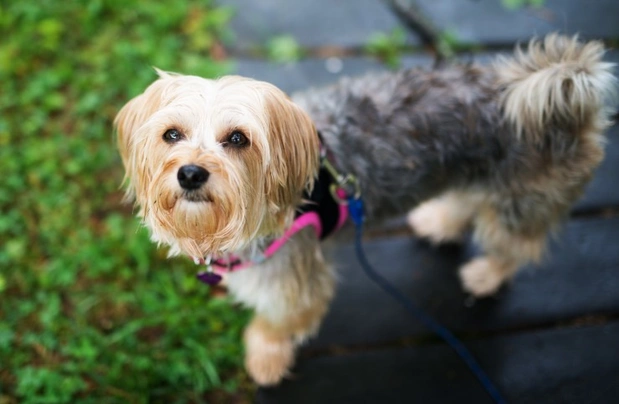
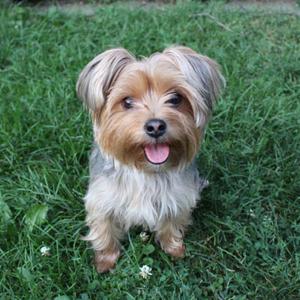
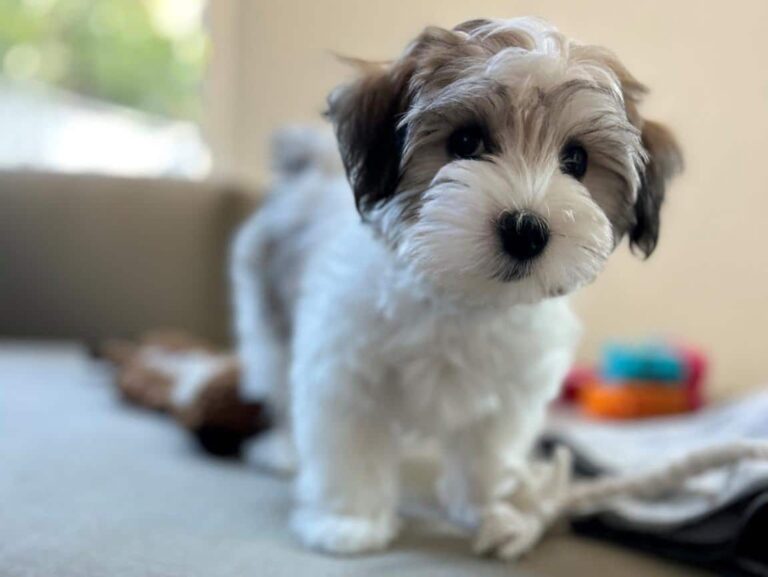
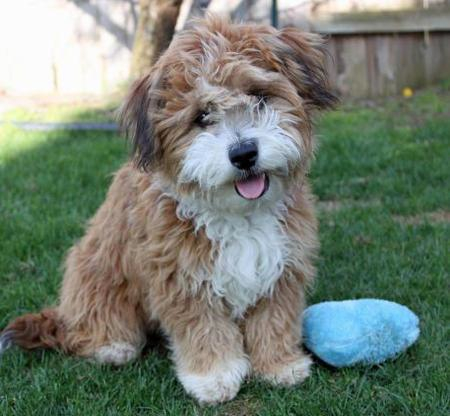
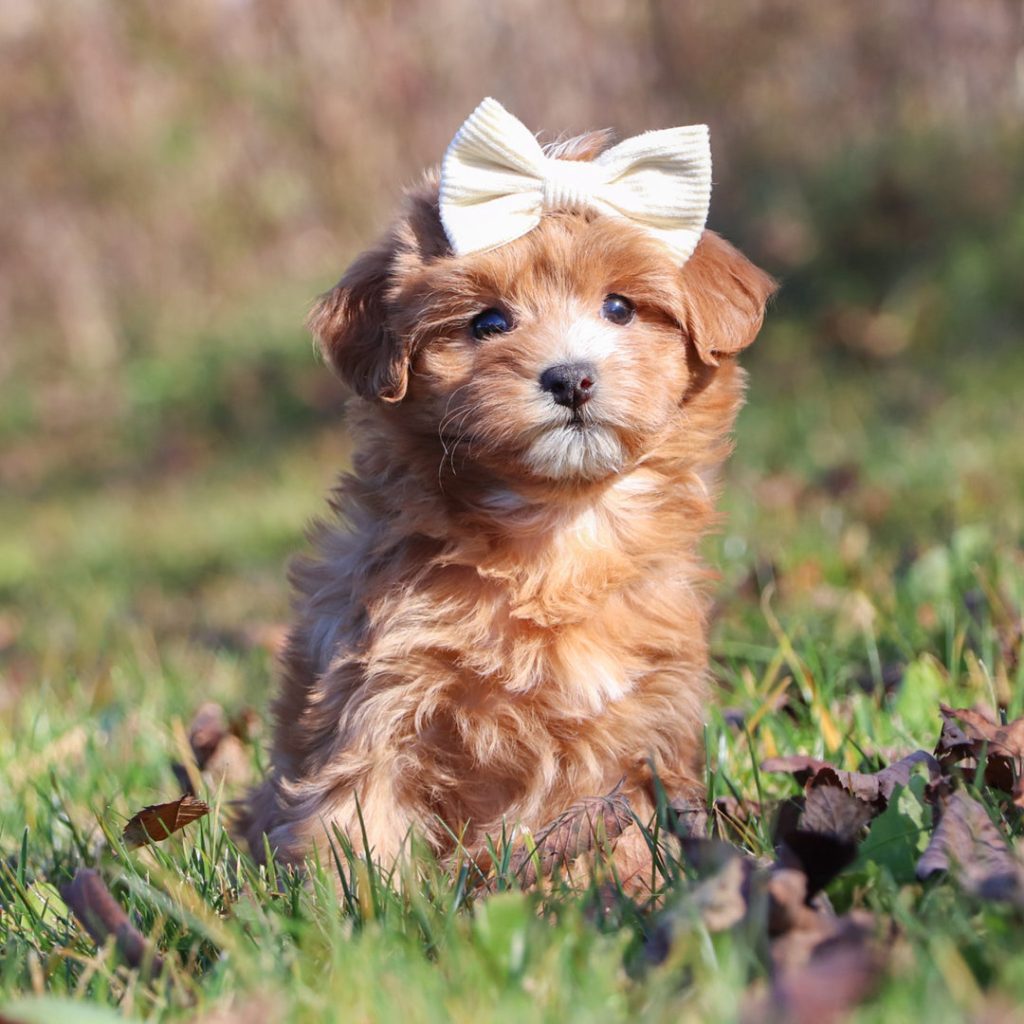
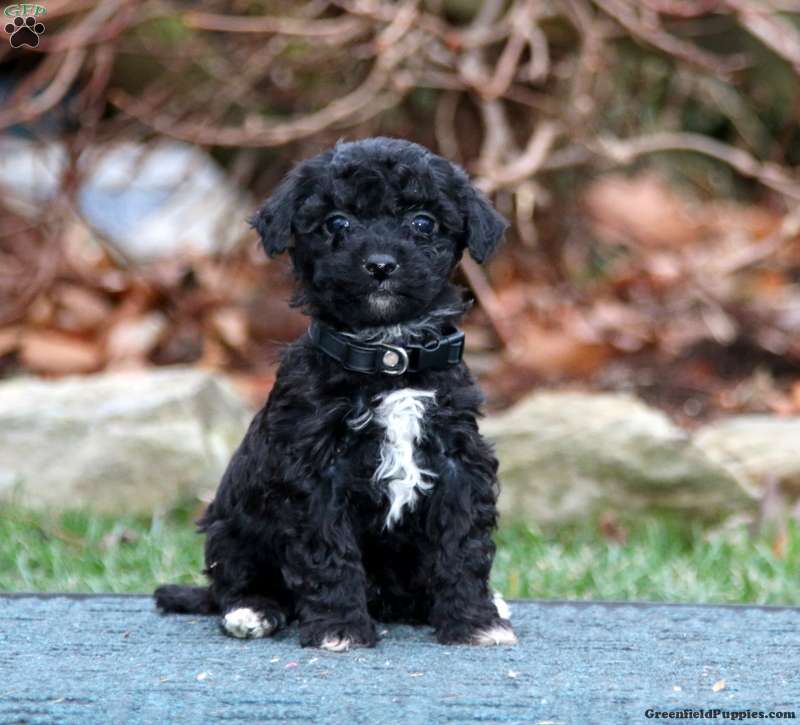
Ever noticed how the Morkie breed has captured the hearts of so many dog lovers? We’re excited to jump into what makes these small, friendly dogs so special. Standing 7 to 9 inches tall and weighing between 5 to 7 pounds, Morkies are perfect for families, seniors, and apartment dwellers alike.
With a lifespan of 12 to 15 years, these playful and outgoing companions offer both loyalty and a low-shedding coat, making them ideal for first-time pet owners. Their medium intelligence and active energy levels ensure they stay engaged and happy in any environment. In this text, we’ll explore the unique traits of the Morkie breed, from their temperament and care needs to their charming appearance and adaptability. Whether you’re considering adding a Morkie to your family or simply curious about this adorable hybrid, we’ve got you covered.
Overview
The Morkie breed stands out as a popular designer dog, blending traits from the Maltese and Yorkshire Terrier. Originating in the United States during the late 1990s, this crossbreed combines the best characteristics of both parent breeds to create a charming and adaptable companion.
Morkies classify within toy breeds, typically measuring 6 to 10 inches (15-25 cm) at the withers and weighing between 4 to 13 pounds (2-6 kg). This compact size makes them ideal for various living situations, including apartments and family homes.
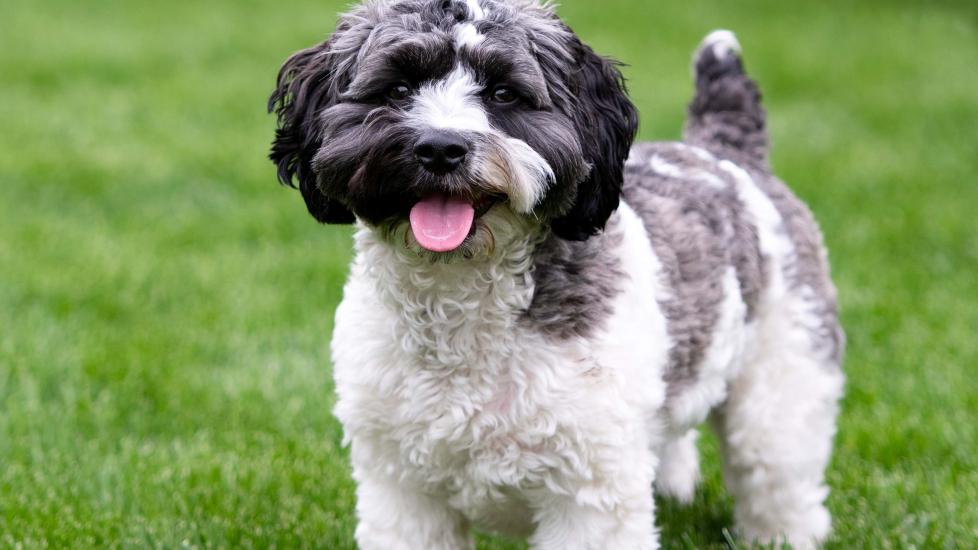
Their coats exhibit a soft, long, and silky texture, available in colors such as white, black, tan, or mixed combinations. To maintain coat health, daily brushing and regular grooming prevent matting and tangling.
Appearance in the Morkie breed varies based on inherited traits. Common features include striking dark eyes and a fine-boned structure, contributing to their elegant and appealing look.
Morkies typically live between 12 to 15 years, offering long-term companionship. Their loyal nature, combined with low-shedding coats, suits families, first-time dog owners, and individuals seeking an affectionate and adaptable pet.
Characteristic
Details
Size
6-10 inches (15-25 cm) tall
Weight
4-13 pounds (2-6 kg)
Lifespan
12-15 years
Coat
Soft, long, silky; white, black, tan
Origin
United States, late 1990s
Appearance
Striking dark eyes, fine-boned
History of the Morkie Breed
The Morkie breed emerged in the United States during the late 20th and early 21st centuries as part of the growing trend of designer dog breeds. Breeders intentionally crossed the Maltese and Yorkshire Terrier to combine desirable traits from both parent breeds, creating a small, affectionate companion dog suitable for various living environments.
The Maltese, one parent breed of the Morkie, boasts a history spanning over 2,000 years. Originating in the central Mediterranean region, likely on the island of Malta, the Maltese was revered by ancient civilizations for its elegance and affectionate nature. This breed was a favorite among aristocrats and was often depicted in art and literature, highlighting its long-standing reputation as a cherished companion.
On the other hand, the Yorkshire Terrier, the second parent breed, originated in England during the Industrial Revolution. Developed as a working dog, the Yorkshire Terrier was initially bred to catch rats in textile mills. Over time, its spirited personality and compact size made it a popular choice among urban dwellers. The Yorkshire Terrier’s intelligence and lively demeanor contributed significantly to the Morkie’s energetic and playful nature.
The Ultimate Morkie Breed Guide: Health, Care & Traits 5
The intentional hybridization of these two distinct breeds aimed to produce a dog that inherited the Maltese’s gentle temperament and the Yorkshire Terrier’s spirited energy. This combination resulted in a breed that is not only small and low-shedding but also highly adaptable to different living situations, including apartments and family homes. The Morkie’s confident disposition allows it to interact well with larger breeds, while its loyal and friendly nature makes it an excellent companion for individuals and families alike.
Since their introduction, Morkies have gained popularity for their manageable size, typically standing 7 to 9 inches tall and weighing between 5 to 7 pounds. Their lifespan ranges from 12 to 15 years, offering long-term companionship. The breed’s hypoallergenic coat and minimal shedding make it an attractive option for those with allergies or limited grooming time. Also, Morkies are known for their strong loyalty and tendency to form close bonds with their owners, further cementing their status as a beloved designer breed.
Overall, the history of the Morkie breed reflects a successful blend of ancient and modern dog breeding practices, resulting in a versatile and endearing companion that continues to capture the hearts of dog enthusiasts.
Characteristics
The Morkie breed combines the best traits of the Maltese and Yorkshire Terrier, resulting in a charming and versatile companion.
Appearance
Morkies exhibit a petite and elegant appearance, reflecting their hybrid lineage. Their coats are long, silky, and low-shedding, typically seen in colors such as white, black, tan, or a mix of these hues. Regular grooming is essential to maintain their coat’s health and prevent matting. Their expressive eyes and perky ears contribute to their alert and lively demeanor. Morkies often have a compact build, showcasing the graceful structure inherited from both parent breeds. This attractive appearance makes the Morkie breed a popular choice for those seeking a stylish and affectionate pet.
Temperament
The Morkie breed is known for its friendly and loyal nature, making them excellent companions. They possess a high energy level, enjoying playtime and interactive activities, yet their small size allows them to adapt to moderate exercise routines. While generally sociable, Morkies can exhibit an independent spirit and occasional stubbornness, requiring consistent training and positive reinforcement. Their intelligence enables them to learn commands and tricks efficiently, fostering a strong bond with their owners. Also, their affectionate disposition makes the Morkie breed well-suited for families and individuals alike.
Size
Morkies are a small breed, typically standing between 6 to 10 inches tall at the shoulder and weighing between 4 to 13 pounds. This compact size allows them to thrive in various living environments, including apartments and homes with limited space. Even though their diminutive stature, Morkies are sturdy and resilient, carrying the robust traits of the Yorkshire Terrier while maintaining the delicate features of the Maltese. Their manageable size also contributes to their adaptability, making the Morkie breed an ideal choice for first-time dog owners and those seeking a portable and affectionate pet.
The Ultimate Morkie Breed Guide: Health, Care & Traits 6
Care
Caring for a Morkie breed involves consistent attention to grooming, exercise, and training. Proper care ensures our Morkies stay healthy and thrive in our homes.
Grooming
Morkies require regular grooming to maintain their soft, silky coats. Daily brushing prevents matting and reduces shedding, keeping their fur manageable. We use high-quality brushes specifically designed for long-haired dogs to ensure thorough grooming. Professional grooming every six to eight weeks is recommended to keep their coats tidy and free from tangles.
Bathing should occur monthly or as needed, using a gentle dog shampoo to protect their skin and fur. Also, routine nail trimming and ear cleaning are essential to prevent discomfort and infections. Dental care is crucial for the Morkie breed; brushing their teeth daily helps prevent dental issues like gum disease and tooth decay. Regular grooming not only keeps our Morkies looking their best but also promotes overall health and well-being.
Exercise Needs
Meeting the exercise needs of a Morkie breed ensures they remain active and healthy. These small dogs benefit from daily walks, typically lasting 20 to 30 minutes, to provide physical activity and mental stimulation. Interactive play sessions, such as fetch or tug-of-war, help burn off excess energy and strengthen our bond with them.
Morkies also enjoy indoor activities like puzzle toys and agility training to keep their minds engaged. While they are active, Morkies do not require extensive exercise routines, making them suitable for apartment living and busy lifestyles. Regular exercise helps prevent obesity, promotes cardiovascular health, and reduces behavioral issues caused by boredom or excess energy. By incorporating a balanced mix of physical and mental activities, we ensure our Morkies stay fit, happy, and well-adjusted.
Training Tips
Effective training is essential for the Morkie breed to develop good behavior and social skills. We start with basic obedience training, focusing on commands like sit, stay, and come, using positive reinforcement techniques such as treats and praise. Consistency is key; short, frequent training sessions help reinforce desired behaviors and prevent confusion.
Socialization is also important; exposing our Morkies to various environments, people, and other animals from a young age fosters confidence and reduces anxiety. Crate training provides them with a safe space and aids in housebreaking. Addressing stubbornness with patience and persistence ensures successful training outcomes. Also, teaching leash manners and reducing unwanted behaviors like excessive barking or jumping enhances their adaptability in different settings. By implementing structured training routines, we cultivate well-behaved and obedient Morkies, making them enjoyable companions for our families.
Health
Maintaining the health of the Morkie breed ensures a long, happy life for your companion. Understanding common health issues and implementing preventative care are essential for their well-being.
Common Health Issues
Morkies can encounter several health problems due to their small size and genetic background. Collapsing Trachea affects their airway, causing persistent coughing, especially during exercise. Dental Disease is prevalent because of their small jaws, leading to tartar build-up and periodontal issues. Regular dental care mitigates these risks. Portosystemic Shunt involves abnormal blood flow bypassing the liver, resulting in toxin buildup that affects overall health. Also, Morkies may develop Patellar Luxation, where the kneecap slips out of place, and Hypoglycemia, particularly in puppies, causing weakness and seizures. Early detection and veterinary intervention are crucial in managing these conditions, ensuring the Morkie breed remains healthy and active.
The Ultimate Morkie Breed Guide: Health, Care & Traits 7
Preventative Care
Preventative care is vital for the Morkie breed’s longevity and quality of life. Regular veterinary check-ups help identify and address health issues early. Dental Hygiene is essential; daily brushing and professional cleanings prevent dental disease. Maintaining a Healthy Weight through a balanced diet and consistent exercise reduces the risk of collapsing trachea and joint problems. Vaccinations and Parasite Control protect against common illnesses and infestations. Regular grooming not only keeps their coat healthy but also allows for early detection of skin issues. Socialization and Training contribute to their mental well-being, preventing stress-related health problems. By prioritizing these preventative measures, we ensure that our Morkies thrive and enjoy a vibrant, healthy life.
Diet and Nutrition
Nutritional Requirements
Morkies require a diet rich in animal protein and high-quality animal fats to support their active lifestyles. Our meals prioritize nutrition by minimizing fillers like corn, soy, and wheat, which can be challenging for Morkies to digest and may trigger allergies. We select foods with substantial animal protein content, excluding artificial preservatives, colorings, and unidentified chemicals. This approach ensures our Morkies receive the essential nutrients needed for their overall health and vitality.
Feeding Schedule
Establishing a consistent feeding schedule is vital for maintaining our Morkies’ health. Puppies need frequent meals to prevent hypoglycemia, a condition characterized by low blood sugar levels. As they mature, our adult Morkies transition to fewer meals. Collaborating with a veterinarian allows us to create a balanced feeding plan customized to each Morkie’s age, weight, and health status.
Life Stage
Feeding Frequency
Puppies
3–4 times daily
Adults
2–3 times daily
Maintaining this schedule supports our Morkies’ energy levels and metabolic needs, promoting long-term well-being.
Conclusion
Choosing a Morkie means welcoming a loyal and affectionate companion into your home. Their charming personalities and adaptable nature make them ideal for various lifestyles. We appreciate their low-shedding coats and manageable size, perfect for both families and individuals. By providing the right care, grooming, and training, Morkies thrive and bring joy to their owners. Investing time in their well-being ensures a healthy and happy life together. Embracing the unique qualities of the Morkie breed enriches our lives with endless love and companionship.
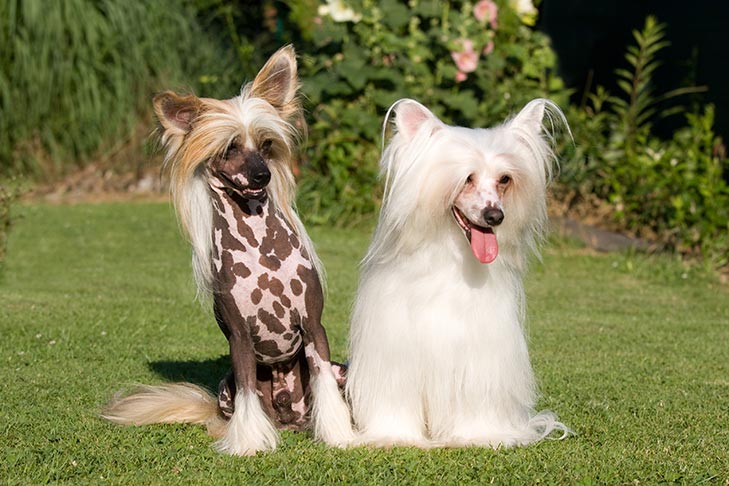
Have you met the Chinese Crested Dog, a breed that effortlessly captures hearts with its unique charm? We’re excited to investigate into what makes these elegant companions so special. Known for their striking appearance, Chinese Cresteds come in two varieties: the hairless with silky tufts on the head, tail, and feet, and the powder puff with a full coat. With a lifespan of 12 to 13 years, these lively and loving dogs are perfect for those seeking a devoted and affectionate pet.
As we explore the fascinating history and distinctive traits of the Chinese Crested Dog, you’ll discover what makes them stand out in the canine industry. From their ancient roots as skilled ship dogs to their modern role as beloved family members, our guide will provide valuable insights into their temperament, care requirements, and more. Join us as we uncover everything you need to know about this captivating breed.
Overview of the Chinese Crested Dog
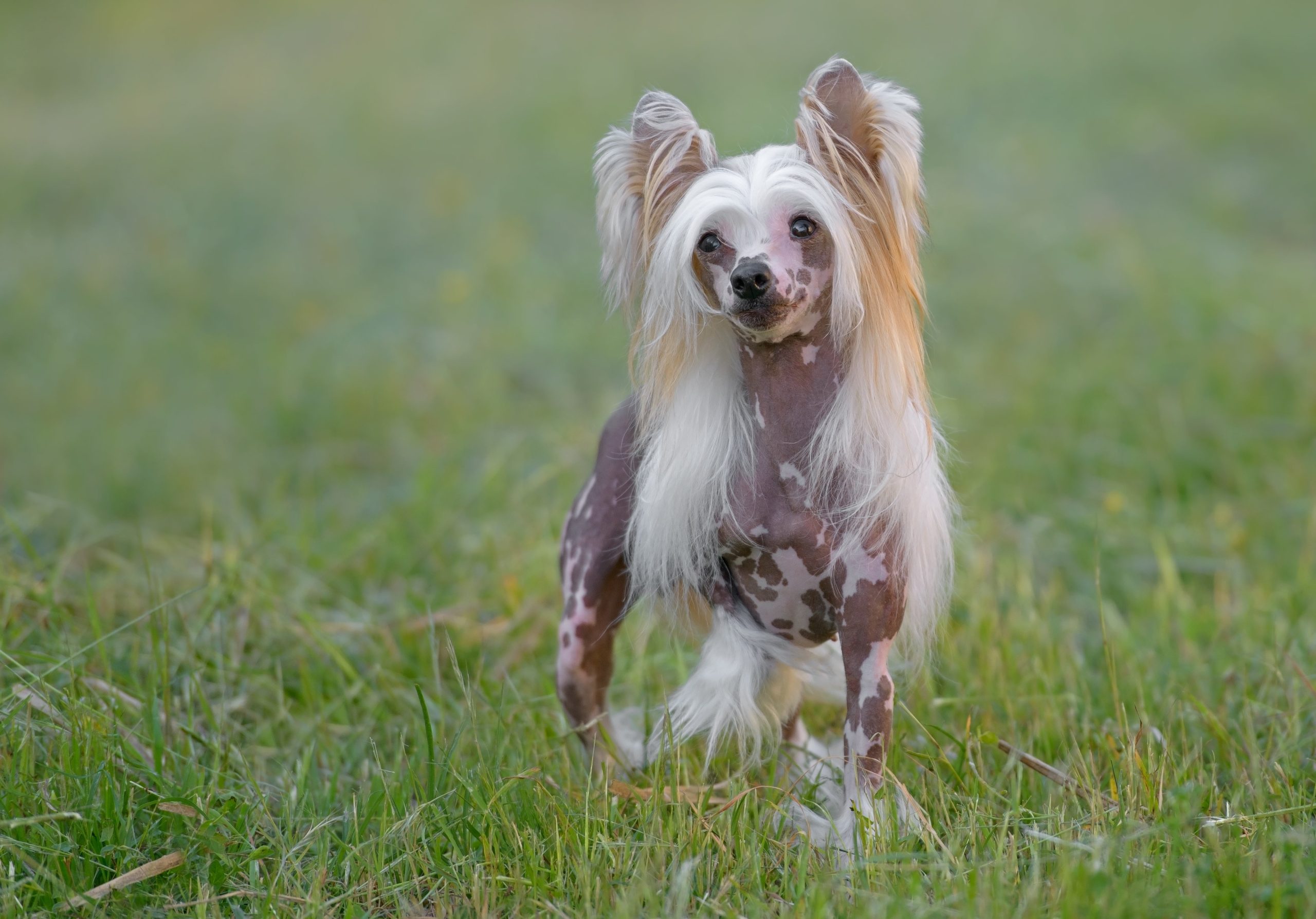
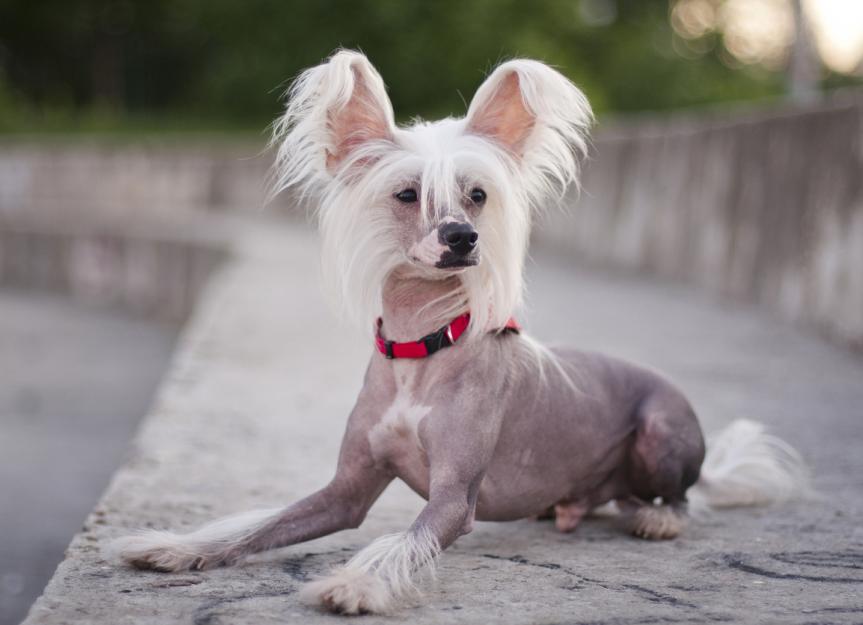
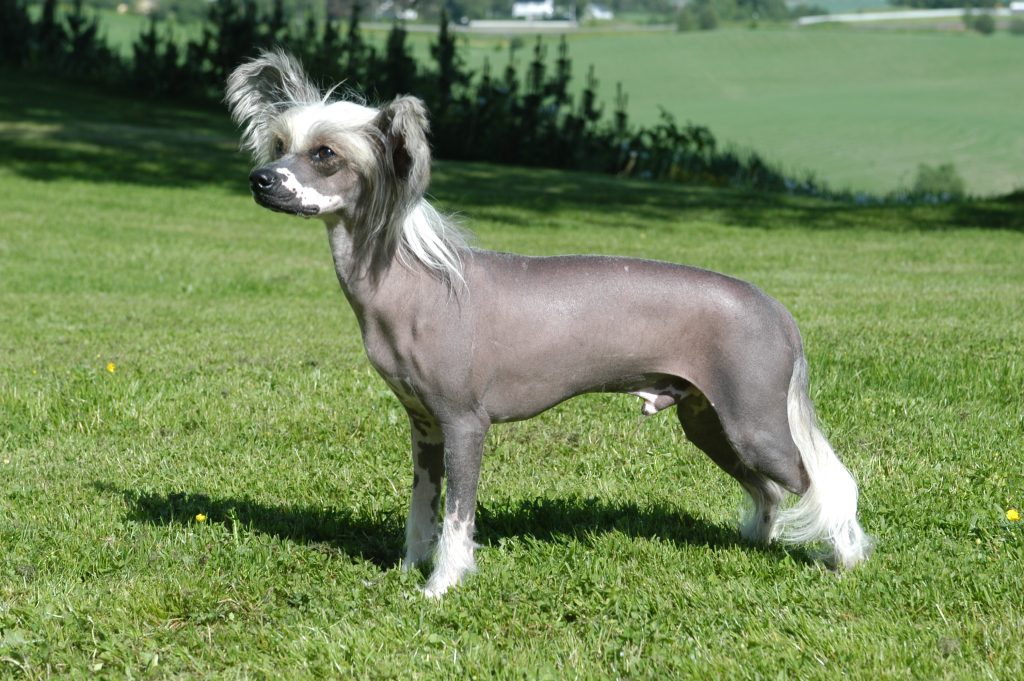
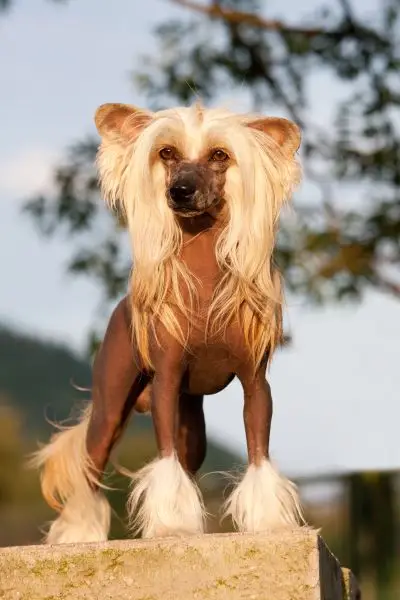
The Chinese Crested Dog stands out with its unique appearance and affectionate nature. This breed comes in two distinct varieties: the Hairless and the Powder Puff. Hairless Chinese Cresteds feature a smooth body with tufts of hair on the head, tail, and ankles, while Powder Puffs possess a soft, silky coat covering their entire body.
Origin and History
Originating from ancient China, the Chinese Crested Dog likely descended from larger hairless dogs brought from Africa. These dogs evolved into their current smaller size, weighing between 5 and 12 pounds and standing 11 to 13 inches tall. Historically, they served as ratting dogs on Chinese ships, earning the name “Chinese Ship Dogs.” Their role in controlling vermin during maritime journeys highlighted their agility and intelligence.
In the 19th century, the breed gained recognition in the West, spreading to various European countries through trade routes. Even though their Chinese origins, Chinese Cresteds became popular family pets in Europe, transitioning from working companions to beloved household members.
Physical Characteristics
Chinese Cresteds exhibit two body types:
Deer Type: Racy and fine-boned, these dogs have a graceful build.
Cobby Type: Heavier in body and bone, offering a more robust appearance.
Their distinctive head features include wedge-shaped heads with tapered muzzles and large, upright ears, adding to their elegant look.
Lifespan and Temperament
These dogs have a lifespan of 12 to 13 years. Known for their lively and loving disposition, Chinese Cresteds quickly become cherished companions. Their lack of body hair allows them to generate more body heat, making them excellent lap dogs. But, they require protection from extreme temperatures, both hot and cold.
Care Requirements
Both Hairless and Powder Puff varieties need regular grooming. Hairless Chinese Cresteds require routine cleaning to maintain their skin health, while Powder Puffs need frequent brushing to keep their coat in good condition. Also, regular nail clipping is essential for both types to ensure their overall well-being.
Popularity and Legacy
Today, the Chinese Crested Dog remains a sought-after breed due to its captivating appearance and friendly nature. Families and dog enthusiasts appreciate their unique traits and devotion, making them a favorite among those seeking a distinctive and affectionate canine companion.
Attribute
Details
Height
11-13 inches
Weight
5-12 pounds
Lifespan
12-13 years
Varieties
Hairless, Powder Puff
Origin
Ancient China, Africa
The Chinese Crested Dog continues to enchant with its blend of elegance, charm, and loving personality, maintaining a cherished place in the hearts of dog lovers worldwide.
Varieties and Physical Characteristics
The Chinese Crested Dog features two distinct varieties, each with unique physical traits and grooming needs.
Hairless Variety
The Hairless Chinese Crested showcases smooth, pink skin across most of its body, complemented by tufts of hair on the head, tail, and paws. Skin colors range from pale flesh to black, requiring regular care to prevent sunburn and skin issues like blackheads. Frequent bathing maintains healthy skin, while consistent moisturizing helps keep the skin supple. These dogs often have humanlike skin and may display facial hair or a beard, improving their expressive appearance.
The hairless trait stems from an incomplete dominant gene, making all Hairless Chinese Cresteds heterozygous. They typically have a single coat, distinguishing them from their Powderpuff counterparts. Also, Hairless Chinese Cresteds may lack a full set of premolar teeth, although this does not affect their overall health or temperament. Proper skin care is essential to ensure these dogs remain comfortable and thrive as affectionate companions.
Powderpuff Variety
The Powderpuff Chinese Crested Dog is adorned with a long, silky double coat that covers its entire body. This variety exhibits minimal shedding and remains odor-free, making it a low-maintenance option for many owners. Powderpuffs require regular brushing to prevent matting, especially when their coat reaches full length. Weekly baths and consistent grooming help maintain their elegant appearance.
The Powderpuff’s coat can be styled in various ways, with many opting for a pony cut that leaves hair on the legs, tail, head, and crest for easy upkeep. Unlike the Hairless variety, Powderpuffs have a thick, soft coat that does not continuously grow, allowing for manageable grooming routines. These dogs are playful and entertaining, making them excellent family pets. Their graceful demeanor and striking appearance make the Powderpuff a beloved choice among Chinese Crested Dog enthusiasts.
Chinese Crested Dog 2025: Comprehensive Care & Breed Guide 13
Personality and Temperament
Affectionate and Playful
Chinese Crested dogs exhibit an exceptionally affectionate and playful nature. They seek attention from their families and engage in play whenever invited. Often referred to as “Velcro dogs,” these companions remain close to their owners, improving their bond and loyalty. Their playful demeanor makes them delightful partners for interactive games and daily activities, ensuring a lively household environment.
Intelligent and Trainable
We find Chinese Crested dogs to be highly intelligent and easily trainable. They respond effectively to positive reinforcement, thriving with patience and gentle training methods. Consistent training sessions help them learn commands and behaviors swiftly. Avoiding harsh training techniques is crucial, as these dogs are sensitive and may become anxious or lose trust if subjected to negative methods. Their intelligence allows them to excel in obedience and agility exercises when trained appropriately.
Social and Companionable
Chinese Crested dogs display an intensely social disposition, quickly bonding with their immediate family or pack. They thrive in environments where they receive ample social interaction and companionship. But, they may exhibit wariness towards strangers and unfamiliar settings, requiring gradual exposure to new people and places. Ensuring positive social experiences helps them maintain a balanced and confident temperament, making them well-adjusted companions in various household dynamics.
Health Issues
Understanding the health challenges our Chinese Crested Dogs may face is crucial for their well-being.
Common Health Problems
Chinese Crested Dogs encounter several prevalent health issues:
Dental Problems: These dogs often experience early tooth loss, gum disease, and periodontal disease. Their small mouths and crowded teeth contribute to these issues. Regular dental cleanings and daily brushing help prevent these conditions.
Eye Problems: Conditions such as progressive retinal atrophy (PRA), primary lens luxation (PLL), cataracts, and dry eye are common. PRA leads to gradual blindness, while PLL and cataracts may require surgical intervention. Dry eye causes irritation and necessitates veterinary care.
Orthopedic Issues: Patellar luxation, where the kneecap dislocates, frequently affects Chinese Crested Dogs. Maintaining a healthy weight and avoiding high-impact activities can reduce the risk of this condition.
Regular Veterinary Check-ups: Schedule annual examinations to detect and address health issues early. Early detection improves treatment outcomes for dental, eye, and orthopedic problems.
Dental Care: Perform tooth brushing several times a week and provide dental chews to prevent dental disease. Consistent dental hygiene minimizes the risk of tooth loss and gum disease.
Eye Protection: Keep their eyes clean and monitor for signs of irritation or infection. Prompt treatment of eye conditions prevents worsening symptoms and preserves vision.
Weight Management: Maintain a balanced diet and regular exercise to prevent obesity. Managing weight reduces the likelihood of orthopedic issues like patellar luxation.
Skin Maintenance: For hairless varieties, apply moisturizer regularly to prevent dry skin. Powderpuff Chinese Crested Dogs require frequent brushing to avoid matting and skin problems. Proper skin care maintains overall health and comfort.
By addressing these health issues proactively, we ensure our Chinese Crested Dogs lead healthy and happy lives.
Chinese Crested Dog 2025: Comprehensive Care & Breed Guide 14
Care and Grooming
Proper care and grooming ensure our Chinese Crested Dogs remain healthy and comfortable. We focus on their unique needs based on their variety.
Skin and Coat Care
For Hairless Chinese Cresteds, meticulous skin care is essential. Protect their skin from the sun with dog-safe sunscreen or clothing to prevent sunburn. Regular bathing every one to two weeks prevents skin irritations and acne. After bathing, massage oil or cream into their skin to keep it moisturized and protected. Apply moisturizing lotion every other day or post-bath using hypoallergenic or oil-free products to maintain soft, smooth skin. Coconut oil treatments benefit skin health, even for dogs not showing issues.
Conversely, Powderpuff Chinese Cresteds have a full double coat requiring regular brushing a few times a week to prevent matting and tangling. Schedule routine grooming appointments to trim their long, silky locks. Maintaining their coat not only enhances their appearance but also supports their overall skin health.
Nail and Ear Maintenance
Regular nail and ear care are crucial for our Chinese Crested Dogs’ well-being. Trim their nails every 2-3 weeks to prevent overgrowth and discomfort. Use proper nail clippers and be cautious to avoid cutting the quick. Inspect ears weekly for signs of infection, such as redness or discharge. Clean ears with dog-safe wipes or a damp cloth, especially for the hairless variety, to remove debris and reduce the risk of infections. Hairless Chinese Cresteds may require more frequent ear cleaning due to exposed skin, while Powderpuffs benefit from regular grooming to keep ear areas free from excess hair. Proper nail and ear maintenance prevent potential health issues and keep our dogs comfortable and happy.
Nutrition and Feeding
Nutritional Needs
Chinese Crested Dogs require a balanced diet customized to their unique physiology and health needs. Protein is essential, with high-quality sources such as chicken, beef, and fish supporting lean muscle mass and physical activity. Including these proteins ensures our dogs maintain their vitality and strength.
A balanced intake of fats and carbohydrates is crucial. Essential fats provide the necessary energy, while easily digestible carbohydrates support sustained activity levels. This balance helps meet their daily energy requirements without contributing to excess weight.
Vitamins and minerals play a important role in overall health. Incorporating omega-3 fatty acids from fish oil, taurine, and turmeric into their diet helps mitigate potential health issues like eye and joint problems. Antioxidants further support their immune system, ensuring our Chinese Crested Dogs remain healthy and resilient.
Life Stage Nutrition
Proper nutrition varies with each life stage of a Chinese Crested Dog.
Puppies: Our puppies need a diet rich in protein and fat to support rapid growth. Feeding them three to four times daily ensures they receive the energy required for their high activity levels and development.
Adults: Adult Chinese Crested Dogs benefit from a balanced diet that maintains muscle mass and energy levels. Consistent feeding schedules and portion control help prevent weight gain and related health issues.
Seniors: As our dogs age, their dietary needs change. Senior Chinese Crested Dogs require diets lower in calories but still rich in essential nutrients to support joint health and overall well-being. Incorporating supplements like glucosamine can aid in maintaining mobility and comfort.
Monitoring weight and adjusting food intake based on activity level and health status ensures our Chinese Crested Dogs thrive throughout their lives. Regular consultations with a veterinarian help tailor their diet to meet evolving nutritional needs, promoting long-term health and happiness.
Feeding Schedule
Establishing a consistent feeding schedule supports digestive health and energy management. For puppies, three to four meals daily accommodate their growth and activity. Adults typically thrive on two meals per day, while seniors may benefit from smaller, more frequent feedings to ease digestion and maintain steady energy levels.
Nutrient
Recommended Sources
Protein
Chicken, Beef, Fish
Fats
Fish Oil, Essential Fat Blends
Carbohydrates
Sweet Potatoes, Brown Rice
Vitamins & Minerals
Omega-3, Taurine, Turmeric, Antioxidants
Choosing high-quality dog food that includes these components ensures our Chinese Crested Dogs receive comprehensive nutrition customized to their exact needs.
Training and Socialization
Training Chinese Crested Dogs requires exact approaches customized to their intelligent and trainable nature. We use positive reinforcement as the most effective method, rewarding good behavior with praise, treats, and playtime. This strategy helps our Chinese Crested Dogs associate desired actions with positive outcomes.
Consistency remains crucial in training. We ensure that all household members use the same commands and rewards, preventing confusion and reinforcing learning. Short, captivating training sessions suit their limited attention span. Typically, we conduct sessions lasting 10-15 minutes, 2-3 times daily.
Clear commands help understanding. We employ simple, one-word instructions such as “sit,” “stay,” and “come,” minimizing potential confusion. Patience is essential, as Chinese Crested Dogs may display stubbornness and require more time to grasp certain commands.
Socialization plays a vital role in developing a balanced temperament. We gradually expose our dogs to various environments, people, and other animals, ensuring they remain confident and well-adjusted. Early and consistent socialization helps our Chinese Crested Dogs become affectionate and playful companions while managing their wariness of strangers.
Chinese Crested Dog 2025: Comprehensive Care & Breed Guide 15
We incorporate structured play and interactive activities to engage our Chinese Crested Dogs mentally and physically. Activities like agility training, puzzle games, and obedience exercises enhance their cognitive abilities and strengthen our bond. Regular exposure to different stimuli prevents behavioral issues and promotes adaptability.
Maintaining a routine enhances our training efforts. We establish consistent training schedules, meal times, and daily activities, providing our Chinese Crested Dogs with a sense of stability and security. This routine supports effective learning and reinforces desired behaviors.
By implementing these training and socialization techniques, we foster a strong bond with our Chinese Crested Dogs, ensuring they thrive in interactive and loving environments. Our commitment to positive reinforcement, consistency, clear communication, and gradual socialization cultivates well-behaved and emotionally balanced companions.
Exercise Needs
Duration and Frequency
Chinese Crested dogs require moderate exercise, typically 30 to 45 minutes per day. We spread this duration throughout the day with short walks and play sessions. Also, they benefit from up to one hour of exercise daily, which includes daily walks, interactive play sessions, and mental stimulation activities.
Exercise Duration
Frequency
30 to 45 minutes/day
Short walks and multiple play sessions
Up to one hour/day
Daily walks, interactive play, mental activities
Types of Exercise
Chinese Crested dogs enjoy a variety of exercises that cater to their size and energy levels. They benefit from short walks, playtime with toys, and light indoor games. These activities keep them physically active without overexertion, as they are not suited for long-distance jogging.
Agility training provides both mental and physical stimulation. We adapt agility courses to match their size and energy, ensuring they remain engaged and challenged. This type of training strengthens their coordination and reinforces positive behaviors.
Indoor play sessions also play a crucial role in their exercise routine. Games like fetch with a soft toy or hide and seek promote both mental and physical health. These activities are especially useful during inclement weather or when outdoor exercise isn’t feasible. By incorporating a mix of physical activities and mental challenges, we ensure our Chinese Crested dogs stay healthy, happy, and well-balanced.
Compatibility with Families and Other Pets
Temperament and Suitability for Families
The Chinese Crested dog exhibits an affectionate, playful, and gentle nature, making them ideal for families with older children. Their small size and delicate skin require careful handling, ensuring that interactions remain safe and enjoyable for both the dog and family members.
Interaction with Children
These dogs thrive as companions for older kids who understand how to handle them gently. Supervision is essential when young children interact with Chinese Cresteds to prevent accidental injuries caused by rough play. Educating children on proper pet interaction fosters a respectful and loving relationship.
Compatibility with Other Pets
Chinese Cresteds generally coexist well with other pets, including dogs and cats. Early introductions and gradual socialization are crucial for establishing harmonious relationships. Their friendly demeanor allows them to adapt easily to multi-pet households, promoting a peaceful environment.
Training and Socialization
Early socialization and positive reinforcement training ensure that Chinese Cresteds interact safely and gently with both family members and other pets. They respond well to gentle training methods, which enhances their ability to integrate seamlessly into diverse household settings. Consistent training practices help maintain their well-mannered behavior.
Family Dynamics
In households where Chinese Cresteds receive ample attention and affection, they flourish and strengthen family bonds. Their loyal and social nature contributes positively to the overall harmony of the household. These dogs enjoy being part of family activities, making them excellent companions for engaged and loving families.
Managing Multi-Pet Households
Successfully managing a multi-pet household with a Chinese Crested involves establishing clear boundaries and routines. Providing separate spaces for each pet ensures that everyone feels secure and respected. Regular interactions and shared activities help build trust and camaraderie among all pets in the home.
Health and Well-Being in a Family Setting
Maintaining the health and well-being of a Chinese Crested in a family environment includes regular veterinary check-ups, a balanced diet, and consistent grooming. Ensuring their physical and emotional needs are met allows them to remain happy and energetic members of the family.
Chinese Crested Dog 2025: Comprehensive Care & Breed Guide 16
Creating a Pet-Friendly Home
Designing a pet-friendly home for a Chinese Crested involves safe spaces for play and rest, along with accessible grooming areas. Minimizing hazards and providing stimulating toys contribute to their mental and physical health, ensuring a harmonious coexistence with other family pets.
By fostering a nurturing and structured environment, we ensure that Chinese Crested dogs thrive alongside their families and other pets, creating a balanced and joyful household.
Cost and Considerations
Purchase Price
Acquiring a Chinese Crested Dog from a reputable breeder costs between $1,000 and $3,000. Prices vary by region, breeder reputation, and the puppy’s lineage. Below are the regional price ranges:
Region
Price Range
Northeast
$1,500 – $3,000
South
$1,200 – $2,500
Midwest
$1,000 – $2,200
West
$1,400 – $2,800
Pacific Northwest
$1,300 – $2,600
Hairless Chinese Cresteds typically cost more than the Powderpuff variety, with top-quality puppies reaching up to $4,000.
Adoption
Adopting a Chinese Crested Dog from a rescue or shelter is a cost-effective option, ranging from $150 to $600. This fee covers the dog’s pre-adoption expenses, including vaccinations, spaying or neutering, and initial health screenings.
Annual and Monthly Costs
Food
Monthly food expenses for a Chinese Crested Dog average between $20 and $30 for high-quality dog food. Costs depend on the dog’s age, activity level, and exact dietary needs.
Additional Expenses
Owners should consider other annual costs, such as:
Veterinary Care: Routine check-ups, vaccinations, and preventive treatments typically cost $200 to $500 annually.
Grooming: Regular grooming for Powderpuff varieties can range from $300 to $600 per year. Hairless Cresteds may have lower grooming costs but require consistent skin care products.
Supplies: Items like bedding, toys, and accessories usually amount to $100 to $200 annually.
Training: Professional training sessions can cost between $100 and $300 per year, depending on the number of sessions.
Total Estimated Costs
Considering purchase or adoption and ongoing expenses, the initial cost of a Chinese Crested Dog ranges from $150 to $4,000. Annual maintenance costs average between $420 and $1,130, encompassing food, veterinary care, grooming, supplies, and training.
Expense Category
Estimated Annual Cost
Food
$240 – $360
Veterinary Care
$200 – $500
Grooming
$100 – $600
Supplies
$100 – $200
Training
$100 – $300
Total
$740 – $1,960
By understanding these costs and planning accordingly, we can ensure our Chinese Crested Dogs receive the care and attention they deserve.
Conclusion
Chinese Crested Dogs bring a unique blend of charm and affection to any home. Their distinctive appearance and lively personalities make them standout companions. We appreciate how they form strong bonds with their families, offering both loyalty and joy. Caring for them is rewarding, as their playful nature and intelligence shine through with the right attention and training. Whether you’re drawn to the elegant Powderpuff or the sleek Hairless variety, these dogs adapt beautifully to various lifestyles. Embracing a Chinese Crested means welcoming a delightful and loving member into your life. Their playful spirit and unwavering companionship make them truly special pets worth considering.
Did you know that Aussiedoodles have been captivating dog lovers since the 1990s? Combining the intelligence of Australian Shepherds with the charm of Poodles, the Aussie Doodle offers the best of both worlds. Whether you’re seeking an energetic companion or a lovable family member, Aussiedoodles have become a popular choice for many in the U.S.
Our guide dives into what makes the Aussie Doodle so special, from their active nature requiring daily exercise and mental stimulation to their adorable, low-shedding coats that need regular grooming. We’ll explore their origins, care needs, and what to expect when adding an Aussiedoodle to your family. By the end, you’ll understand why these lively and affectionate dogs continue to thrive in households across America.
Overview of the Aussiedoodle
Origin and History
The Aussiedoodle emerged in the late 1990s through the crossbreeding of the Australian Shepherd and the Poodle. Breeders aimed to combine the Australian Shepherd’s intelligence and herding instincts with the Poodle’s hypoallergenic coat. This hybrid breed gained popularity alongside other Poodle mixes like Goldendoodles, Labradoodles, and Cockapoos. The goal was to create a versatile, energetic dog suitable for various households, leveraging the strengths of both parent breeds.
Physical Characteristics
Aussiedoodles display a range of physical traits influenced by their lineage.
Size: Aussiedoodles come in three size variants:
Size Variant
Height (inches)
Weight (pounds)
Toy
14-16
25-30
Miniature
16-20
25-30
Standard
20-25
40-70
Miniature Aussiedoodles typically weigh up to 30 pounds, while standard Aussiedoodles can reach up to 70 pounds.
Coat: Their coats vary from straight and wavy to curly, featuring colors such as black, white, blue merle, and red merle. Aussiedoodles are often considered hypoallergenic due to their low-shedding nature, although no dog is entirely hypoallergenic. Regular grooming is essential to maintain coat health and minimize shedding.
Appearance: Aussiedoodles possess a medium build with floppy ears and long, bushy tails. Their expressive eyes convey intelligence and alertness, reflecting the traits of both Australian Shepherds and Poodles. The breed’s overall appearance combines elegance with a sturdy structure, making them visually appealing and adaptable to different living environments.
Temperament and Behavior
Aussiedoodles inherit a high level of energy and intelligence from their parent breeds. They excel in obedience and agility training, often participating in dog sports and activities. This breed thrives on mental stimulation and physical exercise, requiring daily walks and interactive playtime. Their friendly and affectionate nature makes them excellent companions, while their herding instincts may lead to playful herding behaviors if not properly managed.
Health and Longevity
Aussie Doodle 2025: Complete Care and Breed Guide 22
Aussiedoodles generally enjoy a lifespan of 12-15 years. They are predisposed to certain health conditions common in Australian Shepherds and Poodles, such as hip dysplasia, eye disorders, and progressive retinal atrophy. Responsible breeding practices and regular veterinary check-ups can help mitigate these risks, ensuring a healthy and active life for the Aussiedoodle.
Care Requirements
Maintaining an Aussiedoodle involves regular grooming to manage their diverse coat types. Brushing several times a week prevents matting and reduces shedding. Also, routine veterinary care, a balanced diet, and consistent training are crucial for their well-being. Providing ample exercise and mental challenges helps prevent behavioral issues, ensuring a happy and well-adjusted Aussiedoodle.
History and Origin
Origin
The Aussie Doodle emerged as a purposeful hybrid between the Australian Shepherd and the Poodle in North America. Breeders sought to combine the intelligence and herding instincts of the Australian Shepherd with the Poodle’s low-shedding coat and versatility. This intentional crossbreeding aimed to create a companion that excels in both agility and family environments.
Historical Timeline
Year
Event
Late 1990s
Initiation of Aussiedoodle breeding in North America.
Early 2000s
Rise in popularity of Poodle mixes, including Labradoodle and Goldendoodle.
2005
Increased recognition of the Aussiedoodle in dog communities.
2010
Expansion of Aussiedoodle breeding programs nationwide.
Australian Shepherd: Even though its name, the Australian Shepherd was developed in the United States during the 19th century, primarily in the western regions for herding livestock. Its ancestors trace back to the Basque region near the Pyrenees Mountains in Europe, later influenced by German and Spanish herding dogs. The breed is known for its agility, intelligence, and strong work ethic.
Poodle: Originating from Northern Europe, particularly Germany and France, the Poodle has a long-standing history as a versatile hunting and companion dog. Renowned for its curly, low-shedding coat, the Poodle also exhibits high intelligence and trainability, making it a popular choice for various dog sports and service roles.
The combination of these two distinct breeds in the Aussiedoodle results in a dog that inherits the Australian Shepherd’s energy and the Poodle’s hypoallergenic coat. This blend creates a versatile and affectionate companion, suitable for active families and individuals alike.
Physical Characteristics
Aussiedoodles exhibit a range of physical traits inherited from their Australian Shepherd and Poodle parents. Their appearance can vary based on size and coat type, offering a diverse look among individuals.
Size and Weight
Aussiedoodles come in different sizes, influenced by the size of their parent breeds. They are typically categorized into miniature and standard sizes:
Miniature Aussiedoodles
Height: 10-15 inches
Weight: 15-30 pounds
Height: 10-20+ inches
Weight: 25-70 pounds
The size of an Aussiedoodle can also vary within these ranges depending on genetic factors from their parents. This variability allows potential owners to choose a size that best fits their living situation and lifestyle.
Aussiedoodle playing and running in park. Aussiedoodle is a designer dog mix between purebred poodle and Australian Shephard.
Coat and Grooming
Aussiedoodles have versatile coats that can inherit traits from both Australian Shepherds and Poodles. Common coat types include:
Curly or Wavy Coats: Similar to Poodles, these coats are often low-shedding and require regular grooming to prevent matting.
Straight Hair: Less common, resembling the Australian Shepherd’s coat, which may be slightly easier to maintain.
Mixed Textures: Some Aussiedoodles have a combination of curly and straight hair, resulting in a shaggy or medium-length coat.
Maintaining an Aussiedoodle’s coat involves regular brushing, trimming, and occasional professional grooming to keep their fur healthy and free from tangles. Their coat type can influence the grooming frequency and methods, making it essential to understand their exact needs.
Table: Aussiedoodle Size and Weight
Size Category
Height (inches)
Weight (pounds)
Miniature Aussiedoodles
10-15
15-30
Standard Aussiedoodles
10-20+
25-70
Personality and Temperament
Friendly and Devoted
We find that Aussiedoodles are friendly dogs deeply devoted to their families. They form strong bonds with one or two family members, improving their role as excellent therapy dogs. Their sociable nature makes them great companions in both home and public settings.
Intelligent and Trainable
Both parent breeds contribute high intelligence to Aussiedoodles, ranking them among the smartest dog breeds. This intelligence makes Aussiedoodles highly trainable and eager to please. They master various tasks quickly, responding effectively to positive reinforcement techniques like praise, play, and treats.
Energetic and Active
Aussiedoodles maintain a moderate to high energy level, requiring regular physical activity and mental stimulation. We ensure they receive daily exercise through activities such as walking, running, and interactive games to keep them happy and healthy. Without sufficient activity, Aussiedoodles may develop behavioral issues.
Health and Common Issues
Aussie doodles maintain a generally robust health profile but are susceptible to certain genetic conditions. Awareness and proactive veterinary care contribute to their well-being.
Hip and Elbow Dysplasia
Hip and elbow dysplasia occur when joints don’t align correctly, causing pain and arthritis. Aussie doodles with dysplasia may show reduced mobility and discomfort. Regular screenings help detect this condition early, allowing for effective management and treatment plans.
Progressive Retinal Atrophy (PRA)
Progressive Retinal Atrophy (PRA) is a hereditary eye disease that leads to gradual blindness in aussie doodles. Dogs with PRA experience diminishing vision over time. Routine eye examinations are crucial for early detection, although there is currently no cure available.
Aussie Doodle 2025: Complete Care and Breed Guide 23
Cataracts
Cataracts cloud the eye’s lens, impairing vision in aussie doodles. This condition can be inherited and may require surgical intervention in severe cases to restore sight. Monitoring eye health through regular check-ups assists in managing cataract development effectively.
Epilepsy
Epilepsy is a neurological disorder that causes seizures in aussie doodles. Seizure frequency and intensity can vary among affected dogs. Veterinary guidance is essential for managing epilepsy through medication and creating a safe environment during seizure episodes.
Additional Health Considerations
Beyond genetic issues, aussie doodles may encounter other health challenges such as allergies and digestive problems. Maintaining a balanced diet and regular exercise supports overall health and can mitigate some of these concerns. Staying informed and working closely with a veterinarian ensures that your aussie doodle remains healthy and active.
Nutrition and Feeding
Dietary Requirements
Aussie Doodles thrive on a balanced, nutritionally complete diet that meets their high energy and active needs. We focus on incorporating essential vitamins and minerals to support their overall health.
Key Nutrients:
Nutrient
Benefits
Vitamin A
Protects vision, boosts immune system
Vitamin D3
Maintains strong bones
Proteins
Supplies energy for activity
Fats
Keeps coat healthy and shiny
Protein Content
High-protein diets are essential, especially for Aussie Doodle puppies. We choose foods rich in meat or fish rather than those high in carbohydrates from grains. This approach supports their growth, muscle development, and sustained energy levels.
Feeding Schedule
Adult Aussie Doodles benefit from a consistent feeding routine. We provide two meals daily to maintain their metabolism and energy balance. Structured meal times help regulate their digestive system and prevent overeating.
Portion Control and Quality
Monitoring portion sizes ensures our Aussies receive the right amount of nutrients without unnecessary weight gain. We select high-quality dog food brands that prioritize natural ingredients and avoid fillers. This practice promotes optimal health and longevity for our pets.
Hydration Importance
Access to fresh water is crucial for Aussie Doodles. Proper hydration supports their metabolic processes, aids digestion, and maintains coat health. We ensure their water bowls are refilled regularly to keep them hydrated throughout the day.
Supplement Considerations
In some cases, supplements may enhance our Aussies’ diet. We consult with veterinarians to determine if additional vitamins or minerals are needed, particularly for active or aging dogs. Supplements can address exact health requirements and contribute to their overall well-being.
Monitoring and Adjustments
Regularly assessing our Aussies’ weight, energy levels, and coat condition helps us adjust their diet as needed. We stay attentive to any changes in their health or behavior, ensuring their nutritional needs are consistently met for a happy, healthy life.
Training and Behavior
When to Start Training
We begin training our Aussiedoodles at a young age, typically during the first few weeks of life. Early training focuses on socialization, potty training, crate training, and establishing basic manners. Starting early establishes a strong foundation for desirable behaviors as our Aussiedoodle matures. Puppies exposed to diverse environments and experiences early on tend to develop into well-adjusted adults.
Training Methods
Effective training methods for Aussiedoodles include:
Positive Reinforcement: We reward our Aussiedoodles for good behaviors using praise, treats, or toys. This approach helps them associate desirable actions with positive outcomes. Consistent rewards reinforce learning, while ignoring unwanted behaviors prevents confusion without resorting to punishment.
Clicker Training: Utilizing a clicker, we mark the precise moment our Aussiedoodle performs a desired behavior, followed by a reward. This technique enhances communication and accelerates the learning process. Alternatively, verbal markers like “yes” serve the same purpose when a clicker isn’t available.
Consistency and Routine: Maintaining a consistent training schedule ensures our Aussiedoodles understand expectations. Regular routines provide stability, making it easier for them to grasp commands and behavioral guidelines.
Behavior Management
Understanding Aussiedoodle behavior is crucial for effective training. These dogs exhibit high intelligence and energy levels, making mental stimulation and physical exercise essential. Without adequate outlets, Aussiedoodles may develop behavioral issues such as excessive barking or destructiveness. We address these challenges by incorporating interactive games, agility training, and daily exercise routines.
Socialization
Socializing our Aussiedoodles with other dogs, people, and various environments promotes confident and friendly behavior. Regular exposure to different stimuli helps prevent fearfulness and aggression, ensuring our dogs thrive in diverse settings. Organized socialization sessions, such as puppy classes and playdates, are integral to their development.
Obedience Training
Obedience training enhances our Aussiedoodles’ ability to follow commands and behave appropriately. We focus on fundamental commands like sit, stay, come, and heel, gradually introducing more complex instructions as they progress. Advanced training not only reinforces good behavior but also strengthens the bond between us and our Aussiedoodle.
Aussie Doodle 2025: Complete Care and Breed Guide 24
Addressing Behavioral Issues
When behavioral issues arise, we employ targeted strategies to correct them. Identifying the root cause, whether it’s anxiety, boredom, or lack of training, allows us to carry out effective answers. Techniques include increased exercise, mental enrichment activities, and, if necessary, consulting professional trainers to ensure our Aussiedoodle’s well-being and happiness.
Training Tools and Resources
To support our training efforts, we use various tools and resources:
Training Collars and Leashes: High-quality collars and leashes help effective training sessions and ensure our Aussiedoodle’s safety during walks.
Interactive Toys: Puzzle toys and interactive games stimulate our Aussiedoodle’s mind, preventing boredom and promoting problem-solving skills.
Training Classes: Enrolling in obedience and agility classes provides structured learning environments and professional guidance.
Online Resources: We access reputable online guides, video tutorials, and forums to stay informed about the latest training techniques and share experiences with other Aussiedoodle owners.
By implementing these training and behavior strategies, we ensure our Aussiedoodles grow into well-behaved, happy, and confident companions.
Exercise and Activity Needs
Daily Exercise Requirements
Aussiedoodles require 60-90 minutes of exercise each day. Dividing this time into multiple sessions keeps them engaged and prevents boredom. Ensuring they get enough activity helps maintain their weight and reduces the risk of behavioral issues like excessive barking or digging. Regular exercise also supports their high energy levels and intelligent nature, allowing them to thrive in active households.
Types of Physical Activities
Walking and Jogging: Providing regular walks or jogs offers both physical exercise and mental stimulation through new environments. Exploring different routes exposes Aussiedoodles to various sights, sounds, and smells, improving their sensory experiences.
Running and Playtime: Captivating in running sessions or interactive play keeps Aussiedoodles physically fit and mentally sharp. Activities like fetch or tug-of-war use their playful nature and build strong bonds with their owners.
Dog Sports: Participating in dog sports such as agility, flyball, or obedience trials channels their intelligence and energy effectively. These activities not only burn energy but also reinforce training and improve obedience skills.
Mental Stimulation: Incorporating mental challenges through training sessions or interactive games is crucial. Puzzle toys or obedience training exercises stimulate their minds, preventing boredom and promoting a well-rounded, happy pet.
Seasonal Exercise Adjustments
During extreme weather conditions, such as very hot or cold temperatures, it’s essential to adjust exercise routines to ensure Aussiedoodles’ safety. Opt for indoor activities like running up and down the stairs or captivating in trick training sessions. These alternatives provide necessary physical and mental stimulation without exposing them to harsh weather elements.
Benefits of Adequate Exercise
Meeting the exercise and activity needs of Aussiedoodles promotes overall health and longevity. Regular physical activity helps prevent obesity, supports joint health, and enhances cardiovascular fitness. Also, consistent exercise routines contribute to better behavior, reducing the likelihood of destructive actions and fostering a well-behaved companion.
Activity Type
Duration per Day
Benefits
Walking/Jogging
30-45 minutes
Physical fitness, mental stimulation
Running/Playtime
20-30 minutes
Energy burn, bond strengthening
Dog Sports
15-30 minutes
Intelligence utilization, obedience skills
Mental Stimulation
15-20 minutes
Prevents boredom, enhances problem-solving
By adhering to these exercise guidelines, we ensure our Aussiedoodles remain healthy, happy, and well-adjusted members of the family.
Aussiedoodle Grooming Guide
Proper grooming ensures our Aussiedoodles remain healthy and comfortable. Regular care addresses their unique coat and skin needs, promoting overall well-being.
Skin Care
Regular grooming prevents skin issues in Aussiedoodles. Matting and tangling cause discomfort and may damage the skin. We brush their coats weekly to remove loose hair and debris, distributing natural oils for healthy skin. For severely matted fur, the Shaved Matted Cut is necessary. This method shaves the coat down to the skin, eliminating all mats and tangles. Post-shave, we protect their skin from sun exposure to ensure a smooth recovery. Consistent grooming routines help maintain skin integrity and prevent irritation, ensuring our Aussiedoodles stay comfortable and healthy.
Coat Care
Aussiedoodles feature various coat types, each requiring exact maintenance. Curly coats are dense and hypoallergenic but prone to matting. We use a pin brush and wide-tooth comb weekly to prevent tangles. Wavy coats have a softer texture and require less frequent brushing, typically bi-weekly. Straight coats need regular brushing to keep the fur sleek and free from debris. Regardless of the coat type, regular trims every six to eight weeks maintain the desired length and prevent excessive shedding. Understanding each coat’s needs ensures our Aussiedoodles’ coats remain beautiful and manageable.
Eye Care
Maintaining our Aussiedoodles’ eye health involves regular cleaning. We wipe gunk from their eyes and surrounding hair to prevent irritation and infection. Trimming the fur around their eyes ensures their vision remains unobstructed. If we notice any changes in or around their eyes, we contact our veterinarian promptly. Routine eye checks help detect issues like progressive retinal atrophy (PRA) or cataracts early, allowing for timely intervention. Consistent eye care preserves our Aussiedoodles’ vision and overall eye health.
Ear Care
Ear hygiene is crucial for our Aussiedoodles to prevent infections. We clean their ears weekly using a dog-exact ear cleaner, especially after baths or swimming. Removing excess moisture and debris reduces the risk of ear infections caused by trapped moisture. Regular ear inspections help identify signs of irritation or infection early. Keeping their ears clean and dry ensures optimal ear health, contributing to their overall well-being.
Suitability for Families and Other Pets
Aussiedoodles excel as family pets, offering many advantages for households with children and other animals.
Intelligence and Trainability
Their high intelligence stems from Australian Shepherd and Poodle genetics. This makes Aussiedoodles highly trainable, allowing families to easily teach commands and tricks. They quickly learn obedience, agility, and can adapt to various training methods, improving family interactions and activities.
Loyal and Affectionate
Aussiedoodles exhibit loyal and affectionate behavior. They form strong bonds with family members, often following them around and seeking companionship. This affectionate nature ensures they thrive in a family environment, providing emotional support and companionship to both adults and children.
Energy Levels
These dogs possess important energy levels, requiring regular physical and mental stimulation. Daily walks, playtime, and interactive games keep Aussiedoodles engaged and prevent behavioral issues. Active families will find their energy needs easily met through outdoor activities and structured routines.
Compatibility with Other Pets
Aussiedoodles generally get along well with other pets, including cats and smaller animals. Their friendly demeanor and social nature help harmonious interactions. Proper introductions and socialization from a young age enhance their ability to coexist peacefully with existing pets in the household.
Suitable Family Environments
Aussiedoodles adapt to various living situations, whether in apartments or larger homes. They thrive in environments where they receive ample attention and have space to move. Families that engage in regular activities with their Aussiedoodle find these dogs to be well-integrated members of the household.
Maintenance and Care
Maintaining an Aussiedoodle involves regular grooming and consistent training. Their low-shedding coats reduce allergens, making them suitable for families with mild allergies. Routine care ensures their health and well-being, contributing to a positive family-pet relationship.
Socialization and Behavior
Early socialization is crucial for Aussiedoodles to develop good behavior around other pets and strangers. Exposure to various environments and experiences fosters well-rounded behavior, making them adaptable and friendly companions in diverse family settings.
Attribute
Description
Intelligence
Highly trainable, quick learners
Affection
Loyal, strong family bonds
Energy
High energy, requires regular exercise
Compatibility
Friendly with other pets, adaptable to various homes
Maintenance
Regular grooming, low-shedding coats
Aussiedoodles integrate seamlessly into family life, offering intelligence, loyalty, and adaptability that make them outstanding companions for both families and other pets.
Adoption and Cost Considerations
Adoption Process
Aussiedoodles don’t have dedicated rescue organizations. We locate them through general dog adoption platforms and breeders. Online platforms like Petfinder and Adoptapet.com list Aussiedoodles available for adoption in our area. Contacting breeders directly is another effective way to find Aussiedoodle puppies. These breeders often have waiting lists, so reaching out early increases our chances of adopting an Aussiedoodle that fits our family’s needs.
Cost Considerations
Understanding the costs associated with adopting or purchasing an Aussiedoodle helps us make informed decisions. Below is a breakdown of the typical expenses:
Cost Type
Price Range
Inclusions
Adoption Cost
~$3,000
Vaccinations, deworming, health checks
Purchase Cost
Varies
Depends on breeder reputation, pedigree, health guarantees
Adoption Cost: Adopting an Aussiedoodle usually costs around $3,000. This fee covers essential care before adoption, including vaccinations, deworming, and comprehensive health checks. These initial costs ensure the Aussiedoodle is healthy and ready to join our family.
Purchase Cost: Buying an Aussiedoodle from a breeder can be more expensive. Prices vary based on the breeder’s reputation, the puppy’s lineage, and any additional health guarantees provided. Premium breeders may charge higher fees for Aussiedoodles with champion bloodlines or exact traits.
Weighing the costs of adoption versus purchase helps us assess what best fits our budget and preferences. Adopting often includes initial healthcare, while purchasing from a breeder might offer more control over the puppy’s pedigree and exact characteristics. Both options require a commitment to providing ongoing care, training, and love to ensure our Aussiedoodle thrives in our home.
Conclusion
Welcoming an Aussiedoodle into our lives brings endless joy and companionship. Their blend of intelligence and affectionate nature makes them ideal family members. We appreciate their adaptability, whether in a bustling household or a quiet apartment.
Caring for an Aussiedoodle means committing to their grooming and exercise needs, ensuring they remain happy and healthy. Their loyal and friendly disposition not only strengthens our family bonds but also creates a harmonious home environment. Choosing an Aussiedoodle is embracing a vibrant and loving addition to our lives, enriching our everyday experiences with their unique charm and energy.
Ever wondered why doodle dogs have become a favorite choice for families across the U.S.? These charming hybrids, blending the intelligence of Poodles with the friendly nature of breeds like Golden Retrievers, offer the perfect mix of personality and companionship. Today, doodle dogs stand out not just for their adorable looks but also for their gentle and affectionate temperaments, making them ideal pets for households with children and other animals.
We understand that choosing the right dog is a big decision, and that’s why we’re here to guide you through everything you need to know about doodle dogs. From their unique history and appearance to tips on training and care, our comprehensive overview will help you appreciate what makes doodles so special. Whether you’re a first-time dog owner or looking to add a new member to your family, discover how doodle dogs can bring joy and harmony to your home.
What Are Doodle Dogs?
Doodle dogs are hybrid breeds resulting from the crossbreeding of a Poodle with another purebred dog. Originating in the United States during the 1980s, doodle dogs were initially developed to create hypoallergenic companions for individuals with allergies. Wally Conron introduced the first doodle, combining a Poodle with a Golden Retriever to achieve a non-shedding coat and a friendly temperament.
These versatile dogs come in various sizes, shapes, and colors, depending on the exact breeds involved in their creation. The three primary types of Poodles—Standard, Miniature, and Toy—are commonly paired with breeds like Labradors, Golden Retrievers, Cockapoos, and Bernedoodles to produce distinct doodle varieties. For example, a Labradoodle combines the intelligence of a Poodle with the amiable nature of a Labrador Retriever, resulting in a medium to large-sized dog with a curly or wavy coat.
Doodle dogs possess curly, woolly, or wavy coats that require regular grooming to prevent matting, shedding, and skin issues. Daily brushing or at least twice-weekly grooming sessions are essential to maintain their coat health. Also, routine ear checks and nail trimming every two weeks help ensure their overall well-being.
Temperamentally, doodle dogs are known for their affectionate and gentle nature, making them excellent family pets. They are intelligent, calm, and get along well with children and other animals. But, early socialization is crucial to prevent anxiety and shyness. Introducing doodle dogs to diverse environments, people, and experiences during their early stages fosters confident and well-behaved companions.
Health-wise, doodle dogs can inherit conditions from both parent breeds. Common health concerns include hip and elbow dysplasia, eye abnormalities, and genetic diseases such as Addison’s disease, epilepsy, and inflammatory bowel disease. Responsible breeding practices and regular veterinary care are vital to minimize these risks.
Summarizing, doodle dogs offer a blend of desirable traits from their parent breeds, including intelligence, friendliness, and hypoallergenic coats. Their adaptability and affectionate nature make them a popular choice for families seeking a loyal and low-shedding pet.
Ultimate Guide to Doodle Dogs: Breeds, Care & Health Tips 32
History And Origin
Early Beginnings
The concept of doodle dogs has deep historical roots, tracing back several centuries. In 1969, Monica Dickens, the great-granddaughter of Charles Dickens, pioneered the first doodle variety by crossing a Golden Retriever with a Standard Poodle. This breeding aimed to merge the Golden Retriever’s gentle temperament with the Poodle’s athletic intelligence and low-shedding coat. By doing so, it set the foundation for creating hypoallergenic and family-friendly doodle dogs.
Development Of Exact Breeds
The evolution of doodle dogs continued with the introduction of exact breeds customized for various purposes. In 1989, Wally Conron, an Australian breeder working for the Royal Guide Dogs Association of Australia, developed the first Labradoodle. His goal was to create a guide dog that combined the Labrador Retriever’s working ability with the Poodle’s low-shedding coat, addressing the needs of clients with allergies. This innovation not only enhanced the functionality of guide dogs but also boosted the popularity of doodle dogs as versatile and hypoallergenic companions.
Key Milestones
Year
Breed
Breeder
Purpose
1969
Goldendoodle
Monica Dickens
Combine gentle nature with low-shedding
1989
Labradoodle
Wally Conron
Develop hypoallergenic guide dogs
These milestones highlight important advancements in doodle dog breeding, emphasizing their roles as both family pets and service animals. Over the decades, breeders have continued to refine doodle dog varieties, ensuring they meet diverse needs while maintaining their characteristic intelligence and affectionate nature.
Modern Expansion
Today, doodle dogs cover a wide range of hybrid breeds, each customized to exact preferences and requirements. From the miniaturized Maltipoo to the robust Sheepadoodle, the diversity within doodle dogs reflects ongoing efforts to enhance their versatility and appeal. Responsible breeding practices focus on health, temperament, and coat quality, ensuring that doodle dogs remain popular choices for families and individuals alike.
Popular Doodle Dog Breeds
Doodle dogs combine the best traits of their parent breeds, offering a variety of sizes, temperaments, and appearances. Below are some of the most popular doodle dog breeds.
Labradoodle
The Labradoodle blends the Labrador Retriever with the Poodle, resulting in a highly adaptable companion. Standard Labradoodles weigh between 50-70 pounds and stand 20-25 inches tall, though miniature varieties may be smaller. They typically live 12-15 years, with smaller dogs often enjoying longer lifespans. Their curly, medium to long coats come in colors like brown, red, yellow, cream, black, and white. Labradoodles are intelligent, friendly, and outgoing, making them excellent family pets. Their high trainability and athleticism also make them suitable as service dogs. Regular grooming is essential to maintain their coat and prevent matting. Labradoodles thrive in active households where they can engage in physical activities and mental stimulation.
Goldendoodle
Goldendoodles are a cross between Golden Retrievers and Poodles, gaining important popularity since the 1990s. Standard Goldendoodles range from 50-90 pounds, offering a versatile size for various living situations. They possess a wavy to curly coat that is low-shedding, available in shades of gold, cream, and apricot. Goldendoodles are known for their affectionate and social nature, making them ideal for families with children and other pets. Their intelligence makes training straightforward, and they excel in obedience and agility activities. Regular exercise and mental challenges keep Goldendoodles happy and healthy. Their friendly disposition also makes them excellent therapy dogs, providing comfort and companionship to those in need.
Ultimate Guide to Doodle Dogs: Breeds, Care & Health Tips 33
Bernedoodle
Bernedoodles are a hybrid between Bernese Mountain Dogs and Poodles, known for their striking appearance and gentle temperament. They typically weigh between 70-90 pounds and stand 18-22 inches tall. Bernedoodles have a thick, wavy to curly coat that comes in various colors, including black, white, and shades of brown, often with distinctive markings. These dogs are intelligent, loyal, and affectionate, making them wonderful family pets. Bernedoodles require regular grooming to maintain their coat and prevent tangles. They enjoy outdoor activities and require consistent training and socialization to thrive. Their calm and friendly nature makes them excellent companions for both active individuals and those seeking a more relaxed lifestyle.
Cavapoo
Cavapoos are a charming mix of Cavalier King Charles Spaniels and Poodles, offering a small to medium-sized companion. They generally weigh between 12-25 pounds and stand 9-14 inches tall. Cavapoos feature a soft, curly or wavy coat that is low-shedding, making them suitable for families with allergies. Available in a variety of colors, including cream, brown, black, and tricolor, Cavapoos are known for their expressive eyes and friendly demeanor. These dogs are highly social, enjoy human interaction, and are excellent with children and other pets. Cavapoos require regular grooming and moderate exercise to stay healthy and happy. Their playful and affectionate nature makes them ideal for both apartment living and larger homes.
Personality And Temperament
Intelligence and Trainability
Doodle dogs exhibit high intelligence, inheriting this trait from both Poodles and Retrievers. Their acute problem-solving skills make training straightforward, as they quickly grasp commands and routines. Owners find doodles highly trainable because these dogs respond well to positive reinforcement and enjoy learning new tasks. This intelligence also enables doodles to excel in various dog sports and activities, providing both mental stimulation and physical exercise.
Energy and Activity Level
Energetic and playful, doodle dogs require regular exercise to maintain their health and happiness. They thrive on approximately 30 minutes of daily play and physical activity, which helps prevent boredom and destructive behaviors. Ideal for active families, doodles enjoy outdoor activities such as hiking, running, and fetch. Also, captivating them in interactive games or agility training can satisfy their need for movement and mental engagement.
Social Behavior
Social and outgoing, doodle dogs blend the friendly nature of Retrievers with the more reserved, yet people-pleasing demeanor of Poodles. They interact well with both humans and other pets, making them excellent companions in diverse households. Doodles display patience and gentleness, particularly around young children, which enhances their suitability as family pets. Their sociable behavior also makes them comfortable in various social settings, from home environments to public gatherings.
Affection and Companionship
Affectionate by nature, doodle dogs form strong bonds with their families. They seek attention and enjoy being involved in family activities, providing emotional support and companionship. This affectionate behavior is complemented by their desire to please, making them loyal and dependable pets. Their loving disposition ensures that doodle dogs integrate seamlessly into family life, contributing to a harmonious household.
Adaptability and Temperament Stability
Adaptable and temperamentally stable, doodle dogs adjust well to different living environments, whether in apartments or larger homes with yards. Their balanced temperament allows them to remain calm in various situations, reducing the likelihood of anxiety or stress. This stability also makes them reliable service animals, capable of performing tasks without being easily overwhelmed by their surroundings.
Ultimate Guide to Doodle Dogs: Breeds, Care & Health Tips 34
Playfulness and Mental Stimulation
Playful and curious, doodle dogs require regular mental stimulation to stay content. Captivating them with puzzle toys, training sessions, and interactive games keeps their minds sharp and prevents behavioral issues. Their innate curiosity drives them to explore and learn, ensuring that they remain active and engaged members of the family.
Loyalty and Protective Instincts
Loyal to their families, doodle dogs exhibit protective instincts without being overly aggressive. They are attentive to their surroundings and can act as effective watchdogs, alerting owners to any unusual activities. This loyalty enhances their role as both companions and protectors, providing a sense of security and trust within the household.
Summary
Doodle dogs combine intelligence, energy, and sociability, making them versatile and beloved family pets. Their trainability and affectionate nature ensure they adapt well to various lifestyles, while their playful and loyal characteristics foster strong family bonds. Understanding these personality traits helps potential owners appreciate the unique qualities that make doodle dogs exceptional companions.
Care And Grooming
Proper care and grooming are essential for maintaining the health and appearance of our doodle dogs. Their unique coats, whether wavy, curly, or straight, require exact attention to prevent matting, shedding, and skin issues.
Understanding Coat Types
Doodle dogs exhibit three primary coat types, each necessitating different grooming routines:
Wavy Coats: These are typically low-shedding and need regular brushing a few times a week to prevent mats.
Curly Coats: Similar to Poodles, curly coats are prone to tangles and require daily brushing to maintain their texture and prevent knots.
Straight Coats: Resembling their non-Poodle parent, straight coats have varying grooming needs based on the exact breed mixture.
Regular Brushing
Brushing plays a crucial role in maintaining a healthy coat and skin:
Frequency:
Wavy and Straight Coats: Brush several times a week.
Curly Coats: Brush daily.
Tools: Use a slicker brush and a metal comb to ensure thorough grooming.
Technique: Brush down to the skin to eliminate any potential matting and distribute natural oils, improving coat shine and skin health.
Bathing
Bathing should be balanced to avoid stripping natural oils from the coat:
Frequency: Bathe when necessary, typically every 4-6 weeks depending on the dog’s activity level and coat condition.
Products: Use dog-exact shampoos that preserve the coat’s natural oils.
Ultimate Guide to Doodle Dogs: Breeds, Care & Health Tips 35
Nail and Ear Maintenance
Regular maintenance extends beyond brushing and bathing:
Nail Trimming: Trim nails every two weeks to prevent overgrowth and cracking.
Ear Cleaning: Inspect ears regularly for wax buildup and clean them gently with a damp cloth to prevent infections.
Professional Grooming
Collaborating with an experienced pet groomer ensures that all grooming needs are met effectively:
Benefits: Professional groomers can provide services such as coat trimming, specialized bathing, and thorough health checks.
Frequency: Depending on the coat type, professional grooming sessions may be required monthly or bi-monthly.
Grooming Activity
Frequency
Coat Type Required
Brushing
Daily to weekly
Curly to straight
Bathing
Every 4-6 weeks
All types
Nail Trimming
Every two weeks
All types
Ear Cleaning
Weekly to bi-weekly
All types
Maintaining a consistent grooming routine ensures our doodle dogs remain healthy, comfortable, and aesthetically pleasing.
Training And Socialization
Importance Of Early Training
Starting training early is essential for our doodle dogs. Early training establishes good behavior patterns and prevents unwanted habits from forming. When we begin training as soon as the puppy joins our home, it ensures a well-adjusted and obedient pet. This proactive approach simplifies future training sessions and fosters a strong bond between us and our doodle dog.
Positive Reinforcement
Positive reinforcement effectively trains our doodle dogs. We reward desired behaviors with treats, praise, or clicker training. This method encourages our doodle dogs to seek approval and repeat good behaviors. Clicker training, in particular, helps our dogs associate exact actions with rewards, improving their understanding and responsiveness. By focusing on positive reinforcement, we create a trusting and motivated training environment.
Basic Commands
Mastering basic commands lays the foundation for advanced training. Teaching our doodle dogs commands like “sit,” “down,” “stay,” and “come” is crucial. These commands ensure safety and improve communication.
Sit: Use a treat to lure the doodle dog into a sitting position.
Stay: Instruct the doodle dog to remain in place until released.
Come: Call the doodle dog to approach us promptly.
Down: Guide the doodle dog to lie down using a treat as a lure.
Consistent practice of these commands enhances our doodle dog’s obedience and reliability in various situations.
Socialization Techniques
Socializing our doodle dogs is vital for their emotional well-being. Exposing them to different environments, people, and other animals helps prevent anxiety and aggression. We arrange playdates, visit dog parks, and introduce our doodle dogs to diverse settings. Positive experiences during socialization build their confidence and adaptability. Well-socialized doodle dogs interact smoothly with others, making them excellent companions in any social context.
Advanced Training Opportunities
Once our doodle dogs grasp basic commands, we can explore advanced training opportunities. Captivating in activities like agility, obedience competitions, and interactive games stimulates their intelligence and physical abilities. Advanced training not only keeps our doodle dogs mentally sharp but also strengthens our partnership. These activities provide both exercise and mental challenges, ensuring our doodle dogs remain happy and well-behaved.
Maintaining Consistency
Consistency is key in training our doodle dogs. We establish clear rules and routines to reinforce learned behaviors. Regular training sessions, short and frequent, maintain our doodle dog’s focus and enthusiasm. Consistent reinforcement of commands and behaviors ensures long-term success and a harmonious household. By maintaining a structured training regimen, we support our doodle dogs in becoming well-mannered and reliable pets.
Ultimate Guide to Doodle Dogs: Breeds, Care & Health Tips 36
Health Considerations
Eye Issues
Goldendoodles frequently encounter eye problems such as environmental allergies, which cause red and inflamed eyes. Congenital conditions like glaucoma and cataracts also affect this breed. Regular eye exams detect these issues early, ensuring effective management. Trimming their bangs prevents vision obstruction, reducing the risk of injury and irritation. Maintaining eye health enhances overall well-being and quality of life for our doodle dogs.
Joint Problems
Joint issues, including hip dysplasia and osteoarthritis, are prevalent in Goldendoodles. These conditions often emerge during the puppy phase, influenced by diet, rapid weight gain, and genetics. Hip dysplasia limits mobility, causing discomfort and affecting daily activities. Osteoarthritis results in chronic pain and stiffness. Treatment options include nutrition supplements to support joint health and surgical interventions when necessary. Preventative measures, such as maintaining a healthy weight and providing regular exercise, mitigate the risk and severity of joint problems.
Ear Issues
Goldendoodles are prone to ear infections due to their floppy ear shape, which traps moisture and creates an ideal environment for bacteria, yeast, and mites. Regular ear cleaning prevents the buildup of debris and reduces infection risks. Monitoring for signs of irritation, such as scratching or redness, allows for prompt treatment. Keeping ears dry and maintaining proper hygiene are essential practices to ensure our doodle dogs’ ear health and overall comfort.
Health Issue
Prevalence (%)
Common Treatments
Eye Problems
30%
Regular exams, trimming bangs
Joint Problems
25%
Supplements, surgery, weight management
Ear Infections
40%
Regular cleaning, prompt treatment
Maintaining our doodle dogs’ health requires vigilance and proactive care. By addressing eye, joint, and ear issues, we ensure they lead healthy, happy lives.
Pros And Cons
Pros
Hypoallergenic and Low Shedding
Goldendoodles inherit the Poodle’s low-shedding coat, making them suitable for individuals with allergies. They shed less than many other breeds, reducing fur accumulation in the home.
Friendly and Outgoing
Goldendoodles display friendly, outgoing personalities. They serve as excellent companions for adults and children and interact well with other pets.
Intelligent and Easy to Train
Goldendoodles possess high intelligence and trainability. They learn commands quickly and enjoy pleasing their owners, ideal for first-time dog owners.
Adaptable
Goldendoodles adapt to various lifestyles, from apartment living to spacious homes. They fit into different family dynamics effortlessly.
Aussiedoodle is a designer dog mix between purebred poodle and Australian Shepard. They are companion dogs. Aussie Doodle
Cons
High Energy Requirements
Goldendoodles require important daily exercise, approximately one hour, to maintain their health and prevent destructive behaviors.
Regular Grooming
Their curly coats need frequent grooming, including brushing several times a week and professional grooming every 6-8 weeks to prevent matting.
Potential Health Issues
Goldendoodles may encounter health problems such as hip dysplasia, eye disorders, and ear infections, requiring routine veterinary care.
Costly Ownership
The initial cost of a Goldendoodle can range from $2,000 to $3,500, with ongoing expenses for grooming and healthcare adding to the financial commitment.
Conclusion
Doodle dogs truly offer a unique blend of intelligence, affection, and versatility that makes them standout companions. Their friendly nature and adaptability fit well into various family settings ensuring everyone finds joy in their presence.
Taking on a doodle means embracing a pet that requires regular grooming and consistent training but rewards with unwavering loyalty and endless love. As we continue to celebrate these wonderful hybrids their role in families and as service animals only grows stronger.
Welcoming a doodle dog into your home can bring immense happiness and companionship creating lasting memories for years to come
Looking for a lovable, hypoallergenic companion? The Whoodle dog might be just what you need. This charming hybrid blends the intelligence of a Poodle with the friendly nature of a Soft Coated Wheaten Terrier, making it a popular choice in the U.S. and Australia over the past two decades.
Whoodles are celebrated for their curly coats, low shedding, and vibrant energy levels. Whether you’re seeking a family-friendly pet or a devoted emotional support dog, the Whoodle offers versatility and a delightful temperament. In this text, we’ll jump into the essential traits, care requirements, and unique qualities that make the Whoodle dog a standout breed, helping you determine if it’s the perfect addition to your family.
What Is a Whoodle Dog Breed?
The Whoodle dog breed combines the best traits of the Soft Coated Wheaten Terrier and the Poodle. Known for their teddy bear-like appearance, Whoodles are popular for their friendly nature and hypoallergenic coats.
Origin And History
We developed the Whoodle breed in the mid-1900s by crossing the Soft Coated Wheaten Terrier with the Poodle. This hybrid aimed to blend the Wheaten Terrier’s soft, non-shedding coat with the Poodle’s intelligence and versatility. Poodles, originating from France, have been celebrated for their agility and keen intellect, while the Soft Coated Wheaten Terrier, bred since the 1700s in Ireland, served as an excellent herding dog.
The combination results in a medium-sized dog ranging from 12 to 20 inches in height and weighing between 20 to 60 pounds. Whoodles inherit the energetic and playful nature of both parent breeds, making them excellent family pets. Their non-drooling, fresh-smelling coats and moderate energy levels make Whoodles ideal for families and individuals seeking an intelligent, lovable companion. By merging these distinct lineages, the Whoodle stands out as a unique and adaptable breed in the canine industry.
Appearance and Physical Traits
We take pride in the distinctive appearance and charming physical traits of the Whoodle dog. This hybrid breed combines the best features of the Poodle and Soft Coated Wheaten Terrier, resulting in a truly unique companion.
Size and Weight
Whoodle dogs exhibit a versatile range in size and weight, depending on the Poodle variant used in their lineage. Standard Whoodles, bred with Standard Poodles, typically stand between 15 to 20 inches tall and weigh 35 to 55 pounds. Miniature Whoodles, crossed with Miniature Poodles, measure 12 to 18 inches in height and weigh between 20 to 45 pounds. The smallest variant, Toy Whoodles, bred with Toy Poodles, usually weigh between 20 to 30 pounds. This variety allows potential owners to choose a Whoodle that best fits their living space and lifestyle needs.
Whoodle Dog: Ultimate Guide to Care, Traits & Health 41
Coat Colors and Types
Whoodle dogs boast a medium-length coat that is either wavy or curly, offering a soft and silky texture. Their hypoallergenic fur sheds minimally, making them an excellent choice for individuals with allergies. The coat colors of Whoodles are diverse, ranging from creamy whites and rich browns to vibrant blacks and various shades in between. This variety in coat colors enhances their appealing appearance and allows for personalization based on owner preferences. Also, regular grooming helps maintain their coat’s health and minimizes shedding, ensuring that Whoodle dogs remain both beautiful and low-maintenance.
Temperament and Personality
Whoodles exhibit a vibrant and affectionate temperament, blending the intelligence of Poodles with the friendly nature of Soft Coated Wheaten Terriers. This combination results in a highly captivating and lovable companion.
Behavior with Children
Whoodle dogs are exceptional with children, demonstrating patience and gentleness. Their playful nature encourages interactive and energetic play sessions, making them ideal family pets. Whoodles form strong bonds with kids, ensuring a protective and attentive relationship. These dogs tolerate occasional roughhousing, provided interactions are supervised. Their innate desire for companionship means they thrive in active households where they participate in daily activities. Also, whoodles’ intelligence allows them to quickly learn boundaries, promoting harmonious relationships within the family. Socialization from an early age further enhances their ability to interact positively with children, ensuring a safe and joyful environment for all.
Interaction with Other Pets
Whoodle dogs maintain harmonious relationships with other pets, thanks to their sociable and friendly disposition. They adapt well to households with existing animals, whether dogs or cats, fostering peaceful coexistence. Their playful energy matches well with other dogs, facilitating captivating play without excessive dominance. Also, whoodles display a gentle nature towards smaller pets, ensuring no accidental harm during interactions. Proper introductions and consistent training enhance their ability to integrate seamlessly with other animals. Whoodles’ low aggression levels contribute to a calm and balanced household ever-changing, making them a versatile addition to multi-pet families. Their keen intelligence supports effective communication and understanding among various household members, reinforcing positive interactions across the board.
Health and Care
Ensuring the well-being of our Whoodle involves understanding their exact health and grooming needs. Regular attention to these areas promotes a healthy and happy life for our furry companions.
Common Health Issues
Whoodles generally maintain good health, but they can inherit certain conditions from their Poodle and Soft Coated Wheaten Terrier parents:
Ear and Eye Infections: Prone to these infections, Whoodles benefit from consistent veterinary check-ups to manage and prevent complications.
Addison’s Disease: This rare condition affects adrenal function and can occur in both parent breeds. Early detection through regular screenings is crucial for effective management.
Progressive Retinal Atrophy: Leading to blindness, this inherited disease typically appears in adulthood or old age. While there’s no cure, Whoodles can adapt to vision loss with proper care and a safe environment.
Renal Dysplasia: Involving underdeveloped kidneys, this condition varies in severity. Dogs with mild renal dysplasia can live comfortably into their senior years with appropriate veterinary support.
Grooming Requirements
Maintaining our Whoodle’s coat is essential for their health and comfort:
Regular Brushing: Daily brushing prevents matting and reduces shedding. It keeps the medium-length, curly or wavy coat free from tangles and debris.
Professional Grooming: While Whoodles are relatively easy to groom, periodic trims by a professional help maintain their shape and manage their coat’s growth.
Bathing: Monthly baths keep their coat clean and fresh. Using hypoallergenic shampoos minimizes skin irritation and maintains coat health.
Ear and Skin Care: Regularly cleaning their ears and checking skin folds prevents infections and removes accumulated dirt. This is especially important if your Whoodle has any unique skin features.
Nail Trimming: Keeping nails trimmed avoids discomfort and potential injuries. Regular maintenance ensures your Whoodle remains active and pain-free.
By adhering to these health and grooming practices, we ensure our Whoodles remain vibrant and well-cared for members of our families.
Whoodle Dog: Ultimate Guide to Care, Traits & Health 42
Feeding and Nutrition
Feeding Frequency
Whoodle dogs require meal schedules customized to their life stage. Puppies under 12 months feed three times daily to support their growth and higher metabolism. Adult Whoodle dogs eat twice a day, typically in the morning and evening, to maintain energy levels and overall health. Consistent feeding times help regulate digestion and prevent overeating.
Portion Control
Proper portion sizes ensure Whoodle dogs receive the necessary nutrients without overfeeding. The amount of food depends on the Whoodle’s size, age, and activity level. Below are general feeding guidelines:
Whoodle Size
Daily Portion
Small (2-4 lbs)
1/3 to 1/2 cup
Medium (5-12 lbs)
1/2 to 1 cup
Large (13-16+ lbs)
1 to 1 1/4 cups
Adjust portions based on your Whoodle dog’s body condition, lifestyle, and health requirements. Active dogs may need more calories, while less active or older dogs might require smaller portions. Monitoring your dog’s weight and consulting a veterinarian ensures a customized feeding plan customized to your Whoodle’s exact needs.
Balanced Diet
A balanced diet is crucial for maintaining your Whoodle dog’s health. Incorporate high-quality protein sources, such as chicken or fish, to support muscle development. Include carbohydrates like brown rice or sweet potatoes for energy, and add vegetables for essential vitamins and minerals. Omega-3 and Omega-6 fatty acids promote a healthy coat and skin. Providing a variety of nutrients helps prevent deficiencies and supports overall well-being.
Hydration
Ensure your Whoodle dog has access to fresh water at all times. Proper hydration aids digestion, nutrient absorption, and temperature regulation. Monitor water intake, especially during active periods or in warm weather, to prevent dehydration.
Supplements
Consult a veterinarian before adding supplements to your Whoodle dog’s diet. Supplements like glucosamine can support joint health, while probiotics aid in digestion. Customized supplements address exact health needs, improving your dog’s diet and overall health.
Treats and Snacks
Offer treats in moderation to prevent weight gain and maintain a balanced diet. Choose healthy options like carrot sticks or commercial treats with limited additives. Use treats for training and positive reinforcement, ensuring they complement your dog’s nutritional intake without exceeding daily calorie limits.
By following these feeding and nutrition guidelines, you ensure your Whoodle dog remains healthy, active, and a joyful member of your family.
Whoodle Dog: Ultimate Guide to Care, Traits & Health 43
Training and Exercise Needs
House Training
We begin house training a Whoodle upon bringing them home. This early stage is crucial as they adapt to their new environment and haven’t formed undesirable habits. Maintaining consistent attention and a structured routine ensures effective training. Taking a few days off work may be necessary to provide constant supervision.
Crate training plays a vital role in house training. Selecting a crate of appropriate size prevents the Whoodle from designating separate areas for sleeping and relieving themselves. We use positive reinforcement, such as treats and praise, to encourage the puppy to use the designated bathroom area outside consistently.
General Training
Whoodles exhibit high intelligence and respond exceptionally well to training sessions. They quickly learn new commands and can interpret human gestures and emotions with ease. Implementing positive reinforcement methods, including treats, praise, and play, proves most effective in shaping their behavior.
Even though their intelligence, Whoodles can display a headstrong nature. Hence, we emphasize patience and consistency in training routines. Establishing clear expectations and maintaining steady reinforcement helps manage their independent streak, ensuring a well-behaved and obedient companion.
Exercise Requirements
Whoodles possess an energetic disposition that necessitates regular exercise to maintain their physical and mental well-being. We recommend daily activities that engage both their body and mind. This includes brisk walks, interactive play sessions, and agility training to channel their energy constructively.
Providing ample exercise prevents behavioral issues stemming from boredom or excess energy. Also, incorporating mental stimulation through puzzle toys or obedience training enhances their cognitive abilities and strengthens the bond between owner and dog. Ensuring our Whoodle receives adequate exercise results in a happy, healthy, and balanced pet.
Age Stage
Training Focus
Exercise Duration
Puppy (0-6 months)
Basic commands, house training
20-30 minutes, multiple times daily
Adolescent (6-18 months)
Advanced commands, socialization
30-60 minutes, daily
Adult (18+ months)
Ongoing training, agility tasks
60 minutes, daily
By adhering to a structured training and exercise schedule, we ensure our Whoodle remains disciplined and physically fit. This balanced approach fosters a harmonious relationship and promotes the overall well-being of our beloved Whoodle dog.
Living Environment
Whoodles adapt well to various living spaces, including apartments. Ensuring their well-being depends on providing adequate exercise and attention.
Suitable for Apartments
Whoodles thrive in apartment settings when they receive sufficient physical and mental stimulation. They need daily activities like walks, jogs, runs, and trips to off-leash dog parks or swimming areas to manage their high energy levels. Without regular exercise, Whoodles may develop anxiety, destructive chewing, or excessive barking. Their adaptable nature allows them to adjust to smaller living spaces, provided their exercise needs are consistently met. Also, Whoodles benefit from structured routines and interactive toys to keep their minds engaged. Apartment dwellers should commit to allocating time each day for active play and training sessions. By meeting these requirements, Whoodle owners can enjoy the companionship of an energetic and well-behaved dog in an apartment environment.
Conclusion
Choosing a Whoodle means welcoming a loyal and energetic companion into our lives. Their intelligence and affectionate nature make them perfect for families and individuals alike. We appreciate their hypoallergenic coats and minimal shedding which fit well into modern lifestyles.
Caring for a Whoodle involves regular grooming balanced nutrition and consistent training ensuring they stay healthy and happy. Their adaptability to different living environments allows us to enjoy their company whether in a spacious home or a cozy apartment.
Embracing a Whoodle enriches our daily routines with joy and companionship. Their playful spirit and loving demeanor truly make them a standout choice for anyone seeking a devoted and vibrant pet.
Are you searching for a smart and affectionate companion? The miniature poodle might be just what you need. As one of the most popular dog breeds worldwide, miniature poodles thrive in various settings, from active families to individuals who work from home. Their high intelligence and playful nature make them ideal for those seeking a versatile and loyal pet.
We understand that choosing the right dog is important, and in this text, we’ll investigate into why miniature poodles stand out. You’ll discover their remarkable adaptability, low-shedding coats, and the joys of having a high-energy, trainable friend. Whether you’re a first-time dog owner or adding to your family, our insights will help you make an well-informed choice.
Join us as we explore the unique traits, care needs, and history of miniature poodles, ensuring you have all the information to welcome this delightful breed into your life.
Characteristics of the Miniature Poodle
Miniature Poodles possess distinct features and vibrant personalities that make them exceptional companions.
Size and Appearance
Miniature Poodles stand between 28 to 38 cm (10-15 inches) tall and weigh 6 to 12 kg (10-15 pounds). They feature a slender muzzle and a long neck, improving their elegant appearance. Their profuse, curly coat comes in various colors, including black, white, cream, brown, silver, blue, and apricot. This low-shedding breed maintains a well-proportioned, athletic build that supports an active lifestyle. Their expressive eyes and graceful movements add to their charming demeanor. Miniature Poodles’ compact size makes them adaptable to both indoor and outdoor environments, while their sturdy frame ensures they remain agile and healthy. Regular grooming keeps their curly coat in excellent condition, highlighting their refined look and ensuring they remain a standout in any setting.
Miniature Poodle: Traits, Care & Adoption Tips 50
Temperament and Personality
Miniature Poodles exhibit high intelligence and exceptional trainability, making them quick learners eager to please. They excel in obedience training and dog sports, showcasing their sharp minds and versatility. Their energetic nature requires regular daily walks, mental stimulation, and interactive play to stay engaged and prevent behavioral issues.
These dogs thrive on activities like swimming, long walks, and agility training, ensuring their physical and mental well-being. Social and loving, Miniature Poodles enjoy human companionship and interact well with other pets and children. Their friendly demeanor and playful spirit make them adaptable to various family settings, improving their role as loyal and affectionate companions. With their high energy levels and affectionate nature, Miniature Poodles create a lively and loving atmosphere in any home.
History of the Miniature Poodle
Origins
The Miniature Poodle traces its origins to the larger Poodle breed, which initially emerged in Germany rather than France. Early ancestors were curly-haired herding dogs from Central Asia, evolving into German water dogs. These dogs played a crucial role in water retrieval, leveraging their robust, curly coats to navigate aquatic environments efficiently.
Development of the Poodle Breed
The precursor to today’s Poodle was the German barbet, a curly-coated dog valued for its versatility. The term “poodle” derives from the German word “pfudel,” meaning “to splash” or “puddle,” highlighting their original purpose as water retrievers. Over centuries, selective breeding focused on improving their intelligence, agility, and distinctive curly fur, traits that remain integral to the breed today.
Standard to Miniature
In the 1700s, breeders began developing smaller versions of the Standard Poodle, resulting in the Miniature Poodle. Unlike their larger counterparts, Miniature Poodles were not primarily used for water retrieval. Instead, they became favored as truffle hunters due to their keen sense of smell and trainability. Also, their charming demeanor made them ideal companions for the French nobility, solidifying their status as beloved pets among the elite.
Popularity and Recognition
The Miniature Poodle quickly gained popularity beyond noble circles, becoming a favorite in entertainment sectors such as the circus due to their agility and expressive nature. By the late 19th century, the American Kennel Club recognized Miniature Poodles as an official breed in 1887, three years after the organization’s founding. Today, the Miniature Poodle stands as the most popular Poodle variety globally, celebrated for its intelligence, versatility, and affectionate personality. Their enduring appeal is reflected in their widespread presence in households and various professional settings, maintaining the breed’s esteemed reputation.
Miniature Poodle: Traits, Care & Adoption Tips 51
Modern Era
In contemporary times, the Miniature Poodle continues to thrive as a top choice for pet owners worldwide. Advances in breeding practices have ensured their health and longevity, while their adaptability makes them suitable for a variety of living environments. The breed’s rich history from German water dogs to modern-day companions underscores their remarkable evolution and sustained popularity.
Care and Maintenance
Maintaining a healthy and happy miniature poodle involves proper care and regular maintenance. We address feeding, grooming, and exercise to ensure their well-being.
Feeding and Nutrition
We provide our miniature poodles with a balanced diet customized to their age, weight, and activity level. High-quality commercial dog food formulated for small breeds meets their nutritional needs. We include protein-rich sources like chicken or fish to support muscle development. Fresh vegetables and grains offer essential vitamins and fiber. We divide meals into two portions daily to maintain their energy and prevent overeating. Monitoring their weight helps us adjust portions as needed, reducing the risk of obesity.
We avoid giving table scraps and foods toxic to dogs, such as chocolate and grapes. Supplements like omega-3 fatty acids enhance their coat health and joint function. Fresh water is always available to keep them hydrated. Regular consultations with our veterinarian ensure their diet remains optimal, addressing any exact health concerns. Treats are given in moderation to reward good behavior without disrupting their nutritional balance. By adhering to these feeding practices, we support our miniature poodles’ longevity and vitality.
Grooming Needs
We maintain our miniature poodles’ coats through regular grooming to keep them comfortable and healthy. Weekly brushing removes tangles and prevents matting in their curly fur. Professional grooming every six to eight weeks ensures their coat remains neatly trimmed and shaped. Haircuts customized to their lifestyle reduce shedding and make home maintenance easier. We bathe our poodles monthly using dog-exact shampoos to maintain skin and coat health. Regular ear cleaning prevents infections, as their floppy ears can trap moisture and debris.
We check their ears weekly for signs of redness or odor, addressing issues promptly with veterinary care if needed. Dental hygiene is crucial; we brush their teeth several times a week and schedule annual dental cleanings. Nail trimming occurs monthly to avoid overgrowth and discomfort. By following a consistent grooming routine, we keep our miniature poodles looking their best and minimize health problems related to poor maintenance.
Exercise Requirements
We ensure our miniature poodles receive adequate exercise to keep them physically and mentally stimulated. Daily walks, lasting 30 to 60 minutes, provide essential physical activity and opportunities for socialization. Interactive play sessions, such as fetch or tug-of-war, engage their energetic nature and strengthen our bond. We incorporate agility training to challenge their intelligence and enhance their coordination. Mental stimulation through puzzle toys and obedience training prevents boredom and destructive behavior.
Regular outdoor activities like hiking or swimming offer variety and keep exercise routines interesting. Socializing with other dogs during playdates promotes good behavior and reduces anxiety. We adjust exercise intensity based on their age and health, ensuring they remain active without overexertion. Consistent physical activity supports their weight management, joint health, and overall longevity. By meeting these exercise requirements, we foster a happy, healthy, and well-balanced miniature poodle.
Miniature Poodle: Traits, Care & Adoption Tips 52
Health and Wellness
Our miniature poodles thrive with proper health management and wellness practices.
Common Health Issues
Miniature poodles are generally healthy, living 10-18 years, but they face exact health challenges. Hypothyroidism affects many miniature poodles, leading to excessive hunger, lethargy, and chronic skin infections. Managing this condition requires lifelong oral medication. Addison’s Disease is another concern, resulting from defective adrenal glands. It causes relaxed behavior and necessitates hormonal balance through medication. Also, Mitral Valve Disease (MVD) is common in miniature poodles over eight years old. MVD involves a leaking mitral valve, which can cause heart enlargement and congestive heart failure if untreated. Regular veterinary check-ups are essential to monitor these conditions and ensure timely intervention, helping our miniature poodles maintain their health and vitality.
Preventative Care Tips
Preventing health issues in miniature poodles involves consistent care and proactive measures. We ensure our miniature poodles receive regular veterinary exams to detect thyroid and adrenal problems early. A balanced, high-quality diet supports their overall health and prevents metabolic disorders. Daily exercise strengthens their heart, reducing the risk of Mitral Valve Disease. Routine grooming prevents skin infections by keeping their curly coats clean and free from debris. Vaccinations and parasite control protect against common diseases and infestations. Also, maintaining a healthy weight and providing mental stimulation contribute to their well-being. By following these preventative care tips, we promote the longevity and happiness of our miniature poodles, ensuring they remain active and healthy companions.
Behavior and Training
Understanding the behavior and training needs of miniature poodles ensures a harmonious relationship between pet and owner. Our approach emphasizes positive methods customized to their intelligent and responsive nature.
Training Techniques
We use effective training techniques to harness the intelligence of miniature poodles. Positive Reinforcement remains essential, using treats, praise, and affection to teach commands like “sit” and “stay.” This method accelerates learning, making obedience training efficient. The Capture and Shape Method involves a clicker and treats to mark desired behaviors such as “come” and “down.” By rewarding these actions immediately, we reinforce consistency and reliability. Also, the Lure to Obedience Method employs treats to guide poodles into exact positions.
For example, holding a treat above their head encourages a sit, while placing it on the ground promotes a down position. Once in position, we provide the treat and verbal command, gradually reducing reliance on lures as behaviors become habitual. These techniques not only teach obedience but also strengthen the bond between us and our miniature poodles, ensuring they respond promptly and reliably in various situations.
Miniature Poodle: Traits, Care & Adoption Tips 53
Socialization
Socializing miniature poodles is crucial for their well-rounded development. We introduce our poodles to diverse environments, ensuring they become comfortable in different settings such as parks, urban areas, and pet-friendly establishments. Early exposure to various sounds, sights, and experiences reduces anxiety and promotes confidence. Interacting with other dogs and pets fosters good manners and reduces aggressive tendencies. We arrange regular playdates and attend obedience classes where our poodles engage with peers under controlled supervision.
Also, we encourage positive interactions with people of all ages, including children and strangers, to build their social skills. Socialization extends to exposing our poodles to different types of handling, such as grooming and veterinary visits, ensuring they remain calm and cooperative. By prioritizing socialization, we help our miniature poodles develop into friendly, adaptable companions who thrive in both familiar and new environments.
Activities and Enrichment
Captivating miniature poodles in stimulating activities is vital for their mental and physical well-being. We incorporate a variety of interactive games like fetch and hide-and-seek to keep their minds sharp and bodies active. Agility training provides both exercise and mental challenges, allowing our poodles to navigate obstacle courses that enhance their coordination and focus. Swimming is another favored activity, offering low-impact exercise that strengthens muscles and improves cardiovascular health.
To prevent boredom, we use puzzle toys that encourage problem-solving and reward our poodles with treats upon completion. Regularly introducing new toys and rotating their availability maintains their interest and curiosity. Also, we engage in scent training, leveraging their keen sense of smell to perform tasks like finding hidden treats or objects. These enriching activities not only satisfy their innate intelligence but also reinforce positive behaviors, ensuring our miniature poodles remain happy, healthy, and well-adjusted companions.
Choosing a Miniature Poodle
Selecting the right miniature poodle involves evaluating your options and understanding what to look for in a puppy.
Adoption vs. Breeding
Adopting a miniature poodle offers the chance to provide a home to a dog in need. Shelters and specialized rescue organizations list available miniature poodles, often including spaying/neutering, vaccinations, and initial training. This approach can be cost-effective, with adoption fees ranging from $200 to $500. Conversely, breeding provides control over your puppy’s lineage and early socialization.
Reputable breeders prioritize health, offering puppies with health clearances for parents. Costs for breeders typically range between $1,200 and $3,500, reflecting the quality and care provided. Choosing between adoption and breeding depends on our priorities: adopting supports animal welfare and may be more affordable, while breeding ensures exact traits and health standards. Evaluating these factors helps us make an well-informed choice that aligns with our lifestyle and preferences.
Miniature Poodle: Traits, Care & Adoption Tips 54
What to Look For in a Puppy
When selecting a miniature poodle puppy, health and temperament are paramount. Look for a breeder who conducts health screenings for common issues like hypothyroidism and mitral valve disease. Puppies should display clear eyes, a shiny coat, and active behavior, indicating good health. Observe the parent’s health and temperament, as these traits often pass to the offspring. Also, ensure the puppy is well-socialized, interacting comfortably with humans and other animals. Check for proper vaccinations and documentation. By focusing on these aspects, we can choose a healthy, well-adjusted miniature poodle that fits seamlessly into our family. Ensuring these qualities in a puppy promotes a long, happy relationship with our new companion.
Conclusion
Choosing a miniature poodle means welcoming intelligence and affection into our lives. We love their adaptability and vibrant personalities that brighten any home. With their friendly nature and loyalty they become cherished family members. Providing the right care and training ensures they thrive and stay happy. Whether you’re seeking an active companion or a loving friend the miniature poodle fits seamlessly into various lifestyles. Embracing this breed offers us the joy of a smart and playful pet that enriches our everyday experiences. If you’re ready for a devoted and lively addition to your family the miniature poodle could be the perfect match for you
Are you looking for a loyal and lively companion that fits perfectly into an active lifestyle? The Irish Doodle might just be the perfect match for you. This hybrid breed, blending the spirited Irish Setter with the intelligent Poodle, has surged in popularity since the early 2000s, captivating dog lovers across the U.S.
We understand that choosing the right dog is a big decision, and the Irish Doodle offers a unique combination of energy, intelligence, and a stunning low-shedding coat. Whether you’re seeking a family-friendly pet or an enthusiastic partner for outdoor adventures, our comprehensive guide will cover everything you need to know. From their playful nature and care requirements to health considerations and history, we’ve got you covered to help you make an informed choice.
Overview
Origin and History
The Irish Doodle emerges from the intentional cross-breeding of the Irish Setter and the Poodle, typically a Standard or Miniature Poodle. This hybrid breed originated in the United States during the 1980s and 1990s, a period when creating designer dogs gained important traction. By combining the vibrant nature of the Irish Setter with the intelligence of the Poodle, breeders aimed to develop a companion that embodies the best traits of both parent breeds.
Physical Characteristics
Size: Irish Doodles exhibit size variations influenced by their Poodle parent. Standard Irish Doodles stand between 24-28 inches tall and weigh 50-75 pounds. In contrast, Mini Irish Doodles, resulting from a Miniature Poodle parent, typically measure 12-17 inches in height and weigh 25-35 pounds. This diversity allows potential owners to choose a size that best fits their living situation and lifestyle.
Coat: Our Irish Doodles feature a soft, wavy or curly coat that showcases a blend of colors, including red, apricot, black, white, cream, brown, silver, and blue. The coat’s texture often inherits the hypoallergenic qualities from the Poodle side, making it a suitable choice for individuals with allergies. Also, Irish Doodles shed minimally, reducing the need for frequent grooming and maintenance.
Temperament: Irish Doodles are known for their friendly and energetic demeanor. They possess the playful spirit of the Irish Setter combined with the Poodle’s sharp intellect, making them highly trainable and eager to engage in various activities. This hybrid breed thrives in active households where they can participate in outdoor adventures and interactive play.
Irish Doodle: The Ultimate Health and Care Guide 60
Health Considerations: While Irish Doodles benefit from hybrid vigor, they may still inherit health traits from their parent breeds. Responsible breeders prioritize health screenings to minimize issues such as hip dysplasia, eye conditions, and certain hereditary diseases. Regular veterinary care ensures that our Irish Doodles maintain optimal health and longevity.
Exercise and Training Needs: Given their active nature, Irish Doodles require ample physical and mental stimulation. Daily walks, play sessions, and captivating training routines help keep them content and well-behaved. Their intelligence allows for quick learning, making obedience training and agility exercises excellent outlets for their energy.
Popularity and Suitability
The Irish Doodle has gained popularity due to its appealing combination of size, temperament, and hypoallergenic coat. Ideal for families, singles, and active individuals, this hybrid breed adapts well to various living environments. Their sociable nature makes them excellent companions for children and other pets, while their intelligence ensures they remain responsive and adaptable to training.
By understanding the origins, physical traits, and care requirements of the Irish Doodle, potential owners can make informed decisions about welcoming this delightful hybrid into their homes. Our comprehensive overview provides the essential information needed to appreciate the unique qualities that make the Irish Doodle a cherished companion.
History of the Irish Doodle
The Irish Doodle originated in the United States during the late 20th and early 21st centuries. This hybrid breed combines the Irish Setter with the Poodle, aligning with the growing trend of designer dogs. Following the Labradoodle’s success in the 1980s, breeders sought to create similar crossbreeds that offer unique traits and benefits.
Developed intentionally over the past 30 years, the Irish Doodle merges the Irish Setter’s energetic and friendly nature with the Poodle’s intelligence and low-shedding coat. The Irish Setter, established in 18th-century Ireland, was bred for hunting and retrieving game birds. In contrast, the Poodle dates back to 14th-century Germany, originally used as a water retriever and later standardized in France for its distinctive curly coat and smart demeanor.
Early breeders aimed to produce a dog that inherits the best qualities of both parent breeds. The Irish Setter contributes a vibrant personality and high energy levels, making the Irish Doodle an excellent companion for active families. Meanwhile, the Poodle offers high trainability and minimal allergen exposure, appealing to individuals with allergies or those seeking a more manageable coat.
While precise documentation of the Irish Doodle’s inception is limited, the breed gained prominence in the early 2000s alongside other designer dogs. Responsible breeding practices focused on improving health and temperament, ensuring that the Irish Doodle maintained the desirable traits of its lineage. This careful selection helped establish the breed’s reputation for being affectionate, intelligent, and playful.
As the demand for hybrid dogs increased, the Irish Doodle became recognized for its unique appearance and amiable nature. Breeders emphasized maintaining genetic diversity and reducing the risk of inherited health issues common in purebred dogs. This approach not only improved the overall health of the Irish Doodle but also made it a reliable and resilient companion.
Today, the Irish Doodle continues to grow in popularity. Its history reflects a blend of traditional breeding techniques and modern hybridization efforts, resulting in a dog that embodies the best qualities of both the Irish Setter and the Poodle. By understanding the origins of the Irish Doodle, we appreciate its role as a cherished companion in households around the industry.
Physical Characteristics
Irish Doodles exhibit distinctive physical traits that reflect their mixed heritage. Their appearance combines the elegance of the Irish Setter with the intelligence of the Poodle, resulting in a versatile and attractive companion.
Size and Weight
Irish Doodles range from medium to large sizes, depending on their Poodle lineage. Males typically stand up to 28 inches tall and weigh between 50 and 75 pounds. Females usually reach up to 26 inches in height and weigh between 45 and 60 pounds. Size variations occur based on whether the Poodle parent is Standard or Miniature, with Mini Irish Doodles being significantly smaller. This size adaptability makes Irish Doodles suitable for various living environments, from spacious homes to more compact apartments.
Coat Type and Color
The coat of an Irish Doodle is one of its most striking features. It can be wavy or curly, a trait inherited from the Poodle parentage. The coat length is generally medium to long and dense, necessitating regular grooming to prevent matting and tangling. Irish Doodles come in a diverse color palette, with red being the most common hue inherited from the Irish Setter. Other colors include cream, brown, black, blue, silver, and gray. Some Irish Doodles also exhibit white patches on their chest, face, or paws, adding to their unique appearance. This varied coloration, combined with their hypoallergenic coat qualities, makes Irish Doodles a popular choice for families and individuals alike.
Irish Doodle: The Ultimate Health and Care Guide 61
Temperament and Behavior
Irish Doodles exhibit a blend of intelligence, energy, and affection, making them exceptional companions. Their temperament is shaped by the union of the Irish Setter and Poodle, resulting in a friendly and vibrant personality.
Personality Traits
Irish Doodles are playful, affectionate, and highly energetic dogs. They inherit the Poodle’s intelligence and the Irish Setter’s spirited nature, creating a lively and captivating temperament. These dogs thrive on interaction, displaying enthusiasm during playtime and affection towards their owners. Their cheerful disposition makes them excellent companions for active individuals and families. Also, Irish Doodles possess a strong sense of loyalty, ensuring they form deep bonds with their households. Their curiosity drives them to explore their environment, while their gentle nature allows them to remain calm in various settings. This combination of traits results in a well-rounded and delightful pet that brings joy and vitality to any home.
Compatibility with Families and Other Pets
Irish Doodles excel in family environments, showcasing patience and kindness with children. Their gentle demeanor ensures they interact smoothly with kids, providing a loving and protective presence. These dogs also get along well with other pets, including cats and smaller animals, due to their social nature. Their friendly attitude fosters harmonious relationships within multi-pet households, reducing the likelihood of conflicts. Irish Doodles thrive on companionship, whether it’s with humans or other animals, making them adaptable to various family dynamics. Their ability to socialize effectively ensures they fit seamlessly into diverse household structures, improving the overall family experience with their affectionate and cooperative behavior.
Trainability and Intelligence
Irish Doodles demonstrate high trainability and keen intelligence, making obedience training straightforward and enjoyable. Their Poodle heritage contributes to their quick learning and responsiveness to commands. These dogs excel in various training activities, including agility, obedience, and even advanced tasks, showcasing their versatile capabilities. Consistent and positive reinforcement techniques yield the best results, as Irish Doodles respond well to encouragement and rewards. Their problem-solving skills allow them to navigate complex tasks with ease, while their desire to please ensures they remain motivated during training sessions. This combination of intelligence and eagerness to learn makes Irish Doodles highly adaptable and well-behaved pets in diverse environments.
Training and Exercise Requirements
Proper training and regular exercise are essential for maintaining a healthy and well-behaved Irish Doodle. We focus on structured training methods and consistent physical activities to meet their needs.
Training Tips
We use positive reinforcement techniques when training our Irish Doodles, rewarding them with treats and praise to encourage desired behaviors. Socialization starts early, exposing them to various people and environments from birth to 16 weeks. Consistency is key; we maintain regular training sessions to reinforce commands and establish routines. Patience is necessary, as Irish Doodles may exhibit prolonged puppy-like behavior inherited from their Irish Setter parents.
We set clear expectations and remain steadfast, ensuring our dogs understand and adhere to household rules. Incorporating short, captivating training sessions keeps our Irish Doodles motivated and attentive. Advanced obedience training and agility classes further stimulate their intelligent minds, providing both mental and physical challenges. Regularly practicing commands like sit, stay, and recall strengthens our bond and enhances their responsiveness. We adapt our training methods to suit each dog’s unique personality, fostering a cooperative and obedient companion.
Exercise Needs
Irish Doodles require substantial daily exercise to burn off their high energy levels and maintain physical health. We ensure our dogs receive at least one hour of vigorous activity each day, including brisk walks, jogging, or hiking. Interactive playtime, such as fetch or tug-of-war, helps meet their exercise requirements while strengthening our connection. Regular outdoor adventures provide mental stimulation and prevent boredom, which can lead to destructive behaviors.
Irish Doodle: The Ultimate Health and Care Guide 62
We incorporate variety in their exercise routines to keep them engaged, utilizing different terrains and environments. Off-leash play in secure areas allows our Irish Doodles to explore and expend energy freely. Participation in dog sports like agility or flyball offers both physical exertion and mental challenges, catering to their intelligent nature. Also, incorporating puzzle toys and treat-dispensing games during downtime ensures our dogs remain mentally active. Consistent exercise not only keeps our Irish Doodles fit but also supports their overall well-being and happiness.
Fun Activities
We engage our Irish Doodles in a variety of fun activities to keep them entertained and mentally stimulated. Agility training is a favorite, allowing our dogs to navigate obstacle courses and showcase their agility and intelligence. Swimming sessions provide excellent low-impact exercise, perfect for their energetic disposition and love for water. Interactive games like hide and seek challenge their problem-solving skills and enhance their obedience training. We also participate in scent work or tracking exercises, tapping into their natural instincts and providing rewarding mental stimulation.
Social gatherings with other dogs offer opportunities for play and socialization, essential for their balanced behavior. Hiking and exploring new trails satisfy their adventurous spirit and need for exploration. We introduce new toys and rotate them regularly to maintain their interest and prevent boredom. Enrolling in group training classes or dog sports competitions keeps our Irish Doodles engaged and provides a sense of accomplishment. These diverse activities ensure our dogs remain happy, healthy, and well-adjusted members of our family.
Grooming and Care
Proper grooming and care ensure our Irish Doodles remain healthy and comfortable. We focus on their exact needs to maintain their vibrant appearance and overall well-being.
Coat Care
Irish Doodles possess a wavy or curly, low-shedding coat requiring regular maintenance to prevent matting and tangling. Daily brushing keeps their coat in optimal condition, removing loose hair and dirt. We use a slicker brush and a metal comb for line brushing, lifting the hair to brush down to the skin effectively.
Professional grooming every 6 to 8 weeks provides a trim and thorough cleaning, reducing the risk of matting. Opting for a ‘puppy cut,’ where the coat is trimmed uniformly to half an inch or one inch, simplifies home grooming. During the coat change period between 8 to 12 months, increased grooming frequency, ideally daily, manages the transition from puppy to adult coat. Regular coat care not only maintains their appearance but also supports their hypoallergenic qualities, making them suitable for allergy sufferers.
Skin Care
Maintaining our Irish Doodles’ skin health is essential for their overall well-being. Regular grooming sessions allow us to inspect their skin for issues such as ticks, scratches, or irritations. We ensure their skin remains clean and free from debris by frequently checking for signs of dryness or excessive oiliness, which can indicate underlying health problems. Using hypoallergenic shampoos during baths helps prevent skin irritation and maintains the natural moisture balance. Also, we monitor for any unusual lumps or bumps, scheduling veterinary visits if necessary. Proper skin care practices, combined with a balanced diet and regular exercise, contribute to the resilience and vitality of our Irish Doodles, ensuring they stay healthy and active.
Ear and Eye Care
Keeping our Irish Doodles’ ears and eyes clean is vital for preventing infections and ensuring their comfort. We regularly inspect their ears for signs of wax buildup, redness, or odor, cleaning them with a vet-recommended ear cleaner as needed. Ensuring the ears are dry after bathing reduces the risk of ear infections. For their eyes, we gently wipe away any discharge or debris using a soft, damp cloth to maintain clarity and prevent irritation. Regular eye checks help identify conditions like cataracts or glaucoma early, allowing for prompt treatment. By maintaining routine ear and eye care, we support their sensory health and overall quality of life, ensuring our Irish Doodles remain alert and happy.
Health and Nutrition
Ensuring our Irish Doodles receive proper health care and balanced nutrition is essential for their well-being. We focus on both preventive measures and dietary needs to maintain their vibrant health.
Common Health Issues
Irish Doodles may inherit health issues from their Irish Setter and Poodle lineage. We prioritize awareness and proactive care to manage these conditions effectively.
Bloat and Gastric Dilatation-Volvulus (GDV): Common in deep-chested breeds, GDV poses a life-threatening risk. Symptoms include retching, swollen abdomen, sudden anxiety, panting, drooling, and collapse. Immediate veterinary attention is crucial if these signs appear.
Hip Dysplasia: This condition affects the hip joint’s development, leading to arthritis and pain. Regular veterinary check-ups and maintaining a healthy weight help manage hip dysplasia, ensuring our dogs remain active and comfortable.
Progressive Retinal Atrophy (PRA): An inherited disease causing gradual retina deterioration, PRA can lead to blindness. We schedule regular eye examinations with our veterinarian to monitor and address any vision issues promptly.
Feeding Guidelines
Providing balanced nutrition supports our Irish Doodles’ energy and health. We adhere to exact feeding guidelines to meet their dietary needs.
Portion Control: We determine meal sizes based on our dog’s weight, age, and activity level, typically feeding twice daily. For example, a Standard Irish Doodle may require 2-3 cups of high-quality dog food daily.
High-Quality Diet: We select dog foods rich in proteins, such as chicken or lamb, and include essential fats and carbohydrates. Avoiding fillers like corn and wheat ensures better digestion and coat health.
Special Dietary Needs: Puppies, adults, and senior dogs have different nutritional requirements. We adjust their diets accordingly, incorporating supplements like glucosamine for joint health when necessary.
Irish Doodle: The Ultimate Health and Care Guide 63
Nutritional Tips
Optimizing our Irish Doodles’ diet enhances their overall health and longevity. We carry out these nutritional tips to ensure balanced nourishment.
Balanced Macronutrients: We ensure a diet with appropriate ratios of proteins, fats, and carbohydrates. Typically, our dogs receive 30% protein, 20% fat, and 50% carbohydrates to support their active lifestyles.
Essential Vitamins and Minerals: Incorporating foods rich in vitamins A, D, E, and minerals like calcium and phosphorus promotes strong bones and a healthy immune system.
Avoid Harmful Foods: We exclude toxic foods such as chocolate, grapes, onions, and garlic from their diet. Monitoring treats and table scraps prevents dietary imbalances and health issues.
Hydration: Fresh water is always available to keep our Irish Doodles hydrated, especially after exercise. Proper hydration supports digestion and overall health.
By adhering to these health and nutrition guidelines, we ensure our Irish Doodles remain healthy, energetic, and happy members of our family.
Adoption and Ownership Considerations
Choosing to adopt or purchase an Irish Doodle requires careful consideration. We explore key factors to ensure a successful and fulfilling relationship with your new companion.
Where to Adopt or Buy an Irish Doodle
Explore multiple avenues when seeking to adopt or buy an Irish Doodle. Animal shelters and rescue groups often have Irish Doodles available; check local shelters or specialized rescues for listings. Reputable breeders prioritize the health and well-being of their dogs. Research breeders online, seek recommendations from veterinarians, dog trainers, and other pet owners, and meet the puppies’ parents to assess their temperament and appearance. Also, online adoption databases like Adopt a Pet provide extensive listings of Irish Doodles ready for adoption. Ensuring you choose ethical and responsible sources guarantees the quality and health of your Irish Doodle, fostering a positive start to your ownership experience.
Is an Irish Doodle Right for You?
Assessing whether an Irish Doodle aligns with your lifestyle is crucial. If you lead an active lifestyle, enjoy outdoor activities, and can provide regular exercise, an Irish Doodle is an excellent match. They thrive in environments that offer both physical and mental stimulation. Families appreciate their friendly nature and compatibility with children and other pets, making them ideal for diverse household settings. Also, if you require a hypoallergenic coat, the Irish Doodle’s low-shedding fur supports allergy-friendly living. But, potential owners must commit to regular grooming and consistent training to maintain their Irish Doodle’s well-being. Evaluating your ability to meet these needs ensures that an Irish Doodle will be a joyful and harmonious addition to your home.
Conclusion
Choosing an Irish Doodle brings joy and vitality to any household. Their blend of intelligence and energy ensures they fit seamlessly into active lifestyles. With their hypoallergenic coats and friendly nature they’re perfect for families and individuals alike. By providing the right care and attention we’ve discussed an Irish Doodle can become a beloved member of your family. Embrace the opportunity to welcome this remarkable breed into your life and enjoy the companionship they offer.
Have you ever wondered why the Cavapoo dog has become a beloved choice for families across the U.S.? Combining the gentle nature of the Cavalier King Charles Spaniel with the intelligence of the Toy Poodle, Cavapoos offer the perfect blend of companionship and playfulness. With their soft curly fur and low-allergen coats, they’re ideal for those with sensitivities.
Whether you’re considering adding a Cavapoo to your home or simply curious about this delightful hybrid, our guide covers everything from their temperament and care needs to finding an ethical breeder. We’ll explore what makes the Cavapoo dog a top choice in the pet industry today and how they can bring joy and loyalty to your family.
Overview of Cavapoo Dogs
Origin and Parent Breeds
The Cavapoo is a hybrid dog breed created by crossing a Cavalier King Charles Spaniel with a Toy or Miniature Poodle. This designer breed emerged in Australia during the 1990s and quickly gained popularity worldwide. The combination of these two parent breeds results in a versatile and adaptable companion dog.
Physical Characteristics
Cavapoos are small to medium-sized dogs, typically weighing between 8 to 25 pounds. Their size depends on whether the Poodle parent is a Toy or Miniature variety. Toy Cavapoos weigh between 7-13 pounds, Miniature Cavapoos range from 13-18 pounds, and Standard Cavapoos can reach up to 25 pounds. They stand 9 to 14 inches tall at the shoulder. The breed features a variety of coat types, including curly, wavy, or straight, and displays a wide range of colors such as black, white, apricot, red, and tricolor or Blenheim patterns. Their soft, low-allergen coats make them an excellent choice for individuals with sensitivities.
Temperament and Personality
Cavapoos are known for their affectionate and gentle nature. They exhibit a friendly and outgoing temperament, making them excellent family pets. Highly playful, Cavapoo dogs enjoy interactive activities and socializing with children and other pets. Their intelligence and eagerness to please contribute to their ease of training. Cavapoos maintain a strong loyalty to their families, often forming deep bonds with their owners. Also, their adaptable energy levels suit various living environments, from active households to more relaxed settings.
Health and Care
Cavapoos generally enjoy a healthy lifespan of 10 to 15 years. Regular grooming is essential to maintain their coat and prevent matting, especially for those with curly or wavy fur. They require moderate exercise to keep them physically and mentally stimulated. Routine veterinary check-ups help ensure early detection of potential health issues common to both Cavalier King Charles Spaniels and Poodles, such as heart problems and hip dysplasia.
Cavapoo Dog: Ultimate Guide to Care, Training & Health 71
Suitability as a Family Pet
Cavapoo dogs excel as companion animals due to their friendly disposition and adaptability. They are well-suited for first-time dog owners and families with children. Their playful yet gentle nature allows them to integrate seamlessly into various household dynamics. Also, Cavapoos thrive in both apartment settings and larger homes with yards, provided they receive adequate attention and exercise.
History and Origin
Origin
The Cavapoo emerged in Australia during the early 1990s. This hybrid breed gained popularity alongside other Poodle crossbreeds like the Labradoodle and Goldendoodle. Breeders aimed to combine desirable traits from both parent breeds, resulting in a companion dog known for its friendly nature and low-shedding coat.
Cavalier King Charles Spaniel: Originating in the 1600s, the Cavalier King Charles Spaniel served as a lapdog for European royalty, especially favored by King Charles I and II. These dogs are recognized for their gentle temperament, affectionate behavior, and sociable demeanor, making them excellent family pets.
Poodle: Dating back to at least the 15th century in Europe, Poodles were initially bred as water dogs for hunting. Over time, they became popular in dog competitions due to their intelligence and athleticism. Poodles are also known for their hypoallergenic coats, which contribute to the Cavapoo’s suitability for individuals with allergies.
The combination of the Cavalier King Charles Spaniel’s loving nature and the Poodle’s intelligence and low-shedding fur created the ideal Cavapoo. This breed inherits the best qualities from both parents, resulting in a dog that is both playful and easy to care for. Today, Cavapoos continue to be a favored choice for families seeking a loyal and adaptable companion.
Physical Characteristics
Size
Cavapoos are a small to medium-sized breed. Males stand between 11 to 14 inches tall, while females are slightly smaller, ranging from 9 to 11 inches. This compact size makes them adaptable to various living environments, from apartments to larger homes.
Weight
Cavapoo Dog: Ultimate Guide to Care, Training & Health 72
The average weight of a Cavapoo ranges from 11 to 22 pounds (5 to 10 kg). Males typically weigh more, falling between the upper end of the spectrum, whereas females usually maintain a lighter weight. This balanced weight contributes to their agility and playful nature.
Coat
Cavapoos feature a medium-length coat that can be either wavy or curly. The texture of their fur depends on the dominant genes inherited from their parent breeds, the Cavalier King Charles Spaniel and the Poodle. Their soft coats require regular grooming to prevent matting and maintain their healthy appearance.
Coat Color
These dogs come in a variety of colors, including cream, fawn, chocolate, gold, chestnut, and tri-color patterns. Some Cavapoos may also have solid colors or white markings. This diverse palette allows potential owners to choose a Cavapoo that best fits their aesthetic preferences.
Life Span
Cavapoos enjoy a relatively long life expectancy, typically living between 12 to 15 years. Their hybrid vigor, derived from crossing the Cavalier King Charles Spaniel with the Poodle, often contributes to their overall health and longevity.
Physical Trait
Details
Size
Small to medium-sized
Height
Males: 11-14 inches; Females: 9-11 inches
Weight
11-22 pounds (5-10 kg)
Coat
Medium-length, wavy or curly
Color
Cream, fawn, chocolate, gold, chestnut, tri-color, white markings
Life Span
12-15 years
By understanding these physical characteristics, we can appreciate the Cavapoo’s suitability as a family pet, combining size, weight, and appearance with a charming and enduring presence.
Personality and Temperament
Cavapoo dogs showcase a harmonious blend of traits from their Cavalier King Charles Spaniel and Poodle ancestors, making them exceptional family pets.
Affectionate and Sociable
Cavapoo dogs form deep bonds with their families, displaying unwavering affection and loyalty. They thrive on human interaction, enjoying cuddles and quality time with their owners. Their friendly nature ensures they get along well with children, other pets, and strangers, improving their role as ideal family companions.
Playful and Energetic
Even though their small stature, Cavapoo dogs exhibit a playful and energetic demeanor. They maintain a medium energy level, requiring regular play sessions and daily walks to stay physically and mentally stimulated. Captivating in activities like fetch, running in the park, or interactive games satisfies their active nature and keeps them joyful.
Intelligent and Trainable
Cavapoo dogs are highly intelligent, a trait inherited from their Poodle lineage. This intelligence makes them highly trainable, responding well to positive reinforcement methods. They quickly learn commands and tricks, excelling in obedience training and agility exercises. Their eagerness to please ensures a smooth training experience, resulting in well-behaved and obedient pets.
Cavapoo Dog: Ultimate Guide to Care, Training & Health 73
Adaptable and Resilient
Cavapoo dogs adapt seamlessly to various living environments, whether in apartments or larger homes. Their resilient temperament allows them to handle changes in routine and environment with ease. This adaptability makes them suitable for diverse lifestyles, ensuring they remain calm and composed in different settings.
Gentle and Calm
Cavapoo dogs possess a gentle and calm disposition, making them excellent companions for individuals seeking a serene pet. They are less likely to exhibit aggressive behavior, preferring peaceful interactions. This calmness contributes to a harmonious household, particularly in homes with young children or other sensitive pets.
Social Intelligence
Cavapoo dogs demonstrate high social intelligence, understanding and responding to their owners’ emotions effectively. They provide emotional support and comfort, making them excellent therapy animals. Their ability to sense and react to human feelings enhances the bond between the cavapoo dog and their family.
Summary
Cavapoo dogs blend affection, playfulness, intelligence, and adaptability, creating a well-rounded and beloved family pet. Their sociable and gentle nature, combined with their energetic and trainable characteristics, make cavapoo dogs an ideal choice for various households.
Care Requirements
Cavapoos thrive with proper care customized to their needs. We ensure their well-being through attentive feeding, grooming, and exercise routines.
Feeding
We provide a balanced diet customized to our Cavapoo’s size, age, and activity level. High-quality commercial dog food designed for small to medium breeds is ideal. Portion sizes typically range from half a cup to 1.5 cups daily, adjusted based on the dog’s weight and energy. For puppies, we feed three to four meals a day, transitioning to twice daily meals as they reach adulthood around twelve months.
Monitoring their weight helps us prevent overfeeding and obesity. Also, we occasionally incorporate fresh vegetables or lean proteins as treats, ensuring their diet remains nutritious and varied. Transitioning to adult food is done gradually to avoid digestive issues, maintaining their health and vitality. Regular consultations with our veterinarian assist in fine-tuning their diet, addressing any exact nutritional needs or sensitivities. By adhering to these feeding guidelines, we support our Cavapoo’s growth, energy levels, and overall health.
Cavapoo Dog: Ultimate Guide to Care, Training & Health 74
Grooming
We maintain our Cavapoo’s hypoallergenic coat with regular grooming sessions. Their medium-length, wavy or curly fur requires brushing two to three times weekly to prevent matting and tangles. Professional grooming every six to eight weeks ensures their coat remains in top condition, including trimming and shaping as needed. Bathing once a month with dog-exact shampoo keeps their skin healthy and fur clean.
We also pay attention to their ears, regularly checking and cleaning to prevent infections, and trimming their nails to a comfortable length. Dental care is essential; we brush their teeth several times a week and provide dental chews to maintain oral hygiene. Also, we ensure their paws are inspected and maintained, especially after walks in different terrains. By following a consistent grooming routine, we keep our Cavapoo looking their best and feeling comfortable, while also promoting their overall health.
Exercise
We ensure our Cavapoo receives adequate exercise to stay healthy and happy. Daily walks, typically lasting 30 to 60 minutes, provide essential physical activity and mental stimulation. We incorporate playtime sessions, including interactive games like fetch and tug-of-war, to engage their playful nature. Regular visits to dog parks allow our Cavapoo to socialize with other pets, improving their social skills and preventing behavioral issues.
Mental exercises, such as puzzle toys and obedience training, keep their intelligent minds active and prevent boredom. We also include agility training or short hiking trips to diversify their physical activities, catering to their energy levels. Monitoring their exercise routine helps us adjust intensity based on age and health, ensuring they remain fit without overexertion. By maintaining a balanced exercise schedule, we support our Cavapoo’s physical fitness, mental well-being, and overall happiness.
Health and Lifespan
Cavapoo dogs typically enjoy a lifespan of 12 to 15 years. With optimal care, some Cavapoos can live up to 20 years.
Lifespan
The average lifespan of a Cavapoo dog ranges from 12 to 15 years. Providing a balanced diet, regular exercise, and routine veterinary visits can contribute to extending their life expectancy.
Common Health Issues
Cavapoo dogs may experience several health issues, including hip dysplasia, dental problems, and heart disease.
Hip Dysplasia
Hip dysplasia occurs when the hip joint doesn’t develop correctly, leading to arthritis and decreased mobility. Although more common in larger breeds, Cavapoos can inherit this condition from their parent breeds. Regular veterinary checkups help in early detection and management, ensuring better quality of life.
Dental Problems
Dental problems are prevalent among Cavapoos, potentially causing bad breath, infections, and even organ failure if untreated. Maintaining regular dental checkups, professional cleanings, and daily brushing are essential practices to prevent these issues and promote overall health.
Heart Disease
Heart disease, particularly Mitral Valve Disease (MVD), is a important concern for Cavapoos. This condition is often inherited from the Cavalier King Charles Spaniel parent. Responsible breeders screen for heart health to minimize the risk of MVD in Cavapoos, ensuring healthier and longer lives for these beloved pets.
Training and Behavior
Effective training is essential for a well-behaved Cavapoo. We prioritize early training to establish good habits and prevent undesirable behaviors.
When to Begin Training
Starting training when our Cavapoo puppy arrives home ensures a strong foundation. Puppies are most receptive to learning between 8 to 16 weeks old. Early training promotes obedience and socialization, reducing the likelihood of behavioral problems.
Training Techniques
We use several proven methods to train our Cavapoos successfully:
Positive Reinforcement: Rewarding good behavior with treats, praise, and play strengthens desired actions. This method builds a trusting relationship and encourages repetition of positive behaviors.
Crate Training: Providing a safe space helps with potty training and prevents unwanted behaviors. We use crates as a comfortable retreat, never as punishment, ensuring our Cavapoo associates it with security.
Clicker Training: Combining positive reinforcement with precise timing, clicker training enhances communication. It helps our Cavapoo understand commands quickly and accurately.
Cavapoo Dog: Ultimate Guide to Care, Training & Health 75
Behavioral Traits
Cavapoos exhibit friendly and adaptable behaviors. Their sociable nature makes them excellent family pets, as they get along well with children and other animals. We observe the following traits:
Affectionate: Cavapoos seek human interaction and enjoy cuddling, strengthening family bonds.
Intelligent: Their quick learning ability allows for advanced training in obedience and agility.
Playful: Regular playtime keeps them mentally and physically stimulated, preventing boredom-related issues.
Addressing Common Behavioral Issues
Even though their friendly disposition, Cavapoos may encounter certain behavioral challenges. We address these proactively:
Separation Anxiety: Gradual desensitization and creating a positive association with alone time help mitigate anxiety when we are away.
Excessive Barking: Consistent training and addressing underlying causes, such as boredom or alertness, help control unnecessary barking.
Socialization
Socializing our Cavapoo from a young age is crucial. Exposure to various environments, people, and other animals fosters confidence and reduces fearfulness. We ensure regular social interactions through playdates, puppy classes, and diverse outings.
Consistency and Patience
Consistent training routines and patient reinforcement are key to successful behavior management. We maintain regular schedules and clear expectations, providing stability and security for our Cavapoo.
Summary
Training and understanding our Cavapoo’s behavior enhances the bond we share. By implementing effective training techniques, addressing behavioral issues promptly, and ensuring thorough socialization, we foster a well-adjusted and happy companion.
Cavapoo in the Family
Origin and Breed
The cavapoo dog originated in Australia in the 1990s, created by crossing a Cavalier King Charles Spaniel with a Poodle. This hybrid breed combines the Cavalier’s affectionate nature with the Poodle’s intelligence and hypoallergenic coat. Cavapoos are recognized as designer breeds, developed to enhance exact qualities from both parent breeds, resulting in loyal and loving family companions.
Size and Weight
Cavapoos are small to medium-sized dogs, making them ideal for various living environments. They are categorized into two main sizes:
Standard Cavapoo: 10-20 pounds
Mini Cavapoo: 7-15 pounds
Both sizes typically stand between 9 to 14 inches tall. Their compact size allows cavapoo dogs to adapt well to apartments and larger homes alike, providing flexibility for different family lifestyles.
Temperament
Cavapoo dogs are known for their friendly and sociable temperament. They inherit the intelligence of the Poodle and the sweet disposition of the Cavalier King Charles Spaniel. Cavapoos are highly trainable and eager to please, excelling in obedience and agility training. Their affectionate nature makes them sensitive to human emotions, allowing them to provide emotional support and strengthen family bonds. Also, cavapoos are playful and energetic, requiring regular exercise to stay happy and healthy.
Family Suitability
Cavapoo dogs make excellent family pets due to their outgoing and loving personalities. They are particularly good with children, as they are patient and gentle. Cavapoos also get along well with other pets and strangers, fostering a harmonious household environment. Their low-allergen coats make them suitable for families with allergies, reducing the risk of allergic reactions. Also, cavapoos are apartment-friendly and adaptable to various living situations, making them a versatile choice for first-time pet owners and seasoned families alike. Their strong loyalty and affectionate behavior ensure that cavapoos become treasured members of the family.
Trait
Description
Height
9 to 14 inches
Weight
7 to 25 pounds
Lifespan
10 to 15 years
Good With
Cats, children, dogs, families, seniors
Temperament
Anxious, friendly, gentle, outgoing, playful
Intelligence
High
Shedding Amount
Seasonal
Exercise Need
Medium
Energy Level
Active
Vocal Level
When necessary
Drool Amount
Low
Breed Size
Small (0-25 lbs)
Coat Length
Curly, long, medium
Colors
Black, brown, chocolate, liver, cream, fawn, gray, red, white
Other Traits
Apartment-friendly, easy to train, good hiking companion, hypoallergenic, loves water, low prey drive, prone to health issues, requires lots of grooming, strong loyalty
https://youtu.be/m68ebKw6pss
Pros and Cons
Pros
Affectionate and Playful Nature
Cavapoos exhibit affectionate and playful personalities. They serve as exceptional companions, consistently described as loving and loyal.
Intelligence and Trainability
Cavapoos demonstrate high intelligence and a strong desire to please. They adapt easily to training, responding well to positive reinforcement, making them ideal for first-time dog owners.
Hypoallergenic
With their low-shedding coats, Cavapoos are considered hypoallergenic. This characteristic benefits individuals with allergies or asthma, providing a more comfortable pet experience.
Low Maintenance Coat
Cavapoos require regular grooming to prevent mats and snarls. But, their coats remain generally low maintenance and do not shed significantly, reducing the need for extensive upkeep.
Good with Children and Other Pets
Cavapoos maintain good relationships with children and other pets when properly socialized. Their friendly demeanor fosters harmonious interactions within multi-pet households.
Cavapoo Dog: Ultimate Guide to Care, Training & Health 76
Cons
Health Issues
Cavapoos are prone to certain health problems inherited from their parent breeds. Common concerns include hip dysplasia, dental issues, and heart diseases like Mitral Valve Disease (MVD). Regular veterinary check-ups are essential to manage these risks effectively.
Separation Anxiety
Due to their strong attachment to their families, Cavapoos may experience separation anxiety when left alone for extended periods. This anxiety can lead to destructive behaviors and excessive barking if not addressed through proper training and gradual desensitization.
High Energy Levels
Cavapoos possess high energy levels and require regular exercise to stay healthy and happy. Without adequate physical and mental stimulation, they may become bored and develop behavioral issues.
Grooming Requirements
While their coats are low shedding, Cavapoos need consistent grooming to prevent tangles and maintain their hypoallergenic qualities. This maintenance can be time-consuming and may incur additional costs for professional grooming services.
Potential for Allergies
Although Cavapoos are hypoallergenic, some individuals may still experience allergic reactions. It’s important to spend time with the breed before committing to ensure compatibility with any existing sensitivities.
Pros
Cons
Affectionate and Playful
Health Issues
Intelligent and Trainable
Separation Anxiety
Hypoallergenic Coat
High Energy Levels
Low Maintenance Coat
Grooming Requirements
Good with Children and Pets
Potential for Allergies
Conclusion
Cavapoos blend charm and intelligence, making them standout companions for any family Their affectionate nature and adaptability ensure they fit seamlessly into various lifestyles Whether you’re seeking a playful friend or a loyal family member Cavapoos rise to the occasion With their low-allergen coats and friendly demeanor they cater to both pet lovers and those with sensitivities Embracing a Cavapoo means enjoying the warmth and joy they bring to your home We’re confident that these delightful dogs will continue to win hearts and enrich the lives of families everywhere
Did you know the Malshi is one of the fastest-growing dog breeds in the U.S.? This charming hybrid combines the gentle nature of the Maltese with the playful spirit of the Shih Tzu, making the Malshi dog breed a top choice for many pet lovers today.
In a industry where finding the perfect companion is essential, understanding the Malshi’s unique traits can help you make an well-informed choice. Our guide delves into what makes the Malshi so special—from their friendly and intelligent demeanor to their low exercise needs and hypoallergenic coats. Whether you’re a first-time pet owner or adding to your family, we’ll cover everything you need to know to welcome a Malshi into your home confidently.
Join us as we explore the delightful characteristics, care tips, and the joys of living with a Malshi, ensuring you and your new furry friend have a harmonious and happy life together.
Breed Overview
Origin
The Malshi originates from the intentional crossbreeding of a Maltese and a Shih Tzu. This designer dog breed emerged in the 1990s, primarily in Australia, and has since gained popularity worldwide. As a modern crossbreed, the Malshi combines traits from both parent breeds, resulting in a unique and charming companion.
Size
Malshis are classified as very small dogs, making them ideal for various living situations. Their typical size ranges are:
Height: 9-11 inches (23-28 cm)
Weight: 6-12 pounds (3-5.5 kg)
This compact size ensures that Malshis are easy to manage and well-suited for apartment living or homes with limited space.
Lifespan
The average lifespan of a Malshi ranges from 12 to 14 years. With proper care, including a balanced diet, regular veterinary check-ups, and adequate exercise, Malshis can enjoy a long, healthy life. Their longevity makes them excellent long-term companions.
Appearance
Coat: Malshis feature a long, silky, and slightly wavy coat, inheriting the luxurious fur of their parent breeds. Their coats come in various colors, including white, white with tan markings, black, brown, black and white, brown and white, and black and brown. The diversity in coat colors adds to their visual appeal.
Grooming: Regular grooming is essential for maintaining a Malshi’s coat. Ideally, grooming should occur once a week to prevent matting and keep their fur healthy. Consistent grooming also helps in reducing shedding, making them suitable for individuals with mild allergies.
Energy Level and Exercise
Malshi Dog Breed Guide 2025: Traits, Care & Tips 83
Malshis possess high energy levels but require only moderate exercise to stay healthy and happy. They benefit from short walks, typically under an hour a day, ensuring they receive adequate physical activity without excessive exertion. Also, Malshis enjoy active playtime, which stimulates their minds and bodies, fostering a well-balanced temperament.
Temperament
Malshis are known for their friendly and affectionate nature. They thrive on human interaction and form strong bonds with their families. Their playful spirit and gentle demeanor make them excellent companions for individuals and families alike.
Health Considerations
Overall, Malshis are generally healthy dogs with few breed-exact health issues. Regular veterinary care and a healthy lifestyle contribute to their well-being. Potential owners should ensure they receive proper nutrition, exercise, and preventive healthcare to maintain their vitality.
Training and Socialization
Malshis are intelligent and eager to please, making training relatively straightforward. Consistent positive reinforcement techniques yield the best results. Early socialization is crucial to ensure they develop into well-adjusted adults, comfortable in various environments and with different people and animals.
Suitable Living Environments
Due to their small size and adaptable nature, Malshis are well-suited for both urban and rural living environments. They are equally comfortable in apartments and houses, provided they receive enough attention and stimulation. Their adaptable nature allows them to thrive in diverse settings, making them versatile companions.
Appearance
Size
Malshis stand between 9 to 11 inches tall at the shoulder and weigh between 6 to 12 pounds. Their compact size makes them ideal for apartment living and easy to handle in various environments.
Coat and Color
The Malshi features a fluffy, long coat that blends characteristics from both the Maltese and Shih Tzu. Regular grooming is essential to prevent matting and tangling. Common coat colors include black, brown, white, brown and white, and black and brown. Also, some Malshis display a mix of these colors, adding to their unique appearance.
Facial Features
Malshis inherit the expressive black eyes and black nose from the Maltese, combined with the Shih Tzu’s facial structure. Their faces are well-proportioned, featuring a blend of white and colored fur. The shape of their eyes is typically rounded, giving them a friendly and alert expression.
Feature
Details
Height
9 to 11 inches at the shoulder
Weight
6 to 12 pounds
Coat Length
Long, fluffy, slightly wavy
Common Colors
Black, brown, white, brown and white, black and brown
Facial Traits
Black eyes, black nose, rounded eyes
Temperament
Affectionate and Loyal
Malshis demonstrate remarkable affection and loyalty to their families. They form strong bonds with their owners, often choosing one person as their primary companion. This loyalty makes them dependable and loving pets who thrive on close human interaction.
High Energy and Playful
Malshis maintain high energy levels even though their small stature. They actively participate in playtime activities such as running, wrestling, and fetch. Regular engagement in these activities ensures they remain mentally and physically stimulated, contributing to their overall well-being.
Velcro Dogs
Known as “Velcro dogs,” Malshis closely follow their owners throughout the home. They prefer to stay near their family members, even accompanying them to the bathroom. This intense attachment can result in separation anxiety if they are left alone for extended periods, highlighting the need for consistent companionship.
Malshi Dog Breed Guide 2025: Traits, Care & Tips 84
Social and Friendly
Malshis exhibit a friendly demeanor towards strangers and other animals. Their sociable nature makes them adaptable to various social settings, allowing them to interact comfortably in different environments. This trait enhances their suitability as family pets.
Intelligent and Trainable
Malshis display high intelligence, making them quick learners during training sessions. They respond well to positive reinforcement techniques, enabling them to master commands and adapt to household routines efficiently. Their trainability ensures they become well-behaved members of the family.
Calm Indoors
While Malshis enjoy playtime and activity, they also exhibit a calm and composed behavior indoors. They are content to relax with their owners, making them ideal companions for both active and quiet households. This balance contributes to a harmonious living environment.
Alert and Protective
Malshis maintain an alert presence, making them attentive to their surroundings. They can act as effective watchdogs, notifying their owners of any unusual activities. This protective instinct adds an extra layer of security to their role as family pets.
Malshi Dog Breed Guide 2025: Traits, Care & Tips 85
Adaptable to Various Living Situations
Malshis adapt well to different living environments, whether in apartments or larger homes. Their versatile temperament allows them to adjust to various household dynamics, making them suitable for a wide range of living situations.
Health
Malshis are generally healthy, but they may experience exact health issues. Regular veterinary check-ups ensure their ongoing well-being.
Common Health Issues
Malshis can encounter several health concerns, including:
Patellar Luxation: This condition involves the dislocation of the kneecap, leading to limping, bunny-hopping, or knee sounds during movement. It’s more common in smaller breeds like the Malshi.
Dental Problems: Periodontal disease is prevalent in Malshis, where bacteria buildup damages gums, teeth, and bone. Consistent dental care, such as brushing and professional cleanings, is crucial to prevent these issues.
Allergies: Atopic dermatitis affects some Malshis, causing itching, redness, and skin irritation. Identifying and managing allergens helps mitigate these allergic reactions.
Maintaining a healthy Malshi involves regular exercise, a balanced diet, and attentive grooming. Early detection and treatment of health issues contribute to a long, vibrant life for your Malshi dog breed.
Care and Grooming
Proper care ensures our Malshi remains healthy and vibrant. We focus on their nutritional needs and regular exercise to support their well-being.
Feeding and Nutrition
Maintaining a balanced diet is crucial for our Malshi’s health. We provide high-quality dog food customized to their small size, typically offering 1/2 to 1 cup daily, split into two meals. Monitoring their weight prevents obesity, which can lead to health issues like patellar luxation and dental problems. Fresh water should always be available. We incorporate supplements, such as omega-3 fatty acids, to promote a healthy coat and skin, aligning with their grooming needs.
Treats should be given in moderation, accounting for no more than 10% of their daily caloric intake. Also, regular feeding schedules aid in digestion and establish routine. Consulting with a veterinarian allows us to adjust their diet based on age, activity level, and any health concerns, ensuring our Malshi receives optimal nutrition for a long, active life.
Exercise Needs
Our Malshi requires regular exercise to maintain their physical and mental health. Daily walks of 15 to 30 minutes suffice, providing sufficient activity without overexertion. Interactive play sessions, such as fetch or gentle tug-of-war, stimulate their energy levels and strengthen our bond. Mental stimulation through puzzle toys or training exercises prevents boredom and promotes intelligence. Given their small size and moderate energy, our Malshi adapts well to indoor activities, making them suitable for apartment living. Consistent exercise routines help manage their weight and reduce the risk of behavioral issues. Also, regular physical activity supports their cardiovascular health and overall longevity. Balancing exercise with adequate rest ensures our Malshi remains happy, healthy, and well-adjusted within our household.
Malshi Dog Breed Guide 2025: Traits, Care & Tips 86
Training and Behavior
Training a Malshi dog breed proves effective due to their intelligence and eagerness to please. We use positive reinforcement techniques, including praise, treats, and playtime, to achieve successful training outcomes. Consistency and patience play pivotal roles; short, captivating training sessions maintain their interest and attention. Techniques such as clicker training, shaping, and luring encourage learning new skills and behaviors efficiently.
Early socialization is crucial for Malshis, particularly from birth to around 16 weeks of age. This period ensures they interact well with humans and other animals, fostering a well-adjusted temperament. Exposing them to various environments and experiences during this time helps mitigate behavioral issues later in life.
Temperament
Malshis display an affectionate, happy, and playful temperament. They thrive on human interaction, enjoying close proximity to family members. Their friendly nature makes them excellent companions, as they form strong bonds with their households. Malshis exhibit high energy levels, yet their exercise needs remain moderate, benefiting from daily walks and active play sessions.
Their sociable demeanor extends to strangers and other animals, improving their suitability as family pets. Malshis are known as “Velcro dogs” due to their tendency to closely follow their owners, providing both companionship and a sense of security. Their intelligence allows them to adapt quickly to household routines and expectations, making them both lovable and manageable.
Behavioral Traits
Malshis respond well to structured environments where rules are clear. Their keen intelligence means they quickly grasp commands and household expectations. But, without proper training and socialization, they may develop undesirable behaviors such as excessive barking or separation anxiety. Regular mental stimulation through interactive toys and training sessions helps maintain their well-being.
Their alertness contributes to their role as effective watchdogs, as they are quick to notice and respond to unfamiliar activities. Even though their alertness, Malshis remain gentle and non-aggressive, balancing their protective instincts with a friendly disposition.
Positive Reinforcement: Reward desired behaviors with treats and praise to reinforce learning.
Short Sessions: Keep training sessions brief and enjoyable to maintain engagement.
Consistency: Apply the same commands and rules to avoid confusion.
Early Socialization: Introduce Malshis to various people, animals, and environments early on.
Mental Stimulation: Incorporate puzzle toys and interactive games to challenge their intelligence.
By adhering to these training and behavioral strategies, Malshi owners can cultivate a harmonious and well-behaved companion, ensuring a fulfilling relationship for both the dog and the family.
Malshi Dog Breed Guide 2025: Traits, Care & Tips 87
History
Origin
The Malshi dog breed emerged in Australia during the 1990s through the deliberate crossbreeding of the Maltese and the Shih Tzu. Breeders aimed to develop a small, hypoallergenic companion suitable for individuals with dog allergies. This designer breed quickly gained popularity due to its charming appearance and friendly temperament, making it an ideal choice for urban living and families alike.
Maltese: The Maltese boasts an ancient lineage spanning over 2,000 years. Originating from the Isle of Malta, these dogs resemble Spitz or Spaniel-type breeds. Historically, Maltese dogs were cherished in Greece, Rome, and Egypt, often featured in art and literature. Their popularity soared in England, where they became favored among the royal family, including Queen Elizabeth I. The Maltese is renowned for its long, silky white coat and gentle disposition.
Shih Tzu: The Shih Tzu also has a rich history, believed to date back to 8,000 B.C. in China. Bred as companion dogs for Chinese nobility, Shih Tzus were prized for their sturdy build and affectionate nature. They played important roles in Chinese courts, symbolizing loyalty and companionship. The breed’s distinctive facial features and luxurious coat have made it a beloved pet worldwide.
The combination of the Maltese and Shih Tzu resulted in the Malshi, inheriting the best traits from both parent breeds. The Malshi benefits from the Maltese’s elegant appearance and the Shih Tzu’s sturdy health, creating a resilient and adaptable companion. This hybrid retains the hypoallergenic coat characteristic of the Maltese, making it suitable for those with sensitivities. Also, the Malshi’s friendly and playful nature reflects the sociable personalities of both parent breeds, ensuring a harmonious addition to any household.
By merging the historic qualities of the Maltese and the Shih Tzu, the Malshi dog breed represents a modern solution for dog lovers seeking a compact, affectionate, and low-shedding pet. Its development in the late 20th century showcases the ongoing evolution of dog breeding to meet exact lifestyle and health needs, maintaining the charm and heritage of its distinguished ancestors.
Conclusion
Choosing a Malshi means welcoming a loving and playful companion into your home. Their affectionate nature and adaptable personality make them perfect for families and individuals alike. We appreciate how their hypoallergenic coats and manageable size fit seamlessly into various lifestyles.
Caring for a Malshi is rewarding, thanks to their loyal and friendly demeanor. They thrive on human interaction and bring joy to every day with their spirited energy and sweet disposition. Embracing a Malshi ensures a strong bond and countless happy moments for your family.
Ever wondered how long your lovable Bernedoodle might be by your side? These adorable crossbreeds between Bernese Mountain Dogs and Poodles have captured hearts with their friendly personalities and hypoallergenic coats. But when it comes to bernedoodle lifespan, there’s more than meets the eye.
We’ll explore the intriguing area of Bernedoodle life expectancy, from puppyhood to senior years. On average, these furry companions live 10 to 15 years, but various factors can influence their longevity. We’ll jump into the age milestones, size differences, and care tips that can help your Bernedoodle live its best life. Whether you’re a current owner or considering bringing one home, understanding their lifespan is crucial for providing the best care throughout their years.
What Is a Bernedoodle?
A Bernedoodle is a crossbreed between a Bernese Mountain Dog and a Poodle. This hybrid dog combines the best traits of both parent breeds, resulting in a friendly, intelligent, and often hypoallergenic companion.
Parent Breeds
Bernese Mountain Dog
Bernese Mountain Dogs originate from Switzerland and are known for their:
Large size
Herding instincts
Short lifespan (7-10 years)
Friendly temperament
Thick, tri-colored coat
Poodle
Poodles, originally from Germany, are characterized by their:
Hunting background
High intelligence
Longer lifespan (12-15 years)
Hypoallergenic coat
Various sizes (Toy, Miniature, Standard)
Bernedoodle Characteristics
Bernedoodles inherit traits from both parent breeds:
Size: Varies depending on the Poodle parent (Toy, Mini, or Standard)
Coat: Often low-shedding or hypoallergenic
Temperament: Playful, affectionate, and good with children
Intelligence: High, combining Poodle smarts with Bernese loyalty
Generations
Bernedoodles come in different generations:
Generation
Description
F1
50% Bernese Mountain Dog, 50% Poodle
F1b
75% Poodle, 25% Bernese Mountain Dog
F2
Two F1 Bernedoodles bred together
F2b
F1 Bernedoodle bred with F1b Bernedoodle
Size Variations
Bernedoodles come in three main sizes:
Standard: 50-90 pounds, 23-29 inches tall
Mini: 25-49 pounds, 18-22 inches tall
Tiny/Toy: 10-24 pounds, under 17 inches tall
These size variations offer flexibility for different living situations and personal preferences.
Understanding Bernedoodle Lifespan
Bernedoodles, a popular crossbreed between Bernese Mountain Dogs and Poodles, have captured the hearts of many dog lovers. We’ll explore their average life expectancy and factors affecting their longevity to help you better understand these lovable companions.
Average Life Expectancy
Bernedoodles typically enjoy a lifespan of 12 to 15 years, though this can vary based on their size. Standard Bernedoodles generally live between 12 to 14 years, with some reaching 15 years. Mini Bernedoodles have a slightly longer life expectancy of 13 to 16 years, occasionally extending to 17 years. Tiny or Toy Bernedoodles often live the longest, with lifespans ranging from 14 to 18 years. This longevity is partly due to the influence of their Toy Poodle parent, known for its extended lifespan.
Factors Affecting Longevity
Several factors influence a Bernedoodle’s lifespan:
Size: Smaller Bernedoodles typically live longer than larger ones. This pattern is common among dog breeds, as smaller dogs generally have slower growth rates and reduced premature aging.
Genetics: The health of the parent breeds plays a crucial role in determining a Bernedoodle’s lifespan. Responsible breeding practices can help minimize genetic health issues.
Diet and exercise: A balanced diet and regular exercise contribute significantly to a Bernedoodle’s overall health and longevity.
Healthcare: Regular veterinary check-ups, vaccinations, and preventive care can help identify and address health issues early, potentially extending a Bernedoodle’s life.
Environment: A safe, stress-free living environment can positively impact a Bernedoodle’s lifespan.
By understanding these factors, we can take proactive steps to ensure our Bernedoodles live long, healthy lives.
Bernedoodle Life Stages
Bernedoodles go through distinct life stages, each with unique characteristics and needs. Understanding these stages helps owners provide appropriate care throughout their pet’s life.
Puppy to Adolescent Years
The puppy stage of a Bernedoodle’s life spans from birth to about one year old. During this time, these dogs experience rapid growth and development. Puppies have high energy levels and require extensive socialization. Teething occurs during this period, making proper training crucial.
As Bernedoodles transition into adolescence (1-2 years), they continue to grow, especially larger varieties. This stage often includes boundary-testing behaviors and the onset of sexual maturity. Adolescent Bernedoodles may exhibit “teenage” behavior, challenging their owners’ patience. It’s essential to maintain consistent training and provide ample exercise to channel their energy positively.
Bernedoodle Lifespan: How Long Will Your Furry Friend Live? 94
Adult Stage
The adult stage of a Bernedoodle’s life typically lasts from 2 to 7 years. During this time, Bernedoodles reach their full size and are in their prime. Their personalities and habits become well-established, making them reliable companions.
Adult Bernedoodles are in peak physical condition, requiring regular exercise and mental stimulation to maintain their health. This stage is ideal for advanced training and captivating in various activities. Their energy levels may start to stabilize, but they still need plenty of playtime and interaction. Regular health check-ups are crucial to catch any potential issues early.
Senior Years
Bernedoodles enter their senior years around age 8, though this can vary based on size and individual health. During this stage, they gradually slow down and may develop age-related health issues. Senior Bernedoodles often require increased veterinary care and adjustments to their diet and exercise routines.
Owners should watch for signs of cognitive decline, joint problems, or changes in vision and hearing. Regular health screenings become even more critical to detect and address age-related conditions early. Even though slowing down, senior Bernedoodles can still enjoy a good quality of life with proper care, including gentle exercise, mental stimulation, and lots of love and attention from their families.
Size and Its Impact on Lifespan
The size of a Bernedoodle significantly influences its lifespan. Generally, smaller Bernedoodles tend to live longer than their larger counterparts. Let’s explore how size affects the lifespan of Standard and Mini Bernedoodles.
Standard Bernedoodle Lifespan
Standard Bernedoodles, the largest variety of this breed, typically have a life expectancy of 12 to 14 years. These gentle giants usually weigh between 55 and 90 pounds, inheriting traits from both the Bernese Mountain Dog and Standard Poodle. Their size impacts their longevity due to factors such as:
Larger body mass, which can strain joints and organs
Higher risk of developing health issues common in large breeds
Faster aging process compared to smaller dogs
Even though these challenges, Standard Bernedoodles often outlive their Bernese Mountain Dog parent, which typically has a lifespan of 7 to 10 years. This increased longevity is attributed to the “hybrid vigor” gained from crossbreeding, potentially reducing the risk of inheriting certain genetic health issues.
Mini Bernedoodle Lifespan
Mini Bernedoodles enjoy a longer average lifespan, typically ranging from 13 to 17 years. These medium-sized pups weigh between 25 and 55 pounds, benefiting from:
Reduced strain on joints and organs due to smaller size
Lower risk of certain size-related health issues
Slower aging process compared to larger dogs
The extended lifespan of Mini Bernedoodles is influenced by their Miniature Poodle parent, known for its longevity. This smaller size combined with the hybrid vigor of crossbreeding contributes to their potential for a longer, healthier life. But, it’s important to note that individual factors such as genetics, diet, exercise, and overall care still play crucial roles in determining a Mini Bernedoodle’s actual lifespan.
Bernedoodle Lifespan: How Long Will Your Furry Friend Live? 95
Common Health Issues Affecting Lifespan
Bernedoodles, like all dog breeds, face certain health challenges that can impact their lifespan. Understanding these issues helps owners take proactive steps to ensure their Bernedoodles live long, healthy lives.
Inherited Conditions
Bernedoodles inherit genetic predispositions from their parent breeds, which can affect their longevity. Hip and elbow dysplasia are common in larger Bernedoodles, particularly Standard Bernedoodles, due to their size and genetic inheritance from the Bernese Mountain Dog parent. Other inherited conditions include:
Progressive Retinal Atrophy (PRA): A degenerative eye disorder that can lead to blindness
Von Willebrand’s Disease: A blood clotting disorder
Sebaceous Adenitis: A skin condition causing hair loss and skin inflammation
Epilepsy: A neurological disorder causing seizures
Regular check-ups and genetic testing can help identify these conditions early, allowing for better management and potentially extending the Bernedoodle’s lifespan.
Preventable Health Concerns
Many health issues affecting Bernedoodles’ lifespans are preventable with proper care and attention. These include:
Obesity: Excess weight strains joints and organs, leading to various health problems. Maintain a balanced diet and regular exercise routine to keep your Bernedoodle at a healthy weight.
Dental Disease: Poor oral hygiene can lead to infections affecting overall health. Regular teeth brushing and dental check-ups are essential.
Parasites: Fleas, ticks, and worms can cause serious health issues. Use preventative medications and conduct regular checks.
Injuries: Accidents and injuries can impact a Bernedoodle’s quality of life. Ensure a safe environment and supervise outdoor activities.
Stress and Anxiety: Mental health affects physical well-being. Provide adequate socialization, mental stimulation, and a loving environment.
By addressing these preventable concerns, Bernedoodle owners can significantly improve their pet’s chances of reaching the upper end of their potential lifespan.
Extending Your Bernedoodle’s Lifespan
We can take several steps to help our Bernedoodles live longer, healthier lives. By focusing on proper care and attention, we’ll maximize our furry friends’ longevity and quality of life.
Proper Nutrition and Diet
A balanced diet is crucial for extending a Bernedoodle’s lifespan. We must tailor their nutrition to their size, age, and activity level. Puppies require food rich in proteins and fats for growth, while adult Bernedoodles need a diet that maintains their weight and energy levels. Senior Bernedoodles benefit from foods that support joint health and cognitive function. High-quality, commercial dog foods formulated for large breeds often meet Bernedoodles’ nutritional needs. We should avoid overfeeding, as obesity can lead to health issues and shortened lifespans. Portion control and limited treats help maintain a healthy weight. Fresh water should always be available to keep our Bernedoodles hydrated and support their overall health.
Regular Exercise and Mental Stimulation
Exercise is essential for maintaining a Bernedoodle’s physical and mental health. We should provide our Bernedoodles with at least 30-60 minutes of daily exercise, depending on their size and energy level. Activities can include walks, runs, swimming, or fetch. Mental stimulation is equally important for these intelligent dogs. Puzzle toys, training sessions, and interactive games keep their minds sharp and prevent boredom-related behaviors. Agility courses or obedience training offer both physical and mental challenges. Regular exercise helps maintain a healthy weight, strengthens muscles and joints, and improves cardiovascular health. Mental stimulation reduces stress and anxiety, potentially extending our Bernedoodle’s lifespan by promoting overall well-being.
Bernedoodle Lifespan: How Long Will Your Furry Friend Live? 96
Routine Veterinary Care
Regular vet check-ups are crucial for extending a Bernedoodle’s lifespan. We should schedule annual wellness exams, which include physical examinations, blood tests, and vaccinations. These check-ups help detect potential health issues early, increasing the chances of successful treatment. Bernedoodles are prone to certain genetic health conditions, such as hip dysplasia and progressive retinal atrophy. Regular screenings can catch these issues before they become severe. We must stay up-to-date with vaccinations and parasite prevention to protect our Bernedoodles from preventable diseases. Dental check-ups are also essential, as poor oral health can lead to more serious health problems. By maintaining a consistent veterinary care routine, we can ensure our Bernedoodles receive timely interventions and preventive care.
Grooming and Dental Health
Proper grooming and dental care significantly impact a Bernedoodle’s lifespan. We should brush our Bernedoodle’s coat 2-3 times a week to prevent matting and skin issues. Regular baths, every 4-6 weeks, keep their skin and coat healthy. Nail trimming prevents discomfort and potential injuries. We must pay special attention to their ears, cleaning them weekly to prevent infections.
Dental health is crucial for overall well-being. Daily tooth brushing with dog-safe toothpaste helps prevent periodontal disease, which can lead to serious health issues if left untreated. Dental chews and toys designed for oral health can supplement brushing. Professional dental cleanings, as recommended by a veterinarian, remove tartar buildup and check for dental issues. By maintaining good grooming and dental hygiene practices, we help our Bernedoodles stay comfortable and healthy.
The Hybrid Vigor Advantage
Bernedoodles benefit from a phenomenon known as hybrid vigor, which can contribute to their overall health and longevity. This genetic advantage stems from the crossbreeding of two distinct purebred dogs: the Bernese Mountain Dog and the Poodle.
Understanding Hybrid Vigor
Hybrid vigor, also called heterosis, occurs when two different breeds are crossed, potentially resulting in offspring that are healthier and more resilient than their purebred parents. This genetic diversity can lead to several advantages for Bernedoodles:
Reduced genetic health issues
Improved immune system function
Enhanced overall vitality
Potential for longer lifespans
Impact on Bernedoodle Health
The hybrid vigor in Bernedoodles can manifest in various ways:
Fewer Inherited Diseases: By combining genes from two different breeds, Bernedoodles may inherit fewer genetic health problems common to their parent breeds.
Stronger Immune Systems: The diverse genetic makeup can result in a more robust immune response, potentially reducing susceptibility to certain illnesses.
Improved Longevity: The combination of Poodle longevity and Bernese Mountain Dog traits may contribute to a longer lifespan for Bernedoodles compared to their Bernese parent.
Generational Differences
The degree of hybrid vigor can vary depending on the generation of Bernedoodle:
F1 Bernedoodles: First-generation crosses typically exhibit the strongest hybrid vigor effects.
F1b and F2 Bernedoodles: Later generations may show reduced hybrid vigor but can still benefit from genetic diversity.
Limitations of Hybrid Vigor
While hybrid vigor offers potential health benefits, it’s important to note:
It doesn’t guarantee freedom from all health issues.
Responsible breeding practices remain crucial for producing healthy puppies.
Individual dogs may still inherit exact health concerns from either parent breed.
Maximizing Hybrid Vigor Benefits
To make the most of the hybrid vigor advantage in Bernedoodles:
Choose reputable breeders who prioritize health testing
Maintain regular veterinary check-ups
Provide a balanced diet and adequate exercise
Stay informed about potential health issues in both parent breeds
By understanding and leveraging the hybrid vigor advantage, Bernedoodle owners can potentially contribute to their pets’ overall health and longevity. But, it’s essential to remember that proper care and attention remain crucial factors in ensuring a long, healthy life for these beloved hybrid dogs.
Quality of Life Considerations
When considering a Bernedoodle’s lifespan, it’s crucial to focus on their overall quality of life. We’ll explore key factors that contribute to a happy, healthy life for these beloved companions.
Exercise and Mental Stimulation
Bernedoodles require regular exercise and mental stimulation to maintain their physical and emotional well-being. We recommend:
Daily walks: 30-60 minutes, depending on the dog’s size and energy level
Interactive play sessions: 15-30 minutes of fetch, tug-of-war, or puzzle toys
Training exercises: 10-15 minutes of obedience or trick training to keep their minds sharp
A well-exercised Bernedoodle is less likely to develop behavioral issues and obesity, both of which can impact their lifespan.
Bernedoodle Lifespan: How Long Will Your Furry Friend Live? 97
Nutrition and Diet
Proper nutrition plays a vital role in extending a Bernedoodle’s lifespan. We suggest:
High-quality, age-appropriate dog food
Portion control to maintain a healthy weight
Limited treats (no more than 10% of daily caloric intake)
Fresh water available at all times
Consult with a veterinarian to determine the best diet for your Bernedoodle’s exact needs, considering factors like size, age, and activity level.
Grooming and Hygiene
Regular grooming not only keeps a Bernedoodle looking their best but also contributes to their overall health:
Brush coat 2-3 times per week (daily for longer coats)
Bathe every 4-6 weeks or as needed
Trim nails every 2-4 weeks
Clean ears weekly to prevent infections
Brush teeth daily or use dental chews for oral health
Proper grooming helps prevent skin issues, matting, and dental problems that can affect a Bernedoodle’s quality of life.
Socialization and Companionship
Bernedoodles thrive on human interaction and companionship. To ensure their emotional well-being:
Spend quality time with your dog daily
Provide opportunities for socialization with other dogs and people
Consider doggy daycare or a pet sitter if you’re away for long periods
Engage in bonding activities like training sessions or interactive play
A well-socialized Bernedoodle is typically happier, less anxious, and better adjusted, which can positively impact their overall health and lifespan.
Environmental Enrichment
Creating a stimulating environment helps keep Bernedoodles mentally and physically active:
Rotate toys regularly to maintain interest
Provide safe chew toys to satisfy natural urges
Set up obstacle courses or agility equipment in your yard
Use food puzzles or slow feeders to make mealtimes more captivating
An enriched environment reduces boredom and stress, contributing to a higher quality of life for your Bernedoodle.
Regular Veterinary Care
Preventive healthcare is essential for maintaining a Bernedoodle’s well-being and extending their lifespan:
Bernedoodle Lifespan: How Long Will Your Furry Friend Live? 98
Schedule annual check-ups (semi-annual for seniors)
Keep vaccinations up-to-date
Maintain regular parasite prevention
Address health concerns promptly
Routine veterinary care helps catch potential issues early, increasing the chances of successful treatment and a longer, healthier life.
Stress Management
Minimizing stress is crucial for a Bernedoodle’s overall well-being:
Establish a consistent daily routine
Provide a quiet, comfortable space for rest and relaxation
Use positive reinforcement training methods
Avoid exposing your dog to loud noises or stressful situations when possible
Reducing stress can help prevent anxiety-related behaviors and health issues, contributing to a better quality of life.
Age-Appropriate Care
As Bernedoodles age, their care needs change. We recommend:
Adjusting exercise routines to accommodate decreased mobility
Providing orthopedic beds for joint support
Modifying diet to meet changing nutritional needs
Increasing veterinary check-ups to monitor age-related health issues
Tailoring care to your Bernedoodle’s life stage ensures they remain comfortable and healthy throughout their senior years.
By focusing on these quality of life considerations, we can help ensure that Bernedoodles not only live long lives but also enjoy happy, healthy, and fulfilling ones. Remember, each Bernedoodle is unique, so it’s essential to tailor these recommendations to your individual dog’s needs and consult with a veterinarian for personalized advice.
Conclusion
Bernedoodles can bring joy to our lives for 10 to 18 years depending on their size and care. We’ve explored their unique traits health considerations and ways to extend their lifespan. By providing proper nutrition regular exercise veterinary care and lots of love we can help our Bernedoodles thrive. Remember that each dog is unique and may face different challenges. With attentive care and a focus on quality of life we can ensure our furry companions enjoy happy healthy and fulfilling lives by our side.
Are you looking for a vibrant and compact companion? Mini Australian Shepherds might be just what you need. These energetic pups pack the intelligence and spirited personalities of their larger counterparts into a smaller frame, standing between 13 to 18 inches tall and weighing 20 to 40 pounds. Originating from the renowned Australian Shepherd lineage, Mini Aussies excel in both herding and as loving family pets.
We understand that choosing the right dog is essential for your household, and Mini Australian Shepherds offer the perfect balance of agility and affection. In this text, we’ll explore their history, temperament, and care requirements, helping you decide if a Mini Aussie is the ideal addition to your family. Whether you’re an experienced dog owner or welcoming your first furry friend, our comprehensive guide will provide the insights you need to make an well-informed choice.
Breed History
Origins of the Australian Shepherd
The Australian Shepherd emerged in the late 1800s within the United States, even though its misleading name. Basque shepherds brought dogs from Australia to America to assist in herding sheep and other livestock on expansive ranches. These dogs developed exceptional herding instincts, intelligence, and agility, essential for managing large flocks across diverse terrains. Over time, these traits became the hallmark of the Australian Shepherd, establishing it as a reliable and versatile working dog.
Development of the Miniature Australian Shepherd
In the late 1960s, breeders in California initiated the development of the Miniature Australian Shepherd to create a smaller variant without sacrificing the breed’s core characteristics. Doris Cordova from Norco, California, played a pivotal role in this try. She focused on breeding Australian Shepherds that stood typically under 17 inches tall, aiming to produce a compact dog suitable for varied living environments while maintaining strong herding abilities and energetic dispositions. Cordova’s dedication led to the establishment of the Miniature American Shepherd, officially recognized as a distinct breed. This miniature version retains the intelligence, agility, and affectionate nature of the standard Australian Shepherd, making it an excellent companion for families and active individuals alike.
Evolution and Recognition
The Miniature American Shepherd gained recognition from major kennel clubs in the early 2000s, solidifying its status as a separate breed. This recognition helped increase its popularity among dog enthusiasts seeking a smaller, yet equally capable alternative to the Australian Shepherd. Today, Mini Aussies are celebrated for their versatility in various dog sports, including agility, obedience, and herding trials. Their adaptability extends to different living situations, thriving in both rural and urban settings due to their manageable size and robust temperament.
Modern Breeding Practices
Modern breeding practices for Miniature American Shepherds emphasize maintaining the integrity of the breed’s essential traits while ensuring health and longevity. Breeders prioritize genetic diversity and responsible breeding techniques to minimize hereditary health issues. This focus ensures that Mini Aussies remain healthy, vibrant, and capable of performing the tasks they were originally bred for. Also, the breed’s popularity continues to rise, with enthusiasts valuing their intelligence, loyalty, and ever-changing personalities.
Impact on Communities
Miniature American Shepherds have made a important impact on both rural and urban communities. Their adaptability and trainability make them excellent service dogs, therapy animals, and active family pets. Their strong work ethic and eagerness to please also contribute to their success in various canine competitions and roles. As a result, Mini Aussies continue to be a beloved breed, appreciated for their versatility, charm, and unwavering companionship.
Differences between Mini Aussies vs Standard Aussies:
When comparing Mini Australian Shepherds to Standard Australian Shepherds, several key differences emerge beyond size and weight.
Size and Weight
Mini Australian Shepherds typically stand between 13 to 18 inches tall and weigh between 20 to 40 pounds. In contrast, Standard Australian Shepherds are larger, with males ranging from 20 to 23 inches in height and females from 18 to 21 inches. Their weight varies from 40 to 65 pounds, with males generally being heavier than females.
Breed
Height (Males)
Height (Females)
Weight (Males)
Weight (Females)
Mini Australian Shepherd
14-18 inches
13-17 inches
20-40 pounds
20-40 pounds
Standard Australian Shepherd
20-23 inches
18-21 inches
40-65 pounds
40-55 pounds
Breed Recognition
The Mini Australian Shepherd is officially recognized by the American Kennel Club (AKC) as the Miniature American Shepherd, a designation adopted in 2015. But, other registries and the general public often refer to them as Miniature Australian Shepherds. Standard Australian Shepherds remain the original breed and are widely acknowledged across various kennel clubs.
Temperament and Behavior
Behavioral traits can vary between Mini and Standard Australian Shepherds. Some believe Mini Aussies are more prone to barking and anxiety, while others observe that they bark less, especially during herding activities. Mini Aussies may adapt better to apartment living and smaller backyards due to their size. Also, they are often perceived as more affectionate, which can be beneficial for companionship but may lead to separation anxiety if left alone for extended periods. Both Mini and Standard Aussies are high-energy, intelligent, and protective, making them excellent herding dogs and loyal family members. They typically bond strongly with one family member but remain protective of the entire household.
Mini Australian Shepherd: Traits, Care, Health & Training 103
Adaptability and Living Conditions
Mini Australian Shepherds, being smaller, can thrive in environments with limited space, such as apartments or homes with smaller yards. Their size makes them more versatile for various living situations without compromising their herding instincts and energy levels. Standard Australian Shepherds, requiring more space, excel in larger homes with ample outdoor areas to accommodate their higher energy needs.
By understanding these differences, potential owners can make informed decisions about which Australian Shepherd variant best suits their lifestyle and living conditions.
Physical Characteristics
Miniature Australian Shepherds exhibit distinct physical traits that make them both attractive and functional companions. Their compact size, agile build, and striking coat patterns contribute to their unique appearance.
Size and Appearance
Miniature Australian Shepherds stand between 13 to 18 inches (33 to 45 centimeters) tall at the shoulder. They typically weigh between 15 to 35 pounds (6 to 16 kilograms), offering a balanced combination of strength and agility. Their well-proportioned bodies feature a sturdy frame, allowing them to excel in various activities such as herding and agility competitions. The breed’s expressive eyes and alert ears enhance their intelligent and attentive demeanor. Also, Mini Aussies possess a graceful movement, reflecting their high energy levels and athletic abilities.
Coat and Colors
The coat of the Miniature Australian Shepherd is medium-length, either straight or slightly wavy, providing both protection and insulation. This breed has a double coat, consisting of a longer outer layer and a softer undercoat, which helps regulate their body temperature in different environments. Distinctive feathering adorns the back of their legs, mane, and frill around the neck, while the hair on the head, front of the forelegs, and outside of the ears remains shorter, adding to their polished appearance.
Mini Aussies display a variety of coat colors, including black, blue merle, red, and red merle. These colors are often complemented by white markings and copper points, creating visually appealing patterns. The diverse color palette not only enhances their beauty but also reflects the breed’s versatility and adaptability. Regular grooming is essential to maintain their coat’s condition and to manage shedding, ensuring that Miniature Australian Shepherds remain both healthy and aesthetically pleasing.
Mini Australian Shepherd: Traits, Care, Health & Training 104
Temperament and Behavior
Mini Australian Shepherds exhibit a balanced temperament, combining intelligence with affectionate nature. Their behavior reflects both their herding heritage and their adaptability as family companions.
Intelligence and Trainability
Mini Australian Shepherds showcase remarkable intelligence, ranking among the top dog breeds for cognitive abilities. We find their quick learning aptitude makes training sessions effective and enjoyable. Their problem-solving skills allow them to master complex commands and adapt to various training methods. Positive reinforcement techniques yield the best results, fostering a strong bond between us and our pets. These dogs thrive on mental stimulation, excelling in obedience, agility, and herding competitions. Consistent training ensures they remain well-behaved and responsive, minimizing stubborn tendencies.
Their eagerness to please motivates them to perform tasks efficiently, making them highly trainable. Also, their adaptability allows Mini Aussies to excel in diverse environments, from active households to structured working roles. By captivating their sharp minds, we can channel their energy positively, preventing boredom-related behaviors. Overall, the intelligence and trainability of Mini Australian Shepherds make them exceptional companions and versatile performers in various dog sports.
Socialization Needs
Socialization is crucial for Mini Australian Shepherds to develop balanced and confident behaviors. We prioritize early and consistent socialization to expose them to diverse environments, people, and other animals. Regular interactions help mitigate potential anxiety and enhance their adaptability in different settings. Enrolling in puppy classes and arranging playdates fosters positive social experiences, ensuring our Mini Aussies become well-rounded adults. These dogs thrive in environments where they feel included and part of the family, reinforcing their people-oriented nature.
Controlled exposure to new stimuli reduces fearfulness and promotes calmness in unfamiliar situations. Also, structured socialization routines prevent the development of aggressive or overly protective behaviors. By gradually introducing them to various scenarios, we ensure our Mini Aussies remain friendly and approachable. Socially well-adjusted Mini Australian Shepherds integrate seamlessly into households, contributing to a harmonious living environment. Prioritizing their social needs not only enhances their well-being but also strengthens the bond between us and our beloved pets.
Health and Lifespan
Mini Australian Shepherds enjoy a lifespan of 12 to 15 years, mirroring the longevity of standard Australian Shepherds even though their smaller size.
Common Health Issues
Mini Australian Shepherds are susceptible to several inherited health conditions. Hip Dysplasia affects their hip joints, leading to arthritis and mobility issues. Regular screenings by reputable breeders help minimize this risk. Eye problems are also prevalent, including Progressive Retinal Atrophy (PRA), which causes gradual blindness, and Cataracts, resulting in lens clouding and potential vision loss. Also, Collie Eye Anomaly (CEA) is an inherited disorder that can impair vision. Monitoring for these conditions through routine veterinary check-ups ensures early detection and management, promoting overall well-being in Mini Aussies.
Preventative Care
Preventative care is essential to maintain the health of Mini Australian Shepherds. Ensuring they receive regular veterinary examinations helps identify and address health issues early. Implementing a balanced diet customized to their nutritional needs supports optimal growth and energy levels. Consistent exercise routines prevent obesity and maintain joint health, reducing the risk of conditions like Hip Dysplasia. Genetic testing and selecting breeders who prioritize health screenings minimize the inheritance of hereditary diseases. Also, routine eye exams detect vision impairments early, allowing for timely interventions. By adhering to these preventative measures, we can enhance the longevity and quality of life for our Mini Australian Shepherds.
Training and Exercise
Training and exercise are essential for maintaining the well-being of our Mini Australian Shepherds. These activities help channel their intelligence and energy into positive behaviors.
Basic Training Tips
Early and consistent training is crucial for Mini Australian Shepherds. We start training puppies as soon as they join our family, keeping sessions short and captivating to maintain their interest. Crate training serves multiple purposes: it aids in housebreaking, minimizes destructive behaviors, and provides a secure environment. Socialization plays a key role in developing well-adjusted Mini Aussies. We expose them to various people, environments, and other dogs, often enrolling them in programs like the AKC S.T.A.R. Puppy. Teaching basic commands such as “sit,” “down,” and “come” establishes obedience and strengthens our bond. Regular training reinforces these commands, ensuring our Mini Australian Shepherds respond reliably in different situations.
Exercise Requirements
Our Mini Australian Shepherds thrive with regular exercise that matches their high energy levels. Daily activities include brisk walks, which typically last 30 to 60 minutes, providing both physical and mental stimulation. Interactive play sessions, such as fetch or tug-of-war, help expend their energy and keep them engaged. Agility training is another excellent way to challenge their intelligence and agility, often involving obstacle courses that enhance their coordination and responsiveness. Also, participation in dog sports like herding or obedience competitions offers structured exercise and reinforces training. Ensuring our Mini Aussies receive sufficient exercise prevents behavioral issues and promotes overall health, making them happy and well-balanced companions.
Mini Australian Shepherd: Traits, Care, Health & Training 105
Grooming Needs
Brushing
Mini Australian Shepherds require consistent brushing to manage their thick double coats effectively. We brush our Mini Aussies at least once a week, though daily brushing is ideal, especially during shedding seasons. Regular brushing removes dead hair, prevents matting, and promotes healthy skin. We start with a soft bristle brush to help our pups acclimate to the grooming process. As their coats mature, we transition to a slicker brush and an undercoat rake to thoroughly remove loose fur and maintain the coat’s shine. Proper brushing techniques also enhance the natural patterns and colors of our Mini Aussies’ coats, ensuring they look their best year-round.
Shedding
Mini Australian Shepherds are moderate to heavy shedders, experiencing important shedding cycles twice a year, each lasting approximately six months. During these periods, shedding increases noticeably, making regular brushing even more crucial. We manage shedding by increasing brushing frequency to daily sessions during these heavy shedding months. Also, maintaining a healthy diet and regular exercise supports coat health, further reducing excessive hair loss. Implementing a structured grooming schedule helps keep our homes cleaner and our Mini Aussies’ coats manageable throughout the year.
Bathing
Bathing Mini Australian Shepherds is essential every few weeks, with frequency adjusted based on activity levels and environmental factors. We bathe our Mini Aussies more often if they engage in outdoor activities or spend time in muddy or dusty environments. Regular baths help remove dirt, allergens, and odors, keeping our dogs clean and comfortable. Using high-quality dog-exact shampoos preserves the natural oils in their coats, preventing dryness and skin irritation. After bathing, thorough drying and occasional conditioning treatments ensure our Mini Aussies’ coats remain soft, shiny, and free from tangles.
Additional Grooming Tips
Plus to brushing and bathing, we trim our Mini Australian Shepherds’ nails regularly to maintain their overall health and comfort. Keeping their nails short prevents issues like splitting and reduces the risk of injury. Cleaning their ears weekly helps prevent infections and keeps their hearing sharp. We also schedule regular dental care, including brushing their teeth and providing dental chews, to ensure their oral hygiene remains optimal. By following a comprehensive grooming routine, we ensure our Mini Australian Shepherds stay healthy, comfortable, and looking their best.
Seasonal Grooming Adjustments
During peak shedding seasons, we incorporate additional grooming tools such as deshedding brushes and grooming gloves to enhance hair removal efficiency. We also monitor their skin for any signs of irritation or dryness, adjusting grooming products as needed. In colder months, we ensure their coats are well-maintained to provide extra insulation, while in warmer months, we focus on keeping their coats free from excess heat. Adapting our grooming practices to seasonal changes helps maintain our Mini Australian Shepherds’ coat health and overall well-being throughout the year.
Care and Nutrition
Proper care and nutrition are essential for maintaining the health and vitality of our Mini Australian Shepherds. We prioritize balanced diets and consistent daily routines to support their active lifestyles.
Feeding Guidelines
Our Mini Australian Shepherds require a diet rich in high-quality protein, healthy fats, vitamins, and minerals. An optimal diet consists of 25-30% protein, 12-16% fat, and 4% fiber. Puppies should be fed three to four times daily until they reach four months old, then transition to two to three meals a day. Adults typically thrive on two meals daily.
We emphasize portion control by measuring each meal to prevent overeating, ensuring a daily calorie intake between 1,016 and 1,629 kilocalories for puppies and 1,301 to 1,754 kilocalories for adults. High-quality commercial dog food approved by the Association of American Feed Control Officials (AAFCO) is recommended to meet their nutritional needs. Incorporating exact nutrients and monitoring their intake helps maintain their energy levels and overall health.
Daily Care Tips
Daily care for our Mini Australian Shepherds involves more than just feeding. Regular exercise is crucial to channel their high energy levels, including brisk walks, interactive play, and agility training. We ensure they receive at least one hour of physical activity each day to prevent behavioral issues and maintain their fitness. Grooming plays a important role in their care; we brush their medium-length double coats at least once a week, increasing to daily during shedding seasons to prevent matting.
Maintaining their hygiene includes regular nail trimming, ear cleaning, and dental care to promote overall health. Also, we schedule routine veterinary check-ups to monitor their well-being and address any health concerns promptly. By adhering to these daily care practices, we support their longevity and happiness.
Adopting a Mini Australian Shepherd
We are committed to ensuring a smooth adoption process for a Mini Australian Shepherd. Choosing the right source is key to a successful experience.
Choosing a Breeder or Shelter
When adopting a Mini Australian Shepherd, we evaluate whether to select a reputable breeder or a shelter. Responsible breeders prioritize genetic testing and health screenings, ensuring puppies are free from hereditary issues like deafness and blindness. We seek breeders recognized by the American Kennel Club, who perform comprehensive panels to maintain breed standards and health. Breeders provide detailed information about a puppy’s lineage, temperament, and health history, offering assurance of quality and support.
Alternatively, adopting from a shelter supports rescuing dogs in need and can be more affordable. Shelters often have Mini Aussies that have been vetted for health and behavior, though options may be limited compared to breeders. We value shelters that provide thorough medical care and behavioral assessments, ensuring adopted dogs are well-prepared for their new homes. Whether choosing a breeder or shelter, prioritizing the dog’s health and temperament ensures a harmonious adoption experience.
Conclusion
Choosing a Mini Australian Shepherd means welcoming a lively and loving member into your family. Their intelligence and adaptability make them perfect for various lifestyles, whether you’re active outdoors or enjoy a cozy home environment. We appreciate their dedication and the strong bonds they form with their owners, ensuring a rewarding companionship.
Caring for a Mini Aussie involves commitment to their exercise, training, and grooming needs, but the rewards are immeasurable. Their vibrant personalities and unwavering loyalty bring joy and energy to everyday life. By understanding and meeting their unique needs, we can ensure our Mini Australian Shepherds lead happy and healthy lives, enriching our homes with their spirited presence.
Did you know the Chorkie dog breed has surged in popularity since the 1990s? This designer mix of Chihuahua and Yorkshire Terrier offers a lightweight low-shedding companion with a big personality in a 4-10 pound frame.
We understand that choosing the right small dog is crucial. By exploring the Chorkie’s origins temperament and care needs this article will help you determine if this charming breed fits your lifestyle.
Overview
The Chorkie dog breed combines the charm of the Chihuahua and the Yorkshire Terrier. Originating in the United States, Chorkies have gained popularity for their compact size and lively personalities.
History
The Chorkie emerged in the 1990s as a designer dog breed in the United States. This hybrid results from crossing a Chihuahua with a Yorkshire Terrier, blending traits from both parent breeds. Although not recognized by the American Kennel Club (AKC), the Chorkie has become a favored choice for those seeking a small, affectionate companion. Their development aimed to combine the Chihuahua’s loyalty with the Yorkie’s spirited nature, creating a balanced and adaptable pet. Over the decades, the breed has evolved, maintaining its status as a beloved hybrid due to its appealing characteristics and manageable size. Today, Chorkies continue to thrive as family pets, appreciated for their energetic demeanor and enduring companionship.
Characteristics
Chorkies are small to toy-sized dogs, typically standing between 6-10 inches tall and weighing 7-15 pounds. They exhibit a variety of colors, including brown, white, silver, black, tan, and gray, often in combinations. Their short to medium-length coats require regular grooming to prevent matting and reduce shedding. Chorkies possess a lively and affectionate temperament, making them excellent companions for both individuals and families.
They are known for their intelligence and adaptability, responding well to training and socialization. Even though their size, Chorkies display a confident and playful nature, enjoying interactive activities and mental stimulation. Their lifespan ranges from 12-15 years, during which they remain energetic and loyal members of the household. Also, their low-shedding qualities make them suitable for those with mild allergies, improving their appeal as a versatile and charming dog breed.
Appearance
The Chorkie dog breed showcases a blend of charming traits inherited from both parent breeds. Their distinctive appearance makes them stand out as adorable and lively companions.
Size
Chorkies typically measure between 6 to 9 inches in height, although some may range from 5 to 8 inches. Their weight generally falls between 7 and 10 pounds, with the lightest individuals weighing around 5 pounds. This compact size makes them ideal for various living environments, including apartments and smaller homes.
Measurement
Range
Height
5-9 inches
Weight
5-10 pounds
Coat and Grooming
The Chorkie dog breed features a versatile coat that combines the silky, human-like hair of the Yorkshire Terrier with the coarser texture of the Chihuahua. This mix results in a soft and manageable coat that requires regular brushing to prevent tangles and reduce shedding. Chorkies come in various colors, including brown, white, silver, blue, black, and tan, either as solid shades or with mixed markings. Although they are relatively low-shedding, occasional grooming is essential to maintain their coat’s health and appearance. Also, routine checks for loose hairs and minor trimming help keep the Chorkie’s coat looking its best.
Temperament
Chorkies exhibit a ever-changing and captivating temperament, making them delightful companions.
Personality Traits
Chorkies are affectionate and loyal, forming strong bonds with their owners. They display a fearless and bold nature, often taking on challenges larger dogs might avoid. Their energetic and playful demeanor includes activities like short walks and indoor fetch games, suitable for apartment living. Chorkies are also alert and watchful, making them effective watchdogs by barking at strangers and guests. But, they can display stubbornness, a trait inherited from the Yorkshire Terrier, which may require consistent training.
Behavior with Families and Pets
Chorkies thrive in family environments, showing affection and loyalty toward all members. They interact well with children, displaying patience and playfulness. When introduced to other pets, their fearless and bold nature allows them to establish their presence confidently. Their energetic and playful behavior encourages positive interactions among household pets. Also, their alert and watchful instincts make them protective without being overly aggressive, ensuring harmonious relationships within multi-pet households.
Chorkie Dog Breed Guide: Characteristics, Care & Health 110
Health
Maintaining the health of our Chorkie is essential for their longevity and quality of life. Regular veterinary care and proactive management help us ensure our pets remain happy and active.
Common Health Issues
Chorkies are generally healthy, but they can inherit exact health issues from their parent breeds. Dental disease is prevalent due to their small mouths, which often lead to tooth crowding. This condition accelerates the buildup of dental tartar and increases the risk of periodontal infections. To combat this, regular dental cleanings and daily brushing are necessary. Tracheal collapse is another concern, characterized by the weakening of the tracheal cartilage, which results in a harsh cough, especially during exercise or excitement.
Managing their weight and minimizing stress on their airways can help prevent this condition, though severe cases may require surgical intervention. Also, patellar luxation affects some Chorkies, causing the kneecap to slide out of position and leading to intermittent lameness. Maintaining a healthy weight and providing joint-supportive supplements can alleviate symptoms. By staying vigilant and addressing these issues promptly, we can enhance our Chorkie’s overall health and well-being.
Lifespan
Chorkies typically enjoy a lifespan ranging from 12 to 15 years, reflecting the robust genetics inherited from their Chihuahua and Yorkshire Terrier lineage. Proper care significantly influences their longevity, with factors such as a balanced diet, regular exercise, and routine veterinary check-ups playing crucial roles. Preventative measures against common health issues—like maintaining dental hygiene and monitoring for signs of tracheal collapse or patellar luxation—further contribute to a longer, healthier life.
Also, mental stimulation and social interaction are important for their emotional well-being, preventing behavioral issues that can arise from boredom or anxiety. By providing a nurturing and attentive environment, we support our Chorkies in living their fullest lives. Early detection and treatment of health problems also enhance their lifespan, ensuring that our beloved companions remain active and vibrant members of our families for many years.
Care and Maintenance
Maintaining the health and well-being of your Chorkie dog breed requires attention to several key aspects. Proper care ensures they remain happy and vibrant companions.
Feeding
Providing a balanced diet is essential for the Chorkie dog breed’s health. We recommend high-quality dog food rich in proteins and essential nutrients. Typically, Chorkies thrive on a diet containing 25-30% protein and 10-15% fat. Divide their daily intake into two meals to maintain energy levels and prevent overeating. Monitor their weight regularly; Chorkies typically weigh between 4-10 pounds, so portion control is crucial. Include treats sparingly, opting for healthy options like small vegetable pieces or specialized dog treats. Fresh water should always be available to keep them hydrated.
Exercise
Chorkie dogs require regular physical activity to stay healthy and prevent behavioral issues. We provide at least 30 minutes of daily exercise through walks, playtime, or interactive games like fetch. Chorkies enjoy activities that stimulate both their body and mind, such as agility training or puzzle toys. Given their compact size, they adapt well to apartment living, but consistent exercise is necessary to maintain their energy and prevent obesity. Indoor play sessions can supplement outdoor activities, especially in inclement weather. Ensuring varied exercise routines keeps our Chorkie dogs engaged and fit.
Training Tips
Training the Chorkie dog breed involves consistency and positive reinforcement. We focus on basic obedience commands like sit, stay, and come, rewarding their progress with treats or praise. Socialization is crucial; expose them to various environments, people, and other pets to develop their confidence and reduce anxiety. Due to their spirited nature, short, frequent training sessions work best to maintain their attention. Crate training can aid in housebreaking and provide a safe space for your Chorkie. Addressing stubbornness with patience ensures effective learning and strengthens the bond between owner and pet. Regular training sessions contribute to a well-behaved and adaptable Chorkie.
Chorkie Dog Breed Guide: Characteristics, Care & Health 111
Ideal Home
Creating the perfect environment for a Chorkie ensures their happiness and well-being. We understand the unique needs of the chorkie dog breed to help you provide an optimal home.
Suitable Environments
Chorkies thrive in apartment or condo settings due to their compact size and moderate exercise requirements. Their living space need not be expansive; daily walks and interactive playtime suffice for their physical and mental stimulation. Urban environments suit chorkies well, as they adapt easily to city life without needing a large yard. Regular short walks maintain their health and prevent behavioral issues. But, chorkies are sensitive to cold weather. During winter, we recommend bundling them up for outdoor activities to keep them comfortable and safe. Their adaptability makes them excellent companions for various living situations, provided their exercise and climate needs are met.
Best Human Companions
Chorkies excel in single-pet households, allowing them to receive undivided attention from their owners. This focus strengthens the bond between the dog and their family, ensuring the chorkie feels secure and loved. Homes without small, young children are ideal, as chorkies are delicate and can be vulnerable to accidental injuries. But, with proper training and socialization, chorkies can coexist peacefully with other pets. We find that a stable, nurturing environment enhances their affectionate and loyal nature. Providing consistent care and attention in the right household setting allows chorkies to flourish as cherished family members.
Acquiring a Chorkie
When acquiring a Chorkie, we choose between reputable breeders and rescue organizations. Each option offers unique benefits and considerations.
Chorkie Dog Breed Guide: Characteristics, Care & Health 112
Breeders vs Rescues
Purchasing a Chorkie from a reputable breeder ensures access to healthy, well-socialized puppies. Reputable breeders prioritize genetic testing for conditions like patellar luxation, hypothyroidism, allergies, and PDA. They provide a nurturing environment and early training, which are crucial for managing the Chorkie’s bold and affectionate nature. Also, breeders often offer health guarantees and detailed lineage information, supporting the Chorkie’s overall well-being.
Alternatively, adopting a Chorkie from a rescue organization presents an opportunity to give a loving home to a dog in need. Rescue organizations screen their dogs for health and temperament, ensuring they are ready to join a new family. Adoption typically includes initial veterinary care, such as vaccinations and spaying or neutering, which can reduce overall costs. Also, adopting supports animal welfare by reducing the number of dogs in shelters.
Eventually, whether we choose a breeder or a rescue, prioritizing the Chorkie’s health and temperament ensures a happy, healthy companion.
Conclusion
Choosing a Chorkie means welcoming a lively and loving companion into your home. Their affectionate nature and adaptability make them perfect for various lifestyles, especially urban living. We appreciate their spirited personality and the joy they bring to our daily lives.
Ensuring their health and happiness comes naturally with the right care and attention. From balanced diets to regular exercise and consistent training, we find that investing in their well-being pays off in a strong, lasting bond. Whether through a reputable breeder or a rescue, providing a nurturing environment allows Chorkies to thrive and become cherished family members. Embracing a Chorkie means embracing a vibrant and loyal friend for years to come.
Looking for a furry friend that blends intelligence, charm, and loyalty? The Schnoodle breed might be exactly what you’re after. As a popular hybrid of the Schnauzer and Poodle, Schnoodles come in three different sizes and a vibrant palette of colors, from black and gray to apricot and sable.
We know many U.S. families seek a dog that’s both active and affectionate without being overly hyper. Schnoodles excel in this balance, thriving on human companionship and making them excellent companions for various lifestyles. Whether you’re an allergy sufferer, thanks to their low-shedding coats, or simply want a loving, smart pet, Schnoodles offer unique benefits. In this text, we’ll jump into their temperament, care needs, and tips for finding the right Schnoodle for your home, ensuring you have all the information you need to welcome this adorable breed into your life.
Schnoodle Breed Overview
The Schnoodle is a hybrid breed that originated in the United States during the 1980s. Created by crossing a Schnauzer with a Poodle, the Schnoodle was developed to produce a low-dander dog suitable for allergy sufferers. This breed is known for its high intelligence, friendly temperament, and affectionate nature, making it an excellent choice for families.
Standard Schnoodles: 15–20 inches tall, 30–50 pounds.
Giant Schnoodles: Up to 26 inches high, 50–70 pounds.
Size Category
Height
Weight
Toy Schnoodle
10–12 inches
7–15 pounds
Miniature Schnoodle
12–15 inches
15–30 pounds
Standard Schnoodle
15–20 inches
30–50 pounds
Giant Schnoodle
Up to 26 inches
50–70 pounds
Schnoodles possess curly, medium-length fur that comes in a variety of colors, including black, gray, white, sable, apricot, and more. Their low-shedding coats make them a suitable option for individuals with allergies, as both Schnauzers and Poodles are known for being low-shedding breeds.
The average lifespan of a Schnoodle ranges from 10 to 15 years, with some individuals living up to 18 years. Their temperament combines friendliness and gentleness, though they may exhibit a tendency to favor one person in the household. Regular grooming is essential due to their dense, curly coats.
Schnoodles require medium exercise, balancing their active nature without being overly hyperactive. They thrive when part of a family and should not be left alone for extended periods. Their high intelligence facilitates training, but consistent engagement is necessary to prevent anxious or bored behaviors.
Schnoodle Breed Guide: Traits, Care & Health Essentials 118
History
Developed in the United States during the 1980s, the Schnoodle emerged amid a rising trend of Poodle and Doodle hybrids. We observed a important demand for low-shedding, hypoallergenic dogs, which led breeders to create the Schnoodle. This crossbreed aimed to provide an ideal pet for allergy sufferers by combining the best traits of both parent breeds.
Breeders focused on merging the Poodle’s intelligence, trainability, and low-dander coat with the Schnauzer’s loyalty and protective instincts. The result was a versatile and adaptable dog that catered to various family needs. This combination ensures that Schnoodles are not only easy to train but also make excellent companions and watchdogs.
The diversity in Schnoodle sizes stems from the varied sizes of their parent breeds. We can breed Schnoodles from different Schnauzer and Poodle sizes:
Schnauzers: Miniature, Standard, and Giant
Poodles: Toy, Miniature, and Standard
This breeding flexibility allows Schnoodles to range from miniature to giant, providing options for different living situations and personal preferences. Also, their coats exhibit a variety of types and colors, reflecting the genetic diversity inherited from both parent breeds.
Throughout their development, Schnoodles gained popularity for their hypoallergenic coats and friendly dispositions. Their adaptability makes them suitable for both urban and rural settings, appealing to a broad audience of dog enthusiasts. By the late 1980s, the Schnoodle filled a niche in the canine market, offering a balance of manageable size, intelligence, and affectionate nature.
As breeders continued to refine the Schnoodle, emphasis remained on maintaining the desirable characteristics that make this breed a favorite among families. Registries and breed clubs began to recognize the Schnoodle, further solidifying its status in the dog community. Over the decades, the Schnoodle has evolved into a beloved hybrid, known for its charming personality and suitability for various lifestyles.
Today, the Schnoodle stands as a testament to successful crossbreeding, combining the strengths of the Schnauzer and Poodle to create a well-rounded and beloved companion. Its relatively recent history underscores its role as a modern hybrid dog, customized to meet contemporary pet ownership needs with grace and versatility.
Appearance
Schnoodles exhibit a charming and distinctive look, blending traits from both the Schnauzer and Poodle breeds. Their expressive faces and varied coat textures contribute to their appealing appearance.
Size
Schnoodles are available in four size categories, determined by their parent breeds. Toy Schnoodles weigh between 5-15 pounds, typically resulting from a Toy Poodle and Miniature Schnauzer cross. Miniature Schnoodles range from 15-30 pounds, usually bred from Miniature Poodles and Miniature Schnauzers. Standard Schnoodles weigh 30-50 pounds, commonly produced by Standard Poodles and Standard Schnauzers. Also, Giant Schnoodles can reach weights of 50-70 pounds, combining the largest sizes of their parent breeds. This variety allows prospective owners to choose a size that best fits their living situation and lifestyle needs. Each size category maintains the Schnoodle’s intelligent and friendly demeanor, making them suitable for diverse家庭 environments.
Coat Color
Schnoodles boast a wide array of coat colors, reflecting the genetic diversity inherited from their Schnauzer and Poodle ancestors. Common colors include black, white, cream, apricot, chocolate, and various shades of brown. Some Schnoodles may also display multicolored patterns, such as parti-color or brindle. Their coats are typically curly or wavy, offering a soft and low-shedding texture ideal for allergy sufferers. Regular grooming is essential to maintain their dense fur and prevent matting. The variety in coat colors not only enhances their visual appeal but also allows owners to select a Schnoodle that matches their aesthetic preferences. This diversity in appearance makes each Schnoodle unique, adding to their popularity as a beloved companion breed.
Temperament
Schnoodles exhibit a balanced and captivating temperament, making them excellent family companions. Their behavior reflects a blend of Schnauzer loyalty and Poodle intelligence.
Personality Traits
Schnoodles display high intelligence, allowing for quick learning and adaptability in various environments. They respond well to positive reinforcement, utilizing praise, play, and food rewards during training. Even though their eagerness to please, Schnoodles possess a strong will and occasional stubbornness, necessitating consistent training routines. Their energetic nature requires regular mental and physical stimulation to maintain their well-being. Affectionate and loyal, Schnoodles form strong bonds with their families, often favoring one member. This loyalty can translate into protective behaviors, ensuring they remain attentive to their household’s needs. Also, their friendly disposition makes them approachable and sociable, improving their compatibility with diverse family dynamics.
Schnoodle Breed Guide: Traits, Care & Health Essentials 119
Socialization with Children and Pets
Schnoodles thrive in households with children and other pets, thanks to their gentle and adaptable nature. Their patience and affectionate demeanor make them excellent companions for kids, fostering positive interactions and playfulness. Proper socialization from an early age ensures they develop good manners and reduce the likelihood of overly protective behaviors. When introduced to other pets, Schnoodles generally exhibit harmonious relationships, displaying curiosity and friendliness. Their intelligence aids in handling social hierarchies, promoting peaceful coexistence. Regular interaction and structured playtime contribute to their ability to integrate seamlessly into multi-pet households. Ensuring diverse and consistent social experiences helps maintain their balanced temperament, preventing anxiety or aggression in ever-changing family environments.
Health
Maintaining our Schnoodle’s health ensures they remain happy and active members of the family. Regular veterinary care helps us address potential issues early.
Common Health Issues
Schnoodles may inherit health problems from both Schnauzers and Poodles. Hip Dysplasia affects approximately 10% of Schnoodles, causing arthritis and mobility challenges. Luxating Patellas can occur in up to 15% of the breed, leading to knee pain. Eye diseases like Progressive Retinal Atrophy (PRA) and cataracts impact about 5% of Schnoodles, potentially causing vision loss. Legg-Calve-Perthes Disease is seen in 7% of Schnoodles, affecting the hip joint and leading to arthritis. Neurological conditions such as Epilepsy affect around 3%, causing seizures. Diabetes Mellitus requires insulin management and affects about 4%, while Addison’s Disease impacts roughly 2%, disrupting adrenal gland function. Regular check-ups and a healthy lifestyle can help manage these conditions and improve our Schnoodle’s quality of life.
Lifespan
Schnoodles typically live between 10 to 15 years, with some reaching up to 18 years. Their lifespan varies based on size and overall health. Toy Schnoodles, weighing 5-15 pounds, often live longer, averaging 14-18 years. Miniature Schnoodles, ranging from 15-30 pounds, generally live 12-16 years. Standard Schnoodles, weighing 30-50 pounds, have a lifespan of 10-14 years, while Giant Schnoodles, at 50-70 pounds, usually live 10-12 years. Proper nutrition, regular exercise, and routine veterinary care contribute to a longer, healthier life. Preventative measures, such as vaccinations and dental care, also play a crucial role in extending our Schnoodle’s lifespan. By prioritizing their health needs, we ensure our Schnoodles enjoy a vibrant and fulfilling life.
Care
Providing proper care ensures our Schnoodle breed remains healthy and happy. We focus on grooming, feeding, and exercise to meet their needs.
Grooming
Regular grooming maintains our Schnoodle’s coat and overall health. Their curly, medium-length fur requires brushing at least three times a week to prevent matting. We recommend professional grooming every six to eight weeks to keep their coat in optimal condition. Bathing monthly with a dog-friendly shampoo preserves their hypoallergenic properties. Also, trimming their nails bi-weekly and cleaning their ears regularly reduces infection risks. Dental care is essential; brushing their teeth several times a week promotes oral health. Our Schnoodle thrives with consistent grooming routines, which also strengthen the bond between us and our pets. Maintaining their coat not only keeps them comfortable but also highlights their vibrant colors, from black and white to apricot and chocolate.
Feeding
A balanced diet is crucial for our Schnoodle’s well-being. We provide high-quality commercial dog food customized to their size and age, ensuring they receive essential nutrients. Toy Schnoodles, weighing 5-15 pounds, require approximately 250-400 calories daily, whereas Giant Schnoodles, at 50-70 pounds, need about 800-1,200 calories. Fresh water must be available at all times to keep them hydrated. To prevent obesity, we monitor their food intake and avoid excessive treats.
Incorporating proteins, carbohydrates, and healthy fats supports their active lifestyles. Feeding them twice a day, in the morning and evening, establishes a routine and aids digestion. Consulting with a veterinarian helps adjust their diet based on health conditions or activity levels. Proper feeding practices contribute to their longevity and overall health, ensuring our Schnoodle remains energetic and thriving.
Exercise Needs
Meeting our Schnoodle’s exercise requirements is vital for their physical and mental health. Daily walks of at least 30 minutes keep them active and prevent weight gain. Interactive play sessions, such as fetch or tug-of-war, engage their intelligence and provide necessary stimulation. Schnoodles benefit from agility training or obedience classes, improving their skills and reinforcing good behavior.
Inadequate exercise may lead to anxiety or destructive habits, so we ensure consistent activity levels. Also, regular outdoor activities like hiking or running cater to their energetic nature and foster a healthy bond with us. Providing varied exercise routines keeps them interested and engaged, contributing to their balanced temperament. Our commitment to fulfilling their exercise needs ensures our Schnoodle remains happy, well-behaved, and a joyful addition to our family.
These puppies are cute, adorable, and for sale in georgia! Call today!
Training
Intelligence and Trainability
Schnoodles exhibit high intelligence, a trait inherited from their Poodle and Schnauzer ancestors. This intelligence makes them exceptionally trainable. We find that Schnoodles grasp new commands swiftly, enabling effective training sessions. Their keen ability to understand instructions allows for a smooth training experience, whether at home or in public settings.
Learning Capabilities
Schnoodles quickly learn basic training cues and advance to more complex tricks with ease. We observe that even young Schnoodle puppies can master commands like sitting, lying down, spinning, crawling, and shaking within days. Their rapid learning pace ensures that training progresses efficiently, fostering a well-behaved and obedient companion.
Training Methods
Positive reinforcement stands as the most effective training method for Schnoodles. Utilizing food rewards, praise, and other positive incentives reinforces correct behaviors. We emphasize that this approach not only encourages desired actions but also strengthens the bond between the Schnoodle and its owner. Consistent positive reinforcement leads to a responsive and eager-to-please pet.
Socialization
Socialization plays a critical role in shaping well-adjusted Schnoodles. We ensure that Schnoodle puppies are exposed to diverse people, animals, sounds, and environments from an early age. This exposure helps them develop polite manners and adaptability, reducing the likelihood of fear or aggression in unfamiliar situations. Proper socialization contributes to a balanced and confident adult dog.
Consistent Training Schedule
Maintaining a consistent training schedule is essential for Schnoodle success. We recommend regular training sessions to keep their minds engaged and reinforce learned behaviors. Consistency helps prevent anxiety and boredom, promoting a stable and happy Schnoodle. Structured training routines also help ongoing learning and adaptability as the dog matures.
Mental and Physical Stimulation
Providing ample mental and physical stimulation is vital for a Schnoodle’s well-being. We incorporate interactive toys, puzzles, and varied activities to challenge their intellect and energy levels. Mental stimulation complements physical exercise, ensuring that Schnoodles remain engaged and satisfied. This balanced approach prevents destructive behaviors and fosters a harmonious household environment.
Addressing Stubbornness
While Schnoodles are highly intelligent, their strong will can sometimes lead to stubbornness. We address this by maintaining patience and persistence during training sessions. Employing varied positive reinforcement techniques helps overcome stubborn tendencies, ensuring that training remains effective and enjoyable for both the owner and the Schnoodle.
Advanced Training Opportunities
Schnoodles thrive on learning new skills and challenges. We explore advanced training opportunities such as agility courses, obedience competitions, and specialized tricks. These activities not only enhance their skills but also provide valuable mental and physical exercise. Captivating in advanced training strengthens the Schnoodle’s abilities and deepens the bond with their owner.
Maintaining Training Progress
To sustain training progress, we advocate for regular review and practice of learned commands. Reinforcing past training ensures that Schnoodles retain their skills and continue to perform reliably. Ongoing training sessions keep their minds sharp and behaviors consistent, contributing to a well-mannered and obedient companion.
Resources for Schnoodle Training
We use a variety of resources to support Schnoodle training, including professional trainers, training classes, and reputable guides. Access to quality training materials and expert advice ensures that owners can effectively train their Schnoodles. Leveraging these resources enhances the training process, making it more efficient and successful.
Adoption and Breeding
Adoption
Adopting a Schnoodle begins with searching in local shelters and rescues. Websites like Adoptapet.com offer directories to locate shelters or rescues in your area that may have Schnoodles available for adoption.
The adoption process typically includes:
Application Submission: Complete an adoption form detailing your experience and suitability.
Meeting the Schnoodle: Interact with the dog to assess compatibility.
Home Visit: Sometimes conducted to ensure a safe and appropriate environment for the Schnoodle.
Most Schnoodles available for adoption are already spayed or neutered, vaccinated, and microchipped. While detailed health records or breeding history might not always be provided, these dogs generally receive essential medical care before adoption, including initial vaccinations and preventive treatments.
These puppies are cute, adorable, and for sale in georgia! Call today!
Breeding
Schnoodles result from crossing Schnauzers with Poodles, blending the Schnauzer’s loyalty and protective instincts with the Poodle’s intelligence and hypoallergenic coat. This combination produces a versatile and adaptable companion suitable for various family environments.
Responsible Schnoodle breeders focus on:
Health Screenings: Testing for common issues in Schnauzers and Poodles, such as hip dysplasia, progressive retinal atrophy, and neurological conditions.
Temperament Evaluation: Ensuring both parent dogs exhibit friendly and stable temperaments.
Early Socialization: Exposing puppies to different environments, sounds, and experiences to foster well-adjusted adults.
Training: Providing initial obedience training to enhance behavior and compatibility with families.
Breeding programs aim to maintain the breed’s desirable traits, ensuring each Schnoodle remains a friendly, adaptable, and affectionate companion. Also, many breeders collaborate with rescues to rehome Schnoodles, promoting responsible ownership and reducing the number of pets in shelters.
Ethical breeding practices also involve:
Proper Nutrition: Ensuring pregnant mothers receive a balanced diet for healthy puppies.
Regular Veterinary Care: Monitoring the health of both parents and puppies throughout the breeding process.
Genetic Testing: Utilizing tests to prevent hereditary diseases and improve overall breed health.
By adhering to these standards, Schnoodle breeders contribute to the well-being and continued popularity of the breed, ensuring that each Schnoodle joins a loving and supportive family.
Conclusion
Choosing a Schnoodle means welcoming a loyal and intelligent companion into your home. Their affectionate nature and adaptability make them perfect for various family settings. We appreciate how their low-dander coat suits those with allergies, ensuring everyone can enjoy their playful spirit. Providing the right care and consistent training helps these dogs thrive and maintain their joyful demeanor. Embracing a Schnoodle’s unique blend of traits enriches our lives with their unwavering companionship and lively energy. As their popularity continues to grow, so does the community of dedicated owners who cherish every moment with their beloved Schnoodles.
Have you ever wondered how long your furry Goldendoodle companion might be by your side? These beloved crossbreeds, a mix of Golden Retrievers and Poodles, have captured hearts with their friendly dispositions and adorable looks. But when it comes to their lifespan, there’s more to consider than just their lovable nature.
We’ll jump into the intriguing area of Goldendoodle longevity, exploring the factors that influence their life expectancy. From genetics to lifestyle choices, we’ll uncover the secrets to helping your Goldendoodle live a long, healthy life. Whether you’re a current Goldendoodle owner or considering bringing one into your family, this article will provide valuable insights to ensure your furry friend stays happy and vibrant for years to come.
Understanding Goldendoodle Lifespan
Average Lifespan
Goldendoodles, the beloved crossbreed between Golden Retrievers and Poodles, typically enjoy a lifespan of 10 to 15 years. This range applies to various Goldendoodle sizes, including mini Goldendoodles. The longevity of these popular dogs stems from their mixed genetics, combining traits from both parent breeds.
Factors Influencing Lifespan
Several key factors impact a Goldendoodle’s life expectancy:
Genetics
Goldendoodles inherit health predispositions from both parent breeds:
Golden Retrievers: Prone to cancer, hip dysplasia, and heart disease
Poodles: Susceptible to eye problems, epilepsy, and allergies
These inherited traits can influence a Goldendoodle’s overall health and lifespan.
Size
Generally, smaller dog breeds tend to live longer than larger ones. This principle applies to Goldendoodles as well, with mini Goldendoodles often having a slightly longer lifespan compared to their standard-sized counterparts.
Nutrition
A balanced diet plays a crucial role in extending a Goldendoodle’s lifespan:
Dietary Components
Benefits
High-quality protein
Supports muscle health
Healthy fats
Promotes skin and coat health
Complex carbohydrates
Provides energy
Fresh fruits and vegetables
Offers essential vitamins and minerals
Avoiding processed foods and those high in preservatives contributes to better overall health.
Exercise
Regular physical activity is essential for maintaining a healthy weight and promoting cardiovascular health in Goldendoodles. Consistent exercise routines help prevent obesity-related health issues and contribute to a longer lifespan.
Healthcare
Routine veterinary check-ups and preventive care are vital for early detection and management of potential health issues. Regular vaccinations, dental care, and parasite prevention all contribute to a Goldendoodle’s longevity.
Environmental Factors
A safe, stress-free living environment significantly impacts a Goldendoodle’s overall well-being and lifespan. Providing a comfortable home, minimizing exposure to toxins, and ensuring proper socialization all play crucial roles in promoting longevity.
By understanding these factors and taking proactive steps to address them, Goldendoodle owners can help ensure their furry companions live long, healthy, and happy lives. Regular attention to diet, exercise, healthcare, and environmental factors can significantly contribute to maximizing a Goldendoodle’s lifespan.
Goldendoodle Lifespan: Secrets to Extending Your Pup’s Happy Years (2025 Guide) 125
Average Life Expectancy of Goldendoodles
Goldendoodles typically enjoy a lifespan of 10 to 15 years. This range reflects the combined genetic influences of their Golden Retriever and Poodle parents. Golden Retrievers generally live 10-12 years, while Poodles can live 10-18 years depending on their size.
Factors Influencing Lifespan
Several key factors impact a Goldendoodle’s life expectancy:
Genetics: Inherited traits from both parent breeds play a crucial role.
Size: Smaller Goldendoodles often live longer than larger ones.
Health care: Regular veterinary check-ups and preventive care are essential.
Diet: A balanced, nutritious diet supports longevity.
Environmental factors: Living conditions and stress levels affect lifespan.
Size and Lifespan Correlation
The size of a Goldendoodle significantly influences its lifespan:
Mini Goldendoodles (15-35 pounds): May live 13-15 years on average
Medium Goldendoodles (35-50 pounds): Typically live 12-14 years
Standard Goldendoodles (50-100+ pounds): Often live 10-12 years
Smaller Goldendoodles generally live 3-5 years longer than their larger counterparts.
Health Considerations
Goldendoodles may inherit health issues from their parent breeds:
Golden Retrievers: Prone to cancer, hip dysplasia, and heart disease
Poodles: May experience eye problems, epilepsy, and allergies
Regular health screenings and proactive care can help manage these potential issues and extend a Goldendoodle’s lifespan.
By understanding these factors and providing appropriate care, Goldendoodle owners can help ensure their furry companions enjoy long, healthy lives.
Factors Influencing Goldendoodle Longevity
Several key factors play a crucial role in determining a Goldendoodle’s lifespan. By understanding and addressing these elements, we can help ensure our furry companions live long, healthy lives.
Genetics and Breeding
Genetics significantly impact a Goldendoodle’s longevity. As a crossbreed between Golden Retrievers and Poodles, Goldendoodles inherit health traits from both parent breeds. Golden Retrievers are prone to cancer, hip dysplasia, and heart disease, while Poodles may pass on eye problems, epilepsy, and allergies. Responsible breeding practices, including genetic testing, can help minimize these inherited health risks. By selecting parent breeds with favorable traits, breeders create puppies more likely to inherit positive characteristics. This genetic diversity, often referred to as “hybrid vigor,” can result in offspring that are healthier and more robust than purebred dogs, potentially reducing the likelihood of inherited disorders.
Size and Weight
A Goldendoodle’s size and weight significantly affect its lifespan. Generally, smaller Goldendoodles tend to live longer than their larger counterparts. Mini Goldendoodles, weighing 15-35 pounds, often live 13-15 years. Medium Goldendoodles, ranging from 35-50 pounds, typically have a lifespan of 12-14 years. Standard Goldendoodles, weighing 50-100+ pounds, usually live 10-12 years. This size-lifespan correlation is consistent with many dog breeds, where smaller dogs often outlive larger ones. Maintaining a healthy weight through proper diet and exercise is crucial for maximizing a Goldendoodle’s lifespan, regardless of its size.
Diet and Nutrition
A balanced, nutritious diet is essential for a Goldendoodle’s longevity. High-quality dog food rich in protein, healthy fats, and essential nutrients supports overall health and well-being. Fresh fruits and vegetables can provide additional vitamins and antioxidants. It’s important to avoid overfeeding and monitor portion sizes to prevent obesity, which can lead to various health issues. As Goldendoodles age, their nutritional needs may change, requiring adjustments to their diet. Consulting with a veterinarian can help determine the best diet plan for your Goldendoodle at different life stages. Proper hydration is also crucial, so always ensure access to fresh, clean water.
Goldendoodle Lifespan: Secrets to Extending Your Pup’s Happy Years (2025 Guide) 126
Exercise and Activity Levels
Regular exercise is vital for maintaining a Goldendoodle’s health and extending its lifespan. These energetic dogs require daily physical activity to keep their muscles strong, joints flexible, and weight in check. Aim for at least 30-60 minutes of exercise per day, which can include walks, runs, swimming, or playtime. Mental stimulation through interactive toys and training sessions is equally important for overall well-being. But, it’s crucial to adjust exercise routines based on your Goldendoodle’s age, size, and health condition. Puppies and senior dogs may require gentler, shorter activity sessions, while adult Goldendoodles can handle more vigorous exercise.
Healthcare and Regular Check-ups
Proactive healthcare is essential for maximizing a Goldendoodle’s lifespan. Regular veterinary check-ups, at least annually for young adults and bi-annually for seniors, help detect and address health issues early. Stay current with vaccinations, flea and tick prevention, and heartworm medication. Dental care, including regular brushing and professional cleanings, prevents periodontal disease and associated health problems. Monitor your Goldendoodle for any changes in behavior, appetite, or energy levels, as these can indicate underlying health issues. Early detection and treatment of conditions like hip dysplasia, eye problems, or allergies can significantly improve quality of life and longevity. Consider pet insurance to help manage healthcare costs throughout your Goldendoodle’s life.
Common Health Issues Affecting Lifespan
Goldendoodles, like all breeds, are susceptible to certain health conditions that can impact their lifespan. Understanding these common health issues helps owners take proactive measures to ensure their pets live long, healthy lives.
Hip and Elbow Dysplasia
Hip and elbow dysplasia are hereditary conditions that affect Goldendoodles, primarily due to their Golden Retriever lineage. These disorders involve abnormal joint development, leading to arthritis and mobility issues. Large and standard Goldendoodles are more prone to dysplasia than their miniature counterparts. Regular exercise, maintaining a healthy weight, and genetic testing are crucial in managing these conditions. Symptoms include limping, difficulty rising, and reluctance to climb stairs. Early detection through X-rays and proper management, including physical therapy and anti-inflammatory medications, can significantly improve a Goldendoodle’s quality of life and potentially extend their lifespan.
Eye Problems
Goldendoodles can inherit various eye issues from both parent breeds, particularly from the Poodle side. Common eye problems include cataracts, progressive retinal atrophy (PRA), and retinal dysplasia. Cataracts cause clouding of the eye lens, potentially leading to blindness if left untreated. PRA is a degenerative condition that gradually causes vision loss. Retinal dysplasia is an abnormal development of the retina, which can result in vision impairment. Regular eye examinations by a veterinary ophthalmologist are essential for early detection and treatment. Proper care and management of these conditions can help maintain a Goldendoodle’s quality of life and potentially extend their lifespan.
Allergies and Skin Conditions
Goldendoodles are prone to allergies and skin conditions, often inherited from their Poodle ancestry. Common issues include atopic dermatitis, food allergies, and environmental allergies. These conditions can cause itching, redness, and skin infections, significantly impacting a Goldendoodle’s quality of life. Food allergies may manifest as gastrointestinal issues or skin problems. Environmental allergens like pollen or dust can trigger respiratory symptoms or skin irritations. Regular grooming, a balanced diet, and identifying potential allergens are crucial in managing these conditions. In severe cases, veterinary-prescribed medications or immunotherapy may be necessary. Proper management of allergies and skin conditions can prevent secondary infections and contribute to a longer, more comfortable life for Goldendoodles.
Life Stages of a Goldendoodle
Goldendoodles experience distinct life stages, each with unique characteristics and care requirements. Understanding these stages helps owners provide appropriate care throughout their pet’s life.
Puppy Stage
The puppy stage of a Goldendoodle lasts until they’re about 3 years old. During this time, these energetic pups require extensive socialization and training to develop crucial skills and bond with their owners. A balanced, nutritious diet is essential for their growth and development. Puppies have seemingly unlimited energy and stamina, needing regular exercise and mental stimulation for healthy growth.
At 3 months, aim for two 5-minute play sessions daily, gradually increasing as they grow. By 6 months, 30-60 minutes of daily activity is appropriate. Be cautious not to overexert them, as their developing joints are fragile. Consider spaying or neutering at 6 months, and feed them kibble formulated specifically for large-breed puppies. Consult your vet for proper nutrition guidelines during this critical stage.
Goldendoodle Lifespan: Secrets to Extending Your Pup’s Happy Years (2025 Guide) 127
Adult Years
The adult stage of a Goldendoodle typically spans from 3 to 10 years of age. During this prime period, maintaining a healthy weight and staying active through regular exercise are crucial for their well-being. Adult Goldendoodles require consistent veterinary check-ups to monitor their health and address any potential issues early on.
Proper nutrition remains important, with a balanced diet customized to their adult needs. Continue providing mental stimulation through training and interactive play to keep them engaged and well-behaved. This stage is an excellent time to reinforce good habits and address any lingering behavioral issues. Regular grooming, dental care, and parasite prevention are also essential aspects of adult Goldendoodle care.
Senior Phase
The senior phase for Goldendoodles generally begins around 10 years of age. During this stage, they may experience reduced energy levels and require adjustments to their care routine. Regular veterinary check-ups become even more crucial to monitor age-related health issues and maintain quality of life.
Adjust their diet to meet changing nutritional needs, potentially incorporating senior-exact dog food. Modify exercise routines to accommodate reduced mobility while still promoting activity. Provide comfortable bedding and consider orthopedic supports if needed. Mental stimulation remains important, but tailor activities to their energy levels. Watch for signs of cognitive decline or physical discomfort, addressing issues promptly with veterinary guidance. With proper care, senior Goldendoodles can maintain a good quality of life well into their golden years.
Maximizing Your Goldendoodle’s Lifespan
Goldendoodles can live 10 to 15 years with proper care. We’ll explore key factors that contribute to a longer, healthier life for your furry companion.
Proper Nutrition
A balanced diet is crucial for your Goldendoodle’s longevity. Feed high-quality protein sources, healthy fats, and complex carbohydrates. Include fresh fruits and vegetables to provide essential vitamins and minerals. Avoid processed foods and those high in preservatives, as they can lead to health problems. Tailor portion sizes to your dog’s age, size, and activity level to maintain a healthy weight. Consider supplements like omega-3 fatty acids for coat health and glucosamine for joint support, especially as your Goldendoodle ages. Always consult with a veterinarian before making important changes to your dog’s diet or adding supplements.
Regular Exercise
Goldendoodles are active dogs that require daily exercise to maintain optimal health. Aim for at least 30 minutes of moderate to vigorous activity per day, such as brisk walks, runs, or playtime in the backyard. Swimming is an excellent low-impact exercise for Goldendoodles, especially those with joint issues. Vary activities to prevent boredom and provide both physical and mental stimulation. Adjust exercise intensity and duration based on your dog’s age and health status. Regular exercise helps maintain a healthy weight, strengthens muscles and joints, and improves cardiovascular health, all contributing to a longer lifespan.
Mental Stimulation
Keeping your Goldendoodle mentally sharp is essential for their overall well-being and longevity. Provide puzzle toys, interactive games, and training sessions to engage their mind. Goldendoodles are intelligent and eager to please, making them excellent candidates for obedience training and advanced tricks. Rotate toys regularly to maintain interest and prevent boredom. Consider activities like nose work or agility training to challenge both their mind and body. Mental stimulation helps prevent cognitive decline in older dogs and reduces the risk of behavioral issues like anxiety and destructive behavior, which can impact their quality of life.
Preventive Care
Regular veterinary check-ups are crucial for early detection and treatment of potential health issues in Goldendoodles. Schedule annual wellness exams, including blood work and physical examinations. Stay up-to-date on vaccinations and parasite prevention. Carry out a consistent dental care routine, including regular brushing and professional cleanings, to prevent gum disease and related health problems. Consider genetic testing to identify potential inherited conditions early. Spaying or neutering your Goldendoodle can reduce the risk of certain cancers and behavioral issues. Monitor your dog for any changes in behavior, appetite, or energy levels, and consult your veterinarian promptly if you notice any concerning symptoms.
Goldendoodle Lifespan: Secrets to Extending Your Pup’s Happy Years (2025 Guide) 128
Caring for Senior Goldendoodles
As Goldendoodles enter their golden years, typically around 10 years old, their care needs change significantly. Adjusting our approach to diet, exercise, and health management ensures these beloved companions maintain a high quality of life in their senior years.
Adjusting Diet and Exercise
Senior Goldendoodles require a customized diet and modified exercise routine to support their changing bodies. We recommend:
Switching to a senior-exact dog food rich in high-quality protein, healthy fats, and easily digestible carbohydrates
Incorporating fresh fruits and vegetables for essential vitamins and minerals
Reducing calorie intake to prevent weight gain as metabolism slows
Transitioning from high-impact activities to gentler exercises like short walks and swimming
Introducing more frequent but shorter exercise sessions to maintain mobility without overexertion
Providing mental stimulation through puzzle toys and gentle training sessions
These adjustments help senior Goldendoodles maintain a healthy weight, support joint health, and keep their minds sharp as they age.
Managing Age-Related Health Issues
As Goldendoodles age, they become more susceptible to certain health conditions. We recommend:
Scheduling bi-annual veterinary check-ups for early detection of age-related issues
Monitoring for signs of arthritis or joint pain, such as difficulty rising or reluctance to climb stairs
Implementing a dental care routine to prevent periodontal disease
Watching for changes in vision or hearing, common in senior dogs
Being vigilant about potential cognitive decline, often manifesting as confusion or changes in sleep patterns
Considering supplements like glucosamine and omega-3 fatty acids for joint and cognitive health
Creating a comfortable environment with supportive bedding and easy access to food, water, and outdoor areas
Maintaining a consistent routine to reduce stress and anxiety in senior Goldendoodles
By proactively addressing these age-related concerns, we can help our senior Goldendoodles enjoy their golden years comfortably and happily.
Recognizing Signs of Aging
As Goldendoodles enter their senior years, they exhibit various physical and behavioral changes. Recognizing these signs helps owners provide appropriate care, ensuring their furry companions enjoy their golden years to the fullest.
Physical Changes
Goldendoodles display several physical signs of aging:
Graying coat: Particularly noticeable around the muzzle and eyebrows
Thinning fur: Coat may become less dense and lose its luster
Reduced mobility: Slower movement, difficulty climbing stairs or jumping
Vision changes: Cloudiness in the eyes, bumping into objects
Hearing loss: Less responsive to verbal commands or environmental sounds
Weight fluctuations: Gain due to decreased activity or loss from reduced appetite
Dental issues: Bad breath, discolored or loose teeth
Behavioral Changes
Aging Goldendoodles often exhibit behavioral shifts:
Decreased activity levels: Less enthusiasm for play or exercise
Increased sleep: Longer naps, difficulty staying awake for extended periods
Confusion or disorientation: Getting lost in familiar surroundings
Anxiety: Increased clinginess or distress when left alone
Changes in bathroom habits: More frequent accidents or difficulty holding bladder
Altered social interactions: Less interest in socializing with people or other dogs
Irritability: Increased sensitivity to touch or handling
Cognitive Changes
Senior Goldendoodles may experience cognitive decline:
Memory loss: Forgetting learned commands or routines
Altered sleep-wake cycles: Restlessness at night, increased daytime sleeping
Reduced responsiveness: Slower reaction to stimuli or commands
Changes in vocalization: Increased barking or whining without apparent cause
Recognizing these signs of aging in Goldendoodles enables owners to adapt their care routines and seek veterinary guidance when necessary. By addressing age-related changes proactively, we can help our Goldendoodles maintain a high quality of life throughout their senior years.
Conclusion
Goldendoodles can enjoy a long and healthy life with proper care and attention. We’ve explored the factors that influence their lifespan including genetics size nutrition exercise and healthcare. By understanding these elements we can provide our furry companions with the best chance at a fulfilling life.
Remember that each Goldendoodle is unique and their individual needs may vary. Staying proactive about their health and adjusting care as they age will help ensure they remain happy and vibrant throughout their lives. With love and dedication we can make every moment count in our Goldendoodle’s journey from playful puppy to cherished senior companion.
Are you looking for a charming, hypoallergenic companion that’s perfect for apartment living? Meet the Havapoo, a delightful crossbreed that’s capturing hearts across the United States. The Havapoo dog breed a mix between a Havanese and a Poodle, combines the best traits of both parent breeds. With their soft, curly coats and affectionate personalities, these pups are ideal for allergy sufferers and dog lovers alike. We’ll explore the Havapoo’s unique characteristics, from their adaptable nature to their intelligence and trainability. Whether you’re considering adding a furry friend to your family or simply curious about this adorable breed, we’ve got you covered with everything you need to know about the lovable Havapoo.
Havapoo Dog Breed
A Havapoo is a delightful hybrid dog breed resulting from the crossbreeding of a Havanese and a Poodle, typically a Miniature or Toy Poodle. These charming canines are also known by other names such as Poovanese, Havanoodle, or Hanadoodle. As a designer breed, Havapoos aren’t recognized by the American Kennel Club (AKC) but are acknowledged by several other dog registries, including the Designer Dogs Kennel Club and the American Canine Hybrid Club.
Parent Breeds
To understand the Havapoo better, let’s take a closer look at its parent breeds:
Havanese:
Origin: Cuba
Temperament: Friendly, energetic, and highly social
Size: Small
Males: 8-13 lbs, 11 inches tall
Females: 7-12 lbs, 10 inches tall
Poodle:
Known for: Intelligence, obedience, and hypoallergenic coats
Sizes: Toy, Miniature, and Standard
Influence: The Poodle’s size affects the Havapoo’s dimensions
Appearance
Havapoos inherit traits from both parent breeds, resulting in a diverse range of appearances:
Weight: 7-30 pounds
Height: 8-15 inches at the shoulder
Coat types: Curly, wavy, or straight
Colors: White, black, brown, red, gray, or combinations
Their soft, often hypoallergenic coats make Havapoos an excellent choice for allergy sufferers. The low-shedding nature of their fur contributes to their popularity among pet owners who prefer minimal grooming requirements.
Temperament
Havapoos are renowned for their loving and affectionate personalities. These social butterflies thrive on human companionship and often maintain a puppylike demeanor throughout their lives. Key temperament traits include:
Highly sociable and people-oriented
Playful and energetic
Gentle and good with children (when properly socialized)
Adaptable to various living situations
Generally friendly towards other dogs and pets
While Havapoos are affectionate and social, it’s crucial to supervise interactions between young children and these small dogs to prevent accidental injuries.
Intelligence and Trainability
Inheriting intelligence from both parent breeds, Havapoos are:
Quick learners
Eager to please
Well-suited for various dog sports (agility, obedience, rally obedience)
Responsive to positive reinforcement training methods
Their smart nature and willingness to learn make Havapoos an excellent choice for first-time pet owners or those looking for an easily trainable companion.
Havapoo Dog Breed: The Charming Hypoallergenic Hybrid Dog Breed You’ll Love 134
Living Conditions
Havapoos adapt well to different living environments:
Suitable for apartment living due to their small size
Thrive in houses with or without yards
Require moderate exercise (easily met with daily walks and playtime)
Prefer being close to their family members
Their versatility and moderate energy levels make Havapoos an ideal fit for various lifestyles, from active families to seniors seeking a loving companion.
By combining the best traits of Havanese and Poodle breeds, the Havapoo emerges as a charming, intelligent, and adaptable companion dog. Their hypoallergenic coats, affectionate nature, and ease of training make them a popular choice for many dog lovers seeking a small, lovable pet.
History and Origins of the Havapoo
The Havapoo, a delightful crossbreed, emerged from the combination of two beloved purebred dogs: the Havanese and the Poodle. This designer breed’s exact origins are somewhat elusive, but we can trace its roots to the popular trend of creating Poodle mixes that began in the 1980s.
Havapoos likely originated in the United States within the past 20-30 years, coinciding with the rise of the “doodle craze.” Breeders aimed to combine the Havanese’s affectionate and playful personality with the Poodle’s hypoallergenic coat and intelligence. This mix appealed to dog lovers seeking a companion with the best traits of both parent breeds.
To understand the Havapoo’s background, we must examine the rich histories of its parent breeds:
Havanese Heritage
The Havanese, Cuba’s national dog breed, boasts a history spanning over 300 years. These charming companions descended from the Bichon family, which includes breeds like the Bichon Frise and Maltese. Spanish colonists introduced the Havanese to Cuba, where they quickly became favored lapdogs among the nobility.
Key points about the Havanese:
Originated in Cuba
Only dog breed native to the country
Descended from the now-extinct Blanquito de la Habana
Gained popularity in Europe during the 18th century
Prized for their friendly nature and silky coat
Poodle Lineage
The Poodle’s history is equally fascinating, with roots tracing back to Germany and France. Originally bred as water retrievers for hunting, Poodles later became popular among French nobles for their intelligence and versatility.
Notable aspects of the Poodle’s history:
One of the most ancient dog breeds
Originated in Germany, refined in France
Initially used as water dogs for retrieving game
Miniature and Toy sizes developed in the 19th and 20th centuries
Renowned for intelligence, hypoallergenic coat, and athletic ability
Havapoo Dog Breed: The Charming Hypoallergenic Hybrid Dog Breed You’ll Love 135
The Birth of the Havapoo
The creation of the Havapoo aligns with the broader trend of developing Poodle mixes to emphasize desirable traits:
Intelligent and affectionate nature
Hypoallergenic, curly fur
Compact size suitable for various living situations
While not recognized by the American Kennel Club (AKC), Havapoos have gained recognition from other dog registries, including:
The Havapoo’s rising popularity stems from its perfect blend of the Havanese’s loving personality and the Poodle’s allergy-friendly coat. This combination has resulted in a companion dog that’s well-suited for families, apartment dwellers, and allergy sufferers alike.
As we continue to explore the Havapoo’s characteristics, we’ll investigate deeper into how this charming crossbreed has inherited the best qualities of its parent breeds, making it an increasingly popular choice for dog lovers seeking an affectionate, intelligent, and adaptable pet.
Physical Characteristics
Havapoos inherit a diverse range of physical traits from their Havanese and Poodle parents. These charming designer dogs exhibit unique characteristics that make them stand out among other breeds.
Size and Weight
Havapoos come in various sizes, depending on the type of Poodle parent used in breeding:
Standard Poodle cross: Over 15 inches tall, 20-30 pounds
Their compact size makes Havapoos ideal for apartment living, while still being sturdy enough for active play. The breed’s weight range accommodates different lifestyles, from lap dogs to more robust companions.
Coat Types and Colors
Havapoos boast diverse coat characteristics inherited from their parent breeds:
Coat types: Dense and curly (Poodle-like) or silky and wavy (Havanese-like)
Both coat types are hypoallergenic, shedding minimally
Colors: Wide variety, including black, white, cream, brown, and parti-color combinations
Their coats require regular grooming to maintain their soft texture and prevent matting. The hypoallergenic nature of Havapoo coats makes them an excellent choice for allergy sufferers seeking a loving canine companion.
Temperament and Personality
Havapoos are known for their delightful temperament and charming personalities. These lovable dogs inherit the best traits from their Havanese and Poodle parents, making them excellent companions for various households.
Affectionate and Loyal
Havapoos are extremely affectionate dogs, forming strong bonds with their family members. They thrive on human companionship and love being involved in all family activities. Their loyal nature means they’ll stick by your side, whether you’re relaxing on the couch or going for a walk.
Havapoo Dog Breed: The Charming Hypoallergenic Hybrid Dog Breed You’ll Love 136
Intelligent and Trainable
The Havapoo’s intelligence is a standout trait inherited from both parent breeds. These clever canines are highly trainable and respond well to positive reinforcement techniques. Their eagerness to please and quick learning ability make them ideal for first-time dog owners or those looking for a smart, adaptable pet.
Playful and Active
Even though their small size, Havapoos are energetic and playful. They require daily exercise and mental stimulation to stay happy and healthy. Regular playtime, walks, and interactive toys help prevent boredom and discourage unwanted behaviors like excessive barking.
Sensitive Nature
Havapoos can be sensitive to their environment and the emotions of those around them. They may react to loud noises or tense atmospheres, making them excellent emotional support animals. This sensitivity also means they respond best to gentle, patient training approaches.
Adaptable Companions
While Havapoos crave attention and exercise, they’re remarkably adaptable to various living situations. Whether in a spacious house or a cozy apartment, these versatile dogs can thrive as long as their physical and emotional needs are met. Their adaptability makes them suitable for diverse lifestyles and family dynamics.
Compatibility with Children and Other Pets
Havapoos generally get along well with children and other pets, thanks to their friendly and sociable nature. Their gentle temperament and playful spirit make them excellent playmates for kids. But, as with any dog, supervision is essential during interactions with young children to ensure safety for both the dog and the child.
These affectionate pooches typically coexist peacefully with other pets, including dogs and cats, especially when properly socialized from a young age. Their adaptable nature allows them to fit seamlessly into multi-pet households, often becoming fast friends with their furry siblings.
While Havapoos are generally good with children and other pets, it’s important to remember that each dog is an individual. Early socialization and proper introductions play crucial roles in fostering positive relationships between your Havapoo and other family members, both human and animal.
Care Requirements
Havapoos require attentive care to maintain their health and well-being. These lovable companions need regular grooming, proper nutrition, and consistent exercise to thrive.
Grooming Needs
Havapoos have high-maintenance coats that demand regular grooming. Brush their coat 3-4 times a week to prevent matting and tangles. Bathe them every 4-6 weeks using a gentle dog shampoo. Trim their nails every 2-3 weeks and clean their ears weekly to prevent infections. Brush their teeth 2-3 times a week to maintain good dental hygiene. Professional grooming every 6-8 weeks helps keep their coat in top condition. Pay extra attention to their facial hair and paws, as these areas tend to collect debris. Regular grooming sessions also provide an opportunity to bond with your Havapoo and check for any skin issues or abnormalities.
Exercise and Activity Levels
Havapoos have moderate exercise needs, requiring about 30-60 minutes of daily activity. Take them on brisk walks, engage in playtime, or visit a dog park for socialization. Indoor activities like puzzle toys and fetch games provide mental stimulation. Adjust exercise intensity based on your Havapoo’s age and energy level. Puppies need shorter, more frequent play sessions, while adult dogs can handle longer walks. Swimming is an excellent low-impact exercise for Havapoos. Always monitor them during physical activities to prevent overexertion. Regular exercise helps maintain a healthy weight, promotes good behavior, and strengthens the bond between you and your Havapoo.
Training and Socialization
Havapoos are intelligent and eager to please, making them highly trainable. Start training early, using positive reinforcement techniques like treats and praise. Focus on basic obedience commands, house training, and leash manners. Socialization is crucial during the puppy stage to develop a well-rounded temperament. Expose your Havapoo to various people, animals, and environments. Enroll in puppy classes for structured socialization and training. Address any signs of separation anxiety early through gradual desensitization. Incorporate mental stimulation exercises like puzzle toys and training games to keep their minds sharp. Consistency and patience are key in training Havapoos, as they can be sensitive to harsh corrections.
Health Considerations
Havapoo dogs generally enjoy good health, but like all breeds, they have exact health considerations to keep in mind. Regular veterinary check-ups and preventive care are essential for maintaining their overall well-being and catching potential issues early.
Common Health Issues
Havapoos may inherit health problems from their parent breeds. These issues include:
Patellar luxation: A condition where the kneecap dislocates
Hip dysplasia: An abnormal formation of the hip joint
Progressive retinal atrophy: A degenerative eye disorder
Legg-Calve-Perthes disease: A hip joint disorder
Dental problems: Due to their small size and genetic predisposition
Regular health screenings can help detect these issues early. Responsible breeders perform genetic testing to minimize the risk of hereditary conditions in their puppies.
Havapoo Dog Breed: The Charming Hypoallergenic Hybrid Dog Breed You’ll Love 137
Lifespan and Longevity
Havapoos typically live between 10-15 years, depending on various factors such as:
Genetics
Diet and nutrition
Exercise habits
Overall health care
To promote longevity:
Provide a balanced, high-quality diet
Maintain regular exercise routines
Schedule annual veterinary check-ups
Practice good dental hygiene
Keep vaccinations and preventive medications up-to-date
With proper care and attention to their health needs, Havapoos can enjoy long, happy lives as beloved family companions.
Living with a Havapoo
Havapoos are adaptable, affectionate companions that thrive in various living environments. These intelligent and sociable dogs fit well into different household dynamics, making them popular choices for families, singles, and seniors alike.
Adaptability to Different Environments
Havapoos excel at adapting to diverse living situations, making them versatile pets for various households. Their small to medium size allows them to comfortably inhabit apartments, houses with small yards, or spacious homes with large outdoor areas. While they don’t require extensive space, Havapoos need regular outdoor access for exercise and mental stimulation.
These dogs are highly social and prefer constant human companionship. Extended periods of solitude can lead to separation anxiety and unwanted behaviors like excessive barking. Havapoos are best suited for families or individuals who can provide consistent interaction and attention throughout the day.
Ideal Home Setting
The ideal home for a Havapoo is one that offers ample companionship and moderate activity. These dogs thrive in environments where they receive frequent attention and have opportunities for play and exercise. Homes with fenced yards are beneficial but not essential, as Havapoos can adapt to apartment living with regular walks and indoor playtime.
Families with children, single owners, and seniors often find Havapoos to be excellent companions. Their gentle nature makes them suitable for households with kids, though supervision is necessary to prevent accidental injury due to the dog’s small size. Havapoos generally get along well with other pets, making them a good fit for multi-pet households.
Nutrition and Feeding
Proper nutrition is crucial for maintaining the health and well-being of Havapoos. These delightful crossbreeds require a balanced diet customized to their unique needs. Here’s what you need to know about feeding your Havapoo:
Nutritional Requirements
Havapoos thrive on a nutrient-rich diet that’s both balanced and complete. Their ideal protein intake hovers around 15% to 20% of daily calories. High-quality protein sources, such as lean meats, form the cornerstone of their diet. While some plant-based ingredients like vegetables and fruits can be included, the focus remains on animal-based protein.
Nutrient
Percentage of Daily Calories
Protein
15-20%
Feeding Schedule
The feeding frequency for Havapoos varies with age:
Puppies: Feed 3-4 times daily until 6 months old to prevent hypoglycemia
Adults: Transition to 2-3 meals per day
Portion Size
Determining the right portion size for your Havapoo depends on several factors:
Weight
Body condition score
Activity level
Health needs
Consult with your veterinarian to establish the appropriate portion size for your Havapoo’s exact needs. Regular monitoring and adjustments ensure your furry friend maintains a healthy weight.
By following these nutritional guidelines, you’ll help your Havapoo maintain optimal health and energy levels. Remember, every dog is unique, so it’s essential to tailor their diet to their individual needs and consult with a veterinarian for personalized advice.
Choosing a Havapoo
When considering adding a Havapoo to your family, it’s crucial to make an well-informed choice. We’ll explore the two main options available: adoption and buying from a breeder.
Adoption vs. Buying from a Breeder
Adopting a Havapoo or purchasing one from a breeder each comes with its own set of advantages and challenges. We’ll examine both options to help you make the best choice for your situation.
Adoption:
Saves a dog’s life by providing a loving home
Generally costs less than buying from a breeder
Adopted dogs may already have basic training
Limited availability of Havapoos in shelters
Potential for unknown medical or behavioral history
May require an adjustment period for the dog
Buying from a Breeder:
Access to puppies with known genetic backgrounds
Opportunity to meet the parent dogs
Assurance of early socialization and care
Higher initial costs compared to adoption
Risk of supporting unethical breeding practices if not carefully researched
Requires thorough vetting of breeder credentials and practices
When choosing a Havapoo, consider your lifestyle, budget, and preferences. Adoption offers a chance to give a dog a second home, while reputable breeders provide puppies with known histories. Regardless of your choice, prioritize the dog’s well-being and ensure you’re prepared for the commitment of pet ownership.
Conclusion
The Havapoo is a delightful blend of the Havanese and Poodle breeds offering the best of both worlds. We’ve explored their charming personalities adaptability and care requirements. These intelligent and affectionate dogs make excellent companions for various households. Whether you choose to adopt or buy from a reputable breeder it’s crucial to consider your lifestyle and commitment level. With proper care nutrition and love Havapoos can bring joy and companionship to your life for many years to come.
Have you ever dreamed of owning a pint-sized husky? Meet the Pomsky, a charming crossbreed that’s been capturing hearts since 2012. This designer dog combines the spunky personality of a Pomeranian with the striking looks of a Siberian Husky, resulting in a unique companion that’s perfect for dog lovers seeking a smaller version of the iconic sled dog.
We’ll explore the intriguing area of Pomskies, from their adorable appearance to their playful temperament. Standing at just 10 to 15 inches tall and weighing between 20 to 30 pounds, these pups pack a big personality into a medium-sized package. With their high intelligence, frequent vocalizations, and active energy levels, Pomskies are sure to keep their owners on their toes. Join us as we jump into everything you need to know about this captivating hybrid breed.
What Is a Pomsky Dog?
A Pomsky is a designer dog breed that combines the best traits of two beloved canine companions: the Pomeranian and the Siberian Husky. This relatively new crossbreed has gained popularity since 2012, captivating dog enthusiasts with its unique appearance and charming personality.
Parent Breeds
The Pomsky’s lineage stems from two distinct purebred dogs:
Pomeranian: A small, spunky breed originating from Central Europe, known for its:
Defensive territorial behavior
High intelligence
Compact size (typically 7 pounds or less)
Siberian Husky: A larger, athletic breed recognized for its:
Pack animal nature
Intelligence
Energetic personality
Ability to weigh up to 65 pounds
Physical Characteristics
Pomskies inherit a blend of physical traits from their parent breeds:
Size: Small to medium-sized dogs
Height: 10 to 15 inches at the shoulder
Weight: 20 to 30 pounds on average (can range from 7 to 35 pounds)
Coat:
Double coat, similar to the Husky parent
Various colors, including blue, brown, chocolate, liver, gray, red, and white
Patterns: bicolor, brindle, flecked, ticked, speckled, tricolor, and tuxedo
Facial Features:
Often inherit Husky-like coat patterns, including obsidian and ivory marbling
May have blue eyes or heterochromia (different colored eyes)
Temperament
Pomskies are known for their:
Playful and cheerful nature
High intelligence
Outgoing personality
Willful tendencies
These dogs often exhibit a mix of behavioral traits from both parent breeds:
Spunky personality (Pomeranian influence)
Talkative nature (Husky influence)
Strong loyalty tendencies
High prey drive
Living with a Pomsky
Potential Pomsky owners should consider:
Exercise Needs: Medium activity level
Regular exercise and mental stimulation required
Grooming:
Frequent shedding
Requires lots of grooming due to their double coat
Adaptability:
Can be apartment-friendly
Cold weather tolerant
Training:
Early socialization and training are essential
High intelligence makes them quick learners
May have a tendency to chew
Vocalization:
Frequent barkers, inheriting the Husky’s talkative nature
By understanding the unique blend of characteristics that make up a Pomsky, potential owners can better prepare for life with this charming designer breed. Their compact size, striking appearance, and lively personality continue to make them a popular choice for dog lovers seeking a distinctive canine companion.
Pomsky Dog: The Adorable Husky-Pom Mix You Need to Know About 144
History and Origin of Pomskies
Initial Concept and Viral Origin
Pomskies emerged from an unexpected source: a viral internet meme. In 2011, a Buzzfeed article featuring images of Finnish Lapphund puppies mistakenly identified them as Siberian Husky and Pomeranian mixes. This misidentification sparked widespread interest in the concept of a Husky-Pomeranian hybrid, leading to the birth of the Pomsky breed.
First Breeding
The first legitimate Pomskies were bred in 2012 using artificial insemination. This technique was necessary due to the important size difference between Siberian Huskies and Pomeranians, making natural breeding unsafe. The process involved:
Using Siberian Husky dams (females)
Pomeranian sires (males) as sperm donors
Careful veterinary supervision
Early Popularity and Expansion
By 2014, Pomskies had gained substantial popularity:
Increased demand led to more breeders entering the market
Prices for Pomsky puppies remained high due to their rarity
Social media played a important role in spreading awareness
The American Pomsky Kennel Club (APKC) was established to:
Set breeding standards
Educate potential owners
Promote responsible breeding practices
Breed Characteristics
Pomskies inherited traits from both parent breeds:
Trait
Description
Size
12-35 pounds, smaller than Huskies
Coat
Double coat in various colors
Eyes
Brown, amber, green, gray, or blue; possibility of heterochromia
Personality
Spunky, energetic, intelligent
Lifespan
12-15 years
Ongoing Development
As a relatively new breed, Pomskies continue to evolve:
Breeders work to stabilize desired traits
Health studies are ongoing to identify potential breed-exact issues
The APKC maintains an open health survey for Pomsky owners
The Pomsky’s unique blend of Husky and Pomeranian characteristics has solidified its place in the designer dog industry, offering a smaller alternative to those who admire the Husky’s appearance but prefer a more manageable size.
Physical Characteristics
Pomskies showcase a unique blend of physical traits inherited from their Pomeranian and Siberian Husky parents. These designer dogs exhibit a diverse range of sizes, weights, and coat characteristics that make them stand out in the industry of hybrid breeds.
Size and Weight
Pomskies come in three distinct size categories, catering to various preferences and living situations. Toy Pomskies weigh up to 15 pounds and stand less than 10 inches tall, making them ideal for small living spaces. Mini Pomskies range from 12 to 20 pounds and reach heights up to 14 inches, offering a slightly larger option. Standard Pomskies, the largest of the three, weigh between 20 and 35 pounds and measure 12 to 18 inches in height. Overall, Pomskies typically stand 10 to 15 inches at the shoulder and measure 13 to 18 inches in length, striking a balance between the compact Pomeranian and the larger Siberian Husky.
Pomsky Dog: The Adorable Husky-Pom Mix You Need to Know About 145
Coat Colors and Patterns
Pomskies boast a wide array of coat colors and patterns, reflecting the diverse genetic pool of their parent breeds. Their double coat, inherited from both the Pomeranian and Siberian Husky, provides insulation and protection against various weather conditions. Common coat colors include black, white, gray, brown, and red, often appearing in striking combinations. Some Pomskies display the distinctive markings of their Husky parentage, such as facial masks, eye patches, and sable patterns. Others may exhibit solid colors or parti-color coats reminiscent of their Pomeranian lineage. The variety in coat appearance ensures that each Pomsky has a unique and captivating look, appealing to dog lovers seeking a one-of-a-kind companion.
Temperament and Personality
Pomskies exhibit a unique blend of traits inherited from their Siberian Husky and Pomeranian parents. These designer dogs are known for their captivating personalities, combining intelligence, affection, and a touch of stubbornness.
Energy Level and Activity Needs
Pomskies are energetic and require regular exercise to maintain their physical and mental well-being. These active dogs thrive on daily walks, playtime, and interactive activities. Their high energy levels stem from both parent breeds, with the Husky’s endurance and the Pomeranian’s playful nature contributing to their activity needs. Owners should provide at least 30-60 minutes of exercise daily, including walks, runs, or captivating games like fetch. Mental stimulation is equally important, so puzzle toys and training sessions help keep Pomskies entertained and prevent destructive behaviors. Without proper outlets for their energy, Pomskies may become restless or develop behavioral issues.
Compatibility with Families and Other Pets
Pomskies generally adapt well to various family dynamics and can be compatible with other pets when properly socialized. These social dogs often form strong bonds with their human family members, displaying loyalty and affection. They typically do well with children, especially when raised together, but supervision is recommended due to their playful nature.
Early socialization is key to ensuring Pomskies interact positively with other dogs and pets. While they may have a prey drive inherited from their Husky lineage, proper training can help manage this instinct. Pomskies can coexist with cats and smaller pets if introduced gradually and taught appropriate behaviors. Their adaptability makes them suitable for different living situations, from apartments to houses with yards, as long as their exercise needs are met.
Care Requirements
Pomskies require dedicated care to thrive in various living environments. These intelligent and affectionate dogs need consistent attention to their physical and mental well-being.
Grooming Needs
Pomskies have a double coat that demands regular grooming. We recommend brushing their coat at least once a week to manage shedding and prevent matting. During shedding seasons, which occur twice a year and last about three months, daily brushing is necessary to remove loose undercoat. Bathing should be infrequent, typically once every 1-3 months, to preserve their skin’s natural oils. Their sensitive skin requires gentle care, and shaving is strongly discouraged as it can damage their protective double coat. Regular teeth brushing and claw trimming every few weeks are essential for maintaining overall health. As Pomskies age, they may require advanced dental care from a veterinarian.
Pomsky Dog: The Adorable Husky-Pom Mix You Need to Know About 146
Exercise and Training
Pomskies are energetic dogs that need ample exercise to stay healthy and content. We recommend providing 30-60 minutes of daily activity, including walks and playtime. Their high intelligence demands mental stimulation alongside physical exercise. Training should begin immediately and be consistent, as Pomskies respond well to reward-based methods. Establishing yourself as the alpha is crucial for successful training. These dogs excel in various activities, from obedience training to agility courses. Regular exercise and training not only keep Pomskies physically fit but also help manage their energy levels, reducing the likelihood of destructive behaviors. Socialization is equally important, ensuring they interact well with other pets and people.
Health Considerations
Pomsky dogs, like all breeds, have exact health considerations that potential owners should be aware of. Understanding these potential issues and implementing preventive care measures can help ensure a long, healthy life for your Pomsky companion.
Common Health Issues
Pomskies can inherit health problems from both parent breeds. Hip dysplasia is a common concern, causing joint pain and mobility issues. Regular vet check-ups can help detect this condition early. Eye problems, including cataracts and progressive retinal atrophy, may affect Pomskies. Annual eye exams are crucial for early detection and treatment. Dental issues are also prevalent due to their small mouths. Regular teeth brushing and dental chews can help maintain oral health. Pomskies may be prone to allergies, skin conditions, and ear infections. Monitoring their coat and ears, along with proper grooming, can prevent these issues. Heart problems and thyroid disorders are less common but still possible in Pomskies.
Lifespan and Preventive Care
Pomskies typically have a lifespan of 12 to 15 years. To ensure your Pomsky reaches its full life expectancy, preventive care is essential. Regular veterinary check-ups, at least annually, help detect potential health issues early. Vaccinations should be kept up-to-date to protect against common canine diseases. A balanced diet customized to your Pomsky’s size and activity level is crucial for maintaining a healthy weight and preventing obesity-related health problems. Regular exercise, both physical and mental, helps keep Pomskies fit and stimulated. Dental care, including regular teeth brushing and professional cleanings, is vital for preventing periodontal disease. Grooming routines should include regular coat brushing, nail trimming, and ear cleaning to prevent skin and ear infections.
Costs of Owning a Pomsky
Owning a Pomsky comes with various expenses that potential owners should consider. From the initial purchase price to ongoing costs, we’ll break down the financial aspects of bringing this unique hybrid breed into your home.
Initial Purchase Price
Pomsky puppies typically cost between $1,500 and $6,000. The price varies based on factors such as breeder reputation, puppy size, and physical characteristics. Some breeders offer Pomskies for as low as $800, but this is less common. Puppies with desirable traits like blue eyes, exact markings, or a smaller size (75/25 Pomeranian to Husky ratio) often fetch higher prices, up to $5,000 or $6,000. The breed’s rarity and high demand contribute to these premium costs. Also, new Pomsky owners should budget $400-$500 for initial supplies like a bed, crate, collars, leashes, toys, and food bowls.
Ongoing Expenses
Monthly expenses for a Pomsky include food, treats, toys, and routine care. Expect to spend $110 to $140 per month on these items. High-quality grain-inclusive dog food costs $40-60 monthly, while supplements and vitamins add another $20. Treats and toys account for approximately $50 per month. Regular vet check-ups, vaccinations, and preventive care are essential for maintaining your Pomsky’s health. Some common health issues in Pomskies, such as allergies, skin problems, and hip dysplasia, may require additional medical expenses. For instance, treating skin allergies can cost $300-$400, while managing hip dysplasia may range from $1,500 to $2,000. Over a Pomsky’s lifetime, owners can expect to spend between $20,000 and $23,000, considering initial costs, food, medical care, and grooming.
Pomsky Dog: The Adorable Husky-Pom Mix You Need to Know About 147
Pros and Cons of Pomsky Ownership
Pros of Owning a Pomsky
Adorable Appearance and Size
Pomskies captivate with their irresistible charm, blending the Pomeranian’s compact size with the Husky’s striking features. Their fluffy coats and distinctive markings create a unique, eye-catching appearance that’s sure to turn heads. Pomskies typically stand 10 to 15 inches tall and weigh 20 to 30 pounds, making them an ideal size for various living situations.
Energetic and Playful Nature
Pomskies burst with energy and enthusiasm, perfect for active individuals or families. Their playful demeanor ensures endless entertainment and encourages owners to maintain an active lifestyle. Daily walks, outdoor adventures, and interactive play sessions keep these lively dogs happy and healthy.
Intelligence and Trainability
Pomskies inherit high intelligence from both parent breeds, making them quick learners and eager to please. Their sharp minds thrive on mental stimulation, allowing for effective training sessions. Positive reinforcement techniques work well with these clever canines, enabling owners to teach them various tricks and commands.
Affectionate and Loyal Companions
Pomskies form strong bonds with their human families, displaying unwavering loyalty and affection. Their desire for companionship makes them excellent cuddle buddies and attentive listeners. This devoted nature ensures Pomskies integrate seamlessly into family life, providing comfort and emotional support.
Good with Children
When properly socialized, Pomskies interact well with children, thanks to their playful nature and manageable size. Their energy levels match those of active kids, creating opportunities for fun-filled playtime. But, supervision remains crucial to ensure safe interactions between Pomskies and young children.
Cons of Owning a Pomsky
High Energy Demands
Pomskies require important daily exercise to maintain their physical and mental well-being. Owners must commit to providing at least 30-60 minutes of activity each day, including walks, playtime, and mental stimulation. This high energy level may prove challenging for individuals with busy schedules or limited outdoor space.
Grooming Requirements
The Pomsky’s double coat demands regular maintenance to keep it healthy and free from matting. Weekly brushing is essential, with daily brushing necessary during shedding seasons. This grooming commitment can be time-consuming and may require professional assistance, adding to the overall cost of ownership.
Potential for Stubbornness
While intelligent, Pomskies can exhibit stubborn behavior inherited from their Husky lineage. This trait may present challenges during training sessions, requiring patience and consistency from owners. Early socialization and positive reinforcement techniques help mitigate potential behavioral issues.
Pomsky Dog: The Adorable Husky-Pom Mix You Need to Know About 148
Vocal Tendencies
Pomskies often inherit the vocal nature of both parent breeds, leading to frequent barking, howling, or “talking.” This characteristic may pose problems in apartments or noise-sensitive neighborhoods. Training and proper stimulation can help manage excessive vocalization, but owners should be prepared for a potentially talkative companion.
Health Concerns
As a hybrid breed, Pomskies may inherit health issues from both Pomeranians and Huskies. Common concerns include hip dysplasia, eye problems, dental issues, allergies, and skin conditions. Regular veterinary check-ups and preventive care are essential to maintain their health, potentially resulting in additional expenses throughout their lifetime.
Cost Considerations
Pomsky ownership comes with important financial commitments. Initial purchase prices for Pomsky puppies range from $1,500 to $6,000, depending on breeder reputation and desired traits. Ongoing expenses for food, supplies, grooming, and medical care can average $110 to $140 monthly. Over a Pomsky’s 12-15 year lifespan, owners may spend between $20,000 and $23,000 on their care.
By weighing these pros and cons, potential owners can make an well-informed choice about whether a Pomsky is the right fit for their lifestyle and expectations. While these charming dogs offer companionship and joy, they also require dedication, time, and resources to thrive in a home environment.
Conclusion
The Pomsky is a captivating designer breed that’s won the hearts of dog lovers worldwide. We’ve explored their unique blend of Pomeranian and Husky traits making them an ideal choice for those seeking a compact companion with striking looks. While they bring joy with their playful nature and intelligence they also require dedication in terms of care grooming and training.
Potential owners should carefully consider the responsibilities and costs associated with Pomsky ownership. With proper care and attention these charming dogs can become cherished family members offering years of love and companionship.
Ever wondered why Shorkies have captured the hearts of so many dog lovers across the U.S.? Combining the playful spirit of the Yorkshire Terrier with the affectionate nature of the Shih Tzu, the Shorkie stands out as a perfect companion for both families and individuals. At just the right size for apartment living, these nearly hypoallergenic pups offer a loyal and loving presence without the need for endless space.
We understand that choosing the right dog breed is a big decision, which is why we’re here to provide a comprehensive look into what makes Shorkies so special. From their charming appearance and expressive eyes to their manageable exercise needs and longer lifespan of 12 to 15 years, our guide will cover everything you need to know. Whether you’re a first-time dog owner or looking to add a new furry friend to your home, discover why the Shorkie might be the ideal match for your lifestyle.
What Is a Shorkie Dog?
A Shorkie dog is a hybrid breed resulting from the cross between a Shih Tzu and a Yorkshire Terrier (Yorkie). Developed primarily in the United States over the past few decades, Shorkies are not recognized by the American Kennel Club (AKC) but are registered by the American Canine Hybrid Club under names like “Shorkie Tzu” or “Yorkie Tzu.”
Origin and Development
Shorkies emerged as a popular designer breed, combining the Shih Tzu’s sturdy build with the Yorkie’s small size. This blend creates a compact dog typically standing between 6 to 14 inches tall and weighing up to 15 pounds. Their emergence reflects the trend of creating companion dogs that are well-suited for various living environments, including apartments.
Physical Characteristics
Shorkies possess a long, silky double coat that comes in colors such as black, white, brown, and tan. Their expressive eyes and sweet demeanor make them visually appealing. The breed’s low-shedding coat contributes to its nearly hypoallergenic status, making Shorkies a suitable choice for individuals with allergies. Regular grooming is essential to maintain their coat and prevent tangles.
Personality and Temperament
Shorkie dogs are known for their affectionate and loyal nature. They form strong bonds with their owners and thrive on human companionship. Energetic yet adaptable, Shorkies enjoy playtime and short walks, fitting well into active households. Their intelligence and eagerness to please make them relatively easy to train, while their lively and spunky personalities add to their charm.
Health and Longevity
The average lifespan of a Shorkie ranges from 12 to 15 years, though some may live between 10 to 18 years depending on their lineage and care. This longevity, combined with their robust health, makes Shorkies appealing companions. Regular veterinary check-ups and a balanced diet contribute to their overall well-being.
Shorkie Dog: Ultimate Guide to Care, Temperament & Training 155
Living Needs
Shorkies are well-suited to apartment living due to their small size and moderate exercise requirements. They do not need a large yard or extensive physical activity, making them ideal for urban environments. But, they do require mental stimulation and social interaction to prevent boredom and ensure a happy, well-adjusted pet.
By understanding the unique blend of traits that define a Shorkie dog, potential owners can make informed decisions about whether this delightful hybrid breed aligns with their lifestyle and preferences.
History of the Shorkie
The Shorkie dog emerged in the United States during the late 20th and early 21st centuries. Breeders aimed to blend the affectionate nature of the Shih Tzu with the spirited personality of the Yorkshire Terrier, creating a small, loyal companion. This deliberate crossbreeding sought to combine the best traits of both parent breeds into a single, desirable hybrid.
Origins of Parent Breeds
Understanding the Shorkie’s history requires exploring the backgrounds of its parent breeds:
Breed
Origin
Purpose
Key Milestones
Yorkshire Terrier
England, 19th century
Hunting rats in mines and mills
Recognized by England’s Kennel Club in 1886
Shih Tzu
China, over 1000 years ago
Companion dogs for Chinese emperors
Registered by the American Kennel Club in 1969
The Yorkshire Terrier originated in 19th-century England, where Scottish immigrant weavers developed the breed to control rodent populations in textile mills and mines. Over time, Yorkies transitioned from working dogs to beloved lapdogs among the English elite.
Conversely, the Shih Tzu has ancient roots in China, where it was bred as a companion for royalty. These dogs were further refined by breeders in Peking and England, improving their elegant appearance and friendly disposition. The Shih Tzu gained recognition by the American Kennel Club in 1969, cementing its status as a favored toy breed in America.
Development of the Shorkie
In the past decade, Americans began crossbreeding the Yorkshire Terrier and Shih Tzu to create the Shorkie dog. This hybrid combines the Yorkie’s small size and lively temperament with the Shih Tzu’s sturdier build and affectionate nature. The resulting Shorkie is known for its long, silky coat, expressive eyes, and nearly hypoallergenic qualities, making it an attractive option for urban dwellers and families alike.
Even though being a relatively new breed, the Shorkie has quickly gained popularity due to its adaptability and charming personality. Shorkies typically stand between 6 to 14 inches tall and weigh up to 15 pounds, making them suitable for apartment living. Their intelligence and eagerness to please contribute to their ease of training, while their strong loyalty ensures they form deep bonds with their owners.
Overall, the history of the Shorkie dog reflects a successful melding of two well-established breeds, resulting in a companion that embodies the best attributes of both the Shih Tzu and the Yorkshire Terrier.
Appearance
Shorkies exhibit a charming blend of their parent breeds, the Shih Tzu and Yorkshire Terrier. Their distinct features make them uniquely adorable and easily recognizable.
Size
Shorkies are small dogs, typically weighing between 5-15 pounds and standing 6-14 inches tall at the shoulder. This compact size makes them ideal for apartment living and easy to carry. Their lightweight nature allows for convenient travel and handling, perfect for families and individuals alike. Shorkies maintain a sturdy build even though their petite stature, ensuring they remain active and playful companions.
Coat and Colors
The Shorkie’s coat is usually long and silky, reflecting the qualities of both the Yorkshire Terrier and Shih Tzu. It can be straight, like the Yorkshire Terrier’s, or slightly wavy and denser, resembling the Shih Tzu’s coat. This versatile fur type requires regular grooming to prevent tangles and maintain its luster. Shorkie coat colors vary widely, including combinations of blue, red, black, brown, fawn, white, gold, and other hues. This diversity in coloration adds to their visual appeal, allowing each Shorkie to have a unique and vibrant appearance.
Shorkie Dog: Ultimate Guide to Care, Temperament & Training 156
Temperament and Behavior
Personality Traits
Shorkies exhibit vibrant personalities even though their small stature. We observe that these dogs are fiercely loyal, friendly, and outgoing, making them delightful companions. Their playful nature keeps families entertained, while their high energy levels ensure they remain active and engaged. Shorkies possess sharp minds, which contribute to their ability to learn quickly and adapt to various situations. This combination of traits makes them not only affectionate but also highly interactive pets. Their captivating demeanor helps them form strong bonds with their owners, improving the overall household ever-changing.
Interaction with Family and Pets
Shorkies thrive in family environments, displaying exceptional compatibility with people of all ages. We find that they are particularly loving with children, inheriting the affectionate nature of the Shih Tzu parent. Their devotion extends to both adults and children, fostering a sense of togetherness and emotional support within the home. Shorkies are known to sense their owners’ emotions, offering comfort during difficult times, such as a wagging tail after a long day or a sympathetic nuzzle when someone is feeling down. Also, their ability to get along with other pets ensures a harmonious household. While most Shorkies are affectionate, some may exhibit varying levels of independence or clinginess, highlighting the importance of understanding each dog’s unique personality.
Care and Maintenance
Proper care and maintenance ensure our Shorkies remain healthy and happy companions. We focus on their nutritional needs, grooming routines, and exercise requirements to support their well-being.
Feeding
Shorkie Dog: Ultimate Guide to Care, Temperament & Training 157
Providing a balanced diet is essential for our Shorkie’s health. We feed them high-quality dog food customized to their age, weight, and activity level. Typically, adult Shorkies consume 1/2 to 1 cup of food daily, divided into two meals. Incorporating protein-rich ingredients like chicken or lamb supports their muscle development. We avoid foods with artificial additives to prevent allergies and digestive issues. Fresh water is always available to keep them hydrated. Also, incorporating occasional treats during training reinforces positive behaviors without overfeeding. Consulting our veterinarian ensures we address any exact dietary needs or restrictions, maintaining our Shorkie’s optimal health.
Grooming
Regular grooming keeps our Shorkie’s coat healthy and minimizes shedding. We brush their long, silky fur at least three times a week to prevent tangles and matting. Monthly professional grooming includes trimming their hair, especially around the eyes, to avoid irritation. Bathing our Shorkies once a month with a gentle, dog-exact shampoo maintains their coat’s shine and cleanliness. Dental care is equally important; we brush their teeth several times a week using veterinary-approved toothpaste to prevent periodontitis. Also, we regularly check and clean their ears to prevent infections. Keeping their nails trimmed ensures comfort and mobility, contributing to their overall well-being.
Exercise Needs
Meeting our Shorkie’s exercise requirements keeps them physically and mentally stimulated. Daily walks lasting 20 to 30 minutes provide essential physical activity and mental engagement. Interactive play sessions, such as fetch or tug-of-war, help burn excess energy and strengthen our bond. Shorkies enjoy puzzle toys that challenge their intelligence and prevent boredom. Socializing them with other dogs and people during these activities fosters good behavior and reduces anxiety. Indoor playtime is also beneficial, especially in apartment settings, ensuring our Shorkies remain active and entertained. Balancing structured exercise with free play supports their lively and affectionate nature.
Health
Maintaining the health of our Shorkie dogs ensures their longevity and quality of life. We prioritize regular veterinary check-ups and proactive care to address any potential issues promptly.
Common Health Issues
Shorkies may face several inherited health conditions from their parent breeds, requiring vigilant care. Key issues include:
Portosystemic Shunts: This rare vascular defect involves abnormal blood vessels bypassing the liver, impairing detoxification processes. Though uncommon, it can be hereditary. Early detection through veterinary exams is crucial for effective management and treatment.
Tracheal Collapse: Both Shih Tzus and Yorkshire Terriers are prone to tracheal collapse, where the tracheal cartilage weakens and flattens. This condition causes a persistent, honking cough that intensifies with exercise, heat, or stress. Managing weight and minimizing triggers help reduce symptoms.
Eye Problems:
Cataracts: The lens becomes cloudy, potentially leading to vision impairment or loss. Surgical intervention often restores vision.
Dry Eye Syndrome: Inadequate tear production results in red, irritated eyes, discomfort, and potential corneal damage. Regular ophthalmic care and medications manage this condition effectively.
Regular veterinary check-ups and preventive care play essential roles in managing these health issues, ensuring our Shorkies lead healthy, active lives.
Lifespan
Shorkies typically enjoy a lifespan ranging from 11 to 16 years, benefiting from the longevity traits of both Shih Tzus and Yorkshire Terriers. Genetics play a important role in their lifespan, but proper care further extends their years. Providing a balanced, high-quality diet customized to their age and activity level supports their overall health and energy. Regular exercise, including daily walks and interactive play sessions, maintains their physical and mental well-being. Routine veterinary visits help early detection of health issues, allowing for timely interventions and vaccinations. Maintaining a stress-free environment, along with consistent dental care, also contributes to their longevity.
Ensuring their coat is regularly groomed prevents skin conditions and infections. Social interactions and mental stimulation keep them emotionally healthy, reducing the risk of behavioral issues. With diligent care, some Shorkies live up to 18 years, offering long-term companionship. By focusing on preventive healthcare and creating a nurturing home, we enhance our Shorkies’ lifespan, ensuring they remain vibrant and active members of our families for many years.
Shorkie Dog: Ultimate Guide to Care, Temperament & Training 158
Training
Training a Shorkie dog requires a structured and positive approach to cultivate their best behaviors and intelligence.
Training Tips
We prioritize consistency and positive reinforcement when training our Shorkies. Utilizing reward-based methods like high-value treats and enthusiastic praise effectively encourages good behavior. Maintaining regular training sessions prevents confusion and reinforces desired actions. Implementing short training sessions—lasting 5 to 10 minutes, two to three times daily—keeps our Shorkies engaged and prevents boredom or exhaustion. Breaking down commands into manageable steps enhances understanding and retention, ensuring our dogs remain focused and responsive. Also, incorporating a variety of commands and gradually increasing difficulty levels helps maintain their interest and accelerates the learning process. By consistently applying these training tips, we foster a well-behaved and obedient Shorkie that adapts smoothly to household routines.
Intelligence and Learning
Shorkies demonstrate high intelligence, a trait inherited from their Yorkshire Terrier lineage, enabling them to learn quickly and adapt to new commands efficiently. But, the Shih Tzu influence may introduce some variability in their cognitive abilities, requiring customized training approaches. We leverage their smart nature by introducing interactive training exercises that stimulate their minds and enhance problem-solving skills. Utilizing diverse training techniques, such as clicker training and puzzle-based commands, keeps our Shorkies mentally engaged and eager to learn.
Recognizing their cognitive strengths allows us to carry out advanced training methods, fostering a strong bond and obedience. Also, providing regular mental stimulation through varied activities helps prevent behavioral issues and supports their overall well-being. By understanding and catering to their intelligence, we ensure our Shorkies become loyal, well-adjusted companions.
Breeding and Adoption
Shorkie dogs are cherished for their affectionate nature and compact size. Understanding the breeding process and available adoption options ensures responsible ownership.
Breeding
Shorkie Dog: Ultimate Guide to Care, Temperament & Training 159
Shorkies originate from crossing Shih Tzus with Yorkshire Terriers. This hybrid breed typically exhibits traits from both parents, including a small stature and friendly temperament. Responsible breeders prioritize the health and well-being of their dogs, adhering to best practices to minimize health risks associated with hybrid breeds. By focusing on genetic health and proper socialization, breeders ensure Shorkies are well-adjusted and thrive in various environments.
Finding a Breeder
Finding a reputable Shorkie breeder involves careful research to avoid puppy mills. Consider the following breeders known for their commitment to quality:
Pilesgrove Pups: Located in Spring Valley, New York, they offer Shorkie puppies with a 10-year health guarantee and provide nationwide delivery.
Premier Pups: Based in Greenburgh, New York, they collaborate with top breeders to help the adoption of Shorkie puppies.
Greenfield Puppies: This platform connects potential owners with various breeders, ensuring a range of Shorkie options.
When selecting a breeder, verify their credentials, visit their facilities if possible, and inquire about health screenings to ensure the well-being of the puppies.
Adoption Options
Adopting a Shorkie provides a loving home to a dog in need. Platforms like Adoptapet offer many Shorkies available for adoption through shelters and rescue organizations. These platforms connect potential owners with dogs that need homes, promoting responsible pet ownership and reducing the demand for puppies from breeders. Also, local animal shelters and breed-exact rescues are valuable resources for finding Shorkies available for adoption. By choosing adoption, owners contribute to the welfare of animals and find well-cared-for companions.
Conclusion
Choosing a Shorkie means welcoming a loyal and affectionate companion into our lives. Their delightful personalities and adaptability make them perfect for various living situations. We appreciate their blend of intelligence and playfulness which brings joy and energy to our homes. By providing the right care and attention Shorkies thrive and become cherished members of our families. If you’re looking for a vibrant and loving pet a Shorkie might just be the perfect fit. Embracing a Shorkie ensures many happy years filled with companionship and unconditional love.
Are you looking for a loyal, intelligent, and energetic canine companion? The German Shepherd Lab mix, also known as the Sheprador or Labrashepherd, might be the perfect fit for your family. This trendy crossbreed combines two of America’s most beloved dog breeds, blending the intelligence and trainability of a German Shepherd with the friendly, playful nature of a Labrador Retriever.
We’ll explore the intriguing area of German Shepherd Lab mixes, covering everything from their appearance and temperament to exercise needs and health concerns. Whether you’re considering adopting one of these energetic hybrids or simply curious about this popular crossbreed, we’ll provide valuable insights to help you make an well-informed choice. Let’s jump into what makes the Sheprador a unique and captivating canine companion.
What Is a German Shepherd Lab Mix?
A German Shepherd Lab mix, also known as a Sheprador or Labrashepherd, is a hybrid dog breed resulting from the crossbreeding of a German Shepherd and a Labrador Retriever. This popular mixed breed combines the best traits of both parent breeds, creating a loyal, intelligent, and energetic companion.
Parent Breeds
The German Shepherd Lab mix inherits characteristics from two of America’s most beloved dog breeds:
German Shepherd:
Known for intelligence and trainability
Often used as working dogs in police and military roles
Protective and loyal nature
Labrador Retriever:
Renowned for friendly and outgoing personality
Highly intelligent and adaptable
Commonly used as family pets and service dogs
Physical Characteristics
The appearance of a German Shepherd Lab mix can vary significantly, as there are no breed standards for crossbreeds. Here’s what you can expect:
Coat: Double coat with short, straight fur (unless the German Shepherd parent is long-haired)
Colors: Varied, including sable, chocolate, yellow, black, and silver
Characteristic
Range
Weight (Male)
50-90 lbs
Weight (Female)
35-50 lbs
Height
21-25 inches
The German Shepherd Lab mix’s coat often reflects a blend of both parent breeds. Some puppies may inherit the classic sable coat of a German Shepherd, while others may display the solid colors typical of Labradors. The coat is usually dense and requires regular grooming to manage shedding.
Temperament
The temperament of a German Shepherd Lab mix combines traits from both parent breeds:
Intelligence: High, inherited from both German Shepherds and Labradors
Trainability: Excellent, making them suitable for various tasks and activities
Loyalty: Strong devotion to their family
Friendliness: Generally outgoing and sociable, especially with proper socialization
Energy level: High, requiring ample exercise and mental stimulation
These dogs are typically well-suited for active families or individuals who can provide plenty of physical activity and mental challenges. Their intelligence and eagerness to please make them relatively easy to train, though they may require an experienced owner to manage their high energy levels effectively.
By understanding the unique blend of characteristics that make up a German Shepherd Lab mix, potential owners can better prepare for the joys and responsibilities of bringing one of these energetic and loving dogs into their homes.
Physical Characteristics
German Shepherd Lab mixes exhibit a unique blend of physical traits from both parent breeds. These dogs, also known as Shepradors, have distinctive features that make them stand out among other mixed breeds.
Size and Weight
Shepradors are medium to large-sized dogs, typically standing between 22 to 27 inches tall at the withers. Their weight range varies from 50 to 95 pounds, with males generally being larger than females. Male German Shepherd Lab mixes often weigh between 85 to 95 pounds, while females usually fall in the 70 to 85 pound range. This size variation allows Shepradors to adapt well to different living environments, from spacious homes to apartments with ample exercise opportunities.
German Shepherd Lab Mix: Ultimate Guide to the Loyal Sheprador 164
Coat Colors and Types
German Shepherd Lab mixes boast a diverse range of coat colors and types, reflecting their mixed heritage. These dogs usually have a double coat, consisting of a soft, fluffy undercoat and a rougher guard coat. The coat length is typically shorter, resembling that of a Labrador, due to the dominant gene inherited from the Labrador parent. This coat type provides protection against various weather conditions while remaining relatively easy to maintain.
Coat colors in Shepradors can vary widely, offering a spectrum of options for potential owners. Common solid colors include black, yellow, chocolate, and white. Some German Shepherd Lab mixes may also display color combinations or patterns inherited from their German Shepherd parent, such as black and tan or sable. The variety in coat colors and patterns adds to the unique appeal of each individual Sheprador.
Temperament and Personality Traits
German Shepherd Lab mixes, also known as Shepradors, exhibit a diverse range of temperaments and personality traits. These dogs blend characteristics from both parent breeds, resulting in a unique and ever-changing personality that often captures the hearts of their owners.
Intelligence and Trainability
Shepradors are highly intelligent dogs, inheriting the quick learning abilities of both German Shepherds and Labrador Retrievers. Their sharp minds make them excellent candidates for various training activities, from basic obedience to complex tasks. These dogs thrive on mental stimulation and eagerly engage in problem-solving exercises. Positive reinforcement techniques work particularly well with German Shepherd Lab mixes, as they’re eager to please their owners. Their intelligence also means they can become bored easily, so consistent training and varied activities are essential to keep them mentally engaged and prevent destructive behaviors.
Family Compatibility
German Shepherd Lab mixes typically excel as family pets due to their loyal and affectionate nature. They often form strong bonds with all family members, showing patience and gentleness with children. Shepradors’ protective instincts, inherited from their German Shepherd lineage, make them excellent watchdogs without being overly aggressive. Their high energy levels suit active families who enjoy outdoor activities and regular exercise. But, their size and exuberance require supervision around small children. Early socialization is crucial to ensure they develop into well-mannered family companions. With proper training and attention, Shepradors become devoted, loving members of the household.
German Shepherd Lab Mix: Ultimate Guide to the Loyal Sheprador 165
Interaction with Other Pets
German Shepherd Lab mixes generally interact well with other pets when properly socialized from a young age. Their friendly and social nature, often inherited from the Labrador side, helps them adapt to multi-pet households. But, their high prey drive may require careful introduction to smaller animals like cats or rabbits. Shepradors typically get along well with other dogs, especially when raised together. Their playful demeanor makes them excellent companions for active canine playmates. Early and consistent socialization is key to ensuring positive interactions with various animals. Supervision during initial introductions and maintaining a calm environment can help foster harmonious relationships between Shepradors and other household pets.
Care Requirements
German Shepherd Lab mixes require dedicated care to thrive. These energetic and intelligent dogs need exact attention in various aspects of their daily lives to ensure their health and happiness.
Exercise Needs
German Shepherd Lab mixes have high energy levels, demanding regular exercise to maintain physical and mental well-being. These dogs require at least 60-90 minutes of daily physical activity, which can include:
Brisk walks or jogs
Fetch games
Swimming
Agility training
Mental stimulation is equally important for these intelligent dogs. Incorporate puzzle toys, obedience training, and interactive games into their routine to keep their minds sharp. Without adequate exercise and mental stimulation, German Shepherd Lab mixes may develop destructive behaviors or become anxious.
Grooming and Maintenance
German Shepherd Lab mixes typically have a double coat that sheds moderately year-round, with heavier shedding during seasonal changes. Their grooming needs include:
Brushing 2-3 times per week to remove loose fur and distribute natural oils
Bathing every 6-8 weeks or as needed
Regular nail trimming and ear cleaning
Dental care, including daily tooth brushing
During shedding seasons, increase brushing frequency to daily to manage loose fur. While their coats are generally low-maintenance, regular grooming sessions help maintain their coat health and strengthen the bond between dog and owner.
Nutritional Needs
Proper nutrition is crucial for maintaining the health and energy levels of German Shepherd Lab mixes. These active dogs require a balanced diet rich in high-quality proteins, healthy fats, and complex carbohydrates. Key nutritional considerations include:
Feeding 2-3 meals per day, adjusting portions based on age, weight, and activity level
Choosing dog food formulated for large, active breeds
Providing fresh water at all times
Avoiding overfeeding to prevent obesity
Consult with a veterinarian to determine the best diet plan for your German Shepherd Lab mix, as individual needs may vary based on factors such as age, health conditions, and activity level. Monitor your dog’s weight and adjust food intake as necessary to maintain a healthy body condition.
Health Considerations
German Shepherd Lab mixes, also known as Shepradors, inherit health traits from both parent breeds. Understanding these potential health issues and implementing preventive care measures is crucial for ensuring a long, healthy life for these beloved companions.
Common Health Issues
Shepradors may be prone to several health conditions:
Hip and elbow dysplasia: Joint malformations that can lead to arthritis and mobility issues
Bloat (Gastric Dilatation-Volvulus): A life-threatening condition where the stomach fills with gas and twists
Eye problems: Including progressive retinal atrophy and cataracts
Allergies: Skin irritations and food sensitivities
Epilepsy: Seizure disorders that may require lifelong management
Cancer: Various types, including lymphoma and mast cell tumors
Regular veterinary check-ups and genetic testing can help identify and manage these conditions early. Maintaining a healthy weight and providing appropriate exercise can also reduce the risk of joint problems.
German Shepherd Lab Mix: Ultimate Guide to the Loyal Sheprador 166
Lifespan and Preventive Care
Shepradors typically live 10-12 years with proper care. To maximize their lifespan:
Schedule annual veterinary exams
Keep vaccinations up-to-date
Provide monthly heartworm and flea/tick prevention
Maintain dental hygiene with regular brushing and professional cleanings
Feed a balanced, high-quality diet appropriate for their age and activity level
Ensure regular exercise to maintain a healthy weight
Monitor for changes in behavior or appetite
Early detection and treatment of health issues can significantly improve outcomes. Implementing a comprehensive preventive care plan customized to your Sheprador’s exact needs is essential for promoting longevity and quality of life.
Training and Socialization
German Shepherd Lab mixes, or Shepradors, require consistent training and socialization due to their intelligent and energetic nature. Early training and socialization are crucial for developing a well-behaved and confident companion.
Basic Obedience Training
Basic obedience training for German Shepherd Lab mixes should start as early as possible. Focus on essential commands like sit, stay, come, and heel. Use positive reinforcement techniques, rewarding good behavior with treats, praise, or play. Consistency is key – establish clear rules and boundaries, and ensure all family members follow the same training approach. Short, frequent training sessions work best for these intelligent dogs, keeping them engaged and preventing boredom. Incorporate obedience exercises into daily routines, such as asking for a “sit” before meals or a “stay” before going outside. As Shepradors mature, gradually increase the difficulty of commands and introduce more advanced training exercises to keep their minds stimulated.
Mental Stimulation Activities
Mental stimulation is crucial for German Shepherd Lab mixes to prevent boredom and destructive behaviors. Engage your Sheprador in puzzle toys, treat-dispensing games, and interactive feeders to challenge their problem-solving skills. Hide treats around the house or yard for a fun scent work exercise. Teach new tricks regularly, such as “roll over,” “shake hands,” or “play dead,” to keep their minds active.
Agility training provides both mental and physical stimulation – set up an obstacle course in your backyard using household items. Introduce nose work games, where your dog searches for exact scents, tapping into their natural abilities. Rotate toys regularly to maintain interest, and consider enrolling in obedience classes or canine sports for ongoing mental challenges. These activities not only stimulate your Sheprador’s mind but also strengthen your bond and reinforce training.
Adopting a German Shepherd Lab Mix
Adopting a German Shepherd Lab Mix requires careful consideration and research. These intelligent and energetic dogs need dedicated owners who can provide proper care, training, and attention. When looking to bring a Sheprador into your home, it’s crucial to explore reputable sources.
Finding Reputable Breeders
Locating trustworthy breeders is essential when adopting a German Shepherd Lab Mix. Start by researching breed-exact organizations and asking for referrals from veterinarians or local dog clubs. Reputable breeders prioritize health and temperament, conducting genetic testing and providing health clearances for parent dogs. Visit the breeder’s facility to assess living conditions and observe the puppies’ behavior. Responsible breeders welcome questions, offer detailed information about the breed, and maintain ongoing relationships with puppy buyers. They also provide contracts that include health guarantees and spay/neuter agreements. Be wary of breeders who have multiple litters available or seem more focused on profit than the dogs’ well-being.
Rescue Organizations
Adopting a German Shepherd Lab Mix from a rescue organization is a rewarding alternative to purchasing from a breeder. Start by searching for breed-exact rescues or contacting local animal shelters. Many organizations specialize in mixed breeds or have Shepradors available for adoption. These rescues often provide comprehensive health checks, vaccinations, and behavioral assessments for their dogs.
When adopting from a rescue, you’ll typically go through an application process, including home visits and interviews, to ensure a good match. Rescue organizations can offer valuable insights into a dog’s personality and needs, helping you find the right fit for your lifestyle. Also, adopting a rescue dog gives a deserving animal a second chance at a loving home while potentially saving on initial costs compared to purchasing from a breeder.
Pros and Cons of Owning a Sheprador
Pros of Owning a German Shepherd Lab Mix
Intelligence and Trainability
German Shepherd Lab mixes are highly intelligent, inheriting this trait from both parent breeds. Their sharp minds make them exceptionally trainable, responding well to commands and mental stimulation. We’ve found that Shepradors excel in obedience training, picking up new skills quickly and eagerly.
Loyalty and Companionship
Shepradors are known for their unwavering loyalty and affection towards their families. These dogs form strong bonds with their owners, always eager to please and enjoy the company of their humans. Their friendly nature makes them excellent companions for people of all ages.
Energy and Activity Level
German Shepherd Lab mixes are highly active, making them perfect for families or individuals with active lifestyles. They require about two hours of exercise daily, which can include walks, runs, and playtime. This high energy level ensures they’re always ready for outdoor adventures or captivating play sessions.
Protective Instincts
While Shepradors can be wary of strangers, they often possess a protective instinct that makes them excellent watchdogs. This trait, inherited from their German Shepherd lineage, provides a sense of security for their families without being overly aggressive.
Cons of Owning a German Shepherd Lab Mix
High Exercise Requirements
The Sheprador’s high energy level can be challenging for some owners. Without proper exercise, these dogs may become bored and destructive. We’ve observed that they need consistent physical activity and mental stimulation to remain happy and well-behaved.
Shedding and Grooming Needs
German Shepherd Lab mixes have a double coat that sheds moderately year-round, with heavier shedding during seasonal changes. This requires regular grooming, including frequent brushing and occasional baths, which can be time-consuming for some owners.
Potential Health Issues
Like many mixed breeds, Shepradors may inherit health problems from both parent breeds. Common issues include hip and elbow dysplasia, eye problems, and allergies. Regular veterinary check-ups and preventive care are essential to manage these potential health concerns.
Size Considerations
Shepradors are medium to large dogs, typically weighing between 50 to 95 pounds. Their size may not be suitable for apartment living or homes with limited space. We’ve found that they thrive in environments with ample room to move and play.
Separation Anxiety
German Shepherd Lab mixes form strong bonds with their families and may experience separation anxiety when left alone for extended periods. This can lead to destructive behaviors or excessive barking. Proper training and gradual desensitization to alone time are crucial for managing this issue.
By understanding these pros and cons, potential owners can make an well-informed choice about whether a German Shepherd Lab mix is the right fit for their lifestyle and home environment. While Shepradors come with challenges, their loyalty, intelligence, and affectionate nature make them wonderful companions for those prepared to meet their needs.
Conclusion
The German Shepherd Lab mix is a remarkable breed that combines the best qualities of its parent breeds. With their intelligence loyalty and adaptability these dogs make excellent companions for active families. While they require dedicated care and training the rewards of owning a Sheprador are immeasurable. We hope this guide has provided valuable insights to help you decide if this wonderful hybrid is the right fit for your home. Remember that responsible ownership and proper care are key to ensuring a happy healthy life for your Sheprador.
Ever wondered what happens when you mix the charm of a Chihuahua with the lovable squish of a Pug? Enter the Chug dog, a delightful designer breed that’s been capturing hearts across the country.
We’re diving into the industry of Chugs, those pint-sized pooches that combine the best of both parent breeds. These little bundles of joy typically weigh between 10 to 20 pounds and stand no taller than a foot, making them perfect for apartment living or as lap dogs. With their compact bodies, short snouts, and expressive eyes, Chugs are turning heads and melting hearts wherever they go.
In this text, we’ll explore everything you need to know about Chug dogs, from their unique appearance to their lovable personalities. Whether you’re considering adding one to your family or just curious about this charming crossbreed, we’ve got you covered.
Chug Dog Overview
Origin and Parent Breeds
Chugs are a designer dog breed, resulting from the intentional crossing of a Chihuahua and a Pug. This hybrid originated in the United States and has gained popularity over the past few decades. As a mixed breed, Chugs inherit traits from both parent breeds, creating a unique and charming companion dog.
Size and Appearance
Chugs are small dogs, typically weighing between 10 and 20 pounds and standing 6 to 12 inches tall at the shoulder. Their appearance can vary widely, depending on which parent breed’s traits are more dominant. Some common physical characteristics include:
Compact body
Short, sturdy build
Expressive dark eyes
Short snout (may be slightly longer than a Pug’s)
Slightly wrinkled forehead
Short, smooth coat
Coat colors can vary, including white, cream, dark tan, black, and combinations of these. The texture of their coat is usually short and dense, combining traits from both parent breeds.
Personality and Temperament
Chugs are known for their affectionate and playful nature. Their personality can be a mix of traits from both parent breeds:
Outgoing and sociable
Intelligent and sometimes stubborn
Loving and devoted to their owners
Confident and sometimes self-important (from the Chihuahua side)
Even-tempered and easy-going (from the Pug side)
These small dogs often form strong bonds with their owners and love being the center of attention. They’re typically charming and spirited, making them excellent companions for families and individuals alike.
Chug Characteristics
Chugs, the charming crossbreed between Chihuahuas and Pugs, possess a unique set of characteristics that make them stand out among other designer dogs. Let’s explore the distinctive features of these lovable companions.
Appearance
Chugs exhibit a diverse range of physical traits, blending attributes from both parent breeds. Their facial features vary widely, potentially inheriting the Pug’s sunken, wrinkly face or the Chihuahua’s pointed snout and erect ears. The muzzle can be blunt like a Pug’s or slightly pointed like a Chihuahua’s. Chugs typically sport a short, smooth coat that comes in various colors, including white, cream, dark tan, black, brindle, or fawn. Their compact body is complemented by expressive eyes, creating an endearing appearance that captures the hearts of many dog enthusiasts.
Chug Dogs: The Ultimate Guide to This Adorable Chihuahua-Pug Mix 172
Size and Weight
Chugs are small dogs, making them an excellent choice for various living situations, including apartments. These compact canines generally weigh between 10 to 20 pounds, with most individuals falling within this range. In terms of height, Chugs typically stand less than 12 inches tall at the shoulder. Their small stature contributes to their popularity as lap dogs and makes them manageable for owners with limited space. Even though their diminutive size, Chugs often possess a sturdy build that reflects their Pug ancestry.
Temperament and Personality
Chugs are renowned for their affectionate and playful nature, combining the best personality traits of Chihuahuas and Pugs. These little dogs are typically friendly, outgoing, and love being the center of attention. They form strong bonds with their owners and thrive on human companionship. Chugs are intelligent and can learn quickly, but they may exhibit a stubborn streak or have a short attention span. Early socialization and positive reinforcement training techniques are crucial for developing well-behaved Chugs. Their loving disposition makes them excellent companions for families and individuals alike, though they’re best suited for homes with older children who can handle them gently.
History and Origin of the Chug Breed
The Chug, a charming crossbreed between a Chihuahua and a Pug, emerged in the early 2000s as part of the designer dog trend in the United States. This unique mix combines the distinctive traits of two beloved toy breeds, resulting in a small, affectionate companion dog.
While the exact origins of the Chug aren’t well-documented, we know that breeders intentionally crossed Chihuahuas and Pugs to create a new hybrid with desirable characteristics from both parent breeds. The goal was likely to produce a small dog with the Chihuahua’s lively personality and the Pug’s friendly nature.
Unlike purebred dogs, Chugs aren’t recognized by major kennel clubs such as the American Kennel Club (AKC). This lack of official recognition is common for designer breeds, as they don’t meet the stringent criteria for purebred status. But, this hasn’t hindered the Chug’s growing popularity among dog enthusiasts.
Chug Dogs: The Ultimate Guide to This Adorable Chihuahua-Pug Mix 173
The Chug’s parent breeds boast rich histories of their own. Chihuahuas trace their lineage back to ancient Mexico, with roots in the Techichi breed associated with the Mayan civilization. The modern Chihuahua emerged around 1850 in the Mexican state of Chihuahua, from which it derives its name.
Pugs, on the other hand, have a long history as companion dogs in China, dating back to the Han dynasty (206 BC to 200 AD). They were prized by Chinese emperors and later became popular in European royal courts.
By combining these two distinct breeds, Chug breeders aimed to create a dog that embodies the best qualities of both: the Chihuahua’s alertness and the Pug’s amiable disposition. The result is a small, sturdy dog with a unique blend of physical and temperamental traits.
As a relatively new breed, Chugs continue to evolve, with variations in size, appearance, and temperament depending on which parent breed’s genes are more dominant. This diversity adds to the Chug’s appeal, as potential owners can find a wide range of looks and personalities within the breed.
Even though their short history, Chugs have quickly gained a following among dog lovers seeking a small, affectionate companion with a lively spirit. As interest in designer breeds grows, we can expect to see more Chugs capturing hearts and finding homes across the United States and beyond.
Caring for a Chug
Chugs require exact care to maintain their health and happiness. We’ll explore their exercise requirements, grooming needs, and dietary considerations to help you provide the best care for your Chug.
Exercise Requirements
Chugs are moderately active dogs that don’t need intense exercise routines. A daily 15-30 minute walk or playtime session is typically sufficient to keep them healthy and prevent weight gain. Indoor activities or play in a small yard can meet their exercise needs.
For Chugs with flat faces inherited from their Pug parent, we recommend caution during exercise, especially in warm weather. These dogs are prone to overheating and breathing difficulties, so it’s crucial to monitor their activity level and environment.
Suitable activities for Chugs include:
Short walks
Indoor play sessions
Gentle games of fetch
Low-impact agility exercises
With proper health clearance from a veterinarian, Chugs can participate in dog sports like obedience and rally. These activities provide mental stimulation and physical exercise while strengthening the bond between dog and owner.
Grooming Needs
Chugs typically have low-maintenance grooming requirements, thanks to their short, smooth coats. But, grooming needs can vary depending on which parent breed’s coat they inherit.
For Chugs with short coats:
Brush weekly with a medium-bristle brush or rubber grooming mitt
Bathe monthly or as needed
Clean facial folds regularly with a damp cloth or pet wipes
For Chugs with longer coats (inherited from long-haired Chihuahua parents):
Brush 2-3 times per week to prevent tangles and mats
Bathe every 4-6 weeks
Trim hair around paw pads and ears as needed
All Chugs benefit from:
Regular nail trimming (every 2-4 weeks)
Dental care, including tooth brushing 2-3 times per week
Ear cleaning to prevent infections
By maintaining a consistent grooming routine, we can keep our Chugs looking their best and catch any potential health issues early.
Chug Dogs: The Ultimate Guide to This Adorable Chihuahua-Pug Mix 174
Diet and Nutrition
Providing a balanced diet is crucial for maintaining a Chug’s health and preventing obesity. As small dogs with moderate activity levels, Chugs require carefully portioned meals to meet their nutritional needs without overfeeding.
Key dietary considerations for Chugs include:
High-quality dog food formulated for small breeds
Appropriate calorie intake based on age, weight, and activity level
Balanced mix of proteins, fats, and carbohydrates
Limited treats (no more than 10% of daily calorie intake)
We recommend dividing their daily food portion into two meals to help regulate blood sugar and prevent overeating. Fresh water should always be available to keep Chugs hydrated.
Exact dietary needs may vary based on:
Age (puppy, adult, senior)
Health conditions (e.g., allergies, digestive issues)
Activity level
Consult with a veterinarian to determine the best diet plan for your Chug, especially if they have inherited any breed-exact health concerns. Regular weight checks and body condition assessments can help ensure your Chug maintains a healthy weight throughout their life.
Training a Chug
Training a Chug requires patience, consistency, and positive reinforcement techniques. These intelligent and eager-to-please dogs respond well to structured training sessions that are both short and captivating.
Socialization
Socialization is crucial for Chugs to develop into well-adjusted adult dogs. Early exposure to various people, animals, and environments helps prevent anxiety and fearfulness. We recommend:
Introducing Chugs to different sights, sounds, and textures from a young age
Enrolling in puppy classes for controlled interactions with other dogs
Encouraging positive experiences with strangers and children
Exposing them to various environments like parks, streets, and stores
Using treats and praise to reinforce calm behavior in new situations
Consistent socialization efforts create confident, friendly Chugs that adapt well to different situations and people.
Behavior Tips
To effectively train a Chug, consider these behavior tips:
Start early: Begin training as soon as you bring your Chug home to establish good habits.
Use positive reinforcement: Reward desired behaviors with treats, praise, or playtime.
Keep sessions short: Chugs have short attention spans, so aim for 5-10 minute training sessions.
Be consistent: Use the same commands and rewards to avoid confusion.
Address stubbornness: Remain patient and persistent when faced with a stubborn streak.
Establish a routine: Set regular feeding, walking, and training times to create structure.
Teach basic commands: Focus on essential commands like “sit,” “stay,” “come,” and “heel.”
Avoid harsh corrections: Chugs respond better to gentle guidance than punishment.
Provide mental stimulation: Use puzzle toys and training games to keep their minds active.
Practice leash training: Start indoors and gradually move to outdoor environments.
By following these tips and maintaining a positive approach, we can help Chugs become well-behaved and obedient companions.
Health Considerations
Chug dogs, like many mixed breeds, can inherit health issues from their parent breeds. Understanding these potential health concerns is crucial for providing proper care and ensuring a good quality of life for your Chug.
Common Health Issues
Chugs are prone to several health problems inherited from their Pug and Chihuahua parents:
Brachycephalic Airway Syndrome: Chugs with flat faces may experience breathing difficulties, heat intolerance, and other respiratory issues.
Eye Problems: They’re susceptible to dry eye, corneal ulcers, glaucoma, cataracts, and cherry eye.
Obesity: Chugs can easily become overweight, leading to arthritis and pancreatitis.
Dental Issues: Their small mouths make them prone to overcrowding and dental problems.
Patellar Luxation: This condition affects the kneecap and can cause lameness or arthritis.
Heart Problems: Some Chugs may inherit heart conditions from their parent breeds.
Regular veterinary check-ups and a healthy lifestyle are essential for managing these potential health concerns in Chug dogs.
Chug Dogs: The Ultimate Guide to This Adorable Chihuahua-Pug Mix 175
Lifespan
Chug dogs typically have a lifespan of 10 to 13 years. Factors influencing their longevity include:
Genetics: The health of their Pug and Chihuahua parents plays a important role.
Diet: A balanced, nutritious diet contributes to a longer, healthier life.
Exercise: Regular, moderate exercise helps maintain overall health and weight.
Healthcare: Routine veterinary care and early detection of health issues can extend lifespan.
Environment: A safe, stress-free living environment promotes longevity.
By providing proper care and addressing health concerns promptly, Chug owners can help their pets enjoy a full and healthy life.
Chug Dogs as Family Pets
Chug dogs, a crossbreed of Chihuahuas and Pugs, make excellent family pets due to their affectionate nature and compact size. These small, loving dogs adapt well to various living situations and form strong bonds with their owners.
Compatibility with Children
Chugs can be great companions for families with children, but proper supervision is essential. Their small size makes them vulnerable to injury during rough play, so it’s crucial to teach kids how to handle them gently. Early socialization helps Chugs develop patience and tolerance around children. Families with older children often find Chugs to be ideal playmates, as they’re energetic and enjoy interactive games. But, families with very young children should exercise caution and ensure constant supervision during interactions. Chugs’ protective nature may lead to occasional territorial behavior, but consistent training can mitigate this issue.
Interaction with Other Pets
Chugs generally get along well with other pets when properly socialized. Their small size allows them to coexist comfortably with larger dogs, cats, and other household animals. Early exposure to various animals helps Chugs develop positive relationships with other pets. But, their Chihuahua lineage may sometimes lead to a feisty attitude towards larger dogs, so gradual introductions are recommended. Chugs often enjoy the company of other small dogs and can form playful bonds. Their adaptable nature makes them suitable for multi-pet households, but individual personalities may vary. Regular positive interactions with other pets help Chugs maintain friendly relationships and reduce potential conflicts.
Adopting or Buying a Chug Puppy
When considering adding a Chug to your family, you’ll need to decide between adoption and purchasing from a breeder. Each option has its own set of considerations, including cost, which we’ll explore in detail.
Cost Considerations
Adopting a Chug from a rescue organization or shelter is often more cost-effective than purchasing from a breeder. Adoption fees typically range from $50 to $200, depending on the organization and the dog’s age and health status. These fees usually cover initial vaccinations, spaying or neutering, and microchipping.
Buying a Chug puppy from a reputable breeder is generally more expensive. The purchase price can range from $500 to $2,000 or more, depending on factors such as:
Breeder’s reputation
Health and temperament of the parent dogs
Puppy’s lineage
Location
Demand for Chugs in your area
When purchasing from a breeder, it’s crucial to factor in additional costs:
Initial veterinary check-ups
Vaccinations
Spaying or neutering
Microchipping
Puppy supplies (crate, bed, toys, etc.)
Reputable breeders conduct health screenings on parent dogs, which can increase the puppy’s price but helps ensure you’re getting a healthier pet with fewer genetic issues.
Remember, the initial cost is just the beginning. Ongoing expenses for your Chug will include:
Food
Regular veterinary care
Grooming
Training
Pet insurance
Pet insurance for Chugs often costs more than for mixed breed dogs due to their higher likelihood of hereditary conditions. It’s essential to budget for these long-term expenses when considering a Chug.
We strongly advise against purchasing puppies from pet stores, as these often come from high-volume breeding facilities with poor conditions. These puppies are more likely to have health and behavioral issues, leading to higher costs and emotional stress in the long run.
When adopting or buying a Chug, ensure you have a clear contract with the seller, shelter, or rescue group that outlines responsibilities on both sides. If you live in a state with puppy lemon laws, familiarize yourself with your rights and those of the seller.
By carefully considering these cost factors and choosing a reputable source for your Chug, you’ll be better prepared for the financial responsibilities of pet ownership while giving a loving home to your new furry friend.
Conclusion
Chug dogs offer a unique blend of charm personality and companionship. Their small size adaptable nature and loving disposition make them ideal pets for various households. While they require attention in terms of health care training and socialization the rewards of owning a Chug are immeasurable. Whether adopted or purchased these delightful crossbreeds bring joy and laughter to their families. With proper care and love Chugs can be wonderful companions for years to come enriching the lives of those fortunate enough to welcome them into their homes.
Ever wondered about a dog breed that’s as tough as it is loyal? Meet the Central Asian Shepherd Dog, a powerhouse of strength and devotion that’s been protecting livestock and people for thousands of years.
Originating from the harsh terrain of Central Asia, these impressive canines have developed into formidable guardians through natural selection. Standing up to 27.5 inches tall and weighing over 110 pounds, Central Asian Shepherd Dogs are known for their robust build, massive rectangular heads, and thick double coats. We’ll explore their unique characteristics, temperament, and the various lineages that shape their behavior, helping you understand if this fearless and independent breed might be the right fit for your lifestyle.
Overview of the Central Asian Shepherd Dog
The Central Asian Shepherd Dog (CASD) is an ancient breed with a rich history spanning over 5,000 years. These powerful and independent dogs originate from the diverse regions of Central Asia, including Turkmenistan, Uzbekistan, Kazakhstan, Kyrgyzstan, Tajikistan, and parts of Afghanistan and Iran.
Physical Characteristics
Central Asian Shepherd Dogs are known for their imposing size and strength. Males typically stand 24 to 32 inches tall and weigh between 110 and 170 pounds. Females are slightly smaller, weighing 80 to 120 pounds. These dogs boast a robust, muscular build with a strong head and thick neck.
The CASD’s coat is a distinctive feature, consisting of a dense double layer that can be long, medium, or short. This coat comes in various colors, including:
Black
White
Brown
Sable
Brindle
Their thick coat serves as protection against harsh weather conditions, making them well-suited for their native climates.
Temperament and Personality
Central Asian Shepherd Dogs are renowned for their:
Loyalty
Courage
Independence
High work capacity
Endurance
These traits stem from their history as livestock guardians and protectors of people and possessions. Their natural selection over thousands of years has honed their ability to persevere in rugged terrain and harsh weather, facing predators as formidable as bears and lions.
Lineages and Working Capabilities
Central Asian Shepherd Dogs come from various lineages, each with distinct characteristics:
Working lines
Fighting lines
Livestock guardian lines
The dog’s behavior and instincts often reflect its lineage, regardless of its country of origin. Potential owners should research pedigrees and consult with breeders to understand the basic instincts they can expect from their CASD.
It’s worth noting that pure show lines are rare among Central Asian Shepherd Dogs. Most registries require working tests before breeding, emphasizing the breed’s functional capabilities over aesthetics.
History and Origin
The Central Asian Shepherd Dog (CASD) boasts an illustrious history spanning nearly three millennia. Archaeological evidence, including ancient rock carvings and pottery, indicates the breed’s presence in Central Asia for over 3,000 years. This makes the CASD one of the oldest known dog breeds in existence.
Geographical Roots
The CASD’s origins lie in a vast region encompassing:
Ural Mountains
Caspian Sea
Asia Minor
Northwest border of China
These dogs are native to several Central Asian countries:
Kyrgyzstan
Tajikistan
Turkmenistan
Kazakhstan
Afghanistan
Uzbekistan
Natural Selection
Unlike many modern breeds, the Central Asian Shepherd Dog wasn’t selectively bred by humans. Instead, it evolved through natural selection over thousands of years. This process shaped the CASD into:
A formidable guardian
A breed adapted to harsh climates
A dog capable of thriving in rugged terrains
The challenging environment of Central Asia played a crucial role in developing the CASD’s:
Strength
Resilience
Protective instincts
Historical Role
Throughout history, Central Asian Shepherd Dogs served as:
Livestock guardians
Property protectors
Companions to nomadic tribes
Their primary function was to defend flocks from predators such as wolves and bears. This role required:
Courage
Independence
Quick decision-making skills
These traits remain integral to the breed’s character today.
Cultural Significance
In many Central Asian cultures, the CASD holds a revered status. They’re often considered:
A symbol of strength
A representation of loyalty
An integral part of traditional lifestyles
The breed’s importance is reflected in:
Local folklore
Traditional art
Cultural practices
Modern Recognition
While ancient in origin, the Central Asian Shepherd Dog gained official recognition relatively recently:
1989: First breed standard established in the USSR
2000: Recognized by the Fédération Cynologique Internationale (FCI)
Today, the CASD is gaining popularity beyond its native regions, appreciated for its:
Guarding abilities
Loyalty
Impressive physical presence
Understanding the rich history and origin of the Central Asian Shepherd Dog provides crucial insight into the breed’s unique characteristics and behaviors. This knowledge is essential for potential owners and enthusiasts alike.
Physical Characteristics
The Central Asian Shepherd Dog is a large and powerful breed with impressive physical attributes. These dogs are known for their imposing size and dense coat, which have evolved to suit their original purpose as guardians in harsh environments.
Size and Build
Central Asian Shepherd Dogs are massive canines with a robust build. Males typically stand between 24 to 28 inches (60-70 cm) at the shoulder, with some reaching up to 32 inches (80 cm). Females are slightly smaller, standing between 24 to 26 inches (60-65 cm) tall. The weight range is substantial, with males weighing between 88 to 170 pounds (40-77 kg) and females weighing between 80 to 120 pounds (36-54 kg). This important size difference between males and females is a notable characteristic of the breed.
Central Asian Shepherd Dogs: Ancient Guardian Breed Unveiled 182
Coat and Colors
Central Asian Shepherd Dogs boast a dense double coat, essential for their survival in extreme climates. The coat consists of a coarse outer layer and a thick undercoat, providing insulation against temperatures as low as -40ºF (-40ºC). Coat length varies from short to medium, with some dogs displaying longer fur. The breed’s coat comes in a wide range of colors, including solid shades, brindle patterns, and various combinations. This diversity in coat color and length adds to the breed’s unique appearance and adaptability to different environmental conditions.
Temperament and Personality
Central Asian Shepherd Dogs possess a complex temperament that reflects their ancient heritage as working dogs. Their personality combines independence, confidence, and a strong protective instinct, making them unique companions for experienced owners.
Protective Nature
Central Asian Shepherd Dogs excel as guardians due to their innate protective instincts. These dogs are vigilant and fearless, always on alert for potential threats to their family or property. Their protective nature stems from centuries of guarding livestock against predators in harsh environments. Central Asian Shepherds are known to be:
Territorial: They establish clear boundaries and defend their space fiercely
Courageous: They don’t hesitate to confront perceived threats, regardless of size
Decisive: Quick to assess situations and act independently
Loyal: Deeply devoted to their family and committed to their protection
While their protective nature is an asset, it requires proper management and socialization to prevent overprotectiveness or aggression towards non-threats.
Interaction with Family and Strangers
Central Asian Shepherd Dogs form strong bonds with their families but maintain a reserved attitude towards strangers. Their interaction style is characterized by:
Affection with family: They’re gentle and loving with their trusted circle
Aloofness with strangers: They remain cautious and distant with unfamiliar people
Patience with children: When properly socialized, they’re tolerant of family children
Independence: They don’t require constant attention or validation
Early socialization is crucial for Central Asian Shepherds to learn appropriate behavior around strangers and other animals. Without proper training, their natural wariness can escalate to aggression. These dogs thrive in homes where they have a clear role and consistent leadership from their owners.
Central Asian Shepherd Dogs: Ancient Guardian Breed Unveiled 183
Training and Socialization
Challenges and Requirements
Training Central Asian Shepherd Dogs (CASDs) presents unique challenges due to their independent nature and high intelligence. These dogs aren’t suitable for novice owners, as their strong-willed personality and protective instincts require experienced handling. Early training is essential, starting from puppyhood to prevent behavioral issues and shape desirable traits.
Consistency and patience are key when training CASDs. Their stubborn streak necessitates a firm yet gentle approach. We’ve found positive reinforcement techniques, such as clicker or marker training, to be particularly effective with this breed. These methods encourage desired behaviors without confrontation, which is crucial for maintaining a strong bond with your CASD.
Exact Training Needs
CASDs require specialized training to properly use their protective instincts. It’s crucial to teach them to differentiate between genuine threats and harmless visitors. This training helps prevent unnecessary aggression and ensures the dog responds appropriately to various situations.
Counterconditioning is an invaluable technique for managing CASDs’ behavior. This method involves interrupting aggressive responses and replacing them with more desirable actions. For example, we teach CASDs to sit and observe calmly when a stranger approaches instead of reacting defensively.
Socialization Importance
Proper socialization is paramount for CASDs. Early and ongoing exposure to various people, animals, and environments helps prevent excessive wariness or aggression. We recommend starting socialization as early as 8 weeks old, continuing throughout the dog’s life.
Structured socialization includes:
Introducing the dog to different types of people (children, elderly, people with disabilities)
Exposing them to various animals (other dogs, cats, livestock)
Familiarizing them with different environments (urban settings, parks, veterinary clinics)
Acclimating them to various sounds and experiences (traffic, appliances, car rides)
Central Asian Shepherd Dogs: Ancient Guardian Breed Unveiled 184
Training Techniques
When training CASDs, we employ several effective techniques:
Positive reinforcement: Rewarding desired behaviors with treats, praise, or play
Consistency: Maintaining clear rules and expectations across all family members
Short training sessions: Keeping lessons brief (5-10 minutes) to maintain focus
Mental stimulation: Incorporating puzzle toys and problem-solving activities
Leadership establishment: Using the “Nothing in Life is Free” approach, where the dog earns rewards through obedience
Common Training Challenges
Training CASDs can present several challenges:
Stubbornness: CASDs may ignore commands if they don’t see the benefit
Overprotectiveness: Without proper training, they may become excessively territorial
Dominance: Some CASDs may try to assert dominance over their owners or other pets
Boredom: Lack of mental stimulation can lead to destructive behaviors
Prey drive: Their natural instinct to chase smaller animals needs to be managed
Advanced Training
For CASDs working as livestock guardians or property protectors, advanced training is essential. This includes:
Perimeter training: Teaching the dog to patrol and protect a exact area
Livestock interaction: Familiarizing the dog with the animals they’ll be guarding
Threat assessment: Training the dog to differentiate between real threats and normal occurrences
Recall training: Ensuring the dog returns when called, even in high-stress situations
Noise desensitization: Acclimating the dog to loud noises like gunshots or fireworks
Professional Training Considerations
Given the complexity of training CASDs, many owners opt for professional assistance. Professional trainers experienced with guardian breeds can:
Assess the dog’s temperament and tailor training accordingly
Address exact behavioral issues
Teach owners proper handling and training techniques
Provide structured socialization opportunities
Offer ongoing support and guidance
Training Equipment
Proper equipment is crucial for effective CASD training:
Strong leash and collar: To safely control the dog during walks and training sessions
Long line: For recall training and allowing controlled freedom
Treat pouch: To keep rewards easily accessible during training
Clicker: For marker training and precise timing of rewards
Puzzle toys: To provide mental stimulation and reinforce problem-solving skills
Central Asian Shepherd Dogs: Ancient Guardian Breed Unveiled 185
Maintaining Training
Training a CASD is an ongoing process. To maintain their training:
Practice obedience commands regularly
Continue socialization throughout the dog’s life
Provide consistent rules and boundaries
Offer mental and physical stimulation daily
Address any new behavioral issues promptly
By following these training and socialization guidelines, owners can help their Central Asian Shepherd Dogs become well-adjusted, obedient companions while maintaining their natural protective instincts. Remember, patience and consistency are key when working with this intelligent and independent breed.
Exercise Requirements
Daily Activity Needs
Central Asian Shepherd Dogs require moderate exercise to maintain their physical health and mental well-being. These large, powerful dogs aren’t high-energy but possess remarkable endurance. We recommend providing them with at least 60 minutes of daily activity, split into two or more sessions.
Activities for Central Asian Shepherd Dogs include:
Long walks (30-45 minutes)
Patrolling large properties
Supervised play in securely fenced areas
Light jogging (for adult dogs)
Space Considerations
Central Asian Shepherd Dogs thrive in environments with ample space. They’re not suitable for apartment living or small suburban homes. These dogs need:
Large, securely fenced yards (minimum 1/2 acre)
Rural or semi-rural settings
Access to elevated areas for surveying their territory
Mental Stimulation
To keep Central Asian Shepherd Dogs mentally engaged, incorporate these activities:
Obedience training sessions (10-15 minutes daily)
Puzzle toys and treat-dispensing games
Scent work exercises
Guard dog training (under professional guidance)
Exercise Intensity
Central Asian Shepherd Dogs prefer moderate-intensity activities. They’re not suited for high-impact exercises or excessive running. Focus on:
Steady-paced walks
Controlled play sessions
Swimming (if the dog enjoys water)
Light agility exercises
Age-Exact Considerations
Exercise needs vary based on the dog’s age:
Age Group
Exercise Duration
Intensity
Frequency
Puppies (3-6 months)
15-20 minutes
Low
2-3 times daily
Adolescents (6-18 months)
30-45 minutes
Moderate
2 times daily
Adults (18 months-7 years)
60-90 minutes
Moderate
1-2 times daily
Seniors (7+ years)
30-45 minutes
Low to Moderate
1-2 times daily
Weather Considerations
Central Asian Shepherd Dogs have a dense double coat that protects them in various weather conditions. But:
In hot weather: Exercise during cooler hours (early morning or evening)
In cold weather: They tolerate low temperatures well but limit exposure in extreme cold
Exercise Precautions
When exercising Central Asian Shepherd Dogs:
Always use a sturdy leash and collar
Avoid overexertion, especially in puppies and senior dogs
Provide fresh water before, during, and after exercise
Monitor for signs of fatigue or overheating
By following these exercise guidelines, we can ensure that Central Asian Shepherd Dogs maintain their physical health, mental stimulation, and natural guarding instincts. Remember, these dogs have a high capacity for work and endurance, but they move at a leisurely pace. Tailor the exercise routine to your individual dog’s needs and consult with a veterinarian for personalized advice.
Grooming Needs
Central Asian Shepherd Dogs are known for their relatively low-maintenance grooming requirements. Their thick, double coat provides excellent protection against harsh weather conditions but doesn’t demand extensive care. Here’s what you need to know about grooming these majestic dogs:
Brushing Routine
Central Asian Shepherd Dogs benefit from regular brushing to maintain their coat’s health and appearance. We recommend:
Weekly brushing during most of the year
More frequent brushing during shedding seasons (spring and fall)
Using a slicker brush or metal comb to remove loose hair and prevent matting
Shedding Patterns
These dogs shed moderately throughout the year, with two heavy shedding periods:
Spring: Shedding their winter coat
Fall: Preparing for winter coat growth
During these times, daily brushing helps manage the increased hair loss and keeps their coat in good condition.
Bathing Frequency
Central Asian Shepherd Dogs don’t require frequent baths. We suggest:
Bathing only when dirty or developing a strong odor
Using dog-exact shampoos to protect their skin’s natural oils
Avoiding over-bathing, which can strip their coat of essential oils
Nail Care
Regular nail maintenance is crucial for Central Asian Shepherd Dogs. We recommend:
Trimming nails every 3-4 weeks, or as needed
Using appropriate nail clippers designed for large breeds
Introducing nail trimming early to accustom them to the process
Dental Hygiene
Maintaining good oral health is essential for Central Asian Shepherd Dogs. We advise:
Brushing teeth at least three times a week
Using dog-exact toothpaste and toothbrush
Providing dental chews or toys to help reduce tartar buildup
Ear Care
While Central Asian Shepherd Dogs don’t typically have ear issues, regular checks are important:
Inspect ears weekly for signs of infection or irritation
Clean ears gently with a dog-exact ear cleaner when necessary
Avoid inserting anything into the ear canal
Wrinkle Care
Some Central Asian Shepherd Dogs may have facial wrinkles that require attention:
Clean between wrinkles regularly with a damp cloth
Ensure wrinkles are thoroughly dried to prevent bacterial growth
Apply a dog-safe moisturizer if the skin appears dry or irritated
By following these grooming guidelines, we can help Central Asian Shepherd Dogs maintain their impressive appearance and overall health. While their grooming needs are relatively low compared to some other breeds, consistent care is key to keeping these loyal guardians looking and feeling their best.
Central Asian Shepherd Dogs: Ancient Guardian Breed Unveiled 186
Health Considerations
Central Asian Shepherd Dogs are generally robust and healthy, but like all breeds, they’re prone to certain health issues. Understanding these potential problems and providing proper care is crucial for maintaining the well-being of these majestic dogs.
Common Health Issues
Central Asian Shepherd Dogs may face several health challenges:
Hip and elbow dysplasia: These conditions affect joint formation, leading to pain and mobility issues.
Bloat: Though uncommon, this potentially life-threatening condition causes stomach distension.
Heart problems: Various cardiac issues can affect these dogs, requiring regular veterinary check-ups.
Eye conditions: Cataracts and progressive retinal atrophy may occur in some individuals.
Obesity: Due to their large size, weight management is crucial to prevent strain on joints and organs.
Regular veterinary check-ups, a balanced diet, and appropriate exercise help mitigate these health risks. Early detection and treatment of these conditions significantly improve the prognosis for affected dogs.
Lifespan and Care
Central Asian Shepherd Dogs typically live 10-12 years with proper care. To ensure a long, healthy life:
Provide a high-quality diet customized to their size and activity level
Maintain regular exercise routines to prevent obesity and promote cardiovascular health
Schedule annual veterinary check-ups for early detection of potential health issues
Keep up with vaccinations and parasite prevention
Practice good dental hygiene with regular teeth brushing and dental chews
Monitor their weight and adjust food intake as needed
By following these care guidelines and staying vigilant about potential health concerns, we can help our Central Asian Shepherd Dogs live long, happy lives as loyal companions and guardians.
Suitability as a Family Pet
Central Asian Shepherd Dogs can be suitable family pets, but their size and protective nature require careful consideration. We’ll explore their compatibility with children and other pets to help you determine if they’re the right fit for your household.
With Children
Central Asian Shepherd Dogs can form strong bonds with children, especially when raised together. Their protective instincts often extend to the younger members of the family, making them vigilant guardians. But, their large size and strength necessitate caution and supervision.
For families with older children, Central Asian Shepherds can be excellent companions. These kids typically understand how to interact respectfully with dogs and can handle the breed’s size. The dogs’ patient nature allows them to tolerate gentle play and affection from children they know well.
Families with very young children or toddlers should exercise extra care. The dogs’ size and strength could accidentally lead to injuries during play or when excited. Early socialization and consistent training are crucial to ensure positive interactions between the dog and children of all ages.
We recommend supervising all interactions between Central Asian Shepherds and children, regardless of age. Teaching children how to approach and interact with the dog safely is essential for a harmonious relationship.
With Other Pets
Central Asian Shepherd Dogs can coexist with other pets, but their strong guarding instincts and territorial nature require careful management. Early socialization plays a crucial role in determining how well they’ll interact with other animals in the household.
When raised together from a young age, Central Asian Shepherds can form strong bonds with other dogs and even cats. They’re more likely to accept these animals as part of their “pack” and extend their protective instincts to include them.
But, introducing a Central Asian Shepherd to an existing pet household can be challenging. Their dominant nature may lead to conflicts with other dogs, especially those of the same sex. Careful, gradual introductions under controlled circumstances are essential.
With smaller pets like cats or rabbits, Central Asian Shepherds may exhibit prey drive. While this can be mitigated through training and socialization, constant supervision is recommended to ensure the safety of smaller animals.
We advise caution when introducing Central Asian Shepherds to unfamiliar dogs outside the home. Their protective instincts may lead to aggressive behavior towards strange dogs, particularly in what they perceive as their territory. Proper leash training and socialization can help manage these interactions.
Feeding and Nutrition
Central Asian Shepherd Dogs require a carefully balanced diet to maintain their impressive size and robust health. We’ll explore the essential aspects of feeding these majestic guardians, ensuring they receive the nutrition they need to thrive.
Diet Requirements
Central Asian Shepherd Dogs need a diet rich in high-quality protein, complex carbohydrates, and essential fats. Their large size and active lifestyle demand nutrient-dense foods that support muscle maintenance and energy levels. We recommend:
Protein sources: Lean meats like chicken, beef, or fish
Carbohydrates: Whole grains, sweet potatoes, or brown rice
Healthy fats: Fish oil, flaxseed, or chicken fat
Commercial dog foods formulated for large or extra-large breeds often meet these requirements. Look for options with:
22-26% protein content
12-16% fat content
Added glucosamine and chondroitin for joint health
Always consult with a veterinarian to tailor the diet to your Central Asian Shepherd Dog’s exact needs, considering factors like age, weight, and activity level.
Feeding Schedule
Establishing a consistent feeding schedule is crucial for Central Asian Shepherd Dogs. Here’s a breakdown of recommended feeding frequencies:
Age
Feeding Frequency
Daily Meals
8-12 weeks
Every 3-4 hours
4-6
3-6 months
Every 6-8 hours
3-4
6-12 months
Every 8-12 hours
2-3
1+ years
Every 12 hours
2
Adult Central Asian Shepherd Dogs typically thrive on two meals a day. This schedule helps regulate blood sugar levels and prevents bloat, a potentially life-threatening condition in large breeds.
Portion Control
Proper portion control is essential to maintain a healthy weight in Central Asian Shepherd Dogs. Overfeeding can lead to obesity, which puts strain on their joints and overall health. Consider these guidelines:
Adult males: 4-6 cups of dry food per day
Adult females: 3-5 cups of dry food per day
Adjust portions based on your dog’s activity level, age, and overall health. Monitor your Central Asian Shepherd Dog’s weight regularly and consult with your veterinarian to ensure you’re providing the right amount of food.
Treats and Supplements
While treats can be useful for training and bonding, they should make up no more than 10% of your Central Asian Shepherd Dog’s daily caloric intake. Choose healthy, low-calorie options like:
Raw vegetables (carrots, green beans)
Small pieces of lean meat
Commercial dog treats formulated for large breeds
Supplements may be beneficial for Central Asian Shepherd Dogs, particularly those supporting joint health. Consider adding:
Glucosamine and chondroitin for joint support
Omega-3 fatty acids for coat health and inflammation reduction
Probiotics for digestive health
Always consult with your veterinarian before adding supplements to your dog’s diet.
Special Dietary Considerations
Central Asian Shepherd Dogs may have exact dietary needs based on their age, health status, or activity level:
Puppies: Require more frequent meals and higher calorie intake to support rapid growth
Senior dogs: May benefit from lower-calorie diets with added joint support
Working dogs: Need higher calorie intake to maintain energy levels
Dogs with health issues: May require specialized diets (e.g., low-fat for pancreatitis)
Tailor your Central Asian Shepherd Dog’s diet to their individual needs, and always make dietary changes gradually to avoid digestive upset.
Hydration
Ensuring your Central Asian Shepherd Dog has access to fresh, clean water is crucial. These large dogs can consume important amounts of water, especially in warm weather or after exercise. Consider:
Providing multiple water stations throughout your home and yard
Cleaning water bowls daily to prevent bacterial growth
Monitoring water intake, as changes can indicate health issues
By following these feeding and nutrition guidelines, you’ll help ensure your Central Asian Shepherd Dog maintains optimal health, energy, and longevity. Remember to consult with your veterinarian regularly to adjust your dog’s diet as needed throughout their life stages.
Conclusion
The Central Asian Shepherd Dog stands as a testament to centuries of natural selection and adaptation. We’ve explored their impressive physical attributes protective instincts and complex temperament. These dogs require experienced owners who can provide proper training socialization and care.
While CASDs present unique challenges they offer unparalleled loyalty and protection. With the right approach they can become devoted family members. Remember that responsible ownership includes meeting their exercise grooming and nutritional needs. By understanding and respecting their heritage we can ensure these magnificent dogs thrive in modern settings.
Looking for a charming, intelligent, and allergy-friendly canine companion? The Mini Bernedoodle might just be the perfect fit for your family. This lovable crossbreed combines the best traits of the Bernese Mountain Dog and the Miniature Poodle, resulting in a clever, trainable, and social pup that’s ideal for various living situations.
Even though their small stature, Mini Bernedoodles lead active lifestyles and adapt well to different climates. They’re known for their friendly disposition and get along famously with children, making them excellent family pets. We’ll explore the unique characteristics of this designer breed, including their size range, exercise needs, and grooming requirements, to help you determine if a Mini Bernedoodle is the right choice for your home.
Mini Bernedoodle Overview
The Mini Bernedoodle is a charming hybrid breed that combines the best traits of the Bernese Mountain Dog and the Miniature Poodle. These lovable companions are known for their intelligence, affectionate nature, and hypoallergenic coats, making them an excellent choice for families and individuals alike.
Origin and Breeding History
Mini Bernedoodles emerged in the early 21st century as breeders sought to create a smaller version of the popular Bernedoodle. This crossbreed aimed to combine the gentle temperament of the Bernese Mountain Dog with the intelligence and low-shedding coat of the Miniature Poodle. While the exact origin is not well-documented, the breed quickly gained popularity due to its desirable traits. Breeders focused on developing a dog that inherited the best qualities of both parent breeds, resulting in a versatile and adaptable companion. The Mini Bernedoodle’s creation reflects a growing trend in designer dog breeds, catering to those seeking exact characteristics in their canine companions.
Physical Characteristics
Mini Bernedoodles typically stand 18 to 22 inches tall and weigh between 25 to 49 pounds, making them a perfect size for various living situations. Their coat is one of their most distinctive features, often described as soft, wavy, or curly. The coat color can vary widely, including combinations of black, white, and brown, reminiscent of their Bernese Mountain Dog ancestry.
Some Mini Bernedoodles may also inherit solid colors from their Poodle parent. Their eyes are usually dark and expressive, contributing to their endearing appearance. The breed’s body structure is generally well-proportioned, combining the sturdy build of the Bernese Mountain Dog with the more refined features of the Miniature Poodle. This unique blend of physical traits results in a dog that is both aesthetically pleasing and functionally adaptable to various activities and environments.
Mini Bernedoodle: The Perfect Family Dog for Allergy-Friendly Homes 192
Temperament and Personality Traits
Mini Bernedoodles are renowned for their delightful blend of characteristics inherited from their parent breeds. These charming dogs possess a unique combination of friendliness, intelligence, and adaptability that makes them excellent companions for various households.
Compatibility with Children and Other Pets
Mini Bernedoodles excel in family environments due to their gentle and patient nature. They’re typically great with children, displaying a playful yet protective demeanor. Their sociable personalities extend to other pets, often getting along well with cats and dogs. But, early socialization is crucial to ensure they develop proper interaction skills. Mini Bernedoodles’ affectionate nature makes them ideal for multi-pet households, as they tend to form strong bonds with both human and animal family members. Their medium size allows them to be sturdy enough for play with children while still being manageable in various living spaces.
Intelligence and Trainability
Mini Bernedoodles inherit high intelligence from both parent breeds, making them quick learners and highly trainable. Their eager-to-please attitude combined with their problem-solving skills makes training sessions enjoyable and productive. These dogs excel in obedience training, agility courses, and even therapy work. Positive reinforcement techniques work best with Mini Bernedoodles, as they’re sensitive to their owner’s emotions and respond well to praise and rewards. Their intelligence also means they require mental stimulation to prevent boredom. Puzzle toys, interactive games, and varied training exercises keep their minds engaged. While they’re quick to pick up commands, consistency in training is key to ensuring they develop good habits and manners.
Health Considerations
Mini Bernedoodles, like all dog breeds, have exact health considerations that potential owners should be aware of. Understanding these health aspects is crucial for providing the best care and ensuring a long, happy life for your furry companion.
Common Health Issues
Mini Bernedoodles can inherit health issues from their parent breeds. Hip and elbow dysplasia are common concerns, causing abnormal joint development that can lead to pain and arthritis. Regular exercise and maintaining a healthy weight help manage these conditions. Eye problems, such as progressive retinal atrophy (PRA), may occur, potentially causing vision loss. Signs include night blindness and dilated pupils. Allergies are another consideration, with Mini Bernedoodles sometimes developing sensitivities to food, environmental factors, or topical substances. Regular check-ups with a veterinarian and a balanced diet can mitigate these health risks.
Lifespan and Longevity
Mini Bernedoodles typically enjoy a lifespan of 12 to 15 years. Their longevity is influenced by factors such as genetics, diet, exercise, and overall care. Regular veterinary check-ups, a nutritious diet, and adequate exercise contribute to a longer, healthier life. Dental care is also crucial, as good oral hygiene can prevent various health issues. Mental stimulation through interactive toys and training exercises helps maintain cognitive function as they age. By providing proper care and attention to their health needs, owners can help their Mini Bernedoodles live full, active lives well into their senior years.
Mini Bernedoodle: The Perfect Family Dog for Allergy-Friendly Homes 193
Care and Maintenance
Mini Bernedoodles require consistent care and maintenance to thrive. We’ll explore the essential aspects of caring for these adorable crossbreeds, including exercise requirements, grooming needs, and nutritional considerations.
Exercise Requirements
Mini Bernedoodles are energetic dogs that need regular exercise to stay healthy and happy. These active pups require at least 60 minutes of physical activity daily, which should include two to three long walks and playtime. Off-leash activities in secure areas, such as dog parks, are excellent for their socialization and energy release. Incorporating outdoor adventures like hiking trips can also help meet their exercise needs.
To keep Mini Bernedoodles mentally stimulated, we recommend:
Interactive toys for entertainment when alone
Puzzle feeders to challenge their problem-solving skills
Agility training to combine physical and mental exercise
Fetch games to satisfy their retrieving instincts
Regular exercise prevents boredom-related behaviors and maintains their overall well-being.
Grooming Needs
Mini Bernedoodles have a low-shedding coat that requires regular grooming to prevent matting and maintain its health. Their grooming needs include:
Brushing 2-3 times per week to remove tangles and debris
Bathing every 4-6 weeks or as needed
Professional grooming every 6-8 weeks for coat trimming
Regular nail trimming to prevent overgrowth
Routine ear cleaning to prevent infections
Their coat type can vary from wavy to curly, influencing grooming frequency. More frequent brushing may be necessary for curlier coats to prevent matting. We recommend using a slicker brush and metal comb for effective grooming.
Establish a grooming routine early to acclimate your Mini Bernedoodle to the process. This not only maintains their coat but also strengthens your bond.
Mini Bernedoodle: The Perfect Family Dog for Allergy-Friendly Homes 194
Nutritional Needs
Proper nutrition is crucial for the health and longevity of Mini Bernedoodles. These active dogs require a balanced diet customized to their size, age, and activity level. Key nutritional considerations include:
High-quality protein sources for muscle maintenance
Appropriate fat content for energy and coat health
Essential vitamins and minerals for overall health
Omega-3 fatty acids for cognitive function and joint health
We recommend:
Feeding measured portions 2-3 times daily
Adjusting calorie intake based on activity level
Providing fresh water at all times
Avoiding table scraps and excessive treats
Consult with a veterinarian to determine the best diet plan for your Mini Bernedoodle, as nutritional needs may vary based on individual factors. Monitor your dog’s weight and adjust portions as needed to maintain a healthy body condition.
Choosing a Mini Bernedoodle
Selecting a Mini Bernedoodle requires careful consideration of their unique traits and needs. These adorable designer dogs offer a blend of desirable characteristics from their parent breeds, making them a popular choice for many families.
Pros and Cons
Mini Bernedoodles come with several advantages and a few potential drawbacks to consider:
Pros:
Affectionate and friendly nature
Hypoallergenic coat (low-shedding)
High intelligence and trainability
Compact size suitable for various living spaces
Loyal and sociable with family members
Cons:
Regular grooming needs
Potential for separation anxiety
Exercise requirements may be challenging for less active owners
Higher initial cost compared to purebred dogs
Possible health issues inherited from parent breeds
Understanding these pros and cons helps potential owners make an well-informed choice about bringing a Mini Bernedoodle into their home.
Mini Bernedoodle: The Perfect Family Dog for Allergy-Friendly Homes 195
Suitability for Different Living Situations
Mini Bernedoodles adapt well to various living environments due to their compact size and adaptable nature. They’re suitable for:
Apartments: Their smaller size makes them manageable in limited spaces, provided they receive adequate exercise.
Houses with yards: They thrive with outdoor access, enjoying playtime and exploration.
Urban settings: Mini Bernedoodles handle city life well, adapting to walks in parks or urban areas.
Suburban homes: They excel in family-oriented neighborhoods with space for activities.
But, prospective owners should consider:
Exercise needs: Daily walks and playtime are essential, regardless of living situation.
Socialization: Mini Bernedoodles require interaction and may not suit homes where they’re left alone for extended periods.
Climate adaptability: They generally handle various climates well but may need extra care in extreme heat or cold.
Assessing your living situation and lifestyle ensures a Mini Bernedoodle fits seamlessly into your home environment.
Conclusion
Mini Bernedoodles offer a delightful blend of charm intelligence and adaptability. We’ve explored their unique traits from their adorable appearance to their gentle temperament. These lovable companions require dedication in terms of exercise grooming and health care. While they come with some challenges their affectionate nature and versatility make them an excellent choice for many homes. With proper care and attention Mini Bernedoodles can be wonderful lifelong companions bringing joy and laughter to families for years to come.
Did you know that the Sheltie, a beloved dog breed, originated from the rugged Shetland Islands off Scotland’s northern coast? These charming canines have a rich history that’s as intriguing as their appearance.
We’ll explore the fascinating journey of the Sheltie, from its humble beginnings as a farm dog to its current status as a popular companion. Standing just 8 to 10 inches tall in their early days, these pint-sized pooches were a blend of various breeds, including the Greenland’s Yakki Dog and Pomeranian. Shetland islanders relied on these hardy little dogs for many farm tasks, from protecting vegetable gardens to keeping sheep at bay.
In this text, we’ll investigate into the Sheltie’s unique characteristics, their role in history, and why they’ve become such cherished family members today. Whether you’re considering adding a Sheltie to your home or simply curious about this captivating breed, you’re in for a treat.
The Shetland Sheepdog: An Overview
The Shetland Sheepdog, affectionately known as the Sheltie, is a small herding dog breed with a rich history and distinctive appearance. This intelligent and loyal companion has captured the hearts of dog lovers worldwide.
Origin and History
Shetland Sheepdogs originated in the harsh Shetland Islands off Scotland’s northern coast. These islands’ sparse conditions favored smaller livestock breeds and corresponding herding dogs. Early Shelties were significantly smaller, standing only 8 to 10 inches tall. They were bred to herd sheep and other small livestock, showcasing their intelligence and agility.
The breed’s development involved mixing local Shetland dogs with Scottish Collies, King Charles Spaniels, and possibly Spitz-type dogs and Pomeranians. This diverse lineage contributed to the Sheltie’s unique characteristics. The Kennel Club in England first recognized the breed in 1909, followed by the American Kennel Club in 1911.
Physical Characteristics
Shetland Sheepdogs are small, agile dogs with a distinctive appearance. They typically stand 13 to 16 inches tall at the shoulder and weigh between 15 to 25 pounds. Shelties have a double coat, consisting of a harsh, straight outer coat and a soft, dense undercoat. Their coat comes in various colors, including sable, black, and blue merle, often with white and tan markings.
Shelties have a wedge-shaped head, almond-shaped eyes, and erect ears that tip forward at the top. Their body is longer than it is tall, with a deep chest and well-sprung ribs. The breed’s tail is long and feathered, often carried low with an upward swirl at the tip when alert.
Personality and Temperament
Shetland Sheepdogs, affectionately known as Shelties, possess a unique blend of intelligence, loyalty, and energy. These gentle companions excel in various roles, from family pets to working dogs, thanks to their versatile nature and eagerness to please.
Intelligence and Trainability
Shelties are renowned for their exceptional intelligence and high trainability. They rank among the top breeds in obedience and working intelligence, often mastering new commands in fewer than five repetitions. Their quick wit and desire to please make them ideal candidates for various dog sports, including agility, herding, and obedience competitions. Shelties also excel as therapy and service dogs due to their intuitive nature and ability to learn complex tasks.
Training Shelties is typically a rewarding experience, as they respond well to positive reinforcement techniques. Treats, praise, and play are effective motivators for these sensitive dogs. Early socialization is crucial to prevent shyness or fearfulness, helping Shelties develop into well-rounded adults. Consistent, gentle training methods yield the best results, as harsh corrections can damage their confidence.
Sheltie Breed: The Charming Shetland Sheepdog Explained 201
Vocal Nature and Herding Instincts
Shelties are known for their vocal tendencies, a trait closely tied to their herding heritage. Their bark is often described as high-pitched and can be frequent, especially when excited or alerting their family to potential threats. This vocalization is an essential aspect of their herding instinct, used to control and direct livestock.
Their strong herding drive manifests in various behaviors, such as chasing moving objects, nipping at heels, or attempting to “herd” children and other pets. While endearing, these instincts require proper management and redirection to ensure harmonious living. Providing mental stimulation through puzzle toys, obedience training, or herding trials can help channel their energy positively.
Shelties’ herding background also contributes to their watchful nature. They’re naturally alert and may be wary of strangers, making them excellent watchdogs. But, this trait necessitates early socialization to prevent excessive shyness or reactivity. With proper training, Shelties can learn to distinguish between normal and suspicious activities, becoming reliable guardians without being overly aggressive.
Caring for a Sheltie
Caring for a Sheltie requires attention to their exercise, grooming, and health needs. These intelligent and energetic dogs thrive with proper care and attention.
Exercise Requirements
Shelties are high-energy dogs that need regular physical and mental stimulation. Daily exercise is crucial to keep them healthy and prevent behavioral issues:
Provide at least 60 minutes of activity per day
Engage in activities like agility, obedience, herding, and tracking
Take daily walks and offer playtime sessions
Use a leash or fenced yard due to strong herding instincts
Offer mental stimulation through interactive training and puzzle toys
Shelties excel in dog sports and competitions, making these activities excellent options for exercise. Their intelligence and agility allow them to keep up with energetic children, but always supervise interactions. Remember, a well-exercised Sheltie is a happy and well-behaved companion.
Grooming Needs
Shelties have a thick double coat that requires regular grooming to maintain its health and appearance:
Brush the coat 2-3 times per week to prevent matting and remove loose hair
Increase brushing frequency during shedding seasons (spring and fall)
Bathe every 6-8 weeks or as needed
Trim nails regularly, typically every 2-3 weeks
Clean ears weekly to prevent infections
Brush teeth 2-3 times per week for optimal dental health
The outer coat is long and straight, while the undercoat is dense. Regular grooming not only keeps the coat looking beautiful but also allows for bonding time between you and your Sheltie. Proper grooming helps distribute natural oils throughout the coat, promoting skin health and reducing shedding.
Sheltie Breed: The Charming Shetland Sheepdog Explained 202
Health Considerations
While Shelties are generally healthy dogs, they’re prone to certain health conditions:
Hip dysplasia: A genetic condition affecting hip joint development
Eye problems: Including progressive retinal atrophy and collie eye anomaly
Hypothyroidism: An underactive thyroid gland affecting metabolism
Von Willebrand’s disease: A blood clotting disorder
Epilepsy: A neurological condition causing seizures
Regular veterinary check-ups are essential for early detection and management of these conditions. Keep vaccinations up-to-date and maintain a consistent flea and tick prevention routine. Monitor your Sheltie’s weight, as obesity can exacerbate joint issues. A balanced diet and regular exercise contribute significantly to overall health. Be attentive to any changes in behavior or appetite, as these may indicate underlying health issues.
Shelties as Family Pets
Shetland Sheepdogs, or Shelties, make excellent family companions due to their intelligence, affectionate nature, and adaptability. These loyal dogs blend well into various household dynamics, offering a perfect mix of playfulness and gentle temperament.
Interaction with Children
Shelties are known for their gentle and patient nature, making them ideal playmates for children. Their high intelligence allows them to understand and respond well to children’s behaviors. When properly socialized, Shelties:
Exhibit a protective instinct towards young family members
Engage in playful activities without becoming overly boisterous
Tolerate gentle handling from well-behaved children
Adapt their energy levels to match those of their young companions
But, it’s crucial to supervise interactions between Shelties and young children. Teach children to respect the dog’s space and handle them gently. Early socialization and positive reinforcement training help ensure a harmonious relationship between Shelties and kids of all ages.
Compatibility with Other Pets
Shelties generally get along well with other pets when properly introduced and socialized. Their herding instincts can influence their interactions, but with proper training, they can become excellent companions to various animals. Consider these points:
Shelties often coexist peacefully with other dogs, especially when raised together
Their herding tendencies may lead to chasing smaller pets or attempting to “herd” them
Early socialization helps prevent unwanted behaviors towards other animals
Calm and confident Shelties can form strong bonds with cats and other household pets
Supervision is key when introducing a Sheltie to new animals in the home
Sheltie Breed: The Charming Shetland Sheepdog Explained 203
To ensure successful integration, introduce new pets gradually and in controlled environments. Positive reinforcement and consistent training help Shelties understand appropriate behavior around other animals, fostering a harmonious multi-pet household.
Sheltie vs. Collie: Understanding the Differences
While Shelties and Collies share some similarities, they’re distinct breeds with unique characteristics. We’ll explore the key differences between these two popular herding dogs.
Origin and History
Shelties originated in the Shetland Islands of Scotland, bred to herd small livestock in harsh island conditions. They’re a distinct breed developed from small specimens of Scottish Collies, King Charles Spaniels, and possibly Pomeranians and Spitz-type dogs.
Collies, on the other hand, hail from Scotland and Northern England. Bred to herd larger livestock, Rough Collies in particular have a longer history of managing extensive flocks.
Physical Characteristics
Shelties are smaller than Collies, standing 13-16 inches tall and weighing 15-25 pounds. They have a long, straight double coat with a dense undercoat, available in sable, black, and blue merle colors, often with white markings.
Characteristic
Sheltie
Collie
Height
13-16 inches
22-26 inches
Weight
15-25 pounds
50-75 pounds
Coat
Double coat, long and straight
Double coat, rough or smooth
Colors
Sable, black, blue merle
Sable and white, tri-color, blue merle
Collies are significantly larger, typically standing 22-26 inches tall and weighing 50-75 pounds. They come in two coat varieties: rough and smooth. Collie coat colors include sable and white, tri-color, and blue merle.
Temperament and Personality
Both Shelties and Collies are intelligent, loyal, and make excellent family companions. But, there are subtle differences in their personalities:
Shelties tend to be more reserved with strangers and may be shy if not properly socialized.
Collies are generally more outgoing and confident around new people.
Both breeds are vocal, but Shelties have a stronger tendency to bark.
Collies often display a more laid-back temperament compared to the high-energy Sheltie.
Exercise and Training Needs
Shelties and Collies are both active breeds that require regular exercise:
Shelties need at least 60 minutes of daily activity, including walks, playtime, and mental stimulation.
Collies require similar exercise, but due to their larger size, they may need longer walks or more intense activities.
In terms of training:
Shelties excel in obedience and agility, often performing well in dog sports.
Collies are highly trainable and often used in various working roles, including search and rescue.
Both breeds respond best to positive reinforcement training methods.
Grooming Requirements
Both breeds have double coats that require regular maintenance:
Shelties need brushing 2-3 times a week to prevent matting and reduce shedding.
Collies, especially rough-coated varieties, require more extensive grooming, including daily brushing during shedding seasons.
Both breeds benefit from professional grooming every 6-8 weeks.
Health Considerations
While generally healthy, both breeds can be prone to certain genetic health issues:
Shelties may be susceptible to hip dysplasia, eye problems, and hypothyroidism.
Collies can face similar issues, with a higher incidence of Collie Eye Anomaly (CEA).
Both breeds may experience drug sensitivity due to the MDR1 gene mutation.
Regular veterinary check-ups and a balanced diet are crucial for maintaining the health of both Shelties and Collies.
Sheltie Breed: The Charming Shetland Sheepdog Explained 204
Suitability as Family Pets
Shelties and Collies make excellent family companions:
Shelties adapt well to various living situations, including apartments, due to their smaller size.
Collies, being larger, may require more space but are generally calm indoors.
Both breeds are gentle with children and can be patient with younger family members.
Shelties may be more protective, while Collies tend to be more easygoing with visitors.
Understanding these differences helps potential owners choose the breed that best fits their lifestyle and preferences. Whether opting for the compact Sheltie or the larger Collie, both breeds offer loyal companionship and a rich herding heritage.
Conclusion
Shetland Sheepdogs are remarkable companions that blend intelligence loyalty and charm. Their rich history adaptability and versatile nature make them ideal for various households. Whether you’re looking for an agile working dog or a loving family pet Shelties excel in both roles. We hope this guide has provided valuable insights into the breed’s characteristics care needs and unique qualities. With proper training socialization and care Shelties can bring joy laughter and unwavering companionship to your home for years to come.
Are you looking for a pint-sized pup with a big personality? Look no further than the Maltese Shih Tzu, a charming hybrid breed that’s been winning hearts since the 1990s. This adorable mix combines the best traits of its parent breeds, resulting in a fluffy, affectionate companion that’s perfect for families and apartment dwellers alike.
Standing at less than 12 inches tall and weighing between 4-12 pounds, the Maltese Shih Tzu, or “Malshi,” packs a lot of love into a small package. We’ll explore the origins, characteristics, and care requirements of this delightful designer dog, helping you decide if it’s the right fit for your home. From their low-shedding coats to their playful, intelligent nature, we’ll cover everything you need to know about these pint-sized charmers.
What Is a Maltese Shih Tzu?
The Maltese Shih Tzu, also known as Mal-Shi, Malti zu, Malt-Tzu, or Shih-tese, is a hybrid dog breed resulting from the intentional cross between a Maltese and a Shih Tzu. This small companion dog was developed in the 1990s with the goal of creating a low-shedding, friendly pet that combines the best traits of both parent breeds.
Maltese Shih Tzus are small dogs, typically standing 8-11 inches tall and weighing between 4-12 pounds. Their compact size makes them ideal for various living environments, including apartments and larger homes. These adorable pups feature a long, silky, double coat that comes in a variety of colors such as white, black, brown, or tan.
The breeding of Maltese Shih Tzus began when U.S. breeders discovered that combining the low-shedding quality of the Maltese with the friendliness of the Shih Tzu created an ideal tiny house dog. These hybrid dogs are known for their affectionate, playful, intelligent, and loyal temperament, making them excellent companions for families, including those with children.
Maltese Shih Tzus have moderate exercise needs and are generally easy to train due to their eager-to-please nature. They require regular grooming, including brushing and professional grooming every 4-6 weeks, to maintain their beautiful coats. While generally healthy, they may be prone to certain health conditions such as patellar luxation, eye problems, and allergies.
This hybrid breed brings together the rich histories of its parent breeds. The Maltese, with origins dating back to 500 BCE in Europe, and the Shih Tzu, one of the oldest known breeds from Tibet, contribute to the Maltese Shih Tzu’s unique blend of characteristics. The result is a charming, adaptable pet that combines the best qualities of both ancestral breeds.
Origins and History
The Maltese Shih Tzu, a charming hybrid breed, traces its roots to two ancient and beloved dog breeds: the Maltese and the Shih Tzu. To fully appreciate the origins of this delightful crossbreed, we’ll explore the rich histories of both parent breeds.
Maltese Origins
The Maltese boasts an impressive lineage dating back at least 2,000 years. This ancient toy breed’s journey began in the Mediterranean, where it’s believed to have been introduced to the island of Malta by the Phoenicians. These seafaring traders dominated the Mediterranean region before the rise of ancient Greece.
In ancient Greece and Rome, the Maltese quickly became a cherished companion. Greek artists and philosophers, including Aristotle, praised the breed for its geometric beauty and ideal proportions. The Maltese’s elegant appearance and gentle demeanor captured the hearts of many, leading to its depiction in various forms of art and literature.
Maltese Shih Tzu: The Ultimate Guide to This Adorable Designer Dog 210
During the Roman era, the Maltese ascended to the status of a fashion statement among the aristocracy. Known as the “Roman Ladies’ Dog,” these small, white canines were often seen carried by noblewomen, solidifying their position as a symbol of luxury and refinement.
The Maltese’s popularity spread beyond the Mediterranean, reaching as far as Asia. In these new regions, the breed underwent further refinement through selective breeding, including crosses with other breeds such as the Tibetan Terrier. This process helped shape the Maltese into the beloved companion we know today.
Shih Tzu History
The Shih Tzu, while equally ancient, has a distinctly different origin story. This breed’s roots can be traced back to Tibet, where it’s considered one of the oldest known dog breeds. The exact date of the Shih Tzu’s origin remains a subject of debate among historians and dog enthusiasts.
In Tibet, Shih Tzus were highly valued and often associated with Buddhist monasteries. These small dogs were bred to resemble lions, which hold important symbolic importance in Buddhist tradition. This careful breeding resulted in the Shih Tzu’s distinctive appearance, characterized by its long, flowing coat and proud bearing.
The Shih Tzu’s journey from Tibet to China marks a important chapter in its history. During the Tang Dynasty (618-907 AD), these dogs were presented as gifts to Chinese royalty. In China, the Shih Tzu quickly became a favorite among the imperial court, earning the nickname “Lion Dog” due to its resemblance to the Chinese guardian lions.
For centuries, the Shih Tzu remained a closely guarded treasure within the walls of Chinese palaces. It wasn’t until the early 20th century that the breed began to make its way to the Western industry. The first Shih Tzus arrived in England in the 1930s, marking the beginning of the breed’s global popularity.
Maltese Shih Tzu: The Ultimate Guide to This Adorable Designer Dog 211
The Birth of the Maltese Shih Tzu
The Maltese Shih Tzu, as a deliberate crossbreed, is a relatively recent addition to the canine industry. This hybrid emerged in the 1990s as part of the growing designer dog trend. Breeders aimed to combine the best traits of both parent breeds: the Maltese’s affectionate nature and the Shih Tzu’s playful personality.
By crossing these two ancient breeds, breeders sought to create a small, low-shedding companion dog that would be suitable for families and individuals alike. The resulting Maltese Shih Tzu inherits a rich legacy from both sides of its family tree, embodying centuries of careful breeding and cherished companionship.
The Maltese Shih Tzu continues to gain popularity as more people discover its unique blend of charming characteristics. While not recognized as a distinct breed by major kennel clubs, this hybrid has found its place in the hearts of dog lovers worldwide, carrying forward the best aspects of its illustrious ancestors.
Physical Characteristics
The Maltese Shih Tzu, also known as the Mal-Shi, combines distinct features from both parent breeds. These hybrid dogs boast a unique blend of physical traits that make them instantly recognizable and undeniably adorable.
Size and Weight
Maltese Shih Tzus are classified as small toy dogs, perfect for those seeking a compact canine companion. They typically stand between 8 to 14 inches tall at the shoulder, with both males and females falling within this height range. In terms of weight, these petite pups generally tip the scales between 6 to 15 pounds. Some Mal-Shis may be small enough to almost qualify as teacup-sized, though this isn’t a standard classification for the breed. Their diminutive stature makes them ideal for apartment living and for owners who prefer a lap-sized dog.
Coat and Colors
The Maltese Shih Tzu’s coat is one of its most distinctive features. It’s characterized by long, straight, and silky fur that’s remarkably pleasant to touch. This luxurious coat is a result of the combination of the Maltese’s fine, silky hair and the Shih Tzu’s longer, flowing coat. Colors can vary widely, reflecting the diverse palette of their parent breeds. Common coat colors include white, black, brown, and tan, often appearing in various combinations or patterns. Some Mal-Shis may have solid-colored coats, while others sport a mix of hues. Their coat’s texture and appearance contribute significantly to their charm and appeal, making regular grooming an essential part of their care routine.
Temperament and Personality
The Maltese Shih Tzu, often called a Malshi, inherits a delightful blend of traits from its parent breeds. These charming hybrid dogs are known for their affectionate nature and adaptable personalities, making them popular companions for various households.
Compatibility with Children and Other Pets
Maltese Shih Tzus generally get along well with children and other pets when properly socialized. Their playful and gentle disposition makes them excellent family companions. Here’s a breakdown of their compatibility:
With children: Malshis are patient and can adapt to interactions with kids of different ages. But, they’re better suited for households with older, gentler children due to their small size and potential sensitivity.
With other dogs: These hybrids typically socialize well with other canines, especially when introduced at a young age. Their friendly nature allows them to form bonds with dogs of various sizes and breeds.
With cats and other pets: Malshis can coexist peacefully with cats and other household pets when properly introduced and socialized. Their adaptable temperament helps them adjust to multi-pet environments.
Interaction
Compatibility Level
Notes
Children
Moderate to High
Supervision recommended, especially with younger children
Other Dogs
High
Early socialization is key
Cats
Moderate to High
Proper introduction and socialization required
Other Pets
Moderate
Depends on individual personality and socialization
It’s crucial to supervise interactions between Maltese Shih Tzus and young children or larger pets to prevent accidental injuries. Early socialization and positive experiences with various people and animals contribute significantly to their adaptability and overall compatibility.
Care Requirements
Maltese Shih Tzus require dedicated care to maintain their health and appearance. Their unique needs stem from their mixed heritage, combining traits from both parent breeds.
Exercise Needs
Maltese Shih Tzus have moderate exercise requirements. They benefit from:
Daily walks: 20-30 minutes, twice a day
Indoor playtime: 15-20 minutes of interactive games
Mental stimulation: Puzzle toys and training sessions
These small dogs adapt well to apartment living but still need regular activity. Their exercise routine should include:
Short bursts of energetic play
Gentle activities suitable for their size
Socialization opportunities with other dogs and people
While they don’t require intense workouts, consistent daily exercise helps prevent obesity and behavioral issues. It’s important to monitor their energy levels and adjust activities accordingly, especially in hot weather.
Maltese Shih Tzu: The Ultimate Guide to This Adorable Designer Dog 212
Grooming and Maintenance
Maltese Shih Tzus have high grooming needs due to their long, silky coats. Their grooming routine includes:
Daily brushing: 10-15 minutes to prevent tangles and mats
Bathing: Every 2-3 weeks or when necessary
Regular haircuts: Every 6-8 weeks to maintain coat length
Grooming tools for Maltese Shih Tzus:
Slicker brush
Metal comb
Detangling spray
Dog-exact shampoo and conditioner
Additional grooming tasks:
Teeth brushing: 2-3 times per week
Nail trimming: Every 2-3 weeks
Ear cleaning: Weekly to prevent infections
Professional grooming may be necessary every 4-6 weeks for optimal coat maintenance. Some owners opt for shorter “puppy cuts” to reduce grooming time.
Coat care tips:
Use a leave-in conditioner to prevent breakage
Gently remove any eye discharge daily
Check for skin irritations or parasites during grooming sessions
Regular grooming not only keeps Maltese Shih Tzus looking their best but also allows for early detection of health issues. Establishing a consistent grooming routine from puppyhood helps these dogs become accustomed to the process.
Training and Intelligence
Intelligence
Maltese Shih Tzus inherit their intelligence from both parent breeds, making them naturally inquisitive and relatively easy to train. Even though their small size, these dogs effectively use their intellectual skills, often excelling at solving puzzle toys. This combination of curiosity and problem-solving ability makes Malshis captivating companions who can keep their owners entertained.
Trainability
Malshis respond well to positive reinforcement techniques, particularly when food rewards are involved. Their high food motivation makes them eager learners, allowing them to quickly grasp new commands when treats are used as incentives. But, like their Shih Tzu parents, Maltese Shih Tzus can display a stubborn streak, which may occasionally challenge their trainability.
To overcome potential stubbornness, consistent training methods and patience are essential. Establishing a routine and using firm but fair training techniques help Malshis understand expectations and boundaries. Short, frequent training sessions tend to be more effective than lengthy ones, as these dogs may lose interest if lessons drag on too long.
Learning Style
Maltese Shih Tzus benefit from a balanced approach to training that combines positive reinforcement with clear boundaries. They respond well to praise, treats, and playtime as rewards for good behavior. Clicker training can be particularly effective with this breed, as it provides immediate feedback and helps them associate desired behaviors with rewards.
When training a Maltese Shih Tzu, it’s important to:
Start early: Begin socialization and basic obedience training as soon as possible
Be consistent: Use the same commands and reward system across all family members
Keep sessions short: Aim for 5-10 minute training sessions to maintain their attention
Use positive reinforcement: Reward good behavior with treats, praise, or playtime
Avoid harsh punishment: Negative reinforcement can lead to anxiety or fear-based behaviors
By understanding their learning style and tailoring training methods accordingly, owners can help their Maltese Shih Tzus reach their full potential in terms of obedience and tricks. With patience and persistence, these intelligent little dogs can become well-mannered and responsive companions.
Health Considerations
Maltese Shih Tzus, like all mixed breeds, can inherit health issues from both parent breeds. It’s essential for potential owners to be aware of these considerations to ensure proper care and early detection of any problems.
Common Health Issues
Maltese Shih Tzus are prone to several health conditions:
Patellar Luxation: This condition affects the kneecap, causing it to slip out of place. Symptoms include limping and difficulty walking.
Periodontal Disease: Small breeds are particularly susceptible to dental issues. Regular teeth cleaning and dental check-ups are crucial.
Eye Problems: Inherited from both parent breeds, issues like cataracts and progressive retinal atrophy can occur.
Allergies: Skin allergies and food sensitivities are common in this breed.
Respiratory Issues: Due to their flat faces, Maltese Shih Tzus may experience breathing difficulties, especially in hot weather.
Regular vet check-ups and a healthy lifestyle can help mitigate these risks. Early detection and treatment are key to managing these conditions effectively.
Lifespan
Maltese Shih Tzus typically enjoy a lifespan of 12 to 14 years. Factors influencing their longevity include:
Genetics: Inherited traits from both parent breeds play a important role.
Diet: A balanced, nutritious diet customized to their size and age is essential.
Exercise: Regular, moderate exercise helps maintain a healthy weight and overall fitness.
Preventive Care: Routine vet visits, vaccinations, and dental care contribute to a longer life.
Environment: A stress-free, loving home environment positively impacts their well-being.
With proper care and attention to their health needs, many Maltese Shih Tzus can live well into their teens, providing years of companionship to their owners.
Feeding and Nutrition
Age and Feeding Schedule
Proper nutrition is crucial for the health and well-being of Maltese Shih Tzus. We’ve broken down the feeding schedule based on age to ensure optimal growth and development:
Puppies Under Three Months
For Maltese Shih Tzu puppies under three months old, free-feeding is the recommended approach. This method helps prevent hypoglycemia, a condition these small breeds are prone to. Here’s what you need to know:
Keep fresh food available at all times
Ensure the puppy knows where to find food and water bowls
Monitor food intake to prevent overfeeding
Puppies Three to 12 Months
As your Maltese Shih Tzu grows, it’s time to transition to scheduled meals:
Carry out three meals per day
Feed ½ to 1 cup of high-quality dry dog food daily
Divide the total amount into three equal portions
Adults One Year and Older
Adult Maltese Shih Tzus require a more structured feeding routine:
Feed ¼ to ½ cup of high-quality dry dog food daily
Divide the daily amount into two meals
Consider three meals if providing snacks or training treats
Food Quantity and Quality
Selecting the right food and determining the appropriate quantity is essential for maintaining your Maltese Shih Tzu’s health:
Daily Intake
Adult Maltese Shih Tzus typically require:
¼ to ½ cup of high-quality dry dog food per day
Divided into two meals
Age
Daily Food Quantity
Feeding Frequency
Under 3 months
Free-feeding
Always available
3-12 months
½ to 1 cup
3 times daily
1 year and older
¼ to ½ cup
2-3 times daily
Choosing the Right Food
When selecting food for your Maltese Shih Tzu, consider:
High-quality dry dog food formulated for small breeds
Ingredients that support coat health and digestive function
Appropriate protein and fat content for their activity level
Consult with your veterinarian for exact dietary recommendations
Remember, individual nutritional needs may vary based on factors such as age, weight, activity level, and overall health. Regular check-ups with your veterinarian can help ensure your Maltese Shih Tzu’s diet remains balanced and appropriate throughout their life stages.
Adaptability to Different Living Environments
The Maltese Shih Tzu’s adaptability is one of its most appealing traits. These charming hybrid dogs excel in various living situations, making them ideal companions for a wide range of households.
Living Spaces
Maltese Shih Tzus thrive in diverse living environments:
Apartments: Their small size and moderate exercise needs make them perfect for apartment dwellers.
Houses: They enjoy homes with yards but don’t require extensive outdoor space.
Multi-generational homes: Their friendly nature allows them to adapt to households with various age groups.
These adaptable dogs adjust well to different living spaces, provided they receive proper care and attention.
Activity Levels
Maltese Shih Tzus display remarkable flexibility in their energy levels:
Active households: In lively environments, they exhibit high energy and playfulness.
Quiet homes: They can be calm and reserved in more serene settings.
This adaptability allows Maltese Shih Tzus to match their owners’ lifestyles, making them suitable for both energetic families and laid-back individuals.
Exercise Needs
Even though their small stature, Maltese Shih Tzus require regular exercise:
Daily walks: 15-30 minutes of walking satisfies their exercise needs.
Indoor playtime: Captivating in interactive games keeps them mentally and physically stimulated.
Their moderate exercise requirements contribute to their adaptability in various living situations, from spacious homes to compact apartments.
By understanding the Maltese Shih Tzu’s adaptability to different living environments, potential owners can confidently welcome these versatile companions into their homes, regardless of their exact living situation or lifestyle.
Pros and Cons of Owning a Maltese Shih Tzu
Pros of Owning a Maltese Shih Tzu
Temperament and Personality
Maltese Shih Tzus are known for their gentle, friendly, and loyal nature. These charming dogs possess big personalities and sharp minds, making them highly adaptable companions. Their playful, affectionate, relaxed, cheerful, and confident demeanor endears them to owners of all ages.
Family Compatibility
Maltese Shih Tzus excel as family pets due to their high tolerance for children of all ages. Their gentle nature makes them ideal companions for families, though caution is advised with very young children due to the dog’s small and fragile size.
Living Conditions
These versatile dogs thrive in various living environments, from spacious homes to cozy apartments. Maltese Shih Tzus adapt well to different living situations, provided they receive daily walks and playtime to meet their exercise needs.
Intelligence and Trainability
Maltese Shih Tzus are intelligent and easily trainable, responding well to positive reinforcement techniques. Their food motivation and desire for praise make training sessions enjoyable and productive. This combination of smarts and eagerness to please contributes to their reputation as highly trainable pets.
Maltese Shih Tzu: The Ultimate Guide to This Adorable Designer Dog 213
Cons of Owning a Maltese Shih Tzu
Grooming Requirements
Maltese Shih Tzus have high grooming needs due to their long, silky coats. Regular brushing, bathing, and professional grooming are necessary to maintain their luxurious appearance and prevent matting. This time-consuming grooming routine can be challenging for owners with busy schedules.
Potential Health Issues
Like many small breeds, Maltese Shih Tzus are prone to certain health problems. These may include:
Respiratory issues (inherited from the Shih Tzu’s brachycephalic traits)
Dental problems
Eye conditions
Patellar luxation
Allergies
Regular veterinary check-ups and proper care are essential to monitor and address these potential health concerns.
Separation Anxiety
Maltese Shih Tzus form strong bonds with their owners and may experience separation anxiety when left alone for extended periods. This can lead to destructive behaviors or excessive barking, making them less suitable for households where owners are frequently away.
Exercise Needs
While not high-energy dogs, Maltese Shih Tzus require daily exercise to maintain their physical and mental well-being. Owners must commit to providing regular walks and playtime to prevent obesity and behavioral issues stemming from boredom.
Stubbornness
Even though their intelligence and trainability, Maltese Shih Tzus can exhibit a stubborn streak. This trait, inherited from both parent breeds, may require patience and consistency during training sessions.
Fragility
Due to their small size, Maltese Shih Tzus are delicate and susceptible to injury. They may not be suitable for households with very young children or large, energetic dogs that could accidentally harm them during play.
Barking Tendencies
Maltese Shih Tzus can be vocal dogs, inheriting the Maltese’s tendency to bark. Without proper training, this behavior can become excessive, potentially causing issues with neighbors or in apartment settings.
Cost of Ownership
Owning a Maltese Shih Tzu can be expensive due to their grooming needs, potential health issues, and the initial cost of purchasing from a reputable breeder. Ongoing expenses for food, veterinary care, and grooming supplies should be considered before bringing one home.
By weighing these pros and cons, potential owners can make an well-informed choice about whether a Maltese Shih Tzu is the right fit for their lifestyle and family. While these charming dogs offer many benefits, it’s crucial to consider the responsibilities and potential challenges that come with owning this delightful hybrid breed.
Conclusion
The Maltese Shih Tzu is a delightful companion that brings joy to many households. With their charming personality and adaptable nature they’re well-suited for various living situations. We’ve explored their history care needs and unique traits.
While they require dedicated grooming and attention to health these lovable hybrids offer a perfect blend of affection and playfulness. For those seeking a small loyal and intelligent pet the Maltese Shih Tzu might just be the ideal choice. Remember to consider both the rewards and responsibilities before welcoming this adorable breed into your home.
Are you looking for a furry companion that combines the best of two beloved breeds? Look no further than the Golden Retriever Husky mix, also known as the Goberian. This charming crossbreed brings together the friendly nature of the Golden Retriever and the striking appearance of the Siberian Husky.
We’ll explore everything you need to know about this fascinating mix. From their physical characteristics and temperament to their exercise needs and potential health concerns, we’ve got you covered. Whether you’re considering adding a Goberian to your family or simply curious about this unique blend, our comprehensive guide will help you understand what makes these dogs so special.
Understanding the Golden Retriever Husky Mix
The Golden Retriever Husky mix, also known as the Goberian, is a unique hybrid breed that combines the best traits of two popular dog breeds. This crossbreed emerged in the early 2000s as part of the designer dog trend, aiming to create a companion with the friendly nature of a Golden Retriever and the striking appearance of a Siberian Husky.
Origin and Recognition
Goberians aren’t recognized as an official breed by the American Kennel Club (AKC) and don’t have a standardized breed standard. This hybrid’s popularity has grown due to its appealing combination of traits from both parent breeds.
Physical Characteristics
Golden Retriever Husky mixes typically fall into the medium to large-sized category. Here’s what you can expect:
Weight: 35-75 pounds
Height: 20-24 inches
Their appearance can vary significantly, inheriting traits from either parent:
Coat colors: Range from golden to multicolored Husky-like patterns
Eye colors: Brown, blue, or heterochromia (different colored eyes)
Ears: Can be floppy like Golden Retrievers or erect like Huskies
Temperament and Personality
Goberians often inherit the best personality traits from both parent breeds:
Friendly and sociable
Intelligent and trainable
Energetic and playful
Good with children and other pets when properly socialized
These dogs thrive on human companionship and require consistent mental and physical stimulation due to their working dog heritage.
Exercise Needs
Golden Retriever Husky mixes have high energy levels and require regular exercise:
Daily walks or jogs
Playtime in a securely fenced yard
Hiking or extended trips to the dog park
Mental stimulation through training and puzzle toys
While they can adapt to apartment living, they’re best suited for homes with ample space for activity.
Grooming Requirements
The Goberian’s coat can vary, but it typically requires regular grooming:
Brush 2-3 times per week to manage shedding
Bathe as needed, usually every 6-8 weeks
Regular nail trimming and dental care
Health Considerations
As with any mixed breed, Goberians can inherit health issues from either parent breed. Common concerns may include:
Hip dysplasia
Eye problems
Skin allergies
Purchasing from a reputable breeder who conducts health checks on parent dogs can help reduce the risk of inherited health issues.
Training and Socialization
Early socialization and consistent training are crucial for Golden Retriever Husky mixes:
Start training early to establish good behaviors
Use positive reinforcement techniques
Expose them to various people, animals, and environments
With proper training, Goberians can become well-behaved, adaptable companions.
By understanding the unique characteristics of the Golden Retriever Husky mix, potential owners can determine if this energetic and loving hybrid is the right fit for their lifestyle and family.
Breed Overview
The Golden Retriever Husky mix, also known as a Goberian, is a captivating hybrid breed that combines the best traits of Golden Retrievers and Siberian Huskies. This unique crossbreed offers a blend of intelligence, loyalty, and striking appearance that appeals to many dog enthusiasts.
Origin and History
Goberians emerged in the early 2000s as part of the designer dog trend. Breeders aimed to create a companion that merged the Golden Retriever’s friendly nature with the Siberian Husky’s striking looks and athleticism. While not recognized by major kennel clubs, Goberians have gained popularity among dog lovers seeking a distinctive pet. The exact origin is unclear, but the breed’s development aligns with the growing interest in hybrid dogs. Goberians inherit traits from both parent breeds, resulting in a dog that combines the Golden Retriever’s gentle temperament with the Husky’s endurance and intelligence.
Goberian: Golden Retriever Husky Mix – Breed Guide & Care Tips 218
Physical Characteristics
Goberians typically stand 20-24 inches tall and weigh between 45-90 pounds, classifying them as medium to large-sized dogs. Their appearance varies, reflecting traits from both parent breeds. The coat is often thick and double-layered, with colors ranging from golden to white, black, or a mix of these. Many Goberians inherit the Husky’s striking blue eyes, though brown eyes or heterochromia (different colored eyes) are also common. Their ears can be floppy like a Golden Retriever’s or erect like a Husky’s. The tail is usually long and fluffy, often curling over the back in a Husky-like fashion.
Temperament and Personality
Goberians are known for their friendly, sociable, and intelligent nature. They inherit the Golden Retriever’s love for human companionship and the Husky’s playful spirit. These dogs are typically good with children and other pets, making them excellent family companions. Goberians are energetic and require regular exercise to maintain their physical and mental well-being. They often display a strong prey drive and may chase small animals, a trait inherited from their Husky lineage. Intelligence is a hallmark of this breed, but it can also lead to stubbornness during training. Early socialization and consistent training are crucial to ensure well-behaved Goberians.
Health and Lifespan
The Golden Retriever Husky mix, or Goberian, inherits health traits from both parent breeds. Understanding these aspects is crucial for potential owners to provide the best care for their furry companions.
Common Health Issues
Goberians are generally healthy, but they can inherit certain conditions from their parent breeds. Hip and elbow dysplasia are common concerns, affecting joint development and potentially leading to osteoarthritis. Symptoms include limping, reluctance to move, and weight shifting to the front legs. Eye problems are another potential issue, with Goberians prone to conditions like cloudiness, discharge, or inflammation. Regular veterinary check-ups are essential to monitor and address these health concerns promptly. Other potential health issues include skin allergies and hypothyroidism. Responsible breeding practices can help minimize the risk of inherited health problems in Goberians.
Life Expectancy
The life expectancy of a Golden Retriever Husky mix typically ranges from 10 to 15 years, aligning with the lifespans of its parent breeds. Factors influencing a Goberian’s lifespan include genetics, diet, exercise, and overall health care. Providing proper nutrition, regular exercise, and routine veterinary care can help maximize your Goberian’s longevity. It’s important to note that individual dogs may have varying lifespans based on their exact genetic makeup and environmental factors. Regular health screenings and preventive care can contribute to a longer, healthier life for your Goberian companion.
Care and Maintenance
Proper care and maintenance are essential for keeping a Golden Retriever Husky mix healthy and happy. Goberians require regular grooming, plenty of exercise, and a balanced diet to thrive.
Grooming Requirements
Goberians have a thick, double coat that demands consistent grooming. Brushing their fur 2-3 times a week helps manage shedding and maintains coat health. During heavy shedding seasons in spring and fall, daily brushing may be necessary. Bathe Goberians as needed using dog-exact shampoo to keep their coat clean and healthy. Regular nail trimming prevents overgrowth and discomfort. Clean their ears weekly to prevent moisture buildup and potential infections. Dental hygiene is crucial; brush their teeth at least 3 times a week to prevent dental issues. While professional grooming can be beneficial occasionally, it’s not essential for Goberians with proper at-home care.
Goberian: Golden Retriever Husky Mix – Breed Guide & Care Tips 219
Exercise Needs
Golden Retriever Husky mixes are high-energy dogs that require substantial daily exercise. Provide at least an hour of active play or exercise each day to keep them physically and mentally stimulated. Activities can include brisk walks, jogging, hiking, or playtime in a secure area. Goberians excel in agility training and enjoy interactive games that challenge their intelligence. Swimming is often a favorite activity, thanks to their Golden Retriever heritage. Regular exercise helps prevent boredom-related behaviors and maintains their overall health. Engage in varied activities to keep their routine interesting and prevent monotony. Remember to adjust exercise intensity based on age, health status, and weather conditions.
Nutritional Needs
Goberians require a balanced diet to support their active lifestyle and maintain optimal health. Feed high-quality dog food appropriate for their age, size, and activity level. Divide their daily food intake into two meals to prevent bloat and aid digestion. Adult Goberians typically need 2-3 cups of dry food per day, but adjust portions based on individual needs and veterinary recommendations. Include protein-rich foods to support muscle development and maintenance. Omega-3 fatty acids benefit their coat health and cognitive function. Monitor their weight and adjust food intake to prevent obesity, which can lead to health issues. Provide fresh water at all times and avoid feeding human food, as some ingredients can be harmful to dogs. Consult with a veterinarian to create a customized nutrition plan that meets your Goberian’s exact needs.
Training and Socialization
Training and socializing a Golden Retriever Husky mix requires patience and consistency. These intelligent and energetic dogs respond well to positive reinforcement techniques, but their independent streak can present challenges.
Trainability
Goberian puppies inherit traits from both Golden Retrievers and Siberian Huskies, influencing their trainability. Their Golden Retriever lineage contributes to a friendly and eager-to-please nature, making them responsive to positive reinforcement. But, the Husky influence can result in an independent streak, requiring more patience during training sessions.
To effectively train a Goberian:
Use consistent, patient, and gentle training methods
Establish yourself as the pack leader through firm but calm guidance
Carry out positive reinforcement techniques with treats and praise
Start training early to capitalize on their intelligence and adaptability
Keep training sessions short and captivating to maintain their interest
Be prepared for potential challenges due to their independent nature
Early and ongoing training is crucial for Goberians to become well-behaved companions. Their intelligence allows them to quickly grasp commands, but their stubborn streak may require extra persistence from their owners.
Behavior With Children and Other Pets
Goberians generally exhibit friendly and sociable behavior, making them suitable for families with children and other pets. But, early socialization is crucial to ensure they develop proper social skills and learn appropriate interactions.
Key points about Goberian behavior:
Good with children when properly socialized
May display a strong prey drive due to their Husky lineage
Interact well with other dogs when introduced properly
Require supervision around smaller pets due to potential hunting instincts
To promote positive behavior:
Introduce Goberian puppies to various people, places, and experiences
Expose them to different age groups, including children
Arrange controlled interactions with other dogs and pets
Teach children how to properly interact with and respect the dog
Consistent socialization helps Goberians develop into well-rounded, family-friendly companions. Their natural friendliness combined with proper training can result in a dog that’s patient with children and gets along well with other household pets.
Goberian: Golden Retriever Husky Mix – Breed Guide & Care Tips 220
Is a Golden Retriever Husky Mix Right for You?
A Golden Retriever Husky mix, also known as a Goberian, combines the friendly nature of Golden Retrievers with the striking looks of Siberian Huskies. This energetic and loving hybrid requires careful consideration before bringing one into your home.
Adaptability
Goberians are adaptable dogs, but they thrive in certain environments. They inherit the Golden Retriever’s sociability and the Husky’s resilience, making them versatile companions. But, their adaptability has limits:
Climate tolerance: Goberians handle cold weather well due to their thick double coats. In hot climates, they need extra care to prevent overheating.
Living situations: While they can adjust to apartment living, Goberians prefer homes with yards for ample exercise space.
Family dynamics: These dogs excel in busy households, adapting well to families with children and other pets when properly socialized.
Routine changes: Goberians can be flexible with schedules, but they thrive on consistency in exercise and attention.
Consider your lifestyle and living situation carefully to ensure a Goberian can adapt comfortably to your home.
Space Requirements
Golden Retriever Husky mixes need ample space to thrive:
Indoor space: Goberians require room to move around comfortably indoors. A medium to large-sized home is ideal.
Outdoor access: A fenced yard provides a safe space for play and exercise. Without a yard, daily trips to a dog park are essential.
Exercise area: These active dogs need space for running, fetching, and playing. A nearby park or open field is beneficial.
Sleeping area: Provide a designated sleeping space away from drafts and foot traffic.
Storage: Account for space to store toys, grooming supplies, and food.
While Goberians can adapt to smaller spaces, they’re happiest with room to stretch their legs. Adequate space helps prevent destructive behaviors stemming from boredom or pent-up energy.
Time and Attention Needs
Goberians demand important time and attention from their owners:
Exercise: Plan for at least 60-90 minutes of daily exercise, including walks, runs, or playtime.
Mental stimulation: Provide puzzle toys and training sessions to keep their intelligent minds engaged.
Grooming: Allocate time for brushing 2-3 times weekly, with daily brushing during shedding seasons.
Training: Dedicate regular time for obedience training and reinforcement of commands.
Socialization: Spend time introducing your Goberian to various people, animals, and environments.
Companionship: These social dogs crave human interaction and may develop separation anxiety if left alone for extended periods.
Goberians aren’t suitable for owners with limited time or energy. They thrive on attention and require consistent care to maintain their physical and mental well-being.
Conclusion
The Golden Retriever Husky mix, or Goberian, offers a unique blend of traits that make them a captivating choice for dog lovers. We’ve explored their origins, physical characteristics, temperament, and care requirements. While they bring joy and companionship, it’s crucial to consider the commitment they require. From regular exercise to grooming needs and potential health concerns, owning a Goberian demands dedication. For those ready to embrace their energetic nature and provide a loving home, these remarkable dogs can become cherished family members, offering years of loyalty and affection.