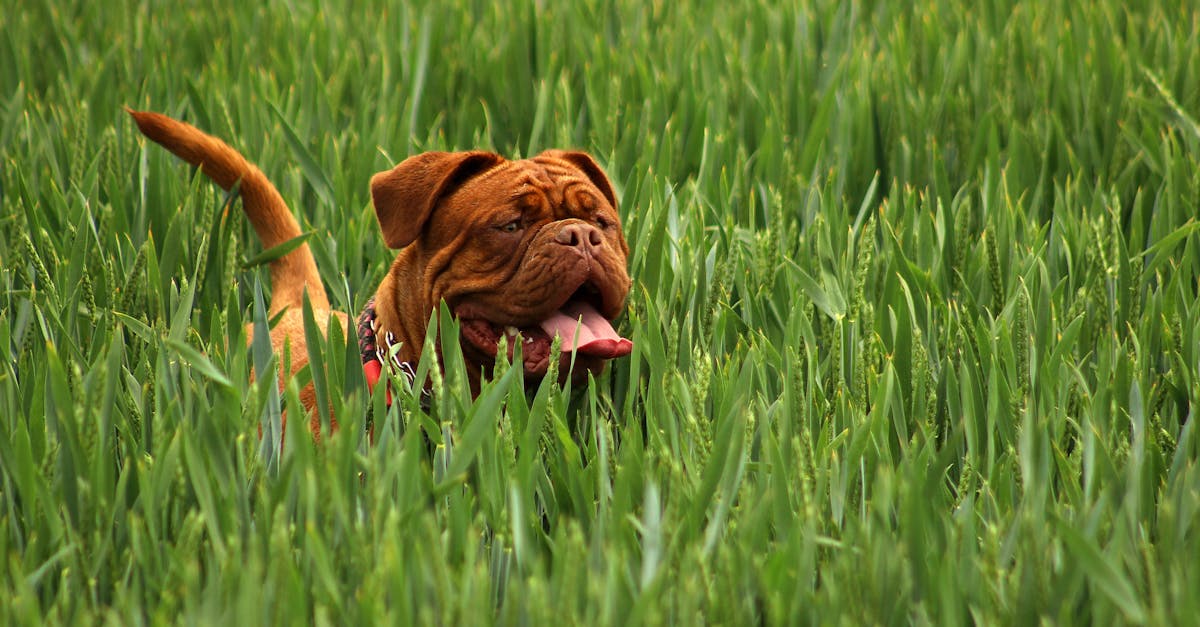
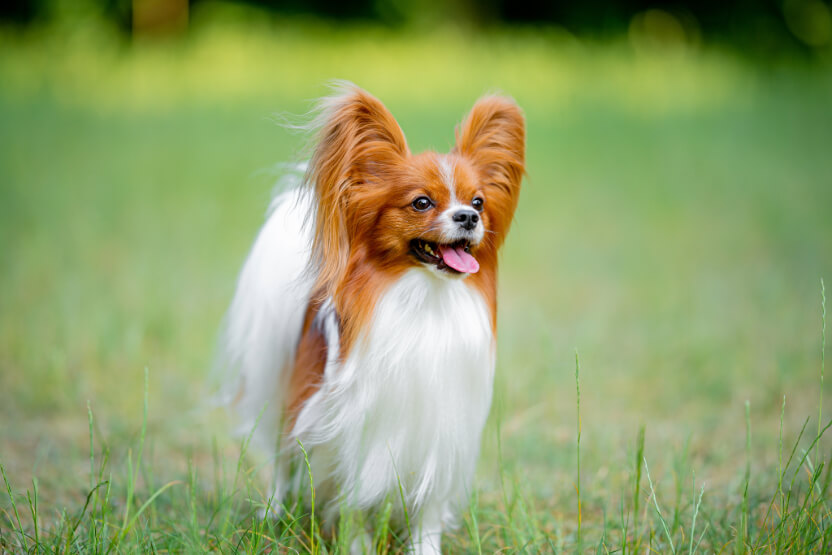
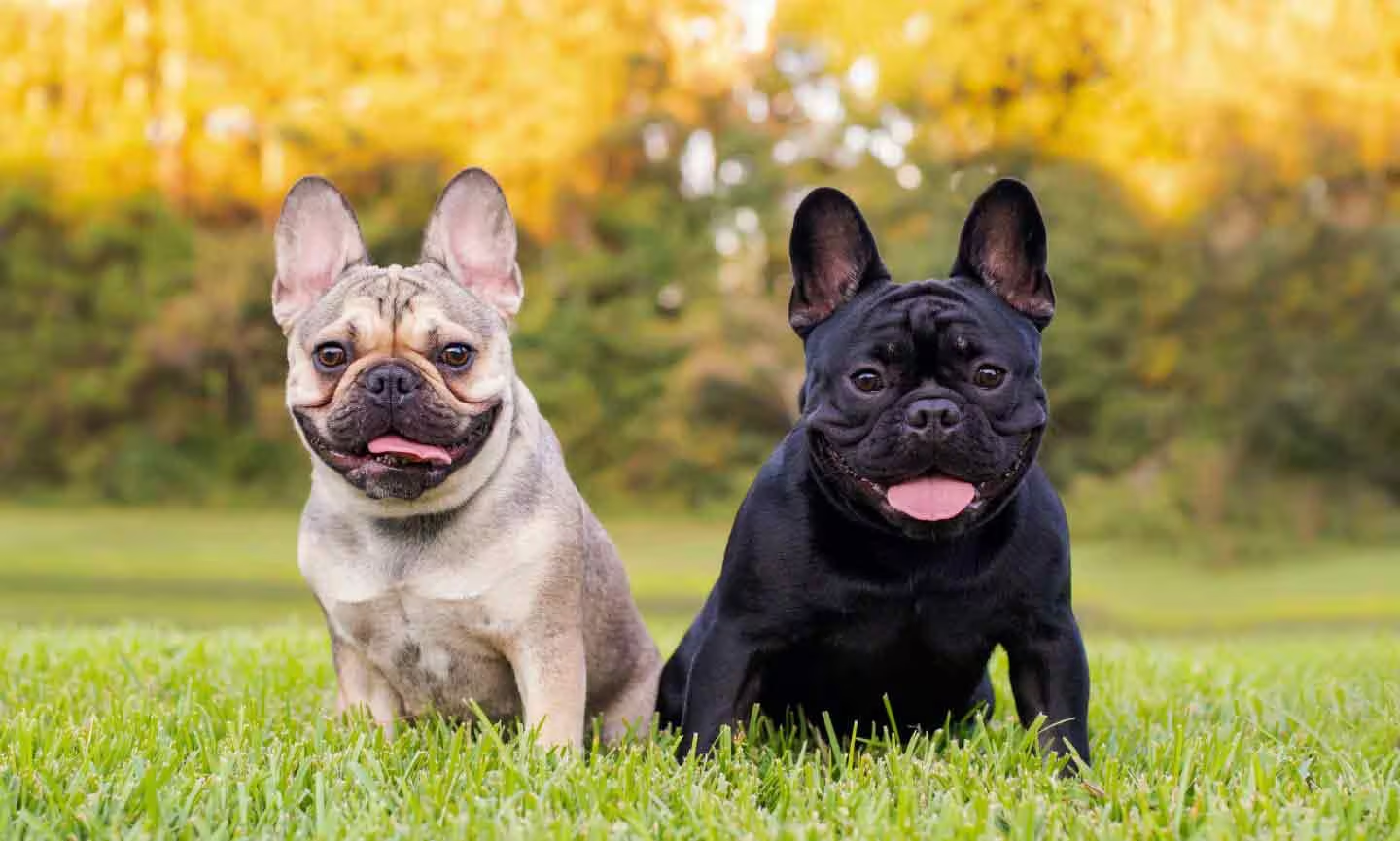
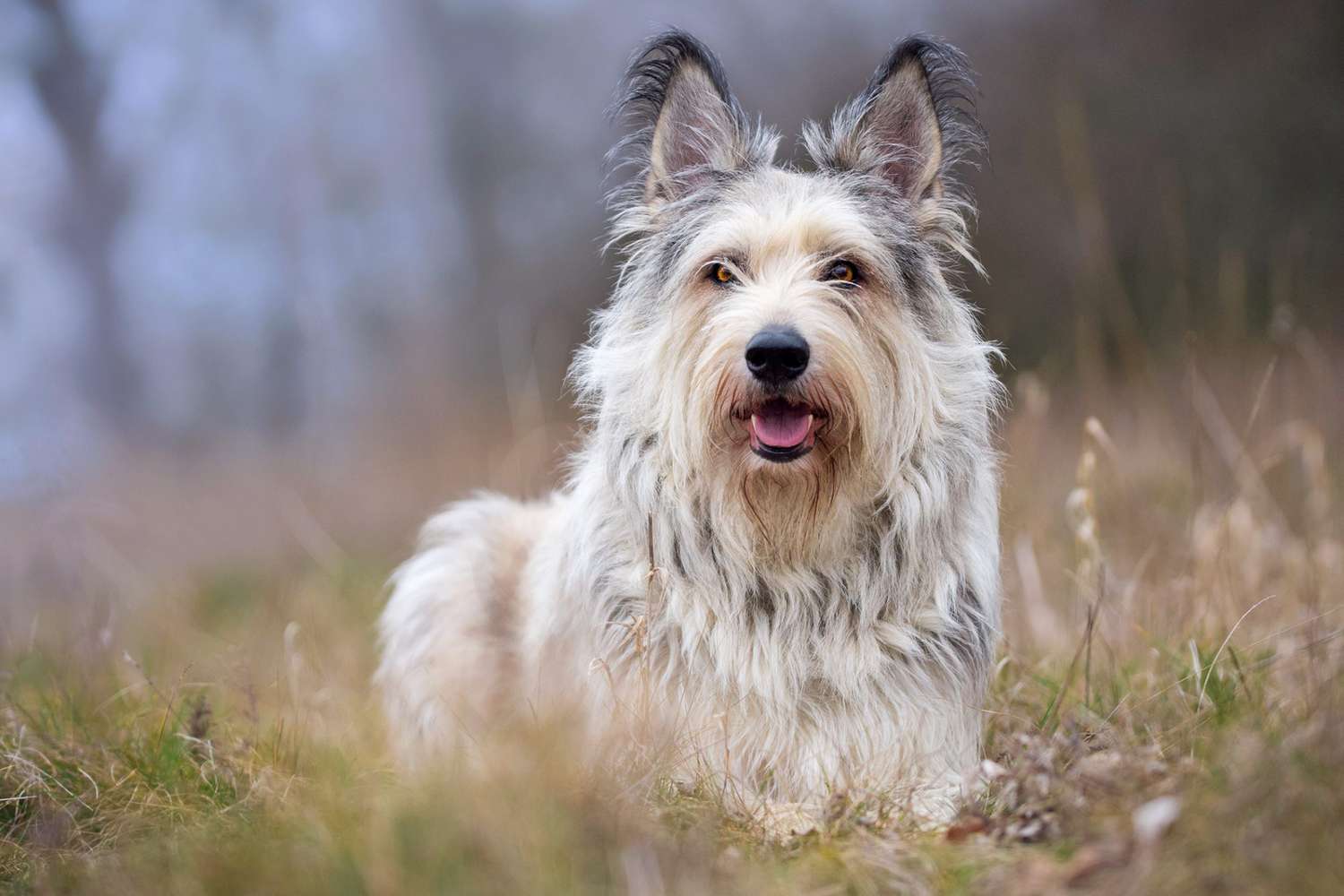
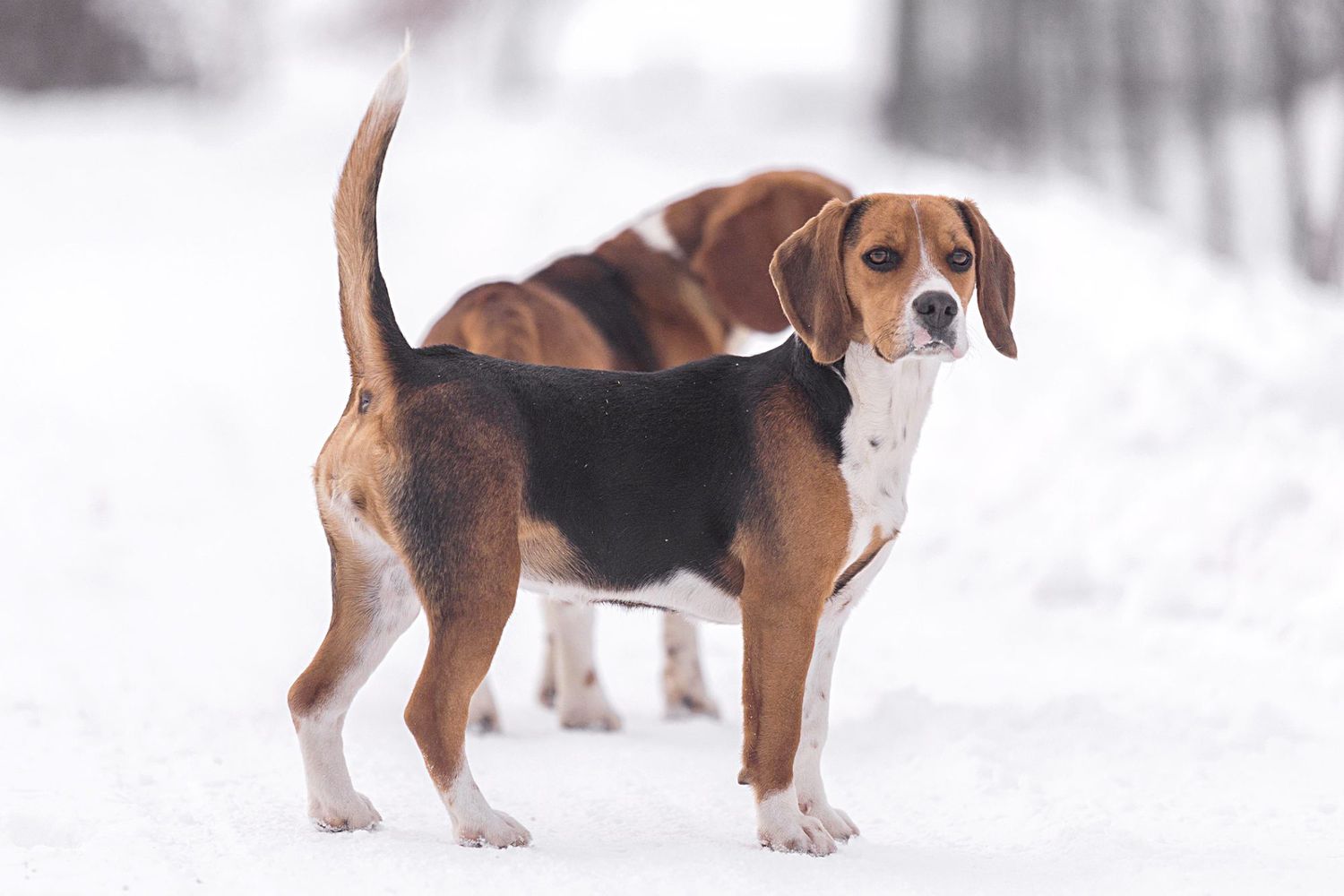
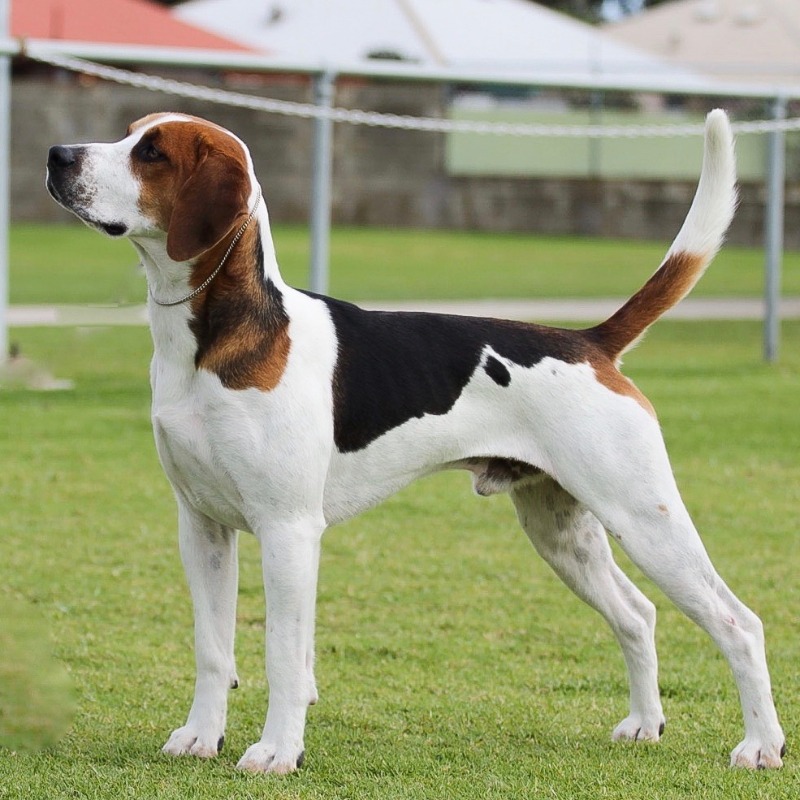
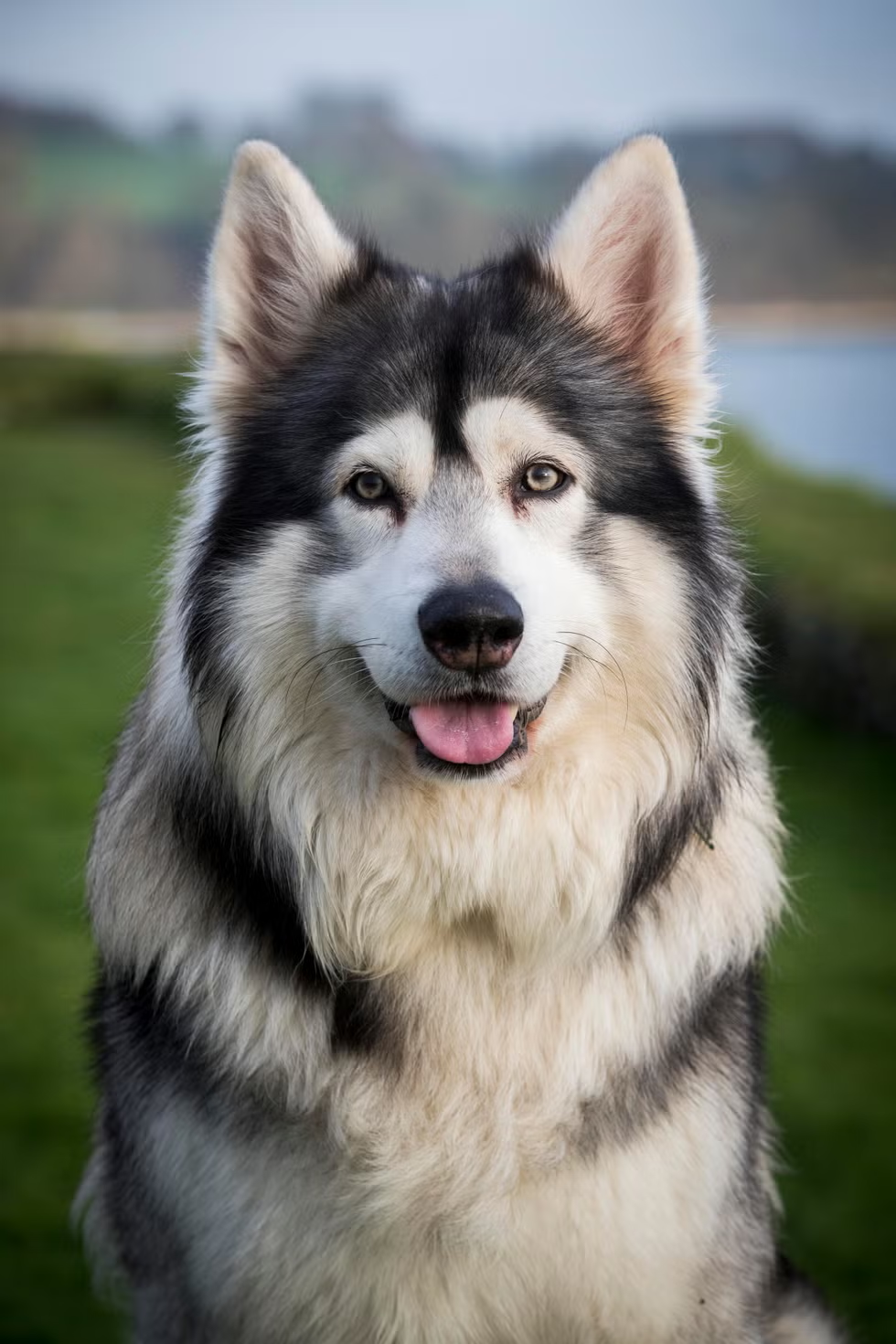
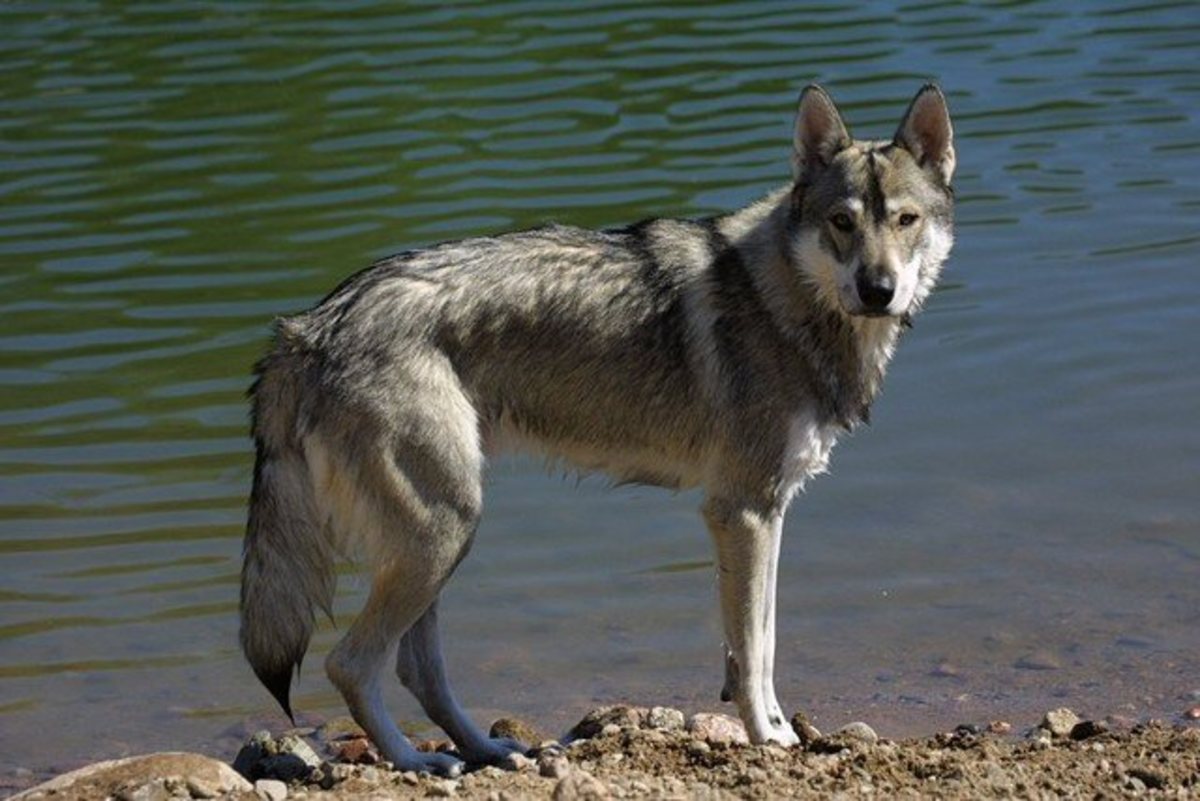
Looking to learn more about different dog breeds? Our Dog Breeds category offers comprehensive information about the world’s most popular and unique canine companions. Whether you’re searching for the perfect family pet, a loyal working dog, or a breed that matches your lifestyle, this section covers it all.
Topics Covered in This Category:
Popular Dog Breeds – Detailed profiles of beloved breeds like Labrador Retrievers, German Shepherds, Golden Retrievers, and more.
Small Dog Breeds – A guide to compact breeds like Chihuahuas, Pugs, and Dachshunds, perfect for apartment living.
Large Dog Breeds – Profiles of big breeds such as Great Danes, Mastiffs, and Saint Bernards, suitable for spacious homes.
Hypoallergenic Dog Breeds – Information on low-shedding dogs like Poodles and Shih Tzus, ideal for people with allergies.
Family-Friendly Dog Breeds – Best breeds for families with children, including Beagles, Cocker Spaniels, and Boxers.
Working and Service Dog Breeds – Focus on breeds like Border Collies and Belgian Malinois, renowned for their intelligence and versatility.
Guard Dog Breeds – Learn about protective breeds like Rottweilers, Dobermans, and Bullmastiffs, known for their loyalty and strength.
Rare and Exotic Dog Breeds – Discover lesser-known breeds such as Xoloitzcuintli, Thai Ridgebacks, and Lagotto Romagnolo.
Breed-Specific Health Issues – Insights into common health concerns by breed, ensuring you’re prepared for proper care.
Training and Temperament by Breed – Tips on understanding and training different breeds based on their unique personalities.
Choosing the Right Breed for You – Factors like size, temperament, exercise needs, and grooming requirements to help you find the ideal match.
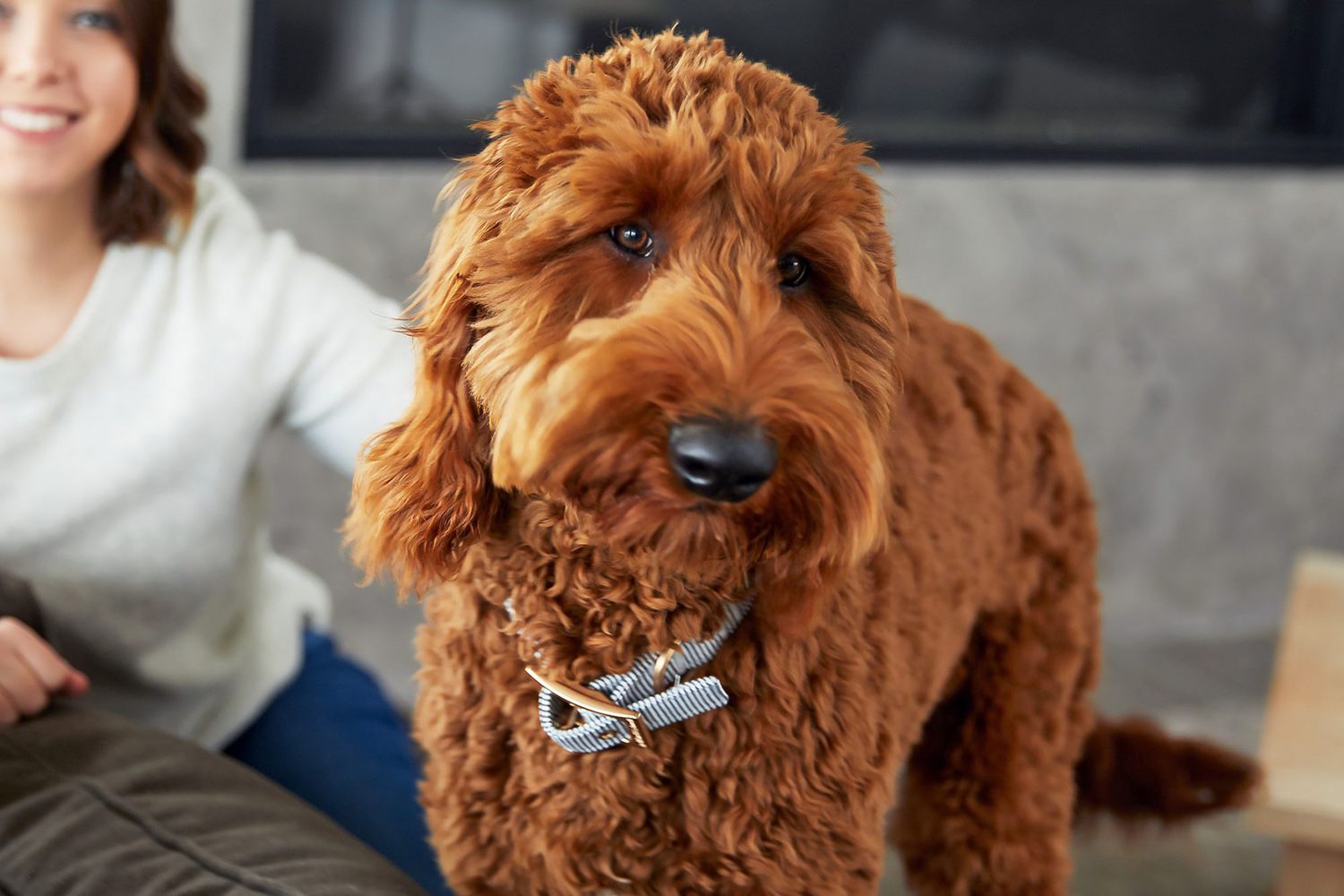
Mixed Breeds and Designer Dogs – Popular mixes like Labradoodles, Goldendoodles, and Pomskies explained.
Why Explore Our Dog Breeds Category?
Whether you’re a first-time dog owner or an experienced pet parent, understanding the traits, care needs, and temperaments of different breeds helps ensure a harmonious relationship with your canine companion. Our articles provide essential guidance to help you make informed decisions about adopting or buying a dog that suits your lifestyle and needs.
This category also includes practical tips for training, grooming, and healthcare, ensuring your dog stays happy and healthy. From playful small breeds to large working dogs, and hypoallergenic companions to rare breeds, you’ll find everything you need to know right here.
Ever wondered which canine could leave even the speediest humans in the dust? The industry of fast dogs is a fascinating area where nature’s engineering meets athletic prowess. We’re about to jump into the exhilarating industry of the fastest dogs, where speed isn’t just a trait—it’s a way of life.
What Makes a Dog Fast?
A dog’s speed is determined by a combination of physical attributes and genetic factors. Let’s explore the key elements that contribute to a dog’s swiftness and the breeds that exemplify these traits.
Anatomy and Physiology of Speed
The speed of a dog is primarily influenced by its body structure, musculature, and cardiovascular system. Dogs with lean, long-legged bodies and deep chests tend to be the fastest, as this build allows for longer strides and efficient oxygen intake. Muscular dogs, especially those with powerful leg muscles, generate more force and speed. Also, dogs with larger hearts and higher levels of red blood cells can deliver more oxygen to their muscles, improving their endurance and speed. For example, Greyhounds have larger hearts relative to their body size, contributing to their exceptional speed.
Breeds Built for Speed
Several dog breeds have been selectively bred for speed over generations. The Greyhound is widely recognized as the fastest dog breed, capable of reaching speeds up to 45 mph. Other swift breeds include the Saluki, Whippet, and Afghan Hound. These breeds share common characteristics such as a streamlined body, long legs, and a deep chest. Working dogs like the Border Collie and Australian Cattle Dog also exhibit impressive speed, combining agility with endurance. While many of these breeds were originally bred for exact tasks, they now excel in activities like lure coursing and agility competitions, showcasing their natural speed and athleticism.
Top 5 Fastest Dogs Breeds
When it comes to speed, these five dog breeds stand out from the pack. Each breed has unique characteristics that contribute to their impressive velocity, making them the fastest dogs in the industry.
Greyhound: The Speedster Champion
Greyhounds reign supreme as the fastest dog breed, clocking in at an astonishing 45 miles per hour (mph). These sleek canines are built for speed, with:
A thin, aerodynamic build
Well-defined muscle tone
A flexible spine for maximum stride length
Greyhounds can reach top speed within just six strides, showcasing their incredible acceleration. Their bodies are engineered for sprinting rather than endurance running. Even though their lightning-fast capabilities, Greyhounds are known for their gentle nature and enjoy spending much of their time relaxing.
Saluki: The Ancient Racer
The Saluki, an ancient breed from Egypt, takes second place with speeds of 42-45 mph. These elegant dogs share similarities with Greyhounds:
Sleek, aerodynamic body shape
Deep chest for enhanced lung capacity
Agile and built for hunting
Salukis are sighthounds, relying on their keen eyesight rather than scent for hunting. Their endurance surpasses that of Greyhounds, allowing them to maintain high speeds over longer distances. This made them valuable hunting companions in the Middle East, where they were used to chase down swift prey like gazelles and hares.
Afghan Hound: Elegant and Swift
Afghan Hounds combine grace with speed, reaching velocities of up to 40 mph. These regal dogs feature:
A long, silky coat
Powerful legs for quick acceleration
Excellent agility and maneuverability
Originally bred for hunting in the mountainous regions of Afghanistan, Afghan Hounds possess both speed and stamina. Their unique appearance, with flowing locks and dignified stance, often belies their athletic prowess. Even though their independent nature, Afghan Hounds excel in lure coursing and agility competitions.
Vizsla: The Versatile Sprinter
Vizslas are known for their versatility and can reach speeds of up to 40 mph. These Hungarian hunting dogs boast:
Muscular, lean bodies
High energy levels and stamina
Excellent nose for tracking
While not typically associated with racing, Vizslas possess remarkable speed and agility. Their endurance allows them to maintain high speeds for extended periods, making them excellent companions for active owners. Vizslas excel in various dog sports, including tracking, obedience, and agility trials.
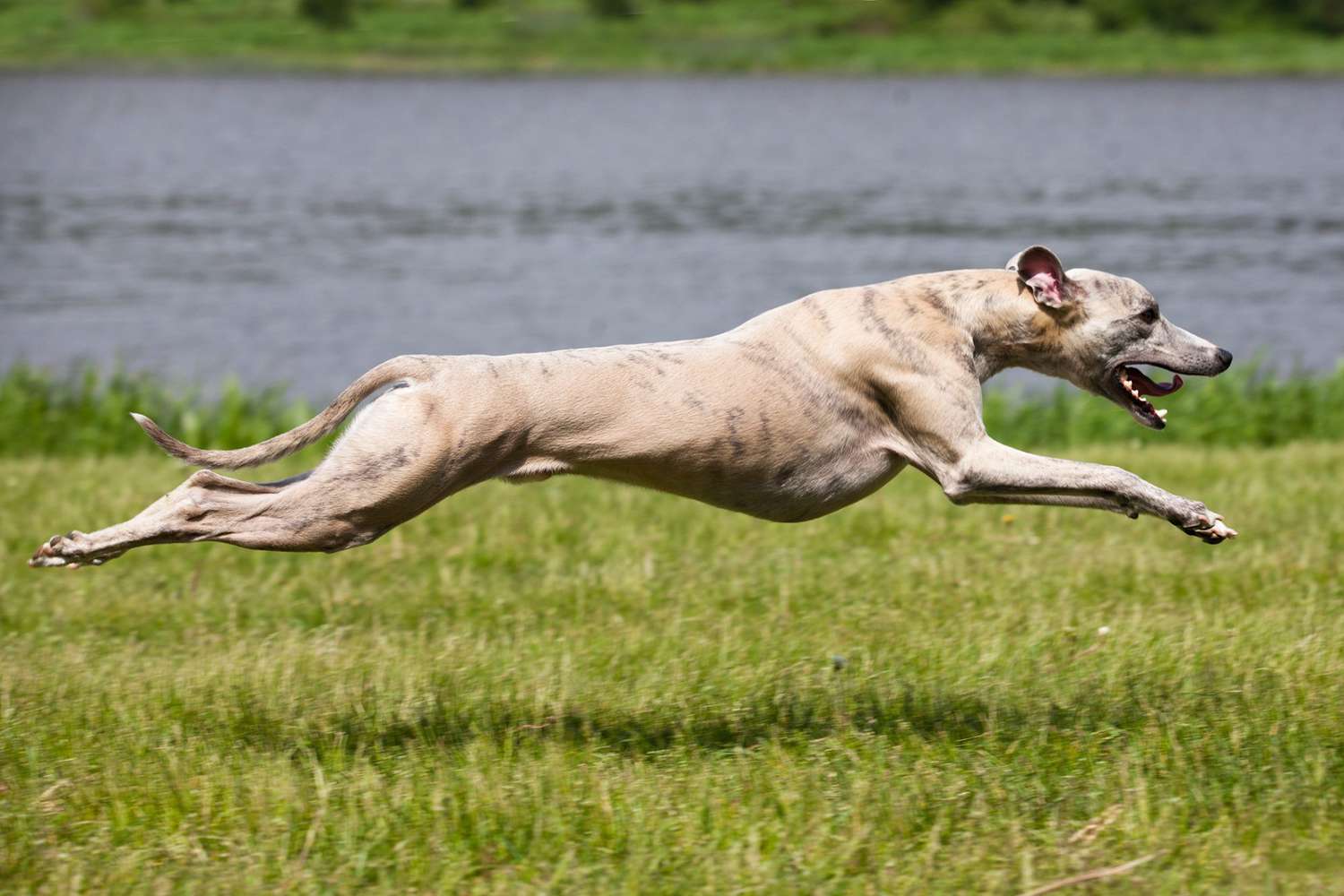
Whippet: The Miniature Missile
Whippets, often called “miniature Greyhounds,” can hit speeds of up to 35 mph. These small but mighty dogs feature:
A compact, muscular build
Deep chest for efficient oxygen intake
Incredible acceleration and agility
Even though their smaller size, Whippets pack a punch in terms of speed. Their ability to accelerate quickly and change direction on a dime makes them formidable competitors in lure coursing and racing events. Whippets combine their speedy nature with a gentle, affectionate personality, making them popular both as athletes and family companions.
Other Notable Fast Dog Breeds
While not topping the speed charts, several other dog breeds demonstrate impressive velocity. These breeds combine speed with unique traits, making them versatile and captivating companions.
Jack Russell Terrier
Jack Russell Terriers are known for their explosive speed, even though their small size. These energetic dogs can reach speeds of up to 30-38 mph, showcasing their impressive agility. Originally bred for hunting foxes, Jack Russells possess a sturdy and tough physique that belies their compact frame. Their protective instincts and high energy levels make them excellent working dogs and active companions. Jack Russells require regular exercise and mental stimulation to prevent boredom and potential destructive behavior. Their speed and agility make them well-suited for activities like agility courses and competitive sports, where they can channel their natural athleticism and intelligence.
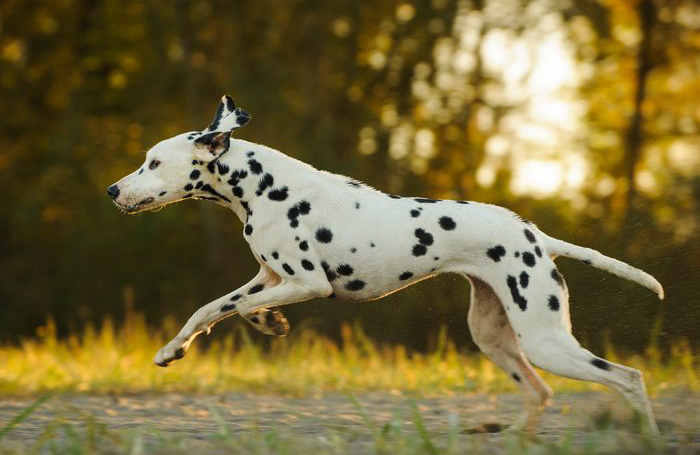
Dalmatian
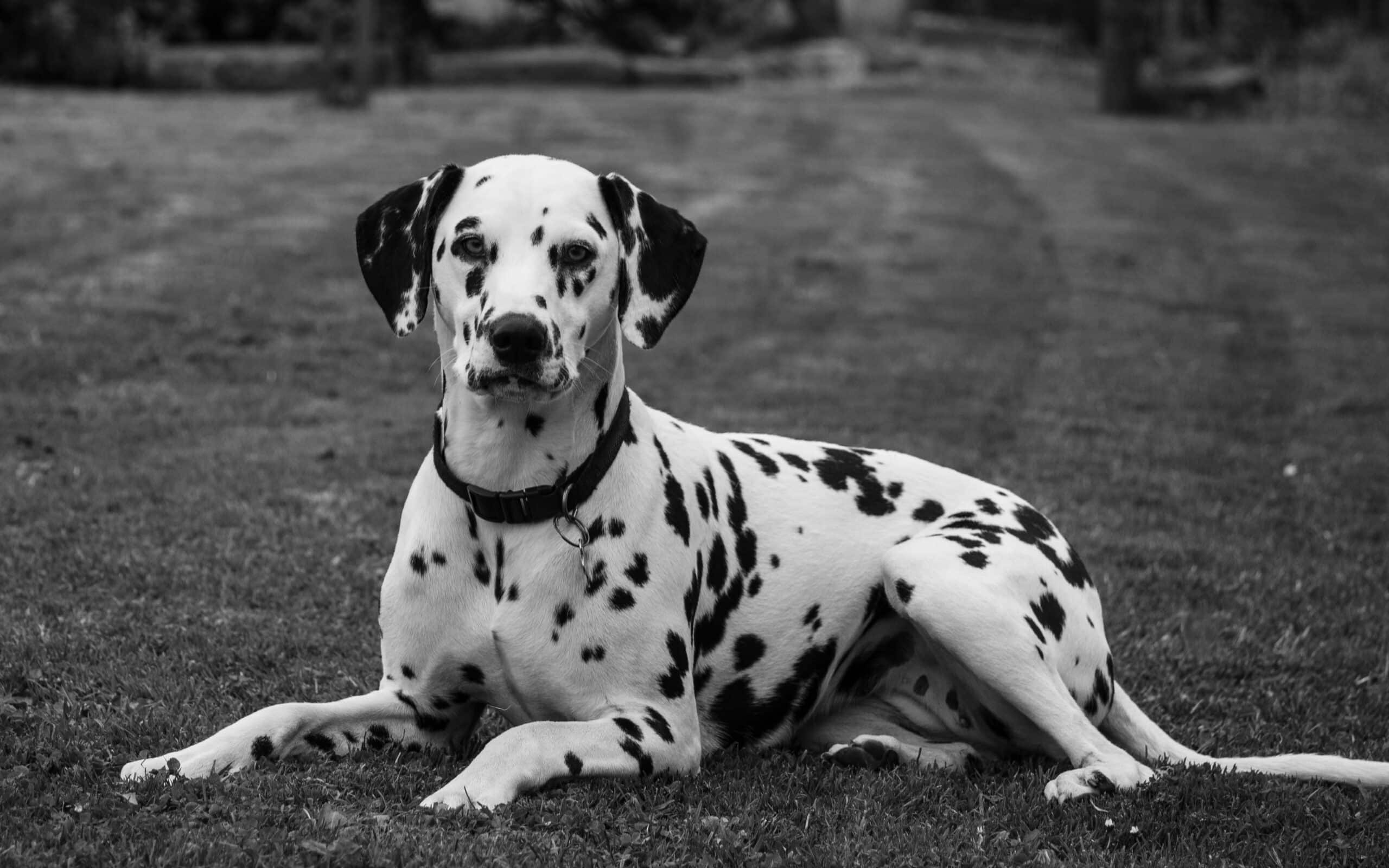
Dalmatians are highly athletic and energetic dogs capable of reaching speeds of 37 mph. Their muscular bodies and remarkable endurance allow them to maintain their pace for extended periods. This trait made them valuable companions for running alongside carriages to protect against highwaymen in the past. Dalmatians’ distinctive spotted coat and elegant stature make them visually striking as they sprint. These dogs have a high energy level and require regular exercise to stay healthy and content. Their protective instincts and alertness, combined with their speed, make them excellent watchdogs and active family companions. Dalmatians excel in various dog sports and activities that leverage their athleticism and endurance.
Borzoi
Borzoi, also known as Russian Wolfhounds, are elegant and swift sighthounds capable of impressive speeds. These graceful dogs can reach velocities of up to 35-40 mph, making them formidable hunters and competitors in coursing events. Borzoi possess a unique combination of speed, strength, and agility, allowing them to chase down prey over long distances. Their long, silky coats and regal appearance belie their athletic prowess. Originally bred for hunting wolves and other large game in Russia, Borzoi retain their strong prey drive and love of running. Even though their size, they’re generally calm and gentle indoors, making them adaptable companions. Borzoi require regular exercise and opportunities to run in safely enclosed areas to maintain their physical and mental well-being.
Measuring Canine Speed
Measuring canine speed requires specialized techniques and equipment to accurately capture the incredible velocities achieved by the fastest dog breeds. We’ll explore the top speeds achieved by various breeds and the methods used to test their speed.
Top Speeds Achieved
The fastest dog breeds showcase remarkable speed, with some reaching velocities that rival those of many other animals:
Greyhound: 45 mph
Saluki: 43 mph
Ibizan Hound: 40 mph
Vizsla: 40 mph
Whippet: 35-40 mph
These breeds, primarily sighthounds, share physical characteristics that contribute to their speed: long legs, sleek bodies, deep chests, and tucked-in waists. Their ability to sprint at high velocities stems from their hunting heritage and selective breeding for coursing competitions.
Methods of Speed Testing
Accurately measuring canine speed involves various techniques:
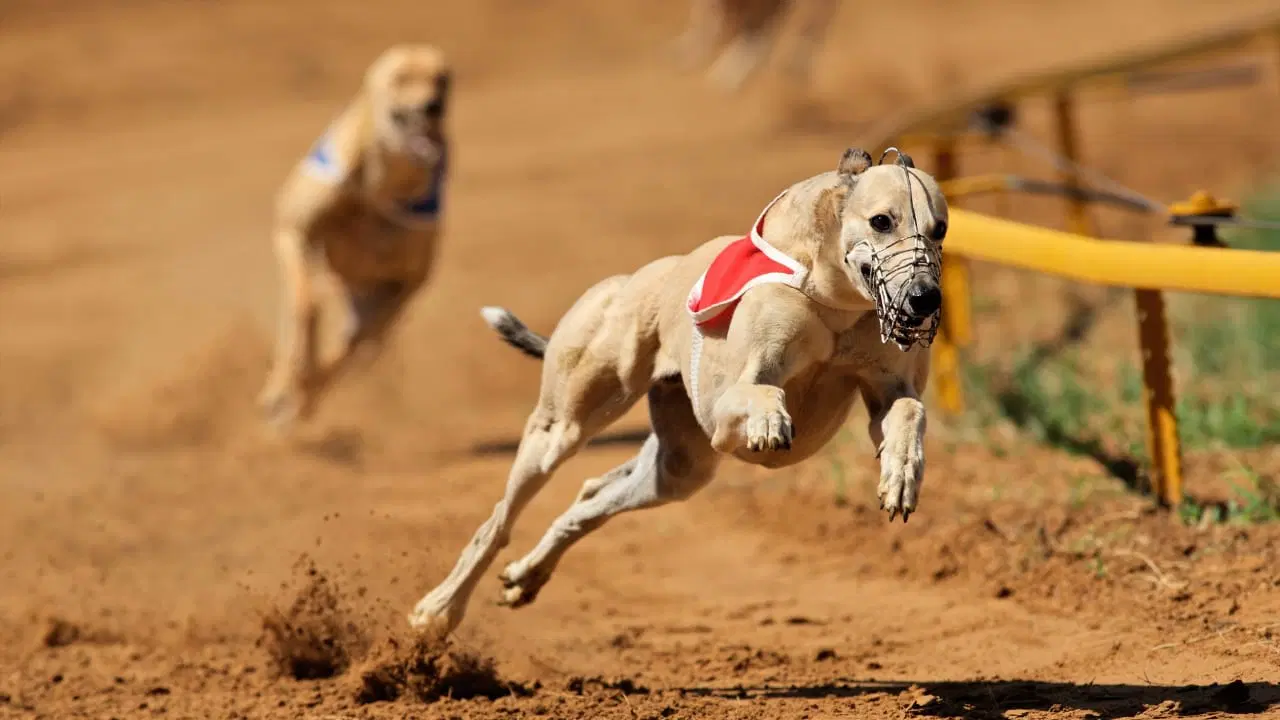
Track Racing: Greyhounds and whippets are often timed on oval tracks, providing consistent conditions for speed measurement.
Lure Coursing: This method uses a mechanical lure to simulate prey, allowing dogs to chase at top speeds while being timed over a set distance.
Radar Guns: Similar to those used in sports, radar guns can measure a dog’s speed during short sprints.
GPS Tracking: Advanced GPS collars can record a dog’s speed and distance traveled during runs or hunting activities.
High-Speed Cameras: Slow-motion footage analysis helps researchers study canine gait and calculate speed with precision.
These methods ensure accurate speed measurements, contributing to our understanding of canine athleticism and helping breeders refine traits for working and sporting dogs.
Training Fast Dogs
Training fast dogs requires a unique approach that capitalizes on their natural speed and agility. We’ll explore methods to enhance their innate abilities and prepare them for competitive racing.
Improving Natural Speed
To enhance a fast dog’s natural speed, we focus on exact training techniques. Interval training is crucial, alternating between short sprints and rest periods to build endurance and explosive power. Hill training strengthens leg muscles and improves overall speed. We incorporate agility exercises to enhance coordination and quick directional changes. Proper nutrition is essential, with high-protein diets supporting muscle development and recovery. Regular veterinary check-ups ensure the dog’s health and prevent injuries that could impede speed. Consistency in training is key, with sessions customized to the dog’s breed and individual capabilities. By combining these methods, we can maximize a fast dog’s potential and help them reach peak performance.
Competitive Racing
Competitive racing for fast dogs involves structured training and adherence to exact rules. We start with early socialization to familiarize dogs with racing environments. Training focuses on start box procedures, teaching dogs to burst out quickly when gates open. Lure training is essential, using mechanical lures to simulate prey and encourage pursuit. We carry out strict conditioning regimens to build stamina and prevent injuries. Race strategy training helps dogs navigate tracks efficiently and maintain focus.
Regular practice runs on official tracks prepare dogs for actual race conditions. Proper equipment, including specialized racing muzzles and jackets, is crucial for safety and performance. We also emphasize post-race cool-down routines and recovery practices to maintain the dog’s health and longevity in the sport. Adhering to racing regulations and ethical practices ensures fair competition and the well-being of these exceptional canine athletes.
Benefits and Challenges of Owning a Fast Dog
Owning a fast dog brings unique advantages and responsibilities. These swift companions offer exciting experiences but require exact care and attention. Let’s explore the exercise requirements and safety considerations for fast dog breeds.
Exercise Requirements
Fast dog breeds demand customized exercise routines to maintain their physical and mental well-being. Greyhounds, even though their speed, need short, intense bursts of activity and can be content with minimal exercise. They often sleep up to 18 hours a day. Belgian Malinois, on the other hand, are highly energetic and require regular, intense exercise. Daily hikes, runs, long games of fetch, or agility exercises keep them physically and mentally stimulated. Border Collies, known for their intelligence and energy, need substantial exercise and mental stimulation. These breeds thrive with active owners who can dedicate time to their physical and mental needs.
Safety Considerations
Ensuring the safety of fast dogs requires vigilance and proper precautions. Fast breeds like Greyhounds and Whippets have thin skin, making them prone to injuries during high-speed activities. It’s crucial to inspect their paws and body for cuts or abrasions after exercise. These dogs also have a strong prey drive, which can lead them to chase small animals at high speeds. Secure, fenced areas are essential for off-leash activities to prevent them from running into dangerous situations. Also, fast dogs may overheat quickly due to their intense exercise, so monitoring their temperature and providing adequate hydration is vital. Regular vet check-ups help maintain their cardiovascular health, crucial for their speed capabilities.
Conclusion
Fast dogs captivate us with their incredible speed and agility. From Greyhounds to Whippets these breeds showcase nature’s engineering at its finest. We’ve explored their unique traits training methods and the challenges of owning these swift companions. Whether you’re a competitive racer or simply an admirer of canine athleticism understanding these amazing animals enriches our appreciation for the diversity of the dog industry. As we’ve seen owning a fast dog requires dedication and care but the rewards of companionship with these remarkable athletes are truly unparalleled.
Have you ever heard of a dog breed with a name as unique as its heritage? Meet the Potcake Dog, a lovable companion with roots in the Caribbean islands. These charming canines have captured the hearts of many with their friendly nature and adaptable personality.
Potcake Dogs originated in the Bahamas and Turks and Caicos Islands, where they earned their quirky name from the local practice of feeding them the caked remains of cooking pots. We’ll explore how these resilient pups have evolved from island strays to beloved family pets, known for their intelligence, loyalty, and gentle temperament. Throughout this article, we’ll investigate into their fascinating history, distinctive characteristics, and why they might be the perfect addition to your home.
What Is a Potcake Dog?
A Potcake dog is a mixed-breed canine native to several Caribbean islands, including the Bahamas and Turks & Caicos. These unique dogs derive their name from a local culinary tradition and have a fascinating history that spans centuries.
Origin and Name
Potcake dogs emerged from a diverse lineage of canines brought to the Caribbean by various groups. Their ancestry includes dogs introduced by the Arawak people, terriers used for pest control on ships, and dogs that arrived with Loyalists during the American Revolutionary War. The name “Potcake” originates from the local practice of feeding these dogs the congealed rice mixture or leftovers from the bottom of cooking pots, known as “potcakes.” This dish, typically made of seasoned rice and pigeon peas, became so common that its remnants became a staple food for the island dogs, eventually giving them their distinctive moniker.
Breed Characteristics
Potcake dogs are known for their exceptional versatility and adaptability, making them ideal companions for various living situations. These intelligent canines are quick learners, responding well to training and easily fitting into different lifestyles. Potcakes typically exhibit a friendly nature, often displaying patience and gentleness, especially with children. Their social demeanor extends to other pets, provided they receive proper socialization from an early age.
In terms of appearance, Potcake dogs can vary widely due to their mixed heritage. But, they generally have a medium build, short coats, and expressive eyes. Their sizes range from small to medium, with adults typically weighing between 35 to 55 pounds. Coat colors can include various shades of brown, black, and white, often in unique combinations.
Potcakes are known for their loyalty and affection towards their owners, forming strong bonds with their families. They thrive in environments where they’re treated as part of the family, enjoying interaction and participation in daily activities. While generally calm, these dogs can be alert and protective of their home and loved ones, showcasing a balanced mix of affection and watchfulness.
Their adaptability extends to different living spaces, from apartments to houses with yards, making them a flexible choice for many potential dog owners. But, like all dogs, Potcakes benefit from regular exercise and mental stimulation to maintain their physical and emotional well-being.
History and Background
Potcake dogs have a rich history deeply rooted in Caribbean culture. These unique mixed-breed canines originated in the Bahamas and Turks & Caicos Islands, evolving from a diverse lineage of dogs brought by various settlers and travelers.
Caribbean Island Roots
Potcake dogs are native to the Bahamas and Turks & Caicos Islands, where they’ve thrived for centuries. Their name comes from the local practice of feeding them leftover “potcake” – a hardened mixture of rice, peas, and meat scraped from cooking pots. This culinary tradition shaped not only their name but also their adaptability to survive on limited resources.
The breed’s ancestry is a fascinating mix, including dogs brought by:
Arawak people (indigenous inhabitants)
Spanish settlers
British Loyalists fleeing the American Revolutionary War
Sailors and merchants (who introduced terriers for rodent control)
This diverse genetic pool resulted in the resilient, intelligent Potcake dogs we know today. Their ability to adapt to various environments and their friendly nature have made them beloved companions throughout the Caribbean.
Overpopulation Issues
Potcake dogs face important overpopulation challenges in their native islands. The lack of widespread spay and neuter programs has led to uncontrolled breeding, resulting in large populations of stray dogs. Key factors contributing to this issue include:
Limited resources for animal control
Cultural attitudes towards pet ownership
Insufficient veterinary care in remote areas
To address these problems, several organizations have initiated:
Spay and neuter clinics
Adoption programs (both local and international)
Education initiatives on responsible pet ownership
These efforts aim to manage the Potcake population humanely while preserving the breed’s unique characteristics. Even though challenges, Potcake dogs continue to capture hearts with their resilience and affectionate nature, both in their Caribbean homeland and beyond.
Potcake Dog Temperament
Potcake dogs are known for their exceptional temperament, combining intelligence, loyalty, and adaptability. These unique Caribbean canines possess a blend of traits that make them stand out as versatile companions.
Personality Traits
Potcake dogs exhibit a remarkable mix of intelligence, loyalty, and affection. They’re quick learners, responding well to positive reinforcement training methods. Their adaptability allows them to thrive in various environments, from tropical climates to snowy conditions. Potcakes display a balanced energy level, capable of being both playful and calm. They enjoy activities like running, playing fetch, and following scents, showcasing their athletic abilities. These dogs are also known for their alertness, often serving as effective watchdogs while maintaining their friendly nature. Their eagerness to please and strong bond with owners make them devoted companions.
Suitability for Families
Potcake dogs excel as family pets due to their gentle and sociable nature. They’re typically patient and gentle with children, making them ideal playmates. Their friendly demeanor extends to other pets, promoting harmonious households when properly socialized. Potcakes thrive on family interaction, eagerly participating in activities and enjoying being part of daily routines. Their adaptability suits various living situations, from apartments to houses with yards. While protective of their home and loved ones, they maintain a balanced temperament. Early socialization is crucial for developing their social skills and ensuring comfort around new people and animals. With their mix of affection and watchfulness, Potcake dogs integrate seamlessly into family life, providing companionship and security.
Physical Characteristics
Potcake dogs exhibit a diverse range of physical traits due to their mixed-breed heritage. These Caribbean canines possess unique features that make them stand out among other dog breeds.
Appearance and Size
Potcake dogs typically have a medium to large build, with males weighing 45-55 pounds and females 35-45 pounds. They stand 22-24 inches tall at the shoulder. Their appearance varies, but common features include:
Floppy or erect ears
Long faces with expressive almond-shaped eyes
Terrier-shaped faces and hound-like rib cages
Smooth, short coats (some may have longer or rougher fur)
Diverse coat colors: black, brown, tan, white, and brindle patterns
These dogs often display traits from shepherds, retrievers, terriers, and spaniels, resulting in a unique and appealing look. Their distinctive physical characteristics reflect their mixed ancestry and contribute to their charm as Caribbean companion animals.
Hip dysplasia: A common concern in medium to large-sized dogs
Heartworm disease: Prevalent in tropical climates
Skin allergies: Due to environmental factors in their native islands
Dental problems: Regular teeth cleaning is essential
To maintain optimal health:
Schedule regular veterinary check-ups
Provide a balanced diet suitable for their size and activity level
Ensure proper vaccinations and parasite prevention
Engage in regular exercise to maintain a healthy weight
While Potcakes are generally hardy, their mixed-breed nature can lead to unexpected health issues. Responsible ownership, including proper care and attention to their exact needs, helps ensure these Caribbean dogs lead long, healthy lives.
Care and Maintenance
Potcake dogs require attentive care and maintenance to thrive. We’ll explore their dietary needs, exercise requirements, and grooming essentials to ensure these resilient Caribbean canines stay healthy and happy.
Diet and Nutrition
Potcake dogs need a balanced diet customized to their size, age, and activity level. A high-quality dog food rich in protein, with a proper balance of carbohydrates and healthy fats, forms the foundation of their nutrition. Adult Potcakes typically require two meals daily, while puppies may need more frequent feeding. Fresh water should be available at all times.
When selecting food for Potcakes, consider:
Protein sources: Chicken, fish, or lamb as primary ingredients
Grain-free options for dogs with sensitivities
Appropriate portion sizes to maintain a healthy weight
Avoiding table scraps and human food, which can lead to obesity
Incorporating supplements if recommended by a veterinarian
Regular monitoring of your Potcake’s weight and adjusting food intake accordingly helps prevent obesity-related health issues. Consult with a veterinarian to develop a personalized nutrition plan that meets your Potcake’s exact needs.
Exercise Requirements
Potcake dogs possess a moderate energy level, requiring regular exercise to maintain physical and mental well-being. Daily activities should include:
30-60 minutes of moderate exercise
Brisk walks or jogs
Playtime in a securely fenced yard
Interactive games like fetch or tug-of-war
Mental stimulation through puzzle toys or training sessions
Exercise routines for Potcakes should consider:
Age and health status of the dog
Weather conditions, especially in hot climates
Variety in activities to prevent boredom
Gradual increase in intensity for puppies or senior dogs
Socialization opportunities with other dogs or people
Regular exercise helps prevent behavioral issues stemming from boredom or excess energy. It also strengthens the bond between Potcakes and their owners, promoting a happy, well-adjusted pet.
Grooming Needs
Potcake dogs have relatively low-maintenance grooming requirements, but regular care is essential for their overall health. Their short, smooth coats benefit from:
Daily teeth brushing or dental chews for oral health
Additional grooming considerations include:
Checking for skin issues or parasites during brushing sessions
Using a damp cloth to wipe eyes and remove any discharge
Adjusting grooming frequency during shedding seasons
Professional grooming services for thorough cleaning and coat maintenance
Consistent grooming not only keeps Potcakes looking their best but also allows owners to detect any health concerns early. Establishing a grooming routine from a young age helps Potcakes become comfortable with handling, making future veterinary visits less stressful.
Adoption and Rescue
Adopting a Potcake dog offers a chance to provide a loving home to a unique and resilient breed. These Caribbean canines are available through specialized rescue organizations and adoption processes designed to ensure the best match between dog and owner.
Rescue Organizations
Potcake Place K9 Rescue, located in Providenciales, Turks & Caicos Islands, stands out as a prominent non-profit organization dedicated to rescuing Potcake dogs. This charity focuses on reducing the number of homeless Potcakes on the island through adoption efforts. They place 100% of their rescues in approved, screened homes across the Turks and Caicos Islands and North America. Potcake Place relies entirely on donations and volunteers to operate, highlighting the community-driven nature of Potcake rescue efforts. Other organizations in the Bahamas and Caribbean islands also work tirelessly to rescue and rehome these special dogs, contributing to the overall welfare of the Potcake population.
Adoption Process
The adoption process for Potcake dogs involves several key steps to ensure a successful match. Initially, potential adopters research reputable rescue centers or adoption agencies specializing in Potcake dogs. It’s crucial to assess lifestyle compatibility, ensuring your home and habits suit a Potcake’s needs. Understanding the long-term responsibilities of dog ownership is essential before committing to adoption. Preparing your home for the new arrival includes setting up a welcoming environment with essential supplies.
Many rescue organizations conduct thorough screenings of potential adopters, which may include home visits, reference checks, and interviews. This process helps ensure that Potcakes are placed in suitable, loving homes. Patience is key during the adoption process, as it allows time for proper adjustment and bonding. Educating yourself about the breed’s exact needs and characteristics is also crucial for a successful adoption experience.
Potcake Dogs in Modern Culture
Potcake dogs have evolved from Caribbean strays to beloved companions, gaining recognition worldwide. Their unique history and characteristics have shaped their role in modern culture, both locally and globally.
Local Impact
Potcake dogs significantly influence Caribbean communities, particularly in the Bahamas and Turks and Caicos Islands. These islands face challenges with stray dog populations, often comprising potcakes. Local organizations have implemented spay and neuter programs to address overpopulation issues. Potcakes play a crucial role in island ecosystems, adapting to various environments from beaches to urban areas. Their presence has sparked tourism initiatives, with some visitors participating in “Potcake Puppy Therapy” programs. These dogs have become cultural icons, featured in local art, literature, and even on postage stamps, reflecting their deep integration into island life and identity.
Global Recognition
Potcake dogs have garnered international attention, transcending their Caribbean origins. Animal welfare organizations worldwide have initiated adoption programs, facilitating the relocation of potcakes to homes across North America and Europe. Celebrity endorsements and social media campaigns have raised awareness about these unique dogs, leading to increased adoption rates. Potcakes have been featured in documentaries and news segments, highlighting their resilience and adaptability.
Their mixed-breed status aligns with growing preferences for rescue dogs, appealing to adopters seeking distinctive pets with rich backgrounds. This global recognition has not only benefited potcakes but also raised awareness about responsible pet ownership and the importance of supporting animal welfare initiatives in developing regions.
Conclusion
Potcake dogs have captured our hearts with their unique charm and resilient spirit. From their humble Caribbean origins to their growing popularity worldwide these loyal companions embody adaptability and affection. We’ve explored their rich history distinctive traits and the challenges they face. By adopting or supporting Potcake dogs we’re not just gaining a loving pet but also contributing to animal welfare efforts. Their journey from island strays to beloved family members showcases the groundbreaking power of compassion and responsible pet ownership.
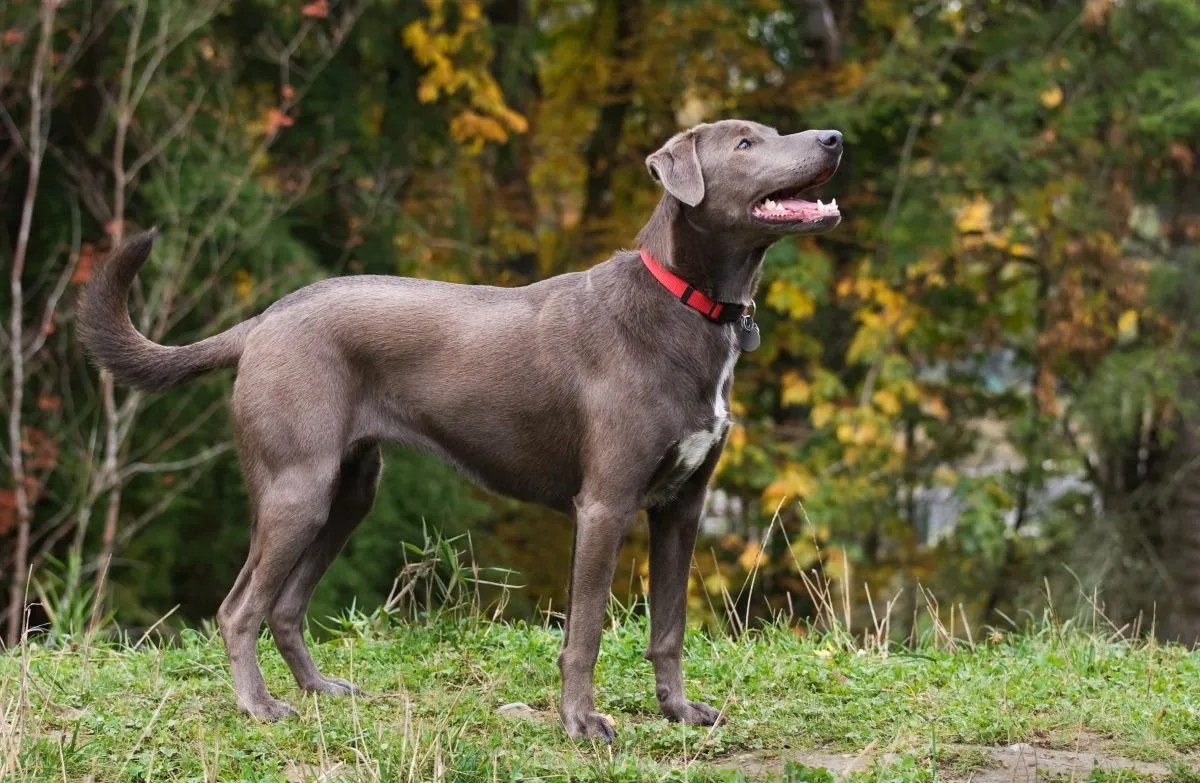
Have you ever heard of a dog breed that’s as rare as it’s beautiful? Meet the Blue Lacy, a medium-sized working dog with a fascinating history and a unique appearance. Originating in Texas in the mid-1800s, this breed carries a rare blue-color gene that sets it apart from other canines.
We’ll explore the Blue Lacy’s distinctive traits, from its sleek, glossy coat to its striking almond-shaped eyes. Known for their high energy and intelligence, these dogs are more than just pretty faces. They’re hardworking companions with a rich heritage in herding and droving livestock. Whether you’re a potential owner or simply curious about unique dog breeds, you’ll find the Blue Lacy’s story captivating.
What Is a Blue Lacy?
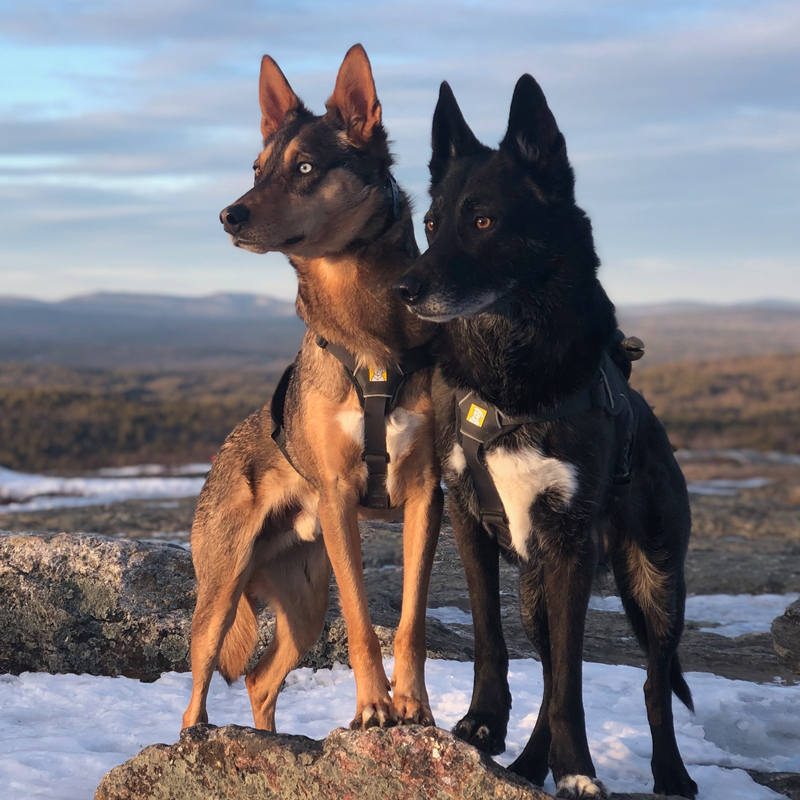
The Blue Lacy is a medium-sized working dog breed that originated in Texas during the mid-19th century. Developed by the Lacy brothers (Frank, George, Ewin, and Harry) in Burnet County, Texas, in 1858, this versatile breed was created to assist with various ranch tasks, including herding and hunting.
Physical Characteristics
Blue Lacys are known for their distinctive appearance:
Size: They typically stand 18 to 25 inches (46 to 64 cm) tall at the withers.
Weight: Females weigh 25 to 55 pounds (11 to 25 kg), while males range from 35 to 55 pounds (16 to 25 kg).
Coat: Their short, smooth, and tight coat comes in three permissible colors:
Blue: Any shade of gray from light silver to dark charcoal
Red: Ranging from light cream to rust
Tri-colored: A blue base with distinct red markings
Markings: White markings may appear on the brisket, stomach, and paws.
Eyes: Bright and distinctive, ranging from bright yellow to rich amber.
Temperament and Abilities
Blue Lacys are renowned for their:
High energy levels
Intelligence
Trainability
Strong work ethic
These traits make them excellent working dogs, particularly suited for:
Herding livestock (including cattle and hogs)
Hunting
Ranch work
Watchdog duties
Their adaptability and quick learning abilities allow them to handle various tasks efficiently. But, these same traits make them unsuitable for apartment living or novice owners due to their high intensity and energy requirements.
Recognition and Breed Status
The Blue Lacy is officially recognized by the National Kennel Club (NKC). In Texas, it holds a special status as the official State Dog Breed, acknowledging its deep roots in Texan history and culture.
Characteristic
Rating
Affection Level
Medium
Friendliness
Medium
Kid-Friendly
High
Pet-Friendly
Medium
Exercise Needs
High
Playfulness
High
Energy Level
High
Trainability
High
Intelligence
High
Tendency to Bark
Medium
Amount of Shedding
Low
The Blue Lacy’s unique combination of physical attributes, temperament, and working abilities make it a fascinating breed for those interested in active, intelligent dogs with a strong working heritage.
History and Origin of the Blue Lacy
The Blue Lacy, also known as the Lacy Dog or Texas Blue Lacy, boasts a rich history deeply rooted in the Lone Star State. This unique breed emerged in the mid-19th century, specifically designed to meet the demands of Texas ranchers and hunters.
Founding Brothers
The Blue Lacy’s story begins with the Lacy brothers: Frank, George, Ewin, and Harry. In 1858, these enterprising siblings migrated from Kentucky to Texas, settling in Burnet County. The brothers established themselves in the granite hills near Marble Falls, in the heart of the Texas Hill Country.
Breed Development
Recognizing the need for a versatile working dog, the Lacy brothers set out to create a breed that could handle the diverse tasks of ranch life. They aimed to develop a dog with:
Herding capabilities for free-roaming hogs and cattle
Tracking and treeing skills for small game
Hunting prowess for wild deer and hogs
Watchdog abilities for homestead protection
To achieve these goals, the Lacy brothers crafted a unique genetic blend. They combined:
Greyhounds: For speed and agility
Scenthounds: To enhance tracking abilities
Coyotes: To add intelligence and adaptability
While the exact type of scenthound used remains a topic of debate, theories suggest the inclusion of breeds such as:
Redbone hounds
Italian Greyhounds
July hounds
This carefully curated mix resulted in a dog breed perfectly suited to the demanding Texas environment and the diverse needs of ranchers and hunters.
Recognition and Legacy
The Blue Lacy quickly gained popularity among Texas ranchers, proving its worth in various working roles. It’s said that one Blue Lacy could perform the work of five cowboys, showcasing the breed’s exceptional efficiency and versatility.
Key milestones in the Blue Lacy’s history include:
Year
Event
Mid-1800s
Breed development by the Lacy brothers
1975
Concerted efforts to preserve the breed begin
2005
Blue Lacy named the official state dog of Texas
Even though a period of decline as the demand for ranch dogs decreased, dedicated breeders and enthusiasts worked tirelessly to preserve this unique Texas heritage. Their efforts paid off, leading to the Blue Lacy’s official recognition and its status as a symbol of Texas’s rich ranching history.
Today, the Blue Lacy remains primarily associated with Texas, rarely found outside the state. This geographic concentration has helped maintain the breed’s original characteristics and working abilities, ensuring that modern Blue Lacys still embody the vision of their creators, the Lacy brothers.
Physical Characteristics
The Blue Lacy boasts distinct physical traits that make it an ideal working dog. Let’s explore the size, build, coat, and colors that define this unique breed.
Size and Build
Blue Lacys are medium-sized dogs with a light, balanced, yet powerful build. They stand between 18 to 25 inches (46 to 64 cm) in height, with males typically being larger than females. These dogs weigh between 25 to 50 pounds (11 to 23 kg), with females generally on the lighter end of the spectrum. Their physique indicates great speed, strength, and dexterity, making them well-suited for various working tasks. The breed’s athletic build allows them to excel in activities such as herding, hunting, and ranch work, showcasing their versatility as a working breed.
Coat and Colors
Blue Lacys have a short, smooth, and sleek coat that’s low maintenance and requires minimal grooming. Even though their name, these dogs come in three distinct color varieties:
Blue: Any shade of gray from light silver to dark charcoal
Red: Ranges from light cream to rust
Tri-colored: Combines a blue base with distinct red markings
All Blue Lacys possess the blue-color gene, regardless of their coat color. White markings are common on the chest, stomach, and paws, but excessive white is discouraged. The breed’s coat colors often accentuate their sharp, alert eyes, which range from bright yellow to rich amber. It’s worth noting that an excessively long or rough coat is considered a disqualification in the breed standard. Blue Lacys shed an average amount, with heavier shedding occurring seasonally.
Temperament and Personality
Intelligence and Trainability
Blue Lacys are highly intelligent dogs with exceptional trainability. These quick learners respond well to positive reinforcement techniques, making them a joy to work with for experienced handlers. We’ve found that Blue Lacys excel in obedience training, picking up new commands rapidly and eagerly. Their keen intelligence extends beyond simple obedience, as they’re capable of learning complex tasks and solving problems efficiently.
But, it’s important to note that Blue Lacys are sensitive to harsh training methods. We recommend using rewards-based training approaches to get the best results. Consistency and patience are key when working with these intelligent canines. Their sensitivity also means they’re attuned to their owner’s emotions, making them excellent companions for those who appreciate a dog that’s in tune with their moods.
Energy and Activity Level
Blue Lacys are renowned for their high energy levels and need for constant activity. These dogs aren’t content with a leisurely stroll around the block; they require vigorous daily exercise to maintain their physical and mental well-being. We’ve observed that Blue Lacys thrive when given ample opportunities to run, play, and engage in challenging activities.
Ideal activities for Blue Lacys include:
Long runs or hikes
Agility training
Fetch games
Swimming
Herding exercises
Without sufficient physical and mental stimulation, Blue Lacys may become restless and potentially destructive. We recommend at least 1-2 hours of intense exercise daily to keep these energetic dogs happy and balanced.
Work Ethic and Drive
The Blue Lacy’s work ethic is deeply ingrained in their DNA, reflecting their origins as versatile ranch dogs in Texas. These dogs possess an unwavering dedication to their tasks, whether it’s herding livestock, tracking game, or assisting in various farm duties. We’ve found that Blue Lacys approach their work with enthusiasm and determination, often going above and beyond to complete their assigned tasks.
Their strong work drive makes Blue Lacys excellent partners for:
Ranchers and farmers
Hunters
Search and rescue teams
Law enforcement agencies
It’s worth noting that this intense work drive can be challenging in a typical family setting. Blue Lacys need a job to do, and without proper outlets for their energy and intelligence, they may become bored and potentially problematic. We recommend providing these dogs with regular, structured activities that simulate work environments to keep them mentally stimulated and physically satisfied.
To conclude, the Blue Lacy’s temperament and personality are characterized by their exceptional intelligence, high energy levels, and strong work ethic. These traits make them ideal working dogs but also require owners who can provide ample exercise, mental stimulation, and purposeful activities. With the right environment and training, Blue Lacys can be loyal, affectionate, and highly capable companions.
Care Requirements
Blue Lacy dogs require dedicated care to thrive. Their high energy levels and intelligence demand exact attention to exercise, grooming, and nutrition. Here’s what you need to know about caring for these vibrant working dogs.
Exercise Needs
Blue Lacys have high exercise requirements due to their energetic nature. They need at least 60-90 minutes of vigorous activity daily. Long walks, runs, or high-intensity games like fetch are essential. Mental stimulation is equally important; activities such as agility training, herding exercises, or puzzle toys keep their minds engaged. Without proper exercise, Blue Lacys may become destructive or develop behavioral issues. Swimming, hiking, and flirt pole sessions are excellent ways to expend their energy. Regular exercise not only maintains their physical health but also strengthens the bond between dog and owner.
Grooming
Blue Lacys have a short, smooth coat that’s relatively low-maintenance. They shed moderately year-round, with heavier shedding during seasonal changes. Weekly brushing with a soft-bristled brush or grooming mitt helps remove loose hair and distribute natural oils. Bathe them only when necessary, typically every 2-3 months, to avoid stripping their coat of essential oils. Regular nail trimming, ear cleaning, and teeth brushing are crucial for overall health. Check their paws after outdoor activities for any debris or injuries. Their coat’s natural weather resistance means they don’t require frequent bathing, making grooming a straightforward task for owners.
Nutrition and Feeding
Proper nutrition is crucial for maintaining the Blue Lacy’s high energy levels and overall health. Feed them high-quality, protein-rich dog food appropriate for their age, size, and activity level. Adult Blue Lacys typically require 2-3 cups of dry food daily, divided into two meals. But, adjust portions based on individual needs, considering factors like age, weight, and exercise routine. Avoid overfeeding, as Blue Lacys can be prone to weight gain if inactive. Fresh water should always be available. Consider supplements like omega-3 fatty acids for coat health and joint support, especially for working dogs. Consult with a veterinarian to create a customized nutrition plan that meets your Blue Lacy’s exact needs.
Training and Socialization
Intellect and Trainability
Blue Lacys possess exceptional intelligence and remarkable trainability. These dogs excel in various activities, including obedience, agility, herding, hunting, and tracking. Their keen minds and physical prowess make them ideal candidates for diverse challenges.
Effective Training Methods
When training Blue Lacys, we recommend the following approaches:
Use firm yet gentle commands
Avoid yelling, as Blue Lacys are sensitive to harsh tones
Carry out positive reinforcement with treats and praise
Maintain consistency and patience throughout the training process
Consider using check cords and shock collars cautiously, if necessary
Blue Lacys respond well to stern but soft commands. Their sensitivity requires a balanced approach to training, combining firmness with kindness. Positive reinforcement techniques prove highly effective, encouraging desired behaviors through rewards and praise.
Consistency and Socialization
To ensure optimal development of Blue Lacys, we emphasize:
Daily training sessions for mental and physical stimulation
Regular obedience training to reinforce good behavior
Providing challenging tasks that engage their working instincts
Early and ongoing socialization with people and other animals
Consistent training is crucial for Blue Lacys. These dogs thrive on mental challenges and physical activities. Incorporating daily training sessions helps maintain their focus and prevents boredom-related behavioral issues.
Addressing Potential Challenges
While training Blue Lacys, we may encounter:
Headstrong behavior
Testing of boundaries
High energy levels requiring proper channeling
To overcome these challenges, we recommend:
Establishing clear boundaries early in training
Providing ample physical exercise to manage energy levels
Incorporating mentally stimulating activities in training sessions
Remaining patient and consistent in reinforcing desired behaviors
By addressing these potential hurdles proactively, we can ensure a well-balanced and obedient Blue Lacy.
Advanced Training Opportunities
For owners seeking to maximize their Blue Lacy’s potential, we suggest exploring:
Agility training courses
Herding trials and competitions
Search and rescue training programs
Scent work and tracking exercises
These advanced training opportunities tap into the Blue Lacy’s natural abilities and provide an excellent outlet for their energy and intelligence.
Socialization Strategies
Proper socialization is vital for Blue Lacys. We recommend:
Exposing them to various environments from an early age
Introducing them to different people, animals, and situations
Enrolling in puppy socialization classes
Regularly visiting dog parks or arranging playdates
Early and ongoing socialization helps Blue Lacys develop into well-adjusted adult dogs, comfortable in diverse settings and situations.
By following these training and socialization guidelines, we can harness the full potential of Blue Lacys, ensuring they become well-mannered, versatile, and happy companions.
Health Concerns
Blue Lacys are generally healthy dogs, but they’re prone to certain genetic health issues. Understanding these potential concerns helps owners provide better care and maintain their dog’s well-being.
Common Health Issues
Blue Lacys are susceptible to several health conditions:
Color Dilution Alopecia (CDA): This genetic condition affects blue-colored dogs, causing hair loss, skin problems, and bare patches. Symptoms include thinning hair, bald spots, flaky skin, and discoloration.
Food Allergies: Blue Lacys may develop allergies to certain proteins or ingredients in commercial dog food, leading to skin issues and other health problems.
Hip and Elbow Dysplasia: These joint conditions can cause lameness and mobility issues, affecting the dog’s quality of life.
Hypothyroidism: This endocrine disorder results from inadequate thyroid hormone production, impacting the dog’s overall health and metabolism.
Regular veterinary check-ups and awareness of these potential issues can help owners detect and address health concerns early.
Lifespan and Preventive Care
Blue Lacys typically live 12-16 years with proper care. To ensure a long, healthy life:
Schedule regular veterinary check-ups
Maintain a balanced diet customized to the dog’s age and activity level
Provide daily exercise to keep them physically and mentally stimulated
Practice good dental hygiene with regular teeth brushing
Keep vaccinations and parasite prevention up-to-date
Early detection and treatment of health issues significantly improve outcomes. By following these preventive care measures, owners can help their Blue Lacys live full, active lives.
Blue Lacy as a Working Dog
The Blue Lacy’s reputation as an exceptional working dog stems from its versatile skill set and unwavering dedication to tasks. These intelligent and energetic canines excel in various roles, making them invaluable assets to ranchers, hunters, and law enforcement agencies.
Herding and Livestock Management
Blue Lacys demonstrate remarkable proficiency in herding and managing livestock. Their agility and stamina allow them to effectively control cattle, sheep, and other farm animals. Ranchers often rely on Blue Lacys to:
Round up scattered herds
Drive livestock to designated areas
Assist in separating animals for medical treatment or transport
Their natural herding instincts, combined with their swift movements, enable Blue Lacys to efficiently manage even large herds with minimal human intervention.
Hunting and Tracking
The Blue Lacy’s keen sense of smell and athletic build make it an excellent hunting companion. These dogs are particularly adept at:
Tracking wounded game
Treeing small animals
Retrieving downed birds
Hunters appreciate the Blue Lacy’s ability to work in various terrains and weather conditions, from dense forests to open fields. Their persistence and stamina ensure they can maintain focus throughout extended hunting expeditions.
Search and Rescue Operations
Law enforcement agencies and search and rescue teams often employ Blue Lacys for their tracking abilities and endurance. These dogs excel in:
Locating missing persons
Detecting contraband substances
Assisting in disaster recovery efforts
Their intelligence and trainability allow Blue Lacys to quickly learn and execute complex search patterns, making them valuable assets in time-sensitive situations.
Ranch Work and Property Protection
On ranches and large properties, Blue Lacys serve multiple purposes:
Assisting with daily chores
Alerting owners to potential threats or intruders
Helping to maintain fences and boundaries
Their versatility and strong work ethic make Blue Lacys indispensable partners for ranchers and property owners who require assistance with various tasks throughout the day.
Adaptability to Different Working Environments
Blue Lacys demonstrate remarkable adaptability, allowing them to perform effectively in diverse settings:
Rural ranch environments
Urban search and rescue scenarios
Wilderness hunting expeditions
This flexibility makes Blue Lacys valuable working dogs across a wide range of industries and applications.
Training for Working Roles
To maximize their potential as working dogs, Blue Lacys require consistent training and socialization from an early age. Key aspects of their training include:
Obedience training to establish a strong foundation
Task-exact training for their intended working role
Regular exercise and mental stimulation to maintain their focus and stamina
With proper training and guidance, Blue Lacys can develop into highly skilled and reliable working companions, capable of tackling a variety of challenging tasks with enthusiasm and precision.
Adopting or Buying a Blue Lacy
When considering bringing a Blue Lacy into your home, it’s essential to understand the options available and the responsibilities that come with ownership. We’ll explore the adoption process, what to look for in a reputable breeder, and key factors to consider before making your decision.
Adoption Options
Adopting a Blue Lacy from a rescue organization or shelter is a commendable choice. It provides a loving home to a dog in need and often comes with several benefits:
Lower initial costs compared to purchasing from a breeder
Adult dogs with established personalities and basic training
Support from rescue organizations during the transition period
To find adoptable Blue Lacys:
Check local animal shelters
Contact breed-exact rescue organizations
Search online adoption platforms
Attend adoption events in your area
Choosing a Reputable Breeder
If adoption isn’t feasible, purchasing from a reputable breeder is crucial. A responsible breeder:
Prioritizes the health and temperament of their dogs
Conducts necessary health screenings
Provides a nurturing environment for puppies
Offers support throughout the dog’s life
When selecting a Breeder:
Research their reputation and breeding practices
Visit their facility to observe living conditions
Ask for health clearances and genetic testing results
Meet the puppy’s parents to assess temperament
Inquire about socialization efforts for puppies
Considerations Before Bringing Home a Blue Lacy
Before adopting or purchasing a Blue Lacy, evaluate your lifestyle and living situation:
Space requirements: Blue Lacys need ample room to exercise and play
Time commitment: They require important daily physical and mental stimulation
Training experience: Blue Lacys are intelligent but may challenge novice owners
By thoroughly researching and preparing for a Blue Lacy, you’ll be better equipped to provide a loving, suitable home for this energetic and intelligent breed. Whether adopting or purchasing, ensuring you’re ready for the commitment will lead to a rewarding relationship with your new canine companion.
Is a Blue Lacy Right for You?
Origin and History
The Blue Lacy’s roots trace back to mid-19th century Texas, where the Lacy brothers developed this versatile working breed. Originally bred for herding cattle, hogs, and other livestock, as well as hunting, Blue Lacys have a rich history deeply intertwined with Texas ranching culture.
Physical Characteristics
Blue Lacys are medium-sized dogs with a distinctive appearance:
Height: 18-25 inches
Weight: 30-50 pounds
Coat: Short, smooth, and glossy
Colors: Blue (light silver to dark charcoal), red (light cream to rust), or tri-colored
Eyes: Sharp and alert, typically bright yellow or rich amber
Their sleek build and unique coat colors make Blue Lacys stand out among other breeds.
Temperament and Personality
Blue Lacys possess a range of traits that make them excellent working dogs:
Intelligence: Highly intelligent and quick learners
Trainability: Respond well to positive, rewards-based training
Energy level: High energy, requiring plenty of exercise
Work ethic: Strong drive to work and perform tasks
Loyalty: Devoted to their families
Alertness: Natural watchdogs
These traits make Blue Lacys well-suited for active owners who can provide ample mental and physical stimulation.
Exercise Needs
Blue Lacys have high exercise requirements:
Daily exercise: 60-90 minutes of vigorous activity
Activities: Long runs, agility training, herding exercises
Mental stimulation: Puzzle toys, obedience training
Failing to meet their exercise needs can lead to boredom and potential behavioral issues.
Living Environment
Blue Lacys thrive in environments that offer:
Ample space: Large yards or access to open areas
Active lifestyle: Families or individuals who enjoy outdoor activities
Stimulating environment: Opportunities for work or play
They’re not well-suited for apartment living or sedentary lifestyles.
Training and Socialization
Effective training for Blue Lacys involves:
Positive reinforcement techniques
Consistency and patience
Early socialization
Firm but gentle commands
Avoiding harsh training methods
Their intelligence makes them quick learners, but their sensitivity requires a thoughtful approach to training.
Health Considerations
While generally healthy, Blue Lacys can be prone to certain issues:
Color Dilution Alopecia
Food allergies
Hip and elbow dysplasia
Hypothyroidism
Regular veterinary check-ups and awareness of these potential issues are crucial for maintaining their health.
Grooming Needs
Blue Lacys have relatively low-maintenance grooming requirements:
Weekly brushing
Occasional baths
Regular nail trimming and dental care
Their short coat sheds moderately, with heavier shedding occurring seasonally.
Ideal Owner Profile
The ideal Blue Lacy owner is:
Active and outdoorsy
Experienced with high-energy dogs
Committed to providing mental and physical stimulation
Able to offer consistent training and socialization
Living in a spacious environment
Interested in working dog activities or sports
Considerations Before Adopting
Before bringing a Blue Lacy into your home, consider:
Your lifestyle and activity level
Available living space
Time commitment for exercise and training
Experience with working breeds
Long-term commitment to the dog’s care
By carefully evaluating these factors, you can determine if a Blue Lacy is the right fit for your household and lifestyle.
Conclusion
The Blue Lacy stands out as a remarkable breed with a rich history and versatile skill set. We’ve explored their unique characteristics, from their striking appearance to their exceptional working abilities. These intelligent and energetic dogs require dedicated owners who can provide ample exercise, consistent training, and proper care. While not suitable for everyone, Blue Lacys make loyal and capable companions for those ready to meet their needs. With the right approach, these Texas treasures can thrive in various roles, from family pets to working dogs, continuing their legacy as a true American breed.
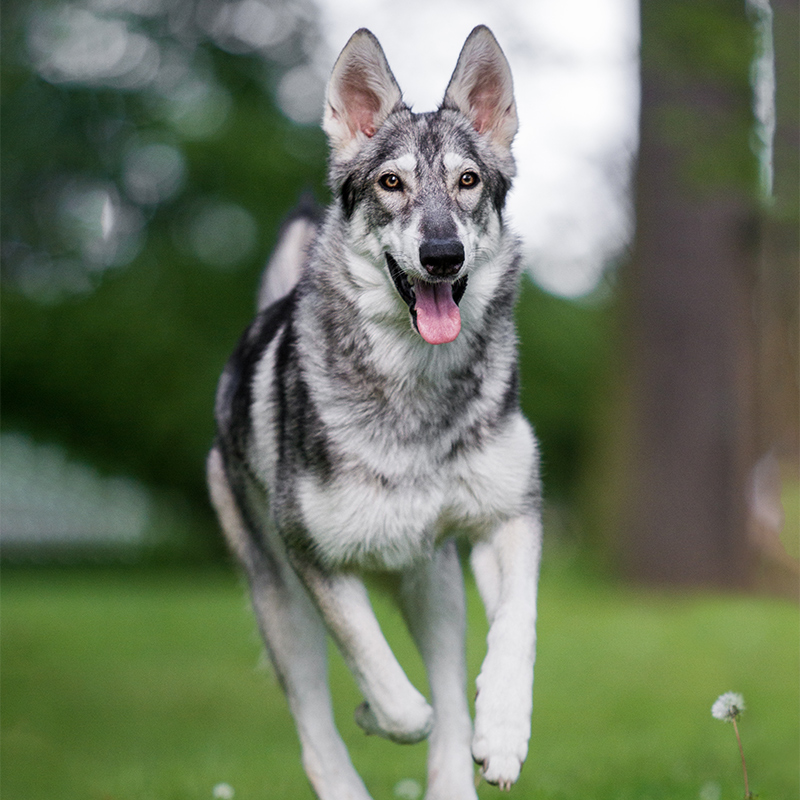
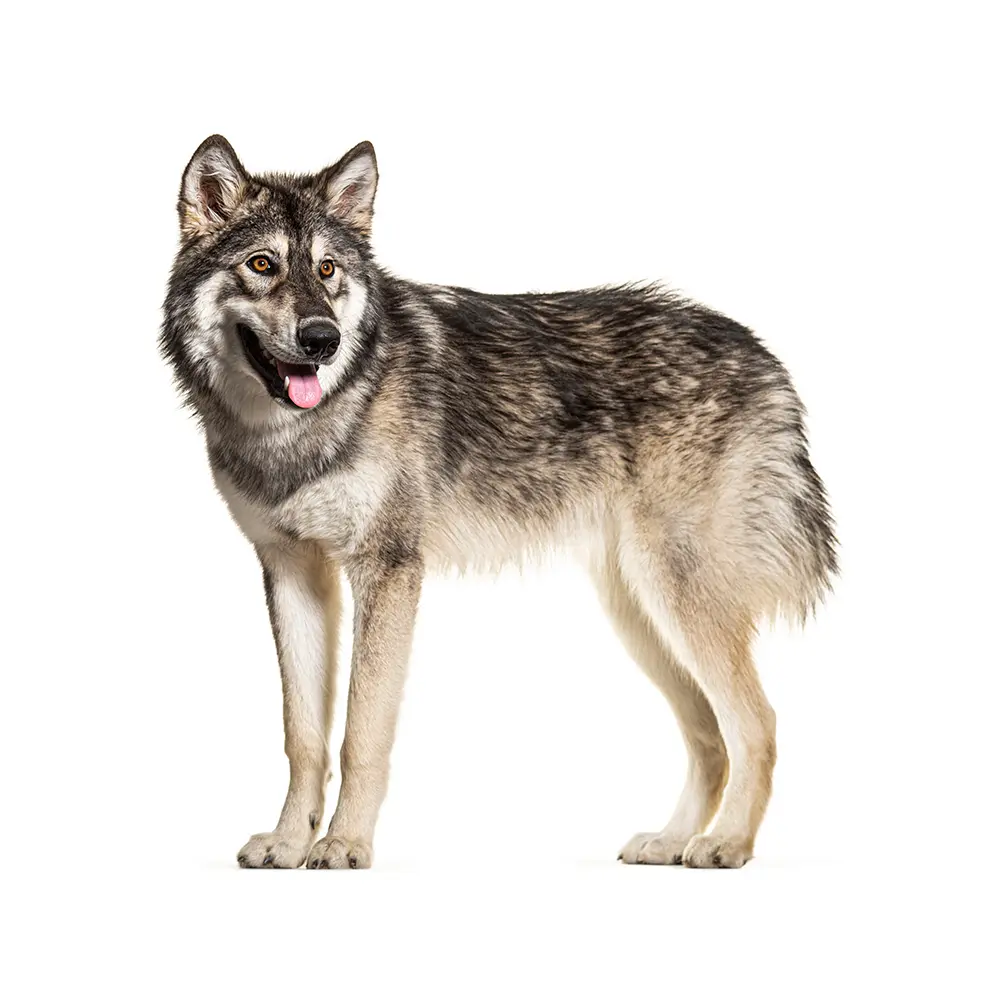
Have you ever wished for a dog that combines the striking appearance of a wolf with the friendly temperament of a family pet? Look no further than the Northern Inuit Dog, a breed that’s been capturing hearts with its unique blend of wild beauty and gentle nature.
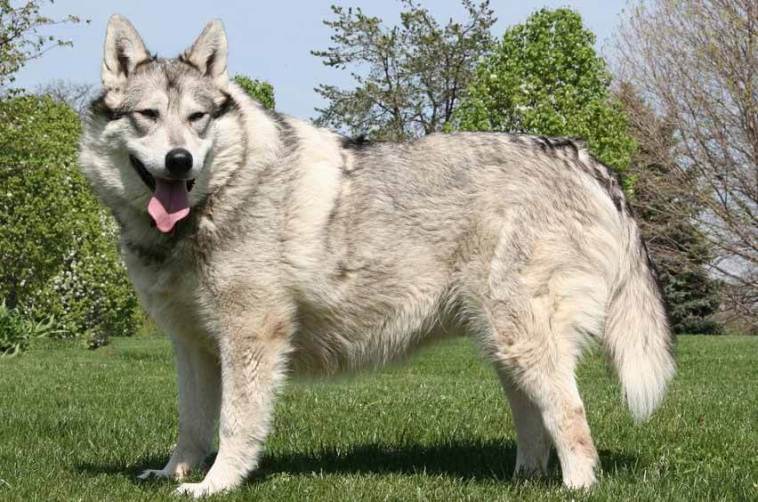
We’ll explore the intriguing area of Northern Inuit Dogs, from their origins in the United Kingdom to their growing popularity as companion animals. These intelligent, loyal, and pack-oriented dogs boast a dense double coat, erect ears, and a bushy tail that contribute to their wolf-like appearance. Even though their rugged looks, Northern Inuits are known for their affectionate nature and good rapport with children. We’ll investigate into their temperament, physical characteristics, and what it takes to be a responsible Northern Inuit owner.
The Northern Inuit Dog: An Overview
The Northern Inuit Dog is a unique breed that combines wolf-like appearance with a friendly temperament. This distinctive canine has gained popularity as a family companion due to its striking looks and gentle nature.
Origins and History
The Northern Inuit Dog emerged in England during the 1980s as a result of a carefully planned breeding program. Breeders aimed to create a dog with wolf-like features and a domesticated disposition. They achieved this by crossing various northern breeds, including German Shepherd Dogs, Siberian Huskies, Alaskan Malamutes, Labrador Huskies, and Canadian Eskimo Dogs. The goal was to produce a canine that resembled a wolf in appearance while maintaining a friendly and adaptable temperament suitable for modern family life. This deliberate mixing of breeds resulted in the Northern Inuit Dog we know today, a breed that captures the essence of its wild ancestors while thriving in domestic environments.
Physical Characteristics
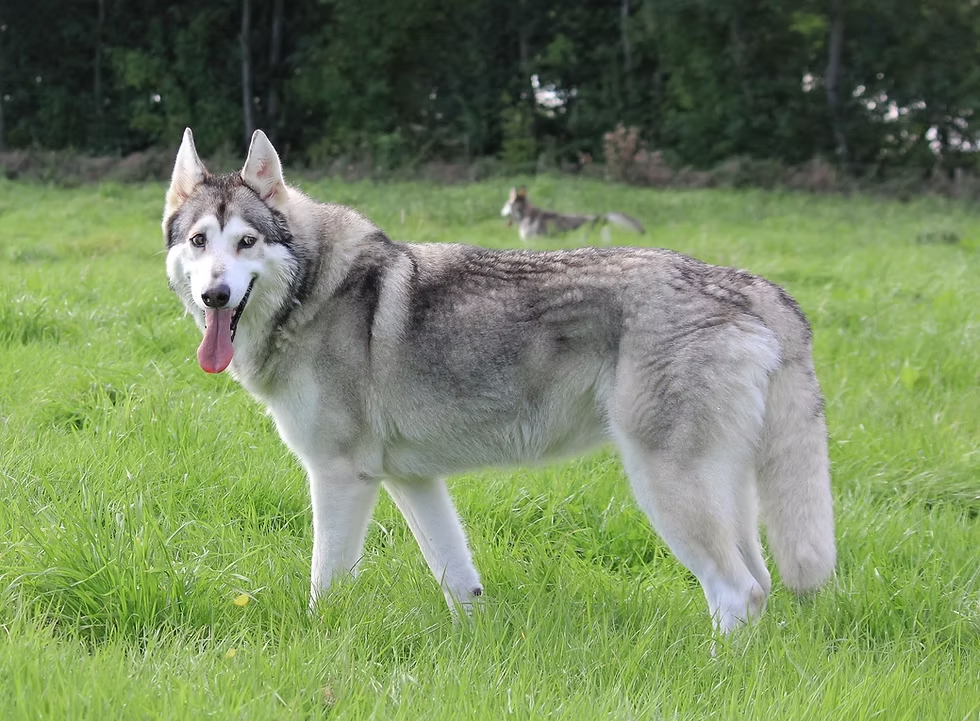
Northern Inuit Dogs possess a striking resemblance to wolves, with their athletic build and distinctive features. These medium to large-sized dogs have a robust physique that reflects their northern heritage. Males typically stand between 25-30 inches (64-81 cm) tall and weigh 79-110 pounds (36-48 kg), while females are slightly smaller, measuring 23-28 inches (58-71 cm) in height and weighing 55-84 pounds (25-38 kg).
The breed’s most notable feature is its dense, plush double coat, which measures approximately 4 cm in length. This thick fur provides excellent insulation against harsh weather conditions. Northern Inuit Dogs come in various colors, including pure white, shades of grey, silver, black, and apricot. Some individuals display distinctive mask markings on their faces, adding to their wolf-like appearance.
Their heads feature slightly domed skulls, strong muzzles, and flat cheeks. The ears are triangular-shaped, erect, and set relatively wide apart. Northern Inuit Dogs have oval-shaped eyes that come in a range of colors, including yellow, amber, brown, and blue. Their bushy tails are straight, never curling like those of Malamutes or Spitz breeds, further emphasizing their wolf-like silhouette.
Northern Inuit Dogs are known for their affectionate and good-natured temperament. These loyal canines form strong bonds with their families, making them excellent companions for households with children. Their pack mentality ensures they integrate well into family life, often viewing their human family as their pack.
While generally friendly, Northern Inuits require proper socialization from an early age to ensure they’re comfortable around strangers. Their natural curiosity and intelligence make them adaptable to various social situations when properly introduced. Even though their imposing appearance, these dogs rarely exhibit aggressive behavior, instead showcasing a gentle demeanor that endears them to family members and visitors alike.
Exercise and Activity Needs
Northern Inuit Dogs have high energy levels and require substantial daily exercise to maintain their physical and mental well-being. These active canines thrive on a combination of physical activities and mental stimulation to prevent boredom and potential behavioral issues.
A minimum of 60-90 minutes of vigorous exercise per day is essential for Northern Inuits. This can include long walks, jogging, hiking, or captivating in interactive play sessions. Their intelligence and working dog heritage make them excellent candidates for activities like agility training, obedience trials, or even skijoring in suitable climates.
Mental stimulation is equally important for these intelligent dogs. Puzzle toys, training sessions, and games that challenge their problem-solving skills help keep their minds sharp and prevent destructive behaviors that may result from boredom. Regular exercise and mental engagement not only keep Northern Inuits physically fit but also contribute to their overall happiness and well-adjusted temperament.
Care and Maintenance
Northern Inuit Dogs require exact care and maintenance to thrive. We’ll explore their nutritional requirements, grooming needs, and health considerations to help owners provide the best care for these unique dogs.
Nutritional Requirements
Northern Inuit Dogs have sensitive stomachs and exact dietary needs. They thrive on high-quality food, either a raw diet or premium kibble with high protein content. Puppies under six months old need 3-4 meals daily, while those over six months can transition to twice-daily feedings. Daily calorie intake ranges from 700 to 1300 calories, depending on the dog’s size, gender, and age. Avoid sugary foods as they can be detrimental to the dog’s health. Consult a veterinarian to determine the best diet for your Northern Inuit Dog, as individual needs may vary. Proper nutrition is crucial for maintaining their health and energy levels, especially given their high activity requirements.
Grooming Needs
Northern Inuit Dogs have a dense, thick double coat with a slightly coarse texture. Regular brushing is essential to remove loose fur and prevent matting. Brush their coat at least 2-3 times a week, increasing frequency during shedding seasons. This helps distribute natural oils and keeps their skin healthy. Bathe them only when necessary, using dog-exact shampoos to avoid stripping essential oils. Trim their nails regularly and check their ears for signs of infection. While professional grooming isn’t typically required, maintaining their coat at home is crucial for their overall health and appearance. Consistent grooming also provides an opportunity to bond with your Northern Inuit Dog and check for any skin issues or abnormalities.
Health Considerations
Northern Inuit Dogs are generally healthy, but they’re prone to certain genetic health issues. Hip dysplasia, a common concern in large breeds, can affect their mobility. Regular exercise and maintaining a healthy weight help mitigate this risk. Eye problems, including progressive retinal atrophy, may occur, so routine eye exams are important. These dogs can also be sensitive to anesthesia, which veterinarians should be aware of before any procedures. Regular check-ups, vaccinations, and preventive care are essential for maintaining their health.
Monitor their weight closely, as obesity can exacerbate joint issues. Due to their thick coat, they’re more comfortable in cooler climates and may struggle in hot weather. Provide plenty of shade and water during warm months to prevent overheating. By addressing these health considerations, owners can help ensure their Northern Inuit Dogs lead long, healthy lives.
Training and Socialization
Northern Inuit Dogs require consistent training and early socialization to become well-behaved family companions. Their intelligence and independent nature demand a patient, firm approach to training, while proper socialization helps them develop into confident, friendly adults.
Obedience Training Techniques
Northern Inuit Dogs respond best to positive reinforcement techniques. We recommend using treats, praise, and toys as rewards for good behavior. Short, captivating training sessions keep these intelligent dogs focused and prevent boredom. Consistency is key – establish clear rules and boundaries from the start. Teach basic commands like sit, stay, and come using repetition and rewards. Address any stubborn behavior with patience and persistence. Enroll your Northern Inuit in puppy classes or work with a professional trainer to establish a solid foundation. Ongoing training throughout their lives helps maintain good behavior and strengthens the bond between dog and owner.
Socialization with Children and Other Pets
Early socialization is crucial for Northern Inuit Dogs to develop into well-rounded adults. Expose them to various people, animals, and environments from a young age. Introduce them to children carefully, supervising all interactions. Teach children how to approach and handle the dog respectfully. Northern Inuits generally get along well with other pets when raised together. Introduce new pets gradually in neutral territory. Encourage positive interactions through treats and praise. Socialize your Northern Inuit at dog parks, on walks, and in obedience classes to build confidence around unfamiliar people and animals. Regular socialization throughout their lives helps maintain their friendly, adaptable nature.
Comparing Northern Inuit Dogs to Similar Breeds
Northern Inuit Dogs share characteristics with several other breeds, particularly those with wolf-like appearances. We’ll explore how they compare to some similar breeds, highlighting key differences and similarities.
Differences from Huskies and Malamutes
Northern Inuit Dogs differ from Huskies and Malamutes in several ways. While all three breeds have a wolf-like appearance, Northern Inuits were bred primarily as companion animals, not working dogs. This affects their energy levels and exercise needs. Northern Inuits require less intense exercise than Huskies or Malamutes, often content with a run at the dog park followed by cuddle time. They also have less wanderlust, making them less likely to run away.
In terms of temperament, Northern Inuits are generally more laid-back and easier to train than Huskies or Malamutes. They’re also more adaptable to various living situations. But, they retain some working abilities, such as pulling sleds, though they can’t sustain this activity as long as their working breed counterparts.
Northern Inuit vs. Tamaskan Dogs
Northern Inuit Dogs and Tamaskan Dogs share similar origins, both bred to resemble wolves while maintaining friendly temperaments. But, there are notable differences between these breeds. Tamaskan Dogs typically look more wolf-like than Northern Inuits, which can sometimes resemble Huskies or German Shepherds.
Physically, Northern Inuits may have blue eyes, which isn’t allowed in the Tamaskan breed standard. Tamaskans also adhere to a stricter breeding standard, resulting in more consistent appearance and temperament across the breed. In contrast, Northern Inuits can vary more in looks and personality.
Genetically, Tamaskans have some Finnish racing Husky in their lineage, while Northern Inuits don’t. This difference in breeding history can affect traits like endurance and working ability. Both breeds are intelligent and friendly, but individual temperaments can vary widely within each breed.
Adopting a Northern Inuit Dog
Northern Inuit Dogs are loyal, intelligent, and versatile companions that require careful consideration before adoption. These wolflike dogs have exact needs and characteristics that potential owners should understand.
Finding Reputable Breeders
When seeking a Northern Inuit Dog, it’s crucial to find a reputable breeder who prioritizes the health and well-being of their dogs. Reputable breeders conduct genetic health screenings for conditions like Degenerative Myelopathy (DM), hip dysplasia, and Oculoskeletal Dysplasia (OSD). They provide a nurturing environment for puppies and focus on producing dogs with sound temperaments.
To locate a trustworthy breeder:
Research extensively and contact the Northern Inuit Society for recommendations
Visit the breeder’s facility to assess living conditions
Ask for health certificates and genetic test results
Observe the puppies’ behavior and interaction with their mother
Request references from previous adopters
Choosing a responsible breeder ensures you’re bringing home a healthy, well-socialized Northern Inuit puppy.
Rescue Organizations
Adopting a Northern Inuit Dog from a rescue organization is a rewarding alternative to purchasing from a breeder. Rescue dogs often come with unique challenges but can make excellent companions with proper care and training.
Benefits of adopting from a rescue:
Providing a loving home to a dog in need
Lower adoption fees compared to breeder prices
Adult dogs may already have basic training
When considering rescue adoption:
Research Northern Inuit-exact rescue organizations
Be prepared for potential behavioral issues due to past experiences
Understand the dog’s history and any special needs
Meet the dog multiple times before committing to adoption
Ensure your home is suitable for a rescue Northern Inuit’s needs
Rescue organizations often provide support and resources to help integrate your new Northern Inuit Dog into your family successfully.
Conclusion
The Northern Inuit Dog is a captivating breed that combines wolf-like looks with a gentle temperament. We’ve explored their origins history characteristics and care requirements to help potential owners understand what to expect. These loyal and affectionate companions thrive in active families willing to invest time in their exercise training and grooming needs. Whether you choose to adopt or purchase from a breeder it’s crucial to research thoroughly and prepare your home for this unique and lovable breed.
Looking for a furry companion without very costly? We’ve got great news for budget-conscious dog lovers! There are plenty of affordable canine breeds that offer all the love and companionship you crave, without the hefty price tag.
When it comes to cheap dog breeds, it’s not just about the initial cost. We’ll explore options that are also economical in terms of long-term care, grooming needs, and potential health issues. From the tiny Chihuahua to the energetic Beagle, we’ll guide you through a variety of breeds that combine affordability with lovable personalities. Whether you’re a first-time dog owner or an experienced pet parent looking to expand your furry family, we’ve got you covered with a comprehensive list of budget-friendly breeds that’ll steal your heart without emptying your wallet.
Understanding Budget Friendly Dog Breeds
Cheap dog breeds offer budget-friendly companionship without compromising on love and affection. When we talk about affordable canines, we’re considering various factors that contribute to the overall cost of ownership.
Factors Affecting Dog Breed Affordability
Several elements determine whether a dog breed is considered cheap:
Initial purchase price
Grooming requirements
Food costs
Health care expenses
Size and space needs
Initial Purchase Price
The upfront cost of acquiring a dog varies significantly among breeds. Some affordable options include:
Chihuahuas: Average purchase price of $650
Pugs: Range from $350 to $1,600
Rat Terriers: Typically around $350
Harriers: One of the cheapest at approximately $300
Papillons: Average purchase price of $400
Miniature Pinschers: Cost around $500
Grooming Costs
Grooming expenses can add up quickly for some breeds. Low-maintenance breeds that are easier on the wallet include:
Chihuahuas: Average bathing cost of $23, with minimal grooming needs
Beagles: Low grooming requirements, average bathing cost of $23
Pugs: Short, smooth coat with estimated bathing costs of $27
Food Expenses
A dog’s size and activity level directly impact food costs. Smaller breeds generally consume less food, making them more economical in the long run.
Health Care Considerations
Some breeds are prone to exact health issues, which can lead to higher veterinary bills. Choosing a breed with fewer genetic health concerns can result in lower long-term costs.
Size and Space Requirements
Larger breeds often require more space, which can translate to higher housing costs or the need for a bigger yard. Smaller breeds are typically more adaptable to various living situations.
By considering these factors, we can better understand what makes certain dog breeds more affordable than others. It’s important to remember that while initial costs may be low, responsible pet ownership involves ongoing expenses throughout a dog’s lifetime.
Factors That Influence Dog Breed Costs
Several factors impact the overall cost of owning a dog, extending beyond the initial purchase price. Understanding these factors helps potential dog owners make informed decisions about which breed best fits their budget and lifestyle.
Purchase Price
The purchase price of a dog varies significantly based on breed popularity, availability, and breeding costs. Purebred dogs from reputable breeders typically cost more due to the extensive care and genetic testing involved in breeding. For example:
Chihuahuas: $500 to $1,500
Toy Manchester Terriers: $500 to $1,500
Beagles: $500 to $1,500
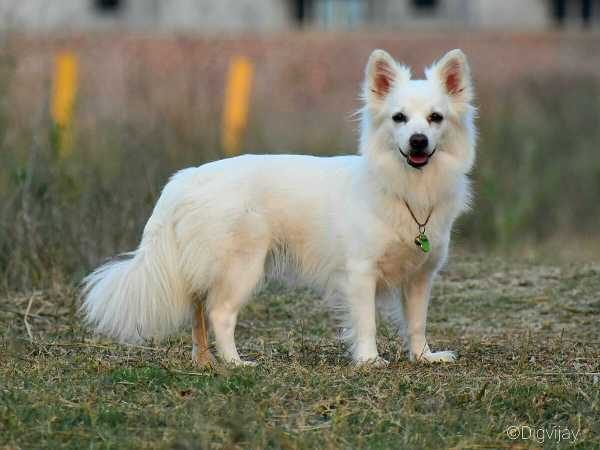
Indian Spitz: ₹5,000 to ₹20,000 (approximately $60 to $250 USD)
Breeder prestige and pedigree influence pricing, with dogs from renowned kennels commanding higher prices. Reputable breeders invest more in their litters, covering expenses such as medical exams, vaccines, and breed-exact genetic screening tests.
Ongoing Care Expenses
Long-term care costs often surpass the initial purchase price and vary based on the breed’s exact needs. Key factors include:
Size and food requirements: Larger breeds consume more food, increasing monthly expenses.
Grooming needs: Breeds with high-maintenance coats require regular professional grooming, adding to overall costs.
Health care: Some breeds are prone to exact health issues, potentially leading to higher veterinary bills.
Exercise and space requirements: Active breeds may need additional resources for exercise and entertainment.
Lifespan: Longer-lived breeds incur more lifetime expenses.
Consider these ongoing costs when choosing a breed to ensure it aligns with your long-term budget. Selecting a breed with fewer genetic health concerns and lower maintenance needs can help minimize expenses over the dog’s lifetime.
Top Affordable Dog Breeds
We’ve compiled a list of top affordable dog breeds across various sizes. These breeds offer a balance of low initial costs, manageable maintenance expenses, and generally good health, making them ideal for budget-conscious pet owners.
Small Breeds
Small breeds often come with lower food costs and space requirements, making them excellent choices for economical pet ownership. The Chihuahua, with an average purchase price of $650, tops our list of affordable small breeds. These tiny dogs have minimal grooming needs, costing around $23 for a bath, and their small size translates to low food expenses.
Beagles, while slightly larger, are another cost-effective option. They have moderate food costs and are known for their sturdy health, potentially reducing veterinary expenses. Jack Russell Terriers, often available in shelters, require minimal grooming and have low to moderate food costs due to their small to medium size. Rat Terriers, with a purchase price of about $350 and minimal grooming needs, round out our list of budget-friendly small breeds.
Medium Breeds
Medium-sized breeds offer a balance between the cost-effectiveness of small dogs and the sturdiness of larger breeds. While exact medium breeds weren’t mentioned in the context, we can infer that breeds in this category would have moderate food costs and grooming needs. These dogs typically require more exercise than small breeds, which can contribute to their overall health and potentially reduce veterinary costs. Medium breeds often have longer lifespans compared to large breeds, providing companionship for many years. When considering a medium-sized breed, it’s important to factor in their energy levels and space requirements, as these can impact long-term care costs.
Large Breeds
Large breeds, while not typically associated with low costs, can still be affordable options for dog owners with the right care strategies. These breeds generally have higher food costs due to their size, but some may have lower grooming needs or fewer health issues, balancing out overall expenses. Large breeds often have shorter lifespans compared to smaller dogs, which can affect long-term care costs.
When considering a large breed, it’s crucial to factor in their exercise requirements and space needs, as these can impact both initial and ongoing expenses. Even though potentially higher food costs, some large breeds may offer savings in other areas, such as reduced need for professional training or lower susceptibility to certain health issues common in smaller breeds.
Adopting vs. Buying from Breeders
When considering cheap dog breeds, it’s essential to weigh the options of adopting versus buying from breeders. Both choices have their merits, but adoption often proves more cost-effective for those seeking affordable canine companions.
Cost Savings
Adopting a dog from a shelter or rescue organization typically costs significantly less than purchasing from a breeder. Adoption fees range from $50 to $200, varying based on the organization, dog’s age, health, and breed. This initial cost saving can be substantial, especially for budget-conscious pet owners.
Health and Genetic Considerations
Mixed-breed dogs, commonly found in shelters, often have fewer genetic health issues compared to purebreds. This reduced susceptibility to breed-exact conditions can lead to lower veterinary costs over the dog’s lifetime. Potential owners looking for cheap dog breeds benefit from this health advantage, as it contributes to long-term affordability.
Availability of Affordable Breeds
Many shelters and rescue organizations house a variety of cheap dog breeds. Popular affordable options like Beagles, Cane Corsos, and Jack Russell Terriers are frequently available for adoption. These breeds, often surrendered due to various circumstances, make excellent pets for those seeking budget-friendly options.
Breeder Considerations
While buying from a breeder typically costs more upfront, it can offer certain advantages:
Predictable traits: Purebred dogs from reputable breeders often have more predictable physical and behavioral characteristics.
Health guarantees: Some breeders offer health guarantees for genetic conditions.
Exact breed availability: If you’re set on a particular cheap dog breed, a breeder may be your best option.
But, these benefits come at a higher initial cost, which can impact the overall affordability of owning a dog.
Adoption Benefits
Adopting a dog offers several advantages beyond cost savings:
Saving a life: Adopting gives a home to a dog in need.
Variety of ages: Shelters often have dogs of various ages, including adults who may be calmer and already trained.
Support services: Many shelters offer post-adoption support and resources.
These factors contribute to making adoption an attractive option for those seeking cheap dog breeds.
Long-term Costs
When comparing adoption to buying from breeders, consider long-term expenses:
Food costs
Grooming needs
Veterinary care
Training requirements
Adopted mixed-breed dogs often have lower grooming needs and fewer health issues, potentially resulting in long-term savings.
Making the Decision
To choose between adopting and buying from a breeder:
Assess your budget for both initial and ongoing costs.
Consider your lifestyle and the type of dog that fits best.
Research local shelters and reputable breeders in your area.
Visit potential dogs to gauge compatibility.
By carefully weighing these factors, you’ll be better equipped to make an well-informed choice that aligns with your budget and lifestyle when seeking cheap dog breeds.
Health Considerations for Budget-Friendly Breeds
When choosing affordable dog breeds, it’s crucial to consider their long-term health to ensure cost-effectiveness. We’ve compiled essential health information for some popular budget-friendly breeds:
Chihuahuas
Chihuahuas are generally healthy, with a lifespan of 14 to 16 years. But, they’re prone to:
Hypoglycemia
Patellar luxation
Heart problems
Regular veterinary check-ups help manage these conditions effectively.
Beagles
Beagles are known for their robust health, but they can face:
Obesity (if not properly fed)
Eye problems
Allergies
Hip dysplasia
A balanced diet and regular exercise mitigate these issues significantly.
Border Collies
Border Collies are hardy dogs with minimal long-term veterinary expenses. They’re less prone to genetic health issues compared to other breeds.
Mixed Breeds
Mixed-breed dogs often have fewer genetic health issues due to their diverse gene pool. This can lead to lower long-term veterinary costs.
Health Management Tips
To keep healthcare costs low for budget-friendly breeds:
Schedule regular check-ups
Maintain a proper diet
Provide adequate exercise
Stay up-to-date on vaccinations
Practice good dental hygiene
By considering these health factors, we can choose a budget-friendly breed that remains cost-effective throughout its lifetime. Remember, initial savings shouldn’t lead to higher future expenses due to health issues.
Training and Socialization Tips
When it comes to cheap dog breeds, proper training and socialization are crucial for ensuring well-behaved and well-adjusted pets. We’ll explore effective strategies for two popular affordable breeds: Beagles and Chihuahuas.
Beagles
Beagles are friendly, gentle dogs that require consistent training due to their occasional stubbornness. Here’s how to approach their training and socialization:
Training Tips:
Use positive reinforcement techniques
Start early with basic commands
Focus on housebreaking from day one
Keep training sessions short and captivating
Repeat commands consistently for better retention
Socialization Strategies:
Expose Beagles to various environments regularly
Introduce them to different people and animals
Arrange playdates with other dogs
Take them on walks in diverse settings
Enroll in puppy socialization classes
Chihuahuas
Chihuahuas, even though their small size, can be challenging to train. Here’s how to effectively train and socialize these tiny companions:
Training Techniques:
Employ positive reinforcement methods
Keep training sessions brief and fun
Use treats as motivation
Be patient and consistent with housebreaking
Focus on one command at a time
Start socialization early to prevent fearfulness
Expose them to various sounds and experiences
Carry them in a bag to new environments
Arrange controlled interactions with other small dogs
Gradually introduce them to larger breeds
By following these training and socialization tips, we can help ensure that these affordable dog breeds become well-mannered and socially adept companions. Remember, investing time in training and socialization can lead to important long-term benefits, regardless of the breed’s initial cost.
Cost-Saving Strategies for Dog Owners
Choose Low-Maintenance Breeds
Selecting a low-maintenance breed is a key strategy for cost-conscious dog owners. Breeds like Chihuahuas and German Wirehaired Pointers offer important savings in grooming and care expenses. Chihuahuas, known for their small size, require less food and have minimal grooming needs. German Wirehaired Pointers, even though their larger size, boast robust health and a low-maintenance coat, reducing overall care costs.
Adopt from Shelters
Adopting from shelters is often more economical than purchasing from breeders. Shelter adoption fees typically range from $50 to $200, which includes initial vaccinations and often spaying or neutering. This approach not only saves money but also provides a loving home to a dog in need.
DIY Grooming
Learning to groom your dog at home can lead to substantial savings. Many breeds, such as the Manchester Terrier with its smooth, sleek coat, require minimal grooming that can be easily managed at home. Invest in basic grooming tools and learn proper techniques to reduce or eliminate professional grooming expenses.
Preventive Health Care
Regular check-ups and preventive care can save money in the long run by catching health issues early. Breeds like the Pembroke Welsh Corgi, known for their generally good health, benefit from consistent preventive care to maintain their well-being and avoid costly medical interventions.
Smart Food Choices
Opt for high-quality, nutritionally balanced dog food appropriate for your breed’s size and activity level. While it may seem more expensive initially, it can prevent health issues related to poor nutrition, saving on veterinary costs over time. For smaller breeds like Chihuahuas, food costs are naturally lower due to their size.
Home Training
Take advantage of the intelligence of breeds like the German Wirehaired Pointer to conduct training at home. Use online resources, books, and videos to guide your training efforts, reducing or eliminating the need for costly professional trainers.
Exercise Efficiently
Regular exercise is crucial for maintaining your dog’s health and can prevent obesity-related health issues. Breeds like the Pembroke Welsh Corgi require consistent exercise to maintain a healthy weight. Incorporate dog walks into your daily routine or use playtime in a fenced yard to meet their exercise needs without additional costs.
DIY Toys and Enrichment
Create homemade toys and enrichment activities using household items. This approach not only saves money but also provides mental stimulation for intelligent breeds like the German Wirehaired Pointer, preventing boredom-related behavioral issues that could lead to property damage.
By implementing these cost-saving strategies, dog owners can enjoy the companionship of their chosen breed while maintaining a budget-friendly approach to pet care. Remember, the goal is to provide a loving, healthy environment for your dog without unnecessary financial strain.
Conclusion
Choosing an affordable dog breed doesn’t mean compromising on love or companionship. We’ve explored various budget-friendly options and strategies to make dog ownership accessible to all. Remember that the initial cost is just one factor; ongoing care expenses play a crucial role in long-term affordability. Whether you opt for a Chihuahua Beagle or a mixed-breed rescue each choice comes with its unique joys and challenges. By considering factors like health grooming and training needs you’ll find the perfect furry friend that fits both your heart and your wallet. With proper care and attention any dog can become a cherished family member regardless of its price tag.
Did you know there’s a canine species so elusive it was once thought extinct? Meet the bush dog, a fascinating creature that’s captured the imagination of wildlife enthusiasts worldwide.
These small, stout canids are a marvel of nature, perfectly adapted to their South American habitat. With their reddish-brown fur, bear-like face, and webbed feet, bush dogs are built for both land and water. Standing just 7-12 inches tall, they’re low to the ground but pack a punch in the animal kingdom. We’ll explore their unique characteristics, from their carnivorous diet to their pack-hunting behavior, and uncover why they’re considered one of the rarest canids in the industry.
Physical Characteristics of the Bush Dog ( Speothos venaticus )
Bush dogs possess unique physical traits that set them apart from other canids. These characteristics enable them to thrive in their native South American habitats, combining terrestrial and aquatic adaptations.
Appearance and Size
Bush dogs are small to medium-sized canids with a distinctive appearance. They measure 57-75 cm (22-29 inches) in body length, excluding their short, bushy tail, which adds another 12.5-15 cm (5-6 inches). Standing at a shoulder height of 20-30 cm (8-12 inches), these compact canines weigh between 5-8 kg (11-18 pounds). Their dense, soft fur is predominantly brownish-tan, with a lighter reddish tinge on the head, neck, and back. The underside and tail often display darker hues, creating a unique color gradient. A notable feature is the light patch of fur under their throat, contrasting with their overall coloration.
Adaptations for Semi-Aquatic Life
Bush dogs exhibit remarkable adaptations for a semi-aquatic lifestyle. Their most distinctive feature is their partially webbed feet, which significantly enhance their swimming abilities. This adaptation allows them to navigate tropical rivers and wetlands with ease, making them proficient in both aquatic and terrestrial environments. Their short, robust legs and squat body structure, often described as bear-like, contribute to their agility in water and on land. These physical traits enable bush dogs to dive underwater, a unique capability among canids. Their dense, water-resistant fur provides insulation and protection in wet conditions, further supporting their semi-aquatic nature.
Habitat and Distribution
The bush dog, a rare and elusive canine species, has a diverse habitat range across South America. We’ll explore the geographic distribution and preferred ecosystems of this unique animal.
Geographic Range
Bush dogs inhabit a vast area spanning from eastern Central America to northern South America. Their range extends south to Paraguay and northeastern Argentina, covering countries such as Panama, Colombia, Ecuador, French Guiana, Guyana, Bolivia, Brazil, and Argentina. This extensive distribution showcases the bush dog’s adaptability to various environments across the continent. Even though their wide range, bush dogs remain elusive, making it challenging for researchers to study their population density and movement patterns in different regions.
Preferred Ecosystems
Bush dogs demonstrate a strong preference for exact ecosystems within their geographic range:
Native Vegetation: Studies indicate that 95% of recorded bush dog sightings occur in native habitats, including savannahs and forests. This preference highlights the importance of preserving these natural environments for the species’ survival.
Forested Habitats: Bush dogs frequently inhabit lowland forested areas, including:
Primary forests
Gallery forests
Semi-deciduous forests
Seasonally flooded forests (e.g., Igapó or black water flooded forests)
These diverse forest types provide bush dogs with the necessary cover, prey availability, and water sources essential for their survival. The animals’ adaptations, such as webbed feet and water-resistant fur, make them well-suited for handling both terrestrial and aquatic environments within these ecosystems.
Behavior and Social Structure
Bush dogs exhibit fascinating social behaviors and complex pack dynamics. Their social structure revolves around tight-knit family units, showcasing a high level of cooperation and communication within the group.
Pack Dynamics
Bush dog packs typically consist of 2-12 individuals, with an average size of 6-8 members. These groups are usually extended families led by a dominant breeding pair. Only the alpha female and male reproduce, while subordinate members assist in rearing and guarding pups. This monogamous structure is maintained through the suppression of reproductive cycles in subordinate females.
Within the pack, a clear dominance hierarchy exists, with the breeding pair at the top. This hierarchy influences access to resources and mates. Bush dogs are diurnal hunters, known for their cooperative hunting behavior. Their pack structure allows them to work together effectively when pursuing prey, showcasing the importance of their social bonds in survival.
Communication Methods
Bush dogs employ various communication methods to maintain pack cohesion and coordinate activities. Vocalizations play a crucial role in their social interactions. They use a range of sounds, including high-pitched whines, barks, and whistles, to convey different messages within the pack. These vocalizations help alert pack members to potential threats, signal the location of food sources, or coordinate movements during hunts.
Scent marking is another essential form of communication for bush dogs. They use scent glands to mark their territory and communicate with other pack members. This olfactory communication helps establish boundaries and convey information about an individual’s status within the pack hierarchy.
Body language also plays a important role in bush dog communication. Tail position, ear movements, and facial expressions are used to express emotions and intentions. Submissive behaviors, such as lowering the body or avoiding eye contact, help maintain pack harmony and reduce conflicts.
Diet and Hunting Habits
Bush dogs are hypercarnivores with a diet consisting primarily of vertebrate tissues. Their hunting habits and dietary preferences are closely tied to their pack-based social structure and habitat.
Prey Preferences
Bush dogs prefer prey larger than themselves but manageable when hunted in packs. Their diet includes:
Large rodents: Pacas, agoutis, and capybaras contribute significantly to their biomass intake
Other mammals: Armadillos, peccaries, and occasionally larger prey like tapirs
Birds: Tinamous and other ground-dwelling species
Reptiles: Various species found in their habitat
Pacas and agoutis are among their favorite prey, often targeted for their size and nutritional value. Bush dogs occasionally consume fruits, such as Cecropia, though this is likely opportunistic rather than a dietary staple.
Hunting Techniques
Bush dogs employ cooperative hunting strategies, leveraging their pack structure to take down larger prey. Their hunting techniques include:
Pack coordination: Bush dogs work together to surround and isolate prey
Ambush tactics: They use their small size and stealth to surprise unsuspecting animals
Burrow hunting: Bush dogs enter burrows to flush out prey like armadillos
Aquatic pursuits: Their webbed feet and swimming abilities allow them to chase prey in water
These carnivores are diurnal hunters, actively seeking prey during daylight hours. Their pack-based approach enables them to tackle prey up to 1.5 times their size, showcasing the effectiveness of their cooperative hunting strategy.
Reproduction and Life Cycle
Bush dogs exhibit unique reproductive patterns and family structures that set them apart from other canids. Their breeding habits and pup development are closely tied to their social dynamics, contributing to the species’ survival in diverse South American habitats.
Breeding Patterns
Bush dogs mate throughout the year, displaying an aseasonal breeding pattern uncommon among canids. Female bush dogs have an estrous cycle lasting up to 12 days, occurring every 15 to 44 days. The presence of a male influences the female’s reproductive cycle, shortening interestrous intervals and increasing estrous cycles. Males produce sperm year-round, supporting this non-seasonal breeding pattern. Mating involves a copulatory tie, a characteristic shared with other canid species. The gestation period for bush dogs ranges from 65 to 83 days, with litters typically consisting of 3 to 6 pups. In some cases, litters of up to 10 pups have been reported, showcasing the species’ reproductive potential.
Pup Development
Bush dog pups are born blind and helpless, weighing between 125 to 190 grams (4.4 to 6.7 oz). As they grow, pups rely on their pack for protection and care. The breeding pair takes a leading role in pup rearing, consistent with their leadership in group hunts. This structure ensures that offspring don’t become freeriders within the pack, maintaining the cooperative nature of bush dog social groups. The development of bush dog pups is closely tied to the pack’s social dynamics, reinforcing the importance of family units in the species’ survival and success in their diverse habitats across South America.
Conservation Status
The bush dog (Speothos venaticus) is currently listed as Near Threatened by the International Union for Conservation of Nature (IUCN). This classification is based on an estimated population decline of 20-25% over the last 12 years, approaching the threshold for a Vulnerable listing.
Current Population Trends
Bush dog populations are declining across their extensive geographic range. Even though their wide distribution, these canids are rare in most areas, with only a few countries like Guyana and Peru reporting them as common. Many countries within their range report declining or unknown population trends. For example:
Paraguay and Venezuela: Declining trends
Panama and Venezuela: Unknown status
The overall population trend across the entire range is decreasing due to various threats. This decline is particularly concerning given the bush dog’s already rare status and the challenges in studying their population dynamics due to their elusive nature.
Threats to Survival
Bush dogs face many threats that contribute to their declining population:
Habitat loss and fragmentation: Deforestation and land conversion for agriculture and urban development are primary threats, reducing suitable habitats for bush dogs.
Human-wildlife conflict: As human populations expand, encounters with bush dogs increase, sometimes leading to retaliatory killings.
Disease transmission: Contact with domestic dogs can expose bush dogs to diseases like canine distemper and parvovirus.
Climate change: Alterations in temperature and precipitation patterns may affect bush dog habitats and prey availability.
Hunting and poaching: Although not a primary target, bush dogs may be caught in traps set for other animals or hunted opportunistically.
Road mortality: Increased infrastructure development leads to more frequent road crossings, resulting in vehicle collisions.
Prey depletion: Overhunting of bush dogs’ preferred prey species can indirectly affect their survival.
Water pollution: Contamination of aquatic habitats can impact bush dogs due to their semi-aquatic nature.
Inbreeding depression: Small, isolated populations may suffer from reduced genetic diversity, affecting long-term viability.
Competition with invasive species: Introduced predators may compete with bush dogs for resources in some areas.
Addressing these threats requires a multi-faceted approach, including habitat protection, conservation education, and sustainable land-use practices. Continued research and monitoring efforts are crucial for developing effective conservation strategies for this unique and vulnerable canid species.
Human Interactions and Economic Impact
Bush dogs, even though their rarity, have unique interactions with humans and impact local economies. Their elusive nature contributes to both positive and negative effects on communities and conservation efforts.
Positive and Negative Effects
Positive Effects
Bush dogs generally receive neutral to positive attitudes from the public and governments in their native range. Countries like Argentina, Bolivia, Brazil, Ecuador, French Guiana, Guyana, Peru, and Venezuela view bush dogs as valuable assets to their ecosystems. This positive perception has led to several beneficial outcomes:
Legal Protection: Governments have implemented laws to safeguard bush dogs from hunting, trapping, and capture. While enforcement may be inconsistent, these legal measures represent a crucial step in bush dog conservation.
Public Interest: When people encounter bush dogs in zoos or through photographs, they often develop a positive attitude towards the species. This increased interest can lead to greater support for conservation efforts.
Ecotourism Potential: Although bush dogs are rarely seen in the wild, their presence in protected areas can contribute to the overall biodiversity appeal for ecotourism initiatives.
Negative Effects
Even though the positive aspects, bush dogs face several challenges in their interactions with humans:
Habitat Loss: Human activities, such as deforestation and agricultural expansion, continue to encroach on bush dog habitats, reducing their available living space.
Human-Wildlife Conflict: In areas where bush dogs come into contact with livestock, they may be perceived as a threat, leading to retaliatory killings.
Disease Transmission: Proximity to domestic dogs increases the risk of disease transmission to bush dog populations, potentially impacting their health and survival.
Indirect Hunting Pressure: While not typically targeted by hunters, bush dogs can fall victim to traps or snares set for other animals.
By understanding these positive and negative effects, we can develop more effective strategies to mitigate human-wildlife conflicts and promote coexistence between bush dogs and local communities. Conservation efforts should focus on balancing the needs of both humans and wildlife to ensure the long-term survival of this unique canid species.
Conclusion
The bush dog’s unique adaptations and social structure make it a fascinating species in the canine industry. Even though their elusive nature we’ve gained valuable insights into their behavior diet and habitat. But their Near Threatened status underscores the urgent need for conservation efforts. As we continue to study and protect these remarkable animals we must balance human activities with the preservation of their natural habitats. By fostering coexistence and implementing sustainable practices we can help ensure the survival of bush dogs for generations to come.
Have you ever wondered about the origins of one of America’s most distinctive hunting breeds? The Treeing Walker Coonhound, a high-energy and intelligent dog, has been captivating hunters and dog lovers alike for centuries.
Descended from the English and American Foxhounds, this unique breed originated in the United States during the 19th century. We’ll explore how a stolen dog named Tennessee Lead played a crucial role in the breed’s development, leading to its official recognition by the United Kennel Club in 1945 and the American Kennel Club in 2012. Join us as we investigate into the intriguing area of the Treeing Walker Coonhound, uncovering its rich history, distinctive traits, and enduring popularity among hunting enthusiasts.
Overview of the Treeing Walker Coonhound
The Treeing Walker Coonhound is a medium to large-sized breed known for its exceptional hunting abilities and friendly temperament. These intelligent and confident dogs are primarily bred for hunting raccoons but are also used for other game.
Origin and History
The Treeing Walker Coonhound originated in the United States, specifically in the Virginia region, during the mid-1700s. This breed descended from English and American Foxhounds, with a important contribution from a stolen dog known as Tennessee Lead in the 19th century. The breed’s development focused on improving its treeing and tracking abilities, making it an excellent choice for raccoon hunting. The United Kennel Club officially recognized the Treeing Walker Coonhound in 1945, followed by the American Kennel Club in 2012, solidifying its status as a distinct breed.
Physical Characteristics
Treeing Walker Coonhounds possess a muscular, well-proportioned body with a distinctive tricolor coat. Males typically stand 22-27 inches tall at the shoulder, while females measure 20-25 inches. Their weight ranges from 50-70 pounds, with males generally being larger than females. The breed’s coat is short, dense, and glossy, featuring a black saddle pattern, white legs, and a tan muzzle and eyebrows. They have long, drooping ears and a strong, slightly domed skull. Their eyes are large and dark brown, giving them an alert and intelligent expression. The breed’s tail is set high and carried upright when alert, adding to their distinctive appearance.
Temperament and Personality Traits
Treeing Walker Coonhounds possess a unique blend of friendliness, courage, and intelligence. These traits make them excellent hunting companions and loving family pets. Let’s explore their temperament and personality in more detail.
Energy Level and Exercise Needs
Treeing Walker Coonhounds are high-energy dogs with a strong prey drive. They require important daily exercise to maintain their physical and mental well-being. A typical exercise routine for these dogs includes:
Long walks or jogs (45-60 minutes)
Off-leash playtime in a securely fenced area
Scent work or tracking activities
Swimming (if they enjoy water)
Agility training or obstacle courses
Without adequate exercise, Treeing Walker Coonhounds may become restless, vocal, or destructive. Their hunting instincts drive them to explore and track scents, so providing mental stimulation through puzzle toys or scent games is crucial. Regular exercise helps channel their energy positively, promoting a calmer demeanor at home.
Compatibility with Children and Other Pets
Treeing Walker Coonhounds generally exhibit good compatibility with children and other pets when properly socialized. Their friendly and even-tempered nature makes them excellent family dogs. Key points to consider:
Patient and gentle with children
Thrive in active households
May be too energetic for very young children
Generally get along well with other dogs
High prey drive may cause issues with smaller pets
Early socialization and training are essential to ensure positive interactions. Supervise playtime between Treeing Walker Coonhounds and young children to prevent accidental injury due to the dog’s size and energy level. While they typically coexist well with other dogs, their strong hunting instincts may lead them to chase smaller animals. Proper introduction and consistent training can help mitigate potential issues with other pets in the household.
Care and Maintenance
Proper care and maintenance are essential for keeping Treeing Walker Coonhounds healthy and happy. These energetic dogs require exact attention to their grooming, nutrition, and overall health needs.
Grooming Requirements
Treeing Walker Coonhounds have short, smooth coats that are relatively easy to maintain. Weekly brushing with a soft-bristled brush or hound glove removes loose hair and distributes natural oils. Bathe these dogs every 4-6 weeks or as needed, using a dog-exact shampoo. Trim their nails regularly, ideally every 2-3 weeks, to prevent overgrowth and discomfort. Clean their ears weekly with a veterinarian-approved solution to prevent infections, as their long, droopy ears are prone to trapping moisture and debris. Brush their teeth 2-3 times a week to maintain good oral hygiene and prevent dental issues.
Nutrition and Feeding Guidelines
Treeing Walker Coonhounds require a balanced diet to support their high energy levels and maintain optimal health. Feed them high-quality dog food appropriate for their age, size, and activity level. Adult Treeing Walker Coonhounds typically need 2-3 cups of dry food per day, divided into two meals. Adjust portions based on their individual metabolism and exercise routine. Avoid overfeeding, as these dogs can become overweight if their caloric intake exceeds their energy expenditure. Provide fresh, clean water at all times. Consult with a veterinarian to determine the best diet plan for your Treeing Walker Coonhound, considering factors such as age, weight, and any exact health concerns.
Health Concerns
While generally healthy, Treeing Walker Coonhounds are prone to certain health issues. Hip dysplasia, a genetic condition affecting the hip joint, can occur in this breed. Regular exercise and maintaining a healthy weight help minimize the risk. Ear infections are common due to their long, floppy ears; regular cleaning and drying after swimming or bathing can prevent these issues.
Bloat, a life-threatening condition where the stomach fills with gas and twists, is a concern in deep-chested breeds like Treeing Walker Coonhounds. Feed smaller, more frequent meals and avoid vigorous exercise immediately after eating to reduce the risk. Eye problems, including progressive retinal atrophy and cataracts, can affect the breed. Regular veterinary check-ups, including eye examinations, are crucial for early detection and management of these health concerns.
Training and Activities
Treeing Walker Coonhounds require comprehensive training and captivating activities to thrive. Their high energy and intelligence demand a structured approach to exercise and mental stimulation.
Hunting and Treeing Abilities
Treeing Walker Coonhounds excel in hunting and treeing various game. Their exceptional trailing instincts and endurance make them ideal for tracking bear, mountain lion, and bobcats. These hounds are equally proficient at hunting smaller prey like raccoons and squirrels. Their clear, ringing bugle or steady chop voice changes noticeably when treeing game, alerting hunters to their location. Treeing Walkers perform efficiently in packs or as individuals, with some excelling at catching smaller prey. Their speed and tracking abilities make them valuable in deer hunting where legal. The breed’s versatility across different terrains showcases their adaptability and strong hunting instincts.
Training Techniques
Training Treeing Walker Coonhounds requires consistency, patience, and positive reinforcement. Start socialization early to ensure they interact well with other animals and people. Use reward-based methods to encourage desired behaviors and maintain their confidence. Focus on obedience training to channel their energy and intelligence productively. Carry out scent work exercises to hone their natural tracking abilities. Use “find it” games and puzzle toys to provide mental stimulation and prevent boredom. Incorporate recall training to ensure they return when called, especially during off-leash activities. Address their high prey drive through impulse control exercises. Use agility training to challenge them physically and mentally. Consistency in commands and expectations is crucial for effective training outcomes.
The Treeing Walker Coonhound as a Family Pet
Treeing Walker Coonhounds make excellent family pets for those who can meet their unique needs. These intelligent and affectionate dogs thrive in active households that can provide ample exercise and mental stimulation.
Living Space Considerations
Treeing Walker Coonhounds require spacious living environments to accommodate their high energy levels. A large, securely fenced yard is ideal for these dogs to run and play. They’re not well-suited for apartment living due to their size and exercise needs. Treeing Walker Coonhounds need at least a mile of exercise daily, including long walks, runs, or hikes. Without adequate space and activity, they may become restless and exhibit destructive behaviors. Families considering this breed should ensure they have sufficient outdoor space or access to parks and hiking trails to meet the dog’s exercise requirements.
Socialization Needs
Early and consistent socialization is crucial for Treeing Walker Coonhounds to develop into well-adjusted family pets. These dogs are generally good with children and other dogs when properly introduced and socialized from a young age. Expose Treeing Walker Coonhounds to various people, animals, and environments during their formative months to foster confidence and adaptability. Their strong prey drive may pose challenges with smaller pets, so supervised interactions are essential. Regular positive experiences with different stimuli help these hounds become more versatile and comfortable in various situations. Participating in obedience classes or group training sessions can further enhance their social skills and reinforce good behavior around other dogs and people.
Their high energy levels and intelligence require dedicated owners who can provide ample exercise and mental stimulation. With the right training and environment these hounds can thrive as both working dogs and companions.
For those seeking an active loyal and versatile canine partner the Treeing Walker Coonhound offers a perfect blend of skill and affection. It’s no wonder they’ve captured the hearts of hunters and families alike.
Looking for a furry friend that’ll shower you with love and affection? You’re not alone! Many dog lovers are on the hunt for the friendliest breeds to welcome into their homes. These sociable canines bring joy, companionship, and a sense of well-being to their human counterparts.
In this text, we’ll explore the top 15 friendliest dog breeds, highlighting their unique characteristics and why they’re cherished by dog lovers worldwide. From the ever-popular Labrador Retriever to the charming Pug, we’ll jump into what makes these breeds stand out in terms of sociability, affection, and gentle disposition. Whether you’re a family, single, or active senior, we’ve got you covered with breeds that are adaptable, eager to please, and easy to train.
Understanding Friendly Dog Breeds
Friendly dog breeds share common traits that make them ideal companions for various lifestyles. These characteristics contribute to their ability to form strong bonds with humans and other animals.
Characteristics of a Friendly Dog
Friendly dogs exhibit several key traits that set them apart:
Sociability: Friendly dogs eagerly seek out interaction with humans and other animals. They’re comfortable in social settings and often thrive on attention.
Affectionate nature: These breeds show a natural inclination to express love and affection towards their owners and family members.
Gentle temperament: Friendly dogs typically have a calm and patient disposition, making them suitable for families with children or elderly individuals.
Adaptability: They adjust well to new environments and situations, reducing stress for both the dog and its owner.
Trainability: Friendly breeds are often eager to please, making them receptive to training and commands.
Non-aggressive behavior: These dogs are less likely to display aggressive tendencies, promoting a safe and harmonious household.
Playfulness: Many friendly breeds enjoy interactive play, which strengthens the bond between dog and owner.
Tolerance: Friendly dogs often exhibit a high tolerance for handling and various types of interaction.
Empathy: Some breeds are known for their ability to sense and respond to human emotions, offering comfort when needed.
Approachability: Friendly dogs typically have an inviting demeanor that makes them approachable to strangers and other animals.
These characteristics contribute to the overall friendliness of dog breeds, making them excellent companions for various households and lifestyles. It’s important to note that individual dogs within a breed may vary in temperament, and proper socialization and training play crucial roles in developing these friendly traits.
Top Friendliest Dog Breeds
Friendly dog breeds bring joy and companionship to their human families. These breeds are known for their sociable nature, affectionate disposition, and ability to form strong bonds with people and other animals.
Large Friendly Breeds
Large friendly breeds are often gentle giants, perfect for families and active individuals. Here are some of the most amiable large dog breeds:
Labrador Retriever: Known for their warm and cheerful nature, Labs are highly social and love to please their owners. They excel in various roles, including guide dogs and search-and-rescue work.
Golden Retriever: Friendly, playful, and smart, Golden Retrievers have a confident and cheery outlook. They’re great family pets and enjoy interacting with people and other animals.
Bernese Mountain Dog: With a calm and sweet nature, Bernese Mountain Dogs are big cuddlers. They’re gentle and patient, making them perfect for families with children.
Newfoundland: Often called “gentle giants,” Newfoundlands are known for their sweet temperament and patience with children.
Irish Setter: Energetic and outgoing, Irish Setters are affectionate dogs that thrive on human companionship.
Small Friendly Breeds
Small friendly breeds are ideal for those living in apartments or with limited space. These breeds are known for their affectionate nature and adaptability:
Pembroke Welsh Corgi: Even though their small size, Corgis are bold, friendly, and willing to interact with anyone. They’re intelligent and easy to train.
Cavalier King Charles Spaniel: Known for their gentle and affectionate nature, these dogs are excellent companions for families and seniors alike.
Pug: With their wrinkled faces and big personalities, Pugs are charming and sociable. They’re known for their love of human companionship.
Beagle: Friendly and curious, Beagles are great with children and other pets. They have a merry disposition and love to explore.
Boston Terrier: Often called “American Gentlemen,” Boston Terriers are friendly, lively, and get along well with people of all ages.
These small breeds prove that friendliness comes in all sizes, offering companionship and joy in compact packages.
Popular Friendly Breeds for Families
When seeking a friendly dog for your family, certain breeds stand out for their affectionate nature and gentle temperament. Here are three popular breeds known for their family-friendly qualities:
Golden Retriever
Golden Retrievers are the epitome of friendly, playful, and intelligent dogs. Their confident and cheerful outlook makes them excellent companions for families of all sizes. These dogs are always eager to engage with people and other animals, making them ideal for households with children or other pets.
Golden Retrievers excel in various activities, from fetch to tug-of-war, and their adaptable nature allows them to fit seamlessly into different family dynamics. Their warm demeanor and patient disposition make them popular choices as therapy dogs. With their thick, golden coats and expressive eyes, these dogs aren’t just friendly – they’re also visually appealing and bring joy to everyone they meet.
Labrador Retriever
Labrador Retrievers have consistently ranked among the most popular breeds in the United States for decades, and for good reason. These dogs are renowned for their warm, cheerful personalities and even temperaments. Labs are bred to be companions, and their love for human interaction is evident in their daily behavior.
Highly social and affectionate, Labrador Retrievers enjoy cuddling and are always ready to welcome newcomers with enthusiasm. Their trainability and eagerness to please make them excellent family pets, adapting well to various household dynamics. Labs are also known for their energy and love of outdoor activities, making them perfect companions for active families who enjoy swimming, hiking, or playing in the park.
Beagle
Beagles are compact, curious, and energetic hounds that make excellent family dogs. Their friendly nature and playful disposition make them ideal companions for households with children. Beagles are known for their intelligence and keen sense of smell, traits that contribute to their adventurous spirit.
These dogs require plenty of exercise and mental stimulation to keep them happy and healthy. Their short, easy-to-care-for coat is a bonus for families looking for a low-maintenance pet. Beagles are social animals and enjoy being part of family activities, whether it’s a leisurely walk in the park or a backyard BBQ. Their expressive eyes and floppy ears add to their charm, making them irresistible to dog lovers of all ages.
Friendly Breeds for Apartment Living
For those living in apartments, friendly dog breeds that adapt well to smaller spaces are ideal. These breeds offer companionship and affection while thriving in urban environments. Let’s explore three popular apartment-friendly dog breeds known for their sociable nature.
Cavalier King Charles Spaniel
Cavalier King Charles Spaniels are renowned for their gentle and friendly demeanor, making them excellent companions for apartment dwellers. These small, affectionate dogs were bred as lap dogs and thrive on human attention. Their compact size suits apartment living, though they still require about 30 minutes of daily exercise.
Cavaliers are particularly good with children and other pets, adapting well to various household dynamics. They’re known for their sweet temperament and eagerness to please, which makes them easy to train. But, they don’t tolerate long periods of solitude well, potentially developing separation anxiety if left alone frequently.
Their silky coat needs regular grooming, but their exercise needs are moderate, making them suitable for less active owners. Cavaliers often make wonderful therapy dogs due to their calm and loving nature, bringing joy to those around them.
French Bulldog
French Bulldogs are affectionate and adaptable, making them ideal for apartment living. These compact, muscular dogs have a charming personality that endears them to many urban dwellers. Their short, easy-to-maintain coat is a bonus for those with limited time for grooming.
Frenchies are known for their sociable nature and love of human companionship. They’re generally good with children and other pets, making them suitable for various household compositions. Their low exercise requirements align well with apartment living, as they don’t need extensive outdoor space to stay happy and healthy.
But, French Bulldogs can be prone to certain health issues, particularly respiratory problems due to their flat faces. They’re sensitive to extreme temperatures, so air conditioning is often necessary in warmer climates. Even though these considerations, their friendly and adaptable nature makes them popular choices for apartment dwellers seeking a lovable companion.
Pug
Pugs are charismatic and friendly dogs that adapt well to apartment living. These small, compact breeds are known for their wrinkled faces and playful personalities. Their affectionate nature and love for human companionship make them excellent apartment companions.
Pugs have moderate exercise needs, typically satisfied with short walks and indoor play sessions. This makes them suitable for less active owners or those with limited outdoor space. Their adaptable nature allows them to thrive in various living situations, from small apartments to larger homes.
Known for their sociable temperament, Pugs generally get along well with children, other pets, and strangers. Their expressive faces and comical antics often bring joy and laughter to their families. But, like French Bulldogs, Pugs can face health challenges related to their flat faces, including breathing difficulties and sensitivity to heat.
Even though these considerations, Pugs remain popular choices for apartment dwellers due to their friendly nature, compact size, and ability to adapt to smaller living spaces. Their low-maintenance coat and moderate exercise needs make them manageable for busy urban lifestyles.
https://youtu.be/NpXdRPPGXrQ
Unexpected Friendly Dog Breeds
When considering friendly dog breeds, some unexpected contenders stand out. These breeds may not be the first that come to mind, but they offer surprising levels of affection and sociability. Let’s explore three breeds known for their friendly dispositions even though their unique characteristics.
Great Dane
Great Danes, often called “gentle giants,” defy expectations with their friendly nature even though their imposing size. These large dogs are known for their calm and affectionate personalities, making them excellent companions for families and individuals alike. Great Danes excel in social situations, ranking among the top 10 breeds for playing well with other dogs. In fact, 80.5% of Great Dane owners report that their dogs always or often play well with other canines, tying with Bernese Mountain Dogs for this trait.
While not as avid cuddlers as some smaller breeds, 73% of Great Dane owners say their dogs enjoy cuddling with them and others. These gentle giants also rank highly in their willingness to accept treats and pets from strangers, with 68.5% of owners reporting this behavior. Their friendly demeanor is further evidenced by 88% of owners rating their Great Danes as very or somewhat friendly, placing them in the top 10 for overall friendliness.
Irish Setter
Irish Setters are renowned for their friendly and energetic personalities, making them a delightful surprise for those seeking an affectionate companion. These vibrant dogs are known for their enthusiastic approach to life and their love for human interaction. Their friendly nature is so pronounced that they often struggle to contain their excitement, which can sometimes lead to accidental bumps or knocks, especially with small children.
Irish Setters thrive on attention and exercise, requiring plenty of both to maintain their happy and well-behaved demeanor. Their boundless energy and affectionate nature make them excellent playmates for active families or individuals who enjoy outdoor activities. Early training is recommended to channel their exuberance positively and ensure they develop good manners. Even though their high energy levels, Irish Setters are known for their gentle and loving disposition, forming strong bonds with their human families and often getting along well with other pets.
Staffordshire Bull Terrier
Staffordshire Bull Terriers, often called Staffies, are a breed that surprises many with their friendly and affectionate nature. Even though their muscular build and sometimes intimidating appearance, Staffies are known for their love of human companionship and their gentle disposition, especially with children. This breed has earned the nickname “nanny dog” due to their patience and protective nature around young family members.
Staffies are typically confident and sociable dogs, eager to make friends with both humans and other animals when properly socialized. Their friendly nature is complemented by their intelligence and desire to please, making them responsive to training and capable of excelling in various dog sports and activities. While they may have a strong prey drive, early socialization and consistent training can help mitigate this instinct. Staffies are known for their loyalty and affection towards their families, often seeking physical closeness and enjoying cuddling sessions with their owners.
Training and Socialization for Friendly Dogs
Training and socialization play crucial roles in developing and maintaining a dog’s friendly disposition. Even breeds known for their amiable nature require proper guidance to reach their full potential as companionable pets.
The Importance of Early Socialization
Early socialization is key to raising a friendly dog. Exposing puppies to various stimuli during their critical developmental period (between 3 and 16 weeks) helps them become well-adjusted adults:
People: Introduce puppies to individuals of different ages, genders, and appearances
Animals: Allow positive interactions with other dogs and pets
Environments: Expose puppies to diverse settings, such as parks, streets, and vehicles
Sounds: Familiarize them with common noises like traffic, appliances, and thunderstorms
Positive Reinforcement Training Techniques
Positive reinforcement is an effective method for teaching dogs desirable behaviors:
Reward-based training: Use treats, praise, or toys to reinforce good behavior
Clicker training: Employ a clicking sound to mark correct actions
Consistency: Maintain uniform rules and expectations across all family members
Patience: Allow time for dogs to learn and adapt to new commands
Socialization Exercises for Adult Dogs
While early socialization is ideal, adult dogs can still benefit from ongoing socialization efforts:
Structured playdates with well-behaved dogs
Visits to dog-friendly establishments
Enrollment in obedience classes or dog sports
Regular walks in new environments
Addressing Behavioral Issues
Some dogs may exhibit unfriendly behaviors due to fear, anxiety, or past experiences:
Identify triggers: Observe what causes the dog’s negative reactions
Gradual desensitization: Slowly expose the dog to triggers in a controlled manner
Counter-conditioning: Associate positive experiences with previously feared stimuli
Professional help: Consult a certified dog behaviorist for severe cases
Maintaining Friendly Behavior
Ongoing efforts are necessary to preserve a dog’s friendly nature:
Regular exercise: Provide sufficient physical and mental stimulation
Consistent training: Reinforce good behaviors throughout the dog’s life
Positive experiences: Continue exposing the dog to new people, animals, and situations
Health care: Address any medical issues that may affect behavior
By implementing these training and socialization strategies, owners can help their dogs become and remain friendly, well-adjusted companions, regardless of breed.
Choosing the Right Friendly Breed for Your Lifestyle
When selecting a friendly dog breed, it’s crucial to consider your lifestyle, living situation, and personal preferences. We’ve compiled essential factors to help you make an well-informed choice:
Energy Level Compatibility
Different friendly dog breeds have varying energy levels:
High-energy breeds: Labrador Retrievers, Golden Retrievers, Irish Setters
Low-energy breeds: Cavalier King Charles Spaniels, French Bulldogs, Pugs
Match the dog’s energy level with your activity level and available time for exercise. High-energy breeds require daily walks, playtime, and mental stimulation, while low-energy breeds are content with shorter walks and indoor activities.
Space Considerations
Your living space influences breed selection:
Large homes with yards: Great Danes, Bernese Mountain Dogs, Golden Retrievers
Apartments or small homes: Cavalier King Charles Spaniels, French Bulldogs, Pugs
Ensure your chosen breed has adequate space to move comfortably and exercise within your home environment.
Family Dynamics
Consider your family structure when choosing a friendly breed:
Families with children: Labrador Retrievers, Golden Retrievers, Beagles
Singles or couples: French Bulldogs, Pugs, Cavalier King Charles Spaniels
Active seniors: Pembroke Welsh Corgis, Cavalier King Charles Spaniels
Some breeds, like Staffordshire Bull Terriers, are known for their gentleness with children, making them excellent family dogs.
Time Commitment
Assess your availability for training, grooming, and companionship:
High-maintenance breeds: Golden Retrievers, Labrador Retrievers (require regular grooming and exercise)
Low-maintenance breeds: French Bulldogs, Pugs (require less grooming and exercise)
All dogs need attention, training, and socialization, but some breeds demand more time and effort than others.
Allergies and Shedding
If allergies are a concern, consider hypoallergenic or low-shedding breeds:
Hypoallergenic options: Poodles, Bichon Frises
Low-shedding breeds: French Bulldogs, Pugs
These breeds produce less dander and are suitable for allergy-prone individuals.
Trainability and Intelligence
Some friendly breeds are easier to train than others:
Highly trainable: Labrador Retrievers, Golden Retrievers, Poodles
Consider your experience level and patience when selecting a breed based on trainability.
Climate Adaptability
Your local climate affects breed suitability:
Cold-weather breeds: Bernese Mountain Dogs, Great Danes
Hot-weather breeds: Beagles, French Bulldogs
Ensure your chosen breed can comfortably adapt to your region’s climate.
Noise Tolerance
Consider your living situation and noise sensitivity:
Quiet breeds: Great Danes, Cavalier King Charles Spaniels
Vocal breeds: Beagles, Pembroke Welsh Corgis
Choose a breed that aligns with your noise preferences and living environment.
By carefully evaluating these factors, you’ll be better equipped to select a friendly dog breed that seamlessly integrates into your lifestyle, ensuring a harmonious and fulfilling relationship with your new canine companion.
Conclusion
Friendly dog breeds bring joy and companionship to countless homes worldwide. We’ve explored various breeds known for their sociable nature adaptable to different lifestyles. Remember that each dog is unique and proper training and socialization play crucial roles in developing friendly traits. By considering your lifestyle energy level and living space you’ll find the perfect furry friend to welcome into your family. Whether you choose a gentle giant or a pocket-sized companion these friendly breeds are sure to fill your life with love laughter and endless tail wags.
Did you know there’s a dog breed that captures the spirit of early Native American and First Nations canines? Meet the American Indian Dog, a rare and versatile breed that’s as fascinating as it is functional.
These medium-sized, dingo-like dogs excel in various roles, from search and rescue to livestock guarding. With their wedge-shaped muzzles, pricked ears, and almond-shaped eyes, American Indian Dogs are not only striking in appearance but also intelligent and loyal companions. We’ll explore their unique traits, temperament, and the important role they’ve played in Native American history.
Join us as we uncover the story of this ancient breed, which some experts believe could be up to 30,000 years old. We’ll investigate into their near-extinction, their remarkable comeback, and why they might just be the perfect addition to your family.
Origins of the American Indian Dog
The American Indian Dog, also known as the Native American Indian Dog, boasts a rich history that spans thousands of years. These ancient canines have played a important role in the lives of indigenous peoples across North America.
Ancient Roots
American Indian Dogs trace their lineage back to the earliest days of canine domestication in North America. Archaeological evidence suggests that dogs first arrived in the Americas between 10,000 and 15,000 years ago. These early canines likely migrated from Siberia via the Bering Land Bridge, accompanying human settlers as they journeyed to the New Industry.
Indigenous Companions
As these dogs settled alongside Native American tribes, they quickly became integral to daily life. American Indian Dogs adapted to various roles within tribal communities:
Hunters: Assisting in tracking and capturing prey
Herders: Managing livestock and other animals
Guardians: Protecting camps and villages from intruders
Babysitters: Watching over children and providing companionship
Sled pullers: Transporting goods and people in colder regions
Their versatility and adaptability made American Indian Dogs invaluable assets to indigenous peoples across diverse environments and cultures.
European Colonization Impact
The arrival of European colonizers in the Americas had a profound and devastating effect on indigenous dog populations. As European settlers brought their own canine breeds and cultural attitudes towards dogs, many native breeds faced extinction or important dilution of their genetic lines.
Factors contributing to the decline of American Indian Dogs included:
Introduction of European dog breeds
Spread of diseases unfamiliar to native canine populations
Changes in indigenous lifestyles and cultural practices
Deliberate efforts to eradicate or replace native dog breeds
Even though these challenges, the resilience of the American Indian Dog has allowed the breed to survive, albeit in limited numbers, into the modern era.
Physical Characteristics
The American Indian Dog boasts distinctive physical features that reflect its ancient lineage and adaptability. Let’s explore the key aspects of this breed’s appearance, including its size, build, and unique coat characteristics.
Size and Build
American Indian Dogs are medium to large-sized canines, exhibiting a robust and athletic physique. These dogs typically stand between 23-34 inches tall at the shoulder, with males generally being taller than females. Their weight ranges from 55 to 120 pounds, depending on gender and individual genetics. The breed’s sleek, angular body structure gives them a wild or wolf-like appearance, distinguishing them from many modern domesticated breeds. Their well-proportioned frame combines strength and agility, reflecting their historical roles as versatile working dogs for indigenous peoples.
Coat and Colors
The American Indian Dog’s coat is a remarkable feature, perfectly suited to various climates. They possess a double coat consisting of a dense, soft undercoat and a coarse, water-resistant outer layer. In colder regions, their coat grows longer and thicker, while in milder climates, it’s less dense and lies flatter against the body. A distinctive feature is the prominent mane and frill around the neck, shoulders, and chest, blending seamlessly into the body coat. The outer coat often displays an agouti pattern, creating a banded color effect that enhances their wild appearance. This unique coat not only protects them from harsh weather conditions but also contributes to their striking visual appeal.
Temperament and Personality
The American Indian Dog, also known as the Native American Indian Dog (NAID), possesses a unique temperament and personality that sets it apart from other breeds. These dogs are known for their intelligence, loyalty, and strong pack instincts, making them exceptional companions for the right families.
Family Compatibility
American Indian Dogs excel in family settings due to their loyal and protective nature. They form strong bonds with their human pack and are particularly gentle with children. Their high intelligence and eagerness to please make them highly trainable, responding well to positive reinforcement techniques. But, their sensitivity requires a patient and consistent approach to training and socialization. Early exposure to various people and situations is crucial to prevent shyness or wariness around strangers. These dogs thrive in active households that can provide mental stimulation and regular exercise, making them ideal for families who enjoy outdoor activities and have the time to engage with their pet.
Interaction with Other Pets
The American Indian Dog’s strong pack instinct generally translates to good relationships with other pets when properly socialized. They typically get along well with other dogs, especially if raised together from a young age. Their herding instincts may lead to attempts to “herd” smaller pets or children, but this behavior can be managed through training. Due to their high prey drive, caution is advised when introducing them to smaller animals like cats or rabbits. Early socialization and supervised introductions are key to fostering positive relationships with other household pets. These dogs often do well in multi-pet households where they can fulfill their social needs and exercise their pack mentality.
Care Requirements
American Indian Dogs require dedicated care to thrive. Their unique needs stem from their heritage as versatile working dogs and their strong connection to their human families.
Exercise Needs
American Indian Dogs have moderate to high energy levels, demanding important daily exercise. A minimum of 60-90 minutes of physical activity is essential to keep them happy and healthy. Activities like long walks, jogging, hiking, or playing fetch suit their active nature. Mental stimulation is equally important; puzzle toys, obedience training, and agility courses engage their intelligent minds. Without adequate exercise, these dogs may develop destructive behaviors or become restless. Providing a fenced yard allows them to explore and play safely, but it doesn’t replace interactive exercise with their human companions. Regular exercise not only maintains their physical health but also strengthens the bond between dog and owner.
Grooming and Maintenance
American Indian Dogs have a double coat that requires regular grooming to maintain its health and appearance. Brush their coat 2-3 times a week to remove loose fur and prevent matting, increasing frequency during shedding seasons. These dogs are generally clean and don’t require frequent bathing; a bath every 2-3 months or when necessary suffices.
Regular nail trimming, usually every 3-4 weeks, keeps their paws healthy and prevents discomfort. Check and clean their ears weekly to prevent infections. Dental hygiene is crucial; brush their teeth 2-3 times a week to maintain oral health. Even though their thick coat, these dogs are relatively low-maintenance compared to some other breeds, making them suitable for owners who prefer a dog that doesn’t require extensive grooming.
Nutrition and Diet
A balanced, high-quality diet is crucial for American Indian Dogs’ health and longevity. As active, large-breed dogs, they require a protein-rich diet to support their muscular build and energy needs. Aim for dog food with at least 25% protein content from high-quality sources like chicken, fish, or lamb. Their diet should also include healthy fats for coat health and carbohydrates for sustained energy.
Portion control is essential to prevent obesity; feed adult dogs twice daily, adjusting amounts based on age, weight, and activity level. Avoid overfeeding, as excess weight can strain their joints. Fresh water should always be available. Some owners opt for raw or home-cooked diets, but consult a veterinarian before making important dietary changes. Treats can be used for training but should not exceed 10% of their daily caloric intake.
Health and Lifespan
American Indian Dogs are generally healthy and long-lived. Their robust constitution stems from their ancient lineage and adaptation to diverse environments. Let’s explore their common health issues and life expectancy.
Common Health Issues
American Indian Dogs are typically hardy, but they’re not immune to all health problems. Hip dysplasia is the most frequently reported issue in this breed. This genetic condition affects the hip joint, potentially leading to arthritis and mobility challenges as the dog ages. Regular veterinary check-ups and maintaining a healthy weight can help manage this condition. While comprehensive health data on American Indian Dogs is limited due to their rarity, they’re generally considered a healthy breed. Their strong genetic makeup, derived from centuries of natural selection, contributes to their overall robustness and resistance to many common canine ailments.
Life Expectancy
American Indian Dogs boast an impressive lifespan, ranging from 12 to 19 years. This longevity is attributed to their strong genetic heritage and adaptability. According to Wisdom Panel and other reputable sources like Dogster and PetGuide, the average life expectancy for American Indian Dogs is 12 to 18 years. The Native American Indian Dog variant, a closely related breed, is reported to live even longer, with lifespans reaching up to 19 years. This extended lifespan is a testament to the breed’s resilience and overall health. Proper care, including a balanced diet, regular exercise, and routine veterinary care, can help ensure these dogs reach the upper end of their life expectancy range.
Historical Significance
The American Indian Dog holds a profound place in North American history. Archaeological evidence suggests that these ancient canines have been part of indigenous cultures for thousands of years, playing crucial roles in the daily lives and traditions of Native American societies.
Role in Native American Culture
American Indian Dogs were integral to Native American life, serving multiple purposes:
Hunting companions: Assisted in tracking and retrieving game
Guardians: Protected camps and alerted to potential dangers
Pack animals: Carried loads and pulled travois
Ceremonial significance: Featured in spiritual rituals and folklore
Childcare: Acted as “nannies” for young children
Warmth providers: Slept with humans to provide warmth in cold climates
These versatile dogs were highly valued for their loyalty, intelligence, and adaptability. Their close bond with Native Americans is evident in archaeological findings of dog burials, indicating deep emotional connections between humans and canines.
Modern Breed Development
The American Indian Dog’s journey to modern times has been marked by challenges and preservation efforts:
European colonization: Led to decline of native dog populations due to introduced diseases and European breeds
Near extinction: By the 20th century, pure American Indian Dogs were extremely rare
Breed revival: Efforts began in the 1960s to preserve and revitalize the breed
Genetic studies: Modern DNA analysis has helped identify and authenticate American Indian Dog lineages
Breed standards: Established to maintain the physical and behavioral traits of ancestral dogs
Conservation programs: Implemented to ensure the breed’s survival and genetic diversity
Today, the American Indian Dog exists as a rare breed, with dedicated breeders and enthusiasts working to maintain its ancient characteristics while adapting to modern companionship roles. The breed’s resilience and historical significance continue to captivate those interested in preserving Native American canine heritage.
Training and Socialization
American Indian Dogs excel in training and socialization, thanks to their high intelligence and strong pack instincts. These versatile canines respond exceptionally well to consistent, positive reinforcement techniques, making them ideal companions for dedicated owners.
Training Techniques
Training American Indian Dogs requires a balanced approach:
Use calm, assertive commands
Carry out positive reinforcement with treats and praise
Start training early to establish good behaviors
Focus on basic obedience and advanced skills
Maintain consistency in training sessions
American Indian Dogs thrive on mental stimulation. Incorporating puzzle toys and training games keeps their minds engaged and prevents boredom-related behavioral issues.
Socialization Importance
Proper socialization is crucial for American Indian Dogs:
Expose them to various people, animals, and environments early
Encourage positive interactions with strangers
Introduce them to different sounds and experiences
Attend puppy classes or group training sessions
Gradually increase exposure to new situations
Early socialization helps American Indian Dogs develop into well-adjusted adults, reducing the likelihood of fear or aggression towards unfamiliar stimuli.
Training Challenges
While highly trainable, American Indian Dogs may present some challenges:
Addressing these challenges through persistent training and positive reinforcement yields well-behaved, obedient companions.
Advanced Training Opportunities
American Indian Dogs excel in various advanced training areas:
Agility courses
Search and rescue operations
Therapy work
Competitive obedience trials
Livestock herding
Their versatility and intelligence make them suitable for a wide range of working roles and canine sports.
Socialization with Other Pets
American Indian Dogs generally interact well with other animals when properly socialized:
Introduce them to other dogs at a young age
Supervise interactions with smaller pets
Encourage positive associations through rewards
Provide separate spaces for each pet when unsupervised
Gradually increase interaction time as trust builds
Proper socialization helps American Indian Dogs coexist peacefully in multi-pet households, satisfying their pack mentality and social needs.
Adoption Considerations
When considering the adoption of an American Indian Dog, it’s essential to understand their unique characteristics and requirements. These dogs, also known as Native American Indian Dogs (NAIDs), demand exact care and attention that prospective owners should be prepared to provide.
Temperament and Socialization
American Indian Dogs are renowned for their loyalty and form strong bonds with their owners. But, their temperament comes with some considerations:
Wariness of strangers: They can be aloof or unfriendly towards people outside their immediate family.
Pack mentality: These dogs often bond strongly with a select few individuals, which may pose challenges in households with frequent visitors or young children.
Early socialization: It’s crucial to expose American Indian Dogs to various people, animals, and environments from a young age to ensure well-rounded behavior.
Exercise and Activity Level
The high energy levels of American Indian Dogs necessitate a commitment to regular physical activity:
Daily exercise: They require at least 30 minutes to an hour of outdoor activity each day.
Suitable activities: Walks, runs, hikes, and bike rides are excellent options to meet their exercise needs.
Living space considerations: While adaptable, these dogs thrive in environments that offer ample space for movement and play.
Training and Mental Stimulation
American Indian Dogs are intelligent and trainable, but they require a dedicated approach:
Consistency: Establish a regular training routine to harness their intelligence effectively.
Positive reinforcement: Use reward-based methods to encourage desired behaviors.
Mental challenges: Provide puzzle toys and interactive games to keep their minds engaged.
Space and Living Arrangements
The size and energy level of American Indian Dogs impact their ideal living situation:
Yard access: A securely fenced yard offers an ideal space for exercise and play.
Apartment living: While possible, it requires a important commitment to daily outdoor activities.
Climate considerations: Their double coat allows for adaptation to various climates, but extreme weather may necessitate special care.
Daily interaction: These dogs thrive on human companionship and require consistent attention.
Grooming needs: Regular brushing and occasional baths are necessary to maintain their coat.
Training sessions: Dedicate time for ongoing training to reinforce good behaviors and mental stimulation.
Family Dynamics
Consider how an American Indian Dog will fit into your existing family structure:
Children: While generally good with kids, supervision is crucial, especially with younger children.
Other pets: Proper introductions and socialization are key for harmonious multi-pet households.
Family activities: Involve the dog in family outings and activities to strengthen bonds.
Health Considerations
Understanding the health needs of American Indian Dogs is crucial for prospective adopters:
Regular vet check-ups: Schedule routine examinations to monitor their overall health.
Potential health issues: Be aware of breed-exact concerns, such as hip dysplasia.
Nutritional requirements: Provide a balanced diet suitable for their size and activity level.
Legal and Breed Restrictions
Before adopting, research any potential legal issues:
Local regulations: Check for breed-exact legislation in your area.
Housing restrictions: Verify that your living situation allows for large dog breeds.
Insurance considerations: Some policies may have restrictions on certain breeds.
Source of Adoption
Choosing the right source for adopting an American Indian Dog is crucial:
Reputable breeders: Research and select breeders who prioritize the health and well-being of their dogs.
Rescue organizations: Consider adopting from specialized rescue groups focused on American Indian Dogs.
Adoption fees: Be prepared for the costs associated with adopting a purebred or mixed-breed American Indian Dog.
Long-term Commitment
Adopting an American Indian Dog is a long-term commitment:
Lifespan: These dogs can live 12-19 years, requiring sustained care throughout their lives.
Lifestyle changes: Consider how your lifestyle might evolve over the dog’s lifetime and plan accordingly.
Financial responsibility: Factor in ongoing costs for food, healthcare, and other necessities.
By carefully considering these adoption factors, prospective owners can make an well-informed choice about bringing an American Indian Dog into their homes. These remarkable dogs offer loyalty, intelligence, and companionship, but they also require dedicated care and attention to thrive in a family environment.
Conclusion
We’ve explored the captivating industry of the American Indian Dog a breed that embodies ancient wisdom and modern companionship. These remarkable canines offer a unique blend of intelligence loyalty and versatility making them an excellent choice for active families.
With proper care training and socialization American Indian Dogs can thrive in today’s homes while honoring their rich heritage. As we continue to appreciate and preserve this ancient breed we ensure that future generations can experience the extraordinary bond between humans and these noble companions.
Remember that owning an American Indian Dog is a important commitment but one that promises years of rewarding companionship and unforgettable adventures.
Did you know that France has a rich history of dog breeding rivaling that of the British? From farm companions to hunting partners, French dog breeds have been developed to assist with various tasks or simply accompany their owners.
While many might picture Parisians strolling with pampered poodles, French dog breeds are actually quite diverse and down-to-earth. We’ll explore some of the most popular French breeds, regulated by the Société Central Canine, one of the industry’s oldest kennel clubs established in 1881. These breeds range from the adorable French Bulldog, which topped the American Kennel Club’s popularity list in 2023, to larger working dogs bred for rural life.
Popular French Dog Breeds
France has contributed several beloved dog breeds to the industry. We’ll explore five popular French dog breeds, each with unique characteristics and traits that have made them favorites among dog enthusiasts globally.
French Bulldog
The French Bulldog, or “Frenchie,” is a small, muscular dog with distinctive bat-like ears. Originally from northern France, it’s now the most popular breed in the USA. Frenchies typically stand 11-13 inches tall and weigh 16-28 pounds. Their flat faces and wrinkled skin give them a charming appearance, but can lead to breathing issues. Known for their affectionate nature and calm temperament, French Bulldogs make excellent family pets. They adapt well to apartment living and don’t require extensive exercise. Their coat colors include brindle, fawn, and white, often with unique markings.
Poodle
While the Poodle originated in Germany, it was heavily developed and popularized in France. This breed comes in three sizes: standard (15-22 inches), miniature (10-15 inches), and toy (under 10 inches). Poodles are renowned for their intelligence, elegance, and hypoallergenic coat. Their curly, low-shedding fur requires regular grooming to maintain its distinctive appearance. Poodles excel in various roles, from show dogs to working dogs and family companions. They’re highly trainable, energetic, and social, making them versatile pets. Their coat colors range from black and white to apricot and silver, adding to their striking appearance.
Dogue de Bordeaux
The Dogue de Bordeaux, also known as the French Mastiff, is a large, powerful breed with a distinctive wrinkled face. These dogs typically stand 23-27 inches tall and weigh 99-110 pounds. Known for their loyalty and protective nature, Dogues de Bordeaux make excellent guard dogs and family companions. Their short, fine coat comes in shades of fawn to mahogany, often with a red mask. Even though their imposing size, they’re generally gentle and patient with children. Dogue de Bordeaux require moderate exercise and regular training to manage their strong-willed nature.
Great Pyrenees
The Great Pyrenees, or Pyrenean Mountain Dog, is a large, majestic breed originally used to guard sheep in the Pyrenees Mountains. These dogs stand 25-32 inches tall and weigh 85-115 pounds. Their thick, weather-resistant double coat is predominantly white, sometimes with markings of gray, tan, or reddish-brown. Great Pyrenees are known for their calm, patient demeanor and protective instincts. They’re independent thinkers, which can make training challenging. These dogs require moderate exercise and regular grooming to maintain their coat. They excel as family guardians and are gentle with children.
Beauceron
The Beauceron is a large, athletic herding dog known for its intelligence and versatility. Standing 24-27.5 inches tall and weighing 70-110 pounds, these dogs have a short, dense coat that comes in black and tan or harlequin (gray, black, and tan). Beaucerons are highly energetic and require plenty of exercise and mental stimulation. They’re loyal, protective, and make excellent working dogs in various fields, including police and military work. Beaucerons are also affectionate family companions when properly trained and socialized. Their strong herding instincts may lead them to try herding family members or other pets.
Lesser-Known French Breeds
While many French dog breeds are well-known worldwide, several lesser-known breeds deserve recognition for their unique characteristics and historical significance. Let’s explore some of these hidden gems of French canine heritage.
Barbet
The Barbet is an ancient French water dog breed with a distinctive appearance and versatile skills. These medium-sized dogs are known for their curly or wavy coats, typically in black, brown, or fawn colors. Barbets possess a friendly and intelligent nature, making them excellent family pets. Originally bred for hunting and retrieving waterfowl, they excel in water-related activities due to their webbed feet and waterproof coat. With a lifespan of 10-12 years, Barbets stand 48-56 cm tall and weigh 15-20 kg. Their adaptability and skill in various tasks have contributed to the breed’s gradual revival after facing near-extinction following Industry War II.
Briard
The Briard is a large, shaggy-coated breed originating from France, where it has served as a guard dog and herder for centuries. Known for its distinctive mustache and beard, the Briard boasts a protective and loyal temperament. These intelligent dogs are highly trainable but can be wary of strangers, a trait selectively bred for their guarding role. Briards excel as family guardians and property protectors, forming strong bonds with their owners. Their versatility allows them to transition from working roles to loving family companions. With proper socialization and training, Briards make devoted and affectionate pets, combining their protective instincts with a gentle nature towards their family members.
Berger Picard
The Berger Picard, also known as the Picardy Shepherd, is a rare French herding breed with a rustic charm. These medium-sized dogs are characterized by their wiry coat and expressive eyebrows, giving them a distinct, endearing appearance. Berger Picards are known for their intelligence, energy, and strong herding instincts. Originally bred for herding and guarding livestock, they’ve adapted well to modern family life. These dogs are loyal, affectionate with their families, and generally good with children. But, their high energy levels and need for mental stimulation require an active lifestyle and consistent training. The breed’s rarity adds to its appeal, making it an intriguing choice for dog enthusiasts seeking a unique companion.
Papillon
The Papillon, French for “butterfly,” is a small, elegant breed known for its distinctive butterfly-like ears. Even though its delicate appearance, this toy spaniel is surprisingly robust and energetic. Papillons are highly intelligent, making them easy to train and excel in various dog sports. Their friendly and outgoing nature makes them excellent companions for families and individuals alike.
These dogs typically weigh between 3-4.5 kg and have a lifespan of 12-16 years. Papillons are adaptable to various living situations, from apartments to houses with yards, as long as they receive adequate exercise and mental stimulation. Their long, silky coat requires regular grooming to maintain its beautiful appearance. With their cheerful disposition and keen intelligence, Papillons have become beloved pets worldwide.
Working French Dogs
French working dogs have a long history of assisting humans in various tasks, from hunting to herding. These breeds showcase the diversity and utility of French canine companions.
Brittany Spaniel
The Brittany Spaniel, originating from the Brittany region of France, is a versatile hunting dog known for its energy and intelligence. Standing 18.5 to 20.5 inches tall and weighing 31 to 39.5 pounds, this medium-sized breed excels in flushing and retrieving game. Brittany Spaniels have a life expectancy of 12-14 years and come in various coat colors, including orange and white, liver and white, and black and white. Their temperament is described as attentive, happy, and adaptable, making them excellent family pets when provided with adequate exercise and attention. These dogs require at least an hour of off-lead exercise daily to prevent hyperactivity and nervousness.
Basset Hound
The Basset Hound, a medium-sized scent hound, originated in France and Belgium. Developed by the friars of the Abbey of St. Hubert, this breed is known for its distinctive low-built stature. Basset Hounds typically stand 11-15 inches tall and weigh between 40-65 pounds. Their short, smooth coat comes in various colors, including tricolor, black and tan, and lemon and white. With a life expectancy of 10-12 years, Basset Hounds are renowned for their excellent sense of smell and tracking abilities. These dogs have a gentle, patient temperament and are known to be good with children, making them suitable family pets. But, their strong scenting instincts can sometimes lead to stubbornness during training.
Pyrenean Shepherd
The Pyrenean Shepherd, also known as the Pyr Shep, is a small to medium-sized herding dog originating from the French Pyrenees mountains. These agile and energetic dogs stand 15-21 inches tall and weigh between 15-30 pounds. Pyrenean Shepherds have a life expectancy of 14-17 years and come in two coat varieties: rough-faced and smooth-faced.
Their coats can be various shades of fawn, gray, brindle, or black. Known for their intelligence and versatility, these dogs excel in herding, agility, and obedience competitions. Pyrenean Shepherds are loyal and affectionate with their families but can be reserved with strangers. They require plenty of mental and physical stimulation to thrive and may not be suitable for first-time dog owners due to their high energy levels and strong herding instincts.
Characteristics of French Dog Breeds
French dog breeds display a wide range of characteristics, reflecting their diverse origins and purposes. From loyal companions to skilled workers, these breeds showcase the rich canine heritage of France.
Temperament
French dog breeds exhibit varied temperaments, catering to different lifestyles and preferences. Many breeds, like the Beauceron, are known for their intelligence and loyalty, making them excellent family companions. The Ariegeois, for instance, is sociable and easily trained, with an affectionate nature. French working breeds often display high energy levels and independence, traits essential for their original purposes. Some, like the Great Pyrenees, are calm and protective, while others, such as the Brittany Spaniel, are more energetic and require active engagement. Overall, French breeds tend to be adaptable, with strong bonds to their families and a willingness to please their owners.
Size and Appearance
French dog breeds come in a variety of sizes and appearances, reflecting their diverse origins and purposes. Sizes range from small companion dogs to large working breeds. For example, the Ariegeois is a large breed, standing 20-23 inches tall and weighing 55-60 lbs. Their coats vary widely, from the short, dense coat of the Ariegeois to the long, shaggy fur of the Briard. Many French breeds have distinct facial features, such as the Basset Hound’s droopy ears or the French Bulldog’s flat face. Colors and patterns are equally diverse, ranging from solid coats to intricate markings. This variety in size and appearance ensures that there’s a French breed to suit almost any preference or living situation.
Exercise Needs
Exercise requirements for French dog breeds vary significantly based on their original purposes and energy levels. Working breeds like the Beauceron and Brittany Spaniel typically require extensive daily exercise to maintain their physical and mental well-being. These breeds often excel in activities such as agility, herding, or hunting.
The Ariegeois, for instance, needs thorough and regular exercise, preferably in open spaces. On the other hand, some French companion breeds, like the French Bulldog, have more moderate exercise needs and can adapt well to apartment living with daily walks. It’s crucial to match a breed’s exercise requirements with the owner’s lifestyle to ensure a happy and healthy dog. Regular physical activity helps prevent behavioral issues and promotes overall well-being in French dog breeds.
Choosing a French Dog Breed
Selecting the right French dog breed involves careful consideration of various factors. We’ll explore key aspects to help you make an well-informed choice that aligns with your lifestyle and preferences.
Lifestyle Considerations
When choosing a French dog breed, it’s crucial to match the breed’s characteristics with your lifestyle. Activity levels vary significantly among French breeds:
Beauceron: Requires extensive exercise and mental stimulation. Ideal for active families or individuals who can provide regular physical activity and engage in dog sports or obedience training.
Great Pyrenees: Needs regular exercise even though their calm demeanor. Suited for families with large spaces or those able to provide daily walks and playtime.
Berger Picard: Thrives on daily hikes and involvement in dog sports. Requires an active lifestyle to prevent boredom and behavioral issues.
Grand Bleu de Gascogne: Energetic breed needing regular exercise to maintain physical and mental well-being.
Consider your living space, daily routine, and energy level when selecting a French dog breed to ensure a harmonious match.
Grooming Requirements
French dog breeds have diverse grooming needs, influenced by their coat types and shedding patterns:
Short-coated breeds (e.g., French Bulldog): Require minimal grooming. Weekly brushing and occasional baths suffice.
Long-coated breeds (e.g., Briard): Need frequent brushing to prevent matting and tangles. Regular professional grooming may be necessary.
Double-coated breeds (e.g., Great Pyrenees): Require thorough brushing, especially during shedding seasons. Consider investing in de-shedding tools.
Hypoallergenic breeds (e.g., Poodle): Need regular grooming to maintain coat health. Professional grooming every 4-6 weeks is recommended.
Assess your time commitment and willingness to groom regularly when choosing a French dog breed. Factor in potential grooming costs for breeds requiring professional care to ensure you can meet their maintenance needs.
Conclusion
French dog breeds offer a diverse array of companions for every lifestyle. From the charming French Bulldog to the loyal Great Pyrenees these breeds showcase France’s rich canine heritage. We’ve explored popular and lesser-known breeds each with unique traits and care requirements. Whether you’re looking for a family pet or a working dog French breeds have something to offer. Remember to consider your lifestyle exercise capacity and grooming commitment when choosing your perfect French canine companion. With their intelligence loyalty and distinct personalities French dog breeds continue to capture hearts worldwide.
Are you looking for a canine companion that’s as adventurous as you are? Bird dog breeds might be the perfect fit. These energetic and loyal pups, originally bred for hunting, have become beloved family pets known for their keen senses and adaptable nature.
We’ll discover the area of bird dog breeds, from spaniels to pointers, and everything in between. Whether you’re an avid hunter or simply seeking an active furry friend, these dogs offer a unique blend of athleticism, intelligence, and affection. Join us as we jump into the characteristics, temperaments, and physical attributes that make bird dogs stand out in the canine industry.
What Are Bird Dog Breeds?
Bird dog breeds are a specialized group of canines bred specifically for hunting birds. These dogs belong to the Sporting breed group and have been selectively bred over generations to enhance their hunting abilities. Bird dogs excel in tasks such as locating, flushing, pointing, and retrieving game birds like quail, pheasants, grouse, and waterfowl.
Definition and Purpose
Bird dogs, also known as gun dogs, are purpose-bred to assist hunters in the field. Their primary functions include:
Tracking: Using their keen sense of smell to locate birds
Flushing: Driving birds out of cover and into the open
Pointing: Indicating the presence and location of birds
Retrieving: Bringing downed birds back to the hunter
These versatile dogs have been developed to work in various terrains and conditions, from dense underbrush to open fields and even water.
Types of Bird Dogs
Bird dog breeds can be categorized into three main types based on their hunting styles:
Flushing Dogs:
Examples: English Cocker Spaniel, English Springer Spaniel
Characteristics: Work closely with hunters, rely on eyesight, flush birds from dense vegetation
2. Pointing Dogs:
Examples: Pointer, German Shorthaired Pointer, English Setter
Characteristics: Locate and indicate the presence of birds by “pointing” with their body
3. Retrievers:
Examples: Labrador Retriever, Golden Retriever
Characteristics: Specialize in retrieving downed birds, often from water
Physical Attributes
Bird dog breeds possess exact physical traits that enhance their hunting abilities:
Keen sense of smell: Essential for tracking and locating birds
Strong, athletic build: Enables them to cover large areas and navigate challenging terrain
Appropriate coat type: Often water-resistant for waterfowl retrievers
Soft mouth: Allows for gentle retrieval of birds without damaging them
These physical attributes, combined with their intelligence and trainability, make bird dogs highly effective hunting companions.
Types of Bird Dog Breeds
Bird dog breeds are categorized into distinct types based on their specialized hunting skills and functions. These breeds exhibit unique characteristics customized to exact aspects of bird hunting, making them invaluable companions for hunters and outdoor enthusiasts.
Pointing Breeds
Pointing breeds are renowned for their ability to locate and indicate the presence of game birds without flushing them. These dogs use their keen sense of smell to detect birds and then freeze in a distinctive “pointing” stance, alerting hunters to the game’s location. Popular pointing breeds include:
German Shorthaired Pointer (GSP): Versatile and energetic, GSPs excel in pointing, retrieving, and tracking.
English Setter: Known for their strong pointing instinct, English Setters are particularly adept at hunting ruffed grouse.
Brittany: Compact and agile, Brittanys are highly effective pointers with a strong prey drive.
Pointing breeds typically work at varying speeds, from a quick trot to a full gallop, depending on the terrain and hunting conditions. Their animated field search and ever-changing hunting style make them valuable assets in upland bird hunting scenarios.
Flushing and Retrieving Breeds
Flushing and retrieving breeds work closely with hunters, specializing in flushing out birds and retrieving downed game. These dogs are essential for hunting birds that tend to run, such as pheasants. Key characteristics of flushing and retrieving breeds include:
Close-range work: Unlike pointing breeds, flushing dogs operate within shotgun range of the hunter.
Aggressive flushing: They excel at springing birds to wing, giving them little time to escape on the ground.
Soft mouth: Retrievers are known for their ability to carry game without damaging it.
Notable flushing and retrieving breeds include:
English Springer Spaniel: Versatile flusher with excellent retrieving abilities.
English Cocker Spaniel: Compact and agile, ideal for dense cover.
Labrador Retriever: Renowned for their retrieving skills, especially in water.
These breeds are adaptable to various hunting scenarios and are often used in both upland and waterfowl hunting. Their strong bond with handlers and eagerness to work make them popular choices for hunters and active families alike.
German Shorthaired Pointers (GSPs) are versatile hunters and all-purpose gun dogs. Developed in the late 1800s, GSPs excel in pointing, retrieving, and tracking both upland game and waterfowl. Their intelligence, athleticism, and strong hunting instinct make them highly regarded in the hunting community. GSPs have a short, waterproof coat that’s ideal for various hunting conditions. These dogs are known for their friendly nature, willingness to please, and high energy levels. GSPs require regular exercise and mental stimulation to thrive, making them perfect companions for active owners who enjoy outdoor activities.
Labrador Retriever
Labrador Retrievers are among the most popular bird dog breeds, prized for their exceptional retrieving abilities. These versatile dogs excel in both upland and waterfowl hunting, with 18.67% of hunters owning them. Labs possess a short, water-resistant coat that helps them navigate various terrains and water bodies efficiently. Their strong swimming abilities, coupled with a soft mouth for retrieving game, make them invaluable hunting partners. Labradors are known for their intelligence, eagerness to please, and friendly temperament, which contributes to their popularity as both family pets and working dogs.
Brittany
Brittanys, originating from the French province of Brittany, are versatile pointing and retrieving dogs. Developed in the early 20th century, these medium-sized bird dogs are known for their exceptional intelligence and quickness in the field. Brittanys excel in hunting various game birds, including quail, pheasant, and grouse. Their high energy levels and stamina make them ideal companions for active hunters and outdoor enthusiasts. Brittanys have a distinctive liver and white or orange and white coat, which requires minimal grooming. Their compact size and friendly nature also make them adaptable to family life when provided with adequate exercise and mental stimulation.
English Setter
English Setters are elegant and athletic bird dogs known for their exceptional pointing abilities. These graceful dogs have a distinctive speckled coat, often referred to as “belton,” which comes in various color combinations. English Setters excel in hunting upland game birds, using their keen sense of smell to locate and point out prey. Their gentle and affectionate nature makes them excellent family companions when not in the field. English Setters require regular exercise and grooming to maintain their coat and overall health. Their intelligence and trainability make them versatile hunters and loyal partners for both experienced and novice bird hunters.
Golden Retriever
Golden Retrievers are versatile bird dogs renowned for their exceptional retrieving abilities and friendly disposition. Originally bred in Scotland for waterfowl hunting, these dogs excel in both land and water retrievals. Golden Retrievers possess a dense, water-repellent double coat that protects them in various hunting conditions. Their soft mouth allows them to retrieve game without damaging it. Known for their intelligence and eagerness to please, Golden Retrievers are highly trainable and adapt well to different hunting styles. These dogs also make excellent family companions due to their gentle nature and patience with children. Regular exercise and mental stimulation are essential to keep Golden Retrievers happy and healthy.
Characteristics of Effective Bird Dogs
Effective bird dogs possess a unique combination of physical traits, temperament, and trainability that make them invaluable companions for hunters. These characteristics enable them to excel in locating, pointing, flushing, and retrieving game birds across various terrains and conditions.
Physical Traits
Bird dogs boast several physical attributes that enhance their hunting abilities:
Keen sense of smell: A highly developed olfactory system for tracking game birds
Athletic build: Strong, muscular bodies for endurance in the field
Soft mouth: Gentle bite for retrieving birds without damaging them
Appropriate coat: Weather-resistant fur for protection in various conditions
Stamina: High energy levels for long hours of hunting
Agility: Quick and nimble movements for handling diverse terrains
Strong legs: Powerful limbs for running and swimming
Webbed feet: In some breeds, for efficient swimming (e.g., retrievers)
Floppy ears: In many breeds, to help trap scents while tracking
These physical characteristics enable bird dogs to perform their roles effectively, whether pointing, flushing, or retrieving game birds in various hunting environments.
Temperament and Trainability
The temperament and trainability of bird dogs are crucial for their success in the field:
Strong hunting instincts: Natural drive to locate and pursue game birds
High intelligence: Ability to assess and adapt to changing hunting conditions
Eagerness to please: Desire to work closely with their human partners
Trainability: Quick to learn and respond to commands
Focus and determination: Persistent pursuit of game birds
Good temperament: Well-mannered and social with people and other dogs
Loyalty: Strong bond with their handlers
Versatility: Adaptable to different hunting styles and environments
Confidence: Self-assured in various situations
Prey drive: Innate desire to chase and retrieve
Patience: Ability to remain still when pointing or waiting for commands
Calm under pressure: Composed behavior in exciting or stressful situations
These temperamental traits, combined with their trainability, make bird dogs highly effective in their roles as hunting companions. Their natural abilities, coupled with proper training, enable them to excel in various hunting scenarios and adapt to different hunting styles.
Choosing the Right Bird Dog Breed
Selecting the ideal bird dog breed requires careful consideration of various factors. We’ll explore the key aspects to help you make an well-informed choice.
Hunting Style Considerations
When choosing a bird dog breed, it’s crucial to match the dog’s abilities with your hunting style. Different breeds excel in exact areas:
Retrieving: Labrador Retrievers, Golden Retrievers, and Nova Scotia Duck Tolling Retrievers are excellent choices for retrieving birds and waterfowl. These breeds are known for their intelligence, energy, and trainability.
Flushing: English Springer Spaniels are adept at flushing out birds and waterfowl. They work closely with hunters and have a natural talent for this task.
Pointing: Breeds like the German Shorthaired Pointer and English Setter are skilled at locating and pointing to game birds without flushing them.
Consider the terrain and conditions you’ll be hunting in. For water retrievals, choose breeds with water-repellent coats and strong swimming abilities. For upland game, select dogs with stamina and agility to cover ground effectively.
Lifestyle Compatibility
Choosing a bird dog breed that fits your lifestyle is essential for a harmonious relationship:
Exercise needs: Bird dogs require regular physical activity. Assess your ability to provide daily exercise, such as long walks, runs, or play sessions.
Living space: Consider your home environment. Some breeds adapt well to apartment living, while others need more space.
Grooming requirements: Factor in the time and effort you can dedicate to grooming. Short-coated breeds generally require less maintenance than long-haired ones.
Family compatibility: If you have children or other pets, choose a breed known for its gentle temperament and sociability.
Training commitment: Bird dogs need consistent training. Evaluate your willingness to invest time in obedience and hunting skill development.
Energy levels: Match the dog’s energy to your lifestyle. High-energy breeds may not suit those with sedentary lifestyles.
By carefully considering these factors, we can select a bird dog breed that not only excels in hunting but also integrates seamlessly into our daily lives.
Training Bird Dogs for Hunting
Training bird dogs for hunting requires a combination of basic obedience and specialized field techniques. We’ll explore the essential aspects of both to help you develop a well-rounded hunting companion.
Basic Obedience
Basic obedience forms the foundation for successful bird dog training. We focus on command training, socialization, and leash work to create a responsive and well-behaved hunting partner.
Command training is crucial for bird dogs. We teach essential commands like “sit,” “stay,” “come,” “heel,” and “whoa” to maintain control during hunts. These commands ensure the dog’s safety and improve hunting efficiency.
Socialization plays a vital role in a bird dog’s development. We expose them to various environments, people, and animals to reduce anxiety and enhance adaptability in different hunting scenarios.
Leash training is essential for pre-hunt walks and handling dense terrain. We teach bird dogs to walk without pulling, improving control and reducing fatigue during long hunting days.
Field Training Techniques
Field training techniques build upon basic obedience to develop exact hunting skills. We focus on scent training, retrieving, pointing, and steadiness to create a versatile and effective bird dog.
Scent training hones a bird dog’s natural abilities. We use scent pads and planted birds to teach them to recognize and locate game birds. This training reinforces their innate tracking instincts and improves their efficiency in the field.
Retrieving is a critical skill for bird dogs. We start with simple fetch exercises and gradually increase difficulty by introducing water retrieves and blind retrieves. This training ensures the dog can locate and bring back downed birds quickly and efficiently.
For pointing breeds, we develop their natural instinct to freeze and indicate the presence of birds. We use live birds in controlled settings to teach the dog to hold point until released. This skill is essential for upland hunting success.
Steadiness training teaches bird dogs to remain calm and controlled when birds flush or shots are fired. We use a combination of positive reinforcement and repetition to develop this crucial skill, which prevents the dog from chasing flushed birds prematurely.
To simulate real hunting conditions, we incorporate realistic scenarios in our training. This includes working in various terrains, introducing gunfire, and using multiple birds. These exercises prepare the dog for the challenges they’ll face during actual hunts.
Caring for Bird Dog Breeds
Bird dog breeds require exact care to maintain their health and hunting abilities. We’ll explore the essential aspects of caring for these energetic and intelligent dogs, focusing on their exercise requirements and grooming needs.
Exercise Requirements
Bird dog breeds are high-energy dogs that need substantial daily exercise to stay healthy and happy. These breeds typically require:
1-2 hours of vigorous exercise daily
A mix of physical activities, including running, swimming, and fetch
Mental stimulation through training sessions and puzzle toys
Brittany Spaniels, for example, need plenty of socialization and exercise to prevent boredom and destructive behavior. Boykin Spaniels excel with ample physical activity and mental challenges. Labrador Retrievers thrive on various exercises, including hunting, running, and swimming.
Regular exercise helps maintain a bird dog’s:
Muscle tone and overall fitness
Mental well-being and focus
Hunting skills and instincts
Without adequate exercise, bird dogs may develop behavioral issues or become overweight. It’s crucial to provide them with opportunities to burn off energy and engage their natural instincts.
Grooming Needs
Bird dog breeds have varying grooming requirements depending on their coat type and hunting environment. Generally, these breeds need:
Regular brushing (2-3 times per week)
Occasional baths (every 4-6 weeks or as needed)
Ear cleaning and inspection (weekly)
Nail trimming (every 2-3 weeks)
Water-retrieving breeds like Labrador Retrievers have water-resistant double coats that require special attention. These dogs need:
More frequent brushing during shedding seasons
Thorough drying after swimming to prevent skin issues
Breeds with longer coats, such as English Setters, may require professional grooming every 6-8 weeks to maintain coat health and prevent matting.
Regular grooming sessions also provide an opportunity to:
Check for skin issues, lumps, or parasites
Strengthen the bond between dog and owner
Maintain the dog’s overall hygiene and appearance
Proper grooming not only keeps bird dogs looking their best but also contributes to their overall health and hunting performance.
Conclusion
Bird dog breeds offer a unique blend of hunting prowess and companionship. We’ve explored their diverse skills from pointing to retrieving and highlighted top breeds like the German Shorthaired Pointer and Labrador Retriever. These versatile dogs excel in the field and at home requiring proper training care and exercise. By understanding their needs and abilities hunters and families can find the perfect match. Whether you’re an avid sportsman or simply seeking an active loyal pet bird dogs are sure to bring joy and adventure to your life.
Have you ever encountered a dog that’s as striking as it is gentle? Meet the Swiss Shepherd, a majestic breed that’s captivating dog lovers across the United States. With their pure white coats and friendly demeanor, these dogs are quickly becoming a favorite among families seeking a loyal and versatile companion.
Originally descended from the German Shepherd, the Swiss Shepherd has carved out its own identity. We’ll explore how this breed combines the intelligence and athleticism of its ancestors with a uniquely calm temperament. From their origins in Canada to their recognition by the Fédération Cynologique Internationale, we’ll uncover the fascinating journey of the Swiss Shepherd and why they’re an excellent choice for active households.
What Is a Swiss Shepherd?
The Swiss Shepherd, also known as the White Swiss Shepherd Dog or Berger Blanc Suisse, is a herding breed that originated from white-coated German Shepherd lines. These medium-sized dogs are characterized by their pure white coat and gentle temperament, making them excellent family companions.
Origins and History
The Swiss Shepherd’s history is intertwined with that of the German Shepherd Dog. In the early 20th century, white German Shepherds were considered undesirable and excluded from breed standards. But, these white-coated dogs gained popularity in Canada and the United States. Breeders in these countries began selectively breeding white German Shepherds, leading to the development of a distinct breed. The Swiss Shepherd’s lineage can be traced back to an American-born white German Shepherd named Lobo, whelped in 1966. This dog was imported to Switzerland in 1970, becoming the foundation for the breed in Europe.
Breed Recognition
The Swiss Shepherd’s journey to official recognition began in Switzerland. In 1991, the Swiss Cynological Society registered the first White Shepherd, and by 2003, the breed was provisionally recognized by the Fédération Cynologique Internationale (FCI). Full recognition by the FCI came in 2011, solidifying the Swiss Shepherd’s status as a distinct breed. The United Kennel Club (UKC) in the United States recognized the breed in 1999. But, the American Kennel Club (AKC) currently recognizes white German Shepherds as part of the German Shepherd breed standard, not as a separate breed. The Swiss Shepherd continues to gain popularity worldwide, appreciated for its unique appearance and gentle temperament.
Physical Characteristics
The White Swiss Shepherd boasts a powerful and well-muscled build with harmonious lines. This medium-to-large breed exhibits an elongated rectangular outline, reminiscent of its German Shepherd ancestry.
Size and Weight
White Swiss Shepherds are substantial dogs with distinct size differences between males and females. Males typically stand 58-66 cm (22-26 inches) tall at the withers and weigh 30-40 kg (66-88 pounds). Females are slightly smaller, measuring 53-61 cm (20-25 inches) in height and weighing 25-35 kg (55-77 pounds). These dimensions contribute to the breed’s impressive and athletic appearance, making them well-suited for various activities and roles.
Coat and Color
The White Swiss Shepherd’s most striking feature is its thick, dense double coat. This coat comes in two varieties: medium-length and long. Both coat types provide excellent protection against various weather conditions. The outer coat may have a slight waviness, adding to the breed’s distinctive appearance. As the name suggests, White Swiss Shepherds are entirely white, with no other color variations accepted in breed standards. This pure white coat gives them a majestic and elegant look, setting them apart from other shepherd breeds.
Distinctive Features
White Swiss Shepherds possess several distinctive features that contribute to their unique appearance and functionality. They have a strong, elongated neck that blends smoothly into well-defined withers. Their back is sturdy and long, with a muscular loin region. The chest is moderately narrow but deep, providing ample lung capacity for endurance. A lean, tucked-up abdomen further enhances their athletic silhouette. The breed’s sloping hindquarter stance, similar to German Shepherds, contributes to their efficient gait and agility. These features combine to create a dog that’s not only visually striking but also well-equipped for various physical activities and working roles.
Temperament and Personality
Swiss Shepherds are known for their lively, alert, and intelligent nature. These versatile dogs possess a unique blend of traits that make them excellent family companions and working dogs.
Loyalty and Devotion
Swiss Shepherds exhibit unwavering loyalty and devotion to their families. Their strong bond with owners manifests in a desire to be close at all times, often following family members around the house. This clinginess stems from their deep emotional connection and sensitivity. While their protective instincts may lead to barking at strangers, Swiss Shepherds typically calm down once they become familiar with new individuals. Their vigilant nature, combined with their friendly disposition, makes them ideal watchdogs without being overly aggressive.
Intelligence and Trainability
Swiss Shepherds are highly intelligent dogs, making them exceptionally trainable. Their keen minds and eagerness to please their owners contribute to their success in various roles, including therapy work, search and rescue, and obedience competitions. These dogs excel in problem-solving tasks and respond well to positive reinforcement training methods. Early socialization and consistent training are crucial to harness their intelligence effectively. Swiss Shepherds thrive on mental stimulation, so providing them with puzzle toys and captivating activities helps keep their minds sharp and prevents boredom-related behaviors.
Social Nature
Swiss Shepherds are generally friendly and sociable dogs, but their sensitive nature requires proper socialization from an early age. When well-socialized, they interact positively with children, other pets, and strangers. But, their emotional sensitivity can lead to anxiety issues if not properly managed. Swiss Shepherds may develop separation anxiety, stranger anxiety, or general anxiety if left alone for extended periods or exposed to unfamiliar situations without proper preparation. To ensure a well-adjusted Swiss Shepherd, owners should prioritize positive experiences and gradual exposure to various environments, people, and animals throughout their dog’s life.
Care and Maintenance
Swiss Shepherds require dedicated care to maintain their health and well-being. We’ll explore the essential aspects of caring for these beautiful dogs, including exercise, grooming, and nutrition.
Mental stimulation is equally important for this intelligent breed. Incorporate puzzle toys, obedience training, or scent work into their routine. Regular exercise helps prevent boredom-related behaviors and maintains their muscular physique.
Grooming Needs
Swiss Shepherds have a thick, double coat that requires regular grooming. We suggest the following grooming routine:
Brush their coat 2-3 times a week to remove loose fur and prevent matting
During shedding seasons (spring and fall), increase brushing to daily
Bathe every 6-8 weeks or as needed, using a mild dog shampoo
Trim nails every 3-4 weeks
Clean ears weekly to prevent infections
Brush teeth 2-3 times a week for optimal dental health
Regular grooming not only keeps their coat healthy but also strengthens the bond between dog and owner.
Nutrition and Feeding
Proper nutrition is crucial for maintaining the health and energy levels of Swiss Shepherds. We recommend:
High-quality, protein-rich dog food formulated for large, active breeds
Adjust portions based on age, weight, and activity level
Provide fresh water at all times
Avoid table scraps and human food to prevent obesity
Consider supplements like glucosamine for joint health, especially as they age
Consult with a veterinarian to create a customized nutrition plan that meets your Swiss Shepherd’s exact needs. Monitor their weight regularly and adjust food intake as necessary to maintain a healthy body condition.
Living Environment
Swiss Shepherds are highly adaptable dogs that can thrive in various living environments. Their ability to adjust to different settings makes them suitable for different types of homes, provided their exercise and mental stimulation needs are met.
Adaptability to Different Settings
Swiss Shepherds excel in adapting to various living situations. These intelligent dogs can comfortably live in houses with yards or larger apartments, as long as they receive adequate physical and mental stimulation. Their adaptability stems from their keen intelligence and desire to please their owners. We’ve found that Swiss Shepherds can adjust well to urban or suburban environments, provided they get enough exercise and mental challenges to keep them engaged and content.
Space Requirements
While Swiss Shepherds don’t necessarily require a large yard, they do need sufficient space to move around and exercise. These active dogs aren’t ideal for small, confined spaces without regular outdoor activity. But, they can adapt to apartment living if given frequent walks, playtime, and other forms of exercise. We recommend providing Swiss Shepherds with access to outdoor spaces where they can engage in physical activities such as walks, hikes, or jogging. This helps manage their energy levels and ensures they remain healthy and happy. A balanced combination of indoor living space and outdoor exercise opportunities is crucial for a Swiss Shepherd’s well-being.
Health Considerations
Swiss Shepherds are generally healthy dogs, but like all breeds, they’re prone to certain health issues. Understanding these potential problems and implementing preventative care measures is crucial for maintaining the well-being of these beautiful white dogs.
Common Genetic Health Issues
Swiss Shepherds can inherit several health conditions from their German Shepherd ancestry. Hip and elbow dysplasia are common concerns, though Swiss Shepherds have a 25% lower incidence of hip dysplasia compared to German Shepherds. Degenerative myelopathy, a condition affecting the spinal cord, can lead to weakness and paralysis in older dogs. It’s recommended to test for the DM mutation. Von Willebrand’s Disease (vWD), a blood clotting disorder, is another potential issue. Regular check-ups and genetic testing can help identify and manage these conditions early on, ensuring a better quality of life for Swiss Shepherds.
Preventative Care and Routine Check-ups
Proactive health management is essential for Swiss Shepherds. Regular veterinary check-ups, typically twice a year, help detect potential issues early. These visits should include comprehensive physical examinations, blood tests, and dental cleanings. Vaccinations against common canine diseases must be kept up-to-date. Parasite prevention, including heartworm, flea, and tick treatments, is crucial. Dental care is particularly important, as Swiss Shepherds can be prone to dental issues. Regular brushing and providing dental chews can help maintain oral health. Weight management through proper diet and exercise is vital to prevent obesity-related health problems. Mental stimulation through training and interactive toys can contribute to overall well-being and prevent behavioral issues.
Swiss Shepherd vs. Similar Breeds
The Swiss Shepherd, while distinct, shares similarities with other shepherd breeds. Let’s explore how this elegant white dog compares to its close relatives and other shepherd varieties.
Comparison with White German Shepherd
Swiss Shepherds and White German Shepherds share a common ancestry, but they’ve evolved into separate breeds. Both dogs sport a white coat, but their temperaments and physical characteristics differ. Swiss Shepherds tend to be more gentle and less intense than their German counterparts. They’re often described as friendlier and more adaptable to family life.
In terms of build, Swiss Shepherds typically have a slightly lighter frame compared to White German Shepherds. Their facial features are also subtly different, with Swiss Shepherds often displaying a softer expression. While both breeds are intelligent and trainable, Swiss Shepherds are generally considered more suitable for therapy and service work due to their calmer nature.
Differences from Other Shepherd Breeds
Swiss Shepherds stand out from other shepherd breeds in several ways. Their pure white coat is their most distinguishing feature, setting them apart from the varied colorations of breeds like Australian Shepherds or Border Collies. In terms of temperament, Swiss Shepherds are often less intense and have a lower prey drive compared to many other herding breeds.
Unlike some shepherd breeds known for their high energy levels, Swiss Shepherds tend to have a more balanced energy profile. They’re active and require regular exercise, but they’re also content to relax at home with their family. This makes them more adaptable to different lifestyles compared to some of the more high-strung shepherd varieties.
Swiss Shepherds also differ in their approach to strangers. While many shepherd breeds are naturally wary of unfamiliar people, Swiss Shepherds are generally more approachable and sociable. They maintain a protective instinct but are less likely to show aggression towards strangers compared to breeds like the German Shepherd or Belgian Malinois.
Choosing a Swiss Shepherd
When selecting a Swiss Shepherd, it’s crucial to consider various factors to ensure you’re bringing home a healthy, well-adjusted companion. We’ll explore key considerations for finding a reputable breeder and important adoption factors to keep in mind.
Finding a Reputable Breeder
Locating a trustworthy breeder is essential when choosing a Swiss Shepherd. Reputable breeders prioritize the health and well-being of their dogs. Here are key points to consider:
Research breeders thoroughly, checking for certifications and memberships in breed clubs
Visit the breeder’s premises to assess living conditions and observe dog behavior
Ask for health clearances for both parents, including hip and elbow dysplasia tests
Inquire about genetic testing for conditions like degenerative myelopathy and Von Willebrand’s disease
Observe the temperament of the parents and other dogs on-site
Request references from previous puppy buyers
Ensure the breeder provides ongoing support and is willing to answer questions
When adopting a Swiss Shepherd, several factors warrant careful consideration:
Health: Request a thorough health check and vaccination records
Temperament: Assess the dog’s behavior and compatibility with your lifestyle
Exercise needs: Ensure you can provide 60-90 minutes of daily activity
Grooming requirements: Be prepared for regular brushing and maintenance of their white coat
Training: Consider the time and effort needed for proper socialization and obedience training
Living space: Confirm your home environment can accommodate an active, medium-to-large breed
Family dynamics: Evaluate how a Swiss Shepherd will fit with existing family members and pets
Long-term commitment: Be ready for a 10-12 year commitment to your new companion
Adopting a Swiss Shepherd requires careful planning and preparation to ensure a successful integration into your home.
Conclusion
The Swiss Shepherd stands out as a remarkable breed combining intelligence loyalty and adaptability. With their striking white coats and gentle temperaments they’re gaining popularity as family companions. While sharing ancestry with German Shepherds they’ve developed distinct traits that set them apart.
We’ve explored their history physical characteristics temperament and care needs. Whether you’re considering adding a Swiss Shepherd to your family or simply admiring the breed their unique blend of attributes makes them truly special. As with any dog breed responsible ownership and proper care are key to ensuring a happy healthy life for these beautiful and devoted companions.
Looking for a ever-changing and versatile canine companion? Meet the Harrier, a medium-sized scent hound with a rich history and striking appearance. This breed, originating from medieval England, has captivated dog enthusiasts for centuries with its sleek physique and enthusiastic personality.
We’ll explore the intriguing area of Harriers, from their origins as skilled hunters to their role as modern-day pets. Discover why these dogs, with their keen sense of smell and exceptional stamina, excel in scent-tracking activities. We’ll investigate into their distinctive features, including their expressive eyes, velvety ears, and weather-resistant coat, which comes in a variety of eye-catching color combinations. Whether you’re considering adding a Harrier to your family or simply curious about this remarkable breed, you’re in for a treat.
What Is a Harrier Dog?
The Harrier is a medium-sized hound breed with a rich history dating back to medieval England. Originally bred for hunting hares and small game in packs, these dogs have evolved into versatile companions while retaining their keen hunting instincts.
Physical Characteristics
Harriers possess a distinctive appearance that sets them apart from other hound breeds:
Size: Standing 18-22 inches tall at the shoulder and weighing 40-60 pounds, Harriers are larger than Beagles but smaller than English Foxhounds.
Build: They have a sturdy, large-boned structure with lean, muscular legs that contribute to their effortless gait.
Head: Harriers feature a medium-sized head with prominent eyebrows, giving them an expressive face.
Eyes: Their eyes are either brown or hazel, set far apart, and contribute to their alert expression.
Ears: Velvety ears lie close to their cheeks but stand straight up when the dog is alert.
Tail: A tapered tail usually stands upright but moves based on the dog’s mood.
Coat and Colors
The Harrier’s coat is designed to withstand various weather conditions:
Texture: Short, smooth, and dense double coat
Maintenance: Low-maintenance due to its natural weather-resistant properties
Colors: Harriers come in various color combinations, including:
Black, white, and tan
Lemon and white
Red and white
This glossy, weatherproof coat protects the Harrier during outdoor activities, making them well-suited for various environments.
Temperament and Personality
Harriers are known for their friendly and outgoing nature:
Sociable: They’re highly social dogs that get along well with children and other dogs when properly socialized.
Energetic: With a high energy level, Harriers require regular exercise to prevent boredom and destructive behaviors.
Cheerful: Their people-oriented nature makes them excellent companions for active families.
Hunting Abilities
Even though their evolution into family pets, Harriers retain their hunting instincts:
Scent tracking: They excel in scent-tracking activities due to their keen sense of smell.
Stamina: Exceptional endurance allows them to engage in prolonged outdoor activities.
Pack mentality: Originally bred to work in packs, Harriers often do well in multi-dog households.
Understanding the Harrier’s physical traits, temperament, and historical background provides valuable insight into this versatile breed. Whether as a hunting companion or a family pet, the Harrier’s unique characteristics make it a fascinating and capable canine.
Harrier Breed History
The Harrier breed boasts a rich and fascinating history dating back centuries. We’ll explore the origins, development, and historical use of these remarkable hounds.
Origins
The Harrier’s exact origins are subject to debate, with several theories proposing different ancestral lines:
Bloodhound Lineage: One theory suggests early Harriers resulted from crossbreeding Bloodhounds, Talbot Hounds, and possibly Basset Hounds.
Foxhound Mixture: Another perspective proposes Harriers developed from crosses between English Foxhounds, Fox Terriers, and Greyhounds.
Miniature Foxhound: A third theory views Harriers as smaller versions of English Foxhounds, bred down in size for exact hunting purposes.
Historical Use
Harriers have been utilized for hunting since the mid-13th century, primarily for trailing hares. Their development focused on creating a versatile hound that could:
Be followed on foot during hunts
Adapt to horseback hunting with increased speed and agility
Trail both hares and foxes effectively
Notable Developments
Sir Elias de Midhope: In 1260 AD, he owned the first recorded Harrier hunting pack, marking a important milestone in the breed’s documented history.
Penistone Pack: Established by Sir Elias Midhope, this pack existed for over 500 years, showcasing the breed’s enduring legacy.
Evolution of Hunting Styles: Initially bred for foot hunts, Harriers later adapted to horseback hunting, influencing their physical characteristics and abilities.
Breed Recognition
The Harrier’s journey to official recognition includes several key milestones:
1885: Officially recognized by the American Kennel Club (AKC)
1891: Formation of the Association of Masters of Harriers and Beagles (AMHB)
1992: Establishment of the Harrier Club of America
Even though its long history, the Harrier remains a rare breed, ranking 165th in popularity among AKC-registered breeds. The Harrier Club of America continues to work towards increasing breed recognition and popularity.
Physical Characteristics
Harriers are medium-sized dogs with a sturdy build and distinctive features. These hounds possess a well-balanced physique that reflects their hunting heritage and adaptability to various terrains.
Size and Weight
Harriers typically stand between 19 and 21 inches at the withers, placing them squarely in the medium-sized dog category. Their weight range is 45 to 65 pounds, though some sources report a broader range of 34 to 67 pounds. This size and weight combination gives Harriers a robust and athletic appearance. Their build is slightly longer from shoulder to rump than from withers to ground, resulting in an off-square profile. This structure contributes to their endurance and agility, making them well-suited for long hunting expeditions or active family life.
Coat and Color
Harriers boast a short, dense, and glossy coat that’s hard to the touch, except around the ears where it’s finer. This weatherproof coat serves a practical purpose, protecting the dog from various environmental conditions during outdoor activities. The breed’s coat comes in several color combinations, with the most common being black, white, and tan; lemon and white; and red and white. Interestingly, the breed standard doesn’t place important importance on exact coat colors or patterns. This variety in coat coloration adds to the Harrier’s visual appeal while maintaining its functional, low-maintenance nature.
Harrier Temperament and Personality
Cheerful and Sweet-Tempered Nature
Harriers are known for their cheerful and sweet-tempered disposition. These dogs exude a friendly demeanor that makes them excellent companions for families and individuals alike. Their sociable nature stems from their history as pack hounds, making them well-suited for households with multiple pets or children.
Social and People-Oriented
We can’t overstate how social and people-oriented Harriers are. These dogs thrive on human company and form strong bonds with their families. Harriers don’t do well when left alone for extended periods, as they can develop separation anxiety. Their pack mentality means they prefer to be part of a group, whether it’s with humans or other dogs.
Playful and Fun-Loving
Harriers have a playful and fun-loving personality that endears them to many. They possess a good sense of humor and enjoy captivating in games and activities with their family members. This playful nature makes them particularly well-suited for households with children, as they’re patient and tolerant of younger family members.
Tolerance and Adaptability
One of the Harrier’s standout traits is their tolerance towards people and other animals. They’re generally easygoing and adapt well to various living situations. Harriers typically get along well with other dogs due to their pack-oriented mentality, making them a great choice for multi-dog households.
Energy Levels and Exercise Needs
Harriers are energetic dogs that require regular exercise to maintain their physical and mental well-being. Their hunting background means they have high stamina and endurance. Daily walks, playtime, and captivating activities are essential to prevent boredom and ensure a happy, well-balanced dog.
Hunting Instincts
While Harriers have transitioned well into family pets, it’s important to note that they retain strong hunting instincts. Their keen sense of smell and natural tracking abilities can lead to occasional distractions during walks or outdoor activities. Proper training and socialization from an early age can help manage these instincts effectively.
Vocal Tendencies
Like many hound breeds, Harriers can be vocal dogs. They have a distinctive bay or howl that they may use to communicate or express excitement. While this trait can be endearing to some, it’s important to consider if you live in close quarters with neighbors who might be sensitive to noise.
Intelligence and Trainability
Harriers are intelligent dogs with a keen ability to learn. But, their independent nature, inherited from their hunting background, can sometimes make training a challenge. Consistent, positive reinforcement methods work best with this breed. Early socialization and obedience training are crucial for developing a well-mannered Harrier.
Affectionate and Loyal
We find that Harriers are affectionate dogs who form strong bonds with their families. They’re loyal companions who enjoy being part of daily activities and family life. Their loving nature extends to children, making them excellent family pets when properly socialized.
Interaction with Other Pets
While Harriers generally get along well with other dogs, caution is advised with non-canine pets. Their strong prey drive, inherited from their hunting background, may cause them to view smaller animals as potential quarry. Early socialization and proper introductions can help mitigate this instinct.
By understanding the Harrier’s temperament and personality traits, potential owners can better prepare for life with this cheerful and energetic breed. Their social nature, playful disposition, and affectionate temperament make them wonderful companions for active families or individuals who can provide the attention and exercise these dogs require.
Care Requirements
Harrier dogs require dedicated care to maintain their health and happiness. Here’s what you need to know about their exercise, grooming, and nutritional needs.
Exercise Needs
Harriers are high-energy dogs that thrive on physical activity. They need at least two hours of exercise daily to stay calm and well-behaved. Long walks, jogging, cycling, and hiking are excellent activities for these active pups. Dog sports like tracking and agility provide mental and physical stimulation, tapping into their natural instincts.
It’s crucial to keep Harriers on a leash or in a securely fenced area during outdoor activities. Their strong scenting instincts can lead them to ignore recall commands and follow interesting smells. A fenced yard allows them to explore safely while providing ample space for play and exercise.
Regular exercise not only keeps Harriers physically fit but also helps prevent boredom-related behaviors like excessive barking or destructive chewing. Captivating them in various activities ensures they remain happy, healthy, and well-adjusted companions.
Grooming
Harriers have a low-maintenance coat that requires minimal grooming. Their short, smooth fur benefits from weekly brushing with a soft-bristle brush or grooming mitt. This routine removes loose fur and distributes natural skin oils, promoting a healthy coat.
Bathing is only necessary two to three times a year or when they get particularly dirty. Over-bathing can strip their coat of essential oils, so it’s best to limit baths to when they’re truly needed.
Regular nail trimming, typically once a month, is essential to prevent discomfort and potential issues with walking. Weekly ear checks and cleaning help prevent infections, especially important for their floppy ears. Daily tooth brushing with dog-exact toothpaste maintains good oral hygiene and prevents dental problems.
Nutrition
Harriers require a balanced diet to support their active lifestyle and maintain optimal health. High-quality dog food, formulated for medium-sized breeds with high energy levels, is ideal. The amount of food should be adjusted based on the dog’s age, weight, and activity level.
Divide their daily food intake into two meals to prevent bloat, a potentially dangerous condition in deep-chested breeds like Harriers. Fresh water should always be available to keep them hydrated, especially after exercise.
Treats can be used for training but should make up no more than 10% of their daily caloric intake. Avoid human foods that are toxic to dogs, such as chocolate, grapes, and onions. Regular weight checks help ensure they’re maintaining a healthy body condition.
Training and Socialization
Harriers possess intelligence and trainability, but their independent nature and strong prey drive present unique challenges. We’ll explore effective training strategies and socialization techniques to help Harrier owners nurture well-behaved companions.
Training Approach
Harriers respond best to consistent, patient training methods that consider their scent hound temperament. We recommend:
Positive reinforcement techniques
Calm, loving, yet firm leadership
Early obedience training
Establishing house manners from the start
These approaches help overcome the Harrier’s stubborn streak and foster a cooperative learning environment.
Early Socialization
Socializing Harriers early is crucial for their development. We suggest:
Exposing puppies to various people, animals, and environments
Enrolling in puppy classes for structured socialization
Encouraging positive interactions with children and other pets
Gradually introducing new experiences to build confidence
Proper socialization helps Harriers become well-adjusted adults, reducing anxiety and behavioral issues.
Off-Leash Training Challenges
Due to their strong prey drive, off-leash training Harriers can be challenging. We advise:
Using securely fenced areas for training
Implementing recall training with high-value rewards
Gradually increasing distractions during training sessions
Never allowing off-leash time in unsecured areas
These precautions help prevent Harriers from chasing after small animals and ensure their safety.
Addressing Prey Drive
Managing a Harrier’s prey drive is essential for successful training. We recommend:
Providing appropriate outlets for their hunting instincts
Using scent work games and activities
Teaching a solid “leave it” command
Redirecting their attention to acceptable behaviors
By channeling their natural instincts positively, we can minimize unwanted chasing behaviors.
Consistency and Patience
Training a Harrier requires dedication and perseverance. We emphasize:
Maintaining consistent rules and expectations
Avoiding mixed signals or conflicting commands
Celebrating small victories and progress
Understanding that training is an ongoing process
Patience and consistency are key to developing a well-trained Harrier companion.
Socialization with Other Pets
Harriers generally get along well with other dogs, but care should be taken with non-canine pets. We suggest:
Supervised introductions to other household pets
Teaching appropriate play behaviors
Providing separate spaces for different species when unsupervised
Reinforcing positive interactions between pets
Proper socialization helps Harriers coexist peacefully with other animals in the home.
Training for Hunting vs. Companionship
While Harriers were originally bred for hunting, many now serve as family companions. We recommend tailoring training to the dog’s intended role:
For hunting Harriers: Focus on scent work, tracking, and recall
For companion Harriers: Emphasize obedience, manners, and social skills
For both: Incorporate mental stimulation and physical exercise
Adapting training to the Harrier’s purpose ensures they develop the necessary skills for their lifestyle.
By implementing these training and socialization strategies, Harrier owners can cultivate well-mannered, sociable companions while respecting their breed-exact traits and instincts.
Health Concerns
Harrier dogs, like many purebred canines, are prone to exact health issues. We’ll explore the primary health concerns affecting this breed, providing valuable insights for current and prospective Harrier owners.
Canine Hip Dysplasia
Canine hip dysplasia is the most prevalent and important health issue in Harriers. This genetic condition causes instability in the hip joints, leading to:
Pain and discomfort
Arthritis development
Potential leg dysfunction
Rapid weight gain or growth spurts can exacerbate hip dysplasia. Regular veterinary check-ups and maintaining a healthy weight are crucial for managing this condition.
Epilepsy
Epilepsy, while less common than hip dysplasia, is another health concern for Harriers. This neurological condition is characterized by:
Recurring seizures
Potential loss of consciousness
Muscle spasms or twitching
Early diagnosis and proper management through medication and lifestyle adjustments can help control epilepsy in affected Harriers.
Perianal Fistulas
Perianal fistulas are abnormal connections between the anus and surrounding skin. While not as prevalent as hip dysplasia, they can cause:
Pain and discomfort
Infections
Difficulty defecating
Proper hygiene and regular veterinary care are essential for preventing and managing perianal fistulas in Harriers.
Eye Problems
Although less common, Harriers can be susceptible to various eye issues. These may include:
Cataracts
Progressive retinal atrophy
Glaucoma
Regular eye examinations by a veterinary ophthalmologist can help detect and address these issues early.
By understanding these health concerns, Harrier owners can take proactive steps to ensure their dogs lead healthy, comfortable lives. Regular veterinary check-ups, proper nutrition, and attentive care are key to managing and mitigating these potential health issues in Harriers.
Harriers as Family Pets
Harriers make excellent family pets due to their friendly and outgoing nature. These energetic dogs adapt well to family life, forming strong bonds with their human companions.
With Children
Harriers are affectionate and playful, making them ideal companions for families with children. Their energetic nature allows them to keep up with kids’ activities, providing hours of entertainment and exercise. Harriers are known for their patience and tolerance, which is beneficial when interacting with younger family members.
Key points about Harriers with children:
Gentle temperament: Harriers are sweet-tempered and reliable around children of all ages.
Playful nature: Their fun-loving personality makes them excellent playmates for kids.
Supervision required: As with any dog breed, adult supervision is essential during interactions between Harriers and young children.
Energy levels: Harriers can match children’s energy, making them great partners for outdoor activities and games.
Families with Harriers should teach children proper handling and respect for dogs to ensure positive interactions and a harmonious household.
With Other Pets
Harriers generally get along well with other pets, especially when socialized from a young age. Their pack mentality makes them adaptable to multi-pet households, but certain considerations are necessary.
Important points about Harriers with other pets:
Dog-friendly: Harriers typically enjoy the company of other dogs due to their pack instincts.
Early socialization: Introducing Harriers to other pets early helps foster positive relationships.
Prey drive: Caution is advised with smaller pets like cats or rabbits due to the Harrier’s strong hunting instincts.
Supervision: Initial interactions between Harriers and other pets should be closely monitored.
Space considerations: Ensure each pet has their own space to prevent territorial disputes.
With proper introduction and management, Harriers can coexist peacefully with other pets in the household. But, their strong prey drive may require extra attention when around smaller animals.
Choosing a Harrier
When selecting a Harrier, it’s crucial to consider several factors to ensure you’re bringing home the right companion for your lifestyle. Harriers are energetic, sociable dogs with a rich hunting heritage, making them unique additions to active households.
Physical Characteristics
Harriers are medium-sized dogs with a sturdy build, reflecting their hunting origins. Here’s what to expect:
Height: 19 to 21 inches at the shoulder
Weight: 40 to 60 pounds
Coat: Short, smooth, and dense
Colors: Various combinations including black and white, tan and white, or tri-color
Their muscular physique and well-balanced proportions contribute to their endurance and agility. Harriers have a bold forehead, a moderate stop, and wide-set ears, giving them an alert and intelligent expression.
Temperament and Personality
Harriers are known for their cheerful and sweet-tempered nature. Key traits include:
Friendly and outgoing
Excellent with children
Tolerant and patient
Social with other dogs
High energy levels
Strong prey drive
Their pack-oriented background makes them highly sociable, thriving in households with multiple pets or active families. But, their hunting instincts may require careful management around smaller animals.
Exercise Requirements
Harriers have high energy levels and require substantial daily exercise:
At least 2 hours of physical activity per day
Long walks or jogs
Opportunities for scent work or tracking
Playtime in a securely fenced area
Without adequate exercise, Harriers may become bored and develop destructive behaviors. Their stamina and love for outdoor activities make them ideal companions for active individuals or families.
Training Considerations
When choosing a Harrier, be prepared for some training challenges:
Intelligent but independent-minded
Require consistent, positive reinforcement
Early socialization is crucial
Strong scenting instincts may distract during training
Benefit from obedience classes and structured training sessions
Patient and persistent training approaches yield the best results with Harriers. Their pack mentality means they respond well to clear leadership and consistent rules.
Living Environment
Consider your living situation when choosing a Harrier:
Adaptable to various home sizes, but benefit from ample space
Access to a securely fenced yard is ideal
Not well-suited for apartment living due to exercise needs
Require mental stimulation to prevent boredom
May not be ideal for homes with small pets due to prey drive
Harriers thrive in environments where they can expend their energy and engage their scenting abilities regularly.
Health Considerations
While generally healthy, Harriers are prone to certain health issues:
Hip dysplasia
Epilepsy
Hypothyroidism
Eye problems (cataracts, glaucoma)
When choosing a Harrier puppy, ensure the breeder provides health clearances for both parents. Regular veterinary check-ups and a balanced diet are essential for maintaining your Harrier’s health.
Grooming Needs
Harriers have relatively low grooming requirements:
Weekly brushing to remove loose hair
Occasional baths as needed
Regular nail trimming and dental care
Ear cleaning to prevent infections
Their short, dense coat is naturally weather-resistant and doesn’t require extensive maintenance.
Time Commitment
Owning a Harrier requires a important time investment:
Daily exercise sessions
Training and socialization
Mental stimulation activities
Regular veterinary care
Grooming and maintenance
Harriers form strong bonds with their families and don’t do well when left alone for extended periods. They’re best suited for households where someone is home frequently or can provide regular companionship.
Adoption vs. Purchasing
When choosing a Harrier, consider adoption options:
Check local shelters and rescue organizations
Look for breed-exact rescue groups
Adoptions often include initial veterinary care and vaccinations
If purchasing from a breeder:
Research reputable breeders thoroughly
Ensure health clearances are provided
Visit the breeding facility if possible
Ask about the puppy’s parents and lineage
Adopting or purchasing from responsible sources helps support ethical breeding practices and gives dogs in need loving homes.
By carefully considering these factors, you’ll be well-equipped to decide if a Harrier is the right choice for your household. Their friendly nature, high energy levels, and hunting background make them unique companions for active families or individuals who can meet their exercise and training needs.
Conclusion
The Harrier dog breed offers a unique blend of hunting prowess and companionship. With their friendly nature and versatile abilities, they can be excellent pets for active families. But, potential owners should carefully consider their high exercise needs and strong prey drive.
We’ve explored the Harrier’s history, characteristics, and care requirements. By understanding these aspects, you’ll be better equipped to decide if this energetic and lovable breed is the right fit for your home. Remember, responsible ownership involves commitment to their physical and emotional well-being for a rewarding relationship.
Have you ever wondered if you could bring your beloved canine companion back to life? Dog cloning, once a concept confined to science fiction, is now a reality – but at what cost?
We’ve seen the pet cloning industry evolve rapidly over the past two decades. Initially, companies like Genetic Savings and Clone estimated the price for cloning a dog would drop to $25,000 within three years. But, the reality has been quite different. Today, the cost to clone a dog typically starts at $50,000, with some companies charging as much as $85,000 for the service.
In this text, we’ll explore the intriguing area of dog cloning, breaking down the costs involved and the factors that influence pricing. We’ll also investigate into the ethical considerations and potential risks associated with this controversial practice, helping you make an well-informed choice about whether cloning your furry friend is the right choice for you.
Understanding Dog Cloning
Dog cloning is a complex scientific process that creates a genetically identical copy of a canine. It’s a procedure that’s gained attention in recent years, with pet owners considering it as a way to preserve their beloved companions.
The Science Behind Pet Cloning
The process of cloning a dog involves several intricate steps. Scientists start by collecting somatic cells from the donor dog, typically from skin or ear tissue. These cells are then cultured in a laboratory setting. The nucleus of a donor egg cell is removed and replaced with the nucleus from the cultured somatic cell. This reconstructed egg is then stimulated to begin dividing and developing into an embryo.
Once the embryo reaches a suitable stage, it’s implanted into a surrogate mother dog. Multiple attempts are often necessary due to the low success rate of the procedure. For example, Snuppy, the first cloned dog, was the sole survivor out of over 1,000 embryos implanted in 123 surrogates.
Legal and Ethical Considerations
The legal and ethical industry surrounding dog cloning is complex and varies globally. In the United States, pet cloning is legal, but regulations on animal welfare and research practices apply. Ethical concerns include the welfare of surrogate mothers and potential health issues in cloned animals.
Critics argue that cloning prioritizes genetics over the unique bond between pets and owners. They also point out that cloning doesn’t recreate the exact same dog, as environmental factors influence personality and behavior. Supporters, but, see it as a way to preserve exceptional qualities, such as those of working or service dogs.
Animal welfare organizations often oppose pet cloning, citing the high number of homeless animals in shelters. They argue that resources could be better spent on adoption and animal care programs rather than creating genetic copies of existing pets.
The Dog Cloning Process
The dog cloning process involves several intricate steps, combining advanced scientific techniques with careful genetic manipulation. This complex procedure aims to create a genetically identical copy of a beloved canine companion.
DNA Collection and Preservation
DNA collection is the crucial first step in the dog cloning process. To clone a dog, veterinarians extract genetic material from the donor animal. This can be done using living tissue or, in some cases, from the body of a recently deceased dog. For deceased dogs, DNA collection is possible within 5 days of death if the body is kept cool.
The collected DNA is then rapidly frozen and shipped to a specialized Pet Cloning Center for preservation. This genetic material can be stored indefinitely, allowing pet owners to clone their dogs at a future date. A processing and storage fee is typically charged for this service, which is separate from the full cloning cost.
Surrogate Selection and Embryo Transfer
Once the decision to proceed with cloning is made, the next crucial step is surrogate selection and embryo transfer. This process involves carefully choosing healthy female dogs to serve as egg donors and surrogate mothers. The selected surrogates undergo hormonal treatments to synchronize their reproductive cycles.
Scientists then remove the nucleus from a donor egg and replace it with the nucleus containing the preserved DNA of the dog to be cloned. This creates an embryo that’s genetically identical to the original dog. The embryo is then implanted into the surrogate mother’s uterus. Multiple embryos are often transferred to increase the chances of a successful pregnancy, as the success rate for dog cloning remains relatively low.
Cost Factors in Dog Cloning
Dog cloning costs involve several factors beyond the base fee. We’ll explore the primary expenses and additional considerations that influence the total cost of cloning a dog.
Base Cloning Fees
The base fee for dog cloning is substantial, with major providers charging similar amounts:
ViaGen Pets: $50,000 total, paid in two equal installments
Sooam Biotech: Approximately $50,000 (exact fees not specified)
These fees cover the core cloning process, including DNA extraction, embryo creation, and surrogate implantation. The cost reflects the complex scientific procedures and specialized equipment required for successful dog cloning. Even though initial predictions of price decreases, the base fee has remained relatively stable due to the intricate nature of the process and limited competition in the market.
Genetic Preservation:
ViaGen Pets: $1,600 for dogs and cats
Gemini Genetics (UK): £500 + VAT for initial stage, £1,400 + VAT for cell culture
2. Storage Fees:
Monthly fee of £12 (Gemini Genetics)
3. State Sales Tax:
Applicable in some regions, added to the final billing
4. Travel Expenses:
Potential costs for shipping genetic material or visiting cloning facilities
5. Health Screenings:
Additional tests for donor and surrogate animals
6. Post-Cloning Care:
Veterinary check-ups and potential medical treatments for the cloned puppy
These additional expenses can significantly increase the total cost of dog cloning. Pet owners should carefully consider these factors when budgeting for the procedure.
Timeframe for Cloning a Dog
The dog cloning process involves several intricate stages, each with its own timeline. From initial DNA collection to the birth of a cloned puppy, the entire procedure can span several months. Let’s explore the key phases and their durations.
From DNA Collection to Birth
DNA collection marks the beginning of the cloning journey. This critical step involves extracting genetic material from the donor dog through a biopsy or within 5 days of the dog’s death. The genetic preservation process costs $1,600 and ensures the DNA’s viability for future cloning.
Following DNA collection, cell culturing begins, costing around $1,700. This stage is crucial for preparing the genetic material for the cloning process. The actual cloning involves extracting unfertilized eggs from a donor dog, removing the nucleus, and replacing it with the preserved donor dog’s DNA. Scientists then stimulate the egg to divide and implant it into a surrogate dog.
The gestation period for dogs typically lasts about 63 days. But, due to the complex nature of cloning, the success rate can be low, often requiring multiple attempts before a successful pregnancy occurs.
Post-Birth Care and Monitoring
After the cloned puppy’s birth, post-natal care is essential. This phase involves close monitoring of the puppy’s health and development to ensure it’s thriving. Veterinarians conduct regular check-ups to assess the puppy’s growth, administer necessary vaccinations, and address any potential health concerns.
The monitoring period typically extends for several weeks to months after birth. During this time, the cloning facility observes the puppy for any genetic abnormalities or health issues that may arise. This careful observation helps ensure the cloned dog’s well-being and provides valuable data for improving future cloning procedures.
Once the puppy reaches a certain age and health benchmarks, it’s ready to be united with its new family. The entire process, from initial DNA collection to bringing home a healthy cloned puppy, can take anywhere from several months to a year or more, depending on various factors and the success of each stage.
Alternatives to Dog Cloning
For those seeking alternatives to dog cloning, several options exist that can help preserve a beloved pet’s memory or find a similar companion. These alternatives are often more affordable and accessible than cloning, while still offering ways to honor a pet’s legacy or continue the bond with a new canine companion.
Genetic Preservation Options
Genetic preservation offers a more affordable alternative to immediate cloning. This process allows pet owners to store their dog’s DNA for potential future cloning. The cost of genetic preservation is significantly lower than full cloning, with initial fees around £500 + VAT for DNA collection and £1,400 + VAT for cell culture. Storage fees typically run about £12 per month, allowing indefinite preservation of the genetic material. This option provides flexibility, enabling pet owners to delay the decision to clone while keeping the possibility open. Companies specializing in pet genetic preservation offer services to collect and store DNA samples either before or after a pet’s passing, ensuring that the option for future cloning remains available.
Adopting Similar Breeds
Adopting a dog of a similar breed presents a compassionate alternative to cloning. This option allows pet owners to find a companion with comparable traits to their beloved pet while providing a home to a dog in need. When considering adoption, research breeds that share physical and temperamental characteristics with the original pet. Local shelters, breed-exact rescues, and reputable breeders can help match adopters with dogs that fit their preferences. Adoption fees typically range from $50 to $500, significantly less than cloning costs. This approach not only honors the memory of a past pet but also offers a new dog a loving home. Also, adopting allows for the formation of a unique bond with a new companion, creating fresh memories while carrying forward the love for the breed or type of dog.
Conclusion
Dog cloning is a complex and costly process that offers a unique way to preserve a beloved pet’s genetic legacy. While it’s now a reality, it comes with important financial, ethical, and practical considerations. We’ve explored the intricate steps, substantial costs, and potential alternatives to help you make an well-informed choice. Whether you choose cloning, genetic preservation, or adoption, remember that each option has its merits. Eventually, the choice depends on your personal circumstances, values, and the depth of your bond with your furry companion.
Did you know that nearly 65% of wolfdogs end up in rescues or are euthanized by the age of three? This startling statistic highlights the complex nature of these fascinating yet challenging animals.
Wolfdogs aren’t a breed but rather a mix of wolf and domestic dog DNA. We’ll explore the unique characteristics of these animals, exploring into their genetic makeup, temperament, and the challenges they present as pets. Understanding wolfdogs is crucial for potential owners and animal enthusiasts alike.
In this text, we’ll uncover the truth about wolfdogs, examining their origins, behavioral traits, and the ethical considerations surrounding their breeding. We’ll also discuss why many experts advise against keeping wolfdogs as pets, providing valuable insights for those intrigued by these captivating creatures.
What Is a Wolf Dog Breed?
A wolf dog breed, also known as a wolfdog or wolf-dog hybrid, is a canine resulting from the mating of a domestic dog and a wolf. These unique animals possess a mix of characteristics from both their wild and domesticated ancestors.
History of Wolf-Dog Hybrids
Wolf-dog hybrids have a complex history rooted in human intervention. Natural occurrences of wolf-dog mating in the wild are rare due to wolves’ territorial and monogamous nature. Wolves typically protect their territories from other canines, including dogs, making natural hybridization unlikely.
The intentional breeding of wolfdogs began as humans sought to combine the desirable traits of wolves and dogs. This practice has led to a wide range of wolfdog types, varying in their wolf content and domestic dog ancestry. German Shepherds, Siberian Huskies, and Alaskan Malamutes are often used in wolfdog breeding programs due to their physical similarities to wolves.
Genetic Composition
Wolf dogs possess a unique genetic makeup, combining DNA from both wolves (Canis lupus) and domestic dogs (Canis lupus familiaris). The genetic composition of wolfdogs can vary significantly, depending on the percentage of wolf vs. dog DNA present in the individual animal.
Key aspects of wolfdog genetics include:
Shared ancestry: Dogs and wolves share a common evolutionary ancestor, resulting in nearly identical DNA.
Variable wolf content: Wolfdog genetics can range from low-content (mostly dog) to high-content (mostly wolf).
Breed influence: The exact dog breeds used in wolfdog breeding affect the genetic makeup and traits of the offspring.
Behavioral implications: The genetic composition influences the wolfdog’s temperament, with higher wolf content often resulting in more wolf-like behaviors.
Understanding the genetic composition of wolfdogs is crucial for predicting their physical and behavioral characteristics, as well as potential challenges in keeping them as pets.
Popular Wolf Dog Breeds
Wolf dog breeds combine the wild allure of wolves with the domesticated traits of dogs. These unique breeds offer a blend of wolf-like appearance and canine temperament. Let’s explore some popular wolf dog breeds that captivate enthusiasts worldwide.
Czechoslovakian Wolfdog
The Czechoslovakian Wolfdog, created in the 1960s, is a cross between a Carpathian Wolf and a German Shepherd Dog. This breed combines the intelligence and trainability of German Shepherds with wolf-like physical characteristics. Recognized by the Fédération Cynologique Internationale (FCI), Czechoslovakian Wolfdogs are known for their:
High energy and intelligence
Strong predatory instincts
Adaptability to various tasks
Suitability for search and rescue, tracking, and specialized work
These dogs require extensive training and socialization due to their wolf ancestry. Their unique blend of traits makes them a fascinating but challenging breed for experienced owners.
Saarloos Wolfdog
The Saarloos Wolfdog, developed in the Netherlands, is another wolf-dog hybrid breed. Created by crossing German Shepherds with Eurasian wolves, these dogs exhibit a strong resemblance to their wolf ancestors. Key characteristics of the Saarloos Wolfdog include:
Muscular build and wolf-like appearance
Independent and reserved nature
High intelligence and trainability
Strong pack mentality
Saarloos Wolfdogs require experienced handlers and extensive socialization. They’re not typically recommended as family pets due to their reserved nature and high exercise needs. But, they excel in various working roles and can form strong bonds with their owners.
Northern Inuit Dog
The Northern Inuit Dog, while not a true wolf-dog hybrid, was bred to resemble wolves closely. Developed in the UK during the 1980s, this breed combines several northern breeds to achieve a wolf-like appearance. Notable traits of the Northern Inuit Dog include:
Striking resemblance to wolves
Friendly and affectionate temperament
High energy levels and exercise needs
Strong pack instincts
Northern Inuit Dogs are more suitable as family pets compared to some other wolf-like breeds. They require consistent training and socialization but are generally more adaptable to domestic life. These dogs gained popularity after appearing in the TV series “Game of Thrones” as direwolves.
Physical Characteristics
Wolfdogs exhibit a unique blend of lupine and canine traits, resulting in distinctive physical features. Their appearance and size can vary significantly depending on their wolf content and dog breed ancestry.
Appearance
Wolfdogs are characterized by their lupine attributes, including a long, pointed muzzle, upright ears, and a lanky build. Their double coat consists of dense under-fur and glossy guard hairs, typically ranging from black to white, with agouti (gray/cream) being the most common color. Banded fur, displaying multiple colors on a single strand, is also prevalent. High-content wolfdogs often have slanted eyes with black rims, and a black nose and lips. Distinguishing features from pure dogs include eye shape and color, chest width, muzzle shape, and paw size.
Size and Build
Wolfdogs generally weigh between 60 to 120 pounds, with males typically larger than females. Their build is often described as lean and athletic, reflecting their wolf ancestry. High-content wolfdogs tend to have a more pronounced wolf-like appearance, with longer legs and a more streamlined body. Lower-content wolfdogs may exhibit a wider range of physical characteristics, depending on the dog breeds in their lineage. It’s important to note that weights exceeding 120 pounds are less common and usually observed in males during winter months when their coats are thickest.
Temperament and Behavior
Wolf-dog hybrids, also known as wolfdogs, exhibit complex and often unpredictable temperaments due to their mixed ancestry. These unique animals blend characteristics from both wolves and domestic dogs, resulting in a wide range of behavioral traits that can vary significantly between individuals.
General Traits
Wolfdogs display a combination of wolf and dog behaviors, making them challenging pets for inexperienced owners. They’re naturally cautious and wary, often exhibiting shy or fearful tendencies, especially towards new experiences and strangers. This neophobic behavior stems from their wolf ancestry and can manifest in various ways:
Strong social needs: Like wolves, wolfdogs require important attention and interaction
Pack mentality: They form strong bonds with their family or pack
High prey drive: Small animals and children may trigger their hunting instincts
Destructive tendencies: When left alone, they may suffer from separation anxiety
Maturation and Behavioral Changes
The maturation process of wolfdogs varies greatly, influenced by their genetic makeup:
Wolf genes: Slow maturation, reaching adulthood between 1 to 4 years
Dog genes: Faster maturation, typically around 6 to 8 months
This discrepancy in maturation rates can lead to unpredictable behavioral changes as the wolfdog grows. Owners must be prepared for potential shifts in temperament and energy levels throughout the animal’s development.
Pros and Cons as Pets
Wolfdogs present unique challenges and rewards as pets. Understanding these pros and cons is crucial for potential owners:
Pros:
Intelligent and trainable with proper techniques
Loyal and form strong bonds with their family
Physically impressive and striking in appearance
Can be excellent companions for experienced handlers
Cons:
Unpredictable temperament due to mixed genetics
High exercise and mental stimulation requirements
Potential for destructive behavior if not properly managed
Legal restrictions in many areas due to their wolf content
Challenging to socialize and may not get along with other pets
Require specialized diets and veterinary care
Wolfdogs demand extensive time, resources, and commitment from their owners. They’re not suitable for first-time dog owners or families with young children. Prospective owners must thoroughly research and prepare before considering a wolfdog as a pet.
Health Considerations
Wolf dog breeds require specialized care to maintain their health and well-being. Understanding their unique health needs is crucial for potential owners and caregivers.
Lifespan
Wolf dog hybrids typically live 12 to 14 years, comparable to large domestic dogs. Their lifespan depends on factors like diet, exercise, and living conditions. High-quality nutrition, regular veterinary check-ups, and proper exercise contribute to a longer, healthier life for these unique animals. Owners should be prepared for a long-term commitment when considering a wolf dog as a pet.
Common Health Issues
Wolf dogs face several health challenges due to their hybrid nature. Here are some common health issues to be aware of:
Dietary Needs and Digestive Issues:
Require a carnivorous diet rich in raw meat and bones
Prone to nutritional deficiencies if not fed properly
Sensitive to sudden dietary changes
Need a balanced mix of raw meat and high-quality kibble or supplements
2. Veterinary Care Challenges:
Difficulty finding specialized veterinary care
Many vets hesitant due to liability concerns
Require veterinarians experienced with wolf dog hybrids
3. Genetic Health Concerns:
Susceptible to hip dysplasia, common in large dog breeds
May inherit genetic disorders from both wolf and dog lineages
Potential for eye problems, including cataracts
4. Parasitic Infections:
Higher risk of heartworm disease
Susceptible to intestinal parasites
Require regular deworming and preventive treatments
5. Behavioral Health Issues:
Prone to anxiety and stress in captive environments
May develop destructive behaviors if not properly stimulated
Require extensive socialization to prevent aggression
6. Dental Problems:
Susceptible to dental issues due to their strong jaws
Regular dental check-ups and cleanings necessary
7. Exercise-Related Injuries:
High energy levels can lead to sprains or strains
Proper exercise management crucial to prevent injuries
8. Temperature Sensitivity:
May struggle in hot climates due to thick coats
Require access to shade and cool water in warm weather
To ensure the health of wolf dogs, owners must:
Provide a specialized diet customized to their nutritional needs
Find a veterinarian experienced in treating wolf dog hybrids
Carry out a regular exercise routine to maintain physical and mental health
Conduct routine health screenings for genetic and breed-exact issues
Maintain a consistent preventive care regimen for parasites
Create a stimulating environment to prevent behavioral problems
Schedule regular dental check-ups and cleanings
Monitor and adjust care based on individual needs and climate conditions
By addressing these health considerations, owners can help their wolf dog companions lead healthier, more fulfilling lives. But, it’s important to note that the unique needs of wolf dogs make them challenging pets, unsuitable for most households.
Legal Aspects of Wolf Dog Ownership
Owning a wolf dog comes with complex legal considerations that vary widely across jurisdictions. Understanding these regulations is crucial for potential owners to ensure compliance and responsible ownership.
Breed-Exact Legislation
Breed-exact legislation significantly impacts wolf dog ownership across different regions. In the United States, regulations vary at federal, state, and local levels:
Federal Level: U.S. Code 9 CFR Section 11 classifies wolf-dog hybrids as domestic animals.
State Level: Laws differ widely:
Some states classify hybrids as wild animals, requiring permits and specialized caging.
Others regulate them as dogs, mandating vaccinations and licenses.
A few states prohibit wolf dog ownership entirely.
Some delegate regulation to counties and cities.
European legislation on wolf dog hybrids is similarly diverse and often unclear. Owners must stay informed about local laws, as regulations can change based on new definitions or incidents involving wolf dogs.
Regulatory Level
Examples of Regulations
Federal
Classified as domestic animals
State
Varies from wild animal permits to dog licenses
Local
Some counties/cities set own regulations
European
Diverse and often unclear regulations
Wolf dog owners face additional legal challenges:
Rabies vaccination: No approved vaccine exists for wolf dogs, increasing liability risks.
Potential euthanasia: If a wolf dog bites someone or escapes, it may be euthanized due to legal complexities.
Rehoming difficulties: Shelters often cannot rehome wolf dogs due to liability concerns.
Organizations like the American Veterinary Medical Association (AVMA) and the Humane Society of the United States (HSUS) oppose rabies vaccination approval for wolf dogs, citing concerns about encouraging ownership.
Given these legal complexities, prospective wolf dog owners must thoroughly research and comply with their local regulations before considering ownership. The ever-changing nature of wolf dog laws necessitates ongoing vigilance to ensure continued legal compliance throughout the animal’s 12-15 year average lifespan.
Caring for a Wolf Dog Breed
Caring for a wolf dog breed requires specialized knowledge and dedication. These unique hybrids demand extensive attention to their training, socialization, exercise, and space needs.
Training and Socialization
Wolf dogs present unique challenges in training and socialization due to their wild instincts. Early socialization is crucial for developing well-adjusted wolf dogs. We recommend:
Starting socialization at a young age, exposing them to various people, animals, and environments
Using positive reinforcement techniques, as wolf dogs respond poorly to harsh corrections
Establishing a consistent routine and clear boundaries
Enrolling in specialized training classes designed for high-energy, intelligent breeds
Focusing on mental stimulation activities to prevent boredom and destructive behaviors
Practicing patience and persistence, as training progress may be slower compared to domestic dogs
Seeking guidance from experienced wolf dog handlers or trainers
Remember, each wolf dog is an individual with varying temperaments based on their genetic makeup and early life experiences.
Exercise and Space Requirements
Wolf dogs have high energy levels and require ample space and exercise to thrive. We advise:
Providing a minimum of 2-3 hours of intense physical activity daily
Securing a large, fenced outdoor area of at least 1/4 acre for safe exploration
Incorporating varied activities like running, swimming, and agility exercises
Offering mentally stimulating games and puzzle toys to prevent boredom
Ensuring the enclosure has a sturdy, high fence (at least 8 feet tall) to prevent escape attempts
Creating enrichment opportunities with different terrains, climbing structures, and digging areas
Avoiding small apartments or homes with limited outdoor space
Supervising outdoor time to prevent conflicts with other animals or escape attempts
Rotating toys and activities regularly to maintain interest and engagement
Meeting these exercise and space requirements is essential for the physical and mental well-being of wolf dogs, helping to minimize destructive behaviors and promote a balanced temperament.
Myths and Misconceptions
When discussing wolf-dog breeds, several common myths and misconceptions often lead to misunderstandings. We’ll address three prevalent myths to provide clarity on wolfdog characteristics.
Black Spot on the Tail
Many believe a black spot on a dog’s tail indicates wolf heritage. But, this isn’t exclusive to wolfdogs. The pre-caudal gland, responsible for this black spot, is present in all dogs. It’s particularly noticeable in:
Northern breeds
Spitz breeds
Many herding breeds
This trait doesn’t definitively indicate wolf ancestry and isn’t a reliable method for identifying wolfdogs.
Yellow Eyes
Another misconception is that yellow eyes are a sure sign of wolf heritage. In reality, yellow or green eyes occur in various dog breeds, especially those with dilute coat colors. Even dark-pigmented breeds can have yellow eyes, including:
Black German Shepherds
Alaskan Malamutes
Eye color alone isn’t a reliable indicator of wolf ancestry in dogs.
Howling Behavior
Howling is often mistakenly associated exclusively with wolfdogs. But, this behavior is common to all dogs, regardless of their wolf ancestry. Howling serves as a form of communication and can be triggered by various stimuli, such as:
Sirens
Music
Other dogs howling
The presence or frequency of howling doesn’t necessarily indicate wolf heritage in a dog.
Myth
Reality
Black tail spot indicates wolf heritage
Present in all dogs, common in exact breeds
Yellow eyes signify wolf ancestry
Found in various dog breeds, not exclusive to wolfdogs
Howling is unique to wolfdogs
All dogs can howl; it’s a universal canine behavior
Understanding these myths is crucial for accurately identifying and understanding wolfdogs. It’s important to rely on genetic testing and expert evaluation rather than these common misconceptions when determining a dog’s wolf ancestry. By dispelling these myths, we can promote a more accurate understanding of wolfdog characteristics and avoid misidentification based on superficial traits.
Conclusion
Wolfdogs are captivating yet complex creatures that demand careful consideration. We’ve explored their unique characteristics challenges and legal implications. While they possess remarkable traits their needs often surpass what most households can provide. Responsible ownership requires extensive knowledge resources and commitment. We urge potential owners to thoroughly research and reflect on their ability to meet a wolfdog’s needs. Eventually the well-being of these animals should be the primary concern in any decision about wolfdog ownership.
Have you heard about the mysterious creature that’s part dog, part fox? Is dogxim a dog? Meet the dogxim, a fascinating hybrid that’s caught the attention of scientists and animal lovers alike. This unique animal, discovered in southern Brazil in 2021, has sparked curiosity and raised important questions about the interaction between domestic dogs and wild canids.
We’ll explore the intriguing case of the dogxim, a female canine that exhibits an unusual mix of physical and behavioral characteristics. From her dog-like bark to her fox-like ears and dietary preferences, we’ll investigate into the genetic makeup of this extraordinary creature. Join us as we unravel the mystery behind the dogxim and examine its implications for wildlife conservation and the impact of our pet dogs on wild animal populations.
The Discovery of Dogxim: A Unique Hybrid
The discovery of Dogxim, the industry’s first documented dog-fox hybrid, has revolutionized our understanding of canine genetics. This extraordinary creature, found in Brazil, challenges long-held beliefs about interspecies breeding and opens up new avenues for genetic research.
Unearthing the Unexpected
Dogxim’s discovery was a serendipitous event that caught researchers off guard. The animal’s unique blend of physical characteristics and behaviors immediately raised questions about its origin. With the eyes of a domestic dog, long ears reminiscent of a Pampas fox, and a dark coat, Dogxim presented a puzzling mix of traits that defied easy categorization.
The hybrid’s ability to bark like a dog while displaying typical Pampas fox behaviors, such as climbing bushes and preferring small rodents over dog food, further complicated the initial assessment. This unexpected combination of features prompted researchers to investigate deeper into Dogxim’s genetic makeup, leading to groundbreaking findings in the field of interspecies hybridization.
Circumstances Leading to the Find
Dogxim’s story began with a tragic incident in 2021 in Vacaria, Rio Grande do Sul, Brazil. The animal was found injured after a hit-and-run accident, leading to its rescue by the Environmental Patrol. Recognizing the need for specialized care, authorities transferred the injured creature to the veterinary hospital at the Federal University of Rio Grande do Sul (UFRGS).
This fortuitous chain of events brought Dogxim to the attention of experts who were uniquely positioned to identify its extraordinary nature. The initial medical examination revealed the animal’s unusual characteristics, prompting further investigation. As researchers delved into Dogxim’s genetic makeup, they uncovered a remarkable chromosomal configuration: 76 chromosomes, perfectly balanced between a dog’s 78 and a fox’s 74.
This discovery not only confirmed Dogxim’s status as a true hybrid but also challenged existing notions about the possibilities of interspecies breeding among canids. The find has sparked renewed interest in genetic research and opened up new avenues for exploring the complex relationships between domestic and wild canine species.
Understanding Is Dogxim a Dog
The dogxim, a unique hybrid between a domestic dog and a Pampas fox, was discovered in 2021 in southern Brazil. This extraordinary creature has sparked curiosity and raised questions about interspecies breeding among canids.
The Unlikely Pairing of Dog and Fox
The hybridization between a dog and a fox is highly unusual due to their evolutionary divergence. Pampas foxes, while not rare, are widespread throughout South America. The dogxim’s existence challenges our understanding of canine genetics and interspecies breeding. This unprecedented case is believed to be the industry’s first recorded instance of a fox and dog hybridization. It’s important to note that while interspecies hybrids are typically anomalies, environmental factors like climate change may influence future adaptations and crossbreeding occurrences.
Genetic Analysis and Confirmation
Genetic tests confirmed the dogxim’s unique parentage. Mitochondrial DNA analysis revealed that its mother was a Pampas fox, while nuclear DNA testing showed a mix of dog and Pampas fox genetics. The dogxim possesses 76 chromosomes, a remarkable combination of the fox’s 74 and the dog’s 78. This genetic makeup is a clear indicator of its hybrid status. Researchers from the Universidade Federal do Rio Grande do Sul and Universidade Federal de Pelotas conducted these tests, documenting their findings in the journal Animals. The discovery raises intriguing questions about the potential existence of other dogxims in the wild and the implications for wildlife conservation.
Physical Characteristics of the Dogxim
The dogxim, a unique hybrid between a Pampas fox and a domestic dog, showcases a fascinating blend of physical traits from both parent species. This remarkable creature’s appearance challenges our understanding of canine genetics and interspecies breeding.
Blending Canine and Vulpine Features
The dogxim’s physical characteristics beautifully merge features from its canine and vulpine parentage. It’s approximately the size of a medium-sized dog, bridging the gap between its smaller fox mother and larger dog father. The hybrid’s coat is dark brown with specks of white and grey, contrasting with the typical paler shades of a Pampas fox. Its eyes are dark brown, resembling those of a domestic dog. The dogxim’s large, pointed ears are distinctly fox-like, while its long snout is a trait shared by both dogs and foxes. This unique combination of features creates a visually striking and intriguing animal that captures the essence of both species.
Distinctive Traits and Appearance
The dogxim’s appearance is truly one-of-a-kind, setting it apart from both dogs and foxes. Its body is covered in wiry hairs, giving it a distinct texture that differs from the softer coats of many domestic dogs. The hybrid’s elongated snout and large, pointed ears contribute to its alert and intelligent expression. While its overall size is more dog-like, the dogxim’s proportions and body structure show clear influences from its fox lineage. These distinctive traits make the dogxim instantly recognizable and highlight its unique genetic makeup. The blend of canine and vulpine features in the dogxim’s appearance serves as a visual representation of its extraordinary genetic composition, showcasing the remarkable potential for diversity within the canid family.
Behavioral Aspects of the Dogxim
The dogxim’s behavior is a fascinating blend of its dog and fox parentage. This unique hybrid exhibits traits that set it apart from both domestic dogs and wild foxes, offering valuable insights into canine behavior and genetics.
Unique Personality Traits
The dogxim displays a distinct personality that combines characteristics of both dogs and foxes. It’s notably shy and introverted, unlike the typical aggressive behavior often seen in wild canids. This docile nature allows the dogxim to adapt easily to human environments, as observed during its hospitalization. Even though its wild fox heritage, the dogxim shows a lack of aggression, which is more aligned with domestic dogs. This unique temperament demonstrates the complex interplay between genetics and behavior in canine hybrids.
Comparing Behavior to Dogs and Foxes
When comparing the dogxim’s behavior to that of dogs and foxes, we observe several key differences:
Feeding habits: Unlike typical dogs, the dogxim refuses common dog food. Instead, it prefers small rats, a behavior more akin to its Pampas fox parent.
Climbing ability: The dogxim exhibits climbing behavior characteristic of Pampas foxes, often scaling bushes. This contrasts with the ground-roaming behavior typical of domestic dogs.
Vocalizations: While the dogxim barks like a dog, its other vocalizations and communication methods may differ from both parent species.
Adaptability: The dogxim’s ability to adjust to human environments showcases a unique blend of wild instincts and domesticated traits.
These behavioral differences highlight the dogxim’s extraordinary nature as a hybrid, combining instincts and learned behaviors from both its dog and fox lineages. This unique behavioral profile offers valuable insights into canine evolution and adaptation.
Implications of the Dogxim’s Existence
The discovery of Dogxim, the industry’s first documented dog-fox hybrid, has far-reaching implications for wildlife conservation and our understanding of interspecies breeding. This unique creature challenges our preconceptions about genetic barriers between canine species and opens up new avenues for research.
Impact on Wildlife Conservation
Dogxim’s existence raises critical concerns for wildlife conservation efforts. The potential for hybridization between domestic dogs and wild foxes threatens the genetic integrity of native fox populations. This interbreeding may introduce new diseases and genetic vulnerabilities, potentially weakening wild fox populations. Conservation strategies must now account for the possibility of such hybrids and their impact on network balance. The distinct appearance and adaptation challenges of hybrids like Dogxim in natural habitats further complicate conservation efforts. Researchers emphasize the importance of studying hybridization’s consequences on genetics, ecology, and behavior to enhance species conservation in the face of environmental disturbances.
Potential for Other Undiscovered Hybrids
Dogxim’s discovery opens up the possibility of other undiscovered hybrids existing in the wild. Climate change and environmental disturbances are making it increasingly difficult to predict animal behaviors and breeding patterns. While hybridization between distinct species is typically rare and unlikely to establish new populations, changing environmental conditions may increase its occurrence. The existence of Dogxim prompts researchers to investigate the potential for other dog-wild canid hybrids. This exploration could lead to a better understanding of genetic compatibility between different canine species and the factors that help such rare crossbreeding events. Studying these potential hybrids could provide valuable insights into animal adaptation and evolution in rapidly changing ecosystems.
Scientific Significance of the Dogxim
The discovery of Dogxim, the industry’s first documented dog-fox hybrid, holds important scientific importance. This unique creature challenges our understanding of biological boundaries and provides valuable insights into interspecies breeding.
Challenging Biological Boundaries
Dogxim’s existence pushes the limits of our knowledge about canine genetics. With 76 chromosomes, this hybrid bridges the gap between domestic dogs (78 chromosomes) and Pampas foxes (74 chromosomes). This genetic makeup is a crucial clue to understanding hybridization between distant canid species.
Mitochondrial DNA analysis confirmed Dogxim’s mother was a Pampas fox, while nuclear DNA showed a mix of genetic material from both domestic dogs and Pampas foxes. This dual genetic inheritance is a key aspect of her hybrid status, revealing the complexity of interspecies breeding.
The unique chromosomal configuration of Dogxim demonstrates the potential for genetic compatibility between species previously thought to be reproductively isolated. This discovery opens new avenues for research into the genetic mechanisms that enable or prevent hybridization in canids and other mammalian families.
Insights into Interspecies Breeding
Dogxim’s existence provides valuable insights into the process and consequences of interspecies breeding. The successful hybridization between a domestic dog and a Pampas fox challenges long-held beliefs about reproductive barriers between these species.
This hybrid’s unique genetic makeup offers researchers an opportunity to study the inheritance patterns of exact traits from both parent species. By examining Dogxim’s physical characteristics, behaviors, and genetic markers, scientists can gain a deeper understanding of how genes from different species interact and express themselves in a hybrid offspring.
The study of Dogxim also sheds light on the potential evolutionary implications of hybridization. While such hybrids are rare and unlikely to establish new populations, their existence raises questions about the role of hybridization in speciation and adaptation to changing environments.
Ethical Considerations and Future Outlook
The discovery of Dogxim raises important ethical questions and concerns for the future. We’ll explore the implications of human encroachment on wildlife habitats and the delicate balance between scientific interest and animal welfare.
Human Encroachment on Wildlife Habitats
Human expansion into natural habitats increases the likelihood of interactions between domestic dogs and wild canids like the Pampas fox. This encroachment creates opportunities for interbreeding, potentially threatening the genetic integrity of wild populations. Habitat loss forces wild animals into closer proximity with human settlements, increasing the chances of hybridization events like Dogxim. Conservation efforts must address these challenges to protect native species and their ecosystems. Strategies include:
Creating buffer zones between human settlements and wildlife habitats
Implementing strict pet control measures in areas near wild canid populations
Educating local communities about the importance of maintaining genetic diversity
Developing wildlife corridors to allow safe passage for animals between fragmented habitats
Balancing Scientific Interest and Animal Welfare
The Dogxim case presents a unique opportunity for scientific study but also raises concerns about animal welfare. Researchers must carefully consider the ethical implications of studying hybrid animals. Key considerations include:
Ensuring humane treatment and proper care for Dogxim and any potential future hybrids
Limiting invasive procedures and prioritizing non-invasive research methods
Addressing the legal status of hybrids and establishing guidelines for their care
Evaluating the long-term implications of hybrid animals on ecosystems and native species
Scientists must balance the potential knowledge gained from studying Dogxim with the ethical responsibility to protect both individual animals and wild populations. Collaboration between researchers, ethicists, and wildlife conservation experts is crucial to develop responsible research protocols and management strategies for hybrid animals like Dogxim.
Conclusion
The dogxim’s discovery has opened up new frontiers in canine genetics and evolutionary biology. This remarkable hybrid challenges our understanding of interspecies breeding and offers valuable insights into the complex relationships between domestic and wild canids. As we continue to study this unique creature we’ll gain a deeper appreciation for the adaptability and resilience of nature. The dogxim serves as a reminder of the ever-changing dynamics in our ecosystems and the importance of responsible wildlife management. Its existence prompts us to reconsider our approach to conservation and the potential impacts of human activity on genetic diversity in the wild.
Have you ever heard tales of eerie creatures that can shapeshift into animals, blurring the line between myth and reality? Welcome to the chilling industry of skinwalkers, a phenomenon that’s captured the imagination of many, particularly in the form of the infamous “skinwalker dog.”
In Navajo folklore, skinwalkers, or “yenaldooshi,” are supernatural beings with the ability to transform into various animals, including dogs. These shape-shifting entities have become a source of fascination and fear, sparking countless stories and alleged sightings. We’ll explore the origins of this legend, its cultural significance, and why the concept of a skinwalker dog continues to intrigue and terrify people across the United States.
As we investigate into this mysterious topic, we’ll separate fact from fiction, examine reported encounters, and discuss the impact of skinwalker lore on popular culture. Whether you’re a skeptic or a believer, join us as we unravel the enigma of the skinwalker dog.
What Is a Skinwalker Dog?
A skinwalker dog isn’t a exact breed but a concept rooted in Native American folklore. It refers to a supernatural being with the ability to transform into various animals, including dogs.
Origins in Native American Folklore
Skinwalker dogs originate from Navajo tradition, where they’re known as “yee naaldlooshii.” These entities are part of a broader category of shapeshifters in Navajo mythology. The concept of skinwalkers is deeply embedded in Southwestern tribal cultures, particularly among the Navajo.
In these traditions, skinwalkers aren’t limited to dog forms. They’re believed to possess the power to transform into or possess various animals, including wolves, coyotes, and bears. The dog form is just one of many manifestations attributed to these mythical beings.
Navajo folklore portrays skinwalkers as malevolent witches who’ve gained their powers through taboo practices. These practices often involve breaking cultural norms or committing heinous acts, which are believed to grant them their shapeshifting abilities.
Distinguishing Features
Skinwalker dogs are said to possess several unique characteristics that set them apart from normal canines:
Supernatural abilities: They’re believed to have enhanced strength, speed, and senses beyond those of regular dogs.
Shapeshifting: The ability to transform between human and animal forms is their defining feature.
Malevolent intent: Unlike regular dogs, skinwalker dogs are often associated with evil purposes or harmful intentions.
Unusual behavior: They may exhibit behavior that’s atypical for dogs, such as walking on two legs or displaying human-like intelligence.
Physical anomalies: Some accounts describe skinwalker dogs with unnaturally large eyes, disproportionate body parts, or the ability to make human-like sounds.
These distinguishing features contribute to the fear and fascination surrounding the concept of skinwalker dogs in both traditional folklore and modern popular culture.
Alleged Sightings and Encounters
Skinwalker dog sightings and encounters have been reported across various locations, often described with eerie details. These accounts provide insight into the perceived characteristics and behaviors of these mythical creatures.
Common Locations
Skinwalker dog sightings are frequently reported in areas with strong Native American heritage, particularly in the southwestern United States. The Navajo Nation, spanning parts of Arizona, New Mexico, and Utah, is a hotspot for alleged encounters. Other locations include:
Skinwalker Ranch in Utah
Four Corners region (where Arizona, Colorado, New Mexico, and Utah meet)
Tribal lands in Oklahoma
Forested areas in the Pacific Northwest
These locations often share common features such as isolated rural settings, proximity to sacred sites, and areas with a rich history of paranormal activity.
Eyewitness Accounts
Eyewitness accounts of skinwalker dogs often describe unsettling and bizarre encounters. These reports typically include elements of shape-shifting, unusual behavior, and a sense of malevolence. Here are some common themes in eyewitness accounts:
Shape-Shifting: Many witnesses report seeing a creature transform from a dog-like form into something more humanoid. For example, one account describes a “huge evil-looking black lab” that changed into “almost a hairy human form.”
Unnatural Size and Appearance: Skinwalker dogs are often described as being larger than normal dogs, with some reports mentioning creatures as big as a small horse. Their eyes are frequently described as glowing or unnaturally bright.
Aggressive Behavior: Witnesses often report skinwalker dogs exhibiting aggressive or predatory behavior towards humans, pets, or livestock. One account mentions a skinwalker-like creature attacking a cat, leaving it with a noticeable limp.
Supernatural Abilities: Some eyewitnesses claim these creatures can move at impossible speeds, disappear suddenly, or pass through solid objects.
Eerie Vocalizations: Reports often include descriptions of unsettling sounds, such as human-like screams or laughter coming from what appears to be a dog.
Physical Anomalies: Witnesses sometimes describe skinwalker dogs with peculiar physical features, such as elongated limbs, misshapen heads, or the ability to walk on two legs.
Psychological Impact: Many who claim to have encountered skinwalker dogs report feeling an overwhelming sense of dread or evil presence during the encounter.
These eyewitness accounts, while often dismissed as folklore or misidentification of natural phenomena, continue to fuel the legend of skinwalker dogs. The consistency in details across various reports adds to the intrigue surrounding these alleged encounters.
Powers and Abilities
Skinwalker dogs possess extraordinary abilities that set them apart from ordinary canines. These supernatural beings exhibit a range of powers that make them formidable and feared in Navajo folklore.
Shapeshifting
Skinwalker dogs have the remarkable ability to transform into various animals. This shapeshifting power allows them to take on the form, traits, and abilities of the creature they mimic. Typically, skinwalkers wear the hide of an animal to achieve transformation, with common forms including coyotes, bears, owls, and deer. The process of shapeshifting enables skinwalker dogs to adapt to different environments and situations, making them versatile and unpredictable. This ability isn’t limited to a single form, as skinwalkers can shift between multiple animal shapes, each granting them unique advantages and characteristics.
Supernatural Speed and Strength
Skinwalker dogs exhibit superhuman physical abilities that far exceed those of normal canines. Their enhanced speed allows them to cover vast distances in short periods, making them elusive and difficult to track. When in animal form, skinwalker dogs move at unnatural speeds, often appearing as blurs to the human eye. Their strength is equally impressive, with the ability to overpower larger prey and even humans with ease. This supernatural strength extends to their endurance, enabling them to maintain high levels of physical exertion for extended periods without fatigue. The combination of these enhanced physical attributes makes skinwalker dogs formidable adversaries and contributes to their fearsome reputation in Navajo folklore.
Weaknesses and Vulnerabilities
In Navajo folklore, skinwalker dogs, like other skinwalkers, possess formidable powers. But, they’re not invincible. These supernatural beings have exact weaknesses and vulnerabilities that can be exploited to counter their malevolent influence.
Magical and Spiritual Weaknesses
Skinwalker dogs are particularly susceptible to sacred objects and rituals. These spiritual defenses include:
Sacred stones: Certain types of stones, believed to hold spiritual power, can repel or harm skinwalkers.
Herbs: Exact plants with spiritual significance in Navajo culture may weaken or ward off skinwalker dogs.
Ritual objects: Items used in traditional ceremonies can provide protection against these entities.
The effectiveness of these sacred items stems from their connection to Navajo spiritual beliefs, which are at odds with the dark magic skinwalkers employ.
Physical Vulnerabilities
Even though their supernatural nature, skinwalker dogs can be physically harmed or killed. Traditional beliefs suggest exact methods for combating these entities:
Silver bullets: Ammunition made from silver is said to be particularly effective against skinwalkers.
Sacred materials: Weapons crafted from or imbued with spiritually important substances can injure skinwalker dogs.
These physical vulnerabilities are rooted in the belief that certain materials possess spiritual power capable of countering the skinwalker’s dark magic.
Behavioral Weaknesses
Skinwalker dogs, while adept at mimicking animal behavior, often struggle with certain actions that reveal their true nature:
Human-exact abilities: They may have difficulty performing tasks that require uniquely human capabilities.
Unusual behavior: Skinwalker dogs might exhibit behaviors that set them apart from normal animals, potentially exposing their supernatural nature.
These behavioral quirks can serve as telltale signs for those aware of skinwalker lore, potentially allowing for identification and subsequent countermeasures.
By understanding these weaknesses and vulnerabilities, we gain insight into the complex mythology surrounding skinwalker dogs. This knowledge not only enriches our understanding of Navajo folklore but also provides context for the enduring fascination with these supernatural beings in popular culture.
Skinwalker Dogs in Popular Culture
Skinwalker dogs have captured the imagination of audiences across various forms of media. Their supernatural origins and shape-shifting abilities have made them intriguing subjects for storytellers in movies, TV shows, books, and literature.
Movies and TV Shows
Skinwalker dogs have made notable appearances in several films and television series, often blending Native American folklore with modern storytelling techniques. In the 2006 horror film “Skinwalkers,” while not specifically about dogs, the movie explores the shape-shifting aspect of skinwalkers, drawing inspiration from Navajo legends. The popular TV series “Supernatural” features skinwalkers as shape-shifters capable of transforming into various animals, including dogs. These creatures are portrayed as complex antagonists, adding depth to the show’s mythology. “The X-Files,” known for its exploration of paranormal phenomena, occasionally delves into Native American legends, including entities that could be interpreted as skinwalkers. These portrayals have helped bring the concept of skinwalker dogs to a wider audience, sparking curiosity about their origins and abilities.
Books and Literature
Skinwalker dogs have found a prominent place in literature, particularly in genres such as horror, fantasy, and Native American fiction. Tony Hillerman’s Navajo Tribal Police mystery series, including novels like “Skinwalkers,” incorporates elements of Navajo folklore and skinwalker legends into its narratives. These books offer readers a blend of traditional beliefs and modern storytelling, often featuring skinwalker dogs as mysterious and feared entities.
Urban fantasy authors have also embraced the concept, with series like Patricia Briggs’ Mercy Thompson novels featuring skinwalkers as complex characters with shape-shifting abilities. Non-fiction works exploring Native American mythology and cryptozoology frequently discuss skinwalker dogs, providing historical context and examining reported encounters. These literary representations have contributed to the enduring fascination with skinwalker dogs, offering diverse perspectives on their nature and significance in different cultural contexts.
Debunking the Myth
The myth of skinwalker dogs, while captivating, can be explained through scientific reasoning and critical analysis. We’ll explore the rational explanations behind these alleged encounters and the common misidentifications that fuel the legend.
Scientific Explanations
Skinwalker dog sightings often have logical explanations rooted in biology, psychology, and environmental factors. Coyotes or wolves with mange, a skin condition causing hair loss, can be mistaken for supernatural creatures due to their unusual appearance. Pareidolia, the tendency to perceive familiar patterns in random stimuli, can lead people to see human-like features in animals. Stress, fatigue, and low-light conditions can impair perception, causing misinterpretation of ordinary animals as something extraordinary. Also, the power of suggestion and cultural beliefs can influence how people interpret ambiguous stimuli, leading to reports of skinwalker dogs that align with preexisting folklore.
Misidentification of Natural Phenomena
Many reported sightings of skinwalker dogs can be attributed to the misidentification of natural phenomena or known animals. Large dog breeds like Great Danes or Irish Wolfhounds may be mistaken for supernatural beings due to their imposing size. Coyotes, which are common in areas associated with skinwalker lore, can exhibit unusual behavior when infected with rabies or distemper, leading to eerie encounters. Optical illusions caused by atmospheric conditions, such as light refraction or mirages, can distort the appearance of ordinary animals.
Wildlife cameras often capture blurry or partial images of animals, which viewers might interpret as skinwalkers based on preconceived notions. Understanding these common misidentifications helps demystify many alleged skinwalker dog encounters and provides rational explanations for seemingly supernatural events.
Conclusion
The legend of skinwalker dogs continues to captivate our imagination blending ancient folklore with modern intrigue. While science offers rational explanations for many reported encounters we can’t deny the profound impact these stories have on our culture. Whether viewed as supernatural entities or misunderstood natural phenomena skinwalker dogs remind us of the enduring power of myth and the human desire to explore the unknown. As we navigate between skepticism and belief it’s clear that the allure of skinwalker dogs will persist challenging us to question the boundaries between the ordinary and the extraordinary in our industry.
Why does a Shiba Inu with a fondness for “cheemsburbgers” capture the hearts of millions online? The Cheems dog, known for its skeptical face and humorous memes, has become an internet sensation since its debut in 2017. As part of the doge meme genre, Cheems has not only entertained us but also inspired a wave of dog-themed cryptocurrencies, highlighting its cultural impact.
We’re diving into the industry of Cheems to explore how this meme phenomenon came to be and why it resonates with so many. From its origins on Instagram to its widespread popularity on Reddit, Cheems has become more than just a meme—it’s a symbol of joy and creativity in the digital age. In this text, we’ll uncover the story behind Cheems, its influence on internet culture, and what it means for the future of memes. Join us as we celebrate the legacy of this iconic Shiba Inu.
Origins Of Cheems Dog
Cheems, affectionately known as Balltze, first stole our hearts as an internet meme sensation. This Shiba Inu, born on January 9, 2011, in Hong Kong, began its journey when fashion designer Kathy adopted him at age one from a friend. Cheems quickly became beloved for its endearing, skeptical expression. Our fascination with Cheems arose primarily from his first appearance online on September 4, 2017. This day marked the introduction of Cheems to the digital industry through Kathy’s Instagram account, @balltze, where she posted an iconic photo that captured Cheems’ unique charm.
The Cheems meme took off in June 2019. A Reddit user, Spicy_Meme_Boi, pioneered the “Cheemsburbger” meme, introducing a comic where Cheems humorously demanded a “cheemsburbger.” This whimsical creation quickly captivated users within the /r/dogelore subreddit and later spread to broader social media circles, firmly establishing Cheems as a staple in meme culture.
Cheems’ popularity wasn’t solely reliant on its imagery. Kathy maintained a consistent presence on social media, sharing photos that vividly showcased Cheems’ daily moods and notable photogenic qualities. These photos, combined with Cheems’ persona, contributed significantly to his growing influence across various online platforms.
As the meme evolved, Cheems became symbolic of many emotions, often used to depict discomfort or weakness in humorous situations. This aspect of Cheems’ identity struck a chord with audiences, leading to extensive meme adoption worldwide. Sadly, Cheems, or Balltze, passed away in August 2023, leaving behind a legacy that brought laughter and joy to countless people.
In understanding the origins of Cheems, we see how an ordinary Shiba Inu became a powerful symbol in internet culture, highlighting the potential for digital art to unite and engage global audiences. As we reflect on Cheems’ journey, his story remains a testament to the enduring impact of memes in our lives.
The Rise Of The Cheems Meme
Viral Spread And Popularity
The Cheems meme captured public imagination with its distinctive humor. Emerging from Reddit in June 2019, Cheems quickly spread across various platforms. Its quirky captions and Balltze’s endearing expression resonated with a wide audience. On platforms like Twitter and Instagram, users shared Cheems in different contexts, amplifying its reach. This widespread adoption helped Cheems become synonymous with relatable humor in meme culture. Its influence also extended into the Spanish-speaking industry, illustrating the global appeal of Cheems memes and their humorous takes on everyday scenarios.
Meme Formats And Variations
Cheems memes evolved into many formats and variations. Creators adapted Cheems into diverse meme templates, often featuring humorous misspellings, like “Cheemsburbger,” which highlighted the character’s charm. These variations included the dog contrasting different situations or emotions, providing fresh takes on popular culture themes. The memes also featured familiar phrases in Spanish, such as “no puede ser,” improving cultural relevance. Cheems’ versatile nature allowed creators to blend its format with current events and shared experiences, further cementing its status in online meme communities.
Notable Cheems Memes
Cheems holds a special place in meme culture thanks to his relatable and humorous depictions. Various meme variations contribute to his enduring popularity, each showcasing unique attributes of the Cheems dog.
Bonk Meme
In the broader meme culture involving dogs, the “Bonk” meme stands out with a particular scenario where Cheems’ likeness is used to convey unexpected humor. The meme features Cheems with a baseball bat, aiming at another dog. The onomatopoeia “bonk” appears, often accompanied by the phrase “go to horny jail.” This meme is commonly deployed in response to suggestive commentary, serving as a humorous reprimand. This format gained traction, integrating seamlessly into meme culture’s industry and demonstrating Cheems’ adaptability in various meme formats.
Swole Doge Vs. Cheems
The “Swole Doge vs. Cheems” meme illustrates a stark juxtaposition between idealized and present states, with Swole Doge symbolizing the past’s strength and Cheems embodying the present’s lesser state. This meme format surged in popularity during the COVID-19 pandemic, resonating with audiences worldwide. It creatively contrasts past perceptions with current realities, often humorously highlighting the disparities. Cheems’ role in this meme underscores his versatility, seamlessly fitting into themes that explore change, nostalgia, and humor, further cementing his legacy in digital culture.
Cultural Impact And Legacy
Cheems, the Shiba Inu with a distinctive expression, left an indelible mark on internet culture. His memes emerged as a universal language of humor, resonating across social media platforms.
Influence On Other Dog Memes
Cheems sparked a creative wave, influencing other dog memes. His iconic presence alongside memes like “Swole Doge vs. Cheems” inspired creators to innovate. Many memes borrowed Cheems’ signature style—his overbite and quirky captions—leading to variations that celebrated canine expressions. The collaborative meme industry saw a blend of similar formats, incorporating humor with relatable social commentary. Cheems’ influence helped shape the ever-changing and evolving industry of dog memes, prompting fresh takes and spreading joy globally.
Cheems Dog’s Legacy
Cheems, affectionately known as Balltze, left an indelible mark on internet culture. Born in Hong Kong and adopted by Kathy, his rise to fame began in 2017. His lovable expression swiftly captivated millions online. Cheems memes, particularly the “Cheemsburbger” comic, became iconic in meme culture. This unique blend of humor resonated with audiences globally, positioning Cheems as a symbol of relatable internet humor.
During the COVID-19 pandemic, Cheems memes achieved new heights, offering comfort and laughter when people needed it most. His images, often highlighting endearing quirks and relatable situations, spread rapidly across platforms like Instagram and Twitter. Cheems became synonymous with joy and humor amidst challenging times. The distinct ‘cheems’ language, known for intentionally misspelled words, became a staple in meme culture, embodying a playful twist on traditional communication.
Cheems’ legacy extends beyond his memes. His impact is reflected in his influence on dog-themed cryptocurrencies like Cheems Inu and Cheemscoin. These coins emerged as competitors to popular digital currencies, symbolizing Cheems’ lasting footprint in digital realms. By inspiring these niche innovations, he demonstrated the fascinating intersection between internet culture and emerging financial technologies, further showcasing his broad influence.
Cheems’ memes spurred countless variations and adaptations, contributing to the evolving industry of internet humor. Memes like “Bonk” and “Swole Doge vs. Cheems” illustrate this, as they captured the essence of relatable humor and cultural commentary. These variations added depth to meme culture, blending humor with social reflection. His legacy endures in the creativity he inspired, encouraging others to innovate and derive joy from deceptively simple yet profound expressions.
In August 2023, Cheems passed away, yet his impact lives on. Kathy continues to share messages and memories of Cheems, ensuring his legacy endures in the hearts of fans worldwide. Cheems left behind a vibrant trail in meme culture, representing the universal language of humor that binds communities together, demonstrating the power of a simple smile to resonate across diverse audiences.
Conclusion
Cheems’ journey from a charming Shiba Inu to a global meme icon illustrates the incredible power of internet culture to connect us through humor. His legacy lives on, not just as a meme but as a symbol of joy and creativity that transcends language and borders. As we continue to share and enjoy Cheems memes, we honor his memory and the laughter he brought into our lives. Let’s cherish the impact Cheems had on meme culture and appreciate the way he brought us together, reminding us of the simple yet profound joy found in a shared smile.
Have you ever wondered why large breed dogs capture our hearts so effortlessly? These gentle giants bring a unique blend of loyalty, strength, and affection to our lives. From Great Danes to Saint Bernards, large breed dogs offer companionship on a grand scale.
We’ll discover the area of large breed dogs, discussing their characteristics, care requirements, and the joy they bring to families. Whether you’re considering adding a big fur baby to your home or simply curious about these majestic canines, we’ve got you covered. Join us as we investigate into the intriguing area of large breed dogs and discover why they’re more than just big bundles of fur.
Understanding Large Breed Dogs
Large breed dogs are majestic canines that capture our hearts with their size and personalities. Let’s explore the defining characteristics of these gentle giants and the unique aspects of owning them.
Definition and Characteristics
Large breed dogs typically weigh over 55 pounds and stand taller than 22 inches at the shoulders. Giant breeds, a subset of large breeds, can exceed 100 pounds and reach heights of 24 inches or more. Common examples include Great Danes, Mastiffs, Newfoundlands, Bernese Mountain Dogs, and German Shepherds.
These dogs require ample space to move and play, as well as appropriately sized beds and furniture. When young, large breeds may appear clumsy, but with proper training and maturity, they often become more coordinated and gentle. Their physical presence is matched by their big hearts, making them popular choices for families seeking loyal companions.
Benefits and Challenges of Owning Large Dogs
Owning a large breed dog comes with unique rewards and responsibilities. The benefits include their unwavering loyalty and devotion to their families. These dogs often form strong bonds with their owners, providing a sense of security and companionship. Their size can be an advantage in certain situations, such as deterring potential intruders or participating in activities that require strength and endurance.
But, large breed dogs also present challenges. They typically have higher food and healthcare costs due to their size. Regular exercise is crucial to maintain their health, which can be time-consuming for owners. Space requirements are another consideration, as these dogs need room to move comfortably both indoors and outdoors. Training is essential to ensure they’re well-behaved, especially given their strength and size.
Even though these challenges, many owners find the joy and companionship of large breed dogs far outweigh the extra effort required. Their gentle nature, combined with their impressive stature, makes them unique and beloved pets for those prepared to meet their needs.
Popular Large Dog Breeds
Large breed dogs capture the hearts of many with their imposing size and gentle nature. We’ll explore some of the most popular large dog breeds, categorized into giant breeds, working dogs, and sporting dogs.
Giant breeds are the true titans of the canine industry. These majestic dogs include:
Saint Bernards: Weighing 120-180 pounds, these gentle giants hail from the Swiss Alps. They’re excellent family companions, known for their patience with children.
Great Danes: Standing 28-32 inches tall and weighing 110-175 pounds, Great Danes are friendly and outgoing. Their alert nature makes them effective guards without aggression.
Irish Wolfhounds: Recognized as the tallest dog breed by the AKC, Irish Wolfhounds weigh 105-120 pounds. They’re affectionate and protective, requiring ample space due to their size.
Newfoundlands: These water-loving giants weigh 100-150 pounds. They’re known for their sweet temperament and lifesaving abilities in water rescue.
Large Working Dogs
Large working dogs are bred for exact tasks and often excel as family protectors:
Akitas: Originating from Japan, Akitas weigh 70-130 pounds. They’re loyal and require early socialization to get along with people and other dogs.
Rottweilers: Weighing 80-135 pounds, Rottweilers are confident guardians. They’re intelligent and trainable, making them excellent working dogs.
Doberman Pinschers: Known for their sleek appearance, Dobermans weigh 60-100 pounds. They’re energetic, intelligent, and make excellent protection dogs.
German Shepherds: Versatile working dogs weighing 50-90 pounds, German Shepherds are often used in police and military roles due to their intelligence and trainability.
Labrador Retrievers: Weighing 55-80 pounds, Labs are America’s most popular breed. They’re friendly, outgoing, and excel in water activities.
Golden Retrievers: These gentle dogs weigh 55-75 pounds. They’re known for their intelligence and make excellent therapy and assistance dogs.
Weimaraners: Often called “Gray Ghosts,” Weimaraners weigh 55-90 pounds. They’re energetic and require plenty of exercise and mental stimulation.
Chesapeake Bay Retrievers: Weighing 55-80 pounds, these dogs are known for their waterproof coat. They’re excellent swimmers and loyal companions.
Caring for Large Breed Dogs
Large breed dogs require special care to ensure their health and well-being. We’ll explore essential aspects of caring for these gentle giants, including nutrition, exercise, and grooming needs.
Nutrition and Feeding
Proper nutrition is crucial for large breed dogs’ health and longevity. Large-breed puppies need specially formulated diets with balanced protein, calcium, and phosphorus to support proper bone and joint development. These diets typically contain about 1.5% calcium content, 30% high-quality protein, and a calcium to phosphorus ratio of 1:1 to 1:3. For joint health, look for foods with glucosamine, docosahexaenoic acid (DHA), and omega-6 fatty acids. Starting joint supplements at around 8 weeks can benefit long-term joint health. As large breeds reach adulthood (12-18 months), transition them to an adult large-breed diet lower in fat and calories to maintain a healthy weight and reduce injury risk.
Exercise Requirements
Large breed dogs need regular exercise to maintain their physical and mental well-being. Daily walks, playtime, and structured activities help keep them fit and prevent obesity-related health issues. Aim for at least 30-60 minutes of exercise per day, customized to your dog’s age, breed, and fitness level. Low-impact activities like swimming are excellent for joint health. Mental stimulation through puzzle toys and training sessions is equally important. But, be cautious with high-impact exercises, especially for growing puppies, to protect their developing joints. Always monitor your large breed dog during exercise and adjust the intensity based on their individual needs and any health concerns.
Grooming Needs
Grooming requirements for large breed dogs vary depending on their coat type and length. Regular brushing, at least 2-3 times a week, helps manage shedding and maintains coat health. Long-haired breeds may require daily brushing to prevent matting. Bathe your large breed dog every 6-8 weeks or as needed, using dog-exact shampoos to protect their skin. Pay special attention to their ears, cleaning them weekly to prevent infections. Trim nails regularly, typically every 2-4 weeks, to avoid discomfort and potential joint issues. Don’t forget dental care – brush their teeth several times a week or provide dental chews to maintain oral health. Large breeds may also need more frequent grooming sessions due to their size and potential for drooling.
Health Considerations for Large Dogs
Large breed dogs have unique health needs due to their size and genetic predispositions. We’ll explore common health issues and preventive care measures to ensure these gentle giants lead healthy, happy lives.
Common Health Issues
Large dogs are prone to several health conditions:
Joint Problems: Hip and elbow dysplasia are prevalent, leading to arthritis. Developmental orthopedic disorders like osteochondritis dissecans and panosteitis affect growth.
Gastric Dilatation Volvulus (GDV): This life-threatening condition, also known as bloat, occurs when the stomach twists and expands. Deep-chested breeds are particularly susceptible.
Heart Diseases: Large breeds face an increased risk of various cardiac issues, requiring regular monitoring.
Obesity: Excess weight strains joints and organs, exacerbating other health problems.
Cruciate Ligament Ruptures: Large dogs’ active lifestyles make them prone to knee injuries.
Regular veterinary check-ups are crucial for early detection and management of these conditions.
Preventive Care
Proactive care is essential for large breed dogs:
Nutrition: Feed a balanced diet formulated for large breeds to support bone and joint health. Controlled feeding prevents rapid growth and obesity.
Exercise: Regular, low-impact activities maintain muscle tone and joint flexibility. Swimming is an excellent option for joint-friendly exercise.
Weight Management: Monitor your dog’s weight closely, adjusting food intake and exercise as needed.
Joint Supplements: Glucosamine and chondroitin supplements may support joint health. Consult your vet for appropriate dosages.
Proper Bedding: Provide supportive bedding to alleviate pressure on joints during rest.
Environmental Modifications: Use ramps or steps to reduce joint stress when accessing furniture or vehicles.
By implementing these preventive measures, we can help our large canine companions enjoy longer, healthier lives.
Training and Socialization
Training and socializing large breed dogs is crucial for their development and behavior. These gentle giants require consistent guidance and positive experiences to become well-mannered companions.
Obedience Training
Obedience training is essential for large breed dogs to ensure they’re manageable and safe. We start with basic commands like “Sit,” “Stay,” “Come,” and “Heel.” These foundational skills help maintain control and ensure the safety of both the dog and those around them. Leash training is particularly important for large breeds to prevent them from overpowering their handlers. We emphasize early training in leash manners, especially for giant breeds.
Handling and grooming exercises are integral to obedience training. We accustom large breed dogs to being touched and handled from an early age. This includes regular nail trimming, teeth brushing, ear cleaning, and grooming sessions. By making these experiences positive, we reduce stress during veterinary visits and other handling situations.
Socialization Techniques
Proper socialization is key to raising well-adjusted large breed dogs. We expose them to various people, animals, and environments during their critical developmental period (typically between 3 and 16 weeks of age). This exposure helps prevent fear and aggression issues later in life.
Puppy classes offer excellent socialization opportunities. These classes allow large breed puppies to interact with other dogs in a controlled environment. We encourage positive experiences with different types of people, including children, men with beards, and people wearing hats or glasses.
Environmental socialization is equally important. We introduce large breed dogs to different surfaces, sounds, and sights. This includes walks in urban areas, visits to pet-friendly stores, and exposure to household appliances. By gradually introducing new experiences, we build confidence and reduce the likelihood of fear-based behaviors.
For adult large breed dogs, we focus on ongoing socialization. Regular walks in varied locations, trips to dog parks, and playdates with other well-socialized dogs help maintain their social skills. We also emphasize positive reinforcement during these interactions to encourage good behavior.
Living with Large Breed Dogs
Living with large breed dogs presents unique challenges and rewards. These majestic canines require exact considerations to ensure their well-being and harmonious integration into family life.
Space Requirements
Large breed dogs need ample space to thrive. A spacious living area is essential for their comfort and health. These gentle giants require room to stretch out, move freely, and avoid feeling cramped. High ceilings prevent them from hitting their heads, while sufficient floor space accommodates their size.
Exercise is crucial for large dogs. They need regular physical activity to maintain a healthy weight and prevent joint problems. A substantial outdoor area, such as a yard, provides the perfect environment for running, playing, and getting fresh air. Breeds like Great Danes and Newfoundlands particularly benefit from expansive spaces to move around.
Indoor areas should also allow for easy movement. Wide hallways and open floor plans help large dogs navigate comfortably. Consider the layout of your home when bringing a large breed dog into your life to ensure they have enough room to maneuver without feeling restricted.
Family Compatibility
Large breed dogs often make excellent family companions. Their gentle nature and patience make them ideal for households with children. Many large breeds, such as Labrador Retrievers and Golden Retrievers, are known for their friendly disposition and adaptability to family life.
These dogs typically have a calm demeanor, which can be beneficial in busy households. They’re often less prone to excessive barking or hyperactivity, making them suitable for various living situations. But, their size requires careful supervision around small children to prevent accidental injuries.
Large breeds often form strong bonds with family members. Their loyalty and affectionate nature contribute to a loving home environment. Many of these dogs are protective of their families, providing a sense of security without being overly aggressive.
It’s important to consider the energy levels of different large breeds when assessing family compatibility. Some, like Bernese Mountain Dogs, are relatively low-energy and well-suited to relaxed family life. Others, such as German Shepherds, require more activity and mental stimulation.
Families should also factor in the financial aspects of owning a large breed dog. Higher food costs, larger equipment, and potentially increased veterinary expenses are part of the commitment. But, for many families, the love and companionship these dogs provide far outweigh the additional responsibilities.
Conclusion
Large breed dogs offer unparalleled companionship and loyalty. Their unique needs require dedicated care but the rewards are immeasurable. We’ve explored their characteristics care requirements and health considerations. From gentle giants to working dogs and sporting breeds these majestic canines bring joy to countless families. With proper training socialization and attention to their exact needs large breed dogs can thrive as loving family members. Whether you’re considering adoption or simply fascinated by these impressive animals understanding their requirements is crucial. Eventually the bond formed with a large breed dog is truly special making the extra effort in their care well worth it.
Did you know that about 50% of American households own a dog? Purebred dogs, with their distinct traits and predictable temperaments, have fascinated us for generations. But what makes purebred dogs so captivating, and why do so many of us choose them as our loyal companions?
Understanding the allure of purebred dogs goes beyond their appearance. It’s about the heritage, the exact characteristics, and the bond we form with them. In this text, we’ll investigate into the industry of purebred dogs, exploring their history, the benefits of choosing a purebred, and the responsibilities that come with it. By the end, you’ll have a clearer picture of whether a purebred dog is the right fit for your family.
What Is A Purebred Dog?
A purebred dog is defined by its ability to maintain consistent traits, thanks to selective breeding practices.
Definition And Distinguishing Features
Purebred dogs conform to breed standards established by kennel clubs like the American Kennel Club (AKC). These standards describe physical traits, temperament, and exact abilities, allowing for predictability in each purebred dog breed. A notable feature of purebred dogs is their documented pedigree, which traces lineage in a registry, such as a Stud Book. This pedigree ensures that both parents are of the same breed, reinforcing desired characteristics in offspring. Purebred dog breeders, providing detailed records and certifications, maintain the integrity and health of these animals.
History And Origins
The origins of purebred dogs trace back to ancient times when distinct breeds emerged for exact tasks. Over the centuries, selective breeding has honed these dogs’ abilities, making breeds like the Border Collie excellent herders. The establishment of modern kennel clubs and registries further formalized breed standards. The AKC, founded in the late 19th century, exemplifies this tradition by maintaining rigorous standards for purebred certification. The meticulous documentation of bloodlines in purebred dog registries helps preserve unique traits, ensuring dogs meet their breed’s historical expectations.
Why Choose Purebreds?
Purebred dogs offer several compelling reasons for dog enthusiasts to consider them. Their predictable characteristics make them a preferred choice for many households.
Predictable Physical Traits Purebred dogs exhibit exact physical traits consistently. Factors like size, coat type, and body shape follow established breed standards. For instance, when buying purebred dogs, a buyer knows if the breed will grow large like Great Danes or stay small like Chihuahuas.
Predictable Behavior and Temperament Owners often choose purebred dog breeds for their known behaviors and temperaments. Breeds like poodles are energetic, while breeds like bulldogs tend to be more relaxed. This predictability helps us select dogs that align with our lifestyle, reducing the chance of mismatched energy levels or behavioral issues.
Eligibility For Dog Shows Purebred dogs registered with organizations like the American Kennel Club (AKC) can participate in dog shows. Competitions evaluate adherence to breed standards and showcase a dog’s characteristics. For those interested in showcasing or breeding, this eligibility is a important advantage.
Disadvantages Of Purebred Dogs
Health Issues In Purebred Dogs One downside is the higher prevalence of genetic health issues. Many purebred dog breeds suffer from conditions like hip dysplasia and heart problems due to limited gene pools and selective breeding practices.
Cost Of Purebred Dogs Buying purebred dogs can be expensive. Reputable purebred dog breeders invest in testing and ensuring lineage, which increases the cost. The price reflects the effort put into maintaining breed standards but can be a important financial consideration.
Limited Adaptability Purebred dogs may have less adaptability compared to mixed breeds. While their traits are predictable, this also means they may not adjust well to changing environments or varying lifestyles. This limitation is a trade-off for their predictability.
By understanding these advantages and disadvantages, we can make informed decisions about whether purebred dogs are the right fit for our families.
Popular Purebred Dog Breeds
AKC’s rankings provide insight into the most sought-after purebred dog breeds in the U.S. Each breed offers unique characteristics that make them popular among dog enthusiasts and families.
Commonly Known Purebreds
The French Bulldog tops the list due to its playful and adaptable nature, making it ideal for urban living. The Labrador Retriever, previously the top breed for 31 years, remains a favorite for its energetic and loyal personality. Golden Retrievers rank third, admired for their friendly and intelligent demeanor. The German Shepherd holds the fourth spot, known for its intelligence and protective instincts. Poodles follow, appreciated for their athleticism and low-shedding coats.
These breeds are widely recognized, making them common choices for families and individuals seeking predictable temperaments and exact traits. AKC registered purebred dogs from reputable breeders ensure the authenticity and health of these popular breeds.
Rare And Unique Purebreds
While many gravitate towards common breeds, some prefer rare purebred dogs. Norwegian Lundehund, known for its unique anatomy, including six toes on each foot, is one such breed. The Azawakh, a sighthound from West Africa, is valued for its elegance and speed. Dandie Dinmont Terrier, with its distinct “topknot” of hair, offers a blend of playful and determined traits.
Even though their rarity, these breeds attract enthusiasts interested in purebred dog characteristics that are less common. Finding purebred puppies of these breeds may require research and connecting with specialized breeders.
Health Considerations in Purebreds
When considering purebred dogs, it’s essential to be aware of potential health issues. For example, French Bulldogs are prone to brachycephalic syndrome due to their short snouts, and Labrador Retrievers may suffer from hip dysplasia. Captivating with reputable purebred dog breeders and conducting genetic health testing can help mitigate potential health risks. By being informed about the exact needs and conditions of your chosen breed, you can ensure a happy, healthy life for your pet.
Health Considerations
Common Health Issues
Purebred dog breeds often face a range of health issues due to selective breeding practices. Health problems exact to certain breeds are prevalent, so potential owners must be aware of these issues before adopting purebred dogs.
Beagles: Prone to dementia, glaucoma, herniated discs, and mammary cancer.
Bloodhounds: Suffer from chronic eye irritation, eye infections, and skin infections related to their physical traits.
Dachshunds: Likely to experience back, knee, and joint problems, along with deafness, eye disease, and heart valve defects.
French Bulldogs: Susceptible to brachycephalic obstructive airway syndrome, diarrhea, ear infections, and skin fold dermatitis.
German Shepherds and Golden Retrievers: Higher risk for hip dysplasia, heart conditions, and various cancers.
Awareness of these health issues is crucial when buying purebred dogs. Conducting genetic health testing and consulting reputable purebred dog breeders can help mitigate some risks.
Improving Health Through Breeding Practices
To improve health among purebred puppies for sale, implementing responsible breeding practices is vital. Ethical breeders prioritize genetic health testing and carefully select mating pairs to reduce health problems in purebred dog breeds.
Genetic Health Testing: Helps identify potential genetic disorders. Reputable purebred dog breeders often test for commonly known breed-exact issues.
Outcrossing: Introducing genes from different gene pools can reduce the incidence of hereditary diseases. Though not always recognized in purebred dog registry standards, this practice is gaining acceptance.
Selective Breeding: Breeders focusing on health rather than just physical characteristics can significantly improve overall breed health.
Reputable purebred dog breeders near us often follow these practices to ensure healthier litters. Captivating with these breeders when looking for purebred dog adoption near me can result in finding a pet with fewer health concerns.
Cost And Commitment
Purebred dogs can be a important investment. Understanding the initial and long-term costs is essential before making a commitment.
Initial Costs
The initial costs of buying purebred dogs can vary. Prices depend on breed, breeder reputation, and lineage. The average purchase price ranges from $1,000 to $2,500. For instance, Golden Retrievers might cost between $2,500 and $3,000, while Australian Shepherds often fall between $1,100 and $1,800.
Reputable purebred dog breeders include health testing for genetic diseases, hip and elbow evaluations, and other medical checks. These tests ensure the health and longevity of purebred puppies for sale, impacting the overall purchase price. Some breeders also offer genetic health guarantees. They might cover treatment costs or provide a replacement puppy if health issues arise.
Another factor affecting cost is registration and titles. Puppies from breeders participating in AKC registered purebred dogs shows can be pricier. These achievements add value, reflecting the breeder’s commitment to maintaining breed standards.
Long-Term Responsibilities
Owning a purebred dog includes important long-term responsibilities. The cost and commitment don’t end after the initial purchase. Veterinary care, grooming, and training contribute to ongoing expenses. Regular vet visits are crucial for monitoring health issues in purebred dogs.
Feeding a purebred dog a high-quality diet is vital for its health and wellbeing. Different purebred dog breeds have unique nutritional requirements. Frequent grooming is also essential, as some breeds require professional grooming services to maintain their coats and prevent health issues.
Behavior and training are ongoing commitments. Purebred dog training tips suggest consistency and positive reinforcement. Investing in obedience classes can help manage the dog’s behavior and ensure it integrates well with the family.
Finally, consider the potential for unforeseen medical expenses. Even with health testing, some purebred dogs may develop genetic conditions over time. Budgeting for these eventualities ensures you’re prepared to provide the best care possible for your dog.
Conclusion
Choosing a purebred dog is a important decision that comes with its own set of rewards and challenges. Their predictable traits and temperaments make them appealing to many families, but it’s crucial to consider the potential health issues and financial commitments involved. Captivating with reputable breeders and ensuring genetic health testing can help mitigate some of these concerns.
Whether you’re drawn to the charm of a French Bulldog or the loyalty of a German Shepherd, understanding the responsibilities of purebred dog ownership is key. By making informed choices, we can enjoy the unique bonds these dogs offer while ensuring their well-being and happiness.
Did you know that the American Pit Bull Terrier, even though its controversial reputation, was once known as America’s “nanny dog”? This strong, agile breed has a fascinating history that’s often misunderstood. Originally bred for pit fighting in 19th century England and America, these dogs have since evolved into beloved family pets.
We’ll explore the American Pit Bull Terrier’s journey from fighting rings to Hollywood stardom and family living rooms. You’ll discover why this breed, known for its loyalty and eagerness to please, has captured the hearts of many dog lovers. We’ll also address common misconceptions and provide insights into their care, training, and the joy they can bring to the right household.
History and Origins of the American Pit Bull Terrier
The American Pit Bull Terrier (APBT) boasts a rich and complex history spanning several centuries. This breed’s origins can be traced back to the United Kingdom, where it emerged from a combination of now-extinct breeds.
Ancient Roots
The APBT’s lineage extends to the powerful Molossian dogs of ancient Greek and Roman times. These ancestors were prized for their strength and versatility, serving as droving dogs that herded livestock to and from markets.
Development in the United Kingdom
In the 17th and 18th centuries, the APBT’s predecessors were primarily used for bull baiting, a brutal sport that was eventually outlawed in England in 1835. This ban led to a shift in breeding practices, as enthusiasts sought to create smaller, more agile dogs for a new purpose.
Breeders began crossing the Old English Bulldog with the Old English Terrier, resulting in the “bull and terrier” type. This new breed combined the bulldog’s strength and athleticism with the terrier’s tenacity and agility. These dogs were specifically bred for their spirit, courage, and athletic prowess while maintaining a gentle disposition towards their human families.
Arrival in America
The breed made its way to the United States in the mid-1800s with European immigrants. In America, the APBT found new roles and gained popularity for its versatility. These dogs excelled in various tasks on farms and ranches, including:
Catching hogs
Hunting
Driving livestock
Protecting property
Serving as family companions
Official Recognition
As the breed’s popularity grew in the United States, so did the desire for official recognition. Key milestones in the APBT’s recognition include:
1898: The United Kennel Club (UKC) formed, with the American Pit Bull Terrier as its first registered breed
1909: The American Dog Breeders Association recognized the breed
Evolution of the Breed
While the APBT was gaining recognition in America, the breed continued to evolve in the United Kingdom. The dogs originally bred for pit fighting split into two distinct breeds:
Bull Terrier
Staffordshire Bull Terrier
These developments highlight the complex and sometimes controversial history of the American Pit Bull Terrier, which has influenced its reputation and treatment to this day.
Misconceptions and Challenges
Even though their original purpose as working dogs and family companions, American Pit Bull Terriers have faced many challenges due to their historical association with dog fighting. Irresponsible breeding and mistreatment have led to misconceptions about the breed’s temperament, resulting in:
Unfair stereotyping as aggressive dogs
Breed-exact legislation in some areas
Bans in certain municipalities
It’s crucial to understand that these issues stem from human actions rather than inherent traits of the breed. Responsible ownership, proper training, and education are key to overcoming these challenges and showcasing the true nature of the American Pit Bull Terrier.
Physical Characteristics
The American Pit Bull Terrier (APBT) is a medium-sized breed known for its muscular build and distinctive appearance. Let’s explore the key physical traits that define this powerful and agile dog.
Size and Weight
American Pit Bull Terriers exhibit sexual dimorphism, with males generally larger than females. Males typically stand between 18 to 21 inches (45-53 cm) at the withers and weigh 35-60 pounds (15.8-27.2 kg). Females are slightly smaller, measuring 17 to 20 inches (43-50 cm) at the withers and weighing 30-50 pounds (13.6-22.6 kg). Even though their compact size, APBTs are incredibly strong and athletic, with a well-defined musculature that contributes to their impressive strength-to-weight ratio.
Coat and Colors
The American Pit Bull Terrier boasts a short, smooth coat that’s glossy and stiff to the touch. This low-maintenance coat requires only occasional brushing to keep it looking its best. APBTs come in a wide array of colors and patterns, including solid, tuxedo, black, white, brindle, fawn, blue, red, brown, tan, and gray. It’s important to note that while the breed exhibits diverse coloration, both the United Kennel Club (UKC) and the American Dog Breeders Association (ADBA) don’t recognize the merle color pattern in APBTs. The breed’s coat color doesn’t affect its temperament or abilities, but it does contribute to the unique appearance of each individual dog.
American Pit Bull Terriers are known for their friendly, loyal, and affectionate nature. These dogs possess a unique blend of characteristics that make them both loving companions and energetic playmates.
Common Misconceptions
Many misconceptions surround American Pit Bull Terriers, often stemming from misinformation and media portrayals. Contrary to popular belief, these dogs aren’t inherently aggressive or dangerous. They’re highly intelligent and eager to please, responding well to positive reinforcement training. Pit Bulls are often described as “Velcro dogs” due to their strong bond with owners and desire for human companionship. Their high energy levels require regular exercise, but this doesn’t equate to aggression. With proper socialization and training, Pit Bulls can be gentle, affectionate family pets. It’s crucial to understand that a dog’s behavior is largely influenced by its upbringing and environment, not breed alone.
Behavior with Children and Other Pets
American Pit Bull Terriers can be excellent companions for children and other pets when properly socialized and trained. These dogs are known for their affectionate nature and often form strong bonds with family members, including children. Their playful and energetic disposition makes them great playmates for active kids. But, as with any breed, supervision is essential during interactions between dogs and children.
When it comes to other pets, early socialization is key. Pit Bulls can coexist peacefully with other dogs and even cats if introduced properly and raised together. Their intelligence and eagerness to please make them responsive to training, which can help in managing their behavior around other animals.
It’s important to note that individual personalities can vary, and some Pit Bulls may have a stronger prey drive or less tolerance for other dogs. Responsible ownership, consistent training, and proper socialization from a young age are crucial in shaping a well-behaved and sociable Pit Bull. By providing a loving environment, clear boundaries, and positive reinforcement, owners can help their American Pit Bull Terriers become well-adjusted family members who get along with children and other pets.
Caring for an American Pit Bull Terrier
American Pit Bull Terriers require dedicated care to thrive as family companions. We’ll explore their exercise requirements, grooming needs, and nutritional considerations to help you provide the best care for your APBT.
Exercise Requirements
American Pit Bull Terriers are energetic dogs that need regular exercise to maintain their physical and mental well-being. We recommend providing at least an hour of physical activity daily to keep them healthy and content.
Daily walks: Take your APBT on brisk walks twice a day to prevent boredom and destructive behavior.
Playtime: Engage in activities like fetch or off-leash play in secure areas to burn excess energy.
Dog sports: Consider participating in agility, obedience, or weight pulling to challenge your APBT mentally and physically.
Hiking: Explore nature trails with your APBT for a stimulating outdoor experience.
Without adequate exercise, Pit Bulls may become hyperactive or develop behavioral issues. Consistent physical activity helps maintain their muscular build and promotes overall well-being.
Grooming Needs
American Pit Bull Terriers have relatively low-maintenance grooming requirements due to their short, smooth coat. We recommend the following grooming routine to keep your APBT looking and feeling their best:
Weekly brushing: Use a stiff brush or rubber curry brush to remove loose hair and distribute skin oils.
Bathing: Bathe your APBT every 6-8 weeks or as needed to maintain coat health.
Nail trimming: Regularly clip your dog’s nails to prevent discomfort and mobility issues.
Ear cleaning: Check and clean your APBT’s ears weekly to prevent infections.
Dental care: Brush your dog’s teeth regularly to maintain oral hygiene.
By following this simple grooming regimen, you’ll help keep your American Pit Bull Terrier’s coat shiny and fresh while promoting overall health and cleanliness.
Nutritional Considerations
Proper nutrition is crucial for maintaining the health and vitality of your American Pit Bull Terrier. We recommend the following guidelines to ensure your APBT receives a balanced diet:
High-quality protein: Choose dog food with animal-based protein sources as the primary ingredient.
Balanced nutrients: Look for foods that provide a mix of proteins, carbohydrates, and healthy fats.
Portion control: Feed appropriate amounts based on your APBT’s age, weight, and activity level to prevent obesity.
Meal frequency: Divide daily food intake into two or three meals to aid digestion and maintain energy levels.
Fresh water: Ensure clean, fresh water is always available to keep your APBT hydrated.
Consult with your veterinarian to determine the best diet plan for your American Pit Bull Terrier, taking into account any exact health needs or dietary restrictions.
Training and Socialization
Training and socialization are crucial for American Pit Bull Terriers to develop into well-behaved, confident companions. These practices help shape their temperament and ensure they become balanced, sociable dogs.
Early Puppy Training
Early puppy training for American Pit Bull Terriers is essential for their development. The critical socialization period occurs between 3 to 14 weeks of age. During this time, expose puppies to diverse social interactions, including people of different ages and appearances, as well as other animals. Positive experiences help build trust and confidence.
American Pit Bull Terrier puppies experience fear periods around 5-11 weeks and sometimes at 6-12 months. Manage these periods by promoting positive interactions and avoiding overwhelming stimuli. Focus on basic obedience commands, such as sit, stay, and come. Use positive reinforcement techniques, rewarding desired behaviors with treats, praise, or playtime.
Consistency is key in training American Pit Bull Terriers. Establish clear rules and boundaries early on, and ensure all family members follow the same training approach. This breed’s intelligence and eagerness to please make them responsive to training, but their independent nature may require patience and persistence.
Addressing Behavioral Challenges
American Pit Bull Terriers, like any breed, may face behavioral challenges that require attention and training. Common issues include leash pulling, excessive barking, and resource guarding. Address these behaviors early to prevent them from becoming ingrained habits.
To tackle leash pulling, use positive reinforcement techniques. Reward the dog for walking calmly beside you and stop walking when they pull. This teaches them that pulling doesn’t get them where they want to go. For excessive barking, identify the trigger and work on desensitization and counterconditioning exercises.
Resource guarding can be addressed through gradual exposure and positive associations. Teach the “drop it” and “leave it” commands, and practice exchanging items for high-value treats. Never punish or forcefully remove items, as this can exacerbate the problem.
Socialization plays a crucial role in preventing aggression towards other dogs. Expose American Pit Bull Terriers to various dogs in controlled, positive environments. Reward calm behavior and gradually increase the difficulty of interactions as the dog becomes more comfortable.
Separation anxiety can be a challenge for this breed due to their strong bond with their owners. Gradually accustom the dog to being alone, starting with short periods and increasing duration over time. Provide captivating toys and create a comfortable, safe space for them when left alone.
Health Issues and Concerns
American Pit Bull Terriers, like all breeds, have exact health concerns that owners should be aware of. Regular veterinary check-ups and preventive care are crucial for maintaining the health and well-being of these loyal companions.
Common Genetic Predispositions
American Pit Bull Terriers are prone to several genetic health issues:
Hip Dysplasia: This condition affects the hip joint, causing arthritis and pain. Symptoms include lameness in hind legs and difficulty rising.
Dental Disease: Tartar build-up can lead to gum infections and tooth loss. Regular dental cleanings are essential.
Cataracts: Cloudy areas in the eye lens can cause vision loss and blindness.
Allergies: Skin allergies are common, often triggered by environmental factors or food sensitivities.
Heart Disease: Some APBTs may develop heart conditions like aortic stenosis.
Early detection and management of these conditions can significantly improve a dog’s quality of life.
Preventive Care and Regular Check-ups
Proactive health management is key for American Pit Bull Terriers:
Vaccinations: Keep up-to-date with core and non-core vaccines as recommended by your vet.
Parasite Prevention: Use year-round flea, tick, and heartworm preventatives.
Dental Care: Brush teeth regularly and provide dental chews to maintain oral health.
Weight Management: Maintain a healthy weight through proper diet and exercise to prevent obesity-related issues.
Exercise: Provide daily physical activity to support joint health and mental stimulation.
Grooming: Regular brushing and bathing help identify skin issues early.
By following these preventive measures, APBT owners can help ensure their dogs lead healthy, happy lives. Regular monitoring and prompt attention to any health changes are crucial for managing the well-being of American Pit Bull Terriers.
The American Pit Bull Terrier in Society
The American Pit Bull Terrier’s role in society has evolved significantly over time. From its origins as a working dog to its current status as a family companion, the breed has faced both challenges and opportunities in public perception.
Breed-Exact Legislation
Breed-exact legislation (BSL) has significantly impacted American Pit Bull Terriers. Many countries, including the United Kingdom, Brazil, Australia, and several European nations, have implemented laws targeting pit bull-type dogs. These regulations range from outright bans to restrictions on ownership and mandatory sterilization.
In the United States, some cities and counties have enacted BSL, while others have rejected it. Proponents argue BSL enhances public safety, while opponents contend it’s ineffective and discriminatory. The debate continues, with animal welfare organizations advocating for breed-neutral dangerous dog laws based on individual behavior rather than breed.
Changing Perceptions
Public perception of American Pit Bull Terriers has undergone important shifts. Initially bred for strength and tenacity, these dogs were associated with bloodsports in the 19th century. But, their roles have diversified since the prohibition of dog fighting in 1976.
Today, APBTs are involved in various positive activities. They serve in law enforcement, work as therapy dogs, assist individuals with special needs, and participate in performance events like agility and obedience competitions. These new roles showcase the breed’s versatility and intelligence.
Education plays a crucial role in changing perceptions. Organizations dedicated to pit bull advocacy work to dispel myths and promote responsible ownership. As more people interact with well-trained APBTs, stereotypes are gradually being challenged and replaced with a more nuanced understanding of the breed’s true nature.
Adopting an American Pit Bull Terrier
Adopting an American Pit Bull Terrier can be a rewarding experience for those prepared to meet the breed’s needs. These affectionate and loyal dogs make excellent companions when provided with proper care, training, and socialization.
Finding Reputable Sources
When adopting an American Pit Bull Terrier, prioritize rescue organizations and shelters. These facilities are often overcrowded with Pit Bulls and Pit Bull mixes, offering ample opportunities to provide a loving home to a dog in need. Reputable shelters conduct temperament assessments and provide health screenings, ensuring you adopt a dog suited to your lifestyle.
If opting to purchase, choose a responsible breeder who performs genetic and temperament testing. Avoid backyard breeders or pet stores, as they may not prioritize the health and well-being of their dogs. Research breeders thoroughly, ask for references, and visit their facilities to ensure ethical breeding practices.
Consider breed-exact rescue organizations specializing in American Pit Bull Terriers. These groups have in-depth knowledge of the breed and can match you with a dog that fits your family’s needs.
Considerations for Potential Owners
Adopting an American Pit Bull Terrier requires careful consideration of various factors:
Energy levels: APBTs are energetic dogs requiring at least one hour of daily exercise. Ensure you can commit to regular walks, playtime, and mental stimulation.
Training commitment: These intelligent dogs respond well to positive reinforcement training. Dedicate time to consistent training sessions to develop a well-behaved companion.
Socialization needs: Early and ongoing socialization is crucial for APBTs. Expose them to various people, animals, and environments to prevent potential aggression issues.
Living space: While adaptable, APBTs thrive in homes with secure, fenced yards. Apartment living is possible with adequate exercise and mental stimulation.
Time and attention: APBTs form strong bonds with their owners and may develop separation anxiety if left alone for extended periods. Consider your work schedule and availability.
Legal restrictions: Research local breed-exact legislation (BSL) that may affect ownership of American Pit Bull Terriers in your area.
Health considerations: Be prepared for potential health issues such as hip dysplasia, allergies, and dental disease. Regular veterinary check-ups are essential for early detection and treatment.
Grooming needs: While their short coat is low-maintenance, APBTs require regular bathing, nail clipping, ear cleaning, and teeth brushing.
Financial commitment: Consider the costs of food, veterinary care, training, and potential medical issues throughout the dog’s 12-14 year lifespan.
Public perception: Be prepared to educate others about the breed and advocate for responsible ownership to combat negative stereotypes.
By carefully considering these factors, potential owners can determine if an American Pit Bull Terrier is the right fit for their lifestyle and provide a loving, stable home for these loyal companions.
Conclusion
The American Pit Bull Terrier’s journey from fighting dog to beloved family companion is truly remarkable. We’ve explored their rich history loyal nature and the challenges they face due to misconceptions. With proper care training and socialization APBTs can be wonderful pets. It’s crucial to approach APBT ownership responsibly considering their needs and the commitment required. By educating ourselves and others we can help change perceptions and give these dogs the chance they deserve. APBTs have proven their worth in various roles from therapy work to law enforcement. Let’s continue to advocate for fair treatment and responsible ownership of this misunderstood breed.
Ever wondered which furry friends are wagging their tails in homes across America? We’ve dug into the data to uncover the 10 most popular dog breeds in America that have captured the hearts of U.S. pet parents.
With 65.1 million households owning at least one dog, it’s clear that Americans have a deep love for their canine companions. But which breeds reign supreme? From loyal Labrador Retrievers to energetic Golden Retrievers, we’ll explore the top contenders that have become America’s favorites. We’ll also investigate into why these breeds are so beloved and what potential owners should consider before bringing one home. Whether you’re a current dog owner or considering adding a furry friend to your family, this list will give you valuable insights into the most sought-after breeds in the country.
America’s Top 10 Dog Breeds: An Overview
America’s love for dogs is undeniable, with 65.1 million households owning at least one canine companion. The American Kennel Club (AKC) annually ranks the most popular dog breeds based on registration statistics. Here’s a rundown of the top 10 dog breeds in America for 2023:
French Bulldog
Labrador Retriever
Golden Retriever
German Shepherd
Poodle
Bulldog
Rottweiler
Beagle
Dachshund
German Shorthaired Pointer
French Bulldogs have claimed the top spot for the second consecutive year, dethroning the Labrador Retriever after its 31-year reign. These compact, playful dogs have surged in popularity, climbing from 14th place in 2012 to 1st in 2022.
Labrador Retrievers, now in second place, remain a favorite for their affectionate nature and high energy. They’re excellent family dogs and get along well with other pets.
Golden Retrievers hold steady in third place, known for their intelligence, loyalty, and ease of training. They’re popular as both family pets and therapy dogs.
German Shepherds, Poodles, and Bulldogs round out the top six, each bringing unique characteristics that appeal to different dog owners. German Shepherds are valued for their protective nature and versatility in various roles, from family companions to working dogs.
Poodles, available in three sizes (Standard, Miniature, and Toy), offer intelligence and hypoallergenic coats. Bulldogs, with their distinctive wrinkled faces and sturdy builds, are known for their gentle temperaments and adaptability to various living situations.
The remaining breeds in the top 10 – Rottweilers, Beagles, Dachshunds, and German Shorthaired Pointers – each have distinct traits that contribute to their popularity. Rottweilers are known for their strength and loyalty, Beagles for their friendly nature and compact size, Dachshunds for their bold personalities, and German Shorthaired Pointers for their versatility as both hunting companions and family pets.
Rank
Breed
Key Characteristics
1
French Bulldog
Playful, smart, adaptable
2
Labrador Retriever
Affectionate, energetic, family-friendly
3
Golden Retriever
Intelligent, loyal, easy to train
4
German Shepherd
Protective, versatile, working dog
5
Poodle
Intelligent, hypoallergenic, various sizes
6
Bulldog
Gentle, adaptable, distinctive appearance
7
Rottweiler
Strong, loyal, protective
8
Beagle
Friendly, compact, good with families
9
Dachshund
Bold, charming, adaptable
10
German Shorthaired Pointer
Versatile, athletic, good hunting companion
These top 10 breeds represent a diverse range of sizes, temperaments, and care requirements. Prospective dog owners should consider factors such as living space, lifestyle, and long-term commitment when choosing a breed. It’s essential to research breed-exact health issues and care needs to ensure a happy, healthy life for your new canine companion.
Factors Influencing Dog Breed Popularity
Dog breed popularity in America is influenced by various factors, ranging from personal preferences to societal trends. Understanding these factors helps explain why certain breeds consistently top the charts while others rise and fall in popularity over time.
Celebrity Influence
Celebrities often play a important role in shaping dog breed preferences. For instance, French Bulldogs, the current top breed in America, are favored by many celebrities, including Reese Witherspoon and Megan Thee Stallion. This high-profile endorsement contributes to the breed’s increased visibility and desirability among the general public.
Lifestyle Compatibility
The compatibility of a breed with different lifestyles significantly impacts its popularity. For example:
Labrador Retrievers and Golden Retrievers are popular among families due to their affectionate nature and high energy levels, making them ideal for active households.
French Bulldogs are favored in urban settings due to their small size and generally quiet demeanor, fitting well into apartment living.
German Shepherds are popular among those seeking protective and intelligent companions, often appealing to families and individuals looking for a versatile working dog.
Generational Preferences
Dog breed preferences vary across different age groups:
Baby Boomers: Favor Chihuahuas
Generation X: Prefer Labrador Retrievers
Millennials: Lean towards German Shepherds
Generation Z: Favor Golden Retrievers
These generational preferences reflect changing lifestyles, living situations, and values across different age groups.
Health Considerations
Health issues associated with certain breeds can impact their popularity. For example, while French Bulldogs are currently the most popular breed, potential owners are advised to research breed-exact health concerns. A 2021 study in Canine Medicine and Genetics revealed that French Bulldogs have a higher risk of being diagnosed with 20 common disorders, including respiratory issues and heatstroke, due to their flat faces.
Breed Characteristics
Exact traits and characteristics of breeds often drive their popularity:
Intelligence: Breeds like Poodles and German Shepherds are popular for their high intelligence and trainability.
Temperament: Golden Retrievers are favored for their friendly and gentle nature, making them excellent family pets.
Size: The popularity of breeds like Dachshunds and Beagles can be attributed to their smaller size, making them suitable for various living situations.
Media Representation
The portrayal of dog breeds in movies, TV shows, and social media can significantly influence their popularity. Positive representations can lead to increased interest and adoption rates for exact breeds.
Breed Versatility
Dogs that excel in multiple roles tend to maintain consistent popularity. For example, Labrador Retrievers are popular as family pets, service dogs, and working dogs due to their versatility and adaptability.
Cultural Factors
Cultural preferences and historical associations can impact breed popularity in different regions or communities across America.
By considering these factors, potential dog owners can make informed decisions when choosing a breed that aligns with their lifestyle and preferences. It’s crucial to look beyond popularity rankings and consider individual needs, living situations, and the long-term commitment of dog ownership.
The Reigning Champions
The top five dog breeds in America have captured the hearts of countless pet owners. These popular pups showcase a diverse range of characteristics, making them suitable for various lifestyles and preferences.
French Bulldogs have claimed the top spot for two consecutive years, dethroning the long-reigning Labrador Retriever. These compact, muscular dogs are known for their playful and adaptable nature, making them ideal companions for various living situations. French Bulldogs don’t require extensive exercise, thriving on short walks and playtime in dog parks. Their rise in popularity is evident, jumping from 14th place in 2012 to the coveted number one position in 2022 and 2023. With their distinctive bat-like ears and wrinkled faces, Frenchies have won over dog lovers with their charming personalities and low-maintenance lifestyle.
Labrador Retriever
Labrador Retrievers held the title of America’s most popular dog breed for an impressive 31 years before being overtaken by French Bulldogs. These friendly, energetic dogs are renowned for their affectionate nature and excellent compatibility with families and children. Labs require important exercise, needing more than two hours of physical activity daily to maintain their health and happiness. Their intelligence and eagerness to please make them highly trainable, excelling in various roles from family companions to service dogs. While generally healthy, Labs can be prone to certain health issues such as hip and elbow dysplasia, which potential owners should be aware of when considering this beloved breed.
Golden Retriever
Golden Retrievers consistently rank among America’s favorite dog breeds, known for their gentle and friendly demeanor. These intelligent, loyal dogs are excellent family companions, getting along well with children and other pets. Golden Retrievers are versatile athletes, enjoying activities like running, swimming, and playing fetch. Their high energy levels require regular exercise and mental stimulation to keep them happy and healthy. With their flowing golden coats and warm brown eyes, these dogs are not only beautiful but also highly trainable. Golden Retrievers often serve as therapy dogs and guide dogs for people with visual impairments, showcasing their adaptability and desire to please their human companions.
German Shepherd
German Shepherds have maintained their popularity as one of America’s top dog breeds due to their intelligence, loyalty, and versatility. These powerful, athletic dogs excel in various roles, from family protectors to police and military service. German Shepherds are known for their strong work ethic and trainability, making them ideal for tasks requiring focus and dedication. Their protective nature and bond with their families make them excellent guardians. But, these dogs require ample exercise and mental stimulation to prevent boredom and potential behavioral issues. Proper socialization from an early age is crucial to ensure they develop into well-rounded adult dogs.
Poodle
Poodles, available in standard, miniature, and toy sizes, have secured their place among America’s favorite dog breeds. These intelligent, elegant dogs are known for their hypoallergenic coats, making them a popular choice for allergy sufferers. Poodles excel in various dog sports and activities, showcasing their athleticism and trainability. Their low-shedding coats require regular grooming to maintain their distinctive appearance. Poodles are adaptable to different living situations and are equally comfortable in apartments or houses with yards. Their keen intelligence demands mental stimulation through training and interactive play. With their regal bearing and lovable personalities, Poodles continue to charm dog lovers across the country.
Rising Stars in the Top 10
The top 10 most popular dog breeds in America feature some remarkable canines climbing the ranks. Let’s explore these rising stars and their unique characteristics.
Bulldog
Bulldogs have surged in popularity, now ranking 7th among America’s favorite breeds. Known for their wrinkly faces and lovable dispositions, these dogs make excellent companions. Bulldogs are calm, adaptable, and don’t require extensive exercise, making them ideal for less active households. Their docile nature and low-maintenance needs appeal to many pet parents. Interestingly, the Marine Corps adopted the Bulldog as its mascot after Industry War I, showcasing the breed’s tenacious spirit. While they’re not built for strenuous activities, Bulldogs enjoy relaxed outings and quality time with their families.
Rottweiler
Rottweilers have secured a spot in the top 10, impressing with their strength and intelligence. These powerful dogs stand 22 to 27 inches tall and weigh between 80 to 135 pounds. Originally bred as drover dogs, Rottweilers possess athleticism and toughness. They excel in various roles, from family guardians to working dogs. Even though their imposing appearance, Rottweilers aren’t typically vocal and bark mainly to protect their territory and loved ones. They thrive on activities like jogging and long walks, making them great companions for active owners. But, potential owners should be aware of health concerns such as hip dysplasia and eye issues.
Beagle
Beagles have charmed their way into the hearts of many Americans, securing a place in the top 10. These medium-sized hounds are known for their floppy ears, colorful coats, and cheerful personalities. Beagles’ curious nature and strong sense of smell make them excellent scent-detection dogs. They’re energetic and require regular exercise, enjoying long walks with plenty of sniffing opportunities. Beagles have a low-maintenance coat that needs brushing once a week. Their friendly demeanor and adaptability make them great family pets. But, owners should be aware of potential health issues such as ear infections and intervertebral disc disease.
Dachshund
Dachshunds have climbed to the 6th spot in America’s most popular breeds. These long-bodied, short-legged dogs, often called “wiener dogs,” are known for their playful and curious nature. Dachshunds possess endless energy and a feisty temperament, making them entertaining companions. While they don’t require extensive exercise, they enjoy activities that engage their keen sense of smell, such as scent tracking and puzzle toys. Due to their long backs, it’s crucial to avoid activities that might cause injury, like excessive jumping. Dachshunds are vocal dogs with a surprisingly loud bark, making them excellent watchdogs even though their small size.
German Shorthaired Pointer
German Shorthaired Pointers have made their mark in the top 10, attracting admirers with their versatility and athleticism. These dogs excel in various roles, from hunting companions to family pets. Known for their intelligence and trainability, German Shorthaired Pointers thrive on mental and physical stimulation. They have a strong prey drive and require ample exercise to stay happy and healthy. Their short, dense coat is relatively low-maintenance, needing occasional brushing. With their friendly nature and boundless energy, German Shorthaired Pointers make excellent partners for active individuals or families who enjoy outdoor activities and have space for these ever-changing dogs to run and play.
Regional Variations in Breed Popularity
Dog breed popularity varies significantly across different regions of the United States. These variations reflect diverse lifestyles, climates, and cultural preferences unique to each area. We’ve analyzed data from the American Kennel Club (AKC) and other reputable sources to highlight these regional differences.
Northeast
In the Northeast, compact breeds often dominate due to urban living conditions. French Bulldogs reign supreme in cities like New York, where their small size and adaptability make them ideal for apartment living. Labrador Retrievers and Golden Retrievers also maintain strong popularity, particularly in suburban and rural areas where families have more space for active dogs.
Southeast
The Southeast shows a preference for larger, outdoor-friendly breeds. Labrador Retrievers and Golden Retrievers are consistently popular, thriving in the region’s warm climate and outdoor-oriented lifestyle. German Shepherds also rank highly, appreciated for their protective nature and ability to handle hot weather.
Midwest
Midwestern states favor versatile, family-friendly breeds. Labrador Retrievers often top the list, followed closely by German Shepherds and Golden Retrievers. These breeds’ adaptability to both cold winters and warm summers makes them well-suited to the region’s varied climate.
Southwest
In the Southwest, breeds that can tolerate heat are particularly popular. French Bulldogs have gained important traction in urban areas like Phoenix and Las Vegas. But, larger breeds like Labrador Retrievers and German Shepherds remain favorites in more spacious suburban and rural settings.
West Coast
The West Coast demonstrates a diverse range of breed preferences. In California, French Bulldogs have surged in popularity, especially in Los Angeles and San Francisco. But, active breeds like Labrador Retrievers, Golden Retrievers, and German Shepherds maintain strong followings, particularly in areas with easy access to outdoor activities.
Pacific Northwest
The Pacific Northwest shows a unique blend of preferences. While Labrador Retrievers and Golden Retrievers remain popular due to the region’s outdoor lifestyle, there’s also a growing trend towards smaller breeds like French Bulldogs in urban centers like Seattle and Portland.
Regional Factors Influencing Breed Popularity
Several factors contribute to these regional variations:
Climate: Breeds with thick coats are more popular in colder regions, while short-haired breeds are favored in warmer areas.
Living space: Urban areas tend to prefer smaller breeds, while rural areas favor larger dogs.
Lifestyle: Regions with active outdoor cultures lean towards energetic breeds.
Local regulations: Some areas have breed-exact legislation that can influence popularity.
Cultural influences: Regional history and cultural preferences play a role in breed selection.
French Bulldogs have seen a important surge in popularity across urban centers nationwide.
Labrador Retrievers maintain strong popularity across all regions, showcasing their versatility.
German Shepherds are consistently popular in areas where home security is a priority.
Golden Retrievers remain a top choice for families across various regions.
Understanding these regional variations can help potential dog owners make informed decisions based on their local environment and lifestyle. It’s important to remember that while trends can provide insight, the best breed choice eventually depends on individual circumstances and preferences.
Trends and Changes in Breed Rankings
The popularity of dog breeds in America is constantly evolving, with new trends emerging and established favorites shifting positions. We’ve observed several notable changes in breed rankings over the past year, reflecting changing preferences among dog owners.
Rising Stars in the Top 10
The Dachshund has made a important leap in popularity, jumping from No. 9 in 2022 to No. 6 in 2023. This small but spirited breed has captured the hearts of many Americans with its playful nature and adaptability to various living situations.
Rottweilers have seen a slight decline, moving from No. 7 in 2022 to No. 9 in 2023. Even though this shift, they remain a popular choice for those seeking a strong, intelligent, and loyal companion.
Bulldogs have also experienced a minor change, dropping from No. 6 in 2022 to No. 7 in 2023. Their calm demeanor and adaptability continue to make them a favorite among dog enthusiasts.
Consistency in the Top 5
While there’s been movement in the lower half of the top 10, the top 5 breeds have remained relatively stable:
French Bulldog
Labrador Retriever
Golden Retriever
German Shepherd Dog
Poodle
This consistency underscores the enduring appeal of these breeds, each offering unique characteristics that resonate with a wide range of dog owners.
Breeds on the Move
Several breeds have made important strides in popularity:
The American Hairless Terrier
Gordon Setter
Italian Greyhound
Anatolian Shepherd Dog
Over the past decade, breeds like the Cane Corso, Belgian Malinois, Giant Schnauzer, and English Cocker Spaniel have also been climbing the ranks.
Emerging Favorites
Some breeds are gaining attention and moving up the rankings in 2023:
Papillon: Moved from No. 51 to No. 45
Great Pyrenees: Climbed from No. 69 to No. 64
Basenji: Jumped from No. 91 to No. 81
Finnish Lapphund: Made a remarkable leap from No. 167 to No. 135
Less Common Breeds
At the other end of the spectrum, we find breeds that are less common but no less beloved by their owners:
Azawakh (No. 196)
Grand Basset Griffon Vendéen (No. 197)
Norwegian Lundehund (No. 198)
English Foxhound (No. 199)
Sloughi (No. 200)
Interestingly, the Norwegian Lundehund has been slowly climbing the ranks, moving past the English Foxhound and Sloughi in 2023.
Factors Influencing Breed Popularity
Several factors contribute to changes in breed popularity:
Lifestyle changes: As living situations and lifestyles evolve, so do preferences for dog breeds that fit those lifestyles.
Media representation: Breeds featured in movies, TV shows, or social media can see surges in popularity.
Celebrity influence: When celebrities adopt certain breeds, it often leads to increased interest among the general public.
Health awareness: As people become more aware of breed-exact health issues, it can impact breed popularity.
Adaptability: Breeds that adapt well to various living situations tend to maintain or increase in popularity.
The Future of Breed Rankings
The American Kennel Club (AKC) continues to recognize new breeds, with 201 breeds currently acknowledged. Additional breeds are working towards recognition through the AKC Foundation Stock Service and the Miscellaneous Class.
As preferences continue to evolve and new breeds gain recognition, we can expect to see further changes in breed rankings in the coming years. These trends not only reflect our changing relationships with dogs but also highlight the diverse roles these beloved companions play in our lives.
Impact of Lifestyle on Breed Choices
Lifestyle plays a crucial role in determining the most suitable dog breed for individuals and families. We’ve observed that the popularity of certain breeds often aligns with exact lifestyle factors, including living space, activity level, and daily routines.
Urban Living and Apartment-Friendly Breeds
In bustling cities and apartment complexes, we’ve seen a surge in the popularity of compact breeds. French Bulldogs, for instance, have claimed the top spot in the AKC rankings, partly due to their adaptability to urban environments. These dogs require minimal exercise and are content with indoor living, making them ideal for city dwellers with limited space.
Active Lifestyles and High-Energy Breeds
For those leading active lifestyles, breeds like Labrador Retrievers and Golden Retrievers remain popular choices. These dogs thrive on physical activity and outdoor adventures, making them perfect companions for:
Runners and joggers
Hikers and campers
Families with spacious backyards
Beach and water enthusiasts
Family-Oriented Breeds
Households with children often gravitate towards breeds known for their gentle temperaments and patience. Golden Retrievers, Labrador Retrievers, and Beagles are frequently chosen for their family-friendly qualities:
Tolerance for children’s activities
Playful nature
Affectionate disposition
Adaptability to family routines
Working Professionals and Low-Maintenance Breeds
Busy professionals often opt for breeds that can adapt to their schedules and require less intensive care. Breeds like Bulldogs and Dachshunds have gained popularity among this demographic due to:
Moderate exercise needs
Ability to stay home alone for longer periods
Less frequent grooming requirements
Calm demeanor in various environments
Outdoor Enthusiasts and Sporting Breeds
Those who enjoy outdoor activities and sports often choose breeds that can keep up with their active lifestyles. German Shorthaired Pointers and Rottweilers have seen increased popularity among outdoor enthusiasts due to their:
High energy levels
Versatility in various terrains
Strong swimming abilities
Eagerness to participate in outdoor activities
Allergy Considerations and Hypoallergenic Breeds
For individuals with allergies, hypoallergenic breeds like Poodles have maintained their popularity. These dogs produce less dander and shed minimally, making them suitable for:
Allergy sufferers
Households prioritizing cleanliness
Those seeking low-shedding pets
Space Constraints and Size Preferences
The amount of living space available significantly influences breed choices. We’ve noticed that:
Small apartments favor compact breeds like French Bulldogs and Dachshunds
Suburban homes with yards accommodate larger breeds such as German Shepherds and Golden Retrievers
Rural areas see a mix of working breeds and larger companion dogs
Climate Considerations
Regional climate differences also impact breed popularity:
Cold climates: Breeds with thick coats like German Shepherds thrive
Hot regions: Short-haired breeds like Beagles and Bulldogs are preferred
Moderate climates: Versatile breeds like Labrador Retrievers remain popular
Time Commitment and Training Needs
Different lifestyles allow for varying levels of time commitment to dog care and training:
High-maintenance breeds like Poodles suit those with flexible schedules
Low-maintenance breeds like Bulldogs appeal to those with limited free time
Highly trainable breeds such as German Shepherds attract owners willing to invest in extensive training
By considering these lifestyle factors, potential dog owners can make informed decisions when selecting a breed that aligns with their daily routines and long-term commitments. This thoughtful approach contributes to the evolving popularity of certain breeds and ensures a harmonious relationship between dogs and their owners.
Conclusion
The diversity of popular dog breeds in America reflects our varied lifestyles and preferences. From the adaptable French Bulldog to the energetic Labrador Retriever each breed offers unique qualities. We’ve explored regional variations health considerations and lifestyle factors that influence breed popularity. As trends evolve it’s crucial to choose a dog that aligns with your lifestyle and commitment level. Remember that while popularity can guide your decision the perfect canine companion eventually depends on your individual circumstances and needs.
Are you considering adding a German Shepherd to your family? This iconic breed, known for its intelligence and versatility, has captured hearts worldwide. From loyal companions to dedicated working dogs, German Shepherds have proven their worth in countless roles.
We’ll explore the intriguing area of German Shepherds, exploring into their unique characteristics and capabilities. These moderately active dogs are self-assured, curious, and eager to learn, making them excellent guard dogs and search mission partners. While they can be protective of their families, proper socialization is key to ensuring they don’t become overprotective. We’ll guide you through the breed’s traits, from their muscular build to their balanced temperament, helping you understand what makes German Shepherds such exceptional canines.
The German Shepherd: An Overview
German Shepherds are medium to large-sized dogs known for their intelligence, versatility, and loyalty. These dogs typically stand between 22 to 26 inches tall at the shoulders, with males generally taller than females. Their weight ranges from 75 to 95 pounds, reflecting their muscular and balanced build.
Physical Characteristics
German Shepherds boast a distinctive double coat, consisting of a dense, straight or slightly wavy outer coat and a soft undercoat. This coat comes in various colors, including:
Black and tan
Sable
Solid black
It’s important to note that colors like white, liver, and blue aren’t recognized by reputable breeders. The breed’s appearance is characterized by a large, deep-chested, slightly elongated body with smooth curves and a firm overall structure.
Temperament and Behavior
German Shepherds are known for their:
Self-assurance
Willingness to learn
Eagerness to have a purpose
High intelligence
Strong protective instincts
These traits make them excellent guard dogs and suitable for search missions. But, their protective nature can lead to overprotectiveness if not properly socialized. German Shepherds aren’t typically inclined to become immediate friends with strangers, emphasizing the importance of early socialization.
History and Origin
The German Shepherd breed originated in Germany in the late 1800s. Captain Max von Stephanitz played a crucial role in developing the breed after being impressed by a dog named Hektor Linksrhein (later renamed Horand von Grafrath) at a dog show in 1899. This led to the founding of the Verein für Deutsche Schäferhunde (Society for German Shepherd Dogs) to oversee the breed’s development.
Working Roles
German Shepherds’ intelligence, alertness, courage, and loyalty have earned them various working roles, including:
Guard dogs
Guide dogs
Search and rescue dogs
Police dogs
Military service dogs
Their versatility and eagerness to please make them well-suited for these demanding tasks.
Health Considerations
While German Shepherds are generally healthy dogs, their size and popularity have led to some health concerns. Regular exercise, a balanced diet, and routine veterinary care are crucial for maintaining their overall health and longevity. Responsible breeding practices play a important role in upholding the breed’s size standards and preventing health issues associated with excessive or inadequate size.
Aggression and Biting
A 2020 literature review in Plastic and Reconstructive Surgery found that from 1971 to 2018, among all pure breed dogs in the United States, German Shepherds were responsible for the most bites severe enough to require hospital treatment. This statistic underscores the importance of proper training, socialization, and responsible ownership for this powerful breed.
To conclude, German Shepherds are versatile, intelligent, and loyal dogs that excel in various roles. Their physical prowess, combined with their mental acuity, makes them ideal for both work and companionship. But, potential owners should be aware of their strong protective instincts and the need for proper socialization and training to ensure they become well-adjusted family members.
History and Development of the Breed
The German Shepherd’s fascinating history dates back to the late 19th century, marking the beginning of a breed that would become one of the most recognizable and versatile dogs in the industry. We’ll explore the origins and early development of this remarkable breed, tracing its evolution from a working dog to a beloved companion and service animal.
Origins and Early Development
The German Shepherd breed owes its existence to Captain Max von Stephanitz, a former cavalry officer in the German Army. In 1889, von Stephanitz attended a dog show in Karlsruhe, Germany, where he encountered a medium-sized, yellow-and-gray wolflike dog named Hektor Linksrhein. Impressed by the dog’s intelligence, strength, and ability, von Stephanitz purchased Hektor and renamed him Horand von Grafrath. This dog became the first registered German Shepherd and the foundation of the breed.
Von Stephanitz’s vision was to create a superior working dog that could excel in herding and protecting sheep while also performing other tasks. He sought to combine the best qualities of native sheepdog breeds, focusing on intelligence, strength, and versatility. In 1899, von Stephanitz took a important step in realizing his vision by founding the Verein für Deutsche Schäferhunde (SV), or the German Shepherd Dog Club.
Key Events in German Shepherd History
1889: Von Stephanitz encounters Hektor Linksrhein
1899: Founding of the German Shepherd Dog Club (SV)
Establishment of breed standard and register
The SV played a crucial role in shaping the German Shepherd breed. It established a comprehensive breed standard, outlining the ideal physical and temperamental characteristics of the German Shepherd. Also, the club created a breed register (Zuchtbuch) to document and track the lineage of German Shepherds, ensuring the breed’s purity and consistent development.
Von Stephanitz’s dedication to breeding for utility and intelligence set the foundation for the German Shepherd’s versatility. He emphasized the importance of working ability over appearance, believing that form should follow function. This philosophy guided the breed’s development, resulting in a dog that excelled in various roles beyond herding, including:
Military service
Police work
Search and rescue operations
Guide dogs for the visually impaired
Therapy and assistance dogs
The German Shepherd’s adaptability and intelligence quickly gained recognition beyond Germany’s borders. As the breed’s popularity grew, it spread to other countries, where it continued to prove its worth in various working capacities and as a loyal companion.
Throughout the 20th century, the German Shepherd’s role evolved alongside societal changes. While maintaining its working dog heritage, the breed also became increasingly popular as a family pet. This dual nature as both a working dog and a companion has contributed to the German Shepherd’s enduring popularity and versatility.
The breed’s development hasn’t been without challenges. As with many popular breeds, overbreeding and breeding for exaggerated physical features have sometimes led to health issues. Responsible breeders and breed enthusiasts continue to work towards maintaining the German Shepherd’s original qualities of intelligence, strength, and versatility while addressing health concerns.
Today, the German Shepherd stands as a testament to von Stephanitz’s vision of a versatile, intelligent working dog. From its humble beginnings as a herding dog in late 19th century Germany, the breed has evolved into one of the most recognized and respected dog breeds worldwide, serving in countless roles and winning the hearts of millions of dog lovers across the globe.
Physical Characteristics
German Shepherds are renowned for their striking appearance and powerful build. Their distinctive features make them easily recognizable and contribute to their popularity as both working dogs and family companions.
Size and Appearance
German Shepherds are medium to large-sized dogs with a muscular and well-proportioned body. Males typically stand 24 to 26 inches (61 to 66 cm) tall at the withers, while females are slightly shorter at 22 to 24 inches (56 to 61 cm). Adult German Shepherds generally weigh between 75 to 95 pounds (34 to 43 kg), with males being heavier at 65 to 90 pounds and females weighing 50 to 70 pounds.
These dogs boast a strong, athletic build with a deep chest and well-carried ribs. Their large, powerful head features a long snout and strong jaw muscles, sloping into massive shoulders. German Shepherds have straight forelegs and a back that continues to slope towards their powerful hind legs. Their erect, medium-sized ears are a notable characteristic, carried upright and contributing to their alert appearance.
Coat and Colors
German Shepherds possess a dense double coat that provides protection from various weather conditions. Their outer coat is straight and coarse, while the undercoat is thick and soft. This combination offers insulation against both cold and heat, making them adaptable to different climates.
The breed exhibits a diverse range of colors and patterns. The most common color varieties include tan/black and red/black. Many German Shepherds display black masks and body markings, which can vary from a classic saddle pattern to an overall blanket appearance. Rarer color variations include sable, pure black, pure white, liver, and blue. While the all-black and sable varieties are generally accepted by breed standards, blue and liver colors are considered serious faults. All-white German Shepherds face disqualification from conformation shows at All Breed and Specialty events.
Temperament and Personality Traits
German Shepherds possess a distinctive temperament and personality that sets them apart from other breeds. Their complex character stems from a rich breeding history, high intelligence, and proper socialization. Let’s explore the positive traits that make German Shepherds such remarkable companions and working dogs.
Intelligence
German Shepherds rank among the most intelligent dog breeds. Their quick learning ability and sharp minds enable them to excel in various roles:
Police work
Search and rescue operations
Service dog duties
Complex training tasks
This exceptional intelligence makes German Shepherds highly trainable and adaptable to different situations. They thrive on mental stimulation and enjoy problem-solving activities, making them ideal partners for owners who can provide consistent mental challenges.
Loyalty
Loyalty stands out as a defining characteristic of German Shepherds. They form deep, lasting bonds with their families, displaying unwavering devotion. This trait manifests in several ways:
Protective behavior towards family members
Strong desire to please their owners
Eagerness to spend time with their human companions
Vigilant guarding of their home and territory
German Shepherds’ loyalty makes them excellent family dogs, always ready to offer comfort and protection to their loved ones.
Work Drive
The German Shepherd’s strong work drive is a testament to their breeding history as herding and working dogs. This innate desire to have a purpose contributes to their overall well-being and satisfaction. German Shepherds excel in:
Herding tasks
Agility competitions
Obedience trials
Therapy work
Providing German Shepherds with regular tasks or activities that engage their work drive is crucial for their mental and physical health. Without proper outlets, they may develop destructive behaviors or become restless.
Courage and Bravery
German Shepherds are renowned for their fearlessness and bravery, traits that make them invaluable in various high-stakes roles:
K9 units in law enforcement
Military operations
Search and rescue missions
Personal protection
Their courage, combined with their loyalty and intelligence, makes German Shepherds excellent guard dogs. They’re naturally protective of their families and territories, often serving as a deterrent to potential intruders.
While these positive traits contribute to the German Shepherd’s popularity, it’s important to note that proper training and socialization are essential to harness these characteristics effectively. A well-trained German Shepherd showcases these traits in a balanced manner, making them reliable and adaptable companions in various settings.
German Shepherds as Working Dogs
German Shepherds excel in various working roles due to their intelligence, versatility, and strong work ethic. These qualities make them highly sought-after for demanding tasks in military, police, and search and rescue operations.
Military and Police Service
German Shepherds are widely utilized in military and law enforcement due to their exceptional abilities. Their keen sense of smell, agility, and unwavering loyalty make them invaluable assets in these fields. In military contexts, German Shepherds perform crucial roles such as:
Explosive detection
Patrol duties
Sentry work
Special operations support
Police forces around the industry rely on German Shepherds for:
Suspect apprehension
Narcotic detection
Crowd control
Building searches
These dogs’ discipline and ability to follow commands under stressful conditions make them ideal for high-pressure situations. Their strong protective instincts and courage enable them to effectively assist human officers in dangerous scenarios.
Search and Rescue
German Shepherds play a vital role in search and rescue operations, utilizing their exceptional scenting abilities and physical stamina. Their effectiveness in this field stems from several key attributes:
Powerful sense of smell: German Shepherds can detect human scents over long distances and in challenging terrains.
Endurance: These dogs possess the stamina to work tirelessly for extended periods, crucial in time-sensitive rescue missions.
Intelligence: Their quick learning ability allows for efficient training in various search techniques.
Agility: German Shepherds can navigate through difficult terrains, including rubble and debris.
Focus: These dogs maintain concentration on their task, even in distracting environments.
Search and rescue German Shepherds are trained for various scenarios, including:
Wilderness searches
Urban disaster response
Avalanche rescue
Water rescue operations
Their versatility and reliability make German Shepherds indispensable in locating missing persons and saving lives in critical situations.
Care and Maintenance
German Shepherds require dedicated care and maintenance to ensure their health and well-being. Proper nutrition, regular exercise, and consistent grooming are essential for these intelligent and active dogs.
Nutrition and Feeding
German Shepherds thrive on a balanced diet rich in protein, vitamins, and minerals. High-quality dog food formulated for large breeds meets their nutritional needs. The amount of food depends on age, size, and activity level, with veterinary consultation recommended for exact dietary guidelines. Adult German Shepherds typically eat twice daily, while puppies require three to four meals. Transitioning from puppy to adult food occurs between 12-18 months, with gradual changes to prevent digestive issues. A common approach is starting with 75% old food and 25% new food, gradually adjusting the ratio. Treats should not exceed 10% of daily calorie intake to maintain a balanced diet.
Exercise Requirements
German Shepherds are energetic dogs that need regular exercise to maintain physical and mental health. Daily walks, runs, or play sessions are essential, with at least 1-2 hours of activity recommended. These intelligent dogs benefit from mentally stimulating activities like obedience training, agility courses, or puzzle toys. Swimming provides a low-impact exercise option, especially for older dogs or those with joint issues. Varying exercise routines keeps German Shepherds engaged and prevents boredom. Regular exercise helps manage their weight, reduces destructive behaviors, and strengthens the bond between dog and owner.
Grooming Needs
German Shepherds have a double coat that requires regular grooming to maintain its health and appearance. Brushing 2-3 times per week helps remove loose fur and prevents matting, with daily brushing recommended during shedding seasons. These dogs typically shed year-round, with heavier shedding in spring and fall. Bathing should be done every 4-6 weeks or as needed, using dog-exact shampoos to protect their skin and coat. Regular nail trimming, usually every 3-4 weeks, prevents discomfort and potential issues with walking. Dental care is crucial, with teeth brushing recommended 2-3 times per week to prevent dental problems. Ear cleaning should be part of the grooming routine to prevent infections, especially for dogs prone to ear issues.
Training and Socialization
Critical Socialization Period
The critical socialization period for German Shepherd puppies spans from 3 to 12-16 weeks of age. During this crucial time, we must expose puppies to a wide variety of people, animals, and situations. This exposure minimizes fear and aggression while promoting friendliness in German Shepherds.
Early Socialization
We start socializing German Shepherd puppies as soon as they come home. While breeders typically begin this process, it’s essential to continue and intensify socialization efforts. We expose puppies to different stimuli in a safe, controlled manner, including:
Various people (ages, genders, appearances)
Other dogs and animals
Different sights and sounds
New smells and textures
Methods of Socialization
Positive Interactions
We ensure all interactions are positive for German Shepherd puppies. If a puppy shows shyness or fear, we avoid forcing interactions. Instead, we use treats to create positive associations. For example:
People throw treats near the puppy
Strangers drop treats for the puppy to pick up
Initially ignore the puppy while providing treats
This approach helps German Shepherds associate new experiences with positive outcomes, fostering confidence and sociability.
Obedience Training
Obedience training is crucial for German Shepherds due to their intelligence and strong work drive. We start basic obedience training early, usually around 8 weeks old. Key commands include:
Sit
Stay
Come
Down
Heel
Consistent, positive reinforcement techniques work best with German Shepherds. We use treats, praise, and play as rewards for good behavior.
Advanced Training
As German Shepherds mature, we introduce more advanced training:
Agility training
Scent work
Protection training (for qualified dogs)
Task-exact training (e.g., for service or working roles)
These activities challenge their minds and bodies, fulfilling their need for mental and physical stimulation.
Socialization Challenges
German Shepherds may face exact socialization challenges:
Overprotectiveness: We address this by exposing them to various people in positive settings
Wariness of strangers: Regular, positive interactions with new people help mitigate this trait
Dog reactivity: Controlled interactions with other dogs from an early age can reduce this issue
Ongoing Socialization
Socialization doesn’t end after puppyhood. We continue exposing German Shepherds to new experiences throughout their lives to maintain their social skills and confidence.
Use positive reinforcement: German Shepherds respond well to praise and rewards
Be consistent: Establish clear rules and expectations
Start early: Begin training and socialization as soon as possible
Keep sessions short: 5-10 minute sessions work best for puppies
Gradually increase difficulty: Build on learned skills over time
Provide mental stimulation: Use puzzle toys and training games
Socialize regularly: Expose them to various environments and situations
By following these training and socialization guidelines, we help German Shepherds develop into well-balanced, confident, and sociable dogs. Their intelligence and eagerness to please make them highly trainable, but consistent effort and patience are key to success.
Health Concerns
German Shepherds are prone to several health issues, many of which are genetic or related to their breed characteristics. Understanding these health concerns is crucial for responsible ownership and proper care of these beloved dogs.
Common Genetic Conditions
Hip and elbow dysplasia are prevalent in German Shepherds, affecting approximately 20-21% and 19% of the breed, respectively. These conditions cause joint pain, limping, and reduced mobility. Degenerative Myelopathy (DM) is a progressive neurological disease that typically affects older German Shepherds, leading to paralysis and eventual death. Bloat and Gastric Dilation-Volvulus (GDV) are life-threatening conditions where the stomach enlarges with gas and twists, requiring immediate medical intervention. German Shepherds are also susceptible to other genetic issues such as exocrine pancreatic insufficiency, hemophilia, and certain types of cancer. Regular veterinary check-ups and genetic testing can help identify and manage these conditions early.
Preventive Care
Proactive health management is essential for German Shepherds. We recommend scheduling regular veterinary check-ups, typically twice a year, to monitor their overall health and catch potential issues early. Maintaining a balanced diet customized to their age, size, and activity level helps prevent obesity-related health problems. Regular exercise, about 1-2 hours daily, keeps German Shepherds physically fit and mentally stimulated. Dental care, including daily brushing and professional cleanings, prevents periodontal disease.
Vaccinations and parasite prevention are crucial; follow your vet’s recommended schedule for vaccines and use appropriate flea, tick, and heartworm preventatives. Regular grooming, including brushing their coat 2-3 times a week, helps detect skin issues early. For German Shepherds prone to hip and elbow dysplasia, consider joint supplements and maintain a healthy weight to reduce strain on their joints. Early socialization and training can prevent behavioral issues that may lead to stress-related health problems. By implementing these preventive measures, we can significantly improve the quality of life and longevity of German Shepherds.
German Shepherds as Family Pets
German Shepherds can make excellent family pets, thanks to their loyalty, intelligence, and protective nature. These versatile dogs are known for their strong bond with family members and their ability to adapt to various household dynamics.
Compatibility with Children and Other Pets
German Shepherds often excel in family environments, particularly when it comes to their interactions with children. Their loyal and protective nature makes them excellent guardians for kids, while their playful energy matches well with active youngsters. Here are key points to consider:
Early socialization: Introducing German Shepherds to children and other pets at a young age is crucial for developing positive relationships. This exposure helps them learn appropriate behavior and reduces the likelihood of fear or aggression.
Supervision: While German Shepherds are generally good with children, adult supervision is essential, especially during initial interactions. This ensures safety for both the dog and the child.
Energy levels: German Shepherds have high energy levels, making them great playmates for active children. But, it’s important to provide them with adequate exercise and mental stimulation to prevent behavioral issues.
Protective instincts: These dogs have a strong protective instinct, which can be beneficial for families. But, proper training is necessary to prevent overprotectiveness or aggression towards strangers.
Interactions with other pets: With proper introductions and training, German Shepherds can coexist peacefully with other pets. But, their herding instincts may lead to chasing smaller animals, so supervision is important.
Space requirements: German Shepherds are moderately active dogs that require ample space to move and play. Families living in smaller homes or apartments should ensure they can provide sufficient exercise opportunities.
Training and consistency: Establishing clear rules and consistent training helps German Shepherds understand their place in the family hierarchy. This is particularly important in households with children and other pets.
Tolerance levels: While generally patient, German Shepherds may have varying tolerance levels for rough play or handling. Teaching children to respect the dog’s boundaries is essential for a harmonious relationship.
By considering these factors and providing proper care, training, and socialization, German Shepherds can become loving and loyal family pets, forming strong bonds with children and adapting well to multi-pet households.
Choosing a German Shepherd
When selecting a German Shepherd, it’s crucial to consider various factors to ensure you find the right companion for your lifestyle. We’ll explore the two main options for acquiring a German Shepherd: adoption and purchasing from breeders.
Adoption vs. Breeders
Adopting a German Shepherd from a shelter or rescue organization offers several advantages. It’s a cost-effective option that typically includes initial veterinary care, such as vaccinations and spaying or neutering. Adoption fees are generally lower than the cost of purchasing from a breeder, making it a budget-friendly choice for many families.
Shelters and rescues often have German Shepherds of various ages, sizes, and temperaments. This variety allows potential owners to find a dog that best suits their lifestyle and preferences. Also, adopting a German Shepherd provides a second chance to a dog in need, making it a rewarding experience for those who choose this route.
On the other hand, purchasing a German Shepherd puppy from a reputable breeder offers different benefits. Breeders who prioritize the health and temperament of their dogs conduct necessary health screenings and provide a nurturing environment for their puppies. This can result in a dog with a known genetic background and potentially fewer health issues.
When considering a breeder, it’s essential to conduct thorough research to ensure they follow ethical practices and prioritize the well-being of their dogs. Reputable breeders focus on maintaining the breed’s standards and producing healthy, well-socialized puppies.
It’s important to note that German Shepherds from different lineages may exhibit varying traits. American-bred German Shepherds often prioritize show-quality aesthetics, while German-bred dogs typically focus on both appearance and working abilities. German-bred dogs often undergo rigorous tests to uphold the breed’s renowned physical and mental standards, resulting in dogs with higher energy levels and determination.
Regardless of the chosen route, interacting with the dog before making a commitment is crucial. Visiting a shelter or breeder provides an invaluable opportunity to connect with your potential lifelong companion and assess their temperament and compatibility with your lifestyle.
Conclusion
German Shepherds are truly remarkable dogs with a rich history and diverse range of abilities. Their intelligence loyalty and versatility make them exceptional companions and working dogs. We’ve explored their physical traits temperament and various roles in society. We’ve also highlighted the importance of proper care training and socialization.
While German Shepherds can make wonderful family pets it’s crucial to understand their needs and potential challenges. By providing the right environment exercise and attention these dogs can thrive and form deep bonds with their owners. Whether as a family companion or a working partner German Shepherds continue to prove why they’re one of the industry’s most beloved breeds.
Did you know that Doberman Pinschers were originally bred to protect a tax collector? This fascinating origin story is just one of many reasons why Dobermans have become one of the most beloved dog breeds in the United States.
We’ll discover the area of Doberman dogs, from their impressive intelligence and loyalty to their striking appearance. These noble companions, known for their muscular build and sleek coats, have captured the hearts of dog lovers for over a century. Standing at 24-28 inches tall and weighing 60-100 pounds, Dobermans are a powerful presence in any home.
Throughout this article, we’ll investigate into the breed’s history, temperament, and care requirements, helping you understand why Dobermans make such excellent family pets and guard dogs. Whether you’re considering adding a Dobie to your family or simply curious about this remarkable breed, we’ve got you covered.
The Doberman Pinscher: An Overview
The Doberman Pinscher is a breed of working dog renowned for its intelligence, loyalty, and striking appearance. Originating in Germany in the late 19th century, this breed has become a popular choice for both families and working roles.
Origin and History
The Doberman Pinscher was developed in Apolda, Germany, around 1890 by Karl Friedrich Louis Dobermann. As a tax collector, night watchman, and dogcatcher, Dobermann sought to create a breed that could provide protection during his dangerous work. This led to the development of the Doberman Pinscher, a breed designed for fearlessness, alertness, and intelligence.
Physical Characteristics
Doberman Pinschers are sleek, agile, and powerful dogs. They stand 24 to 28 inches (61 to 71 cm) at the withers, with males typically being larger than females. Adult males weigh between 75 to 100 pounds (34 to 45 kg), while females weigh 60 to 90 pounds (27 to 41 kg).
These dogs have a short, smooth coat that comes in several colors:
Black
Blue
Fawn
Red
All color variations feature rust markings on the head, throat, chest, base of the tail, and feet. This distinctive coat pattern adds to their noble and striking appearance.
Temperament and Personality
Doberman Pinschers are known for their:
Bravery
Friendliness
Intelligence
Loyalty
Devotion
With proper training, Dobermans can excel as guard dogs. Their high intelligence and stamina make them versatile working dogs, capable of performing various tasks. Even though their imposing appearance, they can be excellent family companions when properly socialized and trained.
Lifespan and Health
The average lifespan of a Doberman Pinscher is 10 to 12 years. While generally healthy, they can be prone to certain health conditions as they age. Regular veterinary check-ups and proper care are essential to maintain their well-being throughout their lives.
Summarizing, the Doberman Pinscher is a noble and capable breed with a rich history. Their combination of intelligence, loyalty, and striking appearance makes them a popular choice for those seeking a versatile working dog or a devoted family companion.
Physical Characteristics
Doberman Pinschers are renowned for their distinctive physical features, combining strength, elegance, and athleticism. Let’s explore the key aspects of their appearance and grooming needs.
Size and Appearance
Doberman Pinschers are medium to large dogs with a sleek, muscular build. Males typically stand 26 to 28 inches (66 to 71 cm) tall at the withers and weigh around 70 pounds (32 kilograms). Females are slightly smaller, measuring 24 to 26 inches (61 to 66 cm) in height and weighing 60 to 65 pounds (27 to 29 kilograms). These dogs boast a long head, deep chest, and athletic physique, showcasing their power and agility. Their well-proportioned body and confident stance contribute to their imposing presence, making them excellent guard dogs and companions.
Coat Colors and Grooming
Doberman Pinschers sport a short, smooth, and dense coat that’s hard and thick, providing protection against various weather conditions. Their coat comes in four primary colors: black, red, blue, and fawn. Each color variant features distinctive rust-colored markings on the head, throat, chest, base of the tail, and feet, adding to their striking appearance.
Grooming a Doberman is relatively low-maintenance due to their short coat. Regular brushing helps keep their coat healthy and reduces shedding. While they don’t require frequent bathing, occasional baths can help maintain their coat’s shine and cleanliness. Nail trimming, ear cleaning, and dental care should be part of their routine grooming regimen to ensure overall health and hygiene.
Temperament and Personality
Doberman Pinschers are renowned for their unique blend of intelligence, loyalty, and protective instincts. These dogs possess a complex temperament that combines alertness with affection, making them exceptional companions for the right owners.
Dobermans rank among the most intelligent dog breeds, often excelling in obedience and working roles. Their sharp minds and eagerness to please make them highly trainable. We’ve found that Dobermans:
Learn commands quickly, often mastering new tasks in just a few repetitions
Excel in various canine sports and activities, including agility and tracking
Require mental stimulation to prevent boredom and destructive behaviors
Respond well to positive reinforcement training methods
Can be stubborn if not properly motivated or challenged
Owners should provide consistent training and plenty of mental exercises to keep their Doberman engaged. Puzzle toys, obedience training, and interactive games are excellent ways to stimulate their active minds.
Loyalty and Protective Nature
Doberman Pinschers are famously loyal and protective of their families. Their strong bond with their owners often leads to:
Unwavering devotion and a desire to be close to their family members
Natural protective instincts that make them excellent watchdogs
A tendency to be reserved or cautious around strangers
Potential for separation anxiety if left alone for extended periods
While their protective nature is an asset, it’s crucial to socialize Dobermans early to ensure they can distinguish between genuine threats and normal social interactions. Well-socialized Dobermans can be:
Affectionate and gentle with family members, including children
Accepting of strangers when properly introduced
Calm and confident in various social situations
Proper training and socialization help balance their protective instincts with appropriate social behavior, resulting in a well-rounded and reliable companion.
History and Origin of the Breed
The Doberman Pinscher’s history is deeply rooted in late 19th century Germany, where the breed was developed with a exact purpose in mind. We’ll explore the fascinating origins of this intelligent and loyal breed, tracing its development from a tax collector’s vision to the versatile working dog we know today.
Origin and Breeder
The Doberman Pinscher’s story begins in Apolda, Germany, with Karl Friedrich Louis Dobermann. As a tax collector, night watchman, and dog pound keeper, Dobermann faced unique challenges in his daily life. His profession often put him in dangerous situations, particularly when collecting taxes from reluctant payers.
Dobermann’s multifaceted career provided him with access to a variety of dogs, which he used to create the breed that now bears his name. His roles as a dog catcher and pound keeper gave him the opportunity to observe and select dogs with desirable traits for his breeding program.
Breeding Objectives
Dobermann’s primary goal was to create a breed that could serve as a loyal protector and companion. He sought to combine several key qualities in his ideal dog:
Bravery
Intelligence
Agility
Obedience
Protective instinct
Quick reaction time
Stamina
Strong sense of smell
These traits were essential for a dog that could effectively guard Dobermann during his tax collection duties and provide protection in potentially hostile situations.
To achieve his vision, Dobermann likely crossed several breeds, although the exact combination remains a subject of speculation. Some of the breeds thought to have contributed to the Doberman Pinscher’s development include:
German Pinscher
Rottweiler
Black and Tan Terrier
Greyhound
Weimaraner
German Shepherd
The result of Dobermann’s breeding efforts was a dog that combined strength, intelligence, and loyalty—qualities that continue to define the Doberman Pinscher breed today.
Early Development and Recognition
After Karl Friedrich Louis Dobermann’s death in 1894, other breeders continued to refine and develop the breed. Otto Goeller, who’s often credited as the “second creator” of the Doberman Pinscher, played a important role in standardizing the breed’s appearance and temperament.
In 1899, the first Doberman Pinscher club was founded in Germany. The breed quickly gained popularity for its versatility and impressive working abilities. In 1908, the American Kennel Club (AKC) officially recognized the Doberman Pinscher.
Evolution of the Breed
Over the years, the Doberman Pinscher has evolved from its original role as a personal protection dog to a versatile working breed. We’ve seen Dobermans excel in various roles, including:
Military and police work
Search and rescue operations
Therapy and service dogs
Competitive obedience and agility
Breeders have worked to refine the Doberman’s temperament, maintaining its protective instincts while emphasizing stability and friendliness. This evolution has made the breed more suitable for family life without compromising its working abilities.
Doberman Pinschers in Industry War II
During Industry War II, Doberman Pinschers gained further recognition for their bravery and versatility. The United States Marine Corps adopted the breed as their official war dog. Dobermans served in various capacities, including:
Scouts
Sentries
Messengers
Ammunition carriers
Their contributions during the war earned them the nickname “Devil Dogs” and solidified their reputation as courageous and loyal working dogs.
Modern Doberman Pinschers
Today’s Doberman Pinschers retain many of the qualities that Karl Friedrich Louis Dobermann sought to create over a century ago. They’re known for their intelligence, loyalty, and protective nature, combined with a more refined temperament that makes them suitable for various roles.
While still excellent working dogs, modern Dobermans have also found their place as beloved family companions. Their adaptability and trainability have made them popular in dog sports, therapy work, and as assistance dogs for people with disabilities.
The breed’s appearance has also evolved slightly over time, with breeders focusing on creating a more elegant and refined look while maintaining the Doberman’s athletic build and distinctive features.
To conclude, the Doberman Pinscher’s rich history and purposeful breeding have resulted in a breed that combines intelligence, loyalty, and versatility. From its origins as a tax collector’s protector to its modern roles as a working dog and family companion, the Doberman Pinscher continues to captivate dog enthusiasts around the industry.
Doberman Pinschers are generally healthy dogs, but they’re prone to certain genetic health issues. Understanding these potential problems and implementing preventive care measures is crucial for maintaining the well-being of these loyal companions.
Common Genetic Predispositions
Doberman Pinschers face several genetic health challenges that require attention:
Dilated Cardiomyopathy (DCM): This serious heart condition affects the heart’s ability to pump blood effectively. Symptoms include lethargy, weakness, coughing, and collapse. Early detection through echocardiograms and Holter monitor tests is crucial, especially around 7 ½ years of age.
Von Willebrand Disease: This congenital bleeding disorder is caused by a deficiency in Von Willebrand factor, essential for blood clotting. Dobermans have a high incidence of this disease, making pre-surgery testing important.
Chronic Active Hepatitis (CAH): This liver disease can be managed with a low-copper diet and regular monitoring of liver enzyme levels.
Other conditions to watch for include hip dysplasia, hypothyroidism, and cervical vertebral instability (wobbler syndrome).
Preventive Care and Maintenance
Proactive health management is key for Doberman Pinschers:
Regular Veterinary Check-ups: Schedule annual or bi-annual exams to catch potential issues early.
Genetic Testing: Consider screening for common genetic disorders to inform breeding decisions or prepare for potential health challenges.
Diet and Exercise: Provide a balanced, high-quality diet and regular exercise to maintain a healthy weight and support overall health.
Dental Care: Carry out a consistent dental hygiene routine to prevent periodontal disease.
Vaccinations: Keep up-to-date with core vaccinations and discuss non-core vaccines with your veterinarian.
Parasite Prevention: Use year-round flea, tick, and heartworm preventatives.
Mental Stimulation: Engage your Doberman in activities that challenge their mind to prevent boredom and associated behavioral issues.
Grooming: Regular brushing and occasional baths help maintain coat health and allow for early detection of skin issues.
By staying vigilant and providing comprehensive care, we can help ensure our Doberman Pinschers lead long, healthy lives even though their genetic predispositions.
Exercise and Activity Needs
Doberman Pinschers are high-energy dogs that require substantial physical and mental stimulation to maintain their health and well-being. These intelligent and athletic canines thrive on regular exercise and captivating activities.
Daily Exercise Requirements
Dobermans need 1.5 to 2 hours of exercise daily. This exercise regimen includes:
Brisk walks
Jogging
Running in secure, fenced areas
Interactive play sessions
Captivating Activities
To meet their exercise needs, Dobermans enjoy various activities:
Fetch: A classic game that Dobermans can play for hours
Flirt pole: An excellent tool for burning excess energy
Obstacle courses: Challenges both physical and mental abilities
Swimming: Gentle on joints, great for cooling off (with supervision)
Cycling: Allows for longer distances and higher intensity
Canicross and bikejoring: Activities where the dog pulls while you run or bike
Mental Stimulation
Exercise for Dobermans isn’t just about physical activity. Mental stimulation is equally important:
Exploring new hiking trails
Learning new tricks
Puzzle toys
Scent work activities
Exercise Considerations
When planning exercise for Dobermans, keep these factors in mind:
Age: Adjust intensity and duration for puppies and senior dogs
Weather: Avoid extreme temperatures; opt for indoor activities when necessary
Health: Consult with a veterinarian to tailor exercise plans for individual needs
By providing adequate exercise and mental stimulation, we ensure our Doberman companions remain healthy, happy, and well-behaved. Remember, a tired Doberman is a good Doberman, and meeting their exercise needs helps prevent destructive behaviors caused by pent-up energy.
Nutrition and Feeding Guidelines
Protein Content
Dobermans thrive on a diet rich in high-quality protein to maintain their muscular build and energy levels. We recommend focusing on these protein sources:
Wild-caught salmon: Packed with protein, omega-3 fatty acids, selenium, and vitamin D
Chicken: Offers protein, omega-6 fatty acids, and essential amino acids
Duck: Rich in iron, vitamin A, phosphorus, calcium, and B vitamins
Beef: Provides potassium, B vitamins, magnesium, calcium, and phosphorus
A well-balanced diet for Dobermans typically contains 22-26% protein for adults and 28-32% for puppies. It’s crucial to choose high-quality, easily digestible protein sources to support their muscular frame and overall health.
Vitamins and Minerals
Dobermans require a balanced intake of vitamins and minerals to maintain optimal health. Key nutrients include:
Omega-3 and omega-6 fatty acids: Support skin, coat, and joint health
Glucosamine and chondroitin: Promote joint health, especially important for large breeds prone to hip dysplasia
Calcium and phosphorus: Essential for bone health, particularly crucial for growing Doberman puppies
Nutrient
Recommended Daily Intake
Calcium
1.2-1.8%
Phosphorus
0.8-1.6%
Omega-3 fatty acids
0.5-1%
Omega-6 fatty acids
2.5-3.5%
Feeding Schedule
Establishing a consistent feeding schedule is essential for Dobermans:
Adult Dobermans: Feed twice daily, dividing their daily food allowance into two meals
Puppies: Feed three to four times daily until 6 months old, then transition to twice-daily feedings
We recommend following these guidelines to prevent bloat, a serious condition that can affect large, deep-chested breeds like Dobermans.
Portion Control
Proper portion control is crucial to maintain a healthy weight for Dobermans:
Adult males: 4-6 cups of high-quality dog food daily
Adult females: 3-5 cups of high-quality dog food daily
Puppies: Adjust portions based on age, weight, and activity level
Always consult with your veterinarian to determine the ideal portion size for your Doberman, as individual needs may vary based on age, activity level, and overall health.
Special Dietary Considerations
Some Dobermans may have exact dietary needs:
Allergies: Some Dobermans may be sensitive to common protein sources like chicken or beef. In these cases, alternative protein sources like fish or lamb may be recommended.
Joint health: Dobermans prone to joint issues may benefit from foods enriched with glucosamine and chondroitin.
Heart health: Given their predisposition to heart conditions, Dobermans may benefit from diets rich in taurine and L-carnitine.
Hydration
Proper hydration is essential for Dobermans:
Provide fresh, clean water at all times
Change water daily and clean bowls regularly
Consider using a large, elevated water bowl to promote comfortable drinking posture
Treats and Supplements
While treats can be used for training and bonding, they should be given in moderation:
Limit treats to no more than 10% of daily caloric intake
Choose healthy, low-calorie options like small pieces of lean meat or vegetables
Avoid human foods that are toxic to dogs, such as chocolate, grapes, and onions
Supplements may be beneficial for some Dobermans:
Fish oil: Supports coat health and may reduce inflammation
Probiotics: Can aid digestion and boost immune function
Joint supplements: May help prevent or manage joint issues
Always consult with your veterinarian before adding any supplements to your Doberman’s diet.
Monitoring Health and Adjusting Diet
Regularly monitor your Doberman’s weight and body condition:
Perform weekly body condition checks
Adjust food portions if you notice weight gain or loss
Consult your veterinarian if you observe important changes in appetite or weight
As Dobermans age or their activity levels change, their nutritional needs may shift. Be prepared to adjust their diet accordingly, always under the guidance of a veterinary professional.
By following these nutrition and feeding guidelines, we can help ensure our Dobermans maintain optimal health, energy, and longevity. Remember that each dog is unique, and it’s essential to tailor these recommendations to your individual Doberman’s needs in consultation with your veterinarian.
Training and Socialization
Training and socializing a Doberman is crucial for developing a well-adjusted, confident, and friendly adult dog. Early training and consistent socialization help shape the Doberman’s temperament and behavior, ensuring they become excellent companions and family members.
Obedience Training
Obedience training for Dobermans should start early and focus on positive reinforcement techniques. We recommend beginning with basic commands like sit, stay, come, and heel. Reward-based methods using treats, praise, and play are highly effective for reinforcing good behavior and building trust. Structured puppy classes provide a controlled environment for learning and socializing with other dogs and people. Consistency is key in training Dobermans, as they respond well to clear expectations and routines. Advanced obedience training can include agility courses, scent work, or specialized tasks that challenge their intelligence and work ethic. Regular training sessions not only improve behavior but also strengthen the bond between the Doberman and its owner.
Socialization with Children and Other Pets
Socializing Dobermans with children and other pets is essential for their development as well-rounded companions. Early exposure to various people, animals, and environments helps prevent fear or aggression issues later in life. We recommend introducing Doberman puppies to children of different ages in supervised settings, teaching both the dog and children how to interact safely and respectfully. Positive experiences with other pets, including dogs, cats, and smaller animals, help Dobermans develop appropriate social skills.
Gradually expose them to different sounds, sights, and experiences to build confidence. Socialization should continue throughout the Doberman’s life to maintain their friendly and adaptable nature. Regular visits to dog parks, pet-friendly stores, and outdoor events can provide ongoing socialization opportunities. Always monitor interactions and intervene if necessary to ensure positive experiences for all involved.
Living with a Doberman
Doberman Pinschers are intelligent, loyal companions that require dedicated care and attention. Understanding their exact needs is crucial for a harmonious living environment and successful integration into family life.
Home Environment
Dobermans thrive in spacious homes with ample room for exercise and play. A well-fenced yard is essential, as these athletic dogs can easily clear low barriers. They need at least an hour of vigorous daily exercise, including long jogs or intense play sessions. Dobermans adapt well to various climates but prefer temperate weather. Their short, smooth coat requires weekly grooming to maintain its health and appearance. Mental stimulation is equally important, so provide puzzle toys and training exercises to keep their minds engaged. Create a dedicated space for your Doberman with a comfortable bed and easy access to water. Ensure your home is secure, as these protective dogs may become anxious in unfamiliar environments.
Compatibility as Family Dogs
Dobermans can be excellent family companions when properly socialized and trained. Their loyalty and protective nature make them devoted guardians of their human pack. Early socialization is crucial to ensure they interact well with children and other pets. Dobermans are generally gentle with young children but may accidentally knock over small kids due to their size and energy. Supervise interactions and teach children how to respectfully approach and handle the dog.
These intelligent dogs respond well to positive reinforcement training, making them highly trainable and adaptable to family life. They form strong bonds with their owners and thrive on attention and involvement in family activities. But, their high energy levels and need for mental stimulation require an active family lifestyle. Dobermans are not suitable for families who cannot provide consistent exercise and mental challenges. With proper care, training, and socialization, Dobermans can become loyal, affectionate, and protective family members.
Final Thought on Doberman Dog
Doberman Pinschers are truly remarkable dogs with a rich history and impressive traits. We’ve explored their origins intelligence loyalty and versatility as both protectors and companions. From their striking appearance to their complex temperament these dogs require dedicated care and attention.
With proper training socialization exercise and nutrition Dobermans can thrive as loving family members. While they may face certain health challenges their adaptability and devotion make them exceptional pets for the right owners. For those ready to commit to their needs Dobermans offer a lifetime of loyalty and companionship.