Category: Dog Food

Providing the right dog food is essential for your pet’s health, energy, and overall well-being. Our Dog Food category offers expert advice on selecting the best nutrition for your dog based on their breed, size, age, and dietary needs. Whether you are searching for dry food, wet food, or specialised diets, we’ve got all the information you need to keep your dog happy and healthy.

Topics Covered in This Category:

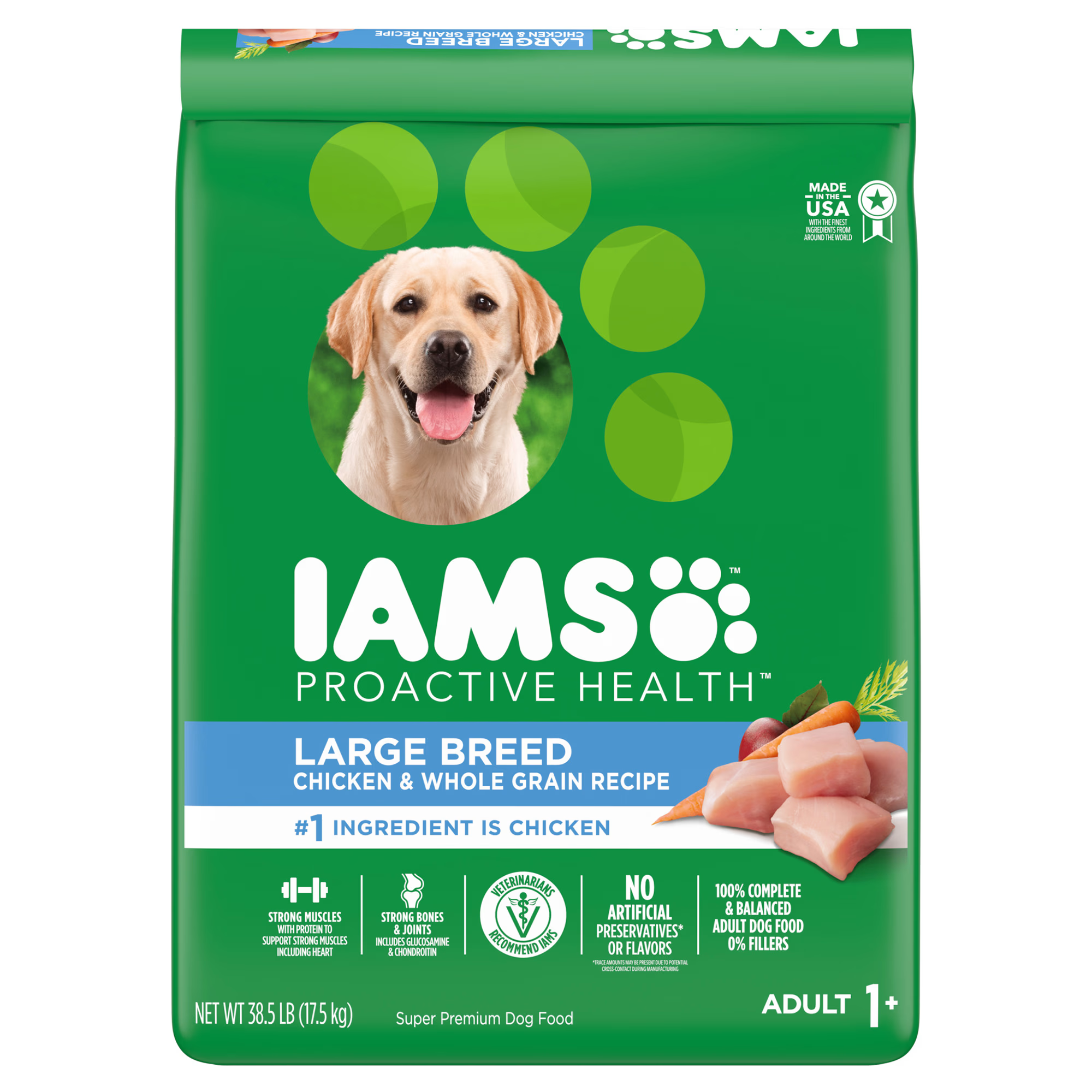
  1. Dry Dog Food (Kibble) – Benefits of kibble, how to choose the best brands, and recommendations for different breeds and sizes.
  2. Wet Dog Food – Information on moisture-rich foods, ideal for dogs with chewing difficulties or dehydration issues.
  3. Grain-Free Dog Food – Insight into grain-free diets for dogs with food sensitivities or allergies.
  4. Raw Dog Food (BARF Diet) – An overview of raw feeding, its pros and cons, and how to safely prepare raw meals for your dog.
  5. Organic and Natural Dog Food – The benefits of feeding your pet with organic and preservative-free foods.
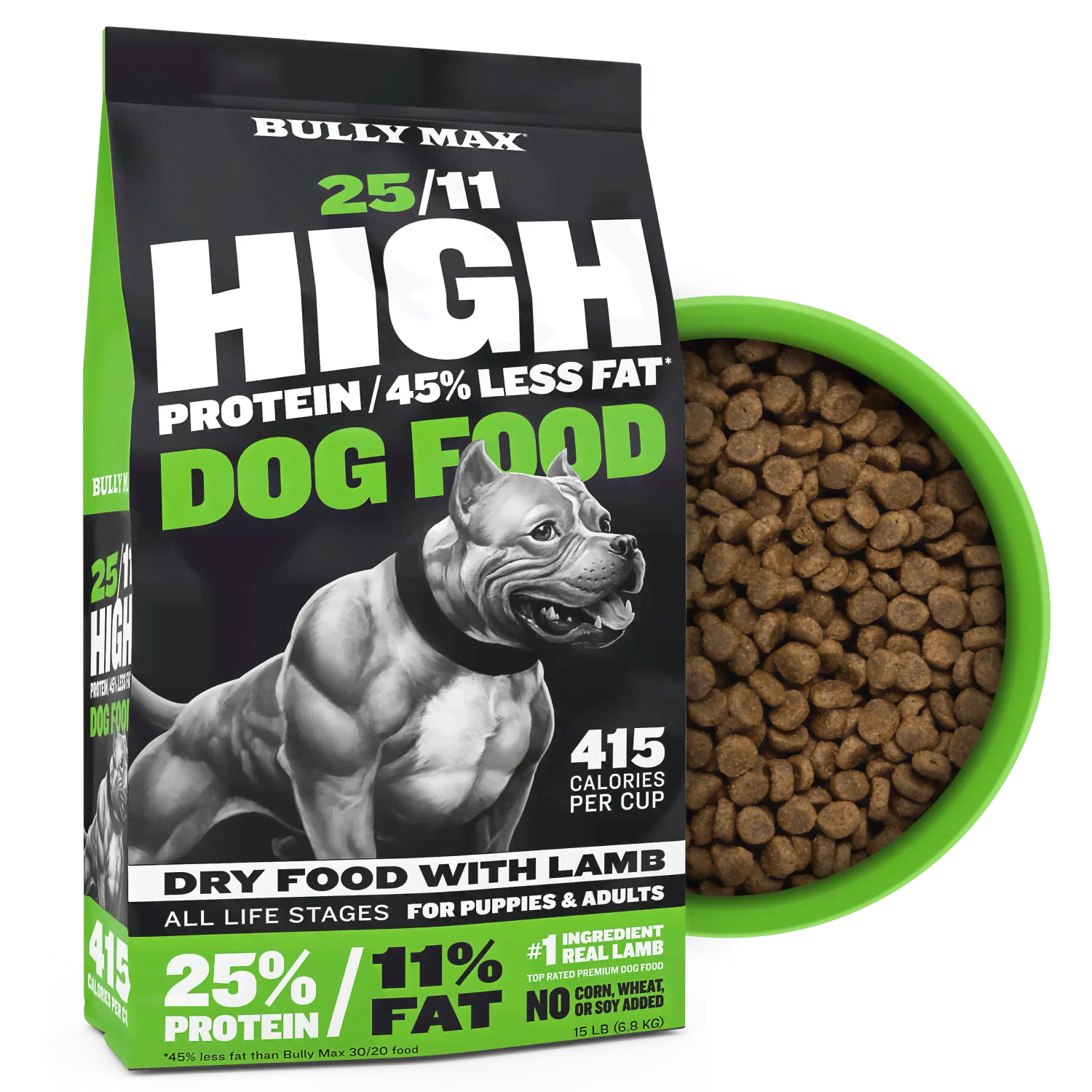
  6. High-Protein Dog Food – Ideal for active or working dogs that require extra energy to maintain their lifestyle.
  7. Puppy Food vs. Adult Dog Food – Age-specific feeding guidelines to support growth, development, and longevity.
  8. Senior Dog Food – Formulated foods for older dogs with lower activity levels and specific health requirements.
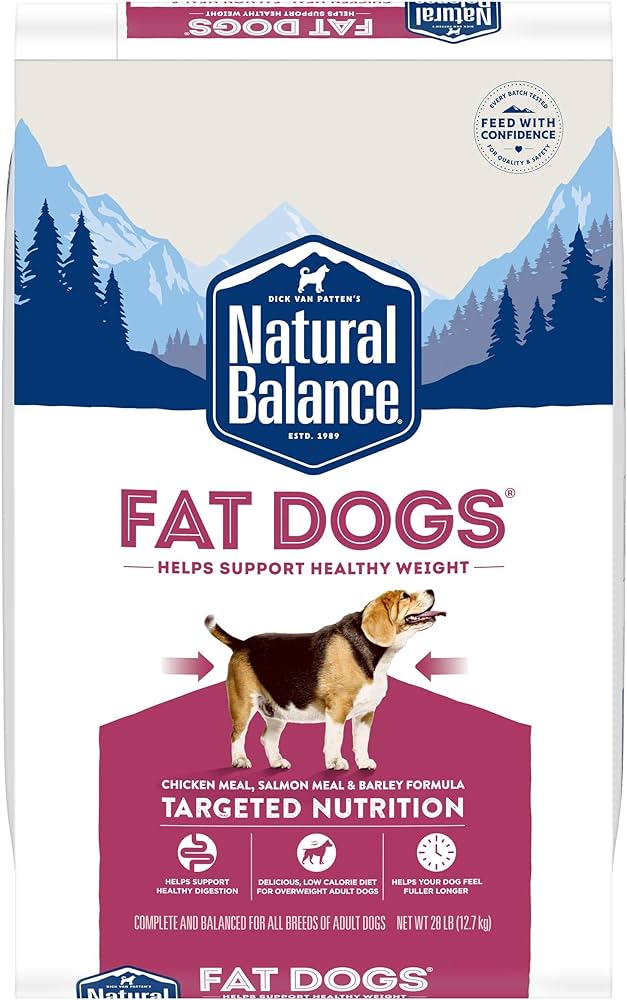
  9. Special Diet Dog Food – Foods designed for dogs with health conditions such as diabetes, kidney disease, or obesity.
  10. Homemade Dog Food Recipes – Tips on preparing balanced, nutritious meals at home, including vet-approved recipes.
  11. Dog Treats and Snacks – Healthy treat options for training and rewarding your pet without compromising their diet.
  12. Food Allergies and Sensitivities – How to identify and manage food allergies, and the best hypoallergenic dog food choices.
  13. Feeding Frequency and Portion Control – Guidelines on how much and how often to feed your dog for optimal health.
  14. Supplements and Additives in Dog Food – Information on essential supplements like Omega-3, probiotics, and vitamins.
  15. Transitioning to New Dog Food – Tips for smoothly switching your dog’s food to avoid digestive issues.

Why Explore Our Dog Food Category?

Choosing the right dog food can be overwhelming with so many options available. Our Dog Food category simplifies the process, providing insights into the best food options for different breeds, life stages, and special needs. Whether your dog requires a high-protein diet, a grain-free alternative, or specialized food for seniors and puppies, we cover it all.

This section also helps you make informed decisions by explaining food labels, identifying key ingredients, and addressing the importance of balanced nutrition. From commercial brands to homemade recipes, this category ensures your dog gets the nourishment they deserve to thrive.

  • Victor Dog Food: No, 1 Premium Nutrition for Active Canines

    Victor Dog Food: No, 1 Premium Nutrition for Active Canines

    Are you searching for a dog food that’s backed by science and designed to foster a healthy life for your active canine companion? Look no further than Victor dog food. We’ve explored this brand’s commitment to creating super-premium pet nutrition that’s both accessible and packed with quality ingredients.

    Victor’s formulas are uniquely balanced for active dogs, featuring high levels of protein from multiple meat sources. Their classic line and professional formula cater to various life stages, from growing puppies to pregnant females and high-performing adult dogs. We’ll investigate into how Victor’s nutrient-dense recipes promote sustained energy, support immune function, and maintain healthy skin and coats.

    Understanding Victor Dog Food

    Victor dog food stands out in the pet nutrition market with its science-based approach and commitment to quality. Let’s explore the brand’s history, philosophy, and product offerings to better understand what sets Victor apart.

    Brand History and Philosophy

    Victor dog food, a brand under Mid America Pet Food, has rapidly grown to become a leader in the pet specialty segment. The company’s philosophy centers on a scientific approach to pet nutrition, ensuring every ingredient serves a purpose. Victor’s commitment to research-backed formulas is evident in their VPRO Blend, which includes selenium yeast, mineral complexes, prebiotics, and probiotics. These components are carefully selected to provide exact health benefits, supporting the overall well-being of dogs at various life stages.

    Product Lines Overview

    Victor offers a diverse range of dog food products designed to meet the nutritional needs of different dogs. Their Classic line features a blend of multiple protein sources and grains, balanced for active dogs. These formulas are packed with high-quality protein from various meats, promoting sustained energy for active dogs and puppies. Victor’s nutrient-dense recipes cater to different life stages, including growing puppies, pregnant and lactating females, and high-performing adult dogs. The brand’s commitment to fostering healthy lives for active pets is reflected in their formulations, which are designed to support immune health, digestive systems, and maintain optimal energy levels.

    Nutritional Analysis

    Victor dog food offers a range of formulas designed to meet the nutritional needs of various dog breeds and life stages. We’ll examine the nutritional components of two popular Victor formulas: Victor Professional and Victor Hi-Pro Plus.

    Ingredient Quality

    Victor dog food prioritizes high-quality ingredients in their formulas. They use premium protein sources, including beef meal, chicken meal, and fish meal, which are concentrated forms of protein. The inclusion of nutrient-dense ingredients like sweet potato, peas, and flaxseed provides essential vitamins, minerals, and fiber. Victor’s proprietary VPRO Blend incorporates prebiotics, probiotics, selenium yeast, and mineral complexes to support digestive health and immune function. The absence of artificial preservatives, colors, and flavors in Victor’s recipes demonstrates their commitment to using wholesome ingredients. Also, the inclusion of L-Carnitine in their formulas supports healthy metabolism and weight management.

    Protein Sources

    Victor dog food formulas feature multiple high-quality protein sources to support muscle development and maintenance. The Victor Professional formula contains a minimum of 26.0% crude protein, while the Hi-Pro Plus formula boasts a higher protein content of 30.0%. These protein levels are derived from a combination of animal-based sources, including beef meal, chicken meal, pork meal, and fish meal. The use of meal-based proteins ensures a concentrated source of essential amino acids. Victor also incorporates whole meats like chicken and fish in some formulas, providing additional protein variety. The inclusion of diverse protein sources helps to create a complete amino acid profile, supporting overall canine health and vitality.

    Grain Content

    Victor dog food offers both grain-inclusive and grain-free options to cater to different dietary preferences and needs. In their grain-inclusive formulas, Victor uses wholesome grains like brown rice, millet, and sorghum. These grains provide complex carbohydrates for sustained energy and are sources of essential nutrients and fiber. The grain content in Victor’s formulas is carefully balanced to complement the high protein levels. For dogs with grain sensitivities, Victor offers grain-free options that substitute grains with alternative carbohydrate sources like sweet potatoes and peas. These ingredients provide necessary energy and fiber without compromising nutritional value. Victor’s approach to grain content allows pet owners to choose formulas that best suit their dogs’ individual needs and preferences.

    Health Benefits and Features

    Victor dog food offers many health benefits and features that cater to the exact nutritional needs of dogs. Let’s explore the key advantages of Victor’s formulas, focusing on digestive support, coat and skin health, and joint and muscle care.

    Digestive Support

    Victor dog food excels in promoting optimal digestive health for canines. The formulas incorporate scientifically advanced additives from Alltech, designed to support excellent digestion and immune system function. These additives include natural sources and probiotics such as Bacillus coagulans and Bacillus subtilis, providing a minimum of 80,000,000 CFU/lb of total microorganisms. This probiotic blend enhances digestibility, ensuring dogs efficiently absorb nutrients from their food. Victor’s commitment to digestive health extends to their ingredient selection, using gluten-free grains and avoiding common allergens like corn, wheat, and soy. This approach reduces the likelihood of digestive issues in dogs with sensitivities, making Victor an excellent choice for pets with delicate stomachs.

    Coat and Skin Health

    Victor dog food prioritizes coat and skin health through its exclusive VPRO Blend of ingredients. This proprietary mix is specifically designed to promote superior digestibility, immune system function, and healthy skin and coat. The VPRO Blend includes essential fatty acids, vitamins, and minerals that work synergistically to support optimal skin and coat condition. These nutrients help maintain a shiny, lustrous coat and promote healthy skin by reducing inflammation and supporting the skin’s natural barrier function. The balanced fatty acid profile in Victor dog food contributes to reducing skin irritations and allergies, while also promoting a soft, manageable coat. By addressing coat and skin health, Victor helps dogs look their best while supporting their overall well-being.

    Joint and Muscle Care

    Victor dog food formulas are crafted to support joint and muscle health, catering to dogs of all life stages and activity levels. The recipes include key nutrients like glucosamine and chondroitin, which are essential for maintaining healthy joints and cartilage. These ingredients help reduce inflammation and support joint flexibility, particularly beneficial for active dogs and senior pets. Victor’s high-quality protein sources, including beef meal, chicken meal, and fish meal, provide the necessary amino acids for muscle development and maintenance. The balanced protein-to-fat ratio in Victor formulas ensures dogs receive optimal nutrition for lean muscle mass and sustained energy. Also, the inclusion of L-carnitine in some formulas aids in fat metabolism, promoting healthy weight management and muscle function.

    Feeding Guidelines

    Victor dog food provides customized nutrition for dogs at various life stages and activity levels. Proper feeding ensures optimal health and performance for your canine companion.

    Portion Recommendations

    Victor dog food portions vary based on a dog’s weight and life stage. For adult dogs, feeding amounts range from 1/2 cup for 5-pound dogs to 4 7/8 cups for 100-pound dogs daily. Puppies require more frequent feedings, starting at 3-4 weeks old with moistened food. Feed puppies four times daily, offering as much as they’ll eat in 20 minutes. Mix puppy food with water, broth, or milk in a 3:1 ratio. Remove moistened food after 30 minutes to prevent spoilage. Adjust portions based on your dog’s activity level, age, and body condition. Monitor your dog’s weight regularly and consult with your veterinarian to fine-tune feeding amounts.

    Transitioning to Victor Dog Food

    Transitioning to Victor dog food requires a gradual approach to prevent digestive upset. Begin by mixing 25% Victor food with 75% of the current food for 2-3 days. Increase the Victor food proportion to 50% for the next 2-3 days, then to 75% for another 2-3 days. Finally, transition to 100% Victor food. Observe your dog’s response during the transition period. If digestive issues occur, slow down the transition process. Ensure fresh water is always available. For puppies or dogs with sensitive stomachs, extend the transition period to 10-14 days. Monitor your dog’s stool consistency and energy levels throughout the transition.

    Special Dietary Considerations

    Victor dog food caters to various dietary needs with its diverse product lines. For pregnant or lactating females, increase food intake by 25-50% to support milk production and puppy growth. Active sporting dogs may require higher calorie intake from protein-rich formulas. Senior dogs or those with weight management needs benefit from specially formulated options with adjusted calorie and nutrient levels. Dogs with food sensitivities can explore grain-free options or limited ingredient diets within the Victor range. Always consult with your veterinarian before making important changes to your dog’s diet, especially for dogs with health conditions or exact nutritional requirements. Adjust feeding amounts based on your dog’s individual needs, activity level, and health status.

    Safety and Quality Control

    Victor Dog Food prioritizes safety and quality in their product manufacturing process. Their comprehensive approach ensures that every bag of dog food meets high standards for nutrition and safety.

    Manufacturing Practices

    Victor Dog Food’s manufacturing practices are centered around quality and consistency. Mid America Pet Food, the owner of Victor Dog Food, operates its own facility in Mt. Pleasant, Texas. This control over production allows for strict oversight of the entire manufacturing process.

    The company implements a comprehensive pet food safety plan that includes quality control measures at every step. From raw material screening to final packaging, each stage is carefully monitored. Victor works with an in-house nutrition team and third-party nutritionists to formulate recipes that comply with regulatory standards. All ingredients are selected based on scientific testing, ensuring optimal nutritional value.

    Victor’s VPRO Difference is a key component of their manufacturing process. This proprietary blend includes exact ingredients like selenium yeast, mineral complexes, prebiotics, and probiotics. These additives are carefully incorporated to promote overall health and well-being in dogs.

    Recall History and Response

    Victor Dog Food has maintained a strong track record in terms of product safety. As of our latest information, there have been no reported recalls of Victor dog food products. This spotless recall history speaks to the effectiveness of their quality control measures and manufacturing practices.

    The company’s commitment to safety is evident in their proactive approach to potential issues. They maintain open lines of communication with customers and regulatory bodies, ready to respond swiftly should any concerns arise. This vigilance helps ensure that any potential problems are identified and addressed quickly, maintaining the trust of pet owners who rely on Victor for their dogs’ nutrition.

    Customer Experiences and Reviews

    Victor dog food has garnered a range of customer experiences and reviews. These insights provide valuable information for pet owners considering this brand for their furry companions.

    Positive Feedback

    Victor dog food has received many positive reviews from satisfied customers. Many users report noticeable improvements in their dogs’ overall health and well-being after switching to Victor. Owners have observed softer, shinier coats and increased energy levels in their pets. The Victor Hi Pro Plus formula has been particularly praised for its effectiveness in managing allergies, as it’s grain-inclusive and legume-free.

    This has proven beneficial for dogs with sensitivities to common ingredients like rice, barley, flax, oats, and peas. Customers appreciate Victor’s affordability compared to other premium brands, noting that it offers similar or better quality at a lower price point than competitors like Pro Plan. The high protein density of Victor dog food has made it a popular choice for owners of working and sport dogs, who require a nutrient-rich diet to support their active lifestyles.

    Victor Dog Food

    Common Concerns

    While Victor dog food has received widespread praise, some customers have expressed concerns. A few owners have reported digestive issues in their dogs after switching to Victor, including occasional loose stools or gas. It’s important to note that these reactions can occur with any dietary change and may not be exact to Victor. Some customers have mentioned that their picky eaters were initially reluctant to try Victor, though many eventually adapted to the new food.

    A small number of users have commented on the strong smell of certain Victor formulas, particularly those with high fish content. While this is often an indication of fresh, high-quality ingredients, it may be off-putting to some dogs and owners. Also, a few customers have noted that the kibble size in some Victor formulas may be too large for very small breeds or dogs with dental issues. Even though these concerns, the majority of reviews remain positive, with many customers praising Victor’s quality and value.

    Comparing Victor to Other Brands

    Victor dog food stands out in the competitive pet food market, but it’s essential to compare it with other brands to make an well-informed choice. We’ll examine how Victor measures up in terms of price, nutritional value, and brand reputation.

    Price Point Analysis

    Victor dog food is positioned at the higher end of the price spectrum, reflecting its premium ingredients and formulation. While it may be more expensive than some mainstream brands, it’s often more affordable than ultra-premium options. For example, Sport Dog Elite offers similar ingredients at a lower price point, providing a cost-effective alternative. Black Gold, another comparable brand, is known for its high digestibility and appropriate nutrient levels for large breed dogs, often at a competitive price. When considering Victor’s cost, it’s crucial to weigh the potential long-term health benefits against the initial investment, as high-quality nutrition can lead to fewer veterinary expenses over time.

    Nutritional Value Comparison

    Victor dog food formulas are known for their high protein content and nutrient-dense ingredients, which set them apart from many other brands. The Victor Professional formula contains a minimum of 26.0% crude protein, while the Hi-Pro Plus formula boasts 30.0%, surpassing many competitors in this aspect. These protein levels are derived from premium sources such as beef meal, chicken meal, and fish meal, providing essential amino acids for muscle development and maintenance.

    Victor’s proprietary VPRO Blend, which includes selenium yeast and probiotics, offers additional nutritional benefits that may not be present in all competing brands. This blend supports digestive health and immune function, potentially giving Victor an edge in overall nutritional value.

    When comparing Victor to brands like Purina, Hills, Royal Canine, Iams, and Eukanuba, it’s important to note that these alternatives often have broader availability and perceived reliability. But, Victor’s focus on active dogs and exact life stages may provide more targeted nutrition for certain canine populations.

    Victor offers both grain-inclusive and grain-free options, catering to different dietary needs. The grain-inclusive formulas use wholesome grains like brown rice and millet for sustained energy, while grain-free options incorporate sweet potatoes and peas. This flexibility allows pet owners to choose the best option for their dogs’ individual requirements, which may not be available in all competing brands.

    In terms of additives, Victor’s inclusion of glucosamine and chondroitin for joint health is comparable to many premium brands. But, the concentration and bioavailability of these supplements can vary between brands, making direct comparisons challenging without detailed analysis.

    It’s worth noting that while Victor has faced concerns about a high rate of Dilated Cardiomyopathy (DCM) cases, this issue is not unique to Victor and has affected various grain-free dog food brands. The FDA has not listed Victor in its official DCM reports, but pet owners should stay informed about ongoing research in this area.

    When evaluating nutritional value, it’s crucial to consider your dog’s exact needs, age, activity level, and any health concerns. While Victor offers high-quality nutrition, other brands may be more suitable for certain dogs based on individual factors. Consulting with a veterinarian can help determine the most appropriate food choice for your pet’s unique requirements.

    Conclusion

    Victor dog food stands out as a top choice for pet owners seeking high-quality nutrition for their canine companions. With its scientifically backed formulas customized to various life stages and dietary needs, Victor offers a range of options to support dogs’ overall health and well-being. We’ve explored the brand’s commitment to quality ingredients, safety standards, and innovative VPRO Blend. While individual experiences may vary, Victor’s positive reputation and competitive pricing make it a worthy consideration for discerning pet owners. As always, we recommend consulting with a veterinarian to determine the best food choice for your dog’s exact needs.

  • Can Dogs Have Pistachios? Benefits, Risks & Safety Tips

    Can Dogs Have Pistachios? Benefits, Risks & Safety Tips

    Ever wondered if your furry friend can enjoy the same tasty snacks you do? Pistachios are a popular choice for their crunchy texture and rich flavor, but when it comes to our dogs, the question arises: can dogs have pistachios? Understanding what’s safe for our pets is crucial, and we’re here to help you navigate this tasty dilemma.

    While pistachios aren’t inherently toxic to dogs, there are important factors to consider like quality, quantity, and how they’re served. In this text, we’ll explore the potential benefits and risks of feeding pistachios to your dog, offer guidelines on safe consumption, and provide tips to ensure your pet stays healthy and happy. By the end, you’ll have a clear understanding of whether pistachios are a safe treat for your canine companion.

    Are Pistachios Safe for Dogs?

    Pistachios are not inherently toxic to dogs, but several factors determine their safety. Understanding these factors helps us make informed decisions about including pistachios in our pets’ diets.

    Health Risks of Pistachios

    Feeding pistachios to dogs poses several health risks. Firstly, pistachio shells are a important choking hazard and can cause intestinal blockages if ingested. Dogs may struggle to digest these shells, leading to severe gastrointestinal issues. Also, pistachios have a high fat content, which can trigger pancreatitis—a painful and potentially life-threatening condition characterized by inflammation of the pancreas.

    Symptoms include vomiting, diarrhea, and lethargy. The elevated fat and fiber levels in pistachios can also result in gastrointestinal distress, causing discomfort and digestive upset. Also, many pistachios are salted or seasoned, increasing the risk of salt toxicity and further exacerbating health problems. Aflatoxin poisoning is another concern, as mold can grow on pistachios, producing toxins harmful to both humans and dogs. These risks highlight why it’s crucial to exercise caution when considering pistachios as a treat for our canine companions.

    Nutritional Benefits of Pistachios

    While pistachios carry certain risks for dogs, they also offer nutritional benefits when given in moderation. Pistachios are rich in healthy fats, which contribute to a dog’s overall energy levels and support healthy skin and coat. They contain essential vitamins such as Vitamin B6, which aids in metabolism and brain function, and Vitamin E, an antioxidant that helps protect cells from damage. Also, pistachios provide minerals like potassium, which is vital for maintaining proper muscle and nerve function, and magnesium, important for bone health.

    The protein content in pistachios supports muscle development and repair. But, these benefits must be weighed against the potential health risks, such as high fat leading to pancreatitis and digestive issues. Hence, if considering pistachios as a supplement to a dog’s diet, it’s essential to offer them in small, unsalted quantities and ensure they are shelled to minimize associated dangers.

    Can Dogs Eat Pistachio Shells?

    Pistachio shells pose important risks to dogs and should never be given as treats. First, shells create a choking hazard, particularly for smaller breeds. Their hard, indigestible nature makes swallowing difficult, increasing the chance of blockage in the throat or airways. For example, a Chihuahua may struggle more with a pistachio shell than a Labrador Retriever due to size differences.

    Second, ingestion of shells can lead to intestinal blockages. If a dog swallows a shell, it may obstruct the digestive tract, causing severe symptoms like vomiting, loss of appetite, abdominal pain, and lethargy. According to veterinary experts, intestinal blockages require immediate medical attention to prevent life-threatening complications.

    Also, even without causing a full blockage, pistachio shells can result in digestive issues. Dogs may experience gastrointestinal distress, including diarrhea and vomiting, which disrupts their normal digestion and overall health. The abrasive nature of the shells can irritate the stomach lining, leading to prolonged discomfort and potential nutrient absorption problems.

    To ensure your dog’s safety, always remove pistachio shells before offering the nuts as a treat. Opt for shelled pistachios in small quantities to avoid these hazards. Proper disposal of shells is also crucial to prevent accidental ingestion. By taking these precautions, you can minimize health risks and keep your canine companion safe while enjoying occasional pistachio snacks.

    Dogs Have Pistachios

    How to Safely Feed Pistachios to Your Dog?

    Feeding pistachios to your dog requires careful consideration to ensure their safety and well-being. Follow these guidelines to minimize risks.

    Recommended Portions

    Limit pistachio intake to a small quantity. For small dogs, offer no more than one nut daily. Medium-sized dogs can handle up to three nuts, while large breeds may have up to five. Always monitor your dog for any adverse reactions after consumption. Excessive pistachios can lead to obesity, pancreatitis, or gastrointestinal issues. Incorporate pistachios infrequently into your dog’s diet to avoid nutritional imbalances. Use pistachios as an occasional treat rather than a regular snack. Ensure portions are appropriate based on your dog’s size and health status to maintain their overall well-being.

    Preparation Tips

    Prepare pistachios by removing shells thoroughly. Unsalted pistachios are essential to prevent high sodium intake, which can cause dehydration or kidney issues. Store pistachios in an airtight container to maintain freshness and reduce mold growth, minimizing aflatoxin risks. Avoid flavored or seasoned varieties, as additives can irritate your dog’s digestive system. Chop pistachios into smaller pieces for easier digestion and to prevent choking hazards. Always inspect nuts for any signs of mold or spoilage before serving. Introduce pistachios gradually, observing your dog’s tolerance and ensuring no allergic reactions occur. Prioritize safe preparation methods to enjoy the nutritional benefits pistachios offer without compromising your dog’s health.

    Potential Health Issues from Pistachios

    Feeding pistachios to dogs poses several health risks that owners must consider. Understanding these risks helps ensure the well-being of our canine companions.

    Choking Hazard

    Pistachio shells present a important choking hazard for dogs. Small breeds are especially vulnerable, as shells can block their airway. Also, ingested shells may cause intestinal blockages, leading to severe digestive issues. Symptoms of a blockage include vomiting, abdominal pain, and lethargy. To prevent these dangers, always offer shelled pistachios and ensure they are broken into manageable pieces. Monitoring your dog while they eat pistachios reduces the risk of choking and ingestion of harmful shell fragments.

    Pancreatitis Risk

    Pistachios are high in fat, increasing the risk of pancreatitis in dogs. Pancreatitis is the inflammation of the pancreas, which can be life-threatening if untreated. High-fat foods like pistachios trigger this condition, leading to symptoms such as vomiting, diarrhea, abdominal pain, and loss of appetite. Dogs with obesity or a history of pancreatitis are at greater risk. Limiting pistachio intake minimizes the chances of developing pancreatitis. Providing pistachios only as an occasional treat helps maintain your dog’s pancreatic health and prevents severe health complications.

    Dogs Have Pistachios

    What to Do If Your Dog Eats Pistachios?

    If your dog consumes pistachios, immediate action is essential to ensure their safety. Follow these steps to address the situation effectively.

    Recognizing Symptoms

    Monitor your dog for signs of distress after ingesting pistachios. Common symptoms include:

    • Vomiting and Diarrhea: Indicative of gastrointestinal upset from high fat or salt content.
    • Abdominal Pain: May signal pancreatitis caused by excessive fat intake.
    • Choking or Difficulty Breathing: Occurs if pistachio shells obstruct airways, especially in small breeds.
    • Intestinal Blockage: Symptoms include lethargy, loss of appetite, and constipation, particularly if shells are ingested.
    • Seizures or Lethargy: Potential signs of mycotoxin poisoning from mold-contaminated pistachios.
    • Increased Thirst and Urination: May result from salt toxicity affecting your dog’s electrolyte balance.

    Early detection of these symptoms allows for prompt veterinary intervention, improving your dog’s chances of recovery.

    Emergency First Aid

    Act quickly if your dog shows symptoms after eating pistachios. Follow these steps:

    1. Remove Access: Ensure no more pistachios are available to prevent further ingestion.
    2. Check Airway: If choking is suspected, carefully remove any visible shells or nuts from your dog’s mouth.
    3. Contact Your Veterinarian: Provide details about the type and quantity of pistachios consumed, along with your dog’s size and breed.
    4. Induce Vomiting: Only if advised by a veterinarian, use safe methods to induce vomiting and clear the pistachios from your dog’s system.
    5. Hydrate Your Dog: Offer fresh water to help dilute any salt or toxins ingested, unless vomiting is ongoing.
    6. Monitor Vital Signs: Keep an eye on your dog’s breathing, heart rate, and behavior while awaiting professional help.
    7. Provide a Calm Environment: Reduce stress to prevent exacerbating symptoms like seizures or anxiety.

    Following these steps promptly can mitigate the risks associated with pistachio consumption and support your dog’s recovery.

    Safe Alternatives to Pistachios for Dogs

    When seeking safe snack options for our dogs, several alternatives provide nutritional benefits without the risks associated with pistachios.

    Fruits

    • Carrots: Rich in fiber and Vitamin A, carrots support eye health and digestion.
    • Apples (without seeds): Provide Vitamin C and fiber, promoting a healthy immune system and digestive tract.
    • Blueberries: Contain antioxidants and vitamins that aid in reducing inflammation and supporting overall health.

    Vegetables

    • Green Beans: Low in calories and high in fiber, they help maintain a healthy weight.
    • Sweet Potatoes: Offer vitamins A and C, along with dietary fiber, beneficial for skin and digestion.
    • Cucumbers: Hydrating and low in calories, cucumbers are excellent for weight management.
    Dogs Have Pistachios

    Commercial Dog Treats

    Opting for treats specifically formulated for dogs ensures balanced nutrition and safety. These products are designed to meet dogs’ dietary needs without harmful additives.

    Protein-Rich Snacks

    • Lean Chicken: Cooked without seasoning provides essential protein for muscle maintenance.
    • Pumpkin Seeds: Offer fiber and antioxidants, supporting digestive health when given in moderation.

    Hydration Options

    • Coconut Water: Natural electrolytes aid in hydration and support overall well-being.
    • Broth-Based Snacks: Low-sodium broths can be used to moisten dry dog treats, improving flavor without added salts.
    AlternativeKey NutrientsBenefits
    CarrotsFiber, Vitamin ASupports eye health and digestion
    Apples (no seeds)Vitamin C, FiberBoosts immune system and aids digestion
    BlueberriesAntioxidants, VitaminsReduces inflammation, enhances overall health
    Green BeansFiberHelps maintain a healthy weight
    Sweet PotatoesVitamins A & C, Dietary FiberBenefits skin and digestive health
    Lean ChickenProteinPromotes muscle maintenance
    Pumpkin SeedsFiber, AntioxidantsSupports digestive health

    By choosing these safe alternatives, we ensure our dogs receive essential nutrients while minimizing health risks. Always consult with a veterinarian before introducing new foods into your dog’s diet to ensure their suitability and safety.

    Conclusion

    We understand that sharing treats with your furry friend is important. While pistachios can be a safe occasional snack when prepared properly, it’s crucial to prioritize your dog’s health by adhering to the guidelines we’ve discussed. Always opt for shelled and unsalted nuts, keep portions small, and monitor your pet for any adverse reactions. By making informed choices, we can ensure our dogs enjoy their treats without compromising their well-being. Remember, there are plenty of other nutritious and safer alternatives available that can keep your pet happy and healthy.

  • Can Dogs Have Shrimp in 2025? Benefits and Risks

    Can Dogs Have Shrimp in 2025? Benefits and Risks

    Did you know that shrimp, a beloved seafood delicacy, can also be a safe treat for our canine companions? Many pet owners wonder, can dogs have shrimp, and the answer is a resounding yes—but with some important considerations.

    Feeding shrimp to dogs offers benefits like high protein content and essential vitamins, supporting muscle maintenance and overall health. But, it’s vital to prepare shrimp properly and serve it in moderation to avoid potential risks such as allergies or exposure to antibiotics found in farm-raised varieties. In this text, we’ll explore the best practices for sharing shrimp with your dog, outline appropriate serving sizes based on your pet’s size, and discuss the health advantages shrimp can bring when included thoughtfully in their diet. By understanding these factors, you can make informed decisions to keep your furry friend happy and healthy.

    Can Dogs Have Shrimp?

    Dogs can safely consume shrimp when it’s properly prepared and served in moderation. Shrimp provides valuable nutritional benefits, including high protein content essential for muscle maintenance, vitamins B12 and D for nerve function and bone health, and minerals like selenium, phosphorus, iron, magnesium, zinc, copper, and manganese. Also, shrimp is low in fat and calories, making it a lean protein option for our pets.

    But, several risks and considerations must be addressed. Firstly, shrimp must be thoroughly cooked to eliminate harmful bacteria such as salmonella, vibrio, and listeria, as well as parasites like tapeworms. Raw or undercooked shrimp can pose important health hazards to dogs. Also, shrimp is high in cholesterol, which can be problematic for dogs with hyperlipidemia or those managing their weight. The sodium content varies based on the source; farm-raised shrimp may contain up to 700 mg of sodium per 100 grams, whereas wild-caught frozen shrimp typically has around 100 mg. High sodium intake can adversely affect dogs with hypertension or kidney issues.

    Allergic reactions are another critical concern. Some dogs may be allergic to shrimp, resulting in symptoms such as itching, swelling, or difficulty breathing. It’s essential to introduce shrimp gradually and monitor your dog for any adverse reactions. Also, shrimp shells should be avoided as they are difficult to digest and can cause choking, intestinal blockages, or digestive upset.

    When feeding shrimp to dogs, opt for plain, cooked, deveined, and shelled shrimp without any added salt, seasonings, oils, or dips. Fried shrimp should be strictly avoided due to the presence of breadcrumbs, preservatives, and high-fat oils, which can lead to stomach upset or pancreatitis.

    Appropriate serving sizes depend on the dog’s size and overall health:

    Dog SizeSafe Amount of Cooked Deveined Shrimp
    Small (<20 lbs)1-2 pieces
    Medium (20-50 lbs)2-3 pieces
    Large (>50 lbs)Up to ½ cup

    It’s crucial to consult with a veterinarian before introducing shrimp or any new food into your dog’s diet to ensure it aligns with their exact health needs and dietary requirements. By following these guidelines, shrimp can be a nutritious and enjoyable treat for your canine companion.

    Dogs Have Shrimp

    Health Benefits Of Shrimp For Dogs

    Including shrimp in our dogs’ diet offers many health benefits. When fed properly, shrimp supports various aspects of their well-being.

    Nutritional Value

    Shrimp provides high protein content with low fat and calories, making it ideal for dogs on a diet. A 100-gram serving contains approximately 24 grams of protein, aiding muscle maintenance and growth. Also, shrimp supplies essential vitamins and minerals, including vitamin B12, niacin (vitamin B3), phosphorus, selenium, and copper. These nutrients strengthen the immune system, support healthy bones, and help proper enzyme function. Shrimp’s antioxidants combat free radicals, reducing oxidative stress and potentially lowering the risk of chronic diseases. For dogs that can have shrimp, its comprehensive nutritional profile enhances overall health without contributing to weight gain.

    Omega-3 Fatty Acids

    Shrimp is rich in omega-3 fatty acids, crucial for heart health and reducing inflammation in dogs. These fatty acids support cardiovascular function, lowering the risk of heart disease. Omega-3s also promote healthy skin and shiny coats, minimizing dryness and dandruff. Also, they contribute to joint health, alleviating symptoms of arthritis and improving mobility in active dogs. Regular consumption of shrimp ensures dogs receive these essential fatty acids, which also aid in cognitive function, potentially decreasing the onset of brain aging. By incorporating shrimp into their diet, we provide our dogs with vital omega-3s that foster long-term health benefits.

    Potential Risks Of Feeding Shrimp To Dogs

    While shrimp can be a healthy treat for dogs, several potential risks warrant careful consideration before including it in their diet.

    Allergic Reactions

    Some dogs may experience allergic reactions to shrimp or other shellfish. Symptoms include itching, swelling, and difficulty breathing. Severe reactions can be life-threatening, requiring immediate veterinary attention. Introducing shrimp gradually helps monitor for adverse effects. Puppies and dogs with sensitive immune systems are particularly susceptible to these allergies. Also, previous exposure to shellfish can increase the likelihood of an allergic response. If a dog shows any signs of an allergic reaction after consuming shrimp, discontinue feeding shrimp immediately and consult a veterinarian. Awareness of these risks ensures safe inclusion of shrimp in a dog’s diet.

    Preparation Concerns

    Proper preparation of shrimp is crucial to minimize health risks for dogs. Shrimp must be thoroughly cooked to eliminate harmful bacteria and parasites. Raw shrimp can carry pathogens like Salmonella, posing serious health threats. Also, removing shells, tails, and veins is essential to prevent choking hazards and intestinal blockages, especially in small breeds. Farm-raised shrimp often contain higher sodium levels, which can be problematic for dogs with kidney or heart issues. Avoid adding seasonings, oils, or dips, as these can introduce excessive salt and unhealthy additives. Ensuring shrimp is plain and well-prepared helps mitigate these risks and makes it a safer treat for dogs.

    How To Safely Feed Shrimp To Your Dog

    Ensuring your dog enjoys shrimp safely involves careful preparation and appropriate portion sizes. Follow these guidelines to incorporate shrimp into your dog’s diet responsibly.

    Portion Sizes

    Proper portion control is essential when feeding shrimp to your dog. Below are recommended serving sizes based on your dog’s size:

    Dog SizeServing Size
    Small1-2 pieces per serving
    Medium2-3 pieces per serving
    LargeUp to ½ cup per serving

    Start by introducing shrimp gradually, offering small amounts to observe your dog’s reaction. Monitor for any signs of digestive upset or allergies. Adjust portions accordingly, ensuring shrimp remains a treat and does not replace a balanced diet. Remember, moderation is key to preventing potential health issues like high cholesterol. By adhering to these portion guidelines, you can safely include shrimp as a nutritious addition to your dog’s meals.

    Alternative Seafood Options For Dogs

    Dogs Have Shrimp

    When considering alternatives to shrimp, we prioritize seafood that offers similar nutritional benefits while ensuring safety for our canine companions. Below are several seafood options that are suitable for dogs when properly prepared.

    Sardines

    Sardines are small, affordable, and nutrient-rich, making them an excellent choice for dogs. They are packed with protein and omega-3 fatty acids, which support skin health and reduce inflammation. Also, sardines provide essential vitamins such as B12 and minerals like calcium and selenium.

    Salmon

    Salmon serves as a high-quality protein source for dogs, promoting muscle maintenance and joint health. It’s rich in omega-3 fatty acids, which help improve heart health and reduce allergic reactions. Ensure that salmon is thoroughly cooked and free of bones before serving to prevent choking hazards.

    Green-Lipped Mussels

    Green-lipped mussels originate from New Zealand and are renowned for their anti-inflammatory properties. They contain essential fatty acids and glycosaminoglycans, which aid in alleviating arthritis symptoms in dogs. Mussels also offer vitamins B12 and C, supporting overall immune function.

    Whitefish, Cod, or Haddock

    These whitefish varieties are lean protein sources that contribute to a healthy weight in dogs. They are low in fat and calories while providing essential amino acids necessary for tissue repair and growth. Ensure the fish is fully cooked and deboned to avoid digestive issues.

    Trout

    Dogs Have Shrimp

    Trout is another excellent option, rich in omega-3 fatty acids and high-quality protein. It supports cognitive function and maintains healthy skin and coat. As with other fish, trout should be cooked thoroughly and served without bones.

    Mackerel

    Mackerel offers a robust flavor and is densely packed with omega-3 fatty acids, which promote cardiovascular health and reduce inflammation. It also contains vitamins D and B12, essential for bone health and energy metabolism. Always cook mackerel thoroughly and remove any bones before serving.

    Herring

    Herring is a fatty fish that provides a important amount of omega-3 fatty acids and vitamin D. These nutrients contribute to strong bones and a healthy immune system. Proper preparation involves cooking the herring and ensuring it is free from bones to prevent choking or internal injuries.

    Seafood OptionProtein (g)Omega-3 Fatty Acids (mg)Vitamins & Minerals
    Sardines251,500B12, Calcium, Selenium
    Salmon222,200B12, Vitamin D, Potassium
    Green-Lipped Mussels241,300B12, C, Glycosaminoglycans
    Whitefish20900B6, Phosphorus, Selenium
    Trout211,800B12, Niacin, Phosphorus
    Mackerel192,100D, B12, Magnesium
    Herring181,700D, B12, Iron

    By incorporating these alternative seafood options into your dog’s diet, we can provide a diverse range of nutrients that support their overall health and well-being. Always consult with a veterinarian before introducing new foods to ensure they align with your dog’s exact dietary needs.

    Conclusion

    Feeding shrimp to our dogs can be a tasty and nutritious treat when done right. We recognize the benefits of high protein and essential vitamins that support their health. By preparing shrimp properly and serving it in moderation we minimize risks like allergies and high sodium. It’s important to introduce shrimp gradually and watch for any adverse reactions. Consulting with our veterinarian ensures that adding shrimp fits our dog’s exact dietary needs. With careful preparation and mindful portion sizes we can safely include shrimp as a part of our dogs’ balanced diet, improving their well-being and enjoyment.

  • Can Dogs Eat Shrimp? Benefits, Risks & Safe Feeding Tips

    Can Dogs Eat Shrimp? Benefits, Risks & Safe Feeding Tips

    Did you know that shrimp isn’t just a favorite on our plates but also tempts our furry friends? As pet owners, we often want to share our favorite foods with our dogs, but when it comes to shrimp, understanding its safety and health implications is crucial. Can dogs eat shrimp? The answer isn’t a simple yes or no.

    In this text, we’ll investigate into the benefits of giving shrimp to your dog, including its high protein and omega-3 fatty acid content, while also addressing potential risks like high cholesterol and allergic reactions. We’ll provide guidelines on how to safely prepare shrimp for your canine companion and highlight the signs to watch for to ensure your pet stays healthy. By the end, you’ll have a clear understanding of whether shrimp can be a healthy treat for your dog and how to incorporate it responsibly into their diet.

    Can Dogs Eat Shrimp?

    Yes, dogs can enjoy shrimp as a treat when prepared correctly. Shrimp offers several nutritional benefits, making it a valuable addition to your dog’s diet in moderation.

    Safety and Preparation

    We ensure shrimp is safe for our dogs by thoroughly cooking it. Cooking eliminates harmful bacteria like salmonella, vibrio, and listeria. Always remove the shells and tails to prevent choking hazards and digestive issues. Serving shrimp plain, without added salt, seasonings, or oils, maintains its safety and nutritional value.

    Nutritional Benefits

    Shrimp provides high-quality protein, essential for muscle development and overall health. It contains omega-3 fatty acids, which support heart health and reduce inflammation. Also, shrimp is rich in vitamins B12 and D, selenium, and phosphorus, contributing to a balanced diet.

    Moderation

    We limit shrimp to no more than 10% of our dog’s daily food intake. This prevents nutrient imbalances and avoids excessive cholesterol intake, as shrimp contains approximately 190 mg of cholesterol per 100 grams. Overfeeding shrimp can lead to health issues such as weight gain and hyperlipidemia, especially in overweight dogs.

    Potential Risks

    While shrimp is nutritious, it poses certain risks. Shrimp shells and tails can cause choking or blockages in the intestines. Dogs may also develop allergies to shrimp, leading to symptoms like itching, swelling, or difficulty breathing. It’s crucial to introduce shrimp gradually and monitor for any adverse reactions. Also, farm-raised shrimp may contain higher sodium levels, reaching up to 700 mg per 100 grams, compared to wild-caught shrimp with around 100 mg. Opting for wild-caught shrimp reduces the risk of excessive sodium intake.

    Allergic Reactions

    Some dogs are allergic to shellfish, including shrimp. We recommend starting with a small portion to observe any allergic responses. If your dog shows signs of an allergic reaction, discontinue feeding shrimp and consult a veterinarian immediately.

    Best Practices

    To safely incorporate shrimp into your dog’s diet, always serve it cooked, peeled, and deveined. Avoid giving shrimp as a primary food source; instead, use it as an occasional treat. By following these guidelines, we can provide our dogs with the benefits of shrimp while minimizing potential risks.

    Health Benefits Of Shrimp For Dogs

    Shrimp offers several health benefits for dogs when included appropriately in their diet. Its rich nutritional profile supports overall canine health and well-being.

    Nutritional Value

    Shrimp stands out with its high protein content, providing approximately 20 grams per 3.5-ounce serving. This protein is essential for building and repairing muscle tissue, contributing to your dog’s strength and vitality. Also, shrimp is low in fat and carbohydrates, making it an ideal treat for dogs that need to manage their weight. A 3.5-ounce serving contains only about 1 gram of fat, supporting a lean physique without sacrificing essential nutrients.

    The low-calorie nature of shrimp ensures that it can be included in your dog’s diet without significantly impacting their daily caloric intake. Also, shrimp offers a variety of vitamins and minerals that play crucial roles in maintaining your dog’s overall health. By incorporating shrimp into your dog’s meals, you provide a balanced and nutritious option that promotes long-term wellness.

    Omega-3 Fatty Acids

    Omega-3 fatty acids in shrimp contribute significantly to your dog’s health. These essential fats support joint health by reducing inflammation, thereby improving mobility and comfort, especially in active or aging dogs. Omega-3s also promote healthy skin and a shiny coat, mitigating issues like dryness and dandruff. Also, they aid in cognitive function, benefiting brain health and potentially improving your dog’s behavior and learning abilities. The presence of omega-3 fatty acids in shrimp helps maintain a strong immune system, enabling your dog to better fend off illnesses and infections. By regularly including shrimp in your dog’s diet, you ensure they receive a steady supply of these vital nutrients, fostering overall physical and mental well-being.

    Vitamins And Minerals

    Shrimp is packed with essential vitamins and minerals that support various aspects of your dog’s health. It contains iodine and selenium, which are crucial for a healthy immune system and proper metabolism. Also, shrimp provides vitamins like B12 and niacin, which aid in energy production and nervous system function. Minerals such as phosphorus and copper found in shrimp contribute to strong bones and effective enzyme function. Choline, another nutrient present, supports liver health and proper cell structure. These vitamins and minerals work together to strengthen your dog’s immune system, enhance muscle and bone health, and reduce inflammation. Including shrimp in your dog’s diet ensures they receive a comprehensive range of nutrients, promoting sustained health and vitality.

    Potential Risks Of Shrimp For Dogs

    While shrimp offers nutritional benefits, several potential risks must be considered when feeding it to dogs.

    Allergic Reactions

    Dogs can develop allergies to shrimp, similar to humans. Symptoms include itching, swelling, and difficulty breathing. Introducing shrimp gradually helps monitor any adverse reactions. If a dog shows signs of an allergic response, discontinue feeding shrimp immediately and consult a veterinarian. Allergic reactions can range from mild to severe, potentially requiring emergency care. It’s essential to be vigilant, especially if the dog has a history of shellfish allergies. Testing with a small amount initially minimizes the risk of a important allergic reaction.

    Choking Hazards

    Shrimp shells and tails pose choking risks, particularly for small breeds and puppies. These parts are difficult to digest and can cause blockages or intestinal perforations. Always remove shells and tails before serving shrimp to dogs. Feeding improperly prepared shrimp increases the likelihood of choking incidents. Ensuring shrimp is fully cooked and cut into small, manageable pieces reduces these dangers. Supervision during feeding further minimizes the risk of choking or digestive blockages.

    High Cholesterol

    Shrimp contains approximately 190 mg of cholesterol per 100 grams, which can affect dogs with weight issues or hyperlipidemia. High cholesterol levels may contribute to heart disease and other health problems. Limiting shrimp intake helps manage cholesterol levels and maintain overall health. Dogs with pre-existing conditions should avoid shrimp or consume it in very small amounts. Regular veterinary check-ups can monitor cholesterol levels and adjust dietary recommendations accordingly.

    Pancreatitis

    Feeding shrimp to dogs with pancreatitis can exacerbate the condition. Shrimp is high in fat, which can trigger pancreatic inflammation. Pancreatitis symptoms include vomiting, abdominal pain, and lethargy. Dogs with a history of pancreatitis should avoid fatty foods like shrimp. Consulting a veterinarian before introducing shrimp into the diet ensures it won’t negatively impact pancreatic health. Managing fat intake is crucial for preventing flare-ups and maintaining a healthy pancreas.

    How To Safely Feed Shrimp To Your Dog?

    Feeding shrimp to your dog requires careful preparation and adherence to safety guidelines. By following these steps, we ensure shrimp serves as a healthy addition to your dog’s diet.

    Cooking Shrimp Properly

    Cooking shrimp thoroughly eliminates harmful bacteria and parasites. We steam or boil shrimp until it turns opaque, ensuring pathogens like salmonella and tapeworms are destroyed. Avoid frying or breading shrimp, as these methods introduce unhealthy fats and oils. Properly cooked shrimp reduces the risk of gastrointestinal issues and makes it safer for our dogs to consume.

    Appropriate Serving Sizes

    Serving sizes are crucial to prevent overfeeding and potential health issues. We limit shrimp to no more than 10% of your dog’s daily food intake. For example, a medium-sized dog may safely consume 1-2 shrimp pieces per meal. Introducing shrimp gradually allows us to monitor for allergic reactions or digestive upset. Adjust portions based on your dog’s size, weight, and overall health to maintain a balanced diet.

    Preparing Shrimp Without Additives

    Removing additives ensures shrimp remains safe for our dogs. We serve shrimp plain, free from oils, seasonings, and sauces that could harm your pet. Deveining and shelling shrimp is essential to prevent choking and intestinal blockages. Small breeds and puppies especially benefit from shrimp prepared without tails or shells. Plain, additive-free shrimp supports your dog’s health without introducing unnecessary risks.

    Alternatives To Shrimp For Dogs

    When considering alternatives to shrimp for dogs, several seafood and non-seafood options provide essential nutrients without the associated risks. These alternatives ensure a balanced diet and cater to dogs with exact dietary needs or allergies.

    Safe Seafood Alternatives

    • Sardines

    Sardines are high in omega-3 fatty acids, supporting skin and coat health. They also provide calcium and vitamin D, which promote strong bones.

    • Salmon

    Salmon offers a rich source of protein and omega-3 fatty acids, aiding in joint health and reducing inflammation. Ensure it’s cooked thoroughly to eliminate harmful parasites.

    • Green-Lipped Mussels

    These mussels contain glucosamine and chondroitin, beneficial for joint function. They also supply essential minerals like iron and zinc.

    • Whitefish (Cod or Haddock)

    Whitefish are lean protein sources low in fat, suitable for weight management. They provide B vitamins and selenium, supporting metabolic and immune functions.

    • Trout

    Trout is rich in protein and omega-3s, promoting cardiovascular health and cognitive function. Cooked trout is safe and nutritious for dogs.

    • Mackerel

    Mackerel offers high levels of omega-3 fatty acids and vitamin B12, essential for nerve function and energy production. Serve it cooked and deboned.

    • Herring

    Herring provides omega-3s and vitamin D, supporting heart health and bone strength. Ensure it’s prepared without added salts or seasonings.

    Non-Seafood Protein Alternatives

    • Chicken

    Chicken is a versatile protein source, aiding in muscle development. Cook it thoroughly and remove any bones to prevent choking hazards.

    • Turkey

    Turkey offers lean protein, beneficial for weight control. Serve it cooked and plain, avoiding any seasoning or additives.

    • Beef

    Beef provides essential amino acids for muscle repair and growth. Ensure it’s cooked fully and free from excess fat to maintain digestive health.

    • Lamb

    Lamb is a novel protein option, ideal for dogs with food sensitivities. Cooked lamb supports overall health without triggering allergies.

    Preparation Tips

    • Cooking Methods

    Boiling, grilling, or steaming are recommended to preserve nutrient integrity and eliminate harmful bacteria. Avoid frying or adding oils and seasonings.

    • Portion Control

    Adjust serving sizes based on your dog’s size and dietary needs. Aim to keep protein sources, including alternatives to shrimp, within 10% of the daily intake.

    • Introduce Gradually

    When adding new proteins, introduce them slowly to monitor for any adverse reactions or allergies. Observe your dog for symptoms like itching or digestive upset.

    Protein SourceKey NutrientsHealth Benefits
    SardinesOmega-3, Calcium, Vitamin DSkin health, strong bones
    SalmonProtein, Omega-3Joint and inflammatory support
    ChickenProtein, B VitaminsMuscle development, energy
    BeefAmino Acids, Iron, ZincMuscle repair, immune support
    LambProtein, Essential Amino AcidsSuitable for sensitive dogs

    By incorporating these alternatives, we ensure our dogs receive a diverse range of nutrients essential for their health and well-being.

    Conclusion

    We understand the appeal of sharing delicious treats like shrimp with our furry friends. When prepared correctly shrimp can be a nutritious addition to their diet, offering valuable proteins and omega-3 fatty acids. It’s important to serve shrimp in moderation and ensure it’s fully cooked and free from shells to keep our dogs safe. By introducing shrimp gradually and monitoring for any allergic reactions we can enjoy the benefits without unnecessary risks. Exploring alternatives like salmon or chicken can also provide variety and balance to our dogs’ meals. Eventually our careful approach ensures that our pets remain healthy happy and satisfied.

  • Can Dogs Eat Pizza? Discover the Risks and Safe Alternatives

    Can Dogs Eat Pizza? Discover the Risks and Safe Alternatives

    Have you ever wondered if sharing your favorite slice of pizza with your furry friend is safe? With over 6,000 slices consumed per person in a lifetime, pizza is undeniably a beloved treat in the US. It’s no surprise that our dogs find that cheesy aroma irresistible and long for a taste. But can dogs eat pizza without risking their health?

    Understanding the risks behind feeding pizza to dogs is essential for every pet owner. From harmful ingredients like garlic and onions to high-fat cheese, pizza can lead to uncomfortable side effects and even severe health issues for our canine companions. In this text, we’ll explore why pizza isn’t suitable for dogs, what to do if they indulge, and offer safer snack alternatives to keep your pup happy and healthy.

    Dogs Eat Pizza?

    Pizza poses several risks for dogs due to its common ingredients and nutritional content. Understanding these dangers helps us make informed decisions about feeding our pets.

    Toxic Ingredients

    Pizza often contains ingredients that are harmful to dogs, such as:

    • Onions and Garlic: Present in the crust, sauce, and toppings, these can cause hemolytic anemia, leading to weakness and digestive issues.
    • Tomato Sauce: While tomatoes themselves are safe, store-bought sauces may include onions, garlic, and added sugars, contributing to obesity and diabetes.
    • Cheese: High in fat and sodium, excessive cheese intake can result in pancreatitis and sodium ion poisoning.

    Nutritional Concerns

    The nutritional profile of pizza is unsuitable for dogs. Key issues include:

    • High Salt Content: Excessive salt can lead to electrolyte imbalances, causing vomiting, diarrhea, and seizures.
    • Fat and Carbohydrates: Elevated levels contribute to obesity, diabetes, and heart disease in dogs.
    • Raw Dough: Consumption of raw pizza dough can expand in the stomach, causing bloating, and produce ethanol from yeast fermentation, which is toxic.

    Potential Health Issues

    Feeding pizza to dogs can result in various health problems:

    • Digestive Upset: Symptoms include vomiting, diarrhea, and abdominal pain.
    • Pancreatitis: High-fat foods like pizza can trigger inflammation of the pancreas, requiring immediate veterinary attention.
    • Neurological Symptoms: In severe cases, dogs may experience tremors, seizures, or coma due to ingredient toxicity.
    • Gastrointestinal Distress: Vomiting, diarrhea, or lack of appetite.
    • Behavioral Changes: Lethargy, weakness, or uncoordinated movements.
    • Seek Veterinary Care: For any severe or persistent symptoms, contact your veterinarian promptly.

    Harmful Ingredients in Pizza

    Understanding the harmful ingredients in pizza is essential when considering if dogs can eat pizza. Various components pose health risks to our canine friends.

    Cheese

    Cheese appears safe in small quantities, but excessive amounts can harm dogs. High-fat cheeses like mozzarella increase calorie intake, leading to weight gain. According to PetMD, too much fat can trigger pancreatitis, a severe and potentially fatal condition. Also, some dogs are lactose intolerant, causing stomach upset, vomiting, or diarrhea. Low-fat cheese might be less problematic, but it’s crucial to limit portions to prevent digestive issues and maintain a healthy weight for your dog.

    Sauce

    Pizza sauce contains ingredients that can be toxic to dogs. While tomatoes are generally safe in moderation, many sauces include garlic and onions. Both garlic and onions are harmful, causing hemolytic anemia by damaging red blood cells. Also, store-bought sauces often have added sugar and salt, contributing to obesity and other health problems. High sodium levels can lead to electrolyte imbalances, resulting in symptoms like excessive thirst, urination, and even seizures. Choosing plain, low-sodium sauces can reduce risks, but it’s best to avoid pizza sauce altogether.

    Crust

    The pizza crust poses several hazards to dogs. Often containing onions, garlic, and various herbs, the crust can be toxic. Also, the high carbohydrate content contributes to rapid weight gain and obesity, increasing the risk of diabetes and joint issues. Plain crust without harmful additives is slightly safer, but its texture can cause gastrointestinal blockages, especially in smaller dogs. Processed dough may also contain preservatives and artificial flavors harmful to dogs. Monitoring your dog’s intake and avoiding crust ensures their safety and well-being.

    Toppings

    Pizza toppings vary, and many are dangerous for dogs. Common toppings like pepperoni and sausage are high in fat and salt, leading to digestive upset and long-term health issues such as pancreatitis and heart disease. Vegetables like onions and garlic are toxic, while others like mushrooms can be harmful depending on the type. Also, processed toppings may contain preservatives and additives that negatively affect your dog’s health. Selecting dog-safe toppings, such as plain vegetables without seasoning, can mitigate some risks, but it’s advisable to refrain from feeding pizza toppings to ensure your dog’s safety.

    Potential Health Risks

    Feeding pizza to dogs introduces several health risks due to its ingredients and nutritional profile.

    Toxic Ingredients

    Pizza contains ingredients that pose important dangers to dogs. Onions and garlic, common pizza toppings, belong to the Allium family and can damage red blood cells, leading to anemia. Also, processed meats like pepperoni and sausage often include seasonings and preservatives harmful to dogs. High salt levels in pizza can result in dehydration, elevated blood pressure, and kidney issues. Even small amounts of these toxic ingredients can have serious health implications for our pets.

    Digestive Issues

    Consuming pizza can disrupt a dog’s digestive system. High-fat cheese and greasy toppings may cause pancreatitis, a painful and potentially life-threatening condition. Overeating pizza’s rich ingredients can lead to gastrointestinal upset, including vomiting and diarrhea. Pizza dough, particularly if it contains yeast, can expand in the stomach, causing bloat or gastric torsion. Besides, lactose intolerance in some dogs exacerbates digestive discomfort after ingesting cheese or dairy-based toppings. These digestive disturbances highlight the risks associated with feeding pizza to dogs.

    What To Do If Your Dog Eats Pizza?

    If your dog eats pizza, take immediate action to ensure their safety. Begin by assessing the amount consumed. A small piece might cause minor digestive upset, but larger quantities can lead to serious health issues.

    Monitor for Symptoms

    Watch your dog closely for any signs of distress, including:

    • Vomiting and Diarrhea: Common after ingesting fatty or salty foods.
    • Lethargy: Indicates discomfort or more severe conditions.
    • Abdominal Pain: May signal pancreatitis, a dangerous inflammation of the pancreas.
    • Excessive Thirst or Urination: Could result from high salt intake.

    Contact Your Veterinarian

    Reach out to your vet immediately if your dog shows any symptoms. Provide details about the quantity and type of pizza ingested. Your vet may recommend:

    • Inducing Vomiting: If done promptly, it can prevent further absorption of harmful ingredients.
    • Activated Charcoal: Helps limit toxin absorption in the gastrointestinal tract.
    • Intravenous Fluids: Necessary for severe cases like pancreatitis or electrolyte imbalances.

    Do Not Induce Vomiting Without Guidance

    Never attempt to induce vomiting unless instructed by a veterinary professional. Incorrect methods can cause additional harm or complications.

    Provide Supportive Care

    Ensure your dog has access to plenty of fresh water to prevent dehydration. Avoid feeding them any more pizza or rich foods until fully recovered. Stick to their regular diet or vet-recommended bland meals like boiled chicken and rice.

    Prevent Future Incidents

    To avoid recurrence, keep pizza and other human foods out of your dog’s reach. Secure trash bins and supervise your dog during meal times to prevent counter-surfing or scavenging.

    Emergency Signs to Watch For

    Seek urgent veterinary care if your dog experiences:

    • Severe Vomiting or Diarrhea: Persistent and uncontrollable.
    • Signs of Pain: Whimpering, restlessness, or inability to get comfortable.
    • Collapse or Weakness: Could indicate life-threatening conditions.

    By acting quickly and following these steps, you can mitigate the risks associated with your dog eating pizza. Always prioritize professional veterinary advice to ensure your pet’s health and well-being.

    Safe Alternatives to Pizza for Dogs

    Instead of sharing pizza, offer these dog-safe options that ensure your canine enjoys tasty snacks without health risks:

    Fruits

    • Apples: Serve bite-sized pieces without seeds or core.
    • Bananas: Provide potassium and fiber in moderation.
    • Watermelon: Offer seedless slices without the rind.
    • Blueberries: Rich in antioxidants and vitamins.
    • Strawberries: Contain vitamin C and fiber.
    • Melon: Include cantaloupe or honeydew in small portions.

    Vegetables

    • Carrots: Crunchy and low in calories.
    • Green Beans: High in fiber and vitamins.
    • Sweet Potatoes: Cooked for easier digestion.
    • Broccoli: Rich in vitamins C and K.
    • Bell Peppers: Provide vitamins A and C.

    Plain Snacks

    • Unsalted Popcorn: Air-popped and plain.
    • Plain Rice Cakes: Low-fat and unflavored.

    Homemade Treats

    • Dog-Friendly Pizza-Inspired Treats: Use cauliflower crust, low-fat cheese, and boiled chicken.
    • Homemade Dog Biscuits: Made with safe ingredients like whole wheat flour and pumpkin puree.
    • Frozen Yogurt Bites: Use plain, unsweetened yogurt suitable for dogs.
    • Plain Chicken: Boiled and unseasoned for a protein boost.
    • Pineapple: Offer in small, manageable pieces without the core.
    • Mushrooms: Serve plain and cooked to avoid digestive issues.

    By selecting these alternatives, we ensure our dogs receive nutritious and enjoyable snacks without the harmful effects of pizza ingredients. These options support their overall health and well-being while satisfying their cravings for a tasty treat.

    Conclusion

    We prioritize our dogs’ health by making informed choices about their diet. Keeping harmful foods like pizza out of their reach helps prevent serious health issues. Opting for dog-friendly treats ensures they enjoy tasty snacks safely. By staying vigilant and choosing nutritious alternatives we support our pets’ well-being and happiness.

  • Can Dogs Eat Figs? Key Benefits and Safe Feeding Tips

    Can Dogs Eat Figs? Key Benefits and Safe Feeding Tips

    Can dogs enjoy the sweet delight of figs? Many pet owners wonder if this tasty fruit is safe for their furry companions. Understanding whether dogs can eat figs is crucial for ensuring their health and happiness.

    Figs offer several benefits, including promoting a healthy gut with their prebiotics and providing essential vitamins like potassium and magnesium. But, moderation is key. Fresh figs are the best choice, as they’re lower in sugar and calories compared to dried varieties, which can pose choking hazards and contribute to obesity. In this text, we’ll investigate into the benefits and precautions of feeding figs to your dog, how to introduce them safely, and what alternatives to consider. By the end, you’ll have a clear understanding of whether figs are a good fit for your pet’s diet.

    Can Dogs Eat Figs?

    Yes, dogs can eat figs when offered in moderation. Figs are not toxic to dogs, but excessive consumption may cause digestive issues like diarrhea, vomiting, and abdominal pain due to their high fiber and sugar content.

    Safety and Moderation

    Feeding figs to dogs requires careful moderation. Overfeeding can lead to gastrointestinal upset. It’s best to limit figs to a few times per week, ensuring they remain an occasional treat rather than a regular part of your dog’s diet.

    Fresh vs. Dried Figs

    Fresh Figs
    Fresh figs are the recommended choice for dogs. They have lower sugar and calorie levels compared to dried figs and reduce the risk of choking. Fresh figs also retain more vitamins A and C.

    Dried Figs
    Avoid feeding dried figs to dogs. They contain higher concentrations of sugars and calories, increasing the risk of obesity and dental issues. Also, their chewy texture poses a choking hazard.

    Parts of the Fig to Avoid

    Dogs should only consume the flesh of the fig. Avoid giving them fig leaves, stems, or sap, as these parts contain ficin, which can irritate a dog’s mouth and digestive system.

    Health Benefits

    Figs offer several health benefits for dogs:

    • Vitamins and Minerals: Figs are rich in vitamins A and C, iron, calcium, potassium, and magnesium, supporting overall health.
    • Prebiotics: These promote a healthy gut microbiome, aiding digestion.
    • Energy Boost: Natural sugars in figs provide a quick energy source for active dogs.
    • Fiber: Insoluble fiber helps improve bowel movements and can alleviate occasional constipation.

    Serving Sizes

    Dog SizeRecommended Serving Size
    Small BreedsUp to ½ fresh fig
    Large Breeds2-3 fresh figs

    Potential Risks

    While figs provide nutritional benefits, they also carry risks if not fed properly. High sugar content can lead to weight gain and dental cavities. Dogs prone to urinary oxalate stones should consume figs in very small amounts due to their oxalate content.

    Introducing Figs Safely

    When introducing figs to your dog’s diet, start with a small amount to monitor for any adverse reactions. Observe your dog for signs of sensitivity, such as itching, swelling, or gastrointestinal upset.

    By following these guidelines, figs can be a safe and beneficial occasional treat for your dog, improving their diet with essential vitamins and minerals.

    Dogs Eat Figs

    Benefits of Figs for Dogs

    Figs offer several health benefits for dogs when included in their diet in moderation.

    Digestive Aid

    Figs contain prebiotics and dietary fiber, promoting a healthy gut microbiome. This fiber content supports digestion by helping maintain regular bowel movements and alleviating constipation. A recent study indicated that fig paste can effectively reduce constipation in dogs, improving their overall digestive health.

    Energy Boost

    The natural sugars present in figs provide a quick energy boost for our dogs. Unlike refined sugars, the sugars in figs release energy steadily, preventing the sugar crash that can occur with processed treats. This makes figs an excellent option for active dogs needing a sustainable energy source.

    Source of Vitamins and Minerals

    Figs are rich in essential vitamins and minerals that contribute to a dog’s overall health. They provide potassium, which supports nerve function and muscle control, magnesium for bone health, and calcium for strong teeth and bones. Also, figs supply vitamins A and C, which are vital for immune system function and skin health. Iron in figs aids in oxygen transport within the blood, while copper supports cardiovascular and nervous system health.

    Phytochemicals and Antioxidants

    Figs contain beneficial plant compounds like epicatechin, rutin, and gallic acid. These phytochemicals offer anti-inflammatory, antioxidant, anticancer, and antibacterial properties, which can help protect dogs against various health issues. The antioxidants in figs also support cognitive function and may help in retaining spatial memory.

    Weight Management and Dental Health

    When given in appropriate amounts, figs can be a low-calorie treat option that contributes to weight management. Their natural fiber content aids in feeling full, reducing the likelihood of overeating. Besides, the texture of fresh figs can help in maintaining dental health by reducing plaque buildup.

    Nutrient Density

    Even though their small size, figs pack a substantial nutrient profile. They deliver a concentrated dose of vital nutrients without adding excessive calories to a dog’s diet. This nutrient density makes figs a valuable supplement to a balanced diet, providing health benefits beyond basic nutrition.

    Incorporating figs into your dog’s diet a few times a week can enhance their health, provided you adhere to the recommended serving sizes and prioritize fresh figs over dried varieties. Always consult with your veterinarian before introducing new foods to ensure they align with your dog’s exact health needs.

    Dogs Eat Figs

    Risks and Considerations

    While figs offer nutritional benefits, it’s essential to understand the potential risks associated with feeding them to dogs.

    Allergic Reactions

    Dogs can develop allergies to figs, though such cases are rare. Signs of an allergic reaction include itching, swelling, and redness around the face or paws. Also, gastrointestinal symptoms like vomiting and diarrhea may occur. If our dog exhibits any of these signs after consuming figs, we should discontinue feeding them immediately and consult a veterinarian. Monitoring our pet for any unusual behavior after introducing figs ensures their safety and well-being.

    Toxicity and Side Effects

    Figs are not toxic to dogs, but excessive consumption can lead to adverse effects. Overeating figs may cause digestive issues such as diarrhea, vomiting, and abdominal discomfort. The high fiber content can also result in bloating or gas. Also, figs contain natural sugars that, when consumed in large amounts, can contribute to weight gain and dental problems. To prevent these side effects, we should adhere to the recommended serving sizes and avoid giving our dogs dried figs or fig-based products, which have higher sugar concentrations and pose greater health risks.

    How to Safely Feed Figs to Your Dog?

    To safely include figs in your dog’s diet, follow these guidelines:

    Choose Fresh Figs

    Only offer fresh figs to your dog. Fresh figs contain lower sugar and calorie levels compared to dried figs, reducing the risk of weight gain and dental issues.

    Determine Appropriate Serving Sizes

    Adjust the number of figs based on your dog’s size:

    • Small Dogs: Serve no more than half a fresh fig.
    • Large Breeds: Offer two to three fresh figs.

    Limit Feeding Frequency

    Incorporate figs into your dog’s diet a few times per week. This moderation helps prevent digestive upset and maintains balanced nutrition.

    Remove Harmful Parts

    Ensure you provide only the fig flesh. Avoid leaves, stems, and sap from the fig plant, as they contain ficin and fucosin, which can irritate your dog’s mouth and digestive system.

    Monitor for Adverse Reactions

    After introducing figs, observe your dog for any signs of allergies or sensitivities, such as:

    • Drooling
    • Vomiting
    • Diarrhea
    • Itching or swelling

    Introduce Figs Gradually

    Start with a small portion to assess your dog’s tolerance. If no adverse reactions occur, gradually increase the serving size within the recommended limits.

    Consult Your Veterinarian

    Before adding figs to your dog’s diet, discuss with your veterinarian, especially if your dog has existing health conditions like diabetes or weight issues.

    Avoid Dried Figs and Fig-Based Products

    Refrain from feeding dried figs or products like Fig Newtons. Dried figs have concentrated sugars and calories, posing risks of obesity and dental problems.

    Dogs Eat Figs

    Provide Fresh Water

    Ensure your dog has access to fresh water, especially when consuming high-fiber foods like figs, to support healthy digestion.

    Store Figs Properly

    Keep fresh figs refrigerated and discard any that show signs of spoilage, such as mold or an off smell, to prevent foodborne illnesses.

    By following these steps, you can safely incorporate figs into your dog’s diet, offering a tasty and nutritious treat while minimizing potential health risks.

    Recommended Serving Sizes

    When considering whether dogs can eat figs, it’s essential to adhere to recommended serving sizes to ensure their safety and well-being. Fresh figs are the ideal choice, as dried figs contain high sugar and calorie levels and may present choking hazards.

    Serving Quantities by Dog Size

    Dog SizeMaximum Fresh Figs Per WeekExample Breeds
    Extra-Small (2-20 lbs)< ½ fresh figYorkies, Chihuahuas, Pomeranians, Pugs
    Small (21-30 lbs)Up to ½ fresh figBeagles, French Bulldogs, Shih Tzus
    Medium (31-50 lbs)Up to 1 fresh figBasset Hounds, Border Collies, Australian Cattle Dogs
    Large (51-90 lbs)Up to 2 fresh figsPit Bulls, German Shepherds, Labrador Retrievers, Australian Shepherds
    Extra-Large (91+ lbs)Up to 3 fresh figsNewfoundlands, Bernese Mountain Dogs, Saint Bernards, Great Pyrenees

    Key Considerations

    • Fresh Figs Only: We recommend offering only fresh figs to your dog. Fresh figs have lower sugar and calorie content compared to dried varieties and reduce the risk of choking.
    • Portion Control: Adjust the number of figs based on your dog’s size. Smaller dogs should receive fewer figs to prevent digestive issues, while larger breeds can handle slightly more.
    • Frequency: Limit figs to a few times per week. Regularly exceeding these amounts can lead to weight gain and gastrointestinal problems such as diarrhea or vomiting.
    • Preparation: Always serve figs in small, manageable pieces. Remove the stems, leaves, and any sap to avoid potential irritation or choking hazards.
    • Monitoring: Introduce figs gradually into your dog’s diet and observe for any adverse reactions, including itching, swelling, or digestive distress. If you notice any negative symptoms, discontinue feeding figs and consult your veterinarian.

    Benefits of Moderation

    Providing figs in controlled portions can offer nutritional benefits without compromising your dog’s health. Figs supply essential vitamins like A and C, minerals such as potassium and magnesium, and dietary fiber, which support digestive health and overall well-being. By following these serving size guidelines, you can safely include figs as a tasty and nutritious treat in your dog’s diet.

    Adhering to these recommended serving sizes ensures that your dog enjoys the benefits of figs without the associated risks. Always prioritize your pet’s health by offering fresh, appropriately portioned figs and consulting your veterinarian when introducing new foods into their diet.

    Signs to Watch For

    Dogs Eat Figs

    When dogs consume figs, we monitor for exact signs indicating adverse reactions.

    • Skin Rashes: Appear when dogs come into contact with fig plant parts.
    • Excessive Drooling: Signals irritation from fig components like ficin affecting the mouth.
    • Vomiting and Diarrhea: Reflect digestive system distress caused by figs.
    • Lethargy: Shows a severe reaction, making the dog unusually tired.
    • Difficulty Breathing: Indicates a life-threatening situation requiring immediate attention.
    • Swelling of the Face or Limbs: Points to a possible allergic response.
    • Loss of Appetite: Results from gastrointestinal discomfort due to fig consumption.

    Conclusion

    We can enjoy sharing figs with our furry friends when done correctly Figs offer health benefits that support our dogs’ well-being but it’s crucial to keep portions small and serve them fresh By being mindful of the quantity and observing our dogs for any adverse reactions we ensure their safety and happiness Always consult with a veterinarian before introducing new foods to their diet to make informed decisions Ensuring our pets lead healthy lives includes mindful treats like figs used responsibly can contribute positively to their overall health

  • Can Dogs Eat Quinoa? Benefits and Risks for Your Furry Friend

    Can Dogs Eat Quinoa? Benefits and Risks for Your Furry Friend

    Ever wondered if your dogs eat quinoa? You’re not alone! As pet parents, we’re always on the lookout for nutritious additions to our dogs’ diets, and quinoa has caught our attention.

    Quinoa, the protein-packed seed that’s taken the health food industry by storm, isn’t just for humans anymore. We’ll explore whether this superfood is safe for dogs, its potential benefits, and how to introduce it to your pup’s diet. From its impressive nutritional profile to possible risks, we’ve got you covered with everything you need to know about feeding quinoa to your canine companion.

    What Is Quinoa?

    Quinoa is a nutrient-dense seed often mistaken for a grain. It’s a pseudocereal that originates from South America, where it’s been cultivated for thousands of years. Even though its grain-like characteristics, quinoa is actually the edible seed of the Chenopodium quinoa plant, related to spinach and beets.

    Nutritional Profile

    Quinoa boasts an impressive nutritional profile:

    • Complete protein source with all nine essential amino acids
    • Rich in dietary fiber for digestive health
    • High in vitamins and minerals, including magnesium, iron, and B vitamins
    • Contains antioxidants for overall health support
    • Gluten-free, making it suitable for dogs with gluten sensitivities

    Popularity and Uses

    In recent years, quinoa has gained worldwide popularity as a superfood. It’s often used as a healthier alternative to rice and pasta in human diets. For dogs, quinoa can serve as a nutritious addition to their meals when prepared properly.

    Varieties of Quinoa

    While hundreds of quinoa types exist, the most common varieties are:

    • White quinoa
    • Red quinoa
    • Tan quinoa

    Each variety offers slightly different flavors and textures, but they share similar nutritional benefits.

    Quinoa for Dogs

    When considering quinoa for dogs, it’s important to note:

    • Dogs can safely eat quinoa in moderation
    • It’s a good source of plant-based protein for canines
    • Quinoa provides essential nutrients that support overall canine health
    • Always introduce new foods gradually to avoid digestive upset

    By understanding what quinoa is and its potential benefits, we can make informed decisions about incorporating this nutritious seed into our dogs’ diets.

    Can Dogs Eat Quinoa?

    Dogs can eat quinoa safely when it’s properly prepared and served in moderation. This nutrient-dense seed offers several health benefits for canines, making it a valuable addition to their diet.

    Nutritional Benefits

    Quinoa packs a powerful nutritional punch for dogs:

    • Protein: Contains all essential amino acids, crucial for muscle development and repair.
    • Fiber: Promotes healthy digestion and regulates bowel movements.
    • Vitamins and Minerals: Rich in magnesium, phosphorus, iron, calcium, copper, zinc, potassium, and B vitamins.

    These nutrients support various aspects of canine health, including:

    • Healthy coat and skin
    • Strong teeth and nails
    • Robust bone structure
    • Overall digestive health

    Preparation and Safety

    To safely introduce quinoa into your dog’s diet:

    1. Cook thoroughly: Uncooked quinoa contains saponins, which can irritate the digestive tract. Cooking breaks down these compounds.
    2. Rinse well: Before cooking, rinse quinoa to remove most of the saponins.
    3. Serve plain: Avoid adding seasonings, oils, or other ingredients that may be harmful to dogs.
    4. Introduce gradually: Start with small amounts to prevent digestive upset.

    Serving Size and Frequency

    While quinoa is nutritious, it shouldn’t replace a dog’s regular balanced diet. Serve it as an occasional treat or supplement:

    • Small dogs: 1-2 teaspoons
    • Medium dogs: 1-2 tablespoons
    • Large dogs: 2-3 tablespoons

    Offer quinoa no more than 2-3 times per week to maintain dietary balance.

    Potential Risks

    Though generally safe, be aware of these potential issues:

    1. Allergies: Some dogs may be sensitive to quinoa. Monitor for signs of allergic reactions.
    2. Digestive upset: Overfeeding can cause diarrhea or vomiting.
    3. Calorie content: Quinoa is calorie-dense, so adjust meal portions to prevent weight gain.

    Always consult with your veterinarian before making important changes to your dog’s diet, especially if they have existing health conditions or dietary restrictions.

    Benefits of Quinoa for Dogs

    Quinoa offers many health benefits for dogs when incorporated into their diet properly. This nutrient-dense seed provides essential nutrients that support canine health and well-being.

    High-Quality Protein Source

    Quinoa is an excellent protein source for dogs, containing all nine essential amino acids. It’s particularly beneficial for active dogs requiring extra protein to support energy levels and muscle recovery. Unlike many plant-based proteins, quinoa is a complete protein, making it comparable to animal-based sources. This high-quality protein content aids in muscle maintenance, growth, and repair, contributing to overall canine health. For dogs with exact dietary needs or those requiring a boost in protein intake, quinoa serves as a nutritious alternative or supplement to traditional protein sources.

    Can Dogs Eat Quinoa-1

    Rich in Essential Nutrients

    Quinoa packs a powerful nutritional punch, offering a wide array of essential vitamins and minerals crucial for canine health. It’s rich in magnesium, supporting muscle and nerve function, and iron, vital for healthy blood cells. B vitamins found in quinoa play a key role in energy metabolism. Also, this superfood contains calcium for strong bones and teeth, copper for collagen production, zinc for immune function, phosphorus for cellular repair, potassium for heart health, and manganese for enzyme activation. These nutrients work synergistically to promote overall well-being, enhance immune function, and support various physiological processes in dogs.

    Fiber for Digestive Health

    The dietary fiber in quinoa contributes significantly to canine digestive health. It aids in maintaining regular bowel movements and promoting a healthy gut microbiome. Fiber helps regulate digestion, preventing issues like constipation and diarrhea. It also supports weight management by promoting feelings of fullness, which can be beneficial for overweight dogs. The prebiotic properties of quinoa’s fiber nourish beneficial gut bacteria, improving nutrient absorption and supporting the immune system. For dogs with sensitive stomachs or those prone to digestive issues, the gentle fiber in quinoa can help alleviate discomfort and improve overall gastrointestinal function.

    Low Glycemic Index

    Quinoa’s low glycemic index makes it an excellent choice for dogs, particularly those with diabetes or weight management needs. The glycemic index measures how quickly a food raises blood sugar levels. Quinoa’s low score means it releases glucose slowly into the bloodstream, helping to maintain stable blood sugar levels. This steady energy release prevents rapid spikes and crashes in blood glucose, which is crucial for diabetic dogs. The low glycemic nature of quinoa also supports weight control by reducing cravings and promoting satiety. For active dogs, it provides sustained energy throughout the day. Incorporating quinoa into a dog’s diet can help regulate metabolism and contribute to better long-term health outcomes.

    Potential Risks of Feeding Quinoa to Dogs

    While quinoa offers many health benefits for dogs, it’s essential to be aware of potential risks associated with feeding this superfood to our canine companions. Here are some key concerns to consider:

    Allergic Reactions

    Dogs can develop allergies to quinoa, although it’s relatively rare. Signs of an allergic reaction include:

    • Itching or skin irritation
    • Excessive scratching or licking
    • Swelling of the face, ears, or paws
    • Difficulty breathing
    • Digestive upset

    To minimize the risk of allergic reactions:

    1. Introduce quinoa gradually in small amounts
    2. Monitor your dog closely for any adverse reactions
    3. Discontinue use immediately if symptoms occur
    4. Consult with a veterinarian if allergic symptoms persist

    Remember, each dog is unique, and what works for one may not work for another. Always prioritize your pet’s individual needs and health concerns when introducing new foods.

    Digestive Issues

    Quinoa can cause digestive problems in some dogs, especially if introduced too quickly or fed in large quantities. Common digestive issues include:

    • Vomiting
    • Diarrhea
    • Constipation
    • Gas or bloating
    • Abdominal discomfort

    To minimize digestive issues:

    1. Cook quinoa thoroughly to improve digestibility
    2. Start with small portions and gradually increase
    3. Mix quinoa with your dog’s regular food
    4. Ensure proper hydration to aid digestion
    5. Monitor your dog’s stool consistency and frequency

    If digestive issues persist or worsen, discontinue feeding quinoa and consult with your veterinarian. Some dogs may have sensitive stomachs or underlying health conditions that make quinoa difficult to digest.

    Can Dogs Eat Quinoa-1

    Saponin Content

    Quinoa contains saponins, naturally occurring compounds that can cause intestinal irritation in both humans and dogs. While most commercial quinoa is pre-rinsed to remove saponins, it’s crucial to take precautions:

    1. Rinse quinoa thoroughly before cooking
    2. Cook quinoa completely to neutralize remaining saponins
    3. Avoid feeding raw or undercooked quinoa

    Saponin-related symptoms in dogs may include:

    • Mild gastrointestinal upset
    • Increased thirst
    • Lethargy or decreased appetite

    To further reduce saponin-related risks:

    • Choose pre-washed quinoa varieties
    • Soak quinoa for 30 minutes before cooking
    • Drain and rinse again after soaking

    By following these precautions, you can minimize the potential negative effects of saponins and safely incorporate quinoa into your dog’s diet.

    How to Safely Introduce Quinoa to Your Dog’s Diet

    Introducing quinoa to your dog’s diet requires careful planning and gradual implementation. We’ll guide you through proper preparation methods and recommended serving sizes to ensure a safe and healthy transition.

    Proper Preparation Methods

    To safely prepare quinoa for your dog:

    1. Rinse thoroughly: Use a fine-mesh sieve to rinse quinoa under running water, removing saponins that can cause intestinal irritation.
    2. Cook completely: Boil quinoa in water or low-sodium chicken broth for 15-20 minutes until fluffy and tender.
    3. Cool before serving: Allow cooked quinoa to cool to room temperature to prevent burning your dog’s mouth.
    4. Serve plain: Avoid adding seasonings, oils, or other ingredients that may be harmful to dogs.
    5. Store properly: Refrigerate leftover cooked quinoa in an airtight container for up to 3-4 days.

    By following these preparation methods, you’ll ensure the quinoa is safe and digestible for your canine companion.

    Can Dogs Eat Quinoa-1

    Recommended Serving Sizes

    Serving sizes for quinoa depend on your dog’s size and overall diet:

    • Small dogs (under 20 lbs): Start with 1 teaspoon of cooked quinoa
    • Medium dogs (20-50 lbs): Begin with 1 tablespoon of cooked quinoa
    • Large dogs (over 50 lbs): Introduce 2 tablespoons of cooked quinoa

    Gradually increase the amount over several days if no adverse reactions occur. Limit quinoa to 10% of your dog’s daily caloric intake. For example, if your dog requires 1,000 calories per day, quinoa should not exceed 100 calories (about 1/2 cup cooked).

    Remember, quinoa is a supplement, not a meal replacement. Always consult your veterinarian before making important changes to your dog’s diet, especially if they have existing health conditions or dietary restrictions.

    Quinoa as an Alternative Grain in Dog Food

    Quinoa’s rise in popularity as a nutritious food for humans has led to its consideration as an alternative grain in dog food. We’ve found that quinoa offers several advantages over traditional grains commonly used in commercial dog foods.

    Nutritional Superiority

    Compared to rice and corn, quinoa boasts a superior nutritional profile for dogs:

    NutrientQuinoaRiceCorn
    Protein14.1g2.7g3.3g
    Fiber2.8g0.4g2.4g
    Iron4.6mg0.2mg0.5mg
    Magnesium197mg12mg37mg

    (Values per 100g cooked)

    Quinoa’s higher protein content supports muscle development and tissue repair in dogs. Its fiber promotes digestive health and aids weight management. The increased mineral content contributes to overall canine well-being.

    Gluten-Free Option

    For dogs with gluten sensitivities or allergies, quinoa serves as an excellent gluten-free carbohydrate source. Many commercial dog foods rely on wheat, barley, or rye, which contain gluten. Quinoa provides a safe alternative without compromising nutritional value.

    Balanced Energy Source

    Quinoa’s complex carbohydrates offer a steady release of energy, helping maintain stable blood sugar levels. This makes it particularly beneficial for dogs with diabetes or weight management needs.

    Antioxidant Properties

    Rich in antioxidants, quinoa helps combat free radicals and reduce inflammation in dogs. This property supports immune function and may contribute to overall health and longevity.

    Can Dogs Eat Quinoa-1

    Versatility in Dog Food Formulations

    Quinoa’s neutral flavor and adaptability make it a versatile ingredient in various dog food formulations. It can be easily incorporated into dry kibble, wet food, or homemade dog food recipes.

    Considerations for Incorporation

    While quinoa offers many benefits, we recommend gradual introduction and moderation in a dog’s diet. Consult with a veterinarian before making important changes to your dog’s food, especially for those with existing health conditions.

    By considering quinoa as an alternative grain in dog food, we can potentially enhance the nutritional value of our canine companions’ diets while addressing exact dietary needs or restrictions.

    Conclusion

    Quinoa can be a healthy addition to your dog’s diet when introduced properly. It’s packed with nutrients and offers many health benefits. But it’s crucial to prepare it correctly and serve in moderation. Always consult your veterinarian before making important changes to your dog’s diet. By following the guidelines we’ve outlined you can safely incorporate this nutritious seed into your furry friend’s meals improving their overall health and well-being.

  • Can Dogs Eat Sunflower Seeds? Safe Tips for Pet Owners

    Can Dogs Eat Sunflower Seeds? Safe Tips for Pet Owners

    Have you ever caught your furry friend eyeing your sunflower seed snack? As pet owners, we’re always curious about what foods are safe for our canine companions. Sunflower seeds, a popular human treat and bird feed ingredient, often raise questions about their safety for dogs.

    We’ll explore whether dogs can eat sunflower seeds and what potential health benefits or risks they may pose. While these tiny seeds are generally safe for dogs in moderation, there are important factors to consider. From understanding the nutritional value to knowing how to serve them safely, we’ll provide you with the information you need to make informed decisions about incorporating sunflower seeds into your dog’s diet.

    Can Dogs Eat Sunflower Seeds?

    Dogs can eat sunflower seeds, but it’s crucial to understand the proper way to serve them. Plain, shelled, unsalted, and unseasoned sunflower seeds are safe for canine consumption. Raw or toasted varieties are acceptable as long as they’re free from additives.

    Safe Types of Sunflower Seeds

    When offering sunflower seeds to dogs, stick to these guidelines:

    • Use only plain, shelled seeds
    • Avoid salted or seasoned varieties
    • Opt for raw or toasted seeds without additives

    Hazards to Avoid

    While sunflower seeds can be a healthy treat, there are potential risks:

    • Shells: These pose a choking hazard and aren’t easily digestible
    • Salted or seasoned seeds: Can lead to sodium toxicosis and other health issues
    • Digestive problems: Shells may cause diarrhea, constipation, or intestinal blockage

    Nutritional Benefits

    Sunflower seeds offer several nutritional advantages for dogs:

    NutrientBenefit
    Vitamin EPowerful antioxidant
    MagnesiumSupports muscle and nerve function
    ProteinEssential for growth and repair
    Fatty acidsPromotes healthy skin and coat
    AntioxidantsBoosts immune system

    When introducing sunflower seeds to your dog’s diet, moderation is key. Start with small amounts and monitor your pet for any adverse reactions. If you notice signs of distress, such as vomiting or diarrhea, contact your veterinarian immediately.

    Remember, while sunflower seeds can be a nutritious snack, they shouldn’t replace a balanced diet formulated for your dog’s exact needs. Always consult with your vet before making important changes to your pet’s diet or introducing new foods.

    Nutritional Value of Sunflower Seeds for Dogs

    Sunflower seeds offer a range of nutritional benefits for dogs when given in moderation. These small seeds pack a powerful punch of vitamins, minerals, healthy fats, and proteins that can contribute to a dog’s overall health and well-being.

    Dogs Eat Sunflower Seeds

    Vitamins and Minerals

    Sunflower seeds are rich in essential vitamins and minerals that support canine health. They’re an excellent source of vitamin E, a powerful antioxidant that bolsters the immune system and promotes cell membrane health. One ounce of sunflower seeds provides a dog’s daily vitamin E requirement. These seeds also contain B-complex vitamins, including B1, B6, and B3, which are crucial for metabolism and cell function. Also, sunflower seeds offer a variety of minerals such as selenium, copper, manganese, magnesium, phosphorus, iron, and zinc. These minerals play vital roles in various bodily functions, from bone health to enzyme production.

    Fats and Proteins

    Sunflower seeds are a good source of healthy fats and plant-based proteins for dogs. They contain linoleic acid, an essential fatty acid that dogs need for optimal health. These healthy fats support skin and coat health, promote heart function, and aid in the absorption of fat-soluble vitamins. In terms of protein content, sunflower seeds provide about 5 grams of protein per quarter cup. While this plant-based protein isn’t a complete substitute for animal protein in a dog’s diet, it can be a beneficial supplement. The combination of fats and proteins in sunflower seeds can contribute to a dog’s energy levels and help maintain muscle mass when given as part of a balanced diet.

    Potential Health Benefits for Dogs

    Sunflower seeds offer various health benefits for dogs when given in moderation. These nutrient-rich seeds can support canine well-being in several ways.

    Digestive Health

    Sunflower seeds contain dietary fiber that promotes healthy digestion in dogs. The fiber helps regulate bowel movements and supports gut health. These seeds also provide essential nutrients like vitamin E and selenium, which aid in maintaining a healthy digestive system. But, it’s crucial to introduce sunflower seeds gradually to prevent digestive upset. Start with small amounts and monitor your dog’s response. The high fat content in sunflower seeds can cause stomach discomfort if consumed in large quantities, so moderation is key. Always offer plain, unsalted seeds to avoid potential digestive issues caused by added seasonings or salt.

    Skin and Coat Improvement

    Sunflower seeds are rich in nutrients that contribute to healthier skin and a shinier coat for dogs. The high content of linoleic acid, an essential fatty acid, helps maintain skin moisture and promotes a glossy coat. Vitamin E in sunflower seeds acts as an antioxidant, protecting skin cells from damage and supporting overall skin health.

    The combination of omega-6 fatty acids and vitamin E can help reduce inflammation and alleviate skin conditions. Regular consumption of small amounts of sunflower seeds may lead to improved coat texture and reduced shedding. But, it’s important to note that while sunflower seeds can complement a balanced diet, they shouldn’t replace proper grooming practices or veterinary care for skin issues.

    Dogs Eat Sunflower Seeds

    Risks and Precautions

    While sunflower seeds can be a nutritious treat for dogs, there are several risks and precautions pet owners should be aware of. We’ll explore the potential hazards associated with feeding sunflower seeds to dogs and provide guidance on how to minimize these risks.

    Choking Hazards

    Sunflower seed shells pose a important choking risk for dogs. The shells aren’t easily digestible and can get stuck in a dog’s throat or digestive tract. To prevent this danger:

    • Always remove the shells before offering sunflower seeds to your dog
    • Give only shelled, unsalted sunflower seeds
    • Monitor your dog while they eat to ensure they don’t accidentally swallow any shells
    • Consider grinding the seeds into a powder to eliminate any choking risk
    • Avoid giving whole sunflower seeds to small dogs or puppies

    If you notice signs of choking, such as gagging, coughing, or difficulty breathing, seek immediate veterinary attention.

    Allergic Reactions

    While rare, some dogs may experience allergic reactions to sunflower seeds. Signs of an allergic reaction include:

    • Itching or scratching
    • Hives or swelling
    • Gastrointestinal upset (vomiting or diarrhea)
    • Difficulty breathing

    To minimize the risk of allergic reactions:

    • Introduce sunflower seeds gradually, starting with a small amount
    • Monitor your dog closely after feeding them sunflower seeds for the first time
    • If you notice any signs of an allergic reaction, stop feeding sunflower seeds and consult your veterinarian
    • Consider an allergy test if you suspect your dog may be sensitive to sunflower seeds

    Nutritional Imbalance

    Sunflower seeds are high in fat and calories, which can lead to nutritional imbalances if fed in excess. To prevent this:

    • Offer sunflower seeds as an occasional treat, not a regular part of your dog’s diet
    • Limit the amount of sunflower seeds to no more than 10% of your dog’s daily caloric intake
    • Consider your dog’s size and weight when determining portion sizes
    • Adjust your dog’s regular meals to account for the extra calories from sunflower seeds
    • Monitor your dog’s weight and body condition regularly

    Overfeeding sunflower seeds can lead to obesity, pancreatitis, or other health issues. Always consult with your veterinarian before making important changes to your dog’s diet.

    Dogs Eat Sunflower Seeds

    Safe Feeding Practices

    When introducing sunflower seeds to your dog’s diet, it’s essential to follow safe feeding practices. These guidelines ensure your furry friend can enjoy the nutritional benefits of sunflower seeds without any potential risks.

    Choosing the Right Type of Seeds

    We recommend selecting plain, unsalted, and unseasoned sunflower seeds for your dog. Raw or dry roasted seeds without additives are the best options. Always remove the shells before offering them to your pet, as they pose a choking hazard and can cause digestive issues. Avoid flavored or salted varieties, as these contain harmful additives and excess sodium. Opt for organic sunflower seeds when possible to minimize exposure to pesticides. Store the seeds in an airtight container in a cool, dry place to maintain freshness and prevent mold growth.

    Appropriate Serving Size

    The appropriate serving size of sunflower seeds for dogs depends on their size, weight, and overall health. As a general rule, sunflower seeds should make up no more than 10% of your dog’s daily caloric intake. For small dogs, start with 1-2 seeds per day. Medium-sized dogs can have 3-5 seeds, while larger breeds may consume up to 7-10 seeds daily. Introduce sunflower seeds gradually, starting with a single seed and monitoring for any adverse reactions. If your dog tolerates them well, slowly increase the amount over time. Always consult with your veterinarian to determine the ideal serving size for your exact dog, especially if they have any underlying health conditions or dietary restrictions.

    Other Sunflower Products for Dogs

    Sunflower seeds aren’t the only sunflower-derived products that dogs can consume. Let’s explore two other common sunflower products and their potential benefits for canine consumption.

    Sunflower Oil

    Sunflower oil offers several benefits for dogs when used in moderation. It’s rich in essential fatty acids, particularly linoleic acid, which supports skin and coat health. The high vitamin E content in sunflower oil acts as an antioxidant, potentially boosting immune function and reducing inflammation.

    When introducing sunflower oil to a dog’s diet:

    • Start with small amounts, typically 1/4 teaspoon per 10 pounds of body weight
    • Mix it into their regular food
    • Observe for any digestive upset or allergic reactions

    While sunflower oil can be beneficial, it’s high in calories. Excessive consumption may lead to weight gain or pancreatitis in some dogs. Always consult with a veterinarian before adding sunflower oil to your dog’s diet, especially for dogs with pre-existing health conditions or those on exact diets.

    Sunflower Butter

    Sunflower butter, made from ground sunflower seeds, can be a safe treat for dogs when given in moderation. It’s a good source of protein, vitamin E, and healthy fats. But, it’s crucial to choose the right type and control portions.

    When selecting sunflower butter for dogs:

    • Opt for unsalted, unsweetened varieties
    • Avoid products with xylitol, a sweetener toxic to dogs
    • Check for added oils or preservatives that may be harmful

    Start with small amounts, such as 1/2 teaspoon for small dogs or 1 teaspoon for larger breeds. Monitor your dog’s reaction and adjust the portion size accordingly. Sunflower butter can be used as an occasional treat or to hide medications.

    While sunflower butter is generally safe, it’s high in fat and calories. Overfeeding can lead to weight gain or digestive issues. As with any new food, introduce sunflower butter gradually and consult your veterinarian if you have concerns about its suitability for your dog’s exact dietary needs.

    Alternatives to Sunflower Seeds

    While sunflower seeds offer nutritional benefits for dogs, some pets may have allergies or digestive sensitivities. Here are alternative options that provide similar health benefits for your canine companion.

    Safe Seeds and Nuts

    Several seeds and nuts can be safe and nutritious additions to a dog’s diet:

    • Pumpkin seeds: Rich in antioxidants, zinc, and omega-3 fatty acids
    • Chia seeds: High in fiber, omega-3 fatty acids, and protein
    • Flaxseeds: Excellent source of omega-3 fatty acids and lignans
    • Almonds: Provide vitamin E and healthy fats (remove the skin and chop finely)
    • Cashews: Contain vitamins K and B6, as well as copper and zinc
    Dogs Eat Sunflower Seeds

    When offering these alternatives, always introduce them gradually and in small quantities. Remove shells or hard outer casings to prevent choking hazards. Avoid salted, flavored, or sweetened varieties, as these additives can be harmful to dogs.

    Nutrient-Rich Fruits and Vegetables

    Many fruits and vegetables provide similar nutrients to sunflower seeds and can be excellent alternatives:

    • Blueberries: Packed with antioxidants and vitamin C
    • Carrots: Rich in beta-carotene and fiber
    • Sweet potatoes: High in vitamins A and C, as well as fiber
    • Apples: Contain vitamins A and C (remove seeds and core)
    • Spinach: Excellent source of iron and vitamins A, B, C, and K
    • Broccoli: Provides vitamin C, fiber, and calcium

    Always wash fruits and vegetables thoroughly before feeding them to your dog. Cut them into small, manageable pieces to prevent choking. Introduce new foods slowly and in moderation to avoid digestive upset.

    Conclusion

    We’ve explored the benefits and risks of feeding sunflower seeds to dogs. When given in moderation plain unsalted and shelled sunflower seeds can be a healthy addition to a dog’s diet. They offer valuable nutrients like vitamin E protein and healthy fats that support overall canine health.

    Remember to introduce sunflower seeds gradually monitor for any adverse reactions and consult with your veterinarian. By following proper feeding guidelines and considering alternatives for dogs with sensitivities you can safely incorporate these nutritious seeds into your furry friend’s diet. Always prioritize your dog’s health and well-being when making dietary decisions.

  • Can Dogs Eat Pancakes? The Surprising Truth About This Tasty Treat

    Can Dogs Eat Pancakes? The Surprising Truth About This Tasty Treat

    As Pancake Day approaches, we’re all excited to indulge in this delicious tradition. But what about our furry friends? Can dogs eat pancakes too? It’s a common question that many pet parents ask, especially when those puppy eyes are begging for a bite.

    We’ll explore the safety of pancakes for dogs and how to include them in your Shrove Tuesday celebrations. While plain pancakes aren’t harmful to most dogs, there are important factors to consider. We’ll discuss suitable toppings, portion sizes, and potential health risks to ensure your pup can enjoy this treat safely. By the end of this article, you’ll have all the information you need to make an well-informed choice about sharing pancakes with your canine companion.

    Can Dogs Eat Pancakes: An Overview

    Dogs can eat plain pancakes in small amounts as an occasional treat. Plain pancakes don’t contain ingredients that are inherently toxic to dogs. But, it’s crucial to consider several factors before sharing this breakfast favorite with your canine companion.

    Safety of Plain Pancakes

    Plain pancakes are generally safe for dogs to consume in moderation. They don’t contain harmful ingredients when made with basic components like flour, eggs, and milk. But, it’s essential to avoid pancakes with toxic additives such as:

    • Nutmeg
    • Chocolate chips
    • Artificial sweeteners (especially xylitol)

    Ingredients to Avoid

    While plain pancakes are safe, many common toppings and additives can be harmful to dogs:

    • Syrup (including artificial and maple syrup)
    • Chocolate
    • Nutella
    • Butter
    • Whipped cream
    • Grapes
    • Raisins
    • Nuts
    • Lemon juice
    • Jam

    These ingredients can cause various health issues in dogs, ranging from digestive problems to more severe conditions.

    Allergies and Intolerances

    Some dogs may have allergies or intolerances that make pancakes unsuitable:

    • Wheat allergies
    • Grain sensitivities
    • Lactose intolerance

    If your dog has any of these conditions, it’s best to avoid feeding them pancakes altogether.

    Portion Sizes

    When feeding pancakes to dogs, portion control is crucial. The appropriate serving size depends on your dog’s weight:

    Dog SizeWeight RangeRecommended Portion
    Extra-small2-20 pounds2-inch square piece
    Small21-30 pounds3-inch square piece
    Medium31-50 pounds4-inch square piece
    Large51-90 pounds5-inch square piece
    Extra-large91+ pounds6-inch square piece

    These portions should be given no more than once per week as a special treat.

    Nutritional Considerations

    Pancakes are high in carbohydrates and fat, which can lead to:

    • Weight gain
    • Digestive issues
    • Imbalanced nutrition

    It’s important to factor pancakes into your dog’s overall caloric intake and adjust their regular meals accordingly.

    By following these guidelines, you can safely incorporate pancakes as an occasional treat in your dog’s diet. Remember to always consult with your veterinarian before introducing any new foods to your pet’s diet, especially if they have existing health conditions or dietary restrictions.

     Dogs Eat Pancakes

    Potential Risks of Feeding Pancakes to Dogs

    While plain pancakes aren’t inherently toxic to dogs, there are several potential risks associated with feeding them to our canine companions. It’s crucial to be aware of these risks to ensure our dogs’ safety and well-being.

    Common Ingredients to Avoid

    When considering sharing pancakes with dogs, it’s essential to be aware of common ingredients that can be harmful or toxic. Here’s a list of ingredients often found in pancakes or used as toppings that should be avoided:

    • Chocolate: Highly toxic to dogs, chocolate contains theobromine and caffeine, which can cause vomiting, diarrhea, seizures, and even death in severe cases.
    • Raisins and Grapes: These fruits can cause serious health issues in dogs, including acute kidney failure. Even small amounts can be dangerous.
    • Xylitol: This artificial sweetener, often found in sugar-free syrups or pancake mixes, is extremely toxic to dogs. It can cause rapid blood sugar drops and liver failure.
    • Macadamia Nuts: These nuts can cause weakness, depression, vomiting, and hyperthermia in dogs.
    • Nutmeg: This spice can cause seizures and central nervous system problems in dogs if ingested in large quantities.
    • High-sugar Syrups: Maple syrup and other sweet toppings can lead to obesity, dental problems, and potentially diabetes in dogs.

    By avoiding these ingredients, we can significantly reduce the risks associated with feeding pancakes to our dogs. It’s always best to consult with a veterinarian before introducing any new foods into a dog’s diet.

    Safe Pancake Ingredients for Dogs

    When preparing pancakes for dogs, it’s crucial to use safe ingredients that won’t harm their health. We’ve compiled a list of dog-friendly pancake ingredients and toppings that can be used to create a special treat for your furry friend.

    Base Ingredients

    1. Whole wheat flour: A healthier alternative to white flour, providing more fiber and nutrients.
    2. Oat flour: Easily digestible and a good source of essential nutrients.
    3. Eggs: Rich in protein and beneficial for your dog’s coat.
    4. Milk: Use lactose-free options if your dog is sensitive to dairy.
    5. Baking powder: In small amounts, it’s safe for dogs.
     Dogs Eat Pancakes

    Safe Toppings and Add-ins

    • Fruits:
    • Bananas: High in potassium and vitamin C
    • Apples (without seeds): Rich in fiber and vitamins
    • Blueberries: Packed with antioxidants
    • Vegetables:
    • Carrots: High in fiber and beta-carotene
    • Cucumber: Low in calories and hydrating
    • Protein sources:
    • Peanut butter (xylitol-free): Rich in healthy fats and protein
    • Plain yogurt: Provides probiotics and calcium
    • Dog treats:
    • Crushed dog biscuits: Adds texture and familiar flavors
    1. Honey: Natural sweetener, but high in sugar
    2. Coconut oil: Beneficial for skin and coat, but high in calories
    3. Pumpkin puree: Good for digestion, but use sparingly
    Safe IngredientBenefits
    Whole wheat flourMore fiber, nutrients
    Oat flourEasily digestible, nutrient-rich
    EggsProtein, coat health
    BananasPotassium, vitamin C
    BlueberriesAntioxidants
    Peanut butter (xylitol-free)Healthy fats, protein

    When making pancakes for dogs, it’s essential to avoid harmful ingredients such as chocolate, artificial sweeteners (especially xylitol), raisins, and excessive sugar or salt. By sticking to these safe ingredients and toppings, we can create a delicious and safe pancake treat for our canine companions.

    Remember to introduce new foods gradually and in small amounts to avoid digestive upset. Always consult with a veterinarian before making important changes to your dog’s diet or if you have concerns about exact ingredients.

    Moderation and Portion Control

    When it comes to feeding pancakes to dogs, moderation and portion control are key factors in maintaining their health and safety. Plain pancakes, without harmful toppings or ingredients, can be given to dogs in small amounts as an occasional treat. But, it’s crucial to understand that pancakes offer little to no nutritional value for dogs and are essentially empty calories.

    To ensure responsible treat-giving, we’ve outlined exact portion sizes based on a dog’s weight:

    Dog SizeWeight RangeRecommended PortionFrequency
    Extra-small2-20 pounds2-inch square pieceOnce per week
    Small21-30 pounds3-inch square pieceOnce per week
    Medium31-50 pounds4-inch square pieceOnce per week
    Large51-90 pounds6-inch square piece (one small pancake)Once per week
    Extra-large91+ pounds9-inch square piece (one large pancake)Once per week

    These portion sizes are designed to minimize the risk of digestive issues and weight gain while still allowing dogs to enjoy a small treat. It’s important to note that these recommendations are for plain pancakes only and should not include any potentially harmful toppings or ingredients.

     Dogs Eat Pancakes

    When introducing pancakes or any new food to a dog’s diet, it’s best to start with an even smaller portion than recommended and observe for any adverse reactions. If no issues arise, you can gradually increase to the suggested portion size.

    Remember that treats, including pancakes, should make up no more than 10% of a dog’s daily caloric intake. The majority of their diet should consist of nutritionally balanced dog food to ensure they receive all the necessary nutrients for optimal health.

    By following these moderation and portion control guidelines, we can help ensure that dogs can safely enjoy the occasional pancake treat without compromising their overall health and well-being. As always, it’s advisable to consult with a veterinarian before making any important changes to a dog’s diet or introducing new foods.

    Dog-Friendly Pancake Recipes

    For dog owners looking to treat their furry friends to pancakes, here are two safe and nutritious recipes. These homemade alternatives provide better control over ingredients, ensuring they’re both enjoyable and healthy for canine companions.

    Banana and Oat Pancakes

    Banana and oat pancakes offer a tasty, dog-friendly alternative to traditional recipes. Here’s a simple recipe:

    Ingredients:

    • 1 ripe banana
    • 2 cups of oats
    • 1 egg
    • 1/4 cup of water

    Instructions:

    1. Blend the oats into a powder
    2. Mix with mashed banana and egg
    3. Add water if needed for consistency
    4. Cook on a non-stick pan until golden brown

    These pancakes are packed with nutrients. Bananas provide potassium and vitamins C and B6, while oats offer dietary fiber to aid digestion. The egg adds protein, making this a well-rounded treat for dogs.

    Sweet Potato Pancakes

    Sweet potato pancakes are another excellent option for dogs. Here’s an easy recipe:

    Ingredients:

    • 1 small sweet potato, cooked and mashed
    • 1/2 cup of coconut flour
    • 2 eggs
    • 1/4 cup of water

    Instructions:

    1. Combine all ingredients until smooth
    2. Spoon onto a hot non-stick griddle
    3. Flip when edges start to crisp

    These pancakes are nutrient-rich and gluten-free. Sweet potatoes are packed with vitamins A, B5, B6, thiamin, niacin, and fiber. Coconut flour is high in protein and safe for dogs with wheat sensitivities. The eggs provide additional protein and healthy fats.

    Remember to serve these pancakes in moderation as occasional treats, not as regular meals. Always monitor your dog for any adverse reactions when introducing new foods.

     Dogs Eat Pancakes

    Safe Toppings for Dog Pancakes

    When preparing pancakes for dogs, it’s crucial to choose safe toppings that won’t harm their health. We’ve compiled a list of dog-friendly pancake toppings that can add flavor and nutrition to your pet’s occasional treat:

    1. Plain Yogurt: A dollop of unsweetened, plain yogurt provides probiotics and calcium.
    2. Peanut Butter: Use xylitol-free peanut butter in small amounts for protein and healthy fats.
    3. Fresh Fruits:
    • Sliced apples (without seeds)
    • Mashed bananas
    • Blueberries

    Vegetables:

    • Pureed pumpkin (unsweetened)
    • Grated carrots
    • Cooked sweet potato

    When selecting toppings for dog pancakes, remember:

    1. Lean Meats: A sprinkle of cooked, unseasoned chicken or turkey can add protein.
    2. Eggs: Scrambled or hard-boiled eggs offer a protein-rich topping.
    3. Honey: Use sparingly as a natural sweetener.
    4. Avoid artificial sweeteners, especially xylitol, which is toxic to dogs.
    5. Use fruits and vegetables in moderation to prevent digestive issues.
    6. Introduce new toppings gradually to monitor for any adverse reactions.
    • Consult with your veterinarian before adding new foods to your dog’s diet.
    Safe ToppingsBenefitsServing Suggestion
    Plain YogurtProbiotics, Calcium1-2 teaspoons
    Peanut ButterProtein, Healthy Fats1 teaspoon
    Fresh FruitsVitamins, Fiber1-2 tablespoons
    VegetablesFiber, Nutrients1-2 tablespoons
    Lean MeatsProtein1 tablespoon
    EggsProtein1 tablespoon
    HoneyNatural Sweetener1/2 teaspoon

    By choosing these safe toppings, we can ensure that our dogs enjoy their pancake treats without compromising their health. Remember, even with safe toppings, pancakes should remain an occasional treat in a balanced canine diet.

    When to Avoid Giving Pancakes to Dogs

    While dogs can occasionally enjoy pancakes as a treat, there are exact situations when it’s best to avoid feeding them this human food. We’ll explore these scenarios to help you make informed decisions about your dog’s diet.

    Allergies and Intolerances

    Dogs with certain allergies or intolerances should not be given pancakes:

    • Wheat allergies: Many pancake recipes use wheat flour, which can trigger allergic reactions in sensitive dogs.
    • Lactose intolerance: Pancakes often contain milk or dairy products, causing digestive issues for lactose-intolerant dogs.
    • Egg allergies: Some dogs may be allergic to eggs, a common pancake ingredient.

    Toxic Toppings and Ingredients

    Avoid giving dogs pancakes with these harmful toppings or ingredients:

    • Chocolate: Contains theobromine, toxic to dogs
    • Raisins and grapes: Can cause kidney failure
    • Xylitol: Artificial sweetener that’s highly toxic to dogs
    • Macadamia nuts: Can cause weakness, depression, and hyperthermia
    • Nutmeg: Contains myristicin, which can cause seizures and hallucinations
    • Lemon juice: Can upset a dog’s stomach
    • Golden syrup and honey: High sugar content can lead to obesity and dental issues
    • Whipped cream or butter: High fat content can cause pancreatitis
    • Nutella: Contains chocolate and sugar
    • Fruit compotes with added sugar or toxic spices
     Dogs Eat Pancakes

    Health Considerations

    Certain health conditions warrant avoiding pancakes:

    • Obesity: Dogs on weight management diets should not consume high-calorie treats like pancakes.
    • Diabetes: The high carbohydrate content can affect blood sugar levels.
    • Pancreatitis: The fat content in pancakes can exacerbate this condition.
    • Gastrointestinal issues: Dogs with sensitive stomachs may experience digestive upset.

    Leavening Agents

    While cooked pancakes are generally safe, raw pancake batter containing leavening agents can be harmful:

    • Baking soda: Can cause electrolyte imbalances if consumed in large amounts
    • Baking powder: May cause gastrointestinal distress if ingested in important quantities

    By being aware of these potential risks, we can ensure our dogs’ safety when it comes to pancake consumption. Always consult with a veterinarian before introducing new foods into your dog’s diet, especially if they have existing health conditions or allergies.

    Conclusion

    We’ve explored the ins and outs of feeding pancakes to dogs. While plain pancakes can be an occasional treat they shouldn’t become a regular part of your pup’s diet. It’s crucial to avoid harmful ingredients and toppings that could pose health risks.

    Remember to keep portions small adapt them to your dog’s size and always prioritize your pet’s overall nutritional needs. If you choose to share pancakes with your furry friend opt for dog-friendly recipes and toppings.

    Above all consult with your veterinarian before introducing any new foods to ensure your dog’s safety and well-being. With proper care and moderation pancakes can be a fun occasional indulgence for your canine companion.

  • Can Dogs Eat Brussels Sprouts? Benefits and Risks Explained

    Can Dogs Eat Brussels Sprouts? Benefits and Risks Explained

    Ever wondered if your dogs eat Brussels sprouts? You’re not alone! Many dog owners are curious about incorporating these nutrient-packed veggies into their pup’s diet.

    While Brussels sprouts aren’t toxic to dogs, they can be a double-edged sword. On one hand, they’re packed with vitamins and fiber that can benefit your dog’s health. On the other, they might lead to some unexpected (and smelly) consequences. We’ll explore the pros and cons of feeding Brussels sprouts to your canine companion, how to prepare them safely, and what alternatives you might consider if you’re looking to add some green to your dog’s bowl.

    Can Dogs Eat Brussels Sprouts?

    Dogs can eat Brussels sprouts, but it’s essential to understand the proper preparation and serving methods to ensure their safety and maximize nutritional benefits. Brussels sprouts offer several health advantages for dogs when given in moderation and prepared correctly.

    Nutritional Benefits

    Brussels sprouts pack a nutritional punch for dogs, containing:

    • Vitamins A, C, K, B1, and B6
    • Fiber for healthy digestion
    • Antioxidants like isothiocyanates

    These nutrients support various aspects of canine health, including:

    1. Immune system function
    2. Cellular protection from free radical damage
    3. Regular bowel movements

    Preparation and Serving

    To make Brussels sprouts safe and digestible for dogs:

    1. Cook them thoroughly
    2. Cut into bite-sized pieces
    3. Serve plain, without seasonings or additives

    Cooking methods:

    MethodBenefitsConsiderations
    SteamingPreserves most nutrientsBest option for nutrient retention
    BoilingSoftens the sproutsSome nutrients may be lost in water
    MicrowavingQuick and convenientEnsure even cooking

    Avoid serving raw Brussels sprouts, as they’re difficult to digest and may cause gas and bloating in dogs.

    Precautions and Considerations

    While Brussels sprouts offer health benefits, there are some precautions to keep in mind:

    1. Introduce slowly: Start with small amounts to monitor your dog’s reaction.
    2. Watch for digestive upset: Some dogs may experience gas or bloating.
    3. Moderation is key: Too many sprouts can lead to digestive issues due to high fiber content.
    4. Consult your vet: Always get approval before adding new foods to your dog’s diet.

    By following these guidelines, you can safely incorporate Brussels sprouts into your dog’s diet, providing them with a nutritious and low-calorie treat. Remember to balance Brussels sprouts with other healthy foods and your dog’s regular meals for optimal nutrition.

    Nutritional Benefits for Dogs

    Brussels sprouts offer many nutritional benefits for dogs when incorporated into their diet responsibly. These small, cabbage-like vegetables are packed with essential nutrients that can enhance your dog’s overall health and well-being.

    Vitamins and Minerals

    Brussels sprouts are rich in vitamins and minerals crucial for canine health. They contain high levels of vitamin K, essential for blood clotting and bone health. Vitamin C acts as an antioxidant, supporting the immune system and reducing inflammation. Vitamin A promotes eye health and skin maintenance. B-complex vitamins, including B1 and B6, contribute to energy metabolism and nervous system function. Also, Brussels sprouts provide minerals like potassium and manganese, which support muscle function and bone health, respectively. These nutrients work together to enhance your dog’s overall health, potentially reducing the risk of chronic diseases and supporting various bodily functions.

    Dogs Eat Brussels Sprouts

    Fiber Content

    The high fiber content in Brussels sprouts offers several benefits for dogs’ digestive health. Fiber aids in maintaining regular bowel movements, reducing the likelihood of constipation and diarrhea. It promotes a healthy gut microbiome by feeding beneficial bacteria in the digestive tract. This can lead to improved nutrient absorption and a strengthened immune system.

    Fiber also helps dogs feel full after meals, which can be beneficial for weight management in overweight pups. By adding bulk to the diet without important calories, Brussels sprouts can help satisfy your dog’s appetite while supporting a healthy weight. But, it’s important to introduce fiber-rich foods gradually to avoid digestive upset and monitor your dog’s response to ensure they tolerate it well.

    Potential Risks and Side Effects

    While Brussels sprouts offer nutritional benefits for dogs, they also come with potential risks and side effects. It’s crucial to understand these concerns before adding Brussels sprouts to your dog’s diet.

    Digestive Issues

    Brussels sprouts’ high fiber content can cause digestive problems in dogs. Overconsumption may lead to gas, bloating, stomach upset, diarrhea, and vomiting. To minimize these risks, we recommend:

    • Introducing Brussels sprouts gradually in small amounts
    • Monitoring your dog’s reaction after consumption
    • Cutting or shredding the sprouts into bite-sized pieces to prevent choking
    • Cooking the sprouts thoroughly to aid digestion

    If your dog experiences persistent diarrhea or other digestive issues, reduce the amount or stop feeding Brussels sprouts altogether. Consult your veterinarian if symptoms persist.

    Isothiocyanates Concerns

    Brussels sprouts contain compounds called isothiocyanates, which can have both positive and negative effects on dogs. These compounds:

    • Aid in cleaning the intestines, potentially supporting digestive health
    • May cause excessive gas and bloating in some dogs
    • Can be more problematic when Brussels sprouts are served raw

    To mitigate these concerns, we suggest:

    • Always cooking Brussels sprouts before feeding them to your dog
    • Limiting the portion size to prevent an overload of isothiocyanates
    • Observing your dog for any signs of discomfort after consumption

    By being aware of these potential risks and taking appropriate precautions, you can safely incorporate Brussels sprouts as an occasional treat in your dog’s diet.

    Dogs Eat Brussels Sprouts

    Safe Preparation Methods

    When introducing Brussels sprouts to your dog’s diet, proper preparation is crucial for their safety and digestive health. We’ll explore the best methods to serve these nutritious vegetables to your canine companion.

    Cooking vs. Raw

    Cooking Brussels sprouts is the optimal way to serve them to dogs. Steaming preserves the most nutrients while making the sprouts easier to digest. Boiling and microwaving are also acceptable methods. Avoid feeding raw Brussels sprouts to dogs, as they’re harder to digest and may cause excessive gas and gastrointestinal discomfort. Raw sprouts can also contain harmful bacteria that cooking eliminates. Always cool cooked Brussels sprouts to room temperature before serving to prevent burns. By cooking these vegetables, you’re ensuring your dog can safely enjoy their nutritional benefits without risking digestive issues.

    Serving Size Guidelines

    When introducing Brussels sprouts to your dog’s diet, start with small amounts to gauge their tolerance. For small dogs, begin with 1-2 small sprouts, while medium to large dogs can have 3-4 sprouts. Gradually increase the serving size over time if your dog shows no adverse reactions. Never exceed 10% of your dog’s daily caloric intake with Brussels sprouts or any other treats. It’s essential to cut the sprouts into bite-sized pieces to prevent choking hazards, especially for smaller breeds. Always monitor your dog after introducing new foods and consult your veterinarian if you notice any digestive issues or unusual behavior.

    How to Introduce Brussels Sprouts to Your Dog’s Diet?

    Start with Small Portions

    We recommend introducing Brussels sprouts to your dog’s diet gradually. Start with tiny amounts, such as 1-2 small pieces for small dogs or 3-4 pieces for larger breeds. This cautious approach allows you to monitor your dog’s reaction and minimize the risk of digestive upset.

    Cook Thoroughly

    Cooking Brussels sprouts is essential before feeding them to your dog. We suggest steaming as the best method to preserve nutrients while making them easier to digest. Boiling or microwaving are also acceptable options. Avoid serving raw sprouts, as they’re harder to digest and may cause gastrointestinal issues.

    Prepare Properly

    To prepare Brussels sprouts for your dog:

    1. Wash them thoroughly to remove dirt and debris
    2. Remove the tough outer leaves and stem
    3. Cut them into small, bite-sized pieces to prevent choking

    Avoid adding any seasonings, oils, or spices, as these can be harmful to dogs.

    Dogs Eat Brussels Sprouts

    Incorporate into Regular Meals

    Mix small amounts of cooked Brussels sprouts into your dog’s regular food. This makes it easier for them to accept the new addition and helps mask the strong flavor that some dogs may find unappealing.

    Monitor for Adverse Reactions

    After introducing Brussels sprouts, watch your dog closely for any signs of digestive discomfort, such as:

    • Excessive gas
    • Bloating
    • Diarrhea
    • Vomiting

    If you notice any of these symptoms, discontinue feeding Brussels sprouts and consult your veterinarian.

    Increase Gradually

    If your dog tolerates Brussels sprouts well, you can slowly increase the amount over time. But, remember that treats, including vegetables, shouldn’t exceed 10% of your dog’s daily caloric intake.

    Offer as a Treat

    Use small pieces of cooked Brussels sprouts as occasional treats during training sessions or as a healthy snack. This helps reinforce positive associations with the vegetable.

    Maintain Balance

    While Brussels sprouts offer nutritional benefits, they shouldn’t replace your dog’s regular, balanced diet. Use them as a supplement to enhance your dog’s overall nutrition, not as a primary food source.

    Consider Alternatives

    If your dog doesn’t enjoy Brussels sprouts or experiences digestive issues, consider other dog-safe vegetables like carrots, green beans, or sweet potatoes. Always introduce new foods gradually and consult your veterinarian for personalized advice.

    By following these guidelines, we can safely introduce Brussels sprouts to your dog’s diet, potentially improving their nutrition with this nutrient-rich vegetable.

    Alternative Vegetables for Dogs

    While Brussels sprouts offer many health benefits for dogs, some pups may not enjoy their taste or experience digestive discomfort. Fortunately, there are several alternative vegetables that provide similar nutritional benefits:

    1. Broccoli: A nutrient-dense vegetable rich in fiber, vitamins C and K, and antioxidants. Serve cooked and in small portions to avoid potential stomach upset.
    2. Carrots: Low in calories and high in fiber, vitamins A and C. They’re great for dental health and can be served raw or cooked.
    3. Green Beans: An excellent source of vitamins C and K, manganese, and fiber. They’re low in calories, making them ideal for weight management.
    4. Sweet Potatoes: Packed with vitamins A, C, and B6, as well as fiber. Cook thoroughly and serve in moderation due to their high carbohydrate content.
    5. Pumpkin: Rich in fiber and beta-carotene, it’s excellent for digestive health. Use plain, cooked pumpkin without added sugars or spices.
    6. Spinach: High in iron, vitamins K and C, and antioxidants. Serve cooked and in small amounts to avoid calcium oxalate buildup.
    7. Cucumber: Low in calories and high in water content, making it a hydrating snack. Remove seeds and peel for easier digestion.
    8. Zucchini: Contains vitamins A and C, potassium, and fiber. It’s low in calories and can be served raw or cooked.
    Dogs Eat Brussels Sprouts

    When introducing new vegetables:

    • Start with small portions to assess your dog’s reaction
    • Always wash vegetables thoroughly to remove pesticides
    • Cut into small, bite-sized pieces to prevent choking
    • Cook vegetables to improve digestibility, except for carrots and cucumber
    • Avoid adding seasonings, oils, or butter
    • Consult your veterinarian before making important changes to your dog’s diet

    Remember, vegetables should complement a balanced diet, not replace it. Treats, including vegetables, shouldn’t exceed 10% of your dog’s daily caloric intake. By offering a variety of dog-safe vegetables, you can provide diverse nutrients and keep mealtime interesting for your furry friend.

    Conclusion

    Brussels sprouts can be a healthy addition to your dog’s diet when offered in moderation. They provide many nutritional benefits but require careful preparation and introduction. Always cook them thoroughly cut them into small pieces and start with minimal amounts. Monitor your dog for any adverse reactions and consult your veterinarian if you have concerns. Remember that treats including vegetables should only make up a small portion of your dog’s diet. With proper care and attention Brussels sprouts can be a nutritious and enjoyable treat for your furry friend.

  • Freeze-Dried Dog Food: Nutrition Revolution or Pricey Trend?

    Freeze-Dried Dog Food: Nutrition Revolution or Pricey Trend?

    Ever wondered why freeze-dried dog food is gaining popularity among pet owners? It’s not just a passing trend – this unique pet food option offers a range of benefits that might surprise you.

    Freeze-dried dog food is a minimally processed, raw meat-based diet that preserves the integrity of ingredients through a special sublimation process. This method removes water content while maintaining the food’s taste, smell, and nutritional value. We’ll explore how freeze-dried dog food differs from traditional kibble, its potential health benefits, and why it might be the right choice for your furry friend.

    In this text, we’ll explore into the pros and cons of freeze-dried dog food, its nutritional value, and how to incorporate it into your pet’s diet. Whether you’re considering switching your dog’s food or simply curious about this innovative option, we’ve got you covered.

    What Is Freeze-Dried Dog Food?

    Freeze-dried dog food is a specialized type of commercial raw meat-based diet that undergoes a unique preservation process. This method maintains the nutritional integrity of the ingredients while extending shelf life. Let’s explore the key aspects of freeze-dried dog food to better understand its composition and benefits.

    Process of Freeze-Drying

    The freeze-drying process involves three main steps:

    1. Freezing: The raw ingredients are frozen to preserve their structure and nutritional content.
    2. Sublimation: The frozen food is exposed to low pressure and heat, causing the ice to transition directly from a solid to a gas. This process removes moisture without altering the food’s structure.
    3. Final drying: Additional heat is applied to remove any remaining moisture, ensuring the food’s stability when packaged.

    This meticulous process preserves the taste, smell, and overall integrity of the ingredients, making freeze-dried dog food a popular choice among pet owners seeking minimally processed options.

    Ingredients and Composition

    Freeze-dried dog food typically contains a variety of raw ingredients, including:

    • Meat (primary protein source)
    • Fruits and vegetables
    • Natural preservatives
    • Vitamins and minerals
    • Antioxidants
    • Amino acids
    Freeze-Dried Dog Food

    Some formulations may also include bone as a source of calcium and phosphorus. Unlike many traditional dog foods, freeze-dried options often exclude grains and starches. The high protein content in these diets provides energy and digestibility without the need for additional carbohydrates.

    Freeze-dried dog food stands out from other commercial options due to its raw ingredients and minimal processing. This approach aims to offer a diet that closely resembles what dogs might eat in the wild while providing the convenience of modern pet food.

    By preserving the nutritional content of raw ingredients, freeze-dried dog food offers a nutrient-dense option for pet owners looking to provide their dogs with a diet that balances natural nutrition with commercial convenience.

    Benefits of Freeze-Dried Dog Food

    Freeze-dried dog food offers many advantages for canine nutrition and pet owner convenience. Let’s explore the key benefits of this innovative feeding option.

    Superior Nutrition

    Freeze-dried dog food provides exceptional nutritional value due to its unique preservation process. The freeze-drying method maintains the integrity of ingredients, preserving their taste, smell, and nutritional content. This results in a highly nutrient-dense food that delivers maximized nutrition without important nutrient loss.

    These diets are typically rich in:

    • Protein
    • Vitamins
    • Minerals
    • Antioxidants
    • Amino acids

    Freeze-dried dog food often excludes grains and starches, relying on high protein content for energy and digestibility. This composition closely mimics a dog’s natural diet, potentially improving overall health and well-being. The retention of enzymes in the food may also enhance digestibility, making it easier for dogs to absorb essential nutrients.

    Longer Shelf Life

    Freeze-dried dog food boasts an impressive shelf life compared to traditional pet food options. The removal of moisture during the freeze-drying process prevents spoilage and maintains food stability. Unopened packages of freeze-dried dog food typically last:

    Shelf LifeDuration
    Minimum1 year
    Maximum5 years

    This extended shelf life offers several advantages:

    • Reduced food waste
    • Bulk purchasing options
    • Convenient storage
    • Emergency food supply for pets

    Natural preservatives, such as tocopherols (vitamin E sources), further contribute to the food’s longevity without compromising nutritional quality.

    Convenience for Pet Owners

    Freeze-dried dog food combines the benefits of raw feeding with the convenience of commercial pet food. It’s lightweight, easy to store, and simple to prepare, making it an attractive option for busy pet owners or those who travel with their dogs.

    Key conveniences include:

    Freeze-dried dog food also eliminates concerns about handling raw meat, reducing the risk of bacterial contamination in the kitchen. Its compact form allows for easy storage in small spaces, and the lack of strong odors typically associated with wet foods makes it more pleasant to handle and serve.

    How Freeze-Dried Dog Food Is Made

    Freeze-dried dog food undergoes a specialized process that preserves the nutritional integrity of raw ingredients without cooking. This method maintains the food’s taste, smell, and overall structure while extending its shelf life.

    Freeze-Dried Dog Food

    The Freeze-Drying Process

    1. Flash Freezing: Raw ingredients are rapidly frozen to extremely low temperatures, preserving their structure and nutrients.
    2. Vacuum Chamber: Frozen ingredients are placed in a vacuum chamber with reduced pressure.
    3. Sublimation: In this low-pressure environment, frozen water sublimates directly from solid to gas, bypassing the liquid phase.
    4. Moisture Removal: The process removes moisture from ingredients, resulting in a dry, lightweight product.
    5. Final Drying: Heat is applied to eliminate any remaining moisture, ensuring stability when packaged.

    This freeze-drying method preserves the food’s nutritional value and flavor while extending its shelf life up to five years.

    Raw Ingredients Used

    Freeze-dried dog food typically contains:

    1. Meat: High-quality protein sources like chicken, beef, or fish.
    2. Fruits and Vegetables: Nutrient-rich produce for vitamins and fiber.
    3. Natural Preservatives: Tocopherols (vitamin E sources) for extended shelf life.
    4. Vitamins and Minerals: Essential nutrients for balanced nutrition.
    5. Antioxidants: Compounds that support overall health.
    6. Amino Acids: Building blocks for protein synthesis.
    7. Fish Oil: Source of omega-3 fatty acids for coat and skin health.
    8. Probiotics: Beneficial bacteria for digestive health.

    Some formulas include bone as a calcium and phosphorus source. Most freeze-dried dog foods exclude grains and starches, relying on high protein content for energy and digestibility.

    Comparing Freeze-Dried to Other Dog Food Types

    Freeze-dried dog food offers a unique alternative to traditional pet food options. Let’s compare it to other popular dog food types to understand its advantages and differences.

    Freeze-Dried vs. Kibble

    Freeze-dried dog food and kibble differ significantly in processing methods and nutritional content. Freeze-dried food is made from raw ingredients and undergoes minimal processing, preserving the natural taste, smell, and structure of the food. It typically contains meat, fruits, vegetables, natural preservatives, vitamins, minerals, antioxidants, and amino acids, often without grains or starches.

    Kibble, conversely, is highly processed and may include grains, starches, and synthetic preservatives. The freeze-drying process retains nutrients, including proteins, vitamins, and minerals, by removing moisture without important heat damage. Kibble’s high processing temperatures can lead to nutrient loss, particularly in proteins and other sensitive components.

    Freeze-dried food offers superior nutrient retention and a more natural diet, while kibble provides convenience and longer shelf life when unopened. The choice between the two depends on individual dog needs, dietary preferences, and owner convenience.

    Freeze-Dried vs. Raw Food

    Freeze-dried and raw dog foods share similarities in their focus on preserving natural nutrients, but they differ in preparation and storage. Freeze-dried food starts as raw ingredients but undergoes a preservation process, while raw food remains in its natural, uncooked state.

    Raw food offers maximum nutrient retention and closely mimics a dog’s ancestral diet. But, it requires careful handling and storage to prevent bacterial contamination. Freeze-dried food provides similar nutritional benefits with added convenience and reduced risk of foodborne illnesses.

    Freeze-dried food has a longer shelf life and doesn’t require refrigeration until reconstituted, making it more convenient for storage and travel. Raw food, on the other hand, needs consistent refrigeration or freezing.

    Both options provide high protein content and minimal processing compared to traditional kibble. The choice between freeze-dried and raw food often comes down to convenience, storage capabilities, and individual dog health considerations.

    Freeze-Dried Dog Food

    Choosing the Right Freeze-Dried Dog Food

    Selecting the ideal freeze-dried dog food requires careful consideration of several factors. We’ll explore how to read labels and ingredients effectively, as well as how to match the food to your dog’s exact nutritional needs.

    Reading Labels and Ingredients

    When choosing freeze-dried dog food, carefully examine the labels and ingredients list. Look for products that explicitly state they provide complete nutrition for your dog. Many freeze-dried foods are marketed as toppers, which aren’t sufficient as a standalone diet. Opt for high-quality, carefully sourced ingredients such as raw meat, fruits, vegetables, natural preservatives, vitamins, minerals, and antioxidants. Some formulas include bone as a source of calcium and phosphorus, benefiting your dog’s health. Be cautious of lower-cost options that may contain unnecessary starchy ingredients. Prioritize foods with a balanced nutrient profile that aligns with your dog’s dietary requirements and health goals.

    Considering Your Dog’s Nutritional Needs

    Matching freeze-dried dog food to your pet’s nutritional needs is crucial for their overall health. Consider your dog’s age, size, breed, activity level, and any exact health conditions when selecting a formula. Puppies and active dogs typically require higher protein and fat content, while senior dogs may benefit from lower-calorie options with joint-supporting ingredients. Consult with your veterinarian to determine the appropriate nutrient balance for your dog.

    Look for freeze-dried foods that meet AAFCO (Association of American Feed Control Officials) standards for complete and balanced nutrition. Pay attention to the guaranteed analysis on the label, which provides information on protein, fat, fiber, and moisture content. Adjust portion sizes based on your dog’s weight and energy requirements to maintain a healthy body condition.

    Serving and Storage Tips

    Proper serving and storage of freeze-dried dog food are essential for maintaining its nutritional value and ensuring your pet’s safety. We’ll explore the best practices for rehydrating and storing this convenient pet food option.

    Proper Rehydration Methods

    Rehydrating freeze-dried dog food correctly is crucial for your pet’s enjoyment and digestion. Always follow the manufacturer’s instructions for the recommended water ratio and rehydration time. Use clean, fresh water to prevent contamination. Avoid over-rehydrating the food, as this can lead to a mushy texture and potential spoilage. When rehydrating, mix the food and water thoroughly to ensure even distribution. Allow the mixture to sit for the specified time, typically 3-5 minutes, before serving. For leftovers, transfer rehydrated food to a sealed container and refrigerate. Consume these leftovers within 48 hours to maintain freshness and safety. Never re-freeze rehydrated freeze-dried dog food.

    Storage Best Practices

    Proper storage of freeze-dried dog food extends its shelf life and preserves its nutritional value. Store unopened packages in a cool, dry place away from direct sunlight. Once opened, transfer the food to an airtight container to prevent moisture absorption and maintain freshness. Keep the container in a cool, dark area with a consistent temperature below 70°F (21°C).

    Avoid storing freeze-dried dog food in humid environments, as moisture can lead to spoilage and bacterial growth. Check the expiration date regularly and discard any food that’s past its prime. For convenience, portion out daily servings in small, sealed bags to minimize exposure to air and moisture. When traveling, pack freeze-dried dog food in its original packaging or airtight containers to maintain its quality. Always wash your hands before handling the food to prevent contamination.

    Freeze-Dried Dog Food

    Potential Drawbacks of Freeze-Dried Dog Food

    Freeze-dried dog food offers many benefits, but it’s essential to consider potential drawbacks before making the switch. We’ll explore the cost considerations and nutritional balance concerns associated with this type of pet food.

    Cost Considerations

    Freeze-dried dog food is significantly more expensive than traditional kibble or wet food options. The high cost stems from several factors:

    • Specialized freeze-drying process: The equipment and technology required for freeze-drying are costly, driving up production expenses.
    • High-quality ingredients: Freeze-dried dog food often contains premium, human-grade ingredients, which are more expensive than those used in conventional pet foods.
    • Nutrient density: The concentrated nature of freeze-dried food means you’re paying for more nutrients per ounce compared to other dog food types.
    • Limited production scale: Freeze-dried dog food is produced in smaller quantities, reducing economies of scale.

    On average, freeze-dried dog food costs around $33 per pound, significantly higher than air-dried or dehydrated alternatives. This price point can strain pet owners’ budgets, especially for those with larger dogs or multiple pets.

    Freeze-Dried Dog Food

    Nutritional Balance Concerns

    While freeze-dried dog food preserves many nutrients, there are potential nutritional balance issues to consider:

    • Incomplete formulations: Some freeze-dried dog foods may not meet the nutritional standards set by the Association of American Feed Control Officials (AAFCO). This can lead to nutritional deficiencies if fed as a sole diet.
    • Variability in nutrient content: The freeze-drying process can affect nutrient levels differently across batches, potentially leading to inconsistent nutritional profiles.
    • Lack of cooking: Since freeze-dried dog food is essentially raw, it doesn’t undergo the cooking process that can enhance the digestibility of certain nutrients.
    • Potential for bacterial contamination: The absence of cooking also means that harmful bacteria may survive the freeze-drying process. This risk persists even with high-pressure pasteurization (HPP) treatments.
    • Foodborne illness risk: Dogs consuming contaminated freeze-dried food can potentially spread harmful bacteria through their feces, posing a risk to pet owners and other household members.
    • Difficulty in balancing homemade recipes: Pet owners who choose to make their own freeze-dried meals may struggle to create a balanced diet without professional guidance.

    It’s crucial to consult with a veterinarian before transitioning to freeze-dried dog food to ensure it meets your pet’s exact nutritional needs and to discuss any potential risks associated with raw diets.

    Brands and Options

    Several brands offer freeze-dried dog food, including:

    • Steve’s Real Food: Known for its grass-fed meats and superfoods like coconut oil and kelp.
    • Open Farm: Offers high-quality, humanely raised ingredients with no fillers.
    • Nulo: Provides a range of freeze-dried raw options for dogs.

    Pros and Cons

    Pros:

    • Nutrient-dense and minimally processed.
    • Extended shelf life without refrigeration.
    • High protein content aids digestion.
    • Natural preservation without chemical additives.

    Cons:

    • Generally more expensive than traditional kibble.
    • May be less suitable for dogs with certain health conditions

    Conclusion

    Freeze-dried dog food offers a unique blend of nutrition convenience and quality for our canine companions. While it boasts many benefits it’s crucial to weigh the pros and cons before making the switch. We recommend consulting with a veterinarian to determine if freeze-dried food aligns with your dog’s exact needs. By understanding the process ingredients and potential impacts you’ll be better equipped to make an well-informed choice about your pet’s diet. Remember proper handling and storage are key to maintaining the food’s quality and safety. Eventually the choice of dog food should prioritize your pet’s health and well-being.

  • Can Dogs Eat Coconut? Benefits and Risks for Your Furry Friend

    Can Dogs Eat Coconut? Benefits and Risks for Your Furry Friend

    Ever wondered if you can share that delicious coconut treat with your furry friend? We’ve got the scoop on whether dogs can eat coconut and what you need to know before offering this tropical delight to your canine companion.

    Coconut has become increasingly popular in human diets, and it’s natural to want to include our pets in the trend. While coconut isn’t toxic to dogs, there are important considerations to keep in mind. We’ll explore the potential benefits and risks of feeding coconut to dogs, as well as the best ways to incorporate it into their diet safely. From coconut meat to coconut oil, we’ll cover everything you need to know to make informed decisions about your pup’s nutrition.

    Can Dogs Eat Coconut?

    Yes, dogs can eat coconut in moderation. Coconut isn’t toxic to dogs and offers several potential health benefits when incorporated appropriately into their diet. But, it’s crucial to understand the proper ways to serve coconut to your canine companion and be aware of potential risks.

    Safety and Non-Toxicity

    Coconut is generally safe for dogs to consume. The meat, oil, and milk derived from coconuts don’t contain harmful substances that could pose immediate danger to your pet. But, as with any new food, it’s essential to introduce coconut gradually and in small amounts to avoid digestive upset.

    Health Benefits

    Coconut can provide several health benefits for dogs:

    • Immune system boost: Coconut contains antioxidants, vitamins, and minerals that support overall health and strengthen the immune system.
    • Anti-inflammatory properties: The lauric acid in coconut helps fight off viruses and reduce inflammation in the body.
    • Skin and coat health: The healthy fats in coconut can improve the condition of your dog’s skin and coat.
    • Oral health: Some studies suggest that coconut oil may help reduce harmful bacteria in the mouth, promoting better oral hygiene.
    • Digestive support: The high fiber content in coconut meat can aid in digestive health.

    What Coconut Products Can Dogs Have?

    Coconut Meat

    Dogs can safely consume small amounts of coconut meat, either raw or dried. But, it’s important to treat coconut as an occasional snack rather than a staple food. Here are some guidelines for serving coconut meat to dogs based on their size:

    Dog SizeDaily Coconut Meat Serving
    Extra-small (2-20 lbs)1/8 teaspoon
    Small (21-30 lbs)1/4 teaspoon
    Medium (31-50 lbs)1/2 teaspoon
    Large (51-90 lbs)1-1.5 teaspoons
    Extra-large (91+ lbs)1-1.5 teaspoons

    Remember, treats like coconut should only make up 10% of a dog’s daily caloric intake. The remaining 90% should come from a well-balanced dog food diet.

    Coconut Oil

    Coconut oil can be a healthy addition to your dog’s diet when used in moderation. It’s often used as a substitute for other fats or as a way to hide medications. Start with small amounts and gradually increase to avoid digestive issues.

    Coconut Water and Milk

    While coconut water and milk aren’t toxic to dogs, they’re high in calories and should be given sparingly, if at all. Always consult with your veterinarian before introducing these products into your dog’s diet.

    Precautions and Potential Risks

    While coconut offers health benefits, there are some precautions to keep in mind:

    1. High fat content: Coconut is rich in fats, which can lead to weight gain or pancreatitis if consumed in excess.
    2. Digestive issues: Some dogs may experience diarrhea or upset stomach when first introduced to coconut.
    3. Choking hazard: Always remove the hard outer shell and husk before feeding coconut to your dog.
    4. Allergies: Although rare, some dogs may be allergic to coconut. Watch for signs of an allergic reaction when first introducing it.
    5. Start small: Begin with tiny amounts of coconut meat or oil to gauge your dog’s reaction.
    6. Monitor for adverse effects: Watch for any signs of digestive upset or allergic reactions.
    7. Gradually increase: If your dog tolerates coconut well, slowly increase the amount over time.
    8. Consult your vet: Always consult with your veterinarian before making important changes to your dog’s diet.

    By following these guidelines, you can safely incorporate coconut into your dog’s diet and potentially reap its health benefits. Remember, every dog is unique, so what works for one may not work for another. Always prioritize your pet’s individual needs and consult with a professional if you have any concerns.

    Health Benefits of Coconut for Dogs

    Coconut offers several health benefits for dogs when fed in moderation. Let’s explore the exact advantages this tropical fruit can provide for our canine companions.

    Reduces Inflammation

    Coconut contains lauric acid, a medium-chain fatty acid with powerful anti-inflammatory properties. This natural compound helps reduce inflammation in dogs, particularly beneficial for those suffering from arthritis or joint pain. The anti-inflammatory effects of coconut can:

    • Alleviate discomfort in arthritic dogs
    • Speed up the healing process of cuts and wounds
    • Soothe hot spots and other skin irritations
    • Decrease swelling in inflamed joints
    • Provide relief for dogs with inflammatory conditions

    By incorporating coconut into a dog’s diet, pet owners can help manage inflammation-related issues and improve their furry friend’s overall comfort and mobility.

    Can Dogs Eat Coconut

    Boosts Immune System

    Coconut is rich in antioxidants and immune-boosting compounds that support a dog’s natural defense mechanisms. The immune-improving properties of coconut include:

    • Lauric acid, which helps combat viruses, bacteria, and fungi
    • Antioxidants that neutralize harmful free radicals
    • Nutrients that support the production of white blood cells
    • Compounds that strengthen the body’s response to foreign microbes
    • Properties that aid in repairing damaged cells

    By strengthening a dog’s immune system, coconut helps protect against various infections and diseases, promoting overall health and longevity.

    Promotes Skin and Coat Health

    Coconut provides many benefits for a dog’s skin and coat, both when ingested and applied topically. The skin and coat-improving properties of coconut include:

    • Moisturizing effects that soothe dry, itchy skin
    • Anti-inflammatory properties that reduce skin irritations
    • Nutrients that promote a shinier, healthier coat
    • Lauric acid, which helps combat yeast infections on the skin
    • Natural compounds that may alleviate flea allergies and hot spots

    Regular use of coconut can lead to a softer, more lustrous coat and healthier skin, improving a dog’s overall appearance and comfort.

    Aids Digestion

    Coconut can contribute to improved digestive health in dogs due to its unique composition. The digestive benefits of coconut include:

    • High fiber content that supports regular bowel movements
    • Medium-chain fatty acids that are easily digestible
    • Antimicrobial properties that help balance gut bacteria
    • Nutrients that may reduce inflammation in the digestive tract
    • Compounds that can help alleviate occasional upset stomach

    By incorporating coconut into a dog’s diet, pet owners can support their furry friend’s digestive system, potentially reducing issues like constipation, diarrhea, and gut inflammation.

    Can Dogs Eat Coconut

    Safe Coconut Products for Dogs

    When it comes to sharing coconut with our canine companions, not all coconut products are created equal. We’ve identified several safe coconut products that dogs can enjoy in moderation. Let’s explore these options and their potential benefits for our furry friends.

    Coconut Meat

    Coconut meat is a safe and nutritious treat for dogs when given in moderation. It’s rich in lauric acid, a medium-chain fatty acid that helps fight off viruses and reduces inflammation. For small dogs, we recommend 1/8 to 1/2 teaspoon per day. Medium dogs can have 1/2 teaspoon daily, while large dogs can enjoy 1 to 1 1/2 teaspoons. The meat’s high fiber content aids digestion, but it’s essential to introduce it gradually to avoid stomach upset. Remember to remove the hard outer shell and tough brown skin before feeding coconut meat to your dog, as these can pose choking hazards.

    Can Dogs Eat Coconut

    Coconut Oil

    Coconut oil is another safe coconut product for dogs when used conservatively. It’s beneficial as a dietary supplement and for topical application to promote skin and coat health. We suggest starting with a small amount, no more than a teaspoon per day, to prevent gastrointestinal issues. Coconut oil can help improve digestion, boost the immune system, and reduce inflammation. It’s particularly useful for dogs with dry, itchy skin or allergies. But, it’s high in calories, so we must factor it into our dog’s overall daily caloric intake to prevent weight gain.

    Coconut Water

    Coconut water is generally safe for dogs in small quantities. It’s a natural source of electrolytes and can be beneficial for hydration, especially after intense exercise or in hot weather. But, we advise caution when offering coconut water to dogs. It contains potassium, which can be harmful in large amounts. Limit coconut water to occasional small servings, about 1-2 ounces for small dogs and 3-4 ounces for larger breeds. Always choose plain, unsweetened coconut water without added sugars or artificial ingredients. If your dog has any health conditions, consult your veterinarian before introducing coconut water into their diet.

    Coconut Milk

    Unsweetened coconut milk can be a safe treat for dogs, especially those who are lactose intolerant. We recommend offering no more than a teaspoon per meal as an occasional treat. Coconut milk is rich in healthy fats and can provide energy, but it’s also high in calories. It contains lauric acid, which has antibacterial and anti-inflammatory properties. When selecting coconut milk for your dog, choose plain, unsweetened varieties without additives. Be aware that some dogs may experience digestive upset when first introduced to coconut milk, so start with very small amounts and monitor your dog’s reaction closely.

    How to Feed Coconut to Your Dog

    Feeding coconut to your dog can be a healthy and enjoyable experience when done correctly. We’ll explore recommended serving sizes and creative feeding ideas to help you incorporate this tropical treat into your dog’s diet safely.

    Recommended Serving Sizes

    Coconut should only make up 10% of a dog’s daily caloric intake. Here’s a guide for serving coconut meat based on dog size:

    Dog SizeWeight RangeDaily Serving Size
    Extra-small2-20 pounds1/8 teaspoon
    Small21-30 pounds1/4 teaspoon
    Medium31-50 pounds1/2 teaspoon
    Large51-90 pounds1-1 1/2 teaspoons
    Extra-large91+ pounds1-1 1/2 teaspoons

    Start with small amounts and gradually increase to the recommended serving size. Monitor your dog’s reaction and adjust accordingly. Remove the coconut husk and chop the meat into small, easy-to-chew pieces or slivers. Always choose natural, organic coconut and avoid processed or sweetened varieties.

    1. Topper: Sprinkle 1-2 small pieces of coconut meat on top of your dog’s regular food as a flavor boost.
    2. Frozen treat: Freeze coconut pieces for a refreshing snack, especially during warmer months. This can keep your pup occupied longer than regular treats.
    3. Pill disguise: Use coconut oil instead of peanut butter to hide pills if your dog has caught on to that trick.
    4. Homemade treats: Bake coconut-inspired dog treats like turmeric and coconut biscuits or springtime pupcakes.
    5. Hydration helper: Add a small amount of unsweetened coconut water to your dog’s water bowl for extra flavor and electrolytes.

    Remember to always introduce new foods gradually and consult with your veterinarian before making important changes to your dog’s diet.

    Potential Risks and Precautions

    While coconut offers several benefits for dogs, it’s crucial to be aware of potential risks and take necessary precautions when incorporating it into their diet.

    Can Dogs Eat Coconut

    Gastrointestinal Upset

    Coconut contains medium-chain triglycerides (MCTs), which can cause digestive issues in some dogs. These MCTs may lead to:

    • Bloating
    • Diarrhea
    • Constipation
    • Other gastrointestinal discomfort

    To minimize these risks, we recommend introducing coconut gradually and in small amounts. Monitor your dog’s reaction closely and adjust the serving size accordingly.

    Choking Hazard and Intestinal Blockage

    The hard outer husk and shell of coconuts pose important dangers to dogs:

    • Choking risk if swallowed
    • Potential intestinal blockage
    Can Dogs Eat Coconut

    Always remove the husk and shell before offering coconut to your dog. Serve only the soft, edible parts to ensure safety.

    Pancreatitis Risk

    Coconut oil’s high fat content can increase the risk of pancreatitis, especially in smaller dogs or those prone to the condition. Pancreatitis is a serious, potentially life-threatening inflammation of the pancreas.

    Dog SizeMaximum Daily Coconut Oil Intake
    Small1/4 teaspoon
    Medium1/2 teaspoon
    Large1 teaspoon

    To mitigate this risk:

    1. Introduce coconut oil slowly
    2. Adhere to recommended serving sizes
    3. Monitor your dog for signs of discomfort
    4. Consult your veterinarian before adding coconut oil to your dog’s diet

    By being aware of these potential risks and taking appropriate precautions, we can safely incorporate coconut into our dogs’ diets while minimizing adverse effects.

    Conclusion

    We’ve explored the benefits and risks of feeding coconut to dogs. While it’s safe in moderation, it’s crucial to introduce it gradually and monitor your dog’s reaction. Coconut can offer health benefits, but it should never replace a balanced diet. Remember to remove any hard shells or husks and stick to recommended serving sizes. Always consult your veterinarian before making important changes to your dog’s diet. With proper precautions, coconut can be a tasty and nutritious addition to your furry friend’s treats.

  • Fresh Pet Dog Food: Healthier Choices for Your Canine Companion

    Fresh Pet Dog Food: Healthier Choices for Your Canine Companion

    Ever wondered what’s really in your dog’s bowl? We’ve all been there, staring at those kibble bits and wondering if they’re truly giving our furry friends the nutrition they deserve. That’s where fresh pet dog food comes in, revolutionizing the way we think about canine cuisine.

    Fresh pet dog food isn’t just a trend; it’s a movement towards healthier, happier pups. Made with simple, wholesome ingredients gently steamed to preserve their natural goodness, these meals are packed with essential nutrients our four-legged companions need. We’ll explore why more pet parents are making the switch and how fresh food can make a tail-wagging difference in your dog’s life.

    What Is Fresh Pet Dog Food?

    Fresh pet dog food is a refrigerated, all-natural alternative to traditional kibble. It’s made with high-quality ingredients and gently steamed to preserve nutrients.

    Benefits of Fresh Dog Food

    Fresh dog food offers many advantages for canine health and well-being:

    1. Higher nutritional value: Fresh ingredients retain more vitamins, minerals, and enzymes than heavily processed kibble.
    2. Improved digestion: Natural, whole foods are easier for dogs to digest, leading to better nutrient absorption.
    3. Enhanced palatability: Dogs often prefer the taste and texture of fresh food, making mealtime more enjoyable.
    4. Fewer artificial additives: Fresh pet food typically contains no preservatives, fillers, or artificial colors.
    5. Weight management: Balanced, portion-controlled fresh meals can help maintain a healthy weight.
    6. Shinier coat and healthier skin: Essential fatty acids in fresh ingredients promote coat and skin health.
    7. Increased energy levels: Nutrient-dense fresh food provides sustained energy throughout the day.
    8. Better dental health: Some fresh foods can help reduce plaque buildup and improve overall oral hygiene.
    9. Potential allergy relief: Limited ingredient fresh diets may alleviate food sensitivities in some dogs.
    10. Customizable options: Fresh pet food can be customized to meet exact dietary needs or preferences.

    These benefits contribute to overall improved health and potentially longer lifespans for dogs fed fresh diets.

    Types of Fresh Pet Dog Food

    Fresh pet dog food comes in various forms, each designed to provide optimal nutrition for canines. These options cater to different dietary needs and preferences of dogs and their owners.

    Raw Diet

    Raw diets for dogs typically consist of uncooked meat, bones, fruits, and vegetables. This type of diet aims to mimic what dogs might eat in the wild. Proponents argue that raw diets can lead to improved digestion, healthier skin and coat, and increased energy levels. But, it’s important to note that raw diets aren’t without risks, including potential bacterial contamination and nutritional imbalances if not properly formulated. Pet owners considering a raw diet should consult with a veterinarian to ensure it meets their dog’s exact nutritional needs.

    Gently Cooked Meals

    Gently cooked meals offer a balanced approach to fresh pet dog food. These meals are prepared using high-quality ingredients that are lightly cooked to preserve essential nutrients. The cooking process typically involves:

    Gently cooked meals often include a mix of:

    • High-quality proteins (e.g., chicken, beef, turkey, salmon)
    • Nutrient-rich vegetables (e.g., carrots, spinach)
    • Beneficial fruits (e.g., blueberries)

    These meals are designed to provide dogs with essential nutrients, including proteins, vitamins, minerals, and antioxidants. The gentle cooking process helps to:

    1. Enhance digestibility
    2. Improve palatability
    3. Reduce the risk of bacterial contamination associated with raw diets

    Gently cooked meals can support overall canine health, potentially leading to:

    • Improved digestion
    • Increased energy levels
    • Healthier skin and coat
    • Better weight management

    When choosing gently cooked meals for dogs, it’s crucial to select options that use natural, high-quality ingredients sourced from reputable suppliers. These meals should be formulated to meet the nutritional standards set by veterinary nutritionists.

    Ingredients in Fresh Pet Dog Food

    Fresh pet dog food contains high-quality, natural ingredients that are gently steamed to retain their nutritional value. These ingredients are carefully selected to provide essential nutrients for dogs’ health and well-being.

    High-Quality Protein Sources

    Fresh pet dog food prioritizes high-quality protein sources as the foundation of canine nutrition. Chicken often serves as the primary ingredient, sourced from 100% natural US farm-raised poultry. Beef is another prominent protein option in some recipes, ensuring a high protein content. Eggs are frequently included to boost protein levels and provide essential nutrients. Chicken liver is also utilized to add protein and vitamins to the diet. These protein-rich ingredients support muscle development, energy levels, and overall health in dogs.

    Fresh Pet Dog Food

    Fruits and Vegetables

    Fresh pet dog food incorporates a variety of fruits and vegetables to provide essential vitamins, minerals, and fiber. Carrots are a common ingredient, rich in vitamins and antioxidants that support overall health. Peas are included for their high vitamin and fiber content, aiding in healthy digestion. Spinach adds essential vitamins and minerals, contributing to the nutritional balance of the food. Some recipes feature cranberries, known for their antioxidant properties. These plant-based ingredients complement the protein sources, creating a well-rounded diet that supports various aspects of canine health.

    Nutritional Value of Fresh Dog Food

    Fresh dog food offers a important nutritional advantage over traditional dry kibble. The ingredients and preparation methods used in fresh dog food result in a more nutrient-dense meal that closely resembles a dog’s natural diet.

    Comparing Fresh to Dry Kibble

    Fresh dog food typically contains higher quality ingredients than dry kibble. While dry kibble often includes fillers and by-products, fresh dog food uses whole, natural ingredients. Here’s a comparison:

    AspectFresh Dog FoodDry Kibble
    Protein Content~28% (dry matter basis)18-32%
    Fat Content~27% (dry matter basis)8-22%
    Carbohydrate Content36-37% (dry matter basis)46-74%
    Moisture Content65-75%6-10%
    ProcessingGently steamedHighly processed
    PreservativesMinimal to noneOften contains artificial preservatives

    Fresh dog food provides:

    • Higher moisture content, aiding hydration and digestion
    • More bioavailable nutrients due to minimal processing
    • Fewer artificial additives and preservatives
    • Better palatability, encouraging consistent eating habits

    The gentle steaming process used in fresh dog food preparation preserves more nutrients compared to the high-heat extrusion process used for kibble. This results in food that’s closer to a dog’s ancestral diet, potentially leading to improved overall health and vitality.

    How to Choose the Best Fresh Dog Food

    Selecting the optimal fresh dog food requires careful consideration of your pet’s unique needs and a thorough understanding of product labels. Here’s how to make an well-informed choice for your furry friend’s nutrition.

    Considering Your Dog’s Needs

    Fresh dog food selection starts with evaluating your pet’s exact requirements. Age and size play crucial roles in determining nutritional needs. For instance, recipes designed for adult dogs of various sizes offer balanced nutrition customized to their life stage. Health conditions also influence food choices; some fresh options address exact issues like digestive problems or pancreatitis. Activity level is another key factor; feeding guidelines for fresh dog food typically vary based on weight and energy expenditure. By assessing these factors, you’re better equipped to choose a fresh food option that supports your dog’s overall health and vitality.

    Reading Labels and Ingredients

    Deciphering fresh dog food labels is essential for making informed choices. Look for products that list high-quality protein sources as the first ingredient, such as chicken, beef, or fish. Ensure the food contains a variety of fruits and vegetables, which provide essential vitamins, minerals, and fiber. Avoid products with artificial preservatives, colors, or flavors. Pay attention to the guaranteed analysis on the label, which shows the minimum percentages of crude protein and fat, and the maximum percentages of fiber and moisture. Compare these values across different brands to find the best nutritional profile for your dog. Remember, fresh dog food should contain simple, recognizable ingredients that you’d find in your own kitchen.

    Fresh Pet Dog Food

    Storage and Handling of Fresh Pet Food

    Fresh pet dog food requires proper storage and handling to maintain its quality and safety. Correct storage techniques preserve nutritional value and prevent spoilage, ensuring your dog receives the full benefits of their fresh diet.

    Refrigeration Requirements

    Fresh pet dog food must be stored in a refrigerator below 40°F (4°C) to maintain optimal freshness. The limited shelf life of fresh dog food typically lasts 7 days after opening, depending on the exact product. Store the food in its original packaging or transfer it to airtight containers. For fresh pet rolls, use plastic bags, aluminum foil, or plastic wrap to keep air out. While not designed for freezing, fresh pet dog food can be frozen for up to 3 months if necessary. To freeze, place the food in an airtight container or heavy-duty freezer bag, removing as much air as possible before sealing. Freezing preserves nutritional value, though texture and taste may change slightly upon thawing.

    Proper Serving Techniques

    To serve fresh pet dog food, remove it from the refrigerator and let it sit at room temperature for 10-15 minutes. This allows the food to warm slightly, improving its aroma and palatability. Use clean utensils to portion the food into your dog’s bowl, following the recommended serving size based on your dog’s weight and activity level. If the food was frozen, thaw it in the refrigerator overnight before serving. Never microwave fresh pet food, as this can create hot spots and destroy nutrients. Discard any uneaten food after 30 minutes to prevent bacterial growth. Always wash your hands and your dog’s bowl after handling and serving fresh pet food to maintain hygiene and prevent cross-contamination.

    Transitioning Your Dog to Fresh Food

    Transitioning your dog to fresh food requires a careful approach to ensure a smooth dietary change. We’ll explore the gradual introduction process and its importance for your dog’s health.

    Gradual Introduction Process

    The gradual introduction process is essential when switching your dog to fresh pet food. It helps prevent digestive upset and allows your dog’s system to adjust to the new diet. Here’s how to carry out this process effectively:

    1. Start with a mix: Begin by incorporating a small amount of fresh pet food into your dog’s current diet. This introduces the new flavors and textures gradually.
    2. Increase proportions: Over 7-10 days, slowly increase the amount of fresh food while decreasing the old food. Follow this schedule:
    • Days 1-2: 25% fresh pet food, 75% old food
    • Days 3-4: 50% fresh pet food, 50% old food
    • Days 5-6: 75% fresh pet food, 25% old food
    • Days 7-10: 100% fresh pet food
    1. Monitor your dog: During the transition, observe your dog’s response to the new food. Look for signs of digestive issues or changes in appetite.
    2. Adjust as needed: If your dog shows any signs of discomfort, slow down the transition process. Extend the timeline if necessary to ensure a comfortable switch.
    3. Maintain consistency: Once fully transitioned, maintain a consistent feeding schedule with the fresh pet food to support your dog’s digestive health.

    By following this gradual introduction process, you’re setting your dog up for success with their new fresh food diet. This approach minimizes the risk of digestive upset and helps your dog adjust to the nutritional benefits of fresh pet food more easily.

    Cost Considerations of Fresh Dog Food

    When exploring fresh pet dog food options, it’s crucial to understand the cost implications. Fresh dog food typically comes with a higher price tag compared to traditional dry kibble or canned alternatives. This price difference stems from the quality of ingredients and the personalized nature of many fresh food plans.

    Pricing Comparison

    Fresh Pet Dog Food

    Let’s examine the cost breakdown for two popular fresh dog food brands:

    BrandStarting Price (per day)Multi-ProteinShredded ChickenBeef and Chicken
    Freshpet$2.55$2.55$2.75$2.56
    The Farmer’s Dog$2.07N/AN/AN/A

    Freshpet offers various options, with prices starting at $2.55 per day for multi-protein recipes. Their shredded chicken recipe begins at $2.75 daily, while the beef and chicken option starts at $2.56 per day.

    The Farmer’s Dog, on the other hand, provides a more consistent pricing structure. Their fresh food plans start at approximately $2.07 per day. But, the actual cost varies based on your dog’s size. For instance:

    • A 70-pound dog’s daily meal cost: $8.14
    • A 10-pound dog’s daily meal cost: $3.56

    Factors Influencing Cost

    Several elements contribute to the higher cost of fresh pet dog food:

    1. Ingredient Quality: Fresh dog food uses high-quality, human-grade ingredients, which are more expensive than those in traditional pet food.
    2. Customization: Many fresh food providers offer personalized meal plans customized to your dog’s exact needs, adding to the overall cost.
    3. Processing and Packaging: The gentle cooking methods and refrigeration requirements for fresh dog food increase production and distribution costs.
    4. Portion Control: Fresh dog food often comes in pre-portioned servings, which can be more convenient but may also contribute to higher pricing.

    While fresh pet dog food may seem more expensive initially, it’s essential to consider the potential long-term benefits. The improved nutrition and potential health benefits could lead to reduced veterinary costs and a better quality of life for your dog.

    When deciding whether to switch to fresh dog food, we recommend evaluating your budget, your dog’s exact needs, and the potential health benefits. By weighing these factors, you can make an well-informed choice about whether the investment in fresh pet dog food aligns with your goals for your dog’s nutrition and overall well-being.

    Potential Drawbacks of Fresh Pet Food

    While fresh pet food offers many benefits, it’s essential to consider potential drawbacks before making the switch. We’ve identified several factors that pet owners should be aware of when considering fresh pet dog food options.

    Short Shelf Life

    Fresh pet food has a significantly shorter shelf life compared to traditional dry kibble or canned dog food. This characteristic is due to the lack of preservatives and the use of fresh ingredients. Here’s what you need to know:

    Fresh Pet Dog Food
    • Refrigeration required: Fresh pet food must be stored in the refrigerator to maintain its quality and safety.
    • Limited storage time: Once opened, fresh pet food typically lasts only 7 days.
    • Frequent purchases: The short shelf life necessitates more frequent shopping trips or deliveries.
    • Careful planning: Pet owners must plan meals carefully to ensure a consistent supply of fresh food.

    Higher Cost

    Fresh pet food comes with a higher price tag than conventional dog food options. Several factors contribute to this increased cost:

    • Premium ingredients: Fresh pet food uses high-quality, human-grade ingredients.
    • Minimal processing: The gentle cooking methods employed preserve nutrients but increase production costs.
    • Customization: Many fresh pet food brands offer personalized meal plans, adding to the overall expense.
    • Packaging: Special packaging to maintain freshness contributes to the higher cost.
    Cost ComparisonFresh Pet FoodTraditional Kibble
    Daily cost$2.07 – $2.55+$1.00 – $1.50
    Monthly cost$62.10 – $76.50+$30.00 – $45.00

    Note: Costs vary based on dog size, brand, and exact dietary needs.

    Controversial Ingredients

    Some fresh pet food brands include ingredients that have raised concerns among pet owners and nutritionists:

    • Natural flavors”: This term can be ambiguous and may include low-quality ingredients used to enhance taste.
    • Lack of transparency: Some brands don’t provide detailed information about the source or composition of certain ingredients.
    • Potential allergens: Fresh pet foods may contain common allergens like chicken or beef, which some dogs may be sensitive to.

    Storage and Handling Challenges

    Fresh pet food requires more careful handling and storage compared to dry kibble:

    • Refrigeration space: Pet owners need to allocate important refrigerator space for fresh pet food.
    • Temperature control: Maintaining proper temperature during storage and serving is crucial to prevent bacterial growth.
    • Portioning: Measuring and serving the correct portions can be more time-consuming than scooping dry kibble.
    • Travel considerations: Bringing fresh pet food on trips requires additional planning and portable cooling answers.

    Transitioning Difficulties

    Switching to fresh pet food can be challenging for some dogs:

    • Digestive adjustment: Some dogs may experience temporary digestive upset when transitioning to a new diet.
    • Texture differences: Dogs accustomed to dry kibble may need time to adjust to the softer texture of fresh food.
    • Picky eaters: Some dogs may be resistant to the change in diet, requiring patience and persistence from pet owners.
    Fresh Pet Dog Food

    Nutritional Balance Concerns

    While fresh pet food can be highly nutritious, there are potential concerns:

    • Homemade risks: Pet owners preparing fresh food at home may struggle to achieve proper nutritional balance without expert guidance.
    • Variability between brands: Nutritional content can vary significantly between different fresh pet food brands.
    • Long-term effects: As fresh pet food is a relatively new trend, long-term studies on its effects are limited.

    By understanding these potential drawbacks, pet owners can make informed decisions about incorporating fresh pet food into their dog’s diet. It’s crucial to weigh these factors against the benefits and consult with a veterinarian to determine the best nutritional plan for your pet.

    Conclusion

    Fresh pet dog food offers many benefits for our canine companions. From improved nutrition to better digestion and overall health it’s a compelling option for pet owners. While it comes with considerations like cost and storage we believe the potential advantages make it worth exploring.

    Eventually the decision to switch to fresh dog food should be based on your pet’s exact needs and your budget. We encourage consulting with a veterinarian to determine if fresh pet food is the right choice for your furry friend. By making informed decisions we can help ensure our dogs lead happy healthy lives.

  • Rachael Ray Nutrish: Is This Celebrity Dog Food Worth the Hype? [2025 Review]

    Rachael Ray Nutrish: Is This Celebrity Dog Food Worth the Hype? [2025 Review]

    Ever wondered if celebrity-endorsed pet food is worth the hype? Rachael Ray’s dog food line has been making waves in the pet nutrition industry since 2008. We’ll jump into what makes this brand stand out and why it’s caught the attention of dog owners across the U.S.

    Rachael Ray Nutrish isn’t just another celebrity pet food brand. It’s known for offering affordable, quality formulas with nutritious recipes. We’ll explore the brand’s history, manufacturing practices, and ingredient sourcing to help you make an well-informed choice for your furry friend. From dry kibble to wet food options, we’ll cover everything you need to know about Rachael Ray dog food to determine if it’s the right choice for your pup.

    Overview of Rachael Ray Dog Food

    Rachael Ray Nutrish is a popular dog food brand that offers a range of nutritious options for canine companions. The brand has gained recognition for its commitment to quality ingredients and support for animal welfare causes.

    Brand History and Philosophy

    Rachael Ray Nutrish was founded in 2008 by celebrity chef Rachael Ray. The brand’s philosophy centers on providing high-quality, natural ingredients in their dog food formulas. Rachael Ray’s passion for cooking and love for animals inspired the creation of recipes that prioritize nutritional value and taste. A portion of proceeds from Nutrish sales goes to Rachael’s Rescue, a charity dedicated to helping animals in need. This commitment to animal welfare has become a cornerstone of the brand’s identity, resonating with pet owners who value both quality nutrition and charitable giving.

    Product Lines

    Rachael Ray Nutrish offers several product lines to cater to diverse canine dietary needs:

    1. Rachael Ray Nutrish Original: The flagship dry kibble line featuring grain-inclusive formulas with high-quality animal protein sources.
    2. Nutrish Zero Grain: Grain-free options for dogs with sensitivities or exact dietary requirements.
    3. Peak: A protein-rich line designed to mimic ancestral canine diets.
    4. Dish: Recipes featuring whole ingredients visible in the kibble.
    5. Just 6: Limited ingredient diets for dogs with food sensitivities.
    6. Wet Food: A variety of stews and pâtés for added moisture and flavor.

    Each product line incorporates fresh meat and named meat meals as primary protein sources. The brand avoids using artificial preservatives like BHA and BHT, focusing on natural ingredients to support canine health. Rachael Ray Nutrish’s diverse offerings allow pet owners to choose formulas that best suit their dogs’ individual needs and preferences.

    Ingredients and Nutritional Value

    Rachael Ray Nutrish dog food offers a range of high-quality ingredients and nutritional benefits for canine companions. We’ll explore the key components and their advantages in this section.

    Key Ingredients

    Rachael Ray Nutrish dog food, particularly the Real Beef, Pea & Brown Rice Recipe, features a blend of nutritious ingredients. Real beef is the primary component, supporting healthy organs and lean muscle mass. Beef meal provides concentrated protein, while dried peas offer fiber for digestive health. Brown rice supplies complex carbohydrates and additional fiber, promoting energy and digestion. Soybean meal contributes essential amino acids for muscle maintenance. Whole corn, though lower on the ingredient list, adds carbohydrates. Chicken fat, preserved with mixed tocopherols, delivers omega-6 fatty acids for skin and coat health. These carefully selected ingredients work together to create a balanced and nutritious meal for dogs.

    Rachael Ray Nutrish

    Nutritional Benefits

    Rachael Ray Nutrish dog food provides several nutritional benefits for canine health. The high-quality protein from real beef and beef meal supports muscle development and maintenance. Fiber from dried peas and brown rice aids in digestive health, potentially reducing gastrointestinal issues. The complex carbohydrates in brown rice offer sustained energy throughout the day.

    Essential amino acids from soybean meal contribute to overall protein quality and muscle function. Omega-6 fatty acids from chicken fat promote healthy skin and a shiny coat. The absence of artificial preservatives aligns with many pet owners’ preferences for natural ingredients. This balanced nutritional profile aims to support dogs’ overall health, energy levels, and well-being, making Rachael Ray Nutrish a popular choice among pet owners seeking quality nutrition for their furry friends.

    Manufacturing and Sourcing

    Rachael Ray® Nutrish® dog food is now manufactured by Post Brands Pet Care, LLC, after being acquired from The J.M. Smucker Company in April 2023. The brand’s commitment to quality and safety is evident in its manufacturing processes and ingredient sourcing.

    Production Process

    Rachael Ray Nutrish dog food production involves stringent quality control measures. The brand employs independent third-party auditors to assess and evaluate their food safety programs at each manufacturing facility. These audits ensure compliance with high standards of food safety and quality assurance. The production facilities, located in Bloomsburg and Meadville, Pennsylvania, and Lawrence, Kansas, follow rigorous protocols to maintain consistency and quality across all product lines. Each batch of dog food undergoes thorough testing for nutritional content, contaminants, and palatability before packaging and distribution.

    Ingredient Sources

    Rachael Ray Nutrish prioritizes high-quality, natural ingredients in its dog food formulations. The brand sources real meat as the first ingredient, including beef, chicken, and lamb, from trusted suppliers in the United States. Whole grains, fruits, and vegetables are carefully selected for their nutritional value and sourced from reputable farmers and producers. The brand avoids artificial preservatives, colors, and flavors, opting instead for natural alternatives. Nutrish also incorporates superfoods like pumpkin, blueberries, and cranberries, known for their antioxidant properties and health benefits for dogs. By maintaining strict standards for ingredient sourcing, Rachael Ray Nutrish ensures that each recipe provides optimal nutrition for canine health and well-being.

    Product Range

    Rachael Ray Nutrish offers a diverse selection of dog food products to cater to various canine nutritional needs and preferences. The brand’s product range includes both dry and wet food options, providing pet owners with multiple choices to suit their dogs‘ dietary requirements.

    Dry Food Options

    Rachael Ray Nutrish’s dry food lineup features several options designed to meet different nutritional needs:

    1. Nutrish® Real Chicken & Veggies Recipe:
    • First ingredient: Real chicken
    • Includes vegetables
    • Free from artificial flavors and preservatives

    2. Nutrish® Limited Ingredient Lamb Meal & Brown Rice Recipe:

    • Ideal for dogs with sensitivities or allergies
    • Main ingredients: Lamb meal and brown rice

    3. Nutrish® Zero Grain:

    • Grain-free options
    • Flavors: Salmon, Sweet Potato, and Chicken
    • Suitable for dogs requiring or preferring grain-free diets

    4. Nutrish® Peak:

    • High-protein line
    • Recipes include beef, venison, and lamb
    • Designed for dogs needing increased protein intake

    These dry food options provide a range of choices to accommodate various dietary needs, from grain-free to high-protein formulas.

    Rachael Ray Nutrish

    Wet Food Varieties

    Rachael Ray Nutrish also offers a selection of wet food options to complement their dry food range:

    1. Nutrish® Wet Food Recipes:
    • Available in various flavors and textures
    • Packaged in convenient single-serve containers

    2. Nutrish® Peak Wet Food:

    3. Nutrish® Soup Bones:

    • Savory broth-based recipes
    • Designed to be served as a topper or mixed with dry food

    4. Nutrish® Purrfect Broths:

    • Liquid treat options
    • Can be served as a standalone snack or mixed with dry food

    These wet food varieties provide additional options for pet owners looking to add variety to their dogs’ diets or cater to exact preferences. The range includes options suitable for different life stages and dietary requirements, ensuring that there’s a Rachael Ray Nutrish wet food product for every dog.

    Health and Safety Considerations

    Rachael Ray Nutrish dog food has faced scrutiny about its impact on canine health. Reports from pet owners and industry reviews have highlighted potential safety concerns associated with the brand’s products.

    Quality Control Measures

    Rachael Ray Nutrish implements quality control measures to ensure food safety. But, many pet owners have reported severe health issues in their dogs after consuming Nutrish products. Symptoms include diarrhea, bloody stools, vomiting, lethargy, and severe rashes. Some dogs have exhibited signs of poisoning, such as vomiting blood and black tarry stools, leading to hospitalization and substantial veterinary bills. These reports raise questions about the effectiveness of the brand’s quality control processes and ingredient safety standards.

    Recall History

    Rachael Ray Nutrish has faced recalls and health concerns in recent years. The brand’s inclusion on the DCM (Dilated Cardiomyopathy) list links certain grain-free dog foods to an increased risk of heart disease in canines. This connection has raised alarms among veterinarians and pet owners alike. While not all Nutrish products are grain-free, the association with DCM has prompted closer scrutiny of the brand’s ingredient choices and nutritional profiles. Pet owners considering Rachael Ray Nutrish should consult with their veterinarians to assess the potential risks and benefits for their individual dogs’ health needs.

    Customer Reviews and Feedback

    Rachael Ray Nutrish dog food has garnered a mix of customer opinions. We’ve analyzed feedback from various sources to provide a balanced view of customer experiences with this popular pet food brand.

    Pros and Cons

    Pros:

    • Taste appeal: Dogs often enjoy the flavor and aroma of Rachael Ray Nutrish
    • Health improvements: Some owners report better coat condition and energy levels
    • Quality ingredients: Use of fresh meat and named meat meals as primary protein sources
    • Variety: Offers grain-inclusive and grain-free options for different dietary needs
    • Affordability: Provides quality nutrition at a competitive price point

    Cons:

    • Potential digestive issues: Some dogs experience vomiting or diarrhea
    • Adverse reactions: Reports of allergic responses in certain dogs
    • Ingredient concerns: Questions about the use of exact ingredients
    • Consistency issues: Some customers note variations in product quality between batches
    Rachael Ray Nutrish
    1. Digestive Problems: A prevalent concern among customers is digestive issues in their dogs after switching to Rachael Ray Nutrish. Some report symptoms like vomiting, diarrhea, and bloody mucus in stools.
    2. Food Quality Consistency: Several customers have expressed concerns about inconsistencies in food quality between batches. This includes variations in kibble size, color, and smell.
    3. Ingredient Transparency: Some pet owners worry about the clarity of ingredient labeling, particularly about the sourcing of certain components and the use of by-products.
    4. Allergen Sensitivity: There are reports of dogs developing allergic reactions to exact ingredients in Rachael Ray Nutrish formulas, leading to skin irritations or gastrointestinal issues.
    5. DCM Concerns: With the brand’s inclusion on the FDA’s DCM list, some customers express worry about potential links between grain-free formulas and heart problems in dogs.
    6. Product Recalls: Past recalls have raised concerns among some pet owners about the overall safety and quality control measures of the brand.
    7. Nutritional Adequacy: A few customers question whether the food provides complete nutrition for their dogs, especially for those with exact health needs or dietary restrictions.

    Comparison with Other Brands

    When evaluating Rachael Ray Nutrish dog food, it’s essential to compare it with similar brands in the market. We’ll analyze how Nutrish stacks up against competitors in terms of price and nutritional value.

    Price Point Analysis

    Rachael Ray Nutrish positions itself as a premium yet affordable option in the dog food market. Compared to similar brands, Nutrish offers competitive pricing:

    • Diamond wet dog food is 10.56% cheaper than Rachael Ray Nutrish
    • Purina Beyond is 26.86% less expensive than Nutrish

    While Nutrish may not be the most budget-friendly option, it provides a balance between quality and affordability. The brand’s pricing strategy allows pet owners to access premium ingredients without very costly. But, alternatives like Diamond and Purina Beyond offer similar quality at lower price points, which may appeal to cost-conscious consumers.

    Nutritional Comparison

    When comparing the nutritional value of Rachael Ray Nutrish to other brands, we find both similarities and differences:

    1. Ingredient Quality:
    • Nutrish uses real meat as the first ingredient, similar to premium brands like Stella & Chewy’s
    • Diamond and Purina Beyond also prioritize high-quality protein sources

    2. Harmful Ingredients:

    • Rachael Ray Nutrish contains an average of 0.55 harmful ingredients per recipe
    • Diamond and Purina Beyond have no harmful ingredients in their formulas

    3. Controversial Ingredients:

    • Nutrish averages 1.55 controversial ingredients per recipe
    • Purina Beyond contains an average of 0.90 controversial ingredients
    • Diamond reports no controversial ingredients

    4. Grain-Free Options:

    • Nutrish offers grain-free recipes, similar to Jinx and Stella & Chewy’s
    • Some grain-free formulas have been associated with DCM concerns

    5. Specialty Diets:

    While Rachael Ray Nutrish provides nutritious options, it’s important to note the presence of some harmful and controversial ingredients. Brands like Diamond and Purina Beyond offer similar nutritional profiles with fewer questionable components. For pet owners seeking specialized diets, alternatives like Stella & Chewy’s and Jinx may provide more customized options.

    Conclusion

    Rachael Ray Nutrish offers a range of dog food options with real meat as the first ingredient. While many pet owners appreciate its taste appeal and affordability we’ve found mixed reviews about digestive issues and ingredient concerns. The brand’s inclusion on the FDA’s DCM list and past recalls warrant careful consideration. We recommend consulting with a veterinarian to determine if Rachael Ray Nutrish is suitable for your dog’s exact needs. Eventually the decision rests on balancing nutritional benefits affordability and potential health risks for your furry friend.

  • Taste of the Wild Dog Food: Premium Nutrition Inspired by Nature’s Diet

    Taste of the Wild Dog Food: Premium Nutrition Inspired by Nature’s Diet

    Ever wondered what your dog’s inner wolf craves? We’re diving into the industry of Taste of the Wild dog food, a brand that’s taken the pet nutrition industry by storm. With recipes inspired by our furry friends’ wild ancestors, this premium pet food aims to satisfy your dog’s natural instincts.

    At its core, Taste of the Wild offers a range of grain-free and ancient grain formulas packed with high-quality proteins. We’ll explore how their unique blends, featuring ingredients like roasted bison, venison, and smoked salmon, cater to your dog’s nutritional needs. Plus, we’ll uncover the benefits of their species-exact probiotics and how they contribute to optimal digestive health.

    Overview of Taste of the Wild Dog Food

    Taste of the Wild dog food is a premium brand that offers high-quality, natural nutrition inspired by the diets of wild canines. The brand’s formulas feature unique protein sources and carefully selected ingredients to provide optimal nutrition for dogs of all life stages.

    Brand History and Philosophy

    Taste of the Wild was founded on the principle of providing dogs with a diet that closely mimics what their ancestors ate in the wild. The brand’s philosophy centers on using high-quality, natural ingredients and unique protein sources to create nutritionally balanced meals. This approach aims to satisfy dogs’ instinctual cravings while supporting their overall health and well-being. Taste of the Wild’s commitment to quality is evident in their use of real meat as the first ingredient in every formula, ensuring that dogs receive the protein they need for lean, strong muscles.

    Product Lines Available

    Taste of the Wild offers a diverse range of product lines to cater to different dietary needs and preferences:

    1. Grain-Free Formulas: These recipes use alternative carbohydrate sources like garbanzo beans, potatoes, and peas.
    2. Ancient Grains Formulas: Incorporating nutrient-rich ancient grains such as quinoa, millet, and chia.
    3. PREY Limited Ingredient Diets: Ideal for dogs with food sensitivities or allergies.
    4. Puppy Formulas: Specially formulated to support growing puppies.
    5. Adult Formulas: Designed to meet the nutritional needs of adult dogs.

    Each product line features unique protein sources, including wild boar, bison, smoke-flavored salmon, roasted duck, venison, and Angus beef. These diverse options allow pet owners to find the perfect formula for their dog’s exact needs and taste preferences.

    Nutritional Analysis

    Taste of the Wild dog food is formulated to meet the nutritional levels established by the AAFCO Dog Food Nutrient Profiles for maintenance, growth, and all life stages. Let’s jump into the key components that make this brand stand out nutritionally.

    Key Ingredients

    Taste of the Wild’s dog food formulas boast a robust nutritional profile. The guaranteed analysis reveals a minimum crude protein content of 25.0% to 32.0%, depending on the exact formula. Crude fat ranges from 15.0% to 18.0% minimum, while crude fiber is capped at 3.0% to 4.0% maximum. Moisture content is limited to a maximum of 10.0%. Essential fatty acids are well-represented, with omega-6 fatty acids at a minimum of 2.4% to 2.8% and omega-3 fatty acids at a minimum of 0.3%. Vitamin E is guaranteed at a minimum of 150 IU/kg, and the formulas also include exact levels of zinc, selenium, and other vital minerals.

    Protein Sources

    Taste of the Wild emphasizes high-quality protein sources in their dog food formulas. While exact protein sources aren’t detailed in the nutritional analysis, the brand is known for using unique proteins such as roasted bison, venison, and smoked salmon. These premium protein sources contribute to the high crude protein content, which ranges from 25.0% to 32.0% minimum across different formulas. This protein-rich approach aligns with the brand’s philosophy of mimicking the ancestral diet of dogs, providing them with the nutrients they need for optimal health and vitality.

    Grain-Free Options

    Taste of the Wild offers grain-free options in their dog food lineup, catering to dogs with grain sensitivities or owners preferring a grain-free diet. These formulas maintain the brand’s high nutritional standards while excluding grains. The calorie content varies among formulas, with examples like the Pacific Stream Canine Recipe providing 3,600 kcal/kg (360 kcal per cup) and the High Prairie Canine Recipe offering 3,719 kcal/kg (422 kcal per cup). These calorie-dense formulas ensure that dogs receive adequate energy from their grain-free meals, supporting active lifestyles and maintaining healthy body weights.

    Benefits for Dogs

    Taste of the Wild dog food offers many advantages for canine health and well-being. This premium brand’s formulas are designed to provide optimal nutrition for dogs at various life stages.

    Age-Exact Formulas

    Taste of the Wild caters to dogs of all ages with specialized formulas. Puppy formulas contain higher protein and fat content to support rapid growth and development. Adult formulas balance nutrients for optimal health maintenance. Senior formulas include glucosamine and chondroitin for joint support. The brand’s life stages approach ensures dogs receive appropriate nutrition throughout their lives, from puppyhood to senior years.

    Health Advantages

    Taste of the Wild dog food provides important health benefits due to its high-quality ingredients and balanced nutrition. The formulas contain high protein content from real meat sources like bison, venison, and salmon, supporting muscle development and organ function. Grain-free options cater to dogs with sensitivities, using alternative carbohydrates like sweet potatoes and peas. Antioxidants and vitamins from fruits and vegetables boost immune system health. The inclusion of proprietary K9 Strain Probiotics (80 million live cultures per pound) promotes digestive health. Essential fatty acids support skin and coat health, while the absence of artificial additives reduces the risk of adverse reactions.

    Flavor Varieties and Palatability

    Taste of the Wild dog food offers a diverse range of flavor varieties, designed to mimic the natural diets of wild animals. These unique formulations cater to different canine preferences and nutritional needs, ensuring that dogs receive both optimal nutrition and an enjoyable eating experience.

    Popular Flavors

    Taste of the Wild’s popular flavors include:

    1. High Prairie: Features roasted bison, venison, and lamb meal
    2. Pacific Stream: Incorporates smoke-flavored salmon as the primary protein
    3. Wetlands: Centered around roasted duck
    4. Appalachian Valley: Highlights venison as the main protein source
    5. Ancient Mountain and Ancient Stream: Combine ancient grains with proteins like salmon, ocean fish meal, and lamb meal

    Each flavor variety offers a distinct taste profile, incorporating high-quality protein sources and complementary ingredients. These options allow pet owners to find the perfect match for their dog’s palate and dietary requirements.

    Taste Appeal for Dogs

    Taste of the Wild’s flavor varieties are specifically formulated to appeal to dogs’ natural taste preferences. The use of real meat as the first ingredient in each formula aligns with canines’ instinctual cravings for protein-rich diets. By incorporating novel protein sources like bison, venison, and duck, these recipes provide a diverse and exciting taste experience for dogs.

    The brand’s focus on palatability extends beyond protein selection. The inclusion of fruits and vegetables not only enhances nutritional value but also adds complexity to the flavor profile. This approach helps maintain dogs’ interest in their food over time, potentially reducing the likelihood of mealtime boredom.

    Also, the brand’s grain-free options cater to dogs with sensitive stomachs or grain allergies, ensuring that even dogs with dietary restrictions can enjoy flavorful meals. The Ancient Grains formulas offer an alternative for dogs that thrive on a diet including wholesome grains, providing a balance of taste and nutrition.

    Quality and Safety Standards

    Taste of the Wild dog food adheres to rigorous quality and safety standards throughout its production process. These standards ensure that each product meets the highest levels of nutritional integrity and food safety.

    Sourcing Practices

    At Taste of the Wild, we prioritize sourcing high-quality ingredients from trusted suppliers. Our ingredients come from carefully selected sources, with a focus on sustainability and traceability. We work closely with our suppliers to ensure that all raw materials meet our strict quality criteria. This includes regular audits and inspections of supplier facilities to verify compliance with our standards. By maintaining strong relationships with our suppliers, we can guarantee the consistent quality and safety of our ingredients, which is essential for producing premium dog food that pet owners can trust.

    Manufacturing Process

    Our manufacturing process for Taste of the Wild dog food is designed to maintain the highest levels of quality and safety. We employ state-of-the-art equipment and follow stringent protocols at every stage of production. Here’s an overview of our manufacturing process:

    1. Ingredient preparation: Raw materials are carefully inspected and prepared for processing.
    2. Mixing: Ingredients are precisely measured and combined according to our formulas.
    3. Extrusion: The mixture is cooked and shaped into kibble through a controlled extrusion process.
    4. Coating: Kibble is coated with fats, oils, and flavors to enhance palatability.
    5. Cooling: The product is cooled to ensure proper texture and preserve nutrients.
    6. Packaging: Finished kibble is packaged in airtight containers to maintain freshness.

    Throughout the manufacturing process, we conduct frequent quality checks and testing to ensure that our products meet our strict standards. This includes:

    • Microbiological testing to prevent contamination
    • Nutrient analysis to verify nutritional content
    • Sensory evaluations to assess palatability and consistency

    Our facilities adhere to Good Manufacturing Practices (GMP) and Hazard Analysis Critical Control Point (HACCP) principles. We also maintain certifications from recognized food safety organizations, demonstrating our commitment to producing safe, high-quality dog food.

    Comparing to Other Premium Dog Foods

    Taste of the Wild dog food stands out among premium dog food brands, offering unique protein sources and grain-free options. We’ll compare its price point and nutritional value to other high-end dog food brands to help you make an well-informed choice for your furry friend.

    Price Point Analysis

    Taste of the Wild positions itself in the mid-to-high price range of premium dog foods. A 28-pound bag typically costs between $35.99 and $37.08, depending on the formula and retailer. This pricing is competitive when compared to other premium brands like Hill’s Science Diet, which can range from $40 to over $60 for a similar size bag. Fromm, another premium brand, often has prices comparable to or slightly higher than Taste of the Wild. While not the cheapest option, Taste of the Wild offers a balance of quality ingredients and affordability within the premium dog food market.

    the Wild Dog Food

    Nutritional Value Comparison

    Taste of the Wild sets itself apart with its focus on unique protein sources inspired by dogs’ ancestral diets. The brand’s formulas feature real meat, fish, or fowl as the first ingredient, including venison, salmon, wild boar, and roasted fowl. This approach aligns with the brand’s commitment to providing high-quality protein that mimics what dogs might eat in the wild.

    In terms of protein content, Taste of the Wild offers a minimum crude protein range of 25.0% to 32.0%, which is competitive with other premium brands. The crude fat content ranges from 15.0% to 18.0%, providing essential energy for active dogs. The inclusion of omega-6 and omega-3 fatty acids supports skin and coat health.

    Compared to some other premium brands, Taste of the Wild’s grain-free options may be beneficial for dogs with grain sensitivities. But, it’s important to note that grain-free diets are not necessary for all dogs, and some premium brands offer grain-inclusive formulas that can be equally nutritious.

    Taste of the Wild also incorporates species-exact probiotics, which may give it an edge in promoting digestive health. While many premium brands include probiotics, the focus on species-exact strains could potentially offer more targeted benefits for dogs.

    Customer Reviews and Feedback

    General Reception

    Taste of the Wild dog food garners mixed reviews from customers and pet nutrition experts. On popular platforms like Chewy, the brand boasts a 4.7 out of 5-star rating, with 95% of customers recommending it to others. This high rating suggests a generally positive reception among pet owners who’ve tried the product.

    Positive Feedback

    Many Taste of the Wild customers report important improvements in their dogs’ overall health and well-being. These positive experiences include:

    • Enhanced appetite in previously picky eaters
    • Improved skin and coat health
    • Increased vitality and energy levels

    Breeders and long-time pet owners have observed immediate positive changes in their dogs after switching to Taste of the Wild. These improvements often manifest as:

    • Better digestion
    • Shinier coats
    • Increased enthusiasm during mealtimes

    Negative Feedback

    Even though the overall positive reception, some customers have reported adverse reactions in their dogs after consuming Taste of the Wild. These negative experiences include:

    • Vomiting
    • Diarrhea
    • Fever
    • Lethargy

    It’s important to note that some dogs experienced these issues even after previously tolerating the food without problems. This highlights the importance of monitoring your dog’s response when introducing any new food, including Taste of the Wild.

    Customer FeedbackPercentage
    Positive Reviews95%
    Negative Reviews5%

    While the majority of reviews are positive, the presence of negative feedback underscores the fact that every dog is unique and may respond differently to various dog food brands. We recommend consulting with a veterinarian before making important changes to your dog’s diet, especially if your pet has known sensitivities or health issues.

    Potential Drawbacks and Considerations

    While Taste of the Wild dog food offers many benefits, it’s essential to consider potential drawbacks before incorporating it into your dog’s diet. We’ve identified several areas of concern that pet owners should be aware of:

    Recall History and Lawsuits

    Taste of the Wild’s safety record has been called into question due to past incidents:

    • A recall in 2012 affected the brand’s reputation
    • Lawsuits in 2018 and 2019 alleged the presence of harmful substances:
    • Arsenic
    • Lead
    • Pesticides

    These legal challenges raise concerns about the brand’s quality control processes and ingredient sourcing practices.

    Controversial Ingredients

    Some ingredients used in Taste of the Wild formulas have sparked debate in the pet nutrition community:

    IngredientPotential Issue
    Tomato pomaceContains tomatine, a potentially harmful substance
    Pea proteinLinked to higher risk of canine heart disease
    Potato proteinAssociated with increased chance of heart issues
    Sodium seleniteCan be toxic if added in excess

    The inclusion of these ingredients may give pause to pet owners seeking the safest options for their dogs.

    Link to Heart Disease

    Taste of the Wild has been identified by the FDA as one of the brands potentially linked to an increased risk of dilated cardiomyopathy (DCM) in dogs. This serious heart condition can have severe consequences for canine health.

    Key points about the DCM link:

    • FDA investigation ongoing
    • Grain-free diets under scrutiny
    • Legumes and potatoes as main ingredients may be factors

    Pet owners with concerns about heart health should consult their veterinarian before choosing Taste of the Wild or any grain-free dog food.

    Nutritional Balance Concerns

    While Taste of the Wild aims to provide balanced nutrition, some experts question the brand’s approach:

    • High protein content may not suit all dogs
    • Grain-free formulas might lack essential nutrients found in whole grains
    • Overreliance on plant-based proteins instead of animal sources

    Dogs with exact dietary needs or health conditions may require a different nutritional profile than what Taste of the Wild offers.

    Digestive Sensitivities

    Some dogs may experience digestive issues when transitioning to Taste of the Wild:

    • Rich formulas can cause gastrointestinal upset
    • High protein content may lead to looser stools
    • Novel protein sources might trigger allergies in sensitive dogs

    Gradual introduction and careful monitoring are crucial when switching to this brand.

    Cost Considerations

    Taste of the Wild positions itself as a premium dog food, which is reflected in its pricing:

    • Higher cost compared to many mainstream brands
    • May strain budgets for multi-dog households
    • Regular price increases reported by some customers

    Pet owners should weigh the potential benefits against the long-term financial commitment.

    Limited Veterinary Consensus

    The veterinary community has mixed opinions on Taste of the Wild:

    • Some praise its quality ingredients and nutritional profile
    • Others express concern about grain-free formulas and exotic proteins
    • Lack of long-term studies on the brand’s impact on canine health

    This division among professionals can make it challenging for pet owners to make informed decisions.

    the Wild Dog Food

    Inconsistent Product Availability

    Some customers report difficulties in consistently finding Taste of the Wild products:

    • Stock shortages in certain regions
    • Discontinuation of exact formulas without notice
    • Variations in availability between online and brick-and-mortar retailers

    These issues can complicate long-term dietary planning for dogs.

    Environmental and Ethical Concerns

    While Taste of the Wild emphasizes natural ingredients, some consumers raise questions about:

    • Sustainability of exotic protein sources
    • Environmental impact of packaging and shipping
    • Transparency in supply chain and ingredient sourcing

    Environmentally conscious pet owners may seek brands with more robust sustainability practices.

    Potential for Overfeeding

    The palatability of Taste of the Wild can lead to overfeeding:

    • Dogs may consume more calories than needed
    • Weight management can be challenging with high-calorie formulas
    • Portion control is crucial to prevent obesity

    Pet owners must be vigilant about maintaining appropriate serving sizes.

    By considering these potential drawbacks alongside the benefits, pet owners can make a more well-informed choice about whether Taste of the Wild is the right choice for their dogs. As with any dietary change, consulting with a veterinarian is advisable to ensure the best nutritional outcomes for your pet.

    Conclusion

    Taste of the Wild offers a unique approach to canine nutrition with its premium formulas inspired by dogs’ ancestral diets. While the brand has its strengths in high-quality protein sources and species-exact probiotics it’s not without controversy. We’ve explored its nutritional benefits potential drawbacks and how it compares to other premium brands. Eventually the decision to choose Taste of the Wild should be based on your dog’s individual needs and your veterinarian’s recommendations. As with any dietary change it’s crucial to monitor your pet’s response and make informed choices for their long-term health and well-being.

  • Wet Dog Food Benefits 101: Superior Nutrition & Hydration

    Wet Dog Food Benefits 101: Superior Nutrition & Hydration

    Did you know that wet dog food can be a game-changer for your furry friend’s nutrition and hydration? As pet parents, we’re always looking for ways to keep our canine companions healthy and happy.

    Wet dog food offers many benefits, from its rich flavors to its high moisture content. It’s often easier for dogs to digest, making it an excellent choice for adult dogs, seniors, and those with special dietary needs. We’ll explore why wet food might be the perfect addition to your pup’s diet, whether as a full meal or a tasty topper.

    In this text, we’ll jump into the industry of wet dog food, discussing its nutritional value, how to choose the right option for your dog, and tips for incorporating it into their diet. By the end, you’ll have all the information you need to make an well-informed choice about your dog’s nutrition.

    What Is Wet Dog Food?

    Wet dog food, also known as canned or moist dog food, is a popular type of pet nutrition characterized by its high moisture content and unique processing methods. We’ll explore the key aspects of wet dog food to help you understand what sets it apart from other types of canine nutrition.

    Processing

    Wet dog food undergoes a exact manufacturing process to create its distinctive texture and composition. Here’s how it’s typically made:

    • Grinding: Protein sources, primarily meat ingredients, are ground into small pieces.
    • Mixing: The ground meat is combined with a gravy containing essential vitamins and minerals.
    • Cooking: The mixture is thoroughly cooked to ensure food safety.
    • Sterilization: The product undergoes sterilization to eliminate harmful bacteria.
    • Canning: The final product is sealed in cans or pouches to preserve freshness.

    Moisture Content

    The defining feature of wet dog food is its high moisture content:

    • Typical range: 60% to 87% moisture on an as-fed basis
    • Comparison: Dry dog food usually contains around 10% moisture

    This high moisture content contributes to the food’s soft texture and palatability, making it appealing to many dogs.

    Nutritional Profile

    Wet dog food offers a unique nutritional composition:

    • High protein: Often contains a higher percentage of meat ingredients
    • Higher fat content: Contributes to the rich flavor and energy density
    • Lower carbohydrates: Generally contains fewer starches and fibers than dry food
    • Balanced nutrients: Formulated to provide essential vitamins and minerals
    NutrientWet Dog FoodDry Dog Food
    Moisture60-87%~10%
    ProteinHigherLower
    FatHigherLower
    CarbsLowerHigher

    The nutritional profile of wet dog food makes it an attractive option for many pet owners, especially those with dogs who have exact dietary needs or preferences.

    Benefits of Wet Dog Food

    Wet dog food offers many advantages for canine health and well-being. Let’s explore the nutritional benefits and hydration advantages of this popular feeding option.

    Nutritional Advantages

    Wet dog food provides a range of nutritional benefits that contribute to overall canine health:

    • Higher protein and fat content: Wet dog food typically contains more protein and fat compared to dry kibble. This composition supports muscle maintenance and energy levels.
    • Lower carbohydrates: The reduced carbohydrate content in wet food can help prevent weight gain and promote weight loss in overweight dogs.
    • Enhanced palatability: The strong aroma and flavorful nature of wet food stimulate appetite, making it ideal for picky eaters or dogs with decreased appetite due to illness or age.
    • Improved digestibility: The soft texture and high moisture content of wet food make it easier for dogs to digest, particularly beneficial for senior dogs or those with dental issues.
    • Satiety: Wet dog food creates a longer-lasting feeling of fullness, aiding in weight management for dogs with high appetites.

    Hydration Benefits

    Wet dog food plays a crucial role in maintaining proper hydration levels in dogs:

    • High moisture content: With moisture levels ranging from 60% to 87%, wet food significantly contributes to a dog’s daily water intake.
    • Natural hydration source: The water content in wet food provides a natural and appealing way for dogs to stay hydrated, especially important for those who don’t drink enough water on their own.
    • Kidney health support: The increased moisture intake from wet food can help support kidney function and urinary tract health by promoting regular urination.
    • Temperature regulation: Proper hydration aids in maintaining body temperature, particularly important during hot weather or for active dogs.
    • Improved nutrient absorption: The high moisture content in wet food can enhance the absorption of essential nutrients, supporting overall health and well-being.

    Types of Wet Dog Food

    Wet dog food comes in various textures and formulations to cater to different canine preferences and nutritional needs. Let’s explore three common types of wet dog food: pate, chunks in gravy, and stews and broths.

    Pate

    Pate-style wet dog food features a smooth, creamy texture resembling a paste or puree. It’s made by finely grinding ingredients to create a uniform consistency without distinct chunks. This type of wet food is ideal for:

    • Senior dogs with dental issues
    • Puppies transitioning to solid food
    • Dogs recovering from illnesses
    • Picky eaters who prefer a consistent texture

    Pate’s smooth texture makes it easy to mix with medications or supplements. It’s also an excellent choice for dogs who need extra hydration, as it typically contains 75-78% moisture. Pate-style wet food often has a higher caloric density, making it suitable for dogs who need to gain weight or maintain a healthy body condition.

    Chunks in Gravy

    Chunks in gravy wet dog food consists of larger pieces of meat and sometimes vegetables suspended in a flavorful sauce. This type offers:

    • A mix of textures and flavors
    • Visible meat pieces for pet owners’ peace of mind
    • Appealing aroma that entices picky eaters
    • Easy-to-chew chunks for most adult dogs

    The gravy in this type of wet food provides additional moisture and helps improve palatability. Chunks in gravy typically contain 75-82% moisture, contributing to a dog’s daily hydration needs. This variety is often preferred by dogs who enjoy a more varied texture in their meals and can be an excellent way to add interest to a dog’s diet when used as a topper for dry kibble.

    Stews and Broths

    Stews and broths are wet dog food options that closely resemble human food in appearance and texture. These formulations offer:

    • A homemade look and feel
    • Visible chunks of meat and vegetables
    • High moisture content (typically 80-85%)
    • Versatility as a complete meal or food topper

    Stews and broths are particularly appealing to dogs who prefer a variety of textures and flavors in their food. They often contain a mix of proteins, vegetables, and sometimes grains in a savory broth or thicker stew base. This type of wet food can be an excellent choice for:

    • Dogs who need extra hydration
    • Picky eaters who respond well to varied textures
    • Pet owners looking for a more “natural” appearance in their dog’s food

    The high moisture content in stews and broths makes them particularly beneficial for dogs prone to urinary tract issues or those living in hot climates.

    Wet Dog Food Benefits

    Factors to Consider When Choosing Wet Dog Food

    Selecting the right wet dog food involves careful consideration of several key factors. We’ll explore the essential aspects to keep in mind when making this important decision for your canine companion.

    Ingredient Quality

    When evaluating wet dog food, ingredient quality is paramount. High-quality wet foods typically contain:

    • Fresh meats as primary protein sources
    • 60% to 87% moisture content for improved palatability
    • Essential vitamins and minerals in the gravy or sauce
    • Wholefood ingredients without artificial additives
    • Limited use of thickeners or fillers

    Look for named meat sources and avoid generic terms like “meat by-products.” Quality ingredients provide better digestibility, higher levels of soluble protein, and essential amino acids. Check the label for AAFCO (Association of American Feed Control Officials) certification to ensure the food meets nutritional standards.

    Life Stage Appropriateness

    Choosing wet dog food customized to your pet’s life stage is crucial for optimal health:

    • Puppies: Require higher protein and calorie content for growth
    • Adult dogs: Need balanced nutrition for maintenance
    • Senior dogs: May benefit from easily digestible proteins and joint-supporting nutrients

    Consider your dog’s activity level and metabolism when selecting wet food. Products formulated by board-certified veterinary nutritionists or animal nutrition experts are often more reliable in meeting exact life stage requirements. Always consult with your veterinarian to determine the most appropriate wet food for your dog’s age and health status.

    Dietary Needs and Restrictions

    Wet dog food can cater to various dietary needs and restrictions:

    • Allergies: Look for limited-ingredient formulas or novel protein sources
    • Weight management: Choose options with controlled fat and calorie content
    • Digestive issues: Opt for easily digestible proteins and limited fillers
    • Dental health: Some wet foods are formulated to support oral hygiene

    For dogs with exact health conditions, consult a veterinarian before making dietary changes. Wet food’s higher moisture content can benefit dogs prone to urinary tract issues or those living in hot climates. Consider mixing wet and dry food to provide a balanced diet that meets your dog’s nutritional needs while accommodating any dietary restrictions.

    How to Transition Your Dog to Wet Food

    Transitioning your dog to wet food requires a gradual approach to prevent digestive upset. We’ve outlined a 7- to 10-day plan to help you make this change smoothly:

    Gradual Transition Plan

    1. Days 1-2: Mix 25% wet food with 75% of your dog’s current dry food.
    2. Days 3-4: Increase wet food to 50% and reduce dry food to 50%.
    3. Days 5-7: Provide 75% wet food and 25% dry food.
    4. Days 8-10: Switch to 100% wet food.

    Monitoring and Adjustments

    During the transition, it’s crucial to monitor your dog’s reaction closely. Watch for signs of digestive upset, such as:

    • Diarrhea
    • Vomiting
    • Decreased appetite

    If you notice any of these symptoms, extend the transition period. Dogs with sensitive stomachs or gastrointestinal issues may need a slower transition.

    • Serve food at room temperature to enhance palatability.
    • Divide daily portions into smaller, more frequent meals.
    • Ensure fresh water is always available.
    • Consult your veterinarian if you have concerns about your dog’s response to the new diet.

    By following this gradual transition plan and monitoring your dog’s response, you’ll help ensure a smooth switch to wet food. Remember, every dog is unique, so adjust the pace based on your pet’s individual needs.

    Wet Dog Food Benefits

    Storing and Serving Wet Dog Food

    Storage Tips

    Proper storage of wet dog food is crucial for maintaining its freshness and nutritional value. Here’s how to store it correctly:

    • Keep unopened cans or pouches in a cool, dry place
    • Refrigerate opened wet food immediately
    • Use refrigerated wet food within 2-3 days of opening
    • Store leftovers in airtight containers to prevent contamination
    • Avoid freezing wet dog food, as it can alter texture and taste

    Serving Guidelines

    Serving wet dog food properly ensures your canine companion enjoys a safe and appetizing meal:

    • Serve at room temperature for optimal palatability
    • Warm refrigerated food slightly before serving
    • Avoid microwaving, as it can create hot spots
    • Use clean utensils and bowls for each meal
    • Discard uneaten wet food after 2 hours at room temperature

    Portion Control

    Proper portioning of wet dog food helps maintain your pet’s health:

    • Follow feeding guidelines on the product label
    • Adjust portions based on your dog’s age, weight, and activity level
    • Consult your veterinarian for personalized feeding recommendations
    • Use a measuring cup to ensure consistent portions
    • Monitor your dog’s weight and body condition regularly

    Mixing with Dry Food

    Combining wet and dry dog food can offer nutritional benefits:

    • Start with a 75% dry to 25% wet food ratio
    • Gradually increase wet food proportion if desired
    • Mix thoroughly to distribute flavors and textures
    • Adjust total portion size to prevent overfeeding
    • Observe your dog’s preferences and digestive response

    Food Safety Precautions

    Ensure the safety of your dog’s wet food with these practices:

    • Check expiration dates before purchasing or serving
    • Inspect cans for dents, bulges, or leaks before opening
    • Smell the food before serving to detect any off odors
    • Wash hands before and after handling wet dog food
    • Clean food bowls and utensils after each use

    By following these guidelines for storing and serving wet dog food, you’ll help ensure your furry friend enjoys safe, nutritious, and delicious meals.

    Wet Dog Food Benefits

    Comparing Wet and Dry Dog Food

    When considering dog food options, it’s essential to understand the differences between wet and dry varieties. We’ll explore key aspects that set these two types apart, helping you make an well-informed choice for your canine companion.

    Moisture Content

    The most important difference between wet and dry dog food lies in their moisture content:

    • Wet dog food: 68-86% moisture
    • Dry dog food: Approximately 10% moisture

    This higher moisture content in wet food offers several benefits:

    1. Improved hydration, especially for dogs that don’t drink enough water
    2. Particularly beneficial for dogs prone to urinary or kidney diseases
    3. Helps maintain proper hydration levels

    Nutritional Profile

    Both wet and dry dog foods can provide balanced nutrition, but there are some notable differences:

    NutrientWet Dog FoodDry Dog Food
    ProteinOften higherVaries
    FatSimilarSimilar
    CarbohydratesLowerHigher
    PhosphorusHigherLower
    SodiumHigherLower

    Wet dog food often contains:

    1. Higher protein content due to increased meat content
    2. Lower carbohydrate levels
    3. Higher levels of phosphorus and sodium (which may exceed safe upper limits for some dogs)

    Palatability and Texture

    Wet dog food offers distinct advantages in terms of taste and texture:

    1. Moist, meaty texture
    2. Strong aromas
    3. More enticing for picky eaters
    4. Beneficial for dogs with diminished senses of smell and taste

    Wet food comes in various textures, including:

    • Purees
    • Pâtés
    • Chunks
    • Stews

    Digestibility

    Wet dog food is often easier to digest compared to dry food. This makes it particularly suitable for:

    1. Adult dogs
    2. Senior dogs
    3. Dogs with sensitive stomachs or digestive issues

    Storage and Convenience

    While both types have their merits, there are practical considerations:

    Wet Dog Food:

    • Requires refrigeration after opening
    • Shorter shelf life once opened
    • Can be messier to serve

    Dry Dog Food:

    • Longer shelf life
    • Easier to store
    • More convenient for feeding schedules and portion control

    By understanding these key differences between wet and dry dog food, we can make better choices for our furry friends’ nutritional needs. Remember to consult with a veterinarian or a board-certified veterinary nutritionist when deciding on the best diet for your dog.

    Conclusion

    Wet dog food offers many benefits for our canine companions. From its high moisture content to its rich nutritional profile it’s an excellent choice for many dogs. We’ve explored the types available storage tips and transition strategies to help you make informed decisions. Remember that every dog is unique so it’s crucial to consider your pet’s exact needs. By understanding the advantages of wet dog food and consulting with professionals you’ll be well-equipped to provide optimal nutrition for your furry friend. Eventually the right choice will support your dog’s health happiness and longevity.

  • Top Senior Dog Foods: Expert Guide for Aging Canines (2025)

    Top Senior Dog Foods: Expert Guide for Aging Canines (2025)

    As our furry companions enter their golden years, their nutritional needs evolve. But what exactly is the best senior dog food? We’ll explore this crucial topic to help you keep your aging canine friend healthy and happy.

    Just like humans, senior dogs require specialized diets to maintain their well-being. While there’s no one-size-fits-all solution, we’ll guide you through the key factors to consider when choosing the best food for your senior dog. From protein content to added supplements, we’ll break down what makes a senior dog food stand out from the pack.

    In this text, we’ll jump into top-rated senior dog food options, discuss the importance of AAFCO approval, and share expert tips on reading ingredient lists. By the end, you’ll be equipped with the knowledge to make the best dietary choices for your loyal companion.

    Understanding Senior Dog Nutrition

    As dogs age, their nutritional needs change significantly. We’ll explore when a dog is considered senior and the exact dietary requirements for older canines to help maintain their health and vitality.

    When Is a Dog Considered Senior?

    The age at which a dog enters its senior years varies depending on several factors:

    • Size: Larger breeds age faster than smaller ones
    • Breed: Some breeds have longer lifespans than others
    • Individual health: Overall health and genetics play a role

    Generally:

    • Small dogs (under 20 pounds): Senior at 11-12 years
    • Medium dogs (20-50 pounds): Senior at 10-11 years
    • Large dogs (50-90 pounds): Senior at 8-9 years
    • Giant breeds (over 90 pounds): Senior at 6-7 years

    It’s important to note that these are averages, and some dogs may show signs of aging earlier or later than expected. Regular veterinary check-ups help determine when to transition to senior care.

    Nutritional Needs of Older Dogs

    Senior dogs have unique dietary requirements to support their aging bodies:

    1. Reduced calorie intake: Older dogs often have slower metabolisms and decreased activity levels, requiring fewer calories to maintain a healthy weight.
    2. High-quality protein: Seniors need easily digestible protein to maintain muscle mass and support organ function. Look for foods with 25-30% protein content from animal sources.
    3. Increased fiber: A higher fiber content (3-5%) aids digestion and helps prevent constipation, a common issue in older dogs.
    4. Joint support: Glucosamine and chondroitin supplements can help maintain joint health and mobility.
    5. Omega-3 fatty acids: These support cognitive function, reduce inflammation, and promote a healthy coat.
    6. Antioxidants: Vitamins E and C, along with other antioxidants, support the immune system and combat cellular aging.
    7. Balanced minerals: Proper levels of phosphorus and sodium help maintain kidney and heart health.
    8. Hydration: Increased moisture content in food can help senior dogs stay hydrated, especially those with dental issues.

    When selecting senior dog food, we recommend choosing AAFCO-approved formulas that address these exact needs. It’s crucial to consult with a veterinarian to determine the best nutritional plan for your senior dog, as individual requirements may vary based on health conditions and lifestyle factors.

    Key Factors in Choosing Senior Dog Food

    Selecting the best senior dog food requires careful consideration of several key factors. These elements ensure that aging canines receive the appropriate nutrition to maintain their health and vitality.

    Protein Requirements

    Senior dogs need high-quality protein to maintain muscle mass and overall health. The protein content in senior dog food should be:

    • Easily digestible
    • Derived from named sources (e.g., chicken, turkey, beef)
    • Higher in quantity compared to adult dog food

    Protein levels between 25-30% are often recommended for senior dogs. But, dogs with kidney issues may require lower protein levels. It’s crucial to consult with a veterinarian to determine the optimal protein content for your senior dog’s exact needs.

    Calorie Considerations

    As dogs age, their metabolism slows down, necessitating adjustments in calorie intake. Key points to remember:

    • Senior dogs typically require 20-30% fewer calories than adult dogs
    • Low-calorie senior dog foods help prevent obesity
    • Calorie needs vary based on activity level and health status

    It’s essential to monitor your senior dog’s weight and adjust portion sizes accordingly. Some senior dog foods offer reduced-calorie formulations to help maintain a healthy weight without compromising essential nutrients.

    Importance of Fatty Acids

    Fatty acids play a crucial role in senior dog nutrition:

    • Omega-3 fatty acids support cognitive function and joint health
    • Omega-6 fatty acids promote healthy skin and coat
    • DHA and EPA are particularly beneficial for brain and eye health

    Look for senior dog foods that contain fish oil or flaxseed as sources of these essential fatty acids. The ideal ratio of omega-6 to omega-3 fatty acids is between 5:1 and 10:1 for senior dogs.

    Fiber Content

    Adequate fiber content is essential for senior dogs’ digestive health:

    • Helps maintain regular bowel movements
    • Supports weight management by promoting satiety
    • Aids in blood sugar regulation

    Senior dog foods should contain 3-5% fiber. Some beneficial fiber sources include:

    • Beet pulp
    • Pumpkin
    • Sweet potatoes
    • Brown rice

    Gradually increase fiber content if transitioning to a higher-fiber diet to avoid digestive upset. Always ensure your senior dog has access to fresh water, especially when consuming high-fiber foods.

    Special Dietary Concerns for Senior Dogs

    Senior dogs often require specialized diets to address their unique health needs. We’ll explore key considerations for joint health, dental care, and weight management in older canines.

    Joint Health Support

    Senior dogs frequently experience joint issues, making joint health support crucial in their diet. Foods rich in glucosamine and chondroitin help maintain cartilage and reduce inflammation. Omega-3 fatty acids, particularly EPA and DHA, are essential for managing joint pain and improving mobility. Look for senior dog foods that include these supplements or consider adding them separately under veterinary guidance. Some foods also contain green-lipped mussel extract, a natural source of joint-supporting nutrients. Antioxidants like vitamin E and C can help reduce oxidative stress on joints. A balanced diet with these components can significantly improve your senior dog’s comfort and mobility.

    Dental Health Considerations

    Dental health is often overlooked but crucial for senior dogs. Opt for kibble sizes and textures that promote chewing and help reduce plaque buildup. Some senior dog foods are formulated with ingredients that support dental health, such as calcium and phosphorus for strong teeth. Look for foods containing enzymes that break down plaque or natural abrasives like fiber that help clean teeth during eating. Avoid excessively soft foods that may stick to teeth and contribute to decay. Regular dental check-ups and at-home care, combined with appropriate food choices, can help maintain your senior dog’s oral health and prevent painful dental issues common in aging pets.

    Weight Management

    Weight management is critical for senior dogs, as excess weight can exacerbate joint issues and other health problems. Senior dog foods often have lower calorie content to help maintain a healthy weight without sacrificing nutrition. Look for foods with high-quality protein sources to support muscle mass while managing calorie intake. Fiber-rich ingredients like pumpkin or sweet potato can help your dog feel full while consuming fewer calories. Portion control is key; measure meals carefully and adjust quantities based on your dog’s activity level and body condition. Regular weigh-ins and body condition assessments can help you fine-tune your senior dog’s diet. Remember, gradual weight loss is safer for older dogs, aiming for no more than 1-2% body weight loss per week.

    Types of Senior Dog Food

    Senior dogs have unique nutritional needs, and there are various types of food designed to meet these requirements. Let’s explore the different options available for our aging canine companions.

    Dry vs. Wet Food Options

    Dry kibble and wet food are the two main types of senior dog food. Dry food is convenient, helps maintain dental health, and has a longer shelf life. It’s typically higher in calories and contains around 10% moisture. Wet food, on the other hand, has a higher moisture content (up to 78%) and is more palatable, making it ideal for seniors with decreased appetite or dental issues. Some seniors benefit from a mix of both types. When choosing between dry and wet food, consider factors like your dog’s preferences, dental health, and hydration needs. Always ensure the food meets AAFCO standards for complete and balanced nutrition for senior dogs.

    Prescription Diets

    Prescription diets are specially formulated to address exact health concerns common in senior dogs. These diets are available through veterinarians and are designed to manage conditions such as kidney disease, arthritis, or cognitive decline. For example, diets for dogs with kidney issues typically have reduced protein and phosphorus levels. Joint health diets often contain higher levels of glucosamine and chondroitin. Prescription diets for cognitive support may include antioxidants and omega-3 fatty acids. It’s crucial to consult with a veterinarian before starting a prescription diet, as they can assess your senior dog’s individual needs and recommend the most appropriate option. These diets should only be used under professional guidance to ensure they effectively address your dog’s exact health concerns.

    How to Evaluate Senior Dog Food Quality

    Evaluating senior dog food quality requires careful consideration of several factors. We’ll explore key aspects to help you make informed decisions for your aging canine companion.

    Reading Dog Food Labels

    Reading dog food labels is crucial for assessing quality. Look for AAFCO approval, which indicates the food meets nutritional standards for senior dogs. Check if the food has undergone feeding trials, as this is a reliable measure of quality. Be cautious of marketing claims and focus on the actual nutritional content and ingredients listed. Pay attention to the product name, net weight, manufacturer details, guaranteed analysis, ingredient list, intended species, nutritional adequacy statement, and feeding guidelines. These elements provide valuable information about the food’s composition and suitability for senior dogs.

    Understanding Ingredients

    Understanding ingredients is essential for selecting high-quality senior dog food. Look for high-quality protein sources like chicken, turkey, or fish as the first ingredients. These proteins help maintain muscle mass and overall health in older dogs. Avoid foods with generic meat by-products or undefined meat meals. Consider added antioxidants, supplements like glucosamine and chondroitin for joint health, and omega-3 fatty acids for cognitive function and skin condition. Fiber sources such as beet pulp or pumpkin support digestive health. Be aware of artificial preservatives, colors, or flavors, which may not be ideal for senior dogs.

    Assessing Nutritional Adequacy

    Assessing nutritional adequacy ensures the food meets your senior dog’s exact needs. Check if the food is formulated to meet AAFCO nutritional levels for senior dogs. Look for balanced levels of protein (25-30% for most seniors), reduced calories (20-30% fewer than adult dog food), and appropriate fat content. Evaluate the presence of essential nutrients like omega-3 and omega-6 fatty acids, which support cognitive function and joint health. Consider fiber content (3-5%) for digestive health. For dogs with exact health issues, consult your veterinarian about prescription diets that address conditions like kidney disease or arthritis. Remember, nutritional adequacy varies based on your dog’s size, breed, and individual health status.

    Transitioning to Senior Dog Food

    Transitioning to senior dog food is a crucial step in supporting your aging canine companion’s health. As dogs enter their golden years, their nutritional needs change, requiring adjustments to their diet.

    Signs It’s Time to Switch

    Senior dogs often exhibit exact signs indicating it’s time to switch to age-appropriate food:

    • Decreased activity levels or mobility issues
    • Weight gain or difficulty maintaining a healthy weight
    • Dental problems or difficulty chewing hard kibble
    • Digestive issues like constipation or upset stomach
    • Dull coat or dry, flaky skin
    • Changes in appetite or eating habits
    • Joint stiffness or signs of arthritis
    • Cognitive changes or decreased mental alertness

    If you notice any of these signs in your dog, consult with your veterinarian to determine if transitioning to senior dog food is appropriate.

    Gradual Transition Tips

    When switching to senior dog food, a gradual transition is essential to prevent digestive upset:

    1. Start by mixing 25% new food with 75% old food for 2-3 days
    2. Increase to 50% new food and 50% old food for another 2-3 days
    3. Progress to 75% new food and 25% old food for 2-3 days
    4. Finally, transition to 100% new senior dog food

    Monitor your dog’s response throughout the transition. If you notice any digestive issues, slow down the process. Some tips to ensure a smooth transition:

    • Maintain consistent feeding times
    • Offer plenty of fresh water
    • Consider adding a probiotic supplement to support digestive health
    • Monitor your dog’s weight and adjust portions as needed

    Remember, every dog is unique, so be patient and flexible during the transition process.

    Addressing Common Feeding Issues in Senior Dogs

    As dogs age, they often face unique challenges when it comes to eating. We’ll explore two common feeding issues in senior dogs and provide practical answers to ensure your aging companion receives proper nutrition.

    Loss of Appetite

    Senior dogs frequently experience a decrease in appetite due to diminished senses of taste and smell. To combat this issue:

    • Enhance food palatability by adding warm water or low-sodium broth to dry kibble.
    • Offer a variety of textures by mixing wet and dry food.
    • Serve meals at room temperature to increase aroma and flavor.
    • Use puzzle feeders or interactive toys to make mealtime more captivating.
    • Establish a consistent feeding schedule to create routine and anticipation.
    • Experiment with different flavors and protein sources to find what appeals most.
    • Consider adding small amounts of lean, cooked meats as toppers.

    If appetite loss persists, consult your veterinarian to rule out underlying health issues and discuss appetite stimulants if necessary.

    Digestive Sensitivities

    Older dogs often develop sensitive stomachs, making digestion more challenging. To address this:

    • Choose easily digestible protein sources like chicken, turkey, or fish.
    • Opt for foods with moderate fat content to prevent gastrointestinal upset.
    • Look for recipes containing prebiotics and probiotics to support gut health.
    • Consider foods with added digestive enzymes to aid nutrient absorption.
    • Introduce new foods gradually over 7-10 days to minimize digestive distress.
    • Feed smaller, more frequent meals to reduce the burden on the digestive system.
    • Avoid foods with artificial preservatives, colors, or flavors that may irritate sensitive stomachs.

    If digestive issues persist, work with your veterinarian to identify potential food allergies or sensitivities and develop a customized nutrition plan for your senior dog.

    Supplements for Senior Dogs

    Supplements can play a crucial role in supporting the health and well-being of senior dogs. As our canine companions age, their nutritional needs change, and supplements can help fill gaps in their diet or address exact health concerns.

    When to Consider Supplements

    Consider supplements for senior dogs when they show signs of aging or exact health issues. Joint pain, decreased mobility, cognitive decline, or digestive problems often indicate a need for supplementation. Consult a veterinarian before starting any supplement regimen, as they can assess your dog’s individual needs and potential interactions with medications. Supplements aren’t a substitute for a balanced diet but can complement it. Look for changes in energy levels, coat quality, or appetite as indicators that your senior dog might benefit from additional nutritional support.

    Popular Options for Older Dogs

    Glucosamine and chondroitin are popular supplements for senior dogs, supporting joint health and mobility. Omega-3 fatty acids, particularly EPA and DHA, promote cognitive function, reduce inflammation, and improve skin and coat health. Antioxidants like vitamin E and C combat oxidative stress and boost the immune system. Probiotics aid digestion and support gut health, especially beneficial for seniors with sensitive stomachs. Coenzyme Q10 supports heart health and energy production. Multi-vitamin supplements designed specifically for senior dogs can provide a broad spectrum of essential nutrients. Always choose high-quality supplements from reputable manufacturers and follow dosage instructions carefully to ensure your senior dog receives optimal benefits without risking adverse effects.

    Conclusion

    Choosing the best food for your senior dog is crucial for their health and happiness. We’ve explored the unique nutritional needs of older dogs and provided guidance on selecting the right food. Remember to consider factors like protein content, calories, and supplements customized to your dog’s exact needs. Always consult with your veterinarian before making important changes to your senior dog’s diet. With the right food and care, we can help our aging companions enjoy their golden years to the fullest.

  • 4health Dog Food: Premium Nutrition at Budget Friendly $

    4health Dog Food: Premium Nutrition at Budget Friendly $

    Are you tired of overpriced dog food that upsets your pup’s stomach? We’ve got good news for budget-conscious pet owners who don’t want to compromise on quality. 4health dog food has been making waves in the pet nutrition industry, offering a compelling blend of affordability and nutritional value.

    We’ll explore why 4health has become a go-to choice for many dog owners, especially those with pets having sensitive stomachs. From their popular salmon and sweet potato formula to the new grain-free options, we’ll jump into what sets this brand apart. Plus, we’ll look at real experiences from pet owners who’ve made the switch and seen positive changes in their furry friends’ health and happiness.

    Overview of 4health Dog Food

    4health dog food is a premium pet food brand exclusively available at Tractor Supply Co. It offers high-quality nutrition at an affordable price point, making it a popular choice for budget-conscious pet owners who don’t want to compromise on their dog’s health.

    Brand History

    4health dog food was introduced by Tractor Supply Co. as a private label brand to provide pet owners with affordable, high-quality nutrition for their dogs. The brand is manufactured by Diamond Pet Foods, Inc., a well-established company in the pet food industry. 4health’s commitment to using premium natural ingredients and excluding common allergens like corn, soy, and wheat has made it a trusted choice among pet owners. Since its inception, the brand has expanded its product lines to cater to various nutritional needs and preferences of dogs.

    Product Lines

    4health offers a diverse range of product lines to meet different dietary requirements:

    1. Original Formula: Features real meat as the first ingredient
    2. Grain-Free: Ideal for dogs with grain sensitivities
    3. Special Care: Formulated for exact health needs
    4. Untamed: High-protein recipes with exotic protein sources
    5. Puppy Formula: Customized for growing puppies

    Each product line includes dry kibble and wet food options. Popular varieties include:

    • Salmon & Potato Formula
    • Chicken & Rice Formula
    • Beef & Potato Formula
    • Lamb & Rice Formula

    The brand also introduced a grain-free line, which offers similar nutritional benefits with slightly different ingredient profiles. These products cater to dogs with exact dietary needs or sensitivities, providing pet owners with more options to choose from.

    Nutritional Value and Ingredients

    4health dog food offers a range of formulas designed to meet various nutritional needs of dogs. The brand focuses on providing high-quality ingredients and balanced nutrition for optimal canine health.

    4health Dog Food

    Key Nutrients

    4health dog food formulas typically contain 30-35% protein, 12-18% fat, and 3.5-5% fiber. The moisture content varies from 10% in dry food to 78% in wet food. Protein sources are primarily animal-based, with 83% or more derived from chicken, salmon, lamb, beef, duck, and turkey. Chicken meal and other meat meals serve as concentrated protein sources. Fat content includes chicken fat, obtained from rendering chicken, which supports healthy skin and coat. Popular formulas, such as the Wholesome Grains Adult Chicken and Rice Formula, provide a minimum crude protein content of 26%, minimum crude fat of 15%, and maximum crude fiber of 4%.

    Quality of Ingredients

    4health dog food prioritizes premium natural ingredients in their formulas. The brand excludes common allergens like corn, soy, and wheat, making it suitable for dogs with sensitivities. Animal-based proteins form the foundation of 4health recipes, ensuring high-quality protein sources for optimal nutrition. The use of chicken fat as a primary fat source contributes to the food’s palatability and provides essential fatty acids. 4health also incorporates wholesome grains in some formulas, offering balanced carbohydrates for energy. The brand’s commitment to quality ingredients extends across their product lines, including Original Formula, Grain-Free, Special Care, Untamed, and Puppy Formula, each customized to meet exact dietary requirements and preferences of different dogs.

    Product Range

    4health dog food offers a diverse selection of products designed to meet various canine nutritional needs. Manufactured primarily by Diamond Pet Foods, Inc., this private label brand is exclusively available at Tractor Supply stores across the United States.

    Dry Food Options

    4health’s dry food line includes an extensive array of options:

    • Wholesome Grains Range: 11 recipes for different life stages and breed sizes
    • Grain-Free formulas: For dogs with grain sensitivities
    • Special Care line: Targeted nutrition for exact health concerns
    • Performance formula: High-protein option for active dogs

    Key features of 4health dry food:

    • Real meat, poultry, or fish as the first ingredient
    • No corn, wheat, or soy
    • Added probiotics for digestive health
    • Omega fatty acids for skin and coat health

    Popular flavors include Chicken & Rice, Beef & Potato, and Salmon & Potato, catering to various canine preferences and dietary needs.

    Wet Food Options

    4health’s wet food options complement their dry food line, providing variety and additional hydration:

    • Canned formulas: Available in various flavors and textures
    • Grain-free options: For dogs with grain sensitivities
    • Life stage-exact formulas: Puppy, adult, and senior recipes

    Key features of 4health wet food:

    • High-quality protein sources
    • Rich in moisture for hydration
    • No artificial preservatives or flavors
    • Convenient single-serve portions

    Wet food options include stews, pâtés, and chunks in gravy, offering different textures to suit individual dog preferences. These can be used as standalone meals or as toppers for dry food to increase palatability and moisture intake.

    Special Dietary Formulas

    4health offers specialized formulas to address exact dietary needs:

    • Weight Management: Lower-calorie options for overweight dogs
    • Sensitive Skin: Formulas with omega fatty acids for skin and coat health
    • Limited Ingredient: For dogs with food sensitivities or allergies
    • Small Breed: Customized nutrition for smaller dogs’ unique needs
    • Large Breed: Formulas supporting joint health and weight management

    Key features of special dietary formulas:

    • Targeted nutrition for exact health concerns
    • Carefully selected ingredients to address sensitivities
    • Balanced nutrients for optimal health

    These special formulas ensure that dogs with unique dietary requirements can still benefit from 4health’s commitment to quality nutrition. By offering these specialized options, 4health caters to a wide range of canine health needs, from weight control to allergy management.

    Benefits and Features

    4Health dog food offers a range of advantages for canine health and pet owners’ wallets. Let’s explore the key benefits and features that make this brand stand out in the competitive pet food market.

    4health Dog Food

    Health Advantages

    4Health dog food prioritizes canine wellness through its carefully crafted formulas. The recipes feature real meat, fish, or poultry as the first ingredient, ensuring high-quality protein sources essential for muscle development and maintenance. Named meat meals, such as chicken meal, further boost the protein content, supporting overall health.

    The brand caters to diverse dietary needs with both grain-free and wholesome grain options. Grain-free formulas benefit dogs with food sensitivities, while wholesome grain varieties provide balanced nutrition for others. 4Health incorporates fruits and vegetables as natural sources of vitamins and minerals, improving the nutritional profile.

    Omega-3 fatty acids from ingredients like flaxseed promote healthy skin and a shiny coat. Chicory root, a prebiotic, supports digestive health by fostering beneficial gut bacteria. These thoughtful additions contribute to a well-rounded diet that addresses multiple aspects of canine health.

    Affordability

    4Health dog food strikes an impressive balance between quality and affordability. Even though its premium ingredients and nutritional benefits, the brand remains accessible to budget-conscious pet owners. This cost-effectiveness doesn’t compromise the food’s nutritional value, making it an attractive option for those seeking high-quality nutrition without very costly.

    The brand’s exclusive availability at Tractor Supply Co. helps maintain competitive pricing by streamlining distribution. This direct-to-consumer approach eliminates middlemen costs, allowing 4Health to offer premium nutrition at a more affordable price point compared to many other high-end dog food brands.

    4Health’s diverse product range, including dry and wet food options, caters to various preferences and budgets. Pet owners can choose from multiple formulas and package sizes to find the best fit for their dog’s needs and their financial constraints, ensuring that quality nutrition remains accessible to a wide range of households.

    Feeding Guidelines

    4Health dog food provides exact feeding guidelines based on the formula and your dog’s weight. These recommendations ensure optimal nutrition while maintaining a healthy weight for your furry friend.

    Portion Recommendations

    The 4Health Healthy Weight Formula suggests daily feeding amounts customized to your dog’s size:

    Dog Weight (lbs)Daily Feeding Amount (cups)
    13-301 1/2 to 2
    31-702 to 3
    71-903 to 4
    Over 904 to 5

    It’s important to note that these guidelines may be generous. A veterinarian’s review indicates that a 30-pound dog typically requires about 500 kilocalories per day, which is less than the 794 kilocalories suggested on the 4Health packaging. We recommend consulting with your veterinarian to determine the ideal portion size for your dog’s exact needs.

    Transitioning to 4health

    When switching to 4Health dog food, it’s crucial to transition gradually to avoid digestive upset. Start by mixing a small amount of 4Health with your dog’s current food, gradually increasing the proportion over 7-10 days. This slow transition allows your dog’s digestive system to adapt to the new food.

    Here’s a suggested transition schedule:

    DaysCurrent Food4Health Food
    1-275%25%
    3-450%50%
    5-625%75%
    7+0%100%

    Monitor your dog’s response during the transition. If you notice any digestive issues, slow down the process. Some dogs may require a longer transition period. Remember to maintain consistent feeding times and fresh water availability throughout the transition.

    Customer Reviews and Feedback

    Customer feedback plays a crucial role in evaluating the quality and effectiveness of 4health dog food. We’ve analyzed many reviews to provide insights into pet owners’ experiences with this brand.

    Positive Experiences

    Many customers praise 4health dog food for its affordability and quality. Pet owners appreciate that it’s free from wheat, corn, and soy, making it suitable for dogs with common food sensitivities. Many reviewers have reported improvements in their dogs’ skin and coat health after switching to 4health. For instance, one owner noted that their dog’s skin issues, including mange, cleared up after transitioning to the 4health Salmon and Sweet Potato formula.

    The food’s palatability is frequently highlighted, with many dogs showing a strong preference for it. Digestive health improvements, such as reduced gas and more manageable stools, are also commonly reported benefits. Overall, 4health dog food has garnered positive feedback for its nutritional value and its positive impact on canine health.

    Common Concerns

    While 4health dog food receives mostly positive reviews, some pet owners have expressed concerns. A few customers have reported instances of their dogs experiencing digestive issues, such as diarrhea or vomiting, after switching to 4health. It’s important to note that these reactions can occur with any dietary change and may not necessarily be exact to 4health.

    Some reviewers have mentioned inconsistencies in kibble size and shape between bags, which can be a concern for dogs accustomed to a particular texture. A small number of customers have raised questions about the sourcing of ingredients, particularly about the use of overseas suppliers. But, 4health maintains that they adhere to strict quality control measures. Finally, while many appreciate the affordability, a few customers have noted recent price increases, which may affect long-term affordability for some pet owners.

    4health Dog Food

    Safety and Recalls

    4Health dog food, manufactured by Diamond Pet Foods, Inc., has faced safety concerns and recalls in the past. While the brand strives to maintain high safety standards, it’s essential for pet owners to be aware of its history and current quality control measures.

    Quality Control Measures

    Diamond Pet Foods, the manufacturer of 4Health dog food, implements various quality control measures to ensure product safety. These include:

    1. Ingredient sourcing: Carefully selecting suppliers and inspecting raw materials
    2. In-house testing: Conducting regular tests for contaminants and nutritional content
    3. Third-party audits: Captivating independent auditors to assess manufacturing processes
    4. Compliance with FDA regulations: Adhering to strict food safety guidelines
    5. Traceability systems: Implementing methods to track ingredients throughout production

    Even though these measures, past recalls have raised questions about the effectiveness of their quality control. Diamond Pet Foods continues to refine its processes to prevent future issues and maintain consumer trust in the 4Health brand.

    Past Recall History

    4Health dog food has experienced important recalls in the past, most notably:

    1. 2012 Salmonella Recall:
    • Affected all 4Health dry dog food formulas
    • Initiated by Diamond Pet Foods after positive Salmonella tests
    • Impacted multiple brands manufactured by Diamond Pet Foods

    2. 2013 Voluntary Recall:

      • Involved exact lots of 4Health All Life Stages dog food
      • Concern: Potential Salmonella contamination
      • No reported illnesses, but precautionary measure taken

      3. 2019 Recall:

        • Limited to exact lots of 4Health All Life Stages dog food
        • Issue: Elevated levels of vitamin D
        • Potential symptoms in affected dogs: vomiting, loss of appetite, increased thirst

        While there have been no recalls since 2019, these past incidents highlight the importance of staying informed about pet food safety. Pet owners should regularly check for updates from the FDA and 4Health about any potential recalls or safety concerns.

        Comparison with Other Brands

        4Health dog food stands out in the competitive pet food market, offering a balance of quality and affordability. We’ll compare 4Health with other popular brands, analyzing price points and nutritional content to help pet owners make informed decisions.

        Price Point Analysis

        4Health dog food is competitively priced compared to other premium brands. A 30-pound bag of 4Health Original Formula typically costs $34.99 to $39.99, while similar-sized bags from brands like Blue Buffalo or Taste of the Wild range from $44.99 to $54.99. 4Health’s grain-free options are priced at $39.99 to $44.99 for a 30-pound bag, offering savings of $10 to $20 compared to grain-free formulas from other premium brands. This pricing strategy makes 4Health an attractive option for pet owners seeking quality nutrition without very costly. The brand’s exclusive availability at Tractor Supply Co. contributes to its cost-effectiveness, allowing for consistent pricing and frequent promotions.

        Nutritional Comparison

        4Health dog food competes favorably with other premium brands in terms of nutritional content. The protein content in 4Health formulas typically ranges from 25% to 30%, which is comparable to brands like Blue Buffalo and Taste of the Wild. 4Health’s grain-free options often contain higher protein levels, up to 32%, matching or exceeding competitors’ offerings. Fat content in 4Health formulas ranges from 12% to 18%, aligning with industry standards for premium dog foods. The brand’s use of high-quality protein sources, such as real meat as the first ingredient, ensures optimal amino acid profiles for canine health.

        4Health incorporates beneficial supplements like glucosamine and chondroitin for joint health, and probiotics for digestive support, similar to more expensive brands. The inclusion of omega-3 and omega-6 fatty acids promotes healthy skin and coat, comparable to formulations in higher-priced dog foods. 4Health’s grain-inclusive formulas use wholesome grains like brown rice and oatmeal, providing balanced carbohydrates and fiber, which aligns with nutritional offerings from other reputable brands.

        While 4Health may have a slightly lower variety of specialized formulas compared to some larger brands, its core nutritional profile meets or exceeds industry standards for premium dog food. The brand’s commitment to excluding common allergens like corn, soy, and wheat in many formulas makes it a competitive choice for dogs with sensitivities, rivaling more expensive hypoallergenic options on the market.

        Where to Purchase

        4health dog food is exclusively available at Tractor Supply Company (TSC) stores across the United States. This limited distribution ensures quality control and competitive pricing for pet owners seeking premium nutrition for their dogs.

        Retail Availability

        Tractor Supply Company stores are the sole brick-and-mortar retailers of 4health dog food. These stores offer a wide range of 4health formulas, including grain-free, limited ingredient, and wholesome grain options. Pet owners can find various package sizes and formulations to suit their dogs’ exact needs. The exclusive partnership between 4health and TSC allows for consistent product availability and knowledgeable staff assistance in selecting the right formula for your dog’s dietary requirements.

        Online Options

        While 4health dog food isn’t available for direct online purchase through the manufacturer’s website or other major retailers, there are limited online options. Tractor Supply Company’s website may offer the option to check local store inventory, though online ordering for delivery isn’t typically available. Some third-party sellers on platforms like Amazon may list 4health products, but these aren’t officially sanctioned by the manufacturer or TSC. For the most reliable access to 4health dog food, visiting a physical Tractor Supply Company store remains the best option, ensuring product authenticity and freshness.

        Conclusion

        4health dog food stands out as a premium yet affordable option for pet owners. We’ve explored its diverse product range nutritional benefits and customer feedback. While there have been past recalls the brand maintains strict quality control measures. Compared to other popular brands 4health offers competitive pricing without compromising on quality. For those seeking balanced nutrition for their canine companions 4health provides a compelling choice. Remember to consult with your veterinarian and transition gradually when introducing any new food to your dog’s diet.

      1. Weight Management Dog Food: Vet-Approved Choices

        Weight Management Dog Food: Vet-Approved Choices

        Is your furry friend carrying a few extra pounds? You’re not alone. Many pet owners struggle with their dogs’ weight, but we’ve got good news, The right diet can make all the difference. Weight management dog food isn’t just about cutting calories; it’s about providing balanced nutrition customized to your pup’s needs.

        We’ve researched the best dog foods for weight loss to help your canine companion shed those extra pounds safely and effectively. From high-protein options to fiber-rich formulas, we’ll explore how these specialized diets can improve your dog’s health and extend their lifespan. Our guide will break down the key features to look for, helping you make an well-informed choice for your four-legged friend’s well-being.

        Understanding Weight Management Dog Food

        Effective canine weight management is crucial for maintaining your dog’s health and longevity. We’ll explore the signs of an overweight dog and the importance of maintaining a healthy weight for our furry friends.

        Signs Your Dog Is Overweight

        Recognizing if your dog is overweight is the first step in addressing weight management issues. Here are key indicators to watch for:

        • Lack of visible waistline or abdominal tuck
        • Difficulty feeling ribs under a layer of fat
        • Reduced energy levels or reluctance to exercise
        • Panting excessively, even with minimal activity
        • Difficulty grooming or reaching certain body parts
        • Visible fat deposits over the back, tail base, or neck

        Regular weight checks and body condition assessments help monitor your dog’s weight status. Consult with a veterinarian if you’re unsure about your dog’s ideal weight or body condition.

        Importance of Healthy Weight for Dogs

        Maintaining a healthy weight is essential for your dog’s overall well-being and quality of life. Here’s why it matters:

        1. Increased lifespan: Studies show that dogs at a healthy weight live up to 2.5 years longer than overweight dogs.
        2. Improved mobility: Proper weight reduces stress on joints, improving mobility and reducing the risk of arthritis.
        3. Better cardiovascular health: A healthy weight supports heart function and reduces the risk of heart disease.
        4. Enhanced respiratory function: Less excess weight means easier breathing and improved stamina.
        5. Reduced risk of certain cancers: Some studies suggest a link between obesity and increased cancer risk in dogs.
        6. Improved immune function: A healthy weight contributes to a stronger immune system, helping fight off diseases.
        7. Better temperature regulation: Dogs at a healthy weight can regulate their body temperature more effectively.

        By maintaining an optimal weight through proper nutrition and regular exercise, we can significantly improve our dogs’ health and happiness.

        Nutritional Factors in Weight Loss Dog Food

        Selecting the right dog food for weight loss requires attention to exact nutritional factors. These factors play a crucial role in helping dogs shed excess pounds while maintaining their overall health.

        High-Quality Protein Sources

        High-quality protein sources are essential in weight loss dog food. These proteins help maintain lean muscle mass while the dog is on a calorie-restricted diet. Animal-based proteins, such as chicken, beef, turkey, and fish, are ideal choices. They provide complete amino acid profiles necessary for muscle preservation and overall health. A diet rich in protein helps dogs feel fuller for longer periods, reducing the likelihood of overeating. Aim for dog foods with protein content ranging from 25% to 30% on a dry matter basis. This higher protein content supports muscle maintenance and promotes a healthy metabolism, contributing to effective weight loss.

        Fiber and Fat Content

        Fiber and fat content are critical components in weight loss dog food. Fiber adds bulk to the diet without contributing important calories, promoting satiety. Both soluble and insoluble fibers offer benefits:

        • Soluble fiber: Slows digestion, helping dogs feel full longer
        • Insoluble fiber: Increases stool frequency and volume

        A balanced mix of these fibers supports digestive health and weight management. Look for dog foods with fiber content between 8% to 10%.

        Fat content should be lower in weight loss formulas. While essential for nutrient absorption and energy, fat is calorie-dense. Aim for dog foods with fat content between 6% to 12% on a dry matter basis. This reduced fat content helps create a calorie deficit necessary for weight loss while still providing essential fatty acids.

        Caloric Density Considerations

        Caloric density is a crucial factor in weight loss dog food. It refers to the number of calories per unit of food. Lower caloric density allows dogs to eat a satisfying volume of food while consuming fewer calories. Look for dog foods with caloric densities ranging from 3,100 to 3,600 kcal/kg. This range provides adequate nutrition while supporting weight loss. Wet or canned dog foods often have lower caloric densities due to higher moisture content. They can be beneficial for weight loss as they provide volume without excessive calories. When selecting a weight loss dog food, consider the feeding guidelines and adjust portions based on your dog’s exact needs and activity level.

        Key Ingredients for Weight Management

        When selecting dog food for weight loss, exact ingredients play a crucial role in effective weight management. These key components work together to support healthy weight loss while maintaining overall nutrition.

        L-Carnitine and Its Benefits

        L-carnitine is an essential amino acid that’s vital for canine weight management. It aids in fat metabolism by transporting fatty acids into cells’ mitochondria, where they’re burned for energy. This process helps dogs lose weight more efficiently while preserving lean muscle mass. Many weight loss dog foods include L-carnitine as a supplement, typically in concentrations of 200-300 mg per kg of food. Studies have shown that dogs fed diets containing L-carnitine experience greater fat loss and maintain more lean body mass compared to those on diets without it. Also, L-carnitine supports heart health and cognitive function, making it a beneficial ingredient for overall canine wellness during weight loss.

        Role of Antioxidants

        Antioxidants play a crucial role in supporting overall health during a dog’s weight loss journey. These compounds help neutralize harmful free radicals in the body, reducing oxidative stress and inflammation. Common antioxidants found in weight loss dog foods include vitamins E and C, beta-carotene, and selenium. They support immune function, which can be compromised during calorie restriction. Antioxidants also aid in maintaining healthy skin and coat condition, often affected during weight loss. Some weight loss dog foods incorporate natural sources of antioxidants like blueberries, spinach, and sweet potatoes. These ingredients not only provide antioxidants but also contribute to the overall nutrient profile of the food, ensuring balanced nutrition while promoting weight loss.

        Choosing the Best Dog Food for Weight Loss

        Selecting the right dog food for weight loss requires careful consideration of various factors. We’ll explore the options available and help you make an well-informed choice for your furry friend’s health.

        Dry vs. Wet Food Options

        When choosing between dry and wet food for weight loss, both options have their merits. Dry food typically contains fewer calories per volume, making portion control easier. It’s also more convenient to store and serve. But, wet food often has higher protein content and lower carbohydrates, which can be beneficial for weight loss. Wet food’s higher moisture content can help dogs feel fuller, potentially reducing overall calorie intake. Some pet owners opt for a combination of both, using wet food as a topper to make dry food more appealing. Eventually, the choice between dry and wet food depends on your dog’s preferences, dietary needs, and your veterinarian’s recommendations.

        Grain-Free Alternatives

        Grain-free dog foods have gained popularity as weight loss options, but it’s essential to understand their pros and cons. These diets typically replace grains with alternative carbohydrate sources like sweet potatoes or legumes. While some dogs may benefit from grain-free diets, especially those with exact allergies, they’re not necessarily better for weight loss. In fact, some grain-free foods may be higher in calories and fat content.

        When considering grain-free options, focus on the overall nutrient profile rather than the absence of grains. Look for foods with high-quality protein sources, moderate fat content, and adequate fiber. Always consult with your veterinarian before switching to a grain-free diet, as recent studies have raised concerns about potential links to certain heart conditions in dogs.

        Implementing a Weight Loss Plan

        Implementing an effective weight loss plan for dogs requires a structured approach. We’ll explore the key components of a successful plan, including calorie calculation, feeding schedules, and exercise routines.

        Calculating Calorie Intake

        Determining the ideal caloric intake is crucial for a dog’s weight loss journey. We consider factors such as body condition score, muscle condition score, lifestyle, and any concurrent medical conditions. To calculate your dog’s calorie needs:

        1. Use the Resting Energy Requirement (RER) formula:
        2. Factor in the Metabolic Energy Requirement (MER) based on health status and neutering.
        3. Consult online tools like the Association for Pet Obesity Prevention’s guide for breed-exact guidelines.
        4. Work with a veterinarian to fine-tune the calorie intake based on your dog’s individual needs and weight loss goals.

        This table uses the RER formula:

        • For kilograms: (Weight in kg × 30) + 70
        • For pounds: ((Weight in lbs ÷ 2.2) × 30) + 70
        Weight (kg)RER (kcal/day)Weight (lbs)RER (kcal/day)
        11002.2100
        21304.4130
        522011.0220
        1037022.0370
        1552033.0520
        2067044.0670
        2582055.0820
        3097066.0970
        351,12077.01,120
        401,27088.01,270
        501,570110.01,570

        Creating a Feeding Schedule

        A well-structured feeding schedule is essential for successful weight loss in dogs. We recommend:

        1. Measure exact food amounts as directed by your veterinarian.
        2. Divide daily portions into several smaller meals throughout the day.
        3. Avoid free-choice feeding or large, infrequent meals.
        4. Prevent access to other pets’ food or human food.
        5. Limit treats to 10% of daily calorie intake.

        Vet-approved low-calorie treats include:

        • Carrot slices
        • Green beans
        • Small amounts of cooked, plain lean meat (e.g., chicken)
        • Packaged low-calorie treats
        • Broccoli

        Consistency in feeding times and portion sizes helps regulate metabolism and promotes steady weight loss.

        Incorporating Exercise

        Exercise is a vital component of any dog weight loss plan. We recommend:

        1. Consult your veterinarian before starting a new exercise routine.
        2. Begin with low-impact activities like short walks or swimming.
        3. Gradually increase duration and intensity as fitness improves.
        4. Aim for 30-60 minutes of exercise daily, split into multiple sessions if needed.
        5. Include interactive play sessions with toys to boost mental and physical stimulation.

        Monitor your dog’s progress with regular weigh-ins at the vet. Adjust the diet and exercise routine to achieve a 1-2% body weight loss per week. Remember, weight loss often occurs in a stair-step fashion, with periods of important loss followed by plateaus. Maintain consistency and patience throughout the process for long-term success in your dog’s weight management journey.

        Common Mistakes in Dog Weight Management

        Many dog owners unknowingly make errors when trying to manage their pet’s weight. These mistakes can hinder progress and even lead to health issues. Let’s explore some common pitfalls to avoid in dog weight management.

        Weight Management Dog Food

        Overfeeding Treats

        Treats are a major culprit in canine weight gain. Many owners don’t realize that treats should make up no more than 10-15% of a dog’s daily calorie intake. Overindulgence in high-calorie snacks can quickly derail weight loss efforts. Opt for low-calorie alternatives like fresh vegetables or small pieces of lean meat. Remember, even healthy treats count towards daily calorie limits. Instead of food rewards, consider using praise, toys, or extra playtime as positive reinforcement. When treats are necessary, break them into smaller pieces to reduce calorie intake while still providing the same rewarding experience for your dog.

        Misunderstanding Portion Sizes

        Incorrect portion sizes often contribute to weight management issues in dogs. Many owners rely on package guidelines, which are typically based on active adult dogs and don’t account for individual factors. These factors include age, breed, size, activity level, and neuter status. For example, neutered dogs may require 20-30% fewer calories than intact dogs. Use a measuring cup to ensure accurate portions, and adjust based on your dog’s exact needs. Don’t eyeball food amounts, as this can lead to important overfeeding over time. Consult with your veterinarian to determine the ideal portion size for your dog’s weight loss plan. Remember, reducing portion sizes gradually can help your dog adapt to the new feeding routine without feeling deprived.

        Maintaining Your Dog’s Ideal Weight

        Maintaining your dog’s ideal weight requires ongoing commitment and adjustments to their diet and lifestyle. We’ll explore long-term dietary strategies and the importance of regular monitoring to ensure your dog stays at a healthy weight.

        Long-Term Dietary Adjustments

        Long-term dietary adjustments are crucial for sustaining your dog’s ideal weight. Once your dog reaches their target weight, it’s essential to transition to a maintenance diet that prevents weight regain. This diet should still be high in protein (25-30% on a dry matter basis) to preserve lean muscle mass and promote satiety. Fiber content should remain between 8-10% to support digestive health and maintain fullness. Adjust fat content to 10-15%, balancing energy needs without excess calories.

        Incorporate nutrient-dense, low-calorie foods like vegetables to add volume without significantly increasing calorie intake. Consistently measure portions and adjust serving sizes based on your dog’s activity level and metabolism. Remember, treats should comprise no more than 10% of daily calorie intake, focusing on healthy options like small pieces of lean meat or low-calorie commercial treats.

        Regular Weigh-Ins and Assessments

        Regular weigh-ins and assessments are essential for maintaining your dog’s ideal weight. Schedule monthly weigh-ins to track progress and catch any weight fluctuations early. Use the same scale and weigh at consistent times for accurate comparisons. During these check-ups, perform body condition assessments. You should be able to feel your dog’s ribs without excess fat covering, and they should have a visible waist when viewed from above. Adjust food portions or exercise routines if you notice weight changes.

        Consider keeping a weight log to identify trends over time. Reassess your dog’s caloric needs every 6-12 months, as metabolism can change with age. If you notice persistent weight gain or loss even though dietary adjustments, consult your veterinarian to rule out underlying health issues. Regular assessments also allow you to monitor your dog’s overall health, energy levels, and coat condition, which can be indicators of proper nutrition and weight management.

        Conclusion

        Choosing the best dog food for weight loss is crucial for your furry friend’s health and happiness. We’ve explored the key factors to consider including protein content fiber levels and caloric density. Remember that successful weight management goes beyond just picking the right food. It’s about creating a comprehensive plan that includes portion control regular exercise and consistent monitoring. By following our guidelines and working closely with your veterinarian you’ll be well-equipped to help your dog achieve and maintain a healthy weight. With patience and dedication you can ensure your canine companion enjoys a longer healthier and more active life.

      2. How to Put Weight on Your Dog: Dogs Weight Issue | 2025

        How to Put Weight on Your Dog: Dogs Weight Issue | 2025

        Is your furry friend looking a little too lean? Helping a dog gain weight can be a challenging but necessary task for many pet owners. Whether your pup’s lost weight due to illness or simply needs to bulk up, we’ve got you covered.

        In this guide, we’ll explore effective strategies to help your dog put on healthy weight. We’ll discuss proper nutrition, feeding techniques, and exercise considerations that can make a important difference. From choosing the right high-calorie foods to managing activity levels, we’ll provide practical tips to get your canine companion back to a healthy weight. Remember, it’s not just about feeding more – it’s about feeding smart and creating the right environment for weight gain.

        Understanding Your Dogs Weight Issue

        Recognizing when your dog is underweight is crucial for their health and well-being. We’ll explore the signs of an underweight dog and common causes of weight loss to help you address this issue effectively.

        Signs of an Underweight Dog

        An underweight dog exhibits several visible indicators:

        • Visible ribs, hip bones, and pelvic bones
        • Lack of muscle mass, especially around shoulders, back, and hindquarters
        • Pronounced waistline and tucked-up abdomen
        • Lower energy levels
        • Dull, dry, or excessively shedding coat
        • Depression or changes in behavior
        • Poor eating habits

        Regular weight checks and body condition assessments are essential for monitoring your dog’s health. Consult your veterinarian to determine your dog’s ideal weight range based on breed, age, and activity level.

        Common Causes of Weight Loss in Dogs

        Weight loss in dogs can stem from various factors:

        1. Medical conditions:
        • Cancer
        • Chronic diseases
        • Infections

        2. Nutritional issues:

          • Poor diet quality
          • Insufficient calorie intake
          • Nutrient deficiencies

          3. Parasites:

            • Internal parasites affecting nutrient absorption

            4. Dental problems:

              • Tooth decay or gum disease making eating painful

              5. Gastrointestinal issues:

                • Digestive disorders affecting nutrient absorption

                6. Stress or anxiety:

                  • Emotional factors impacting appetite

                  7. Age-related factors:

                    • Metabolic changes in senior dogs

                    8. High activity levels:

                      • Increased calorie burn without adequate intake

                      Identifying the root cause is crucial for developing an effective weight gain plan. If you suspect your dog is underweight, consult a veterinarian to rule out underlying health conditions and create a customized approach to address the issue.

                      Assessing Your Dog’s Nutritional Needs

                      Assessing your dog’s nutritional needs is crucial for ensuring they maintain a healthy weight. We’ll explore the ideal weight for different breeds and the importance of a balanced diet to help your dog gain weight safely and effectively.

                      Ideal Weight for Different Breeds

                      Different dog breeds have varying ideal weight ranges. Small breeds like Chihuahuas typically weigh 3-6 pounds, while large breeds such as German Shepherds can weigh 75-95 pounds. Factors influencing ideal weight include:

                      • Breed standards
                      • Age
                      • Body structure
                      • Activity level

                      To determine if your dog is underweight, use the body condition scoring system:

                      1. Feel the ribs: They should be palpable with a thin layer of fat.
                      2. Check the waistline: A visible tuck should be present when viewed from above.
                      3. Observe the abdominal tuck: A slight upward slope from the ribcage to the hips.

                      Consult your veterinarian to establish your dog’s ideal weight range and create a customized weight gain plan.

                      Importance of a Balanced Diet

                      A balanced diet is essential for healthy weight gain in dogs. It provides the necessary nutrients for overall health and supports proper bodily functions. Key components of a balanced diet include:

                      1. Protein: Crucial for muscle development and repair
                      2. Carbohydrates: Provide energy and fiber
                      3. Healthy fats: Support coat health and aid in nutrient absorption
                      4. Vitamins and minerals: Essential for various bodily functions
                      Dogs Weight Issue

                      When aiming to put weight on a dog, focus on nutrient-dense foods rather than simply increasing portion sizes. High-quality dog foods with higher protein and fat content can help promote weight gain. Consider these strategies:

                      • Choose calorie-dense foods specifically formulated for weight gain
                      • Add healthy supplements like fish oil or coconut oil to meals
                      • Incorporate lean meats or eggs as protein-rich toppers

                      Regular monitoring and adjustments to the diet plan are crucial for achieving and maintaining the ideal weight for your dog.

                      Strategies to Help Your Dog Gain Weight

                      Helping your dog gain weight requires a multifaceted approach. We’ll explore effective strategies to increase your dog’s calorie intake and promote healthy weight gain.

                      Choosing High-Quality, Calorie-Dense Dog Food

                      Selecting the right dog food is crucial for weight gain. We recommend opting for high-quality, calorie-dense options:

                      • Choose foods labeled for performance, active, or sport dogs
                      • Look for energy-dense formulas with smaller portion sizes
                      • Ensure a minimum of 22% protein and 18% fat content
                      • Select complete and balanced foods for your dog’s life stage
                      • Consider high-fat diets for dogs recovering from surgery or illness

                      High-quality, nutrient-rich foods support overall health while promoting weight gain. Avoid foods with excessive fillers and additives, as they provide little nutritional value. Regular veterinary check-ups help monitor progress and adjust the diet plan as needed.

                      Increasing Meal Frequency

                      Increasing meal frequency can significantly aid weight gain:

                      • Switch from two large meals to three or four smaller meals daily
                      • Spread meals throughout the day for better digestion and nutrient absorption
                      • Prevent overeating and reduce gastrointestinal issues
                      • Provide a consistent energy supply to support metabolism
                      • Customize feeding schedule based on your dog’s exact needs

                      By offering more frequent meals, we create additional opportunities for calorie intake. This approach helps maintain steady energy levels and promotes gradual, healthy weight gain.

                      Adding Healthy Human Foods to Their Diet

                      Incorporating healthy human foods can boost calorie intake and add variety:

                      • Lean meats (e.g., roasted chicken without skin)
                      • Eggs (boiled or scrambled)
                      • Plain yogurt
                      • Healthy oils (coconut or olive oil)
                      • Vegetables and fruits (in moderation)
                      • Fish oil supplements

                      Introduce new foods gradually and monitor your dog’s reaction. These additions provide extra nutrients and flavor, improving the overall diet. Remember to maintain a balance between calorie-dense foods and a well-rounded nutritional profile.

                      Dogs Weight Issue

                      Incorporating Treats and Snacks

                      Strategic use of treats and snacks can contribute to weight gain:

                      • Choose high-calorie, nutrient-dense treats
                      • Offer treats as rewards during training sessions
                      • Use treats to supplement meals, not replace them
                      • Consider homemade treats for controlled ingredients
                      • Limit treats to 10% of daily calorie intake
                      • Opt for protein-rich options like freeze-dried meat treats

                      Treats provide extra calories and encourage positive behavior. But, we must use them judiciously to avoid disrupting the main diet. Always factor treat calories into the overall daily intake to maintain a balanced approach to weight gain.

                      Feeding Tips for Picky Eaters

                      Encouraging weight gain in picky eaters requires creativity and patience. We’ll explore effective strategies to make food more appealing and establish a consistent feeding schedule for your dog.

                      Making Food More Appealing

                      To entice picky eaters, we recommend adding wet or canned food to dry kibble. This combination enhances the meal’s aroma and texture, making it more palatable. High-calorie toppers like duck egg omelets or nut butters (free from xylitol) can boost calorie intake and appeal. For dogs with dental issues or texture preferences, try softening kibble with a splash of milk or water.

                      Warming food slightly can enhance its aroma, making it more enticing. Incorporate home-cooked meals occasionally to add variety. Experiment with feeding locations to create novelty and excitement around mealtime. Adding small amounts of flavorful toppings like grated cheese can encourage eager eating. By varying textures, temperatures, and presentation, we can make meals more appealing to picky eaters.

                      Establishing a Consistent Feeding Schedule

                      A consistent feeding schedule is crucial for regulating your dog’s appetite and encouraging weight gain. We recommend dividing the daily food allowance into three or four small meals instead of one or two large ones. This approach aids digestion and helps metabolize nutrients throughout the day. Aim to feed your dog every 4-6 hours during waking hours.

                      When transitioning to smaller, more frequent meals, start by dividing one large meal into smaller portions. This method helps you track the total amount fed while adjusting to the new routine. Stick to designated feeding times to create a predictable pattern for your dog. Consistency in timing and location can help stimulate appetite and reduce anxiety around mealtimes. Regular feeding times also allow for better monitoring of food intake and can help identify any changes in eating habits quickly.

                      The Role of Exercise in Healthy Weight Gain

                      Exercise plays a crucial role in helping dogs gain weight healthily. It builds muscle mass and stimulates appetite, contributing to overall well-being. Here’s how to balance activity with calorie intake and choose appropriate exercise routines for underweight dogs.

                      Balancing Activity with Calorie Intake

                      Balancing activity with calorie intake is essential for healthy weight gain in dogs. We recommend:

                      • Gradually increasing exercise intensity to avoid burning excessive calories
                      • Focusing on low-impact activities that promote muscle development
                      • Adjusting food portions to compensate for increased activity levels
                      • Monitoring your dog’s energy levels and appetite after exercise sessions
                      • Consulting with a veterinarian to create a customized exercise and nutrition plan

                      By striking the right balance, we ensure that exercise supports weight gain rather than hinders it. This approach helps build lean muscle mass while avoiding unhealthy fat deposits.

                      Appropriate Exercise Routines for Underweight Dogs

                      For underweight dogs, we suggest the following exercise routines:

                      • Short, gentle walks: Start with 10-15 minute sessions, gradually increasing duration
                      • Swimming: Low-impact activity that builds muscle without straining joints
                      • Light fetch games: Engage in brief play sessions to stimulate appetite and build strength
                      • Tug-of-war: Builds upper body strength and encourages bonding
                      • Indoor obstacle courses: Create simple courses using household items for mental and physical stimulation

                      We recommend starting with 2-3 short sessions per week, increasing frequency and duration as your dog’s stamina improves. Always monitor your dog’s response to exercise and adjust routines accordingly. Remember, the goal is to support weight gain through muscle development while avoiding overexertion.

                      Monitoring Your Dog’s Progress

                      Tracking your dog’s weight gain journey is crucial for success. Regular monitoring allows us to make necessary adjustments and ensure steady progress towards a healthy weight.

                      Regular Weigh-Ins and Vet Check-ups

                      Weekly weigh-ins provide a clear picture of your dog’s weight gain or loss over time. Use a bathroom scale to weigh your dog by holding them and subtracting your own weight. Schedule regular vet check-ups to assess your dog’s overall health and progress. Vets may conduct blood work or body measurements for a comprehensive evaluation. Keep a health journal to track meals, treats, exercise, and weight changes. This record helps identify patterns and guides necessary adjustments to your dog’s weight gain plan.

                      Adjusting the Diet Plan as Needed

                      Monitor your dog’s response to the current diet plan and make adjustments as necessary. If weight gain is slow, gradually increase calorie intake by adding more nutrient-dense foods or increasing portion sizes. For rapid weight gain, slightly reduce calories while maintaining nutritional balance. Pay attention to your dog’s energy levels and appetite, adjusting meal frequency if needed. Incorporate new high-calorie, nutrient-rich foods to prevent dietary boredom and maintain interest in meals. Regularly reassess your dog’s body condition score to ensure progress towards the ideal weight range.

                      When to Seek Professional Help

                      Professional help is crucial when addressing weight gain in dogs. Consulting a veterinarian is essential before starting any weight gain program to rule out underlying medical conditions that may be causing weight loss or hindering weight gain.

                      Medical Conditions That May Affect Weight Gain

                      Several medical conditions can impact a dog’s ability to gain weight. These include:

                      • Intestinal parasites
                      • Heartworms
                      • Chronic illnesses
                      • Gastrointestinal disorders
                      • Endocrine disorders (e.g., hyperthyroidism, diabetes)
                      • Cancer
                      • Dental problems

                      A veterinarian will perform a physical exam, check for parasites, and may recommend blood tests to rule out these conditions. It’s important to seek professional help if your dog has unexplained weight loss, lethargy, or changes in behavior.

                      Working with a Veterinary Nutritionist

                      A veterinary nutritionist specializes in animal nutrition and can provide customized advice for your dog’s weight gain journey. They’ll:

                      • Assess your dog’s current health status
                      • Calculate precise caloric requirements
                      • Design a customized meal plan
                      • Recommend appropriate supplements
                      • Monitor progress and adjust the plan as needed

                      Working with a nutritionist ensures a balanced approach to weight gain, focusing on nutrient-dense foods rather than simply increasing portion sizes. They can also address exact dietary needs for dogs with medical conditions or food sensitivities.

                      Conclusion

                      Helping your dog gain weight safely requires patience commitment and a well-rounded approach. By focusing on nutrient-dense foods increasing meal frequency and incorporating healthy supplements you’ll set your furry friend on the path to a healthy weight. Remember that exercise plays a crucial role in building muscle mass and stimulating appetite. Regular monitoring and professional guidance are key to success. With the right strategy and dedication you’ll soon see your dog thriving at their ideal weight. Always consult your veterinarian for personalized advice and enjoy the journey of nurturing your pet back to optimal health.

                    1. Best Low-Fat Dog Food: Healthy Options for Weight Management

                      Best Low-Fat Dog Food: Healthy Options for Weight Management

                      Is your furry friend carrying a few extra pounds? Low fat dog food might be the solution you’re looking for. With obesity affecting nearly 56% of dogs in the United States, it’s crucial to understand the importance of a balanced diet for our canine companions.

                      We’ll discover the area of low fat dog food, diving into its benefits and how it can help manage various health conditions. From pancreatitis to liver disease, this specialized diet can play a important role in improving your dog’s overall health. We’ll also discuss how to choose the right low fat food for your pup, with options typically containing less than 10% fat or fewer than 17% of calories from fat.

                      What Is Low-Fat Dog Food?

                      Definition and Fat Content

                      Low-fat dog food contains significantly less fat than standard dog foods. It’s typically defined as having less than 10% fat or fewer than 17% of calories from fat. This contrasts with moderate-fat diets, which contain 10-15% fat or 17-23% of calories from fat, and high-fat diets, which have more than 20% fat.

                      Nutritional Composition

                      The nutritional profile of low-fat dog food differs from regular dog food:

                      • Protein: Generally 23-25% minimum on a dry matter basis
                      • Fat: Less than 10% on a dry matter basis
                      • Carbohydrates: Higher percentage to balance the reduced fat content

                      Low-fat dog foods often have a higher proportion of carbohydrates and may have slightly lower protein content to compensate for the reduced fat levels. This composition helps maintain the food’s nutritional balance while reducing overall calorie density.

                      Purpose and Benefits

                      Low-fat dog food serves several purposes:

                      1. Weight management for overweight dogs
                      2. Treatment of exact health conditions like pancreatitis
                      3. Management of liver disease

                      For dogs with pancreatitis, low-fat diets help reduce stress on the pancreas. In cases of liver disease, these diets’ higher carbohydrate and lower protein content help decrease ammonia levels in the bloodstream.

                      Considerations

                      While low-fat dog food can be beneficial, it’s crucial to remember that dogs still need some fat in their diet. Extremely low-fat diets may not provide adequate amounts of fat-soluble vitamins and can lead to issues such as:

                      • Poor coat and skin health
                      • Decreased energy levels
                      • Constant hunger

                      It’s essential to consult with a veterinarian before switching to a low-fat diet to ensure it’s appropriate for your dog’s exact needs.

                      Selecting Low-Fat Dog Food

                      When choosing a low-fat dog food:

                      1. Check the ingredient list for simple, easy-to-pronounce ingredients
                      2. Ensure the food is free from any allergens your dog may have
                      3. Look for foods that maintain a balance of nutrients even though the lower fat content

                      Remember, the ideal low-fat dog food should still provide a nutritionally balanced diet customized to your dog’s health requirements.

                      Benefits of Low-Fat Dog Food

                      Low-fat dog food offers several advantages for canine health and well-being. Let’s explore the key benefits of incorporating low-fat options into your dog’s diet.

                      Weight Management

                      Low-fat dog food plays a crucial role in managing canine weight and preventing obesity. Here’s how it helps:

                      • Calorie reduction: Low-fat formulas contain fewer calories per serving, allowing dogs to eat satisfying portions while consuming less energy.
                      • Increased fiber: Many low-fat options include higher fiber content, promoting feelings of fullness and reducing between-meal hunger.
                      • Protein maintenance: Even though lower fat content, these foods often maintain adequate protein levels to support muscle health and satiety.
                      • Portion control: The reduced caloric density enables easier portion management without significantly decreasing meal sizes.
                      • Metabolic support: Low-fat diets can help boost metabolism, facilitating more efficient weight loss or maintenance.

                      By incorporating low-fat dog food into a balanced diet and exercise routine, overweight dogs can achieve healthier body conditions more effectively.

                      Digestive Health

                      Low-fat dog food can significantly benefit dogs with exact digestive issues:

                      • Pancreatitis management: Dogs with pancreatitis or those prone to recurrent episodes benefit from low-fat diets, which reduce strain on the pancreas.
                      • Improved nutrient absorption: Lower fat content can enhance the digestive system’s ability to absorb essential nutrients more efficiently.
                      • Reduced gastrointestinal distress: Some dogs experience less stomach upset and diarrhea when consuming low-fat food.
                      • Liver support: Dogs with liver problems may find low-fat diets easier to process, reducing the workload on this vital organ.
                      • Gallbladder health: Low-fat options can be beneficial for dogs with gallbladder issues, as they require less bile for digestion.

                      When considering low-fat dog food for digestive health, it’s essential to consult with a veterinarian to ensure the diet meets your dog’s exact nutritional needs.

                      When to Choose Low-Fat Dog Food

                      Low-fat dog food serves exact purposes in canine nutrition. It’s particularly beneficial for dogs with certain health conditions and those struggling with weight management. Let’s explore the situations where low-fat dog food is most appropriate.

                      Health Conditions

                      Low-fat dog food is often recommended for dogs with exact health issues:

                      • Pancreatitis: Dogs with this condition benefit from low-fat diets as high-fat foods can exacerbate inflammation of the pancreas.
                      • Liver Disease: Lower fat content helps reduce the strain on the liver, aiding in its function and recovery.
                      • Gastrointestinal Issues: Dogs with sensitive stomachs or inflammatory bowel disease may find relief with low-fat foods that are easier to digest.
                      • Hyperlipidemia: This condition, characterized by high levels of fat in the blood, can be managed with a low-fat diet.
                      • Lymphangiectasia: A disorder affecting the lymphatic system in the intestines, often treated with a low-fat, high-protein diet.

                      It’s crucial to consult with a veterinarian before switching to a low-fat diet for these conditions, as they can provide customized advice based on your dog’s exact health needs.

                      Best Low-Fat Dog Food

                      Overweight Dogs

                      Low-fat dog food plays a crucial role in weight management for overweight canines:

                      • Calorie Reduction: Low-fat foods typically contain fewer calories per serving, helping dogs achieve a calorie deficit necessary for weight loss.
                      • Increased Satiety: These diets often include more fiber, which helps dogs feel full longer, reducing overeating tendencies.
                      • Muscle Maintenance: Quality low-fat foods maintain adequate protein levels, essential for preserving muscle mass during weight loss.
                      • Metabolic Support: Some low-fat diets are formulated to boost metabolism, aiding in more efficient weight loss.
                      • Portion Control: The reduced calorie density allows for larger portion sizes, satisfying dogs accustomed to eating larger volumes of food.

                      When choosing low-fat dog food for weight management, look for options that meet nutritional standards while providing balanced nutrition. Always transition to new foods gradually and monitor your dog’s progress closely.

                      Key Ingredients in Low-Fat Dog Food

                      Low-fat dog food contains exact ingredients that provide essential nutrients while keeping fat content low. These key components ensure a balanced diet for dogs requiring weight management or those with certain health conditions.

                      Lean Protein Sources

                      Low-fat dog foods prioritize lean protein sources to maintain nutritional value without excessive fat. Common lean protein ingredients include:

                      • Chicken meal: A concentrated form of chicken protein
                      • Turkey meal: Similar to chicken meal but from turkey
                      • Fish proteins: Cod and salmon meal, suitable for dogs with allergies or sensitive stomachs
                      • Pork meal: Another lean protein option
                      • Beef and chicken combination: Offers a mix of protein sources

                      These protein sources provide essential amino acids for muscle maintenance and overall health while keeping fat content in check. Lean proteins help dogs feel full and satisfied, supporting weight management goals.

                      Fiber-Rich Ingredients

                      Fiber-rich ingredients are crucial in low-fat dog foods, aiding digestion and promoting a feeling of fullness. Common fiber sources include:

                      • Brown rice: A complex carbohydrate that provides energy and fiber
                      • Oatmeal: Offers soluble fiber and essential nutrients
                      • Barley: Another wholesome grain rich in fiber
                      • Sweet potatoes: A nutritious, fiber-rich vegetable
                      • Peas: Provide both protein and fiber
                      • Vegetables: Various vegetables add fiber and essential vitamins

                      These ingredients support digestive health, help regulate blood sugar levels, and contribute to a balanced, low-fat diet. Fiber-rich components also assist in maintaining a healthy weight by promoting satiety and supporting proper digestion.

                      Nutritional Considerations

                      Low-fat dog food requires careful nutritional balancing to ensure dogs receive essential nutrients while maintaining a reduced fat content. We’ll explore key aspects of calorie content and essential nutrients in low-fat dog food formulations.

                      Calorie Content

                      Low-fat dog food typically contains fewer calories than standard formulas. The caloric content of low-fat dog food varies, but it generally ranges from 300 to 350 kcal per cup. For example, some low-fat options provide 320 kcal per cup. This reduced calorie density helps manage weight while still providing adequate nutrition. When choosing low-fat dog food, it’s crucial to compare the calorie content across different brands and formulas. The calorie information is usually listed on the packaging as kcal per cup or kcal per kilogram. By understanding the calorie content, pet owners can better control their dog’s daily caloric intake and support weight management goals.

                      Essential Nutrients

                      Low-fat dog food must still provide essential nutrients to maintain overall health. Protein is a critical component, with most low-fat formulas containing 23-25% protein on a dry matter basis. This higher protein content helps maintain muscle mass and supports metabolic function. Essential fatty acids, while reduced, are still present in low-fat formulas to support skin and coat health. Omega-3 and omega-6 fatty acids are typically included in balanced ratios. Fiber content is often increased in low-fat dog food, ranging from 3-5% or higher, to promote satiety and digestive health.

                      Vitamins and minerals are carefully balanced to meet nutritional requirements, with particular attention to fat-soluble vitamins (A, D, E, and K) that may be affected by reduced fat content. Carbohydrates are usually increased to compensate for reduced fat, providing energy and digestible fiber. Low-fat dog food formulations also often include functional ingredients such as L-carnitine to support fat metabolism and joint supplements like glucosamine and chondroitin for overall health.

                      Choosing the Right Low-Fat Dog Food

                      Selecting the appropriate low-fat dog food requires careful consideration of various factors. We’ll explore how to read labels effectively and the importance of consulting your veterinarian to ensure your dog’s nutritional needs are met.

                      Reading Labels

                      When choosing low-fat dog food, reading labels is crucial. Look for products with a balanced fat content, typically between 5-8% on a dry matter basis. Extremely low-fat diets can lead to nutritional deficiencies, so it’s important to find the right balance. Check the protein sources listed on the label, ensuring they’re high-quality and appropriate for your dog’s needs. For example, some low-fat dog foods use chicken meal, cod, turkey meal, or salmon meal as primary protein sources. Pay attention to the crude protein percentage, which should be at least 23-25% to support muscle health. Also, consider the fiber content, as ingredients like brown rice, oatmeal, and vegetables can aid digestion and promote satiety.

                      Consulting Your Veterinarian

                      Before switching to a low-fat dog food, consulting your veterinarian is essential. They can assess your dog’s exact health needs and recommend an appropriate diet. In some cases, veterinarians may prescribe a specialized diet that’s only available with their permission. Your vet can help determine if a low-fat diet is necessary for conditions like pancreatitis, liver disease, or weight management. They’ll consider factors such as your dog’s age, breed, activity level, and overall health when making recommendations. Regular check-ups and monitoring are important to ensure the chosen low-fat diet is effective and doesn’t lead to any nutritional imbalances. Your veterinarian can also guide you on proper portion sizes and feeding schedules to maximize the benefits of the low-fat diet.

                      Transitioning to a Low-Fat Diet

                      Gradual Introduction

                      Transitioning to a low-fat dog food requires a careful approach. We recommend introducing the new diet gradually over 7-10 days. This method helps prevent digestive upset and allows your dog’s system to adjust to the change. Here’s a suggested schedule:

                      • Days 1-3: 75% current food, 25% new low-fat food
                      • Days 4-6: 50% current food, 50% new low-fat food
                      • Days 7-9: 25% current food, 75% new low-fat food
                      • Day 10: 100% new low-fat food

                      Monitoring Your Dog’s Response

                      During the transition period, we advise closely monitoring your dog’s response to the new low-fat diet. Watch for:

                      • Changes in appetite
                      • Stool consistency
                      • Energy levels
                      • Coat condition

                      If you notice any adverse reactions, slow down the transition process or consult your veterinarian for guidance.

                      Adjusting Portion Sizes

                      Low-fat dog food typically contains fewer calories than standard formulas. We suggest adjusting portion sizes accordingly to maintain proper calorie intake. Follow the feeding guidelines on the product label, but remember these are general recommendations. Your dog’s exact needs may vary based on factors like:

                      • Age
                      • Activity level
                      • Health status
                      • Weight management goals

                      Supplementing with Healthy Fats

                      While transitioning to a low-fat diet, it’s crucial to ensure your dog still receives essential fatty acids. We recommend discussing with your veterinarian about supplementing with:

                      • Omega-3 fatty acids (fish oil)
                      • Omega-6 fatty acids (flaxseed oil)

                      These supplements support skin health, coat condition, and overall well-being.

                      Addressing Potential Challenges

                      Some dogs may experience challenges when transitioning to a low-fat diet:

                      1. Decreased palatability: Low-fat foods may be less appealing to some dogs. To enhance flavor:
                      • Add a small amount of low-fat broth
                      • Mix in a spoonful of plain, non-fat yogurt
                      • Sprinkle a few pieces of their favorite low-fat treats

                      2. Increased hunger: The reduced calorie content may leave some dogs feeling disappointed. To combat this:

                        • Divide daily portions into smaller, more frequent meals
                        • Incorporate low-calorie, high-fiber vegetables as healthy snacks

                        3. Nutritional imbalances: Ensure the chosen low-fat dog food meets AAFCO standards for complete and balanced nutrition.

                          Long-Term Considerations

                          As you continue with the low-fat diet, we recommend:

                          • Regular veterinary check-ups to monitor your dog’s health
                          • Periodic blood work to assess nutritional status
                          • Adjusting the diet as needed based on your dog’s response and health condition

                          Remember, a low-fat diet isn’t suitable for all dogs. It’s primarily beneficial for those with exact health conditions or weight management needs. Always consult with your veterinarian to determine the best dietary approach for your dog’s individual requirements.

                          Potential Concerns with Low-Fat Dog Food

                          While low-fat dog food serves a valuable purpose for certain health conditions, it’s essential to understand potential concerns associated with these diets:

                          Nutritional Imbalance

                          Low-fat dog food, when not properly formulated, can lead to nutritional imbalances:

                          • Essential Fatty Acids: Dogs require some fat for obtaining essential fatty acids, crucial for energy, skin health, and overall well-being.
                          • Fat-Soluble Vitamins: Diets too low in fat may not provide adequate amounts of fat-soluble vitamins (A, D, E, K).
                          • Protein Content: Some low-fat foods compensate by increasing carbohydrates, potentially reducing protein content.

                          Energy Deficiency

                          Fat is a concentrated energy source for dogs. Low-fat diets may result in:

                          • Reduced Energy Levels: Dogs on very low-fat diets might experience fatigue or decreased activity.
                          • Increased Hunger: Lower calorie density can lead to increased hunger and begging behaviors.

                          Coat and Skin Health

                          Fats play a crucial role in maintaining healthy skin and coat:

                          • Dry Skin: Insufficient fat intake can lead to dry, flaky skin.
                          • Dull Coat: A lack of essential fatty acids may result in a lackluster coat.

                          Digestive Issues

                          Switching to a low-fat diet can sometimes cause digestive problems:

                          • Gastrointestinal Upset: Sudden changes in fat content may lead to diarrhea or constipation.
                          • Altered Gut Microbiome: Important diet changes can affect the balance of gut bacteria.

                          Inappropriate Use

                          Low-fat dog food isn’t suitable for all dogs:

                          • Healthy Dogs: Dogs without exact health issues may not benefit from a low-fat diet.
                          • Growing Puppies: Low-fat diets are generally not recommended for puppies, who need higher fat content for growth.
                          • Active or Working Dogs: These dogs often require higher fat content to meet their energy needs.

                          Palatability Concerns

                          Low-fat dog foods may be less appealing to some dogs:

                          • Reduced Flavor: Fat enhances food flavor, and its reduction can make meals less appetizing.
                          • Difficulty Transitioning: Some dogs may resist switching to a lower-fat option.

                          By understanding these potential concerns, dog owners can make informed decisions about using low-fat dog food and work closely with their veterinarians to ensure their pets receive balanced nutrition customized to their exact health needs.

                          Conclusion

                          Low-fat dog food can be a valuable tool for managing weight and addressing exact health conditions in our canine companions. We’ve explored its benefits potential challenges and key considerations for implementation. Remember that every dog is unique and consulting with a veterinarian is crucial before making any dietary changes. By carefully selecting and properly transitioning to a low-fat diet we can support our dogs’ health and well-being. With the right approach low-fat dog food can play a important role in maintaining our furry friends’ optimal health and vitality.

                        1. Wait Times for Dog Walk After Mealtime: A Guide to Safe Post-Dinner Strolls

                          Wait Times for Dog Walk After Mealtime: A Guide to Safe Post-Dinner Strolls

                          Have you ever wondered how long you should wait before taking your furry friend for a walk after mealtime? It’s a common question among dog owners, and for good reason. The timing of post-meal activities can significantly impact your pup’s health and comfort.

                          We’ll explore the ideal waiting period between your dog’s meals and outdoor activities. From preventing bloat to understanding digestive processes, we’ll cover everything you need to know to keep your canine companion happy and healthy. Whether you have a high-energy athlete or a laid-back lounger, we’ll help you determine the best schedule for your dog’s unique needs. By the end of this article, you’ll have the knowledge to create a safe and enjoyable routine for your four-legged friend.

                          Understanding Canine Digestion

                          Canine digestion is a complex process that impacts when to take your dog out after eating. Let’s explore the intricacies of your dog’s digestive system and the factors that influence digestion time.

                          The Dog’s Digestive Process

                          The canine digestive process begins immediately upon food consumption. Enzymes in the saliva start breaking down food as the dog chews. Once swallowed, the food travels to the stomach, where strong acids and enzymes further break down proteins and fats. The partially digested food, called chyme, then moves to the small intestines for nutrient absorption. Any remaining components pass into the large intestines for final processing before being eliminated as waste. This entire process, from ingestion to elimination, typically takes 10 to 24 hours, with an average gastrointestinal transit time of about 24 hours for most dogs.

                          Factors Affecting Digestion Time

                          Several factors influence a dog’s digestion time:

                          1. Food type: Wet food generally digests faster (4-6 hours) than dry kibble (6-10 hours). Raw food is often the most digestible option.
                          2. Breed size: Larger breeds typically have slower digestion rates compared to smaller breeds.
                          3. Age: Younger dogs usually digest food faster than older dogs.
                          4. Activity level: More active dogs tend to have quicker digestion times.
                          5. Health status: Certain medical conditions can affect digestion speed.
                          6. Meal size: Larger meals take longer to digest than smaller ones.
                          7. Fiber content: High-fiber diets may slow down digestion.

                          Understanding these factors helps determine the optimal waiting time before taking your dog out after eating, ensuring their comfort and reducing the risk of digestive issues.

                          Risks of Walking Dogs After Eating

                          Taking your dog for a walk immediately after eating can pose several health risks. It’s crucial to understand these potential hazards to ensure your pet’s safety and well-being.

                          Bloat and Gastric Dilatation-Volvulus (GDV)

                          Bloat, also known as gastric dilatation-volvulus (GDV), is a severe condition that can occur when dogs exercise too soon after eating. This condition happens when the stomach fills with food, gas, or fluid and twists, cutting off blood supply to the gut. GDV is particularly dangerous and can be fatal if not treated promptly.

                          Large breeds with deep chests, such as Great Danes, are more susceptible to bloat. The risk increases when dogs eat large meals and engage in vigorous activity shortly after. To prevent bloat, we recommend waiting at least 30 minutes to 2 hours after meals before walking your dog, depending on the meal size and your dog’s breed.

                          Other Potential Hazards

                          Walking dogs immediately after eating can lead to additional health concerns:

                          1. Digestive discomfort: Vigorous activity can disrupt the normal digestion process, causing gastrointestinal distress and discomfort.
                          2. Stomach inflammation: An active walk after eating may agitate your dog’s stomach lining, leading to inflammation and pain.
                          3. Ingestion of harmful objects: Post-meal walks can heighten a dog’s curiosity, increasing the likelihood of picking up and potentially ingesting harmful objects.
                          4. Vomiting and diarrhea: Exercise on a full stomach can cause food to move through the digestive system too quickly, resulting in vomiting or diarrhea.
                          5. Gastric reflux: Physical activity soon after eating may increase the risk of gastric reflux, causing discomfort and potential long-term health issues.

                          To minimize these risks, we advise establishing a routine that allows for proper digestion before captivating in physical activity. This approach ensures your dog’s walks are both enjoyable and safe.

                          Walk After Mealtime

                          Recommended Waiting Times

                          Determining the appropriate waiting time before taking your dog out after eating is crucial for their health and comfort. We’ve compiled essential guidelines to help you make informed decisions about post-meal activities for your canine companion.

                          General Guidelines

                          Generally, it’s best to wait 1 to 2 hours after a meal before walking your dog or captivating in strenuous activities. For smaller meals or snacks, you can reduce the waiting time to 30 minutes to 1 hour. The size of the meal plays a important role in determining the appropriate waiting period. After a small meal, waiting 1 hour is often sufficient, while medium to large meals require a 2 to 3 hour wait.

                          Digestion time in dogs typically ranges from 6 to 10 hours, varying based on food type. Wet food digests faster, usually taking 4 to 6 hours, compared to dry food. These guidelines help minimize the risk of digestive issues and ensure your dog’s comfort during walks or exercise.

                          Breed-Exact Considerations

                          Different dog breeds have varying digestive needs and susceptibilities to health issues, which influence recommended waiting times after meals. Large breeds with deep chests, such as Great Danes, Saint Bernards, and Weimaraners, are more prone to bloat or gastric dilatation-volvulus (GDV). For these breeds, it’s crucial to wait at least 2 to 3 hours after eating before captivating in physical activity.

                          Smaller breeds generally have faster metabolisms and may be ready for walks sooner, typically within 30 minutes to 1 hour after eating. But, brachycephalic breeds like Bulldogs, Pugs, and Boston Terriers may need additional time due to their unique respiratory systems. For these breeds, waiting 1 to 2 hours is advisable to prevent potential breathing difficulties during exercise.

                          Active working breeds, such as Border Collies or Australian Shepherds, might benefit from slightly longer waiting periods of 1.5 to 2.5 hours to ensure proper digestion before intense activity. Senior dogs or those with existing health conditions may require extended waiting times, up to 3 hours, to accommodate their slower digestive processes.

                          Benefits of Post-Meal Walks

                          While waiting after meals is crucial, gentle post-meal walks offer several benefits for dogs. Let’s explore how these walks can positively impact your dog’s health and well-being.

                          Exercise and Mental Stimulation

                          Post-meal walks provide dogs with moderate exercise and mental stimulation. A leisurely stroll 1-2 hours after eating helps burn calories and keeps your dog engaged with their environment. These walks offer opportunities for:

                          • Sniffing and exploring, which stimulates your dog’s mind
                          • Socializing with other dogs or people, improving their social skills
                          • Practicing obedience commands in different settings
                          • Strengthening the bond between you and your dog

                          Remember to keep the pace gentle and the duration short, typically 15-20 minutes, to avoid overexertion. This light activity supports your dog’s overall fitness without risking digestive issues.

                          Digestive Health

                          Gentle post-meal walks can aid your dog’s digestive process when timed correctly. Walking 1-2 hours after eating:

                          • Promotes smoother digestion by gently stimulating the digestive system
                          • Helps prevent constipation by encouraging regular bowel movements
                          • Reduces the risk of bloating in susceptible breeds
                          • Supports better nutrient absorption through increased blood flow

                          Always observe your dog for signs of discomfort during these walks. If you notice any issues, consult your veterinarian to adjust your walking routine. By incorporating these benefits into your dog’s schedule, you’ll contribute to their overall health and happiness.

                          https://youtu.be/vgA9i98exeM

                          Alternative Walking Schedules

                          Creating a flexible walking schedule for your dog can help maintain their health and accommodate your lifestyle. By considering different options, you can find a routine that works best for both you and your furry friend.

                          Walking Before Meals

                          Walking your dog before meals offers several advantages. This approach reduces the risk of bloat and digestive issues associated with exercise immediately after eating. Pre-meal walks can also:

                          • Stimulate your dog’s appetite
                          • Provide mental stimulation before food
                          • Establish a consistent routine
                          • Help with weight management

                          For optimal results, aim to walk your dog 30 minutes to an hour before feeding time. This allows them to settle down and relax before their meal. If you have a high-energy dog, a pre-meal walk can help burn off excess energy, promoting better behavior during feeding time.

                          Timing Walks Around Your Dog’s Routine

                          Adapting your dog’s walking schedule to their daily routine can improve their overall well-being. Consider the following factors when planning walks:

                          • Your dog’s feeding schedule
                          • Their energy levels throughout the day
                          • Your work or personal commitments
                          • Weather conditions

                          A balanced approach might include a short morning walk before breakfast, a longer midday walk, and a relaxed evening stroll. For dogs prone to bloat, schedule longer walks at least two hours after meals. Adjust walk durations based on your dog’s age, breed, and fitness level. Remember to maintain consistency in your routine to help your dog feel secure and comfortable.

                          Walk After Mealtime

                          Best Practices for Dog Walking

                          Implementing proper dog walking practices ensures your furry friend’s health and happiness. Let’s explore key strategies to optimize your dog’s walking routine.

                          Avoiding Overexertion

                          Overexertion after meals can lead to serious health issues for dogs. Here are essential guidelines to follow:

                          • Wait at least 1 hour after feeding before walking your dog
                          • For larger meals, extend the waiting period to 1.5-2 hours
                          • Avoid intensive exercise immediately after eating
                          • Stick to light walks rather than strenuous activities post-meal
                          • Be aware of bloating and gastric dilatation-volvulus (GDV) risks
                          • Adjust waiting times based on meal size and your dog’s breed
                          • Consider shorter, gentler walks for the first outing after a meal
                          • Monitor your dog’s energy levels and adjust activity accordingly
                          • Gradually increase walk intensity as digestion progresses
                          https://youtu.be/qQEXD137fwI
                          • Provide access to water before and after walks to prevent dehydration
                          • Pay attention to signs of discomfort or fatigue
                          • Look for excessive panting, drooling, or reluctance to continue walking
                          • Notice any changes in gait or posture that may indicate distress
                          • Be alert for attempts to eat grass, which can signal digestive issues
                          • Watch for excessive sniffing or marking, which may indicate anxiety
                          • Observe your dog’s energy levels throughout the walk
                          • Note any unusual bathroom habits or changes in stool consistency
                          • Be aware of your dog’s interactions with other animals or people
                          • Monitor for signs of overheating, especially in warm weather
                          • Recognize when your dog is ready to return home and respect their limits

                          Conclusion

                          We’ve explored the crucial aspects of timing your dog’s walks after meals. By waiting the recommended 30 minutes to 2 hours depending on your dog’s size breed and meal type you’ll help prevent serious health issues like bloat.

                          Remember that every dog is unique. Observe your furry friend closely and adjust your walking schedule as needed. Gentle post-meal walks can offer many benefits when done correctly.

                          By following these guidelines you’ll create a safe and enjoyable routine that supports your dog’s digestive health and overall well-being. Always consult with your veterinarian for personalized advice customized to your dog’s exact needs.

                        2. High Fiber Dog Food: Boost Your Pup’s Health with the Best Choices

                          High Fiber Dog Food: Boost Your Pup’s Health with the Best Choices

                          Did you know that high-fiber dog food can be a game-changer for your furry friend’s health? We’ve found that many pet owners are turning to fiber-rich diets to address various canine health concerns, from weight management to digestive issues.

                          High-fiber dog food offers many benefits, including improved bowel movements, weight control, and a strengthened immune system. It’s not just about filling your pup’s belly; it’s about providing them with the nutrition they need to thrive. With fiber content ranging from 2.5% to 4.5% in adult dog diets, finding the right balance is crucial.

                          In this text, we’ll explore the best high-fiber dog food options, discuss the advantages of a fiber-rich diet, and provide tips on choosing the right food for your four-legged companion. Whether you’re dealing with a pudgy pooch or a dog with tummy troubles, we’ve got you covered.

                          What Is High Fiber Dog Food?

                          High fiber dog food is specially formulated to contain an above-average amount of dietary fiber, essential for maintaining optimal canine digestive health and overall well-being. This type of food is designed to provide many benefits to dogs, ranging from improved digestion to weight management.

                          Understanding Soluble and Insoluble Fiber

                          High fiber dog food contains two types of fiber, soluble and insoluble. Each type offers unique benefits for canine health:

                          • Soluble fiber: This type ferments in the colon, creating gases. It acts as a prebiotic, supporting the growth of beneficial gut bacteria. Soluble fiber can help manage blood sugar levels and improve insulin sensitivity in dogs with diabetes.
                          • Insoluble fiber: This type absorbs water as it moves through the digestive tract. It’s metabolically inert and doesn’t produce intestinal gas. Insoluble fiber regulates intestinal transit time, helping with both constipation and diarrhea.

                          Balancing these fiber types is crucial. Too much soluble fiber can cause gas and diarrhea, especially when first introduced or suddenly increased in the diet. Gradually increasing fiber intake helps alleviate these side effects. While insoluble fiber is generally well-tolerated, excessive amounts can lead to reduced nutrient absorption and loose stools.

                          High fiber dog foods typically combine both types to provide comprehensive digestive benefits. When selecting a high fiber dog food, look for whole sources of fiber such as fruits, vegetables, and whole grains. These natural sources offer additional nutrients alongside their fiber content, contributing to a well-rounded diet for your canine companion.

                          Benefits of High Fiber Dog Food

                          High fiber dog food offers many advantages for canine health. Here’s a detailed look at the key benefits:

                          Improved Digestion and Bowel Health

                          High fiber dog food significantly enhances digestive health and bowel function. Soluble fiber acts as a prebiotic, feeding beneficial gut bacteria and promoting a healthy digestive system. It’s fermented in the large intestine, producing short-chain fatty acids that nourish intestinal cells. Insoluble fiber, on the other hand, adds bulk to stools and stimulates regular bowel movements. This combination helps prevent constipation and diarrhea, acting as a stool normalizer. Fiber also absorbs water, ensuring consistent and healthy bowel movements. By supporting a diverse and balanced gut microbiota, high fiber diets reinforce natural defenses against digestive disorders like inflammatory bowel disease.

                          Weight Management

                          High fiber dog food plays a crucial role in weight management for canines. Fiber-rich foods create a feeling of fullness, helping dogs feel satisfied with fewer calories. This satiety effect is particularly beneficial for overweight dogs or those prone to weight gain. Fiber slows down digestion, leading to a gradual release of nutrients and prolonged feelings of fullness. This can help reduce overall calorie intake and prevent excessive eating. Also, high fiber diets often have lower calorie density, allowing dogs to eat larger portions without consuming excess calories. For dogs on weight loss programs, high fiber food can aid in maintaining muscle mass while promoting fat loss.

                          Blood Sugar Control for Diabetic Dogs

                          High fiber dog food is particularly beneficial for diabetic dogs due to its ability to regulate blood sugar levels. Complex carbohydrates and fiber slow down food movement through the digestive system, delaying stomach emptying and carbohydrate absorption in the small intestine. This results in a gradual release of glucose into the bloodstream, reducing post-meal blood sugar spikes.

                          For diabetic dogs on insulin treatment, a high fiber diet can help maintain more stable blood glucose levels throughout the day. It’s important to note that while high fiber diets can be beneficial, the exact nutritional needs of diabetic dogs may vary. Consultation with a veterinarian is crucial to ensure the diet is appropriate for the dog’s individual health status and insulin regimen.

                          Recommended Fiber Sources for Dogs

                          When selecting high-fiber dog food, it’s essential to include a variety of fiber sources to ensure optimal digestive health. We’ll explore natural food sources and supplements that can boost your dog’s fiber intake.

                          Natural Food Sources

                          Pumpkin is an excellent fiber source for dogs, containing 7.1 grams of dietary fiber per cup. It’s versatile and can help with both constipation and diarrhea. Beet pulp, a byproduct of sugar beet processing, offers 11-19% crude fiber content and supports digestive health, immune function, and coat quality. Leafy greens like cabbage, kale, and spinach provide low-calorie fiber along with vitamins A, C, and K. Apples are another good option, offering about 3 grams of fiber per medium apple and helping to clean teeth. Sweet potatoes contain approximately 4 grams of dietary fiber and are often appealing to dogs. Carrots, rich in vitamins A, K, and B6, can be served raw or cooked for added convenience.

                          Supplements and Additives

                          For dogs needing additional fiber, supplements and additives can be beneficial. Psyllium seed husk is a popular supplement, providing both soluble and insoluble fiber. It absorbs water, forming a gel-like substance that aids digestion. Inulin, a prebiotic fiber, promotes the growth of beneficial gut bacteria. Wheat bran is an excellent source of insoluble fiber, helping to regulate intestinal motility.

                          Ground flaxseed offers both fiber and omega-3 fatty acids, supporting digestive and overall health. Chicory root is another prebiotic fiber that can be added to dog food. When introducing supplements, start with small amounts and gradually increase to avoid digestive upset. Always consult with a veterinarian before adding new supplements to your dog’s diet, especially for dogs with existing health conditions.

                          How Much Fiber Does Your Dog Need?

                          Most adult dogs require 2.5% to 4.5% fiber content in their diet’s total dry matter. But, individual fiber needs vary based on several factors, including age, health, and activity level.

                          Factors Affecting Fiber Requirements

                          A dog’s fiber requirements depend on various factors:

                          1. Age: Senior dogs often benefit from higher fiber intake to manage weight and prevent constipation. But, some older dogs may need less fiber if nutrient absorption is an issue.
                          2. Health conditions: Dogs with digestive problems, diabetes, or obesity may require above-average fiber content, exceeding 4.5%.
                          3. Activity level: More active dogs may need less fiber, while less active ones might benefit from increased fiber for weight management.
                          4. Size and breed: Larger breeds may require different fiber levels compared to smaller breeds due to variations in metabolism and digestive systems.
                          5. Current diet: The existing fiber content in a dog’s diet influences how much additional fiber they may need.

                          Signs Your Dog Needs More Fiber

                          Watch for these indicators that your dog might benefit from increased fiber intake:

                          1. Irregular bowel movements: Constipation or diarrhea can signal inadequate fiber consumption.
                          2. Weight gain: Unexplained weight gain may indicate a need for more fiber to promote satiety.
                          3. Anal gland issues: Difficulty expressing anal glands often improves with increased dietary fiber.
                          4. Lack of energy: Insufficient fiber can lead to blood sugar fluctuations, causing lethargy.
                          5. Poor stool quality: Loose or overly hard stools may suggest a fiber imbalance.
                          6. Increased hunger: Constant begging for food might indicate a lack of fiber-induced satiety.
                          7. Digestive discomfort: Bloating, gas, or abdominal discomfort can result from inadequate fiber intake.

                          Consult a veterinarian before making important changes to your dog’s diet, especially if they have existing health conditions.

                          Choosing the Right High Fiber Dog Food

                          Selecting the ideal high fiber dog food requires careful consideration of several factors. We’ll explore how to interpret labels and compare wet and dry options to ensure your dog receives optimal nutrition.

                          Reading and Interpreting Labels

                          When choosing high fiber dog food, understanding labels is crucial. Look for crude fiber content, which typically ranges from 1.4% to 3.5% for healthy dogs. This range optimizes nutrient digestibility and prevents digestive issues. Check for both soluble and insoluble fiber sources. Soluble fibers like beet pulp, gums, and pectin are fermentable by intestinal bacteria, producing beneficial short-chain fatty acids. Insoluble fibers such as cellulose and wheat bran add bulk and regulate bowel movements. Beet pulp is particularly effective, supporting digestive health, immune function, and skin and coat health. Pay attention to the order of ingredients listed, as they’re ranked by weight. Fiber sources should appear high on the list for high fiber formulas.

                          Wet vs. Dry High Fiber Options

                          Both wet and dry high fiber dog foods offer unique benefits. Dry kibble typically contains more fiber due to its lower moisture content, making it easier to achieve higher fiber percentages. It’s also more convenient for storage and feeding. Wet food, while generally lower in fiber, can be an excellent option for dogs needing increased hydration or those with dental issues. Some wet foods are formulated with added fiber sources to boost their fiber content. When comparing options, convert the guaranteed analysis to dry matter basis for accurate comparison.

                          Wet foods may list lower fiber percentages due to higher moisture content, but could provide similar fiber amounts when moisture is removed. Consider your dog’s exact needs, preferences, and any health conditions when choosing between wet and dry high fiber options. Combining both types can offer a balance of convenience and palatability while meeting fiber requirements.

                          Incorporating Fiber Into Your Dog’s Diet

                          Adding fiber to your dog’s diet offers many health benefits, including improved digestion and weight management. Here’s how to effectively introduce and balance fiber in your dog’s meals.

                          Gradual Introduction Methods

                          Introduce fiber gradually to prevent digestive upset. Start by mixing small amounts of high-fiber ingredients into your dog’s regular food. Increase the fiber content slowly over 7-10 days. Begin with 1 teaspoon of pumpkin puree or a few pieces of chopped leafy greens per meal for small dogs, and 1 tablespoon for larger breeds. Monitor your dog’s stool consistency and adjust the fiber amount accordingly. If diarrhea or constipation occurs, reduce the fiber intake and consult your veterinarian. Offer plenty of fresh water to help process the additional fiber.

                          Balancing Fiber With Other Nutrients

                          While fiber’s important, it’s crucial to maintain a balanced diet. Aim for a total fiber content of 2.5% to 4.5% in your dog’s diet. Ensure protein remains the primary nutrient, comprising 18-25% of adult dog food. Include healthy fats (10-15%) for energy and coat health. Balance soluble and insoluble fiber sources. Soluble fiber (from pumpkin, apples) aids digestion, while insoluble fiber (from beet pulp, leafy greens) promotes regularity. Avoid excessive fiber, which can interfere with nutrient absorption. Consult with your veterinarian to determine the optimal fiber balance for your dog’s exact needs, considering factors like age, weight, and health conditions.

                          Special Considerations for Senior Dogs

                          Senior dogs have unique nutritional needs, and high-fiber dog food can play a crucial role in maintaining their health and well-being. We’ll explore the exact benefits of fiber for older canines and how to incorporate it into their diet effectively.

                          Types of Fiber for Senior Dogs

                          Senior dogs benefit from a balance of soluble and insoluble fiber in their diet. Each type offers distinct advantages:

                          • Soluble Fiber: Found in ingredients like pumpkin, apples, and sweet potatoes, soluble fiber supports digestive health by nourishing beneficial gut bacteria. It helps regulate digestion and can prevent diarrhea in older dogs.
                          • Insoluble Fiber: Sources such as beet pulp, cellulose, and whole grains provide bulk to the stool, promoting regular bowel movements and preventing constipation, a common issue in senior dogs.

                          Health Benefits for Aging Canines

                          High-fiber dog food offers several advantages for senior dogs:

                          1. Digestive Health: Fiber regulates bowel movements, addressing common age-related issues like constipation and diarrhea.
                          2. Weight Management: As senior dogs become less active, fiber helps them feel fuller while consuming fewer calories, aiding in weight control.
                          3. Blood Sugar Regulation: For older dogs prone to diabetes, fiber slows glucose absorption, helping maintain stable blood sugar levels.
                          4. Colon Health: Fiber supports a healthy colon by promoting regular elimination and reducing the risk of colon-related issues.

                          Optimal Fiber Content for Senior Dogs

                          While individual needs vary, senior dogs generally benefit from slightly higher fiber content than younger adults:

                          • Recommended Range: 3% to 5% fiber content in the diet’s total dry matter
                          • Adjust based on the dog’s exact health conditions and veterinary advice

                          Introducing High-Fiber Food to Senior Dogs

                          When transitioning senior dogs to a high-fiber diet:

                          1. Gradual Introduction: Mix small amounts of high-fiber food with their current diet, increasing the proportion over 7-10 days.
                          2. Monitor Digestive Response: Watch for changes in stool consistency or frequency, adjusting fiber intake as needed.
                          3. Hydration: Ensure ample fresh water is available, as increased fiber intake requires more fluid consumption.
                          High Fiber Dog Food

                          Potential Risks and Precautions

                          While high-fiber dog food offers many benefits, be aware of potential risks:

                          • Excessive Gas: Too much fiber can cause flatulence and discomfort.
                          • Nutrient Absorption: Very high fiber levels may interfere with the absorption of essential nutrients.
                          • Calorie Reduction: Ensure the high-fiber diet doesn’t lead to excessive weight loss in already lean senior dogs.

                          Complementary Nutrients for Senior Dogs

                          When selecting high-fiber dog food for seniors, consider these additional nutritional factors:

                          1. Protein: Choose foods with high-quality, easily digestible protein sources to maintain muscle mass.
                          2. Omega-3 Fatty Acids: These support joint health and cognitive function in aging dogs.
                          3. Antioxidants: Vitamins C and E, along with other antioxidants, help combat age-related cellular damage.

                          Consulting with a Veterinarian

                          Before making important changes to a senior dog’s diet:

                          • Schedule a comprehensive health check-up
                          • Discuss exact nutritional needs based on the dog’s health status
                          • Consider any existing medical conditions that may affect dietary requirements

                          By carefully selecting and introducing high-fiber dog food, we can support the health and comfort of senior dogs, addressing their unique nutritional needs and common age-related concerns.

                          Potential Risks and Side Effects

                          High fiber dog food offers many benefits, but it’s crucial to understand potential risks and side effects. We’ll explore these concerns to help pet owners make informed decisions about their dog’s diet.

                          Reduced Mineral Absorption

                          High fiber diets can impact mineral absorption in dogs. Insoluble fiber binds to minerals like calcium, magnesium, and iron, potentially reducing their availability for absorption. This effect is particularly concerning for:

                          • Growing puppies
                          • Pregnant or lactating dogs
                          • Senior dogs with increased mineral needs

                          To mitigate this risk:

                          1. Balance fiber intake with adequate mineral supplementation
                          2. Choose high-quality, nutrient-dense food sources
                          3. Consult a veterinarian for personalized dietary recommendations

                          Gastrointestinal Signs

                          Introducing high fiber dog food too quickly can lead to gastrointestinal discomfort. Common signs include:

                          • Diarrhea
                          • Cramping
                          • Bloating
                          • Gas

                          Soluble fiber, when first introduced or increased, may cause gas and diarrhea due to fermentation in the colon. To minimize these effects:

                          1. Gradually introduce high fiber food over 7-10 days
                          2. Monitor stool consistency and frequency
                          3. Adjust fiber intake based on your dog’s response

                          Diluted Caloric Concentration

                          High fiber dog food can dilute the caloric content of meals. While beneficial for weight loss, this effect requires careful management to prevent:

                          • Unintended weight loss
                          • Nutritional deficiencies
                          • Decreased energy levels

                          To address this concern:

                          1. Calculate your dog’s daily caloric needs
                          2. Adjust portion sizes to maintain appropriate calorie intake
                          3. Monitor your dog’s weight and body condition regularly

                          Excessive Thirst and Urination

                          High fiber diets may increase water absorption in the digestive tract, leading to:

                          • Increased thirst
                          • More frequent urination

                          To manage these effects:

                          1. Ensure constant access to fresh water
                          2. Provide more frequent bathroom breaks
                          3. Monitor for signs of dehydration

                          Potential for Digestive Blockages

                          In rare cases, excessive insoluble fiber intake can lead to digestive blockages, especially in small breed dogs or those prone to gastrointestinal issues. Signs of blockage include:

                          • Vomiting
                          • Lethargy
                          • Loss of appetite
                          • Abdominal pain

                          To prevent blockages:

                          1. Choose appropriate fiber sources for your dog’s size and breed
                          2. Avoid overfeeding high fiber treats or supplements
                          3. Seek immediate veterinary care if blockage symptoms occur

                          Individual Sensitivities

                          Some dogs may have sensitivities or allergies to exact fiber sources. Common allergens in high fiber dog foods include:

                          • Wheat
                          • Corn
                          • Soy

                          To identify and manage sensitivities:

                          1. Introduce new fiber sources one at a time
                          2. Watch for signs of allergic reactions (e.g., itching, skin irritation)
                          3. Consider alternative fiber sources if sensitivities occur

                          Impact on Medication Absorption

                          High fiber diets can potentially interfere with the absorption of certain medications. This interaction may reduce the effectiveness of:

                          • Thyroid medications
                          • Heart medications
                          • Anticonvulsants

                          To manage this risk:

                          1. Inform your veterinarian about your dog’s high fiber diet
                          2. Adjust medication timing or dosage as recommended
                          3. Monitor your dog’s response to medications closely

                          By understanding these potential risks and side effects, pet owners can make informed decisions about incorporating high fiber dog food into their pet’s diet. Always consult with a veterinarian before making important dietary changes, especially for dogs with existing health conditions or special nutritional needs.

                          Recommended High-Fiber Dog Foods

                          BrandKey FeaturesFiber Content
                          Royal Canin Weight CareCustomized formulas for various breeds; includes corn, beet pulp, and psyllium seed husk11.1%
                          Wellness CORE Natural Grain FreeGrain-free with high protein; includes turkey, chicken, and vegetables like carrots and blueberries13.3%
                          Solid Gold Fit & FabulousIncludes Alaskan pollock as protein; features peas and whole grainsVaries
                          Purina Pro Plan Veterinary Diets Fiber BalanceDesigned for diabetic dogs; contains beneficial fibers like aleuroneVaries
                          Blue Wilderness BuffaloHigh in protein and fiber; grain-free formula with antioxidantsVaries

                          Conclusion

                          High-fiber dog food offers many benefits for canine health but requires careful consideration. We’ve explored its advantages for digestion weight management and blood sugar control along with potential risks. Remember that every dog is unique and their nutritional needs vary. It’s crucial to consult with a veterinarian before making important changes to your dog’s diet. By understanding the role of fiber and choosing the right food you can support your furry friend’s overall health and well-being for years to come.

                        3. Human Grade Dog Food: Is It Worth the Hype for Your Pup?

                          Human Grade Dog Food: Is It Worth the Hype for Your Pup?

                          Have you ever wondered if your furry friend deserves to eat as well as you do? With the rising popularity of human grade dog food, pet owners are increasingly turning to premium nutrition options for their canine companions. This trend reflects a growing awareness of the importance of high-quality ingredients in our pets’ diets.

                          Human grade dog food refers to products made with ingredients and in facilities that meet human consumption standards. Unlike conventional pet food, these products often contain real meat, whole grains, fruits, and vegetables sourced from suppliers that primarily cater to human food production. We’ll explore what sets human grade dog food apart, its potential benefits, and what pet owners should consider when making the switch.

                          As we investigate into this topic, we’ll examine the nutritional aspects, manufacturing processes, and regulatory standards that define human grade dog food. We’ll also discuss how these products align with the AAFCO guidelines for complete and balanced nutrition, ensuring your pup gets all the necessary nutrients for a healthy life.

                          What Is Human Grade Dog Food?

                          Human grade dog food is a premium pet nutrition option that meets the same quality standards as food intended for human consumption. It’s made with ingredients that are edible for humans and processed in facilities licensed to produce human food. This distinction sets it apart from traditional feed-grade dog food in several key ways.

                          Ingredients and Quality

                          Human grade dog food uses ingredients that pass the same safety and quality inspections as human food. These components include:

                          • Meats from USDA-inspected facilities
                          • Whole grains
                          • Fresh fruits and vegetables
                          • High-quality supplements

                          The use of these premium ingredients ensures that dogs receive nutrient-rich meals comparable to human-quality food. This approach aligns with the growing trend of pet owners prioritizing their dogs‘ health through improved nutrition.

                          Manufacturing Standards

                          The production of human grade dog food adheres to stringent regulations:

                          • Manufactured in facilities licensed for human food production
                          • Subject to rigorous sanitation protocols
                          • Requires extensive personnel training
                          • Follows strict standard operating procedures
                          • Undergoes routine inspections by USDA-Food Safety and Inspection Service (FSIS)

                          These manufacturing standards ensure compliance with the Federal Meat Inspection Act (FMIA), guaranteeing a higher level of safety and quality control compared to feed-grade facilities.

                          Nutritional Adequacy

                          Human grade dog food brands typically formulate their products to meet or exceed the nutritional requirements set by the American Association of Feed Control Officials (AAFCO). This ensures that the food provides complete and balanced nutrition for dogs at various life stages.

                          Key aspects of nutritional adequacy include:

                          • Balanced formulations for exact life stages
                          • Limited whole ingredients for dogs with food sensitivities
                          • Compliance with AAFCO guidelines

                          Available Forms

                          Human grade dog food comes in various forms to suit different preferences:

                          1. Fresh
                          2. Gently cooked
                          3. Air-dried
                          4. Freeze-dried

                          This variety allows pet owners to choose the most suitable option for their dogs’ needs and lifestyles.

                          By understanding what constitutes human grade dog food, pet owners can make informed decisions about their dogs’ nutrition. The emphasis on high-quality ingredients, strict manufacturing standards, and nutritional adequacy makes human grade options an attractive choice for those seeking premium nutrition for their canine companions.

                          Benefits of Human Grade Dog Food

                          Human grade dog food offers several advantages for canine health and nutrition. Let’s explore the key benefits of this premium pet food option.

                          Nutritional Value

                          Human grade dog food provides superior nutritional value compared to standard options. It’s made with minimally processed, nutrient-dense whole foods, including high-quality protein sources, vegetables, and fruits. These ingredients retain more of their natural vitamins, minerals, and antioxidants due to gentler processing methods. The nutrient density in human grade foods supports various aspects of canine health, including:

                          • Energy levels
                          • Joint health
                          • Bone strength
                          • Skin and coat condition

                          By using ingredients that meet human consumption standards, human grade dog food ensures a balanced diet that closely mimics a dog’s natural nutritional needs. This can lead to improved overall health and longevity for our canine companions.

                          Quality Ingredients

                          Human grade dog food is distinguished by its use of high-quality, whole-food ingredients. These ingredients are sourced from suppliers that primarily provide food for human consumption, ensuring a higher standard of quality and safety. Key aspects of quality ingredients in human grade dog food include:

                          • USDA-inspected meats
                          • Whole grains
                          • Fresh fruits and vegetables
                          • High-quality supplements

                          The emphasis on real, recognizable ingredients means that human grade dog food often contains fewer fillers, artificial preservatives, and by-products. This focus on quality ingredients can contribute to better overall health outcomes for dogs, including improved digestion, increased energy levels, and enhanced immune function.

                          Human Grade Dog Food

                          Digestibility

                          Human grade dog food is typically more digestible for canines due to its high-quality ingredients and minimal processing. Unlike feed-grade options that may involve high-heat processing and rendering, human grade foods are often prepared using gentler methods such as:

                          • Sous-vide cooking
                          • Low-temperature cooking
                          • Freeze-drying

                          These preparation techniques help preserve the natural structure of proteins and other nutrients, making them easier for dogs to digest and absorb. The improved digestibility of human grade dog food can lead to:

                          • Reduced digestive issues
                          • Smaller, firmer stools
                          • Better nutrient absorption
                          • Increased energy levels

                          By providing a more easily digestible diet, human grade dog food can support optimal gut health and overall well-being in our canine companions.

                          Key Features of Human Grade Dog Food

                          Human grade dog food stands out due to its superior quality and rigorous standards. Here are the key features that set it apart from conventional dog food options:

                          USDA-Approved Kitchens

                          Human grade dog food is prepared in kitchens that adhere to the same standards as those used for human food production. These facilities are subject to strict USDA oversight and regular inspections to ensure compliance with food safety regulations. The kitchens maintain rigorous cleanliness protocols, use high-quality equipment, and follow stringent handling procedures to prevent contamination. This level of care in preparation ensures that the food is safe for both human and canine consumption, significantly reducing the risk of foodborne illnesses.

                          Minimal Processing

                          One of the hallmarks of human grade dog food is its minimal processing approach. This method preserves the nutritional integrity of the ingredients, maintaining their natural vitamins, minerals, and enzymes. Unlike heavily processed commercial dog foods, human grade options often use gentle cooking methods such as slow cooking or low-temperature dehydration. These techniques help retain the food’s natural flavor, texture, and nutritional value. The result is a diet that closely mimics what dogs would eat in the wild, providing a more biologically appropriate and easily digestible meal.

                          No Artificial Preservatives

                          Human grade dog food typically excludes artificial preservatives, opting instead for natural alternatives or preservation methods. This approach eliminates potentially harmful chemicals often found in conventional dog foods. Natural preservatives like vitamin E (tocopherols), vitamin C (ascorbic acid), and rosemary extract are commonly used. Some manufacturers also employ packaging techniques like vacuum sealing or freeze-drying to extend shelf life without additives. The absence of artificial preservatives not only makes the food healthier but also more appealing to dogs, as it maintains the natural flavors of the ingredients.

                          Ingredients Commonly Found in Human Grade Dog Food

                          Human grade dog food contains high-quality ingredients that meet human consumption standards. These ingredients are carefully selected to provide optimal nutrition for canine health and well-being.

                          High-Quality Proteins

                          High-quality proteins form the foundation of human grade dog food. These proteins include:

                          • Real meat, poultry, and fish such as chicken, beef, turkey, and salmon
                          • Exact organ meats like turkey heart, liver, and thighs
                          • Pork heart and liver

                          These protein sources are sourced from trusted suppliers and are free from generic meat by-products and artificial additives. The use of whole meats ensures dogs receive essential amino acids for muscle maintenance and growth. Human grade dog food often features a higher percentage of these premium proteins compared to standard commercial options, providing better nutritional value and improved digestibility.

                          Nutrient-Rich Vegetables

                          Human grade dog food incorporates a variety of nutrient-rich vegetables to provide essential vitamins, minerals, and fiber. Common vegetables include:

                          • Carrots: Rich in vitamins and fiber
                          • Blueberries and cranberries: High in antioxidants and fiber
                          • Sweet potatoes: Known for their rich vitamin and mineral content
                          • Peas and spinach: Contribute to overall nutritional balance
                          • Zucchini: Low in calories, high in fiber, and contains vitamin C, potassium, and antioxidants
                          • Green beans: Good source of vitamins C and K, as well as folate

                          These vegetables support healthy digestion, immune function, and heart health. They’re carefully selected and prepared to maintain their nutritional integrity, ensuring dogs receive maximum benefits from each ingredient.

                          Healthy Grains and Superfoods

                          Human grade dog food often includes healthy grains and superfoods to provide additional nutrients and energy. These ingredients may include:

                          • Quinoa: A gluten-free source of protein, fiber, and essential amino acids
                          • Brown rice: Provides complex carbohydrates for sustained energy
                          • Chia seeds: Rich in omega-3 fatty acids and antioxidants
                          • Pumpkin: High in fiber and beta-carotene
                          • Coconut oil: Contains medium-chain triglycerides for cognitive function
                          • Flaxseed: Offers omega-3 fatty acids and lignans

                          These ingredients support various aspects of canine health, including digestion, coat condition, and immune function. Human grade dog food brands carefully balance these components to create nutritionally complete meals that cater to dogs’ exact dietary needs while avoiding common allergens or fillers found in lower-quality foods.

                          Human Grade Dog Food

                          How Human Grade Dog Food Is Made?

                          Human grade dog food production involves rigorous standards and careful processes to ensure high-quality, nutritious meals for canines. From ingredient sourcing to packaging, every step adheres to strict regulations for human food production.

                          Sourcing of Ingredients

                          Human grade dog food ingredients meet the same standards as human food. These components pass USDA quality inspections and are sourced from facilities licensed to produce human food. Meat, vegetables, and other ingredients come from suppliers primarily serving the human food industry. This ensures all components are human-edible and subject to FDA and USDA regulations. Sourcing focuses on high-quality, nutrient-dense whole foods like real meats, fresh vegetables, and healthy grains. These ingredients provide essential nutrients, vitamins, and minerals necessary for canine health and well-being.

                          Cooking Process

                          The cooking process for human grade dog food prioritizes minimal processing to preserve nutritional value. Gentle cooking methods avoid excessive nutrient degradation, maintaining the food’s digestibility and nutritional quality. Many brands use mild cooking techniques for ingredients like rice, carrots, broccoli, chicken, and lamb. This approach results in diets resembling casseroles, retaining natural flavors and textures. The cooking process often occurs in USDA-approved kitchens, adhering to strict food safety regulations. This ensures the food meets human consumption standards while catering to canine nutritional needs.

                          Packaging and Storage

                          Human grade dog food packaging and storage methods maintain food quality and safety. Manufacturers use high-quality, food-grade materials for packaging to prevent contamination and preserve freshness. Many products require refrigeration or freezing due to the absence of artificial preservatives, resulting in shorter shelf lives compared to conventional dog foods. Some brands offer freeze-dried or dehydrated options for extended shelf life without compromising nutritional value. Storage instructions typically include guidelines for proper handling, temperature control, and expiration dates to ensure optimal food quality. Packaging often includes detailed nutritional information and ingredient lists, allowing pet owners to make informed decisions about their dog’s diet.

                          Choosing the Right Human Grade Dog Food

                          Selecting the best human grade dog food involves careful consideration of various factors. We’ll explore key aspects to help you make an well-informed choice for your canine companion’s nutrition.

                          Understanding Labels

                          When choosing human grade dog food, it’s crucial to understand labels. The Association of American Feed Control Officials (AAFCO) and the U.S. Department of Agriculture (USDA) set strict standards for human grade pet food. Look for products that explicitly state “human grade” on the label, as this indicates compliance with federal regulations for human food. Check ingredient lists for whole, recognizable foods without artificial additives. Pay attention to nutritional adequacy statements, ensuring the food meets AAFCO standards for complete and balanced nutrition. Be wary of vague terms like “natural” or “premium,” which don’t necessarily indicate human grade quality. Understanding these label components helps you select products that truly meet human grade standards and provide optimal nutrition for your dog.

                          Considering Your Dog’s Needs

                          Selecting the right human grade dog food requires considering your pet’s exact needs. Factors such as age, breed, size, activity level, and health conditions play crucial roles in determining nutritional requirements. Puppies, adult dogs, and seniors have different nutritional needs, as do active working dogs versus more sedentary pets. Consider any allergies or sensitivities your dog may have when reviewing ingredient lists. Look for foods customized to exact health concerns if applicable, such as weight management or joint support.

                          Human grade dog foods often have higher digestibility, which can benefit dogs with sensitive stomachs. Remember that palatability matters too – even the most nutritious food won’t benefit your dog if they refuse to eat it. Observe your dog’s response to new foods, monitoring energy levels, coat condition, and stool quality to ensure the chosen food meets their individual needs.

                          Consulting with Your Veterinarian

                          Before making important changes to your dog’s diet, it’s essential to consult with your veterinarian. They can provide personalized recommendations based on your dog’s health status, age, and exact nutritional needs. Veterinarians can help interpret nutritional information on human grade dog food labels and advise on appropriate portion sizes.

                          They may also provide insights into potential benefits or risks associated with exact ingredients for your dog’s particular health profile. If your dog has existing health conditions, your vet can guide you towards human grade options that support their medical needs. Also, they can help you transition your dog to a new diet safely, minimizing digestive upset. Regular check-ups allow your vet to monitor your dog’s response to the new diet and make adjustments as needed, ensuring optimal health and nutrition.

                          Transitioning to Human Grade Dog Food

                          Gradual Introduction

                          Transitioning to human grade dog food requires a gradual approach. We recommend introducing the new food slowly over 7-10 days. Start by mixing 25% human grade food with 75% of your dog’s current food for the first 2-3 days. Increase the ratio to 50/50 for the next 2-3 days, then 75% human grade and 25% old food for another 2-3 days. Finally, switch to 100% human grade food.

                          Monitoring Your Dog’s Response

                          During the transition, closely monitor your dog’s response to the new diet. Watch for changes in:

                          • Appetite
                          • Energy levels
                          • Stool consistency
                          • Coat condition
                          • Overall behavior

                          If you notice any adverse reactions, slow down the transition process or consult your veterinarian.

                          Adjusting Portion Sizes

                          Human grade dog food is often more nutrient-dense than traditional kibble. We suggest following the feeding guidelines provided by the manufacturer, but be prepared to adjust portions based on your dog’s individual needs. Monitor your dog’s weight and body condition, and consult with your vet if you’re unsure about appropriate portion sizes.

                          Hydration Considerations

                          Some human grade dog foods have higher moisture content than dry kibble. This increased hydration can benefit your dog’s overall health. But, ensure fresh water is always available, especially if transitioning from wet food to a drier human grade option.

                          Supplementation

                          Human grade dog foods are typically formulated to be nutritionally complete. But, some dogs may require additional supplements based on their exact health needs. Consult with your veterinarian to determine if any supplements are necessary alongside the new diet.

                          Storage and Handling

                          Human grade dog food often requires different storage methods than traditional kibble. Fresh or frozen options need refrigeration or freezer storage. Follow the manufacturer’s guidelines for proper storage and handling to maintain food safety and quality.

                          Cost Considerations

                          Human grade dog food is often more expensive than traditional options. We recommend evaluating your budget and considering the long-term health benefits when making the switch. Some pet owners choose to use human grade food as a topper or partial replacement for regular kibble to manage costs.

                          Addressing Potential Challenges

                          Some common challenges when transitioning to human grade dog food include:

                          1. Picky eating: Some dogs may be hesitant to try new textures or flavors.
                          2. Digestive adjustments: Temporary changes in stool consistency are normal during the transition.
                          3. Food prep time: Fresh or frozen options may require more preparation than kibble.

                          Address these challenges by being patient, consistent, and prepared to make adjustments as needed.

                          Cost Considerations

                          Human-grade dog food comes with a premium price tag due to its high-quality ingredients and stringent manufacturing standards. We’ll explore the various cost factors associated with this premium pet nutrition option.

                          Cost Range

                          The monthly expense for human-grade dog food varies significantly, ranging from $40 to $275. This wide range depends on several factors:

                          • Brand reputation
                          • Food form (fresh, frozen, or dry)
                          • Dog size and nutritional needs

                          Types and Their Costs

                          1. Fresh, Frozen, and Freeze-Dried Options
                          • Generally more expensive
                          • Example: Frozen human-grade dog food costs around $72 for seven 18-ounce bags
                          • Monthly cost for a large dog can exceed $200

                          2. Dry Human-Grade Dog Food

                            • Less expensive than moist or frozen forms
                            • Still pricier than regular dry dog food
                            • Monthly costs range from $40 to $100

                            Factors Influencing Price

                            1. Ingredient Quality
                            • Sourced from human food suppliers
                            • Meet human consumption standards
                            • Higher cost of raw materials

                            2. Manufacturing Process

                              • Produced in licensed facilities
                              • Undergo routine USDA inspections
                              • Stricter quality control measures

                              3. Nutritional Density

                                • Higher nutrient content per serving
                                • May require smaller portions

                                4. Packaging and Storage

                                  • Special packaging to maintain freshness
                                  • Refrigeration or freezing requirements

                                  Cost-Benefit Analysis

                                  While human-grade dog food is more expensive, it’s essential to consider potential long-term benefits:

                                  • Improved overall health
                                  • Reduced veterinary costs
                                  • Enhanced quality of life for your dog
                                  • Compare brands and pricing
                                  • Consider subscription services for potential discounts
                                  • Mix human-grade with high-quality commercial dog food
                                  • Adjust portion sizes based on nutritional density

                                    By understanding these cost considerations, we can make informed decisions about incorporating human-grade dog food into our pets‘ diets, balancing nutritional benefits with budgetary constraints.

                                    Environmental Impact of Human Grade Dog Food

                                    Human-grade dog food’s environmental impact is a growing concern due to its resource-intensive production and contribution to greenhouse gas emissions. We’ll explore these factors in detail to provide a comprehensive understanding of the ecological footprint associated with this premium pet food option.

                                    Resource Intensity

                                    Human-grade dog food production places important pressure on the global food system:

                                    • Uses prime meat cuts and high-quality ingredients preferred by humans
                                    • Competes with human food supply, challenging the goal of feeding 9 billion people by 2050
                                    • Requires additional resources and energy for production, processing, and distribution

                                    The use of premium ingredients in human-grade dog food leads to:

                                    • Increased water consumption
                                    • Greater land use for agriculture
                                    • Higher energy requirements throughout the supply chain

                                    Greenhouse Gas Emissions

                                    The production of human-grade dog food contributes to elevated greenhouse gas emissions:

                                    • Ingredient sourcing from various locations increases transportation-related emissions
                                    • Energy-intensive production processes compared to traditional pet foods
                                    • Higher carbon footprint due to the use of meat-based ingredients

                                    A comparison of greenhouse gas emissions:

                                    Food TypeCO2 Equivalent (kg) per kg of food
                                    Traditional dry dog food0.5 – 1.0
                                    Human-grade dog food2.0 – 3.5

                                    Supply Chain Complexities

                                    Human-grade dog food production involves intricate supply chains:

                                    • Requires stringent quality control measures throughout the process
                                    • Increases the need for specialized transportation and storage facilities
                                    • Demands more frequent deliveries due to shorter shelf life

                                    These complexities result in:

                                    • Additional fuel consumption
                                    • Increased packaging waste
                                    • Higher overall environmental impact

                                    Water Usage

                                    The production of human-grade dog food has important water implications:

                                    • Requires more water for ingredient production, especially for meat-based components
                                    • Demands additional water for processing and sanitation in human-grade facilities
                                    • Increases overall water footprint compared to traditional pet food manufacturing

                                    Packaging Considerations

                                    Human-grade dog food often comes with exact packaging requirements:

                                    • Utilizes more packaging materials to maintain freshness and comply with human food standards
                                    • Frequently uses non-recyclable or hard-to-recycle materials for preservation
                                    • Contributes to increased plastic waste in the environment

                                    Potential for Food Waste

                                    The production and consumption of human-grade dog food may lead to increased food waste:

                                    • Shorter shelf life compared to traditional dog food
                                    • Higher likelihood of spoilage if not consumed quickly
                                    • Potential for overfeeding due to misunderstanding of portion sizes

                                    Impact on Agricultural Practices

                                    The demand for human-grade ingredients in dog food affects agricultural practices:

                                    • Encourages monoculture farming to meet exact ingredient needs
                                    • May lead to increased use of pesticides and fertilizers
                                    • Potentially contributes to soil degradation and loss of biodiversity

                                    Energy Consumption in Manufacturing

                                    Human-grade dog food production often requires more energy:

                                    • Uses more energy-intensive cooking and preservation methods
                                    • Demands stricter temperature control throughout the supply chain
                                    • Requires additional energy for more frequent cleaning and sanitation processes

                                    Carbon Footprint of Refrigeration

                                    Many human-grade dog foods require refrigeration:

                                    • Increases energy consumption in homes
                                    • Demands refrigerated transportation and storage facilities
                                    • Contributes to higher overall carbon emissions throughout the product lifecycle

                                    Sustainable Alternatives

                                    To mitigate the environmental impact, consider these alternatives:

                                    • Opt for human-grade dog foods made with locally sourced ingredients
                                    • Choose brands that use sustainable packaging materials
                                    • Consider homemade dog food using locally available, seasonal ingredients

                                    Future Considerations

                                    As the demand for human-grade dog food grows, addressing environmental concerns becomes crucial:

                                    • Investing in more sustainable production methods
                                    • Developing eco-friendly packaging answers
                                    • Exploring alternative protein sources with lower environmental impact

                                    By understanding the environmental impact of human-grade dog food, pet owners can make more informed decisions about their dogs‘ diets while considering the ecological implications of their choices.

                                    Conclusion

                                    Human-grade dog food represents a important advancement in canine nutrition. By prioritizing high-quality ingredients and rigorous manufacturing standards we’re seeing a shift towards healthier more nutritious options for our furry companions. While it comes with a higher price tag and potential environmental considerations the benefits to our dogs’ health and well-being can be substantial. As responsible pet owners it’s crucial we weigh these factors carefully consulting with veterinarians and making informed choices that best suit our dogs’ individual needs and our personal circumstances.