Category: Dog Food

Providing the right dog food is essential for your pet’s health, energy, and overall well-being. Our Dog Food category offers expert advice on selecting the best nutrition for your dog based on their breed, size, age, and dietary needs. Whether you are searching for dry food, wet food, or specialised diets, we’ve got all the information you need to keep your dog happy and healthy.

Topics Covered in This Category:

  1. Dry Dog Food (Kibble) – Benefits of kibble, how to choose the best brands, and recommendations for different breeds and sizes.
  2. Wet Dog Food – Information on moisture-rich foods, ideal for dogs with chewing difficulties or dehydration issues.
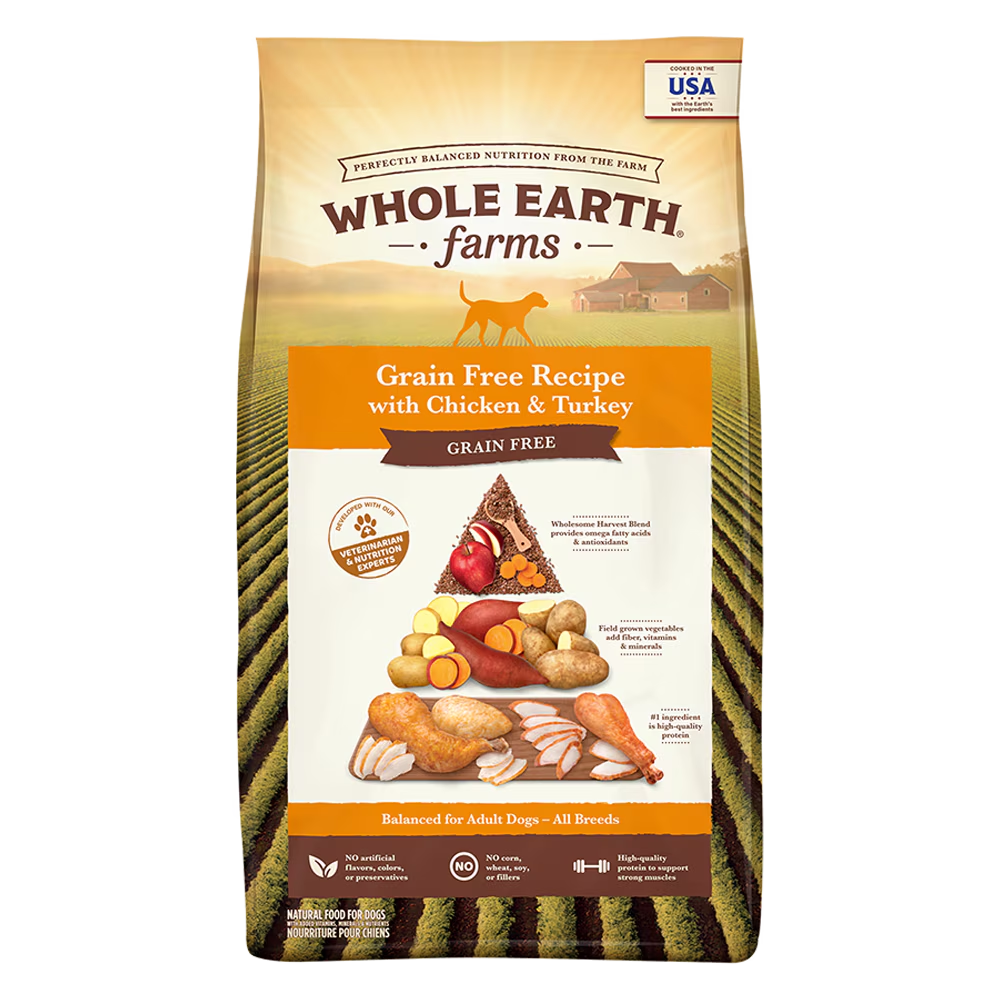
  3. Grain-Free Dog Food – Insight into grain-free diets for dogs with food sensitivities or allergies.
  4. Raw Dog Food (BARF Diet) – An overview of raw feeding, its pros and cons, and how to safely prepare raw meals for your dog.
  5. Organic and Natural Dog Food – The benefits of feeding your pet with organic and preservative-free foods.
  6. High-Protein Dog Food – Ideal for active or working dogs that require extra energy to maintain their lifestyle.
  7. Puppy Food vs. Adult Dog Food – Age-specific feeding guidelines to support growth, development, and longevity.
  8. Senior Dog Food – Formulated foods for older dogs with lower activity levels and specific health requirements.
  9. Special Diet Dog Food – Foods designed for dogs with health conditions such as diabetes, kidney disease, or obesity.
  10. Homemade Dog Food Recipes – Tips on preparing balanced, nutritious meals at home, including vet-approved recipes.
  11. Dog Treats and Snacks – Healthy treat options for training and rewarding your pet without compromising their diet.
  12. Food Allergies and Sensitivities – How to identify and manage food allergies, and the best hypoallergenic dog food choices.
  13. Feeding Frequency and Portion Control – Guidelines on how much and how often to feed your dog for optimal health.
  14. Supplements and Additives in Dog Food – Information on essential supplements like Omega-3, probiotics, and vitamins.
  15. Transitioning to New Dog Food – Tips for smoothly switching your dog’s food to avoid digestive issues.

Why Explore Our Dog Food Category?

Choosing the right dog food can be overwhelming with so many options available. Our Dog Food category simplifies the process, providing insights into the best food options for different breeds, life stages, and special needs. Whether your dog requires a high-protein diet, a grain-free alternative, or specialized food for seniors and puppies, we cover it all.

This section also helps you make informed decisions by explaining food labels, identifying key ingredients, and addressing the importance of balanced nutrition. From commercial brands to homemade recipes, this category ensures your dog gets the nourishment they deserve to thrive.

  • Chicken and Rice for Dogs: A Vet-Approved Meal for Digestive Health

    Chicken and Rice for Dogs: A Vet-Approved Meal for Digestive Health

    Ever wondered why veterinarians often recommend chicken and rice for dogs? This simple yet effective meal combination has become a go-to solution for many canine health issues, from upset stomachs to food allergies.

    We’ll explore the benefits of this classic duo and why it’s so popular among pet owners. Chicken and rice for dogs isn’t just a bland diet – it’s a protein-packed, easily digestible meal that can help soothe your pup’s tummy troubles. We’ll jump into how this combination works, when it’s appropriate to use, and how to prepare it properly for your furry friend. Plus, we’ll share some tips on making this basic recipe more nutritionally complete for long-term use.

    Benefits of Chicken and Rice for Dogs

    Nutritional Value

    Chicken and rice offer a powerful nutritional combination for dogs. Chicken provides high-quality protein, essential for muscle maintenance and growth. It’s rich in amino acids, supporting various bodily functions. Rice, particularly white rice, serves as an easily digestible carbohydrate source, providing quick energy for dogs.

    Digestive Support

    The chicken and rice combination is gentle on a dog’s digestive system. White rice’s low fiber content makes it easy to digest, reducing stress on the gastrointestinal tract. This quality makes it particularly beneficial for dogs recovering from stomach upset or diarrhea.

    Palatability

    Many dogs find chicken and rice highly palatable. The appealing taste encourages dogs to eat, which is crucial when they’re not feeling well or have a decreased appetite. This palatability ensures dogs receive necessary nutrition even during illness.

    Versatility

    Chicken and rice can be adapted to suit various dietary needs. For dogs with food sensitivities, it serves as a simple elimination diet to identify allergens. The combination can also be modified by adding vegetables or switching to brown rice for increased nutritional value.

    Low-Fat Option

    For dogs with conditions like pancreatitis that require a low-fat diet, chicken (especially when using lean breast meat) and rice provide a suitable meal option. This combination delivers necessary nutrients without overloading the digestive system with fats.

    Hydration Support

    When prepared with broth, chicken and rice can help maintain hydration in dogs. This is particularly beneficial for dogs recovering from diarrhea or vomiting, where fluid loss is a concern.

    Quick Energy Source

    The glucose from rice starch is rapidly absorbed, providing quick energy for dogs. This can be especially helpful for dogs recovering from illness or experiencing temporary weakness.

    Nutrient Absorption

    The simplicity of chicken and rice can aid in nutrient absorption. In cases of diarrhea, it’s been shown to increase water and electrolyte absorption, potentially reducing the duration and severity of symptoms.

    While chicken and rice offer many benefits, it’s important to note that this combination alone doesn’t provide a complete, balanced diet for long-term use. Always consult with a veterinarian before making important changes to your dog’s diet, especially when addressing exact health concerns.

    Chicken and Rice for Dogs

    When to Feed Your Dog Chicken and Rice?

    For Digestive Issues

    Chicken and rice is an ideal meal for dogs experiencing digestive problems. Veterinarians often recommend this diet when dogs suffer from:

    • Vomiting
    • Diarrhea
    • Gas
    • Constipation

    The bland nature of chicken and rice makes it easy on a dog’s stomach, helping to soothe digestive discomfort. This combination provides a gentle, easily digestible meal that can help alleviate gastrointestinal upset.

    Post-Surgery or Illness Recovery

    After a surgical procedure or during recovery from an illness, a chicken and rice diet can be beneficial for dogs. This simple meal:

    • Gives the dog’s digestive system a rest
    • Provides necessary nutrients for healing
    • Is easily digestible, reducing strain on the body
    • Helps maintain energy levels during recovery

    Switching to a chicken and rice diet temporarily can support a quicker recovery by providing essential nutrients without overtaxing the dog’s system.

    Loss of Appetite

    When dogs show a decreased interest in their regular food, chicken and rice can serve as an appetizing alternative. This diet:

    • Stimulates appetite with its palatable flavor
    • Provides a nutritious option for picky eaters
    • Offers a familiar and comforting meal
    • Can be easily modified to suit individual preferences

    The mild taste and texture of chicken and rice often appeal to dogs who have lost interest in their usual food, encouraging them to eat and maintain their nutritional intake.

    By understanding when to feed your dog chicken and rice, you can provide targeted nutritional support during exact health situations. Remember to consult with a veterinarian before making any important changes to your dog’s diet, especially for extended periods.

    How to Cook Chicken and Rice for Dogs?

    Preparing chicken and rice for dogs is a simple process that requires minimal ingredients and equipment. We’ll guide you through selecting the right ingredients and provide step-by-step cooking instructions to ensure a nutritious meal for your canine companion.

    Choosing the Right Ingredients

    When cooking chicken and rice for dogs, it’s crucial to select appropriate ingredients:

    • Chicken: Use boneless, skinless chicken breasts for easy digestion. Avoid chicken bones, which can be harmful to dogs.
    • Rice: White rice is often recommended for dogs with digestive issues due to its gentle nature. Brown rice is a healthier alternative for regular meals, offering higher nutritional content. Consult your veterinarian to determine the best rice type for your dog’s needs.
    • Additional ingredients: Optional dog-safe vegetables like green beans can be added. Avoid seasonings, oils, or butter, as these can be toxic to dogs.

    By choosing these ingredients, you’ll create a meal that’s both safe and beneficial for your dog’s health.
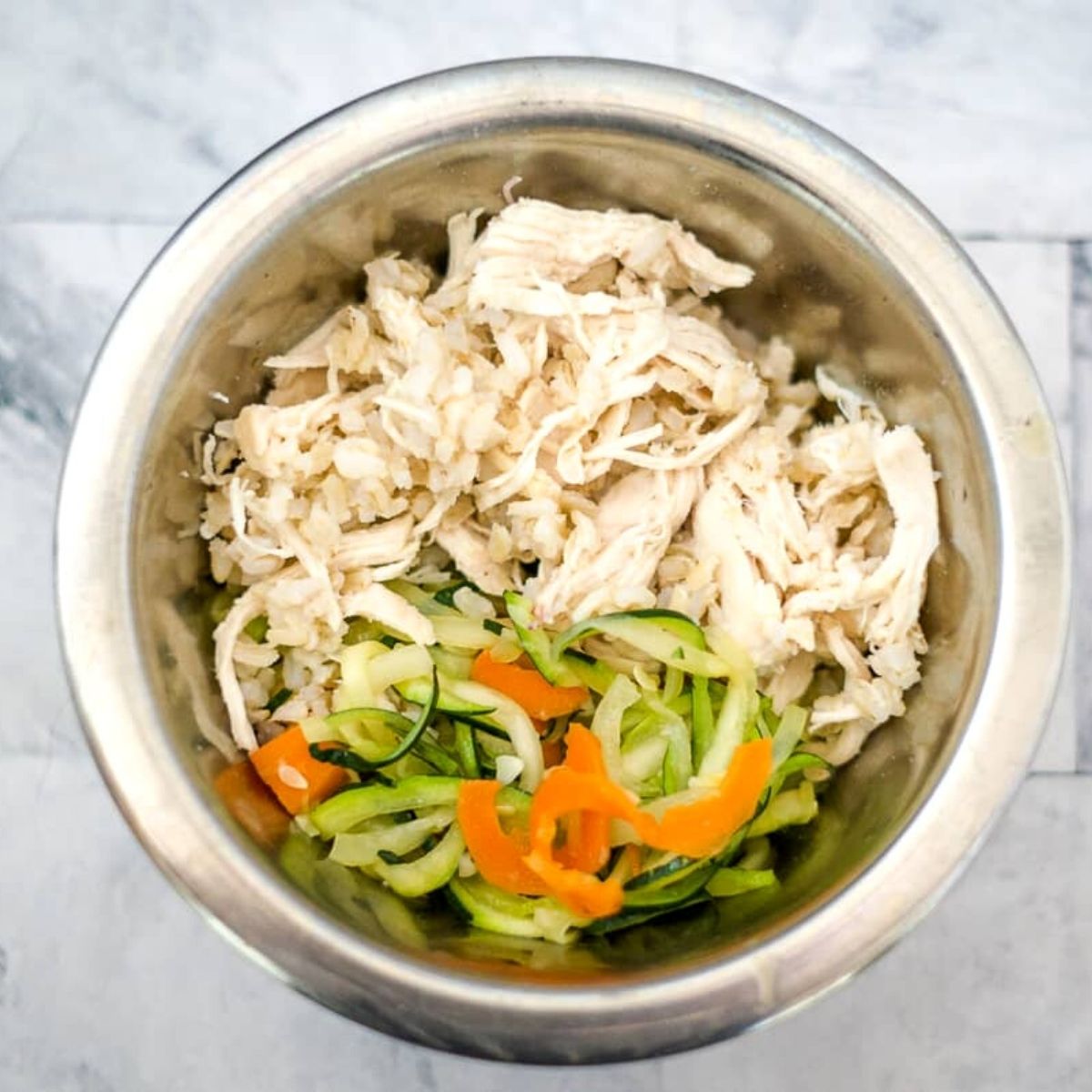
    Chicken and Rice for Dogs

    Step-by-Step Cooking Instructions

    Follow these steps to prepare chicken and rice for your dog:

    1. Prepare the chicken:
    • Boil 2-3 boneless, skinless chicken breasts in water until fully cooked.
    • Ensure the internal temperature reaches 165°F to prevent salmonella.
    1. Cook the rice:
    • Use the chicken broth or plain water to cook the rice.
    • Bring 2.5 cups of liquid to a boil in a pot.
    • Add 1 cup of well-rinsed rice and return to a boil.
    • Reduce heat, cover, and simmer for about 20 minutes (40-45 minutes for brown rice).
    • Rice is done when soft and all liquid is absorbed.
    1. Combine and serve:
    • Allow both chicken and rice to cool completely.
    • Shred or dice the chicken into bite-sized pieces.
    • Mix chicken and rice in a 1:3 ratio (1 part chicken, 3 parts rice).
    • Serve at room temperature.

    Remember to consult your veterinarian before making important changes to your dog’s diet. This recipe provides a basic, easily digestible meal for dogs, but it’s not a complete long-term diet on its own.

    Proper Serving Sizes and Frequency

    Proper serving sizes and frequency are crucial when feeding chicken and rice to dogs. We’ll explore how to calculate portions based on dog size and how to transition back to regular food.

    Calculating Portions Based on Dog Size

    The general rule for chicken and rice portions is 1/3 meat to 2/3 rice. For large dogs, start with 1 cup of the mixture per meal. Dogs typically eating 4 cups daily should begin with 1 cup of chicken and rice, repeating until they’ve consumed their usual amount. Smaller dogs need 1/4 to 1/3 cup initially. Adjust portions based on your dog’s normal intake and weight. Monitor your dog’s response and consult your vet for personalized advice. Remember, this diet is temporary and shouldn’t replace a balanced diet long-term.

    Transitioning Back to Regular Food

    Transitioning back to regular food requires a gradual approach. Start by mixing a small amount of regular food with the chicken and rice, gradually increasing the proportion over 5-7 days. Begin with 75% chicken and rice and 25% regular food, then adjust to 50/50, followed by 25% chicken and rice and 75% regular food. Finally, return to 100% regular food. Monitor your dog’s digestion during this process. If any issues arise, slow down the transition. Always consult your veterinarian for guidance, especially if your dog has ongoing digestive problems or exact dietary needs.

    Potential Drawbacks and Considerations

    While chicken and rice can be beneficial for dogs in certain situations, it’s important to understand its limitations. This diet isn’t suitable for long-term use and may pose some risks if not implemented correctly.

    Nutritional Limitations

    Chicken and rice alone don’t provide a balanced diet for dogs. This combination lacks essential vitamins, minerals, and nutrients crucial for optimal canine health. While chicken offers protein and rice provides carbohydrates, the diet is deficient in calcium, phosphorus, and various other vital nutrients. Long-term reliance on this diet can lead to nutritional imbalances and potential health issues. To ensure your dog’s well-being, it’s essential to supplement this diet with nutrient-rich foods or consult a veterinarian for guidance on a complete, balanced diet customized to your dog’s exact needs.

    Digestive Concerns

    Veterinarians often recommend chicken and rice as a temporary solution for dogs with digestive issues like diarrhea, vomiting, or stomach upset. But, this diet shouldn’t be prolonged beyond the initial recovery period. Extended use can lead to digestive imbalances and potentially exacerbate underlying health problems. While easily digestible, the lack of fiber in white rice may cause constipation in some dogs if fed for too long. It’s crucial to monitor your dog’s digestive health closely and transition back to a balanced diet as soon as the initial issue resolves, following your veterinarian’s recommendations.

    Alternatives to Chicken and Rice

    While chicken and rice offer a beneficial meal option for dogs in certain situations, it’s essential to consider alternatives that provide a more balanced diet. We’ll explore some nutritious options that can supplement or replace the chicken and rice combination.

    Balanced Diet Requirements

    A chicken and rice diet alone doesn’t fulfill all of a dog’s nutritional needs. It lacks essential vitamins, minerals, and other nutrients crucial for optimal canine health. When considering alternatives, it’s important to focus on creating a well-rounded meal that meets all dietary requirements.

    Alternative Protein Sources

    Dogs benefit from a variety of protein sources in their diet. Here are some alternatives to chicken:

    • Turkey: Lean and easily digestible, turkey provides a similar nutritional profile to chicken.
    • Beef: A rich source of protein and iron, beef can be a good option for dogs without beef allergies.
    • Fish: Salmon, cod, or whitefish offer omega-3 fatty acids and high-quality protein.
    • Eggs: Cooked eggs provide a nutrient-dense protein source with essential amino acids.

    When introducing new protein sources, ensure they’re boneless, skinless, and cooked thoroughly to avoid potential hazards.

    Vegetable Additions

    Adding vegetables to your dog’s diet can provide essential fiber, vitamins, and minerals. Some dog-safe options include:

    • Green beans: Low in calories and high in fiber, they’re excellent for weight management.
    • Carrots: Rich in beta-carotene and fiber, carrots support eye health and digestion.
    • Sweet potatoes: A good source of complex carbohydrates and vitamins A and C.

    Always introduce new vegetables gradually and in moderation. Avoid toxic vegetables like onions, garlic, and chives.

    Grain Alternatives

    While rice is a common grain choice, there are other options to consider:

    • Quinoa: A complete protein source that’s rich in essential amino acids.
    • Oatmeal: Provides soluble fiber and can be beneficial for dogs with wheat sensitivities.
    • Barley: A good source of fiber and essential nutrients.

    Commercial Dog Foods

    For a more convenient option, consider high-quality commercial dog foods formulated to meet all nutritional requirements. These come in various forms:

    • Dry kibble: Easy to store and serve, available in different formulations.
    • Wet food: Higher moisture content, often more palatable for picky eaters.
    • Freeze-dried or dehydrated options: Minimal processing while maintaining nutritional value.

    When selecting commercial foods, look for options that list a high-quality protein source as the first ingredient and avoid artificial preservatives or fillers.

    Homemade Balanced Diets

    If you prefer preparing homemade meals, consult with a veterinary nutritionist to create a balanced recipe customized to your dog’s exact needs. This approach ensures your dog receives all necessary nutrients while allowing you control over ingredients.

    Remember, any dietary changes should be introduced gradually to prevent digestive upset. Always consult with your veterinarian before making important changes to your dog’s diet, especially if they have exact health concerns or dietary restrictions.

    Conclusion

    Chicken and rice can be a valuable tool in your dog’s dietary toolkit. While it’s not a long-term solution it offers a gentle respite for upset stomachs and a nutritious boost during recovery. Remember to tailor portions to your dog’s size and needs and always consult your vet before making important dietary changes. As we’ve explored alternatives and potential drawbacks it’s clear that a balanced approach is key. By understanding when and how to use chicken and rice effectively we can better support our furry friends’ health and happiness.


  • Easy 3-Ingredient Peanut Butter Dog Treats: Homemade Recipe

    Easy 3-Ingredient Peanut Butter Dog Treats: Homemade Recipe

    Looking for a simple way to spoil your furry friend? We’ve got just the thing! Our easy recipe for peanut butter dog treats is not only a breeze to make but also a surefire way to get those tails wagging.

    With just three simple ingredients – peanut butter, whole wheat flour, and eggs – you can whip up a batch of homemade treats that’ll have your pup begging for more. These treats aren’t just delicious; they’re also free from additives and secret ingredients, giving you peace of mind about what you’re feeding your four-legged companion. Plus, they’re incredibly affordable and stay fresh for weeks, making them a practical choice for pet parents everywhere.

    Why Make Homemade Peanut Butter Dog Treats

    Making homemade peanut butter dog treats offers several advantages for both pet owners and their furry companions. Let’s explore the key reasons why we should consider crafting these delicious snacks for our canine friends.

    Control Over Ingredients

    When we make our own peanut butter dog treats, we have complete control over what goes into them. This is crucial for ensuring our pets’ safety and health:

    • We can select high-quality, natural peanut butter without harmful additives.
    • It’s easy to avoid xylitol, an artificial sweetener found in some commercial peanut butters that’s toxic to dogs.
    • We can choose wholesome ingredients like whole wheat flour, which adds nutritional value to the treats.

    Customization for Your Dog’s Needs

    Homemade treats allow us to tailor the recipe to our dog’s exact requirements:

    • For dogs with allergies or sensitivities, we can substitute ingredients as needed.
    • Alternative flours like rice, sorghum, oat, or garbanzo bean flour can be used for dogs with wheat sensitivities.
    • We can adjust the size and shape of the treats to suit our dog’s preferences or dietary needs.

    Health Benefits

    By using carefully selected ingredients, we can create treats that not only taste great but also offer health benefits:

    • Whole wheat flour provides fiber and essential nutrients.
    • Natural peanut butter is rich in healthy fats, vitamins B and E, and niacin.
    • We can add ingredients like coconut oil, which can improve digestion and enhance coat health.

    Cost-Effective and Fresh

    Making peanut butter dog treats at home can be more economical than buying commercial alternatives:

    • We can make large batches and store them for weeks, ensuring a steady supply of fresh treats.
    • Homemade treats often work out to be more affordable per serving than store-bought options.
    • We can control the portion sizes, helping to manage our dog’s calorie intake.

    By making our own peanut butter dog treats, we’re not just providing a tasty snack – we’re giving our pets something we can feel good about. With no secret ingredients or unnecessary additives, these homemade treats are a simple way to show our dogs how much we care about their health and happiness.

    Benefits of Making Dog Treats At Home

    Making homemade dog treats offers many advantages for both pet owners and their furry companions. Here are some key benefits of preparing peanut butter dog treats in your own kitchen:

    Cost-Effective

    We find that creating our own dog treats is significantly more budget-friendly than purchasing store-bought options. By using simple pantry ingredients like peanut butter, eggs, and whole wheat flour, we can produce a large batch of treats at a fraction of the cost of commercial alternatives. This cost-effectiveness allows us to spoil our pups more frequently without very costly.

    Control Over Ingredients

    One of the most important advantages of homemade dog treats is the ability to control exactly what goes into them. We can ensure that our peanut butter dog treats are free from artificial preservatives, additives, and potentially harmful ingredients. For instance, we can use peanut butter that doesn’t contain xylitol, an artificial sweetener toxic to dogs. This control over ingredients provides peace of mind and helps maintain our dogs’ health.

    Customization for Dietary Needs

    Homemade treats allow us to cater to our dogs’ exact dietary requirements or preferences. We can easily adjust ingredients to accommodate allergies, sensitivities, or health conditions. For example, we can substitute whole wheat flour with gluten-free alternatives like rice, sorghum, oat, or garbanzo bean flour for dogs with grain sensitivities.

    Freshness and Quality

    When we make peanut butter dog treats at home, we ensure they’re fresh and of high quality. Store-bought treats may sit on shelves for extended periods, potentially losing nutritional value. Our homemade treats can be made in smaller batches, guaranteeing freshness and optimal taste for our furry friends.

    Bonding Experience

    Preparing homemade dog treats can be a fun and rewarding experience. It allows us to bond with our pets and show them love through our efforts. Our dogs often become excited when they smell the treats baking, creating positive associations with the process.

    Longer Shelf Life

    Properly baked homemade peanut butter dog treats can have a surprisingly long shelf life. When we bake them until all moisture is removed, these treats can be stored in an airtight container for weeks. While they don’t contain artificial preservatives, their natural ingredients and proper storage help maintain freshness.

    Versatility

    Homemade dog treats offer endless possibilities for variety. We can easily modify the recipe by adding different flavors or ingredients to keep our pets interested. This versatility allows us to experiment with various healthy options that cater to our dogs’ tastes and nutritional needs.

    Perfect for Gifting

    Homemade peanut butter dog treats make thoughtful gifts for fellow pet owners. We can package them in labeled mason jars or decorative containers, creating a personalized and appreciated present. It’s a unique way to show we care about our friends’ pets too.

    Nutritional Control

    By making treats at home, we have better control over our dogs’ overall nutrition. We can balance the treats with their regular diet, ensuring they receive appropriate portions and nutrients. This control helps prevent overfeeding and maintains our pets’ health.

    Satisfaction of Homemade

    There’s a special satisfaction in knowing we’ve created something wholesome and delicious for our beloved pets. The joy on our dogs’ faces when they taste our homemade peanut butter treats is priceless and reinforces the benefits of our efforts.

    Ingredients for Easy Peanut Butter Dog Treats

    Creating homemade peanut butter dog treats is a simple and rewarding process. We’ve compiled a list of dog-friendly ingredients that are safe and nutritious for your furry friend.

    Dog-Friendly Ingredients

    When making peanut butter dog treats, it’s crucial to use ingredients that are safe and beneficial for canines. Here’s a breakdown of the essential components:

    1. Peanut Butter: Choose natural, creamy peanut butter without xylitol or artificial sweeteners. Peanut butter is a great source of protein and healthy fats for dogs.
    2. Flour: Whole wheat flour is an excellent option, but you can also use all-purpose flour, oat flour, or gluten-free alternatives like sorghum, oat, or garbanzo bean flour if your dog has sensitivities.
    3. Eggs: Large eggs are commonly used to bind the ingredients together. They provide additional protein and help create a desirable texture.
    4. Liquid: Water is the simplest option, but you can also use vegetable, chicken, or beef stock for added flavor. Applesauce or mashed banana can serve as alternatives, adding moisture and a touch of sweetness.

    These dog-friendly ingredients form the base of most peanut butter dog treat recipes. By using these simple, wholesome components, we ensure that our homemade treats are not only delicious but also nutritious for our canine companions.

    IngredientPurposeBenefits
    Peanut ButterFlavor, protein, healthy fatsHigh palatability, energy source
    FlourStructure, textureFiber, carbohydrates
    EggsBinding agent, proteinImproved texture, added nutrients
    LiquidMoisture, flavor enhancerHelps form dough, adds variety

    When selecting ingredients for your peanut butter dog treats, always prioritize quality and safety. Avoid any ingredients that might be harmful to dogs, such as chocolate, raisins, or artificial sweeteners. By sticking to these dog-friendly ingredients, we can create treats that are both tasty and safe for our furry friends to enjoy.

    Step-by-Step Recipe Instructions

    We’ve compiled a simple and comprehensive guide to help you create delicious peanut butter dog treats for your furry friend. Follow these easy steps to make homemade treats your dog will love.

    Preparation

    1. Preheat the Oven: Start by preheating your oven to 350°F (175°C). If you’re aiming for a crunchier texture, you can set it to 375°F (190°C).
    2. Gather Your Ingredients: Collect all the necessary ingredients: 1 cup whole wheat flour, 1/2 cup creamy peanut butter, 2 large eggs, and 1/4 cup water or broth.

    Mixing the Dough

    1. Combine Wet Ingredients: In a large mixing bowl, combine the peanut butter and eggs. Mix thoroughly until well blended.
    2. Add Dry Ingredients: Gradually add the flour to the wet mixture, stirring continuously.
    3. Adjust Consistency: Slowly pour in the water or broth while mixing. The goal is to achieve a dough that’s firm enough to roll out but not too sticky. Add more flour or liquid as needed to reach the right consistency.

    Shaping the Treats

    1. Roll Out the Dough: On a lightly floured surface, roll out the dough to about 1/4 inch thickness.
    2. Cut into Shapes: Use cookie cutters to create fun shapes your dog will love. Bone shapes are classic, but feel free to get creative!
    3. Transfer to Baking Sheet: Carefully place the cut-out treats onto a baking sheet lined with parchment paper.

    Baking and Cooling

    1. Bake the Treats: Place the baking sheet in the preheated oven and bake for 15-20 minutes. The treats should be golden brown when done.
    2. Cool Completely: Once baked, remove the treats from the oven and let them cool on the baking sheet for a few minutes. Then transfer them to a wire rack to cool completely.

    Storage and Serving

    1. Store Properly: Once cooled, store the treats in an airtight container. They can be kept at room temperature for up to a week or in the refrigerator for up to three weeks.
    2. Serve to Your Pup: Watch your dog enjoy these homemade peanut butter treats! Remember to serve in moderation as part of a balanced diet.
    • For extra crunch, add 1 tablespoon of coconut oil and 1 teaspoon of baking powder to the mixture.
    • Create a dog-friendly icing by mixing cornstarch, water, and a touch of honey. Drizzle or spread on cooled treats for added appeal.

    By following these step-by-step instructions, you’ll create tasty, homemade peanut butter dog treats that are sure to make your canine companion’s tail wag with delight. These treats are not only delicious but also free from harmful additives, making them a healthier alternative to store-bought options. Plus, the process of making these treats can be a fun and rewarding experience for both you and your furry friend.

    Flavor Variations and Add-Ins

    While our basic peanut butter dog treat recipe is a surefire hit with most pups we’ve encountered our furry friends often appreciate a little variety in their snacks. Let’s explore some exciting flavor variations and nutritious add-ins that can take these homemade treats to the next level.

    Honey Variation

    For dogs with a sweet tooth we can replace peanut butter with honey to create a delightful alternative. This substitution not only changes the flavor profile but also adds some natural antibacterial properties to the treats. Here’s how we do it:

    1. Substitute an equal amount of honey for peanut butter in the recipe.
    2. Mix honey with eggs until well combined.
    3. Add flour and water gradually creating a slightly stickier dough.
    4. Roll out and cut as usual but be prepared for a softer texture.
    5. Bake for 10-12 minutes watching carefully to prevent over-browning.

    Remember honey is sweeter than peanut butter so these treats should be given in moderation.

    Fruit and Vegetable Add-Ins

    Adding fruits and vegetables to our dog treats can boost their nutritional value and introduce new flavors. Here are some dog-friendly options:

    • Mashed banana: Adds natural sweetness and potassium.
    • Pumpkin puree: Provides fiber and vitamin A.
    • Grated carrots: Offers crunch and beta-carotene.
    • Blueberries: Introduces antioxidants and a burst of flavor.

    To incorporate these add-ins:

    1. Choose one or two fruits or vegetables.
    2. Finely chop or puree the add-ins.
    3. Mix 1/4 to 1/2 cup of the add-in with the wet ingredients before combining with flour.
    4. Adjust the amount of water in the recipe if needed to maintain proper dough consistency.

    Protein-Packed Variations

    For active dogs or those needing an extra protein boost we can enhance our treats with these add-ins:

    • Cooked and mashed sweet potato: Adds complex carbohydrates and fiber.
    • Canned salmon (without bones): Provides omega-3 fatty acids.
    • Plain Greek yogurt: Offers probiotics and calcium.

    To create protein-packed treats:

    1. Add 1/4 to 1/2 cup of your chosen protein source to the wet ingredients.
    2. Mix well before adding flour.
    3. If using fish ensure it’s well-mashed and evenly distributed throughout the dough.

    Herb and Spice Enhancements

    Certain herbs and spices can add both flavor and health benefits to our peanut butter dog treats. Consider these options:

    • Parsley: Freshens breath and aids digestion.
    • Turmeric: Offers anti-inflammatory properties.
    • Cinnamon: Helps regulate blood sugar (use sparingly).

    To incorporate herbs and spices:

    1. Add 1-2 teaspoons of dried herbs or 1/2-1 teaspoon of ground spices to the dry ingredients.
    2. Mix well to ensure even distribution throughout the dough.
    3. Start with smaller amounts and adjust based on your dog’s preferences.

    Grain-Free Options

    For dogs with grain sensitivities we can modify our recipe to create grain-free treats:

    • Replace wheat flour with coconut flour or almond flour.
    • Use chickpea flour for a protein-rich alternative.
    • Try a combination of tapioca starch and potato flour for a lighter texture.

    When using alternative flours:

    1. Start with 3/4 the amount of flour called for in the original recipe.
    2. Add more flour or liquid as needed to achieve the right dough consistency.
    3. Be prepared for a different texture and baking time adjust accordingly.

    Frozen Treats for Hot Days

    We can transform our peanut butter dog treat recipe into refreshing frozen treats for those scorching summer days:

    1. Prepare the dough as usual but with a slightly wetter consistency.
    2. Spoon the mixture into silicone molds or ice cube trays.
    3. Freeze for at least 4 hours or overnight.
    4. Pop out and serve as a cool refreshing snack.

    These frozen variations are particularly great for teething puppies or senior dogs with sensitive teeth.

    By experimenting with these flavor variations and add-ins we can create a diverse range of homemade peanut butter dog treats. Always introduce new ingredients gradually and in small amounts to ensure they agree with your dog’s digestive system. With these creative options we’re sure to find the perfect combination that will have our furry friends begging for more of our homemade delights.

    Storing and Preserving Homemade Dog Treats

    Proper storage is crucial for maintaining the freshness and safety of homemade peanut butter dog treats. We’ll explore various storage methods and preservation techniques to ensure your furry friend can enjoy these delicious treats for longer periods.

    Freezing Options

    Freezing is an excellent option for preserving homemade peanut butter dog treats, extending their shelf life significantly. We recommend freezing the treats for up to 8 months to maintain their quality and taste. Here’s how to freeze your homemade dog treats effectively:

    1. Cool completely: Allow the treats to cool thoroughly before freezing to prevent ice crystals from forming.
    2. Pre-freeze: Place the treats on a baking sheet and freeze for about an hour. This prevents them from sticking together in storage.
    3. Transfer to freezer-safe container: Move the pre-frozen treats to a freezer-safe bag or container. Be sure to remove as much air as possible to prevent freezer burn.
    4. Label and date: Always label your containers with the contents and date of freezing for easy reference.
    5. Portion control: Consider freezing treats in small batches or individual servings for convenience.
    6. Thawing process: When ready to use, transfer the desired amount to the refrigerator to thaw gradually. This helps maintain texture and prevents moisture buildup.
    7. Frozen treats: Some dogs may enjoy the treats while still frozen, especially on hot days. This can also make the treat last longer during consumption.

    By following these freezing guidelines, you can ensure a steady supply of fresh, homemade peanut butter dog treats for your canine companion. Remember to always monitor your dog’s treat intake and consult with your veterinarian about appropriate serving sizes.

    Storage MethodShelf LifeNotes
    Room TemperatureUp to 1 weekStore in airtight container
    RefrigeratorUp to 2 weeksKeep in airtight container
    FreezerUp to 8 monthsUse freezer-safe bag or container

    Freezing not only extends the shelf life of your homemade dog treats but also provides a cool, refreshing snack option for your pet. Whether you choose to serve them thawed or frozen, your dog is sure to appreciate these lovingly crafted peanut butter treats.

    Health Benefits for Your Canine Companion

    When it comes to peanut butter dog treats, we’re not just talking about a tasty snack for your furry friend. These homemade goodies pack a punch in terms of health benefits. Let’s explore why these treats are more than just a delicious indulgence for your canine companion.

    Protein-Rich Nutrition

    Peanut butter is an excellent source of protein, which is essential for your dog’s muscle development and overall health. The protein in these treats helps:

    • Maintain strong muscles
    • Support healthy skin and coat
    • Aid in tissue repair

    Healthy Fats for Energy

    The fats in peanut butter provide a concentrated source of energy for your dog. These healthy fats:

    • Promote brain health
    • Support cell function
    • Help absorb fat-soluble vitamins

    Vitamin and Mineral Boost

    Peanut butter contains various vitamins and minerals that contribute to your dog’s well-being:

    • Vitamin E: Acts as an antioxidant
    • Vitamin B: Supports metabolism
    • Niacin: Aids in enzyme function
    • Magnesium: Promotes bone health

    Fiber for Digestive Health

    The whole wheat flour in these peanut butter dog treats provides dietary fiber, which:

    • Aids in digestion
    • Promotes regular bowel movements
    • Helps maintain a healthy weight

    Natural Energy Source

    The combination of carbohydrates, proteins, and fats in these treats provides a balanced energy source for your dog, making them ideal for:

    • Training sessions
    • Active playtime
    • Post-exercise recovery

    Dental Health Benefits

    The chewy texture of homemade peanut butter dog treats can help:

    • Reduce plaque buildup
    • Promote dental hygiene
    • Strengthen jaw muscles

    Weight Management

    When given in moderation, these treats can be part of a balanced diet for your dog:

    • Low in sugar compared to commercial treats
    • Can be portion-controlled easily
    • Satisfies cravings with nutritious ingredients

    Allergy-Friendly Option

    For dogs with food sensitivities, homemade peanut butter treats offer:

    • Control over ingredients
    • Ability to avoid common allergens
    • Customization for exact dietary needs

    Mental Stimulation

    The unique taste and texture of peanut butter dog treats provide:

    • Sensory enrichment
    • Positive reinforcement for training
    • A fun and captivating snack experience

    Hydration Support

    The moisture content in homemade treats can contribute to your dog’s daily water intake, especially when using ingredients like applesauce or mashed banana.

    Mood-Boosting Properties

    The act of treating your dog with these homemade snacks:

    • Strengthens the human-animal bond
    • Provides positive reinforcement
    • Creates a sense of routine and comfort

    Customizable Nutrition

    By making these treats at home, we can:

    • Adjust ingredients based on your dog’s exact needs
    • Add supplements like fish oil or glucosamine if recommended by a vet
    • Control the quality and freshness of all components

    Natural Preservation

    Unlike many commercial treats, homemade peanut butter dog treats:

    • Contain no artificial preservatives
    • Use natural ingredients that are easily digestible
    • Have a shorter but safer shelf life

    By incorporating these peanut butter dog treats into your pet’s diet, we’re not just offering a tasty reward. We’re providing a nutritious, beneficial snack that contributes to their overall health and happiness. Remember to always consult with your veterinarian before making important changes to your dog’s diet, and enjoy the process of creating these wholesome treats for your beloved pet.

    Tips for Success

    When making peanut butter dog treats, following these tips can help ensure your homemade snacks are both delicious and safe for your furry friend:

    Choose the Right Peanut Butter

    We recommend using natural peanut butter without added sugars or artificial sweeteners. Always check the ingredient list to ensure it doesn’t contain xylitol, which is toxic to dogs. Opt for smooth peanut butter for easier mixing and a consistent texture in your treats.

    Measure Ingredients Accurately

    Precise measurements are crucial for achieving the right consistency in your dog treat dough. Use measuring cups and spoons to ensure you’re adding the correct amounts of peanut butter, flour, and other ingredients.

    Adjust Dough Consistency

    The dough for peanut butter dog treats should be firm enough to roll out but not too sticky. If it’s too dry, add a little water or broth. If it’s too wet, incorporate more flour gradually until you reach the desired consistency.

    Roll Dough to Uniform Thickness

    For even baking, roll out the dough to a uniform thickness, typically about 1/4 inch. This ensures all treats bake at the same rate and prevents some from burning while others remain undercooked.

    Make your peanut butter dog treats more appealing by using dog-themed cookie cutters or cutting them into fun shapes. Smaller treats are ideal for training, while larger ones make great occasional rewards.

    Monitor Baking Time Closely

    Baking times can vary depending on the size and thickness of your treats. Keep a close eye on them, especially towards the end of the baking time. They should be golden brown and firm to the touch when done.

    Allow Proper Cooling

    Let the treats cool completely on a wire rack before storing or serving. This helps them firm up and ensures they maintain their texture.

    Store Treats Properly

    To maintain freshness, store your homemade peanut butter dog treats in an airtight container. They can be kept at room temperature for a few days, refrigerated for up to two weeks, or frozen for longer storage.

    Introduce New Treats Gradually

    When introducing these homemade peanut butter dog treats to your pet, start with small amounts to ensure they don’t cause any digestive issues. Monitor your dog’s reaction and consult your veterinarian if you have any concerns.

    Experiment with Flavors

    While peanut butter is a popular base, don’t be afraid to experiment with other dog-safe flavors. You can add mashed banana, pumpkin puree, or even finely grated carrots to create variety in your homemade dog treats.

    Consider Dietary Restrictions

    If your dog has exact dietary needs or allergies, consult with your veterinarian before introducing new ingredients. They can provide guidance on safe alternatives or modifications to the recipe.

    Use Quality Ingredients

    Opt for high-quality, human-grade ingredients when making peanut butter dog treats. This ensures your pet is getting the best nutrition possible from their homemade snacks.

    Avoid Harmful Ingredients

    Never include ingredients that are toxic to dogs, such as chocolate, raisins, or onions. Stick to dog-safe ingredients and consult a comprehensive list of foods to avoid if you’re unsure.

    Control Portion Sizes

    While these homemade peanut butter dog treats are healthier than many store-bought options, they should still be given in moderation. Use them as occasional rewards or training treats, not as meal replacements.

    By following these tips, you’ll be well on your way to creating delicious and safe peanut butter dog treats that your furry friend will love. Remember, the key to success is using high-quality ingredients, maintaining proper hygiene during preparation, and always prioritizing your dog’s health and safety.

    How Many Treats to Give Your Dog

    When it comes to feeding our furry friends homemade peanut butter dog treats it’s essential to practice moderation. While these treats are delicious and nutritious we must remember that they should complement a balanced diet rather than replace regular meals. Here are some guidelines to help determine the appropriate number of treats for your canine companion:

    Consider Your Dog’s Size

    The number of peanut butter dog treats you give your pet should be proportional to their size. As a general rule:

    • Small dogs (under 20 pounds): 1-2 small treats per day
    • Medium dogs (20-50 pounds): 2-3 medium-sized treats per day
    • Large dogs (over 50 pounds): 3-4 large treats per day

    Factor in Daily Calorie Intake

    Treats should make up no more than 10% of your dog’s daily calorie intake. To calculate this:

    1. Determine your dog’s daily calorie needs (consult your veterinarian for an accurate estimate)
    2. Calculate 10% of that amount
    3. Check the calorie content of your homemade peanut butter dog treats
    4. Divide the 10% calorie allowance by the calories per treat

    For example if your dog needs 1000 calories per day and each treat contains 50 calories you could give them up to 2 treats daily (100 calories Ć· 50 calories per treat = 2 treats).

    Adjust for Activity Level

    Active dogs may be able to enjoy more treats without weight gain. But sedentary pets or those prone to obesity should have their treat intake closely monitored. We recommend:

    • Highly active dogs: Upper end of the treat range
    • Moderately active dogs: Middle of the treat range
    • Less active or overweight dogs: Lower end of the treat range or fewer treats

    Consider Health Conditions

    Dogs with certain health conditions may need to limit their intake of peanut butter dog treats:

    • Diabetes: Consult your vet for appropriate treat amounts and timing
    • Pancreatitis: Limit high-fat treats including those with peanut butter
    • Food allergies: Ensure ingredients don’t trigger allergic reactions

    Use Treats as Training Tools

    Peanut butter dog treats can be excellent training rewards. When using them for this purpose:

    • Break treats into smaller pieces to extend their use
    • Adjust meal portions to account for increased treat intake during training sessions
    • Alternate between treats and other rewards like praise or play

    Introduce New Treats Gradually

    When introducing homemade peanut butter dog treats:

    1. Start with a small piece to ensure no adverse reactions
    2. Observe your dog for 24 hours for any digestive issues
    3. Gradually increase the amount if no problems occur

    Monitor Your Dog’s Weight

    Regularly check your dog’s weight and body condition. If you notice weight gain reduce treat intake accordingly. Remember that even healthy homemade treats can contribute to obesity if overfed.

    Special Occasions

    For special occasions like birthdays or holidays it’s okay to give your dog an extra peanut butter treat. But balance this by reducing their regular food intake slightly that day.

    Variety is Key

    While peanut butter dog treats are nutritious it’s important to offer a variety of treats. This ensures a balanced intake of different nutrients and prevents boredom. Alternate between:

    • Fruit and vegetable-based treats
    • Protein-rich options like dehydrated meat treats
    • Dental chews for oral health

    Storage and Freshness

    Proper storage of peanut butter dog treats can impact how many you give your dog:

    • Store treats in an airtight container to maintain freshness
    • Check for signs of spoilage before giving treats to your dog
    • Discard any treats that show mold or off odors

    Consult Your Veterinarian

    For personalized advice on treat portions consult your veterinarian. They can provide recommendations based on your dog’s:

    • Age
    • Breed
    • Weight
    • Health status
    • Activity level

    Remember that while homemade peanut butter dog treats are a wonderful way to show love to our canine companions moderation is key. By following these guidelines we can ensure our dogs enjoy these treats safely as part of a balanced and healthy diet.

    Conclusion

    We’ve explored the joy of making peanut butter dog treats at home. These simple yet delicious snacks offer many benefits for both pets and owners. By following our recipe and tips you’ll create tasty treats your furry friend will love. Remember to prioritize moderation and consult with your vet for personalized advice. With these homemade goodies you’ll strengthen your bond with your dog while ensuring they enjoy safe and nutritious rewards. Happy baking and treating!

  • Best Dry Dog Food for Your Pup in 2024

    Best Dry Dog Food for Your Pup in 2024

    Are you wondering what to feed your furry friend? With so many options on the market, choosing the right dry dog food can feel overwhelming. But don’t worry we’ve got you covered!

    We’ll jump into the industry of dry dog food, exploring the key factors to consider when selecting a high-quality brand that meets your pup’s unique needs. From understanding essential nutrients to deciphering ingredient labels, we’ll arm you with the knowledge to make an well-informed choice.

    Types of Dry Dog Food

    When selecting the best dry dog food, it’s important to understand the different types available. Here’s a breakdown of the most common types of dry dog food and their unique characteristics.

    Kibble

    Kibble is the most popular and affordable dry dog food option. It’s made by combining various ingredients, including meats, grains, and other nutrients, which are then extruded into small, crunchy pieces. The low moisture content of kibble helps maintain its shelf life without requiring refrigeration.

    The crunchy texture of kibble can help reduce tartar buildup on your dog’s teeth, promoting better dental health. Many high-quality kibble brands offer complete and balanced nutrition, ensuring your dog receives all the essential nutrients they need. When choosing a kibble, look for brands that use high-quality protein sources, such as real meat or fish, and avoid those with fillers or artificial preservatives.

    Freeze-Dried

    Freeze-dried dog food is a nutritious and convenient option that has gained popularity in recent years. This type of dry dog food is made by freezing raw or cooked ingredients, then removing the moisture through a vacuum process. The result is a lightweight, shelf-stable product that retains much of its original nutritional value.

    One of the main advantages of freeze-dried dog food is that it maintains the natural flavors and nutrients of the ingredients, making it highly palatable for dogs. It’s also easy to store and serve, as you simply need to rehydrate the food with water before feeding. Many freeze-dried options are grain-free and contain high-quality protein sources, making them suitable for dogs with sensitivities or allergies.

    Air-Dried

    Air-dried dog food is another alternative to traditional kibble that has been gaining traction among pet owners. This type of dry dog food is made by gently drying raw ingredients using air instead of heat, which helps preserve the natural nutrients and enzymes in the food. The result is a nutrient-dense, shelf-stable product that resembles jerky or dehydrated meat.

    Like freeze-dried food, air-dried dog food is often made with high-quality, whole food ingredients and is free from artificial preservatives and fillers. It’s a great option for dogs that prefer a more natural diet or have sensitivities to certain ingredients found in kibble. Air-dried food is also highly concentrated, so you can feed your dog smaller portions while still providing them with the nutrition they need.

    Key Ingredients to Look For

    When searching for the best dry dog food, it’s crucial to examine the ingredients list closely. High-quality, nutritious components are essential for your dog’s overall health and well-being.

    Animal Protein Sources

    Named animal proteins like chicken, beef, lamb, or fish should be the first ingredients in any premium dry dog food. These high-quality protein sources provide essential amino acids that support muscle development, tissue repair, and a healthy immune system. Avoid brands that list generic terms such as “meat meal” or “poultry by-product meal,” as these may contain lower-quality protein sources. Instead, opt for dry dog food with exact, identifiable animal proteins to ensure your dog receives the best possible nutrition.

    Healthy Carbohydrates

    Whole grains and vegetables are excellent sources of complex carbohydrates, which provide your dog with sustained energy throughout the day. Look for dry dog food that includes whole grains like brown rice, oatmeal, or barley, as these are rich in fiber, vitamins, and minerals. Vegetables such as sweet potatoes, peas, and carrots are also beneficial, offering additional nutrients and antioxidants. Be cautious of brands that rely heavily on fillers like corn, wheat, or soy, as these may trigger allergies or sensitivities in some dogs.

    Essential Fatty Acids

    Omega-3 and omega-6 fatty acids are crucial for maintaining your dog’s skin and coat health, as well as supporting brain and eye development. The best dry dog food brands include sources of these essential fatty acids, such as flaxseed, fish oil, or canola oil. Omega-3 fatty acids, particularly EPA and DHA, have anti-inflammatory properties that can help alleviate skin irritations and promote overall health. When comparing dry dog food options, look for brands that prioritize the inclusion of these beneficial fats.

    Vitamins and Minerals

    A well-balanced dry dog food should contain a variety of vitamins and minerals to support your dog’s overall health. Key vitamins to look for include vitamin A for eye health, vitamin E for a strong immune system, and B-complex vitamins for energy metabolism. Essential minerals include calcium and phosphorus for strong bones and teeth, as well as zinc and iron for proper growth and development. Premium dry dog food brands often include chelated minerals, which are more easily absorbed by your dog’s body, ensuring they receive the maximum benefit from these nutrients.

    Factors to Consider When Choosing

    When selecting the best dry dog food for your furry friend, it’s crucial to consider several key factors. Let’s explore these aspects in detail to help you make an well-informed choice.

    Dog’s Life Stage

    Your dog’s life stage significantly influences their nutritional requirements, so it’s essential to choose a dry dog food formulated for their exact age group. Here’s a breakdown:

    • Puppies: Opt for high-protein dry dog food designed for growth and development. Look for premium dry dog food brands that offer puppy-exact formulas with optimal nutrient ratios.
    • Adult Dogs: Choose a balanced adult dry dog food that provides sustained energy and maintains overall health. Consider your dog’s activity level and select a formula that meets their needs.
    • Senior Dogs: Senior dog dry food should have lower calorie content and added nutrients to support joint health and cognitive function. Veterinary recommended dry dog food brands often have senior-exact formulas.

    Dog’s Size and Breed

    The size and breed of your dog play a crucial role in determining their dietary needs. Here’s what to keep in mind:

    • Small Dogs: Dry dog food for small dogs should have smaller kibble size for easier chewing and digestion. Look for nutrient-dense formulas to meet their high metabolic rates.
    • Large Breeds: Dry dog food for large breeds should support joint health and contain balanced calcium and phosphorus levels for controlled growth. Opt for kibble size appropriate for their larger jaws.
    • Breed-Exact: Some premium dry dog food brands offer breed-exact formulas customized to the unique needs of different dog breeds. Research your dog’s breed to find suitable options.

    Food Allergies and Sensitivities

    If your dog has food allergies or sensitivities, it’s crucial to select hypoallergenic dry dog food that avoids triggering ingredients. Consider these options:

    • Grain-Free: Grain-free dry dog food eliminates common allergens like wheat, corn, and soy. But, consult with your vet to ensure grain-free is appropriate for your dog.
    • Limited Ingredient: Dry dog food with limited ingredients reduces the risk of allergic reactions. Look for formulas with a single protein source and easily digestible carbohydrates.
    • Novel Protein: If your dog is sensitive to common proteins, try dry dog food with novel protein sources like venison, duck, or fish. These are less likely to trigger allergies.

    Budget

    Finding affordable dry dog food that doesn’t compromise on quality is essential for many pet owners. Here are some cost-effective options:

    • Bulk Buying: Look for dry dog food bulk buy deals to save money in the long run. Many online retailers offer discounts for larger quantities.
    • Subscription Services: Dry dog food subscription services often provide competitive prices and the convenience of regular deliveries. Compare offers to find the best value.
    • Sales and Coupons: Keep an eye out for dry dog food on sale or use dry dog food coupons to save on your preferred brands. Sign up for brand newsletters to stay informed about promotions.

    When choosing the best dry dog food, prioritize your dog’s exact needs and consult with your veterinarian for personalized recommendations. By considering these factors, you’ll be well-equipped to select a high-quality, nutritious dry dog food that supports your furry friend’s overall health and well-being.

    How to Evaluate Quality

    When choosing the best dry dog food for our furry friends, it’s crucial to evaluate the quality of the options available. Let’s explore the key factors to consider when assessing dry dog food quality.

    Reading the Label

    It’s essential to carefully read the label when selecting dry dog food. Look for a statement indicating that the food is “complete and balanced” and meets the nutritional standards set by AAFCO or FEDIAF. The ingredient list should prioritize named protein sources like chicken or beef, rather than fillers or by-products. Ensure the label includes manufacturing information and any relevant certifications. By scrutinizing the label, we can make informed decisions about the quality of the dry dog food we choose for our pets.

    Recognizing Fillers and By-products

    To ensure our dogs receive the best nutrition, it’s crucial to recognize and avoid fillers and by-products in dry dog food. Fillers are low-quality ingredients that provide little nutritional value, such as corn, wheat, and soy. By-products are the less desirable parts of animals, like beaks, feet, and feathers. Instead, opt for dry dog food that features whole, named ingredients like chicken, lamb, or fish. High-quality dry dog food will prioritize these nutritious components, ensuring our dogs receive the essential nutrients they need for optimal health and well-being.

    Checking Nutrient Profiles

    When evaluating the quality of dry dog food, it’s important to check the nutrient profiles. Look for brands that offer a balanced blend of proteins, carbohydrates, fats, vitamins, and minerals customized to our dog’s life stage and exact needs. High-protein dry dog food is essential for maintaining lean muscle mass, while grain-free options cater to dogs with sensitivities. Consider dry dog food with added benefits like probiotics for digestive health or omega-3 fatty acids for a shiny coat. By examining the nutrient profiles, we can choose a premium dry dog food that supports our dog’s overall well-being.

    Serving and Storing Dry Dog Food

    Proper serving and storage practices are essential for maintaining the quality and safety of dry dog food. Let’s explore the key aspects of portion control, storage, and shelf life to ensure your furry friend receives the best nutrition possible.

    Portion Control

    It’s crucial to provide your dog with the appropriate portion sizes based on their age, weight, and activity level. Overfeeding can lead to obesity, while underfeeding may cause malnutrition. We recommend following the feeding guidelines provided by the manufacturer or consulting with your veterinarian for personalized advice.

    Using a measuring cup or scale can help ensure accurate portions. Regularly monitor your dog’s weight and body condition, adjusting the amount of dry dog food as needed. Splitting the daily portion into smaller meals can aid digestion and prevent overeating. By practicing portion control, you’ll help maintain your dog’s healthy weight and overall well-being.

    Proper Storage

    To preserve the quality and freshness of dry dog food, it’s essential to store it correctly. Keep the food in a cool, dry place, away from direct sunlight and heat sources. Airtight containers or the original packaging with a tightly sealed lid can prevent moisture, pests, and odors from affecting the food.

    Avoid storing dry dog food in humid areas or near strong-smelling substances, as it can absorb moisture and odors, compromising its taste and nutritional value. Regularly clean and sanitize the storage containers to prevent bacterial growth. By following these storage guidelines, you’ll ensure that your dog’s dry food remains fresh, tasty, and nutritious.

    Shelf Life

    Understanding the shelf life of dry dog food is crucial for maintaining its quality and safety. Most commercial dry dog foods have a shelf life of 12-18 months when unopened and stored properly. But, once opened, it’s best to use the food within 4-6 weeks to ensure optimal freshness and nutritional value.

    Check the expiration or “best by” date on the package and always purchase dry dog food from reputable sources. Discard any food that appears moldy, has an off-odor, or has been exposed to moisture or pests. By monitoring the shelf life and practicing proper storage, you’ll provide your dog with safe and nutritious meals.

    When selecting high-quality dry dog food, consider options that cater to your dog’s exact needs, such as grain-free, high-protein, or hypoallergenic formulas. Premium brands often use superior ingredients and offer a balanced nutritional profile. Remember to always consult with your veterinarian for personalized recommendations and stay informed about any potential recalls or safety concerns.

    By prioritizing portion control, proper storage, and shelf life, you’ll ensure that your dog receives the best nutrition possible from their dry food. Investing in your pet’s well-being through informed choices and best practices will contribute to a happy, healthy life for your furry companion.

    Conclusion

    Selecting the best dry dog food can be a challenging job, but by considering your dog’s exact needs and understanding the key factors to look for, you’ll be well-equipped to make an well-informed choice. Remember to choose a high-quality, nutritionally balanced food that caters to your dog’s life stage, size, breed, and any health concerns.

    Carefully reading labels, avoiding fillers and by-products, and opting for whole, named ingredients will ensure your furry friend receives the best nutrition possible. With proper portion control and storage practices, you’ll maintain the quality and safety of the dry dog food, contributing to your dog’s overall health and happiness.

    By following our guidance and prioritizing your dog’s well-being, you’ll find the perfect dry dog food that keeps your four-legged companion thriving for years to come.

  • How To Choose The Food For Your Dog?

    How To Choose The Food For Your Dog?

    Ever wondered what’s the best food for your furry friend? Selecting the right diet can make a industry of difference to your dog’s health and happiness. The pet food aisle is full of choices, each bag promising shiny coats, healthy joints, and high energy levels. But how do you cut through the marketing hype and make an well-informed choice?

    We’re here to guide you on this journey. We’ll demystify terms like ‘grain-free’, ‘organic’, and ‘all-natural’, helping you understand what truly matters when it comes to canine nutrition. By the end of this article, we’re confident that you’ll be well-equipped to choose a diet that fits not only your dog’s breed and lifestyle but also your budget.

    Understanding the Basics of Dog Nutrition

    Continuing from our previous discussion on choosing food for your dog, we’re now exploring into understanding the core aspects of canine nutrition. This segment discusses what it means to feed dogs a balanced diet and examines the key nutrients necessary for their health.

    Importance of a Balanced Diet for Dogs

    A balanced diet isn’t just important—it’s crucial to their overall wellbeing and longevity. Unlike humans, dogs have exact dietary needs that depend on various factors, including their life stage and breed. For instance, puppies thrive on foods rich in docosahexaenoic acid (DHA) that foster brain development. Senior dogs often need food formulated to maintain joint health and manage weight.

    It’s vital to note some dogs require specialized diets due to health considerations such as allergies or sensitive stomachs. In these instances, selecting dog food becomes more than choosing between wet vs dry dog food or comparing dog brands, it’s about tailoring meal plans with the assistance of a professional veterinarian.

    Key Nutrients for a Healthy Dog

    Speaking of nutritional needs brings us closer to identifying healthy dog food options that guarantee comprehensive nourishment. Proteins rank high on this list they form building blocks required in every aspect of growth and repair within your pet’s body.

    Proteins should primarily come from high-quality sources like chicken, beef, lamb, or fish—avoid generic ‘meat’ products because they lack specification about quality or origin. Raw vs kibble dog food can be an additional consideration depending upon preferences; but, nutritional value comes first before all else.

    Remember: Choosing grain-inclusive dog food or hypoallergenic selection depends entirely upon your pet’s health status and needs, whichever ensures optimal wellness is always the best choice.

    Debunking Dog Food Myths

    Handling through the maze of dog food options can be daunting. From grain-free diets to homemade recipes, there are plenty of myths that need addressing.

    One prevalent belief is that “grain-free” dog food boasts more benefits. But, in reality, many dogs digest grains quite efficiently and they provide valuable nutrients. The choice between grain inclusive or hypoallergenic dog food hinges on your pet’s individual health requirements, not marketing claims.

    Let us also debunk the myth about high-protein diets causing kidney damage in dogs. Studies show no direct link between a high protein diet and renal problems unless your canine companion already has a pre-existing kidney disease. Recommending high-quality proteins from sources like chicken, beef, lamb or fish still holds true for standard dietary plans.

    Another widespread misconception is wet food causes dental issues, while kibble cleans teeth. Neither wet nor dry foods can replace regular tooth brushing and dental cleanings for maintaining oral hygiene.

    Many pet parents believe feeding their pooch only one type of food leads to nutritional balance (e.g., wet vs dry dog food). Contrarily, varying your fur baby’s diet with different flavors and textures could help avoid developing allergies or intolerances; it may also make mealtime exciting!

    The idea that ā€˜premium’ brands equate to superior nutrition needs scrutiny as well- compare dog food brands carefully! Price isn’t always an indicator of quality; it’s crucial to check ingredient labels and ensure they meet AAFCO Dog Food Nutrient Profiles standards.

    Thinking homemade diets are perfectly balanced? Think again! Unless meticulously planned and executed under veterinary guidance (considering factors like essential nutrients), homemade meals usually lack certain key nutrients needed for optimal health.

    Fancy feeding raw? It may sound natural but brings risks like bacterial contamination and imbalanced nutrition if not properly planned caution here’s required!

    Let’s not fall prey to baseless myths. Consult a vet while selecting the right food for your dog, considering all aspects be it breed, age, size or health condition to ensure they thrive on a well rounded diet.

    How to Understand Dog Food Labels

    To ensure your canine companion receives the best nutrition, deciphering dog food labels becomes indispensable. This section empowers you with crucial tools for properly interpreting dog food packaging.

    Decoding Product Names

    When it comes to dog food, product names aren’t just catchy marketing. Investigate deeper and you’ll find valuable information about the main ingredient composition of the formula. According to AAFCO regulations, if a single ingredient is featured in the name (i.e., “Beef Dog Food”), it must constitute at least 95% of the total product weight excluding water for processing.

    If a statement like ‘dinner,’ ‘platter,’ ‘entrĆ©e,’ or similar terms are present (example: “Chicken Dinner for Dogs”), then only 25% of the total weight must be constituted by that ingredient. Beware, if there are qualifiers like “with” or “flavor,” such as “Dog Food with Chicken,” chicken only needs to constitute 3% or less respectively.

    Breaking Down the Ingredient List

    Turning our attention now to unpacking the ingredient list reveals further insights into your pet’s potential diet. Ingredients listed first carry higher proportions in comparison to those named later on. So, a smart move involves opting for products listing high-quality protein sources like chicken, beef, lamb, or fish right at the top.

    While grains have been demonized recently due to allergy concerns, grain-inclusive options may actually benefit dogs without exact allergies due their fiber content aiding digestion and providing essential nutrients. But, watch out for controversial items such as generic meat meals, artificial preservatives (BHA/BHT), and excessive filler ingredients which typically offer less nutritional value.

    Commercial versus Homemade Dog Food

    As we proceed with the article, let’s explore the pros and cons of different types of dog food. This information can help you select the right nutrition for your four-legged friend.

    Dry Dog Food (Kibble)

    Dry food, known as kibble, presents an accessible choice:

    • Pros: Kibble is convenient, doesn’t require refrigeration, typically cheaper than other options. With about 90% dry matter and 10% water content, it’s straightforward to store.
    • Cons: But, some dogs might find kibble less enticing due to its texture or taste.

    Wet Dog Food (Canned)

    On the other hand, canned wet food offers a distinct set of benefits and drawbacks:

    • Pros: Many dogs find it more flavorful which can aid picky eaters. It usually has higher quantities of fresh meat and animal byproducts.
    • Cons: The costs associated with canned food are higher compared to dry alternatives. Once opened it requires refrigeration and also has a shorter shelf life.

    Attending to your pet’s dietary needs involves understanding these choices. Evaluate what suits best for your dog in terms of health requirements, age stage, size, breed preferences and budget constraints.

    Different Dog Foods for Different Life Stages

    Transitioning from understanding canine nutrition basics, we now investigate deeper into the appropriate types of food for different dog life stages.

    Food for Puppies

    Puppyhood is a time of rapid development. It’s crucial that the sustenance they receive aids in their growth and prepares them for adulthood. Puppy-exact formulas contain necessary nutrients that adult dog food lacks, designed to support this pivotal phase. Integral to puppy diets is Docosahexaenoic Acid (DHA), an omega-3 fatty acid beneficial for brain development found in ingredients like fish oil.

    Also noteworthy are specialized foods catering to projected size and breed, such as large-breed puppy chow. These foods address exact needs like musculoskeletal health concerns unique to larger breeds. Example: A Labrador Retriever puppy might thrive on a diet enriched with glucosamine and chondroitin, nutrients supporting joint health.

    Food for Adult Dogs

    As dogs mature into adulthood, their dietary requirements shift accordingly. Nutritional balance is key during this stage – taking into account their size, breed and energy level. Adults typically require fewer calories than puppies or active dogs but still need nutrient-rich food.

    The main ingredient should be high quality protein sources including chicken, beef, fish or lamb – not generic meat products lacking exact information about its source or nature. For instance, a Border Collie would benefit from a high-protein diet due to its naturally active lifestyle.

    Food for Senior Dogs

    Finally comes old age where it becomes increasingly important to monitor your pet’s diet vigilantly as metabolism slows down and health issues may sneak up unnoticed.

    Senior dogs require fewer calories but more high quality protein which aids in maintaining body mass & immune function while minimizing the loss of muscle tissue often common in elderly canines.
    They also need increased fiber intake aiding digestion and reducing constipation problems associated with less physical activity compared to their younger counterparts. Regular vet consultations can help decide if a specialized diet is required based on health conditions like arthritis, heart disease or obesity.

    Remember, the optimal dog food choices always align with your pet’s exact stage of life – starting from the vivacious puppy years through to serene seniorhood.

    Choosing the Right Food for Dogs with Special Dietary Needs

    Handling the industry of dog food can be a challenging job, particularly if your pet has special dietary needs. It’s essential to take into account their life stage and breed, as well as inspecting ingredients and nutritional content closely.

    Considerations Based on Life Stage and Breed

    Leaning towards the right diet involves understanding what suits your dog at different stages of life. Puppies demand higher levels of protein, exact amino acids, fat, essential fatty acids, calcium, and phosphorus than adult dogs. If you’re raising large breed puppies such as German Shepherds or Great Danes, it becomes even more crucial to opt for food specifically formulated to manage their growth and lower the risk of orthopedic diseases like hip dysplasia.

    Transitioning to an adult stage requires a shift in diet – one that is balanced but lower in fat and protein when compared to puppy food. As they reach seniority, dogs may need more protein along with a good balance of fiber which aids in managing constipation and regulating glucose levels.

    Ingredients Matter: Quality Over Quantity

    The quality of ingredients plays a central role while choosing high-quality dog food options. Animal proteins (such as chicken, beef or fish), whole grains (like oats or brown rice), non GMO vegetables and fruits should form the core components of your beloved pet’s meals. Always remember that just like us humans require varied nutrients in our meals; similarly, our dogs deserve nutritionally balanced diets too.

    Choosing grain-inclusive or hypoallergenic dog foods depends on individual health prerequisites. If your furry friend suffers from sensitive stomachs or allergies then hypoallergenic options might be best suited.

    Being aware while trying out new brands is also necessary so make sure to compare different dog food brands based on their values rather than marketing promises alone.

    How Much and How Often Should I Feed my Dog?

    Assessing the right amount and schedule for feeding your dog revolves around several aspects. Key determinants include the dog’s life stage, breed, health status, activity level, food type, and weight. Also, understanding the importance of regular feeding times helps maintain a healthy digestion process.

    Age-based Feeding Guidelines

    Puppies typically need more frequent meals due to their active nature and faster metabolism. It’s often recommended that puppies aged up to six months receive three to four meals each day. As growing dogs require higher levels of protein and exact nutrients to support bone growth particularly in large breeds, it becomes essential to select puppy-exact foods enriched with these elements. But, as they mature into adult dogs (usually by 12 months), their nutritional requirements change.

    Adult dogs usually thrive on two meals per day – one in the morning and another in the evening. During this life stage, which spans from maturity until they reach seven years of age for most breeds, less fat and protein help prevent obesity issues.

    For senior dogs aged seven years or above, dietary needs revise again towards low-calorie but higher-protein meals infused with fiber enhancement for digestive health.

    Determining Portion Sizes

    Healthy portion sizes primarily depend on your pet’s size and energy expenditure levels. While guidelines exist on dog food packaging based on weight brackets, you must adjust accordingly if your pet is excessively energetic or sedentary.

    Remember that overweight dogs have a potential risk of developing various health complications like diabetes or heart disease; hence precise portion control remains crucial here.

    One common practice involves using a standard measuring cup to serve kibble accurately this aids in preventing overfeeding hazards while ensuring you meet necessary nutritional dog food options for maintaining good health.

    Understanding Food Labels

    Understanding labels correctly will indeed assist when selecting high-quality dog food choices based on AAFCO nutrition standards established by pet food regulatory bodies. AAFCO regulates labels, ensuring dog foods meet stated nutritional profiles suitable for exact life stages. Hence, always look for their certification during your next dog food purchase.

    Selecting the right food for your furry friend might seem daunting; but, veterinarian consultation can clarify such complexities making health-bound decisions easier in maintaining your beloved pet’s overall wellness.

    Transitioning Your Dog to a New Diet

    Switching your dog’s diet doesn’t happen overnight. Careful planning can help ensure a smooth transition. This process generally takes about seven to ten days, gradually incorporating more of the new diet and less of the old one each day.

    During this period, you’re likely to notice changes in your dog’s stool consistency or frequency, indicating that digestion is adjusting. For sudden differences or if your dog appears distressed, it’s better to consult with a veterinarian before moving forward.

    Select High-Quality Food for Your Dog

    Choosing high-quality food plays an essential role when transitioning your pet to a new diet. As part of our dog food buying guide, we recommend checking ingredient lists first. Proteins like chicken, beef, fish or lamb should be listed at the top. Avoid foods containing animal byproducts to ensure the best nutrition for your pet.

    Look out for common allergens such as soy, wheat and corn if your furry friend has shown signs of food sensitivity in the past.

    Gradual Transition: The Key Approach

    Start by introducing small amounts of the new food into their current meal plans during day one and two approximately 25% new food mixed with 75% old diet will serve right. Monitor their reactions closely.

    If there are no issues noted like vomiting or diarrhea on days three and four, increase the ratio of newly introduced food making it 50% old diet and 50% new addition. Observing how well they accept this mix gives clear indications on whether they find it palatable rate while also monitoring their digestive response.

    On days five and six aim for a blend that contains about 75% new food against only 25 % from previous plan assuming all proceeds without hicups upto now.

    By switching completely onto the newly introduced feed from day seven onwards means our furry friends have successfully adapted provided no adverse reactions were observed throughout this process.

    In sum, transitioning your dog to a new diet requires patience, observation and flexible adjustments. Following our guide can ensure you meet their nutritional needs and preference while also safeguarding their health in the process. Always consult with an expert if uncertainties arise during this critical period of change since every dog has unique health conditions.

    Ensuring the Quality: AAFCO and WSAVA Guidelines

    The following compilation of information demystifies two critical dog food quality assurance authorities, AAFCO and WSAVA. Every pet owner searching for high-quality dog food choices or compiling a dog food buying guide must understand these standards.

    AAFCO Standards

    The Association of American Feed Control Officials (AAFCO) orchestrates nutritional norms for dog nourishment. This association certifies that an individual’s choice in selecting the right food for their pet is complete and balanced from a nutritional standpoint. When comparing various dog food brands, identifying the affirmation on the product label forms an essential step. For instance, “(Name of product) is formulated to meet the nutritional levels established by the AAFCO Dog Food Nutrient Profiles” supports that this option aligns with dogs’ minimum nutritional necessities.

    Nutrition AuthorityKey Details
    AAFCOEstablishes nutrient profiles; Verifying statement confirms meeting nutritional requirements

    Dog owners should also be wary of foods advertised as “AAFCO compliant.” It means they’ve met only minimal standards, not necessarily optimal ones.

    WSAVA Recommendations

    On another avenue, we have The Industry Small Animal Veterinary Association (WSAVA). This entity offers guidelines vouched by many veterinarians worldwide. Favoring dog foods resonating with WSAVA standards often signifies choosing well-rooted brands such as Purina, Royal Canin, and Hill’s. These brands stand reinforced by rigorous scientific scrutiny and veterinary consensus.

    Nutrition AuthorityKey Details
    WSAVAProvides global nutrition guidelines; Recommends certain vet-approved brands

    Understandably so, when it comes to best dog food options – say hypoallergenic types for sensitive stomachs or grain-inclusive ones offering essential nutrients AAFCO and WSAVA guidelines act as trusty compasses. They aid in distinguishing marketing hypes from factual health benefits. In the end, it’s about providing a balanced diet for our dogs while ensuring their overall wellness.

    Finally, these established standards should be stepping stones, not tripwires. For instance, when deciding between wet vs dry dog food or considering homemade dog food recipes, prioritize your pet’s unique needs over generic guidelines. Consult with your vet to tailor the best nutritional pathway for your beloved canine companion.

    Best food for Dog
    Best food for Dog

    The Role of Your Vet: Seeking Professional Advice

    Consulting a vet plays a critical role in choosing the right food for your dog, factoring in unique dietary needs determined by age, breed, size, energy levels, and health status. For instance, puppies demand more protein, a range of amino acids essential to their growth, fats and exact minerals like calcium and phosphorus compared to their adult counterparts.

    Deciphering Your Dog’s Unique Nutritional Needs

    Customized advice from vets helps us comprehend our dog’s one-of-a-kind nutritional demands. Identifying these factors early provides an avenue for optimal health throughout life stages.

    Life Stage-Based Dietary Requirements

    Vets also guide us through vital life stage transitions. Among puppies especially large-breeds exact formulas come into play to regulate growth and deter orthopedic complications like hip dysplasia. As dogs mature into adulthood, gradual changes under the watchful eye of a vet ensures they are neither overfed nor undernourished when transitioning from puppy diet to adult varieties.

    For senior dogs requiring more specialized diets that promote joint health while managing weight effectively becomes pivotal; again veterinarians make this transition smoother with their experienced counsel.

    In essence, seeking expert advice before selecting dog food is indispensable regardless of your pet’s lifecycle stage ensuring you match choices with changing needs efficiently.

    Final Thought

    Handling the dog food market is no easy task, but it’s definitely worth it. As we’ve discussed, understanding your dog’s dietary needs and being mindful of differences in quality are crucial steps in ensuring their health. From distinguishing marketing terms to interpreting labels, our aim has been to equip you with the tools needed to select the right food for your canine companion.

    Remember that generic guidelines can’t replace personalized advice from a veterinarian, who can help tailor meal plans based on factors such as age, breed, size, health status, and even energy levels. Also let’s not forget about reassessing these plans throughout a dog’s life stages; puppies may require brain-boosting DHA while senior dogs benefit from diets that support joint health and weight management.

    But above all else never lose sight of ingredient quality. Whether opting for canned or dry food grain inclusive or hypoallergenic meals look past clever marketing tactics towards nutritional value. Be cautious when trying new brands steer clear of controversial ingredients like generic meat meals artificial preservatives.

    Finally maintain control over portions be diligent about dental care don’t rely solely on wet or dry food for this and consider rotating foods to combat allergies. We hope this guide empowers you to make informed decisions when choosing what best supports your four-legged friend’s well-being. Their tail-wagging gratitude will undoubtedly make every effort worthwhile!

  • Health Extension Dog Food: Premium Nutrition for Your Canine Companion

    Health Extension Dog Food: Premium Nutrition for Your Canine Companion

    Are you looking for a dog food that prioritizes your furry friend’s health and longevity? Health Extension dog food might be the answer you’ve been searching for.

    We understand that choosing the right nutrition for your canine companion can be overwhelming. With so many options on the market, it’s crucial to find a brand that aligns with your dog’s exact needs. Health Extension has gained popularity among pet owners for its commitment to high-quality ingredients and nutritionally balanced formulas.

    In this text, we’ll explore the benefits of Health Extension dog food, examine its ingredient list, and help you decide if it’s the right choice for your four-legged family member. We’ll also compare it to other popular brands, ensuring you have all the information you need to make an well-informed choice about your dog’s diet.

    What Is Health Extension Dog Food?

    Health Extension dog food is a holistic, premium brand that prioritizes natural ingredients and nutritional balance for canines. Manufactured in the USA, this brand offers a range of formulas designed to support dogs’ overall health and well-being.

    Key Ingredients and Nutritional Benefits

    Health Extension dog food stands out for its high-quality ingredients and nutritional profile. The brand incorporates over 30 superfoods and fresh, locally sourced ingredients from the United States. Here are some key features:

    • Protein Sources: Health Extension uses organic, free-range chicken and human-grade beef as primary protein sources.
    • Grain-Free Options: They offer Health Extension grain-free dog food for dogs with sensitivities.
    • Probiotics: Many formulas include Health Extension dog food with probiotics to support digestive health.
    • Natural Ingredients: The recipes exclude rendered animal fats, artificial colors, dyes, added sugars, and harmful preservatives like Ethoxyquin and BHT.
    • Nutritional Balance: Each formula is designed to provide complete and balanced nutrition for different life stages and breed sizes.
    • Allergy-Friendly: Health Extension dog food for allergies is available, featuring hypoallergenic ingredients.

    These features contribute to the brand’s reputation for producing high-quality, nutritious dog food that caters to various canine dietary needs.

    Product Range Overview

    Health Extension offers a diverse selection of dog food options to cater to various canine nutritional needs. We’ll explore their dry dog food, wet food varieties, and air-dried formulas to give you a comprehensive overview of their product range.

    Dry Dog Food Options

    Health Extension’s dry dog food line features a variety of formulas designed to provide balanced nutrition for dogs. Their options include:

    • Ingredients: Made with organic, free-range chicken, brown rice, oatmeal, flaxseeds, and other real foods. These ingredients are free from corn, wheat, and soy, making them highly digestible.
    • Recipes: Includes formulas like Chicken & Brown Rice, suitable for teacup, toy, and small breeds. Health Extension grain-free dog food options are also available for dogs with sensitivities.
    • Health Benefits: Supports overall health, promotes supple skin and a shiny coat, and aids in smoother digestion due to the inclusion of probiotics and omega fatty acids.
    • Special Formulas: Offers Health Extension puppy food and senior dog food options to cater to different life stages.

    Wet Food Varieties

    Health Extension’s wet food line provides a range of options for dogs who prefer moist meals or need variety in their diet:

    • Protein Sources: Includes chicken, beef, lamb, and fish varieties to suit different taste preferences and dietary needs.
    • Texture Options: Available in both chunky and pate styles to accommodate different canine preferences.
    • Nutritional Balance: Formulated to provide complete and balanced nutrition, making them suitable as standalone meals or as toppers for dry food.
    • Exact Needs: Offers options for Health Extension small breed dog food and weight management food to address exact dietary requirements.
    • Ingredients: Contains high-quality proteins, vegetables, and essential nutrients without artificial preservatives or colors.

    Air-Dried Formulas

    Health Extension’s air-dried dog food offers a unique alternative to traditional kibble and wet food:

    • Preparation Method: Gently air-dried to preserve nutrients and enhance flavor while eliminating harmful bacteria.
    • Convenience: Easy to serve and store, making it ideal for travel or as a topper for regular meals.
    • Nutrient Density: Concentrated nutrition due to the removal of moisture, allowing for smaller serving sizes.
    • Ingredients: Made with high-quality proteins, fruits, and vegetables, maintaining the brand’s commitment to holistic nutrition.
    • Versatility: Can be served dry or rehydrated, catering to different dog preferences and dietary needs.

    Health Benefits for Dogs

    Health Extension dog food offers many health benefits for canines, focusing on holistic nutrition and natural ingredients. We’ll explore two key areas where this premium brand excels in supporting dogs’ well-being.

    Immune System Support

    Health Extension dog food provides robust immune system support through its carefully formulated ingredients. The inclusion of over 30 superfoods and antioxidants helps bolster a dog’s immune defenses, protecting against various health issues. These powerful ingredients work synergistically to combat free radicals and reduce oxidative stress in the body.

    Key immune-boosting components in Health Extension dog food include:

    • Vitamins A, C, and E: Potent antioxidants that support overall immune function
    • Zinc and Selenium: Essential minerals that enhance the immune response
    • Omega-3 fatty acids: Anti-inflammatory properties that aid in immune regulation

    By incorporating these nutrient-dense ingredients, Health Extension dog food ensures that dogs receive a balanced diet crucial for maintaining a healthy immune system. This comprehensive approach to immune support helps dogs stay resilient against environmental stressors and potential health challenges.

    Digestive Health Advantages

    Health Extension dog food offers important digestive health benefits, promoting optimal gut function and nutrient absorption. The brand’s commitment to using high-quality, natural ingredients contributes to easier digestion and overall gastrointestinal well-being.

    Key digestive health advantages include:

    1. Probiotics: Many Health Extension formulas, such as the Little Bites Chicken & Brown Rice recipe, contain beneficial probiotics. These live microorganisms support a healthy gut microbiome, aiding in smoother digestion and improved nutrient utilization.
    2. Highly Digestible Ingredients: The food is made with easily digestible components like brown rice, oatmeal, and flaxseeds. These ingredients are free from common allergens such as corn, wheat, and soy, reducing the risk of digestive sensitivities.
    3. Fiber-Rich Formula: The inclusion of fiber-rich ingredients helps regulate bowel movements and promotes a healthy digestive tract.

    By prioritizing digestive health, Health Extension dog food helps maintain a balanced gut environment, potentially reducing the occurrence of gastrointestinal issues and supporting overall canine well-being.

    Quality Control and Safety Measures

    Health Extension dog food implements rigorous quality control and safety measures to ensure the highest standards for their products. We’ve found that their commitment to excellence is evident in every aspect of their production process.

    Rigorous Testing

    Health Extension’s quality assurance program includes up to 140 checkpoints for each product. This comprehensive testing process covers quality, safety, and palatability, ensuring that every bag of Health Extension dog food meets strict standards. By implementing such thorough checks, the brand demonstrates its dedication to providing pet owners with reliable and consistent products.

    Ingredient Selection

    We’ve observed that Health Extension carefully selects functional superfoods and high-quality ingredients for their formulas. Some notable inclusions are:

    • Apple Cider Vinegar
    • Ginger
    • Coconut Oil
    • Colostrum
    • Turmeric

    These ingredients are chosen for their exact nutritional benefits and integrated into the recipes to enhance overall canine health. This thoughtful approach to ingredient selection sets Health Extension apart from many other dog food brands.

    Nutrient Profiles

    Health Extension dog foods are formulated to meet the nutrient profiles defined by the Association of American Feed Control Officials (AAFCO). This adherence to established nutritional standards ensures that each formula provides balanced and complete nutrition for dogs at various life stages. By following AAFCO guidelines, Health Extension demonstrates its commitment to meeting industry-recognized benchmarks for pet nutrition.

    These quality control and safety measures contribute to the overall reliability and effectiveness of Health Extension dog food, making it a trustworthy choice for pet owners seeking high-quality nutrition for their furry companions.

    Potential Concerns and Considerations

    While Health Extension dog food offers many benefits, it’s essential to consider potential drawbacks. We’ll explore digestive sensitivities, palatability issues, and cost considerations to help you make an well-informed choice for your furry friend.

    Digestive Sensitivities

    Health Extension dog food, even though its high-quality ingredients, may cause digestive issues for some dogs. The inclusion of ingredients like flaxseed, beet pulp, and brewers yeast can be problematic for dogs with exact sensitivities or allergies. Some canines may experience adverse reactions to yeast, potentially leading to digestive discomfort.

    Also, the brand’s use of coconut oil, while beneficial for many dogs, could be a concern for those with particular digestive sensitivities. Pet owners should monitor their dogs closely when introducing Health Extension dog food, especially if their pets have a history of food sensitivities or allergies. It’s advisable to consult with a veterinarian before making any important changes to your dog’s diet, particularly if you’re considering Health Extension dog food for allergies or hypoallergenic options.

    Palatability for Picky Eaters

    Health Extension dog food generally receives positive feedback about palatability, with many pet owners reporting that their dogs find the food appetizing. The brand’s use of real meat as the first ingredient in their recipes often appeals to picky eaters. But, as with any dog food, individual preferences may vary. Some dogs may be less enthusiastic about certain flavors or formulas within the Health Extension line.

    To address this, Health Extension offers a variety of options, including dry dog food, wet food, and air-dried formulas. Pet owners with picky eaters might want to experiment with different Health Extension dog food flavors or consider mixing wet and dry options to enhance palatability. The Health Extension chicken formula and lamb and rice formula are popular choices that may appeal to discerning canine palates.

    Cost Considerations

    Health Extension dog food is positioned as a premium, holistic option, which is reflected in its pricing. While the brand offers high-quality ingredients and nutritional benefits, it may be more expensive than some conventional dog food brands. The cost can be a important factor for pet owners on a budget or those with multiple dogs. But, many pet owners find that the potential health benefits and quality of ingredients justify the higher price point.

    To manage costs, consider purchasing larger bags of dry food or looking for the best price on Health Extension dog food through authorized retailers or online platforms. Some pet owners may find that the Health Extension small breed dog food or weight management food options offer good value for their exact needs. It’s essential to weigh the cost against the potential long-term health benefits when deciding if Health Extension dog food fits your budget and your dog’s nutritional requirements.

    Customer Reviews and Experiences

    Health Extension dog food has garnered positive feedback from pet owners, earning a 4.5-star rating from reputable sources like Dog Time and Dog Food Advisor. This high rating reflects the brand’s commitment to quality and customer satisfaction.

    Customers appreciate Health Extension’s ingredient quality, particularly the use of meat as the first listed ingredient in many dry dog food recipes. This emphasis on high-quality protein sources aligns with pet owners’ desire for nutritious options for their furry companions.

    The inclusion of superfoods in Health Extension dog food formulas has been well-received. Ingredients such as apple cider vinegar, ginger, coconut oil, turmeric, green tea extract, kelp, and salmon oil are believed to offer various health benefits. Pet owners report improvements in their dogs’ digestion, skin and coat health, and overall immunity.

    For those seeking weight management answers, the Health Extension Lite Bite formula has garnered praise. This specialized option contains 50% less fat than the original formula, making it an excellent choice for overweight or senior dogs. Customers appreciate having a nutritious option that caters to their pets’ exact needs.

    While individual experiences may vary, the overall consensus among Health Extension dog food users is positive. Many pet owners find that the health benefits and quality ingredients justify the premium pricing. But, it’s essential to note that some dogs may experience digestive sensitivities to certain ingredients, highlighting the importance of monitoring your pet when introducing new food.

    Company Background and Reputation

    Health Extension Pet Care, founded in 1963, boasts a rich history spanning three generations. Originally known as “Vets Choice,” the company rebranded to Health Extension Pet Care in March 2015, aligning with its evolving mission to provide holistic pet food. This name change reflected the company’s commitment to delivering high-quality, trustworthy products to independent pet store owners.

    Operating from a state-of-the-art facility in Deer Park, New York, Health Extension has grown significantly since its humble beginnings. The company’s journey from a small basement operation with just two employees to its current advanced setup demonstrates its dedication to growth and innovation in the pet food industry.

    Health Extension’s reputation in the market is built on its focus on holistic nutrition and premium ingredients. Their commitment to using organic, free-range chicken and human-grade beef as primary protein sources has earned them recognition among pet owners seeking high-quality options. The brand’s inclusion of over 30 superfoods in their formulas further solidifies their position as a health-focused pet food manufacturer.

    The company’s product range caters to various canine needs, including Health Extension grain-free dog food options and formulas designed for exact life stages and breed sizes. Their dedication to quality is evident in their rigorous safety measures and adherence to AAFCO nutrient profiles, ensuring each product meets high standards of nutrition and safety.

    Customer reviews consistently highlight the quality of Health Extension dog food ingredients, with many pet owners praising the brand’s emphasis on meat as the first listed ingredient. The inclusion of probiotics for digestive health and the absence of harmful additives further contribute to the brand’s positive reputation among discerning pet owners.

    Conclusion

    Health Extension dog food stands out as a premium choice for pet owners seeking high-quality nutrition for their furry companions. With its focus on natural ingredients locally sourced superfoods and balanced formulas it’s clear why many dog owners trust this brand. While it may come at a higher price point the health benefits and positive customer feedback suggest it’s a worthwhile investment in your dog’s well-being.

    We believe Health Extension offers a compelling option for those looking to provide their dogs with top-tier nutrition. As always we recommend consulting with your veterinarian to ensure it’s the right fit for your pet’s exact needs.

  • Best Dog Food For Skin Allergies: Soothe Your Pup’s Itchy Skin

    Best Dog Food For Skin Allergies: Soothe Your Pup’s Itchy Skin

    Is your furry friend constantly scratching and itching? Skin allergies in dogs can be a frustrating and painful experience for both pets and owners. We understand the challenge of finding the right food to alleviate these symptoms and improve your dog’s quality of life. In this text, we’ll explore the best dog food for skin allergies, helping you make an well-informed choice for your canine companion. We’ll cover key ingredients to look for, common allergens to avoid, and top-rated brands that cater to dogs with sensitive skin. By the end, you’ll have the knowledge to choose a diet that can soothe your dog’s skin and potentially eliminate those pesky allergies for good.

    Understanding Skin Allergies in Dogs

    Causes of Skin Allergies in Dogs

    Skin allergies in dogs stem from various sources:

    • Food allergies: Immune reactions to exact ingredients like beef, chicken, dairy, soy, and wheat gluten
    • Flea allergy dermatitis: Allergic response to flea saliva, causing intense itching and skin inflammation
    • Environmental allergies: Reactions to external factors such as dust, pollen, fungus, and mold, often affecting paws, ears, and skin folds

    Symptoms of Skin Allergies in Dogs

    Common signs of skin allergies in dogs include:

    • Persistent itching: Chronic scratching, especially around ears, paws, and between toes
    • Inflamed skin: Redness and swelling, potentially leading to secondary infections
    • Hair loss: Excessive scratching or licking can result in bald patches
    • Ear infections: Frequent ear problems, often accompanied by head shaking or ear scratching
    • Skin lesions: Hot spots, scabs, or crusty areas on the skin
    • Paw licking: Excessive attention to paws, often resulting in staining of the fur

    Recognizing these symptoms is crucial for identifying and addressing skin allergies in dogs. Proper diagnosis and treatment, including selecting the right dog food for skin allergies, can significantly improve a dog’s quality of life. Hypoallergenic dog food or limited ingredient dog food options may help alleviate symptoms in dogs with food-related skin allergies.

    Common Causes of Food Allergies in Dogs

    Food allergies in dogs often manifest as skin issues, making it crucial to understand the common culprits when selecting the best dog food for skin allergies. We’ve identified several key factors that frequently trigger allergic reactions in our canine companions:

    1. Protein Sources:
    • Beef, chicken, and lamb are the most common protein allergens
    • Novel proteins can also cause reactions if previously exposed
    • Less frequent offenders include soy, eggs, and nuts
    1. Grains and Fillers:
    • Wheat, soy, and corn are common grain allergens
    • Many dogs benefit from grain-free dog food for allergies
    1. Symptoms:
    • Skin-related: Itchy skin, redness, chronic ear infections, ear thickening, patchy hair loss
    • Gastrointestinal: Diarrhea, vomiting

    To address these issues, hypoallergenic dog food or limited ingredient dog food options are often recommended. These specially formulated diets typically exclude common allergens and use novel protein sources to minimize the risk of allergic reactions.

    It’s important to note that diagnosing food allergies in dogs can be challenging. Unlike human allergy tests, canine food allergy tests are not considered reliable. The most effective method for identifying food allergies is through an elimination diet, which involves feeding a dog food for sensitive skin and stomach that contains ingredients the dog hasn’t been exposed to before.

    When choosing dog food for allergic dogs, consider options that are free from common allergens and focus on high-quality, easily digestible ingredients. Natural dog food for allergies or organic dog food for allergies may be beneficial for some dogs, as these products often contain fewer additives and preservatives that could potentially trigger reactions.

    Common Symptoms

    Food-related skin allergies in dogs manifest through various symptoms. We’ve compiled a list of the most prevalent signs to help you identify potential allergic reactions in your furry friend:

    1. Intense itchiness and redness
    • Frequent scratching, especially around ears, paws, and between toes
    • Head shaking and excessive paw licking
    • Chewing at affected areas
    1. Ear problems
    • Chronic ear infections
    • Thickening of the ears
    • Redness inside the ears
    1. Skin infections
    • Recurring bacterial or yeast infections
    • Difficulty in clearing up infections
    1. Hair loss
    • Patchy hair loss along the neck, trunk, and limbs
    • Caused by constant scratching and skin irritation
    1. Skin inflammation
    • Hot spots (acute moist dermatitis)
    • Rashes or hives
    1. Gastrointestinal issues
    • Vomiting or diarrhea
    • Increased bowel movements

    Recognizing these symptoms is crucial for proper diagnosis and treatment. If you notice any of these signs in your dog, it’s essential to consult with a veterinarian. They can help determine if the symptoms are related to food allergies and recommend the best dog food for skin allergies or other appropriate treatments.

    Identifying Food Allergens in Dogs

    Identifying food allergens in dogs is crucial for managing skin allergies effectively. We’ll explore two key methods: elimination diets and allergy testing.

    Elimination Diets

    Elimination diets are the gold standard for identifying food allergens in dogs with skin allergies. Here’s how they work:

    1. Start with a novel protein and carbohydrate source
    2. Feed this diet exclusively for 8-12 weeks
    3. Monitor for symptom improvement
    4. Gradually reintroduce potential allergens one at a time

    Limited ingredient dog food options often serve as the basis for elimination diets. These typically include a single protein source like duck, salmon, or kangaroo, paired with a single carbohydrate like sweet potatoes or peas. By simplifying the diet, we can more easily identify which ingredients trigger allergic reactions in dogs with sensitive skin.

    During the elimination diet, it’s crucial to avoid all other foods, treats, and supplements to ensure accurate results. If symptoms improve, we can then challenge the dog with individual ingredients to pinpoint exact allergens.

    Allergy Testing

    While elimination diets are the most reliable method for identifying food allergens, allergy testing can provide additional insights. Two main types of allergy tests are available for dogs:

    1. Blood tests: Measure antibodies to exact food proteins
    2. Intradermal skin tests: Involve injecting small amounts of allergens under the skin

    But, it’s important to note that these tests aren’t always accurate for food allergies. They can produce false positives or negatives, making them less reliable than elimination diets. Veterinarians often use allergy tests along with elimination diets to get a more comprehensive picture of a dog’s allergies.

    For dogs with persistent skin issues, veterinarian-recommended allergy testing can help guide the selection of hypoallergenic dog food or limited ingredient options. This approach can be particularly useful when dealing with complex cases or when trying to differentiate between food allergies and environmental allergies.

    Best Types of Dog Food for Skin Allergies

    When addressing skin allergies in dogs, selecting the right food is crucial. We’ll explore three effective types of dog food that can help alleviate skin allergy symptoms and improve your pet’s overall health.

    Limited Ingredient Diets

    Limited ingredient diets (LIDs) are excellent options for dogs with skin allergies. These diets typically contain a single protein source and a single carbohydrate source, reducing the likelihood of allergic reactions. LIDs simplify the process of identifying and eliminating potential allergens.

    Key features of LIDs include:

    • Fewer ingredients, making it easier to pinpoint allergens
    • Novel protein sources like duck, salmon, or venison
    • High-quality, easily digestible carbohydrates
    • Absence of common allergens such as wheat, soy, and dairy

    Popular LID options:

    • Wellness Simple Limited Ingredient Diet
    • Zignature Turkey Formula
    • Natural Balance L.I.D. Limited Ingredient Diets

    LIDs provide a straightforward approach to managing skin allergies while ensuring your dog receives essential nutrients.

    Hypoallergenic Dog Food

    Hypoallergenic dog food is specifically formulated to minimize the risk of allergic reactions. These foods are designed to exclude common allergens and often use hydrolyzed proteins, which are broken down into smaller molecules that are less likely to trigger an immune response.

    Key features of hypoallergenic dog food:

    • Hydrolyzed proteins or novel protein sources
    • Limited number of ingredients
    • Free from artificial colors, flavors, and preservatives
    • Often includes omega-3 fatty acids for skin health

    Popular hypoallergenic options:

    • Royal Canin Hypoallergenic Hydrolyzed Protein
    • Hill’s Prescription Diet z/d Skin/Food Sensitivities
    • Purina Pro Plan Veterinary Diets HA Hydrolyzed

    Hypoallergenic dog food offers a scientifically formulated solution for dogs with severe allergies or sensitivities.

    Novel Protein Sources

    Novel protein sources are proteins that your dog hasn’t been exposed to before, reducing the likelihood of an allergic reaction. These unique proteins can be an effective solution for dogs with allergies to common protein sources like beef or chicken.

    Benefits of novel protein sources:

    • Lower risk of triggering existing allergies
    • Potentially easier to digest
    • Often combined with limited ingredient formulas

    Popular novel protein options:

    • Kangaroo
    • Rabbit
    • Alligator
    • Venison
    • Bison

    Brands offering novel protein dog food:

    • Zignature Kangaroo Limited Ingredient Formula
    • Merrick Limited Ingredient Diet Grain-Free Real Rabbit Recipe
    • Taste of the Wild PREY Angus Beef Limited Ingredient Dog Food

    Novel protein sources provide a unique approach to managing skin allergies while offering variety in your dog’s diet.

    Key Nutrients for Dogs with Skin Allergies

    When addressing skin allergies in dogs through their diet, we’ve identified several essential nutrients that can make a important difference. These key components are crucial for managing allergic reactions and promoting overall skin health.

    Hydrolyzed Proteins

    Hydrolyzed proteins are a cornerstone of hypoallergenic dog food. These proteins are broken down into tiny molecules that the immune system can’t recognize as allergens. This process makes them an excellent option for dogs with food allergies. Popular brands like Royal Canin Hydrolyzed Protein and Hill’s z/d use these proteins to minimize the risk of allergic reactions.

    Novel Protein Sources

    For dogs allergic to common proteins like beef or chicken, novel protein sources can be a game-changer. Options such as venison, kangaroo, alligator, or fish (especially salmon) are less likely to trigger allergic responses because the dog hasn’t been exposed to them before. These novel proteins are often found in limited ingredient dog food, making them ideal for dogs with sensitive skin or allergies.

    Omega-3 Fatty Acids

    Omega-3 fatty acids, particularly EPA and DHA, play a crucial role in reducing inflammation and improving skin health. These essential fatty acids can be found in fish oil, flaxseed, and other sources. Incorporating omega-3s into your dog’s diet can help alleviate itchy skin and promote a healthier coat.

    By focusing on these key nutrients, we can help manage skin allergies in dogs more effectively. Whether you’re looking for the best dog food for skin allergies or considering a hypoallergenic dog food option, these nutrients should be at the top of your list. Remember, always consult with your veterinarian before making important changes to your dog’s diet, especially when dealing with allergies.

    Homemade Dog Food Options for Allergies

    Homemade dog food offers a customized approach to managing skin allergies in dogs. By controlling ingredients, pet owners can create meals that avoid common allergens and support their dog’s skin health.

    Benefits of Homemade Meals

    Homemade dog food for allergies provides complete control over ingredients, allowing pet owners to eliminate potential allergens. This control enables the creation of a personalized diet that addresses exact skin sensitivities. Homemade meals often contain fresher ingredients with higher nutritional value compared to processed options. They’re free from preservatives and artificial additives that may trigger allergic reactions in sensitive dogs. Also, homemade diets can be easily adjusted based on a dog’s changing needs or preferences. This flexibility is particularly beneficial for dogs with multiple allergies or those undergoing an elimination diet to identify triggers. Preparing meals at home also allows for the incorporation of skin-supporting nutrients like omega-3 fatty acids from sources such as fish oil or flaxseed.

    1. Salmon and Sweet Potato: Combine cooked salmon (a novel protein for many dogs) with mashed sweet potatoes and steamed green beans. This recipe is rich in omega-3s for skin health.
    2. Turkey and Rice: Mix lean ground turkey with cooked brown rice and pureed pumpkin. This limited ingredient recipe is gentle on sensitive stomachs.
    3. Venison and Quinoa: Pair cooked venison (another novel protein) with quinoa and roasted zucchini. This grain-free option is suitable for dogs with grain sensitivities.
    4. Rabbit and Potato: Combine cooked rabbit with boiled white potatoes and carrots. This hypoallergenic recipe uses uncommon protein and carbohydrate sources.

    Always consult a veterinarian or canine nutritionist before starting a homemade diet to ensure it meets all of your dog’s nutritional needs.

    Transitioning to an Allergy-Friendly Diet

    When transitioning to an allergy-friendly diet for dogs with skin issues, it’s crucial to follow a structured approach. We recommend starting with an elimination diet to identify exact allergens. This process involves feeding a novel protein and carbohydrate source exclusively for 8-12 weeks.

    Identifying Allergens

    The first step in managing skin allergies is pinpointing the culprit. Common allergenic proteins include:

    • Beef
    • Chicken
    • Lamb
    • Wheat
    • Soy
    • Eggs
    • Corn
    • Nuts

    Fish is less frequently an allergen but can still cause reactions in some dogs.

    Types of Allergy-Friendly Diets

    1. Hydrolyzed Protein Diets:
    • Proteins broken down into small pieces
    • Immune system can’t recognize allergens
    • Examples: Hill’sĀ® z/d, Royal CaninĀ® Hydrolyzed Protein
    1. Elemental Diets:
    • Proteins broken down to amino acids
    • Ideal for highly sensitive dogs
    1. Limited Ingredient Diets (LIDs):
    • Contain fewer ingredients
    • Use novel protein sources
    WeekOld FoodNew Allergy-Friendly Food
    175%25%
    250%50%
    325%75%
    40%100%

    During the transition, monitor your dog closely for any adverse reactions. If symptoms persist or worsen, consult your veterinarian immediately. Remember, finding the right allergy-friendly diet may require patience and experimentation, but it’s essential for your dog’s long-term health and comfort.

    When to Consult a Veterinarian

    We recommend consulting a veterinarian if your dog exhibits persistent symptoms of skin allergies, especially when they don’t respond to initial home treatments or dietary changes. Here are key situations that warrant professional medical attention:

    1. Severe itching and discomfort: If your dog’s scratching becomes intense and constant, preventing normal activities or sleep.
    2. Visible skin changes: Red, inflamed, or scaly patches, hives, or unusual bumps on the skin.
    3. Hair loss: Noticeable thinning or bald spots in your dog’s coat.
    4. Chronic ear infections: Frequent head shaking, ear scratching, or discharge from the ears.
    5. Gastrointestinal issues: Persistent vomiting or diarrhea, which may indicate food allergies.
    6. Secondary infections: Signs of bacterial or yeast infections, such as strong odors or oozing sores.
    7. Respiratory problems: Coughing, wheezing, or difficulty breathing, which may be related to environmental allergies.
    8. Behavioral changes: Increased irritability, lethargy, or loss of appetite.
    9. Failure to respond to over-the-counter treatments: If symptoms persist after trying hypoallergenic dog food or limited ingredient diets.
    10. Before making important dietary changes: Consult a vet before switching to prescription dog food for skin issues or starting a novel protein diet.

    A veterinarian can perform allergy tests, recommend the best dog food for skin allergies, and prescribe appropriate treatments. They may suggest hypoallergenic dog food, limited ingredient options, or even homemade dog food for allergies. In severe cases, they might prescribe medication or recommend allergy shots to provide relief and improve your dog’s quality of life.

    Remember, early intervention is crucial in managing skin allergies effectively. Regular check-ups can help prevent chronic skin issues and ensure your dog maintains optimal coat and skin health.

    Conclusion

    Choosing the right dog food for skin allergies can significantly improve your pet’s quality of life. We’ve explored various options from limited ingredient diets to homemade meals customized to your dog’s needs. Remember that every dog is unique and what works for one may not work for another.

    Always consult with your veterinarian before making dietary changes. They can help you develop a comprehensive plan to manage your dog’s skin allergies effectively. With patience persistence and the right approach you’ll be well on your way to helping your furry friend find relief and enjoy a healthier happier life.

  • Best Food for Your Pet in 2024: The Ultimate GuideĀ 

    Are you confused about what to feed your furry friend? With so many pet food options on the market, it’s no wonder pet owners often feel overwhelmed. But don’t worry – we’re here to help you navigate the industry of pet nutrition and make informed choices for your beloved companion.

    Providing your pet with a balanced, high-quality diet is essential for their overall health and well-being. It’s not just about satisfying their hunger; the right food can support their growth, maintain a healthy weight, boost their immune system, and even improve their coat and skin condition.

    In this text, we’ll jump into the essentials of pet nutrition, discussing the key components of a healthy diet, how to read pet food labels, and the importance of considering your pet’s unique needs. By the end, you’ll have the knowledge and confidence to choose the best food for your pet, ensuring they live a long, happy, and healthy life by your side.

    Choosing the Right Food for Your Pet

    Selecting the best food for your pet can be overwhelming with so many options available. We’ll cover the key factors to consider when choosing a healthy pet food that meets your furry friend’s exact needs.

    Wet Food vs. Dry Food

    When it comes to pet food, you’ll find both wet and dry options. Wet food has higher moisture content, which can help keep your pet hydrated. It’s often more palatable and can be beneficial for pets with urinary issues or reduced appetite. Dry food is convenient, cost-effective, and better for dental health due to its crunchy texture. Some pets do well with a combination of both. Consider your pet’s preferences and any health concerns when making a choice.

    Meeting AAFCO Nutrition Standards

    Look for pet foods that meet the nutritional standards set by the Association of American Feed Control Officials (AAFCO). These standards ensure that the food provides complete and balanced nutrition for your pet’s life stage. Check the label for a statement indicating that the food is formulated to meet AAFCO nutrient profiles or has undergone feeding trials. This certification guarantees that the pet food contains all the essential nutrients in the right proportions.

    Considering Your Pet’s Size, Weight and Life Stage

    Your pet’s size, weight, and life stage greatly influence their nutritional requirements. Puppies and kittens need more calories and protein to support growth and development, while senior pets may require lower-calorie diets to maintain a healthy weight. Large breed dogs have different nutritional needs than small breeds, so choose a pet food formulated for your pet’s size. If your pet has exact health issues, such as food allergies or sensitivities, opt for hypoallergenic or limited-ingredient diets. Always consult with your veterinarian to determine the best food for your pet’s individual needs.

    Safe Human Foods for Pets

    While it’s best to feed pets high-quality, nutritionally balanced pet food, certain human foods can be safe and healthy treats for our furry friends. Let’s explore some pet-friendly options that can add variety to their diets.

    Cooked, Unseasoned Meats

    Cooked, unseasoned chicken, turkey, beef, and fish are excellent sources of lean protein for pets. These meats provide essential amino acids for muscle development and repair. Always remove bones, skin, and excess fat before feeding. Cooked bones can splinter, causing choking or digestive issues. Opt for lean cuts and limit portion sizes to prevent obesity. Incorporating these healthy pet food options as occasional treats can boost the overall quality of your pet’s diet.

    Cooked Eggs

    Cooked eggs, whether hard-boiled or scrambled, offer a nutrient-dense treat for pets. They’re packed with high-quality protein, vitamin D, selenium, and riboflavin. Eggs can help support muscle growth, boost immune function, and promote healthy skin and coat. Always serve eggs plain, without added salt, oil, or seasonings. When introducing eggs to your pet’s diet, start with small amounts to gauge tolerance. Eggs can be a nutritious addition to a balanced pet food regimen.

    Photograph of a Girl Petting a Brown Dog while Sitting / Food for Your Pet in 2024: The Ultimate GuideĀ 
    Photo by Ron Lach on Pexels

    Cooked Vegetables

    Certain cooked vegetables can provide pets with essential vitamins, minerals, and fiber. Steamed or boiled vegetables like carrots, green beans, peas, and sweet potatoes are safe options. These veggies offer beta-carotene, potassium, vitamin C, and other nutrients that support overall health. Avoid onions, garlic, and chives, which can be toxic to pets. Introduce new vegetables gradually and in small quantities to prevent digestive upset. Incorporating cooked veggies into your pet’s diet can promote digestive health and provide low-calorie snack options.

    Fresh Fruits

    Many fruits can be refreshing and nutritious treats for pets. Apples (without seeds or core), bananas, blueberries, and watermelon (seedless) are safe choices. These fruits are rich in antioxidants, vitamins, and fiber, supporting immune health and digestion. Always remove pits, seeds, and rinds before feeding. Introduce new fruits slowly and in moderation, as some pets may have sensitivities. Fruits can be a tasty way to boost your pet’s intake of essential nutrients while satisfying their craving for something sweet.

    Cooked Grains

    Cooked, plain grains like rice, oatmeal, and quinoa can be gentle on your pet’s digestive system. These grains provide complex carbohydrates for energy and fiber for digestive regularity. They can be especially beneficial for pets with sensitive stomachs or those recovering from illness. Always serve grains cooked and unseasoned. Avoid adding butter, salt, or spices. When introducing grains, start with small portions to monitor tolerance. Incorporating cooked grains into your pet’s diet can provide a nutritious, easily digestible option for balanced nutrition.

    Peanut Butter and Yogurt

    Peanut butter and plain, unsweetened yogurt can be tasty, protein-rich treats for pets. Choose natural peanut butter without added salt, sugar, or xylitol (a toxic sweetener). Peanut butter is high in healthy fats and protein, which can help keep your pet feeling full and satisfied. Plain yogurt contains beneficial probiotics that support digestive health and boost immunity. Always opt for non-fat or low-fat yogurt to avoid excessive calories. Offer these treats in moderation as part of a balanced pet food plan.

    Ingredients to Avoid Feeding Your Pet

    When selecting food for your pet, it’s crucial to be aware of several ingredients and foods that should be avoided to ensure your dog’s health and safety. Let’s explore the key ingredients and foods to steer clear of when choosing the best food for your pet.

    Byproduct Meals and Rendered Ingredients

    We recommend avoiding animal byproduct meals, even if a exact species is identified (e.g., chicken byproduct meal). These ingredients can be highly questionable and may contain remains of euthanized animals, which could include the lethal drug pentobarbital. When searching for premium pet food, look for options that use high-quality, named protein sources instead of byproducts.

    Animal Fat, Animal Digest, and Meat & Bone Meal

    Rendered or hydrolyzed ingredients like Animal Fat, Animal Digest, Meat and Bone Meal (MBM), and Beef and Bone Meal (BBM) are likely to contain pentobarbital and should be avoided. These ingredients lack transparency and may come from low-quality sources. Opt for pet food that lists exact, identifiable fat sources, such as chicken fat or salmon oil.

    Dyes and Artificial Additives

    When comparing pet food options, steer clear of those containing artificial dyes like Blue 2, Red 40, Yellow 5 and 6, among other numbered dyes. These additives can be harmful to your pet’s health and serve no nutritional purpose. Instead, choose pet food made with natural ingredients and free from artificial colors, flavors, and preservatives.

    Seasonings and Additives

    Avoid pet foods containing harmful seasonings and additives like onion, garlic, and excessive salt. These ingredients can cause digestive issues, anemia, and other health problems in pets. When selecting the best food for your pet, look for options with limited, natural ingredients and no unnecessary additives.

    Raw or Undercooked Foods

    Raw or undercooked meats, eggs, and fish can contain harmful bacteria like Salmonella and E. coli, which can cause serious illness in pets. It’s best to avoid feeding your pet raw or undercooked foods, especially if you’re unsure about their quality and handling. Stick to high-quality, cooked ingredients in your pet’s food.

    Toxic Foods for Pets

    Many common human foods are toxic to pets and should never be included in their diet. Examples include chocolate, grapes, raisins, onions, garlic, macadamia nuts, and avocado. When choosing the best food for your pet, ensure it doesn’t contain any of these harmful ingredients. Consult with your veterinarian for a comprehensive list of foods to avoid.

    High-Fat and High-Sodium Foods

    Excessive amounts of fat and sodium can lead to obesity, heart disease, and other health issues in pets. When comparing pet food options, look for those with moderate fat and sodium levels appropriate for your pet’s life stage and activity level. Avoid table scraps and high-fat treats, which can contribute to weight gain and digestive problems.

    Xylitol and Other Sweeteners

    Xylitol, an artificial sweetener found in many sugar-free products, is highly toxic to dogs and can cause rapid insulin release, leading to hypoglycemia and liver failure. Always check labels for xylitol and other sweeteners when selecting pet food or treats. Opt for natural, unsweetened options to keep your pet healthy and safe.

    Determining the Best Pet Food

    We know that choosing the right pet food can be overwhelming with so many options available. Let’s jump into the key factors to consider when selecting the best food for your furry friend.

    Reading Labels and Ingredients

    When comparing pet food options, it’s crucial to read the labels and ingredients carefully. Look for foods that meet AAFCO nutritional standards, ensuring a complete and balanced diet. Opt for high-quality protein sources like real meat, poultry, or fish as the first ingredient. Avoid artificial preservatives, colors, and flavors. Consider your pet’s exact needs, such as grain-free or limited-ingredient diets for sensitivities. By scrutinizing labels, you’ll be better equipped to choose a nutritious and appropriate food for your pet.

    Nutritional Value and Proportions

    Understanding your pet’s nutritional requirements is essential for selecting the best food. Puppies and kittens need higher levels of protein and calories to support growth, while senior pets may benefit from lower-calorie diets to maintain a healthy weight. Look for foods with optimal levels of protein, fat, and carbohydrates customized to your pet’s life stage and breed size. Premium pet foods often contain higher-quality ingredients and are formulated to provide balanced nutrition. Consult with your veterinarian to determine the ideal nutritional proportions for your pet’s unique needs.

    Palatability and Digestibility

    The best pet food not only provides optimal nutrition but is also palatable and easily digestible. High-quality ingredients, such as real meat and wholesome grains, contribute to better taste and digestibility. Look for foods with added probiotics and prebiotics to support gut health and nutrient absorption. Soft, moist foods can be more appealing to picky eaters, while crunchy kibble helps maintain dental health. Consider your pet’s preferences and any digestive issues when selecting a food that they’ll enjoy and can easily digest.

    Specialty Diets for Health Needs

    Some pets may require specialty diets to address exact health concerns or allergies. Veterinary-recommended foods are formulated to support various health needs, such as weight management, sensitive stomachs, or urinary tract health. Grain-free and limited-ingredient diets can be beneficial for pets with food sensitivities or allergies. Senior pets may need foods with added joint support or cognitive function ingredients. Work closely with your veterinarian to identify any health issues and choose a specialty diet that meets your pet’s unique nutritional requirements.

    Conclusion

    Selecting the right food for our pets is a crucial decision that directly impacts their health, happiness, and longevity. By understanding the essential components of a balanced diet, reading labels carefully, and considering our pets’ unique needs, we can provide them with the nutrition they require to thrive.

    Remember, every pet is different, and what works for one may not work for another. It’s important to consult with our veterinarian, monitor our pets’ reactions to new foods, and make adjustments as needed.

    With the right knowledge and a commitment to our pets’ well-being, we can ensure they receive the best possible nutrition throughout their lives. Let’s take the time to make informed choices and give our beloved companions the gift of a healthy, happy life.

  • Dog Digestion Process: How Quickly Can Your Dog Digest Food in 2024

    Dog Digestion Process: How Quickly Can Your Dog Digest Food in 2024

    Ever wondered how long it takes for your furry friend to digest a meal? Understanding a dog’s digestion process isn’t just fascinating—it’s crucial for their health. Knowing when digestion occurs helps us make informed decisions about feeding schedules and dietary choices, ensuring our pets stay happy and healthy.

    The time it takes for a dog to digest food varies, influenced by factors like age, size, breed, and the type of food consumed. As pet owners, we’re always eager to optimize our dogs’ well-being, which starts with understanding their digestive timelines. This knowledge not only aids in preventing digestive issues but also enhances their overall quality of life.

    In this text, we’ll explore how digestion works in dogs, what factors affect it, and how we can tailor our pets’ diets for optimal health. By the end, you’ll have a clearer picture of your dog’s digestive journey and how to support it effectively.

    Understanding the Dog Digestion Process

    The canine digestive system is intricate, influenced by several factors including breed, size, and health conditions.

    The Digestive Journey: From Mouth to Anus

    Dogs quickly chew and swallow their food with no amylase in their saliva. Once swallowed, the food enters the stomach where gastric acids and enzymes rapidly transform it into chyme, a pulpy fluid. This efficient breakdown occurs due to the dog’s highly acidic stomach environment. The chyme then advances into the small intestine. Here, nutrients are absorbed through villi into the bloodstream. Remaining components, such as water and fiber, move into the large intestine for processing before being excreted as feces.

    How Dog Digestion Differs from Human Digestion

    Dog digestion begins in the stomach, unlike humans where it starts in the mouth. Humans rely on amylase in saliva to begin carbohydrate breakdown. In contrast, canine stomachs exhibit higher acidity levels, speeding up the digestive process. This allows for quicker transformation of food into chyme. Also, their digestive journey places less emphasis on nutrient absorption in the stomach and more reliance on the intestines. Understanding these differences helps us better tailor our dogs’ nutrition according to their unique digestive needs.

    How Long Does it Take for a Dog to Digest Food?

    Understanding the digestion time for dogs is crucial for pet owners to manage feeding schedules and identify potential health issues. Digestion times vary primarily based on the size of the dog and the type of food consumed.

    Typical Digestion Time for Different Dog Sizes

    The digestion time for dogs depends significantly on their size. Smaller breeds generally complete digestion quickly, usually within 4 to 6 hours. This is due to their smaller digestive tracts, which process food more efficiently. Larger breeds, on the other hand, typically take longer to digest their meals, often between 8 to 12 hours. The greater time frame for digestion in large dogs is attributed to larger digestive tracts, where food spends more time breaking down. But, the complete journey from consumption to elimination may extend anywhere from 4 to 24 hours, influenced by individual differences and factors related to diet and activity levels.

    Wet Food vs. Dry Kibble Digestion Time

    The type of food plays a important role in how long digestion takes in dogs. Wet food tends to be digested faster compared to dry kibble. This is because wet food is higher in moisture, which facilitates quicker breakdown and absorption in the digestive tract. Dry kibble, but, requires more time for the digestive system to break down and absorb nutrients due to its dense composition. When planning a diet, consider these differences to ensure optimal digestion and nutrient absorption for your dog. Adjust feeding schedules if necessary to cater to the preferred food type while ensuring the dog’s nutritional needs are adequately met.

    Factors Influencing Digestion Time

    Understanding digestion time for dogs reveals key insights into their health.

    Age: Puppies vs. Senior Dogs

    Puppies digest food faster due to their higher metabolism and frequent feeding needs. On average, puppies take around 4 hours for digestion. In comparison, senior dogs experience slower digestion and decreased efficiency. With aging, their system requires more time, increasing the chance of constipation.

    Size and Breed Impact

    Digestive process varies significantly across dog breeds and sizes. Smaller breeds like Chihuahuas often digest food within 4 to 6 hours, benefitting from their efficient system. Conversely, larger breeds such as Great Danes take longer, typically 8 to 12 hours, due to their more extended gastrointestinal tract. Size and breed influence how nutrients are absorbed and processed.

    Health and Gut Microbiome

    The dog’s gut health plays a critical role in digestion speed. A balanced gut microbiome enhances digestion and nutrient absorption. Health issues—such as gastrointestinal disorders—prolong digestion, altering regular patterns. Regular vet check-ups can help maintain gut health and optimize digestion, ensuring proper care.

    Diet and Food Types

    Diet composition and food type directly affect digestion time. Wet food, due to its higher moisture content, tends to digest faster than dry kibble. Also, protein-rich diets are generally processed quicker than carbohydrate-heavy meals. Observing how your dog handles different diets aids in optimizing their digestion process.

    Promoting Healthy Digestion

    Promoting healthy digestion in dogs ensures they absorb essential nutrients efficiently and maintain overall well-being.

    Hydration and Its Importance

    Hydration plays a crucial role in a dog’s digestive process. Adequate water intake aids in the breakdown and absorption of nutrients. Wet food options inherently provide more moisture content compared to dry kibble, contributing to a different digestion time. For example, dogs consuming wet food experience faster digestion due to higher moisture levels. Replenishing water supplies regularly throughout the day prevents dehydration and helps keep the digestive system functioning smoothly. Water also supports various physiological functions, such as maintaining body temperature and lubricating joints, improving overall health. For improved digestion, encourage dogs to drink water, especially after meals or exercise.

    Dog Digestion Process: How Quickly Can Your Dog Digest Food

    Exercise and Stress Management

    Exercise and stress management significantly influence a dog’s digestive health. Regular physical activity stimulates intestinal movement and accelerates digestion. Dogs captivating in activities like walks, playtime, or obedience training can experience improved digestion. Conversely, stress can negatively impact the digestive system by slowing gastrointestinal transit and altering the gut microbiome. Identifying stress triggers, such as environmental changes or loud noises, provides the opportunity to create a soothing atmosphere. Implementing calming routines, including relaxing music or interactive toys, minimizes stress levels and aids digestion.

    Dietary Considerations: Fiber, Probiotics, and Prebiotics

    Dietary components like fiber, probiotics, and prebiotics contribute to the digestive process. Fiber facilitates bowel movement and helps regulate digestion, keeping the digestive system in balance. Foods rich in fiber, such as pumpkin or carrots, can aid digestion efficiency. Probiotics introduce beneficial bacteria to the gut, supporting a healthy microbial balance. Products containing probiotics, such as yogurt or specialized supplements, promote gut health. Prebiotics provide nourishment for these beneficial bacteria, improving their activity. Including prebiotic-rich foods, like chicory root or bananas, supports optimal gastrointestinal function. Selecting the right balance of these dietary elements enhances digestion and overall gut health.

    Common Digestive Issues and Solutions

    Understanding common digestive issues enables us to address problems that impact our dog’s well-being. Recognizing the signs and taking action early can prevent more serious health concerns.

    Signs of Digestive Disorders

    Identifying signs of digestive disorders in dogs is crucial for timely intervention. Vomiting and diarrhea are frequent indicators of gastrointestinal distress. Occasional incidents might be harmless, but repeated occurrences generally suggest underlying problems. Excessive gas and bloating can also signal improper digestion or food intolerance. We should pay attention to appetite changes, particularly if our dogs suddenly refuse food, as this might indicate discomfort or pain when eating.

    Weight loss could point to nutrient absorption issues if our dog’s diet remains unchanged yet they rapidly lose weight. Finally, observe their energy levels. A sudden drop in activity or lethargy can be linked to digestive troubles. If any of these symptoms persist for more than a day, consulting with a veterinarian is advisable to confirm or rule out a diagnosis and propose suitable treatment options.

    Addressing Undigested Food in Stool

    Undigested food in a dog’s stool often suggests a digestive issue. This could be due to eating too quickly, preventing proper breakdown of food. Slowing down their eating rate through puzzle feeders can help. Another cause might be poor absorption, linked with dietary components that are hard to digest. Introducing easily digestible foods like chicken or rice within their diet can aid digestion.

    For some dogs, intolerance or allergy to exact ingredients leads to incomplete digestion. If we suspect an allergy, a food trial with hypoallergenic diets can identify culprits. Parasites might also affect digestion, in which case deworming treatments, recommended by a vet, are essential. Monitoring our dog’s stool and keeping track of any dietary changes helps in determining the root of the issue, enabling us to seek veterinary advice effectively if problems persist.

    Understanding these factors equips us to address potential issues affecting our dog’s digestive health efficiently.

    Ensuring Proper Diet for Optimal Digestion

    Understanding a dog’s diet is essential for promoting optimal digestion and overall health.

    Balance Your Dog’s Nutritional Intake

    Balanced nutrition ensures a dog’s digestion functions efficiently. A diet rich in proteins, carbohydrates, fats, vitamins, and minerals meets the dog’s energy and health needs. For instance, protein from poultry or fish supports muscle maintenance, while carbohydrates from rice or potatoes provide energy. Including omega-3 and omega-6 fatty acids supports brain and coat health. Vitamins A, D, E, and K play a role in immune function and bone health, while minerals like calcium and phosphorus are vital for strong bones. To maintain a balanced diet, consider consulting a veterinarian for customized nutritional advice based on exact breed needs, life stage, and health conditions.

    Raw Diet and Other Dietary Options

    Exploring various diets assists in deciding the best option for a dog’s digestion. A raw diet consists of uncooked meat, bones, fruits, and vegetables, aiming to mimic ancestral feeding. Supporters claim it improves coat health and dental hygiene. But, raw diets pose potential risks, such as bacterial contamination or nutrient imbalances if not properly planned. Alternatively, commercial kibble and wet foods offer convenience and balanced nutrition. Homemade diets, prepared under veterinary guidance, allow complete control over ingredients, ensuring no allergens or unwanted additives are included. Choosing the right diet depends on the dog’s health, lifestyle, and personal preferences, requiring thorough research and possibly veterinary guidance.

    Frequently Asked Questions (FAQs)

    How Long Does It Take a Dog’s Food to Digest?

    A dog’s food typically takes between 8 to 10 hours to digest, but this can vary. Wet food moves along faster through the gastrointestinal tract, usually taking 4 to 6 hours due to its moisture content. Dry kibble requires more time and can take around 10 hours to digest. Raw diets often mirror the digestion speed of wet food, offering a faster process compared to kibble.

    Why is My Dog’s Digestion Time Longer or Shorter Than Usual?

    Digestive speed in dogs can change due to various factors. Health issues, such as gastrointestinal disorders, can prolong digestion. Similarly, stress or anxiety may lead to irregular digestive processes. On the other hand, if we notice unusually rapid digestion, it could be due to a change in diet or an upset stomach. Smaller breeds and puppies generally digest faster because of their higher metabolism and smaller size, while older dogs often experience slower digestion due to age-related slowdowns in metabolism.

    Conclusion

    Understanding our dog’s digestion process is crucial for their health and well-being. By recognizing the factors that influence digestion time, we can tailor their diets and feeding schedules to suit their unique needs. Whether it’s adjusting their diet based on size, age, or breed or ensuring they get the right balance of nutrients, our proactive approach can make a important difference. Also, staying vigilant for signs of digestive issues and consulting with a veterinarian when necessary ensures our furry friends remain happy and healthy. Let’s continue to prioritize their digestive health for a long and vibrant life.

  • Best Dog Food Wholesome and Delicious: Recipes for Your Canine Companion in 2024

    Best Dog Food Wholesome and Delicious: Recipes for Your Canine Companion in 2024

    Did you know that the food we feed our furry friends can directly impact their health, happiness, and longevity? As pet parents, we’re constantly on the lookout for dog food wholesome and delicious that’s not only healthy and wholesome but also delicious enough to keep our pups excited for mealtime.

    In this text, we’ll discover the area of nutritious and tasty dog food options. We’ll jump into what makes a dog food truly healthy, discuss the importance of wholesome ingredients, and share tips on finding delicious options that’ll have your canine companion wagging their tail with joy. By the end, you’ll be equipped with the knowledge to make informed decisions about your dog’s diet, ensuring they lead a happy, healthy life.

    Understanding Dog Food Wholesome and Delicious

    Wholesome dog food is a cornerstone of canine nutrition, offering a balanced and nutritious diet that supports overall health and well-being. We’ll explore the key components that make dog food truly wholesome and beneficial for our furry companions.

    Nutritional Benefits of Fresh Ingredients

    Fresh ingredients in dog food provide essential nutrients that contribute to a dog’s health and longevity. Studies have shown that dogs fed fresh diets lived an average of 13.1 years, compared to 10.4 years for those fed commercial, canned dog food. This important difference highlights the importance of incorporating fresh, wholesome ingredients into a dog’s diet.

    Fresh dog food offers several advantages:

    • Higher nutrient retention
    • Improved digestibility
    • Enhanced flavor and palatability
    • Reduced risk of harmful additives

    Key Components of Wholesome Dog Food

    Wholesome dog food typically includes:

    1. High-quality protein sources
    2. Nutrient-dense vegetables and fruits
    3. Essential fatty acids
    4. Vitamins and minerals

    A study reported that dogs consuming green, leafy, and yellow-orange vegetables had lower urinary bladder carcinoma rates. This demonstrates the potential health benefits of including a variety of fresh produce in a dog’s diet.

    Avoiding Harmful Ingredients

    To ensure dog food is truly wholesome, it’s crucial to avoid:

    • Artificial preservatives
    • Low-quality fillers
    • By-products
    • Excessive grains or starches
    • Artificial colors and flavors

    Preparation Methods

    The way dog food is prepared can significantly impact its nutritional value. Wholesome dog food often involves:

    • Lightly cooking ingredients to preserve nutrients
    • Minimal processing to retain natural enzymes
    • Careful temperature control to avoid nutrient degradation
    Preparation MethodBenefits
    Lightly cookedPreserves nutrients, improves digestibility
    RawRetains natural enzymes, may boost immune system
    Freeze-driedConvenient, preserves nutrients without artificial additives

    By understanding these key aspects of wholesome dog food, we can make informed decisions about our pets’ diets, potentially improving their health and extending their lifespans.

    Key Ingredients in Dog Food Wholesome and Delicious

    Healthy dog food contains essential components that support canine well-being. Let’s explore the key ingredients that make up nutritious and delicious meals for our furry friends.

    Protein Sources

    High-quality protein sources are crucial for a dog’s diet. Top-tier dog foods feature real, deboned meat as the first ingredient. Merrick Grain Free dog food, for example, uses deboned chicken, fish, or poultry as primary protein sources. This ensures high protein levels from animal sources, which are essential for muscle development and overall health.

    Open Farm’s gently cooked dog food recipes incorporate humanely raised beef, turkey, chicken, and wild-caught salmon. These protein-rich options provide dogs with the necessary amino acids for optimal health. When selecting dog food, look for products that list exact meat sources rather than generic “meat meals” or by-products.

    Whole Grains vs. Grain-Free Options

    The debate between whole grains and grain-free options in dog food continues. Whole grains like brown rice, barley, and whole grain barley offer fiber and essential nutrients. Wholesomes Pet Food provides whole grain inclusive recipes, combining hearty brown rice with tasty proteins.

    Grain-free options, on the other hand, often replace grains with alternative carbohydrate sources like sweet potatoes or lentils. These can be beneficial for dogs with grain sensitivities. But, it’s important to note that grain-free diets aren’t necessary for all dogs. Consult with a veterinarian to determine the best option for your pet’s exact needs.

    Essential Nutrients and Supplements

    Beyond protein and carbohydrates, healthy dog food should include a balance of essential nutrients and supplements. Omega-3 and omega-6 fatty acids support skin health and coat shine. Look for ingredients like fish oil or flaxseed as sources of these beneficial fats.

    Vitamins and minerals play crucial roles in a dog’s overall health. Vitamin E acts as an antioxidant, while vitamin D supports bone health. Calcium and phosphorus are essential for strong bones and teeth. Many quality dog foods are fortified with these nutrients, but some may include natural sources like fruits and vegetables.

    Probiotics and prebiotics support digestive health and can be beneficial additions to dog food. These promote a healthy gut microbiome, which can improve nutrient absorption and boost the immune system.

    Homemade vs. Commercial Dog Food

    When it comes to feeding our furry friends, we’re faced with the choice between homemade and commercial dog food. Both options have their merits, and understanding the benefits of each can help us make informed decisions for our canine companions’ nutrition.

    Benefits of Homemade Dog Food

    Homemade dog food offers several advantages for our pets’ health and well-being. Here’s why many dog owners opt for homemade meals:

    • Customization: We can tailor recipes to meet our dog’s exact nutritional needs, adjusting ratios like 50% protein, 25% veggies, and 25% grains.
    • Ingredient Control: We have full control over the quality and freshness of ingredients, avoiding questionable additives.
    • Cost-Effective: While initial setup costs may be higher, homemade dog food can be more economical long-term, especially when buying in bulk.
    • Health Improvements: Many owners report positive changes in their dogs’ health, such as reduced itching and increased energy levels.
    • Flexibility: We can easily modify recipes to address allergies or sensitivities our dogs may have.

    Choosing High-Quality Commercial Options

    While homemade food has its benefits, high-quality commercial dog food can be an excellent choice for many pet owners:

    • Nutritional Balance: Reputable brands formulate their foods to meet AAFCO standards, ensuring complete and balanced nutrition.
    • Convenience: Commercial options save time and effort in meal preparation and planning.
    • Variety: Many brands offer a range of flavors and formulas to suit different life stages and health needs.
    • Quality Control: Established manufacturers adhere to strict quality and safety standards in production.
    • Expert Formulation: Veterinary nutritionists often develop commercial dog food recipes, incorporating the latest nutritional research.
    1. Whole protein sources as the first ingredient
    2. Limited use of by-products and fillers
    3. Natural preservatives instead of artificial ones
    4. Appropriate fat content for our dog’s life stage
    5. Added vitamins and minerals for complete nutrition

    Tailoring Dog Food to Specific Needs

    Selecting the right dog food is crucial for your pet’s health and happiness. We’ll explore how to tailor dog food choices based on age, life stage, and exact dietary needs.

    Age and Life Stage Considerations

    A dog’s nutritional requirements change as they grow and age. Puppies need protein-rich diets to support rapid growth and development. Fresh pet’s puppy recipe, for example, combines chicken, egg, and vegetables to meet these needs. Adult dogs require balanced nutrition to maintain health and energy levels. Wholesome Pet Food offers various recipes, including whole grain and grain-free options, suitable for adult dogs at different life stages. Senior dogs often benefit from diets supporting joint health, digestive function, and overall aging processes. When choosing dog food, consider your pet’s age and life stage to ensure they receive the appropriate nutrients for their exact needs.

    Dietary Restrictions and Sensitivities

    Many dogs have exact dietary restrictions or sensitivities that require careful food selection. Common sensitivities include allergies to certain proteins, grains, or additives. For these dogs, limited ingredient diets or hypoallergenic formulas can be beneficial. Some dogs may require low-fat diets due to pancreatitis or other health issues. Others might need high-fiber foods to aid digestion or weight management. It’s essential to work closely with a veterinarian to identify any dietary sensitivities and choose appropriate dog food. Many brands now offer specialized formulas to address exact health concerns, such as skin and coat health, joint support, or weight control. By tailoring your dog’s diet to their individual needs, you can help ensure optimal health and well-being.

    Making Dog Food Delicious and Appealing

    Creating dog food that’s both healthy and appetizing is essential for ensuring our furry friends get the nutrition they need. We’ll explore how natural flavor enhancers, texture, and variety play crucial roles in making dog food irresistible to our canine companions.

    Natural Flavor Enhancers

    Fresh, high-quality ingredients are key to improving the natural flavor of dog food. Brands like Freshpet and Open Farm prioritize using fresh meats, fruits, and vegetables in their recipes. For example, Freshpet incorporates chicken, beef, carrots, peas, and brown rice, providing natural flavors without artificial additives. Open Farm takes it a step further by using human-grade ingredients, such as humanely raised chicken, turkey, and beef. These ingredients are slow-cooked to retain their natural flavors and nutrients, ensuring the food is not only healthy but also delicious. By focusing on natural flavor enhancers, we can create dog food that’s both nutritious and appealing to our pets‘ palates.

    Texture and Variety

    Texture and variety are crucial factors in making dog food appealing. Different textures, such as crunchy kibble, soft wet food, and chewy treats, can stimulate a dog’s interest and provide a more satisfying eating experience. Mixing textures, like adding moist toppers to dry food, can enhance palatability and encourage picky eaters to consume their meals. Variety in ingredients and flavors is equally important.

    Rotating protein sources (e.g., chicken, beef, fish) and incorporating different vegetables can prevent food boredom and ensure a well-rounded diet. Some brands offer variety packs or rotational feeding options to cater to this need. Also, considering the size and shape of kibble can make a difference, especially for dogs with dental issues or small mouths. By focusing on texture and variety, we can create dog food that’s not only nutritious but also exciting and enjoyable for our canine companions.

    Balanced Nutrition and Portion Control

    Balanced nutrition and proper portion control are essential for maintaining your dog’s health and preventing obesity. We’ll explore recommended serving sizes and strategies to avoid overfeeding, ensuring your furry friend receives optimal nutrition without excess calories.

    Determining the right serving size for your dog depends on factors like age, weight, activity level, and metabolism. Most high-quality dog foods, such as ACANA Wholesome Grains and Merrick Healthy Grains, provide feeding guidelines on their packaging. These guidelines typically offer a range based on your dog’s weight.

    For example:

    • Small dogs (10-25 lbs): 1/2 to 1 1/2 cups daily
    • Medium dogs (25-50 lbs): 1 1/2 to 2 1/2 cups daily
    • Large dogs (50-75 lbs): 2 1/2 to 3 1/2 cups daily

    It’s important to adjust these amounts based on your dog’s individual needs. Active dogs may require more food, while less active or senior dogs may need less. Consult with your veterinarian to determine the ideal serving size for your exact dog.

    Avoiding Overfeeding and Obesity

    Overfeeding is a common issue that can lead to obesity and related health problems in dogs. To prevent overfeeding:

    1. Measure portions accurately using a designated measuring cup
    2. Avoid free-feeding; establish set mealtimes instead
    3. Limit treats to no more than 10% of daily caloric intake
    4. Adjust food portions if incorporating treats or table scraps
    5. Monitor your dog’s body condition and weight regularly

    If you’re using nutrient-dense foods like ACANA Wholesome Grains Duck & Pumpkin Recipe, you may need to feed smaller portions due to their higher caloric content. Remember that a balanced diet with proper portion control helps maintain a healthy weight and promotes overall well-being in dogs.

    Complementing Dog Food with a Healthy Lifestyle

    A balanced diet is just one aspect of maintaining a dog’s overall health. We’ll explore how exercise, hydration, dental care, and appropriate treats work together with nutritious food to promote your dog’s well-being.

    Exercise and Hydration

    Regular exercise is crucial for a dog’s physical and mental health. Daily walks, playtime, and interactive games keep dogs active and engaged. The amount of exercise needed varies based on breed, age, and health status. For example, high-energy breeds like Border Collies require more intense activity compared to smaller, less active breeds.

    Proper hydration is equally important. Fresh, clean water should be available at all times, especially after exercise or meals. The water intake needs of dogs vary based on their size, diet, and activity level. On average, dogs need about 1 ounce of water per pound of body weight daily.

    Integrating exercise and hydration with a healthy diet ensures your dog maintains a healthy weight, strong muscles, and optimal organ function. This combination supports the benefits of nutritious foods like Wholesomes Pet Food and Freshpet, which provide essential nutrients for energy and recovery.

    Dental Health and Treats

    Maintaining good dental health is essential for a dog’s overall well-being. Regular teeth brushing, dental chews, and appropriate toys can help prevent plaque buildup and gum disease. Some dog foods, like those containing crunchy kibble, can also contribute to dental health by helping to scrape away plaque.

    Treats play a role in a dog’s diet but should be given in moderation. Healthy treat options include small pieces of fruits and vegetables, lean meats, or specially formulated low-calorie dog treats. It’s important to limit treats to no more than 10% of a dog’s daily caloric intake to maintain a balanced diet.

    When selecting treats, consider options that complement the nutritional profile of your dog’s main diet. For example, if you’re feeding a grain-free diet like some Wholesomes Pet Food recipes, look for grain-free treats to maintain consistency. For dogs with sensitive stomachs, choose treats with easily digestible ingredients that align with their dietary needs.

    Conclusion

    We’ve explored the vital role of healthy wholesome and delicious dog food in our canine companions’ lives. By choosing high-quality ingredients tailoring diets to individual needs and balancing nutrition with taste we can significantly impact our dogs’ health and happiness. Remember that a nutritious diet goes hand-in-hand with an active lifestyle proper hydration and dental care. With this knowledge we’re better equipped to make informed choices that’ll keep our furry friends thriving for years to come. Let’s commit to providing our dogs with the best possible nutrition and care they deserve.

  • Best Dog Food for Allergies: Top Choices for Sensitive Pups in 2024

    Best Dog Food for Allergies: Top Choices for Sensitive Pups in 2024

    Is your furry friend constantly scratching or experiencing digestive issues? It might be time to consider their diet. Choosing the best dog food for allergies can be a game-changer in improving your pet’s quality of life.

    We understand the frustration of watching your beloved companion suffer from allergies. That’s why we’ve researched and compiled the most effective dietary answers for allergy-prone pups. In this text, we’ll explore the top food options that can help alleviate your dog’s allergic reactions, from limited-ingredient diets to novel protein sources. We’ll also discuss key factors to consider when selecting the right food for your dog’s exact needs.

    Understanding Food Allergies in Dogs

    Food allergies in dogs are immune system reactions to exact ingredients in their diet. These allergies typically involve proteins from animal or plant sources and can cause various health issues. Let’s explore the common signs and causes of food allergies in dogs.

    Common Signs and Symptoms

    Dogs with food allergies often exhibit itching, particularly on their paws, face, ears, belly, and under the tail. This persistent scratching can lead to secondary bacterial and yeast infections. Gastrointestinal symptoms, including vomiting and diarrhea, affect up to 20% of dogs with food allergies. Other signs include:

    • Red, irritated skin
    • Rashes on ears and feet
    • Excessive gas
    • Conjunctivitis (red eyes)
    • Hives
    • Sneezing

    These symptoms can vary in severity and may worsen over time if the allergen isn’t identified and eliminated from the dog’s diet.

    Causes of Food Allergies

    Food allergies in dogs typically develop due to an overreaction of the immune system to certain proteins in their diet. Common allergens include:

    • Beef
    • Dairy
    • Chicken
    • Lamb
    • Fish
    • Eggs
    • Soy
    • Wheat

    Genetic predisposition plays a role in food allergies, with some breeds being more susceptible than others. Environmental factors and changes in gut microbiome can also contribute to the development of food allergies. It’s important to note that food allergies can develop at any age, even if a dog has been eating the same food for years without issues.

    Diagnosis of food allergies often involves an elimination diet, where potential allergens are removed and then reintroduced to identify the exact trigger. This process requires patience and careful observation of the dog’s symptoms.

     Dog Food for Allergies/ Crop faceless young male owner in casual clothes walking in kitchen near curious Akita Inu dog with coffee cup and plate with croissant in hands
    Photo by Zen Chung on Pexels

    Identifying Allergens in Dog Food

    Identifying allergens in dog food is crucial for managing allergies in our canine companions. We’ll explore common food allergens and distinguish between food allergies and intolerances to help you make informed decisions about your dog’s diet.

    Common Food Allergens

    Dogs with food allergies typically react to exact proteins in their diet. The most common food allergens include:

    1. Beef: Affects 34% of dogs with food allergies
    2. Dairy: Impacts 17% of allergic dogs
    3. Chicken: Triggers reactions in 15% of cases
    4. Wheat: Causes issues for 13% of affected dogs

    Other potential allergens include egg, soy, lamb, pork, fish, and corn. It’s important to note that these percentages can vary based on different studies and individual cases. To identify exact allergens, veterinarians often recommend an elimination diet trial, which involves feeding a hypoallergenic diet for 8-10 weeks while closely monitoring symptoms.

    Difference Between Food Allergies and Intolerances

    While food allergies and intolerances can cause similar symptoms, they’re distinct conditions:

    1. Food allergies:
    • Involve the immune system
    • Typically cause skin issues, itching, and gastrointestinal problems
    • Require long-term management and allergen avoidance
    1. Food intolerances:
    • Don’t involve the immune system
    • Often result in digestive issues like vomiting or diarrhea
    • May be temporary or manageable with dietary adjustments

    Food allergies in dogs usually develop after prolonged exposure to an allergen, while intolerances can occur suddenly. Proper diagnosis is essential for effective treatment, as management strategies differ for each condition. If you suspect your dog has a food allergy or intolerance, consult with a veterinarian to determine the best course of action.

    Diagnosing Food Allergies in Dogs

    Diagnosing food allergies in dogs requires a systematic approach due to the similarity of symptoms with other allergies. Common signs include persistent itching, skin infections, and gastrointestinal issues. Standard allergy tests aren’t reliable for diagnosing food allergies in dogs, making the process more complex.

    Elimination Diet Process

    The elimination diet is the gold standard for diagnosing food allergies in dogs. Here’s how it works:

    1. Remove all potential allergens from the dog’s diet
    2. Introduce a novel protein and carbohydrate source
    3. Maintain this diet for 8-12 weeks
    4. Observe for improvement in symptoms
    5. Gradually reintroduce potential allergens one at a time
    6. Monitor for any allergic reactions

    This process helps identify exact food triggers, allowing for targeted dietary management. It’s crucial to strictly adhere to the diet and avoid treats or table scraps during this period to ensure accurate results.

    Veterinary Consultation

    Veterinary consultation is essential in diagnosing and managing food allergies in dogs. A veterinarian will:

    1. Perform a thorough physical examination
    2. Review the dog’s medical history
    3. Recommend appropriate diagnostic tests
    4. Guide the elimination diet process
    5. Interpret results and provide a definitive diagnosis
    6. Develop a customized management plan

    Veterinarians may also suggest additional treatments to alleviate symptoms during the diagnostic process. Regular follow-ups ensure the effectiveness of the chosen diet and allow for adjustments if needed. Working closely with a veterinarian throughout the diagnosis and management of food allergies is crucial for the dog’s overall health and well-being.

    Types of Dog Food for Allergies

    Dogs with food allergies require specialized diets to manage their symptoms effectively. We’ll explore three main types of dog food designed for allergies: limited ingredient diets, hypoallergenic dog food, and novel protein options.

    Limited Ingredient Diets

    Limited Ingredient Diets (LIDs) are formulated to minimize potential allergens by using fewer ingredients. These diets typically include:

    • A single protein source (e.g., beef, lamb, or chicken)
    • One carbohydrate source (e.g., sweet potatoes or rice)
    • Essential vitamins and minerals

    LIDs simplify the ingredient list, making it easier to identify and avoid allergens. This approach helps dog owners pinpoint exact ingredients that may trigger allergic reactions. Many commercial LID options are available, offering a variety of protein and carbohydrate combinations to suit different dogs’ needs. When selecting an LID, it’s crucial to choose a protein source your dog hasn’t been exposed to before, increasing the likelihood of avoiding allergens.

    Hypoallergenic Dog Food

    Hypoallergenic dog foods are specifically designed to minimize the risk of allergic reactions. These foods come in two main types:

    1. Hydrolyzed protein diets: Proteins are broken down into smaller pieces, making them less likely to trigger an immune response. Examples include:
    • Hill’sĀ® z/d
    • Royal CaninĀ® Hydrolyzed Protein
    1. Novel protein diets: These use protein sources uncommon in standard dog foods, such as:
    • Venison
    • Duck
    • Kangaroo

    Hypoallergenic dog foods often require a veterinary prescription and are formulated to provide complete nutrition while reducing the risk of allergic reactions. These diets are particularly useful for dogs with severe allergies or those who haven’t responded well to other dietary changes.

    Novel Protein Options

    Novel protein diets introduce uncommon protein sources that a dog’s immune system is less likely to recognize as allergens. Popular novel protein options include:

    • Bison
    • Rabbit
    • Quail
    • Alligator
    • Fish (e.g., salmon, whitefish)

    These diets often pair the novel protein with a single carbohydrate source, similar to limited ingredient diets. Novel protein options can be particularly effective for dogs who have developed allergies to common proteins like chicken or beef. When introducing a novel protein diet, it’s essential to choose a protein your dog hasn’t been exposed to before. This approach increases the chances of avoiding allergens and managing allergy symptoms effectively.

    Key Nutrients for Dogs with Allergies

    When managing food allergies in dogs, it’s crucial to focus on exact nutrients that support their overall health while avoiding potential allergens. Here are the key nutrients to consider:

    Protein

    Protein is essential for dogs with allergies, but it’s often the source of allergic reactions. We recommend:

    • Hydrolyzed proteins: These are broken down into smaller molecules, making them less likely to trigger an allergic response.
    • Novel proteins: Sources like duck, venison, or kangaroo that your dog hasn’t been exposed to before.
    • Single-source proteins: Foods with only one protein source to help identify and avoid allergens.

    Omega-3 Fatty Acids

    Omega-3s play a vital role in reducing inflammation and supporting skin health. Include:

    • Fish oil supplements
    • Flaxseed oil
    • Algae-based omega-3 sources for dogs allergic to fish

    Fiber

    Fiber supports digestive health and can help manage food sensitivities. Look for:

    • Pumpkin
    • Sweet potato
    • Beet pulp

    Vitamins and Minerals

    A balanced diet should include essential vitamins and minerals to support the immune system:

    • Vitamin E: Acts as an antioxidant
    • Vitamin C: Supports immune function
    • Zinc: Promotes skin health

    Probiotics

    Probiotics support gut health and may help reduce allergic reactions. Consider:

    • Lactobacillus species
    • Bifidobacterium species

    Antioxidants

    Antioxidants help combat inflammation and support the immune system:

    • Blueberries
    • Cranberries
    • Spinach

    Carbohydrates

    Choose easily digestible, low-allergen carbohydrates:

    • Brown rice
    • Quinoa
    • Oats

    By focusing on these key nutrients, we can help manage food allergies in dogs while ensuring they receive a balanced diet. Remember to consult with a veterinarian to create a customized nutrition plan for your dog’s exact needs.

    Choosing the Best Food for Allergic Dogs

    Selecting the right food for dogs with allergies requires careful consideration and attention to detail. We’ll explore key factors to keep in mind and how to effectively read food labels to make informed decisions.

    Factors to Consider

    When choosing food for allergic dogs, we prioritize several crucial elements. Symptoms and diagnosis play a vital role in determining the best diet. Common allergy signs include itching, red irritated skin, rashes, vomiting, and diarrhea. An elimination diet trial, lasting 2-3 months, helps identify exact allergens causing these symptoms. Common allergens in dog food include proteins from beef, chicken, lamb, wheat, soy, eggs, corn, and nuts. Less common allergens are pork, fish, and rice. Hydrolyzed protein diets, featuring proteins broken down into small amino acid chains, reduce the likelihood of allergic reactions. Examples include Hill’sĀ® z/d and Royal CaninĀ® Hydrolyzed Protein. By considering these factors, we can make informed choices to manage our dogs’ allergies effectively.

    Reading Food Labels

    Reading food labels is crucial when selecting the best food for dogs with allergies. We focus on identifying potential allergens and understanding ingredient lists. Look for clear protein sources listed as the first ingredient, such as “chicken” or “lamb,” rather than vague terms like “meat” or “animal by-products.” Avoid foods with common allergens like wheat, soy, or corn if your dog has shown sensitivities to these ingredients. Pay attention to preservatives and additives, as some dogs may react to artificial ingredients.

    Opt for limited ingredient diets (LIDs) that contain fewer potential allergens. Check for nutritional adequacy statements to ensure the food meets AAFCO standards for complete and balanced nutrition. Consider foods with novel protein sources like venison, duck, or kangaroo if your dog has multiple allergies. Look for added benefits such as omega-3 fatty acids for skin health and probiotics for digestive support. Always consult with your veterinarian before making important changes to your dog’s diet, as they can provide personalized recommendations based on your dog’s exact allergies and nutritional needs.

    Homemade Diets for Dogs with Allergies

    Homemade diets offer a customized approach for dogs with allergies, allowing owners to control ingredients and avoid allergens. When prepared correctly, these diets can effectively manage allergy symptoms and improve overall health.

    Benefits and Risks

    Homemade diets for allergic dogs provide several benefits. They offer complete control over ingredients, allowing owners to eliminate known allergens and introduce novel proteins. This customization helps pinpoint triggers and reduces the risk of allergic reactions. Homemade meals often contain fewer preservatives and additives, which can benefit dogs with sensitive digestive systems.

    But, homemade diets come with risks. Without proper formulation, they may lack essential nutrients, leading to deficiencies. Calcium and phosphorus imbalances are common in poorly planned homemade diets, potentially causing skeletal issues. Time-consuming preparation and the need for careful measurement of ingredients can be challenging for busy pet owners. Consultation with a veterinary nutritionist is crucial to ensure a balanced and complete diet.

    Essential Ingredients

    When preparing homemade diets for dogs with allergies, certain ingredients are essential for balanced nutrition. Protein sources should be novel or hypoallergenic, such as duck, rabbit, or fish. These proteins provide necessary amino acids while reducing the risk of allergic reactions.

    Complex carbohydrates like sweet potatoes or quinoa offer energy and fiber. Healthy fats, particularly omega-3 fatty acids from sources like fish oil, help reduce inflammation associated with allergies. Essential vitamins and minerals must be included, often through a veterinarian-approved supplement to prevent deficiencies.

    Vegetables like pumpkin or green beans provide additional nutrients and fiber. It’s crucial to avoid common allergens such as wheat, soy, and dairy. Portion sizes and ratios of protein, carbohydrates, and fats should be carefully calculated based on the dog’s size, age, and activity level. Regular monitoring and adjustments under veterinary guidance ensure the diet meets the dog’s changing needs while effectively managing allergy symptoms.

    Transitioning to Allergy-Friendly Dog Food

    Transitioning a dog with allergies to a new diet requires careful planning and patience. We’ll guide you through the process of switching to allergy-friendly dog food, ensuring your furry friend’s comfort and health.

    Gradual Introduction

    Introducing allergy-friendly dog food gradually is crucial to prevent digestive upset. Here’s a recommended timeline:

    • Days 1-2: 75% current food, 25% new food
    • Days 3-4: 50% current food, 50% new food
    • Days 5-6: 25% current food, 75% new food
    • Day 7 onwards: 100% new food

    Monitoring Your Dog’s Response

    During the transition, closely observe your dog for any changes in:

    • Skin condition (itching, redness, rashes)
    • Digestive health (stool consistency, vomiting)
    • Energy levels
    • Appetite

    Keep a detailed log of these observations to share with your veterinarian.

    Common Challenges

    1. Reluctance to eat: Some dogs may resist the new food. Try warming it slightly or adding a small amount of low-sodium broth.
    2. Temporary digestive issues: Mild diarrhea or gas may occur initially. If symptoms persist beyond a few days, consult your vet.
    3. Slow improvement: Allergy symptoms may take several weeks to resolve fully. Patience is key.

    Hydrolyzed Dog Foods

    Hydrolyzed foods are highly effective for dogs with severe allergies. These specialized diets contain proteins broken down into small amino acid chains, reducing the likelihood of an allergic reaction. Benefits include:

    • Decreased immune system recognition of allergens
    • Improved nutrient absorption
    • Reduced gastrointestinal irritation

    Novel Protein Sources

    Introducing novel protein sources can help manage allergies in dogs. Some options include:

    • Kangaroo
    • Venison
    • Duck
    • Rabbit

    These proteins are less likely to trigger allergic reactions in dogs sensitive to common meats like beef or chicken.

    Limited Ingredient Diets (LIDs)

    LIDs are formulated with fewer ingredients, making it easier to identify and avoid allergens. Key features of LIDs include:

    • Single protein source
    • One carbohydrate source
    • No artificial additives or preservatives

    Consultation with a Veterinarian

    Before making any important changes to your dog’s diet, consult with a veterinarian. They can:

    • Recommend exact allergy-friendly foods
    • Provide guidance on proper transition methods
    • Monitor your dog’s progress and adjust the plan as needed

    Maintaining the New Diet

    Once your dog has successfully transitioned to allergy-friendly food:

    1. Stick to the new diet consistently
    2. Avoid giving treats or table scraps that may contain allergens
    3. Inform all family members and caretakers about the dietary restrictions
    4. Regular check-ups with your vet to assess the diet’s effectiveness

    By following these guidelines, you’ll increase the chances of successfully transitioning your dog to allergy-friendly food, potentially alleviating their symptoms and improving their quality of life.

    Managing Environmental Allergies in Dogs

    Environmental allergies in dogs, also known as atopic dermatitis, can be just as challenging to manage as food allergies. These allergies are caused by common environmental triggers such as pollen, dust mites, and mold spores. While diet plays a crucial role in managing food allergies, addressing environmental allergies requires a multifaceted approach.

    Identifying Environmental Allergens

    To effectively manage environmental allergies, we must first identify the exact allergens affecting the dog. Common environmental allergens include:

    • Pollen from trees, grasses, and weeds
    • Dust mites
    • Mold spores
    • Flea saliva
    • Dander from other animals

    Veterinarians often use intradermal skin tests or blood tests to pinpoint the exact allergens causing the dog’s symptoms. Once identified, we can take targeted steps to minimize exposure and alleviate symptoms.

    Reducing Allergen Exposure

    Minimizing a dog’s exposure to environmental allergens is crucial for managing symptoms. Here are some effective strategies:

    1. Regular cleaning: Vacuum and dust frequently to reduce indoor allergens.
    2. Air purifiers: Use HEPA air purifiers to remove airborne allergens.
    3. Bathing: Wash the dog regularly with hypoallergenic shampoos to remove allergens from their coat.
    4. Foot soaks: Clean the dog’s paws after outdoor activities to remove allergens.
    5. Bedding: Wash the dog’s bedding weekly in hot water to eliminate dust mites.
    6. Indoor time: Limit outdoor exposure during high pollen seasons.

    Dietary Support for Environmental Allergies

    While diet isn’t the primary treatment for environmental allergies, certain nutritional strategies can help support the immune system and reduce inflammation:

    1. Omega-3 fatty acids: These can help reduce inflammation and support skin health.
    2. Antioxidants: Vitamins E and C can help combat oxidative stress caused by allergies.
    3. Probiotics: These can support gut health and potentially modulate the immune response.

    Medical Management

    In many cases, environmental allergies require medical intervention. Common treatments include:

    1. Antihistamines: These can help reduce itching and other allergy symptoms.
    2. Corticosteroids: Short-term use can provide relief from severe symptoms.
    3. Immunotherapy: Allergy shots or sublingual drops can help desensitize the dog to exact allergens over time.
    4. Cyclosporine: This medication can help modulate the immune response in chronic cases.
    5. Apoquel: A newer medication that targets exact pathways involved in allergic reactions.

    Topical Treatments

    Topical treatments can provide localized relief for itchy or inflamed skin:

    1. Medicated shampoos: These can soothe irritated skin and remove allergens.
    2. Topical steroids: Prescribed by veterinarians for localized inflammation.
    3. Antibiotic or antifungal creams: These address secondary infections that often accompany allergies.

    Importance of Flea Control

    Flea allergy dermatitis is a common environmental allergy in dogs. Strict flea control is essential:

    1. Regular flea treatments: Use veterinarian-recommended flea preventatives year-round.
    2. Environmental control: Treat the home and yard to eliminate flea populations.
    3. Prompt action: Address any flea infestations immediately to prevent allergic reactions.

    Monitoring and Adjusting Treatment

    Managing environmental allergies is an ongoing process. We must:

    1. Keep detailed records of symptoms and triggers.
    2. Regularly consult with a veterinarian to adjust treatment plans.
    3. Be prepared to modify strategies as seasons change or new allergens are identified.

    By implementing these strategies, we can effectively manage environmental allergies in dogs, improving their quality of life and reducing discomfort. Remember, each dog is unique, and what works for one may not work for another. Patience and persistence are key in finding the right combination of treatments for each individual dog.

    Conclusion

    Managing food allergies in dogs requires a customized approach and close collaboration with a veterinarian. By choosing the right diet whether it’s limited ingredient novel protein or hypoallergenic we can significantly improve our furry friends’ quality of life. Remember that patience and persistence are key in finding the perfect nutritional balance. With careful observation consistent care and the right dietary choices we can help our allergic dogs thrive and enjoy a happier healthier life.

  • Can Dogs Eat Human Food? What to Share and Avoid in 2024

    Can Dogs Eat Human Food? What to Share and Avoid in 2024

    Have you ever been tempted to share your dinner with those puppy dog eyes staring at you from under the table? We’ve all been there, can dogs eat human food?

    As dog owners, we want to give our pups the best, but not all human foods are created equal when it comes to canine consumption. Some can be harmless treats, while others pose serious health risks. In this text, we’ll explore the do’s and don’ts of sharing your plate with your pooch. We’ll cover which human foods are safe for dogs, which ones to avoid at all costs, and how to incorporate healthy human food options into your dog’s diet responsibly.

    Understanding Dogs and Human Food

    Safe Human Foods for Dogs

    Dogs can safely consume certain human foods in moderation. These include lean meats like turkey, chicken, and white fish without bones, skin, or fat. Fresh vegetables such as carrots, broccoli, green beans, sweet potatoes, celery, and beets are also safe options. These can be served raw, cooked, or steamed. Fresh fruits like bananas and blueberries provide nutritional benefits, but it’s crucial to avoid fruits such as cherries and avocados. Boiled white rice is another safe option for dogs.

    Human Foods to Avoid

    While some human foods are safe for dogs, others can be toxic and should be avoided entirely. Cherries, grapes, and raisins are highly toxic to dogs and can cause severe health issues. The Allium family, which includes onions, garlic, chives, and leeks, can cause anemia in dogs and should never be fed to them. Chocolate and caffeine are dangerous due to their stimulant properties, which can affect a dog’s heart rate and nervous system. Macadamia nuts are another food to avoid, as they can cause weakness, depression, vomiting, tremors, and hyperthermia in dogs.

    Moderation and Portion Control

    When feeding dogs human food, moderation is key. Even safe foods should be given in small portions as treats, not as meal replacements. Large amounts of human food can upset a dog’s digestive system and lead to nutritional imbalances. We recommend consulting with a veterinarian to determine appropriate portion sizes based on your dog’s size, age, and health status.

    Preparation Matters

    The way human food is prepared can affect its safety for dogs. Avoid seasoning foods with salt, spices, or oils when offering them to your dog. Cooked meats should be plain and free from marinades or sauces. Vegetables can be served raw or lightly steamed without any additives. It’s essential to remove any seeds, pits, or cores from fruits before feeding them to dogs.

    Introducing New Foods

    When introducing new human foods to your dog’s diet, it’s important to do so gradually. Start with small amounts and monitor your dog for any adverse reactions such as vomiting, diarrhea, or changes in behavior. If any negative symptoms occur, discontinue the food immediately and consult your veterinarian.

    Woman and Dog Eating Pizza Together / Can Dogs Eat Human Food
    Photo by Yaroslav Shuraev on Pexels

    The Importance of a Balanced Diet

    While some human foods can be safe and even beneficial for dogs, it’s crucial to remember that they should not replace a dog’s regular, balanced diet. Commercial dog foods are formulated to meet all of a dog’s nutritional needs. Human foods should be viewed as occasional treats or supplements to their primary diet, not as staple meals.

    Safe Human Foods for Dogs

    While dogs thrive on a balanced diet of commercial dog food, some human foods can be safely incorporated as treats or supplements. Here’s a breakdown of safe human foods for dogs, categorized by food groups.

    Lean Meats and Proteins

    Lean meats and proteins are excellent sources of essential nutrients for dogs. Cooked, unseasoned chicken, turkey, and beef are safe options, provided all bones, skin, and fat are removed. These meats offer high-quality protein that supports muscle development and maintenance. Fish, such as salmon or cod, is another healthy choice, rich in omega-3 fatty acids that promote a shiny coat and support joint health. Eggs, when cooked, provide a nutrient-dense protein source packed with vitamins and minerals. It’s crucial to avoid seasoning these proteins and to cook them thoroughly to prevent bacterial contamination. Lean meats and proteins should be given in moderation as part of a balanced diet.

    Vegetables

    Many vegetables are safe and nutritious for dogs, offering vitamins, minerals, and fiber. Carrots are a popular choice, providing a satisfying crunch while helping to clean teeth. Green beans, broccoli, and sweet potatoes are excellent sources of vitamins and can be fed raw, steamed, or cooked without seasonings. Pumpkin, when cooked and pureed, is particularly beneficial for digestive health and can help firm up loose stools. Spinach, when cooked, offers iron and other nutrients. Celery and beets are also safe options that provide hydration and nutrients. It’s important to introduce vegetables gradually and in small quantities to avoid digestive upset. Always chop vegetables into small, manageable pieces to prevent choking hazards.

    Fruits

    Certain fruits can be healthy treats for dogs, offering vitamins, antioxidants, and natural sweetness. Apples, with seeds and cores removed, are a good source of vitamins A and C, as well as fiber. Blueberries are packed with antioxidants and make excellent training treats. Bananas, in moderation, provide potassium and vitamins. Watermelon, with seeds and rind removed, offers hydration and vitamins. Strawberries and raspberries are also safe options, rich in vitamin C and fiber. But, it’s crucial to avoid grapes and raisins, which are toxic to dogs. Always introduce new fruits slowly and in small quantities to monitor for any adverse reactions. Remember that fruits are high in natural sugars and should be given sparingly as treats.

    Grains and Starches

    Certain grains and starches can be beneficial additions to a dog’s diet when given in moderation. Cooked plain rice is easily digestible and can be helpful for dogs with upset stomachs. Oatmeal, when prepared without sugar or flavors, provides fiber and nutrients. Quinoa, a protein-rich grain, is safe for dogs and offers essential amino acids. Plain, cooked pasta can be an occasional treat.

    Sweet potatoes, while technically a vegetable, are starchy and provide vitamins and fiber. It’s important to avoid wheat products for dogs with gluten sensitivities. Always cook grains thoroughly and serve them plain, without added salt, butter, or seasonings. These foods should be given in small amounts as part of a balanced diet, not as main meal components.

    Human Foods Dogs Should Avoid

    While sharing meals with our canine companions can be tempting, it’s crucial to understand which human foods are unsafe for dogs. Here’s a comprehensive guide to the foods that dogs should avoid, categorized into toxic and potentially harmful items.

    Toxic Foods

    Certain human foods are highly toxic to dogs and can cause severe health issues or even death. These include:

    • Chocolate: Contains theobromine, which is toxic to dogs and can cause vomiting, diarrhea, seizures, and heart problems.
    • Caffeine: Similar to theobromine, caffeine can lead to restlessness, rapid breathing, and heart palpitations in dogs.
    • Grapes and raisins: Can cause acute kidney failure, even in small amounts.
    • Onions, garlic, chives, and leeks: These Allium family members can damage dogs’ red blood cells, potentially leading to anemia.
    • Macadamia nuts: Can cause weakness, depression, vomiting, hyperthermia, and tremors in dogs.
    • Xylitol: This artificial sweetener found in many sugar-free products can cause rapid insulin release and liver failure in dogs.
    • Avocado: Contains persin, which can cause vomiting and diarrhea in dogs. The high fat content may also lead to pancreatitis.
    • Raw or undercooked meat: Can contain bacteria like Salmonella or E. coli that are harmful to dogs.
    • Salty snacks: Excessive salt intake can cause increased thirst and urination, and in severe cases, sodium ion poisoning.
    • Dairy products: Many dogs are lactose intolerant, leading to digestive upset if consumed.
    • Nuts: High in fats and oils, nuts can cause vomiting, diarrhea, and potentially pancreatitis in dogs.
    • Raw eggs: Can lead to skin and coat problems and may contain Salmonella.
    • Bones: Cooked bones can splinter and cause choking or internal injuries.

    Feeding Human Food to Dogs: Best Practices

    Feeding human food to dogs requires careful consideration and planning. We’ll explore best practices for incorporating human food into your dog’s diet safely and responsibly.

    Moderation and Portion Control

    Moderation is key when feeding human food to dogs. Human foods shouldn’t exceed 10% of a dog’s daily caloric intake to prevent weight gain and ensure proper nutrition from their regular dog food. Introduce new foods gradually, starting with small amounts to monitor your dog’s reaction and prevent digestive issues. This approach allows you to assess tolerance and adjust portions accordingly. Remember, even safe human foods are treats, not meal replacements. By maintaining strict portion control, you’ll help your dog stay healthy while enjoying occasional human food treats.

    Preparation Guidelines

    Proper preparation of human food for dogs is crucial for their safety and health. When feeding lean meats like chicken, turkey, beef, or fish, ensure they’re cooked thoroughly and free from seasonings, bones, and skin. These precautions help prevent choking hazards and digestive complications. For vegetables, steaming or light cooking is often best. Safe options include green beans, broccoli, carrots, and spinach. Avoid using oils, butter, or seasonings when preparing these foods. Fruits should be washed thoroughly and cut into appropriate sizes to prevent choking. Always remove seeds, pits, and cores from fruits before offering them to your dog. By following these preparation guidelines, you’ll minimize risks and maximize the nutritional benefits of human foods for your canine companion.

    Health Considerations

    https://youtube.com/watch?v=Zid5zLojIls

    When it comes to feeding dogs human food, health considerations are paramount. We’ll explore safe and toxic foods for dogs, as well as nutritional balance and potential allergies.

    Safe Foods

    Dogs can safely consume certain human foods in moderation:

    • Carrots: Rich in vitamin A and fiber, promoting dental health
    • Apples: Provide vitamins A and C and fiber (remove seeds and core)
    • Cooked white rice: Easy to digest, helpful for stomach issues
    • Plain, cooked chicken and turkey: Without bones, seasonings, or fats
    • Unsalted peanut butter: Ensure it doesn’t contain xylitol
    • Cooked fish: Salmon and shrimp, without seasonings
    • Plain popcorn: Without salt or sugar

    Toxic Foods

    Some human foods are toxic to dogs and must be avoided:

    • Onions, garlic, and chives: Can cause anemia, vomiting, and severe health issues
    • Chocolate: Contains theobromine, toxic to dogs
    • Grapes and raisins: Can cause kidney failure
    • Macadamia nuts: Can lead to weakness, depression, and hyperthermia
    • Xylitol: Artificial sweetener found in gum and some peanut butter, causes rapid insulin release

    Nutritional Balance

    Maintaining nutritional balance is crucial when incorporating human foods into a dog’s diet. Commercial dog foods are formulated to meet canine nutritional needs, so human foods should complement, not replace, their regular diet. We recommend limiting human food treats to 10% of a dog’s daily caloric intake. Lean proteins like chicken or turkey can provide essential amino acids, while vegetables offer vitamins and fiber. But, it’s important to avoid overfeeding carbohydrates, which can lead to weight gain. Always consult with a veterinarian before making important changes to your dog’s diet to ensure proper nutritional balance.

    Allergies and Sensitivities

    Dogs, like humans, can develop allergies and sensitivities to certain foods. Common allergens include beef, dairy, wheat, egg, chicken, lamb, soy, pork, rabbit, and fish. Symptoms of food allergies in dogs may include itching, ear infections, gastrointestinal issues, and skin problems. When introducing new human foods to your dog’s diet, we recommend a gradual approach, observing for any adverse reactions.

    If you suspect your dog has a food allergy, consult your veterinarian for proper diagnosis and management. They may recommend an elimination diet to identify the exact allergen. It’s important to note that some dogs may have sensitivities to gluten or lactose, so wheat products and dairy should be introduced cautiously. Always prioritize your dog’s individual needs and health concerns when considering human food additions to their diet.

    The Impact of Human Food on Dog Behavior

    Feeding dogs human food can significantly alter their behavior, often in undesirable ways. We’ll explore how this practice affects our canine companions and why it’s crucial to understand these impacts.

    Behavioral Changes

    When dogs regularly consume human food, they may exhibit several behavioral changes:

    • Begging and Whining: Dogs often develop persistent begging behaviors. They’ll whine, sit, stare, jump up, or run around to get attention and food from their owners or guests.
    • Food Refusal: Picky eating habits can emerge. Dogs may refuse their regular dog food, preferring the taste and variety of human meals instead.
    • Food Theft: Some dogs start stealing food from tables or counters, learning that human food is acceptable and available.

    Reinforcement of Bad Habits

    Feeding dogs from the table reinforces negative behaviors:

    • Persistent Begging: Dogs learn that begging yields rewards, making the habit difficult to break.
    • Mealtime Disruptions: Constant begging can disrupt family mealtimes and social gatherings.
    • Attention-Seeking: Dogs may develop attention-seeking behaviors beyond mealtimes.

    Nutritional Imbalances

    Human food can lead to nutritional issues in dogs:

    • Obesity: Many human foods are calorie-dense, contributing to weight gain in dogs.
    • Vitamin Deficiencies: Reliance on human food may result in dogs missing essential nutrients found in balanced dog foods.
    • Digestive Problems: Some human foods can cause gastrointestinal upset in dogs.

    Long-Term Health Consequences

    Consistent consumption of human food can have lasting health effects:

    • Dental Issues: Sugary or starchy human foods can contribute to tooth decay and gum disease in dogs.
    • Pancreatitis: High-fat human foods can trigger pancreatitis, a serious inflammation of the pancreas.
    • Food Allergies: Exposure to various human foods may increase the risk of developing food allergies or sensitivities.

    Positive Behavioral Training

    To maintain good behavior and health, we recommend:

    • Consistent Feeding Routines: Establish regular mealtimes using appropriate dog food.
    • Positive Reinforcement: Reward good behavior with dog-exact treats, not human food.
    • Separation During Meals: Keep dogs away from the dining area during human mealtimes to discourage begging.

    By understanding these impacts, we can make informed decisions about our dogs’ diets and maintain their health and well-being. It’s essential to consult with a veterinarian before making important changes to a dog’s diet or if behavioral issues persist.

    When to Consult a Veterinarian

    While many human foods are safe for dogs, certain situations require professional veterinary advice. We’ll outline key instances when consulting a veterinarian is essential for your dog’s health and safety.

    Adverse Reactions to Human Food

    If your dog exhibits any of these symptoms after consuming human food, contact your veterinarian immediately:

    • Vomiting or diarrhea
    • Lethargy or weakness
    • Loss of appetite
    • Excessive thirst or urination
    • Difficulty breathing
    • Seizures or tremors

    These signs may indicate food poisoning, allergic reactions, or other serious health issues.

    Chronic Health Conditions

    Dogs with pre-existing health conditions require special dietary considerations. Consult your veterinarian before introducing human foods if your dog has:

    • Diabetes
    • Kidney disease
    • Liver disease
    • Pancreatitis
    • Food allergies or sensitivities
    • Obesity

    Your vet can provide customized advice on safe food options and appropriate portions.

    Dietary Changes

    Important changes to your dog’s diet can impact their overall health. Seek veterinary guidance when:

    • Transitioning from commercial dog food to homemade meals
    • Incorporating a substantial amount of human food into their diet
    • Considering a vegetarian or vegan diet for your dog

    A veterinarian can ensure your dog’s nutritional needs are met and help you create a balanced meal plan.

    Uncertain Food Safety

    If you’re unsure whether a exact human food is safe for your dog, it’s best to err on the side of caution. Consult your veterinarian before offering:

    • New fruits or vegetables
    • Unfamiliar proteins or meats
    • Processed foods with multiple ingredients
    • Foods containing artificial sweeteners or preservatives

    Your vet can provide expert advice on potential risks and benefits.

    Weight Management Concerns

    Human foods can contribute to weight gain in dogs if not properly portioned. Seek veterinary advice if:

    • Your dog is overweight or obese
    • You’re using human food as treats or rewards
    • You’re unsure about appropriate serving sizes

    A veterinarian can help you develop a healthy feeding plan and recommend suitable alternatives.

    Behavioral Changes

    Consult your veterinarian if you notice any of these behavioral changes after introducing human foods:

    • Increased begging or food aggression
    • Refusal to eat regular dog food
    • Excessive drooling or lip-licking
    • Changes in energy levels or activity

    These behaviors may indicate underlying health issues or dietary imbalances.

    Suspected Food Poisoning

    If you suspect your dog has ingested toxic human foods, contact your veterinarian or an emergency animal hospital immediately. Common toxic foods include:

    • Chocolate
    • Grapes and raisins
    • Onions and garlic
    • Xylitol (artificial sweetener)
    • Macadamia nuts
    • Alcohol

    Quick action can be life-saving in cases of food poisoning.

    By consulting a veterinarian in these situations, you can ensure your dog’s safety and well-being when incorporating human foods into their diet. Remember, professional guidance is crucial for maintaining your dog’s health and preventing potential complications.

    Conclusion

    Feeding our dogs human food can be a rewarding experience when done safely and responsibly. By understanding which foods are beneficial and which are harmful we can enhance our pets’ diets and strengthen our bonds with them. Remember to always prioritize moderation portion control and proper preparation. It’s crucial to maintain a balanced diet for our furry friends with human foods serving as occasional treats rather than meal replacements. When in doubt consulting with a veterinarian is the best course of action. With the right knowledge and approach we can safely share some of our favorite foods with our canine companions while ensuring their health and happiness.

  • Best Dry Dog Food: 2024 Vet’s Guide

    Ever wondered why veterinarians often recommend dry kibble for adult dogs? We’ve got the scoop on why this popular choice might be the best option for your furry friend. As pet parents, we’re always looking for ways to keep our dogs healthy and happy. When it comes to nutrition, best dry dog food offers a range of benefits that can support your adult dog’s well-being. From convenience and dental health to balanced nutrition and cost-effectiveness, kibble has a lot going for it.

    In this text, we’ll explore the top reasons why dry dog food is often considered the best choice for adult dogs. We’ll jump into its nutritional value, storage advantages, and how it can contribute to your pup’s overall health. Let’s unpack why this mealtime staple remains a favorite among pet professionals and owners alike.

    Understanding Best Dry Dog Food

    Dry dog food, also known as kibble, is a popular choice for adult dogs due to its convenience and nutritional benefits. Let’s explore what dry dog food is and how it’s processed to better understand why it’s often recommended by veterinarians.

    What Is Best Dry Dog Food?

    Dry dog food is a type of pet food that has had most of its moisture removed, resulting in a crunchy, shelf-stable product. It typically contains a blend of proteins, fats, carbohydrates, vitamins, and minerals essential for canine health. Kibble comes in various shapes and sizes, customized to different dog breeds and life stages. The protein content in dry dog food ranges from 18% to 32%, with adult maintenance formulas containing at least 18% protein on a dry matter basis. Fats, crucial for energy and nutrient absorption, make up 8% to 22% of the food, while carbohydrates provide additional energy and support digestive health.

    How Is Best Dry Dog Food Processed?

    Dry dog food undergoes a manufacturing process called extrusion. Here’s a simplified breakdown of the steps:

    1. Ingredient mixing: Raw ingredients are combined according to the recipe.
    2. Cooking: The mixture is cooked at high temperatures (250-300°F) under pressure.
    3. Extrusion: The cooked dough is forced through a die, creating the kibble shape.
    4. Drying: The shaped kibble is dried to remove excess moisture.
    5. Coating: Fats, vitamins, and minerals are sprayed onto the kibble.
    6. Cooling and packaging: The food is cooled and sealed in bags for distribution.

    This process ensures that the nutrients are evenly distributed throughout each piece of kibble, making it a convenient way to provide balanced nutrition. The extrusion method also helps to increase the digestibility of certain ingredients, particularly starches, which can benefit a dog’s overall digestive health.

    Benefits of Best Dry Dog Food for Adult Dogs

    Dry dog food offers many advantages for adult dogs, making it a popular choice among pet owners and veterinarians. Let’s explore the key benefits of kibble for our canine companions.

    Convenience and Storage

    Dry dog food excels in convenience and storage, making it an ideal choice for busy pet owners:

    • Long shelf life: Kibble doesn’t spoil quickly, allowing for bulk purchases and easy storage without refrigeration.
    • Flexible feeding: It can be left out for dogs to eat on their schedule, perfect for grazers or use with automatic feeders.
    • Less mess: Dry food is cleaner than wet options, reducing spills and contamination risks.
    • Travel-friendly: Kibble is easy to pack and transport for trips or outdoor activities.
    • Space-efficient: Its compact form takes up less storage space compared to wet food.

    These features save time and simplify pet care routines, especially for households with hectic schedules or multiple dogs.

    Best Dry Dog Food

    Photo byĀ cottonbro studioĀ onĀ Pexels

    Dental Health Advantages

    Dry dog food contributes significantly to maintaining good oral health in adult dogs:

    • Plaque reduction: The coarse texture of kibble helps scrape away plaque as dogs chew, reducing tartar buildup.
    • Gum stimulation: Crunching on dry food stimulates gums, promoting better circulation and overall oral health.
    • Breath freshening: Regular consumption of dry food can help combat bad breath in dogs.
    • Periodontal disease prevention: By reducing plaque and tartar, kibble helps prevent secondary periodontal issues.
    • Jaw exercise: Chewing dry food provides necessary jaw exercise, strengthening muscles and teeth.

    These dental benefits can lead to fewer veterinary visits for oral issues and potentially lower dental care costs over time.

    Cost-Effectiveness

    Dry dog food offers excellent value for pet owners, balancing nutrition and affordability:

    • Lower price per serving: Kibble typically costs less per meal compared to wet food options.
    • Bulk purchasing: Buying larger bags of dry food often results in additional savings.
    • Reduced spoilage: The long shelf life of kibble minimizes waste from spoiled food.
    • Fewer vet visits: The dental health benefits can lead to reduced veterinary expenses over time.
    • Balanced nutrition: High-quality dry food provides complete nutrition without the need for supplements.

    These factors make dry dog food an economical choice for maintaining adult dogs’ health without compromising on nutritional quality.

    Weight Management Support

    Dry dog food can be an effective tool in managing adult dogs’ weight:

    • Portion control: Kibble’s uniform size makes it easier to measure and control portions accurately.
    • Calorie consistency: Each piece of dry food contains a consistent amount of calories, simplifying diet planning.
    • Low-fat options: Many dry food brands offer low-fat formulas for weight management.
    • Satiety promotion: The fiber content in dry food can help dogs feel full longer, reducing overeating.
    • Slow feeding: Some kibble shapes encourage slower eating, aiding digestion and weight control.

    These features allow pet owners to tailor their dog’s diet to exact weight management needs, promoting overall health and longevity.

    Nutritional Aspects of Best Dry Dog Food

    Dry dog food offers a comprehensive nutritional profile customized to meet adult dogs’ dietary needs. It’s formulated to provide essential nutrients in the right proportions, supporting overall health and well-being.

    Complete and Balanced Nutrition

    Dry dog food must adhere to AAFCO standards, ensuring it’s complete and balanced. These standards require exact levels of key nutrients:

    • Protein: 18% minimum on a dry matter basis for adult maintenance
    • Fats: Essential for energy and vitamin absorption
    • Carbohydrates: Support gastrointestinal health and cognitive function

    Quality dry food contains:

    • Essential amino acids from animal-based proteins
    • Omega-3 and omega-6 fatty acids for skin and coat health
    • Fiber for digestive health
    • Vitamins and minerals for immune support and overall wellbeing

    This balanced approach eliminates the need for supplementation, making dry food a convenient and reliable option for adult dogs.

    Ingredient Quality in Dry Food

    High-quality dry dog food prioritizes ingredient quality and sourcing. Top brands use:

    • Premium animal proteins (chicken, beef, fish) as primary ingredients
    • Whole grains or grain-free alternatives for carbohydrates
    • Fruits and vegetables for added nutrients and antioxidants
    • Limited artificial preservatives, colors, or flavors

    Manufacturers often use human-grade ingredients and conduct rigorous quality control. They may include:

    • Probiotics for digestive health
    • Glucosamine and chondroitin for joint support
    • Taurine for heart health

    Look for foods with exact meat sources listed first on the ingredient label. Avoid generic terms like “meat meal” or “animal by-products.” Transparency in ingredient sourcing and manufacturing processes is a hallmark of quality dry dog food brands.

    Earth Day / Best Dry Dog Food: A Vet's Guide 2024
    Earth Day / Dog Food

    Comparing Dry Dog Food to Other Options

    When choosing the best food for adult dogs, it’s essential to compare dry dog food with other available options. We’ll explore how dry kibble stacks up against wet dog food and raw diets, highlighting the advantages and considerations for each.

    Dry vs. Wet Dog Food

    Dry dog food offers several advantages over wet food for adult dogs. It’s more convenient to store and serve, with a longer shelf life that doesn’t require refrigeration after opening. This makes it easier for pet owners to manage their dog’s meals. Dry kibble also promotes better dental health by reducing tartar and plaque buildup on teeth, a benefit not typically associated with wet food. Cost-effectiveness is another key factor, as dry food is generally cheaper per pound and can be bought in larger quantities, making it more economical for long-term feeding. While both dry and wet foods can provide a balanced diet, dry food is often formulated to meet dogs’ nutritional needs over extended periods.

    Dry Food vs. Raw Diets

    Dry dog food presents several advantages when compared to raw diets for adult dogs. It’s more convenient and safer to handle, eliminating the risk of bacterial contamination associated with raw meat. Dry kibble is nutritionally balanced, meeting AAFCO standards for complete nutrition, whereas raw diets may require careful planning to ensure all nutritional needs are met. Storage is simpler with dry food, as it doesn’t require freezer space or special handling. Cost-wise, dry food is often more affordable than raw diets, especially when considering the long-term feeding of adult dogs. Also, dry food offers consistent portion control, making it easier to manage a dog’s weight and calorie intake compared to the variability of raw diets.

    Choosing the Right Dry Dog Food

    https://youtube.com/watch?v=plwiDOfHzYA

    Selecting the best dry dog food for your adult canine companion is crucial for their overall health and well-being. We’ll explore how to read dog food labels and consider your dog’s exact needs to make an informed choice.

    Reading Dog Food Labels

    Dog food labels provide essential information about the product’s nutritional content and ingredients. Look for labels that list a high-quality protein source as the first ingredient, such as chicken, beef, or fish. Avoid foods with generic terms like “meat meal” or “animal by-products.” Check for whole grains or grain-free alternatives, depending on your dog’s dietary needs. The guaranteed analysis section shows minimum percentages of crude protein and fat, as well as maximum percentages of fiber and moisture. AAFCO statements indicate whether the food meets nutritional standards for adult dog maintenance. Pay attention to calorie content per cup to manage portion sizes effectively.

    Considering Your Dog’s Exact Needs

    When choosing dry dog food, consider your adult dog’s unique requirements. Factors like age, breed, size, activity level, and health conditions play a role in determining the best food. Large breed dogs may benefit from foods with joint-supporting ingredients like glucosamine and chondroitin. Dogs with sensitive stomachs might need easily digestible proteins and limited ingredients. For active dogs, look for higher protein and fat content to support energy needs. If your dog has allergies, grain-free or limited-ingredient diets may be appropriate. Consult your veterinarian for personalized recommendations, especially if your dog has exact health concerns or dietary restrictions. Remember to transition gradually to new foods to avoid digestive upset.

    Potential Drawbacks of Dry Dog Food

    While dry dog food offers many benefits, it’s important to consider potential drawbacks. We’ll examine two main concerns: lower moisture content and palatability issues.

    Lower Moisture Content

    Dry dog food typically contains only 6-10% moisture, significantly less than wet food or fresh diets. This low moisture content can lead to:

    • Dehydration risks, especially in dogs prone to urinary issues
    • Reduced overall water intake, potentially affecting kidney function
    • Digestive challenges for some dogs, particularly seniors or those with dental problems
    • Increased thirst, which may cause excessive drinking and more frequent urination

    To mitigate these issues, pet owners can:

    • Provide fresh water at all times
    • Add water to dry kibble to increase moisture content
    • Supplement with wet food or fresh ingredients
    • Monitor urine concentration and output

    Palatability Concerns

    Some dogs may find dry kibble less appealing than other food options, leading to:

    • Reduced enthusiasm during mealtimes
    • Picky eating behaviors
    • Potential nutritional deficiencies if dogs consistently refuse meals

    To address palatability issues:

    • Experiment with different flavors and brands
    • Mix in small amounts of wet food or low-sodium broth
    • Gradually transition to new foods to allow taste adaptation
    • Consider rotating between high-quality dry food options
    • Warm the kibble slightly to enhance aroma

    Pet owners should consult their veterinarian if palatability concerns persist, as they may indicate underlying health issues or dietary intolerances.

    Best Practices for Feeding Dry Dog Food

    Feeding dry dog food correctly ensures your adult dog receives optimal nutrition. We’ll explore key practices to help you make the most of kibble-based diets for your canine companion.

    Proper Portion Control

    Proper portion control is crucial when feeding dry dog food to adult dogs. We recommend following the feeding guidelines on the package as a starting point, adjusting based on your dog’s age, weight, and activity level. Use a measuring cup to ensure accuracy, as overfeeding can lead to obesity. Monitor your dog’s body condition and adjust portions accordingly. For example, a 50-pound adult dog might need 2-3 cups of dry food daily, split into two meals. Remember, treats should make up no more than 10% of daily caloric intake. Regular weigh-ins help track your dog’s progress and allow for timely adjustments to maintain a healthy weight.

    Mixing Dry and Wet Food

    Mixing dry and wet food can offer the best of both worlds for adult dogs. We suggest combining 75% dry kibble with 25% wet food to boost palatability and increase moisture intake. This combination helps prevent dehydration while maintaining the dental benefits of dry food. When mixing, ensure the total daily calorie intake remains appropriate for your dog’s needs. For instance, if your dog requires 400 calories daily, provide 300 calories from dry food and 100 from wet food. Introduce the mixture gradually over 7-10 days to prevent digestive upset. Always use separate bowls for dry and wet food to maintain hygiene and prevent spoilage.

    Conclusion

    Dry dog food stands out as an excellent choice for adult dogs due to its many benefits. We’ve explored how it offers balanced nutrition convenience and supports dental health while being cost-effective. By understanding the nutritional content storage advantages and feeding best practices pet owners can make informed decisions about their dog’s diet. While it’s important to consider potential drawbacks like lower moisture content and palatability issues the overall advantages of dry kibble make it a top recommendation from veterinarians. Remember to choose high-quality products tailor portions to your dog’s needs and consult with a vet for personalized advice. With proper selection and feeding practices dry dog food can contribute significantly to your adult dog’s health and well-being.


  • Buying Dog Food for Your Furry Friend in 2024

    Buying Dog Food for Your Furry Friend in 2024

    Did you know that the average dog owner spends over $250 annually on dog food? With countless options available, choosing the right food for our furry friends can be overwhelming. We’ll guide you through the process of buying dog food, ensuring your pup gets the nutrition they need.

    As pet parents, we want the best for our four-legged companions. The right dog food can impact their health, energy levels, and overall well-being. We’ll explore factors to consider when selecting dog food, from understanding nutritional requirements to decoding ingredient labels. By the end of this article, you’ll be equipped with the knowledge to make informed decisions about your dog’s diet.

    Understanding Dog Food Basics

    When buying dog food, it’s crucial to grasp the fundamentals to ensure your furry friend receives proper nutrition. Let’s explore the different types of dog food available and the essential nutritional requirements for dogs.

    Types of Dog Food

    Dog food comes in various forms, each with unique benefits:

    • Dry Dog Food (Kibble): The most common type, offering convenience, cost-effectiveness, and dental health benefits.
    • Wet Dog Food: Available in cans or pouches, it has higher moisture content and increased palatability.
    • Dehydrated & Freeze-Dried: Preserves nutrients by removing moisture, often considered healthier but more expensive.
    • Raw Dog Food: Includes uncooked meat, bones, and vegetables, gaining popularity but requiring careful handling.

    When selecting dog food, consider your pet’s age, size, and health needs. Some dogs may benefit from a combination of different types, such as mixing wet and dry food for balanced nutrition and hydration.

    Nutritional Requirements for Dogs

    Dogs require a balanced diet to maintain optimal health. Key nutritional components include:

    1. Proteins: Essential for muscle development and repair. Look for high-quality animal proteins like chicken, beef, or fish.
    2. Fats: Provide energy and support skin and coat health. Omega-3 and Omega-6 fatty acids are particularly beneficial.
    3. Carbohydrates: Offer energy and fiber. Whole grains, vegetables, and fruits are good sources.
    4. Vitamins and Minerals: Crucial for various bodily functions. A balanced diet should include vitamins A, D, E, and B-complex, as well as minerals like calcium and phosphorus.
    5. Water: Essential for hydration and overall health.

    When buying dog food, check the label for these key nutrients. The Association of American Feed Control Officials (AAFCO) provides guidelines for complete and balanced dog diets. Look for foods that meet AAFCO standards to ensure your dog receives proper nutrition.

    Remember, nutritional needs vary based on factors like age, breed, size, and activity level. Consult with your veterinarian to determine the best diet for your dog’s exact requirements.

    Factors to Consider When Buying Dog Food

    When selecting the right food for your furry friend, several crucial factors come into play. We’ll explore these key considerations to help you make an well-informed choice for your dog’s nutritional needs.

    Dog’s Age and Life Stage

    A dog’s nutritional requirements vary significantly throughout its life stages. Puppies need more protein, calories, and exact nutrients to support their rapid growth and development. Puppy food is specially formulated to meet these higher demands, ensuring proper bone and muscle growth.

    Adult dogs require a balanced diet to maintain their current health and energy levels. Adult dog food typically contains fewer calories and nutrients compared to puppy food, focusing on sustaining overall health and preventing weight gain.

    Senior dogs often have reduced energy needs and may require fewer calories. Senior dog food formulations often include joint support ingredients and address age-related health concerns. They may also have a softer texture to accommodate older dogs with dental issues.

    Breed Size and Activity Level

    The size of your dog’s breed and their activity level play crucial roles in determining their nutritional needs. Large breed dogs have different requirements than small breeds, and highly active dogs need more calories than less active ones.

    Small breeds often have higher metabolisms and may require more frequent meals with nutrient-dense food. Large breeds, especially as puppies, need carefully balanced nutrition to support healthy growth and prevent joint issues.

    Active dogs, such as working or sporting breeds, require more calories and protein to maintain their energy levels and muscle mass. Less active or indoor dogs need fewer calories to prevent weight gain.

    Consider your dog’s daily exercise routine and adjust their food intake accordingly. Always consult with your veterinarian to determine the appropriate calorie intake for your dog’s size and activity level.

    Buying Dog Food for Your Furry Friend in 2024
    Dog Treats

    Health Conditions and Dietary Needs

    Dogs with exact health conditions often require specialized diets. Common health issues that may influence dietary choices include:

    1. Allergies: Dogs with food sensitivities may need limited-ingredient or hypoallergenic diets.
    2. Digestive issues: Sensitive stomachs might benefit from easily digestible, low-fat foods.
    3. Weight management: Overweight dogs may require low-calorie or high-fiber options.
    4. Joint problems: Foods with added glucosamine and chondroitin can support joint health.
    5. Kidney or liver disease: These conditions often require prescription diets with exact nutrient profiles.

    Always consult your veterinarian before making important changes to your dog’s diet, especially if they have existing health conditions. They can recommend appropriate food options or prescription diets customized to your dog’s exact needs.

    Remember to transition your dog to new food gradually over 7-10 days to prevent digestive upset. Monitor your dog’s weight, energy levels, and overall health when introducing a new diet to ensure it’s meeting their nutritional needs effectively.

    Reading and Interpreting Dog Food Labels

    Understanding dog food labels is crucial for making informed decisions about your pet’s nutrition. We’ll break down the key components of dog food labels to help you navigate the information effectively.

    Ingredient List Analysis

    The ingredient list on a dog food label provides essential information about the product’s composition. Here’s what to look for:

    • First ingredients: These are the most abundant components, typically including protein sources, grains, or other main ingredients.
    • Named ingredients: Seek exact protein sources like “chicken” or “salmon” rather than generic terms like “meat” or “animal by-products.”
    • Quality indicators: Look for whole food ingredients and avoid fillers like corn, wheat, and soy.
    • Order of ingredients: Items are listed in descending order by weight before processing.
    • Protein sources: Ensure multiple high-quality protein sources are present.
    • Preservatives: Natural preservatives (e.g., vitamin E) are preferable to artificial ones.
    • Avoid: Steer clear of artificial colors, flavors, and sweeteners.

    By carefully analyzing the ingredient list, you’ll gain insights into the overall quality and nutritional value of the dog food.

    Guaranteed Analysis Section

    The guaranteed analysis section provides crucial information about the nutrient content of the dog food. Key points to consider:

    • Minimum percentages: Look for minimum levels of crude protein and crude fat.
    • Maximum percentages: Check maximum levels of crude fiber and moisture.
    • Protein content: Higher-quality foods typically have higher protein percentages.
    • Fat content: Ensures energy needs are met; varies based on dog’s life stage and activity level.
    • Fiber content: Indicates digestibility; lower percentages are generally better.
    • Moisture content: Wet foods have higher moisture content than dry foods.
    • Additional nutrients: Some labels include calcium, phosphorus, and omega fatty acids.
    • Compare products: Use dry matter basis calculations for accurate comparisons.

    Understanding the guaranteed analysis helps ensure the food meets your dog’s nutritional requirements.

    AAFCO Statement and Nutritional Adequacy

    The Association of American Feed Control Officials (AAFCO) statement provides crucial information about a dog food’s nutritional adequacy:

    • Complete and balanced: Look for this phrase to ensure the food meets all nutritional requirements.
    • Life stage: Confirms if the food is suitable for growth, maintenance, or all life stages.
    • Feeding trials: Products that have undergone feeding trials are often considered superior.
    • Formulation method: Indicates if the food meets AAFCO nutrient profiles through recipe formulation or feeding trials.
    • Exact statements: May include “for growth,” “for maintenance,” or “for all life stages.”
    • Qualifier statements: Look for any additional information about intended use or limitations.
    • AAFCO logo: While not required, its presence indicates compliance with AAFCO standards.

    The AAFCO statement helps verify that the dog food meets established nutritional standards for your pet’s life stage.

    Choosing Quality Dog Food

    Selecting high-quality dog food is crucial for your pet’s health and well-being. We’ll explore key factors to consider when choosing the best nutrition for your furry friend.

    Whole Proteins and Quality Ingredients

    Quality dog food starts with whole proteins as the primary ingredient. Look for exact protein sources like chicken, beef, salmon, or lamb listed first on the label. These provide essential amino acids for your dog’s overall health. Whole grains, fruits, and vegetables are also important components, offering fiber, vitamins, and minerals. Avoid generic terms such as “meat” or “by-products,” which often indicate lower-quality ingredients. Opt for foods with recognizable, wholesome ingredients that contribute to a balanced diet. For example, sweet potatoes, peas, and carrots are nutritious additions that support your dog’s digestive health and immune system.

    Avoiding Artificial Additives and Fillers

    High-quality dog food should be free from artificial preservatives, colors, and flavors. These additives offer no nutritional value and may cause adverse reactions in some dogs. Instead, look for natural preservatives like vitamin E (tocopherols) or rosemary extract. Steer clear of foods containing fillers such as corn, wheat, and soy, which can be less nutritious and potentially trigger digestive issues. These ingredients are often used to bulk up the food at a lower cost but provide little nutritional benefit. Choose foods with minimal or no fillers to ensure your dog receives optimal nutrition from every bite. Remember, a shorter ingredient list often indicates a higher-quality product with fewer unnecessary additives.

    Brand Reputation and Research

    When selecting dog food, consider the brand’s reputation and conduct thorough research. Look for companies with a history of producing high-quality pet food and those that prioritize nutrition and safety. Check for recalls or controversies associated with the brand. Read customer reviews and consult with veterinarians for their recommendations. Reputable brands often invest in nutritional research and employ veterinary nutritionists to formulate their recipes. They’re also transparent about their sourcing and manufacturing processes. Look for brands that conduct feeding trials and provide detailed nutritional information. Remember, a higher price doesn’t always guarantee quality, so focus on the ingredients and the company’s commitment to pet health rather than marketing claims.

    Special Dietary Considerations

    When buying dog food, it’s crucial to consider special dietary needs that some dogs may have. These considerations ensure that our furry friends receive the proper nutrition customized to their exact health requirements.

    Grain-Free and Limited Ingredient Diets

    Grain-free and limited ingredient diets are popular options for dogs with exact dietary needs. These specialized foods cater to dogs with grain sensitivities or allergies, replacing grains with alternative carbohydrates like sweet potatoes or peas. Limited ingredient diets (LIDs) use a single protein source and fewer ingredients, reducing the risk of allergic reactions. We can find these diets at various retailers, including:

    • Online stores: Chewy.com, Amazon, and Petflow.com
    • Brick-and-mortar stores: Petsmart, Petco
    • Specialty pet boutiques

    When selecting a grain-free or LID option, it’s essential to consult with a veterinarian to ensure it meets our dog’s nutritional requirements.

    Raw and Fresh Food Options

    Raw and fresh food diets have gained popularity among dog owners seeking to provide their pets with minimally processed nutrition. These diets typically consist of raw meat, bones, fruits, and vegetables, mimicking a dog’s ancestral diet. Benefits of raw and fresh food options include:

    • Improved digestion
    • Healthier skin and coat
    • Increased energy levels
    • Better dental health

    But, it’s crucial to consider the potential risks, such as bacterial contamination and nutritional imbalances. We recommend consulting with a veterinary nutritionist before transitioning to a raw or fresh food diet to ensure it’s appropriate for our dog’s exact needs.

    Prescription and Therapeutic Diets

    Prescription and therapeutic diets are specially formulated to address exact health conditions in dogs. These diets are typically recommended by veterinarians and require a prescription. Some common conditions that may benefit from prescription diets include:

    • Kidney disease
    • Diabetes
    • Gastrointestinal issues
    • Food allergies
    • Obesity

    These specialized diets are carefully balanced to provide optimal nutrition while managing exact health concerns. When considering a prescription or therapeutic diet, it’s essential to:

    1. Work closely with a veterinarian to determine the most appropriate diet
    2. Follow feeding guidelines carefully
    3. Monitor our dog’s response to the new diet
    4. Regularly reassess the diet’s effectiveness with our veterinarian

    By choosing the right prescription or therapeutic diet, we can significantly improve our dog’s quality of life and manage their health condition more effectively.

    Buying and Storing Dog Food

    Purchasing and properly storing dog food are crucial aspects of pet care. We’ll explore where to buy quality dog food and provide tips for maintaining its freshness and nutritional value.

    Where to Purchase Dog Food

    Dog food is available from various sources, each offering unique advantages. Online retailers like Chewy, Amazon, and Dog Food Direct provide convenience and wide selection. Chewy stands out for its exceptional customer service, competitive pricing, and auto-delivery options. Amazon offers an extensive range of dog food types, including dry, wet, dehydrated, and freeze-dried options. But, some users express concerns about storage and handling on this platform.

    For those preferring brick-and-mortar stores, Petco and Petsmart are popular choices. These national chains carry diverse dog food brands and offer rewards programs. Pet Supplies Plus, a local pet store chain, provides discounts and a personalized shopping experience. When choosing where to buy dog food, consider factors like price, convenience, selection, and customer service to find the best option for you and your pet.

    Proper Storage and Freshness Tips

    Proper storage is essential for maintaining dog food quality and preventing spoilage. Store dry dog food in its original bag inside an airtight container to preserve freshness and prevent moisture and pests. Keep the container in a cool, dry place away from direct sunlight. Avoid storing dog food in hot garages or damp basements, as these conditions can lead to mold growth and nutrient degradation.

    For wet dog food, refrigerate opened cans and use within 3-5 days. Transfer unused portions to airtight containers to maintain freshness. Always check expiration dates and discard any food that smells rancid or appears moldy. Purchase dog food in quantities that can be used within 4-6 weeks to ensure optimal freshness and nutritional value.

    When handling dog food, use clean, dry scoops to prevent contamination. Wash food bowls daily to maintain hygiene. By following these storage and handling tips, you’ll help preserve the quality and safety of your dog’s food, contributing to their overall health and well-being.

    Transitioning to New Dog Food

    Introducing new dog food requires a careful approach to ensure your pet’s digestive health. We’ll guide you through the gradual introduction process and explain how to monitor your dog’s response effectively.

    Gradual Introduction Process

    The key to a successful transition is a slow, methodical approach. Start by mixing 25% new food with 75% old food for the first 2-3 days. Gradually increase the proportion of new food over 7-10 days. By day 4-5, use a 50/50 mix. On days 6-7, shift to 75% new food and 25% old food. Finally, serve 100% new food by day 8-10. This gradual process allows your dog’s digestive system to adjust to the new ingredients, reducing the risk of upset stomach, diarrhea, or vomiting. Remember, some dogs may require a longer transition period, so be prepared to extend the process if needed.

    Monitoring Your Dog’s Response

    During the transition, closely observe your dog’s behavior and digestive health. Watch for signs of appetite changes, increased thirst, or reluctance to eat. Monitor stool consistency and frequency, noting any diarrhea or constipation. Pay attention to energy levels and coat condition. If you notice vomiting, persistent diarrhea, or important behavioral changes, slow down the transition or consult your veterinarian. Keep a daily log of your dog’s response to track progress and identify any patterns. Adjust the transition timeline as needed based on your dog’s individual response. Remember, a successful transition results in normal stools, maintained appetite, and consistent energy levels.

    Conclusion

    Choosing the right dog food is a crucial aspect of responsible pet ownership. We’ve explored the complexities of canine nutrition from types of food to reading labels and making informed choices. Remember that every dog is unique and their nutritional needs may change over time. By understanding your dog’s exact requirements and carefully selecting high-quality food you’ll be setting them up for a healthy happy life. Don’t hesitate to consult with your veterinarian for personalized advice. With the knowledge you’ve gained you’re now equipped to make the best dietary decisions for your furry friend.

  • Foods Your Dog Cant Eat: Protect Your Pup’s Health in 2024

    As dog owners, we’re always looking out for our furry friends’ well-being. But did you know that some common foods we enjoy can be downright dangerous for our canine companions? It’s crucial to understand which foods dogs shouldn’t eat and why they’re harmful.

    We’ll explore the surprising array of foods that can pose serious health risks to dogs, from everyday snacks to seemingly innocent fruits and vegetables. By learning about these potential hazards, we’ll be better equipped to keep our four-legged family members safe and healthy. Let’s jump into the industry of canine nutrition and discover which foods should stay out of your pup’s bowl – and why it matters.

    Common Foods Your Dog Cant Eat

    Dogs have different dietary needs and sensitivities compared to humans. Many common foods we enjoy can be harmful or even fatal to our canine companions. Here’s a list of foods dogs should never eat and the reasons why:

    Chocolate and Caffeine

    Chocolate and caffeine contain methylxanthines, toxic substances that can severely impact a dog’s health. These stimulants interfere with a dog’s metabolic process, leading to various health issues:

    • Chocolate toxicity: Even small amounts can cause diarrhea and vomiting
    • Dark chocolate: More dangerous due to higher methylxanthine concentration
    • Larger quantities: Can trigger seizures, irregular heart function, and death
    • Caffeine effects: Hyperactivity, vomiting, diarrhea, pancreatitis
    • Severe cases: Abnormal heart rhythm and seizures

    Always keep chocolate and caffeinated products out of your dog’s reach to prevent accidental ingestion.

    Grapes and Raisins

    Grapes and raisins pose a important risk to dogs, potentially causing acute kidney failure. The exact toxic substance remains unknown, but the effects can be severe:

    • Small amounts: Can lead to serious health issues
    • Symptoms: Vomiting, diarrhea, loss of appetite, changes in urine output
    • Rapid progression: Kidney failure can occur quickly if left untreated
    • No safe amount: Even a few grapes or raisins can be dangerous
    • All forms: Fresh grapes, dried raisins, and products containing them are toxic

    If you suspect your dog has consumed grapes or raisins, seek immediate veterinary care.

    Onions, Garlic, and Chives

    Onions, garlic, and chives belong to the Allium family and contain compounds toxic to dogs:

    • Thiosulfate: Damages red blood cells, leading to anemia
    • All forms: Raw, cooked, powdered, or in other products are harmful
    • Cumulative effect: Small amounts over time can cause toxicity
    • Symptoms: Weakness, vomiting, breathlessness, dark-colored urine
    • Severity: Larger dogs may tolerate small amounts, but toxicity varies

    Avoid feeding dogs any foods containing these ingredients, including some baby foods and seasonings.

    Xylitol and Artificial Sweeteners

    Xylitol, a common artificial sweetener, is extremely toxic to dogs:

    • Rapid insulin release: Causes a dangerous drop in blood sugar
    • Small amounts: Even a few pieces of xylitol-containing gum can be fatal
    • Common products: Sugar-free gum, candies, baked goods, some peanut butter
    • Symptoms: Vomiting, lethargy, loss of coordination, seizures
    • Long-term effects: Potential liver failure if not treated promptly

    Always check labels for xylitol and keep sugar-free products out of your dog’s reach.

    Macadamia Nuts and Other Nuts

    Macadamia nuts are particularly toxic to dogs, but many nuts can cause issues:

    • Macadamia toxicity: Can cause weakness, depression, vomiting, hyperthermia
    • Small amounts: As few as six nuts can cause symptoms
    • Other nuts: High fat content can lead to pancreatitis
    • Choking hazard: Nuts can obstruct airways or digestive tract
    • Mold risk: Some nuts may contain aflatoxins, harmful to dogs

    It’s best to avoid feeding dogs any type of nut to prevent potential health risks.

    Alcohol and Yeast Dough

    Alcohol and yeast dough can have severe effects on a dog’s health:

    • Alcohol toxicity: Causes vomiting, diarrhea, central nervous system depression
    • Small amounts: Even a little alcohol can be dangerous for dogs
    • Yeast dough: Continues to rise in the stomach, causing bloat
    • Gas production: Can lead to dangerous stomach twisting (gastric dilatation-volvulus)
    • Ethanol production: Yeast fermentation creates alcohol in the stomach

    Keep all alcoholic beverages and raw dough away from dogs to prevent accidental ingestion.

    Fruits and Vegetables to Avoid

    While many fruits and vegetables are safe for dogs, some can be harmful or even toxic. We’ll explore exact produce items that dogs should avoid and explain why they’re dangerous.

    Avocado

    Avocados pose a important risk to dogs due to persin, a toxic substance found throughout the fruit. Persin is present in the skin, leaves, pit, and flesh of avocados. Ingestion can lead to vomiting and diarrhea in dogs. In severe cases, avocados cause fluid accumulation in the lungs and chest, resulting in breathing difficulties and potentially fatal oxygen deprivation. The exact mechanism of persin’s toxicity isn’t fully understood, but its effects on dogs are well-documented. To ensure your dog’s safety, keep avocados and any products containing them out of reach.

    Unripe Tomatoes and Potatoes

    Unripe tomatoes and potatoes contain solanine, a toxic compound that can harm dogs. While ripe tomatoes are generally safe in small amounts, green or unripe tomatoes pose a risk. Solanine causes gastrointestinal irritation, leading to vomiting and diarrhea. In severe cases, it can result in more serious symptoms such as tremors and seizures. Potatoes, particularly when unripe or green, also contain solanine. Cooking reduces solanine levels, but it’s best to avoid feeding dogs raw potatoes or unripe tomatoes. Always store these vegetables securely to prevent accidental ingestion by curious pets.

    Fruit Seeds and Pits

    Many fruit seeds and pits contain compounds that are toxic to dogs. Apple seeds, for example, contain small amounts of cyanide. While a few seeds likely won’t cause harm, large quantities can be dangerous. Cherry, peach, and plum pits also contain cyanide and pose a choking hazard. Persimmon seeds can cause intestinal blockages. Watermelon seeds, while not toxic, can cause digestive issues if consumed in large amounts. Always remove seeds and pits before offering fruit to your dog. Be cautious with fallen fruit in your yard, as dogs may be tempted to eat whole fruits, seeds and all. Educate family members about the dangers of giving dogs fruit with seeds or pits intact.

    Foods Your Dog Cant Eat: Protect Your Pup's Health in 2024
    organics dog foods

    Other Dangerous Foods for Dogs

    Dogs have sensitive digestive systems, and certain foods can be harmful or even toxic to them. We’ll explore additional dangerous foods that dog owners should avoid feeding their pets.

    Raw or Undercooked Meat and Eggs

    Raw or undercooked meat and eggs pose important health risks to dogs. These foods can harbor harmful bacteria like Salmonella and E. coli, leading to severe gastrointestinal infections. Symptoms of bacterial infections in dogs include:

    • Vomiting
    • Diarrhea
    • Lethargy
    • Fever
    • Dehydration

    In some cases, these infections can be life-threatening if left untreated. To protect your dog’s health, always cook meat and eggs thoroughly before feeding them to your pet. If you suspect your dog has consumed raw meat or eggs, monitor them closely for any signs of illness and consult a veterinarian immediately if symptoms occur.

    Cooked Bones

    Cooked bones are a hidden danger for dogs that many owners overlook. While dogs may enjoy chewing on bones, cooked bones can splinter easily, causing serious internal injuries. The risks associated with cooked bones include:

    • Choking hazards
    • Intestinal blockages
    • Perforations in the digestive tract
    • Severe pain and discomfort
    • Potentially fatal complications

    Large bones can also become lodged in a dog’s throat or intestines, leading to life-threatening obstructions. To keep your dog safe, avoid giving them cooked bones of any kind. Instead, opt for specially designed dog chew toys or raw bones recommended by your veterinarian.

    Salty Snacks and Excess Salt

    Excessive salt intake can be dangerous for dogs, making salty snacks a risky treat. Foods high in salt content, such as:

    • Potato chips
    • Pretzels
    • Salted popcorn
    • Processed meats

    These can lead to sodium ion poisoning in dogs. Symptoms of salt toxicity include:

    • Excessive thirst and urination
    • Vomiting and diarrhea
    • Tremors and seizures
    • Elevated body temperature
    • Potential kidney damage

    To protect your dog’s health, avoid sharing salty snacks and monitor their overall salt intake. Stick to dog-exact treats and maintain a balanced diet to prevent salt-related health issues.

    Fatty Foods and Dairy Products

    Fatty foods and dairy products can cause digestive issues and more severe health problems in dogs. Foods high in fat content, such as:

    • Bacon
    • Fried foods
    • Fatty meats
    • Rich gravies

    These can lead to pancreatitis, a painful inflammation of the pancreas. Symptoms of pancreatitis include:

    • Vomiting
    • Abdominal pain
    • Loss of appetite
    • Lethargy
    • Diarrhea

    Many dogs are lactose intolerant, making dairy products problematic. Consuming milk, cheese, or ice cream can result in:

    • Digestive upset
    • Gas
    • Diarrhea

    To keep your dog healthy, avoid feeding them fatty foods and limit their dairy intake. Opt for lean proteins and dog-exact treats instead. If you suspect your dog has consumed fatty foods or dairy products and shows signs of distress, consult your veterinarian promptly.

    Why These Foods Are Harmful

    We’ve identified several categories of foods that pose important risks to dogs. Understanding the reasons behind their harmful effects is crucial for keeping our canine companions safe and healthy.

    Toxic Compounds

    Certain foods contain toxic compounds that dogs‘ bodies can’t process effectively. Chocolate, for example, contains methylxanthines, which are stimulants that can cause hyperactivity, vomiting, diarrhea, and even death in severe cases. Xylitol, a sweetener found in products like gum and toothpaste, triggers insulin release in dogs, leading to dangerous hypoglycemia and potential liver failure. Grapes and raisins contain tartaric acid, which dogs can’t excrete, resulting in kidney failure. Macadamia nuts, while the exact toxic component remains unknown, cause weakness, depression, vomiting, and hyperthermia in dogs.

    Digestive Issues

    Many human foods can wreak havoc on a dog’s digestive system. Fatty foods and dairy products often lead to pancreatitis, a serious inflammation of the pancreas. Onions, garlic, and chives contain thiosulfate, which can damage red blood cells and cause gastrointestinal irritation. Raw or undercooked meat and eggs may harbor harmful bacteria like Salmonella and E. coli, resulting in severe gastrointestinal infections. Excessive salt intake from salty snacks can cause sodium ion poisoning, leading to vomiting, diarrhea, and even seizures. These digestive issues can range from mild discomfort to life-threatening conditions.

    Choking Hazards

    Some foods pose important choking risks for dogs. Cooked bones, especially from poultry, can splinter and cause internal injuries or blockages in the digestive tract. Fruit seeds and pits, such as those from apples, cherries, peaches, and plums, are not only choking hazards but can also contain harmful substances like cyanide. Nuts, particularly macadamia nuts, can obstruct a dog’s airway or digestive system. Even seemingly harmless foods like grapes and raisins can pose a choking risk, especially for smaller dogs. It’s crucial to keep these items out of reach and educate family members about the dangers of feeding dogs these potentially hazardous foods.

    What to Do If Your Dog Eats Harmful Foods

    https://youtube.com/watch?v=Zid5zLojIls

    If your dog consumes harmful foods, quick action is crucial. Recognizing symptoms and taking appropriate emergency steps can make a important difference in your pet’s well-being.

    Recognizing Symptoms

    Common signs of food toxicity in dogs include:

    • Vomiting
    • Diarrhea
    • Lethargy
    • Loss of appetite
    • Excessive thirst or urination
    • Rapid breathing
    • Seizures
    • Collapse

    Watch for behavioral changes like restlessness, pacing, or excessive drooling. Symptoms can appear within minutes or hours after ingestion, depending on the toxic food consumed and the amount. If you notice any of these signs, especially after your dog has eaten something questionable, act immediately.

    1. Remove access to the harmful food immediately.
    2. Don’t induce vomiting unless instructed by a veterinarian.
    3. Collect information:
    • What your dog ate
    • How much was consumed
    • When it was ingested
    1. Contact your veterinarian or a pet poison helpline.
    2. Follow professional advice carefully.
    3. If advised, take your dog to the nearest emergency veterinary clinic.
    4. Bring any remaining food or packaging for identification.
    5. Monitor your dog closely, even if symptoms aren’t immediate.

    Keep emergency contact numbers readily available:

    • Your regular veterinarian
    • Local emergency veterinary clinic
    • ASPCA Animal Poison Control Center: (888) 426-4435
    • Pet Poison Helpline: (855) 764-7661

    Remember, swift action can be life-saving. Don’t wait for symptoms to worsen before seeking professional help.

    Safe Human Foods for Dogs

    While there are many foods dogs should avoid, several human foods are safe and even beneficial for our canine companions. We’ve compiled a list of nutritious options that can be shared with dogs in moderation.

    Lean Meats

    Lean meats provide essential proteins and nutrients for dogs:

    • Chicken (cooked, boneless, skinless)
    • Turkey (cooked, boneless, skinless)
    • Lean beef (cooked, fat trimmed)
    • Fish (cooked, boneless)

    These protein-rich foods support muscle development and maintenance. Always cook meats thoroughly to eliminate harmful bacteria.

    Vegetables

    Many vegetables offer vitamins, minerals, and fiber for dogs:

    • Carrots (raw or cooked)
    • Green beans (plain, cooked)
    • Pumpkin (plain, cooked)
    • Sweet potatoes (cooked, skin removed)

    These veggies provide essential nutrients and can aid in digestion. Introduce new vegetables gradually to avoid stomach upset.

    Fruits

    Some fruits make excellent low-calorie treats for dogs:

    • Apples (seedless, core removed)
    • Blueberries
    • Bananas (in moderation)
    • Watermelon (seedless, rind removed)

    These fruits offer vitamins and antioxidants. Remember to remove seeds and pits, as they can be harmful.

    Grains

    Certain grains can be beneficial for dogs:

    • Plain, cooked rice
    • Plain, cooked oatmeal
    • Whole wheat pasta (cooked)

    These grains provide energy and fiber. Introduce grains slowly, especially for dogs with sensitive stomachs.

    Dairy Products

    Some dogs can tolerate small amounts of dairy:

    • Plain, low-fat yogurt
    • Cottage cheese (low-fat)

    These products offer calcium and probiotics. But, many dogs are lactose intolerant, so observe for any adverse reactions.

    Food CategoryExamplesBenefits
    Lean MeatsChicken, Turkey, Lean Beef, FishProtein, Nutrients
    VegetablesCarrots, Green Beans, Pumpkin, Sweet PotatoesVitamins, Minerals, Fiber
    FruitsApples, Blueberries, Bananas, WatermelonVitamins, Antioxidants
    GrainsRice, Oatmeal, Whole Wheat PastaEnergy, Fiber
    DairyPlain Yogurt, Cottage CheeseCalcium, Probiotics

    When introducing new foods to your dog’s diet, it’s crucial to:

    1. Start with small portions
    2. Monitor for any adverse reactions
    3. Consult with your veterinarian, especially for dogs with existing health conditions
    4. Avoid adding seasonings or oils to human foods given to dogs

    Remember, these safe human foods should complement a balanced, dog-exact diet rather than replace it. Always prioritize your dog’s regular food and use these options as occasional treats or supplements. By offering a variety of safe, nutritious foods, we can enhance our dogs’ diets and provide them with beneficial nutrients beyond their regular meals.

    Final Thought on Foods Your Dog Cant Eat

    We’ve explored the crucial topic of foods that dogs should avoid and why they’re harmful. By understanding these dangers we can better protect our furry friends from accidental ingestion and potential health risks. It’s vital to keep hazardous items out of reach and educate family members about the importance of a safe canine diet.

    Remember that quick action is essential if your dog consumes harmful foods. Always have emergency contact numbers ready and monitor your pet for any signs of distress. By staying informed and vigilant we can ensure our dogs lead healthy happy lives free from the dangers of toxic foods

  • Best Dog Food for Skin Allergies: 2024 Top Picks for Itchy Pups

    Best Dog Food for Skin Allergies: 2024 Top Picks for Itchy Pups

    Is your furry friend constantly scratching and uncomfortable? Skin allergies in dogs can be a real nightmare, but the right food can make all the difference. We’ve delved deep into the industry of dog nutrition to bring you the best answers for your pup’s itchy skin woes.

    Finding the best dog food for skin allergies can be overwhelming with so many options available. That’s why we’ve done the legwork for you, researching and analyzing top-rated brands that cater to dogs with sensitive skin. In this text, we’ll guide you through the key ingredients to look for, brands to consider, and tips for transitioning your dog to a new diet that’ll have them feeling better in no time.

    Understanding Skin Allergies in Dogs

    Skin allergies in dogs are a common issue that can cause discomfort and distress for our furry friends. These allergies stem from various sources, including environmental factors, food sensitivities, and parasites. To effectively address skin allergies through diet, it’s crucial to understand their causes and symptoms.

    Causes of Skin Allergies in Dogs

    Dogs can develop skin allergies due to several factors:

    1. Flea Allergy Dermatitis: This occurs when dogs are allergic to flea saliva, causing intense itching and discomfort.
    2. Food Allergies: Certain proteins in dog food can trigger allergic reactions. Common culprits include:
    • Beef
    • Chicken
    • Lamb
    • Wheat
    • Soy
    • Eggs
    • Corn
    • Nuts
    1. Environmental Allergies: Also known as atopic dermatitis, these allergies are triggered by substances in the environment such as:
    • Dust
    • Pollen
    • Fungus
    • Mold

    Environmental allergies often have a seasonal pattern, with symptoms worsening during exact times of the year.

    Symptoms of Food Allergies in Dogs

    Recognizing the signs of food allergies in dogs is essential for proper diagnosis and treatment. Common symptoms include:

    • Itchiness: Particularly in the ears, paws, and around the eyes
    • Skin inflammation: Redness and swelling of the skin
    • Chronic ear infections: Recurring ear problems that don’t respond to standard treatments
    • Foot chewing: Excessive licking or biting of paws, often leading to pododermatitis
    • Hair loss: Patchy hair loss along the neck and trunk
    • Skin infections: Chronic or recurring skin infections that are difficult to treat
    SymptomDescription
    ItchinessIntense scratching, especially in ears, paws, and around eyes
    Skin inflammationRedness and swelling of affected areas
    Ear infectionsRecurring ear problems resistant to treatment
    Foot chewingExcessive licking or biting of paws
    Hair lossPatchy hair loss on neck and trunk
    Skin infectionsChronic or recurring infections

    By understanding these causes and symptoms, we can better address skin allergies in dogs through appropriate dietary changes and management strategies. In the following sections, we’ll explore exact dog food options and ingredients that can help alleviate skin allergy symptoms and improve your dog’s overall skin health.

    Common Causes of Canine Skin Allergies

    Canine skin allergies stem from various sources, causing discomfort and distress for our furry friends. Understanding these causes is crucial for effective management and treatment.

    Food Allergies

    Food allergies affect approximately 10% of dogs, making them a important concern for pet owners. These allergies manifest through a range of symptoms:

    • Itchy skin
    • Ear infections
    • Chronic scratching
    • Redness and itchiness of the feet or between the toes
    • Patchy hair loss
    • Chronic skin infections
    • Digestive issues (chronic diarrhea, vomiting, decreased appetite)

    The most common food allergens for dogs include:

    Protein SourcesOther Ingredients
    BeefWheat
    ChickenSoy
    LambEggs
    FishCorn
    PorkNuts

    Diagnosing food allergies requires an elimination diet trial. This process involves feeding the dog a novel protein source or a hydrolyzed diet for 2-3 months. It’s the only reliable method to identify exact food allergies in dogs.

    Food Allergies vs. Environmental Allergies

    While food allergies are a important concern, it’s essential to differentiate them from environmental allergies. Environmental allergies, also known as atopic dermatitis, are more common than food allergies in dogs.

    Key differences include:

    1. Triggers: Environmental allergies are caused by substances like pollen, dust mites, and mold spores. Food allergies are triggered by exact ingredients in the dog’s diet.
    2. Seasonality: Environmental allergies often show seasonal patterns, worsening during certain times of the year. Food allergies typically persist year-round.
    3. Age of onset: Environmental allergies usually develop between 1-3 years of age, while food allergies can occur at any age.
    4. Response to treatment: Environmental allergies often respond well to antihistamines and corticosteroids. Food allergies require dietary changes and don’t respond to these medications.
    5. Symptoms: While both can cause skin issues, environmental allergies are more likely to affect exact areas like paws, face, and ears. Food allergies can cause more widespread skin problems and gastrointestinal issues.

    Identifying the correct type of allergy is crucial for effective treatment. If environmental allergies are suspected, allergy testing can help pinpoint exact triggers. For food allergies, an elimination diet remains the gold standard for diagnosis.

    By understanding these differences, we can better address our dogs’ skin allergy issues and provide appropriate care. Whether it’s adjusting their diet or managing environmental factors, the right approach can significantly improve our canine companions’ quality of life.

    Identifying Symptoms of Skin Allergies in Dogs

    Recognizing the signs of skin allergies in dogs is crucial for prompt treatment and relief. We’ll explore the common symptoms associated with both food and environmental allergies, helping you identify potential issues in your furry friend.

    Common Symptoms of Dog Food Allergies

    Food allergies in dogs often manifest through various skin-related issues:

    • Skin Irritation: Dogs with food allergies frequently experience redness and itchiness of the skin. These symptoms are particularly noticeable in areas such as the ears, paws, around the eyes, and sometimes the trunk and limbs.
    • Ear Problems: Chronic ear issues are a telltale sign of food allergies. Look for persistent scratching of the ears, head shaking, ear thickening, and recurring ear infections.
    • Paw Discomfort: Food allergies can cause redness and itchiness of the feet or between the toes. This often leads to excessive foot chewing and chronic pododermatitis.
    • Hair Loss: Patchy hair loss along the neck and trunk is another indicator of potential food allergies in dogs.
    • Recurrent Skin Infections: Chronic skin infections that don’t respond well to treatment, involving either bacteria or yeast, may point to an underlying food allergy.
    • Gastrointestinal Issues: While less common, some dogs with food allergies develop inflammatory bowel disease-like symptoms. These include chronic diarrhea, persistent vomiting, and a prolonged decrease in appetite.
    Dog Diet/ dog bowl / Best Dog Food for Skin Allergies
    Dog Diet

    Environmental Allergy Symptoms

    Environmental allergies in dogs can present similar symptoms to food allergies, but with some distinct characteristics:

    • Seasonal Patterns: Unlike food allergies, environmental allergies often show seasonal variations, worsening during exact times of the year.
    • Localized Itching: Environmental allergens typically cause itching in exact areas, such as the paws, face, and ears.
    • Respiratory Signs: Some dogs with environmental allergies may exhibit respiratory symptoms like sneezing or reverse sneezing.
    • Eye Irritation: Redness, discharge, or excessive tearing of the eyes can indicate environmental allergies.

    Differentiating Between Allergy Types

    Distinguishing between food and environmental allergies can be challenging due to overlapping symptoms. Here are some key differences:

    1. Timing: Food allergies tend to cause year-round symptoms, while environmental allergies often show seasonal patterns.
    2. Response to Treatment: Environmental allergies may improve with antihistamines or corticosteroids, while food allergies typically require dietary changes.
    3. Associated Symptoms: Gastrointestinal issues are more common with food allergies, whereas respiratory symptoms are more prevalent in environmental allergies.
    4. Onset: Food allergies can develop at any age, while environmental allergies often start appearing in young adult dogs.

    By carefully observing these symptoms and patterns, we can better identify the type of allergy affecting a dog. This knowledge is essential for determining the most effective treatment approach, whether it involves dietary modifications for food allergies or environmental management strategies for outdoor allergens. In the next section, we’ll explore exact dietary answers and ingredients that can help alleviate skin allergy symptoms in dogs.

    The Role of Diet in Managing Skin Allergies

    Diet plays a crucial role in managing skin allergies in dogs. We’ll explore how proper nutrition can help alleviate skin issues and identify potential food allergens that may be triggering allergic reactions in your furry friend.

    Key Nutrients for Allergy-Prone Dogs

    Dogs with skin allergies benefit from exact nutrients that support skin health and immune function. Here are some essential nutrients to look for in dog food for skin allergies:

    • Omega-3 Fatty Acids: These anti-inflammatory compounds help reduce skin inflammation and itching. Look for fish oil or flaxseed as sources.
    • Vitamin E: This antioxidant supports skin health and helps combat oxidative stress. It’s often found in vegetable oils and leafy greens.
    • Zinc: This mineral is crucial for skin repair and immune function. It’s commonly found in meat, fish, and eggs.
    • Probiotics: These beneficial bacteria support gut health, which is closely linked to skin health and immune function.
    • Novel Proteins: For dogs with food allergies, novel protein sources like venison, duck, or kangaroo can help avoid common allergens.

    When selecting dog food for skin allergies, it’s essential to choose products that contain these key nutrients while avoiding common allergens. A balanced diet rich in these nutrients can significantly improve your dog’s skin health and reduce allergy symptoms.

    Types of Dog Food for Allergies

    When it comes to managing skin allergies in dogs, the right food plays a crucial role. We’ve identified three main types of dog food that can help alleviate allergy symptoms: limited ingredient diets, hypoallergenic dog food, and novel protein options.

    Limited Ingredient Diets

    Limited Ingredient Diets (LIDs) are designed to minimize potential allergens by using fewer ingredients. These diets typically contain a single protein source and a single carbohydrate source, reducing the likelihood of an allergic reaction. LIDs often exclude common allergens like corn, wheat, soy, and dairy.

    For example, Wellness Simple Limited Ingredient Diet uses lamb as its sole protein source and oatmeal as the carbohydrate base. This grain-free dry food includes probiotics for digestive health and omega fatty acids to soothe skin allergy symptoms. Another option is Zignature Turkey Formula, which is free from common allergens and incorporates antioxidant-rich fruits and vegetables along with essential vitamins and minerals.

    Hypoallergenic Dog Food

    Hypoallergenic dog food is specifically formulated to minimize the risk of allergic reactions. These foods often use hydrolyzed proteins, which are broken down into smaller molecules that are less likely to trigger an immune response. Hypoallergenic diets also typically avoid common allergens and use alternative protein sources.

    Many veterinary prescription diets fall into this category, such as Hill’s Prescription Diet z/d and Royal Canin Veterinary Diet Hydrolyzed Protein. These foods undergo rigorous testing to ensure they’re suitable for dogs with severe allergies. It’s important to note that hypoallergenic dog food should be used under veterinary supervision, especially when dealing with severe allergies.

    Novel Protein Options

    Novel protein diets introduce protein sources that your dog hasn’t been exposed to before, reducing the chance of an allergic reaction. These proteins are often sourced from less common animals like venison, duck, kangaroo, or fish. The idea is that if your dog hasn’t encountered these proteins before, their immune system is less likely to react negatively.

    Brands like Merrick Limited Ingredient Diet offer novel protein options such as salmon and sweet potato or duck and sweet potato. These diets not only provide a unique protein source but also limit other ingredients to minimize potential allergens. When choosing a novel protein diet, it’s crucial to select a protein your dog hasn’t eaten before to maximize the potential benefits for allergy management.

    Choosing the Best Dog Food for Skin Allergies

    Selecting the right dog food for skin allergies requires careful consideration of ingredients and label information. We’ll explore key components to avoid and how to effectively read dog food labels to make informed choices for your allergic pup.

    Ingredients to Avoid

    When choosing dog food for skin allergies, it’s crucial to steer clear of common allergens. Beef, chicken, lamb, wheat, soy, eggs, corn, and nuts are frequent culprits. Artificial preservatives, colors, and flavors can also trigger reactions in sensitive dogs. Opt for foods that exclude these ingredients or use novel protein sources like venison or duck. Look for grain-free options if your dog shows sensitivity to grains. Avoid fillers such as by-products or unnamed meat meals, which may contain allergenic proteins. Instead, select foods with clearly identified, high-quality protein sources and limited ingredients to minimize the risk of allergic reactions.

    Reading Dog Food Labels

    Understanding dog food labels is essential for selecting allergy-friendly options. Start by examining the ingredient list, which is ordered by weight. Look for a named protein source as the first ingredient, such as “turkey” or “salmon.” Avoid foods with vague terms like “meat” or “animal by-products.” Check for potential allergens and steer clear of foods containing multiple protein sources. Pay attention to the guaranteed analysis, which provides minimum percentages of crude protein and fat, and maximum percentages of fiber and moisture.

    Look for foods with higher protein content from quality sources. Evaluate the nutritional adequacy statement to ensure the food meets AAFCO standards for complete and balanced nutrition. Be wary of marketing terms like “natural” or “holistic,” which aren’t regulated. Instead, focus on exact ingredient information and nutritional content.

    Home-Prepared Diets for Dogs with Allergies

    Home-prepared diets offer a customized approach to managing skin allergies in dogs. These diets provide pet owners with greater control over ingredients and allow for customization to address exact allergy concerns.

    Benefits and Considerations

    Home-prepared diets for dogs with skin allergies offer several advantages. We’ve identified key benefits that make these diets an attractive option for pet owners:

    • Customization: Home-prepared diets allow for precise ingredient selection, enabling pet owners to avoid exact allergens triggering their dog’s skin reactions. For example, if a dog is allergic to common proteins like beef or chicken, owners can incorporate novel protein sources such as lamb, venison, or kangaroo.
    • Ingredient Control: With home-prepared meals, pet owners have complete oversight of what goes into their dog’s food. This control is crucial for eliminating common allergens like wheat, soy, and corn, which are often found in commercial dog foods.
    • Fresh and Natural Ingredients: Using fresh, whole ingredients can reduce the risk of allergic reactions. Home-prepared diets often contain fewer preservatives and artificial additives, which can be beneficial for dogs with sensitive skin.
    • Nutritional Balance: When properly formulated, home-prepared diets can provide a balanced nutritional profile customized to a dog’s exact needs. This customization can include higher levels of omega-3 fatty acids or other nutrients known to support skin health.

    But, it’s important to consider potential challenges:

    • Time and Effort: Preparing homemade meals requires important time and dedication.
    • Nutritional Expertise: Ensuring a balanced diet requires knowledge of canine nutrition.
    • Cost: Home-prepared diets can be more expensive than commercial options.
    • Food Safety: Proper handling and preparation of raw ingredients is crucial to prevent foodborne illnesses.

    When considering home-prepared diets for dogs with skin allergies, it’s essential to consult with a veterinary nutritionist. They can help create a balanced meal plan that addresses your dog’s exact allergies while meeting all nutritional requirements.

    Transitioning to a New Diet

    When introducing a new diet to manage your dog’s skin allergies, a gradual transition is crucial. We recommend following these steps to ensure a smooth changeover:

    1. Start slowly: Begin by mixing 25% of the new food with 75% of the old food.
    2. Increase gradually: Over 7-10 days, steadily increase the proportion of new food while decreasing the old food.
    3. Monitor closely: Watch for any adverse reactions or digestive issues during the transition period.
    4. Adjust as needed: If your dog experiences any discomfort, slow down the transition process.

    Here’s a sample transition schedule:

    DayOld FoodNew Food
    1-275%25%
    3-450%50%
    5-625%75%
    7-100%100%

    Tips for a Successful Transition

    1. Consistency: Maintain regular feeding times and portions throughout the transition.
    2. Hydration: Ensure your dog has access to fresh water at all times.
    3. Patience: Some dogs may take longer to adjust to new foods, especially those with sensitive stomachs.
    4. Avoid treats: During the transition, limit treats to prevent introducing additional variables.

    Potential Challenges

    When transitioning to a new diet for skin allergies, you may encounter some challenges:

    1. Reluctance to eat: Some dogs may be hesitant to try new foods. Warming the food slightly or adding a small amount of low-sodium broth can increase palatability.
    2. Digestive upset: Temporary symptoms like loose stools or gas are common. If symptoms persist, consult your veterinarian.
    3. Allergic reactions: In rare cases, dogs may react to new ingredients. Monitor for signs of itching, redness, or swelling.

    Monitoring Progress

    As you transition to the new diet, it’s essential to track your dog’s progress:

    1. Keep a food diary: Record daily meals, portions, and any observed reactions.
    2. Document skin condition: Take regular photos of affected areas to track improvement.
    3. Note behavior changes: Observe changes in energy levels, scratching frequency, or overall comfort.
    4. Regular vet check-ups: Schedule follow-up appointments to assess the diet’s effectiveness.

    By following these guidelines, you’ll maximize the chances of successfully transitioning your dog to a new diet that addresses their skin allergies. Remember, every dog is unique, and what works for one may not work for another. Patience and close observation are key to finding the right dietary solution for your furry friend’s skin health.

    Other Treatments for Canine Skin Allergies

    Topical Treatments

    Topical treatments play a crucial role in managing canine skin allergies. These treatments directly target affected areas, providing relief from itching and inflammation. Common topical treatments include:

    • Medicated shampoos: Contain ingredients like chlorhexidine or miconazole to combat bacterial or fungal infections
    • Antihistamine creams: Reduce itching and inflammation
    • Hydrocortisone sprays: Offer quick relief for localized itching
    • Coconut oil: Natural moisturizer with anti-inflammatory properties

    When using topical treatments, it’s essential to follow veterinary instructions carefully. Over-application can lead to skin irritation or reduced effectiveness.

    Oral Medications

    Oral medications are often prescribed for more severe cases of canine skin allergies. These treatments work systemically to address allergic reactions throughout the body. Common oral medications include:

    • Antihistamines: Reduce allergic reactions and itching
    • Corticosteroids: Powerful anti-inflammatory drugs for short-term use
    • Cyclosporine: Immunosuppressant for long-term allergy management
    • Apoquel: Targets exact pathways involved in allergic reactions
    Medication TypeFrequencyCommon Side Effects
    AntihistaminesDailyDrowsiness, dry mouth
    CorticosteroidsShort-term useIncreased thirst, appetite
    CyclosporineDailyVomiting, diarrhea
    ApoquelDaily or as neededVomiting, diarrhea

    Always consult a veterinarian before starting any oral medication regimen for your dog’s skin allergies.

    Immunotherapy

    Immunotherapy is a long-term treatment option for dogs with environmental allergies. This approach involves:

    • Allergy testing to identify exact allergens
    • Custom-formulated allergy shots or oral drops
    • Gradual exposure to allergens to build tolerance

    Immunotherapy can take 6-12 months to show important improvement but offers long-lasting relief for many dogs. It’s particularly effective for dogs with seasonal allergies or those allergic to multiple environmental factors.

    Environmental Management

    Managing your dog’s environment is crucial in reducing exposure to allergens. Key strategies include:

    1. Regular cleaning: Vacuum and dust frequently to minimize allergens
    2. Air purifiers: Use HEPA filters to remove airborne allergens
    3. Hypoallergenic bedding: Choose materials that resist dust mites and other allergens
    4. Limited outdoor time: Reduce exposure during high pollen seasons
    5. Bathing: Wash your dog after outdoor activities to remove allergens from their coat

    These environmental management techniques complement other treatments and help reduce the overall allergic burden on your dog.

    Natural Remedies

    While not a substitute for veterinary care, some natural remedies can support skin health and provide relief from allergies:

    • Omega-3 fatty acids: Supplement diet with fish oil to reduce inflammation
    • Probiotics: Support gut health, which can influence skin health
    • Aloe vera: Soothing gel for mild skin irritations
    • Chamomile tea: Cool, steeped tea can be applied to irritated skin
    • Oatmeal baths: Colloidal oatmeal soothes itchy skin

    Always consult with your veterinarian before introducing any new treatments, even natural ones, to ensure they’re safe and appropriate for your dog’s exact condition.

    Flea Control

    Effective flea control is essential in managing skin allergies, especially for dogs with flea allergy dermatitis. Carry out a comprehensive flea prevention strategy:

    • Use vet-recommended flea preventatives consistently
    • Treat all pets in the household, even if they don’t show signs of fleas
    • Regularly wash your dog’s bedding in hot water
    • Vacuum frequently and dispose of vacuum bags properly
    • Consider professional pest control for severe infestations

    By maintaining strict flea control, you can significantly reduce the risk of allergic reactions in sensitive dogs.

    Regular Veterinary Check-ups

    Consistent veterinary care is crucial for managing canine skin allergies effectively. Regular check-ups allow for:

    • Monitoring of allergy symptoms and treatment effectiveness
    • Adjustments to treatment plans as needed
    • Early detection of secondary infections or complications
    • Updates on new treatment options or research findings

    We recommend scheduling check-ups at least twice a year for dogs with chronic skin allergies, or more frequently during active flare-ups.

    When to Consult a Veterinarian

    Recognizing the right time to seek professional help is crucial when dealing with dog food allergies. We recommend consulting a veterinarian in the following situations:

    Persistent or Severe Symptoms

    If your dog’s skin allergy symptoms persist for more than a week or worsen even though home care, it’s time to see a vet. These symptoms include:

    • Intense itching that disrupts sleep or daily activities
    • Redness and inflammation that doesn’t improve
    • Visible skin lesions or hot spots
    • Chronic ear infections

    Sudden Onset of Symptoms

    A sudden appearance of allergy symptoms, especially after introducing a new food, warrants immediate veterinary attention. This could indicate an acute allergic reaction requiring prompt treatment.

    Behavioral Changes

    Observe your dog for any unusual behavior associated with skin discomfort:

    • Excessive licking or chewing of paws
    • Rubbing against furniture or carpets more than usual
    • Restlessness or irritability

    These behaviors may signal underlying skin issues that need professional evaluation.

    Ineffective Home Remedies

    If over-the-counter treatments or dietary changes don’t yield improvements within 2-3 weeks, consult a vet. They can provide more targeted treatments and conduct necessary tests.

    Secondary Infections

    Dogs with skin allergies are prone to secondary bacterial or yeast infections. Signs include:

    • Foul odor from the skin or ears
    • Increased skin redness or swelling
    • Yellow or greenish discharge

    These conditions require veterinary intervention and possibly prescription medications.

    Systemic Symptoms

    Seek immediate veterinary care if your dog experiences:

    • Difficulty breathing
    • Vomiting or diarrhea
    • Loss of appetite
    • Lethargy

    These symptoms may indicate a severe allergic reaction or other underlying health issues.

    Diagnostic Needs

    A veterinarian can perform exact tests to identify allergens:

    • Blood tests for IgE antibodies
    • Intradermal skin tests
    • Elimination diet trials

    These diagnostic tools help pinpoint the exact cause of your dog’s skin allergies, enabling more effective treatment.

    Treatment Plan Development

    Veterinarians can create a comprehensive treatment plan customized to your dog’s exact needs, which may include:

    • Prescription medications (antihistamines, corticosteroids)
    • Customized elimination diets
    • Immunotherapy for environmental allergies
    • Topical treatments for skin relief

    Regular follow-ups with your vet ensure the treatment plan remains effective and can be adjusted as needed.

    By consulting a veterinarian at the right time, you can provide your dog with prompt, effective relief from skin allergies and prevent potential complications. Remember, early intervention often leads to better outcomes and improved quality of life for your furry friend.

    Conclusion

    Choosing the right dog food for skin allergies can significantly improve your pet’s quality of life. We’ve explored various options from limited ingredient diets to home-prepared meals each offering unique benefits for allergy-prone dogs. Remember that every dog is different and what works for one might not work for another.

    Transitioning to a new diet requires patience and careful monitoring. Don’t hesitate to consult with a veterinarian if you’re unsure or if symptoms persist. With the right approach and nutritional balance you can help alleviate your dog’s skin allergy symptoms and promote overall health and happiness.
  • Earth Farm Dog Food: Natural Nutrition for Your Canine in 2024

    Earth Farm Dog Food: Natural Nutrition for Your Canine in 2024

    Ever wondered what’s really in your dog’s bowl? As a pet parent, I’ve always been on the lookout for the best nutrition for my furry friend. That’s why I was intrigued when I discovered Whole Earth Farm dog food.

    Whole Earth Farms promises farm-fresh ingredients and balanced nutrition without very costly. But does it live up to the hype? In this text, I’ll dive deep into the brand’s offerings, ingredients, and nutritional value. I’ll share my personal experience and expert insights to help you decide if Whole Earth Farms is the right choice for your canine companion.

    Whether you’re considering switching brands or just curious about this popular option, you’ll find everything you need to know right here. Let’s explore what makes Whole Earth Farms stand out in the crowded pet food market.

    What Is Whole Earth Farm Dog Food?

    Whole Earth Farms is a premium dog food brand that’s part of the Merrick Pet Care family, owned by NestlĆ© Purina PetCare Company since 2015. Introduced in 2009, it’s designed to offer high-quality nutrition at a budget-friendly price point.

    The brand’s philosophy centers on using “the Earth’s best ingredients” to create wholesome, natural recipes for dogs. Whole Earth Farms dog food stands out for its commitment to quality nutrition without the use of fillers, by-product meals, or artificial preservatives.

    One of the key features of Whole Earth Farms is its diverse product line. They offer both grain-free and grain-inclusive options to cater to different dietary needs and preferences. The grain-free recipes feature protein sources like pork, beef, lamb, chicken, turkey, salmon, and whitefish. For those who prefer grain-inclusive options, Whole Earth Farms provides recipes with chicken and rice as primary ingredients.

    The brand’s recipes incorporate a variety of nutritious ingredients such as sweet potatoes, carrots, apples, and flaxseed. These ingredients are chosen to provide a balanced diet that supports overall health and well-being in dogs.

    Whole Earth Farms positions itself as a middle-ground option between budget and premium dog food brands. It aims to deliver the benefits of natural, high-quality ingredients at a more accessible price point, making it an attractive choice for pet owners seeking better nutrition without very costly.

    Key Features of Whole Earth Farm Dog Food

    Whole Earth Farms dog food stands out for its commitment to quality nutrition and natural ingredients. Here are the key features that make this brand a popular choice among pet owners:

    Grain-Free Options

    Whole Earth Farms offers an impressive lineup of grain-free dog food recipes, catering to dogs with grain sensitivities or allergies. These options include:

    • Grain Free Recipe with Pork, Beef & Lamb
    • Grain Free Recipe with Chicken & Turkey
    • Grain Free Recipe with Salmon & Whitefish

    These formulas exclude common allergens like wheat, corn, and soy. Instead, they incorporate alternative carbohydrate sources such as potatoes, rice, barley, and sorghum. This approach ensures that dogs with grain sensitivities can still enjoy a balanced diet without compromising on essential nutrients.

    Natural Ingredients

    Whole Earth Farms prides itself on using natural, wholesome ingredients in its dog food formulations. Key aspects of their ingredient philosophy include:

    • No fillers, by-product meals, or artificial preservatives
    • Incorporation of whole food ingredients like carrots, apples, and flaxseed
    • Rich sources of omega fatty acids and antioxidants
    • Essential nutrients from natural sources

    By focusing on high-quality, natural ingredients, Whole Earth Farms aims to provide dogs with optimal nutrition that supports overall health and well-being.

    Variety of Flavors

    Whole Earth Farms offers a diverse range of flavors to cater to different canine palates:

    • Pork, Beef & Lamb
    • Chicken & Turkey
    • Salmon & Whitefish
    • Beef & Lamb
    • Chicken & Rice

    This variety allows pet owners to find the perfect recipe that their dogs enjoy, while still providing balanced nutrition. The diverse protein sources also enable rotation feeding, which can help prevent food sensitivities and maintain interest in meals.

    Nutritional Benefits

    Whole Earth Farms dog food offers a well-rounded nutritional profile designed to support canine health. The brand’s commitment to quality ingredients and balanced nutrition is evident in its carefully crafted recipes.

    Protein Sources

    Whole Earth Farms prioritizes high-quality protein as the first ingredient in their recipes. They use a variety of animal-based proteins, including:

    • Pork
    • Beef
    • Lamb
    • Chicken
    • Turkey
    • Salmon
    • Whitefish

    These diverse protein sources help maintain healthy muscles and provide essential amino acids. The inclusion of multiple protein options allows pet owners to choose recipes that best suit their dog’s dietary needs and preferences.

    Essential Vitamins and Minerals

    Whole Earth Farms ensures their dog food formulas are rich in essential vitamins and minerals:

    • Omega-6 and omega-3 fatty acids from flaxseed, apples, and carrots nourish skin and coat health
    • Antioxidants support a strong immune system
    • Glucosamine and chondroitin in grain-free recipes promote healthy joints
    • Probiotics, including Lactobacillus Plantarum, Lactobacillus Casei, Enterococcus Faecium, and Lactobacillus Acidophilus, support digestive health

    These carefully selected ingredients work together to provide comprehensive nutrition for dogs at various life stages.

    Product Lines

    Whole Earth Farms offers a comprehensive range of natural, high-quality pet food for dogs and cats. Their product lines include both dry and wet dog food options, catering to various nutritional needs and preferences.

    Dry Dog Food Options

    Whole Earth Farms’ dry dog food line features grain-free recipes made with premium proteins. The Grain Free Recipe with Chicken and Turkey is a popular choice, free from corn and fillers, focusing on natural ingredients. For dogs with sensitivities, the Natural Grain Free Dry Kibble, Pork, Beef, and Lamb Recipe avoids common allergens like grains and chicken. These formulas provide balanced nutrition with high-quality animal proteins, essential vitamins, and minerals. The brand’s commitment to natural ingredients ensures that each kibble supports overall canine health and vitality.

    Wet Dog Food Options

    Whole Earth Farms also offers a variety of wet dog food options, all grain-free and suitable for all breeds. Their Grain-Free Canned Dog Food line is crafted with wholesome ingredients, free from grains and fillers. These wet food options provide a moisture-rich diet, which can be beneficial for dogs needing increased hydration or those with dental issues. The canned food recipes feature high-quality proteins and nutrient-dense vegetables, offering a complete and balanced meal. These wet food options can be served alone or mixed with dry kibble for added variety in a dog’s diet.

    Earth Farm Dog Food
    Dog Foods

    Suitability for Different Dogs

    Whole Earth Farms offers a range of dog food options suitable for various life stages and dietary needs. While they don’t have exact formulas for every age group, their products are designed to provide balanced nutrition for dogs at different stages of life.

    Puppy Formulas

    Whole Earth Farms doesn’t offer exact puppy formulas. But, their adult dog formulas, like the Whole Earth Farms Healthy Grains Chicken and Rice recipe, meet AAFCO nutrient profiles for adult maintenance and can be suitable for puppies. This grain-inclusive option provides balanced nutrition that supports growing puppies. It’s essential to consult with a veterinarian before choosing a diet for your puppy, as nutritional needs can vary based on breed size and individual health requirements.

    Adult Dog Formulas

    Whole Earth Farms provides a variety of adult dog formulas to cater to different preferences and dietary needs. They offer both grain-inclusive and grain-free options, featuring diverse protein sources. Popular choices include the Grain Free Recipe with Pork, Beef & Lamb and the Grain Free Recipe with Salmon & Whitefish. These formulas are designed to support adult dogs’ nutritional requirements, promoting overall health, muscle maintenance, and energy levels. The brand’s commitment to using natural ingredients without fillers or artificial preservatives makes their adult dog formulas a wholesome choice for pet owners.

    Senior Dog Options

    While Whole Earth Farms doesn’t have a dedicated senior dog formula, their adult dog recipes can be suitable for older dogs. The balanced nutrient profiles in their products, such as the Whole Earth Farms Healthy Grains Chicken and Rice recipe, can support the needs of aging dogs. These formulas often include ingredients that benefit senior dogs, like glucosamine and chondroitin for joint health, and omega fatty acids for skin and coat health. But, it’s crucial to consult with a veterinarian when selecting food for senior dogs, as they may have exact dietary requirements based on their health condition and activity level.

    Ingredients and Quality

    Whole Earth Farms dog food is renowned for its high-quality, natural ingredients and absence of undesirable components. The brand’s commitment to using premium, wholesome ingredients sets it apart in the pet food market.

    Sourcing Practices

    Whole Earth Farms prioritizes sourcing high-quality ingredients for their dog food recipes. They start with premium meat proteins like chicken, beef, pork, lamb, salmon, and duck as the first ingredient. The brand offers both grain-free and whole grain options, using ingredients such as sweet potatoes, peas, and potatoes for carbohydrates and fiber in grain-free recipes, while incorporating brown rice, oatmeal, and barley in whole grain formulas. Field-grown vegetables and fruits, including carrots, apples, and flaxseed, provide essential omega fatty acids, antioxidants, and fiber. Whole Earth Farms’ careful ingredient selection ensures a balanced and nutritious diet for dogs.

    Manufacturing Process

    Whole Earth Farms maintains strict quality control throughout their manufacturing process. The brand focuses on creating wholesome, natural recipes without fillers, by-product meals, or artificial preservatives. They incorporate supplements like glucosamine and chondroitin for joint health, probiotics for gut health, and essential vitamins and minerals such as vitamin A, vitamin E, iron, and zinc. The manufacturing process emphasizes preserving the nutritional integrity of the ingredients while ensuring food safety. Whole Earth Farms’ commitment to quality extends from ingredient sourcing to the final product, resulting in dog food that’s both nutritious and appealing to pets.

    Potential Health Benefits

    Whole Earth Farms dog food offers several potential health benefits for canines. The carefully selected ingredients and balanced formulations aim to support various aspects of a dog’s well-being.

    Digestive Health

    Whole Earth Farms dog food prioritizes digestive health through its thoughtful ingredient selection. All recipes, whether grain-free or grain-inclusive, contain probiotics like dried lactobacillus plantarum, lactobacillus casei, enterococcus faecium, and lactobacillus acidophilus fermentation products. These beneficial bacteria promote a healthy gut environment and improve digestion. The inclusion of fiber-rich ingredients such as sweet potatoes, carrots, and apples further supports digestive function. This combination of probiotics and natural fiber sources helps maintain optimal digestive health in dogs.

    Coat and Skin Health

    The formulation of Whole Earth Farms dog food is designed to promote healthy skin and a lustrous coat. A key component is the Wholesome Harvest Blend, which features nutrient-rich ingredients like flaxseed, apples, and carrots. These ingredients are rich sources of omega-6 and omega-3 fatty acids, essential for nourishing the skin and promoting a healthy, shiny coat. The balanced blend of these fatty acids helps reduce skin irritation, minimize shedding, and enhance the overall appearance of a dog’s coat. Regular consumption of Whole Earth Farms dog food may lead to noticeable improvements in skin health and coat quality.

    Comparing Whole Earth Farms to Other Brands

    When comparing Whole Earth Farms to other dog food brands, I’ve found several key distinctions that set it apart. Whole Earth Farms offers high-quality protein sources like pork, beef, and lamb, which are often the first ingredients listed. This focus on premium proteins is similar to more expensive brands, but at a more affordable price point.

    Unlike some budget brands, Whole Earth Farms doesn’t use fillers, artificial preservatives, or poultry by-product meals. It’s free from common allergens such as chicken, corn, wheat, and soy, making it a good choice for dogs with sensitivities. This aligns with premium brands’ ingredient standards but at a lower cost.

    The inclusion of field-grown vegetables and fruits in Whole Earth Farms recipes provides essential nutrients naturally. Many budget brands rely more heavily on synthetic supplements, while Whole Earth Farms strikes a balance between natural sources and added vitamins and minerals.

    Whole Earth Farms enriches its formulas with omega-6 and omega-3 fatty acids, glucosamine, and chondroitin. These additions support skin, coat, joint, and immune system health, similar to what you’d find in higher-end brands. But, some premium brands may offer higher concentrations of these beneficial ingredients.

    Manufacturing practices are another point of comparison. Whole Earth Farms is cooked in the USA using ingredients from a trusted network of farmers. This level of transparency and quality control is more common among premium brands than budget options.

    While Whole Earth Farms offers both grain-free and grain-inclusive options, some specialized brands may provide a wider variety of novel proteins or prescription diets for exact health conditions. But, for most dogs, Whole Earth Farms’ range of options is sufficient to meet their nutritional needs.

    Customer Reviews and Feedback

    I’ve analyzed many customer reviews and feedback for Whole Earth Farms dog food, and the overall consensus is largely positive. Pet parents consistently praise the brand for its use of wholesome ingredients and lack of fillers, by-product meals, and artificial preservatives. Many appreciate that Whole Earth Farms offers high-quality nutrition at a budget-friendly price point.

    A important number of customers report that their dogs with sensitivities or allergies thrive on Whole Earth Farms, particularly the grain-free and poultry-free options. These specialized recipes have helped alleviate issues such as itchy skin and gastrointestinal problems in many dogs. For example, the Grain Free Recipe with Pork, Beef & Lamb has been noted to be effective for dogs with grain sensitivities.

    The palatability of Whole Earth Farms dog food is frequently mentioned in positive reviews. Many owners observe that their dogs eagerly consume the food and maintain healthy coats with no gastrointestinal issues. This is likely due to the brand’s focus on using high-quality animal-based proteins and nutrient-rich ingredients like sweet potatoes, carrots, and apples.

    Customers also appreciate that Whole Earth Farms recipes are developed by a team of pet nutrition experts, including veterinarians, PhDs, scientists, and engineers. This professional input contributes to the brand’s reputation for providing balanced nutrition that supports overall canine health.

    Final Thought on Earth Farm Dog Food

    Whole Earth Farms dog food stands out as a compelling option for pet owners seeking quality nutrition at an affordable price. With its focus on natural ingredients farm-fresh flavor and balanced formulas it offers a middle ground between budget and premium brands. I’ve found that their diverse product line caters to various dietary needs and preferences making it a versatile choice for many dogs.

    While it may not have specialized formulas like some premium brands Whole Earth Farms’ commitment to quality ingredients and nutritional balance makes it a solid choice for most dogs. Based on positive customer feedback and my own research I believe it’s worth considering for pet owners looking to provide their furry friends with wholesome nutrition without very costly.

  • Skin Allergies: What to Look For and How to Choose the Best Dog Food in 2024

    Skin Allergies: What to Look For and How to Choose the Best Dog Food in 2024

    Is your furry friend constantly scratching and itching? Skin allergies can be a real pain for our canine companions, but the right diet can make all the difference. We’ve researched the top dog foods for skin allergies to help you find the perfect solution for your pup.

    When it comes to managing skin allergies in dogs, choosing the right food is crucial. We’ll guide you through what to look for in dog food that can soothe your pet’s irritated skin and provide relief from allergies. From hypoallergenic ingredients to essential nutrients, we’ll cover everything you need to know to make an well-informed choice about your dog’s diet.

    Understanding Dog Food Allergies

    Dog food allergies occur when a dog’s immune system overreacts to exact ingredients in their food. These allergies can cause various uncomfortable symptoms and affect a dog’s overall health and well-being.

    Common Food Allergens in Dogs

    Dogs can develop allergies to various food ingredients, but proteins are the most common culprits. Here’s a list of frequent allergens:

    • Beef
    • Chicken
    • Lamb
    • Dairy products
    • Eggs
    • Wheat
    • Soy
    • Corn
    • Fish

    Novel proteins, such as venison or duck, can also trigger allergies if the dog has been previously exposed. It’s crucial to identify the exact allergen causing the reaction, often through an elimination diet or by changing the protein source. Working with a veterinarian to determine the exact allergen is essential for effective management of food allergies in dogs.

    Symptoms of Food Allergies vs. Sensitivities

    Food allergies and food sensitivities in dogs can present similar symptoms, but they’re distinct conditions:

    Food Allergies:

    • Skin irritation (redness, itching, hot spots)
    • Chronic ear infections
    • Gastrointestinal issues (vomiting, diarrhea)
    • Respiratory problems (coughing, wheezing)
    • Swelling of face, ears, lips, eyelids, or earflaps

    Food Sensitivities:

    • Intermittent gastrointestinal upset
    • Soft stools or diarrhea
    • Excessive gas
    • Occasional vomiting
    • Weight loss or difficulty maintaining weight

    The primary difference is that food allergies involve an immune system response, while sensitivities don’t. Allergies often cause more severe and persistent symptoms, particularly skin-related issues. Sensitivities typically result in milder, primarily digestive symptoms. Accurate diagnosis is crucial for proper treatment and management of both conditions.

    Key Factors to Consider in Hypoallergenic Dog Food

    When selecting hypoallergenic dog food for skin allergies, it’s crucial to focus on exact factors that can help alleviate your dog’s symptoms. We’ll explore three key elements to look for in hypoallergenic dog food: novel protein sources, limited ingredient diets, and grain-free options.

    Novel Protein Sources

    Novel protein sources are essential in hypoallergenic dog food for skin allergies. These proteins are typically unfamiliar to your dog’s immune system, reducing the likelihood of an allergic reaction. Common novel proteins include:

    • Duck
    • Salmon
    • Venison
    • Kangaroo
    • Alligator

    For example, Blue Buffalo’s Natural Veterinary Diet NP Novel Protein Alligator uses alligator as its primary protein source. This unique option can be particularly effective in managing food allergies in dogs. By introducing a protein your dog hasn’t been exposed to before, you’re giving their system a chance to reset and potentially avoid triggering an allergic response.

    Limited Ingredient Diets

    Limited Ingredient Diets (LIDs) are formulated with a minimal number of ingredients, typically featuring a single protein source and a single carbohydrate source. This approach simplifies the process of identifying and avoiding exact allergens that may be causing your dog’s skin issues. Benefits of LIDs include:

    • Easier allergen identification
    • Reduced risk of cross-contamination
    • Simplified digestion

    Wellness Simple Turkey & Potatoes is an example of a limited ingredient diet that has shown improvement in dogs with skin allergies. By restricting the number of ingredients, these diets make it easier for you to pinpoint and eliminate potential allergens from your dog’s food, potentially leading to important improvements in their skin condition.

    Grain-Free Options

    Grain-free dog foods have gained popularity as an alternative for dogs with skin allergies. While not all dogs are allergic to grains, some may benefit from a grain-free diet. Key aspects of grain-free options include:

    • Alternative carbohydrate sources (e.g., sweet potatoes, peas)
    • Higher protein content
    • Potential reduction in inflammatory ingredients

    It’s important to note that grain-free diets aren’t necessary for all dogs with skin allergies. Some dogs may be allergic to exact grains, while others may have no issues with grains at all. Consult with your veterinarian to determine if a grain-free diet is appropriate for your dog’s exact needs. When considering grain-free options, focus on high-quality ingredients and balanced nutrition to ensure your dog receives all the essential nutrients for healthy skin and coat.

    Skin Allergies dog food

    Types of Dog Food for Allergies

    When addressing skin allergies in dogs, it’s crucial to choose the right type of food. We’ll explore various options, including dry kibble, wet food, and fresh and raw diets, to help you find the best solution for your furry friend’s skin sensitivities.

    Dry Kibble

    Dry kibble offers several hypoallergenic options for dogs with skin allergies. Look for foods with novel proteins like salmon, venison, or alligator, which are less likely to trigger allergic reactions. Natural Balance Limited Ingredient Diet Salmon & Brown Rice and Blue Buffalo Basics Salmon and Potato Recipe are excellent examples. Hydrolyzed protein foods, such as Royal Canin Veterinary Diet Adult Ultamino and Hill’s Prescription Diet d/d Skin/Food Sensitivities, break down proteins into smaller pieces, reducing the risk of allergic responses. When selecting dry kibble, avoid common allergens like chicken, beef, wheat, soy, and dairy. Opt for limited ingredient diets to simplify allergen identification and minimize potential triggers for your dog’s skin allergies.

    Wet Food

    Wet food can be an excellent option for dogs with skin allergies due to its higher moisture content, which helps maintain hydration and skin health. Look for hypoallergenic wet food formulas that use novel proteins and limited ingredients. Some brands offer grain-free options, which may benefit dogs sensitive to common grains. When selecting wet food, prioritize products with high-quality, easily digestible proteins and avoid artificial preservatives, colors, and flavors.

    Consider options like canned venison and sweet potato or duck and pea formulas. Wet food can be used as a standalone diet or mixed with hypoallergenic dry kibble to provide variety and additional moisture. Always introduce new foods gradually to monitor your dog’s response and consult with your veterinarian for personalized recommendations.

    Fresh and Raw Diets

    Fresh and raw diets can be beneficial for dogs with skin allergies, as they often contain fewer processed ingredients and preservatives. These diets typically consist of high-quality proteins, fruits, and vegetables, allowing for better control over ingredients. When considering a fresh or raw diet, opt for novel protein sources like rabbit, duck, or fish to reduce the risk of allergic reactions.

    Some commercial fresh food brands offer limited ingredient options specifically designed for dogs with allergies. If preparing homemade meals, consult with a veterinary nutritionist to ensure a balanced diet. Raw diets may include uncooked meats, bones, and organs, but require careful handling to prevent bacterial contamination. Always introduce fresh or raw diets gradually and monitor your dog’s skin condition for improvements.

    Nutritional Considerations for Allergic Dogs

    When selecting dog food for skin allergies, it’s crucial to focus on balanced nutrition and exact ingredients that support skin health. We’ll explore key nutritional factors and supplements that can help manage skin allergies in dogs.

    Balanced Nutrition

    Dogs with skin allergies require a well-balanced diet to support their overall health and immune system. We recommend looking for dog foods that contain:

    • High-quality protein sources: Novel proteins like salmon, lamb, or venison are often less likely to trigger allergic reactions.
    • Essential fatty acids: Omega-3 and omega-6 fatty acids help reduce inflammation and promote healthy skin and coat.
    • Limited ingredients: Fewer ingredients make it easier to identify and avoid potential allergens.
    • Easily digestible carbohydrates: Sweet potatoes or brown rice are good options for dogs with sensitive stomachs.
    • Antioxidants: Vitamins A, C, and E support the immune system and skin health.

    Foods like Wellness Simple Turkey & Potatoes and Blue Buffalo Basics Salmon and Potato Recipe offer balanced nutrition with limited ingredients, making them excellent choices for allergic dogs.

    Supplements for Skin Health

    Plus to a balanced diet, certain supplements can help improve skin health in dogs with allergies:

    • Fish oil: Rich in omega-3 fatty acids, fish oil reduces inflammation and supports a healthy coat.
    • Probiotics: These beneficial bacteria support gut health, which is closely linked to skin health and immune function.
    • Zinc: This mineral plays a crucial role in skin healing and maintaining a healthy coat.
    • Vitamin E: A powerful antioxidant that supports skin health and helps reduce inflammation.
    • Biotin: Promotes healthy skin and coat growth, especially beneficial for dogs with dry or flaky skin.

    When considering supplements, it’s essential to consult with a veterinarian to determine the appropriate dosage and ensure they don’t interact negatively with any medications or existing health conditions.

    How to Identify the Right Food for Your Dog

    Identifying the right food for dogs with skin allergies requires careful consideration and patience. We’ll explore two effective methods to help pinpoint the most suitable diet for your allergic pup.

    Elimination Diets

    Elimination diets are a systematic approach to identifying food allergens in dogs. Here’s how they work:

    1. Start with a novel protein and carbohydrate source
    2. Feed this diet exclusively for 8-12 weeks
    3. Monitor symptoms for improvement
    4. Gradually reintroduce potential allergens one at a time
    5. Observe any allergic reactions

    Common novel protein options include venison, duck, and fish. For carbohydrates, consider sweet potatoes or peas. Limited ingredient diets like Wellness Simple Turkey & Potatoes or Natural Balance Limited Ingredient Diet Salmon & Brown Rice are excellent choices for elimination diets. These foods minimize the risk of allergic reactions while providing essential nutrients.

    Consult with a Veterinarian

    Consulting a veterinarian is crucial when addressing your dog’s skin allergies. Here’s why:

    1. Professional diagnosis: Vets can differentiate between food allergies and other skin conditions
    2. Customized advice: They provide recommendations based on your dog’s exact needs
    3. Nutritional guidance: Ensure your dog receives balanced nutrition while managing allergies
    4. Monitoring: Regular check-ups help track progress and adjust treatment plans

    Veterinarians may recommend hydrolyzed protein diets, such as Blue Buffalo Natural Veterinary Diet NP Novel Protein Alligator. These diets contain proteins broken down into small, unrecognizable pieces, reducing the likelihood of an allergic response. They’ll also guide you through the elimination diet process, ensuring it’s conducted safely and effectively.

    Top Features to Look for in Allergy-Friendly Dog Food

    When selecting dog food for skin allergies, it’s crucial to prioritize exact features that cater to your pet’s sensitivities. We’ll explore the key elements to consider when choosing allergy-friendly dog food, focusing on ingredients, allergen avoidance, and digestibility.

    High-Quality Ingredients

    High-quality ingredients form the foundation of allergy-friendly dog food. We recommend looking for:

    • Novel protein sources like venison, salmon, or alligator, which are less likely to trigger allergies compared to common proteins
    • Foods rich in omega-3 and omega-6 fatty acids from sources such as fish oil, flaxseed, and salmon to support skin health and reduce inflammation
    • Antioxidants and essential vitamins and minerals to boost overall health and skin condition
    • Limited ingredient diets that simplify allergen identification and digestion
    • Grain-free options that provide alternative carbohydrate sources and higher protein content

    By choosing dog food with these high-quality ingredients, we can help minimize allergic reactions and promote better skin health for our canine companions.

    Avoiding Common Allergens

    Identifying and avoiding common allergens is crucial when selecting dog food for skin allergies. We suggest:

    • Opting for foods that exclude common allergens such as beef, chicken, lamb, wheat, soy, eggs, corn, and nuts
    • Considering hydrolyzed protein diets, where proteins are broken down into smaller pieces, reducing the risk of allergic reactions
    • Selecting novel protein sources that your dog hasn’t been exposed to previously
    • Reading ingredient labels carefully to ensure potential allergens are not hidden under different names
    • Choosing limited ingredient diets to minimize the chance of exposure to multiple allergens

    By being vigilant about avoiding common allergens, we can significantly reduce the risk of triggering allergic reactions in our sensitive dogs.

    Digestibility and Absorption

    Ensuring optimal digestibility and nutrient absorption is essential for dogs with skin allergies. We recommend focusing on:

    • Easily digestible carbohydrates like sweet potatoes or pumpkin
    • High-quality, single-source proteins that are easier for dogs to process
    • Wet food options with higher moisture content, which can aid digestion
    • Probiotics to support gut health and improve nutrient absorption
    • Foods with added digestive enzymes to enhance the breakdown of nutrients
    • Avoiding artificial preservatives, colors, and flavors that may irritate sensitive digestive systems

    By prioritizing digestibility and absorption, we can help our dogs with skin allergies get the most nutritional benefit from their food while minimizing potential irritants.

    Transitioning to a New Diet

    When introducing a new diet to manage your dog’s skin allergies, it’s crucial to approach the process carefully. A gradual transition helps minimize digestive upset and allows you to monitor your dog’s response effectively.

    Gradual Introduction

    Introducing a new diet for dogs with skin allergies requires a methodical approach. Start by mixing a small amount of the new food with your dog’s current diet, gradually increasing the proportion over 7-10 days. Begin with 25% new food and 75% old food for the first 2-3 days. Then, progress to a 50/50 mix for the next 2-3 days, followed by 75% new food and 25% old food for another 2-3 days. Finally, transition to 100% new food. This slow introduction allows your dog’s digestive system to adapt, reducing the risk of gastrointestinal issues.

    Monitoring Your Dog’s Response

    Closely observe your dog’s reaction to the new diet. Look for improvements in skin condition, such as reduced itching, redness, or inflammation. Monitor for any adverse reactions, including vomiting, diarrhea, or increased scratching. Keep a daily log of your dog’s symptoms, energy levels, and stool consistency. If you notice any concerning changes, consult your veterinarian immediately. It may take 8-12 weeks to see important improvements in skin allergies, so patience is key. During this time, avoid introducing new treats or supplements that could interfere with your observations. Regular check-ins with your vet can help ensure the new diet is effectively addressing your dog’s skin allergies.

    Conclusion

    Choosing the right dog food for skin allergies requires careful consideration and patience. We’ve explored various options including novel proteins limited ingredient diets and grain-free formulas. Remember that each dog is unique and what works for one may not work for another. It’s crucial to work closely with your veterinarian throughout the process. By selecting the appropriate diet and monitoring your dog’s progress you can help alleviate skin allergy symptoms and improve your furry friend’s overall quality of life. Stay committed to finding the best solution for your dog’s exact needs.

  • The Best Dried Dog Food: The Ultimate Food Guide 2024

    The Best Dried Dog Food: The Ultimate Food Guide 2024

    Are you overwhelmed by the endless options of dried dog food on the market? We’ve all been there, staring at shelves packed with colorful bags, each claiming to be the best for our furry friends.

    As pet parents, we want nothing but the best for our dogs. That’s why we’ve taken the time to research and analyze the top dried dog food brands available. We’ll guide you through the essential factors to consider when choosing the perfect kibble for your canine companion, from nutritional value to ingredient quality. By the end of this article, you’ll have the knowledge to make an well-informed choice about your dog’s diet, ensuring they stay healthy, happy, and full of energy.

    Understanding Dry Dog Food Basics

    Selecting the best dry dog food involves considering several crucial factors. We’ll explore the key nutrients found in high-quality kibble and the benefits of dry dog food to help you make an well-informed choice for your furry friend.

    Key Nutrients in High-Quality Dried Dog Food

    High-quality dry dog food contains essential nutrients that support your dog’s overall health and well-being. These include:

    • Proteins: Animal-based proteins like chicken, beef, or fish provide essential amino acids for muscle development and repair.
    • Fats: Healthy fats, such as omega-3 and omega-6 fatty acids, promote skin and coat health, and support brain function.
    • Carbohydrates: Complex carbs offer energy and fiber for digestive health.
    • Vitamins and minerals: A balanced blend of vitamins and minerals supports various bodily functions, including immune system health and bone strength.
    • Antioxidants: These compounds help protect cells from damage and support overall health.

    When choosing dry dog food, look for products that meet AAFCO standards, ensuring complete and balanced nutrition for your dog’s exact life stage and breed size.

    Benefits of Dry Dog Food

    Dry dog food offers several advantages for both dogs and their owners:

    1. Convenience: Kibble is easy to store, measure, and serve, making it ideal for busy pet parents.
    2. Dental health: The crunchy texture of dry food helps reduce plaque and tartar buildup on teeth.
    3. Cost-effective: Dry food is generally more affordable than wet food options, especially for larger dogs.
    4. Longer shelf life: Properly stored kibble remains fresh for extended periods, reducing waste.
    5. Nutritional balance: High-quality dry dog foods are formulated to provide complete and balanced nutrition.
    6. Calorie control: Pre-measured portions make it easier to manage your dog’s calorie intake.
    7. Variety: Dry dog food comes in various flavors and formulations to suit different dietary needs and preferences.

    By understanding these basics, we can make informed decisions about the best dry dog food for our canine companions, ensuring they receive optimal nutrition for their exact needs.

    Factors to Consider When Choosing Dried Dog Food

    Selecting the best dry dog food involves evaluating several key factors to ensure your furry friend receives optimal nutrition. We’ll explore the essential elements to consider when choosing kibble for your canine companion.

    Age and Life Stage Requirements

    A dog’s nutritional needs vary significantly throughout its life. Puppies require more calories and exact nutrients for growth, while adult dogs need balanced nutrition to maintain health. Senior dogs often benefit from lower-calorie diets with added joint support. Look for age-exact formulas that cater to your dog’s life stage:

    • Puppy food: Higher in protein and fat for rapid growth
    • Adult dog food: Balanced nutrition for maintenance
    • Senior dog food: Lower in calories, higher in fiber, with joint-supporting ingredients

    Always check the packaging for AAFCO statements indicating the food meets nutritional requirements for your dog’s exact life stage.

    Size and Breed Considerations

    Different dog sizes and breeds have unique nutritional needs. Large breed dogs require carefully balanced calcium and phosphorus levels to support healthy bone growth, while small breeds often need smaller kibble sizes for easier consumption. Consider these factors:

    • Large breeds: Look for foods with glucosamine and chondroitin for joint health
    • Small breeds: Opt for nutrient-dense formulas with smaller kibble sizes
    • Breed-exact formulas: Some brands offer customized nutrition for exact breeds

    Choose a dry dog food that addresses the unique requirements of your dog’s size and breed to ensure optimal health and longevity.

    Health and Dietary Needs

    Many dogs have exact health concerns or dietary restrictions that influence their nutritional needs. Common issues include food sensitivities, weight management, and digestive problems. When selecting dry dog food, consider these factors:

    • Food sensitivities: Look for limited ingredient diets or novel protein sources
    • Weight management: Choose formulas with controlled calorie content and increased fiber
    • Digestive issues: Opt for easily digestible ingredients and added probiotics
    • Skin and coat health: Seek foods with omega-3 and omega-6 fatty acids

    Consult with your veterinarian to determine if your dog has any exact health concerns that require dietary adjustments. They can recommend appropriate dry dog food options customized to your pet’s individual needs.

    Evaluating Dry Dog Food Quality

    When selecting the best dried dog food for your furry friend, it’s crucial to evaluate its quality carefully. We’ll explore key factors to consider, including ingredient quality, nutritional balance, and the importance of avoiding harmful additives.

    Ingredient Quality and Sourcing

    High-quality dry dog food starts with premium ingredients from reliable sources. We recommend looking for:

    • Named animal proteins as the first ingredient (e.g., chicken, beef, salmon)
    • Whole grains like oats, quinoa, or brown rice for healthy carbohydrates
    • Real fruits and vegetables for added nutrients and fiber
    • Clearly identified protein sources, avoiding generic terms like “meat meal”
    • Limited use of by-products or fillers

    Brands like Open Farm and Orijen prioritize real meat and quality ingredients in their formulations. When evaluating dry dog food, check the label for transparent sourcing information and a clear list of recognizable ingredients.

    The Best Dried Dog Food

    Nutritional Balance and AAFCO Standards

    Nutritional balance is essential for your dog’s overall health. We advise choosing dry dog food that:

    • Meets or exceeds AAFCO (Association of American Feed Control Officials) standards
    • Provides a complete and balanced diet for your dog’s life stage
    • Contains appropriate levels of protein, fat, and carbohydrates
    • Includes essential vitamins and minerals
    • Offers omega-3 and omega-6 fatty acids for skin and coat health

    Look for the AAFCO statement on the packaging, which indicates the food is formulated to meet the nutritional levels established by AAFCO. This ensures the kibble provides all the necessary nutrients for your dog’s exact life stage.

    Avoiding Harmful Additives

    To protect your dog’s health, it’s important to steer clear of dry dog foods containing harmful additives. We suggest avoiding:

    • Artificial colors, flavors, and preservatives
    • Sweeteners like corn syrup or sugar
    • Excessive salt content
    • Propylene glycol, a controversial ingredient used as a moistening agent
    • BHA (Butylated hydroxyanisole) and BHT (Butylated hydroxytoluene), synthetic preservatives
    • Ethoxyquin, another controversial preservative

    Instead, opt for dry dog foods with natural preservatives like vitamin E (mixed tocopherols) or vitamin C (ascorbic acid). Be wary of vague terms like “natural flavors” on ingredient lists, as these can sometimes mask less desirable additives. By carefully scrutinizing labels, you can ensure you’re choosing a high-quality dry dog food free from potentially harmful substances.

    Types of Dried Dog Food

    Dry dog food comes in various formulations to cater to different nutritional needs and dietary preferences. We’ll explore the main types of dry dog food available in the market, helping you make an well-informed choice for your furry friend.

    Grain-Inclusive vs. Grain-Free Options

    Grain-inclusive and grain-free options cater to different dietary needs and preferences. Grain-inclusive formulas contain whole grains like oats, quinoa, and brown rice, providing essential carbohydrates for energy and digestive health. These options are suitable for most dogs unless they have exact grain allergies. Grain-free formulas, on the other hand, replace grains with alternative carbohydrate sources such as sweet potatoes, field peas, and pumpkins. These options are ideal for dogs with grain sensitivities or allergies. Brands like Open Farm and Nulo Freestyle offer high-quality grain-free options. When choosing between grain-inclusive and grain-free, consider your dog’s individual needs and consult with a veterinarian to ensure optimal nutrition.

    Limited Ingredient Formulas

    Limited ingredient formulas are designed for dogs with food sensitivities or allergies. These recipes typically contain a single protein source and a limited number of carefully selected ingredients. The simplified ingredient list makes it easier to identify and eliminate potential allergens. Limited ingredient formulas often feature novel protein sources like duck, venison, or salmon, which are less likely to trigger allergic reactions. These diets can help alleviate symptoms such as itching, digestive issues, and skin problems in sensitive dogs. When selecting a limited ingredient formula, look for products that still provide a complete and balanced nutrition profile to ensure your dog’s overall health.

    High-Protein and Performance Blends

    High-protein and performance blends are formulated to meet the nutritional demands of active or working dogs. These diets typically contain a higher percentage of protein, usually from quality animal sources, to support muscle development and maintenance. Performance blends often include additional nutrients like omega-3 fatty acids for joint health and increased energy content to fuel intense physical activity. These formulas are ideal for athletic dogs, working breeds, and dogs recovering from illness or surgery. When considering a high-protein or performance blend, it’s essential to match the food to your dog’s activity level and consult with a veterinarian to ensure it’s appropriate for your pet’s exact needs.

    Special Dietary Considerations

    When selecting the best dried dog food, it’s essential to consider various special dietary needs. We’ve researched and compiled recommendations for weight management, sensitive stomachs, and allergy-friendly options to help you make an informed choice for your furry friend.

    Weight Management Formulas

    Weight management formulas are designed to help dogs maintain a healthy weight while providing essential nutrients. Hill’s Science Diet Perfect Weight is highly recommended by veterinarians for weight control. It’s formulated to meet exact nutritional needs while keeping dogs full and satisfied. Another excellent option is Purina Pro Plan Weight Management, which is part of the well-regarded Purina Pro Plan series. These formulas typically contain:

    • Lower calorie content
    • Higher fiber for satiety
    • Balanced protein to maintain muscle mass
    • Essential vitamins and minerals

    When choosing a weight management formula, consider your dog’s activity level, age, and current weight to ensure the best results.

    Sensitive Stomach Options

    Dogs with sensitive stomachs require carefully formulated dry food to prevent digestive issues. Nature’s Logic Canine Chicken Meal Feast is highly recommended for dogs with sensitive stomachs. Other options to consider include:

    • Hill’s Science Diet Sensitive Stomach & Skin
    • Royal Canin Gastrointestinal Low Fat
    • Blue Buffalo Basics Limited Ingredient Diet

    These formulas typically feature:

    • Easily digestible proteins
    • Limited ingredients to reduce potential irritants
    • Added probiotics for gut health
    • Omega-3 fatty acids for digestive support

    When introducing a new sensitive stomach formula, transition gradually over 7-10 days to avoid further digestive upset.

    Allergy-Friendly Choices

    For dogs with food allergies or sensitivities, allergy-friendly dry food options can provide relief and balanced nutrition. Some top choices include:

    • Purina Pro Plan Veterinary Diets HA Hydrolyzed
    • Royal Canin Selected Protein Adult PR
    • Merrick Limited Ingredient Diet

    These allergy-friendly formulas often feature:

    • Novel protein sources (e.g., duck, venison)
    • Limited ingredient lists
    • Grain-free options
    • Hydrolyzed proteins for severe allergies

    When selecting an allergy-friendly dry dog food, consult with your veterinarian to identify exact allergens and choose a formula that addresses your dog’s unique needs. Monitor your dog’s response to the new food and adjust as necessary to ensure optimal health and comfort.

    Making the Right Choice for Your Dog

    Selecting the best dried dog food requires careful consideration of various factors to ensure your furry friend receives a balanced and nutritious diet. We’ll guide you through the process of choosing the right kibble for your canine companion.

    Reading and Understanding Labels

    When evaluating dry dog food options, it’s crucial to read and understand product labels. Look for named animal proteins as the first ingredient, such as chicken, beef, or lamb. Avoid foods with generic terms like “meat meal” or “animal by-products.” Check for whole grains, fruits, and vegetables in the ingredient list. Pay attention to the guaranteed analysis, which provides information on protein, fat, fiber, and moisture content. Ensure the food meets AAFCO standards for your dog’s life stage. Be wary of artificial preservatives, colors, and flavors. Instead, opt for natural preservatives like vitamin E (mixed tocopherols) or vitamin C (ascorbic acid).

    Transitioning to a New Food

    When switching to a new dry dog food, it’s essential to transition gradually to avoid digestive upset. Start by mixing 25% of the new food with 75% of the old food for 2-3 days. Gradually increase the proportion of new food over 7-10 days until you’re feeding 100% of the new diet. Monitor your dog’s response during the transition, looking for signs of digestive issues or allergies. If you notice any adverse reactions, slow down the transition process or consult your veterinarian. Some dogs may require a longer transition period, especially those with sensitive stomachs. Always provide fresh water during the transition and maintain consistent feeding times.

    Conclusion

    Choosing the best dried dog food for your furry friend is a crucial decision. We’ve explored the key factors to consider including nutritional value ingredient quality and your dog’s exact needs. By understanding labels making informed choices and gradually transitioning to new foods you’ll be well-equipped to provide optimal nutrition. Remember that every dog is unique so don’t hesitate to consult with your veterinarian for personalized advice. With the right knowledge and care you can ensure your canine companion enjoys a healthy happy life fueled by high-quality kibble customized to their individual requirements.

  • Tailored Pet Nutrition: Finding the Perfect Food for Your Furry Friend

    Tailored Pet Nutrition: Finding the Perfect Food for Your Furry Friend

    Ever wondered if your furry friend’s diet is truly meeting their unique needs? We’re here to help you navigate the complex industry of tailored pet nutrition and find the perfect food for your beloved companion.

    As pet parents, we know how crucial it is to provide our four-legged family members with the best possible nutrition. With countless options on the market, it can be overwhelming to choose the right food that suits your pet’s exact requirements. We’ll guide you through the process of selecting the ideal diet, considering factors like age, breed, activity level, and health conditions. By the end of this article, you’ll be equipped with the knowledge to make informed decisions about your pet’s nutrition, ensuring they live a happy, healthy life by your side.

    Understanding Your Tailored Pet’s Nutritional Needs

    Providing the right nutrition for your pet is crucial for their health and well-being. We’ll explore how age, size, and breed impact dietary requirements, helping you make informed choices about your pet’s food.

    Age-Exact Dietary Requirements

    Pets’ nutritional needs change as they age, requiring adjustments to their diet. Puppies and kittens need higher protein and energy levels to support rapid growth and development. We recommend specially formulated puppy or kitten food that meets these unique requirements. Adult pets require balanced nutrition to maintain their health, typically found in high-quality commercial foods appropriate for their life stage. For dogs, this may include a mix of kibble, cooked meat, fish, vegetables, and rice, ensuring a complete and balanced diet. Senior pets have changing nutritional needs that support healthy aging and address age-related conditions. It’s essential to consult with a veterinarian to determine the best diet for your pet’s exact life stage.

    Size and Breed Considerations

    A pet’s size and breed play important roles in determining their nutritional needs. Large breed dogs, for example, require different nutrient ratios compared to small breeds. We recommend foods formulated specifically for large breeds to support joint health and prevent rapid growth that could lead to skeletal issues. Small breeds often have higher metabolic rates, necessitating more calorie-dense foods in smaller portions. Breed-exact considerations also apply to cats, with some breeds prone to certain health issues that can be managed through diet. When selecting food, look for options customized to your pet’s size and breed characteristics. This approach ensures they receive the appropriate balance of nutrients, supporting their overall health and addressing breed-exact nutritional requirements.

    Types of Tailored Pet Nutrition Food

    Pet food comes in various forms, each with its own advantages and considerations. We’ll explore the most common types of pet food to help you make an well-informed choice for your furry friend.

    Dry Food vs. Wet Food

    Dry food, or kibble, is the most popular choice among pet owners. It’s convenient, has a long shelf life, and is often more economical than other options. Over 50% of pet owners primarily feed their pets dry food, typically twice a day. Kibble can be formulated to meet exact nutritional needs for different life stages and includes ingredients like poultry, red meat, vegetables, fruits, and grains.

    Wet food, available in cans or pouches, offers higher moisture content. This can benefit pets with urinary issues or those who prefer more palatable meals. Wet food’s higher water content may help keep pets hydrated, especially those who don’t drink enough water on their own. But, it’s generally more expensive and has a shorter shelf life once opened.

    Raw and Home-Cooked Diets

    Raw diets consist of uncooked meat, bones, fruits, and vegetables. Proponents claim benefits like improved digestion, healthier skin, and shinier coats. But, raw diets require careful preparation to avoid bacterial contamination and ensure nutritional balance.

    Home-cooked diets allow pet owners to control ingredients and tailor meals to their pet’s needs. These diets often include cooked meats, vegetables, and grains. While offering flexibility, home-cooked meals require careful planning to meet all nutritional requirements. Consulting with a veterinary nutritionist is crucial to ensure a balanced diet.

    Decoding Pet Food Labels

    Pet food labels provide crucial information about the nutritional content and ingredients in your pet’s food. Understanding these labels helps us make informed decisions about our pets’ diets.

    Ingredients to Look For

    When examining pet food labels, we should prioritize high-quality protein sources as the first ingredient. Look for named meat sources like “chicken,” “beef,” or “salmon” rather than generic terms like “meat meal.” Whole grains, vegetables, and fruits are beneficial additions, providing essential nutrients and fiber. Omega-3 fatty acids, often from fish oil or flaxseed, support skin and coat health. Probiotics and prebiotics aid digestive health. Vitamins and minerals, such as vitamin E and selenium, are important for overall health and immune function. Taurine, especially in cat food, is crucial for heart and eye health. Choose foods with natural preservatives like vitamin C or E (listed as mixed tocopherols) over artificial ones.

    Ingredients to Avoid

    We should be cautious of certain ingredients in pet food that may not provide optimal nutrition or could potentially harm our pets. Avoid foods with artificial colors, flavors, or preservatives, as these additives offer no nutritional value and may cause allergic reactions. Beware of generic terms like “meat by-products” or “animal digest,” which don’t specify the source or quality of the protein. Corn and wheat gluten, often used as protein fillers, may cause digestive issues in some pets.

    Propylene glycol, a moistening agent, should be avoided, especially in cat food. Excessive amounts of salt (sodium chloride) can lead to health problems. BHA (Butylated Hydroxyanisole) and BHT (Butylated Hydroxytoluene), synthetic preservatives, have been linked to potential health risks. Ethoxyquin, another preservative, is controversial and best avoided. Look out for sweeteners like corn syrup or sugar, which are unnecessary in pet food and can contribute to obesity and dental issues.

    Woman in Gray and Black Stripe Shirt Sitting on Brown Wooden Armchair / Tailored Pet Nutrition
    Photo by Katya Wolf on Pexels

    Special Dietary Considerations

    When choosing pet food, it’s crucial to consider special dietary needs. Certain health conditions and sensitivities require customized nutrition to ensure optimal health for our furry companions.

    Food Allergies and Sensitivities

    Food allergies and sensitivities in pets often manifest through skin irritations, digestive issues, or chronic ear infections. Common allergens include proteins like chicken, beef, and fish, as well as grains such as wheat and corn. To address these concerns:

    • Identify allergens through elimination diets or veterinary testing
    • Choose hypoallergenic or limited ingredient diets
    • Look for alternative protein sources like duck, rabbit, or venison
    • Opt for grain-free options if grains are problematic
    • Read labels carefully to avoid known allergens
    • Monitor your pet’s response to new foods
    • Consider supplements to support skin and digestive health

    By selecting specialized diets that avoid trigger ingredients, we can help alleviate symptoms and improve our pets’ overall well-being.

    Medical Conditions and Diet

    Proper nutrition plays a vital role in managing various medical conditions in pets. Customized diets can help alleviate symptoms and support overall health:

    • Kidney disease: Low-phosphorus, moderate-protein diets
    • Diabetes: High-fiber, low-fat foods to regulate blood sugar
    • Heart disease: Low-sodium options to support cardiovascular health
    • Gastrointestinal issues: Easily digestible, low-fat diets
    • Obesity: Portion-controlled, low-calorie foods
    • Urinary tract problems: Diets that promote proper urinary pH
    • Joint issues: Foods enriched with glucosamine and omega-3 fatty acids

    Consult with a veterinarian to determine the best dietary approach for pets with exact medical conditions. They may recommend prescription diets or exact nutritional guidelines to manage health issues effectively.

    Proper Feeding Practices

    Proper feeding practices are essential for maintaining your pet’s health and well-being. We’ll explore key aspects of feeding your pet, including portion control and feeding schedules, to ensure they receive optimal nutrition.

    Portion Control

    Portion control is crucial for maintaining your pet’s ideal weight and preventing obesity-related health issues. Here’s how to manage your pet’s portions effectively:

    • Use measuring cups or a kitchen scale to accurately measure food
    • Follow feeding guidelines on pet food packaging as a starting point
    • Adjust portions based on your pet’s age, activity level, and body condition
    • Monitor your pet’s weight regularly and adjust portions accordingly
    • Avoid free-feeding; instead, offer measured meals at set times
    • Account for treats in your pet’s daily calorie intake (limit treats to 10% of total calories)
    • Consider using puzzle feeders or slow-feed bowls to prevent overeating
    • Consult your veterinarian for personalized portion recommendations

    Remember, portion sizes may vary depending on the calorie density of the food you’re feeding your pet. Always consult with your vet to determine the ideal portion size for your furry friend.

    Feeding Schedules

    Establishing a consistent feeding schedule helps regulate your pet’s digestion and prevents overeating. Here’s how to create an effective feeding routine:

    • Puppies and kittens: Feed 3-4 small meals daily
    • Adult dogs: Offer 1-2 meals per day, depending on size and activity level
    • Adult cats: Provide 2-3 small meals daily
    • Senior pets: Stick to 2-3 smaller meals to aid digestion
    • Set exact feeding times and stick to them consistently
    • Remove uneaten food after 15-20 minutes to discourage grazing
    • Adjust feeding times to accommodate your pet’s exercise routine
    • Avoid feeding immediately before or after intense physical activity
    • Consider your pet’s individual needs and preferences when setting a schedule

    By maintaining a consistent feeding schedule, you’ll help regulate your pet’s metabolism and prevent digestive issues. Remember to provide fresh water at all times and clean food bowls regularly to ensure proper hygiene.

    The Role of Treats in Your Pet’s Diet

    Nutritional Balance

    Treats play a supplementary role in your pet’s diet, not a replacement. We recommend limiting treats to 10% of your pet’s daily calorie intake. This approach prevents nutritional imbalances and weight gain, ensuring treats enhance rather than detract from your pet’s overall health.

    Ingredient Quality

    High-quality treats contain named protein sources like chicken, beef, or fish. We advise avoiding treats with generic terms such as “meat” or “by-products.” Choosing treats with exact, high-quality ingredients maintains nutritional integrity and aligns with your pet’s dietary needs.

    Life Stage and Health Status

    Treat selection should reflect your pet’s life stage and health status. For puppies, we recommend avoiding high-calorie or high-fat treats. These can lead to rapid growth and potential musculoskeletal issues. Adult and senior pets have different nutritional requirements, so their treats should be chosen accordingly.

    Portion Control

    Treat portion control is crucial for maintaining your pet’s health. We suggest breaking larger treats into smaller pieces to extend enjoyment without increasing calorie intake. This method allows for more frequent rewards without overfeeding.

    Functional Treats

    Consider functional treats that offer additional health benefits. These may include dental chews for oral health, joint-supporting treats for older pets, or calming treats for anxious animals. Always consult with your veterinarian before introducing new functional treats.

    Homemade Treats

    Homemade treats allow for ingredient control but require careful preparation. We recommend using pet-safe ingredients and avoiding toxic foods like chocolate, grapes, or onions. Consult with a veterinary nutritionist for guidance on balanced homemade treat recipes.

    Treat Frequency

    Establish a consistent treat schedule to prevent overfeeding. We suggest using treats primarily as training rewards or occasional special indulgences. This approach helps maintain the novelty of treats while preventing them from becoming an expected part of every meal.

    Allergies and Sensitivities

    For pets with food allergies or sensitivities, choose hypoallergenic treats or those made with novel protein sources. We advise reading ingredient labels carefully and monitoring your pet for any adverse reactions when introducing new treats.

    Hydration Consideration

    Some treats can contribute to your pet’s daily water intake. We recommend frozen treats made from pet-safe broths or pureed fruits for hot days. These provide hydration along with a tasty reward.

    Treat Storage

    Proper treat storage maintains freshness and prevents spoilage. We suggest storing treats in airtight containers in a cool, dry place. Always check expiration dates and discard any treats that show signs of mold or unusual odors.

    Consulting with Your Veterinarian

    Consulting with a veterinarian is essential when selecting food that suits your pet’s needs. Vets possess specialized knowledge about animal nutrition and can provide customized advice based on your pet’s unique requirements.

    Individual Nutritional Needs

    Pets have diverse nutritional needs influenced by various factors:

    • Age
    • Breed
    • Size
    • Health status

    For instance, puppies and kittens require higher protein and energy levels to support their rapid growth and development. In contrast, senior pets often benefit from diets with fewer calories but more fiber and exact nutrients to address age-related changes.

    Life Stage and Breed Considerations

    Different life stages and breeds have distinct nutritional requirements:

    • Puppies: Need diets supporting rapid bone growth, especially large breed puppies
    • Adult dogs: Require balanced nutrition for maintenance
    • Senior dogs: May benefit from diets promoting joint health and addressing age-related conditions
    • Exact breeds: May have unique dietary needs or be prone to certain health issues

    For example, large breed dogs often require diets that support bone and joint health throughout their lives. Small breeds, on the other hand, may need more calorie-dense foods due to their higher metabolic rates.

    Health Conditions and Special Diets

    Veterinarians can recommend appropriate diets for pets with exact health conditions:

    • Obesity: Low-calorie, high-fiber diets
    • Diabetes: Controlled carbohydrate diets
    • Kidney disease: Low-protein, low-phosphorus diets
    • Food allergies: Hypoallergenic or limited ingredient diets

    These specialized diets help manage symptoms and improve overall health outcomes for pets with chronic conditions.

    Nutritional Analysis and Diet Evaluation

    Vets can analyze the nutritional content of various pet foods and evaluate their suitability for your pet:

    • Protein sources and quality
    • Fat content and type
    • Carbohydrate levels
    • Vitamin and mineral balance
    • Presence of beneficial additives (e.g., probiotics, omega-3 fatty acids)

    This analysis ensures that the chosen diet meets your pet’s exact nutritional requirements and supports their overall health.

    Monitoring and Adjusting Diet Plans

    Regular veterinary consultations allow for:

    • Monitoring your pet’s response to their current diet
    • Adjusting food portions based on weight changes
    • Modifying the diet as your pet ages or their health status changes
    • Addressing any emerging nutritional concerns promptly

    These ongoing assessments help maintain optimal nutrition throughout your pet’s life.

    Understanding Pet Food Labels

    Veterinarians can guide you in interpreting pet food labels:

    • Ingredient lists
    • Nutritional adequacy statements
    • Guaranteed analysis
    • Feeding guidelines

    This knowledge empowers you to make informed decisions when selecting commercial pet foods.

    Home-Prepared Diets

    If you’re considering home-cooked meals for your pet, consulting a veterinarian is crucial:

    • Ensuring nutritional balance
    • Avoiding harmful ingredients
    • Calculating proper portion sizes
    • Supplementing essential nutrients if needed

    Veterinary guidance helps prevent nutritional deficiencies that can occur with improperly formulated home-prepared diets.

    Addressing Dietary Transitions

    Vets can advise on safely transitioning your pet to a new diet:

    • Gradual introduction of new food
    • Monitoring for digestive issues
    • Adjusting the transition plan if needed

    This guidance minimizes digestive upset and ensures a smooth dietary change.

    By consulting with a veterinarian, you’ll gain valuable insights into choosing food that suits your pet’s needs, promoting their health and well-being throughout their life stages.

    Conclusion

    Choosing the right food for our pets is crucial for their health and happiness. We’ve explored the complexities of pet nutrition including age-exact needs diet types and label decoding. We’ve also discussed the importance of treats and hydration in a balanced diet. Remember every pet is unique and their nutritional requirements can change over time. That’s why consulting with a veterinarian is essential for tailoring a diet that suits our furry friends’ individual needs. By making informed choices about our pets’ nutrition we’re ensuring they lead long healthy and joyful lives by our side.

  • Dog Gut Health 2024: Top Tips for Boosting Digestive Well-Being

    Dog Gut Health 2024: Top Tips for Boosting Digestive Well-Being

    Ever wonder why your dog’s gut health is as crucial as your own? Just like us, dogs rely on a balanced gut to support their overall well-being. A healthy digestive system isn’t just about avoiding tummy troubles; it’s key to a robust immune system, vibrant energy levels, and even a shiny coat. With gut health being a hot topic among pet owners, it’s no surprise you’re eager to learn more.

    When it comes to our furry friends, understanding dog gut health can make all the difference in their quality of life. Many pet owners are unaware of how diet, stress, and even medications can impact their dog’s digestive health. By diving into this topic, you’ll discover practical tips to boost your pup’s gut health, ensuring they lead a happy, healthy life.

    In this text, we’ll explore the signs of gut imbalance, essential dietary changes, and how to maintain optimal gut health for your beloved canine companion.

    Understanding Your Dog’s Gut Microbiome

    The dog’s gut microbiome is a diverse network essential for their health, impacting digestion and immunity.

    The Role of Microbiome in Dog Health

    Gut microbiota influences several aspects of canine health. Nutrient absorption is one primary function, where microbes aid digestion. They break down carbohydrates, synthesize vitamins, and contribute to energy production. A healthy gut microbiome supports a robust immune system. Microbes communicate with immune cells, helping to recognize pathogens and preventing infections. Microbial imbalance can lead to digestive issues and contribute to chronic diseases. Balanced gut flora is vital for overall well-being.

    How the Gut’s Flora Benefits Your Dog

    Gut flora offers many benefits to dogs. Digestion is enhanced as beneficial bacteria aid in breaking down food. This process ensures efficient nutrient extraction. Skin and coat health also benefit from a balanced gut, as a proper nutrient supply supports a shiny coat. The gut-brain axis, a communication network between the gut and brain, affects behavior and mood. A strong microbiome contributes to a reduction in anxiety and better emotional health. Maintaining a healthy gut ensures comprehensive benefits for your dog.

    Common Causes of Unhealthy Gut in Dogs

    Dogs often suffer from unhealthy gut conditions due to various factors. Recognizing these causes is crucial for addressing gut health issues.

    Impact of Diet and Nutrition

    Diet and nutrition play a important role in a dog’s gut health. A diet low in fiber or high in processed foods can disrupt the gut microbiome. Processed foods often lack the necessary nutrients that support beneficial bacteria, leading to an imbalance known as gut dysbiosis. Also, sudden dietary changes can stress the digestive system, exacerbating gut issues. Including probiotics and prebiotics in their diet can help maintain a healthy gut, promoting the growth of beneficial bacteria and reducing the presence of harmful bacteria. Consistent, balanced meals are key to preventing gut-related problems.

    Environmental Factors and Stress

    Environmental factors and stress significantly affect a dog’s gut health. Stressors can range from changes in routine to environmental toxins, both of which can lead to gut imbalances. Stress has been shown to alter gut microbiota, which can contribute to conditions like diarrhea or inflammatory bowel disease (IBD). Ensuring a stable, stress-free environment helps support optimal gut health. Exposure to toxins, such as pesticides or pollutants, can also harm the gut lining, leading to dysbiosis. By managing stress and limiting exposure to harmful substances, it’s possible to improve gut health in dogs.

    Recognizing Signs of Poor Gut Health in Dogs

    Recognizing signs of poor gut health in dogs proves crucial for preventing further health issues. Dogs often exhibit observable symptoms when facing gut health problems.

    Symptoms and Behavioral Changes

    Dogs with gut health issues often have noticeable symptoms that include digestive problems such as diarrhea, constipation, bloating, and flatulence. These issues mainly arise from dysbiosis—an imbalance in the gut microbiome. Appetite changes are another indicator, with dogs either losing interest in food or overeating. This can occur when the gut isn’t functioning properly. Vomiting frequently points to gastrointestinal issues such as infections or inflammation. Unexpected weight changes also occur, signaling potential nutrient absorption and metabolism problems due to poor gut health.

    Breed-Exact Gut Health Issues

    Certain dog breeds show a predisposition to exact gut health issues, making regular monitoring important. For instance, German Shepherds often face exocrine pancreatic insufficiency, a condition affecting nutrient processing. Bulldogs may experience food intolerances leading to chronic digestive disturbances. In smaller breeds like Yorkies, portosystemic shunts impact liver function, later affecting digestion. While breed-exact, recognizing these tendencies enables prompt action to maintain gut health in dogs.

    Strategies to Improve Dog Gut Health

    Improving a dog’s gut health involves strategic interventions targeted towards diet and lifestyle. These efforts can significantly enhance their gut microbiome and overall health.

    Dietary Interventions and Whole Foods

    Diet plays a crucial role in maintaining a healthy gut for dogs. Raw diets, compared to kibble, often lead to a richer microbiome, increasing beneficial bacteria such as Fusobacterium and Clostridium perfringens. Importantly, the macronutrient composition matters more than the ingredient source; for instance, diets with similar macronutrient profiles, whether from animal or vegetable sources, show no important microbiome differences. This demonstrates the importance of balanced nutrition in supporting gut health.

    Importance of Hydration and Fiber

    Hydration and fiber are essential for optimal gut function. Adequate clean water intake supports digestive processes and nutrient absorption. Fiber, found in certain fruits and vegetables, aids in regular bowel movements and provides nourishment for beneficial gut bacteria. Without sufficient fiber, dogs might experience constipation or diarrhea, indicating gut imbalance. These elements together ensure the digestive tract functions efficiently.

    Incorporating Prebiotics and Probiotics

    Prebiotics and probiotics are integral to fostering a healthy gut flora. Prebiotics, such as those in chicory and garlic, feed beneficial bacteria. Probiotics, found in supplements and fermented foods, introduce live beneficial bacteria into the gut. Incorporating both can enhance digestion, boost immunity, and prevent gastrointestinal disturbances, facilitating a more resilient and balanced microbiome.

    Benefits of Fermented Foods and Supplements

    Including fermented foods and supplements can provide many gut health benefits. Fermented foods like yogurt introduce beneficial bacteria, supporting gut flora balance. Probiotic supplements deliver concentrated amounts of good bacteria, helping restore gut balance, especially after antibiotic treatments. Regular inclusion of these elements strengthens the gut network and helps maintain optimal digestive health.

    Woman Stroking Dog Sleeping on Green Lawn / Dog Gut Health
    Photo by Valeria Boltneva on Pexels

    Potential Dangers to the Gut Microbiome

    Dogs’ gut microbiomes can face important disruptions from various sources. Understanding these influences is key to maintaining a healthy digestive system for them.

    Effects of Diet

    Diet greatly impacts the gut microbiome in dogs. A raw diet enhances microbiome richness and diversity by increasing beneficial bacteria like Fusobacterium varium. But dietary changes can cause imbalances. Increased vegetable fiber can raise Firmicutes levels while reducing Fusobacteria. When making dietary decisions, consider the potential impacts on microbial balance.

    Effects of Antibiotics and Medications

    Antibiotics and medications disrupt gut microbiomes. These substances can cause dysbiosis, a condition where the balance of gut bacteria shifts unfavorably. Using antibiotics can lead to a decrease in beneficial bacteria and an increase in harmful strains, affecting digestion and immunity. Limiting antibiotic use helps preserve gut health.

    Avoiding Unnecessary Vaccines

    Over-vaccination can stress dogs’ systems, potentially affecting their gut microbiota. While vaccines protect against diseases, excessive immunization can disturb gut balance. Evaluate each vaccine’s necessity based on your dog’s health status and risk exposure. Avoiding unnecessary vaccines minimizes risks to the gut microbiome and maintains overall health.

    Testing and Monitoring Your Dog’s Gut Health

    Assessing gut health in dogs is vital for their well-being. Exact tests can reveal imbalances and guide necessary interventions.

    Available Gut Health Tests for Dogs

    Several gut health tests help evaluate your dog’s microbial balance. Gut Health Tests, like those from AnimalBiome, analyze fecal samples to identify bacterial imbalances. These tests provide insights into the gut microbiome and suggest dietary or lifestyle changes to improve gut harmony. Fecal Microbiota Analysis involves checking fecal samples to determine bacteria types and quantities. This non-invasive method offers a reliable snapshot of gut flora since the samples reflect most of the relevant gastrointestinal taxa. A Dysbiosis Index, which uses a PCR-based algorithm, allows vets to measure gut dysbiosis or imbalance in the microbiome.

    When to Consult a Veterinarian

    Consult a vet if tests indicate important gut imbalances or your dog exhibits persistent symptoms of poor gut health. Such symptoms include diarrhea, frequent vomiting, or weight changes. Vets can conduct thorough examinations and recommend treatments or lifestyle adjustments. They’re also crucial for interpreting complex test results and providing personalized advice. If exact breed predispositions arise, like those in German Shepherds or Bulldogs, professional guidance becomes essential. Regular check-ups with a vet ensure your dog’s gut health remains optimal and prevent potential health complications.

    Conclusion

    Understanding and maintaining your dog’s gut health is crucial for their overall well-being. Focusing to their diet, managing stress, and being mindful of medications, you can help support a balanced gut microbiome. Recognizing signs of gut imbalance allows for early intervention, ensuring your furry friend stays healthy and happy. Incorporating probiotics and prebiotics into their diet can promote beneficial bacteria, improving their digestive health. Regular veterinary check-ups and gut health tests can provide valuable insights into your dog’s gut condition. By taking these steps, you’re investing in a healthier and more vibrant life for your beloved pet.

  • Vegetables for Dogs- 2024 Vet-Approved Guide

    Vegetables for Dogs- 2024 Vet-Approved Guide

    Did you know that adding vegetables to your dog’s diet can boost their health and longevity? We’re here to guide you through the process of preparing these nutritious treats for your furry friend.

    As pet owners, we’re always looking for ways to improve our dogs’ well-being. Vegetables offer a low-calorie, nutrient-rich option that can complement their regular meals. But, not all veggies are safe for dogs, and proper preparation is key. In this text, we’ll explore the best vegetables for dogs, how to prepare them safely, and the benefits they provide. We’ll also share some easy recipes to get you started on this healthy journey with your canine companion.

    Benefits of Vegetables for Dogs

    Nutritional Value

    Vegetables offer dogs a wealth of essential nutrients. They’re packed with vitamins, minerals, and fiber that complement a dog’s diet. For example:

    • Vitamin A: Promotes healthy vision and immune function
    • Vitamin C: Supports the immune system and acts as an antioxidant
    • Vitamin K: Essential for blood clotting and bone health
    • Potassium: Supports heart and muscle function
    • Fiber: Aids digestion and promotes gut health

    Weight Management

    Incorporating vegetables into a dog’s diet can help with weight management. Low-calorie veggies provide bulk and satiety without adding excessive calories. This makes them ideal for:

    • Overweight dogs needing to shed pounds
    • Senior dogs with decreased activity levels
    • Dogs prone to weight gain

    Hydration Support

    Many vegetables have high water content, contributing to a dog’s hydration needs. Cucumbers, for instance, are 96% water. Other hydrating options include:

    • Celery: 95% water
    • Zucchini: 94% water
    • Lettuce: 95% water

    Antioxidant Properties

    Vegetables are rich in antioxidants, which help combat free radicals in a dog’s body. These compounds support:

    • Cellular health
    • Immune function
    • Reduction of inflammation

    Brightly colored vegetables like bell peppers, carrots, and sweet potatoes are particularly high in antioxidants.

    Dental Health

    Crunchy vegetables can act as natural toothbrushes for dogs. Chewing on raw carrots or celery sticks helps:

    • Remove plaque buildup
    • Massage gums
    • Freshen breath

    Digestive Health

    The fiber in vegetables supports digestive health in multiple ways:

    • Promotes regular bowel movements
    • Helps prevent constipation
    • Feeds beneficial gut bacteria

    Pumpkin, for example, is often recommended for dogs with digestive issues due to its high fiber content.

    Energy Boost

    Complex carbohydrates found in vegetables provide a steady source of energy for dogs. This is particularly beneficial for:

    • Active dogs
    • Working breeds
    • Dogs recovering from illness or surgery

    Cancer Prevention

    Some vegetables contain compounds that may help prevent cancer in dogs. For instance:

    • Cruciferous vegetables (broccoli, cauliflower) contain sulforaphane
    • Leafy greens are rich in chlorophyll
    • Carrots provide beta-carotene

    While more research is needed, incorporating these vegetables into a dog’s diet may offer protective benefits.

    Vegetables for Dogs
    Safe and Unsafe Vegetables for Dog

    Safe Vegetables for Dogs

    When preparing vegetables for dogs, it’s essential to choose options that are both safe and nutritious. We’ll explore nutrient-rich vegetables that can benefit your dog’s health and highlight those to avoid.

    Nutrient-Rich Options

    Dogs can safely enjoy a variety of vegetables that offer important health benefits. Leafy greens like spinach and kale are excellent choices, packed with vitamins and minerals. Spinach can be pureed, fermented, or lightly steamed to enhance nutrient absorption. Kale should be prepared similarly to make it more digestible. Cabbage is crucial for fermentation processes, supporting the fermentation of other leafy greens.

    Starchy vegetables are also beneficial. Sweet potatoes, rich in beta-carotene and vitamins A and C, must be fully cooked through steaming, boiling, or baking. Regular potatoes are safe when peeled and well-cooked, but never serve them raw due to toxic solanine content. Green beans offer a low-calorie, high-fiber option and can be served raw or cooked.

    Vegetables to Avoid

    While many vegetables are safe for dogs, some can be harmful or toxic. Onions and garlic are particularly dangerous, containing compounds that can damage dogs’ red blood cells. Avoid feeding these in any form, including powders or seasonings. Mushrooms, especially wild varieties, pose a important risk and should be kept away from dogs.

    Avocados contain persin, which can cause vomiting and diarrhea in dogs. The pit also presents a choking hazard. Raw tomatoes, particularly green ones, contain solanine, which is toxic to dogs. Rhubarb leaves are another vegetable to avoid, as they contain oxalic acid, which can affect the nervous system and kidneys.

    Unripe or green potatoes can be harmful due to high solanine levels. Always ensure potatoes are fully ripe and well-cooked before feeding them to your dog. Corn on the cob, while not toxic, can cause intestinal blockages if swallowed whole. Remove kernels from the cob before offering them to your pet.

    Preparing Vegetables for Dogs

    Properly preparing vegetables for dogs is crucial to ensure they receive maximum nutritional benefits while avoiding potential health risks. We’ll explore essential steps in washing, cutting, and cooking vegetables to make them safe and palatable for your canine companion.

    Washing and Cleaning

    Thorough washing of vegetables is essential to remove pesticides, chemicals, and wax coatings that may be harmful to dogs. We recommend using lukewarm water and gently scrubbing the vegetables with a clean brush or cloth. For leafy greens, soak them in water for a few minutes to dislodge any dirt or debris. After washing, pat the vegetables dry with a clean towel to remove excess moisture. This step is particularly important for root vegetables like carrots and sweet potatoes, which may have soil residue. By cleaning vegetables properly, we ensure that dogs consume only the nutritious parts without any potentially harmful contaminants.

    Cutting Techniques

    Cutting vegetables into appropriate sizes is crucial for your dog’s safety and digestion. We suggest chopping vegetables into small, bite-sized pieces to prevent choking hazards, especially for smaller dog breeds. For larger dogs, you can cut vegetables into slightly bigger chunks. Using a sharp knife or a food processor can make this task easier and more efficient. When preparing leafy greens, finely chop or shred them to improve digestibility. For harder vegetables like carrots or sweet potatoes, grating or slicing them thinly can make them more manageable for dogs to eat. Remember, the goal is to create pieces that are easy for your dog to chew and swallow without difficulty.

    Cooking Methods

    Cooking methods play a important role in preserving nutrients and improving digestibility of vegetables for dogs. Raw vegetables can be served to dogs, but some may find them difficult to digest. Carrots, green beans, and cucumbers are often well-tolerated raw. But, we recommend introducing raw vegetables gradually to avoid digestive upset. Steaming is an excellent cooking method as it retains most of the nutrients while softening the vegetables.

    Steam vegetables until they’re tender but still slightly crisp. Boiling is another option, but it can lead to nutrient loss in the water. If boiling, use minimal water and cook for a short time. For starchy vegetables like sweet potatoes, baking or roasting can enhance flavor while maintaining nutritional value. Always allow cooked vegetables to cool completely before serving to your dog.

    Serving Sizes and Portions

    When introducing vegetables to your dog’s diet, it’s crucial to consider appropriate serving sizes and portions. Proper portioning ensures your dog receives optimal nutritional benefits without overfeeding or causing digestive issues.

    Adjusting for Dog Size

    The ideal vegetable portion for dogs varies based on their size and weight. Small dogs (under 20 pounds) benefit from 1-2 tablespoons of vegetables per day, while medium-sized dogs (20-50 pounds) can handle 2-3 tablespoons. Large dogs (over 50 pounds) may consume up to 1/4 cup of vegetables daily. It’s essential to start with smaller amounts and gradually increase the portion size. For example, a 30-pound Beagle might begin with 1 tablespoon of cooked carrots, increasing to 2 tablespoons over time if well-tolerated. Remember, vegetables should complement, not replace, a balanced dog food diet, typically constituting no more than 10% of their daily caloric intake.

    Introducing New Vegetables

    When adding new vegetables to your dog’s diet, a gradual approach is key. Start by offering a small amount of one vegetable type, such as a teaspoon of cooked sweet potato, and observe your dog’s reaction for 24-48 hours. If there are no adverse effects, slowly increase the portion size over several days. Introduce only one new vegetable at a time to identify any potential sensitivities or allergies. For instance, after successfully introducing sweet potatoes, wait a week before adding green beans to their diet. This method allows you to monitor your dog’s digestive response and ensures a smooth transition to a more varied vegetable intake.

    Incorporating Vegetables into Your Dog’s Diet

    Properly preparing vegetables for dogs ensures safety and maximizes nutritional benefits. We’ll explore various methods to introduce these healthy additions to your dog’s meals.

    Mixing with Regular Food

    To incorporate vegetables into your dog’s diet, start by mixing small amounts with their regular food. Begin with 10% vegetables and gradually increase to 25% over several weeks. Finely chop or puree vegetables to improve digestibility and prevent choking. For kibble, add warm water to create a tasty vegetable broth. Mix cooked sweet potatoes or pumpkin puree with wet food for added fiber and nutrients. Introduce one new vegetable at a time to monitor for any adverse reactions. Remember to adjust portion sizes to maintain a balanced diet and prevent overfeeding.

    Homemade Treats

    Creating homemade vegetable treats is an excellent way to incorporate healthy options into your dog’s diet. Here are some simple recipes:

    1. Frozen veggie pops: Blend carrots, spinach, and low-sodium broth. Pour into ice cube trays and freeze for refreshing summer treats.
    2. Baked sweet potato chews: Slice sweet potatoes thinly, bake at 250°F for 3 hours until crispy.
    3. Zucchini bites: Mix grated zucchini with whole wheat flour and egg. Form small balls and bake at 350°F for 15 minutes.
    4. Pumpkin and oat cookies: Combine pureed pumpkin, oats, and a beaten egg. Drop spoonful onto a baking sheet and bake at 350°F for 20 minutes.

    Always introduce new treats gradually and in moderation to prevent digestive issues.

    Monitoring Your Dog’s Response

    When introducing vegetables to your dog’s diet, it’s crucial to observe their reaction closely. We’ll explore the signs of allergies or intolerances to ensure your furry friend’s safety and well-being.

    Signs of Allergies or Intolerances

    Dogs can develop allergies or intolerances to certain vegetables, just like humans. We’ve compiled a list of common symptoms to watch for:

    • Digestive issues: Vomiting, diarrhea, or excessive gas
    • Skin reactions: Itching, redness, or hives
    • Respiratory problems: Coughing, wheezing, or difficulty breathing
    • Behavioral changes: Lethargy, irritability, or loss of appetite
    • Ear infections: Frequent scratching or head shaking

    If you notice any of these signs after introducing a new vegetable, discontinue its use immediately and consult your veterinarian. It’s essential to introduce vegetables one at a time, allowing 3-5 days between each new addition to identify potential allergens easily.

    Remember, while vegetables can be a healthy addition to your dog’s diet, their primary nutrition should come from high-quality dog food. Always consult with your vet before making important changes to your dog’s diet, especially if they have existing health conditions or dietary restrictions.

    Conclusion

    Adding vegetables to your dog’s diet can significantly boost their health and well-being. We’ve explored the benefits safe preparation methods and creative ways to incorporate these nutritious foods into your pup’s meals. Remember to introduce new vegetables gradually monitor for any adverse reactions and consult with your veterinarian before making major dietary changes. By following these guidelines you’ll be well-equipped to provide your furry friend with a balanced nutritious diet that supports their long-term health and happiness. Start small experiment with different vegetables and watch your dog thrive with this wholesome addition to their meals.
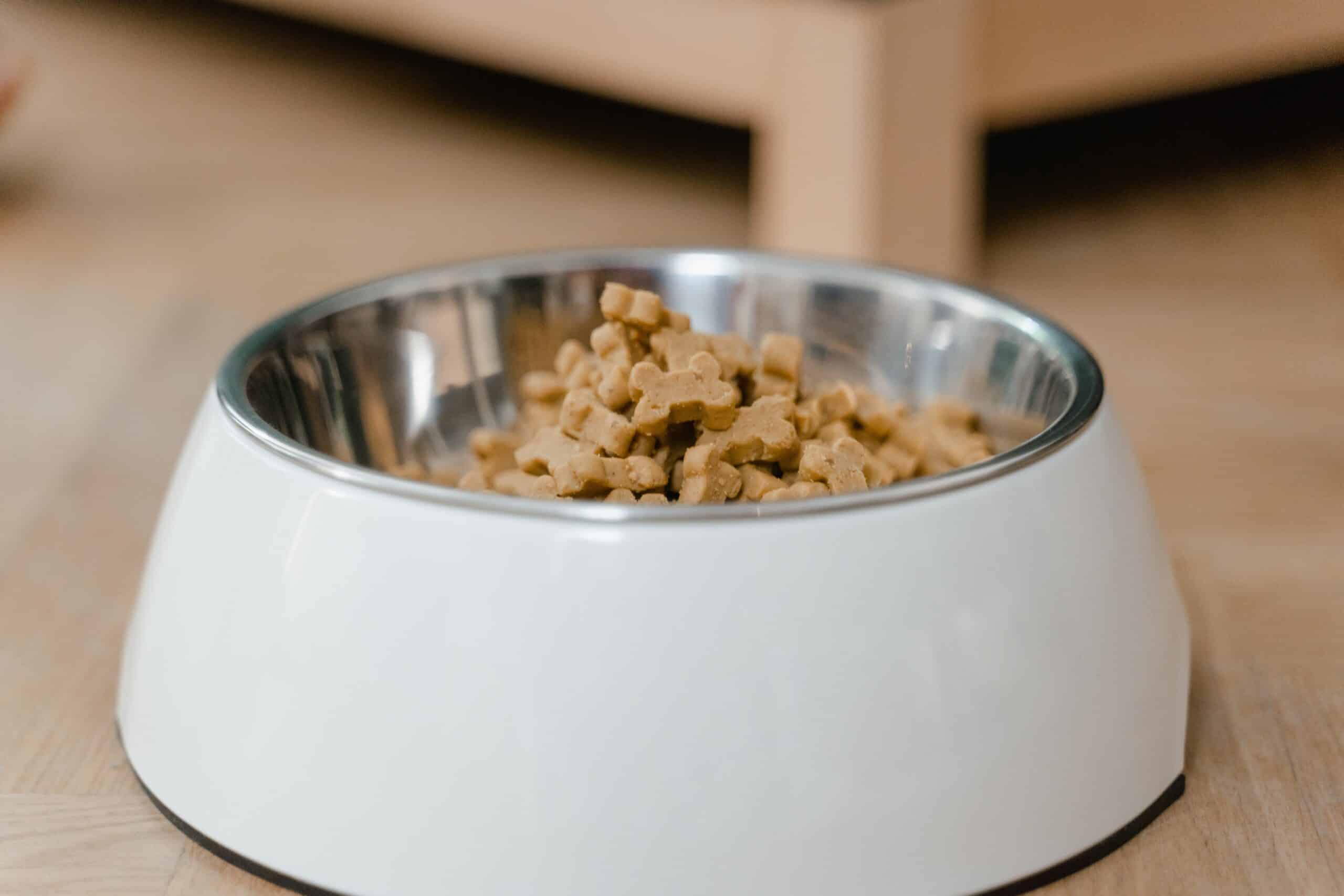
  • Easy 1-Ingredient Sweet Potato Dog Treats: Homemade in Minutes

    Easy 1-Ingredient Sweet Potato Dog Treats: Homemade in Minutes

    Looking for a quick and easy way to treat your furry friend? We’ve got just the thing! Our easy sweet potato dog treats are not only simple to make but also a healthier alternative to store-bought options. These delicious treats are packed with vitamins and iron, making them a guilt-free indulgence for your canine companion.

    🐶 Can dogs eat sweet potatoes?

    Yes, dogs can eat sweet potatoes! We’re excited to share that these orange tubers are not only safe but also beneficial for our furry friends. Sweet potatoes are a nutritious and delicious treat that can be a healthy addition to your dog’s diet when prepared correctly.

    Nutritional Benefits

    Sweet potatoes are packed with essential nutrients that can contribute to your dog’s overall health:

    • High in fiber
    • Rich in vitamins A, B6, and C
    • Contains minerals like potassium and iron
    • Low in fat and calories

    These nutrients support various aspects of canine health, including digestion, immune function, and vision.

    Serving Suggestions

    While sweet potatoes are safe for dogs, it’s important to serve them properly:

    1. Always cook sweet potatoes before feeding them to your dog
    2. Remove the skin, as it can be difficult for dogs to digest
    3. Cut into small, manageable pieces to prevent choking
    4. Serve plain, without added seasonings or oils

    Moderation is Key

    As with any treat, moderation is crucial. Sweet potatoes should not replace your dog’s regular balanced diet but can be offered as an occasional treat or supplement. We recommend consulting with your veterinarian to determine the appropriate amount for your exact dog based on their size, age, and overall health.

    Potential Risks

    While sweet potatoes are generally safe, there are a few considerations:

    • Overfeeding can lead to weight gain due to their high carbohydrate content
    • Raw sweet potatoes can be difficult for dogs to digest and may cause intestinal upset
    • Some dogs may be allergic or intolerant to sweet potatoes

    ā¤ļø Why you’ll love this recipe

    We’re confident you’ll adore this sweet potato dog treat recipe for several compelling reasons:

    1. Simplicity at its finest
      Our recipe for sweet potato dog treats is incredibly straightforward. With just one main ingredient – sweet potatoes – you’ll be amazed at how easy it is to create wholesome snacks for your furry friend.
    2. Cost-effective alternative
      By making these treats at home you’ll save money compared to store-bought options. Sweet potatoes are affordable and readily available making this recipe a budget-friendly choice for pet owners.
    3. Nutritional powerhouse
      Sweet potatoes are packed with essential nutrients for dogs. They’re rich in vitamins A B6 and C as well as minerals like potassium and iron. This means you’re not just treating your dog; you’re nourishing them too.
    4. Customizable texture
      Whether your pup prefers chewy or crunchy treats you can easily adjust the baking time to achieve the perfect consistency. This versatility ensures you can cater to your dog’s exact preferences.
    5. Natural and wholesome
      Unlike many commercial dog treats these sweet potato chews are free from artificial preservatives colors and flavors. You’ll have peace of mind knowing exactly what’s in your dog’s treats.
    6. Long shelf life
      When properly dehydrated these treats can last for weeks making them a convenient option for busy pet owners. You can make a batch in advance and have healthy snacks on hand whenever you need them.
    7. Guilt-free indulgence
      With their low-fat content and high nutritional value these treats allow you to spoil your dog without worrying about their waistline. It’s a win-win for both you and your furry companion.
    8. Multi-purpose snack
      These sweet potato treats can serve various purposes. Use them as training rewards occupy your dog during quiet time or simply as a special treat to show your love.
    9. Allergy-friendly option
      For dogs with food sensitivities or allergies this single-ingredient recipe is an excellent choice. It minimizes the risk of adverse reactions while still providing a delicious snack.
    10. Vet-approved goodness
      Many veterinarians recommend sweet potatoes as a healthy treat option for dogs. By making these at home you’re following professional advice while pampering your pup.

    We’re sure that once you try this recipe you’ll see why homemade sweet potato dog treats are a favorite among pet owners. They’re simple nutritious and sure to have your dog’s tail wagging with delight.

    šŸ—’ Ingredients

    To make quick and easy sweet potato dog treats, we’ll need just a few simple ingredients. Here’s what you’ll need:

    • 1-2 large sweet potatoes
    • 1 tablespoon melted coconut oil (optional)
    • ¼ teaspoon ground cinnamon (optional)
    • ¼ teaspoon ground ginger (optional)

    These ingredients will allow us to create two different types of sweet potato dog treats: thinly sliced sweet potato chips and sweet potato chews. The coconut oil, cinnamon, and ginger are optional additions that can enhance the flavor and provide additional health benefits for your furry friend.

    For the sweet potato chips:

    • 1 large sweet potato
    • 1 tablespoon melted coconut oil
    • ¼ teaspoon ground cinnamon (optional)
    • ¼ teaspoon ground ginger (optional)

    For the sweet potato chews:

    • 1-2 sweet potatoes

    The beauty of this recipe lies in its simplicity. Sweet potatoes are the star ingredient, packed with essential nutrients that are beneficial for your dog’s health. They’re rich in vitamins A, B6, and C, as well as minerals like potassium and iron. The high fiber content in sweet potatoes also supports digestive health.

    If you choose to use the optional ingredients, coconut oil can provide healthy fats, while cinnamon and ginger offer additional flavor and potential health benefits. But, these treats are equally delicious and nutritious with just sweet potatoes alone.

    Remember, when selecting sweet potatoes for your dog treats, choose firm, unblemished ones. Organic sweet potatoes are ideal if available, as they’re free from pesticides and other harmful chemicals.

    By using these simple ingredients, we’re ensuring that our homemade dog treats are free from artificial additives, preservatives, and unnecessary fillers often found in store-bought options. This makes them an excellent choice for dogs with food sensitivities or those on restricted diets.

    In the next section, we’ll jump into the step-by-step instructions for preparing these quick and easy sweet potato dog treats that your canine companion is sure to love.

    šŸ  How to make sweet potato dog treats

    Making sweet potato dog treats is quick and easy. Follow these simple steps to create delicious and nutritious treats for your furry friend:

    1. Prepare the Sweet Potatoes

    • Wash and scrub the sweet potatoes thoroughly to remove any dirt.
    • Peel the sweet potatoes using a vegetable peeler or knife.
    • Slice the peeled sweet potatoes into 1/4-inch to 1/3-inch thick slices using a sharp knife or mandoline.

    2. Arrange for Baking

    • Preheat your oven to 250°F (121°C) for quicker baking or 200°F (93°C) for a longer, slower bake.
    • Line a baking sheet with parchment paper.
    • Arrange the sweet potato slices in a single layer on the prepared baking sheet.

    3. Bake the Sweet Potato Slices

    • For quicker baking at 250°F (121°C): Bake for 2.5 to 3 hours.
    • For slower baking at 200°F (93°C): Bake for about 6 hours.
    • Flip the slices halfway through the baking time to ensure even drying.
    • The treats are done when they’ve shrunk and dried out completely.
    • Remove the baked sweet potato treats from the oven and let them cool completely on the baking sheet.
    • Once cooled, transfer the treats to an airtight container.
    • Store in the refrigerator for up to 3 weeks or in the freezer for a couple of months.

    By following these steps, you can easily make sweet potato dog treats that are healthy, inexpensive, and sure to delight your canine companion. These homemade treats offer a great alternative to store-bought options and allow you to control the ingredients your dog consumes.

    Remember to always supervise your dog when introducing new treats and consult with your veterinarian if you have any concerns about your dog’s diet or health. With these simple sweet potato dog treats, you’re providing a nutritious and tasty snack that your furry friend will love.

    ā² How to store

    Proper storage is crucial for maintaining the quality and safety of your homemade sweet potato dog treats. We’ll guide you through the best practices to keep these delicious snacks fresh and ready for your furry friend.

    Cooling and Drying

    Before storing your sweet potato dog treats, it’s essential to let them cool completely. Here’s what we recommend:

    1. Allow the treats to cool on the baking sheet for about 30 minutes.
    2. Transfer them to a wire rack to finish cooling and drying for another 2-3 hours.
    3. Ensure the treats are completely dry to the touch before storage.

    Short-Term Storage

    For treats you plan to use within a week:

    1. Place the cooled treats in an airtight container.
    2. Store at room temperature in a cool, dry place away from direct sunlight.
    3. Use within 5-7 days for optimal freshness.

    Long-Term Storage

    To extend the shelf life of your sweet potato dog treats:

    1. Once cooled and dried, place the treats in a freezer-safe container or bag.
    2. Remove as much air as possible to prevent freezer burn.
    3. Label the container with the date of preparation.
    4. Store in the freezer for up to 3 months.

    Thawing Frozen Treats

    When you’re ready to use frozen sweet potato dog treats:

    1. Remove the desired amount from the freezer.
    2. Let them thaw at room temperature for about 30 minutes.
    3. Once thawed, store any unused treats in the refrigerator for up to 5 days.

    Refrigeration Option

    If you prefer a chewier texture:

    1. Store the treats in an airtight container in the refrigerator.
    2. Use within 2 weeks for the best quality.

    Signs of Spoilage

    Always check your homemade sweet potato dog treats before giving them to your pet. Discard if you notice:

    • Mold growth
    • Off odors
    • Discoloration
    • Unusual texture changes

    By following these storage guidelines, you’ll ensure your homemade sweet potato dog treats remain fresh, safe, and delicious for your canine companion. Remember, proper storage not only extends the shelf life but also preserves the nutritional benefits of these healthy snacks.

    šŸ’” Other seasoning ideas

    While plain sweet potato dog treats are delicious and nutritious on their own we can elevate their flavor profile with some dog-friendly seasonings. Here are some creative ideas to add variety to your homemade sweet potato dog treats:

    1. Cinnamon Sprinkle: A light dusting of cinnamon can add warmth and sweetness to the treats. Cinnamon is safe for dogs in small amounts and may have anti-inflammatory properties.
    2. Ginger Zing: Grated fresh ginger or a pinch of ground ginger can provide a subtle spicy kick. Ginger can also aid in digestion for some dogs.
    3. Peanut Butter Drizzle: After baking spread a thin layer of unsalted all-natural peanut butter on the treats. Ensure the peanut butter doesn’t contain xylitol which is toxic to dogs.
    4. Coconut Flakes: Sprinkle unsweetened coconut flakes on the treats before baking for added texture and tropical flavor. Coconut contains healthy fats and can be beneficial for dogs’ coats.
    5. Turmeric Boost: A small amount of turmeric can add color and potential anti-inflammatory benefits. Mix a pinch of turmeric with the sweet potato before shaping the treats.
    6. Parsley Freshness: Finely chopped fresh parsley can add a burst of freshness and help freshen your dog’s breath. Sprinkle it on top before baking.
    7. Pumpkin Spice: Create a dog-friendly pumpkin spice blend using cinnamon nutmeg and a touch of ginger. Use sparingly as a little goes a long way.
    8. Carrot Infusion: Mix in some finely grated carrots for added nutrients and a subtle sweetness. This can also enhance the orange color of the treats.
    9. Banana Blend: Mash a ripe banana and mix it with the sweet potato for a fruity twist. Bananas are rich in potassium and can add natural sweetness.
    10. Apple Chunks: Finely chop some apple (without seeds) and mix into the sweet potato before baking. Apples provide fiber and vitamins.

    When adding seasonings to your sweet potato dog treats remember these important guidelines:

    • Use minimal amounts: Dogs have sensitive palates and too much seasoning can be overwhelming or potentially harmful.
    • Avoid toxic ingredients: Never use seasonings that are toxic to dogs such as garlic onion or excessive salt.
    • Introduce slowly: When trying new flavors offer a small amount to your dog first to ensure they like it and don’t have any adverse reactions.
    • Consider allergies: Be aware of any allergies or sensitivities your dog may have before introducing new ingredients.
    • Consult your vet: If you’re unsure about a particular seasoning or if your dog has health concerns always consult with your veterinarian before introducing new ingredients.

    By experimenting with these dog-friendly seasonings you can create a variety of sweet potato dog treats that cater to your pup’s taste preferences while still maintaining the nutritional benefits of the main ingredient. Remember that moderation is key and the primary focus should always be on the wholesome goodness of the sweet potato itself.

    🄄 Do I have to use coconut oil?

    When it comes to making sweet potato dog treats you’ll be pleased to know that coconut oil is not a necessary ingredient. We understand that many pet owners are looking for the quickest and easiest way to prepare these nutritious snacks for their furry friends and we’re here to assure you that simplicity is key.

    The most basic and essential ingredient for these treats is sweet potatoes. You can create delicious and healthy dog treats using just this one ingredient. Here’s why coconut oil is optional:

    1. Simplicity: By using only sweet potatoes you’re keeping the recipe as straightforward as possible. This aligns perfectly with our goal of providing the quickest and easiest method for making these treats.
    2. Cost-effective: Omitting coconut oil can make the treats more budget-friendly. Sweet potatoes alone are an affordable option for homemade dog treats.
    3. Allergen considerations: Some dogs may have sensitivities to coconut oil. By leaving it out you’re creating a treat that’s suitable for a wider range of dogs.
    4. Natural goodness: Sweet potatoes are naturally packed with nutrients beneficial for dogs. They don’t require additional ingredients to be a healthy snack option.
    5. Texture control: Without coconut oil you have more control over the final texture of the treats. You can achieve different consistencies from chewy to crispy by adjusting baking time and thickness of the slices.

    If you do choose to include coconut oil it can add some potential benefits:

    • It may enhance the flavor making the treats more appealing to some dogs.
    • Coconut oil can provide additional nutrients like healthy fats.
    • It might help with the texture making the treats slightly softer or chewier.

    But these potential benefits are not essential for creating tasty and nutritious sweet potato dog treats. The decision to use coconut oil eventually depends on your preferences and your dog’s exact needs.

    When preparing your sweet potato dog treats focus on these key steps:

    1. Wash and peel the sweet potatoes thoroughly.
    2. Slice them to your desired thickness (about ¼ inch to 1/3 inch for chewy treats).
    3. Arrange the slices on a parchment-lined baking sheet.
    4. Bake at a low temperature (around 250°F or 130°C) to slowly dehydrate the sweet potatoes.

    By following these simple steps you’ll create delightful treats for your dog without the need for additional ingredients. Remember the quickest and easiest way to make sweet potato dog treats is often the most straightforward approach focusing on the natural goodness of the sweet potatoes themselves.

    šŸ”Ŗ Do I have to peel sweet potatoes?

    When making sweet potato dog treats, peeling the sweet potatoes is highly recommended. While it’s not strictly necessary, removing the skin offers several benefits for your furry friend’s health and digestion:

    1. Improved digestibility: Sweet potato peels can be tough for dogs to digest, potentially causing stomach upset or discomfort. By peeling the sweet potatoes, we ensure that the treats are easier on your dog’s digestive system.
    2. Better texture: Peeled sweet potatoes result in a smoother, more uniform texture for the treats. This is especially important when making chewy treats or dehydrated chips.
    3. Reduced risk of contaminants: The skin of sweet potatoes may contain pesticides or other chemicals, even after washing. Peeling eliminates this potential risk, making the treats safer for your dog.
    4. Enhanced nutrient absorption: Without the fibrous skin, your dog’s body can more easily absorb the beneficial nutrients found in sweet potatoes.

    To peel sweet potatoes for dog treats, follow these simple steps:

    1. Wash the sweet potatoes thoroughly under cool running water to remove any dirt or debris.
    2. Use a vegetable peeler or a sharp paring knife to remove the skin, working from one end to the other.
    3. Be sure to remove any eyes or blemishes on the surface of the sweet potato.
    4. Rinse the peeled sweet potatoes once more to remove any remaining bits of skin.

    By taking the time to peel sweet potatoes, we’re ensuring that our homemade dog treats are not only delicious but also safe and easy for our canine companions to enjoy. Remember, the goal is to create treats that are both nutritious and easily digestible for our furry friends.

    🦓 More treats your dog will love

    While sweet potato treats are a fantastic option for your furry friend, there are many other homemade treats you can prepare to keep your dog’s taste buds excited. Here are some delicious and nutritious alternatives:

    Peanut Butter and Banana Bites

    These tasty morsels combine two dog-friendly favorites:

    • Mash 1 ripe banana
    • Mix with 1/4 cup unsweetened peanut butter
    • Form into small balls
    • Freeze for 2 hours

    Pumpkin and Oat Cookies

    A fiber-rich treat that’s easy on the stomach:

    • Mix 1/2 cup pumpkin puree with 1 cup whole wheat flour
    • Add 1/4 cup rolled oats
    • Form into small cookies
    • Bake at 350°F for 20 minutes

    Frozen Yogurt Pops

    Perfect for hot days:

    • Mix plain, unsweetened yogurt with mashed berries
    • Pour into ice cube trays
    • Freeze overnight

    Carrot and Apple Chews

    A crunchy, vitamin-packed snack:

    • Slice carrots and apples thinly
    • Dehydrate in the oven at 200°F for 2-3 hours

    Chicken Jerky Strips

    A protein-rich treat:

    • Slice chicken breast into thin strips
    • Bake at 200°F for 2 hours, flipping halfway through

    Remember, while these treats are made with dog-friendly ingredients, always introduce new foods gradually and in moderation. Consult your veterinarian if you have any concerns about your dog’s diet or exact nutritional needs.

    Conclusion

    We’ve explored the simple joy of making sweet potato dog treats at home. These nutritious snacks offer a healthier alternative to store-bought options while delighting our furry friends. By following our easy steps you’ll create tasty treats that are free from artificial additives and packed with vitamins and minerals.

    Remember to introduce new treats gradually and always consult your vet about your dog’s dietary needs. With proper storage and a dash of creativity in flavoring you’ll have a stash of delicious homemade treats your pup will love. Treat-making can be a fun bonding experience that shows your pet just how much you care.

  • How to Feed a Puppy with Chow Dog Food: 2024 Essential Guide

    How to Feed a Puppy with Chow Dog Food: 2024 Essential Guide

    Did you know that providing the right nutrition during your puppy’s early months can set the stage for a lifetime of health and happiness? Puppies require a exact balance of nutrients to support their rapid growth and development. This is where chow dog food comes into play, offering a complete and nutritious meal designed to meet the unique needs of growing pups.

    As pet owners, we understand the importance of nourishing our furry companions with the best possible diet. Feeding your puppy with specially formulated chow dog food ensures they receive 100% of the essential nutrients they need to grow strong and healthy. Our guide will walk you through the benefits of chow dog food, how to transition your puppy to this diet, and tips for feeding them effectively.

    Join us as we explore the ins and outs of feeding your puppy with chow dog food, ensuring they get a great start in life.

    Understanding Puppy Nutrition

    Proper nutrition is vital for a puppy’s growth and development. Puppies have unique dietary needs that differ significantly from adult dogs. Our focus begins with the foundational elements needed for a puppy’s early life stages. Puppies require high-quality protein, vital for muscle growth and repair. Protein sources such as chicken provide essential amino acids.

    Essential fatty acids contribute to a puppy’s brain and vision development. These nutrients help lay the groundwork for cognitive function and ocular health. DHA, a type of omega-3 fatty acid, plays a crucial role in this process. Vitamins and minerals, like calcium and phosphorus, ensure strong bone and teeth formation.

    Puppies need sufficient energy for their active lifestyles. Crude fat, an energy-dense nutrient, supports growth and sustains activity levels. When selecting a dog food, analyzing the guaranteed analysis helps understand the nutritional value. For example, Purina Puppy Chow contains 27% crude protein, 12% crude fat, and essential nutrients, supporting puppies’ growth.

    Balanced nutrition also involves regulating meal frequency. Initially, four meals per day suffice, transitioning to three as they age. This approach provides puppies with consistent energy intake and prevents overfeeding. Regular feeding times and portion control encourage healthy eating habits, minimizing picky eating tendencies.

    In puppy nutrition, special formulations meet these complex requirements. The structure of the dog food impacts the nutrient absorption and consumption rate. Ingredients such as DHA, antioxidants like vitamin C, and high-quality protein are vital components. This balance ensures the puppy receives all necessary nutrients for a healthy start.

    Choosing the right puppy food contributes to physical and mental development. With Purina Puppy Chow, made with quality ingredients, puppies can receive the foundation needed to thrive. As pet owners, our responsibility is to provide a well-rounded diet that fuels growth and sustains health. These nutritional building blocks help ensure our puppies grow into strong, active adult dogs.

    Choosing the Right Puppy Food: Chow Options

    Selecting a chow dog food customized for puppies is essential for their development. Puppy-exact formulas, like Purina Puppy Chow, provide the necessary nutrients to support their growth.

    Dry Food Versus Wet Food

    Puppies benefit from both dry and wet chow dog food, but each type offers distinct advantages. Dry food helps maintain dental health by reducing plaque buildup through chewing. It also tends to be more cost-effective and easier to store. Wet food, on the other hand, offers higher moisture content, which aids hydration and can be more appealing to picky eaters. Including chow options that balance dry and wet food can provide diverse textures and flavors, encouraging better overall intake.

    Key Ingredients to Look For

    Key ingredients in puppy chow dog food ensure comprehensive nutrition. High-quality proteins like chicken or beef support muscle development, while essential fatty acids, including omega-3, promote brain health. Look for formulas with DHA, crucial for cognitive development. Vitamins and minerals, such as calcium and phosphorus, strengthen bones and teeth. Also, antioxidants support strong immune systems, safeguarding puppies’ overall health. A chow option featuring these ingredients optimally supports a puppy’s growth phase.

    Feeding Schedule and Portion Control

    Proper feeding schedule and portion control are crucial for a puppy’s growth and development. Using chow dog food provides essential nutrients and helps in maintaining a structured routine.

    How Much to Feed Your Puppy

    Puppies eat according to their size and age, both variables requiring careful attention. For optimal growth, selecting chow dog food ensures balanced nutrition. In the initial weeks, puppies should consume 8-10 ounces of food per feeding. As they grow, adjust the portions based on weight. For a 10-pound puppy, ½ to 1 cup of chow per meal is typically adequate. Monitor their weight and adjust portions if they seem underweight or overweight. Small breed puppies might need smaller, more frequent portions compared to large breeds. Reference feeding guidelines printed on the chow packaging to avoid overfeeding or underfeeding.

    How Often to Feed Your Puppy

    The feeding frequency should match the puppy’s developmental stage. During the early stage (0-12 weeks), provide chow food 3-4 times daily. From 3 to 6 months, decrease feedings to three times a day as their metabolism stabilizes. At 6-12 months, transition to feeding them twice daily, reflecting their slowing growth rate. Consistency is critical—feed at regular intervals to instill routine and prevent hunger-related anxiety. For large breeds, continue smaller meals more frequently to accommodate their size and energy needs. Always observe your puppy’s weight and energy level to adjust the feeding schedule suitably.

    Special Considerations for Chow Chows

    Feeding a Chow Chow puppy comes with unique considerations to ensure optimal health and development. With their distinct nutritional needs and potential health issues, it’s critical to select the right food type and feeding strategy.

    Nutrition Requirements: Chow Chows need a balanced and species-appropriate diet. Their nutritional needs include high-quality proteins, healthy fats, and important vitamins and minerals. High-quality proteins support muscle growth, while healthy fats aid in brain and vision health. Vegetables and berries provide the necessary fiber, vitamins, and antioxidants for a well-rounded diet.

    Avoid Processed Kibble: Kibble, especially those high in carbohydrates, can strain a dog’s digestive system. The manufacturing process often denatures essential nutrients. This can lead to health issues such as inflammation or organ stress. It’s advisable to provide a natural, raw diet focusing on meats, bones, and offal to mimic their ancestral diet.

    Feeding Amount and Schedule: Determining the right portion sizes and schedule is vital for growth. Chow Chows, being medium to large breeds, typically need more food than smaller breeds. Using a feeding chart or following product guidelines can help decide daily intake. Dividing meals into 2-3 daily portions can prevent overeating and reduce the risk of bloat.

    Health Monitoring: Chow Chows have a predisposition to exact health conditions like obesity and joint issues. Regularly monitor weight and adjust food portions accordingly. Providing high-quality proteins and fats instead of carbohydrate-heavy foods can help mitigate these risks. Including DHA and antioxidants in their diet supports cognitive function and overall health.

    Transitioning Diet: When introducing a new diet, gradual transitioning is essential to avoid digestive upset. Over 7 to 10 days, slowly replace current food with the new choice, starting with a small amount and gradually reaching full portions. This helps the puppy’s digestive system adjust smoothly.

    By focusing on these considerations, we ensure Chow Chow puppies receive the complete and balanced diet they need to grow into healthy adults.

    Chow Dog Food

    Monitoring Your Puppy’s Growth and Health

    Monitoring a puppy’s growth and health ensures they thrive on chow dog food such as Purina Puppy Chow. This food supports their nutritional needs with essential elements like high-quality protein and DHA.

    Assessing Weight Gain

    Regular weighing helps track a puppy’s development. Use a consistent schedule, such as weekly or bi-weekly check-ins. Compare the results with breed-exact growth charts to ensure they stay on track without important deviations.

    Observing Energy Levels

    Active playfulness indicates a healthy puppy. Observe their activity levels daily, noting any changes in energy. Reduced activity may signal health issues or dietary needs, while excessive energy might require portions adjustment.

    Evaluating Coat and Skin Health

    A shiny coat and clear skin show good health. Feed them chow dog food with balanced nutrients to maintain these indicators. Keep an eye out for dullness, excessive shedding, or itchiness, as these may suggest dietary insufficiencies or allergies.

    Monitoring Appetite and Digestion

    Stable appetite and smooth digestion reflect proper food intake. Sudden appetite changes, loose stools, or vomiting may necessitate dietary assessment or veterinary consultation. Provide ample fresh water for hydration.

    Checking Mental and Physical Development

    Puppies’ cognitive and physical skills emerge with proper nourishment. Observe their learning abilities and motor skills, supported by DHA, calcium, and antioxidants in their diet. Any abnormalities in growth stages could indicate dietary gaps to address.

    Consulting with Veterinarians

    Regular vet visits are vital to monitor health. They offer professional insights into your puppy’s development and diet, ensuring a balanced approach. Discuss any concerns about growth or diet adjustments with your vet during these visits.

    Incorporating these practices helps maintain their health and growth trajectory. Using Purina Puppy Chow, known for its balanced formulation, supports these endeavors effectively. Keep monitoring their progress for successful development into a healthy adult dog.

    Transitioning from Puppy to Adult Dog Food

    Transitioning a puppy from chow dog food to adult dog food is crucial for their continued health. The switch aligns with maturity stages, which vary by breed size. Small breeds, weighing between 4-20 pounds, typically mature faster and transition between 9 and 12 months. Medium breeds, 20-50 pounds, transition between 12 and 16 months. Large breeds, 50-80 pounds, transition between 18 and 24 months, while giant breeds over 80 pounds transition around 24 months.

    Puppy chow provides essential nutrients like DHA for brain development, proteins for muscle growth, and calcium for bones. As puppies mature, their nutritional needs shift towards maintaining adult health. A gradual transition over 7 to 10 days is optimal to avoid digestive upset. Start by mixing a small portion of adult food with their puppy chow, slowly increasing the adult food while reducing the puppy chow.

    Very young puppies eat three times daily but moving to adult food often signals a shift to twice daily feedings. Monitor stool quality to gauge how well they’re adjusting; slow down if digestive issues arise.

    To ensure a balanced diet during this transition, consult a veterinarian. Their advice helps determine the best time to switch, considering factors like spaying or neutering, which can affect metabolism and dietary needs. Balanced nutrition supports a dog’s health, prolonging vitality well into their adult years.

    A well-managed transition to adult dog food, alongside regular veterinary checkups, ensures puppies receive the necessary nutrients as they grow. Maintaining consistency in feeding and monitoring is key. This aligns with general dietary practices, helping avoid obesity and related health issues in adult dogs.

    Final Thought on Chow Dog Food

    Feeding our puppies the right chow dog food is more than just a daily task; it’s a commitment to their future well-being. By understanding their unique nutritional needs and following a structured feeding plan, we can ensure they grow into healthy and happy adult dogs. From selecting high-quality ingredients to monitoring their growth and health, every step we take plays a crucial role in their development. Let’s embrace this responsibility with confidence, knowing that our efforts today will lead to a lifetime of wagging tails and joyful companionship.

  • The Right Food: Choosing Quality Nutrition for 2024

    The Right Food: Choosing Quality Nutrition for 2024

    Choosing the right food for our furry friends can be as complex as picking the perfect diet for ourselves. With countless options on the market, it’s crucial to ensure our dogs get the nutrients they need to thrive. Did you know that the two biggest factors in determining a dog’s health are whether their food is nutritionally complete and balanced, and if they’re receiving the right portions?

    As pet owners, we want the best for our companions, and understanding the intricacies of dog nutrition is essential. From wet food with soft textures to high-protein options for overweight pups, each choice impacts their well-being. In this text, we’ll investigate into the key elements to consider when selecting your dog’s food, including the importance of ingredient quality and portion control. Our goal is to equip you with the knowledge needed to make informed decisions that support your dog’s health and happiness.

    Understanding Dog Nutrition

    Understanding dog nutrition starts with recognizing the basic dietary needs. Dogs have evolved to thrive on a varied diet, including both plant and animal sources.

    Essential Nutrients for Dogs

    Dogs need a combination of six fundamental nutrients to support their health. Water is critical for hydration and bodily functions. Proteins, found in meats and plant sources, deliver essential amino acids for tissue repair. Fats offer energy and assist in vitamin absorption and skin health, sourced from animal fats and plant oils. Carbohydrates, though not essential, can boost energy levels, sourced through grains, vegetables, and fruits. Alongside these, vitamins and minerals play key roles in overall health.

    Importance of Balanced Nutrition

    Balanced nutrition is indispensable for promoting your dog’s wellness. A diet that supplies the right mix of proteins, fats, carbs, vitamins, and minerals helps maintain optimal health. Too much protein could strain kidneys, while too little may fail to support bodily functions. Paying attention to the balance ensures the dog’s diet meets nutritional needs, akin to what standards like those from the Association of American Feed Control Officials suggest. This approach contributes to sustained energy, healthy skin, and overall vitality.

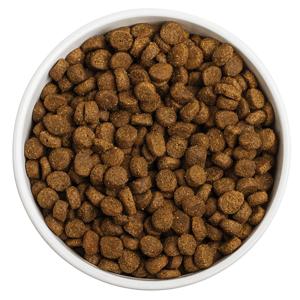
    Evaluating Dog Food Options

    Our goal is to help pet owners make informed choices about the right food for dogs. Key considerations include the type and quality of food, nutritional needs, and personal preferences.

    Wet Food vs. Dry Food

    Wet food and dry food each provide unique benefits for dogs. Wet food, available in cans or pouches, contains high moisture content that promotes hydration and enhances palatability for picky eaters. Brands like Purina Baneful Prepared Meals offer balanced meals suitable for solo consumption or as a dry food supplement. But, wet food often costs more and has a shorter shelf life after opening. Dry food, or kibble, is economical and convenient. It supports dental health by reducing tartar and plaque. Kibble is also stable if stored in a cool, dry location, making it a popular choice for many dog owners. Wet and dry dog foods meet or exceed AAFCO nutritional standards, ensuring balanced nutrition.

    the right food for dogs

    Store-Bought vs. Homemade

    Choosing between store-bought and homemade dog food involves weighing convenience against customization. Store-bought options, including both dry and wet varieties, are easily accessible and come from brands with veterinary nutritionists overseeing ingredient quality. Checking labels for AAFCO compliance ensures nutritional adequacy. Homemade diets allow for customized nutrition considering your dog’s unique needs. But, they require meticulous planning to ensure balanced nutrients. Consulting a veterinarian before starting a homemade diet is crucial, as it can help avoid nutritional imbalances that might impact your dog’s health. Both options focus on delivering the nutrients dogs need for optimal health, leveraging diverse protein and grain sources.

    Reading Dog Food Labels

    Labels hold the key to selecting the right food for our dogs, outlining crucial nutritional information and ensuring we provide balanced diets. Understanding how to read them helps us make informed choices.

    Decoding Ingredients

    Identifying quality dog food starts with decoding the ingredient list. High-quality foods list whole-food ingredients like real meat, vegetables, and whole grains first. Ingredients listed by weight, with the heaviest listed first, give insight into the food’s primary components. Avoid foods where meat isn’t a prominent ingredient, especially if named meats like “chicken” or “beef” aren’t listed early on. It’s crucial to steer clear of foods with a majority of unfamiliar or unpronounceable ingredients, as these may indicate lower quality. Simplifying ingredient lists can help us ensure our dogs receive wholesome and nutritious meals.

    Recognizing Nutritional Adequacy

    Nutritional adequacy statements on labels confirm that a dog food meets established nutritional standards, ensuring complete and balanced diets. According to AAFCO, verify that the food caters to your dog’s life stage—puppy, adult, or all life stages. These statements read something like, “formulated to meet the AAFCO Dog Food Nutrient Profiles for life stage.” Dogs at different stages have varying nutritional needs, making it essential to choose food formulated accordingly. By recognizing and adhering to these standards, we align with established guidelines to support our dogs’ health and vitality.

    Tailoring Dog Food to Specific Needs

    Choosing the right food for dogs involves understanding their unique needs. Let’s explore how age, health, and breed influence dietary choices to ensure dogs thrive.

    Age-Exact Nutrition

    Dogs have distinct nutritional requirements at different life stages. Puppies, for instance, demand higher protein and energy levels to support growth, with exact diets to aid large and giant breed puppies and prevent joint issues. Older dogs may have particular needs based on individual health conditions, requiring assessment by veterinarians for diets that accommodate aging factors. Adults often need stable nutrition customized to activity levels, enjoying two to three meals each day to sustain their energy.

    Dietary Needs Based on Health Conditions

    Certain dogs benefit from dietary adjustments due to exact health issues. Overweight dogs thrive on low-calorie, high-fiber foods designed for weight management, while active dogs with high metabolisms require increased protein and fat intake. Dogs with food allergies necessitate personalized diets, avoiding allergenic ingredients to prevent adverse reactions. Consulting veterinarians ensures that dietary plans effectively address exact conditions, improving overall health.

    Breed and Size Considerations

    Dog breed and size play crucial roles in dietary planning. Large breeds, for instance, often need specialized dog food containing nutrients beneficial for musculoskeletal health, especially during their formative years. Small breeds may require smaller kibble sizes to prevent choking, with customized nutrients addressing their distinct metabolic needs. Breed-exact formulas can support common health predispositions, yet it’s vital to evaluate their true benefits beyond marketing claims, ensuring their nutritional value aligns with breed requirements.

    Tips for Selecting the Right Dog Food

    Choosing the right dog food involves evaluating several important factors. Our pets’ health largely depends on the quality and balance of their diet.

    Assessing Palatability and Ingredients

    Palatability plays a vital role in selecting dog food. Dogs often favor certain foods, like those with real meat or fish, over others. For example, ingredients like salmon and cod can cater to dogs with sensitive stomachs while offering a palatable taste. Ingredients should be recognizable whole foods, not fillers. Essential nutrients, such as proteins, carbohydrates, fats, vitamins, and minerals, are crucial. Foods with these nutrients support a balanced diet. It’s recommended to avoid unfamiliar or unpronounceable ingredients that might indicate poorer quality.

    Importance of AAFCO Guidelines

    Adhering to AAFCO guidelines ensures that dog food meets established nutritional standards. The Association of American Feed Control Officials (AAFCO) sets these standards based on scientific research for pet food to be labeled “complete and balanced.” AAFCO guidelines help confirm if a food provides adequate nutrition across life stages. AAFCO’s nutritional adequacy statement is the key indicator on the label. When choosing a dog food, look for this statement as it guarantees the food has undergone rigorous evaluations, either through formulation analysis or feeding trials, to meet nutritional requirements.

    Observing Your Dog’s Response

    Our dogs’ health can indicate how well the food suits them. Observing factors like energy levels, coat quality, and digestion provides insight. If your dog shows signs of distress or disinterest in their food, a change might be needed. Monitor for changes in weight, stool quality, and skin health, as these can be early indicators of nutritional imbalances. Consulting with a veterinarian helps assess whether dietary adjustments are necessary, ensuring the selected food aligns with your dog’s individual needs for optimal health and vitality.

    Conclusion

    Choosing the right food for our dogs isn’t just about picking the most popular brand or the one with the flashiest packaging. It’s about understanding their unique nutritional needs and making informed decisions that support their health and vitality. By focusing on high-quality ingredients and adhering to established nutritional standards, we can ensure our furry friends receive the balanced diet they deserve. Let’s commit to being proactive in our approach, consulting with veterinarians when necessary and remaining attentive to our dogs’ responses to their diets. This way, we can provide the best possible care, customized to their individual needs, ensuring they lead happy and healthy lives.