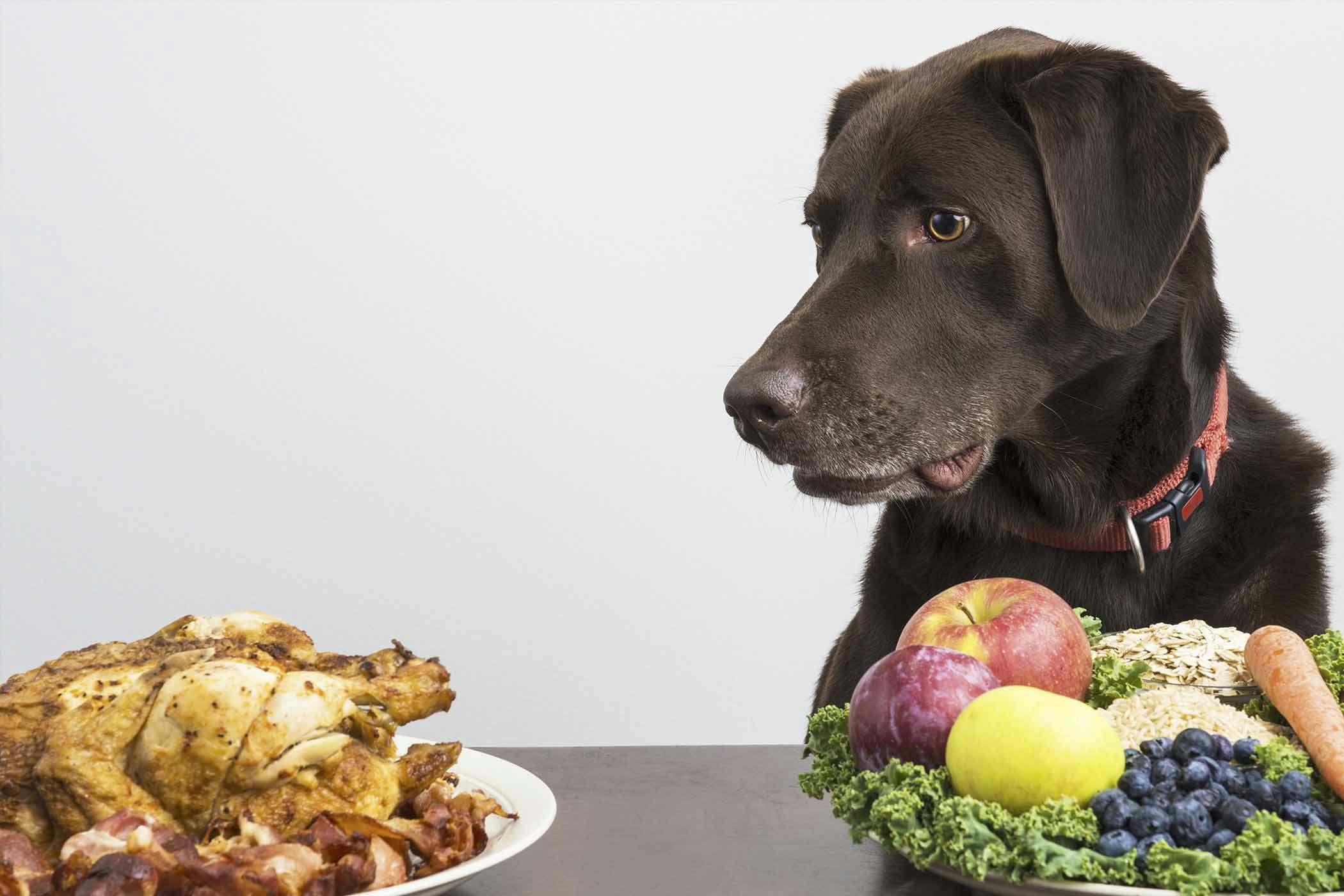
Providing the right dog food is essential for your pet’s health, energy, and overall well-being. Our Dog Food category offers expert advice on selecting the best nutrition for your dog based on their breed, size, age, and dietary needs. Whether you are searching for dry food, wet food, or specialised diets, we’ve got all the information you need to keep your dog happy and healthy.
Topics Covered in This Category:
Dry Dog Food (Kibble) – Benefits of kibble, how to choose the best brands, and recommendations for different breeds and sizes.
Wet Dog Food – Information on moisture-rich foods, ideal for dogs with chewing difficulties or dehydration issues.
Grain-Free Dog Food – Insight into grain-free diets for dogs with food sensitivities or allergies.
Raw Dog Food (BARF Diet) – An overview of raw feeding, its pros and cons, and how to safely prepare raw meals for your dog.
Organic and Natural Dog Food – The benefits of feeding your pet with organic and preservative-free foods.
High-Protein Dog Food – Ideal for active or working dogs that require extra energy to maintain their lifestyle.
Puppy Food vs. Adult Dog Food – Age-specific feeding guidelines to support growth, development, and longevity.
Senior Dog Food – Formulated foods for older dogs with lower activity levels and specific health requirements.
Special Diet Dog Food – Foods designed for dogs with health conditions such as diabetes, kidney disease, or obesity.
Homemade Dog Food Recipes – Tips on preparing balanced, nutritious meals at home, including vet-approved recipes.
Dog Treats and Snacks – Healthy treat options for training and rewarding your pet without compromising their diet.
Food Allergies and Sensitivities – How to identify and manage food allergies, and the best hypoallergenic dog food choices.
Feeding Frequency and Portion Control – Guidelines on how much and how often to feed your dog for optimal health.
Supplements and Additives in Dog Food – Information on essential supplements like Omega-3, probiotics, and vitamins.
Transitioning to New Dog Food – Tips for smoothly switching your dog’s food to avoid digestive issues.
Why Explore Our Dog Food Category?
Choosing the right dog food can be overwhelming with so many options available. Our Dog Food category simplifies the process, providing insights into the best food options for different breeds, life stages, and special needs. Whether your dog requires a high-protein diet, a grain-free alternative, or specialized food for seniors and puppies, we cover it all.
This section also helps you make informed decisions by explaining food labels, identifying key ingredients, and addressing the importance of balanced nutrition. From commercial brands to homemade recipes, this category ensures your dog gets the nourishment they deserve to thrive.
Ever wondered how long your dog go without food before it becomes a serious concern? It’s a question that weighs heavily on the minds of many pet owners. Understanding the nuances of canine dietary needs is crucial, as it can mean the difference between a healthy pet and a medical emergency.
While healthy adult dogs can typically survive three to five days without food, factors like age, size, and health status can significantly alter this timeline. Puppies and small breeds, in particular, are more vulnerable and demand immediate attention if they skip more than a meal or two.
In this text, we’ll investigate into the specifics of canine fasting tolerance, highlighting when it’s time to consult a veterinarian. By the end, you’ll have a clearer understanding of how to ensure your furry friend stays safe and healthy. Join us as we explore the critical balance of nutrition and well-being for our beloved pets.
How Long Can Your Dog Go Without Food?
Understanding how long a dog can go without food is vital for pet owners. Generally, healthy adult dogs can survive without food for 3 to 5 days if they’re well-hydrated.
Factors Affecting Duration
Several factors can influence how long dogs can go without food. Size and breed significantly affect this duration. Smaller breeds like Chihuahuas and Yorkshire Terriers, with their faster metabolisms, can only last about 2 to 3 days without eating. Larger breeds, such as Great Danes, have a slower metabolism and more body mass, allowing them to go up to 5 days. Age also plays a crucial role. Puppies require frequent meals due to their rapid growth and smaller energy reserves. Puppies under eight weeks should not go more than 5 hours without food, while those over two months can typically go 12 hours.
Risks of Prolonged Fasting
Extended fasting has serious risks for dogs, especially those with existing health issues. A dog without food may experience a weakened immune system, risking infections. Prolonged fasting in dogs may also lead to gastrointestinal issues, such as nausea and vomiting. In severe cases, organ failure might occur due to a lack of essential nutrients. It’s important to monitor dogs closely and seek veterinary advice if they refuse food for more than 48 hours to mitigate potential risks.
Reasons Your Dog Isn’t Eating
Understanding why dogs refuse food is vital for their health. Several factors, from medical issues to environmental changes, can affect their eating habits.
Medical Causes
Health problems often lead to decreased appetite in dogs. Illnesses such as gastrointestinal diseases, organ issues, and cancer can suppress their urge to eat. Pain, whether from dental problems like tooth decay or more systemic conditions such as liver or kidney issues, can also deter them. Starting new medications or facing side effects of existing ones may temporarily reduce their appetite. It’s important to monitor these symptoms closely and consult a vet if the appetite loss persists.
Behavioral Reasons
Behavioral issues can influence a dog’s eating patterns. Dogs may stop eating due to stress or anxiety, which can arise from changes in routine or environment. Depression in dogs, similar to humans, may also cause a drop in their interest in food. Besides, some dogs are simply picky eaters. Trying different food options may help identify what suits their taste buds and encourage regular eating habits.
Environmental Changes
Environment plays a critical role in a dog’s eating behavior. A recent move to a new home or changes in their daily routine can cause stress. If we’ve switched dog food or feeding locations, it may take time for them to adjust, leading to temporary appetite loss. Even new pets or family additions create a sense of unease, affecting their eating patterns. Creating a calm and consistent environment helps help their transition back to normal eating routines.
How to Encourage Your Dog to Eat
Improving a dog’s eating habits requires creativity and patience. We can employ several strategies to make meals more appealing and stress-free for our furry companions.
Change the Food Type or Flavor
Altering the food type or flavor can spark interest in picky eaters. Dogs, like humans, enjoy variety. If your dog shows disinterest in their regular meals, consider trying a new type of food or different flavor profiles. Switching between proteins like chicken, beef, or lamb provides variety and can meet nutritional needs. Don’t forget to introduce changes gradually to avoid upsetting their digestive system.
Create a Stress-Free Mealtime
Establishing a serene environment during meals helps dogs focus on eating. A quiet setting with distractions minimized encourages them to enjoy their meal without stress. If multiple pets are present, feed them separately to prevent competition or anxiety. Keep mealtimes calm and free from chaos to ensure dogs can concentrate on their food.
Introduce Routine and Consistency
Consistency in feeding schedules helps regulate appetite and builds anticipation. By offering meals at the same times each day, dogs learn to expect and prepare for their meals, which optimizes digestion and minimizes uneaten portions. Include regular meal routines even on weekends to maintain their biological clocks. This routine establishes a sense of security and helps bring back their natural feeding instincts.
When to Contact Your Veterinarian
If a dog stops eating for 48 hours, it’s crucial to consult a veterinarian. Timely intervention helps identify and treat underlying issues.
Warning Signs to Watch
Monitor for additional symptoms along with loss of appetite. Look for lethargy, vomiting, diarrhea, or changes in behavior. These could indicate serious health problems such as infections or organ dysfunction. Seek veterinary advice promptly if these symptoms occur, especially if they persist beyond 48 hours.
Puppies and small breeds, including Chihuahuas and Yorkshire Terriers, present exact concerns. Their faster metabolisms can lead to severe complications more quickly. Immediate veterinary consultation is advised if they stop eating for an extended period.
Behavioral changes may also signal distress. Observe any signs of stress or anxiety, which could affect appetite. A vet can help determine whether the issue is medical or behavioral, ensuring appropriate treatment.
Regular check-ups and consultations with veterinarians ensure swift response to any concerning changes. Creating a proactive plan with veterinary professionals can alleviate potential health risks associated with prolonged fasting in dogs.
Conclusion
Understanding how long our dogs can go without food is crucial for their health and safety. While various factors like breed, age, and health conditions affect this duration, it’s essential to monitor their eating habits closely. If our dogs refuse food for more than 48 hours, consulting a veterinarian is vital to address potential issues. By creating a stress-free mealtime environment and offering diverse food options, we can encourage healthier eating habits. Let’s stay vigilant and proactive in ensuring our furry friends’ well-being.
Ever wondered if the type of dog food you’re feeding your furry friend really matters? When it comes to organic vs. inorganic dog food, the differences can be important. As pet parents, we’re always looking for ways to keep our four-legged companions healthy and happy, and choosing the right food is a crucial part of that.
In this informational guide, we’ll jump into the industry of dog nutrition, exploring the key differences between organic and inorganic dog foods. We’ll examine the benefits and potential drawbacks of each option, helping you make an well-informed choice about what’s best for your canine companion. By the end, you’ll have a clear understanding of how these food types compare in terms of nutrition, cost, and overall health impact.
Understanding Organic and Inorganic Dog Foods
When choosing dog food, it’s essential to understand the difference between organic and inorganic options. These two types of dog food have distinct characteristics that can impact your pet’s health and well-being.
What Defines Organic Dog Food
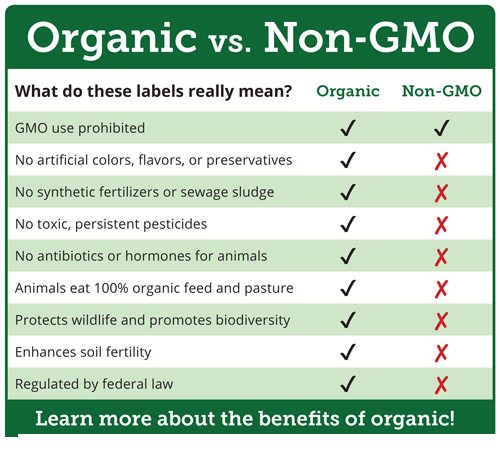
Organic dog food adheres to strict standards set by certification organizations like the USDA. It’s made with ingredients grown without synthetic pesticides, herbicides, or fertilizers. Key features include:
Organic ingredients: Fruits, vegetables, grains, and meats from animals raised on organic feed without antibiotics or growth hormones
Certification levels:
100% Organic: Contains only organic ingredients
Organic: Contains at least 95% organic ingredients
Made with Organic Ingredients: Contains a minimum of 70% organic ingredients
Organic dog food is free from GMOs and artificial additives. It’s often higher in nutrients and may be more digestible for some dogs.
Characteristics of Inorganic Dog Food
Inorganic dog food, also known as conventional dog food, is made with ingredients that don’t meet organic standards. Its characteristics include:
Ingredients: May contain synthetic preservatives, artificial colors, and flavors
Production methods: Often made with conventionally grown crops and farm-raised animals
Cost: Generally less expensive than organic options
Variety: Wider range of flavors and formulations available
Regulation: Meets basic safety standards set by regulatory bodies
Inorganic dog food may include by-products from the agricultural industry, such as poultry by-products or fishmeal. While these foods meet nutritional requirements, they may contain traces of pesticides or other chemicals used in conventional farming.
Nutritional Comparison
When comparing organic and inorganic dog foods, it’s crucial to examine their nutritional profiles. Both types can meet the basic nutritional standards set by regulatory bodies, but they differ in several key aspects.
Ingredient Quality and Sources
Organic dog foods source ingredients from certified organic farms, ensuring higher quality standards. These farms don’t use synthetic pesticides, fertilizers, or GMOs. Organic meat comes from animals raised in more natural conditions, without antibiotics or growth hormones. In contrast, inorganic dog foods may contain ingredients from conventional farms, which might use synthetic chemicals and GMOs. While inorganic foods meet safety standards, they may include agricultural by-products and traces of pesticides.
Macronutrient Differences
Both organic and inorganic dog foods can provide essential macronutrients like proteins, fats, and carbohydrates. But, the quality and composition of these nutrients may vary. Organic dog foods often contain higher-quality protein sources and more natural fats. Inorganic foods might rely more on processed ingredients and may have a higher carbohydrate content. To compare macronutrient profiles accurately, it’s essential to convert percentages to a dry matter basis, which excludes moisture content.
Micronutrient Content
The micronutrient content in organic and inorganic dog foods can differ significantly. Organic foods may contain higher levels of certain vitamins and minerals due to the cultivation methods used for ingredients. But, inorganic foods are often fortified to meet nutritional standards. Both types should provide essential micronutrients like calcium, phosphorus, potassium, and various vitamins. When comparing, it’s important to consider the nutrient values per 1000 kcal of metabolizable energy (ME) and compare them to established guidelines, such as those from AAFCO or FEDIAF.
Comparative Analysis
Feature
Organic Dog Food
Inorganic Dog Food
Ingredients
Free from synthetic pesticides and GMOs
May contain synthetic additives and chemicals
Cost
Generally more expensive
Typically more affordable
Nutritional Value
May offer higher nutrient density
Nutritionally balanced but varies by brand
Environmental Impact
Supports sustainable farming practices
Conventional practices may harm the environment
Animal Welfare
Higher welfare standards for livestock
Standards vary widely
Regulatory Standards and Labeling
Regulatory standards and labeling play a crucial role in differentiating organic and inorganic dog foods. Understanding these guidelines helps pet owners make informed decisions about their dog’s nutrition.
Organic Certification Process
The organic certification process for dog food is rigorous and overseen by the United States Department of Agriculture (USDA) National Organic Program (NOP). Key aspects include:
Ingredients must be grown without synthetic fertilizers, pesticides, or GMOs
Meat sources must come from animals raised in natural conditions and fed organic food
Annual recertification and inspections are required
Regular testing for residues of unapproved substances
Manufacturers must comply with these standards to use the USDA organic seal on their products. The Canadian Food Inspection Agency (CFIA) has similar regulations, and there’s a mutual recognition agreement between the U.S. and Canada called the United States-Canada Organic Equivalence Arrangement (USCOEA).
Review the guaranteed analysis for nutrient percentages
Check for artificial preservatives, colors, and flavors
Look for AAFCO (Association of American Feed Control Officials) statement of nutritional adequacy
Remember, the information on the back of the package is more important than front-label claims. By carefully reading and interpreting dog food labels, you can ensure you’re selecting a high-quality diet that meets your dog’s nutritional needs.
Health Implications
The health implications of organic and inorganic dog foods differ significantly due to their production methods and ingredients. These differences can impact a dog’s overall well-being and long-term health.
Potential Benefits of Organic Dog Food
Organic dog food offers several potential health benefits for canines. It’s produced without synthetic pesticides, fertilizers, or GMOs, reducing exposure to harmful chemicals. This reduction may lower the risk of certain health issues in dogs.
Key benefits include:
Fewer chemical residues
Higher nutrient density
Improved digestibility
Reduced allergic reactions
Better overall health
Organic meat sources come from animals raised without antibiotics or growth hormones, potentially decreasing the risk of antibiotic resistance. The absence of artificial preservatives and additives may also contribute to improved digestion and nutrient absorption.
Some studies suggest that organic dog food may enhance immune function and reduce the incidence of certain health problems. But, more research is needed to conclusively prove these benefits.
Concerns with Inorganic Dog Food Ingredients
Inorganic dog food ingredients raise several health concerns due to their production methods and potential additives. These concerns stem from the use of conventional farming practices and processing techniques.
Key concerns include:
Pesticide residues
Artificial additives
Lower nutrient quality
Potential allergens
Processed ingredients
Conventional farming practices often involve the use of synthetic pesticides and fertilizers, which can leave residues in the final product. These residues may accumulate in a dog’s system over time, potentially leading to health issues.
Inorganic dog foods may contain artificial preservatives, colors, and flavors. Some of these additives have been linked to allergic reactions and digestive problems in sensitive dogs. Also, the processing methods used in inorganic dog food production can reduce the nutritional value of ingredients.
While inorganic dog foods must meet basic nutritional standards, they may rely on lower-quality protein sources and fillers. This can result in less digestible food and potentially contribute to weight gain or nutritional deficiencies in some dogs.
Environmental and Ethical Considerations
Organic and inorganic dog foods differ significantly in their environmental impact and ethical practices. These differences stem from their production methods, ingredient sourcing, and overall approach to sustainability and animal welfare.
Sustainability in Dog Food Production
Organic dog food production prioritizes sustainable practices. Organic farming methods focus on soil health, biodiversity, and minimizing synthetic chemical use. This approach reduces pesticides, herbicides, and synthetic fertilizers, which can harm the environment. Organic farms often carry out more sustainable land use and water management techniques.
In contrast, inorganic dog food production typically relies on conventional farming methods. These methods often use synthetic fertilizers, pesticides, and herbicides, which can negatively impact the environment. Conventional farming practices may lead to soil degradation, water pollution, and loss of biodiversity. But, some conventional producers are adopting more sustainable practices to reduce their environmental footprint.
Animal Welfare Practices
Animal welfare is a key consideration in dog food production. Organic dog food producers adhere to strict animal welfare standards. These standards often include providing animals with access to outdoor spaces, natural behaviors, and organic feed. Organic farms prohibit the use of growth hormones and antibiotics for non-therapeutic purposes, promoting healthier living conditions for animals.
Inorganic dog food production may have less stringent animal welfare standards. While many conventional farms maintain good animal care practices, they’re not bound by the same strict regulations as organic producers. This can result in variations in animal living conditions and treatment across different producers. But, many conventional dog food companies are implementing higher animal welfare standards in response to consumer demand for more ethical practices.
Cost Analysis
When comparing organic and inorganic dog foods, cost is a important factor for pet owners. We’ll examine the price differences between these options and consider long-term health cost implications.
Price Differences Between Organic and Inorganic Options
Organic dog food typically costs more than inorganic alternatives. This price disparity stems from several factors:
Organic farming practices are labor-intensive and costly due to the absence of synthetic fertilizers, pesticides, and GMOs.
Organic farms are often smaller and don’t benefit from economies of scale.
The certification process for organic products adds to overall expenses.
On average, organic dog food can cost 20-50% more than conventional options. For example, a 30-pound bag of organic dry dog food might cost $60-$80, while a similar-sized bag of inorganic food could range from $30-$50.
Inorganic dog food is generally more affordable due to:
Lower production costs from conventional farming methods
Larger-scale manufacturing processes
Use of less expensive ingredients and fillers
Long-term Health Cost Considerations
While organic dog food has a higher upfront cost, it may lead to long-term health benefits and potential savings:
Reduced veterinary expenses: Higher-quality ingredients in organic food may contribute to better overall health, potentially reducing the frequency of vet visits.
Fewer allergies and skin issues: Organic foods often contain fewer artificial additives, which may decrease the likelihood of allergic reactions and skin problems.
Improved digestive health: Natural ingredients in organic food can promote better digestion, potentially reducing gastrointestinal issues and associated costs.
Weight management: Higher-quality proteins and fewer fillers in organic food may help maintain a healthy weight, reducing obesity-related health problems.
But, it’s important to note that these potential long-term savings are not guaranteed and can vary depending on individual dogs and their exact health needs. Pet owners should consult with their veterinarian to determine the best food choice for their dog’s health and their budget.
Making an Informed Choice
When deciding between organic and inorganic dog foods, it’s crucial to consider various factors. Let’s explore how to assess your dog’s nutritional needs and balance quality with budget constraints.
Assessing Your Dog’s Nutritional Needs
Dogs require a balanced diet customized to their exact needs. Age, size, breed, activity level, and health conditions all play a role in determining nutritional requirements. Consult with a veterinarian to understand your dog’s unique needs. Look for dog foods that meet AAFCO (Association of American Feed Control Officials) standards, which ensure complete and balanced nutrition. Pay attention to the guaranteed analysis on the label, which provides information on protein, fat, fiber, and moisture content. Consider your dog’s life stage, as puppies, adults, and seniors have different nutritional needs. If your dog has exact health issues, such as allergies or digestive problems, choose a food that addresses these concerns.
Balancing Quality and Budget
While organic dog food typically costs 20-50% more than conventional options, it’s important to weigh the potential long-term benefits against the higher price tag. Consider the quality of ingredients, nutrient density, and potential health benefits when evaluating the cost. Look for sales, bulk purchasing options, or subscription services to reduce expenses. If organic food isn’t feasible for your budget, focus on high-quality inorganic options with natural ingredients and fewer artificial additives. Read labels carefully to avoid fillers and low-quality protein sources.
Consider a mix of organic and inorganic foods to balance cost and quality. Remember that investing in quality nutrition may lead to fewer health issues and veterinary expenses in the long run. Eventually, choose a food that provides the best nutrition for your dog within your budget constraints.
Conclusion
We’ve explored the key differences between organic and inorganic dog foods. While both can provide essential nutrients organic options offer potential health and environmental benefits. They’re made with higher-quality ingredients and adhere to stricter standards. But they come at a higher cost. Eventually the choice depends on your dog’s needs budget and personal values. We recommend consulting with a veterinarian to determine the best option for your furry friend. Remember that a balanced diet customized to your dog’s exact requirements is crucial for their overall health and well-being.
Are you struggling to find the perfect dry dog food for your furry friend? With countless options on the market, it’s no wonder pet parents feel overwhelmed. We’ve got you covered with our expert-approved guide to the best dry dog foods available.
Choosing the right kibble is crucial for your dog’s health and well-being. We’ve consulted holistic veterinarians and analyzed nutrition labels to bring you a comprehensive list of top-quality options. From sustainable ingredients to specialized formulas for various needs, we’ll help you navigate the industry of dry dog food. Stick with us to discover how to balance premium nutrition with convenience, and find the ideal kibble that’ll have your pup’s tail wagging at mealtime.
What to Look for in Perfect Dry Dog Food
Selecting the best dry dog food requires careful consideration of several key factors. We’ll explore the essential elements to look for when choosing kibble that meets your dog’s nutritional needs and promotes overall health.
Key Nutrients for Canine Health
When evaluating dry dog food, it’s crucial to focus on the essential nutrients that support canine health. Look for a balanced blend of protein, fats, and carbohydrates. Protein is vital for muscle growth and repair, with common sources including beef, chicken, fish, and lamb. Fats provide energy and aid in vitamin absorption, with omega-3 and omega-6 fatty acids being crucial for skin and coat health. Carbohydrates offer energy for an active lifestyle and support gastrointestinal health. Essential vitamins and minerals, including vitamins A, B12, D, E, and minerals like calcium and phosphorus, are necessary for immune function and overall well-being. Ensure the food meets AAFCO standards, which establish nutritional requirements for complete and balanced pet food.
High-Quality Ingredients to Seek
When examining dry dog food labels, prioritize high-quality ingredients that provide optimal nutrition. Look for named meat sources as the first ingredient, such as “chicken” or “beef,” rather than generic terms like “meat meal.” Whole grains, fruits, and vegetables are excellent sources of fiber and essential nutrients. Seek out foods with natural preservatives like vitamin E (mixed tocopherols) or vitamin C (ascorbic acid). Probiotics and prebiotics support digestive health, while glucosamine and chondroitin promote joint health, especially in larger breeds or older dogs. Choose foods with recognizable, whole-food ingredients and avoid those with long lists of artificial additives or fillers.
Ingredients to Avoid
When selecting dry dog food, it’s essential to be aware of ingredients that may be harmful or offer little nutritional value. Avoid foods containing artificial colors, flavors, or preservatives, as these can potentially cause allergic reactions or long-term health issues. Steer clear of generic meat by-products or meat meals, which may include low-quality protein sources.
Be cautious of foods with excessive fillers like corn, wheat, or soy, as these can contribute to weight gain and offer limited nutritional benefits. Avoid ingredients like propylene glycol, BHA (Butylated Hydroxyanisole), BHT (Butylated Hydroxytoluene), and ethoxyquin, which are artificial preservatives linked to health concerns. Instead, opt for dry dog foods with natural preservatives and easily identifiable, wholesome ingredients to ensure your dog receives the best possible nutrition.
The ingredient list is a vital component of dog food labels. Here’s what to look for:
Ingredients are listed by weight, with the highest quantity first
Look for named protein sources (e.g., chicken, beef, salmon) as the first ingredient
Avoid foods with generic terms like “meat meal” or “animal by-products”
Whole grains and vegetables provide essential nutrients and fiber
Limited use of artificial preservatives, colors, and flavors is preferable
Be wary of ingredient splitting, where similar ingredients are listed separately to make them appear lower on the list
Check for added vitamins and minerals to ensure nutritional balance
Understanding these elements helps you choose a high-quality dry dog food that meets your pet’s nutritional needs.
Nutritional Adequacy Statements
Nutritional adequacy statements on dog food labels ensure the product meets established nutritional standards. Here’s what you need to know:
Look for phrases like “complete and balanced” or “meets AAFCO nutrient profiles”
AAFCO (Association of American Feed Control Officials) sets nutritional standards for pet food
Statements specify the life stage for which the food is formulated (e.g., adult maintenance, growth, all life stages)
“Animal feeding tests” indicate the food has been tested on actual dogs
“Formulated to meet” means the food meets nutritional requirements based on calculations
Some labels may reference NRC (National Research Council) guidelines
Absence of an adequacy statement suggests the food is not nutritionally complete
These statements help you determine if the dry dog food provides the necessary nutrients for your dog’s exact life stage and needs.
Factors to Consider When Choosing Perfect Dry Dog Food
Selecting the best dry dog food requires careful consideration of several key factors. These elements ensure that your furry friend receives optimal nutrition customized to their exact needs.
Age and Life Stage
A dog’s nutritional requirements vary significantly throughout its life. Puppies need foods formulated for growth, with balanced mineral ratios to prevent bone and joint issues. This is especially crucial for large and giant breeds. Adult dogs require maintenance formulas that provide necessary nutrients without excessive growth promoters. Senior dogs often benefit from higher protein and lower carbohydrate content due to their increased protein requirements. It’s essential to choose a dry dog food that matches your pet’s current life stage to support their health and vitality at every age.
Size and Breed
The size and breed of your dog play a crucial role in determining their nutritional needs. Large and giant breeds require specialized formulas that control their rapid growth to prevent bone and joint problems. These foods often have adjusted calcium and phosphorus levels. Small breeds, on the other hand, may need smaller kibble sizes and higher calorie density due to their faster metabolisms. Some breeds have exact genetic predispositions that can be addressed through diet. For example, breeds prone to hip dysplasia may benefit from foods with added joint support ingredients like glucosamine and chondroitin.
Health Conditions and Dietary Needs
Dogs with exact health conditions often require specialized diets. For instance, dogs with food allergies may need limited ingredient diets or novel protein sources. Those with kidney issues might require lower phosphorus levels, while dogs with heart conditions may benefit from reduced sodium content. Overweight dogs can thrive on weight management formulas with increased fiber and reduced calories. It’s crucial to consult with a veterinarian to determine if your dog has any exact dietary needs due to health conditions and choose a dry food that addresses these requirements.
Activity Level
A dog’s activity level significantly influences its caloric needs. Highly active dogs, such as working breeds or those involved in agility training, require more calories and protein to maintain their energy levels and muscle mass. These dogs may benefit from performance or high-energy formulas. Conversely, less active or senior dogs need fewer calories to prevent weight gain. Some dry dog foods are specifically formulated for different activity levels, offering balanced nutrition that matches your dog’s lifestyle. Adjusting portion sizes based on activity level is also crucial to maintain a healthy weight.
Types of Perfect Dry Dog Food
Dry dog food comes in various types, each catering to exact nutritional needs and dietary preferences. Understanding these options helps pet owners make informed decisions about their dog’s diet. Let’s explore the main types of dry dog food available in the market.
Grain-Free vs. Grain-Inclusive
Grain-free and grain-inclusive dry dog foods offer distinct nutritional profiles. Grain-free diets exclude grains like oats, barley, and rice, often replacing them with alternative carbohydrate sources such as sweet potatoes or legumes. These formulas may benefit dogs with grain allergies or sensitivities. But, grain-free diets lack the carbohydrates and fiber that whole grains provide, which are essential for maintaining energy levels.
Grain-inclusive formulas incorporate whole grains like oats, quinoa, and brown rice. These grains offer nutritional benefits, including healthy carbohydrates, fiber, and essential vitamins and minerals. Grain-inclusive diets can help maintain a dog’s activity level and provide a balanced nutritional profile. When choosing between grain-free and grain-inclusive options, consider your dog’s exact dietary needs and consult with a veterinarian for personalized advice.
Limited Ingredient Diets
Limited ingredient diets (LID) are formulated with a minimal number of ingredients, typically featuring a single protein source and a single carbohydrate source. These diets are designed for dogs with food sensitivities, allergies, or digestive issues. LID dry dog foods help identify and eliminate potential allergens or irritants in a dog’s diet.
Key features of limited ingredient diets include:
Simplified ingredient lists
Novel protein sources (e.g., duck, venison, or salmon)
Easily digestible carbohydrates
Absence of common allergens
LID dry dog foods can be beneficial for dogs with exact dietary needs, but it’s essential to consult with a veterinarian before switching to this type of diet. They can help determine if an LID is appropriate for your dog and guide you in selecting the right formula.
Raw-Coated Kibble
Raw-coated kibble combines the convenience of dry dog food with the nutritional benefits of raw ingredients. This type of dry dog food features traditional kibble coated with freeze-dried raw meat or other raw ingredients. The coating process enhances the flavor and nutritional value of the kibble, making it more appealing to dogs.
Benefits of raw-coated kibble include:
Increased palatability
Higher protein content
Enhanced nutrient absorption
Improved dental health
Raw-coated kibble offers a balanced approach between conventional dry food and raw diets. It provides the convenience of kibble while incorporating some of the nutritional advantages of raw ingredients. When transitioning to raw-coated kibble, introduce it gradually to allow your dog’s digestive system to adjust to the new diet.
Selecting the Perfect Dry Dog Food for Specific Needs
Choosing the right dry dog food is crucial for maintaining your pet’s health and well-being. Different dogs have unique nutritional requirements based on their age, size, and breed. Let’s explore the best dry dog food options for various canine needs.
Puppies
Puppies require nutrient-dense dry dog food to support their rapid growth and development. Their diet should be rich in protein, moderate in fat, and contain appropriate levels of calcium and phosphorus for proper bone growth. Puppy-exact formulas typically provide:
Higher calorie content to fuel growth
Balanced calcium-to-phosphorus ratio (1:1 to 1.5:1)
DHA for cognitive development
Easily digestible ingredients
Puppies need to eat more frequently than adult dogs, usually 3-4 times a day. It’s essential to choose a formula specifically labeled for puppies and to consult with a veterinarian about the right feeding schedule and portion sizes for your growing pup.
Adult Dogs
Adult dogs benefit from balanced dry dog food that maintains their health and energy levels. Key considerations for adult dog food include:
Appropriate protein levels (18-25% for most breeds)
Moderate fat content (10-15%)
Essential vitamins and minerals
Fiber for digestive health
The best dry dog food for adult dogs should be customized to their activity level, weight, and any exact health concerns. Look for formulas that meet AAFCO standards for complete and balanced nutrition. Adult dogs typically eat twice a day, with portion sizes adjusted based on their weight and energy needs.
Seniors
Senior dogs often require specialized dry dog food to address age-related health issues and changing nutritional needs. Ideal senior dog food features:
Lower calorie content to prevent weight gain
Higher fiber for digestive health
Glucosamine and chondroitin for joint support
Antioxidants for immune system support
Omega-3 fatty acids for cognitive function
Senior dog formulas often have smaller kibble sizes to accommodate older dogs with dental issues. It’s important to transition senior dogs to age-appropriate food gradually and to monitor their weight and health closely. Consult with a veterinarian to determine the best feeding schedule and portion sizes for your senior dog.
Small Breeds
Small breed dogs have unique nutritional requirements due to their higher metabolism and energy needs. The best dry dog food for small breeds includes:
Higher calorie density
Smaller kibble size for easier chewing
Balanced protein and fat content
Added vitamins and minerals for bone health
Omega fatty acids for skin and coat health
Small breed formulas often come in smaller bag sizes to maintain freshness, as these dogs eat less per meal. Feeding schedules for small breeds may include 3-4 small meals throughout the day to maintain stable blood sugar levels and prevent hypoglycemia.
Large Breeds
Large breed dogs require carefully balanced nutrition to support their size and prevent common health issues. The best dry dog food for large breeds features:
Controlled calorie content to prevent obesity
Balanced calcium and phosphorus for proper bone development
Glucosamine and chondroitin for joint health
L-carnitine for healthy weight management
Larger kibble size to encourage slower eating
Large breed formulas often have lower fat content to help maintain a healthy weight. It’s crucial to avoid overfeeding large breeds, as excess weight can lead to joint problems. Follow feeding guidelines based on your dog’s ideal weight, not their current weight if they’re overweight. Large breeds typically benefit from two meals a day, with portion sizes adjusted to their activity level and metabolism.
How to Transition to a New Dog Food
Transitioning your dog to a new dry food requires a gradual approach to prevent digestive issues. We’ll guide you through the process, ensuring a smooth switch to your chosen best dry dog food.
Gradual Transition Process
A careful transition helps your dog adjust to new kibble without stomach upset. Here’s a recommended 7-10 day schedule:
Day
New Food
Old Food
1-2
25%
75%
3-4
50%
50%
5-6
75%
25%
7+
100%
0%
Start by mixing 25% new food with 75% old food. Gradually increase the new food proportion while decreasing the old food over the next week. This method allows your dog’s digestive system to adapt to the new dry dog food.
Monitoring Your Dog’s Response
During the transition to new dry dog food, observe your pet’s behavior, appetite, and stool quality. Look for these signs:
Normal energy levels
Consistent appetite
Firm, well-formed stools
No vomiting or diarrhea
If you notice adverse reactions, slow down the transition process. Extend the mixing period or revert to a previous ratio that didn’t cause issues. Consult your veterinarian if problems persist.
Stick to the schedule: Follow the gradual transition plan consistently.
Measure portions: Use precise measurements to maintain the correct ratio of old to new food.
Keep water available: Ensure fresh water is always accessible to support digestion.
Avoid treats: Minimize additional foods during the transition to prevent digestive confusion.
Be patient: Some dogs may take longer to adjust to new dry dog food.
By following these guidelines, you’ll help your dog transition smoothly to their new best dry dog food, ensuring optimal nutrition and digestive health.
Final Thought on Perfect Dry Dog Food
Choosing the best dry dog food for your furry friend is crucial for their health and happiness. We’ve explored the key factors to consider including nutritional needs balanced ingredients and life stage requirements. By understanding dog food labels and considering your pet’s unique needs you’ll be well-equipped to make an well-informed choice. Remember that transitioning to a new food should be done gradually to ensure your dog’s comfort. With the right knowledge and careful selection you can provide your canine companion with the optimal nutrition they deserve for a healthy vibrant life.
Did you know that over half of America’s dogs are overweight? It’s a startling statistic that highlights the growing epidemic of dog obesity in our country. As pet owners, we’re facing a serious challenge that’s affecting our furry friends’ health and quality of life.
Dog obesity isn’t just a cosmetic issue; it’s a important health concern. Excess weight can lead to a host of problems, including arthritis, diabetes, and decreased life expectancy. We’ll explore the causes of this widespread issue, its impact on our canine companions, and most importantly, what we can do to help our dogs maintain a healthy weight. By understanding the risks and taking action, we can ensure our four-legged family members lead longer, happier lives.
Understanding Dog Obesity
Dog obesity is a prevalent and serious health issue affecting canines worldwide. It’s characterized by excessive body fat accumulation, which can lead to many health problems and reduced quality of life for our furry friends.
What Is Dog Obesity?
Dog obesity occurs when a canine’s body weight is at least 20% above their ideal weight. It’s the result of an energy imbalance where caloric intake exceeds energy expenditure over time. Factors contributing to this condition include overfeeding, lack of exercise, genetics, and certain medical conditions. Signs of obesity in dogs include:
Difficulty feeling ribs or seeing a waistline
Abdominal sagging
Reluctance to exercise or play
Excessive panting
Tiredness or lethargy
Needing assistance with daily activities
Veterinarians use body condition scoring systems to assess a dog’s weight status, typically on a scale of 1-9, with 4-5 considered ideal.
Health Risks Associated with Dog Obesity
Dog obesity significantly impacts canine health and longevity. Overweight dogs face many health risks, including:
Reduced lifespan: Studies show obese dogs live up to 2.5 years less than their healthy-weight counterparts.
Arthritis and joint problems: Excess weight puts strain on joints, leading to early-onset arthritis and decreased mobility.
Cardiovascular issues: Obesity increases the risk of heart disease and high blood pressure in dogs.
Respiratory problems: Extra weight can compress the chest cavity, making breathing difficult.
Diabetes: Overweight dogs are at higher risk of developing insulin resistance and type 2 diabetes.
Increased cancer risk: Some studies suggest a link between obesity and certain types of cancer in dogs.
Liver disease: Fatty liver disease is more common in obese dogs.
Decreased quality of life: Overweight dogs often experience reduced energy levels and difficulty captivating in normal activities.
Increased surgical risks: Obese dogs face higher risks during anesthesia and surgical procedures.
Skin problems: Excess skin folds in obese dogs can lead to irritation and infections.
Recognizing these risks emphasizes the importance of maintaining a healthy weight for our canine companions. Regular veterinary check-ups, proper nutrition, and adequate exercise are crucial in preventing and managing dog obesity.
Identifying Obesity in Dogs
Recognizing obesity in dogs is crucial for maintaining their health and well-being. We’ll explore two key methods for identifying if your dog is overweight or obese: Body Condition Scoring and observable signs.
Body Condition Scoring
Body Condition Scoring (BCS) is a standardized method used by veterinarians to assess a dog’s weight status. The BCS system typically uses a 9-point scale, where 1 is underweight, 4-5 is ideal, and 9 is obese. Here’s how it works:
Veterinarians visually inspect and palpate the fat tissue over the dog’s sides.
They check the visibility of the ribs, the shape of the abdomen, and the presence of a waistline.
A score of 6-7 indicates an overweight dog, while 8-9 signifies obesity.
The ideal BCS score for most dogs is between 4 and 5.
This scoring system provides a consistent and objective way to evaluate a dog’s body condition, helping pet owners and veterinarians monitor and maintain optimal weight.
Identifying an overweight dog involves observing exact physical and behavioral characteristics. Here are key signs to look for:
Visible Ribs and Waistline:
In an ideal-weight dog, the ribs are easily palpable without excess fat covering.
A visible waistline when viewed from above indicates a healthy weight.
Abdominal Contour:
An overweight dog has a more rounded abdominal contour.
The waistline may not be distinct when viewed from above.
Difficulty Feeling Ribs:
If you can’t easily feel your dog’s ribs, it’s a sign of excess body fat.
Reluctance to Exercise:
Overweight dogs often show less enthusiasm for walks or playtime.
They may lag behind during walks or tire quickly.
Excessive Panting:
Obese dogs tend to pant more, even with minimal exertion.
Behavioral Changes:
Lethargy or decreased interest in activities they once enjoyed.
Difficulty getting up or moving around.
Visible Fat Deposits:
Look for fat accumulation around the base of the tail or along the spine.
By recognizing these signs, we can take proactive steps to address weight issues and improve our dogs’ overall health and quality of life.
Causes of Dog Obesity
Dog obesity stems from various factors that contribute to excessive weight gain in canines. Understanding these causes is crucial for preventing and managing obesity in dogs. Let’s explore the main factors contributing to this growing health concern.
Overfeeding and Poor Diet
Overfeeding is the primary cause of dog obesity. Many pet owners inadvertently provide more calories than their dogs need, leading to weight gain. This includes:
Excessive regular dog food portions
Too many treats and table scraps
High-fat, low-fiber diets
Free-choice feeding instead of measured meals
Inaccurate food measurements using large cups or bowls often result in overfeeding. Human foods, particularly those high in fat, significantly contribute to canine weight gain. It’s essential to measure food accurately and limit treats to maintain a healthy weight for dogs.
Lack of Exercise
Insufficient physical activity is a major factor in dog obesity. Sedentary lifestyles, especially for indoor pets, increase the risk of weight gain. Contributing factors include:
Inadequate daily exercise
Reduced outdoor time
Lack of captivating play sessions
Limited opportunities for physical activities
When dogs don’t burn off consumed calories through regular exercise, weight gain occurs. Indoor-only pets are particularly susceptible to obesity due to their typically less active lifestyles. Consistent, appropriate exercise is crucial for maintaining a healthy weight and overall well-being in dogs.
Medical Conditions
While overfeeding and lack of exercise are common causes, certain medical conditions can contribute to dog obesity. These include:
Hypothyroidism: Reduced thyroid function slows metabolism
Cushing’s Disease: Excess cortisol production leads to increased appetite and weight gain
Hormonal imbalances: Can affect metabolism and appetite regulation
Certain medications: Some drugs may cause weight gain as a side effect
Genetics also play a role in a dog’s predisposition to obesity. Some breeds are more prone to weight gain than others. It’s important to consult with a veterinarian to rule out underlying medical conditions when addressing dog obesity, as proper diagnosis and treatment can significantly impact weight management efforts.
Preventing Dog Obesity
Preventing dog obesity requires a comprehensive approach that focuses on proper nutrition, regular exercise, and limiting treats. By implementing these strategies, we can help our canine companions maintain a healthy weight and improve their overall well-being.
Proper Nutrition
Ensuring dogs receive a balanced and appropriate diet is crucial for preventing obesity. Poor feeding choices are a important factor in pet obesity, with 70% of survey respondents agreeing that they contribute to the problem. To maintain a healthy weight, dogs need a diet customized to their age, breed, size, and activity level. We recommend:
Consulting a veterinarian to determine the right food and portion sizes
Measuring meals accurately to avoid overfeeding
Selecting high-quality, nutrient-dense dog food
Avoiding table scraps and human food
Establishing a consistent feeding schedule
Adjusting portions based on the dog’s weight and body condition
By providing proper nutrition, we can help our dogs maintain a healthy weight and reduce the risk of obesity-related health issues.
Regular Exercise
Regular physical activity is essential for maintaining a healthy weight in dogs. Inactivity is a important contributor to obesity, with 68% of survey respondents agreeing that lack of exercise causes obesity in pets. To ensure our dogs get enough exercise, we can:
Schedule daily walks or runs
Engage in interactive play sessions (e.g., fetch, tug-of-war)
Visit dog parks for socialization and exercise
Introduce swimming as a low-impact activity
Use puzzle toys to encourage mental and physical stimulation
Consider canine sports like agility or flyball
By incorporating regular exercise into our dogs’ routines, we can help them burn calories, maintain muscle mass, and improve their overall fitness. It’s important to tailor the exercise program to each dog’s individual needs, considering factors such as age, breed, and health status.
Limiting Treats
While treats can be an important part of training and bonding with our dogs, excessive treat-giving can contribute to weight gain. To prevent obesity while still rewarding our pets, we should:
Limit treats to no more than 10% of the dog’s daily caloric intake
Choose low-calorie, healthy treat options (e.g., small pieces of fruits or vegetables)
Use portion control by breaking larger treats into smaller pieces
Incorporate non-food rewards, such as praise, petting, or playtime
Avoid using human food as treats, especially high-fat or sugary items
Account for treats when calculating daily food portions
By being mindful of treat consumption and finding alternative ways to reward our dogs, we can help prevent unnecessary weight gain while still maintaining a strong bond with our pets. Remember, consistency and moderation are key when it comes to treating our furry friends.
Managing and Treating Dog Obesity
Managing and treating dog obesity requires a comprehensive approach that includes dietary changes, exercise, and veterinary supervision. Let’s explore the key components of an effective weight loss plan for overweight dogs.
Creating a Weight Loss Plan
A successful weight loss plan for dogs starts with a veterinary consultation to determine the ideal weight and rule out underlying health issues. The plan should include realistic goals, aiming for a gradual weight loss of 1-2% of the dog’s body weight per week. Here’s what to consider:
Set a target weight based on the dog’s breed, age, and health status
Calculate daily caloric needs for weight loss
Establish a feeding schedule with portion control
Incorporate regular exercise routines
Plan for frequent progress checks and adjustments
By creating a structured plan, we can ensure a safe and effective weight loss journey for our canine companions.
Dietary Adjustments
Dietary changes are crucial for managing dog obesity. A proper diet focuses on reducing caloric intake while maintaining essential nutrients. Consider these dietary adjustments:
Switch to a high-protein, low-fat diet formulated for weight loss
Measure food portions accurately to control calorie intake
Reduce or eliminate table scraps and high-calorie treats
Incorporate low-calorie vegetables as healthy treat alternatives
Use puzzle feeders to slow down eating and increase mental stimulation
It’s important to consult with a veterinarian before making important changes to a dog’s diet. They can recommend appropriate commercial or prescription weight loss foods that meet the dog’s nutritional needs while promoting weight loss.
Exercise Regimen
Regular exercise is essential for burning calories and maintaining muscle mass during weight loss. An effective exercise regimen for overweight dogs includes:
Daily walks, gradually increasing duration and intensity
Swimming or water exercises for low-impact cardio
Interactive play sessions with toys or other dogs
Obstacle courses or agility training for mental and physical stimulation
Fetch or frisbee games to encourage running and jumping
Start with short, low-intensity sessions and gradually increase the duration and difficulty as the dog’s fitness improves. Always monitor for signs of fatigue or discomfort during exercise.
Veterinary Monitoring
Regular veterinary check-ups are crucial for monitoring a dog’s weight loss progress and overall health. During these visits, veterinarians can:
Perform weigh-ins to track progress
Adjust the weight loss plan as needed
Conduct physical examinations to assess overall health
Run blood tests to monitor for potential health issues
Provide guidance on maintaining the dog’s ideal weight
Veterinary monitoring ensures the weight loss plan remains safe and effective throughout the process. It also allows for timely adjustments to the diet and exercise regimen based on the dog’s individual needs and progress.
Conclusion
Dog obesity is a serious issue that demands our attention. By understanding its causes impacts and prevention strategies we can take proactive steps to ensure our furry friends maintain a healthy weight. Regular veterinary check-ups proper nutrition and consistent exercise are key to combating this growing problem. With dedication and the right approach we can help our dogs live longer happier and healthier lives. Let’s commit to being responsible pet owners and give our canine companions the care they deserve. Together we can tackle dog obesity and create a brighter future for our four-legged family members.
Have you ever caught your furry friend giving you those irresistible puppy eyes while you’re enjoying your dinner? It’s a common scene in many households, but it raises an important question: can dogs eat human food?
While our canine companions might seem eager to share our meals, not all human foods are safe for them. In fact, some can be downright dangerous. We’ll explore which human foods are safe for dogs, which should be given in moderation, and which ones to avoid entirely. We’ll also discuss the importance of maintaining a balanced diet for your dog’s overall health and well-being.
By the end of this article, you’ll have a clear understanding of how to safely incorporate human foods into your dog’s diet without compromising their health. Let’s immerse and uncover the dos and don’ts of feeding your four-legged friend from your plate.
Understanding Dogs and Human Food
Dogs and human food have a complex relationship. While our canine companions often show interest in what we’re eating, it’s essential to understand which foods are safe and which can be harmful. We’ll explore the nutritional needs of dogs and how human food fits into their diet.
Canine Nutritional Needs
Dogs require a balanced diet that includes:
Proteins
Carbohydrates
Fats
Vitamins
Minerals
Water
Commercial dog foods are formulated to meet these needs. But, some human foods can supplement a dog’s diet when given in moderation.
Safe Human Foods for Dogs
Several human foods are safe for dogs to consume:
Lean meats (chicken, turkey, beef)
Cooked fish (salmon, tuna)
Eggs
Vegetables (carrots, green beans, broccoli, sweet potatoes, spinach)
Fruits (apples without seeds, bananas)
These foods provide various nutrients and can be occasional treats or supplements to a dog’s regular diet.
Harmful Human Foods
Some human foods are toxic to dogs and must be avoided:
Chocolate
Grapes and raisins
Onions and garlic
Xylitol (artificial sweetener)
Alcohol
Caffeine
Macadamia nuts
Ingestion of these foods can lead to severe health issues, including organ damage or failure.
Moderation is Key
While some human foods are safe for dogs, they should not replace a balanced, species-appropriate diet. Treats, including human food, should make up no more than 10% of a dog’s daily caloric intake.
Consulting a Veterinarian
Before making important changes to a dog’s diet or introducing new foods, it’s crucial to consult with a veterinarian. They can provide personalized advice based on the dog’s age, breed, size, and health status.
By understanding which human foods are safe and harmful for dogs, we can make informed decisions about what to share with our furry friends. Remember, a dog’s primary nutrition should come from a balanced, commercially prepared dog food or a veterinarian-approved homemade diet.
Lean meats and proteins are excellent sources of nutrients for dogs. Cooked, unseasoned chicken, turkey, and beef are safe options, but it’s crucial to remove all bones, skin, and fat to prevent choking hazards and digestive issues. Cooked fish, without bones, provides protein and omega-3 fatty acids. Eggs are another protein-rich food, offering vitamin D, selenium, and riboflavin. When feeding these proteins to dogs, it’s important to avoid seasonings, oils, or additives that may be harmful. Remember to introduce new foods gradually and in small quantities to prevent digestive upset.
Vegetables
Many vegetables are safe and nutritious for dogs. Carrots are a popular choice, providing vitamins and helping to keep teeth clean. Green beans, broccoli, sweet potatoes, celery, and beets are all safe options that offer various nutrients. Cooked pumpkin and spinach can be beneficial additions to a dog’s diet. When introducing vegetables, it’s best to start with small amounts and observe how your dog responds. Some dogs may have preferences or sensitivities to certain vegetables. Always ensure that vegetables are cut into appropriate sizes to prevent choking and avoid seasoning or cooking with oils or spices.
Fruits
Several fruits can be healthy treats for dogs. Apples (without seeds or core), blueberries, and watermelon (seedless) are safe options rich in vitamins and antioxidants. Bananas, in moderation, provide potassium and vitamins. Strawberries and raspberries are also safe choices. But, it’s crucial to avoid grapes and raisins, as they can be toxic to dogs. When offering fruits, remove any seeds, pits, or cores that could be choking hazards or contain harmful compounds. Always introduce new fruits gradually and in small quantities to ensure your dog tolerates them well.
Grains and Starches
Certain grains and starches can be beneficial additions to a dog’s diet. Plain, cooked white or brown rice can be helpful for dogs with upset stomachs. Oatmeal, when cooked and unsweetened, provides fiber and nutrients. Whole wheat pasta, in moderation, can be a safe treat. Sweet potatoes, when cooked and unseasoned, offer vitamins and fiber. It’s important to note that some dogs may have sensitivities to grains, so monitor your pet for any adverse reactions. Always introduce new grains or starches gradually and in small amounts. Avoid seasoned or flavored varieties, as they may contain ingredients harmful to dogs.
Human Foods Dogs Should Avoid
While some human foods are safe for dogs, many can be harmful or even toxic. We’ll explore the foods that dogs should never eat and those that can potentially cause health issues.
While not as immediately toxic, these foods can still cause health issues in dogs:
Fatty foods: High-fat meats like bacon can lead to pancreatitis.
Greasy foods: Licking grease off grills or pans can cause digestive issues.
Dairy products: Some dogs may develop diarrhea or vomiting after consuming dairy.
Bones: Can splinter and cause choking or internal injuries.
Raw eggs, meat, and fish: May contain bacteria leading to food poisoning.
Salty snacks: Excessive salt intake can cause dehydration or sodium ion poisoning.
Sugary foods: Can lead to obesity, dental problems, and diabetes.
Nuts (other than macadamia): High fat content can cause digestive upset and pancreatitis.
Processed foods: Often contain preservatives and additives harmful to dogs.
While these foods aren’t immediately toxic, they can cause long-term health problems if consumed regularly or in large quantities. It’s best to stick to a balanced diet specifically formulated for dogs.
Feeding Human Food to Dogs: Best Practices
When feeding human food to dogs, it’s essential to follow best practices to ensure their health and safety. Here are key guidelines to consider when sharing your meals with your furry friend.
Portion Control
Moderation is crucial when feeding human food to dogs. Limit human food to 10% of a dog’s daily caloric intake to maintain a balanced diet. For a 30-pound dog, this equates to about 1/4 cup of human food per day. Overfeeding can lead to obesity, digestive issues, and nutrient imbalances. Use measuring cups or a kitchen scale to accurately portion human food treats. Remember, even healthy human foods should be given sparingly to avoid disrupting your dog’s regular diet. Always adjust the amount of regular dog food accordingly when adding human food to prevent excess calorie consumption.
Preparation Guidelines
Proper preparation of human food for dogs is essential to ensure safety and digestibility. Always cook meats thoroughly to eliminate harmful bacteria. Remove bones, skin, and excess fat from meats before serving. Steam or lightly cook vegetables to make them easier to digest. Avoid using seasonings, oils, or additives that can be harmful to dogs. Cut foods into small, bite-sized pieces to prevent choking hazards. Never feed dogs foods prepared with onions, garlic, or excessive salt. When preparing fruits, remove seeds, pits, and rinds. For grains, cook them plain without added butter or salt. Always serve food at room temperature to prevent burns or discomfort.
Introducing New Foods
Introduce new human foods to your dog’s diet gradually to prevent digestive upset. Start with small amounts, about 1-2 teaspoons for small dogs or 1-2 tablespoons for larger breeds. Observe your dog for 24-48 hours after introducing a new food, watching for signs of allergies or digestive issues. If no adverse reactions occur, slowly increase the amount over several days. Introduce only one new food at a time to easily identify any potential problems. Keep a food diary to track new additions and your dog’s reactions. If your dog experiences vomiting, diarrhea, or lethargy after eating a new food, discontinue it immediately and consult your veterinarian.
Health Considerations
When it comes to feeding human food to dogs, health considerations are paramount. We’ll explore the nutritional balance required for dogs and potential allergies and sensitivities they may have to certain foods.
Nutritional Balance
Dogs require a balanced diet customized to their exact nutritional needs, which differ significantly from human dietary requirements. A dog’s diet should include:
Proteins (20-30% of daily intake)
Carbohydrates (30-70% of daily intake)
Fats (10-20% of daily intake)
Vitamins and minerals
Water
Human foods often lack the proper balance of these nutrients for dogs. For example, many human foods are too high in fat or carbohydrates, which can lead to obesity and other health issues in dogs. Also, some human foods may not provide enough of the essential amino acids that dogs need for muscle development and maintenance.
To maintain optimal health, dogs should primarily consume specially formulated dog food that meets their nutritional needs. If incorporating human foods, it’s crucial to do so in moderation and as part of a balanced diet approved by a veterinarian.
Allergies and Sensitivities
Dogs, like humans, can develop allergies and sensitivities to certain foods. Common food allergens for dogs include:
Beef
Dairy
Chicken
Wheat
Eggs
Soy
Lamb
Symptoms of food allergies in dogs may include:
Itchy skin
Ear infections
Gastrointestinal issues (vomiting, diarrhea)
Chronic gas
Licking paws excessively
When introducing human foods to a dog’s diet, it’s essential to monitor for any adverse reactions. Start with small amounts and observe your dog for any signs of discomfort or allergic responses. If you notice any unusual symptoms, discontinue the food immediately and consult your veterinarian.
Some dogs may also have sensitivities to certain ingredients commonly found in human foods, such as lactose or gluten. These sensitivities can cause digestive upset or other health issues. Always research the exact food and its potential effects on dogs before offering it as a treat or supplement to their regular diet.
When to Consult a Veterinarian
Unexpected Reactions to Human Food
When introducing human food to dogs, it’s crucial to monitor for unexpected reactions. These reactions may include:
Vomiting
Diarrhea
Lethargy
Loss of appetite
Skin irritations or rashes
If any of these symptoms occur after feeding human food, consult a veterinarian immediately. These signs could indicate an allergic reaction or food intolerance.
Chronic Health Conditions
Dogs with existing health conditions require special dietary considerations. Consult a veterinarian before introducing human food if your dog has:
Diabetes
Kidney disease
Liver disease
Pancreatitis
Food allergies
These conditions often necessitate exact dietary restrictions, and human food may exacerbate health issues.
Nutritional Imbalances
While occasional treats are generally safe, consistently feeding human food can lead to nutritional imbalances. Consult a veterinarian if you notice:
Sudden weight gain or loss
Changes in coat quality
Decreased energy levels
Digestive issues
These signs may indicate that your dog’s diet lacks essential nutrients or contains excessive calories.
Accidental Ingestion of Harmful Foods
If your dog accidentally consumes foods known to be toxic, such as:
Chocolate
Grapes or raisins
Onions or garlic
Xylitol (artificial sweetener)
Macadamia nuts
Contact a veterinarian immediately. These foods can cause severe health problems, including organ damage or failure.
Behavioral Changes
Important changes in behavior after consuming human food warrant veterinary attention. Watch for:
Excessive thirst
Increased urination
Restlessness or hyperactivity
Aggression or irritability
These behaviors may indicate an underlying health issue triggered by dietary changes.
Before Making Major Dietary Changes
Before substantially altering your dog’s diet or incorporating regular human food, consult a veterinarian. They’ll provide guidance on:
Appropriate portion sizes
Nutritional balance
Potential risks for your exact dog’s breed, age, and health status
A veterinarian can help create a balanced diet plan that incorporates safe human foods while meeting your dog’s nutritional needs.
By consulting a veterinarian in these situations, you’ll ensure your dog’s health and well-being when introducing human food into their diet. Remember, a dog’s nutritional needs differ from humans, and professional guidance is essential for maintaining optimal health.
Final Thought on Can Dogs Eat Human Food
While some human foods can be safely shared with our canine companions, it’s crucial to prioritize their nutritional needs. We’ve explored safe options, potential risks, and best practices for incorporating human food into a dog’s diet. Remember, moderation is key, and any dietary changes should be approached with caution. Always consult with a veterinarian to ensure your furry friend’s health and well-being. By following these guidelines, we can enjoy the occasional treat-sharing moment with our dogs while maintaining their optimal nutrition and health.