The Dog Health category offers comprehensive information to help you keep your pet in peak condition. From preventive care to managing chronic conditions, this section covers essential topics to ensure your dog lives a long, healthy, and happy life. Whether you’re looking for grooming tips, dietary advice, or natural remedies, this category has it all to support your pet’s well-being.
Topics Covered in This Category:
Common Dog Health Issues – Identify and manage frequent health concerns like allergies, arthritis, and obesity.
Preventive Dog Health Care – Insights on vaccinations, parasite control, and regular vet check-ups to prevent illnesses.
Dog Nutrition for Optimal Health – How a balanced diet improves your dog’s immune system, energy levels, and longevity.
Supplements for Dog Health – Top supplements like Omega-3, probiotics, and joint support vitamins for improved well-being.
Natural Remedies for Dogs – Effective home remedies for treating minor issues like skin irritations and upset stomachs.
Senior Dog Health – Care tips for older dogs, including mobility support, cognitive health, and diet adjustments.
Puppy Health and Development – Key health practices for puppies, such as vaccinations, deworming, and proper nutrition.
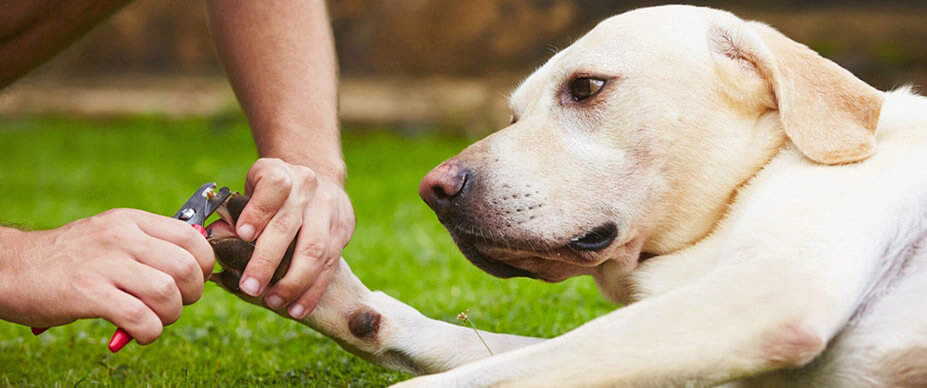
Grooming for Healthy Dogs – The role of grooming in preventing infections, skin conditions, and maintaining overall health.
Mental Health for Dogs – How to manage anxiety, stress, and behavioral issues to ensure your dog’s emotional well-being.
First Aid for Dogs – Essential first-aid tips to handle minor injuries and emergencies before visiting the vet.
Dental Health for Dogs – Importance of oral care, with tips to prevent dental diseases and bad breath.
Weight Management for Dogs – Effective strategies to maintain a healthy weight and avoid obesity-related complications.
Dog Health Products and Gadgets – Reviews of health-related products, including grooming tools and pet trackers.
When to Visit the Vet – Red flags and symptoms that require immediate veterinary care to avoid complications.
Why Focus on Dog Health?
A proactive approach to dog health ensures your pet stays active and happy throughout all stages of life. Regular check-ups, balanced nutrition, exercise, and grooming are key to preventing common health problems. This category helps pet owners understand the importance of preventive care, along with offering solutions for chronic conditions and mental well-being.
Whether your dog is a playful puppy or a senior companion, this section provides tailored advice for every stage of life. With tips on nutrition, exercise, grooming, and mental health, you’ll have everything you need to keep your dog healthy and thriving.
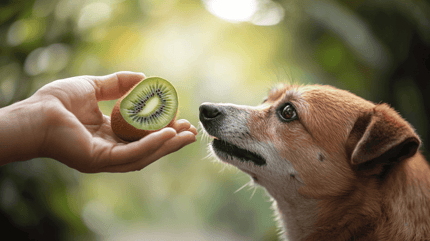
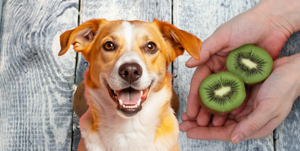
Have you ever wondered, can dogs eat kiwi? As pet owners, we constantly seek tasty and healthy treats for our furry friends. Kiwi, with its vibrant flavor and nutritional profile, often comes to mind as a potential snack option. But is it truly safe and beneficial for dogs?
In this text, we’ll explore the ins and outs of feeding kiwi to your canine companion. From understanding the appropriate portion sizes to recognizing the potential risks, we cover everything you need to make an well-informed choice. Whether you’re considering introducing kiwi into your dog’s diet or simply curious about its effects, our comprehensive guide provides the answers you’re looking for.
Can Dogs Eat Kiwi?
Yes, dogs can safely enjoy kiwi as a treat when given in moderation and properly prepared. We ensure that kiwi is introduced to our pets’ diets thoughtfully to maximize its benefits while minimizing any potential risks.
Safety and Preparation
To prevent choking, especially in larger breeds, we cut kiwi into small, manageable pieces or thin slices. Removing the skin is advisable as it contains high levels of insoluble fiber, which might cause gastrointestinal upset. While kiwi seeds are not toxic in small quantities, excessive ingestion could pose a risk due to compounds that may produce cyanide. Hence, we ensure that both the skin and seeds are removed before offering kiwi to our dogs.
Nutritional Benefits
Kiwi serves as a nutritious snack for dogs, providing essential vitamins and minerals. Below is a table outlining the key nutritional components of kiwi:
Nutrient
Amount per 100g
Vitamin C
92.7 mg
Vitamin K
40.3 µg
Potassium
312 mg
Dietary Fiber
3.0 g
These nutrients contribute to our dogs’ overall health by supporting immune function, blood clotting, and maintaining healthy muscle and nerve function.
Potential Risks
While kiwi offers nutritional benefits, it’s crucial to limit its intake. Kiwis contain a important amount of natural sugars, which can be detrimental to dogs, particularly those with diabetes or weight management issues. Also, excessive fiber from the skin, if consumed, may lead to digestive disturbances such as diarrhea or constipation. We recommend that treats, including kiwi, make up no more than 10% of our dogs’ daily caloric intake to maintain a balanced diet.
Consultation with Veterinarian
Before introducing kiwi or any new food into our dogs’ diets, consulting with a veterinarian is essential. Each dog’s health history is unique, and certain conditions or medications may interact negatively with new foods. Professional guidance ensures that kiwi is a safe and beneficial addition to our pets’ nutrition plan.
By following these guidelines, we can confidently include kiwi as a healthy and enjoyable treat for our dogs, improving their diet with its rich nutritional profile.
Nutritional Benefits of Kiwi
Vitamins and Minerals
Kiwi delivers essential vitamins and minerals, including vitamins C, E, and K, alongside potassium, calcium, and magnesium. These nutrients support our dogs’ immune systems, bone strength, and overall health.
Vitamin C
Kiwi contains 93 mg of vitamin C per 100 grams, comparable to oranges. While dogs synthesize their own vitamin C, additional intake can enhance immune function and reduce inflammation.
Potassium
With 312 mg of potassium per 100 grams, kiwi helps maintain healthy muscle and nerve function. Potassium supports cardiovascular health and ensures proper bodily operations in our pets.
Fiber
Kiwi provides 3 grams of fiber per 100 grams, offering both soluble and insoluble types. This fiber promotes digestive health, regulates bowel movements, and alleviates occasional constipation in dogs.
Antioxidants
Rich in antioxidants like beta carotene, folate, and lutein, kiwi protects cells from damage. These antioxidants support eye health, reduce cancer risk, and slow the aging process in our dogs.
Nutrient
Amount per 100g
Benefits for Dogs
Vitamin C
93 mg
Immune support, reduces inflammation
Vitamin E
1.5 mg
Antioxidant protection
Vitamin K
40 µg
Blood clotting, bone health
Potassium
312 mg
Muscle and nerve function
Fiber
3 g
Digestive health
Calcium
34 mg
Bone strength
Magnesium
17 mg
Muscle and nerve function
Folate
25 µg
Cell growth and regeneration
By incorporating kiwi into our dogs’ diets in moderation, we provide them with these nutritional benefits, improving their overall well-being.
Potential Risks of Feeding Kiwi to Dogs
While kiwi can be a healthy treat for dogs, several risks must be considered to ensure their safety and well-being.
Allergic Reactions
Introducing kiwi to our dogs’ diet requires vigilance for allergic reactions. Dogs may exhibit symptoms such as frequent scratching, skin rashes, vomiting, or diarrhea after consuming kiwi. In severe cases, drooling and swelling can occur. Starting with a small piece helps us monitor any adverse reactions. If our dog shows signs of an allergy, we should discontinue feeding kiwi immediately and contact our veterinarian. Recognizing these symptoms early ensures we can address any potential health issues promptly.
Choking Hazards
Kiwis pose a choking risk, especially for larger dog breeds. Whole kiwis can become lodged in a dog’s throat, blocking airways and requiring immediate attention. To prevent this, we must cut kiwi into small, manageable slices or pieces before offering it to our pets. Supervising our dogs while they eat kiwi reduces the likelihood of choking incidents. Ensuring proper preparation helps us provide kiwi as a safe and enjoyable treat.
Sugar and Weight Gain
Kiwis contain high levels of natural sugars, which can contribute to weight gain in dogs if consumed in excess. Dogs with diabetes or kidney issues should avoid kiwi to prevent complications related to elevated sugar intake. Also, excessive sugar can lead to obesity, affecting our dogs’ overall health. We should limit kiwi to occasional treats, ensuring it does not exceed 10% of their daily caloric intake. Consulting our veterinarian helps us determine the appropriate amount of kiwi for our dog’s exact health needs.
How to Safely Feed Kiwi to Your Dog?
Feeding kiwi to your dog can be a healthy treat when done correctly. Follow these guidelines to ensure your pet’s safety and enjoyment.
Preparing Kiwi Properly
Cut the kiwi into small pieces to prevent choking, especially for larger breeds. Remove the skin, as it’s high in insoluble fiber and may cause digestive upset. While kiwi seeds aren’t toxic, they can still pose a choking hazard, so it’s best to remove them if possible. Peel the fruit thoroughly, discarding any rinds, pits, leaves, or stems before offering it to your dog. Slice the kiwi into manageable sizes, ensuring your dog can chew them easily. If you prefer, mash the kiwi to a semi-smooth consistency for added safety. Always supervise your dog while they’re enjoying kiwi to avoid any swallowing issues.
Appropriate Serving Sizes
Feed kiwi to your dog in moderation as an occasional treat. Treats, including kiwi, should make up no more than 10% of their daily caloric intake. Start with a small piece to monitor for any adverse reactions, such as allergies or digestive disturbances. For small breeds, one to two small slices are sufficient, while larger dogs can handle a few more pieces. Avoid making kiwi a regular part of their diet to prevent weight gain and maintain balanced nutrition. Remember, excessive fiber from kiwi can lead to gastrointestinal issues, so keeping portions controlled is essential for your dog’s health.
Alternatives to Kiwi for Dogs
When seeking healthy treat alternatives to kiwi for dogs, several fruits provide similar nutritional benefits without the associated risks.
Blueberries
Blueberries are rich in antioxidants, vitamins C and K, and fiber. They support immune health and promote healthy digestion. Offer fresh or frozen blueberries in moderation to reduce sugar intake.
Apples
Apples contain vitamins A and C, as well as fiber and potassium. Remove the seeds and core before serving to prevent choking and potential toxicity. Slice apples into bite-sized pieces for safe consumption.
Carrots
Carrots are low in calories and high in fiber and beta-carotene. They aid in dental health by reducing plaque buildup. Serve raw or cooked carrots, ensuring they are cut into appropriate sizes to avoid choking.
Pumpkin
Pumpkin supports digestive health due to its high fiber content and contains vitamins A, C, and E. Use plain, cooked pumpkin without added sugars or spices. Incorporate small amounts into meals or as a standalone treat.
Green Beans
Green beans are low in calories and high in vitamins C and K, as well as fiber. They help maintain a healthy weight and support digestive health. Serve steamed or raw, avoiding any added salts or seasonings.
Strawberries
Strawberries provide vitamin C, fiber, and antioxidants. They promote dental health and boost the immune system. Offer fresh strawberries, ensuring they are sliced to prevent choking hazards.
Bananas
Bananas are a good source of potassium, vitamins B6 and C, and fiber. They support muscle and nerve function. Serve in small slices to manage sugar intake and reduce the risk of digestive issues.
Watermelon
Watermelon is hydrating and contains vitamins A, B6, and C, along with potassium. Remove seeds and rind before serving to prevent choking and digestive blockages. Offer in small, manageable pieces.
Pears
Pears provide vitamins C and K, fiber, and copper. They aid in digestion and support overall health. Remove seeds and core, then slice into small pieces to ensure safe consumption.
Cantaloupe
Cantaloupe is rich in vitamins A and C, potassium, and fiber. It supports immune function and hydration. Serve without seeds and rind, cutting into bite-sized portions for easy eating.
By incorporating these alternatives, we offer our dogs a variety of nutritious and safe treats that support their overall health and well-being.
Conclusion
Sharing kiwi with our dogs can be a delightful and healthy treat when done correctly. We ensure their safety by preparing the fruit properly and offering it in moderation. Watching for any adverse reactions helps us keep our pets happy and healthy.
Exploring various fruit options allows us to provide a balanced and enjoyable diet for our furry friends. By staying informed and consulting with veterinarians, we make the best choices for our dogs’ well-being. Embracing these practices, we can enhance our pets’ lives with nutritious and tasty treats they love.
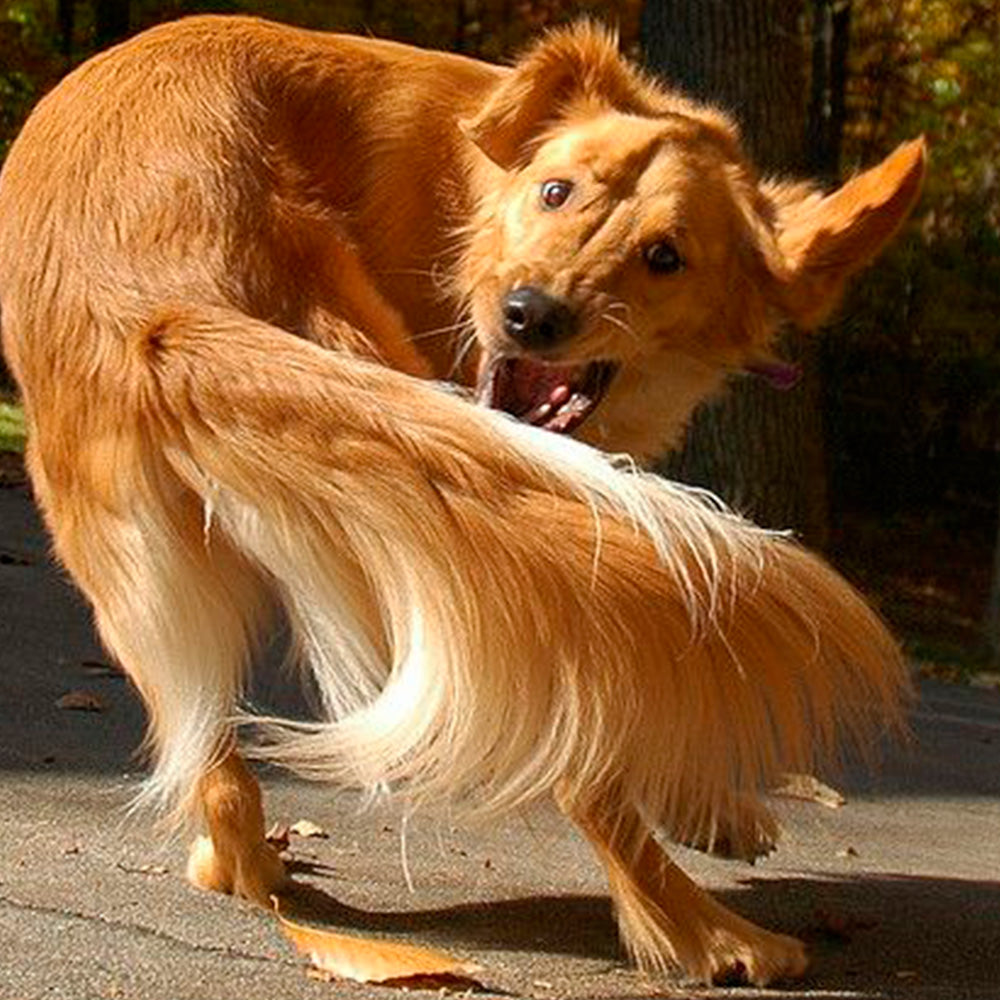
Is your usually playful dog shaking and acting strange? It’s a concerning sight that can leave any pet parent feeling worried and confused. We understand how alarming it can be when your furry friend’s behavior changes unexpectedly.
Dogs, like humans, can experience a range of emotions and physical reactions. When your dog is shaking and acting weird all of a sudden, it could be due to various factors, from simple nervousness to more serious health issues. In this text, we’ll explore the common causes behind this unusual behavior and provide insights to help you identify what might be troubling your canine companion.
We’ll guide you through potential reasons for your dog’s strange behavior, discuss when it’s time to seek veterinary attention, and offer tips to support your pet during these unsettling moments. By the end, you’ll be better equipped to understand and address your dog’s sudden shaking and unusual actions.
Common Causes of Sudden Dog Shaking and Unusual Behavior
Dogs can exhibit sudden shaking and unusual behavior due to various factors. Understanding these causes helps pet owners identify potential issues and seek appropriate care. Here are some common reasons for a dog’s unexpected trembling and strange actions:
Anxiety and Stress
Anxiety and stress frequently trigger shaking and unusual behavior in dogs. Environmental changes, loud noises, separation anxiety, or unfamiliar situations often cause these symptoms. Signs of anxiety include:
Trembling or shaking
Excessive panting
Hiding or seeking shelter
Unusual vocalizations (whining, barking)
Restlessness or pacing
To alleviate anxiety-related symptoms:
Create a calm environment
Provide a safe space for your dog
Use positive reinforcement techniques
Consider behavioral training
Consult a veterinarian about anti-anxiety medications
Identifying and addressing the source of stress helps reduce your dog’s anxiety and associated behaviors.
Pain and Discomfort
Pain or discomfort often causes dogs to shake and act unusually. Common sources of pain include:
Injuries from accidents or physical trauma
Underlying health issues (e.g., arthritis, pancreatitis)
Dental problems or toothaches
Gastrointestinal distress
Signs that your dog may be experiencing pain:
Limping or favoring a particular limb
Vocalizing when touched or moved
Reluctance to move, eat, or engage in normal activities
Tense facial expression or unusual body posture
Excessive licking or biting at a exact area
If you suspect your dog is in pain, consult a veterinarian immediately for proper diagnosis and treatment. Pain management options may include medications, physical therapy, or addressing the underlying condition.
Cold Temperatures
Exposure to cold temperatures can cause dogs to shake and behave unusually. This is especially common in:
Small breeds
Short-haired dogs
Senior dogs
Dogs with underlying health conditions
Signs of cold-related shaking:
Visible trembling or shivering
Seeking warm spots or curling up tightly
Reluctance to go outside
Cold ears, paws, or body
To prevent cold-related issues:
Provide warm, draft-free sleeping areas
Use doggy sweaters or coats for outdoor activities
Limit exposure to extreme cold temperatures
Dry your dog thoroughly after walks in wet conditions
Monitor your dog’s behavior and body temperature, especially during colder months, to ensure they stay comfortable and healthy.
If you suspect your dog has ingested a toxic substance:
Contact your veterinarian or an animal poison control center immediately
Collect any remaining substance or packaging for identification
Follow professional advice for immediate care and treatment
Prompt action is crucial in cases of suspected poisoning to prevent serious complications or fatalities.
Neurological Issues
Neurological problems can cause sudden shaking and unusual behavior in dogs. Common neurological issues include:
Epilepsy
Brain tumors
Vestibular disease
Spinal cord injuries
Signs of neurological problems:
Tremors or involuntary muscle movements
Loss of balance or coordination
Head tilting or circling
Changes in mental alertness
Seizures or convulsions
Diagnosing neurological issues often requires:
Physical and neurological examinations
Blood tests
Imaging studies (e.g., MRI, CT scan)
Cerebrospinal fluid analysis
Treatment depends on the exact condition and may include medications, surgery, or supportive care. Early detection and intervention are crucial for managing neurological disorders and improving your dog’s quality of life.
Medical Conditions That May Cause Shaking
Dogs can experience sudden shaking and unusual behavior due to various medical conditions. Understanding these potential causes is crucial for pet owners to identify when their dog needs veterinary attention. Let’s explore some exact medical conditions that may lead to shaking in dogs.
Generalized Tremor Syndrome (GTS)
Generalized Tremor Syndrome, also known as steroid-responsive tremor syndrome or white shaker dog syndrome, is a neurological condition that causes full-body tremors in dogs. GTS typically affects small white dogs but can occur in any breed or size. Symptoms usually start between 9 months and 2 years of age, with dogs experiencing involuntary muscle movements that vary in severity. These tremors can impact the entire body or be more noticeable in certain areas, such as the head or limbs. While the exact cause remains unknown, it’s believed to be an inflammatory condition affecting the central nervous system. Treatment often involves corticosteroids like prednisone, with results often visible within a week of starting therapy.
Canine Distemper
Canine distemper is a highly contagious viral disease that can cause shaking and neurological symptoms in dogs. This severe illness affects multiple body systems, including the respiratory, gastrointestinal, and nervous systems. Initial symptoms may include fever, coughing, and discharge from the eyes and nose. As the disease progresses, it can lead to neurological signs such as tremors, seizures, and muscle twitches. Puppies and unvaccinated dogs are at highest risk for contracting distemper. The virus spreads through airborne exposure or direct contact with infected animals. While there’s no cure for canine distemper, supportive care and treatment of symptoms can help some dogs recover. Prevention through vaccination is crucial in protecting dogs from this potentially fatal disease.
Seizures and Epilepsy
Seizures and epilepsy can cause sudden shaking and unusual behavior in dogs. Epilepsy is a neurological disorder characterized by recurrent seizures, which can manifest as full-body convulsions, focal twitching, or even brief periods of altered consciousness. During a seizure, dogs may exhibit uncontrolled shaking, drooling, loss of bladder or bowel control, and disorientation. Seizures can be caused by various factors, including genetic predisposition, brain tumors, head trauma, or metabolic imbalances. Idiopathic epilepsy, where the cause is unknown, is the most common form in dogs. If your dog experiences a seizure, it’s crucial to consult a veterinarian for proper diagnosis and treatment. Management often involves anti-epileptic medications to reduce the frequency and severity of seizures.
Ear Infections
Ear infections can cause dogs to shake their heads vigorously and exhibit unusual behavior. These infections can affect the outer, middle, or inner ear, leading to discomfort and balance issues. Common symptoms include head shaking, ear scratching, redness or swelling of the ear canal, and a foul odor from the ears. In severe cases, dogs may tilt their heads, lose balance, or experience nystagmus (rapid eye movements).
Ear infections can be caused by various factors, including allergies, excess moisture, foreign objects, or parasites. Certain breeds with floppy ears or excessive hair in the ear canal are more prone to infections. If you suspect an ear infection, it’s important to seek veterinary care promptly. Treatment typically involves cleaning the ears and administering appropriate medications to address the underlying cause and alleviate symptoms.
Age-Related Factors
As dogs age, they’re prone to various health issues that can cause shaking and unusual behavior. We’ll explore some common age-related factors that might explain why an older dog is shaking and acting weird all of a sudden.
Cognitive Dysfunction in Older Dogs
Cognitive Dysfunction Syndrome (CDS) is a condition similar to dementia in humans that affects older dogs. Dogs with CDS often exhibit:
Disorientation
Changes in sleep patterns
Decreased activity levels
Increased anxiety
Shaking or tremors
CDS can cause confusion, forgetfulness, and altered interactions with the environment and family members. Older dogs might pace, show restlessness, or shake due to cognitive decline. If you notice these symptoms in your senior dog:
Consult a veterinarian immediately
Maintain a consistent daily schedule
Provide a calm and comfortable environment
Some drugs and supplements can help manage CDS and improve your dog’s quality of life. Early diagnosis and treatment are crucial for managing this condition effectively.
When to Seek Veterinary Help
While occasional shaking in dogs can be normal, persistent or sudden shaking accompanied by unusual behavior warrants attention. We’ll outline exact scenarios that require immediate veterinary intervention.
Severe Anxiety and Stress
Anxiety-induced shaking typically resolves once the stressor is removed. But, if your dog’s anxiety symptoms persist or intensify, it’s time to consult a veterinarian. Severe anxiety can manifest as:
Uncontrollable trembling
Excessive panting
Inability to settle or relax
Loss of appetite
Aggressive behavior
Prolonged anxiety can impact your dog’s overall health, making professional guidance crucial for effective management.
Medical Emergencies
Certain medical conditions cause shaking and require immediate veterinary care:
Hypoglycemia
Low blood sugar is particularly dangerous for small breed dogs and puppies. Symptoms include:
Severe shaking or trembling
Weakness or lethargy
Confusion or disorientation
Loss of consciousness
If you suspect hypoglycemia, seek emergency veterinary care immediately.
Neurological Disorders
Shaking can indicate serious neurological issues, such as:
Epilepsy
Brain tumors
Spinal cord injuries
Additional symptoms may include:
Seizures
Loss of coordination
Changes in behavior or personality
Any suspected neurological problem requires prompt veterinary evaluation.
Severe Pain or Injury
Shaking can be a sign of severe pain. If your dog exhibits these symptoms, seek veterinary help:
Vocalization when touched
Reluctance to move
Aggression when approached
Visible injuries or swelling
Early intervention can prevent complications and ensure proper pain management.
Poisoning or Toxicity
If you suspect your dog has ingested a toxic substance, immediate veterinary care is crucial. Signs of poisoning include:
Sudden onset of shaking
Vomiting or diarrhea
Drooling
Difficulty breathing
Seizures
Have information about the potential toxin ready for the veterinarian.
Prolonged or Worsening Symptoms
If your dog’s shaking and unusual behavior persist for more than 24 hours or worsen over time, it’s essential to seek veterinary help. This includes:
Refusal to eat or drink
Lethargy or weakness
Difficulty walking or standing
Changes in urination or defecation habits
These symptoms could indicate an underlying health issue requiring diagnosis and treatment.
By recognizing these signs and acting promptly, we can ensure our dogs receive the necessary care when they’re shaking and acting weird. Remember, when in doubt, it’s always best to consult with a veterinary professional for personalized advice and treatment options.
Diagnosing the Cause of Shaking and Unusual Behavior
Identifying the root cause of your dog’s sudden shaking and strange behavior requires a systematic approach. We’ll explore key steps to help diagnose the issue and determine when veterinary intervention is necessary.
Observe and Document Symptoms
The first step in diagnosing your dog’s condition is careful observation. Take note of:
Documenting these symptoms provides valuable information for your veterinarian and helps track patterns over time.
Consider Recent Changes
Reflect on any recent changes that might have triggered your dog’s behavior:
New pets or family members
Relocation or home renovations
Changes in routine or schedule
Exposure to loud noises (e.g., thunderstorms, fireworks)
These factors can contribute to anxiety-related shaking and unusual behavior in dogs.
Assess Environmental Factors
Evaluate your dog’s immediate environment:
Room temperature (especially for small or short-haired breeds)
Presence of potential toxins or hazards
Access to unfamiliar objects or substances
Environmental factors often play a important role in sudden behavioral changes.
Check for Physical Injuries
Carefully examine your dog for any visible signs of injury:
Limping or favoring a particular limb
Swelling or bruising
Cuts or abrasions
Sensitivity to touch in exact areas
Physical injuries can cause pain-related shaking and unusual behavior.
Monitor Vital Signs
If possible, check your dog’s vital signs:
Heart rate
Respiratory rate
Body temperature
Abnormal vital signs can indicate underlying health issues requiring immediate attention.
Consult a Veterinarian
When in doubt, it’s always best to consult a professional. A veterinarian can:
Perform a comprehensive physical examination
Order diagnostic tests (e.g., blood work, x-rays)
Provide expert insight into potential causes
Recommend appropriate treatment options
Veterinary expertise is crucial for accurately diagnosing complex health issues in dogs.
Consider Diagnostic Tests
Depending on the symptoms, your veterinarian may recommend exact diagnostic tests:
Blood tests to check for infections, organ function, or hormonal imbalances
Urinalysis to assess kidney function and detect urinary tract infections
Imaging studies (x-rays, ultrasounds) to identify internal abnormalities
Neurological exams for dogs showing signs of seizures or cognitive dysfunction
These tests help pinpoint the underlying cause of your dog’s shaking and unusual behavior.
Evaluate Behavioral Factors
Sometimes, a dog’s shaking and strange behavior stem from behavioral issues:
Anxiety or stress-related behaviors
Attention-seeking behaviors
Learned responses to certain stimuli
A thorough behavioral assessment can help distinguish between medical and psychological causes.
By following these diagnostic steps, we can better understand the reasons behind a dog’s sudden shaking and unusual behavior. Remember, early detection and prompt veterinary care are key to ensuring your dog’s health and well-being.
Treatment Options
When a dog is shaking and acting weird suddenly, various treatment options are available depending on the underlying cause. We’ll explore strategies for managing anxiety, providing pain relief, and addressing exact health issues.
Managing Anxiety and Stress
Anxiety and stress often cause shaking and unusual behavior in dogs. To manage these issues:
Create a calm environment with a safe space, like a crate or quiet room, for your dog to retreat to when feeling overwhelmed.
Carry out behavioral training techniques to help your dog cope with stressors.
Consider anti-anxiety medications prescribed by a veterinarian for severe cases.
Use consistent reassurance and positive reinforcement to build your dog’s confidence.
Reduce exposure to known stress triggers, such as loud noises or unfamiliar situations.
Establish a regular routine for feeding, walks, and playtime to provide structure and security.
Use calming aids like pheromone diffusers or anxiety wraps to help soothe your dog.
Pain Relief and Medical Interventions
When pain or discomfort causes shaking in dogs, identifying and addressing the source is crucial:
Consult a veterinarian to diagnose the underlying cause of pain, which may include injuries, arthritis, or internal issues like pancreatitis.
Follow the prescribed treatment plan, which may include pain medications, anti-inflammatories, or exact therapies.
For arthritis, consider joint supplements, physical therapy, or acupuncture to manage pain and improve mobility.
In cases of injury, provide appropriate rest and follow rehabilitation exercises as recommended.
Monitor your dog’s response to treatment and report any changes or concerns to your veterinarian.
Carry out lifestyle changes, such as weight management or dietary adjustments, to support overall health and reduce pain.
For Generalized Tremor Syndrome (GTS), corticosteroids may be prescribed to manage symptoms.
Canine distemper requires supportive care, including fluid therapy and antibiotics for secondary infections.
Seizures are typically managed with anticonvulsant medications and regular veterinary check-ups.
Ear infections are treated with antibiotics, antifungals, or anti-inflammatory medications, depending on the cause.
Cognitive Dysfunction Syndrome (CDS) in older dogs may be managed with medications, dietary changes, and environmental enrichment.
Hypoglycemia requires immediate glucose administration and addressing the underlying cause.
For poisoning or toxicity, treatment depends on the exact toxin and may include induced vomiting, activated charcoal, or exact antidotes.
Preventive Measures for Dog Health and Well-Being
Proactive care is essential for maintaining your dog’s health and preventing sudden episodes of shaking and unusual behavior. Here are key preventive measures to consider:
Regular Veterinary Check-Ups
Regular veterinary check-ups are crucial for maintaining your dog’s health and preventing issues that could cause shaking or unusual behavior. Schedule annual wellness exams to catch potential health problems early. These check-ups typically include:
Physical examinations
Vaccinations
Blood tests
Dental checks
Early detection of conditions like infections, parasites, or dental issues can prevent more serious health problems. Your vet can provide personalized advice on preventive care, nutrition, and exercise customized to your dog’s exact needs. Don’t hesitate to consult your veterinarian if you notice any changes in your dog’s behavior or health between regular check-ups.
Creating a Safe Environment
A safe, comfortable environment is essential for your dog’s well-being and can help prevent stress-induced shaking and unusual behavior. Here’s how to create a secure space:
Remove potential toxins: Keep household chemicals, certain plants, and toxic foods out of reach.
Provide a quiet space: Create a designated area where your dog can retreat when feeling anxious or overwhelmed.
Minimize loud noises: Use sound-dampening techniques or white noise machines to reduce stress from external sounds.
Maintain a consistent routine: Regular feeding, walking, and playtime schedules help reduce anxiety.
Use positive reinforcement: Reward calm behavior to encourage a relaxed state.
By creating a safe, stress-free environment, you can significantly reduce the likelihood of anxiety-induced shaking and unusual behavior in your dog.
Proper Diet and Exercise
A balanced diet and regular exercise are fundamental to your dog’s overall health and can help prevent issues that may cause shaking or unusual behavior. Consider these guidelines:
Balanced nutrition:
Feed a high-quality, age-appropriate diet
Consult your vet for personalized nutrition advice
Avoid overfeeding to maintain a healthy weight
2. Regular exercise:
Provide daily walks or playtime
Engage in activities that suit your dog’s breed and energy level
Mental stimulation through puzzles and training sessions
3. Hydration:
Ensure access to fresh, clean water at all times
4. Blood sugar regulation:
Feed smaller, more frequent meals to maintain stable blood sugar levels
Consider low-carbohydrate, high-protein diets for dogs prone to hypoglycemia
By maintaining proper nutrition and regular exercise, you can help prevent health issues that may lead to shaking or unusual behavior in your dog. Always consult your veterinarian before making important changes to your dog’s diet or exercise routine.
Conclusion
We’ve explored the various reasons why your dog might suddenly start shaking and acting weird. From anxiety and pain to neurological issues and age-related conditions, there are many potential causes. Remember, your dog’s well-being is paramount. If you notice persistent or severe symptoms, don’t hesitate to seek veterinary care. By staying vigilant, maintaining regular check-ups, and providing a safe, loving environment, you’ll be better equipped to handle any unexpected changes in your furry friend’s behavior. Trust your instincts and always prioritize your dog’s health and happiness.
Have you ever caught your furry friend giving you a sideways peek that seems almost… human? You’re not alone! Dog side eye, also known as “whale eye,” is a fascinating canine behavior that’s captured the hearts of pet lovers and meme enthusiasts alike. But there’s more to this seemingly comical expression than meets the eye.
We’ll jump into the science behind dog side eye, exploring its various meanings and the context in which it occurs. From curiosity to discomfort, this subtle facial expression can convey a range of emotions. By understanding the nuances of dog body language, we’ll help you better interpret your pup’s nonverbal cues and strengthen your bond. Get ready to become a pro at decoding your dog’s side eye and improving your communication with your four-legged friend.
What Is Dog Side Eye?
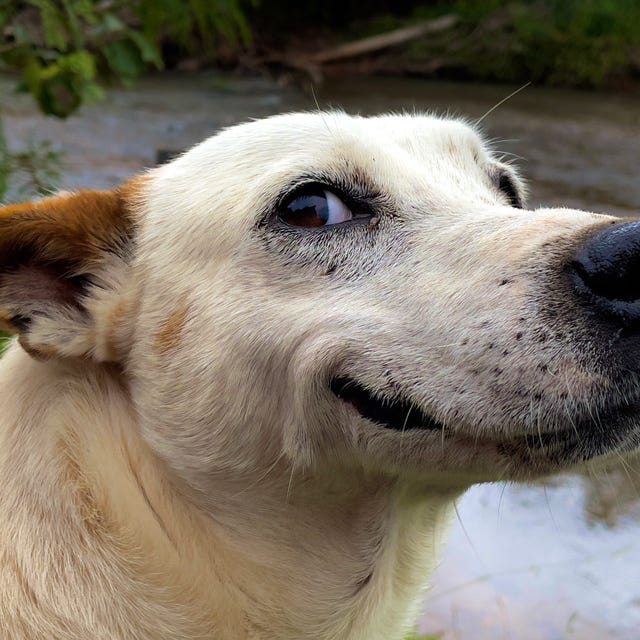
Dog side eye, also known as “whale eye,” is a distinctive facial expression and body language cue that dogs use to communicate various emotions and intentions. This behavior occurs when a dog turns their head slightly away while keeping their eyes fixed on a person or object, often revealing the whites of their eyes.
Anatomy of Dog Side Eye
Dog side eye involves the movement of the iris, the colored part of the eye, to reveal more of the sclera, the white part. This eye movement is voluntary and differs from involuntary eye movements like strabismus. Dogs have a wider field of vision than humans, allowing them to use their peripheral vision when displaying side eye. The expression is often accompanied by other nonverbal cues, such as flattened ears and a slight turning away of the head, which provide additional context for interpreting the dog’s emotional state.
Differentiating Side Eye from Other Looks
Side eye in dogs can be distinguished from other facial expressions by its exact characteristics and the context in which it occurs. Unlike a direct gaze, which may indicate focus or aggression, side eye often suggests a more nuanced emotional state. It’s important to differentiate side eye from normal eye movements or medical conditions:
Curiosity: Side eye with perked ears and a relaxed body posture may indicate intrigue or interest.
Wariness: When accompanied by a tense body posture, side eye can signal caution or skepticism.
Mild annoyance: A relaxed side eye might communicate slight irritation without escalating the situation.
Medical conditions: Consistent, involuntary eye movements to the side may indicate strabismus and require veterinary attention.
Understanding these distinctions helps pet owners accurately interpret their dog’s body language and respond appropriately to their needs.
Reasons Dogs Give Side Eye
Dogs communicate through various body language cues, and side eye is a common expression they use to convey different messages. Let’s explore the reasons behind this intriguing behavior.
Communicating Discomfort or Anxiety
Dog side eye often signals discomfort or anxiety. When dogs feel threatened or uneasy, they use this expression to keep an eye on the source of their distress while avoiding direct confrontation. This behavior is particularly common in stressful situations, such as:
Encountering unfamiliar people or animals
Visiting the veterinarian’s office
Being in crowded or noisy environments
Experiencing resource guarding (protecting food or toys)
The side eye, also known as “whale eye,” allows dogs to monitor potential threats without appearing aggressive. It’s their way of saying they’re uncomfortable and prefer to be left alone.
Expressing Curiosity or Alertness
Dogs may give side eye when they’re curious or alert to their surroundings. This expression is often accompanied by other signs of interest, including:
Perked ears
Relaxed body posture
Subtle head tilts
Slightly raised eyebrows
In these instances, the side eye isn’t a sign of distress but rather a way for dogs to gather information about their environment. They use their peripheral vision to observe without making direct eye contact, allowing them to stay aware of their surroundings while appearing relaxed or focused on something else.
Showing Playfulness
Side eye can also be a playful gesture in dogs. When combined with other friendly body language, it may indicate an invitation to play or a mischievous mood. Signs of playful side eye include:
A relaxed, open mouth (often resembling a “smile”)
A wagging tail
A playful bow (front end lowered, rear end raised)
Soft, relaxed eyes
In these situations, the side eye is often accompanied by quick glances or head turns, as if the dog is trying to engage their human or canine companion in a game. It’s essential to read the overall body language to distinguish between playful side eye and other forms of communication.
Seeking Attention
Dogs are masters at nonverbal communication, and side eye is one of their tactics for seeking attention. When your dog wants something, they might:
Climb up next to you on the couch
Put their back against you
Lean over and give you a side eye
This behavior is often their subtle way of asking for:
Food
A walk
Affection or playtime
https://genghiscollar.com/victor-dog-food/Attention-seeking side eye is typically accompanied by other behaviors like pawing, whining, or gentle nudging. These signals are your dog’s way of communicating their needs and desires.
Establishing Boundaries
Dogs use side eye as a way to establish boundaries and communicate their comfort levels. This behavior helps them:
Assert personal space
Express mild annoyance or displeasure
Indicate when they’ve had enough interaction
When a dog gives side eye in this context, it’s often accompanied by:
A slightly stiffened body posture
Lips pulled back slightly
Ears positioned slightly back or to the side
It’s crucial to respect these signals and give the dog space when they display this type of side eye. By doing so, we prevent potential escalation and maintain a positive relationship with our canine companions. Understanding and responding appropriately to these subtle cues helps strengthen the bond between dogs and their human families.
Common Scenarios for Dog Side Eye
Dog side eye is a common behavior observed in various situations. Understanding these scenarios helps pet owners interpret their dog’s emotions and respond appropriately. Here are four common instances where dogs may exhibit side eye:
New People or Pets
Dogs often display side eye when encountering unfamiliar individuals or animals. This behavior, characterized by turning their head away while keeping their eyes fixed on the newcomer, serves as a cautionary response. The whites of their eyes become visible, signaling potential discomfort or wariness. It’s a subtle warning that the dog feels uneasy and may become defensive if not given space. When introducing dogs to new people or pets, it’s crucial to recognize this sign and allow the dog to adjust at their own pace, ensuring a positive interaction.
Unfamiliar Environments
In new or unfamiliar settings, dogs frequently exhibit side eye as a coping mechanism. This behavior is common in places like veterinary offices, crowded areas, or unexplored locations during walks. The side eye allows dogs to monitor their surroundings without direct confrontation, indicating their desire for space and comfort. It’s essential to provide reassurance and allow dogs time to acclimate to new environments. Gradually exposing them to different settings can help reduce anxiety and minimize the occurrence of side eye in unfamiliar places.
During Feeding Time
Side eye during feeding is often associated with resource guarding behavior. Dogs may display this expression to monitor their surroundings while eating, particularly if they feel their food is threatened. This behavior can be more pronounced in dogs with a history of food scarcity or competition. To mitigate this, establish a calm feeding routine and respect the dog’s space during mealtimes. If resource guarding becomes a persistent issue, consult a professional dog trainer for guidance on addressing the behavior safely and effectively.
Around Toys or Objects
Dogs may exhibit side eye when interacting with toys or objects they value. This behavior can indicate possessiveness or a desire to gauge their owner’s reaction before captivating with the item. Side eye in this context often serves as a test of boundaries, especially in dogs trained to follow certain rules. It’s important to maintain consistent boundaries and positive reinforcement to prevent resource guarding tendencies. Encouraging sharing and teaching the “drop it” command can help manage possessive behaviors and reduce the occurrence of side eye around valued objects.
Interpreting Dog Side Eye
Dog side eye, also known as “whale eye,” is a important aspect of canine communication. This expression can convey various emotions and intentions, depending on the context and accompanying body language.
Reading Full Body Language
Interpreting dog side eye accurately requires considering the dog’s entire body language. Observe the following cues:
Ear position: Flattened or pulled back ears often indicate stress or fear
Tail posture: A tucked tail suggests anxiety, while a relaxed, wagging tail indicates comfort
Muscle tension: Stiff body posture may signal discomfort or alertness
Lip licking or yawning: These are often signs of stress or nervousness
Paw lifting: This can indicate uncertainty or anticipation
By analyzing these factors alongside the side eye, we gain a more comprehensive understanding of the dog’s emotional state and intentions.
Context Matters
The situation in which dog side eye occurs greatly influences its meaning. Consider these contextual factors:
Unfamiliar environments: Side eye may indicate curiosity or wariness
Presence of strangers: It could signal discomfort or protective behavior
During play: Side eye might be part of playful communication
Resource guarding: It may occur when a dog feels possessive of food or toys
Routine changes: Side eye could express confusion or uncertainty
Understanding the context helps us interpret the side eye more accurately and respond appropriately to our dog’s needs.
Side Eye vs. Whale Eye
While often used interchangeably, side eye and whale eye have distinct characteristics:
Side eye:
Subtle peek from the corner of the eye
Less of the white (sclera) visible
Can indicate curiosity, mild discomfort, or attention-seeking
Whale eye:
More pronounced expression with wider eyes
Larger portion of the sclera visible
Often signals important stress, fear, or potential aggression
Recognizing these differences helps us better assess our dog’s emotional state and respond accordingly, ensuring their comfort and safety.
How to Respond to Dog Side Eye
When a dog displays side eye, it’s crucial to respond appropriately to maintain trust and prevent escalation. Here’s how to effectively address this behavior and ensure a positive relationship with your canine companion.
Building Trust and Security
Building trust is essential when responding to dog side eye. We should:
Remain calm and avoid sudden movements
Use a soft, reassuring tone of voice
Offer treats or toys as positive reinforcement
Gradually expose the dog to triggers in controlled environments
Provide consistent routines and boundaries
Use positive reinforcement training techniques
Engage in regular bonding activities like play or grooming
By implementing these strategies, we create a secure environment where the dog feels comfortable and learns to associate potentially stressful situations with positive experiences.
Respecting Their Space
Respecting a dog’s personal space is crucial when they display side eye. We recommend:
Immediately give the dog space when side eye is observed
Avoid direct eye contact, which can be perceived as threatening
Don’t force interaction or physical contact
Allow the dog to approach on their own terms
Create safe zones or retreat areas in the home
Use baby gates or crates to provide separation when needed
Teach children and visitors to respect the dog’s boundaries
By honoring the dog’s need for space, we demonstrate respect for their feelings and help reduce stress and anxiety.
Safe Interaction Practices
To ensure safe interactions when a dog exhibits side eye, we should:
Assess the situation to identify potential triggers
Remove the dog from stressful environments if possible
Use distraction techniques like toys or commands to redirect attention
Avoid punishment, which can escalate negative behavior
Encourage calm behavior through reward-based training
Slowly desensitize the dog to triggers using positive associations
Consult a professional dog trainer or behaviorist for persistent issues
Monitor body language for signs of escalating stress or aggression
Teach proper greeting and interaction techniques to family and friends
By implementing these safe interaction practices, we create a positive environment that promotes trust and reduces the likelihood of side eye and other stress-related behaviors in dogs.
The Importance of Socialization
Socialization plays a crucial role in shaping a dog’s behavior and reducing the likelihood of side eye and other stress-related responses. Proper socialization helps dogs become more comfortable in various situations, minimizing anxiety and fear-based reactions.
Early and Ongoing Socialization
Early socialization is key to developing a well-adjusted dog. We recommend exposing puppies to diverse environments, people, and animals between 3 and 16 weeks of age. This critical period helps form positive associations and reduces the chances of fearful responses like side eye later in life. Ongoing socialization throughout a dog’s life reinforces these early experiences and maintains their confidence.
Socialization activities include:
Controlled interactions with different people
Exposure to various sounds and sights
Positive experiences with other animals
Visits to different locations (parks, streets, stores)
Regular socialization helps prevent anxiety-driven behaviors and promotes a more relaxed demeanor in unfamiliar situations.
Professional Training Options
Professional training offers structured approaches to socialization and behavior modification. We recommend exploring these options for dogs exhibiting frequent side eye or other stress-related behaviors:
Group classes: Provide controlled environments for dogs to interact with others
Private sessions: Offer personalized attention for exact issues
Puppy socialization classes: Focus on early positive experiences
Behavior modification programs: Address exact anxiety or fear-related behaviors
Professional trainers use positive reinforcement techniques to build confidence and reduce stress responses like side eye. They can also guide owners in interpreting and responding to their dog’s body language effectively.
Training benefits include:
Improved communication between dogs and owners
Enhanced social skills with other dogs and people
Reduced anxiety in new situations
Better overall behavior and obedience
By investing in professional training, we can help our dogs become more comfortable in various environments, minimizing the occurrence of side eye and other stress-related behaviors.
When to Seek Professional Help
Dog side eye can sometimes indicate serious issues that require professional intervention. We’ll explore concerning behaviors and when to consult experts for your dog’s well-being.
Identifying Concerning Behaviors
Dog side eye becomes concerning when accompanied by:
Aggressive postures: Stiff body, raised hackles, or bared teeth
Extreme avoidance: Hiding, cowering, or attempting to flee
Resource guarding: Growling or snapping when approached near food or toys
Sudden behavior changes: Increased side eye frequency or intensity
Physical symptoms: Eye discharge, redness, or visible discomfort
These behaviors may indicate underlying anxiety, fear, or health issues requiring professional attention.
Consulting a Veterinarian or Trainer
When dog side eye persists or is accompanied by concerning behaviors:
Veterinary check-up:
Rule out medical issues (eye problems, pain, neurological conditions)
Discuss behavioral concerns and potential causes
Explore treatment options or referrals to specialists
2. Professional dog trainer or behaviorist:
Assess underlying causes of stress or anxiety
Develop customized behavior modification plans
Teach proper socialization techniques
Address exact triggers or situations causing side eye
3. Combination approach:
Collaborate with both veterinarian and trainer for comprehensive care
Address physical and behavioral aspects simultaneously
Ensure consistent management and training strategies
Early intervention is crucial. Seeking professional help promptly can prevent escalation of behavioral issues and improve your dog’s overall well-being.
Conclusion
Dog side eye is a fascinating aspect of canine communication. By understanding its nuances we can better interpret our furry friends’ emotions and needs. Remember that context and overall body language are key to accurately reading this behavior. With patience and attentiveness we can strengthen our bonds with our dogs and create a more harmonious relationship. Whether it’s curiosity playfulness or discomfort proper interpretation of dog side eye allows us to respond appropriately and ensure our pets feel safe and understood in any situation.
Have you ever wondered why female dogs are often described as more nurturing and easier to train? We’ll explore the intriguing area of female canines and uncover the unique traits that set them apart from their male counterparts.
Female dogs are known for their loyalty, attentiveness, and natural nurturing instincts. They tend to stay closer to their owners on walks and may require less exercise than males. We’ll investigate into the research that reveals female dogs’ heightened attentiveness to humans and discuss how this impacts their behavior and trainability.
In this text, we’ll examine the advantages of owning a female dog, explore appropriate terminology, and highlight important health considerations. Whether you’re a first-time dog owner or an experienced enthusiast, you’ll gain valuable insights into the industry of female dogs and their special place in our hearts and homes.
Understanding Female Dogs: An Overview
Female dogs possess unique characteristics that set them apart from their male counterparts. Let’s explore the biological differences and terminology associated with female dogs to gain a comprehensive understanding of these remarkable canines.
Biological Differences Between Male and Female Dogs
Female dogs exhibit distinct biological traits that influence their behavior and care requirements. They experience a reproductive cycle known as “estrus” or “heat,” which occurs several times a year depending on the dog’s size. Small breeds may enter heat up to four times annually, while larger breeds might only cycle once every 18 months. During this period, female dogs display physical and behavioral changes, including:
Vaginal bleeding or discharge lasting 7-10 days
Increased urination frequency with stronger-smelling urine
Heightened alertness and jitteriness
Mood changes and clinginess
Female dogs remain fertile for 2-4 weeks after bleeding starts, producing secretions that attract male dogs. These biological differences necessitate exact care considerations, especially during heat cycles.
Terminology: The Scientific Term for Female Dogs
The scientific term for a female dog is “bitch.” This term, while sometimes considered offensive in colloquial usage, is the correct and widely accepted terminology in veterinary medicine, breeding, and professional dog circles. It’s important to note that:
“Bitch” refers specifically to female dogs, regardless of their reproductive status
The term is used in scientific literature, kennel club registrations, and pedigree records
Alternative terms like “dam” or “female” are often used in casual conversations
Understanding and using the correct terminology demonstrates respect for the canine industry and facilitates clear communication in professional settings. But, it’s essential to be mindful of the context and audience when using these terms to avoid potential misunderstandings or offense.
Female Dog Behavior and Personality Traits
Female dogs exhibit unique behavioral traits and personalities that set them apart from their male counterparts. These characteristics influence their interactions with humans and other dogs, as well as their trainability and overall temperament.
Temperament Characteristics
Female dogs are often described as calmer and more gentle compared to males. They typically display a more independent nature, sometimes appearing aloof, but can also be affectionate and loving towards their owners. This balance of independence and affection makes them ideal companions for those seeking a dog that’s not overly clingy.
Female dogs mature more quickly than males, becoming more settled and restful around one year of age. This early maturation contributes to their reputation for being more trainable and attentive to their owners’ commands. Their eagerness to please and focused attention make them excellent candidates for various training programs.
Social Interactions with Other Dogs
In social settings, female dogs tend to exhibit more nuanced behavior compared to males. They’re generally less inclined to roam or mark their territory, which can result in fewer conflicts with other dogs. Female dogs often display a protective nature towards their owners, sometimes walking cautiously in front of them during walks.
Research indicates that female dogs show more attentiveness to humans than male dogs, which can translate to stronger bonds with their owners. This heightened awareness of human cues and emotions can lead to more effective communication between female dogs and their human companions. When interacting with other dogs, females may be more selective in their playmates and less likely to engage in dominance-based behaviors.
The Reproductive Cycle of Female Dogs
The reproductive cycle of female dogs, known as the estrous cycle, is a complex biological process that affects their behavior and health. This cycle consists of distinct phases that repeat throughout a dog’s reproductive life.
Anestrus: The resting period between cycles, lasting 100-150 days.
Understanding these stages helps owners better manage their female dog’s reproductive health and behavior.
Signs and Symptoms of a Dog in Heat
Recognizing when a female dog is in heat is crucial for proper care. Common signs include:
Physical changes:
Swollen vulva
Blood-tinged vaginal discharge
Increased urination
2. Behavioral changes:
Restlessness or anxiety
Increased attention-seeking behavior
Receptiveness to male dogs
Tail-flagging (holding the tail to the side)
3. Hormonal changes:
Mood swings
Changes in appetite
Increased vocalization
These signs may vary in intensity between individual dogs and cycles. Owners should monitor their female dogs closely during this time to ensure their comfort and prevent unwanted pregnancies.
Caring for a Dog During Heat
Proper care during a female dog’s heat cycle is essential for her health and well-being:
Hygiene management:
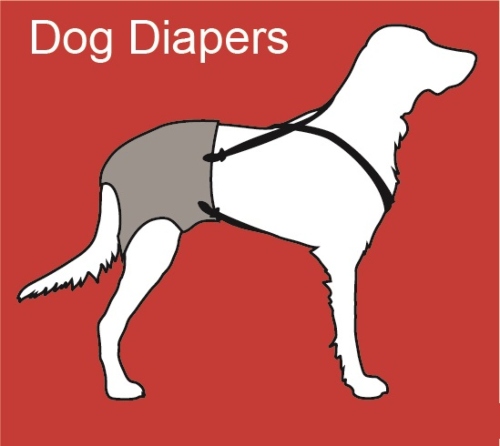
Use doggy diapers or pants to contain discharge
Regularly clean the genital area to prevent infections
2. Exercise and supervision:
Keep the dog on a leash during walks
Avoid off-leash areas to prevent unwanted mating
3. Diet and nutrition:
Provide a balanced diet to support hormonal changes
Ensure access to fresh water at all times
4. Emotional support:
Offer extra attention and comfort
Provide mental stimulation through toys and games
5. Medical considerations:
Consult a veterinarian for any concerns or abnormal symptoms
Discuss spaying options if breeding isn’t planned
By following these guidelines, owners can ensure their female dog’s comfort and safety during her heat cycle while minimizing potential complications.
Health Considerations for Female Dogs
Female dogs have unique health needs that require special attention. Understanding these considerations helps ensure a long, healthy life for our canine companions.
Common Health Issues
Female dogs face several health challenges, particularly those that aren’t spayed. Pyometra, a severe uterine infection, affects older unspayed females and requires immediate veterinary intervention. Symptoms include vaginal discharge, increased thirst, and lethargy. Mammary tumors pose another important risk, with unspayed females more susceptible to developing these growths. Spaying before the first heat cycle drastically reduces this risk. Uterine and ovarian tumors can also occur in intact females, leading to serious complications. Regular veterinary check-ups are crucial for early detection and treatment of these conditions. Owners should be vigilant for any unusual symptoms and seek prompt medical attention when necessary.
Spaying: Benefits and Considerations
Spaying offers many health benefits for female dogs. This surgical procedure eliminates the risk of pyometra and significantly reduces the chances of mammary tumors. It also prevents unwanted pregnancies and eliminates heat cycles, which can be messy and inconvenient. The cost of spaying typically ranges from $250 to $2,000, depending on factors like location and the dog’s size.
While it’s a considerable expense, it often proves cost-effective in the long run by preventing potential health issues. But, spaying isn’t without considerations. It can affect a dog’s metabolism, potentially leading to weight gain if diet and exercise aren’t adjusted accordingly. Some studies suggest a slightly increased risk of certain cancers and joint problems in dogs spayed very early. Consulting with a veterinarian helps determine the optimal time for spaying based on the individual dog’s breed, size, and overall health.
Training and Socialization
Training and socialization are crucial for female dogs to develop into well-behaved and confident adults. We’ll explore effective techniques for housetraining and behavioral training to ensure your female dog becomes a well-adjusted companion.
Housetraining Female Dogs
Housetraining female dogs requires consistency and positive reinforcement. Establish a routine for potty breaks, taking your dog out frequently, especially after meals, naps, and playtime. Use a exact command or phrase when it’s time to go outside. When she eliminates in the designated area, offer praise and treats immediately. Create a consistent feeding schedule to regulate her bathroom habits. If accidents occur, clean thoroughly with an enzymatic cleaner to remove odors. Avoid punishment for accidents, as it may lead to anxiety or fear. Instead, interrupt mistakes calmly and redirect her to the appropriate spot. With patience and persistence, most female dogs can be successfully housetrained within a few weeks to a few months.
Behavioral Training Tips
Behavioral training for female dogs focuses on positive reinforcement and consistency. Start training early, as female dogs often mature faster than males. Use treats, praise, and toys as rewards for desired behaviors. Keep training sessions short and fun, lasting 5-10 minutes several times a day. Focus on basic commands like sit, stay, come, and leave it. Incorporate these commands into daily activities to reinforce learning. Address any exact behavioral issues, such as excessive barking or jumping, with targeted training techniques.
Socialization is crucial during the critical period of 3 to 16-20 weeks. Expose your female dog to various people, animals, and environments to build confidence. Enroll in puppy classes or obedience training for structured socialization opportunities. Consistently enforce rules and boundaries to prevent dominance issues. Remember that each dog is unique, so tailor your approach to your female dog’s personality and needs.
Caring for Female Dogs Throughout Their Life Stages
Caring for female dogs requires understanding their unique needs at different life stages. We’ll explore key milestones from puppyhood to adulthood and discuss essential care for senior female dogs.
Puppy to Adult: Key Milestones
Female puppies go through several important stages as they grow into adults. From birth to weaning, they rely on their mother’s milk for the first 3 to 8 weeks. At 7-8 weeks, puppies transition to solid food, with feeding schedules changing as they grow. Puppies eat 4 times a day for 2-3 months, 3 times a day for 3-6 months, and 2 times a day from 6 months to 1 year (or up to 24 months for larger breeds).
House training begins after weaning, but accidents may occur until 4-6 months. Spaying is recommended for small breeds at six months or before the first heat cycle, while larger breeds should be spayed after growth stops (9-15 months). This helps prevent health issues like breast cancer and pyometra.
Senior Care for Aging Female Dogs
As female dogs age, they experience hormonal changes and physical challenges. We adjust their exercise and diet to suit their slowing metabolism. Senior dogs benefit from a customized exercise routine that maintains muscle tone without straining joints. We consider supplements for joint health to support mobility and comfort.
Regular veterinary check-ups become even more crucial for senior female dogs. These visits help detect age-related issues early, such as arthritis, dental problems, or cognitive decline. We monitor their weight closely, as obesity can exacerbate health problems in older dogs.
Nutrition plays a vital role in senior care. We switch to a senior-exact diet that provides balanced nutrients, supports joint health, and maintains a healthy weight. Some senior female dogs may require specialized diets to manage conditions like kidney disease or diabetes.
Conclusion
Female dogs offer unique qualities that make them wonderful companions. Their nurturing instincts loyalty and attentiveness set them apart. We’ve explored their biological differences behavioral traits and health considerations providing insights into their care needs. From puppyhood through senior years proper training socialization and healthcare are crucial for their well-being. By understanding and addressing the exact needs of female dogs we can ensure they lead happy healthy lives as cherished members of our families. Whether spayed or intact female dogs bring joy and companionship to countless households worldwide.
Are you looking for a safe, versatile space for your furry friend to play and relax? A dog playpen might be just what you need. We’ve seen a surge in popularity for these portable enclosures, with pet owners recognizing their value for both indoor and outdoor use.
Dog playpens offer a flexible solution for containing and protecting your pup while giving them room to move. Whether you’re seeking a secure area for your dog while you’re busy or a travel-friendly option for camping trips, these pens come in various sizes and styles to suit different needs. In this text, we’ll explore the benefits of dog playpens, highlight key features to consider, and share tips on choosing the right one for your four-legged companion.
What Is a Dog Playpen?
A dog playpen is a versatile enclosure designed to provide a safe and contained space for dogs to play, rest, and exercise. These portable structures typically consist of metal panels or wire segments that can be arranged to form a secure area for your canine companion.
Dog playpens come in various sizes and designs to accommodate different breeds and living spaces. They’re crafted to offer a balance between freedom and confinement, allowing dogs to move around comfortably while remaining in a designated area.
Key characteristics of dog playpens include:
Flexible configuration: Most playpens feature interconnecting panels that can be arranged in different shapes to fit available space.
Portability: Many models are lightweight and foldable, making them easy to transport and store.
Durability: Constructed from sturdy materials like metal or heavy-duty plastic to withstand energetic play.
Accessibility: Often equipped with a door or removable panel for easy entry and exit.
Dog playpens serve multiple purposes:
Training aid: Ideal for house training puppies or introducing new dogs to a household.
Safe space: Provides a secure area when supervision isn’t possible.
Travel companion: Offers a familiar environment for dogs when away from home.
Exercise area: Allows for controlled physical activity, especially in apartments or small homes.
While similar to crates, dog playpens offer more space and flexibility. They’re particularly useful for puppies, small breeds, or dogs that need limited mobility due to medical reasons.
When selecting a dog playpen, consider:
Size: Ensure it’s large enough for your dog to move comfortably. Recommended dimensions vary based on breed size:
18 inches long for miniature dogs
2½ feet long for dogs up to 40 pounds
3 feet long for dogs up to 70 pounds
3½ to 6 feet long for large dogs
Material: Choose durable materials that can withstand your dog’s strength and activity level.
Height: The walls should be tall enough to prevent jumping or climbing out.
Floor protection: Some playpens come with a bottom pad to protect flooring and provide comfort.
By understanding what a dog playpen is and its features, you can make an well-informed choice on whether it’s the right solution for your pet’s needs.
Benefits of Using a Dog Playpen
Dog playpens offer many advantages for both pets and their owners. Here are the key benefits of incorporating a dog playpen into your pet care routine:
Enhanced Safety
A dog playpen creates a secure environment for your furry friend. It prevents puppies and small dogs from accessing potentially hazardous items like electrical cords, toxic plants, or household chemicals. By containing your pet in a designated area, you’ll have peace of mind knowing they’re protected from common household dangers.
Stress-Free Playtime
Dog playpens provide a dedicated space for stress-free play and relaxation. Unlike crates, which can feel confining, playpens offer more room for movement and exploration. This larger area allows dogs to engage in natural behaviors, reducing anxiety and promoting overall well-being.
Improved Training
Playpens are excellent tools for training puppies and newly adopted dogs. They offer a controlled environment for housebreaking, obedience training, and socialization exercises. The confined space helps dogs focus on learning tasks without distractions, making training sessions more effective.
Comfortable Rest Area
Many dog playpens come with built-in mats or allow for the addition of comfortable bedding. This creates a cozy spot for your pet to rest and recharge. You can easily customize the playpen with your dog’s favorite toys, water dishes, and blankets to make it a home-like sanctuary.
Convenient Supervision
With a dog playpen, monitoring your pet becomes much easier. You can keep an eye on your dog while attending to other tasks, ensuring they don’t get into mischief or cause damage to your home. This is particularly useful for busy households or when you need to focus on work or chores.
Versatile Use
Dog playpens are highly versatile and can be used in various situations:
Indoor playtime during inclement weather
Outdoor containment for fresh air and sunshine
Travel accommodations for pet-friendly hotels
Safe space during parties or home renovations
Mental Stimulation
Playpens provide an excellent opportunity for mental enrichment. You can incorporate puzzle toys, treat-dispensing games, and interactive activities within the playpen. This mental stimulation helps prevent boredom and reduces destructive behaviors that often result from lack of engagement.
Gradual Introduction to New Environments
For dogs that are anxious or easily overwhelmed, a playpen offers a gradual way to introduce them to new surroundings. Whether you’re moving to a new home or visiting unfamiliar places, the playpen provides a familiar, safe space for your dog to acclimate at their own pace.
Exercise Control
Dog playpens allow you to manage your pet’s exercise levels, especially important for puppies or dogs recovering from injuries. You can adjust the size of the playpen to provide appropriate space for movement without risking overexertion.
Easy Cleanup
Containing your dog in a playpen makes cleanup more manageable. You can place the playpen on easy-to-clean surfaces or use protective mats underneath. This is particularly helpful during housetraining or for dogs prone to accidents.
By utilizing a dog playpen, you’re creating a safe, comfortable, and versatile space that benefits both you and your canine companion. It’s an invaluable tool for responsible pet ownership, promoting a harmonious living environment while ensuring your dog’s safety and well-being.
Types of Dog Playpens
Dog playpens come in various types designed to suit different needs and environments. These versatile enclosures provide safe spaces for dogs to play, rest, and exercise. Let’s explore the two main categories: indoor and outdoor playpens.
Indoor Playpens
Indoor dog playpens offer a secure and contained space within your home. They’re designed for easy setup and portability, making them ideal for use in various rooms. Indoor playpens typically feature lightweight materials and foldable designs for convenient storage.
Safety features: Rounded edges and non-toxic materials
Flooring compatibility: Soft feet to protect indoor surfaces
Indoor playpens provide a designated area for dogs to play safely while keeping them away from household hazards. They’re particularly useful for puppy training, preventing accidents, and creating a personal space for your dog within your home.
Outdoor Playpens
Outdoor dog playpens are built to withstand various weather conditions and provide a secure play area in your yard or during outdoor activities. These playpens are typically more robust and spacious than their indoor counterparts.
Key aspects of outdoor playpens include:
Weather-resistant materials: Durable metal or heavy-duty plastic
Increased size options: Larger panels for more space
Stake-down capability: Anchoring systems for stability
UV protection: Sunshade options for comfort
Versatile configurations: Ability to create different shapes
Portability: Many designs are collapsible for travel
Outdoor playpens offer dogs the opportunity to enjoy fresh air and sunshine in a controlled environment. They’re excellent for camping trips, backyard use, or creating a safe space at parks or beaches. These playpens help prevent dogs from wandering off while allowing them to experience the outdoors safely.
Choosing the Right Size and Material
When selecting a dog playpen, size and material are crucial factors that determine its effectiveness and suitability for your furry friend. We’ll explore these aspects in detail to help you make an well-informed choice.
Size Considerations
The size of your dog playpen directly impacts your pet’s comfort and well-being. Here are key points to consider:
Adequate Space: A dog playpen must provide enough room for your pet to stand, turn, sit, and lie down comfortably. This ensures your dog can move freely and engage in natural behaviors.
Breed-Exact Needs: Larger breeds require more spacious playpens, while smaller breeds or puppies may be content with compact enclosures. Consider your dog’s adult size when choosing a playpen for a growing puppy.
Adjustability: Opt for playpens with configurable panels. These allow you to modify the shape and size to fit various spaces in your home or yard. For example, the BestPet Extra Large Indoor Outdoor Dog Fence Playpen offers the flexibility to connect multiple units, expanding the play area as needed.
Growth Accommodation: For puppies, start with a smaller, more contained area to prevent accidents and overwhelming experiences. As your puppy grows, expand the playpen or upgrade to a larger size to match their increasing space requirements.
Material Selection
The material of your dog playpen affects its durability, safety, and suitability for different environments. Consider these factors:
Indoor vs. Outdoor Use: Indoor playpens often feature lightweight materials like fabric or plastic for easy setup and portability. Outdoor playpens typically use more robust materials such as metal or heavy-duty plastic to withstand weather conditions.
Durability: Choose materials that can withstand your dog’s activity level and potential chewing habits. Metal playpens offer excellent durability for active or larger dogs.
Safety Features: Look for playpens with rounded edges and non-toxic materials to prevent injuries. Avoid playpens with small parts that could be chewed off and swallowed.
Visibility: Wire or mesh materials provide good visibility, allowing your dog to see their surroundings and reducing anxiety. Solid panels may be preferable for dogs that get overstimulated by visual stimuli.
Ease of Cleaning: Select materials that are easy to clean and maintain. Plastic and metal playpens are typically easier to wipe down compared to fabric options.
By carefully considering the size and material of your dog playpen, you’ll create a safe, comfortable space that meets your pet’s needs and fits seamlessly into your home or outdoor environment.
Setting Up Your Dog Playpen
Choosing the Right Location
When setting up a dog playpen, selecting the ideal location is crucial. We recommend choosing a spot that’s easily accessible, away from high-traffic areas, and free from potential hazards. For indoor playpens, a corner of a room or a dedicated space near your living area works well. Outdoor playpens benefit from a flat, shaded area with protection from wind and rain.
Flooring and Protection
Proper flooring is essential for your dog’s comfort and to protect your home. We suggest using waterproof and durable materials like linoleum or vinyl tile. These options are easy to clean and resistant to accidents, mud, and spills. Ensure the flooring extends beyond the playpen’s boundaries to accommodate different configurations and prevent damage to your floors.
For indoor setups, consider floor protectors and muffler tubes. These accessories reduce noise and prevent the playpen from sliding, improving stability and safety.
Assembly and Configuration
Most dog playpens come in various panel configurations, such as 8, 16, 24, and 32-panel versions. This flexibility allows us to customize the space according to our puppy’s needs and available room. When assembling the playpen, follow the manufacturer’s instructions carefully to ensure proper setup and stability.
For taller breeds or puppies prone to climbing, opt for a playpen with adequate height. Vertical bars can deter climbing if a shorter pen is preferred. Remember to secure all connections and check for any sharp edges or potential escape routes.
Adding Comfort and Enrichment
To create a welcoming environment, we recommend including the following items in your dog’s playpen:
Comfortable bedding or a crate for resting
Water and food bowls (if used for extended periods)
Favorite toys for entertainment
Chew toys for teething puppies
A puppy pad or designated potty area for training
Rotate toys regularly to maintain your dog’s interest and prevent boredom. Consider adding puzzle toys or treat-dispensing toys to provide mental stimulation.
Safety Considerations
Safety should be our top priority when setting up a dog playpen. Here are key safety measures to carry out:
Remove any small objects or potential choking hazards from the area
Secure loose wires or cords that could pose a strangulation risk
Ensure the playpen is placed away from heat sources or drafty areas
Regularly inspect the playpen for wear and tear, replacing damaged parts promptly
Supervise your dog, especially during initial introductions to the playpen
By following these guidelines, we can create a safe, comfortable, and functional space for our puppies to play, rest, and grow.
Safety Considerations
When setting up a dog playpen, we prioritize safety to ensure our furry friends can enjoy their space without risk. Here are key safety considerations to keep in mind:
Supervision
We always recommend keeping a watchful eye on dogs in playpens. Constant supervision is crucial, especially for puppies or when multiple dogs share the enclosure. This vigilance helps prevent potential conflicts or accidents that might occur during play.
Proper Setup
Secure installation is paramount for dog playpen safety. For outdoor use, we employ ground stakes to anchor the playpen firmly on grass, dirt, or turf surfaces. Indoors, we position playpens on hard, nonporous surfaces for easy cleaning. To prevent movement, we use non-slip pads or place heavy furniture against the playpen’s sides.
Materials and Durability
We select playpens made from sturdy, dog-friendly materials. Metal playpens offer excellent visibility and durability, making them suitable for most dogs. For adult and senior dogs, plastic playpens can be a good choice. But, we avoid plastic options for puppies due to the risk of chewing and potential ingestion.
Size and Height
We ensure the playpen is appropriately sized for our dog’s breed and activity level. The enclosure should be tall enough to prevent escape attempts, particularly for larger or more agile breeds. We also consider the dog’s jumping ability when selecting the playpen height.
Flooring
To protect our dog’s paws and maintain hygiene, we use appropriate flooring in the playpen. For indoor setups, we opt for non-slip mats or rubber flooring. In outdoor playpens, we ensure the ground is free from sharp objects or toxic plants.
Temperature Control
We’re mindful of temperature extremes when using dog playpens. In outdoor settings, we provide shade and ample water to prevent overheating. For indoor use, we keep the playpen away from direct sunlight or heat sources to maintain a comfortable environment.
Toy Safety
We carefully select toys for the playpen, avoiding those with small parts that could be choking hazards. We regularly inspect toys for wear and tear, replacing them as needed to prevent accidental ingestion of broken pieces.
Regular Maintenance
We perform routine checks on the playpen’s structure, looking for any loose connections, sharp edges, or signs of wear. This proactive approach helps us address potential safety issues before they become problematic.
By adhering to these safety considerations, we create a secure and enjoyable environment in our dog playpens, promoting peace of mind for both pets and owners.
Alternatives to Dog Playpens
While dog playpens offer many benefits, they’re not the only option for creating a safe space for your furry friend. Here are some effective alternatives that provide similar advantages:
Fence Off a Portion of a Room
Using portable fencing to create a designated area within a room is a versatile alternative to traditional dog playpens. This method allows for more customization and can accommodate larger spaces:
Lightweight metal fencing systems
Plastic fencing panels
Heavy-duty metal fencing for added stability
These options let you confine your dog to a spacious area within a room, providing ample room for movement and play.
Gate Off a Room
For those seeking a larger safe space, closing off an entire room using baby gates is an effective solution:
Use sturdy baby gates at doorways
Stack multiple gates for wider entryways
Choose gates with walk-through doors for convenience
This method gives your dog access to a full room while maintaining boundaries. It’s particularly useful for puppies or dogs that need more space to roam.
Fabric Playpens
Fabric playpens offer a portable and lightweight alternative to traditional metal playpens:
Ideal for small dogs or puppies
Suitable for short-term confinement
Easy to set up and transport
While not as spacious as other options, fabric playpens provide a cozy, enclosed area that’s perfect for travel or temporary use.
By considering these alternatives, you can choose the best option that suits your dog’s needs and your living situation. Each alternative offers unique benefits, allowing you to create a safe and comfortable environment for your canine companion.
Conclusion
Dog playpens offer a versatile solution for pet owners seeking a safe and comfortable space for their furry friends. We’ve explored the benefits types and key considerations for choosing the right playpen. From improving safety to providing mental stimulation these portable enclosures prove invaluable for responsible pet ownership.
Whether you opt for an indoor or outdoor playpen or consider alternatives like portable fencing or fabric enclosures the goal remains the same: creating a secure environment that promotes your dog’s well-being. By carefully selecting and setting up a playpen you’ll ensure a happy harmonious living space for both you and your canine companion.
Ever found yourself gazing longingly at a fluffy pup on the street, desperately wanting to pet it? You’re not alone! We’ve all been there, wondering, “Can I pet that dog?” It’s a common question that dog lovers face daily, and we’re here to help you navigate this furry dilemma.
Petting a dog might seem simple, but it’s not always straightforward. There are important factors to consider, from the dog’s body language to the owner’s preferences. In this text, we’ll explore the do’s and don’ts of approaching unfamiliar dogs, helping you make safe and respectful choices. We’ll also share tips on reading canine cues and interacting with our four-legged friends in ways that are enjoyable for both you and the dog.
Understanding Dog Body Language
Interpreting a dog’s body language is crucial for determining if it’s safe to approach and pet them. We’ll explore the signs of a friendly dog and warning signals to watch for, helping you make informed decisions when encountering unfamiliar canines.
Signs of a Friendly Dog
Friendly dogs exhibit exact body language cues that signal their openness to interaction:
Relaxed posture: Weight evenly distributed across all four paws
Natural ear position: Pointed ears stand straight, floppy ears hang slightly forward
Soft, calm eyes: No wrinkles on the forehead
Relaxed mouth: Closed without tension or open in a relaxed pant
Wagging tail: Wide, sweeping motion even with the spine
Play bow: Lowered front end and raised rear end, indicating playfulness
These signals collectively indicate a dog’s comfort and willingness to engage positively with humans.
Warning Signals to Watch For
While friendly dogs display welcoming body language, it’s equally important to recognize warning signs that indicate a dog may not be approachable:
Stiff body posture: Tension in muscles, particularly in the back and legs
Raised hackles: Fur standing up along the spine
Whale eye: Showing the whites of their eyes
Lip licking or yawning: Signs of stress or discomfort
Growling or snarling: Clear vocal warnings
Tail position: Held high and rigid or tucked between legs
Avoidance behaviors: Turning away, hiding, or attempting to leave the situation
Recognizing these warning signals helps prevent potentially dangerous interactions and respects the dog’s boundaries. If you observe any of these signs, it’s best to maintain distance and avoid attempting to pet the dog.
Approaching a Dog Safely
Approaching a dog safely requires careful consideration and proper techniques. We’ll explore the essential steps to ensure a positive interaction for both you and the dog.
Asking the Owner’s Permission ( Can I Pet That Dog )
Asking the owner’s permission is crucial before petting a dog you don’t know. It’s the first step in approaching a dog safely and shows respect for both the owner and the animal. Here’s why it’s important and how to do it:
Always ask: “May I pet your dog?” or “Is it okay to say hello to your dog?”
Wait for a clear affirmative response before proceeding.
Respect the owner’s decision if they decline.
Listen to any exact instructions the owner may provide about their dog’s preferences.
Be prepared to walk away if the owner or dog seems uncomfortable.
Asking permission allows the owner to assess the situation and ensure it’s safe for you to interact with their dog. It also gives them a chance to inform you about their dog’s temperament or any special needs.
Proper Greeting Techniques
Once you’ve obtained permission, use proper greeting techniques to approach the dog safely:
Approach slowly: Move calmly and avoid sudden movements.
Avoid direct eye contact: This can be perceived as threatening by some dogs.
Present yourself sideways: Turn your body slightly to appear less intimidating.
Let the dog come to you: Extend your hand, palm down, for the dog to sniff.
Respect the dog’s space: Don’t lean over or reach over the dog’s head.
Pet gently: Start with soft strokes on the chest, chin, or side of the neck.
Observe body language: Look for signs of comfort or discomfort.
Keep initial interactions brief: Allow the dog to warm up to you gradually.
By following these techniques, we create a positive experience for both the dog and ourselves. Remember, each dog is unique, so always be attentive to their individual reactions and respect their boundaries.
When Not to Pet a Dog?
While many dogs enjoy human interaction, there are exact situations where petting isn’t appropriate. Understanding these circumstances helps ensure the safety and well-being of both humans and canines.
Working Dogs and Service Animals
Working dogs and service animals have important jobs that require their full attention. These dogs include police K-9s, search and rescue dogs, and assistance animals for individuals with disabilities. When these dogs are on duty, it’s crucial to resist the urge to pet them, no matter how friendly they appear.
Here’s why we shouldn’t pet working dogs:
Disrupts focus: Petting can distract them from their tasks, potentially compromising their effectiveness.
Interferes with training: Interaction can undermine their extensive training.
Compromises safety: In critical situations, a distracted working dog may put lives at risk.
Violates legal protections: In many jurisdictions, interfering with service animals is illegal.
Instead of petting, we can show respect by:
Ignoring the dog completely
Addressing the handler, not the dog
Educating others about the importance of not distracting working animals
Dogs in Stressful Situations
Dogs experiencing stress or anxiety shouldn’t be approached for petting. Recognizing signs of canine distress is crucial for everyone’s safety.
Indicators that a dog is stressed and shouldn’t be petted include:
Physical signs:
Raised hackles (hair on the back of the neck)
Whale eye (showing the whites of their eyes)
Tucked tail
Flattened ears
Behavioral cues:
Growling or snarling
Showing teeth
Excessive panting
Avoiding eye contact
Attempting to hide or escape
When we encounter a dog displaying these signs, it’s best to:
Give the dog space
Avoid direct eye contact
Move slowly and calmly away
Alert the owner or appropriate authorities if the dog appears to be in distress or danger
By respecting a dog’s emotional state and giving them space when needed, we promote positive human-canine interactions and ensure everyone’s safety.
Benefits of Petting Dogs
Petting dogs offers many advantages for both humans and canines. This interaction creates a unique bond that positively impacts physical and mental well-being, while fostering meaningful relationships between species.
Physical and Mental Health Advantages
Petting dogs provides important physical health benefits. It lowers blood pressure, heart rate, and reduces muscle tension. Just 10 minutes of interaction with a dog can decrease cortisol levels, a key stress hormone. Dog owners typically have healthier cholesterol levels and a reduced risk of heart disease compared to non-owners.
Mental health also improves through dog interactions. Petting triggers the release of oxytocin, the “love hormone,” promoting feelings of calmness and connection. This activity helps reduce stress, anxiety, and depression. Studies show dog owners experience less loneliness and improved overall mental well-being. The presence of dogs enhances mood and creates a positive emotional environment.
Building Positive Human-Animal Relationships
Petting dogs fosters strong bonds between humans and animals. Regular, positive interactions create trust and mutual understanding. These relationships often lead to increased empathy and compassion in humans, extending beyond their interactions with dogs.
For dogs, positive petting experiences contribute to socialization and comfort around humans. This builds their confidence and reduces anxiety in various situations. Well-socialized dogs are generally more adaptable and easier to train.
Human-animal relationships formed through petting can also have long-term benefits. They often inspire people to become more involved in animal welfare causes or pursue careers working with animals. These connections highlight the importance of responsible pet ownership and animal care.
Teaching Children How to Interact with Dogs
Teaching children how to interact safely with dogs is crucial for fostering positive relationships and preventing potential accidents. We’ll explore key strategies to help kids approach and engage with dogs responsibly.
Asking Permission
Before petting any dog, children must learn to ask the owner for permission. This practice teaches respect and ensures safety for both the child and the dog. Here’s how to instruct children:
Always greet the owner first
Ask politely, “May I pet your dog?”
Wait for a clear “yes” before approaching
Accept “no” gracefully if the owner declines
Approaching Dogs
Once permission is granted, children should approach dogs carefully:
Move slowly and calmly towards the dog
Avoid sudden movements or loud noises
Stop a few feet away from the dog
Hold out a closed fist for the dog to sniff
Allow the dog to initiate contact
This approach gives the dog time to become comfortable with the child’s presence and scent.
Reading Dog Body Language
Understanding canine body language is essential for safe interactions. Teach children to recognize these signs:
Friendly signals:
Relaxed body posture
Wagging tail
Soft eyes
Ears in natural position
Warning signs:
Backing away
Tucked tail
Growling or baring teeth
Raised hackles
Emphasize the importance of respecting a dog’s space when it displays any warning signs.
Gentle Interactions
Proper petting techniques ensure a positive experience for both child and dog:
Pet gently on the chest, shoulders, or back
Avoid touching the dog’s face, tail, or paws
Never pull on ears or fur
Stop petting if the dog moves away
Encourage children to be calm and gentle during all interactions with dogs.
By teaching these essential skills, we help children develop safe, respectful relationships with dogs. This knowledge promotes positive experiences and reduces the risk of misunderstandings or accidents between kids and canines.
Conclusion
We’ve explored the intricacies of approaching and petting dogs safely. By understanding canine body language respecting boundaries and following proper etiquette we can create positive interactions for both humans and dogs. Remember that not all dogs want to be petted and it’s crucial to recognize and respect their signals. Whether you’re an adult or teaching a child these guidelines will help foster safe and enjoyable encounters with our furry friends. Eventually the key is to approach each interaction with patience respect and a willingness to prioritize the dog’s comfort and well-being.
Can dogs have Down syndrome? While dogs don’t experience Down syndrome exactly as humans do, they can exhibit genetic abnormalities that bear similarities. Understanding these conditions is crucial for pet owners who want to provide the best care for their furry friends. These genetic disorders can lead to cognitive impairments, developmental delays, and distinctive physical traits, much like Down syndrome in humans.
Our exploration into “down syndrome dogs” aims to shed light on these special needs canines and help owners recognize the signs and symptoms. By understanding these unique challenges, we can tailor our approach to training, healthcare, and daily care. In this text, we’ll investigate into the common indicators of these conditions, their impact on a dog’s life, and practical ways to enhance their well-being. Join us as we uncover the essential knowledge needed to support these extraordinary companions.
Understanding Down Syndrome Dogs
Down syndrome is a genetic disorder in people caused by an extra or partial copy of chromosome 21. Human cells normally contain 23 pairs of chromosomes, leading to a total of 46 chromosomes. But, Down syndrome occurs with an additional chromosome 21, resulting in 47 chromosomes. This chromosomal variation disrupts typical development, leading to physical and intellectual disabilities.
Common characteristics include a flattened facial profile, upwardslanting eyes, and potentially mild to severe cognitive impairments. Individuals with Down syndrome often face health issues like heart defects, vision challenges, and hearing loss. The Centers for Disease Control and Prevention notes common physical traits such as poor muscle tone and a distinctive palmar crease on the hand.
While Down syndrome in humans is well-documented, dogs can’t have Down syndrome in the same way. We discuss dogs with conditions that mirror Down syndrome-like symptoms. Dogs possess 39 pairs of chromosomes, total 78. The distinct chromosomal structure in dogs means the human equivalent of Down syndrome doesn’t occur. Yet, these animals may experience genetic disorders, leading to similar health complications.
Some genetic and congenital conditions in dogs that mimic Down syndrome symptoms include congenital heart disease, pituitary dwarfism, and congenital hydrocephalus. Dogs with these conditions might display behavioral and developmental issues, akin to cognitive dysfunction. Recognizing the signs can help us provide better care and attention to their unique needs.
It’s crucial for pet owners to understand these conditions, enabling a comprehensive approach to training and healthcare. Although dogs don’t have Down syndrome, they encounter challenges requiring patience and specialized care. Our focus expands the empathy and support we can offer to these remarkable animals, ensuring they live fulfilling lives even though their genetic differences.
Can Dogs Have Down Syndrome?
In humans, Down syndrome results from an extra chromosome 21. Our understanding confirms that dogs can’t have Down syndrome in this manner because they possess 39 pairs of chromosomes, totaling 78. This makes the exact genetic configuration underlying human Down syndrome impossible in dogs.
Dogs can still experience chromosomal abnormalities, which resemble certain Down syndrome traits. These abnormalities often lead to severe developmental issues or early mortality. While these conditions aren’t labeled as Down syndrome, they’re important in understanding canine genetic health.
Veterinarians use available genetic tests, though they’re less advanced compared to human testing, to identify chromosomal issues in dogs. For instance, some dogs may exhibit developmental delays, cognitive impairments, or unique physical traits similar to Down syndrome. This isn’t due to an extra chromosome, but rather other genetic disorders affecting their development.
Pet owners play a crucial role in identifying signs of these abnormalities. Observing changes like unusual growth patterns, physical anomalies, or behavioral differences can indicate underlying issues. Early identification ensures that our furry friends receive appropriate care, improving their quality of life.
We emphasize recognizing these genetic conditions is vital for adopting suitable healthcare practices. While dogs don’t experience Down syndrome per se, their well-being relies heavily on understanding and managing any existent chromosomal abnormalities.
Conditions That Mimic Down Syndrome in Dogs
Dogs can’t have Down syndrome like humans do, but several conditions exhibit similar traits. These conditions affect a dog’s health and development, requiring focused care and attention.
Pituitary Dwarfism
Pituitary dwarfism leads to dwarf-like appearances in dogs, particularly in breeds like the German Shepherd. The pituitary gland doesn’t produce enough growth hormone. Symptoms include stunted growth, poor coat condition, and delayed tooth eruption. These dogs have a proportionate but smaller stature and may develop kidney issues. A growth hormone stimulation test can confirm this condition.
Congenital Hypothyroidism
Congenital hypothyroidism results from insufficient thyroid hormone production at birth. Breeds such as the Golden Retriever and Doberman Pinscher are prone to this disorder. This condition causes lethargy, weight gain, hair loss, and small stature. Affected dogs often have a large, protruding tongue and broad head. Regular monitoring and thyroid hormone supplementation help manage symptoms.
Brachycephaly
Brachycephalic dogs, like Bulldogs and Pugs, have flat faces and short noses. These features can resemble physical traits seen in Down syndrome. These dogs often suffer from breathing difficulties, sleep apnea, and dental issues due to their skull structure. Proper veterinary care and maintaining a healthy weight are crucial for managing these symptoms.
Hydrocephalus
Congenital hydrocephalus, or fluid accumulation in the brain, can lead to developmental delays in dogs. Small breeds like Chihuahuas and Toy Poodles are especially affected. Symptoms include an enlarged skull, poor coordination, and learning difficulties. Early diagnosis with imaging techniques and surgical intervention can help manage the condition.
Portosystemic Shunt
A portosystemic shunt causes blood to bypass the liver, leading to toxin accumulation. This condition can mimic cognitive impairments seen in Down syndrome. Breeds like Yorkshire Terriers and Maltese are susceptible. Symptoms include poor growth, seizures, and behavioral changes. Surgery to correct the shunt, along with dietary adjustments, can improve quality of life.
Signs and Symptoms in Dogs
While dogs can’t have Down syndrome as humans do, they can show similar signs due to genetic anomalies. Our focus should be on recognizing these traits to provide proper care.
Physical Features
Dogs exhibiting Down syndrome-like symptoms often have distinct physical features. Common signs include a broad head, short neck, and a smaller-than-average size. Some dogs show upwardly slanting eyes, short limbs, and poor muscle tone. The presence of a large, protruding tongue is also notable. Recognizing these physical traits aids in identifying potential chromosomal issues. Dogs might have difficulties due to these features and require special attention to improve their mobility and daily life.
Cognitive Impairments
Cognitive impairments in dogs can mimic Down syndrome symptoms. We often observe slower learning rates and developmental delays in affected dogs. These dogs may struggle with house-training and following commands. Behavioral issues such as increased anxiety, difficulty with bladder control, or unusual vocalizations like howling can also be present. Understanding these cognitive challenges allows us to tailor training methods and daily routines to suit the individual dog’s needs, improving their overall quality of life.
Health Issues
Dogs with conditions resembling Down syndrome are prone to health problems. Eye problems such as cataracts are prevalent, and these dogs might face a higher risk of other congenital issues. Pituitary dwarfism, congenital hypothyroidism, and heart defects are examples of underlying conditions that present similar symptoms. Addressing these issues through veterinary care is crucial. Regular check-ups can help identify potential health problems early, enabling targeted treatments that can significantly enhance their wellbeing.
Diagnosing Similar Conditions in Dogs
Determining whether a dog has a condition resembling Down syndrome involves thoughtful evaluation. Down syndrome in dogs is not possible due to chromosomal differences; nevertheless, dogs can exhibit similar symptoms because of genetic abnormalities or congenital conditions. Congenital heart defects and brachycephalic airway syndrome are examples of conditions in dogs that can present symptoms often confused with Down syndrome.
Veterinarians play a crucial role in diagnosing these syndromelike conditions in dogs. They typically conduct comprehensive evaluations, starting with physical examinations to identify distinct features such as broad heads or short limbs. Neurological assessments help evaluate learning abilities, cognitive function, and coordination issues, which are critical to a precise diagnosis.
For further diagnosis, veterinarians may use various diagnostic tests. Bloodwork provides insights into the dog’s overall health, revealing potential hormonal imbalances, thyroid issues, or liver function anomalies. Imaging techniques like X-rays and ultrasounds identify internal abnormalities, while MRI scans assess brain development and spinal fluid, uncovering conditions like congenital hydrocephalus.
Congenital hypothyroidism is one often misinterpreted condition. It leads to symptoms such as slow growth, delayed physical development, and cognitive delay. Understanding conditions like this is essential as it affects breeds differently; for example, German Shepherds are more prone to pituitary dwarfism.
It’s vital to recognize and address these conditions early. Similar symptoms to Down syndrome might signal issues like growth hormone deficiency or a portosystemic shunt—a condition affecting the liver’s blood flow. Early veterinary intervention ensures proper treatment and improves life quality.
By closely observing unusual physical or behavioral traits in our dogs, we can identify potential chromosomal issues. This proactive approach, combined with veterinary guidance, helps us provide the best care, fulfilling both the medical and psychological needs of our special companions. Our understanding of these similar conditions enables us to act swiftly, ensuring a better quality of life for our four-legged friends.
Caring for Dogs with Special Needs
Understanding the needs of dogs with genetic or developmental disorders is essential for providing proper care and maintaining their health and well-being. By focusing on health care and home adaptations, we ensure these dogs live happier, more comfortable lives.
Health Care Considerations
Regular check-ups are crucial for dogs with conditions that mimic Down syndrome. These dogs may have heart defects, respiratory problems, or other health issues. Comprehensive evaluations help manage their conditions efficiently. Veterinarians perform physical exams, neurological assessments, and diagnostic tests like blood work or ultrasounds to identify underlying health concerns. A balanced diet supports their body’s nutritional needs. It’s essential to work closely with a veterinarian to tailor a care plan that addresses the exact requirements of each dog, improving their overall quality of life.
Home Adaptations
Creating a safe environment is vital for dogs with special needs that resemble Down syndrome symptoms. Removing obstacles helps them move safely through their space. Installing gates near stairs prevents falls and injuries. Designing a dog-friendly space minimizes hazards. Emotional support is equally important, and captivating with other dogs allows for socialization. Fear and anxiety can lead to behavioral issues, so patience and understanding are necessary. Utilizing dog-sitting services prevents prolonged loneliness. This balanced approach promotes a supportive and nurturing home environment.
Conclusion
Understanding the unique needs of dogs with genetic anomalies resembling Down syndrome empowers us to provide them with the best possible care. While these conditions present challenges, they also offer opportunities for us to deepen our bond with our furry companions. By staying observant and proactive, we can address their health concerns early and tailor our approach to meet their individual needs. With regular veterinary check-ups and a supportive home environment, we ensure that these special dogs enjoy a fulfilling and enriched life. Let’s continue to be advocates for their well-being, offering them the love and care they deserve.
Are your dog’s nails clicking on the floor like a tap dancer’s shoes? Proper nail care is crucial for our furry friends, ensuring their comfort and preventing potential injuries. Trimming dog nails might seem daunting, but it’s an essential skill for every pet owner. By mastering this task, we can keep our pets happy and healthy while saving on grooming costs.
Many of us hesitate to clip our dog’s nails, fearing we’ll hurt them by cutting too close to the quick. But, with a few simple steps and the right approach, nail trimming can become a stress-free routine. Our guide will walk you through the process, from introducing your pet to the tools to trimming safely and effectively.
Preparing to Trim Your Dog Nails
Preparing for dog nail trimming involves a mix of selecting appropriate tools and ensuring our dog feels at ease with the process. A thoughtful approach makes the experience more comfortable for both us and our pet.
Choosing the Right Tools
Selecting the right tools is crucial for effective dog nail trimming. There are two primary options: nail clippers and grinders. Nail clippers, available in guillotine or scissor styles, are effective for quick trims. They’re ideal for smaller dogs or those with thin nails. Grinders, which file nails down gradually, suit larger breeds with thick nails. Evaluate your dog’s size and nail type when choosing between these two. High-quality tools, with sharp blades or smooth grinding surfaces, make trimming easier and reduce injury risk. Always inspect tools before use to ensure they’re functioning properly.
Getting Your Dog Comfortable
Making our dog comfortable with nail trimming involves patience and positive reinforcement. Begin by regularly handling their paws and touching their nails, especially if they seem sensitive to paw interaction. Framing this experience positively by rewarding them with treats helps establish trust. Introduce the nail clippers or grinder gradually. Allow our dog to sniff and interact with the tool, providing a treat each time. This method helps mitigate anxiety associated with unfamiliar objects. Approach trimming as a slow process, at first trimming just one nail per session, until our dog adjusts to having all nails trimmed in one sitting.
How to Trim Dog Nails Safely?
Trimming dog nails safely is vital for their well-being. We’ll provide step-by-step instructions and tips to handle different nail colors and dewclaws effectively.
Step-by-Step Instructions
Prepare Your Dog: Desensitize your dog by handling their paws. This creates a positive experience, especially if you start with puppies around six weeks old.
Choose the Right Tools: Use plier/scissor-style clippers or a nail grinder. These options vary depending on nail thickness. Guillotine clippers can risk crushing toes.
Identify the Quick: The quick contains nerves and blood vessels. On white nails, it’s visible as pink. For black nails, trim small portions and look for a light-colored center.
Proper Nail Extension: Firmly hold the paw, placing your thumb on the toe pad and forefinger on the top. Push the thumb slightly up and back to extend the nail.
Clipping Technique: Only trim the tip straight across. Avoid cutting past the nail’s curve to prevent hitting the quick.
Tips for Different Nail Colors
Dog nail color affects visibility of the quick. For white nails, look for the pink quick, making it easier to ascertain when to stop cutting. With black nails, cautiously trim small sections until a white, chalky core appears, signaling you’re near the quick. This gradual trimming prevents accidental injury.
It’s crucial to approach each nail individually, trimming in three sections for precision. This method minimizes risk and ensures safe, effective clipping.
Handling Dewclaws
Dewclaws often catch or hook on surfaces due to their position. To trim them, run a finger under the nail—if it catches, it’s time for trimming. Hold the dewclaw gently and clip just enough so your finger slides smoothly off it. This prevents over-cutting, which could lead to pain.
Dewclaws are easier to manage, and following these exact steps helps maintain their appropriate length without complications. Keeping a firm yet gentle grip ensures a secure and confident trimming process.
Managing Overgrown Nails
Managing overgrown nails ensures our dogs remain comfortable and healthy. Regular trimming not only prevents discomfort but also reduces the risk of health issues.
Ways to Gradually Shorten Long Nails
Gradually shortening a dog’s long nails requires patience. It may take months for the quick to recede. If the nails are already too long, cutting just one nail a day can make a difference over time. Positive reinforcement speeds this process. Rewarding our dogs with treats after each successful clip helps them associate nail trimming with positive experiences. Handling their paws regularly without clipping prepares them further for the task. Avoid cutting all nails at once, as this increases stress. Ideally, the best time for trimming is post-bath when they’re relaxed.
Addressing Exposed Quick Issues
The quick needs careful attention during trimming. Accidentally cutting it results in bleeding and pain for our dogs. Styptic powder or cornstarch can stop the bleeding quickly. Being highly attentive and trimming only the nail’s tip reduces the risk of injury. For dogs with light-colored nails, the quick is visible and easier to avoid, whereas for dark nails, it’s trickier. In such cases, trim conservatively, gradually shortening the nails to help the quick naturally recede. Patience and care prevent quick exposure and ensure a pain-free experience.
The Importance of Regular Nail Maintenance
Regular nail maintenance isn’t just cosmetic; it’s vital for a dog’s health and comfort. Trimming helps prevent pain and potential health issues caused by long nails.
Health Benefits for Your Dog
Trimming dog nails offers several health advantages. Long nails can cause important pain and pressure on paws and joints. When nails extend too much, they may twist toes and strain legs. Keeping them short reduces the risk of arthritis and mobility problems. Also, long nails can split and lead to infections. Regular trims help avert these complications and maintain overall well-being.
Signs It’s Time for a Trim
Recognizing when a dog needs a nail trim is essential. Listen for clicking sounds when they walk; nails may be too long. Look for signs like difficulty moving. If nails curl under or touch the ground when standing, it’s time for a trim. Inspect nails frequently based on the dog’s activity level and environment. Every breed and age requires an individual trimming schedule. Regular checks ensure timely trims and promote comfort.
Troubleshooting Common Challenges
Encountering issues during dog nail trimming is common. Being prepared to handle these challenges can make the process smoother for both us and our dogs.
What to Do if You Cut the Quick
Accidentally cutting the quick can happen even with careful trimming. Immediate steps can minimize the discomfort for our dog. Quickly apply styptic powder, cornstarch, or flour to the bleeding nail to stop the bleeding. Also, we must remain calm and reassure our pet with a gentle voice and treats, helping them associate nail trimming with positive experiences. In cases where bleeding doesn’t stop within a few minutes, contact a veterinarian for further advice.
Dealing with a Resistant Dog
Some dogs may resist nail trimming, presenting a challenge for us. Desensitization techniques can help our pets become more comfortable over time. Begin by gently handling their paws daily, providing treats and praise to help them associate touch with reward. If our dog still resists, try trimming nails after exercise when they are naturally calmer. We might also involve a second person to gently hold the dog or consider using a dog sedation spray as advised by a vet.
Conclusion
Proper nail care is crucial for our dogs’ health and comfort. By following our guide, we can ensure a stress-free trimming experience that benefits both us and our furry friends. With the right tools, techniques, and a little patience, nail trimming becomes a manageable routine. Let’s commit to regular checks and trims, creating a positive and trusting environment for our pets.
Have you ever noticed a slimy film on your dog’s poop and wondered what it means? Mucus in dog poop can be an unexpected discovery, yet it’s a natural part of their digestive process. This slippery substance plays a crucial role in ensuring food moves smoothly through the intestines and protects the gut lining from irritants. While a small amount of mucus is normal, changes in its appearance or quantity can signal underlying issues.
Understanding mucus in dog poop is essential for any pet owner aiming to keep their furry friend healthy. Our article delves into the reasons behind this phenomenon, helping you distinguish between harmless occurrences and potential health concerns. By the end, you’ll be equipped with the knowledge to assess your dog’s digestive health and take appropriate action if needed. Let’s explore what your pup’s poop might be telling you about their well-being.
Understanding Mucus in Dog Poop
Mucus in dog poop is a natural component of the digestive process for our pets. It performs important functions, like easing stool passage and protecting the intestines. But, identifying normal vs. abnormal mucus is crucial for assessing your dog’s health.
Normal vs. Abnormal Mucus
Normal mucus, appearing as a shiny slime or clear jelly on the stool, acts as a lubricant. Small amounts are typical and not usually a cause for concern. This mucus helps the feces move smoothly through the intestines and protects the colon lining from irritants.
In contrast, excessive mucus might indicate underlying health issues, such as colitis. Colitis, inflammation of the colon, can result from stress, bacterial infections, or allergies. Signs include diarrhea, vomiting, or blood in the stool. If we see these symptoms along with abundant mucus enveloping the stool, it’s essential to consult a veterinarian. Also, important changes in appearance, like color or consistency, may signal digestive distress. Recognizing these signs allows us to promptly address potential health problems.
Common Causes of Mucus in Dog Poop
When we see mucus in dog poop, it can be alarming, but several common factors might be at play. Understanding these causes helps us address potential issues more effectively.
Dietary Changes and Food Sensitivities
We notice that introducing new food or abrupt diet changes can lead to mucus in a dog’s stool. New foods might upset their stomach, causing intestinal irritation. Abrupt diet changes often result in colitis, an inflammation of the colon, accompanied by mucus. Food allergies or intolerances present another cause of mucus in dog poop, sometimes requiring a switch to a therapeutic or hypoallergenic diet.
Infections and Parasites
Infections significantly impact the presence of mucus in dog poop. Bacterial, viral, and fungal infections like E.coli, salmonella, or parvovirus often cause mucus production. They usually pair with symptoms such as diarrhea, vomiting, and loss of appetite. Parasites can also lead to mucus, necessitating regular vet check-ups to prevent and treat these infections.
Stress and Anxiety
Stress and anxiety frequently contribute to mucus in dog poop. When our pups experience changes in their routine or environment, stress-induced colitis can occur. Stress leads to large bowel inflammation, which manifests as mucus in the stool. We should aim to reduce or minimize stressors to help prevent this condition.
Inflammatory Conditions
Inflammatory conditions like colitis cause mucus in a dog’s stool. Colitis, an inflammation of the large intestine, often comes with symptoms like loose stools, straining, and a need for frequent bathroom breaks. Recognizing these patterns assists us in determining when a veterinary consultation may be necessary to manage the condition effectively.
It’s essential to observe any symptoms accompanying mucus in a dog’s poop. Diarrhea or constipation often suggests intestinal problems like infections, parasites, or inflammatory bowel disease (IBD). Vomiting, when combined with mucus, may indicate gastrointestinal infections or dietary issues. Persistent symptoms should prompt a visit to the veterinarian for a thorough diagnosis.
Blood in Mucus
Blood-infused mucus is a cause for concern. Red streaks or jelly-like bloody mucus can point to serious conditions, from minor lower digestive tract issues to ulcers, tumors, or parvovirus in puppies. Blood color offers clues: bright red suggests concerns lower in the gastrointestinal tract, while dark, tarry blood indicates upper tract issues. Immediate veterinary attention ensures proper diagnosis and treatment.
Diagnosis and Testing
When there’s excessive or persistent mucus in dog poop, diagnostic testing is vital. It helps uncover potential underlying health issues affecting our canine companions.
Fecal Examination
A fecal examination typically serves as the initial step to diagnose the cause of mucus in dog stool. This test involves collecting a stool sample to examine under a microscope. Various elements can be identified during this process:
Parasites: Detecting whipworms, tapeworms, and Giardia is crucial as these can cause chronic digestive issues and mucus production.
Infections: Identifying bacteria, viruses, or fungi helps pinpoint intestinal infections that may lead to excess mucus.
Abnormalities: Other unusual findings might indicate conditions like colitis or inflammatory bowel disease (IBD).
This examination provides essential insights into gastrointestinal health and guides further treatment options.
Further Diagnostic Tests
Additional diagnostic tests may be necessary after the initial examination, depending on the results and symptoms observed:
Blood Tests: Evaluating white blood cell counts or identifying exact markers can indicate inflammatory responses or infections.
Ultrasound Imaging: This imaging helps visualize the intestines and detect structural abnormalities or obstructions causing mucus buildup.
Endoscopy: A more invasive option, endoscopy allows us to view the internal lining of the gastrointestinal tract directly.
Together with the fecal examination, these tests offer a comprehensive view of the dog’s health, facilitating accurate diagnosis and effective treatment planning.
Treatment Options
Addressing mucus in dog poop involves several methods, with dietary adjustments and medications being common routes. Home remedies can also provide relief in certain cases.
Dietary Adjustments
Changing a dog’s diet often helps reduce mucus in poop. A bland diet, like baked chicken and rice, stabilizes the digestive system. Adding fiber, such as pumpkin puree, firms up the stool and decreases mucus. Cooked chicken breast or white fish with boiled rice offers digestible options. In cases of food allergies or intolerances, switching to a limited-ingredient or hypoallergenic diet helps minimize inflammation and mucus production.
Medications
Medications target the underlying cause of mucus in dog poop. Anti-parasite products treat worm or giardia infections, while antibiotics address bacterial infections. If severe intestinal inflammation is present, veterinarians may prescribe steroids. Dewormers prove effective against intestinal parasites causing mucus. Each medication depends on a exact diagnosis, emphasizing the importance of consulting a veterinarian for appropriate treatment.
Home Remedies
Certain home remedies might alleviate mucus in dog poop. Offering probiotics which promote healthy gut bacteria can improve digestion. Hydration remains critical, as sufficient water intake aids bowel movements. Bone broth serves as a gentle supplement, soothing the digestive tract and providing nutrients. But, home remedies should complement, not replace, veterinary advice or treatment, ensuring the dog’s health and comfort.
Supporting Digestive Health
Supporting digestive health is crucial for managing mucus in dog poop. Probiotics play an important role by maintaining a healthy balance of gut bacteria. They can be beneficial for dogs experiencing mucus issues due to their ability to support overall digestive function. Our veterinarian can recommend suitable probiotic supplements customized to each dog’s needs.
Stress impacts a dog’s digestive system significantly. To mitigate this, identifying and minimizing stress triggers is essential. A stable routine promotes consistency, reducing anxiety-related mucus production. Regular exercise and playtime alleviate stress, benefiting mental and physical well-being.
Keeping a close eye on your dog’s stool behavior and overall health is crucial. Regular veterinary checkups help monitor digestive health, especially for dogs on special diets or medications. These follow-ups allow for treatment adjustments, ensuring it remains effective and addressing any emerging issues promptly.
Adjusting diet can improve digestive health. Bland diets, like baked chicken and rice, stabilize the digestive tract and reduce excessive mucus production. Adding fiber, such as pumpkin puree, firms stool consistency. Understanding food allergies remains vital; hypoallergenic diets can prevent mucus related to allergens.
Hydration contributes to maintaining digestive health. Ensuring your dog has access to fresh water at all times supports regular bowel movements and prevents dehydration-associated digestive issues. Dogs with balanced hydration levels typically show reduced incidents of mucus in their stools.
Environmental hygiene is another factor to consider. Keeping your dog’s living and feeding areas clean reduces exposure to pathogens that might lead to mucus-inducing infections. Regular cleaning practices help avoid bacterial and parasitic contaminants that contribute to digestive disturbances.
Integrating these strategies effectively supports digestive health while managing the presence of mucus in dog poop. By promoting a healthy lifestyle and staying attentive to dietary and environmental factors, we can address potential underlying health issues more effectively. These efforts ensure that our dogs enjoy a healthier digestive system, reducing excessive mucus and promoting overall well-being.
When to See a Veterinarian
Excessive mucus in dog poop, either appearing once or persisting over time, suggests a need for veterinary evaluation. Excessive mucus might point to medical conditions like colitis, intestinal infections, or gastrointestinal issues. When mucus in dog poop is accompanied by other symptoms, prompt veterinary attention becomes crucial.
Symptoms like diarrhea, vomiting, and blood in the stool are red flags. Poor appetite, lethargy, or noticeable weight loss can signal serious health concerns such as intestinal infections, parasites, or inflammatory bowel disease (IBD). Additional signs to watch for include abdominal pain and signs of discomfort.
For dogs showing one or more of these symptoms alongside mucus issues, a comprehensive evaluation by a vet is essential. Early diagnosis can prevent issues from escalating and provide a clearer picture of any underlying disease process. A timely visit ensures your pet receives the appropriate care and treatment, enabling quicker recovery and improved health.
Understanding when it’s necessary to consult a vet helps in ensuring your dog’s well-being and guarding against potential complications. Recognizing these signs and seeking professional advice when needed plays a crucial role in managing mucus in dog poop efficiently.
Conclusion
Understanding the role of mucus in dog poop helps us monitor our furry friends’ health more effectively. While a small amount is normal, any important changes in its appearance or quantity should prompt us to take action. By staying vigilant and recognizing potential warning signs, we can ensure our dogs receive timely veterinary care when needed. Supporting their digestive health through proper diet, stress management, and regular vet check-ups can make a industry of difference. Let’s remain proactive in our approach to their well-being, ensuring they lead happy and healthy lives.
Ever wonder how dog diapers can transform the lives of pet owners and their furry friends? With over 89 million pet dogs in the U.S., many face challenges like incontinence, excitable urination, or being in heat. Dog diapers have become an essential tool for maintaining a clean and comfortable home environment. As our understanding of pet care evolves, these products are gaining popularity for their convenience and practicality.
Pet owners seek answers that offer comfort and protection for their beloved companions. Dog diapers cater to this need, providing peace of mind and ensuring our pets remain happy and healthy. In this text, we’ll explore the benefits of dog diapers, how they address common issues, and what to consider when choosing the perfect fit for your pet.
By understanding the value and functionality of dog diapers, we’ll help you make informed decisions that enhance the quality of life for both you and your four-legged family members.
Overview of Dog Diapers
Dog diapers have become indispensable for pet owners dealing with issues like incontinence, excitable urination, or dogs in heat. As the global pet diapers market grows, expected to hit $906.5 million by 2031 with a CAGR of 9.2%, the demand for these products illustrates their significance.
Types of Dog Diapers
Dog diapers fall into two categories: disposable and washable.
Disposable Diapers: Designed for single use, disposable diapers offer convenience and ease. Made from materials similar to human diapers, they’re customized to fit dogs, including an opening for the tail. These diapers are ideal for temporary use or when traveling.
Washable Diapers: Offering sustainability, washable diapers can be reused after laundering. Constructed from durable, waterproof materials, they’re cost-effective and eco-friendly. These are ideal for daily use and are a long-term solution for dogs with chronic issues.
Market Adoption and Uses
Family pets are increasingly wearing dog diapers not just for incontinence but also for house training, heat cycles, and travel. They’re practical for managing UTI issues, covering surgical wounds, and preventing pregnancy.
Consumer Preferences
In the U.S. market, products like washable dog diapers are highly rated. For instance, reviewed with 4.5 out of 5 stars by users, these products emphasize quality and functionality. Consumers favor reusable options as they’re more economical and reduce waste compared to disposables.
Selection Factors
When selecting the right dog diaper, consider factors like size, absorbency, and exact usage needs. For example, diapers for large breeds require higher absorbency while puppies may benefit from a snug fit to prevent leaks.
By addressing these factors, pet owners can ensure comfort and hygiene for their furry companions, so maintaining a clean home environment. Through thoughtful selection and use of dog diapers, we can enhance our pets’ quality of life, supporting their health and happiness.
Key Features to Consider
When selecting dog diapers, it’s crucial to understand the key features that ensure comfort and functionality. Factors like absorbency, fit, material, comfort, washability, and reusability play important roles.
Absorbency and Fit
Dog diapers need to handle both urine and feces effectively. Disposable options vary in absorbency. Many have a single leakproof layer, which may not prevent leaks for male dogs. Advanced designs use a dual-layer approach, with leakproof and waterproof components. Fit impacts both leak prevention and comfort. Many disposable diapers lack an anatomical fit, leading to discomfort and leaks. Elastic sides with a curve aid in securing a comfortable fit, positioning the absorbency pad where male dogs need it most.
Material and Comfort
The material of dog diapers affects both comfort and suitability for the dog’s activities. Breathable materials prevent irritation during prolonged use. Synthetic fabric or cotton blends are popular for providing flexibility and softness. Some designs target male dogs, ensuring that the material doesn’t constrict the penis and cause leaking or discomfort. When evaluating diapers, consider the balance between durable materials and softness.
Washability and Reusability
Washable dog diapers offer an eco-friendly and cost-effective alternative to disposables. These long-term options withstand multiple wash cycles without losing effectiveness. Important features include reinforced stitching and high-quality fabric that maintains absorbency. Reusability ensures fewer purchases over time while still providing a reliable barrier against leaks. They’re an ideal solution for ongoing needs like incontinence or long-term house training.
Pros and Cons of Dog Diapers
Pros of Dog Diapers
Hygiene and Cleanliness: Dog diapers maintain a clean home by absorbing urine and feces, preventing soiling of floors and furniture. Efficient odor control keeps the house smelling fresh, even after accidents.
Convenience: Diapers offer a solution for managing accidents, especially during travel or when constant supervision isn’t possible. They provide peace of mind for pet owners when dogs are in new environments or prone to marking.
Medical Issues: For dogs with incontinence due to medical conditions, injuries, or old age, dog diapers are invaluable. They help maintain dignity and hygiene, proving useful for conditions like urinary tract infections and diabetes.
Cons of Dog Diapers
Cost: While disposable dog diapers are convenient, costs can accumulate over time, particularly for long-term use. In contrast, washable diapers, though eco-friendly, require regular cleaning and maintenance.
Fit and Comfort: Achieving the right fit can be tricky. Poor-fitting diapers might lead to leaks or discomfort, causing dogs to attempt removal. Sizing charts and adjustable closures are vital for ensuring proper fit.
Training Challenges: Over-reliance on diapers during house training may slow progress. It’s essential to balance usage with regular training to help dogs develop proper habits.
Considerations for Effective Use
To maximize the benefits of dog diapers, we prioritize selecting the appropriate type—disposable for short-term and washable for eco-friendly, sustained use. Ensuring the correct size and fit is crucial for comfort and leak prevention. It’s important to stay attentive to the dog’s response, adjusting usage as necessary for their well-being.
Dog diapers not only improve hygiene and convenience but also support dogs with medical issues. While there are challenges, thoughtful use enhances our dogs’ quality of life, aligning with current needs.
Types of Dog Diapers
Choosing the right dog diaper ensures comfort and efficacy for our furry friends. Dog diapers fall into two main categories: disposable and washable. Each type has unique benefits and considerations.
Disposable vs. Washable
Disposable dog diapers are designed for one-time use. They offer convenience, especially during travel or for managing temporary medical issues like incontinence or a UTI. Disposable diapers support hygiene by being easy to change and dispose of. But, they can contribute to environmental waste and may cause skin irritation in some dogs due to their materials.
Washable dog diapers, on the other hand, provide a sustainable alternative. Made of robust materials, these diapers can be reused after laundering. They prove to be more economical over time and reduce landfill pressure. Washable options also mitigate skin irritation risks, especially if they’re crafted from hypoallergenic materials. These factors make them ideal for long-term needs such as chronic incontinence or house training.
Male Wraps vs. Full Diapers
Male wraps, also known as belly bands, offer coverage specifically for male dogs. They fit around the dog’s midsection, effectively preventing urine marking by securely containing any leaks. Male wraps are particularly beneficial for dogs with problematic urination habits but don’t provide coverage for feces.
Full diapers are suitable for both male and female dogs. They provide comprehensive coverage, making them effective for containing urine, feces, or dealing with a dog in heat. These diapers wrap around the back end with an opening for the tail, ensuring a snug fit. Full diapers are versatile and can address a wider range of issues compared to male wraps, making them a preferred choice for dogs with multipurpose needs.
How to Choose the Right Dog Diaper?
Choosing the right dog diaper ensures comfort and effectiveness for your furry friend. Various factors come into play when selecting the ideal diaper, including purpose, type, and fit.
Purpose and Needs
Understanding why your dog needs diapers is crucial. Common reasons include incontinence, females in heat, excitable urination, and travel. Identifying these needs guides you to the most suitable diaper type. For example, females in heat may benefit from full coverage, while male dogs marking indoors require belly bands.
Type of Diaper
The type of dog diaper directly influences its effectiveness and cost. We categorize diapers into three main types: disposable, reusable, and belly bands.
Disposable Diapers: Convenient and user-friendly, disposable diapers suit temporary needs and outdoor use. Technologies like SwiftDry enhance absorbency, making them apt for incontinence or travel.
Reusable Diapers: These washable options offer long-term cost savings. They accommodate disposable pads for extra absorbency, making them versatile for ongoing issues like incontinence or house training.
Belly Bands: Specifically for male dogs, these wraps help with marking or urination concerns. Reusable with adjustable straps, they offer a snug fit and are paired with pads for added absorbency.
Fit and Comfort
The diaper’s fit is pivotal for comfort and functionality. Measuring your dog’s waist ensures the proper size, preventing leaks and discomfort. Elastic sides and snug fastenings enhance wearability. Materials should avoid irritation; breathable fabrics prevent rashes during prolonged use.
To select the right dog diaper, analyze your dog’s exact needs, choose the appropriate type, and ensure a proper fit. This approach not only addresses immediate challenges but also enhances your pet’s overall quality of life.
Conclusion
Dog diapers have undoubtedly become a vital tool for pet owners, offering practical answers for various challenges our furry friends face. As we navigate the growing market, it’s clear that choosing the right type—be it disposable or washable—depends on our dog’s exact needs and our lifestyle preferences. By focusing on key features like fit, absorbency, and material, we can ensure our pets remain comfortable while maintaining hygiene and cleanliness in our homes. Eventually, dog diapers not only address immediate issues but also contribute to an enhanced quality of life for our beloved companions.
Every dog owner knows the struggle of keeping a clean home amidst playful pups. With a 100% waterproof membrane, waterproof dog blankets catch fluids and dirt, protecting your furniture from stains caused by drool, urine, and more. These blankets aren’t just perfect for your living room—they’re also ideal for car rides after long, wet walks in the park.
Waterproof blankets provide a practical and stylish solution for maintaining a dog-friendly home with minimal upkeep. In this text, we’ll explore the benefits of these versatile blankets, what features to look for, and how they can enhance both your pet’s comfort and your home’s cleanliness. Discover how a waterproof dog blanket can simplify your life while keeping your furry friend cozy.
Waterproof Dog Blanket
Materials and Construction
Waterproof dog blankets feature a multi-layered design to ensure durability and comfort. The top layer often consists of soft materials like faux fur or Sherpa fleece, providing a cozy surface for your pet. The middle layer includes a 100% waterproof membrane, such as a polyester blend or specialized coatings, to block liquids and prevent stains. The bottom layer typically reinforces the blanket’s structure, ensuring long-lasting protection for your furniture and car seats.
Waterproofing and Protection
Our waterproof dog blankets offer superior protection against spills, stains, and pet accidents. The impermeable membrane stops liquids from soaking through, safeguarding your home and vehicle interiors. This barrier also contains odors and inhibits the growth of bacteria, fleas, and dust mites, maintaining a cleaner and healthier environment. Whether your dog tracks in mud after a walk or has occasional accidents, our blankets keep surfaces pristine without any seepage.
Maintenance and Care
Maintaining our waterproof dog blankets is effortless. They are machine washable, allowing you to clean them quickly without the need for scrubbing. The waterproof membrane remains effective even after many washes, ensuring consistent protection. Drying the blankets is simple and swift, as they are designed to dry quickly in standard home dryers. This ease of maintenance makes our blankets a practical choice for busy households.
Health and Allergens
Our blankets are hypoallergenic and resistant to common allergens, providing a safer resting place for your dog. The materials used prevent the accumulation of dust mites and pollen, reducing potential allergic reactions for both pets and owners. Also, the waterproof layer helps eliminate moisture that can harbor bacteria and fungi, contributing to a healthier living space.
Versatility and Usage
Waterproof dog blankets adapt to various settings, making them ideal for both home and travel. They protect couches, beds, and car seats from dirt, drool, and urine, ensuring your spaces remain clean and comfortable. The stylish designs complement any décor, blending seamlessly into your living areas. Whether placed on furniture or used during car rides, our blankets offer versatile protection without compromising on comfort.
Durability and Longevity
Designed for longevity, our waterproof dog blankets withstand regular use and washing without losing their protective qualities. The robust construction ensures that the waterproof layer remains intact, providing reliable defense against everyday messes. Investing in a high-quality blanket means you can enjoy lasting protection and comfort for your pet, reducing the need for frequent replacements.
Benefits Of Waterproof Dog Blankets
Protection Of Home Surfaces And Car Interiors
Waterproof dog blankets shield furniture, beds, and car seats from stains, fur, and liquids. The 100% waterproof membrane blocks drool, urine, and spills, ensuring surfaces remain clean. For example, after a walk in the park, a waterproof blanket prevents mud and water from damaging car interiors. Also, these blankets guard against everyday messes, maintaining the integrity of your home and vehicle.
Versatility In Use
Waterproof dog blankets offer multiple functionalities, improving their value. They provide warmth after baths or winter walks, ensuring your dog stays comfortable. For puppies or dogs with health issues, these blankets act as toilet diapers, managing accidents effectively. During travel, they create a cozy resting spot, making journeys more enjoyable. Their compact design allows easy transportation, fitting conveniently in bags for on-the-go use.
Cost-Effectiveness
Investing in waterproof dog blankets reduces the need for separate protective covers and disposable diaper options. By serving as car seat protectors and furniture guards, they eliminate the expense of purchasing multiple products. Also, washable and reusable blankets decrease ongoing costs associated with replacing single-use items. This cost-efficient solution simplifies pet care while maintaining a clean and comfortable environment.
Durability And Easy Maintenance
Waterproof dog blankets are built to withstand regular use and washing. The NanoPore barrier remains intact even after hundreds of washes, ensuring long-lasting protection. Machine washable materials allow quick and effortless cleaning, eliminating the need for scrubbing surfaces repeatedly. This durability translates to fewer replacements, offering a reliable and sustainable option for pet owners.
Health And Hygiene Benefits
These blankets are hypoallergenic and resist bacteria, mites, and pollen allergens, promoting a healthier environment for both pets and owners. By preventing the accumulation of dirt and moisture, they reduce the risk of infections and allergic reactions. Easy sanitization through hot water washing ensures that the blankets remain clean and safe, contributing to overall household hygiene.
Enhanced Comfort For Pets
Designed with soft, plush materials like faux fur or Sherpa fleece, waterproof dog blankets provide a comfortable resting place for dogs. The reversible options offer both style and functionality, allowing for aesthetic integration into home décor. Whether curling up on a sofa or resting in a car, these blankets ensure pets feel secure and cozy in any setting.
Environmental Benefits
Reusable and durable, waterproof dog blankets contribute to environmental sustainability by minimizing waste from disposable products. Their long lifespan and ability to be sanitized through washing reduce the overall environmental footprint, making them an eco-friendly choice for conscientious pet owners.
How it Works?
Waterproof dog blankets offer superior protection by utilizing a multi-layered design that ensures both durability and comfort for your pet. Our blankets consist of three primary layers, each serving a distinct function to keep your furniture and car seats free from spills and accidents.
Waterproof Inner Layer
The core of our waterproof dog blanket features a PU (polyurethane) coating that acts as a formidable barrier against liquids. This water-resistant material effectively prevents liquids such as drool, urine, and spills from penetrating through to your surfaces. By blocking liquid penetration, the inner layer maintains the cleanliness of your home and vehicle interiors, ensuring that stains and odors remain at bay.
Absorbent Outer Layers
Surrounding the waterproof inner layer are the outer layers made from soft, absorbent materials like Sherpa fleece or faux fur. These fabrics are designed to soak up any moisture that comes into contact with the blanket, ensuring that liquids are absorbed quickly and efficiently. The absorbent layers not only enhance the comfort for your pet but also add an extra level of protection by containing liquids within the blanket itself.
Reinforcing Bottom Layer
Plus to the inner and outer layers, our waterproof dog blankets include a reinforcing bottom layer. This layer provides structural support, improving the blanket’s durability and longevity. It ensures that the blanket maintains its shape and integrity even after repeated use and washing, offering long-lasting protection against everyday wear and tear.
Enhanced Protection and Comfort
The combination of these layers works seamlessly to create a reliable barrier that keeps your home and car interiors clean. While the waterproof inner layer blocks liquids, the absorbent outer layers capture and contain moisture, preventing it from reaching your furniture. This multi-layered approach not only protects your belongings but also provides a cozy and comfortable surface for your dog to relax on.
Easy Maintenance
Our waterproof dog blankets are designed for convenience. The materials used are machine washable and quick-drying, allowing for easy cleaning and maintenance. This practicality ensures that the blankets remain hygienic and fresh for your pet, reducing the effort required to keep your living spaces clean.
By integrating advanced materials and thoughtful design, waterproof dog blankets deliver effective protection while maintaining comfort and ease of use. They represent a practical solution for pet owners seeking to preserve their home’s cleanliness without compromising on their pet’s comfort.
Key Features To Consider
Choosing the right waterproof dog blanket involves evaluating essential features to ensure both durability and comfort for your pet. We focus on material and fabric, as well as size and fit to help you make an well-informed choice.
Material And Fabric
Waterproof dog blankets feature a multi-layer design for optimal protection and comfort. Typically, the top layer consists of soft fleece or Sherpa fleece, providing a cozy surface for your dog. The middle layer includes a waterproof membrane, usually made of polyurethane (PU), that blocks liquids and prevents stains from penetrating. The bottom layer often has a durable backing, such as plush or faux fur, improving the blanket’s longevity.
Materials used in waterproof dog blankets are skin-friendly and resistant to pilling, ensuring they remain soft and intact after multiple washes. High-quality fabrics retain their texture and color, even with regular use. Also, these blankets are designed to inhibit the growth of bacteria and allergens, promoting a healthier environment for both pets and owners. By selecting blankets with robust materials, we ensure they withstand daily wear and tear, providing reliable protection for your home furnishings and maintaining your dog’s comfort.
Size And Fit
Selecting the appropriate size and fit is crucial for the effectiveness of a waterproof dog blanket. These blankets come in various sizes to accommodate different dog breeds and their exact needs. For small breeds like Chihuahuas or Pomeranians, a compact blanket measuring approximately 30×40 inches offers sufficient coverage without being cumbersome. Medium breeds, such as Beagles or Cocker Spaniels, benefit from blankets around 40×60 inches, providing ample space for movement.
Large breeds, including Golden Retrievers or Labradors, require bigger blankets, typically measuring 60×80 inches or more, to ensure full coverage and comfort. An oversized blanket can also be versatile for use on furniture or during car rides. Also, some waterproof dog blankets offer adjustable or flexible fits, catering to dogs with varying shapes and sizes. By choosing the right size, we ensure that the blanket fits securely, preventing slipping and maximizing protection for your dog and your home surfaces.
Choosing The Right Waterproof Blanket
Materials And Construction
Selecting a waterproof dog blanket starts with understanding the materials and construction. High-quality blankets feature a waterproof inner layer, often made from polyurethane (PU) or vinyl, effectively blocking liquids. The top layer includes soft fabrics like faux fur or Sherpa fleece, providing comfort and durability. For example, blankets with Sherpa fleece offer warmth for colder months, while faux fur suits dogs that enjoy curling up. Also, reinforced seams enhance the blanket’s longevity, ensuring it withstands regular use and washing. Opting for multi-layered designs guarantees both protection and coziness for your pet.
Size And Fit
Choosing the correct size and fit is crucial for both your dog’s comfort and effective protection of your spaces. Waterproof dog blankets come in various sizes to accommodate different areas such as couches, beds, car seats, and cargo areas. For instance, larger breeds require bigger blankets to ensure full coverage, preventing any liquid from seeping through. Measure the intended area and your pet to select a blanket that fits snugly without excessive material that might cause slipping. Proper sizing not only enhances your dog’s comfort but also maximizes the blanket’s protective capabilities.
Ease Of Cleaning
Maintenance plays a important role in the practicality of a waterproof dog blanket. Opt for blankets that are machine washable and dryer safe, simplifying the cleaning process. Machine washable options allow you to remove dirt, pet hair, and spills effortlessly, maintaining the blanket’s softness and quality over time. For example, blankets that dry quickly reduce downtime between washes, ensuring your pet always has a clean and comfortable place to rest. Also, easy-to-clean materials prevent the buildup of bacteria and allergens, promoting a healthier environment for both pets and their owners.
Additional Considerations
When choosing a waterproof dog blanket, consider additional features that enhance functionality. Non-slip backing prevents the blanket from moving on smooth surfaces, providing stability for active dogs. Reversible designs offer versatility, allowing you to switch styles based on your home décor or your pet’s preferences. Besides, lightweight blankets are ideal for travel, ensuring portability without compromising protection. By evaluating these factors, you can select a waterproof dog blanket that meets your exact needs, offering both comfort for your dog and protection for your home.
Maintenance And Care
Washing
We can machine wash our waterproof dog blankets by following exact guidelines to maintain their quality. Use cold water and a mild detergent to preserve the blanket’s softness and durability. Avoid hot water, bleach, or harsh chemicals, which can damage the waterproof coating. For blankets with specialized waterproof layers, hand washing or spot cleaning ensures the material remains intact and functional.
Drying
Air drying our waterproof dog blankets is generally recommended to retain the integrity of the waterproof material and prevent heat damage. If machine drying is necessary, select a low heat setting to avoid compromising the fabric. Proper drying methods help extend the lifespan of the blanket and maintain its protective properties.
Cleaning Tips
For minor dirt and stains, spot cleaning our waterproof dog blankets with a mild detergent and a soft cloth or sponge is usually sufficient. Addressing spills promptly prevents stains from setting and keeps the blanket looking fresh. Regular maintenance through spot cleaning ensures the blanket continues to protect your furniture and car interiors effectively.
Common Uses
Protecting Furniture
Waterproof dog blankets protect our sofas, beds, chairs, and car seats from dog hair, drool, accidents, and other messes. Acting as a barrier, they prevent stains and damage, keeping our furniture clean and well-maintained.
Potty Training
During potty training, waterproof dog blankets absorb and contain accidents, simplifying the process for both our dogs and us. By managing messes effectively, these blankets make training less stressful and easier to handle.
Comfort and Warmth
Our dogs enjoy the warmth and comfort provided by waterproof dog blankets. Crafted from soft materials like fleece, Sherpa, or faux fur, these blankets create a cozy resting space, ensuring our pets stay warm and comfortable.
Travel
Waterproof dog blankets are ideal for travel, especially in cars. They protect car seats from pet hair, drool, and accidents, making journeys cleaner and more enjoyable for both our dogs and us.
Conclusion
Choosing a waterproof dog blanket transforms the way we manage our homes and care for our pets. It seamlessly blends practicality with comfort, ensuring our furry friends have a cozy place while keeping our spaces clean and protected. We appreciate how these blankets simplify our routines, making travel and daily activities hassle-free. Investing in a quality waterproof blanket means enjoying a harmonious environment where both our pets and our living spaces thrive. Let’s embrace this smart solution to enhance our lifestyles and provide the best for our beloved dogs.
Are you struggling to manage your dog’s osteoarthritis pain? You’re not alone—over 20% of dogs suffer from this debilitating condition. Librela for dogs emerges as a promising alternative to traditional NSAIDs, offering relief for those who can’t tolerate standard medications.
Handling pain management can be challenging, especially when considering your pet’s unique health needs. In this text, we’ll investigate into who is an ideal candidate for Librela, how the treatment works, and what potential side effects to be aware of. By understanding these aspects, you’ll be better equipped to make informed decisions about your dog’s wellbeing and explore effective pain control options.
What Is Librela for Dogs?
Librela for dogs (bedinvetmab injection) is an FDA-approved medication we use to manage pain associated with osteoarthritis (OA) in canines. As the first and only once-monthly, anti-NGF monoclonal antibody treatment, Librela offers a novel approach to controlling canine OA pain.
Librela works by targeting nerve growth factor (NGF), a crucial protein involved in pain regulation for dogs with OA. By binding to NGF, Librela inhibits its biological activity, preventing pain signals from reaching the brain and thereby alleviating discomfort in affected dogs.
We administer Librela via a subcutaneous injection once a month, based on the dog’s weight to ensure a minimum dose of 0.5 mg/kg. This professional administration guarantees accurate dosing, proper diagnosis, and ongoing monitoring of the treatment’s effectiveness and any potential adverse reactions.
Ideal candidates for Librela treatment include dogs with uncomplicated osteoarthritis, maintaining overall health without concurrent health issues such as intervertebral disc disease, degenerative myelopathy, or lumbosacral stenosis. Librela is not suitable for pregnant, nursing, or breeding dogs, including males, nor for dogs under 12 months of age or giant breeds less than 18 months old.
Common side effects observed in dogs receiving Librela include:
Increased blood urea nitrogen levels
Urinary tract infections
Bacterial skin infections
Skin irritation at the injection site
Vomiting
Weight loss
We ensure that veterinarians inform dog owners about these potential adverse events before commencing Librela treatment. Also, studies indicate that dogs may show important mobility improvement and reduced pain within 7 days post-injection, although some may take up to six weeks to respond fully.
Librela for dogs provides a valuable pain management alternative, particularly for those who cannot tolerate traditional NSAIDs, ensuring improved quality of life for canines suffering from osteoarthritis.
How Librela Works?
Mechanism of Action
Librela for dog functions as a monoclonal antibody targeting nerve growth factor (NGF). NGF plays a crucial role in mediating pain signals, especially chronic pain, in dogs with osteoarthritis (OA). By binding to NGF, Librela prevents it from activating its receptors, effectively interrupting the transmission of pain signals to the brain.
How It Reduces Pain
We recognize that Librela reduces pain in dogs with OA through several key mechanisms:
Inhibition of Nerve Growth Factor (NGF): Librela binds to NGF, decreasing its ability to interact with pain receptors involved in signal transmission.
Reduction of Pain Signal Transmission: Without NGF activation, pain signals from affected joints do not reach the brain, resulting in lowered pain perception for the dog.
Decrease in Inflammation: By limiting NGF activity, Librela indirectly helps reduce inflammation within the joints, contributing to overall pain management and improved mobility.
Librela for dog specifically targets the biological pathways responsible for chronic pain, offering a customized approach to managing osteoarthritis. This targeted inhibition ensures that pain relief is achieved without the systemic side effects commonly associated with traditional nonsteroidal anti-inflammatory drugs (NSAIDs).
When to Use Librela?
Indications
Librela controls pain associated with osteoarthritis in dogs. It’s particularly effective when nonsteroidal anti-inflammatory drugs (NSAIDs) are unsuitable or ineffective. Librela targets nerve growth factor (NGF) to inhibit pain signals, providing an alternative pain management option for affected canines.
Ideal Candidates
The ideal candidate for Librela is a dog with uncomplicated osteoarthritis. This means the dog is generally healthy and lacks concurrent health issues such as neurological symptoms, intervertebral disc disease, degenerative myelopathy, or lumbosacral stenosis. Librela is not recommended for dogs with these conditions, ensuring that treatment focuses solely on osteoarthritis-related pain.
Diagnostic Requirements
Before initiating Librela treatment, we establish a diagnosis of osteoarthritis-induced pain through a comprehensive physical and orthopedic examination. This diagnostic step is crucial to confirm that osteoarthritis is the primary source of pain and to rule out other potential causes. Proper diagnosis allows us to set appropriate expectations and prognosis for the treatment.
Administration Guidelines
Librela is administered via subcutaneous injection once a month. The dosage is determined based on the dog’s weight, targeting a minimum dose of 0.5 mg/kg. This weight-adjusted dosing ensures effective pain management customized to each dog’s exact needs.
Prescription and Monitoring
Librela is available only by prescription from a licensed veterinarian. Professional expertise is required to diagnose osteoarthritis pain accurately, administer the injection, and monitor the dog’s response to the treatment. Veterinarians also oversee the safe use of Librela, including managing any adverse reactions that may occur.
Contraindications
Librela is not labeled for treating cancer pain or other types of chronic pain beyond osteoarthritis. Also, it is not recommended for acute pain management. Establishing a clear diagnosis ensures that Librela is used appropriately and effectively for managing osteoarthritis in suitable canine patients.
Side Effects Consideration
Common side effects may include increased blood urea nitrogen levels, urinary tract infections, bacterial skin infections, skin irritation at the injection site, vomiting, and weight loss. Veterinarians should inform owners about these potential adverse events and encourage reporting any side effects to ensure the dog’s safety and well-being.
Administration and Dosage
Proper administration and accurate dosing are crucial for the effectiveness of Librela for dogs. We ensure that each treatment is customized to your dog’s exact needs, optimizing pain management and overall wellbeing.
Recommended Dosage
The recommended dosage of Librela for dogs is based on their body weight. For dogs weighing less than 11 lb (under 5 kg), the dose is 0.045 mL per pound (0.1 mL per kg), drawn aseptically from a 5 mg/mL vial. Dogs weighing 11 lb or more (5 kg and above) receive a dose determined by their weight range, typically involving the full content of one or two vials. Administering the correct dosage ensures effective pain relief while minimizing potential side effects. Veterinarians calculate the precise amount needed, considering each dog’s unique weight and health status.
Administration Methods
Librela for dogs is administered subcutaneously by veterinary professionals, ensuring safe and accurate delivery. The injection is given once a month, providing sustained pain management without the need for daily medication. Preparation involves withdrawing the appropriate volume of Librela from the vial based on the dog’s weight. For dogs under 11 lb, 0.045 mL per pound is extracted into a single syringe and administered immediately. After withdrawal, the vial is discarded to maintain aseptic conditions and prevent contamination. Consistent monthly injections help maintain stable pain control, improving your dog’s mobility and comfort over time.
Benefits and Effectiveness
Pain Relief and Reduced Inflammation
Librela for dogs effectively alleviates arthritic pain by targeting Nerve Growth Factor (NGF). As a monoclonal antibody, Librela blocks NGF’s role in pain signal transmission. This action significantly decreases pain perception and inflammation linked to osteoarthritis (OA). Studies show dogs may experience noticeable pain relief within seven days of administration, improving their comfort and daily functioning.
Improved Mobility and Quality of Life
Dogs receiving Librela often regain mobility, enabling them to engage in activities previously hindered by pain and stiffness. Enhanced movement contributes to better muscle strength and joint flexibility. Owners report that their pets resume walks, playtime, and other physical activities, leading to an improved overall quality of life. Increased mobility also supports healthier weight management, reducing additional strain on joints.
Alternative to NSAIDs
Librela serves as a crucial alternative for dogs that cannot tolerate non-steroidal anti-inflammatory drugs (NSAIDs). Unlike NSAIDs, Librela does not carry the same risk of gastrointestinal issues or kidney problems. This makes it a safer option for long-term pain management in sensitive dogs. Also, Librela’s once-monthly injection schedule reduces the need for daily medication administration, simplifying the treatment routine for pet owners.
Long-Lasting Effects
Administered monthly, Librela maintains consistent pain control over an extended period. This steady pain management helps prevent fluctuations in a dog’s comfort levels, ensuring stable mobility and well-being. The prolonged efficacy of Librela supports sustained improvement in joint function and reduces the likelihood of acute pain episodes.
Minimal Side Effects
Librela for dogs typically presents fewer side effects compared to traditional NSAIDs. Common side effects are mild and may include temporary injection site irritation or minor changes in blood parameters. Regular veterinary monitoring ensures any adverse reactions are promptly addressed, maintaining the dog’s health and treatment effectiveness.
Enhanced Treatment Compliance
The simplicity of Librela’s administration enhances treatment compliance among pet owners. A single monthly injection minimizes the hassle of frequent dosing schedules, ensuring dogs receive their pain management consistently. This ease of use supports better adherence to treatment plans, resulting in more effective long-term outcomes for dogs with osteoarthritis.
Librela for dogs offers a comprehensive solution for managing osteoarthritis pain. By providing effective pain relief, improving mobility, and serving as a viable alternative to NSAIDs, Librela enhances the quality of life for affected dogs. Its long-lasting effects, minimal side effects, and ease of administration make it a preferred choice for pet owners seeking reliable pain management options.
Potential Side Effects
When considering Librela for dogs, it’s essential to understand the potential side effects associated with its use. While Librela offers effective pain management for osteoarthritis, some dogs may experience adverse reactions.
Common Adverse Events
The most frequently reported side effects in clinical studies include:
Urinary Tract Infections: Dogs may develop infections in the urinary system, leading to discomfort and frequent urination.
Bacterial Skin Infections: Infections caused by bacteria can occur, particularly around the injection site.
Dermatitis (Skin Irritation): Inflammation of the skin may present as redness or irritation.
Rash (Erythema) or Pain at the Injection Site: Localized redness and pain are common following the injection.
Vomiting (Emesis): Some dogs might experience nausea leading to vomiting episodes.
Weight Loss (Anorexia): A decrease in appetite can result in unintended weight loss.
Other Adverse Reactions
Beyond the common adverse events, additional reactions have been observed:
Hypersensitivity Reactions: Although rare, some dogs may experience severe allergic reactions, including anaphylaxis. Immediate veterinary attention is required if such symptoms occur.
Contraindications
Librela is not suitable for all dogs. It is contraindicated in:
Breeding, Pregnant, or Lactating Dogs: Due to the role of nerve growth factor (NGF) in the normal growth and development of the nervous system, Librela should not be administered to dogs that are breeding, pregnant, or lactating.
Dogs with Known Hypersensitivity to Bedinvetmab: Dogs allergic to the active ingredient, bedinvetmab, should avoid using Librela to prevent severe allergic reactions.
Monitoring and Management
Veterinarians recommend regular monitoring of dogs receiving Librela for any signs of adverse effects. Blood tests may be necessary to check kidney function, especially if symptoms like vomiting or weight loss appear. Prompt communication with a veterinarian ensures that any side effects are managed effectively, maintaining the dog’s health and well-being while undergoing treatment.
By being aware of these potential side effects, we can make informed decisions about using Librela for dog pain management, ensuring the safety and comfort of our canine companions.
Comparison with Other Treatments
When managing osteoarthritis in dogs, selecting the appropriate treatment is crucial for effective pain relief and overall well-being. We compare Librela with traditional treatments to highlight its distinct advantages.
Non-Steroidal Anti-Inflammatory Drugs (NSAIDs)
Mechanism: NSAIDs reduce pain and inflammation by inhibiting prostaglandin synthesis.
Efficacy: Provide effective pain relief but require daily administration.
Side Effects: Long-term use can cause gastrointestinal issues, such as ulcers, and renal complications.
Librela
Mechanism: Targets nerve growth factor (NGF), blocking pain signal transmission to the brain.
Efficacy: Offers sustained pain relief with a once-monthly injection, improving compliance.
Side Effects: Does not impact the gastrointestinal tract or kidneys, making it suitable for dogs intolerant to NSAIDs.
Comparative Overview
Feature
NSAIDs
Librela
Administration
Daily oral medication
Monthly subcutaneous injection
Mechanism of Action
Inhibits prostaglandin production
Targets nerve growth factor (NGF)
Side Effects
Gastrointestinal, renal issues
Minimal, no GI or renal impact
Suitability
Dogs without pre-existing GI or renal issues
Dogs intolerant to NSAIDs
Additional Treatment Options
Supplements: Glucosamine and chondroitin support joint health but offer limited pain relief.
Physical Therapy: Enhances mobility and strength but requires consistent sessions.
Surgical Interventions: Address severe joint damage but involve higher risks and recovery time.
Why Choose Librela?
Librela stands out by providing effective, long-lasting pain relief without the adverse gastrointestinal or renal effects associated with NSAIDs. Its once-monthly injection schedule simplifies treatment for pet owners, ensuring consistent pain management and improved quality of life for dogs with osteoarthritis.
Conclusion
LibreLA offers a groundbreaking solution for managing osteoarthritis pain in dogs. Its targeted approach ensures effective pain relief with a convenient once-monthly injection making it a preferred choice for many pet owners.
By prioritizing your dog’s comfort and mobility LibreLA enhances their quality of life without the adverse effects associated with traditional NSAIDs. Our commitment to informed pet care means exploring treatments like LibreLA can make a important difference in your furry friend’s wellbeing.
Choosing LibreLA signifies taking a proactive step towards compassionate and effective pain management for your beloved dog.
As dog owners, we’re always on the lookout for treats to spoil our furry friends. But when it comes to pepperoni, that spicy, savory pizza topping we love, is it safe for our canine companions? Many pet parents wonder, “Can dogs eat pepperoni?”
While it might seem like a tasty morsel to share, pepperoni isn’t the best choice for dogs. This popular Italian-American sausage, made from cured pork and beef, is seasoned with spices like black pepper, paprika, and garlic. We’ll explore why this flavorful snack poses potential health risks for our four-legged friends and offer safe alternatives to keep your pup happy and healthy.
What Is Pepperoni?
Pepperoni is a popular cured meat product widely used as a pizza topping and in various snacks. It’s typically made from a blend of pork and beef, though some variations include poultry. The meat is seasoned with a combination of spices, including paprika, salt, and cayenne pepper, which give pepperoni its distinctive bold, spicy flavor and vibrant red color.
The creation of pepperoni involves a curing process that includes fermentation and drying. This process not only enhances the flavor but also contributes to pepperoni’s characteristic chewy, soft texture. Contrary to common belief, pepperoni isn’t an Italian creation. It was developed by Italian-Americans in the United States, drawing inspiration from southern Italian salamis.
Key ingredients in pepperoni include:
Pork and beef (sometimes poultry)
Salt
Sugar
Spices (paprika, garlic powder, onion powder)
Preservatives (nitrates and nitrites)
The preservatives used in pepperoni, particularly nitrites and nitrates, serve multiple purposes. They help preserve the meat, protect against certain bacteria, and maintain the product’s appealing red color. But, these additives can be problematic for dogs when consumed in large quantities.
While pepperoni is a tasty treat for humans, it’s important to understand its composition when considering whether dogs can eat pepperoni. The high fat content, salt levels, and spices used in pepperoni make it a less-than-ideal snack for our canine companions. In the following sections, we’ll explore why pepperoni isn’t recommended for dogs and discuss healthier alternatives.
Can Dogs Eat Pepperoni?
Dogs can’t eat pepperoni safely due to several health risks associated with its ingredients and nutritional composition. Pepperoni, a popular pizza topping and snack, contains elements that are potentially harmful to canine health.
High-Fat Content
Pepperoni’s high-fat content poses a important risk to dogs. The excessive fat can lead to pancreatitis, a painful inflammation of the pancreas. Symptoms of pancreatitis in dogs include:
Vomiting
Diarrhea
Abdominal pain
Loss of appetite
Lethargy
In severe cases, pancreatitis can be life-threatening, requiring immediate veterinary attention.
Spices and Seasonings
Pepperoni contains various spices that are toxic to dogs:
Spice
Effect on Dogs
Garlic powder
Damages red blood cells, can lead to anemia
Onion powder
Toxic to dogs, can cause anemia
Paprika
Irritates digestive system
Chili pepper
Causes digestive discomfort
These seasonings can cause digestive upset, ranging from mild discomfort to severe gastrointestinal issues.
Salt Toxicity
The high salt content in pepperoni puts dogs at risk of salt poisoning (salt toxicosis). Excessive salt intake can lead to:
Dehydration
Increased thirst and urination
Nausea and vomiting
Diarrhea
In severe cases, seizures or kidney damage
Preservatives
Pepperoni often contains preservatives like nitrates and nitrites. While these are generally safe in small amounts, large quantities can be problematic for dogs, potentially leading to digestive issues or other health concerns.
Given these risks, it’s clear that pepperoni isn’t a suitable treat for dogs. Instead, we recommend offering dog-safe alternatives that provide nutritional benefits without the potential health hazards associated with pepperoni.
Why Pepperoni Is Bad for Dogs?
Pepperoni poses several health risks for dogs due to its ingredients and nutritional composition. Let’s explore the exact reasons why this popular pizza topping isn’t suitable for our canine companions.
High-Fat Content
Pepperoni’s high-fat content is a primary concern for dogs’ health. The excessive fat in pepperoni can lead to pancreatitis, a serious inflammation of the pancreas. This condition causes severe abdominal pain, vomiting, and diarrhea in dogs. In some cases, pancreatitis can be life-threatening and require immediate veterinary attention.
Fat content in pepperoni:
Nutrient
Amount per 100g
Total Fat
44g
Saturated Fat
15g
The high-fat content also contributes to obesity in dogs, which can lead to other health issues such as joint problems, diabetes, and heart disease. Even small amounts of pepperoni can quickly add unnecessary calories to a dog’s diet.
Component
Safe for Dogs?
Risks/Notes
High Fat Content
No
Can cause pancreatitis
High Salt Content
No
Can cause dehydration and electrolyte imbalances
Spices/Seasonings
No
Some spices like garlic are toxic
Preservatives/Additives
No
Can cause digestive upset and other adverse health effects
Spices and Seasonings
Pepperoni contains various spices and seasonings that are harmful to dogs. Garlic and onion powder, common ingredients in pepperoni, are toxic to canines. These substances can damage a dog’s red blood cells, potentially leading to anemia. Symptoms of garlic or onion toxicity include weakness, lethargy, and pale gums.
Other spices in pepperoni, such as paprika and black pepper, can irritate a dog’s digestive system. This irritation may cause:
Stomach upset
Vomiting
Diarrhea
Abdominal discomfort
These spices can also lead to more severe gastrointestinal issues if consumed in large quantities or regularly over time.
Excessive Sodium
Pepperoni’s high sodium content is another important concern for dogs. Excessive salt intake can lead to various health problems, including:
Dehydration
Increased thirst and urination
Sodium ion poisoning (salt toxicosis)
Sodium content in pepperoni:
Nutrient
Amount per 100g
Sodium
1,761mg
In severe cases, salt toxicosis can cause symptoms such as:
Vomiting
Diarrhea
Tremors
Seizures
Coma
Prolonged exposure to high-sodium foods like pepperoni can also contribute to kidney problems and hypertension in dogs. It’s crucial to maintain a balanced sodium intake in a dog’s diet to prevent these potentially life-threatening conditions.
Potential Health Risks for Dogs
Feeding pepperoni to dogs can lead to several serious health issues. Let’s explore the potential risks associated with dogs consuming this popular pizza topping.
Pancreatitis
Pepperoni’s high fat content is a major concern for dogs’ health, particularly in relation to pancreatitis. This condition occurs when the pancreas becomes inflamed, leading to severe digestive issues. Symptoms of pancreatitis in dogs include:
Vomiting
Diarrhea
Abdominal pain
Loss of appetite
Lethargy
In severe cases, pancreatitis can be life-threatening and may require immediate veterinary attention. The excessive fat in pepperoni can overload a dog’s pancreas, causing it to release digestive enzymes prematurely. This can result in the pancreas essentially starting to digest itself, leading to long-term damage and chronic health issues.
Obesity and Heart Disease
Regular consumption of high-fat foods like pepperoni can contribute to obesity in dogs. The excessive calories and saturated fat content make pepperoni an unhealthy choice for canine diets. Obesity in dogs can lead to:
Joint problems
Decreased mobility
Increased risk of diabetes
Respiratory issues
Reduced lifespan
Besides, the high fat content in pepperoni can contribute to heart disease in dogs. As dogs gain weight, their hearts must work harder to pump blood throughout their bodies. This increased strain can lead to:
Hypertension (high blood pressure)
Congestive heart failure
Irregular heartbeats
Reduced overall cardiovascular health
Salt Toxicity
Pepperoni’s high sodium content poses a important risk of salt toxicity in dogs. Excessive salt intake can lead to various health issues, including:
Dehydration
Increased thirst and urination
Nausea and vomiting
Diarrhea
Tremors or seizures
In severe cases, salt toxicity can cause:
Kidney damage
Electrolyte imbalances
Fluid buildup in the brain
Potential fatal consequences
To prevent salt toxicity, it’s crucial to limit a dog’s sodium intake and avoid feeding them high-salt foods like pepperoni. Always provide fresh water and consult a veterinarian if you suspect your dog has consumed excessive amounts of salt.
What to Do if Your Dog Eats Pepperoni
If your dog consumes pepperoni, it’s crucial to act quickly and appropriately. Here’s what you need to know about immediate steps and when to seek veterinary care.
Immediate Steps
Remove remaining pepperoni: Take away any leftover pepperoni to prevent further consumption.
Assess the amount eaten: Determine how much pepperoni your dog ingested.
Monitor your dog: Watch for signs of distress, such as vomiting, diarrhea, or lethargy.
Provide fresh water: Encourage your dog to drink water to help flush out toxins.
Don’t induce vomiting: Unless directed by a vet, avoid making your dog vomit.
Note the ingredients: Check the pepperoni packaging for exact ingredients and preservatives.
Contact your vet: Even if your dog seems fine, it’s best to consult a professional for advice.
Immediate consultation: Contact your vet if your dog ate a large amount of pepperoni or shows any signs of distress.
Symptoms to watch for:
Persistent vomiting or diarrhea
Abdominal pain or swelling
Lethargy or weakness
Excessive thirst or urination
Tremors or seizures
Pre-existing conditions: If your dog has a history of pancreatitis or other health issues, consult your vet promptly.
Small dogs and puppies: Seek veterinary advice quickly, as they’re more susceptible to salt poisoning and fat-related issues.
After-hours care: Know your emergency vet options in case symptoms develop outside regular hours.
Remember, it’s always better to err on the side of caution when it comes to your dog’s health. If you’re unsure about the severity of the situation, don’t hesitate to contact your veterinarian for professional guidance.
Safe Alternatives to Pepperoni for Dogs
While pepperoni isn’t suitable for dogs, there are many safe and healthy alternatives to satisfy your furry friend’s cravings. These options provide nutrition and taste without the risks associated with pepperoni consumption.
Healthy Homemade Treats
Homemade treats offer a great way to control ingredients and ensure your dog’s snacks are safe and nutritious. Here are some easy-to-make options:
Lean meat treats: Cook small pieces of chicken or turkey without seasonings.
Frozen fruit pops: Blend and freeze dog-safe fruits like blueberries or strawberries.
Sweet potato chews: Slice sweet potatoes thinly and bake until crispy.
Pumpkin biscuits: Mix pumpkin puree with whole wheat flour and bake into treats.
Carrot sticks: Offer raw carrots as a crunchy, low-calorie snack.
These homemade treats provide vitamins, minerals, and fiber without the harmful fats and spices found in pepperoni. Always introduce new foods gradually and in moderation to avoid digestive upset.
Vet-Approved Snacks
When choosing commercial treats for your dog, opt for vet-approved options that prioritize health and nutrition:
Dental chews: These help clean teeth while providing a tasty treat.
Freeze-dried meat treats: Made from single-ingredient meats without additives.
Low-fat training treats: Small, low-calorie options for frequent rewards.
Vegetable-based treats: Snacks made from dog-safe vegetables like green beans or peas.
Fish-based treats: Rich in omega-3 fatty acids for coat and joint health.
Look for treats with limited ingredients and avoid those with artificial preservatives or excessive salt. Always check the calorie content and adjust your dog’s daily food intake accordingly to maintain a healthy weight.
Conclusion
We’ve explored the risks of feeding pepperoni to dogs and it’s clear that this tasty human snack isn’t suitable for our furry friends. The high fat content salt and spices in pepperoni can lead to serious health issues for dogs. Instead we recommend opting for healthy alternatives that are both safe and nutritious.
Remember if your dog accidentally consumes pepperoni it’s crucial to monitor them closely and contact your vet if you notice any concerning symptoms. By choosing dog-friendly treats and being vigilant about what our pets eat we can ensure their health and happiness for years to come.
Can dogs safely enjoy a juicy plum as part of their diet? With plums packed with fiber, vitamins A and C, and antioxidants, it’s no wonder pet owners are curious about sharing this delicious fruit with their furry friends. We understand the importance of providing healthy treats, and knowing whether plums are a good choice can make all the difference in your dog’s well-being.
In this text, we’ll explore the benefits and potential risks of feeding plums to dogs, offering practical tips on how to incorporate them safely into your pet’s diet. From preparation guidelines to monitoring for adverse reactions, we cover everything you need to ensure your dog can enjoy plums without any harm. By the end, you’ll have a clear understanding of whether plums are a suitable treat for your canine companion and how to do so responsibly.
Can Dogs Eat Plums?
Safety of Plum Flesh
Plum flesh is safe for dogs when consumed in moderation. Plums offer fiber, vitamins A and C, and potassium, supporting your dog’s overall health. Fiber aids digestion, vitamins boost the immune system, and potassium maintains healthy muscle and nerve function. Introducing small pieces of plum into your dog’s diet can provide these nutritional benefits without overwhelming their system.
Risks Associated with Plum Pits
Plum pits pose important dangers to dogs. They contain toxic compounds like hydrogen cyanide, amygdalin, prunasin, and cyanogen, which can lead to cyanide poisoning if ingested. Even a single pit is hazardous. Also, plum pits present a choking risk and may cause intestinal blockages, requiring surgical intervention. It’s crucial to ensure that all pits are thoroughly removed before offering plums to your pet.
Precautions and Guidelines
To safely include plums in your dog’s diet, follow these guidelines:
Remove Pit and Stem: Always eliminate the pit and stem to prevent toxicity and choking hazards.
Serve in Small Pieces: Cut plums into bite-sized portions, reducing the risk of choking and aiding digestion.
Wash Thoroughly: Rinse plums well to remove pesticides and chemicals that could harm your dog.
Introduce Gradually: Start with a small amount to monitor for adverse reactions like upset stomach or allergies.
Use as Treats Only: Plums should complement your dog’s regular diet, not replace it.
Incorporating Plums into Your Dog’s Diet
There are various ways to integrate plums safely:
Fresh Slices: Offer fresh, small pieces as a healthy snack.
Homemade Recipes: Create dog-friendly smoothies or frozen fruit pops for a refreshing treat.
Plum Paste: Mix two plums with a tablespoon of sugar-free, xylitol-free nut butter. Spread the paste on a lick mat for an captivating snack.
Monitoring and Veterinary Advice
After introducing plums, observe your dog for any signs of adverse reactions, such as changes in behavior or digestive issues. Consult your veterinarian before adding new foods, especially if your dog has pre-existing health conditions or is on a prescription diet. Ensuring these precautions helps maintain your dog’s health while allowing them to enjoy the occasional plum treat.
Nutritional Benefits
Plums are rich in essential nutrients:
Nutrient
Benefit
Fiber
Aids digestion and promotes healthy bowel movements
Vitamin A
Supports vision and immune function
Vitamin C
Boosts immune system and antioxidant protection
Potassium
Maintains muscle and nerve function
Incorporating plums correctly can enhance your dog’s nutritional intake, contributing to their overall well-being.
Health Risks of Plums for Dogs
While plums offer some nutritional benefits, they present important health risks for dogs that owners must consider.
Toxicity of Plum Pits
Plum pits pose the highest risk when considering if dogs can eat plums. These pits contain amygdalin, prunasin, and cyanogen, which convert to hydrogen cyanide upon chewing. Cyanide disrupts cellular respiration, leading to severe health issues. If a dog ingests a plum pit, it can result in respiratory collapse and potentially death. Symptoms include reddened gums, tongue, and mouth, as well as difficulty breathing. Also, the sharp edges of the pit can damage the digestive tract. Even if the pit is swallowed whole, it can cause intestinal blockages requiring surgical intervention. Hence, it’s crucial to remove plum pits before offering the fruit to dogs to prevent accidental ingestion and poisoning.
Cyanide Poisoning
Cyanide poisoning from plum pits is a critical concern for dogs. When a dog chews on a plum pit, cyanide is released into their system, interfering with the body’s ability to use oxygen. This can lead to asphyxiation at the cellular level. Signs of cyanide poisoning include heavy panting, tremors, seizures, and collapse. Immediate veterinary attention is necessary if ingestion is suspected. Even small amounts of cyanide are toxic, making it unsafe for dogs to consume plum pits. Owners should be vigilant in keeping plums and their pits out of dogs’ reach to prevent accidental poisoning and ensure their pets’ safety.
Digestive Issues and Choking Hazards
Plum pits present important digestive risks and choking hazards for dogs. The hard pits can easily get lodged in a dog’s throat, especially in smaller breeds with narrow esophagi. This obstruction can cause choking, leading to difficulty breathing and distress. Also, even if the pit passes the throat, it can become stuck in the digestive tract, resulting in an intestinal blockage. Such blockages are life-threatening and often require surgical removal. Symptoms of an intestinal blockage include vomiting, loss of appetite, and abdominal pain. To minimize these risks, always remove plum pits and supervise dogs when they consume plum flesh to prevent choking and digestive complications.
High Sugar Content
While plums have some nutritional value, their high sugar content makes them unsuitable for regular dog consumption. Excessive sugar intake can lead to obesity, dental issues, and even diabetes in dogs. Although plums have a low glycemic index, the natural sugars can still affect a dog’s blood sugar levels, especially in breeds prone to metabolic disorders. Also, high sugar levels can cause gastrointestinal upset, including diarrhea and stomach pain. It’s essential to limit the amount of plum given to dogs and use them only as occasional treats. Providing a balanced diet with appropriate nutrients is crucial for maintaining a dog’s overall health and preventing sugar-related health problems.
What To Do If Your Dog Eats a Plum
Immediate Actions
If your dog consumes a plum, follow these steps promptly to ensure their safety:
Remove Any Remaining Plum
Ensure your dog doesn’t have access to more plum flesh or pits. Secure the area to prevent further ingestion.
Assess the Ingestion
Determine how much plum your dog ate and whether the pit was included. Remove the pit if it’s still present in your dog’s mouth, but do not induce vomiting unless instructed by a veterinarian.
Cut into Small Pieces
If your dog ate plum flesh, cut the remaining pieces into small, bite-sized portions to prevent choking, especially for smaller breeds.
Monitor Your Dog Closely
Observe your dog for any signs of distress or adverse reactions. Common symptoms include:
Gastrointestinal Issues: Vomiting, diarrhea
Respiratory Problems: Difficulty breathing, heavy panting
Neurological Signs: Tremors, seizures
Other Symptoms: Red gums, dilated pupils, loss of appetite
Recognizing Symptoms of Toxicity
Being aware of the symptoms can help you act swiftly if your dog experiences any adverse effects:
Symptom
Description
Difficulty Breathing
Labored or rapid breathing
Red Gums
Unusually red or inflamed gums
Vomiting and Diarrhea
Frequent vomiting or loose stools
Tremors and Seizures
Involuntary muscle movements or seizures
Collapse
Sudden loss of strength or consciousness
Dilated Pupils
Enlarged pupils not responding to light changes
When to Contact a Veterinarian
Seek professional help immediately under the following circumstances:
Ingestion of Plum Pits:
Plum pits contain amygdalin, which converts to hydrogen cyanide, a lethal toxin.
Presence of Severe Symptoms:
If your dog shows signs of cyanide poisoning or experiences choking, call your veterinarian without delay.
Large Amounts Consumed:
Even without pits, excessive plum intake can lead to serious health issues.
Prevent Future Incidents:
Always remove pits and stems before sharing plums with your dog. Store plums out of your pet’s reach to avoid accidental ingestion.
Use as Treats Only:
Offer plums sparingly, ensuring they make up no more than 5-10% of your dog’s daily caloric intake to prevent obesity and dental issues.
Consult Your Veterinarian:
Before introducing any new food, including plums, discuss it with your veterinarian, especially if your dog has existing health conditions like diabetes.
By following these guidelines, you can minimize the risks associated with your dog eating plums and ensure their safety and well-being.
How to Safely Feed Plums to Your Dog
Ensuring your dog enjoys plums safely involves proper preparation and mindful serving sizes. Follow these guidelines to incorporate plums into your pet’s diet responsibly.
Preparing Plums Properly
To safely feed plums to your dog, always remove the pit, stem, and seeds. Plum pits contain cyanogenic glycosides, which release cyanide and pose a poisoning risk. After cleaning, cut the plum flesh into small, bite-sized pieces. This step prevents choking and makes the fruit easier for your dog to eat. Also, wash the fruit thoroughly to eliminate pesticides, dirt, and germs that could harm your pet’s health. By preparing plums correctly, we minimize health risks and ensure a safe treat for our dogs.
Appropriate Serving Sizes
Serving plums in moderation is crucial to avoid health issues. For small dogs (under 20 pounds), offer no more than 1-2 small slices per day. Medium dogs (20-50 pounds) can enjoy up to 2-3 small slices daily, while large dogs (over 50 pounds) may have 3-4 small slices each day. Plums should serve as occasional treats and not replace a balanced diet. Monitoring the quantity helps prevent obesity, dental problems, and digestive disturbances. By adhering to these serving size guidelines, we can safely include plums in our dogs’ diets without adverse effects.
Alternatives to Plums for Dogs
When considering safe fruit alternatives for dogs, several options provide nutritional benefits without the associated risks of plums. Here are some excellent choices:
Apples
Apples are a popular alternative, rich in fiber and vitamins A and C. Ensure you remove the seeds and core before serving. Slice into small pieces to prevent choking.
Blueberries
Blueberries offer antioxidants that support a dog’s immune system. Serve them fresh or frozen as a low-calorie treat. Their small size reduces the risk of choking.
Carrots
Carrots are low in calories and high in beta-carotene and fiber. They can be given raw or cooked, sliced into manageable pieces. Chewing carrots can also promote dental health.
Bananas
Bananas provide potassium and vitamins but should be given in moderation due to their high sugar content. Peel and slice into small portions to avoid digestive issues.
Watermelon
Watermelon is hydrating and contains vitamins A, B6, and C. Remove all seeds and rind before offering it to your dog. Serve in bite-sized pieces to ensure safe consumption.
Strawberries
Strawberries are rich in fiber and vitamin C. They can be served fresh or frozen, sliced to prevent choking. Limit portions to avoid excess sugar intake.
Pumpkin
Pumpkin supports digestive health with its high fiber content. Use plain, cooked pumpkin without additives. Serve a small spoonful mixed with your dog’s regular food.
Cucumbers
Cucumbers are low in calories and provide hydration due to their high water content. Slice into thin rounds to make them easy for dogs to eat safely.
Pears
Pears are another safe fruit option, offering fiber and vitamins. Remove seeds and core, then slice into small pieces to minimize choking hazards.
Sweet Potatoes
Sweet potatoes are nutrient-dense, offering vitamins A, C, and B6, along with fiber. Cook thoroughly and cut into small cubes before serving.
Green Beans
Green beans are low in calories and high in vitamins and fiber. Serve them steamed or raw, ensuring they are cut into small, manageable pieces.
Conclusion-Free Tips
Always introduce new fruits gradually to monitor for any adverse reactions. Consult your veterinarian before adding new treats to your dog’s diet, especially if your dog has underlying health conditions. Providing a variety of safe fruits ensures your dog enjoys tasty treats while maintaining optimal health.
Safe Treat Practices
When offering these alternatives, adhere to the following guidelines:
Portion Control: Limit treats to 10% of your dog’s daily caloric intake.
Preparation: Wash all fruits thoroughly to remove pesticides and contaminants.
Monitoring: Observe your dog for any signs of allergies or digestive upset after introducing new foods.
By choosing these healthy fruit alternatives, you can safely expand your dog’s diet, offering delicious and nutritious options without the risks associated with plums.
Conclusion
We understand the desire to share healthy treats with our furry friends and plums can be a safe option when prepared correctly. By removing pits and serving in moderation we can offer a tasty addition to their diet without the risks. Always stay vigilant for any adverse reactions and consult with a veterinarian to ensure your dog’s well-being. Choosing plums responsibly allows us to enhance our pets’ nutrition while keeping them safe and happy.
Have you ever wondered if your furry friend can share in your love for crisp, peppery radishes? As pet owners, we’re always on the lookout for safe, healthy treats to add variety to our dogs’ diets. The good news is that dogs can indeed eat radishes!
We’ll explore the benefits and potential risks of feeding radishes to your canine companion. From their nutritional value to proper serving sizes, we’ll cover everything you need to know about incorporating this crunchy vegetable into your dog’s diet. While radishes are generally safe for dogs, it’s important to understand how to serve them correctly and be aware of any potential allergies or digestive issues they may cause.
Can Dogs Eat Radishes?
Yes, dogs can eat radishes. These crunchy root vegetables are safe for canine consumption when served properly. Radishes offer several nutritional benefits for dogs, including vitamins, minerals, and fiber. But, it’s crucial to understand the appropriate ways to feed radishes to your furry friend.
Safety and Moderation
Radishes are non-toxic to dogs and can be a healthy treat when given in moderation. They’re low in calories and rich in essential nutrients such as:
Calcium
Potassium
Vitamin C
Fiber
These nutrients support digestive and immune health in dogs. But, moderation is key. Excessive consumption of radishes may lead to gastrointestinal issues like upset stomach or diarrhea due to their high fiber content.
Types of Radishes
Not all radish varieties are equally suitable for dogs:
Domestically grown radishes: Safe for dogs
Wild radishes: Avoid these
Horseradish: Not a true radish and should be avoided
Stick to common varieties like red, white, or daikon radishes when feeding your dog.
Preparation
Proper preparation is essential when feeding radishes to dogs:
Wash thoroughly to remove dirt and potential pesticides
Remove greens (leaves) as they can cause gastrointestinal upset
Dice or grate into small pieces to prevent choking hazards
Serve raw or cooked, depending on your dog’s preference
Serving Suggestions
To make radishes more appealing to your dog:
Mix small amounts with their regular food
Use as a low-calorie training treat
Freeze for a refreshing summer snack
Remember to introduce radishes gradually into your dog’s diet to monitor for any adverse reactions.
Potential Risks
While radishes are generally safe, be aware of these potential risks:
Choking hazard if not cut properly
Digestive upset if overfed
Allergic reactions in some dogs (rare)
Bladder stones from excessive consumption due to oxalate content
Always observe your dog after introducing any new food and consult your veterinarian if you notice any concerning symptoms.
By following these guidelines, you can safely incorporate radishes into your dog’s diet as an occasional, nutritious treat. Remember, radishes should complement, not replace, your dog’s balanced diet.
Radishes are rich in dietary fiber, which plays a crucial role in maintaining a dog’s digestive health. The fiber content helps:
Promote regular bowel movements
Prevent constipation
Support overall digestive system function
By including radishes in your dog’s diet, you can help ensure they maintain a healthy digestive tract.
Essential Vitamins and Minerals
Radishes are loaded with vital nutrients that support various aspects of canine health:
Nutrient
Benefits
Vitamin C
Supports immune system, acts as an antioxidant
Calcium
Promotes strong bones and teeth
Potassium
Maintains proper muscle function and fluid balance
These nutrients work together to strengthen your dog’s immune system and promote overall health.
Low-Calorie Treat Option
For dogs watching their weight or those prone to obesity, radishes offer a low-calorie snack alternative. They’re virtually fat-free, making them an excellent option for:
Filling up your dog without adding excess calories
Use as training treats without contributing to weight gain
Supplementing meals for dogs on calorie-restricted diets
With their high water content, radishes can help keep your dog hydrated, especially during hot weather or for dogs who don’t drink enough water.
While radishes offer these nutritional benefits, it’s essential to remember that they should be given in moderation as part of a balanced diet. Always consult with your veterinarian before making important changes to your dog’s diet or introducing new foods.
Potential Risks and Considerations
While radishes are generally safe for dogs, there are potential risks to consider. Let’s explore the allergies, sensitivities, and digestive issues that may arise when feeding radishes to your canine companion.
Allergies and Sensitivities
Allergic reactions to radishes in dogs are rare but possible. It’s crucial to introduce radishes slowly into your dog’s diet and monitor for any adverse reactions. Signs of an allergic response may include:
Nausea
Upset stomach
Itching
Hot spots
Lethargy
If you notice any of these symptoms after feeding your dog radishes, discontinue use immediately and consult your veterinarian. Some dogs may also be sensitive to the strong flavor and odor of radishes, which can cause discomfort or aversion to the vegetable.
Digestive Issues
Radishes are high in fiber, which can be both beneficial and problematic for dogs. While fiber aids in digestion and can help with constipation, excessive consumption may lead to digestive issues. Here are some potential concerns:
Diarrhea and loose stools: Too much fiber can cause gastrointestinal upset, potentially leading to dehydration.
Gastrointestinal distress: Radish greens should be avoided as they can cause vomiting and diarrhea in dogs.
Difficulty digesting raw radishes: Some dogs may struggle with the strong smell and flavor of raw radishes, making them harder to stomach.
To minimize these risks, we recommend:
Serving radishes in moderation
Removing radish greens before feeding
Cutting radishes into small, manageable pieces
Introducing radishes gradually to assess your dog’s tolerance
By being aware of these potential risks and taking appropriate precautions, you can safely incorporate radishes into your dog’s diet as an occasional treat.
Safe Types of Radishes for Dogs
When considering radishes for dogs, it’s essential to choose the right varieties and preparation methods. Not all radishes are created equal when it comes to canine consumption. Let’s explore the safe options and best practices for serving radishes to our furry friends.
Raw vs. Cooked Radishes
Both raw and cooked radishes are safe for dogs to eat, but each form offers different benefits. Raw radishes provide a crunchy texture that can help clean dogs’ teeth and freshen their breath. They’re also rich in vitamin C and fiber, which support immune and digestive health. But, some dogs may find raw radishes too spicy or difficult to digest.
Cooked radishes, on the other hand, are often more palatable for dogs. Roasting, steaming, or sautéing radishes can reduce their spiciness and make them easier to digest. When cooking radishes for dogs, avoid using oils, spices, or seasonings that may be harmful to them. Simply cook the radishes plain and let them cool before serving.
Daikon and Other Varieties
While the common red radish is safe for dogs, other varieties can also be beneficial. Daikon radishes, also known as white radishes or winter radishes, are an excellent option for dogs. They’re milder in flavor and often easier on the digestive system than their red counterparts.
Other safe radish varieties for dogs include:
Watermelon radishes
French Breakfast radishes
White Icicle radishes
When introducing any new radish variety to your dog’s diet, start with small amounts and monitor for any adverse reactions. Always remove the radish greens before serving, as they can cause stomach upset in some dogs. Remember to wash all radishes thoroughly and cut them into small, bite-sized pieces to prevent choking hazards.
How to Safely Introduce Radishes to Your Dog’s Diet
Introducing radishes to your dog’s diet requires careful consideration and planning. We’ll guide you through the process, ensuring a safe and positive experience for your furry friend.
Portion Sizes and Frequency
When introducing radishes to your dog’s diet, start with small portions and gradually increase. Begin with a teaspoon-sized amount for small dogs and a tablespoon for larger breeds. Offer radishes no more than 2-3 times a week as a treat, not exceeding 10% of their daily caloric intake.
Monitor your dog’s reaction closely after each serving. If no adverse effects occur, slowly increase the portion size over time. For small dogs, limit intake to 1-2 small radishes per week. Medium to large dogs can safely consume 2-3 radishes weekly.
Remember, every dog is unique. Some may tolerate radishes better than others. Always observe your pet’s response and adjust portions accordingly. If any digestive issues arise, reduce the amount or discontinue feeding radishes altogether.
Preparation Methods
Proper preparation of radishes is crucial for your dog’s safety and enjoyment. Start by thoroughly washing the radishes to remove any dirt or pesticides. Remove the greens, as they can cause gastrointestinal upset in dogs.
Cut the radishes into small, bite-sized pieces to prevent choking hazards. For smaller dogs, grate or finely chop the radishes. This also makes them easier to digest.
Raw radishes offer a crunchy texture that can help clean your dog’s teeth. But, some dogs may prefer cooked radishes. To cook, steam or boil the radishes until soft, but avoid adding salt, oil, or seasonings.
Freeze small radish pieces for a refreshing summer treat. This can be particularly appealing for dogs who enjoy crunchy textures. Always supervise your dog when offering frozen treats to prevent choking.
Consider mixing small amounts of prepared radishes into your dog’s regular food. This can help mask the strong flavor and make it more appealing. Start with a tiny amount and gradually increase based on your dog’s acceptance.
Alternative Vegetables for Dogs
While radishes can be a healthy treat for dogs, there are many other vegetables that can provide similar nutritional benefits. Here are some safe and nutritious alternatives to consider:
Carrots
Carrots are an excellent low-calorie snack for dogs. They’re rich in beta-carotene, fiber, and vitamins A, K, and B6. Benefits include:
Improved dental health due to their crunchy texture
Support for eye health and immune function
Aid in digestion and promoting regular bowel movements
Serve carrots raw or lightly steamed, cut into small, manageable pieces to prevent choking.
Cucumber
Cucumbers are a hydrating, low-calorie vegetable that’s safe for dogs. They contain vitamins K and C, as well as potassium. Advantages include:
High water content, perfect for hot days
Low in calories, ideal for overweight dogs
Crunchy texture helps clean teeth
Remove seeds and cut into small slices before offering to your dog.
Green Beans
Green beans are a nutritious, low-calorie vegetable that many dogs enjoy. They’re rich in vitamins A, C, and K, as well as fiber and manganese. Benefits include:
Aid in weight management due to low calorie content
Support for bone health and immune function
Promotion of healthy digestion
Serve green beans raw, steamed, or frozen as a crunchy treat.
Sweet Potatoes
Sweet potatoes are a nutrient-dense vegetable that’s safe for dogs when cooked. They’re high in fiber, vitamins A, B6, and C. Advantages include:
Support for digestive health
Promotion of healthy skin and coat
Boost to immune function
Always cook sweet potatoes thoroughly and serve in small, manageable pieces.
Pumpkin
Pumpkin is a versatile vegetable that’s beneficial for dogs. It’s rich in fiber, vitamins A and C, and potassium. Benefits include:
Aid in digestive health, particularly for dogs with diarrhea or constipation
Support for weight management due to high fiber content
Promotion of eye health and immune function
Use plain, canned pumpkin (not pie filling) or cook and puree fresh pumpkin.
Feeding Guidelines
When introducing new vegetables to your dog’s diet:
Start with small amounts to assess tolerance
Cut vegetables into appropriate sizes to prevent choking
Introduce one new vegetable at a time to identify any potential allergies
Consult with your veterinarian before making important changes to your dog’s diet
Remember, while these vegetables are safe for most dogs, individual reactions may vary. Always monitor your dog after introducing new foods and adjust portions based on their size and nutritional needs.
Conclusion
Radishes can be a safe and nutritious treat for dogs when offered in moderation. We’ve explored their benefits including fiber vitamin C and dental health support. Remember to introduce radishes gradually remove greens and cut them into small pieces to prevent choking. While generally safe allergic reactions can occur so monitor your dog closely. Radishes should complement not replace a balanced diet. Always consult your veterinarian before making important changes to your dog’s diet. With proper preparation and portion control radishes can be a healthy addition to your furry friend’s treat rotation.
Have you ever caught your furry friend eyeing your salad with longing? As pet parents, we often wonder if it’s safe to share our favorite foods with our canine companions. Today, we’ll tackle a common question: Can dogs eat lettuce?
We’ll explore the potential benefits and risks of feeding lettuce to dogs, covering different types of greens and how to introduce them safely. From romaine to iceberg, we’ll help you navigate the leafy industry of canine nutrition. By the end of this article, you’ll have a clear understanding of how lettuce fits into your dog’s diet and the precautions you should take when offering this crunchy treat to your four-legged friend.
Can Dogs Eat Lettuce Safely?
Dogs can safely eat lettuce in moderation. Lettuce varieties such as romaine, arugula, iceberg, and butter lettuce are non-toxic and generally well-tolerated by canines. But, it’s crucial to understand the proper ways to incorporate this leafy green into your dog’s diet.
Safety and Tolerance
Lettuce poses no important health risks for dogs when fed appropriately. Its high water content (approximately 90%) makes it a hydrating snack, especially on hot days. The fiber in lettuce can aid digestion, potentially helping dogs maintain regular bowel movements.
Nutritional Benefits
While not a nutritional powerhouse for dogs, lettuce does offer some health benefits:
Nutrient
Benefit
Vitamin A
Supports eye health and immune function
Vitamin C
Boosts immune system
Vitamin K
Aids in blood clotting
Iron
Essential for red blood cell production
Fiber
Promotes digestive health
Chlorophyll
May improve digestion and reduce bad breath
Moderation is Key
Even though its benefits, lettuce should only be an occasional treat in a dog’s diet. It lacks essential nutrients like high-quality proteins and fats that dogs need for optimal health. Overfeeding lettuce can lead to nutritional imbalances and potentially cause digestive upset.
Proper Preparation
To ensure safe consumption of lettuce for your dog:
Wash thoroughly to remove pesticides, fertilizers, and potential contaminants like E. coli or Listeria
Chop or tear into small, bite-sized pieces to prevent choking
Serve plain, without added oils, dressings, or seasonings
Introduce gradually to monitor for any adverse reactions
Choosing the Right Lettuce
While all lettuce varieties are safe, some offer more nutritional benefits than others:
Romaine: Higher in nutrients compared to iceberg
Arugula: Rich in antioxidants and vitamins
Butter lettuce: Easy to digest and nutrient-dense
Iceberg: Lower in nutrients but high in water content
Avoid feeding kale regularly, as it can contribute to bladder issues in some dogs due to calcium oxalate crystal formation.
Portion Control
Lettuce should make up no more than 10% of your dog’s daily calorie intake, combined with other treats. For most dogs, a few small pieces or leaves are sufficient. Always monitor your dog after introducing any new food and consult your veterinarian if you notice any unusual symptoms or digestive issues.
By following these guidelines, you can safely incorporate lettuce into your dog’s diet as an occasional, healthy treat. Remember that a balanced, high-quality dog food should remain the primary source of nutrition for your canine companion.
Nutritional Benefits of Lettuce for Dogs
Lettuce offers several nutritional benefits for dogs when given in moderation. While it’s not a staple food, it can be a healthy, low-calorie treat that provides hydration and essential nutrients.
Hydration and Low Calories
Lettuce is an excellent source of hydration for dogs, with approximately 90% water content. This high water content makes it a refreshing and hydrating snack, especially during hot weather or after physical activity. As a low-calorie food, lettuce is an ideal treat for dogs on weight management plans or those prone to obesity. A cup of chopped lettuce typically contains only 5-10 calories, making it a guilt-free option for pet owners looking to reward their dogs without adding excessive calories to their diet. The combination of high water content and low calorie density can help dogs feel full and satisfied while maintaining a healthy weight.
Vitamins and Minerals
Lettuce contains several essential vitamins and minerals that can contribute to a dog’s overall health. It’s a source of vitamins A, C, and K, as well as minerals like potassium and iron. Vitamin A supports healthy vision and immune function in dogs. Vitamin C acts as an antioxidant, protecting cells from damage caused by free radicals. Vitamin K plays a crucial role in blood clotting and bone metabolism.
Potassium is an essential electrolyte that supports heart, nerve, and muscle function. Iron contributes to healthy red blood cell production. While the concentrations of these nutrients in lettuce are not high enough to meet a dog’s daily requirements, they can supplement a balanced diet and provide additional nutritional benefits when offered as an occasional treat.
Fiber Content
The fiber content in lettuce can be beneficial for a dog’s digestive health. Dietary fiber aids in maintaining regular bowel movements and can help prevent constipation. It also supports the growth of beneficial gut bacteria, promoting a healthy digestive system. For dogs with occasional digestive issues, the gentle fiber in lettuce may help alleviate mild diarrhea or constipation. But, it’s important to introduce lettuce gradually into a dog’s diet to avoid potential digestive upset.
The fiber in lettuce can also contribute to a feeling of fullness, which may be helpful for dogs on weight management plans. While lettuce shouldn’t replace high-fiber dog foods or supplements recommended by veterinarians, it can be a nutritious, fibrous addition to a dog’s treat rotation when given in appropriate amounts.
Potential Risks of Feeding Lettuce to Dogs
While lettuce is generally safe for dogs, it’s important to be aware of potential risks. Here are some concerns to consider when feeding lettuce to your canine companion:
Digestive Issues
Lettuce can cause digestive problems in some dogs due to its fibrous nature. The high fiber content may lead to:
Diarrhea
Gas
Bloating
Stomach upset
To minimize these risks, introduce lettuce slowly into your dog’s diet. Start with small amounts and gradually increase the portion size. If your dog shows signs of digestive discomfort, discontinue feeding lettuce and consult your veterinarian. Some dogs may tolerate other leafy greens better, such as spinach or kale, but always introduce new foods cautiously.
Choking Hazards
While not a major risk, lettuce can pose a choking hazard, especially for smaller dogs or those who tend to gulp their food. To prevent this:
Chop lettuce into small, manageable pieces
Remove thick stems or ribs from lettuce leaves
Supervise your dog while they eat lettuce
For larger dogs, tearing the lettuce into bite-sized pieces may be sufficient. Always ensure your dog has access to fresh water when eating lettuce to aid in swallowing and digestion.
Contamination Concerns
Lettuce can harbor harmful microorganisms that pose health risks to dogs. Common contaminants include:
E. coli
Listeria
Salmonella
To mitigate these risks:
Thoroughly wash all lettuce before feeding it to your dog
Choose organic lettuce to reduce exposure to pesticides and herbicides
Store lettuce properly to prevent bacterial growth
If you’re unsure about the safety of the lettuce, it’s best to err on the side of caution and avoid feeding it to your dog. Always prioritize your pet’s health and well-being when introducing new foods to their diet.
Best Types of Lettuce for Dogs
When it comes to feeding lettuce to dogs, not all varieties are created equal. We’ve compiled a list of the best types of lettuce that are safe and nutritious for your canine companion:
Romaine Lettuce Romaine lettuce is the top choice for dogs. It’s packed with vitamins A, C, and K, as well as fiber. This nutrient-dense option provides the most health benefits among lettuce varieties.
Iceberg Lettuce While not as nutritionally rich as romaine, iceberg lettuce is safe for dogs. It’s low in calories and high in water content, making it a hydrating snack. But, it offers fewer vitamins and minerals compared to other types.
Butterhead Lettuce Butterhead varieties, such as Boston or Bibb lettuce, are safe for dogs. They offer a good balance of vitamins A, C, and K, along with iron. Their soft texture makes them easy for dogs to chew and digest.
Red Leaf Lettuce Red leaf lettuce is another excellent option for dogs. It’s high in vitamin A and contains more iron and vitamin K than green leaf varieties. The vibrant color indicates a higher concentration of antioxidants.
Arugula While technically not a lettuce, arugula is a leafy green that’s safe for dogs. It’s rich in vitamins and minerals, offering a peppery flavor that some dogs may enjoy.
Lettuce Type
Key Nutrients
Benefits for Dogs
Romaine
Vitamins A, C, K, Fiber
Most nutrient-dense option
Iceberg
Water, Low calories
Hydrating, good for weight management
Butterhead
Vitamins A, C, K, Iron
Soft texture, easy to digest
Red Leaf
Vitamin A, Iron, Vitamin K
Rich in antioxidants
Arugula
Various vitamins and minerals
Peppery flavor, nutrient-rich
When offering these lettuce varieties to your dog, remember:
Wash thoroughly to remove potential contaminants
Cut into small, manageable pieces to prevent choking
Introduce gradually to avoid digestive upset
Offer in moderation as part of a balanced diet
By choosing these dog-friendly lettuce types, you’re providing a safe, low-calorie treat that can contribute to your pet’s overall health. Always consult with your veterinarian before making important changes to your dog’s diet.
How to Prepare Lettuce for Your Dog
Proper preparation of lettuce is crucial for your dog’s safety and enjoyment. We’ll guide you through the essential steps to ensure your furry friend can safely consume this leafy green treat.
Washing and Chopping
Thoroughly washing lettuce is a critical first step in preparing it for your dog. Rinse the leaves under cool running water, gently rubbing them to remove any dirt, pesticides, or potential contaminants like E. coli or listeria. For extra precaution, soak the lettuce in a mixture of water and vinegar for a few minutes before rinsing again. After washing, chop the lettuce into small, bite-sized pieces. This step is essential to prevent choking hazards and aid in digestion, especially given the fibrous nature of lettuce. Smaller pieces are easier for dogs to manage and reduce the risk of intestinal blockage.
Serving Suggestions
When it comes to serving lettuce to your dog, moderation is key. Introduce lettuce gradually into your dog’s diet, starting with small amounts to gauge their reaction. Lettuce should be treated as a low-calorie snack or treat, not a meal replacement. Mix chopped lettuce with your dog’s regular food or use it as a topper to add variety to their diet. For a refreshing summer treat, freeze small pieces of lettuce in ice cubes. Remember, lettuce should make up no more than 10% of your dog’s daily calorie intake. Always monitor your dog after introducing any new food and consult your veterinarian if you notice any signs of digestive upset.
How Much Lettuce Can Dogs Eat?
Determining the appropriate amount of lettuce for dogs is crucial for their health and well-being. We’ve compiled guidelines based on dog size to help pet owners make informed decisions about incorporating lettuce into their canine companions’ diets.
Safe Amounts by Dog Size
Dog Size
Weight Range
Daily Lettuce Allowance
Extra-small
2-20 pounds
1/4 cup
Small
21-30 pounds
1/2 cup
Medium
31-50 pounds
1 cup
Large
51-90 pounds
2 cups
Extra-large
Over 90 pounds
2 1/4 cups
These amounts refer to washed, chopped lettuce and should be considered as maximum daily servings. It’s important to remember that lettuce should be an occasional treat, not a staple in a dog’s diet.
Frequency and Portion Control
We recommend offering lettuce to dogs no more than once every few days. This frequency helps prevent potential digestive issues while still allowing dogs to enjoy the benefits of this low-calorie snack. When introducing lettuce, start with smaller portions and gradually increase to the recommended amount based on your dog’s size and tolerance.
Preparation Tips
To ensure safe consumption, follow these preparation guidelines:
Wash thoroughly: Remove pesticides, fertilizers, and potential contaminants like E. coli or listeria.
Chop finely: Cut lettuce into small pieces to aid digestion and prevent choking.
Serve raw: Lettuce is best served fresh and uncooked.
Mix with food: Incorporate chopped lettuce into your dog’s regular meals for added texture and nutrients.
Moderation is Key
While lettuce can be a healthy addition to a dog’s diet, it should never replace high-quality, AAFCO-approved dog food. Lettuce should make up no more than 10% of a dog’s daily calorie intake. This ensures that your dog receives all the necessary nutrients from their primary diet while enjoying lettuce as a low-calorie treat.
Monitoring and Adjusting
After introducing lettuce to your dog’s diet, observe their reaction. Some dogs may experience mild digestive issues, such as gas or loose stools. If you notice any adverse effects, reduce the amount or frequency of lettuce offered. Always consult with your veterinarian if you have concerns about your dog’s diet or if they show signs of illness after consuming lettuce.
By following these guidelines, we can safely incorporate lettuce into our dogs’ diets, providing them with a crunchy, hydrating treat while maintaining their overall nutritional balance.
Other Safe Green Vegetables for Dogs
While lettuce is a safe option for dogs, there are several other green vegetables that can provide additional nutritional benefits. Here’s a list of dog-friendly green vegetables and their potential health advantages:
Spinach
Spinach is a nutrient-dense leafy green that’s safe for dogs in moderation. It’s rich in:
Vitamins A, B, C, and K
Iron
Antioxidants
But, spinach contains oxalic acid, which can interfere with calcium absorption. Feed sparingly to avoid potential kidney issues.
Kale
Kale is another nutritious green vegetable that dogs can eat in small amounts. It offers:
Vitamins A, C, and K
Antioxidants
Fiber
Like spinach, kale contains oxalates, so it should be given in moderation to prevent kidney and bladder stone formation.
Broccoli
Broccoli is a crunchy, low-calorie vegetable that’s safe for dogs. It provides:
Vitamin C
Fiber
Antioxidants
Offer small, bite-sized pieces to prevent choking and limit intake to avoid potential stomach upset.
Green Beans
Green beans are a healthy, low-calorie snack for dogs. They’re packed with:
Vitamins A, C, and K
Fiber
Manganese
These crunchy vegetables can be served raw, steamed, or frozen as a refreshing treat.
Cucumber
Cucumbers are a hydrating, low-calorie vegetable that’s safe for dogs. They contain:
Vitamins K and C
Potassium
Magnesium
Slice cucumbers into small pieces to prevent choking, especially for smaller dogs.
Celery
Celery is a crunchy, low-calorie vegetable that can be a healthy snack for dogs. It offers:
Vitamins A, C, and K
Folate
Potassium
Cut celery into small pieces to prevent choking and remove strings if necessary.
Brussels Sprouts
Brussels sprouts are nutrient-dense vegetables that dogs can eat in moderation. They provide:
Vitamins C and K
Fiber
Antioxidants
Feed sparingly, as they may cause gas in some dogs.
Feeding Guidelines for Green Vegetables
When introducing new green vegetables to your dog’s diet:
Start with small amounts to avoid digestive upset
Wash thoroughly to remove pesticides and contaminants
Cut into small, bite-sized pieces to prevent choking
Serve plain, without added oils, seasonings, or dressings
Monitor your dog for any adverse reactions
Remember that while these green vegetables are safe for dogs, they should only make up a small portion of their diet. A balanced, high-quality dog food should remain the primary source of nutrition for your canine companion.
Conclusion
Lettuce can be a safe and healthy treat for dogs when given in moderation. It’s low in calories hydrating and offers some nutritional benefits. But it’s crucial to introduce lettuce gradually and prepare it properly to avoid potential risks.
Remember that lettuce should never replace a balanced dog food diet. Always consult with your veterinarian before making important changes to your dog’s diet. By following these guidelines you can safely incorporate lettuce as an occasional snack improving your furry friend’s diet with a crunchy green treat.
Have you ever wondered if it’s safe to share your favorite antioxidant-rich fruit with your furry friend? We’re here to answer the question: can dogs have pomegranate?
Pomegranates are packed with nutrients, including antioxidants, potassium, and fiber. While they offer many health benefits for humans, the story’s a bit different for our canine companions. As responsible pet owners, it’s crucial to understand which human foods are safe for dogs and which ones might pose risks. In this text, we’ll explore the potential effects of pomegranates on dogs, discuss safe alternatives, and provide you with the knowledge you need to make informed decisions about your pup’s diet.
Can Dogs Safely Eat Pomegranate?
While pomegranates aren’t toxic to dogs, they’re not an essential part of their diet. It’s crucial to understand the potential risks and benefits before offering this fruit to your canine companion.
Nutritional Profile of Pomegranates
Pomegranates are nutrient-dense fruits packed with beneficial compounds. A 100g serving of pomegranate contains:
Nutrient
Amount
Calories
83 kcal
Protein
1.67 g
Fat
1.17 g
Carbohydrates
18.70 g
Fiber
4.0 g
Sugar
9.18 g
Pomegranates are rich in vitamin C, vitamin K, folate, and potassium. They’re also high in antioxidants, particularly polyphenols, which have anti-inflammatory properties. These nutrients contribute to the fruit’s potential health benefits for both humans and dogs.
Antioxidant support: The high antioxidant content in pomegranates can help combat oxidative stress in dogs, potentially supporting overall health.
Anti-inflammatory effects: Some studies suggest pomegranates have anti-inflammatory properties, which may aid in managing certain canine health conditions.
Heart health: The potassium in pomegranates can contribute to heart health by helping regulate blood pressure in dogs.
But it’s important to note that these potential benefits aren’t exclusive to pomegranates. Many dog-exact foods and treats can provide similar nutritional advantages without the risks associated with feeding human foods to pets.
Risks and Considerations
Feeding pomegranates to dogs comes with potential risks and considerations. While not toxic, these fruits can cause various issues for canines. Let’s explore the exact concerns pet owners should be aware of when considering pomegranates for their dogs.
Digestive Issues and Choking Hazards
Pomegranates can trigger digestive problems in dogs, particularly when consumed in large amounts. The high fiber content may lead to diarrhea, vomiting, and stomach discomfort. The seeds, which are the edible part of the fruit, are difficult for dogs to digest and can cause gastrointestinal upset. Also, the peel and white membrane are hard to digest and may result in intestinal blockages if ingested.
Choking is another important risk, especially for smaller dogs or those that tend to gulp their food. The small seeds pose a serious choking hazard. To mitigate this risk, it’s crucial to separate the seeds and offer them in manageable amounts if you decide to give pomegranate to your dog.
Toxicity Concerns
While pomegranates aren’t toxic to dogs, they contain compounds that can be harmful in large quantities. Tannins, found in pomegranates, can cause digestive upset and potentially lead to more serious issues if consumed in excess. The fruit’s high sugar content may also be problematic for dogs with diabetes or weight issues.
It’s important to note that the leaves, bark, and roots of the pomegranate plant contain higher concentrations of potentially harmful compounds. These parts should never be given to dogs. Always consult with a veterinarian before introducing new foods, including pomegranates, into your dog’s diet to ensure it’s safe and appropriate for your pet’s exact health needs.
Safe Ways to Feed Pomegranate to Dogs
While pomegranates aren’t toxic to dogs, they require careful preparation and moderation. Here are safe methods to incorporate this fruit into your dog’s diet.
Proper Preparation and Serving Sizes
To safely feed pomegranate to dogs:
Remove seeds from the white pith
Wash seeds thoroughly
Serve in small quantities (1-2 teaspoons for small dogs, 1-2 tablespoons for large dogs)
Introduce gradually to monitor for adverse reactions
Avoid giving the rind, stem, or leaves, as these parts can cause digestive issues. Always remove any damaged or moldy seeds. For easier digestion, consider mashing the seeds or using pomegranate extract instead of whole seeds.
Serving sizes depend on your dog’s size and overall health. Start with a few seeds and observe your dog’s reaction. If there’s no digestive upset, you can gradually increase the amount, but never exceed 10% of their daily calorie intake from treats.
Pomegranate-Based Dog Treats
Create safe, homemade pomegranate treats for your dog:
Frozen Pomegranate Yogurt Bites:
Mix plain, low-fat yogurt with mashed pomegranate seeds
Freeze in small portions for a refreshing treat
Pomegranate and Pumpkin Biscuits:
Combine whole wheat flour, pumpkin puree, and pomegranate seeds
Bake until crisp for a crunchy snack
Pomegranate-Infused Water:
Add a few pomegranate seeds to your dog’s water bowl
Provides subtle flavor and encourages hydration
When making treats, use only dog-safe ingredients and avoid added sugars or artificial sweeteners. Always consult your veterinarian before introducing new foods or treats to your dog’s diet, especially if they have existing health conditions or dietary restrictions.
Alternative Fruits for Dogs
When considering safe and healthy treats for our canine companions, there are several fruit options that offer nutritional benefits without the risks associated with pomegranates. Here’s a list of dog-friendly fruits that can be safely incorporated into your pet’s diet:
Apples
Rich in vitamins A and C
High in fiber
Remove seeds and core before serving
Blueberries
Packed with antioxidants
Low in calories
Can be served fresh or frozen
Watermelon
High water content for hydration
Contains vitamins A, B6, and C
Remove seeds and rind before offering
Strawberries
Good source of fiber and vitamin C
Contains an enzyme that can help whiten teeth
Serve in moderation due to sugar content
Bananas
High in potassium and vitamins
Can be a good energy boost
Best served in small quantities due to high sugar content
Cantaloupe
Rich in beta-carotene and vitamins
Low in calories
Remove seeds and rind before serving
Pears
High in copper, vitamins C and K
Good source of fiber
Remove seeds and core before offering
Raspberries
Low in sugar and calories
High in fiber and vitamin C
Contain anti-inflammatory properties
When introducing any new fruit to your dog’s diet, it’s crucial to:
Start with small amounts to monitor for any adverse reactions
Always remove seeds, pits, stems, and rinds
Cut fruits into bite-sized pieces to prevent choking
Avoid fruits with high sugar content for dogs with diabetes or weight issues
Consult with your veterinarian before making important changes to your dog’s diet
By offering these alternative fruits, we can provide our dogs with safe, nutritious treats that complement their regular diet. Remember, while fruits can be a healthy addition, they should only make up a small portion of a dog’s overall food intake. The majority of their nutrition should come from a balanced, species-appropriate diet recommended by a veterinarian.
What to Do if Your Dog Eats Pomegranate?
If your dog consumes pomegranate, it’s essential to take appropriate action. Here’s what we recommend:
Assess the Situation
Determine how much pomegranate your dog has eaten. Small amounts of the fruit’s flesh are generally not cause for immediate concern. But, if your dog has consumed a large quantity, including seeds, rind, or stem, it’s time to be more cautious.
Monitor for Symptoms
Watch your dog closely for signs of digestive distress:
Vomiting
Diarrhea
Lethargy
Disorientation
Loss of appetite
Abdominal pain or discomfort
Remove Access to Pomegranates
Ensure your dog can’t access any more pomegranates. Store the fruit out of reach or in secure containers to prevent further consumption.
Contact Your Veterinarian
If you notice any concerning symptoms or if your dog has eaten an important amount of pomegranate, call your veterinarian immediately. They’ll provide guidance based on your dog’s size, health status, and the amount consumed.
Provide Water
Offer your dog fresh water to help prevent dehydration, especially if vomiting or diarrhea occurs.
Don’t Induce Vomiting
Unless specifically instructed by a veterinarian, don’t try to induce vomiting. This can sometimes cause more harm than good.
Collect Important Information
If you need to visit the vet, gather information about:
The amount of pomegranate consumed
Which parts were eaten (seeds, flesh, rind, stem)
When the pomegranate was eaten
Any symptoms observed
Follow Veterinary Advice
If your vet recommends bringing your dog in, do so promptly. They may perform tests or provide treatments to address any potential issues.
Prevention for the Future
To avoid future incidents:
Store pomegranates securely
Dispose of rinds and stems in closed trash containers
Educate family members about the risks of feeding pomegranates to dogs
By following these steps, we can effectively manage situations where dogs consume pomegranates and ensure their health and safety.
Conclusion
We’ve explored the complex relationship between dogs and pomegranates. While this fruit offers potential health benefits, it’s not without risks. Moderation and proper preparation are key if you choose to share pomegranates with your furry friend. Remember there are many safe fruit alternatives that can provide similar nutritional benefits. Always prioritize your dog’s overall health and consult with a veterinarian before introducing new foods. A balanced diet customized to your dog’s exact needs remains the best approach for optimal canine nutrition and well-being.
Have you ever been tempted to share a gooey marshmallow with your furry friend? As dog owners, we often wonder if our favorite treats are safe for our canine companions. When it comes to marshmallows, the answer isn’t as simple as you might think.
We’ll explore the potential risks and implications of feeding marshmallows to dogs. While these sugary pillows aren’t toxic in small amounts, they’re far from a healthy snack for our four-legged friends. We’ll investigate into the nutritional content of marshmallows, discuss potential health concerns, and offer safer alternatives for treating your pup. By the end of this article, you’ll have a clear understanding of why marshmallows should remain a human-only indulgence.
Can Dogs Eat Marshmallows?
Marshmallows aren’t recommended for dogs, even though their appealing texture and taste. While not inherently toxic, these sugary treats offer no nutritional value and can pose health risks to our canine companions.
Ingredients and Nutritional Value
Marshmallows primarily consist of sugar, corn syrup, gelatin, and air. They’re high in calories but lack essential nutrients that dogs need. A typical marshmallow contains:
Ingredient
Purpose
Nutritional Impact
Sugar
Sweetener
Empty calories
Corn syrup
Texture
High glycemic index
Gelatin
Structure
Minimal nutritional value
Air
Volume
None
These ingredients provide no beneficial nutrients for dogs and can contribute to weight gain if consumed regularly.
Health Risks
Feeding marshmallows to dogs can lead to several health issues:
Obesity: The high sugar content can contribute to weight gain.
Diabetes: Regular consumption may increase the risk of developing diabetes.
Dental problems: Sugar promotes tooth decay and gum disease.
Digestive upset: Some dogs may experience vomiting or diarrhea.
Choking hazard: Large marshmallows can pose a choking risk, especially for small dogs.
Sugar-free marshmallows are particularly dangerous. They often contain xylitol, an artificial sweetener that’s highly toxic to dogs. Xylitol can cause:
Rapid drop in blood sugar
Seizures
Liver failure
Potential death if not treated promptly
Even a small amount of xylitol can be life-threatening to dogs, making it crucial to keep sugar-free marshmallows out of their reach.
Occasional Consumption
While it’s best to avoid giving marshmallows to dogs, an occasional small piece is unlikely to cause serious harm to a healthy dog. But, it’s important to consider:
Dog’s size: Larger dogs may tolerate small amounts better than smaller breeds.
Individual sensitivities: Some dogs may have more sensitive digestive systems.
Existing health conditions: Dogs with diabetes or weight issues should never be given marshmallows.
We always recommend consulting with a veterinarian before introducing any new treats to your dog’s diet.
By understanding the potential risks associated with marshmallows, we can make informed decisions about our dogs’ diets and choose healthier treat options that contribute to their overall well-being.
Potential Dangers of Marshmallows for Dogs
Marshmallows pose several risks to dogs’ health and well-being. Let’s explore the potential dangers associated with feeding these sweet treats to our canine companions.
Sugar Content and Health Risks
Marshmallows contain extremely high levels of sugar, which can lead to many health issues in dogs. The excessive sugar content contributes to:
Obesity: Regular consumption of high-calorie treats like marshmallows can cause rapid weight gain, leading to obesity-related problems such as joint pain and decreased life expectancy.
Dental problems: The sugar in marshmallows accelerates plaque and tartar formation, increasing the risk of cavities and gum disease.
Diabetes: Long-term high sugar intake can raise the likelihood of developing diabetes in dogs.
Gastrointestinal upset: Dogs may experience bloating, gas, diarrhea, and vomiting due to the high sugar content.
Also, the empty calories in marshmallows provide no nutritional value, potentially displacing healthier foods in a dog’s diet.
Artificial Sweeteners: The Xylitol Threat
Sugar-free marshmallows often contain xylitol, an artificial sweetener that’s highly toxic to dogs. Xylitol poses a severe threat to canine health:
Rapid insulin release: Xylitol causes a quick and massive release of insulin in dogs, leading to dangerous drops in blood sugar levels (hypoglycemia).
Quick onset: Symptoms of xylitol poisoning can appear within 10-60 minutes of ingestion.
Severe symptoms: Dogs may experience vomiting, loss of coordination, seizures, and even coma.
Small amounts are dangerous: Even tiny quantities of xylitol can be life-threatening to dogs.
If you suspect your dog has ingested xylitol-containing marshmallows, seek immediate veterinary care. The rapid onset of symptoms makes quick action crucial.
Other Harmful Ingredients
Marshmallows may contain additional ingredients that can be harmful to dogs:
Gelatin: While not toxic, gelatin can be difficult for dogs to digest, potentially causing gastrointestinal discomfort.
Artificial flavors and colors: These additives may trigger allergic reactions or sensitivities in some dogs.
Corn syrup: This ingredient contributes to the high sugar content and associated health risks.
Choking hazard: The sticky texture of marshmallows can pose a choking risk, especially for small dogs or those who tend to gulp their food.
Potential allergens: Some marshmallows may contain ingredients like soy or wheat, which can be allergens for certain dogs.
Given these potential dangers, it’s best to avoid feeding marshmallows to dogs and opt for healthier, dog-exact treats instead.
What Happens if a Dog Eats Marshmallows?
Dogs eating marshmallows can lead to various health issues. The effects depend on factors like the quantity consumed, the dog’s size, and the marshmallow’s ingredients.
Immediate Effects
When dogs eat marshmallows, they may experience immediate digestive upset. Plain marshmallows without xylitol typically cause mild symptoms like vomiting, diarrhea, and stomach pain due to their high sugar content. But, marshmallows containing xylitol pose a severe threat. Xylitol ingestion can cause a rapid drop in blood sugar levels, leading to seizures, loss of coordination, and potential liver failure. Large marshmallows also present a choking hazard, especially for smaller dogs. If a marshmallow expands in the stomach or throat, it can cause bloat or obstruction, requiring urgent veterinary care. Dogs may exhibit increased thirst, restlessness, or lethargy after consuming marshmallows.
Long-Term Health Consequences
Regular marshmallow consumption can lead to important long-term health issues in dogs. The high sugar content contributes to obesity, dental problems, and diabetes. Excess sugar intake can cause weight gain, leading to joint stress, decreased mobility, and increased risk of cardiovascular diseases. Dental issues may arise from sugar buildup, resulting in tooth decay, gum disease, and potential infections. Chronic exposure to high sugar levels can lead to insulin resistance and diabetes, affecting the dog’s overall quality of life. Digestive problems may persist, causing chronic gastrointestinal discomfort and nutrient absorption issues. In cases of xylitol ingestion, dogs may suffer long-term liver damage or failure if not treated promptly.
What to Do if Your Dog Ate Marshmallows
If your dog has consumed marshmallows, it’s crucial to take appropriate action. While plain marshmallows aren’t typically toxic, they can still cause health issues. Here’s what you need to know and do if your dog eats marshmallows.
When to Contact Your Vet
Contact your vet immediately if:
Your dog ate sugar-free marshmallows containing xylitol
Your dog consumed a large quantity of marshmallows
Your dog shows signs of distress, including:
Vomiting
Diarrhea
Lethargy
Loss of coordination
Seizures
Your dog has pre-existing health conditions like diabetes
Dogs can enjoy a variety of safe, sweet treats that are both nutritious and delicious. Fresh fruits like cantaloupe chunks, watermelon, and strawberries offer natural sweetness and important nutrients. Cantaloupe provides vitamins A and C, while watermelon is hydrating and packed with potassium. Strawberries are low in fat and sugar but high in vitamins and fiber.
Frozen orange sections can be a refreshing treat, offering potassium and fiber. Apples, rich in potassium and vitamin A, can be served fresh, dried, or as unsweetened applesauce. Mangoes are another excellent option, providing vitamins A, B6, C, and E, along with dietary fiber and antioxidants. Always remove seeds and pits from fruits before offering them to your dog, and introduce new foods gradually to prevent digestive upset.
Homemade Dog-Friendly Snacks
Creating homemade treats allows you to control ingredients and tailor snacks to your dog’s preferences. Simple recipes include frozen yogurt pops made with plain, low-fat yogurt and mashed banana or pumpkin. Baked sweet potato chips offer a crunchy alternative to commercial treats. Mix oats, peanut butter (xylitol-free), and mashed banana for no-bake cookies.
Homemade chicken or beef jerky, prepared without seasoning, provides a protein-rich option. Pumpkin and oat biscuits combine fiber and nutrients. Always avoid ingredients toxic to dogs, such as chocolate, xylitol, grapes, and onions. Consult your veterinarian before introducing new homemade treats, especially for dogs with exact dietary needs or health conditions. Remember to account for treat calories in your dog’s daily food intake to maintain a healthy weight.
Preventing Your Dog from Eating Marshmallows
Keep Marshmallows Out of Reach
We recommend storing marshmallows in secure, high places where dogs can’t access them. Place these treats in sealed containers on top shelves or in locked cabinets. This simple step prevents accidental ingestion and reduces temptation for curious pups.
Educate Family Members
It’s crucial to inform all household members about the dangers of feeding marshmallows to dogs. We suggest holding a family meeting to discuss which human foods are off-limits for pets. Emphasize the importance of keeping treats like marshmallows away from dogs to maintain their health and safety.
Train Your Dog
Teaching your dog commands like “leave it” and “not for you” can be highly effective. We encourage consistent training sessions to reinforce these behaviors. When your dog successfully ignores tempting treats, reward them with dog-appropriate snacks to reinforce positive behavior.
Be Cautious During Gatherings
Social events often involve marshmallows, especially during summer barbecues or holiday celebrations. We advise keeping a close eye on your dog during these gatherings. Consider confining your pet to a separate room or using a crate if supervision becomes challenging.
Choose Dog-Friendly Alternatives
Instead of marshmallows, we recommend offering your dog healthy, dog-exact treats. Fresh fruits like strawberries or small pieces of apple (without seeds) can satisfy your dog’s sweet tooth safely. Always introduce new treats gradually and in moderation.
Practice Proper Disposal
Discard marshmallow wrappers and packaging securely in a trash can with a tight-fitting lid. We caution against leaving any residue or crumbs that might attract your dog. Regular cleaning of areas where marshmallows are consumed helps eliminate lingering smells that could entice your pet.
Create a Dog-Safe Kitchen
Designate exact areas in your kitchen for dog-safe foods and treats. We suggest using clear labels or separate storage containers to avoid confusion. This organization method helps prevent accidental feeding of marshmallows or other unsafe human foods to your dog.
By implementing these preventive measures, we can significantly reduce the risk of dogs consuming marshmallows and ensure their safety and well-being.
Conclusion
While marshmallows aren’t toxic to dogs in small amounts they’re far from a healthy treat. The risks associated with these sugary snacks including obesity diabetes and potential choking hazards outweigh any momentary enjoyment. We strongly advise against feeding marshmallows to dogs especially sugar-free varieties containing xylitol. Instead we recommend exploring healthier alternatives like fresh fruits or homemade dog-friendly treats. By prioritizing our pets’ health and implementing preventive measures we can ensure our furry friends stay safe and happy without compromising on treats they’ll love.
Imagine this: You’ve just discovered your beloved pup has raided your secret chocolate stash. Panic sets in, but your dog seems perfectly fine. What now? We’re here to guide you through this nerve-wracking situation.
Did you know that in 2021, the ASPCA Animal Poison Control Center handled over 103 cases of chocolate ingestion per day? That’s more than one case every 15 minutes! If you’re thinking, “My dog ate chocolate but is acting fine,” you’re not alone. But, it’s crucial to understand that even if your furry friend appears okay, they might not be out of the woods yet. Theobromine, a chemical found in chocolate, can be highly toxic to dogs, and symptoms may not appear immediately.
Understanding Chocolate Toxicity in Dogs
Why Chocolate is Toxic to Dogs
Chocolate contains theobromine and caffeine, compounds toxic to dogs. These stimulants affect the nervous and cardiovascular systems, causing various clinical signs. Dogs metabolize these compounds slowly, leading to prolonged exposure and increased toxicity. Theobromine, the primary culprit, is particularly dangerous for canines.
Types of Chocolate and Their Toxicity Levels
Different chocolate types pose varying levels of risk to dogs:
Cacao powder: Extremely toxic
Baking chocolate: Highly toxic
Dark chocolate: Medium-high toxicity
Milk chocolate: Medium-low toxicity
White chocolate: Low toxicity
Type of Chocolate
Toxicity Level
Notes
Cacao powder
Extreme
As little as 0.3 ounces per pound of body weight can be fatal
Baking chocolate
High
One ounce per pound of body weight can be fatal
Dark chocolate
Medium-high
Even an ounce can be fatal to dogs
Milk chocolate
Medium-low
One milk chocolate bar can be deadly for a 10-pound dog
White chocolate
Low
Can still cause digestive upset due to sugar and milk content
The darker and more bitter the chocolate, the higher its toxicity. Unsweetened baking chocolate, cocoa powder, and dark chocolate are particularly dangerous due to their high theobromine content. While milk chocolate is less toxic, it still poses a important risk, especially in large quantities.
Factors Affecting Chocolate Toxicity in Dogs
Several factors influence the severity of chocolate poisoning in dogs:
Type of chocolate ingested
Amount of chocolate consumed
Dog’s body weight
Individual sensitivity to theobromine
Smaller dogs are at higher risk due to their lower body weight. Even a small amount of dark chocolate can be harmful to a small breed. Larger dogs may tolerate slightly higher amounts, but all chocolate consumption is potentially dangerous.
Calculating Toxicity Risk
To determine the potential risk, consider the following:
Identify the type of chocolate ingested
Estimate the amount consumed
Note the dog’s weight
Consult with a veterinarian for accurate assessment
Veterinarians use exact calculations to determine the toxic dose based on the dog’s weight and the type of chocolate consumed. It’s crucial to seek professional guidance rather than relying on general guidelines.
Pet owners should be vigilant, especially during holidays when chocolate is more prevalent in households. Secure all chocolate products and educate family members about the dangers of sharing chocolate with pets.
By understanding chocolate toxicity in dogs, we can better protect our canine companions from potential harm. Even if a dog appears fine after ingesting chocolate, it’s essential to monitor them closely and consult a veterinarian promptly to ensure their safety and well-being.
What Makes Chocolate Dangerous for Dogs?
Chocolate contains two compounds that are toxic to dogs: theobromine and caffeine. These substances affect a dog’s central nervous system, cardiovascular system, and respiratory system, making chocolate consumption potentially life-threatening for our canine companions.
Types of Chocolate and Their Toxicity Levels
Chocolate toxicity in dogs varies depending on the type and amount consumed. Here’s a breakdown of different chocolate types and their toxicity levels, from least to most dangerous:
Type of Chocolate
Toxicity Level
Notes
White chocolate
Low
While less toxic, it can still cause digestive upset due to high sugar content
Milk chocolate
Medium-low
Can be deadly if consumed in large quantities
Dark chocolate
Medium-high
Even small amounts can be fatal
Baking chocolate
High
Highly toxic, with as little as one ounce per pound of body weight being potentially fatal
Cacao powder
Extreme
The most dangerous form, with as little as 0.3 ounces being potentially lethal
The darker and more bitter the chocolate, the higher its theobromine content and toxicity level. But, all forms of chocolate pose risks to dogs, and pet owners should seek veterinary care if their dog ingests any amount of chocolate, regardless of the type.
My Dog Ate Chocolate But Is Acting Fine: What to Do
When a dog ingests chocolate, immediate action is crucial, even if they appear fine. Theobromine, the toxic compound in chocolate, can affect dogs hours after consumption. Here’s what to do if your dog ate chocolate but is acting fine.
Assessing the Situation
Evaluate the type and amount of chocolate consumed. Dark chocolate and baking chocolate contain higher levels of theobromine, making them more toxic than milk or white chocolate. Calculate the amount ingested based on your dog’s weight. Symptoms of chocolate poisoning may take 1-2 hours to appear and include vomiting, diarrhea, excessive thirst, restlessness, and an elevated heart rate. Monitor your dog closely for these signs, even if they seem fine initially. Keep in mind that smaller dogs are at higher risk due to their size. Collect any remaining chocolate or packaging to provide accurate information to your veterinarian.
When to Call the Veterinarian
Call your veterinarian immediately after discovering your dog has eaten chocolate, regardless of their current behavior. Provide details about the type and amount of chocolate consumed, your dog’s weight, and the time of ingestion. Even if your dog is acting fine, professional advice is essential as symptoms may develop later. Your vet might recommend at-home monitoring for mild cases or suggest bringing your dog in for examination and treatment. In severe cases or if symptoms appear, emergency veterinary care may be necessary. Don’t wait for symptoms to worsen before seeking help. Prompt action can prevent complications and ensure the best outcome for your dog’s health.
Signs of Chocolate Poisoning in Dogs
Recognizing the signs of chocolate poisoning in dogs is crucial for early intervention. Even if your dog appears fine after ingesting chocolate, symptoms can develop within hours or days. Here’s what to look out for:
Immediate Symptoms
Chocolate poisoning symptoms typically appear within 6 to 12 hours after ingestion. Early signs include:
Vomiting: Often one of the first symptoms, occurring within a few hours.
Diarrhea: Accompanies vomiting due to gastrointestinal irritation.
Increased thirst and urination: Dogs may drink and urinate excessively.
Restlessness and agitation: Your dog may become hyperactive or anxious.
Elevated heart rate: The heart may beat faster than normal.
Muscle tremors: Slight shaking or trembling may be noticeable.
Panting: Increased breathing rate can occur.
These symptoms can vary in severity depending on the type and amount of chocolate consumed, as well as your dog’s size and overall health.
Delayed Reactions
Some symptoms of chocolate poisoning may not appear immediately and can develop over time:
Seizures: Can occur in severe cases, usually within 24 hours.
Muscle rigidity: Stiffness or tension in muscles may develop.
Elevated body temperature: A fever may set in as the poisoning progresses.
Low blood pressure: This can be life-threatening if not addressed promptly.
Irregular heartbeat: Arrhythmias may develop, especially in older dogs or those with pre-existing heart conditions.
Coma: In extreme cases, dogs may lose consciousness.
These delayed reactions can be more serious and may occur up to 72 hours after chocolate ingestion. It’s essential to monitor your dog closely and seek veterinary care immediately if you suspect chocolate poisoning, even if initial symptoms seem mild.
Factors Affecting Chocolate Toxicity
Several key factors influence the severity of chocolate toxicity in dogs. Understanding these factors is crucial for assessing the potential risk to your pet’s health.
Dog Size and Weight
A dog’s size and weight significantly impact their susceptibility to chocolate poisoning. Smaller dogs are at higher risk due to their lower body mass.
Toy breeds like Chihuahuas or Yorkshire Terriers can experience severe symptoms from even small amounts of chocolate.
Large breeds such as Great Danes or German Shepherds may tolerate larger quantities without showing immediate signs of distress.
A 7 kg Maltipoo could face severe symptoms from an amount of chocolate that might not affect a 50 kg Malamute/German Shepherd cross.
The dog’s weight determines how quickly their body processes and eliminates theobromine, the toxic compound in chocolate. Smaller dogs metabolize theobromine more slowly, increasing their risk of poisoning.
Amount and Type of Chocolate Consumed
The quantity and type of chocolate ingested play crucial roles in determining toxicity levels. Different chocolates contain varying concentrations of theobromine and caffeine, the primary toxic compounds for dogs.
Here’s a breakdown of theobromine and caffeine concentrations in various chocolate products:
Chocolate Type
Theobromine Concentration
Caffeine Concentration
Baking chocolate (unsweetened squares)
377 mg/oz
232 mg/oz
Dark chocolate (70-85% cacao)
227 mg/oz
227 mg/oz
Dry cocoa powder (unsweetened)
222 mg/oz
248 mg/oz
Semisweet chocolate
138 mg/oz
176 mg/oz
Milk chocolate
58.2 mg/oz
5.7 mg/oz
White chocolate
0.25 mg/oz
0 mg/oz
As the table shows, darker chocolates and cocoa products contain higher concentrations of toxic compounds. White chocolate poses the least risk due to its minimal theobromine content.
The amount consumed relative to the dog’s weight determines the severity of poisoning. Even small quantities of dark chocolate or cocoa powder can be dangerous for small dogs, while larger dogs may tolerate more milk chocolate without immediate symptoms.
Treatment Options for Chocolate Poisoning
When a dog eats chocolate but appears fine, prompt action is crucial. Treatment options focus on removing the toxin and managing symptoms. Here’s what to expect:
Veterinary Interventions
Veterinarians employ several strategies to treat chocolate poisoning in dogs:
Induce vomiting: If the ingestion occurred within 2 hours, the vet may use drugs like apomorphine to make the dog vomit and expel the chocolate.
Administer activated charcoal: This binds to theobromine, preventing further absorption into the bloodstream.
Provide supportive care: IV fluids help maintain hydration and support organ function.
Monitor vital signs: Vets closely watch heart rate, blood pressure, and body temperature.
Treat symptoms: Medications may be given to control seizures, heart arrhythmias, or other complications.
Blood tests: These help assess organ function and guide treatment decisions.
In severe cases, dogs may require hospitalization for intensive monitoring and care.
At-Home Care (Under Vet Guidance)
While professional care is essential, vets may recommend some at-home measures:
Withhold food: Follow the vet’s instructions on when to resume feeding.
Provide water: Ensure access to fresh water to prevent dehydration.
Monitor for symptoms: Watch for vomiting, diarrhea, restlessness, or unusual behavior.
Administer medications: Give any prescribed medications as directed.
Restrict activity: Keep the dog calm and limit exercise during recovery.
Follow-up care: Schedule and attend any recommended follow-up appointments.
Remember, at-home care should only be done under direct veterinary guidance. Never attempt to treat chocolate poisoning without professional advice.
Preventing Future Incidents
Preventing chocolate ingestion in dogs is crucial for their health and safety. By implementing safe storage practices and training your dog, you can significantly reduce the risk of future incidents.
Safe Storage Practices
To prevent your dog from accessing chocolate, carry out these storage practices:
Store all chocolate products in high cabinets or locked containers
Keep pantry doors closed and secured
Use child-proof locks on cabinets containing chocolate
Avoid leaving chocolate items on countertops or tables
Educate family members and guests about proper chocolate storage
Dispose of chocolate wrappers in sealed trash containers
Be extra vigilant during holidays when chocolate is more prevalent
Store baking ingredients like cocoa powder in airtight containers
Keep chocolate-flavored medications out of reach
Regularly check and organize storage areas to ensure no chocolate is accessible
By following these practices, you’ll create a safer environment for your dog and minimize the risk of accidental chocolate ingestion.
Border collie / australian shepherd dog on couch under blanket looking sad bored lonely sick
Training Your Dog
Training your dog to avoid chocolate is an essential part of prevention:
Teach a strong “leave it” command for dropped food items
Practice recall commands to redirect your dog from potential hazards
Train your dog to stay out of the kitchen and dining areas during meals
Socialize your dog to resist begging for human food
Carry out consistent rules about not feeding dogs from the table
Use deterrent sprays on areas where chocolate is commonly stored
Teach your dog to recognize and avoid toxic foods through scent training
Practice impulse control exercises to improve overall obedience
Enroll in obedience classes for professional guidance on food avoidance
By combining these training techniques with safe storage practices, you’ll create a comprehensive approach to preventing chocolate ingestion and keeping your dog safe.
Conclusion
We’ve explored the crucial aspects of chocolate toxicity in dogs from ingestion to treatment. While a dog may seem fine after eating chocolate it’s essential to act swiftly. Remember the type and amount of chocolate as well as your dog’s size greatly influence the risk. Always consult a veterinarian immediately if you suspect chocolate ingestion. By understanding the dangers implementing preventive measures and knowing how to respond you’ll be better equipped to keep your furry friend safe. Stay vigilant and prioritize your dog’s well-being to ensure many happy healthy years together.
Ever wondered if you can share your edamame snack with your furry friend? As dog owners, we’re always curious about what human foods are safe for our canine companions. Edamame, those delicious green soybeans, have gained popularity as a healthy snack, but can dogs eat them too?
We’ve got good news for you and your pup! Dogs can indeed eat edamame, but there are some important considerations to keep in mind. In this text, we’ll explore the potential benefits and risks of feeding edamame to your dog, how to serve it safely, and what to watch out for. We’ll also discuss the nutritional value of edamame for dogs and provide expert advice on incorporating this tasty treat into your pet’s diet.
Can Dogs Eat Edamame?
Dogs can eat edamame in moderation, but there are important considerations to keep in mind. Let’s explore what edamame is and how it can affect our canine companions.
What Is Edamame?
Edamame is an immature soybean harvested before the beans have hardened. It’s a popular snack and side dish in Asian cuisine, particularly Japanese. Here are key facts about edamame:
Composition: Edamame beans are legumes, related to peas, beans, and lentils.
Availability: Found frozen, canned, or fresh in supermarkets, often in Asian markets.
Nutritional profile: Rich in protein, fiber, vitamins (C and K), and minerals (calcium, iron, zinc).
Serving: Typically served in pods, which are not meant to be eaten.
Culinary uses: Eaten as a snack, added to salads, or used in various recipes.
Edamame’s nutritional density makes it a healthy option for humans, but its effects on dogs require careful consideration.
Nutritional Benefits of Edamame for Dogs
Edamame offers several nutritional benefits for dogs when fed in moderation. Here’s a breakdown of the key nutrients and their advantages:
Protein-Rich Source
Edamame is an excellent protein source for dogs. A 100g serving of cooked edamame contains 11g of protein, supporting:
Muscle maintenance and growth
Healthy skin and coat
Strong nails
Immune system function
Enzyme production
Fiber for Digestive Health
With 5.2g of fiber per 100g serving, edamame aids in:
Maintaining regular bowel movements
Preventing constipation
Supporting overall digestive health
Helping maintain a healthy weight
Essential Vitamins
Edamame is packed with vital vitamins, including:
Vitamin
Amount per 100g
Benefits
Vitamin K
49.5µg
Promotes healthy blood clotting and bone strength
Vitamin C
Present
Acts as an antioxidant, reducing inflammation
Folate (Vitamin B9)
122µg
Ensures healthy metabolic processes
Mineral Content
Edamame provides essential minerals that support various bodily functions:
Mineral
Amount per 100g
Benefits
Calcium
Present
Essential for skeletal and nervous system health
Iron
2.1mg
Supports oxygen transport in the blood
Manganese
1.9mg
Aids in enzyme function and metabolism
Omega-3 Fatty Acids
Edamame contains omega-3 fatty acids, which contribute to:
Healthy skin
Shiny coat
Reduced inflammation
Low-Calorie Treat Option
With only 14 calories per tablespoon of shelled beans, edamame is a low-calorie treat option for dogs, making it suitable for:
Weight management
Portion-controlled snacking
Antioxidant Properties
Edamame contains antioxidants that:
Support the immune system
Help fight free radicals
Potentially reduce cellular damage
While edamame offers these nutritional benefits, it’s crucial to remember that it should be given as an occasional treat and not as a primary food source. Always introduce new foods gradually and in moderation to avoid digestive issues. If your dog has soy allergies or sensitivities, it’s best to avoid edamame altogether.
Potential Health Risks of Edamame for Dogs
While edamame isn’t toxic to dogs, it can pose several health risks when consumed improperly or in large quantities. Let’s explore the potential concerns associated with feeding edamame to dogs.
Digestive Issues
Edamame’s high fiber content can cause gastrointestinal problems in dogs, especially when consumed in large amounts. Dogs unaccustomed to high-fiber foods may experience:
Diarrhea
Constipation
Gas
Vomiting
The sudden increase in dietary fiber can overwhelm a dog’s digestive system, leading to these adverse effects. To minimize digestive issues, introduce edamame gradually and in small quantities. Monitor your dog’s reaction and discontinue feeding if any digestive problems occur. It’s crucial to consult with a veterinarian before adding edamame to your dog’s diet, particularly if they have a sensitive stomach or existing digestive conditions.
Choking Hazards
Edamame pods present a important choking risk for dogs, especially smaller breeds. The fibrous, tough, and chewy nature of the pods makes them difficult to digest and potentially dangerous. To prevent choking:
Always remove beans from the pods before feeding
Cut the beans into smaller, manageable pieces
Supervise your dog while they eat edamame
Even if ingested, the pods can cause intestinal blockages, particularly if consumed in large quantities. This obstruction can lead to severe health complications and may require surgical intervention. To ensure your dog’s safety, only offer the edible bean portion and discard the pods responsibly.
Allergies
Some dogs may develop allergic reactions to soy products, including edamame. Signs of a soy allergy in dogs can include:
Itching and skin irritation
Ear infections
Gastrointestinal upset
Difficulty breathing (in severe cases)
To safely introduce edamame, start with a small amount and observe your dog for any adverse reactions. If you notice any signs of an allergic response, discontinue feeding immediately and consult your veterinarian. Dogs with known soy allergies or sensitivities should avoid edamame entirely. It’s also worth noting that soy contains phytoestrogens, which may affect hormone levels in some dogs. While the impact is generally minimal with occasional consumption, it’s something to consider, especially for breeding dogs or those with hormonal imbalances.
How to Safely Prepare Edamame for Dogs
Remove the Pods
We can’t stress enough the importance of removing edamame beans from their pods before offering them to your dog. The pods are tough, fibrous, and pose a important choking hazard. They’re also difficult for dogs to digest, potentially causing gastrointestinal issues. Always take the time to pop the beans out of the pods to ensure your dog’s safety.
Keep It Plain and Unseasoned
When preparing edamame for dogs, it’s crucial to keep it completely plain. Avoid adding salt, oils, sauces, or any other seasonings. These additives can be harmful or even toxic to dogs. If you’ve purchased pre-seasoned edamame, rinse it thoroughly to remove any salt or other seasonings before serving it to your furry friend.
Cooking Methods
Edamame can be served to dogs in various forms:
Raw
Steamed
Cooked
Frozen
If using frozen edamame, let it thaw slightly or cook it before serving. Steaming or boiling are excellent cooking methods, as they don’t require any additional oils or seasonings.
Portion Control
Moderation is key when feeding edamame to dogs. Here’s a general guideline for portion sizes based on your dog’s weight:
Dog Size
Weight Range
Edamame Portion
Extra-small
2-20 lbs
0.5-1 tablespoon
Small
21-30 lbs
1-2 tablespoons
Medium
31-50 lbs
2-3 tablespoons
Large
51-90 lbs
3-4 tablespoons
Extra-large
90+ lbs
4-5 tablespoons
Remember, these portions are meant to be occasional treats, not daily servings. Offer edamame no more than once or twice a week.
Introducing Edamame to Your Dog’s Diet
When introducing edamame to your dog for the first time:
Start with a small amount
Observe your dog for any adverse reactions
Gradually increase the portion if no issues arise
Watch for signs of allergies or digestive upset, such as itching, vomiting, or diarrhea. If you notice any of these symptoms, discontinue feeding edamame and consult your veterinarian.
By following these guidelines, we can safely incorporate edamame into our dogs’ diets as an occasional, nutritious treat. Always remember that while edamame can be a healthy addition, it shouldn’t replace your dog’s regular, balanced diet.
Serving Sizes and Frequency
When it comes to feeding edamame to dogs, moderation is key. We’ll break down the recommended serving sizes and frequency to ensure your canine companion enjoys this treat safely.
Recommended Serving Sizes
Serving sizes for edamame vary based on your dog’s size and weight. Here’s a general guideline:
Small dogs (under 20 pounds): 1-2 edamame beans
Medium dogs (20-50 pounds): 2-3 edamame beans
Large dogs (over 50 pounds): 3-4 edamame beans
For larger breeds, you can follow the rule of thumb of 1 tablespoon of edamame beans for every 10 pounds of body weight. But, it’s crucial to start with smaller amounts and observe your dog’s reaction.
Frequency of Feeding
Edamame shouldn’t be a daily treat for dogs. Here’s how often you can safely offer this snack:
Once or twice a week maximum
As an occasional treat, not a regular part of their diet
Limit to no more than 10% of your dog’s daily caloric intake
Remember, a balanced dog food already provides all the necessary nutrients your pet needs. Edamame should complement, not replace, their regular meals.
Introducing Edamame to Your Dog’s Diet
When first offering edamame to your dog:
Start with a single bean
Monitor for any adverse reactions (e.g., digestive issues, allergies)
If no issues occur, gradually increase the portion size
Always remove the pods before serving
By following these guidelines, you’ll ensure that your dog can safely enjoy the occasional edamame treat without compromising their overall nutrition or health.
Alternative Safe Vegetables for Dogs
While edamame can be a healthy treat for dogs, there are many other vegetables that are safe and beneficial for canine consumption. These alternatives provide a variety of nutrients and can be incorporated into a dog’s diet to promote overall health and well-being.
Carrots
Carrots are an excellent choice for dogs. They’re low in calories, high in fiber, and packed with vitamins A, K, and B6. Dogs can enjoy carrots raw or cooked, making them a versatile snack option. The crunchy texture of raw carrots can help clean teeth and promote oral health.
Bell Peppers
Bell peppers, particularly red ones, are rich in vitamins A and C. They’re a great source of antioxidants and can support a dog’s immune system. Remove the seeds and stem before serving, and cut the pepper into small, manageable pieces to prevent choking.
Broccoli
Broccoli is high in fiber and vitamin C, offering many health benefits for dogs. It’s best served in small quantities, as too much can cause digestive upset. Steam or lightly cook broccoli to make it easier for dogs to digest.
Cucumber
Cucumbers are a low-calorie, hydrating snack for dogs. They’re particularly beneficial on hot days or for overweight dogs. Rich in vitamins K, C, and B1, cucumbers also contain minerals that support bone health.
Green Beans
Green beans are a nutritious, low-calorie vegetable that many dogs enjoy. They’re high in fiber, vitamins C and K, and manganese. Serve them raw, steamed, or canned (without added salt) as a healthy treat or food topper.
Vegetable
Key Benefits
Serving Suggestions
Carrots
Vitamin A, dental health
Raw or cooked, in small pieces
Bell Peppers
Vitamins A and C, antioxidants
Remove seeds, cut into small pieces
Broccoli
Fiber, vitamin C
Steamed or lightly cooked, in small amounts
Cucumber
Hydration, low calorie
Raw, sliced
Green Beans
Fiber, vitamins C and K
Raw, steamed, or canned (no salt)
When introducing new vegetables to a dog’s diet, it’s crucial to start with small amounts and monitor for any adverse reactions. Always consult with a veterinarian before making important changes to a dog’s diet, especially for dogs with existing health conditions or dietary restrictions.
Remember, while these vegetables are safe for dogs, they should be given in moderation as treats or supplements to a balanced diet. Vegetables should not replace a dog’s primary nutrition source, which should be high-quality dog food formulated to meet their exact nutritional needs.
Conclusion
We’ve explored the ins and outs of feeding edamame to dogs. While it’s safe in moderation this protein-packed treat comes with considerations. Remember to remove pods avoid seasonings and introduce slowly. Portion control is key with recommended serving sizes based on your dog’s weight. Edamame shouldn’t replace balanced dog food but can be an occasional healthy snack. As always consult your vet before making dietary changes. With proper care you can safely share this nutritious veggie with your furry friend.
Are green beans a safe and healthy treat for our furry friends? As pet owners, we’re always on the lookout for nutritious snacks to supplement our dogs’ diets. Green beans have gained popularity as a low-calorie, fiber-rich option, but it’s essential to understand their benefits and potential risks.
We’ll explore the nutritional value of green beans for dogs, including their vitamin and mineral content. We’ll also discuss how to safely incorporate them into your pup’s diet and address common concerns about preparation methods. By the end of this article, you’ll have a clear understanding of whether green beans are a good choice for your canine companion and how to serve them properly.
Are Green Beans Good for Dogs?
Green beans are a safe and beneficial treat for dogs when given in moderation. They’re low in calories, rich in nutrients, and can be a healthy addition to a dog’s diet.
Nutritional Benefits of Green Beans
Green beans pack a nutritional punch for dogs. They’re rich in essential vitamins and minerals that support canine health:
Vitamins A, B6, C, and K: These vitamins boost immune function, support vision, and promote overall health.
Minerals: Iron, calcium, potassium, magnesium, and manganese contribute to bone health, wound healing, and various bodily functions.
Fiber: High fiber content aids in digestion and weight management.
Low calorie: Green beans are an excellent low-calorie treat option for dogs.
Potential Health Advantages for Dogs
Green beans offer several health benefits for dogs:
Weight management: Their low-calorie, high-fiber content makes them an ideal snack for overweight dogs.
Digestive health: The fiber in green beans supports healthy digestion and regular bowel movements.
Blood sugar control: They’re a great treat option for diabetic dogs due to their low carbohydrate content.
Antioxidant properties: Vitamins A and C act as antioxidants, helping to control inflammation and slow aging.
Bone and teeth health: The calcium and vitamin K in green beans contribute to strong bones and teeth.
Green beans can be served raw or cooked, as long as they’re plain and unseasoned. They’re versatile and can be used as a healthy alternative to high-calorie dog treats. But, it’s important to remember that treats, including green beans, should only make up about 10% of a dog’s daily caloric intake.
How to Safely Feed Green Beans to Dogs
Feeding green beans to dogs requires careful preparation and consideration. We’ll explore the best ways to serve this nutritious vegetable to ensure your furry friend’s safety and enjoyment.
Raw vs. Cooked Green Beans
Green beans can be served to dogs both raw and cooked, each offering unique benefits. Raw green beans provide a satisfying crunch and retain more nutrients, while cooked beans are softer and easier to digest.
When serving raw green beans:
Wash thoroughly to remove dirt and potential pesticides
Cut into small, bite-sized pieces to prevent choking
Remove strings from string beans
For cooked green beans:
Steam or boil without added salt, oils, or seasonings
Avoid frying or using butter
Allow to cool before serving
Both options are safe, but cooked green beans may be more suitable for dogs with sensitive stomachs or older pets with dental issues.
Recommended Serving Sizes
Determining the right amount of green beans for your dog depends on their size, weight, and overall diet. As a general rule, treats, including green beans, should not exceed 10% of a dog’s daily caloric intake.
For small dogs (under 20 lbs):
2-3 green beans per day
For medium dogs (20-50 lbs):
5-10 green beans per day
For large dogs (over 50 lbs):
10-15 green beans per day
Start with smaller amounts and gradually increase to avoid digestive upset. Monitor your dog’s reaction and adjust the serving size accordingly. Always consult with your veterinarian before making important changes to your dog’s diet, especially if they have existing health conditions or dietary restrictions.
The Green Bean Diet for Dogs: Pros and Cons
The Green Bean Diet for dogs has gained attention as a weight loss strategy for overweight canines. This diet involves gradually replacing a portion of a dog’s regular food with green beans. While it may seem like a simple solution, it’s essential to understand the pros and cons before considering this approach for your pet.
What Is the Green Bean Diet?
The Green Bean Diet typically starts by substituting 10% of a dog’s conventional diet with green beans. Over time, this percentage is gradually increased, potentially reaching up to 50% of their daily food intake. Proponents of this diet claim it helps overweight dogs lose weight quickly, especially those who have struggled with other weight loss methods.
Potential Benefits
Low-calorie option: Green beans are low in calories, making them a seemingly attractive choice for weight management.
High fiber content: The fiber in green beans can help dogs feel fuller for longer periods, potentially reducing overall food intake.
Nutrient-rich: Green beans contain vitamins A, B6, C, and K, as well as minerals like iron, calcium, and magnesium.
Antioxidant properties: The vitamins in green beans offer antioxidant benefits that can support overall health.
Drawbacks and Risks
Nutritional imbalance: Replacing a important portion of a dog’s diet with green beans can lead to severe nutritional deficiencies, as green beans lack many essential nutrients dogs need.
Protein deficiency: Green beans don’t provide the complete protein source that dogs require in their diet.
Short-term solution: The Green Bean Diet isn’t an effective long-term weight management strategy. Dogs often regain weight once returned to their regular diet.
Potential health issues: Highly restrictive diets like this can harm a pet’s health, potentially leading to problems worse than obesity.
Veterinary Perspective
Veterinary professionals generally advise against the Green Bean Diet. While green beans can be a healthy, low-calorie treat for dogs, they shouldn’t replace a important portion of a balanced diet. Most vets recommend that treats, including vegetables like green beans, should only constitute about 10% of a dog’s daily caloric intake.
Healthier Alternatives
Instead of the Green Bean Diet, consider these safer weight management strategies:
Consult a veterinarian: Get professional advice on your dog’s ideal weight and a customized weight loss plan.
Portion control: Measure your dog’s food accurately and adjust portions based on their caloric needs.
Increased exercise: Regular physical activity is crucial for weight loss and overall health.
High-quality dog food: Choose a nutritionally balanced, high-quality dog food appropriate for your pet’s age, size, and health status.
Healthy treats: Use green beans and other low-calorie vegetables as occasional treats, not meal replacements.
While green beans can be a nutritious addition to a dog’s diet, they shouldn’t be used as a primary weight loss tool. A balanced approach that includes a proper diet, regular exercise, and veterinary guidance is the most effective and safest way to manage your dog’s weight.
Potential Risks and Precautions
While green beans are generally safe for dogs, there are potential risks and precautions to consider. Understanding these factors ensures that we provide our canine companions with a healthy and safe treat.
When Green Beans May Be Harmful
Green beans can pose risks to dogs in certain situations. Whole or unprepped green beans present a choking hazard, especially for smaller dogs or those who eat quickly. To mitigate this risk, we always cut green beans into bite-sized pieces before serving. Dogs with allergies may react adversely to green beans, displaying symptoms such as itching, hives, or swelling. If we notice any of these signs, it’s crucial to stop feeding green beans and consult a veterinarian immediately. Also, introducing green beans too quickly or in large quantities can lead to digestive upset, including gas, bloating, and flatulence. To avoid these issues, we introduce green beans gradually, starting with small amounts and monitoring our dog’s reaction.
Avoiding Seasonings and Additives
When feeding green beans to dogs, it’s essential to stick to plain, unseasoned varieties. Canned green beans often contain added salt, which can be harmful to dogs in large quantities. We always opt for low-sodium or no-salt-added options when using canned green beans. Seasonings and spices commonly used in human food preparation, such as garlic and onions, are toxic to dogs and should never be included.
Cooking methods that involve oils or butter add unnecessary fats and calories, negating the low-calorie benefits of green beans. When preparing green beans for our dogs, we steam or boil them without any additives. If serving raw green beans, we thoroughly wash them to remove any potential pesticide residues. By avoiding seasonings and additives, we ensure that our dogs receive the nutritional benefits of green beans without any harmful extras.
Creative Ways to Incorporate Green Beans in Your Dog’s Diet
Raw Green Bean Treats
Raw green beans offer a crunchy, nutritious snack for dogs. We recommend washing them thoroughly and cutting them into small, bite-sized pieces to prevent choking. Remove the stringy ends before serving. These make excellent training treats or rewards during playtime.
Frozen Green Bean Popsicles
For a refreshing summer treat, freeze green beans in low-sodium chicken broth. This creates a cool, tasty snack that’s perfect for hot days. It’s an captivating way to keep your dog hydrated and entertained.
Green Bean Puree Toppers
Steam green beans and blend them into a smooth puree. We suggest using this as a topper for your dog’s regular meals. It adds flavor and nutrients without significantly increasing calorie intake.
Dehydrated Green Bean Chews
Dehydrate thinly sliced green beans to create chewy, long-lasting treats. These are great for dogs who enjoy gnawing and can help promote dental health by reducing tartar buildup.
Green Bean and Meat Mix
Combine finely chopped cooked green beans with lean, cooked meat like chicken or turkey. This mixture can be used as a high-value treat or as part of a balanced meal.
Green Bean Stuffed Toys
Fill puzzle toys or Kong-type toys with a mixture of mashed green beans and a small amount of peanut butter (xylitol-free). This provides mental stimulation and a tasty reward.
Baked Green Bean Biscuits
Create homemade dog biscuits by incorporating pureed green beans into a dog-safe dough recipe. Bake until crispy for a crunchy, healthy treat.
Green Bean Ice Cubes
Puree green beans and freeze them in ice cube trays. These make great cooling treats and can be added to your dog’s water bowl to encourage hydration.
Green Bean and Sweet Potato Mash
Mix cooked, mashed green beans with cooked sweet potato for a nutrient-rich side dish. This combination provides fiber, vitamins, and a delicious taste dogs love.
Green Bean Training Treats
Cut cooked green beans into tiny pieces for use as low-calorie training treats. These are especially useful for dogs on weight management plans.
Remember, while these creative options can make green beans more appealing to your dog, they should always be given in moderation. Green beans should only make up a small portion of your dog’s diet, complementing a balanced, veterinarian-approved meal plan. Always introduce new foods gradually and monitor your dog for any adverse reactions.
Other Healthy Vegetables for Dogs
While green beans are an excellent treat for dogs, there are several other vegetables that can provide similar health benefits. We’ll explore some of these nutritious options that can be safely incorporated into your dog’s diet.
Carrots
Carrots are a crunchy, low-calorie snack packed with vitamins and minerals. They’re:
High in beta-carotene, which supports eye health
Rich in fiber, aiding digestion
Low in calories, making them ideal for weight management
Pumpkin is a versatile vegetable that offers many benefits for dogs:
Rich in fiber, promoting digestive health
Contains vitamins A, C, and E, supporting immune function
Low in calories and high in moisture content
Helps regulate bowel movements
Use plain, canned pumpkin (not pie filling) or fresh, cooked pumpkin without added seasonings.
Sweet Potatoes
Sweet potatoes are a nutrient-dense vegetable that dogs often enjoy:
High in dietary fiber, supporting digestive health
Rich in vitamins A, B6, and C
Contain antioxidants that may help prevent certain diseases
Provide a good source of complex carbohydrates for energy
Serve sweet potatoes cooked and in moderation due to their higher calorie content.
Broccoli
Broccoli is a nutrient-packed vegetable that can be a healthy addition to your dog’s diet:
High in fiber and vitamin C
Contains beneficial compounds like isothiocyanates
Low in calories, making it suitable for weight management
Offer small, steamed pieces as large chunks can be a choking hazard.
Celery
Celery is a low-calorie vegetable that can be a refreshing treat for dogs:
Contains vitamins A, B, and C
Provides a good source of fiber
May help freshen breath
Offers a satisfying crunch
Cut celery into small pieces to prevent choking and remove any stringy parts.
Blueberries
While not a vegetable, blueberries are a fruit that deserves mention due to their health benefits:
High in antioxidants, supporting overall health
Rich in vitamins C and K
Low in calories, making them suitable for treating
May support cognitive function in older dogs
Offer fresh or frozen blueberries as an occasional treat.
When introducing new vegetables to your dog’s diet, remember:
Start with small amounts to ensure they don’t cause digestive upset
Always cut vegetables into appropriate sizes to prevent choking
Avoid seasoning or adding oils to vegetables
Consult your veterinarian before making important changes to your dog’s diet
Limit treats, including vegetables, to no more than 10% of your dog’s daily caloric intake
By incorporating a variety of these healthy vegetables into your dog’s diet, you can provide additional nutrients and add excitement to their meals while maintaining a balanced nutritional profile.
Conclusion
Green beans can be a healthy and safe treat for dogs when given properly. They offer many health benefits and can be a valuable addition to a balanced diet. But it’s crucial to introduce them gradually and in moderation. Always consult with your veterinarian before making important changes to your dog’s diet.
Remember that while green beans are beneficial they shouldn’t replace a complete and balanced dog food. By following the guidelines we’ve provided you can safely incorporate this nutritious vegetable into your furry friend’s diet improving their overall health and happiness.
Ever wondered if you can share your garden-fresh zucchini with your furry friend? We’ve got good news for dog owners with an abundance of this versatile veggie. Zucchini is not only safe for dogs, but it’s also packed with nutritional benefits that can contribute to your pup’s overall health.
In this text, we’ll explore why zucchini makes a great low-calorie treat for dogs and how to safely incorporate it into their diet. We’ll cover the health benefits, proper serving sizes, and preparation methods to ensure your canine companion enjoys this nutritious snack without any risks. Whether you’re looking for a healthy weight management option or simply want to add variety to your dog’s treats, zucchini might just be the perfect addition to their menu.
Can Dogs Eat Zucchini?
Dogs can eat zucchini safely, and it’s a nutritious vegetable to include in their diet. Zucchini is non-toxic to dogs, including its skin, flowers, and leaves. This low-calorie vegetable offers several health benefits for our canine companions when fed in moderation.
Safety and Preparation
Zucchini is generally safe for dogs to consume, but proper preparation is crucial:
Wash zucchini thoroughly to remove pesticides or contaminants
Choose organic zucchini to further reduce the risk of harmful substances
Serve plain zucchini without added seasonings, oils, or spices
Cut zucchini into bite-sized pieces to prevent choking hazards
Raw zucchini is safe, but cooking (boiling or steaming) improves digestibility
Nutritional Benefits
Zucchini offers several nutritional advantages for dogs:
Rich in vitamins A, C, and K
Contains minerals like potassium, magnesium, and manganese
High in fiber and antioxidants, supporting overall health and digestion
Low in calories and high in water content, aiding in weight management and hydration
Feeding Guidelines
When introducing zucchini to your dog’s diet, follow these guidelines:
Start with small amounts and monitor for any adverse reactions
Treats, including zucchini, shouldn’t exceed 10% of daily calorie intake
Small dogs: 1-2 teaspoons per day
Large and giant breeds: up to 3-4 tablespoons per day
Health Benefits of Zucchini
Incorporating zucchini into your dog’s diet can provide various health benefits:
Weight management: Low-calorie, high-fiber content aids in weight loss
Heart health: Potassium and magnesium help regulate blood pressure and heart rate
Eye health: Vitamin A and beta-carotene support overall eye health and protect against UV rays
By following these guidelines, you can safely include zucchini in your dog’s diet, providing a nutritious and low-calorie treat option.
Nutritional Benefits of Zucchini for Dogs
Zucchini offers many health benefits for dogs when incorporated into their diet in moderation. This low-calorie vegetable is packed with essential nutrients that support canine well-being.
Antioxidants and Vitamins
Zucchini is rich in antioxidants, which protect dogs from harmful free radicals. These compounds help maintain overall health and support the immune system. The vegetable contains a variety of vitamins, including:
Vitamin A: Supports vision, immune function, and skin health
Vitamin C: Boosts the immune system and aids in collagen production
Vitamin K: Essential for blood clotting and bone health
Vitamin B6: Supports brain function and metabolism
These vitamins work together to promote a strong immune system, healthy skin and coat, and overall vitality in dogs. The antioxidants in zucchini also help combat oxidative stress, potentially reducing the risk of chronic diseases.
Digestive Health Support
Zucchini’s high fiber content makes it an excellent choice for supporting canine digestive health. The benefits include:
Promoting regular bowel movements
Preventing constipation
Supporting a healthy gut microbiome
The vegetable’s high water content (approximately 95%) aids in hydration, which is crucial for proper digestion. Fiber acts as a prebiotic, feeding beneficial gut bacteria and promoting a balanced digestive system. This can help alleviate common digestive issues such as diarrhea and constipation.
For dogs with sensitive stomachs, zucchini’s mild flavor and easy digestibility make it a suitable addition to their diet. It can help regulate the digestive system without causing upset.
Weight Management
Zucchini is an ideal treat for dogs on weight management plans due to its low calorie and fat content. Key benefits include:
Low in calories: Approximately 17 calories per 100 grams
High water content: Promotes satiety without adding excess calories
Rich in fiber: Helps dogs feel full and satisfied
These properties make zucchini an excellent alternative to high-calorie treats. It allows dog owners to reward their pets without contributing to weight gain. For overweight dogs, replacing a portion of their regular food with zucchini can help reduce overall calorie intake while maintaining volume.
The vegetable’s nutrient density ensures that dogs still receive essential vitamins and minerals while on a calorie-restricted diet. This makes zucchini a valuable tool in maintaining a healthy weight and preventing obesity-related health issues in dogs.
Potential Risks and Considerations
While zucchini is generally safe for dogs, there are potential risks and considerations to keep in mind. We’ll explore these concerns to ensure you’re well-informed when feeding zucchini to your canine companion.
Choking Hazards
Zucchini can pose a choking risk, especially for smaller dogs or those who tend to gulp their food. To minimize this danger:
Cut zucchini into small, bite-sized pieces
Remove any seeds or tough parts
Supervise your dog while they eat zucchini
Consider steaming or cooking the zucchini to soften it
For large dogs, pieces about 1 inch in size are suitable, while smaller dogs should have pieces no larger than 1/2 inch. Always monitor your dog’s chewing habits and adjust the size of the zucchini pieces accordingly to prevent choking incidents.
Digestive Upset
Introducing new foods, including zucchini, can sometimes lead to digestive issues in dogs. To avoid potential problems:
Start with small amounts of zucchini
Gradually increase the portion size over time
Monitor your dog for signs of digestive discomfort
Limit zucchini to 10% or less of your dog’s daily caloric intake
Signs of digestive upset may include vomiting, diarrhea, or excessive gas. If these symptoms persist or worsen, discontinue feeding zucchini and consult your veterinarian. Some dogs may have more sensitive stomachs, so it’s essential to introduce zucchini slowly and in moderation.
Avoiding Bitter Zucchini
Bitter zucchini can be problematic for dogs due to the presence of cucurbitacins, which can cause toxicity. To avoid these issues:
Choose smaller, younger zucchinis, which are less likely to be bitter
Taste a small piece before feeding it to your dog
Avoid using large, overgrown zucchinis
Opt for organically grown zucchini when possible
If you detect a bitter taste, discard the zucchini and don’t feed it to your dog. Bitter zucchini can cause nausea, stomach cramps, and diarrhea in both humans and dogs. Always prioritize your dog’s safety by selecting fresh, high-quality zucchini and avoiding any that taste bitter or off.
How to Safely Feed Zucchini to Dogs
Feeding zucchini to dogs requires careful preparation and consideration. We’ll explore the best ways to serve this nutritious vegetable to your canine companion, ensuring their safety and enjoyment.
Raw vs. Cooked Zucchini
Both raw and cooked zucchini are safe for dogs to eat. Raw zucchini retains more nutrients but can be harder to digest. Cooked zucchini is easier on a dog’s digestive system and may be more palatable. When cooking, steam, boil, or roast the zucchini without adding oils, seasonings, or spices. Avoid frying or using butter, as these methods add unnecessary fats. For raw zucchini, wash thoroughly and cut into small, manageable pieces. Regardless of the preparation method, always remove any seeds or stems to prevent potential digestive issues.
Proper Preparation Methods
Start by washing the zucchini thoroughly to remove any dirt, pesticides, or contaminants. For added safety, consider using organic zucchini. Cut the zucchini into small, bite-sized pieces to prevent choking, especially for smaller dogs. Remove the skin if your dog has trouble digesting it. When cooking, avoid adding any seasonings, oils, or spices that could be harmful to dogs. Steam or boil the zucchini until it’s soft and easily mashable. For raw preparation, ensure the pieces are small enough for easy chewing and swallowing. Always introduce zucchini gradually into your dog’s diet, monitoring for any adverse reactions.
Recommended Serving Sizes
The appropriate serving size of zucchini for dogs depends on their size and overall diet. As a general rule, treats, including vegetables like zucchini, should make up no more than 10% of a dog’s daily caloric intake. For small dogs, start with 1-2 teaspoons of zucchini per day. Medium-sized dogs can have up to 1-2 tablespoons, while large dogs can safely consume 2-3 tablespoons. Always introduce new foods slowly, starting with smaller amounts and gradually increasing over time. Monitor your dog for any signs of digestive upset or allergic reactions. Consult with your veterinarian to determine the ideal serving size based on your dog’s exact needs and health condition.
Best Ways to Serve Zucchini to Dogs
Zucchini offers a versatile and nutritious addition to your dog’s diet. Here are three effective ways to incorporate this healthy vegetable into your canine companion’s meals.
As a Healthy Snack
Zucchini makes an excellent low-calorie snack for dogs. Serve it raw, steamed, or cooked without any seasonings, oils, or harmful ingredients like garlic and onions. Cut raw zucchini into small pieces or shred it to prevent choking hazards. Cooking zucchini improves digestibility for dogs. For a refreshing treat, freeze sliced zucchini medallions. This cool snack is particularly appealing during hot summer months. Always opt for organic zucchini when possible to minimize pesticide exposure. Remember to wash the vegetable thoroughly before serving, regardless of its preparation method.
Mixed with Regular Dog Food
Incorporating zucchini into your dog’s regular meals adds variety and boosts fiber intake. Start by adding small amounts of finely chopped or grated zucchini to their usual food. Gradually increase the quantity while monitoring your dog’s reaction. This method works well for both raw and cooked zucchini. For easier digestion, lightly steam or boil the zucchini before mixing it in. Aim for a ratio of about 10% zucchini to 90% regular dog food to maintain a balanced diet. This approach not only enhances the nutritional value of their meals but also provides additional hydration.
In Homemade Dog Treats
Zucchini can be a key ingredient in homemade dog treats, offering a nutritious and tasty option. Create simple zucchini crisps by slicing the vegetable thinly, removing excess moisture, and baking at a low temperature for about three hours. For a more substantial treat, mix grated zucchini with dog-safe ingredients like whole wheat flour, eggs, and unsweetened applesauce to make zucchini muffins. Always avoid adding sugar, salt, or harmful spices. These homemade treats provide a healthy alternative to store-bought options, allowing you to control the ingredients and tailor them to your dog’s preferences and dietary needs.
Other Dog-Friendly Vegetables
Zucchini isn’t the only vegetable that’s safe for dogs to eat. Here’s a list of other dog-friendly vegetables that provide various health benefits:
Broccoli: Rich in vitamins A, C, and K, potassium, and fiber. It’s a great low-calorie snack, but feed in moderation as excessive amounts can cause gas.
Carrots: Excellent source of vitamins A, C, and K, as well as potassium. Carrots are crunchy and can help clean your dog’s teeth.
Green beans: High in fiber and low in calories, making them ideal for weight management. They’re also packed with vitamins C and K.
Sweet potatoes: Packed with vitamins A, C, and B6, as well as fiber. They’re great for digestive health and can be served cooked and mashed.
Pumpkin: High in fiber and low in calories, pumpkin can aid digestion and help with both diarrhea and constipation.
Spinach: Rich in vitamins A, C, and K, iron, and antioxidants. It’s beneficial for your dog’s immune system and overall health.
Cucumber: Low in calories and high in water content, cucumbers are great for hydration and as a low-calorie treat.
Celery: Contains vitamins A, C, and K, and can freshen your dog’s breath. It’s also a good source of fiber.
Peas: High in protein, fiber, and various vitamins. They’re easy to add to your dog’s regular food.
Cauliflower: Contains vitamins C and K, as well as fiber. It can be served raw or cooked, but may cause gas in some dogs.
When introducing new vegetables to your dog’s diet:
Start with small amounts to avoid digestive upset
Always wash vegetables thoroughly to remove pesticides or contaminants
Cut vegetables into small, bite-sized pieces to prevent choking
Avoid using seasonings, oils, or other additives
Serve plain, either raw or lightly cooked
Monitor your dog for any adverse reactions
Remember, while these vegetables are safe for dogs, they should only make up a small portion of your dog’s diet. Treats, including vegetables, should not exceed 10% of your dog’s daily caloric intake. Always consult with your veterinarian before making important changes to your dog’s diet, especially if your dog has any health conditions or dietary restrictions.
Conclusion
We’ve explored the many benefits of feeding zucchini to dogs. This versatile vegetable is a safe and nutritious treat that can support your furry friend’s health when given in moderation. Remember to prepare zucchini properly by washing it thoroughly cutting it into small pieces and serving it plain. Always introduce new foods gradually and monitor your dog for any adverse reactions. By following these guidelines you’ll be able to safely incorporate zucchini into your dog’s diet as a healthy low-calorie snack option. Your pup will thank you for this tasty and nutritious addition to their meals!
Have you ever wondered if that sweet, tropical papaya you’re enjoying could be shared with your furry friend? We’re here to answer the question on many dog owners’ minds: can dogs eat papaya?
The good news is that papaya is indeed safe for dogs to eat. This vibrant fruit isn’t just delicious; it’s packed with vitamins, minerals, and fiber that can benefit your pup’s health. But, as with any human food, there are important guidelines to follow when feeding papaya to your dog. We’ll explore the proper way to prepare and serve this fruit, discuss its potential health benefits, and highlight any precautions you should take. By the end of this article, you’ll be equipped with all the knowledge you need to safely introduce this tropical treat into your dog’s diet.
Can Dogs Eat Papaya?
Yes, dogs can eat papaya. This tropical fruit is safe and even beneficial for our canine companions when fed in moderation. Papaya’s rich nutritional profile makes it a healthy treat option for dogs.
Safety and Benefits
Papaya offers several health benefits for dogs:
Vitamins: Rich in vitamins A, C, and E, supporting overall health
Minerals: Contains potassium, essential for proper muscle and nerve function
Fiber: Aids in digestion and promotes gastrointestinal health
Papain: An enzyme with anti-inflammatory properties that aids digestion
Preparation
To safely prepare papaya for dogs:
Wash the fruit thoroughly under running water
Remove the skin and seeds
Cut the flesh into small, bite-sized pieces
Part of Papaya
Safe for Dogs?
Reason
Flesh
Yes
Nutritious and easy to digest
Skin
No
Difficult to digest, risk of intestinal blockage
Seeds
No
Contain trace amounts of cyanide, choking hazard
Portion Guidelines
Feed papaya to dogs in moderation:
Small dogs: 1-2 small pieces
Medium dogs: 2-3 small pieces
Large dogs: 3-4 small pieces
Offer papaya as an occasional treat, not exceeding 10% of your dog’s daily calorie intake.
Precautions
When introducing papaya to your dog’s diet:
Start with a small amount to test for allergies or sensitivities
Monitor for signs of gastrointestinal distress, such as diarrhea or vomiting
Consult your veterinarian before adding any new foods to your dog’s diet, especially if they have existing health conditions or are on a prescription diet
By following these guidelines, we can safely incorporate papaya into our dogs’ diets, providing them with a tasty and nutritious treat.
Health Benefits of Papaya for Dogs
Papaya offers many health benefits for dogs when fed in moderation. This tropical fruit is packed with essential nutrients and enzymes that support canine health in various ways.
Nutritional Value
Papaya is a nutritional powerhouse for dogs, rich in vitamins A, C, and E, as well as minerals like potassium, calcium, and folate. These nutrients bolster the dog’s immune system, promote eye health, and contribute to overall well-being. The fruit’s low sugar and calorie content make it an excellent treat for dogs on weight management plans. Papaya’s antioxidants protect the body against free radicals, supporting long-term health. The fruit’s balanced nutritional profile provides dogs with a range of benefits without the risk of excessive weight gain or blood sugar spikes.
Digestive Support
Papaya’s digestive benefits make it particularly valuable for canine gut health. The fruit contains papain, an enzyme that aids digestion by breaking down protein molecules. This enzymatic action helps alleviate common digestive issues in dogs, such as bloating, gas, and indigestion. Papaya’s high fiber content supports regular bowel movements, preventing constipation and promoting a healthy digestive tract. The fruit also nurtures beneficial gut microbes, contributing to a balanced microbiome. For dogs with sensitive stomachs or occasional digestive discomfort, papaya can serve as a natural, gentle digestive aid when incorporated into their diet in appropriate amounts.
Potential Risks and Precautions
While papaya can be a healthy treat for dogs, it’s essential to be aware of potential risks and take necessary precautions. Here are some key considerations when feeding papaya to your canine companion:
Allergies and Sensitivities
Dogs can develop allergies or sensitivities to new foods, including papaya. When introducing papaya to your dog’s diet, start with a small amount and observe for any adverse reactions. Signs of an allergic reaction may include itching, swelling, hives, or difficulty breathing. If you notice any of these symptoms, discontinue feeding papaya and consult your veterinarian immediately. It’s also important to note that dogs with existing digestive issues or sensitivities may be more prone to experiencing gastrointestinal upset when consuming papaya due to its high fiber content.
Choking Hazards
Papaya can pose choking hazards if not prepared properly. To minimize this risk, always remove the skin and seeds before feeding papaya to your dog. The skin is tough and difficult to digest, while the seeds can cause intestinal blockages. Cut the papaya flesh into small, bite-sized pieces appropriate for your dog’s size. This preparation method not only prevents choking but also aids in digestion. Never leave your dog unattended while they’re eating papaya or any other treat. If you notice signs of choking, such as coughing, gagging, or difficulty breathing, seek immediate veterinary attention.
How to Safely Prepare Papaya for Dogs
Preparing papaya for dogs requires careful attention to ensure their safety and enjoyment. We’ll guide you through the proper steps to serve this nutritious fruit to your canine companion.
Recommended Serving Size
When feeding papaya to dogs, moderation is key. We recommend offering no more than 1-2 small pieces for small dogs and up to 3-4 pieces for larger breeds. A general rule of thumb is to provide about 1/2 ounce of papaya per 30 pounds of body weight. Papaya should be treated as an occasional snack, not exceeding 10% of your dog’s daily calorie intake. Start with a small amount to test your dog’s tolerance, and gradually increase the serving size if no adverse reactions occur. Always monitor your dog after introducing new foods and consult your veterinarian if you have concerns about portion sizes or your dog’s exact dietary needs.
Best Parts of Papaya for Dogs
The fleshy, orange-pink part of the papaya is the best and safest portion for dogs to consume. This part contains the most nutrients and is easily digestible. The flesh is rich in vitamins A, C, and E, as well as potassium and fiber, which can benefit your dog’s overall health. It’s also low in calories and sugar, making it an excellent treat option for dogs on weight management plans.
The flesh contains papain, an enzyme that aids in digestion and can help alleviate issues like bloating and indigestion. But, it’s crucial to remove the skin and seeds before feeding papaya to your dog. The skin is difficult to digest and may cause intestinal blockages, while the seeds contain trace amounts of cyanide and pose a choking hazard. Always cut the papaya flesh into small, bite-sized pieces to prevent choking and ensure easy digestion for your furry friend.
Alternatives to Papaya for Dogs
While papaya can be a healthy treat for dogs, it’s not the only fruit option available. We’ve compiled a list of safe and nutritious alternatives that can add variety to your dog’s diet:
Apples
Apples are a crunchy, low-calorie snack that dogs often enjoy. They’re rich in vitamins A and C, as well as fiber. When feeding apples to your dog:
Remove the seeds and core
Cut into small, bite-sized pieces
Limit portions to prevent excess sugar intake
Bananas
Bananas are a great source of potassium, vitamins, biotin, fiber, and copper. They’re low in cholesterol and sodium, making them a healthy treat for dogs. When offering bananas:
Peel the fruit completely
Cut into small slices
Feed in moderation due to high sugar content
Blueberries
Packed with antioxidants and fiber, blueberries are a superfood for dogs. They’re low in calories and high in vitamin C and phytochemicals. To serve blueberries:
Wash thoroughly
Offer whole or mashed
Use as a treat or food topper
Watermelon
Watermelon is a hydrating fruit that’s safe for dogs. It’s low in calories and rich in vitamins A, B6, and C. When feeding watermelon:
Remove seeds and rind
Cut into small cubes
Serve in moderation to avoid digestive issues
Strawberries
Strawberries are a sweet treat that’s full of fiber and vitamin C. They also contain an enzyme that can help whiten your dog’s teeth. To serve strawberries:
Wash thoroughly
Remove the stem and leaves
Cut into small pieces or mash for easier consumption
Pineapple
Pineapple is a tropical fruit that’s safe for dogs in small quantities. It contains bromelain, an enzyme that aids in protein digestion. When offering pineapple:
Remove the tough outer skin and crown
Cut into small, manageable pieces
Serve occasionally as a special treat
Cantaloupe
Cantaloupe is low in calories and high in water content, making it a refreshing snack for dogs. It’s rich in vitamins A and C, as well as beta-carotene. To serve cantaloupe:
Remove seeds and rind
Cut into small, bite-sized cubes
Offer in moderation due to its sugar content
Fruit
Key Nutrients
Preparation Tips
Apples
Vitamins A and C, Fiber
Remove seeds and core, cut into small pieces
Bananas
Potassium, Biotin, Fiber
Peel and slice
Blueberries
Antioxidants, Vitamin C
Wash and serve whole or mashed
Watermelon
Vitamins A, B6, and C
Remove seeds and rind, cut into cubes
Strawberries
Vitamin C, Fiber
Remove stem and leaves, cut or mash
Pineapple
Bromelain, Vitamin C
Remove skin and crown, cut into small pieces
Cantaloupe
Vitamins A and C, Beta-carotene
Remove seeds and rind, cut into cubes
When introducing any new fruit to your dog’s diet, it’s essential to:
Start with small amounts to check for any adverse reactions
Monitor your dog for signs of digestive upset
Consult with your veterinarian, especially if your dog has existing health conditions
Ensure that fruits are only a small part of your dog’s overall diet, not exceeding 10% of their daily calorie intake
By offering a variety of safe fruits, we can provide our dogs with additional nutrients and flavors while keeping their diets balanced and interesting. Remember that every dog is unique, and what works for one may not work for another. Always prioritize your dog’s individual needs and preferences when choosing fruit alternatives to papaya.
Conclusion
Papaya can be a nutritious and safe treat for dogs when offered in moderation. We’ve explored its benefits including vitamins antioxidants and digestive enzymes that support canine health. Remember to prepare papaya properly by removing seeds and skin and cutting it into small pieces. Always introduce new foods gradually and monitor for any adverse reactions. While papaya can be a great addition to your dog’s diet it should only be an occasional treat. By following these guidelines you can safely share this tropical fruit with your furry friend improving their diet and overall well-being.
Have you ever wondered if sharing your olive snack with your furry friend is safe? As pet owners, we’re always looking for ways to treat our dogs, but it’s crucial to know which human foods are safe for them.
When it comes to black olives, the good news is that they’re not toxic to dogs. In fact, both black and green olives can be a safe occasional treat for your canine companion. But, it’s important to understand the potential benefits and risks before adding olives to your pup’s diet. In this text, we’ll explore everything you need to know about feeding black olives to dogs, including proper serving sizes, potential health benefits, and precautions to keep in mind.
Can Dogs Eat Black Olives: An Overview
Safety and Moderation
Black olives aren’t toxic to dogs, but moderation is key. Plain, unsalted black olives are safe for canine consumption. Avoid marinated, pickled, or stuffed olives, as they often contain harmful ingredients like garlic, onions, or other seasonings.
Preparation
Always remove the pit before offering black olives to your dog. Olive pits pose choking hazards and can cause intestinal blockages. Opt for pitted olives or carefully remove the pits yourself.
High sodium content is the primary concern with black olives. Unsalted varieties are preferable, but even these should be given sparingly. Excessive salt intake can lead to:
Dehydration
Electrolyte imbalances
Increased blood pressure
Overconsumption of olives may also result in:
Stomach upset
Diarrhea
Digestive discomfort
We recommend introducing black olives gradually and in small quantities to monitor your dog’s reaction. As with any new food, consult your veterinarian before adding black olives to your dog’s diet, especially if your pet has existing health conditions or dietary restrictions.
Nutritional Value of Olives for Dogs
Black olives offer several nutritional benefits for dogs when fed in moderation. Here’s a breakdown of the key nutrients and their potential health impacts:
Healthy Fats
Black olives are rich in monounsaturated fats, which can:
Lower cholesterol levels
Reduce inflammation
Support heart health
Promote healthy skin and coat
Fiber Content
The fiber in black olives contributes to:
Healthy digestion
Regulated bowel movements
Improved gut health
Antioxidants
Black olives contain antioxidants such as:
Vitamin E
Polyphenols
These antioxidants help:
Protect cells from damage
Boost the immune system
Reduce inflammation
Potentially alleviate joint pain
Vitamins and Minerals
Black olives provide essential nutrients, including:
Nutrient
Benefits for Dogs
Vitamin A
Supports vision and immune function
Vitamin E
Acts as an antioxidant, promotes skin health
Vitamin K
Aids in blood clotting
Potassium
Supports heart and muscle function
Calcium
Promotes strong bones and teeth
Iron
Helps with red blood cell production
Zinc
Supports immune function and skin health
Low-Calorie Treat Option
Black olives are relatively low in calories, making them:
A suitable treat for dogs maintaining a healthy weight
While black olives offer these nutritional benefits, it’s important to note that dogs on a complete and balanced diet already receive sufficient nutrients from their regular food. Olives should be considered an occasional treat rather than a primary source of nutrition.
Potential Benefits of Olives for Dogs
Olives offer several nutritional benefits for dogs when given in moderation. Here’s a breakdown of the potential advantages:
Healthy Fats
Olives are rich in monounsaturated fats, which can have positive effects on canine health:
Lower cholesterol levels
Reduce inflammation
Support heart health
Promote healthy skin and coat
Fiber Content
The fiber in olives contributes to digestive health:
Promotes healthy digestion
Helps regulate bowel movements
Supports gut health
Antioxidant Properties
Olives contain antioxidants that provide protective benefits:
Vitamin E and polyphenols
Protect cells from damage
Boost the immune system
Essential Vitamins and Minerals
Olives offer a range of vitamins and minerals that support overall health:
Nutrient
Benefits
Vitamin A
Supports vision and immune function
Vitamin E
Acts as an antioxidant
Vitamin K
Aids in blood clotting
Potassium
Supports heart and muscle function
Calcium
Promotes strong bones and teeth
Iron
Helps with red blood cell production
Zinc
Supports immune function and skin health
While these nutrients can be beneficial, it’s important to note that dogs on a complete and balanced diet already receive sufficient nutrients from their regular food. Olives should be considered an occasional treat rather than a primary source of nutrition.
Cognitive Health
Some studies suggest that the nutrients in olives may contribute to cognitive health:
Potential to boost brain function
May help maintain cognitive abilities in older dogs
Low-Calorie Treat Option
Olives are relatively low in calories, making them a suitable treat for dogs maintaining a healthy weight when given in moderation.
It’s crucial to remember that these benefits are most effective when olives are given in small quantities as part of a balanced diet. Always consult with a veterinarian before making important changes to your dog’s diet, especially if your pet has existing health conditions or dietary restrictions.
Risks Associated with Feeding Olives to Dogs
While black olives can be a safe treat for dogs in moderation, there are several risks pet owners should be aware of. Let’s explore the potential hazards associated with feeding olives to dogs.
High Salt Content
Black olives, even when unsalted, contain natural sodium that can be harmful to dogs in large quantities. Excessive salt intake can lead to dehydration and electrolyte imbalances in dogs. In extreme cases, consuming too much salt can result in salt toxicosis, a serious condition with symptoms including vomiting, diarrhea, muscle tremors, and seizures. It’s crucial to limit the number of olives given to dogs and ensure they have access to fresh water. If you suspect your dog has consumed a large amount of olives or shows signs of salt toxicosis, contact your veterinarian immediately for advice.
Choking Hazards
Olive pits pose a important risk to dogs, presenting a serious choking hazard. These hard, indigestible objects can cause obstruction in the throat or digestive tract, leading to potentially life-threatening situations. Pits can also damage a dog’s teeth if they attempt to chew on them. Always remove pits before offering olives to your dog. Even pitted olives should be given with caution, as some may still contain pit fragments. Cut olives into smaller pieces to further reduce the risk of choking, especially for smaller dog breeds or those prone to gulping their food.
Digestive Issues
While olives themselves aren’t toxic to dogs, they can cause digestive problems, particularly when consumed in large quantities. The high fat content in olives, though mostly healthy monounsaturated fats, can lead to gastrointestinal upset in some dogs. Symptoms may include vomiting, diarrhea, or abdominal discomfort. Also, olives are often marinated or seasoned with ingredients like garlic, onions, or certain spices, which can be toxic to dogs and cause severe digestive issues. Always opt for plain, unseasoned olives when sharing with your pet. Introduce olives gradually and in small amounts to monitor your dog’s tolerance and avoid overwhelming their digestive system.
Types of Olives and Their Safety for Dogs
Different olive varieties have varying levels of safety for dogs. Let’s explore the most common types of olives and their potential effects on our canine companions.
Black Olives
Black olives are generally safe for dogs to eat in moderation. They’re lower in sodium compared to other olive varieties, making them a better choice for occasional treats. When feeding black olives to dogs, it’s crucial to ensure they’re plain, unsalted, and pitted. Remove the pit to prevent choking hazards or intestinal blockages. Black olives contain healthy fats, fiber, and antioxidants that can benefit a dog’s overall health. But, it’s important to remember that olives should only be given as an occasional treat and not as a regular part of a dog’s diet. Always introduce new foods gradually and monitor your dog for any adverse reactions.
Green Olives
Green olives are safe for dogs in small quantities, but they require more caution than black olives. They typically have higher sodium levels, which can be problematic for dogs if consumed in large amounts. As with black olives, green olives should be plain, unsalted, and pitted before offering them to your dog. Avoid green olives with additional ingredients like garlic, onions, or cheese, as these can be harmful to dogs. While green olives contain beneficial nutrients like healthy fats and antioxidants, their higher sodium content means they should be given even more sparingly than black olives. Always supervise your dog when offering green olives and limit the quantity to prevent potential digestive issues.
Kalamata Olives
Kalamata olives can be given to dogs as a rare treat, but they require extra caution. These olives are typically higher in salt content than both black and green olives, which can be problematic for dogs. As with other olive varieties, Kalamata olives must be pitted before offering them to your dog to prevent choking hazards. Due to their stronger flavor and higher salt content, Kalamata olives should be given in even smaller quantities than black or green olives. It’s essential to introduce them slowly and monitor your dog for any signs of digestive upset or adverse reactions. Remember that Kalamata olives are often cured in vinegar or oil, which can cause additional digestive issues in some dogs.
Safe Ways to Offer Olives to Dogs
Feeding olives to dogs can be done safely with proper preparation and portion control. Here’s how to offer olives to your canine companion responsibly.
Preparation and Serving Tips
When preparing olives for dogs:
Remove pits to prevent choking hazards and intestinal blockages
Choose plain, unsalted black or green olives
Avoid marinated, stuffed, or seasoned olives
Rinse olives to remove excess salt
Cut olives into small, manageable pieces
Introduce olives gradually, starting with a small amount
Observe your dog for any adverse reactions
Offer olives as an occasional treat, not a regular part of their diet
Select organic olives when possible for fewer pesticides
Never give olives soaked in alcohol or brine
Always consult with your veterinarian before adding new foods to your dog’s diet, especially if they have existing health conditions or dietary restrictions.
Recommended Portions
When offering olives to dogs, moderation is key:
Small dogs (under 20 lbs): 1/4 to 1/2 olive per week
Medium dogs (20-50 lbs): 1/2 to 1 olive per week
Large dogs (over 50 lbs): 1 to 2 olives per week
These portions ensure dogs receive the potential benefits of olives without risking sodium overload or digestive issues. Remember, olives should make up no more than 10% of your dog’s daily caloric intake. Monitor your dog’s reaction and adjust portions accordingly. If you notice any signs of gastrointestinal distress, such as vomiting or diarrhea, discontinue feeding olives and consult your veterinarian.
Alternatives to Olives for Dogs
While black olives can be a safe occasional treat for dogs, there are many healthier alternatives that offer greater nutritional benefits. We’ve compiled a list of dog-friendly snacks that are not only safe but also packed with essential nutrients:
Watermelon
Low in calories and high in water content
Rich in vitamins A, B6, and C
Contains lycopene, an antioxidant
Helps keep dogs hydrated, especially on hot days
Apples
Excellent source of fiber and vitamins A and C
Low in protein and fat
Contains antioxidants
Remove seeds and core before serving
Carrots
High in fiber and beta-carotene
Low in calories
Promotes dental health by cleaning teeth
Can be served raw or cooked
Blueberries
Packed with antioxidants
Rich in vitamins C and K
Low in calories
Can be served fresh or frozen
Green Beans
Low in calories
High in fiber, vitamins K and C
Can help dogs feel full
Serve plain, without added salt or seasonings
Sweet Potatoes
Rich in dietary fiber and vitamins A, B6, and C
Contains beta-carotene
Serve cooked and plain, without added butter or seasonings
Pumpkin
High in fiber and low in calories
Rich in vitamins A and C
Can aid in digestion
Use plain, canned pumpkin (not pie filling)
When introducing any new food to your dog’s diet, it’s crucial to start with small amounts and monitor for any adverse reactions. Always consult with your veterinarian before making important changes to your dog’s diet, especially if your pet has existing health conditions or dietary restrictions.
These alternatives offer a variety of textures, flavors, and nutritional benefits that can enhance your dog’s diet while providing a safe and enjoyable snacking experience. By choosing these options over olives, you’re offering your furry friend treats that are lower in sodium and free from potential risks associated with olive pits or seasonings.
Remember to keep treats, including these alternatives, to no more than 10% of your dog’s daily caloric intake to maintain a balanced diet. By offering a variety of these healthy snacks, you can ensure your dog receives a range of nutrients while enjoying safe, tasty treats.
Olive Oil: A Safer Option?
While black olives can be a safe treat for dogs in moderation, olive oil presents a potentially safer alternative with additional health benefits. We’ll explore the use of olive oil for dogs, its advantages, and important considerations.
Benefits of Olive Oil for Dogs
Olive oil offers several health benefits for our canine companions:
Heart Health: Rich in monounsaturated fats, olive oil helps reduce cholesterol levels and supports cardiovascular health.
Anti-inflammatory Properties: The oil’s antioxidants can help reduce inflammation in dogs, benefiting those with arthritis or other inflammatory conditions.
Coat and Skin Health: Regular consumption of olive oil can lead to a shinier coat and healthier skin.
Immune System Boost: The antioxidants in olive oil support the immune system, helping dogs fight off diseases.
When introducing olive oil to your dog’s diet, follow these guidelines:
Small Dogs (up to 20 lbs): 1/4 teaspoon daily
Medium Dogs (20-50 lbs): 1/2 teaspoon daily
Large Dogs (50+ lbs): 1 teaspoon daily
Mix the olive oil into your dog’s regular food. Start with a smaller amount and gradually increase to the recommended dosage to avoid digestive upset.
Precautions and Considerations
While olive oil can be beneficial, it’s important to keep these points in mind:
Calorie Content: Olive oil is high in calories. Adjust your dog’s food intake to prevent weight gain.
Quality Matters: Use high-quality, extra-virgin olive oil to ensure maximum benefits and minimize harmful additives.
Moderation is Key: Even with its benefits, olive oil should be given in moderation. Excessive consumption can lead to gastrointestinal issues or pancreatitis.
Consult Your Veterinarian: Always consult with your vet before adding olive oil to your dog’s diet, especially if your dog has existing health conditions.
Alternatives to Olive Oil
If olive oil isn’t suitable for your dog, consider these alternatives:
Fish Oil: Rich in omega-3 fatty acids, beneficial for coat health and reducing inflammation.
Coconut Oil: Offers antimicrobial properties and can improve skin health.
Flaxseed Oil: Another source of omega-3 fatty acids, good for coat and skin health.
By understanding the benefits and proper use of olive oil, we can make informed decisions about incorporating it into our dogs’ diets. Remember, while olive oil can be a healthy addition, it’s not a substitute for a balanced diet and should be used as a supplement under veterinary guidance.
Conclusion
Black olives can be a safe occasional treat for dogs when offered in moderation. We’ve explored their nutritional benefits potential health advantages and necessary precautions. Remember to choose plain unsalted varieties remove pits and introduce them gradually. While olives offer some nutritional value they shouldn’t replace a balanced diet. Always consult your veterinarian before adding new foods to your dog’s diet especially if they have health concerns. With proper care and attention you can safely share this Mediterranean treat with your furry friend improving their diet and strengthening your bond.