Category: Dog Health

Your dog’s health is the foundation of a happy, active life together. The Dog Health section at Genghis Collar is your go-to resource for vet-informed guidance on every aspect of canine wellness, from puppyhood through the senior years.

Whether you’re managing a chronic condition, spotting early warning signs, or simply trying to keep your dog in peak shape, our articles are reviewed for clinical accuracy and written in plain language every dog owner can use.

What You’ll Find Here

Preventive Care – Vaccination schedules, parasite prevention, dental hygiene, and annual wellness checkups.
Symptoms and Diagnosis – What to watch for, when to call your vet, and when to head straight to an emergency clinic.
Skin and Coat Health – Allergies, hot spots, shedding, and grooming tips for every coat type.
Digestive Health – Vomiting, diarrhea, bloat, and food sensitivities explained clearly.
Joint and Mobility – Arthritis, hip dysplasia, and keeping active dogs moving pain-free.
Mental and Behavioral Health – Anxiety, separation distress, and enrichment strategies.
Senior Dog Care – Age-related conditions, quality-of-life monitoring, and end-of-life guidance.
Emergency Red Flags – Symptoms that require immediate veterinary attention, clearly listed so you never second-guess yourself.

Our Editorial Standard
Every health article on Genghis Collar is fact-checked against current veterinary literature and reviewed by licensed DVMs. We cite scientific sources, avoid medical jargon, and always tell you when something needs a professional diagnosis rather than a home remedy.

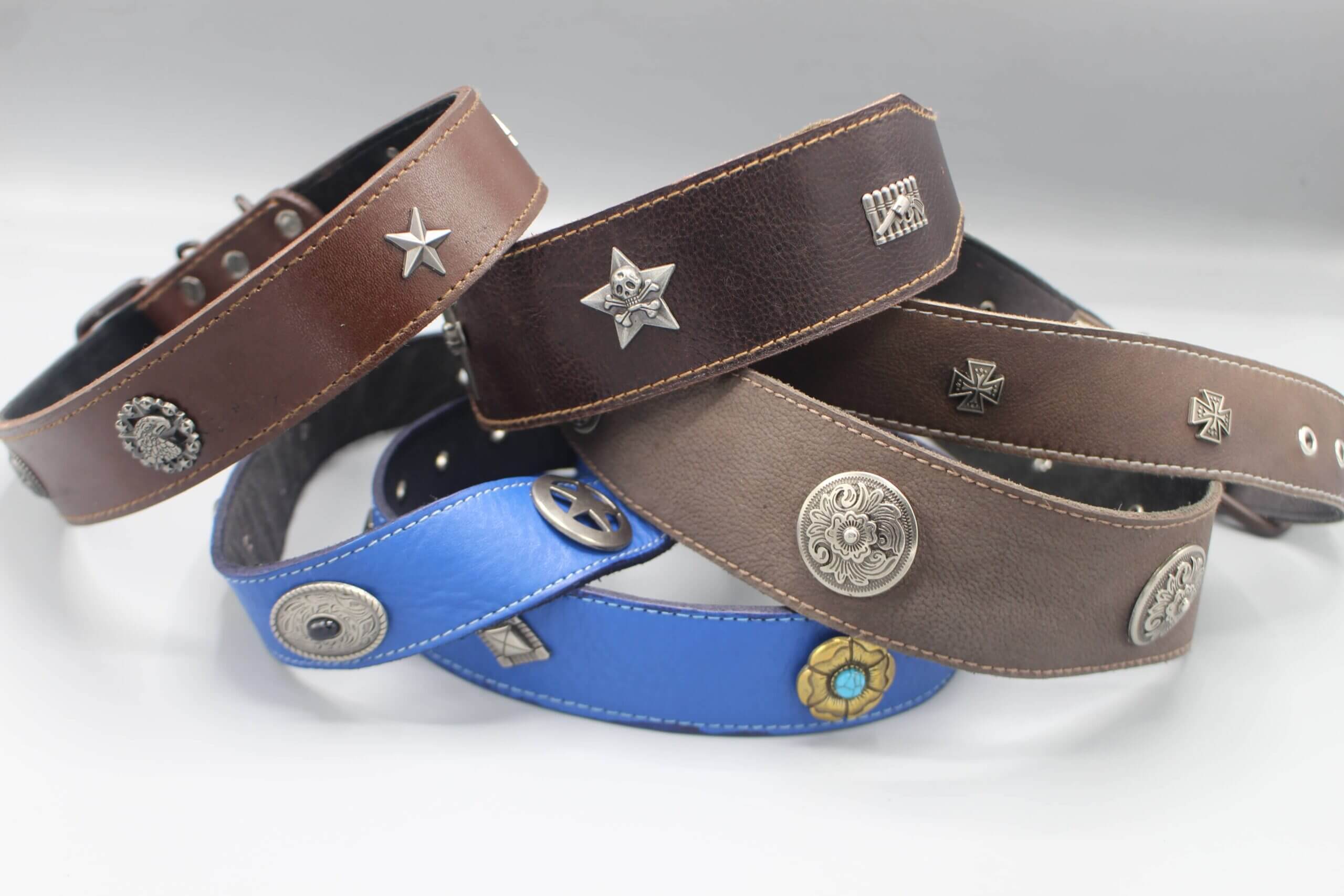
  • Top 5 Reasons to Choose a Leather Collar for Your Dog: Style, Comfort & More

    Top 5 Reasons to Choose a Leather Collar for Your Dog: Style, Comfort & More

    Are you looking for the perfect collar for your furry friend? Look no further than leather dog collars. We’ve compiled the top reasons why these timeless accessories are a must-have for every canine companion.

    When it comes to durability, style, and comfort, leather dog collars stand head and shoulders above the rest. They’re not just functional; they’re a fashion statement that can enhance your pup’s appearance while providing long-lasting wear. From classic designs to trendy options, there’s a leather collar to suit every dog’s unique personality.

    In this text, we’ll explore why leather collars are the best choice for your four-legged friend. We’ll jump into their unmatched durability, timeless style, and superior comfort. By the end, you’ll understand why investing in a leather collar is a decision that benefits both you and your beloved pet.

    Understanding Dog Collar Materials

    Dog collars come in various materials, each with unique characteristics. We’ll explore the differences between leather and other common materials to help you make an well-informed choice for your furry friend.

    Leather vs. Other Materials

    Leather dog collars offer distinct advantages over other materials like nylon or synthetic options. Here’s a comparison of key features:

    FeatureLeatherNylonSynthetic
    ComfortSoft, breathableCan be stiff, abrasiveVaries by material
    DurabilityHighly durable, lasting yearsLess durable, prone to frayingModerate durability
    StyleClassic, improves with ageWide range of colors and patternsModern, varied designs
    MaintenanceEasy to clean, develops patinaMachine washable, but can retain odorsEasy to clean, may fade over time
    CostHigher initial investmentGenerally less expensiveVaries by quality

    Leather collars excel in comfort, providing a soft and breathable option for dogs. Unlike nylon collars with potentially stiff edges, leather reduces the risk of chafing or skin irritation. This natural material molds to your dog’s neck over time, improving comfort.

    Durability is a standout feature of leather collars. Full-grain leather, in particular, resists wear and tear effectively, often outlasting synthetic alternatives. While nylon collars may fray or show signs of wear quickly, a well-maintained leather collar can last for many years, potentially throughout your dog’s life.

    Style-wise, leather collars offer a timeless, sophisticated look. They develop a unique patina over time, adding character and distinction. In contrast, nylon collars, while available in various colors and patterns, tend to show stains and fraying as they age.

    Maintenance of leather collars is straightforward. They’re easy to clean and don’t retain odors like nylon collars often do. But, leather does require occasional conditioning to maintain its suppleness and appearance.

    Cost is an important consideration. Leather collars typically have a higher upfront cost compared to nylon or synthetic options. But, their longevity often makes them a cost-effective choice in the long run, as they don’t need frequent replacement.

    When choosing a dog collar material, consider your dog’s lifestyle, your budget, and personal preferences. Leather collars offer a blend of comfort, durability, and style that many dog owners find appealing, making them a popular choice for discerning pet parents.

    Top Reasons to Choose a Leather Collar

    Leather collars offer many advantages for dogs and their owners. Here are the top reasons why a leather collar is an excellent choice for your canine companion:

    Exceptional Durability

    Leather collars are renowned for their long-lasting nature. Made from high-quality materials like full grain leather, these collars retain their strength and integrity over time. Unlike nylon or synthetic alternatives, leather withstands the rigors of a dog’s active lifestyle, including chewing and rough handling. The robust construction ensures that a leather collar remains intact and functional for years, even with daily use. This durability makes leather collars a cost-effective choice in the long run, as they don’t need frequent replacement.

    Superior Comfort

    Leather collars provide unmatched comfort for dogs. The soft, supple nature of leather significantly reduces the risk of chafing or irritation on a dog’s skin. This makes leather collars an ideal choice for dogs with sensitive skin or those prone to skin rashes. As the leather molds to the dog’s neck over time, it creates a custom fit that enhances comfort. The breathable properties of leather also help prevent moisture buildup, keeping the dog’s neck area dry and comfortable, even during extended wear or in warm weather conditions.

    Timeless Style and Aesthetics

    Leather collars offer a unique and stylish appearance that improves with age. The rich, natural look of leather adds a touch of sophistication to any dog’s appearance. As the collar ages, it develops a beautiful patina, giving it character and a distinctive look. Leather collars come in various colors and designs, allowing owners to choose one that complements their dog’s coat or personality. The timeless appeal of leather ensures that these collars never go out of style, making them a versatile accessory for any occasion.

    Hypoallergenic Properties

    Leather collars are an excellent choice for dogs with allergies or sensitive skin. Natural leather is hypoallergenic, meaning it’s less likely to cause allergic reactions compared to synthetic materials. The absence of artificial dyes and chemicals in high-quality leather collars reduces the risk of skin irritation. For dogs prone to allergies or skin sensitivities, a leather collar provides a safe and comfortable option. The smooth surface of leather also prevents the accumulation of allergens, making it easier to keep clean and allergen-free.

    Easy Maintenance

    Maintaining a leather collar is straightforward and hassle-free. Regular cleaning with a damp cloth keeps the collar in good condition. Occasional conditioning with leather-exact products helps preserve the material’s suppleness and prevents cracking. Unlike fabric collars that can harbor odors and bacteria, leather naturally resists these issues. The smooth surface of leather makes it easy to wipe away dirt and grime, ensuring the collar stays clean with minimal effort. With proper care, a leather collar maintains its appearance and functionality for years, making it a low-maintenance option for dog owners.

    Practical Considerations

    Leather collars offer several practical benefits for dog owners. We’ll explore key aspects that make them a superior choice, including comfort, style, durability, and safety.
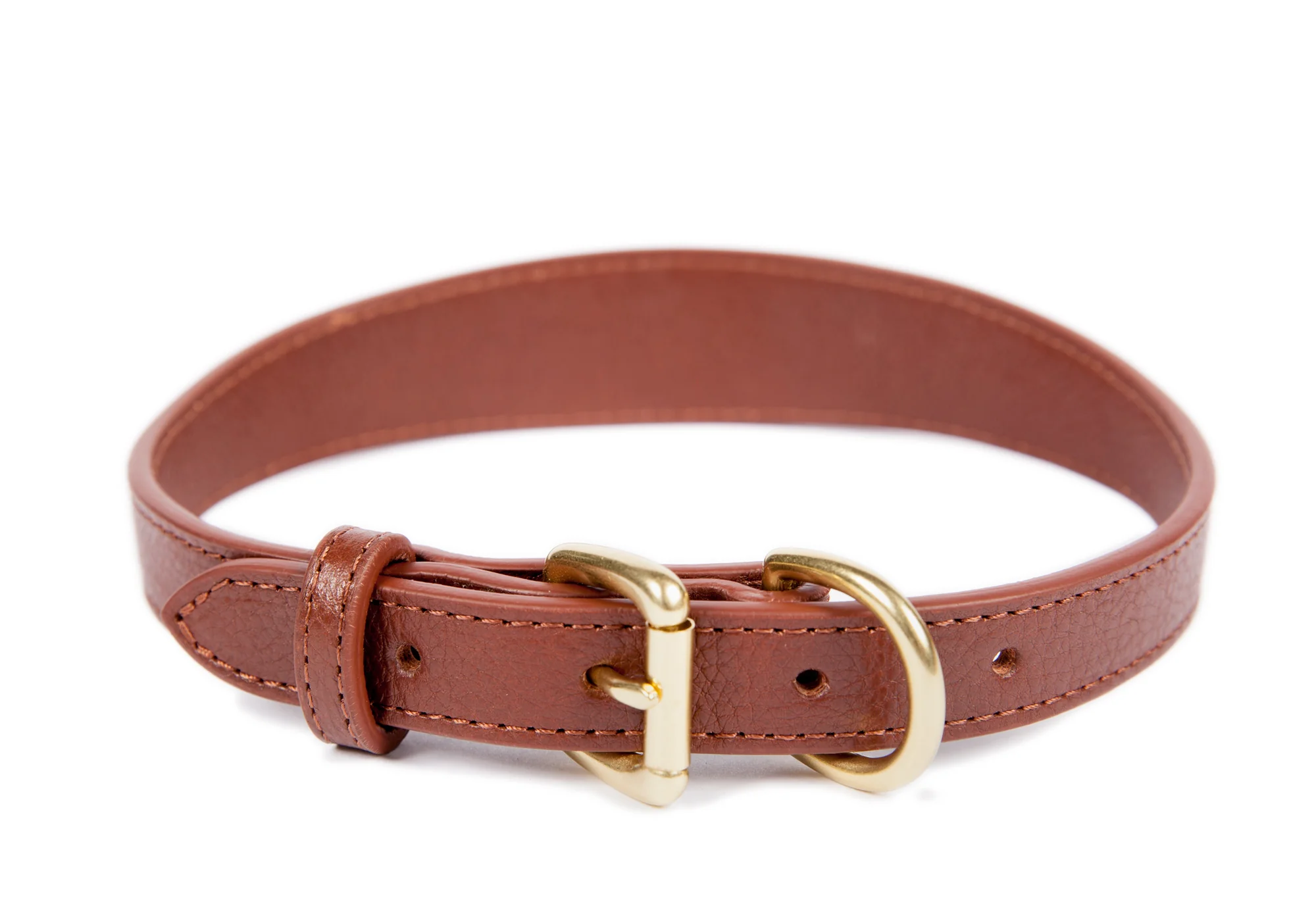
    Dog Collar
    Discover why leather dog collars are the ultimate choice for your furry friend. Explore their durability, style, and comfort, and learn why investing in quality pays off in the long run.

    Comfort

    Leather collars provide exceptional comfort for dogs. They’re made from a natural, breathable material that’s gentle on the skin and coat. Unlike synthetic options, leather reduces the risk of chafing or irritation, especially for dogs with sensitive skin. As the collar ages, it softens and molds to your dog’s neck, creating a custom fit that enhances comfort over time.

    Style

    Leather collars offer a timeless, sophisticated look for your canine companion. They come in various colors and designs, allowing you to match your dog’s personality or your own style preferences. The unique patina that develops as leather ages adds character, making each collar distinct. This natural aging process enhances the collar’s appearance, unlike synthetic materials that may fade or look worn over time.

    Durability

    The durability of leather collars is unmatched. They’re built to withstand the active lifestyle of dogs, from playful puppies to energetic adults. High-quality leather resists wear and tear, maintaining its structural integrity far longer than nylon or fabric collars. With proper care, a leather collar can last for years, often outliving multiple synthetic alternatives.

    Safety

    Leather collars provide a secure attachment point for identification tags and leashes. Their robust construction makes them less likely to break or fray, ensuring your dog stays safely tethered during walks or training sessions. The sturdy nature of leather also means it’s less likely to get caught on objects, reducing the risk of accidents or injury to your pet.

    Proper Fit and Sizing

    Ensuring a proper fit is crucial when selecting a leather collar for your dog. Measure your dog’s neck circumference and add 1-2 inches for comfort. Most leather collars come with multiple adjustment holes, allowing for a customized fit. Check the fit regularly, especially for growing puppies or dogs with changing weight. A well-fitted leather collar should allow two fingers to fit comfortably between the collar and your dog’s neck, providing security without restricting movement or breathing.

    Cost and Long-Term Value

    While leather collars may have a higher upfront cost compared to synthetic options, they offer excellent long-term value. Their durability means you’ll replace them less frequently, saving money over time. High-quality leather collars often last for years, making them a cost-effective choice for dog owners. Also, the timeless style of leather means you won’t need to replace the collar due to changing trends. When considering the cost, factor in the collar’s longevity, reduced need for replacements, and the added benefits of comfort and style for your furry friend.

    Leather Collar Care Tips

    Proper care extends the life of leather dog collars, ensuring they remain comfortable and safe for your pet. Here are essential tips for maintaining your dog’s leather collar:

    Cleaning

    Regular cleaning keeps leather collars in top condition:

    • Remove dirt with a dry microfiber cloth
    • For light cleaning, use a damp cloth with mild soap
    • Avoid harsh chemicals or regular shampoos
    • For stubborn stains, use a soft-bristled brush
    • Rinse thoroughly with clean water
    • Air dry away from direct sunlight

    Conditioning

    Conditioning prevents cracking and maintains flexibility:

    • Apply leather conditioner every 3-4 months
    • Use products specifically designed for leather
    • Work the conditioner into the leather with a soft cloth
    • Remove excess conditioner with a clean cloth
    • Allow the collar to dry completely before use

    Storage

    Proper storage preserves the collar’s shape and prevents damage:

    • Store in a cool, dry place
    • Avoid direct sunlight or heat sources
    • Hang the collar or lay it flat
    • Keep away from moisture to prevent mold

    Inspection

    Regular checks ensure the collar remains safe:

    • Examine for signs of wear or damage
    • Check buckles and D-rings for security
    • Look for cracks or weakened areas
    • Replace the collar if it shows important wear

    Special Care for Finished vs. Unfinished Leather

    Different types of leather require exact care:

    Finished Leather

    • Clean with mild soap and water
    • Use leather wax for added protection
    • Buff to restore shine
    • Clean with saddle soap
    • Avoid water-based cleaning methods
    • Apply leather wax for protection

    By following these care tips, you’ll maintain your dog’s leather collar’s quality, comfort, and safety for years to come.

    Conclusion

    Leather dog collars stand out as the superior choice for discerning pet owners. They offer unmatched durability comfort and style that improves with age. While the initial investment might be higher their longevity and low maintenance make them cost-effective in the long run.

    We believe that by choosing a leather collar you’re not just buying an accessory but investing in your dog’s comfort and safety. With proper care these collars can last for years providing a timeless look and reliable performance.

    For pet owners seeking quality and style leather collars are the way to go. They’re a testament to your commitment to your furry friend’s well-being and appearance.
  • Best German Shepherd Harnesses: 2024 Top Picks for Comfort and Control

    Best German Shepherd Harnesses: 2024 Top Picks for Comfort and Control

    Are you struggling to find the perfect harness for your loyal German Shepherd? We’ve got you covered! German Shepherds are known for their impressive strength and size, making the right harness essential for their comfort and safety during walks and training sessions.

    We understand the unique needs of this noble breed and have extensively researched and tested various harnesses to bring you the best options. From heavy-duty nylon construction to reinforced stitching, we’ll guide you through the key features to look for in a German Shepherd harness. Whether you’re seeking a no-pull design for daily walks or a tactical harness for working dogs, we’ll help you make an informed choice that ensures your furry friend’s well-being and gives you maximum control.

    Understanding German Shepherd Harnesses

    German Shepherds, with their impressive strength and size, require specialized harnesses that cater to their unique needs. We’ve discovered that the right harness can significantly improve both the dog’s comfort and the owner’s control during walks and training sessions.

    Benefits of Using a Harness

    Harnesses offer several advantages over traditional collars for German Shepherds:

    1. Even pressure distribution: Harnesses spread force across the chest and shoulders, reducing neck strain and potential injuries.
    2. Enhanced control: The design provides better leverage, making it easier to manage strong dogs without causing discomfort.
    3. Improved training: Front-clip options discourage pulling, aiding in leash training.
    4. Comfort: Well-fitted harnesses prevent chafing and allow for natural movement.
    5. Safety: They minimize the risk of escape, especially for dogs prone to slipping out of collars.
    6. Versatility: Many harnesses feature multiple attachment points for various activities.
    7. No-pull harnesses: These redirect a dog’s forward motion when they pull, discouraging the behavior without causing discomfort.
    8. Tactical harnesses: Built for durability, these often include multiple attachment points and handles for working dogs or active lifestyles.
    9. Y-shaped harnesses: These follow the natural contours of a dog’s body, allowing for unrestricted shoulder movement.
    10. Step-in harnesses: Easy to put on, these are ideal for dogs who don’t like things going over their heads.
    11. Padded harnesses: Extra cushioning provides comfort for long walks or sensitive dogs.
    12. Vest harnesses: These offer more coverage and can be suitable for dogs with skin sensitivities.

    When selecting a harness for your German Shepherd, consider factors such as fit, durability, and exact needs (e.g., training, service work, or everyday use). A properly fitted harness should allow for two fingers of space between the harness and your dog’s body to ensure comfort without compromising security.

    Choosing the Right Harness

    Selecting the ideal harness for a German Shepherd requires careful consideration of several factors. We’ll explore the key features to look for and important sizing and fit considerations to ensure your German Shepherd’s comfort and safety.

    Key Features to Look For

    When choosing a German Shepherd harness, prioritize durability and functionality. Opt for harnesses made from strong materials like nylon or leather, which can withstand the strength of these active dogs. Look for reinforced stitching and sturdy hardware to ensure longevity.

    Y-shaped harnesses are often recommended for German Shepherds as they allow for natural shoulder movement and provide better control. Consider harnesses with multiple attachment points, including a front clip to discourage pulling and a back clip for casual walks.

    Adjustability is crucial for a proper fit. Choose harnesses with multiple adjustment points to customize the fit around your dog’s chest and neck. Padded straps can enhance comfort, especially during extended wear.

    For working or highly active German Shepherds, tactical harnesses with handles and extra attachment points offer versatility for various activities. Reflective elements improve visibility during low-light conditions, improving safety during evening walks.

    Sizing and Fit Considerations

    Proper sizing is essential for a German Shepherd harness to be effective and comfortable. Measure your dog’s chest girth, neck circumference, and body length before selecting a harness size. Most manufacturers provide sizing charts, so consult these carefully to find the best fit.

    Ensure the harness sits snugly but not too tight. A well-fitted harness should allow you to slip two fingers between the harness and your dog’s body. This provides enough room for comfort without compromising security.

    Pay attention to how the harness sits on your German Shepherd’s body. It shouldn’t restrict movement or rub against sensitive areas. The chest strap should rest across the breastbone, not on the throat or too far down on the belly.

    Consider your German Shepherd’s body shape when choosing a harness style. Some dogs may have broader chests or longer bodies, requiring exact harness designs for a better fit. Adjustable harnesses can accommodate growth or weight changes in younger dogs.

    Test the harness’s fit by having your German Shepherd wear it for short periods before extended use. Watch for signs of discomfort or chafing, and make adjustments as needed. A properly fitted harness will allow your dog to move naturally while providing the control and safety you need.

    Top Harness Styles for German Shepherds

    German Shepherds require exact harness styles that cater to their size, strength, and activity level. We’ve identified three key harness types that address different needs for these powerful dogs.

    No-Pull Harnesses

    No-pull harnesses are essential for German Shepherds prone to pulling on walks. These harnesses typically feature a front chest attachment point that redirects the dog’s forward motion, discouraging pulling behavior. Some no-pull harnesses offer both front and back attachment options, providing versatility in training and control.

    Key features of effective no-pull harnesses for German Shepherds include:

    • Sturdy construction to withstand the breed’s strength
    • Adjustable straps for a custom fit
    • Padded chest piece for comfort during correction
    • Reflective strips for visibility during night walks

    When fitted correctly, a no-pull harness can significantly improve leash manners without causing discomfort to your German Shepherd.

    Tactical Harnesses

    Tactical harnesses are ideal for working German Shepherds or those involved in high-intensity activities. These harnesses are designed for durability and functionality, often featuring:

    • Heavy-duty materials like ballistic nylon
    • Multiple attachment points for gear and control handles
    • MOLLE (Modular Lightweight Load-carrying Equipment) webbing for customization
    • Reinforced stitching at stress points

    Tactical harnesses provide excellent control and support for German Shepherds in service roles, such as:

    • Police K9 units
    • Search and rescue operations
    • Military service dogs
    • Advanced obedience training

    The robust design of tactical harnesses ensures they can withstand the demands of rigorous activities while offering handlers superior control and versatility.

    Comfort Harnesses

    Comfort harnesses prioritize your German Shepherd’s well-being during everyday activities. These harnesses are designed to distribute pressure evenly across the chest and shoulders, reducing strain on the neck and back. Key features include:

    • Soft, breathable materials to prevent chafing
    • Wide, padded straps for weight distribution
    • Y-shape design to allow full range of motion
    • Easy on/off buckles for convenience

    Comfort harnesses are particularly beneficial for:

    • Senior German Shepherds
    • Dogs with sensitive skin or previous injuries
    • Long walks or hikes
    • Everyday use in various environments

    When selecting a comfort harness, ensure it’s adjustable to accommodate your German Shepherd’s unique body shape and size. A properly fitted comfort harness should allow for natural movement while providing secure control during walks and outdoor activities.

    Proper Use and Training

    Proper use and training with a German Shepherd harness are essential for ensuring your dog’s comfort and safety. We’ll explore effective techniques for introducing your German Shepherd to a harness and addressing pulling behavior.

    Introducing Your German Shepherd to a Harness

    Introducing a harness to your German Shepherd requires patience and positive reinforcement. Start by letting your dog sniff and investigate the harness. Place treats on the harness to create positive associations. Gradually introduce the harness by draping it over your dog’s back for short periods, rewarding calm behavior. When your German Shepherd is comfortable, begin the fitting process.

    For standard harnesses, slip it over your dog’s head, ensure the D-ring is on the back, and buckle it after the dog’s legs are through the correct holes. With step-in harnesses, lay it flat, place your dog’s front feet in the triangles, and clip the ends together on the back. For front-clip harnesses, put the loop over the head, fasten the belly strap, and adjust for a snug fit.

    Always check that you can slip two fingers underneath any strap to ensure a proper fit. Reward your German Shepherd with treats and praise throughout the process to maintain a positive experience.

    Addressing Pulling Behavior

    Addressing pulling behavior in German Shepherds often involves using a harness designed to discourage this habit. Front-clip harnesses are particularly effective for this purpose. When your dog pulls, the front attachment point turns them towards you, reducing the pulling force.

    To train your German Shepherd not to pull:

    1. Start in a low-distraction environment.
    2. Use a command like “heel” or “with me” to indicate the desired walking position.
    3. Reward your dog with treats and praise when they walk calmly beside you.
    4. If your dog pulls, stop walking immediately.
    5. Only resume walking when the leash is slack.

    Consistency is key in this training process. Combine the use of a proper harness with these techniques to effectively address pulling behavior in your German Shepherd. Remember that training takes time and patience, but with persistent effort, you can achieve a more enjoyable walking experience for both you and your dog.

    Harness Care and Maintenance

    Proper care and maintenance of your German Shepherd harness ensure its longevity, comfort, and effectiveness. We’ll explore essential practices for keeping your harness in top condition.

    Material Care

    Different harness materials require exact care approaches:

    Nylon Harnesses

    Nylon harnesses are durable and water-resistant, making them popular for German Shepherds. To maintain these harnesses:

    • Wipe down with a damp cloth after each use
    • Pay special attention to areas exposed to dirt or moisture
    • Avoid harsh chemicals or abrasive cleaners
    • Air dry completely before storage

    Leather Harnesses

    Leather harnesses need more attentive care:

    • Apply leather conditioner or oil regularly
    • Keep away from excessive water exposure
    • Air dry if wet
    • Clean with a soft cloth and mild soap

    Cleaning Routine

    Regular cleaning maintains harness hygiene and prolongs its lifespan:

    1. Inspect the harness for dirt, debris, and odors
    2. Use a mild soap and water solution for nylon harnesses
    3. Gently scrub with a soft brush to remove stubborn dirt
    4. Rinse thoroughly with clean water
    5. Air dry completely before use

    Storage

    Proper storage prevents damage and extends the harness’s life:

    • Hang the harness in a cool, dry place
    • Avoid direct sunlight exposure
    • Keep away from heat sources
    • Store in a well-ventilated area to prevent mold growth

    Buckles and Hardware

    Maintaining metal components ensures harness functionality:

    • Check for rust or corrosion regularly
    • Clean metal parts with a damp cloth
    • Apply a light lubricant to moving parts
    • Replace damaged buckles or D-rings promptly

    Stitching Inspection

    Regular stitching checks prevent unexpected harness failures:

    • Examine all seams for loose threads or fraying
    • Look for signs of wear at stress points
    • Reinforce weakened areas if possible
    • Replace the harness if structural integrity is compromised
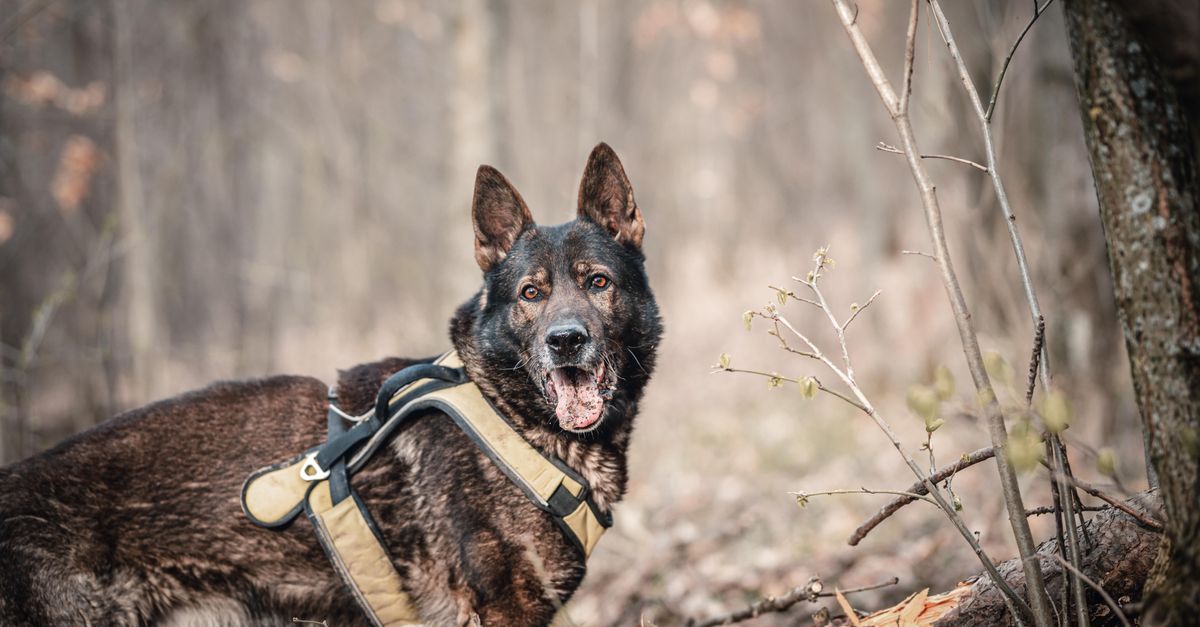
    A German Shepherd in the Forest / German Shepherd Harnesses

    Photo by Jozef Fehér on Pexels

    Odor Control

    Keeping your German Shepherd’s harness odor-free enhances comfort:

    • Use enzymatic cleaners for stubborn odors
    • Avoid fabric softeners or strong-scented detergents
    • Sunlight exposure can naturally eliminate odors
    • Consider antimicrobial treatments for persistent issues

    Adjustments and Fit

    Regular fit checks ensure optimal comfort and effectiveness:

    • Reassess harness fit every few months
    • Adjust straps as your German Shepherd grows or changes weight
    • Ensure two-finger space between harness and dog’s body
    • Check for signs of chafing or irritation

    Seasonal Considerations

    Adapt care routines based on seasonal changes:

    • Winter: Dry thoroughly after exposure to snow or salt
    • Summer: Clean more frequently due to increased sweat and dirt
    • Spring/Fall: Watch for mud and debris accumulation

    Professional Maintenance

    Consider professional care for high-quality or specialized harnesses:

    • Seek expert cleaning for leather harnesses annually
    • Have tactical harnesses inspected by manufacturers periodically
    • Consult professionals for repairs on complex harness systems

    By following these care and maintenance guidelines, we ensure that our German Shepherd’s harness remains in optimal condition, providing comfort, safety, and functionality for years to come. Regular attention to these details not only extends the harness’s lifespan but also enhances our dog’s walking and training experiences.

    Alternatives to Harnesses

    While harnesses are popular for German Shepherds, it’s essential to explore alternative options. These alternatives can provide different benefits and may be more suitable for certain situations or individual dogs.

    Collars vs. Harnesses for German Shepherds

    Collars and harnesses each have their own advantages and disadvantages for German Shepherds. Collars are traditional and widely used, but harnesses offer exact benefits for this strong breed.

    Collars:

    • Simpler to put on and take off
    • Ideal for holding ID tags
    • Less bulky for everyday wear
    • Can be more comfortable in hot weather

    Harnesses:

    • Distribute pressure across the chest and shoulders
    • Reduce risk of neck injuries
    • Provide better control during walks and training
    • Harder for dogs to slip out of

    When choosing between collars and harnesses, consider your German Shepherd’s individual needs, behavior, and the exact activities you’ll be doing together. Some owners use both, depending on the situation.

    Conclusion

    Choosing the right harness for your German Shepherd is crucial for their comfort and safety. We’ve explored various types, from no-pull to tactical and comfort harnesses, each serving exact needs. Remember to prioritize proper fit, durability, and functionality when making your selection. With the right harness and training, you’ll enjoy safer, more enjoyable walks with your loyal companion. Don’t forget to maintain your harness regularly to ensure its longevity and effectiveness. Whether you opt for a harness or a collar, always prioritize your German Shepherd’s well-being and individual needs.

  • Trendy Pink Leather Dog Collars: 2024 Stylish & Durable Picks for Your Pup

    Trendy Pink Leather Dog Collars: 2024 Stylish & Durable Picks for Your Pup

    Looking to add a touch of glamour to your furry friend’s wardrobe? A pink leather dog collar might just be the perfect accessory. With a blend of style and functionality, these collars have become increasingly popular among pet owners who want their dogs to stand out from the pack.

    We’ve noticed a growing trend in fashionable pet accessories, and pink leather dog collars are at the forefront. From rhinestone-studded designs to classic paisley patterns, there’s a wide variety of options available to suit every pup’s personality. In this text, we’ll explore the benefits of these collars, discuss important features to consider when choosing one, and highlight some of the top-rated products on the market. Whether you’re shopping for a small Chihuahua or a medium-sized Labrador, we’ll help you find the perfect pink leather collar for your canine companion.

    Benefits of Pink Leather Dog Collars

    Pink leather dog collars offer a unique combination of style and functionality for pet owners. These collars provide many advantages, from improving a dog’s appearance to ensuring their comfort and safety.

    Style and Fashion

    Pink leather dog collars add a stylish and fashionable touch to a dog’s appearance. The color pink traditionally symbolizes femininity but is now often used for pets of any gender, reflecting the owner’s aesthetic preferences. These collars come in various shades of pink, from soft pastels to vibrant hot pink, allowing pet owners to choose a hue that complements their dog’s coat or personality.

    Some pink leather collars feature additional design elements like rhinestones, studs, or embossed patterns, further improving their visual appeal. The combination of leather material and pink color creates a unique look that stands out in dog parks and on daily walks. For pet owners who want their dogs to make a fashion statement, pink leather collars offer a perfect blend of sophistication and playfulness.

    Durability and Comfort

    Pink leather dog collars are known for their durability and comfort. Leather is a robust material that’s less likely to fray or break, ensuring the collar can withstand long-term use. This durability makes leather collars an excellent investment for pet owners, as they often outlast collars made from other materials.

    The leather padding inside the collar protects the dog’s neck from rubbing and irritation, preventing sores and hair loss. This feature is particularly beneficial for dogs with sensitive skin or those prone to allergies. Adjustable leather collars can be fitted perfectly to accommodate the dog’s growth or weight changes, and the padding adds extra comfort, especially for breeds with shorter fur.

    Many pink leather collars are designed with soft, breathable leather that molds to the dog’s neck over time, providing a custom fit. This adaptability ensures that the collar remains comfortable even during extended wear, making it ideal for daily use or special occasions.

    Choosing the Right Pink Leather Dog Collar

    Selecting the perfect pink leather dog collar requires careful consideration of several factors. We’ll explore the key aspects to ensure you choose a collar that’s both stylish and functional for your furry friend.

    Size and Fit Considerations

    When selecting a pink leather dog collar, proper sizing is crucial for your dog’s comfort and safety. Measure your dog’s neck circumference accurately, allowing for two fingers’ width between the collar and neck. Look for adjustable collars with multiple holes or sliding buckles to accommodate your dog’s growth or weight changes. Consider the width of the collar in relation to your dog’s size; smaller breeds need narrower collars, while larger dogs require wider ones for better support. Remember that a well-fitting collar prevents slipping off or causing discomfort. Always check the fit regularly, especially for growing puppies or dogs with thick fur that may change seasonally.

    Quality of Leather and Hardware

    The quality of leather and hardware in a pink leather dog collar significantly impacts its durability and appearance. Opt for collars made from full-grain or top-grain leather, which are more resistant to wear and tear. High-quality leather ages gracefully, developing a unique patina over time. Examine the stitching; double-stitched seams provide extra strength. For hardware, look for solid brass or stainless steel components, as they resist corrosion and maintain their appearance.
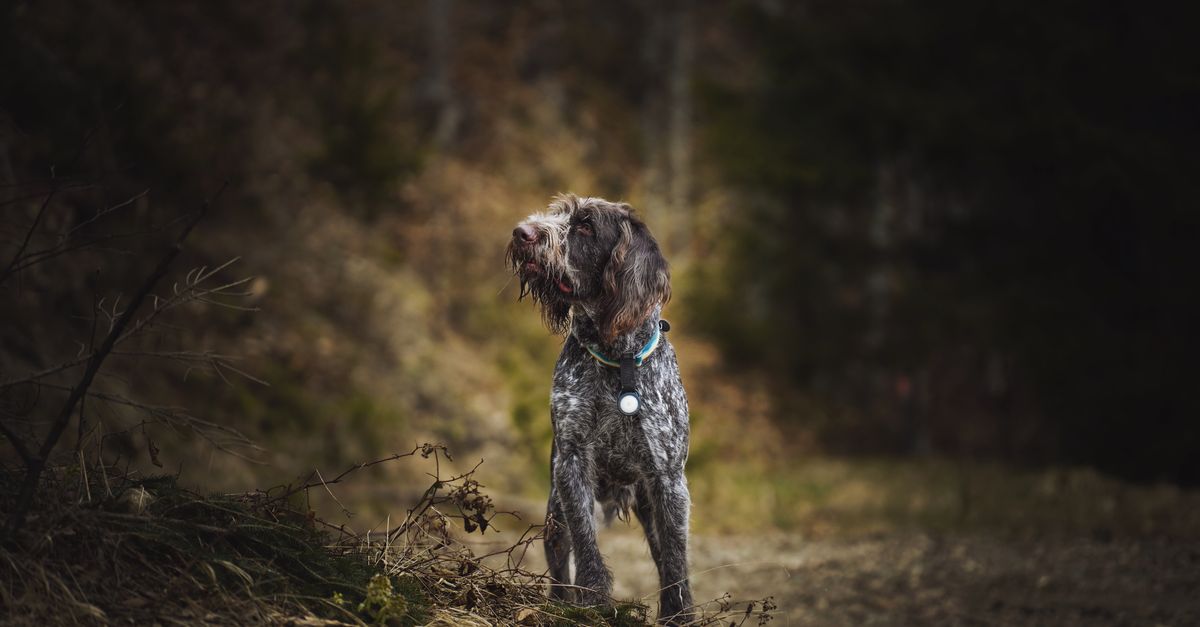
    Avoid collars with plastic buckles or D-rings, which can break easily. Some premium collars feature padded interiors for added comfort. Consider collars with reinforced holes to prevent stretching and maintain a secure fit. Remember, investing in a high-quality pink leather collar ensures longevity and keeps your dog looking stylish for years to come.

    Customization Options

    Pink leather dog collars offer various customization options to suit your pet’s style and your preferences. These options allow you to create a unique and personalized accessory for your furry friend.

    Engraving and Personalization

    Engraving and personalization add a special touch to pink leather dog collars. Many manufacturers offer nameplate options with contact details, ensuring your dog’s safety if they ever get lost. Some companies provide multiple lines of text for engraving, allowing you to include your dog’s name and your phone number. Font choices often include standard, elegant, and modern styles to match your aesthetic preferences. Custom logos can be engraved for a truly unique collar, though additional fees may apply. It’s important to note that personalized collars are typically non-returnable unless there’s a manufacturing error.

    Additional Accessories

    Pink leather dog collars can be enhanced with various accessories to improve functionality and style. D-rings for attaching leashes and ID tags are common additions. Some collars feature decorative studs, rhinestones, or gemstones for added glamour. Reflective strips or glow-in-the-dark elements improve visibility during nighttime walks. Padding options in contrasting colors can provide extra comfort and a pop of style. Matching leashes, harnesses, and waste bag holders are often available to create a coordinated set. Some manufacturers offer interchangeable charms or pendants that can be easily swapped out to change the collar’s look. Consider water-resistant coating options for added durability in wet conditions.

    Care and Maintenance

    Proper care and maintenance are essential for keeping your pink leather dog collar in pristine condition. Regular upkeep ensures the collar remains comfortable for your furry friend while maintaining its stylish appearance.

    Cleaning Tips

    To clean a pink leather dog collar, use a damp cloth or sponge with mild soap or leather cleaner. Avoid harsh chemicals that can damage the leather. Remove visible dirt with a soft brush before cleaning. Work on one section at a time, wiping off lather with a clean cloth. Never soak the collar in water; instead, use a damp cloth for cleaning. If the collar gets wet, let it air dry naturally at room temperature, away from direct heat sources. For vegan collars, use a PU-leather cleaner and conditioner. Regular cleaning keeps the collar looking fresh and prevents dirt buildup, extending its lifespan.

    Extending Collar Lifespan

    To maximize the lifespan of a pink leather dog collar, follow these tips:

    1. Rotate collars: Use different collars throughout the week to reduce wear on a single collar.
    2. Remove when at home: Take off the collar when your dog is indoors to minimize constant wear.
    3. Avoid water exposure: Don’t use leather collars for swimming or on rainy days. Opt for vegan alternatives in wet conditions.
    4. Proper storage: Keep the collar connected when not in use to maintain its natural shape. Avoid flattening it out after use.
    5. Protect from heat and sunlight: Store the collar away from direct sunlight and heat sources to prevent leather drying.
    6. Regular conditioning: Apply leather protection cream after cleaning to keep the leather supple and moisturized.
    7. Inspect regularly: Check for signs of wear and tear, addressing any issues promptly to prevent further damage.

    By following these care and maintenance tips, you’ll ensure your pink leather dog collar remains a stylish and durable accessory for your canine companion.

    Pink leather dog collars come in various styles, each offering unique features to suit different preferences and needs. We’ve compiled a list of popular styles that combine fashion and functionality:

    Padded Leather Collars

    Padded leather collars provide exceptional comfort for dogs. These collars feature:

    • Genuine leather construction
    • Soft, cushioned interior
    • Customizable color options, including pink
    • Durability for long-lasting use

    Central Kentucky Tack and Leather offers customizable padded leather dog collars. But, it’s important to note that neon and metallic colors may fade faster than plain colors.

    Handcrafted Genuine Leather Collars

    For pet owners seeking a touch of elegance, handcrafted genuine leather collars are an excellent choice. The Golden Dog Co. offers stylish options:

    • Rose pink and tan combination
    • High-quality craftsmanship
    • Unique, eye-catching design
    • Suitable for various dog breeds

    These collars add a sophisticated touch to any dog’s appearance, making them perfect for special occasions or everyday wear.

    Trendy Pink Leather Dog Collars:
    Trendy Pink Leather Dog Collars: 2024 Stylish & Durable Picks for Your Pup 6

    Italian Leather Collars

    Italian leather dog collars are known for their superior quality and style. On Etsy, you’ll find pink leather dog collars with the following features:

    • Made from genuine Italian leather
    • Solid brass hardware for durability
    • Available in multiple sizes (XS to XL)
    • Elegant and luxurious appearance
    SizeNeck Circumference (inches)
    XS8-12
    S10-14
    M12-16
    L14-18
    XL16-20

    These collars cater to dogs of various sizes, from small Chihuahuas to large Labradors.

    Veg-Tanned Leather with Hand-Painted Details

    For a truly unique and artistic touch, consider veg-tanned leather collars with hand-painted details. General Knot & Co. offers these distinctive collars:

    • Vegetable-tanned leather for eco-friendliness
    • Hand-painted designs for a one-of-a-kind look
    • Durable construction for long-lasting wear
    • Customizable options to suit individual tastes

    These collars combine traditional craftsmanship with modern design, resulting in a stylish and environmentally conscious accessory for your dog.

    By exploring these popular styles of pink leather dog collars, you’ll find the perfect blend of fashion and functionality for your furry friend. Whether you prefer the comfort of padded collars, the elegance of handcrafted designs, the luxury of Italian leather, or the uniqueness of hand-painted details, there’s a pink leather collar to suit every dog and owner’s style.

    Pricing and Where to Buy

    Pink leather dog collars are available at various price points and from multiple retailers. We’ve compiled a list of options to help you find the perfect collar for your furry friend.

    General Knot & Co.

    General Knot & Co. offers a unique Blonde Leather Dog Collar featuring a hand-painted neon pink stripe. This collar is crafted from natural veg-tanned leather, combining durability with style. While the exact price isn’t specified on their website, you can purchase this distinctive collar directly from General Knot & Co.’s online store.

    Amazon

    For budget-conscious pet owners, Amazon provides an affordable option. They offer a Pink Leather Dog Collar suitable for medium and small dogs at just $4.99. This low-cost alternative allows you to accessorize your pet without very costly. You’ll find this collar readily available on Amazon.com.

    The Golden Dog Co.

    The Golden Dog Co. presents the Santa Cruz Collar in a stylish rose pink and tan leather combination. This handcrafted genuine leather collar features a tan leather loop and non-tarnishing brass accents for a touch of elegance. Available in four sizes:

    SizeNeck Circumference
    XS6-10 inches
    S9-13 inches
    M13-17 inches
    L17-21 inches

    While the price isn’t listed on the provided link, you can purchase this collar directly from The Golden Dog Co.’s website.

    Things Remembered

    For those seeking a personalized touch, Things Remembered offers Personalized Pink Italian Leather Dog Collars. These collars combine high-quality Italian leather with customization options, allowing you to add your pet’s name or other details for a truly unique accessory.

    When shopping for a pink leather dog collar, consider factors like size, quality, and additional features to ensure you’re getting the best value for your money. Remember to measure your dog’s neck accurately before making a purchase to guarantee a comfortable and secure fit.

    Conclusion

    Pink leather dog collars offer a perfect blend of style and functionality for fashion-forward pet owners. We’ve explored their benefits durability and customization options as well as care tips to keep them looking their best. With various styles and price points available there’s a pink leather collar for every dog and budget. By choosing the right collar and maintaining it properly you’ll ensure your furry friend stays stylish comfortable and safe. So why not add a touch of pink to your pup’s wardrobe and see how it enhances their look?

  • Stylish Pups: 10 Cool Dog Collars for Your Furry Friend in 2024

    Stylish Pups: 10 Cool Dog Collars for Your Furry Friend in 2024

    Looking to make your furry friend stand out from the pack? A cool dog collar might be just what you need! We know how important it is to find the perfect accessory that combines style, comfort, and functionality for your canine companion.

    In this text, we’ll discover the area of unique and eye-catching dog collars. From funky colors to innovative designs, we’ll guide you through the best options to keep your pup safe and stylish. We’ll cover everything from reflective collars for nighttime safety to waterproof options for those adventurous dogs who love to swim. By the end, you’ll be equipped with all the knowledge you need to choose the coolest collar that suits your dog’s personality and your lifestyle.

    Types of Cool Dog Collars

    Cool dog collars come in various styles and designs, each offering unique features to make your furry friend stand out. We’ve identified three popular types of cool dog collars that combine style with functionality.

    Reflective Collars

    Reflective collars enhance visibility during low-light conditions, ensuring your dog’s safety during evening walks or nighttime outings. These collars incorporate reflective materials or stitching that catch and reflect light, making your dog more visible to drivers and pedestrians. Reflective collars come in various designs, from simple nylon bands with reflective strips to more elaborate patterns that blend style with safety. Some reflective collars feature additional elements like side-release buckles for easy placement and removal, or attachment points for ID tags. The reflective properties of these collars provide peace of mind for dog owners who enjoy outdoor activities with their pets after dark.

    LED Light-Up Collars

    LED light-up collars take visibility to the next level by incorporating bright, battery-powered LED lights directly into the collar design. These collars typically feature a series of LED lights that can be set to different modes, including steady glow, slow flash, or rapid flash. LED collars are available in various colors, allowing you to choose one that matches your dog’s personality or your personal style. The bright illumination provided by LED collars makes them an excellent choice for nighttime walks, camping trips, or any situation where maximum visibility is desired. Many LED collars are rechargeable via USB, ensuring they’re always ready for your next adventure with your canine companion.

    Personalized Collars

    Personalized collars offer a unique way to showcase your dog’s individuality while providing practical benefits. These collars can be customized with your dog’s name, your contact information, or even fun graphics and patterns. Personalization options range from embroidered text to engraved metal plates attached to the collar. Some personalized collars allow for interchangeable design elements, letting you switch up your dog’s look for different occasions. Beyond style, personalized collars serve as a built-in identification system, potentially helping reunite lost pets with their owners more quickly. With a wide variety of materials, colors, and customization options available, personalized collars offer a perfect blend of fashion and functionality for your furry friend.

    Cool Dog Collar
    Stylish Pups: 10 Cool Dog Collars for Your Furry Friend in 2024 10

    Features to Look for in a Cool Dog Collar

    When choosing a cool dog collar, it’s essential to consider features that blend style with functionality. We’ve identified key aspects to help you select the perfect collar for your furry friend.

    Durability and Material Quality

    Durability is crucial for a cool dog collar that’ll withstand daily wear and tear. High-quality materials ensure longevity and comfort:

    • Nylon: Lightweight, durable, and easy to clean
    • Leather: Stylish, ages well, and resists teeth marks
    • Biothane or PVC-coated: Waterproof and odor-resistant

    Look for collars with reinforced stitching and sturdy hardware, such as stainless steel D-rings and buckles. These features prevent breakage and ensure the collar remains secure during active play or walks. Waterproof or water-resistant materials are ideal for dogs that love swimming or live in rainy climates.

    Comfort and Fit

    A comfortable fit is essential for your dog’s well-being and safety:

    • Adjustable collars accommodate growth and seasonal coat changes
    • Padded collars distribute pressure evenly, reducing irritation
    • Breathable materials prevent overheating and skin irritation
    • Rounded edges minimize chafing and hair breakage

    Measure your dog’s neck carefully and choose a collar that allows for two fingers’ width between the collar and neck. This ensures proper fit without restricting breathing or movement. Consider your dog’s activity level and breed when selecting collar width and weight to maximize comfort.

    Style and Design

    Cool dog collars come in various styles to match your dog’s personality and your preferences:

    • Bold patterns and vibrant colors for a standout look
    • Reflective elements for increased visibility during night walks
    • LED lights for maximum nighttime safety and style
    • Personalized options with embroidered names or custom tags
    • Themed designs for holidays or special occasions

    Choose a design that complements your dog’s coat color and reflects their unique character. Consider collars with interchangeable accessories or reversible designs for versatility. Remember, while style is important, never compromise on safety features or comfort for the sake of appearance.

    Smelly Leather Dog Collar
    Stylish Pups: 10 Cool Dog Collars for Your Furry Friend in 2024 11

    Choosing the Right Cool Collar for Your Dog

    Selecting the perfect cool collar for your dog involves considering various factors to ensure comfort, functionality, and style. We’ll explore key aspects to help you make an well-informed choice.

    Size and Breed Considerations

    When choosing a cool dog collar, size and breed considerations are crucial for your pet’s comfort and safety. Adjustability is key, as it allows the collar to fit a variety of sizes and accommodate your dog’s growth. Look for collars with multiple adjustment points to ensure a snug yet comfortable fit.

    The width and thickness of the collar should correspond to your dog’s neck size and overall build. Smaller breeds typically require narrower collars, around half an inch wide, while larger dogs benefit from wider collars for better support and weight distribution. Consider your dog’s neck circumference and coat thickness when selecting the appropriate size.

    For breeds with thick fur or sensitive skin, opt for collars with smooth edges and soft materials to prevent irritation. Some cool collars feature padded linings or rolled designs, which are gentler on your dog’s neck and reduce the risk of chafing or hair loss.

    Activity Level and Lifestyle

    Your dog’s activity level and lifestyle play a important role in choosing the right cool collar. For active dogs who love outdoor adventures, durability is paramount. Look for collars made from robust materials like high-quality nylon or leather that can withstand rough play and frequent exposure to the elements.

    Water-resistant or waterproof collars are ideal for dogs who enjoy swimming or live in rainy climates. These collars resist odors and dry quickly, maintaining their cool appearance and functionality. For dogs that spend time outdoors during low-light conditions, consider collars with reflective elements or LED lights to enhance visibility and safety.

    If your dog has a more laid-back lifestyle, you might prioritize style over ruggedness. Designer collars with unique patterns or embellishments can showcase your pet’s personality while still providing comfort for everyday wear. But, ensure that any decorative elements are securely attached and won’t pose a choking hazard.

    Safety Considerations for Dog Collars

    When choosing a cool dog collar, safety should be the top priority. We’ll explore key safety considerations to ensure your dog’s well-being while wearing a collar.

    Proper Fit and Adjustment

    A properly fitted collar is crucial for your dog’s comfort and safety. To ensure the right fit:

    • Measure your dog’s neck circumference accurately
    • Allow space for two fingers between the collar and your dog’s neck
    • Check the fit regularly, especially for growing puppies
    • Adjust the collar as needed to maintain proper fit

    For long-haired breeds, part the fur to measure directly against the skin. Collars that are too loose can slip off, while those that are too tight can cause discomfort or injury. Regularly inspect the collar for signs of wear and tear, replacing it when necessary to maintain optimal safety.

    Breakaway Mechanisms

    Breakaway collars are designed with a safety release mechanism that unclips under pressure. These collars offer several benefits:

    • Prevent choking hazards if the collar gets caught on objects
    • Reduce the risk of injury during play with other dogs
    • Provide peace of mind for owners when dogs are unsupervised

    But, breakaway collars may not be suitable for all situations:

    • Not ideal for leash walking or training purposes
    • May release too easily for some high-energy dogs

    Consider your dog’s lifestyle and behavior when deciding if a breakaway collar is appropriate. For added safety, remove collars when dogs are at home alone or during supervised playtime with other dogs.

    Caring for Your Dog’s Cool Collar

    Material Care

    Cool dog collars come in various materials, each requiring exact care to maintain their functionality and appearance. Here’s how to care for different types of collar materials:
    Nylon Collars

    Nylon collars are durable and easy to maintain. To clean them:

    • Wash with soap and water
    • Rinse thoroughly
    • Dry in direct sunlight

    This method preserves the collar’s flexibility and prevents damage. Nylon collars are ideal for active dogs and outdoor activities.

    Leather Collars

    Leather collars need more careful attention:

    • Hand wash with mild soap and water
    • Allow to dry naturally
    • Avoid direct heat sources

    Over time, leather softens, making it easier to adjust and fasten. Regular conditioning keeps the leather supple and prevents cracking.

    Reflective and Waterproof Collars

    Collars with reflective materials or waterproof properties require special care:

    • Hand wash with gentle soap
    • Rinse thoroughly
    • Air dry away from direct heat

    These collars often retain their reflective or waterproof properties even after washing, making them ideal for nighttime walks or water-loving dogs.

    Cleaning Frequency

    The frequency of cleaning your dog’s cool collar depends on several factors:

    • Activity level of your dog
    • Environmental conditions
    • Visible dirt or odor

    As a general rule, clean your dog’s collar at least once a month. For more active dogs or those prone to getting dirty, weekly cleaning may be necessary.

    Inspecting for Wear and Tear

    Regular inspection of your dog’s cool collar is crucial for safety:

    • Check for fraying or loose stitching
    • Examine buckles and D-rings for damage
    • Look for signs of chewing or excessive wear

    Replace the collar if you notice any important damage or wear that could compromise its integrity.

    Adjusting the Fit

    A properly fitting collar is essential for your dog’s comfort and safety:

    • Check the fit regularly, especially for growing puppies
    • Ensure you can comfortably fit two fingers between the collar and your dog’s neck
    • Adjust as needed to maintain a proper fit

    Remember that a cool dog collar that’s too loose can slip off, while one that’s too tight can cause discomfort or even injury.

    Storing Your Dog’s Cool Collar

    When not in use, proper storage of your dog’s cool collar helps maintain its quality:

    • Store in a cool, dry place
    • Avoid direct sunlight when not in use
    • Keep away from heat sources

    Proper storage prevents unnecessary wear and extends the life of the collar.

    By following these care instructions, you’ll ensure that your dog’s cool collar remains functional, comfortable, and stylish for years to come. Regular maintenance not only preserves the collar’s appearance but also contributes to your dog’s overall safety and well-being.

    Conclusion

    Cool dog collars offer a perfect blend of style functionality and safety for our furry friends. We’ve explored various options from reflective and LED collars to personalized designs that cater to different needs and preferences. By considering factors like size breed activity level and safety features we can choose the ideal collar for our dogs. Remember to prioritize comfort durability and proper fit while expressing your pet’s unique personality. With regular care and maintenance your chosen cool dog collar will keep your four-legged companion safe stylish and comfortable for years to come.

  • Luxury Unleashed: Top Premium Dog Collars for Stylish Pups in 2024

    Luxury Unleashed: Top Premium Dog Collars for Stylish Pups in 2024

    Is your furry friend ready for a touch of luxury? Premium dog collars are transforming the way we accessorize our beloved pets, offering both style and functionality in one sleek package.

    We’ve seen a growing trend in high-end pet accessories, with luxury dog collars leading the pack. These aren’t just ordinary collars; they’re handcrafted works of art, often made with top-quality materials like Italian leather and soft cotton linings for maximum comfort. From designer brands to custom-made pieces, these collars are redefining canine fashion while prioritizing safety and durability.

    In this text, we’ll discover the area of premium dog collars, uncovering their unique features, benefits, and why they’re worth the investment for discerning pet owners. We’ll guide you through choosing the perfect collar that reflects your pup’s personality and elevates their style on every walk.

    What Are Premium Dog Collars?

    Premium dog collars are high-quality accessories designed for canines that offer superior comfort, durability, and style. These collars stand out from standard options due to their exceptional craftsmanship, materials, and attention to detail. We’ve identified several key characteristics that define premium dog collars:

    Materials and Construction

    Premium dog collars use top-tier materials, setting them apart from conventional options:

    • Eco-friendly materials: Many premium collars incorporate sustainable materials like hemp, organic cotton, or recycled fabrics. These choices appeal to environmentally conscious pet owners.
    • Luxury materials: High-end leather, particularly eco-leather, and premium-grade nylon are common in luxury dog collars. These materials offer durability and a refined aesthetic.
    • Handcrafted quality: Many premium collars are meticulously handcrafted, ensuring superior attention to detail and craftsmanship.

    Durability and Adjustability

    Premium dog collars are built to last, reducing the need for frequent replacements:

    • Long-lasting construction: The use of high-quality materials and expert craftsmanship results in collars that withstand daily wear and tear.
    • Adjustable designs: Many premium collars feature adjustable sizing, allowing them to be resized as dogs grow or change shape.

    Style and Personalization

    Premium dog collars offer a wide range of design options to suit various tastes:

    • Diverse styles: From studded leather to sleek, minimalist designs, premium collars cater to different aesthetic preferences.
    • Personalization options: Many high-end collars offer customization features, such as engraved tags or custom color combinations.

    Comfort and Safety

    Premium dog collars prioritize the comfort and safety of pets:

    • Soft inner lining: Many luxury collars feature soft, breathable materials on the inside to prevent irritation and ensure comfort.
    • Sturdy hardware: High-quality buckles, D-rings, and other hardware components enhance the collar’s durability and safety.

    Brand Reputation

    Premium dog collars often come from reputable brands known for their quality and attention to detail:

    • Established manufacturers: Many luxury pet accessory brands have a long-standing reputation for producing high-quality items.
    • Ethical production: Some premium collar makers prioritize ethical manufacturing processes and sustainable practices.

    By understanding these key features, we can better appreciate the value and appeal of premium dog collars. These accessories offer a combination of style, durability, and comfort that sets them apart from standard options in the pet accessory market.

    Benefits of Investing in High-Quality Collars

    Durability

    Premium dog collars offer exceptional durability, making them a wise investment for pet owners. Crafted from full-grain leather, these collars resist wear and tear far better than their synthetic counterparts. The tightly woven fibers in full-grain leather provide superior abrasion and tear resistance, ensuring the collar withstands daily use and maintains its integrity over time. This longevity translates to less frequent replacements, saving money in the long run.

    Comfort

    High-quality collars prioritize your dog’s comfort. Unlike nylon or plastic collars with stiff edges that can irritate skin, premium leather collars are soft and supple. The natural, breathable properties of leather allow for better air circulation, reducing the risk of skin irritation or chafing. As the leather ages, it molds to your dog’s neck, creating a custom fit that allows for unrestricted movement while maintaining a secure hold.

    Style and Customization

    Premium dog collars blend functionality with fashion. These collars come in a wide array of styles, colors, and designs, allowing you to choose one that perfectly matches your dog’s personality and your aesthetic preferences. Many high-end collars offer customization options, such as personalized engravings or interchangeable accessories, letting you create a truly unique look for your furry friend.

    Safety Features

    Investing in a high-quality collar often means enhanced safety features for your pet. Premium collars typically include sturdy hardware, such as reinforced D-rings for leash attachment and durable buckles that won’t break under strain. Some high-end collars also incorporate reflective elements for improved visibility during nighttime walks, adding an extra layer of safety for your dog.

    Eco-Friendly Materials

    Many premium dog collar manufacturers prioritize sustainability in their production processes. By choosing a high-quality collar made from eco-friendly materials, you’re not only investing in your dog’s comfort but also supporting environmentally conscious practices. Look for collars made from sustainably sourced leather or recycled materials to minimize your environmental impact.

    Hypoallergenic Options

    For dogs with sensitive skin or allergies, premium collars often offer hypoallergenic options. These collars are made from materials less likely to cause allergic reactions, such as vegetable-tanned leather or exact synthetic blends. Investing in a hypoallergenic collar can help prevent skin irritations and ensure your dog’s comfort.

    Adjustability and Growth Accommodation

    High-quality collars often feature superior adjustability, allowing for a perfect fit as your dog grows or changes weight. This adaptability ensures the collar remains comfortable and effective throughout your dog’s life stages, eliminating the need for frequent replacements due to size changes.

    FeatureBenefit
    Full-grain leatherEnhanced durability and longevity
    Breathable materialsImproved comfort and reduced skin irritation
    Customization optionsPersonalized style and identification
    Reinforced hardwareIncreased safety and security
    Eco-friendly productionReduced environmental impact
    Hypoallergenic materialsSuitable for dogs with sensitive skin
    Adjustable designAccommodates growth and weight changes

    By investing in a high-quality dog collar, you’re prioritizing your pet’s comfort, safety, and style. These premium accessories offer a range of benefits that justify their cost, from enhanced durability to customizable features. Eventually, choosing a high-quality collar is an investment in your dog’s well-being and your peace of mind.

    Types of Premium Dog Collars

    Premium dog collars come in various styles and materials, each offering unique features and benefits. We’ll explore three popular types of high-end collars that cater to different preferences and needs.

    Luxury Leather Collars

    Luxury leather collars epitomize quality and durability in premium dog accessories. Crafted from high-grade materials like full-grain or top-grain leather, these collars offer exceptional longevity and comfort. The natural properties of leather allow it to mold to a dog’s neck over time, creating a custom fit. Luxury leather collars often feature meticulous stitching, reinforced edges, and high-quality hardware, ensuring both style and functionality. Many brands offer a range of colors and finishes, from classic brown to vibrant hues, allowing pet owners to match their dog’s collar to their personal style. These collars are particularly suitable for medium to large breeds due to their strength and durability.

    Designer Fabric Collars

    Designer fabric collars combine style and comfort, offering a lightweight alternative to leather. These collars feature high-quality fabrics such as nylon, cotton, or synthetic blends, often adorned with unique patterns and designs. The versatility of fabric allows for a wide range of colors and prints, from subtle, sophisticated patterns to bold, eye-catching designs. Many designer fabric collars incorporate additional features like padded linings for extra comfort or water-resistant coatings for durability. These collars are particularly popular for smaller breeds or dogs with sensitive skin, as the soft fabric reduces the risk of irritation. Some designer fabric collars also include reflective elements for enhanced visibility during nighttime walks.

    Custom-Made Collars

    Custom-made collars offer the ultimate in personalization and customized fit for discerning pet owners. These collars are crafted to exact measurements and design preferences, ensuring a perfect fit and unique style. Custom options often include a choice of materials, from premium leather to high-quality fabrics, allowing pet owners to select the best option for their dog’s comfort and needs.

    Personalization features may include embroidered names, custom hardware, or even gemstone embellishments for a truly luxurious touch. Many custom collar makers offer consultations to discuss exact requirements, such as breed-exact needs or addressing particular comfort issues. This bespoke approach results in a one-of-a-kind collar that not only fits perfectly but also reflects the individual personality of both the dog and its owner.

    Key Features to Look for in Premium Collars

    When selecting premium dog collars, it’s essential to consider several key features that set them apart from standard options. These features ensure the collar’s quality, comfort, and style, making it a worthwhile investment for your furry friend.

    Durability and Craftsmanship

    Premium dog collars are crafted with superior materials and construction techniques to ensure long-lasting durability. Look for collars made from high-quality materials such as top-grain leather, robust nylon, or water-resistant BioThane. These materials offer exceptional strength and resistance to wear and tear. The hardware, including buckles and D-rings, should be made from sturdy metals like nickel-plated or stainless steel for security and longevity. Pay attention to the stitching and construction details, such as expertly sealed backing and edging, which prevent fraying and tearing. Durable perimeter stitching and heat-sealed edging are indicators of high-quality craftsmanship in premium collars.

    Comfort and Fit

    Comfort is paramount when choosing a premium dog collar. Look for collars with adjustable designs that allow for a perfect fit as your dog grows or changes weight. The inner lining should be soft and breathable, often made from materials like cotton or padded neoprene, to prevent skin irritation and chafing. Premium collars typically feature rounded edges and smooth surfaces to minimize friction against your dog’s neck. Consider the width of the collar, ensuring it’s appropriate for your dog’s size and breed. Some premium collars offer additional comfort features like padding or contoured designs that distribute pressure evenly around the neck.

    Style and Aesthetics

    Premium dog collars offer a wide range of stylish options to suit every taste and preference. Look for collars with unique designs, patterns, or embellishments that reflect your dog’s personality. Many premium collars feature hand-stitched details, embossed leather, or decorative hardware that adds a touch of elegance. Consider collars with interchangeable accessories or customizable elements that allow you to switch up your dog’s look. Some premium brands offer seasonal collections or limited-edition designs for the fashion-forward pup. Remember that while style is important, it should never compromise the collar’s functionality or your dog’s comfort.

    How to Choose the Right Premium Collar

    Selecting the perfect premium collar for your dog involves careful consideration of several factors. We’ll guide you through the essential steps to ensure you find a collar that’s both stylish and functional for your furry friend.

    Measuring Your Dog’s Neck

    Accurate neck measurement is crucial for choosing the right premium collar. Use a flexible tape measure or string to measure around the base of your dog’s neck, where the collar sits. Ensure the measurement isn’t too tight or loose. Compare this measurement to the manufacturer’s size chart for the best fit. For growing puppies or dogs between sizes, opt for a slightly larger collar with room for adjustment. Remember, a well-fitted collar allows you to comfortably slip two fingers between the collar and your dog’s neck.

    Considering Your Dog’s Lifestyle

    Your dog’s lifestyle significantly influences the ideal premium collar choice. For highly active dogs who love outdoor adventures, consider durable, water-resistant collars made from rugged materials like high-quality leather or robust nylon. These withstand wear and tear from frequent use. For indoor dogs or those with sensitive skin, opt for softer, hypoallergenic materials. If your dog swims often, look for quick-drying, odor-resistant collars. For night-time walks, reflective elements or LED features enhance visibility and safety. Consider your dog’s daily activities and choose a collar that complements their lifestyle while ensuring comfort and functionality.

    Matching Collar to Coat Color

    Selecting a premium collar that complements your dog’s coat enhances their overall appearance. For dogs with solid-colored coats, choose a contrasting collar color to make it stand out. For example, a red collar pops against a black coat, while a navy collar complements a golden coat. For multi-colored or patterned coats, select a collar that picks up one of the coat’s colors. Consider your dog’s eye color as well; a collar that matches or complements their eyes can create a striking look. Metallic hardware on the collar can also enhance your dog’s appearance. Silver hardware often looks best on cool-toned coats, while gold complements warm tones. Remember, while aesthetics are important, never compromise comfort and functionality for style.

    Caring for Premium Dog Collars

    Proper care and maintenance are essential for preserving the quality and extending the lifespan of premium dog collars. By following these guidelines, you’ll ensure your investment remains in top condition for years to come.

    Cleaning and Maintenance

    Premium dog collars require regular cleaning and maintenance to maintain their appearance and functionality. For leather collars, use a gentle leather cleaner and conditioner to prevent drying and cracking. Avoid harsh chemicals or excessive water, as these can damage the leather’s quality. Nylon or synthetic collars can be cleaned with a mild soap and water solution. Gently scrub with a soft brush, rinse thoroughly, and air dry. For collars with electronic components, use a damp cloth to wipe down the surface, taking care not to compromise the electronics. Regularly inspect your dog’s collar for signs of wear and tear, such as fraying, cracks, or loose fittings. This proactive approach ensures the collar remains safe and functional for your pet.

    Storage Tips

    Proper storage is crucial for maintaining the quality of premium dog collars. When not in use, store the collar in a cool, dry place away from direct sunlight to prevent material degradation. For leather collars, use a collar stand or hang them to maintain their shape and prevent creasing. Avoid storing collars in damp areas, as moisture can lead to mold growth and material breakdown.

    If the collar has metal components, consider using a silica gel packet to absorb excess moisture and prevent tarnishing. For collars with electronic features, remove batteries if storing for extended periods. Keep collars separate from other pet accessories to prevent scratching or tangling. By following these storage tips, you’ll ensure your premium dog collar remains in excellent condition and ready for use whenever needed.

    Are Premium Collars Worth the Investment?

    Premium dog collars offer a range of benefits that justify their higher price point. We’ll explore the key factors that make these collars a worthwhile investment for discerning pet owners.

    Durability and Quality

    Premium dog collars are built to last, often crafted from high-quality materials such as genuine leather. Italian leather and calfskin leather are common choices for luxury collars, providing exceptional durability that can withstand years of use. This longevity means you’ll replace premium collars less frequently than their cheaper counterparts, offsetting the initial cost over time.

    Comfort for Your Canine

    Comfort is paramount when it comes to dog collars, and premium options excel in this area. Leather collars, in particular, offer superior comfort as they mold to your dog’s neck over time, creating a custom fit. For dogs with thick coats, rolled leather collars prevent matting of fur, ensuring your pet’s comfort during extended wear.

    Style and Fashion

    For pet owners who value aesthetics, premium dog collars offer unparalleled style options. High-end brands like Fendi, Tiffany & Co, Hermès, Valentino, and Barbour create collars that double as fashion statements. These luxury items feature:

    • Signature motifs
    • High-quality hardware
    • Exclusive designs

    While style shouldn’t compromise functionality, premium collars allow you to elevate your dog’s appearance without sacrificing comfort or quality.

    Safety Features

    Many premium collars incorporate advanced safety features that protect your pet:

    • Reinforced stitching
    • Durable buckles and D-rings
    • Reflective elements for nighttime visibility

    These safety enhancements provide peace of mind and can be crucial in preventing accidents or escapes.

    Customization Options

    Premium collars often offer extensive customization options, allowing you to create a unique accessory that reflects your dog’s personality. From engraved nameplates to a wide range of colors and patterns, these collars provide a level of personalization that standard options can’t match.

    Environmental Considerations

    Many manufacturers of premium dog collars prioritize eco-friendly practices and materials. By investing in a high-quality, sustainably-produced collar, you’re making a choice that aligns with environmental consciousness.

    Long-Term Value

    While the upfront cost of premium dog collars may be higher, their durability and quality often result in better long-term value. A well-made collar can last for years, potentially outlasting multiple cheaper alternatives.

    Premium dog collars combine style, comfort, and durability in a way that justifies their higher price point for many pet owners. By investing in a high-quality collar, you’re prioritizing your dog’s comfort and safety while also making a statement about your commitment to your pet’s well-being. Whether you’re drawn to the luxurious designs of fashion houses or the craftsmanship of artisanal leatherworkers, premium collars offer a level of quality that can enhance both your dog’s comfort and your satisfaction as a pet owner.

    Conclusion

    Premium dog collars offer a perfect blend of style functionality and durability. We’ve explored their unique features from high-quality materials to customizable options. These collars not only enhance your dog’s appearance but also prioritize their comfort and safety. While they may require a higher initial investment the long-term benefits are undeniable. By choosing a premium collar you’re investing in your pet’s well-being and making a statement about your commitment to quality. Remember to consider your dog’s exact needs and lifestyle when selecting the perfect collar. With proper care these luxurious accessories will serve your furry friend for years to come.

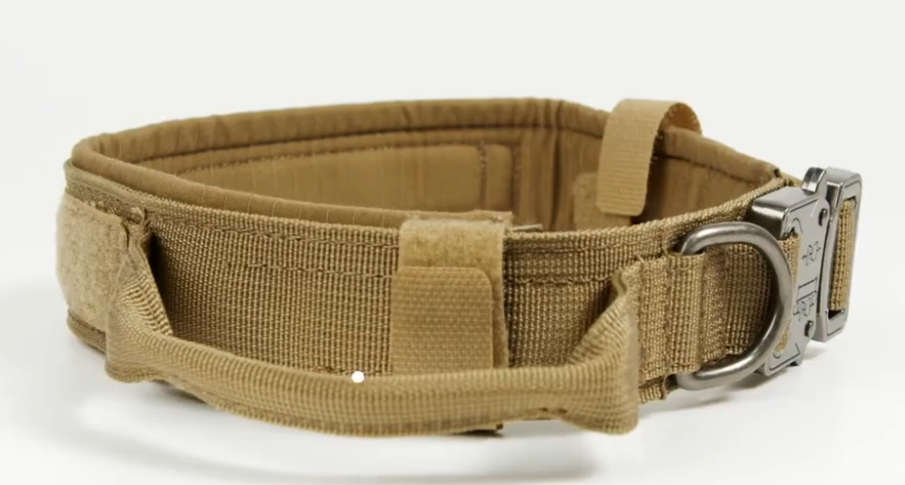
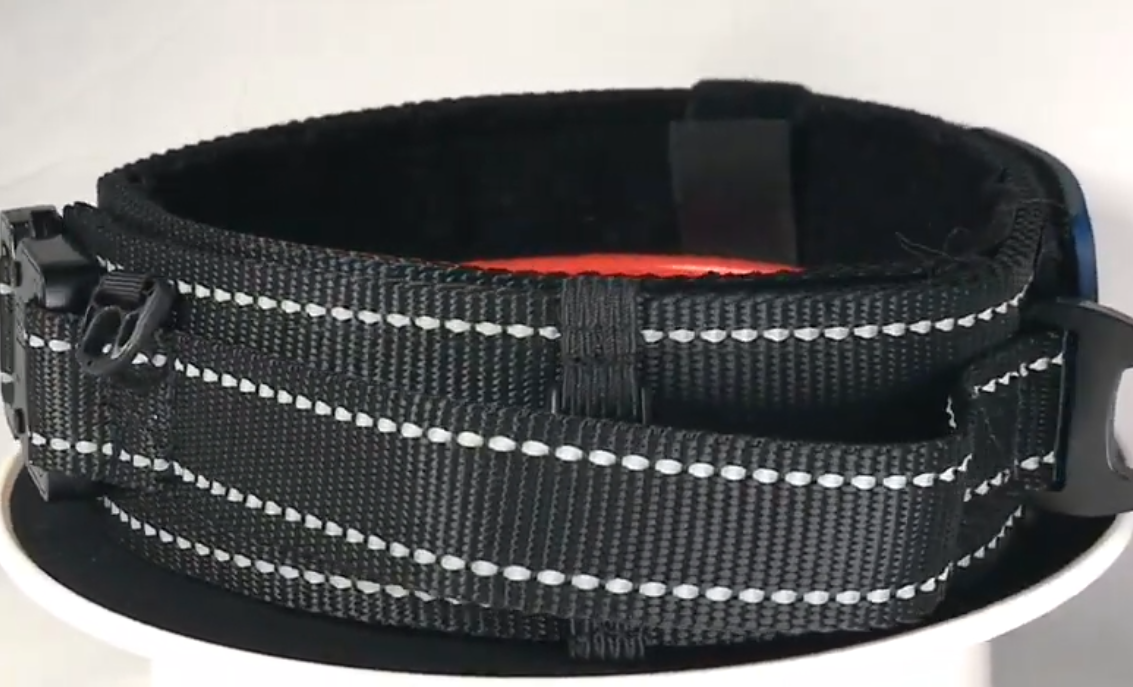
  • Military Style Dog Collars: 2024 Tactical Gear for Your Canine Companion

    Military Style Dog Collars: 2024 Tactical Gear for Your Canine Companion

    Looking for a dog collar that’s as tough as your furry friend? Military style dog collars are taking the pet industry by storm, offering unparalleled durability and functionality for canines of all sizes. These rugged accessories aren’t just for show – they’re designed to withstand the most demanding conditions, inspired by gear used by military and K9 police units.

    We’ve seen a surge in popularity of these tactical collars, and it’s easy to see why. With features like heavy-duty metal clasps, adjustable sizes, and even built-in handles for secure control, these collars are a cut above the rest. Whether you’re an outdoor enthusiast or simply want a collar that’ll last, we’ll explore why military style dog collars might be the perfect choice for your four-legged companion.

    What Are Military Style Dog Collars?

    Military style dog collars, also known as tactical dog collars, are rugged, durable accessories designed for working dogs and active pets. These collars draw inspiration from equipment used by military and K9 police units, incorporating features that enhance functionality and control.

    Tactical dog collars are crafted from high-strength materials, typically military-grade nylon webbing. This robust construction ensures the collar can withstand intense use and harsh environments. The 1000D nylon commonly used in these collars offers exceptional resistance to wear and tear, making them ideal for dogs that lead active lifestyles.

    We find that military style dog collars often feature adjustable straps, allowing for a customized fit across various dog breeds and sizes. This adjustability ensures the collar remains secure without being overly tight or loose. Some designs incorporate soft padding around the neck area, balancing durability with comfort for extended wear.

    A key characteristic of tactical dog collars is the inclusion of control features. Many models come equipped with integrated traffic handles positioned near the leash attachment point. These handles provide owners with improved control over their dogs, particularly useful in crowded areas or during training sessions.

    Military style dog collars typically feature heavy-duty metal hardware, including D-rings and buckles. These metal components contribute to the overall strength and reliability of the collar, ensuring it can handle the stress of sudden pulls or challenging conditions.

    In terms of aesthetics, tactical dog collars often come in colors and patterns associated with military use. Common options include camouflage patterns, solid earth tones like olive drab or tan, and black. This styling not only aligns with the military-inspired design but can also be practical for outdoor activities where visibility might be a concern.

    We note that these collars are designed to be multi-functional, often including features like MOLLE (Modular Lightweight Load-carrying Equipment) webbing. This allows for the attachment of additional gear or accessories, improving the collar’s versatility for working dogs or those involved in outdoor adventures.

    Military style dog collars prioritize functionality and durability, making them suitable for a wide range of applications beyond military or police use. They’re popular among pet owners who engage in outdoor activities with their dogs, those with large or strong breeds, and anyone seeking a long-lasting, reliable collar option for their canine companion.

    Key Features of Tactical Dog Collars

    Tactical dog collars offer a range of features designed for durability, strength, and functionality. These collars are engineered to withstand the demands of active dogs and challenging environments.

    Durability and Strength

    Tactical dog collars are built to last, using high-quality materials that can endure extreme conditions. These collars are typically constructed with:

    • High-density nylon webbing for superior tensile strength
    • Heavy-duty polymers that resist wear and tear
    • Stainless steel components to prevent rust and corrosion

    The robust construction of tactical dog collars makes them ideal for large, powerful breeds such as German Shepherds and Pit Bulls. Many collars feature metal buckles, known for their exceptional strength and reliability. These buckles ensure the collar remains secure even under important stress or strain.

    Functional Design Elements

    Tactical dog collars incorporate several design elements that enhance their practicality and usability:

    • Adjustability: Most tactical collars offer a wide range of size adjustments, typically from 16 to 26 inches, ensuring a secure and comfortable fit for dogs of various sizes.
    • Width Options: Collars are available in different widths, usually 1, 1.5, and 2 inches, catering to different dog breeds and owner preferences.
    • Integrated Handles: Some tactical collars feature built-in handles, providing quick and secure control of the dog during training exercises or emergency situations.
    • MOLLE Compatibility: Many designs include MOLLE webbing, allowing for the attachment of additional gear or accessories.
    • Padding: Soft padding is often incorporated to enhance comfort during extended wear.
    • Reflective Elements: Some collars include reflective stitching or patches for improved visibility in low-light conditions.

    These functional design elements make tactical dog collars versatile and practical for various applications, from everyday use to specialized training scenarios.

    Benefits of Using Military Style Collars

    Military style dog collars offer many advantages for pet owners seeking durability and functionality. These tactical collars provide enhanced control, versatility, and reliability for various activities and training scenarios.

    Enhanced Control and Training

    Military style dog collars excel in providing superior control during training and daily activities. The integrated traffic handle allows for quick and secure grasping of the dog, particularly in critical situations. This feature is especially useful in crowded areas or when immediate control is necessary. The heavy-duty construction, often made from military-grade nylon, ensures the collar can withstand the pull of strong dogs, maintaining control during walks and training sessions. Quick-release buckles, a common feature on tactical collars, offer easy and swift attachment and removal, improving convenience and safety in various situations.

    Versatility for Various Activities

    Military style dog collars are designed to adapt to a wide range of activities and environments. Their robust construction makes them suitable for outdoor adventures, hiking, and camping trips. The collars’ durability allows them to withstand exposure to different weather conditions and terrain types. Many tactical collars feature MOLLE compatibility, enabling the attachment of additional gear or accessories, further expanding their versatility. The adjustable sizing options ensure a proper fit for dogs of various breeds and sizes, accommodating growth or weight changes. Reflective elements incorporated into some designs enhance visibility during low-light conditions, making them ideal for early morning or evening walks.

    Choosing the Right Tactical Collar

    Selecting the ideal military-style dog collar requires careful consideration of various factors. We’ll explore key aspects to help you make an well-informed choice for your canine companion.

    Size and Fit Considerations

    Proper sizing is crucial for a tactical collar’s effectiveness and your dog’s comfort. Military-style collars come in various sizes to accommodate different breeds and neck circumferences. Common widths include 1″, 1.5″, and 2″ options, suitable for small, medium, and large dogs respectively.

    When measuring your dog’s neck, use a flexible tape measure and allow for two fingers’ width between the collar and neck for a comfortable fit. Many tactical collars offer adjustable designs, enabling a customized fit within a exact size range. This feature is particularly useful for growing puppies or dogs with thick coats that may change seasonally.

    Consider the collar’s weight in relation to your dog’s size. A heavier collar may be too cumbersome for smaller breeds, while larger dogs require sturdier options to withstand their strength.

    Close up of Sausage Dog on Leash / Military Style Dog Collars

    Photo by TranStudios Photography & Video on Pexels

    Material Options

    Military-style dog collars are constructed from durable materials to withstand rigorous use and harsh conditions. Common options include:

    1. Nylon Webbing: High-strength, lightweight, and resistant to water, UV rays, and abrasion.
    2. Leather: Durable, classic appearance, and molds to your dog’s neck over time.
    3. Biothane: Synthetic material that combines strength with flexibility, easy to clean, and waterproof.
    4. Ballistic Nylon: Extremely tough fabric originally developed for military use, highly resistant to tears and abrasions.

    When selecting a material, consider your dog’s activities and environment. For water-loving dogs, choose waterproof options like biothane or treated nylon. For working dogs in rugged conditions, ballistic nylon or heavy-duty leather may be more suitable.

    Hardware quality is equally important. Look for collars with metal buckles, D-rings, and other attachments made from corrosion-resistant materials like stainless steel or brass. Some high-end tactical collars feature specialized hardware like Cobra buckles for enhanced strength and quick release capabilities.

    Military style dog collars come in various designs, each catering to exact needs and preferences. These collars are inspired by those used in military and police K9 units, offering durability and functionality for various dog breeds and sizes.

    Standard Tactical Collars

    Standard tactical collars are the cornerstone of military style dog gear. These collars are crafted from high-quality, military-grade materials like heavy-duty nylon webbing, ensuring exceptional durability. Available in widths of 1″, 1.5″, and 2″, they accommodate different dog sizes and breeds.

    The hallmark of these collars is their robust construction, featuring metal hardware such as AustriAlpin Cobra buckles. This hardware choice ensures strength and longevity, even under intense use. Standard tactical collars are designed to withstand tough conditions, making them ideal for working dogs, outdoor enthusiasts, and pet owners seeking long-lasting, reliable collars for their canine companions.

    Collars with Handles

    Tactical collars with integrated handles offer enhanced control and versatility. These collars feature a built-in handle, typically made from the same durable material as the collar itself. The handle provides a quick and secure way to grab and control the dog in various situations.

    This design is particularly useful for working dogs, search and rescue operations, and dogs in training. The handle allows handlers to guide their dogs through crowded areas, assist them over obstacles, or provide immediate control in emergency situations. For pet owners, these collars offer an extra level of security during walks or outdoor activities, especially with larger or more energetic dogs.

    Military Style Dog Collars 2
    Military Style Dog Collars: 2024 Tactical Gear for Your Canine Companion 15

    E-Collar Compatible Options

    E-collar compatible tactical collars are designed to work seamlessly with electronic training devices. These collars feature exact attachment points or integrated components that allow for easy mounting of e-collar receivers. This design ensures that the e-collar stays in the correct position for effective training.

    The integration of e-collar compatibility doesn’t compromise the collar’s durability or functionality. These collars maintain the robust construction and features of standard tactical collars while offering added versatility for training purposes. They’re particularly useful for professional trainers, hunting dogs, and pet owners engaged in advanced obedience training. E-collar compatible options provide a streamlined solution for those using electronic training aids alongside traditional collar functions.

    Proper Use and Care

    Military-style dog collars require exact care and handling to ensure their longevity and effectiveness. We’ll explore essential training tips and maintenance techniques to keep these rugged collars in top condition.

    Training Tips

    Military-style dog collars offer enhanced control during training sessions. When using these collars:

    • Start with short training sessions to acclimate your dog to the collar’s weight and feel.
    • Use positive reinforcement techniques to associate the collar with positive experiences.
    • Practice leash control exercises to familiarize your dog with the collar’s handle.
    • Gradually increase the duration and intensity of training as your dog becomes comfortable.
    • Ensure the collar fits properly, allowing two fingers’ width between the collar and your dog’s neck.
    • Use the collar’s handle for quick control in high-stress situations or during advanced obedience training.
    • Incorporate the collar into various training scenarios, including recall, heel, and stay commands.
    • Monitor your dog’s behavior and adjust training methods as needed to maintain a positive experience.

    Maintenance and Cleaning

    Proper maintenance of military-style dog collars ensures their durability and functionality:

    • Inspect the collar regularly for signs of wear, such as fraying edges or loose stitching.
    • Clean the collar after each use in muddy or wet conditions to prevent dirt buildup.
    • For nylon collars, use mild soap and warm water to remove dirt and odors.
    • Avoid harsh chemicals or bleach, which can damage the collar’s material and compromise its strength.
    • Rinse thoroughly to remove all soap residue, as leftover detergent can irritate your dog’s skin.
    • Air dry the collar completely before use to prevent mold and mildew growth.
    • For metal components, use a soft brush to remove debris and apply a light coating of mineral oil to prevent rust.
    • Store the collar in a cool, dry place when not in use to maintain its structural integrity.
    • Replace the collar if you notice important wear or damage to ensure your dog’s safety.
    • For collars with electronic components, follow the manufacturer’s exact cleaning instructions.

    By following these maintenance practices, you’ll extend the life of your military-style dog collar and ensure it remains a reliable tool for training and control.

    Safety Considerations

    When choosing a military-style dog collar, we must prioritize safety to ensure our canine companions’ well-being. These robust accessories offer durability and functionality, but it’s crucial to consider several key factors to guarantee a secure and comfortable fit.

    Material and Durability

    Military-style dog collars are crafted from heavy-duty materials designed to withstand rigorous use. We typically find these collars made from:

    • Military-grade nylon
    • High-quality leather
    • Durable metal components

    These materials are chosen for their strength, making them ideal for powerful breeds like pit bulls. But, we must ensure the material doesn’t cause skin irritation or discomfort. A well-made collar balances durability with comfort, providing a safe option for daily wear and intense activities.

    Buckle and Hardware

    The buckle and hardware components are critical safety features in military-style dog collars. We recommend looking for:

    • Metal buckles (stainless steel or aluminum)
    • Robust D-rings for leash attachment
    • Secure stitching and reinforced stress points

    Metal buckles offer superior reliability compared to plastic alternatives, reducing the risk of accidental escapes. Strong hardware ensures better control during walks and prevents collar failure in high-stress situations.

    Adjustability and Fit

    A proper fit is essential for the safety and comfort of our dogs. Military-style collars should offer:

    • Wide range of size adjustments
    • Secure fastening mechanisms
    • Enough room for two fingers between the collar and the dog’s neck

    An adjustable collar accommodates our dog’s growth or weight changes, ensuring a consistently safe fit. We must avoid collars that are too tight, which can cause breathing difficulties, or too loose, which may allow our dog to slip out.

    By carefully considering these safety aspects, we can select a military-style dog collar that provides both security and comfort for our furry friends.

    Conclusion

    Military-style dog collars offer a robust solution for pet owners seeking durability and functionality. We’ve explored their key features versatility and benefits highlighting why they’re an excellent choice for active dogs and owners. Remember to prioritize proper fit and safety when selecting a tactical collar. With the right care and use these collars can be a long-lasting reliable accessory for your canine companion. Whether you’re an outdoor enthusiast or simply want a sturdy collar for daily walks a military-style option might be the perfect fit for you and your furry friend.

  • Top Hiking Harnesses for Your Dog: 2024 Expert Picks for Trail Adventures

    Top Hiking Harnesses for Your Dog: 2024 Expert Picks for Trail Adventures

    Are you ready to hit the trails with your four-legged companion? A hiking harness is a game-changer for adventurous dog owners. We’ve spent hundreds of hours testing 23 different harnesses to find the perfect fit for your canine explorer.

    Whether you’re tackling steep mountain paths or rugged off-road terrain, the right hiking harness can make your journey safer and more enjoyable. We’ll guide you through the essential features to look for, including durability, comfort, and adjustability. From breathable materials to reflective accents and lift handles, we’ll explore how these harnesses can enhance your outdoor experience with your furry friend.

    Join us as we investigate into the industry of hiking harnesses and discover how they can transform your outdoor adventures. We’ll share our top picks and expert insights to help you choose the best harness for your dog’s unique needs.

    Understanding Hiking Harnesses

    Hiking harnesses are essential gear for dog owners who enjoy outdoor adventures with their furry companions. These specialized harnesses provide comfort, support, and control during activities like hiking, walking, and trail running. Let’s explore the different types of hiking harnesses and their key features.

    Types of Hiking Harnesses

    1. Y-Harness (Non-Restrictive):
    • Designed for natural shoulder and body movement
    • Allows greater range of motion
    • May still limit shoulder extension when weight is attached
    • Ideal for active dogs and longer hikes
    1. Norwegian Harness (Restrictive):
    • More restrictive design
    • Limits spinal motion and shoulder extension
    • Provides greater control for stronger or pulling dogs
    • Better suited for shorter hikes or dogs needing extra support
    1. Step-In Harness:
    • Easy to put on and take off
    • Distributes pressure evenly across the chest
    • Suitable for dogs uncomfortable with over-the-head designs
    1. Front-Clip Harness:
    • Attachment point on the chest
    • Helps discourage pulling behavior
    • Offers more control during walks and hikes

    Features

    1. Adjustability:
    • Multiple adjustment points for a custom fit
    • Ensures comfort and prevents chafing
    • Accommodates changes in your dog’s size or weight
    1. Durability:
    • Sturdy materials like ripstop nylon or reinforced polyester
    • Strong stitching and hardware to withstand outdoor elements
    • Resistant to wear and tear from regular use
    1. Comfort:
    • Padded chest and belly panels
    • Breathable fabric to prevent overheating
    • Soft edges to avoid rubbing or irritation
    1. Safety Features:
    • Reflective accents for visibility in low light conditions
    • Handle for lifting your dog over obstacles
    • Secure attachment points for leashes
    1. Storage Options:
    • Built-in pockets or attachment points for accessories
    • Allows carrying of essentials like water bowls or waste bags
    
Top Hiking Harnesses for Your Dog

    Photo by Andreas Schnabl on Pexels

    Choosing the Right Hiking Harness

    Selecting the appropriate hiking harness is crucial for a safe and enjoyable outdoor experience. We’ll explore key factors to consider when choosing a harness for both humans and dogs.

    Fit and Adjustability

    Fit and adjustability are paramount when selecting a hiking harness. For human climbing harnesses, a snug yet comfortable fit is essential. The waist belt and leg loops must be adjustable to ensure a secure fit, preventing slippage during falls. A well-fitted harness allows for a wide range of movement without restricting climbing ability.

    For dog hiking harnesses, proper fit around the shoulders, chest, and belly is crucial. Look for harnesses with side release buckles for easy on and off. A y-front style keeps the dog’s shoulders unencumbered, allowing natural extension and free movement. Measuring your dog’s neck, back, and chest circumference helps determine the correct size. Adjustable harnesses accommodate your dog’s unique shape, ensuring comfort and safety on the trail.

    Material and Durability

    Durable materials are essential for hiking harnesses to withstand outdoor elements and rigorous use. For human harnesses, look for robust materials like reinforced nylon or polyester that resist wear and tear. Stitching quality is crucial; double or triple stitching at stress points enhances durability.

    Dog hiking harnesses benefit from similar tough materials. Opt for harnesses made with high-quality, weather-resistant fabrics that can handle exposure to water, mud, and rough terrain. Reinforced attachment points for leashes and handles increase longevity. Some harnesses incorporate TPU-coated nylon or vegan-friendly PU materials, offering both durability and ethical considerations. Prioritize harnesses designed to maintain their integrity even after prolonged outdoor use.

    Weight and Comfort

    The weight and comfort of a hiking harness significantly impact the overall hiking experience. For human harnesses, lightweight designs reduce fatigue during long climbs or hikes. Look for harnesses with padded waist belts and leg loops to distribute weight evenly and prevent chafing. Breathable materials enhance comfort by managing moisture and temperature.

    Dog hiking harnesses should also prioritize comfort without sacrificing functionality. Padded chest and belly panels prevent rubbing and irritation during extended wear. Breathable fabrics help regulate your dog’s body temperature, especially important during strenuous hikes. Some harnesses feature ergonomic designs that evenly distribute pressure across the dog’s body, reducing strain on any single area. Balance the need for features like storage pockets or handles with the overall weight to ensure your dog remains comfortable throughout the hike.

    Benefits of Using a Hiking Harness

    Hiking harnesses offer many advantages for both dogs and their owners during outdoor adventures. These specialized harnesses provide enhanced safety, control, and convenience for hikers and their canine companions.

    Safety and Control

    Hiking harnesses significantly improve safety and control for dogs on the trail. Unlike collars, harnesses distribute force across the chest and shoulders, preventing throat damage and back pain. This design is especially beneficial for dogs that tend to pull on the leash. Front-clip and no-pull harnesses offer additional control by applying pressure to the chest when dogs pull, discouraging this behavior. For small dogs, harnesses reduce injury risk by avoiding pressure on the neck area. The improved control allows owners to navigate challenging terrain more safely with their pets, improving the overall hiking experience.

    Carrying Capacity

    Hiking harnesses often feature built-in storage answers, increasing their practical value on long treks. Many designs include pockets or attachment points for carrying essential items such as food, water, and collapsible bowls. This carrying capacity allows owners to distribute weight more evenly and keep necessary supplies easily accessible. Some harnesses even accommodate GPS trackers, ensuring pets can be located if they wander off. The added storage options make hiking harnesses a versatile tool for outdoor enthusiasts, combining safety features with practical functionality for extended adventures.

    Hiking Harnesses for Dogs

    Hiking harnesses for dogs are essential gear for outdoor adventures with your canine companion. They provide comfort, safety, and control while exploring rugged terrains. Let’s investigate into the importance of these harnesses and how to select the best one for your furry friend.

    Importance of Dog Harnesses for Hiking

    Dog harnesses designed for hiking offer several key benefits:

    1. Enhanced safety: Harnesses distribute force across the chest and shoulders, reducing neck strain and choking risks.
    2. Improved control: They provide better control over your dog, especially on challenging trails.
    3. Comfort: Well-designed harnesses prevent chafing and allow for a full range of motion during long hikes.
    4. Assistance features: Many hiking harnesses include handles for lifting dogs over obstacles.
    5. Visibility: Reflective accents on harnesses increase visibility in low-light conditions.

    By using a hiking harness, you ensure your dog’s comfort and safety while enjoying outdoor activities together.

    Selecting the Best Dog Hiking Harness

    Choosing the right hiking harness for your dog involves considering several factors:

    1. Fit and adjustability: The most crucial aspect is finding a harness that fits your dog’s unique shape. Measure your dog’s neck, back, and chest to determine the correct size. Look for harnesses with multiple adjustment points for a customized fit.
    2. Durability: Opt for harnesses made from sturdy materials that can withstand outdoor elements and frequent use. Reinforced stitching and high-quality hardware ensure longevity.
    3. Comfort features: Look for padded panels and breathable fabrics to keep your dog comfortable during long hikes. Ensure the harness allows for unrestricted movement of your dog’s front legs.
    4. Safety features: Choose harnesses with reflective accents for increased visibility. A handle on the top is useful for assisting your dog over obstacles or in emergency situations.
    5. Attachment points: Multiple leash attachment points offer versatility in controlling your dog. Front-clip options can help discourage pulling.
    6. Storage options: Some hiking harnesses include pockets or attachment points for carrying essentials like water bowls or waste bags.
    7. Weight: Consider lightweight designs to prevent fatigue during extended hikes.
    8. Ease of use: Look for harnesses that are easy to put on and take off, especially if your dog is impatient or energetic.
    9. Weather-appropriate: Choose materials suitable for the climate you’ll be hiking in, such as breathable fabrics for hot weather or water-resistant options for wet conditions.
    10. Brand reputation: Research reputable brands known for producing quality dog gear. Read reviews from other hikers to gain insights into real-industry performance.

    When testing harnesses, observe your dog’s comfort level and range of motion. A well-fitting harness should allow your dog to move naturally without chafing or restricting movement. Remember that different breeds may have unique needs, so consider your dog’s exact body type and any physical limitations.

    By carefully selecting a hiking harness customized to your dog’s needs, you’ll enhance both safety and enjoyment during your outdoor adventures. A properly fitted, high-quality harness ensures that your canine companion can comfortably keep pace with you on the trails, making your hiking experiences more rewarding for both of you.

    Proper Use and Care

    Proper use and care of your hiking harness ensures safety and longevity. We’ll explore essential tips for fitting, adjusting, maintaining, and cleaning your harness to maximize its performance on the trails.

    Fitting and Adjusting Your Harness

    A well-fitted hiking harness is crucial for comfort and safety during outdoor adventures. To achieve the optimal fit:

    • Ensure the harness fits snugly but not too tightly around your body.
    • Adjust the leg loops to fit comfortably around your thighs without restricting movement.
    • Position the waist belt at your natural waistline for proper weight distribution.
    • Center the tie-in points at your waist level, aligning with your body’s center of gravity.
    • Check that all straps are secure and lie flat against your body to prevent chafing.
    • Test the fit by moving around, reaching up, and bending down to ensure full range of motion.
    • Make final adjustments as needed before hitting the trail.

    Remember, a properly fitted harness should feel secure without causing discomfort or restricting your movements while hiking.

    Maintenance and Cleaning Tips

    Regular maintenance and proper cleaning extend the life of your hiking harness and ensure its reliability. Follow these guidelines:

    Inspection:

    • Examine your harness before and after each use for signs of wear or damage.
    • Check all stitching, buckles, and attachment points for integrity.
    • Look for fraying, tearing, or excessive wear on the webbing and tie-in loops.
    • Inspect the structural framework for any deformities or weak spots.

    Cleaning:

    • Rinse your harness with clean water after each use to remove dirt and sweat.
    • For stubborn dirt, hand wash the harness in warm water using mild soap.
    • Avoid harsh chemicals, bleach, or solvents that can compromise the material.
    • Air dry the harness completely before storage or use.
    • Store your harness in a cool, dry place away from direct sunlight.

    By following these maintenance and cleaning practices, you’ll ensure your hiking harness remains in top condition for many adventures to come.

    Hiking with Your Harness

    Hiking with a harness enhances safety and comfort on the trails. Whether you’re using a climbing harness or a dog harness, proper use is essential for an enjoyable outdoor experience.

    Trail Etiquette

    When hiking with a harness, respect for other trail users is paramount. Keep your dog on a leash and under control at all times. Yield to other hikers, especially on narrow paths or steep sections. If using a climbing harness, be mindful of your gear and ensure it doesn’t obstruct the trail. When taking breaks, move off the main path to allow others to pass. Avoid loud noises that might disturb wildlife or other hikers. Always pack out what you pack in, including any waste from your dog. Be aware of your surroundings and follow Leave No Trace principles to preserve the natural environment for future hikers.

    Tips for Beginners

    For those new to hiking with a harness, start with shorter, easier trails to get accustomed to the gear. Practice adjusting your harness at home to ensure a proper fit before hitting the trails. When using a dog harness, gradually introduce your pet to wearing it on short walks before embarking on longer hikes. Always carry essential supplies like water, snacks, and first-aid items. Learn to read trail markers and carry a map or GPS device. Start early in the day to avoid hiking in the dark. Pace yourself and take frequent breaks to stay hydrated and energized. Be prepared for weather changes by layering your clothing. Finally, inform someone of your hiking plans and expected return time for safety.

    Conclusion

    Choosing the right hiking harness can significantly enhance your outdoor adventures with your furry companion. We’ve explored the key features safety benefits and proper use of these essential accessories. By considering factors like fit durability and comfort you’ll find a harness that meets both you and your dog’s needs. Remember to practice proper trail etiquette and maintain your gear for optimal performance. With the right hiking harness you’ll be well-equipped to embark on countless safe and enjoyable treks with your four-legged friend.

  • K9 Harnesses for Dogs: 2024 Ultimate Guide to Safety and Comfort

    K9 Harnesses for Dogs: 2024 Ultimate Guide to Safety and Comfort

    When it comes to keeping our canine companions safe and secure, a reliable K9 harness is essential. But with so many options on the market, how do we choose the right one for our furry friends?

    We’ve spent years researching and testing various K9 harnesses to bring you the most comprehensive guide available. From military-grade designs to everyday walking harnesses, we’ll explore the features that matter most. We’ll cover durability, comfort, and safety standards, including harnesses rated for up to 7,000 lbs of force. Whether you’re looking for a harness for a 3-pound Chihuahua or a 180-pound Great Dane, we’ve got you covered. Join us as we jump into the industry of K9 harnesses and help you make the best choice for your four-legged friend.

    Types of K9 Harnesses for Dogs

    K9 harnesses come in various designs, each customized for exact purposes and dog types. We’ll explore three main categories: no-pull harnesses, tactical harnesses, and service dog harnesses.

    No-Pull Harnesses

    No-pull harnesses are engineered to discourage leash pulling, improving control during walks. These harnesses distribute force across the dog’s chest and shoulders, reducing strain on the neck. Key features include:

    • Front-clip attachment points to steer dogs back towards handlers
    • Padded chest plates for comfort
    • Adjustable straps for secure fit
    • Back-clip options for trained dogs
    • Reflective strips for visibility in low light

    No-pull harnesses are ideal for dogs in training or those prone to pulling. They’re available in various sizes, from small breeds to large dogs, ensuring a proper fit for optimal effectiveness.

    Tactical Harnesses

    Tactical harnesses are robust, designed for working dogs in high-stress environments. These harnesses cater to military, police, and search and rescue operations. Features include:

    • Durable materials like 1000D nylon
    • MOLLE webbing for attaching accessories
    • Multiple attachment points for versatility
    • Reinforced stitching for strength
    • Handle for quick control and assistance
    • ID patch panels for identification

    Tactical harnesses often meet or exceed military standards, with some rated to withstand up to 7,000 lbs of force. They’re built to withstand harsh conditions while providing comfort for extended wear.

    Service Dog Harnesses

    Service dog harnesses are specialized for assistance dogs, providing functionality and identification. These harnesses are designed to:

    • Clearly identify the dog’s working status
    • Offer comfort for extended wear
    • Provide attachment points for mobility assistance
    • Include pockets for carrying essential items
    • Feature adjustable straps for a custom fit
    • Incorporate reflective elements for safety

    Service dog harnesses often include removable patches or labels indicating the dog’s role. They’re designed to be lightweight yet durable, ensuring the dog can perform tasks comfortably throughout the day.

    Key Features to Look for in a K9 Harness

    When selecting a K9 harness for dogs, certain features are essential for optimal performance and safety. These key elements ensure the harness meets both the dog’s needs and the handler’s requirements.

    Durability and Material Quality

    Durability and material quality are paramount in K9 harnesses. High-quality materials ensure longevity and reliability, even under strenuous conditions. Look for harnesses made with heavy-duty Mil-Spec webbing, which offers quick-drying properties and resistance to mold and mildew. Top-tier K9 harnesses are strength-rated to withstand forces up to 7,000 lbs, providing exceptional durability for various applications. Professional-grade harnesses often incorporate superior design elements and high-quality materials to enhance overall durability. When evaluating a K9 harness, prioritize those with reinforced stitching and robust construction to ensure they can withstand the rigors of daily use and potential emergency situations.

    Comfort and Padding

    Comfort is crucial in K9 harnesses to prevent discomfort and potential injury to the dog. Seek harnesses designed with joint-friendly features that combine comfort with freedom of movement. Padded chest plates are essential components, providing both comfort and safety for the K9. Look for harnesses with skin-friendly inner liners to prevent chafing and irritation during extended wear. Ergonomic designs that distribute pressure evenly across the dog’s body contribute to overall comfort. Also, consider harnesses with breathable materials to regulate temperature and prevent overheating during physical activities. The ideal K9 harness strikes a balance between structural support and comfort, allowing the dog to move naturally while providing necessary restraint and control.

    Adjustability and Fit

    Proper adjustability and fit are critical for K9 harness effectiveness and the dog’s comfort. Look for harnesses with multiple adjustment points to ensure a snug, customized fit for various dog sizes and shapes. Adjustable chest and girth straps allow for precise fitting, accommodating changes in the dog’s weight or coat thickness. Quick-release buckles enhance ease of use and safety in emergency situations. Consider harnesses with size ranges that correspond to exact chest girth measurements, ensuring optimal fit.

    For example, some harnesses offer size options for dogs weighing 50-65 lbs with chest girths of 25-33 inches, 61-88 lbs with 28-38 inch girths, and 88-150 lbs with 32-45 inch girths. A properly fitted harness prevents chafing, slipping, and potential escape, while maximizing comfort and control during use.

    Benefits of Using a K9 Harness

    K9 harnesses offer many advantages for dogs and their handlers. These specialized harnesses provide enhanced control, safety, and comfort for various activities.

    Improved Control and Safety

    K9 harnesses significantly enhance control and safety for both dogs and handlers. The top-mounted handle and leash attachment points allow for precise control, especially in challenging situations. Tactical K9 harnesses feature integrated handles that provide complete manual control, enabling handlers to lift or lower dogs during operations like climbing, rappelling, and helicopter applications. This improved control reduces the risk of accidents and injuries, particularly in high-stress environments or during training exercises. K9 harnesses also distribute force evenly across the dog’s body, preventing sudden jerks that could cause harm. With multiple attachment points, handlers can choose the most appropriate position for leash connection based on the activity or training scenario.

    Reduced Strain on Dog’s Neck

    K9 harnesses effectively minimize strain on a dog’s neck by distributing force across the chest and shoulders. Unlike traditional collars that concentrate pressure on the neck area, harnesses spread the load over a larger surface area. This design prevents potential injuries to the trachea, thyroid gland, and cervical vertebrae. Joint-friendly harnesses combine comfort with freedom of movement, allowing dogs to move naturally without restriction. The reduced strain is particularly beneficial for dogs prone to respiratory issues or those with existing neck problems. By alleviating pressure on the neck, K9 harnesses promote healthier breathing and reduce the risk of long-term damage caused by repeated pulling or sudden stops.

    Versatility for Different Activities

    K9 harnesses offer exceptional versatility, accommodating a wide range of activities and working scenarios. These harnesses are designed to support dogs in various roles, from everyday walks to specialized tasks. For military and law enforcement K9 units, tactical harnesses provide the necessary durability and functionality for demanding operations.

    Search and rescue teams benefit from harnesses with reinforced lifting points and reflective elements for improved visibility. Service dog harnesses often include features like pockets for essential items and clear identification panels. For recreational use, K9 harnesses adapt to activities such as hiking, running, or swimming, offering secure attachment points and quick-drying materials. This versatility ensures that handlers can select a harness that meets their exact needs while maintaining optimal comfort and safety for their dogs.

    Choosing the Right Size K9 Harness

    Selecting the correct size K9 harness ensures your dog’s comfort, safety, and optimal performance. A well-fitting harness prevents chafing, allows freedom of movement, and enhances the effectiveness of the equipment for various activities.

    How to Measure Your Dog

    Accurate measurements are crucial for selecting the right size K9 harness. Start by measuring your dog’s chest circumference, the most critical dimension for harness fitting. Wrap a flexible measuring tape around the widest part of your dog’s chest, just behind the front legs. For neck measurement, place the tape around the narrowest part of your dog’s neck. Take measurements when your dog is standing in a natural position. Record these measurements in both inches and centimeters for easy reference when consulting sizing charts. For precise results, measure your dog multiple times and calculate the average. Remember that different harness styles may require additional measurements, such as body length or girth, so always check the manufacturer’s exact sizing guidelines.

    Understanding Sizing Charts

    Sizing charts are essential tools for selecting the appropriate K9 harness. These charts typically list dimensions for chest girth, neck circumference, and sometimes body length or weight. Match your dog’s measurements to the size ranges provided in the chart. If your dog’s measurements fall between sizes, opt for the larger size to ensure comfort. Pay attention to breed-exact recommendations, as some harnesses are designed with particular body types in mind.

    Weight guidelines are often included but should be considered secondary to actual measurements. Remember that sizing can vary between brands and styles, so always refer to the exact chart for the harness you’re considering. Some charts may use different terminology, such as “girth” instead of “chest circumference,” so familiarize yourself with common terms used in sizing guides.

    Proper Use and Care of K9 Harnesses

    K9 harnesses require proper use and maintenance to ensure optimal performance and longevity. We’ll explore the correct methods for putting on and adjusting a harness, as well as essential cleaning and maintenance tips.

    Putting on and Adjusting the Harness

    Proper fitting and adjustment of a K9 harness are crucial for your dog’s comfort and safety. Follow these steps to ensure the harness fits correctly:

    1. Measure your dog’s chest girth and neck size accurately.
    2. Choose the appropriate harness size based on the manufacturer’s sizing chart.
    3. Unbuckle all straps and lay the harness flat.
    4. Guide your dog’s head through the neck opening or have them step into the harness, depending on the design.
    5. Fasten all buckles securely, starting with the chest strap.
    6. Adjust the straps to achieve a snug but comfortable fit.
    7. Ensure you can fit two fingers between the harness and your dog’s body.
    8. Check for any signs of chafing or restriction of movement.
    9. Allow your dog to walk around to confirm the harness stays in place.
    10. Make final adjustments as needed for optimal fit and comfort.
    11. Check the harness for signs of wear or damage before each use.
    12. Clean the harness regularly based on usage frequency and environmental conditions.
    13. Use mild soap and lukewarm water for routine cleaning.
    14. Avoid harsh detergents or chemicals that may damage the material.
    15. Scrub gently with a soft brush to remove dirt and debris.
    16. Rinse thoroughly to remove all soap residue.
    17. Air dry the harness completely before use or storage.
    18. Avoid direct sunlight or heat sources when drying to prevent material degradation.
    19. Store the harness in a cool, dry place when not in use.
    20. Inspect and replace any worn or damaged components promptly.
    21. Follow the manufacturer’s exact care instructions for your harness model.
    22. Consider using a protective spray to enhance water resistance and durability.
    K9 Harness / K9 Harnesses for Dogs
    K9 Harnesses for Dogs: 2024 Ultimate Guide to Safety and Comfort 20

    Training Your Dog to Wear a K9 Harness

    Training a dog to wear a K9 harness is crucial for various activities, including working, rescue operations, and everyday walks. Proper training ensures the dog’s comfort and safety while wearing the harness.

    Positive Reinforcement Techniques

    Positive reinforcement is key to successfully training a dog to wear a K9 harness. Start by introducing the harness gradually, allowing the dog to become familiar with its sight, smell, and feel. Place the harness near the dog, then progress to putting it on for short periods while rewarding with treats and praise.

    Use treats, affection, and verbal praise when the dog remains calm and comfortable while wearing the harness. This approach encourages the dog to associate the harness with positive experiences. Carry out desensitization and counterconditioning techniques if the dog shows signs of discomfort or anxiety. Gradually increase exposure to the harness while providing positive reinforcement.

    Practice short training sessions, focusing on rewarding the dog for calm behavior while wearing the harness. Extend the duration of wear as the dog becomes more comfortable. Combine harness training with other enjoyable activities to create positive associations.

    Common Challenges and Answers

    Many dogs initially resist wearing a K9 harness. Common challenges include anxiety, discomfort, and attempts to remove the harness. To address anxiety, start with short periods of wear and gradually increase duration. Use calming techniques and provide distractions during initial fittings.

    If the dog shows discomfort, check the harness fit and adjust as needed. Ensure the harness doesn’t chafe or restrict movement. Some dogs may try to chew or paw at the harness. Redirect this behavior with toys or training exercises, and never leave the dog unsupervised while wearing the harness until fully acclimated.

    For dogs that freeze or refuse to move while wearing the harness, encourage movement with treats or toys. Start indoors in a familiar environment before progressing to outdoor walks. If the dog continues to struggle, consult a professional dog trainer for personalized guidance and support in harness training.

    Conclusion

    K9 harnesses are essential tools for dog owners seeking safety comfort and control. We’ve explored various types suitable for different needs from everyday walks to specialized tasks. Remember to prioritize durability comfort and proper fit when choosing a harness. With the right K9 harness you’ll enhance your dog’s safety and improve your handling experience. Whether you have a small companion or a large working dog there’s a perfect harness waiting to make your adventures together safer and more enjoyable.

  • Best Bulldog Collars: Finding the Perfect Fit for Your Pup 2024

    Best Bulldog Collars: Finding the Perfect Fit for Your Pup 2024

    Are you struggling to find the perfect collar for your beloved bulldog? You’re not alone. Choosing the right collar is crucial for your pup’s comfort and safety, especially given the unique anatomy of bulldogs.

    We’ll discover the area of bulldog collars, comparing traditional options with specialized designs. From lightweight nylon to sturdy leather, we’ll cover the pros and cons of various materials and styles. We’ll also investigate into the importance of proper fit and how to use collars effectively for training and everyday wear. By the end of this article, you’ll be equipped with the knowledge to make the best choice for your bulldog’s needs, ensuring both style and functionality.

    Understanding Bulldog Collar Needs

    Selecting the right collar for a bulldog requires careful consideration of their unique physical traits and behavioral tendencies. We’ll explore the exact characteristics of bulldogs and why proper collar selection is crucial for their comfort and safety.

    Unique Characteristics of Bulldogs

    Bulldogs are a brachycephalic breed, distinguished by their short muzzles, wide heads, and compact bodies. Their anatomy presents challenges when it comes to collar fit, as their head circumference and neck size are often similar. This unique structure increases the risk of bulldogs slipping out of poorly fitted collars.

    Bulldogs have a muscular build and tend to pull on leashes during walks, which can put additional pressure on their necks. Their wrinkled skin and short coat also require special attention when selecting a collar to prevent irritation or chafing. These distinctive features make bulldogs prone to respiratory issues, making it essential to choose a collar that doesn’t restrict their breathing or cause discomfort.

    Importance of Proper Collar Selection

    Choosing the right collar for a bulldog is critical for their health, safety, and comfort. A properly selected collar should accommodate their unique neck structure while providing secure control during walks. We recommend opting for collars specifically designed for bulldogs, which often feature wider bands to distribute pressure evenly across the neck.

    When selecting a bulldog collar, consider materials that are durable yet gentle on their sensitive skin. Padded collars or those made from soft, breathable fabrics can help prevent irritation around the neck area. It’s crucial to ensure the collar is adjustable to accommodate the bulldog’s neck size without being too tight or loose.

    Proper collar selection also plays a role in training and behavior management. A well-fitted collar allows for effective communication between the owner and the dog during walks and training sessions. But, it’s important to note that due to bulldogs’ tendency to pull, a harness may be a safer alternative for leash walking to avoid putting excessive pressure on their neck and throat area.

    Types of Collars for Bulldogs

    Choosing the right collar for a bulldog is crucial due to their unique physical characteristics. We’ll explore various collar types suitable for bulldogs, each with its own benefits and considerations.

    Flat Collars

    Flat collars are a popular choice for bulldogs due to their simplicity and versatility. These collars are typically made from nylon or leather and feature a buckle or quick-release clasp. For bulldogs, it’s essential to select a flat collar that’s wide enough to distribute pressure evenly across their neck. A width of 1.5 to 2 inches is often recommended for adult bulldogs. When fitting a flat collar, ensure you can comfortably slip two fingers between the collar and your bulldog’s neck. This type of collar is suitable for everyday wear and attaching identification tags, but may not be ideal for leash training or walking bulldogs prone to pulling.

    Leather Collars

    Leather collars offer durability and style for bulldogs. High-quality leather collars are soft, pliable, and become more comfortable with wear. They’re less likely to cause irritation or chafing compared to some synthetic materials. When choosing a leather collar for a bulldog, opt for a wide, padded design to distribute pressure evenly. Look for collars with reinforced stitching and sturdy hardware to withstand the bulldog’s strength. Leather collars are available in various colors and styles, allowing for personalization. But, they require regular maintenance, including cleaning and conditioning, to prevent cracking and maintain their appearance. Avoid leather collars for bulldogs that frequently swim or get wet, as prolonged moisture exposure can damage the material.

    Nylon Collars

    Nylon collars are lightweight, durable, and easy to clean, making them a practical choice for bulldogs. These collars come in a wide range of colors and patterns, offering plenty of style options. For bulldogs, choose a nylon collar that’s at least 1.5 inches wide to distribute pressure evenly. Look for collars with reinforced stitching and strong hardware to withstand the bulldog’s strength. Many nylon collars feature quick-release buckles, which can be helpful in emergency situations. Some nylon collars are also reflective, improving visibility during nighttime walks. But, nylon can sometimes cause friction and irritation on a bulldog’s sensitive skin, so it’s important to monitor for any signs of discomfort or chafing.

    Breakaway Collars

    Breakaway collars are designed with safety in mind, featuring a mechanism that releases when excessive pressure is applied. This feature can be particularly beneficial for bulldogs, who may be prone to getting caught on objects due to their curious nature. The breakaway mechanism helps prevent choking or injury if the collar becomes entangled.

    These collars typically have a clasp that separates when pulled with force but remains secure during normal wear. While breakaway collars provide an added safety measure, they may not be suitable for leash attachment. Some models offer a double-loop design that allows for secure leash connection when needed. When choosing a breakaway collar for a bulldog, ensure it’s sturdy enough for daily wear but will release if necessary.

    Martingale Collars

    Martingale collars, also known as limited-slip collars, are an excellent option for bulldogs. These collars consist of two loops: a larger loop that fits around the dog’s neck and a smaller control loop that tightens when pulled. The design prevents bulldogs from slipping out of their collars, a common issue due to their large heads and thick necks.

    When properly fitted, a martingale collar tightens only to the size of the dog’s neck, preventing over-constriction. This type of collar is particularly useful for leash training and walking bulldogs prone to pulling. Choose a martingale collar made from durable materials like nylon or leather, with a width of at least 1.5 inches for adult bulldogs. Ensure the collar is adjusted correctly to prevent it from becoming too tight or loose during use.

    Choosing the Right Size

    Selecting the correct size for a bulldog collar is crucial for your pet’s comfort and safety. Bulldogs have unique neck structures that require careful consideration when choosing a collar. Let’s explore the essential steps to ensure a perfect fit.

    Measuring Your Bulldog’s Neck

    To measure your bulldog’s neck accurately:

    1. Use a flexible tape measure or string
    2. Wrap it around the thickest part of your dog’s neck
    3. Add 2 inches (5 cm) to the measurement for comfort

    For French Bulldogs, neck sizes typically range from 11 to 15 inches. English Bulldogs have larger necks, usually between 15 to 22 inches. Remember, bulldogs have heads and necks of similar circumference, which can affect collar fit. Always ensure you can comfortably fit two fingers between the collar and your dog’s neck to prevent choking or slipping.

    Adjusting for Comfort and Safety

    When adjusting your bulldog’s collar:

    1. Check for proper fit regularly, especially in growing puppies
    2. Ensure the collar isn’t too tight or too loose
    3. Consider using a harness for walks to reduce neck strain

    Avoid corrective collars like prong, pinch, or choke chains, as these can cause pain or injury to your bulldog’s sensitive neck area. Opt for collars with safety features, such as breakaway clasps, to prevent accidental strangulation. For bulldogs prone to overheating, choose breathable materials that won’t trap heat around their neck. Remember, a well-fitted collar is essential for your bulldog’s comfort and safety during daily activities and training sessions.

    Collar vs. Harness: Which Is Better?

    Choosing between a collar and a harness for your bulldog isn’t a one-size-fits-all decision. Each option has its advantages and drawbacks, and the best choice depends on your bulldog’s exact needs and behavior.

    Pros and Cons of Each Option

    Collars:

    • Pros: Easy to put on and remove, convenient for ID tags, stylish options available
    • Cons: Can exert pressure on the neck, potential for injury when pulling

    Harnesses:

    • Pros: Distribute pressure evenly, provide better control, reduce escape risk
    • Cons: Require proper fitting, may need an acclimation period

    Studies show that collars can exert important pressure on a dog’s neck, potentially leading to injuries. Harnesses, on the other hand, distribute pressure across the chest and back, reducing discomfort and the risk of neck-related issues.

    When to Use a Collar or Harness

    Use a collar:

    • For short, controlled walks
    • When your bulldog doesn’t pull on the leash
    • For attaching ID tags

    Use a harness:

    • For longer walks or runs
    • If your bulldog tends to pull or lunge
    • When additional control is needed

    It’s important to consider your bulldog’s individual needs and behavior when deciding between a collar and harness. For bulldogs prone to respiratory issues, a harness may be the safer option as it reduces pressure on the neck and throat. But, collars can be suitable for well-trained bulldogs during calm, short walks.

    Key Features to Look for in Bulldog Collars

    When selecting a collar for your bulldog, it’s crucial to consider exact features that cater to their unique needs. We’ll explore the essential aspects to keep in mind when choosing the perfect collar for your bully companion.

    Durability and Material Quality

    Bulldogs require collars that can withstand their strength and active lifestyle. Leather collars, known for their durability and longevity, are often an excellent choice for bulldogs. High-quality leather distributes force evenly and maintains its shape over time. Look for collars with sturdy hardware, such as nickel-plated or metal buckles and D-rings, to ensure longevity. Wide collars, typically two inches or more, provide better support and reduce pressure on your bulldog’s neck. Nylon collars offer another durable option, being lightweight and easy to clean. But, ensure the nylon is high-quality to prevent fraying or breaking under stress. Regardless of the material, prioritize collars with reinforced stitching and strong construction to withstand your bulldog’s powerful build.

    Comfort and Breathability

    Comfort is paramount when selecting a bulldog collar, given their unique anatomy and tendency to overheat. Opt for collars with soft, padded lining to prevent chafing and irritation, especially around the neck folds. Breathable materials like cotton or mesh-lined leather help regulate temperature and reduce the risk of skin issues. Adjustable collars ensure a proper fit, accommodating your bulldog’s muscular neck.

    Consider collars with multiple adjustment points for a more customized fit. Wide collars distribute pressure more evenly, increasing comfort during walks. For bulldogs prone to respiratory issues, look for collars that sit lower on the neck to avoid putting pressure on the trachea. Some collars feature moisture-wicking properties, which can be beneficial for bulldogs that drool excessively or are prone to skin fold infections.

    Safety Considerations

    Safety is a top priority when choosing a bulldog collar. Opt for collars with quick-release buckles, allowing for swift removal in emergency situations. Reflective elements or bright colors enhance visibility during nighttime walks, improving safety for both you and your bulldog. Consider breakaway collars, which release under excessive pressure, preventing accidental strangulation if the collar gets caught on objects. For bulldogs prone to slipping out of traditional collars, martingale collars offer a secure fit without choking.

    Avoid collars with prongs or shock features, as these can harm your bulldog’s sensitive neck area. Instead, focus on positive reinforcement training methods. Ensure the collar fits properly, allowing two fingers to fit comfortably between the collar and your bulldog’s neck. Regularly check for signs of wear and tear, replacing the collar as needed to maintain its safety features.

    A Bulldog Sitting in front of Wooden Doors / Bulldog Collar
    Best Bulldog Collars: Finding the Perfect Fit for Your Pup 2024 22

    Photo by Péter Borkó on Pexels

    Caring for Your Bulldog’s Collar

    Proper care and maintenance of your bulldog’s collar ensure its longevity and your pet’s comfort. Regular cleaning and timely replacement are essential for your bulldog’s health and safety.

    Cleaning and Maintenance Tips

    To keep your bulldog’s collar clean and well-maintained:

    1. Soak the collar in warm water with 1 teaspoon of baking soda for 15 minutes to loosen dirt and odors.
    2. Rinse the collar to remove excess dirt.
    3. Scrub gently with a small brush, like a toothbrush, avoiding embroidered or delicate areas.
    4. Rinse thoroughly in clean warm water to remove all residue.
    5. Dry with a water-absorbing towel, ensuring metal hardware is completely dry.
    6. Allow the collar to air dry overnight or until dry to the touch.

    Avoid harsh detergents or spot treatments. If soap is necessary, use a small amount of dog shampoo. Regular cleaning prevents odor buildup and extends the collar’s lifespan.

    When to Replace the Collar

    Replace your bulldog’s collar when:

    1. The material shows signs of fraying, tearing, or important wear.
    2. The buckle or clasps become loose, damaged, or unreliable.
    3. The collar no longer fits properly due to your bulldog’s growth or weight changes.
    4. There’s visible discoloration or stubborn odors that won’t wash out.
    5. The collar has been chewed or damaged by your bulldog.

    Inspect the collar weekly for signs of wear. A well-maintained collar typically lasts 1-2 years, but active bulldogs may require more frequent replacements. Always prioritize your bulldog’s safety and comfort when deciding to replace their collar.

    Conclusion

    Choosing the right collar for your bulldog is crucial for their comfort and safety. We’ve explored various options customized to bulldogs’ unique anatomy considering factors like material durability comfort and safety features. Remember to measure your bulldog’s neck accurately and adjust the collar properly. Regular maintenance and inspections are key to ensuring your bulldog’s collar remains effective. Whether you opt for a collar or harness always prioritize your pet’s well-being and consider their individual needs. With the right choice you’ll enhance your bulldog’s daily life and strengthen your bond during walks and training sessions.

  • Dog Collars Guide 2024: Types, Sizes & Perfect Fit for Your Pup

    Dog Collars Guide 2024: Types, Sizes & Perfect Fit for Your Pup

    Ever wondered why choosing the right dog collar is so crucial? It’s not just about style – it’s about your furry friend’s comfort and safety. With countless options available, finding the perfect fit can be overwhelming.

    We’re here to demystify the industry of dog collars. From types to sizes, we’ll guide you through everything you need to know. Whether you’ve got a tiny Chihuahua or a massive Great Dane, we’ve got you covered. We’ll explore how to measure your dog’s neck, understand different collar widths, and ensure a proper fit. By the end of this article, you’ll be equipped with the knowledge to make an well-informed choice for your canine companion.

    Types of Dog Collars

    Dog collars come in various styles, each designed for exact purposes and dog breeds. We’ll explore four common types of dog collars: standard, center-ring, D-end, and quick-release collars.

    Standard Collars

    Standard collars are the most common type of dog collar. They’re typically made from durable materials like nylon, leather, or fabric. These collars feature a simple design with a buckle or clip for fastening and a D-ring for attaching a leash or ID tags. Standard collars are suitable for everyday wear and work well for most dogs. They’re adjustable, allowing for a comfortable fit as your dog grows or their weight fluctuates. When choosing a standard collar, consider the width and material to ensure it’s appropriate for your dog’s size and activity level.

    Center-Ring / O-Ring Collars

    Center-ring or O-ring collars have a distinctive design featuring a metal ring in the middle of the collar. This unique placement offers several advantages. The center ring allows for greater flexibility, which can be beneficial if your dog gets caught on something. It provides a potential escape mechanism, earning these collars the nickname “safety collars.” The center ring also serves as an attachment point for leashes and ID tags. Some center-ring collars include an additional D-ring specifically for leash attachment, known as double-ring collars. These collars are particularly useful for active dogs or those who spend time outdoors.

    D-End Collars

    D-end collars are designed with the D-ring positioned before the buckle, offering enhanced security for leash attachment. This placement ensures that when a dog pulls, the force is distributed across two layers of collar material, reducing the risk of the D-ring detaching. D-end collars are an excellent choice for strong dogs or those prone to pulling during walks. They provide pet owners with added peace of mind, knowing that even if the D-ring were to come loose, the collar would remain securely fastened. When selecting a D-end collar, ensure it’s made from sturdy materials to withstand the additional stress placed on the attachment point.

    Quick-Release Collars

    Quick-release collars, also known as side-release or flat buckle collars, feature a plastic snap closure for easy removal and fastening. These collars are typically made from nylon and offer a wide range of adjustment options, making them ideal for growing puppies or dogs with fluctuating weights. Quick-release collars are convenient for everyday use and situations where you need to remove the collar quickly, such as grooming sessions or visits to the vet. They’re available in various colors and patterns, allowing for personalization. While these collars are suitable for most dogs, they may not be the best choice for strong pullers or escape artists, as the plastic closure can be less secure than traditional buckles.

    Choosing the Right Collar Material

    Selecting the appropriate collar material is crucial for your dog’s comfort and the collar’s durability. We’ll explore three popular types of collar materials: nylon, leather, and waterproof options.

    Nylon Collars

    Nylon collars are a popular choice for many dog owners due to their versatility and affordability. These collars are lightweight, strong, and resistant to water and humidity, making them ideal for active dogs. Nylon collars come in various colors and designs, allowing for personalization. They’re easy to adjust, making them suitable for growing puppies or dogs with fluctuating weight.

    Key benefits of nylon collars include:

    • Durability and strength
    • Easy maintenance and cleaning
    • Cost-effectiveness
    • Variety of styles and colors
    • Adjustability for a perfect fit

    But, some dogs may be sensitive or allergic to nylon, so it’s essential to monitor your pet for any signs of irritation.

    Dog Collar
    Discover why leather dog collars are the ultimate choice for your furry friend. Explore their durability, style, and comfort, and learn why investing in quality pays off in the long run.

    Leather Collars

    Leather collars are known for their classic look, durability, and comfort. These collars often improve with age, developing a unique patina over time. Leather is a natural material that’s gentle on a dog’s skin and fur, making it an excellent choice for dogs with sensitive skin.

    Advantages of leather collars:

    • Long-lasting with proper care
    • Comfortable and soft on the dog’s neck
    • Classic, timeless appearance
    • Resistant to odors
    • Adjustable for a custom fit

    While leather collars may be more expensive initially, their longevity often makes them a cost-effective choice in the long run. Regular cleaning and conditioning help maintain the leather’s quality and extend the collar’s lifespan.

    Waterproof Collars

    Waterproof collars are perfect for dogs who love water activities or live in rainy climates. These collars are typically made from materials like BioThane, a waterproof polyester webbing that’s easy to clean and extremely durable.

    Benefits of waterproof collars include:

    • Resistance to water damage
    • Odor-resistant properties
    • Easy to clean and maintain
    • Durability in various weather conditions
    • Ideal for outdoor activities and water sports

    Waterproof collars are particularly suitable for breeds that enjoy swimming or playing in water. They’re also a practical choice for dogs that frequently get dirty, as they can be easily wiped clean without absorbing odors or retaining moisture.

    How to Measure Your Dog for a Collar

    Measuring your dog for a collar is crucial to ensure comfort and safety. We’ll guide you through the process step-by-step, including the essential two-finger test.

    The Two-Finger Test

    The two-finger test is a simple yet effective method to check if a collar fits properly. Here’s how to perform it:

    1. Place the collar on your dog’s neck
    2. Slip two fingers between the collar and your dog’s neck
    3. The collar should feel snug but not tight

    If you can easily fit two fingers, the collar is likely a good fit. If it’s too tight to fit your fingers, loosen the collar. Conversely, if there’s excess space beyond your two fingers, tighten the collar.

    This test ensures the collar isn’t restricting your dog’s breathing or movement while also preventing it from slipping off. Remember, a properly fitted collar allows for comfortable head and neck movement without the risk of escape.

    Dog Collar Sizing Guide

    Selecting the right collar size is crucial for your dog’s comfort and safety. We’ll explore two common methods for determining the appropriate collar size: sizing by breed and sizing by weight.

    Sizing by Breed

    Dog collar sizes vary significantly based on breed characteristics. Here’s a guide to help you choose the right size:

    • Small breeds (Chihuahuas, Yorkshire Terriers): 8-12 inch collars, 0.5-0.75 inches wide
    • Medium breeds (Beagles, French Bulldogs): 12-18 inch collars, 0.75-1 inch wide
    • Large breeds (Labrador Retrievers, German Shepherds): 18-26 inch collars, 1-1.5 inches wide
    • Extra-large breeds (Great Danes, Mastiffs): 20-28 inch collars, 1.5-2 inches wide

    Remember, these are general guidelines. Always measure your dog’s neck for the most accurate fit. For breeds with unique neck-to-head ratios, like Greyhounds or Whippets, consider specialized sighthound collars.

    Sizing by Weight

    Another method for determining collar size is based on your dog’s weight:

    • Up to 20 lbs: Extra-small collars (8-12 inches)
    • 20-30 lbs: Small collars (10-16 inches)
    • 30-50 lbs: Medium collars (14-20 inches)
    • 50-90 lbs: Large collars (18-26 inches)
    • Over 90 lbs: Extra-large collars (20-28 inches)

    While weight-based sizing provides a good starting point, it’s not always precise. Factors like body composition and breed characteristics can affect the ideal collar size. Always use the two-finger test to ensure a proper fit: you should be able to comfortably slip two fingers between the collar and your dog’s neck.

    Selecting the Proper Collar Thickness

    Collar thickness plays a crucial role in your dog’s comfort and control. We’ve found that the right thickness ensures optimal pressure distribution, especially for larger breeds or dogs that pull frequently. Here’s what you need to know about choosing the appropriate collar thickness:

    Thickness Guidelines Based on Dog Size

    • Small Dogs (up to 20 lbs): 1/2 inch to 5/8 inch width
    • Medium Dogs (20-50 lbs): 3/4 inch to 1 inch width
    • Large Dogs (50-80 lbs): 1 inch to 1.5 inch width
    • Extra Large Dogs (80+ lbs): 1.5 inch to 2 inch width

    Considerations for Collar Thickness

    1. Dog’s Neck Size: A thicker collar distributes pressure more evenly on a larger neck.
    2. Breed Characteristics: Long-necked breeds may benefit from wider collars for added support.
    3. Dog’s Strength: Powerful breeds often require thicker collars for better control.
    4. Comfort: Ensure the thickness doesn’t impede your dog’s natural neck movement.

    Material Impact on Thickness

    Different materials affect how a collar’s thickness feels on your dog:

    • Leather: Often more comfortable at greater thicknesses due to its softness and flexibility.
    • Nylon: Lightweight, allowing for slightly thicker collars without added bulk.
    • Padded Collars: Offer comfort even at greater thicknesses, ideal for sensitive dogs.

    Thickness for Training and Control

    For dogs that pull or need extra control, consider:

    • 1.5 inch to 2 inch width: Provides more surface area for control without causing discomfort.
    • Martingale Collars: Often wider, offering gentle control for dogs with narrow heads.

    Remember, the right collar thickness balances comfort, control, and your dog’s exact needs. Always measure your dog’s neck and use the two-finger rule to ensure a proper fit, regardless of thickness.

    Dog Collars

    Photo by Nadejda Bostanova on Pexels

    Collar Sizing for Different Dog Sizes

    Selecting the right collar size is crucial for your dog’s comfort and safety. We’ll guide you through the process of choosing the perfect fit for various dog sizes.

    Measuring Your Dog’s Neck

    To determine the correct collar size:

    1. Use a soft tape measure or string
    2. Wrap it around your dog’s neck where the collar sits
    3. Allow space for two fingers between the measure and neck
    4. If using string, mark and measure against a ruler

    Collar Size Categories

    Extra Small (XS)

    • Neck Size: 6 – 11 inches (15 – 28 cm)
    • Weight: Up to 10 pounds (4.5 kg)
    • Breeds: Chihuahua, Teacup Yorkshire Terrier, Chinese Crested, Papillon, Pomeranian

    Small (SM)

    • Neck Size: 8 – 14 inches (20 – 35 cm)
    • Weight: 10 – 25 pounds (4.5 – 11.3 kg)
    • Breeds: Dachshund (miniature), Maltese, Toy Poodle, Yorkshire Terrier, Cavalier King Charles Spaniel, Pug

    Medium (MD)

    • Neck Size: 10 – 18 inches (25 – 45 cm)
    • Weight: 25 – 55 pounds (11.3 – 25 kg)
    • Breeds: Beagle, French Bulldog, Miniature Schnauzer

    Large (LG)

    • Neck Size: 14 – 20 inches (35 – 50 cm)
    • Weight: 55 – 75 pounds (25 – 34 kg)
    • Breeds: Boxer, German Shepherd, Labrador Retriever

    Extra Large (XL)

    • Neck Size: 18 – 26 inches (45 – 66 cm)
    • Weight: 75 pounds and up (34+ kg)
    • Breeds: Great Dane, Mastiff, Rottweiler

    Collar Width Considerations

    The width of the collar is equally important for your dog’s comfort:

    • Small Dogs: 0.5 to 0.75 inches wide
    • Medium Dogs: 0.75 to 1 inch wide
    • Large Dogs: 1 to 1.5 inches wide

    Ensuring Proper Fit

    Once you’ve selected the appropriate size:

    1. Place the collar on your dog’s neck
    2. Insert two fingers between the collar and neck
    3. The collar should be snug but not tight
    4. Adjust if it’s too loose or too tight

    Remember, a properly fitted collar allows for comfortable movement while preventing escape. Regular checks and adjustments are essential as your dog grows or changes weight.

    Importance of Proper Collar Fit

    A properly fitted collar is crucial for your dog’s safety and comfort. We can’t stress enough how essential it is to ensure the collar fits correctly. A loose collar can easily slip off, potentially leading to your dog running away or getting lost. On the other hand, a tight collar can restrict your dog’s breathing and even cause injury.

    To measure your dog’s neck for a collar, follow these steps:

    1. Get a soft tape measure
    2. Place it around your dog’s neck where the collar will sit
    3. Ensure the tape measure is snug but not too tight
    4. Check that you can fit two fingers between the tape measure and your dog’s neck

    This two-finger rule is a reliable method for determining the right fit. It allows enough space for comfort while preventing the collar from slipping off.

    When selecting a collar, consider these factors:

    • Your dog’s breed
    • Neck size
    • Weight
    • Activity level

    Different types of collars offer various benefits:

    1. Buckle dog collars: The most common type, available in materials like leather, nylon, and cotton
    2. Martingale collars: Designed to prevent dogs from slipping out, with an adjustable loop that tightens when pulled
    3. Break-away collars: Feature a release mechanism to reduce strangulation risk if caught on something
    4. Adjustable collars: Can be modified to fit different neck sizes, ensuring a snug and comfortable fit

    Remember, collar sizes vary widely depending on the breed, weight, and neck size of the dog. It’s essential to regularly check and adjust the collar as your dog grows or changes weight.

    A well-fitted collar allows for comfortable head and neck movement while preventing escape. By taking the time to ensure a proper fit, we’re prioritizing our dog’s safety and comfort, which are paramount in responsible pet ownership.

    Conclusion

    We’ve explored the industry of dog collars highlighting their importance for safety and comfort. From various types to materials and sizing guides we’ve covered essential aspects to help you make an informed choice. Remember the two-finger rule for proper fit and consider your dog’s unique needs when selecting a collar. Regular checks and adjustments are crucial as your furry friend grows. With this knowledge you’re well-equipped to choose the perfect collar ensuring your dog’s comfort safety and style for years to come.


  • Best Pitbull Collar: How to Choose the Perfect Fit for Your Strong Pup 2024

    Best Pitbull Collar: How to Choose the Perfect Fit for Your Strong Pup 2024

    Are you struggling to find the perfect collar for your beloved pitbull? We’ve got you covered. Choosing the right collar for your pit bull isn’t just about style – it’s a matter of safety and comfort.

    Pitbulls are known for their strength and energy, which means they need a collar that can keep up. We’ll guide you through the key factors to consider, from material durability to proper fit. Whether you’re dealing with a puller or a gentle giant, we’ll help you find a collar that ensures your pitbull’s safety during walks and playtime.

    In this text, we’ll explore various collar types, discuss the importance of width and material, and share tips on finding the perfect fit. By the end, you’ll be equipped with the knowledge to make an well-informed choice for your furry friend.

    Understanding Pitbull Collar Needs

    Choosing the right collar for a pitbull requires careful consideration of their unique characteristics and needs. Pitbulls are strong, energetic dogs that demand collars designed to match their physicality and temperament.

    Pitbull Temperament and Collar Requirements

    Pitbulls are known for their strength, energy, and powerful jaw, which necessitate collars that provide enhanced safety and durability. Their strong prey drive often leads to intense pulling behaviors during walks or when excited. This puts important strain on standard collars, potentially causing wear and tear over time.

    To address these needs, pitbull collars should be made from heavy-duty materials like durable nylon, leather, or leather alternatives. Tactical collars with triple-stitched nylon and neoprene padding are particularly suitable, offering both comfort and durability. It’s crucial to avoid collars with plastic buckles, as they can break under a strong pitbull’s pressure. Instead, opt for collars with stainless steel buckles and D-rings for increased reliability and safety.

    Importance of Proper Fit and Sizing

    A properly fitted collar is essential for a pitbull’s safety and comfort. The collar should sit high on the dog’s neck, just below the ears, to prevent slipping out and maintain control during walks. It should be snug enough to stay in place but not so tight that it restricts breathing or causes coughing.

    To ensure the right fit, use the two-finger rule: there should be enough space to comfortably fit two fingers between the collar and the dog’s neck. This provides sufficient room for comfort while preventing the collar from slipping over the dog’s head. For growing puppies, it’s important to check collar size frequently and adjust as needed.

    When measuring for a new collar, use a tape measure to determine the dog’s neck size, then add two to three inches for the ideal fit. Remember that a well-fitted collar is crucial for your pitbull’s safety and your peace of mind during walks and other activities.

    Types of Collars Suitable for Pitbulls

    When selecting a collar for a pitbull, it’s essential to consider durability, comfort, and safety. Here are three popular options that cater to the unique needs of pitbulls.

    Flat Collars

    Flat collars are a common choice for pitbulls due to their simplicity and versatility. These collars are typically made from nylon or leather, providing a balance of durability and comfort. For pitbulls, opt for flat collars with:

    • Width of 1-2 inches for better weight distribution
    • Sturdy metal buckles to prevent breakage
    • Reinforced stitching to withstand pulling
    • Padded lining for added comfort

    When fitting a flat collar, ensure it’s snug but not tight. Allow for two fingers’ width between the collar and your pitbull’s neck. Regularly check for signs of wear and tear, especially if your pitbull is a strong puller.

    Martingale Collars

    Martingale collars offer an excellent alternative for pitbulls, especially those prone to slipping out of traditional collars. These collars feature:

    • A loop design that tightens when pulled, preventing escape
    • Limited closure to avoid over-tightening
    • Even pressure distribution around the neck

    For pitbulls, choose martingale collars made from:

    • Durable nylon or leather
    • Wide straps for comfort
    • Metal hardware for strength

    Adjust the martingale collar so it tightens just enough to prevent slipping over your pitbull’s head. This collar type provides better control during walks and training sessions, making it a popular choice among pitbull owners.

    Harnesses as Alternatives

    Harnesses offer a safe and comfortable alternative to traditional collars for pitbulls. They distribute pressure across the chest and shoulders, reducing strain on the neck. When choosing a harness for your pitbull, consider:

    • No-pull designs to discourage leash pulling
    • Padded chest plates for comfort
    • Reflective strips for visibility during night walks
    • Multiple adjustment points for a secure fit

    Harnesses are particularly beneficial for:

    • Pitbulls with respiratory issues
    • Dogs prone to leash pulling
    • Owners concerned about neck injuries

    Ensure the harness fits snugly without chafing or restricting movement. Regularly check for proper fit as your pitbull grows or changes weight. While harnesses aren’t collars, they provide a safe and effective way to control and walk your pitbull.

    Key Factors in Choosing a Pitbull Collar

    Selecting the right collar for a pitbull requires careful consideration of several crucial factors. These elements ensure the collar’s effectiveness, safety, and comfort for your powerful and energetic companion.

    Durability and Material

    Pitbulls’ strength and energy demand collars made from heavy-duty materials. Durable nylon, leather, and triple-stitched tactical collars with neoprene padding are excellent choices. These materials withstand the pulling force typical of pitbulls while providing lasting comfort. Stainless steel buckles and D-rings are essential components, offering superior strength compared to plastic alternatives. The collar’s construction should feature reinforced stitching and robust hardware to endure daily wear and tear. By prioritizing durability, you’ll ensure the collar remains intact during walks, playtime, and unexpected situations, providing reliable control and safety for your pitbull.

    Size and Adjustability

    Proper fit is crucial for a pitbull’s collar. Measure your dog’s neck just above the chest and shoulders for accurate sizing. The ideal fit allows for two finger-widths between the collar and the dog’s neck, ensuring comfort without compromising security. Adjustable collars accommodate your pitbull’s growth or weight changes, maintaining a consistent fit. Look for collars with multiple adjustment points to fine-tune the size. Wide collars, typically 1-2 inches, distribute pressure more evenly across the neck, reducing the risk of injury. Remember to check the fit regularly, especially for growing puppies, to prevent discomfort or escape risks.

    Safety Features

    Safety is paramount when choosing a pitbull collar. Opt for collars with quick-release buckles, allowing for swift removal in emergencies. Reflective stitching or strips enhance visibility during low-light conditions, crucial for evening walks. Break-away collars provide an additional safety measure, releasing under extreme pressure to prevent choking hazards. Avoid collars with small decorative elements that could pose choking risks if detached. Consider collars with built-in ID tags or ample space for attaching identification, ensuring your pitbull can be quickly identified if lost. These safety features work together to protect your dog from potential dangers and provide peace of mind for responsible owners.

    Comfort and Breathability

    A comfortable collar is essential for your pitbull’s well-being. Look for collars with soft, padded linings to prevent chafing and irritation, especially important for dogs with sensitive skin. Breathable materials like neoprene or mesh help regulate temperature and reduce moisture buildup, preventing skin issues. Wide collars distribute pressure more evenly, reducing strain on your pitbull’s neck during walks. Lightweight materials offer comfort without compromising durability. Rounded edges on the collar prevent hair breakage and skin irritation. By prioritizing comfort and breathability, you’ll ensure your pitbull wears the collar willingly, making walks and daily activities more enjoyable for both you and your furry companion.

    Special Considerations for Pitbull Collars

    When choosing a collar for a pitbull, it’s essential to consider their unique characteristics and needs. Here are some special considerations to keep in mind:

    Training Collars: Pros and Cons

    Training collars for pitbulls can be effective tools when used correctly. Prong collars, for instance, distribute pressure evenly around the neck, potentially reducing the risk of injury. But, they’re controversial and should only be used under professional guidance. E-collars can aid in remote training but require careful calibration to avoid distress. Martingale collars offer a gentler alternative, providing control without excessive pressure. It’s crucial to pair any training collar with positive reinforcement techniques for optimal results. Remember, no collar replaces proper training and socialization. Always prioritize your pitbull’s well-being and consult with a professional trainer before using specialized training collars.

    Reflective and Light-up Options

    Reflective and light-up collars enhance visibility during low-light conditions, crucial for pitbull safety. Reflective stitching or strips on collars bounce back light from cars or flashlights, making your pitbull visible from a distance. Light-up collars, powered by LED lights or fiber optics, provide constant illumination. These options are particularly useful for early morning or evening walks. Some collars combine both reflective and light-up features for maximum visibility. When choosing, consider battery life and water resistance for light-up options. For reflective collars, ensure the reflective material covers a important portion of the collar for effectiveness. These safety features can be lifesavers, especially in urban areas with high traffic.

    Weather-resistant Collars

    Weather-resistant collars are essential for pitbulls, given their active lifestyle and love for outdoor activities. Neoprene collars offer excellent water resistance and quick-drying properties, ideal for pitbulls who enjoy swimming or live in rainy climates. Biothane, a coated webbing material, provides durability and weather resistance without retaining odors. Some high-quality leather collars are treated for water resistance, combining style with practicality. Look for collars with rust-resistant hardware, such as stainless steel or brass, to prevent corrosion from moisture exposure. Weather-resistant collars not only last longer but also help prevent skin irritation caused by wet or moldy collars. When selecting a weather-resistant collar, consider your pitbull’s exact activities and your local climate to find the best option.

    Woman Posing with Dog / Pitbull Collar

    Photo by Muhamad Lutfi on Pexels

    Measuring Your Pitbull for the Perfect Fit

    Accurate measurement is crucial for selecting the right collar for your pitbull. A well-fitting collar ensures comfort and safety for your dog. Let’s explore the proper techniques for measuring your pitbull’s neck and accounting for growth in puppies.

    Neck Measurement Techniques

    To measure your pitbull’s neck, use a flexible measuring tape. Wrap it around the widest part of the neck, just above the chest and shoulders. Ensure the tape is snug but not tight. You should be able to slip two fingers comfortably between the tape and your dog’s neck. This measurement provides the ideal collar length.

    For accuracy, measure multiple times and take an average. If you don’t have a flexible tape, use a string and mark the length, then measure it against a ruler. Remember, pitbulls typically have neck sizes ranging from 14 to 18 inches. Always err on the side of caution and choose a slightly larger size if you’re between measurements.

    Accounting for Growth in Puppies

    When measuring a pitbull puppy, consider their rapid growth rate. Take measurements every two weeks to track changes. Add an extra inch to the current neck measurement to accommodate growth. Choose an adjustable collar with multiple holes or a sliding mechanism for flexibility.

    Pitbull puppies can outgrow collars quickly, so opt for collars with at least 2-3 inches of adjustment range. Check the fit regularly, ensuring you can still slip two fingers under the collar. Replace the collar when you can no longer make adjustments or when it shows signs of wear. Remember, a growing puppy may need several collar replacements in their first year.

    Collar Maintenance and Care

    Proper maintenance and care of your pitbull’s collar are essential for its longevity and your dog’s comfort. Regular cleaning, inspection, and timely replacement ensure your pitbull’s collar remains safe and effective.

    Cleaning and Inspection

    Cleaning your pitbull’s collar depends on its material. For nylon collars, wipe them down with a damp cloth or mild soap and water. Leather collars require gentle leather cleaner and conditioning to maintain quality. Neoprene collars can be cleaned with mild soap and water, making them easy to maintain.

    Inspect the collar regularly for signs of wear and tear:

    • Check for fraying or loose stitching
    • Look for cracks in leather or plastic components
    • Examine metal parts for rust or damage
    • Ensure buckles and D-rings are secure

    Clean your pitbull’s collar at least once a month, or more frequently if it gets dirty or smelly. During cleaning, take the opportunity to thoroughly inspect all parts of the collar.

    When to Replace Your Pitbull’s Collar

    Replace your pitbull’s collar when:

    • It shows important wear or damage
    • The buckle or D-ring is bent or broken
    • The collar no longer fits properly due to your dog’s growth or weight changes
    • The material has become weak or stretched out
    • There are signs of chewing or bite marks

    For growing pitbull puppies, replace collars every 2-3 months to accommodate their rapid growth. Adult pitbulls may need collar replacements every 1-2 years, depending on wear and tear.

    Always prioritize your pitbull’s safety and comfort when deciding to replace a collar. A well-maintained and properly fitting collar is crucial for your dog’s well-being during walks and everyday wear.

    Conclusion

    Choosing the right collar for your pitbull is crucial for their safety comfort and well-being. We’ve explored various types of collars suitable materials and important features to consider. Remember to prioritize durability proper fit and safety when making your selection. Regular maintenance and timely replacements are essential especially for growing puppies. By following our guidelines you’ll be well-equipped to choose a collar that meets your pitbull’s needs and ensures a happy healthy relationship with your furry friend.

  • Choke Dog Collar: 2024 Risks, Alternatives, and Safe Training Methods

    Choke Dog Collar: 2024 Risks, Alternatives, and Safe Training Methods

    Have you ever wondered about the controversial choke dog collar? We’ll explore this training tool that’s been a topic of heated debate among pet owners and trainers for years.

    Choke collars, also known as slip collars, are designed to tighten around a dog’s neck when they pull on the leash. While some trainers swear by their effectiveness, others argue they’re inhumane and potentially harmful. We’ll investigate into the pros and cons of choke collars, examining their impact on dog behavior and discussing alternative training methods.

    By the end of this article, you’ll have a clear understanding of choke collars and be better equipped to make an well-informed choice about your dog’s training needs. Let’s unpack the facts and myths surrounding this contentious canine accessory.

    What Is a Choke Dog Collar?

    A choke dog collar, also known as a choke chain or slip collar, is a training tool designed to tighten around a dog’s neck when pressure is applied. These collars consist of a metal chain or rope with two loops, one at each end. When fitted correctly, the collar forms a “P” shape around the dog’s neck.

    Choke collars work by constricting when the dog pulls on the leash or when the handler applies pressure. This tightening action is intended to discourage pulling behavior and provide more control over the dog during training or walks. The collar loosens when the tension is released.

    Key features of choke dog collars include:

    • Material: Typically made of metal chain or braided rope
    • Design: Two metal rings connected by a length of chain or rope
    • Mechanism: Tightens and loosens based on leash tension
    • Placement: Positioned high on the dog’s neck, just behind the ears

    While some trainers and dog owners use choke collars for training purposes, it’s important to note that these tools come with important risks. The pressure applied by choke collars can cause discomfort, pain, and potential injury to the dog’s neck, trachea, and other vital structures.

    Choke collars are often used for:

    • Training strong or stubborn dogs
    • Controlling large breeds
    • Teaching leash manners
    • Correcting unwanted behaviors

    But, the use of choke collars remains controversial due to their potential for harm. Many animal welfare organizations and professional trainers advise against their use, recommending positive reinforcement techniques and alternative collar types instead.

    When considering a choke dog collar, it’s crucial to weigh the potential risks against any perceived benefits. We recommend consulting with a professional dog trainer or veterinarian to explore safer, more humane training methods that can achieve desired results without compromising your dog’s well-being.

    Types of Choke Collars

    Choke collars, also known as check collars or slip collars, come in different materials and designs. We’ll explore the two main types of choke collars: chain and nylon.

    Chain Choke Collars

    Chain choke collars consist of metal links forming a loop around a dog’s neck. When a dog pulls on the leash, the loop tightens, applying pressure to the neck. These collars are designed to discourage pulling behavior during training sessions.

    Chain choke collars can cause important discomfort and potential injury, especially with forceful pulling or improper use. The metal links exert concentrated pressure on the dog’s throat, potentially leading to:

    • Breathing difficulties
    • Coughing
    • Neck or spinal injuries
    • Tracheal damage

    Many animal welfare organizations and professional trainers advise against using chain choke collars due to these risks. Instead, they recommend positive reinforcement techniques and alternative collar types for safer and more effective training.

    Nylon Choke Collars

    Nylon choke collars are made from a continuous loop of nylon material that tightens when a dog pulls on the leash. These collars are often considered a slightly gentler alternative to chain choke collars, but they still carry similar risks.

    Key features of nylon choke collars include:

    • Softer material compared to chain collars
    • Less likely to cause hair pulling or skin irritation
    • Available in various colors and patterns

    Even though their softer construction, nylon choke collars can still cause discomfort and potential injury to a dog’s neck and trachea. Like chain choke collars, they work by applying pressure to discourage pulling behavior.

    Many trainers and veterinarians recommend exploring alternative training methods and collar types that don’t rely on aversive techniques. Positive reinforcement training and the use of front-clip harnesses or head halters are often suggested as safer and more humane options for managing pulling behavior in dogs.

    How Choke Collars Work

    Mechanism of Action

    Choke collars operate on a simple yet effective principle. These collars consist of a loop that tightens around a dog’s neck when tension is applied to the leash. As the dog pulls, the collar constricts, creating pressure on the neck. This pressure is designed to discourage pulling behavior and encourage the dog to walk calmly beside its handler.

    Types of Choke Collars

    There are two primary types of choke collars:

    1. Simple Choke Collars: These collars are typically made from a single piece of material, such as chain or rope. They form a continuous loop that tightens indefinitely when pulled.
    2. Martingale Choke Collars: These collars feature an additional loop that limits how tight the collar can become. While they still tighten when the dog pulls, they have a built-in safety mechanism to prevent excessive constriction.
    Woman Walking a Dog on the Leash / Choke Dog Collar

    Photo by Gabe on Pexels

    Placement and Usage

    Proper placement is crucial for the effective use of choke collars. They’re designed to sit high on the dog’s neck, just behind the ears and under the jaw. This position allows for more precise control and quicker response to corrections.

    When used correctly, a choke collar should:

    • Tighten quickly when the dog pulls
    • Release immediately when the pulling stops
    • Not remain tight around the dog’s neck

    Intended Purpose

    Choke collars are primarily used as training tools to:

    • Discourage pulling on the leash
    • Teach dogs to walk calmly beside their handlers
    • Provide quick corrections for unwanted behaviors

    Effectiveness and Concerns

    While some trainers advocate for the use of choke collars, their effectiveness and safety are subjects of ongoing debate in the dog training community. Concerns include:

    • Potential for physical injury to the dog’s neck and trachea
    • Risk of behavioral issues developing due to discomfort or fear
    • Inconsistent results if not used properly
    ConcernPotential Consequence
    Physical InjuryDamage to trachea, esophagus, or blood vessels in the neck
    Behavioral IssuesDevelopment of aggression or anxiety
    Inconsistent ResultsIneffective training if not used correctly

    It’s important to note that many animal welfare organizations and professional trainers recommend alternative training methods that focus on positive reinforcement rather than aversive techniques like choke collars.

    Pros and Cons of Using Choke Collars

    Choke collars, while controversial, have both advantages and drawbacks in dog training. Let’s examine the benefits and potential risks associated with their use.

    Benefits

    Choke collars offer several advantages for exact training situations:

    • Effective for large and stubborn dogs
    • Provide short-term corrections
    • Useful for breeds with larger necks than heads

    These collars can be particularly effective for large and stubborn dogs that don’t respond to verbal corrections or other training methods. They’re designed to provide short-term corrections during training sessions, discouraging pulling behavior by tightening around the dog’s neck when they pull on the leash.

    For breeds like Greyhounds and Whippets, which have larger necks than heads, choke collars or their alternatives (such as half check or Martingale collars) can be more suitable. These collars help reduce the frequency of undesired behaviors by associating them with a negative consequence.

    Potential Risks

    Even though their benefits, choke collars pose several risks:

    • Pain and discomfort
    • Physical injuries
    • Behavioral issues
    • Inconsistent training results

    Choke collars can cause important pain and discomfort to dogs, especially if pulled too hard. This discomfort can lead to physical injuries, including damage to the trachea, neck injuries, and breathing difficulties.

    Also, the use of choke collars may result in new and more serious behavioral issues, such as aggression. Dogs often desensitize to these collars over time, requiring stronger and stronger levels of choking, which can exacerbate existing problems.

    Training results with choke collars can be inconsistent, as they rely on aversive techniques rather than positive reinforcement. Many animal welfare organizations and professional trainers advise against their use, recommending safer alternatives that prioritize the dog’s well-being and promote more effective, long-term behavioral changes.

    Proper Use and Fitting

    Placement and Fitting

    We’ve found that correct placement and fitting of a choke dog collar are crucial for its effectiveness and the dog’s safety. The collar should sit just below the dog’s ears, avoiding direct pressure on the trachea. This positioning distributes pressure more evenly, reducing injury risk. It’s essential to ensure a snug fit, allowing a few fingers between the collar and the dog’s neck. This space enables the chain to tighten and release properly without causing harm.

    Correct Orientation

    When putting on a choke collar, its orientation depends on which side the dog walks:

    • Left side: The collar forms a “P” shape when facing the dog
    • Right side: The collar forms a “9” or reverse “P” shape

    This exact orientation ensures the collar functions as intended during walks.

    Attaching the Leash

    We always attach the leash to the “live ring” of the choke collar. This ring is the one through which the chain passes. Proper attachment is crucial for the collar to function correctly and safely during use.

    By following these guidelines, we ensure the choke dog collar is used properly and fits correctly. But, it’s important to note that many animal welfare organizations and professional trainers advise against using choke collars due to potential risks. We recommend exploring alternative training methods that prioritize positive reinforcement and consulting with a professional trainer for safer approaches to dog handling and training.

    Alternatives to Choke Collars

    Choke collars pose important risks to dogs’ physical and mental well-being. We recommend exploring safer alternatives that prioritize positive reinforcement and effective training methods.

    Flat Collars

    Flat collars are a traditional and humane option for everyday use. These collars are typically made of nylon, cotton, or leather and feature a buckle or quick-release clasp. Flat collars:

    • Provide comfortable wear for dogs
    • Allow easy attachment of ID tags
    • Come in various colors and designs
    • Don’t constrict the dog’s neck

    When using a flat collar, proper leash handling techniques are crucial. We emphasize the importance of training the handler rather than relying on collar mechanics. With patience and consistent positive reinforcement, flat collars can effectively address pulling issues without causing harm to the dog.

    Martingale Collars

    Martingale collars, also known as limited-slip collars, offer a safer alternative to choke collars. These collars consist of two loops: a larger loop that fits around the dog’s neck and a smaller control loop. Martingale collars:

    • Tighten only to a predetermined point
    • Prevent dogs from slipping out of their collars
    • Distribute pressure evenly around the neck
    • Are particularly useful for dogs with narrow heads

    We recommend martingale collars for dogs that tend to back out of their collars or those transitioning from choke collars. They provide gentle correction without the risks associated with traditional choke collars, making them a popular choice among trainers and pet owners.

    Harnesses

    Harnesses offer a safe and comfortable alternative to choke collars, distributing pressure across the chest and shoulders instead of the neck. We recommend two main types of harnesses:

    1. Front-Clip Harnesses:
    • Attach the leash to a ring on the dog’s chest
    • Provide better control and discourage pulling
    • Redirect the dog’s attention back to the handler
    1. Back-Clip Harnesses:
    • Attach the leash to a ring on the dog’s back
    • Ideal for small dogs or those with neck issues
    • Reduce strain on the neck and throat

    Harnesses are particularly beneficial for brachycephalic breeds, dogs with respiratory issues, or those prone to tracheal collapse. They allow for greater freedom of movement and can make walks more enjoyable for both dogs and their owners.

    Training Methods With Choke Collars

    Proper Placement and Technique

    Choke collars require precise placement for effective and safe use. Position the collar high on the dog’s neck, just behind the ears. This placement ensures the collar tightens quickly when correction is needed and releases promptly afterward. The collar should form a “P” shape when the dog walks on your left side or a “9” shape when on your right.

    Applying Corrections

    When using a choke collar, corrections should be swift and precise. Apply a quick, firm tug on the leash and immediately release. This technique communicates to the dog that their behavior is undesirable without causing prolonged discomfort. Avoid constant pressure or yanking, as these actions can cause pain and potential injury.

    Positive Reinforcement Integration

    While choke collars rely on aversive techniques, combining their use with positive reinforcement can yield better results. Reward desired behaviors with treats, praise, or play immediately after the dog responds correctly to a correction. This approach helps the dog associate good behavior with positive outcomes, potentially reducing the need for corrections over time.

    Transitioning to Alternative Methods

    Many trainers recommend gradually transitioning away from choke collars to more positive training methods. Start by incorporating alternative tools like front-clip harnesses or head halters during training sessions. As the dog’s behavior improves, reduce the use of the choke collar and increase reliance on positive reinforcement techniques.

    Training Exact Behaviors

    Choke collars are often used to address exact behavioral issues:

    1. Leash pulling: Apply a quick correction when the dog pulls, then immediately praise and reward when they return to your side.
    2. Reactivity: Use the collar to redirect the dog’s attention away from triggers, followed by positive reinforcement for calm behavior.
    3. Jumping: Correct the dog as they begin to jump, then reward all four paws on the ground.

    Safety Considerations

    When training with choke collars, safety is paramount:

    • Limit training sessions to 15-20 minutes to prevent fatigue and potential injury.
    • Regularly check the dog’s neck for signs of irritation or injury.
    • Never leave a choke collar on an unsupervised dog.
    • Avoid using choke collars on puppies, senior dogs, or breeds with respiratory issues.

    Professional Guidance

    Given the potential risks associated with choke collars, seeking professional guidance is crucial. A certified dog trainer can demonstrate proper techniques, assess whether a choke collar is appropriate for your dog, and offer alternative training methods if needed.

    Safety Considerations

    Choke dog collars pose important risks to canine health and well-being. We’ll explore the potential physical injuries and respiratory issues associated with these controversial training tools.

    Physical Injuries

    Choke collars can cause severe harm to dogs:

    • Whiplash: Sudden jerks on the leash may result in neck injuries.
    • Fainting: Excessive pressure on the neck can lead to loss of consciousness.
    • Spinal cord damage: In extreme cases, this can cause paralysis.
    • Laryngeal injuries: The bones in the larynx may be crushed or fractured.
    • Neck bone dislocation: Forceful pulling can displace vertebrae.
    • Esophageal bruising: Repeated pressure damages the throat lining.
    • Skin and tissue damage: Friction from the collar can cause abrasions.

    More severe consequences include:

    • Brain damage: Increased pressure in the head can lead to neurological issues.
    • Prolapsed eyes: Extreme pressure may cause eyes to protrude.
    Injury TypePotential Consequence
    WhiplashNeck injuries
    FaintingLoss of consciousness
    Spinal cord damageParalysis
    Laryngeal injuriesCrushed or fractured bones
    Neck bone dislocationDisplaced vertebrae
    Esophageal bruisingDamaged throat lining
    Skin and tissue damageAbrasions
    Brain damageNeurological issues
    Prolapsed eyesEye protrusion

    Respiratory Issues

    Choke collars can significantly impact a dog’s ability to breathe:

    • Tracheal constriction: The collar tightens around the windpipe, restricting airflow.
    • Breathing difficulties: Dogs may struggle to inhale and exhale properly.
    • Asphyxiation risk: In severe cases, the dog may be unable to breathe at all.

    These issues are particularly dangerous for:

    • Dogs that pull on the leash: Constant pressure on the throat increases risks.
    • Brachycephalic breeds: Flat-faced dogs already prone to breathing problems.
    • Older or health-compromised dogs: More susceptible to respiratory distress.

    Given these serious safety concerns, we strongly recommend exploring alternative training methods and collar types that prioritize your dog’s health and comfort.

    Conclusion

    We’ve explored the complexities of choke dog collars and their impact on our canine companions. While they may offer quick corrections, the risks far outweigh the benefits. We strongly advocate for safer alternatives that prioritize our dogs’ well-being. Positive reinforcement techniques, flat collars, martingales, and harnesses provide effective training answers without compromising safety. By choosing humane methods, we can build stronger bonds with our pets and ensure their physical and mental health. Let’s embrace kinder approaches to dog training and create a more positive experience for our furry friends.


  • Wide Leather Dog Collars: Comfort & Style for Large Breeds 2024

    Wide Leather Dog Collars: Comfort & Style for Large Breeds 2024

    Are you tired of flimsy dog collars that wear out quickly? A wide leather dog collar might be the perfect solution for your furry friend. These durable accessories not only look stylish but also provide superior comfort and safety for your canine companion.

    We’ve been in the pet industry for years, and we’ve seen firsthand how a high-quality leather collar can make a difference. Wide leather collars distribute pressure more evenly around your dog’s neck, reducing the risk of injury during walks or playtime. They’re also built to last, with many able to withstand water exposure for up to an hour without damage. Plus, their smooth interior helps prevent skin irritation and hair loss, unlike abrasive nylon alternatives.

    Benefits of Wide Leather Dog Collars

    Wide leather dog collars offer many advantages for dogs and their owners. These collars excel in durability, comfort, and style, making them a popular choice for various dog breeds.

    Durability and Longevity

    Wide leather dog collars are renowned for their exceptional durability and long-lasting nature. Full-grain or top-grain leather resists wear and tear, making these collars ideal for active or larger breeds. They withstand daily use, including exposure to outdoor elements, outlasting synthetic alternatives like nylon. Leather’s natural properties allow it to age gracefully, developing a unique patina over time. With proper maintenance, such as cleaning with a damp cloth and applying leather conditioner, these collars can last throughout a dog’s lifetime. The sturdy construction and high-quality materials ensure that wide leather collars maintain their structural integrity, even under demanding conditions.

    Comfort and Reduced Irritation

    Wide leather dog collars provide superior comfort for dogs. The natural, breathable properties of leather make it less irritating to the dog’s skin, reducing the risk of chafing or irritation. The wider design distributes pressure more evenly across the neck, minimizing strain and discomfort during walks or other activities. Unlike synthetic materials, leather adapts to the dog’s neck shape over time, creating a custom fit. The smooth interior of leather collars prevents hair loss and skin abrasion, common issues with rougher materials. For dogs with sensitive skin or allergies, leather’s hypoallergenic properties offer additional benefits. The flexibility of leather allows for natural movement, ensuring the collar doesn’t restrict the dog’s range of motion.

    Style and Appearance

    Wide leather dog collars offer a timeless and sophisticated aesthetic that appeals to many dog owners. The classic look of leather complements various dog breeds and coat types, improving their overall appearance. These collars come in a range of colors and finishes, from rich browns to sleek blacks, allowing owners to choose a style that best suits their dog’s personality.

    The wider design makes a bold statement, perfect for larger breeds or dogs with thick coats. Leather collars often feature decorative elements like embossing, studding, or hand-stitching, adding a touch of individuality. As leather ages, it develops a unique patina, giving each collar a distinctive character. The elegant appearance of wide leather collars makes them suitable for both everyday wear and special occasions.

    Choosing the Right Wide Leather Collar

    Selecting the perfect wide leather collar for your dog ensures comfort, safety, and style. Here’s how to make the right choice for your furry friend.

    Measuring Your Dog’s Neck

    Accurate neck measurement is crucial for a proper fit. Follow these steps:

    1. Use a soft measuring tape around the lower part of your dog’s neck.
    2. Allow two fingers’ width between the tape and neck for comfort.
    3. Record the measurement in inches or centimeters.
    4. If between sizes, opt for the larger size.
    5. Consider growth for puppies or young dogs.

    For breeds with thick necks or large heads, measure the widest part to ensure the collar fits over comfortably. Remember, a well-fitted collar prevents slipping off or choking.

    Wide Leather Dog Collars
    Wide Leather Dog Collars: Comfort & Style for Large Breeds 2024 30

    Selecting the Appropriate Width

    The width of a leather collar impacts comfort and functionality:

    • Small dogs (under 20 lbs): 1/2″ to 3/4″ width
    • Medium dogs (20-50 lbs): 3/4″ to 1″ width
    • Large dogs (50-80 lbs): 1″ to 1 1/2″ width
    • Giant breeds (over 80 lbs): 1 1/2″ to 2″ width

    Wider collars distribute pressure more evenly, reducing neck strain. They’re particularly beneficial for:

    1. Strong pullers
    2. Dogs with long necks
    3. Breeds prone to tracheal collapse

    Consider your dog’s activity level and breed characteristics when choosing width. A properly sized wide leather collar provides comfort and control without compromising style.

    Considering Different Leather Types

    Various leather types offer unique benefits for dog collars:

    1. Full-Grain Leather:
    • Highest quality
    • Durable and long-lasting
    • Develops a beautiful patina over time
    1. Top-Grain Leather:
    • Second-highest quality
    • More uniform appearance
    • Resistant to stains
    1. Genuine Leather:
    • Lower quality than full-grain or top-grain
    • Less durable but more affordable
    1. Suede Leather:
    • Soft and comfortable
    • Requires more maintenance
    1. Bridle Leather:
    • Treated for water resistance
    • Ideal for active dogs

    Consider your dog’s lifestyle and your maintenance preferences when choosing leather type. Full-grain and top-grain leathers are ideal for durability, while suede offers comfort for sensitive dogs. Bridle leather suits water-loving breeds.

    Features to Look for in Quality Wide Leather Collars

    When selecting a wide leather dog collar, it’s crucial to prioritize quality and durability. Here are key features to consider:

    Sturdy Hardware and Buckles

    Quality wide leather dog collars boast robust hardware and buckles for enhanced durability. Look for collars with hardware made from corrosion-resistant materials such as brass, stainless steel, or nickel-plated metal. These materials withstand daily wear and tear, ensuring longevity.

    Opt for heavy-duty buckles that are easy to fasten and unfasten but difficult for dogs to accidentally release. Secure rivets or screws attaching the hardware are essential to prevent loosening over time. D-rings for leash attachment should be welded for maximum strength.

    Hardware FeatureRecommended Material
    BucklesBrass, Stainless Steel
    D-ringsWelded Metal
    Rivets/ScrewsCorrosion-resistant

    Reinforced Stitching

    Reinforced stitching is a hallmark of high-quality wide leather dog collars. Look for collars with strong, durable threads that can withstand daily use and occasional tugging. Double or triple stitching patterns add strength and prevent the collar from coming apart easily.

    Quality stitching not only enhances durability but also contributes to the collar’s overall aesthetic. Inspect the stitching for evenness and tightness, as these indicate superior craftsmanship. Bonded nylon stitching is often used in premium collars for its strength and resistance to wear.

    Stitching FeatureBenefit
    Double/Triple StitchingEnhanced Durability
    Bonded Nylon ThreadWear Resistance
    Even, Tight StitchesSuperior Craftsmanship

    Water-Resistant Coatings

    Water-resistant coatings are essential for protecting wide leather dog collars from moisture damage. These coatings help prevent water absorption, which can lead to cracking, warping, or mold growth in untreated leather.

    Look for collars treated with high-quality water-resistant finishes that don’t compromise the leather’s natural properties. Some manufacturers use specialized leather treatments that maintain breathability while offering water resistance. This feature is particularly important for active dogs or those living in humid climates.

    Coating BenefitDescription
    Moisture ProtectionPrevents water absorption
    DurabilityReduces cracking and warping
    VersatilitySuitable for various climates

    Customization Options

    Wide leather dog collars offer various customization options to suit individual preferences and needs. These options allow dog owners to create unique, personalized collars that reflect their pet’s personality and ensure functionality.

    Personalized Engravings

    Personalized engravings are a popular customization feature for wide leather dog collars. Many retailers, including Etsy sellers and specialized pet accessory websites, offer engraving services. Dog owners can add their pet’s name, contact information, or other relevant details to the collar. This customization not only adds a personal touch but also serves as a safety measure. Engraved collars help identify lost dogs and reunite them with their owners quickly. Some companies use laser engraving techniques for crisp, durable text that won’t fade over time. Others offer hand-stamped engravings for a more rustic, artisanal look.

    Decorative Studs and Embellishments

    Decorative studs and embellishments add flair to wide leather dog collars. These ornamental features come in various styles, including metal studs, rivets, and other decorative elements. Dog owners can choose from different metal finishes such as silver, gold, or brass to complement the leather color. Some collars feature intricate designs with multiple studs or patterns, while others opt for a more minimalist approach with a single row of embellishments. Decorative elements not only enhance the collar’s appearance but can also reinforce its structure, providing additional durability. When selecting studded collars, it’s essential to ensure the embellishments are securely attached to prevent them from becoming a choking hazard.

    Proper Care and Maintenance

    Maintaining your wide leather dog collar ensures its longevity and keeps it looking great. Regular cleaning and proper storage are essential for preserving the collar’s quality and appearance.

    Cleaning and Conditioning Leather

    Cleaning your wide leather dog collar is crucial for its longevity. For most leather types, use a shampoo soak method. Mix dog shampoo with hot water, soak the collar for 10-20 minutes, then gently scrub with a soft-bristled brush. Rinse thoroughly and air dry away from direct sunlight. For delicate leather, avoid soaking. Instead, use soapy water or a baking soda and vinegar solution. Scrub with a toothbrush, rinse, and blot dry with a towel. Finished leather collars can be cleaned with warm water and mild detergent. Be cautious with commercial leather cleaners, ensuring they’re safe for your dog. After cleaning, apply a leather conditioner to keep the collar supple and prevent cracking.

    Storing Your Collar

    Proper storage extends your wide leather dog collar’s lifespan. When not in use, hang the collar on a hook or store it flat in a cool, dry place. Avoid damp areas to prevent mold growth. Keep the collar away from direct sunlight, which can fade and dry out the leather. If storing for extended periods, stuff the collar with tissue paper to maintain its shape. For travel, use a soft cloth bag or case to protect the collar from scratches. Regularly inspect stored collars for signs of wear or damage. By following these storage tips, you’ll preserve your wide leather dog collar’s quality and ensure it’s always ready for your next adventure with your furry friend.

    Safety Considerations

    When choosing a wide leather dog collar, safety is paramount. We’ve identified key factors to ensure your dog’s well-being while wearing this accessory.

    Proper Fit and Adjustment

    A properly fitted wide leather dog collar is crucial for your pet’s comfort and safety. Measure your dog’s neck circumference accurately, allowing for a two-finger gap between the collar and neck. This space ensures breathability and prevents chafing. Adjust the collar regularly as your dog grows or changes weight. Check for signs of wear, such as frayed edges or loose stitching, which can compromise the collar’s integrity. Remember, a well-fitted collar stays in place without sliding or rotating, reducing the risk of skin irritation or escape.

    Breakaway Options for Added Security

    Breakaway collars offer an additional layer of safety for dogs prone to getting caught on objects. These collars feature a quick-release mechanism that unlatches under pressure, preventing strangulation if the collar snags. While not all wide leather dog collars come with this feature, some manufacturers offer breakaway buckles or clasps as an option. Consider this safety feature for dogs that spend time outdoors unsupervised or those with adventurous spirits. But, weigh the benefits against the potential for the collar to release during normal leash use, which could lead to your dog getting loose in unsafe situations.

    Conclusion

    We’ve explored the industry of wide leather dog collars and their many benefits. From superior comfort and durability to stylish customization options these collars offer a perfect blend of functionality and fashion. By choosing the right collar measuring for a proper fit and following our care tips you’ll ensure your furry friend enjoys a comfortable safe and stylish accessory. Remember a well-chosen wide leather collar isn’t just an accessory it’s an investment in your dog’s comfort and your peace of mind for years to come.

  • Best Giant Breed Dog Collars: Ultimate Guide for Large Canine Comfort and Safety 2024

    Best Giant Breed Dog Collars: Ultimate Guide for Large Canine Comfort and Safety 2024

    When it comes to our gentle giants, finding the right collar isn’t just about size—it’s about comfort, safety, and style. Giant breed dog collars are a crucial accessory for owners of Great Danes, Newfoundlands, and other large canine companions.

    We understand the unique challenges of outfitting big dogs. Standard collars often fall short, causing discomfort or even potential harm. That’s why we’re diving into the industry of XL dog collars, exploring options from sturdy martingale designs to luxurious leather pieces. We’ll guide you through selecting the perfect collar that not only fits your furry friend but also suits their personality and your lifestyle. Whether you’re training a powerful puller or accessorizing a gentle giant, we’ve got the insights you need to make the best choice for your big buddy.

    Understanding Giant Breed Dog Collars

    Giant breed dogs require specialized collars that cater to their unique size and strength. We’ll explore the key aspects of giant breed dog collars to help you make an well-informed choice for your large canine companion.

    Materials

    When it comes to giant breed dog collars, durability and comfort are paramount. We recommend two primary materials:

    1. Leather: Highly favored for giant breeds due to:
    • Exceptional durability
    • Ability to withstand the dog’s strength
    • Increased comfort over time
    • Water-repellent properties
    1. Nylon: Another suitable option offering:
    • Strength and lightweight design
    • Quick-drying capabilities
    • Longevity
    • Variety of colors and patterns

    Fit and Comfort

    Ensuring proper fit is crucial for your giant breed’s comfort and safety. Here’s what you need to know:

    1. Precise Measurement: Use a soft measuring tape to get accurate neck measurements.
    2. Two-Finger Rule: Allow enough space to fit two fingers between the collar and your dog’s neck.
    3. Regular Checks: As your dog grows or changes weight, reassess the collar’s fit periodically.

    Safety Features

    Giant breed dog collars should incorporate safety elements to prevent accidents:

    1. Quick-Release Buckles: Allow for easy removal in emergencies.
    2. Reflective Strips: Enhance visibility during nighttime walks.
    3. ID Tags: Attach securely to the collar for identification purposes.

    Style Options

    While functionality is key, style doesn’t have to be sacrificed. Giant breed dog collars come in various designs:

    1. Classic Flat Collars: Simple and effective for everyday use.
    2. Martingale Collars: Provide extra control without choking.
    3. Padded Collars: Offer additional comfort for sensitive skin.

    By considering these factors, we can help you select the ideal collar for your giant breed dog, ensuring comfort, safety, and style.

    Types of Collars for Large Dogs

    Giant breed dogs require specialized collars that cater to their size and strength. We’ll explore four popular types of collars suitable for large dogs, each offering unique features and benefits.

    Flat Collars

    Flat collars are a classic choice for giant breed dogs. They’re typically made from durable materials like nylon, leather, or neoprene, designed to withstand the strength of large dogs. These collars often feature adjustable buckles for a customizable fit.

    Key features of flat collars for large dogs:

    • Wide range of sizes to accommodate giant breeds
    • Strong, reinforced stitching for added durability
    • Quick-release buckles for easy on and off
    • Multiple attachment points for leashes and ID tags

    EzyDog’s Double Up Collar exemplifies a high-quality flat collar, offering soft touch webbing for comfort and durability. Similarly, Giant Dog Gear produces flat collars made in the USA, known for their sturdy construction and stylish designs.

    Martingale Collars

    Martingale collars are an excellent option for giant breed dogs, especially those with large necks relative to their heads. These collars prevent dogs from slipping out while providing a humane alternative to choke chains.

    How martingale collars work:

    • Feature a double-loop design
    • Tighten slightly when the dog pulls
    • Provide gentle pressure without choking
    • Offer better control during walks

    For giant breeds, martingale collars often come with wider straps for improved comfort and weight distribution. Some brands offer padded versions to reduce friction on the dog’s neck, making them ideal for long-haired breeds or dogs with sensitive skin.

    Wide Padded Collars

    Wide padded collars are designed specifically for the comfort of large dogs. These collars distribute pressure evenly across a broader surface area, reducing strain on the dog’s neck and throat.

    Benefits of wide padded collars:

    • Extra cushioning to prevent chafing
    • Ideal for dogs with sensitive skin or short coats
    • Reduced risk of tracheal damage
    • Often feature reflective elements for visibility

    Many wide padded collars for giant breeds incorporate neoprene or foam padding. This material offers excellent shock absorption, making these collars particularly suitable for active large dogs or those prone to pulling on the leash.

    Tactical Collars

    Tactical collars are heavy-duty options designed for working dogs and active giant breeds. These collars prioritize durability and functionality, often incorporating military-grade materials and construction.

    Features of tactical collars for large dogs:

    • Made from rugged materials like ballistic nylon
    • Include MOLLE webbing for attaching accessories
    • Feature reinforced stitching and metal hardware
    • Often waterproof and resistant to odors

    Brands like OneTigris and JULIUS-K9 offer tactical collars specifically sized for giant breeds. These collars frequently include additional features such as handle attachments for extra control and quick-release buckles for emergency situations.

    Key Features to Look For

    When choosing a collar for giant breed dogs, it’s essential to consider exact features that ensure safety, comfort, and durability. We’ve identified four key aspects to focus on when selecting the perfect collar for your large canine companion.

    Durability and Strength

    Giant breed dog collars must withstand important force and wear. Leather collars, with a thickness of 2-4 mm (approximately 1/16 to 1/8 inch), offer exceptional durability and longevity. For stronger breeds, thicker leather of 4-5 mm (10-12 ounce) provides enhanced resilience. Military-grade nylon and neoprene linings are robust alternatives, designed to endure heavy pulling. These materials are often used in tactical dog collars, offering superior strength for large, powerful dogs. When selecting a collar, examine the stitching and hardware quality to ensure they match the material’s strength, preventing premature wear or breakage during use.

    Proper Sizing

    Accurate sizing is crucial for giant breed dog collars. A properly fitted collar prevents discomfort and potential escape. To determine the correct size, measure your dog’s neck circumference at its widest point, typically the base of the neck. Add 2-3 inches to this measurement for comfort. The collar should allow you to comfortably fit two fingers between it and your dog’s neck. Regular size checks are essential, especially for growing puppies or dogs prone to weight fluctuations. Remember, a collar that’s too loose can slip off, while one that’s too tight can cause discomfort or restrict breathing.

    Comfort and Padding

    Giant breed dogs benefit from collars designed with their comfort in mind. Wide, padded collars distribute pressure more evenly across the neck, reducing strain and preventing chafing. Look for collars with soft, breathable materials like neoprene or fleece lining. These materials provide cushioning and help prevent skin irritation, especially for dogs with sensitive skin or those prone to allergies. Some collars feature rolled edges to prevent fur matting and skin irritation. For long-haired breeds, consider a rolled leather collar to minimize fur tangling. Prioritize collars that balance durability with comfort to ensure your giant breed dog wears it contentedly.

    Adjustability

    Adjustability is a key feature in giant breed dog collars, accommodating growth and seasonal weight changes. Look for collars with multiple adjustment points or a wide range of sizes. Buckle collars typically offer the most precise fit adjustments. Some collars feature quick-release buckles for easy removal in emergencies. Martingale collars provide adjustability and prevent escape for dogs with narrow heads. Consider collars with reinforced holes to maintain structural integrity even though frequent adjustments. For growing puppies, opt for collars with extra length to accommodate rapid growth. Remember, regular checks and adjustments ensure the collar maintains a proper fit as your dog’s size changes.

    Materials Used in Giant Breed Collars

    When selecting collars for giant breed dogs, the choice of materials is crucial for durability, comfort, and functionality. Let’s explore the three most common materials used in giant breed dog collars.

    Giant Breed Dog Collars
    Best Giant Breed Dog Collars: Ultimate Guide for Large Canine Comfort and Safety 2024 33

    Leather

    Leather is a top choice for giant breed dog collars due to its strength, durability, and aesthetic appeal. High-quality leather collars, like those offered by Bestia Collars and Karma Collars, are hand-crafted specifically for large and giant breeds. These collars boast exceptional durability, often lasting for years with proper care. Leather’s natural flexibility conforms to the dog’s neck over time, providing a comfortable fit. It’s also resistant to odors and easy to clean with a damp cloth. While leather collars may be more expensive initially, their longevity and classic appearance make them a worthwhile investment for many giant breed owners.

    Nylon

    Nylon is a popular material for giant breed dog collars, prized for its strength, resistance to wear and tear, and easy maintenance. Nylon collars typically feature heavy-duty buckles and additional functionalities like soft padding and multiple D-rings. These collars are particularly suitable for dogs with strong pulling tendencies, as the material can withstand important force without breaking or fraying. Nylon collars come in a wide range of colors and patterns, allowing for personalization. They’re also quick-drying and machine-washable, making them ideal for active dogs or those who love water. But, nylon can sometimes cause irritation on sensitive skin, so it’s important to monitor your dog for any signs of discomfort.

    Neoprene

    Neoprene, a synthetic rubber, is gaining popularity in giant breed dog collars due to its unique properties. This material offers excellent comfort and flexibility, making it ideal for dogs with sensitive skin or those prone to chafing. Neoprene collars are lightweight yet durable, providing a soft cushion against the dog’s neck while still offering reliable control. They’re particularly well-suited for water-loving dogs, as neoprene is water-resistant and quick-drying. These collars often feature reinforced stitching and sturdy hardware to ensure they can handle the strength of giant breeds. While neoprene collars may not be as long-lasting as leather, they offer a balance of comfort and functionality that many owners of giant breeds appreciate.

    Choosing the Right Collar for Your Giant Breed

    Selecting the perfect collar for your giant breed dog requires careful consideration of several factors. We’ll explore key aspects to ensure you find a collar that’s both comfortable and functional for your large canine companion.

    Considering Your Dog’s Neck Size

    Accurate neck measurement is crucial when choosing a giant breed dog collar. For example, the DOGMOUNT thick leather collar suggests measuring neck circumference and adding 1 cm for an ideal fit. Adjust the collar so the middle punch hole aligns with an adult dog’s neck size, or the first hole for puppies. Many collars, like M1-K9’s Generation 3, offer adjustable sizes from 16″ to 26″, accommodating various giant breeds. For exceptionally large dogs, consider options like EzyDog’s Neo Collar Wide version, fitting necks up to 32″. Always prioritize collars with multiple adjustment options to ensure a proper fit as your dog grows or experiences weight fluctuations.

    Activity Level and Lifestyle

    Your giant breed’s activity level and lifestyle significantly influence collar choice. For highly active dogs, opt for durable materials like thick leather or military-grade nylon that withstand rigorous play and outdoor adventures. If your dog enjoys swimming, consider water-resistant options to prevent odor and irritation. For less active or senior dogs, prioritize comfort with wider, padded collars that distribute pressure evenly. Working dogs or those involved in training may benefit from tactical collars with additional features like handle attachments or multiple D-rings. Always select a collar that complements your dog’s daily routine and activities to ensure both safety and comfort.

    German Wirehaired Pointer in Natural Forest Setting / Giant Breed Dog Collars

    Photo by Andreas Schnabl on Pexels

    Training Needs

    When addressing training needs for giant breed dogs, collar selection plays a crucial role. For dogs still learning leash manners, consider a martingale collar, which provides gentle correction without choking. These collars tighten slightly when pulled, preventing escape while remaining comfortable. For advanced training or working dogs, tactical collars with multiple attachment points offer versatility for various training tools.

    If your giant breed is prone to pulling, wide, padded collars distribute pressure more evenly, reducing strain on the neck. For dogs with sensitive skin or those prone to irritation, neoprene-lined collars provide extra comfort during extended training sessions. Always prioritize positive reinforcement techniques and consult with a professional trainer to determine the most suitable collar for your giant breed’s exact training requirements.

    Safety Considerations

    When it comes to giant breed dog collars, safety is paramount. We’ll explore crucial safety aspects to ensure your large canine companion remains comfortable and secure.

    Avoiding Choke and Prong Collars

    Choke chains and prong collars are strongly discouraged for giant breed dogs. These collars can cause severe neck injuries, including asphyxiation, especially when dogs pull hard or handlers yank the leash forcefully. Prong collars, while sometimes used by behaviorists for training, can inflict important discomfort and injury if not used correctly. The protruding prongs against the dog’s neck deliver pressure when pulled, potentially causing harm.

    Instead, we recommend safer alternatives for giant breeds:

    • Flat collars: These basic collars provide a safe and comfortable option for everyday use.
    • Martingale collars: Designed to prevent dogs from slipping out, these collars tighten slightly when pulled but don’t choke.
    • Wide padded collars: These offer extra comfort and distribute pressure more evenly across the neck.

    Proper Fit and Adjustment

    Ensuring a proper fit for your giant breed dog’s collar is crucial for safety and comfort. A well-fitted collar prevents escape and reduces the risk of injury. Here’s how to achieve the right fit:

    1. Measure your dog’s neck: Use a flexible tape measure to determine the circumference of your dog’s neck at its widest point.
    2. Follow the two-finger rule: When fastened, you should be able to comfortably slip two fingers between the collar and your dog’s neck.
    3. Check regularly: Giant breed puppies grow rapidly, so check the fit weekly and adjust as needed.
    4. Consider seasonal changes: Your dog’s neck size may fluctuate due to weight changes or seasonal coat thickness.
    5. Opt for adjustable collars: These allow for easy size modifications as your dog grows or changes shape.
    6. Avoid overly tight collars: This can cause discomfort, restrict breathing, or damage the trachea.
    7. Be cautious of loose collars: A collar that’s too loose can slip off or get caught on objects, posing a safety hazard.

    Remember, a properly fitted collar should rest comfortably at the base of the neck, allowing for easy breathing and movement while remaining secure.

    Care and Maintenance of Large Dog Collars

    Material-Exact Care

    Leather Collars

    Leather collars for giant breed dogs require special attention. We recommend avoiding excessive water exposure for collars made from mahogany or alpine cow leather. If your dog’s leather collar gets wet, allow it to air dry naturally. To maintain the leather’s quality and prevent cracking, apply a leather conditioner or oil periodically. This care routine ensures the collar remains comfortable and durable for your large canine companion.

    Nylon and Synthetic Collars

    Nylon and synthetic collars offer easy maintenance for giant breed dogs. We suggest washing these collars with mild soap and water to remove dirt and odors. Air drying prevents damage and maintains the collar’s integrity. Regular cleaning keeps your dog’s collar fresh and extends its lifespan, making it a practical choice for active large dogs.

    Neoprene Collars

    Neoprene collars, like the EzyDog Neo Collar, provide excellent care options for giant breed dogs. These collars are easy to clean and maintain due to their non-porous nature. We advise washing neoprene collars with mild soap and water. They dry quickly, making them ideal for dogs who love water activities or live in humid climates.

    Cleaning Frequency

    For optimal hygiene and collar longevity, we recommend cleaning your giant breed dog’s collar at least once a month. But, increase the frequency if your dog:

    • Swims regularly
    • Plays in muddy areas
    • Has skin sensitivities
    • Develops a noticeable odor on the collar

    Regular cleaning prevents the buildup of bacteria, dirt, and oils that can irritate your dog’s skin and compromise the collar’s integrity.

    Inspection and Replacement

    Regularly inspect your large dog’s collar for signs of wear and tear:

    • Check for fraying edges
    • Examine buckles and D-rings for damage
    • Look for cracks or wear in leather collars
    • Assess the elasticity of neoprene collars

    We suggest replacing the collar if you notice important damage or wear. For giant breed dogs, who often exert more force on their collars, replacement may be necessary more frequently than for smaller breeds.

    Storage

    Proper storage extends the life of your giant breed dog’s collar:

    • Store leather collars in a cool, dry place to prevent mold growth
    • Hang nylon and synthetic collars to maintain their shape
    • Keep neoprene collars away from direct sunlight to prevent material degradation

    By following these care and maintenance tips, you’ll ensure your giant breed dog’s collar remains safe, comfortable, and functional for years to come.

    Conclusion

    Choosing the right collar for your giant breed dog is crucial for their comfort and safety. We’ve explored various options from sturdy martingales to luxurious leather collars customized for large breeds. Remember to prioritize durability strength and proper fit when selecting a collar.

    Regular maintenance and care will extend your collar’s lifespan. Always opt for safe alternatives like flat padded or martingale collars over potentially harmful choke chains or prong collars. With the right collar your gentle giant will be both stylish and secure on all your adventures together.

  • Harness for Walking Dog: Safe, Comfy Picks for 2025

    Harness for Walking Dog: Safe, Comfy Picks for 2025

    Are you tired of your dog pulling on walks or worried about their safety? A well-fitted harness for walking dog might be the solution you’ve been looking for. We’ve tested 23 different harnesses to find the best options for dogs of all shapes and sizes.

    Walking your furry friend should be a joy, not a struggle. That’s why we’ve spent countless hours researching and testing harnesses that distribute pressure evenly across your dog’s body, reducing the risk of choking or neck injuries. From weather-resistant materials to bright colors for visibility, we’ve considered every factor to ensure your pup’s comfort and safety.

    In this guide, we’ll share our top picks for the best dog harnesses, helping you find the perfect fit for your canine companion. Whether you’re training a rambunctious puppy or taking your senior dog for a gentle stroll, we’ve got you covered.

    Understanding Dog Harnesses

    Dog harnesses are essential tools for safe and comfortable walks with your canine companion. They provide an alternative to traditional collars, offering better control and reducing strain on your dog’s neck.

    Types of Dog Harnesses

    There are several types of dog harnesses, each designed for exact needs:

    1. No-pull harnesses: Feature a front attachment point to discourage pulling
    2. Step-in harnesses: Easy to put on, ideal for small dogs
    3. Vest harnesses: Provide full-body support and comfort
    4. Back-clip harnesses: Suitable for well-trained dogs who don’t pull
    5. Front-clip harnesses: Offer better control for dogs who tend to pull
    6. Dual-clip harnesses: Versatile with both front and back attachment points

    Each type has its advantages, and the best choice depends on your dog’s size, behavior, and walking habits.

    Benefits of Using a Harness

    Using a harness offers many advantages over traditional collars:

    1. Improved control: Harnesses provide better leverage, especially for larger dogs
    2. Reduced neck strain: Distribute pressure across the chest and shoulders, preventing throat injuries
    3. Increased safety: Harder for dogs to slip out of compared to collars
    4. Better for training: Some designs help discourage pulling behaviors
    5. Comfort: Padded harnesses offer more comfort during long walks
    6. Visibility: Many harnesses include reflective elements for increased safety in low-light conditions
    7. Versatility: Dual-clip harnesses allow for different leash attachments based on your needs

    By choosing the right harness, you can ensure a more enjoyable and safer walking experience for both you and your dog.

    Choosing the Right Harness

    Selecting the best harness for walking dogs requires careful consideration of various factors. We’ll explore the key elements to ensure you find the perfect harness for your canine companion.

    Factors to Consider

    When choosing a dog harness, prioritize fit, comfort, and functionality. Look for harnesses with multiple adjustment points to accommodate unique body types and growth. No-pull harnesses with front clips can help reduce pulling behavior by redirecting the dog’s momentum. For dogs that walk well on a leash, everyday harnesses with back clips distribute pressure evenly. Head harnesses offer control for strong pullers by redirecting the dog’s head. Consider your dog’s walking style, size, and exact needs when selecting a harness type.

    Sizing and Fit

    Proper sizing and fit are crucial for a dog harness to be effective and comfortable. Measure your dog carefully, focusing on chest girth rather than relying on weight. A well-fitting harness prevents escape and injury. Watch for signs of poor fit, such as chafing at the armpits, redness, hair loss, or abrasions under contact points. Harnesses with straps under the barrel of the chest can reduce armpit irritation. Ensure the harness doesn’t cause bowing or buckling of the front legs. Choose harnesses with multiple adjustment points for a customized fit.

    Materials and Durability

    Select harnesses made from durable, lightweight materials like nylon for comfort and longevity. Look for high-quality hardware, such as stainless steel or aluminum buckles, to withstand regular use. Padded harnesses can prevent chafing during long walks, while mesh designs offer better airflow for active dogs. Consider your intended activities and walk duration when choosing materials. Quick-release buckles or snap closures make putting on and removing the harness easier, reducing stress for both you and your dog. Opt for weather-resistant materials if you frequently walk in varied conditions.

    Best Harnesses for Different Dog Sizes

    Choosing the right harness for your dog’s size is crucial for comfort and safety during walks. We’ve tested and evaluated various harnesses to identify the best options for different dog sizes, from small breeds to extra-large dogs.

    Small Dogs

    Small dogs require harnesses that are lightweight, secure, and appropriately sized for their petite frames. We recommend harnesses with step-in designs, soft mesh materials, and adjustable straps for a snug fit. Look for features like reflective strips for visibility and double D-rings for added security. Harnesses designed specifically for small breeds often include breathable fabrics to prevent overheating during walks. When selecting a harness for your small dog, ensure it doesn’t restrict movement or cause chafing in sensitive areas. Many small dog harnesses come with matching leashes, providing a coordinated and functional walking set.

    Medium to Large Dogs

    For medium to large dogs, harnesses need to balance comfort with durability and control. We suggest no-pull harnesses with front and back attachment points, which offer versatility in leash placement. These harnesses typically feature wider straps and padded chest plates to distribute pressure evenly across the body. Look for adjustable straps around the chest and neck to accommodate different body shapes. Weather-resistant materials are ideal for active medium to large dogs. Some harnesses in this category include handles on the back, which can be useful for assisting older dogs or providing extra control in crowded areas. Ensure the harness allows full range of motion for the dog’s shoulders and legs.

    Extra-Large Dogs

    Extra-large dogs require heavy-duty harnesses that can withstand strong pulling while providing comfort. We recommend harnesses with reinforced stitching, strong buckles, and durable materials like nylon webbing. Look for wide, padded straps to prevent chafing and distribute pressure across the chest and back. Harnesses with multiple adjustment points are essential for achieving a proper fit on larger breeds. Some harnesses for extra-large dogs feature additional handle options for better control and assistance. Reflective elements are particularly important for visibility during nighttime walks. When fitting a harness on an extra-large dog, ensure there’s enough room for two fingers between the harness and the dog’s body to prevent rubbing or restriction.

    Woman in White Jacket Sitting on Brown Wooden Bench Beside White and Brown Dog on Snow / Harness for Walking Dog

    Photo by Mikhail Nilov on Pexels

    Specialized Harnesses

    When selecting a harness for walking dogs, it’s essential to consider exact needs and characteristics. Specialized harnesses cater to various requirements, ensuring a comfortable and safe walking experience for different types of dogs.

    No-Pull Harnesses

    No-pull harnesses are designed to discourage pulling behavior in dogs during walks. These harnesses typically feature a front attachment point that redirects the dog’s attention back to the owner when they pull. The PetSafe Easy Walk Comfort Harness is an example of a no-pull harness that uses a front martingale loop to redirect pulling motion. It includes full body padding, a strong top handle, and five adjustment points for a custom fit. Front-clip harnesses are particularly effective for no-pull walking, as they change the point of leverage without causing neck tension. When fitted correctly, these harnesses can significantly reduce pulling behavior and make walks more enjoyable for both dogs and owners.

    Harnesses for Flat-Faced Breeds

    Flat-faced breeds, such as Bulldogs, Pugs, and Boston Terriers, require specially designed harnesses to accommodate their unique body shape and breathing needs. These harnesses typically feature a Y-shaped chest piece that sits lower on the dog’s body, avoiding pressure on the neck and throat. Look for harnesses with wide, padded straps to distribute pressure evenly and prevent chafing. Breathable materials like mesh are essential to help regulate body temperature, as flat-faced breeds are prone to overheating. Adjustable straps around the chest and belly ensure a snug fit without restricting movement. Some harnesses for flat-faced breeds also include a handle on the back for added control and assistance when needed.

    Harnesses for Escape Artists

    Dogs with a knack for slipping out of standard harnesses require specialized equipment to ensure their safety during walks. Escape-proof harnesses typically feature multiple adjustment points and secure closures to prevent dogs from backing out or wriggling free. Look for harnesses with a martingale-style chest piece that tightens slightly when the dog pulls, making it harder to escape.

    Wide, padded straps help distribute pressure evenly and prevent chafing. Some escape-proof harnesses include a belly strap for added security. Reflective stitching or patches enhance visibility during low-light conditions, crucial for dogs prone to escaping. When fitting an escape-proof harness, ensure it’s snug enough that you can’t slip more than two fingers between the harness and your dog’s body at any point.

    Features to Look For

    When selecting the best harness for walking dogs, certain key features ensure both safety and comfort. We’ll explore the essential elements to consider when choosing a dog harness for your furry friend.

    Reflective Elements

    Reflective elements are crucial for visibility during walks, especially in low-light conditions. Many high-quality harnesses incorporate reflective materials to enhance safety:

    • The PetSafe Easy Walk Comfort Harness includes reflective material for improved visibility in dim lighting.
    • Canada Pooch’s dog harnesses feature reflective strips to increase nighttime visibility.

    Reflective elements are typically sewn into the harness fabric or added as separate patches. These features help drivers and other pedestrians spot your dog easily, reducing the risk of accidents during evening or early morning walks.

    Padding and Comfort

    Adequate padding ensures a comfortable walking experience for your dog, preventing chafing and irritation:

    • The PetSafe Easy Walk Comfort Harness boasts high-quality, full-body padding for maximum comfort.
    • Durable padding offers support and cushioning, distributing pressure evenly across your dog’s body.

    Look for harnesses with soft, breathable materials in high-contact areas such as the chest and underarms. Neoprene lining or fleece padding can provide extra comfort for dogs with sensitive skin or those prone to irritation.

    Adjustability

    A properly adjustable harness ensures a secure fit for dogs of various shapes and sizes:

    • Multiple adjustment points allow for a customized fit, accommodating your dog’s unique body structure.
    • Adjustable straps around the neck, chest, and girth areas help achieve the ideal fit.

    Look for harnesses with easy-to-use adjustment mechanisms, such as quick-release buckles or slide adjusters. A well-fitted harness should allow you to fit two fingers between the harness and your dog’s body at any point. Proper adjustability prevents slipping, chafing, and potential escape during walks.

    How to Properly Use a Dog Harness

    Using a dog harness correctly is essential for your pet’s comfort and safety during walks. We’ll guide you through the process of putting on a harness and training your dog to walk comfortably with it.

    Putting It On Correctly

    To put on a dog harness, start by sliding it over your dog’s head with the chest piece facing forward. Ensure the harness is right-side up, with any logos or tags visible. Fasten the buckles on each side of your dog’s body, creating a secure fit without being too tight. Adjust the straps for a snug fit, allowing two fingers’ width between the harness and your dog’s body. This space prevents chafing while maintaining security. Once properly fitted, attach the leash to the designated attachment point on the harness. Remember, a well-fitted harness shouldn’t restrict your dog’s movement or cause discomfort.

    Training Your Dog to Walk with a Harness

    Training your dog to walk with a harness requires patience and positive reinforcement. Start by letting your dog sniff and investigate the harness before putting it on. Once your dog is comfortable wearing the harness indoors, begin short practice sessions in a quiet, familiar area. Use treats and praise to reward your dog for walking calmly beside you.

    Gradually increase the duration and complexity of your walks, introducing distractions and new environments. If your dog pulls, stop walking and wait for them to return to your side before continuing. This teaches them that pulling doesn’t get them where they want to go. Consistency is key in harness training, so maintain regular practice sessions and always use the harness for walks to reinforce good habits.

    Harness vs. Collar: Which Is Better?

    Safety and Comfort

    Harnesses offer superior safety and comfort compared to collars for most dogs. They distribute pressure across the chest and shoulders, reducing the risk of neck strain or choking. This is particularly beneficial for dogs that pull, as collars can put excessive pressure on the throat, potentially causing harm to the windpipe and cervical vertebrae.

    We’ve found that harnesses:

    • Prevent choking and gagging, especially in brachycephalic breeds
    • Reduce strain on the neck and spine
    • Provide better weight distribution during walks
    • Offer increased comfort for dogs of all sizes

    Control and Training

    When it comes to control and training, harnesses often outperform collars:

    • Front-clip harnesses help deter pulling by redirecting the dog’s attention
    • Provide better leverage for controlling large or strong dogs
    • Allow for more effective leash training techniques
    • Reduce the risk of dogs slipping out, particularly in breeds like greyhounds

    But, it’s important to note that harnesses aren’t a magic solution for pulling behavior. A 2021 study led by Dr. HaoYu Shih showed that dogs in harnesses tend to pull more and create higher leash tension. This occurs because the pressure on the dog’s body can stimulate them to push forward.

    Considerations for Different Dogs

    We recommend considering these factors when choosing between a harness and a collar:

    • Size and breed: Small dogs and those with short snouts benefit most from harnesses
    • Activity level: High-energy dogs may require the additional control of a harness
    • Training needs: Harnesses can be more effective for leash training
    • Health concerns: Dogs with respiratory issues or neck problems should use harnesses

    Best Practices

    To maximize the benefits of using a harness:

    1. Ensure proper fit with adjustable straps
    2. Choose the right type (e.g., no-pull, step-in) based on your dog’s needs
    3. Use positive reinforcement to acclimate your dog to the harness
    4. Combine harness use with consistent training techniques

    While collars are still useful for ID tags, harnesses provide a safer and more comfortable option for walking and training most dogs. By considering your dog’s individual needs and using the harness correctly, you can enhance both control and comfort during walks.

    Maintaining Your Dog’s Harness

    Regular Cleaning and Inspection

    We recommend cleaning your dog’s harness regularly to maintain its effectiveness and longevity. Inspect the harness for signs of wear, such as frayed edges or loose stitching. Most harnesses are machine washable, but always check the manufacturer’s instructions. For harnesses with metal hardware, hand washing is often the best option to prevent rusting.

    Proper Storage

    When not in use, store your dog’s harness in a cool, dry place. Avoid leaving it in direct sunlight or damp areas, as this can lead to material degradation. Hanging the harness helps maintain its shape and prevents creasing or warping of the straps.

    Adjusting for Fit

    As your dog grows or changes shape, regularly check and adjust the harness fit. A properly fitted harness allows two fingers to fit between the straps and your dog’s body. Pay special attention to areas prone to chafing, such as under the legs and around the chest.

    Replacing Worn Parts

    Some harnesses allow for the replacement of individual components. Check if the manufacturer offers replacement parts for items like buckles or D-rings. This can extend the life of your harness and save money in the long run.

    Seasonal Considerations

    In hot weather, opt for harnesses made of breathable materials to prevent overheating. During colder months, consider a harness with additional padding for warmth. For rainy seasons, look for water-resistant or quick-drying harnesses to prevent skin irritation and odors.

    By following these maintenance tips, we ensure our dog’s harness remains safe, comfortable, and effective for daily walks and adventures.

    Conclusion

    Choosing the right harness for your dog is crucial for safe and enjoyable walks. We’ve explored various types of harnesses customized to different needs from small pups to large breeds. Remember to prioritize fit comfort and functionality when making your selection. Look for features like reflective elements padding and adjustability to ensure your dog’s safety and comfort. With proper use and maintenance your chosen harness will enhance your walking experience and strengthen the bond with your furry friend. Happy walking!

  • Best Dog Collar for Safety and Comfort: 2026 Complete Guide

    ✅ Reviewed for Clinical Accuracy by Dr. Sarah Mitchell, DVM — University of Florida College of Veterinary Medicine
    🐾 Key Takeaways
    • The right collar depends on your dog’s size, breed, neck shape, and behavior — not just looks.
    • Flat buckle collars work for most dogs; martingale collars are safer for escape artists like Greyhounds.
    • Always fit with the two-finger rule: you should fit two fingers snugly between the collar and neck.
    • Leather collars outlast nylon by years and are gentler on skin — especially for dogs with allergies.
    • GPS and smart collars add safety, but always use a separate ID tag alongside them.

    Your dog’s collar is the one piece of equipment they wear every single day. It holds their ID, connects to their leash, and sits directly against their skin for hours on end. Pick the wrong one and you get chafing, slipping, or even injury. Pick the right one and your dog barely notices it’s there.

    A dog collar is a band worn around a dog’s neck to carry identification tags, attach a leash, or hold a flea prevention device. It serves as your primary safety link between you and your dog in public. The best dog collar for your pup depends on three things: proper fit, the right material for their coat and skin type, and the right style for their activity level and behavior on leash.

    This guide covers every collar type from flat buckle to GPS, with vet-reviewed fit advice, material comparisons, and real cost breakdowns so you can make a confident choice today.

    Types of Dog Collars: Which One Fits Your Dog’s Needs?

    Flat Buckle Collars

    The flat buckle collar is the standard choice for most dogs. It lies flat against the neck, buckles closed like a belt, and holds ID tags securely. It works for dogs that walk calmly on leash without pulling. Most come in nylon, polyester, or leather. For everyday wear, this is your baseline.

    Best for: Adult dogs with basic leash manners, puppies being introduced to collar wear, and dogs with short to medium coats.

    Martingale Collars

    A martingale collar tightens slightly when the dog pulls back, preventing them from slipping out. It does not choke because it has a limited tightening range. Greyhounds, Whippets, Salukis, and other sighthounds have narrow heads and wide necks, making standard collars easy to escape. A martingale solves this without pain or pressure training.

    Best for: Sighthounds, escape artists, and dogs in training who need gentle slip-prevention.

    Breakaway Collars

    Breakaway collars have a plastic safety release that snaps open under strong pressure. This prevents strangulation if the collar catches on a fence, crate wire, or another dog’s mouth during play. They are especially recommended for dogs who play off-leash or sleep in a crate wearing their collar.

    GPS and Smart Collars

    GPS collars embed a tracking device directly in the collar band or attach as an add-on unit. Brands like Fi, Tractive, and Whistle let you track your dog’s real-time location from your phone. Some models also monitor activity levels and sleep. Battery life ranges from 24 hours to 7 days depending on the model and GPS update frequency.

    If you want the simplest option, an AirTag dog collar lets you attach an Apple AirTag to your existing collar for Bluetooth-assisted location tracking without a subscription.

    Flea Collars

    Flea collars release active ingredients that repel and kill fleas and ticks. They are not the same as regular dog collars and should not be used as the primary collar. Worn alongside a flat collar, they provide up to 8 months of flea and tick coverage. See our full guide to flea collars for dogs to compare brands and active ingredients.

    Choke Chains and Prong Collars

    Choke chains tighten without limit and can compress the trachea and damage cervical vertebrae with improper use. Most veterinary and animal behavior associations, including the American Veterinary Society of Animal Behavior (AVSAB), advise against aversive collars. If you have a strong puller, a front-clip harness or martingale is a safer alternative. Read our breakdown of the risks of choke dog collars before buying one.

    Dog Collar Materials: A Side-by-Side Comparison

    MaterialDurabilityComfortWater ResistanceAvg. Cost
    Nylon2-3 yearsGoodModerate$8-$20
    Leather (Full-grain)5-10 yearsExcellentPoor (untreated)$30-$80
    Biothane5+ yearsVery GoodExcellent$20-$50
    Rope/Paracord2-4 yearsFairGood$10-$30
    Neoprene3-5 yearsExcellent (padded)Excellent$20-$45

    Full-grain leather is the most durable and skin-friendly material for everyday wear. It softens over time and molds to your dog’s neck shape. A quality wide leather dog collar distributes pressure evenly and reduces fur breakage compared to narrow nylon collars. For dogs who swim regularly, Biothane is the better choice because it does not absorb water or develop mildew.

    How to Measure Your Dog for a Collar: 5-Step Guide

    1. Use a soft tape measure or a piece of string. Wrap it around the base of your dog’s neck, where the collar will naturally sit (about 2 inches below the ears).
    2. Note the measurement in inches. Record the circumference at natural posture, not pulled tight.
    3. Add 2 inches for the two-finger rule. This gives you your minimum collar size. The goal is room for two fingers to slide under the collar comfortably.
    4. Check width recommendations by breed size. Small dogs (under 20 lbs) do best with 3/4-inch wide collars. Medium dogs (20-60 lbs) suit 1-inch collars. Large and giant breeds (60+ lbs) should use 1.5 to 2-inch collars for proper support.
    5. Recheck the fit monthly for puppies. Puppies grow fast. A collar that fit perfectly last month may now be too tight. Check every 2 to 3 weeks during the rapid growth phase (8-24 weeks).

    Collar Sizing Guide by Breed Size

    Dog SizeNeck CircumferenceCollar WidthExamples
    Extra Small6-8 inches3/8 inchChihuahua, Pomeranian
    Small8-12 inches5/8-3/4 inchBeagle, Shih Tzu, Dachshund
    Medium12-16 inches1 inchBorder Collie, Cocker Spaniel
    Large16-20 inches1-1.5 inchLabrador, German Shepherd, Pitbull
    Giant20-28 inches1.5-2 inchGreat Dane, Mastiff, Saint Bernard

    Large breeds like Pitbulls and Rottweilers need a collar built to handle pulling force. See our dedicated guide on Pitbull collars and our round-up of giant breed dog collars for breed-specific options.

    Collar vs. Harness: Which Is Better for Walking?

    Collars are fine for dogs that walk calmly beside you. For dogs that pull hard, lunge, or have a history of tracheal issues (common in brachycephalic breeds like Bulldogs and Pugs), a harness distributes pressure across the chest instead of the throat. According to the American Veterinary Medical Association (AVMA), repeated neck pressure from collar pulling can cause tracheal collapse in small and toy breeds.

    You do not have to choose one or the other. Many dog owners use a flat collar for ID tags and a harness for walks. Explore our guide to the best harness for walking dogs if your dog pulls significantly.

    Common Collar Myths Debunked

    Myth: Choke chains are effective training tools

    Fact: Research published in Applied Animal Behaviour Science (2004) found that aversive training tools, including choke chains, increased stress behaviors and owner-directed aggression in dogs. Positive reinforcement methods produce better long-term results without physical risk to the dog’s neck.

    Myth: A tight collar is safer because it won’t slip off

    Fact: A too-tight collar can cause pressure sores, restrict breathing, and embed into the skin if forgotten during a growth phase. The two-finger rule is the safety standard endorsed by veterinarians and animal shelters nationwide.

    Myth: Bonded leather is the same as genuine leather

    Fact: Bonded leather is leather scraps glued to a fiber backing. It peels, cracks, and can break at the hardware connection points. Full-grain or top-grain leather is the only material worth buying for a long-lasting leather collar. If the price seems too good to be true, it is likely bonded leather.

    What Does a Dog Collar Cost?

    Expect to spend $10 to $30 for a quality nylon collar, $30 to $80 for full-grain leather, and $80 to $200 for GPS-enabled collars. Custom dog collars with embroidery or engraving typically run $25 to $60. A collar that lasts 5 to 10 years with proper care costs far less per year than replacing budget nylon collars every season.

    Veterinary Red Flags: When to See a Doctor

    Contact your veterinarian if you notice any of the following after your dog starts wearing a new collar:

    • Hair loss, redness, or raw patches under the collar
    • Persistent scratching or pawing at the neck area
    • Swelling or skin folds developing around the collar edge
    • Coughing or gagging during normal leash walking
    • A collar that appears embedded or sunken into the skin (collar embedded in skin is a veterinary emergency, call immediately)
    • Behavioral changes like neck sensitivity or flinching when the collar is touched
    • Signs of tracheal collapse: a honking cough, labored breathing, or blue-tinged gums

    For German Shepherd owners specifically, neck and back sensitivity can compound collar discomfort. See our guide on the German Shepherd harness for alternatives that reduce neck strain.

    Frequently Asked Questions

    What is the safest collar for a dog?

    The safest everyday collar for most dogs is a flat buckle collar made from full-grain leather or nylon with a reliable buckle closure. For dogs with a history of escaping, a martingale collar adds security without causing pain. For homes with crates or dog doors, a breakaway safety collar prevents strangulation if the collar gets caught.

    How tight should a dog collar be?

    A properly fitted collar allows two adult fingers to slide between the collar and your dog’s neck. If you cannot fit two fingers, it is too tight. If you can fit three or four fingers, it is too loose and your dog may slip out. Check the fit every few weeks for puppies, who grow quickly.

    Should dogs wear collars all the time?

    Most veterinarians recommend removing your dog’s collar at night and during crate time to prevent skin irritation and reduce the small risk of snagging. Your dog should always wear a collar with ID tags when outdoors or in public. Consider a breakaway collar if your dog must wear one overnight for safety reasons.

    What collar is best for a dog that pulls?

    For a dog that pulls hard, a front-clip no-pull harness is the most effective and safest option because it redirects pulling force without neck pressure. If you prefer a collar, a martingale with gentle corrections during training works better than a choke chain. Combine with positive reinforcement training for best results.

    Are leather dog collars better than nylon?

    Full-grain leather collars are generally considered superior to nylon for everyday wear. Leather softens and conforms to the neck over time, resists odor buildup, and lasts significantly longer. Nylon is lighter, easier to clean, and more budget-friendly. The right choice depends on your dog’s coat type, skin sensitivity, and your budget.

    At what age should a puppy start wearing a collar?

    Puppies can begin wearing a lightweight flat collar as early as 8 weeks of age for short supervised periods. Start with 10 to 15 minutes at a time to let them get used to the sensation. By 10 to 12 weeks, most puppies accept the collar without distress. Always remove it during unsupervised time until they are fully comfortable.

    How often should I replace my dog’s collar?

    Inspect your dog’s collar monthly. Replace it immediately if you see fraying, cracked leather, bent hardware, or a buckle that does not close securely. A good nylon collar lasts 1 to 3 years under normal use. A quality full-grain leather collar, properly maintained with leather conditioner, can last 5 to 10 years or longer.

    Start With the Right Fit, Build From There

    Getting your dog’s collar right is one of the easiest wins in dog ownership. Measure their neck, choose the right material for their lifestyle, apply the two-finger fit check, and inspect the collar monthly. A well-fitted leather collar from a quality maker will last longer than your dog’s puppy years and save you money over time.

    Start with a flat buckle collar for most dogs, add a martingale if they slip out, and consider a GPS option if they are escape artists or live in an unfenced area. Your vet can advise on whether a collar or harness is better for your dog’s specific neck anatomy and behavior patterns at your next annual check.