The Dog Health category offers comprehensive information to help you keep your pet in peak condition. From preventive care to managing chronic conditions, this section covers essential topics to ensure your dog lives a long, healthy, and happy life. Whether you’re looking for grooming tips, dietary advice, or natural remedies, this category has it all to support your pet’s well-being.
Topics Covered in This Category:
Common Dog Health Issues – Identify and manage frequent health concerns like allergies, arthritis, and obesity.
Preventive Dog Health Care – Insights on vaccinations, parasite control, and regular vet check-ups to prevent illnesses.
Dog Nutrition for Optimal Health – How a balanced diet improves your dog’s immune system, energy levels, and longevity.
Supplements for Dog Health – Top supplements like Omega-3, probiotics, and joint support vitamins for improved well-being.
Natural Remedies for Dogs – Effective home remedies for treating minor issues like skin irritations and upset stomachs.
Senior Dog Health – Care tips for older dogs, including mobility support, cognitive health, and diet adjustments.
Puppy Health and Development – Key health practices for puppies, such as vaccinations, deworming, and proper nutrition.
Grooming for Healthy Dogs – The role of grooming in preventing infections, skin conditions, and maintaining overall health.
Mental Health for Dogs – How to manage anxiety, stress, and behavioral issues to ensure your dog’s emotional well-being.
First Aid for Dogs – Essential first-aid tips to handle minor injuries and emergencies before visiting the vet.
Dental Health for Dogs – Importance of oral care, with tips to prevent dental diseases and bad breath.
Weight Management for Dogs – Effective strategies to maintain a healthy weight and avoid obesity-related complications.
Dog Health Products and Gadgets – Reviews of health-related products, including grooming tools and pet trackers.
When to Visit the Vet – Red flags and symptoms that require immediate veterinary care to avoid complications.
Why Focus on Dog Health?
A proactive approach to dog health ensures your pet stays active and happy throughout all stages of life. Regular check-ups, balanced nutrition, exercise, and grooming are key to preventing common health problems. This category helps pet owners understand the importance of preventive care, along with offering solutions for chronic conditions and mental well-being.
Whether your dog is a playful puppy or a senior companion, this section provides tailored advice for every stage of life. With tips on nutrition, exercise, grooming, and mental health, you’ll have everything you need to keep your dog healthy and thriving.
Are you dreaming of a four legged companion but worried about potential health issues? We’ve got great news for you! There are several dog breeds known for their robust health and minimal medical concerns. In this text, we’ll discover the area of dog with low health problems. We’ll jump into breeds that are naturally resilient, discussing their characteristics and why they’re excellent choices for those seeking a low-maintenance furry friend. From active pups to couch potatoes, we’ll cover a range of options to suit different lifestyles.
Understanding Dogs with Low Health Problems
Mixed-Breed Dogs: A Healthier Option
Mixed-breed dogs often exhibit fewer health problems due to their diverse genetic background. This phenomenon, known as “hybrid vigor,” reduces the likelihood of inheriting breed-exact health issues. Mixed-breed dogs typically benefit from:
Decreased risk of genetic diseases
Improved overall health and longevity
Lower maintenance costs associated with medical care
Purebred Dogs with Strong Health Profiles
While mixed-breed dogs generally have fewer health issues, certain purebred dogs are known for their robust health:
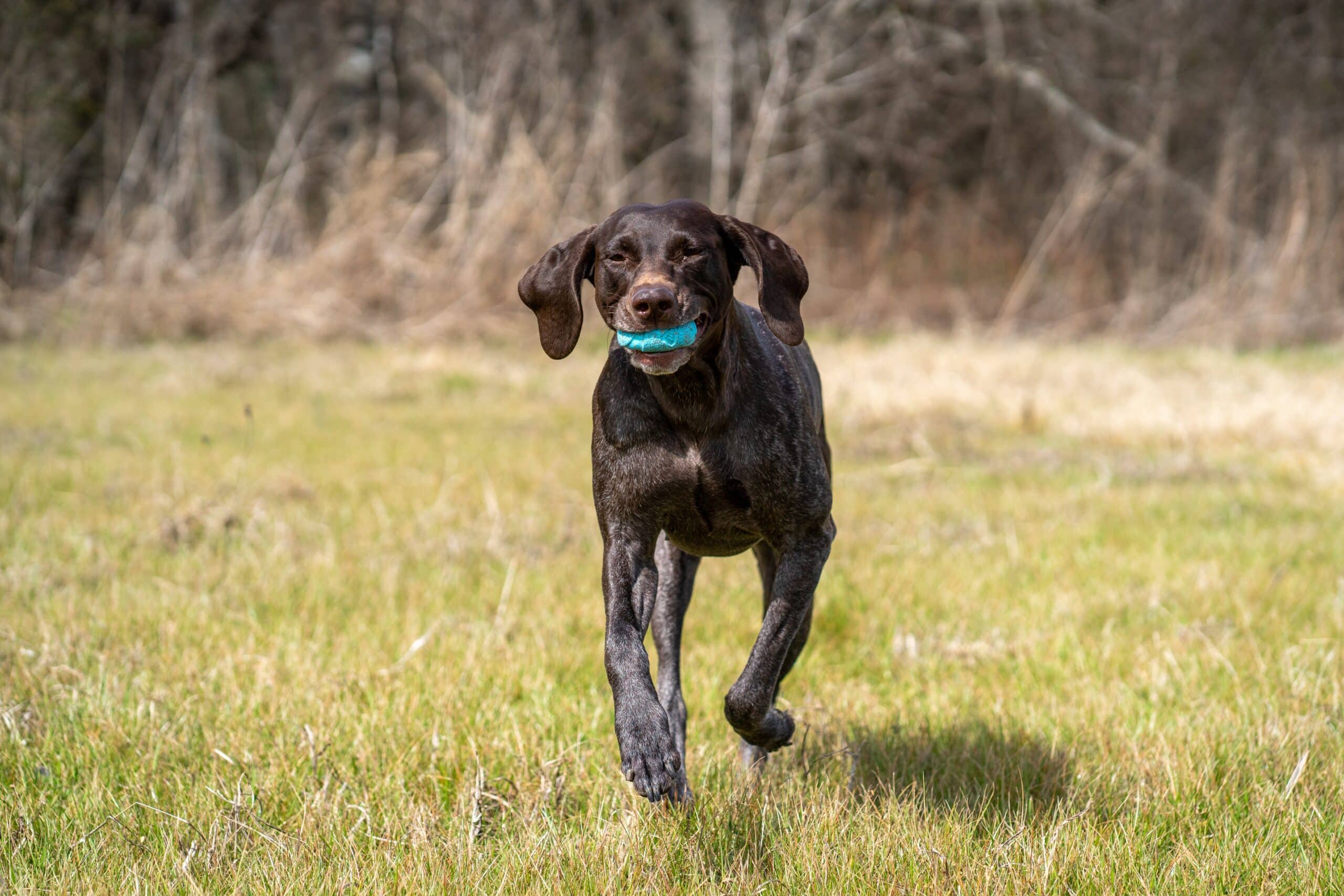
German Shorthaired Pointers
German Shorthaired Pointers are renowned for their overall good health and longevity. These dogs possess:
High intelligence and trainability
Strong immune systems
Active lifestyles that contribute to their well-being
But, responsible breeders screen for potential inherited conditions such as:
Hip and elbow dysplasia
Heart disease
Eye problems
Factors Contributing to Dog Health
To maintain a dog’s health, regardless of breed, consider the following:
Balanced diet: Provide nutrient-rich food customized to the dog’s age and activity level
Regular exercise: Engage in daily physical activities to promote cardiovascular health
Preventative care: Schedule routine veterinary check-ups and vaccinations
Genetic testing: Consult with breeders who perform health screenings on parent dogs
Proper grooming: Maintain coat and skin health through regular grooming practices
By understanding these factors, we can better select and care for dogs with naturally low health problems, ensuring a happy and healthy companion for years to come.
Top Dog Breeds with Least Health Issues
Small Breeds
Small dog breeds with minimal health issues offer companionship and longevity. Border Terriers stand out for their robust health, typically living 12-15 years without major genetic problems. Boston Terriers, even though being brachycephalic, are generally healthy and weigh 10-25 pounds. Lakeland Terriers live 12-15 years and are free from hereditary health issues. Manchester Terriers are high-spirited and athletic, requiring ample exercise to maintain optimal health. Havanese dogs boast an impressive lifespan of 14-16 years. These small breeds demonstrate resilient health and make excellent low-maintenance companions for those seeking dogs with fewer health concerns.
Medium Breeds
Medium-sized dog breeds with strong immune systems and fewer health issues provide a balance of companionship and manageability. Australian Cattle Dogs are known for their longevity and robust health, often living up to 16 years. Siberian Huskies possess natural hardiness and typically experience minimal genetic diseases. Vizslas are energetic and athletic, with a lifespan of 10-14 years and relatively few breed-exact health concerns. Standard Poodles, even though their reputation for grooming needs, are generally healthy and intelligent dogs. Whippets combine speed with good health, having few inherited conditions. These medium breeds offer excellent options for those seeking dogs with minimal health problems and moderate exercise requirements.
Large Breeds
Large dog breeds with resilient health provide loyal companionship and often serve as working dogs. German Shorthaired Pointers are known for their robust health and longevity, typically living 10-12 years. Rottweilers, when properly bred and cared for, have fewer health issues than many large breeds. Greyhounds, even though their size, are generally healthy and have relatively few breed-exact problems. Belgian Malinois are active and athletic, with a lifespan of 10-14 years and minimal genetic health concerns. Standard Schnauzers are sturdy and healthy, often living up to 14 years. These large breeds demonstrate that size doesn’t always correlate with health problems, offering options for those seeking larger dogs with fewer health issues.
Common Health Problems in Dogs
Even though efforts to choose healthy dog breeds, all dogs can face health challenges. Understanding common health problems helps in prevention and early detection.
Genetic Disorders
Genetic disorders in dogs stem from inherited traits passed down through generations. Hip dysplasia, a condition affecting the hip joint, is prevalent in larger breeds like German Shepherds and Labrador Retrievers. This disorder can cause pain and mobility issues, often requiring lifelong management or surgery.
Another genetic concern is heartworm disease, which affects the heart and lungs. While not exclusively genetic, some breeds show higher susceptibility. Regular preventative medication is crucial for protection against this potentially fatal condition.
Skin allergies, particularly atopic dermatitis, are common genetic issues in breeds like Golden Retrievers and West Highland White Terriers. These allergies can cause intense itching, rashes, and discomfort, often requiring ongoing treatment and management.
Age-Related Issues
As dogs age, they become more susceptible to certain health problems. Arthritis is a common age-related issue, affecting up to 20% of adult dogs. It causes joint pain and stiffness, particularly in larger breeds or those with a history of joint injuries.
Cognitive dysfunction syndrome, similar to dementia in humans, affects approximately 50% of dogs over the age of 11. Symptoms include disorientation, changes in sleep patterns, and altered interactions with family members.
Dental disease is another prevalent age-related problem, with over 80% of dogs showing signs by age three. Regular dental care, including professional cleanings and at-home tooth brushing, can help prevent gum disease and tooth loss.
Environmental Factors
Environmental factors play a important role in canine health. Obesity, affecting nearly 56% of dogs in the United States, is often due to overfeeding and lack of exercise. It can lead to many health issues, including diabetes and joint problems.
Parasites like fleas, ticks, and intestinal worms are common environmental threats. These can cause a range of health problems, from skin irritation to severe diseases like Lyme disease or intestinal blockages.
Accidents and injuries, such as car accidents or falls, are environmental risks that can cause traumatic injuries. Proper training, supervision, and safety measures can help reduce these risks. Regular exercise, a balanced diet, and preventative care are essential for maintaining optimal dog health and minimizing environmental health risks.
How to Choose a Dog with Low Health Problems?
Researching Breed Health History
Researching breed health history is crucial when choosing a dog with fewer health issues. Australian Cattle Dogs, known for their intelligence and stamina, have a long lifespan of 12-16 years with minimal health problems. Australian Shepherds, while prone to hip dysplasia, elbow dysplasia, and some eye diseases, generally live 12-15 years. Beagles, moderately active dogs, have an average lifespan of 10-15 years and are generally healthy but may develop eye and hip problems in older age. Greyhounds, one of the fastest dog breeds, are typically very healthy and live 10-13 years. When researching, consider breeds with strong immune systems and longevity to reduce the risk of genetic diseases and ensure optimal health throughout your dog’s life.
Selecting a Reputable Breeder
Selecting a reputable breeder is essential for choosing a healthy dog. A responsible breeder prioritizes the health and well-being of their dogs, conducting genetic testing to screen for inherited conditions. We recommend visiting the breeder’s facility to observe the living conditions and health of the parent dogs and puppies. Ask for health certificates and genetic test results for both parent dogs. Reputable breeders provide transparency about their breeding practices and the health history of their dogs. They should be knowledgeable about the breed’s exact health concerns and take steps to minimize these risks. By choosing a reputable breeder, you increase the likelihood of adopting a dog with minimal genetic diseases and a strong immune system.
Adopting from Shelters
Adopting from shelters offers an opportunity to choose a healthy dog while providing a loving home to a pet in need. Many shelter dogs are mixed breeds, which often exhibit fewer health problems due to their diverse genetic backgrounds. When adopting, we recommend asking about the dog’s health history, including any known medical issues or vaccinations.
Shelters typically conduct health screenings and provide basic veterinary care before adoption. This can include vaccinations for disease prevention and treatments for common issues like parasites. Observe the dog’s behavior and energy levels during your visit, as these can be indicators of overall health. By adopting from a shelter, you not only give a dog a second chance but also potentially select a resilient companion with a strong immune system.
Maintaining Your Dog’s Health
Proper Nutrition and Diet
A balanced diet is crucial for maintaining your dog’s health and preventing common illnesses. Feed your dog high-quality, breed-appropriate food that meets their nutritional needs. Consider the following guidelines:
Choose foods with real meat as the first ingredient
Avoid artificial preservatives, colors, and flavors
Include a mix of proteins, carbohydrates, and healthy fats
Adjust portions based on your dog’s age, weight, and activity level
Provide fresh water at all times
For dogs with low health problems, incorporate immune-boosting foods like blueberries, sweet potatoes, and fish oil. Consult your veterinarian about natural supplements that may benefit your dog’s exact needs. Remember, a proper diet contributes significantly to your dog’s longevity and overall well-being.
Regular Exercise and Mental Stimulation
Exercise is essential for maintaining your dog’s physical and mental health. Regular activity helps prevent obesity, strengthens muscles, and reduces the risk of joint problems. Consider these exercise tips for healthy dogs:
Provide daily walks or runs appropriate for your dog’s breed and fitness level
Engage in interactive play sessions with toys or fetch games
Use puzzle toys or treat-dispensing devices for mental stimulation
Incorporate agility training or obedience exercises
For breeds with naturally low health problems, like Australian Cattle Dogs or Beagles, ensure they receive adequate physical and mental stimulation to maintain their robust health. Tailor exercise routines to your dog’s age, breed, and energy level, gradually increasing intensity as their fitness improves.
Grooming and Hygiene
Proper grooming and hygiene practices are essential for maintaining your dog’s health and preventing skin issues. Follow these grooming tips for healthy dogs:
Brush your dog’s coat regularly to remove loose hair and distribute natural oils
Bathe your dog as needed, using dog-exact shampoos
Trim nails regularly to prevent discomfort and walking issues
Clean your dog’s ears weekly to prevent infections
Brush your dog’s teeth daily or use dental chews to maintain oral health
For low-shedding dogs with fewer health issues, such as Poodles or Schnauzers, regular grooming helps maintain their coat and skin health. Pay attention to breed-exact grooming needs, and consult a professional groomer if necessary. Regular grooming sessions also provide an opportunity to check for any unusual lumps, bumps, or skin changes that may require veterinary attention.
Preventive Care
Preventive care is crucial for maintaining the health of dogs with naturally low health problems. By implementing a proactive approach, we can significantly reduce the risk of various health issues and ensure our canine companions lead long, healthy lives.
Routine Veterinary Check-ups
Regular veterinary check-ups are essential for maintaining optimal dog health. Schedule annual or bi-annual visits to monitor your dog’s overall well-being. During these check-ups, veterinarians perform comprehensive physical examinations, including:
Weight and body condition assessment
Dental health evaluation
Heart and lung auscultation
Eye and ear examinations
Orthopedic assessments
These routine check-ups allow for early detection of potential health issues, even in breeds with fewer health problems. By establishing a consistent relationship with a veterinarian, we create a baseline for our dog’s health, making it easier to identify any deviations or concerns in the future.
Vaccinations and Parasite Prevention
Vaccinations and parasite prevention are critical components of preventive care for dogs. Core vaccines protect against highly contagious and potentially fatal diseases, including:
Rabies
Distemper
Parvovirus
Adenovirus
Consult with your veterinarian to determine the appropriate vaccination schedule based on your dog’s lifestyle and risk factors. Also, carry out a year-round parasite prevention program to protect against:
Fleas
Ticks
Heartworms
Intestinal parasites
Regular use of preventatives safeguards your dog’s health and reduces the risk of parasite-related diseases, even in breeds with strong immune systems.
Early Detection of Health Issues
Early detection of health issues is crucial for maintaining the longevity of dogs with resilient health. Be vigilant and observe your dog for any changes in:
Appetite or water consumption
Energy levels or activity patterns
Bathroom habits
Skin or coat condition
Breathing patterns
Regular at-home examinations, including checking for lumps, bumps, or sensitive areas, can help identify potential health concerns early. Keep a log of any unusual symptoms or behaviors to share with your veterinarian during check-ups. By combining attentive observation with routine veterinary care, we can address health issues promptly, ensuring the best possible outcomes for our canine companions.
Managing Dogs with Existing Health Problems
Working with Your Veterinarian
Collaborate closely with your veterinarian to manage your dog’s health issues effectively. Schedule regular checkups to monitor your dog’s condition and adjust treatment plans as needed. Discuss any changes in your dog’s behavior, appetite, or energy levels during these visits. Ask questions about your dog’s exact health concerns and request detailed explanations of treatment options. Keep a record of your dog’s medications, symptoms, and progress to share with your vet. Consider seeking a second opinion or referral to a specialist if your dog’s condition is complex or not improving. Remember, your veterinarian is your partner in ensuring the best possible quality of life for your dog with existing health problems.
Administering Medications
Administering medications correctly is crucial for managing your dog’s health issues. Create a medication schedule and stick to it consistently. Use pill pockets or mix medications with small amounts of tasty food to make them more palatable. For liquid medications, use a syringe or dropper for precise dosing. Always follow your veterinarian’s instructions about dosage and timing. Monitor your dog for any side effects or changes in behavior after starting new medications. Keep medications stored safely out of your dog’s reach and check expiration dates regularly. If you’re having difficulty administering medications, consult your veterinarian for alternative options or techniques. Remember, consistent and correct medication administration is key to managing your dog’s existing health problems effectively.
Adapting Home Environment
Adapt your home environment to accommodate your dog’s health needs. For dogs with mobility issues, install non-slip mats or carpets to provide better traction on slippery surfaces. Use ramps or steps to help them access furniture or cars more easily. If your dog has vision problems, maintain a consistent layout and avoid moving furniture.
For dogs with respiratory issues, use air purifiers and avoid strong scents or chemicals. Create a quiet, comfortable space for dogs with anxiety or cognitive issues. Ensure food and water bowls are easily accessible, and consider elevated feeders for dogs with neck or back problems. Regularly clean your dog’s bedding and living areas to minimize allergens and prevent infections. By adapting your home environment, you can significantly improve your dog’s comfort and quality of life while managing existing health problems.
Tips for Extending Your Dog’s Lifespan
Provide a Balanced Diet
A balanced diet forms the foundation for optimal dog health. We recommend:
Choosing high-quality, breed-appropriate dog food
Incorporating immune-boosting foods like blueberries and sweet potatoes
Avoiding overfeeding to prevent obesity
Consulting with a veterinarian for personalized dietary advice
Maintain Regular Exercise
Regular exercise is crucial for your dog’s physical and mental well-being:
Engage in daily walks or runs
Provide interactive toys for mental stimulation
Adjust exercise intensity based on breed and age
Consider agility training or swimming for low-impact workouts
Carry out Preventative Care
Proactive health measures significantly reduce the risk of diseases:
Schedule annual veterinary check-ups
Keep vaccinations up-to-date
Administer monthly heartworm prevention
Use flea and tick preventatives year-round
Practice Good Dental Hygiene
Dental health impacts overall well-being:
Brush your dog’s teeth regularly
Provide dental chews or toys
Consider professional dental cleanings
Support Joint Health
Maintain healthy joints, especially in larger breeds:
Offer joint supplements containing glucosamine and chondroitin
Conclusion: Ensuring a Happy, Healthy Life for Your Dog
We’ve explored various aspects of maintaining a dog’s health and selecting breeds with naturally low health problems. By choosing a resilient breed or mixed-breed dog and providing proper care we can significantly reduce the likelihood of health issues.
Remember that regular veterinary check-ups preventative care and a balanced lifestyle are key to ensuring your dog’s long-term well-being. With the right approach you’ll be well-equipped to provide your furry friend with a happy healthy life.
By staying informed and attentive to your dog’s needs you’ll be able to enjoy many wonderful years together filled with love companionship and minimal health concerns.
Did you know that nearly half of American households own a dog? As our loyal companions, dogs deserve the best care we can provide. Understanding how to care for your dog is essential for their happiness and well-being. Whether you’re a first-time pet owner or a seasoned dog lover, there’s always something new to learn about meeting your furry friend’s needs.
Our dogs rely on us for everything from nutrition to exercise, and even mental stimulation. By addressing these areas, we ensure they lead healthy and fulfilling lives. This article will guide you through essential aspects of dog care, including diet, grooming, exercise, and emotional well-being.
By the end, you’ll have the knowledge to create a nurturing environment for your canine companion. Let’s jump into the industry of dog care and discover how to make life better for our four-legged friends.
How To Meet Your Dog’s Basic Needs
Meeting a dog’s basic needs involves providing proper nutrition, regular exercise, grooming, and health care.
Nutrition
A well-balanced diet is essential for dogs’ health. Adult dogs thrive on high-quality premium dry food, sometimes mixed with water, broth, or canned food. Limit people food, as it’s generally unfavorable for their nutritional balance. Puppies, particularly large breeds, benefit from brand-name puppy food. Fresh water availability is crucial, so clean food and water dishes often.
Exercise
Exercise keeps dogs healthy, burning calories and stimulating their minds. Factors like breed, age, and health determine exercise needs. For example, high-energy breeds such as Labradors require at least an hour of exercise daily. Regular interaction and play help prevent boredom and behaviors perceived as destructive.
Grooming and Health Care
Consistent grooming and health care maintain a dog’s well-being. Regular brushing helps keep their coat healthy while bathing frequency depends on the breed and lifestyle. Investing in the best dog shampoo for sensitive skin supports this routine. It’s crucial to choose a vet familiar with your dog’s exact needs for vaccinations and check-ups.
Mental Stimulation and Socialization
Dogs require mental stimulation and opportunities for socialization. Safe chew toys can keep them engaged and prevent anxiety. Also, arranging playdates with other dogs or visiting dog-friendly parks enhances their social skills.
Addressing these core aspects ensures that our dogs remain healthy and happy, becoming cherished companions in our lives.
Feeding and Nutrition
Feeding our dogs with the right nutrition is vital for their health and vitality. We focus on selecting the right food and establishing a consistent feeding routine to ensure balanced nutrition.
Selecting the Right Food
When choosing the appropriate food for our dogs, several considerations ensure a balanced diet. A balanced blend of proteins, carbohydrates, fats, vitamins, and minerals is crucial. Proteins support body tissues, fats provide energy and maintain healthy skin and hair, while carbohydrates power tissues and support gut health. It’s also important to consider the life stage of the dog. Puppies, for instance, require more calories and essential nutrients, with food typically containing 25-30% protein. Adult dogs transition to maintenance food around 10-12 months, while senior dogs benefit from diets with lower caloric density yet normal protein levels. Consulting brands known for quality nutrition and balanced dog diet plans can also aid in making the best choice.
Establishing a Feeding Routine
Maintaining a feeding routine helps in managing a dog’s weight and digestion. It’s advisable to feed adults twice daily, dividing the total daily food amount into two meals. For puppies, a more frequent schedule, such as three to four times a day, aligns with their rapid growth rates. This regularity offers structure, helping them anticipate meal times and preventing overfeeding. If adjustments are necessary due to changing activity levels or health conditions, monitoring a dog’s weight and signs they might be sick ensures timely dietary corrections. Maintaining consistency in feeding locations and times contributes to a stable and reliable routine for our dogs.
Exercise is vital for maintaining a dog’s overall health and wellbeing. By incorporating consistent routines, we can ensure our dogs stay fit and lively.
Daily Walks
Daily walks provide low-impact aerobic activity, crucial for cardiovascular health, weight management, and muscle strengthening. High-energy breeds like collies and Labrador retrievers benefit from more extended periods, around two or more hours of exercise per day. In contrast, lower-energy breeds such as bulldogs and basset hounds thrive on just 30 to 60 minutes daily. We can enhance these walks using the best dog harness for walking to ensure safety and control. Integrating varied walking routes or visiting dog-friendly parks promotes socialization and mental engagement.
Playtime and Activity
Beyond walks, incorporating diverse playtime activities satisfies dogs’ instinctual needs and keeps them mentally stimulated. High-energy breeds enjoy activities like fetch, agility courses, or frisbee sessions. For lower-energy breeds, gentler games or puzzle toys offer adequate engagement. Safe chew toys for dogs provide mental stimulation and help alleviate anxiety, an essential aspect of dog behavior. Organizing playdates or trips to dog-friendly parks can also foster social skills. By tailoring activities to a dog’s breed and energy, we contribute significantly to their overall happiness and health.
Grooming and Hygiene
Grooming and hygiene form essential parts of a dog’s overall care. Regular attention ensures dogs remain comfortable, healthy, and clean.
Brushing and Bathing
Brushing helps maintain coat health and reduces the need for frequent bathing. Long-haired breeds benefit from daily brushing, while short-haired breeds find weekly sessions adequate. The right tools matter; slicker brushes fit long-haired dogs and bristle brushes suit short-haired ones. Brushing removes loose hair and dirt and distributes natural oils, which promote a healthy shine. Excessively bathing a dog can strip oils from the coat, so use best practices for dog bath frequency.
Nail Trimming
Nail trimming prevents discomfort and injuries. Regular trimming, every 3-4 weeks, keeps nails at an optimal length. Use an appropriate trimmer designed for safety, and be cautious near the quick, a sensitive area inside the nail. Positive reinforcement with healthy dog treats eases the trimming process. Accustoming dogs to nail care through gradual exposure helps alleviate anxiety. Checking nails during grooming sessions ensures they’re always at a healthy length, contributing to overall well-being.
Plan for Unexpected Vet Bills with Pet Insurance
Pet insurance alleviates the financial stress of unexpected veterinary expenses, ensuring our dogs receive necessary care. According to HABRI, well-prepared pet owners are more likely to seek treatment. By investing in a pet insurance plan, we can cover substantial portions of such costs and protect our budgets while prioritizing our pets’ health.
Regular Vet Visits
Regular vet visits are vital for our dogs’ health. They help in early detection of health issues and provide preventive care. Routine visits reinforce the human-animal bond, as vets familiar with our pets can offer personalized advice. Choosing a vet who understands our dog’s exact needs is important for effective care.
Vaccinations and Medications
Keeping up with vaccinations and medications is crucial for preventing diseases. A proper dog vaccination schedule protects against diseases like rabies and distemper. Medications including flea treatments for dogs keep them healthy and comfortable. Being proactive with these health measures maintains our pets’ wellness and minimizes potential illnesses.
Safety and Home Environment
It’s essential to ensure our dogs navigate a safe and welcoming home environment. Let’s explore ways to create secure spaces and maintain the necessary identification and licensing for our furry companions.
Puppy-proofing Your Home
Puppy-proofing transforms our living spaces into dog-friendly zones, reducing risks and potential hazards. We use childproof latches on cabinets and drawers to keep medications, cleaners, and chemicals out of reach. Covered trash cans or latched cabinets prevent access to dangerous substances, while keeping toilet lids closed reduces drowning or ingestion risks. Dog-proofing requires removing hazardous items like wires, poisonous plants, and small objects that dogs might ingest. Creating a safe retreat area with comfort items, food, and water helps promote a stress-free environment.
Identification and Licensing
Identification and licensing ensure our dogs’ safety and compliance with local regulations. Our dogs wear collars with identification tags that include our contact information to make reuniting easier in case they become lost. We consider microchipping for added security, as it’s a permanent form of identification. Keeping these records updated with current information is vital. Licensing involves registering our dogs with the local authorities, which often requires proof of vaccinations. Using a dog vaccination schedule helps in staying on top of required shots, ensuring our dogs are protected from diseases and remain within legal requirements.
Training and Socialization
Effective training and socialization are vital components of dog care, significantly impacting behavior and overall well-being. Proper techniques ensure a well-adjusted pet.
Basics of Training
Training dogs using consistent and positive methods facilitates obedience and happiness. Start with puppy training basics early to establish foundational skills like sit, stay, and come. Early training promotes discipline and minimizes dog behavior problems. Leverage best dog training classes for guidance and structured learning environments. These classes provide expert insights and techniques customized to various breeds and temperaments.
Positive Reinforcement
Positive reinforcement forms the backbone of successful dog training. Use treats, praise, and rewards to create a positive association with desired behaviors. When introducing new commands, healthy dog treats serve as effective incentives, reinforcing obedience and encouraging repetition. Regularly practicing commands with safe chew toys for dogs makes learning enjoyable and rewarding. This method fosters a trusting relationship, which enhances confidence and stability, crucial for addressing dog anxiety and ensuring a happy, well-trained companion.
Mental Stimulation
Captivating our dogs’ minds is as important as physical exercise for their overall well-being. Mental stimulation can alleviate boredom, reduce stress, and prevent behavioral issues like excessive barking.
Captivating Toys
Choosing the right toys is essential for providing mental stimulation to our dogs. Safe chew toys for dogs, such as puzzle toys or treat-dispensing balls, can keep them occupied while improving their problem-solving abilities. Using interactive toys encourages exploration and cognitive engagement. Stuffed toys that feature hidden compartments offer a rewarding challenge as dogs figure out how to retrieve the treats inside. Selecting the best toys for our dogs means considering their size, strength, and chewing habits to ensure safety and effectiveness.
Brain Games
Introducing brain games into our dogs’ routine supports mental agility and satisfaction. Games like “find it” involve hiding treats around the house and have dogs use their noses to locate them. This activity enhances their natural hunting instincts and sharpens their sense of smell. We can also engage our dogs in games of hide-and-seek, where they search for us in different rooms. These games promote focus, memory, and trust, making them excellent options to keep our dogs mentally alert and happy.
Seasonal Care Tips
Seasonal changes can impact our dogs’ health and well-being. Monitoring conditions and adjusting care routines helps ensure they stay happy and healthy.
Monitor your pet’s time outside
Temperature fluctuations affect dogs significantly. In extremely hot weather, limit outdoor activities to early mornings or late evenings to prevent heatstroke. During colder months, minimize exposure to extreme cold to avoid hypothermia. Keeping an eye on weather forecasts and planning walks accordingly supports a safe environment. Using a best dog harness enhances control and safety during walks.
Pay close attention to your dog’s paws
Dog paws require protection from harsh surface conditions. In summer, surfaces like asphalt can reach dangerous temperatures. Test it with your hand before walking your dog. In winter, ice, salt, and snow-melting chemicals risk damaging paws. Rinsing your dog’s feet after walks and using paw balm can mitigate these risks. Dog grooming tips stress the importance of regular paw inspections for cuts or irritations.
Steer clear of toxic algae
Water bodies sometimes develop toxic algae blooms, posing important health risks to pets. If signs, such as discolored water or foul odor, are present, it’s crucial to prevent dogs from drinking or swimming in these areas. Signs your dog is sick after exposure include vomiting, lethargy, or seizures. Prompt veterinary care can alleviate distress and safeguard your dog’s health.
Avoid leaving your pet in a hot car
Leaving pets in parked cars, even briefly, endangers them significantly. Interior temperatures can rise quickly, leading to potentially fatal heatstroke. Ensuring vehicles are pet-free on hot days preserves their health. Instead, planning outings around pet comfort or utilizing dog-friendly parks enhances safety. This proactive approach alongside adherence to dog vaccination schedules promotes overall well-being for dogs during travel.
Train and Bond with Your Dog to Strengthen Your Relationship
Strengthening the bond with our dogs is essential for their happiness and ours. Training and daily interactions not only enhance companionship but also contribute to a calm and obedient pup.
Prioritize One-on-One Time with Your Pup
Quality time builds trust and deepens our connection with dogs. Engage in activities like daily walks and play sessions. Research suggests adolescents with pet caretaking responsibilities often seek comfort in pet interactions during stressful times. Incorporating peaceful moments, like simply sitting together, reduces anxiety for both us and the dog, strengthening family bonds.
Practice Patience and Consistency
Consistency alleviates confusion, helping dogs understand expectations. Establishing routines, like feeding and walking schedules, creates a predictable environment. Consistent dog grooming tips, such as maintaining a regular brushing schedule, improve both coat health and overall comfort. Patience in training reduces stress and fosters a supportive atmosphere, encouraging dogs to follow routine commands effortlessly.
Consider Positive Reinforcement Training
Positive reinforcement enhances training effectiveness. Using treats and praise, we can teach basic commands as part of puppy training basics. This approach boosts confidence, resulting in a calm and well-mannered dog. Consistent praise for good behavior, such as sitting or staying, instills trust and strengthens our bond. By focusing on rewarding positive actions, we nurture a cooperative and joyful learning experience.
Conclusion
Caring for our dogs involves a comprehensive approach that ensures their physical and mental well-being. By focusing on proper nutrition, regular exercise, grooming, and mental stimulation, we can create a nurturing environment that supports their health and happiness. It’s important to tailor our care routines to fit our dogs’ unique needs, considering factors like breed, age, and energy levels. Let’s remember that our efforts in providing a safe home, consistent training, and proactive health measures contribute significantly to our dogs’ quality of life. With dedication and love, we can enjoy a fulfilling companionship with our furry friends.
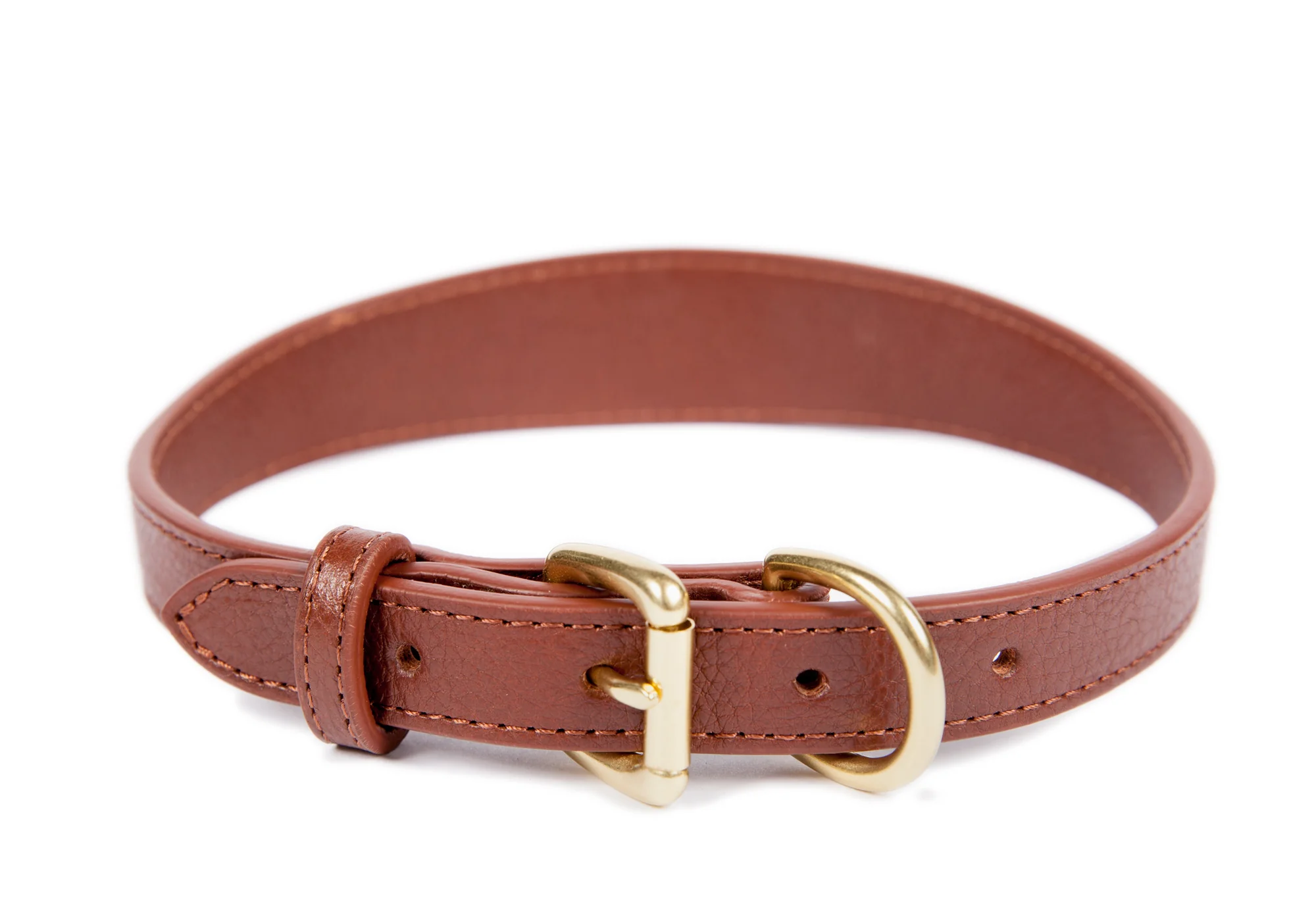
Is your furry friend’s leather collar looking a bit worse for wear? As responsible pet owners, it’s crucial that we keep our dogs’ accessories in tip-top shape. Not only does a well-maintained collar look great, but it also ensures your pup’s comfort and safety. How to care for your leather dog collar might seem daunting at first, but with the right techniques and a little TLC, it’s easier than you might think. We’ll walk you through the essential steps to clean, condition, and store your dog’s leather collar properly.
Materials Needed
To properly care for a leather dog collar, gather these essential items:
Mild soap: Choose a gentle, pH-balanced soap designed for leather, such as Saddle Soap or a mild dish soap like Dawn. Avoid harsh detergents that can strip the leather’s natural oils.
Warm water: Use lukewarm water for cleaning the collar. Hot water can damage the leather, while cold water may not effectively remove dirt and grime.
Soft-bristled brush: An old toothbrush or a dedicated leather cleaning brush with soft bristles will help remove dirt and debris from the collar’s crevices without scratching the surface.
Clean, damp cloth: Use a soft, lint-free cloth to apply the cleaning solution and wipe down the collar. Microfiber cloths work well for this purpose.
Leather conditioner: After cleaning, apply a leather conditioner to keep the collar soft and supple. Natural options include Sno-Seal, mink oil, or olive oil. For best results, choose a conditioner specifically designed for leather goods.
Towel: Have a clean, dry towel on hand to pat the collar dry after cleaning and conditioning.
Optional items for tackling tough stains:
Baking soda: Mix baking soda with water to create a paste for removing stubborn stains.
White vinegar: Dilute white vinegar with water (50/50) to spot-clean heavily soiled areas. For extra cleaning power, use undiluted vinegar on hard-to-remove stains.
By gathering these materials before starting the cleaning process, you’ll be well-prepared to give your dog’s leather collar the care it deserves. Remember, investing in quality cleaning supplies will help extend the life of the collar and keep your furry friend looking stylish for years to come.
Cleaning your dog’s leather collar regularly is crucial for maintaining its appearance and extending its lifespan. Follow these simple steps to keep your pup’s collar looking its best.
Routine Cleaning
To maintain your leather dog collar and extend its lifespan, routine cleaning is essential. Here are the steps to follow:
Wipe down: Use a soft, dry cloth to wipe down the collar, removing any loose dirt or dust. Hold the collar taut with one hand and rub the cloth along the leather in a gentle, circular motion.
Mild cleaning: For slightly dirty collars, dampen a cloth with warm water and a small amount of mild dish soap. Gently wipe the collar, lightly scrubbing any stubborn areas. Ensure the cloth is not soaking wet to avoid damaging the leather.
Drying: After cleaning, allow the collar to air dry completely. Avoid leaving a wet collar on your dog or bunched up, as this can lead to permanent stains, mold, or mildew.
Conditioning: Once the collar is dry, apply a small amount of leather conditioner or saddle soap to keep the leather moisturized and protected. Work the conditioner into the leather using your fingers or a soft cloth, then wipe off any excess.
Brush off dirt: Use a soft-bristled brush to remove any caked-on dirt, mud, or debris from the collar. Be gentle to avoid scratching the leather.
Create cleaning solution: In a bowl, mix a solution of 1 cup warm water and 1 tablespoon mild dish soap. For tough stains, add 1/2 tablespoon of white vinegar or a sprinkle of baking soda to the mixture.
Scrub the collar: Dip a soft cloth or brush into the cleaning solution and gently scrub the entire collar, paying extra attention to heavily soiled areas. Avoid saturating the leather, as excessive moisture can cause damage.
Rinse: Using a clean, damp cloth, wipe away the cleaning solution from the collar. Be sure to remove all soap residue, as it can attract dirt if left on the leather.
Dry completely: Allow the collar to air dry naturally, away from direct sunlight or heat sources. Do not put the collar back on your dog until it is completely dry.
Condition the leather: After drying, apply a small amount of leather conditioner or saddle soap to the collar, working it into the leather with your fingers or a soft cloth. This step helps to moisturize and protect the leather, preventing cracking and extending the collar’s life.
By following these routine and deep cleaning steps, you can keep your dog’s leather collar looking great and ensure it lasts for years to come. Remember to clean the collar regularly, especially if your dog is prone to getting dirty or wet during outdoor activities.
Conditioning Your Leather Dog Collar
Once your leather dog collar is clean and dry, it’s crucial to condition the leather to keep it soft, supple, and resistant to cracking or damage. Conditioning helps replenish the natural oils in the leather, which can be stripped away during the cleaning process or through regular wear and tear.
When selecting a leather conditioner for your dog’s collar, opt for a product specifically designed for use on leather goods. We recommend using a conditioner that contains natural ingredients such as beeswax, coconut oil, almond oil, or lanolin. These nourishing ingredients penetrate the leather fibers, moisturizing and protecting the collar from the inside out.
To apply the conditioner, place a small amount on a clean, soft cloth or your fingertips. Avoid using too much product, as this can lead to a greasy residue or buildup on the collar’s surface. Gently rub the conditioner into the leather, using circular motions to ensure even coverage. Pay extra attention to areas that may be prone to cracking or drying out, such as near the buckle or where the collar frequently bends.
After applying the conditioner, allow the leather dog collar to air dry for about 15-20 minutes. This gives the conditioner time to absorb into the leather fibers. Once the collar is dry, use a clean cloth to buff the surface gently, removing any excess conditioner and restoring the collar’s natural shine.
For the best results, we suggest conditioning your dog’s leather collar every 3-4 months or as needed based on the collar’s exposure to moisture, dirt, and wear. Regular conditioning not only extends the life of the collar but also keeps it looking its best, ensuring your furry friend is always stylish and comfortable.
By following these simple steps for cleaning and conditioning your leather dog collar, you can maintain its appearance, durability, and comfort for years to come. Your dog will thank you for the extra TLC, and you’ll have peace of mind knowing their collar is always in top-notch condition.
Drying Your Leather Dog Collar
After cleaning your leather dog collar, it’s crucial to dry it properly to maintain its quality and prevent damage. Here are the steps we recommend for drying your leather dog collar:
Air Drying
The best way to dry a leather dog collar is to let it air dry naturally. Hang the collar by its buckle or lay it flat on a clean, dry towel.
Choose a well-ventilated area away from direct sunlight or heat sources, as exposure to excessive heat can cause the leather to dry out, become brittle, or even crack.
Avoid using a hairdryer, radiator, or other artificial heat sources to speed up the drying process, as this can damage the leather fibers.
Blotting Excess Moisture
Before air drying, gently blot the leather dog collar with a clean, dry towel to remove any excess moisture.
Do not rub or wring the collar, as this can cause stretching or damage to the leather. Instead, use a patting motion to absorb the water.
As the leather dog collar dries, you may need to reshape it to maintain its original form. Gently stretch and shape the collar while it’s still slightly damp to prevent it from drying in an odd shape.
Once the collar is completely dry, apply a small amount of leather conditioner to keep the material soft, supple, and resistant to cracking. Use a clean cloth to work the conditioner into the leather, following the product’s instructions.
Drying Method
Dos
Don’ts
Air Drying
Hang or lay flat in ventilated area
Expose to direct sunlight or heat
Blotting
Use clean, dry towel to absorb water
Rub or wring the collar
Conditioning
Apply conditioner when fully dry
Use conditioner on wet or damp leather
By following these steps for drying your leather dog collar, you can ensure that it retains its strength, appearance, and durability for years to come. Proper drying techniques, combined with regular cleaning and conditioning, will keep your furry friend looking stylish and comfortable in their well-maintained collar.
Maintaining Hardware and Accessories
Properly caring for the metal parts and specialty leathers on your dog’s collar is essential to keep it looking great and functioning well. Here’s how to maintain these important components:
Cleaning Metal Parts
Regularly clean the metal hardware on your dog’s leather collar, such as buckles, D-rings, and rivets, to prevent corrosion and maintain their shine. Use a soft cloth dampened with warm water and mild soap to gently wipe down the metal parts. For stubborn dirt or tarnish, use a soft-bristled brush or a cotton swab dipped in the cleaning solution. Rinse the hardware with a clean, damp cloth and dry it thoroughly with a soft towel. Apply a small amount of metal polish or conditioner to protect the hardware and keep it looking shiny.
Caring for Specialty Leathers
If your dog’s collar is made from a specialty leather, such as suede, nubuck, or patent leather, it may require extra care to maintain its unique texture and appearance. For suede and nubuck leathers, use a soft-bristled brush or a suede eraser to remove dirt and scuff marks gently. Avoid using water or cleaning answers, as they can damage the nap of the leather. To restore the texture, lightly brush the leather in a circular motion with a suede brush or a clean toothbrush.
For patent leather collars, wipe down the surface with a soft, damp cloth to remove dirt and debris. Avoid using abrasive cleaning products or scrubbing the leather, as this can damage the glossy finish. To restore shine and protect the patent leather, apply a small amount of patent leather conditioner or a drop of mineral oil to a soft cloth and gently buff the surface.
When caring for specialty leathers, always test any cleaning products or conditioners on a small, inconspicuous area first to ensure they don’t cause discoloration or damage. Follow the manufacturer’s instructions for the exact type of leather, and apply conditioners sparingly to avoid oversaturating the material. By taking the time to clean and maintain the hardware and specialty leathers on your dog’s collar, you’ll keep it looking and functioning its best for years to come.
Troubleshooting Common Issues
Even though our best efforts to keep leather dog collars clean and well-maintained, sometimes stubborn stains, odors, or wear and tear can occur. Here’s how to tackle these common issues and restore your pup’s collar to its former glory.
Removing Stubborn Stains and Odors
For tough stains that don’t come out with routine cleaning, create a paste using equal parts water and baking soda. Apply the paste to the stained area using a soft-bristled brush, gently scrubbing in circular motions. Let the paste sit for 15-20 minutes, then wipe it away with a damp cloth. For persistent odors, sprinkle baking soda on the collar and let it sit overnight before brushing it off.
If the stain or odor remains, mix equal parts white vinegar and water in a spray bottle. Spray the solution onto the affected area, let it sit for 5-10 minutes, then blot it dry with a clean towel. Repeat the process if necessary, but be sure to condition the leather afterward to prevent drying or cracking.
Dealing with Worn or Brittle Leather
Over time, leather dog collars may become worn, scratched, or brittle due to age, exposure to the elements, or frequent use. To restore suppleness and extend the life of the collar, apply a quality leather conditioner using a soft cloth. Work the conditioner into the leather in circular motions, paying extra attention to areas that are particularly dry or cracked.
If the collar has deep scratches or scuffs, you can use a leather repair kit to fill them in and blend them with the surrounding material. These kits typically include a color-matched filler compound and detailed instructions for application. For minor scratches, gently buffing the area with a soft cloth may be enough to minimize their appearance.
For brittle leather that has become stiff or prone to cracking, a deep conditioning treatment may be necessary. Apply a liberal amount of leather conditioner to the collar and let it absorb for several hours or overnight. Wipe away any excess conditioner with a clean cloth and repeat the process if needed until the leather regains its flexibility.
To prevent future damage, store the collar in a cool, dry place when not in use, and avoid exposing it to extreme temperatures or direct sunlight. Regular cleaning and conditioning every 3-4 months will also help keep the leather soft, supple, and resistant to wear and tear.
Tips for Prolonging the Life of Your Leather Dog Collar
To keep your leather dog collar looking its best and lasting for years, follow these essential tips:
Store the Collar Properly
When not in use, store your dog’s leather collar in a cool, dry place away from direct sunlight. Exposure to excessive heat, humidity, or UV rays can cause the leather to dry out, crack, or fade. Consider using a designated hook or storage box to keep the collar safe and organized.
Avoid Water and Chemicals
While occasional exposure to water during walks or playtime is inevitable, try to minimize your leather dog collar’s contact with water and harsh chemicals. Remove the collar before bathing your dog or allowing them to swim, and never soak the leather in water. Also, keep the collar away from perfumes, alcohol, oils, and cleaning products that can stain or weaken the leather.
Address Wear and Tear Promptly
Regularly inspect your dog’s leather collar for signs of wear and tear, such as loose stitching, fraying, or cracking. Address any issues promptly to prevent further damage. For minor scratches or scuffs, apply a small amount of leather conditioner to the affected area and buff gently with a soft cloth.
Rotate Collars
If possible, rotate between two or more leather dog collars to allow each one time to rest and dry out between uses. This is especially important if your dog wears their collar continuously or if they are prone to getting the collar wet or dirty. Rotating collars can help extend the life of each one and keep them looking their best.
Protect from Chewing
Some dogs, especially puppies, may be tempted to chew on their leather collar. To discourage this behavior, provide plenty of appropriate chew toys and supervise your dog when they are wearing the collar. If necessary, apply a bitter-tasting deterrent spray to the collar to discourage chewing.
Professional Cleaning and Repair
For deep cleaning or repairs that are beyond your abilities, consider taking your leather dog collar to a professional leather cleaner or repair service. They have the expertise and tools to handle more important issues and can help restore your collar to its original condition.
By following these tips and providing regular care and maintenance, you can ensure that your dog’s leather collar remains a stylish and durable accessory for years to come. With a little effort and attention, you can keep your furry friend looking and feeling their best while showcasing their unique personality and style.
When to Replace Your Leather Dog Collar
Even with proper care and maintenance, leather dog collars will eventually need to be replaced. Here are some signs that indicate it’s time for a new collar:
Excessive Wear and Tear: If the leather is cracked, torn, or heavily scratched, it may no longer be safe or comfortable for your dog to wear. While minor scratches can often be repaired with leather repair kits, extensive damage may warrant a replacement.
Stretched or Loose Leather: Over time, leather can stretch and become loose, especially if your dog frequently pulls on the leash. A loose collar can slip off easily, posing a safety risk. If adjusting the buckle doesn’t provide a snug fit, it’s time for a new collar.
Foul Odors: Persistent odors that linger even after cleaning may indicate bacterial growth or mildew, which can irritate your dog’s skin. If the smell doesn’t dissipate with baking soda or other odor-removing techniques, consider replacing the collar.
Faded or Discolored Leather: Extensive exposure to sunlight, water, or chemicals can cause the leather to fade or discolor. While this may not affect the collar’s functionality, it can detract from its appearance. If the discoloration is severe or the leather becomes brittle, a new collar may be necessary.
Outgrown Collar: As your dog grows, especially during puppyhood, its neck size will change. A collar that’s too tight can cause discomfort and restrict breathing, while a loose collar can slip off. Regularly check the fit of your dog’s collar and replace it when necessary to ensure a safe and comfortable fit.
Outdated Contact Information: If your contact information on the collar’s ID tag is outdated or illegible, it’s crucial to replace the collar or tag. Up-to-date identification can help reunite you with your dog if they become lost.
To extend the life of your leather dog collar and reduce the frequency of replacements:
Rotate between multiple collars to allow each one to dry and rest between uses.
Store the collar in a cool, dry place away from direct sunlight and heat.
Address any damage or wear and tear promptly with leather repair kits or professional repairs.
Clean and condition the collar every 3-4 months to maintain its suppleness and prevent cracking.
By monitoring your leather dog collar’s condition and replacing it when necessary, you can ensure your furry friend remains safe, comfortable, and stylish during all your adventures together.
Conclusion
By following our step-by-step guide, you’ll be able to keep your dog’s leather collar looking great and functioning properly for years to come. Regular cleaning, conditioning, and maintenance are key to preserving the collar’s appearance and ensuring your furry friend’s safety and comfort.
Did you know that nearly 70% of American households own a pet, with dogs being the most popular choice? As our furry companions, dogs become cherished family members, and their well-being is a top priority. But, just like us, they can face various health problems that require attention and care. Understanding dogs with health problems is crucial for ensuring our dogs lead happy, healthy lives.
Many dog owners search for reliable information to recognize and manage common health problems, from allergies to arthritis. By educating ourselves, we can make informed decisions that enhance our pets’ quality of life. In this text, we’ll explore prevalent health issues in dogs, signs to watch for, and effective management strategies.
Our goal is to empower you with the knowledge needed to support your four-legged friends. Let’s jump into the industry of canine health and discover how we can keep our dogs thriving by addressing their unique needs.
Common Health Problems in Dogs
Dogs may face various health issues throughout their lives. Educating ourselves about these problems helps us keep our furry companions healthy and happy.
Arthritis
Arthritis can severely affect a dog’s mobility and quality of life. Common in older dogs, arthritis may also impact larger breeds and heavier dogs more frequently. Signs include limping and stiffness after rest, joint swelling, and signs of pain like yelping when moving. Managing a dog’s weight and providing joint supplements may aid in alleviating symptoms.
Obesity
Obesity ranks as a serious health issue impacting 30% to 60% of dogs. It results from overfeeding, lack of exercise, and genetic factors. Symptoms include a rounded face, difficulty in feeling the ribs, a lack of distinct waistline, and a decrease in physical activity. Implementing a balanced diet and regular exercise routine enhances weight management and overall health.
Dental diseases often occur in dogs, with periodontal disease being prevalent. Tartar buildup, inflamed gums, and bad breath indicate issues. Regular brushing and professional dental cleanings reduce the risk of conditions that can affect the entire body.
Allergies
Dogs frequently experience allergies, manifesting through skin irritations, ear itching, or gastrointestinal problems. Common allergens include pollen, dust, and certain foods. Identifying and avoiding allergens helps manage symptoms, while antihistamines and special diets may provide relief.
Skin Conditions
Skin conditions in dogs, like dermatitis and mange, could be due to parasites, allergies, or infections. Itching, redness, and hair loss are typical signs. Regular grooming and prompt veterinary care help prevent severe complications.
Ear Infections
Ear infections often afflict dogs, especially those with floppy ears. Year-round moisture in the ear canal contributes to infections, noted by head shaking and a bad odor. Regular inspections and maintaining clean, dry ears reduce the risk of infection.
Urinary Tract Infections
UTIs cause discomfort and complications for dogs, with more frequent urination and changes in urine odor or color as signs. Prompt veterinary evaluation and proper treatment, including antibiotics and dietary adjustments, address infections and prevent recurrence.
Breed-Specific Health Issues
Understanding health issues exact to certain dog breeds enhances our ability to care for our furry companions. Some breeds are more susceptible to exact conditions due to their physical traits.
Brachycephalic Breeds and Respiratory Problems
Brachycephalic breeds such as French Bulldogs, English Bulldogs, and Pugs often exhibit respiratory problems. Their iconic short, flat faces can lead to narrowed airways and elongated soft palates. These anatomical challenges make breathing difficult and increase the risk of brachycephalic syndrome. Symptoms include wheezing, difficulty breathing, and respiratory distress, which worsen in hot or humid weather. This condition requires careful management, ensuring these breeds live comfortably and healthily.
Large Breeds and Joint Issues
Large dog breeds like German Shepherds, Golden Retrievers, and Saint Bernards frequently face joint issues. Hip dysplasia and elbow dysplasia are common problems in these breeds, where improper joint formation leads to arthritis and mobility concerns. Early diagnosis and management, including weight control and joint supplements, help mitigate discomfort and enhance their quality of life. These proactive measures are critical, preventing further complications for our large breed companions.
Small Breeds and Dental Problems
Small breeds such as Chihuahuas, Dachshunds, and Toy Poodles are prone to dental problems. Due to their compact jaw sizes, small breeds frequently suffer from crowded teeth, increasing the risk of periodontal disease. Regular teeth brushing and professional dental cleanings are essential to maintain oral hygiene and avoid serious complications. This vigilance ensures small breeds enjoy healthy lives, fostering overall well-being and vitality.
Age-Related Health Concerns
Dogs encounter different health challenges as they age, just like humans. Puppies and senior dogs often face unique issues that require vigilant care and attention.
Health Issues in Puppies
Puppies are vulnerable to various health issues due to their developing immune systems. Parvovirus remains a important threat, causing severe gastrointestinal symptoms and often resulting in fatalities if untreated. Canine distemper, affecting multiple vital systems, is another viral disease that poses a high risk to puppies. Intestinal parasites like hookworms, roundworms, and tapeworms are quite common, impacting puppies’ health by causing anemia, weakness, and lung damage. Completing the recommended vaccination schedule plays a crucial role in safeguarding puppies from these potential dangers.
Common Problems in Senior Dogs
Senior dogs tend to face health concerns related to aging. Arthritis frequently occurs as dogs get older, leading to joint pain and reduced mobility, and requiring joint supplements and weight control for management. Dental disease rates rise in older dogs, often resulting in tooth loss and oral pain, and necessitating regular veterinary care. Also, cognitive dysfunction may develop, characterized by disorientation and memory loss, which impacts their quality of life. Maintaining regular check-ups and providing a healthy diet assist in managing these age-related challenges.
Preventive Care for Dogs
Preventive care keeps dogs healthy and prevents many common health problems. It includes regular check-ups, a balanced diet, and consistent exercise.
Routine Veterinary Exams
Routine veterinary exams are critical in identifying potential health issues early. Regular visits allow veterinarians to monitor your dog’s overall health, update vaccinations, and perform necessary screenings. For instance, blood tests can detect signs of infections, while physical exams can reveal changes in weight or appearance. Based on breed or age, different tests might be suggested. Internal parasites, such as heartworms, often go unnoticed without routine check-ups and annual tests. Keeping a consistent veterinary schedule helps your dog maintain good health and longevity.
Balanced Diet and Nutrition
A balanced diet is fundamental for your dog’s health. Providing food with appropriate nutrients, such as proteins, fats, and carbohydrates, supports overall well-being. Many commercial dog foods cater to exact age groups, breeds, or health conditions, ensuring essential nutrients are met. For puppies, diets rich in calcium and protein support growth, while senior dogs benefit from foods with lower calories to prevent obesity. Consultation with a veterinarian can help tailor dietary plans for dogs with exact health needs like allergies or digestive issues, making balanced nutrition easier.
Exercise and Physical Activity
Exercise boosts physical and mental health for dogs. Daily activities can prevent obesity, which affects up to 60% of dogs. Regular exercise also helps manage joint issues in larger breeds. Activities vary based on breed and age; for instance, high-energy breeds like Border Collies thrive with activities like running or agility courses, whereas a simple walk might suffice for less active breeds. Captivating in regular physical activity promotes cardiovascular health and balances a dog’s mental and emotional state, contributing to a happier dog.
Managing Health Problems in Dogs
Managing health problems in dogs involves recognizing signs early and seeking appropriate treatment options. To ensure their well-being, we must stay informed about their potential health issues.
Recognizing Signs and Symptoms
Recognizing symptoms quickly can better manage dogs’ health problems. Common issues include:
Dental Disease: Bad breath, yellow teeth, and red gums signal dental problems like periodontal disease.
Osteoarthritis: Limping and stiffness suggest osteoarthritis, affecting mobility.
Ear Infections: Scratching ears and redness indicate infections, prevalent in mixed breeds.
Allergies: Itching and skin issues often result from seasonal allergies, impacting various breeds equally.
Effective Treatments and Remedies
Addressing health problems in dogs requires timely and effective interventions. For dental disease, regular teeth brushing and veterinary cleanings are essential. Weight management and joint supplements help alleviate osteoarthritis symptoms. Ear infections benefit from proper cleaning and veterinarian-prescribed medications. For allergies, allergen avoidance and antihistamines offer relief. Tailoring these treatments ensures that our dogs maintain optimal health.
The Role of Pet Insurance
Pet insurance can significantly aid in managing dogs’ health problems by covering preventive care and unexpected medical expenses. Policies often include routine check-ups and emergency treatments, lessening financial burdens when serious issues arise. By investing in pet insurance, we can provide essential care and maintain our dogs’ well-being without compromising on necessary treatments.
Final Thought on Dogs With Health Problems
Understanding our dogs’ health issues is crucial for ensuring they lead happy and fulfilling lives. By staying informed about common problems and recognizing early signs, we’re better equipped to take proactive steps in managing their well-being. Regular veterinary care, a balanced diet, and consistent exercise form the backbone of preventive care, helping us catch potential issues before they escalate. With the right knowledge and resources, we can navigate the complexities of dog health confidently and provide our furry companions with the care they deserve. Let’s continue to prioritize their health and happiness as cherished members of our families.
Ever wondered how tight a dog collar should be? It’s a question many pet owners grapple with, as the how tight should the dog collar be for our furry friends’ safety and comfort. A collar that’s too tight can cause discomfort or even injury, while one that’s too loose might lead to escape. Understanding the perfect balance is essential for responsible pet ownership.
When we talk about dog collars, we’re addressing a key aspect of pet care that directly impacts our dogs’ well-being. As pet enthusiasts, we know that ensuring our pets’ happiness and security is a top priority. This article will guide you through determining the ideal collar fit, ensuring it’s snug yet comfortable.
We’ll explore practical tips on measuring your dog’s neck, signs that a collar might be too tight or loose, and how to adjust it properly. By the end, you’ll feel confident in choosing the perfect fit for your beloved companion.
Importance of a Properly Fitting Dog Collar
Ensuring a safe dog collar tightness is crucial for our pets’ comfort and safety. Proper dog collar fit prevents discomfort and potential injury while providing effective control during walks and training sessions. Utilizing a dog collar fitting guide helps us maintain the correct tightness for a dog collar, ensuring it isn’t too tight or too loose.
An ideal dog collar fit enhances the safety of both small and large breeds by keeping the collar snug against the neck without restricting breathing. If we overlook this balance, there are risks. A loose or tight dog collar isn’t just uncomfortable; it can pose severe hazards. Loose dog collars might allow our furry friends to slip out, leading to dangerous situations. Conversely, collars that are too tight can cause skin chafing, breathing issues, and physical injuries.
To effectively check and adjust, we rely on the two-finger rule for a dog collar. This simple check involves sliding two fingers between the collar and our dog’s neck, ensuring it’s snug but not constricting. Best practices for dog collar fit involve regularly monitoring and adjusting as our pets grow or their weight fluctuates.
Our dog’s activity levels also play a part. For active dogs, a collar with an adjustable buckle ensures adaptability and durability during vigorous play and exercise. Whether we’re choosing a collar fit for growing puppies or large breeds, the ability to make quick adjustments is advantageous.
When selecting a collar, consider a sizing chart to guide us in finding the right initial size. While no one-size-fits-all tool exists, many dog collar fit tips and sizing resources are available to assist us. We can leverage a dog collar size calculator for precision when measuring and fitting. These tools reduce the chances of ending up with a collar that’s either too small or too large.
By prioritizing the importance of proper dog collar fit, we safeguard our pets’ well-being, providing them with the comfort and security they deserve.
Determining the Correct Tightness
Finding the proper dog collar fit is essential for the comfort and safety of our furry friends. A well-fitted collar ensures effective control during walks and prevents injury without risking it being too loose or too tight.
The best way to adjust a dog collar involves the two-finger rule. This guide suggests placing two fingers comfortably between the collar and the dog’s neck. If only one finger or none fits, the collar is constricting and too tight. On the other hand, if more than two fingers fit easily, the collar risks slipping off, making it too loose. This rule helps maintain the recommended dog collar tightness.
Signs of a Too-Tight Collar
A collar that’s too tight presents several signs that should alert us to adjust it. Restricted breathing can occur due to tracheal pressure, especially in breeds with short noses. Watch for coughing or choking sounds as indicators of this issue. Also, visible marks or loss of fur around the neck signal excessive tightness. Correct tightness for a dog collar prevents these negative impacts, safeguarding our pet’s well-being.
Signs of a Too-Loose Collar
Too-loose collars pose their own set of risks. A collar that easily slips over the dog’s head is a clear sign of improper fit. Dogs may also frequently scratch or paw at a loose collar, indicating discomfort or irritation. In such cases, a loose or tight dog collar should be adjusted immediately. Ensuring an ideal dog collar fit involves checking for these behavioral cues to avoid accidental escapes during walks or training.
Measuring Your Dog for a Collar
Ensuring a proper dog collar fit starts with accurately measuring your dog’s neck. We use a flexible tape measure, string, or ribbon to determine the neck’s circumference. Measure the base of the neck, where the collar naturally sits, snugly without squeezing too tightly.
After obtaining the base measurement, add about one to three inches for adjustments. Large breeds often require more than an inch allowance for comfortable movement, while small dogs may need less. This helps achieve the ideal dog collar fit and ensures it’s neither too loose nor too tight.
To confirm the correct tightness for a dog collar, follow the two-finger rule. Once the collar is on, slide two fingers between the collar and the dog’s neck. If it feels snug yet comfortable, the fit is appropriate. A collar that’s too loose poses slip-off risks, whereas one that’s too tight can restrict breathing or cause discomfort.
For growing puppies or large breeds, consider adjustable collars that accommodate neck size changes. This is crucial for active dogs or those with sensitive necks. By incorporating the dog collar fit check regularly, we ensure our pets’ safety and comfort during walks or training sessions.
Remember, there are signs indicating a dog collar is too tight, such as coughing or chafing marks. Awareness of these indicators and adhering to a comprehensive dog collar fitting guide helps maintain the best practices for dog collar fit. This approach also utilizes LSI terms effectively, like dog collar sizing chart and safe dog collar tightness, improving the reliability of our dog collar fitting tips.
Types of Dog Collars
When selecting the best collar for our furry friends, it’s essential to consider the material and design to ensure safe dog collar tightness. Each type of collar offers unique benefits and may suit different needs based on the dog’s activity level and behavior.
Fabric Collars
Fabric collars are popular due to their comfort and versatility. They’re often made from materials like nylon or polyester, making them lightweight and durable. These collars usually come with adjustable buckles, providing the best collar for an adjustable fit across various dog breeds. This adjustable feature makes them ideal for growing puppies, as they can accommodate size changes easily. Fabric collars are suitable for everyday use and available in different colors and patterns to match a dog’s personality.
Chain Collars
Chain collars, also known as choke chains, serve as training aids. They’re designed to tighten when the dog pulls, helping owners maintain control. Proper usage and fit are crucial to prevent discomfort or harm. It’s important to follow a dog collar fitting guide to ensure the correct tightness for dog collar chains, avoiding any risks associated with too-tight fittings. Chain collars aren’t typically recommended for regular wear but can be effective during training under experienced supervision.
Leather Collars
Leather collars are favored for their durability and classic appearance. They often mold to a dog’s neck over time, providing a comfortable and secure fit. Leather’s strength makes it suitable for larger breeds needing robust support. When properly cared for, these collars can last a long time. For optimal comfort and safety, it’s advisable to follow recommended dog collar tightness guidelines when adjusting leather collars, ensuring they aren’t too tight or too loose.
Lighted Collars
Lighted collars are excellent for improving visibility during nighttime walks. They often feature LED lights, making dogs easily noticeable in low-light conditions. This added safety measure can prevent accidents and improve overall security during evening outings. Most lighted collars are adjustable, allowing for proper dog collar fit and ensuring they remain snug yet comfortable on a dog’s neck. They’re particularly beneficial for active dogs that enjoy night-time adventures.
Martingale Collars
Martingale collars provide a gentle corrective mechanism for dogs prone to slipping out of regular collars. Designed with a loop that tightens if the dog pulls, they offer control without the harshness of a choke chain. These collars are particularly effective for breeds with narrow heads like greyhounds, as they prevent escape while remaining gentle. To ensure the ideal dog collar fit, using the two-finger rule is advantageous when adjusting martingale collars, keeping them safe and snug.
Tips for Regular Collar Maintenance
Maintaining a dog’s collar is essential for ensuring both safety and comfort. We need to frequently check the collar’s fit, making adjustments to accommodate any changes in our dog’s size or weight. Using the two-finger rule for dog collar fit helps us verify that the collar isn’t too tight or loose.
Check for Wear and Tear: Regularly inspect the collar for damage. Frayed fabric or loose buckles can lead to accidents, so we should replace worn collars immediately. Using collars with an adjustable buckle offers durability and easier modification.
Clean the Collar: Wash collars regularly to prevent grime buildup, especially those used by active dogs. Most fabric and leather collars can be cleaned with mild soap and water. This helps reduce skin irritation around the neck and maintains hygiene.
Monitor Fit During Growth: Puppies and growing dogs often change size, requiring frequent size checks. To ensure a safe fit, use a dog collar fitting guide and adjust as necessary. Adding about one inch for small dogs and up to three inches for large breeds provides a comfortable fit.
Check for Proper Placement: Proper dog collar positioning ensures it sits comfortably at the base of the neck. A collar too high can cause neck strain, while a low-hanging one may slip off.
Inspect for Signs of Tightness: Watch for red flags like coughing, hair loss, or visible chafing marks, which indicate the collar might be too tight. These signs warrant immediate adjustment to prevent discomfort and possible injury.
Use a Collar Size Calculator: For precise measurements, online dog collar size calculators can be helpful. These tools provide an ideal dog collar fit based on breed and age information.
Check Regularly: Periodic checks for tightness ensure the collar remains a safe dog collar tightness, accommodating natural body changes or growing fur.
To maintain safety during walks and training, it’s crucial we adhere to best practices for dog collar fit. Following these tips keeps collars in optimal condition, promoting the comfort and well-being of our dogs.
Conclusion
Finding the right fit for a dog collar is crucial for our pets‘ safety and comfort. By using the two-finger rule and regularly checking for signs of improper fit, we can ensure our dogs are both secure and comfortable. Adjustable collars offer flexibility for growing puppies and active dogs, making them a practical choice. Let’s remember to use sizing charts and calculators to get the perfect fit and choose collar types that suit our dog’s needs and lifestyle. Regular maintenance and monitoring will keep our pets happy and safe during every adventure.
Ever found yourself wondering just how big your adorable puppy will become? As pet owners, understanding the potential size of our furry companions is crucial not just for space planning but also for ensuring their health and happiness. When we bring a new puppy into our home, Discover how to predict how big your dog will grow, can help us make informed choices about diet, exercise, and even the size of our living space.
Many factors influence a dog’s growth, including breed, genetics, and nutrition. By learning how to gauge these elements, we can anticipate their adult size with greater accuracy. In this text, we’ll explore practical methods to estimate your dog’s future size, helping you plan for a harmonious life together. Whether you’re a first-time pet parent or a seasoned dog lover, this guide offers valuable insights to support you and your pup on this exciting journey.
Factors Affecting How Big Your Dog Will Grow
Several factors influence how big a dog will grow. Understanding these can help us accurately predict our puppy’s future size.
Breed Characteristics
Breed of a dog significantly affects its growing pattern and ultimate size. Small breeds, such as Chihuahuas and Yorkshire Terriers, reach their adult size between 10-12 months. Medium breeds, including Beagles and Basset Hounds, typically stop growing by 12-15 months. Large breeds, like German Shepherds, usually reach full size around 18 months. Giant breeds, such as Great Danes and Mastiffs, can continue growing for up to 24 months or even 3 years. These dog breed growth patterns provide a clear guide for understanding your pet’s development timeline. To find more detailed information on each breed’s growth stages, a dog growth chart by breed can be a helpful tool for reference.
Parent Size
Genetic factors play a crucial role in a dog’s growth. The size of a puppy’s parents can provide a strong indicator of its potential adult size. For instance, puppies born to large parents tend to grow into larger adults. This predicting dog’s adult size method can be particularly useful for those wondering, “how big will my mixed breed dog get?” Assessing parental size, alongside breed characteristics, helps us make a more accurate estimate of the full-grown dog size expectations.
Nutrition
Diet and nutrition significantly impact the growth rate and size of a dog. A well-balanced diet, rich in necessary nutrients, supports optimal growth during the puppy growth stages. Improper or insufficient nutrition can lead to slower growth rates or health issues. Consulting with a veterinarian can ensure that a puppy receives the right nutritional balance to achieve its genetically predetermined size. Monitoring growth through a puppy weight chart can help track progress and make necessary dietary adjustments. Nutritional management is key when considering factors affecting dog growth, especially in their early development stages.
Methods to Predict Dog Size
Determining a dog’s future size involves using various methods. These approaches provide insights into how big a puppy might grow based on different factors.
Using a Growth Chart
Growth charts offer valuable insights into dog size prediction by breed. Typically, these charts outline average sizes at different puppy growth stages, classified by breed. For instance, toy breeds may stop growing by 10-12 months, whereas large breeds often continue beyond 18 months. Consulting these charts allows us to track growth milestones effectively. By comparing a puppy’s current weight against breed-exact projections, we can estimate how big our puppy might get. Breed charts often include information about standard adult weights and heights, helping us anticipate full-grown dog size expectations.
Implementing a Calculator Tool
Calculator tools are a practical method for predicting a dog’s adult size. These tools use data inputs like current age and weight to estimate future size. Calculators consider dog growth patterns and apply statistical models to provide estimations. Entering values exact to our puppy’s age and size helps calculate expected adult weight with accuracy. Online resources offer these tools, equipped with metrics from comprehensive databases. This approach suits mixed breeds as well, offering individual predictions where breed averages don’t apply. Using a dog size prediction calculator complements breed-exact growth charts when determining overall growth predictions.
Assessing by Paw Size
Paw size assessment offers a simple indication of a dog’s future frame. Generally, larger paws suggest a capacity for substantial growth, while smaller paws may imply a more diminutive adult size. But, exceptions exist as paw size doesn’t always align precisely with body growth. Observing a puppy’s current paw size in relation to its body can provide a general prediction of maturity. Large-breed puppies with clearly larger paws than proportional size may illustrate this method’s potential for predicting growth. While not as reliable as charts or calculators, paw assessment gives an easily observable cue in anticipating adult size.
DNA Testing as a Predictor
DNA testing provides an advanced approach to predicting a dog’s adult size, thanks to its use of genetic markers.
How DNA Tests Work
DNA tests analyze multiple genetic markers related to size, which allows for accurate predictions. The process begins with sample collection, usually through a cheek swab or blood sample. After obtaining the sample, labs analyze it to identify the dog’s breed mix and genetic makeup. This analysis reveals insights into breed characteristics, growth patterns, and potential health risks. By understanding the genetic blueprint, we can better predict a dog’s adult size and make informed decisions about their care.
DNA tests offer high accuracy in predicting a dog’s adult size, particularly when compared to traditional methods like dog growth charts. By examining a wide array of genetic markers and breed ancestries, the tests offer precise weight and height predictions. For mixed breed dogs, DNA tests provide comprehensive data that simplifies predicting their size, unlike formulas based solely on current age and weight. This reliability supports planning for your dog’s diet, healthcare, and exercise, ensuring optimal wellbeing throughout their growth stages.
Understanding Growth Stages
Growth stages provide insights into how big a puppy may get. Each stage presents distinct changes with exact characteristics.
Puppy Growth Patterns
Puppy growth stages follow a natural progression, starting from the neonatal stage (0-2 weeks) where puppies rely on their mother, laying the groundwork for size prediction. The transitional stage (2-4 weeks) fosters sensory and social growth, although it does not directly indicate the dog’s adult size. During the socialization stage (3-12 weeks), puppies develop awareness and exploration skills. Growth spurts often occur, varying among breeds. For large breed puppy growth, the timeline may extend, affecting the rate at which a puppy grows. Dog growth by age charts are helpful, offering predictive insights into expected adult size. Monitoring these patterns supports using a dog growth chart by breed for better accuracy in predictions.
When Dogs Typically Stop Growing
Understanding when a puppy reaches full size involves identifying breed-exact growth patterns. Small breeds generally stop growing by 10-12 months. Medium breeds continue until 12-15 months, while large breeds may grow for up to 18 months. Giant breeds often reach full size around 2-3 years. Factors affecting dog growth include genetics and nutrition, impacting the growth timeline. Various tools, like the dog size prediction calculator, provide estimates based on current size and age, helping owners predict when a puppy stops growing. Knowing these milestones gives clarity on full-grown dog size expectations, ensuring informed planning for health and care needs.
Additional Indicators
Assessing a dog’s potential size involves considering multiple factors beyond genetics and breed averages. Additional indicators can greatly influence how big our dog might grow.
Influence of Spaying or Neutering
Spaying or neutering affects a dog’s growth by altering hormone levels, impacting physical development. Studies suggest that these procedures may result in delayed closure of growth plates, often leading to longer legbones, especially in large breeds. Timing is crucial to avoid excessive size increase. It’s recommended to consult with a veterinarian to determine optimal timing based on exact breed characteristics and health considerations. The American Veterinary Medical Association suggests individualized plans should be made to ensure your dog’s growth is not adversely influenced by spaying or neutering.
Impact of Diet and Exercise
Diet and exercise significantly influence a dog’s development, ensuring proper growth through balanced nutrition and activity. Quality food that meets nutritional needs according to breed, size, and age supports healthy weight gain and muscle development. The Industry Small Animal Veterinary Association emphasizes feeding guidelines customized to the dog’s growth stages, aiming for a steady weight gain monitored through a puppy weight chart. Regular exercise encourages proper bone strength and muscle tone. But, excessive exercise can stress growing joints, especially in large breeds. Incorporating breed-exact diet and exercise plans, we can ensure our dog reaches its ideal adult size and health.
Common Issues and Solutions
Understanding potential issues in a puppy’s growth and applying effective answers fosters healthy development. Addressing concerns like slow growth and managing overweight conditions are essential for ensuring optimal growth.
Slow Growth Concerns
Slow growth in puppies might stem from various factors such as nutrition, genetics, or health problems. Monitoring a puppy’s growth using a dog growth chart by breed helps in identifying discrepancies early. If the growth seems unusually slow, consult a veterinarian to rule out health concerns. Paying attention to appropriate nutrition according to dog growth stages boosts the overall growth rate. For instance, puppies require higher protein levels and balanced nutrients; failure to meet these dietary needs can hinder normal development. Puppies might also need additional support during critical growth spurts; hence, regular veterinary guidance aligns their diet and health care to favor steady growth.
Dealing with Overweight Puppies
Addressing overweight puppies involves understanding the ideal weight range according to breed, age, and size. Overfeeding and lack of exercise often result in overeating. Use a dog growth predictor or a puppy weight chart to track weight and ensure it aligns with breed norms. Evaluate the puppy’s activity level and aim for a balanced diet that meets nutritional needs without exceeding calorie limits. Incorporating regular, age-appropriate physical activities helps maintain a healthy weight. If weight gain persists, consult a veterinarian to explore underlying issues, possibly examining sections like full-grown dog size expectations to strategize a long-term weight management plan.
Conclusion
Understanding how big our dogs will grow is crucial for ensuring their health and happiness. By considering factors like breed, genetics, and nutrition, we can make informed predictions about their future size. Using tools like growth charts, calculators, and even DNA testing, we gain valuable insights into their development. Monitoring their growth stages and consulting with veterinarians helps us address any concerns early on. With this knowledge, we’re better equipped to provide the right environment, diet, and care for our furry companions, ensuring they thrive at every stage of their lives.
Ever wondered how an e-collar could transform your dog’s training experience? As more pet owners explore innovative training tools, e-collars, or electronic collars, have become a hot topic in the pet industry. These devices are designed to assist in training by providing a range of stimuli, helping to correct unwanted behaviors and reinforce positive ones. But what exactly is an e-collar for a dog, and how does it work?
Our curiosity often leads us to seek effective answers for our furry friends, especially when traditional methods fall short. Understanding the purpose and functionality of an e-collar is crucial for making informed decisions about our pets’ training. In this text, we’ll jump into the mechanics of e-collars, explore their benefits and potential drawbacks, and provide insights into choosing the right one for your dog’s unique needs. Let’s uncover the truth about e-collars and how they might just be the game-changer you’ve been searching for.
What Is an E-Collar for a Dogs?
An E-Collar, or electronic dog training collar, serves as a modern solution for dog training by using remote technology. Typically comprising a wireless remote and a receiver worn around the dog’s neck, this system allows us to communicate effectively with our pets. Through signals like tone, vibration, and stimulation, users guide dogs in differentiating between acceptable and unacceptable behaviors.
Modern E-Collars use humane stimulation. Unlike traditional shock collars, these devices offer a more gentle form of correction. For instance, Educator Collars carry out “Wide Pulse” or “blunt” stimulation, which targets only the neck muscles. This approach reduces stress on dogs, making it a preferable option for many trainers.
E-Collars provide diverse training options. They support various training needs, from basic obedience to more advanced commands. By enabling remote correction, these collars offer a way to reinforce lessons even at a distance, proving especially useful in recalling commands or addressing distraction-based behaviors. This flexibility makes E-Collars an effective tool in our training arsenal.
Safety and understanding are critical in using E-Collars. Ensuring the correct use of these collars involves understanding their settings and functions. We must adjust stimulation levels based on the dog’s size and sensitivity to maintain a safe and productive training experience. Proper usage ensures our dogs receive clear guidance without undue discomfort.
E-Collars also support training consistency. With the ability to apply immediate feedback, these devices help solidify training concepts and encourage reliable responses. They can be invaluable for dog trainers seeking consistent results across varied training environments. By providing timely stimuli, E-Collars aid in reinforcing learned behavior quickly and effectively.
By addressing diverse training needs while prioritizing humane correction, E-Collars offer a comprehensive training solution. Their ability to blend effective communication with considerate methods highlights their role in modern dog training. For individuals seeking reliable training tools, understanding E-Collars’ capabilities and mechanics is crucial.
How Do E-Collars Work?
E-collars function as effective communication tools between us and our dogs, utilizing a wireless remote transmitter paired with a receiver collar. These collars send signals to indicate desired or undesired behavior.
Stimulation Types: Our e-collars offer several stimuli types, including tone, vibration, and static stimulation. Tone provides an auditory cue to catch the dog’s attention. Vibration acts as a tactile signal for less invasive communication. Static stimulation, often termed as a “stimulus” or “correction,” aims to alert the dog without causing harm.
Signal Delivery: When we press a button on the remote, the receiver collar interprets the signal and administers the chosen stimulus. This immediate feedback is crucial for effective training, as it associates the signal with the exact behavior we’re addressing.
Adjustable Intensity: To cater to dogs’ varying sizes and sensitivities, e-collars allow us to adjust the intensity of the static stimulation. This feature ensures humane and safe usage, accommodating each dog’s comfort level and ensuring they can respond without stress.
Training Versatility: The design of e-collars supports diverse training needs, from basic commands like sit and stay to advanced obedience lessons. They enable us to train our dogs both in close proximity and from a distance, maintaining consistency and reliability in their responses.
Modern Safety Mechanisms: Advanced e-collars incorporate features like “Wide Pulse” or “blunt” stimulation methods. These innovations minimize stress and discomfort compared to traditional shock collars, aligning with ethical training approaches.
Inclusion of these diverse stimuli and customizability provides us effective means to reinforce positive behavior and correct unwanted actions, contributing to successful training outcomes.
Benefits of Using an E-Collar
E-Collars provide many training advantages for pet owners. These devices offer efficient ways to communicate commands to our dogs.
Reinforce Known Commands
E-Collars effectively reinforce known commands by giving immediate feedback. When teaching the ‘come’ command, for example, signals from the collar prompt our dogs to respond promptly, regardless of distractions. This immediate reinforcement helps strengthen obedience and ensures consistency in response.
E-Collars significantly improve off-leash control. With remote access, we can communicate from a distance, giving confidence during outdoor activities. For instance, if our dog strays too far during a hike, a quick signal from the collar can guide them back without delay. This control is vital for safety and allows freedom during off-leash adventures.
E-collars, while innovative, bring certain risks and concerns that warrant attention. Understanding these potential issues helps ensure their humane and effective use.
Physical Discomfort and Stress Even though advances in design, improper use of e-collars can cause discomfort. If too high, repetitive stimulation might lead to stress or anxiety in dogs. It’s crucial to start at the lowest stimulation level and monitor the dog’s response closely.
Risk of Misuse E-collars require responsible handling. Inexperienced users may inadvertently misuse them, either by applying incorrect stimulation levels or using them punitively, which could harm the training process and damage the dog-owner bond.
Over-Reliance on Technology Relying solely on e-collars might lead to neglecting traditional obedience training techniques. Without a balanced approach, the dog might not develop a comprehensive understanding of commands and behaviors.
Behavioral Consequences If not appropriately adjusted, e-collars can lead to negative associations and behavioral problems. For instance, the dog might become fearful or aggressive if the collar is linked with frightening or painful experiences.
Regulations and Ethical Concerns Different regions have varying regulations on e-collar usage, and ethical concerns often arise about their necessity and impact. Staying informed about local laws and ethical considerations ensures responsible use.
Awareness of these potential risks facilitates the safe and effective use of e-collars, improving the training experience for both dogs and owners.
How to Use an E-Collar Safely
Using an e-collar safely involves understanding both the device and your dog. Taking certain precautions ensures effective training with minimal stress for your furry friend.
Start with Professional Guidance
Consulting a professional trainer helps in using an e-collar appropriately. Trainers provide insight into customizing settings based on your dog’s size, breed, and temperament. A trainer’s expertise doesn’t just ensure the effective use of the e-collar, but also guards against misuse leading to negative behavioral consequences.
Choose the Right Features
Selecting the correct e-collar features tailors the training tool to your dog’s needs. Look for adjustable stimulation levels, ensuring the gentle ‘tapping sensation’ fits comfortably on your dog’s neck. Options such as various signal types, like tone and vibration, allow for non-invasive communication. Always opt for a model that prioritizes humane stimulation, avoiding outdated or harsh shock features.
Use Gradually and Responsibly
Begin e-collar training with minimal stimulation levels to observe your dog’s reaction. Gradually increase intensity, only if the initial levels prove ineffective, all while monitoring for stress indicators. Using e-collars responsibly means employing them to reinforce positive behaviors rather than punish undesirable ones. Consistency in guidance fosters a reliable communication channel between you and your dog.
Alternatives to E-Collars
E-collars provide an effective means of training, but some dog owners prefer alternatives that don’t involve electronic stimuli. Let’s explore some other training methods and tools that can be equally effective in promoting good behavior.
Positive Reinforcement Training
Positive reinforcement focuses on rewarding desired behaviors to encourage their repetition. This method involves giving treats, praise, or toys when the dog exhibits good behavior. It’s recognized by trainers worldwide as a powerful technique to establish a loving and trusting relationship with our pets.
Clicker Training
Clicker training uses a small device that produces a sound to mark desired behaviors. With consistency, dogs associate the click with a reward, improving communication and ensuring precise timing. This technique provides a clear connection between the action and the reward.
Verbal Commands
Using verbal commands is a straightforward approach to dog training. Consistently reinforcing commands like “sit” or “stay” with praise and treats helps dogs understand expectations. This method helps strengthen the bond between us and our dogs through direct interaction.
Leash and Harness Training
Leash and harness training offers control over a dog without using electronic devices. A properly fitted harness prevents strain on the neck and distributes pressure evenly, improving comfort. This method is especially useful for addressing issues like pulling during walks.
Professional Training Classes
Enlisting the help of professional trainers can offer personalized guidance customized to a dog’s exact needs. Professional classes often incorporate various training techniques and provide a structured environment conducive to learning. Trainers offer valuable advice on overcoming behavioral problems.
Socialization
Socialization plays a crucial role in curbing undesired behaviors. Exposing dogs to different environments and other animals allows them to adapt and react positively. Well-socialized dogs tend to be more confident and less likely to exhibit anxiety-driven actions.
By exploring these alternatives, we can decide the most suitable approach to our dog’s training journey, ensuring effectiveness and improving the human-animal bond without relying solely on electronic collars.
Conclusion
E-collars present a versatile option for dog training offering a range of stimuli to communicate effectively with our furry friends. They can reinforce positive behaviors and improve off-leash control when used responsibly. It’s crucial to approach e-collar training with an understanding of both its benefits and potential risks ensuring we prioritize our dogs‘ well-being. Consulting a professional and starting with minimal stimulation can help us use these tools safely and humanely. While e-collars can enhance training they shouldn’t replace traditional methods that foster a loving bond. By balancing e-collar use with other techniques we can achieve a comprehensive training approach that strengthens our connection with our dogs.
Ever wondered how an e-collar works for dogs? With technology transforming pet training, e-collars have become a popular tool among dog owners. These devices, often misunderstood, offer a modern approach to correcting unwanted behaviors and improving communication with our furry friends. As pet lovers seek effective training methods, understanding how does an e-collar work for dog is crucial.
Our goal is to shed light on how these collars function, ensuring we make informed decisions for our pets’ well-being. We’ll explore the mechanics of e-collars, address common misconceptions, and discuss their potential benefits when used responsibly. By the end of this article, you’ll have a clearer picture of whether an e-collar might be the right choice for your dog, empowering you to enhance your training toolkit with confidence.
How Does an E-Collar Work?
An e-collar, or electronic training collar, assists in dog training by providing feedback through a wireless system. Consisting of a transmitter and a receiver collar, it allows dog owners to communicate with their pets effectively. By understanding the components and mechanism, users can maximize the benefits of e-collars for dog training.
Components
Transmitter: Handheld remote controlled by the trainer. It sends signals to the receiver collar.
Receiver Collar: Worn by the dog and receives signals from the transmitter to deliver stimuli.
The transmitter communicates wirelessly with the receiver collar, emitting signals that prompt the collar to deliver a stimulus. There are various stimuli options available.
Electric Stimulation
Electric stimulation is the most common stimulus, described as a mild, pulsing wave similar to a static shock. Although unpleasant, it’s not harmful and is intended to get the dog’s attention.
When an owner presses a button on the transmitter, a radio signal activates the chosen stimulus on the receiver collar. This signal facilitates instant feedback, helping dogs associate exact actions with the owner’s commands or corrections.
By incorporating this technology into training routines, we can foster clear communication with our pets, reinforcing desired behaviors effectively. Proper understanding and responsible use of e-collars can enhance the bond between pet owners and their dogs, making training sessions more productive.
Pros and Cons of Using an E-Collar Work
Integrating e-collars into dog training answers offers unique advantages and challenges, shaping our approach to canine behavior management. Understanding both aspects enables informed decisions about their use.
Benefits of E-Collars
E-collars serve as powerful tools for improving dog training efficiency. They help reinforcement of commands even at a distance, which is valuable for off-leash training scenarios. Their ability to provide immediate feedback helps dogs quickly associate commands with exact actions. This quick communication supports the reduction of undesirable behaviors such as jumping or digging by creating a consistent cue.
Modern e-collars offer multiple modes of operation including vibrations and audible tones, catering to various training preferences and dog sensitivities. By adjusting these settings, we can customize the training experience, ensuring each dog can progress comfortably. E-collars contribute to strengthening the bond between pet owners and dogs by promoting clear and structured communication.
Potential Risks and Safety Concerns
Even though their advantages, using e-collars requires careful consideration of potential risks. Incorrect usage or defective devices can result in physical discomfort or stress for dogs. Understanding each dog’s sensitivity is crucial to avoid overstimulation, which can lead to fear or anxiety instead of desired behavioral correction.
Also, e-collars might be misunderstood by inexperienced pet owners, leading to misuse. Proper training for dog owners on how to use the collars responsibly and ethically is essential. Addressing these concerns helps in maintaining the welfare of dogs while leveraging the benefits of e-collars in training.
How to Train Your Dog with an E-Collar
Using an e-collar can enhance our training experience with dogs, offering structured communication. With proper introduction, we can encourage quicker learning and improved behaviors.
Steps for Introducing the E-Collar
Proper integration of the e-collar is crucial for successful training. First, ensure the collar fits snugly but comfortably around the dog’s neck. This ensures consistent contact for sending signals. Before beginning any stimulation, let the dog wear the collar for several days, allowing it to get accustomed without associating it with training. Once comfortable, start by using the collar to reinforce basic commands like “sit” and “stay,” using low-level stimulation. Gradually introduce new commands as the dog becomes accustomed to the collar’s signals. Always observe the dog’s reactions and adjust the stimulation level to ensure it remains a mild interruptor rather than a source of stress.
Tips for Effective Training
Training with an e-collar becomes more effective with some careful considerations. Consistency in commands and signals helps dogs understand and learn faster. Always pair the stimulation with verbal commands or gestures, reinforcing learning associations. Be patient and give positive reinforcement when the dog responds correctly to signals. Timing is critical; send signals immediately following unwanted behaviors, helping the dog link the action with the consequence. Maintain short training sessions to keep the dog focused and relaxed. Adjust stimulation based on the environment and dog’s responsiveness, prioritizing the use of vibration or tone features whenever possible.
E-Collars vs. Other Training Tools
E-Collars offer unique advantages compared to alternative dog training tools, fostering effective communication between us and our pets. While choke chains and prong collars rely on physical discomfort, e-collars use mild electrical stimuli or vibrations for communication. This technology allows for remote operation, providing us with flexibility during outdoor training sessions.
Vibrations and audible tones on e-collars add versatility, unlike traditional leashes or head halters that require direct physical control. The distinct advantage lies in e-collars’ ability to deliver immediate feedback, even from a distance. This immediacy helps our dogs quickly understand which behaviors we encourage or discourage.
Clicker training, using a sound to mark desired behavior followed by a treat, offers positive reinforcement but often requires our constant presence. In contrast, e-collars operate effectively in large areas, allowing us to manage behaviors like recall or stopping unwanted actions without needing to stand close.
When considering tools like spray collars, which release a scent or sound, e-collars provide a clearer and more consistent cue. Non-electronic options may be less effective for certain dogs, especially in highly stimulating environments.
E-Collars also present customization benefits. Adjustable settings ensure we can tailor the intensity based on our dog’s sensitivity. This customization makes e-collars suitable for various breeds and temperaments, whereas other tools might not offer this adaptability.
In training professional working dogs, including search and rescue or police dogs, e-collars help communication over long distances. This capability proves invaluable, where direct control isn’t feasible but prompt responses are crucial.
While the importance of understanding how e-collars work and using them responsibly can’t be overstated, they remain distinct among training tools due to their versatility, precision, and efficiency. When used correctly, e-collars support positive behaviors and enhance communication between us and our faithful companions.
Conclusion
E-collars offer a modern and versatile approach to dog training, providing immediate feedback and customizable settings to suit individual needs. When used responsibly, they can strengthen the bond between us and our pets, making training sessions more effective. It’s crucial to educate ourselves on proper usage to ensure our dogs’ well-being and maximize the benefits of this tool. By embracing e-collars as part of our training arsenal, we can foster clear communication and reinforce positive behaviors, eventually improving our dogs’ learning experiences.
Caring for our dogs throughout their entire life span is more than just a responsibility; it’s a rewarding journey filled with joy and companionship. Did you know that dogs can live up to 15 years or more with proper care? As pet owners, we owe it to our furry friends to ensure they lead healthy, happy lives. Whether you’re a new dog parent or a seasoned pro, understanding the nuances of lifelong dog care is crucial.
Understanding Your Lifelong Dog Care
To ensure proper care for our dogs throughout their lives, it’s essential to understand their lifespan dynamics, which vary based on breed, size, and age stages.
The Role of Breed and Size
Recognizing the impact of breed and size helps tailor care for our dogs at every stage. Small breeds typically enjoy longer lives, averaging 10-15 years, with some reaching up to 18 years. They, but, are prone to health issues like liver, kidney, and adrenal diseases, as well as heart disease and dental problems. Medium breeds such as the French Bulldog and Boxer often live 10-13 years, though the Australian Cattle Dog can surpass 16 years. For large breeds, a lifespan of 9-12 years is common, requiring vigilant monitoring for health maintenance.
Age Stages in Dogs
Understanding age stages enables us to address our dogs’ changing needs effectively. Puppies, often considered those up to one year old, need balanced nutrition and socialization. Adolescents, typically one to two years, benefit from training and mental stimulation. Adult dogs, generally between two to seven years, require consistent exercise and healthcare. Senior dogs, those reaching seven years and beyond, need special attention to slower metabolism and age-related ailments. Adjusting our care approach at each stage ensures our dogs live fulfilled lives.
Essential Nutrition and Diet
A well-balanced diet is vital for our dog’s health and longevity. Dogs need a mix of meat and plants to get all necessary nutrients. We should adjust their diet based on life stages to meet their evolving nutritional needs.
Diet Requirements for Each Life Stage
Puppyhood: Puppies thrive on diets rich in protein and fat. These nutrients fuel their rapid growth and development. High-quality puppy food is ideal as it meets these exact needs. Veterinary experts often recommend that their diet contains about 22% protein and 8% fat.
Adulthood: Adult dogs need balanced meals to maintain weight and energy. Adequate protein, moderate fat, and complex carbohydrates are crucial. It’s important to tailor portions to their activity level and size, adjusting as needed for maintaining optimal health.
Seniorhood: Older dogs face changing dietary needs. Diets with fewer calories help prevent obesity while maintaining lean muscle through protein is crucial. Joint-supporting nutrients like omega-3 fatty acids and antioxidants can also benefit them.
Avoiding Overfeeding and Obesity
Overfeeding can lead to obesity, a important health issue for dogs. Obesity increases the risk of conditions such as diabetes and arthritis. Keeping a watch on portion sizes can prevent this issue. Treats and table scraps, if given frequently, can also contribute to excess weight. Measuring food portions accurately using a scale and consulting feeding guidelines from veterinarians helps in maintaining a healthy diet. Adequate physical exercise goes hand in hand with proper diet to ensure a healthy weight.
Understanding and supporting a dog’s exercise and physical health are vital for their quality of life. Different life stages require customized approaches to exercise based on age and size.
Exercise Needs Across Life Stages
Dogs’ exercise needs change as they age. Puppies, for instance, benefit from gentle, controlled activities to shield their developing joints. Short walks and frequent play sessions work best. Adult dogs, but, thrive on regular exercise to maintain health. Smaller breeds enjoy 10-30 minutes of daily gentle playtime. Medium breeds benefit from 30-60 minutes of activities like walking or running. Large breeds require moderate exercise due to joint concerns, with 30-60 minutes being ideal.
Maintaining Joint and Muscle Health
Assisting our dogs in preserving joint and muscle health is crucial through adulthood into senior years. Moderation in physical activity helps prevent strain. Ensure balanced exercise routines suitable for the breed to enhance muscle health. Regular veterinary check-ups detect potential issues early. Nutritious diets, particularly those supporting joint function, significantly aid overall health. Effective exercise combined with dietary choices sustains their physical wellness throughout life.
Mental health remains critical for dogs, akin to its significance for humans. Captivating a dog’s mind keeps them active and combats cognitive decline, particularly in aging pets. Decline can cause stress, anxiety, and other issues, but mental challenges reduce these risks. Introducing activities that stimulate their senses and intellect is essential for overall well-being, leading to a healthier and happier dog.
Activities to Engage Your Dog
Captivating activities for dogs range from training to interactive play. Regular training sessions—whether teaching basic commands or tricks—sharpen their minds and keep them engaged. Puzzle toys provide a mental workout by requiring them to solve problems for rewards. Keep them entertained through scent work, allowing them to explore environments and derive joy from using their natural instincts. Activities like hide and seek or agility courses offer physical and mental challenges, creating a balanced approach to enrichment.
Regular Veterinary Care
Ensuring our dogs receive regular veterinary care is vital for their long-term health and happiness. Consistent check-ups, vaccinations, and monitoring common health issues can significantly contribute to their well-being.
Importance of Check-ups and Vaccinations
Regular check-ups and vaccinations keep our dogs healthy by preventing potential diseases. For younger dogs, annual visits suffice, while senior dogs benefit from biannual check-ups. These appointments involve thorough physical exams to uncover any hidden issues. Vaccinations are essential for disease prevention, protecting against rabies, distemper, and parvovirus. Local regulations and veterinarians guide the vaccination schedule, ensuring our pets receive necessary protection based on their exact environment and lifestyle. Following these guidelines helps maintain a disease-free and vibrant life for our dogs.
Common Health Issues to Monitor
Monitoring common health issues is crucial for early intervention and management. As our dogs age, they may face problems such as arthritis, heart disease, or dental issues. Regular blood work during vet visits can detect conditions like diabetes or kidney disease early. Skin conditions, like allergies, also require attention, as they can impact quality of life. We must be watchful for changes in appetite, weight, or behavior, as they may indicate underlying health concerns. By being proactive in monitoring and addressing these issues, we can ensure our dogs enjoy an optimal health span.
Dental and Hygiene Practices
Maintaining proper dental and hygiene practices ensures our dogs enjoy a healthy life. Effective care customized to each life stage prevents dental problems and promotes overall well-being.
Dental Care by Life Stage
Puppyhood: Puppies typically start teething at 3-4 months. Providing dental chews and toys eases teething pain and introduces oral care. We should gently brush their teeth using a puppy-exact toothbrush and toothpaste.
Adulthood: Dental care becomes crucial. Brush our dog’s teeth daily with a dog-exact toothbrush and toothpaste. Annual dental check-ups and professional cleanings by a veterinarian prevent periodontal disease, improving oral health.
Seniorhood: Older dogs face more dental issues. Consulting with a vet becomes essential to manage these concerns, potentially requiring adjustments in dental care routines to maintain comfort and health.
Grooming and Hygiene Tips
Regular grooming and hygiene practices significantly impact our dog’s health. Brushing their coat, trimming nails, and cleaning ears help maintain cleanliness.
Brushing: Regular brushing prevents matting and controls shedding. Use breed-exact brushes for effective grooming.
Bathing: Bathing frequency varies by breed and lifestyle. Ensure to use dog-exact shampoos to protect their skin.
Nail Trimming: Trim their nails every 3-4 weeks to prevent discomfort. When cutting, avoid the quick to prevent pain and bleeding.
Ear Cleaning: Clean their ears weekly to prevent infections. Use only vet-recommended cleaners for safety and effectiveness.
Implementing these practices keeps our dogs healthy and happy throughout their life stages.
Adapting to Behavioral Changes
Our dogs’ behaviors evolve as they grow, requiring us to adjust our training and approach to suit their life stage.
Training Across Different Stages
Training remains essential throughout a dog’s life, adapting as they age. For puppies, early training focuses on basic commands and socialization to establish a foundation. Our emphasis is on positive reinforcement to build trust. In their adult years, training helps maintain good behavior and mental sharpness. Captivating adult dogs with advanced training concepts or new tricks keeps them challenged. As our dogs reach their senior years, training should shift towards accommodating any physical limitations, using gentle reinforcement to keep them engaged and happy. Consistent training across all stages ensures adaptability and strengthens our bond with them.
Handling Behavioral Changes in Aging Dogs
As our dogs age, they might show behavioral shifts due to medical conditions or cognitive decline. Awareness of these shifts allows us to adapt our approach. Signs like increased anxiety or restlessness could indicate disorientation or discomfort, requiring a calm, secure environment. Occasionally, older dogs may become more vocal or less active due to changes in their physical health. We should consult veterinary professionals for guidance on health checks if any unusual behaviors persist. Simple modifications, like creating predictable routines, not only help manage stress but also ease transitions for our cherished senior companions.
Preparing for the Senior Years
Understanding how to care for your dog during their senior years ensures they enjoy a comfortable and fulfilling life. As dogs transition into this stage, their care requirements shift due to changes in health and behavior.
Adjusting Care as Dogs Age
As our dogs age, their activity levels, dietary needs, and medical care demand adjustments. Senior dogs, typically defined as 7 years and older for larger breeds and around 10 years for smaller breeds, may face mobility issues and experience changes in energy levels. We should modify their exercise routines, providing low-impact activities like gentle walks or swimming to prevent joint strain. Diet plays a crucial role in managing weight and health issues common in older dogs, such as arthritis and cognitive decline. Veterinary-recommended senior dog food supports joint and brain health with essential nutrients. Regular vet visits, ideally biannual, allow for early detection of age-related conditions, ensuring timely treatment.
Understanding When to Say Goodbye
Handling the decision of when to say goodbye to a beloved pet can be challenging. While considering their quality of life, factors such as chronic pain, inability to eat or drink, and diminished interest in activities help guide this decision. Our focus should remain on their comfort and well-being. Consulting veterinarians provides invaluable insight into pain management and realistic expectations for treatment outcomes. Euthanasia can become the most compassionate choice when a dog’s suffering is irreversible, offering relief from pain. Support groups or counseling can also assist us in processing grief and honoring our pet’s life.
Final Words on Lifelong Dog Care
Caring for our dogs throughout their lives is a journey that requires commitment, understanding, and love. By recognizing their changing needs, from nutrition and exercise to mental stimulation and medical care, we can ensure they lead fulfilling and healthy lives. Our dedication to adapting care strategies as they age not only enhances their well-being but also strengthens the bond we share with them. Let’s embrace the joy and companionship that comes with being attentive pet parents, providing our furry friends with the best life possible.
Did you know that over 80% of dogs will experience a health issue at some point in their lives? As pet owners, we’re responsible for our furry friends’ well-being, and understanding common health problems with dogs is crucial for their longevity and quality of life.
We’ll explore the most frequent health issues affecting our canine companions, from minor concerns to serious conditions. By recognizing symptoms early and taking preventive measures, we can ensure our dogs lead happy, healthy lives. Whether you’re a new pet parent or a seasoned dog lover, this guide will equip you with essential knowledge to keep your four-legged friend in top shape.
Common Health Problems in Dogs
Dogs can experience various health issues throughout their lives. Here are some of the most common health problems that affect our canine companions:
Skin Issues and Allergies
Skin problems are among the most frequent health concerns in dogs. These issues often manifest as itching, rashes, redness, dry skin, lumps, bumps, skin sores, dandruff, and hair loss. Allergies are a common culprit, causing hot spots and excessive chewing or licking of the fur. Environmental factors, food allergies, or contact allergies can trigger these reactions. Symptoms may include:
Persistent scratching or biting at the skin
Redness or inflammation
Scaly or flaky skin
Hair loss or thinning coat
Skin odor or discoloration
Early detection and proper treatment are crucial to prevent skin issues from worsening and affecting a dog’s quality of life.
Ear Infections
Ear infections are prevalent in dogs, especially breeds with floppy ears like Cocker Spaniels and Basset Hounds. These infections can be caused by yeast or bacterial overgrowth and are often itchy or painful. Common symptoms include:
Wax buildup or discharge
Pain or discomfort when touching the ears
Itchiness and head shaking
Redness and swelling in the ear canal
Crusting or scabs in the ears
Regularly cleaning your dog’s ears and keeping them dry can help prevent infections. If you notice any signs of ear discomfort, it’s essential to consult a veterinarian for proper diagnosis and treatment.
Dental Diseases
Dental diseases are serious and often overlooked health concerns in dogs. Poor oral hygiene can lead to various issues, including:
Gingivitis (inflammation of the gums)
Periodontal disease
Tooth decay and loss
Bad breath (halitosis)
Difficulty eating or loss of appetite
Regular dental care, including brushing your dog’s teeth and providing dental chews, can help prevent these issues. Professional cleanings by a veterinarian may also be necessary to maintain optimal oral health.
Gastrointestinal (GI) disorders are common in dogs and can range from mild to severe. These issues can be caused by various factors, including dietary indiscretion, infections, or underlying health conditions. Common symptoms include:
Vomiting
Diarrhea or constipation
Loss of appetite
Abdominal pain or bloating
Weight loss
If your dog experiences persistent GI symptoms, it’s crucial to consult a veterinarian. Proper diagnosis and treatment can help manage these disorders and prevent complications.
Urinary Tract Infections
Urinary tract infections (UTIs) are another common health issue in dogs, particularly in females. These infections can cause discomfort and, if left untreated, may lead to more serious kidney problems. Signs of a UTI include:
Frequent urination
Straining to urinate
Blood in the urine
Accidents in the house
Licking the genital area excessively
Ensuring your dog has access to fresh water and regular bathroom breaks can help prevent UTIs. If you suspect your dog has a UTI, it’s essential to seek veterinary care promptly for proper diagnosis and treatment.
Hereditary and Breed-Specific Health Concerns
Certain dog breeds are predisposed to exact health issues due to their genetic makeup and physical characteristics. We’ll explore three common hereditary health concerns that affect different breeds, highlighting the importance of breed-exact awareness for dog owners.
Hip Dysplasia in Large Breeds
Hip dysplasia is a prevalent genetic condition affecting large dog breeds, with 15.56% of dogs in North America experiencing this issue. It occurs when the hip joint doesn’t form properly, leading to arthritis and mobility problems. German Shepherds and Saint Bernards are particularly prone to hip dysplasia.
Symptoms include:
Difficulty rising or climbing stairs
Decreased activity levels
Lameness in hind legs
Reluctance to jump or run
Early detection is crucial for managing hip dysplasia. Regular veterinary check-ups, maintaining a healthy weight, and providing appropriate exercise can help mitigate the condition’s progression. In severe cases, surgical interventions like total hip replacement may be necessary to improve the dog’s quality of life.
Respiratory Issues in Brachycephalic Dogs
Brachycephalic breeds, characterized by their flat faces and short nasal passages, often experience respiratory problems. French Bulldogs, English Bulldogs, and Pugs are particularly susceptible to these issues, collectively known as Brachycephalic Syndrome.
Common respiratory problems include:
Difficulty breathing, especially in hot or humid weather
Snoring and wheezing
Excessive panting
Inability to exercise for extended periods
These breeds are also prone to other health complications like respiratory infections and cherry eye. To manage these issues, owners should:
Avoid overexertion and exposure to extreme temperatures
Maintain a healthy weight
Use a harness instead of a collar to reduce pressure on the airway
Consider surgical intervention in severe cases to improve airflow
Heart Conditions in Certain Breeds
Some dog breeds are genetically predisposed to heart conditions, which can significantly impact their lifespan and quality of life. Cavalier King Charles Spaniels, Doberman Pinschers, and Boxers are among the breeds most commonly affected by hereditary heart issues.
Common heart conditions include:
Mitral valve disease
Dilated cardiomyopathy
Congenital heart defects
Symptoms of heart problems in dogs:
Persistent coughing
Difficulty breathing
Reduced exercise tolerance
Fainting or collapse
Regular veterinary check-ups, including heart screenings, are essential for early detection and management of these conditions. Treatment options may include medication, dietary changes, and in some cases, surgical intervention. By understanding breed-exact heart risks, owners can take proactive steps to ensure their dog’s cardiovascular health.
Age-Related Health Problems
Dogs face different health challenges at various stages of their lives. Understanding these age-exact issues helps pet owners provide better care and early intervention when needed.
Puppy Health Concerns
Puppies are vulnerable to several health issues due to their developing immune systems. Canine parvovirus, a highly contagious and potentially fatal disease, causes severe diarrhea, vomiting, and lethargy. Distemper, another viral disease, affects multiple body systems, including gastrointestinal, respiratory, and nervous systems. Adenovirus (canine hepatitis) impacts the liver, kidneys, and other organs. Leptospirosis, a bacterial disease spread through infected wildlife urine, can lead to kidney and liver failure. Vaccinations are crucial in preventing these diseases, with the DA2PP vaccine protecting against distemper, adenovirus, and parvovirus. Annual vaccinations for leptospirosis are also recommended to safeguard puppies’ health.
Senior Dog Health Issues
As dogs age, they become more susceptible to various health problems. Arthritis is common in older dogs, causing joint pain and reduced mobility. Regular exercise and weight management can help alleviate symptoms. Cognitive dysfunction syndrome, similar to Alzheimer’s in humans, affects many senior dogs, leading to confusion, disorientation, and changes in sleep patterns. Dental issues, such as gum disease and tooth loss, are prevalent in older dogs and require regular dental care.
Vision and hearing loss are also common age-related concerns, necessitating adaptations in the home environment. Senior dogs are more prone to developing cancer, with common types including skin, bone, and mammary cancers. Regular veterinary check-ups and screenings are essential for early detection and treatment. Heart disease becomes more prevalent in older dogs, particularly in certain breeds. Symptoms may include coughing, fatigue, and difficulty breathing. Kidney and liver problems also increase with age, often requiring dietary changes and medication. Proper nutrition, regular exercise, and preventive care are crucial in maintaining the health and quality of life of senior dogs.
Preventable Health Issues
Many health problems in dogs are preventable with proper care and attention. By understanding and addressing these issues, we can significantly improve our furry friends’ quality of life and longevity.
Obesity and Weight Management
Obesity is a widespread and preventable health issue affecting nearly 60% of dogs. Excess weight shortens a dog’s lifespan and increases susceptibility to diseases like diabetes, joint problems, and cancer. Obesity often results from overfeeding and lack of exercise. To prevent weight-related issues:
Monitor food intake and provide a balanced, nutritional diet
Establish a regular exercise routine customized to your dog’s breed and age
Conduct regular body condition assessments with a veterinarian
Avoid feeding table scraps and excessive treats
Consider portion-controlled meals instead of free-feeding
Maintaining a healthy weight reduces the risk of heart disease, orthopedic problems, and hypertension in dogs. Consult a veterinarian before changing your dog’s diet or exercise plan to ensure it’s appropriate for their exact needs.
Parasites and Infestations
Parasites and infestations pose important health risks to dogs, but many are preventable with proper care. Common parasites include:
Fleas: These tiny insects cause itching and can transmit diseases
Ticks: Known to spread Lyme disease and other serious illnesses
Heartworms: Potentially fatal parasites transmitted by mosquitoes
Intestinal worms: Include roundworms, hookworms, and tapeworms
To prevent parasitic infestations:
Administer monthly flea, tick, and heartworm preventatives
Regularly deworm your dog as recommended by your veterinarian
Keep your yard clean and free of feces
Avoid areas known for high parasite populations
Groom your dog regularly and check for signs of parasites
Early detection and treatment of parasites are crucial to prevent serious health complications. Consult your veterinarian for a customized prevention plan based on your dog’s lifestyle and risk factors.
Serious Medical Conditions
Dogs can face severe health challenges that require immediate attention and expert care. We’ll explore two critical conditions that can significantly impact a dog’s well-being: cancer and autoimmune disorders.
Cancer in Dogs
Cancer is a prevalent and serious health concern for dogs, affecting approximately 1 in 4 canines during their lifetime. Common types include lymphoma, melanoma, osteosarcoma, mast cell tumors, and hemangiosarcoma. Symptoms vary depending on the cancer type but often include lumps, weight loss, lethargy, and changes in appetite or behavior.
Early detection is crucial for successful treatment, which may involve surgery, chemotherapy, radiation therapy, or immunotherapy. Certain breeds are more predisposed to exact cancer types, making regular veterinary check-ups essential for all dogs, especially as they age. Pet owners should be vigilant in monitoring their dogs for any unusual changes and consult a veterinarian promptly if cancer is suspected.
Autoimmune Disorders
Autoimmune disorders in dogs occur when the immune system mistakenly attacks the body’s own tissues. These conditions can affect various organs and systems, leading to a wide range of symptoms. Common autoimmune disorders in dogs include lupus, pemphigus, and immune-mediated hemolytic anemia.
Symptoms often include skin problems, joint pain, fever, and lethargy. Diagnosis can be challenging, typically requiring a combination of clinical signs, blood tests, and sometimes biopsies. Treatment usually involves immunosuppressive medications to control the immune response and manage symptoms. Long-term management is often necessary, and regular veterinary care is crucial for monitoring the dog’s condition and adjusting treatment as needed.
Maintaining Your Dog’s Health
Regular care and attention are essential for keeping your dog healthy and happy. We’ll explore key aspects of canine health maintenance, including veterinary check-ups, nutrition, exercise, dental care, and grooming.
Regular Veterinary Check-ups
Regular veterinary check-ups are crucial for maintaining your dog’s health. Annual heartworm tests detect and prevent potentially fatal infections. Vaccinations protect against diseases like parvovirus, distemper, and rabies, especially important for puppies and unvaccinated adults. Health screenings identify issues early, such as urinary tract infections, kidney disease, and cancer, allowing for more effective treatment. These check-ups also provide an opportunity to discuss any concerns about your dog’s behavior or health with a professional. We recommend scheduling bi-annual visits for adult dogs and more frequent check-ups for puppies and senior dogs to ensure optimal health care.
Proper Nutrition and Exercise
A balanced diet and regular exercise are fundamental to your dog’s overall health. Choose high-quality dog food appropriate for your pet’s age, size, and activity level. Avoid overfeeding, as obesity can lead to many health issues. Measure portions and limit treats to 10% of daily caloric intake. Establish a consistent exercise routine customized to your dog’s breed and fitness level. Daily walks, playtime, and activities like fetch or agility training provide physical and mental stimulation. For high-energy breeds, consider more intense activities like running or swimming. Always consult your veterinarian before making important changes to your dog’s diet or exercise regimen, especially for dogs with existing health conditions.
Dental Care and Grooming
Proper dental care prevents periodontal disease, which affects over 80% of dogs by age three. Brush your dog’s teeth daily using dog-exact toothpaste and provide dental chews or toys to promote oral health. Regular professional cleanings by a veterinarian are also essential. Grooming maintains your dog’s coat and skin health while allowing you to check for abnormalities.
Brush your dog’s coat regularly to remove loose fur and distribute natural oils. The frequency depends on your dog’s coat type. Trim nails monthly or as needed to prevent discomfort and gait issues. Clean ears weekly to prevent infections, especially for floppy-eared breeds. Bathe your dog as needed, using dog-exact shampoos to avoid skin irritation. Consistent grooming also strengthens your bond with your pet.
Conclusion
We’ve explored the diverse health challenges our canine companions face throughout their lives. From common ailments to breed-exact issues and age-related concerns understanding these problems is crucial for every dog owner. By staying vigilant recognizing symptoms early and taking preventive measures we can significantly improve our dogs’ quality of life. Remember regular veterinary check-ups proper nutrition exercise and attentive care are key to keeping our furry friends healthy and happy. With the right knowledge and proactive approach we can ensure our beloved pets lead long vibrant lives by our sides.
Welcoming a lifelong furry friend into your home is an exciting adventure, but are you prepared for the responsibility that comes with it? Take care of dog is more than just cuddles and playtime; it’s a commitment that requires dedication, love, and knowledge.
We understand that becoming a dog parent can be overwhelming. From choosing the right food to establishing a routine, there’s a lot to learn. That’s why we’ve put together this comprehensive guide to help you navigate the joys and challenges of dog ownership. Whether you’re a first-time pet owner or looking to brush up on your skills, we’ll cover everything you need to know to keep your canine companion healthy, happy, and thriving.
Basic Needs for Your Dog
Meeting your dog’s basic needs is essential for their health and happiness. We’ll explore the fundamental aspects of proper nutrition, hydration, and a safe living environment to ensure your furry friend thrives.
Providing Proper Nutrition
Proper nutrition is crucial for your dog’s overall well-being. We recommend following these guidelines:
Age-Exact Feeding: Adjust meal frequency based on your dog’s age:
Puppies 8-12 weeks: Four meals daily
Puppies 3-6 months: Three meals daily
Puppies 6 months to 1 year: Two meals daily
Adult dogs: One to two meals daily
Quality Food: Choose high-quality, nutritionally balanced dog food that meets AAFCO standards. For large breed puppies, select specially formulated large breed puppy food.
Avoid Human Food: Limit “people food” to prevent nutritional imbalances and health issues.
Portion Control: Follow feeding guidelines on the dog food packaging, adjusting portions based on your dog’s activity level and weight.
Consistent Schedule: Establish a regular feeding routine to maintain your dog’s digestive health.
Proper hydration is vital for your dog’s health. We suggest the following practices:
Fresh Water: Provide clean, fresh water at all times. Change the water daily and clean the bowl regularly.
Multiple Water Stations: Place water bowls in different areas of your home, especially for larger spaces or multi-pet households.
Outdoor Considerations: Ensure access to water during outdoor activities and in hot weather.
Monitor Intake: Pay attention to your dog’s water consumption. Sudden changes in drinking habits may indicate health issues.
Ice Cubes: Offer ice cubes as a hydrating treat, especially during warmer months.
Wet Food: Incorporate wet food into your dog’s diet to increase moisture intake, particularly for dogs prone to dehydration.
Creating a Safe Living Space
A safe environment is essential for your dog’s well-being. We recommend these measures:
Secure Fencing: Install sturdy fencing to prevent escapes and keep other animals out.
Toxic-Free Zone: Remove or securely store toxic substances, including certain plants, chemicals, and human foods.
Puppy-Proofing: For young dogs, secure loose wires, remove small objects, and block access to tight spaces.
Comfortable Bedding: Provide a cozy bed or crate in a quiet area for rest and relaxation.
Temperature Control: Ensure proper heating and cooling to maintain a comfortable indoor climate.
Exercise Area: Designate a safe space for play and exercise, free from hazards and obstacles.
Identification: Use collars with ID tags and consider microchipping for added security.
Essential Health Care
Essential health care is crucial for maintaining your dog’s well-being. We’ll explore key aspects of canine health, including regular check-ups, preventive treatments, and dental hygiene.
Regular Veterinary Check-ups
Regular veterinary check-ups are vital for your dog’s health. Adult dogs need a complete examination at least once a year, while geriatric dogs (typically over 7-8 years old) require bi-annual visits. These check-ups help identify and treat health issues early. During these visits, veterinarians perform:
Comprehensive physical examinations
Routine blood work to monitor for kidney or liver disease
Parasite screenings
Weight and nutritional assessments
Dental evaluations
Frequent check-ups allow for early detection of potential health problems, ensuring prompt treatment and better outcomes. They also provide an opportunity to discuss any concerns you may have about your dog’s health or behavior.
Vaccinations and Preventive Treatments
Vaccinations and preventive treatments are essential components of your dog’s health care routine. They protect against various diseases and parasites. Key aspects include:
Core vaccines: Rabies, distemper, parvovirus, and adenovirus
Non-core vaccines: Based on lifestyle and risk factors (e.g., Bordetella for social dogs)
Parasite prevention: Monthly heartworm, flea, and tick treatments
Deworming: Regular treatments for intestinal parasites
Consult your veterinarian to create a customized vaccination and preventive care schedule for your dog. Factors such as age, health status, and environmental risks influence the recommended protocol. Staying up-to-date with these treatments helps protect your dog and prevents the spread of diseases to other animals and humans.
Dental Hygiene for Dogs
Dental hygiene is a critical aspect of your dog’s overall health. Poor oral health can lead to various issues, including gum disease, tooth loss, and systemic infections. To maintain your dog’s dental health:
Brush your dog’s teeth daily using dog-exact toothpaste
Provide dental chews or toys designed to reduce plaque buildup
Consider professional dental cleanings as recommended by your veterinarian
Monitor for signs of dental problems, such as bad breath or difficulty eating
Regular dental care helps prevent periodontal disease, which affects up to 80% of dogs by age three. By incorporating these practices into your dog’s routine, you’ll contribute significantly to their long-term health and comfort.
Brushing is crucial for keeping your dog’s coat healthy and free from tangles. For short-coated dogs, weekly brushing with a rubber brush followed by a bristle brush removes dirt and dead hair. Long-coated breeds require daily brushing to prevent matting. We recommend using a slicker brush for dense fur and a bristle brush for silky coats.
Bathing frequency depends on your dog’s lifestyle and coat type. Generally, bathe your dog every three months, but active outdoor dogs may need more frequent baths. Use dog-exact shampoos to avoid skin irritation. For dogs with skin conditions, consult your veterinarian for appropriate bathing products and schedules. Always rinse thoroughly to remove all soap residue, and dry your dog completely to prevent skin issues.
Nail Trimming and Paw Care
Regular nail trimming is essential for your dog’s comfort and mobility. Overgrown nails can cause pain and affect your dog’s gait. Trim nails every 3-4 weeks, or when you hear them clicking on hard surfaces. Use dog-exact nail clippers and avoid cutting into the quick, the pink area containing blood vessels and nerves.
Paw care is equally important. Inspect your dog’s paws regularly for cuts, cracks, or foreign objects. In winter, protect paws from ice and salt with booties or paw balm. During summer, avoid hot surfaces that can burn paw pads. Keep the fur between paw pads trimmed to prevent matting and discomfort. After walks, clean paws with a damp cloth to remove dirt and potential allergens.
Ear and Eye Cleaning
Regular ear cleaning prevents infections and removes excess wax. Clean your dog’s ears weekly using a veterinarian-approved ear cleaner. Gently wipe the visible part of the ear canal with a cotton ball, avoiding insertion into the ear canal. For dogs prone to ear infections, consider more frequent cleaning.
Eye care is crucial for preventing irritation and detecting early signs of eye problems. Clean around your dog’s eyes daily with a damp, soft cloth to remove discharge. Use separate cloths for each eye to prevent cross-contamination. For breeds prone to tear stains, clean the area under the eyes more frequently. If you notice persistent redness, swelling, or unusual discharge, consult your veterinarian promptly.
Exercise and Mental Stimulation
A well-rounded care routine for dogs includes both physical exercise and mental stimulation. These activities are crucial for maintaining your dog’s overall health, behavior, and happiness.
Daily Physical Activities
Dogs need regular physical exercise to stay healthy and maintain a balanced weight. The amount of exercise required varies by breed, age, and energy level, but generally, dogs need 30 minutes to two hours of exercise daily. Activities can include daily walks with sniff breaks, hiking, swimming, and playing fetch. For younger or more energetic dogs, agility training, dock diving, and flyball offer excellent outlets for excess energy. We recommend combining exercise with training, such as practicing recall on a long line or incorporating dog parkour into walks. This approach adds mental stimulation to physical activities, providing a more comprehensive workout for your furry friend.
Brain-Challenging Games and Toys
Mental stimulation is as important as physical exercise for dogs. Puzzle toys and interactive games keep your dog mentally active and prevent boredom-related behaviors. We suggest using treat-dispensing toys, puzzle toys, and snuffle mats to engage your dog’s problem-solving skills. Hide-and-seek games with treats or toys challenge your dog’s nose work abilities. Training sessions focused on new tricks or commands also provide mental stimulation. Rotating toys and introducing new challenges regularly keeps the games fresh and exciting for your dog. Remember, a mentally stimulated dog is often a well-behaved and content companion.
Socialization Opportunities
Proper socialization is essential for a dog’s emotional well-being and behavior development. We recommend exposing your dog to various people, animals, and environments from an early age. Dog parks offer opportunities for off-leash play and social interaction with other dogs. Organized playgroups or doggy daycare provide supervised socialization in controlled settings. For more structured activities, consider obedience classes or group training sessions. These not only improve your dog’s social skills but also reinforce training in distracting environments. Remember to introduce new experiences gradually and positively to build your dog’s confidence. Well-socialized dogs are typically more adaptable, less anxious, and better behaved in various situations.
Training and Behavior Management
Training and behavior management are crucial components of responsible dog ownership. These practices help create a well-behaved, happy pet and strengthen the bond between you and your furry companion.
Basic Obedience Training
Basic obedience training forms the foundation of a well-mannered dog. We recommend starting with essential commands like “sit,” “stay,” “come,” and “leave it.” Consistency is key when teaching these commands. Use short, frequent training sessions of 5-10 minutes each, repeating them 2-3 times daily. Incorporate training into your dog’s daily routine, such as before meals or walks. As your dog progresses, gradually increase the difficulty by adding distractions or extending the duration of commands. Remember to keep training sessions fun and captivating to maintain your dog’s interest and enthusiasm.
Positive Reinforcement Techniques
Positive reinforcement is an effective and humane method for training dogs. This approach involves rewarding desired behaviors to encourage their repetition. Use treats, praise, or toys as rewards immediately after your dog performs the desired action. Clicker training, a popular positive reinforcement technique, uses a distinct sound to mark the exact moment of correct behavior. Vary your rewards to keep your dog engaged and prevent boredom. Avoid punishments or harsh corrections, as these can damage your relationship with your pet and lead to fear or aggression. Instead, redirect unwanted behaviors and reward alternative, appropriate actions.
Addressing Common Behavioral Issues
Common behavioral issues in dogs include excessive barking, chewing, jumping, and separation anxiety. To address these problems, identify the root cause and carry out targeted answers. For excessive barking, teach the “quiet” command and reward silence. Provide appropriate chew toys and exercise to curb destructive chewing. Discourage jumping by ignoring the behavior and rewarding all four paws on the ground. For separation anxiety, gradually accustom your dog to being alone through desensitization exercises. Consult a professional dog trainer or behaviorist for persistent issues. Remember, patience and consistency are essential when addressing behavioral problems, as change takes time and dedication.
Safety Measures
When taking care of a dog, it’s crucial to carry out safety measures to protect both your furry friend and those around them. We’ll explore key aspects of dog safety, including proper identification, pet-proofing your home, and emergency preparedness.
Proper Identification and Licensing
Proper identification is essential for your dog’s safety. Ensure your dog wears a collar with an ID tag containing your contact information. Microchipping provides an additional layer of security, as it’s a permanent form of identification. Many municipalities require dog licensing, which helps reunite lost pets with their owners. Keep your dog’s license and vaccinations up to date. Register your dog’s microchip with a national database and update your contact information if you move or change phone numbers. Consider using GPS-enabled collars for added tracking capabilities, especially for dogs prone to wandering.
Pet-Proofing Your Home
Creating a safe environment for your dog is crucial. Start by securing trash cans and keeping toxic substances out of reach. Remove or secure loose wires and cords to prevent chewing hazards. Store medications, cleaning supplies, and chemicals in locked cabinets. Ensure houseplants are non-toxic to dogs, as many common plants can be harmful if ingested. Install baby gates to restrict access to certain areas if needed. Cover electrical outlets and remove small objects that could be choking hazards. Keep toilet lids closed and secure loose window screens. Regularly inspect your home for potential dangers and address them promptly.
Emergency Preparedness
Being prepared for emergencies is vital when caring for a dog. Create an emergency kit with essentials like food, water, medications, and first-aid supplies. Keep your veterinarian’s contact information easily accessible, including after-hours emergency services. Learn basic pet first aid and CPR techniques. Prepare an evacuation plan that includes your dog, and identify pet-friendly shelters or accommodations in case of natural disasters. Keep copies of your dog’s medical records and a recent photo in your emergency kit. Consider microchipping if you haven’t already, as it increases the chances of reunification during emergencies. Familiarize yourself with common dog health emergencies and their symptoms to recognize when immediate veterinary care is needed.
Seasonal Care Tips
Caring for your dog throughout the year requires adapting to changing weather conditions. Our seasonal care tips focus on protecting your furry friend during extreme temperatures and weather patterns.
Summer Heat Protection
During hot summer months, it’s crucial to keep your dog cool and comfortable. We recommend providing unlimited access to fresh, cold water, replacing it several times a day to prevent warming. Create a cool, shady spot for your dog to rest, such as a doghouse in a shaded area. Never leave your dog in a car, as temperatures can quickly become dangerous. Avoid strenuous exercise during peak heat hours; instead, walk your dog during cooler times like early morning or late evening. Protect your dog’s paws from hot surfaces by walking on grass or using dog booties. For long-coated breeds, consult your vet about clipping or shaving, and apply sunscreen to thin-coated areas to prevent sunburn.
Winter Weather Precautions
Cold weather poses unique challenges for dog care. We advise limiting outdoor time during extreme cold and providing a warm, draft-free shelter indoors. When walking, protect your dog’s paws from salt and ice with booties or paw balm. Consider a sweater or coat for short-haired breeds to retain body heat. Be cautious of frozen bodies of water, as thin ice can be dangerous. Increase food intake slightly if your dog spends a lot of time outdoors, as they burn more calories staying warm.
After walks, wipe your dog’s paws, legs, and belly to remove any ice, salt, or chemicals. Keep your dog well-hydrated, as winter air can be dehydrating. Watch for signs of hypothermia or frostbite, such as shivering, lethargy, or discolored skin, and seek veterinary care if you notice these symptoms.
Building a Strong Bond
Building a strong bond with your dog is essential for their overall well-being and happiness. A solid connection fosters trust, obedience, and mutual understanding between you and your canine companion.
Quality Time and Attention
Quality time with your dog goes beyond physical exercise. It involves captivating activities that stimulate their mind and strengthen your relationship. We recommend dedicating at least 30 minutes daily to focused interaction, such as training sessions, puzzle games, or simply cuddling. Regular grooming sessions offer an opportunity for bonding while maintaining your dog’s hygiene. Establish a consistent routine that includes daily walks, playtime, and quiet moments together. This consistency helps your dog feel secure and reinforces your bond. Remember, the quality of attention matters more than quantity; make each interaction count by being fully present and responsive to your dog’s needs.
Understanding Canine Communication
Recognizing and interpreting your dog’s body language is crucial for effective communication and a stronger bond. Dogs use various signals to express their emotions and intentions. Tail wagging, for instance, doesn’t always indicate happiness; the position and speed of the wag convey different messages. Ears positioned forward often show interest or alertness, while flattened ears may signal fear or submission.
Eye contact is another important aspect of canine communication. Soft, relaxed eyes typically indicate contentment, while hard stares can be confrontational. Observe your dog’s overall body posture: a relaxed, loose stance suggests comfort, while a stiff, tense posture may indicate stress or aggression. By learning to read these cues, we can better understand our dogs’ needs and respond appropriately, strengthening our bond and ensuring their well-being.
Conclusion
Taking care of a dog is a rewarding journey that requires dedication commitment and love. By following the guidelines we’ve shared you’ll be well-equipped to provide your furry friend with a happy healthy life. Remember that each dog is unique so be patient and attentive to your pet’s individual needs. With proper care nutrition exercise and affection you’ll foster a strong bond that will bring joy to both you and your canine companion for years to come.
Are you planning a trip with your furry friend? Getting a health certificate for your dog is an essential step in ensuring a smooth travel experience. We understand the importance of keeping our four-legged companions safe and compliant with travel regulations.
In this guide, we’ll walk you through the process of obtaining a health certificate for your dog. From scheduling a veterinary exam to understanding the required documentation, we’ve got you covered. We’ll explore the key steps involved and provide valuable insights to make the process as seamless as possible. Whether you’re traveling domestically or internationally, having the right health certificate is crucial for your pet’s well-being and your peace of mind.
What Is a Health Certificate for Dogs?
A health certificate for dogs is an official document certifying a dog’s health status for travel. Licensed veterinarians issue these certificates after a thorough examination, confirming the dog is free from infectious diseases and fit for travel.
Purpose and Importance
Health certificates serve multiple crucial purposes. They ensure dogs meet health requirements for their destination, preventing the spread of diseases across state or country borders. These documents are essential for both domestic and international travel, regardless of the mode of transportation. Health certificates protect not only the traveling dog but also other animals and people they may encounter during the journey. By verifying a dog’s health status, these certificates contribute to the overall well-being of animal populations and public health safety.
Types of Health Certificates
Health certificates for dogs come in two main types: domestic and international. Domestic health certificates are required for travel within the United States, especially when crossing state lines. These certificates typically include information about the dog’s vaccinations, particularly rabies, and a statement of the dog’s overall health. International health certificates, on the other hand, are more complex and vary based on the destination country’s exact requirements. They often involve additional tests, treatments, and documentation to comply with foreign animal import regulations. Both types of certificates have expiration dates and must be obtained within a exact timeframe before travel.
A licensed and accredited veterinarian must conduct a thorough physical examination of your dog. This comprehensive check-up assesses your pet’s overall health and fitness for travel. During the exam, the vet evaluates:
Body condition and weight
Heart and lung function
Eyes, ears, and teeth
Skin and coat condition
Mobility and joint health
Temperature and vital signs
The veterinarian documents their findings, confirming your dog is free from infectious diseases and fit for travel. This examination forms the foundation of the health certificate, providing crucial information about your pet’s current health status.
Vaccinations
Up-to-date vaccinations are essential for obtaining a dog health certificate. The exact requirements include:
Rabies vaccination: Mandatory for most countries and states
Core vaccines: Distemper, parvovirus, and canine hepatitis
Additional vaccines: Based on destination requirements or risk factors
Key points about vaccinations:
Rabies vaccine must be administered according to destination country’s regulations
Certificate should include vaccine type, batch number, and immunization date
Some countries require exact timing for vaccinations before travel
Titer tests may be necessary to prove immunity for certain diseases
Ensure you have proper documentation of all required vaccinations to comply with health certificate standards.
Parasite Control
Effective parasite control is crucial for obtaining a dog health certificate. The requirements typically include:
External parasite treatment: Fleas, ticks, and mites
Internal parasite prevention: Heartworms, roundworms, and tapeworms
Key aspects of parasite control:
Administer treatments within a exact timeframe before travel
Use veterinarian-approved products for maximum effectiveness
Provide documentation of treatments, including product names and dates
Some destinations require exact parasite prevention protocols
Proper parasite control protects your dog’s health and prevents the spread of parasites to new locations. It’s an essential component of the health certificate process.
Disease Screening
Disease screening is a critical requirement for dog health certificates, especially for international travel. The process typically involves:
Blood tests to check for exact diseases
Fecal examinations to detect internal parasites
Additional tests based on destination requirements
Common disease screenings include:
Heartworm testing
Tick-borne disease panels
Leptospirosis screening
Brucellosis testing for breeding dogs
Some countries require negative test results for exact diseases within a certain timeframe before travel. It’s essential to research the exact requirements for your destination and schedule tests accordingly. Proper disease screening ensures your dog meets health standards and helps prevent the spread of infectious diseases across borders.
Obtaining a health certificate for your dog requires careful planning and adherence to exact procedures. We’ll guide you through the essential steps to ensure you meet all necessary requirements for your dog’s health certification.
Finding a USDA-Accredited Veterinarian
USDA-accredited veterinarians are crucial for issuing valid health certificates for dogs. These professionals have completed specialized training through the National Veterinary Accreditation Program (NVAP) and are licensed to practice in their state of accreditation. To locate a USDA-accredited veterinarian:
Contact your local USDA Area Office
Visit the USDA-APHIS website for resources
Check with your regular veterinarian for recommendations
Use online directories exact to USDA-accredited vets
Consult pet travel agencies for referrals
Ensure the veterinarian you choose is familiar with current regulations for your destination, as requirements can vary significantly between locations.
Scheduling the Appointment
Timing is critical when scheduling your dog’s health certificate appointment. Consider these factors:
Book well in advance, especially during peak travel seasons
Allow for potential follow-up visits or additional testing
Check the validity period for your destination’s health certificate requirements
Most health certificates are valid for 10 days from the date of issue
Some destinations may require longer validity periods
Schedule the appointment close enough to your travel date to ensure the certificate remains valid
Factor in processing time if the certificate needs to be endorsed by the USDA
Plan your appointment strategically to align with your travel dates and destination requirements.
Required Documentation
Prepare the following documentation for your dog’s health certificate appointment:
Proof of rabies vaccination
Date of vaccination
Vaccine manufacturer
Lot number
Expiration date
Medical records detailing:
Vaccinations
Treatments
Health history
Microchip information (if applicable)
Travel itinerary
Departure date
Arrival date
Destination details
Completed health certificate form (if provided by your destination)
Government-issued ID
Proof of ownership (registration papers, adoption records)
Recent photographs of your dog
Any additional test results required by your destination
Import permits (for some international destinations)
Gather these documents before your appointment to streamline the certification process and ensure compliance with your destination’s requirements.
Health certificates for dogs have exact validity periods that vary depending on the type of travel. Understanding these timeframes is crucial for ensuring your pet’s documentation remains valid throughout the journey.
Domestic Travel
For domestic travel within the United States, health certificates typically remain valid for 30 days or less from the date of issuance. But, it’s important to note that regulations can vary by state. For example, New York State requires a Certificate of Veterinary Inspection (CVI) or Health Certificate issued within 30 days before entry. We recommend checking the exact requirements of your destination state, as some may have shorter validity periods or additional documentation needs. It’s always best to obtain the health certificate as close to your travel date as possible while still allowing enough time for any necessary paperwork processing.
International Travel
International travel requires more stringent health certificate requirements and shorter validity periods. For air travel, health certificates are usually valid for only 10 days from the date of issuance. Land travel may allow for a slightly longer validity period of up to 30 days. But, these timeframes can vary significantly depending on the destination country’s regulations. Some nations may require the health certificate to be issued within a exact number of days before arrival, while others might have additional quarantine or testing requirements. We strongly advise researching your destination country’s exact pet import regulations well in advance of your travel date to ensure compliance with all necessary timeframes and documentation requirements.
Special Considerations for Air Travel
https://youtube.com/watch?v=t1gMLUyzJYA
When flying with your dog, additional requirements come into play. Airlines have exact policies and regulations that pet owners must follow to ensure a safe and smooth journey for their furry companions.
Airline-Exact Requirements
Airlines often have unique rules for transporting pets. These requirements may include:
Size and weight restrictions for in-cabin travel
Approved carrier dimensions and materials
Exact health certificate formats
Breed restrictions, especially for brachycephalic dogs
Limits on the number of pets allowed per flight
Temperature restrictions for cargo hold travel
Additional documentation for service or emotional support animals
It’s crucial to check with your chosen airline well in advance of your travel date. Many airlines require advance notice and reservations for pet travel, sometimes up to 48 hours before departure.
In-Cabin vs. Cargo Policies
Airlines typically offer two options for pet travel: in-cabin or cargo.
In-cabin travel:
Reserved for small pets that fit under the seat
Weight limits vary but generally range from 15-20 pounds
Requires an airline-approved carrier
Pet must remain in the carrier throughout the flight
Additional fee applies, separate from your ticket
Cargo travel:
Necessary for larger dogs or when in-cabin space is unavailable
Pets travel in a pressurized, temperature-controlled cargo hold
Requires a sturdy, airline-approved kennel
More restrictions during extreme weather conditions
Higher fees compared to in-cabin travel
Some airlines have suspended or limited their pet cargo programs, so it’s essential to verify current policies. For both options, ensure your dog’s health certificate meets all airline and destination requirements to avoid any travel disruptions.
USDA Endorsement Process
USDA endorsement is a crucial step in obtaining a health certificate for international dog travel. This process ensures that your pet’s health documentation meets the requirements of your destination country.
When Is USDA Endorsement Necessary?
USDA endorsement is required for international travel with your dog. It’s essential when the destination country demands official verification of your pet’s health status. The necessity for USDA endorsement varies by country, so it’s crucial to research your exact destination’s requirements.
To determine if you need USDA endorsement:
Check the USDA Pet Travel website for country-exact information
Contact the USDA Endorsement Office directly for clarification
Consult with your destination country’s embassy or consulate
Verify requirements with your airline, as they may have additional stipulations
Remember, USDA endorsement isn’t typically needed for domestic travel within the United States. But, some states may have exact entry requirements, so it’s always best to double-check before your trip.
Steps to Get USDA Endorsement
Obtaining USDA endorsement involves several key steps:
Find a USDA Accredited Veterinarian:
Locate a veterinarian accredited by the USDA through the National Veterinary Accreditation Program (NVAP)
This accreditation is state-exact and voluntary
Use the USDA’s Accredited Veterinarian Search tool or contact your local USDA office for referrals
Schedule an Appointment:
Book an appointment with the accredited veterinarian within the timeframe required by your destination country
Ensure you have all necessary documentation and test results ready
Complete the Health Certificate:
The veterinarian will conduct a thorough examination of your dog
They’ll complete the appropriate health certificate form based on your destination
Submit for USDA Endorsement:
Send the completed health certificate to your local USDA-APHIS Veterinary Services Endorsement Office
Include any required additional documentation and payment for endorsement fees
Receive Endorsed Certificate:
The USDA will review and endorse the certificate if all requirements are met
They’ll return the endorsed certificate to you, typically within a few business days
Review and Prepare for Travel:
Carefully review the endorsed certificate for accuracy
Make copies of all documents for your records
Keep the original endorsed certificate easily accessible during travel
Remember, timing is crucial in this process. Many countries require the health certificate to be issued within a exact timeframe before travel, often 10 days or less. Plan accordingly to ensure your documentation remains valid throughout your trip.
By following these steps and working closely with a USDA accredited veterinarian, you’ll be well-prepared for international travel with your dog. Always double-check the most current requirements for your exact destination, as regulations can change.
Cost of Dog Health Certificates
The cost of obtaining a health certificate for your dog varies depending on several factors. We’ll explore these factors and discuss payment options to help you plan for this essential travel document.
Factors Affecting Price
The price of a dog health certificate is influenced by:
Veterinarian fees: Prices vary by clinic and location
Type of examination: Basic check-ups cost less than comprehensive exams
Required tests: Blood work, fecal exams, or other tests increase costs
Vaccinations: Updating shots may be necessary, adding to the total
Destination requirements: International certificates often cost more
Urgency: Rush services typically incur additional charges
USDA endorsement: If required, this adds to the overall expense
Typically, domestic health certificates range from $38 to $150, while international certificates can cost $150 to $300 or more. Always check with your veterinarian for accurate pricing based on your exact situation.
Payment Options
Veterinary clinics offer various payment methods for health certificate services:
Cash: Widely accepted at most clinics
Credit/debit cards: Convenient for larger expenses
Pet insurance: Some plans cover certificate costs; check your policy
Care Credit: A healthcare credit card for veterinary expenses
Payment plans: Some clinics offer installment options for costly procedures
Mobile payment apps: Many clinics now accept digital wallet payments
We recommend confirming accepted payment methods with your chosen veterinary clinic before scheduling an appointment. Some clinics may offer discounts for multiple pets or loyalty programs, so it’s worth inquiring about potential cost-saving opportunities.
Traveling with Your Dog
Traveling with your dog requires careful planning and preparation, especially when it comes to health certificates. We’ll explore the requirements for both domestic and international travel to ensure your furry companion is ready for the journey.
Domestic Travel Requirements
When traveling domestically with your dog, a health certificate, also known as a Certificate of Veterinary Inspection, is often required. This document must be issued by a licensed and accredited veterinarian within 10 days of your travel date. To obtain the certificate, schedule a comprehensive physical examination for your dog. The vet will assess your pet’s overall health, check for infectious diseases, and review vaccination records.
Ensure your dog’s vaccinations are up to date, with particular emphasis on the rabies vaccine. Bring all previous medical records and vaccination history to the appointment. Some states may have additional requirements, so research your destination’s exact regulations. Remember that health certificates for domestic travel typically remain valid for 30 days or less, depending on the state.
International Travel Considerations
International travel with your dog involves more complex requirements and preparations. Each country has its own set of regulations for pet importation, which may include exact vaccinations, quarantine periods, and additional health tests. Start planning well in advance, as some procedures can take several months to complete.
Most countries require an international health certificate, which must be issued by a USDA-accredited veterinarian. This certificate often needs USDA endorsement, a process that can take several days. Be aware that international health certificates usually have shorter validity periods, often just 10 days for air travel.
Research your destination country’s pet import regulations thoroughly. Common requirements include:
Microchip implantation for identification
Rabies vaccination and titer tests
Treatment for internal and external parasites
Additional vaccinations or health tests exact to the country
Some nations may require quarantine upon arrival, so factor this into your travel plans. Always check with the embassy or consulate of your destination country for the most up-to-date information on pet entry requirements.
Remember to consider airline-exact regulations as well. Each carrier has its own policies about pet travel, including carrier size restrictions, breed limitations, and temperature regulations for cargo travel. Book your pet’s travel arrangements well in advance and confirm all requirements with the airline.
By thoroughly preparing and obtaining the necessary health certificates and documentation, you’ll ensure a smoother travel experience for both you and your canine companion.
Conclusion
Obtaining a health certificate for your dog is crucial for safe and compliant travel. We’ve covered the essentials from understanding certificate types to handling USDA endorsements and airline requirements. By following these guidelines you’ll ensure your furry friend is ready for the journey ahead.
Remember to plan ahead research destination-exact regulations and work closely with a USDA-accredited veterinarian. With proper preparation you’ll have peace of mind knowing your dog meets all health and travel requirements. Now you’re ready to embark on your adventure with your four-legged companion by your side!
Did you know that over 48 million American households include a furry canine companion? As dog lovers, we understand the joy these four-legged friends bring to our lives. But with great companionship comes great responsibility, especially when it comes to our pets’ health.
Maintaining optimal dog health is crucial for ensuring our beloved pups live long, happy lives. From proper nutrition and regular exercise to preventive care and early disease detection, there’s a lot to consider. We’ll explore the essential aspects of canine wellness, providing you with practical tips and expert advice to keep your furry friend in top shape.
Understanding Common Dog Health Conditions
Dog health problems can arise in various forms, affecting different systems of their bodies. We’ll explore some of the most common health issues dogs face, including infectious diseases, orthopedic issues, and gastrointestinal problems.
Infectious Diseases
Infectious diseases pose important threats to dog health. Canine Influenza, particularly the H3N2 strain, has caused major outbreaks in the USA and Canada. Cornell University’s research focuses on understanding this virus’s transmission dynamics, antigenic structure, and vaccine efficacy to develop intervention strategies. Another concern is the Canine Infectious Respiratory Disease Complex (CIRDC), which involves multiple bacterial and viral pathogens.
Ongoing studies analyze these pathogens and their evolution in dogs, aiming to improve vaccine efficacy and develop better preventive measures. To boost a dog’s immune system, veterinarians often recommend exact vitamins and supplements. Regular health checkups and following a proper dog vaccination schedule are crucial for preventing these infectious diseases.
Orthopedic Issues
Orthopedic problems are common in dogs, especially as they age. These issues can affect a dog’s mobility and quality of life. Hip dysplasia, a genetic condition where the hip joint doesn’t develop properly, is prevalent in larger breeds. Cruciate ligament ruptures, similar to ACL tears in humans, are another frequent orthopedic issue in dogs. Osteoarthritis, a degenerative joint disease, affects many older dogs and can cause chronic pain and reduced mobility.
To manage these conditions, veterinarians may recommend dog joint supplements, weight management tips, and exact exercise routines. For dogs with arthritis, there are various treatment options available, including medications, physical therapy, and in some cases, surgery. Early detection through dog health screening tests can help in managing these orthopedic issues more effectively.
Gastrointestinal Problems
Gastrointestinal (GI) issues are among the most common health problems in dogs. These can range from mild digestive upsets to more severe conditions. Food allergies are a frequent cause of GI distress in dogs, with symptoms including vomiting, diarrhea, and skin irritations. Pancreatitis, an inflammation of the pancreas, is another serious GI condition that can affect dogs. Parasitic infections, such as those caused by worms, can also lead to digestive problems.
To improve dog digestion, veterinarians often recommend dietary changes, probiotics, and in some cases, medication. Recognizing the symptoms of dog food allergies is crucial for proper management. For overall gut health, many pet owners turn to the best dog probiotics available. Regular health checkups and a balanced diet are key to preventing and managing these gastrointestinal issues.
Preventive care is essential for maintaining optimal dog health. By implementing proactive measures, we can significantly reduce the risk of various health issues and ensure our canine companions lead long, healthy lives.
Vaccinations and Regular Check-ups
Vaccinations are crucial in protecting dogs from infectious diseases. Cornell University’s College of Veterinary Medicine has developed over half of the vaccines routinely administered to dogs, saving millions of canine lives. Regular vaccinations help prevent outbreaks of diseases like the H3N2 canine influenza virus, which has caused widespread health concerns. We recommend following a veterinarian-approved vaccination schedule to ensure your dog’s immune system remains strong.
Regular check-ups are equally important for maintaining dog health. These visits allow veterinarians to detect and treat potential health issues early. During these appointments, vets can perform comprehensive health screenings, update vaccinations, and address any concerns you may have about your dog’s well-being. We suggest scheduling annual check-ups for adult dogs and more frequent visits for puppies and senior dogs.
Parasite Prevention
Effective parasite prevention is a critical aspect of dog health care. Common parasites that affect dogs include fleas, ticks, heartworms, and intestinal worms. These pests can cause a range of health problems, from skin irritations to life-threatening conditions. We recommend using year-round preventive medications to protect your dog from these harmful parasites.
Flea and tick prevention products come in various forms, including topical treatments, oral medications, and collars. For heartworm prevention, monthly oral or topical treatments are typically prescribed by veterinarians. Regular deworming is also essential to protect against intestinal parasites. Consult with your vet to determine the most appropriate parasite prevention plan for your dog based on factors such as age, lifestyle, and geographic location. By implementing a comprehensive parasite prevention strategy, we can significantly reduce the risk of parasite-related health issues in our canine companions.
Nutrition and Weight Management
Proper nutrition and weight management are crucial for maintaining optimal dog health. We’ll explore how to tailor your dog’s diet to their life stage and address obesity, a common health concern in canines.
Proper Diet for Different Life Stages
A dog’s nutritional needs change throughout their life. Puppies require high-calorie diets rich in protein to support growth and development. Adult dogs need balanced nutrition to maintain their health, while senior dogs often benefit from lower-calorie diets with added joint support.
For puppies, we recommend high-quality puppy food formulated for their breed size. These foods contain the right balance of nutrients for proper growth. Adult dogs thrive on diets with appropriate protein levels and moderate fat content. Senior dogs typically need fewer calories but more fiber and joint-supporting nutrients like glucosamine.
It’s essential to transition between life stage diets gradually. We advise mixing the new food with the old over 7-10 days, slowly increasing the proportion of new food. Always consult with a veterinarian before making important changes to your dog’s diet, especially if they have health conditions.
Addressing Obesity in Dogs
Obesity is a growing concern in dogs, affecting their overall health and lifespan. Recognizing and addressing this issue is crucial for maintaining good dog health. Excess weight can lead to various health problems, including joint issues, diabetes, and heart disease.
To determine if your dog is overweight, check if you can feel their ribs easily and see a defined waist when viewed from above. If not, it’s time to take action. We recommend starting with a veterinary consultation to rule out underlying health issues and develop a safe weight loss plan.
Remember, weight loss should be gradual. Aim for a 1-2% body weight loss per week. Regular weigh-ins and body condition assessments help track progress. With patience and consistency, you can help your dog achieve and maintain a healthy weight, improving their overall health and quality of life.
Maintaining Your Dog’s Mental Health
A dog’s mental health is as crucial as its physical well-being. We’ll explore effective strategies to keep your canine companion mentally sharp and emotionally balanced.
Exercise and Stimulation
Regular exercise and mental stimulation are essential for maintaining optimal dog health. Physical activity helps reduce stress and anxiety in dogs, promoting better mental well-being. Here’s how to keep your dog mentally and physically engaged:
Daily walks: Aim for at least 30 minutes of walking per day
Interactive play: Use toys that challenge your dog’s problem-solving skills
Obedience training: Teach new commands to stimulate your dog’s mind
Socialization: Expose your dog to various environments and other dogs
Puzzle feeders: Use food-dispensing toys to make mealtimes captivating
Studies show that dogs captivating in regular physical activities exhibit lower stress levels and improved cognitive function. Mental stimulation through puzzle toys and training exercises prevents boredom and reduces destructive behaviors.
Addressing Behavioral Issues
Behavioral issues often indicate underlying mental health problems in dogs. Addressing these issues promptly is crucial for maintaining your dog’s overall well-being:
Identify triggers: Observe what causes stress or anxiety in your dog
Consistency: Maintain a regular routine for feeding, walks, and playtime
Positive reinforcement: Reward good behavior to encourage repetition
Professional help: Consult a veterinary behaviorist for severe issues
Environmental enrichment: Provide a stimulating home environment
A strong dog-owner relationship is vital for addressing behavioral issues effectively. Spend quality time with your dog, captivating in activities that strengthen your bond. This connection helps your dog feel secure and reduces anxiety-related behaviors.
Consider natural remedies for dog anxiety, such as calming supplements or pheromone diffusers, to complement behavioral modification techniques. Always consult your veterinarian before introducing new supplements or treatments.
Environmental Safety for Dogs
Creating a safe environment for our dogs is crucial for their health and well-being. By identifying and mitigating potential hazards both inside and outside the home, we can ensure our furry companions stay protected from harm.
Household Hazards
Dogs face many risks within our homes. Household chemicals and toxins pose important dangers, so we must store cleaning products, pesticides, and medications securely out of reach. Many common houseplants are toxic to dogs, including lilies, sago palms, and aloe vera. We should research pet-safe alternatives or place hazardous plants in inaccessible areas. In older homes, lead-based paint can be a serious health threat. Using lead test kits helps identify contaminated surfaces for removal or containment.
Black mold thrives in damp, dark spaces and can cause respiratory issues in dogs. Regular inspection and prompt mold removal using diluted bleach answers are essential. To prevent foodborne illnesses, we should avoid feeding dogs in food preparation areas, store their food separately from human food, and steer clear of raw diets that may contain harmful bacteria like Salmonella and Listeria.
Outdoor Safety Considerations
Outdoor environments present unique challenges for dog health. We must secure our yards with sturdy fencing to prevent escapes and unwanted encounters with wildlife or traffic. Regularly inspecting the yard for toxic plants, mushrooms, and pesticides helps eliminate ingestion risks. During hot weather, we should provide shade and fresh water to prevent heatstroke, and avoid walking dogs on hot pavement that can burn their paw pads.
In winter, we must protect our dogs from hypothermia and frostbite by limiting outdoor time and using protective gear like coats and booties. Year-round parasite prevention is crucial, as fleas, ticks, and mosquitoes can transmit diseases. We should also be cautious of bodies of water, ensuring our dogs don’t drink from potentially contaminated sources or swim in areas with strong currents or harmful algae blooms. By staying vigilant and proactive, we can create safer outdoor spaces for our canine companions.
Reproductive Health in Dogs
Reproductive health is a crucial aspect of overall dog health. It encompasses various factors that affect a dog’s ability to reproduce and maintain optimal sexual function. Let’s explore two key aspects of canine reproductive health: spaying and neutering, and breeding considerations.
Spaying and Neutering
Spaying and neutering are surgical procedures that prevent dogs from reproducing. These procedures offer many health benefits and help control the pet population. Spaying female dogs reduces the risk of mammary tumors and eliminates the possibility of pyometra, a life-threatening uterine infection. Neutering male dogs decreases the risk of prostate problems and testicular cancer. Both procedures can also reduce certain behavioral issues related to mating instincts. We recommend consulting with a veterinarian to determine the best time for these procedures, as the optimal age can vary depending on the dog’s breed and size.
Breeding Considerations
Responsible breeding requires careful planning and consideration of various factors. Before breeding, it’s essential to ensure both dogs are in optimal health and free from genetic disorders. Ideal body condition is crucial for successful reproduction, as both over and under conditioning can lead to fertility issues and complications during pregnancy and parturition. Proper nutrition plays a vital role in supporting reproductive health. We recommend providing high-quality dog food and considering supplements like omega-3 fatty acids to enhance fertility and support overall reproductive function. Regular veterinary check-ups and genetic testing can help identify potential issues and ensure the health of both parent dogs and future puppies.
Recognizing Signs of Illness in Dogs
Recognizing signs of illness in dogs is crucial for early detection and treatment. We’ll explore key physical symptoms and behavioral changes that indicate potential health issues in our canine companions.
Physical Symptoms to Watch For
Physical symptoms are often the first indicators of health problems in dogs. Here are some critical signs to monitor:
Urination changes: Increased or decreased frequency, or blood in urine
Gastrointestinal issues: Vomiting, diarrhea, or loss of appetite
Respiratory problems: Coughing, wheezing, or labored breathing
Skin and coat changes: Excessive scratching, hair loss, or unusual lumps
Eye and ear issues: Redness, discharge, or swelling
Mobility problems: Limping, reluctance to move, or difficulty getting up
Unexplained weight loss or gain
Excessive thirst or changes in drinking habits
Bad breath or drooling more than usual
Visible pain or discomfort when touched
Regular monitoring of these physical symptoms helps in early detection of dog health problems to watch for, enabling timely intervention and treatment.
Behavioral Changes Indicating Health Issues
Behavioral changes often accompany physical symptoms and can be key indicators of underlying health issues. Look out for:
Lethargy or decreased energy levels
Increased aggression or irritability
Changes in sleep patterns or restlessness
Loss of interest in activities they usually enjoy
Increased neediness or clingy behavior
Confusion or disorientation
Excessive licking or chewing of exact body parts
Changes in socialization habits with humans or other pets
Hiding or seeking isolation more than usual
Unusual vocalizations like whining or howling
These behavioral changes are signs of poor dog health and shouldn’t be ignored. If you notice persistent changes in your dog’s behavior, it’s essential to consult with a veterinarian for a thorough health checkup. Early detection and treatment can significantly improve outcomes and maintain your dog’s quality of life.
When to Seek Veterinary Care
Recognizing when to seek veterinary care is crucial for maintaining your dog’s health. We’ll explore emergency situations that require immediate attention and routine health maintenance practices to keep your furry friend in top shape.
Emergency Situations
Certain symptoms in dogs demand urgent veterinary care. If your dog exhibits difficulty breathing, severe vomiting or diarrhea, or inability to urinate, seek immediate medical attention. Other critical signs include sudden loss of vision or balance, severe injuries like deep wounds or broken bones, and seizures or convulsions. Signs of poisoning, such as vomiting, diarrhea, or lethargy after ingesting something toxic, also necessitate immediate veterinary intervention. Severe pain or limping can indicate serious conditions requiring prompt attention. By recognizing these emergency situations, you’ll ensure your dog receives timely care, potentially saving their life.
Routine Health Maintenance
Regular veterinary check-ups are essential for maintaining your dog’s overall health. Adult dogs should have a complete veterinary examination at least once a year, while older dogs (typically over 7-8 years old) benefit from more frequent visits, ideally twice a year. These routine check-ups allow veterinarians to detect potential health issues early, ensuring prompt treatment and better outcomes. During these visits, your vet can update vaccinations, perform necessary health screenings, and provide guidance on nutrition, weight management, and preventive care. By prioritizing routine health maintenance, you’ll help your dog maintain optimal health throughout their life.
Conclusion
Our dogs rely on us for their health and well-being. By prioritizing preventive care regular check-ups and a balanced diet we can ensure our furry friends lead long happy lives. Remember to stay vigilant for signs of illness and seek veterinary care promptly when needed. With proper care and attention we can provide our canine companions with the best possible quality of life. Let’s commit to being responsible pet owners and give our dogs the love and care they deserve.
As dog lovers, we know our furry friends bring boundless joy to our lives. But just like humans, our canine companions can face various health issues. Understanding the most common health problems of dogs is crucial for every pet parent.
From pesky parasites to more serious conditions, there’s a wide range of health concerns that can affect our four-legged friends. We’ll explore these common ailments, their symptoms, and preventive measures to keep our pups happy and healthy. By staying informed, we’ll be better equipped to spot potential issues early and provide the best care for our beloved dogs.
Sick Dog Symptoms
Recognizing sick dog symptoms is crucial for early intervention and proper care. We’ve compiled a list of common signs that indicate your furry friend might be under the weather:
Changes in Behavior
Lethargy: Unusual tiredness or lack of energy
Irritability: Increased aggression or sensitivity to touch
Social withdrawal: Avoiding interaction with family members or other pets
Restlessness: Inability to get comfortable or settle down
Appetite and Digestive Issues
Loss of appetite: Refusing food or treats
Increased thirst: Drinking more water than usual
Vomiting: Expelling stomach contents
Diarrhea: Loose or watery stools
Constipation: Difficulty passing stool
Physical Symptoms
Fever: Body temperature above 102.5°F (39.2°C)
Coughing: Persistent or wet-sounding cough
Sneezing: Frequent or violent sneezing
Nasal discharge: Clear, cloudy, or colored discharge from the nose
Eye discharge: Watery, mucoid, or pus-like discharge from the eyes
Skin changes: Rashes, lumps, or changes in coat texture
Unusual odors: Strong or unpleasant smells from the mouth, ears, or skin
Pain and Discomfort
Limping: Favoring one or more limbs
Difficulty moving: Reluctance to climb stairs or jump
Excessive licking or chewing: Focusing on a exact body part
Whining or crying: Vocalizing more than usual, especially when touched
Urinary and Reproductive Issues
Frequent urination: Needing to go out more often
Difficulty urinating: Straining or unable to produce urine
Blood in urine: Pink or red-tinged urine
Excessive genital licking: Focusing on the genital area
Disorientation: Appearing confused or lost in familiar surroundings
Loss of balance: Stumbling or falling
Seizures: Uncontrolled shaking or loss of consciousness
It’s important to note that these symptoms can indicate various health issues, from minor ailments to serious conditions. For example, ear infections, which affect approximately 20% of dogs, may cause head shaking, ear scratching, and unusual odors from the ears. Obesity, affecting 30% to 60% of the canine population, can lead to difficulty breathing, reduced energy levels, and reluctance to exercise.
If you observe any of these symptoms in your dog, especially if they persist or worsen, it’s essential to consult with a veterinarian. Early detection and treatment can significantly improve outcomes for many canine health problems, including common issues like gum disease, which affects about 12.5% of dogs, and arthritis, which is prevalent in older dogs and larger breeds.
By staying vigilant and monitoring your dog’s behavior and physical condition, you’ll be better equipped to identify potential health concerns and ensure your pet receives timely and appropriate care.
Dog Eating Vegetables
Siberian Husky: Autoimmune Disorders
Siberian Huskies, known for their striking appearance and energetic nature, are generally healthy dogs. But, they’re prone to certain autoimmune disorders that can affect their quality of life. We’ll explore these conditions, their symptoms, and management strategies to help Husky owners better understand and care for their furry companions.
Uveodermatologic Syndrome
Uveodermatologic syndrome is a rare but serious autoimmune disorder that affects Siberian Huskies. This condition causes the immune system to attack melanin-producing cells in the skin and eyes. Symptoms include:
Depigmentation of the skin, particularly around the nose, lips, and eyelids
Eye inflammation, potentially leading to blindness
Hair loss in affected areas
Redness and scaling of the skin
Early diagnosis and treatment are crucial to prevent permanent eye damage. Management typically involves immunosuppressive medications and regular monitoring by a veterinarian.
Hypothyroidism
While not exclusively an autoimmune disorder, hypothyroidism in dogs often has an autoimmune component. Siberian Huskies are predisposed to this condition, which affects the thyroid gland’s ability to produce hormones. Signs of hypothyroidism include:
Weight gain without increased food intake
Lethargy and decreased activity
Dry, dull coat and excessive shedding
Skin problems, such as recurrent infections or darkening of the skin
Diagnosis involves blood tests, and treatment typically consists of daily thyroid hormone supplementation.
Pemphigus Foliaceus
Pemphigus foliaceus is an autoimmune skin disorder that can affect Siberian Huskies. In this condition, the immune system attacks the connections between skin cells, leading to blistering and crusting. Symptoms include:
Scaly, crusty lesions, often starting on the face and ears
Hair loss in affected areas
Itching and discomfort
Secondary bacterial infections
Treatment usually involves immunosuppressive medications and topical treatments. Long-term management may be necessary to control the condition.
Immune-Mediated Thrombocytopenia
This autoimmune disorder affects the blood platelets, which are essential for blood clotting. In Siberian Huskies with this condition, the immune system mistakenly destroys platelets, leading to symptoms such as:
Excessive bruising or bleeding
Petechiae (small red or purple spots on the skin or gums)
Nosebleeds
Blood in urine or stool
Immediate veterinary attention is crucial if these symptoms are observed. Treatment typically involves immunosuppressive therapy and close monitoring of platelet levels.
Managing Autoimmune Disorders in Siberian Huskies
While autoimmune disorders can be challenging, proper management can help Siberian Huskies lead comfortable lives. Key strategies include:
Regular veterinary check-ups for early detection
Following prescribed treatment plans consistently
Providing a balanced diet to support the immune system
Minimizing stress, which can trigger flare-ups
Monitoring for any changes in symptoms or new health concerns
By understanding these potential autoimmune disorders and working closely with a veterinarian, Siberian Husky owners can ensure their dogs receive prompt diagnosis and effective treatment when needed. This proactive approach helps maintain the health and well-being of these beautiful and spirited dogs.
Bulldog: Respiratory Problems
Bulldogs, with their distinctive flat faces and wrinkled noses, are prone to respiratory issues due to their brachycephalic (short-nosed) structure. These breathing difficulties can significantly impact their quality of life and require special attention from pet owners.
Brachycephalic Airway Syndrome
Brachycephalic Airway Syndrome is the primary respiratory concern for Bulldogs. This condition encompasses several anatomical abnormalities:
Stenotic Nares: Narrow or pinched nostrils
Elongated Soft Palate: Excess tissue blocking the airway
Hypoplastic Trachea: Narrowed windpipe
Everted Laryngeal Saccules: Tissue protrusion into the airway
These features collectively obstruct airflow, making it difficult for Bulldogs to breathe normally, especially during physical activity or in hot weather.
Symptoms of Respiratory Distress
Bulldogs with respiratory problems often exhibit:
Noisy breathing or snoring
Excessive panting
Difficulty exercising
Gagging or retching
Blue-tinged gums (in severe cases)
Collapsing or fainting spells
Managing Respiratory Issues
To help Bulldogs with breathing difficulties:
Maintain a healthy weight
Avoid strenuous exercise in hot weather
Use a harness instead of a collar to reduce neck pressure
Keep living areas cool and well-ventilated
Monitor closely during physical activities
In severe cases, surgical intervention may be necessary to correct anatomical abnormalities and improve airflow.
Other Health Concerns
While respiratory problems are the most prominent health issue for Bulldogs, they’re also prone to other conditions:
Skin fold dermatitis
Hip dysplasia
Cherry eye
Dental problems
Regular veterinary check-ups are crucial for early detection and management of these health issues. By understanding and addressing their unique health needs, we can help Bulldogs lead comfortable, happy lives even though their predisposition to respiratory problems.
Pug: Eye Problems
Pugs are adorable, but their distinctive facial features make them prone to various eye problems. We’ll explore the most common ocular issues affecting these charming dogs.
Corneal Ulcers
Corneal ulcers are a frequent concern for Pugs. These painful sores on the eye’s surface can result from trauma, infection, or irritation. Symptoms include:
Excessive tearing
Squinting or keeping the eye closed
Cloudiness in the eye
Rubbing the eye with a paw
Early detection and treatment are crucial to prevent vision loss. Veterinarians typically prescribe antibiotic eye drops and may recommend protective eyewear for outdoor activities.
Cherry Eye
Cherry eye occurs when the gland in the third eyelid prolapses, appearing as a red, swollen mass in the corner of the eye. This condition:
Is more common in younger Pugs
Can affect one or both eyes
May cause discomfort and increased tear production
Treatment often involves surgical repositioning of the gland. In some cases, the gland may need to be removed, though this can impact tear production.
Dry Eye (Keratoconjunctivitis Sicca)
Pugs are predisposed to dry eye, a condition where tear production is insufficient. Signs include:
Thick, mucoid discharge
Redness and inflammation
Cloudy or dull corneas
Frequent eye infections
Management typically involves artificial tear supplements and medications to stimulate tear production. Regular cleaning of the eyes is essential to prevent secondary infections.
Entropion
Entropion is an inward rolling of the eyelid, causing eyelashes to rub against the cornea. This painful condition can lead to:
Excessive tearing
Squinting
Eye discharge
Corneal ulcers if left untreated
Surgical correction is often necessary to prevent long-term damage to the eye. Early intervention can significantly improve the prognosis.
Progressive Retinal Atrophy (PRA)
PRA is an inherited condition causing gradual vision loss. While less common in Pugs than other eye issues, it’s still a concern. Symptoms include:
Night blindness as an early sign
Gradual loss of daytime vision
Dilated pupils
Cloudy eyes in advanced stages
There’s no cure for PRA, but early detection can help manage the condition and prepare for vision loss. Regular eye exams are crucial for monitoring.
Pigmentary Keratitis
This condition involves the development of dark pigment on the cornea, potentially leading to vision impairment. It’s often associated with chronic irritation from other eye problems. Signs include:
Brown or black spots on the eye’s surface
Cloudiness in the eye
Reduced vision in severe cases
Treatment focuses on addressing underlying causes and may include topical medications to reduce inflammation and pigment formation.
By understanding these common eye problems, Pug owners can be proactive in their pet’s ocular health. Regular check-ups with a veterinarian, proper eye hygiene, and prompt attention to any signs of discomfort are essential for maintaining healthy eyes in these lovable, flat-faced companions.
German Shepherd: Hip Dysplasia
Hip dysplasia is a common and serious health concern for German Shepherds. This genetic condition affects the hip joint, causing pain, lameness, and reduced mobility. German Shepherds are particularly prone to hip dysplasia due to their large size and active nature.
Causes and Risk Factors
Hip dysplasia occurs when the hip joint doesn’t develop properly, leading to a loose fit between the ball and socket. This causes wear and tear over time, resulting in arthritis and pain. Factors that contribute to hip dysplasia include:
Genetics: A primary cause, with hereditary factors playing a important role
Rapid growth: Large breeds like German Shepherds are more susceptible
Nutrition: Overfeeding and improper diet can exacerbate the condition
Exercise: Excessive or inappropriate exercise during puppyhood
Weight: Obesity puts additional stress on the hip joints
Symptoms and Diagnosis
Early detection is crucial for managing hip dysplasia effectively. Common signs include:
Difficulty rising or climbing stairs
Reluctance to exercise or play
Limping or favoring one leg
Decreased range of motion
Bunny-hopping gait
Pain when touched around the hip area
Veterinarians diagnose hip dysplasia through physical examinations, gait analysis, and x-rays. The Orthopedic Foundation for Animals (OFA) provides a standardized grading system for hip dysplasia severity.
Treatment Options
Treatment for hip dysplasia in German Shepherds varies based on the severity of the condition and the dog’s age. Options include:
Conservative Management:
Weight management
Exercise modification
Physical therapy
Anti-inflammatory medications
Surgical Interventions:
Total hip replacement
Femoral head ostectomy
Triple pelvic osteotomy (for younger dogs)
Prevention and Management
While hip dysplasia can’t be entirely prevented due to its genetic component, several strategies can help minimize its impact:
Responsible breeding: Choose puppies from parents screened for hip dysplasia
Proper nutrition: Feed a balanced diet appropriate for large breeds
Weight management: Maintain a healthy weight to reduce joint stress
Appropriate exercise: Avoid high-impact activities during growth phases
Regular check-ups: Schedule routine veterinary examinations for early detection
By understanding hip dysplasia and its impact on German Shepherds, we can take proactive steps to manage this condition and improve the quality of life for affected dogs.
Labrador Retriever: Obesity
Labrador Retrievers are prone to obesity, a prevalent health issue affecting 30% to 60% of dogs. This condition significantly impacts their quality of life and can lead to various health complications. We’ll explore the causes, symptoms, and management strategies for obesity in Labradors.
Causes of Obesity in Labradors
Labradors have a genetic predisposition to obesity due to a variation in the POMC gene. This mutation affects their appetite control, making them more prone to overeating. Other factors contributing to obesity in Labradors include:
Overfeeding
Lack of exercise
Age-related metabolism changes
Medical conditions (e.g., hypothyroidism)
Recognizing Obesity in Labradors
Identifying obesity in Labradors is crucial for early intervention. Look for these signs:
Lack of visible waist
Difficulty feeling ribs under fat layer
Rounder, larger face
Thick neck
Reduced enthusiasm for exercise
Easily out of breath
Excessive sleeping
Tiredness after minimal activity
Health Risks Associated with Obesity
Obesity in Labradors can lead to serious health issues:
Joint problems (e.g., arthritis)
Respiratory difficulties
Increased risk of diabetes
Cardiovascular problems
Reduced lifespan
Managing Obesity in Labradors
Effective obesity management in Labradors involves a multi-faceted approach:
Diet modification:
Reduce calorie intake
Choose high-quality, low-fat dog food
Measure portions accurately
Limit treats
Exercise regimen:
Increase daily physical activity
Engage in low-impact exercises (e.g., swimming)
Gradually increase exercise duration and intensity
Regular veterinary check-ups:
Monitor weight progress
Adjust treatment plan as needed
Screen for obesity-related health issues
Behavioral changes:
Use puzzle feeders to slow eating
Carry out food-free bonding activities
Educate family members about proper feeding habits
By addressing obesity in Labradors proactively, we can help these beloved companions lead healthier, more active lives. Regular monitoring, appropriate diet, and exercise are key to managing this common health issue in Labrador Retrievers.
Beagle: Epilepsy
Beagles, known for their friendly nature and keen sense of smell, are generally healthy dogs. But, they’re prone to certain health issues, including epilepsy. Epilepsy in Beagles is a neurological disorder characterized by recurrent seizures, which can be distressing for both the dog and its owners.
Understanding Epilepsy in Beagles
Epilepsy in Beagles is often idiopathic, meaning the exact cause is unknown. It’s believed to have a genetic component, with some Beagle lines more susceptible than others. The condition typically manifests between 6 months and 3 years of age, but can occur at any time in a Beagle’s life.
Symptoms of Epilepsy in Beagles
Recognizing the signs of epilepsy in Beagles is crucial for early intervention. Common symptoms include:
Sudden loss of consciousness
Uncontrolled muscle movements or convulsions
Drooling or foaming at the mouth
Loss of bladder or bowel control
Disorientation or confusion after the seizure
Seizures in Beagles can vary in intensity and duration, lasting from a few seconds to several minutes.
Diagnosis and Treatment
Diagnosing epilepsy in Beagles involves a comprehensive approach:
Detailed medical history
Physical and neurological examinations
Blood tests and urinalysis
Imaging studies (MRI or CT scan)
Treatment for epilepsy in Beagles typically involves:
Lifestyle adjustments to minimize stress and triggers
In some cases, dietary changes or alternative therapies may be recommended as complementary treatments.
Managing Epilepsy in Beagles
While epilepsy can be challenging, many Beagles with this condition lead happy, full lives with proper management. Key strategies include:
Adhering to medication schedules
Maintaining a consistent routine
Avoiding known seizure triggers
Regular veterinary check-ups
Keeping a seizure diary to track frequency and duration
Impact on Quality of Life
With appropriate care, epilepsy doesn’t have to significantly impact a Beagle’s quality of life. Most affected Beagles can enjoy normal activities, exercise, and companionship. But, owners should be vigilant and prepared to provide necessary care during and after seizures.
Breeding Considerations
Given the potential genetic component of epilepsy in Beagles, responsible breeding practices are crucial. Breeders should avoid breeding dogs with a history of epilepsy or those from lines known to carry the condition.
By understanding epilepsy in Beagles, owners can provide the best care for their furry companions, ensuring they lead happy, healthy lives even though this neurological challenge.
https://www.youtube.com/watch?v=E3UIX-PbaAM
Shih Tzu: Wobbly Kneecaps
Shih Tzus, beloved for their charming personalities and adorable appearances, are prone to a condition known as patellar luxation, commonly referred to as “wobbly kneecaps.” This orthopedic issue affects the knee joint and can significantly impact a Shih Tzu’s mobility and quality of life.
Understanding Patellar Luxation
Patellar luxation occurs when the kneecap (patella) dislocates from its normal position in the groove of the thigh bone (femur). In Shih Tzus, this condition is often congenital, meaning they’re born with anatomical abnormalities that predispose them to this problem. The severity of patellar luxation can vary, ranging from mild cases that cause occasional discomfort to severe instances that lead to persistent lameness.
Symptoms to Watch For
Recognizing the signs of patellar luxation in Shih Tzus is crucial for early intervention. Common symptoms include:
Intermittent limping or skipping while walking
Sudden lameness that resolves quickly
Reluctance to jump or climb stairs
Holding the affected leg up while standing
Audible popping sounds from the knee joint
It’s important to note that some Shih Tzus may not show obvious signs of discomfort, especially in mild cases. Regular veterinary check-ups can help detect this condition before it progresses.
Diagnosis and Grading
Veterinarians diagnose patellar luxation through physical examination and, in some cases, X-rays. The condition is graded on a scale of 1 to 4, with Grade 1 being the mildest and Grade 4 the most severe:
Grade 1: The kneecap can be manually luxated but returns to its normal position when released.
Grade 2: The kneecap luxates more frequently and may remain out of place until manually repositioned.
Grade 3: The kneecap is mostly out of its normal position but can be manually repositioned.
Grade 4: The kneecap is permanently out of position and cannot be manually repositioned.
Treatment Options
The treatment for patellar luxation in Shih Tzus depends on the severity of the condition:
Conservative Management:
Weight management to reduce stress on the joints
Physical therapy and controlled exercise
Anti-inflammatory medications for pain relief
Surgical Intervention:
Recommended for Grade 3 and 4 cases
May involve deepening the groove in the femur
Realignment of the quadriceps muscles
Correction of bone deformities if present
Prevention and Management
While patellar luxation can’t always be prevented due to its genetic component, there are steps Shih Tzu owners can take to manage the condition and reduce its impact:
Maintain a healthy weight to minimize stress on the joints
Provide appropriate exercise to strengthen muscles around the knee
Use ramps or steps to help your Shih Tzu access furniture or cars
Consider joint supplements recommended by your veterinarian
Impact on Quality of Life
With proper management and treatment, many Shih Tzus with patellar luxation can lead happy, active lives. But, it’s crucial to address the condition early to prevent secondary complications such as arthritis or cruciate ligament ruptures.
Breeding Considerations
Responsible breeding practices are essential in reducing the prevalence of patellar luxation in Shih Tzus. Breeders should have their breeding dogs evaluated for this condition and avoid breeding affected individuals.
By understanding patellar luxation and its impact on Shih Tzus, owners can ensure their furry companions receive the care they need to maintain mobility and enjoy a high quality of life. Regular veterinary check-ups and early intervention are key to managing this common orthopedic issue in the Shih Tzu breed.
Boxer: Cancer
Boxers are beloved for their playful nature and loyal companionship, but they’re also prone to certain health issues, particularly cancer. We’ll explore the types of cancer that commonly affect Boxers, their symptoms, and potential treatment options.
Types of Cancer in Boxers
Boxers are susceptible to several types of cancer:
Lymphoma: A cancer of the lymphatic system, affecting lymph nodes and organs
Mast Cell Tumors: Skin tumors that can be benign or malignant
Brain Tumors: Affecting the central nervous system
Hemangiosarcoma: A cancer of blood vessel cells, often affecting the spleen or heart
Symptoms of Cancer in Boxers
Early detection is crucial for managing cancer in Boxers. Common symptoms include:
Unexplained lumps or bumps
Sudden weight loss
Lethargy or decreased energy levels
Changes in appetite
Difficulty breathing
Persistent coughing
Abnormal bleeding or bruising
Diagnosis and Treatment
Diagnosing cancer in Boxers typically involves:
Physical examination
Blood tests
Imaging studies (X-rays, ultrasounds, CT scans)
Biopsy of suspicious masses
Treatment options vary depending on the type and stage of cancer:
Surgery: To remove tumors when possible
Chemotherapy: Using drugs to target cancer cells
Radiation therapy: For localized tumors
Immunotherapy: Boosting the dog’s immune system to fight cancer
Prevention and Management
While not all cancers are preventable, these steps may help reduce the risk:
Regular veterinary check-ups
Maintaining a healthy diet and weight
Limiting exposure to known carcinogens
Spaying or neutering at an appropriate age
Prognosis and Quality of Life
The prognosis for Boxers with cancer varies widely depending on the type and stage of the disease. Many Boxers can maintain a good quality of life with proper treatment and management. It’s essential to work closely with a veterinarian to develop the best care plan for your Boxer.
By understanding the risks and being vigilant about their Boxer’s health, owners can ensure early detection and prompt treatment, potentially improving outcomes for their beloved pets.
Dachshund: Back Problems
Dachshunds, with their distinctive long bodies and short legs, are particularly prone to back problems. Intervertebral Disc Disease (IVDD) is the most common spinal issue affecting these beloved “wiener dogs.” IVDD occurs when the cushioning discs between the vertebrae bulge or herniate, putting pressure on the spinal cord and causing pain, weakness, or even paralysis.
Causes of IVDD in Dachshunds
The primary cause of IVDD in Dachshunds is their unique body structure. Their elongated spines and short rib cages make them more susceptible to disc herniation. Other factors contributing to IVDD include:
Genetics: Dachshunds have a hereditary predisposition to IVDD
Age: The risk increases as dogs get older
Obesity: Excess weight puts additional strain on the spine
Trauma: Jumping, falling, or rough play can trigger disc problems
Symptoms of Back Problems in Dachshunds
Recognizing the signs of IVDD early is crucial for effective treatment. Common symptoms include:
Reluctance to move or jump
Yelping when touched or moved
Arched back or hunched posture
Dragging hind legs or inability to walk
Loss of bladder or bowel control
Shaking or trembling
Diagnosis and Treatment Options
Veterinarians diagnose IVDD through physical examinations, neurological tests, and imaging studies like X-rays or MRI scans. Treatment options vary depending on the severity of the condition:
Conservative Management:
Strict crate rest for 4-6 weeks
Pain medications and anti-inflammatories
Physical therapy and rehabilitation exercises
Surgical Intervention:
Hemilaminectomy: Removal of part of the vertebra to relieve pressure
Fenestration: Creating a window in the disc to prevent future herniations
Prevention Strategies for Dachshund Back Problems
While not all back problems can be prevented, there are steps Dachshund owners can take to minimize the risk:
Maintain a healthy weight through proper diet and exercise
Use ramps or stairs for furniture access to reduce jumping
Support the back and hindquarters when lifting or carrying
Provide a firm, orthopedic bed for proper spinal support
Engage in low-impact exercises like swimming
Consider supplements like glucosamine and chondroitin for joint health
By understanding the unique spinal challenges faced by Dachshunds and implementing preventive measures, we can help these charming dogs lead healthier, more comfortable lives. Regular veterinary check-ups and early intervention at the first sign of back problems are essential for managing IVDD and ensuring the best possible outcomes for our Dachshund companions.
Heart Condition is The Most Common Health Problems of Dogs
Doberman Pinscher
Doberman Pinschers are known for their loyalty and intelligence, but they’re also prone to a serious heart condition called Dilated Cardiomyopathy (DCM). This hereditary disease affects the heart muscle, causing it to enlarge and weaken over time.
DCM in Dobermans typically develops between 2 and 10 years of age. It’s estimated that up to 50% of Doberman Pinschers may be affected by this condition during their lifetime. The disease progresses in two stages:
Occult Stage: The heart begins to enlarge, but the dog shows no outward symptoms.
Clinical Stage: The heart’s ability to pump blood deteriorates, leading to visible symptoms.
Signs of DCM in Doberman Pinschers include:
Lethargy and weakness
Rapid or labored breathing
Coughing
Loss of appetite
Fainting episodes
Swollen abdomen due to fluid retention
Diagnosis of DCM involves several tests:
Echocardiogram: To assess heart size and function
Electrocardiogram (ECG): To detect abnormal heart rhythms
Holter monitoring: A 24-hour ECG to track heart activity
Blood tests: To check for elevated cardiac biomarkers
Treatment for DCM in Dobermans focuses on managing symptoms and slowing disease progression. Options include:
Medications: To improve heart function and control irregular heartbeats
Dietary changes: Low-sodium diets to reduce fluid retention
Exercise restrictions: To avoid overexertion of the heart
Regular monitoring: To adjust treatment as needed
DCM Statistics in Doberman Pinschers
Prevalence
Up to 50%
Typical age of onset
2-10 years
Male to female ratio
2:1
Average lifespan after diagnosis
6-24 months
While there’s no cure for DCM, early detection and proper management can significantly improve a Doberman’s quality of life and potentially extend their lifespan. Regular cardiac screenings, starting from a young age, are crucial for Doberman owners.
Genetic testing has become an important tool in identifying Dobermans at risk for DCM. A exact mutation in the PDK4 gene has been linked to an increased risk of developing the condition. But, genetic testing alone isn’t sufficient, as some Dobermans without the mutation can still develop DCM.
Responsible breeding practices play a vital role in reducing the incidence of DCM in Doberman Pinschers. Breeders should:
Screen breeding dogs for DCM using echocardiograms and Holter monitoring
Avoid breeding dogs with a family history of DCM
Consider genetic testing to identify carriers of the PDK4 mutation
As Doberman owners, we must be proactive about our dogs’ heart health. Regular veterinary check-ups, including cardiac evaluations, are essential. If you notice any signs of heart problems in your Doberman, seek veterinary attention immediately.
Research into DCM in Doberman Pinschers is ongoing, with scientists working to better understand the genetic factors and develop more effective treatments. Some promising areas of study include:
Stem cell therapy to regenerate damaged heart tissue
Gene therapy to correct the underlying genetic defect
New medications to improve heart function and slow disease progression
While DCM is a serious concern for Doberman Pinschers, it’s important to remember that not all Dobermans will develop this condition. By staying informed, working closely with veterinarians, and following recommended screening protocols, we can help our Doberman companions lead healthier, longer lives.
Cocker Spaniel: Ear Infections
Cocker Spaniels, with their adorable floppy ears, are particularly prone to ear infections. These infections, known medically as otitis externa, are among the most common health issues affecting this breed. The unique anatomy of Cocker Spaniels’ ears creates an environment conducive to bacterial and yeast growth, making them more susceptible to ear problems.
Causes of Ear Infections in Cocker Spaniels
Several factors contribute to the high incidence of ear infections in Cocker Spaniels:
Floppy ears: The long, pendulous ears trap moisture and reduce air circulation
Hairy ear canals: Excessive hair growth in the ear canal retains moisture and debris
Narrow ear canals: The shape of the ear canal makes it difficult for wax and debris to escape
Allergies: Food or environmental allergies can lead to inflammation and infection
Swimming: Frequent exposure to water increases moisture in the ears
Symptoms of Ear Infections
Recognizing the signs of ear infections in Cocker Spaniels is crucial for early intervention:
Frequent head shaking or tilting
Scratching or pawing at the ears
Redness or swelling of the ear canal
Unpleasant odor from the ears
Dark, waxy discharge
Pain or discomfort when ears are touched
Hearing loss in severe cases
Diagnosis and Treatment
Veterinarians diagnose ear infections through physical examination and microscopic analysis of ear discharge. Treatment typically involves:
Cleaning the ears thoroughly
Administering topical or oral medications (antibiotics, antifungals, or anti-inflammatories)
Addressing underlying causes, such as allergies or hormonal imbalances
In chronic or severe cases, more intensive treatments may be necessary:
Long-term medication regimens
Surgical intervention to improve drainage and ventilation of the ear canal
Prevention Strategies
Preventing ear infections in Cocker Spaniels requires diligence and regular care:
Clean ears weekly with a veterinarian-approved cleaner
Keep ear hair trimmed to improve air circulation
Dry ears thoroughly after swimming or bathing
Address underlying allergies or skin conditions promptly
Schedule regular check-ups with a veterinarian for early detection
By understanding the unique ear health challenges faced by Cocker Spaniels and implementing preventive measures, owners can help their pets avoid the discomfort and potential complications of ear infections. Regular veterinary check-ups and early intervention are essential for managing ear health effectively in this breed.
Yorkshire Terrier: Portosystemic Shunt
Yorkshire Terriers, affectionately known as Yorkies, are beloved companion dogs. Even though their small size, they’re prone to exact health issues, including portosystemic shunt (PSS). This condition affects the liver’s ability to filter toxins from the blood, leading to various health complications.
Understanding Portosystemic Shunt
Portosystemic shunt occurs when blood bypasses the liver through abnormal vessels. In Yorkies, it’s often a congenital condition, meaning they’re born with it. This bypass prevents the liver from effectively removing toxins, leading to their accumulation in the bloodstream.
Symptoms of PSS in Yorkshire Terriers
Yorkies with PSS may exhibit various symptoms:
Stunted growth
Poor muscle development
Neurological issues (seizures, disorientation)
Gastrointestinal problems (vomiting, diarrhea)
Excessive thirst and urination
Lethargy and weakness
Behavioral changes
These symptoms often appear in puppyhood but can sometimes manifest later in life.
Diagnosis of Portosystemic Shunt
Diagnosing PSS in Yorkies involves several steps:
Physical examination
Blood tests (to check liver function and bile acid levels)
Imaging studies (ultrasound, CT scan, or MRI)
Liver biopsy (in some cases)
Early diagnosis is crucial for effective management and treatment of PSS.
Treatment Options for PSS
Treatment for portosystemic shunt in Yorkshire Terriers depends on the severity of the condition:
Medical management: This includes dietary changes, antibiotics, and medications to reduce ammonia production.
Surgical intervention: For severe cases, surgery to close the abnormal blood vessels may be necessary.
Supportive care: Regular check-ups and monitoring of liver function are essential for managing PSS.
Prevention and Management
While congenital PSS can’t be prevented, responsible breeding practices can help reduce its incidence. For Yorkies diagnosed with PSS:
Follow veterinary recommendations closely
Maintain a liver-friendly diet
Avoid stress and overexertion
Schedule regular check-ups to monitor liver function
Prognosis for Yorkies with PSS
The prognosis for Yorkshire Terriers with portosystemic shunt varies:
With early diagnosis and proper treatment, many Yorkies can lead healthy lives
Surgical intervention often yields positive results
Some cases may require lifelong management
Understanding portosystemic shunt and its impact on Yorkshire Terriers is crucial for pet owners. By recognizing symptoms early and seeking prompt veterinary care, we can help ensure these tiny, spirited companions receive the best possible care and maintain a good quality of life.
Golden Retriever: Skin Allergies
Golden Retrievers, beloved for their friendly demeanor and beautiful coats, are unfortunately prone to skin allergies. These allergies can cause important discomfort and affect their quality of life. Understanding the causes, symptoms, and treatment options is crucial for Golden Retriever owners.
Common Causes of Skin Allergies in Golden Retrievers
Environmental allergens:
Pollen
Dust mites
Mold spores
Food allergens:
Beef
Chicken
Dairy
Wheat
Flea allergies:
Hypersensitivity to flea saliva
Symptoms of Skin Allergies in Golden Retrievers
Excessive scratching, licking, or biting
Red, inflamed skin
Hair loss
Hot spots (moist dermatitis)
Ear infections
Skin rashes or hives
Diagnosis and Treatment
Veterinarians diagnose skin allergies through:
Physical examination
Blood tests
Skin scraping tests
Elimination diets (for food allergies)
Treatment options include:
Antihistamines
Corticosteroids
Immunotherapy
Medicated shampoos
Dietary changes
Flea prevention products
Regular grooming and bathing
High-quality, balanced diet
Flea prevention
Limiting exposure to known allergens
Regular veterinary check-ups
By understanding and managing skin allergies, Golden Retriever owners can help their furry companions lead comfortable, happy lives. Early detection and proper treatment are key to preventing long-term skin issues in this beloved breed.
Poodle: Glaucoma
Glaucoma is a serious eye condition that affects Poodles, potentially leading to vision loss if left untreated. This condition occurs when there’s increased pressure within the eye, damaging the optic nerve. While glaucoma can affect any dog breed, Poodles are particularly susceptible due to their genetic predisposition.
Types of Glaucoma in Poodles
There are two main types of glaucoma that can affect Poodles:
Primary glaucoma: Inherited condition caused by abnormalities in the eye’s drainage system.
Secondary glaucoma: Develops as a result of other eye problems, such as inflammation or injury.
Symptoms of Glaucoma in Poodles
Early detection is crucial for managing glaucoma in Poodles. Common signs include:
Redness in the eye
Cloudy or bluish appearance of the cornea
Dilated pupils
Excessive tearing
Squinting or holding the eye closed
Bulging of the eye
Vision loss or bumping into objects
Diagnosis and Treatment
Veterinarians diagnose glaucoma in Poodles through:
Tonometry: Measures intraocular pressure
Ophthalmoscopy: Examines the optic nerve
Gonioscopy: Evaluates the eye’s drainage angle
Treatment options for glaucoma in Poodles include:
Medications: Eye drops or oral medications to reduce intraocular pressure
Surgery: In severe cases, procedures like laser therapy or drainage implants may be necessary
Complementary therapies: Antioxidants and nutritional supplements to support eye health
Prevention and Management
While it’s not always possible to prevent glaucoma in Poodles, these steps can help manage the condition:
Regular eye examinations: Schedule routine check-ups with a veterinary ophthalmologist
Prompt treatment: Address any eye issues immediately to prevent complications
Lifestyle adjustments: Maintain a healthy diet and exercise regimen to support overall eye health
By understanding the risks and signs of glaucoma in Poodles, we can take proactive steps to protect our furry friends’ vision and ensure they lead happy, healthy lives.
Rottweiler: Joint Problems
Rottweilers, known for their strength and loyalty, are unfortunately prone to various joint issues. These problems can significantly impact their quality of life and mobility. We’ll explore the most common joint problems affecting Rottweilers and discuss their causes, symptoms, and management strategies.
Hip Dysplasia
Hip dysplasia is a genetic condition that affects the hip joint’s development, leading to instability and arthritis. In Rottweilers:
Prevalence: 20% of Rottweilers are affected by hip dysplasia
Symptoms: Lameness, difficulty rising, reluctance to exercise, and decreased range of motion
Diagnosis: X-rays and physical examinations
Management: Weight control, exercise modification, anti-inflammatory medications, and in severe cases, surgical intervention
Elbow Dysplasia
Elbow dysplasia is another hereditary condition that affects the elbow joint’s development:
Causes: Genetic predisposition, rapid growth, and nutrition
Symptoms: Limping, stiffness, and pain in the front legs
Diagnosis: X-rays, CT scans, and arthroscopy
Treatment: Conservative management for mild cases, surgery for severe cases
Cruciate Ligament Rupture
The cranial cruciate ligament in a dog’s knee is susceptible to injury, especially in large breeds like Rottweilers:
Risk factors: Obesity, excessive exercise, and genetic predisposition
Signs: Sudden lameness, difficulty standing, and swelling in the knee
Diagnosis: Physical examination and radiographs
Treatment options: Conservative management or surgical repair, depending on severity
Osteochondritis Dissecans (OCD)
OCD is a developmental condition affecting the cartilage in joints:
Commonly affected areas: Shoulder, elbow, and knee joints
Symptoms: Lameness, pain, and reduced range of motion
Diagnosis: X-rays and advanced imaging techniques
Management: Rest, anti-inflammatory medications, and surgical intervention in severe cases
Arthritis
As Rottweilers age, they become more susceptible to arthritis:
Causes: Joint wear and tear, previous injuries, and genetic factors
Signs: Stiffness, reduced activity, and difficulty getting up or lying down
Diagnosis: Physical examination, x-rays, and blood tests
Management strategies:
Weight management
Low-impact exercise
Joint supplements (glucosamine and chondroitin)
Anti-inflammatory medications
Physical therapy
Preventive Measures
To minimize the risk of joint problems in Rottweilers:
Maintain a healthy weight
Provide appropriate exercise
Use joint supplements as recommended by a veterinarian
Ensure proper nutrition during growth phases
Regular veterinary check-ups for early detection
By understanding these joint issues and taking preventive measures, we can help Rottweilers maintain their mobility and enjoy a better quality of life. Early detection and proper management are crucial in addressing these joint problems effectively.
Miniature Schnauzer: Diabetes
Miniature Schnauzers are prone to developing diabetes, a condition characterized by the body’s inability to regulate blood sugar levels effectively. This breed’s genetic predisposition, combined with factors like obesity and age, increases their risk of diabetes.
Symptoms of Diabetes in Miniature Schnauzers
Recognizing the signs of diabetes in Miniature Schnauzers is crucial for early intervention:
Increased thirst and urination
Sudden weight loss even though increased appetite
Lethargy and weakness
Cloudy eyes (cataracts)
Recurring infections
Diagnosis and Treatment
Diagnosing diabetes in Miniature Schnauzers involves:
Blood glucose tests
Urinalysis
Fructosamine or glycated hemoglobin tests
Treatment typically includes:
Insulin therapy
Dietary management
Regular exercise
Consistent monitoring of blood glucose levels
Managing Diabetes in Miniature Schnauzers
Effective diabetes management in Miniature Schnauzers requires a multi-faceted approach:
Consistent insulin administration
Balanced, portion-controlled diet
Regular exercise routine
Frequent veterinary check-ups
Home blood glucose monitoring
Preventing Diabetes in Miniature Schnauzers
While genetic factors play a role, there are steps to reduce the risk of diabetes in Miniature Schnauzers:
Maintain a healthy weight
Provide a balanced diet
Ensure regular exercise
Schedule routine health screenings
By understanding the unique health challenges faced by Miniature Schnauzers, particularly their susceptibility to diabetes, owners can take proactive steps to ensure their pets’ well-being. Regular veterinary check-ups, early intervention, and lifestyle management are key to helping Miniature Schnauzers lead healthy, comfortable lives even though their predisposition to this condition.
Chihuahua: Collapsing Trachea
Collapsing trachea is a common health issue affecting Chihuahuas, characterized by a weakening of the tracheal rings that support the windpipe. This condition can significantly impact a Chihuahua’s quality of life and requires careful management.
Causes and Risk Factors
Several factors contribute to the development of collapsing trachea in Chihuahuas:
Genetic predisposition
Obesity
Environmental irritants
Congenital weakness of the tracheal cartilage
Chronic respiratory diseases
Chihuahuas are particularly susceptible due to their small size and elongated neck structure.
Symptoms to Watch For
Common signs of collapsing trachea in Chihuahuas include:
Persistent, dry, honking cough
Difficulty breathing, especially during exercise
Wheezing or gagging
Bluish gums (in severe cases)
Fainting episodes
These symptoms often worsen with excitement, eating, drinking, or pressure on the neck.
Treatment for collapsing trachea in Chihuahuas varies based on severity:
Conservative management:
Weight loss for obese dogs
Use of harnesses instead of collars
Avoiding environmental irritants
Medical treatment:
Cough suppressants
Anti-inflammatory medications
Bronchodilators
Surgical intervention:
Placement of extraluminal prosthetic rings
Intraluminal stent placement (in severe cases)
Prevention and Management
While collapsing trachea can’t always be prevented, these steps can help manage the condition:
Maintain a healthy weight
Use harnesses instead of collars
Avoid exposure to smoke and other airborne irritants
Regular veterinary check-ups
Minimize stress and excitement
Long-term Prognosis
With proper management, many Chihuahuas with collapsing trachea can lead comfortable lives. But, the condition is progressive and may require ongoing adjustments to treatment plans.
By understanding the unique respiratory challenges faced by Chihuahuas and implementing preventive measures, owners can help their pets maintain a good quality of life even though this common health issue. Regular veterinary care and early intervention are crucial for effective management of collapsing trachea in Chihuahuas.
Pomeranian: Hair Loss
Pomeranians are known for their fluffy, luxurious coats, but hair loss can be a common issue for this breed. We’ll explore the causes, symptoms, and management strategies for hair loss in Pomeranians.
Causes of Hair Loss in Pomeranians
Alopecia X:
Genetic condition affecting hair follicles
More common in male Pomeranians
Typically occurs between 1-3 years of age
Hypothyroidism:
Underactive thyroid gland
Affects 0.2-0.8% of dogs, including Pomeranians
Can lead to symmetrical hair loss
Allergies:
Environmental allergens (pollen, dust mites)
Food allergies (certain proteins or grains)
Flea allergies
Cushing’s Disease:
Overproduction of cortisol
Affects 1-2 dogs per 1,000 annually
Can cause hair thinning and skin changes
Parasites:
Mites (causing mange)
Fleas
Lice
Symptoms of Hair Loss in Pomeranians
Patchy or symmetrical hair loss
Dry, flaky skin
Redness or inflammation
Excessive scratching or licking
Changes in coat texture or color
Bald spots, particularly on the back or tail
Diagnosis
Physical examination:
Veterinarian checks for patterns of hair loss
Assesses skin condition and overall health
Skin scrapings:
To detect parasites or mites
Blood tests:
Thyroid function tests
Cortisol levels for Cushing’s Disease
Allergy testing:
Skin or blood tests to identify allergens
Skin biopsy:
In cases of suspected Alopecia X
Treatment Options
Alopecia X:
Melatonin supplements
Hormone therapy in some cases
Hypothyroidism:
Thyroid hormone replacement therapy
Allergies:
Antihistamines
Hypoallergenic diets
Immunotherapy for environmental allergies
Cushing’s Disease:
Medication to regulate cortisol levels
Surgery in some cases
Parasites:
Topical or oral medications to eliminate parasites
Regular flea and tick prevention
Regular grooming:
Brush coat 2-3 times weekly
Use appropriate shampoos for skin health
Balanced diet:
High-quality, nutrient-rich food
Omega-3 fatty acid supplements for coat health
Stress reduction:
Provide a calm environment
Regular exercise and mental stimulation
Regular check-ups:
Annual veterinary examinations
Prompt attention to any skin or coat changes
Flea and tick prevention:
Year-round preventative treatments
By understanding the causes and implementing proper care strategies, Pomeranian owners can help maintain their pet’s healthy, luxurious coat. Regular veterinary check-ups and prompt attention to any skin or coat changes are crucial for early detection and effective management of hair loss in Pomeranians.
German Shorthaired Pointer: Aortic Stenosis
German Shorthaired Pointers (GSPs) are renowned for their athleticism and versatility, but they’re prone to certain health issues, including aortic stenosis. This cardiac condition affects the aortic valve, potentially impacting a GSP’s quality of life and longevity.
Understanding Aortic Stenosis in GSPs
Aortic stenosis is a congenital heart defect characterized by a narrowing of the aortic valve. This narrowing restricts blood flow from the heart to the body, forcing the heart to work harder to pump blood. In GSPs, this condition is typically inherited and can range from mild to severe.
Symptoms of Aortic Stenosis
GSPs with aortic stenosis may exhibit:
Exercise intolerance
Fainting or collapse, especially during physical activity
Rapid breathing or panting
Coughing
Lethargy or weakness
In severe cases, sudden death can occur, particularly during strenuous exercise.
Diagnosis and Treatment
Veterinarians diagnose aortic stenosis through:
Physical examination, including heart auscultation
Echocardiography
Electrocardiogram (ECG)
Chest X-rays
Treatment options depend on the severity of the condition:
Mild cases: Regular monitoring and exercise restriction
Moderate to severe cases: Beta-blockers to reduce heart workload
Severe cases: Balloon valvuloplasty or surgical intervention
Managing GSPs with Aortic Stenosis
We recommend:
Regular veterinary check-ups
Controlled exercise regimens
Maintaining a healthy weight
Avoiding stressful situations
Prevention and Breeding Considerations
To reduce the incidence of aortic stenosis in GSPs:
Screen breeding dogs for heart defects
Avoid breeding affected dogs
Participate in breed health surveys and research programs
By understanding aortic stenosis and its impact on German Shorthaired Pointers, we can better manage this condition and ensure these versatile dogs lead healthy, active lives. Regular veterinary care and responsible breeding practices play crucial roles in mitigating the effects of this cardiac issue in the GSP population.
Great Dane: Bloat
Great Danes are majestic, gentle giants known for their loving nature and impressive size. But, these gentle giants are particularly susceptible to a life-threatening condition called bloat, medically known as Gastric Dilatation-Volvulus (GDV).
What is Bloat?
Bloat occurs when a dog’s stomach fills with gas, food, or fluid and then twists on itself, cutting off blood supply and trapping the contents inside. This condition is particularly dangerous for deep-chested breeds like Great Danes.
Symptoms of Bloat
Recognizing the signs of bloat is crucial for Great Dane owners:
Distended abdomen
Restlessness and pacing
Unproductive attempts to vomit
Excessive drooling
Rapid breathing
Weakness or collapse
Risk Factors
Several factors increase the risk of bloat in Great Danes:
Age (older dogs are more susceptible)
Eating large meals quickly
Exercising immediately after eating
Stress or anxiety
Elevated food bowls (contrary to previous beliefs)
Genetic predisposition
Prevention Strategies
While bloat can’t always be prevented, these strategies may help reduce the risk:
Feed smaller, more frequent meals
Avoid exercising for at least an hour after meals
Use slow-feed bowls to prevent rapid eating
Manage stress and anxiety
Consider prophylactic gastropexy surgery
Treatment
Bloat is a medical emergency requiring immediate veterinary attention. Treatment typically involves:
Decompression of the stomach
Fluid therapy
Surgery to untwist the stomach
Gastropexy to prevent future occurrences
Importance of Early Detection
Early detection and treatment significantly improve the prognosis for Great Danes with bloat. Owners should be vigilant and seek immediate veterinary care if they suspect bloat.
By understanding the risks and signs of bloat, Great Dane owners can take proactive steps to protect their beloved pets from this potentially fatal condition.
Shetland Sheepdog: Collie Eye
Collie Eye Anomaly (CEA) is a hereditary condition affecting Shetland Sheepdogs, also known as Shelties. This genetic disorder impacts the development of the eye’s choroid, potentially leading to vision impairment or blindness. We’ll explore the causes, symptoms, diagnosis, and management of CEA in Shelties.
Causes of Collie Eye Anomaly
CEA is an inherited condition caused by a mutation in the NHEJ1 gene. Shelties with one or two copies of this mutated gene may develop the condition. The severity of CEA varies, with some dogs experiencing mild symptoms and others facing more severe vision problems.
Symptoms of Collie Eye Anomaly
CEA symptoms in Shelties include:
Abnormal eye development
Thinning of the choroid (choroidal hypoplasia)
Retinal detachment
Colobomas (gaps in eye structures)
Vision impairment
Blindness in severe cases
Many affected Shelties show no obvious signs of vision problems, making regular eye exams crucial for early detection.
Diagnosis of Collie Eye Anomaly
Veterinary ophthalmologists diagnose CEA through:
Comprehensive eye examinations
Genetic testing for the NHEJ1 gene mutation
Ophthalmoscopy to assess retinal health
Ultrasound imaging for severe cases
Early diagnosis is essential, as CEA-related changes are often most visible in puppies before 12 weeks of age.
Management and Treatment
While there’s no cure for CEA, management strategies include:
Regular monitoring by a veterinary ophthalmologist
Protective eyewear for outdoor activities
Environmental modifications for vision-impaired dogs
Surgical intervention for retinal detachment cases
Most Shelties with CEA lead normal lives with proper care and management.
Prevention and Breeding Considerations
To reduce CEA incidence in Shetland Sheepdogs:
Genetic testing of breeding stock
Avoiding breeding of affected or carrier dogs
Implementing responsible breeding practices
Regular eye examinations for puppies and adult dogs
By understanding Collie Eye Anomaly and its impact on Shetland Sheepdogs, we can better care for affected dogs and work towards reducing its prevalence in the breed. Regular veterinary check-ups and genetic testing play crucial roles in managing this condition and ensuring the overall eye health of Shelties.
Maltese: Little White Shaker Syndrome
Little White Shaker Syndrome, also known as idiopathic cerebellitis or generalized tremor syndrome, is a neurological condition that primarily affects small, white dog breeds, particularly Maltese. This disorder causes full-body tremors and can significantly impact a dog’s quality of life.
Symptoms
Maltese affected by Little White Shaker Syndrome typically exhibit:
Generalized tremors throughout the body
Head bobbing
Difficulty walking or maintaining balance
Rapid eye movements (nystagmus)
Increased sensitivity to touch or sound
Occasional seizures
These symptoms often appear suddenly and can worsen with excitement or stress.
Causes
The exact cause of Little White Shaker Syndrome remains unknown. But, researchers believe it may be an autoimmune disorder affecting the cerebellum, the part of the brain responsible for coordination and balance. Some theories suggest genetic factors or environmental triggers may play a role in its development.
Diagnosis
Veterinarians diagnose Little White Shaker Syndrome through:
A thorough physical examination
Neurological assessments
Blood tests to rule out other conditions
Magnetic Resonance Imaging (MRI) to evaluate brain structure
Cerebrospinal fluid analysis to check for inflammation
Treatment
Treatment for Little White Shaker Syndrome in Maltese dogs typically involves:
Corticosteroids: These medications help reduce inflammation in the brain and alleviate symptoms.
Immunosuppressants: In some cases, drugs that suppress the immune system may be prescribed.
Anticonvulsants: If seizures occur, anticonvulsant medications may be necessary.
Supportive care: This includes ensuring a calm environment and providing assistance with daily activities if needed.
Most Maltese respond well to treatment, with symptoms improving within a few days to weeks. But, some dogs may require long-term management to prevent relapses.
Prognosis
The prognosis for Maltese with Little White Shaker Syndrome is generally good. With proper treatment, many dogs experience a complete resolution of symptoms. But, some may have occasional relapses or require ongoing medication to manage the condition.
Prevention
As the exact cause of Little White Shaker Syndrome is unknown, there are no exact preventive measures. But, responsible breeding practices and regular health check-ups can help identify and manage neurological issues early.
By understanding Little White Shaker Syndrome, Maltese owners can recognize symptoms early and seek prompt veterinary care, ensuring the best possible outcome for their furry companions.
Boston Terrier: Cherry Eye
Boston Terriers, known for their distinctive “tuxedo” coat and friendly demeanor, are prone to several health issues, including a condition called cherry eye. This eye problem affects the third eyelid, or nictitating membrane, which contains a tear gland crucial for maintaining eye health.
What is Cherry Eye?
Cherry eye occurs when the tear gland in the third eyelid prolapses or pops out of its normal position. This condition presents as a red, swollen mass in the corner of the eye, resembling a cherry – hence the name. While it can affect any dog breed, Boston Terriers are particularly susceptible due to their facial structure and genetics.
Symptoms of Cherry Eye
The most obvious sign of cherry eye is a visible red mass in the corner of the eye. Other symptoms include:
Excessive tearing
Eye redness and irritation
Discharge from the eye
Pawing at the affected eye
Dry eye (in severe cases)
Causes and Risk Factors
The exact cause of cherry eye isn’t fully understood, but several factors contribute to its development:
Genetic predisposition
Weakness in the connective tissue that holds the gland in place
Inflammation of the third eyelid
Eye trauma
Boston Terriers, along with other brachycephalic breeds (dogs with flat faces), are at higher risk due to their eye anatomy.
Diagnosis and Treatment
Veterinarians diagnose cherry eye through a physical examination of the eye. Treatment options include:
Surgical repositioning: The preferred method, where the prolapsed gland is surgically placed back into its normal position.
Gland removal: A less common approach, used only when repositioning fails or isn’t feasible.
Early treatment is crucial to prevent complications such as dry eye, which can lead to corneal ulcers and vision problems.
Prevention and Management
While cherry eye can’t always be prevented, certain measures can help manage the condition:
Regular eye examinations
Prompt veterinary care if symptoms appear
Avoiding eye irritants
Maintaining overall eye health through proper nutrition and care
Impact on Quality of Life
With prompt treatment, most Boston Terriers with cherry eye recover well and maintain normal eye function. But, untreated cases can lead to chronic dry eye and potential vision issues.
Breeding Considerations
Responsible breeding practices are essential in reducing the incidence of cherry eye in Boston Terriers. Breeders should avoid mating dogs with a history of the condition or other eye problems.
By understanding cherry eye and its impact on Boston Terriers, owners can ensure early detection and treatment, helping their pets maintain healthy eyes and a good quality of life. Regular veterinary check-ups and prompt attention to any eye abnormalities are key to managing this condition effectively in Boston Terriers.
French Bulldog: Breathing Problems
French Bulldogs are adorable companions, but their distinctive flat faces come with a price. These dogs are prone to breathing difficulties due to their brachycephalic (short-nosed) structure. The most common respiratory issue affecting French Bulldogs is Brachycephalic Airway Syndrome (BAS).
BAS encompasses several anatomical abnormalities that obstruct airflow:
Stenotic nares: Narrow nostrils that restrict air intake
Elongated soft palate: Excess tissue blocking the airway
Hypoplastic trachea: An undersized windpipe
Everted laryngeal saccules: Tissue that protrudes into the airway
French Bulldogs with BAS often exhibit these symptoms:
Noisy breathing or snoring
Excessive panting
Difficulty exercising
Gagging or retching
Blue-tinged gums (in severe cases)
Collapsing or fainting
Studies show that up to 66% of French Bulldogs may suffer from BAS, with many requiring surgical intervention. A 2019 study published in the Journal of Small Animal Practice found that 67.4% of French Bulldogs had moderate to severe BAS.
To manage breathing problems in French Bulldogs:
Maintain a healthy weight
Avoid strenuous exercise in hot or humid weather
Use a harness instead of a collar to reduce neck pressure
Keep your home cool and well-ventilated
Schedule regular veterinary check-ups
In severe cases, surgical options include:
Stenotic nare resection: Widening the nostrils
Soft palate resection: Shortening the elongated soft palate
A 2020 study in the Veterinary Record reported that 89% of French Bulldogs showed improvement after BAS surgery.
While French Bulldogs’ breathing problems are concerning, proper management and timely veterinary care can significantly improve their quality of life. Responsible breeding practices focusing on healthier facial structures are crucial for reducing the prevalence of BAS in future generations.
Cavalier King Charles Spaniel: Mitral Valve Disease
Cavalier King Charles Spaniels are predisposed to mitral valve disease (MVD), a serious heart condition affecting the mitral valve. This hereditary disorder is the leading cause of death in the breed, with nearly all Cavaliers developing MVD by age 10.
Causes and Risk Factors
MVD in Cavaliers results from genetic factors causing premature degeneration of the mitral valve. Risk factors include:
Age: Prevalence increases with age
Genetics: Hereditary component
Breed predisposition: Cavaliers are particularly susceptible
Symptoms and Progression
Early detection is crucial for managing MVD. Common symptoms include:
Coughing, especially at night or after exercise
Decreased exercise tolerance
Rapid or difficult breathing
Fainting or collapse
Weight loss
Abdominal swelling
MVD progresses through stages, from asymptomatic to severe heart failure. Regular veterinary check-ups are essential for monitoring the disease’s progression.
Diagnosis
Veterinarians diagnose MVD through:
Physical examination: Listening for heart murmurs
Chest X-rays: Assessing heart size and lung condition
Echocardiogram: Evaluating heart structure and function
Blood tests: Checking for markers of heart disease
Treatment Options
While there’s no cure for MVD, treatment aims to manage symptoms and slow progression:
Medications:
ACE inhibitors: Improve heart function
Diuretics: Reduce fluid buildup
Pimobendan: Strengthens heart contractions
Dietary management:
Low-sodium diets
Omega-3 fatty acid supplements
Exercise modification:
Controlled, low-impact activities
Regular monitoring:
Frequent veterinary check-ups
At-home monitoring of breathing rate and effort
Prevention and Management
While MVD can’t be prevented entirely, these strategies can help manage the condition:
Early detection: Regular cardiac screenings from a young age
Genetic testing: Identifying at-risk dogs for breeding programs
Weight management: Maintaining a healthy weight reduces strain on the heart
Dental care: Good oral hygiene may reduce the risk of heart valve infections
Prognosis
The prognosis for Cavaliers with MVD varies depending on the disease stage at diagnosis and the effectiveness of treatment. With early detection and proper management, many affected dogs maintain a good quality of life for years.
Breeding Considerations
Responsible breeding practices are crucial in reducing MVD prevalence in Cavaliers:
Genetic testing: Screening breeding stock for MVD-related genes
Delayed breeding: Avoiding breeding dogs under 2.5 years old
Regular cardiac evaluations: Monitoring breeding dogs for signs of MVD
By implementing these strategies, breeders can work towards reducing the incidence of MVD in future generations of Cavalier King Charles Spaniels.
Final Thought How to Pick a Healthy Purebred Pup
Choosing a healthy purebred puppy requires careful consideration and research. We recommend selecting a reputable breeder who prioritizes health testing and responsible breeding practices. It’s crucial to familiarize yourself with breed-exact health issues and ask for health clearances for the puppy’s parents.
Regular veterinary check-ups starting from an early age can help detect and manage potential health problems. Remember that while purebreds may have certain predispositions it doesn’t mean they’ll definitely develop these issues. With proper care nutrition and preventive measures many purebred dogs can lead long healthy lives.
Are you considering bringing a furry friend into your family? While all dogs can bring joy and companionship, some breeds are more prone to health issues than others. As responsible pet owners, we need to be aware of these potential risks before making a decision.
In this text, we’ll explore the dog breeds that face the largest health risks. We’ll investigate into the genetic predispositions and common conditions that affect these breeds, helping you make an informed choice. Whether you’re a prospective dog owner or simply curious about canine health, understanding these risks is crucial for ensuring the well-being of our four-legged companions.
Understanding Breed-Specific Health Risks
Large Breeds
Large dog breeds often face unique health challenges due to their size and genetic predispositions. We’ll explore some of the most common health risks associated with popular large breeds.
Great Danes
Great Danes, known for their towering stature, are particularly susceptible to several health issues:
Gastric dilatation-volvulus (GDV): This life-threatening condition, also known as bloat, requires immediate medical attention. GDV occurs when the stomach fills with gas and twists on itself, cutting off blood supply.
Hip dysplasia: A genetic condition affecting the hip joint, leading to pain and mobility issues.
Joint problems: Due to their large size, Great Danes are prone to various joint issues, including elbow dysplasia and arthritis.
Mastiffs
Mastiffs, with their imposing build and gentle nature, face several health challenges:
Hip and elbow dysplasia: These joint conditions are common in Mastiffs due to their heavy frame.
Dilated cardiomyopathy: A heart condition where the heart becomes enlarged and weakened, affecting its ability to pump blood effectively.
Obesity: Mastiffs are prone to weight gain, which can exacerbate joint problems and lead to other health issues.
Saint Bernards
Saint Bernards, famous for their rescue work in the Alps, are susceptible to various health problems:
Hip and elbow dysplasia: Like other large breeds, Saint Bernards commonly suffer from these joint conditions.
Entropion: An eye condition where the eyelid rolls inward, causing irritation and potential damage to the cornea.
Obesity: Saint Bernards require a balanced diet and regular exercise to maintain a healthy weight and prevent obesity-related health issues.
Breed
Dog Health Risks
Great Danes
GDV (bloat), hip dysplasia, joint problems
Mastiffs
Hip and elbow dysplasia, dilated cardiomyopathy, obesity
Saint Bernards
Hip and elbow dysplasia, entropion, obesity
Understanding these breed-exact health risks is crucial for potential dog owners. By being aware of these issues, we can take proactive measures to prevent or manage them, ensuring our large breed companions lead healthier, happier lives.
Top Dog Breeds with Major Health Concerns
Certain dog breeds are more susceptible to exact health issues due to their genetic makeup and physical characteristics. Let’s explore some of the breeds known for important health risks and the conditions they commonly face.
English Bulldogs and Respiratory Issues
English Bulldogs top the list of breeds prone to respiratory problems. Their brachycephalic (flat-faced) structure leads to Brachycephalic Obstructive Airway Syndrome (BOAS), making breathing difficult. These dogs often experience:
Noisy breathing and snoring
Exercise intolerance
Overheating in warm weather
Difficulty eating and drinking
The compressed airways of English Bulldogs increase their risk of respiratory infections. Owners must be vigilant about maintaining a healthy weight and avoiding strenuous exercise in hot conditions. Regular veterinary check-ups are crucial for early detection and management of these respiratory issues.
German Shepherds and Hip Dysplasia
German Shepherds are renowned for their intelligence and loyalty, but they’re also prone to hip dysplasia. This condition occurs when the hip joint doesn’t develop properly, leading to:
Pain and lameness
Difficulty rising or climbing stairs
Reduced activity and muscle mass
Hip dysplasia often progresses to arthritis, causing further discomfort. German Shepherds may also develop other joint issues, such as elbow dysplasia and degenerative spinal disorders. Responsible breeding practices, maintaining a healthy weight, and appropriate exercise can help mitigate these risks. Early diagnosis through veterinary screenings is essential for effective management.
Golden Retrievers and Cancer Risk
Golden Retrievers have a higher incidence of cancer compared to many other breeds. Common types include:
Hemangiosarcoma (cancer of blood vessel cells)
Lymphoma (cancer of the lymphatic system)
Osteosarcoma (bone cancer)
Studies show that over 60% of Golden Retrievers may develop cancer in their lifetime. While the exact reasons aren’t fully understood, genetic factors play a important role. Regular veterinary check-ups, including blood tests and physical examinations, can help detect cancer early. Maintaining a healthy diet, regular exercise, and avoiding exposure to known carcinogens may help reduce cancer risk in Golden Retrievers.
Pugs and Eye Problems
Pugs, with their distinctive bulging eyes, are prone to various ocular issues. Common eye problems in Pugs include:
Corneal ulcers
Dry eye syndrome
Cherry eye (prolapsed tear gland)
Entropion (inward-turning eyelids)
These conditions can lead to discomfort, vision impairment, and in severe cases, blindness. Pugs’ flat faces make their eyes more vulnerable to injury and irritation. Regular eye cleaning and protection from potential hazards are essential. Pug owners should be vigilant for signs of eye discomfort or changes in appearance, seeking prompt veterinary care when issues arise.
Dog Health Risks
Cavalier King Charles Spaniels and Heart Conditions
Cavalier King Charles Spaniels are predisposed to heart problems, particularly Mitral Valve Disease (MVD). This condition affects:
Heart valve function
Blood flow efficiency
Overall cardiovascular health
MVD often progresses slowly, but it can lead to heart failure if left untreated. Symptoms may include coughing, reduced exercise tolerance, and difficulty breathing. Regular cardiac check-ups, including echocardiograms, are crucial for early detection. While there’s no cure for MVD, proper management through medication and lifestyle adjustments can significantly improve quality of life and longevity for affected Cavaliers.
Common Health Issues Across Breeds
Many dog breeds are predisposed to certain health conditions that can significantly impact their quality of life. We’ll explore some of the most prevalent health issues affecting various breeds, helping you understand the potential risks and care requirements for different types of dogs.
Obesity and Related Complications
Obesity is a widespread problem affecting nearly 60% of dogs across breeds. It’s particularly common in Labrador Retrievers, German Shepherds, Newfoundlands, and Saint Bernards. Excess weight increases the risk of:
Cancer
Arthritis
Diabetes
Heart disease
Hypertension
Proper diet and regular exercise are crucial for maintaining a healthy weight. Owners should:
Monitor food intake
Provide appropriate portions
Engage in daily physical activities
Consult with veterinarians for personalized weight management plans
Regular weigh-ins and body condition assessments help track progress and prevent obesity-related health complications.
Joint and Skeletal Problems
Large breeds are particularly susceptible to joint and skeletal issues due to their size and weight. Common problems include:
Hip dysplasia
Elbow dysplasia
Arthritis
Degenerative spinal disorders
Breeds prone to these conditions:
Great Danes
Mastiffs
Saint Bernards
Newfoundlands
Leonbergers
German Shepherds
Early detection and management are essential for maintaining mobility and quality of life. Regular veterinary check-ups, appropriate exercise, and joint supplements can help mitigate these issues. In severe cases, surgical interventions may be necessary to alleviate pain and improve mobility.
Respiratory Disorders
Brachycephalic breeds, characterized by their flat faces and short muzzles, are prone to respiratory issues. These breeds include:
Bulldogs
Pugs
French Bulldogs
Boston Terriers
Shih Tzus
Common respiratory problems:
Brachycephalic Obstructive Airway Syndrome (BOAS)
Difficulty breathing
Snoring
Heat intolerance
Exercise intolerance
Owners of brachycephalic breeds should:
Monitor breathing patterns
Avoid overexertion
Maintain a healthy weight
Seek veterinary care for persistent respiratory issues
In severe cases, surgical intervention may be necessary to improve airway function and quality of life.
Many purebred dogs are prone to genetic disorders due to selective breeding. Some common genetic issues include:
Cancer: Golden Retrievers have a high incidence, with over 60% likely to develop it
Heart conditions: Cavalier King Charles Spaniels are predisposed to Mitral Valve Disease (MVD)
Eye problems: Pugs and other brachycephalic breeds are prone to various eye issues
Neurological disorders: Doberman Pinschers are susceptible to cervical vertebral instability (Wobbler syndrome)
Responsible breeding practices and genetic testing can help reduce the prevalence of these disorders. Owners should:
Research breed-exact genetic risks
Choose reputable breeders who perform health screenings
Attend regular veterinary check-ups for early detection
Consider pet insurance to cover potential treatment costs
Understanding breed-exact genetic risks allows for proactive health management and improved quality of life for affected dogs.
Factors Contributing to Breed Health Risks
Several factors contribute to the increased health risks in certain dog breeds. These factors often work in combination, amplifying the potential for health issues in exact breeds.
Genetic Predisposition
Genetic predisposition plays a crucial role in breed-exact health risks. Many purebred dogs carry inherited genetic mutations that increase their susceptibility to certain diseases. For example:
English Bulldogs are genetically prone to Brachycephalic Syndrome, hip dysplasia, and patellar luxation.
German Shepherds have a genetic predisposition to hip dysplasia and degenerative spinal disorders.
Golden Retrievers carry genetic mutations that increase their cancer risk.
These genetic vulnerabilities result from years of selective breeding, often prioritizing exact physical traits over overall health. Responsible breeding practices and genetic testing can help mitigate some of these risks, but the underlying genetic predispositions remain a important factor in breed-exact health concerns.
Breeding Practices
Breeding practices significantly impact the health risks of dog breeds. Selective breeding for exact physical traits often inadvertently perpetuates genetic health issues:
Brachycephalic breeds like Pugs and Bulldogs are bred for flat faces, leading to respiratory problems.
Large breeds like Great Danes are bred for size, increasing their risk of joint issues and bloat.
Inbreeding to maintain “pure” bloodlines can concentrate harmful genetic traits.
Responsible breeders prioritize health over appearance, conducting genetic tests and avoiding breeding dogs with known health issues. But, the demand for certain breed characteristics continues to drive breeding practices that may compromise canine health. Educating potential dog owners about these risks is crucial for promoting healthier breeding practices.
Environmental Factors
Environmental factors significantly influence dog health, interacting with genetic predispositions to exacerbate breed-exact risks:
Diet and exercise: Obesity, common in breeds like Labrador Retrievers, increases the risk of joint problems and diabetes.
Living conditions: Apartment living may limit exercise for large breeds, contributing to obesity and joint issues.
Climate: Brachycephalic breeds struggle in hot climates due to their compromised respiratory systems.
Pollution: Urban environments with high pollution levels can worsen respiratory issues in predisposed breeds.
These environmental factors, combined with genetic predispositions, create unique health challenges for different breeds. Owners must consider their lifestyle and environment when choosing a breed and take proactive steps to mitigate potential health risks through proper diet, exercise, and living conditions customized to their dog’s exact needs.
Preventive Measures for High-Risk Breeds
Proactive care is essential for managing health risks in dog breeds prone to exact conditions. We’ll explore key preventive measures that can significantly improve the quality of life for high-risk breeds.
Regular Veterinary Check-ups
Regular veterinary check-ups are crucial for early detection and management of breed-exact health issues. We recommend scheduling bi-annual visits for high-risk breeds, such as Great Danes, Mastiffs, and Saint Bernards. These check-ups typically include comprehensive physical examinations, blood work, and imaging tests to monitor for potential health concerns. For example, veterinarians often perform cardiac evaluations on breeds prone to heart conditions like dilated cardiomyopathy. Early detection of issues like hip dysplasia in large breeds allows for timely interventions, potentially slowing disease progression and improving overall quality of life.
Breed-Exact Health Screenings
Breed-exact health screenings are customized to address the unique genetic predispositions of high-risk breeds. For large breeds like Newfoundlands and Irish Wolfhounds, we recommend regular hip and elbow dysplasia screenings. These typically involve x-rays and specialized scoring systems to assess joint health. Cardiac screenings, including echocardiograms, are essential for breeds prone to heart conditions, such as Great Danes and Mastiffs. Eye examinations are crucial for breeds like Saint Bernards, who are susceptible to conditions like entropion. Genetic testing can also identify carriers of hereditary diseases, helping breeders make informed decisions to reduce the prevalence of these conditions in future generations.
Proper Diet and Exercise
A balanced diet and appropriate exercise regimen are fundamental in preventing obesity and maintaining overall health in high-risk breeds. We recommend consulting with a veterinary nutritionist to develop a breed-exact diet plan. For large breeds prone to joint issues, diets rich in omega-3 fatty acids and glucosamine can support joint health. Portion control is crucial, especially for breeds like Saint Bernards and Mastiffs, which are prone to obesity.
Exercise needs vary by breed; for example, Irish Wolfhounds benefit from regular, moderate exercise to maintain cardiovascular health, while brachycephalic breeds may require shorter, less intense activities to avoid respiratory stress. It’s essential to tailor exercise routines to each dog’s individual needs and health status, gradually increasing intensity to build endurance and strength safely.
Choosing a Healthy Dog
Selecting a healthy dog involves careful consideration of breed-exact health risks and responsible breeding practices. We’ll explore key factors to help you make an well-informed choice when choosing a canine companion.
Researching Breed Health Histories
Thorough research into breed health histories is crucial for prospective dog owners. We recommend consulting breed-exact health databases and veterinary resources to understand common genetic conditions. For example, Great Danes are prone to bloat and hip dysplasia, while Mastiffs often suffer from joint problems and heart conditions. Familiarize yourself with breed-exact health tests, such as hip evaluations for large breeds or cardiac screenings for predisposed breeds. This knowledge empowers you to make informed decisions and prepare for potential health challenges your chosen breed may face.
Selecting Responsible Breeders
Responsible breeders play a vital role in producing healthier dogs. We advise seeking breeders who prioritize genetic health testing and transparent health records. Look for breeders who:
Provide health clearances for both parent dogs
Limit breeding frequency to maintain genetic diversity
Offer genetic counseling and ongoing support
Allow you to meet the parent dogs and view their living conditions
Demonstrate knowledge about breed-exact health issues
Responsible breeders contribute to reducing the prevalence of genetic health problems in purebred dogs, such as the respiratory issues common in brachycephalic breeds like English Bulldogs.
Considering Mixed Breeds
Mixed breed dogs often benefit from genetic diversity, potentially reducing the risk of inherited health issues. We’ve observed that mixed breeds may have a lower incidence of exact genetic disorders compared to purebreds. For instance, they’re less likely to develop breed-exact conditions like the high cancer rates seen in Golden Retrievers. But, it’s important to note that mixed breeds can still inherit health issues from their parent breeds. When considering a mixed breed:
Research the health histories of both parent breeds
Ask about any known health issues in the dog’s lineage
Understand that some health risks may be less predictable in mixed breeds
Eventually, mixed breeds can offer a balance of traits and potentially improved overall health, making them a worthy consideration for prospective dog owners.
Final Thought on Dog Health Risks
We’ve explored the health risks associated with various dog breeds highlighting the importance of informed pet ownership. Understanding these breed-exact challenges empowers us to provide better care for our furry companions. By staying vigilant about potential health issues regular vet check-ups and proactive care we can enhance our dogs’ quality of life.
Remember that every breed has its unique charms and challenges. Whether you choose a purebred or mixed breed dog responsible ownership and love are key to a happy healthy canine companion. Let’s prioritize our pets’ well-being and enjoy the rewarding journey of dog ownership.
Are you dreaming of a canine companion but worried about potential health issues? We’ve got great news for you! Some dog breeds are known for their robust health and minimal medical concerns.
We understand that choosing a healthy dog breed is crucial for both your furry friend’s well-being and your peace of mind. That’s why we’ve researched and compiled a list of dog breeds that typically experience fewer health problems. In this text, we’ll explore these resilient breeds, their characteristics, and why they’re often considered healthier options. Whether you’re a first-time dog owner or a seasoned pet parent, this information will help you make an well-informed choice about your next four-legged family member.
Understanding Dog Breeds with Fewer Health Issues
When selecting a canine companion, it’s crucial to consider breeds with fewer health problems. We’ve researched and identified several dog breeds known for their robust health and longevity. Here’s what we’ve found:
Australian Cattle Dog
Australian Cattle Dogs are renowned for their exceptional health and endurance. These intelligent and athletic dogs typically enjoy:
Lifespans of 12 to 16 years
Minimal health complications
Active lifestyles that naturally prevent obesity
Strong resistance to common canine health issues
Their hardy constitution makes them an excellent choice for owners seeking a low-maintenance, healthy breed.
Chihuahua
Even though their small size, Chihuahuas are surprisingly resilient and long-lived:
Average lifespan: 14 to 18 years
Fewer genetic health problems compared to many larger breeds
While Chihuahuas may be prone to certain issues, proper care significantly mitigates these risks:
Potential Health Concerns
Preventive Measures
Patellar luxation
Regular exercise
Periodontal disease
Dental care
Eye problems
Regular check-ups
Maintaining a balanced diet and providing adequate exercise are key to keeping Chihuahuas healthy throughout their long lives.
Beagle
Beagles are another breed known for their overall good health:
Typical lifespan: 10 to 15 years
Generally lead healthy lives with proper care
These friendly, energetic dogs benefit from:
Regular exercise to maintain a healthy weight
Routine veterinary check-ups to catch any potential issues early
A balanced diet to support their active lifestyle
By understanding these breeds’ health profiles, we can make informed decisions when choosing a dog. It’s important to remember that while these breeds tend to have fewer health issues, individual dogs may still experience health problems. Regular veterinary care, proper nutrition, and adequate exercise are essential for maintaining any dog’s health, regardless of breed.
Top Healthiest Dog Breeds
When considering dog breeds with minimal health problems, it’s essential to look at various size categories. We’ve compiled a list of some of the healthiest dog breeds across different sizes, based on their typical lifespans and general health profiles.
Small Breeds
Small dog breeds often boast impressive longevity and fewer health issues. Here are some top contenders:
Chihuahuas: These tiny dogs can live up to 18 years. They’re prone to obesity, so regular exercise is crucial.
Pomeranians: With a lifespan of 12-16 years, Pomeranians are generally healthy but may experience eye problems and luxating patella.
Havanese: Living up to 14 years, Havanese dogs are adaptable and healthy overall, with occasional eye and hip issues.
Bichon Frise: Known for their hypoallergenic coat, Bichon Frises live 12-15 years. They’re generally healthy but may face liver disease and allergies.
These small breeds typically require less space and are well-suited for apartment living, making them excellent choices for those seeking a healthy, compact companion.
Medium Breeds
Medium-sized breeds often strike a balance between the longevity of small breeds and the robustness of larger dogs. Some healthy medium-sized breeds include:
Australian Cattle Dogs: Known for their endurance, they typically live 12-16 years with minimal health issues.
Border Collies: These intelligent dogs have a lifespan of 12-15 years and are generally healthy, though they may be prone to hip dysplasia and eye problems.
Vizslas: With a life expectancy of 12-14 years, Vizslas are energetic and healthy but may experience hip dysplasia and eye conditions.
Standard Poodles: Living 10-18 years, Standard Poodles are intelligent and generally healthy, though they can be prone to hip dysplasia and eye disorders.
These medium-sized breeds often combine longevity with versatility, making them suitable for various lifestyles and living situations.
Large Breeds
While large breeds typically have shorter lifespans than their smaller counterparts, some are known for their robust health:
Greyhounds: Even though their size, Greyhounds can live 10-14 years and are generally healthy, with occasional bone cancer concerns.
German Shorthaired Pointers: These versatile dogs live 10-12 years and are known for their good health, though they may experience hip dysplasia.
Rhodesian Ridgebacks: With a lifespan of 10-12 years, they’re generally healthy but can be prone to hip dysplasia and dermoid sinus.
Doberman Pinschers: Living 10-13 years, Dobermans are typically healthy but may face heart conditions and hip dysplasia.
These large breeds often require more space and exercise but can be excellent choices for those seeking a healthy, robust companion. Regular veterinary check-ups and proper nutrition are crucial for maintaining their health and longevity.
Factors Contributing to Better Health in Dogs
Several key factors influence the overall health and well-being of dogs. These factors include genetic diversity, proper breeding practices, and lifestyle choices. Let’s explore each of these elements in detail.
Genetic Diversity
Genetic diversity plays a crucial role in maintaining the health of dog breeds. A wider gene pool reduces the risk of inherited diseases and genetic disorders. Here’s why genetic diversity matters:
Reduced inbreeding: Diverse genes minimize the chances of recessive genetic disorders.
Responsible breeding practices significantly impact the health of dog breeds. Ethical breeders prioritize the well-being of their dogs and follow guidelines to produce healthy offspring:
Health screenings: Reputable breeders conduct genetic tests to identify potential health issues.
Selective breeding: Pairing dogs with complementary traits to minimize genetic defects.
Limiting litters: Responsible breeders restrict the number of litters to maintain the mother’s health.
Age considerations: Breeding only mature dogs capable of handling pregnancy and birth.
Genetic counseling: Consulting with veterinary geneticists to make informed breeding decisions.
Record-keeping: Maintaining detailed health records to track genetic trends and potential issues.
These practices help reduce the prevalence of inherited diseases and promote healthier dog populations.
Lifestyle and Environment
A dog’s lifestyle and environment significantly influence its overall health and well-being. Providing a suitable living environment and proper care can prevent many health issues:
Balanced nutrition: Feeding dogs a diet appropriate for their age, size, and activity level.
Regular exercise: Ensuring dogs get adequate physical activity to maintain a healthy weight.
Mental stimulation: Providing toys, games, and training to keep dogs mentally engaged.
Preventive care: Regular veterinary check-ups, vaccinations, and parasite prevention.
Stress reduction: Creating a calm environment and minimizing exposure to stressors.
Proper grooming: Regular brushing, bathing, and dental care to prevent skin and dental issues.
Safe living space: Providing a clean, hazard-free environment with appropriate shelter.
By addressing these lifestyle factors, dog owners can significantly contribute to their pets’ long-term health and happiness.
Common Health Problems in Dogs
https://youtube.com/watch?v=eh7W8hItVrM
While we’ve discussed breeds with fewer health issues, it’s important to understand the common health problems that can affect dogs across various breeds. Recognizing these issues helps us provide better care for our canine companions.
Genetic Disorders
Genetic disorders stem from inherited traits and can affect multiple body systems. Some common genetic disorders include:
Hip dysplasia: A malformation of the hip joint, often seen in larger breeds
Progressive retinal atrophy: A group of eye diseases leading to vision loss
Von Willebrand’s disease: A blood clotting disorder
Degenerative myelopathy: A progressive spinal cord disease
Orthopedic Issues
Dogs, especially larger breeds and active dogs, can experience various orthopedic problems:
Cruciate ligament rupture: A knee injury common in athletic dogs
Patellar luxation: Dislocation of the kneecap, more frequent in small breeds
Pancreatitis: Inflammation of the pancreas, often due to dietary indiscretion
Endocrine Disorders
Hormonal imbalances can lead to various health issues:
Hypothyroidism: Underactive thyroid gland, common in middle-aged and older dogs
Diabetes mellitus: Inability to regulate blood sugar levels
Cushing’s disease: Overproduction of cortisol by the adrenal glands
Skin Conditions
Skin problems are among the most common reasons for veterinary visits:
Allergies: Environmental, food, or flea allergies causing itching and inflammation
Hot spots: Localized areas of skin inflammation and infection
Seborrhea: Excessive production of oil and scale on the skin
Cancer
Various types of cancer can affect dogs:
Lymphoma: Cancer of the lymphatic system
Mast cell tumors: Skin tumors that can be benign or malignant
Osteosarcoma: Bone cancer, more common in large and giant breeds
Dental Problems
Oral health issues are often overlooked but can significantly impact a dog’s well-being:
Periodontal disease: Inflammation and infection of the gums and supporting tooth structures
Tooth fractures: Often due to chewing on hard objects
Oral tumors: Growths in the mouth that can be benign or malignant
Age-Related Conditions
As dogs age, they become more susceptible to certain health issues:
Cognitive dysfunction: Age-related changes in brain function, similar to dementia in humans
Sensory decline: Gradual loss of vision and hearing
Urinary incontinence: Inability to control urination, more common in spayed females
While these health problems can affect many dogs, it’s important to note that not all dogs will experience these issues. Regular veterinary check-ups, proper nutrition, exercise, and preventive care play crucial roles in maintaining a dog’s health and detecting potential problems early. By understanding these common health issues, we can be better prepared to provide the best care for our canine friends, regardless of their breed.
How to Choose a Healthy Dog Breed
Selecting a healthy dog breed involves thorough research and expert consultation. We’ll explore key strategies to help you make an well-informed choice when choosing a dog with fewer health problems.
Researching Breed-Exact Health Issues
When researching breed-exact health issues, we recommend:
Utilizing reputable online resources like the American Kennel Club (AKC) or Orthopedic Foundation for Animals (OFA) for breed health information
Reviewing scientific studies on canine genetics and breed-exact disorders
Joining breed-exact forums or social media groups to gather real-industry experiences from owners
Examining breed health surveys conducted by national breed clubs
Considering the breed’s purpose and history, as working breeds often have different health profiles than companion breeds
Investigating the average lifespan of the breed and common causes of mortality
Checking for breed-exact health testing recommendations and certifications
By thoroughly researching breed-exact health issues, we gain valuable insights into potential problems and preventive measures.
Consulting with Veterinarians and Breeders
To make an well-informed choice, we suggest:
Scheduling consultations with veterinarians specializing in the breed you’re interested in
Asking vets about common health issues they’ve observed in the breed and recommended preventive care
Contacting reputable breeders and requesting health clearances for their breeding stock
Inquiring about the breeder’s health guarantee and return policy
Discussing the breed’s temperament and exercise needs with both vets and breeders
Requesting to see health certificates and genetic testing results for the puppy’s parents
Asking about the breeder’s socialization practices and early puppy care routines
Visiting breeding facilities to assess cleanliness and overall animal welfare
By consulting with veterinarians and breeders, we gain expert insights into breed-exact health concerns and responsible breeding practices.
Maintaining Your Dog’s Health
Keeping your dog healthy involves more than just choosing a breed with fewer health problems. It’s essential to provide proper care throughout their life. Here are key aspects of maintaining your dog’s health:
Proper Nutrition
A balanced diet is crucial for your dog’s overall health and longevity. Feed your dog high-quality, age-appropriate food that meets their nutritional needs. Consider factors like:
Protein content: Essential for muscle development and repair
Healthy fats: Support coat health and provide energy
Carbohydrates: Offer necessary energy and fiber
Vitamins and minerals: Vital for various bodily functions
Avoid overfeeding, as obesity can lead to many health issues. Consult your veterinarian to determine the right portion sizes and feeding schedule for your dog’s breed, age, and activity level. Remember to provide fresh, clean water at all times to keep your dog hydrated.
Regular Exercise
Exercise is vital for maintaining your dog’s physical and mental health. Regular physical activity helps:
Maintain a healthy weight
Strengthen muscles and joints
Improve cardiovascular health
Reduce stress and anxiety
Prevent behavioral problems
Tailor exercise routines to your dog’s breed, age, and fitness level. Activities can include:
Daily walks
Running or jogging
Swimming
Fetch or frisbee
Agility training
Start with shorter sessions and gradually increase duration and intensity. Always monitor your dog for signs of fatigue or overexertion, especially in extreme weather conditions.
Routine Veterinary Care
Regular check-ups are essential for maintaining your dog’s health and catching potential issues early. Schedule annual or bi-annual visits with your veterinarian for:
Physical examinations
Vaccinations and boosters
Dental cleanings
Parasite prevention (fleas, ticks, heartworms)
Bloodwork and other diagnostic tests
Between visits, monitor your dog for any changes in behavior, appetite, or energy levels. Keep up with recommended preventive treatments, such as flea and tick prevention. Don’t hesitate to consult your vet if you notice any concerning symptoms or have questions about your dog’s health.
Also, maintain a record of your dog’s medical history, including vaccinations, treatments, and any health issues. This information can be valuable for future veterinary care and helps ensure your dog receives appropriate, consistent treatment throughout their life.
Final Thought on Dog Breeds with Fewer Health Issues
Choosing a dog breed with fewer health problems is a crucial step in responsible pet ownership. We’ve explored various breeds known for their robustness and longevity while highlighting the importance of genetic diversity and responsible breeding practices.
Remember that no breed is entirely free from health issues. Regular veterinary check-ups preventive care and a healthy lifestyle are essential for any dog’s well-being. By combining breed research with proper care we can ensure our canine companions lead happy healthy lives.
Eventually the joy of dog ownership comes from the bond we share with our pets. With the right knowledge and care we can create lasting relationships with our four-legged friends regardless of their breed.
Is it ever too late to teach an old dog new tricks? When it comes to crate training your senior canine, the answer might surprise you. We’ve discovered that with patience and the right approach, even older dogs can learn to love their crates.
Crate training isn’t just for puppies. For senior dogs, it can provide a safe haven and help manage age-related issues. We’ll guide you through the process of introducing your older furry friend to a crate, addressing common challenges, and sharing tips to make the transition smooth. From choosing the right crate to creating positive associations, we’ve got you covered. Let’s explore how crate training can enhance your senior dog’s golden years and strengthen your bond.
Benefits of Crate Training for Senior Dogs
Crate training offers many advantages for senior dogs, improving their quality of life and addressing age-related challenges. We’ll explore the key benefits that make crate training a valuable practice for older canines.
Provides a Safe and Comfortable Space
Senior dogs often seek quiet, protected areas to retreat when feeling overwhelmed or needing rest. A crate serves as a “safe zone” where they can feel secure and relaxed. This dedicated space allows older dogs to:
Escape from household noise and activity
Find comfort during stressful situations
Rest undisturbed, especially important for dogs with arthritis or joint pain
Have a familiar environment when traveling or visiting new places
Reduces Anxiety and Stress
Crates help senior dogs cope with anxiety triggered by various situations:
Loud noises (e.g., thunderstorms, fireworks)
House parties or gatherings
Holidays with increased activity
Changes in routine or environment
By providing a secure space, crate training can reduce unwanted behaviors like destructive chewing, excessive barking, or pacing that often result from anxiety in older dogs.
Helps with Housetraining and Accidents
For senior dogs experiencing age-related incontinence or medical issues leading to potty accidents, crate training proves invaluable:
Keeps dogs in a safe space where they’re less likely to soil
Useful for dogs previously housetrained but now having consistent accidents
Senior dogs often struggle with sleep disturbances. Crate training can:
Create a consistent sleeping environment
Minimize nighttime wandering
Reduce disruptions from household activities
Provide a cozy space for uninterrupted naps throughout the day
Facilitates Medical Care and Recovery
For senior dogs with health issues or recovering from surgery, a crate offers:
A controlled environment for administering medication
Limited movement to aid in healing after procedures
Easy monitoring of food and water intake
A calm space for rest during illness or recovery
Enhances Safety During Travel
When traveling with senior dogs, crates provide:
A familiar space in new environments
Safe containment during car rides
Reduced stress in unfamiliar locations
Compliance with travel regulations for pets
By implementing crate training for senior dogs, we can significantly improve their comfort, safety, and overall well-being. These benefits address many common issues faced by older canines, making their golden years more enjoyable for both the dogs and their owners.
Challenges When Crate Training Older Canines
Choosing the Right Crate
Selecting an appropriate crate for a senior dog presents unique challenges. The crate must accommodate the dog’s size, allowing them to stand, lie down, and turn around with ease. For older canines with arthritis or joint issues, we recommend a slightly larger crate with extra padding. This ensures maximum comfort and reduces strain on their aging bodies.
Building Positive Associations
Older dogs often have preconceived notions about crates, sometimes negative due to past experiences. Introducing the crate slowly and positively is crucial. We use treats, favorite toys, and comfortable bedding to create a welcoming environment. This process requires patience and can take several weeks or months. Consistency is key to avoid setbacks and prevent any trauma associated with the crate.
Physical Limitations
Senior canines frequently face physical challenges that impact crate training:
Arthritis: Limits mobility and causes discomfort when entering or exiting the crate
Joint issues: Makes it difficult to settle comfortably in confined spaces
Cognitive decline: Affects the dog’s ability to understand and adapt to new routines
We address these limitations by:
Using ramps or steps for easier crate access
Providing orthopedic bedding for joint support
Implementing shorter training sessions to accommodate reduced stamina
Bladder Control Issues
Many older dogs struggle with incontinence or reduced bladder control. This complicates crate training, as extended periods in the crate may lead to accidents. We recommend:
Strategy
Implementation
Frequent breaks
Take the dog out every 2-3 hours
Absorbent pads
Line the crate for easy cleanup
Limited water intake
Restrict water 2 hours before bedtime
Anxiety and Stress
Senior dogs often experience increased anxiety, particularly in new situations. Introducing a crate can exacerbate this stress. We combat anxiety through:
Gradual exposure to the crate
Use of calming pheromone diffusers
Playing soft, soothing music during crate time
Established Sleeping Habits
Older canines typically have ingrained sleeping habits, making it challenging to transition to a crate. We overcome this by:
Placing the crate in their preferred sleeping area
Transferring familiar bedding to the crate
Maintaining consistent sleep schedules
Reduced Adaptability
Senior dogs may be less adaptable to changes in their environment. Introducing a crate requires patience and understanding. We focus on:
Maintaining a consistent routine
Offering plenty of praise and rewards
Allowing the dog to explore the crate at their own pace
By addressing these challenges systematically, we can successfully crate train older canines, improving their comfort and safety in their golden years.
Choosing the Right Crate for Your Senior Dog
Size and Comfort
The right crate size is crucial for your senior dog’s comfort and well-being. It’s essential to select a crate that’s spacious enough for your older canine to stand up, lie down, and turn around with ease. But, the crate shouldn’t be excessively large, as it might lose its den-like quality, which is vital for your dog’s sense of security.
For senior dogs, especially those with arthritis or joint issues, we recommend opting for a slightly larger crate. This extra space allows for easier movement and reduces the risk of discomfort when entering or exiting the crate. Also, a roomier crate accommodates thicker padding, which is beneficial for older dogs’ joints and overall comfort.
Material and Construction
Crates come in various materials, each with its own advantages. When selecting a crate for your senior dog, consider these options:
Wire crates: Offer excellent ventilation and visibility
Plastic crates: Provide a more enclosed, den-like environment
Fabric crates: Lightweight and portable, ideal for travel
Mesh crates: Combine ventilation with a softer structure
For senior dogs, wire crates are often a popular choice due to their breathability and visibility. These features can help reduce anxiety in older dogs who may feel more comfortable when they can see their surroundings. But, if your senior dog prefers a more enclosed space, a plastic crate might be the better option.
When choosing the crate material, consider your home environment and your senior dog’s exact needs. For instance, if your older canine has mobility issues, a crate with a low entry point or a side door might be more accessible.
Padding and Bedding
Proper padding and bedding are essential for your senior dog’s comfort inside the crate. Here are some recommendations:
Orthopedic foam: Provides excellent support for aging joints
Memory foam: Conforms to your dog’s body, reducing pressure points
Bolster beds: Offer additional support and a sense of security
Fleece-lined bedding: Adds warmth and softness
We suggest using plush, supportive bedding inside the crate to cushion your senior dog’s joints and muscles. This extra comfort can make a important difference in your older canine’s willingness to use the crate and overall enjoyment of their designated space.
When selecting bedding, consider your senior dog’s exact needs. For example, if your older canine has incontinence issues, choose waterproof or easily washable bedding materials. This ensures that you can maintain a clean and hygienic environment for your pet.
By carefully considering these factors – size, material, and bedding – you’ll be able to choose the perfect crate for your senior dog. This customized approach ensures that your older canine has a comfortable, safe, and inviting space to call their own, making the crate training process smoother and more enjoyable for both you and your furry companion.
Step-by-Step Guide to Crate Training
Crate training a senior canine requires patience and a customized approach. We’ll guide you through the process, focusing on introducing the crate, creating positive associations, gradually increasing crate time, and implementing overnight crating.
Introducing the Crate
When introducing a crate to a senior dog, choose the right size and location. Select a crate that’s spacious enough for your dog to stand, turn around, and lie down comfortably. For older dogs with mobility issues, opt for a slightly larger crate with extra padding. Place the crate in a visible, common area where your dog can explore it at their own pace. Add familiar items like a favorite blanket or toy to make the space inviting. Leave the crate door open, allowing your senior canine to investigate freely. This approach helps reduce anxiety and promotes a sense of security for your older pet.
Creating Positive Associations
To create positive associations with the crate, use treats and praise generously. Encourage your senior dog to enter the crate by tossing treats inside or placing their food bowl near the entrance. Gradually move the bowl further inside as your dog becomes more comfortable. Use a cheerful tone and offer verbal praise when your dog shows interest in the crate. Try feeding meals inside the crate to reinforce positive experiences. For anxious seniors, consider using pheromone sprays or diffusers near the crate to create a calming environment. Remember to be patient and never force your dog into the crate, as this can create negative associations.
Gradually Increasing Crate Time
Once your senior dog is comfortable entering the crate, start increasing the time they spend inside. Begin with short periods, such as 5-10 minutes, while you’re in the room. Gradually extend the duration and start leaving the room for brief intervals. Provide captivating toys or puzzle feeders to keep your dog occupied during crate time. For older dogs with joint issues, ensure they have frequent breaks to stretch and move around. Monitor your senior canine’s behavior and adjust the pace of training accordingly. If signs of distress appear, reduce crate time and reassess your approach. Consistency and patience are key to successful crate training for senior dogs.
Implementing Overnight Crating
Introducing overnight crating for senior dogs requires careful planning. Start by placing the crate in your bedroom, allowing your dog to feel close to you. Establish a consistent bedtime routine, including a final potty break and some quiet time before crating. For seniors with incontinence issues, consider using washable pee pads inside the crate. Keep the crate door open initially, allowing your dog to choose whether to sleep inside. Gradually close the door for short periods, extending the time as your dog becomes more comfortable. Be prepared for potential nighttime disturbances and respond calmly to reinforce positive associations. Remember, some senior dogs may never fully adapt to overnight crating, so be flexible and prioritize your pet’s comfort and well-being.
Addressing Common Issues
When crate training senior canines, it’s essential to address common issues that may arise. These issues often stem from past experiences or age-related challenges. Let’s explore strategies to overcome these obstacles and create a positive crate training experience for your older dog.
Overcoming Past Negative Experiences
Many senior dogs may have had negative experiences with crates in the past, making them hesitant or fearful. To overcome this:
Start fresh: Use a new crate different from any previously associated with negative experiences.
Create positive associations: Place treats, toys, and comfortable bedding in the crate.
Use calming techniques: Employ pheromone diffusers or calming music near the crate.
Practice short sessions: Begin with brief periods in the crate, gradually increasing duration.
Never force entry: Allow your dog to enter the crate voluntarily.
Reward calm behavior: Offer praise and treats when your dog shows relaxed behavior near or in the crate.
By consistently applying these techniques, we can help senior dogs develop new, positive associations with their crate.
Managing Anxiety and Discomfort
Senior dogs often experience anxiety or physical discomfort, which can affect their crate training. To manage these issues:
Choose the right location: Place the crate in a quiet, low-traffic area of your home.
Provide comfort items: Include familiar blankets or toys to create a sense of security.
Use anxiety-reducing products: Consider thunder shirts or calming supplements recommended by your veterinarian.
Maintain a consistent routine: Establish regular crate times to reduce uncertainty and anxiety.
Address physical needs: Ensure your dog has access to water and frequent bathroom breaks.
Monitor for signs of distress: Watch for excessive panting, drooling, or restlessness, and adjust training as needed.
Incorporate exercise: Provide appropriate physical activity before crate time to promote relaxation.
By addressing these common issues with patience and understanding, we can help senior canines adapt to crate training more easily, ensuring a positive experience for both dogs and their owners.
Tips for Success
Crate training a senior dog requires patience and understanding. We’ve compiled essential tips to help you succeed in this process, ensuring your older canine companion feels safe and comfortable in their new space.
Ensuring Comfort for Aging Dogs
Comfort is paramount when crate training senior dogs. Choose a crate with ample space for your dog to stand, turn around, and lie down comfortably. Add soft, supportive bedding like orthopedic foam or memory foam to ease joint pain. Place familiar items such as toys or a favorite blanket inside to create a sense of security. Consider using ramps or low-entry crates for dogs with mobility issues. Maintain a comfortable temperature in the crate area, as older dogs are often more sensitive to temperature changes. Ensure proper ventilation to prevent overheating. For dogs with incontinence, use waterproof, washable bedding and provide frequent bathroom breaks. By prioritizing comfort, we create a positive crate experience for our aging canine companions.
Establishing a Consistent Routine
A consistent routine is crucial for successful crate training of senior dogs. Set regular times for meals, potty breaks, and crate sessions. Start with short periods in the crate, gradually increasing duration as your dog becomes more comfortable. Incorporate the crate into daily activities, such as feeding times or quiet periods. Establish a pre-crate ritual, like a short walk or gentle play session, to signal crate time. Use consistent commands or cues when it’s time to enter the crate.
Maintain a predictable schedule for letting your dog out of the crate to reduce anxiety. For overnight crating, create a bedtime routine that includes a final potty break and calming activities. Be patient and flexible, adjusting the routine as needed to accommodate your senior dog’s needs. Consistency helps your dog feel secure and understand what to expect, making the crate training process smoother and more effective.
When to Seek Professional Help
Crate training senior dogs can be a rewarding experience, but there are situations where professional assistance becomes necessary. We’ll explore two key scenarios where seeking expert help is crucial for successful crate training of older canines.
Negative Past Experiences
Senior dogs with negative crate experiences may resist training or show anxiety. Signs include:
Excessive panting or drooling near the crate
Refusal to approach or enter the crate
Destructive behavior when confined
Attempts to escape the crate
In these cases, a certified fear-free trainer or veterinary behaviorist can:
Some older dogs struggle with separation anxiety or confinement phobias, making crate training challenging. Symptoms include:
Persistent whining or barking in the crate
Excessive drooling or panting
Destructive behavior when confined
Attempts to escape, potentially causing self-injury
Professional help is essential when:
Symptoms worsen with crate training
The dog shows extreme distress in the crate
Usual training methods prove ineffective
A veterinary behaviorist or professional trainer can:
Diagnose the underlying anxiety issues
Develop a comprehensive treatment plan
Prescribe medication if necessary
Teach coping strategies for both dog and owner
Expert guidance ensures the crate training process doesn’t exacerbate existing anxiety, promoting a positive experience for senior dogs.
By recognizing these scenarios and seeking timely professional help, we can ensure our senior canines receive the support they need for successful crate training. Expert intervention addresses exact challenges, tailoring the approach to each dog’s unique needs and history.
Conclusion
Crate training a senior dog offers many benefits and can greatly enhance their quality of life. With patience persistence and the right approach we can help our older canines adapt to this new routine. Remember to prioritize comfort choose the appropriate crate and create positive associations. By addressing challenges and seeking professional help when needed we’ll ensure a smooth transition for our beloved pets. Eventually crate training provides a safe haven for senior dogs allowing them to age gracefully and enjoy their golden years to the fullest.
Have you ever wanted to create a unique, personalized collar for your furry friend? We’ve got just the DIY project for you! Making a dog collar from leather belt is not only a fun and creative activity but also a practical way to upcycle old accessories.
In this guide, we’ll walk you through the simple steps to create a stylish and durable dog collar using a leather belt. You’ll be surprised at how easy it is to transform an ordinary belt into a custom-made collar that’ll have your pup strutting in style. We’ll cover everything from selecting the right materials to adding the finishing touches, ensuring you have all the information you need to create a one-of-a-kind accessory for your canine companion.
Materials and Tools Needed
Leather Belt Selection
Choose a durable leather belt for your dog collar project. We recommend using a kid’s belt or a narrower adult belt, as these are more suitable for most dog sizes. Latigo leather, originally used for horse tack, is an excellent choice due to its durability and resistance to sweat, dirt, and weather. This type of leather not only withstands the test of time but also develops a beautiful patina with use. When selecting your belt, ensure it’s made from high-quality leather to guarantee longevity and comfort for your furry friend.
Essential Tools
To create a dog collar from a leather belt, gather the following tools:
Ruler
Strap cutter
Mallet
Tack hammer
Leather scissors
Small scissors
Needlenose vise-grip pliers
Skiver
X-Acto knife
Hole punch
Scratch awl
Screwdriver
Rivet setter
Edge beveler (optional)
Many of these tools may already be in your household toolkit. For specialized leather-working tools, consider purchasing from reputable leather supply stores or online retailers. Remember to prioritize safety when using these tools, as many have sharp edges. Always handle tools appropriately and be mindful of hand placement before starting each step of the project.
Measuring Your Dog’s Neck
Accurate neck measurement forms the foundation of a well-fitting dog collar. We’ll guide you through the process of measuring your dog’s neck to ensure a comfortable and secure fit for your DIY leather belt collar.
Using a Flexible Tape Measure
A flexible tape measure provides the most accurate results for measuring your dog’s neck. Here’s how to use it:
If you don’t have a flexible tape measure, try these alternatives:
Use a piece of string or ribbon
Mark where the ends meet
Measure the marked length with a ruler
Adding Extra Length for Adjustment
To create an adjustable collar, add 2-3 inches to your dog’s neck measurement. This extra length accommodates:
The buckle mechanism
Holes for size adjustment
Comfort and flexibility
Example Calculation
Let’s say your dog’s neck measures 18 inches:
Neck measurement: 18 inches
Added length for adjustment: 2-3 inches
Total length needed: 20-21 inches
Cutting the Leather Belt
Once you have the final measurement:
Mark the calculated length on your leather belt
Use a sharp utility knife or leather cutter to make a clean cut
Ensure the cut end is straight and smooth
By following these steps, we ensure the leather belt is cut to the perfect length for your dog’s new collar.
Preparing the Leather Belt
Preparing the leather belt is a crucial step in creating a custom dog collar. We’ll guide you through cutting the belt to size and smoothing the edges for a professional finish.
Cutting to Size
To cut the leather belt to size for your dog’s collar:
Measure your dog’s neck using the belt, adding 5-6 inches for comfort and adjustability.
Mark the desired length on the belt with a pen.
Use sharp scissors to cut the belt at the marked point.
For accuracy, measure twice before cutting. This ensures the collar fits comfortably and securely around your dog’s neck. Remember, it’s better to cut the belt slightly longer than needed, as you can always trim it further if necessary.
Smoothing Edges
After cutting the leather belt to size, smooth the edges to prevent fraying and enhance comfort:
Trim the corners of the cut end to create a rounded shape.
Use a leather edge beveler to remove sharp edges along the cut surface.
Sand the edges gently with fine-grit sandpaper for a polished finish.
Smoothing the edges not only improves the collar’s appearance but also prevents irritation on your dog’s skin. Take care to maintain an even pressure while sanding to achieve a consistent finish. For added durability, consider applying a thin layer of leather edge sealant to protect the newly smoothed edges from moisture and wear.
Creating the Collar
Punching Holes
Punching holes in the leather belt is crucial for creating an adjustable dog collar. Use a leather punch tool to create evenly spaced holes, starting about 2 inches from the buckle end. Space the holes approximately 1 inch apart, extending to the desired length of the collar. For precision, mark the hole locations with a pen or chalk before punching. Ensure the holes are large enough to accommodate the buckle prong but not so large that they compromise the belt’s integrity. Test the fit on your dog, adjusting the hole placement if necessary for optimal comfort and security.
Attaching Hardware
Attaching hardware transforms the leather belt into a functional dog collar. Start by threading the belt through the buckle, ensuring it’s securely fastened. For added durability, consider riveting the buckle in place. Next, attach a D-ring near the buckle for leash connection. Use a leather punch to create a hole for the D-ring, then secure it with a rivet or Chicago screw. If desired, add decorative hardware like studs or conchos for a personalized touch. Always double-check that all hardware is firmly attached to prevent any safety issues. Finally, trim any excess leather, leaving enough for future adjustments.
Custom Collars
Adding Finishing Touches
Personalizing the Collar
Personalize your dog’s leather belt collar to make it unique and stylish. Add your dog’s name using leather stamps or engraving tools. For a pop of color, use leather paint or dye to create patterns or designs. Attach decorative studs, rhinestones, or conchos for extra flair. Consider using leather scraps to create small flowers or shapes to sew onto the collar. For a rustic look, burn designs into the leather using a wood burning tool. Remember to seal any additions with leather finish to protect them from wear. These personalization options allow you to create a one-of-a-kind collar that reflects your dog’s personality and your creative style.
Safety Considerations
Prioritize safety when creating a leather belt dog collar. Ensure all edges are smooth and rounded to prevent irritation or cuts on your dog’s neck. Check that hardware, such as D-rings and buckles, is securely attached and strong enough to withstand pulling. Avoid using toxic paints, dyes, or adhesives that could harm your dog if ingested. Test the collar’s strength by tugging firmly on it before use.
Regularly inspect the collar for signs of wear, loose stitching, or weakening leather. Adjust the collar’s fit as needed, allowing room for two fingers between the collar and your dog’s neck. Remove the collar during supervised play with other dogs to prevent catching or choking hazards. By following these safety measures, you can create a stylish and secure leather belt collar for your canine companion.
Conclusion
Creating a dog collar from a leather belt is a rewarding DIY project that combines creativity with practicality. We’ve guided you through the process from selecting materials to adding personalized touches. This upcycling venture not only gives new life to an old belt but also results in a unique accessory for your furry friend. Remember to prioritize safety and comfort throughout the crafting process. With your newly acquired skills you can now fashion stylish custom collars that reflect your dog’s personality. So grab that old leather belt and start crafting – your pup’s new favorite accessory awaits!
re you planning a trip with your furry friend? A dog health certificate might be essential, but the cost can vary widely. We’ll break down what you need to know about these important documents and their associated expenses.
Pet health certificates are crucial for travel and can cost anywhere from $50 to $200, depending on various factors. The price typically includes a veterinary exam, necessary vaccinations, and paperwork completion. We’ll explore the different components that influence the overall cost, helping you budget accurately for your pet’s travel needs.
Understanding Dog Health Certificates
Dog health certificates are essential documents for pet owners planning to travel with their canine companions. These certificates provide crucial information about a dog’s health status and are often required for various travel purposes.
What Is a Dog Health Certificate?
A dog health certificate, officially known as a Certificate of Veterinary Inspection, is a document issued by a licensed and USDA-accredited veterinarian. It confirms a dog’s health status and fitness for travel. The certificate includes:
Details of the dog’s overall health
Vaccination records
Results of required tests or treatments
This document serves as proof that the dog is free from signs of infectious diseases and meets the health requirements for travel. Health certificates are typically valid for a exact period, often 10-30 days, depending on the destination’s regulations.
Why Are Health Certificates Required?
Health certificates for dogs are required for several important reasons:
Legal Compliance: Many states and countries mandate health certificates for dogs entering their borders to prevent the spread of diseases.
Disease Prevention: These certificates help control the transmission of contagious diseases between animals and from animals to humans.
Animal Welfare: They ensure that dogs are healthy enough to withstand the stress of travel.
Airline Regulations: Most airlines require a health certificate for dogs traveling in the cabin or as cargo.
By verifying a dog’s health status and vaccination history, these certificates play a crucial role in maintaining public health standards and ensuring safe travel for pets and their owners.
Types of Dog Health Certificates
Dog health certificates come in two main types: domestic and international. These certificates serve different purposes and have varying requirements and costs depending on the destination and mode of travel.
Domestic Travel Certificates
Domestic travel certificates are required for dogs traveling within the United States. These certificates typically cost between $50 and $200, depending on the veterinarian and location. The price usually includes a veterinary exam, which is essential for assessing the dog’s health and fitness for travel. Additional treatments like vaccinations, microchipping, or bloodwork may be necessary, potentially adding $50 to $200 to the total cost. While there might be minimal expenses for shipping the certificate or driving to the vet, these are generally not important. It’s important to note that domestic certificates are usually less complex and less expensive than their international counterparts.
International Travel Certificates
International travel certificates for dogs are more complex and costly than domestic ones. These certificates often require additional documentation, tests, and treatments to comply with the destination country’s regulations. The cost for international certificates can range from $200 to $400 or more, depending on the exact requirements. This price typically includes a comprehensive veterinary exam, necessary vaccinations, and completion of required paperwork. Some countries may require additional tests, such as rabies titer tests, which can add $200 to $300 to the total cost. It’s crucial to research the exact requirements for the destination country well in advance, as some procedures may need to be completed weeks or months before travel.
Factors Affecting the Cost of Dog Health Certificates
The cost of a dog health certificate varies based on several factors. Understanding these components helps pet owners budget effectively for their travel needs. Let’s explore the main elements that influence the overall cost.
Veterinary Examination Fees
Veterinary examination fees form a important portion of the health certificate cost. These fees typically range from $50 to $200, depending on the location and the veterinarian’s rates. The examination ensures your dog is healthy enough for travel and meets all necessary requirements. Additional treatments may be required, such as:
Microchipping: $25 to $50
Vaccinations: $20 to $100 per vaccine
Bloodwork: $50 to $200
These supplementary services can increase the total cost but are often essential for obtaining the health certificate. Some vets bundle these services with the examination, while others charge separately.
Certificate Issuance Fees
After the veterinary examination, there’s a separate fee for issuing the health certificate. This cost typically ranges from $50 to $150. The fee covers:
Some veterinarians may include this fee in their examination costs, while others charge it separately. For example, one case showed a $99 fee for filing paperwork and $45 for the health certificate itself. Always ask your vet for a breakdown of costs to understand what you’re paying for.
USDA Endorsement Fees
For international travel, USDA endorsement is often required, adding to the overall cost. USDA endorsement fees include:
Basic endorsement fee: $38 per form
Additional fees for rabies titer or blood tests: $121 to $173 per pet
Extra pets on the same form: $7 to $14 each
These fees vary based on the number of tests and non-rabies vaccinations required. For instance, 1-2 tests cost $121, 3-6 tests cost $150, and 7 or more tests cost $173. It’s important to note that some countries allow multiple animals on one form, potentially reducing costs. Always check your destination’s exact requirements to accurately estimate USDA endorsement fees.
Average Costs of Dog Health Certificates
Dog health certificate costs vary depending on several factors, including the type of travel and required examinations. We’ll break down the average costs for both domestic and international travel to help pet owners budget effectively.
Domestic Travel Costs
Domestic dog health certificates typically cost between $50 and $200. This price range includes:
Veterinary examination: $50 to $200
Health certificate issuance: $50 to $150
Additional costs may include:
Microchipping: $25 to $50
Vaccinations: $20 to $150 per vaccine
Bloodwork: $50 to $200
The total cost for domestic travel certificates can range from $100 to $400, depending on your dog’s health status and exact requirements. Some states may have additional regulations, potentially increasing costs.
Cost Component
Price Range
Vet Exam
$50 – $200
Certificate Issuance
$50 – $150
Microchipping
$25 – $50
Vaccinations
$20 – $150 each
Bloodwork
$50 – $200
International Travel Costs
International dog health certificates are more complex and costly, ranging from $200 to $400 or more. These costs typically include:
Veterinary examination: $50 to $200
Health certificate issuance: $50 to $150
USDA endorsement: $38 per certificate (without lab tests)
Additional international travel costs may include:
Rabies titer test: $150 to $300
Import permits: $50 to $250
Parasite treatments: $50 to $100
The total cost for international travel certificates can range from $300 to $1,000 or more, depending on the destination country’s requirements and your dog’s health status.
International Cost Component
Price Range
Vet Exam
$50 – $200
Certificate Issuance
$50 – $150
USDA Endorsement
$38+
Rabies Titer Test
$150 – $300
Import Permits
$50 – $250
Parasite Treatments
$50 – $100
Additional Expenses to Consider
When obtaining a dog health certificate, several additional expenses may arise. These costs are essential to factor into your budget to ensure your pet meets all travel requirements.
Vaccinations and Treatments
Vaccinations and treatments are crucial components of a dog health certificate. Common vaccinations include:
Rabies: $15 to $50
DHPP (Distemper, Hepatitis, Parainfluenza, Parvovirus): $20 to $60
Bordetella: $30 to $50
Parasite treatments may also be required:
Deworming: $20 to $50
Flea and tick prevention: $50 to $200 per year
Some destinations require exact treatments or tests:
Heartworm test: $35 to $75
Rabies titer test: $150 to $300
These costs vary based on your location, veterinarian, and destination requirements. It’s essential to check with your vet and research your destination’s exact health requirements well in advance of travel.
Microchipping
Microchipping is often mandatory for international travel and recommended for domestic trips. Here’s what you need to know:
Cost: $25 to $50 for the microchip and implantation
Registration fee: $15 to $20 (one-time or annual)
Benefits of microchipping:
Permanent identification
Increased chances of reuniting with lost pets
Required for many international destinations
The procedure is quick and relatively painless, similar to a routine vaccination. Some veterinarians offer package deals that include microchipping with other services, potentially reducing overall costs.
Expedited Processing Fees
Expedited processing fees may apply if you need your dog health certificate quickly. These fees can significantly increase the overall cost:
Rush processing for USDA endorsement: $33 to $85 additional fee
Same-day or next-day veterinary services: $50 to $150 extra
Factors affecting expedited fees:
Urgency of request
Destination requirements
Veterinary clinic policies
To avoid these additional costs:
Plan ahead and start the process early
Research processing times for your exact needs
Schedule appointments well in advance of travel dates
Remember, expedited services don’t guarantee approval or acceptance by airlines or destination countries. Always verify all requirements and allow ample time for processing to avoid unnecessary stress and expenses.
How to Obtain a Dog Health Certificate
Obtaining a dog health certificate involves several steps and working with a qualified professional. Here’s what you need to know about the process:
Finding an Accredited Veterinarian
To get a dog health certificate, you’ll need to locate a USDA-accredited veterinarian. These professionals have undergone exact training to prepare Official Certificates of Veterinary Inspection. Not all licensed vets have this accreditation, so it’s essential to confirm their credentials. You can ask your regular vet if they’re accredited or use the USDA’s online directory to find an accredited veterinarian in your area. Remember, only accredited vets can issue health certificates for interstate and international travel.
Required Documentation
Obtaining a dog health certificate requires exact documentation and examinations. Your dog will need to undergo a thorough health examination, which includes checking for signs of illness or infectious diseases. The vet will review your dog’s vaccination records, ensuring all required vaccines are up-to-date. For international travel, additional documentation may be necessary, such as proof of rabies vaccination and a microchip. Some destinations might require exact tests or treatments, like heartworm testing or deworming. Be prepared to provide your dog’s medical history and travel details to the vet. It’s crucial to research your destination’s requirements well in advance, as some procedures may need to be completed weeks or months before travel.
Validity and Timing of Health Certificates
Dog health certificates have exact validity periods that vary based on the type of travel. Understanding these timeframes is crucial for planning your pet’s journey effectively.
Domestic vs. International Validity Periods
Domestic dog health certificates typically remain valid for 30 days from the date of issuance. This applies to travel within the United States, including interstate transport. For international travel, validity periods can range from 10 to 30 days, depending on the destination country’s regulations. Some countries require the certificate to be issued within 10 days of travel, while others allow up to 30 days. It’s essential to check the exact requirements of your destination, as some nations may have shorter validity periods for certain diseases or conditions. Always verify the most current regulations with the appropriate authorities or consult with your veterinarian to ensure compliance.
Planning Your Pet’s Travel Timeline
Planning your pet’s travel timeline requires careful consideration of health certificate validity periods. Start by researching your destination’s requirements at least 2-3 months before your planned travel date. Schedule a veterinary appointment 4-6 weeks before departure to ensure all necessary vaccinations and treatments are up-to-date. For international travel, factor in time for USDA endorsement, which can take 5-7 business days. If additional tests like rabies titers are required, allow 3-4 weeks for results. Aim to obtain the health certificate within the required timeframe, typically 10-30 days before travel. Remember to account for potential delays or unforeseen circumstances, and always have a buffer of a few days to address any last-minute issues.
Conclusion
Obtaining a dog health certificate is a crucial step for pet travel. We’ve explored the costs ranging from $50 to $200 for domestic trips and up to $1000 for international journeys. Remember to factor in additional expenses like vaccinations microchipping and expedited processing fees. Planning ahead is key to ensuring a smooth and cost-effective process. By understanding the requirements and budgeting accordingly you’ll be well-prepared for your travels with your furry companion. Don’t forget to consult a USDA-accredited veterinarian and research your destination’s exact regulations to ensure compliance and a stress-free journey.
Are you worried about unexpected veterinary bills for your furry friend? We’ve got you covered. Nationwide pet insurance offers a range of policies designed to protect your pets and your wallet.
Nationwide’s pet insurance works by reimbursing you for eligible veterinary expenses. Their plans cover a variety of medical costs, including accidents, illnesses, and even hereditary conditions. With options like Major Medical and Whole Pet, you can choose the coverage that best fits your pet’s needs and your budget. What sets Nationwide apart is their coverage for exotic pets, making them a unique player in the pet insurance market.
In this text, we’ll break down how Nationwide pet insurance works, what it covers, and help you decide if it’s the right choice for your beloved companion. We’ll explore their different plans, reimbursement options, and additional features to give you a comprehensive understanding of their offerings.
Understanding Pet Insurance Basics
Pet insurance provides financial protection for pet owners against unexpected veterinary expenses. It operates similarly to human health insurance but with some key differences. Let’s explore how pet insurance works and the types of plans available.
How Pet Insurance Works
Pet insurance reimburses owners for eligible veterinary expenses. Here’s the typical process:
Enroll your pet in a plan
Pay premiums to maintain coverage
Visit any licensed veterinarian when your pet needs care
Pay the vet bill upfront
Submit a claim to the insurance company
Receive reimbursement based on your plan’s terms
Most plans have a waiting period before coverage begins, usually 14 days after enrollment. Reimbursement rates vary, typically ranging from 70% to 90% of covered expenses after meeting the deductible.
Types of Pet Insurance Plans
Pet insurance plans come in several varieties:
Accident-only: Covers injuries from accidents
Accident and illness: Covers accidents and various illnesses
Comprehensive: Includes accident, illness, and often preventive care
Wellness: Covers routine care like vaccinations and check-ups
Some insurers offer customizable plans, allowing pet owners to tailor coverage to their needs and budget. Premiums vary based on factors such as pet age, breed, and location. It’s important to carefully review policy terms, including coverage limits, exclusions, and waiting periods, before selecting a plan.
Coverage Options for Pet Insurance
Nationwide pet insurance offers a variety of plans customized to different pet owners’ needs. These plans cover various aspects of pet health care, from accidents and illnesses to wellness and preventive care.
Accident and Illness Coverage
Nationwide’s accident and illness coverage includes the Whole Pet Plan and Major Medical Plan. The Whole Pet Plan covers accidents, illnesses, hereditary conditions, congenital conditions, exam fees, alternative therapies, behavioral therapies, and prescription food and supplements. It offers reimbursement options of 50% or 70% of vet expenses, with a $250 deductible and an annual maximum benefit of $10,000. The Major Medical Plan provides defined annual benefits per condition, covering accidents and illnesses with a $250 deductible. This plan starts at $25 per month for major medical coverage or $43 for major medical with wellness care included.
Wellness and Preventive Care
Nationwide offers wellness coverage for routine care, including physical exams, vaccinations, flea and tick preventatives, and more. The Wellness Plus plan costs between $17 and $22 per month, with a maximum annual benefit of $500. This plan reimburses policyholders for various preventive treatments and procedures, including two physical exams per year, nail trims, flea and heartworm prevention, microchipping, vaccinations, and behavioral exams. Some plans allow wellness care to be added as an optional rider, providing flexibility for pet owners to customize their coverage based on their pets’ needs.
Exotic Pet Coverage
Nationwide stands out in the pet insurance market by offering coverage for exotic pets, including birds and other non-traditional companions. This coverage extends beyond the typical dog and cat policies, providing protection for a wider range of pets. The exotic pet insurance plans cover accidents, illnesses, and in some cases, wellness care. Like the plans for dogs and cats, exotic pet coverage may include options for customization, allowing owners to tailor the insurance to their exact pet’s needs. But, coverage details and availability may vary depending on the type of exotic pet and the chosen plan.
What Pet Insurance Typically Covers
Pet insurance typically covers a range of medical conditions, veterinary services, and treatments. Coverage varies depending on the exact policy and provider, but generally includes protection for unexpected illnesses and accidents.
Common Medical Conditions
Pet insurance policies often cover a wide array of medical conditions. These include:
Injuries from accidents (e.g., broken bones, lacerations)
Hereditary and congenital conditions (subject to policy terms)
Cancer and related treatments
Digestive issues
Skin conditions
Eye problems
Dental diseases (excluding routine care)
Some policies may have exclusions or waiting periods for certain conditions, so it’s crucial to review the policy details carefully. Pre-existing conditions are typically not covered by most pet insurance plans.
Veterinary Services and Treatments
Pet insurance often covers a variety of veterinary services and treatments, including:
Emergency care and hospitalizations
Surgeries (both emergency and elective)
Diagnostic tests (e.g., blood work, X-rays, MRIs)
Medications prescribed by a veterinarian
Specialist consultations
Alternative therapies (e.g., acupuncture, hydrotherapy)
Behavioral therapies
Physical therapy and rehabilitation
Some policies may also cover:
Exam fees
Prescription pet food (for exact medical conditions)
Medical supplies and equipment
Coverage for preventive care, such as vaccinations, annual check-ups, and flea/tick prevention, is often available as an add-on or separate wellness plan. It’s important to note that coverage limits, deductibles, and reimbursement rates vary by policy and provider.
Exclusions and Limitations
While Nationwide pet insurance offers comprehensive coverage, it’s essential to understand the exclusions and limitations that may apply to your policy. These restrictions help maintain affordable premiums and ensure fair coverage for all policyholders.
Pre-existing Conditions
Nationwide pet insurance, like most pet insurance providers, doesn’t cover pre-existing conditions. A pre-existing condition is any illness or injury that occurred before the policy’s effective date or during the waiting period. This includes:
Diagnosed health issues
Symptoms observed before enrollment
Chronic conditions that began before coverage
It’s important to note that some conditions may be considered pre-existing even if they weren’t officially diagnosed. For example, if your pet showed symptoms of an illness before enrollment, related treatments might not be covered. But, Nationwide does offer coverage for curable pre-existing conditions that have been symptom-free for a specified period.
Waiting Periods and Age Restrictions
Waiting periods and age restrictions are common features in pet insurance policies, including those offered by Nationwide. These measures help prevent insurance fraud and ensure fair coverage for all policyholders.
Waiting periods:
Accidents: Typically 14 days
Illnesses: Usually 14 days
Orthopedic conditions: Often 6 months (may be reduced with a veterinary exam)
During these waiting periods, any related conditions that arise won’t be covered. It’s crucial to enroll your pet as early as possible to minimize the impact of waiting periods.
Age restrictions:
Minimum age: 6-8 weeks for most pets
Maximum age: Varies by policy, but often around 10-14 years for new enrollments
While there’s typically no upper age limit for continuing coverage, premiums may increase as your pet ages. Some policies may have reduced benefits for senior pets, so it’s essential to review the terms carefully when considering insurance for older animals.
Cost Factors and Pricing
Understanding the cost factors and pricing of Nationwide pet insurance helps pet owners make informed decisions about their coverage. The cost of pet insurance varies based on several factors and includes different components that affect the overall price.
Premiums, Deductibles, and Reimbursements
Nationwide pet insurance plans involve premiums, deductibles, and reimbursements. Premiums are the monthly or annual fees paid for coverage. Deductibles are the amount pet owners pay out-of-pocket before insurance kicks in. Reimbursements are the percentage of eligible expenses Nationwide covers after the deductible is met.
Some plans reimburse a percentage of eligible expenses, while others use preset benefit allowances. Annual maximums may apply to reimbursements, and plans with category maximums or preset benefit allowances reimburse only up to those amounts. All reimbursement maximums replenish in full at policy renewal.
Factors Affecting Insurance Rates
Several factors influence Nationwide pet insurance rates:
Pet’s age: Older pets typically have higher premiums due to increased health risks.
Breed: Some breeds are prone to exact health issues, affecting rates.
Location: Veterinary costs vary by region, impacting insurance prices.
Coverage level: More comprehensive plans cost more than basic coverage.
Deductible amount: Higher deductibles generally result in lower premiums.
Pet’s health history: Pre-existing conditions may affect coverage and pricing.
Type of pet: Exotic pets may have different insurance costs than cats or dogs.
Pet owners should consider these factors when choosing a plan that balances coverage needs with budget constraints. Reviewing policy details and comparing options helps ensure the best value for pet healthcare protection.
Choosing the Right Pet Insurance Plan
Selecting the ideal pet insurance plan requires careful consideration of your pet’s needs and your budget. We’ll guide you through the essential factors to evaluate when making this important decision.
Evaluating Coverage Needs
When assessing coverage needs, consider your pet’s breed, age, and health history. Large breeds often require more extensive coverage due to potential hereditary conditions. Senior pets may need plans with comprehensive illness coverage. Examine your pet’s lifestyle; active dogs might benefit from accident-heavy policies. Calculate potential veterinary costs based on common breed-exact issues. Review your financial situation to determine affordable monthly premiums and out-of-pocket expenses. Consider future health risks and long-term care needs. Evaluate the importance of routine care coverage versus accident and illness protection. Assess your risk tolerance and decide on deductible amounts and reimbursement percentages that align with your financial comfort level.
Comparing Plans and Providers
To compare pet insurance plans effectively, create a checklist of essential features. Examine coverage limits, deductibles, and reimbursement rates across different providers. Look for plans that cover hereditary and congenital conditions exact to your pet’s breed. Compare waiting periods for accidents, illnesses, and orthopedic issues. Evaluate the claims process, including submission methods and processing times. Check if the provider offers direct vet payments or only reimbursements. Research customer reviews and satisfaction ratings for each company.
Assess the flexibility of plans, including options to customize coverage. Compare wellness add-ons and their costs. Investigate any exclusions or limitations, particularly about pre-existing conditions. Consider the provider’s reputation and financial stability. Look for discounts for multiple pets or annual payments. Evaluate the ease of policy management, including online portals and mobile apps.
Filing Claims and Reimbursement Process
Nationwide pet insurance streamlines the claims and reimbursement process, ensuring pet owners can easily access their benefits. We’ll explore the various claim submission methods and reimbursement timelines to help you understand how to maximize your coverage.
Claim Submission Methods
Nationwide offers multiple convenient options for submitting pet insurance claims:
Online Portal: Submit claims quickly through Nationwide’s user-friendly online portal. Upload veterinary bills and required documents directly.
Mobile App: Use the Nationwide pet insurance app to file claims on-the-go, attach photos of receipts, and track claim status.
Email: Send completed claim forms and supporting documents to a designated email address for processing.
Fax: For those who prefer traditional methods, fax claim forms and bills to Nationwide’s claims department.
Mail: Submit paper claim forms and copies of veterinary invoices via postal mail.
Each method requires providing your policy number, pet information, and detailed veterinary expenses. Choose the submission method that best fits your preferences and needs.
Reimbursement Timelines
Nationwide strives to process pet insurance claims efficiently:
Standard Processing: Most claims are processed within 5-7 business days after receipt.
Direct Deposit: Opt for direct deposit to receive reimbursements faster, typically within 2-3 business days after claim approval.
Paper Checks: Reimbursements via check may take 7-10 business days to arrive by mail.
Complex Claims: Some claims requiring additional review may take up to 14 business days to process.
Factors affecting reimbursement speed include claim complexity, accuracy of submitted information, and chosen payment method. To expedite the process, ensure all required documentation is submitted completely and accurately.
Conclusion
Nationwide pet insurance offers comprehensive coverage options for various pets including exotic animals. We’ve explored how it works its coverage details and claim processes. By understanding the policy terms exclusions and pricing factors pet owners can make informed decisions about their furry friends’ healthcare. Remember to assess your pet’s needs compare plans and review customer experiences before selecting coverage. With the right insurance you’ll have peace of mind knowing your pet is protected against unexpected veterinary expenses allowing you to focus on providing the best care for your beloved companion.
Is your dog’s leash starting to smell like a wet sock? We’ve all been there. Our furry friends love to explore, but their adventures often leave their leashes grimy and stinky. It’s not just about the odor – a clean dog leashes is essential for your pet’s health and your comfort during walks.
In this guide, we’ll show you how to keep your dog’s leash fresh and clean without compromising its integrity. We’ll cover effective cleaning methods, from simple hand-washing techniques to specialized products that can make your life easier. Whether you’re dealing with a muddy mess or just routine maintenance, we’ve got you covered. Get ready to say goodbye to smelly leashes and hello to more enjoyable walks with your four-legged friend.
Types of Dog Leashes and Their Materials
Dog leashes come in various materials, each with unique properties and cleaning requirements. We’ll explore the most common types of leashes and how to maintain them effectively.
Nylon and Polyester Leashes
Nylon and polyester leashes are popular choices for dog owners due to their durability and affordability. These synthetic materials are water-resistant and easy to clean. To clean nylon and polyester leashes:
Shake off loose dirt and debris
Prepare a mixture of hot water and mild dish soap or dog shampoo
Soak the leash for 10-15 minutes
Scrub with a soft-bristled brush to remove stains
Rinse thoroughly under running water
Air dry by hanging
For machine washing, place the leash in a mesh laundry bag and wash on a gentle cycle with cold water and mild detergent. Add towels to protect the leash and machine.
Leather Leashes
Leather leashes are known for their durability and classic appearance. They require special care to maintain their quality and prevent cracking or damage. To clean leather leashes:
Wipe down the leash with a damp cloth to remove surface dirt
Use a leather cleaner specifically designed for pet products
Apply the cleaner with a soft cloth, working it into the leather
Wipe away excess cleaner with a clean, damp cloth
Allow the leash to air dry completely
Apply a leather conditioner to keep the material supple
Avoid soaking leather leashes or using harsh chemicals, as these can damage the material. Regular conditioning helps prevent cracking and extends the leash’s lifespan.
Rope Leashes
Rope leashes offer a comfortable grip and are often used for training or outdoor activities. They’re typically made from materials like cotton, nylon, or polypropylene. To clean rope leashes:
Brush off any loose dirt or debris
Fill a sink or bucket with warm water and mild detergent
Submerge the leash and gently agitate to loosen dirt
Use a soft brush to scrub stubborn stains
Rinse thoroughly with clean water
Squeeze out excess water without twisting
Hang to air dry completely
For polypropylene rope leashes, machine washing is often possible. Check the care instructions and use a gentle cycle with cold water if machine washing is recommended.
leashes home
Preparing to Clean Your Dog Leash
Before diving into the cleaning process, it’s essential to prepare properly. This preparation ensures you clean your dog leash effectively without damaging it. Let’s explore the crucial steps to take before cleaning your leash.
Checking the Care Label
The care label on your dog leash is a vital source of information. It provides exact instructions customized to the leash’s material, ensuring you clean it correctly. Different materials like nylon, neoprene, leather, or fabric have distinct cleaning requirements. For instance, leather leashes may need special cleaners, while nylon ones can withstand more vigorous washing. Always refer to this label first to avoid damaging your leash during the cleaning process. If the care label is missing or illegible, research the best cleaning methods for the exact material of your leash online or consult with a pet supply store.
Gathering Cleaning Supplies
To clean your dog leash effectively, you’ll need the right supplies. Here’s what to gather:
Hot water: Ensure it’s not too hot to touch, as you may need to use your hands.
Mild dish soap or pet-safe detergent: Avoid human soaps that can disrupt your dog’s skin pH balance.
Soft-bristled brush or sponge: These are essential for removing dirt and stains.
Bowl or sink: You’ll need this for soaking the leash.
Towel: Use this for squeezing out excess water after washing.
For leather leashes, you may need a specialized leather cleaner and conditioner. If your leash is particularly grimy, consider using a new scouring sponge to remove stubborn soil. Remember, the cleaning method may vary depending on the leash material, so adjust your supplies accordingly. Having these items ready before you start will streamline the cleaning process and ensure you have everything needed to thoroughly clean your dog leash.
Cleaning Methods for Synthetic Leashes
Synthetic leashes are durable and easy to clean, making them a popular choice among dog owners. We’ll explore three effective methods for cleaning synthetic dog leashes: hand washing, machine washing, and using a dishwasher.
Hand Washing Technique
Hand washing is the gentlest and most recommended method for cleaning synthetic dog leashes. Here’s how to do it:
Fill a bowl or sink with warm water and add a small amount of mild dish soap or pet-safe detergent.
Submerge the leash in the soapy water and let it soak for 10-15 minutes to loosen dirt and grime.
Gently scrub the leash with a soft-bristled brush or your fingers to remove stubborn stains.
Rinse the leash thoroughly under running water to remove all soap residue.
Squeeze out excess water and hang the leash to air dry.
Avoid using harsh chemicals or brushes that could damage the webbing. For particularly smelly leashes, consider adding a small amount of dog shampoo to the cleaning solution to prevent skin irritation for your pet.
Machine Washing Instructions
Machine washing can be an effective method for cleaning synthetic dog leashes, but it’s essential to follow these guidelines:
Check the care label to ensure machine washing is safe for your leash.
Place the leash in a mesh laundry bag to protect it and your washing machine.
Use a gentle cycle with cold or warm water.
Add a small amount of mild detergent or pet-safe soap.
Include a few towels in the load to provide extra protection for the leash.
After washing, remove the leash from the bag and air dry it.
Never put synthetic leashes in the dryer, as the heat can weaken the material. If machine washing isn’t recommended for your leash, stick to hand washing to maintain its integrity and extend its lifespan.
Using a Dishwasher
While less common, some synthetic dog leashes can be cleaned in a dishwasher. Follow these steps:
Ensure your leash is dishwasher-safe by checking the care label or manufacturer’s instructions.
Place the leash on the top rack of the dishwasher.
Use a mild, unscented dishwashing detergent.
Run a gentle cycle with warm water.
Remove the leash immediately after the cycle ends.
Hang the leash to air dry completely before use.
This method is particularly useful for leashes with built-in hardware or those made from materials that can withstand higher temperatures. But, it’s crucial to note that not all synthetic leashes are dishwasher-safe, so always verify before using this cleaning method.
Proper Cleaning of Leather Leashes
Leather leashes require special care to maintain their durability and appearance. We’ll guide you through the gentle cleaning process and conditioning techniques to keep your leather leash in top condition.
Gentle Cleaning Process
To clean a leather leash, start by removing dirt with a soft, dry cloth. Mix warm water with a mild, pH-balanced soap specifically designed for leather. Dip a clean cloth into the solution, wring it out, and gently wipe the leash. Avoid soaking the leather, as excess moisture can damage it. For stubborn stains, use a soft-bristled brush to work the solution into the leather gently. Wipe the leash with a damp cloth to remove soap residue, then dry it with a clean towel. Allow the leash to air dry completely at room temperature, away from direct heat or sunlight. Never use harsh chemicals or abrasive cleaners on leather leashes.
Conditioning and Maintenance
After cleaning, condition your leather leash to prevent cracking and maintain its suppleness. Apply a small amount of leather conditioner using a soft cloth, working it into the leather in circular motions. Let the conditioner absorb for 10-15 minutes, then buff the leash with a clean cloth to remove any excess. Condition your leather leash every 1-3 months, depending on usage and exposure to elements. Store the leash in a cool, dry place when not in use. Avoid hanging it in direct sunlight or near heat sources, which can cause the leather to dry out and crack. Regularly inspect your leather leash for signs of wear and tear, addressing any issues promptly to extend its lifespan.
Deodorizing and Disinfecting Dog Leashes
Dog leashes can accumulate odors and bacteria over time. We’ll explore natural deodorizing answers and safe disinfection methods to keep your dog’s leash fresh and hygienic.
Natural Deodorizing Answers
Natural deodorizers effectively eliminate unpleasant odors from dog leashes. Here are some eco-friendly options:
Baking soda: Sprinkle baking soda on the leash, let it sit for 30 minutes, then brush off.
White vinegar: Mix equal parts water and white vinegar, soak the leash for 15 minutes, then rinse thoroughly.
Lemon juice: Combine 1 part lemon juice with 2 parts water, apply to the leash, and air dry.
Sun exposure: Hang the leash in direct sunlight for several hours to naturally neutralize odors.
Essential oils: Add a few drops of pet-safe essential oils (e.g., lavender or tea tree) to water for a refreshing scent.
For stubborn odors, create a paste using baking soda and water. Apply it to the leash, let it dry, then brush off. These methods are gentle on leash materials and safe for your dog.
Safe Disinfection Methods
Disinfecting dog leashes is crucial for eliminating harmful bacteria and parasites. Here are effective, pet-safe disinfection techniques:
Boiling water method:
Submerge the leash in boiling water for 5 minutes
Remove with tongs and air dry
Vinegar solution:
Mix 1 part white vinegar with 4 parts water
Soak the leash for 10 minutes, then rinse and air dry
Hydrogen peroxide:
Create a solution of 1 quart hydrogen peroxide, 1/4 cup baking soda, and 1 tsp dish soap
Soak the leash for 20-30 minutes, rinse thoroughly, and air dry
Pet-safe disinfectant spray:
Use a commercial pet-safe disinfectant
Follow the product instructions for application and drying time
Steam cleaning:
Use a handheld steam cleaner for deep disinfection
Ensure the leash is completely dry before use
Always check the leash’s care label before disinfecting. Never use bleach or harsh chemicals, as they can damage the leash and irritate your dog’s skin.
Drying and Storing Your Clean Dog Leash
After cleaning your dog leash, proper drying and storage are crucial to maintain its quality and extend its lifespan. Let’s explore the best practices for air drying and storing your clean leash.
Air Drying Best Practices
Air drying is the safest method for drying dog leashes. Remove excess water by squeezing the leash gently or using a towel. Lay the leash flat on a clean, dry surface or hang it to dry. Avoid direct sunlight or heat sources, as these can damage the materials. For faster drying, use a fan to circulate air around the leash. Leather leashes require special care; hang them in a well-ventilated area away from direct heat. Ensure the leash is completely dry before use or storage to prevent mold and mildew growth.
Proper Storage Tips
Proper storage keeps your dog leash clean and ready for use. Choose a cool, dry place away from direct sunlight to prevent material degradation. Use hooks or designated storage answers to hang leashes, avoiding tangling and maintaining their shape. For leather leashes, store them flat or loosely coiled to prevent creasing. Keep leashes separate from other pet supplies to avoid cross-contamination. Regularly inspect stored leashes for signs of wear or damage. Consider using a breathable bag or container for long-term storage, especially for leather leashes. Proper storage not only extends the life of your leash but also ensures it’s always in good condition for your next walk.
Frequency of Cleaning Dog Leashes
Regular cleaning of dog leashes is essential for maintaining hygiene and extending their lifespan. The frequency of cleaning depends on factors such as usage, environment, and material.
Regular Maintenance Schedule
To keep your dog’s leash in optimal condition, follow this maintenance schedule:
Daily: Inspect the leash for visible dirt, debris, or damage after each use.
Weekly: Shake off loose dirt and wipe down the leash with a damp cloth.
Bi-weekly: For frequently used leashes, perform a thorough cleaning every two weeks.
Monthly: Deep clean and disinfect the leash, paying extra attention to hardware and attachment points.
Seasonally: Assess the leash’s overall condition and replace if necessary.
For leashes used in muddy or wet conditions, clean immediately after use to prevent dirt from setting in. Nylon and synthetic leashes can be machine washed in a mesh bag on a gentle cycle, while leather leashes require hand cleaning with specialized products.
Signs Your Leash Needs Cleaning
Recognizing when your dog’s leash needs cleaning is crucial for maintaining hygiene and functionality. Look out for these signs:
Visible dirt or mud: If you can see soil or grime on the leash, it’s time for a cleaning.
Unpleasant odor: A smelly leash indicates the presence of bacteria or mold.
Stains: Discoloration or marks on the leash surface suggest it needs attention.
Stiffness: If the leash feels less flexible than usual, it may have accumulated dirt or oils.
Matted fibers: For rope or fabric leashes, matted or clumped fibers indicate a need for cleaning.
Sticky residue: A tacky feel on the leash surface suggests the buildup of oils or other substances.
Discoloration of your hands: If handling the leash leaves residue on your hands, it’s time to clean.
Regular cleaning not only keeps the leash hygienic but also allows you to inspect for wear and tear, ensuring your dog’s safety during walks.
Conclusion
Keeping your dog’s leash clean is essential for both hygiene and durability. We’ve covered various methods customized to different leash materials ensuring you can maintain your pet’s gear effectively. Regular cleaning not only eliminates odors but also allows you to inspect for wear and tear keeping your furry friend safe during walks.
Remember to always check care labels follow material-exact cleaning instructions and dry your leash properly. By incorporating these cleaning practices into your routine you’ll extend the life of your leash and enjoy more pleasant walks with your canine companion. Happy cleaning and even happier walking!
Have you ever noticed your furry friend’s leather collar looking a bit worse for wear? We’ve all been there. A well-maintained leather dog collar isn’t just about aesthetics – it’s crucial for your pet’s comfort and the collar’s longevity clean a leather dog collar.
Understanding Leather Dog Collars
Leather dog collars come in various types, each with unique characteristics that affect their care and maintenance. We’ll explore two common types of leather collars: unfinished and finished.
Unfinished Leather Collars
Unfinished leather collars are more supple and have a natural appearance. They’re susceptible to stains and require gentle care:
Avoid soaking in water
Use saddle soap for cleaning
Air dry away from direct sunlight and heat
These collars develop a patina over time, improving their character and appearance.
Finished Leather Collars
Finished leather collars have been treated and dyed, offering more durability and color options:
Water-resistant
Easier to clean
Available in a variety of colors
Two popular types of finished leather collars are:
Designer Italian Leather:
Soft to the touch
Water-resistant
Vibrant color options
English Bridle Leather:
Precisely stitched for durability
Initially stiff but softens over time
Natural oils from pet’s coat enhance softening
Understanding your collar’s leather type is crucial for proper care and maintenance. It ensures your dog’s collar remains comfortable, stylish, and long-lasting.
Preparing to Clean Your Leather Dog Collar
Cleaning a leather dog collar requires careful preparation to ensure the best results. We’ll guide you through gathering the necessary supplies for effective cleaning and maintenance of your pet’s leather collar.
Gathering Necessary Supplies
To clean a leather dog collar properly, we need to assemble the right tools and materials. Here’s a list of essential items:
Soft-bristled brush or toothbrush: These tools allow for gentle scrubbing without damaging the leather.
Warm water: Mix with soap or other cleaning answers for effective cleansing.
Towel: Use a clean, soft towel for blotting and drying the leather collar.
Leather conditioner or saddle soap: Apply after cleaning to protect and moisturize the leather.
Baking soda and vinegar solution: An alternative, natural cleaning mixture for stubborn stains.
Microfiber cloth: Ideal for applying leather conditioner and buffing the collar.
By gathering these supplies beforehand, we ensure a smooth and efficient cleaning process for your leather dog collar. Each item plays a crucial role in maintaining the collar’s appearance, durability, and comfort for your pet.
Cleaning Methods for Leather Dog Collars
Leather dog collars require proper cleaning to maintain their appearance and longevity. We’ll explore three effective methods for cleaning leather dog collars, ranging from gentle to more intensive approaches.
Using Plain Water and Microfiber Cloth
For minor stains or regular maintenance, plain water and a microfiber cloth are often sufficient:
Fill a bowl with warm water.
Dip the leather collar briefly in the water, avoiding prolonged soaking.
Use a soft microfiber cloth to gently rub away dirt and stains.
Focus on problem areas, using circular motions to lift debris.
Wipe the collar with a clean, damp microfiber cloth to remove any loosened dirt.
Pat the collar dry with a towel, then allow it to air dry completely.
This method is gentle on the leather and helps preserve its natural oils. It’s ideal for routine cleaning and preventing dirt buildup on your dog’s leather collar.
Cleaning with Mild Soap and Warm Water
For more stubborn stains, a mild soap solution can be effective:
Mix a small amount of mild dish soap or dog shampoo with warm water.
Dip a soft cloth or microfiber cloth into the solution and wring it out thoroughly.
Gently wipe down the entire collar, paying extra attention to soiled areas.
Use light circular motions to work on tougher stains.
Rinse the cloth with clean water and wipe the collar again to remove soap residue.
Blot the leather dry with a clean towel.
Allow the collar to air dry away from direct heat or sunlight.
This method provides a deeper clean while still being gentle on the leather. It’s effective for removing accumulated dirt and odors from your dog’s leather collar.
Applying Leather Cleaner
For heavily soiled collars or deep cleaning, a specialized leather cleaner is recommended:
Choose a leather cleaner suitable for your collar type (finished or unfinished leather).
Apply a small amount of cleaner to a soft cloth or sponge.
Gently work the cleaner into the leather using circular motions.
Pay special attention to heavily stained or dirty areas.
Wipe away excess cleaner with a clean, damp cloth.
Allow the collar to air dry completely.
Once dry, apply a leather conditioner to restore moisture and protect the leather.
This method provides the most thorough cleaning for leather dog collars. It’s particularly effective for removing tough stains, deeply embedded dirt, and strong odors. Always test the cleaner on a small, inconspicuous area first to ensure it doesn’t damage or discolor the leather.
Deep Cleaning Techniques for Stubborn Stains
When routine cleaning methods fall short, deep cleaning techniques can effectively tackle stubborn stains on leather dog collars. We’ll explore two powerful methods that target tough dirt and grime without compromising the leather’s integrity.
Avoid Soaking
Leather dog collars require careful handling during deep cleaning. We never soak a leather collar in cleaning answers, as this can cause important damage to the material. Instead, we use targeted cleaning methods to address stubborn stains while preserving the leather’s natural oils and structure.
Mild Cleaning Answers
For persistent stains that resist regular cleaning, we recommend using a mild cleaning solution:
Mix a small amount of mild dish soap or dog shampoo with warm water.
Dip a soft-bristled toothbrush into the solution.
Gently scrub the collar, focusing on cracks and crevices where dirt accumulates.
Rinse the collar under warm water to remove soap residue.
Blot the collar dry with a clean towel.
Hang the collar to air dry away from direct sunlight and heat sources.
This method effectively removes most stubborn stains while being gentle on the leather. It’s particularly useful for collars with intricate designs or textures that trap dirt.
Baking Soda and Vinegar Solution
For extremely stubborn stains, a baking soda and vinegar solution offers a more powerful cleaning option:
Mix baking soda and vinegar in a bowl to create a paste or solution.
Apply the mixture to stained areas using a toothbrush.
Gently scrub the affected areas, allowing the solution to penetrate the stains.
Rinse the collar thoroughly under warm water.
Blot dry with a clean towel.
This method harnesses the natural cleaning power of baking soda and vinegar to break down tough stains without harsh chemicals. It’s particularly effective on organic stains like mud or grass.
Cleaning Method
Ingredients
Best For
Precautions
Mild Solution
Dish soap/dog shampoo, warm water
General stains, everyday dirt
Avoid oversaturating
Baking Soda & Vinegar
Baking soda, vinegar
Tough organic stains
Test on small area first
By employing these deep cleaning techniques, we can effectively remove stubborn stains from leather dog collars while maintaining their quality and appearance. Remember to always follow up with proper drying and conditioning to keep the leather supple and protected.
Drying and Conditioning Your Leather Dog Collar
Proper Drying Techniques
After cleaning your leather dog collar, it’s crucial to dry it correctly to maintain its shape and quality. Here are effective drying techniques:
Air dry naturally at room temperature
Avoid direct sunlight or heat sources
Gently pat with a clean, dry towel to remove excess moisture
Allow 8-12 hours for thorough drying
Resist using hair dryers or radiators, as excessive heat can cause the leather to crack or shrink.
Conditioning for Longevity
Conditioning is essential to keep your leather dog collar soft, supple, and protected. Follow these steps:
Apply a small amount of leather conditioner to a clean microfiber cloth
Work the conditioner into the leather using circular motions
Allow the conditioner to absorb for 30-60 minutes
Buff the collar with a clean, dry microfiber cloth
Let the collar air dry for another 8 hours
Regular conditioning every 3-6 months prevents the leather from becoming hard and brittle.
Choosing the Right Conditioner
Select a conditioner appropriate for your leather dog collar:
Use pH-balanced products
Opt for non-toxic, pet-safe formulas
Consider natural ingredients like beeswax
Avoid silicone-based conditioners that can dry out leather
A quality leather conditioner replenishes natural oils, preventing drying and cracking over time.
Maintaining Collar Appearance
To keep your leather dog collar looking its best:
Clean and condition regularly
Store in a cool, dry place when not in use
Avoid prolonged exposure to water or moisture
Apply leather cream to cover scratches and marks
Use a waterproofing product for outdoor adventures
With proper care, your dog’s leather collar will maintain its appearance and functionality for years to come.
What to Avoid When Cleaning Leather Dog Collars
When cleaning leather dog collars, it’s crucial to avoid common mistakes that can damage the material. We’ll explore these pitfalls to ensure your pet’s collar remains in top condition.
Common Mistakes to Steer Clear Of
Cleaning leather dog collars requires care and attention. Here are some mistakes to avoid:
Soaking in water: Never submerge leather collars in water or cleaning answers. This can cause damage, discoloration, and brittleness. Instead, use a damp cloth or toothbrush to apply cleaning answers directly.
Using harsh chemicals: Avoid commercial leather cleaners without checking their safety for your dog’s skin. Some products may contain toxic ingredients or cause skin irritation. Opt for mild, natural answers like saddle soap, white vinegar, or a baking soda and vinegar mixture.
Drying with direct heat: Don’t use direct heat sources or sunlight to dry leather collars. This can lead to cracking and fading. Allow the collar to air dry at room temperature, away from direct sunlight.
Neglecting conditioning: Failing to moisturize leather after cleaning can result in a stiff, uncomfortable collar. Regular conditioning helps maintain the leather’s suppleness and prevents cracking.
Over-cleaning: Excessive cleaning can strip the leather of its natural oils. Clean the collar only when necessary, typically every few weeks or when visibly dirty.
Using abrasive materials: Avoid scrubbing with rough cloths or brushes, which can scratch or damage the leather surface. Stick to soft-bristled brushes or microfiber cloths.
Ignoring the type of leather: Different leather types require exact care. Unfinished leather needs gentler treatment than finished leather. Always consider the collar’s material before cleaning.
Rushing the cleaning process: Take your time when cleaning leather collars. Hurrying can lead to missed spots or improper drying, potentially damaging the leather.
Storing wet collars: Ensure the collar is completely dry before storing it. Putting away damp leather can lead to mold growth and unpleasant odors.
Using excessive force: When removing stubborn stains, avoid aggressive scrubbing. Gentle, repetitive motions are more effective and less likely to damage the leather.
By avoiding these common mistakes, we can ensure that leather dog collars remain clean, comfortable, and durable for our furry friends.
Maintaining Your Leather Dog Collar
Proper maintenance ensures your leather dog collar remains clean, comfortable, and durable. Regular care preserves the collar’s appearance and extends its lifespan. Here are essential tips for maintaining your leather dog collar:
Regular Cleaning and Care Tips
Regular cleaning is crucial for maintaining a leather dog collar’s quality and appearance. Here’s how to keep your dog’s collar in top condition:
Wipe the collar weekly with a soft, damp cloth to remove dirt and debris.
For stubborn stains, use a mild soap solution or a mixture of baking soda and vinegar.
Gently scrub the collar with a soft-bristled brush, paying attention to crevices where dirt accumulates.
Rinse the brush thoroughly and wipe the collar clean with a damp cloth.
Blot the leather dry with a towel and let it air dry away from direct sunlight or heat sources.
Apply a small amount of leather conditioner every 3-6 months to prevent the collar from becoming hard and brittle.
Use a pH-balanced, non-toxic conditioner specifically designed for leather products.
Store the collar in a cool, dry place when not in use to prevent moisture damage.
Avoid soaking the collar in water or cleaning answers, as this can damage the leather.
For brass hardware, use a special polisher and a piece of felted cloth to restore its shine.
By following these regular cleaning and care tips, you’ll ensure your leather dog collar remains in excellent condition, providing comfort and style for your canine companion.
When to Replace Your Leather Dog Collar
Leather dog collars are durable, but they don’t last forever. Regular cleaning and maintenance extend their lifespan, but there comes a time when replacement is necessary. Here’s how to recognize when it’s time for a new collar:
Signs of Wear and Tear
Cracks or splits: Small cracks in the leather indicate dryness and potential weakness.
Frayed edges: Fraying along the collar’s edges suggests structural compromise.
Faded or discolored leather: Important color changes may indicate leather breakdown.
Safety Concerns
Loose stitching: Visible thread separation compromises the collar’s integrity.
Weakened hardware: Rusty or loose D-rings and buckles pose safety risks.
Thinning leather: Areas that have become noticeably thinner are prone to breaking.
Comfort Issues
Stiffness: A collar that doesn’t flex easily may cause discomfort.
Rough patches: Areas that have become abrasive can irritate your dog’s skin.
Ill-fitting: A collar that’s too tight or loose due to wear needs replacement.
Hygiene Factors
Persistent odor: Lingering smells after cleaning suggest deep-set bacteria.
Mold or mildew: Visible growth indicates the collar is beyond salvaging.
Functional Concerns
Illegible ID tags: If attached tags are unreadable, consider a new collar with clear identification.
Non-functional closures: Buckles or snaps that don’t secure properly are unsafe.
Time-based replacement: Consider replacing leather collars every 2-3 years, even with proper care.
Growth-related changes: For puppies and young dogs, replace as they outgrow their collars.
By monitoring these factors, we ensure our dogs wear safe, comfortable, and functional leather collars. Regular inspections help identify when it’s time for a replacement, maintaining our pets’ safety and style.
Conclusion
Cleaning and maintaining a leather dog collar is essential for its longevity and your pet’s comfort. We’ve covered various methods to clean and care for different types of leather collars as well as how to address stubborn stains. Remember to always use gentle techniques and appropriate products to preserve the leather’s quality. Regular cleaning paired with proper conditioning will keep your dog’s collar looking great and functioning well for years to come. By following these guidelines you’ll ensure your furry friend’s collar remains comfortable stylish and durable.
Ever wondered why dog leashes come with such a wide range of price tags? From budget-friendly options to high-end designs, the cost of keeping our furry friends safe and stylish can vary significantly.
We’ll explore the factors that influence dog leash prices, helping you make an well-informed choice for your canine companion. Whether you’re looking for a standard nylon leash, a durable rope lead, or a specialized zero-shock option, we’ve got you covered. We’ll break down the costs, compare different materials, and highlight the features that might justify a higher price point. By the end of this article, you’ll have a clear understanding of what to expect when shopping for a dog leash and how to find the best value for your needs and budget.
Types of Dog Leashes and Their Costs
Dog leashes come in various types, each with its own features and price range. We’ll explore four common types of dog leashes and their associated costs to help you make an well-informed choice for your furry friend.
Standard Flat Leashes
Standard flat leashes are the most common and versatile option for dog owners. These leashes typically range from 4 to 8 feet in length and are made of materials like nylon or leather. The cost of standard flat leashes varies depending on the quality and brand:
Basic nylon leashes: $5 to $10
Mid-range leashes with added features: $10 to $30
High-end leather leashes: $30 to $50+
Factors influencing the price include material quality, width, and additional features like padded handles or reflective stitching. Standard flat leashes offer a balance of affordability and functionality for everyday use.
Retractable Leashes
Retractable leashes provide dogs with more freedom to roam while still maintaining control. These leashes feature a cord or tape that extends and retracts from a plastic housing. The price range for retractable leashes is as follows:
Basic models: $8 to $15
Mid-range options with added features: $15 to $30
Premium retractable leashes: $30 to $50+
Factors affecting the cost include cord length (typically 10 to 26 feet), weight capacity, and additional features like ergonomic handles or tangle-free designs. While convenient, retractable leashes require careful use to ensure safety.
Chain Leashes
Chain leashes are durable options made of metal links, often preferred for strong or chew-prone dogs. The price range for chain leashes includes:
Basic chain leashes: $10 to $20
Mid-range options with comfort features: $20 to $40
High-end, heavy-duty chain leashes: $40 to $60+
Factors influencing the cost include the thickness of the chain, length, and additional features like padded handles or rust-resistant coatings. While durable, chain leashes can be heavier than other types and may not be suitable for all dogs or owners.
Rope Leashes
Rope leashes offer a comfortable grip and durability for active dogs. These leashes are often made from braided nylon or mountain climbing rope. The price range for rope leashes includes:
Basic rope leashes: $10 to $20
Mid-range options with added features: $20 to $40
Premium, specialized rope leashes: $40 to $70+
Factors affecting the cost include rope thickness, length, and additional features like reflective threading or padded handles. Rope leashes are popular for their strength and comfort, making them ideal for larger dogs or outdoor activities.
Factors Affecting Dog Leash Prices
Several factors influence the cost of dog leashes, ranging from material quality to additional features. Understanding these factors helps dog owners make informed decisions when purchasing a leash that fits their needs and budget.
Material Quality
Material quality significantly impacts dog leash prices. Nylon leashes, the most affordable option, cost between $8 and $35. They offer durability and come in various colors. Leather leashes, priced from $15 to $50 or more, provide a stylish and long-lasting alternative. Chain leashes, while not as common, tend to be more expensive than nylon or leather options. They’re ideal for dogs that chew through other materials. Other materials like cotton, rubber, and biothane vary in price and durability. When choosing a leash, consider your dog’s size, strength, and chewing habits to determine the most suitable material for your needs.
Length and Width
The length and width of a dog leash affect its price and functionality. Standard leashes typically measure 4 to 8 feet long, with 6 feet being the most common length. Longer leashes, such as those used for training or recall practice, can extend up to 30 feet or more and are generally pricier. Width also plays a role in pricing, with wider leashes being more expensive but offering better control for larger or stronger dogs. Thin leashes suit smaller breeds and are often less costly. When selecting a leash, consider your dog’s size, strength, and the intended use to determine the optimal length and width for your needs.
Brand Reputation
Brand reputation significantly influences dog leash prices. Well-established brands with a history of quality products often command higher prices due to their perceived value and reliability. These brands typically invest in research, development, and quality control, resulting in more expensive but potentially more durable and feature-rich leashes. Lesser-known brands or generic options may offer lower prices but might not provide the same level of quality or customer service. When considering brand reputation, research customer reviews, warranty offerings, and the brand’s track record in the pet industry to determine if the higher price point justifies the potential benefits in terms of quality and longevity.
Additional Features
Additional features can significantly increase the price of dog leashes while offering enhanced functionality. Reflective stitching or materials improve visibility during nighttime walks, adding to the cost but improving safety. Padded handles provide comfort for owners, especially during long walks or when managing strong pullers. Some leashes include built-in waste bag dispensers or small pouches for convenience. Shock-absorbing features reduce strain on both the dog and owner, particularly useful for energetic or large breeds. While these features increase the initial cost, they can provide long-term benefits in terms of comfort, safety, and convenience. Consider which features align with your exact needs and weigh their value against the added cost when selecting a leash.
Price Ranges for Dog Leashes
Dog leashes come in a wide range of prices, catering to different budgets and needs. We’ve broken down the price ranges into three categories to help you understand what to expect when shopping for a leash.
Budget-Friendly Options
Budget-friendly dog leashes offer affordability without compromising on basic functionality. These leashes typically range from $7.99 to $17.99, with some options available for as low as $10. At this price point, you’ll find:
Basic nylon leashes
Simple designs without extra features
Standard lengths (4-6 feet)
Suitable for everyday walks
Available at big-box retailers and online marketplaces
While these leashes may lack advanced features, they’re perfect for pet owners on a tight budget or those needing a spare leash. They’re also ideal for puppies who may outgrow or chew through leashes quickly.
These leashes are suitable for most dog owners, providing better quality and additional features compared to budget options. They’re often made with more durable materials and offer improved functionality, making them a good investment for regular use.
Premium and Luxury Leashes
Premium and luxury dog leashes start at around $40 and can go up to $150 or more. These high-end options offer:
Advanced features like shock-absorption technology
Ergonomic designs for maximum comfort
Stylish appearances and brand prestige
Lifetime warranties or guarantees
Premium leashes are ideal for pet owners who prioritize durability, style, and advanced features. They’re often built to last longer than cheaper alternatives and may offer superior control and comfort during walks. While the initial investment is higher, these leashes can provide excellent value over time for serious dog owners or professional trainers.
Choosing the Right Leash for Your Budget
Selecting the perfect dog leash involves balancing cost with your pet’s exact needs. We’ll explore how to make an well-informed choice based on your dog’s size and behavior, as well as the importance of durability in relation to price.
Considering Your Dog’s Size and Behavior
Your dog’s size and behavior are crucial factors in choosing the right leash. For smaller dogs, lighter and shorter leashes are often sufficient and generally less expensive, ranging from $10 to $30. Larger dogs or those with strong pulling behavior require sturdier leashes with reinforced materials, which can cost between $30 and $100. Retractable leashes, offering more freedom for well-behaved dogs, typically range from $20 to $50. Consider specialized options like hands-free or reflective leashes for exact needs, which may cost $30 to $100 or more. Always prioritize safety and control when selecting a leash, ensuring it’s appropriate for your dog’s size and temperament.
Balancing Cost and Durability
When choosing a dog leash, it’s essential to balance cost with durability. While basic nylon leashes are affordable at $10 to $30, they may not withstand constant pulling or chewing. Mid-range options, priced between $20 and $50, often offer better durability and additional features like padded handles or reflective materials. High-end leashes, ranging from $50 to $150, typically provide superior strength and longevity, making them cost-effective for active dogs or professional use. Consider your dog’s activity level and your long-term needs when deciding on a leash. Investing in a more durable option can save money over time by reducing the need for frequent replacements.
Where to Buy Dog Leashes
Dog leashes are widely available at various retail outlets and online marketplaces. We’ll explore the different options for purchasing dog leashes and how to find the best deals.
Pet Stores vs Online Retailers
Pet stores offer the advantage of seeing and feeling dog leashes in person before purchase. Many brick-and-mortar shops stock a range of leashes, from standard nylon to specialty designs. Online retailers, but, often provide a wider selection and competitive pricing. E-commerce platforms like Amazon and Chewy feature extensive collections of dog leashes, including hard-to-find styles and sizes. While pet stores allow for immediate purchase and expert advice, online shopping offers convenience and the ability to compare products easily. Some online retailers also provide customer reviews, which can be helpful in making informed decisions about leash quality and durability.
Comparing Prices and Deals
When comparing prices for dog leashes, it’s essential to consider both the upfront cost and long-term value. Online marketplaces often offer lower prices due to reduced overhead costs. But, pet stores may have occasional sales or loyalty programs that provide important discounts. To find the best deals, we recommend:
Comparing prices across multiple retailers
Checking for seasonal sales or promotions
Subscribing to newsletters for exclusive discounts
Looking for bundle deals that include other pet supplies
Some online retailers offer price matching, ensuring competitive rates. Also, consider factors like shipping costs when comparing online prices to in-store options. By taking the time to research and compare, you can find high-quality dog leashes at reasonable prices, ensuring both you and your furry friend get the best value for your money.
Final Thought on Dog Leash Prices
Choosing the right dog leash involves balancing cost quality and your pet’s needs. We’ve explored various types materials and price ranges to help you make an well-informed choice. Remember that investing in a good leash can enhance your walks and your dog’s safety. Whether you opt for a budget-friendly option or splurge on a premium leash the key is finding one that suits both you and your furry friend. Happy walking!
Have you ever wondered if you’re using the right leash for your furry friend? Dog leashes come in various lengths, each serving a unique purpose. We’ll explore the different sizes available and help you choose the perfect one for your pup.
Standard dog leashes typically measure around 6 feet (1.8 meters), but options range from short leads to long lines. The ideal length depends on factors like your dog’s size, breed, training level, and walking environment. Understanding these elements is crucial for selecting a leash that meets both your and your dog’s needs. We’ll jump into the pros and cons of different leash lengths and provide tips on when to use each type, ensuring your walks are safe and enjoyable for everyone involved.
Understanding Dog Leash Lengths
Standard Leash Length
The most common dog leash length is between 4 to 6 feet. This standard size offers an ideal balance of control and freedom for most dogs and their owners. A 6-foot leash allows dogs to explore their surroundings while keeping them close enough for safety in various environments.
Types of Leashes and Their Lengths
Different leash lengths serve various purposes:
Short Leashes (1-3 feet): Perfect for crowded areas or dogs needing close supervision
Standard Leashes (4-6 feet): Suitable for everyday walks and basic training
Long Leashes (10-30+ feet): Used for training, recall practice, or supervised freedom in open spaces
Factors Influencing Leash Length Choice
When selecting a leash length, consider:
Dog’s Size: Larger dogs may require longer leashes for comfort
Behavior: Well-trained dogs might handle longer leashes, while reactive dogs benefit from shorter ones
Environment: Urban settings call for shorter leashes, while parks allow for longer ones
Training Goals: Longer leashes aid in recall training, shorter ones in heel work
Material and Width Considerations
Leash material and width affect functionality:
Nylon: Durable and affordable
Leather: Classic look, comfortable grip
Rope: Strong and often used for longer leads
Width typically ranges from 1/4 inch to 3/4 inch, with thicker leashes suitable for stronger dogs.
Specialized Leash Types
Some specialized leash options include:
Retractable Leashes: Adjustable length, but require careful use
Traffic Leashes: Very short for quick control in high-risk situations
Hands-Free Leashes: Attach to waist for running or hands-occupied activities
By understanding these leash length variations, we can choose the most appropriate option for our dogs’ needs, ensuring safe and enjoyable walks for both pets and owners.
Standard Leash Lengths
Standard leash lengths vary to accommodate different dog sizes and walking environments. We’ll explore the most common leash lengths and their exact uses.
4-Foot Leashes
4-foot leashes offer enhanced control and are ideal for training situations. These shorter leashes keep dogs close, making them perfect for crowded areas or when working on obedience skills. They’re particularly useful for:
Teaching loose-leash walking
Handling busy sidewalks or streets
Managing reactive dogs
Practicing heel commands
While 4-foot leashes provide excellent control, they may limit a dog’s freedom to explore during casual walks. But, their compact size makes them easy to store and handle, especially for smaller dog breeds or in tight spaces.
6-Foot Leashes
6-foot leashes are the most common and versatile option for everyday walks. This standard length strikes a balance between control and freedom, allowing dogs to explore while keeping them within reach. Benefits of 6-foot leashes include:
Suitable for most walking environments
Provides enough length for sniffing and exploring
Allows for easy control in various situations
Comfortable distance between handler and dog
Many 6-foot leashes feature a “traffic handle” located 12-18 inches from the clip end, offering quick control in high-traffic areas. This length is generally recommended for neighborhood walks and less crowded spaces, accommodating a wide range of dog sizes and breeds.
8-Foot and Longer Leashes
Leashes 8 feet and longer provide dogs with more freedom to roam and explore. These extended leashes are beneficial for:
Large, well-behaved dogs
Open areas with minimal traffic
Training recall commands
Allowing dogs to exercise and play while still maintaining control
Longer leashes, such as 15-foot or 30-foot options, are often used for off-leash training in controlled environments. They give dogs a sense of freedom while allowing handlers to maintain control and work on distance commands. But, these leashes require more skill to manage and may not be suitable for crowded areas or untrained dogs.
Factors Influencing Leash Length Choice
Several key factors influence the choice of dog leash length. We’ll explore how dog size and breed, training purposes, and the environment all play crucial roles in determining the ideal leash length for your canine companion.
Dog Size and Breed
Dog size and breed significantly impact leash length selection. For most dogs, a standard leash length of 4 to 6 feet provides an optimal balance between freedom and control. Larger or more energetic breeds often require additional features like traffic handles or heavy-duty leashes to manage their strength and momentum. Smaller dogs may benefit from shorter leashes, allowing for closer supervision and enhanced safety in crowded areas. When choosing a leash, consider your dog’s physical characteristics and temperament to ensure a comfortable and secure walking experience.
Training Purposes
Leash length varies depending on training objectives. Short leashes (1-3 feet) excel in high-traffic areas and during initial leash training stages, offering close control and preventing pulling. These compact leads are ideal for teaching obedience skills and maintaining focus in distracting environments. Standard leashes (4-6 feet) suit general walking and basic training, providing a balance between freedom and control. Longer leashes (10-30+ feet) are valuable for recall practice and off-leash training in open spaces, allowing dogs to explore while remaining under supervision.
Environment and Setting
The walking environment plays a crucial role in determining appropriate leash length. In urban settings with heavy foot traffic, shorter leashes offer better control and safety. Conversely, open areas like parks or hiking trails allow for longer leashes, giving dogs more freedom to explore. Consider potential hazards in the environment, such as traffic, other animals, or obstacles that may require quick control. Adjustable leashes provide versatility, allowing you to adapt to changing environments during walks. Always prioritize safety and local leash laws when selecting the appropriate length for your dog’s outdoor activities.
Leash Widths and Materials
Leash width and material play crucial roles in a dog’s comfort and the owner’s control. We’ll explore how to choose the right width and the most common materials used for dog leashes.
Choosing the Right Width
Leash width selection depends primarily on your dog’s size and strength. For small breeds weighing under 50 pounds, a lightweight, narrow leash of 3/8 inch is suitable. This width prevents overburdening small dogs while providing adequate control. Medium to large dogs over 50 pounds require wider leashes, typically 1/2 inch to 1 inch, for enhanced durability and control. The wider width distributes force more evenly, reducing the risk of the leash breaking under strain from a larger, stronger dog. When selecting a leash width, consider your dog’s pulling habits and your own comfort. A width that feels comfortable in your hand ensures better control during walks.
Common Leash Materials
Dog leashes come in various materials, each with unique properties suited for different needs:
Nylon: The most popular choice due to its affordability, durability, and wide range of colors and patterns. Nylon leashes are easy to clean and ideal for wet environments. But, they can cause friction burns if a dog pulls strongly.
Leather: Known for durability and comfort, leather leashes soften over time and are less likely to cause friction burns. They’re more expensive but can last a lifetime with proper care.
Chain: Suitable for dogs that tend to chew through other materials. Chain leashes are durable but can be heavy and noisy.
Rope: Offers a good grip and is durable. Rope leashes are often used for training purposes and come in various thicknesses.
Reflective materials: Incorporated into nylon or other base materials, reflective elements enhance visibility during low-light conditions, improving safety for nighttime walks.
When choosing a leash material, consider factors such as your dog’s chewing habits, the climate you live in, and your personal preferences for grip and aesthetics.
Types of Dog Leashes
Dog leashes come in various styles, each designed for exact purposes. Understanding the different types helps in choosing the right leash for your dog’s needs and your walking preferences.
Standard Flat Leashes
Standard flat leashes are the most common and versatile type of dog leash. These leashes typically range from 4 to 8 feet in length, with 6 feet being the most popular choice. Made from durable materials like nylon, leather, or rope, standard flat leashes offer a balance between control and freedom for everyday walks.
Key features of standard flat leashes:
Length: 4-8 feet (6 feet most common)
Materials: Nylon, leather, rope
Width: Varies based on dog size (3/8 inch for small dogs, 1/2 to 1 inch for larger breeds)
Uses: Everyday walks, basic training, general control
Standard flat leashes provide enough length for dogs to explore while allowing handlers to maintain control. They’re suitable for most walking situations and are often recommended by trainers for their simplicity and effectiveness.
Retractable Leashes
Retractable leashes offer variable lengths, allowing dogs more freedom to roam. These leashes contain a spring-loaded mechanism that extends and retracts the leash as needed.
Key features of retractable leashes:
Length: Typically 10-26 feet, with some extending up to 50 feet
Materials: Nylon cord or tape
Mechanism: Spring-loaded retraction system
Handle: Plastic casing with lock and brake buttons
While retractable leashes provide flexibility in length, they’re often criticized for safety concerns. The locking mechanism can fail, and the thin cord may snap under sudden pressure. Also, these leashes can encourage pulling behavior in dogs and make it difficult to maintain control in emergency situations.
Adjustable Leashes
Adjustable leashes offer the best of both worlds, combining the control of shorter leashes with the flexibility of longer ones. These leashes typically feature multiple attachment points or loops along their length, allowing handlers to customize the leash length as needed.
Key features of adjustable leashes:
Length: Variable, usually ranging from 3-6 feet
Materials: Nylon, leather, or synthetic fabrics
Adjustment method: Loops, clips, or sliding mechanisms
Versatility: Suitable for various walking situations and training exercises
Adjustable leashes are ideal for dog owners who frequently switch between different walking environments. They provide the option to shorten the leash in crowded areas for better control or extend it in open spaces for more freedom. This versatility makes adjustable leashes a popular choice for dog trainers and owners seeking flexibility in their walking gear.
Safety Considerations for Different Leash Lengths
When choosing a leash length for our dogs, safety is paramount. Different leash lengths come with unique safety considerations that we must keep in mind to ensure the well-being of both our dogs and those around us.
Short Leashes (1-3 feet)
Short leashes offer the highest level of control, making them ideal for crowded areas or situations requiring close proximity. Here are some safety aspects to consider:
Provide better control in high-traffic areas
Reduce the risk of tangling or tripping hazards
Ideal for dogs in training or those with behavioral issues
May limit a dog’s ability to explore and sniff, potentially causing frustration
Standard Leashes (4-6 feet)
The most common leash length, standard leashes balance control and freedom:
Allow dogs to explore while maintaining control
Provide enough length for comfortable walking posture
Reduce the risk of leash burns or cuts compared to longer leashes
May still present tangling risks in crowded areas
Long Leashes (10-30+ feet)
Long leashes offer more freedom but require extra caution:
Provide ample space for dogs to roam and explore
Useful for recall training in open areas
Increase the risk of tangling and potential injuries
Require more awareness of surroundings to prevent accidents
Safety Tips for All Leash Lengths
Regardless of the leash length we choose, these safety tips apply:
Never allow excess slack that could drag on the ground
Adjust leash length based on the environment and situation
Consider the size difference between handler and dog
Use appropriate width and material for the dog’s size and strength
Be aware of local leash laws and regulations
By carefully considering these safety aspects, we can choose the most appropriate leash length for our dogs, ensuring enjoyable and secure walks for both pets and owners.
Final Thought on Dog Leash Lengths
Choosing the right leash length is crucial for safe and enjoyable walks with your dog. We’ve explored various options from short leads to long lines each serving exact purposes. Remember to consider your dog’s size breed and training level as well as your walking environment when selecting a leash. Safety should always be your top priority so be mindful of local leash laws and adjust your choice accordingly. With the right leash you’ll enhance your dog-walking experience while keeping both you and your furry friend comfortable and secure.

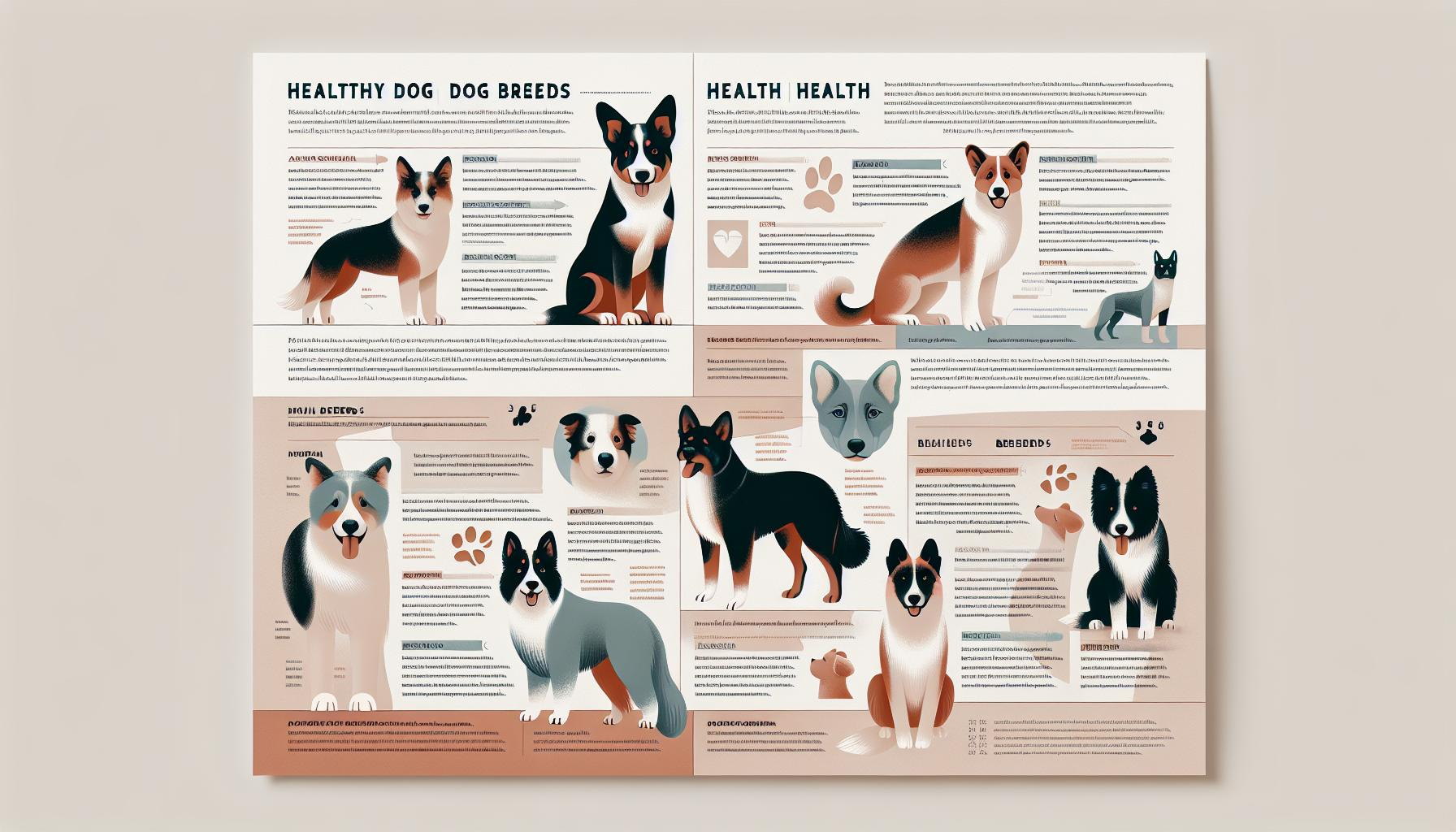
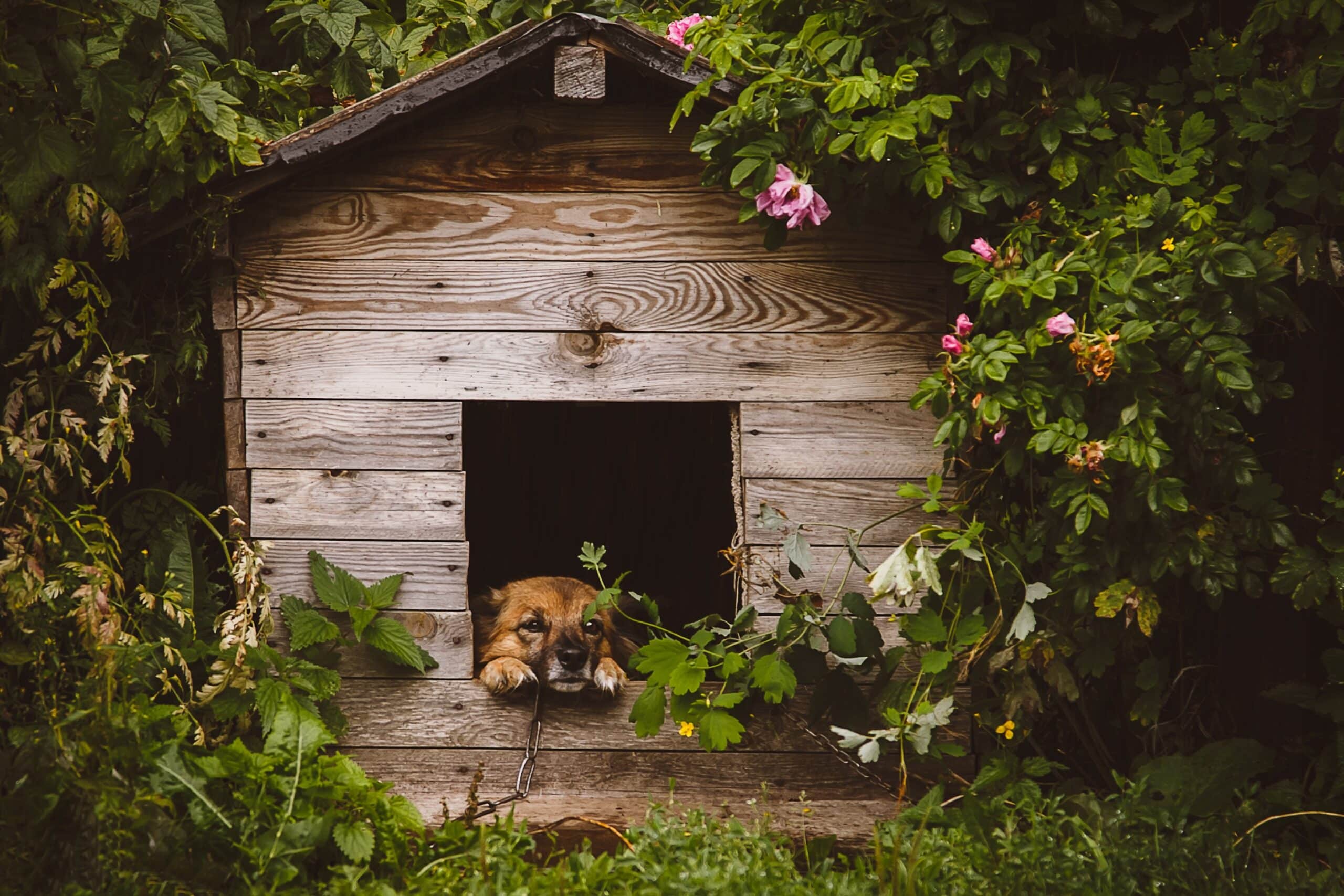


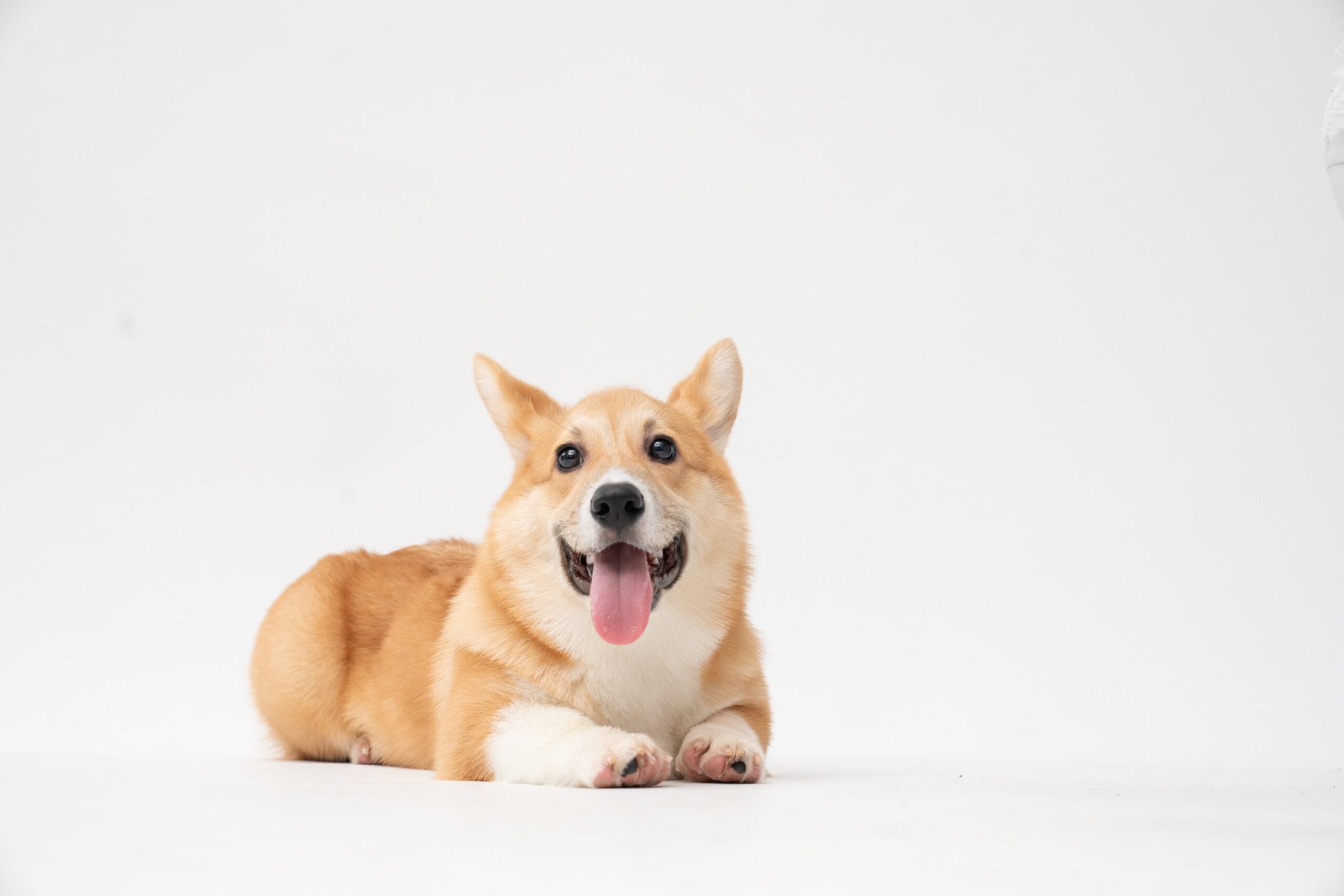
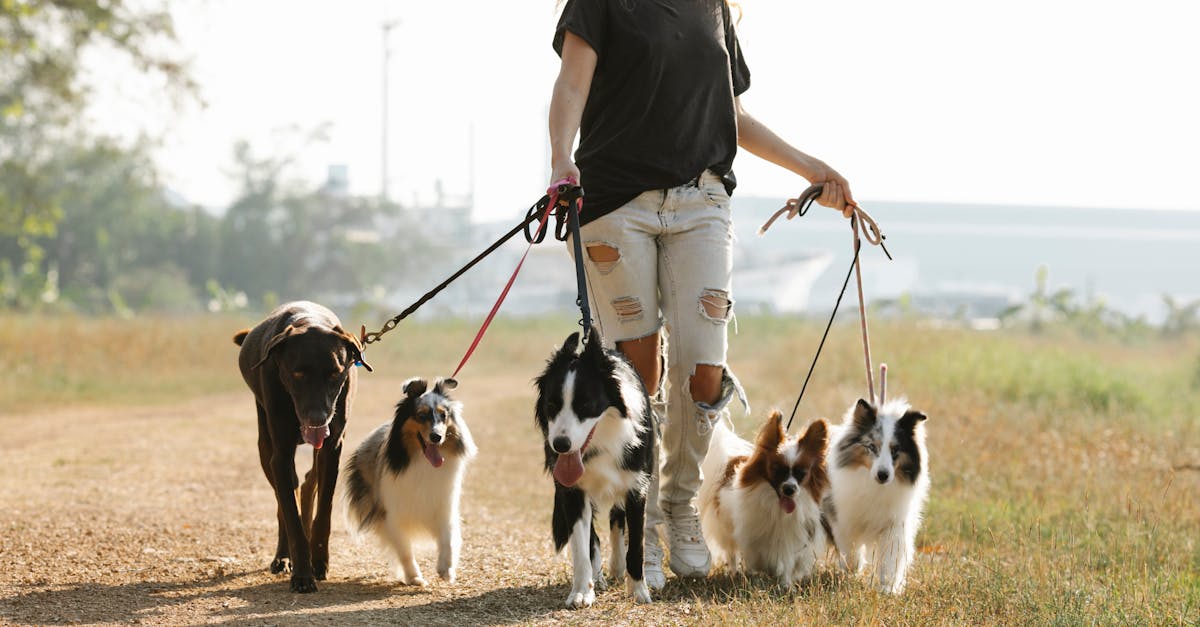

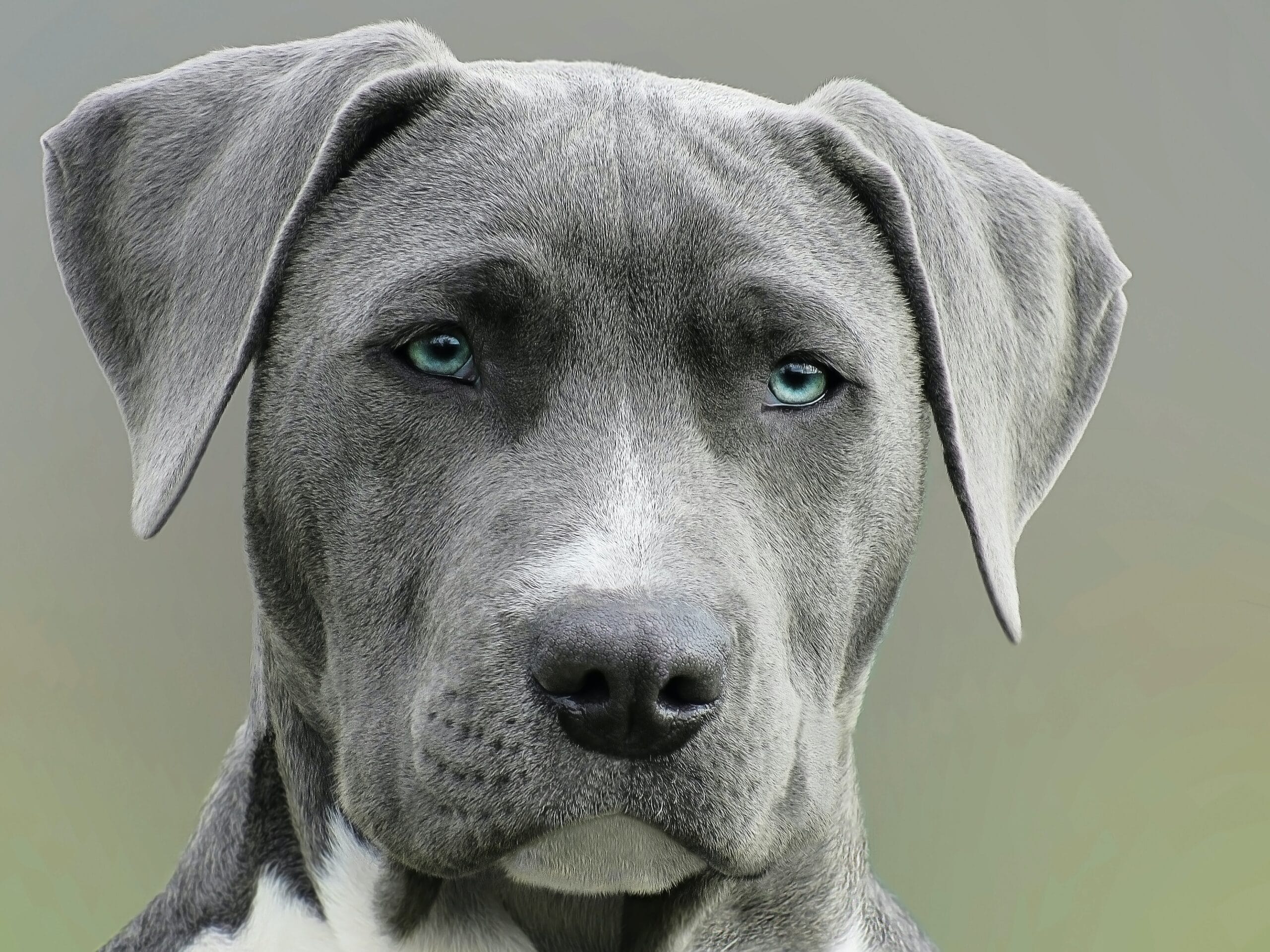
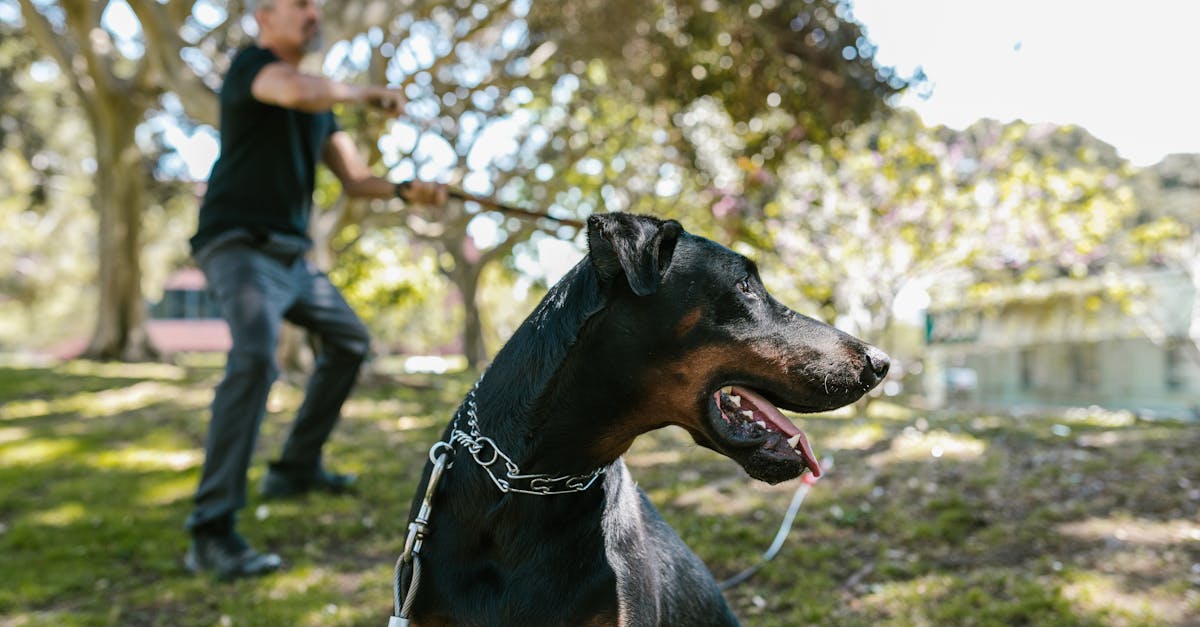

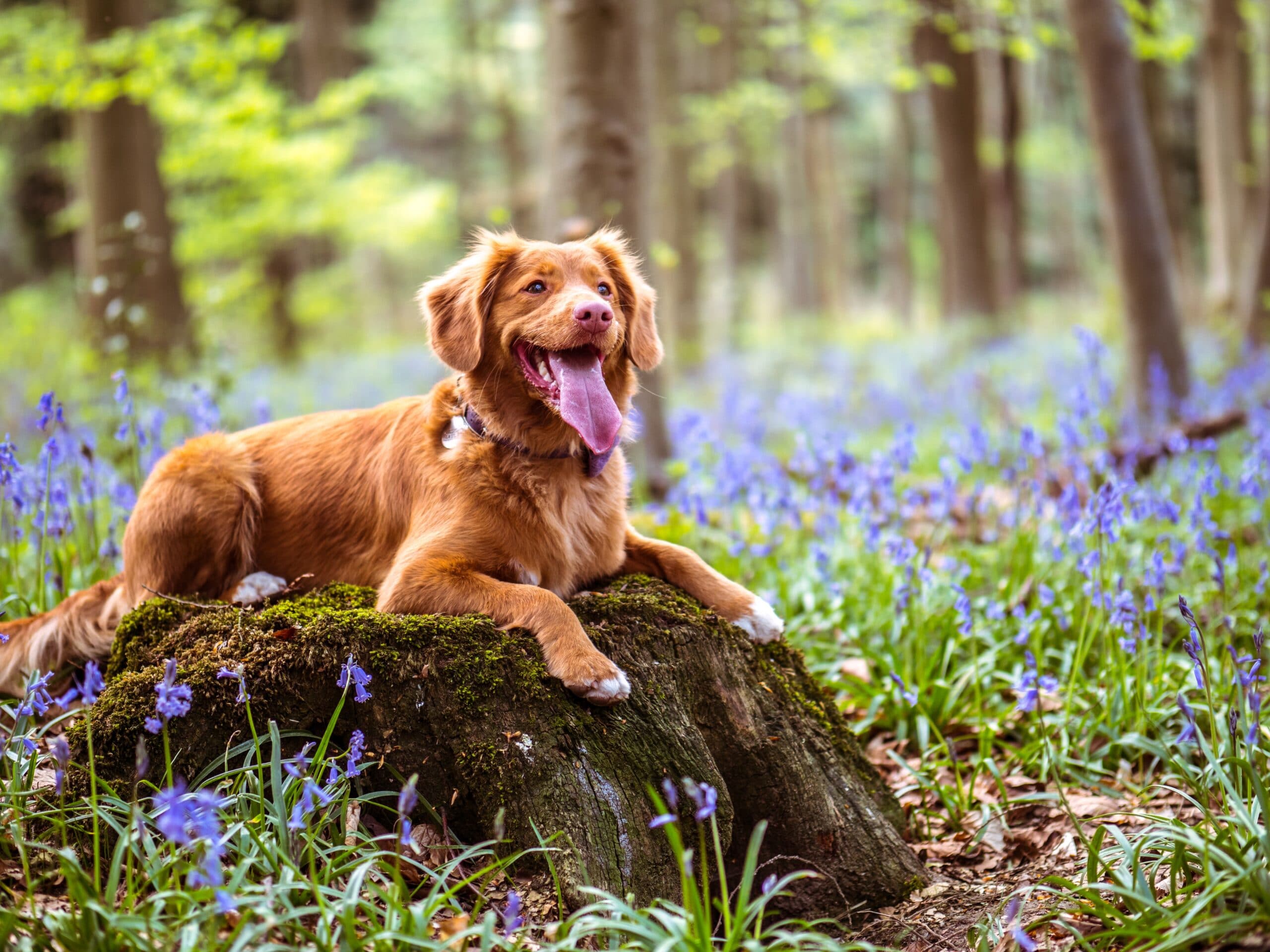

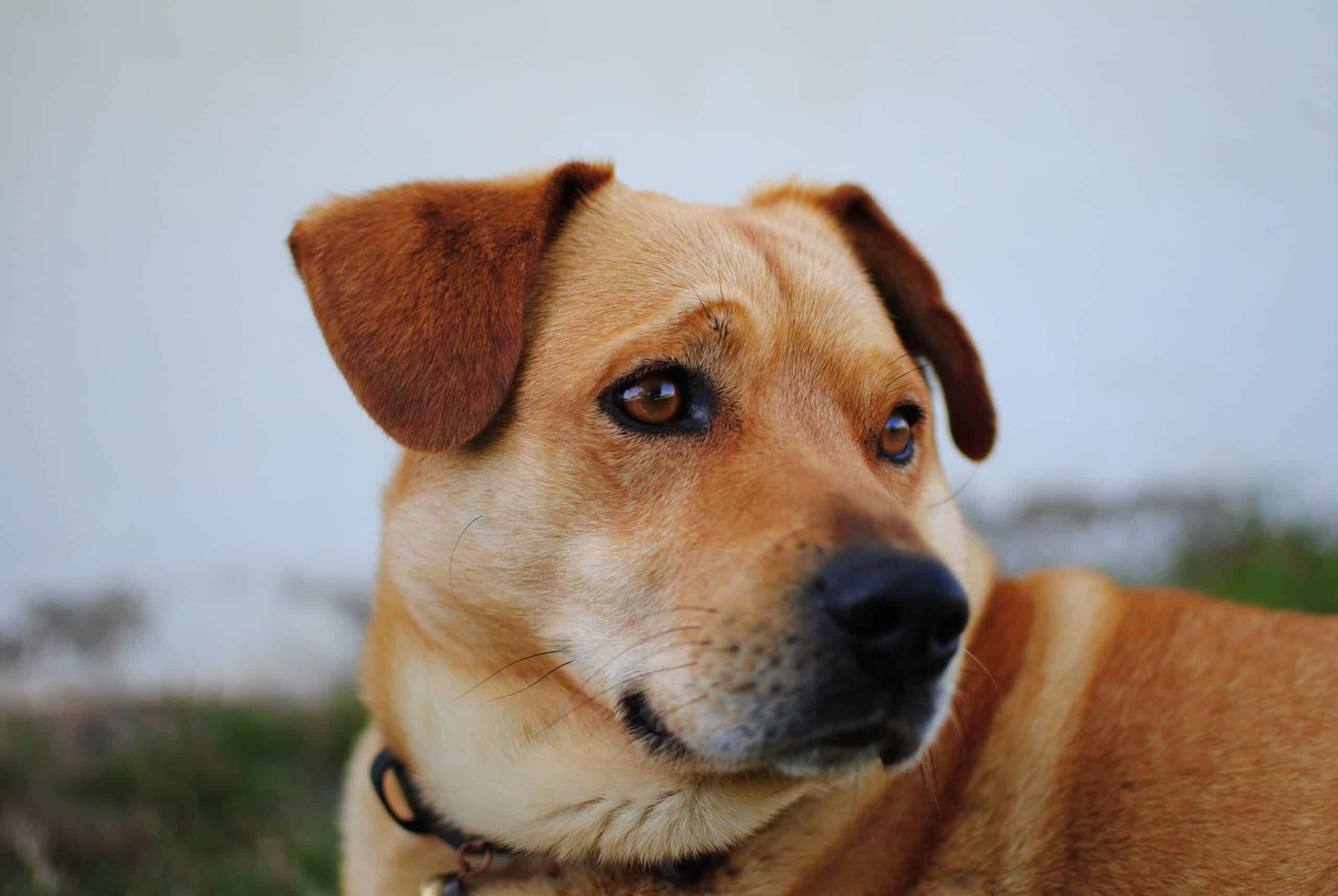
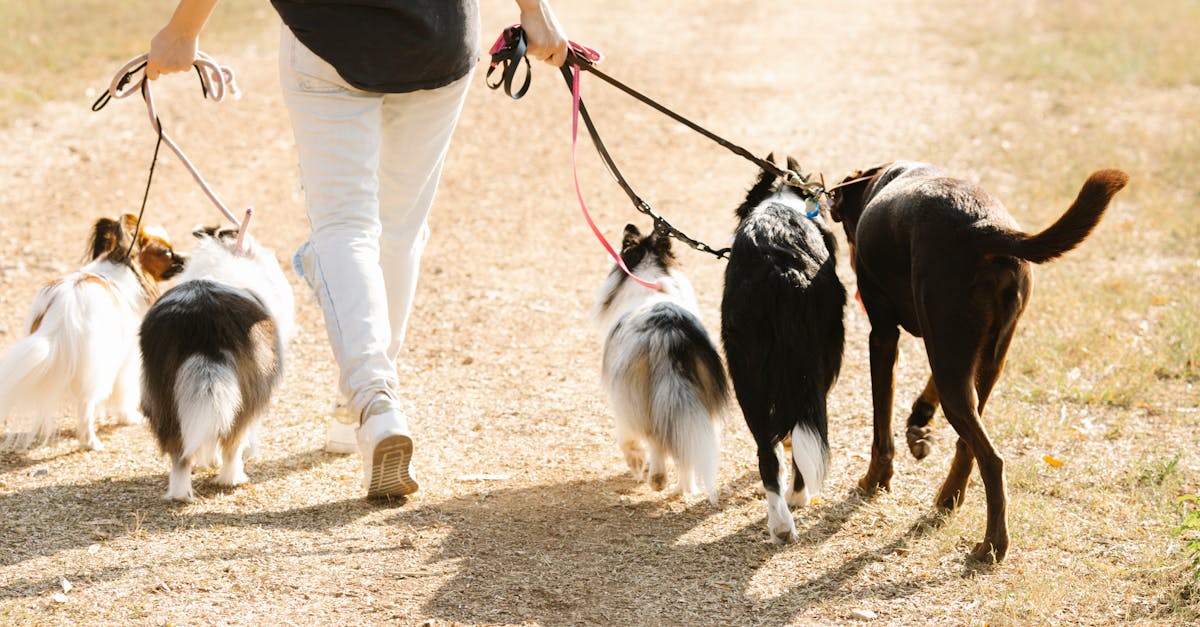
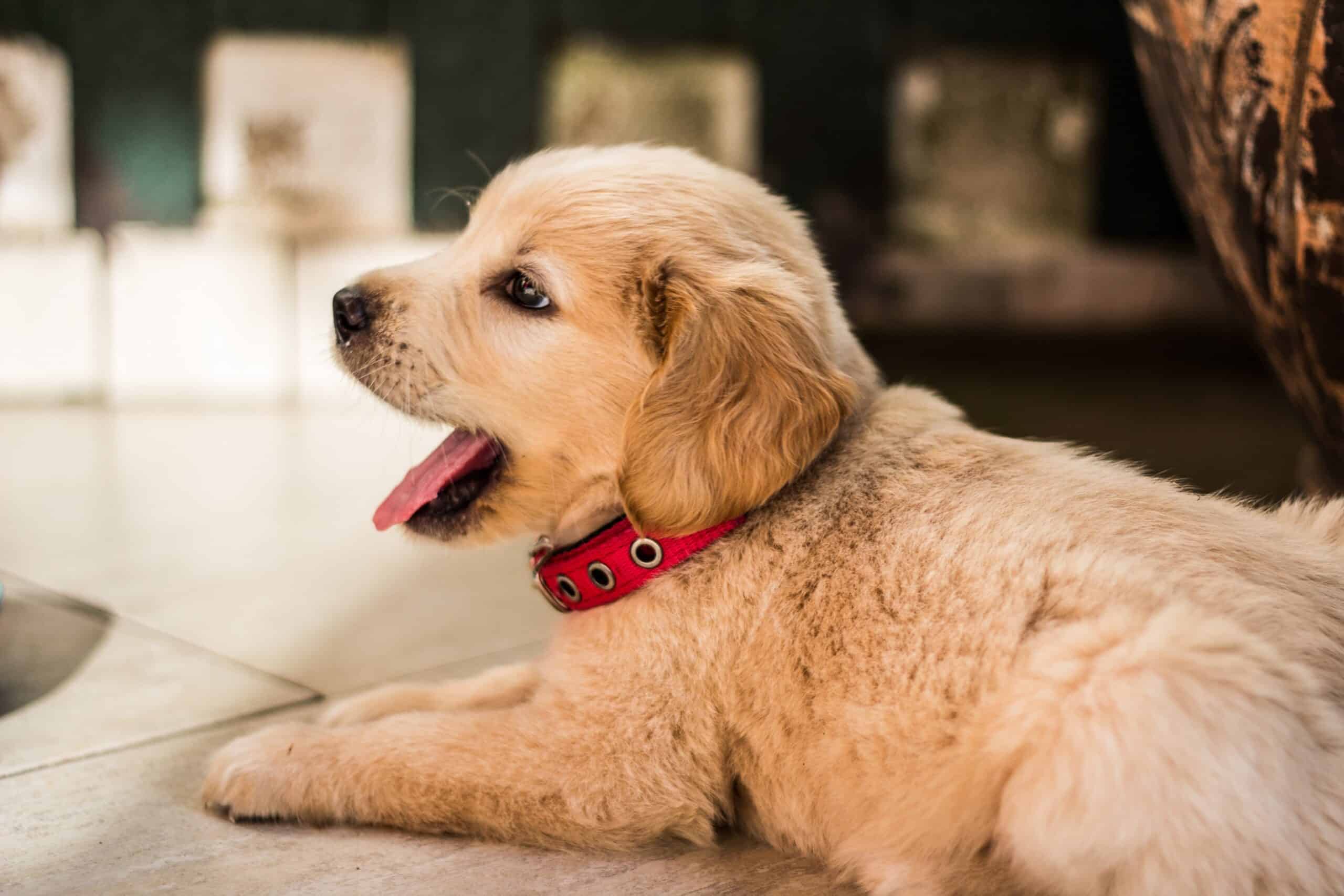
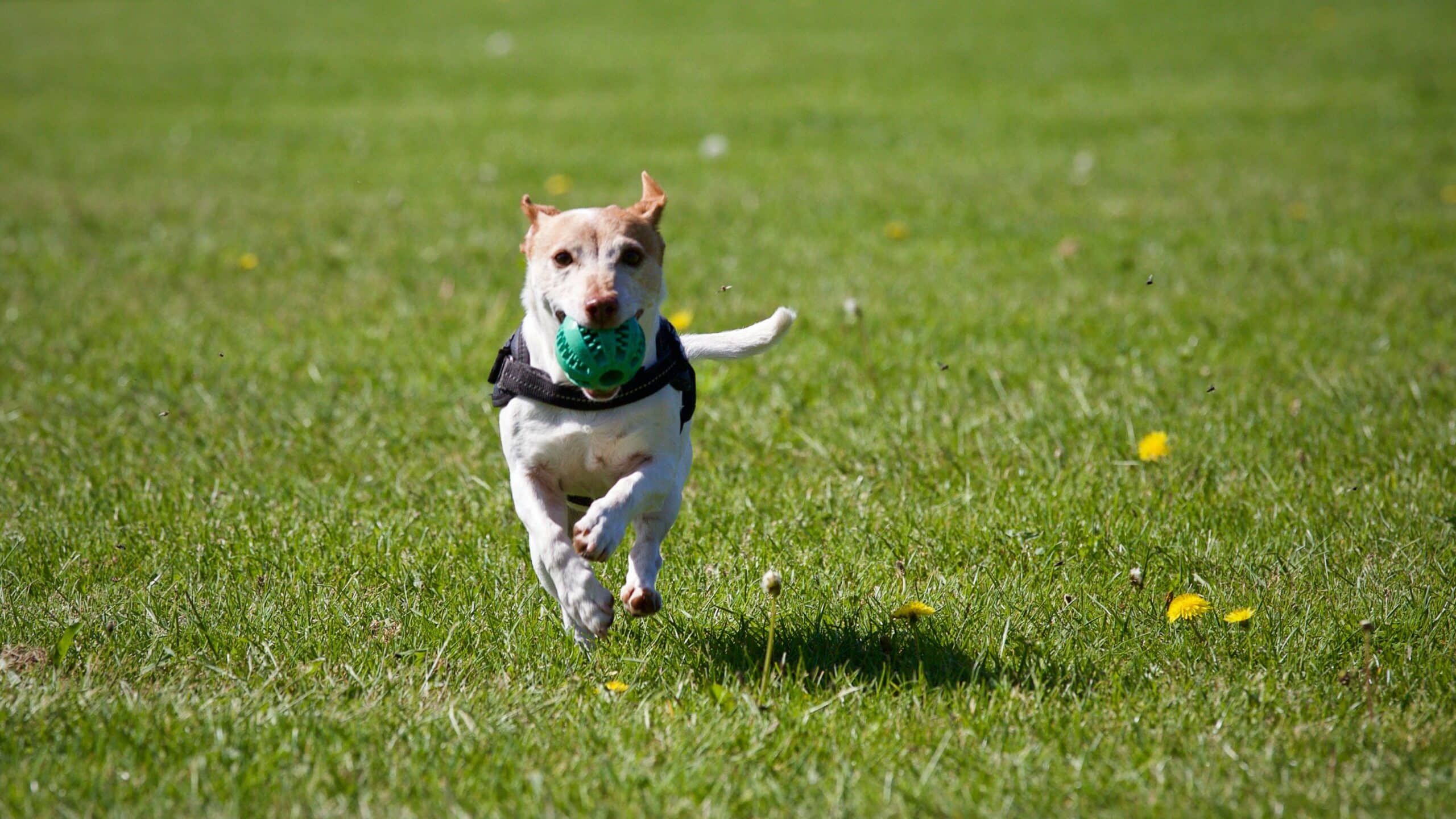

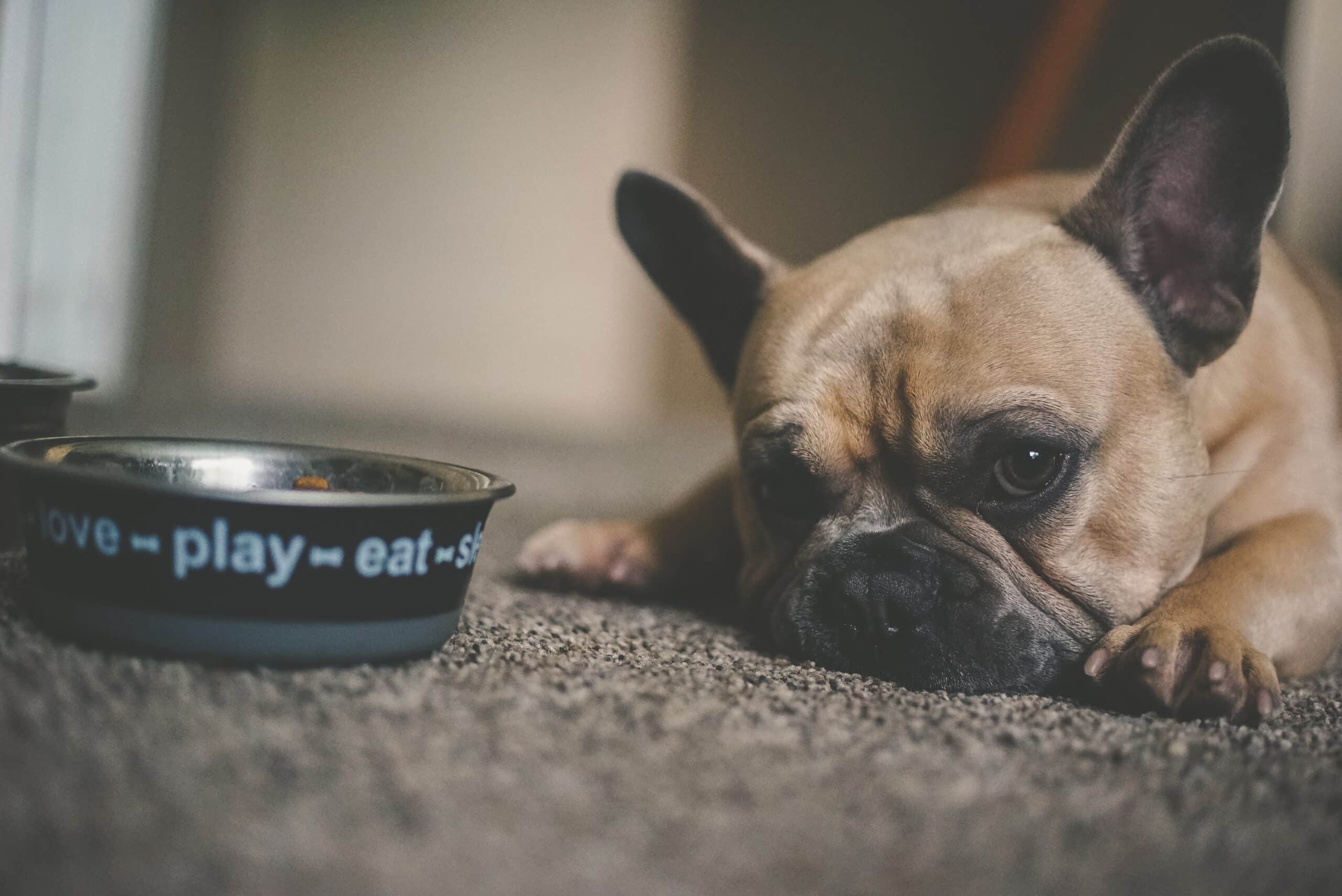

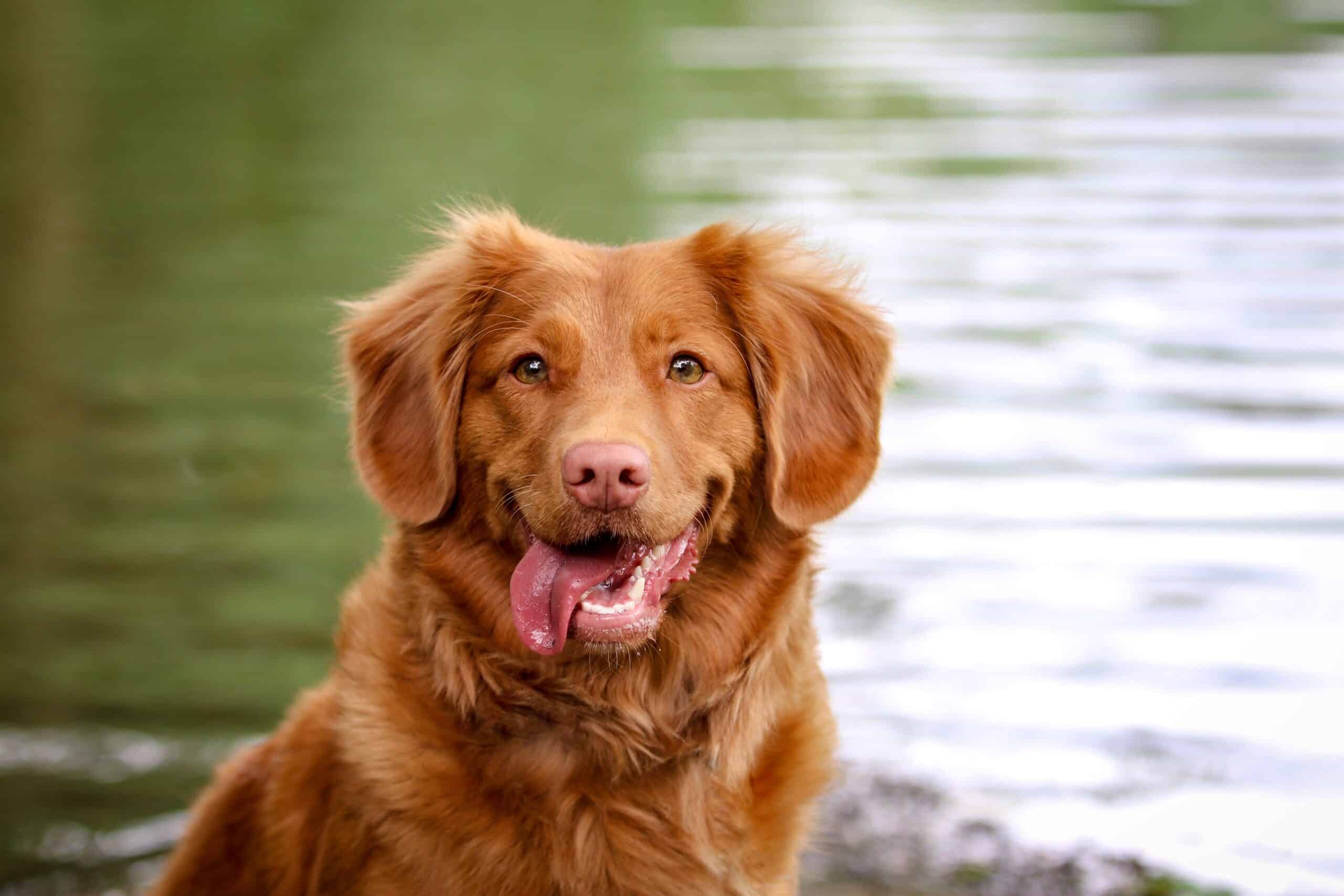
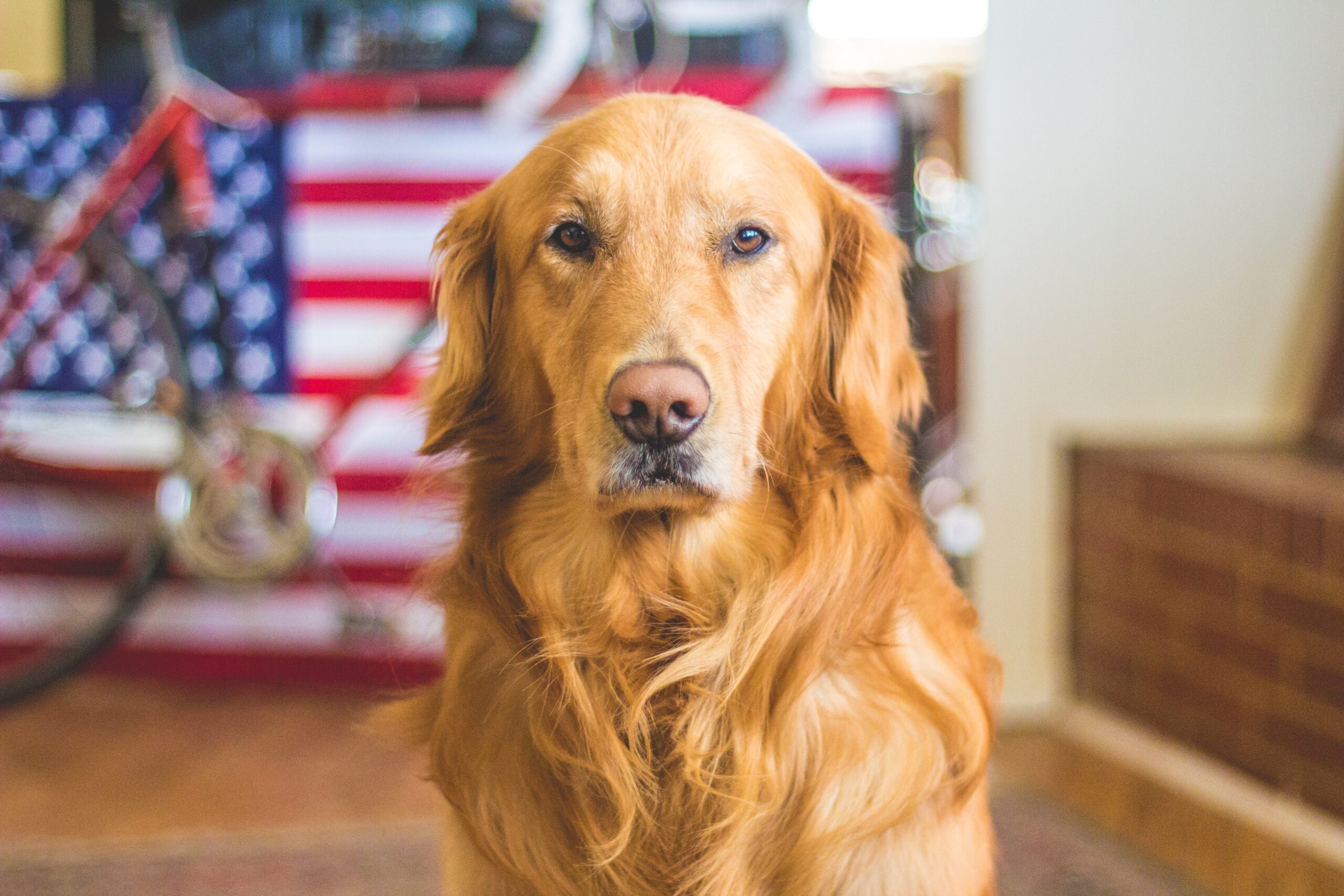
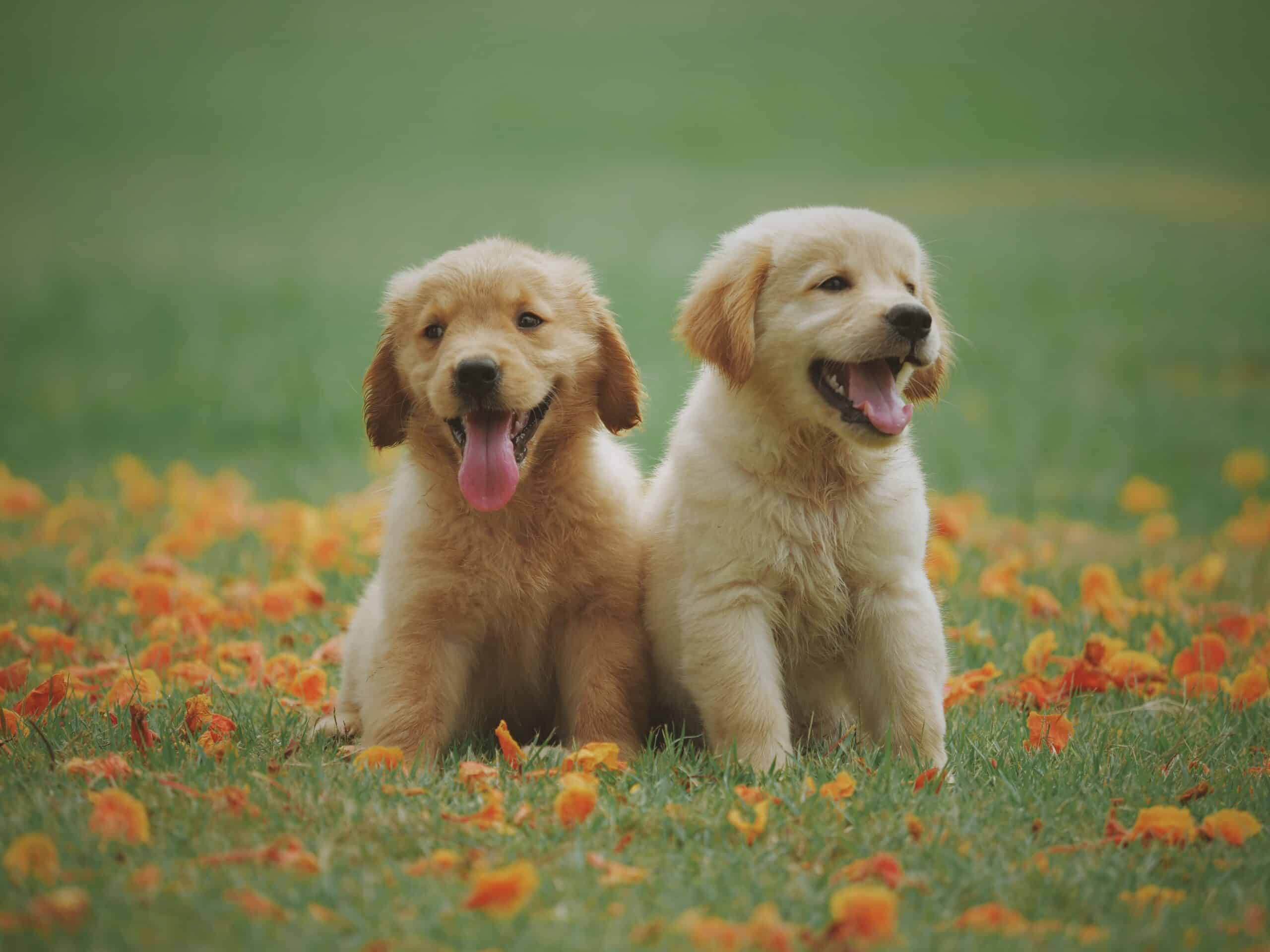
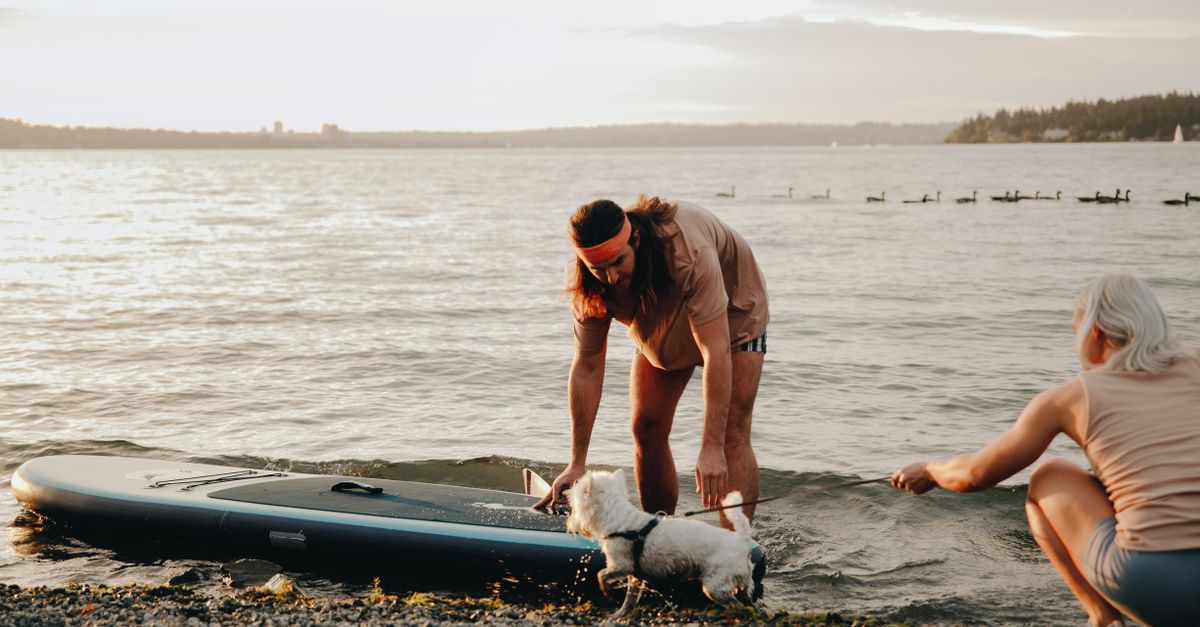
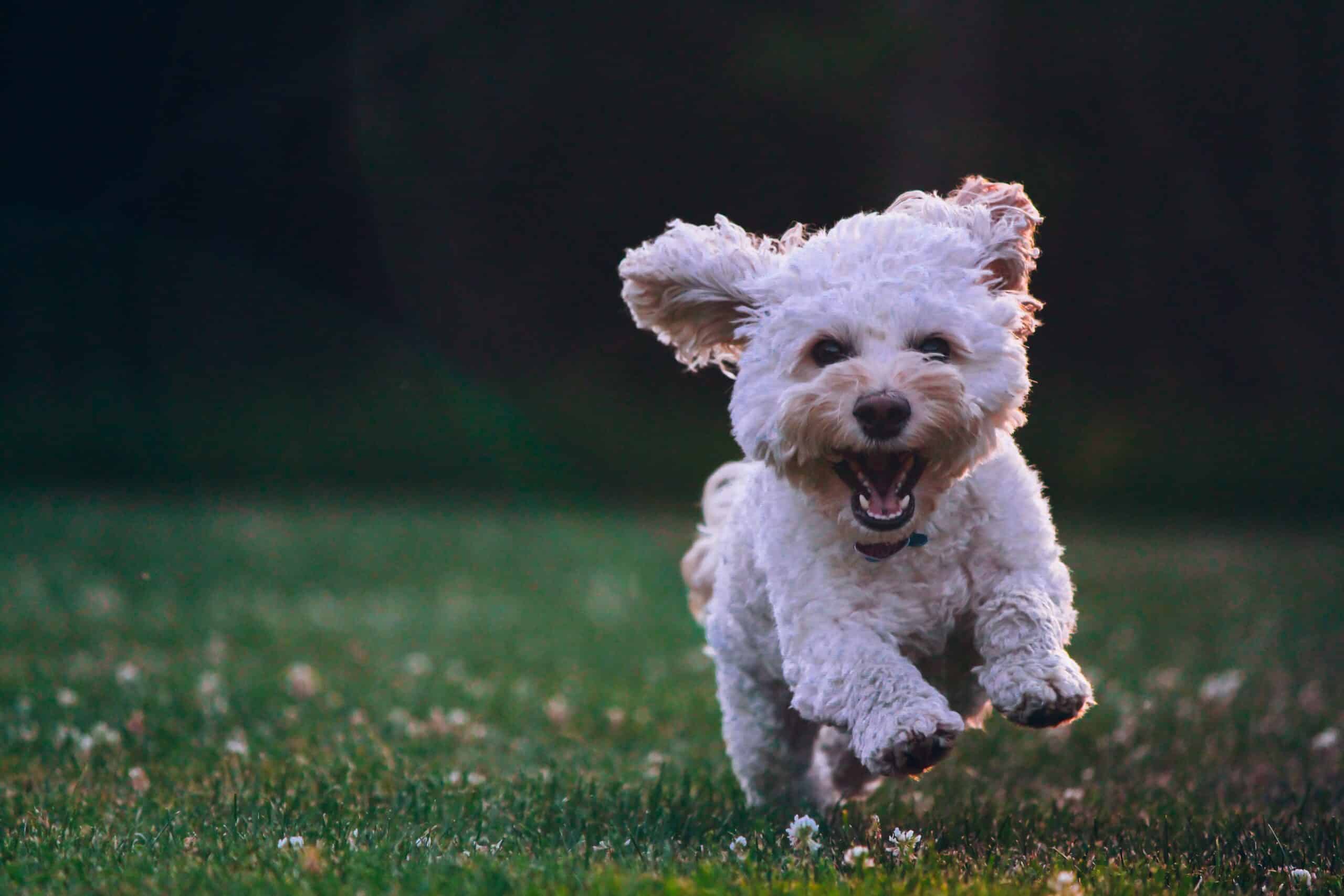
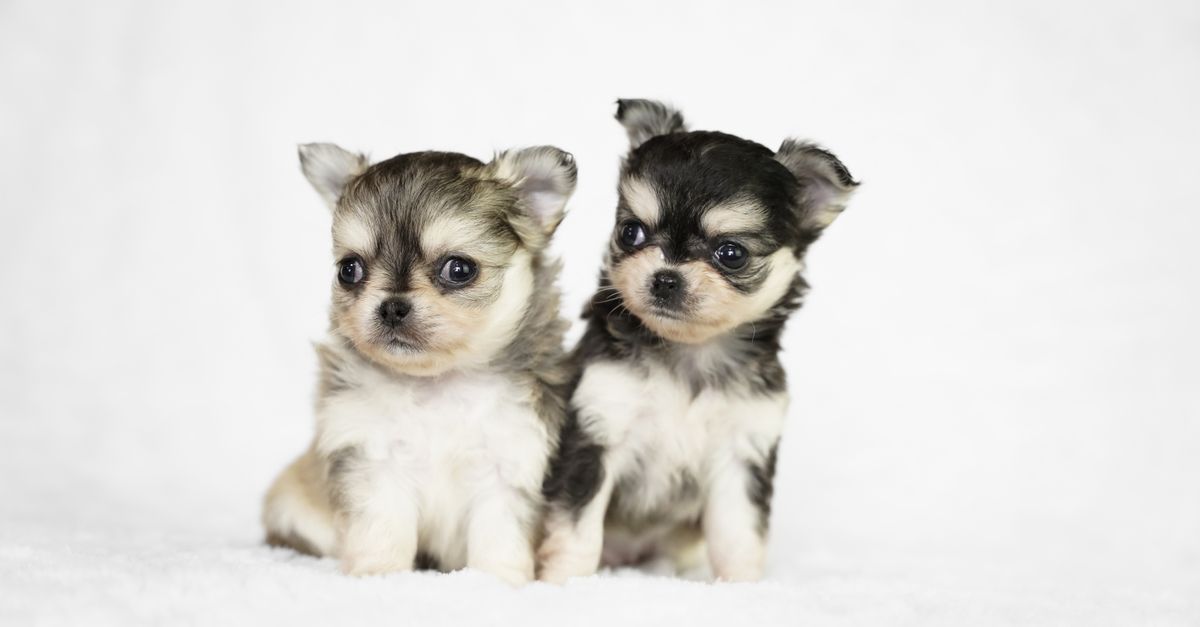
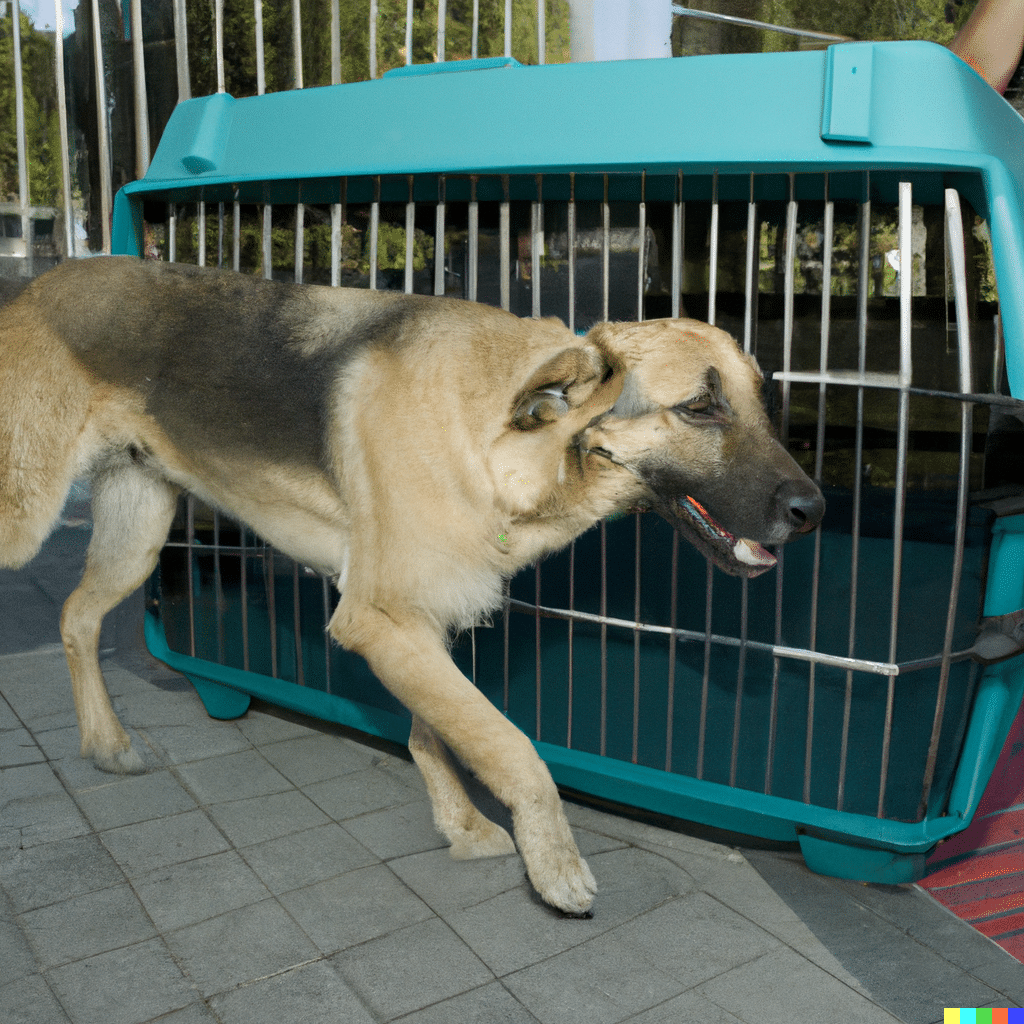

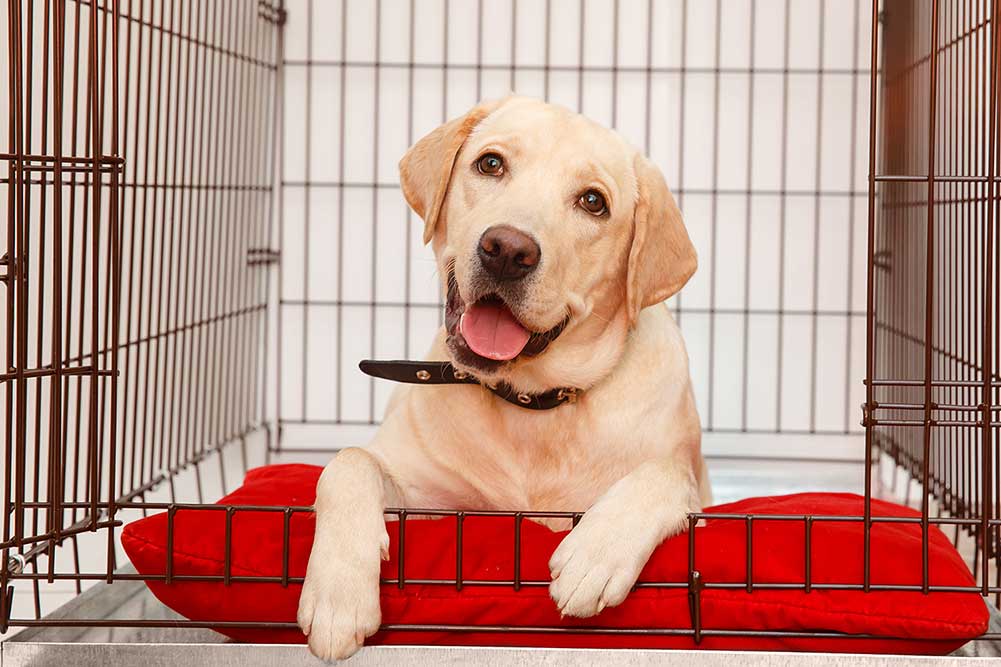
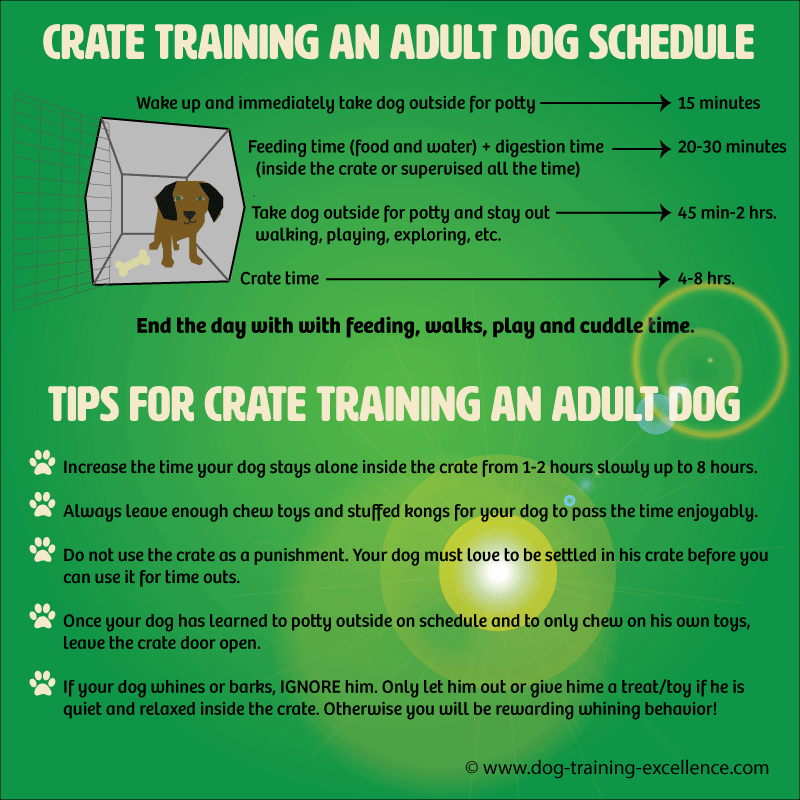
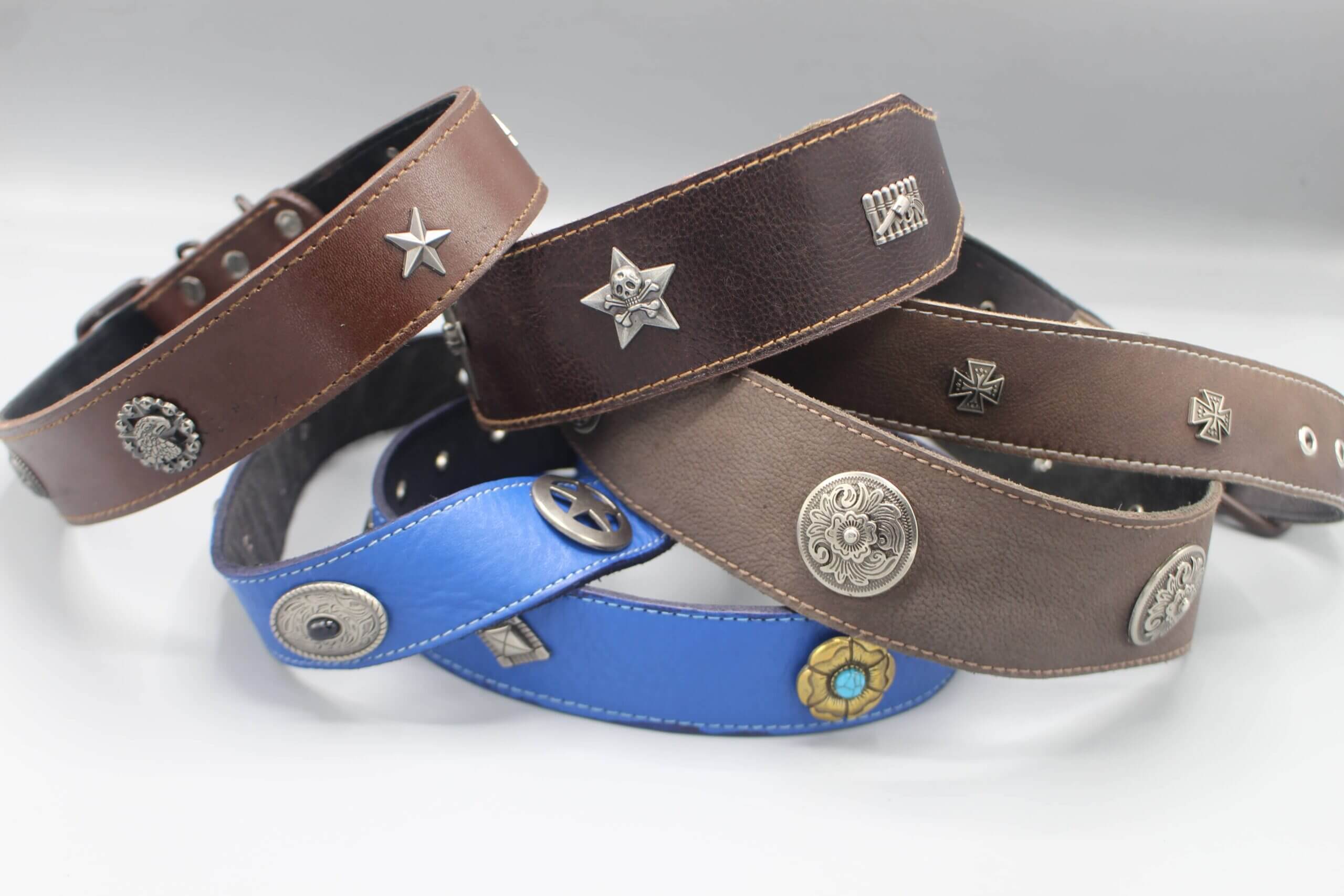

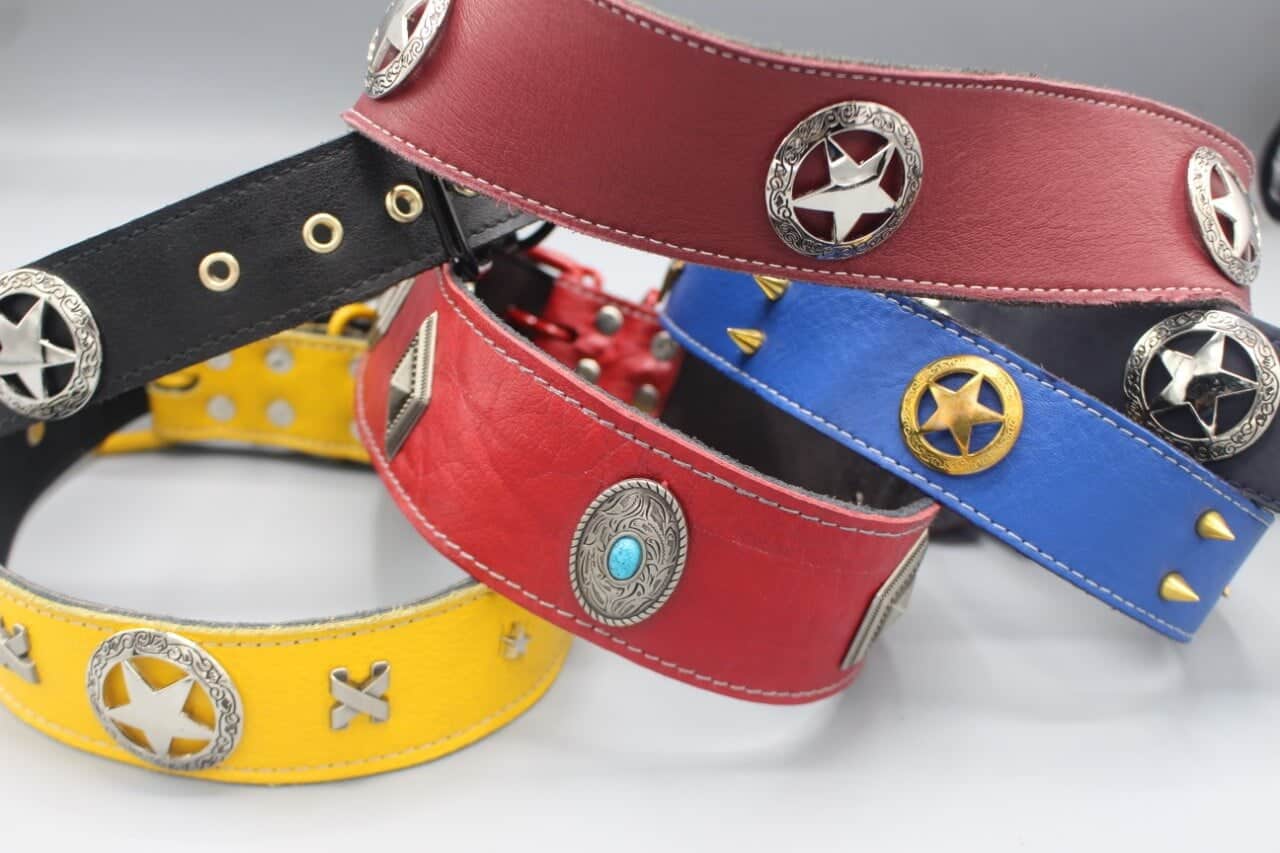
![Dog Health Certificate Cost: What to Expect When Traveling [2024]](https://genghiscollar.com/wp-content/uploads/2023/02/Dog-Health-Certificate-Cost.png)