The Dog Health category offers comprehensive information to help you keep your pet in peak condition. From preventive care to managing chronic conditions, this section covers essential topics to ensure your dog lives a long, healthy, and happy life. Whether you’re looking for grooming tips, dietary advice, or natural remedies, this category has it all to support your pet’s well-being.
Topics Covered in This Category:
Common Dog Health Issues – Identify and manage frequent health concerns like allergies, arthritis, and obesity.
Preventive Dog Health Care – Insights on vaccinations, parasite control, and regular vet check-ups to prevent illnesses.
Dog Nutrition for Optimal Health – How a balanced diet improves your dog’s immune system, energy levels, and longevity.
Supplements for Dog Health – Top supplements like Omega-3, probiotics, and joint support vitamins for improved well-being.
Natural Remedies for Dogs – Effective home remedies for treating minor issues like skin irritations and upset stomachs.
Senior Dog Health – Care tips for older dogs, including mobility support, cognitive health, and diet adjustments.
Puppy Health and Development – Key health practices for puppies, such as vaccinations, deworming, and proper nutrition.
Grooming for Healthy Dogs – The role of grooming in preventing infections, skin conditions, and maintaining overall health.
Mental Health for Dogs – How to manage anxiety, stress, and behavioral issues to ensure your dog’s emotional well-being.
First Aid for Dogs – Essential first-aid tips to handle minor injuries and emergencies before visiting the vet.
Dental Health for Dogs – Importance of oral care, with tips to prevent dental diseases and bad breath.
Weight Management for Dogs – Effective strategies to maintain a healthy weight and avoid obesity-related complications.
Dog Health Products and Gadgets – Reviews of health-related products, including grooming tools and pet trackers.
When to Visit the Vet – Red flags and symptoms that require immediate veterinary care to avoid complications.
Why Focus on Dog Health?
A proactive approach to dog health ensures your pet stays active and happy throughout all stages of life. Regular check-ups, balanced nutrition, exercise, and grooming are key to preventing common health problems. This category helps pet owners understand the importance of preventive care, along with offering solutions for chronic conditions and mental well-being.
Whether your dog is a playful puppy or a senior companion, this section provides tailored advice for every stage of life. With tips on nutrition, exercise, grooming, and mental health, you’ll have everything you need to keep your dog healthy and thriving.
Imagine your beloved furry friend suddenly starts choking. Would you know what to do? The Heimlich maneuver for dogs can be a lifesaving technique every pet owner should know.
We’ll guide you through the essential steps of performing the dog Heimlich maneuver safely and effectively. Whether you have a small lapdog or a large breed, understanding this crucial first-aid technique can mean the difference between life and death in an emergency. From proper positioning to the correct pressure application, we’ll cover everything you need to know to help your canine companion in a choking situation. Let’s jump into this vital information that could one day save your dog’s life.
Signs Your Dog Is Choking
Recognizing the signs of choking in dogs is crucial for quick intervention. Dogs exhibit several distinct behaviors when they’re struggling with an obstructed airway.
Common Choking Hazards for Dogs
Dogs are naturally curious and often explore their environment with their mouths, which can lead to choking incidents. Here are some common choking hazards:
Bones: Small bones, especially from chicken or fish, can easily become lodged in a dog’s throat.
Toys: Soft toys can be chewed apart quickly, while small plastic toys can get stuck if swallowed during excited play.
Food: Inappropriately sized food for a dog’s breed or size can pose a choking risk.
Treats: Rawhides, large chunks of treats, or sticks can become lodged in the throat.
Household items: Small objects like balls, children’s toys, or other household items can be swallowed accidentally.
Collars: An excessively tight collar or one that tightens when a dog pulls on its leash can be a choking hazard.
To prevent choking, we recommend supervising your dog during playtime, providing appropriately sized toys and treats, and keeping small objects out of reach. It’s also important to ensure that collars fit properly, allowing two fingers to slip underneath comfortably.
Performing Dog Heimlich
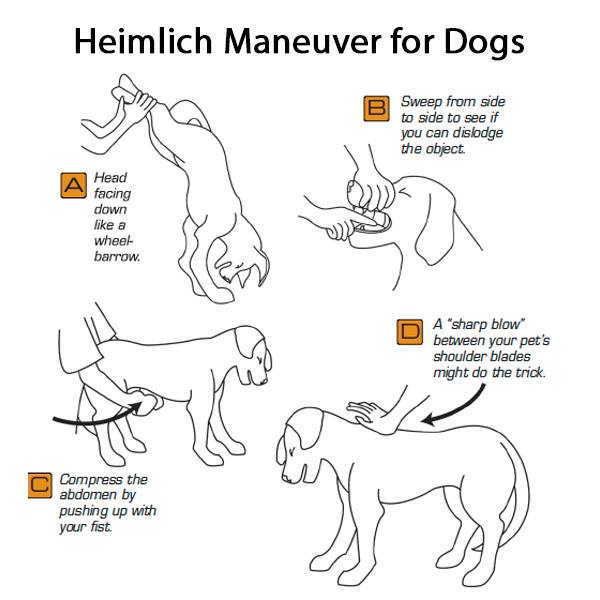
The Heimlich maneuver for dogs is a critical first-aid technique that can save a choking canine’s life. We’ll explain how to perform this lifesaving maneuver on dogs of different sizes.
Heimlich for Small Dogs
For small dogs, the Heimlich maneuver requires a gentle yet firm approach. Here’s how to perform it:
Position the dog: Place the small dog on your lap, carefully rolling them onto their back.
Apply pressure: Use the palm of your hand to press firmly on the abdomen, just below the rib cage.
Thrust upwards: Push inwards and upwards in a quick, thrusting motion five times.
Check the mouth: Roll the dog onto their side and examine their mouth for the dislodged object.
Repeat if necessary: Continue the process until the obstruction is removed.
Remember, small dogs are more delicate, so adjust your force accordingly. Always be prepared to seek veterinary care immediately after performing the Heimlich maneuver.
Standing position: If possible, lift the dog onto its hind legs with its back against your chest.
Fist placement: Make a fist and place it just below the rib cage on the abdomen.
Thrusting motion: Push inward and upward with quick, firm thrusts.
Alternative method: For dogs too heavy to lift, lay them on their side and use the heel of your hand to apply thrusts to the abdomen.
Check the mouth: After each set of thrusts, check the dog’s mouth for the dislodged object.
Repeat if needed: Continue the process until the obstruction is cleared or you reach veterinary care.
For very large dogs, you may need to use both hands to apply sufficient force. Always be cautious and seek professional help as soon as possible after performing the Heimlich maneuver.
What to Do After Clearing the Obstruction
Immediate Care
After successfully clearing an obstruction from a dog’s airway using the Heimlich maneuver or manual removal, it’s crucial to take immediate action. Even if the dog appears to be breathing normally, contacting a veterinarian right away is essential. Choking incidents can cause internal injuries that aren’t immediately visible, such as damage to the throat or airway.
Medical Evaluation
A thorough medical evaluation is necessary following a choking episode. Veterinarians often recommend a comprehensive examination, which may include a bronchoscopy. This procedure allows for a detailed inspection of the throat and airway, helping to identify any internal damage that may have occurred during the choking incident. Such evaluations are critical because choking can lead to painful and potentially serious injuries that aren’t apparent to pet owners.
Monitoring for Complications
If a dog experienced oxygen deprivation during the choking incident, veterinary hospitalization might be necessary. This allows for close monitoring of potential complications, such as:
Respiratory distress
Secondary injuries
Swelling in the throat or airway
Aspiration pneumonia
Neurological issues due to lack of oxygen
Continuous observation helps detect and address any emerging health concerns promptly, ensuring the best possible outcome for the dog following a choking emergency.
Preventing Future Choking Incidents
Choosing Appropriate Toys and Chews
We know that selecting the right toys and chews is crucial in preventing choking hazards for dogs. It’s essential to match toys to your dog’s size and chewing habits. Avoid items that can break into smaller, swallowable pieces. Instead, opt for sturdy toys that don’t easily break apart.
For example, the KONG® Classic chew toy is an excellent choice. It’s available in various sizes, ensuring you can find the perfect fit for your furry friend. Size-appropriate toys are key to preventing them from becoming potential choking hazards.
Safe Feeding Practices
Implementing safe feeding practices is another vital step in preventing choking incidents. For small dogs, pay close attention to kibble size. Feed a diet specifically designed for their size to avoid choking on large pieces of food.
We recommend monitoring dog treats, especially rawhide. Remove these treats when they become too small to prevent choking risks. To slow down dogs who eat too quickly, use slow-feeder bowls or puzzle feeders. These tools can significantly reduce the risk of choking on food.
Safe Feeding Practice
Benefit
Size-appropriate kibble
Prevents choking on large pieces
Monitored treat consumption
Reduces risk of choking on small pieces
Slow-feeder bowls
Slows down rapid eaters, reducing choking risk
Home Safety
Dog-proofing your home is a critical step in preventing choking incidents. Keep small objects out of your dog’s reach. This includes items like children’s toys, small household objects, and even certain types of plants.
Regularly inspect your dog’s play area for potential hazards. Remove any objects that could be swallowed or chewed into smaller, dangerous pieces. By creating a safe environment, we can significantly reduce the risk of choking incidents in our canine companions.
When to Seek Emergency Veterinary Care
Emergency veterinary care is crucial when a dog’s choking situation becomes severe or unresolvable at home. We’ll outline exact scenarios that require immediate professional intervention.
Unsuccessful Heimlich Maneuver
If the Heimlich maneuver doesn’t yield results after five firm abdominal thrusts, it’s time to seek emergency care. Every second counts in these situations, so don’t delay in getting professional help.
Persistent Breathing Difficulties
Even if you’ve successfully removed the obstruction, persistent coughing, gasping, or labored breathing are signs that emergency veterinary care is necessary. These symptoms may indicate residual damage or complications.
Loss of Consciousness
If your dog loses consciousness during a choking episode, it’s a critical emergency. Immediate veterinary attention is essential to prevent potential brain damage or death.
Visible Trauma
After performing the Heimlich maneuver, check your dog’s mouth and throat for any visible injuries. If you notice bleeding, swelling, or other signs of trauma, seek emergency care promptly.
Inability to Remove the Object
If you can see the object causing the obstruction but can’t safely remove it, don’t attempt further removal at home. This situation requires professional tools and expertise to avoid causing additional harm.
Post-Choking Symptoms
Even if your dog seems fine after a choking incident, watch for symptoms like lethargy, loss of appetite, or difficulty swallowing in the following hours or days. These could indicate internal injuries that require veterinary assessment.
Preparing for Emergency Care
When rushing to emergency care, call ahead if possible to alert the veterinary staff about your incoming choking dog. This allows them to prepare necessary equipment and personnel for immediate treatment upon your arrival.
Remember, it’s always better to err on the side of caution when dealing with potential choking emergencies. Prompt veterinary care can make a important difference in your dog’s recovery and prevent potential complications.
Conclusion
Knowing how to perform the Heimlich maneuver on dogs is crucial for every pet owner. We’ve covered the signs of choking essential steps for different-sized dogs and the importance of immediate veterinary care. Remember prevention is key – choose appropriate toys supervise playtime and create a safe environment. By being prepared and proactive we can significantly reduce choking risks and ensure our furry friends’ safety. Stay informed stay prepared and be ready to act swiftly if needed. Your dog’s life may depend on it.
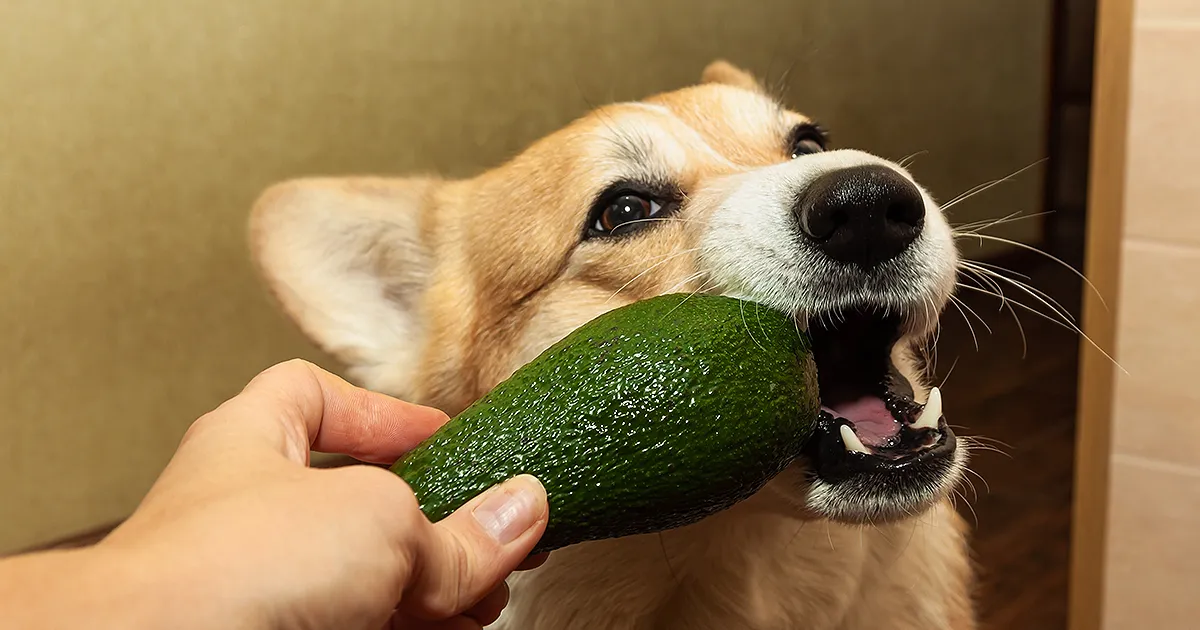
You’re slicing an avocado for your salad when a piece falls to the floor, and your dog gobbles it up in a flash. Panic sets in – can dogs eat avocado? We’ve all been there, and it’s a question that’s become increasingly relevant as avocado consumption in the U.S. has tripled since 2001.
While avocados are packed with nutrients for humans, they contain a compound called persin that can be harmful to some animals. But what about our canine companions? In this text, we’ll jump into the facts about dogs and avocados, exploring the potential risks and benefits. We’ll also provide guidance on what to do if your furry friend accidentally indulges in this trendy fruit. Stay tuned as we unravel the truth about dogs and avocados, helping you make informed decisions about your pet’s diet.
Can Dogs Eat Avocado: Understanding the Risks and Benefits
While dogs can consume small amounts of avocado flesh, it’s crucial to understand the potential risks and benefits associated with this fruit. Let’s explore the nutritional value and potential dangers of avocados for our canine companions.
Nutritional Value of Avocados for Dogs
Avocados offer several nutrients that can benefit dogs when consumed in moderation:
Vitamins A, C, E, and B6: Support skin, coat, bone, and eye health
Omega-3 and omega-6 fatty acids: Promote a shiny, healthy coat
Fiber: Aids digestion and supports gut health
Antioxidants: Help fight various diseases
Potassium: Essential for proper muscle and nerve function
Even though these benefits, it’s important to note that dogs can obtain these nutrients from other, safer sources specifically formulated for their dietary needs.
The Dangers of Persin Toxicity
Persin, a fungicidal toxin found in avocados, poses potential risks to dogs:
Present in leaves, skin, pit, and flesh (in lower amounts)
Can cause vomiting, diarrhea, and gastrointestinal upset
May lead to myocardial damage in severe cases
Dogs are more resistant to persin than other animals, but large amounts can still be harmful
Additional risks include:
Choking hazards: The pit can cause blockages in the digestive tract
High fat content: May lead to pancreatitis in some dogs
To minimize risks, remove the skin and pit, and only offer small amounts of ripe avocado flesh as an occasional treat. Always monitor your dog for any adverse reactions when introducing new foods.
Potential Health Hazards for Dogs
Feeding avocados to dogs presents several health risks that pet owners should be aware of. While some parts of the avocado are more dangerous than others, it’s crucial to understand the potential hazards associated with this fruit.
Choking and Internal Blockage Risks
The avocado pit poses a important choking and internal blockage risk for dogs. Due to its size and hardness, the pit can easily become lodged in a dog’s throat or digestive tract. If swallowed, it may cause an obstruction in the esophagus, stomach, or intestines, leading to severe complications. These blockages often require surgical intervention to remove the pit and can be life-threatening if not addressed promptly. Also, the pit’s sharp edges can cause internal injuries as it passes through the digestive system. To prevent these risks, always remove the pit before considering offering any avocado to your dog, and ensure it’s kept out of their reach.
Excessive Fat Content Concerns
Avocados are known for their high fat content, which can be problematic for dogs. While healthy fats are essential in a dog’s diet, the excessive amount found in avocados can lead to several health issues. Consuming too much fat can cause gastrointestinal upset, including vomiting and diarrhea. More seriously, it may trigger pancreatitis, an inflammation of the pancreas that can be acute or chronic.
Pancreatitis in dogs is painful and potentially life-threatening, often requiring hospitalization and intensive treatment. The high calorie content of avocados can also contribute to weight gain and obesity in dogs, leading to a host of other health problems. For these reasons, it’s best to limit or avoid giving avocados to dogs, especially those prone to digestive issues or weight problems.
Safe Ways to Feed Avocado to Dogs
While dogs can eat avocado in moderation, it’s crucial to follow exact guidelines to ensure their safety. Here are some safe ways to incorporate avocado into your dog’s diet:
Recommended Portions and Frequency
When feeding avocado to dogs, it’s essential to control portions and frequency. Offer only small amounts of ripe avocado flesh as an occasional treat. Start with a few small pieces, about 1-2 teaspoons for small dogs or 1-2 tablespoons for larger breeds. Introduce avocado gradually and observe your dog for any adverse reactions. Limit avocado treats to once or twice a week at most. Always remove the skin and pit before serving, as these parts contain higher concentrations of persin and pose choking hazards. Consult your veterinarian before adding avocado to your dog’s diet, especially if they have exact health conditions or dietary needs.
Avocado Oil as an Alternative
Avocado oil offers a safer alternative to whole avocados for dogs. Unlike the fruit, avocado oil doesn’t contain persin and is considered non-toxic to dogs. It’s rich in omega-3 fatty acids and vitamin E, which can help reduce inflammation and promote skin and coat health. But, avocado oil is still high in fat, so use it sparingly.
Add a small amount, about 1/4 teaspoon per 10 pounds of body weight, to your dog’s food once or twice a week. Always consult your veterinarian before introducing avocado oil to your dog’s diet. While avocado oil can be beneficial, it’s not a substitute for a balanced diet. Use it as a supplement rather than a primary food source for your canine companion.
What to Do If Your Dog Eats Avocado
If your dog consumes avocado, it’s essential to stay calm and assess the situation. The following information will guide you on what symptoms to watch for and when to seek veterinary care.
Symptoms to Watch For
Keep an eye out for these signs after your dog eats avocado:
Vomiting
Diarrhea
Loss of appetite
Lethargy
Abdominal pain or discomfort
Difficulty breathing
Coughing
Irregular heartbeat
Monitor your dog closely for 24-48 hours after avocado consumption. If you notice any of these symptoms, especially if they persist or worsen, contact your veterinarian immediately.
When to Contact Your Veterinarian
Contact your vet immediately if:
Your dog ingested a large amount of avocado
Your dog ate the pit, skin, or leaves
Your dog shows any of the symptoms listed above
Your dog has a history of pancreatitis or gastrointestinal issues
Even if your dog appears fine, it’s best to consult your vet for guidance. They may recommend bringing your dog in for an examination or advise you on home monitoring. Always err on the side of caution when it comes to your pet’s health. Remember, early intervention can prevent more serious complications.
Proper storage and handling of avocados are essential to protect your dog from potential risks. Here are some practical tips to ensure your avocado-loving household remains dog-friendly:
Store avocados in high cabinets or closed pantries: Keep avocados in areas your dog can’t reach, such as upper shelves or behind closed doors.
Use sealed containers: Place whole avocados or prepared avocado dishes in airtight containers to prevent curious noses from detecting them.
Dispose of avocado pits and skins properly: Discard these parts in a secure trash can with a tight-fitting lid to prevent your dog from accessing them.
Clean up immediately: Wipe down counters and floors after preparing avocados to remove any residue that might attract your dog.
Educate household members: Inform family members and guests about the potential dangers of avocados for dogs to ensure everyone follows safe practices.
Keep outdoor avocado trees fenced: If you have avocado trees in your yard, consider fencing them off to prevent your dog from accessing fallen fruit or leaves.
Use dog-proof garbage cans: Invest in trash cans with secure lids to prevent your dog from rummaging through and finding discarded avocado parts.
By implementing these safe storage and handling tips, you’ll significantly reduce the risk of your dog encountering avocados and potentially harmful situations.
Healthy Alternatives to Avocado for Dogs
While avocados offer nutritional benefits, their potential risks make it essential to consider safer alternatives for dogs. We’ve compiled a list of healthy, dog-friendly foods that provide similar nutritional benefits without the associated risks:
Nutrient-Rich Fruits
Blueberries: Packed with antioxidants and fiber
Apples (without seeds): Rich in vitamins A and C
Watermelon (seedless): Hydrating and contains vitamins A and C
Bananas: High in potassium and vitamins
Vegetables for Canine Health
Carrots: Excellent source of beta-carotene and fiber
Sweet potatoes: Rich in vitamins A, B6, and C
Green beans: Low-calorie and high in fiber
Pumpkin: Supports digestive health and rich in fiber
Protein-Rich Options
Lean meats: Chicken, turkey, or lean beef (cooked, unseasoned)
Fish: Salmon or sardines (cooked, boneless)
Eggs: Cooked and served in moderation
Healthy Fats for Dogs
Coconut oil: Supports skin and coat health
Fish oil: Rich in omega-3 fatty acids
Flaxseed: Contains omega-3s and fiber
Peanut butter (xylitol-free): High in protein and healthy fats
Chia seeds: Rich in omega-3s and fiber
Pumpkin seeds: Contains zinc and omega-3s
When introducing new foods to your dog’s diet:
Start with small amounts to assess tolerance
Monitor for any adverse reactions
Consult your veterinarian before making important dietary changes
Nutrient
Alternative Food Sources
Vitamin A
Carrots, sweet potatoes, pumpkin
Vitamin C
Blueberries, apples, watermelon
Vitamin E
Fish oil, pumpkin seeds
Fiber
Green beans, pumpkin, chia seeds
Omega-3s
Fish oil, flaxseed, chia seeds
Protein
Lean meats, eggs, peanut butter
By offering these nutritious alternatives, we can ensure our dogs receive essential nutrients without the risks associated with avocados. Always remember to introduce new foods gradually and in moderation to maintain a balanced diet for your canine companion.
Conclusion
We’ve explored the complexities of feeding avocados to dogs. While small amounts of avocado flesh can be safe, it’s crucial to weigh the potential risks against the benefits. Moderation is key, and there are safer alternatives that offer similar nutritional value.
Always prioritize your dog’s safety by properly storing avocados, monitoring their intake, and seeking veterinary advice when needed. Remember, every dog is unique, so what works for one may not suit another. By staying informed and cautious, we can ensure our furry friends enjoy a balanced and healthy diet.
Is your furry friend’s smile losing its sparkle? Dog tartar removal might be the solution you’re looking for. As pet owners, we often overlook our canine companions’ dental health, but it’s crucial for their overall well-being.
Tartar buildup can lead to serious health issues for our four-legged friends, from bad breath to gum disease and even tooth loss. But don’t worry – we’ve got you covered. In this text, we’ll explore effective methods for dog tartar removal, from at-home techniques to professional cleaning options. We’ll also discuss prevention strategies to keep your pup’s pearly whites in top shape.
Understanding Dog Tartar
Dog tartar is a common dental issue that can lead to serious health problems if left untreated. It’s crucial for dog owners to understand what tartar is, how it forms, and how it differs from plaque to maintain their pet’s oral health.
What Is Tartar and How Does It Form?
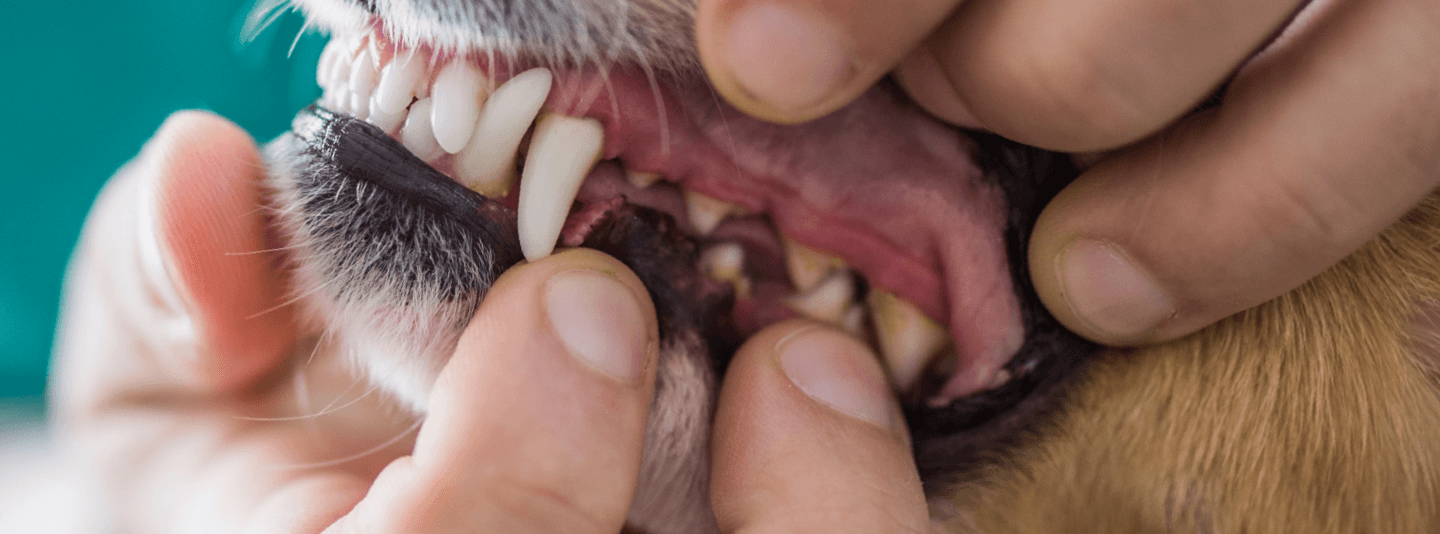
Tartar, also known as calculus, is a hardened deposit that forms on dogs’ teeth. It develops through a two-stage process:
Plaque formation: After a meal, a sticky film called plaque forms on the teeth within hours. This film consists of bacteria, saliva, food particles, and minerals.
Mineralization: If plaque isn’t removed, it begins to harden and mineralize within 24 to 72 hours, depending on the saliva’s mineral content. This hardened plaque becomes tartar.
Tartar has a rough surface, making it easier for new bacteria to adhere and continue the layer’s growth. When it becomes very hard and visible to the naked eye, it’s called tartar. This buildup can have serious consequences for a dog’s dental health if not addressed promptly.
Plaque vs. Tartar: Key Differences
Understanding the differences between plaque and tartar is essential for effective dog dental care:
Plaque:
Appearance: Off-white, sticky substance
Formation: Develops within hours after meals
Removal: Can be brushed away with daily dental care
Tartar:
Appearance: Yellow, brown, or black; hard and rough texture
Formation: Results from mineralized plaque, taking days to weeks to form
Removal: Requires professional cleaning by a veterinarian
Plaque is softer and easier to remove through regular brushing, dental wipes, or chews. Tartar, on the other hand, is much harder and typically requires professional intervention. Recognizing these differences helps dog owners take appropriate preventive measures and seek timely professional care when needed.
Health Implications of Tartar Buildup
Tartar buildup in dogs can lead to serious health issues affecting both oral and overall well-being. Understanding these implications is crucial for maintaining your dog’s health and quality of life.
Common Dental Issues in Dogs
Tartar accumulation often results in various dental problems for dogs:
Gingivitis: Inflammation of the gums, causing redness, swelling, and bleeding
Periodontal disease: Advanced gum infection affecting the tissues supporting the teeth
Tooth decay: Erosion of tooth enamel leading to cavities
Tooth loss: Severe cases of untreated tartar can result in teeth becoming loose and falling out
Bad breath: Persistent halitosis due to bacterial growth on tartar
Gum recession: Exposure of tooth roots as gums pull away from teeth
Tooth sensitivity: Pain or discomfort when eating or drinking
These issues can cause important discomfort for dogs, making it difficult for them to eat and affecting their overall quality of life.
Impact on Overall Health
Tartar buildup doesn’t just affect a dog’s mouth; it can have far-reaching consequences on their entire body:
Systemic infections: Bacteria from tartar can enter the bloodstream, potentially affecting organs like the heart, liver, and kidneys
Cardiovascular problems: Oral bacteria may contribute to heart disease and endocarditis
Kidney and liver dysfunction: Prolonged oral infections can strain these vital organs
Weakened immune system: Chronic oral infections can compromise the body’s defense mechanisms
Nutritional deficiencies: Dental pain can lead to reduced food intake and poor nutrition
Increased inflammation: Oral bacteria can trigger systemic inflammation, affecting overall health
Behavioral changes: Dental discomfort may cause irritability or aggression
Regular dental care, including tartar removal, is essential for preventing these serious health issues and ensuring your dog’s long-term well-being.
Identifying Tartar in Dogs
Recognizing tartar in dogs is crucial for maintaining their oral health. We’ll explore the visual signs of tartar buildup and the behavioral changes that may indicate dental issues in your canine companion.
Visual Signs of Tartar
Tartar in dogs presents as visible deposits on the teeth, particularly near the gum line. Here are key visual indicators to look for:
Yellow, brown, or black discoloration on teeth
Rough, calcified buildup along the gum line
Swollen, red, or bleeding gums (gingivitis)
Visible plaque as a sticky, off-white substance on teeth
Gum recession, exposing more of the tooth root
Teeth staining or discoloration due to tartar accumulation
Regular dental check-ups and at-home inspections help identify these signs early, allowing for prompt intervention and preventing more severe dental issues.
Behavioral Changes to Watch For
Dogs with tartar buildup may exhibit behavioral changes that signal discomfort or pain. Pay attention to these signs:
Decreased appetite or reluctance to eat
Pawing at the mouth or rubbing face against surfaces
Excessive drooling or bloody saliva
Bad breath (halitosis)
Difficulty picking up or chewing food
Favoring one side of the mouth while eating
Dropping food while eating
Reduced interest in chew toys or bones
Increased irritability or aggression when touched near the mouth
Observing these behaviors along with visual signs of tartar warrants a veterinary dental examination. Early detection and treatment of tartar can prevent more serious dental problems and ensure your dog’s overall health and well-being.
At-Home Tartar Removal Techniques
While professional cleaning is often necessary for severe tartar buildup, there are several at-home techniques dog owners can use to manage and reduce tartar formation. These methods help maintain oral hygiene and prevent the rapid accumulation of tartar on your dog’s teeth.
Proper Tooth Brushing Methods
Regular tooth brushing is the most effective at-home technique for tartar control. Use a dog-exact toothbrush with soft bristles and enzymatic toothpaste designed for canines. Start by letting your dog taste the toothpaste, then gently massage their teeth and gums in circular motions. Focus on the outer surfaces of the teeth, where tartar tends to accumulate. Brush for 30 seconds to 1 minute per side, aiming for daily brushing or at least 3-4 times a week. Be patient and reward your dog with praise or treats to create a positive association with the brushing routine. For dogs resistant to brushing, try finger brushes or dental wipes as alternatives.
Dental Chews and Toys
Dental chews and toys offer a fun way to reduce tartar buildup. Look for products with the Veterinary Oral Health Council (VOHC) seal of approval. These items are designed with textures that help scrape away plaque and tartar as your dog chews. Rawhide alternatives, rubber toys with ridges, and rope toys can all contribute to dental health. Offer these chews for 15-20 minutes daily, supervising your dog to prevent choking hazards. Some dental chews contain enzymes or other ingredients that help break down plaque. Interactive toys filled with dog-safe toothpaste or treats can encourage longer chewing sessions, maximizing the dental benefits.
Oral Rinses and Water Additives
Oral rinses and water additives provide an easy way to supplement your dog’s dental care routine. These products contain ingredients that help reduce bacteria in the mouth and slow tartar formation. For oral rinses, apply the solution directly to your dog’s teeth and gums using a soft cloth or spray bottle. Water additives are simply mixed into your dog’s drinking water daily. Both methods help freshen breath and maintain overall oral health. Look for products containing chlorhexidine, zinc gluconate, or cetylpyridinium chloride for effective tartar control. Always follow the manufacturer’s instructions for dosage and frequency. While these products are helpful, they shouldn’t replace regular brushing and professional cleanings.
Professional Tartar Removal
Professional tartar removal is essential for maintaining optimal dental health in dogs. While at-home care is crucial, veterinary intervention becomes necessary when tartar buildup becomes important or causes health issues.
When to Seek Veterinary Care
Professional tartar removal is crucial when:
Visible tartar and plaque accumulate on teeth
Gums show signs of gingivitis or bleeding
Dogs experience toothaches or refuse to eat
Regular dental checkups (every 6-12 months) are due
These indicators signal the need for veterinary intervention to prevent serious dental and overall health problems. Discoloration, plaque, or tartar on teeth are clear signs it’s time to consult a veterinarian. Inflamed or bleeding gums, along with signs of gingivitis, necessitate professional cleaning. If dogs show signs of dental discomfort or food refusal, immediate veterinary care is required. Even without visible issues, regular dental cleanings are recommended to maintain oral health and prevent tartar buildup.
What to Expect During a Professional Cleaning
During a professional tartar removal procedure:
Pre-cleaning examination: The veterinarian assesses the dog’s overall health and dental condition.
Anesthesia administration: To ensure safety and thorough cleaning, dogs are placed under general anesthesia.
Scaling: Using specialized tools, the vet removes tartar above and below the gum line.
Polishing: Teeth are polished to smooth surfaces and prevent future plaque buildup.
Fluoride treatment: A fluoride application strengthens tooth enamel.
X-rays: Dental x-rays may be taken to identify hidden issues.
Extractions: If necessary, damaged or decayed teeth are removed.
Post-procedure care: The vet provides instructions for at-home care and follow-up visits.
Professional cleanings typically last 45-75 minutes, depending on the extent of tartar buildup and any additional procedures required. The anesthesia allows for a thorough cleaning without causing stress or discomfort to the dog. After the procedure, dogs may experience mild grogginess but usually recover quickly. Regular professional cleanings, combined with consistent at-home care, help maintain optimal dental health and prevent serious oral issues in dogs.
Natural Remedies for Tartar Control
Natural remedies can complement professional dental care and regular brushing to help control tartar buildup in dogs. These methods focus on using readily available items and dietary modifications to promote better oral health.
Diet Modifications for Dental Health
A dog’s diet plays a crucial role in maintaining dental health and controlling tartar buildup. We recommend incorporating the following dietary changes:
Raw diet: Feeding raw meaty bones can help scrape away plaque and tartar naturally.
Crunchy kibble: Dry food with an abrasive texture can assist in cleaning teeth.
Dental diets: Specially formulated foods designed to reduce plaque and tartar formation.
Probiotics: Adding probiotics to your dog’s diet can promote a healthy oral microbiome.
Avoid sugary treats: Limit sugary snacks that contribute to plaque formation.
Increase water intake: Proper hydration helps flush away food particles and bacteria.
By making these dietary adjustments, we can support our dogs’ oral health and reduce the likelihood of tartar accumulation.
Beneficial Fruits and Vegetables
Incorporating certain fruits and vegetables into your dog’s diet can aid in tartar control and promote overall dental health. We recommend the following options:
Carrots: Crunchy texture helps clean teeth and gums while providing vitamins.
Apples: Rich in fiber and help remove plaque (remove seeds and core).
Celery: Acts as a natural toothbrush and freshens breath.
Pumpkin: Contains vitamins that support gum health.
Blueberries: Packed with antioxidants that fight bacteria in the mouth.
Parsley: Natural breath freshener and rich in chlorophyll.
Coconut oil: Has antibacterial properties that can reduce plaque formation.
Remember to introduce these foods gradually and in moderation. Always consult with your veterinarian before making important changes to your dog’s diet, especially if they have existing health conditions or dietary restrictions.
Preventing Tartar Buildup
Preventing tartar buildup in dogs is crucial for maintaining their oral health. By implementing effective strategies, we can significantly reduce the risk of dental problems and ensure our furry friends maintain healthy teeth and gums.
Daily Dental Care Routines
Establishing a daily dental care routine is essential for preventing tartar buildup in dogs. We recommend brushing your dog’s teeth at least 3-4 times a week using a dog-exact toothbrush and enzymatic toothpaste. This regular brushing helps remove plaque before it hardens into tartar. Plus to brushing, provide dental chews and toys designed to scrape away plaque and massage gums. Water additives and oral rinses can supplement these efforts by reducing bacteria in the mouth. Remember to introduce these routines gradually, making them positive experiences for your dog. Consistency is key in maintaining oral hygiene and preventing rapid tartar accumulation.
Regular Veterinary Check-ups
Scheduling regular veterinary check-ups is crucial for maintaining your dog’s dental health and preventing tartar buildup. We recommend annual dental exams, or more frequent visits if your dog is prone to dental issues. During these check-ups, veterinarians can identify early signs of tartar formation and address them before they become serious problems. Professional cleanings, typically performed under anesthesia, may be necessary to remove existing tartar. These cleanings include scaling, polishing, and fluoride treatment, ensuring a thorough removal of tartar and protection against future buildup. Regular check-ups also allow veterinarians to assess your dog’s overall oral health, detect any underlying issues, and provide personalized advice on home care routines to prevent tartar buildup effectively.
Special Considerations for Different Breeds
Different dog breeds have unique dental care needs due to their varying anatomical structures and genetic predispositions. Understanding these differences is crucial for effective tartar removal and prevention.
Breeds Prone to Tartar Formation
Certain dog breeds are more susceptible to tartar buildup due to their physical characteristics. Small breeds, such as Yorkshire Terriers, Poodles, and Chihuahuas, often experience dental issues due to their compact jaw size and crowded teeth, which help plaque and tartar accumulation. These breeds require more frequent dental care and may need professional cleanings more often.
Large breeds like Alaskan Huskies and German Shepherds can also be prone to dental problems, although for different reasons. Their larger teeth and powerful jaws can lead to more rapid tartar formation if proper dental hygiene isn’t maintained. Also, toy and short-nosed breeds have unique mouth shapes that prevent their teeth from meeting their jaw properly, reducing the natural cleaning effect of chewing.
Tailoring Dental Care to Your Dog’s Needs
To effectively manage tartar in different breeds, we must tailor our approach to each dog’s exact needs. For small breeds with crowded teeth, daily brushing is essential to prevent rapid tartar buildup. We recommend using a small, soft-bristled toothbrush designed for toy breeds to reach all areas of their compact mouths.
Large breeds benefit from a combination of regular brushing and chew toys designed for tartar control. We suggest incorporating dental chews specifically formulated for larger dogs, as these can help scrape away plaque before it hardens into tartar. For short-nosed breeds, special attention should be paid to their unique dental structure. We advise using finger brushes or specially designed toothbrushes that can navigate their distinctive mouth shape more easily.
Regardless of breed, we emphasize the importance of starting dental care routines early in a dog’s life. This helps acclimate them to the process and prevents tartar from forming in the first place. For breeds prone to tartar, we recommend more frequent veterinary check-ups to monitor dental health and catch any issues early.
Conclusion
Maintaining our dog’s dental health is crucial for their overall well-being. By understanding tartar formation and implementing a comprehensive dental care routine we can significantly reduce the risk of serious health issues. Regular brushing at-home care techniques and professional cleanings are essential components of effective tartar control.
We shouldn’t overlook the power of natural remedies and diet modifications in supporting our furry friend’s oral health. By combining these strategies with breed-exact considerations we’ll be well-equipped to keep our dog’s teeth clean and healthy. Remember a proactive approach to dental care ensures our dogs can enjoy life with a happy healthy smile for years to come.
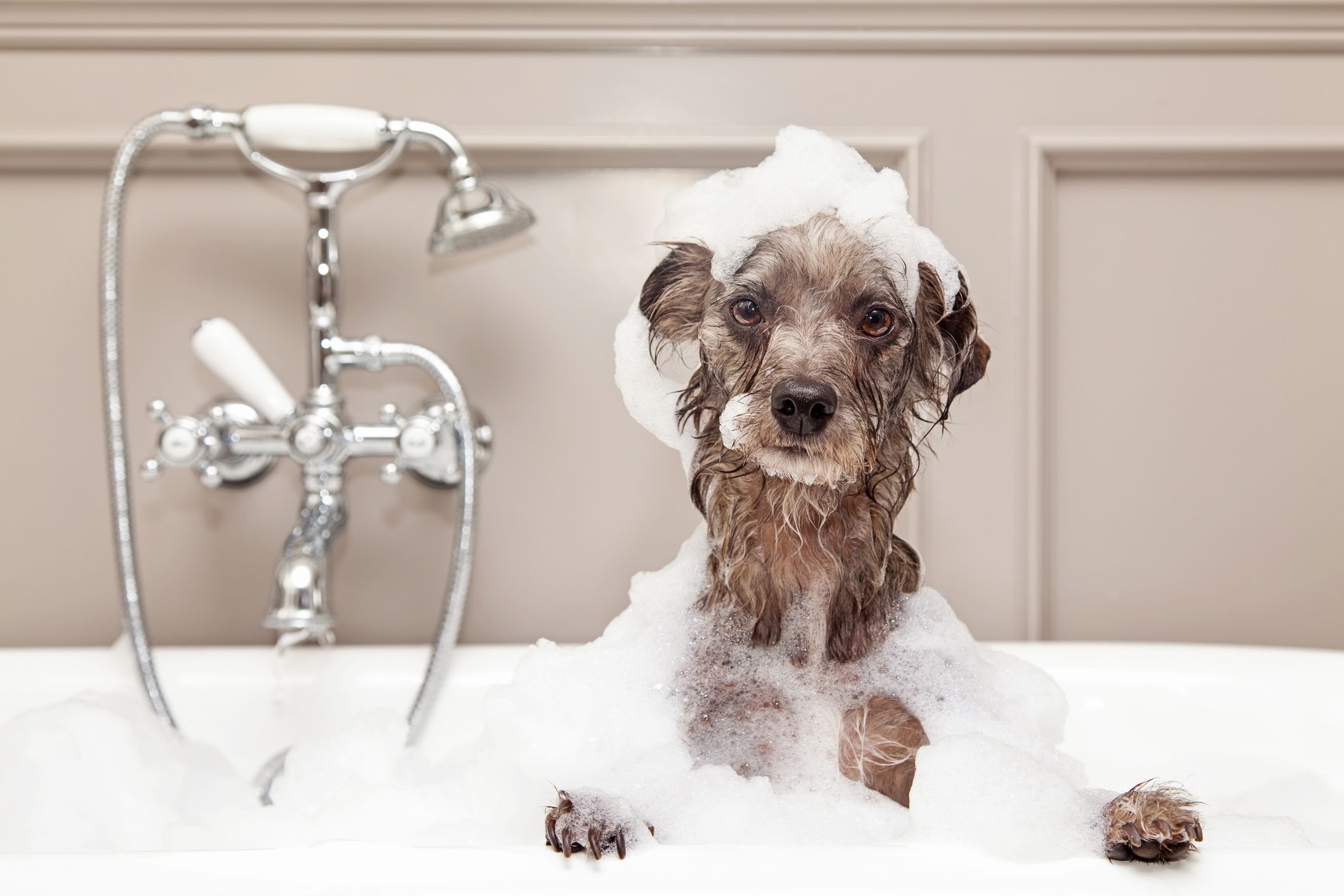
Ever wondered why bathing your dog at home often feels like a messy battle? We’ve all been there – soaked floors, fur-covered walls, and a less-than-cooperative pup. But what if we told you there’s a better way to keep your furry friend clean and fresh?
At Central Bark, we’ve revolutionized the dog bathing experience with our self-serve dog wash stations. We’ve found that dogs are far more relaxed in a space designed just for them. Our professional grooming stations come equipped with everything you need, from hydraulic tubs for easy access to all-natural shampoos and conditioners. We’ll even clean up the mess, so you can focus on bonding with your dog during bath time. It’s a win-win situation that’ll make you and your pup look forward to bath day.
Why Bathe Your Own Dog
Convenience and Cost-Effectiveness
Bathing your own dog offers unparalleled convenience and cost-effectiveness. Self-service dog washes are typically open seven days a week with flexible hours, allowing you to choose a time that fits your schedule. This flexibility is especially beneficial for busy pet owners who struggle to find time for traditional grooming appointments. Also, self-service options are generally more affordable than professional grooming services, making regular bathing more accessible for budget-conscious dog owners.
Bonding Experience
Bathing your dog yourself creates a unique bonding opportunity. The one-on-one time spent caring for your pet strengthens your relationship and builds trust. Dogs often appreciate the personal attention and care from their owners, which can lead to improved behavior and a deeper connection. This hands-on approach allows you to become more familiar with your dog’s body, potentially helping you detect any health issues early on.
Customized Care
When you bathe your own dog, you have complete control over the products and techniques used. This customization is particularly beneficial for dogs with exact skin conditions or allergies. You can choose hypoallergenic or medicated shampoos that best suit your dog’s needs, ensuring optimal skin and coat health. Also, you can adjust the water temperature and pressure to your dog’s preference, making the bathing experience more comfortable and enjoyable for your pet.
Ease of Use and Safety
Self-service dog wash facilities are designed with user-friendliness in mind, making them accessible even for first-time dog bathers. These stations provide all necessary tools, including shampoo, conditioner, brushes, and towels. The tubs are specifically engineered for dogs, featuring non-slip surfaces and temperature-controlled water. These safety features make the bathing process safer and more comfortable than attempting to bathe your dog at home in a standard bathtub or shower.
Environmental Control
By bathing your dog in a controlled environment, you can minimize stress and distractions. Self-service facilities are designed exclusively for dog bathing, which can help your pet feel more relaxed and focused during the process. This controlled setting reduces the likelihood of your dog becoming overstimulated or anxious, as might occur in a busy professional grooming salon or an unfamiliar home bathroom.
Immediate Results
When you bathe your own dog, you can address exact grooming needs on the spot. Whether it’s removing mud after a park visit or addressing a sudden odor issue, self-service dog washes allow for immediate action. This quick response can prevent minor grooming issues from becoming more important problems and helps maintain your dog’s overall cleanliness and hygiene between professional grooming sessions.
Preparing for the Bath
Proper preparation is key to a successful dog bathing experience. We’ll guide you through gathering essential supplies and choosing the right location to ensure a smooth and stress-free bath for your furry friend.
Gathering Supplies
To ensure a successful dog bath, we need to gather the following essential supplies:
We select shampoos suitable for our dog’s skin type and coat. Oatmeal shampoos work well for itchy skin, while hypoallergenic options are ideal for sensitive pets. For shedding or coat brightening, we choose exact formulations. Towels and aprons keep us dry during the bathing process. Gentle brushing before the bath removes matted fur and loose dirt, making the bath more effective. Ear cleaners and cotton balls prevent water from entering the ears and allow for gentle cleaning. Professional-grade hair dryers, often available at self-service dog wash stations, can be used with caution to avoid discomfort.
Choosing the Right Location
Selecting an appropriate bathing location is crucial for a positive dog bathing experience. We consider the following factors:
Space: Ensure enough room for both the dog and handler to move comfortably.
Water access: Choose a location with easy access to warm water and proper drainage.
Non-slip surfaces: Use rubber mats or towels to prevent slipping.
Temperature control: Maintain a comfortable environment to keep the dog relaxed.
Lighting: Opt for well-lit areas to spot any skin issues or thorough cleaning needs.
Self-service dog wash stations, like those at Central Bark, offer ideal bathing environments with professional-grade equipment and controlled settings. These facilities provide hydraulic tubs, temperature-controlled water, and non-slip surfaces, ensuring safety and comfort for both dogs and owners. If bathing at home, we select a spacious bathroom or outdoor area with a hose, depending on the weather and dog’s size. We always prioritize the dog’s comfort and safety when choosing the bathing location.
Steps to Bathe Your Dog
Bathing your dog effectively involves a series of steps to ensure a thorough clean and a positive experience for your furry friend. Here’s a breakdown of the key stages in the dog bathing process.
Wetting and Shampooing
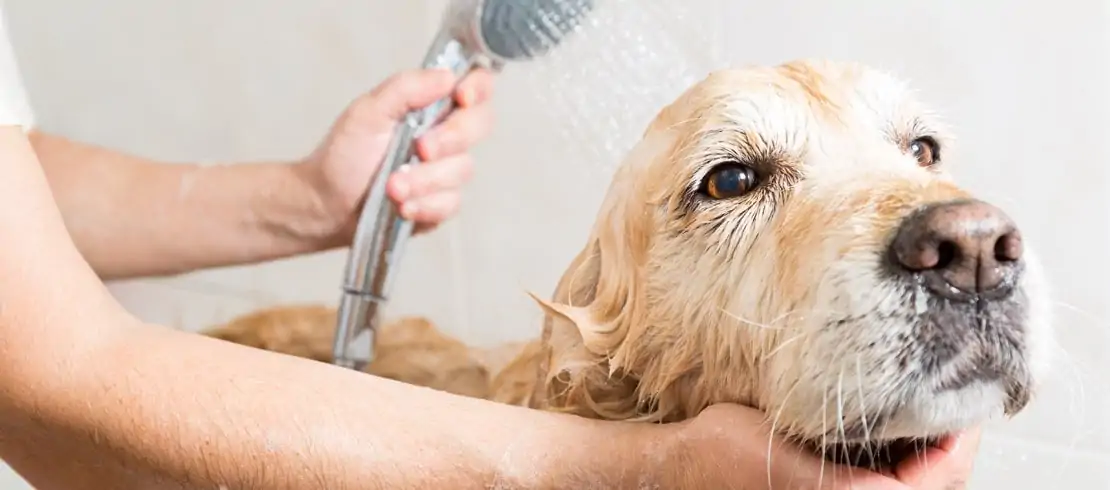
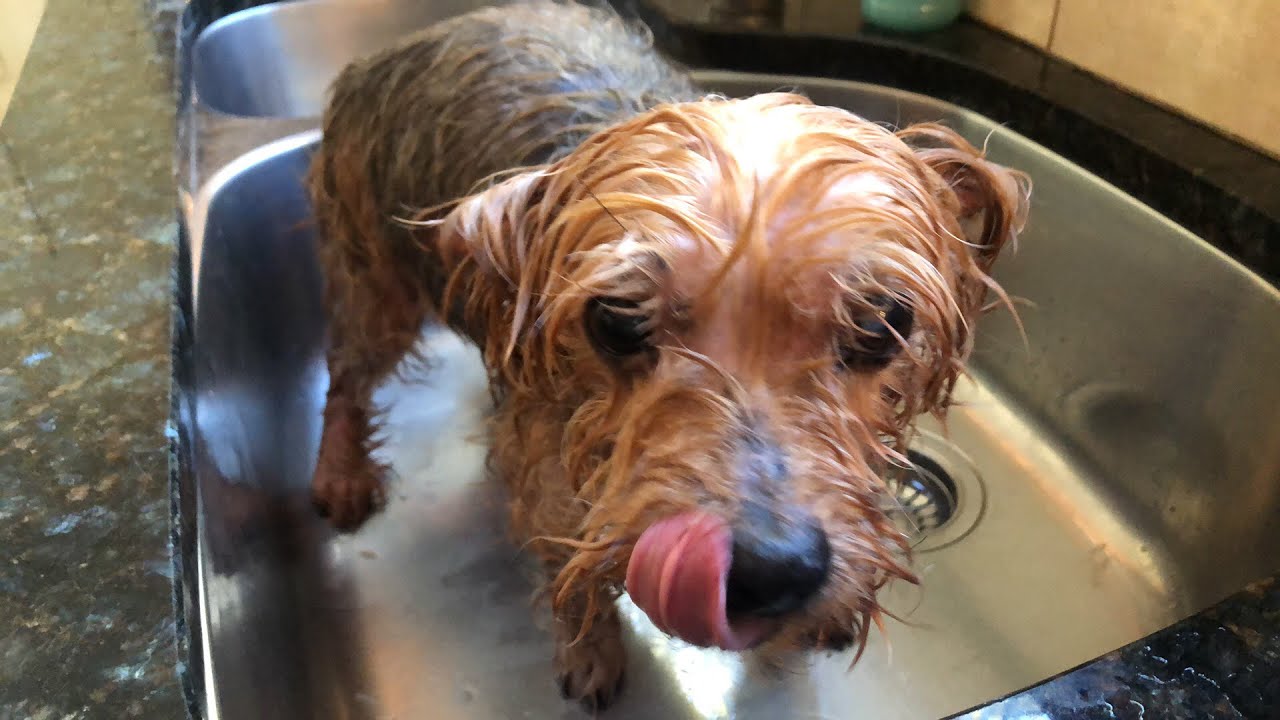
Start by brushing your dog’s coat to remove tangles and mats before getting them wet. Choose a suitable location like a kitchen sink for small dogs or a bathtub for larger breeds. Secure your dog with a grooming loop or leash to prevent escapes. Use lukewarm water to wet your dog’s entire body, starting from the tail and working up to the ears. Avoid getting water in their eyes, ears, or nose.
Apply a dog-exact shampoo, working it into a lather. Begin at the neck and work your way down to the tail, paying extra attention to dirty areas. Massage the shampoo into your dog’s coat, reaching the skin beneath. For dogs with thick coats, use your fingers to ensure the shampoo penetrates to the skin. Be gentle around sensitive areas like the face, using a damp cloth if necessary.
Rinsing Thoroughly
Rinsing is a crucial step in the bathing process. Use lukewarm water to rinse your dog thoroughly, starting from the head and working your way down to the tail. Pay special attention to areas with thick fur or where soap tends to accumulate, such as the armpits, groin, and between the toes. Continue rinsing until the water runs clear and you no longer see any soap suds.
To ensure all shampoo is removed, run your hands through your dog’s coat while rinsing. This helps prevent skin irritation that can occur from leftover soap residue. For dogs with long or thick coats, you may need to rinse multiple times to ensure all soap is gone. Be patient and thorough during this step to guarantee your dog’s comfort after the bath.
Drying Your Dog
After rinsing, gently squeeze excess water from your dog’s coat. Use a microfiber towel to absorb as much moisture as possible, starting from the head and working your way down the body. For dogs with long or thick coats, you may need multiple towels. Be sure to dry between the toes and in skin folds to prevent moisture-related skin issues.
If your dog tolerates it, use a blow dryer on a low heat setting to complete the drying process. Keep the dryer moving to avoid concentrating heat on one area. For dogs sensitive to the noise, consider using a quiet, pet-exact dryer. Brush your dog’s coat while drying to prevent tangles and distribute natural oils. Remember to praise and reward your dog throughout the process to create a positive association with bath time.
DIY Dog Washing Stations
Building a DIY dog washing station offers a practical and comfortable solution for bathing your dog at home. These custom-built stations can be installed indoors or outdoors, providing convenience and reducing the mess associated with traditional bathing methods.
Indoor Options
Indoor dog wash stations are ideal for year-round use and can be installed in basements, laundry rooms, or garages. When planning an indoor station, consider the following:
Location: Choose an area with existing plumbing lines and drains for easy installation.
Materials: Use waterproof materials like plywood, 2x4s, and cement boards for the frame and base.
Waterproofing: Install a waterproofing system, such as a Schluter system, to prevent water damage.
Shower components: Include a showerhead, faucet, and proper drain connections.
Height: Ensure the drain is at the right height for efficient water drainage.
Tiling: Use a preformed shower pan to simplify the tiling process and create a non-slip surface.
Lighting: Install adequate lighting for visibility during bathing sessions.
Location: Choose a spot with easy access to a water source and proper drainage.
Weather protection: Install a roof or awning to shield from sun and rain.
Flooring: Use non-slip, weather-resistant materials like rubber mats or textured concrete.
Plumbing: Install frost-proof outdoor faucets and insulated pipes to prevent freezing.
Storage: Include weatherproof storage for shampoos, towels, and other supplies.
Heating: Consider adding a heat lamp for comfort during cooler weather.
Privacy: Create a enclosed area with fencing or lattice for a more secluded bathing experience.
Drainage: Ensure proper slope and drainage to prevent water accumulation.
Positive reinforcement is key to making bath time enjoyable for your dog. We recommend using treats, praise, and toys throughout the bathing process. Start by offering treats as your dog enters the bathing area, creating a positive association. During the bath, use a cheerful voice and offer praise for good behavior. Keep a waterproof toy handy to distract and entertain your dog. After the bath, reward your pup with a special treat or extra playtime. Consistency is crucial; use these techniques every bath time to build a positive routine. Over time, your dog will associate bathing with pleasant experiences, making the process smoother and less stressful for both of you.
Handling Difficult Dogs
For dogs that are particularly anxious or resistant to baths, we suggest a gradual approach. Start by desensitizing your dog to the bathing area without water. Use treats and praise to create positive associations. Gradually introduce water, starting with just wetting the paws. Employ calming techniques such as gentle massage or speaking in a soothing voice. For extremely anxious dogs, consider using pheromone sprays or calming supplements recommended by your veterinarian. If your dog becomes agitated, take breaks and resume when they’re calmer. Use a secure harness or non-slip mat to ensure safety. Remember, patience is key; it may take several sessions for your dog to become comfortable with the bathing process.
Post-Bath Care
After bathing your dog, proper post-bath care is essential for maintaining a healthy coat and skin. We’ll explore the important steps to take once you’ve finished washing your furry friend.
Brushing and Grooming
Post-bath brushing and grooming are crucial for your dog’s coat health. Start by gently towel-drying your dog, removing excess water from their fur. Use a blow dryer on a low heat setting to complete the drying process, being careful to avoid sensitive areas. Once dry, thoroughly brush your dog’s coat to remove any tangles or mats that may have formed during the bath. This step helps distribute natural oils throughout the coat, promoting shine and overall health. For long-haired breeds, consider using a detangling spray to ease the brushing process. Regular grooming after bathing not only keeps your dog looking great but also allows you to check for any skin issues or abnormalities.
Addressing Skin and Coat Issues
Post-bath care is an excellent opportunity to address any skin or coat issues your dog may have. Inspect your dog’s skin for signs of irritation, redness, or hot spots. If you notice any problems, consult with your veterinarian for appropriate treatments. For dogs with dry skin, consider applying a dog-exact moisturizer or leave-in conditioner to help soothe and hydrate the skin. If your dog has a exact coat condition, such as dandruff or excessive shedding, use specialized products recommended by your vet. Remember to pay attention to your dog’s ears, gently cleaning them with a dog-safe ear cleaner to prevent infections. For dogs prone to skin allergies, using hypoallergenic products during and after bathing can help minimize irritation and discomfort.
Benefits of Regular Bathing
Regular bathing offers many advantages for your dog’s health and well-being. We’ve compiled a list of key benefits that highlight the importance of maintaining a consistent bathing routine for your furry friend.
Promotes Healthy Skin and Coat
Regular baths keep your dog’s skin and coat in top condition. Here’s how:
Remove dirt and debris from the skin and fur
Prevent matting of the coat
Reduce the likelihood of skin infections
Distribute natural oils throughout the coat
Promote a healthy, shiny appearance
Reduces Inflammation and Infection
Bathing plays a crucial role in maintaining your dog’s skin health:
Clean out clogged pores
Remove bacteria and other harmful microorganisms
Reduce instances of skin inflammation and irritation
Alleviate symptoms of existing skin conditions
Prevent the development of new skin issues
Keeps Your Dog’s Coat Clean
A clean coat is essential for your dog’s overall health and comfort:
Eliminate dirt, fungus, and unpleasant odors
Remove parasites like fleas and ticks
Prevent the buildup of allergens in the coat
Maintain a comfortable and itch-free coat
Improve the effectiveness of flea and tick treatments
Enhances Winter Coat Care
Regular bathing is particularly beneficial during colder months:
Condition the coat to prevent dryness
Keep the skin moisturized and comfortable
Reduce static electricity in the fur
Prevent dandruff and flaking
Maintain proper insulation properties of the coat
By incorporating regular bathing into your dog’s grooming routine, you’ll ensure their skin and coat remain healthy, clean, and comfortable year-round. Remember to use appropriate dog-exact products and follow proper bathing techniques to maximize these benefits.
Conclusion
We’ve explored the industry of dog bathing from self-service stations to DIY setups. These options offer convenience cost-effectiveness and a chance to bond with our furry friends. By following proper techniques and using the right tools we can ensure a stress-free and enjoyable experience for both us and our dogs. Regular bathing isn’t just about cleanliness it’s a crucial part of our pets’ overall health and well-being. With these insights we’re now equipped to tackle bath time confidently making it a positive experience for our canine companions.
Is your furry friend always begging for food, even after a full meal? You’re not alone. Many dog owners find themselves wondering, “Why is my dog always hungry?” It’s a common concern that can leave us feeling puzzled and even a bit guilty.
We understand the struggle of resisting those puppy dog eyes and constant pleas for treats. But before you give in, it’s important to understand that excessive hunger in dogs can stem from various factors, ranging from biological instincts to underlying health issues. In this text, we’ll explore the potential reasons behind your dog’s insatiable appetite and offer insights on when it might be time to consult a veterinarian.
Understanding Why My Dog Always Hungry: Is It Normal?
Dogs naturally have an interest in food, but it’s essential to differentiate between normal hunger and excessive appetite. Let’s explore the signs of true hunger in dogs and what they might indicate about your pet’s health.
Signs of True Hunger in Dogs
Recognizing true hunger in dogs involves observing exact behaviors and physical changes. Here are key indicators that your dog might be genuinely hungry:
Increased appetite: A sudden and persistent increase in appetite, known as polyphagia, can signify true hunger.
Aggressive behavior around food: Dogs that become unusually aggressive during mealtimes may be experiencing intense hunger.
Changes in feeding habits: Breakthrough behaviors like counter surfing, digging in trash, or stealing food from plates can indicate hunger.
Weight loss: Unexplained weight loss even though regular meals might suggest your dog isn’t getting enough nutrition.
Coat changes: A loss of sheen or changes in coat quality can be a sign of nutritional deficiency.
Restlessness or whining: Incessant whining or restlessness, especially around mealtimes, may indicate hunger.
Prolonged food bowl licking: Continuing to lick the food bowl long after eating can suggest your dog is still hungry.
Coprophagia: The development of coprophagia (eating feces) can sometimes be linked to nutritional deficiencies.
Increased thirst and urination: These symptoms, when accompanied by increased hunger, might indicate an underlying health issue.
Changes in body shape: Muscle shrinkage or a growing potbelly, combined with increased appetite, can be cause for concern.
It’s important to note that any important change in your dog’s eating habits or behavior around food warrants investigation. These signs, especially when occurring together, suggest your dog might be truly hungry rather than just food-motivated. If you observe these symptoms, it’s advisable to consult with your veterinarian to rule out potential health issues and ensure your dog is receiving adequate nutrition.
Common Reasons for Excessive Appetite in Dogs
Dogs with an insatiable appetite can be a cause for concern. Here are some common reasons why your dog may always seem hungry:
Genetics and Breed Factors
Certain dog breeds have a genetic predisposition to increased appetite and obesity. Labradors and Flat Coat Retrievers, for example, may carry a gene variant affecting the brain’s hunger regulation. This genetic factor influences how dogs perceive hunger and fullness, making some breeds more food-focused than others. Breeds with a history of working or hunting roles often have higher energy requirements, leading to increased appetite. Understanding your dog’s breed-exact traits can help explain their seemingly constant hunger and guide appropriate feeding strategies.
Dietary Issues and Nutritional Imbalances
A dog’s diet plays a crucial role in their appetite regulation. Low-calorie or nutritionally unbalanced diets can lead to increased hunger as the body seeks essential nutrients. Ultraprocessed dog foods containing excessive carbohydrate-based fillers, grains, and starches may create cellular malnourishment, leaving dogs feeling perpetually hungry. Overfeeding or providing too many calorie-rich treats can also contribute to excessive appetite by disrupting normal hunger cues. Ensuring a balanced, biologically appropriate diet with the right proportion of proteins, fats, and carbohydrates is essential for maintaining healthy appetite levels in dogs.
Medical Conditions Affecting Hunger
Several medical conditions can cause excessive hunger in dogs. Diabetes is a common culprit, as it affects the body’s ability to regulate blood sugar levels. Other conditions include:
Cushing’s disease
Hyperthyroidism
Exocrine pancreatic insufficiency
Intestinal parasites
Certain types of tumors
These conditions can interfere with nutrient absorption or metabolism, leading to increased appetite. Also, some medications may have side effects that increase hunger. If your dog’s appetite suddenly increases or remains consistently excessive, it’s crucial to consult a veterinarian to rule out underlying health issues.
Psychological Factors: Stress and Boredom
Psychological factors can significantly influence a dog’s eating habits. Stress and anxiety can lead to comfort eating or increased appetite in some dogs. Environmental changes, such as moving to a new home or the addition of a new family member, can trigger stress-related overeating. Boredom is another common cause of excessive eating behavior. Dogs lacking mental and physical stimulation may turn to food as a form of entertainment or to alleviate boredom. Providing adequate exercise, mental enrichment activities, and a consistent routine can help address these psychological factors and reduce food-seeking behaviors in dogs.
How to Address Your Dog’s Insatiable Appetite
Addressing your dog’s insatiable appetite requires a multifaceted approach. We’ll explore strategies to optimize your dog’s diet, carry out effective feeding techniques, and increase physical and mental stimulation to curb excessive hunger.
Optimizing Your Dog’s Diet
Optimizing your dog’s diet is crucial for managing excessive hunger. Feed high-quality, nutrient-dense food that meets your dog’s nutritional needs. Include fiber-rich ingredients to promote satiety and improve digestion. Consider adding vegetables like carrots or green beans as low-calorie snacks. Consult a veterinarian or animal nutritionist to create a balanced diet customized to your dog’s age, breed, and activity level. Avoid overfeeding and measure portions accurately to maintain a healthy weight. If using treats for training, factor them into your dog’s daily calorie intake, ensuring they don’t exceed 10% of total calories.
Implementing Feeding Strategies
Implementing effective feeding strategies can help manage your dog’s appetite. Establish a consistent feeding schedule with set meal times to regulate hunger cues. Use puzzle feeders or slow-feed bowls to extend meal duration and increase mental stimulation. Divide daily food portions into smaller, more frequent meals to prevent prolonged hunger. Avoid free-feeding, as it can lead to overeating and weight gain. Create firm boundaries around treats, offering them only as rewards for desired behaviors. For dogs with learned begging behaviors, ignore food-seeking actions and reward calm behavior instead. Consider scatter feeding or hiding food to engage your dog’s natural foraging instincts.
Increasing Physical and Mental Stimulation
Increasing physical and mental stimulation is essential for managing excessive appetite in dogs. Provide regular exercise customized to your dog’s age, breed, and fitness level. Engage in interactive play sessions to burn energy and strengthen your bond. Introduce mentally stimulating activities like obedience training, agility courses, or scent work to keep your dog’s mind occupied. Use food puzzles and interactive toys to make meals more challenging and time-consuming. Offer non-food rewards like praise, petting, or favorite toys to reduce reliance on treats. Create a structured daily routine with balanced periods of activity and rest to prevent boredom-induced food seeking. Regular mental and physical exercise can help redirect your dog’s focus from food and promote overall well-being.
When to Consult a Veterinarian
Recognizing the right time to seek professional help is crucial when dealing with a dog’s insatiable appetite. We’ll outline key indicators that signal it’s time to consult a veterinarian.
Sudden Changes in Appetite
A sudden increase in appetite, especially when accompanied by other symptoms, warrants veterinary attention. Look for:
Excessive hunger even though regular meals
Aggressive behavior around food
Eating non-food items
Unexplained weight loss or gain
Accompanying Symptoms
Be alert for additional signs that may indicate an underlying health issue:
If your dog remains hungry even though a balanced diet and appropriate portion sizes, it’s time to consult a vet. This could indicate:
Malabsorption issues
Hormonal imbalances
Metabolic disorders
Weight Changes
Unexplained weight fluctuations, especially when coupled with increased appetite, necessitate veterinary examination:
Rapid weight loss even though increased food intake
Sudden weight gain without diet changes
Behavioral Changes
Alterations in your dog’s behavior related to food can signal underlying issues:
Obsessive focus on food
Restlessness or whining between meals
Increased aggression around feeding time
By staying vigilant and recognizing these signs, we can ensure timely veterinary intervention, potentially preventing more serious health complications in our canine companions.
Managing a Food-Obsessed Dog
Managing a food-obsessed dog requires a combination of training, behavior modification, and providing healthy alternatives to overfeeding. Here’s how to effectively address your dog’s constant hunger and promote better eating habits.
Training Tips and Behavior Modification
To manage a food-obsessed dog, consistency in training is key. Start by establishing a strict feeding schedule and stick to it. Ignore begging behaviors and avoid giving in to those pleading eyes. Instead, redirect your dog’s attention with positive reinforcement techniques.
Use meal times as training opportunities. Teach your dog to sit and wait before eating. This practice instills patience and self-control. Carry out the “leave it” command to discourage food snatching. Gradually increase the difficulty of these exercises as your dog improves.
Consider using puzzle feeders or slow-feeding bowls to make mealtimes more captivating and time-consuming. These tools can help satisfy your dog’s mental stimulation needs while slowing down their eating pace.
Increase physical activity and mental stimulation throughout the day. A tired dog is less likely to focus on food obsessively. Regular exercise and interactive play sessions can help reduce food-seeking behaviors.
Healthy Alternatives to Overfeeding
Providing healthy alternatives to overfeeding is crucial for managing a food-obsessed dog. Start by offering low-calorie, high-fiber snacks like carrots, green beans, or cucumber slices. These foods can help satisfy your dog’s urge to eat without adding excessive calories.
Use portion control when treating your dog. Break treats into smaller pieces to make them last longer. Opt for healthy, low-fat options like freeze-dried liver or dehydrated sweet potato slices.
Incorporate food puzzles and interactive toys into your dog’s routine. Fill these with small amounts of their regular food or healthy treats. This approach provides mental stimulation and extends the time your dog spends captivating with food.
Consider switching to a high-quality, nutrient-dense dog food that promotes satiety. Foods with higher protein and fiber content can help your dog feel fuller for longer periods. Consult with your veterinarian to determine the best diet for your dog’s exact needs.
Carry out a “nothing in life is free” policy, where your dog must perform a desired behavior before receiving food or treats. This practice reinforces good behavior and helps your dog associate food with positive actions rather than constant availability.
Conclusion
Understanding why our dogs seem always hungry is crucial for their health and well-being. We’ve explored various factors contributing to excessive appetite, from genetic predispositions to medical conditions. By recognizing the signs of true hunger and implementing proper feeding strategies, we can better manage our dogs’ appetites. Remember, a balanced diet, regular exercise, and mental stimulation are key to curbing food obsession. If concerns persist, don’t hesitate to consult a veterinarian. With patience and the right approach, we can ensure our furry friends maintain a healthy relationship with food.
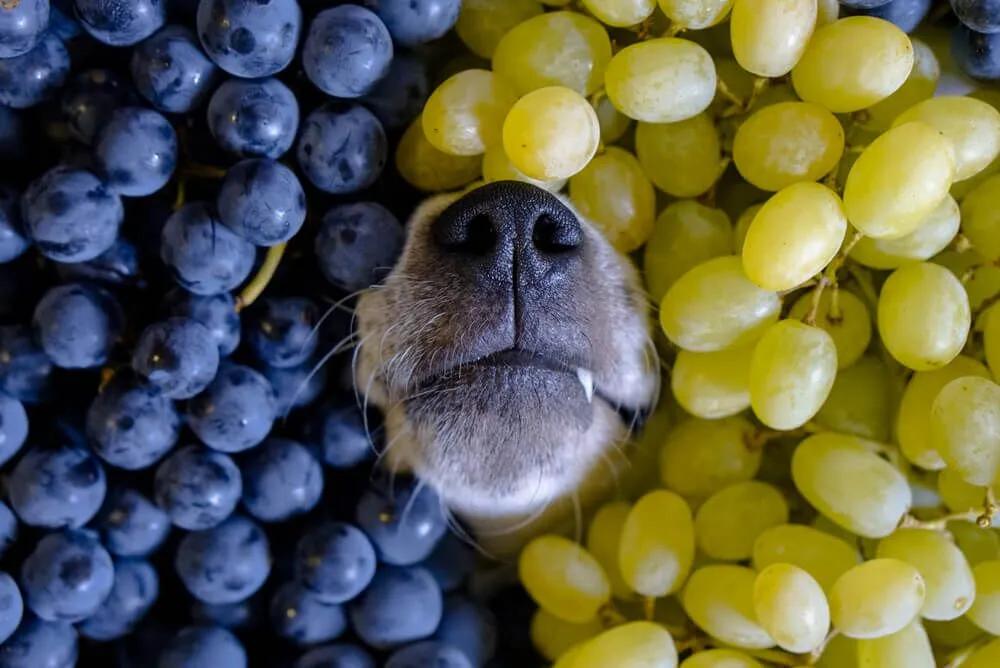
Have you ever noticed your dog’s whiskers twitching ever so slightly? These fascinating facial features aren’t just for show – they’re actually an essential part of your canine companion’s sensory toolkit.
What Are Dog Whiskers?
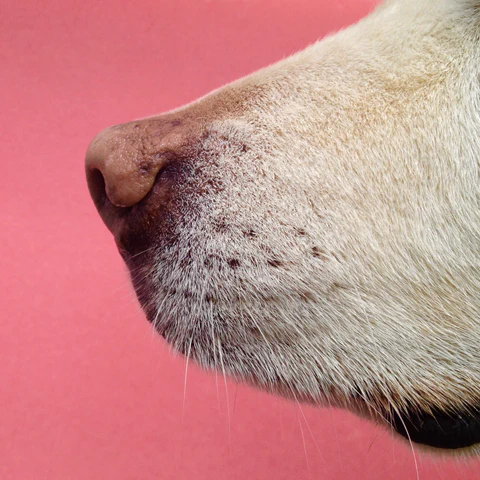
Dog whiskers, scientifically known as vibrissae, are specialized sensory hairs that play a crucial role in a dog’s perception and navigation. These thicker, more rigid hairs are deeply embedded in the skin and contain a high concentration of touch-sensitive neurons at their base.
Location and Appearance
Dog whiskers are strategically located around the face in three main groups:
Mystacial whiskers: Found on both sides of the muzzle
Superciliary whiskers: Located above the eyes
Genal whiskers: Positioned further back on the cheeks
These whiskers are longer and coarser than regular dog hair, with roots that extend deeper into the skin. While cats typically have a neat arrangement of 12 whiskers in four rows on each side of their face, dog whiskers tend to have a more irregular and unpredictable placement. Some dogs, like the curly-haired Bedlington Terrier, may even have curly whiskers to match their coat.
Do All Dogs Have Whiskers?
Yes, all dogs are born with whiskers. These specialized hairs are a universal feature across canine breeds, regardless of their size, coat type, or overall appearance. But, the number and exact placement of whiskers can vary between individual dogs and breeds.
Dogs typically have up to 20 whiskers on each side of their upper lips. The presence of whiskers is consistent across all dog breeds because they serve essential functions:
Sensory perception: Whiskers help dogs detect changes in their environment
Navigation: They assist in gauging the width of openings and spaces
Communication: Whiskers can convey emotions and social cues
Protection: They trigger reflexes to protect sensitive areas like the eyes
While all dogs have whiskers, it’s important to note that some breeds may have more prominent or visible whiskers than others. Also, certain grooming practices or health conditions might affect the appearance or functionality of a dog’s whiskers, but the underlying structures are always present.
The Purpose of Dog Whiskers
Dog whiskers, scientifically known as vibrissae, serve multiple crucial functions that enhance a canine’s ability to navigate and interact with its environment. These specialized hairs are more than just facial decorations; they’re sophisticated sensory tools that play a vital role in a dog’s daily life.
Sensing the Environment
Dog whiskers act as highly sensitive tactile organs, allowing canines to perceive their surroundings with remarkable precision. These specialized hairs are deeply embedded in the skin and connected to a dense network of nerves, making them incredibly responsive to even the slightest changes in air currents and pressure. This sensitivity enables dogs to detect nearby objects without direct physical contact, providing them with a constant stream of environmental information. In low-light conditions or dense vegetation, whiskers become particularly valuable, helping dogs avoid potential hazards and navigate safely through their surroundings.
Improving Depth Perception
Whiskers play a crucial role in improving a dog’s depth perception and spatial awareness. The strategically placed vibrissae, especially those above the eyes, help dogs gauge the proximity of objects to their face. This enhanced perception is particularly useful when a dog’s nose obstructs its view of items directly in front of it. By sensing air currents and slight touches, whiskers provide dogs with additional spatial information, complementing their visual system. This combination of visual and tactile input allows dogs to more accurately judge distances and avoid collisions, particularly in tight spaces or when moving at high speeds.
Assisting in Navigation
Dog whiskers are invaluable tools for navigation, especially in challenging environments. As dogs move through narrow spaces or dark areas, their whiskers provide constant feedback about the surrounding terrain. This information helps them avoid obstacles and find safe paths forward. The whiskers’ ability to detect subtle changes in air currents also aids in locating small prey or objects. During activities like hunting or searching, dogs use their whiskers to gather detailed information about their immediate environment, improving their overall navigation capabilities. This sensory input is particularly crucial for breeds with limited vision or in situations where visual cues are restricted.
How Dogs Use Their Whiskers?
Dogs use their whiskers for various crucial functions, improving their sensory perception and interaction with their environment. These specialized hairs play a vital role in a dog’s daily life, from improving hunting abilities to expressing emotions and even aiding in swimming.
Improving Hunting Abilities
Whiskers significantly enhance a dog’s hunting prowess. Their extraordinary sensitivity allows dogs to detect minuscule vibrations and subtle air movements triggered by potential prey. By interpreting these changes, dogs can anticipate movements and detect the presence of nearby creatures. This gives them an edge in tracking scents and locating small prey or objects, especially in low-light conditions or dense vegetation. The whiskers’ ability to sense air currents helps dogs navigate and locate targets with precision, making them more effective hunters.
Expressing Emotions and Body Language
Dogs’ whiskers play a crucial role in social interactions and communication. Located on their faces, muzzles, chins, and eyebrows, these tactile hairs serve as touch receptors during social encounters. When dogs engage in friendly nose touches or gentle chin rests, their whiskers create tactile connections that strengthen bonds and help communication. The subtle movements of whiskers can convey a dog’s emotional state, alertness, or intentions to other dogs or humans. By observing whisker positions and movements, we can gain insights into a dog’s mood and social cues.
Aiding in Swimming
Whiskers prove invaluable when dogs are in water. These sensitive hairs help dogs detect changes in water currents and pressure, allowing them to navigate more effectively while swimming. The whiskers’ ability to sense subtle shifts in the surrounding water helps dogs maintain their orientation and avoid obstacles. This enhanced sensory input is particularly crucial for breeds that frequently engage in water activities or rescue operations. By providing additional spatial awareness in aquatic environments, whiskers contribute to a dog’s confidence and safety during swimming or water-based activities.
Whiskers and Puppy Development
Dog whiskers play a crucial role in puppy development, starting from birth. These specialized sensory hairs, known as vibrissae, are among the first to develop on newborn puppies and serve essential functions throughout their early life stages.
Feeding Assistance
Whiskers are instrumental in helping puppies locate their mother’s nipples for feeding. The mystacial whiskers along the muzzle are particularly important for this purpose. As newborns, puppies have their eyes closed for the first 10-14 days of life, making whiskers their primary means of navigation. The tactile receptor cells in whisker follicles allow puppies to detect and locate their mother’s nipples even in complete darkness. This sensory information is crucial for their survival, ensuring they receive proper nourishment during their critical early development stage.
Early Environmental Exploration
Whiskers serve as an essential tool for puppies as they begin to explore their surroundings. These sensory hairs provide vital information about the environment before a puppy’s vision fully develops. The tactile feedback from whiskers helps puppies:
Navigate obstacles
Gauge distances
Detect changes in air currents
This early sensory input is critical for developing spatial awareness and motor skills. As puppies grow, their whiskers continue to aid in environmental exploration, allowing them to:
Assess narrow spaces
Locate food and water bowls
Interact safely with littermates and other animals
Whiskers enhance a puppy’s ability to adapt to its surroundings, contributing significantly to its overall development and survival skills.
Caring for Dog Whiskers
Proper care of dog whiskers is essential for maintaining their sensory functions and overall well-being. We’ll explore the dos and don’ts of whisker care and provide guidance on grooming techniques that respect these important sensory organs.
Should You Trim Dog Whiskers?
Trimming dog whiskers is not recommended. These specialized hairs play a crucial role in a dog’s sensory perception and spatial awareness. Cutting whiskers can disorient dogs, affecting their ability to navigate their environment confidently. In some European countries, trimming whiskers is even banned due to animal welfare concerns. If whiskers are accidentally cut, they’ll grow back, but it may take several weeks to reach their full length. During this regrowth period, dogs may experience diminished sensory abilities. It’s important to note that whiskers naturally shed and regrow as part of a dog’s hair growth cycle. If you notice broken or brittle whiskers, it could indicate underlying health issues such as poor nutrition, stress, or skin infections.
Proper Grooming Techniques
When grooming your dog, it’s crucial to be mindful of their whiskers. Here are some tips for proper grooming techniques that respect your dog’s sensory organs:
Be gentle around the face: Use a soft brush or your fingers to gently detangle fur around the muzzle, eyes, and cheeks where whiskers are located.
Avoid trimming near whiskers: When trimming facial fur, be extra cautious to avoid cutting whiskers. Use small scissors or clippers with a guard to maintain a safe distance from whisker bases.
Never pluck whiskers: Plucking can be extremely painful for dogs and may cause bleeding. Allow whiskers to shed naturally.
Clean with care: When bathing your dog, use a damp cloth to clean around the face and whiskers gently. Avoid getting soap or water directly on the whiskers.
Regular health checks: Inspect your dog’s whiskers during grooming sessions. Look for any signs of damage, breakage, or irritation around the follicles.
Consult a professional: If you’re unsure about grooming around whiskers, consider taking your dog to a professional groomer who understands the importance of these sensory hairs.
By following these guidelines, we can ensure that our dogs’ whiskers remain healthy and functional, allowing them to interact with their environment effectively and maintain their natural sensory abilities.
Conclusion
Dog whiskers are remarkable sensory tools that play a crucial role in canine life. From aiding in navigation and spatial awareness to improving communication and hunting abilities these specialized hairs are far more than just facial adornments. We’ve explored their importance in puppy development and their continued significance throughout a dog’s life. By understanding and respecting the vital functions of whiskers we can better care for our furry companions ensuring they maintain their natural sensory abilities. Let’s appreciate these tiny yet powerful features that contribute so much to our dogs’ well-being and interaction with the industry around them.
Have you ever wondered why your furry friend rests their paw on you? It’s a common behavior that often leaves pet owners puzzled and curious. Dogs put their paws as a powerful communication tool, expressing a range of emotions and needs.
We’ll explore the various reasons behind this adorable gesture, from seeking attention to showing affection. Understanding your dog’s paw language can deepen your bond and help you respond appropriately to their needs. Whether it’s a sign of love, a request for food, or a cry for comfort, we’ll uncover the meanings behind this endearing canine habit.
Understanding Canine Paws Communication
Dogs use their paws as a powerful tool for communication, conveying a range of emotions and needs. This unique form of expression allows our canine companions to interact with us in meaningful ways, strengthening the bond between humans and dogs.
The Significance of a Dog’s Touch
A dog’s paw touch is a multi-faceted form of communication. When dogs place their paws on us, it’s often a deliberate action with exact intentions. This gesture can signify:
Seeking attention: Dogs may paw at their owners to initiate interaction or playtime.
Expressing affection: A gentle paw touch can be a dog’s way of showing love and trust.
Communicating needs: Pawing might indicate hunger, thirst, or the need to go outside.
Offering comfort: Dogs may use their paws to provide reassurance to their human companions.
Asserting dominance: In some cases, pawing can be a sign of dominant behavior, especially if accompanied by other body language cues.
Understanding these various meanings helps us interpret our dogs’ intentions more accurately. By observing the context and accompanying body language, we can respond appropriately to our dogs’ paw communication, fostering a deeper connection and meeting their needs more effectively.
Common Reasons Dogs Put Their Paw on You
Dogs communicate through various means, and placing their paw on you is one of them. This gesture can convey different messages depending on the context and the dog’s individual personality. Here are some common reasons why dogs put their paw on you:
Seeking Attention
Dogs often use their paws to grab their owner’s attention. This behavior stems from their desire for interaction, play, or simply to be acknowledged. When a dog places its paw on you, it’s often a clear signal that they want something from you. They might be seeking:
Playtime: A gentle paw tap can mean “Let’s play!”
Petting: Your dog may want you to continue petting them or to start if you haven’t begun.
Food or treats: If it’s near mealtime, this gesture might be a reminder.
A walk: Your furry friend might be indicating it’s time for outdoor activities.
Understanding these cues helps strengthen the bond between you and your canine companion.
Expressing Affection
Dogs use physical touch as a primary way to show affection, and pawing is no exception. When your dog puts their paw on you, it can be a sign of love and closeness. This behavior often occurs:
During cuddle sessions
While you’re petting them
When you return home after being away
It’s their way of reciprocating the affection you show them. Some dogs learn that this behavior elicits positive responses from their owners, reinforcing the action. The paw placement is often accompanied by other signs of affection, such as:
Tail wagging
Relaxed body posture
Soft eye contact
These combined signals indicate your dog’s deep emotional connection with you.
Hunger: If it’s close to feeding time, your dog may be reminding you.
Thirst: They might need their water bowl refilled.
Bathroom needs: A paw on you could mean it’s time for a potty break.
Discomfort: Your dog might be experiencing pain or illness.
This behavior is often learned through positive reinforcement. If pawing successfully communicates their needs, dogs are likely to repeat it. It’s crucial to pay attention to the context and your dog’s body language to accurately interpret what they’re trying to tell you.
Displaying Dominance
In some cases, a dog putting its paw on you can be a display of dominance. This behavior is more common in:
Unneutered male dogs
Dogs with inadequate training
Certain breeds with strong pack instincts
Signs that pawing might be dominance-related include:
Stiff body posture
Direct, unwavering eye contact
Growling or other aggressive vocalizations
It’s important to address dominance behaviors early through consistent training and positive reinforcement. Establishing clear boundaries and a proper hierarchy in the household helps prevent dominance-related issues from escalating.
Anxiety or Stress Relief
Dogs may also put their paw on you as a coping mechanism for anxiety or stress. This behavior can serve as a self-soothing action or a way to seek comfort from their trusted human. Common situations where this might occur include:
During thunderstorms or fireworks
In unfamiliar environments
When meeting new people or animals
Physical contact with their owner can help reduce a dog’s stress levels. Signs that your dog might be anxious include:
Excessive panting
Trembling or shaking
Tucked tail or flattened ears
If you notice these signs along with pawing behavior, it’s important to provide reassurance and create a calm environment for your pet. Consider consulting with a veterinarian or professional dog trainer if anxiety becomes a recurring issue.
Pet Golden Retriever And Owner Playing Outside Together
Gentle Paw Placement vs. Persistent Pawing
Gentle paw placement often indicates affection or a desire for attention. Dogs may softly rest their paw on their owner’s hand or leg as a sign of love or to initiate interaction. This behavior is typically calm and non-demanding.
Persistent pawing, on the other hand, suggests a more urgent need or desire. Dogs may repeatedly paw at their owners to communicate exact requirements, such as going outside, hunger, or playtime. This behavior is learned when dogs realize it effectively gains human attention.
The intensity and frequency of pawing can provide insights into a dog’s emotional state or immediate needs. Gentle touches might seek reassurance, while forceful pawing could indicate anxiety or strong desires.
Pawing at Exact Body Parts
Dogs often target exact body parts when pawing, each with potential meanings:
Face pawing: Indicates a desire for immediate attention or food.
Leg pawing: Commonly used to initiate play or request walks.
Arm pawing: May signal a need for petting or physical affection.
Chest pawing: Often seen during greetings or when seeking comfort.
The choice of body part can reflect the dog’s intention or the type of interaction they’re seeking. For example, pawing at the face might be more assertive, while pawing at the legs could be an invitation to engage in physical activity.
Context plays a crucial role in interpreting these behaviors. Factors such as time of day, recent activities, and the dog’s body language provide additional clues to decipher the exact message behind the pawing action.
Responding to Your Dog’s Paw Communication
Understanding your dog’s paw communication is crucial for strengthening your bond and meeting their needs effectively. Let’s explore when to encourage this behavior and when to discourage excessive pawing.
When to Encourage the Behavior
Encouraging your dog’s paw communication can be beneficial in certain situations. We recommend fostering this behavior when:
Your dog is seeking affection: Gentle paw placement during cuddle sessions strengthens your emotional bond.
They’re expressing needs: Pawing to indicate hunger, thirst, or the need for a potty break helps establish clear communication.
Your dog is anxious or stressed: Offering comfort through paw contact can help alleviate their distress.
Training sessions: Use pawing as a cue for exact commands or tricks.
Medical concerns: Pawing at a exact area may indicate discomfort or pain, prompting necessary veterinary attention.
By reinforcing appropriate paw communication, we create a stronger understanding between us and our canine companions.
When to Discourage Excessive Pawing
While paw communication can be endearing, excessive pawing may become problematic. We advise discouraging this behavior when:
It leads to scratching or injury: Sharp nails or forceful pawing can cause unintentional harm.
Your dog becomes demanding: Constant pawing for attention or treats can reinforce negative behaviors.
It interrupts daily activities: Excessive pawing during work or sleep can be disruptive.
The behavior is fear-based: Addressing the root cause of anxiety is more effective than allowing persistent pawing.
It’s a sign of dominance: Unchecked pawing may escalate to more assertive behaviors.
To discourage excessive pawing, we recommend redirecting your dog’s attention, providing alternative forms of communication, and consistently rewarding desired behaviors. By setting clear boundaries, we maintain a healthy balance in our interactions with our furry friends.
Training and Behavioral Modification
Training and modifying a dog’s behavior is essential for managing pawing habits. We’ll explore effective methods to teach alternative communication and address unwanted pawing.
Teaching Alternative Communication Methods
To reduce excessive pawing, we can teach dogs alternative ways to communicate their needs:
Sitting: Train dogs to sit when they want attention or treats.
Using a bell: Teach them to ring a bell for outdoor access.
Bringing toys: Encourage fetching toys to initiate playtime.
Verbal cues: Teach simple commands like “outside” or “hungry.”
Hand targeting: Train dogs to touch a exact hand signal for interaction.
Consistency is key when introducing these methods. Reward desired behaviors promptly with treats, praise, or attention. Practice regularly in various situations to reinforce these new communication skills.
Addressing Unwanted Pawing
When dogs persistently paw for attention or demands, it’s crucial to address this behavior:
Ignore the pawing: Withhold attention when dogs paw excessively.
Redirect: Guide them to an appropriate activity or toy.
Time-outs: Briefly remove attention if pawing continues.
Consistent commands: Use a firm “no” or “off” when pawing occurs.
Avoid unintentionally reinforcing pawing by not giving attention or treats in response. Instead, wait for the dog to offer an alternative behavior before providing rewards. Be patient and consistent, as changing established habits takes time.
For persistent issues, consult a professional dog trainer or behaviorist for personalized guidance. They can assess the underlying causes and develop a customized training plan to address unwanted pawing effectively.
Health Considerations
When dogs put their paw on you, it’s not always just for attention or affection. Sometimes, this behavior can indicate underlying health issues that require attention. Let’s explore some potential medical concerns that may cause excessive pawing.
Potential Medical Issues Behind Excessive Pawing
Excessive pawing can be a sign of various health problems in dogs. Here are some potential medical issues to consider:
Pain or discomfort: Dogs may paw at their owners more frequently when experiencing pain or discomfort. This could be due to:
Arthritis or joint problems
Injuries or wounds
Gastrointestinal issues
Dental pain
2. Skin irritations: Allergies, parasites, or skin infections can cause itching and discomfort, leading to increased pawing behavior:
Flea allergies
Food allergies
Environmental allergies
Mange or mites
Fungal infections
3. Neurological issues: Some neurological conditions can cause compulsive behaviors, including excessive pawing:
Cognitive dysfunction syndrome in older dogs
Seizure disorders
Brain tumors
4. Anxiety or stress-related conditions: Mental health issues can manifest as physical behaviors like pawing:
Separation anxiety
Generalized anxiety disorder
Obsessive-compulsive disorder (OCD)
5. Hormonal imbalances: Endocrine disorders can affect a dog’s behavior and may lead to increased pawing:
Hypothyroidism
Cushing’s disease
Diabetes
It’s crucial to monitor your dog’s pawing behavior and look for other accompanying symptoms. If you notice any changes in your dog’s pawing habits or overall behavior, consult with a veterinarian for a proper diagnosis and treatment plan. Early detection and treatment of underlying medical issues can significantly improve your dog’s quality of life and prevent the behavior from worsening.
Conclusion
Understanding why dogs put their paw on us enhances our bond with our furry companions. By recognizing this behavior as a form of communication we can better respond to their needs and emotions. Whether it’s seeking attention showing affection or expressing discomfort a dog’s paw touch speaks volumes. We’ve explored various reasons behind this gesture and provided insights on how to interpret and respond appropriately. Remember that context body language and consistency in training play crucial roles in decoding your dog’s “paw language.” By mastering this aspect of canine communication we can build stronger more fulfilling relationships with our four-legged friends.
Did you know that every year, millions of Americans fall victim to dog bites, with many incidents leading to serious injuries and costly medical bills? When these unfortunate events occur, a dog bite lawsuit can be a crucial step towards seeking justice and compensation.
In the United States, particularly in states like California, dog owners are held strictly liable for injuries their pets cause. This means victims can pursue legal action regardless of the dog’s history or the owner’s knowledge of its aggressive tendencies. We’ll explore the ins and outs of dog bite lawsuits, including the legal framework, potential damages, and steps to take if you’ve been bitten.
Understanding your rights and the legal process can make a important difference in the outcome of your case. We’ll guide you through the complexities of dog bite litigation, helping you navigate this challenging situation with confidence.
Understanding Dog Bite Lawsuits
Liability and Laws
Dog bite lawsuits vary by jurisdiction, with exact laws governing liability and compensation. Here’s what you need to know:
Strict Liability: Some states, like Florida, enforce strict liability laws. Under Florida Statute 767.04, dog owners are liable for bites regardless of the dog’s history of aggression. This applies to attacks in public places and on private property under certain circumstances.
One Bite Rule: Other states follow the “one bite” rule, where owners may not be held liable for the first bite if they had no prior knowledge of the dog’s aggressive tendencies.
Comparative Negligence: Liability can be shared if the victim is partially responsible for the attack. Provoking the dog or trespassing on private property may reduce the owner’s liability.
Warning Signs: Owners who post visible “bad dog” signs may not be liable if the victim is over six years old. But, this doesn’t apply to children under six.
Property Access: If a victim was unlawfully on private property, the owner’s liability might be limited or eliminated.
Filing a Dog Bite Lawsuit
To file a dog bite lawsuit:
Prove the injury was caused by a dog
Demonstrate the owner’s accountability for the harm
Document all medical treatments and associated costs
Gather evidence, including witness statements and photos
File the claim within the statute of limitations
Most dog bite lawsuits are filed against the owner or caretaker of the dog. Homeowners or renters insurance often covers dog bites, and insurers may attempt to negotiate a settlement to avoid court.
Settlements and Court Proceedings
A important number of dog bite lawsuits are settled out of court. But, some cases do proceed to trial. Key points to consider:
Once you agree to a settlement, you forfeit the right to make future claims related to the incident
Consult an experienced dog bite lawyer before accepting any settlement offer
Settlements can provide quicker compensation without the need for a court trial
If a case goes to trial, the insurer may pay damages up to policy limits if you’re successful
Potential Liable Parties
While the dog owner is typically the primary defendant, other parties may be held responsible in certain circumstances:
Landlords who were aware of a dangerous dog on their rental property and failed to address the situation
Property owners who allowed a dangerous dog on their premises
Dog caretakers or handlers who were in charge of the dog at the time of the incident
Compensation in Dog Bite Lawsuits
Compensation in dog bite cases can cover various damages:
Medical expenses (immediate and long-term)
Lost wages
Pain and suffering
Emotional distress
Property damage
Scarring or disfigurement
The average settlement amount varies based on factors such as injury severity, long-term effects, and the exact circumstances of the incident.
By understanding the nuances of dog bite lawsuits, victims can better navigate the legal process and pursue fair compensation for their injuries. It’s crucial to consult with a knowledgeable attorney who can guide you through the complexities of your exact case and jurisdiction.
Types of Dog Bite Liability
Dog bite liability falls into three main categories: strict liability, negligence, and negligence per se. Each type of liability has exact implications for dog owners and victims in dog bite lawsuits.
Strict Liability
Strict liability holds dog owners responsible for injuries caused by their pets, regardless of negligence or the dog’s history. Many jurisdictions apply this principle to dog bite cases, making owners automatically liable for damages. For example, in Turkey, Articles 67 and 68 of the Turkish Obligations Code require compensation from the person managing the dog, even without negligence. This approach simplifies the legal process for victims, as they don’t need to prove the owner’s fault. Strict liability laws often apply when:
The dog has a history of aggressive behavior
The owner failed to take reasonable precautions
The incident occurred in a public place or lawfully in a private place
Negligence
Negligence in dog bite cases involves proving the owner’s failure to exercise reasonable care in preventing the bite. To establish negligence, victims must demonstrate:
The owner had a duty of care
The owner breached that duty
The breach caused the injury
The victim suffered damages
Examples of negligence include:
Failing to secure a dog properly
Ignoring leash laws
Not warning others about a known aggressive dog
Proving negligence can be more challenging than strict liability cases, as it requires evidence of the owner’s carelessness.
Negligence Per Se
Negligence per se applies when a dog owner violates a exact law designed to protect public safety, leading to a bite or injury. This type of liability is based on the principle that breaking a law is inherently negligent. Examples include:
Violating leash laws
Ignoring breed-exact legislation
Failing to vaccinate against rabies
In negligence per se cases, the victim must prove:
The owner violated a relevant law
The law was intended to prevent the type of injury that occurred
The victim belongs to the class of people the law aims to protect
This approach can simplify the legal process, as proving the law violation often establishes negligence automatically.
Elements of a Dog Bite Lawsuit
A successful dog bite lawsuit requires proving several key elements. These components establish liability and determine the compensation a victim may receive.
Proving Ownership and Control
Identifying the dog’s owner or possessor at the time of the incident is crucial in a dog bite lawsuit. This step involves demonstrating that the defendant had control or ownership of the animal when the bite occurred. Evidence to establish ownership may include:
Dog license records
Veterinary records
Witness statements
Photographs or videos
Animal control reports
Proving ownership is essential for determining liability and identifying relevant insurance policies. In some cases, multiple parties may share responsibility, such as property owners, dog walkers, or temporary caretakers.
Establishing Injuries and Damages
Documenting the extent of injuries and damages is vital in a dog bite lawsuit. This process involves:
Medical evidence:
Hospital records
Physician reports
Diagnostic imaging results
Treatment plans
2. Financial losses:
Medical bills
Lost wages
Property damage
3. Non-economic damages:
Pain and suffering
Emotional distress
Scarring or disfigurement
Victims should maintain detailed records of all injury-related expenses and document the impact on their daily life. Expert testimony from medical professionals may be necessary to establish the long-term consequences of the injuries.
Who Can Be Held Responsible
In dog bite lawsuits, several parties may be held liable for the injuries sustained. Understanding who’s responsible is crucial for victims seeking compensation. Let’s explore the potential liable parties in dog bite cases.
Dog Owners
Dog owners bear primary responsibility in most dog bite cases. In many states, strict liability laws hold owners accountable for injuries caused by their dogs, regardless of the animal’s previous behavior. This means owners are liable even if they weren’t negligent or unaware of their dog’s aggressive tendencies. Under the “one-bite rule” in some jurisdictions, owners become liable if they knew or should have known about their dog’s dangerous propensities. Owners must take reasonable precautions to prevent their dogs from harming others, including proper training, supervision, and containment. Failure to do so can result in legal consequences and financial liability for medical expenses, lost wages, and pain and suffering caused by dog bites.
Property Owners
Property owners can also be held responsible in dog bite lawsuits, even if they don’t own the dog. This liability stems from their duty to maintain a safe environment for visitors. If a property owner allows a dangerous dog on their premises or fails to warn visitors about potential risks, they may be held accountable for resulting injuries.
This applies to landlords who permit tenants to keep aggressive dogs, business owners who allow dogs on their property, or homeowners who invite guests over when a potentially dangerous dog is present. Property owners’ liability often depends on their knowledge of the dog’s presence and any history of aggressive behavior. To mitigate risk, property owners should carry out and enforce clear policies about dogs on their premises.
Third Parties
Third parties may also face liability in dog bite cases, depending on the circumstances. Dog walkers, pet sitters, or groomers who have temporary custody of a dog can be held responsible if the animal bites someone while under their care. These professionals have a duty to control the dog and prevent harm to others. Also, parents of minors who own dogs may be liable for their child’s pet’s actions.
In some cases, animal shelters or rescue organizations could be responsible if they adopt out a dog with known aggressive tendencies without disclosing this information to the new owner. Employers may also be liable if an employee’s dog bites someone during work-related activities. Understanding third-party liability is essential for comprehensive coverage in dog bite lawsuits.
State-Specific Dog Bite Laws
Dog bite laws vary significantly across the United States. Understanding these state-exact regulations is crucial for both dog owners and potential victims involved in dog bite incidents.
One-Bite Rule States
In one-bite rule states, dog owners aren’t typically liable for their dog’s first bite unless they knew the dog was dangerous. This rule gives dogs one “free” bite before the owner becomes responsible. For example, if a dog has never shown aggressive behavior, the owner may not be held liable for its first bite. But, after the initial incident, the owner is considered aware of the dog’s potential for aggression and can be held responsible for subsequent bites. States following this rule include Texas, Virginia, and Maryland. It’s important to note that even in one-bite states, owners can still be held liable if they were negligent in controlling their dog.
Strict Liability States
Strict liability states hold dog owners responsible for any injuries their pets cause, regardless of the dog’s history or the owner’s knowledge of aggressive behavior. In these states, victims don’t need to prove the owner’s negligence or the dog’s previous aggression to seek compensation. California, for example, enforces strict liability for dog bites in public places or when the victim is lawfully on private property. Other strict liability states include Arizona, Colorado, and Florida. This approach simplifies the legal process for victims, as they only need to prove the dog bite occurred and resulted in injury. But, some exceptions may apply, such as if the victim was trespassing or provoked the dog.
Potential Compensation in Dog Bite Cases
Dog bite lawsuits can result in substantial compensation for victims. The potential compensation covers various aspects of the victim’s damages, including medical expenses, lost wages, and pain and suffering.
Medical Expenses
Medical expenses form a important portion of compensation in dog bite cases. Victims can seek reimbursement for all injury-related medical costs, including:
Emergency room treatment
Surgeries and hospitalizations
Rehabilitative therapies
Reconstructive or cosmetic procedures
Psychological care
Medications and medical equipment
The severity of injuries directly impacts the overall settlement amount. More severe dog bites often lead to higher medical expenses and, so, larger compensation. It’s crucial for victims to maintain detailed records of all medical treatments and associated costs to ensure full reimbursement.
Lost Wages
Compensation for lost wages is another key component in dog bite lawsuits. This category covers income losses resulting from the incident, including:
Wages lost during recovery periods
Future income losses due to reduced earning capacity
Compensation for missed work opportunities
The amount of lost wages compensation depends on factors such as the victim’s salary, duration of work absence, and long-term impact on their career. In cases where the injury leads to permanent disability or career change, the compensation may include projected future earnings losses. Victims should document all time missed from work and any communications with employers about their absence or modified duties.
Pain and Suffering
Pain and suffering compensation addresses the non-economic damages experienced by dog bite victims. This category includes:
Physical pain endured during and after the incident
Emotional distress and mental anguish
Loss of enjoyment of life
Anxiety, depression, or PTSD resulting from the attack
Calculating pain and suffering damages is complex and often based on the severity of injuries, long-term impact on the victim’s life, and emotional trauma experienced. Factors such as scarring, disfigurement, and ongoing psychological effects can significantly influence the compensation amount. Victims may need to provide testimony, medical expert opinions, or psychological evaluations to substantiate these claims. While harder to quantify than medical expenses or lost wages, pain and suffering compensation can be a substantial part of the overall settlement in dog bite cases.
Common Defenses in Dog Bite Lawsuits
Dog owners and their insurance companies often employ several defenses in dog bite lawsuits. These defenses aim to reduce or eliminate liability for the incident. Here are three common defenses used in dog bite cases:
Provocation
Provocation is a key defense in dog bite lawsuits. Dog owners argue that the victim’s actions directly led to the attack. Examples of provocation include:
If the court determines that the victim provoked the dog, it may reduce or eliminate the owner’s liability. This defense recognizes that dogs may react defensively when threatened or harassed. But, the definition of provocation varies by jurisdiction, and courts consider factors such as the victim’s age and intent when evaluating this defense.
Trespassing
Trespassing is another common defense in dog bite cases. This defense applies when the victim was unlawfully on the dog owner’s property at the time of the incident. Key points about the trespassing defense include:
Many jurisdictions limit or eliminate a dog owner’s liability if the victim was trespassing
The definition of trespassing varies by state and local laws
Some states distinguish between different types of trespassers (e.g., adult vs. child)
Property owners may still have a duty of care to warn about known dangers
This defense doesn’t typically apply in public spaces or when the victim was invited onto the property
Dog owners using this defense must prove that the victim was on their property without permission. The effectiveness of this defense depends on exact state laws and the circumstances of the incident.
Assumption of Risk
Assumption of risk is a defense based on the idea that the victim knowingly accepted the potential danger of interacting with the dog. This defense may apply in situations where:
The victim was warned about the dog’s aggressive tendencies
There were clear “Beware of Dog” signs posted
The victim voluntarily engaged with a known dangerous breed
The victim was a professional working with dogs (e.g., veterinarian, groomer)
For this defense to succeed, the dog owner must demonstrate that the victim had knowledge of the risk and voluntarily chose to encounter it. Courts consider factors such as the victim’s age, experience with dogs, and the exact circumstances of the interaction. But, the effectiveness of this defense varies by jurisdiction, with some states limiting its applicability in dog bite cases.
Steps to Take After a Dog Bite Incident
After a dog bite incident, taking prompt and appropriate action is crucial. These steps help protect your health and strengthen your potential lawsuit.
Seeking Medical Attention
Immediate medical care is essential after a dog bite. Visit an emergency room or urgent care center right away, even if the wound seems minor. Medical professionals will:
Clean and treat the wound to prevent infection
Assess the need for rabies shots or tetanus boosters
Document your injuries thoroughly
This documentation serves as critical evidence in your dog bite lawsuit. It establishes the severity of your injuries and links them directly to the incident. Keep all medical records, including bills, prescriptions, and follow-up appointment notes. These documents help quantify your damages and support your claim for compensation.
Gathering Evidence
Collecting evidence is crucial for building a strong dog bite case. Start gathering information as soon as it’s safe to do so:
Photograph your injuries, torn clothing, and the incident location
Obtain contact information from witnesses
Identify the dog’s owner and get their name, address, and phone number
Note the dog’s breed, size, and any distinguishing features
Document the exact time, date, and location of the incident
Preserve any physical evidence, such as bloodied clothing or damaged personal items. Don’t wash these items, as they may contain DNA evidence linking the dog to the attack. If possible, take photos or videos of the dog and any property damage, like a broken fence. This visual evidence can significantly strengthen your case.
Reporting the Incident
Reporting a dog bite incident is a critical step in the legal process. Here’s what to do:
Contact local law enforcement or animal control to file an official report
Provide a detailed account of the incident, including the owner’s information
Request a copy of the report for your records
Reporting serves multiple purposes:
It creates an official record of the incident
It alerts authorities to potentially dangerous dogs in the area
It may lead to an investigation of the dog’s vaccination status
Some jurisdictions require healthcare providers to report dog bites. But, filing your own report ensures the incident is properly documented. This official record can be valuable evidence in your dog bite lawsuit, supporting your claim and helping establish liability.
The Role of Insurance in Dog Bite Claims
Insurance plays a crucial role in dog bite lawsuits, providing financial protection for both dog owners and victims. Understanding the insurance aspects of these cases is essential for all parties involved.
Insurance Coverage for Dog Bites
Homeowner’s and renter’s insurance policies typically cover dog bite liability. These policies generally provide $100,000 to $300,000 in liability coverage. If a claim exceeds this limit, the dog owner becomes personally responsible for damages above that amount, including legal expenses.
Most insurance companies offer coverage for homeowners with dogs. But, once a dog has bitten someone, it poses an increased risk. In such cases, the insurer may:
Charge a higher premium
Exclude the dog from coverage
Require the owner to sign liability waivers for dog bites
Cover the pet if the owner takes the dog to behavior modification classes
Types of Insurance Coverage
There are two main types of coverage relevant to dog bite claims:
Personal Liability Coverage: This provision covers legal expenses, such as court costs and attorney fees. It’s where the $100,000 to $300,000 worth of coverage typically applies.
Medical Payments Coverage: This provision covers medical bills if the victim doesn’t want to sue. Coverage usually ranges from $1,000 to $10,000 for most policies.
Insurance Company Policies and Limitations
Insurance companies are taking steps to limit their exposure to dog bite losses. Some approaches include:
Charging higher premiums for owners of breeds considered high-risk, such as pit bulls and Rottweilers
Not offering insurance to dog owners at all
Covering a pet only if it’s restrained with a muzzle, chain, or cage
It’s important to note that insurance policies may have exclusions or limitations, particularly for certain dog breeds deemed high-risk.
The Claims Process
In most dog bite lawsuits, the victim pursues a claim against the dog’s owner. The owner’s insurance (homeowners, renters, or umbrella policy) typically provides coverage. The insurer will likely:
Attempt to negotiate a settlement to avoid going to court
Pay damages up to policy limits if the case goes to trial and the victim is successful
A settlement allows the victim to recover compensation without going to court. But, once settled, the victim gives up the right to make any future claims arising from the incident.
Importance of Insurance in Dog Bite Cases
Insurance coverage is crucial in dog bite cases for several reasons:
Financial Protection: It shields dog owners from potentially devastating financial losses.
Victim Compensation: It ensures victims have a source of compensation for their injuries and damages.
Legal Defense: Insurance often covers the cost of legal representation for the dog owner.
Expedited Resolution: Insurance companies’ involvement can lead to quicker settlements.
Uninsured Dog Owners
When a dog owner is uninsured, victims face additional challenges in seeking compensation. In these cases, victims may need to:
In some circumstances, landlords may be held liable if they were aware of a dangerous dog on their rental property and did nothing to address the situation. Landlords’ insurance policies may come into play in these cases.
The Role of Insurance in Settlement Negotiations
Insurance adjusters play a important role in settlement negotiations. They:
Evaluate the claim’s value
Negotiate with the victim or their attorney
Determine the settlement offer amount
Understanding the insurance aspects of dog bite claims is crucial for both victims and dog owners. It helps ensure fair compensation for victims while providing financial protection for responsible pet owners.
Statute of Limitations for Dog Bite Lawsuits
The statute of limitations plays a crucial role in dog bite lawsuits, determining the timeframe within which victims can file legal action. Understanding these time limits is essential for protecting your rights and ensuring you can seek compensation for your injuries.
State-Exact Time Limits
Statute of limitations for dog bite cases varies by state:
State
Time Limit
Florida
4 years
California
2 years
In Florida, dog bite victims have four years from the date of the attack to file a lawsuit. California, on the other hand, imposes a two-year limit from the date of the incident.
General Principles
Across the United States, the statute of limitations for personal injury cases, including dog bites, typically ranges from two to four years. But, it’s important to note that these time limits can vary significantly depending on the jurisdiction.
Importance of Timely Action
Filing a dog bite lawsuit within the prescribed time limit is crucial for several reasons:
Preserving evidence: Over time, evidence can deteriorate or be lost, making it harder to prove your case.
Witness testimony: Memories fade, and witnesses may become unavailable as time passes.
Legal rights: Once the statute of limitations expires, you lose your right to seek compensation through the courts.
Exceptions to Standard Time Limits
In some cases, exceptions to the standard statute of limitations may apply:
Minor victims: The clock may not start ticking until the victim reaches the age of majority.
Government entities: Claims against government agencies, such as police departments, often have shorter filing deadlines.
Discovery rule: In some jurisdictions, the time limit may begin when the injury is discovered rather than when it occurred.
Steps to Take Within the Time Limit
To protect your rights and ensure you meet the statute of limitations:
Seek immediate medical attention after a dog bite.
Document the incident and gather evidence as soon as possible.
Report the dog bite to local authorities.
Consult with an experienced dog bite attorney to understand your legal options and the applicable time limits in your jurisdiction.
By understanding and adhering to the statute of limitations for dog bite lawsuits, you can protect your legal rights and increase your chances of obtaining fair compensation for your injuries.
Conclusion
Dog bite lawsuits are complex legal matters that require a thorough understanding of state-exact laws and liability issues. We’ve explored the key aspects of these cases from evidence gathering to potential compensation. It’s crucial for victims to act swiftly seeking medical attention documenting injuries and consulting with experienced attorneys. Understanding insurance coverage and statutes of limitations can significantly impact the outcome of a case. By taking informed steps victims can protect their rights and pursue fair compensation for their injuries and losses.
Did you know that vaginitis affects dogs of all ages, from puppies to seniors? This common condition can cause discomfort and distress for our furry friends, making it crucial for pet owners to understand its causes, symptoms, and treatments.
We’ll explore vaginitis in dogs, a condition characterized by inflammation of the vagina. Whether you’re a concerned pet parent or simply looking to expand your canine health knowledge, we’ve got you covered. From bacterial infections to hormonal imbalances, we’ll investigate into the various causes of vaginitis and how to spot the signs early on.
Throughout this article, we’ll provide valuable insights on diagnosis, treatment options, and preventive measures to keep your dog healthy and happy. By the end, you’ll be well-equipped to identify and address this common canine health issue.
What Is Vaginitis in Dogs?
Vaginitis in dogs is inflammation of the vagina or vestibule, affecting female canines of any age, breed, and reproductive status. This condition can cause discomfort and various symptoms that pet owners should be aware of to ensure prompt treatment.
Juvenile (Prepuberal) Vaginitis:
Occurs in puppies before their first heat cycle
Often resolves on its own after the first estrus or spaying
Symptoms include mild discharge and occasional vulvar irritation
2. Adult-Onset Vaginitis:
Affects mature female dogs, both spayed and intact
Can be caused by various factors, including infections and hormonal imbalances
Symptoms may be more severe than in juvenile cases
3. Chronic Vaginitis:
Persistent inflammation lasting for extended periods
May be resistant to treatment or recur frequently
Often requires thorough investigation to identify underlying causes
4. Secondary Vaginitis:
Develops as a result of other health issues, such as urinary tract infections or anatomical abnormalities
Treatment focuses on addressing the primary condition
5. Atrophic Vaginitis:
Commonly seen in spayed females or older dogs
Caused by thinning of the vaginal tissues due to low estrogen levels
May require hormone therapy in some cases
Understanding these types of vaginitis helps veterinarians diagnose and treat the condition effectively, ensuring the best possible outcome for affected dogs.
Causes of Vaginitis in Dogs
Vaginitis in dogs stems from various factors, ranging from bacterial infections to anatomical abnormalities. Understanding these causes is crucial for proper diagnosis and treatment.
Bacterial Infections
Bacterial infections are the most common cause of vaginitis in dogs. Several bacteria can trigger this condition:
Pasteurella
Streptococcus
E. coli
Pseudomonas
Mycoplasma
Chlamydia
These bacteria often originate from the lower urinary tract or feces, contaminating the vagina. Recent antibiotic use can disrupt the normal bacterial balance, increasing the risk of bacterial vaginitis.
Viral Infections
Viral infections, particularly canine herpesvirus, can cause vaginitis in dogs. This virus affects the reproductive system and can lead to inflammation of the vaginal tissues.
Brucella canis
Brucella canis infection, though rare, can cause vaginitis in dogs. This bacterial infection is associated with:
Abortion
Infertility
Other reproductive issues
Testing for Brucella is essential in high-risk dogs to prevent complications.
Anatomical Abnormalities
Structural abnormalities in a dog’s reproductive anatomy can lead to vaginitis. These may include:
Abnormal position of the ureter
Vaginal hematomas
Underdeveloped reproductive tract
Foreign Bodies
Foreign objects in the vagina can cause irritation and inflammation. Common culprits include:
Grass awns
Small debris
Hormonal Imbalances
Hormonal issues, particularly in young puppies, can contribute to vaginitis. These imbalances often resolve as the dog matures.
Urinary Tract Infections (UTIs)
UTIs frequently accompany vaginitis in female dogs. The infection can spread from the urinary tract to the vagina, causing inflammation.
Urinary Incontinence
Dogs with weak urinary sphincters may experience urine leakage into the vagina, leading to irritation and vaginitis.
Chemical Imbalances
Abnormal urine pH, especially in puppies, can disrupt the vaginal environment and cause vaginitis.
Cancerous Masses
In some cases, tumors in the reproductive tract can lead to vaginitis as a secondary condition.
Medications
Certain medications, such as hormone creams, can potentially cause vaginitis as a side effect.
By recognizing these various causes, pet owners and veterinarians can better identify and address vaginitis in dogs. Early detection and proper treatment are key to managing this common canine condition effectively.
Symptoms of Canine Vaginitis
Canine vaginitis presents with a range of symptoms that can vary in severity and frequency. We’ll explore the common signs pet owners should watch for in their dogs.
Common Symptoms
Vulvar Discharge: This is the most prevalent symptom, occurring in up to 90% of cases. The discharge can range from:
Clear to cloudy
White to yellow
May contain mucus or pus
2. Excessive Licking: Dogs often lick their vulva or groin area excessively due to:
Discomfort
Itching
Irritation
3. Urination Changes: Affected dogs may experience:
Puppies: Symptoms may wax and wane, potentially lasting from 8 weeks to 1 year of age.
Adult Dogs: Symptoms are often more pronounced and may require treatment.
Severity: Can range from mild to severe, with some dogs showing no apparent signs.
Most dogs with vaginitis appear otherwise healthy and maintain normal activity levels.
Symptoms can be intermittent but may become chronic if left untreated.
Secondary skin infections can exacerbate inflammation and itching.
Existing systemic health issues may aggravate vaginitis symptoms.
It’s crucial to note that these symptoms can also indicate other health conditions, such as urinary tract infections, pyometra, or anal gland obstructions. Always consult a veterinarian for proper diagnosis and treatment of canine vaginitis.
Diagnosing Vaginitis in Dogs
Diagnosing vaginitis in dogs requires a comprehensive approach to identify the underlying cause. We’ll explore the key steps and methods veterinarians use in the diagnostic process.
Medical History
Veterinarians begin by collecting detailed information about the dog’s health history. This includes:
Spay status
Previous health issues
Exact symptoms (discharge, behavioral changes)
Recent treatments or medications
Physical Examination
A thorough physical exam is conducted to:
Check for signs of other health issues
Perform a detailed examination of the vulva and vagina
Identify visible signs of inflammation, discharge, or anatomical abnormalities
Diagnostic Tests
Several diagnostic tests are commonly used to diagnose vaginitis in dogs:
Vaginal Cytology
This test involves examining cells from the vaginal discharge to identify:
Presence of bacteria
Yeast
Other pathogens
Urinalysis
A urinalysis is performed to:
Rule out underlying conditions in the urinary bladder
Check for signs of infection
Urine samples are typically collected by cystocentesis to ensure accuracy.
Bacterial Culture and Sensitivity
Samples from the vaginal vault and urine are cultured to:
Identify exact bacteria causing the infection
Determine the most effective antibiotics for treatment
Vaginoscopy
In some cases, a vaginoscopy may be necessary. This procedure involves:
Using a small scope with a camera
Examining the inside of the genital tract
Collecting samples of abnormal tissue for pathological evaluation
Additional Considerations
When diagnosing vaginitis in dogs, veterinarians also consider:
Concurrent conditions (26-60% of cases involve UTIs)
Anatomical anomalies (present in 20-36% of cases)
Systemic diseases (reported in 15% of cases)
It’s important to note that in 73% of cases, vaginitis resolves regardless of therapy. But, proper diagnosis is crucial for effective management and to rule out more serious conditions.
By following this comprehensive diagnostic approach, veterinarians can accurately identify the cause of vaginitis in dogs and develop an appropriate treatment plan.
Treatment Options for Dog Vaginitis
Treating vaginitis in dogs requires a customized approach based on the underlying cause and the dog’s age. We’ll explore the different treatment options for both puppy and adult dog vaginitis, ensuring the best care for canine companions.
Puppy Vaginitis Treatment
Puppy vaginitis, also known as juvenile vaginitis, typically resolves on its own without medical intervention. It’s common in female puppies before their first heat cycle and often characterized by mild symptoms. Here’s how we approach treatment:
Observation: Monitor the condition closely, as it usually clears up after the first heat cycle or spaying.
Hygiene: Keep the vulvar area clean to prevent secondary infections.
Gentle cleaning: Use unscented baby wipes or veterinarian-recommended medicated wipes to clean the area.
Avoid antibiotics: Unless there’s a severe infection, antibiotics aren’t necessary for puppy vaginitis.
Prevent excessive licking: An Elizabethan collar may be used if the puppy is excessively licking the area.
Regular check-ups: Consult with a veterinarian to ensure the condition isn’t worsening or masking other health issues.
Remember, puppy vaginitis is generally a benign condition that’s part of the reproductive tract’s maturation process.
Adult Dog Vaginitis Treatment
Adult dog vaginitis treatment focuses on addressing the underlying cause and managing symptoms. The approach varies depending on the exact condition:
Identify the cause: Conduct thorough diagnostic tests to determine the root cause of vaginitis.
Antibiotics: If bacterial infection is present, a course of appropriate antibiotics may be prescribed.
Anti-inflammatory medications: These help reduce inflammation and provide relief from discomfort.
Topical treatments: Medicated wipes or ointments can soothe irritation and keep the area clean.
Probiotics: Oral probiotic supplements may help restore healthy bacteria and improve vaginitis symptoms.
Surgical intervention: In rare cases of anatomical abnormalities, surgical correction may be necessary.
Hormonal therapy: For cases related to hormonal imbalances, hormone replacement therapy might be considered.
Addressing underlying conditions: Treat any concurrent health issues, such as urinary tract infections or urinary incontinence.
Elizabethan collar: To prevent excessive licking and further irritation during recovery.
Follow-up care: Regular check-ups to monitor progress and adjust treatment as needed.
It’s crucial to work closely with a veterinarian to develop a comprehensive treatment plan customized to the individual dog’s needs and the exact type of vaginitis present.
Managing and Preventing Vaginitis in Dogs
Hygiene and Cleaning
Maintaining proper hygiene is crucial in managing and preventing vaginitis in dogs. We recommend:
Regularly cleaning the vulvar area with unscented baby wipes or medicated wipes prescribed by a veterinarian
Keeping the area dry to prevent bacterial growth
Trimming long hair around the vulva to reduce moisture retention
Bathing your dog as needed, paying special attention to the genital area
Preventing Self-Trauma
Dogs with vaginitis often lick or chew the affected area, potentially worsening the condition. To prevent this:
Use an Elizabethan collar (E-collar) to restrict access to the vulvar region
Monitor your dog’s behavior and redirect their attention when they attempt to lick or chew
Provide distractions such as puzzle toys or chew toys
Dietary Considerations
A balanced diet can support overall health and potentially reduce the risk of vaginitis:
Ensure your dog receives adequate hydration to promote urinary tract health
Consider adding probiotics to your dog’s diet to support a healthy bacterial balance
Consult with your veterinarian about exact dietary recommendations for your dog’s needs
Regular Veterinary Check-ups
Routine veterinary visits play a crucial role in managing and preventing vaginitis:
Schedule regular check-ups to monitor your dog’s overall health
Discuss any concerns or changes in your dog’s behavior or physical condition
Follow your veterinarian’s recommendations for preventive care
Environmental Factors
Certain environmental changes can help reduce the risk of vaginitis:
Regularly wash bedding and toys to minimize bacterial growth
Avoid exposing your dog to potential irritants or allergens
Exercise and Weight Management
Maintaining a healthy weight and providing regular exercise can contribute to overall health and potentially reduce the risk of vaginitis:
Ensure your dog gets appropriate exercise for their age and breed
Monitor your dog’s weight and adjust their diet as needed
Consult with your veterinarian about an ideal exercise routine for your dog
Addressing Underlying Conditions
Managing any underlying health issues is essential in preventing recurrent vaginitis:
Follow treatment plans for urinary tract infections or other related conditions
Address hormonal imbalances as recommended by your veterinarian
Manage chronic conditions that may contribute to vaginitis
By implementing these management and prevention strategies, we can help reduce the risk of vaginitis in dogs and promote overall health and well-being. Remember, each dog is unique, so it’s essential to work closely with your veterinarian to develop a customized approach for your canine companion.
When to Seek Veterinary Care
Recognizing the right time to seek veterinary care for vaginitis in dogs is crucial for effective treatment and your pet’s well-being. We’ve compiled key indicators to help you determine when professional medical attention is necessary.
Vulvar discharge: Clear to cloudy, white, or yellow discharge, potentially containing mucus or pus
Excessive licking or rubbing of the vulva
Scooting behavior
Frequent urination
Redness and swelling of the vulva
Itching or pain in the vaginal area
Behavioral changes, such as attracting male dogs
Spotting or changes in urination habits
If your dog exhibits one or more of these symptoms, it’s essential to consult a veterinarian for proper diagnosis and treatment.
Age and Health Considerations
The dog’s age and overall health status play important roles in determining when to seek veterinary care:
Puppies: Vaginitis is common in puppies who haven’t gone through their first heat cycle. While it often resolves on its own, a veterinary examination is recommended to rule out underlying issues.
Adult dogs: Vaginitis in adult dogs may indicate a more serious condition and requires prompt veterinary attention.
Dogs with pre-existing health conditions: These animals may be more susceptible to complications and should be seen by a veterinarian at the first sign of vaginitis.
Severity and Duration of Symptoms
The severity and duration of symptoms can help determine the urgency of veterinary care:
Mild symptoms: If symptoms are mild and don’t persist for more than a day or two, monitoring at home may be appropriate.
Moderate to severe symptoms: Seek veterinary care if symptoms are moderate to severe or persist for more than 48 hours.
Recurring symptoms: If vaginitis symptoms recur after initial treatment, consult a veterinarian to identify potential underlying causes.
Changes in Behavior or General Health
Observe your dog for any changes in behavior or overall health that may accompany vaginitis symptoms:
Lethargy or decreased energy levels
Loss of appetite
Increased thirst
Fever
Signs of pain or discomfort
These changes may indicate a more serious condition and require immediate veterinary attention.
Complications and Risk Factors
Certain factors increase the risk of complications from vaginitis and necessitate prompt veterinary care:
Recent surgery or medical procedures in the genital area
Immunocompromised dogs
Breeds prone to reproductive issues
Dogs with a history of urinary tract infections or other genital health problems
In these cases, early intervention by a veterinarian can prevent potential complications and ensure proper treatment.
When in Doubt, Consult a Professional
While dogs can live with mild to moderate vaginitis, it’s unwise to neglect this condition hoping it will resolve on its own. If you’re unsure about the severity of your dog’s symptoms or have any concerns, it’s always best to consult a veterinarian. They can provide a proper diagnosis, rule out more serious conditions, and recommend appropriate treatment options.
Remember, early detection and treatment of vaginitis can prevent more severe health issues and ensure your dog’s comfort and well-being. By staying vigilant and seeking veterinary care when necessary, you’re taking an important step in maintaining your canine companion’s health.
Prognosis for Dogs with Vaginitis
The prognosis for dogs with vaginitis is generally favorable, especially when the underlying cause is identified and addressed promptly. We’ll explore the typical outcomes for both puppies and adult dogs, as well as factors that can influence recovery.
Resolution and Recovery
Vaginitis in puppies often resolves on its own without intervention. Many cases, particularly those in young dogs, tend to clear up after the first heat cycle or following spaying. This self-limiting nature of juvenile vaginitis means that most puppies outgrow the condition without further complications.
For adult dogs, the prognosis is equally encouraging. Most cases of vaginitis in mature dogs respond well to conservative treatment. We typically see affected dogs return to normal within two to three weeks of initiating appropriate therapy. This quick recovery time underscores the importance of early detection and treatment.
Treatment Outcomes
The effectiveness of treatment largely depends on the exact cause of vaginitis. Common approaches include:
Antibiotics for bacterial infections
Vaginal douches to cleanse the area
Addressing underlying anatomical or systemic issues
In many cases, these treatments prove highly effective, leading to full recovery. It’s important to note that in a important number of cases (up to 73% in one study), vaginitis resolves regardless of the exact therapy used. This statistic highlights the body’s natural ability to overcome the condition in many instances.
Factors Affecting Prognosis
Several factors can influence the prognosis for dogs with vaginitis:
Underlying cause: Identifying and addressing the root cause is crucial for a positive outcome.
Age of the dog: Puppies often have a better prognosis due to the self-limiting nature of juvenile vaginitis.
Promptness of treatment: Early intervention typically leads to faster resolution and reduces the risk of complications.
Overall health: Dogs in good general health usually respond better to treatment.
Presence of concurrent conditions: Urinary tract infections or systemic diseases can complicate treatment and recovery.
Chronic and Complicated Cases
While most cases of vaginitis have a positive prognosis, some situations may present more challenges:
Chronic vaginitis: Persistent cases may require long-term management and monitoring.
Anatomical abnormalities: Dogs with conditions like recessed vulva or ectopic ureters may have a more guarded prognosis.
Vaginal tumors: In rare cases where vaginitis is associated with tumors, the prognosis depends on the type and stage of the tumor.
For these more complex cases, we recommend working closely with a veterinarian to develop a comprehensive treatment plan. This approach ensures the best possible outcome for dogs with complicated vaginitis.
By understanding the prognosis for vaginitis in dogs, we can approach treatment with confidence and provide appropriate care for our canine companions. Regular follow-ups with a veterinarian are essential to monitor progress and adjust treatment as needed, ensuring the best possible outcome for dogs affected by this condition.
Conclusion
Vaginitis in dogs is a manageable condition with proper care and attention. We’ve explored its causes symptoms and treatment options to help pet owners navigate this common issue. Remember early detection and prompt veterinary care are crucial for the best outcomes. By staying vigilant and working closely with your vet you can ensure your furry friend stays healthy and comfortable. With the right approach vaginitis doesn’t have to be a long-term concern for your dog’s wellbeing.
Did you know that our furry friends can get sunburned just like we do? As surprising as it may seem, dogs need sunscreen too! While their fur offers some protection, certain areas of their bodies are still vulnerable to the sun’s harmful rays.
We’ll explore why dogs need sunscreen, which breeds are most susceptible, and how to choose the right product for your pup. From nose to tail, we’ll cover everything you need to know to keep your four-legged companion safe and comfortable during those sunny summer days. By the end of this article, you’ll be equipped with the knowledge to protect your dog from harmful UV rays and prevent potential skin issues.
Understanding Canine Sun Safety
Dogs, like humans, require protection from the sun’s harmful rays. While their fur offers some defense, certain areas remain vulnerable to sunburn and other sun-related health issues.
Why Dogs Need Sunscreen
Dogs need sunscreen to shield them from UV radiation’s harmful effects. Here’s why:
Skin Cancer Prevention: UV exposure increases the risk of skin cancer in dogs, particularly in areas with thin or light-colored fur.
Sunburn Protection: Dogs can suffer painful sunburns, especially on their nose, ears, and belly.
Breed Susceptibility: Some breeds, like Bull Terriers, Pit Bulls, Dalmatians, and Greyhounds, have shorter or lighter coats, making them more prone to sun damage.
Sensitive Areas: The skin around a dog’s lips, ears, and belly is particularly vulnerable to sunburn.
Overall Health: Sun protection contributes to a dog’s overall well-being by preventing discomfort and potential skin issues.
Risks of Sun Exposure for Dogs
Prolonged sun exposure poses several risks to dogs:
Skin Damage: UV rays can cause skin irritation, redness, and peeling in dogs.
Heat Stroke: Excessive sun exposure may lead to heat stroke, especially in breeds with thick coats or short snouts.
Eye Problems: Prolonged UV exposure can contribute to eye issues like cataracts or corneal damage.
Weakened Immune System: Sunburn can compromise a dog’s skin barrier, making them more susceptible to infections.
Aggravation of Existing Conditions: Sun exposure can worsen pre-existing skin conditions or allergies in dogs.
By understanding these risks, pet owners can take appropriate measures to protect their furry companions from the sun’s harmful effects.
Dog Breeds Most Susceptible to Sunburn
Certain dog breeds are more prone to sunburn due to their physical characteristics. Understanding which breeds are at higher risk helps pet owners take appropriate precautions to protect their furry friends from harmful UV rays.
High-Risk Areas on Dogs’ Bodies
Dogs have several high-risk areas that are particularly susceptible to sunburn:
Nose: The nose is often exposed to direct sunlight and has minimal fur coverage.
Ears: Especially for breeds with thin or light-colored ear flaps.
Belly: When dogs sunbathe on their backs, their bellies become vulnerable.
Eyelids: The skin around the eyes is thin and sensitive.
Areas with thin or light-colored fur: These parts offer less natural protection against UV rays.
Breeds like Whippets, Greyhounds, and Bulldogs are especially at risk due to their short coats and light skin pigmentation. Dogs recovering from surgery or with existing skin conditions also need extra protection, as their skin is more vulnerable to sun damage.
To protect these high-risk areas:
Apply pet-safe sunscreen to exposed skin.
Use protective clothing or accessories designed for UV protection.
Limit sun exposure during peak UV hours (typically 10 am to 4 pm).
Provide shaded areas for outdoor activities.
By focusing on these sensitive areas, we can significantly reduce the risk of sunburn and potential long-term skin damage in our canine companions.
Choosing the Right Sunscreen for Your Dog
Selecting the appropriate sunscreen for your dog is crucial for their protection against harmful UV rays. We’ll explore the essential ingredients to look for and those to avoid when choosing a dog-safe sunscreen.
Pet-Friendly Ingredients
When selecting sunscreen for dogs, opt for products specifically formulated for canine use. Look for broad-spectrum protection that shields against both UVA and UVB rays. Titanium dioxide is a safe and effective ingredient commonly found in pet sunscreens. It provides a physical barrier against UV radiation without posing risks if ingested. Other beneficial ingredients include zinc oxide alternatives, such as ethylhexyl methoxycinnamate or octyl salicylate. These offer excellent UV protection while being safe for dogs. Choose sunscreens free from fragrances and parabens to minimize the risk of allergic reactions. Water-resistant formulas are ideal for dogs who love to swim or play in water, ensuring longer-lasting protection.
Ingredients to Avoid
When choosing sunscreen for your dog, it’s crucial to avoid certain ingredients that can be harmful if ingested. Zinc oxide, commonly found in human sunscreens, is toxic to dogs and should be avoided. PABA (para-aminobenzoic acid) is another ingredient to steer clear of, as it can cause allergic reactions in some dogs. Avoid products containing oxybenzone, a chemical sunscreen ingredient that can disrupt hormones in dogs. Alcohols and artificial fragrances can irritate a dog’s sensitive skin and should be avoided. Steer clear of sunscreens with salicylates, which can be toxic if ingested in large quantities. Always opt for pet-exact sunscreens or consult with a veterinarian before using any human sunscreen on your dog.
How to Apply Sunscreen on Your Dog
Applying sunscreen to your dog is crucial for protecting them from harmful UV rays. Here’s how to do it effectively and safely.
Frequency and Reapplication
Sunscreen application for dogs requires consistency and attention to detail. Apply sunscreen to your dog 15-20 minutes before sun exposure, allowing time for absorption. Reapply every 2 hours during outdoor activities, especially if your dog goes swimming or gets wet. For dogs with high sun sensitivity, reapplication may be necessary more frequently.
During peak sun hours (10 am to 4 pm), it’s essential to be extra vigilant. If your dog must be outdoors during this time, reapply sunscreen to sun-sensitive areas throughout the day. These areas include the nose, around the lips, tips of the ears, groin, and belly. After swimming, immediately reapply sunscreen to maintain protection.
For high-risk dogs, sunscreen or protective apparel is necessary whenever they’re exposed to the sun, regardless of the time of day. By following these guidelines, you’ll help ensure your dog stays safe from harmful UV rays and reduce the risk of sunburn and skin damage.
Alternatives to Sunscreen for Dogs
While sunscreen is an effective way to protect dogs from harmful UV rays, there are alternatives that can provide additional or alternative protection. These options can be particularly useful for dogs that may not tolerate sunscreen well or for pet owners looking for more comprehensive sun protection answers.
Sun Shirts and Protective Gear
Sun protective clothing for dogs offers an excellent alternative to sunscreen. These garments, such as lightweight UV-protective vests, sun shirts, and beach rash guards, can block up to 98% of UVA and UVB rays. They’re designed with special UPF (Ultraviolet Protection Factor) fabric, creating a physical barrier against the sun’s harmful rays.
Sun shirts are particularly effective for dogs that lie out in the sun, especially on their backs. To provide maximum protection, these shirts should be long enough to cover the entire length of the dog’s abdomen, even when stretched out. For comprehensive coverage, consider options that protect the chest, back, and belly areas.
When choosing sun protective gear, look for:
Lightweight, quick-drying fabric
High UPF rating (50+ is ideal)
Comfortable, stretchy material
Coverage for high-risk areas like the back and belly
Provide ample shade: Ensure your dog has access to shaded areas during outdoor activities. This can be natural shade from trees or artificial shade from umbrellas or canopies.
Limit sun exposure during peak hours: Avoid outdoor activities between 10 am and 4 pm when the sun’s rays are strongest.
Schedule walks and playtime for cooler hours: Early morning or late evening outings are safer and more comfortable for your dog.
Create shaded rest areas: If your dog spends time in the yard, set up a shaded area with a doghouse or canopy where they can retreat from the sun.
By combining these alternatives with appropriate sunscreen use when necessary, you can effectively protect your dog from harmful UV rays and minimize the risk of sunburn and skin damage.
Additional Sun Safety Tips for Dogs
Provide Shade and Hydration
Ensuring access to shade and fresh water is crucial for dogs during sunny days. We recommend:
Setting up a portable shade tent or umbrella for outdoor activities
Placing water bowls in easily accessible, shaded areas
Offering ice cubes or frozen treats to help cool down
Use Protective Clothing
Sun-protective clothing for dogs offers an alternative to sunscreen:
Lightweight UV-protective vests
Sun shirts that block up to 98% of UVA and UVB rays
Dog-exact hats or visors for head protection
Choose breathable, light-colored fabrics for maximum comfort and protection.
Plan Outdoor Activities Wisely
Timing is key to reducing sun exposure:
Avoid peak UV hours (10 am to 4 pm)
Schedule walks and playtime for early morning or late afternoon
Limit outdoor exercise during the hottest parts of the day
Check Pavement Temperature
Hot surfaces can harm your dog’s paws:
Test pavement with your hand for 5 seconds
If it’s too hot for your hand, it’s too hot for paws
Opt for grass or shaded paths when temperatures soar
Use UV-Protective Window Shades
For car trips:
Install UV-ray protective window shades
Ensure proper ventilation
Never leave dogs unattended in parked vehicles
Invest in Cooling Products
Consider these items for added comfort:
Cooling mats or beds
Cooling vests or bandanas
Portable, dog-friendly pools or sprinklers
Monitor for Signs of Overheating
Be vigilant for symptoms of heat-related issues:
Excessive panting or drooling
Lethargy or disorientation
Vomiting or diarrhea
If you notice these signs, move your dog to a cool area and contact a veterinarian immediately.
Groom Appropriately
Proper grooming can aid in sun protection:
Avoid shaving double-coated breeds
Trim long-haired dogs to a 1-inch coat length
Brush regularly to remove loose fur and improve air circulation
Create Shaded Outdoor Spaces
For dogs that spend time outside:
Install shade sails or awnings in your yard
Plant trees or large shrubs for natural shade
Provide a doghouse with proper ventilation
Adjust Exercise Routines
Modify activities to suit warmer weather:
Incorporate indoor play sessions
Use puzzle toys for mental stimulation
Consider swimming as a low-impact, cooling exercise
By implementing these additional sun safety tips, we can ensure our canine companions stay protected and comfortable during sunny weather. Remember, each dog is unique, so it’s essential to tailor these strategies to your pet’s exact needs and consult with a veterinarian for personalized advice.
Treating Sunburn in Dogs
Treating sunburn in dogs requires prompt attention and proper care. We’ll explore the steps to take when your furry friend gets too much sun and when it’s time to seek professional help.
When to Seek Veterinary Care
Mild sunburns in dogs can often be treated at home, but severe cases demand immediate veterinary attention. Take your dog to the vet if you notice:
Severe redness or blistering
Signs of pain or discomfort
Fever or lethargy
Vomiting or loss of appetite
Large areas of affected skin
Peeling or cracking skin
Any signs of infection
Veterinary care is crucial for severe sunburns to prevent complications like infections or skin cancer. Your vet may prescribe topical or oral medications to manage pain, reduce inflammation, and promote healing.
Conclusion
Dogs need sunscreen to protect them from harmful UV rays just like humans do. We’ve explored the importance of sun protection for our canine companions focusing on vulnerable areas and high-risk breeds. By choosing the right sunscreen using protective clothing and managing sun exposure we can keep our furry friends safe. Remember to apply sunscreen properly and consider alternatives like UV-protective clothing. With these tips we can ensure our dogs enjoy the outdoors safely. Always consult your veterinarian for personalized advice on sun protection for your pet.
Have you ever wondered why your furry friend’s nose feels like a damp sponge? The mystery of why dogs have wet noses has puzzled pet owners for generations, and we’re here to unravel this canine conundrum.
Dogs’ wet noses are more than just a charming feature; they’re a crucial part of their sensory toolkit. From improving their incredible sense of smell to regulating body temperature, those moist snouts serve multiple purposes. We’ll explore the fascinating reasons behind this unique characteristic, exploring into the science of canine biology and behavior. By the end of this article, you’ll have a newfound appreciation for your pup’s glistening nose and understand why it’s an essential aspect of their overall health and well-being.
The Fascinating World of Canine Noses
Dogs’ noses are marvels of nature, equipped with an array of features that make them extraordinary sensory organs. These wet, cold snouts are not just adorable; they’re highly sophisticated tools that play a crucial role in a dog’s daily life.
Anatomy of a Canine Nose
A dog’s nose is a complex structure designed for optimal olfactory function:
Size Matters: Dogs’ noses are large relative to their face size, providing more surface area for scent receptors.
Olfactory Receptors: Canines possess approximately 300 million olfactory receptors, compared to humans’ mere 6 million.
Scent Differentiation: Dogs can distinguish between 30,000 to 100,000 different smells, far surpassing our ability to detect 4,000 to 10,000 scents.
Independent Nostrils: A dog’s nostrils can move independently, helping them determine the direction of a scent.
Continuous Scent Processing
Dogs’ noses are designed for constant scent analysis:
Dual-Action Breathing: When a dog inhales, air is simultaneously exhaled through side slits, allowing for continuous scent processing.
Rapid Breathing: Dogs breathe faster when actively sniffing, improving their ability to detect and analyze odors.
The Role of Moisture
The wetness of a dog’s nose serves multiple purposes:
Scent Analysis: Dogs lick their noses to transfer scent particles to the Jacobson’s organ on the roof of their mouth for further analysis.
Beyond Smell: Additional Functions
A dog’s nose isn’t just for smelling:
Temperature Regulation: The moist surface of the nose helps cool dogs as air passes over it.
Communication Tool: Dogs use their noses to greet and gather information about other animals and their environment.
Understanding the intricacies of canine noses helps us appreciate the remarkable abilities of our furry companions. Their wet noses are not just a charming feature but a sophisticated tool essential for their interaction with the industry around them.
The Science Behind Dogs Have Wet Noses
Dogs’ wet noses are a result of various physiological factors. The moisture serves multiple purposes, improving their sensory abilities and aiding in temperature regulation.
Mucus Secretion and Its Purpose
Dogs’ noses secrete a thin, watery mucus that contributes to the moisture on their noses. This mucus serves several important functions:
Smell enhancement: The mucus aids in absorbing scent chemicals, allowing dogs to follow and identify smells more effectively. Scent particles adhere better to a wet nose than a dry one, amplifying their olfactory capabilities.
Cooling mechanism: As the mucus evaporates, it helps cool the dog down, especially in hot weather. This process, along with panting, is crucial for temperature regulation since dogs can’t sweat like humans.
Air humidification: The moisture helps humidify the air entering the nasal cavity, preventing the respiratory tract from drying out and potentially reducing the risk of respiratory infections.
OLYMPUS DIGITAL CAMERA
The Role of Licking
Dogs frequently lick their noses, which plays a important role in maintaining nose moisture and improving their sensory experience:
Moisture maintenance: Licking helps distribute mucus evenly across the nose surface, ensuring consistent moisture levels.
Scent analysis: When dogs lick their noses, they transfer scent particles to the roof of their mouth, where the vomeronasal organ (Jacobson’s organ) analyzes them further.
Cleaning: Regular licking keeps the nose clean, removing debris and maintaining optimal sensory function.
Temperature regulation: The evaporation of saliva from licking contributes to the cooling effect, complementing the mucus secretion process.
By understanding these mechanisms, we gain insight into why dogs’ noses are typically wet and how this characteristic enhances their sensory capabilities and overall well-being.
Functions of a Wet Nose
A dog’s wet nose serves multiple crucial functions. These functions contribute to their overall health, sensory abilities, and environmental adaptation.
Improving the Sense of Smell
A wet nose significantly amplifies a dog’s olfactory capabilities:
The mucus secreted by nasal glands traps scent particles from the environment, allowing dogs to detect and analyze smells more effectively.
Moisture on the nose helps dissolve scent chemicals, making them easier for the olfactory receptors to process.
Dogs frequently lick their noses, transferring scent particles to their mouths where the Jacobson’s organ, a specialized olfactory structure, can analyze them further.
This enhanced smell detection enables dogs to track scents, identify individuals, and detect potential threats or food sources with remarkable accuracy.
The wetness of a dog’s nose can fluctuate throughout the day, affecting their scent detection abilities.
Temperature Regulation
Dogs’ wet noses play a vital role in maintaining their body temperature:
Unlike humans, dogs don’t sweat through their skin. Instead, they rely on panting and their noses for cooling.
The moisture on a dog’s nose evaporates, providing a cooling effect similar to sweating in humans.
This evaporative cooling helps dogs maintain a stable body temperature, especially during physical activity or in warm environments.
The nasal passages also help condition the air as it’s inhaled, warming and humidifying it before it reaches the lungs.
After periods of rest or in cooler environments, a dog’s nose may become drier and warmer, which is a normal variation.
The moisture on a dog’s nose acts as a filter, trapping dust, pollen, and other airborne particles, preventing them from entering the respiratory system.
This filtering mechanism helps protect dogs from potential irritants and allergens in their environment.
The wetness also enhances a dog’s ability to sense air currents and wind direction, which is crucial for detecting scents from a distance.
In drier climates, the moisture on a dog’s nose helps prevent nasal passages from drying out and becoming irritated.
The constant moistening of the nose through licking helps maintain its sensitivity to environmental stimuli, allowing dogs to gather more information about their surroundings.
A dog’s hydration level directly impacts the wetness of their nose. Well-hydrated dogs typically have moister noses, while dehydrated dogs may have drier noses. Proper hydration ensures adequate mucus production, which contributes to nose wetness. Dogs need access to fresh water throughout the day to maintain optimal hydration. Factors such as exercise, temperature, and diet can influence a dog’s hydration needs. It’s important to monitor a dog’s water intake, especially during hot weather or after intense physical activity. While a wet nose isn’t always an indicator of good health, a consistently dry nose could signal dehydration or other health issues.
Activity and Rest
A dog’s activity level and rest patterns can significantly affect nose wetness. During periods of high activity, dogs tend to have wetter noses due to increased mucus production and more frequent licking. This helps them cool down and enhances their ability to pick up scents. Conversely, during rest or sleep, a dog’s nose may become drier as they’re not actively licking or sniffing. The moisture level can fluctuate rapidly, changing from dry to wet within minutes of waking up or starting physical activity. It’s normal for a dog’s nose to be drier after napping or less active periods. Regular exercise and playtime can help maintain healthy mucus production and nose wetness.
Environmental Conditions
Environmental factors play a crucial role in determining a dog’s nose wetness. Humidity levels, temperature, and air quality all impact the moisture on a dog’s nose. In humid environments, dogs’ noses tend to be wetter as the air retains more moisture. Conversely, dry or windy conditions can lead to drier noses. Extreme temperatures, both hot and cold, can affect nose wetness. In hot weather, increased evaporation may lead to a drier nose, while cold weather can cause the nose to produce more mucus as a protective measure. Indoor environments with air conditioning or heating can also influence nose moisture. Exposure to irritants like dust or pollen may trigger increased mucus production as a defense mechanism.
Common Misconceptions About Dog Noses
Dogs’ noses are often misunderstood, leading to several common myths. Let’s debunk two prevalent misconceptions about canine noses and their wetness.
Wet Nose Equals Good Health
A wet nose doesn’t always indicate good health in dogs. While moisture is normal, it’s not a reliable indicator of overall well-being. Dogs’ noses vary in wetness throughout the day due to factors like activity level, hydration, and environmental conditions. Some healthy dogs naturally have drier noses, while others maintain more moisture. The wetness of a dog’s nose can fluctuate without signifying health issues. It’s more important to observe other signs of health, such as energy levels, appetite, and behavior, rather than relying solely on nose wetness as a health barometer.
Dry Nose Always Indicates Illness
Contrary to popular belief, a dry nose doesn’t necessarily mean a dog is sick. Various factors can cause temporary dryness, including sleep, sun exposure, or spending time near a heat source. Some breeds, like Pugs or Bulldogs, tend to have naturally drier noses. Age can also affect nose moisture, with older dogs often having less wet noses. While prolonged dryness or changes in nose texture can be concerning, a dry nose alone isn’t a definitive sign of illness. It’s essential to consider other symptoms and the dog’s overall behavior when assessing their health. If you’re concerned about your dog’s nose condition, consult a veterinarian for a proper evaluation.
When to Be Concerned About Your Dog’s Nose
While a dog’s nose typically varies in wetness throughout the day, certain changes can signal health issues. We’ll explore key signs that warrant attention and potential veterinary care.
Changes in Color or Texture
A dog’s nose should maintain a consistent color and texture. Any noticeable changes in these aspects can indicate underlying health problems:
Pale or white nose: May signal anemia or poor circulation
Blue or purple tint: Potential oxygen deprivation
Crusty or flaky texture: Possible skin conditions or allergies
Sudden color changes: Could indicate autoimmune diseases
Regularly inspect your dog’s nose for any unusual changes. If you notice persistent discoloration or texture alterations lasting more than a few days, consult a veterinarian for a proper evaluation.
Excessive Dryness or Wetness
While nose wetness varies, extreme changes can be concerning:
Excessive dryness:
Cracking or peeling
Persistent dryness lasting over 24 hours
Accompanied by lethargy or loss of appetite
Excessive wetness:
Constant dripping or running nose
Thick, cloudy, or colored discharge
Accompanied by sneezing or coughing
These symptoms may indicate dehydration, allergies, infections, or other health issues. If you observe prolonged dryness or excessive wetness, seek veterinary advice to rule out potential problems.
Unusual Discharge or Bleeding
Abnormal nasal discharge or bleeding requires prompt attention:
Clear, watery discharge: Potential allergies or early infection
Thick, yellow, or green discharge: Likely bacterial infection
Blood-tinged discharge: Possible injury, tumor, or blood clotting disorder
Frank bleeding: Trauma, foreign objects, or serious underlying conditions
Monitor the frequency and consistency of any unusual discharge. If bleeding occurs or discharge persists for more than a day, consult a veterinarian immediately. These symptoms can indicate infections, respiratory issues, or more severe health problems that require professional evaluation and treatment.
Maintaining Your Dog’s Nasal Health
A dog’s wet nose is crucial for their well-being, so it’s essential to maintain proper nasal health. Here are key aspects to consider:
Regular Cleaning
We recommend gently wiping your dog’s nose with a damp cloth daily. This removes dirt, debris, and excess mucus, preventing potential irritation or infection. For dogs with wrinkled noses, pay extra attention to the folds to avoid moisture buildup.
Monitoring for Changes
Observe your dog’s nose regularly for:
Color changes (paleness, redness, or bluish tint)
Texture alterations (cracking, flaking, or excessive dryness)
Unusual discharge (thick, colored, or bloody)
Swelling or lumps
Any persistent changes warrant a veterinary check-up.
Hydration
Proper hydration is vital for maintaining a healthy, moist nose. Ensure your dog has access to fresh water at all times. In hot weather or after exercise, encourage drinking to prevent dehydration.
Environmental Considerations
Protect your dog’s nose from harsh environmental factors:
Apply pet-safe sunscreen to light-colored noses to prevent sunburn
Use a humidifier indoors during dry seasons to maintain optimal moisture levels
Limit exposure to irritants like smoke, strong chemicals, or excessive dust
Nutrition for Nasal Health
A balanced diet rich in essential fatty acids supports overall skin and nose health. Consider adding fish oil supplements or omega-3 rich foods to your dog’s diet, after consulting with your veterinarian.
Exercise and Mental Stimulation
Regular exercise and mental stimulation through scent-based activities help maintain a healthy nose. Encourage sniffing during walks and use puzzle toys with hidden treats to engage your dog’s olfactory senses.
By following these guidelines, we can help ensure our dogs maintain healthy, wet noses, supporting their vital sense of smell and overall well-being.
Conclusion
Dogs’ wet noses are fascinating and serve crucial functions beyond their cute appearance. We’ve explored how these moist snouts enhance their incredible sense of smell provide temperature regulation and aid in communication. Understanding the factors that influence nose wetness and debunking common myths helps us better care for our canine companions. By monitoring changes in nose condition and following proper care guidelines we can support our dogs’ nasal health and overall well-being. Remember a wet nose is just one aspect of a dog’s health so always consider the bigger picture when assessing your furry friend’s condition.
Has your dog ate one grape? Don’t panic! We understand the immediate concern that arises when our dogs consume something they shouldn’t. While grapes are known to be toxic to dogs, the severity of the situation can vary.
We’ll explore the potential risks associated with grape ingestion in dogs and what steps you should take. Recent studies show that severe illness from grape consumption is relatively uncommon, especially for larger dogs that have eaten only one or two grapes. But, it’s crucial to remain vigilant and informed. In this text, we’ll guide you through the necessary precautions and help you determine whether you need to rush to the vet or simply keep a close eye on your pup.
Why Are Grapes Toxic to Dogs?
Grapes and raisins are highly toxic to dogs, posing a important health risk even in small quantities. The exact mechanism behind this toxicity has been a subject of extensive research and debate among veterinarians for years.
Toxic Principle
Recent studies suggest that tartaric acid, a component found in high concentrations in grapes and raisins, is likely responsible for their toxicity to dogs. Tartaric acid and its salt, potassium bitartrate (cream of tartar), have been implicated in causing adverse effects in canines.
The percentage of tartaric acid in grapes ranges from 0.35% to 2%, making it difficult to predict the toxicity level of any given grape. Even small amounts can potentially cause severe illness in dogs, regardless of the concentration.
Clinical Signs and Symptoms
Dogs that ingest grapes or raisins may exhibit various clinical signs within 6-12 hours, including:
Vomiting and diarrhea
Lethargy and weakness
Loss of appetite
Abdominal pain
Dehydration
Increased thirst or urine production
Reduced urine output
Kidney failure (in severe cases)
Severity and Risk
The severity of grape toxicity in dogs can vary widely. Factors influencing the risk include:
Size of the dog
Number of grapes or raisins consumed
Individual sensitivity to the toxic compounds
It’s crucial to note that even a single grape or raisin can potentially be fatal to some dogs. The unpredictable nature of grape toxicity makes it essential to treat any grape ingestion as a serious concern.
Other Toxic Grape Products
The toxicity isn’t limited to fresh grapes and raisins. Other grape-derived products that are equally dangerous for dogs include:
We advise dog owners to keep all grape products out of their pets’ reach and be vigilant about foods that might contain these ingredients.
Can One Grape Kill a Dog?
While it’s rare for a single grape to be fatal, even one grape can potentially cause severe harm to a dog. The toxicity of grapes to dogs is well-established, yet the exact mechanism remains a mystery to veterinarians. All types of grapes pose a risk, including red, green, seedless, and dried varieties like raisins and currants.
The severity of a dog’s reaction to grape ingestion varies greatly depending on factors such as:
The dog’s size
Individual sensitivity
Type of grape consumed
Overall health of the dog
Smaller dogs are at higher risk due to their lower body weight. A single grape might have a more important impact on a Chihuahua than on a Great Dane. But, given the unpredictable nature of grape toxicity, it’s crucial to treat any grape ingestion as a potential emergency.
Symptoms of grape toxicity in dogs can appear within 6-12 hours after ingestion and may include:
Vomiting
Diarrhea
Abdominal pain
Lethargy
Loss of appetite
Increased thirst and urination
Decreased urine production
Kidney failure (in severe cases)
If left untreated, these symptoms can worsen over the next 24-48 hours, potentially leading to acute kidney failure. This rapid progression underscores the importance of immediate veterinary attention, even if your dog has only consumed one grape.
Veterinarians and animal poison control centers advise treating any grape ingestion as a serious situation. The variability in toxic content among grapes means there’s no way to determine a “safe” amount. Dried varieties like raisins, currants, and sultanas are often more concentrated and may pose an even greater risk.
It’s important to note that grape toxicity extends beyond fresh grapes. Other grape-derived products can be equally dangerous for dogs, including:
Grape juice
Wine
Raisins in baked goods (cookies, fruit cakes, hot cross buns)
Jams and jellies containing grapes or raisins
To ensure your dog’s safety, we recommend:
Keeping all grape products out of your dog’s reach
Educating family members about the dangers of grapes for dogs
Being cautious with foods that might contain hidden grape products
Contacting your veterinarian or a pet poison helpline immediately if you suspect grape ingestion
Remember, when it comes to grapes and dogs, it’s always better to err on the side of caution. Even if your dog has eaten grapes before without apparent issues, each instance of ingestion carries a risk. By treating every grape as potentially toxic, you’re taking the safest approach to protecting your canine companion’s health.
Signs and Symptoms of Grape Poisoning
Grape poisoning in dogs manifests through various symptoms, ranging from mild to severe. It’s crucial to recognize these signs early for prompt treatment.
Immediate Effects
Symptoms of grape poisoning typically appear within 6-12 hours after ingestion. The most common immediate effects include:
Vomiting: Often the first sign, occurring in most dogs developing kidney failure after grape consumption.
Diarrhea: May contain grape or raisin pieces in the stool.
Loss of appetite: Dogs may refuse food.
Lethargy: Appearing tired, weak, or depressed.
Abdominal pain: Signs of stomach discomfort.
Increased thirst: Followed by changes in urine production.
Dehydration: Indicated by dry nose, mouth, or excessive panting.
Tremors or shaking: Some dogs exhibit wobbliness or tremors.
These symptoms can progress rapidly, making immediate veterinary attention crucial for the best outcome.
Long-Term Complications
If left untreated, grape poisoning can lead to severe long-term complications:
Acute kidney failure: The most serious potential outcome.
Decreased urine production: Can progress to complete lack of urine production (anuria).
Persistent vomiting and diarrhea: Leading to severe dehydration and electrolyte imbalances.
Organ damage: Beyond the kidneys, other organs may be affected.
Chronic health issues: Some dogs may develop ongoing health problems even after initial recovery.
Early intervention is key to preventing these long-term complications. Even if a dog shows mild symptoms after ingesting grapes, it’s essential to consult a veterinarian to assess the risk and determine appropriate treatment.
What to Do If Your Dog Ate a Grape
If your dog has eaten a grape, it’s crucial to act quickly. Grapes are toxic to dogs, and even one grape can potentially cause serious health issues. Here’s what you need to do:
Assess the Situation
Immediately determine how many grapes your dog consumed and when. Even if it’s just one grape, it’s essential to be cautious. The toxicity of grapes can vary greatly among dogs, with some becoming severely ill after consuming a single grape. Note your dog’s size and weight, as these factors influence the potential severity of the situation. Look for any immediate symptoms such as vomiting, lethargy, or changes in behavior. This information will be vital when seeking professional help.
Contact Animal Poison Control
After assessing the situation, contact a pet poison control hotline immediately. The ASPCA Animal Poison Control Center is a reliable resource available 24/7. They’ll provide exact guidance based on the amount and type of grape consumed, as well as your dog’s size and health status. Be prepared to provide detailed information about the incident and your dog’s condition. These experts can offer crucial advice on whether immediate veterinary care is necessary or if you can safely monitor your dog at home.
Seek Veterinary Care
Regardless of whether your dog shows symptoms, it’s essential to seek veterinary care as soon as possible. Early intervention significantly improves the chances of a positive outcome. Even if the poison control center suggests monitoring at home, it’s wise to follow up with your vet. They may recommend inducing vomiting, administering activated charcoal, or providing intravenous fluids to prevent kidney damage. Remember, symptoms of grape toxicity can take hours to appear, so prompt professional evaluation is crucial for your dog’s health and safety.
Treatment for Grape Toxicity in Dogs
Immediate Action
When a dog ingests grapes, swift action is crucial. We recommend contacting a veterinarian or pet poison helpline immediately for guidance. If the ingestion occurred within the last two hours, inducing vomiting may be advised. This process typically involves using emetics like apomorphine or 3% hydrogen peroxide under veterinary supervision.
Decontamination Procedures
Veterinary care often begins with decontamination to remove grapes from the dog’s digestive system. This process includes:
Inducing emesis (vomiting) to expel the grapes
Administering activated charcoal to absorb toxins
Measuring baseline kidney values to assess initial impact
Supportive Care
Following decontamination, supportive care is essential:
Intravenous fluid therapy to maintain hydration and support kidney function
Monitoring urine output and kidney values
Administering medications to control nausea and vomiting
Providing gastroprotectants to soothe the digestive system
Kidney Function Monitoring
Ongoing monitoring of kidney function is critical:
Regular blood tests to check creatinine and BUN levels
Urinalysis to assess kidney health
Ultrasound imaging to evaluate kidney structure
Long-Term Management
For dogs with kidney damage, long-term management may include:
Dietary modifications to support kidney function
Regular check-ups and blood work
Medication to manage secondary complications
Prognosis
The prognosis for grape toxicity varies based on:
Amount of grapes ingested
Time elapsed before treatment
Individual dog’s sensitivity
Severity of kidney damage
Early intervention significantly improves the chances of a positive outcome. Dogs that receive prompt treatment within the first few hours of ingestion often have a better prognosis than those with delayed care.
By understanding these treatment steps, we can better prepare for potential grape toxicity emergencies in dogs. Remember, prevention is always the best approach, so keeping grapes and related products out of reach is crucial for canine safety.
Preventing Grape Poisoning in Dogs
Preventing grape poisoning in dogs is crucial for their safety and well-being. Here are effective strategies to keep your furry friend safe from the dangers of grapes and related products:
Secure Storage
Store grapes and grape products securely:
Keep grapes in high cabinets or closed refrigerators
Use child-proof locks on lower cabinets containing grape items
Store raisins and currants in screw-top jars
Avoid leaving grape-containing foods on countertops or tables
Educate Family Members
Inform all household members about grape toxicity:
Explain the dangers of grapes to dogs
Teach children not to share grapes or raisins with pets
Create a list of grape-containing products to avoid
Be Cautious with Food
Exercise caution with foods that may contain grapes:
Check ingredient lists for grape-derived products
Be aware of hidden grape ingredients in baked goods
Avoid leaving wine glasses unattended
Create a Dog-Safe Environment
Establish a safe space for your dog:
Designate grape-free zones in your home
Use baby gates to restrict access to areas with grape products
Create a safe outdoor space free from grape vines or fallen fruit
Train Your Dog
Teach your dog to avoid grapes:
Use positive reinforcement to discourage interest in grapes
Train the “leave it” command for dropped food items
Reward your dog for ignoring grapes or raisin-containing foods
Be Vigilant During Gatherings
Take extra precautions during social events:
Inform guests about the dangers of feeding grapes to dogs
Keep an eye on unattended plates and glasses
Clean up spills and dropped food immediately
Know Your Dog’s Habits
Understand your dog’s behavior:
Monitor your dog’s scavenging tendencies
Be extra cautious if your dog is food-motivated
Recognize signs that your dog may have eaten something unusual
Regular Vet Check-ups
Maintain your dog’s health:
Schedule regular veterinary visits
Discuss grape toxicity with your vet
Keep emergency contact information readily available
By implementing these preventive measures, we significantly reduce the risk of grape poisoning in dogs. Remember, vigilance and education are key to keeping our canine companions safe from the dangers of grapes and related products.
Other Foods Toxic to Dogs
While grapes are a well-known toxic food for dogs, there are several other common household items that can be equally dangerous. We’ve compiled a list of foods that dog owners should be aware of to keep their furry friends safe:
Chocolate: Contains theobromine, toxic to dogs. Dark chocolate is more dangerous than milk chocolate.
Onions and garlic: These can damage a dog’s red blood cells, potentially leading to anemia.
Xylitol: This artificial sweetener, found in sugar-free gum and some peanut butter, can cause rapid insulin release and liver failure.
Macadamia nuts: Can cause weakness, depression, vomiting, and hyperthermia in dogs.
Alcohol: Even small amounts can cause intoxication, coma, or death.
Caffeine: Found in coffee, tea, and some sodas, it can be fatal to dogs.
Raw or undercooked meat: Can contain bacteria that cause food poisoning.
Cooked bones: Can splinter and cause choking or internal injuries.
Salt: Large amounts can cause excessive thirst and urination, and in severe cases, sodium ion poisoning.
It’s crucial to keep these foods out of your dog’s reach and educate all family members about the potential dangers. If you suspect your dog has ingested any of these toxic foods, contact your veterinarian or a pet poison control hotline immediately.
Safe Fruits for Dogs
While grapes are toxic to dogs, many other fruits are safe and even beneficial for our canine companions. We’ve compiled a list of fruits that dogs can safely enjoy in moderation:
Apples (without seeds and core)
Bananas
Blueberries
Strawberries
Watermelon (seedless and without rind)
Pineapple (without skin)
Oranges (without seeds and peel)
Pears (without seeds and core)
Peaches and nectarines (without pit)
Cranberries
These fruits offer various nutritional benefits for dogs, including vitamins, minerals, and antioxidants. But, it’s crucial to remember that fruits should be given as occasional treats and not as a main part of a dog’s diet.
Serving Sizes and Frequency
When offering fruits to dogs, moderation is key. Here’s a general guide for serving sizes:
Fruit
Serving Size (for medium-sized dogs)
Frequency
Apples
2-3 slices
1-2 times per week
Bananas
2-3 small pieces
1-2 times per week
Blueberries
5-10 berries
2-3 times per week
Strawberries
1-2 medium berries
1-2 times per week
Watermelon
1-2 small cubes
1-2 times per week
Always adjust serving sizes based on your dog’s size and individual needs. Larger dogs may be able to eat slightly more, while smaller dogs should have less.
Preparation and Precautions
To ensure your dog’s safety when feeding fruits:
Wash all fruits thoroughly to remove pesticides or contaminants.
Remove seeds, pits, cores, and rinds, as these can be choking hazards or contain harmful compounds.
Cut fruits into small, manageable pieces to prevent choking.
Introduce new fruits gradually to monitor for any adverse reactions.
Avoid giving fruits with added sugars or artificial sweeteners.
Benefits of Safe Fruits for Dogs
Incorporating safe fruits into your dog’s treat rotation can provide several health benefits:
Hydration: Many fruits have high water content, helping to keep dogs hydrated.
Fiber: Fruits are a good source of dietary fiber, which aids digestion.
Vitamins and minerals: Different fruits offer various essential nutrients.
Low-calorie treats: Fruits can be a healthier alternative to commercial dog treats.
Mental stimulation: Offering a variety of fruits can provide enrichment and variety in a dog’s diet.
While these fruits are generally safe for dogs, it’s essential to remember that every dog is unique. Some may have allergies or sensitivities to certain fruits. Always consult with your veterinarian before introducing new foods into your dog’s diet, especially if your dog has any existing health conditions or dietary restrictions.
Conclusion (Dog Ate One Grape)
We’ve explored the risks of grape ingestion in dogs and the steps to take if it occurs. While a single grape may not always cause severe illness prompt action is crucial. By being aware of the dangers educating our families and creating a safe environment we can protect our furry friends from grape toxicity. Remember it’s always better to err on the side of caution and consult a veterinarian if you suspect your dog has eaten grapes. With proper knowledge and preventive measures we can ensure our dogs lead happy healthy lives free from the dangers of grape poisoning.
Have you ever caught your pup eyeing that juicy mango on the kitchen counter? We’ve all been there, wondering if it’s safe to share our favorite fruits with our furry friends. The good news is, dogs can indeed eat mango – but there are a few things we need to keep in mind.
Mangoes aren’t just delicious; they’re packed with vitamins and nutrients that can benefit our canine companions. But, as with any new food, it’s crucial to introduce mangoes to your dog’s diet carefully. In this text, we’ll explore the dos and don’ts of feeding mangoes to dogs, potential health benefits, and how to serve this tropical treat safely. We’ll also discuss when it might be best to avoid giving your dog mango, ensuring you’re well-informed to make the best decision for your furry friend’s health.
Can Dogs Eat Mango?
Dogs can safely eat mango when offered in moderation and prepared correctly. This tropical fruit provides a range of nutritional benefits for our canine companions, but it’s essential to follow proper guidelines to ensure their safety and health.
Safety of Mango for Dogs
Mangoes aren’t toxic to dogs and can serve as a nutritious treat. They’re packed with vitamins A, B6, C, and E, as well as potassium and fiber. These nutrients contribute to a dog’s overall health, supporting immune function, vision, and digestion.
Parts of the Mango to Avoid
When feeding mango to dogs, it’s crucial to be aware of potential hazards:
Skin: While not toxic, the skin is tough and difficult for dogs to digest. Remove it before offering mango to your dog.
Pit: The mango pit poses a important risk. It can cause choking or intestinal blockages if swallowed and contains small amounts of cyanide. Always remove the pit before giving mango to your dog.
Feeding Guidelines
To safely incorporate mango into your dog’s diet:
Moderation: Offer mango in small amounts. Its high sugar and fiber content can lead to digestive issues, obesity, diabetes, and tooth decay if consumed excessively.
Portion Sizes: Treats, including mango, shouldn’t exceed 10% of your dog’s daily caloric intake.
Preparation: Cut the mango into small, manageable pieces to prevent choking and aid digestion.
Precautions for Certain Dogs
While mangoes are generally safe for dogs, some precautions are necessary:
Dogs with diabetes, obesity, or prone to digestive issues should avoid mango due to its high sugar content.
If your dog has a history of pancreatitis or other health conditions, consult your vet before introducing mango to their diet.
Monitor your dog for any signs of upset stomach or allergic reactions when introducing new fruits.
By following these guidelines, you can safely offer mango as an occasional treat, allowing your dog to enjoy its sweet flavor and nutritional benefits while maintaining their overall health and well-being.
Health Benefits of Mango for Dogs
Mangoes offer many health benefits for dogs when fed in moderation. This nutrient-rich fruit can be a valuable addition to your dog’s diet, providing essential vitamins and minerals that support overall well-being.
Nutritional Content of Mangoes
Mangoes are packed with a variety of nutrients that can benefit your dog’s health:
Vitamins: Mangoes are rich in vitamins A, B6, C, and E.
Minerals: They contain potassium, which is essential for nerve and muscle function.
Fiber: The dietary fiber in mangoes supports digestive health.
Antioxidants: These compounds help boost the immune system and protect against various health issues.
Nutrient
Benefit for Dogs
Vitamin A
Promotes good eyesight, especially in senior dogs
Vitamin B6
Supports nervous system function
Vitamin C
Boosts immune system
Vitamin E
Maintains healthy skin and coat
Potassium
Improves nerve and muscle function
Fiber
Aids digestion and relieves constipation
The high levels of antioxidants in mangoes help defend against degenerative diseases, skin problems, and allergies. Also, the protein content in mangoes assists with muscle repair and tissue maintenance.
Potential Risks of Feeding Mango to Dogs
While mangoes offer nutritional benefits, they also pose potential risks for dogs. It’s crucial to understand these risks to ensure your pet’s safety and well-being.
Risks for Overweight and Diabetic Dogs
Mangoes contain high levels of natural sugars, making them a potential hazard for overweight or diabetic dogs. The fruit’s sugar content can cause:
Rapid blood sugar spikes
Weight gain
Increased risk of diabetes complications
Dogs with obesity, diabetes, or a predisposition to weight issues should avoid mango consumption. The high sugar content can exacerbate existing health problems and lead to:
Difficulty managing blood glucose levels
Increased insulin resistance
Dental issues due to sugar exposure
For dogs with pancreatitis or other digestive sensitivities, the high fiber content in mangoes may trigger:
Gastrointestinal upset
Diarrhea
Abdominal discomfort
We recommend consulting a veterinarian before introducing mango to dogs with pre-existing health conditions. They can provide customized advice based on your dog’s exact needs and medical history.
How Much Mango Can Dogs Safely Eat?
Mango can be a delightful treat for dogs, but it’s crucial to manage portion sizes to ensure their health and safety. We recommend following these guidelines when feeding mango to your canine companion:
Small dogs (under 20 pounds): 1-2 small cubes (about 1/4 inch) per week
Medium dogs (20-50 pounds): 2-3 medium cubes (about 1/2 inch) per week
Large dogs (over 50 pounds): 3-4 large cubes (about 1 inch) per week
It’s essential to remember that treats, including mango, should not exceed 10% of your dog’s daily caloric intake. The remaining 90% should come from their regular, balanced dog food to maintain proper nutrition.
Here’s a breakdown of mango serving sizes and frequency:
Small
1-2 small cubes
1-2 times per week
Medium
2-3 medium cubes
1-2 times per week
Large
3-4 large cubes
1-2 times per week
When introducing mango to your dog’s diet, start with a small amount and observe their reaction. Some dogs may have sensitive stomachs, so it’s important to monitor for any signs of digestive upset.
For dogs with exact health conditions, such as diabetes or obesity, consult with your veterinarian before offering mango as a treat. The high sugar content in mangoes can affect blood glucose levels and contribute to weight gain if not properly managed.
Remember to always remove the skin and pit before feeding mango to your dog. The skin can be difficult to digest, and the pit poses a choking hazard. By following these guidelines, you can safely incorporate this nutritious fruit into your dog’s treat rotation while maintaining their overall health and well-being.
Safe Ways to Prepare Mango for Dogs
When offering mango to dogs, it’s crucial to prepare it correctly to ensure their safety and maximize nutritional benefits. We’ll explore the best ways to serve this tropical fruit to your canine companion.
Fresh vs. Dried vs. Frozen Mango
Fresh mango is the optimal choice for dogs, providing the most nutritional value and hydration. To prepare fresh mango:
Wash the fruit thoroughly
Peel off the skin, which can be difficult for dogs to digest
Remove the pit, as it’s a choking hazard and contains trace amounts of cyanide
Cut the flesh into small, manageable pieces:
For small dogs: ½-inch wide by ¼-inch thick
For larger dogs: 1-inch wide by ¼-inch thick
Frozen mango is another excellent option, especially during hot weather. To prepare frozen mango treats:
Follow the steps for fresh mango preparation
Place the cut pieces on a baking sheet
Freeze until solid
Offer as a refreshing, icy treat
We don’t recommend dried mango for dogs due to its high sugar concentration and reduced nutritional value. The drying process eliminates much of the fruit’s water content, intensifying the sugar levels. This can lead to:
Excessive calorie intake
Potential tooth decay
Digestive upset
If you must offer dried mango, do so sparingly and in very small quantities.
By choosing fresh or frozen mango and preparing it properly, we can safely incorporate this nutritious fruit into our dogs’ diets while avoiding potential risks associated with dried varieties.
Dangers of Mango Seeds and Peels
When feeding mango to dogs, it’s crucial to be aware of the potential hazards associated with certain parts of the fruit. We’ll explore the exact dangers of mango seeds and peels to ensure your dog’s safety.
Mango Seeds
Mango seeds, also known as pits, pose important risks to dogs:
Choking hazard: The large size of mango seeds makes them a serious choking risk, especially for smaller breeds.
Intestinal blockage: If swallowed, mango pits can cause intestinal obstruction, leading to severe digestive issues and potential surgery.
Toxicity concern: Mango seeds contain trace amounts of cyanide. While the quantity is typically insufficient to cause severe poisoning, it’s best to avoid any potential toxicity.
To prevent these risks:
Always remove the seed before offering mango to your dog.
Dispose of mango pits securely, out of your dog’s reach.
Supervise your dog while they enjoy mango to ensure they don’t accidentally ingest any seed fragments.
Urushiol content: Mango peels contain urushiol, the same compound found in poison ivy and poison oak.
Skin irritation: Contact with urushiol can cause skin irritation and rashes in dogs, particularly those with sensitive skin.
Digestive issues: Ingesting mango peels may lead to gastrointestinal discomfort, including vomiting or diarrhea.
Difficulty digesting: The tough texture of mango skin makes it challenging for dogs to digest properly.
To safely feed mango to your dog:
Thoroughly wash the mango to remove any pesticides or contaminants.
Peel the mango completely, ensuring no skin remains.
Cut the flesh into appropriate-sized pieces based on your dog’s size.
By removing both the seed and peel, you can safely offer the nutritious flesh of the mango to your dog as an occasional treat. Remember to introduce any new food gradually and in moderation to avoid digestive upset.
Alternatives to Mango for Dogs
While mangoes can be a tasty treat for dogs, there are many other fruits and vegetables that offer similar nutritional benefits. Here are some excellent alternatives to mango that are safe and healthy for dogs:
Berries
Berries are packed with antioxidants and make great low-calorie snacks for dogs:
Blueberries: Rich in vitamins C and K, fiber, and antioxidants
Strawberries: High in vitamin C and fiber
Raspberries: Contain anti-inflammatory properties and are low in sugar
Melons
Melons are hydrating and nutritious options for dogs:
Watermelon: High in vitamins A, B6, and C, and lycopene
Cantaloupe: Provides vitamins A and C, beta-carotene, and potassium
Honeydew: Contains vitamins B6 and C, and potassium
Other Fruits
These fruits offer various health benefits for dogs:
Apples: Rich in vitamins A and C, and fiber (remove seeds and core)
Bananas: High in potassium, vitamins, biotin, and fiber
Pears: Contain vitamins C and K (remove seeds and core)
Vegetables
Many vegetables are safe and nutritious for dogs:
Carrots: High in fiber, beta-carotene, and vitamin A
Sweet potatoes: Rich in vitamins A, B6, and C, and fiber
Pumpkin: Contains fiber and helps with digestive issues
Serving Suggestions
When offering these alternatives to your dog:
Cut fruits and vegetables into small, manageable pieces
Introduce new foods gradually to avoid digestive upset
Remove seeds, pits, and cores from fruits before serving
Offer as occasional treats, not as meal replacements
By providing a variety of fruits and vegetables, you’ll ensure your dog receives a range of nutrients while enjoying different flavors and textures. Always consult with your veterinarian before introducing new foods to your dog’s diet, especially if they have existing health conditions or dietary restrictions.
Conclusion
Mangoes can be a delightful and nutritious treat for dogs when offered responsibly. We’ve explored the health benefits proper serving sizes and potential risks associated with this tropical fruit. By following our guidelines for preparation and serving you’ll ensure your furry friend can safely enjoy this tasty snack. Remember to always prioritize your dog’s overall health and consult with your veterinarian if you have any concerns. With the right approach mangoes can be a fantastic addition to your dog’s treat rotation providing both nutrition and enjoyment.
Is your usually energetic pup suddenly spending more time in bed than playing fetch? You might be dealing with a lethargic dog. Lethargy in dogs is a common symptom that can signal various health issues, from minor fatigue to more serious conditions.
We’ll explore the signs of lethargy in dogs and help you understand when it’s time to be concerned. Lethargy isn’t just about being tired; it’s a state of sluggishness or drowsiness that can significantly impact your dog’s daily life. From reduced interest in food and toys to reluctance in going for walks, we’ll cover the key indicators that distinguish normal tiredness from potentially problematic lethargy.
By the end of this article, you’ll be equipped with the knowledge to recognize lethargy in your furry friend and understand when it’s time to consult your veterinarian. Let’s jump into the industry of canine lethargy and ensure our four-legged companions stay happy and healthy.
Understanding Lethargy in Dogs
Lethargy in dogs is a common symptom that can indicate various health issues. It’s crucial for dog owners to recognize the signs and understand when to seek veterinary care.
What is Lethargy?
Lethargy in dogs is characterized by a important decrease in energy and activity levels. It’s a state where dogs show less animation than usual or exhibit reduced activity from their normal day-to-day function. Signs of lethargy include:
Extreme tiredness or sleepiness
Low energy and reluctance to move
Lack of interest in food, treats, or favorite toys
Remaining in their bed or crate for extended periods
Unwillingness to engage in usual activities like walks or playtime
Decreased responsiveness to stimuli or commands
Weakness or difficulty standing and walking
Dogs experiencing lethargy may appear uninterested in their surroundings and show little enthusiasm for activities they typically enjoy.
Lethargy vs. Normal Tiredness
Distinguishing between lethargy and normal tiredness is essential for determining if a dog is experiencing a health issue.
Normal Tiredness:
Usually occurs after physical activity or a busy day
Dogs can be roused with favorite treats or stimuli
They respond to doorbell rings or the sound of their leash
Energy levels typically return to normal within 24 hours
Lethargy:
Persists beyond 24 hours
Dogs show little to no interest in food, treats, or favorite activities
They remain unresponsive to usual stimuli
May be accompanied by other symptoms like vomiting or diarrhea
Can indicate underlying health issues requiring veterinary attention
If a dog’s low energy persists or is accompanied by other concerning symptoms, it’s crucial to consult a veterinarian for proper diagnosis and treatment.
Signs and Symptoms of a Lethargic Dog
Recognizing the signs and symptoms of a lethargic dog is crucial for early intervention and proper care. These indicators can be categorized into physical symptoms and behavioral changes.
Physical Symptoms
Lethargic dogs often exhibit noticeable physical changes:
Decreased activity level: Dogs spend more time resting or sleeping than usual.
Weakness: Difficulty standing or walking, appearing unsteady or wobbly.
Appetite changes: Loss of interest in food or complete refusal to eat.
Gastrointestinal issues: Vomiting or diarrhea may accompany lethargy.
Gum appearance: Dry or pale gums, indicating potential dehydration or anemia.
Altered hydration habits: Increased thirst or changes in urination patterns.
Breathing changes: Labored breathing or excessive panting, different from normal respiratory patterns.
These physical symptoms can vary in severity and may occur in combination, signaling the need for veterinary attention.
Behavioral Changes
Lethargic dogs also display distinct behavioral shifts:
Reduced responsiveness: Decreased reaction to commands, toys, or familiar stimuli.
Lack of enthusiasm: Disinterest in previously enjoyed activities like walks or playtime.
Altered sleep patterns: Excessive sleeping or difficulty waking up.
Social withdrawal: Avoiding interaction with family members or other pets.
Mood changes: Appearing depressed, anxious, or irritable.
Decreased grooming: Neglecting self-care routines like licking or cleaning.
Unusual postures: Adopting abnormal positions when resting or moving.
These behavioral changes, especially when combined with physical symptoms, indicate a potential health issue requiring professional assessment. Monitoring these signs helps dog owners identify lethargy and seek timely veterinary care.
Lethargic Dog
Common Causes of Lethargy in Dogs
Lethargy in dogs can stem from various sources, ranging from minor issues to serious health conditions. Understanding these causes is crucial for dog owners to ensure their pets receive appropriate care and attention.
Medical Conditions
Medical conditions are a primary cause of lethargy in dogs. Infections, whether bacterial, viral, fungal, or parasitic, can lead to sluggishness as the dog’s body fights off the invaders. Inflammation from arthritis, injuries, or autoimmune disorders often results in reduced activity levels. Anemia, characterized by a lack of red blood cells, causes weakness and fatigue, along with pale gums and shortness of breath. Dogs with diabetes may experience lethargy due to fluctuating blood sugar levels, accompanied by increased thirst and urination. Kidney disease can lead to lethargy as waste products accumulate in the body. Cancer and its treatments can also cause extreme tiredness and lack of energy in affected dogs.
Environmental Factors
Environmental factors play a important role in causing lethargy in dogs. Extreme temperatures, such as intense heat or cold, can lead to reduced activity levels as dogs conserve energy to regulate their body temperature. Poor air quality, including high pollution levels or allergens, may cause respiratory discomfort and subsequent lethargy. Inadequate living conditions, such as cramped spaces or lack of proper ventilation, can contribute to a dog’s sluggishness. Changes in routine or environment, like moving to a new home or the introduction of a new pet, can cause stress-induced lethargy. Insufficient mental stimulation or physical exercise can also result in a lethargic state, as dogs may become bored or depressed without proper engagement.
Age-Related Causes
Age-related factors often contribute to lethargy in older dogs. As dogs age, their metabolism slows down, leading to decreased energy levels and reduced physical activity. Arthritis and joint pain become more common in senior dogs, making movement uncomfortable and resulting in lethargy. Cognitive decline, similar to dementia in humans, can cause confusion and reduced interest in activities, contributing to a lethargic appearance. Age-related hormonal imbalances, such as hypothyroidism, can slow down bodily functions and lead to fatigue. Decreased sensory perception, including diminished eyesight and hearing, may cause older dogs to become less responsive and appear lethargic. Also, age-related organ function decline, particularly in the heart and lungs, can result in reduced stamina and increased fatigue in senior dogs.
When to Be Concerned About a Lethargic Dog
Lethargy in dogs can indicate various health issues, from mild to severe. It’s crucial to recognize when your dog’s sluggishness requires veterinary attention.
Red Flags and Warning Signs
Changes in behavior signal potential lethargy concerns. A important decrease in energy, reluctance to engage in usual activities, or lack of interest in favorite toys or treats are key indicators. Persistent lethargy lasting more than a day or two without improvement is a cause for concern. Unlike normal tiredness, lethargy doesn’t resolve with rest alone.
Look for additional symptoms accompanying lethargy:
Vomiting or diarrhea
Loss of appetite
Pale gums
Bloated stomach
Excessive panting
Restlessness
Changes in water consumption
These symptoms, combined with lethargy, warrant immediate veterinary attention. Monitor your dog’s behavior closely, noting any deviations from their normal patterns.
Emergency Situations
Certain situations require immediate emergency veterinary care:
Collapse or inability to stand
Difficulty breathing or rapid, shallow breaths
Severe vomiting or diarrhea (especially with blood)
Seizures or loss of consciousness
Extreme lethargy with unresponsiveness
Sudden swelling, especially in the abdomen
Signs of severe pain (whining, yelping, aggression when touched)
Profuse bleeding or open wounds
Suspected ingestion of toxic substances
Inability to urinate or defecate
In these cases, don’t wait for symptoms to worsen. Seek emergency veterinary care immediately to ensure the best possible outcome for your lethargic dog.
Diagnosing Lethargy in Dogs
Diagnosing lethargy in dogs requires a comprehensive approach to identify the underlying cause. Veterinarians employ various methods and tests to determine the root of the problem and develop an effective treatment plan.
Veterinary Examination
A thorough veterinary examination is the first step in diagnosing lethargy in dogs. The process typically includes:
Medical history review: We’ll ask about recent changes in behavior, diet, or environment.
Physical examination: This involves checking for signs of weakness, pain, or abnormalities.
Abdominal, spine, and joint palpation: We assess for any tenderness or swelling.
Gum color and hydration status evaluation: These indicators help assess overall health.
Observation of behavior and responsiveness: We look for signs of reduced activity or interest.
By conducting a comprehensive examination, we can identify potential causes of lethargy and determine the next steps in the diagnostic process.
Diagnostic Tests
To further investigate the cause of lethargy in dogs, we may recommend various diagnostic tests:
Blood work: Complete blood count (CBC) and biochemistry panel to check for infections, anemia, or organ dysfunction.
Urinalysis: Helps detect urinary tract infections, kidney issues, or diabetes.
Fecal tests: Identify parasites or digestive problems.
X-rays: Examine the chest and abdomen for abnormalities in organs or bones.
Ultrasound: Provides detailed images of internal organs and structures.
Electrocardiogram (ECG): Assesses heart function and rhythm.
Advanced imaging: CT scans or MRIs for more complex cases.
These tests help us pinpoint the underlying cause of lethargy and develop an appropriate treatment plan. We’ll select the most relevant tests based on the dog’s symptoms and physical examination findings.
Treatment Options for Lethargic Dogs
Treating a lethargic dog involves addressing the underlying cause and implementing appropriate interventions. We’ll explore medical treatments and lifestyle adjustments to help your canine companion regain their energy and vitality.
Medical Interventions
When addressing lethargy in dogs, veterinarians employ various medical interventions based on the diagnosis. These interventions include:
Medications:
Antibiotics for bacterial infections
Antiviral drugs for viral infections
Anti-inflammatory drugs for conditions like arthritis
Heart medications and diuretics for cardiovascular issues
Insulin injections for diabetes management
Fluid Therapy:
Intravenous (IV) fluids to combat dehydration
Electrolyte answers to restore balance
Blood Transfusions:
For severe anemia or blood loss
Surgical Procedures:
To remove tumors or address internal injuries
Chemotherapy:
For cancer treatment
Hormone replacement therapy:
For Endocrine Disorders Like Hypothyroidism
Veterinarians may also prescribe supportive treatments such as anti-nausea medications, pain relievers, or appetite stimulants to alleviate symptoms and improve the dog’s comfort during recovery.
Lifestyle Adjustments
Alongside medical interventions, lifestyle adjustments play a crucial role in treating lethargy in dogs:
Diet Modifications:
Balanced, nutrient-rich meals customized to the dog’s exact needs
Increased frequency of smaller meals for easier digestion
Addition of supplements as recommended by the veterinarian
Exercise Routine:
Gradual increase in physical activity as the dog’s energy improves
Low-impact exercises for dogs with joint issues or recovering from illness
Mental stimulation through puzzle toys and training sessions
Environmental Changes:
Creating a comfortable, stress-free living space
Maintaining optimal temperature and humidity levels
Reducing exposure to allergens or irritants
Rest and Recovery:
Ensuring adequate sleep and quiet time for healing
Limiting strenuous activities during recovery periods
Regular Veterinary Check-Ups:
Monitoring progress and adjusting treatment plans as needed
Preventive care to avoid future health issues
By combining appropriate medical interventions with customized lifestyle adjustments, we can effectively address lethargy in dogs and help them regain their energy and zest for life.
Preventing Lethargy in Dogs
Preventing lethargy in dogs involves maintaining overall health and scheduling regular check-ups. By focusing on these key areas, dog owners can help ensure their pets remain energetic and active.
Maintaining Overall Health
Maintaining a dog’s overall health is crucial in preventing lethargy. A balanced diet customized to the dog’s age, size, and activity level provides essential nutrients for energy production. Regular exercise, appropriate for the dog’s breed and physical condition, helps maintain muscle tone and cardiovascular health. Adequate hydration is essential, with fresh water always available. Mental stimulation through interactive toys and training sessions prevents boredom-induced lethargy. Proper grooming, including regular brushing and bathing, promotes overall well-being. Consistent sleep patterns in a comfortable environment contribute to energy levels. Managing stress through a stable routine and a calm home atmosphere helps prevent anxiety-related lethargy. Addressing any underlying health issues promptly prevents them from developing into more serious conditions that cause lethargy.
Regular Check-ups
Regular veterinary check-ups are essential in preventing lethargy in dogs. These appointments allow veterinarians to detect and address potential health issues before they escalate. During check-ups, vets perform physical examinations, including checking vital signs, weight, and body condition. They assess the dog’s overall health, looking for signs of illness or disease that could lead to lethargy.
Routine blood tests and urinalysis can reveal underlying conditions like anemia or kidney disease. Vaccinations are updated to prevent infectious diseases that can cause lethargy. Dental examinations and cleanings prevent oral health issues that may affect energy levels.
Parasite prevention and control measures are implemented to avoid energy-draining infestations. Nutritional counseling ensures the dog’s diet supports optimal energy levels. Age-appropriate screenings for conditions like arthritis or thyroid disorders help catch potential causes of lethargy early. Regular check-ups also allow for monitoring of chronic conditions and adjusting treatment plans as needed to maintain the dog’s energy and quality of life.
Final Thought on Lethargic Dog
Recognizing and addressing lethargy in dogs is crucial for their health and well-being. We’ve explored the signs symptoms causes and treatments for this common issue. By staying vigilant and seeking prompt veterinary care when needed dog owners can ensure their furry friends lead happy active lives. Remember that prevention is key. Regular check-ups a balanced diet and proper care go a long way in keeping our canine companions energetic and thriving. With the right knowledge and proactive approach we can help our dogs overcome lethargy and enjoy life to the fullest.
As our furry companions enter their golden years, we’re faced with new challenges in caring for our aging dogs. Did you know that mixed breed dogs can be considered seniors at just 7 years old? It’s a reality that catches many pet owners off guard, but we’re here to help navigate this important stage of life.
We understand that watching our beloved pets age can be difficult, but it’s crucial to recognize that old age isn’t a disease – it’s a natural part of life that requires special attention and care. In this text, we’ll explore the unique needs of senior dogs, from diet and exercise to managing age-related health conditions. We’ll provide expert insights and practical tips to ensure your aging dog remains happy, healthy, and comfortable in their twilight years.
Understanding Canine Aging: When Is a Dog Considered Senior?
The Dog Aging Project, a comprehensive study involving thousands of companion dogs, provides valuable insights into canine aging. Understanding when a dog reaches senior status is crucial for providing appropriate care and attention.
These guidelines help dog owners anticipate age-related changes, but individual dogs may age differently based on various factors.
Health and Physical Decline
As dogs age, they experience physical and cognitive changes. Common signs of aging include:
Reduced mobility
Decreased energy levels
Changes in sleep patterns
Graying fur, especially around the muzzle
Dental issues
Vision or hearing loss
The Dog Aging Project aims to define frailty and successful aging in dogs by developing new metrics to measure physical deterioration, such as mobility and cognitive tests.
Genetic and Environmental Factors
Canine aging is influenced by both genetic and environmental factors. The Dog Aging Project integrates genome sequence data with health measures and behavioral traits to understand these influences better. This research helps identify factors that contribute to longevity and healthy aging in dogs.
Breed-Exact Considerations
Different dog breeds age at varying rates:
Small breeds (under 20 pounds): Senior at 8-11 years
Medium breeds (20-50 pounds): Senior at 8-10 years
Large breeds (50-100 pounds): Senior at 8-9 years
Giant breeds (over 100 pounds): Senior at 6-7 years
It’s important to note that mixed-breed dogs may follow different aging patterns, often considered seniors around 7 years old.
Regular Veterinary Care
As dogs enter their senior years, veterinary care becomes increasingly important. Twice-yearly exams are ideal for catching age-related health conditions early. These check-ups allow for timely interventions and adjustments to care routines, ensuring a higher quality of life for aging dogs.
Physical Signs of Aging in Dogs
As dogs enter their senior years, they exhibit various physical changes that signal the aging process. These signs can manifest in different ways, affecting their appearance, mobility, and sensory abilities.
Changes in Appearance
Aging dogs often experience noticeable changes in their appearance. Greying fur, particularly around the muzzle, becomes more pronounced around 7-8 years old. Senior dogs may develop a less shiny coat and less elastic skin. Weight fluctuations are common, with some dogs gaining weight due to reduced activity and metabolism, while others may lose weight due to underlying health issues. Older dogs are prone to developing fatty lumps called lipomas. These physical changes serve as visible indicators of a dog’s advancing age and may require adjustments in care and attention from their owners.
Reduced Mobility and Activity
As dogs age, their mobility and activity levels typically decrease. Senior dogs often experience stiffness, especially after periods of rest, which can be a sign of arthritis. They may have difficulty climbing stairs, jumping into cars, or getting up from a lying position. Reduced energy levels lead to shorter walks and less enthusiasm for playtime. Joint issues become more prevalent, affecting their gait and overall movement. Swimming can be a beneficial low-impact exercise for dogs with joint problems. Owners should be attentive to these changes and consult with a veterinarian to develop appropriate exercise routines and potential treatments to maintain their aging dog’s quality of life.
Sensory Decline
Aging dogs commonly experience a decline in their sensory abilities. Vision problems, such as cloudy eyes or difficulty seeing in low light, can indicate the development of cataracts or other eye diseases. Hearing loss is another frequent issue, with dogs becoming less responsive to verbal commands or environmental sounds. Some senior dogs may develop a decreased sense of smell, affecting their appetite and ability to interact with their surroundings. Cognitive changes can also occur, leading to confusion or altered behavior patterns. Regular veterinary check-ups are crucial for monitoring and addressing these sensory declines, ensuring appropriate care and adaptations to support the aging dog’s changing needs.
Behavioral and Mental Changes in Aging Dogs
As dogs age, they experience various behavioral and mental changes that affect their daily lives. These changes can be subtle at first but often become more pronounced over time. Let’s explore the key areas where aging dogs may show noticeable differences.
Cognitive Function
Aging dogs often experience cognitive decline, similar to Alzheimer’s disease in humans. This condition, known as Canine Cognitive Dysfunction (CCD) or Cognitive Dysfunction Syndrome (CDS), affects their mental processing abilities. Signs of cognitive decline include:
Confusion and disorientation in familiar environments
Difficulty handling around obstacles
Memory loss, forgetting learned behaviors
Slower learning of new tasks
Repetitive or obsessive behaviors like pacing or excessive licking
These changes can be frustrating for both dogs and their owners. Regular mental stimulation, such as puzzle toys and new experiences, can help slow cognitive decline in aging dogs.
Sleep Patterns
Older dogs often experience important changes in their sleep patterns. These alterations can include:
Increased sleep duration, especially during daytime hours
Restlessness or difficulty settling at night
More frequent waking during sleep cycles
Confusion or disorientation upon waking
Some aging dogs may develop “Sundowners Syndrome,” characterized by increased agitation, restlessness, and vocalization during evening hours. This syndrome can disrupt both the dog’s and owner’s sleep routines. Maintaining a consistent sleep schedule and providing a comfortable sleeping area can help manage these changes.
Social Interactions
Aging dogs may exhibit changes in their social behaviors and interactions. These shifts can include:
Reduced interest in play or exercise
Increased irritability or intolerance towards other animals or people
Withdrawal from social situations
Heightened anxiety in new environments or during changes in routine
Decreased responsiveness to commands or cues
It’s important to note that these changes may result from physical discomfort, sensory decline, or cognitive issues. Adapting activities to suit the dog’s comfort level and providing gentle, positive interactions can help maintain social connections. Regular veterinary check-ups are crucial to rule out underlying health issues that may contribute to these behavioral changes.
Caring for Your Aging Dog: 2024 Expert Tips for a Happy Senior Pup
Cognitive decline: Similar to Alzheimer’s in humans
Vision and hearing loss: Common sensory changes in aging dogs
Dental problems: Increased risk of gum disease and tooth loss
Kidney and liver disease: Organs may function less efficiently with age
Diabetes: More common in older, overweight dogs
Thyroid issues: Can affect metabolism and overall health
These conditions may manifest through symptoms like weight changes, decreased activity, increased thirst, or behavioral shifts. Early detection and proper management are essential for maintaining a senior dog’s quality of life.
Importance of Regular Veterinary Check-ups
Regular veterinary check-ups are crucial for maintaining the health of senior dogs:
Frequency: Twice-yearly exams recommended for senior pets
Early detection: Allows for timely intervention of age-related conditions
Comprehensive health assessment: Includes physical examination, blood work, and diagnostic tests
Medication management: Regular monitoring of long-term medications for effectiveness and side effects
Nutritional guidance: Veterinarians can provide customized dietary recommendations
Preventive care: Vaccinations and parasite control remain important for senior dogs
Quality of life assessment: Helps determine if adjustments are needed in care or lifestyle
Pain management: Identifies and addresses sources of discomfort
Cognitive evaluation: Assesses mental acuity and potential cognitive decline
Dental health: Regular dental check-ups prevent oral diseases common in older dogs
By maintaining a consistent schedule of veterinary visits, we can ensure that our aging dogs receive the proactive care they need to stay healthy and comfortable in their golden years.
Nutrition for Aging Dogs
Proper nutrition is crucial for maintaining the health and well-being of aging dogs. As dogs enter their senior years, their dietary needs change, requiring adjustments to their food intake and nutrient balance.
Dietary Requirements
Senior dogs require higher-quality protein to maintain lean body mass and muscle strength. Studies show that elderly dogs need at least a 50% increase in dietary protein to offset aging effects on protein turnover. Feeding diets with 25% or more protein helps maintain muscle mass. Aging dogs also benefit from:
Glucosamine and chondroitin sulfate for joint health
Omega-3 fatty acids for joint and immune system support
Calcium and phosphorus for bone structure maintenance
Dietary antioxidants like vitamin E for overall health
Fructooligosaccharides and mannanoligosaccharides for gastrointestinal health
L-carnitine to support brain and cognitive function
It’s essential to consult with a veterinarian to determine the best diet for an individual aging dog, as nutritional needs may vary based on health conditions and activity levels.
Weight Management
As dogs age, their energy requirements decrease due to slower metabolism and reduced activity. This necessitates a lower-calorie diet to prevent obesity, a important health issue in senior dogs. Foods should be lower in fat while still providing essential nutrients. Weight management strategies for aging dogs include:
Adjusting daily calorie intake based on the dog’s current weight and activity level
Switching to a specifically formulated senior dog food with appropriate calorie content
Incorporating regular, low-impact exercise to maintain muscle mass and burn calories
Monitoring portion sizes and limiting treats
Regular weigh-ins to track progress and make necessary adjustments
Maintaining a healthy weight in aging dogs helps prevent joint pain, cardiovascular issues, and other age-related health problems. Veterinary guidance is crucial in developing an effective weight management plan customized to the individual dog’s needs.
Caring for Your Senior Dog
As dogs age, their needs change, requiring special attention to ensure their comfort and well-being. We’ll explore key aspects of caring for your senior dog, including exercise, mental stimulation, comfort, accessibility, grooming, and hygiene.
Exercise and Mental Stimulation
Senior dogs benefit from regular, low-impact exercise to maintain their health and mobility. Daily activities should be customized to their abilities:
Short, frequent walks instead of long outings
Swimming or water-based exercises for joint-friendly movement
Gentle play sessions with soft toys
Indoor games that encourage mental stimulation
Mental engagement is crucial for aging dogs:
Use puzzle feeders to keep their minds active
Introduce new toys regularly to prevent boredom
Engage in training sessions to reinforce commands and teach new tricks
Encourage sniffing during walks for sensory stimulation
For dogs with mobility issues, consider rehabilitation services like water treadmills or therapeutic massage to improve their quality of life.
Comfort and Accessibility
Creating a comfortable environment for your senior dog is essential:
Provide orthopedic beds with memory foam for joint support
Place beds in quiet, draft-free areas of your home
Use ramps or steps to help them access furniture or cars
Install non-slip mats on slippery surfaces to prevent falls
Keep food and water bowls easily accessible
Consider elevated bowls to reduce neck strain during meals
Maintain a consistent temperature in your home, as older dogs may be more sensitive to extreme heat or cold. Use sweaters or cooling mats when necessary to regulate their body temperature.
Grooming and Hygiene
Regular grooming is vital for senior dogs’ health and comfort:
Brush their coat frequently to prevent matting and stimulate circulation
Trim nails regularly, as older dogs may be less active and nails grow faster
Clean ears weekly to prevent infections
Brush teeth daily or use dental chews to maintain oral health
Bathe as needed with gentle, moisturizing shampoos
Pay attention to skin changes:
Check for lumps, bumps, or changes in skin texture
Use pet-safe moisturizers for dry skin
Monitor for excessive scratching or licking
Assist with hygiene tasks they may struggle with:
Wipe eyes gently to remove discharge
Clean genital areas if incontinence is an issue
Use pet wipes for quick clean-ups between baths
Regular grooming sessions also provide an opportunity to bond with your senior dog and check for any health concerns.
Maintaining Quality of Life
Maintaining a high quality of life for aging dogs requires careful attention to their changing needs. We’ll explore key aspects of senior dog care, including pain management, addressing incontinence, and adapting to sensory loss.
Pain Management
Pain management is crucial for aging dogs’ comfort and mobility. Arthritis, a common condition in senior dogs, often causes joint pain and stiffness. We recommend:
Regular veterinary check-ups to assess pain levels
Non-steroidal anti-inflammatory drugs (NSAIDs) prescribed by a vet
Supplements like glucosamine and chondroitin for joint health
Acupuncture or physical therapy for alternative pain relief
Orthopedic beds to provide comfort and support
Gentle massage to alleviate muscle tension
Weight management is essential, as excess weight puts strain on joints. Low-impact exercises, such as swimming or short walks, help maintain muscle strength without exacerbating pain.
Addressing Incontinence
Incontinence, or loss of bladder control, is common in aging dogs. To manage this issue:
Consult a veterinarian to rule out underlying medical conditions
Increase bathroom break frequency
Use doggy diapers or belly bands for severe cases
Place waterproof pads on bedding and resting areas
Clean accidents promptly with enzymatic cleaners to eliminate odors
Consider medications like phenylpropanolamine to strengthen urinary sphincter muscles
Patience and understanding are key when dealing with incontinence. Establish a consistent routine and monitor water intake, especially before bedtime.
Adapting to Vision and Hearing Loss
As dogs age, they may experience vision and hearing loss. To help them adapt:
Keep furniture arrangement consistent to prevent confusion
Use textured mats or rugs to mark different areas of the home
Install night lights to aid navigation in low light
Use hand signals or vibration collars for communication
Approach sleeping dogs gently to avoid startling them
Increase volume or use visual cues when giving commands
For Vision Loss, consider:
Removing obstacles from common pathways
Using scented oils to mark doorways or stairs
Providing toys with strong scents or sounds
For Hearing Loss:
Use exaggerated facial expressions and body language
Incorporate touch-based commands
Avoid sudden movements that may startle the dog
Regular veterinary check-ups are essential to monitor and manage sensory decline in aging dogs.
Conclusion
Caring for an aging dog requires dedication patience and a keen understanding of their changing needs. We’ve explored the various aspects of senior dog care from nutrition and exercise to health management and environmental adaptations. By staying attentive to our aging companions’ evolving requirements we can ensure they enjoy their golden years with comfort and dignity. Remember regular veterinary check-ups are crucial for early detection and management of age-related issues. With proper care and love our senior dogs can continue to be cherished members of our families living out their days in happiness and good health.
Are you a dog owner who wants to be a considerate member of your community? We all love our furry friends, but it’s crucial to practice proper dog etiquette to ensure a harmonious coexistence with our neighbors.
As dog parents, we have a responsibility to manage our pets’ behavior and follow certain rules of etiquette. From scooping poop to preventing excessive barking, these guidelines help us navigate social situations with our canine companions. By adhering to these dos and don’ts, we can foster a positive environment for both dogs and humans alike.
In this text, we’ll explore the essential aspects of proper dog etiquette. We’ll cover everything from leash etiquette to greeting strangers, ensuring you and your pup become model citizens in your community. Let’s immerse and discover how we can make every walk and outing a pleasant experience for everyone involved.
Understanding Proper Dog Etiquette
Basic Manners and Training
Proper dog etiquette starts with solid training and basic manners. We emphasize the importance of teaching dogs to handle various social interactions calmly. This includes:
Practicing greetings with different people
Training dogs not to bully other canines
Teaching dogs to remain quiet in public places
Well-trained dogs are better equipped to navigate diverse situations, making outings more enjoyable for everyone involved.
Health and Hygiene
Maintaining your dog’s health and hygiene is crucial for proper etiquette. We recommend:
Keeping vaccinations up-to-date, including rabies shots
Protecting against diseases like canine influenza and kennel cough
Regular grooming and cleaning, especially before public outings
Using disposable grooming wipes and dental treats for quick touch-ups
These practices ensure your dog is healthy and presentable in public spaces or workplace settings.
Public Interactions
Proper dog etiquette in public spaces is essential for harmonious coexistence. Key points include:
Always using a leash in public areas, unless in designated off-leash zones
Asking permission before allowing your dog to greet strangers or other dogs
Keeping your dog close and under control during walks
Redirecting your dog’s attention if they bark at people or other animals
By following these guidelines, we create a respectful environment for both dog owners and non-dog owners alike.
Waste Management
One of the most critical aspects of proper dog etiquette is waste management. We stress the importance of:
Always carrying waste bags during walks
Picking up after your dog without exception
Disposing of waste in appropriate receptacles
Being prepared with extra bags in case you run out
Responsible waste management keeps public areas clean and prevents the spread of harmful bacteria and parasites.
Leash Etiquette
Proper leash etiquette is crucial for maintaining control and ensuring safety. We recommend:
Using a leash of appropriate length to prevent unwanted contact with passersby
Avoiding retractable leashes in crowded areas
Keeping your dog close to you during walks
Refraining from on-leash play with other dogs, which can lead to tangled leashes and potential conflicts
By following these leash guidelines, we promote safer and more enjoyable experiences for all.
Leash Training and Walking Manners
Proper leash training and walking manners are essential for responsible dog ownership. These skills ensure the safety of your dog, other people, and animals in public spaces. Let’s explore the key aspects of using a leash correctly and handling encounters with other dogs.
Using a Leash Correctly
Leash use is crucial for maintaining control and safety during walks. Always use a leash in public areas, especially where leash laws are enforced. Choose a leash that’s easy to handle in various weather conditions to prevent accidents and maintain control. For urban environments, opt for a shorter leash to keep your dog close and prevent them from wandering into yards or causing disruptions.
When walking your dog, hold the leash firmly but comfortably. Avoid wrapping it around your hand or wrist, as this can lead to injury if your dog suddenly pulls. Instead, loop the leash through your thumb and palm, gripping it with your fingers. This technique allows for quick release if necessary.
Train your dog to walk beside you without pulling. Use positive reinforcement techniques, rewarding them for staying close and maintaining a loose leash. Consistency is key in reinforcing good leash manners.
Handling Encounters with Other Dogs
Encountering other dogs during walks is common, and it’s important to handle these situations properly. Always keep your dog on a short leash when approaching other dogs. This gives you better control and prevents potential conflicts.
Before allowing your dog to greet another, ask the other owner for permission. Some dogs may be in training, fearful, or not comfortable with interactions. Respect their decision if they decline. If both parties agree, allow the dogs to approach each other calmly.
During greetings, watch for signs of aggression or discomfort in both dogs. These may include raised hackles, growling, or stiff body language. If you notice any of these signs, calmly separate the dogs and continue your walk.
For dogs that are reactive or fearful, practice creating distance when you see other dogs. This helps your dog feel more comfortable and prevents negative interactions. Gradually decrease the distance as your dog becomes more confident.
Remember, not all dogs want to socialize. It’s perfectly acceptable to politely decline interactions if you feel it’s in your dog’s best interest. Always prioritize your dog’s comfort and safety during walks.
Cleaning Up After Your Dog
Cleaning up after your dog is a fundamental responsibility of pet ownership. It’s essential for maintaining public health and keeping our communities clean and pleasant for everyone.
Importance of Waste Management
Dog waste management is crucial for several reasons:
Public Health: Dog feces contain harmful bacteria and parasites that can spread diseases to humans and other animals.
Environmental Protection: Uncollected waste can contaminate water sources and harm local ecosystems.
Community Cleanliness: Proper cleanup maintains the aesthetic appeal of public spaces and private properties.
Respect for Others: Cleaning up shows consideration for neighbors and fellow community members.
Immediate cleanup prevents the spread of pathogens and keeps public areas safe for everyone. By responsibly managing dog waste, we contribute to a healthier, cleaner environment for all.
Dog Food
Carrying Supplies
To ensure we’re always prepared for cleanup, it’s essential to carry the right supplies:
Waste Bags: Always bring multiple waste bags on walks. Biodegradable options are environmentally friendly.
Portable Dispenser: Attach a bag dispenser to your dog’s leash for easy access.
Hand Sanitizer: Carry a small bottle for hygiene after cleanup.
Backup Supplies: Keep extra bags in your car or coat pockets for unexpected needs.
Flashlight: For nighttime walks, a small flashlight helps locate waste in low light.
By consistently carrying these supplies, we ensure we’re always ready to clean up after our dogs, maintaining cleanliness and showing respect for our communities.
Teaching Your Dog Good Behavior
Teaching your dog good behavior is essential for a harmonious relationship with your pet and the community. We’ll explore proper greetings and how to address barking issues to ensure your dog becomes a well-mannered companion.
Proper Greetings with People and Other Dogs
Proper greetings are crucial for your dog’s social interactions. Teach your dog to sit and wait for permission before approaching people or other dogs. Use a leash to maintain control and prevent unwanted interactions. When greeting humans, train your dog not to jump up or nip. For other dogs, discourage signs of aggression or overly dominant behavior. Always ask permission before allowing your dog to greet others, and respect their answer if they decline. Cross the street or create distance if your dog is reactive or nervous around others. By teaching proper greeting etiquette, you’ll ensure positive interactions and maintain a safe, friendly environment for everyone.
Addressing Barking Issues
Excessive barking can be a nuisance to neighbors and a sign of underlying issues. To address barking problems, first identify the cause. Common triggers include boredom, anxiety, or territorial behavior. Provide mental stimulation through toys and regular exercise to combat boredom-related barking. For anxiety-driven barking, desensitize your dog to triggering stimuli gradually. Use positive reinforcement to reward quiet behavior and redirect attention when barking starts. Avoid yelling or punishing, as this may reinforce the behavior. If barking persists, consider professional training or behavior modification techniques. Remember, consistency is key when addressing barking issues. With patience and proper training, you can help your dog become a quieter, more well-behaved companion.
Respecting Others in Public Spaces
Proper dog etiquette in public spaces is crucial for maintaining a harmonious community. It’s our responsibility as dog owners to ensure our furry friends behave appropriately and respect the comfort of others.
Following Dog Park Rules
Dog parks offer excellent opportunities for socialization, but it’s essential to follow the rules for everyone’s safety and enjoyment. Always clean up after your dog, using provided waste bags or bringing your own. Keep a close eye on your pup at all times, intervening if play becomes too rough. Don’t bring food or toys that might cause conflicts. Respect age and size restrictions, and ensure your dog is up-to-date on vaccinations. If your dog shows signs of illness or aggression, it’s best to leave the park. By adhering to these guidelines, we create a positive environment for all park visitors.
Considering Non-Dog Lovers
Not everyone shares our enthusiasm for dogs, and it’s important to respect that. Keep your dog leashed in public areas unless explicitly permitted otherwise. When approaching others, ask if they’re comfortable with dogs before allowing interactions. Be mindful of people with allergies or phobias, giving them space. Train your dog to respond to commands and avoid jumping on strangers. In restaurants or stores that allow dogs, keep them close and well-behaved. By being considerate of non-dog lovers, we promote a more inclusive community and improve the public perception of dog owners.
Home and Neighborhood Etiquette
Proper dog etiquette extends beyond public spaces into our homes and neighborhoods. Creating a harmonious environment for our furry friends and those around us is crucial for responsible dog ownership.
Being a Responsible Dog Owner at Home
Responsible dog ownership at home starts with managing our pets’ behavior, especially when guests arrive. We keep our dogs contained until all guests have entered to avoid tripping hazards or disruptions. If our dogs greet guests with excited jumps and licking, we calmly move them away and apologize. Yelling is avoided as it can exacerbate excitement.
To maintain a comfortable environment, we provide plenty of stimulation for our dogs, such as new chew bones or treat-dispensing toys, to keep them occupied during gatherings. During mealtime, we separate our dogs from the group to prevent begging and ensure a pleasant atmosphere for our guests. These practices demonstrate consideration for both our pets and visitors, fostering positive interactions in our home.
Maintaining Good Relationships with Neighbors
Building good relationships with neighbors is essential for responsible dog ownership. We start by introducing our dogs to neighbors, allowing them to become familiar with the pets in the area. Regular grooming and hygiene maintenance prevent unpleasant odors that might bother neighbors.
We’re mindful of noise levels, addressing excessive barking promptly to avoid disturbing the peace. When in shared spaces like apartment hallways or elevators, we keep our dogs leashed and under control. We always clean up after our pets, whether in our yard or common areas, to maintain a clean and pleasant environment for everyone.
Communication is key. We inform neighbors about any potential issues, such as a nervous dog that might bark at unfamiliar sounds. By being proactive and considerate, we create a positive atmosphere that benefits both our dogs and our community.
When to Leave Your Dog at Home
While we love spending time with our furry friends, there are situations where it’s best to leave our dogs at home. Proper dog etiquette involves recognizing these scenarios to ensure the comfort and safety of our pets and others. Here are key instances when it’s appropriate to leave your dog behind:
At Social Gatherings and Parties
Social events can be overwhelming for dogs, especially those that are easily excitable or prone to jumping on people. To maintain proper dog etiquette:
Keep your dog at home if they’re not well-socialized or tend to get overexcited
Consider your dog’s temperament and the nature of the event
If you must bring your dog, supervise them closely and be prepared to remove them if they become disruptive
In Public Places with Exact Restrictions
Many public spaces have rules about dogs. To practice good dog etiquette:
Always check for signs or regulations before bringing your dog to parks, trails, or stores
Respect “No Dogs Allowed” signs and policies
Research local laws and ordinances about dogs in public spaces
When Encountering Other Dogs or People Without Permission
Unexpected encounters can lead to stressful situations. To ensure proper dog etiquette:
Keep your dog at home if you’re unsure of their reaction to other dogs or people
Always ask for permission before allowing your dog to approach others
If you must bring your dog, keep them under strict control in public areas
Visiting a Loved One’s Home
When visiting friends or family, it’s crucial to follow proper dog etiquette:
Never bring your dog uninvited or unannounced
Wait for an explicit invitation rather than asking if you can bring your dog
If your dog is invited, ensure they’re well-behaved and respect the host’s home
By following these guidelines, we demonstrate responsible dog ownership and contribute to a harmonious community. Remember, proper dog etiquette isn’t just about our pets’ behavior—it’s about our consideration for others and our ability to make informed decisions about when and where to bring our canine companions.
Professional Training for Better Etiquette
Professional dog training plays a crucial role in developing proper dog etiquette. We’ll explore how expert guidance can significantly improve a dog’s behavior and social skills, making them more manageable and enjoyable companions.
Benefits of Professional Training
Professional training offers many advantages for both dogs and their owners:
Selecting an experienced and qualified dog trainer is essential for successful etiquette training:
Look for certifications from reputable organizations
Check reviews and testimonials from previous clients
Observe their training methods to ensure they align with positive reinforcement techniques
Discuss your goals and expectations before committing to a program
Ensure the trainer has experience with your dog’s breed and exact behavioral issues
Common Etiquette Skills Taught
Professional trainers focus on a wide range of etiquette skills to improve your dog’s behavior:
Leash manners and controlled walking
Proper greetings with people and other dogs
Impulse control and staying calm in various situations
Recall and coming when called, even with distractions
Leaving items alone on command (useful for avoiding litter or dropped food)
Group Classes vs. Private Sessions
Both group classes and private training sessions offer unique benefits for etiquette training:
Group Classes:
Provide socialization opportunities with other dogs and people
Often more affordable than private sessions
Teach dogs to focus even though distractions
Private Sessions:
Offer personalized attention and customized training plans
Address exact behavioral issues more effectively
Provide flexibility in scheduling and location
Reinforcing Training at Home
Consistency is key in maintaining good etiquette. We recommend:
Practicing learned skills daily in various environments
Using the same commands and hand signals taught by the trainer
Rewarding good behavior consistently
Involving all family members in the training process
Gradually increasing distractions to strengthen learned behaviors
Addressing Exact Etiquette Challenges
Professional trainers can help with common etiquette issues:
Excessive barking or whining
Jumping on people or furniture
Pulling on the leash during walks
Resource guarding or food aggression
Reactivity towards other dogs or people
Ongoing Support and Follow-up
Many professional trainers offer continued support after initial training:
Follow-up sessions to address new challenges
Refresher courses to reinforce learned behaviors
Phone or email consultations for quick advice
Advanced training options for further skill development
By investing in professional training, we can significantly improve our dogs’ etiquette, leading to more harmonious interactions in public spaces and a stronger bond between dogs and their owners. Remember, good etiquette isn’t just about obedience; it’s about creating well-adjusted, confident dogs that can navigate various social situations with ease.
Conclusion
Proper dog etiquette is essential for creating a harmonious community where both dog owners and non-dog owners can coexist peacefully. By following these guidelines we’ve discussed we can ensure our furry friends are well-behaved responsible members of society.
Remember it’s our duty as dog owners to train our pets respect others and maintain cleanliness in public spaces. With consistent effort and patience we can foster positive relationships with our neighbors and create a more inclusive environment for everyone.
Let’s continue to be mindful considerate dog owners and set a positive example in our communities. Together we can make the industry a better place for dogs and humans alike.
Are you prepared for the unique challenges of caring for a female dog? From heat cycles to hormonal changes, our furry companions require special attention to ensure their health and happiness.
Taking care of a female dog involves more than just regular walks and treats. We’ll guide you through the essentials of managing her heat cycle, maintaining hygiene, and preventing unwanted pregnancies. Whether you’re a first-time dog owner or an experienced pet parent, understanding your female dog’s exact needs is crucial for her well-being.
In this text, we’ll cover everything from creating a comfortable space during her heat cycle to the importance of using leashes and doggy diapers. We’ll also touch on the benefits of spaying and how it can protect your furry friend from various health issues. Let’s immerse and learn how to provide the best care for your female canine companion.
Understanding Female Dogs
Female dogs have unique characteristics and care requirements that differ from their male counterparts. Understanding these differences is crucial for providing optimal care and ensuring the well-being of your female canine companion.
Differences Between Female and Male Dogs
Female dogs generally mature faster than males, which can make them easier to train at a younger age. They’re typically smaller and lighter than male dogs of the same breed, making them a good choice if space is a concern. Female dogs are less likely to exhibit problematic behaviors such as spraying, mounting other dogs, or roaming far from home.
While one study suggests male dogs are 6 times more likely to bite than females, it’s important to note that factors like training, personality, and environment play important roles in a dog’s behavior. Spaying or neutering can affect hormonal balance and behavior in both sexes, with neutered males generally showing less aggression and spayed females potentially displaying more assertive behaviors.
Female Dog Heat Cycles
Female dogs experience heat cycles, also known as estrus, which is their reproductive cycle. Unlike humans, female dogs don’t bleed monthly but typically go into heat twice a year. The heat cycle consists of four stages: proestrus, estrus, diestrus, and anestrus. During proestrus, which lasts about 9 days, the female dog may have a bloody vaginal discharge and attract males, but won’t allow mating.
Estrus follows, lasting 5-7 days, when the female is fertile and receptive to mating. Diestrus is the period after heat, lasting about two months, where hormonal changes occur whether the dog is pregnant or not. Anestrus is the inactive stage between heat cycles. It’s crucial to be aware of these cycles to prevent unwanted pregnancies and manage any behavioral changes that may occur during this time.
Basic Care for Female Dogs
Providing proper care for female dogs ensures their health, happiness, and longevity. Here are essential aspects of basic care for female dogs, focusing on nutrition, exercise, and grooming.
Feeding and Nutrition
Female dogs require a balanced diet customized to their exact needs. Feed high-quality, brand-name dog food that meets daily nutritional requirements. Consult a veterinarian to determine appropriate food and protein needs based on size, breed, and age. Ensure fresh, clean water is available at all times. Adjust portions during pregnancy or nursing to support increased nutritional demands. Consider supplements like omega-3 fatty acids for coat health and joint support. Monitor weight regularly and adjust food intake to maintain a healthy body condition. Avoid table scraps and human food, which can lead to obesity and nutritional imbalances. Establish consistent feeding times to regulate digestion and prevent overeating.
Exercise and Mental Stimulation
Regular exercise is crucial for a female dog’s physical and mental well-being. Provide daily walks, playtime, and age-appropriate activities to maintain a healthy weight and prevent boredom. Tailor exercise routines to your dog’s breed, age, and energy level. Incorporate mental stimulation through puzzle toys, training sessions, and interactive games. Engage in activities that challenge her problem-solving skills and natural instincts. During heat cycles, adjust exercise routines to prevent unwanted attention from male dogs. Use a secure leash and avoid off-leash areas during this time. Consider indoor activities or supervised outdoor play in a fenced area. Regular exercise helps reduce stress, improves sleep quality, and strengthens the bond between you and your female dog.
Grooming and Hygiene
Proper grooming maintains your female dog’s health and appearance. Brush her fur regularly to reduce shedding, remove dead skin, and distribute natural oils. Bathe her as needed, using dog-exact shampoos to avoid skin irritation. Trim nails regularly to prevent overgrowth and discomfort. Clean ears weekly to prevent infections, especially in floppy-eared breeds. Brush teeth daily or use dental chews to maintain oral health. During heat cycles, maintain extra hygiene by using doggy diapers or keeping her in easy-to-clean areas. Regularly check for fleas, ticks, and skin abnormalities. Groom around the genital area to prevent matting and bacterial growth. Establish a consistent grooming routine to make the process enjoyable for both you and your female dog.
Health and Wellness
A female dog’s health and wellness are crucial for a long, happy life. Regular care and attention to exact needs ensure optimal health outcomes for your canine companion.
Regular Veterinary Check-ups
Regular veterinary check-ups are essential for maintaining a female dog’s health. These visits help detect diseases and issues early, minimizing the risk of serious complications. During these check-ups, veterinarians assess overall health, perform physical examinations, and address any concerns. They may also recommend preventive measures or treatments based on the dog’s age, breed, and health status. Annual or bi-annual visits are typically recommended, but frequency may vary depending on the dog’s individual needs. These visits also provide an opportunity to discuss nutrition, exercise, and other aspects of care customized to your female dog’s exact requirements.
Vaccinations and Preventive Care
Vaccinations play a crucial role in safeguarding female dogs against contagious and potentially life-threatening diseases. Core vaccines protect against diseases like rabies, distemper, parvovirus, and hepatitis. Non-core vaccines may be recommended based on lifestyle and geographic location. Preventive care extends beyond vaccinations to include parasite control for fleas, ticks, and worms. Regular dental care is also vital, with daily teeth cleaning recommended to limit the risk of oral health issues. More comprehensive dental care can be performed by a veterinarian when necessary. Spaying is another important preventive measure, helping to prevent certain reproductive diseases and unwanted pregnancies.
Common Health Issues in Female Dogs
Female dogs are susceptible to several health issues that require attention. Reproductive system problems, such as pyometra (uterine infection) and mammary tumors, are more common in unspayed females. Urinary tract infections and incontinence can also affect female dogs, particularly as they age. Hormonal imbalances may lead to conditions like hypothyroidism or Cushing’s disease. Vaginitis is common in female puppies, while metritis (uterine inflammation) can occur after pregnancy. Spaying significantly reduces the risk of many of these conditions, including mammary cancer and uterine infections. Regular check-ups and prompt attention to any changes in behavior, appetite, or physical appearance are key to managing these health issues effectively.
Caring for a Female Dog in Heat
Caring for a female dog in heat requires extra attention and precautions. Understanding the signs, managing behavior changes, and maintaining hygiene are crucial aspects of providing proper care during this period.
Signs of Heat
Female dogs in heat exhibit several physical and behavioral changes:
Swollen vulva: The vulva becomes 2-3 times larger and redder than usual.
Vaginal discharge: A bloody or pinkish discharge appears, changing to lighter and more watery over time.
Increased licking: Dogs groom their genital area more frequently.
Frequent urination: Heat often leads to more frequent bathroom breaks.
Behavioral shifts: Dogs may become clingy, vocal, or exhibit mating behaviors.
Tail position: “Flagging” occurs when the tail moves or curls to the side.
These signs typically last 1.5 to 2 weeks, signaling the dog’s reproductive readiness.
Managing Behavior Changes
During heat, female dogs undergo important behavioral changes:
Lethargy: Dogs often spend more time sleeping or resting.
Increased urination: They may pee more frequently and mark territory.
Nervousness: Dogs might appear vigilant, distracted, or anxious.
Attraction to males: Hormonal changes drive them to seek male companionship.
Vocalization: Increased whining or barking is common.
Mounting behavior: They may attempt to mount objects, people, or other dogs.
To manage these changes:
Provide a comfortable, quiet space for rest.
Increase supervision during walks.
Use positive reinforcement to redirect unwanted behaviors.
Consider temporary isolation from male dogs to prevent unwanted mating.
Maintaining Hygiene During Heat
Proper hygiene is essential for dogs in heat:
Regular cleaning: Wipe the genital area gently with pet-safe wipes.
Bathing: Give more frequent baths using mild, dog-exact shampoo.
Doggy diapers: Use specially designed diapers to contain discharge.
Increased laundry: Wash bedding and blankets more often.
Paw hygiene: Clean paws after walks to prevent tracking of discharge.
Post-walk sanitization: Use pet-safe sanitizer after outdoor activities.
Maintain a consistent cleaning routine throughout the heat cycle to ensure your dog’s comfort and cleanliness. Always use gentle, pet-safe products to avoid irritation.
Spaying Considerations
Spaying is a crucial decision for female dog owners. It involves surgical sterilization, preventing pregnancy and reducing health risks. Let’s explore the benefits and timing of this procedure.
Benefits of Spaying
Spaying offers many advantages for female dogs:
Prevents unwanted pregnancies
Reduces the risk of mammary tumors
Eliminates the risk of pyometra, a life-threatening uterine infection
Decreases the likelihood of certain cancers
Eliminates heat cycles and associated behaviors
Reduces roaming tendencies and potential for getting lost
Helps control the pet population
Spayed dogs often live longer, healthier lives. The procedure eliminates the stress and physical demands of pregnancy and nursing. It also reduces the risk of reproductive system cancers and infections. Behaviorally, spayed dogs are typically calmer and less likely to exhibit aggressive or territorial behaviors.
When to Spay Your Dog
The optimal timing for spaying varies depending on breed, size, and individual health factors:
Traditional recommendation: 6-9 months old
Large and giant breeds: Consider waiting until after first heat cycle
Small and medium breeds: Can be spayed as early as 8 weeks old
Consult with your veterinarian for personalized advice
Factors influencing spaying timing include:
Breed-exact health considerations
Risk of mammary tumors
Orthopedic development in larger breeds
Urinary incontinence risk
Some veterinarians recommend waiting until after the first heat cycle for larger breeds to allow for proper bone and joint development. But, spaying before the first heat cycle significantly reduces the risk of mammary tumors. Eventually, the decision should be made in consultation with your veterinarian, considering your dog’s individual needs and health status.
Creating a Safe Environment
Creating a safe environment for your female dog is crucial, especially during her heat cycle. By implementing both indoor and outdoor safety measures, you’ll ensure her well-being and prevent unwanted situations.
Indoor Safety Measures
To keep your female dog safe indoors, provide a comfortable and clean space with cozy bedding in a warm area. Cover furniture and beds with blankets or towels to prevent blood stains during her heat cycle. Maintain good hygiene by regularly cleaning up any blood or discharge. Dog diapers or body suits can help keep your home clean and your dog comfortable. Keep your dog indoors during her heat cycle to prevent unwanted mating, ensuring all doors and windows are secure. Provide mental stimulation with toys, chews, and interactive games to distract her from restlessness or nervousness.
Outdoor Precautions
When taking your female dog outdoors, always use a secure leash and harness to maintain control. Avoid off-leash areas and dog parks during her heat cycle to prevent unwanted attention from male dogs. Be vigilant of your surroundings and keep a safe distance from other dogs. Consider walking her during less busy times to minimize encounters. If you have a yard, ensure it’s fully fenced and secure to prevent escapes or intrusions. Never leave your female dog unattended outside during her heat cycle. Bring water and take frequent breaks during walks to keep her hydrated and comfortable.
Training and Socialization
Training and socialization are crucial for a female dog’s development, helping her become a well-adjusted and confident companion. We’ll explore essential aspects of basic obedience training and socializing with other dogs to ensure your furry friend thrives in various situations.
Basic Obedience Training
Basic obedience training forms the foundation of a well-behaved female dog. Start training early, ideally between 8-16 weeks of age, when puppies are most receptive to learning. Use positive reinforcement techniques, rewarding desired behaviors with treats, praise, or playtime. Focus on essential commands like “sit,” “stay,” “come,” and “leave it.” Consistency is key – practice commands daily in short, 5-10 minute sessions to maintain engagement. Incorporate training into daily routines, such as asking for a “sit” before meals or walks. Be patient and adjust your approach based on your dog’s learning style. If you encounter challenges, consider enrolling in a puppy obedience class or consulting a professional dog trainer for personalized guidance.
Socializing with Other Dogs
Socialization is essential for a female dog’s emotional development and helps prevent fear or aggression towards other dogs. Begin socializing your puppy during her critical socialization period, between 3-14 weeks of age. Expose her to a variety of dogs in controlled, positive environments. Start with calm, well-socialized adult dogs before introducing her to puppies or more energetic dogs. Supervise all interactions closely, intervening if play becomes too rough.
Organize puppy playdates with vaccinated dogs or enroll in a puppy socialization class. As your dog matures, continue socialization efforts through regular walks in dog-friendly areas, visits to dog parks, or structured doggy daycare sessions. Remember to respect your dog’s comfort level and never force interactions. Positive experiences during socialization help build a confident, friendly adult dog who can navigate various social situations with ease.
Conclusion
Caring for a female dog requires understanding her unique needs and providing customized care. From managing heat cycles to maintaining hygiene we’ve covered essential aspects of female dog care. We’ve highlighted the importance of spaying proper nutrition exercise and regular vet check-ups. By following these guidelines you’ll ensure your female companion stays healthy happy and well-adjusted. Remember that every dog is unique so always consult with your veterinarian for personalized advice. With love attention and proper care your female dog will thrive and be a loyal companion for years to come.
Have you ever noticed your dog’s back legs shaking uncontrollably? It’s a common issue that can leave pet owners worried and confused. While it might seem like your furry friend is trying to “shake it off,” there could be more to this behavior than meets the eye.
We’ll explore the various reasons behind why dogs’ back legs shake, from simple excitement to more serious underlying health conditions. Understanding these causes is crucial for every dog owner, as it can help you determine when it’s time to seek veterinary care. By the end of this article, you’ll be equipped with the knowledge to better care for your canine companion and recognize potential red flags in their behavior.
Understanding Dog Back Leg Shaking
Dog back leg shaking is a common concern for pet owners, and it’s essential to understand the various factors that can contribute to this behavior. We’ll explore the potential causes and help you recognize when it might be time to consult a veterinarian.
Causes of Back Leg Shaking in Dogs
Back leg shaking in dogs can stem from several sources:
Pain and Degenerative Conditions:
Osteoarthritis causes joint pain, leading to shaking or quivering in the back legs.
Degenerative myelopathy, a progressive neurological disease, results in weak and shaky back legs.
Neurological Disorders:
Shaker syndrome and other nerve-related issues can trigger tremors and shaking in the hind limbs.
Injuries and Accidents:
Sprains, strains, fractures, or traumas from accidents may cause leg weakness and shaking.
Torn ACLs or luxating patellas often result in pain and trembling.
Muscle Atrophy:
Older dogs frequently experience muscle atrophy, leading to weaker and shakier back legs.
Normal vs. Abnormal Leg Shaking
It’s crucial to differentiate between normal and abnormal leg shaking in dogs:
Normal shaking: Occasional trembling after physical exertion or exposure to cold temperatures is common and generally not concerning.
Abnormal shaking: Persistent trembling that occurs without an apparent trigger could indicate an underlying health condition requiring attention.
Anatomy of a Dog’s Back Legs
To better understand back leg shaking, it’s helpful to know the basic anatomy of a dog’s hind limbs:
Dogs have a complex musculoskeletal system enabling mobility and stability.
Back legs consist of bones, joints, muscles, ligaments, and tendons working together to help movement.
Diagnosing Back Leg Shaking
When a dog experiences persistent back leg shaking, veterinarians use various methods to determine the cause:
Comprehensive Examination:
Thorough evaluation of the dog’s overall health
Physical examination focusing on the affected legs
Assessment of range of motion
Checking for signs of weakness or pain
Palpation of joints and muscles
Medical History:
Obtaining detailed information from the owner about the onset and progression of leg shaking
By understanding these aspects of dog back leg shaking, we can better identify potential issues and seek appropriate care for our canine companions. Remember, if you notice persistent or concerning leg shaking in your dog, it’s always best to consult with a veterinary professional for proper diagnosis and treatment.
Common Causes of Back Leg Tremors in Dogs
Back leg tremors in dogs can stem from various underlying conditions. Understanding these causes helps pet owners identify potential issues and seek appropriate veterinary care. Let’s explore the common factors contributing to back leg tremors in dogs.
Neurological Disorders
Neurological issues often lead to back leg tremors in dogs. Degenerative Myelopathy (DM) affects the spinal cord, causing protective sheath degradation and communication difficulties between the brain and rear legs. This results in weakness and shaking. Intervertebral Disc Disease (IVDD) impacts spine health, causing shakiness, weakness, or paralysis in back legs. Seizures and tremors from neurological conditions can trigger involuntary leg shaking. Autoimmune diseases affecting the brain or spinal cord may also cause shaky legs. Diagnostic tests like blood work and imaging are crucial for identifying exact neurological disorders causing back leg tremors.
Musculoskeletal Issues
Musculoskeletal problems frequently contribute to back leg tremors in dogs. Osteoarthritis, a common condition in aging dogs, causes pain and inflammation in joints, leading to tremors when standing or walking. Injuries from accidents or overexertion can result in muscle strains or ligament tears, causing temporary tremors during recovery. Hip dysplasia, a genetic condition affecting hip joint formation, may cause instability and shaking in back legs. Muscle atrophy, often seen in older dogs or those with limited mobility, can weaken leg muscles, resulting in tremors. Regular exercise, proper nutrition, and weight management help maintain musculoskeletal health and reduce the risk of tremors.
Age-Related Factors
As dogs age, they become more susceptible to back leg tremors. Senior dogs often experience muscle weakness and loss of coordination, leading to shaky legs. Cognitive decline can affect the nervous system, causing tremors in various body parts, including back legs. Age-related joint degeneration, such as osteoarthritis, becomes more common, contributing to pain-induced tremors. Metabolic changes in older dogs can lead to electrolyte imbalances, potentially causing muscle tremors. Reduced circulation in aging dogs may result in temporary tremors, especially after periods of inactivity. Regular check-ups, appropriate exercise, and a balanced diet customized for senior dogs can help manage age-related tremors and maintain overall health.
Recognizing Symptoms and Warning Signs
Identifying symptoms and warning signs of back leg shaking in dogs is crucial for early intervention and proper care. We’ll explore the differences between normal and abnormal leg shaking, as well as associated symptoms to watch for.
Normal vs. Abnormal Leg Shaking
Normal leg shaking in dogs is often temporary and situational. It can occur after exercise, during excitement, or in cold temperatures. This type of shaking typically subsides once the trigger is removed or the dog relaxes. Abnormal leg shaking, but, is persistent and may occur without an apparent cause. It’s characterized by frequent trembling, weakness, or instability in the hind legs. If your dog’s back legs shake consistently or interfere with daily activities, it’s a sign of concern. Abnormal shaking may be accompanied by other symptoms like lameness, difficulty walking, or loss of coordination. These signs indicate a potential underlying health issue that requires veterinary attention.
Associated Symptoms to Watch For
When observing back leg shaking in dogs, it’s essential to look for accompanying symptoms that may indicate a more serious condition. These associated symptoms include:
Trouble walking or unsteady gait
Lameness in the hind legs
Sudden collapse or inability to stand
Paralysis or loss of feeling in the back legs
Loss of bladder or bowel control
Pain or discomfort when touched
Changes in behavior or appetite
Muscle atrophy in the hind legs
Dragging of the back paws
Visible swelling or inflammation
If you notice any of these symptoms alongside leg shaking, it’s crucial to consult a veterinarian promptly. Early detection and treatment can significantly improve outcomes for many conditions affecting a dog’s back legs. Remember, persistent or severe shaking is never normal and always warrants professional evaluation.
Diagnosing Back Leg Shaking in Dogs
Diagnosing back leg shaking in dogs requires a comprehensive approach to identify the underlying cause. Veterinarians employ various examination procedures and diagnostic tests to accurately determine the reason for the tremors and develop an appropriate treatment plan.
Veterinary Examination Process
The veterinary examination process begins with a thorough physical assessment. Vets evaluate the dog’s overall health, focusing on the affected legs. They assess the range of motion, check for signs of weakness or pain, and palpate the joints and muscles. A detailed medical history from the owner provides valuable insights into the onset and progression of leg shaking. Vets look for neurological disorders, musculoskeletal problems, and systemic issues that could cause tremors. The examination may include observing the dog’s gait, testing reflexes, and evaluating muscle tone to identify potential causes such as nerve impingement, spinal injuries, or arthritis.
Diagnostic Tests and Procedures
After the initial examination, vets may recommend additional diagnostic tests to pinpoint the cause of leg shaking. These tests may include:
Blood work: To check for systemic issues, kidney disease, or toxicity
X-Rays: To identify bone abnormalities, arthritis, or spinal disc problems
Ultrasounds: To examine soft tissues and internal organs
MRI or CT scans: For detailed imaging of the nervous system and musculoskeletal structures
Electromyography (EMG): To assess muscle and nerve function
Cerebrospinal fluid analysis: To detect neurological conditions
These diagnostic procedures help veterinarians differentiate between various causes of leg shaking, such as neurological disorders, musculoskeletal issues, or systemic problems. The results guide the development of an effective treatment plan customized to the exact needs of the dog.
Treatment Options for Shaky Back Legs
Effective treatment for shaky back legs in dogs depends on the underlying cause. Here are some common approaches veterinarians use to address this condition:
Medication and Supplements
Medications play a crucial role in managing shaky back legs in dogs. Anti-inflammatory drugs like corticosteroids reduce inflammation and alleviate symptoms associated with conditions such as arthritis and intervertebral disc disease. Non-steroidal anti-inflammatory drugs (NSAIDs) help manage pain and inflammation in hip dysplasia, lumbosacral stenosis, and osteoarthritis. Supplements containing glucosamine, MSM, chondroitin, and hyaluronic acid aid in cartilage repair, pain reduction, and prevention of further cartilage destruction. These supplements strengthen hind legs and maintain joint health. In cases of neurological disorders, veterinarians may prescribe anticonvulsant medications or supportive drugs to address the exact issue causing the shaking.
Physical Therapy and Exercise
Physical therapy is essential for improving leg stability and mobility in dogs with shaky back legs. This approach focuses on strengthening muscles, improving joint range of motion, and improving balance. Controlled walking, swimming, and targeted muscle-strengthening exercises help alleviate leg shaking and improve overall leg function. Physiotherapy modalities like cold laser therapy or hydrotherapy assist in pain management and promote healing. Regular, low-impact exercises customized to the dog’s condition help maintain muscle strength and joint flexibility. Veterinarians or certified canine rehabilitation specialists design personalized physical therapy programs based on the dog’s exact needs and underlying condition.
Assistive Devices
Assistive devices provide support and stability for dogs with shaky back legs. Orthopedic braces offer targeted support to weak joints or muscles, improving mobility and reducing strain. Harnesses with handles allow owners to assist their dogs during walks or when handling stairs. Non-slip booties improve traction on slippery surfaces, reducing the risk of falls and further injury. Wheelchairs or carts designed for dogs with limited mobility in their hind legs enable them to maintain an active lifestyle. Ramps or pet stairs help dogs access elevated areas like beds or furniture without straining their back legs. These devices, when used under veterinary guidance, significantly improve the quality of life for dogs with persistent leg shaking.
Preventing and Managing Back Leg Tremors
Preventing and managing back leg tremors in dogs requires a multi-faceted approach. We’ll explore key strategies to help maintain your dog’s leg health and overall well-being.
Proper Nutrition and Weight Management
Proper nutrition and weight management are crucial for preventing and managing back leg tremors in dogs. A balanced diet rich in essential nutrients supports joint health and overall well-being. Focus on high-quality protein sources, omega-3 fatty acids, and joint-supporting supplements like glucosamine and chondroitin. Maintaining a healthy weight is equally important, as excess pounds can exacerbate joint issues and increase the risk of tremors.
Work with your veterinarian to determine the ideal weight for your dog and create a customized nutrition plan. Portion control and regular weigh-ins help ensure your dog maintains a healthy weight, reducing stress on joints and minimizing the likelihood of back leg tremors.
Regular Exercise and Conditioning
Regular exercise and conditioning play a vital role in preventing and managing back leg tremors. Consistent, moderate exercise helps maintain muscle strength, joint flexibility, and overall leg health. Tailor activities to your dog’s age, breed, and physical condition. Low-impact exercises like swimming, controlled walks, and gentle play sessions are excellent options for dogs prone to tremors.
Incorporate balance exercises and strength training to improve stability and coordination. Gradually increase exercise intensity and duration to avoid overexertion. Remember to warm up and cool down properly to prevent muscle strain. Regular exercise not only supports physical health but also promotes mental well-being, reducing stress-related tremors. Always consult your veterinarian before starting a new exercise regimen, especially for dogs with existing health conditions.
Routine Veterinary Check-ups
Routine veterinary check-ups are essential for preventing and managing back leg tremors in dogs. Regular examinations allow for early detection of underlying conditions that may contribute to tremors, such as arthritis, neurological disorders, or muscle weakness. During these visits, your veterinarian can assess your dog’s overall health, mobility, and gait. They may recommend diagnostic tests like blood work, x-rays, or neurological exams to identify potential issues before they progress. These check-ups also provide an opportunity to discuss any changes in your dog’s behavior or mobility.
Your veterinarian can offer customized advice on nutrition, exercise, and preventive care exact to your dog’s needs. Also, they can monitor the effectiveness of ongoing treatments and make necessary adjustments to manage existing tremors. Aim for at least annual check-ups for younger dogs and more frequent visits for senior dogs or those with known health issues.
When to Seek Immediate Veterinary Care
Recognizing when a dog’s shaking back legs require urgent medical attention is crucial for pet owners. We’ve identified several scenarios where immediate veterinary care is essential:
Severe or Sudden Onset
A dog’s back legs shaking suddenly can indicate serious conditions such as:
Heart failure
Stroke
Poisoning
These situations demand prompt medical intervention to prevent potentially life-threatening complications.
Persistent or Worsening Symptoms
Shaking that continues or intensifies over time may signal chronic conditions requiring medical attention:
Early diagnosis and treatment can significantly improve a dog’s quality of life and slow disease progression.
Associated Symptoms
We recommend seeking veterinary care if back leg shaking is accompanied by:
Pain or discomfort (whimpering, limping)
Reluctance to engage in usual activities
Loss of appetite
Changes in behavior
Difficulty walking or standing
Sudden collapse
Signs of paralysis
Incontinence
These symptoms may indicate underlying health issues that require professional assessment and treatment.
Changes in Gait or Mobility
Observe for alterations in your dog’s walking pattern or overall mobility:
Unsteady gait
Dragging of hind legs
Frequent stumbling or falling
Inability to climb stairs or jump
Such changes could suggest neurological problems or musculoskeletal issues that need immediate evaluation.
Trauma or Injury
If your dog experiences a known injury or trauma, seek veterinary care promptly, especially if:
There’s visible swelling or deformity
The dog shows signs of intense pain
You suspect a fracture or dislocation
Timely treatment can prevent complications and ensure proper healing.
Age-Related Concerns
Senior dogs are more susceptible to conditions causing back leg shaking. Seek veterinary attention if:
Your older dog suddenly develops tremors
Existing shaking worsens rapidly
There are signs of cognitive decline alongside shaking
Early intervention can help manage age-related issues effectively.
Suspected Toxin Exposure
If you believe your dog has ingested a toxic substance, and back leg shaking occurs:
Contact your veterinarian or pet poison hotline immediately
Provide information on the suspected toxin
Follow their guidance for immediate care
Quick action can be life-saving in cases of poisoning.
By recognizing these critical situations, we can ensure our dogs receive timely and appropriate medical care. Remember, when in doubt about the severity of your dog’s condition, it’s always better to consult with a veterinary professional. Early intervention often leads to better outcomes and can prevent minor issues from becoming major health concerns.
Conclusion
Understanding the causes of back leg shaking in dogs is crucial for their well-being. We’ve explored various factors from excitement to serious health conditions and highlighted the importance of recognizing normal versus abnormal tremors. Regular vet check-ups ongoing preventive care and prompt action when symptoms arise are key to maintaining your dog’s health. By staying informed and attentive you’ll be better equipped to ensure your furry friend enjoys a happy active life. Remember if you’re ever in doubt about your dog’s leg shaking don’t hesitate to consult a veterinary professional for expert guidance and care.
Is your furry friend leaving white flakes all over your furniture? Dog dandruff is a common issue that many pet owners face, but it’s not always as harmless as it seems. While often dismissed as a minor inconvenience, dandruff can sometimes indicate underlying health problems that require attention.
We’ll explore the causes of dog dandruff and provide effective answers to help you get rid of those pesky flakes. From simple grooming techniques to identifying potential health concerns, we’ll cover everything you need to know to keep your pup’s coat healthy and dandruff-free. By the end of this article, you’ll be equipped with the knowledge to tackle dog dandruff and ensure your four-legged companion stays comfortable and happy.
Understanding Dog Dandruff
Dog dandruff is a common skin condition that affects many canines, characterized by the presence of white flakes on their coat and skin. It’s essential to understand that dandruff isn’t a exact condition but rather a symptom of an underlying issue. While it’s often just a nuisance, persistent dandruff can indicate more serious health problems.
What Causes Dog Dandruff?
Several factors contribute to the development of dog dandruff:
Sebaceous Gland Overproduction: Dandruff appears when a dog’s sebaceous glands overproduce an oil called sebum. This oil is crucial for maintaining skin moisture and health, but an imbalance can lead to dandruff.
Poor Diet: A lack of essential nutrients, particularly vitamins (especially vitamin A) and fatty acids, can result in dry, flaky skin. Ensuring a balanced diet is crucial for maintaining healthy skin and coat.
Grooming Issues: Both over-grooming and under-grooming can cause dandruff. Finding the right grooming schedule is vital for your dog’s skin health.
Environmental Factors: Dry air, especially during winter months, can dry out your dog’s skin and lead to dandruff. Using a humidifier can help alleviate this issue.
Health Conditions: Allergies, skin infections, hormone imbalances, and other health issues can contribute to dandruff development.
External Parasites: Parasites can cause itching and dry skin, potentially leading to dandruff.
Types of Dog Dandruff
Dog dandruff comes in two primary forms:
Dry Seborrhea (Seborrhea Sicca): Characterized by dry, flaky skin.
Oily Seborrhea (Seborrhea Oleosa): Presents with oily, greasy skin and flakes.
Identifying Dog Dandruff
Dandruff in dogs typically appears as white flakes on the coat, particularly on the back, face, and flanks. It’s often accompanied by other symptoms such as itching, redness, or a dull coat. If you notice these signs, it’s important to investigate further to determine the underlying cause.
When to Consult a Veterinarian
While some cases of dog dandruff can be managed at home, persistent or severe cases warrant professional attention. Consult a veterinarian if:
The dandruff persists even though home treatments
Your dog shows signs of discomfort or excessive itching
You notice other skin abnormalities or changes in behavior
A veterinarian can perform tests such as skin scrapes and blood work to identify the root cause of the dandruff and recommend appropriate treatment.
By understanding the causes and types of dog dandruff, we can take the first step towards effectively managing this common skin condition. In the following sections, we’ll explore various strategies to prevent and treat dog dandruff, ensuring your furry friend maintains a healthy, flake-free coat.
Common Causes of Dog Dandruff
Dog dandruff can be caused by various factors, ranging from environmental conditions to underlying health issues. Understanding these causes is crucial for effective treatment and prevention. Let’s explore the common culprits behind dog dandruff.
Dry Environment
Dry environments are a leading cause of dog dandruff. Low humidity, especially during winter months or in areas with central heating, can strip moisture from a dog’s skin, leading to flakiness and itching. To combat this, use a humidifier to add moisture to the air. Reduce bathing frequency and opt for moisturizing shampoos and conditioners. Regular grooming with a soft brush helps distribute natural oils throughout the coat, promoting healthier skin. Apply pet-safe skin moisturizers to particularly dry areas. These steps can significantly reduce dandruff caused by environmental dryness.
Parasites and Skin Infections
Parasites and skin infections are common culprits behind dog dandruff. External parasites like Cheyletiella mites, often called “walking dandruff,” can cause severe flaking and itching. Other mites, fleas, and ticks can also lead to skin irritation and dandruff. If you notice moving white flakes on your dog’s coat, it may indicate a mite infestation. Skin infections, whether bacterial or fungal, can also cause dandruff-like symptoms. These conditions require professional treatment. Consult a veterinarian for proper diagnosis and treatment, which may include medicated shampoos, topical treatments, or oral medications to eliminate parasites and heal infections.
Allergies and Nutritional Issues
Allergies and nutritional deficiencies can contribute significantly to dog dandruff. Food allergies or sensitivities may cause skin inflammation, leading to excessive flaking. Environmental allergens like pollen or dust can also trigger skin reactions. A diet lacking essential fatty acids, vitamins, or minerals can result in poor skin health and dandruff. To address these issues, consider hypoallergenic dog food or consult a veterinarian about potential dietary changes. Supplements rich in omega-3 and omega-6 fatty acids can improve skin health. For environmental allergies, regular bathing with hypoallergenic shampoos and minimizing exposure to allergens can help reduce symptoms.
Hormonal Imbalances
Hormonal imbalances can be a less obvious but important cause of dog dandruff. Conditions like hypothyroidism, where the thyroid gland doesn’t produce enough hormones, can lead to dry, flaky skin and excessive shedding. Cushing’s disease, characterized by overproduction of cortisol, can also cause skin problems and dandruff. These hormonal issues often require medical intervention. If you suspect a hormonal imbalance, look for other symptoms such as weight changes, lethargy, or changes in appetite. A veterinarian can perform blood tests to diagnose hormonal disorders and prescribe appropriate treatments, which may include hormone replacement therapy or medications to regulate hormone production.
Identifying Dog Dandruff Symptoms
Dog dandruff manifests through various visible signs and behavioral changes. Recognizing these symptoms early helps in addressing the issue promptly and effectively. Here are the key indicators of dog dandruff:
Flaky Skin
White or grayish flakes visible on the dog’s coat
Flakes may be more noticeable on dark-colored fur
Can be present in localized areas or all over the body
Itching and Scratching
Increased frequency of scratching, biting, or licking the skin
Visible signs of discomfort or restlessness
Potential development of hot spots from excessive scratching
Skin Appearance
Dry, scaly, or patchy skin texture
Redness or inflammation in affected areas
Possible presence of bumps, sores, or scabs
Coat Changes
Dull or lackluster fur appearance
Excessive shedding or hair loss in certain areas
Greasy or oily patches on the coat
Odor
Unusual or strong smell emanating from the skin or coat
Particularly noticeable in cases of oily seborrhea or skin infections
Behavioral Changes
Increased restlessness or irritability
Reluctance to be touched or petted in certain areas
Changes in sleeping patterns due to discomfort
Visible Parasites
Presence of small insects or mites on the skin or in the fur
May be accompanied by small, moving specks in the coat
Skin Texture
Thickened or elephant-like skin in chronic cases
Crusty or flaky patches, especially around the ears, elbows, or belly
By observing these symptoms, we can better identify the presence of dog dandruff and take appropriate steps to address the underlying causes. It’s important to note that these symptoms may vary in severity and combination depending on the exact cause of the dandruff. Regular grooming and thorough checks of your dog’s skin and coat help in early detection of these signs.
Dog dandruff treatment involves addressing underlying causes and implementing a combination of home remedies, dietary changes, and medical interventions. Here’s how to effectively combat dog dandruff:
Proper Grooming Techniques
Regular grooming is essential for managing dog dandruff. Daily brushing helps distribute natural oils throughout your dog’s coat, preventing matting and reducing flakiness. Use gentle brushes to avoid irritating the skin. For long-haired dogs, mist the coat with water or a dog-exact conditioning spray to decrease static. During dry seasons, increase brushing frequency to maintain skin health. After shampooing, apply a conditioner or cream rinse for extra moisture. Humidifiers in your home, especially in your dog’s sleeping area, can help maintain air moisture and soothe dry skin.
Dietary Changes and Supplements
Improving your dog’s diet plays a crucial role in combating dandruff. Incorporate omega-3 fatty acid supplements to promote skin and coat health. Consult your veterinarian before adding any supplements to ensure they’re appropriate for your dog. Consider switching to a high-quality, balanced diet rich in essential nutrients. Some dogs benefit from hypoallergenic diets if allergies are contributing to their dandruff. Ensure your dog has access to fresh water at all times to maintain proper hydration, which is vital for healthy skin.
Medicated Shampoos and Topical Treatments
For persistent dandruff, medicated shampoos and topical treatments can be effective. Always use dog-exact products, as human shampoos can irritate canine skin. Look for shampoos with moisturizing ingredients like oatmeal or ceramides, which help boost the skin’s natural barrier function. Your veterinarian may recommend medicated shampoos containing ingredients to address exact skin conditions. For localized dry patches, such as on the nose or elbows, apply a small amount of pet-safe moisturizer like Vaseline. Always consult your vet before using any new product to ensure it won’t interfere with other treatments your dog may be receiving.
Home Remedies for Dog Dandruff
Home remedies offer effective answers for managing dog dandruff without resorting to harsh chemicals. These natural treatments can soothe your dog’s skin and reduce flaking. Here are some proven home remedies to combat dog dandruff:
Oatmeal Baths
Oatmeal baths are a gentle, soothing treatment for dog dandruff. To prepare an oatmeal bath:
Mix 1 cup of finely ground oatmeal with 1/2 cup of baking soda in warm water.
Wet your dog’s coat thoroughly.
Apply the mixture, lathering it into the fur and skin.
Let it sit for 5-10 minutes before rinsing thoroughly.
Oatmeal contains anti-inflammatory properties that help relieve itching and reduce skin irritation. It also moisturizes the skin, preventing dryness and flaking. For best results, use colloidal oatmeal, which is more finely ground and easier to rinse out of your dog’s coat.
Natural Oils and Moisturizers
Natural oils and moisturizers can help combat dog dandruff by nourishing the skin and coat:
Coconut oil: Apply a small amount directly to your dog’s skin or add it to their food.
Fish oil: Rich in omega-3 fatty acids, it promotes skin health when added to your dog’s diet.
Olive oil: Gently massage a small amount into your dog’s skin to moisturize and reduce flaking.
When using oils topically, start with a small amount to avoid making your dog’s coat overly greasy. For dietary supplements, consult your veterinarian for proper dosage based on your dog’s size and health condition.
Humidifier Usage
A humidifier can significantly improve your dog’s skin health, especially in dry climates or during winter months:
Place a humidifier in the room where your dog spends most of their time.
Maintain humidity levels between 30-50% for optimal comfort.
Clean the humidifier regularly to prevent mold growth.
Increased air moisture helps prevent your dog’s skin from drying out, reducing dandruff formation. It’s particularly beneficial for dogs with sensitive skin or those prone to allergies. As an added bonus, a humidifier can improve your own skin and respiratory health as well.
When to Consult a Veterinarian
We recommend consulting a veterinarian for dog dandruff when home remedies and basic treatments don’t provide relief. Persistent or severe cases of dandruff often indicate underlying health issues that require professional diagnosis and treatment.
Persistent Symptoms
If your dog’s dandruff persists for more than two weeks even though regular grooming and dietary improvements, it’s time to seek veterinary care. Chronic dandruff can be a sign of more serious skin conditions or systemic health problems that need medical attention.
Severe Itching or Discomfort
When dandruff is accompanied by intense itching, redness, or visible discomfort, consult a vet immediately. These symptoms may indicate allergies, parasites, or skin infections that require exact treatments.
Changes in Skin or Coat Appearance
Important changes in your dog’s skin or coat appearance, such as excessive hair loss, bald patches, or crusty skin, warrant a veterinary examination. These signs often accompany dandruff in cases of hormonal imbalances or autoimmune disorders.
Unusual Odors
Strong, unpleasant odors from your dog’s skin or coat, especially when combined with dandruff, can indicate yeast or bacterial infections. These conditions require professional diagnosis and treatment with medicated shampoos or oral medications.
Behavioral Changes
If your dog shows behavioral changes alongside dandruff, such as increased irritability or lethargy, consult a vet. These symptoms may suggest that the dandruff is causing important discomfort or is a symptom of a more serious health condition.
Presence of Other Symptoms
When dandruff is accompanied by other symptoms like vomiting, diarrhea, or changes in appetite, it’s crucial to seek veterinary care. These signs may indicate systemic issues that are manifesting as skin problems.
Suspected Allergies or Nutritional Deficiencies
If you suspect your dog’s dandruff is caused by allergies or nutritional deficiencies, a vet can conduct appropriate tests and recommend exact diets or supplements. Professional guidance ensures safe and effective management of these underlying causes.
Before Using New Products
Before introducing new grooming products or supplements to treat dandruff, consult your vet. They can advise on the safety and suitability of various treatments based on your dog’s exact needs and health status.
Regular Check-ups
Even if your dog’s dandruff seems minor, include skin health discussions in regular veterinary check-ups. This proactive approach allows for early detection and prevention of potential skin issues.
By consulting a veterinarian in these situations, you ensure that your dog receives appropriate care for their dandruff. Professional diagnosis and treatment can address underlying causes, provide relief, and prevent complications, keeping your furry friend healthy and comfortable.
Preventing Dog Dandruff
Preventing dog dandruff is often easier and more effective than treating it after it occurs. We’ve compiled a list of preventive measures that can help keep your dog’s skin healthy and dandruff-free.
Maintain a Balanced Diet
A balanced diet is crucial for preventing dog dandruff. We recommend:
Consult with your veterinarian about the most effective parasite prevention methods for your area
Regular Veterinary Check-ups
Routine veterinary care is essential for preventing dog dandruff and other skin issues:
Schedule regular wellness checks with your veterinarian
Address any chronic health conditions that may contribute to skin problems
Follow your vet’s recommendations for managing your dog’s overall health
Seek prompt medical attention for any unusual skin changes or symptoms
By implementing these preventive measures, we can significantly reduce the likelihood of dog dandruff and promote overall skin health in our canine companions. Remember, prevention is key to maintaining a healthy, dandruff-free coat for your beloved pet.
Conclusion
Dog dandruff can be a pesky problem but it’s often manageable with the right approach. By understanding its causes identifying symptoms and implementing appropriate treatments we can help our furry friends maintain healthy skin and coats. Remember that regular grooming proper nutrition and a watchful eye are key to preventing and addressing dandruff issues. If concerns persist don’t hesitate to consult a veterinarian. With consistent care and attention we can ensure our dogs stay comfortable happy and dandruff-free.
Ever wondered how to teach your furry friend that classic trick that never fails to impress? Teaching a dog to roll over isn’t just a fun party trick; it’s a great way to bond with your pet and enhance their mental stimulation.
We’ll guide you through the process of teaching your dog to roll over, step by step. From the basics of positive reinforcement to troubleshooting common challenges, we’ve got you covered. Whether you’re a first-time dog owner or a seasoned trainer, you’ll find valuable tips to make this experience enjoyable for both you and your canine companion.
Understanding the “Roll Over” Command
Teaching a dog to roll over is a fun and captivating trick that strengthens the bond between pet and owner. We’ll explore the steps and key points to master this command effectively.
Benefits of Teaching Your Dog to Roll Over
Teaching your dog to roll over offers many advantages:
Mental stimulation: This trick challenges your dog’s cognitive abilities, keeping their mind sharp and engaged.
Physical exercise: Rolling over provides gentle physical activity, especially beneficial for less active dogs.
Improved obedience: Learning new commands enhances overall obedience and responsiveness.
Bonding opportunity: The training process strengthens the connection between you and your furry friend.
Party trick: It’s an impressive skill to showcase to friends and family, highlighting your dog’s intelligence.
Confidence boost: Mastering new tricks boosts your dog’s confidence and self-esteem.
Foundation for advanced tricks: Rolling over serves as a stepping stone for more complex commands.
By incorporating roll over into your dog’s repertoire, you’re not just teaching a trick; you’re fostering a well-rounded, mentally stimulated, and obedient companion.
Preparing for Training
Before teaching your dog to roll over, it’s crucial to set the stage for success. We’ll cover how to choose the right environment and gather necessary supplies to ensure effective training sessions.
Choosing the Right Environment
Selecting an ideal training space is essential for teaching your dog to roll over. We recommend a quiet, distraction-free area where your dog can focus on learning. This environment helps maintain their attention and reduces stress during training. Ensure the space is comfortable and safe for your dog, avoiding hard or slippery surfaces that could cause discomfort or injury. A carpeted room or a grassy outdoor area with minimal foot traffic works well. Remember to keep the training area consistent, as familiar surroundings can help your dog feel more at ease and receptive to learning new commands.
Gathering Necessary Supplies
To teach your dog to roll over effectively, you’ll need a few key supplies. First and foremost, stock up on small, tasty treats that your dog finds appealing. These treats serve as positive reinforcement and motivation during training sessions. Choose treats that are easy to break into small pieces, allowing for multiple rewards without overfeeding.
A clicker can be a useful tool for marking desired behaviors, though it’s not essential. If you’re training on a hard surface, consider using a soft mat or blanket to provide comfort for your dog. Finally, have patience in abundance – it’s the most crucial supply in your training toolkit. With these supplies on hand, you’re well-prepared to start teaching your dog this fun and captivating trick.
Teaching your dog to roll over can be a fun and rewarding experience. We’ll guide you through the process, breaking it down into manageable steps.
Starting with “Lie Down”
To begin teaching your dog to roll over, start with the “lie down” command. If your dog isn’t familiar with this command, use a treat to lure them into position. Hold the treat close to their nose and slowly move it downward toward their paws. This encourages them to follow the treat with their head, eventually lying down. Once your dog is consistently responding to the “lie down” command, you’re ready to move on to the next step. Remember to praise and reward your dog each time they successfully lie down, reinforcing the behavior.
Luring the Roll
With your dog in the down position, it’s time to lure them into a roll. Hold a treat near their nose and move it slowly towards their shoulder. This motion encourages your dog to turn their head and shift onto their side. Continue moving the treat around their head and body, guiding them to roll onto their back and then to the other side. As soon as your dog completes the roll, immediately reward them with the treat and plenty of praise. Practice this luring technique several times, gradually reducing your hand motion as your dog becomes more familiar with the movement.
Adding the Verbal Cue
Once your dog consistently follows the treat lure to roll over, it’s time to introduce the verbal cue. Say “roll over” in a clear, upbeat voice just before you begin the luring motion. Repeat this process several times, always saying the cue before the hand motion. As your dog becomes more familiar with the command, start saying it slightly earlier in the process. Eventually, your dog will associate the verbal cue with the action of rolling over. Remember to always reward and praise your dog when they complete the roll, reinforcing the connection between the cue and the action.
Practicing Without Treats
As your dog becomes more proficient at rolling over on command, start gradually reducing the use of treats. Begin by occasionally replacing the treat reward with enthusiastic praise and petting. Vary the rewards to keep your dog engaged and motivated. Sometimes use treats, other times use verbal praise or a favorite toy. This helps prevent your dog from becoming dependent on treats to perform the trick. Practice the roll over command in different locations and with varying levels of distraction to solidify the behavior. Remember to keep training sessions short and fun, ending on a positive note to maintain your dog’s enthusiasm for learning.
Troubleshooting Common Challenges
Teaching a dog to roll over can present some obstacles. We’ll address two common challenges: reluctant dogs and those with physical limitations.
Dealing with Reluctant Dogs
Reluctant dogs may not understand the roll over command or feel uncomfortable performing it. Here’s how to address this:
Use positive reinforcement consistently
Break the trick into smaller steps
Practice in a quiet, comfortable environment
Increase motivation with high-value treats
Be patient and avoid forcing the behavior
Recent research by Kerri Norman and colleagues suggests that rolling over isn’t always a submissive behavior. It’s often a tactical move during play. Understanding this can help us approach training more effectively, focusing on making the experience enjoyable rather than assuming reluctance stems from fear or submission.
Addressing Physical Limitations
Some dogs may have physical issues that make rolling over difficult or uncomfortable:
Consult a veterinarian to rule out any underlying health concerns
Adapt the trick for dogs with joint problems or obesity
Use softer surfaces like carpets or mats for comfort
Consider alternative tricks that are easier on the dog’s body
Break the movement into smaller, manageable parts
Reward any progress, no matter how small
For older or less agile dogs, we can modify the roll over command to a partial roll or a different trick that’s more suitable for their physical capabilities. The goal is to keep training positive and customized to each dog’s individual needs and abilities.
Advanced Training Tips
Once your dog has mastered the basic roll over command, it’s time to take their training to the next level. We’ll explore how to incorporate this trick into more complex routines and use it for mental stimulation.
Incorporating Roll Over into Trick Routines
To elevate your dog’s roll over skills, combine it with other commands for impressive trick routines. Start by linking roll over with simple tricks like sit and stay. For example, ask your dog to sit, then stay, followed by roll over. Gradually increase complexity by adding more commands to the sequence. Try incorporating roll over into a “play dead” routine or use it as part of a longer sequence of tricks.
Practice transitioning smoothly between commands, rewarding your dog for successful completions. Vary the order of tricks to keep your dog engaged and prevent predictability. Remember to use clear verbal cues and hand signals for each command in the routine. With consistent practice, your dog will learn to perform impressive multi-step trick routines that showcase their roll over skills.
Using Roll Over for Mental Stimulation
Roll over isn’t just a fun trick; it’s an excellent tool for mental stimulation. To challenge your dog’s mind, incorporate roll over into problem-solving games. Hide treats around the room and ask your dog to roll over near each hiding spot to earn the reward. This combines scent work with the physical act of rolling over.
Create an obstacle course where your dog must roll over at exact points to progress. Use roll over as part of a “follow the leader” game, where your dog mimics your actions, including rolling over. Teach your dog to roll over on different surfaces or in various locations to add complexity. Incorporate roll over into trick chains, asking your dog to perform multiple rolls in different directions. These mentally stimulating exercises keep your dog’s mind sharp and reinforce their roll over skills in diverse contexts.
Conclusion
Teaching your dog to roll over is more than just a fun trick. It’s a gateway to strengthening your bond and improving your pet’s mental agility. We’ve provided you with the tools and techniques to make this training journey successful and enjoyable for both you and your furry friend.
Remember, patience is key. Every dog learns at their own pace, so celebrate small victories along the way. With consistent practice and positive reinforcement, you’ll soon have a clever canine who can impress with their roll over skills. So grab those treats, find a comfy spot, and start rolling into a industry of fun and learning with your four-legged companion!
Have you ever wondered how big your adorable puppy will grow? We’ve all been there, imagining our little furball as a full-grown dog. It’s a common question among new pet parents, and for good reason – knowing, how big your dog will get can help you prepare for their future needs.
We’re here to help you unlock the mystery of your pup’s potential growth. In this text, we’ll explore seven reliable ways to predict your dog’s adult size. From breed standards to paw size, we’ll cover the key indicators that can give you a glimpse into your furry friend’s future. By understanding these factors, you’ll be better equipped to provide the right care, nutrition, and living space for your growing companion.
Understanding Puppy Growth Factors
Understanding the factors that influence a puppy’s growth is crucial for predicting their adult size. We’ll explore two key elements that play a important role in determining how big your dog will get.
Breed Influence on Size
A puppy’s breed is a primary indicator of their adult size. Different breeds have exact size ranges:
Toy dogs: Under 12 pounds, fully grown by 6-8 months
Small dogs: 12-25 pounds, reach full size within a year
Medium dogs: 25-50 pounds, fully grown around 1 year
Large dogs: 50-100 pounds, take 14-18 months to reach full size
Giant dogs: Over 100 pounds, may take up to two years to reach full size
Knowing your puppy’s breed or mix can provide valuable insights into their potential adult size. Breed standards offer a reliable guide for size expectations, helping owners prepare for their dog’s growth trajectory.
Genetic Factors
Genetics play a crucial role in determining a puppy’s adult size. The size of the puppy’s parents is often a reliable indicator of how big they’ll grow. Here’s what to consider:
Parental influence: Both mother and father contribute to the puppy’s size
Dominant genes: Some size-related traits may be more prominent
Mixed breeds: Size prediction can be more challenging, but parental sizes still offer clues
Genetic variations: Even within purebreds, there can be size differences
Understanding these genetic factors helps set realistic expectations for your puppy’s growth. But, it’s important to note that other elements, such as nutrition and health, can also influence a dog’s final size.
Seven Ways to Predict Your Dog’s Adult Size
Determining your dog’s future size is crucial for proper care and planning. We’ve compiled seven reliable methods to help you predict your dog’s adult size accurately.
DNA Testing for Accurate Size Prediction
DNA testing stands out as the most precise method for predicting a dog’s adult size. This scientific approach analyzes genetic markers associated with body size, explaining up to 85% of size variation in dogs. It’s particularly valuable for mixed-breed puppies, where other prediction methods may fall short. DNA tests examine exact genes that influence growth, providing a comprehensive picture of your dog’s potential size. Results typically include a predicted weight range and height estimate, offering pet owners valuable insights for future planning.
Parental size serves as a reliable indicator of a puppy’s future dimensions. Genetics play a important role in determining a dog’s adult size, with puppies often growing to resemble their parents. While variations within litters occur, most puppies fall within the size range of their parents. This method proves especially useful for purebred dogs with known lineage. For mixed breeds, observing both parents (if possible) can provide a general size estimate. Remember, the larger parent typically has a more substantial influence on the puppy’s eventual size.
Assessing Paw Size
Paw size offers a quick, visual cue to estimate a puppy’s adult size. Larger paws often correlate with a bigger overall frame and longer legs. This method works on the principle that puppies grow into their paws. Disproportionately large paws on a small puppy typically indicate important growth potential. But, paw size prediction isn’t foolproof, as some breeds naturally have larger or smaller paws relative to their body size. Use this method along with other indicators for a more accurate prediction.
Calculating Weight Using Growth Formulas
Growth formulas provide a mathematical approach to size prediction. These formulas use a puppy’s current weight and age to estimate their adult size. One common method doubles a puppy’s weight at 14 weeks to predict their adult weight. For giant breeds, doubling the 16-week weight often yields accurate results. Another formula multiplies the 6-week weight by four. While these calculations offer a starting point, they’re most accurate for medium to large breeds and may require adjustment for toy or giant breeds.
Considering Breed Averages
Breed standards offer valuable insights into a dog’s potential size. Each recognized breed has established size ranges, including height and weight. For purebred puppies, these standards provide a reliable estimate of adult size. Mixed breeds pose a greater challenge, but identifying dominant breed characteristics can still offer useful clues. Remember that individual dogs may fall outside breed averages due to genetic variations or environmental factors. Consulting breed-exact growth charts can provide a more detailed prediction of your puppy’s growth trajectory.
Monitoring Food Intake
A puppy’s appetite and food intake can indicate their growth potential. Rapidly growing puppies often have hearty appetites to fuel their development. But, it’s crucial to maintain a balanced diet to prevent obesity, which can skew size predictions. Monitor your puppy’s body condition score alongside their food intake. A consistently high appetite in a puppy maintaining a healthy weight may suggest they’re on track for substantial growth. Conversely, a smaller appetite might indicate a more modest adult size.
Evaluating Growth Rate
Closely monitoring your puppy’s growth rate provides valuable clues about their adult size. Most puppies experience rapid growth in their first few months, with larger breeds continuing to grow for longer periods. Tracking weight gain and height increases weekly or monthly can reveal growth patterns. Small breeds typically reach adult size by 9-12 months, medium breeds by 12-15 months, and large breeds by 18 months or later. A puppy growing faster or slower than average for their breed may indicate a different adult size than initially expected.
Gender differences in dogs can affect their ultimate size. Male dogs typically grow larger than females of the same breed. This size disparity is more pronounced in larger breeds, where males can outweigh females by 20% or more. For example, male German Shepherds often reach weights of 65-90 pounds, while females usually weigh 50-70 pounds. In smaller breeds, the difference is less noticeable but still present. Hormones play a crucial role in this size variation, with testosterone contributing to increased muscle mass and bone density in males.
Effects of Spaying or Neutering
Spaying or neutering can influence a dog’s growth patterns and final size. Dogs altered before reaching sexual maturity often grow slightly taller than their intact counterparts. This occurs because the absence of sex hormones delays the closure of growth plates in bones. But, early spaying or neutering may lead to a lankier build with less muscle mass. The timing of the procedure is crucial. Dogs neutered after reaching sexual maturity typically maintain the expected size for their breed. It’s important to consult with a veterinarian to determine the optimal time for spaying or neutering based on breed and individual health factors.
Nutritional Considerations
A dog’s diet plays a vital role in its growth and final size. Proper nutrition during puppyhood is essential for reaching genetic potential. Overfeeding can lead to rapid growth and excess weight, potentially causing joint problems and obesity. Conversely, underfeeding may result in stunted growth. Large and giant breeds require exact nutrition to support their growth rate and prevent developmental issues. Puppies need balanced diets with appropriate calcium and phosphorus levels to ensure proper bone development. It’s crucial to feed puppies breed-exact formulas and follow feeding guidelines based on their projected adult weight. Regular weight checks and body condition assessments help ensure healthy growth. Always consult with a veterinarian to create a customized nutrition plan for your puppy’s optimal development.
Using Puppy Growth Charts
Puppy growth charts serve as valuable tools for estimating a dog’s adult size. These charts provide a visual representation of expected growth patterns based on breed and age, helping pet owners track their puppy’s development.
How to Track Your Puppy’s Growth
To effectively track your puppy’s growth, start by weighing them regularly. Record their weight weekly until they’re 6 months old, then monthly until they reach adulthood. Measure their height at the shoulders using a tape measure or ruler. Compare these measurements to breed-exact growth charts, which are available online or from veterinarians. For mixed breeds, use charts that correspond to the dominant breed characteristics. Keep a log of your puppy’s measurements, including date, weight, and height, to identify growth trends over time. This data helps you gauge if your puppy is growing at a healthy rate and provides valuable information for veterinary check-ups.
Interpreting Growth Patterns
Interpreting growth patterns requires understanding breed-exact growth rates. Small breeds typically reach their adult size faster, often by 9-12 months. Medium breeds usually reach full size between 12-15 months, while large and giant breeds may continue growing until 18-24 months. Watch for growth spurts, which commonly occur between 3-6 months for most breeds. If your puppy’s growth deviates significantly from the chart, consult your veterinarian. Slower growth might indicate nutritional deficiencies, while rapid growth could lead to skeletal issues in larger breeds. Remember, these charts are guidelines, not definitive predictions. Factors like genetics, nutrition, and overall health influence individual growth patterns. Use the charts along with other size prediction methods for a more accurate estimate of your puppy’s adult size.
When Do Puppies Stop Growing?
Puppies reach their full adult size at different rates depending on their breed and individual genetics. Understanding growth timelines helps pet owners provide appropriate care and nutrition throughout their dog’s development stages.
Growth Timelines for Different Breeds
Different dog breeds have distinct growth patterns, with smaller breeds typically reaching full size faster than larger breeds. Here’s a breakdown of general growth timelines for various breed sizes:
Examples: Labrador Retrievers, German Shepherds, Golden Retrievers
Giant Breeds (over 90 pounds):
Reach full size: 18-24 months
Examples: Great Danes, Saint Bernards, Newfoundlands
It’s important to note that while dogs may reach their full height by these timelines, they might continue to fill out and gain muscle mass for several months after. Factors like nutrition, exercise, and overall health can influence a dog’s growth rate and final size.
To track your puppy’s growth accurately:
Regularly weigh and measure your puppy
Compare their measurements to breed-exact growth charts
Consult with your veterinarian for personalized growth assessments
By understanding these growth timelines, we can better anticipate our puppies’ needs and ensure they develop into healthy adult dogs. Remember that individual dogs may deviate from these general timelines, so it’s essential to monitor your puppy’s growth and consult with a veterinarian if you have concerns about their development.
Final Thought on How Big Your Dog Will Get
Predicting your puppy’s adult size doesn’t have to be a mystery. We’ve explored seven reliable methods to help you estimate how big your furry friend will grow. From DNA testing to growth charts these tools offer valuable insights into your dog’s future dimensions. Remember that each puppy is unique and factors like nutrition and health play crucial roles in their development. By understanding your dog’s growth potential you’ll be better prepared to meet their needs throughout their life. Embrace the journey of watching your puppy grow and enjoy every moment of their transformation into a healthy adult dog.
Ever wondered why your furry friend’s barks sound so different? From high-pitched yaps to deep, resonant woofs, dog barking sounds are as diverse as the canines themselves. We’re diving into the intriguing area of canine communication to help you understand what your pup’s trying to tell you.
Understanding Dog Barking Sounds
Dog barking is a complex form of communication that serves various purposes in canine behavior. We’ll explore the reasons behind dog barking and the different types of barks to help you better understand your furry friend’s vocalizations.
Why Dogs Bark
Dogs bark as a primary means of communication, expressing a range of emotions and intentions. Here are the key reasons dogs bark:
Alerting: Dogs bark to warn their owners of potential threats, such as strangers or unusual noises.
Excitement: Barking can indicate playfulness or enthusiasm, often accompanied by wagging tails and energetic body language.
Attention-seeking: Dogs may bark to get their owner’s attention for food, playtime, or other needs.
Loneliness: Separation anxiety or isolation can trigger barking, especially when left alone for extended periods.
Fear or aggression: Dogs use barking as a defensive mechanism when feeling threatened or scared.
Territorial behavior: Barking serves to mark and protect a dog’s perceived territory from intruders.
Medical issues: Persistent barking may signal underlying health problems or discomfort.
Understanding these motivations helps owners address their dog’s needs and manage excessive barking effectively.
Types of Dog Barks
Dogs produce various types of barks, each with distinct characteristics and meanings:
Alert barks: Short, sharp, and repetitive barks used to signal potential threats or unusual occurrences.
Playful barks: Higher-pitched, excited vocalizations often accompanied by yips or short howls during playtime.
Demand barks: Persistent, attention-seeking barks with pauses for owner response, typically for food or attention.
Greeting barks: Friendly, mid-pitched barks combined with tail wagging when welcoming familiar people or animals.
Warning barks: Low-pitched, intense barks aimed at potential intruders or perceived threats.
Lonely barks: High-pitched, prolonged barks with large gaps between them, indicating distress when left alone.
Pain barks: Sharp, sudden yelps or whines signaling discomfort or injury.
Boredom barks: Repetitive, monotonous barking resulting from lack of mental or physical stimulation.
By recognizing these distinct bark types, owners can better interpret their dog’s needs and respond appropriately to their canine companion’s communication attempts.
Common Dog Barking Sounds and Their Meanings
Dogs communicate through various barking sounds, each with a distinct purpose. We’ll explore four common types of dog barks and their meanings to help you better understand your canine companion’s vocalizations.
Alert Barks
Alert barks are characterized by a deep, resonant pitch and continuous frequency. Dogs use these barks to warn their owners of potential threats, such as strangers approaching the door or window. The lower the pitch, the more serious the dog perceives the situation to be.
Alert barks are typically rapid and persistent, with the dog often directing their attention towards the source of concern. For example, a dog might emit a series of deep, frenzied barks at the window when a stranger approaches the door. These vocalizations serve as an important communication tool, alerting owners to potential dangers and helping to protect their territory.
Attention-Seeking Barks
Attention-seeking barks are characterized by a higher pitch and consist of short, exact vocalizations. Dogs use these barks to gain their owner’s attention or highlight something they deem important. The frequency of these barks is often repetitive, with the dog essentially saying, “Look here!” or “Pay attention to me!” Attention-seeking barks are typically quick and sharp, delivered in rapid succession. For instance, a dog might emit a series of quick, repetitive barks when it wants its owner to notice something or desires interaction. These barks are often accompanied by other behaviors such as pawing, jumping, or bringing toys to further emphasize their desire for attention.
Playful Barks
Playful barks are distinguished by their higher pitch and enthusiastic tone. These vocalizations are often accompanied by excited body language, such as a wagging tail, playful bows, or bouncing movements. Dogs use playful barks to express joy, excitement, and an invitation to engage in fun activities. The frequency of these barks can vary but is often interspersed with short pauses or other playful sounds. For example, a dog might emit a series of high-pitched, cheerful barks while chasing a ball or playing with another dog. Playful barks are typically shorter in duration compared to alert barks and are often combined with other vocalizations like yips or small howls.
Anxious or Fearful Barks
Anxious or fearful barks are characterized by a high-pitched, often trembling tone. These vocalizations are typically accompanied by signs of stress or fear, such as a tucked tail, flattened ears, or trembling. Dogs use these barks to express discomfort, uncertainty, or fear in response to unfamiliar or threatening situations.
The frequency of anxious barks can vary but is often persistent and may increase in intensity if the perceived threat doesn’t subside. For instance, a dog might emit a series of high-pitched, wavering barks during a thunderstorm or when confronted with an unfamiliar object. These barks serve as a communication tool for dogs to express their emotional state and seek reassurance or protection from their owners.
Factors Influencing Dog Barking Sounds
Dog barking sounds vary significantly based on several factors. Understanding these influences helps us interpret our canine companions’ vocalizations more accurately.
Breed Differences
Different dog breeds produce distinct barking sounds. Larger breeds typically have deeper, more resonant barks, while smaller breeds tend to have higher-pitched vocalizations. For example:
German Shepherds often have low, powerful barks
Chihuahuas produce high-pitched, yappy barks
Beagles are known for their melodious, howl-like barks
Breed-exact traits also affect barking frequency and duration. Some breeds, like Basenjis, rarely bark, while others, such as Beagles and Terriers, are more vocal. These differences stem from the breeds’ original purposes and genetic predispositions.
Age and Maturity
A dog’s age and maturity level significantly impact its barking sounds. Puppies typically have higher-pitched, less controlled barks compared to adult dogs. As dogs mature:
Their vocal cords develop, deepening their bark
They learn to modulate their barking for different situations
Barking patterns become more consistent and purposeful
Senior dogs may experience changes in their barking due to physical factors:
Reduced lung capacity can lead to softer barks
Cognitive decline might cause increased or unusual barking patterns
Hearing loss may result in louder or more frequent barking
Understanding these age-related changes helps us better interpret and respond to our dogs’ vocalizations throughout their lives.
Interpreting Dog Barking Sounds
Understanding dog barking sounds is essential for decoding canine communication. We’ll explore how pitch, tone, duration, and frequency of barks convey different messages and emotions.
Pitch and Tone
Pitch and tone in dog barks provide crucial insights into a dog’s emotional state and the context of their vocalization. Higher-pitched barks typically indicate playfulness, excitement, or loneliness. For instance, during play sessions or when separated from their owners, dogs often emit higher-pitched, more tonal barks. Conversely, lower-pitched and harsher barks are associated with aggression, warning, or defensive behaviors. When dogs encounter strangers or potential intruders, their barks tend to be lower in pitch and longer in duration compared to playful or isolation-related barks.
Duration and Frequency
The duration and frequency of dog barks vary significantly based on the context and the message they’re trying to convey. Barks that are longer in duration with shorter intervals between them often signify a more serious or alert state. This pattern is commonly observed when dogs are warning off perceived threats or intruders. On the other hand, shorter, more rapid barks might indicate excitement or urgency. The frequency of barking can also provide clues about a dog’s emotional state or needs. Persistent, repetitive barking may suggest anxiety, boredom, or a desire for attention, while occasional barks might simply be a dog’s way of communicating with their environment or responding to stimuli.
Managing Excessive Dog Barking
Excessive dog barking can be a nuisance, but it’s often a sign of underlying issues. We’ll explore effective techniques to manage and reduce excessive barking, helping create a more peaceful environment for both dogs and their owners.
Training Techniques
Positive reinforcement is key to managing excessive barking. We recommend teaching the “quiet” command by rewarding silence. Start by allowing your dog to bark a few times, then say “quiet” and offer a treat when they stop. Consistency is crucial in this training process.
Another effective technique is redirecting your dog’s attention. When they start barking excessively, engage them in a different activity or command they enjoy. This helps break the barking cycle and reinforces positive behaviors.
Desensitization can also be helpful, especially for dogs that bark at exact triggers. Gradually expose your dog to the trigger at a distance where they don’t bark, rewarding calm behavior. Slowly decrease the distance over time, continuing to reward quiet reactions.
Professional Help
If excessive barking persists even though consistent training efforts, seeking professional help is advisable. Certified dog trainers or animal behaviorists can provide personalized strategies customized to your dog’s exact needs and triggers.
These professionals can identify underlying causes of excessive barking, such as anxiety, boredom, or medical issues. They’ll develop a comprehensive behavior modification plan, which may include advanced training techniques, environmental enrichment, or even medication in severe cases.
Professional help ensures a structured approach to managing excessive barking, offering support and guidance throughout the process. They can also address any unintentional reinforcement of barking behaviors by owners, ensuring a consistent and effective management strategy.
Conclusion
Understanding dog barking sounds is crucial for effective communication with our canine companions. We’ve explored various types of barks their meanings and the factors influencing them. By recognizing the nuances in pitch tone and frequency we can better interpret our dogs’ needs and emotions. Remember that each dog is unique and their barks may vary. With patience and practice we’ll become fluent in our furry friends’ language improving our bond and ensuring their well-being. Let’s listen closely to what our dogs are telling us through their barks and respond with empathy and understanding.
Have you ever wondered why leather dog accessories continue to be a popular choice among pet owners? In this dogs comprehensive guide of leather collars, leashes, and harnesses, we will uncover their enduring appeal and practical benefits.
As pet parents, we know that choosing the right gear for our furry friends is crucial. Leather accessories offer a perfect blend of style, durability, and comfort. In this text, we’ll explore the advantages of leather dog products, compare them to other materials, and provide tips on selecting the best options for your canine companion.
From classic collars to sturdy leashes and supportive harnesses, we’ll cover everything you need to know about leather dog accessories. We’ll also address common concerns and offer maintenance advice to help you make an well-informed choice for your beloved pet.
Benefits of Leather Dog Accessories
Leather dog accessories offer many advantages for pet owners and their furry companions. We’ll explore two key benefits: durability and style.
Durability and Longevity
Leather dog collars, leashes, and harnesses are renowned for their exceptional durability and longevity. Crafted from high-quality, full-grain leather, these accessories are built to last throughout your dog’s lifetime. Unlike synthetic materials, leather doesn’t weaken over time, ensuring the collar or harness remains secure even after years of use. Many manufacturers offer lifetime guarantees for their leather products, addressing potential issues that may arise. While it’s important to note that determined dogs can break any collar or harness, leather’s strength provides added peace of mind for pet owners seeking long-lasting accessories.
Style and Aesthetics
Leather dog accessories elevate your pet’s appearance with their luxurious and stylish appeal. These products come in a wide range of designs, catering to diverse tastes and needs. From classic styles to designer options, and even those adorned with studs and spikes, leather accessories offer versatility in aesthetics. The natural patina that develops on leather over time adds character, making each piece unique to your dog. Whether you’re looking for a sophisticated look for formal occasions or a rugged appearance for outdoor adventures, leather dog accessories provide the perfect blend of fashion and function.
Types of Leather Dog Collars
Leather dog collars come in various styles, each designed to meet exact needs and preferences. We’ll explore two popular types: traditional flat collars and rolled leather collars.
Traditional Flat Collars
Traditional flat collars are the most common leather dog collars. Made from a single piece of full-grain leather, these collars wrap around a dog’s neck, offering durability and style. They’re available in various widths to suit different dog sizes and breeds.
Key features of traditional flat collars include:
Durability: Full-grain leather construction ensures long-lasting quality
Versatility: Suitable for everyday wear and special occasions
Customization: Often adorned with brass or nickel buckles, studs, or gemstones
Comfort: Flat design distributes pressure evenly around the neck
Style: Classic look that complements various dog breeds
Traditional flat collars are ideal for dogs with short to medium-length coats. They’re easy to clean and maintain, making them a practical choice for many pet owners.
Rolled Leather Collars
Rolled leather collars are designed to prevent hair matting and skin irritation, making them an excellent choice for dogs with long or thick coats. These collars are crafted by rolling the leather into a cylindrical shape, creating a smooth surface that glides through fur.
Even pressure distribution: Rounded design spreads pressure around the neck
Comfort: Soft, rolled edges prevent chafing and irritation
Durability: High-quality leather construction ensures longevity
Elegance: Sleek appearance suits many dog breeds
Rolled leather collars are particularly popular for show dogs and breeds prone to coat issues. They’re available in various thicknesses to accommodate different dog sizes and coat types.
Choosing the Right Leather Leash
Selecting the perfect leather leash for your dog enhances both style and functionality. We’ll explore two popular types of leather leashes: standard and braided, each offering unique benefits for dog owners.
Standard Leather Leashes
Standard leather leashes are a classic choice for dog owners seeking durability and comfort. These leashes are crafted from full-grain leather, ensuring longevity and a luxurious feel. Available in various lengths (4′, 5′, 6′, and 7′), standard leather leashes cater to different walking styles and dog sizes. The handcrafted nature of these leashes guarantees superior quality, making them resistant to wear and tear from enthusiastic dogs.
Pairing a standard leather leash with a matching collar creates a cohesive, stylish look for your furry friend. The sturdy construction withstands tugging, providing peace of mind during walks. Dog owners appreciate the natural grip and flexibility of leather, which improves handling and control. Standard leather leashes often feature high-quality hardware, such as brass or nickel-plated snap hooks, for added security and durability.
Braided leather leashes offer a unique combination of strength and visual appeal. These leashes are constructed by intertwining multiple strands of leather, resulting in enhanced durability and a distinctive aesthetic. Available in various widths (1/2″, 5/8″, and 3/4″), braided leashes cater to different dog sizes and owner preferences. The braided design provides additional tensile strength, making these leashes ideal for larger or more powerful breeds. Law enforcement and military organizations often choose braided leather leashes for patrol dogs due to their exceptional durability.
The intricate braiding pattern not only adds visual interest but also creates a textured surface for improved grip. Braided leather leashes are less likely to tangle or twist during use, ensuring a smoother walking experience. The unique construction of these leashes allows for greater flexibility without compromising strength, providing comfort for both dog and owner.
Leather Harnesses for Dogs
Leather harnesses offer a blend of style, durability, and comfort for dogs. These accessories provide an alternative to traditional collars, distributing pressure more evenly across a dog’s body.
Comfort and Fit
Leather harnesses prioritize canine comfort and proper fit. High-quality harnesses use full-grain leather, soft against the dog’s skin and non-irritating. For example, Dean & Tyler incorporates brass rolled leather handles and natural felt linings for enhanced comfort. Accurate sizing is crucial, with harnesses sized according to breed and neck circumference.
A well-fitted harness allows two fingers between the harness and the dog’s body. Many leather harnesses feature adjustable straps, accommodating a dog’s growth and ensuring long-term comfort. This adjustability allows for a customized fit, adapting to different body shapes and sizes.
Training Benefits
Leather harnesses offer important training advantages for dogs. The sturdy construction provides better control during walks, making it easier to guide and redirect a dog’s attention. This improved control is particularly beneficial for larger or more energetic breeds. Leather harnesses distribute pressure evenly across the chest and shoulders, reducing strain on the neck and preventing potential tracheal damage associated with collar pulling.
This design encourages proper leash etiquette and discourages pulling behavior. The comfortable fit of a leather harness can also increase a dog’s willingness to wear it, making training sessions more productive. Also, the durability of leather ensures consistent performance throughout the training process, allowing for reliable and consistent cues.
Caring for Leather Dog Accessories
Proper care of leather dog accessories ensures their longevity and maintains their quality. We’ll explore effective cleaning, maintenance, and storage techniques to keep your leather collars, leashes, and harnesses in top condition.
Cleaning and Maintenance
Leather dog accessories require regular cleaning and conditioning to preserve their appearance and durability. We recommend using a soft, damp cloth to wipe away dirt and debris from your leather collars, leashes, and harnesses. For stubborn stains, apply a mild leather cleaner, but always test it on a small, inconspicuous area first.
Conditioning is crucial to keep the leather supple and prevent cracking. Use a high-quality leather conditioner or oil specifically designed for your accessories’ leather type. Apply it regularly, following the product instructions. Avoid harsh chemicals, abrasive cleaners, or excessive water, as these can damage the leather and cause deterioration. By following these cleaning and maintenance practices, you’ll extend the life of your leather dog accessories and keep them looking their best.
Storage Tips
Proper storage of leather dog accessories is essential to maintain their shape and prevent damage. We recommend storing your leather collars, leashes, and harnesses in a cool, dry place away from direct sunlight, which can cause fading and drying. Hang leashes and harnesses on hooks or pegs to prevent creasing, and store collars flat or gently rolled to maintain their shape. Avoid storing leather accessories in plastic bags, as this can trap moisture and lead to mold growth.
Instead, use breathable fabric bags or boxes. Before storage, ensure your leather accessories are clean and dry to prevent odors and mildew. If you’re storing them for an extended period, apply a light coat of leather conditioner to keep the material supple. By following these storage tips, you’ll help preserve the quality and appearance of your leather dog accessories for years to come.
Comparing Leather to Other Materials
When selecting dog accessories, it’s essential to understand the differences between materials. Leather is a popular choice, but other options like nylon and synthetic leather alternatives have their own advantages. Let’s compare these materials to help you make an well-informed choice for your furry friend.
Nylon vs. Leather
Nylon and leather are two common materials used in dog collars, leashes, and harnesses. Each has distinct characteristics:
Durability: Leather is known for its long-lasting quality, often outliving nylon products. High-quality full-grain leather can last a dog’s lifetime.
Comfort: Leather is smooth and gentle on a dog’s skin, while nylon can cause chafing in some cases.
Maintenance: Nylon is easier to clean and more resistant to water and dirt. Leather requires regular care to maintain its quality.
Cost: Nylon products are generally less expensive than leather alternatives.
Weight: Nylon is lighter, making it ideal for smaller dogs or those who prefer lightweight gear.
Hardware: Leather products often feature solid brass hardware, adding to their durability and aesthetic appeal.
Stretching: Leather can stretch over time, requiring regular fitting checks. Nylon maintains its shape better.
Synthetic Leather Alternatives
Synthetic leather offers a middle ground between traditional leather and nylon:
Durability: While not as long-lasting as genuine leather, synthetic options are more durable than nylon.
Cost: Synthetic leather is typically more affordable than genuine leather but pricier than nylon.
Maintenance: These alternatives are easier to clean than genuine leather and more resistant to water damage.
Appearance: Synthetic leather can closely mimic the look of genuine leather, offering a similar aesthetic at a lower cost.
Eco-friendliness: Some synthetic leather options are made from recycled materials, appealing to environmentally conscious pet owners.
Variety: Synthetic leather comes in a wide range of colors and patterns, offering more design options than genuine leather.
Allergies: For dogs with leather allergies, synthetic alternatives provide a similar look and feel without the risk of allergic reactions.
Customization Options
Leather dog collars, leashes, and harnesses offer various customization options to suit different preferences and needs. These options allow pet owners to personalize their dog’s accessories, ensuring both style and functionality.
Personalized Engraving
Personalized engraving adds a unique touch to leather dog accessories while providing practical benefits. Companies like Popov Leather and California Collar Co. offer engraving services for their products. Popov Leather allows customers to engrave important information such as addresses or phone numbers directly onto the leather, improving safety in case a dog gets lost. This feature ensures that anyone who finds the dog can quickly contact the owner. California Collar Co. also provides custom engraving options, though exact details aren’t mentioned. Their use of solid brass hardware suggests potential for durable, long-lasting engravings. These personalized touches not only make the accessories unique but also serve as an additional safety measure for pets.
Color and Design Choices
Leather dog accessories come in a wide range of colors and designs to match various styles and preferences. Many companies offer multiple color options for their products. For example, Dean & Tyler provides leather harnesses in classic black and brown colors, catering to traditional tastes. Hund Denmark and Popov Leather expand the color palette further, offering collars and leashes in both natural leather tones and dyed options.
This variety allows pet owners to choose accessories that complement their dog’s coat color or their personal style preferences. Some companies also offer unique designs or patterns on their leather products, providing even more customization options. The combination of color choices and design variations ensures that pet owners can find leather accessories that not only function well but also reflect their dog’s personality and their own aesthetic preferences.
Conclusion
Leather dog accessories offer a perfect blend of style durability and functionality. We’ve explored the benefits of leather collars leashes and harnesses highlighting their longevity comfort and versatile designs. From traditional flat collars to braided leashes these accessories cater to various needs and preferences.
Proper care and maintenance are crucial to preserve the quality of leather items. We’ve also compared leather with alternative materials to help you make an informed choice. With customization options available you can personalize your pet’s gear for both style and practicality.
Eventually investing in high-quality leather accessories ensures your furry friend’s comfort and safety while reflecting your personal style.
Have you ever dreamed of having a gentle giant by your side? Adopting a big dog can be a life-changing experience, bringing joy, loyalty, and endless cuddles to your home. But it’s not a decision to be taken lightly.
We’ve seen countless families fall in love with large breeds, from Great Danes to Saint Bernards. These majestic canines offer unique benefits, but they also come with exact challenges. In this text, we’ll explore everything you need to know about adopting a big dog, from space requirements to exercise needs. We’ll help you navigate the exciting journey of welcoming a large furry friend into your life, ensuring you’re well-prepared for the big love that’s about to enter your home.
What Defines a “Big Dog”?
Weight
When it comes to defining a big dog, weight’s a key factor. Dogs weighing over 50 pounds typically fall into the “big dog” category. This criterion’s widely accepted among pet professionals and enthusiasts alike. It’s important to note that this weight threshold’s not a hard and fast rule, but rather a general guideline.
Size and Breed
Size and breed play crucial roles in determining what constitutes a big dog. Some organizations focus on larger breeds, particularly those exceeding 100 pounds, often referred to as “giant breeds.” These include:
Great Danes
Saint Bernards
Newfoundlands
English Mastiffs
The term “big dog” encompasses a wide range of breeds, including:
Huskies
German Shepherds
Labrador Retrievers
Golden Retrievers
Various large-breed mixes
It’s worth noting that some breeds may not meet the weight criterion but are still considered large due to their height or overall build.
General Characteristics
Big dogs aren’t just defined by their physical attributes. Their personalities and temperaments are equally important factors. These gentle giants often exhibit diverse traits:
Laid-back and calm demeanor
High energy levels requiring ample exercise
Strong protective instincts
Gentle nature, especially around children
Need for mental stimulation
Understanding these characteristics’s crucial when considering adopting a big dog. Each breed, and indeed each individual dog, has its unique personality that potential owners should consider.
In the industry of canine companionship, big dogs offer a special blend of loyalty, affection, and presence. Their size might be intimidating to some, but many big dog owners find their large furry friends to be gentle souls in impressive packages. As we investigate deeper into the topic of adopting a big dog, we’ll explore the exact needs and considerations that come with these larger-than-life companions.
Benefits of Adopting a Large Breed
Emotional Stability and Temperament
Large breed dogs offer exceptional emotional stability and temperament. These gentle giants often display remarkable patience and devotion to their owners. We’ve observed that big dogs typically exhibit a calm demeanor, making them well-suited for families with children. Their tolerance for rougher play and ability to remain composed in various situations set them apart from smaller breeds.
Examples of emotionally stable large breeds include:
Golden Retrievers
Newfoundlands
Great Danes
Intelligence and Trainability
Big dogs excel in intelligence and trainability, making them ideal companions for those seeking a smart and obedient pet. We’ve found that many large breeds quickly grasp new commands and tricks, showcasing their cognitive abilities. Their eagerness to please their owners often translates into a smoother training process.
Highly intelligent large breeds include:
Border Collies
German Shepherds
Labrador Retrievers
These breeds consistently rank among the most trainable dogs, capable of learning complex tasks and behaviors with proper guidance.
Exercise and Health Benefits
Adopting a large breed dog provides important health benefits for both the pet and the owner. Big dogs require regular exercise, which naturally encourages their owners to maintain an active lifestyle. We’ve seen how this mutual need for physical activity can lead to improved cardiovascular health and overall well-being for both parties.
Exercise benefits of owning a large breed:
Motivation for daily walks or runs
Opportunities for outdoor adventures like hiking
Increased physical activity through play sessions
By adopting a big dog, we’re not just gaining a loyal companion but also a built-in exercise partner that keeps us moving and engaged in physical activities.
Considerations Before Adopting
Adopting a big dog requires careful planning and preparation. We’ll explore key factors to consider before bringing a large canine companion into your home.
Space Requirements
Big dogs need ample space to move, play, and relax comfortably. Here’s what to keep in mind:
Large breeds require more living space due to their size
Many big dogs adapt to apartments, but a house with a yard is ideal
Check landlord or condo board restrictions on dog size and breeds
Consider the impact on your living arrangements:
Furniture placement
Sleeping arrangements
Outdoor access
Travel accommodations for large dogs can be challenging:
They may need the entire back seat of a car
Some hotels have weight limits for pets
Provide designated areas for:
Feeding
Sleeping
Play and exercise
Ensuring sufficient space enhances your big dog’s quality of life and prevents potential behavioral issues.
Exercise Needs
Big dogs have important exercise requirements to maintain their physical and mental health:
Daily exercise is crucial for large breeds:
Walks (1-2 hours minimum)
Playtime
Training sessions
Exercise needs vary by breed and individual dog:
High-energy breeds like Huskies require more activity
Giant breeds like Great Danes may need less intense exercise
Tailor exercise to your dog’s age and health:
Puppies need controlled exercise to protect developing joints
Senior dogs may require gentler activities
Incorporate mental stimulation:
Puzzle toys
Obedience training
Scent work
Consider your lifestyle and ability to meet exercise needs:
Time commitment
Physical capability
Access to suitable exercise areas
Regular exercise prevents obesity, reduces behavioral problems, and strengthens your bond with your big dog.
Feeding and Care Costs
Owning a big dog comes with important financial responsibilities:
Food costs are higher for large breeds:
They consume more calories daily
High-quality, nutritionally balanced diets are essential
Veterinary expenses increase with size:
Medications are often dosed by weight
Procedures may cost more due to anesthesia requirements
Supplies and equipment are more expensive:
Larger crates, beds, and toys
Heavy-duty leashes and collars
Grooming costs can be substantial:
Professional grooming for long-haired breeds
More frequent baths and nail trims
Consider potential health issues common in large breeds:
Hip dysplasia
Bloat
Joint problems
Factor in ongoing expenses:
Regular check-ups
Vaccinations
Parasite prevention
Insurance premiums may be higher for big dogs
Budgeting for these increased costs ensures you’re prepared to provide the best care for your large canine companion.
The Adoption Process
Adopting a big dog involves several important steps to ensure a successful match between the pet and its new family. We’ll guide you through the process of finding the right canine companion and handling the application and approval procedures.
Finding the Right Match
When adopting a big dog, it’s crucial to consider your lifestyle and the dog’s needs. Start by researching different large breeds to understand their temperaments, exercise requirements, and potential health issues. Visit local shelters or rescue organizations specializing in big dogs to meet potential matches in person. Interact with the dogs to assess their personalities and energy levels. Consider factors like the dog’s age, training level, and compatibility with children or other pets. Many shelters offer meet-and-greet sessions or foster-to-adopt programs, allowing you to spend time with the dog before making a final decision. Remember, finding the right match is about compatibility, not just size or appearance.
Application and Approval
The application and approval process for adopting a big dog typically involves several steps. Begin by submitting a detailed adoption application, which often includes questions about your living situation, experience with dogs, and plans for care. Many organizations require a home check to ensure your living space is suitable for a large breed.
This may be conducted virtually or in person. Be prepared to provide references and veterinary records for any current pets. Some rescues mandate that all family members, including children and resident dogs, attend a meet-and-greet event to ensure compatibility. The approval process can take anywhere from a few days to several weeks, depending on the organization’s procedures. During this time, stay in communication with the adoption coordinator and be patient as they work to find the best match for both you and the dog.
Preparing Your Home for a Big Dog
Space and Living Arrangements
We know that big dogs need space, but it’s a myth that they can’t thrive in smaller homes. Many large breeds adapt well to apartments or compact living spaces, provided they receive adequate exercise and mental stimulation. But, it’s crucial to assess your living situation before bringing home a big dog.
Yard availability: A fenced yard is ideal but not essential
Stairs: Evaluate if your big dog can navigate multiple floors easily
Flooring: Non-slip surfaces prevent injuries and protect your dog’s joints
Equipment and Supplies
Big dogs require larger, sturdier equipment than their smaller counterparts. Here’s a list of essential items:
Crate: Choose one that allows your dog to stand, turn, and lie down comfortably
Bed: Invest in a high-quality, orthopedic bed to support your dog’s joints
Food and water bowls: Elevated feeders can reduce strain on your dog’s neck
Toys: Opt for durable, appropriately sized toys to prevent choking hazards
Leash and collar: Select strong, wide options that can withstand your dog’s strength
Remember, these items often come with a higher price tag due to their size and durability. Factor these costs into your budget when preparing for your big dog’s arrival.
Exercise and Activity Needs
Big dogs’ exercise requirements vary widely depending on the breed and individual temperament. Some large breeds are content with moderate activity, while others need extensive daily exercise. To meet your big dog’s activity needs:
Research your chosen breed’s exact exercise requirements
Plan for daily walks, runs, or playtime sessions
Incorporate mental stimulation through training and puzzle toys
Consider outdoor activities like hiking or swimming for high-energy breeds
Provide a safe space for indoor play during inclement weather
By addressing these key areas, we’re setting the stage for a successful transition when bringing a big dog into our home. Proper preparation ensures both you and your new furry friend can enjoy a comfortable, safe, and enriching environment together.
Training and Socialization
Training and socialization are crucial aspects of adopting a big dog. These elements ensure your new companion integrates smoothly into your home and community. Let’s explore the key components of training and socializing your large breed dog.
Basic Obedience
Basic obedience training forms the foundation for a well-behaved big dog. Start with essential commands like “sit,” “stay,” “come,” and “leave it.” Use positive reinforcement techniques, rewarding desired behaviors with treats and praise. Consistency is key when training large breeds. Establish a regular training schedule, dedicating 10-15 minutes daily to practice commands. As your dog progresses, introduce more advanced commands and gradually increase the difficulty of training sessions. Remember, patience is crucial when working with big dogs, as they may take longer to master certain skills due to their size.
Leash Training
Leash training is essential for big dogs to ensure safe and enjoyable walks. Start by introducing your dog to a collar or harness indoors, allowing them to get comfortable wearing it. Use a sturdy leash appropriate for your dog’s size and strength. Begin with short walks in a quiet area, rewarding your dog for walking calmly by your side. Gradually increase the duration and complexity of walks as your dog improves. Address pulling behavior immediately by stopping and waiting for your dog to return to your side before continuing. Consistency and positive reinforcement are key to successful leash training for big dogs.
Health Considerations for Large Breeds
When adopting a big dog, it’s crucial to understand the unique health considerations that come with large breeds. These gentle giants often face exact health challenges that require special attention and care.
Joint and Bone Problems
Large and giant breed dogs are prone to joint and bone issues. These problems can significantly impact their quality of life and mobility:
Hip and elbow dysplasia
Osteochondrosis
Osteosarcoma (bone tumors)
Early signs of joint disease include:
Decreased mobility
Shifting weight
Non-weight-bearing lameness
Limping
To support joint health, consider starting joint supplements as early as 8 weeks of age. Beneficial supplements include:
Glucosamine
Chondroitin sulfate
Omega-3 fatty acids
Omega-6 fatty acids
Bloat (Gastric Dilation Volvulus – GDV)
Bloat is a life-threatening condition that primarily affects deep-chested large-breed dogs. Risk factors for bloat include:
Exercising soon after eating
Having a first-degree relative with the condition
Preventative measures are essential to reduce the risk of bloat. One such measure is gastropexy, a surgical procedure that may be recommended by your veterinarian.
Health Issue
Common in Large Breeds
Preventive Measures
Joint Problems
Yes
Joint supplements, regular exercise
Bloat (GDV)
Yes
Gastropexy, proper feeding schedule
Bone Tumors
Yes
Regular check-ups, early detection
Understanding these health considerations is vital when adopting a big dog. Regular veterinary check-ups, proper nutrition, and preventive care are essential for maintaining the health and well-being of large breed dogs. By being aware of these potential issues, we can provide the best possible care for our large canine companions.
Living with a Big Dog
Living with a big dog brings unique joys and challenges. From family integration to lifestyle adjustments, here’s what to expect when sharing your home with a large canine companion.
Family Integration
Big dogs often integrate seamlessly into family life, offering loyalty and affection. Their gentle nature makes them excellent companions for children, providing both playmates and protectors. But, proper introductions and supervision are crucial, especially with young kids. Establish clear boundaries and teach children how to interact safely with the dog. Socialization is key for big dogs, helping them become well-adjusted family members. Involve the entire family in training and care routines to foster a strong bond. Remember, big dogs may accidentally knock over small children due to their size, so teach the dog to be mindful of its body. With patience and consistent training, big dogs become cherished family members, offering unconditional love and creating lasting memories.
Travel and Lifestyle Adjustments
Traveling with a big dog requires careful planning and consideration. Many hotels and vacation rentals have weight restrictions, so research pet-friendly accommodations in advance. When flying, larger dogs often need to travel in the cargo hold, which can be stressful for both pet and owner. Consider alternative transportation methods like road trips, where you have more control over your dog’s comfort. For daily life, be prepared to make adjustments to your routine.
Big dogs need regular exercise, so factor in daily walks or playtime. Your social life may change as well, as not all venues or friends’ homes can accommodate large dogs. On the positive side, owning a big dog encourages an active lifestyle and can lead to new social connections with fellow dog owners. Embrace the changes and enjoy the unique experiences that come with having a large canine companion.
Dispelling Common Myths About Big Dogs
When considering adopting a big dog, it’s crucial to separate fact from fiction. Many misconceptions surround large breed dogs, potentially deterring prospective owners from bringing these loving companions into their homes. Let’s address some of these myths and provide accurate information to help you make an well-informed choice.
Space and Living Arrangements
Contrary to popular belief, big dogs don’t always require sprawling estates or vast yards to thrive. Many large breeds adapt well to various living situations, including apartments and homes without yards. The key factors are:
Regular exercise: Daily walks and indoor play sessions can keep big dogs happy and healthy.
Mental stimulation: Puzzle toys and training activities provide essential mental engagement.
Comfortable resting areas: A cozy bed or crate customized to their size is more important than excess space.
Examples of big dogs that can adapt to smaller living spaces include:
Great Danes
Mastiffs
Greyhounds
These breeds often have lower energy levels and are content with moderate exercise, making them suitable for apartment living when their needs are met.
Exercise Needs
While it’s true that big dogs require regular exercise, the amount and intensity vary significantly between breeds and individual dogs. Some common misconceptions include:
All big dogs need hours of intense exercise daily
Large breeds can’t be suitable for less active owners
In reality:
Exercise requirements depend on the breed, age, and health of the dog
Many big dogs are content with moderate activity levels
Some large breeds make excellent companions for active individuals or families
For example:
Breed
Exercise Needs
Suitable Activities
Newfoundland
Moderate
Swimming, short walks
Border Collie
High
Agility, long runs
Bernese Mountain Dog
Moderate
Hiking, casual walks
It’s essential to research exact breed characteristics and consult with veterinarians or breed experts to understand the exercise needs of different big dog breeds.
Trainability and Intelligence
A common myth suggests that big dogs are less intelligent or harder to train than smaller breeds. This misconception couldn’t be further from the truth. Many large breeds are known for their intelligence and eagerness to please, making them highly trainable. Some examples include:
German Shepherds: Often used in police and military work due to their intelligence and trainability
Labrador Retrievers: Frequently employed as service dogs because of their quick learning abilities
Poodles: Known for their high intelligence and versatility in various dog sports
Effective training for big dogs involves:
Consistent positive reinforcement
Early socialization
Patience and persistence
Remember, training a big dog requires the same dedication and effort as training any other size dog. The key is to start early and remain consistent throughout their lives.
Temperament and Behavior
Another myth suggests that big dogs are inherently aggressive or difficult to control. In reality, a dog’s temperament is influenced by various factors, including genetics, socialization, and training, rather than size alone. Many large breeds are known for their gentle and calm nature, such as:
Saint Bernards
Newfoundlands
Great Danes
These breeds are often referred to as “gentle giants” due to their typically docile and patient temperaments. But, it’s important to note that every dog is an individual, and proper socialization and training are crucial for developing a well-behaved companion, regardless of size.
Health and Lifespan
While it’s true that some large breeds have shorter lifespans compared to smaller dogs, this doesn’t mean they’re constantly plagued with health issues. Many big dogs can live long, healthy lives with proper care, nutrition, and regular veterinary check-ups. Some health considerations for large breeds include:
Joint health: Supplements and appropriate exercise can support healthy joints
Weight management: Maintaining a healthy weight is crucial for overall health
Breed-exact health screenings: Regular check-ups can help detect and prevent potential issues
By staying proactive about their health, owners can help their big dogs live full, comfortable lives.
Cost of Ownership
While it’s true that big dogs may incur higher costs in some areas, such as food and medication, the overall cost of ownership isn’t necessarily prohibitive. Factors that influence the cost of owning a big dog include:
Quality of food: Choosing appropriate nutrition is crucial for maintaining health
Preventive care: Regular check-ups and vaccinations can prevent costly health issues
Training and socialization: Investing in early training can prevent behavioral issues
By budgeting appropriately and prioritizing preventive care, owning a big dog can be a manageable and rewarding experience.
To conclude, many myths surrounding big dogs are based on misconceptions or overgeneralizations. By understanding the true nature of large breeds and their individual needs, potential owners can make informed decisions about adopting a big dog. These gentle giants can bring immense joy, loyalty, and companionship to the right homes, proving that size is just one factor in the wonderful industry of dog ownership.
Conclusion
Adopting a big dog is a rewarding journey that brings immense joy and companionship. We’ve explored the unique aspects of owning a large breed from space requirements to exercise needs and financial considerations. By understanding these factors and debunking common myths we hope you’re better equipped to make an well-informed choice.
Remember each dog is an individual with its own personality. With proper care love and attention a big dog can become a cherished member of your family. If you’re ready for the commitment these gentle giants offer unparalleled loyalty and affection that will enrich your life for years to come.