Category: Dog Medication

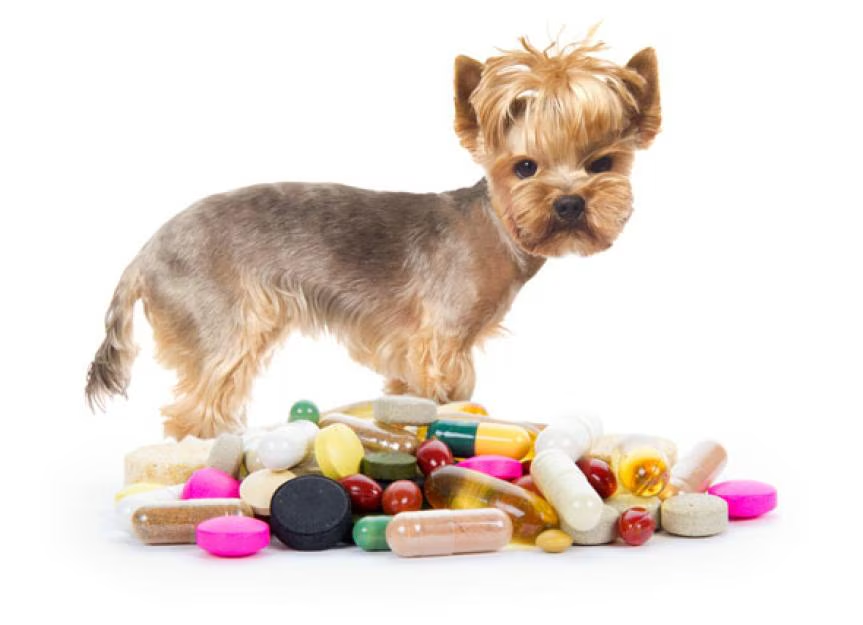
Knowing when your dog needs medication, which options exist, and how to give them safely can feel overwhelming. The Dog Medication section at Genghis Collar makes it straightforward, covering prescription drugs, over-the-counter options, dosing guidance, and side effect awareness for dog owners.

Our medication guides are reviewed by licensed veterinarians and written to complement (not replace) your vet’s advice. Always confirm dosing and suitability with your veterinarian before starting any medication.

What You Will Find Here

Common Prescription Medications – Antibiotics, anti-inflammatories, steroids, and antiparasitics explained in plain terms.
OTC Options – Safe over-the-counter treatments and which ones require vet guidance first.
Dosing by Weight – Reference charts for common medications sized to your dog.
Side Effect Profiles – What to monitor after starting a new medication and when to call your vet.
Drug Interactions – Medications that should not be combined and supplements that may affect efficacy.
Flea, Tick, and Heartworm Prevention – Comparing preventive medication classes, application methods, and safety records.
Pain Management – Safe options for acute and chronic pain, including post-surgery recovery protocols.

Medical Disclaimer: Articles in this section are for informational purposes only. Never administer prescription medications without veterinary authorization.

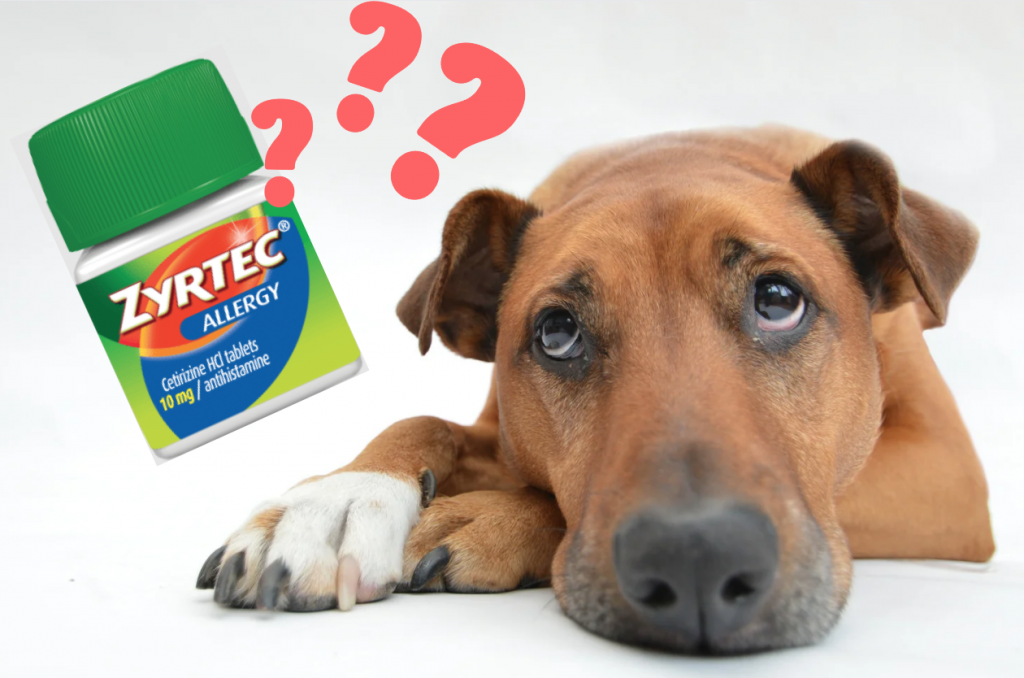
  • Zyrtec for Dogs: Safe Allergy Relief for Your Canine Companion

    Zyrtec for Dogs: Safe Allergy Relief for Your Canine Companion

    Is your furry friend constantly scratching? Zyrtec, a popular human allergy medication, might be the solution you’re looking for. We’ll explore how this over-the-counter antihistamine can help manage your dog’s allergies and skin conditions.

    Veterinarians often recommend Zyrtec for dogs with atopic dermatitis or mild to moderate environmental allergies. It’s particularly effective for pups who scratch excessively, are sensitive to insect bites, or suffer from dermatitis. We’ll investigate into the benefits, proper dosage, and potential side effects of using Zyrtec for dogs, ensuring you have all the information you need to make the best decision for your canine companion’s health and comfort.

    What Is Zyrtec and How Does It Work for Dogs?

    Zyrtec, an over-the-counter human allergy medication, is sometimes used to manage allergy symptoms in dogs. Its active ingredient, cetirizine, is a second-generation antihistamine that blocks histamine receptors in the body, preventing allergic reactions.

    Understanding Antihistamines for Pets

    Antihistamines like Zyrtec work by blocking histamine receptors in a dog’s body. Histamine is a chemical released by the immune system when it detects allergens, causing symptoms such as itching, sneezing, and skin reactions. By blocking these receptors, antihistamines prevent histamine from triggering these allergic responses.

    Zyrtec is particularly useful for dogs with atopic dermatitis or mild to moderate environmental allergies. It’s often recommended for dogs who scratch excessively, are sensitive to insect bites, or have dermatitis. As a second-generation antihistamine, Zyrtec doesn’t cause drowsiness, and dogs don’t develop a tolerance to its active ingredient with long-term use.

    When considering antihistamines for pets, it’s crucial to understand that their effectiveness can vary. The response to antihistamines in dogs with canine atopic dermatitis is often individualized and unpredictable. This means that while Zyrtec might work well for one dog, it may not be as effective for another.

    It’s important to note that Zyrtec should only be used under veterinary guidance. While it’s generally safe for dogs, certain factors such as age, weight, and breed can affect the appropriate dosage. Also, dogs with kidney or liver problems may require special consideration, as the medication can stay in their system longer than in healthy dogs.

    Benefits of Using Zyrtec for Dogs

    Zyrtec offers several advantages for dogs suffering from allergies and skin conditions. This second-generation antihistamine provides effective relief with fewer side effects compared to older medications.

    Common Allergic Conditions Treated

    Zyrtec effectively manages various allergic conditions in dogs:

    • Atopic dermatitis: Zyrtec alleviates excessive itchiness in 18% of dogs with this condition.
    • Seasonal allergies: It helps reduce symptoms like sneezing and watery eyes.
    • Insect bites and stings: Zyrtec minimizes local inflammation and allergic reactions to bug bites.
    • Food allergies: While not a cure, it can help manage symptoms associated with food sensitivities.

    Zyrtec’s active ingredient, cetirizine, blocks histamine receptors, preventing the body’s allergic response to various environmental triggers. This makes it particularly useful for dogs with mild to moderate allergies, offering relief from itching, redness, and other uncomfortable symptoms.

    Efficacy in Allergy Symptoms

    Zyrtec demonstrates high efficacy in treating allergy symptoms:

    • Itchy skin: Significantly reduces scratching and discomfort.
    • Watery eyes: Decreases excessive tearing and eye irritation.
    • Sneezing: Helps control frequent sneezing caused by allergies.
    • Hives: Reduces the occurrence and severity of hive outbreaks.

    Studies show that Zyrtec is more efficient than some first-generation antihistamines like diphenhydramine (Benadryl) in managing the body’s immune response and combating allergy symptoms in dogs.

    Rapid Onset of Action

    Zyrtec provides quick relief for dogs suffering from allergic reactions:

    • Fast-acting: Typically starts working within 1-2 hours after administration.
    • Sustained relief: Continues to alleviate symptoms throughout the day.
    • Consistent effectiveness: Maintains its efficacy with regular use.

    This rapid onset of action makes Zyrtec an excellent choice for dogs experiencing sudden allergy flare-ups or acute allergic reactions.

    Low Risk of Drowsiness

    Unlike first-generation antihistamines, Zyrtec offers benefits with minimal sedative effects:

    • Reduced drowsiness: Dogs remain alert and active after taking Zyrtec.
    • Improved quality of life: Pets can maintain their normal routines without feeling sluggish.
    • Long-term use: Dogs don’t develop tolerance to cetirizine, allowing for extended treatment periods.

    The low risk of drowsiness makes Zyrtec a preferred option for many pet owners, especially those with active dogs or working breeds.

    Zyrtec for Dogs
    Zyrtec for Dogs: Safe Allergy Relief for Your Canine Companion 4

    Proper Dosage and Administration

    Administering Zyrtec to dogs requires careful consideration of dosage and proper administration techniques. The correct dosage ensures optimal effectiveness while minimizing potential side effects.

    Factors Affecting Dosage

    The appropriate Zyrtec dosage for dogs depends on several factors:

    • Body Weight: The standard dosage is 1 mg per kilogram of body weight, administered every 12-24 hours.
    • Severity of Symptoms: Dogs with more severe allergies may require higher doses.
    • Medical Conditions: Dogs with kidney or liver problems need adjusted dosages.
    • Age: Older dogs may metabolize the medication differently.
    • Breed: Some breeds may be more sensitive to antihistamines.

    Dosage guidelines based on weight:

    Dog’s WeightRecommended Dosage
    < 10 lbs2.5 mg
    10-50 lbs10 mg
    > 50 lbsUp to 20 mg

    Always consult a veterinarian before starting Zyrtec treatment to determine the most appropriate dosage for your dog’s exact needs.

    How to Give Zyrtec to Your Dog

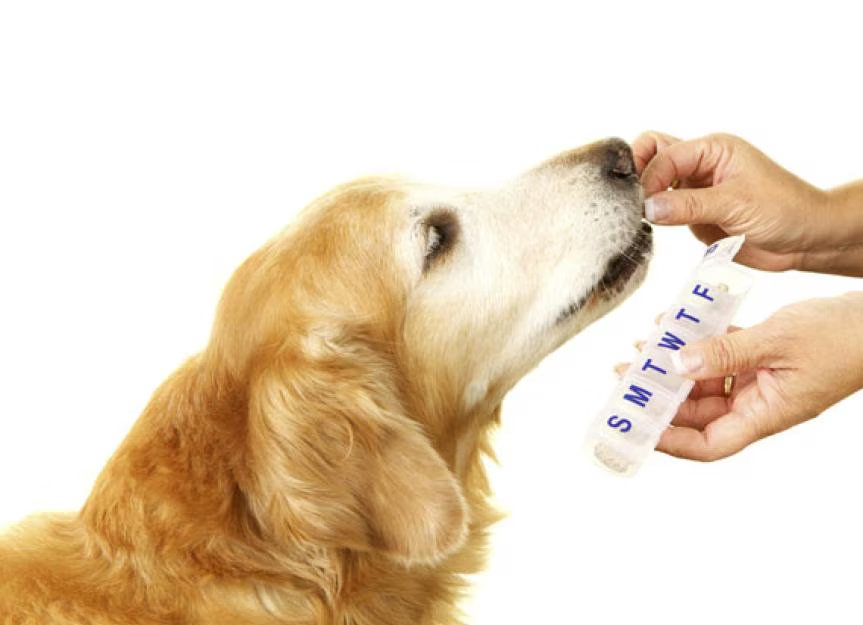
    Administering Zyrtec to dogs can be done effectively with these methods:

    1. Tablet Form:
    • Give the tablet directly by placing it at the back of the dog’s throat.
    • Hide the tablet in a treat or small amount of food.

    2. Liquid Form:

      3. With Food:

        • Offer Zyrtec with a small meal to reduce the risk of stomach upset.

        4. Consistent Timing:

          • Administer at the same time each day for optimal effectiveness.

          5. Duration:

            • Follow veterinarian’s instructions for treatment duration.

            Remember to monitor your dog for any adverse reactions after administering Zyrtec. If you notice any unusual symptoms, contact your veterinarian immediately.

            Zyrtec for Dogs
            Zyrtec for Dogs: Safe Allergy Relief for Your Canine Companion 5

            Potential Side Effects and Risks

            While Zyrtec is generally safe for dogs, it’s important to be aware of potential side effects and risks. Here’s what pet owners should know about common reactions and when to seek veterinary attention.

            Common Side Effects

            Zyrtec can cause several side effects in dogs, ranging from mild to more important:

            • Drowsiness: Some dogs may become sleepy or lethargic after taking Zyrtec.
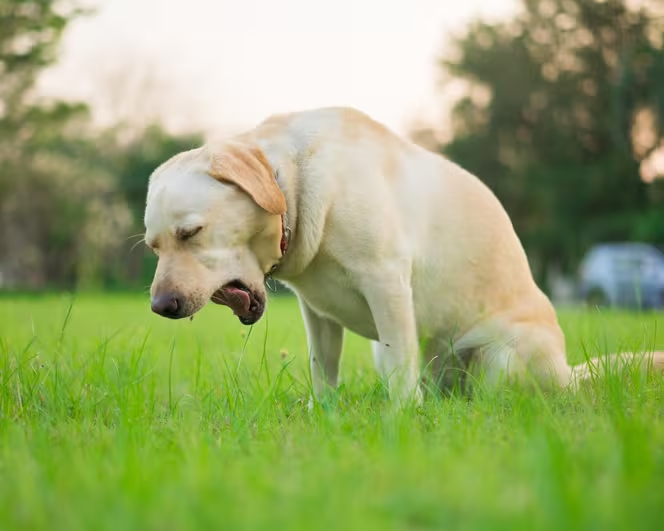
            • Vomiting and diarrhea: Gastrointestinal upset is a common reaction.
            • Excessive salivation: Dogs may drool more than usual.
            • Hyperactivity: Paradoxically, some dogs become more active or impulsive.
            • Urinary retention: Difficulty urinating can occur in some cases.
            • Constipation: Changes in bowel movements are possible.

            These side effects are typically mild and often resolve on their own. But, if symptoms persist or worsen, it’s crucial to consult a veterinarian.

            When to Consult Your Veterinarian

            While Zyrtec is generally well-tolerated, certain situations warrant immediate veterinary attention:

            • Allergic reactions: Watch for signs like facial swelling, hives, or difficulty breathing.
            • Severe vomiting or diarrhea: Prolonged or intense gastrointestinal symptoms can lead to dehydration.
            • Extreme lethargy: If your dog becomes unresponsive or excessively drowsy.
            • Changes in appetite: Important decrease in food or water intake.
            • Behavioral changes: Unusual aggression, disorientation, or extreme anxiety.
            • Tremors or seizures: These are rare but serious side effects.

            It’s essential to contact your veterinarian if you notice any of these symptoms or if your dog’s condition doesn’t improve after starting Zyrtec. Always consult with a professional before adjusting dosages or discontinuing the medication.

            Safety Considerations and Precautions

            When using Zyrtec for dogs, it’s crucial to prioritize safety and follow proper precautions. We’ll explore key considerations to ensure your dog’s well-being while using this medication.

            Drug Interactions

            Zyrtec may interact with other medications, potentially affecting its efficacy or causing adverse reactions. Common drug interactions include:

            • Central nervous system depressants
            • Anticholinergic drugs
            • Theophylline
            • Digoxin

            Always inform your veterinarian about any medications, supplements, or herbal products your dog is taking. This includes over-the-counter drugs and natural remedies. Your vet will assess potential interactions and adjust the treatment plan accordingly.

            https://youtu.be/1h89q5o36oE

            Contraindications

            Certain conditions or circumstances may contraindicate the use of Zyrtec in dogs. These include:

            • Hypersensitivity to cetirizine or hydroxyzine
            • Severe liver disease
            • Kidney dysfunction
            • Pregnancy or lactation
            • History of seizures

            Dogs with these conditions may require alternative treatments or closer monitoring. Also, Zyrtec isn’t recommended for use in puppies under 6 months old due to limited safety data. Always consult your veterinarian before administering Zyrtec, especially if your dog has pre-existing health issues or is on other medications.

            Alternatives to Zyrtec for Canine Allergies

            While Zyrtec is a popular choice for treating canine allergies, several alternatives can be equally effective. These options provide pet owners with a range of choices to address their dog’s exact allergy symptoms and health needs.

            Benadryl (Diphenhydramine)

            Benadryl is a first-generation antihistamine that’s commonly used to treat allergic reactions in dogs. It’s effective for managing symptoms like:

            • Itching
            • Hives
            • Swelling
            • Mild allergic reactions

            Benadryl typically causes more drowsiness than Zyrtec, which can be beneficial for dogs experiencing nighttime itching. But, it requires more frequent administration, usually every 8-12 hours.

            Claritin (Loratadine)

            Claritin is another second-generation antihistamine that’s safe for dogs when used correctly. It’s particularly effective for:

            • Seasonal allergies
            • Environmental allergies
            • Skin irritations

            When choosing Claritin for dogs, it’s crucial to select a formulation without decongestants, as these can be harmful to canines. Some dogs may respond better to Claritin than Zyrtec, making it a valuable alternative.

            Apoquel (Oclacitinib)

            Apoquel is a non-steroidal medication specifically designed for dogs with allergic skin conditions. It’s highly effective for:

            • Controlling itching
            • Reducing inflammation
            • Managing atopic dermatitis

            Unlike antihistamines, Apoquel works by targeting exact pathways in the immune system responsible for itching and inflammation. It typically provides rapid relief, often within 4 hours of administration.

            Atopica (Cyclosporine)

            Atopica is an immunosuppressant medication used to treat chronic allergic skin conditions in dogs. It’s particularly beneficial for:

            • Long-term management of atopic dermatitis
            • Controlling severe allergic reactions
            • Dogs who don’t respond well to antihistamines

            Atopica works by suppressing the immune response that causes allergic symptoms, providing relief for dogs with persistent allergies.

            Hydrocortisone Products

            Over-the-counter hydrocortisone products can provide localized relief for dogs with skin irritations. These are useful for:

            • Spot-treating itchy areas
            • Soothing hot spots
            • Temporary relief of mild skin allergies

            It’s important to use products specifically formulated for pets and to prevent dogs from licking the treated areas.

            Natural Remedies

            Some pet owners prefer natural alternatives to manage their dog’s allergies. These options include:

            • Omega-3 fatty acid supplements
            • Coconut oil (applied topically or given orally)
            • Oatmeal baths for skin irritations
            • Quercetin (a natural antihistamine found in fruits and vegetables)

            While these natural remedies can be helpful, it’s essential to consult with a veterinarian before starting any new treatment regimen.

            When considering alternatives to Zyrtec for canine allergies, it’s crucial to work closely with a veterinarian. They can help determine the most appropriate treatment based on the dog’s exact symptoms, overall health, and potential drug interactions. Each dog may respond differently to various treatments, so finding the right solution may require some trial and error.

            Conclusion

            Zyrtec can be a valuable tool for managing allergies in dogs when used correctly. We’ve explored its benefits dosage considerations and potential side effects. Remember it’s crucial to consult your veterinarian before starting any new medication regimen for your furry friend. They’ll help determine if Zyrtec is the right choice and guide you on proper usage. With the right approach Zyrtec can significantly improve your dog’s quality of life by alleviating allergy symptoms and keeping them comfortable year-round.
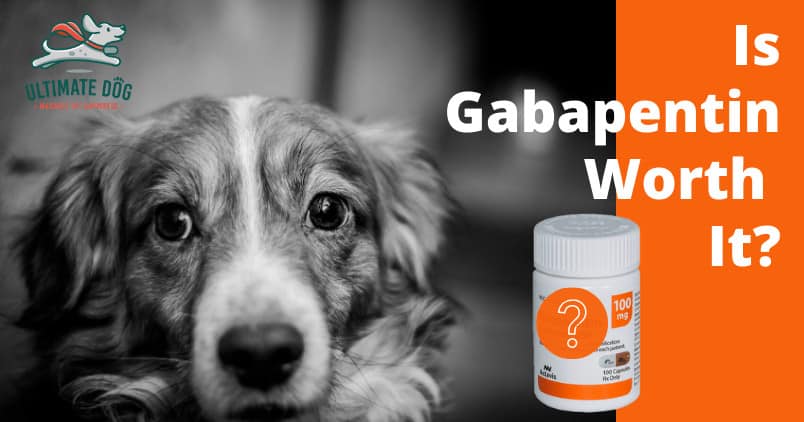
          1. Uses of Gabapentin for Dogs: Safe Dosage Guide for Pain and Anxiety Relief

            Uses of Gabapentin for Dogs: Safe Dosage Guide for Pain and Anxiety Relief

            Are you concerned about managing your dog’s pain or anxiety? Gabapentin, a versatile medication, has become increasingly popular in veterinary medicine for treating various conditions in our canine companions.

            As pet owners, we’re always looking for safe and effective ways to improve our dogs’ quality of life. Gabapentin offers promising results for managing nerve pain, epilepsy, and anxiety in dogs. But, determining the right dosage is crucial for optimal results and minimizing side effects. In this text, we’ll explore gabapentin dosage for dogs, covering different conditions and factors that influence dosing. We’ll also discuss the medication’s metabolism, absorption, and potential uses to help you make informed decisions about your furry friend’s health.

            What Is Gabapentin for Dogs?

            Gabapentin is a versatile medication commonly used in veterinary medicine for dogs. It’s an off-label prescription drug, meaning it’s not FDA-approved specifically for pets. Veterinarians prescribe gabapentin for various conditions in dogs, including pain management, seizure control, and anxiety relief.

            Uses of Gabapentin for Dogs

            Seizure Management

            Gabapentin functions as an anticonvulsant, helping to control and reduce the frequency of seizures in dogs. It’s particularly beneficial for:

            • Dogs with refractory seizures
            • Cases where current seizure medications aren’t sufficiently effective
            • Complementing other anticonvulsant therapies

            Pain Relief

            Veterinarians often prescribe gabapentin for pain relief in dogs, especially when other medications prove ineffective or aren’t well-tolerated. It’s used to treat pain associated with:

            • Cancer
            • Arthritis
            • Intervertebral disk disease
            • Chronic pain conditions

            Anxiety and Behavioral Issues

            Gabapentin helps manage various anxiety-related conditions in dogs, including:

            • Generalized anxiety
            • Impulsivity
            • Phobias
            • Panic disorders
            • Compulsive disorders

            Metabolism and Absorption

            Gabapentin’s metabolism and absorption in dogs are crucial factors in its effectiveness:

            • Metabolized into N-methylgabapentin
            • 80% systemic oral availability
            • Food doesn’t affect absorption
            • Maximum blood levels reached in 1-3 hours
            • Elimination half-life of 3-4 hours

            Excretion and Safety

            Gabapentin’s excretion process makes it a suitable choice for certain dogs:

            • Excreted almost completely by the kidneys
            • Doesn’t rely on hepatic biotransformation
            • Safe for dogs with hepatic disease

            By understanding gabapentin’s uses and characteristics, we can better appreciate its role in veterinary medicine and its potential benefits for dogs with various health conditions.

            Uses of Gabapentin in Dogs

            Gabapentin is a versatile medication used in veterinary medicine to address various health issues in dogs. Its primary applications include seizure prevention, pain management, and anxiety relief.

            Seizure Prevention

            Gabapentin serves as an effective anticonvulsant for dogs, helping to reduce the frequency and severity of seizures. It’s particularly useful for maintaining treatment in dogs with epilepsy or other seizure disorders. The typical dosage for seizure management ranges from 10-20 mg/kg every eight hours, though this can be adjusted based on the individual dog’s response and the severity of their condition. Veterinarians often prescribe gabapentin as an add-on medication when first-line treatments like phenobarbital or potassium bromide prove ineffective. Other adjunct treatments may include valproic acid, felbamate, or clonazepam. It’s important to note that gabapentin’s effectiveness in seizure control can vary, and it’s often used in combination with other anticonvulsant medications for optimal results.

            Pain Management

            Gabapentin plays a crucial role in managing various types of pain in dogs, especially when other medications are ineffective or poorly tolerated. It’s particularly effective for treating neuropathic pain associated with conditions such as cancer, arthritis, and intervertebral disk disease. For pain management, the dosage typically starts at 5-15 mg/kg every 12 hours and can be gradually increased to 40 mg/kg every eight to 12 hours if necessary.

            In some cases, veterinarians may prescribe gabapentin as part of a multimodal pain management approach, combining it with other analgesics for enhanced effectiveness. Recent studies have shown promising results when gabapentin is used in combination with cannabidiol, anti-inflammatory drugs, and amitriptyline for managing osteoarthritis-related pain over a 12-week period. But, its efficacy in postoperative pain management, such as after mastectomies or amputations, has shown mixed results in clinical trials.

            Uses of Gabapentin for Dogs
            Uses of Gabapentin for Dogs: Safe Dosage Guide for Pain and Anxiety Relief 9

            Anxiety Relief

            Gabapentin has emerged as a valuable tool for managing anxiety in dogs, particularly in situational contexts. It’s commonly used to alleviate stress associated with veterinary visits, grooming appointments, or other anxiety-inducing events. For anxiety relief, gabapentin is typically administered at a dose of 30-60 mg/kg, given one to two hours before the anticipated stressful event. This approach allows the medication to reach its peak effectiveness when it’s most needed.

            Veterinarians may recommend gabapentin for dogs with various anxiety-related issues, including noise phobias, separation anxiety, or general nervousness. It’s important to note that while gabapentin can be effective for short-term anxiety management, it’s not typically used as a long-term solution for chronic anxiety disorders. In these cases, it’s often combined with behavioral modification techniques and other anxiety management strategies for comprehensive treatment.

            Gabapentin Dosage for Dogs

            Gabapentin dosage for dogs varies based on weight and the condition being treated. We’ll explore dosage recommendations by weight, for different conditions, and maximum safe dosages to ensure proper administration of this medication.

            Dosage by Weight

            Gabapentin dosage for dogs typically ranges from 5-30 mg/kg up to three times daily. Here’s a breakdown of starting and maximum dosages by weight:

            Dog WeightStarting DosageMaximum Dosage
            5-10 lbs50 mg100 mg
            11-20 lbs100 mg200 mg
            21-30 lbs150 mg300 mg
            31-40 lbs200 mg400 mg
            41-50 lbs250 mg500 mg
            51-60 lbs300 mg600 mg
            61-70 lbs350 mg700 mg
            71-80 lbs400 mg800 mg
            81-90 lbs450 mg900 mg
            91-100 lbs500 mg1000 mg

            For dogs over 100 lbs, consult a veterinarian for appropriate dosing.

            Dosage for Different Conditions

            Gabapentin dosages vary depending on the condition being treated:

            1. Seizures: 10-20 mg/kg every eight hours, with higher doses possible for seizure control.
            2. Nerve pain: 3-20 mg/kg taken orally two to three times daily.
            3. Anxiety: 5-30 mg/kg taken orally three times daily as an adjunctive treatment.
            4. Situational anxiety or phobias: 30-60 mg/kg taken orally two hours before a stressful event.

            For epilepsy maintenance, dosages range from 10-15 mg/kg taken orally three times daily, potentially increasing to 30-50 mg/kg three to four times daily.

            Maximum Safe Dosage

            The maximum safe dosage of gabapentin for dogs depends on factors such as weight, condition severity, and individual response. Generally, doses up to 50 mg/kg taken two to three times daily are considered safe for most dogs. But, it’s crucial to follow veterinary guidance and not exceed prescribed dosages. Higher doses may be used in exact cases, such as 120 mg/kg every 12 hours for certain conditions, but only under strict veterinary supervision. Always start with lower doses and gradually increase if necessary, monitoring for side effects. Regular check-ups and blood tests help ensure the dog’s safety and the medication’s effectiveness at the prescribed dosage.

            Administering Gabapentin to Dogs

            Proper administration of gabapentin is crucial for its effectiveness in treating various conditions in dogs. We’ll explore the frequency of dosing and guidelines for missed doses to ensure optimal treatment outcomes.

            Frequency of Dosing

            Gabapentin is typically administered to dogs 2-4 times per day, depending on the condition being treated and the veterinarian’s recommendations. The medication can be given with or without food, as absorption isn’t affected by meals. For most conditions, the dosing frequency is as follows:

            • Twice daily: Common for maintenance therapy in chronic conditions
            • Three times daily: Often prescribed for more severe pain or anxiety management
            • Four times daily: May be recommended in certain cases, particularly for seizure control

            The short elimination half-life of gabapentin (3-4 hours) necessitates frequent dosing to maintain therapeutic levels. Maximum blood levels are achieved within 1-3 hours after administration, providing relatively quick relief for acute conditions.

            Uses of Gabapentin for Dogs
            Uses of Gabapentin for Dogs: Safe Dosage Guide for Pain and Anxiety Relief 10

            Missed Dose Guidelines

            If a dose of gabapentin is missed, follow these guidelines:

            1. Administer the missed dose as soon as you remember, unless it’s close to the next scheduled dose.
            2. If it’s almost time for the next dose, skip the missed one and continue with the regular dosing schedule.
            3. Never give a double dose to make up for a missed one, as this can lead to potential side effects.
            4. For dogs on a twice-daily regimen, if more than 8 hours have passed since the missed dose, wait until the next scheduled dose.
            5. For thrice-daily dosing, if more than 4 hours have passed, wait for the next scheduled dose.

            Consistency in dosing is key for gabapentin’s effectiveness. Set reminders or create a dosing chart to help maintain the prescribed schedule. If doses are frequently missed, consult your veterinarian to discuss potential adjustments to the dosing regimen or alternative treatment options.

            Side Effects of Gabapentin in Dogs

            Common Side Effects

            Gabapentin is generally safe for dogs, but it’s important to be aware of potential side effects. The most common side effect is drowsiness, which can be managed by starting with a low dosage and gradually increasing it. Most dogs become tolerant of this effect with continued use.

            Other common side effects of gabapentin in dogs include:

            • Increased thirst
            • Lethargy
            • Mild loss of coordination
            • Increased appetite

            These effects are typically mild and often subside as the dog’s body adjusts to the medication. It’s crucial to provide plenty of fresh water to combat increased thirst.

            Less Common Side Effects

            While less frequent, some dogs may experience:

            • Nausea and vomiting
            • Diarrhea
            • Agitation
            • Memory loss
            • Tremors
            • Nystagmus (involuntary eye movement)
            • Vertigo
            • Dry mouth
            • Behavioral changes
            • Muscle spasms

            These side effects are more likely to occur at higher doses. If you notice any of these symptoms, consult your veterinarian promptly.

            Serious Side Effects

            Serious side effects of gabapentin in dogs are rare but can include:

            • Severe allergic reactions (hives, difficulty breathing, swelling)
            • Important changes in behavior or mood
            • Persistent vomiting or diarrhea
            • Severe ataxia (loss of coordination)

            If your dog experiences any of these serious side effects, seek immediate veterinary attention.

            Long-Term Use Considerations

            There are no reports of serious side effects in dogs on long-term gabapentin therapy. But, regular check-ups and monitoring are essential to ensure the medication’s ongoing safety and effectiveness.

            Dosage and Side Effects

            The occurrence and severity of side effects often correlate with the dosage. Higher doses may lead to more pronounced sedation and imbalance. Always follow your veterinarian’s prescribed dosage to minimize the risk of adverse effects.

            Dosage LevelPotential Side Effects
            Low dose (5 mg/kg)Mild drowsiness, slight increase in thirst
            Standard dose (10-20 mg/kg)Moderate drowsiness, increased thirst, mild coordination issues
            High dose (30 mg/kg)Pronounced sedation, important coordination issues, possible GI upset

            Special Considerations

            • Liver or Kidney Disease: Gabapentin should be used carefully in dogs with important liver or kidney disease, as the effects may take longer to wear off.
            • Pregnant or Lactating Dogs: Avoid using gabapentin in pregnant and lactating dogs unless specifically prescribed by a veterinarian.
            • Drug Interactions: Inform your vet about any other medications your dog is taking to avoid potential interactions.
            • Start with a low dose and gradually increase as recommended by your veterinarian.
            • Administer gabapentin with food to reduce the likelihood of gastrointestinal side effects.
            • Monitor your dog closely, especially during the initial stages of treatment or after dose adjustments.
            • Keep a record of any side effects observed and report them to your veterinarian.

              By being aware of these potential side effects and following your veterinarian’s guidance, you can help ensure that gabapentin is used safely and effectively to manage your dog’s condition.

              Drug Interactions and Precautions

              Gabapentin, while generally safe for dogs, can interact with other medications and may require special considerations for certain health conditions. Understanding these interactions and precautions is crucial for ensuring the safety and effectiveness of gabapentin treatment in dogs.

              Common Drug Interactions

              Gabapentin interactions with other medications are relatively uncommon, but some drugs can affect its efficacy:

              • Antacids: These can interfere with gabapentin absorption, reducing its effectiveness. Administer gabapentin at least two hours apart from antacids.
              • Opioids: These can increase gabapentin’s effects, potentially leading to enhanced sedation.
              • Hydrocodone: Gabapentin may decrease the effectiveness of this opioid.
              • Sedatives: Drugs causing drowsiness or sedation can intensify these side effects when combined with gabapentin.

              Be cautious when administering gabapentin alongside:

              • Antihistamines
              • Benzodiazepines
              • CBD (cannabidiol)

              Always inform your veterinarian about all medications and supplements your dog is taking to avoid potential interactions.

              Safety for Dogs with Existing Health Conditions

              Gabapentin’s safety profile makes it suitable for many dogs with pre-existing conditions, but certain precautions are necessary:

              1. Kidney disease: Since gabapentin is primarily excreted through the kidneys, dogs with renal impairment may require dosage adjustments.
              2. Liver disease: Gabapentin is generally safe for dogs with hepatic issues as it’s not metabolized by the liver.
              3. Pregnant or nursing dogs: Limited data exists on gabapentin’s safety during pregnancy or lactation. Use only under strict veterinary guidance.
              4. Elderly dogs: Older dogs may be more sensitive to gabapentin’s effects and may require lower initial doses.
              5. Dogs with diabetes: Monitor blood glucose levels closely, as gabapentin can affect appetite and weight.
              6. Dogs with heart conditions: While generally safe, consult with a veterinarian to ensure gabapentin doesn’t interfere with cardiac medications.

              Always consult with a veterinarian before starting gabapentin treatment, especially if your dog has any pre-existing health conditions. Regular check-ups and monitoring are essential to ensure the medication’s safety and effectiveness.

              Monitoring Your Dog on Gabapentin

              Monitoring your dog’s response to gabapentin is crucial for ensuring effective treatment and minimizing side effects. We’ll explore key signs of effectiveness and when to adjust the dosage.

              Signs of Effectiveness

              When gabapentin is working effectively, you’ll notice improvements in your dog’s condition. For pain management, look for increased mobility, reduced limping, and a more relaxed demeanor. Dogs with anxiety may show decreased restlessness, improved sleep patterns, and less reactivity to stressors. In cases of seizure management, you should observe a reduction in seizure frequency and severity.

              Monitor your dog’s behavior closely. Positive signs include:

              • Increased willingness to engage in activities
              • Improved appetite
              • Better sleep quality
              • Reduced signs of discomfort or distress
              • More relaxed body language

              Remember, the full effects of gabapentin may take several days to become apparent. Keep a journal of your dog’s symptoms and behaviors to track progress over time.

              When to Adjust Dosage

              Adjusting your dog’s gabapentin dosage may be necessary to achieve optimal results. Consider dosage adjustments in the following situations:

              • Insufficient improvement: If your dog’s symptoms aren’t adequately controlled after 1-2 weeks, a dosage increase may be needed.
              • Excessive sedation: If your dog seems overly drowsy or lethargic, a dosage reduction might be appropriate.
              • Changes in condition: As your dog’s health evolves, dosage adjustments may be required to maintain effectiveness.
              • Weight changes: Important weight gain or loss can affect the appropriate dosage.

              Always consult your veterinarian before making any changes to your dog’s gabapentin regimen. They’ll assess your dog’s response and may recommend:

              • Gradual dosage increases or decreases
              • Adjusting the frequency of administration
              • Combining gabapentin with other medications for enhanced effects

              Regular check-ups are essential for monitoring your dog’s progress and making necessary adjustments. Your vet may perform blood tests to ensure the medication isn’t causing any adverse effects on organ function.

              https://youtu.be/2clxNSqADPc

              Alternatives to Gabapentin for Dogs

              Other Medications for Pain Management

              When gabapentin isn’t suitable for a dog, several alternative medications can effectively manage pain:

              • Pregabalin (Lyrica): This medication works similarly to gabapentin but has a longer-lasting effect. It’s often used for neuropathic pain and seizures.
              • Amantadine: Primarily used for chronic pain conditions, especially in cases of arthritis or disk disease.
              • Nonsteroidal Anti-Inflammatory Drugs (NSAIDs): These medications, such as carprofen or meloxicam, are commonly used for pain and inflammation.
              • Opioids: For severe pain, opioids like tramadol or buprenorphine may be prescribed.

              Alternative Treatments for Anxiety

              For dogs with anxiety issues, alternatives to gabapentin include:

              • Trazodone: An antidepressant that can help with anxiety and behavioral issues.
              • Fluoxetine: An SSRI that’s effective for various anxiety disorders in dogs.
              • Clomipramine: A tricyclic antidepressant used for separation anxiety and obsessive-compulsive behaviors.

              Natural and Holistic Options

              Some pet owners prefer natural alternatives:

              • CBD Oil: May help with pain and anxiety, though research is ongoing.
              • Acupuncture: Can be effective for pain management and anxiety reduction.
              • Physical Therapy: Beneficial for dogs with chronic pain or mobility issues.
              • Massage: Can help relieve muscle tension and promote relaxation.

              Choosing the Right Alternative

              When considering alternatives to gabapentin:

              1. Consult with a veterinarian to determine the best option based on the dog’s exact condition and health status.
              2. Consider the underlying cause of pain or anxiety to select the most appropriate treatment.
              3. Be aware that some alternatives may have different side effects or contraindications compared to gabapentin.
              4. Monitor the dog’s response to any new treatment closely and report any concerns to the veterinarian.

              Remember, the effectiveness of alternatives can vary depending on the individual dog and the exact condition being treated. A comprehensive treatment plan often involves a combination of approaches for optimal results.

              Conclusion

              Gabapentin can be a valuable medication for managing pain anxiety and seizures in dogs when used correctly. We’ve explored its dosage recommendations side effects and potential interactions to help pet owners make informed decisions. Remember that proper dosing and administration are crucial for your dog’s safety and the medication’s effectiveness. Always work closely with your veterinarian to determine the best treatment plan for your furry friend. By understanding gabapentin’s benefits and risks you’ll be better equipped to support your dog’s health and well-being.

            1. Dog Abscess: Symptoms, Treatment, and Prevention Guide

              Dog Abscess: Symptoms, Treatment, and Prevention Guide

              Have you ever noticed a painful, swollen lump on your furry friend? It might be a dog abscess, a common yet potentially serious condition that affects many canines. We’ll explore what dog abscesses are, their causes, and why prompt attention is crucial for your pet’s health.

              Dog abscesses are pockets of pus that can develop anywhere on a dog’s body, from just under the skin to internal organs. They’re often caused by bacterial infections resulting from puncture wounds or other injuries. While skin abscesses are the most common, these painful swellings can also occur in anal glands, teeth roots, and even vital organs like the liver or brain. Understanding the signs and risks of abscesses is essential for every dog owner to ensure their pet’s well-being.

              What Is a Dog Abscess?

              A dog abscess is a localized collection of pus that forms beneath the skin or within body tissues. It’s typically caused by a bacterial infection, often resulting from puncture wounds, bites, or other injuries. Abscesses can develop in various parts of a dog’s body, including:

              • Under the skin
              • In anal glands
              • Around tooth roots
              • Internal organs (e.g., liver, brain)

              The formation of an abscess is the body’s attempt to wall off an infection. As the immune system fights the invading bacteria, white blood cells accumulate, creating a pocket of pus. This process leads to swelling, inflammation, and pain in the affected area.

              Characteristics of dog abscesses include:

              1. Swelling: A noticeable lump or bump on the body
              2. Heat: The affected area feels warm to the touch
              3. Pain: Dogs may show discomfort when the area is touched
              4. Redness: Inflammation causes the surrounding skin to appear red
              5. Discharge: If the abscess ruptures, it may release pus and blood

              It’s crucial to recognize that abscesses can occur both externally and internally. While skin abscesses are more common and easily noticeable, internal abscesses in organs like the liver or brain can be more challenging to detect and potentially more dangerous.

              Causes of dog abscesses include:

              • Puncture wounds from fights with other animals
              • Embedded foreign objects (e.g., grass seeds, splinters)
              • Dental infections
              • Anal gland impactions
              • Insect bites or stings
              • Post-surgical complications

              Left untreated, a dog abscess can lead to more severe complications, including:

              • Chronic infection
              • Spread of infection to other body parts
              • Sepsis (a life-threatening systemic infection)

              Prompt veterinary attention is essential when a dog develops an abscess. Early diagnosis and treatment can prevent the condition from worsening and ensure a faster recovery for the affected dog.

              Common Causes of Abscesses in Dogs

              Abscesses in dogs can develop from various sources, often resulting from bacterial infections. Understanding these common causes helps pet owners identify potential risks and seek prompt veterinary care when needed.

              Bite Wounds and Injuries

              Bite wounds and injuries are frequent culprits in abscess formation in dogs. These incidents compromise the skin barrier, allowing bacteria to enter and multiply:

              • Puncture wounds from animal bites or sharp objects create ideal entry points for bacteria
              • Scratches from other animals or environmental hazards can lead to infections
              • Foreign objects like sticks, grass seeds, or needles can penetrate the skin and introduce bacteria
              • Insect bites, particularly from ticks and mosquitoes, may cause localized infections
              • Skin allergies resulting in excessive licking or chewing can create hot spots, a type of surface abscess

              Active dogs face a higher risk of encountering potentially harmful objects or situations that could lead to abscess-causing injuries.

              Dental Issues

              Dental problems are a important contributor to abscess formation in dogs, particularly in the oral cavity:

              • Dental abscesses often develop due to infections at the root of a tooth
              • Tartar accumulation and gingival inflammation increase the risk of dental abscesses
              • Fractured or damaged teeth provide entry points for bacteria
              • Poor oral hygiene can lead to bacterial overgrowth and subsequent infections
              • Periodontal disease, if left untreated, may progress to abscess formation

              Regular dental check-ups and proper oral care are crucial in preventing dental-related abscesses in dogs.

              Anal Gland Problems

              Anal gland issues can lead to abscess formation in dogs, causing discomfort and potential complications:

              • Impacted anal glands can become infected, leading to abscess development
              • Anal gland abscesses often result from blockages preventing normal secretion
              • Bacterial overgrowth in the anal sacs can contribute to infection and abscess formation
              • Dogs with chronic anal gland problems are at higher risk of developing abscesses
              • Certain breeds, particularly small breeds, are more prone to anal gland issues

              Regular anal gland expression and proper hygiene can help prevent anal gland abscesses in susceptible dogs.

              Dog Abscess
              Dog Abscess: Symptoms, Treatment, and Prevention Guide 14

              Signs and Symptoms of Dog Abscesses

              Dog abscesses present various signs and symptoms depending on their location and severity. Recognizing these indicators is crucial for early detection and prompt treatment.

              General Symptoms

              Dog abscesses typically exhibit several common symptoms:

              • Swelling and redness: A noticeable lump or swollen area, often warm to the touch
              • Pain and discomfort: Dogs may lick, bite, or chew the affected area
              • Hair loss: Fur may thin or fall out around the abscess site
              • Pus and discharge: Rupturing abscesses release a foul-smelling fluid
              • Systemic symptoms: Fever, reduced appetite, lethargy, or vomiting in severe cases

              These signs can vary in intensity, but any combination should prompt immediate veterinary attention to prevent complications and ensure proper treatment.

              Exact Symptoms by Location

              Abscesses in different parts of a dog’s body present unique symptoms:

              1. Skin abscesses:
              • Visible lumps under the skin
              • Redness and warmth in the affected area
              • Localized hair loss
              • Constant licking or biting of the site

              2. Dental abscesses:

                • Swelling below the eye
                • Bad breath and drooling
                • Chewing on one side of the mouth
                • Reluctance to eat or be touched on the face

                3. Anal gland abscesses:

                  • Pain and swelling around the anus
                  • Scooting or rubbing bottom on the ground
                  • Excessive biting and hair loss around the rear
                  • Straining during defecation

                  4. Internal abscesses:

                    • Difficulty urinating or defecating
                    • Blood in urine
                    • Abdominal pain
                    • Reluctance to walk or move

                    Recognizing these location-exact symptoms helps pinpoint the abscess type, enabling faster diagnosis and targeted treatment.

                    Diagnosis of Dog Abscesses

                    Diagnosing dog abscesses involves a comprehensive approach combining physical examination, clinical symptoms assessment, and additional diagnostic tests. Veterinarians use various methods to accurately identify and evaluate abscesses in dogs.

                    Physical Examination and Clinical Symptoms

                    Physical examination is the primary tool for diagnosing dog abscesses. Vets look for:

                    • Swelling: Localized areas of inflammation
                    • Redness: Discoloration of the affected area
                    • Warmth: Increased temperature in the abscess region
                    • Pain: Discomfort when the area is touched
                    • Licking or biting: Dog’s attention to the affected area
                    • Hair loss: Thinning or absence of fur around the abscess

                    For skin abscesses, vets palpate the area to feel for soft or firm lumps. The abscess site often feels warmer than surrounding skin. Internal or body cavity abscesses may present with:

                    • Fever
                    • Lethargy
                    • Reduced appetite
                    • Exact signs based on location (e.g., scooting for anal gland abscesses, reluctance to eat for tooth abscesses)

                    Diagnostic Tests

                    To confirm the diagnosis and determine the underlying cause, vets may employ several diagnostic tests:

                    1. Blood tests: Assess overall health and detect signs of infection
                    2. Microscopic examination: Analyze fluid from the abscess
                    3. Bacterial culture: Identify the exact bacteria causing the infection
                    4. X-rays: Detect internal abscesses or foreign objects
                    5. Ultrasound: Visualize internal abscesses and surrounding tissues
                    6. Surgical biopsies: Obtain tissue samples for detailed analysis

                    For challenging cases, especially internal abscesses, vets may use a combination of these advanced diagnostic methods.

                    Dog Abscess
                    Dog Abscess: Symptoms, Treatment, and Prevention Guide 15

                    Exact Diagnostic Approaches

                    Different types of abscesses require customized diagnostic approaches:

                    1. Skin abscesses:
                    • Visual inspection
                    • Palpation
                    • Needle aspiration for fluid analysis

                    2. Dental abscesses:

                      • Oral examination
                      • Dental X-rays
                      • Probing of gum pockets

                      3. Anal gland abscesses:

                        • Rectal examination
                        • Palpation of anal glands
                        • Evaluation of anal gland secretions

                        4. Internal abscesses:

                          • Comprehensive blood tests
                          • Urinalysis
                          • Imaging studies (X-rays, ultrasound, CT scans)

                          Diagnostic Challenges

                          Certain factors can complicate the diagnosis of dog abscesses:

                          • Deep-seated abscesses: May not show obvious external signs
                          • Multiple abscesses: Can mask individual characteristics
                          • Chronic abscesses: May have atypical presentations
                          • Breed-exact factors: Some breeds (e.g., Labradors, English Bulldogs) are more prone to certain types of abscesses

                          In these cases, vets may need to employ a combination of diagnostic techniques for accurate assessment.

                          Importance of Prompt Diagnosis

                          Early and accurate diagnosis of dog abscesses is crucial for:

                          1. Preventing spread of infection
                          2. Minimizing pain and discomfort
                          3. Avoiding complications like sepsis
                          4. Determining appropriate treatment plans
                          5. Ensuring faster recovery

                          By utilizing a comprehensive diagnostic approach, veterinarians can effectively identify and treat dog abscesses, promoting better health outcomes for affected pets.

                          Treatment Options for Dog Abscesses

                          Dog abscesses require prompt and effective treatment to prevent complications and alleviate discomfort. Treatment options typically involve a combination of veterinary care and home management strategies.

                          Veterinary Treatment

                          Veterinary treatment for dog abscesses involves a comprehensive approach to diagnose, drain, and treat the infection. The diagnosis typically begins with a physical examination, which may be supplemented by diagnostic tools such as fine needle aspirates, blood tests, and bacterial cultures. Once diagnosed, the primary treatment involves draining the abscess. This procedure is usually performed under sedation or anesthesia to minimize pain. The veterinarian will clip the hair around the swelling, disinfect the area, and lance the abscess to drain the pus. After draining, the abscess is flushed with saline or another tissue-friendly solution to clean out the infected pocket. Antibiotic therapy is a crucial component of treatment, with oral antibiotics commonly prescribed to combat the bacterial infection.

                          Home Care and Management

                          While veterinary treatment is essential for dog abscesses, proper home care and management play a vital role in the recovery process. Once your dog has received appropriate medication from the veterinarian, there are several steps you can take to support their healing:

                          1. Medication adherence: Administer prescribed medications as directed, ensuring you complete the full course of antibiotics.
                          2. Wound care: If recommended by your vet, clean the open abscess with saline solution.
                          3. Rest and comfort: Provide a quiet, comfortable space for your dog to rest, limiting exercise during treatment.
                          4. Diet management: Ensure your dog maintains a good appetite, offering soft or highly palatable food if necessary.
                          5. Monitoring: Observe your dog closely for any changes in the abscess or overall condition.
                          6. Follow-up care: Attend all scheduled follow-up appointments with your veterinarian.

                          It’s important to note that most abscesses require professional veterinary care and shouldn’t be treated solely at home. Home care should complement, not replace, veterinary treatment. If you notice any signs of systemic infection, such as lethargy, loss of appetite, or fever, seek immediate veterinary attention.

                          Potential Complications of Untreated Abscesses

                          Untreated dog abscesses can lead to severe complications, affecting the overall health and well-being of our canine companions. We’ll explore some of the most common and serious potential outcomes of neglecting these infections.

                          Systemic Infection

                          When a dog abscess remains untreated, bacteria can spread through the bloodstream, causing systemic infection. This condition, known as sepsis, can be life-threatening. Signs of systemic infection include:

                          • Lethargy
                          • Loss of appetite (hyporexia)
                          • Vomiting
                          • Elevated body temperature

                          For example, in hepatic abscesses, bacteria like Escherichia coli can enter the bloodstream, leading to these severe symptoms. Prompt treatment is crucial to prevent the infection from spreading and causing widespread organ damage.

                          Neurologic Dysfunction

                          Spinal abscesses pose a important risk to a dog’s nervous system. If left untreated, they can cause severe neurologic deficits due to spinal cord compression. Symptoms of neurologic dysfunction include:

                          • Acute spinal pain
                          • Paraparesis (partial paralysis of the hind limbs)
                          • Paraplegia (complete paralysis of the hind limbs)
                          • Lethargy
                          • Anorexia

                          Early diagnosis and aggressive treatment are essential to prevent permanent neurologic damage. These complications can severely impact a dog’s quality of life and may lead to long-term mobility issues.

                          Organ Dysfunction

                          Abscesses in vital organs, such as the liver, can cause important organ dysfunction if not addressed promptly. In the case of hepatic abscesses, we may observe:

                          • Elevated liver enzymes
                          • Hypoalbuminemia (low blood albumin levels)
                          • Hyperbilirubinemia (high blood bilirubin levels)
                          • Hypoglycemia (low blood sugar)

                          These symptoms indicate liver dysfunction and can lead to serious health issues if left untreated. Regular veterinary check-ups and prompt attention to any signs of illness can help prevent these complications.

                          Chronic Pain and Discomfort

                          Untreated abscesses can cause persistent pain and discomfort for dogs. This chronic condition can lead to:

                          • Decreased activity levels
                          • Altered behavior
                          • Reduced quality of life

                          Addressing abscesses early can prevent long-term suffering and ensure our canine companions maintain their usual happy and active lifestyles.

                          Spread of Infection to Surrounding Tissues

                          When dog abscesses are left untreated, the infection can spread to nearby tissues and organs. This spread can result in:

                          • Larger, more complex abscesses
                          • Multiple abscesses in different locations
                          • Involvement of deeper tissues or adjacent organs

                          Treating abscesses promptly helps contain the infection and prevents it from affecting a wider area of the body.

                          Delayed Healing and Scarring

                          Untreated abscesses can lead to prolonged healing times and extensive scarring. This can result in:

                          • Permanent hair loss at the abscess site
                          • Skin discoloration
                          • Tissue damage and deformity

                          Early intervention and proper treatment can minimize scarring and promote faster healing, preserving the dog’s skin and coat integrity.

                          Compromised Immune System

                          Chronic, untreated abscesses can weaken a dog’s immune system, making them more susceptible to other infections and diseases. This compromised immunity can lead to:

                          • Increased vulnerability to opportunistic infections
                          • Slower recovery from illnesses
                          • Overall decreased health and vitality

                          Maintaining a strong immune system is crucial for a dog’s long-term health, and addressing abscesses promptly plays a important role in this.

                          By understanding these potential complications, we can better appreciate the importance of early detection and treatment of dog abscesses. Regular veterinary check-ups, prompt attention to any signs of illness, and proper home care are essential in preventing these serious outcomes and ensuring our furry friends lead healthy, happy lives.

                          Preventing Abscesses in Dogs

                          Preventing abscesses in dogs requires a proactive approach to their health and well-being. While not all abscesses are preventable, we can take several measures to minimize the risk of these painful infections.

                          Identifying and Managing Risk Factors

                          Understanding the common causes of abscesses helps us take preventive action. Here are key risk factors and prevention strategies:

                          Foreign Bodies

                          Foreign bodies, such as sticks, grass, or plant material, can penetrate a dog’s oral mucosa and migrate into the neck, causing cervical abscesses. To reduce this risk:

                          • Discourage dogs from chewing on sticks or foreign objects
                          • Provide safe, appropriate chew toys
                          • Regularly inspect your dog’s mouth for any signs of injury or embedded objects

                          Trauma

                          Oropharyngeal trauma can lead to abscess formation. To minimize this risk:

                          • Supervise dogs during play to prevent injuries
                          • Avoid rough play that could cause cuts or punctures
                          • Promptly clean and disinfect any wounds from fights or bites

                          Infections

                          Bacterial infections are a primary cause of abscesses. To prevent these:

                          • Keep your dog’s vaccinations up to date
                          • Maintain good hygiene practices, including regular bathing and grooming
                          • Address any skin irritations or injuries promptly

                          Dental Care and Hygiene

                          Proper dental care is crucial in preventing dental abscesses:

                          • Brush your dog’s teeth regularly with dog-friendly toothpaste
                          • Provide dental chews and toys designed to promote oral health
                          • Schedule professional dental cleanings with your veterinarian at least every 6 months
                          • Use special dental food if recommended by your vet

                          Wound Care and Management

                          Proper wound care can prevent abscesses from forming:

                          • Clean any cuts, scratches, or bites immediately with an antiseptic solution
                          • Keep wounds clean and dry
                          • Monitor healing progress and seek veterinary care if signs of infection appear

                          Environmental Precautions

                          Taking environmental precautions can reduce the risk of abscesses:

                          Regular Health Check-ups

                          Regular veterinary check-ups are essential for preventing and detecting potential abscess-causing conditions:

                          • Schedule routine health examinations at least twice a year
                          • Address any health concerns promptly
                          • Keep up with recommended vaccinations and preventive treatments

                          Anal Gland Care

                          Proper anal gland care can prevent anal gland abscesses:

                          • Learn to recognize signs of anal gland problems, such as scooting or excessive licking
                          • Consider adding fiber supplements to your dog’s diet if recommended by your vet
                          • Have your dog’s anal glands checked and expressed regularly if they’re prone to issues

                          Neutering

                          For male dogs, neutering can help prevent prostate abscesses:

                          • Discuss the benefits of neutering with your veterinarian
                          • Consider neutering at an appropriate age to reduce the risk of prostate issues

                          First Aid Preparedness

                          Being prepared for emergencies can help prevent minor injuries from developing into abscesses:

                          • Keep a pet first aid kit stocked with essentials like tweezers and sterile saline
                          • Learn basic wound cleaning techniques
                          • Know when to seek professional veterinary care

                          By implementing these preventive measures, we can significantly reduce the risk of abscesses in dogs. While it’s impossible to prevent all abscesses, a proactive approach to your dog’s health and safety can go a long way in minimizing their occurrence and ensuring your pet’s overall well-being.

                          When to Seek Emergency Veterinary Care

                          Recognizing when a dog abscess requires immediate medical attention is crucial for preventing severe complications. We’ll outline exact scenarios that necessitate emergency veterinary care for dog abscesses.

                          Systemic Infection Signs

                          Systemic infection symptoms indicate a need for urgent veterinary attention:

                          • Lethargy or listlessness
                          • Loss of appetite
                          • Fever (temperature above 103°F or 39.4°C)
                          • Severe pain or discomfort

                          These signs suggest the infection has spread beyond the abscess site, potentially leading to life-threatening conditions like sepsis.

                          Abscess Location Concerns

                          Certain abscess locations pose higher risks and require immediate veterinary care:

                          • Near the eyes
                          • Around the ears
                          • In the genital area
                          • Close to the anus

                          Abscesses in these areas can quickly spread to vital organs or cause severe complications if left untreated.

                          Healing Complications

                          Seek veterinary attention if:

                          • The abscess doesn’t show signs of healing within 2-3 days of home treatment
                          • The area around the abscess becomes increasingly swollen or painful
                          • There’s a foul odor emanating from the abscess
                          • The discharge changes color or consistency

                          These signs may indicate antibiotic resistance or the presence of a foreign object in the wound.

                          Neurological Symptoms

                          For potential spinal abscesses, watch for:

                          • Acute paraparesis (partial paralysis of the hind limbs)
                          • Paraplegia (complete paralysis of the hind limbs)
                          • Spinal pain
                          • Abnormal gait or difficulty walking

                          These symptoms require immediate veterinary evaluation to prevent permanent neurological damage.

                          Liver Abscess Indicators

                          Signs that may indicate a liver abscess include:

                          • Persistent vomiting
                          • Jaundice (yellowing of the skin, gums, or eyes)
                          • Abdominal pain or swelling
                          • Dark urine or pale stools

                          Liver abscesses can lead to organ dysfunction and require prompt medical intervention.

                          Retrobulbar Abscess Signs

                          For abscesses behind the eye, look out for:

                          • Protrusion of the eye
                          • Swelling around the eye area
                          • Discharge from the eye
                          • Difficulty opening the eye or keeping it open

                          These symptoms can indicate a retrobulbar abscess, which needs immediate attention to prevent vision loss.

                          Ruptured Abscess Management

                          If an abscess ruptures:

                          • Keep the area clean to prevent further contamination
                          • Don’t allow the wound to close prematurely
                          • Avoid covering the area with bandages that prevent drainage

                          While drainage is beneficial, a ruptured abscess still requires veterinary care to ensure proper healing and prevent infection spread.

                          Blood Test Abnormalities

                          Consider emergency care if blood tests reveal:

                          • Neutrophilia (elevated white blood cell count)
                          • Toxic changes in blood cells
                          • Anemia
                          • Thrombocytopenia (low platelet count)
                          • Elevated liver enzymes

                          These abnormalities can indicate a severe systemic infection requiring immediate treatment.

                          By understanding these critical signs, we can ensure timely veterinary intervention for dog abscesses, significantly improving the chances of a full recovery and preventing potentially life-threatening complications.

                          Conclusion

                          Dog abscesses require prompt attention and proper care. We’ve explored their causes symptoms diagnosis and treatment highlighting the importance of early intervention. By understanding preventive measures and recognizing warning signs pet owners can safeguard their dogs’ health. Remember that professional veterinary care is crucial for managing abscesses effectively. Stay vigilant monitor your pet’s health and don’t hesitate to seek help when needed. With the right approach we can ensure our furry companions lead happy healthy lives free from the discomfort of abscesses.

                        1. Dog Papilloma: Symptoms, Treatment, and Prevention Tips for Pet Owners

                          Dog Papilloma: Symptoms, Treatment, and Prevention Tips for Pet Owners

                          Have you ever noticed unusual growths in your dog’s mouth or on their skin? These may be papillomas, commonly known as dog warts. Canine papillomavirus (CPV) is a widespread issue affecting many of our furry friends, particularly young dogs.

                          We’ll discover the area of dog papillomas, from their causes to their symptoms and treatments. Understanding this condition is crucial for pet owners, as it can impact our dogs’ health and quality of life. While often harmless, these growths can sometimes lead to complications if left untreated. By exploring into the details of CPV, we’ll equip you with the knowledge to spot early signs and make informed decisions about your pet’s care.

                          What Is Dog Papilloma?

                          Dog papilloma, also known as canine papillomatosis, is a condition characterized by benign tumors or wart-like growths caused by the canine papillomavirus (CPV). These growths typically appear on a dog’s skin, mouth, or mucous membranes.

                          Causes and Transmission

                          Canine papillomavirus is the primary cause of dog papillomas. This double-stranded, non-enveloped DNA virus is highly host-exact, meaning it only affects dogs. Transmission occurs through direct contact with infected dogs or contaminated objects in the environment.

                          The virus requires microabrasions in the skin to access the basal layer and establish an infection. While visible lesions are the most common sign of infectiousness, it’s unclear if dogs without visible growths can transmit the virus.

                          Papillomas typically develop after a 4-week incubation period. But, subclinical infections may also occur, where dogs carry the virus without showing symptoms. Young dogs are particularly susceptible to oral papillomatosis, while cutaneous papillomas can affect dogs of any age.

                          Key points about CPV transmission:

                          • Direct contact with infected dogs
                          • Contact with contaminated objects
                          • Requires skin microabrasions for infection
                          • 4-week incubation period
                          • Possible subclinical infections

                          Understanding the causes and transmission of dog papillomas helps pet owners take preventive measures and recognize early signs of infection in their canine companions.

                          Types of Canine Papillomas

                          Canine papillomas manifest in various forms depending on their location and the exact papillomavirus strain causing the infection. The two primary types of canine papillomas are oral papillomas and cutaneous papillomas, each with distinct characteristics and implications for a dog’s health.

                          Oral Papillomas

                          Oral papillomas are the most common type of canine papilloma, typically caused by Canine Papillomavirus 1 (CPV1). These wart-like growths appear in the mouth, often on the lips, tongue, and palate. Young dogs are particularly susceptible to oral papillomatosis, with lesions developing rapidly and sometimes in clusters.

                          Characteristics of oral papillomas include:

                          • Appearance: Exophytic masses, single or multiple
                          • Location: Oral cavity, occasionally extending to the larynx and esophagus
                          • Duration: Usually regress spontaneously within 4-8 weeks
                          • Complications: Potential dysphagia or respiratory obstruction if many

                          Histologically, oral papillomas show:

                          • Papillary exophytic proliferation of squamous epithelium
                          • Koilocytosis
                          • Intranuclear inclusion bodies

                          While often benign, oral papillomas can interfere with eating and drinking if they become many or large. In most cases, they resolve on their own without treatment.

                          Dog Papilloma
                          Dog Papilloma: Symptoms, Treatment, and Prevention Tips for Pet Owners 19

                          Cutaneous Papillomas

                          Cutaneous papillomas affect a dog’s skin and can appear anywhere on the body. These growths are less common than oral papillomas but can affect dogs of any age. Cutaneous papillomas are associated with various papillomavirus strains and may present differently depending on the exact virus and location.

                          Types of cutaneous papillomas include:

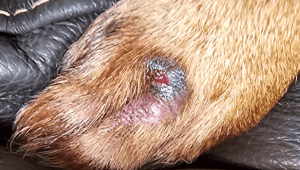
                          1. Pedal papillomas:
                          • Occur on the footpads
                          • Less frequently studied than oral papillomas

                          2. Inverted papillomas:

                            • Associated with CPV1
                            • Grow inward rather than outward

                            3. Viral pigmented plaques:

                              • Linked to papillomaviruses of the Chi genus
                              • May progress to squamous cell carcinomas in some cases

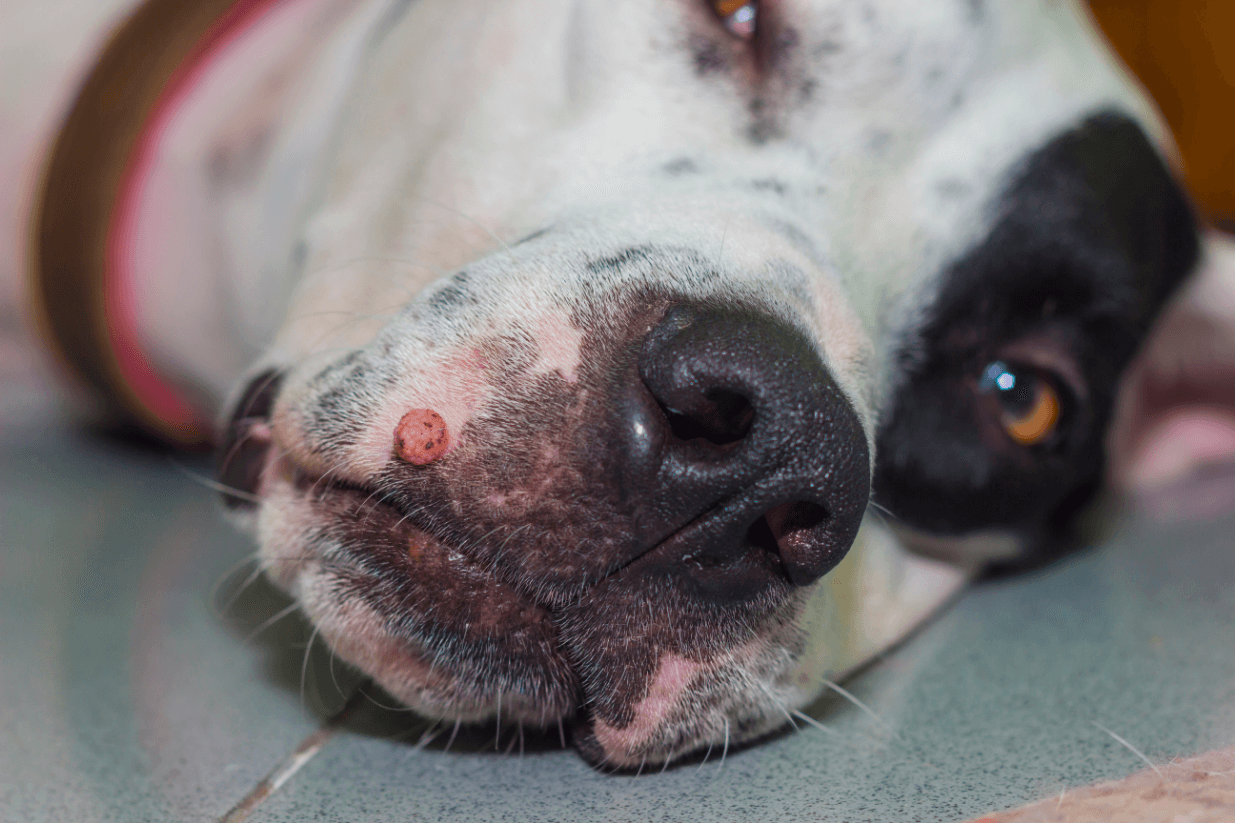
                              Cutaneous papillomas typically appear as small, raised growths on the skin. They may be solitary or occur in clusters, and their appearance can vary from smooth and flesh-colored to rough and pigmented. While many cutaneous papillomas resolve on their own, some may persist or require treatment, especially if they cause discomfort or interfere with the dog’s normal activities.

                              In rare cases, certain types of cutaneous papillomas, such as viral pigmented plaques, have the potential to progress to malignant tumors. This underscores the importance of monitoring any persistent skin growths and consulting with a veterinarian for proper diagnosis and management.

                              Symptoms and Identification

                              Dog papillomas, also known as canine oral papillomas or dog warts, are benign growths caused by the canine papillomavirus. These growths have distinct characteristics that make them identifiable, although veterinary confirmation is often necessary for an accurate diagnosis.

                              Appearance and Stages of Development

                              Canine oral papillomas typically appear as small, cauliflower-like growths with an irregular surface. They’re often round and grow in clusters, resembling sea anemones. These warts commonly develop on the lips, tongue, throat, and gums. In some cases, they can occur on other mucous membranes, feet, eyelids, or between toes.

                              The development of dog papillomas follows distinct stages:

                              1. Initial growth: Small, pink bumps appear
                              2. Expansion: Warts enlarge and take on a cauliflower-like appearance
                              3. Maturation: Growths reach full size, often in clusters
                              4. Regression: Papillomas start to shrink and eventually disappear

                              Most dogs with papillomas don’t show symptoms unless the growths become infected. Infected papillomas can cause pain, swelling, bad breath, and changes in eating habits due to discomfort.

                              Dog Papilloma
                              Dog Papilloma: Symptoms, Treatment, and Prevention Tips for Pet Owners 20

                              Affected Breeds

                              While dog papillomas can affect any breed, certain factors influence their prevalence:

                              1. Age: Young dogs, typically under two years old, are more susceptible to oral papillomas due to their developing immune systems.
                              2. Breed predisposition: Some breeds may be more prone to developing papillomas, including:
                              • Cocker Spaniels
                              • Beagles
                              • Basset Hounds
                              • Miniature Schnauzers
                              1. Immunocompromised dogs: Regardless of breed, dogs with weakened immune systems are at higher risk for papilloma development.
                              2. Environmental factors: Dogs in high-contact environments (e.g., kennels, dog parks) have increased exposure risk.
                              3. Genetic factors: Some breeds may have genetic predispositions to papilloma development, though research is ongoing.

                              It’s important to note that while these factors may increase the likelihood of papilloma occurrence, any dog can potentially develop these growths. Regular veterinary check-ups and monitoring your dog’s oral and skin health are crucial for early detection and management of dog papillomas across all breeds.

                              Diagnosis of Canine Papilloma Virus

                              Diagnosing canine papilloma virus (CPV) requires a combination of clinical observation and laboratory testing. We’ll explore the key methods used to identify this common canine condition.

                              Clinical Presentation and Anatomical Distribution

                              CPV typically manifests as exophytic masses on a dog’s skin, lips, eyelids, and oral cavity. These growths, known as papillomas, often resemble cauliflowers and can appear in clusters. Young dogs and mixed breeds are more susceptible to developing these lesions. Veterinarians look for these characteristic growths during physical examinations, paying close attention to the most common affected areas.

                              Histological Evaluation

                              Histological examination is a crucial step in confirming CPV diagnosis. This process involves:

                              • Taking a biopsy sample of the suspected papilloma
                              • Examining the tissue under a microscope
                              • Identifying exact cellular changes associated with CPV

                              Key histological features include:

                              1. Papillary exophytic or endophytic proliferation of squamous epithelium
                              2. Hyperplasia in the spinous layer
                              3. Presence of koilocytes (cells with a clear halo around the nucleus)
                              4. Intranuclear pale basophilic inclusion bodies
                              5. Hyperkeratosis in the stratum corneum

                              These distinctive cellular changes help differentiate CPV-induced papillomas from other skin growths.

                              Immunohistochemistry (IHC)

                              Immunohistochemistry is an advanced diagnostic technique used to detect viral antigens within the papilloma lesions. This method:

                              • Uses exact antibodies to identify CPV proteins
                              • Provides visual confirmation of the virus’s presence
                              • Helps differentiate CPV from other similar conditions

                              In CPV cases, positive immunostaining is often observed in the granular layer and stratum corneum of the affected epithelium. This technique offers high specificity and sensitivity in detecting CPV antigens.

                              Additional Diagnostic Methods

                              While clinical presentation, histology, and IHC form the cornerstone of CPV diagnosis, veterinarians may employ other techniques to confirm the presence of the virus:

                              1. Polymerase Chain Reaction (PCR): This molecular technique amplifies viral DNA, allowing for precise identification of the CPV strain.
                              2. Electron Microscopy: In some cases, electron microscopy can be used to visualize the characteristic viral particles within infected cells.
                              3. Serology: Blood tests can detect antibodies against CPV, indicating current or past infection.
                              4. Fine Needle Aspiration (FNA): This less invasive technique can be used to collect cells from the lesion for cytological examination.

                              By combining these diagnostic methods, veterinarians can accurately identify CPV infections and differentiate them from other skin conditions. Early and accurate diagnosis is crucial for proper management and treatment of canine papillomas.

                              Treatment Options

                              Dog papilloma treatment options range from medical interventions to surgical procedures. The choice of treatment depends on the severity, location, and impact of the papillomas on the dog’s quality of life.

                              Medical Interventions

                              Medical interventions for dog papillomas include spontaneous regression, antibiotics, interferon-alpha, and imiquimod. Most cases resolve on their own within 1 to 3 months as the dog’s immune system matures. Antibiotics are prescribed only for secondary bacterial infections. Interferon-alpha, an off-label treatment, stimulates the immune system in severe cases but is costly and yields inconsistent results. Imiquimod, a topical antiviral and antitumor medication, boosts immune-mediated inflammation to help destroy the virus. It’s commonly used for skin papillomas and can cause skin irritation, often indicating the treatment’s effectiveness.

                              Surgical Procedures

                              Surgical procedures are considered for persistent or problematic dog papillomas. Cryosurgery uses extreme cold to freeze and destroy the papillomas, while electrocautery employs heat to remove the growths. Laser surgery offers precise removal with minimal bleeding and scarring. Traditional surgical excision is used for larger or deeper papillomas. These procedures are typically performed under local or general anesthesia, depending on the location and extent of the papillomas. Post-operative care includes wound management and monitoring for recurrence. Surgical intervention is often reserved for cases where papillomas cause discomfort, interfere with eating or breathing, or show signs of malignancy.

                              Prognosis and Recovery

                              Spontaneous Regression

                              Dog papillomas typically resolve on their own within 2-3 months. This spontaneous regression occurs in healthy dogs as their immune system develops a response to the Canine Papillomavirus Type 1 (CPV1). The natural healing process demonstrates the body’s ability to combat the virus effectively.

                              Immunity Development

                              Once a dog recovers from CPV1-induced papillomas, it usually gains lasting immunity. This protective response significantly reduces the likelihood of future oral papilloma outbreaks. The immune system’s memory cells recognize and quickly respond to any subsequent CPV1 exposures, preventing new growths.

                              Clinical Outcomes

                              Most dogs with papillomas remain asymptomatic throughout the course of the infection. But, complications can arise in certain situations:

                              1. Infected papillomas: These can cause:
                              • Discomfort
                              • Swelling
                              • Bleeding
                              • Bad breath
                              • Pain

                              2. Eating or swallowing interference: Large or many papillomas may:

                                • Obstruct the oral cavity
                                • Impede normal feeding behavior
                                • Cause weight loss if left untreated

                                3. Malignant transformation: In rare cases, particularly in immunocompromised dogs, benign papillomas can become cancerous. While uncommon, this potential underscores the importance of monitoring and veterinary oversight.

                                  Factors Influencing Recovery

                                  Several factors can affect the prognosis and recovery of dogs with papillomas:

                                  1. Immune system strength: Dogs with robust immune systems typically experience faster regression and better outcomes.
                                  2. Age: Younger dogs often recover more quickly due to their generally stronger immune responses.
                                  3. Overall health: Pre-existing conditions or concurrent illnesses may slow the healing process.
                                  4. Papilloma location and size: Larger growths or those in sensitive areas may take longer to resolve and cause more complications.
                                  5. Treatment approach: While most cases resolve without intervention, certain treatments may accelerate recovery in persistent or problematic cases.

                                  Long-term Outlook

                                  The long-term prognosis for dogs with papillomas is generally excellent. Key points include:

                                  • Complete resolution: Most cases clear up entirely within 2-3 months without lasting effects.
                                  • Recurrence rarity: Due to acquired immunity, recurrences are uncommon in healthy dogs.
                                  • Minimal scarring: Papillomas typically heal without leaving important marks or scars.
                                  • Quality of life: Once resolved, dogs usually return to normal activities without any lingering issues.

                                  Monitoring and Follow-up

                                  While dog papillomas often resolve on their own, ongoing monitoring is crucial:

                                  1. Regular check-ups: Schedule follow-up appointments to track regression progress.
                                  2. Home observation: Watch for any changes in size, appearance, or number of growths.
                                  3. Complication awareness: Be alert to signs of infection or interference with normal functions.
                                  4. Persistent cases: Consult a veterinarian if papillomas persist beyond 3-4 months or cause ongoing issues.

                                  By understanding the typical prognosis and recovery process for dog papillomas, pet owners can better manage their expectations and provide appropriate care. While most cases resolve without incident, awareness and vigilance ensure the best outcomes for affected dogs.

                                  Prevention Strategies

                                  Preventing canine papilloma virus (CPV) infections in dogs can be challenging, but there are several effective strategies we can carry out to reduce the risk of transmission and protect our canine companions.

                                  Limiting Interaction with Other Dogs

                                  While complete isolation isn’t recommended for a dog’s social and emotional well-being, we can take steps to minimize the risk of CPV transmission:

                                  • Avoid high-risk areas: Dog parks, daycare facilities, and other crowded spaces where many dogs congregate increase the likelihood of exposure to CPV.
                                  • Supervised playdates: Arrange one-on-one playdates with known, healthy dogs to provide socialization while reducing risk.
                                  • Careful introductions: When introducing new dogs, observe their health status and limit physical contact if there are any signs of infection.

                                  Environmental Considerations

                                  CPV can persist in the environment for weeks, making proper sanitation crucial:

                                  • Regular cleaning: Disinfect shared areas and items frequently used by multiple dogs.
                                  • Use appropriate disinfectants: Choose products effective against viruses to clean surfaces and objects.
                                  • Personal hygiene: Wash hands thoroughly after handling dogs, especially in multi-dog households or professional settings.

                                  Vaccination

                                  A new vaccine for oral papillomatosis offers promising protection:

                                  • DNA-based vaccine: This innovative approach uses the virus’s DNA to stimulate an immune response.
                                  • Consult with a veterinarian: Discuss the appropriateness and availability of the vaccine for your dog.
                                  • Stay informed: Keep up-to-date with developments in CPV vaccination research and recommendations.

                                  Boosting Immune System

                                  A strong immune system helps dogs fight off CPV infections:

                                  • Balanced diet: Provide high-quality, nutritionally complete food to support overall health.
                                  • Regular exercise: Maintain an active lifestyle to promote physical and mental well-being.
                                  • Stress reduction: Minimize stressors that can weaken the immune system.
                                  • Supplements: Consider immune-boosting supplements under veterinary guidance.

                                  Regular Health Check-ups

                                  Routine veterinary care plays a crucial role in prevention:

                                  • Annual exams: Schedule regular check-ups to detect potential health issues early.
                                  • Prompt treatment: Address any oral or skin abnormalities quickly to prevent complications.
                                  • Maintain vaccination schedule: Keep up with core vaccinations to support overall health.

                                  By implementing these prevention strategies, we can significantly reduce the risk of CPV infections in dogs. While no method guarantees complete protection, a combination of these approaches provides the best defense against canine papilloma virus.

                                  Conclusion

                                  Dog papillomas are a common but often misunderstood condition in our canine companions. We’ve explored their causes symptoms diagnosis and treatment options. While mostly harmless these viral growths can impact a dog’s quality of life. Early detection and proper care are crucial for managing papillomas effectively.

                                  Remember that most cases resolve on their own but veterinary guidance is essential for optimal care. By staying informed and proactive we can ensure our furry friends lead healthy happy lives even when faced with this viral challenge.

                                1. Reverse Sneezing in Dogs: Causes, Symptoms, and Solutions

                                  Reverse Sneezing in Dogs: Causes, Symptoms, and Solutions

                                  Have you ever heard your dog make a strange honking sound, almost as if they’re trying to inhale a sneeze? This peculiar phenomenon is called reverse sneezing, and it’s more common than you might think. While it can be alarming for pet owners, reverse sneezing is generally harmless and doesn’t require immediate medical attention.

                                  We’ll explore the causes, symptoms, and management of reverse sneezing in dogs. From environmental irritants to overexcitement, we’ll uncover the various triggers that can lead to these episodes. Understanding this condition can help you remain calm and provide comfort to your furry friend when it occurs. By the end of this article, you’ll be well-equipped to recognize reverse sneezing and know when it’s time to consult your veterinarian.

                                  What Is Reverse Sneezing in Dogs?

                                  Reverse sneezing, also known as paroxysmal respiration, is a common respiratory event in dogs. It’s characterized by rapid, repeated inhalations through the nose, often accompanied by snorting or gagging sounds.

                                  Symptoms and Identification

                                  During a reverse sneezing episode, dogs typically:

                                  • Stand still with extended head and neck
                                  • Make loud snorting or gagging noises
                                  • Inhale rapidly and forcefully through the nose
                                  • Flare nostrils and pull back lips
                                  • Close their mouth

                                  These episodes usually last from a few seconds to a minute. After the episode, dogs generally return to normal behavior. It’s important to note that reverse sneezing differs from regular sneezing, where air is pushed out instead of pulled in.

                                  Affected Breeds

                                  While reverse sneezing can occur in any dog breed, some are more prone to this condition:

                                  • Brachycephalic breeds (flat-faced dogs):
                                  • Pugs
                                  • Bulldogs
                                  • Boston Terriers
                                  • Shih Tzus
                                  • Small and toy breeds:
                                  • Yorkies
                                  • Chihuahuas
                                  • Pomeranians
                                  • Breeds with elongated soft palates:
                                  • Beagles
                                  • Labrador Retrievers

                                  But, it’s crucial to remember that any dog, regardless of breed or size, can experience reverse sneezing. Factors such as allergies, environmental irritants, and individual sensitivities play a important role in determining a dog’s likelihood of experiencing reverse sneezing episodes.

                                  Causes of Reverse Sneezing

                                  Reverse sneezing in dogs, also known as paroxysmal respiration, occurs due to various factors that irritate the soft palate and throat. This irritation leads to a spasm, causing the characteristic rapid inhalations and honking sound. Let’s explore the common triggers and underlying health conditions associated with reverse sneezing.

                                  Common Triggers

                                  Reverse sneezing episodes in dogs can be triggered by several environmental and behavioral factors:

                                  • Irritants: Dust, pollen, smoke, and strong odors from air fresheners or perfumes
                                  • Foreign particles: Seeds, grass, or other small objects in the upper respiratory tract
                                  • Excitement: Overexcitement or sudden bursts of energy
                                  • Eating and drinking: Consuming food or water too quickly
                                  • Leash pulling: Pressure on the throat from pulling against a collar or leash
                                  • Exercise intolerance: Overexertion during physical activity
                                  • Temperature changes: Sudden shifts in environmental temperature
                                  • Allergies: Seasonal or environmental allergies causing nasal irritation
                                  • Mites: Nasal mites causing irritation in the nasal passages

                                  These triggers can cause temporary irritation in the throat and nasal passages, leading to reverse sneezing episodes.

                                  Reverse Sneezing in Dogs
                                  Reverse Sneezing in Dogs: Causes, Symptoms, and Solutions 24

                                  Underlying Health Conditions

                                  While reverse sneezing is generally harmless, it can sometimes be associated with or indicate underlying health issues:

                                  • Respiratory infections: Viral or bacterial infections affecting the upper respiratory tract
                                  • Nasal polyps: Small, noncancerous growths in the nasal passages
                                  • Elongated soft palate: Common in brachycephalic breeds, potentially obstructing airflow
                                  • Tracheal collapse: Weakening of the tracheal cartilage, more common in small breeds
                                  • Allergic rhinitis: Chronic inflammation of the nasal passages due to allergies
                                  • Sinusitis: Inflammation or infection of the sinuses
                                  • Dental problems: Tooth infections or abscesses affecting the nasal passages
                                  • Nasopharyngeal tumors: Rare growths in the nasopharynx region
                                  • Chronic postnasal drip: Excess mucus production irritating the throat

                                  It’s important to note that frequent or severe reverse sneezing episodes may warrant a veterinary examination to rule out these underlying conditions and ensure the dog’s overall health.

                                  Is Reverse Sneezing Harmful?

                                  Reverse sneezing in dogs is generally not harmful. It’s a common respiratory event that rarely has long-term adverse effects on a dog’s health.

                                  Short-Term Effects

                                  Reverse sneezing episodes typically cause minimal and temporary discomfort for dogs:

                                  • Rapid, forceful inhalations through the nose
                                  • Snorting or gagging sounds
                                  • Standing still with extended head and neck
                                  • Flared nostrils and closed mouth
                                  • Episodes lasting from a few seconds to a minute

                                  During an episode, dogs may appear distressed due to the sudden, loud sounds. But, this is usually more alarming for owners than harmful to the dogs. Once the episode ends, dogs typically return to normal behavior immediately, showing no ill effects.

                                  Long-Term Concerns

                                  While reverse sneezing is generally benign, there are some long-term considerations:

                                  • Frequency: Occasional episodes are normal, but frequent occurrences may indicate underlying issues
                                  • Underlying conditions: In rare cases, persistent reverse sneezing could be linked to respiratory infections, allergies, or nasal irritants
                                  • Breed predisposition: Brachycephalic breeds may experience more frequent episodes due to their facial structure
                                  • Age: Older dogs might be more prone to reverse sneezing due to weakened respiratory systems

                                  It’s important to monitor the frequency and duration of reverse sneezing episodes. If they become more frequent or severe, consult a veterinarian to rule out any potential underlying health issues. In most cases, reverse sneezing doesn’t require treatment and doesn’t impact a dog’s overall quality of life.

                                  How to Help Your Dog During an Episode

                                  Reverse sneezing episodes in dogs can be alarming, but there are several ways to help your furry friend through these moments. We’ll explore immediate actions and soothing techniques to assist your dog during a reverse sneezing episode.

                                  Immediate Actions

                                  When your dog experiences a reverse sneezing episode, take these quick steps:

                                  1. Stay calm: Your dog will sense your emotions, so maintain a relaxed demeanor.
                                  2. Clear the air: Remove any potential irritants like dust or strong odors from the area.
                                  3. Gently stroke the throat: Lightly massage your dog’s throat to encourage swallowing.
                                  4. Cover nostrils briefly: Hold your dog’s nostrils closed for a second to trigger swallowing.
                                  5. Offer water: Present a small amount of water to help clear the throat.
                                  6. Change position: Encourage your dog to stand or sit up to open airways.
                                  7. Provide fresh air: Move to a well-ventilated area or outdoors if possible.

                                  These actions can help shorten the episode and provide comfort to your dog during reverse sneezing.

                                  Soothing Techniques

                                  After addressing immediate concerns, try these soothing methods:

                                  1. Gentle petting: Calmly stroke your dog’s back or chest to provide reassurance.
                                  2. Speak softly: Use a soothing voice to comfort your dog during the episode.
                                  3. Offer a distraction: Present a favorite toy or treat once the episode subsides.
                                  4. Create a calm environment: Reduce noise and activity in the surrounding area.
                                  5. Use positive reinforcement: Praise your dog for remaining calm after the episode.
                                  6. Maintain routine: Continue normal activities to show that everything is okay.
                                  7. Monitor and record: Keep track of episodes to share information with your vet if needed.

                                  By employing these soothing techniques, you’ll help your dog feel more at ease during and after reverse sneezing episodes. Remember, most cases of reverse sneezing are harmless and don’t require medical intervention. But, if episodes become frequent or severe, consult your veterinarian for professional advice.

                                  Treatment Options

                                  Reverse sneezing in dogs typically doesn’t require extensive treatment. Most episodes resolve on their own within seconds to minutes. But, there are home remedies and veterinary interventions that can help manage this condition.

                                  Home Remedies

                                  When a reverse sneezing episode occurs, several home remedies can provide relief:

                                  • Gently massage the dog’s throat to encourage swallowing
                                  • Briefly cover the nostrils to prompt swallowing
                                  • Offer water to help clear the throat
                                  • Distract the dog with a toy or treat
                                  • Remove potential irritants from the environment
                                  • Use air purifiers to reduce airborne allergens
                                  • Elevate food and water bowls to reduce neck strain
                                  • Humidify the air to soothe irritated nasal passages

                                  These techniques often help shorten the duration of reverse sneezing episodes. It’s important to remain calm during these incidents, as stress can prolong the episode.

                                  Reverse Sneezing in Dogs
                                  Reverse Sneezing in Dogs: Causes, Symptoms, and Solutions 25

                                  Veterinary Interventions

                                  While most cases of reverse sneezing don’t require medical intervention, veterinary care may be necessary in certain situations:

                                  • Frequent or prolonged episodes
                                  • Accompanying symptoms like nasal discharge or difficulty breathing
                                  • Suspected underlying health conditions

                                  Veterinary interventions may include:

                                  • Allergy testing to identify triggers
                                  • Antihistamines for allergic reactions
                                  • Decongestants to relieve nasal congestion
                                  • Anti-inflammatory medications for respiratory irritation
                                  • Treatment for nasal mites or infections
                                  • Surgical correction for anatomical issues in brachycephalic breeds

                                  In rare cases, veterinarians may prescribe medications to manage chronic reverse sneezing. But, treatment typically focuses on addressing underlying causes rather than the reverse sneezing itself.

                                  When to Seek Veterinary Care

                                  While reverse sneezing in dogs is generally harmless, certain situations warrant professional medical attention. Recognizing these instances ensures your dog receives timely care when necessary.

                                  Warning Signs

                                  Watch for these warning signs that indicate a need for veterinary care:

                                  • Increased frequency of reverse sneezing episodes
                                  • Prolonged duration of episodes (lasting more than a minute)
                                  • Accompanying symptoms like coughing, wheezing, or difficulty breathing
                                  • Nasal discharge or bleeding
                                  • Changes in appetite or behavior
                                  • Lethargy or reduced energy levels
                                  • Visible discomfort or distress during episodes
                                  • Blue or pale gums, indicating potential oxygen deprivation
                                  • Excessive pawing at the face or nose
                                  • Sudden onset of reverse sneezing in older dogs

                                  If you notice any of these signs, it’s crucial to consult a veterinarian promptly. These symptoms may indicate underlying health issues requiring professional assessment and treatment.

                                  Diagnostic Procedures

                                  When you bring your dog to the vet for reverse sneezing concerns, they’ll likely perform the following diagnostic procedures:

                                  1. Physical examination:
                                  • Checking vital signs
                                  • Evaluating overall health
                                  • Examining the nose, throat, and mouth

                                  2. Medical history review:

                                  • Discussing frequency and duration of episodes
                                  • Identifying potential triggers
                                  • Assessing any recent changes in environment or diet

                                  3. Rhinoscopy:

                                  • Examining nasal passages and throat using a small camera
                                  • Identifying obstructions or abnormalities

                                  4. X-rays:

                                  • Evaluating chest and nasal structures
                                  • Detecting potential tumors or anatomical issues

                                  5. Blood tests:

                                  • Checking for signs of infection or allergies
                                  • Assessing overall health indicators

                                  6. Allergy testing:

                                  • Identifying potential environmental or food allergens
                                  • Conducting skin or blood tests for allergen sensitivity

                                  7. Nasal swabs or cultures:

                                  • Testing for presence of infections or parasites
                                  • Identifying exact pathogens if present

                                  8. CT scan or MRI:

                                  • Providing detailed images of nasal passages and surrounding structures
                                  • Used in complex cases or when other tests are inconclusive

                                  These diagnostic procedures help veterinarians determine the underlying cause of reverse sneezing and develop an appropriate treatment plan customized to your dog’s exact needs.

                                  Prevention Strategies

                                  Environmental Adjustments

                                  We’ve found that making simple changes to your dog’s environment can significantly reduce the occurrence of reverse sneezing episodes. Here are some effective strategies:

                                  1. Dust control: Regularly dust and vacuum your home to minimize airborne irritants.
                                  2. Air purification: Use HEPA air purifiers to filter out allergens and pollutants.
                                  3. Humidity management: Maintain optimal indoor humidity levels (30-50%) to prevent dry nasal passages.
                                  4. Ventilation: Ensure proper ventilation in your home to reduce the concentration of indoor pollutants.
                                  5. Smoke-free zone: Keep your dog away from cigarette smoke and other strong odors.

                                  Lifestyle Modifications

                                  Adapting your dog’s daily routine can help prevent reverse sneezing:

                                  1. Slow feeding: Use slow-feeder bowls to prevent rapid eating and drinking.
                                  2. Collar alternatives: Switch to a harness if your dog pulls on walks to reduce pressure on the throat.
                                  3. Exercise adjustment: Modify exercise routines to avoid overexertion, especially in brachycephalic breeds.
                                  4. Stress reduction: Create a calm environment and minimize stressful situations for your dog.
                                  5. Weight management: Maintain a healthy weight for your dog to reduce respiratory stress.

                                  Allergy Management

                                  For dogs with allergies, these steps can help minimize reverse sneezing triggers:

                                  1. Identify allergens: Work with your veterinarian to identify exact allergens affecting your dog.
                                  2. Hypoallergenic bedding: Use hypoallergenic dog beds and wash bedding regularly.
                                  3. Grooming routine: Establish a regular grooming routine to remove allergens from your dog’s coat.
                                  4. Paw cleaning: Wipe your dog’s paws after walks to remove outdoor allergens.
                                  5. Dietary adjustments: Consider hypoallergenic dog food if food allergies are suspected.

                                  Regular Veterinary Check-ups

                                  Preventive care is crucial in managing reverse sneezing:

                                  1. Annual exams: Schedule regular check-ups to monitor your dog’s overall health.
                                  2. Dental care: Maintain good oral hygiene to prevent dental issues that may contribute to reverse sneezing.
                                  3. Vaccinations: Keep your dog up-to-date on vaccinations to prevent respiratory infections.
                                  4. Parasite prevention: Administer regular parasite prevention to protect against nasal mites.
                                  5. Early intervention: Consult your veterinarian promptly if you notice changes in the frequency or severity of reverse sneezing episodes.

                                  By implementing these prevention strategies, we can significantly reduce the occurrence of reverse sneezing in dogs and improve their overall respiratory health. Remember, while these methods are effective for many dogs, individual cases may require exact attention from a veterinarian.

                                  Conclusion

                                  Reverse sneezing in dogs is often more alarming than harmful. We’ve explored its causes symptoms and management strategies to help pet owners navigate this common occurrence. By understanding triggers and implementing preventive measures we can reduce episodes and ensure our furry friends’ comfort. Remember most cases resolve on their own but it’s crucial to monitor frequency and severity. If you’re ever concerned about your dog’s reverse sneezing don’t hesitate to consult a veterinarian. With knowledge and care we can confidently handle these episodes keeping our canine companions happy and healthy.

                                2. Dog Chiropractic Care: Unleash Your Pup’s Wellness Potential

                                  Dog Chiropractic Care: Unleash Your Pup’s Wellness Potential

                                  Did you know that your furry friend might benefit from a visit to a dog chiropractor? Just like humans, our canine companions can experience musculoskeletal issues that impact their quality of life. We’re here to discover the area of dog chiropractic care and how it can help keep your four-legged friend happy and healthy.

                                  Dog chiropractors are specialized professionals who focus on treating spinal and joint problems in our beloved pets. From easing pain after injuries to improving mobility in senior dogs, these experts offer a range of treatments customized to each animal’s needs. We’ll investigate into the qualifications to look for in a dog chiropractor, the conditions they can treat, and what to expect during a typical visit. By the end of this article, you’ll have a clear understanding of how chiropractic care might benefit your canine companion.

                                  What Is Canine Chiropractic Care?

                                  Canine chiropractic care is a specialized form of alternative therapy focused on treating musculoskeletal issues in dogs. It involves manipulating the spine, joints, and skull to address various health problems and improve overall well-being.

                                  Definition and Principles

                                  Canine chiropractic care, also known as veterinary chiropractic, is a holistic approach to treating functional, structural, and pathological changes in a dog’s spinal column. It’s based on the principle that proper alignment and movement of joints, especially in the spine, are crucial for a dog’s health.

                                  The core concept revolves around identifying and treating vertebral subluxation complexes (VSCs) and dysfunctional joints. Chiropractors use techniques adapted from human chiropractic care but customized to canine anatomy. These adjustments aim to alleviate interference in the skeletal system, allowing the body to heal naturally.

                                  Benefits of Dog Chiropractic

                                  Dog chiropractic care offers many benefits for canine health and well-being. It can help treat a wide range of conditions, including:

                                  1. Subluxations and joint dysfunctions
                                  2. Neck and back injuries
                                  3. Hip dysplasia
                                  4. Osteoarthritis relief
                                  5. Urinary incontinence
                                  6. Forelimb lameness
                                  7. Post-surgery recovery

                                  Chiropractic treatments can improve a dog’s gait, range of motion, and overall mobility. They’re particularly beneficial for senior dogs, helping them maintain quality of life as they age. Regular chiropractic care can also aid in recovery after falls, injuries, or surgeries.

                                  For active dogs involved in sports or high-impact activities, chiropractic adjustments can help prevent and treat repetitive use injuries. Some dogs may even experience improvements in bowel or bladder issues following chiropractic care.

                                  How Dog Chiropractic Works

                                  Dog chiropractic, also known as veterinary chiropractic, is a specialized form of care that focuses on diagnosing and treating vertebral subluxation complexes (VSCs) and dysfunctional joints in dogs. This practice involves a combination of evaluation techniques and targeted adjustments to improve canine health and mobility.

                                  Techniques and Procedures

                                  Dog chiropractors use exact techniques to assess and treat their patients:

                                  1. Thorough evaluation:
                                  • Review of medical history from referring veterinarian
                                  • Comprehensive physical examination
                                  • Static and ever-changing palpation of spine and extremities

                                  2. Identification of issues:

                                    • Asymmetries in musculoskeletal structure
                                    • Restricted joint movement
                                    • Subluxations (misalignments) in the spine
                                    • Changes in surrounding soft tissue

                                    3. Chiropractic adjustments:

                                      • Gentle, exact thrusts applied to affected areas
                                      • Aim to increase joint motion and reduce pain
                                      • Unlike human adjustments, audible pops or cracks are less common

                                      4. Follow-up care:

                                        • Multiple sessions often required for optimal results
                                        • Frequency depends on individual dog’s needs and condition

                                        Common Conditions Treated

                                        Dog chiropractic care addresses various musculoskeletal issues and related conditions:

                                        1. Spinal problems:
                                        • Subluxations
                                        • Neck and back injuries
                                        • Intervertebral disc disease

                                        2. Joint-related issues:

                                          • Hip dysplasia
                                          • Osteoarthritis
                                          • Forelimb lameness

                                          3. Repetitive use injuries:

                                            • Sports-related strains
                                            • Overuse from daily activities

                                            4. Post-surgical recovery:

                                              • Improved healing after orthopedic procedures
                                              • Enhanced mobility during rehabilitation

                                              5. Neurological concerns:

                                                • Urinary incontinence
                                                • Nerve-related pain or dysfunction

                                                6. Age-related conditions:

                                                  • Stiffness in senior dogs
                                                  • Reduced range of motion

                                                  7. Performance enhancement:

                                                    • Improved gait for working or sporting dogs
                                                    • Increased flexibility and coordination

                                                    8. Preventive care:

                                                      • Maintenance of spinal health
                                                      • Early detection of potential issues

                                                      By addressing these conditions, dog chiropractic care aims to improve overall canine health, reduce pain, and enhance quality of life for dogs of all ages and activity levels.

                                                      Dog Chiropractic Care
                                                      Dog Chiropractic Care: Unleash Your Pup’s Wellness Potential 29

                                                      When to Consider Chiropractic for Your Dog

                                                      Chiropractic care for dogs can be a valuable treatment option for various musculoskeletal issues. We’ll explore the signs that indicate your dog may benefit from chiropractic care and identify suitable candidates for this therapy.

                                                      Signs Your Dog May Need Chiropractic Care

                                                      Dogs often exhibit exact symptoms when they require chiropractic attention. These signs include:

                                                      • Limping, weakness, or lameness in the front or hind legs
                                                      • Pain in the hip or hind legs without arthritis symptoms
                                                      • Difficulty standing or lying down
                                                      • Hunched back or yelping when lifted or pressure is applied to the chest
                                                      • Muscle spasms along the back or inability to jump
                                                      • Reduced activity or reluctance to perform routine tasks
                                                      • Uneven gait or altered movement patterns
                                                      • Neck or back pain upon palpation
                                                      • Resistance to turning their head in one direction
                                                      • Changes in behavior without apparent explanation
                                                      • Difficulty with jumping or performing previously normal activities
                                                      • Sitting or standing in an abnormal position, tilted to one side

                                                      If you notice any of these signs in your dog, it’s essential to consult with your veterinarian to determine if chiropractic care is appropriate.

                                                      Suitable Candidates for Treatment

                                                      Chiropractic care can benefit dogs in various situations:

                                                      • Recovery after fall injuries or surgeries
                                                      • Senior dogs needing improved gait and range of motion
                                                      • Dogs with jaw problems or difficulty chewing
                                                      • Pets struggling to get in and out of vehicles
                                                      • Animals experiencing bowel or bladder issues
                                                      • Dogs participating in sports and sustaining injuries
                                                      • Pets with behavioral problems potentially linked to underlying medical conditions
                                                      • Pregnant dogs requiring assistance during the birthing process
                                                      • Dogs predisposed to degenerative joint diseases
                                                      • Animals recovering from acute trauma or healed fractures
                                                      • Pets with whiplash from being chained up
                                                      • Dogs experiencing stiffness or general discomfort

                                                      Chiropractic treatment is suitable for dogs of all ages and activity levels. But, it’s crucial to consult with your veterinarian before seeking chiropractic care to ensure it’s appropriate for your dog’s exact condition. Your vet can help determine if chiropractic therapy is the best course of action or if it should be used along with other treatments.

                                                      Safety and Efficacy of Dog Chiropractic

                                                      Dog chiropractic care offers potential benefits for canine health, but it’s essential to understand its safety and efficacy. Studies suggest that chiropractic treatments can improve dogs’ well-being when performed by skilled practitioners.

                                                      Potential Risks and Side Effects

                                                      While dog chiropractic care can be effective, it’s not without risks. The potential for injury exists with any spinal manipulation technique, even when performed by skilled professionals. This risk may increase in dogs with structural diseases like intervertebral disk disease or cervical vertebral malformation.

                                                      Improper adjustments or excessive force can cause pain or irreversible damage to a dog’s musculoskeletal system. For instance, adjusting the spine of a dog with a degenerative disk carries a risk of serious spinal cord injury. To minimize these risks, it’s crucial to ensure that the chiropractor is properly trained and certified in canine chiropractic care.

                                                      Side effects are generally mild and may include temporary soreness or stiffness following treatment. But, more severe complications can occur if the procedure is performed incorrectly or on dogs with certain pre-existing conditions.

                                                      Dog Chiropractic Care
                                                      Dog Chiropractic Care: Unleash Your Pup’s Wellness Potential 30

                                                      Age Restrictions for Puppies

                                                      Chiropractic care for puppies requires special consideration due to their developing musculoskeletal systems. While there’s no strict age limit, many practitioners recommend waiting until puppies are at least 8-12 weeks old before beginning chiropractic treatments.

                                                      For younger puppies, gentler techniques may be used to address any misalignments or issues. As puppies grow and their bones develop, more traditional chiropractic adjustments can be introduced gradually. It’s essential to consult with both a veterinarian and a certified canine chiropractor to determine the appropriate age and approach for individual puppies.

                                                      The frequency and intensity of treatments for puppies are typically lower than those for adult dogs. Practitioners often focus on preventive care and addressing any developmental issues early on to promote proper growth and alignment.

                                                      Choosing a Qualified Dog Chiropractor

                                                      Selecting a qualified dog chiropractor is crucial for ensuring your pet receives safe and effective treatment. We’ll explore the essential certifications and credentials to look for, as well as what to expect during a chiropractic session for your canine companion.

                                                      Required Certifications and Credentials

                                                      When choosing a dog chiropractor, it’s essential to verify their qualifications. Look for practitioners certified by reputable organizations such as the American Veterinary Chiropractic Association (AVCA) or the International Veterinary Chiropractic Association (IVCA). These certifications indicate specialized training in animal chiropractic techniques and anatomy. Certified professionals must pass rigorous written and practical exams, demonstrating their expertise in canine chiropractic care. Practitioners are required to renew their certifications every three years, ensuring they stay up-to-date with the latest techniques and practices. Before scheduling an appointment, consult with your veterinarian to confirm that chiropractic care is appropriate for your dog’s condition and to obtain a referral to a qualified animal chiropractor.

                                                      What to Expect During a Session

                                                      A typical dog chiropractic session involves a comprehensive evaluation of your pet’s musculoskeletal system. The chiropractor will assess your dog’s gait, range of motion, and overall mobility. They’ll perform gentle manipulations of the spine, joints, and skull to address any misalignments or restrictions. These adjustments aim to improve joint function, reduce pain, and enhance your dog’s overall well-being.

                                                      During the session, the chiropractor may provide at-home exercises or stretches for you to perform with your dog to support their treatment. Chiropractic care can benefit various canine conditions, including recovery from injuries or surgeries, improving mobility for senior dogs, and addressing jaw problems or chewing difficulties. The treatment is customized to your dog’s exact needs, and follow-up appointments may be recommended to monitor progress and make any necessary adjustments to the care plan.

                                                      Cost and Frequency of Treatments

                                                      Dog chiropractic treatments vary in cost and frequency depending on the individual needs of the canine patient. Understanding the typical pricing and recommended treatment schedules helps pet owners make informed decisions about their dog’s care.

                                                      Typical Pricing for Dog Chiropractic

                                                      Initial chiropractic treatments for dogs generally range from $90 to $100. This initial consultation includes a comprehensive examination, history review, and the first chiropractic adjustment. Follow-up treatments are typically less expensive, costing between $55 and $80 per session. In the UK, prices may be lower, with initial treatments starting at £45 and follow-up visits at £35. Additional fees may apply for travel expenses, particularly if the chiropractor provides in-home services. These costs can vary based on factors such as the chiropractor’s experience, location, and the exact needs of the dog.

                                                      Recommended Treatment Schedules

                                                      Treatment schedules for dog chiropractic care are customized to each individual case. Initially, dogs may require more frequent treatments to address acute issues or establish a baseline of care. A typical schedule might include weekly or bi-weekly sessions for the first 4-6 weeks. As the dog’s condition improves, the frequency of treatments often decreases. Maintenance visits may be scheduled monthly or every 6-8 weeks, depending on the dog’s response to treatment and overall health status. For dogs with chronic conditions or those in competitive sports, more frequent treatments may be necessary. It’s essential to follow the chiropractor’s recommendations and adjust the schedule based on the dog’s progress and exact needs.

                                                      Conclusion

                                                      Dog chiropractic care offers a holistic approach to improving canine health and well-being. By addressing musculoskeletal issues we can enhance our pets’ quality of life reducing pain and increasing mobility. While it’s not a cure-all it can be a valuable complement to traditional veterinary care.

                                                      We encourage pet owners to explore this option with a qualified professional. Remember to consult your veterinarian first and choose a certified dog chiropractor for the best results. With proper care our furry friends can lead happier healthier lives free from unnecessary discomfort.

                                                    1. Bald Spots on Dogs: 5 Common Causes and How to Treat Them

                                                      Bald Spots on Dogs: 5 Common Causes and How to Treat Them

                                                      Have you noticed patches of fur missing from your dog’s coat? It’s a common concern for pet owners, and bald spots can be more than just a cosmetic issue. These patches may signal underlying health problems that require attention.

                                                      We’ll explore the five most common causes of bald spots on dogs, including allergies, Cushing’s disease, pressure sores, genetics, and infections or infestations. Understanding these causes is crucial for proper care and treatment. While shedding is normal, sudden or unusual hair loss warrants investigation.

                                                      By the end of this article, you’ll be equipped with the knowledge to identify potential issues and know when it’s time to consult a veterinarian. Let’s jump into the industry of canine bald spots and learn how to keep our furry friends healthy and happy.

                                                      Common Causes of Bald Spots in Dogs

                                                      Bald spots on dogs can stem from various factors, ranging from minor irritations to serious health issues. Understanding these causes is crucial for effective treatment and prevention. Let’s explore the common reasons behind canine hair loss.

                                                      Parasitic Infections

                                                      Parasitic infections frequently cause bald spots in dogs. Fleas, ticks, and mites are primary culprits, leading to hair loss around the eyes, ears, abdomen, and chest. Mange, caused by mites, results in itchy, inflamed skin and important hair loss. These parasites irritate the skin, prompting excessive scratching and subsequent fur loss.

                                                      Internal parasites like worms can indirectly contribute to hair loss by interfering with nutrient absorption. This nutritional deficiency often manifests as patchy fur or overall thinning of the coat. Regular parasite prevention and prompt treatment of infestations are essential to maintain a healthy, full coat.

                                                      Allergies and Skin Conditions

                                                      Allergies and skin conditions are major contributors to bald spots in dogs. Environmental allergies to pollen, mold, and dust mites can cause itchy skin and hair loss. Dogs may scratch excessively, leading to bald patches and skin inflammation. Food allergies can also trigger similar symptoms, often accompanied by gastrointestinal issues.

                                                      Skin conditions like atopic dermatitis or hot spots can result in localized hair loss. These conditions cause intense itching and inflammation, leading to self-trauma as dogs scratch or bite affected areas. Identifying and addressing the underlying cause of allergies or skin conditions is crucial for preventing recurrent bald spots.

                                                      Hormonal Imbalances

                                                      Hormonal imbalances can significantly impact a dog’s coat health. Conditions like hypothyroidism, where the thyroid gland underproduces hormones, often lead to hair thinning or loss. This typically affects both sides of the body symmetrically, resulting in a dull, thin coat.

                                                      Cushing’s disease, characterized by excessive cortisol production, can cause hair loss primarily on the body while leaving the head and legs unaffected. Hormonal alopecia, common in certain breeds, results in bald spots in exact areas. Addressing these imbalances through proper medical treatment is essential for coat restoration and overall health.

                                                      Stress and Anxiety

                                                      Stress and anxiety can manifest physically in dogs, leading to hair loss. Excessive licking or chewing due to stress can create bald spots, particularly on the legs or tail. This behavior, known as acral lick dermatitis, often stems from boredom, separation anxiety, or environmental changes.

                                                      Changes in routine, moving to a new home, or the addition of a new family member can trigger stress-related hair loss. Some dogs may develop compulsive behaviors like tail-chasing or excessive grooming, resulting in bald patches. Identifying and addressing the source of stress, along with behavioral modification techniques, can help alleviate these issues and prevent further hair loss.

                                                      Identifying Symptoms of Dog Hair Loss

                                                      Recognizing the symptoms of dog hair loss is crucial for early intervention and proper treatment. We’ll explore the key indicators to help you identify potential issues with your dog’s coat and skin health.

                                                      Location and Pattern of Baldness

                                                      The location and pattern of baldness in dogs can provide valuable clues about the underlying cause. Hair loss may occur in exact areas or be more generalized:

                                                      • Symmetrical baldness: Often indicates hormonal issues like hypothyroidism or Cushing’s disease
                                                      • Patchy hair loss: Can be a sign of allergies, infections, or parasites
                                                      • Circular bald spots: Commonly associated with ringworm fungal infections
                                                      • Thinning coat: May indicate nutritional deficiencies or age-related changes
                                                      • Tail and back of thighs: Flea allergy dermatitis frequently affects these areas
                                                      • Face and ears: Common sites for mange mite infestations
                                                      • Belly and chest: Allergic reactions often manifest in these regions

                                                      Understanding these patterns helps narrow down potential causes and guides appropriate treatment strategies.

                                                      Associated Skin Changes

                                                      Dog hair loss is often accompanied by various skin changes that can indicate the severity and nature of the underlying condition:

                                                      • Redness and inflammation: Suggests irritation or infection
                                                      • Scaling or flaking: May indicate dry skin, allergies, or hormonal imbalances
                                                      • Crusting or scabbing: Often seen with parasitic infestations or bacterial infections
                                                      • Hyperpigmentation: Darkening of the skin, common in chronic skin conditions
                                                      • Odor: Unpleasant smell may indicate yeast or bacterial overgrowth
                                                      • Lesions or sores: Can be signs of self-trauma from excessive scratching or biting
                                                      • Thickened skin: Often observed in chronic allergic conditions

                                                      These skin changes, combined with the pattern of hair loss, provide valuable information for veterinary diagnosis and treatment planning. It’s essential to monitor your dog’s skin closely and consult a veterinarian if you notice any concerning changes.

                                                      Bald Spots on Dogs
                                                      Bald Spots on Dogs: 5 Common Causes and How to Treat Them 34

                                                      Diagnosing the Underlying Cause

                                                      Identifying the root cause of bald spots on dogs requires a comprehensive approach. We’ll explore the key components of diagnosis, including veterinary examination and diagnostic tests.

                                                      Veterinary Examination

                                                      A thorough veterinary examination is crucial for diagnosing bald spots on dogs. The vet starts with a physical exam, looking for signs like red, inflamed, or thickened skin, unusual odors, and abnormal skin textures. They’ll check for fleas, ticks, and flea dirt, paying close attention to areas like the feet, tail base, and flanks. The vet also gathers a detailed history, including the dog’s diet, environment, and any previous treatments. They’ll note the pattern and distribution of hair loss, examining whether hairs are shedding from the follicle or breaking off. This comprehensive approach helps identify potential causes such as parasites, allergies, or skin infections.

                                                      Diagnostic Tests

                                                      Based on the examination findings, vets may recommend various diagnostic tests to pinpoint the cause of bald spots on dogs. These tests may include:

                                                      1. Skin scrapes: To detect Demodectic or Sarcoptic mange
                                                      2. Cultures: For identifying bacterial infections
                                                      3. Tape preps: To examine for bacteria, yeast, and inflammatory cells
                                                      4. Black light and fungal cultures: To diagnose Dermatophytosis (ringworm)
                                                      5. Ear smears: To check for bacteria, yeast cells, or mites
                                                      6. Skin testing: For identifying allergies
                                                      7. Food trials: To rule out food-related allergies
                                                      8. Blood tests: To check organ function and endocrine diseases
                                                      9. Fecal exams: To detect parasites
                                                      10. Biopsies: For diagnosing autoimmune diseases or cancer

                                                      These tests help vets make accurate diagnoses and develop effective treatment plans for dogs with bald spots. The combination of a thorough examination and appropriate diagnostic tests ensures a comprehensive approach to addressing hair loss in dogs.

                                                      Treatment Options for Canine Alopecia

                                                      Treating canine alopecia requires a targeted approach based on the underlying cause. We’ll explore various treatment options to address this condition effectively.

                                                      Addressing Parasites and Infections

                                                      Parasites and infections are common culprits behind bald spots on dogs. To combat these issues:

                                                      • Use antiparasitic medications for fleas, ticks, and mites
                                                      • Apply topical or oral treatments to eliminate parasites
                                                      • Administer antifungal medications for ringworm infections
                                                      • Prescribe antibiotics for bacterial infections like pyoderma
                                                      • Treat mange with exact antiparasitic medications
                                                      • Carry out household-wide treatment to prevent re-infestation

                                                      Regular grooming and preventative measures help maintain a parasite-free environment for your dog. Consult a veterinarian for proper diagnosis and treatment plans customized to your dog’s exact condition.

                                                      Managing Allergies and Skin Issues

                                                      Allergies and skin problems often contribute to canine alopecia. Here’s how to manage these issues:

                                                      • Conduct food trials to identify and eliminate allergens
                                                      • Use antihistamines to reduce allergic reactions
                                                      • Apply topical therapies like medicated shampoos, sprays, or ointments
                                                      • Administer anti-inflammatory medications to reduce skin irritation
                                                      • Consider immunotherapy for long-term allergy management
                                                      • Carry out regular bathing routines with hypoallergenic products

                                                      Identifying and avoiding known allergens is crucial for preventing future hair loss. Work closely with your veterinarian to develop an effective allergy management plan for your dog.

                                                      Bald Spots on Dogs 1
                                                      Dog with bald spot under shoulder after removing tree sap. Hair loss causes: allergies, genetics, alopecia, chemotherapy infections and bacteria. Female Harrier mix dog, medium size. Selective focus.

                                                      Hormonal Therapy

                                                      Hormonal imbalances can lead to hair loss in dogs. Treatment options include:

                                                      • Thyroid hormone replacement for hypothyroidism
                                                      • Medication to manage Cushing’s disease
                                                      • Hormone supplements for conditions like hyperestrogenism
                                                      • Regular blood tests to monitor hormone levels
                                                      • Dietary adjustments to support hormonal balance
                                                      • Surgical intervention for certain endocrine disorders

                                                      Hormonal therapy requires ongoing monitoring and adjustment. Your veterinarian will create a customized treatment plan based on your dog’s exact hormonal imbalance and overall health status.

                                                      Stress Reduction Techniques

                                                      Stress-induced alopecia in dogs can be addressed through various techniques:

                                                      • Establish a consistent daily routine
                                                      • Provide a calm, safe environment
                                                      • Engage in regular exercise and playtime
                                                      • Use pheromone diffusers or calming aids
                                                      • Consider behavioral therapy for anxiety-related issues
                                                      • Carry out gentle massage or acupressure techniques
                                                      • Explore natural calming supplements, if recommended by your vet

                                                      Identifying and addressing sources of stress in your dog’s life is essential for long-term management of stress-related hair loss. Consult with a veterinary behaviorist for personalized strategies to reduce your dog’s stress levels and promote overall well-being.

                                                      Preventing Hair Loss in Dogs

                                                      Preventing hair loss in dogs involves a multifaceted approach. We’ll explore strategies to maintain your dog’s coat health and reduce the risk of bald spots.

                                                      Proper Nutrition and Grooming

                                                      A balanced diet is crucial for preventing hair loss in dogs. We recommend feeding high-quality dog food rich in essential nutrients like omega-3 fatty acids, vitamins A and E, and zinc. These nutrients support healthy skin and coat growth. Regular grooming is equally important. Brush your dog’s coat at least 2-3 times a week to remove loose hair, distribute natural oils, and stimulate blood flow to the skin. For breeds prone to hair loss, such as Bulldogs, Dobermans, and Greyhounds, daily brushing may be necessary. Use appropriate grooming tools for your dog’s coat type to prevent skin irritation. Bathe your dog every 4-8 weeks using a mild, hypoallergenic shampoo to avoid stripping natural oils from the skin.

                                                      Regular Health Check-ups

                                                      Scheduling regular veterinary check-ups is essential for preventing hair loss in dogs. We recommend bi-annual visits for adult dogs and more frequent check-ups for puppies and senior dogs. During these visits, your veterinarian can detect early signs of skin issues, parasitic infestations, or underlying health conditions that may lead to hair loss.

                                                      They’ll perform physical examinations, checking for signs of allergies, infections, or hormonal imbalances like Cushing’s disease. Your vet may also recommend preventive treatments for fleas, ticks, and other parasites that can cause hair loss. Regular blood tests can help identify nutritional deficiencies or hormonal issues before they manifest as visible hair loss. If your dog is prone to skin problems, discuss the possibility of allergy testing or dietary adjustments with your vet to prevent future hair loss episodes.

                                                      When to Seek Veterinary Care

                                                      Presence of Other Symptoms

                                                      Bald spots on dogs often warrant veterinary attention, especially when accompanied by additional symptoms. We recommend seeking professional care if your dog exhibits:

                                                      • Excessive scratching, itching, biting, or licking at the bald area
                                                      • Red or irritated skin around the bald spot
                                                      • Musky or foul odor emanating from the affected area
                                                      • Dry, scaly, or cracked skin in or around the bald patch
                                                      • Swelling or inflammation near the hair loss
                                                      • Discharge or blood from the skin at the bald spot

                                                      These symptoms may indicate an allergic reaction, parasitic infestation, or skin infection. Early intervention by a veterinarian can prevent further complications and alleviate your dog’s discomfort.

                                                      Infections or Infestations

                                                      Parasites like fleas, ticks, and mites frequently cause bald spots in dogs. We advise consulting a vet if you suspect a parasitic infestation, especially if you notice:

                                                      • Hair loss around the ears, eyes, and mouth
                                                      • Oily skin texture in the affected areas
                                                      • Thickened skin around the bald spots
                                                      • Infected crusts on or near the bald patches

                                                      Parasites cause important discomfort and can lead to secondary infections if left untreated. A veterinarian can accurately diagnose the exact parasite and prescribe appropriate treatment to eliminate the infestation and promote hair regrowth.

                                                      Sudden or Rapid Hair Loss

                                                      While some shedding is normal for dogs, sudden or rapid hair loss requires immediate veterinary attention. We recommend seeking professional care if:

                                                      • Large patches of hair fall out within a short period
                                                      • Multiple bald spots appear simultaneously
                                                      • Hair loss progresses rapidly over days or weeks

                                                      Sudden hair loss may indicate underlying health issues such as hormonal imbalances, autoimmune disorders, or systemic diseases. A veterinarian can perform necessary tests to identify the root cause and develop an effective treatment plan.

                                                      Persistent or Recurring Bald Spots

                                                      If your dog’s bald spots persist for an extended period or recur after initial improvement, it’s crucial to consult a veterinarian. We advise seeking professional care when:

                                                      • Bald spots don’t show signs of improvement after 2-3 weeks
                                                      • Hair regrows but falls out again in the same area
                                                      • New bald spots continue to appear over time

                                                      Persistent or recurring hair loss may indicate chronic conditions that require ongoing management. A veterinarian can assess the underlying cause and develop a long-term treatment strategy to address the issue effectively.

                                                      Changes in Behavior or Overall Health

                                                      Sometimes, bald spots in dogs are accompanied by changes in behavior or general health. We recommend veterinary consultation if you notice:

                                                      • Decreased appetite or changes in eating habits
                                                      • Increased lethargy or reduced activity levels
                                                      • Changes in water consumption (increased or decreased)
                                                      • Alterations in urination or defecation patterns
                                                      • Signs of pain or discomfort when touching the affected areas

                                                      These behavioral and health changes may signal that the hair loss is part of a larger health issue. A veterinarian can conduct a comprehensive examination to identify any underlying conditions and provide appropriate treatment.

                                                      Location and Pattern of Baldness

                                                      The location and pattern of bald spots can provide valuable insights into their cause. We advise seeking veterinary care if you observe:

                                                      • Symmetrical baldness on both sides of the body
                                                      • Circular or ring-shaped bald patches
                                                      • Hair loss concentrated around the eyes, mouth, or ears
                                                      • Bald spots along the back or tail base

                                                      Different patterns of hair loss are associated with exact conditions. For example, symmetrical baldness often indicates hormonal imbalances, while circular patches may suggest fungal infections like ringworm. A veterinarian can evaluate the pattern and location to narrow down potential causes and recommend appropriate diagnostic tests.

                                                      Age and Breed Considerations

                                                      Certain age groups and dog breeds are more prone to exact causes of hair loss. We recommend consulting a veterinarian if:

                                                      • Your senior dog develops bald spots, as they’re more susceptible to hormonal imbalances and certain skin conditions
                                                      • Your dog belongs to a breed predisposed to skin issues or hair loss, such as Boxers, Bulldogs, or Shar-Peis
                                                      • You have a young puppy with bald spots, as this may indicate congenital conditions or early-onset health issues

                                                      A veterinarian familiar with breed-exact and age-related concerns can provide customized advice and treatment options for your dog’s unique situation.

                                                      By recognizing these signs and seeking timely veterinary care, you can ensure that your dog receives prompt and effective treatment for bald spots and any underlying health issues. Remember, early intervention often leads to better outcomes and can prevent more serious complications from developing.

                                                      Conclusion

                                                      Bald spots on dogs can be a sign of various health issues ranging from allergies to hormonal imbalances. We’ve explored the common causes symptoms and treatment options for canine alopecia. Remember that early detection and proper veterinary care are crucial for your dog’s health and well-being. By maintaining good nutrition regular grooming and scheduling routine check-ups you can help prevent many causes of hair loss in your furry friend. If you notice any unusual bald patches or changes in your dog’s coat don’t hesitate to consult your veterinarian. With the right care and attention you can ensure your dog maintains a healthy vibrant coat for years to come.

                                                    2. Gabapentin for Dogs: Uses, Benefits, and Safety Tips

                                                      Gabapentin for Dogs: Uses, Benefits, and Safety Tips

                                                      Have you ever wondered about the secret weapon veterinarians use to help dogs with pain, anxiety, and seizures? Enter gabapentin, a versatile medication that’s revolutionizing canine care. As pet owners, we’re always on the lookout for safe and effective treatments for our furry friends.

                                                      Gabapentin for dogs has gained popularity in recent years, and for good reason. This powerful drug boasts an impressive 80% oral bioavailability and doesn’t rely on liver processing, making it an excellent choice for dogs with various health conditions. We’ll explore how gabapentin works, its potential benefits, and proper dosing guidelines. From managing chronic pain to easing anxiety before vet visits, gabapentin’s wide-ranging applications have made it a go-to option for many veterinarians.

                                                      What Is Gabapentin for Dogs?

                                                      Gabapentin is a versatile medication used in veterinary medicine to treat various conditions in dogs. It’s classified as a gabapentinoid, functioning as both an antiepileptic and analgesic drug. Gabapentin’s chemical structure resembles the neurotransmitter GABA, though it doesn’t bind strongly to GABA receptors.

                                                      In dogs, gabapentin is primarily used for:

                                                      1. Pain management
                                                      2. Seizure control
                                                      3. Anxiety reduction
                                                      4. Behavioral disorder treatment

                                                      Gabapentin’s effectiveness in managing chronic and acute pain makes it a popular choice among veterinarians. It’s particularly useful in reducing facilitated pain states and is often combined with other analgesics for comprehensive pain relief.

                                                      For behavioral issues, gabapentin has shown promise in treating anxiety, phobias, and aggression in dogs. Studies indicate its efficacy in improving behavior, especially in cases of conflict-related aggression.

                                                      Pharmacologically, gabapentin in dogs is metabolized into N-methylgabapentin. It boasts over 80% systemic oral availability, and food doesn’t affect its absorption. Peak blood levels are reached within one to three hours, with an elimination half-life of three to four hours.

                                                      One of gabapentin’s key advantages is its renal excretion. Unlike many medications, it doesn’t rely on hepatic biotransformation, making it suitable for dogs with liver conditions. This characteristic expands its applicability to a broader range of canine patients.

                                                      Gabapentin’s fast-acting nature contributes to its versatility. Its behavioral effects likely stem from its binding to alpha2-delta subunits of calcium channels, which inhibits calcium influx into neuronal cells. This action reduces the release of various monoamine neurotransmitters, including noradrenaline and glutamate.

                                                      Plus to its primary uses, gabapentin can increase GABA synthesis and potentially elevate serum serotonin levels, though the latter has been primarily observed in humans. These effects contribute to its efficacy in treating a variety of conditions in dogs.

                                                      Uses of Gabapentin in Dogs

                                                      Gabapentin is a versatile medication commonly prescribed for dogs to address various health issues. Its primary uses include seizure prevention, pain management, and anxiety relief. Let’s explore these applications in detail.

                                                      Seizure Prevention

                                                      Gabapentin serves as an effective anticonvulsant for dogs, helping to control and reduce the frequency of seizures. It’s particularly beneficial for canines with refractory seizures or those whose current medication regimen has become less effective. When used for seizure prevention, gabapentin may take several weeks to show important results in reducing seizure frequency.

                                                      Veterinarians often prescribe gabapentin as part of a comprehensive seizure management plan. It works by stabilizing electrical activity in the brain, which helps prevent the onset of seizures. For dogs with epilepsy or other seizure disorders, gabapentin can be a valuable addition to their treatment regimen, especially when combined with other anticonvulsant medications.

                                                      Pain Management

                                                      Gabapentin excels in providing pain relief for dogs, particularly in cases where other medications have proven ineffective or are not well-tolerated. It’s used to treat various types of pain, including chronic pain, neuropathic pain, post-operative pain, and pain associated with conditions like arthritis and intervertebral disk disease.

                                                      The medication’s effectiveness in pain management stems from its ability to modulate pain signals in the nervous system. Gabapentin is often prescribed as part of a multimodal pain management approach, combining it with other analgesics for enhanced pain relief. It’s particularly useful for managing chronic pain conditions that don’t respond well to traditional pain medications alone.

                                                      Gabapentin for Dogs
                                                      Gabapentin for Dogs: Uses, Benefits, and Safety Tips 38

                                                      Anxiety Relief

                                                      Gabapentin has shown promise in alleviating anxiety in dogs, making it a valuable tool for managing various stress-related behaviors. It’s often used to help dogs cope with situational anxiety, such as during veterinary visits, thunderstorms, or fireworks displays.

                                                      Veterinarians may prescribe gabapentin on an as-needed basis for anxiety relief, typically at a dosage of 30-60 mg/kg, administered 1-2 hours before an anticipated stressful event. The medication helps calm the dog’s nervous system, reducing anxiety symptoms and promoting a more relaxed state. For dogs with chronic anxiety or behavioral issues, gabapentin may be used as part of a comprehensive treatment plan, often along with behavior modification techniques and other anxiety-reducing medications.

                                                      How Gabapentin Works in Dogs

                                                      Mechanism of Action

                                                      Gabapentin’s effectiveness in dogs stems from its unique mechanism of action. It blocks calcium channels in the brain, suppressing overstimulated neurons. This action reduces the release of excitatory neurotransmitters, alleviating symptoms of anxiety, nerve pain, and seizures in canines.

                                                      Effects on Pain

                                                      Gabapentin provides relief for chronic and neuropathic pain in dogs by reducing nerve cell stimulation. It’s particularly effective for pain associated with:

                                                      • Arthritis
                                                      • Cancer
                                                      • Intervertebral disk disease

                                                      This pain-relieving property makes gabapentin a valuable tool in veterinary medicine, especially when combined with other analgesics for comprehensive pain management.

                                                      Effects on Anxiety

                                                      Gabapentin helps decrease over-stimulated nerve signals in a dog’s brain, promoting calmness during stressful situations. It’s often used to reduce anxiety and fear in dogs, particularly during:

                                                      • Veterinary visits
                                                      • Post-surgical confinement
                                                      • Thunderstorms or fireworks

                                                      Pharmacokinetics in Dogs

                                                      Gabapentin’s effectiveness is influenced by its pharmacokinetics in canines:

                                                      • Metabolism: Converted to N-methylgabapentin
                                                      • Oral bioavailability: >80%
                                                      • Peak blood levels: Reached in 1-3 hours
                                                      • Elimination half-life: 3-4 hours

                                                      These characteristics contribute to gabapentin’s fast-acting nature and its suitability for various canine health issues.

                                                      Neurological Effects

                                                      Gabapentin’s impact on a dog’s nervous system is multifaceted:

                                                      • Inhibits calcium influx into neuronal cells
                                                      • Reduces release of monoamine neurotransmitters (noradrenaline, glutamate)
                                                      • Potentially increases GABA synthesis
                                                      • May elevate serum serotonin levels

                                                      These neurological effects contribute to gabapentin’s versatility in treating pain, anxiety, and seizures in dogs.

                                                      Gabapentin Dosage for Dogs

                                                      Gabapentin dosage for dogs varies based on weight and the condition being treated. The typical dose ranges from 5 to 30 milligrams per kilogram of body weight, administered every 8 to 12 hours.

                                                      Dosing by Weight and Condition

                                                      For seizures, gabapentin is often used as an adjunct therapy, with dosages ranging from 5 to 30 mg/kg every 8 to 12 hours. Pain relief, including chronic conditions like arthritis or nerve pain, follows a similar dosing range. The dosage is adjusted based on the dog’s response and the severity of the condition. For anxiety relief, gabapentin can be administered at 30-60 mg/kg one to two hours before a stressful event. Here’s a general dosing guide:

                                                      Dog WeightStarting DosageMaximum Dosage
                                                      5-10 lbs50 mg100 mg
                                                      11-20 lbs100 mg200 mg
                                                      21-30 lbs150 mg300 mg
                                                      31-40 lbs200 mg400 mg
                                                      41-50 lbs250 mg500 mg
                                                      51-60 lbs300 mg600 mg

                                                      Administration Guidelines

                                                      Gabapentin for dogs is available in various forms, including 100, 300, and 400 mg capsules, as well as a 250 mg oral solution. When administering gabapentin, it’s crucial to use a formulation without xylitol, which is toxic to dogs. The medication can be given with or without food, as absorption isn’t affected.

                                                      Peak blood levels are achieved in one to three hours, with an elimination half-life of three to four hours. Gabapentin is primarily excreted through the kidneys, making it suitable for dogs with liver conditions. For optimal effectiveness, follow the prescribed dosing schedule consistently. If a dose is missed, administer it as soon as remembered, unless it’s close to the next scheduled dose. In that case, skip the missed dose and resume the regular schedule.

                                                      Side Effects of Gabapentin in Dogs

                                                      Gabapentin, while generally safe for dogs, can cause certain side effects. It’s crucial to be aware of these potential reactions when administering this medication to your canine companion.

                                                      Common Side Effects

                                                      1. Sedation: The most frequently reported side effect of gabapentin in dogs is drowsiness. Your dog may appear more tired than usual and sleep more after taking the medication.
                                                      2. Loss of Coordination: Dogs may experience ataxia, which manifests as clumsy movements and difficulty maintaining balance.
                                                      3. Increased Thirst: Some dogs may drink more water than usual when on gabapentin.

                                                      Less Common Side Effects

                                                      1. Gastrointestinal Issues: Vomiting and diarrhea can occur, particularly at higher doses.
                                                      2. Behavioral Changes: Some dogs may exhibit agitation or other alterations in behavior.
                                                      3. Muscle Tremors: Involuntary muscle movements may be observed in some cases.
                                                      4. Nystagmus: This condition involves involuntary eye movements.
                                                      5. Dry Mouth: Your dog may experience a decrease in saliva production.

                                                      Rare but Serious Side Effects

                                                      1. Allergic Reactions: In rare cases, dogs may develop hives, rashes, or difficulty breathing.
                                                      2. Memory Loss: Some dogs may experience temporary cognitive issues.
                                                      3. Vertigo: This can cause a sense of dizziness or disorientation.
                                                      https://youtu.be/2clxNSqADPc

                                                      Side Effects in Dogs with Underlying Conditions

                                                      Dogs with liver or kidney disease may experience more prolonged side effects due to altered metabolism of the drug. It’s essential to inform your veterinarian of any pre-existing conditions your dog may have before starting gabapentin treatment.

                                                      Duration and Management of Side Effects

                                                      Most side effects caused by gabapentin typically subside within 8-12 hours. But, if you notice any persistent or severe reactions, it’s important to consult your veterinarian immediately. Never adjust the dosage or discontinue the medication without professional guidance.

                                                      Dosage Considerations

                                                      Higher doses of gabapentin can lead to more pronounced sedation and imbalance. It’s crucial to follow the prescribed dosage carefully. If side effects are bothersome, your veterinarian may adjust the dose to find the right balance between effectiveness and minimal side effects.

                                                      Special Considerations

                                                      Pregnant and lactating dogs should avoid gabapentin unless absolutely necessary, as it may cause complications. Always consult with your veterinarian before administering gabapentin to dogs in these conditions.

                                                      By understanding these potential side effects, we can better monitor our dogs when they’re on gabapentin and ensure they receive the most benefit from this medication while minimizing any adverse reactions.

                                                      Gabapentin for Dogs
                                                      Gabapentin for Dogs: Uses, Benefits, and Safety Tips 39

                                                      Safety Considerations

                                                      When administering gabapentin to dogs, it’s crucial to be aware of potential safety concerns. We’ll explore the drug interactions and precautions associated with gabapentin use in canines to ensure the best possible outcomes for our furry friends.

                                                      Drug Interactions

                                                      Gabapentin can interact with several medications commonly used in dogs:

                                                      • Antacids: These can reduce gabapentin absorption, decreasing its effectiveness.
                                                      • Opioids: Combining gabapentin with opioids may enhance sedative effects.
                                                      • Hydrocodone: This combination can increase the risk of respiratory depression.
                                                      • NSAIDs: Concurrent use may increase the risk of gastrointestinal side effects.
                                                      • Phenobarbital: This can decrease gabapentin’s effectiveness in treating seizures.
                                                      • Morphine: Co-administration may increase gabapentin’s bioavailability.

                                                      It’s essential to inform your veterinarian about all medications your dog is taking to avoid potential interactions. Adjusting dosages or timing of administration may be necessary to minimize risks while maximizing therapeutic benefits.

                                                      Precautions and Contraindications

                                                      When considering gabapentin for dogs, several precautions and contraindications should be taken into account:

                                                      1. Liver and kidney disease:
                                                      • Dogs with impaired liver or kidney function may experience prolonged side effects.
                                                      • Dosage adjustments are often necessary for these patients.

                                                      2. Pregnancy and lactation:

                                                        • Gabapentin should be used cautiously in pregnant or nursing dogs.
                                                        • The potential risks to developing fetuses or nursing puppies are not fully understood.

                                                        3. Allergies:

                                                          • Dogs with known allergies to gabapentin or similar medications should not receive this drug.
                                                          • Signs of allergic reactions include facial swelling, hives, or difficulty breathing.

                                                          4. Elderly dogs:

                                                            • Older dogs may be more sensitive to gabapentin’s effects.
                                                            • Lower initial doses and careful monitoring are recommended for geriatric patients.

                                                            5. Seizure disorders:

                                                              • Abrupt discontinuation of gabapentin can trigger seizures in epileptic dogs.
                                                              • Gradual dose tapering is essential when stopping treatment.

                                                              6. Behavioral changes:

                                                                • Some dogs may experience increased anxiety or aggression while on gabapentin.
                                                                • Close observation and reporting of any behavioral changes to your veterinarian is crucial.

                                                                7. Overdose risk:

                                                                  • Keep gabapentin out of reach of pets to prevent accidental ingestion.
                                                                  • Symptoms of overdose include severe sedation, ataxia, and respiratory depression.

                                                                  8. Pre-existing conditions:

                                                                    • Dogs with certain medical conditions may require special consideration:
                                                                    • Cardiac patients: Monitor for potential cardiovascular effects.
                                                                    • Diabetic dogs: Gabapentin may affect blood glucose levels.

                                                                    9. Drug formulations:

                                                                      • Ensure the gabapentin formulation does not contain xylitol, which is toxic to dogs.
                                                                      • Liquid formulations may have a shorter shelf life and require refrigeration.

                                                                      10 Anesthesia considerations:

                                                                        • Inform your veterinarian if your dog is on gabapentin before any surgical procedures.
                                                                        • Adjustments to anesthesia protocols may be necessary.

                                                                        By carefully considering these precautions and contraindications, we can help ensure the safe and effective use of gabapentin in dogs. Always consult with a veterinarian before starting, changing, or discontinuing gabapentin treatment for your canine companion.

                                                                        Effectiveness of Gabapentin in Veterinary Medicine

                                                                        Uses of Gabapentin in Dogs

                                                                        Gabapentin’s versatility in veterinary medicine extends to various applications for dogs. Here are the primary uses:

                                                                        1. Seizure Control: Gabapentin effectively treats and reduces seizure frequency in dogs. It’s particularly useful as an adjunct therapy for refractory seizures or when current medications prove ineffective.
                                                                        2. Pain Management: Gabapentin provides relief for chronic and neuropathic pain, especially when other medications fail or cause adverse effects. It’s commonly used for pain associated with:
                                                                        • Arthritis
                                                                        • Cancer
                                                                        • Intervertebral disk disease

                                                                        3. Anxiety Reduction: Gabapentin helps alleviate situational anxiety in dogs, such as:

                                                                          • Fear during veterinary visits
                                                                          • Stress from post-surgical confinement and rest

                                                                          Mechanism of Action

                                                                          Gabapentin’s effectiveness stems from its unique mechanism of action:

                                                                          1. Calcium Channel Modulation: Gabapentin binds to the alpha2-delta subunits of calcium channels, inhibiting calcium influx into neuronal cells.
                                                                          2. Neurotransmitter Regulation: This inhibition reduces the release of various monoamine neurotransmitters, including:
                                                                          • Noradrenaline
                                                                          • Glutamate

                                                                          3. GABA Synthesis: Gabapentin can increase GABA synthesis in the brain, contributing to its calming effects.

                                                                          4. Serotonin Levels: In humans, gabapentin increases serum serotonin levels in whole blood, potentially contributing to its anxiolytic effects.

                                                                            Efficacy in Different Conditions

                                                                            Gabapentin’s effectiveness varies across different conditions in dogs:

                                                                            1. Epilepsy: Gabapentin shows beneficial effects in treating epilepsy, particularly as part of a combination therapy.
                                                                            2. Chronic Pain: It’s effective in managing chronic neuropathic pain, often as part of a multimodal approach.
                                                                            3. Postoperative Pain: Gabapentin aids in reducing pain following surgical procedures.
                                                                            4. Anxiety Management: It’s useful in managing anxiety-related behaviors, especially in stressful situations.

                                                                            Pharmacokinetics in Dogs

                                                                            Understanding gabapentin’s pharmacokinetics is crucial for its effective use:

                                                                            1. Onset of Action: Effects typically begin within 30 to 90 minutes after administration.
                                                                            2. Duration of Effect: On average, gabapentin’s effects last 7-8 hours in dogs.
                                                                            3. Metabolism: Gabapentin is metabolized into N-methylgabapentin in dogs.
                                                                            4. Oral Bioavailability: It has over 80% systemic oral availability in dogs.
                                                                            5. Peak Blood Levels: Reached within one to three hours after administration.
                                                                            6. Excretion: Primarily excreted through the kidneys, making it suitable for dogs with liver conditions.

                                                                            Dosage Considerations

                                                                            Effective use of gabapentin in dogs requires careful dosage consideration:

                                                                            1. Standard Dosage Range: Typically 10-30 mg/kg, but can vary based on the condition being treated.
                                                                            2. Higher Doses: Some studies report well-tolerated use of up to 50 mg/kg for event-exact anxiety, such as veterinary visits.
                                                                            3. Chronic Pain Management: Doses up to 500 mg/kg/day have been used for chronic pain, with only 10% of patients experiencing adverse effects.
                                                                            4. Frequency: Usually administered every 8 to 12 hours, depending on the condition and individual response.

                                                                            Safety and Side Effects

                                                                            While generally safe, gabapentin can cause side effects in dogs:

                                                                            1. Common Side Effects:
                                                                            • Sedation
                                                                            • Loss of coordination
                                                                            • Increased thirst

                                                                            2. Less Common Side Effects:

                                                                              • Gastrointestinal issues
                                                                              • Behavioral changes
                                                                              • Muscle tremors

                                                                              3. Rare but Serious Reactions:

                                                                                • Allergic responses
                                                                                • Memory loss
                                                                                1. Monitoring: Close observation is crucial, especially in dogs with underlying health conditions.
                                                                                2. Dose-Related Effects: Higher doses may lead to more pronounced side effects.

                                                                                Combination Therapy

                                                                                Gabapentin often works best as part of a multimodal approach:

                                                                                1. Seizure Management: Used in combination with other anticonvulsants for refractory seizures.
                                                                                2. Pain Control: Combined with NSAIDs or opioids for enhanced pain relief.
                                                                                3. Anxiety Treatment: May be used alongside behavioral modification techniques or other anxiolytic medications.

                                                                                Veterinary Considerations

                                                                                Veterinarians should consider several factors when prescribing gabapentin:

                                                                                1. Off-Label Use: Gabapentin is not FDA-approved for veterinary use, making it an “off-label” prescription.
                                                                                2. Formulation: Ensure the gabapentin formulation doesn’t contain xylitol, which is toxic to dogs.
                                                                                3. Individual Assessment: Tailor the treatment plan to each dog’s exact needs, considering factors like age, weight, and overall health status.
                                                                                4. Regular Monitoring: Periodically assess the dog’s response to gabapentin and adjust the treatment as necessary.
                                                                                5. Client Education: Inform pet owners about proper administration, potential side effects, and the importance of consistency in dosing.

                                                                                By understanding these aspects of gabapentin’s effectiveness in veterinary medicine, veterinarians can make informed decisions about its use in treating various conditions in dogs. This versatile medication offers promising benefits for managing seizures, pain, and anxiety when used appropriately and under professional guidance.

                                                                                Alternatives to Gabapentin for Dogs

                                                                                When considering alternatives to gabapentin for dogs, it’s essential to consult with a veterinarian to determine the most appropriate treatment for the exact condition. We’ll explore some alternatives for common conditions gabapentin is used to treat in dogs.

                                                                                Alternatives for Seizure Control

                                                                                For dogs with seizures, veterinarians may recommend alternative anticonvulsant medications:

                                                                                • Phenobarbital: A commonly prescribed anticonvulsant that’s effective in controlling seizures in many dogs.
                                                                                • Levetiracetam (Keppra): Often used as an add-on therapy for dogs with refractory seizures.
                                                                                • Zonisamide: Another anticonvulsant that can be used alone or in combination with other medications.

                                                                                In some cases, a combination therapy approach may be recommended to achieve better seizure control. This could involve using two or more anticonvulsant medications together.

                                                                                Pain Management Alternatives

                                                                                For dogs requiring pain management, especially for chronic conditions like arthritis or cancer, alternatives to gabapentin include:

                                                                                • Nonsteroidal Anti-Inflammatory Drugs (NSAIDs): These medications can help reduce inflammation and alleviate pain.
                                                                                • Opioids: For severe pain, veterinarians may prescribe opioid medications.
                                                                                • Amantadine: This medication can be effective for chronic pain, particularly neuropathic pain.
                                                                                • Pregabalin (Lyrica): Similar to gabapentin but with a longer duration of action.

                                                                                Anxiety Relief Alternatives

                                                                                For dogs experiencing anxiety, alternatives to gabapentin may include:

                                                                                • Behavior Modification: Techniques such as desensitization and counterconditioning can help address anxiety without medication.
                                                                                • Natural Supplements: Some dogs may benefit from supplements like L-theanine or chamomile.
                                                                                • Pheromone Products: These can help create a calming environment for anxious dogs.
                                                                                • Prescription Anxiety Medications: In severe cases, veterinarians may prescribe medications like fluoxetine or clomipramine.

                                                                                It’s important to note that the effectiveness of these alternatives can vary depending on the individual dog and the exact condition being treated. Veterinarians consider factors such as the dog’s overall health, age, and potential drug interactions when recommending alternatives to gabapentin.

                                                                                For dogs with liver or kidney issues, the choice of medication becomes particularly crucial. Gabapentin is primarily excreted by the kidneys, making it a good option for dogs with liver disease. But, for dogs with kidney problems, alternative medications that are metabolized differently may be more appropriate.

                                                                                In some cases, a multimodal approach combining different types of treatments may provide the best results. This could involve using a combination of medications, supplements, and non-pharmacological interventions customized to the dog’s exact needs.

                                                                                Remember, any change in medication should only be made under the guidance of a veterinarian. They can provide a comprehensive evaluation of your dog’s condition and recommend the most suitable alternatives based on the latest research and clinical experience.

                                                                                Conclusion

                                                                                Gabapentin has proven to be a versatile and effective medication for dogs suffering from various conditions. Its unique properties make it a valuable tool in veterinary medicine for managing pain anxiety and seizures.

                                                                                While gabapentin offers many benefits it’s crucial to use it under veterinary guidance. Proper dosing monitoring for side effects and considering potential drug interactions are essential for safe and effective treatment.

                                                                                As with any medication the decision to use gabapentin should be made on a case-by-case basis. We encourage pet owners to work closely with their veterinarians to determine the best treatment plan for their furry companions’ exact needs.

                                                                              1. 10 Common Dog Illnesses: Symptoms and Prevention for Pet Owners

                                                                                10 Common Dog Illnesses: Symptoms and Prevention for Pet Owners

                                                                                Did you know that 1 in 3 dogs will experience a common illness in their lifetime? As pet owners, we’re often caught off guard when our furry friends fall ill. Understanding dogs’ common illnesses is crucial for every dog parent to ensure their pup’s health and happiness.

                                                                                We’ll explore the most prevalent canine health issues, their symptoms, and preventive measures. From kennel cough to hip dysplasia, we’ve got you covered. By the end of this article, you’ll be equipped with the knowledge to spot early warning signs and take proactive steps to keep your four-legged companion in top shape.

                                                                                Understanding Common Dog Illnesses

                                                                                Parvovirus: A Serious Threat to Canine Health

                                                                                Parvovirus is one of the most common dog illnesses that can be life-threatening. It’s highly contagious and spreads through contact with infected feces. Symptoms of dog illness related to parvovirus include severe vomiting, lethargy, loss of appetite, bloody diarrhea, dehydration, and fever. Immediate veterinary care is crucial for treating this condition, typically involving intensive treatment with intravenous fluids and medications.

                                                                                Diabetes: A Manageable Metabolic Disorder

                                                                                Canine diabetes is another prevalent health issue affecting dogs. There are two types: Type I, characterized by a lack of insulin production, and Type II, involving impaired insulin production and response. Signs of this common dog illness include increased thirst and urination, weight loss, lethargy, dehydration, sweet-smelling or fruity breath, and urinary tract infections. While the exact causes are unknown, factors such as autoimmune disease, genetics, obesity, and certain medications can contribute to its development.

                                                                                Treatment and Management

                                                                                For Type I diabetes, insulin therapy is necessary. With proper care and management, diabetes in dogs is a controllable condition. Regular check-ups, monitoring blood glucose levels, and maintaining a healthy diet and exercise routine are essential for managing canine diabetes effectively.

                                                                                By understanding these common dog illnesses, pet owners can better recognize symptoms and seek timely veterinary care. Early detection and treatment are crucial for managing these conditions and ensuring the best possible quality of life for our canine companions.

                                                                                Infectious Diseases

                                                                                Infectious diseases pose important health risks to dogs. We’ll explore five common canine illnesses that pet owners should be aware of to ensure their furry friends’ well-being.

                                                                                Canine Distemper

                                                                                Canine distemper is a highly contagious viral disease transmitted through contact with infected dogs’ secretions. Symptoms include:

                                                                                • Pneumonia
                                                                                • Seizures
                                                                                • Secondary infections
                                                                                • Neurological signs (tremors, paralysis)

                                                                                There’s no cure for canine distemper, but vaccination is highly effective in prevention. It’s crucial to include distemper vaccines in your dog’s vaccination schedule. Early detection and supportive care can improve outcomes for infected dogs. Regular check-ups and maintaining a clean environment help reduce the risk of exposure to this severe illness.

                                                                                Parvovirus

                                                                                Parvovirus is a highly contagious and potentially fatal disease in dogs. It spreads through contact with infected feces or contaminated environments. Symptoms include:

                                                                                • Severe vomiting
                                                                                • Bloody diarrhea
                                                                                • Lethargy
                                                                                • Dehydration
                                                                                • Loss of appetite

                                                                                Parvovirus requires immediate veterinary attention. Treatment involves supportive care, including fluid therapy and medication to control symptoms. Prevention is key, with vaccination being the most effective method. Puppies and unvaccinated dogs are at highest risk. Maintain a clean environment and practice good hygiene to minimize the spread of this resilient virus.

                                                                                Kennel Cough

                                                                                Kennel cough, also known as canine infectious tracheobronchitis, is a highly contagious respiratory disease. It’s commonly spread in areas where dogs congregate, such as boarding facilities. Symptoms include:

                                                                                • Persistent, dry cough
                                                                                • Runny nose
                                                                                • Sneezing
                                                                                • Mild fever

                                                                                While kennel cough often resolves on its own, severe cases may require veterinary treatment. Antibiotics can help with secondary bacterial infections. Prevention methods include vaccination and avoiding exposure to infected dogs. Good ventilation and regular cleaning of shared spaces can reduce the risk of transmission.

                                                                                Leptospirosis

                                                                                Leptospirosis is a bacterial infection that affects dogs and can be transmitted to humans. Dogs typically contract it through contact with contaminated water or soil. Symptoms include:

                                                                                • Fever
                                                                                • Vomiting
                                                                                • Jaundice
                                                                                • Muscle pain
                                                                                • Increased thirst and urination

                                                                                Treatment involves antibiotics and supportive care. In severe cases, hospitalization may be necessary. Prevention includes vaccination and avoiding areas with stagnant water. Leptospirosis can cause liver and kidney damage, making early detection crucial. Regular testing and vaccination are essential for dogs in high-risk areas.

                                                                                Rabies

                                                                                Rabies is a fatal viral disease that affects the central nervous system of mammals, including dogs. It’s typically transmitted through the bite of an infected animal. Symptoms include:

                                                                                • Behavioral changes
                                                                                • Aggression
                                                                                • Paralysis
                                                                                • Excessive salivation
                                                                                • Seizures

                                                                                There’s no cure for rabies once symptoms appear, making prevention crucial. Vaccination is mandatory in many regions and highly effective in preventing the disease. If a dog is bitten by a potentially rabid animal, immediate medical attention is necessary. Rabies poses a important public health risk, emphasizing the importance of responsible pet ownership and vaccination.

                                                                                Parasitic Infections

                                                                                Parasitic infections are common dog illnesses that can significantly impact canine health. These infections are caused by organisms that live on or inside the dog’s body, feeding off their host. We’ll explore the most prevalent types of parasites affecting dogs.

                                                                                Internal Parasites

                                                                                Internal parasites live inside a dog’s body, causing various health issues. Common internal parasites include:

                                                                                • Roundworms: These worms infest the intestines, causing weight loss, diarrhea, and a pot-bellied appearance.
                                                                                • Tapeworms: Transmitted by fleas, tapeworms can cause weight loss and irritation around the anus.
                                                                                • Giardia: A microscopic parasite that causes severe diarrhea and dehydration.
                                                                                • Coccidia: These single-celled organisms cause watery, mucus-like diarrhea, especially in puppies.

                                                                                Prevention involves regular deworming, maintaining clean living areas, and avoiding contaminated water sources. Treatment typically includes oral medications prescribed by a veterinarian.

                                                                                External Parasites

                                                                                External parasites live on a dog’s skin and coat, causing discomfort and potential health problems. Common external parasites include:

                                                                                • Fleas: These tiny insects cause itching, skin irritation, and can transmit tapeworms.
                                                                                • Ticks: Blood-sucking parasites that can transmit serious diseases like Lyme disease.
                                                                                • Mites: Microscopic parasites causing mange, leading to hair loss and skin inflammation.
                                                                                • Lice: Less common but can cause intense itching and skin irritation.

                                                                                Prevention methods include regular use of flea and tick preventatives, frequent grooming, and keeping the dog’s environment clean. Treatment often involves topical or oral medications and environmental control measures.

                                                                                Heartworm Disease

                                                                                Heartworm disease is a severe and potentially fatal condition caused by parasitic worms living in the heart and pulmonary arteries of dogs. Key points include:

                                                                                • Transmission: Spread through mosquito bites
                                                                                • Symptoms: Coughing, fatigue, difficulty breathing, and weight loss
                                                                                • Prevention: Monthly heartworm preventatives are highly effective
                                                                                • Treatment: Complex and potentially risky, involving injectable medications and strict rest
                                                                                • Testing: Annual heartworm tests are recommended for all dogs

                                                                                Early detection and prevention are crucial in managing heartworm disease. Regular veterinary check-ups and consistent use of preventatives are essential for protecting dogs from this serious parasitic infection.

                                                                                Common Dog Illnesses. Free stock photo of animals, border collies, dogs

                                                                                Photo by Magda Ehlers on Pexels

                                                                                Digestive System Issues

                                                                                Digestive system issues are common dog illnesses that can significantly impact a canine’s health and quality of life. These problems range from mild to severe and often require prompt attention. Let’s explore some of the most prevalent digestive issues in dogs.

                                                                                Obesity

                                                                                Obesity is a growing concern among dogs, affecting their digestive health and overall well-being. It’s estimated that 25-30% of dogs in the United States are obese. Excess weight puts strain on the digestive system, leading to issues like acid reflux and pancreatitis. Obesity in dogs is often caused by overfeeding, lack of exercise, and improper diet. Symptoms include difficulty breathing, reduced mobility, and visible fat deposits. To prevent dog obesity:

                                                                                • Measure food portions accurately
                                                                                • Provide regular exercise
                                                                                • Avoid table scraps and high-calorie treats
                                                                                • Choose high-quality, age-appropriate dog food
                                                                                • Monitor weight regularly

                                                                                Consult a veterinarian to establish a healthy weight loss plan if your dog is overweight.

                                                                                Diarrhea and Vomiting

                                                                                Diarrhea and vomiting are common digestive issues in dogs that can result from various causes. These symptoms often indicate an underlying problem and can lead to dehydration if left untreated. Causes include:

                                                                                • Dietary indiscretion (eating spoiled food or garbage)
                                                                                • Food allergies or intolerances
                                                                                • Viral or bacterial infections
                                                                                • Parasites
                                                                                • Stress or anxiety

                                                                                For mild cases, withhold food for 12-24 hours and provide small amounts of water. If symptoms persist or are accompanied by lethargy, loss of appetite, or blood in stool, seek veterinary care immediately. To prevent these issues, maintain a consistent diet, avoid feeding table scraps, and ensure your dog has access to clean water.

                                                                                Bloat

                                                                                Bloat, also known as gastric dilatation-volvulus (GDV), is a life-threatening condition that requires immediate veterinary attention. It occurs when a dog’s stomach fills with gas and twists on itself, cutting off blood supply. Bloat is more common in large, deep-chested breeds. Symptoms include:

                                                                                • Distended abdomen
                                                                                • Unsuccessful attempts to vomit
                                                                                • Restlessness and pacing
                                                                                • Rapid breathing and drooling

                                                                                To reduce the risk of bloat:

                                                                                • Feed smaller, more frequent meals
                                                                                • Avoid exercising immediately after eating
                                                                                • Use elevated food bowls for large breeds
                                                                                • Consider preventive surgery for high-risk breeds

                                                                                If you suspect bloat, seek emergency veterinary care immediately, as it can be fatal within hours if left untreated.

                                                                                Skin Conditions

                                                                                Skin conditions are among the most common dog illnesses, affecting millions of canines worldwide. These issues can cause discomfort and distress for our furry friends, making it crucial for pet owners to recognize and address them promptly.

                                                                                Allergies and Itchy Skin

                                                                                Allergies are a leading cause of itchy skin in dogs, often resulting from environmental factors, food sensitivities, or contact with exact substances. Common allergens include pollen, dust mites, and mold. Symptoms of dog skin infections due to allergies include excessive scratching, chewing, and licking, which can lead to skin irritation and secondary infections.

                                                                                Treatment for dog skin allergies typically involves:

                                                                                1. Identifying and eliminating the allergen
                                                                                2. Administering anti-itch medications
                                                                                3. Implementing dietary changes
                                                                                4. Using medicated shampoos or topical treatments

                                                                                In severe cases, immunotherapy may be recommended to desensitize the dog’s immune system to exact allergens. Regular grooming and maintaining a clean living environment can help prevent and manage allergic reactions in dogs.

                                                                                Ringworm

                                                                                Contrary to its name, ringworm isn’t a worm but a fungal infection caused by dermatophytes. This highly contagious condition can affect dogs, cats, and even humans. Ringworm in dogs typically presents as:

                                                                                • Circular, scaly patches on the skin
                                                                                • Hair loss in affected areas
                                                                                • Broken or brittle hairs
                                                                                • Redness or inflammation

                                                                                Ringworm spreads through direct contact with infected animals or contaminated objects like bedding or grooming tools. Treatment usually involves:

                                                                                1. Antifungal medications (oral and topical)
                                                                                2. Medicated shampoos
                                                                                3. Environmental decontamination

                                                                                To prevent the spread of ringworm, isolate infected pets and practice good hygiene. Regular grooming and inspections can help detect ringworm early, ensuring prompt treatment and reducing the risk of transmission.

                                                                                Hot Spots

                                                                                Hot spots, also known as acute moist dermatitis, are localized areas of skin inflammation and infection that can develop rapidly. These painful, itchy patches are often triggered by:

                                                                                • Allergies
                                                                                • Flea bites
                                                                                • Skin irritations
                                                                                • Excessive licking or chewing

                                                                                Symptoms of hot spots include:

                                                                                • Red, moist, and inflamed skin
                                                                                • Hair loss in the affected area
                                                                                • Intense itching and pain
                                                                                • Possible discharge or odor

                                                                                Treatment for hot spots typically involves:

                                                                                1. Clipping hair around the affected area
                                                                                2. Cleaning and disinfecting the wound
                                                                                3. Applying topical medications
                                                                                4. Administering oral antibiotics or anti-inflammatory drugs

                                                                                Preventing hot spots involves addressing underlying causes, such as allergies or parasites, and maintaining good hygiene. Regular grooming and prompt attention to any skin irritations can help prevent these uncomfortable conditions from developing.

                                                                                Musculoskeletal Problems

                                                                                Musculoskeletal problems are common dog illnesses that can significantly impact a canine’s quality of life. These conditions affect the bones, joints, and muscles, causing pain and mobility issues. Let’s explore some of the most prevalent musculoskeletal problems in dogs.

                                                                                Hip Dysplasia

                                                                                Hip dysplasia is a genetic condition affecting the hip joint’s formation, leading to arthritis and mobility issues. It’s more common in larger breeds like Labradors, German Shepherds, and Rottweilers. Symptoms include:

                                                                                • Pain and lameness, especially after exercise
                                                                                • Muscle wasting in the hind legs
                                                                                • Bunny-hop gait
                                                                                • Reluctance to jump or play

                                                                                Early detection through radiographs and clinical examinations is crucial. Treatment options for dog arthritis caused by hip dysplasia include:

                                                                                • Weight management
                                                                                • Physical therapy
                                                                                • Anti-inflammatory medications
                                                                                • Surgical interventions in severe cases

                                                                                Regular exercise and joint supplements can help manage symptoms and improve quality of life.

                                                                                Arthritis

                                                                                Arthritis is a painful condition affecting dogs of all ages, though it’s most severe in older dogs. Heavier dogs and larger breeds are more susceptible. Common symptoms include:

                                                                                • Limping and lameness
                                                                                • Stiffness, especially after rest periods
                                                                                • Wincing or yelping when moving or touched
                                                                                • Swollen joints

                                                                                Dog arthritis treatment typically involves a multi-faceted approach:

                                                                                • Pain management with medications
                                                                                • Weight control to reduce joint stress
                                                                                • Low-impact exercise routines
                                                                                • Physical therapy and massage
                                                                                • Dietary supplements for joint health

                                                                                Early intervention and consistent management can significantly improve a dog’s comfort and mobility.

                                                                                Back Problems

                                                                                Back problems in dogs can range from mild discomfort to severe, debilitating conditions. Common issues include intervertebral disc disease (IVDD) and spinal injuries. Symptoms to watch for include:

                                                                                • Reluctance to move or jump
                                                                                • Hunched posture
                                                                                • Crying out in pain
                                                                                • Weakness or paralysis in limbs

                                                                                Treatment for back problems depends on the severity and may include:

                                                                                • Rest and restricted activity
                                                                                • Pain medications and anti-inflammatories
                                                                                • Physical therapy and rehabilitation
                                                                                • Surgery in severe cases

                                                                                Prevention strategies include maintaining a healthy weight, using proper lifting techniques, and avoiding high-impact activities for susceptible breeds.

                                                                                Eye and Ear Disorders

                                                                                Dogs can experience various eye and ear disorders that significantly impact their health and quality of life. These conditions range from cataracts and glaucoma to ear infections, each requiring exact attention and treatment.

                                                                                Cataracts

                                                                                Cataracts in dogs are characterized by the clouding of the eye’s lens, leading to vision impairment or blindness. This common dog illness affects many senior dogs but can also occur in younger animals due to genetics, injury, or diseases like diabetes. Symptoms include:

                                                                                • Cloudy or white appearance in the eye
                                                                                • Squinting or sensitivity to light
                                                                                • Changes in behavior indicating vision loss

                                                                                Treatment often involves surgical removal of the cataract, which can restore vision in many cases. Regular veterinary check-ups are crucial for early detection and management of cataracts. Some breeds, such as Cocker Spaniels and Poodles, are more predisposed to developing cataracts, making preventive care even more important for these dogs.

                                                                                Glaucoma

                                                                                Glaucoma is a serious eye condition characterized by increased pressure within the eye, potentially leading to vision loss or blindness if left untreated. This condition is considered a medical emergency in dogs. Common symptoms of glaucoma include:

                                                                                • Redness of the eye
                                                                                • Excessive tearing
                                                                                • Cloudy cornea
                                                                                • Enlarged or bulging eye

                                                                                Early detection and treatment are critical for managing glaucoma and preserving vision. Treatment options may include medications to reduce intraocular pressure or, in severe cases, surgery. Regular eye examinations are essential for detecting glaucoma early, especially in predisposed breeds like Beagles, Basset Hounds, and Cocker Spaniels.

                                                                                Ear Infections

                                                                                Ear infections are among the most common dog illnesses, particularly affecting breeds with floppy ears or those prone to allergies. Canine ear infections can be caused by bacteria, yeast, or ear mites. Symptoms to watch for include:

                                                                                • Scratching or pawing at the ears
                                                                                • Head shaking or tilting
                                                                                • Redness or swelling of the ear canal
                                                                                • Foul odor from the ears

                                                                                Treatment typically involves cleaning the ears and administering topical or oral medications. Preventing ear infections includes regular ear cleaning, keeping ears dry after swimming, and addressing underlying allergies. For dogs prone to recurrent ear infections, veterinarians may recommend long-term management strategies to maintain ear health and prevent future issues.

                                                                                Cardiovascular and Respiratory Issues

                                                                                Cardiovascular and respiratory issues are common dog illnesses that can significantly impact a canine’s health and quality of life. These conditions affect the heart, blood vessels, and respiratory system, often leading to severe complications if left untreated.

                                                                                Heart Conditions

                                                                                Heart conditions in dogs can range from congenital defects to acquired diseases. Heartworm disease, caused by the parasite Dirofilaria immitis, is a serious cardiovascular issue transmitted by mosquitoes. The worms infest the pulmonary artery and right ventricle, causing damage to arteries and vital organs. Symptoms include labored breathing, coughing, vomiting, weight loss, and lethargy. If untreated, it can lead to heart failure and death. Other heart conditions like dilated cardiomyopathy and mitral valve disease can also affect dogs, causing symptoms such as coughing, difficulty breathing, and fatigue. Regular check-ups and preventive measures are crucial for managing canine heart disease and ensuring early detection of these life-threatening conditions.

                                                                                Respiratory Problems

                                                                                Respiratory problems in dogs can manifest as various symptoms, including coughing fits, labored breathing, and unusual respiratory sounds. Common dog respiratory diseases include kennel cough, pneumonia, and chronic bronchitis. Kennel cough, a highly contagious respiratory infection, is characterized by a persistent, dry cough and can be particularly severe in puppies and older dogs. Pneumonia, an inflammation of the lungs, can result from viral or bacterial infections and may cause fever, lethargy, and difficulty breathing. Chronic bronchitis, often seen in older dogs, leads to persistent coughing and reduced exercise tolerance. Early recognition of these symptoms and prompt veterinary care are essential for effective treatment and prevention of complications in dogs with respiratory issues.

                                                                                Endocrine Disorders

                                                                                https://youtube.com/watch?v=ZPA-3Rt4Q88

                                                                                Endocrine disorders in dogs can significantly impact their overall health and quality of life. These conditions affect the endocrine system, which regulates hormones essential for various bodily functions. We’ll explore two common endocrine disorders in dogs: diabetes and thyroid issues.

                                                                                Diabetes

                                                                                Diabetes is a common dog illness that affects the body’s ability to regulate blood sugar levels. It’s typically caused by a lack of insulin production or an inadequate response to insulin. The most prevalent form in dogs is Type I, insulin-dependent diabetes, where the pancreas can’t produce or secrete enough insulin.

                                                                                Symptoms of dog illness related to diabetes include:

                                                                                • Increased appetite
                                                                                • Excessive thirst and water consumption
                                                                                • Weight loss
                                                                                • Increased urination
                                                                                • Sweet-smelling or fruity breath
                                                                                • Lethargy
                                                                                • Dehydration
                                                                                • Urinary tract infections
                                                                                • Vomiting
                                                                                • Cataract formation or blindness

                                                                                Canine diabetes management involves insulin therapy and proper care. With early detection and appropriate treatment, many diabetic dogs can lead happy, healthy lives.

                                                                                Thyroid Issues

                                                                                Thyroid disorders are another common endocrine problem in dogs, affecting the thyroid gland’s ability to produce hormones that regulate metabolism. The most frequent thyroid issue in dogs is hypothyroidism, where the gland doesn’t produce enough thyroid hormones.

                                                                                Signs of thyroid problems in dogs include:

                                                                                • Weight gain without increased appetite
                                                                                • Lethargy and low energy levels
                                                                                • Hair loss or poor coat quality
                                                                                • Skin issues, such as dryness or recurring infections
                                                                                • Intolerance to cold temperatures
                                                                                • Slow heart rate
                                                                                • Mental dullness

                                                                                Diagnosing thyroid issues involves blood tests to measure hormone levels. Treatment typically includes daily thyroid hormone replacement medication, which helps manage symptoms and improve the dog’s quality of life. Regular check-ups and medication adjustments are essential for effective management of thyroid disorders in dogs.

                                                                                Cancer in Dogs

                                                                                Cancer is a leading cause of death in dogs, particularly affecting older animals. As responsible pet owners, we need to be aware of the various types of cancer that can affect our canine companions.

                                                                                Common types of cancer in dogs include:

                                                                                • Lymphoma: Affects the lymphatic system
                                                                                • Melanoma: Skin cancer that can spread to other organs
                                                                                • Osteosarcoma: Bone cancer
                                                                                • Hemangiosarcoma: Cancer of blood vessels
                                                                                • Mast Cell Tumors: Skin cancer
                                                                                • Gastrointestinal cancers: Affecting the stomach and intestines

                                                                                Recognizing symptoms of cancer in dogs is crucial for early detection and treatment. While symptoms vary depending on the type and location of the cancer, some common signs include:

                                                                                • Lumps or bumps under the skin
                                                                                • Abnormal swelling
                                                                                • Sores that don’t heal
                                                                                • Weight loss
                                                                                • Loss of appetite
                                                                                • Difficulty eating or swallowing
                                                                                • Unexplained bleeding or discharge
                                                                                • Persistent lameness or stiffness
                                                                                • Difficulty breathing or coughing
                                                                                • Lethargy or depression
                                                                                • Changes in bathroom habits

                                                                                If you notice any of these symptoms, it’s essential to consult a veterinarian promptly. Early detection and treatment can significantly improve the prognosis for dogs with cancer. Treatment options may include surgery, chemotherapy, radiation therapy, or a combination of these approaches, depending on the type and stage of cancer.

                                                                                While not all cancers can be prevented, maintaining a healthy lifestyle for your dog can help reduce the risk. Regular exercise, a balanced diet, and routine check-ups with your veterinarian are key components in keeping your dog healthy and detecting potential health issues early.

                                                                                Preventive Care and Management

                                                                                Preventive care and management are crucial for maintaining your dog’s health and preventing common illnesses. We’ll explore effective strategies to keep your furry friend in top condition.

                                                                                Regular Veterinary Check-ups

                                                                                Scheduling annual check-ups with your veterinarian is essential for early detection and prevention of common dog illnesses. These visits allow for:

                                                                                • Comprehensive physical examinations
                                                                                • Vaccination updates
                                                                                • Parasite prevention
                                                                                • Dental health assessments

                                                                                Dental Care

                                                                                Gum disease affects 12.5% of dogs, making it the most commonly diagnosed health problem. To prevent dental issues:

                                                                                • Brush your dog’s teeth regularly
                                                                                • Provide dental chews and toys
                                                                                • Schedule annual dental cleanings with a veterinarian

                                                                                Ear Care

                                                                                Ear infections affect about 7.3% of dogs. To prevent these issues:

                                                                                • Clean your dog’s ears regularly, especially after water exposure
                                                                                • Use a dog-exact ear cleaning solution
                                                                                • Dry ears thoroughly after cleaning
                                                                                • Manage underlying allergies if present

                                                                                Proper Nutrition and Weight Management

                                                                                A balanced diet and healthy weight are crucial for preventing various health issues:

                                                                                • Feed high-quality, age-appropriate dog food
                                                                                • Measure portions accurately to prevent obesity
                                                                                • Provide fresh water at all times
                                                                                • Consult your vet for exact dietary needs

                                                                                Exercise and Mental Stimulation

                                                                                Regular exercise and mental stimulation help maintain overall health:

                                                                                • Provide daily walks and playtime
                                                                                • Engage in interactive games and training sessions
                                                                                • Adjust exercise intensity based on your dog’s age and health status

                                                                                By implementing these preventive care and management strategies, you can significantly reduce the risk of common dog illnesses and ensure a happy, healthy life for your canine companion.

                                                                                Conclusion

                                                                                As responsible pet owners we play a crucial role in safeguarding our furry friends’ health. By staying informed about common canine illnesses and their symptoms we’re better equipped to provide timely care. Regular vet check-ups preventive measures and a healthy lifestyle are key to keeping our dogs happy and thriving.

                                                                                Remember early detection is often the best defense against serious health issues. With proper care and attention we can help our beloved companions lead long vibrant lives. Let’s prioritize our dogs’ well-being and enjoy many joyful years together.

                                                                              2. Allergy Drugs for Dogs: What You Need to Know in 2024

                                                                                Allergy Drugs for Dogs: What You Need to Know in 2024

                                                                                Is your furry friend constantly scratching, sneezing, or dealing with skin irritations? You’re not alone. Just like humans, dogs can suffer from allergies, and finding the right medication can be a game-changer for their comfort and well-being.

                                                                                We’ll discover the area of allergy drugs for dogs, helping you understand the options available and what to consider when treating your canine companion. From over-the-counter answers to prescription medications, we’ll cover the essentials you need to know to make informed decisions about your dog’s allergy treatment. By the end of this article, you’ll be equipped with valuable insights to discuss with your veterinarian and provide the best care for your four-legged friend.

                                                                                Understanding Dog Allergies

                                                                                Dog allergies are complex conditions that can significantly impact a pet’s quality of life. We’ll explore the common types of allergies in dogs and their symptoms to help you better understand your furry friend’s health needs.

                                                                                Common Types of Allergies in Dogs

                                                                                Dogs can suffer from various allergies, each with distinct causes and manifestations:

                                                                                1. Atopic Dermatitis (Atopy):
                                                                                • Environmental allergens trigger this common allergy
                                                                                • Allergens include pollen, dust mites, and mold
                                                                                1. Food Allergies:
                                                                                • Reactions to exact ingredients in dog food
                                                                                • Common culprits: beef, dairy, soy, and certain grains
                                                                                1. Contact Allergies:
                                                                                • Occur when dogs touch allergens
                                                                                • Triggers: plants, metals, or fabrics
                                                                                1. Flea Allergy Dermatitis:
                                                                                • Allergic reaction to flea saliva
                                                                                • Causes intense itching and skin irritation

                                                                                Understanding these allergy types helps in identifying the best allergy medication for dogs and exploring appropriate dog allergy treatment options.

                                                                                Symptoms of Allergic Reactions

                                                                                Recognizing allergy symptoms in dogs is crucial for prompt treatment:

                                                                                1. Skin-related symptoms:
                                                                                • Excessive scratching or licking
                                                                                • Red, inflamed skin
                                                                                • Hot spots or skin infections
                                                                                • Hair loss
                                                                                1. Respiratory symptoms:
                                                                                • Sneezing
                                                                                • Coughing
                                                                                • Wheezing
                                                                                1. Gastrointestinal symptoms (food allergies):
                                                                                • Vomiting
                                                                                • Diarrhea
                                                                                • Chronic ear infections
                                                                                1. Behavioral changes:
                                                                                • Restlessness
                                                                                • Irritability
                                                                                • Excessive paw licking

                                                                                Identifying these symptoms helps in determining the need for dog allergy relief pills or other allergy drugs for dogs. It’s essential to consult a veterinarian for proper diagnosis and to discuss safe allergy drugs for dogs before starting any treatment.

                                                                                Dog Treats With Peanut Butter / Allergy Drugs for Dogs
                                                                                Dog Treats With Peanut Butter

                                                                                Diagnosing Allergies in Dogs

                                                                                Accurately diagnosing allergies in dogs is crucial for effective treatment. We’ll explore the veterinary assessment process and various allergy testing methods used to identify the root causes of canine allergies.

                                                                                Veterinary Assessment

                                                                                A thorough veterinary assessment is the first step in diagnosing dog allergies. Here’s what to expect:

                                                                                • Medical History: Your vet will gather detailed information about your dog’s symptoms, their duration, and any previous treatments.
                                                                                • Physical Examination: The vet will carefully inspect your dog for visible signs of allergies, such as skin lesions, redness, or ear infections.
                                                                                • Symptom Analysis: Common allergy symptoms like excessive scratching, sneezing, or gastrointestinal issues will be evaluated.
                                                                                • Elimination Diet: For suspected food allergies, your vet may recommend an elimination diet to identify potential allergens.
                                                                                • Environmental Factor Review: The vet will consider potential environmental triggers, such as pollen, dust mites, or household chemicals.

                                                                                This comprehensive assessment helps determine the most appropriate next steps for diagnosis and treatment.

                                                                                Allergy Testing Methods

                                                                                Several allergy testing methods can help pinpoint the exact allergens affecting your dog:

                                                                                • Intradermal Skin Testing: Small amounts of common allergens are injected into the skin to observe reactions. This method is often used to diagnose atopic dermatitis.
                                                                                • Blood Tests: These measure allergy-related antibodies in your dog’s blood, helping identify exact allergens.
                                                                                • Food Trials: For suspected food allergies, a controlled diet is used to identify problematic ingredients.
                                                                                • Patch Testing: This method tests for contact allergies by applying potential allergens to the skin for a set period.
                                                                                • Provocation Testing: Under controlled conditions, your dog is exposed to suspected allergens to observe reactions.

                                                                                After identifying the allergens, your vet can recommend appropriate treatment options, which may include antihistamines for dogs, allergy shots, or other dog allergy relief methods.

                                                                                Overview of Allergy Medications for Dogs

                                                                                Allergy medications for dogs come in various forms, each designed to address exact symptoms and causes. We’ll explore the different options available, including over-the-counter remedies, prescription medications, and immunotherapy treatments.

                                                                                Over-the-Counter Options

                                                                                Over-the-counter allergy meds for dogs offer accessible relief for mild to moderate allergic reactions. Antihistamines like diphenhydramine (Benadryl®) are commonly used to treat skin allergies, hives, and respiratory symptoms. The typical dose is 2-4 mg per kilogram of body weight, administered 2-3 times daily. Cetirizine (Zyrtec®) is another option, given at 1 mg per kilogram or 10-20 mg per dog, once or twice daily. Loratadine (Claritin®) can be used at ¼ mg per pound, once daily, though it’s less effective in dogs. It’s crucial to consult a veterinarian before using these medications to ensure proper dosage and avoid potential side effects.

                                                                                Prescription Medications

                                                                                Prescription allergy medicine for dogs provides more potent relief for severe or chronic allergies. Corticosteroids, such as prednisone, effectively reduce inflammation and itching but may have side effects with long-term use. Cyclosporine, an immunosuppressant, is often prescribed for chronic skin allergies. Apoquel® (oclacitinib) and Cytopoint® (lokivetmab) are newer medications that target exact inflammatory pathways, offering rapid relief with fewer side effects. These prescription medications require veterinary supervision and regular check-ups to monitor their effectiveness and adjust dosages as needed.

                                                                                Immunotherapy Treatments

                                                                                Immunotherapy treatments, including allergy shots for dogs, offer a long-term solution for managing allergies. This approach involves identifying exact allergens through intradermal skin testing or blood tests, then creating a customized treatment plan. Allergy shots contain small amounts of the allergens, gradually increasing in concentration to desensitize the dog’s immune system. Sublingual immunotherapy (SLIT) is an alternative method using oral drops. While immunotherapy can be highly effective, it requires commitment, as treatment typically lasts several months to years. The cost of dog allergy shots varies but can be a worthwhile investment for long-term allergy management.

                                                                                Choosing the Right Allergy Drug

                                                                                Selecting the appropriate allergy medication for dogs requires careful consideration. We’ll explore key factors to consider and potential side effects to help you make an well-informed choice.

                                                                                Factors to Consider

                                                                                When choosing allergy drugs for dogs, consider the following:

                                                                                • Severity of symptoms: Mild allergies may respond to over-the-counter antihistamines, while severe cases often require prescription medications.
                                                                                • Type of allergy: Skin allergies, food allergies, and environmental allergies may require different treatment approaches.
                                                                                • Dog’s age and health: Senior dogs or those with pre-existing conditions may need special considerations.
                                                                                • Administration method: Options include oral medications, topical treatments, and injections.
                                                                                • Veterinary guidance: Always consult a vet before starting any allergy treatment.
                                                                                • Effectiveness: Some drugs, like Apoquel®, provide rapid relief within 24 hours.
                                                                                • Duration of treatment: Consider short-term answers vs. long-term management options.
                                                                                • Cost: Factor in both immediate and long-term expenses, especially for chronic allergies.

                                                                                Potential Side Effects

                                                                                While allergy drugs can provide relief, they may also cause side effects:

                                                                                • Antihistamines: Drowsiness is common, especially with diphenhydramine (Benadryl). Some dogs may experience dry mouth or urinary retention.
                                                                                • Corticosteroids: Long-term use can lead to increased thirst, appetite, and urination. More serious side effects include weakened immune system and liver problems.
                                                                                • Apoquel® (Oclacitinib): May cause vomiting, diarrhea, or lethargy in some dogs. It’s crucial to monitor for any signs of infection.
                                                                                • Cytopoint®: Generally well-tolerated, but some dogs may experience mild injection site reactions.
                                                                                • Immunotherapy: Rare cases of anaphylaxis can occur, particularly with allergy shots.
                                                                                • Individual reactions: Each dog may respond differently to medications, necessitating close observation.

                                                                                Always report any unusual symptoms to your veterinarian promptly.

                                                                                Supportive Therapies and Home Remedies

                                                                                Plus to medication, supportive therapies and home remedies can significantly improve a dog’s quality of life when dealing with allergies. These approaches complement medical treatments and often provide relief for mild to moderate allergy symptoms.

                                                                                Dietary Adjustments

                                                                                Dietary changes play a crucial role in managing dog allergies, especially for those with food sensitivities. We recommend:

                                                                                • Implementing an elimination diet to identify food allergens
                                                                                • Switching to a limited-ingredient or hypoallergenic dog food
                                                                                • Adding omega-3 fatty acids to reduce inflammation
                                                                                • Incorporating probiotics to support gut health and immune function
                                                                                • Avoiding common allergens like beef, dairy, chicken, and wheat
                                                                                • Using novel protein sources such as duck, rabbit, or venison
                                                                                • Cooking homemade meals with vet-approved recipes for complete control over ingredients

                                                                                Always consult a veterinarian before making important changes to your dog’s diet. Proper nutrition is essential for managing allergies and maintaining overall health.

                                                                                Environmental Changes

                                                                                Modifying your dog’s environment can significantly reduce exposure to allergens. Here are effective strategies:

                                                                                • Regularly vacuum and dust to minimize airborne allergens
                                                                                • Use HEPA air purifiers to filter out allergens
                                                                                • Wash your dog’s bedding weekly in hot water
                                                                                • Keep your dog off grass during high pollen days
                                                                                • Wipe your dog’s paws and coat after outdoor activities
                                                                                • Use hypoallergenic or unscented household products
                                                                                • Remove shoes before entering the house to reduce tracking in allergens
                                                                                • Keep windows closed during high pollen seasons
                                                                                • Maintain low humidity levels to prevent mold growth
                                                                                • Groom your dog regularly to remove allergens from their coat

                                                                                These environmental changes, combined with appropriate medications and dietary adjustments, create a comprehensive approach to managing dog allergies effectively.

                                                                                Administering Allergy Medications to Dogs

                                                                                Proper administration of allergy medications is crucial for effectively managing your dog’s allergies. We’ll explore the importance of correct dosage, timing, and monitoring your dog’s response to ensure the best possible treatment outcome.

                                                                                Proper Dosage and Timing

                                                                                Administering the correct dosage of allergy medication for dogs is essential for optimal effectiveness and safety. Always follow your veterinarian’s instructions or the product label for the appropriate dose based on your dog’s weight. For over-the-counter allergy meds for dogs, such as antihistamines, dosages typically range from 1 to 4 mg per kilogram of body weight. It’s crucial to administer the medication at the recommended intervals, which may be once or multiple times daily, depending on the exact drug. Consistency in timing helps maintain therapeutic levels in your dog’s system, providing continuous allergy relief. Never adjust the dosage or frequency without consulting your vet, as improper administration can lead to reduced efficacy or potential side effects.

                                                                                Monitoring Your Dog’s Response

                                                                                Closely observing your dog’s response to allergy medication is vital for ensuring effective treatment and identifying any adverse reactions. Watch for improvements in allergy symptoms, such as reduced itching, sneezing, or skin irritation. These changes may take a few days to become noticeable. While monitoring for positive effects, also be alert for potential side effects of dog allergy medications, which can include drowsiness, increased thirst, or changes in appetite.

                                                                                If you notice any unusual or concerning symptoms, contact your veterinarian immediately. Regular check-ups during the initial treatment period allow for dosage adjustments if needed. Keep a log of your dog’s symptoms, medication timing, and any observed changes to share with your vet, helping to optimize the allergy treatment plan for your furry friend.

                                                                                When to Seek Emergency Veterinary Care

                                                                                While allergy medications can provide important relief for dogs, there are situations where immediate veterinary attention is crucial. We’ll outline scenarios that require emergency care, ensuring you’re prepared to act swiftly if your dog experiences severe allergic reactions.

                                                                                Anaphylaxis is a life-threatening allergic response that demands immediate medical intervention. Signs of anaphylaxis in dogs include:

                                                                                • Sudden difficulty breathing or wheezing
                                                                                • Swelling of the face, throat, or tongue
                                                                                • Collapse or loss of consciousness
                                                                                • Severe vomiting or diarrhea
                                                                                • Pale gums or sudden weakness

                                                                                If you notice any of these symptoms, it’s critical to rush your dog to an emergency veterinary clinic immediately. Anaphylaxis can progress rapidly and may be fatal without prompt treatment.

                                                                                Other situations that warrant urgent veterinary care include:

                                                                                • Persistent scratching leading to open wounds or skin infections
                                                                                • Severe hives or swelling that doesn’t respond to over-the-counter antihistamines
                                                                                • Chronic vomiting or diarrhea that may indicate a severe food allergy
                                                                                • Respiratory distress or excessive coughing

                                                                                It’s important to note that while some allergy medications for dogs are available over-the-counter, they should never replace professional medical advice. If your dog’s allergies worsen or don’t improve with prescribed treatments, consult your veterinarian promptly. They may need to adjust the allergy treatment plan or explore alternative options for effective dog allergy relief.

                                                                                Remember, quick action in emergency situations can make a important difference in your dog’s health outcome. Always err on the side of caution and seek professional help when in doubt about your pet’s condition.

                                                                                Conclusion

                                                                                Handling the industry of allergy drugs for dogs can be complex but it’s essential for our furry friends’ well-being. We’ve explored various treatment options from over-the-counter answers to prescription medications and immunotherapy. Remember the importance of veterinary guidance in choosing the right treatment customized to your dog’s exact needs. By combining medication with supportive therapies and home remedies we can effectively manage our dogs’ allergies. Stay vigilant for any adverse reactions and don’t hesitate to seek emergency care when needed. With the right approach we can help our canine companions live comfortably even though their allergies.

                                                                              3. Dog Pneumonia Recovery: How Long Until Your Pup Bounces Back in 2024?

                                                                                Dog Pneumonia Recovery: How Long Until Your Pup Bounces Back in 2024?

                                                                                When our beloved canine companions fall ill with pneumonia, it’s natural to worry about their recovery. How long does it take for a dog to bounce back from this serious respiratory condition? We’ll explore the factors that influence a dog’s recovery time from pneumonia and provide insights into the healing dog pneumonia process.

                                                                                Pneumonia in dogs can be a challenging illness, with recovery times varying from a few weeks to several months. The severity of the condition, the underlying cause, and the dog’s overall health all play crucial roles in determining the length of recovery. We’ll investigate into the typical timeline for recovery, discuss proper care techniques, and highlight the importance of veterinary guidance throughout the healing journey.

                                                                                Understanding Dog Pneumonia

                                                                                Pneumonia in dogs is a serious respiratory condition that affects the lungs, causing inflammation and fluid buildup in the alveoli (air sacs). This inflammation interferes with the normal functioning of the lungs, making it difficult for dogs to breathe properly and exchange oxygen effectively.

                                                                                Types of Pneumonia in Dogs

                                                                                There are several types of pneumonia that can affect dogs:

                                                                                1. Bacterial pneumonia: The most common type, caused by various bacteria entering the lungs.
                                                                                2. Viral pneumonia: Resulting from viral infections affecting the respiratory system.
                                                                                3. Fungal pneumonia: Caused by fungal organisms, often in dogs with compromised immune systems.
                                                                                4. Aspiration pneumonia: Occurs when foreign substances, such as food or liquid, enter the lungs.

                                                                                Causes and Risk Factors

                                                                                Pneumonia in dogs can stem from various sources:

                                                                                • Bacterial infections (e.g., Bordetella, Mycoplasma, Streptococcus)
                                                                                • Viral infections
                                                                                • Fungal pathogens
                                                                                • Inhalation of irritants or chemicals
                                                                                • Aspiration of food, water, or vomit
                                                                                • Underlying health conditions

                                                                                Certain factors increase a dog’s risk of developing pneumonia:

                                                                                • Young age (puppies)
                                                                                • Senior dogs
                                                                                • Weakened immune system
                                                                                • Chronic respiratory conditions
                                                                                • Recent surgery or anesthesia

                                                                                Symptoms of Pneumonia in Dogs

                                                                                Recognizing the signs of pneumonia is crucial for early diagnosis and treatment. Common symptoms include:

                                                                                • Persistent coughing
                                                                                • Difficulty breathing or rapid breathing
                                                                                • Lethargy and fatigue
                                                                                • Loss of appetite
                                                                                • Fever
                                                                                • Nasal discharge (may be green, yellow, or bloody)
                                                                                • Blue or gray gums (indicating lack of oxygen)

                                                                                Diagnosis and Treatment

                                                                                Veterinarians diagnose pneumonia through a combination of physical examination, chest X-rays, and laboratory tests. Treatment typically involves:

                                                                                1. Antibiotics for bacterial infections
                                                                                2. Antifungal medications for fungal pneumonia
                                                                                3. Supportive care, including:
                                                                                • Oxygen therapy
                                                                                • Fluid therapy to prevent dehydration
                                                                                • Nebulization and coupage to help clear airways
                                                                                • Rest and limited activity

                                                                                The severity of the pneumonia and the dog’s overall health determine the exact treatment plan and recovery time. While mild cases may resolve within a few weeks with proper care, more severe cases can take several months for full recovery.

                                                                                By understanding the nature of pneumonia in dogs, pet owners can better recognize symptoms and seek prompt veterinary care, improving their dog’s chances of a full recovery.

                                                                                Types of Pneumonia Affecting Dogs

                                                                                Pneumonia in dogs manifests in various forms, each with distinct causes and treatment approaches. Understanding these types helps in providing appropriate care and estimating recovery times.

                                                                                Bacterial Pneumonia

                                                                                Bacterial pneumonia is a common form of lung infection in dogs. It’s characterized by symptoms such as coughing, fever, lethargy, wheezing, and difficulty breathing. Treatment typically involves broad-spectrum antibiotics, which may be adjusted based on the exact bacterial strain identified. Additional therapies can include bronchodilators, expectorants, and oxygen therapy. Recovery time for bacterial pneumonia varies, ranging from a few days to several weeks. Follow-up X-rays are usually recommended every two weeks until the lungs are completely clear. Antibiotics may need to be continued for one to two weeks after symptoms improve to ensure complete eradication of the infection.

                                                                                Aspiration Pneumonia

                                                                                Aspiration pneumonia occurs when foreign materials enter a dog’s airways. This can happen due to the inhalation of food, water, medicine, or even saliva. Dogs with chronic vomiting or those undergoing anesthesia are at higher risk. Symptoms include coughing, difficulty breathing, and fever. Treatment focuses on supporting respiratory function and may include oxygen therapy, intravenous fluids, and antibiotics to prevent secondary infections. Recovery time depends on the severity of the aspiration and the dog’s overall health, typically ranging from one to three weeks. Close monitoring and supportive care are crucial during the recovery period.

                                                                                Other Forms of Pneumonia

                                                                                Dogs can also develop viral, fungal, and parasitic pneumonia. Viral pneumonia, often caused by canine distemper or influenza, requires supportive care as the dog’s immune system fights the infection. Fungal pneumonia, though less common, can be severe and may require long-term antifungal treatment. Parasitic pneumonia, caused by lungworms, needs exact antiparasitic medications. Recovery times for these forms of pneumonia can vary widely, from a few weeks to several months, depending on the severity and the dog’s response to treatment. Regular veterinary check-ups and follow-up tests are essential to monitor progress and adjust treatment plans as needed.

                                                                                Signs and Symptoms of Pneumonia in Dogs

                                                                                Recognizing the signs and symptoms of pneumonia in dogs is crucial for early detection and prompt treatment. Dogs with pneumonia often exhibit a range of clinical abnormalities that can vary in severity. Here’s a comprehensive list of common symptoms to watch for:

                                                                                Respiratory Symptoms

                                                                                • Coughing: A persistent, moist cough is often the primary sign of pneumonia in dogs.
                                                                                • Wheezing: Difficulty breathing may cause audible wheezing or whistling sounds.
                                                                                • Tachypnea: Rapid breathing is common in dogs with pneumonia.
                                                                                • Dyspnea: Labored breathing, particularly during exertion, is a hallmark symptom.
                                                                                • Shallow breaths: Dogs may take short, quick breaths due to discomfort.

                                                                                Nasal Discharge

                                                                                • Clear, yellow, or greenish nasal discharge
                                                                                • Mucus may be thick and occasionally bloody

                                                                                General Health Indicators

                                                                                • Lethargy: Affected dogs appear more tired or less active than usual.
                                                                                • Weight loss: Pneumonia can lead to decreased appetite and negative metabolic state.
                                                                                • Weakness: Overall weakness is common in dogs with pneumonia.
                                                                                • Fever: Elevated body temperature is typical in pneumonia cases.
                                                                                • Loss of appetite: Dogs may show disinterest in food or difficulty eating.

                                                                                Behavioral Changes

                                                                                • Altered mentation: Changes in behavior or awareness may occur.
                                                                                • Exercise intolerance: Reluctance to engage in physical activity is common.
                                                                                • Fatigue: Dogs may tire easily and show reduced energy levels.

                                                                                Severe Symptoms

                                                                                • Blue, grey, or purple mucus membranes: Indicates poor oxygenation.
                                                                                • Hyperventilating: Rapid, shallow breathing can occur in severe cases.
                                                                                • Stumbling or disorientation: May indicate advanced stages of the illness.
                                                                                • Dysphagia: Difficulty swallowing can be a symptom of pneumonia.
                                                                                • Dehydration: Dogs may show signs of dehydration due to reduced fluid intake.

                                                                                It’s important to note that these symptoms can vary depending on the type and severity of pneumonia. Bacterial pneumonia, for instance, may present differently from aspiration pneumonia. If you observe any combination of these signs in your dog, especially if they persist or worsen, it’s crucial to seek veterinary care immediately. Early detection and treatment significantly improve the chances of a full recovery and can reduce the overall recovery time for dogs with pneumonia.

                                                                                Dog Pneumonia
                                                                                Dog Pneumonia Recovery: How Long Until Your Pup Bounces Back in 2024? 46

                                                                                Diagnosing Pneumonia in Dogs

                                                                                Diagnosing pneumonia in dogs involves a comprehensive approach combining clinical examination, medical history evaluation, and various diagnostic tests. Veterinarians use several methods to determine if a dog has pneumonia:

                                                                                Medical History

                                                                                We start by reviewing the dog’s medical history. Key information includes:

                                                                                • Recent episodes of vomiting
                                                                                • Trauma
                                                                                • General anesthesia
                                                                                • Exposure to contagious agents (e.g., from shelters or boarding facilities)

                                                                                Physical Examination

                                                                                A thorough physical exam helps identify clinical signs associated with pneumonia:

                                                                                • Use of a stethoscope to listen for abnormal breathing sounds (wheezing, crackles)
                                                                                • Checking body temperature for fever
                                                                                • Observing respiratory rate and effort

                                                                                Diagnostic Tests

                                                                                Several tests aid in confirming a pneumonia diagnosis:

                                                                                1. Chest X-rays
                                                                                • Radiographs provide images of the lungs
                                                                                • Vets evaluate for signs like:
                                                                                • Pneumonia infiltrates
                                                                                • Air bronchograms
                                                                                • Pleural effusion
                                                                                1. Blood Testing
                                                                                • Reveals clues associated with pneumonia:
                                                                                • Elevated white blood cell count
                                                                                • Signs of systemic infection
                                                                                1. Bronchial Lavage
                                                                                • Collects samples from the lungs
                                                                                • Helps identify exact bacteria causing the pneumonia
                                                                                1. Sample Collection
                                                                                • Analysis of lung fluid or nasal discharge
                                                                                • Identifies the type of bacteria present
                                                                                Diagnostic TestPurposeKey Findings
                                                                                Chest X-RaysVisualize lung conditionInfiltrates, air bronchograms, pleural effusion
                                                                                Blood TestingCheck for infection markersElevated white blood cell count
                                                                                Bronchial LavageCollect lung samplesIdentify exact bacteria
                                                                                Sample AnalysisExamine lung fluid/nasal dischargeDetermine bacterial type

                                                                                Early and accurate diagnosis is crucial for effective treatment and faster recovery from pneumonia in dogs. If you notice any symptoms like persistent coughing, difficulty breathing, or lethargy, we recommend scheduling an appointment with your veterinarian promptly. A thorough examination and appropriate diagnostic tests will help determine the best course of treatment for your dog’s pneumonia, setting the stage for a successful recovery.

                                                                                Treatment Options for Canine Pneumonia

                                                                                Treating pneumonia in dogs requires a comprehensive approach customized to the exact type and severity of the infection. We’ll explore the various treatment options available to help your furry friend recover from this serious respiratory illness.

                                                                                Antibiotics for Bacterial Pneumonia

                                                                                Antibiotics are the cornerstone of treatment for bacterial pneumonia in dogs. The choice of antibiotic depends on the results of culture and sensitivity testing:

                                                                                • Doxycycline: Effective against a wide range of bacteria
                                                                                • Fluoroquinolones: Potent broad-spectrum antibiotics
                                                                                • Amoxicillin-clavulanic acid: Commonly used for respiratory infections

                                                                                Treatment duration typically lasts 3-4 weeks, often extending beyond symptom resolution to prevent relapse. Regular follow-up appointments, including chest X-rays every 2 weeks, help monitor progress and adjust treatment as needed.

                                                                                Antifungal and Antiviral Medications

                                                                                For fungal or viral pneumonia, exact medications target the underlying cause:

                                                                                • Antifungal drugs: Used for fungal pneumonia cases
                                                                                • Antiviral medications: Prescribed for viral infections

                                                                                These treatments often require longer courses and close monitoring by a veterinarian to ensure effectiveness.

                                                                                Supportive Care

                                                                                Supportive therapies play a crucial role in managing pneumonia symptoms and promoting recovery:

                                                                                1. Fluid Therapy
                                                                                • Addresses dehydration
                                                                                • Improves mucus production and clearance
                                                                                • Administered intravenously or subcutaneously
                                                                                1. Oxygen Therapy
                                                                                • Supports dogs with breathing difficulties
                                                                                • Provided through oxygen cages, masks, or nasal cannulas
                                                                                1. Bronchodilators
                                                                                • Open airways to ease breathing
                                                                                • Administered orally or via inhaler
                                                                                1. Nebulization and Coupage
                                                                                • Nebulization: Uses a fine mist to break up mucus
                                                                                • Coupage: Gentle chest percussion to loosen secretions

                                                                                Hospitalization for Severe Cases

                                                                                Moderate to severe pneumonia cases often require hospitalization:

                                                                                • 24/7 nursing care
                                                                                • Intensive monitoring
                                                                                • Access to specialized equipment
                                                                                • Intravenous medication administration

                                                                                Hospitalization duration varies, ranging from a few days to over a week, depending on the dog’s response to treatment.

                                                                                Outpatient Management

                                                                                For mild cases, outpatient treatment may be sufficient:

                                                                                • Oral antibiotics
                                                                                • Rest and restricted activity
                                                                                • Home nebulization treatments
                                                                                • Short, controlled exercise sessions to promote mucus clearance

                                                                                Additional Treatments

                                                                                In some cases, veterinarians may prescribe:

                                                                                • Cough suppressants: Used cautiously to provide relief
                                                                                • Anti-inflammatory medications: Help reduce lung inflammation
                                                                                • Expectorants: Aid in mucus removal

                                                                                Surgical Intervention

                                                                                In rare, severe cases where lung tissue damage is extensive, surgical removal of affected areas may be necessary.

                                                                                By combining these treatment options, veterinarians create a comprehensive plan to combat pneumonia in dogs. The exact approach depends on the individual case, emphasizing the importance of professional veterinary care throughout the recovery process.

                                                                                Recovery Process for Dogs with Pneumonia

                                                                                The recovery process for dogs with pneumonia involves a combination of medical treatments and home care. The journey to full health requires patience, diligence, and close collaboration with veterinary professionals.

                                                                                Typical Recovery Timeline

                                                                                The typical recovery timeline for dogs with pneumonia varies based on several factors. Generally, mild cases treated on an outpatient basis may see improvement within 1-2 weeks. More severe cases requiring hospitalization often take 3-6 weeks for full recovery. During the first 10-14 days of treatment, veterinarians typically reevaluate the dog’s physical condition, blood work, and chest X-rays to monitor progress. Improvement in symptoms such as coughing, difficulty breathing, and lethargy is usually noticeable within the first week of treatment. But, complete resolution of all symptoms and a return to normal activity levels may take several weeks to months, especially in older dogs or those with underlying health conditions.

                                                                                1. Severity of infection: More severe cases typically require longer recovery periods.
                                                                                2. Underlying cause: Bacterial pneumonia may resolve faster with appropriate antibiotics compared to viral or fungal infections.
                                                                                3. Age and overall health: Younger, healthier dogs often recover more quickly than older dogs or those with compromised immune systems.
                                                                                4. Timeliness of treatment: Early diagnosis and prompt treatment can significantly reduce recovery time.
                                                                                5. Type of pneumonia: Aspiration pneumonia may have a longer recovery period compared to other types.
                                                                                6. Compliance with treatment: Consistently following the prescribed treatment plan is crucial for timely recovery.
                                                                                7. Environmental factors: A clean, stress-free environment can support faster healing.
                                                                                8. Nutrition: Proper nutrition plays a vital role in supporting the immune system during recovery.
                                                                                9. Extent of lung damage: More extensive lung damage may require a longer healing process.
                                                                                10. Response to medication: Individual dogs may respond differently to prescribed treatments, affecting recovery time.
                                                                                Bacterial Pneumonia 2
                                                                                Dog Pneumonia Recovery: How Long Until Your Pup Bounces Back in 2024? 47

                                                                                Home Care During Dog’s Pneumonia Recovery

                                                                                Proper home care is crucial for a dog’s recovery from pneumonia. Here are essential aspects to focus on during your pet’s recuperation period.

                                                                                Nutrition and Hydration

                                                                                Maintaining proper nutrition and hydration is vital for a dog recovering from pneumonia. Ensure your dog has constant access to fresh water to prevent dehydration, which is crucial for their recovery. If your pet shows reluctance to drink, try offering ice cubes or flavored water under veterinary guidance. For nutrition, provide a balanced diet rich in easily digestible proteins and nutrients. Small, frequent meals may be more appealing to dogs with reduced appetites. If your dog refuses to eat, consult your veterinarian about temporary alternatives like liquid diets or appetite stimulants. Monitor your dog’s food and water intake closely, as proper nutrition and hydration support the immune system and aid in the healing process.

                                                                                Rest and Exercise

                                                                                Balancing rest and exercise is essential for a dog recovering from pneumonia. Prioritize rest during the initial stages of recovery, providing a warm, quiet space for your dog to sleep undisturbed. As your pet improves, gradually introduce light exercise to prevent muscle atrophy and maintain cardiovascular health. Start with short, gentle walks, increasing duration and intensity as your dog’s strength returns. Always monitor your dog’s breathing and energy levels during exercise, stopping if they show signs of fatigue or respiratory distress. Avoid strenuous activities or exposure to extreme temperatures until your veterinarian confirms full recovery. Remember that each dog’s recovery timeline is unique, so tailor the rest-exercise balance to your pet’s exact needs and recovery progress.

                                                                                Potential Complications and Long-Term Effects

                                                                                While most dogs recover fully from pneumonia with proper treatment, it’s crucial to understand the potential complications and long-term effects that can arise. These issues can impact a dog’s recovery time and overall health.

                                                                                Respiratory System Damage

                                                                                Pneumonia can cause lasting damage to a dog’s respiratory system, even after the initial infection has cleared. This damage may include:

                                                                                • Scarring of lung tissue
                                                                                • Reduced lung capacity
                                                                                • Increased susceptibility to future respiratory infections

                                                                                Dogs with severe or recurring pneumonia are at higher risk for long-term respiratory issues. Regular check-ups and lung function tests may be necessary to monitor these dogs’ respiratory health.

                                                                                Chronic Bronchitis

                                                                                Some dogs may develop chronic bronchitis as a complication of pneumonia. This condition is characterized by:

                                                                                • Persistent coughing
                                                                                • Excessive mucus production
                                                                                • Difficulty breathing during exercise

                                                                                Chronic bronchitis can significantly impact a dog’s quality of life and may require ongoing management with medications and lifestyle adjustments.

                                                                                Pleural Effusion

                                                                                Pleural effusion, the accumulation of fluid in the chest cavity, can occur as a complication of severe pneumonia. This condition:

                                                                                • Impairs lung expansion
                                                                                • Causes difficulty breathing
                                                                                • May require drainage procedures

                                                                                Ongoing monitoring and treatment may be necessary to prevent recurrence of pleural effusion.

                                                                                Sepsis

                                                                                In severe cases of bacterial pneumonia, the infection can spread to the bloodstream, leading to sepsis. This life-threatening condition requires immediate intensive care and can result in:

                                                                                • Organ failure
                                                                                • Prolonged hospitalization
                                                                                • Increased risk of mortality

                                                                                Early recognition and treatment of sepsis are crucial for improving outcomes.

                                                                                Immune System Suppression

                                                                                Pneumonia can temporarily weaken a dog’s immune system, making them more susceptible to other infections. This vulnerability may persist for several weeks after recovery, necessitating extra precautions to protect the dog from additional illnesses.

                                                                                Nutritional Deficiencies

                                                                                Prolonged illness and reduced appetite during pneumonia can lead to nutritional deficiencies. These deficiencies may:

                                                                                • Slow down the recovery process
                                                                                • Weaken the immune system
                                                                                • Affect overall health and vitality

                                                                                Addressing nutritional needs through a balanced diet and supplements is essential for full recovery.

                                                                                Cardiovascular Complications

                                                                                Severe pneumonia can strain a dog’s cardiovascular system, potentially leading to:

                                                                                • Pulmonary hypertension
                                                                                • Right-sided heart failure
                                                                                • Arrhythmias

                                                                                These complications may require ongoing cardiac monitoring and management.

                                                                                Neurological Effects

                                                                                In rare cases, severe pneumonia or its complications can affect a dog’s nervous system, resulting in:

                                                                                • Seizures
                                                                                • Disorientation
                                                                                • Balance issues

                                                                                Neurological symptoms should be closely monitored and addressed by a veterinarian.

                                                                                Chronic Fatigue

                                                                                Some dogs may experience prolonged fatigue or reduced stamina following pneumonia. This can manifest as:

                                                                                • Decreased energy levels
                                                                                • Reluctance to exercise
                                                                                • Longer recovery times after physical activity

                                                                                Gradual rehabilitation and exercise programs may be necessary to help these dogs regain their stamina.

                                                                                Increased Risk of Recurrence

                                                                                Dogs that have had pneumonia are at a higher risk of developing it again in the future. This increased susceptibility means:

                                                                                • Regular veterinary check-ups are essential
                                                                                • Prompt attention to any respiratory symptoms is crucial
                                                                                • Preventive measures may be necessary to reduce the risk of reinfection

                                                                                By understanding these potential complications and long-term effects, we can better prepare for the challenges that may arise during a dog’s recovery from pneumonia. Close collaboration with a veterinarian and vigilant monitoring are key to identifying and addressing any issues early, ensuring the best possible outcomes for our canine companions.

                                                                                Preventing Pneumonia Recurrence in Dogs

                                                                                Maintaining a Strong Immune System

                                                                                A robust immune system is crucial in preventing pneumonia recurrence in dogs. We recommend focusing on:

                                                                                • Balanced nutrition: Feed your dog a high-quality diet rich in essential nutrients
                                                                                • Regular exercise: Engage in daily physical activities to boost overall health
                                                                                • Stress reduction: Create a calm environment and minimize stressors
                                                                                • Proper hydration: Ensure constant access to fresh, clean water
                                                                                • Adequate sleep: Provide a comfortable sleeping area for sufficient rest

                                                                                Regular Veterinary Check-ups

                                                                                Routine veterinary visits play a vital role in preventing pneumonia recurrence:

                                                                                • Schedule bi-annual wellness exams
                                                                                • Keep vaccinations up-to-date, especially for respiratory diseases
                                                                                • Discuss any changes in your dog’s health or behavior
                                                                                • Follow through with recommended diagnostic tests and screenings

                                                                                Environmental Considerations

                                                                                Creating a healthy living environment helps reduce the risk of pneumonia recurrence:

                                                                                • Maintain proper ventilation in your home
                                                                                • Control humidity levels to prevent mold growth
                                                                                • Regularly clean and disinfect your dog’s living areas
                                                                                • Minimize exposure to irritants like smoke or strong chemicals

                                                                                Vaccination and Preventive Medications

                                                                                Vaccinations and preventive medications can significantly reduce the risk of pneumonia:

                                                                                • Bordetella bronchiseptica vaccine for dogs at risk of kennel cough
                                                                                • Canine influenza vaccine for dogs in high-risk environments
                                                                                • Parainfluenza and distemper vaccines as part of core vaccinations
                                                                                • Discuss with your veterinarian about preventive medications for exact risks

                                                                                Proper Dental Care

                                                                                Good oral hygiene helps prevent aspiration pneumonia:

                                                                                • Brush your dog’s teeth regularly
                                                                                • Provide dental chews or toys designed for oral health
                                                                                • Schedule professional dental cleanings as recommended by your vet

                                                                                Managing Underlying Health Conditions

                                                                                Addressing underlying health issues is crucial in preventing pneumonia recurrence:

                                                                                • Follow treatment plans for chronic conditions like heart disease or diabetes
                                                                                • Monitor and manage respiratory issues such as collapsed trachea or laryngeal paralysis
                                                                                • Address any swallowing difficulties or neurological disorders promptly

                                                                                Avoiding Exposure to Infected Animals

                                                                                Minimize your dog’s risk of contracting infectious pneumonia:

                                                                                • Limit contact with dogs showing signs of respiratory illness
                                                                                • Be cautious in high-risk environments like kennels or dog parks
                                                                                • Isolate sick pets within multi-pet households

                                                                                Proper Grooming and Hygiene

                                                                                Maintaining good hygiene practices helps reduce the risk of pneumonia:

                                                                                • Regular bathing and grooming to keep your dog’s coat clean
                                                                                • Trim hair around the mouth and paws to minimize debris accumulation
                                                                                • Clean and dry your dog thoroughly after swimming or exposure to water

                                                                                Monitoring for Early Signs

                                                                                Early detection is key to preventing severe pneumonia recurrence:

                                                                                • Watch for subtle changes in breathing patterns
                                                                                • Note any decrease in energy levels or appetite
                                                                                • Monitor for recurring cough or nasal discharge

                                                                                Follow-up Care After Pneumonia Treatment

                                                                                Proper follow-up care is essential for preventing recurrence:

                                                                                • Complete the full course of prescribed medications
                                                                                • Attend all scheduled follow-up appointments
                                                                                • Follow your veterinarian’s recommendations for gradual return to normal activities

                                                                                Specialized Care for At-Risk Dogs

                                                                                Some dogs may require additional preventive measures:

                                                                                • Senior dogs: More frequent health check-ups and preventive care
                                                                                • Brachycephalic breeds: Extra attention to respiratory health and avoiding overexertion
                                                                                • Immunocompromised dogs: Customized preventive strategies and increased monitoring

                                                                                By implementing these preventive measures, we can significantly reduce the risk of pneumonia recurrence in dogs. Remember, each dog is unique, so it’s essential to work closely with your veterinarian to develop a personalized prevention plan customized to your dog’s exact needs and risk factors.

                                                                                Conclusion

                                                                                Recovery from pneumonia is a challenging journey for dogs and their owners. With proper care and veterinary support, most dogs can fully recover within weeks to months. We’ve explored the importance of early detection, customized treatment plans, and diligent home care in facilitating a smooth recovery process. By staying vigilant about prevention and providing ongoing support, we can help our canine companions bounce back stronger and healthier. Remember, every dog’s recovery is unique, so patience and consistent care are key to ensuring the best possible outcome.

                                                                              4. 2024 Lifesaving Dog Medications: Why Your Furry Friend Needs Them

                                                                                2024 Lifesaving Dog Medications: Why Your Furry Friend Needs Them

                                                                                When it comes to our furry friends, medication can be the difference between life and death. We often think of our dogs as invincible, but the truth is, they’re just as susceptible to illness and injury as we are. That’s why proper dog medication is crucial in maintaining their health and well-being.

                                                                                In this text, we’ll explore why medication for dogs is a lifesaver and how it can make a industry of difference in their quality of life. We’ll investigate into the various types of medications available, their benefits, and the importance of consulting with a veterinarian before administering any treatment. By understanding the role of medication in canine healthcare, we can ensure our beloved companions lead happier, healthier lives.

                                                                                Understanding Dog Medication Needs

                                                                                Common Health Issues in Dogs

                                                                                Dogs face various health challenges throughout their lives. Common issues include arthritis, diabetes, heart disease, and cancer. Large breeds often experience joint problems and rapid aging, while smaller breeds may be prone to dental issues and respiratory conditions. Understanding these breed-exact health concerns helps us provide targeted care and medication.

                                                                                Recognizing Signs of Pain and Illness

                                                                                Recognizing pain in dogs is crucial for timely intervention. Signs include:

                                                                                • Restlessness or increased distraction
                                                                                • Visible discomfort (pacing, panting, hiding, arched back)
                                                                                • Whimpering, crying, groaning, or howling
                                                                                • Excessive licking, rubbing, biting, or chewing
                                                                                • Changes in ear position or facial expression
                                                                                • Unresponsiveness to calls
                                                                                • Limited mobility or limping
                                                                                • Reduced interaction with people
                                                                                • Weight shifting or protecting certain areas
                                                                                • Growling, flinching, or biting when touched

                                                                                These symptoms help monitor a dog’s progress during medication and identify any pain signs.

                                                                                Importance of Regular Veterinary Check-ups

                                                                                Regular veterinary check-ups are essential for maintaining canine health. These visits allow for:

                                                                                • Early detection of health issues
                                                                                • Preventive care through vaccinations and screenings
                                                                                • Monitoring of ongoing conditions
                                                                                • Adjustment of medication dosages
                                                                                • Addressing behavioral changes
                                                                                • Providing nutrition and exercise advice

                                                                                Veterinarians play a crucial role in developing personalized pain management plans and prescribing appropriate medications.

                                                                                Tailoring Medication to Individual Needs

                                                                                Each dog’s medical needs are unique, requiring customized medication approaches. Factors influencing medication choices include:

                                                                                • Age and weight
                                                                                • Breed-exact health risks
                                                                                • Existing health conditions
                                                                                • Lifestyle and activity level
                                                                                • Dietary restrictions
                                                                                • Drug interactions

                                                                                Veterinarians consider these factors when prescribing medications, ensuring the most effective and safe treatment for each dog.

                                                                                The Role of Nutrition in Canine Health

                                                                                Proper nutrition complements medication in managing canine health. A balanced diet supports:

                                                                                • Weight management to reduce joint strain
                                                                                • Immune system function
                                                                                • Digestive health
                                                                                • Skin and coat condition
                                                                                • Energy levels and overall vitality

                                                                                Working with veterinarians to modify diets and develop appropriate exercise routines helps achieve health goals over time.

                                                                                By understanding these aspects of canine medical needs, we can provide better care and support for our furry companions, ensuring they lead healthier, happier lives.

                                                                                Close up of Dog /  Dog Medication

                                                                                Photo by Mia X on Pexels

                                                                                Common Health Issues in Dogs

                                                                                Dogs face various health challenges throughout their lives. Understanding these common issues helps us provide better care and support for our canine companions.

                                                                                Anxiety and Behavioral Problems

                                                                                Anxiety and behavioral problems in dogs often stem from underlying stress or fear. These issues can manifest as aggression, compulsive disorders, or inappropriate attention-seeking behaviors. Medications developed for longevity and age-associated health concerns can indirectly impact anxiety by improving overall health and reducing stress from chronic conditions. Behavioral modification techniques, such as counterconditioning and alternative behavior training, are essential in addressing these problems. For instance, feeding a high-value treat while a guest is present can help associate positive experiences with potentially stressful situations. In severe cases, where behavior modification alone is insufficient, medication may be necessary to manage extreme situational stress or inherited generalized anxiety.

                                                                                Pain and Inflammation

                                                                                Pain and inflammation are common issues that can significantly impact a dog’s quality of life. These problems often arise from conditions such as arthritis, injuries, or surgical procedures. Recognizing signs of pain in dogs is crucial, as they may not always vocalize their discomfort. Changes in behavior, restlessness, or visible discomfort are potential indicators. Medications play a vital role in managing pain and reducing inflammation, helping dogs maintain mobility and comfort. Non-steroidal anti-inflammatory drugs (NSAIDs) are frequently prescribed for these issues. But, it’s essential to consult a veterinarian before administering any pain medication, as some can have side effects or interactions with other medications.

                                                                                Chronic Conditions

                                                                                Chronic conditions in dogs require ongoing management and often necessitate long-term medication. Common chronic issues include diabetes, heart disease, and cancer. These conditions can vary in severity and impact different breeds differently. Regular veterinary check-ups are crucial for early detection and effective management of chronic diseases.

                                                                                Medications for chronic conditions may include insulin for diabetes, heart medications for cardiovascular issues, or chemotherapy drugs for cancer treatment. The effectiveness of these medications often depends on proper dosing and consistent administration. Also, a balanced diet customized to the exact chronic condition can enhance the effectiveness of medications and contribute to overall well-being. Managing chronic conditions often requires a multifaceted approach, combining medication, diet, and lifestyle adjustments to ensure the best possible quality of life for our canine companions.

                                                                                Types of Medications for Dogs

                                                                                Dogs require various medications to maintain their health and treat exact conditions. These medications can be lifesavers, improving quality of life and extending lifespan. Let’s explore the different types of medications available for our canine companions.

                                                                                Prescription Medications

                                                                                Prescription medications for dogs are powerful tools in treating serious health conditions. These medications require a veterinarian’s prescription and are customized to address exact health issues. Examples include antibiotics for infections, pain medications for chronic conditions, and hormone therapies for endocrine disorders. Some prescription medications, like LOY-001, target aging processes to potentially extend a dog’s lifespan. This long-acting injection is designed for healthy dogs over seven years old and weighing at least 40 pounds. It targets the insulin-like growth factor-1 (IGF-1) pathway, associated with aging and longevity. Veterinarians administer these medications every three to six months.

                                                                                Over-the-Counter Options

                                                                                Over-the-counter (OTC) medications for dogs provide relief for minor ailments without requiring a prescription. These include products for flea and tick prevention, dental care, and mild digestive issues. But, it’s crucial to use OTC medications specifically formulated for dogs. Human OTC medications like acetaminophen, ibuprofen, and naproxen are toxic to dogs and can cause serious health problems, including stomach bleeding and kidney failure. Always consult a veterinarian before administering any OTC medication to your dog. Some safe OTC options for dogs include certain antihistamines for allergies and supplements for joint health, but proper dosing is essential.

                                                                                Supplements and Natural Remedies

                                                                                Supplements and natural remedies can complement traditional medications in supporting a dog’s overall health. These products often focus on preventative care and managing chronic conditions. Common supplements include glucosamine and chondroitin for joint health, omega-3 fatty acids for skin and coat health, and probiotics for digestive support. Natural remedies might include herbal treatments or homeopathic answers. While these options can be beneficial, it’s important to remember they’re not regulated as strictly as prescription medications. Always research thoroughly and consult with a veterinarian before introducing any supplement or natural remedy to your dog’s regimen. Some natural options may interact with other medications or have unexpected side effects.

                                                                                Benefits of Proper Medication

                                                                                Proper medication for dogs offers many advantages that significantly enhance their overall well-being and longevity. Let’s explore the key benefits that make these medications lifesavers for our canine companions.

                                                                                Improving Quality of Life

                                                                                Medications designed for dogs play a crucial role in improving their quality of life. These treatments target age-associated diseases, delaying their onset and reducing their impact on senior dogs. By improving metabolic health, medications help maintain dogs’ vitality and energy levels as they age. This approach ensures that dogs not only live longer but also enjoy a higher quality of life during their extended years. Proper medication can alleviate pain, reduce inflammation, and manage symptoms of various conditions, allowing dogs to remain active, comfortable, and engaged in their daily activities. The result is a happier, more vibrant companion who can continue to enjoy life to the fullest, even in their senior years.

                                                                                Managing Chronic Conditions

                                                                                Effective medication is essential in managing chronic conditions that commonly affect dogs as they age. These medications target the underlying causes of age-associated diseases such as heart disease, kidney disease, and cancer. By addressing these conditions at their root, medications help slow disease progression and minimize symptoms. This approach allows dogs to maintain better health and functionality even though chronic illnesses. Proper medication management can stabilize conditions, prevent complications, and improve organ function. It also helps in controlling pain and discomfort associated with chronic diseases, ensuring that dogs remain comfortable and maintain a good quality of life. With the right medication regimen, many dogs with chronic conditions can lead active, fulfilling lives for years after diagnosis.

                                                                                Extending Lifespan

                                                                                Medications aimed at extending dogs’ lifespans are at the forefront of veterinary research. These innovative treatments focus on the fundamental processes of aging, potentially adding years to a dog’s life. By targeting key aging-related genes and metabolic pathways, these medications aim to slow down the aging process itself. This approach not only extends life but also delays the onset of age-related diseases, allowing dogs to remain healthier for longer periods. Research in this field has shown promising results, with scientists creating longer-lived animals by tweaking aging-related genes. While still an evolving area, the potential for lifespan-extending medications in dogs opens up exciting possibilities for pet owners who wish to enjoy more time with their beloved companions.

                                                                                Administering Medication to Dogs

                                                                                Administering medication to dogs is crucial for their health and well-being. Proper administration ensures the medication’s effectiveness and helps maintain your dog’s quality of life.

                                                                                Proper Dosage and Timing

                                                                                Correct dosage and timing are essential for effective medication administration in dogs. We always follow veterinarian instructions for dosage, which is typically based on the dog’s weight, age, and exact health condition. It’s crucial to administer medication at the prescribed intervals to maintain consistent levels in the dog’s system. We use pill organizers or set phone reminders to stay on schedule. For long-term medications, we keep a log to track doses and monitor any side effects. If a dose is missed, we consult the vet before doubling up or skipping. Proper storage of medications, away from heat and moisture, ensures their effectiveness. We always check expiration dates and dispose of outdated medications safely.

                                                                                Tricks for Giving Pills

                                                                                Giving pills to dogs can be challenging, but we’ve found several effective tricks. We often hide pills in tasty treats like cheese, peanut butter, or specially designed pill pockets. For clever dogs, we use the “three-treat method”: give a treat without medication, then one with the pill, followed by another plain treat to ensure they swallow. Some dogs respond well to praise and positive reinforcement during medication time. For particularly resistant dogs, we use pill pushers or ask our vet about alternative forms like liquids or chewables.

                                                                                Crushing pills and mixing them with food is sometimes an option, but we always check with our vet first as some medications lose effectiveness when crushed. In cases where these methods don’t work, we gently open the dog’s mouth, place the pill at the back of the tongue, and close their mouth while stroking their throat to encourage swallowing.

                                                                                dog medicine shutterstock 277951358
                                                                                2024 Lifesaving Dog Medications: Why Your Furry Friend Needs Them 50

                                                                                Potential Side Effects and Precautions

                                                                                While medication can be a lifesaver for dogs, it’s crucial to be aware of potential side effects and take necessary precautions. Understanding these aspects helps ensure the safety and well-being of our canine companions during treatment.

                                                                                Monitoring Your Dog’s Response

                                                                                Closely observing your dog’s reaction to medication is essential for their health and safety. Watch for changes in behavior, appetite, or energy levels. Common side effects may include:

                                                                                • Gastrointestinal issues (vomiting, diarrhea)
                                                                                • Lethargy or increased activity
                                                                                • Changes in urination habits
                                                                                • Skin reactions or itching
                                                                                • Appetite changes

                                                                                Keep a log of any observations and share them with your veterinarian. For medications targeting aging processes, like LOY-001 and LOY-003, monitor for unexpected changes in growth patterns or hormone-related symptoms.

                                                                                If you notice severe or persistent side effects, discontinue the medication and contact your veterinarian immediately. Remember, each dog may react differently to medications, so personalized monitoring is key.

                                                                                When to Consult a Veterinarian

                                                                                Consulting a veterinarian is crucial in several situations related to your dog’s medication:

                                                                                1. Before starting any new medication or supplement
                                                                                2. If side effects occur or worsen
                                                                                3. When considering changes to dosage or frequency
                                                                                4. If your dog’s condition doesn’t improve or worsens
                                                                                5. Before combining medications or adding supplements

                                                                                Regular check-ups are essential for dogs on long-term medications, especially those targeting age-associated diseases. These visits allow veterinarians to:

                                                                                • Assess the medication’s effectiveness
                                                                                • Monitor for potential side effects
                                                                                • Adjust dosages as needed
                                                                                • Perform necessary blood tests or examinations

                                                                                For medications like LOY-001 and LOY-003 that target IGF-1 levels, regular veterinary consultations help ensure the treatment is effectively slowing the aging process without unintended consequences.

                                                                                Always consult your veterinarian before discontinuing any prescribed medication, as sudden stops can sometimes lead to adverse effects. They can provide guidance on safe discontinuation methods if necessary.

                                                                                Alternative and Complementary Therapies

                                                                                Alternative and complementary therapies offer additional options for managing pain and improving quality of life in dogs. These therapies can be used alongside traditional medications to enhance overall treatment effectiveness.

                                                                                Physical Therapies

                                                                                Physical therapies provide non-invasive options for pain management and rehabilitation in dogs. Chiropractic care, offered by certified animal chiropractors, can help alleviate musculoskeletal issues. Physical therapeutic exercises, including underwater treadmill rehabilitation, improve mobility and strength. Laser therapy reduces inflammation and promotes healing in injured tissues. Massage techniques, when properly applied, can relieve muscle tension and improve circulation. Passive range of motion exercises help maintain joint flexibility, particularly beneficial for dogs with arthritis. Neuromuscular stimulation and therapeutic ultrasound are additional modalities that can aid in pain relief and tissue repair. Acupuncture, performed by trained veterinarians, can effectively manage chronic pain conditions. These therapies, when used along with conventional treatments, provide a holistic approach to canine health care.

                                                                                Dietary Adjustments

                                                                                Dietary adjustments play a crucial role in supporting overall health and improving the effectiveness of medications in dogs. A balanced diet customized to a dog’s exact needs can significantly impact their well-being. Incorporating high-quality proteins, essential fatty acids, and appropriate vitamins and minerals supports immune function and helps manage chronic conditions. For dogs with metabolic issues, specialized diets can help regulate blood sugar levels and maintain a healthy weight.

                                                                                Omega-3 fatty acids, found in fish oil supplements, have anti-inflammatory properties that can complement pain management therapies. Probiotics support gut health, potentially improving the absorption of medications and nutrients. It’s essential to consult with a veterinarian before making important dietary changes, especially for dogs on long-term medications, to ensure the diet complements their treatment plan and addresses any exact health concerns.

                                                                                Conclusion

                                                                                We’ve explored the vital role medication plays in safeguarding our canine companions’ health. From managing chronic conditions to alleviating pain and anxiety proper medication can significantly enhance a dog’s quality of life. Remember that each dog is unique and requires personalized care. By working closely with our veterinarians we can ensure our furry friends receive the best possible treatment. Let’s prioritize our dogs’ well-being through informed medication choices regular check-ups and a holistic approach to their health.

                                                                              5. Safe Remedies for Vomiting Dogs: What to Give and When to Worry ( 2024 )

                                                                                Safe Remedies for Vomiting Dogs: What to Give and When to Worry ( 2024 )

                                                                                Is your furry friend feeling under the weather? When vomiting dogs, it’s natural to feel concerned and want to help them feel better quickly. As pet parents, we know how distressing it can be to see our canine companions in discomfort.

                                                                                In this text, we’ll explore what to give a sick dog for throwing up, providing you with practical advice to help your pup bounce back. We’ll cover safe, vet-approved remedies and discuss when it’s time to seek professional help. From dietary adjustments to home care tips, we’ve got you covered with everything you need to know about managing your dog’s upset stomach.

                                                                                Understanding Dog Vomiting

                                                                                Dog vomiting is a common concern for pet owners. It’s essential to understand the causes and distinguish between vomiting and regurgitation to provide appropriate care for our furry friends.

                                                                                Common Causes of Vomiting in Dogs

                                                                                Vomiting in dogs can result from various factors:

                                                                                • Dietary indiscretion: Eating spoiled food, human food toxic to dogs, or non-food items
                                                                                • Infections: Viral, bacterial, or parasitic
                                                                                • Bloat and Gastric Dilatation-Volvulus (GDV): A life-threatening condition requiring immediate veterinary attention
                                                                                • Organ failure: Kidney or liver issues
                                                                                • Toxins: Ingestion of medications or harmful substances
                                                                                • Stress and anxiety: Separation anxiety or other stress-related problems
                                                                                • Sudden diet changes: Introducing new foods too quickly
                                                                                • Gastrointestinal obstructions: Swallowing foreign objects
                                                                                • Pancreatitis: Inflammation of the pancreas
                                                                                • Motion sickness: Often occurs during car rides

                                                                                Vomiting vs. Regurgitation

                                                                                It’s crucial to differentiate between vomiting and regurgitation:

                                                                                Vomiting:

                                                                                • Involves forceful ejection of stomach or upper intestine contents
                                                                                • Often accompanied by abdominal heaving and nausea
                                                                                • Contents may be partially digested and contain bile

                                                                                Regurgitation:

                                                                                • Passive process with little abdominal effort
                                                                                • Occurs shortly after eating or drinking
                                                                                • Contents are usually undigested and may be tube-shaped
                                                                                • Often related to esophageal issues or anatomical abnormalities

                                                                                Identifying the difference helps determine the underlying cause and appropriate treatment. While occasional vomiting may not be serious, chronic vomiting or regurgitation requires veterinary attention to rule out more severe conditions.

                                                                                When to Be Concerned About Your Dog’s Vomiting

                                                                                Identifying when your dog’s vomiting requires immediate veterinary attention is crucial for their health and well-being. While occasional vomiting can be normal, certain signs indicate a more serious condition that needs prompt medical care.

                                                                                Signs of Emergency Situations

                                                                                • Severe or Persistent Vomiting: Multiple vomiting episodes within a short period or vomiting that continues for more than 24 hours.
                                                                                • Blood in Vomit: Presence of fresh red blood or dark, coffee-ground-like material in the vomit.
                                                                                • Dehydration: Signs include excessive thirst, dry gums, sunken eyes, and decreased urination.
                                                                                • Lethargy or Weakness: Unusual tiredness or lack of responsiveness.
                                                                                • Abdominal Pain: Visible discomfort when touching the belly area.
                                                                                • Fever: Body temperature above 103°F (39.4°C).
                                                                                • Inability to Keep Water Down: Vomiting even after drinking small amounts of water.
                                                                                • Additional Symptoms: Diarrhea, loss of appetite, difficulty breathing, or bloating.
                                                                                • Known Ingestion of Toxins: If your dog has eaten something potentially harmful, such as chocolate, onions, or certain plants.
                                                                                • Frequency: One or two isolated vomiting episodes within 24 hours.
                                                                                • Appearance: Clear or white foam without blood or unusual content.
                                                                                • Behavior: Dog remains active and alert between vomiting episodes.
                                                                                • Appetite: Maintains interest in food and water after a brief fasting period.
                                                                                • Duration: Vomiting resolves within 24 hours without additional symptoms.
                                                                                • Causes: Often due to dietary indiscretion or minor stomach upset.
                                                                                • Home Care: Withhold food for 12-24 hours, offer small amounts of water, and gradually reintroduce bland food.
                                                                                • Monitoring: Observe for worsening symptoms or additional health concerns.
                                                                                • Recovery: Most mild cases improve with basic home care and close observation.

                                                                                Home Care for a Vomiting Dog

                                                                                When caring for a vomiting dog, it’s crucial to focus on fasting, reintroducing food, and maintaining hydration. These steps help alleviate discomfort and promote recovery.

                                                                                Fasting and Reintroducing Food

                                                                                Fasting is an essential first step in caring for a vomiting dog. Adult dogs benefit from a 24-hour fast, giving their digestive system time to recover. For puppies, limit fasting to 12 hours due to their higher metabolic needs. After fasting, reintroduce food gradually:

                                                                                1. Start with small, frequent meals of bland diet
                                                                                2. Offer lightly steamed protein and broth
                                                                                3. Introduce plain rice for gentle digestion
                                                                                4. Consider baby food as an easy-to-digest option
                                                                                5. Gradually reintroduce the dog’s normal diet

                                                                                Monitor your dog’s response to food reintroduction. If vomiting persists, consult a veterinarian for further guidance.

                                                                                Hydration and Electrolytes

                                                                                Maintaining proper hydration is crucial for a vomiting dog. Dehydration can quickly become a serious issue, so it’s important to encourage fluid intake. Here are some ways to keep your dog hydrated:

                                                                                1. Offer small amounts of water frequently
                                                                                2. Provide ice chips for slow hydration
                                                                                3. Use an electrolyte solution designed for dogs
                                                                                4. Consider unflavored Pedialyte in small quantities
                                                                                5. Offer low-sodium chicken or beef broth

                                                                                Monitor your dog’s urine output and gum color to assess hydration levels. If dehydration persists or worsens, seek veterinary care immediately. Severe cases may require intravenous fluid therapy to restore proper hydration and electrolyte balance.

                                                                                What to Feed a Dog After Vomiting

                                                                                After a dog has vomited, it’s crucial to reintroduce food carefully. A bland diet helps soothe the stomach and provides necessary nutrients while allowing the digestive system to recover.

                                                                                Bland Diet Options

                                                                                Boiled chicken and white rice is an effective bland diet for dogs recovering from vomiting. To prepare:

                                                                                1. Use skinless, boneless chicken breast or lean ground beef
                                                                                2. Boil the meat until fully cooked
                                                                                3. Mix with cooked white rice (rice should make up the majority of the meal)

                                                                                Other bland food options include:

                                                                                • Cooked pumpkin (plain, without spices)
                                                                                • Bone broth (low-fat, spice-free)

                                                                                These options are easily digestible and gentle on the stomach. Cooked pumpkin aids digestion, while bone broth provides hydration and nutrients. Offer small portions initially, gradually increasing the amount if the dog tolerates it well.

                                                                                A Veterinarian and Two Volunteers Helping a Sick Dog / Vomiting's Dog

                                                                                Photo by Mikhail Nilov on Pexels

                                                                                Gradual Return to Regular Food

                                                                                Transitioning back to regular food requires patience:

                                                                                1. Day 1: Fast adult dogs for 12-24 hours (puppies for 12 hours max)
                                                                                2. Day 2: Offer 10% of normal meal size, then 25%, 25%, and 50% at intervals
                                                                                3. Day 3: Provide 50% of normal meal size twice, then a full meal if no vomiting occurs
                                                                                4. Day 4: Feed normal amount divided into three evenly spaced meals

                                                                                Monitor your dog closely during this process. If vomiting recurs, stop feeding and consult your veterinarian. Once your dog has kept food down for 48-72 hours without vomiting, gradually reintroduce their regular diet over several days.

                                                                                Natural Remedies for Dog Vomiting

                                                                                Natural remedies can be effective in managing mild cases of dog vomiting. These remedies often provide relief and support the digestive system without harsh medications. Here are two popular natural approaches to help a sick dog with vomiting:

                                                                                Ginger for Nausea Relief

                                                                                Ginger is a powerful natural antiemetic and anti-spasmodic remedy for dogs experiencing nausea and vomiting. Its effectiveness stems from its ability to soothe the digestive tract and reduce stomach discomfort. To use ginger:

                                                                                • Prepare ginger tea by boiling 1 tablespoon of fresh ginger root in 1 cup of water
                                                                                • Cool the tea and administer small amounts throughout the day
                                                                                • Dose at 1 teaspoon per 15 pounds of body weight
                                                                                • For dogs resistant to liquids, mix powdered ginger with chamomile and raw honey
                                                                                • Offer 1/8 teaspoon of the mixture per 15 pounds of body weight

                                                                                Ginger’s natural properties make it a safe and gentle option for alleviating nausea in vomiting dogs.

                                                                                Probiotics for Digestive Health

                                                                                Probiotics play a crucial role in maintaining and restoring digestive health in dogs experiencing vomiting. These beneficial bacteria help:

                                                                                • Restore the balance of gut microflora
                                                                                • Strengthen the immune system
                                                                                • Improve nutrient absorption
                                                                                • Reduce inflammation in the digestive tract

                                                                                When selecting a probiotic for your dog:

                                                                                • Choose products specifically formulated for canines
                                                                                • Look for multiple strains of beneficial bacteria
                                                                                • Opt for probiotics with at least 1 billion CFUs (colony-forming units)
                                                                                • Consider probiotic supplements in powder or capsule form for easy administration

                                                                                Introduce probiotics gradually, starting with a small dose and increasing over time. Always consult with a veterinarian before adding any supplements to your dog’s diet, especially when dealing with vomiting or other digestive issues.

                                                                                Vomiting Dogs
                                                                                Safe Remedies for Vomiting Dogs: What to Give and When to Worry ( 2024 ) 53

                                                                                When to Seek Veterinary Care

                                                                                While mild cases of vomiting in dogs can often be managed at home, certain situations require immediate veterinary attention. Recognizing these signs is crucial for your dog’s health and well-being.

                                                                                Diagnostic Procedures

                                                                                When you bring your dog to the vet for vomiting, they’ll likely perform a thorough physical examination. This may include:

                                                                                • Taking your dog’s temperature
                                                                                • Checking for signs of dehydration
                                                                                • Palpating the abdomen for pain or abnormalities
                                                                                • Listening to heart and lung sounds

                                                                                Additional diagnostic tests may be necessary, such as:

                                                                                • Blood work to check organ function and electrolyte levels
                                                                                • X-rays or ultrasounds to look for obstructions or organ abnormalities
                                                                                • Fecal tests to check for parasites
                                                                                • Exact tests for suspected toxins or infections

                                                                                These procedures help veterinarians determine the underlying cause of your dog’s vomiting and guide appropriate treatment.

                                                                                Potential Treatments

                                                                                Treatment for a vomiting dog varies depending on the underlying cause and severity of symptoms. Potential treatments may include:

                                                                                • Fluid therapy: Intravenous or subcutaneous fluids to combat dehydration
                                                                                • Anti-emetic medications: To control nausea and vomiting
                                                                                • Gastrointestinal protectants: To soothe the digestive tract
                                                                                • Antibiotics: If a bacterial infection is suspected
                                                                                • Dietary management: Prescription diets or dietary recommendations
                                                                                • Surgery: In cases of foreign body obstruction or other severe conditions

                                                                                For more serious cases, hospitalization may be necessary to provide intensive care and monitoring. Your veterinarian will develop a treatment plan customized to your dog’s exact needs, which may involve a combination of these approaches to address the underlying cause and alleviate symptoms.

                                                                                Preventing Future Vomiting Episodes

                                                                                To minimize future vomiting episodes in dogs, we need to address both dietary considerations and lifestyle adjustments. These preventive measures can significantly reduce the likelihood of recurring digestive issues and promote overall canine health.

                                                                                Dietary Considerations

                                                                                To prevent future vomiting episodes, we recommend implementing the following dietary strategies:

                                                                                1. Feed small, frequent meals: Offer 3-4 smaller meals throughout the day instead of one or two large meals.
                                                                                2. Choose high-quality dog food: Select premium, easily digestible food appropriate for your dog’s age and breed.
                                                                                3. Avoid sudden diet changes: Gradually transition to new foods over 7-10 days to prevent stomach upset.
                                                                                4. Limit table scraps and human food: These can cause digestive issues and nutritional imbalances.
                                                                                5. Provide fresh water: Ensure clean, fresh water is always available to maintain proper hydration.
                                                                                6. Consider probiotics: Consult your veterinarian about adding probiotics to support digestive health.
                                                                                7. Monitor for food sensitivities: Observe your dog for any adverse reactions to exact ingredients and adjust the diet accordingly.
                                                                                1. Establish a consistent feeding schedule: Regular mealtimes help regulate digestion and prevent bile buildup.
                                                                                2. Supervise outdoor activities: Prevent your dog from ingesting harmful substances or non-food items during walks or playtime.
                                                                                3. Secure trash cans and food storage: Keep garbage and pantry items out of your dog’s reach to avoid dietary indiscretion.
                                                                                4. Manage stress levels: Create a calm environment and provide mental stimulation to reduce anxiety-related vomiting.
                                                                                5. Regular exercise: Maintain an appropriate exercise routine to promote healthy digestion and overall well-being.
                                                                                6. Proper dental care: Regular teeth cleaning can prevent oral issues that may lead to vomiting.
                                                                                7. Slow down fast eaters: Use puzzle feeders or slow-feed bowls to prevent rapid eating, which can cause vomiting.

                                                                                Conclusion

                                                                                Caring for a sick dog requires patience understanding and a proactive approach. By following the guidelines we’ve outlined you can effectively manage your dog’s vomiting at home in many cases. Remember that prevention is key so maintain a healthy diet and lifestyle for your furry friend.

                                                                                While home remedies can be helpful it’s crucial to recognize when professional help is needed. Trust your instincts as a pet owner and don’t hesitate to consult your veterinarian if you’re unsure or if symptoms persist. With the right care and attention your dog will be back to their happy healthy self in no time.

                                                                              6. Best Dog Flea Medications: Top Treatments for 2024

                                                                                Best Dog Flea Medications: Top Treatments for 2024

                                                                                Did you know that fleas can jump up to 150 times their own length? That’s equivalent to a human leaping over a 30-story building! It’s no wonder these tiny pests can be such a big problem for our furry friends. When it comes to protecting our dogs from fleas, choosing the right medication is crucial.

                                                                                Dog flea medication isn’t just about comfort; it’s a vital part of our pets’ health and well-being. We’ll discover the area of flea prevention, from over-the-counter options to prescription treatments. We’ll jump into the pros and cons of various forms, including oral tablets and topical answers, to help you make an well-informed choice for your canine companion. By the end of this article, you’ll have a clear understanding of how to keep your dog flea-free and happy.

                                                                                Understanding Dog Flea Medication

                                                                                Types of Flea Medications

                                                                                Dog flea medications come in various forms, each designed to combat these persistent parasites effectively. We’ll explore the main types of flea treatments available for our canine companions:

                                                                                Monthly Treatments

                                                                                Monthly flea medications are a common choice for many dog owners. These treatments typically contain active ingredients such as:

                                                                                • Fipronil
                                                                                • Pyrethroids
                                                                                • Imidacloprid

                                                                                While these monthly treatments are widely used, they often face challenges with owner compliance. When pet parents forget or delay administering the medication, it leaves dogs vulnerable to flea infestations.

                                                                                Extended Duration Treatments

                                                                                Recent advancements in veterinary medicine have introduced longer-lasting flea medications. These extended duration treatments offer several benefits:

                                                                                • Longer protection periods (up to 12 weeks)
                                                                                • Improved owner adherence to treatment schedules
                                                                                • Reduced risk of gaps in protection

                                                                                One notable example of an extended duration treatment is fluralaner, an isoxazoline class compound. This medication provides up to 12 weeks of protection against fleas and ticks with a single dose.

                                                                                Treatment TypeDurationAdministration
                                                                                Monthly30 daysOral or topical
                                                                                ExtendedUp to 12 weeksOral or topical

                                                                                Choosing the Right Medication

                                                                                Selecting the appropriate flea medication for your dog involves several considerations:

                                                                                1. Consult your veterinarian
                                                                                2. Review the product label carefully
                                                                                3. Ensure the medication is suitable for your dog’s species and weight
                                                                                4. Check the protection spectrum (fleas, ticks, other parasites)
                                                                                5. Understand the administration requirements
                                                                                6. Be aware of potential safety concerns

                                                                                It’s crucial to follow the manufacturer’s instructions precisely for optimal effectiveness and safety.

                                                                                Administration Methods

                                                                                Flea medications typically come in two primary forms:

                                                                                1. Oral treatments: Chewable tablets ingested by your dog
                                                                                2. Topical treatments: Liquid applied between the shoulder blades or along the back

                                                                                Each method has its advantages and considerations. We’ll explore these in more detail:

                                                                                Oral Treatments

                                                                                Oral flea medications offer several benefits:

                                                                                • Easy to administer, especially for dogs that enjoy treats
                                                                                • Not affected by bathing or swimming
                                                                                • Often provide protection against multiple parasites

                                                                                But, oral treatments may require a prescription and can be more expensive than topical options.

                                                                                Topical Treatments

                                                                                Topical flea medications have their own set of advantages:

                                                                                • Generally available over-the-counter
                                                                                • Can be more cost-effective
                                                                                • Often repel insects plus to killing them

                                                                                When applying topical treatments, it’s important to:

                                                                                • Part your dog’s fur to ensure direct skin contact
                                                                                • Apply the medication in 3-4 spots along the spine
                                                                                • Avoid bathing your dog for 48 hours before and after application

                                                                                Effectiveness and Consistency

                                                                                For optimal protection against fleas, it’s crucial to:

                                                                                1. Administer the medication on time
                                                                                2. Follow the manufacturer’s dosing instructions
                                                                                3. Maintain a consistent treatment schedule

                                                                                Missed doses or irregular applications can significantly increase your dog’s risk of flea infestations.

                                                                                A Volunteer Person Holding a Brown Dog / Dog Flea Medications

                                                                                Photo by Mikhail Nilov on Pexels

                                                                                Additional Considerations

                                                                                When implementing a flea prevention strategy, consider these factors:

                                                                                • Treat all pets in the household simultaneously
                                                                                • Use appropriate environmental treatments for your home
                                                                                • Address any existing flea infestations before starting preventative measures

                                                                                By understanding the various types of dog flea medications and their proper use, we can ensure our furry friends remain protected against these pesky parasites. Remember to consult with your veterinarian to determine the most suitable flea prevention strategy for your dog’s exact needs and lifestyle.

                                                                                Types of Flea Prevention for Dogs

                                                                                Effective flea prevention for dogs comes in various forms, each with its own advantages. We’ll explore the primary types of flea prevention methods available, including topical treatments, oral medications, and flea collars.

                                                                                Topical Treatments

                                                                                Topical flea treatments are applied directly to a dog’s skin, typically between the shoulder blades. These treatments offer several benefits:

                                                                                • Easy application
                                                                                • Long-lasting protection (usually 30 days)
                                                                                • Effective against both fleas and ticks
                                                                                • Water-resistant formulations available

                                                                                Topical treatments contain active ingredients that spread across the dog’s skin, killing fleas on contact. Some products also repel mosquitoes and prevent flea eggs from hatching. Application frequency varies by product, but most require monthly application.

                                                                                When using topical treatments, it’s crucial to:

                                                                                • Choose the correct dosage based on the dog’s weight
                                                                                • Apply to dry skin and avoid bathing for 24-48 hours after application
                                                                                • Prevent children and other pets from coming into contact with the treated area until dry

                                                                                Oral Medications

                                                                                Oral flea medications for dogs come in the form of tablets, pills, or chewables. These products offer several advantages:

                                                                                • No mess or residue on the dog’s coat
                                                                                • Quick action, often killing fleas within hours
                                                                                • No risk of washing off during bathing
                                                                                • Easy administration, especially for dogs that enjoy flavored chewables

                                                                                Oral flea medications work systemically, circulating through the dog’s bloodstream. When fleas bite, they ingest the medication and die. Some oral treatments also prevent flea eggs from hatching, breaking the flea life cycle.

                                                                                Key points to consider with oral medications:

                                                                                • Prescription required for most oral flea treatments
                                                                                • Some products combine flea prevention with heartworm protection
                                                                                • Monthly administration is typical, but some last up to 3 months
                                                                                • May cause side effects in some dogs, such as vomiting or diarrhea

                                                                                Flea Collars

                                                                                Flea collars offer a convenient and long-lasting option for flea prevention in dogs. These collars work by:

                                                                                • Releasing active ingredients slowly over time
                                                                                • Providing continuous protection for several months
                                                                                • Repelling and killing fleas before they bite

                                                                                Modern flea collars have improved significantly, offering:

                                                                                • Water-resistant formulations
                                                                                • Extended protection periods (up to 8 months)
                                                                                • Combination flea and tick prevention

                                                                                When using flea collars, consider the following:

                                                                                • Ensure proper fit for effectiveness and safety
                                                                                • Replace collars according to manufacturer instructions
                                                                                • Monitor for any skin irritation or allergic reactions
                                                                                • Some collars may be less effective for dogs that swim frequently

                                                                                While flea collars are convenient, they may not be suitable for all dogs. Consult with a veterinarian to determine the best flea prevention method for your pet.

                                                                                How Flea Medications Work

                                                                                Flea medications for dogs use various mechanisms to combat these persistent parasites. We’ll explore the primary types of flea treatments and their modes of action.

                                                                                Topical Treatments

                                                                                Topical flea medications are applied directly to a dog’s skin, typically between the shoulder blades or along the back. These treatments work through different active ingredients:

                                                                                • Imidacloprid and Permethrin: These compounds disrupt the flea’s nervous system, leading to paralysis and death. They’re effective against adult fleas and provide a repellent effect against ticks and mosquitoes.
                                                                                • Fipronil: This ingredient kills adult fleas and ticks by interfering with their central nervous system. It’s stored in the oil glands of the skin, providing long-lasting protection.
                                                                                • Pyriproxyfen and (S)-methoprene: These insect growth regulators prevent flea eggs from hatching and inhibit larval development, breaking the flea life cycle.

                                                                                Topical treatments spread across the dog’s body through the natural oils in their skin and coat, offering full-body protection.

                                                                                Oral Medications

                                                                                Oral flea medications come in chewable tablet form and work systemically through the dog’s bloodstream. Key features include:

                                                                                • Rapid Action: Many oral treatments start killing fleas within hours of ingestion.
                                                                                • Isoxazoline Compounds: These ingredients, such as afoxolaner, target the flea’s nervous system, causing paralysis and death.
                                                                                • Systemic Distribution: The active ingredients circulate throughout the dog’s body, affecting fleas when they bite.

                                                                                Oral medications offer convenience and eliminate concerns about washing off or transferring to humans or other pets.

                                                                                Flea Collars

                                                                                Flea collars work through a slow-release mechanism:

                                                                                • Sustained Release: Active ingredients are gradually released from the collar material over an extended period.
                                                                                • Distribution: The released compounds spread across the dog’s skin and coat, providing full-body protection.
                                                                                • Long-lasting Effect: Some flea collars can provide protection for up to 8 months.

                                                                                Combination Treatments

                                                                                Many flea medications combine multiple active ingredients to:

                                                                                • Target different life stages of fleas
                                                                                • Provide protection against other parasites like ticks and heartworms
                                                                                • Enhance overall efficacy and duration of protection

                                                                                Understanding how these medications work helps dog owners choose the most appropriate treatment for their pets. It’s crucial to consult with a veterinarian to determine the best flea prevention strategy based on the dog’s exact needs and lifestyle factors.

                                                                                Choosing the Right Flea Treatment

                                                                                Selecting the appropriate flea treatment for dogs requires careful consideration of several factors. We’ll explore key aspects to help you make an well-informed choice about your dog’s flea prevention strategy.

                                                                                Factors to Consider

                                                                                When choosing flea medication for dogs, efficacy and duration of action are crucial. Prescription medications, such as those in the isoxazoline class, offer high efficacy in controlling flea and tick infestations. For instance, some treatments provide up to 12 weeks of protection against various flea and tick species. Consider your dog’s lifestyle, age, and health status when selecting a treatment. Review product labels to ensure compatibility with your dog’s weight range and species. Consult your veterinarian to determine the best flea preventative based on your dog’s exact needs. Evaluate administration methods, such as oral chewable tablets or topical liquids, to find the most suitable option for you and your pet.

                                                                                Over-the-Counter vs. Prescription Options

                                                                                Over-the-counter (OTC) flea treatments are readily available but typically require monthly administration. These products may have varying levels of efficacy compared to prescription options. Prescription medications often provide longer-lasting protection and may be more effective against a broader range of parasites. For example, some prescription treatments can protect against fleas, ticks, and other parasites for up to 12 weeks.

                                                                                When deciding between OTC and prescription options, consider factors such as cost, convenience, and the exact parasites you need to target. Prescription medications may offer additional benefits, such as broader spectrum protection and potentially improved safety profiles. But, they require a veterinarian’s approval and may be more expensive. Eventually, the choice between OTC and prescription flea treatments should be based on your dog’s individual needs and your veterinarian’s recommendations.

                                                                                Application Methods and Frequency

                                                                                Topical Treatments

                                                                                Topical flea medications are applied directly to a dog’s skin, typically between the shoulder blades or along the spine. This strategic placement prevents dogs from licking off the medication. To apply:

                                                                                1. Part the dog’s fur to expose the skin
                                                                                2. Squeeze the applicator to release the liquid onto the skin
                                                                                3. Ensure the medication contacts the skin, not just the fur

                                                                                For larger dogs, apply the treatment in multiple spots along the spine to prevent runoff. Topical treatments like Frontline® and Advantix® offer long-lasting protection, often effective for 30 days or more.

                                                                                Oral Medications

                                                                                Oral flea preventatives come in chewable tablet form, ingested by the dog. Popular options include:

                                                                                • Credelio®
                                                                                • Nexgard®
                                                                                • Simparica® Trio

                                                                                These products are ideal for dogs with sensitive skin or those that frequently swim or bathe. Oral medications typically provide protection for 30 days and often start working within hours of administration.

                                                                                Application Frequency

                                                                                The frequency of flea medication application depends on the exact product and your dog’s risk factors:

                                                                                • Monthly treatments: Most topical and oral flea medications require monthly application
                                                                                • Extended duration treatments: Some newer products offer protection for up to 12 weeks
                                                                                • Year-round prevention: In many areas, year-round flea prevention is recommended due to varying climate conditions

                                                                                Consult your veterinarian to determine the most appropriate application schedule for your dog’s exact needs and environment.

                                                                                Combination Treatments

                                                                                Some flea medications combine multiple active ingredients to provide broader protection:

                                                                                • Flea and tick prevention
                                                                                • Heartworm prevention
                                                                                • Intestinal parasite control

                                                                                These combination products can simplify pet care routines and ensure comprehensive parasite protection.

                                                                                Application Tips

                                                                                To maximize the effectiveness of flea treatments:

                                                                                1. Follow product instructions carefully
                                                                                2. Apply at the same time each month for consistent protection
                                                                                3. Set reminders to ensure timely application
                                                                                4. Treat all pets in the household simultaneously
                                                                                5. Monitor for any adverse reactions and consult your vet if concerns arise

                                                                                By understanding the various application methods and adhering to recommended frequencies, we can effectively protect our dogs from fleas and other parasites, ensuring their comfort and health.

                                                                                Effectiveness and Duration of Protection

                                                                                When it comes to dog flea medications, effectiveness and duration of protection are crucial factors. We’ll explore various oral flea and tick medications, focusing on their active ingredients, speed of action, and protection periods.

                                                                                Isoxazoline Class

                                                                                The isoxazoline class of medications offers potent flea and tick protection for dogs. Here’s a breakdown of popular options:

                                                                                MedicationActive IngredientFlea Kill TimeTick Kill TimeProtection Duration
                                                                                Bravecto®Fluralaner2 hours12 hoursUp to 12 weeks
                                                                                Credelio®Lotilaner4 hoursNot specifiedMonthly
                                                                                Nexgard®Afoxolaner4 hours48 hoursMonthly
                                                                                Simparica® TrioSarolaner, Moxidectin, Pyrantel12 hours12 hoursMonthly

                                                                                Bravecto®

                                                                                Bravecto® stands out with its extended protection period. It starts killing fleas within 2 hours and ticks within 12 hours, providing up to 12 weeks of continuous protection. This longer duration means fewer doses and potentially better compliance for pet owners.

                                                                                Credelio®

                                                                                Credelio® begins eliminating fleas within 4 hours of administration. It’s a monthly treatment that effectively combats both fleas and ticks. The quick action against fleas helps reduce discomfort for dogs rapidly.

                                                                                Nexgard®

                                                                                Nexgard® starts killing fleas within 4 hours and ticks within 48 hours. It’s administered monthly, offering consistent protection against these parasites. The slightly longer tick kill time compared to fleas is typical for many oral medications.

                                                                                Simparica® Trio

                                                                                Simparica® Trio is a comprehensive parasite prevention medication. It begins killing fleas and ticks within 12 hours of administration. This monthly treatment not only protects against fleas and ticks but also prevents heartworm disease and treats roundworms and hookworms, offering broad-spectrum parasite control.

                                                                                Comparing Effectiveness

                                                                                All four medications in the isoxazoline class demonstrate high effectiveness against fleas and ticks. They start working within hours of administration, providing quick relief for dogs suffering from flea infestations.

                                                                                Duration Considerations

                                                                                While Bravecto® offers extended protection for up to 12 weeks, the other medications require monthly administration. The choice between these options often depends on factors such as the dog’s lifestyle, owner preferences, and veterinary recommendations.

                                                                                Broader Protection

                                                                                Simparica® Trio stands out for its additional protection against heartworms, roundworms, and hookworms. This broader spectrum of protection can be beneficial for dogs at risk of multiple parasitic infections.

                                                                                Safety and Administration

                                                                                It’s important to note that all these medications are prescription-only and should be administered under veterinary guidance. While they’re generally safe for most dogs, individual factors such as age, health status, and existing medical conditions must be considered.

                                                                                By understanding the effectiveness and duration of protection offered by these dog flea medications, we can make informed decisions about which option best suits our pets’ needs. Always consult with a veterinarian to determine the most appropriate flea and tick prevention strategy for your dog.

                                                                                Safety Considerations

                                                                                Safety is paramount when using dog flea medications. We’ll explore important precautions and potential side effects to ensure your pet’s well-being during treatment.

                                                                                Side Effects to Watch For

                                                                                When administering flea medications to dogs, it’s crucial to monitor for potential adverse reactions. Common side effects include:

                                                                                • Skin irritation or redness at the application site
                                                                                • Mild gastrointestinal upset (vomiting or diarrhea)
                                                                                • Lethargy or decreased appetite

                                                                                More severe reactions, though rare, can occur:

                                                                                • Seizures or neurological symptoms
                                                                                • Severe allergic reactions (difficulty breathing, swelling)
                                                                                • Excessive drooling or trembling

                                                                                Products in the isoxazoline class require extra caution in dogs with a history of seizures or neurologic disorders. Always consult your veterinarian if you notice any unusual symptoms after administering flea medication.

                                                                                Use During Pregnancy and Lactation

                                                                                Administering flea medications to pregnant or lactating dogs requires special consideration:

                                                                                • Consult your veterinarian before using any flea treatment
                                                                                • Some products are safe for use during pregnancy and lactation
                                                                                • Others may pose risks to developing puppies or nursing dogs

                                                                                Veterinarians often recommend:

                                                                                • Topical treatments over oral medications for pregnant dogs
                                                                                • Avoiding certain active ingredients during pregnancy

                                                                                It’s essential to weigh the benefits of flea control against potential risks. Your vet can recommend safe alternatives or adjust dosages for pregnant or nursing dogs. Always prioritize the health of both the mother and her puppies when choosing flea prevention methods during these sensitive periods.

                                                                                Combining Flea Treatment with Tick Prevention

                                                                                When it comes to protecting our dogs from parasites, combining flea treatment with tick prevention is an effective strategy. Many modern products offer comprehensive protection against both fleas and ticks, simplifying the process for pet owners.

                                                                                Dual-Action Products

                                                                                Dual-action products target both fleas and ticks simultaneously. These medications come in various forms, including chewable tablets and topical answers. Here are two popular options:

                                                                                1. Bravecto®:
                                                                                • Available as a chewable tablet or topical solution
                                                                                • Contains fluralaner as the active ingredient
                                                                                • Starts killing fleas within 2 hours and ticks within 12 hours
                                                                                • Provides protection for up to 12 weeks
                                                                                • Also treats demodectic and sarcoptic mange, and ear mites
                                                                                • Use with caution in dogs with a history of seizures, epilepsy, or neurologic disorders
                                                                                1. Nexgard®:
                                                                                • Chewable tablet containing afoxolaner
                                                                                • Effective against fleas and multiple tick species (deer ticks, American dog ticks, brown ticks, and Lone Star ticks)
                                                                                • Begins killing fleas within 4 hours and ticks within 48 hours
                                                                                • Requires monthly administration
                                                                                • Use cautiously in dogs with neurological issues

                                                                                Advantages of Combination Products

                                                                                Combining flea and tick prevention offers several benefits:

                                                                                1. Convenience: One product addresses multiple parasites
                                                                                2. Cost-effectiveness: Often more economical than purchasing separate treatments
                                                                                3. Comprehensive protection: Guards against a wider range of parasites
                                                                                4. Simplified administration: Reduces the number of treatments pet owners need to remember

                                                                                Considerations When Choosing a Combination Product

                                                                                When selecting a combination flea and tick preventative, consider the following factors:

                                                                                1. Dog’s age and weight
                                                                                2. Existing health conditions
                                                                                3. Lifestyle and exposure risk
                                                                                4. Preferred administration method (oral vs. topical)
                                                                                5. Duration of protection
                                                                                6. Veterinarian recommendations

                                                                                Importance of Year-Round Prevention

                                                                                While flea and tick activity may vary seasonally, year-round prevention is crucial:

                                                                                1. Ticks can be active at temperatures as low as 40°F (4°C)
                                                                                2. Fleas can thrive indoors, protected from outdoor temperatures
                                                                                3. Consistent protection helps prevent infestations and related diseases

                                                                                By combining flea treatment with tick prevention, we provide our dogs with comprehensive protection against these common parasites. Always consult with a veterinarian to determine the best product for your dog’s exact needs and to ensure safe and effective use.

                                                                                Year-Round Protection: Myths and Facts

                                                                                Importance of Year-Round Protection

                                                                                Flea and tick prevention for dogs isn’t just a seasonal concern. These parasites remain active throughout the year, even in colder climates. Ticks, for instance, can function in temperatures as low as 40°F, with some species like the Gulf Coast Tick surviving at 39.2°F. Fleas thrive indoors where temperatures typically range from 70°F to 85°F, making year-round prevention essential to avoid infestations.

                                                                                Myths About Winter Inactivity

                                                                                A common misconception is that fleas and ticks become dormant during winter months. This myth often leads dog owners to discontinue flea and tick medication during colder seasons. But, the reality is quite different:

                                                                                • Myth: Fleas and ticks are inactive during winter.
                                                                                • Fact: Many flea and tick species remain active year-round. Fleas find warmth in homes, while ticks survive in mild winter conditions.
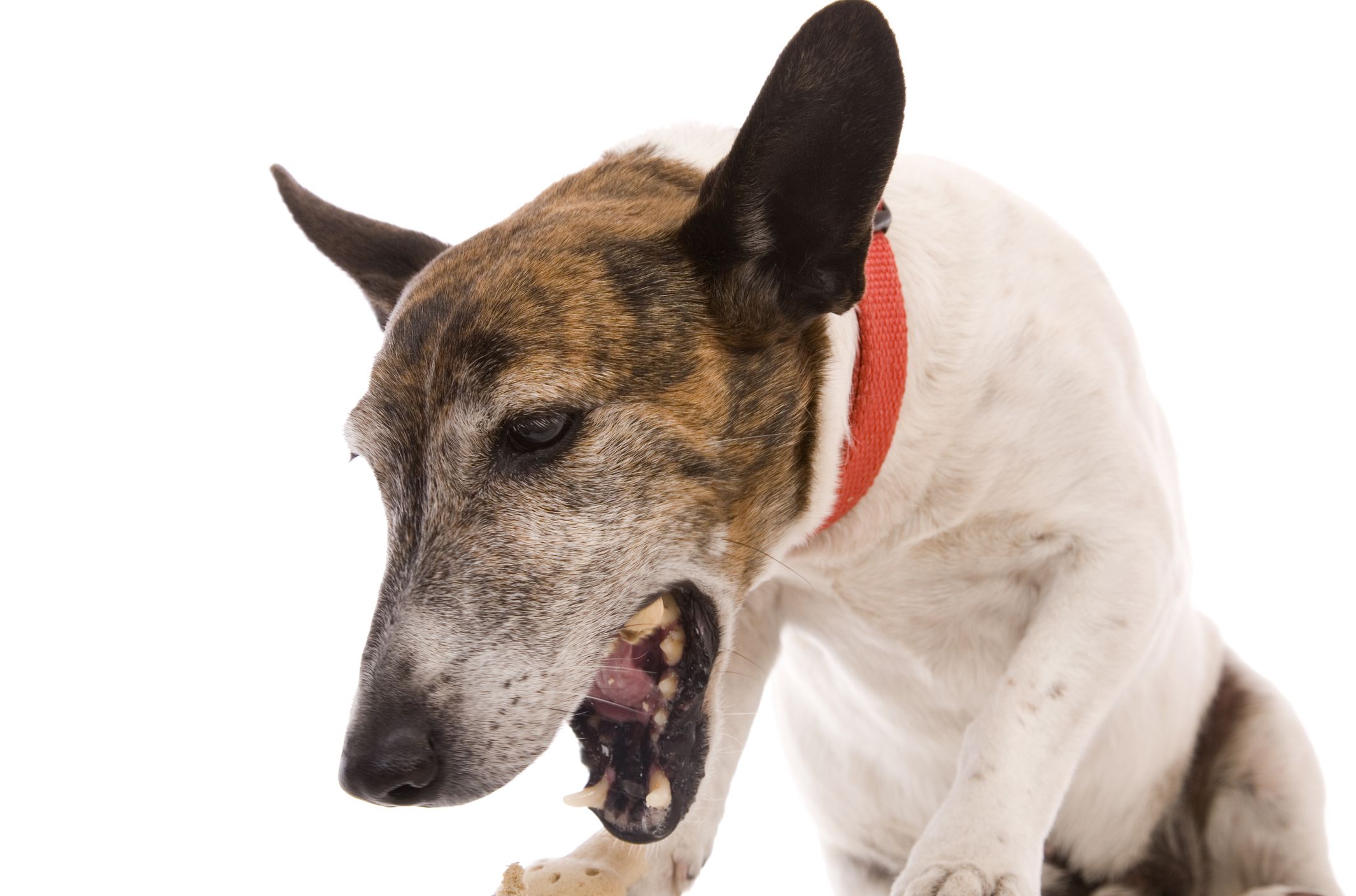
                                                                                Risks of Stopping Medication

                                                                                Discontinuing flea and tick prevention during winter months can have serious consequences:

                                                                                1. Increased risk of infestations
                                                                                2. Potential spread of diseases
                                                                                3. Difficulty in eliminating established parasites
                                                                                4. Compromised pet health and comfort

                                                                                Maintaining a consistent flea and tick prevention regimen protects dogs from these risks and ensures continuous defense against parasites.

                                                                                Effective Year-Round Prevention Strategies

                                                                                To provide comprehensive protection for dogs, consider these year-round prevention strategies:

                                                                                1. Use broad-spectrum medications that target both fleas and ticks
                                                                                2. Administer treatments consistently as directed by the product label or veterinarian
                                                                                3. Combine topical and oral medications for enhanced protection
                                                                                4. Regularly inspect dogs for signs of fleas or ticks, especially after outdoor activities
                                                                                5. Treat the home environment to prevent infestations

                                                                                Choosing the Right Year-Round Protection

                                                                                When selecting a year-round flea and tick medication for dogs, consider these factors:

                                                                                1. Dog’s age, weight, and health status
                                                                                2. Lifestyle and exposure risk
                                                                                3. Ease of administration
                                                                                4. Duration of protection
                                                                                5. Additional parasites covered by the medication

                                                                                Consult with a veterinarian to determine the most suitable year-round protection plan for your dog’s exact needs.

                                                                                By implementing these strategies and dispelling common myths, we can ensure our dogs receive consistent, effective protection against fleas and ticks throughout the year.

                                                                                Conclusion

                                                                                Protecting our dogs from fleas is crucial for their health and comfort. We’ve explored various flea medications their application methods and effectiveness. From topical treatments to oral medications and flea collars each option has its benefits. Remember to consult with a veterinarian to find the best solution for your dog’s exact needs.

                                                                                Year-round prevention is key as fleas can be a threat even in colder months. By staying informed and proactive we can keep our furry friends happy healthy and flea-free. With the right approach and consistent care we’ll ensure our dogs remain protected against these persistent pests.