Author: David Peine

  • Retractable Dog Leashes Work: How They Work and When to Use Them ( 2024 )

    Retractable Dog Leashes Work: How They Work and When to Use Them ( 2024 )

    Have you ever wondered how those popular retractable dog leashes work actually? We’re here to unravel the mystery and help you decide if they’re the right choice for your furry friend.

    Retractable leashes have gained popularity among dog owners for their convenience and flexibility during walks. These innovative devices consist of a thin cord or flat tape wound around a spring-loaded spool inside a plastic handle. With a simple press of a button, you can control the leash’s length, allowing your dog more freedom to explore while maintaining control. We’ll jump into the mechanics, benefits, and potential risks of retractable leashes, so you can make an well-informed choice about whether they’re suitable for your canine companion.

    What Is a Retractable Dog Leash?

    A retractable dog leash is a flexible leash system designed to give dogs more freedom during walks while maintaining control. It consists of a thin cord or flat tape stored inside a plastic handle with a spring-loaded mechanism. The leash extends and retracts through a button-controlled brake-and-release system on the handle.

    Key components of a retractable dog leash include:

    1. Handle: Ergonomically designed for comfort
    2. Housing: Contains the spring-loaded spool
    3. Cord or tape: Extends from the housing
    4. Brake mechanism: Controls leash length
    5. Clip: Attaches to the dog’s collar or harness

    Retractable leashes typically extend up to 26 feet, allowing dogs to explore their surroundings while remaining tethered. The adjustable length provides flexibility for different walking environments, from crowded streets to open parks.

    The mechanism works by:

    1. Pressing the button to release the brake
    2. Allowing the cord to extend as the dog moves away
    3. Locking the leash at a desired length by releasing the button
    4. Retracting the cord automatically when slack occurs

    This design offers convenience for dog owners, enabling them to adjust the leash length based on the situation. But, it’s crucial to use retractable leashes responsibly and consider potential risks associated with their unique functionality.

    How Retractable Dog Leashes Work

    Retractable dog leashes are innovative tools designed to provide flexibility and control during walks. These leashes feature a unique mechanism that allows for adjustable length, giving dogs more freedom to explore while maintaining owner control.

    Internal Mechanism

    Retractable dog leashes operate using a spring-loaded housing that contains a coiled-up leash. The housing, typically made of durable plastic, stores a thin cord or flat tape material. This cord extends and retracts smoothly through an opening in the housing. The internal spring mechanism maintains tension on the cord, automatically retracting it when slack occurs.

    Key components of the internal mechanism include:

    1. Spring-loaded spool
    2. Thin cord or flat tape leash
    3. Plastic housing
    4. Opening for cord extension

    The design allows the leash to extend to various lengths, often up to 26 feet, depending on the model. This flexibility enables dogs to roam and explore within a controlled range during walks.

    Locking and Braking System

    The locking and braking system is crucial for controlling the leash length and ensuring safety during walks. This system typically consists of a button or lever on the handle that the user can operate with their thumb.

    The locking and braking system functions as follows:

    1. Release: Pressing the button releases the brake, allowing the cord to extend freely.
    2. Lock: Releasing the button engages the brake, locking the leash at the desired length.
    3. Retraction: When the dog moves closer, the spring mechanism automatically retracts excess cord.

    This system allows for quick adjustments to the leash length, providing control in various situations. Users can easily switch between allowing their dog more freedom and maintaining a shorter leash when necessary, such as in crowded areas or near traffic.

    Types of Retractable Leashes

    Retractable leashes come in various styles to cater to different dog sizes and owner preferences. Here’s an overview of the main types:

    Cord Leashes

    Cord retractable leashes feature a thin, round nylon cord that extends from the handle. These leashes are:

    • Lightweight and compact
    • Suitable for small to medium-sized dogs
    • Available in lengths up to 26 feet
    • Prone to tangling and may cause rope burn

    Tape Leashes

    Tape retractable leashes use a flat, ribbon-like material instead of a cord. They offer:

    • Increased visibility due to the wider surface area
    • Better strength for larger dogs
    • Reduced risk of tangling compared to cord leashes
    • Less chance of causing injuries from friction

    Heavy-Duty Leashes

    Heavy-duty retractable leashes are designed for larger, stronger dogs. They feature:

    • Thicker cords or tapes for added durability
    • Stronger internal mechanisms to handle more force
    • Larger, more ergonomic handles for better grip
    • Often shorter maximum lengths for improved control

    Reflective Leashes

    Reflective retractable leashes incorporate visibility-improving elements:

    • Reflective strips or threads woven into the cord or tape
    • Ideal for nighttime or low-light walks
    • Enhance safety by making the dog and leash more visible to others

    Multi-Dog Leashes

    Multi-dog retractable leashes allow walking two dogs simultaneously:

    • Dual cords or tapes extending from a single handle
    • Individual length control for each dog
    • Suitable for owners with multiple small to medium-sized dogs
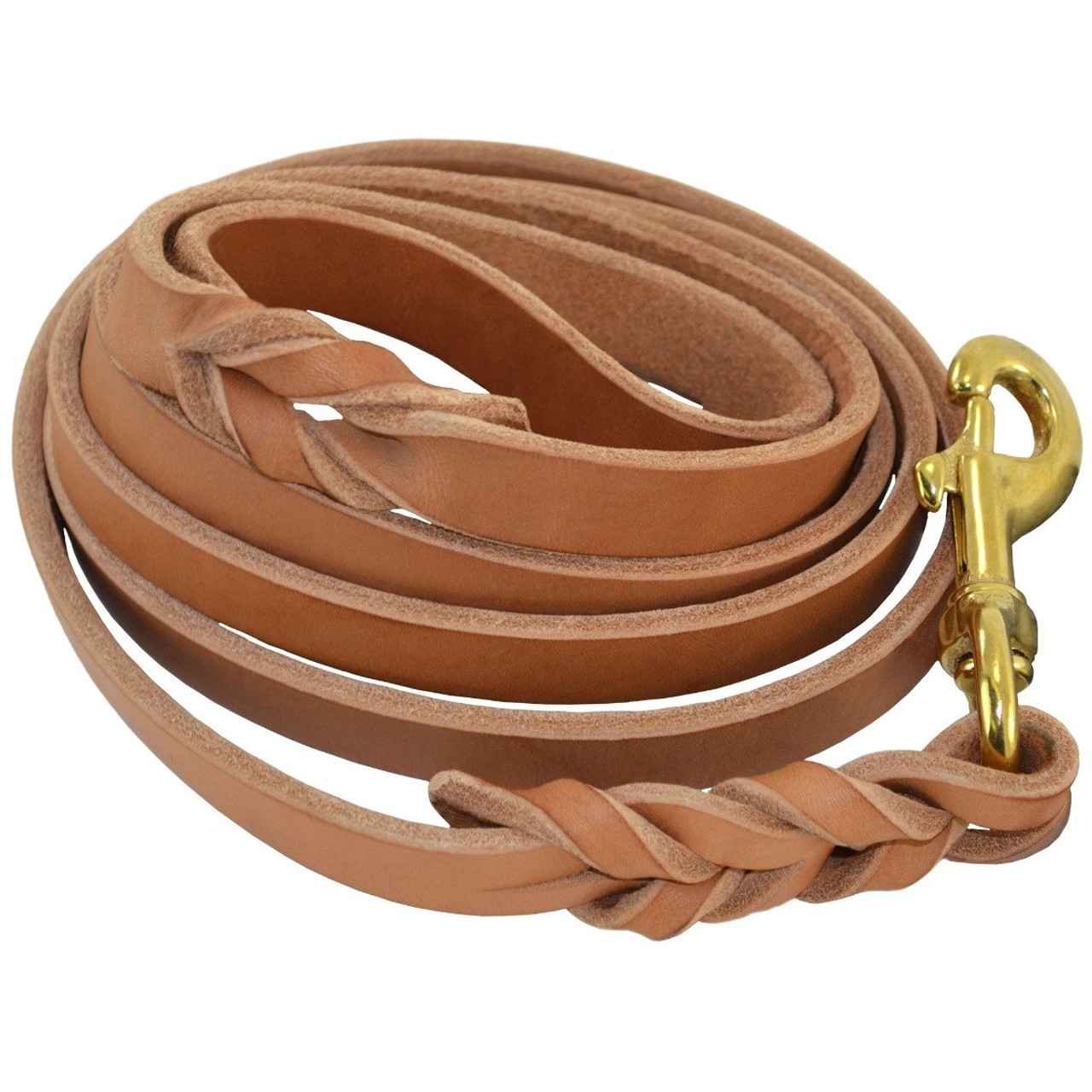
    Dog Leashes / Retractable Dog Leashes Work

    Specialty Leashes

    Some retractable leashes come with additional features:

    • Built-in LED lights for improved visibility
    • Integrated waste bag dispensers for convenience
    • Shock-absorbing systems to reduce strain on both dog and owner

    When choosing a retractable leash, consider your dog’s size, strength, and behavior, as well as your walking environment. Each type offers unique benefits, and selecting the right one ensures a safer, more enjoyable walking experience for both you and your canine companion.

    Advantages of Retractable Leashes

    Retractable leashes offer several benefits for dog owners and their furry companions:

    Greater Freedom for Dogs

    Retractable leashes provide dogs with more room to explore during walks. The adjustable length, often extending up to 26 feet, allows dogs to:

    • Sniff and investigate their surroundings
    • Move at their own pace
    • Exercise more naturally
    • Enjoy a sense of freedom while still under control

    Flexibility in Different Environments

    These leashes adapt to various walking scenarios:

    • Open spaces: Extend the leash for more freedom
    • Crowded areas: Retract the leash for closer control
    • Training sessions: Practice recall commands with adjustable distances

    Convenience for Owners

    Retractable leashes offer practical advantages:

    • One-handed operation for easy control
    • Compact design for storage and portability
    • Quick length adjustments without manual gathering of excess leash

    Enhanced Safety Features

    Modern retractable leashes incorporate safety elements:

    • Locking mechanisms to set a fixed length
    • Brake systems for immediate stopping
    • Reflective materials for improved visibility in low light

    Suitable for Well-Trained Dogs

    For dogs with good leash manners, retractable leashes provide:

    • Rewards for obedience with increased freedom
    • Opportunities to build confidence through controlled exploration
    • A balance between independence and owner supervision

    Weather-Resistant Options

    Some retractable leashes offer weather-related benefits:

    • Allow dogs to relieve themselves at a distance during inclement weather
    • Provide extended reach without exposing owners to rain or snow
    • Feature water-resistant handles for grip in wet conditions

    By understanding these advantages, dog owners can make informed decisions about using retractable leashes for their pets’ walking needs.

    Potential Risks and Safety Concerns

    Retractable dog leashes offer convenience and flexibility, but they come with several potential risks and safety concerns that dog owners should be aware of. We’ll explore the main issues associated with these leashes, focusing on injury risks to dogs and humans, as well as equipment failures.

    Injury to the Dog

    Retractable leashes can pose important risks to dogs:

    • Neck and Throat Damage: The constant tension on a retractable leash can harm a dog’s neck and throat, potentially leading to:
    • Chronic coughing
    • Breathing difficulties
    • Tracheal damage
    • Cord-Related Injuries: The thin cord of retractable leashes can cause:
    • Burns
    • Cuts
    • Abrasions
    • In severe cases, limb amputation or circulatory issues due to entanglement
    • Sudden Stops: Quick stops when the leash reaches its maximum length may result in:
    • Neck injuries
    • Spinal trauma
    • Joint damage

    Injury to Humans

    Retractable leashes can also be dangerous for dog owners and bystanders:

    • Rope Burns: The thin cord can cause painful burns if it wraps around fingers or limbs
    • Falls: Sudden pulls from dogs can lead to loss of balance and falls
    • Cuts and Lacerations: The cord can cause deep cuts, especially if it’s pulled rapidly

    Breakage and Equipment Failure

    The complex mechanism of retractable leashes increases the risk of malfunction:

    • Component Failure: More moving parts mean a higher chance of breakage
    • Cord Snapping: The thin cord is prone to fraying and breaking, especially with larger dogs
    • Handle Malfunction: The locking mechanism may fail, causing loss of control
    Risk FactorPotential Consequences
    Constant TensionNeck injuries, breathing issues
    Thin CordBurns, cuts, entanglement
    Sudden StopsSpinal trauma, joint damage
    Equipment FailureLoss of control, escape risks

    Behavioral Issues

    Retractable leashes can contribute to undesirable dog behaviors:

    • Lack of Control: Extended leash length can make it difficult to control the dog in emergencies
    • Reinforced Pulling: Dogs may learn to pull constantly to extend the leash
    • Reduced Training Effectiveness: Inconsistent leash length can confuse dogs during training

    Environmental Hazards

    The extended reach of retractable leashes can lead to environmental risks:

    • Traffic Dangers: Dogs may suddenly run into roads before owners can react
    • Wildlife Encounters: Extended leashes allow dogs to approach wildlife, potentially causing harm
    • Property Damage: Dogs may access and damage plants, landscaping, or private property

    By understanding these potential risks and safety concerns, dog owners can make informed decisions about using retractable leashes and take necessary precautions to ensure the safety of their pets and those around them.

    Proper Usage and Safety Tips

    Retractable dog leashes offer convenience and flexibility, but proper usage is crucial for safety. We’ll explore essential tips for choosing the right leash, training your dog, and maintaining control during walks.

    Choosing the Right Leash

    Selecting the appropriate retractable leash is vital for your dog’s safety and your peace of mind. Consider these factors:

    • Match the leash to your dog’s weight and strength
    • Opt for reputable brands that undergo safety testing
    • Check the maximum length and ensure it suits your walking environment
    • Look for durable materials like nylon or polyester
    • Choose a comfortable handle with a secure grip
    • Consider visibility features for nighttime walks, such as reflective elements

    Remember, a well-chosen leash enhances control and reduces the risk of accidents or breakage during walks.

    Training Your Dog

    Proper training is essential for safe and enjoyable walks with a retractable leash. Follow these guidelines:

    • Start with basic obedience commands like “heel,” “sit,” and “stay”
    • Teach your dog to walk beside you without pulling
    • Practice recall commands to ensure your dog returns when called
    • Gradually introduce the retractable leash in a controlled environment
    • Reward good behavior with treats and praise
    • Be consistent with rules and expectations during walks
    • Address any leash reactivity or aggression issues before using a retractable leash

    Patience and consistency are key to training your dog to walk safely on a retractable leash.

    Maintaining Control

    Maintaining control is crucial when using a retractable leash. Follow these tips:

    • Stay alert and aware of your surroundings at all times
    • Keep a shorter leash length in busy areas or near traffic
    • Use the locking mechanism to adjust leash length as needed
    • Avoid wrapping the leash around your hand or body
    • Be prepared to retract the leash quickly in case of emergencies
    • Use both hands for better control with larger or stronger dogs
    • Maintain a safe distance from other people, dogs, and potential hazards
    • Practice proper leash etiquette in public spaces

    By following these guidelines, you’ll enhance safety and enjoyment during walks with your dog on a retractable leash.

    Best Environments for Retractable Leashes

    Retractable leashes offer unique benefits in exact environments, providing dogs with more freedom to explore while maintaining control. Here are the best environments for using retractable leashes:

    Open Spaces

    Open areas like parks or fields are ideal for retractable leashes. These environments allow dogs to:

    • Roam freely within the leash’s extended range
    • Explore interesting smells and sights
    • Run ahead without straining against a fixed-length leash
    • Practice recall training in a controlled setting

    Low-Traffic Areas

    Quiet neighborhoods or rural roads with minimal traffic are suitable for retractable leashes. In these areas:

    • Dogs can enjoy extended freedom without safety concerns
    • Owners can easily retract the leash if cars or other hazards appear
    • There’s less risk of the leash tangling with obstacles or other pedestrians

    Beach Walks

    Beaches offer excellent opportunities for using retractable leashes:

    • Dogs can splash in shallow water while owners stay dry
    • The open space allows for extended exploration
    • Owners can quickly retract the leash if other beachgoers approach

    Hiking Trails

    Well-maintained hiking trails can be appropriate for retractable leashes:

    • Dogs can investigate off-trail scents and sights
    • Owners maintain control on narrow paths by retracting the leash
    • The extended length allows dogs to navigate terrain at their own pace

    Large, Fenced Areas

    Fenced dog parks or yards are safe environments for retractable leashes:

    • Dogs can roam within the confines of the fence
    • Owners can practice leash control in a secure setting
    • The retractable feature allows for gradual introduction to off-leash play

    Training Sessions

    Controlled training environments are perfect for retractable leashes:

    • Practice recall commands at various distances
    • Teach leash manners with adjustable length
    • Gradually increase freedom as the dog’s behavior improves

    When using retractable leashes in these environments, it’s crucial to:

    1. Stay alert to your surroundings
    2. Use the locking mechanism when necessary
    3. Retract the leash quickly if hazards appear
    4. Respect other people and animals in shared spaces

    By choosing appropriate environments and following safety guidelines, retractable leashes can provide an enjoyable walking experience for both dogs and their owners.

    Alternatives to Retractable Leashes

    While retractable leashes offer flexibility, they’re not suitable for every dog or situation. Here are some safer alternatives that provide better control and reduce potential risks:

    Standard Flat Leashes

    Standard flat leashes are the most common and versatile option:

    • Length: Typically 4-6 feet long
    • Material: Nylon or leather
    • Benefits:
    • Provide consistent control
    • Less prone to breakage
    • Easier to grip and manage
    • Available in various widths for different dog sizes

    Adjustable Leashes

    Adjustable leashes offer a compromise between standard and retractable options:

    • Length: Can be adjusted from 3-6 feet
    • Features: Multiple attachment points along the length
    • Advantages:
    • Adapt to different walking environments
    • Maintain control in crowded areas
    • Allow more freedom in open spaces

    Hands-Free Leashes

    Hands-free leashes are ideal for active dog owners:

    • Design: Worn around the waist or across the body
    • Uses: Jogging, hiking, or multitasking during walks
    • Benefits:
    • Free up hands for other activities
    • Distribute pulling force across the body
    • Often include a bungee section for shock absorption

    Traffic Leashes

    Traffic leashes are short leashes designed for maximum control:

    • Length: Usually 1-2 feet long
    • Best for: High-traffic areas or situations requiring close control
    • Advantages:
    • Keep dogs close in dangerous situations
    • Provide immediate control when needed
    • Often used as a secondary leash for added safety

    Long Lines

    Long lines are extended leashes for training or supervised freedom:

    • Length: Range from 15-50 feet
    • Uses: Recall training, outdoor exploration
    • Considerations:
    • Require active management to prevent tangling
    • Not suitable for crowded areas or near roads
    • Best used in open spaces under close supervision

    Harness and Leash Combinations

    Combining a harness with a standard leash offers enhanced control:

    • Types: Front-clip, back-clip, or dual-clip harnesses
    • Benefits:
    • Distribute pressure away from the neck
    • Provide better steering control
    • Reduce pulling behavior in some dogs

    When choosing an alternative to retractable leashes, consider your dog’s size, behavior, and the typical walking environment. Each option offers unique benefits, and the best choice depends on individual needs and preferences. By selecting the right leash, we can ensure safe, enjoyable walks for both dogs and their owners.

    Conclusion

    Retractable dog leashes offer flexibility and convenience for dog owners but come with important considerations. We’ve explored their mechanics safety concerns and proper usage techniques. While they provide freedom for dogs to explore they’re not suitable for every situation or pet.

    Choosing the right leash depends on your dog’s size behavior and your walking environment. Whether you opt for a retractable leash or an alternative it’s crucial to prioritize safety and control. By understanding the pros and cons of retractable leashes you can make an well-informed choice for enjoyable and secure walks with your furry companion.

  • Unlock the Power of Dog Training Leads: How They Work & Transform Your Pup 2024

    Unlock the Power of Dog Training Leads: How They Work & Transform Your Pup 2024

    Ever wondered how professional dog trainers achieve such impressive results? The secret might be simpler than you think: dog training leads. These versatile tools are revolutionizing the way we teach our furry friends, offering a blend of freedom and control that’s hard to match with standard leashes.

    Dog training leads, typically ranging from 5 to 50 meters in length, are designed to enhance various aspects of canine education. From perfecting recall commands to managing behavioral issues, these leads provide a safe way to give dogs more space while maintaining control. We’ll explore how these leads work, their benefits in different training scenarios, and tips for using them effectively. Whether you’re a first-time puppy owner or looking to refine your seasoned companion’s skills, understanding the power of training leads can be a game-changer in your dog’s development.

    What Are Dog Training Leads?

    Dog training leads are specialized leashes designed to enhance control and help effective training sessions. These leads come in various lengths, typically ranging from 5 to 50 meters (16 to 164 feet), providing trainers with flexibility in different training scenarios.

    Types of Dog Training Leads

    Dog training leads come in several types, each serving exact purposes:

    1. Standard leash: A basic, short lead for everyday walks and basic obedience training
    2. Long line: Extended leads for recall training and distance work
    3. Slip lead: Combines collar and leash, useful for quick control
    4. Martingale lead: Provides gentle correction without choking
    5. Retractable lead: Adjustable length for varying levels of freedom
    6. Multi-functional lead: Convertible leads with multiple attachment points

    Each type offers unique benefits, allowing trainers to choose the most appropriate lead for their dog’s exact training needs and environment.

    Materials Used in Training Leads

    Dog training leads are crafted from various materials, each with distinct properties:

    1. Nylon: Durable, lightweight, and affordable
    2. Leather: Strong, long-lasting, and develops a natural patina over time
    3. Biothane: Waterproof, easy to clean, and resistant to odors
    4. Cotton: Soft, comfortable, and ideal for sensitive hands
    5. Rope: Strong, provides good grip, and suitable for larger dogs
    6. Chain: Durable and chew-resistant, often used for strong or persistent chewers

    The choice of material depends on factors such as the dog’s size, strength, and behavior, as well as the trainer’s preferences and the intended use of the lead. Each material offers unique advantages in terms of durability, comfort, and functionality during training sessions.

    How Dog Training Leads Work

    Dog training leads are essential tools designed to provide control and freedom during training sessions. These versatile leashes come in various lengths and styles, each serving exact purposes in a dog’s training journey.

    Functionality and Mechanics

    Dog training leads typically range from 15 to 30 feet in length, offering dogs more freedom to explore while maintaining control. Made from durable materials like soft woven nylon webbing, these leads are strong, washable, and built to last. They often feature a swivel snap to prevent twisting, ensuring smooth movement during training exercises.

    Different types of training leads cater to exact needs:

    • Short traffic leads for heel training
    • Longer leads for recall and sport dog training
    • Specialized leads with grippy textures for enhanced control

    The extended length of these leads allows dogs to roam and practice commands at a distance, making them ideal for recall training and building confidence in anxious dogs.

    Proper Use and Placement

    To effectively use a dog training lead:

    1. Attach the lead to a well-fitted collar or harness
    2. Hold the lead loosely, allowing slack for natural movement
    3. Use gentle guidance rather than forceful pulling
    4. Gradually increase distance as your dog’s skills improve

    Proper placement involves:

    • Keeping the lead tangle-free
    • Positioning yourself to maintain control
    • Adjusting lead length based on the training exercise

    For recall training, let your dog wander to the end of the lead, then call them back using a command. Gently guide them if needed, reinforcing the desired behavior.

    When addressing behavioral issues, use the lead to redirect your dog’s attention and encourage positive actions. The extended length allows for natural consequences while ensuring safety.

    Remember to always supervise your dog when using a training lead, especially in new environments. With consistent practice and proper technique, dog training leads can significantly enhance your training sessions and strengthen your bond with your furry companion.

    A Firefighter Walking a Dog / Dog Training Leads

    Photo by Elena’s on Pexels

    Benefits of Using Training Leads

    Training leads offer many advantages for dog owners and trainers. These versatile tools enhance control, safety, and training effectiveness, making them essential for successful dog training sessions.

    Improved Control and Safety

    Training leads provide better control over dogs during walks and training sessions. They prevent dogs from running off, approaching potential dangers, or getting into unsafe situations. With a training lead, we can guide our dogs away from traffic, unfamiliar animals, or other hazards, ensuring their safety in various environments. The leads also allow us to maintain a consistent distance between us and our dogs, promoting a sense of security for both parties. By using training leads, we can gradually increase our dogs’ freedom while still maintaining the ability to intervene quickly if needed.

    Enhanced Training Effectiveness

    Training leads significantly improve the effectiveness of dog training sessions. They help clear communication between trainers and dogs, allowing for precise guidance and direction of behavior. With a training lead, we can easily reinforce commands like “sit,” “stay,” and “heel” by providing gentle physical cues alongside verbal instructions. The leads are particularly useful for recall training, enabling us to guide dogs back when called, even from a distance. This consistent feedback helps dogs understand expectations more quickly, accelerating the learning process. Training leads also aid in managing problematic behaviors such as pulling or jumping, allowing for immediate corrections and redirection to more desirable actions.

    Choosing the Right Training Lead

    Selecting the appropriate training lead is crucial for effective dog training. We’ll explore key factors to consider and various length and width options to help you make an well-informed choice.

    Factors to Consider

    When choosing a dog training lead, several factors come into play:

    1. Dog’s size and strength: Larger, stronger dogs require sturdier leads.
    2. Training goals: Different leads suit various training objectives, such as recall or heel work.
    3. Environment: Consider where you’ll be training – open fields, urban areas, or indoors.
    4. Material: Nylon, leather, and biothane each have unique properties and durability.
    5. Comfort: Ensure the lead is comfortable for both you and your dog to handle.
    6. Safety features: Look for reflective stitching or high-visibility colors for added safety.
    7. Attachment type: Choose between clip-on leads or slip leads based on your preference and dog’s needs.

    By carefully considering these factors, we can select a training lead that best suits our dog’s needs and our training objectives.

    Length and Width Options

    Training leads come in various lengths and widths to accommodate different training scenarios:

    1. Short leads (4-6 feet):
    • Ideal for heel training and close control
    • Suitable for urban environments or crowded areas
    • Typically 1/2 to 3/4 inch wide for medium to large dogs
    1. Medium leads (10-15 feet):
    • Versatile for general training and moderate distance work
    • Good for park training or spacious backyards
    • Usually 3/8 to 1/2 inch wide for most dog sizes
    1. Long leads (20-50 feet):
    • Perfect for recall training and giving dogs more freedom
    • Best used in open spaces or large fields
    • Often 1/4 to 3/8 inch wide to reduce weight and tangling
    1. Extra-long leads (50+ feet):
    • Specialized for advanced distance training
    • Used in professional training or exact sports
    • Typically very thin (1/8 to 1/4 inch) to minimize weight

    When selecting a lead length and width, we must consider our training goals, the dog’s size, and the training environment to ensure optimal control and safety during sessions.

    Common Training Techniques with Leads

    Dog training leads are versatile tools that enable various effective training techniques. We’ll explore two popular methods: long-line training and recall training.

    Long-Line Training

    Long-line training utilizes extended leads, typically 15-30 feet in length, to give dogs more freedom while maintaining control. This technique is ideal for teaching distance commands and building confidence. We use long lines to practice recall, stay, and come commands in open spaces. The extended length allows dogs to explore their surroundings while trainers can still guide and correct behavior.

    Key benefits of long-line training include:

    • Increased safety in unfamiliar environments
    • Gradual transition to off-leash reliability
    • Improved distance control
    • Enhanced trust between dog and handler

    When using long lines, we ensure the lead remains slack to prevent accidental corrections. We also use harnesses instead of collars to distribute pressure evenly and avoid neck injuries.

    Recall Training

    Recall training with leads focuses on teaching dogs to come when called, regardless of distractions. We use leads of varying lengths to practice this essential skill in different environments. Starting with shorter leads in low-distraction areas, we gradually increase the length and introduce more challenging scenarios.

    Effective recall training techniques include:

    • Using high-value rewards to reinforce the desired behavior
    • Implementing a consistent recall cue or command
    • Practicing in various locations and situations
    • Gradually increasing distractions and distance

    We always maintain a positive approach, rewarding dogs for returning rather than punishing them for not responding. This builds a strong association between the recall command and positive experiences.

    By combining long-line and recall training techniques, we create a comprehensive approach to dog training that promotes safety, obedience, and a strong bond between dogs and their handlers.

    Safety Considerations

    When using dog training leads, safety is paramount. Proper handling and usage, along with awareness of potential risks, ensure an effective and secure training experience for both dogs and handlers.

    Proper Handling and Usage

    To use training leads safely, we must focus on correct placement and handling techniques. The lead should be positioned at the top of the dog’s neck, not in the middle or lower down. This placement prevents choking and discourages pulling. We keep the leash at our side with some slack, allowing for corrections without constant tension. Tense arms can make the dog feel anxious, so we maintain a relaxed but attentive posture. It’s crucial to use gentle guidance rather than harsh jerks, as this promotes a positive training experience. We also ensure the lead is attached to a well-fitted collar or harness for optimal control and comfort.

    Potential Risks and Precautions

    While training leads are valuable tools, they come with potential risks that require precautions. Improper use can lead to neck injuries, throat damage, or choking. We never leave a dog unattended with a training lead, as it could become entangled or cause strangulation. For dogs with respiratory issues or flat-faced breeds, we consider alternative training methods or consult a veterinarian before using slip leads. It’s essential to regularly inspect the lead for signs of wear and tear, replacing it if damaged.

    We also avoid using training leads on puppies under six months old, as their necks are still developing. When training in public areas, we remain vigilant of the surroundings to prevent the lead from getting caught on objects or causing trips. By taking these precautions, we ensure a safe and effective training experience for our canine companions.

    Specialized Training Leads

    Specialized training leads are essential tools for dog trainers and owners seeking to address exact behavioral issues or training goals. These leads offer unique features customized to various training scenarios, providing enhanced control and effectiveness. Let’s explore two popular types of specialized training leads: slip leads and hands-free leads.

    Slip Leads

    Slip leads are versatile training tools designed to provide quick control and correction. These leads feature a loop that tightens around the dog’s neck when tension is applied, mimicking the natural disciplinary actions of canines. Slip leads are commonly made from rope, biothane, or leather and range from 4 to 6 feet in length.

    Key features of slip leads include:

    • Tightening mechanism: The loop tightens when pulled, creating pressure around the dog’s neck.
    • Ease of use: Quick to put on and take off, making them ideal for veterinary offices and kennels.
    • Training applications: Effective for teaching loose-leash walking and improving responsiveness.

    It’s crucial to note that slip leads should only be used by trained handlers who understand proper techniques. Improper use can potentially harm the dog, so caution and knowledge are essential when employing this type of lead.

    Hands-Free Leads

    Hands-free leads are innovative training tools that allow handlers to maintain control while keeping their hands free. These leads typically wrap around the handler’s waist or clip onto a belt, providing a secure connection to the dog without constant hand-holding.

    Key benefits of hands-free leads include:

    • Versatility: Useful for various activities, including jogging, hiking, and everyday walks.
    • Improved control: Allows handlers to use both hands for other tasks while maintaining a connection to the dog.
    • Comfort: Distributes the dog’s pulling force across the handler’s body, reducing strain on arms and shoulders.

    Hands-free leads are particularly valuable in:

    • Military and law enforcement work: Enables handlers to respond quickly to situations while keeping their dog close.
    • Search and rescue operations: Allows handlers to navigate terrain or use equipment while maintaining control of their dog.
    • Outdoor activities: Ideal for adventure dogs and their owners who enjoy hiking, running, or other active pursuits.

    When selecting a hands-free lead, consider factors such as adjustability, attachment options, and the inclusion of features like bungee sections for shock absorption. These leads offer a practical solution for handlers seeking greater freedom and control during training or everyday activities.

    Conclusion

    Dog training leads are invaluable tools for improving the training process and strengthening the bond between dogs and their handlers. We’ve explored their various types materials and benefits highlighting how they provide control while allowing freedom during training sessions. By choosing the right lead and employing proper techniques trainers can effectively address behavioral issues improve recall and ensure safety. With careful consideration of factors like size training goals and environment dog owners can select the perfect lead to suit their needs. Remember that proper use and safety precautions are essential for a successful and enjoyable training experience.

  • 10 Good Reasons for Having a Dog: Boost Health, Happiness & More

    10 Good Reasons for Having a Dog: Boost Health, Happiness & More

    Ever wondered why dogs are called “man’s best friend”? We’ve got 10 compelling reasons that’ll make you want to rush to the nearest shelter. From boosting your physical health to improving your social life, having a dog can transform your industry in ways you’ve never imagined.

    We’re not just talking about cuddles and playtime (though those are great too). Scientific research has uncovered many advantages to being a dog owner. Did you know that 60% of people find dog owners more attractive? Or that having a furry companion can make you more approachable and even improve your overall health? In this text, we’ll explore these benefits and more, giving you all the reasons you need to add a four-legged friend to your family.

    The Benefits of Canine Companionship

    Dogs offer many advantages to their human companions, extending far beyond simple pet ownership. Their presence enriches our lives in countless ways, providing both emotional and physical benefits.

    Unconditional Love and Emotional Support

    Dogs are renowned for their unwavering loyalty and affection. They offer a unique form of companionship that’s characterized by unconditional love and emotional support. This bond is particularly beneficial, as dogs remember and cherish their relationship with their owners for a lifetime.

    The emotional support provided by dogs significantly impacts our psychological well-being. Interacting with these furry friends triggers the release of feel-good hormones like oxytocin and serotonin. These chemical reactions in our brains help alleviate anxiety and promote relaxation, contributing to overall emotional stability.

    Studies show that the companionship of dogs can be especially beneficial for individuals experiencing loneliness or social isolation. The presence of a dog can provide comfort, reduce feelings of emptiness, and offer a sense of purpose.

    Stress Reduction and Improved Mental Health

    Dogs play a crucial role in stress reduction and mental health improvement. The simple act of spending time with a dog can significantly lower stress and anxiety levels. This stress-busting effect is attributed to the reduction in cortisol, a stress hormone, when we interact with our canine companions.

    Besides, captivating with dogs increases the release of endorphins, our body’s natural mood enhancers. This biochemical response contributes to an overall sense of well-being and happiness. Regular interaction with dogs has been linked to lower rates of depression and improved mental health outcomes.

    Dog ownership also encourages a more active lifestyle, which in turn promotes better mental health. Daily walks and playtime not only benefit the dog but also provide opportunities for physical exercise and outdoor exposure, both of which are known to boost mood and reduce stress.

    Physical Health Advantages

    Owning a dog offers many physical health benefits backed by scientific research. From boosting immune systems to improving cardiovascular health, dogs contribute significantly to their owners’ overall well-being.

    Heart Health Benefits

    Dog ownership is linked to improved cardiovascular health. Studies show that dog owners have lower blood pressure and cholesterol levels compared to non-dog owners. This reduction in key risk factors contributes to better heart health and a decreased likelihood of cardiovascular diseases. The American Heart Association reports that dog owners are 54% more likely to get the recommended amount of physical activity, which is crucial for maintaining a healthy heart. Also, the companionship and stress-reducing effects of dogs help lower cortisol levels, further supporting heart health.

    Increased Physical Activity

    Dogs provide a natural incentive for increased physical activity. Daily walks, playtime, and outdoor activities with dogs help owners maintain a more active lifestyle. On average, dog owners walk 22 minutes more per day than non-dog owners, resulting in an additional 2,760 steps. This increased activity level contributes to improved cardiovascular health, weight management, and overall fitness. Besides, dog-related activities like agility training or hiking offer diverse exercise options, making physical activity more enjoyable and sustainable for many people. The consistency of dog-related exercise routines helps establish long-term healthy habits, benefiting both the dog and its owner.

    Social and Lifestyle Improvements

    Owning a dog brings important social and lifestyle benefits. Let’s explore how dogs enhance our social interactions and provide a sense of purpose and routine.

    Enhanced Social Interactions

    Dogs are natural social catalysts, helping owners forge connections with others. Walking a dog or visiting a dog park often leads to chance encounters and conversations with fellow dog enthusiasts. Studies show that 85% of respondents believe interaction with pets reduces loneliness, and dog owners are less likely to feel isolated. Dogs serve as icebreakers, making it easier to strike up conversations and form new friendships. They create opportunities for social engagement, whether it’s at the local park, pet-friendly cafes, or community events. This increased social interaction contributes to improved mental health and a stronger sense of community belonging.

    Sense of Purpose and Routine

    Dogs provide a profound sense of purpose and help establish a consistent daily routine. Caring for a dog requires regular feeding, exercise, and attention, which naturally structures the day. This routine can be particularly beneficial for individuals struggling with depression or lack of motivation. The responsibility of dog ownership encourages owners to maintain a schedule, promoting better time management and productivity. Daily walks, playtime, and training sessions create a sense of accomplishment and fulfillment. Dogs also offer companionship and emotional support, giving owners a reason to get up in the morning and face the day with positivity. The bond formed through these daily interactions fosters a deep sense of purpose and commitment, enriching owners’ lives in meaningful ways.

    Smiling Women with Dog at Park / Having a Dog

    Photo by Vitaly Gariev on Pexels

    Family and Personal Development

    Dogs contribute significantly to family dynamics and personal growth. They offer unique opportunities for teaching important life skills and fostering childhood development.

    Teaching Responsibility

    Owning a dog is an excellent way to teach responsibility. Daily tasks like feeding, walking, and grooming a dog instill a sense of duty and dependability in both children and adults. These regular commitments help develop time management skills and a strong work ethic. For example, setting feeding schedules and remembering to refill water bowls teach the importance of consistency and meeting another’s needs. Walking the dog not only provides exercise but also reinforces the concept of routine and punctuality.

    Grooming activities like brushing fur or trimming nails enhance fine motor skills and patience. By caring for a dog, individuals learn to prioritize another’s well-being, fostering empathy and selflessness. This hands-on experience in responsible pet ownership prepares children for future life challenges and helps adults maintain a structured lifestyle.

    Fostering Childhood Development

    Dogs play a crucial role in fostering childhood development. Children who grow up with dogs often exhibit better social skills, enhanced emotional regulation, and a decreased risk of allergies and asthma. Interacting with dogs teaches children compassion, empathy, and responsibility from an early age. These furry companions serve as loyal playmates, contributing to overall well-being and social development. For instance, playing fetch or tug-of-war with a dog improves a child’s motor skills and coordination.

    Reading to a dog can boost confidence in reluctant readers, as dogs provide a non-judgmental audience. Dogs also help children learn about body language and non-verbal communication, improving their emotional intelligence. The presence of a dog can reduce stress and anxiety in children, promoting better mental health. Also, caring for a dog teaches children about the circle of life, helping them understand concepts like birth, aging, and loss in a gentle, relatable way.

    Security and Practical Benefits

    Dogs offer more than just companionship; they provide important security and practical benefits that enhance our daily lives. Here’s how our canine friends contribute to our safety and well-being:

    Home Security

    Dogs serve as natural deterrents to potential intruders. Their keen senses and protective instincts make them excellent guardians of our homes. Studies show that homes with dogs are less likely to be targeted by burglars, with 34% of convicted burglars stating they’d avoid houses with dogs.

    Personal Safety

    When we’re out for walks or runs, dogs act as personal bodyguards. Their presence can deter potential attackers and make us feel more secure in unfamiliar areas. Large breeds, in particular, can be intimidating to would-be assailants, reducing the risk of personal attacks.

    Early Warning System

    Dogs’ superior hearing and sense of smell allow them to detect potential dangers before we do. They can alert us to:

    • Smoke or fire
    • Gas leaks
    • Intruders
    • Approaching severe weather

    This early warning system can be life-saving in emergency situations.

    Assistance for People with Disabilities

    Service dogs provide invaluable assistance to people with various disabilities:

    • Guide dogs for the visually impaired
    • Hearing dogs for the deaf or hard of hearing
    • Mobility assistance dogs for those with physical limitations
    • Seizure alert dogs for individuals with epilepsy

    These specially trained dogs enhance independence and quality of life for their handlers.

    Emotional Support

    While not technically service animals, emotional support dogs provide comfort and support to individuals with mental health conditions. They can help alleviate symptoms of:

    • Anxiety
    • Depression
    • PTSD
    • Panic disorders

    Search and Rescue Operations

    Dogs’ exceptional scenting abilities make them crucial in search and rescue operations. They can locate:

    • Missing persons
    • Disaster survivors
    • Evidence in criminal investigations

    Their contribution to these efforts often means the difference between life and death.

    Routine and Structure

    Owning a dog imposes a daily routine that can benefit our overall well-being. Regular feeding times, walks, and care activities provide structure to our days, which can be particularly helpful for:

    • Retirees
    • Work-from-home professionals
    • Individuals struggling with mental health issues

    Exercise Motivation

    Dogs need regular exercise, which in turn motivates us to stay active. On average, dog owners walk 22 minutes more per day than non-dog owners, contributing to better cardiovascular health and weight management.

    Allergen Exposure

    Contrary to popular belief, growing up with dogs can actually reduce the risk of developing allergies and asthma. Early exposure to pet dander strengthens the immune system, potentially preventing allergies later in life.

    Social Catalyst

    Dogs serve as natural conversation starters, helping us connect with others in our community. Whether at the dog park or during neighborhood walks, our furry companions help social interactions and can help combat feelings of loneliness or isolation.

    By providing these security and practical benefits, dogs prove to be more than just pets; they’re valuable contributors to our overall safety, health, and well-being. Their multifaceted roles in our lives underscore why they’re often considered indispensable family members.

    Final Thought on Having a Dog

    Dogs offer a multitude of benefits that enrich our lives in countless ways. From improving our physical and mental health to improving our social connections and personal growth they’re truly remarkable companions. Whether you’re seeking a loyal friend unconditional love or a motivation to stay active a dog can fulfill these needs and more. The joy comfort and positive impact they bring to our lives make them much more than pets – they’re cherished family members who make our industry a happier healthier place.

  • 10 Vorteile eines Hund Zu Haben: Gesundheit, Glück und mehr für dich

    10 Vorteile eines Hund Zu Haben: Gesundheit, Glück und mehr für dich

    Haben Sie sich jemals gefragt, warum Hundebesitzer oft so glücklich wirken? Es liegt nicht nur an der bedingungslosen Liebe, die ihre pelzigen Freunde ihnen schenken. Wissenschaftliche Studien belegen, dass das Leben mit einem Hund zahlreiche gesundheitliche und soziale Vorteile mit sich bringt.

    In diesem Artikel enthüllen wir die 10 wichtigsten Vorteile, einen Hund zu haben. Von der Stärkung des Immunsystems bis hin zur Verbesserung der sozialen Kompetenzen – wir zeigen Ihnen, wie ein Vierbeiner Ihr Leben bereichern kann. Ob Sie bereits Hundebesitzer sind oder darüber nachdenken, einer zu werden, diese Erkenntnisse werden Sie überraschen und inspirieren.

    Die 10 Vorteile Einen Hund Zu Haben

    1. Ausschüttung von Liebeshormonen

    Beim Kuscheln mit unserem Hund wird Oxytocin freigesetzt. Dieses Liebeshormon stärkt die Bindung zwischen uns und unserem vierbeinigen Freund. Es reduziert Stress und lindert Trauer, was unser emotionales Wohlbefinden verbessert.

    1. Regelmäßige Bewegung an der frischen Luft

    Hunde benötigen tägliche Spaziergänge. Diese Routine bringt uns mehrmals täglich nach draußen. Die regelmäßige Bewegung an der frischen Luft fördert unsere Fitness und stärkt unser Herz-Kreislauf-System.

    1. Stärkung des Immunsystems

    Unsere Hunde bringen verschiedene Mikroorganismen ins Haus. Dies trainiert unser Immunsystem kontinuierlich. Ein gut trainiertes Immunsystem senkt die Wahrscheinlichkeit für Allergien und stärkt unsere allgemeine Gesundheit.

    1. Erweiterung des sozialen Netzwerks

    Beim Gassi gehen treffen wir regelmäßig andere Hundebesitzer. Diese Begegnungen bieten Gelegenheiten für neue Bekanntschaften und Freundschaften. Unser soziales Netzwerk wächst, was positive Auswirkungen auf unser Wohlbefinden hat.

    1. Förderung der Verantwortungsbereitschaft

    Die Pflege eines Hundes erfordert Verantwortungsbewusstsein. Wir lernen, zuverlässig für ein anderes Lebewesen zu sorgen. Diese Erfahrung fördert unsere persönliche Entwicklung und Reife.

    1. Reduzierung von Stress und Angst

    Die Anwesenheit unseres Hundes kann beruhigend wirken. Streicheln und Kuscheln mit unserem Vierbeiner reduziert Stresshormone wie Cortisol. Dies hilft uns, Ängste abzubauen und entspannter durch den Alltag zu gehen.

    1. Strukturierung des Tagesablaufs

    Hunde benötigen einen geregelten Tagesablauf. Diese Routine überträgt sich auf unser Leben. Feste Fütter- und Gassi-Zeiten geben unserem Tag Struktur, was besonders in stressigen Zeiten hilfreich sein kann.

    1. Förderung der kindlichen Entwicklung

    Kinder, die mit Hunden aufwachsen, profitieren in vielerlei Hinsicht. Sie entwickeln oft eine höhere Sozialkompetenz und lernen früh, Verantwortung zu übernehmen. Hunde können sogar als “Lesehunde” Kindern mit Leseschwäche helfen.

    1. Verbesserung der körperlichen Gesundheit

    Die täglichen Spaziergänge und das Spielen mit unserem Hund erhöhen unsere körperliche Aktivität. Dies kann zu einer Verbesserung unserer allgemeinen Fitness, einem gesunden Körpergewicht und einer Stärkung des Herz-Kreislauf-Systems führen.

    1. Emotionale Unterstützung und bedingungslose Liebe

    Unsere Hunde bieten bedingungslose Liebe und emotionale Unterstützung. Sie sind treue Gefährten, die uns in guten wie in schlechten Zeiten zur Seite stehen. Diese uneingeschränkte Zuneigung kann unser Selbstwertgefühl stärken und uns emotional stabilisieren.

    Diese zehn Vorteile zeigen, wie bereichernd das Leben mit einem Hund sein kann. Von der Verbesserung unserer physischen und psychischen Gesundheit bis hin zur Erweiterung unseres sozialen Umfelds – ein Hund kann unser Leben in vielerlei Hinsicht positiv beeinflussen. Die Entscheidung, einen Hund zu adoptieren, sollte jedoch wohlüberlegt sein, da die Hundehaltung auch Verantwortung und Engagement erfordert.

    Gesundheitliche Vorteile

    Hundebesitzer profitieren von zahlreichen gesundheitlichen Vorteilen. Diese reichen von einer gestärkten Immunabwehr bis hin zu verbesserter körperlicher Fitness.

    Stärkung Des Immunsystems

    Hunde tragen wesentlich zur Stärkung unseres Immunsystems bei. Sie bringen verschiedene Bakterien und Viren ins Haus, was unser Immunsystem kontinuierlich herausfordert und trainiert. Diese ständige Auseinandersetzung mit neuen Mikroorganismen führt zu einer verbesserten Abwehrreaktion unseres Körpers. Studien zeigen, dass Kinder, die mit Hunden aufwachsen, seltener an Allergien und Asthma leiden. Erwachsene Hundebesitzer weisen oft eine höhere Widerstandsfähigkeit gegen gängige Erkältungskrankheiten auf. Die Interaktion mit Hunden fördert zudem die Produktion von Immunglobulinen, die unsere körpereigene Abwehr unterstützen.

    Senkung Von Blutdruck Und Cholesterinspiegel

    Regelmäßiger Kontakt mit Hunden trägt nachweislich zur Senkung von Blutdruck und Cholesterinspiegel bei. Die beruhigende Wirkung beim Streicheln eines Hundes führt zu einer Reduzierung des Stresshormons Cortisol und einer Erhöhung des “Glückshormons” Oxytocin. Diese hormonelle Veränderung wirkt sich positiv auf den Blutdruck aus. Studien belegen, dass Hundebesitzer im Durchschnitt einen niedrigeren Blutdruck und Cholesterinspiegel aufweisen als Menschen ohne Hund. Die regelmäßige körperliche Aktivität mit dem Hund, wie Spaziergänge oder Spielen, trägt zusätzlich zur Verbesserung der Herz-Kreislauf-Gesundheit bei und hilft, den Cholesterinspiegel im gesunden Bereich zu halten.

    Förderung Der Körperlichen Aktivität

    Hunde sind hervorragende Motivatoren für regelmäßige körperliche Aktivität. Tägliche Spaziergänge, Spieleinheiten im Park oder gemeinsame sportliche Aktivitäten wie Joggen oder Wandern gehören zum Alltag eines Hundebesitzers. Diese kontinuierliche Bewegung fördert die allgemeine Fitness und hilft bei der Gewichtskontrolle. Studien zeigen, dass Hundebesitzer im Durchschnitt 300 Minuten pro Woche mehr Zeit mit moderater körperlicher Aktivität verbringen als Menschen ohne Hund. Die regelmäßige Bewegung an der frischen Luft verbessert nicht nur die Ausdauer und Muskelkraft, sondern steigert auch die Produktion von Endorphinen, was zu einem verbesserten Wohlbefinden führt. Zusätzlich bietet die Zeit im Freien die Möglichkeit, Vitamin D durch Sonnenlicht aufzunehmen, was für ein gesundes Immunsystem und starke Knochen wichtig ist.

    Emotionale Vorteile

    Hunde bieten zahlreiche emotionale Vorteile für ihre Besitzer. Sie sind treue Gefährten, die bedingungslose Liebe und Unterstützung schenken, was sich positiv auf unser emotionales Wohlbefinden auswirkt.

    Reduzierung Von Stress Und Angst

    Hunde sind hervorragende Stressreduzierer. Die Anwesenheit eines Hundes senkt nachweislich den Herzschlag und den Blutdruck, was zu einer beruhigenden Wirkung führt. Beim Streicheln oder Spielen mit einem Hund werden Stresshormone abgebaut und Entspannung gefördert. Studien zeigen, dass Hundebesitzer im Durchschnitt weniger Angstsymptome aufweisen als Menschen ohne Hund. Die regelmäßige Interaktion mit einem Hund kann sogar bei der Bewältigung von Angstzuständen und leichten Depressionen helfen. Durch die Ablenkung und die positive Energie, die Hunde ausstrahlen, fällt es leichter, negative Gedanken loszulassen und sich auf den Moment zu konzentrieren.

    Steigerung Des Glücksgefühls

    Hunde haben einen direkten Einfluss auf unser Glücksempfinden. Das Kuscheln und Streicheln eines Hundes führt zur Ausschüttung von Oxytocin, dem sogenannten Liebeshormon. Dieses Hormon stärkt nicht nur die emotionale Bindung zwischen Mensch und Hund, sondern fördert auch positive Gefühle und Zufriedenheit. Die täglichen Interaktionen mit einem Hund, wie Spielen oder Spazierengehen, steigern die Produktion von Endorphinen, den körpereigenen Glückshormonen. Hundebesitzer berichten oft von einem gesteigerten Selbstwertgefühl und einer positiveren Lebenseinstellung. Die bedingungslose Liebe und Akzeptanz, die Hunde ihren Besitzern entgegenbringen, tragen maßgeblich zu diesem gesteigerten Glücksgefühl bei.

    Bekämpfung Von Einsamkeit

    Hunde sind effektive Helfer gegen Einsamkeit. Als treue Gefährten bieten sie ständige Gesellschaft und emotionale Unterstützung. Sie spüren die Stimmung ihrer Besitzer und leisten ihnen Gesellschaft, was sie zu idealen Seelentröstern macht. Die Anwesenheit eines Hundes gibt ein Gefühl von Sicherheit und Geborgenheit, besonders für Menschen, die allein leben. Hundebesitzer haben zudem mehr soziale Interaktionen, da sie beim Gassigehen oft mit anderen Menschen in Kontakt kommen. Dies erweitert das soziale Netzwerk und verringert das Gefühl der Isolation. Die Verantwortung für einen Hund gibt dem Alltag Struktur und Sinn, was besonders für ältere Menschen oder Menschen in Lebenskrisen wichtig sein kann. Die bedingungslose Zuneigung eines Hundes kann das Selbstwertgefühl stärken und das Gefühl von Einsamkeit deutlich reduzieren.

    Soziale Vorteile

    https://youtube.com/watch?v=yXDG_L25mps

    Hunde bereichern unser Leben auf vielfältige Weise, besonders im sozialen Bereich. Sie öffnen Türen zu neuen Bekanntschaften und verbessern zwischenmenschliche Beziehungen in verschiedenen Lebensbereichen.

    Knüpfen Neuer Kontakte

    Hundebesitzer genießen zahlreiche Möglichkeiten, neue Kontakte zu knüpfen. Beim täglichen Gassi gehen treffen wir regelmäßig auf andere Hundehalter, was natürliche Gesprächsanlässe schafft. Hundewiesen und -parks sind beliebte Treffpunkte, an denen sich gleichgesinnte Menschen austauschen. Hundeschulen und Trainingsgruppen bieten strukturierte Umgebungen zum Netzwerken. Viele Städte organisieren spezielle Hundeevents wie Wanderungen oder Wettbewerbe, die das soziale Umfeld erweitern. Online-Plattformen und Apps für Hundebesitzer erleichtern zusätzlich die Kontaktaufnahme zu anderen Hundefreunden in der Nähe.

    Verbesserung Des Arbeitsklimas

    Hunde im Büro tragen nachweislich zu einem positiven Arbeitsklima bei. Ihre Anwesenheit reduziert Stress und fördert die Kommunikation zwischen Kollegen. Kurze Pausen zum Streicheln oder Spielen steigern die Produktivität und Kreativität. Gemeinsame Mittagsspaziergänge mit dem Hund fördern den teamübergreifenden Austausch. Büro-Hunde fungieren als soziale Katalysatoren, die Gespräche anregen und Barrieren abbauen. Sie schaffen eine entspannte Atmosphäre und erhöhen die Arbeitszufriedenheit. Studien zeigen, dass hundefreundliche Unternehmen eine geringere Fluktuation und höhere Mitarbeiterbindung aufweisen. Allerdings erfordert die Integration von Hunden am Arbeitsplatz klare Richtlinien und Rücksichtnahme auf alle Mitarbeiter.

    Persönliche Entwicklung

    Die Haltung eines Hundes bietet zahlreiche Möglichkeiten zur persönlichen Entwicklung. Wir erläutern, wie Hundebesitzer von diesen Vorteilen profitieren und dadurch ihr Verantwortungsbewusstsein stärken sowie ihr Selbstbewusstsein fördern können.

    Stärkung Des Verantwortungsbewusstseins

    Ein Hund zu haben bedeutet, Verantwortung zu übernehmen. Wir müssen uns täglich um unseren vierbeinigen Freund kümmern, was unser Pflichtbewusstsein schult. Regelmäßige Fütterung, Pflege und Spaziergänge strukturieren unseren Alltag und lehren uns, zuverlässig zu sein. Die Gesundheitsvorsorge des Hundes, einschließlich Impfungen und Tierarztbesuche, erfordert Planung und Voraussicht. Durch diese kontinuierliche Fürsorge entwickeln wir ein tieferes Verständnis für die Bedürfnisse anderer und lernen, selbstlos zu handeln. Die Erziehung und das Training des Hundes fördern zusätzlich unsere Geduld und Ausdauer. All diese Aspekte tragen dazu bei, dass wir als Hundebesitzer ein stärkeres Verantwortungsbewusstsein entwickeln, was sich positiv auf verschiedene Lebensbereiche auswirkt.

    Förderung Des Selbstbewusstseins

    Die Hundehaltung kann unser Selbstbewusstsein auf vielfältige Weise stärken. Durch die erfolgreiche Bewältigung der täglichen Aufgaben und Herausforderungen, die ein Hund mit sich bringt, erleben wir ein Gefühl der Kompetenz und des Stolzes. Wir lernen, Entscheidungen für das Wohl unseres Hundes zu treffen, was unser Selbstvertrauen stärkt. Die bedingungslose Liebe und Akzeptanz, die uns unser Hund entgegenbringt, verbessert unser Selbstwertgefühl. Regelmäßige Spaziergänge und Aktivitäten mit dem Hund fördern zudem unsere körperliche Fitness und unser Wohlbefinden, was sich positiv auf unser Selbstbild auswirkt.

    Die Interaktion mit anderen Hundebesitzern und die Fähigkeit, unseren Hund zu erziehen, steigern unsere sozialen Kompetenzen und unser Selbstvertrauen in zwischenmenschlichen Situationen. Durch diese vielfältigen Erfahrungen entwickeln wir als Hundebesitzer ein gestärktes Selbstbewusstsein, das uns in allen Lebensbereichen zugute kommt.

    Fazit

    Die zahlreichen Vorteile einen Hund zu haben sind beeindruckend. Von gesundheitlichen Verbesserungen bis hin zu emotionaler Unterstützung bereichern Hunde unser Leben auf vielfältige Weise. Sie fördern unsere körperliche Aktivität stärken unser Immunsystem und verbessern unser soziales Leben.

    Hunde schenken uns bedingungslose Liebe reduzieren Stress und bekämpfen Einsamkeit. Sie fördern unsere persönliche Entwicklung und steigern unser Selbstbewusstsein. Die positiven Auswirkungen auf unsere Gesundheit und unser Wohlbefinden sind unbestreitbar.

    Wer bereit ist Verantwortung zu übernehmen wird in einem Hund einen treuen Gefährten finden der das Leben in vielerlei Hinsicht bereichert.

  • How Do Dog Harnesses Work? Transform Your Walks with Better Control and Comfort in 2025

    Have you ever wondered how those seemingly simple dog harnesses can transform your daily walks from a tug-of-war into a pleasant stroll? We’re here to unravel the mystery behind these ingenious devices that have become a go-to for pet owners across the country.

    Dog harnesses work by distributing pressure evenly across your furry friend’s chest and back, offering better control and comfort compared to traditional collars. They’re not just a trendy accessory; they’re a game-changer in pet care. In this text, we’ll jump into the mechanics of dog harnesses, explore their benefits, and help you understand why they might be the perfect solution for your canine companion’s walking needs.

    Understanding Dog Harnesses: Purpose and Design

    Dog harnesses serve as an effective tool for pet owners seeking better control and comfort during walks. They’re designed to distribute pressure evenly across a dog’s body, reducing strain and providing a more enjoyable experience for both the dog and owner.

    Types of Dog Harnesses

    No-pull harnesses are a popular choice for dog owners dealing with leash-pulling issues. These harnesses feature a front attachment point near the dog’s chest, which redirects the dog’s forward motion when they pull. Standard harnesses, on the other hand, have a back attachment and are suitable for dogs who don’t pull excessively. Step-in harnesses are easy to put on and take off, making them ideal for small or anxious dogs. Vest harnesses provide full coverage and are often padded for extra comfort. For active dogs, there are sport harnesses designed for running or hiking. Each type of harness serves a exact purpose, catering to different dog sizes, breeds, and behavioral needs.

    Key Components of a Harness

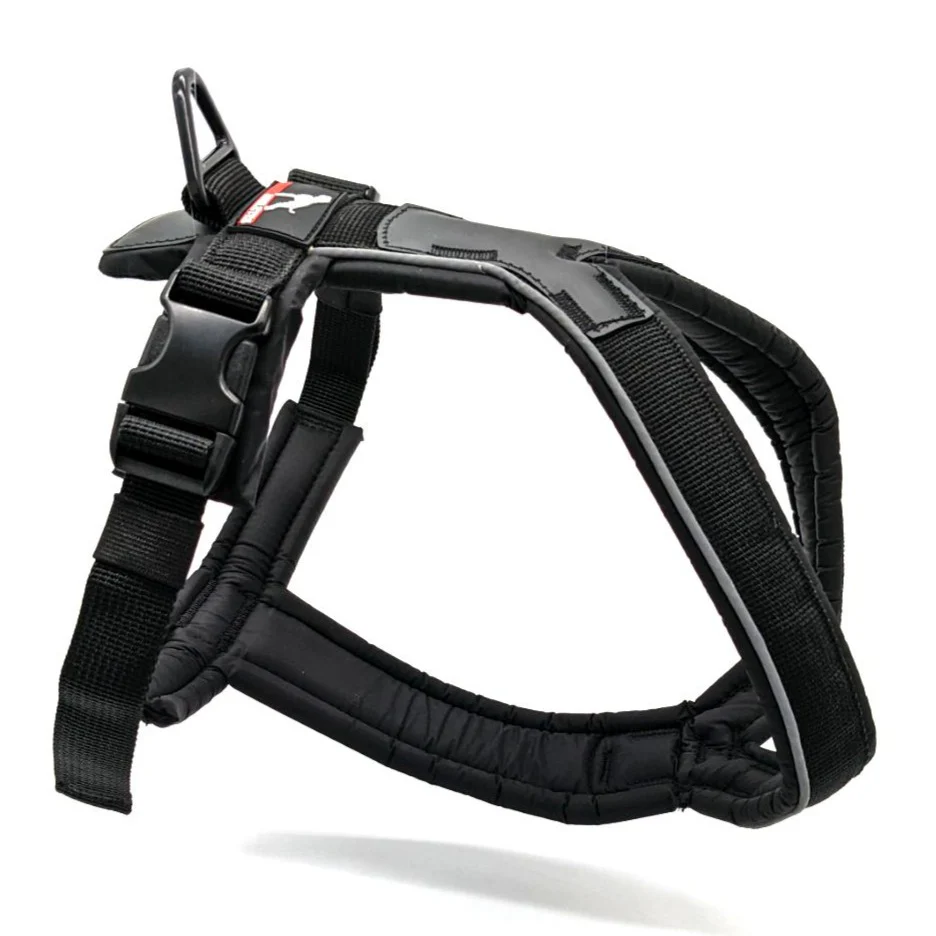
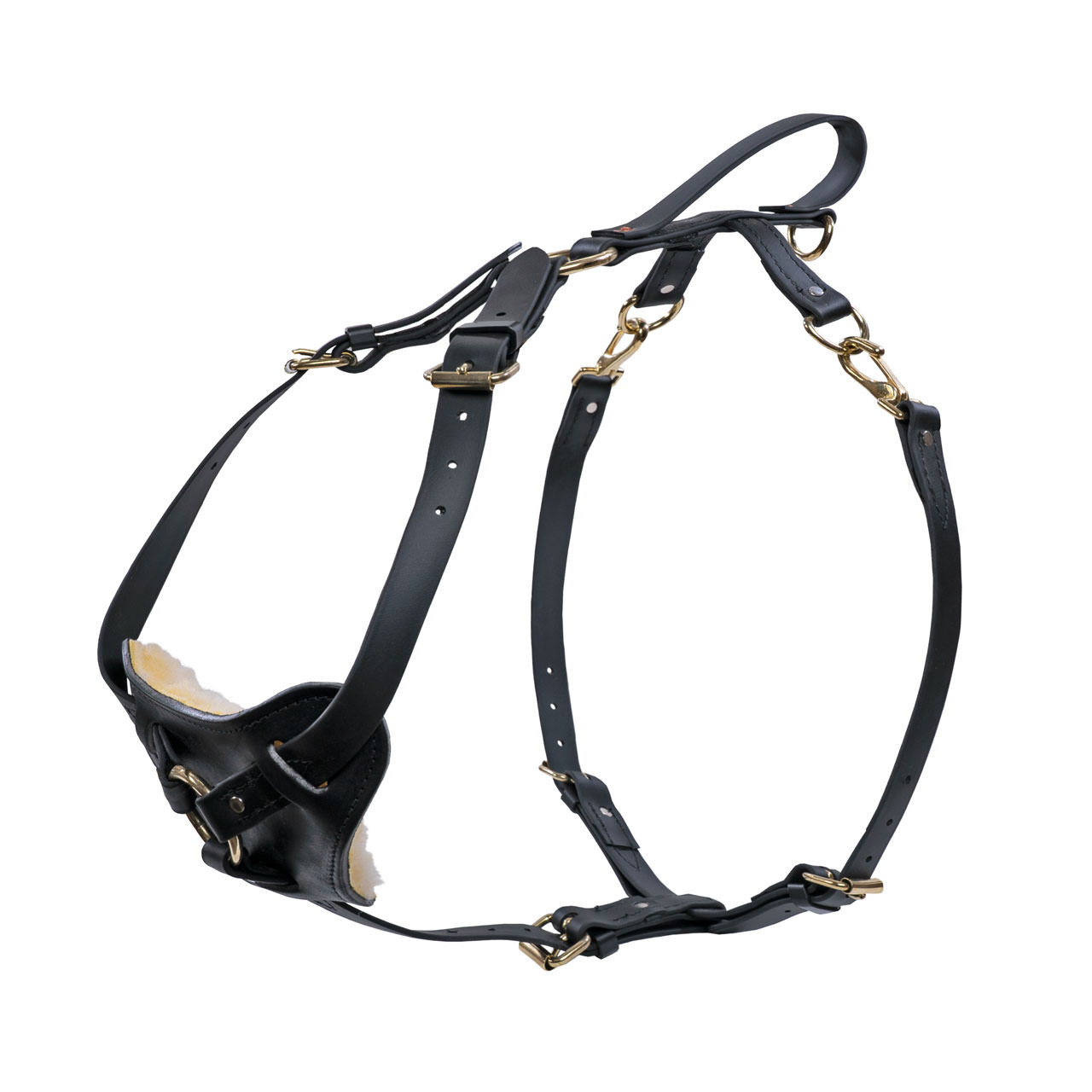
    A dog harness consists of several essential components that work together to ensure proper fit and functionality. The chest strap is a crucial element, wrapping around the dog’s chest and distributing pressure evenly. Shoulder straps connect the chest piece to the back piece, providing stability and preventing the harness from shifting during walks. The back piece sits on the dog’s back and often features a D-ring for leash attachment. Adjustable straps allow for a custom fit, accommodating different dog sizes and shapes. Buckles and clasps secure the harness in place, with quick-release options for easy removal. Some harnesses include padding on straps for added comfort, particularly important for dogs with sensitive skin or those wearing the harness for extended periods.

    How Dog Harnesses Distribute Pressure

    Dog harnesses distribute pressure across a dog’s chest and shoulders, offering a more comfortable and safer alternative to traditional collars. This design helps prevent injuries and provides better control during walks.

    Difference Between Harnesses and Collars

    Dog harnesses and collars differ significantly in how they distribute pressure on a dog’s body. Here’s a comparison of their key features:

    FeatureHarnessesCollars
    Pressure DistributionChest and shouldersNeck only
    Risk of InjuryLowerHigher
    ControlBetterLimited
    ComfortHigherLower
    Suitable for PullersYesNo

    Harnesses spread the force of leash tension across a larger area, reducing the risk of damage to sensitive areas like the thyroid, esophagus, and trachea. This distribution of pressure makes harnesses particularly effective for dogs that tend to pull on walks.

    Collars, on the other hand, concentrate all the pressure on the dog’s neck. This can lead to potential health issues, especially for breeds with respiratory problems or dogs prone to pulling. The limited control offered by collars can also make it challenging to manage strong or excitable dogs during walks.

    By using a harness, we’re able to guide our dogs more effectively without causing discomfort or potential harm. The even distribution of pressure across the chest and shoulders allows for better communication between the handler and the dog, resulting in a more enjoyable walking experience for both.

    Proper Fitting and Adjustment of Dog Harnesses

    A well-fitted harness ensures your dog’s comfort and safety during walks. Proper sizing and adjustment are crucial for maximizing the benefits of a dog harness.

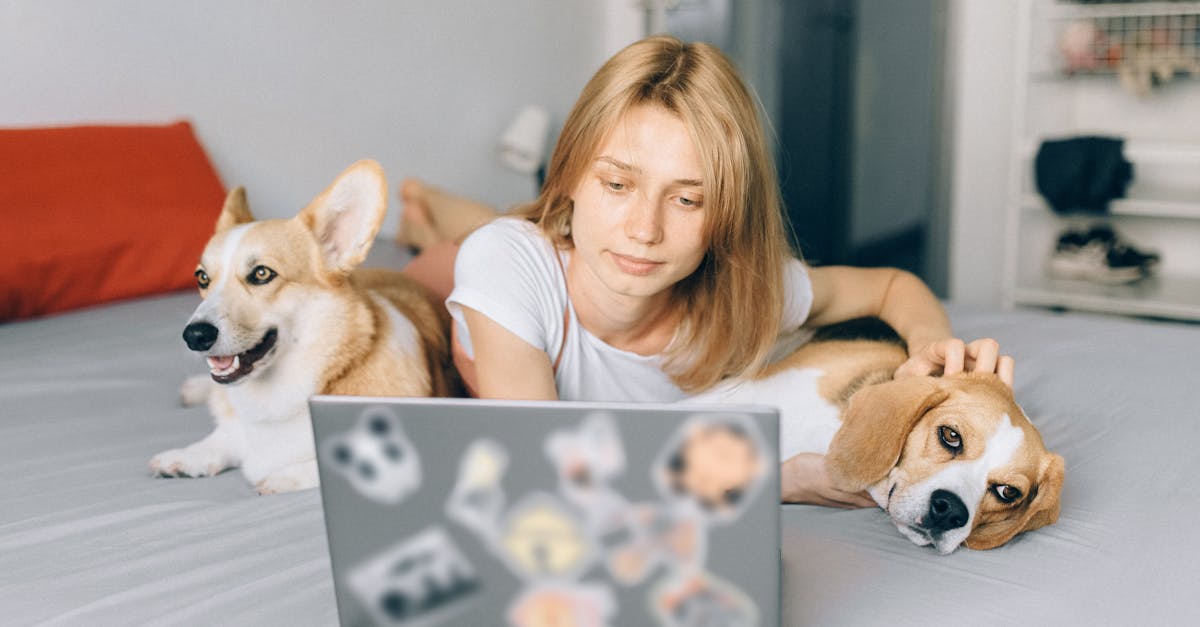
    A Woman Petting Her Dogs while Working

    Photo by Nataliya Vaitkevich on Pexels

    Measuring Your Dog for a Harness

    Accurate measurements are essential for selecting the right harness size. Here’s how to measure your dog:

    1. Chest girth: Wrap a flexible tape measure around the widest part of your dog’s chest, typically just behind the front legs.
    2. Neck circumference: Measure around the base of your dog’s neck, where a collar would sit.
    3. Body length: Measure from the base of the neck to the base of the tail.

    Record these measurements and compare them to the manufacturer’s size chart. If your dog falls between sizes, opt for the larger size and use the adjustable straps for a snug fit.

    Ensuring a Comfortable Fit

    A properly fitted harness provides comfort and security for your dog. Follow these steps to achieve the ideal fit:

    1. Adjust the straps: Tighten or loosen the straps to allow two fingers’ width between the harness and your dog’s body.
    2. Check for chafing: Ensure no areas of the harness rub against your dog’s skin, especially in the armpit region.
    3. Observe movement: Your dog should be able to walk, run, and move naturally without restriction.
    4. Monitor breathing: The chest strap shouldn’t impede your dog’s breathing or cause discomfort.
    5. Assess security: The harness should stay in place during movement without shifting or sliding.

    Regularly check the fit of the harness, especially for growing puppies or dogs that fluctuate in weight. A well-fitted harness enhances control and comfort during walks, making the experience enjoyable for both you and your furry companion.

    Benefits of Using a Dog Harness

    Dog harnesses offer many advantages for both pets and owners. They provide a safer, more comfortable alternative to traditional collars while improving control during walks. Let’s explore the key benefits of using a dog harness.

    Improved Control and Safety

    Dog harnesses significantly enhance control and safety during walks. The design distributes pressure evenly across the chest and back, allowing for better steering and management of your dog’s movements. This improved control is especially beneficial for strong or energetic dogs that tend to pull on the leash.

    Front-clip harnesses are particularly effective in discouraging pulling behavior. When a dog attempts to pull, the front attachment point turns them towards the handler, redirecting their momentum. This feature helps prevent sudden lunges or darting, reducing the risk of accidents or injuries.

    Harnesses also provide a secure attachment point for leashes, minimizing the chance of escape. The full-body design makes it nearly impossible for dogs to slip out, unlike collars which can be easily backed out of by some dogs.

    Reduced Strain on the Neck

    Harnesses significantly reduce strain on a dog’s neck compared to traditional collars. This benefit is crucial for preventing potential health issues and ensuring your dog’s comfort during walks.

    Unlike collars that concentrate pressure on the neck area, harnesses distribute the force across the chest and shoulders. This distribution prevents compression of the trachea, which can occur when dogs pull against a collar. By avoiding this pressure, harnesses help maintain healthy breathing and reduce the risk of tracheal collapse, especially in small breed dogs or those with respiratory issues.

    The reduced neck strain also protects the thyroid gland and cervical vertebrae from potential damage. This is particularly important for breeds prone to neck injuries or dogs with existing neck problems. Harnesses allow for natural head and neck movement, promoting better posture during walks and minimizing the risk of long-term musculoskeletal issues.

    For dogs that tend to pull strongly, harnesses prevent the choking or gagging that often occurs with collars. This not only improves the walking experience but also encourages better leash manners over time. The comfort provided by harnesses can make walks more enjoyable for both the dog and the owner, potentially increasing the frequency and duration of exercise sessions.

    Choosing the Right Harness for Your Dog

    Selecting the ideal harness for your dog is crucial for comfort and effectiveness. We’ll explore key factors to consider and popular harness styles to help you make an well-informed choice.

    Factors to Consider for Harnesses Work

    When choosing a dog harness, consider your dog’s size, breed, and behavior. Measure your dog’s chest girth, neck circumference, and body length for a proper fit. Evaluate the harness material for durability and comfort, ensuring it’s suitable for your climate. Consider your dog’s activity level and choose a harness that matches their needs, whether for daily walks or outdoor adventures. Look for adjustable straps and easy-to-use buckles for convenience. If your dog pulls, opt for a front-clip harness to discourage this behavior. For small or anxious dogs, consider a step-in harness for easy handling. Always prioritize your dog’s comfort and safety when selecting a harness.

    1. No-Pull Harnesses: These harnesses feature a front clip that redirects a dog’s momentum when they pull, discouraging the behavior. They’re ideal for dogs that tend to lunge or pull on walks.
    2. Standard Back-Clip Harnesses: These harnesses have a leash attachment on the back, offering more comfort for dogs that don’t pull. They’re suitable for well-behaved dogs and provide even pressure distribution.
    3. Step-In Harnesses: Designed for small or anxious dogs, these harnesses allow the dog to step into them, making them easier to put on and take off.
    4. Vest Harnesses: These harnesses provide more coverage and distribute pressure evenly across the chest and back. They’re comfortable for daily use and offer additional warmth in colder climates.
    5. Sport Harnesses: Designed for active dogs, these harnesses are durable and often feature reflective strips for visibility during outdoor activities.
    6. Mobility Harnesses: These harnesses have handles to assist dogs with mobility issues or to help them navigate stairs or get into vehicles.
    7. Dual-Clip Harnesses: Featuring both front and back clips, these versatile harnesses offer options for different walking situations and training needs.
    8. Padded Harnesses: These harnesses have extra padding in key areas for added comfort, especially beneficial for dogs with sensitive skin or those prone to chafing.
    9. Escape-Proof Harnesses: Designed with additional security features, these harnesses are ideal for dogs that are skilled at slipping out of standard harnesses.
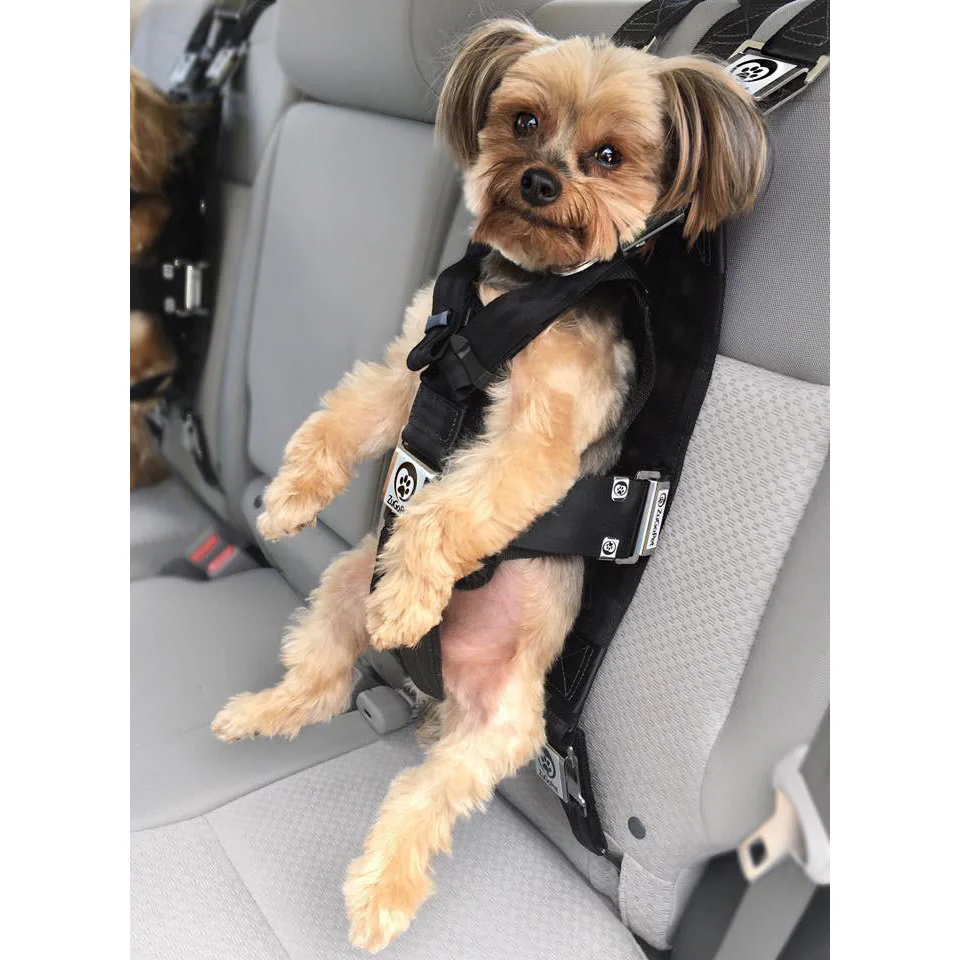
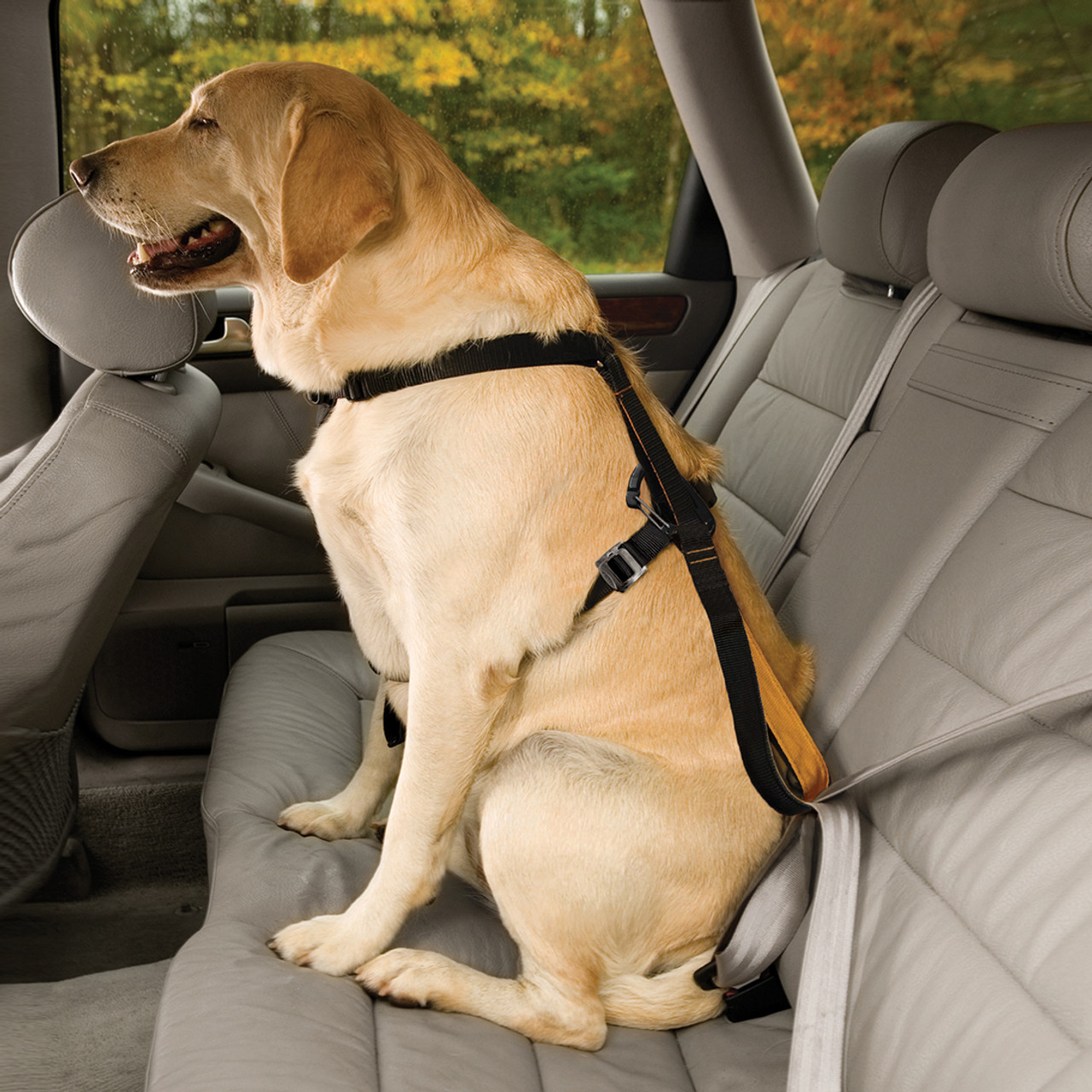
    10. Car Safety Harnesses: These harnesses are designed to keep dogs secure during car rides, often featuring attachment points for vehicle seat belts.

    Training Your Dog to Wear a Harness

    Introducing the Harness

    Introducing a harness to your dog requires patience and positive reinforcement. Start by allowing your dog to sniff and investigate the harness. Place treats on the harness to create positive associations. Gradually move to draping the harness over your dog’s back without fastening it. Reward calm behavior with praise and treats.

    Fitting the Harness

    Once your dog is comfortable with the harness’s presence, it’s time to fit it properly:

    1. Loosen all straps before placing the harness on your dog
    2. Gently slip the harness over your dog’s head or step-in style, depending on the design
    3. Secure all buckles and adjust straps for a snug but comfortable fit
    4. Check that you can fit two fingers between the harness and your dog’s body
    5. Reward your dog with treats and praise throughout the process

    Short Practice Sessions

    Begin with brief sessions to acclimate your dog to wearing the harness:

    • Start with 5-minute indoor sessions
    • Engage in fun activities while your dog wears the harness
    • Gradually increase session duration as your dog becomes more comfortable
    • Use high-value treats to reinforce positive associations

    Leash Training with the Harness

    Once your dog is comfortable wearing the harness, it’s time to attach the leash:

    1. Clip the leash to the harness in a quiet, familiar environment
    2. Allow your dog to move freely with the leash attached
    3. Practice basic commands like “sit” and “come” while wearing the harness
    4. Reward compliance with treats and praise
    5. Slowly introduce short walks around the house or yard

    Addressing Challenges

    Some dogs may resist wearing a harness initially. Common challenges include:

    • Freezing or refusing to move
    • Trying to shake off or bite the harness
    • Excessive scratching or rubbing against objects

    To address these issues:

    1. Return to earlier steps in the training process
    2. Use higher-value treats for motivation
    3. Keep sessions short and positive
    4. Consider consulting a professional dog trainer for persistent problems

    Maintaining Positive Associations

    To ensure your dog continues to view the harness positively:

    • Store the harness near your dog’s favorite toys or bed
    • Occasionally offer treats when your dog approaches the harness
    • Use the harness for enjoyable activities like trips to the park or playdates
    • Regularly check and adjust the fit to prevent discomfort

    By following these steps, you’ll help your dog associate the harness with positive experiences, making walks more enjoyable for both of you.

    Conclusion

    Dog harnesses offer a groundbreaking solution for pet owners seeking better control and comfort during walks. We’ve explored their mechanics benefits and various types designed to suit different needs. By distributing pressure evenly and providing secure attachment points harnesses enhance safety and discourage pulling. With proper fitting and training they can significantly improve the walking experience for both dogs and their owners. Whether you’re dealing with a puller or simply want a more comfortable option for your furry friend a well-chosen harness can make all the difference in your daily walks.

  • How to Put on a Dog Harness: Easy Steps for Perfect Fit 2024

    How to Put on a Dog Harness: Easy Steps for Perfect Fit 2024

    Ever wondered how to properly put on a dog harness? You’re not alone! Many pet owners find themselves puzzled by the straps and buckles, but we’re here to simplify the process.

    Dog harnesses are a popular alternative to collars, offering better control and reducing pressure on your pup’s neck. They come in various styles, from back-clip and step-in to overhead designs, each with its own unique method of application. We’ll guide you through the basics of how dog harnesses go on, ensuring a comfortable fit for your furry friend. Whether you’re a first-time harness user or looking to refine your technique, we’ve got you covered with easy-to-follow steps and expert tips.

    Types of Dog Harnesses

    Dog harnesses come in various styles, each designed to meet exact needs and preferences. We’ll explore four common types: standard, step-in, front-clip, and back-clip harnesses. Understanding these options helps choose the best fit for your furry friend.

    Standard Harness

    Standard harnesses are versatile and popular among dog owners. They typically feature two main designs: over-the-head and step-in. Over-the-head harnesses slip over the dog’s head and fasten around the body. Step-in styles require the dog to place their front paws into designated loops before securing the harness.

    To put on an over-the-head harness:

    1. Hold the harness in front of your dog
    2. Guide their head through the neck opening
    3. Fasten the buckles around their body
    4. Adjust for a snug, comfortable fit

    For step-in standard harnesses:

    1. Place the harness flat on the ground
    2. Encourage your dog to step into the leg holes
    3. Lift the harness and secure it around their body
    4. Check for proper fit and adjust as needed

    Step-In Harness

    Step-in harnesses are user-friendly and ideal for dogs who dislike having items pulled over their heads. They form triangular openings for the dog’s front legs and fasten on the back.

    To put on a step-in harness:

    1. Lay the harness flat on the ground, buckles facing up
    2. Hold your dog from behind and guide their front paws into the triangles
    3. Lift the sides of the harness and clip the buckles together on your dog’s back
    4. Adjust the straps for a secure fit

    This type of harness is particularly suitable for small dogs or those with mobility issues. It’s also a good choice for new pet owners, as it’s generally easier to put on and take off.

    Brown Dog on Green Grass / Dog Harness

    Photo by freestocks.org on Pexels

    Front-Clip Harness

    Front-clip harnesses feature a leash attachment point on the dog’s chest. This design helps reduce pulling by redirecting the dog’s attention back to you when they attempt to forge ahead.

    To put on a front-clip harness:

    1. Unbuckle the harness and place it over your dog’s head
    2. Guide their front leg through the appropriate leg hole
    3. Wrap the strap around their body and secure the buckle
    4. Attach the leash to the front clip on the chest

    These harnesses are particularly effective for training purposes and work well for dogs that tend to pull on walks. They provide more control and can help discourage lunging or jumping behaviors.

    Back-Clip Harness

    Back-clip harnesses have a leash attachment point on the dog’s back. They’re comfortable for dogs and easy for owners to use, making them a popular choice for everyday walks.

    To put on a back-clip harness:

    1. Slip the harness over your dog’s head
    2. Guide one front leg through the appropriate leg hole
    3. Wrap the strap around their body and fasten the buckle
    4. Adjust the straps for a snug but comfortable fit

    These harnesses distribute pressure evenly across the chest and shoulders, reducing strain on the neck. They’re ideal for well-behaved dogs who don’t pull excessively and are particularly suitable for small breeds or dogs with respiratory issues.

    Choosing the Right Harness

    Selecting the appropriate harness is crucial for your dog’s comfort and safety. We’ll guide you through the process of measuring your dog and ensuring a proper fit for optimal performance.

    Measuring Your Dog

    Accurate measurements are essential for choosing the right harness size. Here’s how to measure your dog:

    1. Chest girth: Measure around the widest part of your dog’s chest, usually behind the front legs.
    2. Neck: Measure around the base of the neck where a collar would sit.
    3. Length: Measure from the base of the neck to the base of the tail.

    Use a soft measuring tape or string for flexibility. Add 2 inches to the chest and neck measurements for comfort. These measurements help determine the correct harness size and style for your dog’s body type.

    Proper Fit and Adjustment

    A well-fitted harness ensures comfort and prevents chafing or escape. Follow these steps for proper adjustment:

    1. Check for two-finger space: You should be able to fit two fingers between the harness and your dog’s body.
    2. Adjust straps: Tighten or loosen straps to achieve the right fit.
    3. Observe movement: Your dog should move freely without restriction.
    4. Look for signs of discomfort: Watch for chafing, rubbing, or hair loss under the harness.
    5. Regular checks: Re-check the fit periodically, especially for growing puppies.

    Remember, different harness types may require exact fitting techniques. Always refer to the manufacturer’s instructions for the best results.

    How to Put on Different Harness Styles

    Proper harness application ensures your dog’s comfort and safety during walks. We’ll guide you through the process of putting on various harness styles, including standard, step-in, and front-clip harnesses.

    Standard Harness Instructions

    Standard harnesses, also known as overhead harnesses, are versatile and common. Here’s how to put one on:

    1. Unbuckle the harness straps.
    2. Hold the harness with the D-ring facing up.
    3. Slip the harness over your dog’s head, starting with the chest loop.
    4. Guide your dog’s front legs through the leg holes.
    5. Buckle the straps around your dog’s chest and midsection.
    6. Adjust the straps for a proper fit.

    Ensure you can slip two fingers between the straps and your dog’s body for comfort. The harness should be snug but not restrictive, allowing free movement without chafing.

    Step-In Harness Instructions

    Step-in harnesses are user-friendly and ideal for dogs who dislike overhead harnesses. Follow these steps:

    1. Unbuckle the harness and lay it flat on the ground.
    2. Position your dog to stand over the harness.
    3. Guide your dog’s front paws into the appropriate loops.
    4. Lift the harness sides up around your dog’s body.
    5. Snap the buckles together on your dog’s back.
    6. Adjust the straps for a secure fit.

    Check that the harness isn’t too tight or loose. Your dog should be able to move comfortably without the harness shifting or rubbing against their skin.

    Front-Clip Harness Instructions

    Front-clip harnesses are effective for dogs that tend to pull during walks. Here’s how to put one on:

    1. Unbuckle the harness and identify the chest strap with the front clip.
    2. Slip the harness over your dog’s head.
    3. Bring the chest strap under your dog’s chest and between the front legs.
    4. Fasten the side straps around your dog’s body.
    5. Adjust all straps to ensure a proper fit.
    6. Attach the leash to the front clip on the chest.

    The front clip should rest in the center of your dog’s chest. This positioning helps redirect your dog’s attention back to you when they pull, making walks more manageable.

    Tips for a Successful Harness Experience

    Putting on a dog harness correctly ensures a comfortable and secure fit for your furry friend. Here are some essential tips to make the process smoother and more enjoyable for both you and your dog.

    Introducing the Harness to Your Dog

    Start by letting your dog sniff and inspect the harness without pressure. Place treats on the harness to create positive associations. Gradually introduce the harness in short sessions, rewarding your dog with treats and praise. Put the harness on for brief periods, increasing duration over time. Take your dog for short walks with the harness, making it a fun experience. Be patient and consistent, allowing your dog to adjust at their own pace. If your dog shows signs of discomfort, take a step back and reintroduce more slowly. Always end harness sessions on a positive note to reinforce good experiences.

    Common Mistakes to Avoid

    Rushing the process is a common error when putting on a dog harness. Take your time to ensure a proper fit. Avoid forcing the harness on if your dog resists; instead, use positive reinforcement. Don’t forget to check for proper adjustment each time you use the harness. Leaving the harness on for extended periods can cause discomfort or skin irritation. Ignoring signs of distress or discomfort from your dog is another mistake to avoid.

    Never use the harness as punishment or associate it with negative experiences. Failing to clean the harness regularly can lead to odors and skin issues. Don’t assume one size fits all; ensure you have the correct harness size for your dog’s breed and body type. Finally, avoid using a harness that’s too loose, as it can lead to escape or injury during walks.

    Benefits of Using a Harness vs. Collar

    Dog harnesses offer several advantages over traditional collars, making them a popular choice for pet owners. Here’s why harnesses are often preferred:

    Better Control and Safety

    Harnesses provide superior control during walks. They distribute pressure across the chest and shoulders, reducing strain on a dog’s neck. This design allows for better management of pulling behaviors, especially in larger or stronger breeds.

    Reduced Risk of Injury

    Unlike collars, harnesses minimize the risk of neck injuries. They prevent choking or tracheal damage that can occur when dogs pull against a collar. This is particularly beneficial for breeds with respiratory issues or those prone to tracheal collapse.

    Even Pressure Distribution

    Harnesses spread force evenly across a dog’s body. This distribution prevents concentrated pressure on the neck, reducing discomfort and potential harm during walks or sudden movements.

    Discourages Pulling

    Many harnesses, especially front-clip designs, naturally discourage pulling. When a dog pulls, the harness causes them to turn slightly, redirecting their attention back to their owner. This feature makes walks more manageable and enjoyable for both dog and owner.

    Increased Security

    Harnesses are more secure than collars, making it difficult for dogs to slip out and escape. This added security is crucial for anxious dogs or those prone to bolting.

    Versatility for Different Activities

    Harnesses are adaptable for various activities beyond walking. They’re ideal for running, hiking, and even car travel when used with appropriate safety restraints.

    FeatureHarnessCollar
    ControlHighModerate
    Injury RiskLowHigher
    Pressure DistributionEvenConcentrated
    Pulling DiscouragementYesLimited
    Escape PreventionHighModerate
    VersatilityHighLimited

    While harnesses offer these benefits, it’s important to note they may require more time to put on compared to collars. But, the added safety and control often outweigh this minor inconvenience. When choosing between a harness and a collar, consider your dog’s size, behavior, and exact needs to make the best decision for your furry companion.
    Conclusion

    Dog harnesses offer many benefits over traditional collars and come in various styles to suit different needs. By following our guide you’ll be able to choose measure and fit the right harness for your furry friend. Remember to introduce the harness gradually and make the experience positive. With patience and practice you’ll master the art of putting on a dog harness ensuring safe comfortable walks for you and your canine companion. Happy harnessing!

  • How Do Dog Harnesses Fit: How to Adjust Dog Harnesses 2024

    How Do Dog Harnesses Fit: How to Adjust Dog Harnesses 2024

    Are you struggling to find the perfect fit for your furry friend’s harness? You’re not alone. A dog harnesses fit is crucial for your pet’s comfort and safety, but it can be tricky to get it just right.

    Types of Dog Harnesses

    Dog harnesses come in various designs, each serving exact purposes and offering unique benefits. We’ll explore three main types of dog harnesses: back clip, front clip, and dual clip harnesses. Understanding these different styles helps in choosing the most suitable option for your furry friend.

    Back Clip Harnesses

    Back clip harnesses feature a leash attachment point on the dog’s back, typically between the shoulder blades. This design distributes pressure evenly across the chest and shoulders, making it comfortable for most dogs. Back clip harnesses are ideal for:

    • Small to medium-sized dogs
    • Well-behaved pets who don’t pull excessively
    • Everyday walks and casual outings

    When fitting a back clip harness:

    • Ensure it sits snugly around the chest and neck
    • Check that you can fit two fingers between the harness and your dog’s body
    • Verify that the chest strap meets the neck strap at the chest bone
    • Make sure the harness doesn’t impede shoulder blade movement or cause chafing

    Back clip harnesses offer ease of use and are less likely to tangle the leash during walks.

    Front Clip Harnesses

    Front clip harnesses have the leash attachment point on the dog’s chest, providing better control and discouraging pulling. These harnesses are beneficial for:

    • Dogs that tend to pull on walks
    • Training sessions focused on leash manners
    • Larger or stronger breeds

    When fitting a front clip harness:

    • Ensure the chest strap meets the neck strap at the chest bone
    • Adjust straps for a snug fit without restricting movement
    • Check that the front clip is centered on the chest

    Front clip harnesses work by turning the dog towards you when they pull, making it easier to redirect their attention. This design helps in teaching proper walking etiquette and reduces strain on both the dog and the handler.

    Dual Clip Harnesses

    Dual clip harnesses combine the features of both back and front clip styles, offering versatility and enhanced control. These harnesses typically have attachment points on both the back and chest. Dual clip harnesses are suitable for:

    • Dogs transitioning from pulling to walking politely
    • Owners who want flexibility in leash attachment options
    • Various activities, from training to leisurely walks

    When fitting a dual clip harness:

    • Adjust all straps for a secure, comfortable fit
    • Ensure both attachment points are easily accessible
    • Check that the harness doesn’t restrict natural movement

    Dual clip harnesses provide the option to switch between front and back attachments based on the situation. This flexibility allows for better control during training sessions and more relaxed walks once the dog has learned proper leash manners.

    Close up of a Dog Running / Dog Harnesses Fit

    Photo by Michał Robak on Pexels

    Measuring Your Dog for a Harness

    Accurate measurements are crucial for finding the perfect dog harness fit. We’ll guide you through the essential steps to measure your dog correctly, ensuring comfort and safety.

    Chest Measurement

    The chest measurement is the most critical factor in fitting a dog harness. Here’s how to do it:

    1. Use a flexible cloth measuring tape or a piece of string and ruler.
    2. Ensure your dog is standing with weight evenly distributed on all four legs.
    3. Measure around the widest part of your dog’s chest, just behind the front legs.
    4. Wrap the tape snugly but not tight, allowing for two fingers to fit comfortably under it.
    5. Take the measurement three times for accuracy.

    The girth strap should sit on the rib cage, not behind it or squeezing into the elbows. This positioning allows for a full range of motion without restriction.

    How Do Dog Harnesses Fit?

    Neck Measurement

    A proper neck measurement ensures the harness doesn’t constrict your dog’s throat. Follow these steps:

    1. Use the same flexible measuring tape or string and ruler.
    2. Measure around the thickest part of your dog’s neck, just above the shoulders.
    3. Ensure the tape is snug but not tight, allowing for comfortable breathing.
    4. Take multiple measurements for accuracy.

    The neck opening should be adjustable and sit closer to the top of the sternum rather than around the throat. This placement prevents the harness from restricting your dog’s neck or throat area.

    1. Use a standard bathroom scale for small to medium dogs.
    2. For larger dogs, weigh yourself first, then hold your dog and weigh together. The difference is your dog’s weight.
    3. Compare your dog’s weight to the manufacturer’s size chart.
    4. Remember that weight alone isn’t always indicative of the best fit, as dogs of similar weights can have different body shapes.
    5. Use weight as a general guideline, but prioritize chest and neck measurements for the most accurate harness fit.

    How a Dog Harness Should Fit

    A properly fitting dog harness is crucial for your pet’s comfort and safety. We’ll explore the key aspects of ensuring your dog’s harness fits correctly, including proper snugness, range of motion, and pressure point avoidance.

    Proper Snugness

    A well-fitting harness strikes the perfect balance between security and comfort. It’s snug enough to prevent escape but loose enough to avoid discomfort. Here’s how to achieve proper snugness:

    • Use the two-finger rule: You should be able to fit two fingers comfortably under the straps in all areas.
    • Check for even distribution: The harness should sit flat against your dog’s body without bunching or twisting.
    • Adjust all straps: Most harnesses have multiple adjustment points. Use them to customize the fit for your dog’s unique body shape.
    • Monitor for signs of tightness: Look for chafing, hair loss, or skin irritation, which indicate the harness is too tight.
    • Reassess regularly: As your dog grows or changes weight, you’ll need to readjust the harness fit.

    Range of Motion

    A properly fitting harness allows your dog to move naturally without restriction. Consider these points when assessing range of motion:

    • Observe your dog’s gait: Watch for any signs of altered movement or discomfort while walking or running.
    • Check shoulder mobility: Ensure the harness doesn’t impede your dog’s shoulder movement during normal activities.
    • Test sitting and lying down: Your dog should be able to sit and lie down comfortably without the harness shifting or bunching.
    • Allow for neck movement: The harness shouldn’t restrict your dog’s ability to turn their head or look up and down.
    • Consider activity level: Choose a harness design that accommodates your dog’s typical activities, whether it’s running, swimming, or casual walks.
    • Check the chest area: The harness should sit on the breastbone, not press against the throat or windpipe.
    • Avoid armpit chafing: Ensure the straps don’t rub against your dog’s armpits, which can cause irritation.
    • Mind the spine: The harness shouldn’t put pressure on your dog’s spine or shoulder blades.
    • Consider padding: Look for harnesses with padded straps to reduce pressure on sensitive areas.
    • Watch for signs of discomfort: If your dog consistently tries to scratch or bite at the harness, it may be causing pressure in the wrong places.

    Signs of a Well-Fitting Harness

    A well-fitting dog harness ensures your pet’s comfort and safety during walks and activities. Here are key indicators that your dog’s harness fits properly:

    Comfortable Movement

    A correctly fitted harness allows your dog to move freely without restriction. Observe your dog’s gait and range of motion while wearing the harness. The harness shouldn’t impede your dog’s ability to walk, run, or play normally. Check that your dog can extend their front legs forward (shoulder extension) and move them out to the side (shoulder abduction) without the harness getting in the way. If you notice any awkward walking or signs of discomfort, adjust the harness or consider a different size or style. A properly fitting harness maintains your dog’s natural movement patterns, ensuring they can enjoy activities comfortably and safely.

    No Chafing or Hair Loss

    A well-fitting harness sits snugly against your dog’s body without causing irritation or hair loss. Check for any signs of chafing, especially in areas where the harness makes contact with your dog’s skin, such as around the chest, shoulders, and armpits. Run your hand along these areas to feel for any hot spots or areas of irritation. If you notice redness, skin abrasions, or hair loss, the harness may be too tight or poorly fitted. Adjust the straps or consider a different harness design that better suits your dog’s body shape. Remember, you should be able to comfortably fit one or two fingers under the harness at any point to ensure it’s snug but not overly tight.

    Secure Without Escape

    A properly fitting harness keeps your dog secure without allowing them to slip out. Test the harness by gently pulling on it while your dog is wearing it. The harness shouldn’t shift significantly from side to side or allow your dog to back out of it easily. Check that all buckles and clasps are securely fastened and that straps don’t loosen during movement. But, ensure the harness isn’t so tight that it restricts breathing or causes discomfort. The ideal fit strikes a balance between security and comfort. If your dog has a history of escaping from harnesses, consider a design with additional security features or consult a professional for fitting advice.

    Signs of a Poor-Fitting Harness

    A poorly fitting harness can cause discomfort and safety issues for your dog. We’ll explore key indicators that suggest your dog’s harness may not fit correctly.

    Awkward Walking

    Awkward walking is a clear sign of a poor-fitting harness. When a harness doesn’t fit properly, it can restrict your dog’s natural movement, causing them to walk unnaturally. Look for signs such as:

    • Limping or favoring one side
    • Stiff or robotic movements
    • Reluctance to walk or run
    • Frequent stopping or sitting
    • Excessive panting or labored breathing

    If you notice any of these behaviors, it’s crucial to reassess the fit of your dog’s harness. A well-fitting harness allows for a full range of motion, enabling your dog to walk, run, and play comfortably.

    Refusal to Move

    A dog refusing to move when wearing a harness is another indicator of poor fit. This behavior may manifest as:

    • Freezing in place when the harness is put on
    • Lying down and refusing to get up
    • Attempting to back out of the harness
    • Showing signs of distress or anxiety

    These reactions often stem from discomfort caused by an ill-fitting harness. The harness may be too tight, causing pinching or chafing, or too loose, creating an unsettling feeling for your dog. If your dog consistently refuses to move while wearing the harness, it’s time to reassess the fit and consider adjustments or a different size.

    Harness Rotation or Loosening

    Harness rotation or loosening during walks indicates an improper fit. Watch for these signs:

    • The harness shifts to one side
    • The chest piece rides up towards the neck
    • Straps become loose or slack during movement
    • Your dog can wiggle out of the harness

    A well-fitted harness stays in place throughout your walk. If you notice consistent rotation or loosening, it’s likely the harness is too big or not adjusted correctly. This can compromise your control and your dog’s safety. Ensure all straps are properly tightened and consider downsizing if the issue persists. Remember, a secure harness is essential for both comfort and safety during walks.

    Adjusting Your Dog’s Harness

    Proper adjustment is crucial for your dog’s comfort and safety when wearing a harness. A well-adjusted harness ensures a secure fit without restricting movement or causing discomfort.

    Strap Adjustment Tips

    Start by loosening all straps before putting the harness on your dog. Once it’s on, gradually tighten the straps for a snug fit. Use the two-finger rule: slip two fingers between the harness and your dog’s body. If you can’t fit two fingers, it’s too tight; if there’s excess space, it’s too loose. Adjust the sides of the harness to fit snugly around your dog’s body. Pay attention to the chest and neck straps, ensuring they’re neither too tight nor too loose. For harnesses with multiple adjustment points, start with the chest strap, then move to the neck and finally the back. Regular checks and adjustments are necessary as your dog’s size may change over time.

    Checking for Comfort

    After adjusting the harness, observe your dog’s movement to ensure comfort. Your dog should move naturally without any restrictions. Watch for signs of discomfort such as limping, reluctance to move, or excessive panting. Check areas where the harness contacts the skin, particularly under the legs and around the chest, for any rubbing or chafing.

    The harness shouldn’t dig into your dog’s skin or cause bulging around the straps. If the harness slips out of place during walks, it’s likely too loose and needs readjustment. The back of the harness should sit between your dog’s shoulders, and the girth strap should be positioned behind the rib cage. Allow your dog to wear the harness for short periods initially, gradually increasing duration to ensure long-term comfort.

    Introducing a Harness to Your Dog

    Introducing a harness to your dog requires patience and positive reinforcement. We’ll explore techniques to create a positive association and guide you through a gradual acclimation process.

    Positive Association Techniques

    To create a positive association with the harness, use treats and praise. When you bring out the harness, offer your dog’s favorite treats. Let them sniff and investigate the harness while giving rewards. Buckle and unbuckle the harness, treating your dog each time to familiarize them with the sound. Place the collar loop on your dog briefly, providing treats throughout the process. If your dog remains comfortable, put the harness on fully and allow them to wear it for short periods indoors, continuing to offer treats and praise. This approach helps your dog associate the harness with positive experiences.

    Gradual Acclimation Process

    Start the acclimation process by placing the harness on the floor near your dog. When they show interest, reward them. Gradually move the harness closer, treating your dog for any positive interaction. Use a cooperative care framework, like the Bucket Game, to give your dog control over the harness’s approach. When your dog orients towards you, lift the harness slightly and offer a treat.

    Progress in small steps, eventually touching their shoulders with the harness before attempting to put it on. For head-shy dogs, practice the motion of moving your hands towards their head separately from holding the harness. Consider using a large t-shirt or looped leash to acclimate them to objects going over their head before introducing the harness itself. This gradual process helps build trust and comfort with the harness.

    Maintaining Proper Fit Over Time

    Ensuring your dog’s harness fits correctly over time is crucial for their comfort and safety. Regular checks and adjustments are necessary to accommodate your pet’s growth or weight changes.

    Regular Fit Checks

    To maintain a proper fit, we recommend performing regular fit checks on your dog’s harness. Use the two-finger rule to assess the snugness of the straps. Slide two fingers under the harness straps when your dog is standing or sitting. If you can’t fit two fingers, the harness is too tight. If there’s excess space, it’s too loose.

    Examine the harness placement on your dog’s body. The girth strap shouldn’t sit behind the rib cage or squeeze into the back of the front legs. Check for any signs of hair loss, pulling, or skin irritation, particularly around the shoulder and elbow joints. These indicators suggest the harness needs adjustment.

    Observe your dog’s movement while wearing the harness. Look for any signs of discomfort, such as limping or reluctance to move. A well-fitting harness allows natural movement without impinging on your dog’s range of motion.

    Adjusting for Growth or Weight Changes

    Dogs’ bodies change over time, necessitating harness adjustments. Puppies grow rapidly, requiring frequent size checks. Adult dogs may experience weight fluctuations due to diet changes, exercise routines, or health issues.

    Monitor your dog’s weight regularly and reassess the harness fit if you notice any changes. Pay attention to your dog’s body shape, as weight distribution can affect how the harness sits. Dogs of similar weights may require different harness sizes due to varying body structures.

    When adjusting the harness, loosen all straps before putting it on your dog. Gradually tighten each strap, applying the two-finger rule for a snug yet comfortable fit. After adjustments, observe your dog’s movement to ensure the new fit doesn’t cause any discomfort or restrict mobility.

    Final Thought on Dog Harnesses Fit

    Finding the perfect harness fit for our furry friends is crucial for their comfort and safety. We’ve explored various types of harnesses and their unique benefits along with essential fitting tips. Remember to measure your dog accurately consider their weight and body shape and use the two-finger rule for snugness. Regular checks and adjustments are key to maintaining a proper fit as your dog grows or changes. By following these guidelines we can ensure our dogs enjoy safe comfortable walks while sporting their well-fitted harnesses.

  • Dog Car Harnesses: How They Keep Your Pup Safe on the Road

    Dog Car Harnesses: How They Keep Your Pup Safe on the Road

    Ever wondered how to keep your furry friend safe during car rides? Dog car harnesses are the answer, but how do they actually work? These essential safety devices are designed to protect our canine companions if an accident, much like seatbelts do for humans.

    Dog car harnesses work along with your vehicle’s existing seatbelt system. They’re typically more heavy-duty than regular walking harnesses, providing a secure connection between your dog and the car’s safety features. By restraining your pup, these harnesses not only protect them in case of a collision but also prevent distractions that could lead to accidents. We’ll explore the mechanics behind these crucial safety tools and help you understand why they’re a must-have for any dog owner who frequently travels with their four-legged friend.

    Understanding Dog Car Harnesses

    Dog car harnesses are specialized safety devices designed to protect dogs during vehicle travel. They work by securing the dog to the car’s existing seat belt system, providing a safer and more comfortable ride for both the pet and the driver.

    Purpose and Importance

    Dog car harnesses serve multiple crucial functions in ensuring pet safety during travel. They prevent dogs from becoming projectiles if a crash, significantly reducing the risk of injury to both the dog and other passengers. By distributing the force of impact across the dog’s body, these harnesses minimize the potential for severe trauma. Also, they play a vital role in preventing driver distractions by keeping dogs securely in place, reducing the likelihood of accidents caused by pets moving around the vehicle. This dual-purpose design makes dog car harnesses an essential tool for responsible pet owners who frequently travel with their canine companions.

    Types of Dog Car Restraints

    There are several types of dog car restraints available, each designed to provide optimal safety and comfort for different sizes and breeds of dogs:

    1. Vest-style harnesses: These harnesses, like those with an “Infinity Loop” design, offer comprehensive protection by evenly distributing force across the dog’s chest and back. They typically feature a padded vest that connects to the car’s seat belt system.
    2. Strap-based harnesses: These harnesses use a series of adjustable straps that go around the dog’s chest and back. They often have a loop or attachment point for connecting to the car’s seat belt.
    3. Tether systems: While not as secure as full harnesses, tether systems attach to a dog’s regular walking harness and clip into the car’s seat belt buckle or use a specially designed anchor point.
    4. Booster seats with integrated harnesses: These are designed for smaller dogs and combine a raised seat with a built-in harness system for added security and visibility.
    5. Zipline harnesses: These allow more movement for the dog while still providing restraint. They use a tether that runs along a zipline attached between two fixed points in the car.

    When choosing a dog car restraint, it’s crucial to consider factors such as your dog’s size, weight, and temperament, as well as the exact design features that provide the best safety for your pet during car travel. Always ensure the harness fits properly and is compatible with your vehicle’s seat belt system for maximum effectiveness.

    How Dog Car Harnesses Function

    Dog car harnesses ensure pet safety during travel by securely restraining them in vehicles. These specialized devices work in tandem with a car’s existing seat belt system to provide optimal protection for canine passengers.

    Attachment Methods

    Dog car harnesses typically employ one of two primary attachment methods:

    1. Seat Belt Integration: This method involves threading the car’s seat belt through designated loops or openings in the harness. For example, some harnesses require the seat belt to pass under one side of the vest, over the dog’s back, and then under the other side before clicking into the buckle.
    2. Tether Systems: These harnesses use a separate tether or strap that connects the harness to the car’s seat belt or LATCH anchors. The tether allows for some movement while keeping the dog securely restrained.

    Both methods ensure the harness is firmly anchored to the vehicle, preventing the dog from becoming a projectile during sudden stops or accidents.

    Safety Mechanisms

    Dog car harnesses incorporate several safety mechanisms to protect pets during travel:

    1. Force Distribution: The harness design spreads the impact force across the dog’s body if a collision, reducing the risk of injury to any single area.
    2. Padded Components: Many harnesses feature padded chest and back plates to enhance comfort and absorb shock during sudden movements or impacts.
    3. Reinforced Stitching: High-quality harnesses use robust materials and reinforced stitching to withstand the forces generated in car accidents.
    4. Quick-Release Buckles: These allow for rapid removal of the harness in emergency situations while maintaining security during normal use.
    5. Adjustable Straps: Multiple adjustment points ensure a snug fit for dogs of various sizes and shapes, preventing them from slipping out of the harness.

    These safety mechanisms work together to provide comprehensive protection for dogs during car travel, minimizing the risk of injury and improving overall vehicle safety for both pets and human passengers.

    Choosing the Right Dog Car Harness

    Selecting an appropriate dog car harness is crucial for ensuring your pet’s safety during travel. We’ll explore key factors to consider when choosing a harness that provides optimal protection and comfort for your furry companion.
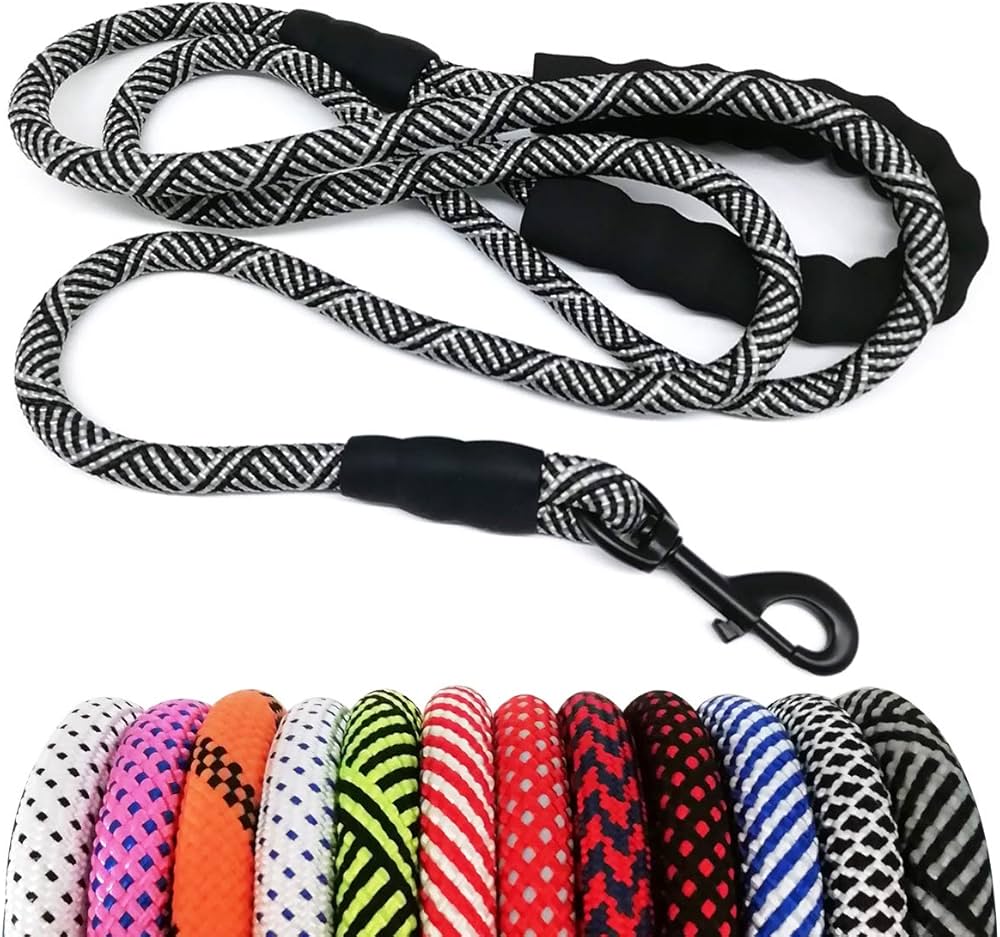
    Sizing and Fit Considerations

    Proper sizing is essential for a dog car harness to function effectively. We recommend measuring your dog’s chest, neck, and length to find the right fit. Harnesses that are too loose may allow your dog to escape, while overly tight ones can cause discomfort or pain. Look for adjustable harnesses to accommodate dogs between sizes or those still growing.

    Many manufacturers provide sizing charts to help you select the correct size based on your dog’s measurements. It’s important to ensure the harness fits snugly but allows for comfortable movement. A well-fitted harness should permit you to slip two fingers between the harness and your dog’s body. Regular checks and adjustments are necessary as your dog’s size may change over time.

    Material and Construction Features

    The materials and construction of a dog car harness significantly impact its safety and durability. We recommend looking for harnesses made from strong, high-quality materials such as nylon or polyester. These materials offer durability and resist wear and tear from regular use. Reinforced stitching at stress points enhances the harness’s strength, crucial for withstanding the force of a sudden stop or collision.

    Padded components, especially around the chest and neck areas, provide additional comfort during long trips. Look for harnesses with steel or metal hardware, as these are more reliable than plastic components. Some harnesses feature reflective strips for improved visibility during nighttime travel. Consider crash-tested harnesses that meet safety standards, as these have undergone rigorous testing to ensure they perform well in accident scenarios.

    Dog Car Harness

    Benefits of Using Dog Car Harnesses

    Dog car harnesses offer many advantages for both pets and their owners during car travel. These specialized safety devices provide protection and peace of mind, ensuring a safer and more enjoyable journey for everyone involved.

    Protecting Your Pet

    Dog car harnesses significantly enhance pet safety during vehicle travel. They secure dogs in place, preventing them from becoming projectiles if sudden stops or collisions. This protection reduces the risk of injury to the dog and other passengers. The harnesses distribute force across the dog’s body, minimizing impact in case of an accident. Also, they prevent dogs from jumping out of open windows or escaping when car doors are opened. By keeping dogs safely restrained, these harnesses allow them to enjoy car rides without compromising their well-being.

    Reducing Driver Distraction

    Dog car harnesses play a crucial role in minimizing driver distraction, improving overall road safety. By keeping dogs securely in place, these harnesses prevent pets from roaming freely in the vehicle, which can be a important distraction for drivers. This reduced movement helps drivers maintain focus on the road, decreasing the likelihood of accidents caused by sudden pet movements or interactions. The harnesses also discourage dogs from climbing onto the driver’s lap or interfering with vehicle controls. As a result, drivers can concentrate better on driving, leading to a safer journey for all occupants, including the dog.

    Proper Use and Installation

    Dog car harnesses require correct installation and usage to ensure maximum safety. We’ll explore the essential steps for securing your dog correctly and common mistakes to avoid when using these harnesses.

    Securing Your Dog Correctly

    To properly secure your dog with a car harness:

    1. Choose the correct size harness based on your dog’s measurements
    2. Adjust the straps for a snug fit, allowing two fingers’ width between the harness and your dog’s body
    3. Connect the harness to the car’s seat belt system using the designated attachment points
    4. Position your dog in the back seat, away from airbags
    5. Ensure the harness doesn’t restrict breathing or movement
    6. Double-check all connections before starting your journey

    For step-in harnesses, guide your dog’s legs through the openings. For over-the-head styles, slip the harness over your dog’s head and fasten the chest strap. Always refer to the manufacturer’s instructions for exact guidance on proper installation and use.

    Common Mistakes to Avoid

    When using dog car harnesses, avoid these mistakes:

    1. Incorrect sizing: Using a harness that’s too large or small compromises safety
    2. Loose fitting: Failing to adjust straps properly allows excessive movement
    3. Front seat placement: Securing dogs in the front seat exposes them to airbag dangers
    4. Improper attachment: Not connecting the harness to the seat belt system correctly
    5. Allowing distractions: Letting dogs move freely or stick their heads out windows while harnessed
    6. Neglecting regular checks: Failing to inspect the harness for wear and tear
    7. Ignoring comfort: Not providing padding or breaks during long trips
    8. Using damaged equipment: Continuing to use harnesses with frayed straps or broken buckles

    By avoiding these mistakes, we ensure that dog car harnesses function as intended, keeping our pets safe during car travel.

    Safety Standards and Testing

    Dog car harnesses undergo rigorous safety testing to ensure they provide adequate protection for pets during vehicle travel. We’ll explore the crash test certifications and methods used to evaluate harness effectiveness.

    Crash Test Certifications

    Dog car harnesses aren’t subject to standardized regulations like human restraints. The Center for Pet Safety (CPS) conducts independent crash tests on dog car harnesses using standards based on child car seat testing. In a notable study, CPS evaluated 11 harnesses claiming crash protection. Only seven passed the initial strength test, qualifying for crash test evaluation. Three harnesses eventually received CPS certification. These tests involve high-velocity impacts to simulate real-industry accidents, assessing the harness’s ability to withstand crash forces and prevent pet injuries.

    Evaluating Harness Effectiveness

    Evaluating dog car harness effectiveness involves multiple factors. Crash tests assess the harness’s ability to restrain the dog and distribute forces safely. Key aspects include:

    • Three-point or multi-point restraint systems
    • Force distribution through padded vests and webbing
    • Attachment strength to vehicle seat belts
    • Material durability and stitching reinforcement

    Effective harnesses, like those with three-point designs, secure the dog’s torso and reduce forward and lateral movement. Broad, padded vests distribute forces across the dog’s body, minimizing injury risk. Proper attachment to seat belts is crucial for security. Some harnesses use universal seat belt loops or guide the vehicle’s seat belt through exact paths for optimal restraint. Regular inspections and proper sizing are essential for maintaining harness effectiveness over time.

    Alternatives to Dog Car Harnesses

    While dog car harnesses are effective safety devices, there are alternative options for securing pets during car travel. These alternatives offer different benefits and may be more suitable for certain dogs or vehicle types.

    Crates and Carriers

    Crates and carriers provide a secure, enclosed space for dogs during car rides. They’re ideal for smaller dogs or those who prefer a den-like environment. When choosing a crate or carrier for car travel:

    • Select a size that allows the dog to stand, turn around, and lie down comfortably
    • Ensure the crate is made of durable materials like hard plastic or metal
    • Look for crash-tested models designed specifically for vehicle use
    • Secure the crate properly in the car, ideally on the floor behind the front seats
    • Use padding or blankets inside for added comfort and stability
    • Ensure proper ventilation to keep your dog comfortable during the journey

    Crates and carriers offer the added benefit of containing any messes and can double as a safe space for your dog at your destination.

    Booster Seats

    Dog booster seats are elevated platforms that allow smaller dogs to see out the window while keeping them secure. These seats typically feature a built-in harness or tether system. When considering a booster seat:

    • Choose a seat appropriate for your dog’s size and weight
    • Ensure it attaches securely to your car’s seat
    • Look for models with padded sides for comfort and protection
    • Select seats with adjustable straps to fit various vehicle types
    • Opt for easy-to-clean materials for convenience
    • Consider seats with storage pockets for treats or toys

    Booster seats are particularly beneficial for small to medium-sized dogs who experience anxiety during car rides, as the elevated position can help reduce motion sickness and provide a sense of security.

    Acclimating Your Dog to a Car Harness

    Introducing a car harness to your dog requires patience and positive reinforcement. We’ll explore effective techniques to help your furry friend adjust to this new safety device.

    Training Tips and Techniques

    To acclimate your dog to a car harness, start with short, positive experiences. Here are some proven techniques:

    1. Familiarization: Let your dog sniff and investigate the harness before putting it on. Place treats near or on the harness to create positive associations.
    2. Gradual introduction: Begin by putting the harness on for short periods at home. Reward your dog with treats and praise for calm behavior while wearing it.
    3. Practice sessions: Use the harness for short walks around the house or yard before introducing it in the car. This helps your dog associate the harness with enjoyable activities.
    4. Car-exact training: Once your dog is comfortable wearing the harness, practice getting in and out of the car while wearing it. Reward each successful attempt.
    5. Short trips: Start with brief car rides around the block, gradually increasing the duration as your dog becomes more comfortable.
    6. Positive reinforcement: Always use treats, praise, and favorite toys to create a positive experience with the car harness.
    7. Consistency: Use the harness for every car trip, no matter how short, to establish a routine.
    8. Comfort considerations: Ensure the harness fits properly and doesn’t cause any discomfort. Adjust as needed and monitor your dog for signs of distress.

    By following these training tips and techniques, you’ll help your dog develop a positive association with their car harness, ensuring safer and more enjoyable car rides for both of you.

    Conclusion

    Dog car harnesses are essential for safe and enjoyable travel with our furry companions. We’ve explored their mechanics safety features and benefits highlighting their crucial role in protecting pets during car rides. By choosing the right harness ensuring proper fit and following installation guidelines we can significantly enhance our dogs’ safety on the road. Remember alternatives like crates and booster seats are also available for exact needs. With patience and positive reinforcement we can acclimate our dogs to these safety devices making every journey safer and more enjoyable for everyone involved.

  • Dog Who Pulls- Top 10 No-Pull Dog Collars: Stop Leash Tugging in 2024

    Dog Who Pulls- Top 10 No-Pull Dog Collars: Stop Leash Tugging in 2024

    Are you tired of being dragged down the street by your enthusiastic canine companion? Finding the best collar for a dog who pulls can be a game-changer for both you and your furry friend. We understand the frustration of trying to enjoy a peaceful walk while your pup seems determined to lead the charge.

    When it comes to managing leash-pulling behavior, not all collars are created equal. Standard neck collars can actually harm your dog’s trachea when they pull, while choke chains and prong collars may cause injury if used incorrectly. That’s why we’re here to guide you through the maze of options, from no-pull harnesses to gentle leaders, ensuring you find the perfect solution for your strong-willed pooch. We’ll explore the pros and cons of various types, helping you make an well-informed choice that prioritizes both control and comfort for your four-legged friend.

    Understanding Dog Pulling Behavior

    Dogs pull on leashes for various reasons, often stemming from natural instincts and a lack of proper training. We’ll explore the root causes of this behavior and how it impacts both dogs and their owners.

    Natural Instincts and Curiosity

    Dogs are naturally curious creatures with a strong desire to explore their environment. When on walks, they’re driven to:

    • Investigate new scents
    • Chase moving objects
    • Greet other dogs or people
    • Reach exciting destinations quickly

    This innate curiosity often leads to pulling as dogs attempt to satisfy their exploratory urges.

    Lack of Leash Training

    Many dogs pull because they haven’t been taught proper leash etiquette. Common issues include:

    • Insufficient early socialization
    • Inconsistent training methods
    • Reinforcement of pulling behavior
    • Limited exposure to different environments

    Without proper guidance, dogs don’t learn to walk calmly beside their owners.

    Excitement and Overstimulation

    Some dogs become overly excited or stimulated during walks, leading to pulling behaviors. This can be due to:

    • Pent-up energy from lack of exercise
    • High-arousal environments (e.g., dog parks, busy streets)
    • Anticipation of rewards or favorite activities

    Excitement-induced pulling is often accompanied by other behaviors like jumping or barking.

    Physical Discomfort

    In some cases, pulling may be a response to physical discomfort. Potential causes include:

    • Ill-fitting collars or harnesses
    • Underlying health issues
    • Reaction to sudden noises or movements

    It’s essential to rule out any medical conditions that might contribute to pulling behavior.

    Breed-Exact Tendencies

    Certain dog breeds are more prone to pulling due to their history or physical characteristics:

    Breed TypeExamplesPulling Tendency
    Working DogsHuskies, MalamutesHigh
    Hunting DogsBeagles, PointersModerate to High
    Herding DogsBorder Collies, Australian ShepherdsModerate
    Toy BreedsChihuahuas, PomeraniansLow to Moderate

    Understanding breed-exact tendencies helps in tailoring training approaches.

    Impact on Dogs and Owners

    Persistent pulling can have negative consequences for both dogs and their owners:

    • Physical strain on the dog’s neck and throat
    • Increased risk of injuries for both dog and owner
    • Reduced enjoyment of walks
    • Potential for behavioral issues due to frustration

    Addressing pulling behavior is crucial for the well-being of both parties and the overall quality of the dog-owner relationship.

    Close up of Dog Head / Dog Who Pulls- Top 10 No-Pull Dog Collars: Stop Leash Tugging in 2024

    Photo by Žaneta Mišutová on Pexels

    Types of Collars for Dogs That Pull

    When dealing with a dog that pulls, choosing the right collar is crucial for both effectiveness and comfort. Let’s explore three common types of collars designed to address pulling behavior in dogs.

    Flat Collars

    Flat collars are the standard type of dog collar, typically made of nylon or leather with a buckle or plastic snap closure. They feature a ring for attaching identification tags and the leash. While flat collars are comfortable and suitable for most dogs, they’re not ideal for those with pulling issues. Here’s why:

    • Provide no mechanism to discourage pulling
    • Can put excessive pressure on the dog’s trachea when pulled
    • May cause discomfort or potential injury to the neck area
    • Not effective in controlling strong or determined pullers
    • Suitable for well-trained dogs or those without pulling tendencies

    For dogs that pull, flat collars may not provide the necessary control and can potentially harm the dog’s neck or throat area. It’s essential to consider alternative options that offer better control and safety for both the dog and the handler.

    Martingale Collars

    Martingale collars, also known as limited-slip collars, are designed to prevent dogs from slipping out of their collars while providing more control. These collars consist of two loops: a larger loop that fits around the dog’s neck and a smaller loop that tightens when tension is applied to the leash. Key features include:

    • Tightens slightly when the dog pulls, providing gentle pressure
    • Prevents dogs from backing out of their collars
    • Safer alternative to choke chains or slip leads
    • Limited tightening prevents over-constriction
    • Ideal for dogs with narrow heads, like greyhounds or whippets

    Martingale collars offer a balance between control and comfort, making them a popular choice for dogs that pull. They’re particularly effective for dogs that tend to slip out of standard collars or those with head shapes that make traditional collars less secure.

    Head Collars

    Head collars, similar to a horse’s halter, are designed to provide maximum control over a dog’s head movement. They consist of two straps: one that fits around the dog’s neck and another that loops around the muzzle. Head collars offer several advantages for dogs that pull:

    • Redirects the dog’s attention by controlling head movement
    • Reduces the dog’s ability to pull with full body strength
    • Provides excellent control for strong or energetic dogs
    • Helps prevent jumping and lunging behaviors
    • Requires minimal strength from the handler to maintain control

    While head collars can be highly effective, they often require an adjustment period for dogs to become comfortable wearing them. Proper fitting and gradual introduction are crucial for success with this type of collar. It’s important to note that head collars are not muzzles and don’t restrict a dog’s ability to open its mouth.

    Harnesses as Alternatives to Collars

    Harnesses offer an effective alternative to collars for dogs that pull. They distribute pressure across the chest and shoulders, reducing strain on the neck and providing better control during walks.

    Back-Clip Harnesses

    Back-clip harnesses attach the leash to a ring on the dog’s back. These harnesses are easy to put on and comfortable for dogs, making them popular among pet owners. But, they may not be the best choice for dogs that pull excessively. The back attachment point can trigger the opposition reflex, encouraging some dogs to pull harder. Back-clip harnesses are ideal for well-trained dogs or those who don’t pull strongly. They’re also suitable for small breeds or dogs with respiratory issues. When using a back-clip harness, it’s crucial to ensure a proper fit to prevent chafing and discomfort.

    Front-Clip Harnesses

    Front-clip harnesses feature a leash attachment point on the dog’s chest. This design helps redirect a dog’s attention back to the handler when they start to pull. When the dog pulls, the harness turns their body sideways, discouraging the pulling behavior. Front-clip harnesses provide more control and are often recommended by trainers for dogs that pull strongly. They’re particularly effective for larger breeds or dogs with a strong pulling instinct. But, some dogs may find front-clip harnesses uncomfortable or restrictive. It’s essential to introduce the harness gradually and pair it with positive reinforcement training. Regular checks for proper fit and signs of chafing are necessary to ensure the dog’s comfort and safety.

    Factors to Consider When Choosing a Collar

    When selecting the best collar for a dog that pulls, several key factors come into play. These elements ensure the collar’s effectiveness, safety, and comfort for your canine companion.
    Size and Adjustability

    The size and adjustability of a collar are crucial for dogs that pull. A properly fitting collar should allow two fingers to slide comfortably between the collar and the dog’s neck. This ensures it’s not too tight, which could cause discomfort or breathing issues, nor too loose, which could allow the dog to slip out.

    Adjustable collars, such as martingales, offer versatility for growing dogs or those with thick fur. These collars tighten to the size of the dog’s neck when pulled, preventing escape without choking. Head collars require precise adjustment of both neck and muzzle straps for optimal fit and functionality.

    For flat collars, look for multiple adjustment points to fine-tune the fit. Remember, a collar that’s too loose can slip off during walks, while one that’s too tight can cause injury or discomfort. Regular checks and adjustments are necessary as your dog grows or changes weight.

    Material and Durability

    The material and durability of a collar are essential considerations, especially for dogs that pull. Strong, high-quality materials withstand the stress of constant pulling and resist wear and tear. Common durable materials include nylon, leather, and reinforced fabrics.

    Nylon collars are popular for their strength, affordability, and variety of colors and patterns. They’re also easy to clean and quick-drying. Leather collars, while more expensive, offer durability and develop a comfortable patina over time. They’re ideal for dogs with sensitive skin or allergies to synthetic materials.

    For heavy pullers, look for collars with reinforced stitching and sturdy hardware. Metal buckles and D-rings are more durable than plastic alternatives. Some collars feature padding or lining to prevent chafing and increase comfort during prolonged wear.

    Consider your dog’s lifestyle when choosing collar material. Active, outdoor dogs may benefit from water-resistant or waterproof materials, while dogs with sensitive skin might need hypoallergenic options.

    Safety Features

    Safety features are paramount when selecting a collar for a dog that pulls. Reflective elements or LED lights enhance visibility during low-light conditions, crucial for evening walks. Quick-release buckles allow for fast removal in emergency situations, such as if the collar gets caught on something.

    Breakaway collars, designed to release under excessive pressure, can prevent choking or injury if a dog becomes entangled. But, these may not be suitable for all pulling dogs as they can release during walks.

    Some collars incorporate padding or rolled designs to distribute pressure more evenly and reduce the risk of tracheal damage. For extreme pullers, consider alternatives like harnesses or head collars, which redirect force away from the neck entirely.

    It’s essential to regularly inspect collars for signs of wear or damage. Replace frayed or weakened collars promptly to maintain safety. Remember, no collar is completely fail-safe, and proper training remains crucial in addressing pulling behavior.

    Training Techniques to Reduce Pulling

    Training is essential to address pulling behavior effectively. Here are some proven techniques to help your dog walk calmly on a leash:

    Positive Reinforcement

    Positive reinforcement is the cornerstone of effective dog training. Here’s how to apply it:

    • Reward good behavior with treats, praise, or toys
    • Use a marker word or clicker to indicate the exact moment of desired behavior
    • Gradually reduce treats as the dog learns, replacing them with verbal praise and petting

    Stop and Go Method

    The stop and go method teaches your dog that pulling doesn’t get them where they want to go:

    • Stop walking as soon as your dog starts to pull
    • Wait for the dog to return to your side or look back at you
    • Resume walking once the leash is slack
    • Repeat consistently to reinforce the lesson

    Change Direction

    Changing direction helps regain your dog’s attention:

    • When your dog pulls, immediately turn and walk in the opposite direction
    • Use a cheerful voice to encourage your dog to follow
    • Reward your dog when they catch up and walk by your side

    Loose Leash Walking

    Teaching loose leash walking requires patience and consistency:

    • Start in a low-distraction environment
    • Keep treats at hand to reward your dog for walking beside you
    • Gradually increase distractions as your dog improves

    Heel Command

    The heel command teaches your dog to walk close to your side:

    • Begin with your dog sitting at your left side
    • Take a step forward, using a treat to lure your dog into position
    • Reward your dog for staying in the correct position
    • Gradually increase the number of steps between rewards

    Desensitization to Distractions

    Help your dog focus on you even though environmental distractions:

    • Expose your dog to various stimuli in controlled settings
    • Reward calm behavior and attention to you
    • Gradually increase the level of distraction as your dog improves

    Exercise Before Walks

    A tired dog is less likely to pull:

    • Engage in play or exercise before leash training sessions
    • Use puzzle toys or games to mentally stimulate your dog
    • Adjust the intensity based on your dog’s energy level and breed

    By implementing these training techniques consistently, you’ll see improvement in your dog’s leash manners. Remember, patience and persistence are key to success in reducing pulling behavior.

    Pros and Cons of Different Collar Types

    Head Collar (Head Halter)

    Head collars offer effective control for dogs that pull. They work by redirecting the dog’s head, reducing leverage and pulling power. Here’s a breakdown of their advantages and disadvantages:

    Pros:

    • Provides excellent control for strong, energetic dogs
    • Doesn’t constrict the neck, improving safety
    • Immediately reduces pulling behavior
    • Suitable for large breeds with a tendency to pull

    Cons:

    • Requires proper adjustment for effectiveness
    • Some dogs may resist wearing it initially
    • Pulling behavior may return when switched to a standard collar
    • Needs an acclimation period for the dog

    K9 Bridle and Canny Collar

    These specialized head collars are designed to offer improved control without twisting the dog’s head. They apply pressure to exact points on the dog’s head:

    Pros:

    • Exerts pressure on the back of the head and top of the nose
    • Provides better control than standard collars
    • Doesn’t twist the dog’s head like some other head collars
    • Effective for dogs that pull strongly

    Cons:

    • May be more expensive than standard collars
    • Requires proper fitting for optimal effectiveness
    • Some dogs may need time to adjust to the sensation

    Martingale Collar

    Martingale collars are a combination of flat collars and choke collars, designed with stops to prevent over-tightening:

    Pros:

    • Less restrictive than choke collars
    • Prevents dogs from slipping out of their collars
    • Sits high on the neck, avoiding the trachea
    • Offers more control of the dog’s head

    Cons:

    • Poorly designed versions may slip down the neck
    • Can be too big if not properly sized, allowing dogs to escape
    • Requires proper high neck placement for effectiveness
    • Not suitable for all dog breeds or sizes

    Flat Collar

    Flat collars are the standard type used for most dogs:

    Pros:

    • Available in various designs and materials
    • Comfortable for everyday wear
    • Ideal for hanging ID tags and licenses
    • Easy to put on and take off

    Cons:

    • Provides minimal control for dogs that pull
    • Can cause neck strain or injury if dog pulls excessively
    • Not suitable for dogs with narrow heads that can slip out easily
    • Offers little correction for pulling behavior

    Choke and Prong Collars

    These collars are designed to tighten when a dog pulls, but their use is controversial:

    Pros:

    • Can provide immediate correction for pulling
    • May be effective for some dogs when used correctly
    • Risk of injury to the dog’s neck and trachea
    • Can cause pain and discomfort
    • May lead to negative associations with walking
    • Not recommended for general use or inexperienced handlers

    When selecting a collar for a dog that pulls, it’s essential to consider the individual dog’s needs, behavior, and physical characteristics. While head collars and specialized options like the K9 Bridle offer effective control, they may require an adjustment period. Martingale collars provide a balance of control and comfort for many dogs, but proper fitting is crucial. Flat collars, while common, may not be suitable for strong pullers. Choke and prong collars carry important risks and should only be used under professional guidance, if at all.

    Remember, the best collar is one that provides control without compromising the dog’s comfort or safety. Combining the right collar with consistent training techniques often yields the best results in managing pulling behavior.

    Best Practices for Using Anti-Pull Collars

    When using anti-pull collars, it’s crucial to follow best practices to ensure your dog’s safety and comfort while effectively addressing pulling behavior. Here are key guidelines to keep in mind:

    Proper Fitting and Adjustment

    Anti-pull collars require precise fitting for optimal effectiveness and safety. Here’s how to ensure a proper fit:

    • Measure your dog’s neck circumference accurately
    • Allow for two fingers’ width between the collar and your dog’s neck
    • Check the fit regularly, especially for growing puppies
    • Adjust the collar as needed to maintain comfort and effectiveness

    Gradual Introduction and Positive Association

    Introduce the new collar gradually to help your dog adjust:

    • Let your dog sniff and investigate the collar before putting it on
    • Use treats and praise to create positive associations
    • Start with short wearing periods and gradually increase duration
    • Practice indoor walks before venturing outside

    Consistent Training Techniques

    Combine the use of anti-pull collars with consistent training methods:

    • Use positive reinforcement to reward desired walking behavior
    • Practice the “stop and go” technique when your dog pulls
    • Carry out the “change direction” method to keep your dog engaged
    • Teach and reinforce the “heel” command during walks

    Monitoring for Stress or Discomfort

    Watch for signs of stress or discomfort in your dog:

    • Excessive panting or drooling
    • Reluctance to walk or cowering
    • Scratching or pawing at the collar
    • Vocalization or whining

    If you notice these signs, reassess the fit or consider alternative options.

    Regular Maintenance and Inspection

    Maintain the collar’s condition for safety and effectiveness:

    • Clean the collar regularly according to manufacturer instructions
    • Check for signs of wear, fraying, or damage
    • Replace the collar if it shows important wear or loss of functionality
    • Ensure all buckles and fasteners are secure before each use

    Proper Leash Handling

    Use the anti-pull collar correctly with appropriate leash handling:

    • Keep the leash loose when your dog is walking calmly
    • Avoid jerking or yanking the leash
    • Use gentle, consistent pressure when redirecting your dog
    • Practice proper leash pressure and release techniques

    Time-Limited Use

    Anti-pull collars are training tools, not permanent answers:

    • Use the collar for training sessions and walks, not all day
    • Remove the collar when not actively training or walking
    • Aim to transition to a regular collar or harness as behavior improves

    Combining with Other Training Tools

    Enhance effectiveness by using anti-pull collars with other tools:

    • Incorporate treat pouches for easy reward access during walks
    • Use long leads for distance training in open areas
    • Consider clickers for precise timing in positive reinforcement

    Seek Professional Guidance

    If you’re unsure about using an anti-pull collar:

    • Consult a professional dog trainer or behaviorist
    • Attend group training classes focused on leash manners
    • Consider private sessions for personalized guidance

    Safety Considerations

    Prioritize your dog’s safety when using anti-pull collars:

    • Never leave your dog unattended while wearing the collar
    • Avoid using in situations where the dog might get tangled
    • Be cautious of other dogs or objects that could catch on the collar

    By following these best practices, you’ll maximize the effectiveness of anti-pull collars while ensuring your dog’s comfort and safety. Remember, consistency and patience are key to successful leash training, regardless of the tools you use.

    Conclusion

    Choosing the right collar for a dog who pulls is crucial for both safety and training success. We’ve explored various options from head collars to harnesses each with unique benefits. Remember that no single solution fits all dogs. It’s essential to consider your pet’s size breed and temperament. Combine the right collar with consistent training techniques for best results. Always prioritize your dog’s comfort and well-being. With patience and the right tools you’ll soon enjoy stress-free walks with your furry friend.

  • How to Stretch a Leather Dog Collar: 2024 Easy Guide for Perfect Fit

    How to Stretch a Leather Dog Collar: 2024 Easy Guide for Perfect Fit

    Have you ever struggled with a leather dog collar that’s too tight for your furry friend? We’ve got you covered! How to stretch a leather dog collar is a simple yet essential skill for pet owners. It ensures your pup’s comfort and safety while maintaining the collar’s durability.

    Understanding Leather Dog Collars

    Leather dog collars are popular among pet owners for their durability, comfort, and aesthetic appeal. These collars come in various styles and offer unique benefits for different dogs and their owners.

    Types of Leather Dog Collars

    Leather dog collars are available in several types, each designed for exact purposes:

    1. Flat Collars: These are the most common and versatile leather collars. They’re suitable for everyday wear and come in various widths.
    2. Martingale Collars: Also known as limited-slip collars, these are ideal for dogs with narrow heads or those prone to slipping out of regular collars.
    3. Buckle Collars: These feature a traditional buckle closure, offering a secure fit and classic look.
    4. Rolled Collars: Thinner and rounded, these collars are great for long-haired breeds as they prevent matting.
    5. Studded Collars: These decorative collars add a stylish touch while maintaining functionality.

    When selecting a leather dog collar, consider your dog’s size, breed, and activity level to ensure the best fit and performance.

    Benefits of Leather Collars

    Leather dog collars offer many advantages for both dogs and their owners:

    1. Durability: High-quality leather collars withstand wear and tear, often lasting for years with proper care.
    2. Comfort: As leather softens with use, it molds to your dog’s neck, providing a comfortable fit.
    3. Aesthetics: Leather collars develop a rich patina over time, improving their appearance.
    4. Strength: They’re sturdy enough to handle strong dogs without breaking or stretching excessively.
    5. Adjustability: Most leather collars feature multiple holes for a customizable fit as your dog grows.
    6. Hypoallergenic: Leather is less likely to cause skin irritations compared to synthetic materials.
    7. Easy maintenance: Regular cleaning and conditioning keep leather collars in top condition.
    8. Versatility: Leather collars suit various occasions, from everyday walks to special events.

    By understanding these benefits, you can make an well-informed choice when choosing a leather collar for your dog.

    Preparing to Stretch Your Leather Dog Collar

    Stretching a leather dog collar requires proper preparation to ensure safety and effectiveness. We’ll guide you through the essential tools, materials, and safety precautions needed for this process.

    Tools and Materials Needed

    To stretch a leather dog collar, gather these items:

    • Leather conditioner or softener (e.g., Leather CPR, Gum Tragacanth)
    • Warm water
    • Hair dryer or oven
    • Soft cloth or fur for buffing
    • Oblong hole punch
    • Chicago screws
    • D-rings

    Apply leather conditioner to soften the collar, making it more pliable for stretching. Use warm water to resoak the collar if needed. A hair dryer or oven can warm the leather without overheating. Keep a soft cloth or fur handy for buffing after conditioning.

    Safety Precautions

    When stretching a leather dog collar, follow these safety measures:

    1. Avoid excessive heat: Use moderate temperatures with a hair dryer or oven to prevent damage.
    2. Monitor temperature: Keep the leather warm but not hot to maintain its integrity.
    3. Use conditioners sparingly: Overapplication can interfere with dye absorption or treatments.
    4. Work in a well-ventilated area: Ensure proper air circulation when using conditioners or heat.
    5. Protect your hands: Wear gloves to prevent skin irritation from chemicals or heat.

    Always prioritize your dog’s comfort and safety when adjusting the collar. If stretching proves difficult or you’re unsure, consult a professional to avoid damaging the collar or compromising its functionality.

    Methods to Stretch a Leather Dog Collar

    Stretching a leather dog collar ensures a comfortable fit for your pet while maintaining the collar’s durability. Here are three effective methods to stretch a leather dog collar:

    Using Leather Conditioner

    Leather conditioner softens and makes the collar more pliable, allowing for a gentle stretch. Here’s how to use it:

    1. Clean the collar with a damp cloth to remove dirt and debris.
    2. Apply a small amount of leather conditioner to the collar.
    3. Work the conditioner into the leather using circular motions.
    4. Let the collar absorb the conditioner for 30 minutes.
    5. Gently stretch the collar by hand, focusing on areas that need more give.
    6. Repeat the process if necessary, but avoid over-conditioning.

    This method is ideal for minor adjustments and helps maintain the leather’s quality. It’s particularly effective for collars made from high-quality leather, as it preserves the material’s natural properties while increasing flexibility.

    Purebred dog in collar with letter in sunlight / How to Stretch a Leather Dog Collar

    Photo by Blue Bird on Pexels

    Applying Heat

    Heat can make leather more malleable, allowing for easier stretching. Follow these steps carefully:

    1. Use a hair dryer on low heat setting, keeping it 6-8 inches away from the collar.
    2. Move the dryer constantly to avoid overheating any one spot.
    3. Heat the collar for 30-60 seconds until it’s warm but not hot.
    4. Gently stretch the collar while it’s still warm.
    5. Hold the stretched position until the leather cools down.
    6. Repeat if necessary, but allow the collar to cool completely between attempts.

    Alternatively, place the collar in sunlight for 15-20 minutes before stretching. Never use high heat or leave the collar unattended, as excessive heat can damage the leather.

    Weighing Down the Collar

    This method uses gravity to stretch the collar gradually:

    1. Hang the collar vertically from a secure hook or doorknob.
    2. Attach a weight to the bottom of the collar. Use something heavy enough to create tension but not so heavy it might damage the leather.
    3. Leave the weighted collar hanging for 24-48 hours.
    4. Check the collar periodically to ensure it’s not overstretching.
    5. Remove the weight and test the fit on your dog.
    6. Repeat the process if more stretching is needed.

    This technique works well for important stretching needs and allows for a controlled, gradual stretch. It’s particularly useful for thicker leather collars that may be more resistant to other stretching methods.

    Proper Care and Maintenance

    Proper care and maintenance are crucial for extending the lifespan of your leather dog collar. Regular cleaning and correct storage help preserve its quality and appearance.

    Cleaning Your Leather Collar

    To clean your leather dog collar:

    1. Use a damp cloth to wipe down the collar regularly.
    2. Avoid harsh chemicals that can damage the leather.
    3. For deeper cleaning, use mild soap and water.
    4. Gently scrub with a soft-bristled brush to remove dirt and grime.
    5. Rinse thoroughly with clean water.
    6. Allow the collar to air dry naturally.
    7. Never apply heat to dry the collar, as this can ruin the leather.
    8. Once dry, apply a leather conditioner to keep the collar supple.
    9. Use a small amount of conditioner and work it into the leather with a soft cloth.
    10. Buff the collar with a clean, dry cloth to remove excess conditioner.
    1. Clean and condition the collar before storage.
    2. Store in a cool, dry place away from direct sunlight.
    3. Avoid damp areas to prevent mold growth.
    4. Hang the collar on a rounded surface to maintain its shape.
    5. Use a collar stand or hook to keep it off flat surfaces.
    6. Keep away from heat sources like radiators or heating vents.
    7. Store in a breathable container or bag to allow air circulation.
    8. Avoid plastic bags, which can trap moisture.
    9. Separate from other items to prevent scratches or damage.
    10. Check periodically for signs of wear or damage during storage.

    When to Replace Your Leather Dog Collar

    Leather dog collars are durable, but they don’t last forever. Recognizing when to replace your pet’s collar is crucial for their safety and comfort. Here are key indicators that it’s time for a new leather collar:

    Visible Wear and Tear

    • Cracks or splits in the leather
    • Frayed edges or loose stitching
    • Holes or indentations beyond the regular punch holes

    Functionality Issues

    • Buckle or D-ring damage
    • Difficulty in fastening or unfastening
    • Loosening during wear, even after adjustments

    Size Concerns

    • Collar no longer fits properly due to your dog’s growth or weight changes
    • Unable to adjust to a comfortable fit

    Odor and Discoloration

    • Persistent unpleasant smell even though cleaning
    • Important discoloration or fading

    Age of the Collar

    • Typically, leather collars last 3-5 years with proper care
    • Replace sooner if subjected to harsh conditions or frequent water exposure
    • Collar no longer holds its original form
    • Stretches out of shape easily and doesn’t return to normal

    Regular inspections of your dog’s leather collar help identify these issues early. We recommend checking the collar at least once a month for signs of wear. If you notice any of these problems, it’s time to consider a replacement to ensure your dog’s safety and comfort during walks and daily activities.

    Remember, a well-maintained leather collar can last longer, but safety should always be the priority. When in doubt, it’s better to replace the collar than risk your dog’s well-being with a worn-out or damaged one.

    Final Thought on How to Stretch a Leather Dog Collar

    Stretching a leather dog collar is a valuable skill for pet owners. We’ve explored various methods to safely stretch collars ensuring comfort and longevity. Remember to prioritize your dog’s safety and well-being throughout the process. Regular maintenance and proper storage will extend your collar’s lifespan. By following our guidelines you’ll be able to provide your furry friend with a well-fitted comfortable collar. Don’t hesitate to seek professional help if needed. With these tips you’re well-equipped to keep your dog stylish safe and comfortable in their leather collar.

  • Rolled Leather Collar: How to Measure Your Dog for the Perfect Fit – 2024 Guide


    Are you tired of dealing with matted fur and uncomfortable collars for your long-haired furry friend? Rolled leather collars are the perfect solution, but getting the right fit is crucial. We’ll guide you through the process of measuring your dog for a rolled leather collar, ensuring both comfort and style.

    Choosing the correct size is essential for your dog’s safety and comfort. A collar that’s too loose can slip off, while one that’s too tight can cause discomfort or even harm. By following our expert tips, you’ll be able to measure your dog accurately and select the ideal rolled leather collar. We’ll cover everything from the tools you’ll need to the precise measuring techniques that guarantee a perfect fit for your canine companion.
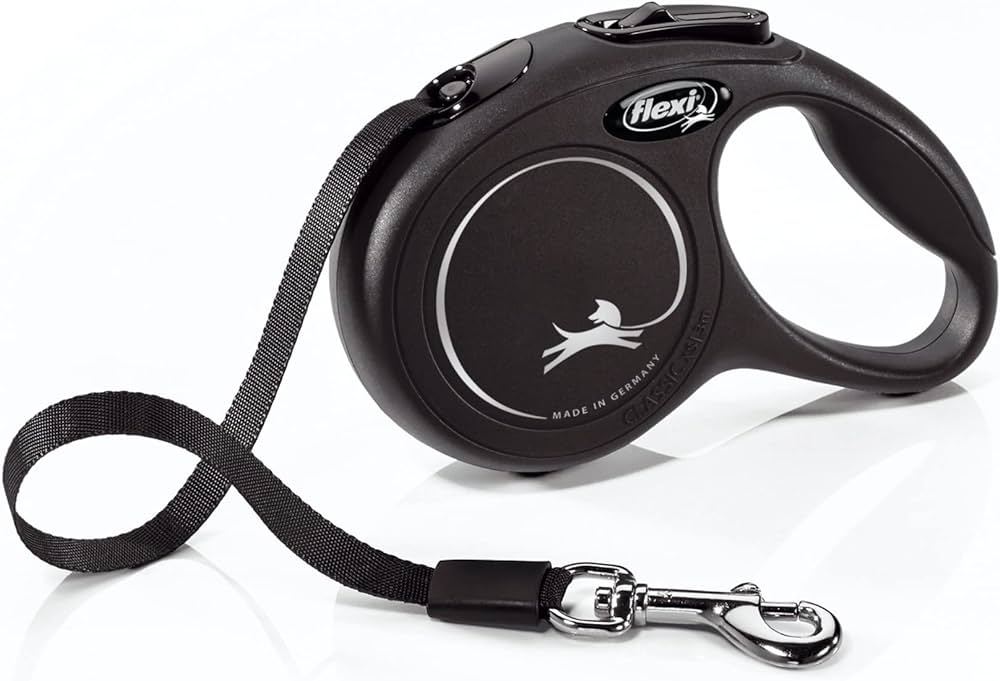
    Benefits of Rolled Leather Dog Collars

    Rolled leather dog collars offer several advantages over traditional flat collars, making them an excellent choice for many dog owners. Here are the key benefits:

    Comfort and Reduced Irritation

    Rolled leather collars provide superior comfort for dogs, especially those with long or thick fur. The rounded design minimizes friction against the dog’s skin and coat, reducing potential irritation and discomfort. This feature is particularly beneficial for breeds prone to skin sensitivities or those who wear their collars for extended periods.

    Prevention of Matting and Tangling

    For long-haired breeds, rolled leather collars are a game-changer. The smooth, rounded surface prevents hair from twisting and matting around the collar. This design significantly reduces the occurrence of tangles and knots in the fur around the neck area, maintaining the dog’s coat in better condition and reducing grooming time.

    Durability and Longevity

    Leather is known for its durability, and rolled leather collars are no exception. These collars are built to last, often outliving their flat counterparts. With proper care, a high-quality rolled leather collar can serve your dog for years, making it a cost-effective choice in the long run.

    Stylish Appearance

    Rolled leather collars offer a timeless, elegant look that suits dogs of all sizes and breeds. Available in various colors and designs, these collars can complement your dog’s appearance while providing functionality. The sleek design adds a touch of sophistication to your dog’s overall appearance.

    Lightweight and Comfortable

    Even though their durability, rolled leather collars are surprisingly lightweight. This feature ensures that your dog doesn’t feel weighed down or encumbered by their collar, promoting comfort during daily activities and playtime.

    Suitable for Sensitive Skin

    Dogs with sensitive skin or allergies often benefit from rolled leather collars. The smooth surface and minimal contact area reduce the likelihood of skin irritation or allergic reactions that can sometimes occur with other collar materials.

    Easy to Clean and Maintain

    Rolled leather collars are relatively easy to clean and maintain. A simple wipe-down with a damp cloth is often sufficient to keep the collar clean. For deeper cleaning, mild soap and water can be used, followed by conditioning to maintain the leather’s suppleness.

    Ideal for Dogs with Little to No Hair

    For breeds with minimal hair or hairless dogs, rolled leather collars are an excellent choice. The narrow, rounded edges provide a comfortable fit without causing rubbing or chafing on exposed skin.

    By understanding these benefits, you can make an well-informed choice about whether a rolled leather collar is the right choice for your dog. Remember to consider your dog’s exact needs, lifestyle, and comfort when selecting any collar.

    Measuring Your Dog for a Collar

    Accurate measurements are crucial for selecting the right rolled leather collar for your dog. We’ll guide you through the process, ensuring a perfect fit for your furry friend.

    Choosing the Right Tools

    To measure your dog for a rolled leather collar, you’ll need a flexible tape measure. This tool provides accurate measurements and is comfortable for your dog. A soft measuring tape works best, as it conforms to your dog’s neck shape. If you don’t have a flexible tape measure, use a piece of string and a ruler as an alternative. Wrap the string around your dog’s neck, mark the length, and measure it against the ruler for precise results.

    Finding the Proper Neck Location

    Locate the narrowest part of your dog’s neck to find the proper measurement spot. This area is typically where the collar naturally sits, just behind the ears and above the shoulders. For long-haired dogs, gently part the fur to ensure you’re measuring the neck itself, not just the coat. If your dog has a thick coat, consider measuring both with and without compressing the fur to get an accurate range for collar sizing.

    Taking Accurate Measurements

    When measuring your dog’s neck, wrap the tape measure snugly around the proper location. Ensure it’s not too tight or too loose. A good rule of thumb is to leave enough space to comfortably fit two fingers between the tape measure and your dog’s neck. This mimics how the collar should fit. For consistency, take multiple measurements and average them. If your dog has an existing collar that fits well, measure its length when laid flat, from the buckle to the hole you typically use. Add 1 inch to this measurement for the ideal size range of your new rolled leather collar.

    Selecting the Correct Collar Size

    Choosing the right size for a rolled leather collar ensures your dog’s comfort and safety. We’ll guide you through understanding collar size charts and accounting for your dog’s growth and coat thickness.

    Understanding Collar Size Charts

    Collar size charts provide essential information for selecting the correct fit. Here’s a typical size chart for rolled leather collars:

    SizeNeck Circumference
    X-Small8″ – 10″
    Small12″ – 15.5″
    Medium14″ – 19″
    Large16.5″ – 21″

    To use the chart, measure your dog’s neck and compare it to the size ranges. For example, if your dog’s neck measures 13 inches, choose a small collar. Always check the exact manufacturer’s size chart, as measurements may vary slightly between brands. Remember to allow for some adjustment room within the size range to ensure a comfortable fit.

    brown short coat dog outdoor / Rolled Leather Collar
    Photo by Alex Qian on Pexels.com

    Accounting for Growth and Coat Thickness

    When selecting a rolled leather collar, consider your dog’s potential growth and coat thickness. For puppies, choose a collar with room to grow, but ensure it’s not too loose. Check the fit regularly and adjust as needed. For adult dogs, account for seasonal coat changes. Long-haired breeds may require a slightly larger size to accommodate their thick fur. When measuring, part the fur to get an accurate neck measurement. If your dog is between sizes, opt for the larger size to ensure comfort. Always allow for two-finger space between the collar and your dog’s neck for proper fit and breathing room.

    Ensuring a Proper Fit

    Achieving the right fit for a rolled leather dog collar is crucial for your pet’s comfort and safety. We’ll guide you through two essential techniques to ensure your dog’s collar fits perfectly.

    The Two-Finger Rule

    The two-finger rule is a simple yet effective method for checking collar fit. Here’s how to apply it:

    1. Fasten the collar around your dog’s neck
    2. Slide two fingers between the collar and your dog’s neck
    3. Ensure the fingers fit comfortably without excessive pressure or looseness

    This technique provides the ideal balance between snugness and comfort. It prevents the collar from being too tight, which could restrict breathing or cause discomfort, while also ensuring it’s not so loose that your dog can slip out of it. Remember, you should be able to fit two fingers flat against your dog’s neck, not stacked on top of each other.

    Adjusting for Comfort and Safety

    Proper adjustment of your dog’s rolled leather collar is essential for their well-being:

    1. Check the fit regularly, especially for growing puppies
    2. Ensure the collar doesn’t pull over your dog’s head
    3. Allow for seasonal coat changes in long-haired breeds
    4. Position the collar at the narrowest part of the neck
    5. Avoid placing the collar too high on the throat

    When adjusting the collar, add about 1 inch to either side of your initial measurement. This extra space accommodates for slight fluctuations in neck size due to factors like weight changes or coat growth. For long-haired dogs, part the fur to measure directly against the skin, ensuring an accurate fit that doesn’t compress the coat excessively.

    Caring for Your Rolled Leather Collar

    Proper Maintenance

    Rolled leather collars require regular maintenance to ensure longevity and optimal performance. We recommend cleaning the collar every 2-3 weeks, depending on your dog’s activity level. Use a damp cloth to wipe away dirt and debris, followed by a dry cloth to remove excess moisture. For stubborn stains, a mild soap solution can be used, but avoid harsh chemicals that may damage the leather.

    Conditioning the Leather

    To maintain the collar’s softness and prevent cracking, apply a leather conditioner every 3-4 months. We suggest using a small amount of beeswax-based conditioner, working it into the leather with a soft cloth. This treatment not only protects the collar from water damage but also enhances its durability and comfort for your dog.

    Storage and Handling

    When not in use, store the rolled leather collar in a cool, dry place away from direct sunlight. Avoid hanging the collar, as this can cause it to lose its shape. Instead, lay it flat or coil it loosely. Handle the collar gently to prevent unnecessary stress on the leather and stitching.

    Adjusting for Fit

    As your dog’s neck size may change due to growth or seasonal coat variations, regularly check the collar’s fit. Use the two-finger rule to ensure proper sizing, adjusting the collar as needed. If the collar becomes too tight or loose, consider replacing it with a properly sized one to maintain your dog’s comfort and safety.

    Inspecting for Wear and Tear

    Perform monthly inspections of your dog’s rolled leather collar. Check for signs of wear, such as fraying edges, loose stitching, or cracks in the leather. Pay special attention to the buckle and D-ring attachments, ensuring they remain secure. Replace the collar if you notice important damage to maintain its effectiveness and your dog’s safety.

    By following these care instructions, we can help ensure that your rolled leather collar remains a durable, comfortable, and stylish accessory for your furry friend for years to come.

    Conclusion

    Measuring your dog accurately for a rolled leather collar is crucial for their comfort and safety. By following our expert tips you’ll ensure a perfect fit that prevents matting and irritation. Remember to use the two-finger rule check the fit regularly and maintain the collar properly. With the right size and care your furry friend will enjoy the benefits of a stylish durable and comfortable rolled leather collar for years to come. Don’t forget to account for growth and seasonal coat changes to keep your dog looking and feeling their best.

  • DIY Paracord Dog Show Leads: Craft Stunning Leads for the Ring in 2024

    DIY Paracord Dog Show Leads: Craft Stunning Leads for the Ring in 2024

    Ever wondered how to create a stylish and durable dog show lead that’ll make your pup stand out in the ring? We’ve got you covered with our guide on making paracord dog show leads. These sturdy, custom-made leads are not only practical but also a great way to showcase your creativity.

    We’ll walk you through the process of crafting a professional-looking paracord dog show lead step-by-step. You’ll learn about selecting the right materials, mastering essential braiding techniques, and adding those finishing touches that’ll make your lead truly unique. By the end of this article, you’ll have the skills to create a show-stopping lead that’s sure to impress judges and fellow dog enthusiasts alike.

    Understanding Paracord Dog Show Leads

    Paracord dog show leads are essential accessories for handlers in the competitive industry of dog shows. These leads are crafted from parachute cord, a lightweight yet durable material originally used in parachutes. We’ll explore the key aspects of these specialized leads and why they’re favored by dog show enthusiasts.

    Advantages of Paracord Leads

    Paracord leads offer several benefits for dog shows:

    1. Durability: Withstands the rigors of frequent use
    2. Lightweight: Comfortable for both handler and dog
    3. Customizable: Available in various colors and patterns
    4. Adjustable: Easy to modify length as needed
    5. Non-slip grip: Ensures secure handling during shows

    Types of Paracord Braids for Show Leads

    Different braiding techniques create unique lead styles:

    • Diamond braid: Classic, elegant appearance
    • Herringbone braid: Intricate pattern for added visual appeal
    • Gaucho braid: Robust and distinctive look

    Choosing the Right Length and Thickness

    Selecting the appropriate dimensions for your show lead is crucial:

    • Length: Typically 4-5 feet for most breeds
    • Thickness: Varies based on dog size and handler preference
    • Adjustability: Some designs allow for length modifications

    Customization Options

    Paracord leads can be personalized to suit individual tastes:

    • Color combinations: Match breed colors or personal preferences
    • Bead additions: Incorporate decorative elements
    • Hardware selection: Choose from various snap hooks and clasps

    Maintenance and Care

    Proper care ensures longevity of paracord show leads:

    1. Clean with mild soap and water
    2. Air dry completely before storage
    3. Inspect regularly for wear and tear
    4. Replace damaged sections promptly

    By understanding these aspects of paracord dog show leads, we can appreciate their functionality and aesthetic appeal in the competitive show ring environment.

    Materials and Tools Needed

    Creating paracord dog show leads requires exact materials and tools. We’ll outline the essential supplies and optional accessories needed to create a high-quality, durable lead that stands out in the show ring.

    Essential Supplies

    To make paracord dog show leads, you’ll need:

    • Paracord: Use 550lb Type III Paracord. For a simple leash, two 16-foot strands suffice. For a heavier-duty lead, prepare 80 feet of paracord, especially for an eight-strand braid.
    • Snap Latch: A heavy-duty metal snap latch is crucial for attaching the lead to the dog’s collar.
    • Paper Clip or Fid: These tools help weave paracord strands back into the braid. A paper clip works for beginners, while a fid is ideal for more experienced crafters.
    • Scissors: Sharp scissors are essential for cutting paracord cleanly and precisely.
    • Lighter: A lighter is needed to melt and seal the paracord ends, preventing fraying.

    Optional Accessories

    Enhance your paracord dog show lead with these optional accessories:

    • Multiple Colors: Use up to four different paracord colors for a visually striking lead. Combine contrasting or complementary hues to create unique patterns.
    • Turks Head Knot: Add this decorative knot around the handle for extra security and aesthetic appeal. It also provides a comfortable grip.
    • Beads: Incorporate wooden, metal, or plastic beads to add personalization and flair to your lead.
    • Charms: Attach small charms or pendants to showcase your dog’s personality or achievements.
    • Reflective Paracord: For added safety during low-light conditions, consider using reflective paracord strands.
    • Swivels: Include swivels between sections of the lead to prevent tangling and improve flexibility.
    Man in Brown Pants Holding Brown Short Coated Dog / Paracord Dog Show Leads

    Photo by Sebastian Coman Travel on Pexels

    Planning Your Dog Show Lead

    Planning your paracord dog show lead is crucial for creating a functional and stylish accessory. We’ll explore the key aspects of determining the right length and choosing colors that complement your dog and meet show requirements.

    Determining the Length

    The ideal length for a paracord dog show lead depends on your dog’s size and the exact requirements of the show. Most leads measure 4-5 feet, allowing for comfortable handling and control. To find the perfect length:

    1. Measure from your hand to the dog’s collar when in show stance
    2. Add 6-12 inches for adjustability and comfort
    3. Consider your height and arm length for optimal control

    For smaller breeds, a 4-foot lead often suffices, while larger dogs may require a 5-foot lead. Remember, a lead that’s too long can be cumbersome, while one that’s too short may restrict movement. Always check show regulations for any exact length requirements.

    Choosing the Right Colors

    Selecting colors for your paracord dog show lead is an opportunity to showcase your dog’s personality and complement their coat. Consider these factors:

    1. Coat color: Choose contrasting or complementary colors
    2. Show requirements: Some events have exact color guidelines
    3. Personal style: Reflect your preferences while maintaining professionalism

    Popular color combinations include:

    Many paracord suppliers offer a wide range of colors, allowing for unique combinations. Remember, the lead should enhance your dog’s appearance without overshadowing them. Opt for colors that create a cohesive look with your dog’s coat and your show attire.

    Step-by-Step Guide to Making the Lead

    Creating a paracord dog show lead involves several key steps, from attaching the hardware to braiding techniques and securing the final product. Here’s a detailed guide to help you create a professional-looking lead.

    Attaching the Snap Hook

    Begin by securing the paracord to the snap hook, a crucial step in creating a sturdy lead. Use a lark’s head knot for a reliable connection. Double up two sets of paracord strands and pass them through the snap hook’s ring. Pull the ends to tighten, ensuring a secure attachment. For added strength, consider using a hitch knot, wrapping the paracord around the clip multiple times. This method provides extra durability, especially important for larger or stronger dogs.

    Braiding Techniques

    The four-strand diamond braid is a popular choice for paracord dog show leads. Start by dividing your paracord into four equal strands. Begin the braid by interweaving these strands, creating a diamond pattern. This technique produces a visually appealing and sturdy lead. As you braid, maintain consistent tension to ensure uniformity throughout the length of the lead. For added visual interest, consider incorporating different colored strands or alternating braiding patterns at regular intervals.

    Securing the Braid

    Once you’ve reached the desired length for your lead, it’s crucial to secure the braid to prevent unraveling. Use duct tape or a crown knot to temporarily hold the braid in place. For a more permanent solution, create a handle by folding part of the leash back against itself. Splice the four cord ends back into the braid for at least five pulls, effectively doubling up the braid. This technique not only secures the lead but also adds thickness and strength to the handle area. Finally, cut and melt the ends to prevent fraying, ensuring a clean and professional finish.

    Creating the Handle

    Creating a sturdy and comfortable handle is crucial for a high-quality paracord dog show lead. We’ll explore two key techniques: braiding and securing the handle.

    Forming the Eye

    To form the eye of the handle, we start with the cobra stitch or king cobra stitch. The king cobra stitch is ideal for handles due to its thickness and security. Begin by creating a loop for the handle using the core jumping method. This technique involves braiding paracord strands around the bottom of the loop where it meets the leash, ensuring a secure connection. Continue braiding using your chosen stitch until you reach the desired thickness and length. For most dog show leads, a handle length of 6-8 inches works well, providing ample grip and control.

    Splicing for Security

    Splicing is essential for improving the security and durability of your paracord dog show lead. To splice effectively, we recommend braiding the strands around the base of the loop multiple times. This reinforces the connection between the handle and the leash, preventing separation during use. After braiding, melt the ends of the paracord with a lighter to prevent fraying. For added security, consider incorporating a Turk’s head knot or a diamond knot at the base of the handle. These decorative knots not only enhance the lead’s appearance but also provide additional reinforcement where the handle meets the leash body.

    Adding Decorative Overlays

    Decorative overlays enhance the visual appeal of paracord dog show leads. These intricate designs add a personalized touch and can make your lead stand out in the show ring. Let’s explore how to plan and execute stunning overlay patterns.

    Planning the Overlay Design

    When planning overlay designs for paracord dog show leads, consider color combinations, patterns, and embellishments. Choose colors that complement your dog’s coat or match show requirements. Popular overlay patterns include diamonds, zigzags, and spirals. Incorporate beads, charms, or reflective elements for added flair. Sketch your design beforehand to visualize the final product. Remember to balance aesthetics with functionality, ensuring the overlay doesn’t interfere with the lead’s primary purpose. Select paracord colors and textures that create striking contrasts or harmonious blends. Consider the complexity of the design based on your skill level and time constraints.

    Executing the Overlay Pattern

    To execute the overlay pattern on paracord dog show leads, start by securing the base lead. Use a clipboard or work surface to keep the lead taut. Begin the overlay at one end, typically near the handle or snap hook. Follow your chosen pattern, weaving the decorative paracord over and under the base lead. Maintain consistent tension throughout the process to ensure a uniform appearance. For complex patterns, use markers or tape to indicate crossing points. Incorporate beads or charms at predetermined intervals by threading them onto the overlay cord.

    When adding spirals, wrap the decorative cord around the base lead, securing it periodically with knots. For diamond patterns, create a series of interlocking loops. Use needle-nose pliers to tighten knots and adjust the overlay as needed. Trim excess cord and melt the ends to prevent fraying. Regularly check the lead’s flexibility to ensure the overlay doesn’t compromise functionality. For two-color designs, alternate cords to create striking visual effects. Remember to leave enough space near the snap hook for easy attachment to the collar.

    Finishing Touches

    Completing your paracord dog show lead requires attention to detail and precision. We’ll guide you through the final steps to ensure a professional-looking and durable lead that stands out in the show ring.

    Trimming and Sealing

    After securing the ends of your paracord dog show lead, it’s crucial to trim and seal them properly. Cut any excess paracord about 1/4 inch from the knot using sharp scissors. To prevent fraying, carefully melt the cut ends with a lighter or small torch. Hold the flame close to the cord without touching it, allowing the heat to fuse the fibers. Once melted, use a smooth metal surface to press and shape the end into a neat dome. This process not only secures the braid but also gives your lead a polished appearance. For added security, consider applying a small amount of clear nail polish or fabric glue to the melted ends.

    Quality Check

    Before using your paracord dog show lead, perform a thorough quality check to ensure its safety and durability. Inspect all knots and connections, especially where the paracord attaches to the snap latch. Tug firmly on different sections of the lead to test its strength. Check for any loose strands or uneven braiding that could compromise the lead’s integrity. Examine the melted ends to confirm they’re smooth and securely sealed.

    Test the snap latch to ensure it opens and closes easily but remains secure when locked. If you’ve added any decorative elements, make sure they’re firmly attached and won’t come loose during use. Finally, run your hands along the entire length of the lead to detect any rough spots or imperfections that might need smoothing.

    Conclusion

    Creating your own paracord dog show lead is a rewarding project that combines functionality with personal style. We’ve covered everything from selecting materials to adding decorative touches ensuring you can create a lead that’s both beautiful and durable. By following our guide you’ll be able to make a professional-quality lead that stands out in the show ring. Remember to prioritize your dog’s comfort and safety while showcasing your creativity. With practice you’ll master the techniques and soon be creating stunning leads that enhance your dog’s presence at every show.

  • DIY Dog Leashes: Easy Guide to Craft Custom Leads for Your Pup

    DIY Dog Leashes: Easy Guide to Craft Custom Leads for Your Pup

    Are you tired of spending a fortune on dog leashes that don’t meet your needs? We’ve got good news – making your own DIY dog leash is easier than you might think! With a few simple materials and some basic skills, you can create a custom leash that’s perfect for your furry friend.

    Why Make Your Own Dog Leash

    Creating a DIY dog leash offers several compelling advantages for pet owners. We’ve identified key benefits that make crafting your own leash a smart choice:

    Customization

    Custom dog leashes allow for customized designs that meet exact needs:

    • Length: Adjust the leash length to suit your dog’s size and walking style.
    • Material: Choose from durable options like climbing rope or nylon string.
    • Color: Mix and match colors for a unique, personalized look.

    Durability and Strength

    Homemade leashes often surpass store-bought options in longevity:

    • Climbing rope: Impervious to water and dirt, withstands heavy pulling.
    • Nylon string: Resistant to wear and tear from daily use.
    • Braiding techniques: Enhance overall strength and durability.

    Comfort

    DIY leashes prioritize comfort for both dog and owner:

    • Braided designs: Provide a comfortable grip along the entire length.
    • Material selection: Choose softer materials to prevent rope burn.
    • Customized handle: Create a handle that fits your hand perfectly.

    Cost-Effectiveness

    Making your own leash can be as economical as purchasing one:

    • Affordable materials: Paracord and climbing rope are inexpensive options.
    • Bulk purchases: Buy materials in larger quantities for multiple leashes.
    • Long-term savings: Durable DIY leashes may outlast store-bought alternatives.

    By crafting your own dog leash, you’ll enjoy a product that’s perfectly suited to your needs while potentially saving money in the long run.

    Materials and Tools Needed

    Creating a DIY dog leash requires exact materials and tools. We’ve compiled a comprehensive list of essential supplies and optional equipment to help you create the perfect leash for your furry friend.

    Essential Supplies

    To make a dog leash, you’ll need:

    • Rope or Webbing: Choose strong cotton rope, durable climbing rope, or 1-inch wide nylon webbing (4-6 feet long).
    • Hardware: Carabiners or snap hooks for attaching the leash to your dog’s collar.
    • Cutting Tools: Sharp scissors to cut rope, webbing, or heat shrink tubing.
    • Heat Source: A heat gun or butane lighter for melting rope ends or shrinking tubing.
    • Heat Shrink Tubing: For securing knots and creating a comfortable handle.

    For braided leashes, use 30 feet of 6-8mm climbing rope or accessory cord. If sewing, select nylon webbing and matching thread. These materials ensure your DIY dog leash is strong, durable, and customized to your pet’s needs.

    Optional Equipment

    While not essential, these items can enhance your leash-making process:

    • Sewing Machine: For stitching webbing or adding decorative elements.
    • Measuring Tape: To ensure precise lengths for your custom leash.
    • Pliers: Helpful for manipulating hardware or tightening knots.
    • Rotary Cutter: An alternative to scissors for clean, straight cuts on webbing.
    • Cutting Mat: Protects work surfaces when using a rotary cutter.
    • Fabric Markers: For marking measurements or design elements.
    • Decorative Ribbon: To add a personal touch to your leash.
    • D-rings: For creating adjustable leashes or adding accessories.
    • Paracord: A lightweight alternative for smaller dogs or backup leashes.
    • Leather Punch: If incorporating leather elements into your design.

    These optional tools can expand your creative possibilities and streamline the leash-making process, allowing for more intricate designs and professional-looking results.

    Unrecognizable Person Walking Pack of Dogs in Park / Dog Leashes

    Photo by Blue Bird on Pexels

    Choosing the Right Material

    Selecting the appropriate material is crucial for creating a durable and comfortable dog leash. We’ll explore various options to help you make an well-informed choice for your DIY project.

    Rope Options

    Rope is a popular choice for dog leashes due to its strength and versatility. Here are some excellent rope options:

    • Climbing Rope: This material offers exceptional durability, water resistance, and lightweight properties. To create a leash:
    1. Cut two 15-foot sections and melt the ends to prevent fraying.
    2. Braid the sections together, alternating outer cords under and over middle cords.
    3. Form the handle by threading loose ends through braid loops and securing with heat.
    • Accessory Cord: Six to eight-millimeter accessory cord is another strong option. Braid it similarly to climbing rope for a sturdy leash.
    • Nylon Rope: Known for its strength and weather resistance, nylon rope is ideal for outdoor use.
    • Cotton Rope: A softer option that’s gentle on hands but may be less durable for larger dogs.

    Fabric Alternatives

    Fabric materials offer unique benefits for dog leash creation:

    • Nylon Webbing: This lightweight, durable material is easy to work with and comes in various colors.
    1. Cut the desired length, adding extra for handle and clasp attachment.
    2. Fold one end to create a handle, sewing it securely.
    3. Attach a clasp to the other end using a strong stitch or rivets.
    • Leather: For a classic look and durability, consider leather strips:
    1. Choose high-quality, thick leather for strength.
    2. Cut to length and punch holes for rivets or stitching.
    3. Attach hardware using rivets or heavy-duty thread.
    • Recycled Materials: Repurpose old belts or sturdy fabric for an eco-friendly option:
    1. Clean and inspect the material for weak spots.
    2. Cut to size and reinforce with additional stitching if needed.
    3. Attach hardware securely, considering the material’s strength.

    When selecting fabric alternatives, consider your dog’s size, strength, and chewing habits to ensure the leash’s longevity and safety.

    Preparing Your Materials

    Before crafting your DIY dog leash, it’s essential to gather all necessary materials and tools. We’ll guide you through the process of preparing your supplies for both fabric and climbing rope leashes.

    Cutting and Measuring

    To create a well-fitted dog leash, accurate cutting and measuring are crucial. For a fabric leash, measure and cut tightly woven cotton fabric and 1-inch wide nylon webbing to your desired length. Use a ruler or measuring tape for precision, adding extra length for seam allowances and attachments. When working with climbing rope, measure out 30 feet of six- to eight-millimeter accessory cord. This length allows for customization of both the leash and handle size. Use sharp scissors or a rope cutter to ensure clean, precise cuts. Remember to account for additional length needed for knots and attachments when measuring your materials.

    Heat Treating Rope Ends

    Heat treating rope ends is a vital step in preventing fraying and ensuring the longevity of your DIY dog leash. For climbing rope leashes, use a heat source such as a heat gun or butane lighter to carefully melt the cut ends of the accessory cord. This process fuses the fibers together, creating a sealed, durable end that won’t unravel. When working with fabric leashes, you can use heat shrink tubing to secure loose ends and reinforce attachment points. Slide the heat shrink tube over the rope or webbing, position it correctly, and apply heat evenly until it shrinks and forms a tight seal. Always exercise caution when using heat tools and work in a well-ventilated area. Properly heat-treated ends will enhance the strength and longevity of your custom dog leash.

    Basic Rope Leash Method

    The basic rope leash method is a simple, cost-effective way to create a custom dog leash. We’ll guide you through the process of making a durable leash using readily available materials.

    Creating the Handle

    To create the handle, measure and cut a length of rope about 12 inches longer than your desired leash length. Fold one end of the rope to form a loop, ensuring it’s large enough for your hand to comfortably grip. Secure the loop by tying a sturdy knot, such as a figure-eight knot or an overhand knot on a bight. For added strength, use heat shrink tubing over the knot. Slide the tubing over the knot and apply heat with a heat gun or lighter to shrink it tightly around the rope. This method creates a secure, comfortable handle that won’t unravel during use.

    Attaching the Clasp

    Attaching the clasp to your dog leash is crucial for security and functionality. Start by threading the free end of the rope through the loop of your chosen clasp or carabiner. Create a loop by folding the rope back on itself, leaving about 3-4 inches of overlap. Secure this loop using a strong knot like the bowline or figure-eight follow-through. These knots maintain their strength under tension and are less likely to slip. For added security, consider using heat shrink tubing over the knot. Slide the tubing over the knot, then carefully apply heat to shrink it, creating a protective barrier. This method ensures a sturdy connection between the leash and clasp, providing peace of mind during walks with your furry friend.

    Fabric Leash Technique

    Creating a fabric dog leash is a straightforward process that allows for customization and durability. We’ll guide you through the steps of sewing the fabric cover and reinforcing it with webbing to ensure a strong, long-lasting leash for your furry friend.

    Sewing the Fabric Cover

    To start, cut two fabric strips 1.75 inches wide and 36 inches long. Place the strips right sides together and sew one end with a 1/4 inch seam allowance, backstitching at the start and finish. Fold the strip’s ends over by 1/4 inch, then fold the sides in evenly, and finally fold in half. Clip or pin in place and iron to set the folds. Sew down both sides close to the edge, backstitching at the beginning and end. For the handle, fold one end over by about 5 inches and secure with a box stitch and an X in the middle. This technique creates a durable fabric cover for your dog leash.

    Reinforcing with Webbing

    To enhance the strength of your fabric dog leash, incorporate webbing as reinforcement. Cut a piece of webbing slightly shorter than the fabric cover. Insert the webbing into the fabric tube, centering it along the length. Secure the webbing at both ends by sewing across the width of the leash. For added durability, stitch along the edges of the webbing through all layers. At the handle end, fold the fabric over the webbing and sew a box stitch with an X in the center to secure it firmly. This reinforcement technique significantly improves the leash’s strength, making it suitable for dogs of various sizes and pulling strengths.

    Advanced Leash Designs

    For pet owners looking to take their DIY leash-making skills to the next level, advanced designs offer unique and functional options. These techniques allow for more customization and can result in leashes that are both stylish and practical.

    Braided Leash Tutorial

    Braided leashes provide a strong, attractive option for dog owners. To create a braided leash:

    1. Select three lengths of paracord or similar material, each about 1.5 times the desired leash length.
    2. Secure the cords at one end with a knot or clip.
    3. Begin braiding using a simple three-strand technique.
    4. Maintain consistent tension throughout the braiding process.
    5. When nearing the end, leave enough unbraided cord to form a handle.
    6. Create a loop for the handle and secure it with a knot.
    7. Attach a bolt snap or swivel hook to the other end.
    8. Trim excess cord and melt the ends to prevent fraying.

    This method results in a durable, eye-catching leash that’s comfortable to hold and resistant to wear.

    Adjustable Length Leash

    An adjustable length leash offers versatility for different walking scenarios. Here’s how to create one:

    1. Cut a length of nylon webbing about 8 feet long.
    2. Fold one end over to create a 6-inch handle and sew it securely.
    3. Attach a tri-glide slider about 2 feet from the handle.
    4. Thread the loose end through the slider, creating a loop.
    5. Sew a D-ring at the end of this loop.
    6. Attach a bolt snap to the loose end of the webbing.

    To adjust the length, simply slide the tri-glide up or down the webbing. This design allows for quick transitions between short leash control and longer lead freedom, adapting to various environments and training needs.

    Adding Personal Touches

    Adding personal touches to your DIY dog leash elevates it from a functional accessory to a unique expression of your pet’s personality. We’ll explore decorative elements and custom hardware options to make your leash stand out.

    Decorative Elements

    Personalizing your dog leash with decorative elements adds flair and uniqueness. Use tightly woven cotton fabric scraps or quilting cotton prints to create a visually appealing cover for the nylon webbing. Cut fabric strips 1.5″ wide and sew them together to match the length of the webbing. Press the seams open and fold the raw edges under to create a 3/4″ wide strip. This fabric cover not only looks great but also provides extra comfort for your hands during walks.

    Consider adding embroidery, appliqués, or fabric paint designs to further customize your leash. Reflective strips or patches can enhance visibility during nighttime walks. For a bohemian touch, attach colorful tassels or pom-poms to the handle or along the length of the leash. Remember to secure all decorative elements firmly to ensure they withstand regular use and washing.

    Custom Hardware

    Incorporating custom hardware into your DIY dog leash enhances both its functionality and aesthetic appeal. Choose from a variety of high-quality options such as bolt snaps, quick-release catches, or swivel snap hooks for the leash attachment. These hardware pieces come in different finishes like brass, nickel, or colored enamel, allowing you to match your dog’s collar or your personal style.

    For the handle, consider using D-rings or O-rings wrapped in leather or fabric for a comfortable grip. If you’re creating an adjustable leash, incorporate a tri-glide slider for easy length adjustment. To add a luxurious touch, use leather accents around the hardware connections or as handle wraps.

    When selecting custom hardware, prioritize durability and safety. Ensure all metal components are rust-resistant and rated for your dog’s size and strength. Properly attach the hardware using strong stitching, rivets, or heat shrink tubing for added security. By carefully choosing and integrating custom hardware, you’ll create a leash that’s not only stylish but also built to last.

    Safety Considerations

    When crafting DIY dog leashes, we must prioritize safety to ensure the well-being of both the dog and the handler. Here are crucial safety considerations to keep in mind:

    Materials and Durability

    Selecting the right materials is paramount for creating a safe and long-lasting dog leash:

    • Use high-strength materials such as nylon webbing, strong cotton rope, or nylon string to prevent breakage or fraying
    • Reinforce nylon webbing with fabric for added strength and durability
    • For heat shrink tubing leashes, ensure proper securing around knots and handles to prevent loosening

    Secure Fastenings

    Proper fastening techniques are essential for maintaining the leash’s integrity:

    • Employ secure knots, such as the poacher’s knot, to prevent clasps from slipping off
    • Use heat shrink tubing to reinforce knots and connection points
    • When sewing, use a backstitch at the beginning and end of seams to prevent unraveling
    • Reinforce handle and snap hook attachment points with multiple stitches for added security

    Hardware Selection

    Choosing appropriate hardware enhances the safety and functionality of your DIY dog leash:

    • Opt for high-quality snap hooks and D-rings rated for your dog’s weight and strength
    • Ensure all metal components are rust-resistant to maintain long-term durability
    • Test hardware connections regularly to identify any signs of wear or weakness

    Length and Width Considerations

    The dimensions of your leash play a crucial role in safety and control:

    • Choose an appropriate length based on your dog’s size and training level
    • Select a width that provides adequate strength without being too heavy or cumbersome
    • For larger or stronger dogs, consider using wider webbing or thicker rope for increased control

    Comfort and Ergonomics

    A comfortable leash design promotes safe handling for both dog and owner:

    • Incorporate a padded handle to prevent hand strain during walks
    • Ensure smooth edges on all components to avoid chafing or irritation
    • Consider adding a traffic handle near the clip for close control in crowded areas

    Visibility Features

    Improving visibility can significantly improve safety during low-light conditions:

    • Integrate reflective materials or strips into the leash design
    • Choose bright or high-contrast colors for better visibility
    • Consider adding LED lights or glow-in-the-dark elements for nighttime walks

    Regular Inspection and Maintenance

    Ongoing care is crucial for maintaining the safety of your DIY dog leash:

    • Establish a routine for inspecting the leash for signs of wear or damage
    • Clean the leash regularly to remove dirt and debris that could weaken the materials
    • Replace any worn or damaged components promptly to ensure continued safety

    By carefully considering these safety aspects, we can create DIY dog leashes that not only meet our aesthetic preferences but also prioritize the well-being of our furry companions. Remember, a well-crafted, safe leash provides peace of mind and enhances the overall walking experience for both dog and owner.

    Conclusion

    Creating your own dog leash is a rewarding experience that offers many benefits. We’ve explored various techniques from basic rope leashes to advanced designs with custom hardware. By following our guide you’ll be able to create a leash that’s perfectly customized to your dog’s needs and your personal style. Remember to prioritize safety inspect your DIY leash regularly and enjoy the satisfaction of walking your furry friend with a leash you’ve made yourself. With creativity and care you’ll have a unique functional and cost-effective accessory that’ll last for years to come.

  • DIY Lined Leather Dog Collar: 2024 Step-by-Step Guide for Pet Owners

    DIY Lined Leather Dog Collar: 2024 Step-by-Step Guide for Pet Owners

    Are you looking to add a personal touch to your furry friend’s accessories? Making a lined leather dog collar is a rewarding DIY project that’ll have your pup strutting in style. Not only is it a fun and creative try, but it can also save you money compared to store-bought options.

    We’ll guide you through the process of crafting a high-quality, comfortable collar for your canine companion. From selecting the right materials to assembling the final product, we’ll cover every step in detail. Whether you’re a seasoned crafter or a beginner, you’ll find our instructions easy to follow. By the end of this article, you’ll have the knowledge and confidence to create a custom collar that’s both functional and fashionable for your four-legged friend.
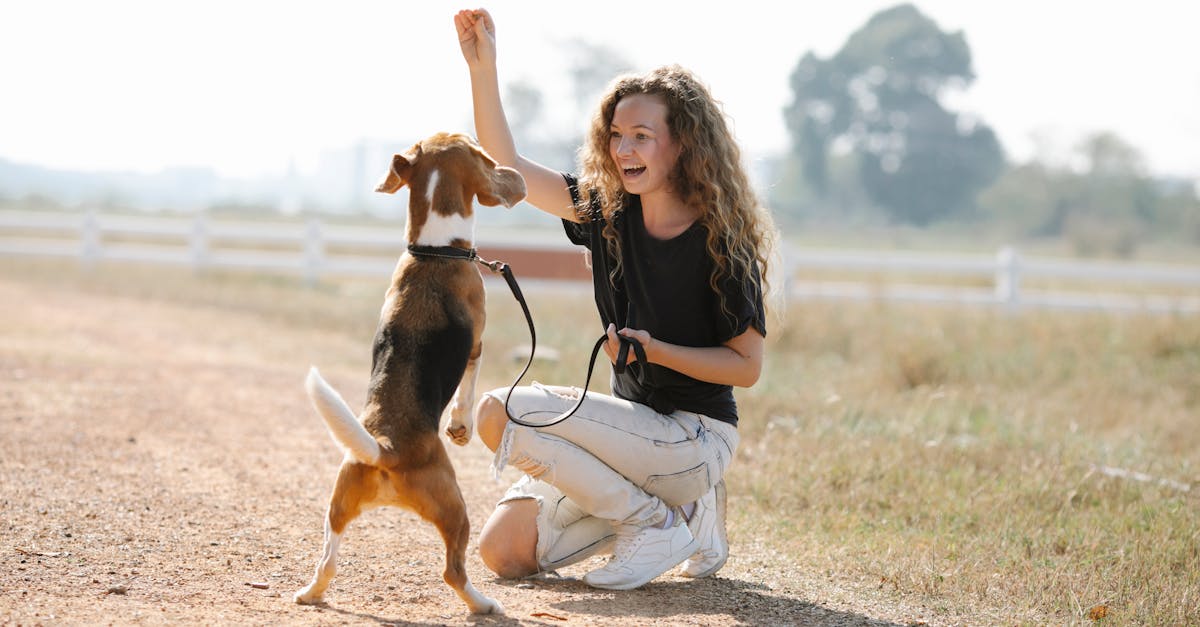
    Materials and Tools Needed

    Creating a lined leather dog collar requires exact materials and tools. We’ll guide you through the essential supplies and specialized hardware needed for this project.

    Essential Leather Working Supplies

    To create a high-quality lined leather dog collar, you’ll need:

    • Leather: Use 5-6 oz vegetable-tanned leather for the outer layer and 3-4 oz leather for the lining
    • Edge dye: Water-based, matching the leather color
    • Leather mallet: For shaping and flattening
    • Hole punch: Circular, for creating holes for hardware
    • Swivel knife: For carving decorative patterns
    • Edge beveler: To smooth and round edges
    • Edge slicker: For a polished finish on edges
    • Leather shaver: To thin leather where needed
    • Bone folder: For creasing and smoothing
    • Leather scissors: For cutting leather precisely
    • Ruler: For accurate measurements
    • Strap cutter: If using full hide leather
    • Clean rags, brushes, and sponges: For applying dye and finishes

    Specialized Hardware for Dog Collars

    The following hardware is crucial for a functional and durable dog collar:

    • Buckle: Choose a center bar or roller buckle in brass for durability
    • D-ring: Solid brass for attaching leashes securely
    • Rivets or Chicago screws: To fasten hardware to the leather
    • Rivet setter: For properly installing rivets
    • Needlenose pliers: For manipulating small hardware pieces
    • Scratch awl: To mark holes for stitching or hardware placement
    • Screwdriver: For installing Chicago screws
    • Optional: Decorative stamping tools for personalized designs

    When selecting materials, opt for high-quality vegetable-tanned leather, such as latigo leather, known for its durability and resistance to sweat, dirt, and weather. Brass hardware is preferred for its longevity and appearance. Remember to prioritize safety when using sharp tools and always work on a stable surface.

    Preparing the Leather

    Preparing the leather is a crucial step in creating a lined leather dog collar. We’ll guide you through the process of selecting the right leather, cutting it to size, and adding optional decorative elements.

    Cutting and Sizing

    To cut and size the leather for your dog collar, start by selecting high-quality leather like full grain or latigo. These types are durable and can withstand the wear and tear of daily use. Measure your dog’s neck and add 3-10 inches for a comfortable fit and hardware placement.

    Use a leather strap cutter to achieve precise cuts, typically 1 or 1.5 inches wide. If you don’t have a strap cutter, an X-Acto knife can work, but it requires more skill for accurate results. For the lining, choose materials such as pigskin or cowhide to provide stability and prevent stretching. Cut the lining slightly smaller than the outer leather to ensure a clean finish.

    Remember to factor in additional length for the buckle, D-rings, and any decorative elements you plan to add. It’s always better to cut the leather slightly longer than needed, as you can trim excess later.

    Optional Tooling and Decorative Techniques

    Adding decorative elements to your leather dog collar can make it unique and personalized. Tooling involves creating patterns or designs on the leather surface using specialized tools. Start by dampening the leather slightly to make it more pliable.

    Use a swivel knife to outline your design, then employ various stamps and mallets to add texture and depth. Popular designs include floral patterns, geometric shapes, or your dog’s name. For a simpler approach, consider using leather dyes to add color or create a two-tone effect.

    Another decorative technique is edge beveling, which softens the edges of the leather for a more finished look. After beveling, you can burnish the edges with a slicker tool for a smooth, polished appearance. If you’re feeling adventurous, try braiding thin strips of leather to create an intricate border or accent piece for your collar.

    Remember, while decorative techniques can enhance the collar’s appearance, always prioritize functionality and comfort for your dog.

    Creating the Lining

    Creating the lining for a leather dog collar is crucial for stability and durability. We’ll explore the best materials to use and how to properly cut and attach the lining to ensure a high-quality finished product.

    Choosing the Right Lining Material

    When selecting a lining material for your leather dog collar, durability is key. We recommend using pigskin or cowhide, as these materials are strong and resist stretching. Pigskin, in particular, offers excellent stability and is less prone to deformation over time. Cowhide provides a sturdy backing that complements the outer leather layer. For a more luxurious feel, consider using a softer leather like lambskin, but be aware that it may not offer the same level of durability as pigskin or cowhide. Avoid synthetic materials, as they don’t provide the same level of strength and may not bond well with leather adhesives.

    Cutting and Attaching the Lining

    To cut and attach the lining for your leather dog collar, follow these steps:

    1. Measure the outer leather piece and cut the lining material slightly larger, allowing for a 1/8 inch overhang on all sides.
    2. Apply a thin, even layer of leather adhesive to both the back of the outer leather and the lining material.
    3. Carefully align the lining with the outer leather, starting from one end and smoothing out any air bubbles as you go.
    4. Once the adhesive has set, trim the excess lining material flush with the edges of the outer leather using a sharp utility knife.
    5. Use a leather edge beveler to create a smooth transition between the outer leather and lining.
    6. Apply edge paint to seal and protect the exposed edges of both layers.

    By following these steps, you’ll create a professionally lined leather dog collar that’s both durable and comfortable for your furry friend.

    Dyeing and Finishing the Leather

    Dyeing and finishing the leather are crucial steps in creating a professional-looking lined leather dog collar. We’ll cover the techniques for applying dye evenly and protecting the leather to ensure durability and longevity.

    Applying Dye Evenly

    To achieve a uniform color on your leather dog collar, select a water-based edge dye that matches your desired shade. Use an applicator or specialized dispenser to cover the exposed edges with an even coat of dye. Keep a wiping rag handy to clean up any excess or drips, as the dye stains quickly. For a thorough application, don’t forget to dye the inside of the holes you’ve punched.

    Allow the dye to dry completely before buffing with a soft cloth or rabbit fur. If the dye isn’t fully dry, fibers may stick to the surface, ruining the finish. For decorative effects, consider using antique leather dyes, which accumulate in crevices to create depth and texture, especially when used with stamped designs.

    Sealing and Protecting the Leather

    After dyeing, it’s essential to seal and protect the leather to extend the life of your dog collar. Start by cleaning the leather with a deglazer to remove any dirt, dust, or oils accumulated during the construction process. Apply a thin layer of leather conditioner, such as mink oil or cream conditioner, working it into the leather with your hands.

    For added protection, especially against water, apply a thin coat of beeswax to the leather surface. Wipe off any excess to ensure a smooth finish. Consider using a water-resistant sealer for extra durability. Products like Super Sheen or other leather finishes can provide additional protection. Apply the sealer in thin, even layers, allowing each coat to dry completely before buffing with a soft cloth.

    Assembling the Collar

    Assembling a lined leather dog collar requires attention to detail and precision. We’ll guide you through the process of attaching hardware and securing the lining to create a durable and comfortable collar for your furry friend.

    Attaching Hardware

    To attach the hardware to your leather dog collar, start by sliding the buckle into its oblong slot. Next, add a pair of D-rings followed by a single D-ring, separating each section with a Chicago screw. The double D-rings are for attaching a leash, while the single D-ring is for a dog tag. Insert the rivet nearest the buckle first, using a rivet setter to secure it in place.

    Slide the D-ring back up and sandwich it between the leather layers. Once positioned correctly, insert the second rivet and set it. Trim the strap to the appropriate length, using your dog or an old collar for reference. Punch out the buckle notches, spacing them 1/2 inch apart and starting about 1-2 inches from the end of the strap.

    Securing the Lining

    To secure the lining of your leather dog collar, begin by aligning the lining piece with the outer leather layer. Apply a thin, even layer of leather adhesive to both surfaces, following the manufacturer’s instructions. Press the lining firmly onto the outer layer, ensuring there are no air bubbles or wrinkles. Use binder clips or clothespins to hold the layers together while the adhesive sets.

    Once dry, trim any excess lining material, leaving a small margin around the edges. To create a polished look, fold the outer leather layer over the lining at the edges and secure it with small stitches or additional adhesive. This technique, known as “turning the edge,” provides a clean finish and prevents the lining from separating over time.

    Lined Leather Dog Collar

    Adding Personal Touches

    Adding personal touches to your lined leather dog collar enhances its uniqueness and reflects your pet’s personality. We’ll explore two popular methods for customization: decorative elements and practical identification.

    Customizing with Studs or Embroidery

    Studs offer a flashy and durable way to personalize your dog’s collar. To add studs, mark their placement on the leather using the actual decoration or a scratch awl. For easy marking, lock studs in needlenose pliers to mark both tails at once. Cut parallel holes with an X-Acto blade, push the stud through, turn the tails in with a screwdriver or pliers, and gently tap with a tack hammer. Studs are ideal for spelling out your dog’s name or creating patterns.

    For a more intricate look, consider embroidery. Use leather-exact needles and thread to create designs or patterns on the collar. Pre-punch holes for easier stitching and to maintain the leather’s integrity. Embroidery allows for colorful, detailed designs but requires patience and skill.

    Incorporating ID Tags

    ID tags are essential for your dog’s safety and can be integrated stylishly into your custom collar. Choose a tag that complements the collar’s design and securely attach it to the D-ring. For a sleeker look, consider engraved slide-on tags that fit directly onto the collar. These tags lie flat against the leather, reducing noise and potential snagging.

    When incorporating ID tags, ensure the information is clearly legible and includes your dog’s name and your contact details. For added security, consider including a microchip number if your dog has one. Balance the tag’s size with the collar width for a proportionate look that doesn’t overwhelm smaller dogs.

    Caring for Your Handmade Leather Dog Collar

    Regular Cleaning

    We recommend cleaning your handmade leather dog collar regularly to maintain its appearance and durability. Use a soft, damp cloth to wipe away dirt and debris. For tougher stains, mix a small amount of mild soap with water and gently scrub the affected area. Avoid using harsh chemicals or excessive water, as these can damage the leather.

    Conditioning the Leather

    To keep the leather supple and prevent cracking, we suggest conditioning your dog collar every 3-4 months. Apply a small amount of leather conditioner using a clean cloth, working it into the leather in circular motions. Allow the conditioner to absorb for 15-20 minutes, then buff off any excess with a dry cloth.

    Protecting from Moisture

    While leather is naturally water-resistant, prolonged exposure to moisture can cause damage. We advise removing the collar before your dog swims or bathes. If the collar gets wet, pat it dry with a towel and let it air dry away from direct heat sources.

    Storage

    When not in use, store your leather dog collar in a cool, dry place away from direct sunlight. Hanging the collar or laying it flat helps maintain its shape and prevents creasing.

    Hardware Maintenance

    Check the collar’s hardware regularly for signs of wear or corrosion. Clean metal components with a soft cloth and apply a small amount of mineral oil to keep them functioning smoothly.

    Addressing Wear and Tear

    Inspect your handmade leather dog collar frequently for signs of wear, such as fraying edges or loose stitching. Address minor issues promptly to prevent further damage. For more important repairs, consult a professional leather worker.

    Avoiding Harmful Substances

    Keep your leather dog collar away from harsh chemicals, including pet shampoos and flea treatments. These substances can strip the leather of its natural oils and cause discoloration.

    By following these care instructions, we ensure that your handmade leather dog collar remains beautiful and functional for years to come. Regular maintenance not only preserves the collar’s appearance but also extends its lifespan, providing lasting comfort and style for your furry friend.

    Final Thought on Lined Leather Dog Collar

    We’ve guided you through creating a unique lined leather dog collar. This DIY project offers a blend of creativity and functionality that’ll make your furry friend stand out. By following our steps you’ll create a durable personalized accessory that reflects your pet’s personality.

    Remember the key aspects: quality materials proper measurements careful assembly and regular maintenance. With these in mind your handmade collar will provide comfort and style for years to come. We hope this guide inspires you to explore more leatherworking projects and enjoy the satisfaction of creating something special for your beloved pet.

  • DIY Nylon Rope Dog Leash: Easy Steps for a Custom, Durable Lead 2024

    DIY Nylon Rope Dog Leash: Easy Steps for a Custom, Durable Lead 2024

    Are you tired of spending a fortune on dog leashes that don’t last? We’ve got the perfect solution for you: making your own durable dog leash out of nylon rope. It’s a cost-effective and customizable option that’ll have your pup strutting in style.

    Creating a DIY dog leash from nylon rope isn’t just a fun project – it’s practical too. Nylon rope is strong, lightweight, and resistant to wear and tear, making it an ideal material for dog leashes. Whether you’ve got a tiny Chihuahua or a hefty Newfoundland, we’ll show you how to create a leash that’s customized to your furry friend’s needs. Plus, you’ll learn a valuable skill that can save you money in the long run.

    Benefits of DIY Nylon Rope Dog Leashes

    DIY nylon rope dog leashes offer many advantages for pet owners. Here’s why crafting your own leash is a smart choice:

    1. Cost-Effective
      Making a dog leash from nylon rope is significantly cheaper than purchasing pre-made options. We’ve found that the materials for a DIY leash often cost less than $5, while store-bought leashes can range from $15 to $50 or more.
    2. Customizable Length
      With a DIY approach, we can create leashes of any length. This flexibility allows for short leashes for controlled walks or longer leads for training and outdoor adventures. A 50-foot leash, for example, is perfect for recall training in open spaces.
    3. Strength and Durability
      Nylon rope, especially diamond braid or similar types, offers exceptional strength. These leashes can withstand the pulling force of large dogs without breaking or fraying. The durability of nylon ensures the leash lasts for years, even with regular use.
    4. Lightweight and Comfortable
      Even though its strength, nylon rope remains lightweight. We’ve noticed that leashes made from 1 to 1.5-inch diameter rope are comfortable to hold and don’t cause hand fatigue during long walks.
    5. Weather-Resistant
      Nylon rope resists water, UV rays, and mildew. This weather-resistant quality makes it ideal for outdoor use in various conditions, from rainy days to sunny beach trips.
    6. Easy to Clean
      Nylon rope leashes are simple to maintain. They can be easily washed with soap and water, making them hygienic for both the dog and the owner.
    7. Personalization Options
      DIY leashes allow for personal touches. We can add knots for better grip, incorporate different colors, or even add reflective materials for nighttime visibility.
    8. Skill Development
      Creating a dog leash develops useful skills like knot tying and basic crafting. These skills can be applied to other DIY projects in the future.
    9. Adjustable Features
      By incorporating exact knots or hardware, we can create adjustable features. This adaptability allows the leash to grow with a puppy or accommodate different handling styles.
    10. Eco-Friendly Choice
      Making a leash from nylon rope often uses less packaging and resources compared to commercially produced options, making it a more environmentally conscious choice.
    11. Multi-Purpose Use
      A long nylon rope leash can serve multiple purposes. It’s suitable for regular walks, training sessions, and can even be used as a temporary tether when needed.
    12. Replaceable Parts
      If a part of the leash wears out, it’s easy to replace just that section rather than buying an entirely new leash. This feature extends the life of the leash and reduces waste.

    By crafting our own nylon rope dog leashes, we gain control over quality, functionality, and design while enjoying important cost savings. These benefits make DIY leashes an attractive option for dog owners looking for a practical and personalized solution to their pet’s walking needs.

    Materials Needed

    To create your own nylon rope dog leash, we’ll need a few essential items. Here’s a list of materials you’ll want to gather before starting your DIY project:

    Nylon Rope

    • Diamond braid nylon rope or utility cord/nylon string
    • 9mm to 12mm diameter for standard leashes
    • Length: desired leash length plus extra for handle and adjustments (e.g., 12 feet for a 10-foot leash)

    Hardware

    • Locking/screwgate carabiner (preferred for security)
    • Alternative: snap hook (less secure but still functional)
    • Cutting carry out: knife, multi-tool, or strong scissors
    • Heat source: lighter or heat gun
    ItemSpecificationPurpose
    Nylon Rope9-12mm diameter, 12+ feetMain leash material
    CarabinerLocking/screwgateSecure attachment to collar
    Cutting ToolKnife/scissorsRope cutting
    Heat SourceLighter/heat gunSeal rope ends

    We’ve chosen these materials for their durability, versatility, and ease of use. Nylon rope’s weather-resistant properties make it ideal for outdoor use in various conditions. The diamond braid or utility cord options offer consistent exterior and resistance to unwinding, ensuring your leash remains strong and reliable.

    The locking carabiner provides an extra layer of security, preventing accidental detachment during walks. For those preferring a traditional look, the snap hook option is available, though it’s slightly less secure.

    Our recommended tools ensure clean cuts and proper sealing of the rope ends, preventing fraying and extending the life of your DIY leash. With these materials on hand, we’re ready to create a custom dog leash that’s both functional and cost-effective.

    Preparing the Nylon Rope

    Cutting the Rope

    We’ll start by cutting the nylon rope to the desired length for our DIY dog leash. It’s crucial to add extra length for the clasp and handle. For a standard six-foot leash, we recommend cutting the rope to about 9-10 feet. This additional length ensures we have enough material to work with for attachments and adjustments.

    When cutting the rope, use sharp scissors or a knife to make a clean, precise cut. A clean cut minimizes fraying and makes the next steps easier. Remember, it’s always better to cut the rope slightly longer than needed – we can always trim it later if necessary.

    Preventing Fraying

    Once we’ve cut our nylon rope to length, it’s essential to prevent the ends from fraying. Frayed ends not only look untidy but can also weaken the rope over time. We have two effective methods to seal the rope ends:

    1. Heat Sealing: Using a lighter or small torch, carefully melt the cut ends of the nylon rope. This process fuses the fibers together, creating a solid end that won’t unravel. Be cautious when using heat – melt just enough to seal the end without weakening the rope structure.
    2. Heat Shrink Tubing: Alternatively, we can use heat shrink tubing to cover and secure the rope ends. Slide a piece of heat shrink tubing over each end of the rope, then apply heat using a heat gun or lighter. The tubing will shrink and tightly seal around the rope end, preventing fraying.

    Both methods are effective, so choose the one that best suits your comfort level and available tools. Heat sealing is quicker and requires no additional materials, while heat shrink tubing provides a neater finish and additional protection.

    By properly cutting and sealing our nylon rope, we’ve laid the foundation for a durable and professional-looking dog leash. These preparatory steps ensure our leash will withstand the rigors of daily use while maintaining its integrity and appearance.

    Creating the Handle

    Creating a comfortable and secure handle is crucial for a functional dog leash. We’ll explore two methods for forming the handle: using a simple knot and braiding. Both techniques offer durability and customization options for your DIY nylon rope dog leash.

    Forming the Loop

    To form the handle loop, start by measuring the desired size for your wrist. For most adults, a 6-8 inch loop works well. Create the loop using an overhand knot or figure 8 knot, which are both secure and easy to tie. Thread the rope end through the formed loop, adjusting until you achieve the right size. Pull the knot tight, ensuring it’s snug but not overly constricted. For added comfort, you can wrap the handle section with soft material or create a braided cover.

    Securing the Handle

    After forming the loop, it’s essential to secure the handle for long-lasting use. Double-check that your chosen knot is tight and properly formed. For extra security, consider using a secondary knot or adding a few stitches with strong thread. If you’ve opted for a braided handle, secure the ends by threading them through loops of the braid itself. Trim any excess rope, leaving about 1/4 inch. Finally, use a heat source to melt the cut ends, preventing fraying and ensuring a polished finish.

    Boxer on Grass / Nylon Rope Dog Leash

    Photo by Nicki Dick on Pexels

    Attaching the Clasp

    Attaching the clasp is a crucial step in creating a secure and functional dog leash from nylon rope. We’ll explore two methods for attaching the clasp: using metal clamps and plastic clamps.

    Using Metal Clamps

    Metal clamps provide a robust attachment for nylon rope dog leashes, especially for larger breeds. To secure the clasp with metal clamps:

    1. Place the clamp on a flat surface with the level side down.
    2. Insert the rope into the clamp, ensuring equal width on both ends.
    3. Tighten the clamp firmly around the rope using pliers.
    4. Bend each part of the clamp separately to fit the rope closely.
    5. Compress the clamp by tapping it over a wooden board with a small hammer.

    While this method is more time-consuming than using plastic clamps, it creates a stronger joint. The leash’s firmness is secured by both the weld and the metal clamp, offering additional durability for energetic dogs.

    Using Plastic Clamps

    Plastic clamps offer a quicker and easier attachment method for nylon rope dog leashes. Here’s how to use them effectively:

    1. Select a plastic clamp that matches the diameter of your nylon rope.
    2. Thread the rope through the clamp, leaving enough length for tying a knot.
    3. Create a loop at the end of the rope and pass it through the clasp.
    4. Tie a secure knot, such as a figure-eight or overhand knot, to hold the clasp in place.
    5. Slide the plastic clamp over the knot and tighten it firmly.
    6. Trim any excess rope and melt the end to prevent fraying.

    Plastic clamps are ideal for smaller to medium-sized dogs and provide a neat, professional finish to your DIY dog leash. They’re also easier to adjust or replace if needed, offering flexibility in your leash design.

    Adding Optional Features

    After creating the basic nylon rope dog leash, we can enhance its functionality and appearance with optional features. These additions not only improve the leash’s performance but also allow for personalization.

    Heat Shrink Tubing

    Heat shrink tubing is a versatile material that can significantly improve your nylon rope dog leash. It provides added durability, comfort, and grip to key areas of the leash. To apply heat shrink tubing:

    1. Cut a piece of tubing slightly longer than the area you want to cover.
    2. Slide the tubing over the rope at the desired location.
    3. Use a heat gun or butane lighter to carefully shrink the tubing.
    4. Ensure even heat distribution for a snug fit.

    Apply heat shrink tubing to the handle for improved grip, over knots for added security, and near the clasp to reinforce this high-stress area. This simple addition enhances the leash’s longevity and comfort for both you and your dog.

    Decorative Knots

    Incorporating decorative knots into your nylon rope dog leash adds a unique touch and can serve practical purposes. Popular knots for leashes include:

    1. Monkey’s Fist: Creates a ball-like knot that can act as a handle or weight.
    2. Turk’s Head: Forms an attractive band around the rope, useful for marking exact points.
    3. Crown Knot: Provides an aesthetically pleasing end to the leash.

    To add decorative knots:

    1. Choose a knot that complements your leash design.
    2. Practice the knot with a separate piece of rope before attempting it on your leash.
    3. Tie the knot in the desired location, ensuring it’s tight and secure.
    4. Trim excess rope ends and seal them to prevent fraying.

    These knots not only enhance the leash’s appearance but can also improve functionality by providing additional grip points or visual markers for training purposes.

    Finishing Touches and Safety Check

    Adding Leather Accents

    We’ve found that leather accents add a touch of elegance to nylon rope dog leashes. Here’s how to incorporate them:

    1. Cut small leather pieces to fit around metal clamps
    2. Use a darning needle and embroidery floss to stitch leather in place
    3. Wrap leather around handle for improved grip and comfort

    Leather not only enhances aesthetics but also reinforces key stress points on the leash.

    Seizing Technique

    Seizing is an effective method to secure loose ends and prevent fraying:

    1. Use paracord or thin nylon cord for seizing
    2. Wrap tightly around loose ends of rope
    3. Tie off securely and trim excess cord

    This technique ensures durability and a polished look for your DIY dog leash.

    Reflective Elements

    Incorporating reflective materials improves visibility during low-light conditions:

    1. Thread reflective cord through rope strands
    2. Attach reflective tape at intervals along the leash
    3. Use reflective paint on handle and clasp areas

    These additions enhance safety during evening walks or in dimly lit areas.

    Safety Inspection

    Before using your homemade nylon rope dog leash, conduct a thorough safety check:

    1. Test handle strength by applying firm pressure
    2. Ensure clasp functions properly and secures tightly
    3. Check for any sharp edges or loose fibers
    4. Verify all knots and attachments are secure

    Regular inspections maintain the leash’s integrity and your dog’s safety.

    By implementing these finishing touches and safety measures, we’ve created a durable, stylish, and safe nylon rope dog leash. This DIY project not only saves money but also allows for personalization to suit your dog’s exact needs.

    Conclusion

    We’ve explored the art of crafting a custom nylon rope dog leash customized to your needs. This DIY project offers a budget-friendly alternative that doesn’t compromise on quality or durability. By following our guide you’ll create a leash that’s not only functional but also a reflection of your personal style. Remember to prioritize safety with thorough checks before use. With your new skills you’ll be ready to tackle future pet projects and enjoy walks with your furry friend using a leash you made with your own hands.

  • Dog Tail and Terriers: Unleashing Canine Complexity in 2024

    Dog Tail and Terriers: Unleashing Canine Complexity in 2024

    Have you ever wondered why dogs wag their tails? It’s not just a cute quirk – it’s a crucial form of communication. Recent studies have shed light on the importance of a dog tail, revealing that it’s far more than just an adorable appendage.

    We’ve discovered that dogs use their tails to convey a wide range of emotions and intentions, from fear and caution to aggression and playfulness. In fact, research has shown that longer tails are more effective at communicating these cues than shorter ones. This insight challenges the practice of tail docking, which may significantly hinder a dog’s ability to interact with both humans and other canines.

    As we investigate deeper into canine behavior, we’ll explore why there’s more to our furry friends than meets the eye – or the tail. Join us as we uncover the intriguing area of dog communication and why every wag matters.

    Understanding the Complexity of Dogs

    Dogs are more than just their physical attributes. Their complexity extends far beyond what meets the eye, encompassing a rich tapestry of cognitive abilities, emotional processing, and behavioral patterns.

    Beyond Physical Characteristics

    Dogs possess remarkable cognitive abilities comparable to young children. They’re capable of learning over 150 words, with exceptional canines grasping up to 250 words. Their problem-solving skills shine through spatial challenges, often solved by observing and modeling human or other dogs’ behavior. Dogs can count up to five and grasp basic arithmetic, noticing errors in simple computations. These cognitive abilities highlight the depth of canine intelligence, proving there’s much more to our furry friends than their tails and physical appearance.

    The Importance of Canine Behavior

    Canine behavior is a crucial aspect of understanding dogs’ complexity. Dogs experience a wide range of emotions similar to humans, including love, anger, fear, grief, anxiety, and joy. They’re also capable of more complex emotions like shame, embarrassment, jealousy, guilt, resentment, pride, and empathy. This emotional depth significantly impacts their interactions with humans and other animals.

    Dogs’ behavioral patterns are intricate and purpose-driven. They communicate through various means, including body language, vocalizations, and scent marking. These behaviors serve essential functions in their social interactions, both with humans and other dogs. Understanding these behavioral cues is vital for effective communication and building strong bonds with our canine companions.

    Canine behavior also plays a crucial role in their adaptability to different environments and situations. Dogs have evolved alongside humans for thousands of years, developing behaviors that allow them to thrive in various settings. This adaptability is evident in their ability to learn commands, perform tasks, and adjust to different living situations.

    Research in canine cognition and behavior continues to reveal new insights into dogs’ mental and emotional capabilities. These studies help us better understand how dogs perceive the industry, process information, and make decisions. By exploring deeper into canine behavior, we can enhance our relationships with dogs, improve their well-being, and develop more effective training methods.

    The Significance of a Dog Tail

    A dog’s tail is more than just an appendage; it’s a vital tool for communication, balance, and overall well-being. We’ll explore the various roles a dog’s tail plays in their daily life and why it’s essential for their physical and social health.

    Communication Through Tail Movements

    A dog’s tail is a powerful communication device, conveying a wide range of emotions and intentions to both humans and other dogs. The position, movement, and speed of the tail wagging can indicate different messages:

    • A high, rapidly wagging tail often signals excitement or happiness
    • A low, slow wag might indicate uncertainty or caution
    • A stiff, high tail can be a sign of alertness or potential aggression
    • A tail tucked between the legs usually means fear or submission

    Research by Leaver and Reimchen in 2007 found that longer tails are more effective at conveying intraspecific cues compared to shorter tails. This highlights the importance of preserving a dog’s natural tail length for optimal communication. Dogs use their tails along with other body language cues to express complex emotions and intentions, making it crucial for owners to understand and interpret these signals accurately.

    Tail Health and Common Issues

    Maintaining tail health is essential for a dog’s overall well-being. Common tail-related issues include:

    1. Tail injuries: Cuts, scrapes, or fractures from accidents or excessive wagging
    2. Happy tail syndrome: Repeated injury from wagging against hard surfaces
    3. Limber tail: A condition causing temporary paralysis of the tail
    4. Skin irritations: Hot spots, allergies, or infections affecting the tail area

    Regular grooming and inspection of a dog’s tail can help detect potential problems early. It’s important to note that practices like tail docking, which Robert Wansborough’s 1996 paper highlighted as disadvantageous, can significantly impair a dog’s ability to communicate effectively and may lead to long-term health issues.

    Owners should consult with veterinarians for proper tail care and address any concerns promptly. Understanding the significance of a dog’s tail in their overall health and communication can lead to better care and stronger bonds between dogs and their human companions.

    Scottish Terriers: More Than Just Their Breed Name

    Scottish Terriers, affectionately known as Scotties, are a breed with a rich history and distinctive personality. These small but spirited dogs have captivated dog lovers for generations with their unique characteristics and charming demeanor.

    Unique Traits and Temperament

    Scottish Terriers possess a remarkable blend of independence and loyalty. They’re known for their strong-willed nature, which can make training challenging. But, their high intelligence allows them to excel in various dog sports and activities. Scotties are alert and vigilant, making them excellent watchdogs. They bark to alert their owners of potential threats, showcasing their protective instincts.

    These terriers have a deep devotion to their families, though they’re not typically cuddly lap dogs. Their affection is expressed through their unwavering loyalty and protective nature. Scotties respond well to positive reinforcement and short, captivating training sessions. Their quick learning ability, combined with their stubbornness, creates a unique and rewarding challenge for dog owners.

    Caring for Scottish Terriers

    Scottish Terriers require exact care to maintain their health and happiness. Their distinctive coat needs regular grooming, including brushing and trimming, to prevent matting and keep it looking its best. Exercise is crucial for Scotties, but they don’t need extensive workouts. Daily walks and playtime suffice to keep them physically and mentally stimulated.

    Proper socialization is essential for Scottish Terriers, especially from a young age. This helps prevent potential aggression towards other dogs and ensures they’re comfortable in various situations. Their diet should be carefully monitored, as Scotties can be prone to weight gain. Regular veterinary check-ups are important to catch and address any breed-exact health issues early.

    Dog Tail and Terriers

    Canine Body Language:

    Understanding canine body language is essential for interpreting a dog’s emotions, intentions, and needs. By observing facial expressions, posture, and movement, we can gain valuable insights into our furry companions’ inner industry.

    Reading Facial Expressions

    A dog’s face reveals a wealth of information about their emotional state. Eyes, ears, and mouth are key indicators of a dog’s mood and intentions. Soft, relaxed eyes suggest contentment, while wide or narrowed eyes may signal stress or aggression. Ear positioning is equally important: upright ears indicate alertness, while ears pinned back often signify fear or submission. The mouth also conveys crucial information. A relaxed, slightly open mouth with a loose tongue typically indicates ease, whereas a closed, tense mouth may suggest discomfort or anxiety. Focusing to these facial cues, we can better understand and respond to our dogs’ needs.

    Interpreting Posture and Movement

    A dog’s overall body posture and movement provide valuable clues about their emotional state and intentions. Relaxed, loose body language with a neutral tail position generally indicates a calm, content dog. Conversely, a stiff, rigid body with raised hackles often signals arousal or potential aggression. Tail positioning is particularly informative: a high, fast-wagging tail suggests excitement or arousal, while a low or tucked tail may indicate fear or submission. It’s crucial to consider the entire body stance, including eyes, ears, and legs, along with the context of the situation to accurately interpret canine body language. By observing these subtle signals, we can better understand our dogs’ needs and respond appropriately.

    The Impact of Breeding and Kennel Clubs

    Breeding practices and kennel club standards significantly influence the health, welfare, and genetic diversity of dog populations. We’ll explore how these factors shape modern dog breeds and the ethical considerations they raise.

    Breed Standards and Their Consequences

    Breed standards set by kennel clubs often prioritize exact physical attributes over health concerns. This focus has led to a high burden of inherited diseases in many breeds. For example, the American breed standard for boxers recommends severely penalizing undocked tails, potentially encouraging the continuation of tail docking practices.

    The emphasis on certain traits has resulted in:

    1. Increased inbreeding rates
    2. Loss of genetic diversity
    3. Spread of deleterious genetic variants
    4. Health issues exact to certain breeds

    Studies show that pedigree dog breeds often suffer from high levels of inbreeding. This problem was most severe in the 1980s and 1990s but has since declined to more sustainable levels. The relaxation of quarantine laws and the use of non-UK animals for breeding have contributed to this improvement.

    Ethical Considerations in Dog Breeding

    Ethical concerns in dog breeding revolve around the balance between maintaining breed characteristics and ensuring animal welfare. Key issues include:

    1. Genetic health: Breeding for exact traits can inadvertently propagate genetic disorders
    2. Physical well-being: Extreme features in some breeds can cause discomfort or health problems
    3. Breeding practices: The use of popular sires can increase inbreeding and spread genetic issues
    4. Breed standards: Some standards encourage potentially harmful practices like tail docking
    5. Genetic diversity: Closed breeding populations can lead to reduced genetic variability

    To address these concerns, breeders and kennel clubs are increasingly focusing on:

    • Implementing genetic testing programs
    • Revising breed standards to prioritize health
    • Encouraging outcrossing to increase genetic diversity
    • Educating breeders and owners about responsible breeding practices

    By addressing these ethical considerations, we can work towards preserving beloved breed characteristics while prioritizing the health and well-being of dogs.

    Final Thought on Dog Tail Communication

    We’ve explored the depth and complexity of our canine companions beyond their wagging tails and breed-exact traits. Dogs are intricate beings with rich emotional lives and sophisticated communication methods. Understanding their body language and behavioral cues is crucial for building strong bonds. We’ve also delved into the ethical considerations of breeding practices and their impact on canine health. By embracing this knowledge we can provide better care foster deeper connections and ensure the well-being of our furry friends. Let’s continue to appreciate and learn from these remarkable animals who offer us so much more than meets the eye.

  • Dog Health in Check: 2024 Essential Guide

    Dog Health in Check: 2024 Essential Guide

    Did you know that regular at-home health checks can significantly improve your dog’s quality of life? As pet parents, we’re responsible for our furry friends’ well-being, and keeping dog health in check is a crucial part of that duty.

    We’ll guide you through the essential steps of performing a comprehensive dog health check at home. From examining their eyes and ears to checking their skin and paws, we’ll cover everything you need to know to spot potential issues early. By understanding what’s normal for your canine companion, you’ll be better equipped to identify changes that may require veterinary attention. Let’s immerse and learn how to keep our beloved dogs happy and healthy for years to come.

    The Importance of Regular Health Checks for Dogs

    Regular health checks are crucial for maintaining your dog’s overall well-being. These examinations help detect potential health issues early, ensuring prompt treatment and better outcomes. By conducting routine checks, we can keep our furry companions happy and healthy for years to come.

    Frequency of Health Checks

    The frequency of health checks varies based on your dog’s age and health status:

    • Puppies: Monthly wellness exams during early puppyhood
    • Adult dogs: Annual wellness examinations
    • Middle-aged, senior, and geriatric dogs: Twice-yearly examinations

    Components of a Wellness Examination

    A comprehensive wellness examination includes:

    1. Gait assessment: Evaluating how your dog walks and stands
    2. Alertness check: Observing your dog’s overall demeanor
    3. Body condition evaluation: Assessing muscle tone and weight
    4. Coat and skin inspection: Checking for abnormalities or parasites
    5. Eye examination: Looking for signs of infection or vision problems
    6. Physical anomalies: Identifying lumps, bumps, or skin thickening
    1. Early detection of health issues
    2. Preventive care opportunities
    3. Customized health recommendations
    4. Tracking your dog’s growth and development
    5. Strengthening the bond between you and your pet

    By incorporating regular health checks into our dog care routine, we’re taking proactive steps to ensure our canine companions lead long, healthy lives. These examinations provide valuable insights into our dogs’ overall health and allow us to address any concerns before they become serious issues.

    Essential Components of a Home Health Check

    Regular home health checks are crucial for maintaining your dog’s well-being. We’ll explore key areas to examine during these assessments, helping you spot potential issues early.

    Examining Your Dog’s Skin and Coat

    A thorough skin and coat examination is essential for your dog’s health. Run your hands through your dog’s fur, feeling for any lumps, bumps, or skin lesions. Pay close attention to the abdomen and other areas of the body. Assess the overall condition of the coat and skin, looking for signs of dryness, cracking, or unusual changes. A healthy coat should feel smooth and be free of grease and redness. Check for parasites like ticks, fleas, or lice, which may appear as reddish-brown flecks in the fur. Note any patches of hair loss, itchiness, or thickening of the skin beneath the fur.

    Checking Eyes, Ears, and Nose

    Examining your dog’s eyes, ears, and nose is crucial for detecting potential health issues. For the eyes, ensure the whites (sclera) are clear and not yellow or bloodshot. The cornea should be transparent, and both pupils should be the same size. Look for any discharge or gunk, and check if your dog can blink easily without squinting. When inspecting the ears, examine the ear flaps for abrasions or sores. Look down the ear canal for redness, waxy debris, or drainage. Be alert for any unusual odors that could indicate an infection or infestation. For the nose, check if it’s running, dry, or cracking, as these could be signs of health concerns.

    Assessing Dental and Oral Health

    Dental and oral health is a vital component of your dog’s overall well-being. Regularly examine your dog’s mouth, looking for signs of dental issues or gum disease. Check for bad breath, which can indicate dental problems or other health concerns. Inspect the gums for redness, swelling, or bleeding, as these may be signs of gingivitis or periodontal disease. Look at the teeth for tartar buildup, discoloration, or loose teeth. Gently feel along the jawline for any swelling or tenderness. If you notice any abnormalities or your dog shows discomfort during the examination, consult your veterinarian for a professional dental assessment.

    Monitoring Weight and Body Condition

    Maintaining a healthy weight is crucial for your dog’s overall health and longevity. Regularly assess your dog’s body condition by looking at them from above and from the side. You should be able to see a visible waist when viewing from above, and their back should be straight. From the side, their abdomen should tuck up slightly behind the ribcage. Feel your dog’s ribs beneath their coat; you should be able to feel them without seeing them visibly through the fur. Note that this may vary between breeds and body types. Monitor your dog’s weight regularly, as sudden changes can indicate health issues. Adjust their diet and exercise routine as needed to maintain a healthy body condition.

    Key Aspects of Canine Wellness

    Maintaining your dog’s health requires attention to several crucial aspects of canine wellness. Let’s explore the key components that contribute to your furry friend’s overall well-being.

    Providing Proper Nutrition

    A balanced diet customized to your dog’s exact needs is essential for optimal health. Consider these factors:

    • Age, breed, and health status influence nutritional requirements
    • Consult a veterinarian to determine the best diet for your dog
    • Canine DNA testing can identify genetic markers affecting nutritional needs
    • Regular health screenings help plan diets that minimize genetic health risks
    • Some breeds have exact nutritional requirements due to genetic predispositions
    • Balanced nutrition supports overall health, including coat quality and energy levels
    • Avoid overfeeding to prevent obesity-related health issues
    • Consider supplements recommended by your vet to address exact health concerns
    https://youtu.be/VNAfV6-WlW4

    Ensuring Adequate Exercise

    Regular physical activity is crucial for your dog’s physical and mental well-being. Keep these points in mind:

    • Exercise needs vary by breed, size, and age
    • Tailor activities to your dog’s energy level and physical capabilities
    • Daily walks, playtime, and interactive games provide mental stimulation
    • Swimming is an excellent low-impact exercise for dogs with joint issues
    • Puzzle toys and training sessions offer mental exercise
    • Regular exercise helps maintain a healthy weight and reduces behavior problems
    • Monitor your dog’s energy levels and adjust exercise routines accordingly
    • Consult your vet before starting a new exercise regimen, especially for older dogs
    • Provide fresh, clean water at all times
    • Change water daily and clean bowls regularly to prevent bacterial growth
    • Monitor water intake, especially during hot weather or increased activity
    • Some dogs may prefer running water from a fountain-style bowl
    • Wet food can contribute to hydration for dogs who drink less
    • Ice cubes or frozen treats can encourage hydration in hot weather
    • Watch for signs of dehydration, such as lethargy or dry gums
    • Encourage drinking after exercise or playtime
    • Consult your vet if you notice important changes in water consumption
    Man Checking on a Dog / Dog Health in Check: 2024 Essential Guide

    Photo by Mikhail Nilov on Pexels

    Preventive Care Measures

    Preventive care measures are essential for maintaining your dog’s health and well-being. These proactive steps help prevent diseases, detect health issues early, and ensure your furry friend lives a long, happy life. Let’s explore some key preventive care measures for dogs.

    Keeping Vaccinations Up-to-Date

    Vaccinations protect dogs from various infectious diseases and are crucial for their overall health. Core vaccines, such as those for rabies, distemper, parvovirus, and hepatitis, are recommended for all dogs. Non-core vaccines may be advised based on your dog’s lifestyle and risk factors. Puppies typically receive a series of vaccinations, while adult dogs require regular boosters. Work with your veterinarian to create a customized vaccination schedule that considers your dog’s age, health status, and potential exposure risks. Staying current with vaccinations not only protects your dog but also contributes to community health by preventing the spread of diseases.

    Implementing Parasite Prevention

    Parasites pose important health risks to dogs, making prevention a critical aspect of preventive care. Common parasites include fleas, ticks, heartworms, and intestinal worms. Carry out a year-round parasite prevention program that includes:

    • Monthly heartworm preventatives
    • Regular flea and tick treatments
    • Routine deworming

    Consult your veterinarian to determine the most effective parasite prevention products for your dog based on their age, weight, and lifestyle. Regular fecal examinations help detect intestinal parasites, while annual heartworm tests are essential for early detection and treatment. By maintaining a consistent parasite prevention routine, you’ll protect your dog from potentially life-threatening conditions and ensure their comfort.

    Spaying or Neutering Your Dog

    Spaying (for females) and neutering (for males) are important preventive care measures that offer many health and behavioral benefits. These procedures help prevent unwanted litters and reduce the risk of certain cancers and reproductive diseases. Spaying eliminates the risk of pyometra (uterine infection) and significantly reduces the likelihood of mammary tumors in females.

    Neutering prevents testicular cancer and reduces the risk of prostate problems in males. Also, these procedures can help curb certain undesirable behaviors such as roaming, aggression, and marking. Discuss the optimal timing for spaying or neutering with your veterinarian, as it may vary based on your dog’s breed, size, and overall health. By choosing to spay or neuter your dog, you’re making a responsible decision that contributes to their long-term health and well-being.

    Recognizing Signs of Good Health

    Identifying signs of good health in your dog is crucial for early detection of potential issues. We’ll explore key indicators of a healthy dog, including normal vital signs and healthy elimination habits.

    Normal Vital Signs

    A dog’s vital signs provide crucial information about their overall health. Normal temperature for dogs ranges from 101°F to 102.5°F (38.3°C to 39.2°C). Heart rate varies by size: 60-140 beats per minute for large breeds, 100-160 for medium breeds, and 120-160 for small breeds. Respiratory rate should be 10-30 breaths per minute when resting. Gums should be pink and moist, with a capillary refill time of less than 2 seconds. Hydration is assessed by gently pinching the skin; it should snap back quickly. Eyes should be clear and bright, without discharge. Ears should be clean and odor-free. A healthy coat is smooth and shiny, free from excessive shedding or bald patches.

    Healthy Elimination Habits

    Healthy dogs maintain consistent elimination habits. Urination frequency varies, but most dogs urinate 3-5 times daily. Urine should be clear to light yellow. Darker urine may indicate dehydration. Stool should be firm and formed, without excessive straining. Normal color ranges from light to dark brown. Consistency changes, blood in stool, or difficulty defecating warrant veterinary attention. Puppies typically defecate more frequently than adult dogs. Sudden changes in elimination habits, such as increased urgency or accidents in house-trained dogs, may signal health issues. Monitor your dog’s typical patterns to quickly identify potential problems.

    When to Seek Veterinary Care

    Regular home health checks are crucial, but knowing when to seek professional veterinary care is equally important. We’ll explore common health concerns to watch for and the importance of annual wellness exams.

    Common Health Concerns to Watch For

    Dogs can’t tell us when they’re feeling unwell, so it’s essential to be vigilant for signs of health issues. Watch for changes in appetite, excessive thirst, lethargy, vomiting, diarrhea, coughing, sneezing, or difficulty breathing. Skin problems, such as persistent itching or hair loss, warrant attention. Unusual lumps or bumps, changes in urination habits, and persistent limping or lameness are also red flags. If your dog shows signs of pain, such as whining or reluctance to be touched, seek veterinary care promptly. Sudden changes in behavior, including aggression or disorientation, may indicate underlying health problems. Always err on the side of caution and consult your vet if you notice any concerning symptoms or changes in your dog’s health or behavior.

    Annual Wellness Exams

    Annual wellness exams are a cornerstone of preventive care for dogs. These check-ups allow veterinarians to assess your dog’s overall health, detect early signs of disease, and provide necessary preventive treatments. During these exams, vets perform thorough physical examinations, checking vital signs, weight, and body condition. They examine the eyes, ears, teeth, and skin for any abnormalities. Wellness exams often include routine blood work and fecal tests to screen for internal health issues and parasites.

    Vaccinations are updated as needed, and parasite prevention protocols are reviewed. These annual visits also provide an opportunity to discuss nutrition, exercise, and any behavioral concerns. For older dogs or those with chronic conditions, more frequent check-ups may be recommended. Regular wellness exams help ensure your dog stays healthy and allow for early intervention if any health issues arise.

    Final Thought on Dog Health in Check

    Keeping our dogs healthy is a vital responsibility we share as pet owners. By conducting regular at-home health checks and staying vigilant about our furry friends’ well-being we can ensure they live long happy lives. Remember that these checks aren’t a substitute for professional veterinary care but they’re an essential complement to it.

    We’ve got the power to make a important impact on our dogs’ health. Let’s use this knowledge to provide the best care possible nurturing the special bond we share with our canine companions. With consistent attention and care we’ll be rewarded with the joy of watching our dogs thrive for years to come.

  • 13 Ways to Make Your Dog Feel Special: Strengthen Your Bond Today

    13 Ways to Make Your Dog Feel Special: Strengthen Your Bond Today

    Ever wondered how to make your furry friend feel truly cherished? We’ve all been there, wanting to show our dogs just how much they mean to us. After all, our canine companions bring so much joy and unconditional love into our lives.

    In this guide, we’ll explore 13 heartwarming ways to make your dog feel special. From simple gestures like providing fresh water to more interactive activities that tap into their unique personalities, we’ll cover a range of ideas that’ll have your pup’s tail wagging with delight. Whether you have a high-energy retriever or a laid-back lap dog, you’ll find tips to strengthen your bond and show your appreciation for your four-legged family member.

    Understanding Your Dog’s Happiness

    Dogs experience emotions similar to those of a 2 to 2.5-year-old child, including joy, fear, and anger. But, they can’t verbalize their feelings, so it’s up to us to interpret their emotions through body language and behavior.

    Recognizing Signs of Happiness

    Happy dogs often display:

    • Soft, relaxed ears and eyes
    • Wagging tail
    • Puppy kisses
    • Broad smile
    • Loose, waggly body
    • Chipper, excited barks
    • Floppy ears (breed-dependent)
    • Openness to play, pets, or walks

    Observing Individual Differences

    Dogs’ activity levels and social desires vary as they grow and age. It’s crucial to understand your dog’s unique personality and preferences to gauge their happiness accurately.

    Identifying Stress Signals

    Recognizing stress signs is equally important in understanding your dog’s emotional state. Common stress indicators include:

    • Excessive panting
    • Yawning
    • Lip licking
    • Avoiding eye contact
    • Tucked tail

    Creating a Happiness Profile

    To better understand your dog’s happiness:

    1. Observe their reactions to different activities
    2. Note their typical energy levels
    3. Pay attention to their social preferences
    4. Monitor their response to affection
    5. Track their eating and sleeping habits

    Meeting Basic Needs

    Ensuring your dog’s happiness starts with meeting their basic needs:

    NeedExamples
    FoodNutritious, appropriate diet
    WaterClean, fresh water always available
    WarmthComfortable sleeping area
    RestQuiet space for relaxation
    SecuritySafe environment, consistent routine

    By understanding these aspects of your dog’s happiness, we can better cater to their emotional needs and strengthen our bond with them.

    Dog Feel Special

    13 Ways to Make Your Dog Feel Special

    Here are 13 effective ways to make your dog feel loved and cherished. These strategies cater to various aspects of your dog’s physical, mental, and emotional well-being, ensuring a happy and fulfilled canine companion.
    Give Daily Walks and Exercise

    Daily walks and exercise are crucial for your dog’s physical and mental health. Regular outings provide opportunities for exploration, socialization, and bonding. Tailor the intensity and duration of walks to your dog’s age, breed, and fitness level. For high-energy breeds, consider longer hikes or runs. Low-impact activities like swimming are excellent for older dogs or those with joint issues. Aim for at least 30 minutes of physical activity daily, adjusting as needed. Consistent exercise routines help maintain a healthy weight, reduce behavioral problems, and strengthen your bond.

    Provide Quality Playtime

    Captivating in regular play sessions is essential for your dog’s happiness and well-being. Incorporate a variety of games to keep playtime exciting and stimulating. Games like fetch, tug-of-war, and hide-and-seek cater to different instincts and preferences. For scent-oriented breeds, try hiding treats or toys for them to find. Interactive puzzle toys can provide mental stimulation during solo play. Tailor play sessions to your dog’s energy level and interests. Even short, frequent play breaks throughout the day can significantly boost your dog’s mood and strengthen your relationship.

    Offer Affectionate Touch

    Physical affection is a powerful way to show love and strengthen your bond with your dog. Find your dog’s preferred “touch love language” through gentle exploration. Common favorites include ear rubs, chin scratches, and belly rubs. Pay attention to your dog’s body language to ensure they’re comfortable with the type and duration of touch. Some dogs may prefer gentle pats, while others enjoy full-body massages. Regular grooming sessions can also serve as a form of affectionate touch, promoting relaxation and trust. Remember, respecting your dog’s boundaries is crucial in maintaining a positive association with physical contact.

    Use Positive Reinforcement Training

    Positive reinforcement training is an effective way to teach your dog new skills while building a stronger bond. This method focuses on rewarding desired behaviors rather than punishing unwanted ones. Use treats, praise, or toys as rewards when your dog follows commands or exhibits good behavior. Consistency is key in reinforcing positive actions. Keep training sessions short and fun to maintain your dog’s interest. Incorporate training into daily routines and playtime for a seamless learning experience. This approach not only improves obedience but also boosts your dog’s confidence and strengthens your relationship.

    Create a Safe Space

    Providing a dedicated safe space for your dog is essential for their emotional well-being. This area serves as a retreat where they can relax and feel secure. Choose a quiet corner of your home and set up a comfortable bed or crate. Add familiar items like favorite toys or a blanket with your scent. Respect this space as your dog’s personal area and teach children and guests to do the same. Ensure the space is easily accessible and free from disturbances. A safe haven helps reduce anxiety, especially during stressful situations like thunderstorms or when guests visit, allowing your dog to feel more comfortable in their environment.

    Offer Mental Stimulation

    Mental stimulation is as important as physical exercise for your dog’s well-being. Engage your dog’s mind with puzzle toys, treat-dispensing games, and training sessions. Rotate toys regularly to maintain novelty and interest. Try scent games by hiding treats around the house or yard for your dog to find. Teach new tricks or commands to keep their mind sharp. For food-motivated dogs, use feeding time as an opportunity for mental engagement by using slow feeders or puzzle bowls. Regular mental stimulation prevents boredom, reduces destructive behaviors, and keeps your dog’s cognitive functions sharp as they age.

    Provide Healthy Treats

    Treats are an excellent way to show affection and reinforce positive behaviors. Choose healthy, dog-exact treats that complement their regular diet. Opt for low-calorie options to avoid overfeeding. Fresh fruits and vegetables like apple slices (without seeds) or carrot sticks can be healthy alternatives. Use treats strategically during training sessions or as occasional rewards. Remember, treats should make up no more than 10% of your dog’s daily caloric intake. For dogs with dietary restrictions, consider non-food rewards like extra playtime or verbal praise. Always consult your veterinarian before introducing new treats, especially for dogs with health concerns.

    Practice Active Listening

    Active listening involves paying close attention to your dog’s non-verbal cues and vocalizations. Learn to recognize different barks, whines, and body language signals that indicate your dog’s needs or emotions. Respond promptly to these communications to build trust and understanding. Watch for subtle changes in behavior that might indicate discomfort or illness. During interactions, give your dog your full attention, maintaining eye contact and using encouraging tones. This practice helps strengthen your bond and makes your dog feel valued and understood. Regular, attentive communication also aids in early detection of potential health or behavioral issues.

    Respect Their Individuality

    Every dog has a unique personality, preferences, and quirks. Embrace and celebrate your dog’s individuality by tailoring your care and interactions to their exact needs. Observe their likes and dislikes in terms of activities, toys, and social situations. Some dogs may prefer quiet cuddle time, while others thrive on high-energy play. Adjust your expectations and routines to match your dog’s temperament and energy level. Avoid comparing your dog to others or forcing them into activities they don’t enjoy. By respecting their individuality, you create a more harmonious relationship and allow your dog to feel truly accepted and loved.

    Ensure Regular Veterinary Care

    Regular veterinary check-ups are crucial for maintaining your dog’s health and well-being. Schedule annual wellness exams, even if your dog appears healthy. Stay up-to-date with vaccinations and preventive treatments for parasites. Follow your vet’s recommendations for dental care, nutrition, and exercise. Be proactive in addressing any health concerns promptly. For older dogs or those with chronic conditions, more frequent check-ups may be necessary. Establish a positive association with vet visits by using treats and praise. Regular care not only ensures your dog’s physical health but also demonstrates your commitment to their long-term well-being.

    Engage in Nose Work Activities

    Nose work activities tap into your dog’s natural scenting abilities, providing mental stimulation and confidence-building opportunities. Start with simple games like hiding treats around the house or yard. Gradually increase difficulty by using scent-exact toys or essential oils. Consider enrolling in formal nose work classes or competitions for more structured activities. These exercises are particularly beneficial for anxious or shy dogs, as they build confidence through success. Nose work can be adapted for dogs of all ages and physical abilities, making it an excellent activity for senior dogs or those with mobility issues.

    Introduce New Toys

    Regularly introducing new toys keeps your dog’s environment stimulating and exciting. Rotate toys weekly to maintain novelty and prevent boredom. Choose a variety of toy types, including plush toys, chew toys, and interactive puzzles. Consider your dog’s play style and preferences when selecting new toys. For example, some dogs prefer squeaky toys, while others enjoy rope toys for tug-of-war. Introduce new toys during supervised play sessions to ensure safety and appropriate use. Regularly inspect toys for wear and tear, replacing them as needed to prevent choking hazards. New toys provide mental stimulation and can reignite interest in play, keeping your dog engaged and happy.

    Spend Quality Time Together

    Dedicating focused, quality time to your dog strengthens your bond and makes them feel special. Set aside daily one-on-one time free from distractions. This could involve cuddling on the couch, grooming sessions, or simply sitting together in the yard. Engage in activities your dog enjoys, whether it’s a car ride, a trip to the dog park, or a special outing. Be fully present during these moments, giving your dog your undivided attention. Quality time doesn’t always require elaborate plans; consistency and genuine engagement are key. Regular, positive interactions build trust and reinforce your dog’s sense of security and importance within the family.

    Recognizing Signs of a Happy Dog

    Understanding your dog’s happiness is crucial for strengthening your bond. Let’s explore the body language cues and behavioral indicators that signal a content canine companion.
    Body Language Cues

    A happy dog’s body language is relaxed and open. Their ears are typically soft and slightly forward, while their eyes appear calm and almond-shaped. A loose, wagging tail is a classic sign of contentment, especially when it’s at mid-height or lower. Happy dogs often have a slightly open mouth with a relaxed jaw, sometimes appearing to “smile.” Their body posture is neutral or slightly leaning forward, indicating engagement and comfort. You’ll notice their muscles are relaxed, not tense or rigid. When approaching you, a happy dog may exhibit a slight wiggle or “dance” in their walk, showcasing their excitement to interact. Pay attention to these subtle cues to gauge your dog’s emotional state accurately.

    Behavioral Indicators

    Happy dogs display a range of positive behaviors that reflect their contentment. They’re often eager to engage in play, bringing toys to you or inviting you to chase them. A happy dog will readily respond to commands and show enthusiasm during training sessions. They may seek out physical affection, leaning into pets or rolling over for belly rubs. Vocalizations like soft woofs or playful barks can indicate joy.

    A content dog will have a healthy appetite and sleep peacefully. They’ll be curious about their environment, sniffing and exploring with confidence. Happy dogs also tend to be more social, enjoying interactions with familiar people and other friendly dogs. Look for a balance in their energy levels – neither hyperactive nor lethargic – as this often indicates overall well-being and satisfaction.

    Conclusion

    Our furry friends bring immeasurable joy to our lives and deserve to feel cherished every day. By implementing these strategies we’ve shared you’ll deepen your bond and ensure your dog feels truly special. Remember that every dog is unique so pay attention to what makes your pup happiest. With a little effort and lots of love you’ll create a fulfilling life for your canine companion. The wagging tails excited greetings and unconditional love you’ll receive in return are priceless rewards for your dedication to your dog’s happiness and well-being.
  • Popular Dog Breeds In America: 2024’s Most Popular Pups Revealed

    Popular Dog Breeds In America: 2024’s Most Popular Pups Revealed

    Ever wondered which furry friends are wagging their tails in homes across America? We’ve dug into the data to uncover the 10 most popular dog breeds in America that have captured the hearts of U.S. pet parents.

    With 65.1 million households owning at least one dog, it’s clear that Americans have a deep love for their canine companions. But which breeds reign supreme? From loyal Labrador Retrievers to energetic Golden Retrievers, we’ll explore the top contenders that have become America’s favorites. We’ll also investigate into why these breeds are so beloved and what potential owners should consider before bringing one home. Whether you’re a current dog owner or considering adding a furry friend to your family, this list will give you valuable insights into the most sought-after breeds in the country.

    America’s Top 10 Dog Breeds: An Overview

    America’s love for dogs is undeniable, with 65.1 million households owning at least one canine companion. The American Kennel Club (AKC) annually ranks the most popular dog breeds based on registration statistics. Here’s a rundown of the top 10 dog breeds in America for 2023:
    1. French Bulldog
    2. Labrador Retriever
    3. Golden Retriever
    4. German Shepherd
    5. Poodle
    6. Bulldog
    7. Rottweiler
    8. Beagle
    9. Dachshund
    10. German Shorthaired Pointer

    French Bulldogs have claimed the top spot for the second consecutive year, dethroning the Labrador Retriever after its 31-year reign. These compact, playful dogs have surged in popularity, climbing from 14th place in 2012 to 1st in 2022.

    Labrador Retrievers, now in second place, remain a favorite for their affectionate nature and high energy. They’re excellent family dogs and get along well with other pets.

    Golden Retrievers hold steady in third place, known for their intelligence, loyalty, and ease of training. They’re popular as both family pets and therapy dogs.

    German Shepherds, Poodles, and Bulldogs round out the top six, each bringing unique characteristics that appeal to different dog owners. German Shepherds are valued for their protective nature and versatility in various roles, from family companions to working dogs.

    Poodles, available in three sizes (Standard, Miniature, and Toy), offer intelligence and hypoallergenic coats. Bulldogs, with their distinctive wrinkled faces and sturdy builds, are known for their gentle temperaments and adaptability to various living situations.

    The remaining breeds in the top 10 – Rottweilers, Beagles, Dachshunds, and German Shorthaired Pointers – each have distinct traits that contribute to their popularity. Rottweilers are known for their strength and loyalty, Beagles for their friendly nature and compact size, Dachshunds for their bold personalities, and German Shorthaired Pointers for their versatility as both hunting companions and family pets.

    RankBreedKey Characteristics
    1French BulldogPlayful, smart, adaptable
    2Labrador RetrieverAffectionate, energetic, family-friendly
    3Golden RetrieverIntelligent, loyal, easy to train
    4German ShepherdProtective, versatile, working dog
    5PoodleIntelligent, hypoallergenic, various sizes
    6BulldogGentle, adaptable, distinctive appearance
    7RottweilerStrong, loyal, protective
    8BeagleFriendly, compact, good with families
    9DachshundBold, charming, adaptable
    10German Shorthaired PointerVersatile, athletic, good hunting companion

    These top 10 breeds represent a diverse range of sizes, temperaments, and care requirements. Prospective dog owners should consider factors such as living space, lifestyle, and long-term commitment when choosing a breed. It’s essential to research breed-exact health issues and care needs to ensure a happy, healthy life for your new canine companion.

    Factors Influencing Dog Breed Popularity

    Dog breed popularity in America is influenced by various factors, ranging from personal preferences to societal trends. Understanding these factors helps explain why certain breeds consistently top the charts while others rise and fall in popularity over time.

    Celebrity Influence

    Celebrities often play a important role in shaping dog breed preferences. For instance, French Bulldogs, the current top breed in America, are favored by many celebrities, including Reese Witherspoon and Megan Thee Stallion. This high-profile endorsement contributes to the breed’s increased visibility and desirability among the general public.
    Lifestyle Compatibility

    The compatibility of a breed with different lifestyles significantly impacts its popularity. For example:

    • Labrador Retrievers and Golden Retrievers are popular among families due to their affectionate nature and high energy levels, making them ideal for active households.
    • French Bulldogs are favored in urban settings due to their small size and generally quiet demeanor, fitting well into apartment living.
    • German Shepherds are popular among those seeking protective and intelligent companions, often appealing to families and individuals looking for a versatile working dog.

    Generational Preferences

    Dog breed preferences vary across different age groups:

    • Baby Boomers: Favor Chihuahuas
    • Generation X: Prefer Labrador Retrievers
    • Millennials: Lean towards German Shepherds
    • Generation Z: Favor Golden Retrievers

    These generational preferences reflect changing lifestyles, living situations, and values across different age groups.

    Health Considerations

    Health issues associated with certain breeds can impact their popularity. For example, while French Bulldogs are currently the most popular breed, potential owners are advised to research breed-exact health concerns. A 2021 study in Canine Medicine and Genetics revealed that French Bulldogs have a higher risk of being diagnosed with 20 common disorders, including respiratory issues and heatstroke, due to their flat faces.

    Breed Characteristics

    Exact traits and characteristics of breeds often drive their popularity:

    • Intelligence: Breeds like Poodles and German Shepherds are popular for their high intelligence and trainability.
    • Temperament: Golden Retrievers are favored for their friendly and gentle nature, making them excellent family pets.
    • Size: The popularity of breeds like Dachshunds and Beagles can be attributed to their smaller size, making them suitable for various living situations.

    Media Representation

    The portrayal of dog breeds in movies, TV shows, and social media can significantly influence their popularity. Positive representations can lead to increased interest and adoption rates for exact breeds.

    Breed Versatility

    Dogs that excel in multiple roles tend to maintain consistent popularity. For example, Labrador Retrievers are popular as family pets, service dogs, and working dogs due to their versatility and adaptability.

    Cultural Factors

    Cultural preferences and historical associations can impact breed popularity in different regions or communities across America.

    By considering these factors, potential dog owners can make informed decisions when choosing a breed that aligns with their lifestyle and preferences. It’s crucial to look beyond popularity rankings and consider individual needs, living situations, and the long-term commitment of dog ownership.

    The Reigning Champions

    The top five dog breeds in America have captured the hearts of countless pet owners. These popular pups showcase a diverse range of characteristics, making them suitable for various lifestyles and preferences.

    High angle of funny Yorkshire Terriers in bow ties representing concept of patriotism and Independence celebration / Popular Dog Breeds In America

    Photo by Sam Lion on Pexels

    French Bulldog

    French Bulldogs have claimed the top spot for two consecutive years, dethroning the long-reigning Labrador Retriever. These compact, muscular dogs are known for their playful and adaptable nature, making them ideal companions for various living situations. French Bulldogs don’t require extensive exercise, thriving on short walks and playtime in dog parks. Their rise in popularity is evident, jumping from 14th place in 2012 to the coveted number one position in 2022 and 2023. With their distinctive bat-like ears and wrinkled faces, Frenchies have won over dog lovers with their charming personalities and low-maintenance lifestyle.

    Labrador Retriever

    Labrador Retrievers held the title of America’s most popular dog breed for an impressive 31 years before being overtaken by French Bulldogs. These friendly, energetic dogs are renowned for their affectionate nature and excellent compatibility with families and children. Labs require important exercise, needing more than two hours of physical activity daily to maintain their health and happiness. Their intelligence and eagerness to please make them highly trainable, excelling in various roles from family companions to service dogs. While generally healthy, Labs can be prone to certain health issues such as hip and elbow dysplasia, which potential owners should be aware of when considering this beloved breed.
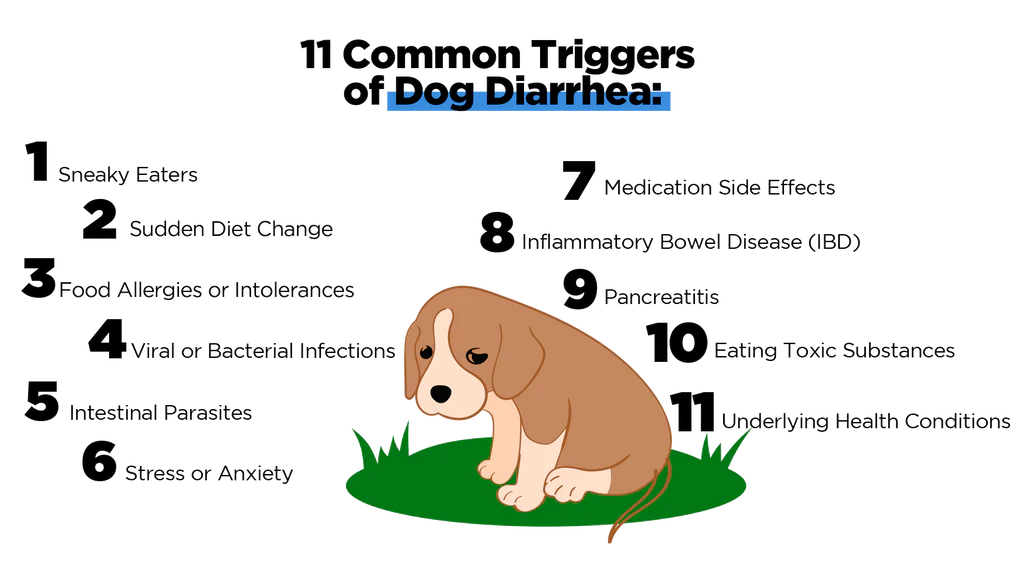
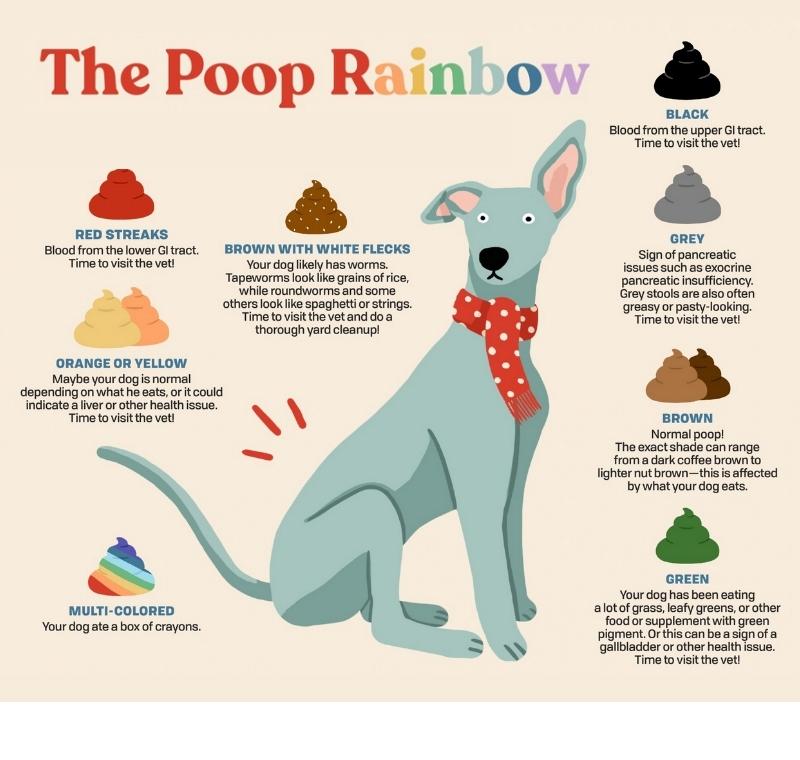
    Golden Retriever

    Golden Retrievers consistently rank among America’s favorite dog breeds, known for their gentle and friendly demeanor. These intelligent, loyal dogs are excellent family companions, getting along well with children and other pets. Golden Retrievers are versatile athletes, enjoying activities like running, swimming, and playing fetch. Their high energy levels require regular exercise and mental stimulation to keep them happy and healthy. With their flowing golden coats and warm brown eyes, these dogs are not only beautiful but also highly trainable. Golden Retrievers often serve as therapy dogs and guide dogs for people with visual impairments, showcasing their adaptability and desire to please their human companions.

    German Shepherd

    German Shepherds have maintained their popularity as one of America’s top dog breeds due to their intelligence, loyalty, and versatility. These powerful, athletic dogs excel in various roles, from family protectors to police and military service. German Shepherds are known for their strong work ethic and trainability, making them ideal for tasks requiring focus and dedication. Their protective nature and bond with their families make them excellent guardians. But, these dogs require ample exercise and mental stimulation to prevent boredom and potential behavioral issues. Proper socialization from an early age is crucial to ensure they develop into well-rounded adult dogs.

    Poodle

    Poodles, available in standard, miniature, and toy sizes, have secured their place among America’s favorite dog breeds. These intelligent, elegant dogs are known for their hypoallergenic coats, making them a popular choice for allergy sufferers. Poodles excel in various dog sports and activities, showcasing their athleticism and trainability. Their low-shedding coats require regular grooming to maintain their distinctive appearance. Poodles are adaptable to different living situations and are equally comfortable in apartments or houses with yards. Their keen intelligence demands mental stimulation through training and interactive play. With their regal bearing and lovable personalities, Poodles continue to charm dog lovers across the country.

    Rising Stars in the Top 10

    The top 10 most popular dog breeds in America feature some remarkable canines climbing the ranks. Let’s explore these rising stars and their unique characteristics.

    Bulldog

    Bulldogs have surged in popularity, now ranking 7th among America’s favorite breeds. Known for their wrinkly faces and lovable dispositions, these dogs make excellent companions. Bulldogs are calm, adaptable, and don’t require extensive exercise, making them ideal for less active households. Their docile nature and low-maintenance needs appeal to many pet parents. Interestingly, the Marine Corps adopted the Bulldog as its mascot after Industry War I, showcasing the breed’s tenacious spirit. While they’re not built for strenuous activities, Bulldogs enjoy relaxed outings and quality time with their families.

    Rottweiler

    Rottweilers have secured a spot in the top 10, impressing with their strength and intelligence. These powerful dogs stand 22 to 27 inches tall and weigh between 80 to 135 pounds. Originally bred as drover dogs, Rottweilers possess athleticism and toughness. They excel in various roles, from family guardians to working dogs. Even though their imposing appearance, Rottweilers aren’t typically vocal and bark mainly to protect their territory and loved ones. They thrive on activities like jogging and long walks, making them great companions for active owners. But, potential owners should be aware of health concerns such as hip dysplasia and eye issues.

    Beagle

    Beagles have charmed their way into the hearts of many Americans, securing a place in the top 10. These medium-sized hounds are known for their floppy ears, colorful coats, and cheerful personalities. Beagles’ curious nature and strong sense of smell make them excellent scent-detection dogs. They’re energetic and require regular exercise, enjoying long walks with plenty of sniffing opportunities. Beagles have a low-maintenance coat that needs brushing once a week. Their friendly demeanor and adaptability make them great family pets. But, owners should be aware of potential health issues such as ear infections and intervertebral disc disease.

    Dachshund

    Dachshunds have climbed to the 6th spot in America’s most popular breeds. These long-bodied, short-legged dogs, often called “wiener dogs,” are known for their playful and curious nature. Dachshunds possess endless energy and a feisty temperament, making them entertaining companions. While they don’t require extensive exercise, they enjoy activities that engage their keen sense of smell, such as scent tracking and puzzle toys. Due to their long backs, it’s crucial to avoid activities that might cause injury, like excessive jumping. Dachshunds are vocal dogs with a surprisingly loud bark, making them excellent watchdogs even though their small size.

    German Shorthaired Pointer

    German Shorthaired Pointers have made their mark in the top 10, attracting admirers with their versatility and athleticism. These dogs excel in various roles, from hunting companions to family pets. Known for their intelligence and trainability, German Shorthaired Pointers thrive on mental and physical stimulation. They have a strong prey drive and require ample exercise to stay happy and healthy. Their short, dense coat is relatively low-maintenance, needing occasional brushing. With their friendly nature and boundless energy, German Shorthaired Pointers make excellent partners for active individuals or families who enjoy outdoor activities and have space for these ever-changing dogs to run and play.

    Regional Variations in Breed Popularity

    Dog breed popularity varies significantly across different regions of the United States. These variations reflect diverse lifestyles, climates, and cultural preferences unique to each area. We’ve analyzed data from the American Kennel Club (AKC) and other reputable sources to highlight these regional differences.

    Northeast

    In the Northeast, compact breeds often dominate due to urban living conditions. French Bulldogs reign supreme in cities like New York, where their small size and adaptability make them ideal for apartment living. Labrador Retrievers and Golden Retrievers also maintain strong popularity, particularly in suburban and rural areas where families have more space for active dogs.

    Southeast

    The Southeast shows a preference for larger, outdoor-friendly breeds. Labrador Retrievers and Golden Retrievers are consistently popular, thriving in the region’s warm climate and outdoor-oriented lifestyle. German Shepherds also rank highly, appreciated for their protective nature and ability to handle hot weather.

    Midwest

    Midwestern states favor versatile, family-friendly breeds. Labrador Retrievers often top the list, followed closely by German Shepherds and Golden Retrievers. These breeds’ adaptability to both cold winters and warm summers makes them well-suited to the region’s varied climate.

    Southwest

    In the Southwest, breeds that can tolerate heat are particularly popular. French Bulldogs have gained important traction in urban areas like Phoenix and Las Vegas. But, larger breeds like Labrador Retrievers and German Shepherds remain favorites in more spacious suburban and rural settings.

    West Coast

    The West Coast demonstrates a diverse range of breed preferences. In California, French Bulldogs have surged in popularity, especially in Los Angeles and San Francisco. But, active breeds like Labrador Retrievers, Golden Retrievers, and German Shepherds maintain strong followings, particularly in areas with easy access to outdoor activities.

    Pacific Northwest

    The Pacific Northwest shows a unique blend of preferences. While Labrador Retrievers and Golden Retrievers remain popular due to the region’s outdoor lifestyle, there’s also a growing trend towards smaller breeds like French Bulldogs in urban centers like Seattle and Portland.

    Regional Factors Influencing Breed Popularity

    Several factors contribute to these regional variations:

    1. Climate: Breeds with thick coats are more popular in colder regions, while short-haired breeds are favored in warmer areas.
    2. Living space: Urban areas tend to prefer smaller breeds, while rural areas favor larger dogs.
    3. Lifestyle: Regions with active outdoor cultures lean towards energetic breeds.
    4. Local regulations: Some areas have breed-exact legislation that can influence popularity.
    5. Cultural influences: Regional history and cultural preferences play a role in breed selection.
    • French Bulldogs have seen a important surge in popularity across urban centers nationwide.
    • Labrador Retrievers maintain strong popularity across all regions, showcasing their versatility.
    • German Shepherds are consistently popular in areas where home security is a priority.
    • Golden Retrievers remain a top choice for families across various regions.

    Understanding these regional variations can help potential dog owners make informed decisions based on their local environment and lifestyle. It’s important to remember that while trends can provide insight, the best breed choice eventually depends on individual circumstances and preferences.

    The popularity of dog breeds in America is constantly evolving, with new trends emerging and established favorites shifting positions. We’ve observed several notable changes in breed rankings over the past year, reflecting changing preferences among dog owners.

    Rising Stars in the Top 10

    The Dachshund has made a important leap in popularity, jumping from No. 9 in 2022 to No. 6 in 2023. This small but spirited breed has captured the hearts of many Americans with its playful nature and adaptability to various living situations.

    Rottweilers have seen a slight decline, moving from No. 7 in 2022 to No. 9 in 2023. Even though this shift, they remain a popular choice for those seeking a strong, intelligent, and loyal companion.

    Bulldogs have also experienced a minor change, dropping from No. 6 in 2022 to No. 7 in 2023. Their calm demeanor and adaptability continue to make them a favorite among dog enthusiasts.

    Consistency in the Top 5

    While there’s been movement in the lower half of the top 10, the top 5 breeds have remained relatively stable:

    1. French Bulldog
    2. Labrador Retriever
    3. Golden Retriever
    4. German Shepherd Dog
    5. Poodle

    This consistency underscores the enduring appeal of these breeds, each offering unique characteristics that resonate with a wide range of dog owners.

    Breeds on the Move

    Several breeds have made important strides in popularity:

    • The American Hairless Terrier
    • Gordon Setter
    • Italian Greyhound
    • Anatolian Shepherd Dog

    Over the past decade, breeds like the Cane Corso, Belgian Malinois, Giant Schnauzer, and English Cocker Spaniel have also been climbing the ranks.

    Emerging Favorites

    Some breeds are gaining attention and moving up the rankings in 2023:

    • Papillon: Moved from No. 51 to No. 45
    • Great Pyrenees: Climbed from No. 69 to No. 64
    • Basenji: Jumped from No. 91 to No. 81
    • Finnish Lapphund: Made a remarkable leap from No. 167 to No. 135

    Less Common Breeds

    At the other end of the spectrum, we find breeds that are less common but no less beloved by their owners:

    1. Azawakh (No. 196)
    2. Grand Basset Griffon Vendéen (No. 197)
    3. Norwegian Lundehund (No. 198)
    4. English Foxhound (No. 199)
    5. Sloughi (No. 200)

    Interestingly, the Norwegian Lundehund has been slowly climbing the ranks, moving past the English Foxhound and Sloughi in 2023.

    Factors Influencing Breed Popularity

    Several factors contribute to changes in breed popularity:

    1. Lifestyle changes: As living situations and lifestyles evolve, so do preferences for dog breeds that fit those lifestyles.
    2. Media representation: Breeds featured in movies, TV shows, or social media can see surges in popularity.
    3. Celebrity influence: When celebrities adopt certain breeds, it often leads to increased interest among the general public.
    4. Health awareness: As people become more aware of breed-exact health issues, it can impact breed popularity.
    5. Adaptability: Breeds that adapt well to various living situations tend to maintain or increase in popularity.

    The Future of Breed Rankings

    The American Kennel Club (AKC) continues to recognize new breeds, with 201 breeds currently acknowledged. Additional breeds are working towards recognition through the AKC Foundation Stock Service and the Miscellaneous Class.

    As preferences continue to evolve and new breeds gain recognition, we can expect to see further changes in breed rankings in the coming years. These trends not only reflect our changing relationships with dogs but also highlight the diverse roles these beloved companions play in our lives.

    Impact of Lifestyle on Breed Choices

    Lifestyle plays a crucial role in determining the most suitable dog breed for individuals and families. We’ve observed that the popularity of certain breeds often aligns with exact lifestyle factors, including living space, activity level, and daily routines.

    Urban Living and Apartment-Friendly Breeds

    In bustling cities and apartment complexes, we’ve seen a surge in the popularity of compact breeds. French Bulldogs, for instance, have claimed the top spot in the AKC rankings, partly due to their adaptability to urban environments. These dogs require minimal exercise and are content with indoor living, making them ideal for city dwellers with limited space.

    Active Lifestyles and High-Energy Breeds

    For those leading active lifestyles, breeds like Labrador Retrievers and Golden Retrievers remain popular choices. These dogs thrive on physical activity and outdoor adventures, making them perfect companions for:

    • Runners and joggers
    • Hikers and campers
    • Families with spacious backyards
    • Beach and water enthusiasts

    Family-Oriented Breeds

    Households with children often gravitate towards breeds known for their gentle temperaments and patience. Golden Retrievers, Labrador Retrievers, and Beagles are frequently chosen for their family-friendly qualities:

    • Tolerance for children’s activities
    • Playful nature
    • Affectionate disposition
    • Adaptability to family routines

    Working Professionals and Low-Maintenance Breeds

    Busy professionals often opt for breeds that can adapt to their schedules and require less intensive care. Breeds like Bulldogs and Dachshunds have gained popularity among this demographic due to:

    • Moderate exercise needs
    • Ability to stay home alone for longer periods
    • Less frequent grooming requirements
    • Calm demeanor in various environments

    Outdoor Enthusiasts and Sporting Breeds

    Those who enjoy outdoor activities and sports often choose breeds that can keep up with their active lifestyles. German Shorthaired Pointers and Rottweilers have seen increased popularity among outdoor enthusiasts due to their:

    • High energy levels
    • Versatility in various terrains
    • Strong swimming abilities
    • Eagerness to participate in outdoor activities

    Allergy Considerations and Hypoallergenic Breeds

    For individuals with allergies, hypoallergenic breeds like Poodles have maintained their popularity. These dogs produce less dander and shed minimally, making them suitable for:

    • Allergy sufferers
    • Households prioritizing cleanliness
    • Those seeking low-shedding pets

    Space Constraints and Size Preferences

    The amount of living space available significantly influences breed choices. We’ve noticed that:

    • Small apartments favor compact breeds like French Bulldogs and Dachshunds
    • Suburban homes with yards accommodate larger breeds such as German Shepherds and Golden Retrievers
    • Rural areas see a mix of working breeds and larger companion dogs

    Climate Considerations

    Regional climate differences also impact breed popularity:

    • Cold climates: Breeds with thick coats like German Shepherds thrive
    • Hot regions: Short-haired breeds like Beagles and Bulldogs are preferred
    • Moderate climates: Versatile breeds like Labrador Retrievers remain popular

    Time Commitment and Training Needs

    Different lifestyles allow for varying levels of time commitment to dog care and training:

    • High-maintenance breeds like Poodles suit those with flexible schedules
    • Low-maintenance breeds like Bulldogs appeal to those with limited free time
    • Highly trainable breeds such as German Shepherds attract owners willing to invest in extensive training

    By considering these lifestyle factors, potential dog owners can make informed decisions when selecting a breed that aligns with their daily routines and long-term commitments. This thoughtful approach contributes to the evolving popularity of certain breeds and ensures a harmonious relationship between dogs and their owners.

    Conclusion

    The diversity of popular dog breeds in America reflects our varied lifestyles and preferences. From the adaptable French Bulldog to the energetic Labrador Retriever each breed offers unique qualities. We’ve explored regional variations health considerations and lifestyle factors that influence breed popularity. As trends evolve it’s crucial to choose a dog that aligns with your lifestyle and commitment level. Remember that while popularity can guide your decision the perfect canine companion eventually depends on your individual circumstances and needs.

  • Why Dog Trainers Warn Against Retractable Leashes: 2024 Safety & Training Concerns

    Why Dog Trainers Warn Against Retractable Leashes: 2024 Safety & Training Concerns

    Have you ever wondered why dog trainers seem to cringe at the sight of retractable leashes? Even though their popularity among pet owners, these seemingly convenient devices have become a source of contention in the dog training community.

    We’ll explore the reasons behind trainers’ aversion to retractable leashes and why they’re often banned from training classes. From safety concerns to behavior issues, we’ll unpack the drawbacks that make these leashes a less-than-ideal choice for many dog professionals. By the end of this article, you’ll understand why trainers prefer alternative options and how to make the best choice for your furry friend’s safety and training progress.

    Understanding Retractable Leashes

    Retractable leashes are popular among dog owners but often discouraged by trainers. These leashes consist of a thin cord wound around a spring-loaded device inside a plastic handle. Let’s explore how they work and the different types available.

    How They Work

    Retractable leashes feature a cord that extends and retracts from a plastic handle. The handle houses a spring-loaded mechanism controlled by a button. When the button is released, the cord locks in place. Pressing the button allows the cord to extend or retract, giving dogs more freedom to roam.

    The cord length varies, typically ranging from 10 to 26 feet. This design allows dogs to explore their surroundings while still being connected to their owners. But, the increased distance can make it challenging for owners to maintain control over their pets, especially in busy or potentially dangerous environments.

    Types of Retractable Leashes

    Several types of retractable leashes are available, designed for different dog sizes and owner preferences:

    1. Standard retractable leashes: These are the most common, suitable for small to medium-sized dogs.
    2. Heavy-duty retractable leashes: Designed for larger breeds, these feature stronger cords and mechanisms.
    3. Tape-style retractable leashes: Instead of a thin cord, these use a flat tape, reducing the risk of cuts or burns.
    4. Multi-dog retractable leashes: These allow owners to walk multiple dogs simultaneously, with separate cords for each dog.
    5. Retractable leashes with built-in accessories: Some models include features like LED lights, waste bag dispensers, or treat compartments.

    While these variations offer different features, they all share the same basic mechanism and potential drawbacks that concern dog trainers.

    Safety Concerns for Dogs and Owners

    Retractable leashes pose important safety risks for both dogs and their owners. These issues stem from the design and functionality of these leashes, which can lead to various hazardous situations.

    Potential for Neck Injuries

    Retractable leashes can cause severe neck injuries to dogs. The sudden jerking motion when a dog reaches the end of the leash puts extreme stress on their neck, potentially causing:

    • Damage to the trachea
    • Spinal cord injuries
    • Whiplash
    • Aggravation of existing neck problems

    This risk is heightened when retractable leashes are used with choke chains, prong collars, or pinch collars. The constant pressure can desensitize dogs to leash tension, leading to more forceful pulling and increased injury risk.

    Lack of Control in Emergencies

    Retractable leashes significantly reduce an owner’s control over their dog, especially in emergency situations. This lack of control manifests in several ways:

    • Difficulty reeling in the dog quickly when needed
    • Limited ability to guide the dog away from potential dangers
    • Increased reaction time to unexpected events
    • Reduced effectiveness of verbal commands due to distance

    In busy areas or near traffic, this lack of control can put dogs at risk of accidents or confrontations with other animals. It’s crucial for owners to maintain close control of their dogs in unpredictable environments.

    Risk of Leash Breakage

    Retractable leashes are more prone to breakage compared to standard leashes, presenting additional safety hazards:

    • Thin cords can snap under sudden pressure
    • Mechanical failures in the retraction mechanism
    • Wear and tear from frequent use
    • Increased risk of malfunction in extreme weather conditions

    A broken leash can result in a dog running loose, potentially leading to accidents, lost pets, or dangerous situations for both the dog and others in the vicinity.

    Dangers to Humans

    Retractable leashes don’t just pose risks to dogs; they can be dangerous for humans as well:

    • Rope burns from the cord wrapping around limbs
    • Cuts or lacerations from the thin, fast-moving cord
    • Falls caused by entanglement in the leash
    • Injuries from the handle being yanked out of hand

    These injuries can be particularly severe if the cord wraps around fingers or other body parts as the dog pulls away. In some cases, these incidents have led to amputations or important tissue damage.

    Impact on Dog Training

    Retractable leashes significantly hinder effective dog training by reinforcing undesirable behaviors and undermining consistent guidance. These leashes present multiple challenges that can impede a dog’s progress in learning proper walking etiquette and obedience.

    Encouraging Pulling Behavior

    Retractable leashes inadvertently reward pulling, making loose-leash walking difficult to achieve. The constant tension on these leashes teaches dogs that pulling is necessary to move forward. This continuous pressure desensitizes dogs to leash tension, leading them to pull more persistently. As a result, dogs learn to ignore gentle leash cues and struggle to walk calmly beside their owners. The variable length of retractable leashes further confuses dogs about appropriate walking distances, reinforcing the idea that pulling grants more freedom to explore.

    Hindering Leash Manners

    The inconsistent nature of retractable leashes makes it challenging for dogs to develop good leash manners. Dogs struggle to understand the concept of walking close to their owners due to the variable leash length. This confusion often persists even when switched to a regular leash, as dogs have learned to expect varying distances. The lack of clear boundaries makes it difficult for dogs to grasp proper leash etiquette, such as walking politely in heel position or responding to leash pressure cues. So, dogs may continue to pull, lunge, or wander, regardless of the leash type used.

    Full body optimistic young female with curly hair smiling and teaching Beagle dog beg command on sunny summer day in countryside / Retractable Leashes

    Photo by Blue Bird on Pexels

    Promoting Wandering Tendencies

    Retractable leashes encourage dogs to wander and explore without guidance, undermining training efforts. The extended reach allows dogs to roam far from their owners, making it challenging to maintain control and focus during walks. This freedom often leads to increased distractions and decreased responsiveness to commands. Dogs may become overly fixated on environmental stimuli, ignoring their owners’ cues and making it difficult to redirect their attention. The inconsistent proximity to the handler can also hinder the development of a strong bond and reliable recall, essential components of effective dog training.

    Practical Drawbacks

    Dog trainers often criticize retractable leashes due to several important drawbacks. These issues range from safety concerns to training difficulties, making them less than ideal for responsible dog ownership.

    Safety Risks

    Retractable leashes pose serious safety hazards for both dogs and their owners. Dogs can suffer neck and throat injuries from the sudden jolt when reaching the end of the leash, potentially exacerbating existing conditions like pinched discs. The long cord can cause burns, cuts, and entanglements, with the risk of severe injury to handlers, including finger amputation if the leash wraps around digits.

    Difficulty in Training

    Training dogs becomes considerably more challenging with retractable leashes. They hinder the development of loose-leash walking skills by teaching dogs to pull constantly. The constant tension on the leash reinforces the idea that pulling is necessary to move forward, contradicting the goal of walking with slack in the leash. This behavior can persist even when switching to a regular leash, making consistent training more difficult.

    Pairing Issues With Other Equipment

    Retractable leashes often conflict with other essential dog training equipment. They’re incompatible with head halters and front-clip harnesses, tools frequently recommended by trainers for better control. The inconsistent tension of retractable leashes can render these tools ineffective or even dangerous. Also, the thin cords of retractable leashes may tangle with or damage other equipment, potentially compromising their integrity and effectiveness during crucial training sessions.

    Awkward Handling and Weight

    The design of retractable leashes presents handling challenges for dog owners. The bulky plastic housing adds important weight, making it uncomfortable to hold for extended periods. This awkwardness can lead to fatigue and reduced control, especially during longer walks. The mechanism’s complexity also makes quick reactions difficult in emergencies, as locking or releasing the leash requires manipulating small buttons. This delay in response time can be critical in potentially dangerous situations, further highlighting the practical drawbacks of retractable leashes in everyday use.

    Situations Where Retractable Leashes May Be Appropriate

    While dog trainers generally advise against retractable leashes, there are exact situations where they might be suitable. We’ll explore these scenarios, keeping in mind that safety and control should always be the top priorities.

    Controlled Environments

    Retractable leashes can be appropriate in controlled environments with minimal distractions. Open fields, empty beaches, or quiet trails offer spaces where dogs can explore safely. These areas have a low likelihood of encountering other people, dogs, or potential hazards. But, it’s crucial to remain vigilant and ready to lock the leash if needed. Elderly dogs in their own yards might benefit from the extra freedom a retractable leash provides, allowing them to move at their own pace while still under supervision. Always assess the environment for potential risks before using a retractable leash, even in seemingly safe locations.

    Exact Dog Types and Sizes

    Certain dog types and sizes may be better suited for retractable leashes under exact circumstances. Small, well-behaved dogs in open areas can benefit from the extended range while remaining easily controllable. Dogs with mobility issues or those recovering from injuries might find the adjustable length helpful during rehabilitation walks. But, it’s essential to consider the dog’s temperament, training level, and physical capabilities.

    Large or strong dogs are generally not good candidates for retractable leashes due to the increased risk of injury and lack of control. Always use a harness instead of a collar when using a retractable leash to minimize the risk of neck injuries. Remember that regardless of size or type, all dogs require proper training and supervision when using any leash.

    Alternatives to Retractable Leashes

    Dog trainers recommend several alternatives to retractable leashes that offer better control and safety for both dogs and their owners. These options provide a balance between freedom and security, allowing for effective training and enjoyable walks.

    Standard Leash Options

    Standard leashes are the go-to choice for most dog trainers. They come in various lengths, typically 4 to 6 feet, and offer consistent control. Flat nylon leashes are durable and affordable, while leather leashes provide a comfortable grip and long-lasting quality. For enhanced visibility during night walks, reflective leashes are an excellent option. Adjustable leashes allow owners to modify the length based on the environment, offering versatility for different situations. Some leashes feature traffic handles near the collar clip, providing extra control in crowded areas. When choosing a standard leash, consider factors such as your dog’s size, strength, and walking habits to ensure the best fit for your needs.

    Long-Line Training Tools

    Long-line training tools are excellent alternatives for dogs that need more freedom to explore while maintaining control. These leashes typically range from 15 to 50 feet in length, allowing dogs to roam and practice recall in open spaces. Biothane long lines are popular due to their durability and water-resistant properties. Nylon long lines are lightweight and easy to clean.

    When using long lines, it’s crucial to pair them with a well-fitted harness to prevent neck injuries. Long lines are particularly useful for recall training, scent work, and giving dogs controlled freedom in safe environments. But, they require careful handling to prevent tangling and are best used in open areas away from traffic and other distractions. Always supervise your dog closely when using a long line and gradually increase the length as your dog’s recall improves.

    Conclusion

    We’ve explored why dog trainers advise against retractable leashes due to safety concerns and training challenges. While these leashes offer convenience they often hinder proper training and pose risks to both dogs and owners.

    We encourage pet owners to prioritize safety and effective training by opting for standard leashes or long lines when appropriate. It’s crucial to assess your dog’s needs and your environment before choosing a leash.

    By making informed decisions about leash choices we can ensure safer more enjoyable walks and foster better relationships with our canine companions. Remember the right leash is an investment in your dog’s well-being and training success.

  • How to Clean a Smelly Leather Dog Collar: 2024 Freshen Up Your Pup’s Neckwear

    How to Clean a Smelly Leather Dog Collar: 2024 Freshen Up Your Pup’s Neckwear

    Is your furry friend’s leather collar emanating an unpleasant odor? Don’t worry, we’ve got you covered! A smelly dog collar isn’t just a nuisance; it can also be a breeding ground for bacteria and affect your pet’s comfort.

    We understand the importance of keeping your dog’s accessories clean and fresh. That’s why we’ll guide you through the process of cleaning a smelly leather dog collar effectively. From identifying common causes of odor to using the right cleaning methods, we’ll explore everything you need to know. By the end of this article, you’ll have the knowledge to transform that stinky collar into a fresh, like-new accessory your pup will love wearing.

    Understanding Leather Dog Collar Odors

    Leather dog collars are prone to developing unpleasant odors due to their porous nature. We’ll explore the common causes of these smells and why regular cleaning is crucial for maintaining a fresh-smelling collar.

    Common Causes of Smelly Collars

    Leather dog collars absorb odors from various sources:

    • Sweat and body oils: Dogs’ natural skin secretions transfer to the collar, causing odors over time.
    • Dirt and debris: Accumulated grime from outdoor activities contributes to foul smells.
    • Moisture: Wet collars create an ideal environment for bacteria and mold growth.
    • Environmental factors: Exposure to rain, humidity, and puddles can lead to persistent odors.
    • Bacteria and yeast: These microorganisms thrive in damp conditions, producing strong smells.
    • Chemical residues: Some leather treatments and cleaners leave behind scented residues.

    Understanding these causes helps pet owners identify the source of the odor and choose appropriate cleaning methods to eliminate it effectively.

    Importance of Regular Cleaning

    Regular cleaning of leather dog collars is essential for several reasons:

    • Odor prevention: Frequent cleaning removes dirt, sweat, and oils before they cause persistent smells.
    • Bacterial control: Cleaning inhibits the growth of odor-causing bacteria and yeast.
    • Collar longevity: Proper maintenance prevents leather from drying out and cracking.
    • Pet comfort: A clean collar reduces skin irritation and discomfort for dogs.
    • Hygiene: Regular cleaning maintains overall cleanliness and reduces the risk of skin infections.

    By implementing a consistent cleaning routine, pet owners can ensure their dog’s leather collar remains fresh, comfortable, and in good condition for longer periods.

    Preparing for Cleaning

    Before diving into the cleaning process, it’s crucial to prepare properly. We’ll guide you through assessing your leather dog collar’s condition and gathering the necessary supplies for effective cleaning.

    Assessing the Collar’s Condition

    Leather dog collars require careful handling due to their sensitive nature. Start by removing any visible dirt, debris, or hair using a soft-bristled brush or damp cloth. Inspect the collar thoroughly for stains or areas with strong odors, as these will need extra attention during cleaning. It’s important to note that leather can fall apart or get scratched easily, so avoid harsh cleaning methods or abrasive materials. Check for signs of wear and tear, such as frayed edges or weakened buckles, which could compromise your pet’s safety. This assessment helps determine the appropriate cleaning approach and ensures the collar remains in good condition throughout the process.

    Gathering Necessary Supplies

    To clean a smelly leather dog collar effectively, gather these essential supplies:

    1. Mild soap: Choose a gentle, unscented soap suitable for leather.
    2. Warm water: Use lukewarm water to avoid damaging the leather.
    3. Soft cloths: Microfiber or cotton cloths work well for cleaning and drying.
    4. Leather conditioner: This helps maintain the collar’s suppleness after cleaning.
    5. Soft-bristled brush: For removing loose dirt and debris.
    6. White vinegar: A natural deodorizer for stubborn odors.
    7. Baking soda: Another effective odor neutralizer.
    8. Small bowl: For mixing cleaning answers.
    9. Towel: To lay the collar on while cleaning.

    Having these supplies ready ensures a smooth cleaning process and helps maintain the leather’s quality. Remember to avoid harsh chemicals or cleaners that could damage the collar’s material or irritate your dog’s skin.

    Cleaning Methods for Leather Dog Collars

    Cleaning a smelly leather dog collar requires exact techniques to effectively remove odors while preserving the leather’s quality. We’ll explore various methods, from basic cleaning to deep cleaning and odor removal.

    Basic Cleaning with Leather Conditioner

    For regular maintenance of leather dog collars, a gentle cleaning approach is essential. Start by hand washing the collar with a damp cloth or soft-bristled brush and a small amount of mild dog shampoo or soap. Gently scrub the collar to remove dirt and grime, being careful not to soak the leather. Rinse the soap off the cloth or brush and wipe the collar clean.

    Use a towel to blot excess moisture and allow the collar to air dry away from direct sunlight and heat sources. Once dry, apply a pet-safe leather conditioner to prevent cracking and maintain the leather’s health. Gently rub the conditioner into the leather using an oil or cream specifically designed for this purpose, and remove any excess with a soft cloth.

    Deep Cleaning Techniques

    For more thorough cleaning of a smelly leather dog collar, begin by removing surface dirt with a soft-bristled brush. Prepare a cleaning solution using a mild, leather-safe cleaner mixed with water, or create a homemade solution of equal parts white vinegar and water. Dip a soft cloth into the solution, wring out excess liquid, and gently wipe the collar, avoiding soaking the leather. Use a clean, damp cloth to remove any soap residue. Pat the collar dry with a towel and let it air dry naturally. For finished leather, warm water and mild detergent work well. Unfinished leather requires more care; use saddle soap on a cloth and avoid commercial spot-cleaning answers to prevent dark spots.

    Dealing with Stubborn Odors

    To tackle persistent odors in leather dog collars, consider using a mixture of baking soda, hydrogen peroxide, water, and dish soap. Combine 1 tablespoon of baking soda, ½ cup of hydrogen peroxide, ½ cup of water, and 2 tablespoons of dish soap. This solution can effectively cleanse heavily soiled and smelly vegetable-tanned leather without causing damage. But, for tooled leather, opt for a commercial leather conditioner or beeswax, as these products are specifically formulated to care for and protect tooled leather surfaces. Always spot test any cleaning solution on a small, inconspicuous area before applying it to the entire collar. After cleaning, apply a leather conditioner to keep the collar supple and prevent cracking.

    Drying and Conditioning the Collar

    After cleaning a smelly leather dog collar, proper drying and conditioning are crucial steps to maintain its quality and prevent future odors. We’ll explore effective techniques for drying and conditioning your pet’s leather collar.

    Proper Drying Techniques

    Drying a leather dog collar correctly is essential to prevent damage and lingering odors. Never use heat sources like hairdryers or radiators, as they can cause the leather to crack or become brittle. Instead, gently blot the collar with a clean towel to remove excess moisture. Hang the collar in a well-ventilated area, away from direct sunlight, to air dry completely. This process may take several hours or overnight, depending on humidity levels. Ensure the collar is fully spread out to allow air circulation on all surfaces. Before using the collar again, check for any remaining dampness by touching it. If it still feels moist, allow additional drying time to prevent bacterial growth and unpleasant smells.

    Applying Leather Conditioner

    Once the leather dog collar is thoroughly dry, applying a pet-safe leather conditioner is crucial for restoring moisture and flexibility. This step helps prevent cracking and extends the collar’s lifespan. Choose a high-quality leather conditioner specifically designed for pet accessories. Apply a small amount to a soft cloth and gently rub it into the leather using circular motions.

    Ensure even coverage, paying extra attention to areas prone to bending or creasing. Allow the conditioner to absorb fully before wiping away any excess with a clean cloth. For optimal results, condition the collar every few months or after each deep cleaning. Regular conditioning not only keeps the collar supple but also helps resist future odors by creating a protective barrier against moisture and dirt.

    Preventing Future Odors

    Keeping your leather dog collar fresh isn’t just about cleaning—it’s about prevention too. Here are some effective strategies to maintain a clean, odor-free collar for your furry friend.

    Establishing a Cleaning Routine

    Regular cleaning is key to preventing odors from building up on your dog’s leather collar. We recommend establishing a weekly cleaning routine:

    • Wipe down the collar with a damp cloth and mild soap
    • Use a soft-bristled brush to remove any stubborn dirt or debris
    • Apply a small amount of leather conditioner to keep the material supple
    • Allow the collar to air dry completely before putting it back on your dog

    For active dogs or those prone to getting dirty, increase the frequency of cleaning to twice a week. Remember, consistent maintenance prevents deep-set odors and extends the life of the collar.

    Tips for Odor Prevention

    Beyond regular cleaning, there are several preventative measures you can take to keep your dog’s leather collar smelling fresh:

    • Rotate between two collars, allowing each one to fully dry and air out between uses
    • Apply a pet-safe odor neutralizer spray after each cleaning
    • Store the collar in a cool, dry place when not in use to prevent moisture buildup
    • Avoid letting your dog swim or bathe while wearing the leather collar
    • Use a separate collar for water activities to keep the leather one dry
    • Brush your dog’s coat regularly to reduce oil and dirt transfer to the collar
    • Consider applying a leather protectant spray to create a barrier against odor-causing elements

    By implementing these preventative strategies, you’ll significantly reduce the chances of unpleasant odors developing on your dog’s leather collar, ensuring it stays fresh and comfortable for your pet.

    Special Considerations

    When cleaning a smelly leather dog collar, certain situations require extra care and attention. We’ll explore how to handle metal components and address exact types of stains that may contribute to unpleasant odors.

    Cleaning Metal Parts and Buckles

    Metal parts and buckles on leather dog collars require special attention during cleaning. We recommend using a soft-bristled brush or toothbrush to remove dirt and debris from these areas. For stubborn grime, create a paste using baking soda and water. Apply this mixture to the metal parts, let it sit for an hour, then scrub gently with a toothbrush. Rinse thoroughly with clean water and dry completely to prevent rust. For light rust stains, this baking soda method is effective. But, avoid soaking the entire collar, as this can damage the leather. Instead, focus on spot-cleaning the metal components while protecting the leather portions of the collar.

    Addressing Exact Stains (Mud, Blood, Grease)

    Different types of stains on a leather dog collar require exact cleaning approaches:

    1. Mud stains: Allow the mud to dry completely, then brush off excess dirt. Use a damp cloth with mild soap to gently clean the affected area. For stubborn mud stains, create a paste with cornstarch and water, apply it to the stain, let it dry, then brush off.
    2. Blood stains: Act quickly to prevent setting. Blot the stain with a cold, damp cloth to remove as much blood as possible. Apply a mixture of cold water and mild soap, gently working it into the stain. Rinse with clean water and dry thoroughly.
    3. Grease stains: Sprinkle cornstarch or baking soda on the grease spot and let it sit overnight to absorb the oil. Brush off the powder gently the next day. For persistent grease stains, apply a small amount of leather-safe degreaser, following the product instructions carefully.

    Remember to spot-test any cleaning solution on an inconspicuous area of the collar first to ensure it doesn’t damage or discolor the leather. After treating exact stains, condition the leather to maintain its softness and prevent cracking.

    Conclusion

    We’ve covered everything you need to know about cleaning a smelly leather dog collar. By following our guide you’ll not only eliminate odors but also extend your collar’s life. Remember regular cleaning and proper care are key to keeping your pet’s accessories fresh and comfortable. With these tips you’re well-equipped to tackle any smelly collar situation. Your furry friend will thank you for the extra effort and you’ll enjoy a cleaner more pleasant experience during walks and playtime.

  • How to Clean a Stinky Leather Dog Collar? Fresh and Odor-Free in 5 Easy Steps

    How to Clean a Stinky Leather Dog Collar? Fresh and Odor-Free in 5 Easy Steps

    Is your furry friend’s leather collar emitting an unpleasant odor that’s hard to ignore? We’ve all been there. A stinky leather dog collar isn’t just a nuisance; it can be a breeding ground for bacteria and affect your pet’s comfort.

    We’ll guide you through the process of cleaning a smelly leather dog collar effectively. From understanding the common causes of odor to choosing the right cleaning methods, we’ve got you covered. Whether it’s sweat, dirt, or that unfortunate encounter with fox poo, we’ll show you how to tackle these stubborn smells and restore your dog’s collar to its fresh, clean state.

    By the end of this article, you’ll have the knowledge to keep your pup’s leather collar clean and odor-free, ensuring both you and your four-legged companion can breathe easy.

    Understanding Leather Dog Collar Odors

    Leather dog collars are prone to developing unpleasant odors due to various factors. Understanding these causes is crucial for effective cleaning and maintenance of your pet’s collar.

    Common Causes of Smelly Collars

    Smelly leather dog collars often result from a combination of environmental factors and natural pet behaviors:

    1. Dirt and debris accumulation
    2. Absorption of skin oils and sweat
    3. Exposure to moisture (rain, swimming, bathing)
    4. Bacterial and fungal growth
    5. Contact with strong-smelling substances (e.g., fox poo, decaying matter)
    6. Infrequent cleaning and maintenance

    Outdoor activities like hiking, swimming, or rolling in mud increase the likelihood of odor development. Regular cleaning is essential to prevent the buildup of dirt, oils, and bacteria that contribute to unpleasant smells.

    Assessing the Level of Odor

    To effectively clean a smelly leather dog collar, it’s important to assess the severity and type of odor:

    1. Mild odor: Slight mustiness or “doggy” smell
    2. Moderate odor: Noticeable unpleasant smell that lingers
    3. Severe odor: Strong, pungent smell that’s immediately noticeable

    Identify the source of the odor:

    • Sweat and skin oils: Musky, slightly sour smell
    • Dirt and grime: Earthy or musty odor
    • Mildew: Damp, moldy smell
    • Bacterial growth: Sour or rotten odor

    Perform a visual inspection:

    • Look for visible dirt, stains, or discoloration
    • Check for signs of mold or mildew growth
    • Examine the collar’s overall condition

    Consider the collar’s age and frequency of use, as older, well-worn collars may require more intensive cleaning or replacement.

    Preparation for Cleaning

    Before diving into the cleaning process, it’s crucial to prepare properly to ensure effective and safe cleaning of your stinky leather dog collar. We’ll cover the essential steps to remove surface dirt and gather the necessary supplies.

    Removing Surface Dirt and Debris

    To begin cleaning a stinky leather dog collar, remove loose dirt and debris:

    • Use a soft-bristled brush or cloth to gently sweep away surface grime.
    • Avoid using water at this stage to prevent leather damage.
    • For stubborn dirt, use a slightly damp cloth with minimal moisture.
    • Pay attention to collar creases and hardware areas where dirt accumulates.
    • Brush in the direction of the leather grain to maintain its texture.
    • If the collar has a strong odor, consider using a pet-safe deodorizing spray.

    Remember, thorough surface cleaning sets the stage for deeper odor removal.

    Gathering Necessary Cleaning Supplies

    Collect these essential items for cleaning your leather dog collar:

    • Mild, pet-safe soap or leather cleaner
    • Soft cloths or microfiber towels
    • Soft-bristled brush
    • Leather conditioner
    • Clean, lukewarm water
    • Small bowl for mixing cleaning solution
    • Pet-safe deodorizer (optional)
    • Old toothbrush for cleaning hardware
    • Baking soda for odor absorption (if needed)
    • White vinegar for tough stains (diluted)
    • Leather protector spray

    Having these supplies ready ensures a smooth cleaning process and helps maintain your dog’s collar effectively.

    Safe Cleaning Methods for Leather Collars

    Cleaning a stinky leather dog collar requires careful attention to preserve the material’s integrity. We’ll explore effective methods to eliminate odors and maintain your pet’s collar.

    Using Mild Soap and Water

    Mild soap and water offer a gentle yet effective cleaning solution for leather dog collars. We recommend using a pet-safe shampoo or a mild soap designed for leather. Apply the soap to a damp cloth or soft-bristled brush, gently working it into the collar’s surface. Avoid soaking the leather, as excessive moisture can lead to cracking or deterioration. After cleaning, use a clean, damp cloth to remove any soap residue. Pat the collar dry with a towel and allow it to air dry completely. Never use heat sources like hairdryers, as they can damage the leather. This method is ideal for regular maintenance and light cleaning of your dog’s leather collar.

    Applying Leather Cleaner

    For more stubborn odors or stains, a specialized leather cleaner can be highly effective. Products like saddle soap or leather-exact cleaners are designed to deep clean without harming the material. Apply a small amount of the cleaner to a soft cloth and gently work it into the leather in circular motions. Pay special attention to areas with visible stains or strong odors.

    After cleaning, wipe the collar with a clean, damp cloth to remove any residue. Allow the collar to air dry naturally. Leather cleaners not only remove dirt and odors but also help condition the leather, maintaining its suppleness and preventing cracks. Always perform a spot test on an inconspicuous area before applying any new cleaner to ensure it doesn’t discolor or damage the leather.

    Natural Remedies for Odor Removal

    Natural remedies can be effective for removing odors from leather dog collars while being gentle on the material. One popular method is using a mixture of equal parts white vinegar and water. Apply this solution to a cloth and gently wipe the collar, then allow it to air dry. The vinegar helps neutralize odors without harsh chemicals. Another option is using baking soda, a natural deodorizer.

    Sprinkle baking soda on the collar, let it sit for a few hours to absorb odors, then brush it off. For persistent smells, create a paste with baking soda and water, apply it to the collar, let it dry, then brush off. Essential oils like lavender or tea tree, when diluted properly, can also help freshen the collar. Remember to condition the leather after using these methods to prevent drying.

    Step-by-Step Cleaning Process

    To effectively clean a stinky leather dog collar, follow these step-by-step processes customized to different types of leather and odor severity. Our guide covers methods for both finished and unfinished leather collars, as well as techniques for addressing stubborn odors.

    Cleaning Finished Leather Collars

    Finished leather collars require gentle cleaning to maintain their protective layer. Start by mixing a solution of apple cider vinegar and baking soda. Dip a toothbrush into the solution and gently scrub the affected areas. Avoid soaking the collar, as this can damage the leather. Instead, use a soft cloth dampened with warm water to wipe away the cleaning solution. For stubborn dirt, use a stiff-bristled brush, being careful not to scratch the leather. After cleaning, blot the collar with a towel to remove excess moisture. Allow the collar to air dry away from direct sunlight or heat sources to prevent cracking. Once dry, apply a small amount of leather conditioner to keep the material supple.

    Tackling Unfinished Leather Collars

    Unfinished leather collars demand extra care due to their susceptibility to stains and discoloration. Begin by gently brushing the collar with a soft-bristled brush to remove loose dirt. For cleaning, use saddle soap on a damp cloth and carefully scrub the collar. Rinse the soap residue with a clean, damp cloth, ensuring you don’t oversaturate the leather. Let the collar air dry naturally, away from direct heat or sunlight. Before applying any cleaning answers or conditioners, perform a spot check on a small, inconspicuous area, as these products may darken unfinished leather. After cleaning, apply a thin layer of leather conditioner to maintain the collar’s softness and prevent cracking.

    Addressing Stubborn Odors

    For collars with persistent odors, more intensive methods may be necessary. Create a paste using baking soda and water, and apply it to the smelly areas of the collar. Let the paste sit for several hours or overnight to absorb odors. For particularly stubborn smells, place the collar in a sealed plastic bag with baking soda for 24-48 hours. After treatment, brush off the baking soda and wipe the collar with a damp cloth.

    Another effective method is using a mixture of equal parts white vinegar and water. Apply this solution sparingly with a soft cloth, then wipe clean with a damp cloth. For leather-safe commercial deodorizers, follow the product instructions carefully. Always finish by conditioning the leather to prevent drying and cracking.

    Drying and Conditioning the Collar

    After cleaning a stinky leather dog collar, proper drying and conditioning are crucial to maintain its quality and prevent future odors. We’ll explore effective techniques for drying the collar and applying leather conditioner to keep it in top shape.

    Proper Drying Techniques

    To dry a leather dog collar correctly, avoid using direct heat sources or sunlight, which can damage the leather. Instead:

    1. Gently squeeze out excess water using a clean, dry towel.
    2. Hang the collar in a well-ventilated area away from direct heat or sunlight.
    3. Use a fan to circulate air around the collar, speeding up the drying process.
    4. Allow the collar to air dry completely, which may take several hours or overnight.
    5. Check for any remaining moisture by touching the collar before use.

    For stubborn dampness, stuff the collar with newspaper to absorb excess moisture. Replace the paper every few hours until the collar is completely dry.

    Fresh and Odor-Free in 5 Easy Steps / Stinky Leather Dog Collar
    Dog Collar

    Applying Leather Conditioner

    Once the collar is dry, applying a leather conditioner helps restore moisture, prevent cracking, and maintain the leather’s suppleness. Here’s how to condition a leather dog collar effectively:

    1. Choose a high-quality leather conditioner specifically designed for pet products.
    2. Perform a spot test on a small, inconspicuous area to ensure the conditioner doesn’t cause discoloration.
    3. Apply a small amount of conditioner to a clean, soft cloth.
    4. Gently work the conditioner into the leather using circular motions, covering the entire surface.
    5. Pay extra attention to areas that bend or flex frequently, as these are more prone to drying out.
    6. Allow the conditioner to absorb for 10-15 minutes.
    7. Wipe off any excess conditioner with a clean cloth to prevent over-saturation.
    8. Let the collar air dry completely before reattaching it to your dog.

    Regular conditioning, typically every 1-3 months depending on use, helps maintain the collar’s quality and odor resistance.

    Preventing Future Odors

    To maintain a fresh-smelling leather dog collar, prevention is key. We’ll explore effective strategies to keep odors at bay and extend the life of your pet’s collar.

    Regular Maintenance Tips

    Regular maintenance is crucial for preventing odors in leather dog collars. Here are some tips:

    • Clean the collar weekly using a damp cloth and mild soap
    • Rotate between two collars to allow each one to air dry completely
    • Apply a leather conditioner every 1-3 months to maintain the leather’s quality
    • Avoid exposing the collar to excessive moisture or heat
    • Wipe the collar with a dry cloth after walks or outdoor activities
    • Use a pet-safe deodorizer spray between cleanings
    • Store the collar in a cool, dry place when not in use
    • Brush your dog regularly to reduce oil transfer to the collar
    • Consider using a protective coating on the collar to repel dirt and moisture

    By implementing these maintenance tips, you’ll significantly reduce odor buildup and keep your dog’s leather collar in top condition.

    When to Replace a Leather Collar

    Even though proper care, leather dog collars eventually wear out. Here’s how to determine when it’s time for a replacement:

    • Inspect the collar monthly for signs of wear and tear
    • Replace if you notice fraying, cracking, or thinning of the leather
    • Check the buckle and D-ring for rust or damage; replace if compromised
    • If the collar no longer fits properly due to stretching, it’s time for a new one
    • Replace immediately if the collar develops a persistent odor that won’t dissipate after cleaning
    • Consider replacing annually for active dogs or those who swim frequently
    • If the collar shows signs of mold or mildew growth, replace it to protect your dog’s health
    • When the leather becomes stiff and uncomfortable even though conditioning, it’s time for a new collar
    • Replace if the collar has been chewed or damaged by your dog or other pets

    Remember, a well-maintained leather collar can last several years, but safety and comfort should always be the priority when deciding to replace it.

    Conclusion

    We’ve covered everything you need to know about cleaning a stinky leather dog collar. By following our guide you’ll be able to eliminate odors effectively and safely. Remember to clean regularly assess your collar’s condition and replace it when necessary. With proper care and maintenance your dog’s leather collar will stay fresh and comfortable for years to come. Don’t let unpleasant odors compromise your pet’s comfort or your enjoyment of their companionship. Take action today and enjoy a fresher-smelling furry friend!

  • Safe Remedies for Vomiting Dogs: What to Give and When to Worry ( 2024 )

    Safe Remedies for Vomiting Dogs: What to Give and When to Worry ( 2024 )

    Is your furry friend feeling under the weather? When vomiting dogs, it’s natural to feel concerned and want to help them feel better quickly. As pet parents, we know how distressing it can be to see our canine companions in discomfort.

    In this text, we’ll explore what to give a sick dog for throwing up, providing you with practical advice to help your pup bounce back. We’ll cover safe, vet-approved remedies and discuss when it’s time to seek professional help. From dietary adjustments to home care tips, we’ve got you covered with everything you need to know about managing your dog’s upset stomach.

    Understanding Dog Vomiting

    Dog vomiting is a common concern for pet owners. It’s essential to understand the causes and distinguish between vomiting and regurgitation to provide appropriate care for our furry friends.

    Common Causes of Vomiting in Dogs

    Vomiting in dogs can result from various factors:

    • Dietary indiscretion: Eating spoiled food, human food toxic to dogs, or non-food items
    • Infections: Viral, bacterial, or parasitic
    • Bloat and Gastric Dilatation-Volvulus (GDV): A life-threatening condition requiring immediate veterinary attention
    • Organ failure: Kidney or liver issues
    • Toxins: Ingestion of medications or harmful substances
    • Stress and anxiety: Separation anxiety or other stress-related problems
    • Sudden diet changes: Introducing new foods too quickly
    • Gastrointestinal obstructions: Swallowing foreign objects
    • Pancreatitis: Inflammation of the pancreas
    • Motion sickness: Often occurs during car rides

    Vomiting vs. Regurgitation

    It’s crucial to differentiate between vomiting and regurgitation:

    Vomiting:

    • Involves forceful ejection of stomach or upper intestine contents
    • Often accompanied by abdominal heaving and nausea
    • Contents may be partially digested and contain bile

    Regurgitation:

    • Passive process with little abdominal effort
    • Occurs shortly after eating or drinking
    • Contents are usually undigested and may be tube-shaped
    • Often related to esophageal issues or anatomical abnormalities

    Identifying the difference helps determine the underlying cause and appropriate treatment. While occasional vomiting may not be serious, chronic vomiting or regurgitation requires veterinary attention to rule out more severe conditions.

    When to Be Concerned About Your Dog’s Vomiting

    Identifying when your dog’s vomiting requires immediate veterinary attention is crucial for their health and well-being. While occasional vomiting can be normal, certain signs indicate a more serious condition that needs prompt medical care.

    Signs of Emergency Situations

    • Severe or Persistent Vomiting: Multiple vomiting episodes within a short period or vomiting that continues for more than 24 hours.
    • Blood in Vomit: Presence of fresh red blood or dark, coffee-ground-like material in the vomit.
    • Dehydration: Signs include excessive thirst, dry gums, sunken eyes, and decreased urination.
    • Lethargy or Weakness: Unusual tiredness or lack of responsiveness.
    • Abdominal Pain: Visible discomfort when touching the belly area.
    • Fever: Body temperature above 103°F (39.4°C).
    • Inability to Keep Water Down: Vomiting even after drinking small amounts of water.
    • Additional Symptoms: Diarrhea, loss of appetite, difficulty breathing, or bloating.
    • Known Ingestion of Toxins: If your dog has eaten something potentially harmful, such as chocolate, onions, or certain plants.
    • Frequency: One or two isolated vomiting episodes within 24 hours.
    • Appearance: Clear or white foam without blood or unusual content.
    • Behavior: Dog remains active and alert between vomiting episodes.
    • Appetite: Maintains interest in food and water after a brief fasting period.
    • Duration: Vomiting resolves within 24 hours without additional symptoms.
    • Causes: Often due to dietary indiscretion or minor stomach upset.
    • Home Care: Withhold food for 12-24 hours, offer small amounts of water, and gradually reintroduce bland food.
    • Monitoring: Observe for worsening symptoms or additional health concerns.
    • Recovery: Most mild cases improve with basic home care and close observation.

    Home Care for a Vomiting Dog

    When caring for a vomiting dog, it’s crucial to focus on fasting, reintroducing food, and maintaining hydration. These steps help alleviate discomfort and promote recovery.

    Fasting and Reintroducing Food

    Fasting is an essential first step in caring for a vomiting dog. Adult dogs benefit from a 24-hour fast, giving their digestive system time to recover. For puppies, limit fasting to 12 hours due to their higher metabolic needs. After fasting, reintroduce food gradually:

    1. Start with small, frequent meals of bland diet
    2. Offer lightly steamed protein and broth
    3. Introduce plain rice for gentle digestion
    4. Consider baby food as an easy-to-digest option
    5. Gradually reintroduce the dog’s normal diet

    Monitor your dog’s response to food reintroduction. If vomiting persists, consult a veterinarian for further guidance.

    Hydration and Electrolytes

    Maintaining proper hydration is crucial for a vomiting dog. Dehydration can quickly become a serious issue, so it’s important to encourage fluid intake. Here are some ways to keep your dog hydrated:

    1. Offer small amounts of water frequently
    2. Provide ice chips for slow hydration
    3. Use an electrolyte solution designed for dogs
    4. Consider unflavored Pedialyte in small quantities
    5. Offer low-sodium chicken or beef broth

    Monitor your dog’s urine output and gum color to assess hydration levels. If dehydration persists or worsens, seek veterinary care immediately. Severe cases may require intravenous fluid therapy to restore proper hydration and electrolyte balance.

    What to Feed a Dog After Vomiting

    After a dog has vomited, it’s crucial to reintroduce food carefully. A bland diet helps soothe the stomach and provides necessary nutrients while allowing the digestive system to recover.

    Bland Diet Options

    Boiled chicken and white rice is an effective bland diet for dogs recovering from vomiting. To prepare:

    1. Use skinless, boneless chicken breast or lean ground beef
    2. Boil the meat until fully cooked
    3. Mix with cooked white rice (rice should make up the majority of the meal)

    Other bland food options include:

    • Cooked pumpkin (plain, without spices)
    • Bone broth (low-fat, spice-free)

    These options are easily digestible and gentle on the stomach. Cooked pumpkin aids digestion, while bone broth provides hydration and nutrients. Offer small portions initially, gradually increasing the amount if the dog tolerates it well.

    A Veterinarian and Two Volunteers Helping a Sick Dog / Vomiting's Dog

    Photo by Mikhail Nilov on Pexels

    Gradual Return to Regular Food

    Transitioning back to regular food requires patience:

    1. Day 1: Fast adult dogs for 12-24 hours (puppies for 12 hours max)
    2. Day 2: Offer 10% of normal meal size, then 25%, 25%, and 50% at intervals
    3. Day 3: Provide 50% of normal meal size twice, then a full meal if no vomiting occurs
    4. Day 4: Feed normal amount divided into three evenly spaced meals

    Monitor your dog closely during this process. If vomiting recurs, stop feeding and consult your veterinarian. Once your dog has kept food down for 48-72 hours without vomiting, gradually reintroduce their regular diet over several days.

    Natural Remedies for Dog Vomiting

    Natural remedies can be effective in managing mild cases of dog vomiting. These remedies often provide relief and support the digestive system without harsh medications. Here are two popular natural approaches to help a sick dog with vomiting:

    Ginger for Nausea Relief

    Ginger is a powerful natural antiemetic and anti-spasmodic remedy for dogs experiencing nausea and vomiting. Its effectiveness stems from its ability to soothe the digestive tract and reduce stomach discomfort. To use ginger:

    • Prepare ginger tea by boiling 1 tablespoon of fresh ginger root in 1 cup of water
    • Cool the tea and administer small amounts throughout the day
    • Dose at 1 teaspoon per 15 pounds of body weight
    • For dogs resistant to liquids, mix powdered ginger with chamomile and raw honey
    • Offer 1/8 teaspoon of the mixture per 15 pounds of body weight

    Ginger’s natural properties make it a safe and gentle option for alleviating nausea in vomiting dogs.

    Probiotics for Digestive Health

    Probiotics play a crucial role in maintaining and restoring digestive health in dogs experiencing vomiting. These beneficial bacteria help:

    • Restore the balance of gut microflora
    • Strengthen the immune system
    • Improve nutrient absorption
    • Reduce inflammation in the digestive tract

    When selecting a probiotic for your dog:

    • Choose products specifically formulated for canines
    • Look for multiple strains of beneficial bacteria
    • Opt for probiotics with at least 1 billion CFUs (colony-forming units)
    • Consider probiotic supplements in powder or capsule form for easy administration

    Introduce probiotics gradually, starting with a small dose and increasing over time. Always consult with a veterinarian before adding any supplements to your dog’s diet, especially when dealing with vomiting or other digestive issues.

    Vomiting Dogs

    When to Seek Veterinary Care

    While mild cases of vomiting in dogs can often be managed at home, certain situations require immediate veterinary attention. Recognizing these signs is crucial for your dog’s health and well-being.

    Diagnostic Procedures

    When you bring your dog to the vet for vomiting, they’ll likely perform a thorough physical examination. This may include:

    • Taking your dog’s temperature
    • Checking for signs of dehydration
    • Palpating the abdomen for pain or abnormalities
    • Listening to heart and lung sounds

    Additional diagnostic tests may be necessary, such as:

    • Blood work to check organ function and electrolyte levels
    • X-rays or ultrasounds to look for obstructions or organ abnormalities
    • Fecal tests to check for parasites
    • Exact tests for suspected toxins or infections

    These procedures help veterinarians determine the underlying cause of your dog’s vomiting and guide appropriate treatment.

    Potential Treatments

    Treatment for a vomiting dog varies depending on the underlying cause and severity of symptoms. Potential treatments may include:

    • Fluid therapy: Intravenous or subcutaneous fluids to combat dehydration
    • Anti-emetic medications: To control nausea and vomiting
    • Gastrointestinal protectants: To soothe the digestive tract
    • Antibiotics: If a bacterial infection is suspected
    • Dietary management: Prescription diets or dietary recommendations
    • Surgery: In cases of foreign body obstruction or other severe conditions

    For more serious cases, hospitalization may be necessary to provide intensive care and monitoring. Your veterinarian will develop a treatment plan customized to your dog’s exact needs, which may involve a combination of these approaches to address the underlying cause and alleviate symptoms.

    Preventing Future Vomiting Episodes

    To minimize future vomiting episodes in dogs, we need to address both dietary considerations and lifestyle adjustments. These preventive measures can significantly reduce the likelihood of recurring digestive issues and promote overall canine health.

    Dietary Considerations

    To prevent future vomiting episodes, we recommend implementing the following dietary strategies:

    1. Feed small, frequent meals: Offer 3-4 smaller meals throughout the day instead of one or two large meals.
    2. Choose high-quality dog food: Select premium, easily digestible food appropriate for your dog’s age and breed.
    3. Avoid sudden diet changes: Gradually transition to new foods over 7-10 days to prevent stomach upset.
    4. Limit table scraps and human food: These can cause digestive issues and nutritional imbalances.
    5. Provide fresh water: Ensure clean, fresh water is always available to maintain proper hydration.
    6. Consider probiotics: Consult your veterinarian about adding probiotics to support digestive health.
    7. Monitor for food sensitivities: Observe your dog for any adverse reactions to exact ingredients and adjust the diet accordingly.
    1. Establish a consistent feeding schedule: Regular mealtimes help regulate digestion and prevent bile buildup.
    2. Supervise outdoor activities: Prevent your dog from ingesting harmful substances or non-food items during walks or playtime.
    3. Secure trash cans and food storage: Keep garbage and pantry items out of your dog’s reach to avoid dietary indiscretion.
    4. Manage stress levels: Create a calm environment and provide mental stimulation to reduce anxiety-related vomiting.
    5. Regular exercise: Maintain an appropriate exercise routine to promote healthy digestion and overall well-being.
    6. Proper dental care: Regular teeth cleaning can prevent oral issues that may lead to vomiting.
    7. Slow down fast eaters: Use puzzle feeders or slow-feed bowls to prevent rapid eating, which can cause vomiting.

    Conclusion

    Caring for a sick dog requires patience understanding and a proactive approach. By following the guidelines we’ve outlined you can effectively manage your dog’s vomiting at home in many cases. Remember that prevention is key so maintain a healthy diet and lifestyle for your furry friend.

    While home remedies can be helpful it’s crucial to recognize when professional help is needed. Trust your instincts as a pet owner and don’t hesitate to consult your veterinarian if you’re unsure or if symptoms persist. With the right care and attention your dog will be back to their happy healthy self in no time.

  • Best Foods for Dogs with Diarrhea: 2024 Vet-Approved Diet Guide

    Best Foods for Dogs with Diarrhea: 2024 Vet-Approved Diet Guide

    When our dogs with diarrhea, it’s not just uncomfortable for them—it’s worrying for us too. Knowing what to feed a sick dog with diarrhea can make all the difference in their recovery. We’ll guide you through the best dietary choices to help your canine companion get back on their paws.

    Feeding a sick dog isn’t just about managing symptoms; it’s about providing the right nutrition to support their healing process. We’ll explore simple, vet-recommended options that are easy on your dog’s digestive system, from bland diets to fiber supplements. By the end of this article, you’ll have a clear understanding of how to nourish your dog back to health, ensuring they receive the care they need during this challenging time.

    Understanding Diarrhea in Dogs

    Diarrhea in dogs is a common digestive issue that can stem from various causes. Recognizing the underlying factors and knowing when to seek veterinary care is crucial for effective treatment and your dog’s well-being.

    Common Causes

    Diarrhea in dogs often results from dietary indiscretion, such as eating garbage or spoiled food. Changes in diet, including new treats or sudden switches in food brands, can upset a dog’s sensitive stomach. Stress and anxiety, triggered by events like boarding or traveling, may also lead to loose stools. Medical conditions, including inflammatory bowel disease, liver or kidney issues, and intestinal cancer, can cause persistent diarrhea. Viral infections (e.g., parvovirus), bacterial infections (e.g., salmonella), and parasites (e.g., Giardia, roundworms) are common culprits. Ingestion of foreign objects or toxins can irritate the digestive tract, resulting in diarrhea. Some medications, particularly antibiotics, may disrupt the gut’s bacterial balance, leading to digestive issues.

    When to Be Concerned

    While occasional mild diarrhea may resolve on its own, certain signs warrant immediate veterinary attention. Seek professional help if your dog’s diarrhea persists for more than 24-48 hours, as prolonged episodes can lead to dehydration. Black, tarry stools or diarrhea containing fresh blood indicate potential internal bleeding and require urgent care.

    Accompanying symptoms such as lethargy, loss of appetite, vomiting, or fever suggest a more serious underlying condition. Puppies, senior dogs, and those with pre-existing health conditions are particularly vulnerable to complications from diarrhea and should be monitored closely. If your dog shows signs of severe abdominal pain, bloating, or unproductive attempts to defecate, consult a veterinarian promptly. Dehydration, evidenced by dry gums, sunken eyes, or loss of skin elasticity, is a serious concern that necessitates immediate medical intervention.

    Best Foods for Dogs with Diarrhea

    When a dog has diarrhea, it’s crucial to provide easily digestible foods that help stabilize their digestive system. Here are some of the best options to consider:

    Chicken and Rice

    Chicken and rice is a classic, vet-recommended diet for dogs with diarrhea. Here’s why it’s effective:

    • Lean protein: Boiled, skinless, boneless chicken breast is gentle on the stomach and provides essential nutrients.
    • Easy digestion: White rice, particularly long-grain, is easily digestible and helps firm up stools.
    • Optimal ratio: Mix chicken and rice in a 1:2 ratio (one part chicken to two parts rice) for balanced nutrition.
    • Gradual introduction: Start with small portions and gradually increase as your dog’s condition improves.
    • Hydration: The moisture in cooked chicken helps prevent dehydration, a common concern with diarrhea.

    Pumpkin

    Pumpkin is a superfood for dogs with diarrhea, offering many benefits:

    • High fiber content: Helps regulate the digestive system, alleviating both diarrhea and constipation.
    • Nutrient-rich: Contains vitamins A, C, and E, as well as potassium and iron.
    • Prebiotic properties: Supports beneficial gut bacteria, promoting digestive health.
    • Low in calories: Ideal for maintaining a healthy weight during recovery.
    • Versatile use: Can be mixed with other foods or given as a standalone treat.

    Always use plain, canned pumpkin, not pumpkin pie filling, which contains added sugars and spices.

    Sweet Potatoes

    Sweet potatoes are another excellent option for dogs with diarrhea:

    • Digestible fiber: Helps firm up stools and regulate bowel movements.
    • Rich in nutrients: Packed with vitamins A, B6, C, and minerals like potassium and manganese.
    • Antioxidant properties: Beta-carotene supports immune function during recovery.
    • Preparation methods: Can be boiled, baked, or mashed for easy consumption.
    • Gradual introduction: Start with small amounts to avoid overwhelming the digestive system.

    Ensure the sweet potatoes are cooked thoroughly and cooled before serving to your dog.

    Bone Broth

    Bone broth is a nourishing and soothing option for dogs with diarrhea:

    • Easily digestible: Gentle on the stomach and provides essential hydration.
    • Rich in nutrients: Contains minerals, amino acids, and collagen for gut health.
    • Appetite stimulant: Encourages eating in dogs with reduced appetites.
    • Versatile use: Can be served alone or mixed with other foods.
    • Homemade option: Prepare by simmering bones for 20-24 hours, removing fat after cooling.

    Always serve bone broth at room temperature to avoid burning your dog’s mouth.

    Oatmeal

    Oatmeal is a beneficial food for dogs recovering from diarrhea:

    • Soluble fiber: Helps absorb excess water in the intestines, firming up stools.
    • Gentle on digestion: Easy to digest and unlikely to irritate the stomach.
    • Nutrient-rich: Contains vitamins B, omega-6 fatty acids, and minerals.
    • Preparation: Cook plain oatmeal with water, avoiding milk or additives.
    • Gradual introduction: Start with small portions, mixing with other bland foods if needed.

    Ensure the oatmeal is cooled to room temperature before serving to your dog.

    Feeding Guidelines

    When caring for a dog with diarrhea, following proper feeding guidelines is crucial for their recovery. We’ll explore the appropriate portion sizes and meal frequency to help your canine companion’s digestive system heal.

    Portion Sizes

    When feeding a sick dog with diarrhea, it’s essential to control portion sizes carefully. Start with small, frequent meals rather than large portions. Offer 1/4 to 1/2 cup of food per 10 pounds of body weight initially. For example, a 20-pound dog would receive 1/2 to 1 cup of food per meal. As your dog’s condition improves, gradually increase portion sizes over several days. Monitor your dog’s response to the food and adjust accordingly. If vomiting occurs, reduce the portion size and consult your veterinarian. Remember, each dog’s needs may vary, so observe your pet closely and adjust portions based on their individual response to the bland diet.

    Frequency of Meals

    Feeding frequency plays a crucial role in managing diarrhea in dogs. Initially, offer small meals 4-6 times per day. This approach helps prevent overloading the digestive system while providing necessary nutrients. As your dog’s condition improves, gradually reduce the frequency to 3-4 meals per day. Continue this feeding schedule for 2-3 days after symptoms subside. Then, slowly transition back to your dog’s regular feeding routine over 5-7 days. During this transition, mix increasing amounts of their regular food with decreasing amounts of the bland diet. Always have fresh water available to prevent dehydration. If diarrhea persists or worsens even though following these guidelines, consult your veterinarian promptly for further evaluation and treatment.

    Dogs with Diarrhea

    Foods to Avoid

    When caring for a dog with diarrhea, it’s crucial to avoid certain foods that can exacerbate the condition or cause further harm. We’ve compiled a list of foods and substances to keep away from your sick dog:

    Toxic Foods

    Several common foods are toxic to dogs and can worsen diarrhea or cause additional health problems:

    • Onions and Garlic: These Allium family members can cause gastroenteritis, anemia, and damage to red blood cells. Signs include lethargy, weakness, and discolored urine.
    • Chocolate: Contains theobromine, which can lead to vomiting, diarrhea, heart problems, tremors, seizures, and in severe cases, death. Dark chocolate is more toxic than milk chocolate.
    • Xylitol: Found in sugar-free gum, candy, baked goods, and toothpaste. It can cause a rapid drop in blood sugar and liver failure in dogs.
    • Grapes and Raisins: Associated with kidney failure in dogs. Symptoms include vomiting, lethargy, and diarrhea.
    • Alcohol: Can cause vomiting, diarrhea, coordination problems, breathing issues, coma, and even death.

    High-Fat Foods

    High-fat foods can irritate your dog’s digestive system and potentially lead to pancreatitis:

    • Fried foods
    • Fatty meats (e.g., bacon, sausage)
    • Dairy products (e.g., cheese, butter, ice cream)
    • Greasy table scraps

    Spicy and Seasoned Foods

    Spices and seasonings can irritate your dog’s stomach and worsen diarrhea:

    • Hot peppers
    • Curry
    • Garlic powder
    • Onion powder
    • Salt

    Raw or Undercooked Meats

    Raw or undercooked meats can contain harmful bacteria:

    • Raw eggs
    • Raw fish
    • Undercooked poultry
    • Raw ground beef

    Sugary Foods and Drinks

    Sugary items can upset your dog’s stomach and contribute to dental problems:

    • Candy
    • Soft drinks
    • Sweetened juices
    • Baked goods

    Processed Foods

    Highly processed foods often contain preservatives and additives that can irritate your dog’s digestive system:

    • Commercial dog treats
    • Human snack foods (e.g., chips, pretzels)
    • Cured meats (e.g., hot dogs, deli meats)

    Bones and Rawhide

    These items can splinter or cause blockages in your dog’s digestive tract:

    • Cooked bones
    • Rawhide chews
    • Large chunks of hard treats

    By avoiding these foods and focusing on a bland, easily digestible diet, we can help support your dog’s recovery from diarrhea. Always consult with your veterinarian for personalized advice on your dog’s dietary needs during illness.

    Hydration and Electrolyte Balance

    Maintaining proper hydration and electrolyte balance is crucial for dogs with diarrhea. Diarrhea can lead to rapid fluid loss, potentially causing dehydration and electrolyte imbalances. Here’s how to manage these aspects effectively:

    Provide Fresh Water

    Always ensure your dog has access to clean, fresh water. Encourage frequent, small sips rather than large amounts at once. This approach helps prevent overwhelming the digestive system while maintaining hydration.

    Consider Electrolyte Answers

    For mild cases of diarrhea, electrolyte answers designed for dogs can help replenish lost fluids and minerals. These answers are available over-the-counter at pet stores or through veterinarians. Always follow the recommended dosage instructions.

    Monitor Water Intake

    Keep track of your dog’s water consumption. If they’re not drinking enough on their own, try offering water from your hand or using a syringe (without the needle) to administer small amounts of water directly into their mouth.

    Recognize Signs of Dehydration

    Be alert for signs of dehydration, which include:

    • Dry, sticky gums
    • Loss of skin elasticity
    • Sunken eyes
    • Lethargy
    • Decreased urine output

    If you notice these symptoms, contact your veterinarian immediately.

    Fluid Therapy

    In severe cases of diarrhea or dehydration, veterinary-administered fluid therapy may be necessary. This treatment involves intravenous or subcutaneous fluids to quickly restore hydration and correct electrolyte imbalances.

    Ice Chips and Frozen Treats

    For dogs reluctant to drink, offer ice chips or frozen low-sodium broth cubes. These can encourage fluid intake while providing a soothing effect on the digestive system.

    Avoid Certain Liquids

    Steer clear of milk, caffeinated beverages, or sugary drinks. These can exacerbate diarrhea and lead to further complications.

    By focusing on proper hydration and electrolyte balance, you’ll support your dog’s recovery from diarrhea and prevent more serious health issues. Remember, severe or prolonged diarrhea requires veterinary attention to ensure appropriate treatment and prevent complications.

    Transitioning Back to Regular Diet

    Once your dog’s diarrhea has improved and they’ve tolerated the bland diet for a few days, it’s time to transition back to their regular food. We’ll guide you through this process to ensure a smooth return to normalcy.

    Gradual Introduction

    The key to a successful transition is gradual introduction. Begin by mixing a small amount of your dog’s regular food with the bland diet. Start with a ratio of 25% regular food to 75% bland diet. Maintain this ratio for 2-3 days, monitoring your dog’s stool consistency and overall health.

    Increasing Regular Food Portions

    If your dog tolerates the initial mix well, gradually increase the proportion of regular food. Move to a 50/50 mix for another 2-3 days, then to 75% regular food and 25% bland diet for an additional 2-3 days. Finally, transition to 100% regular food.

    Monitoring Progress

    Throughout the transition, closely observe your dog’s:

    • Stool consistency
    • Appetite
    • Energy levels
    • Digestive comfort

    If you notice any signs of recurring diarrhea or digestive discomfort, slow down the transition process or consult your veterinarian.

    Feeding Schedule

    Maintain small, frequent meals during the transition period. This approach helps prevent overwhelming your dog’s digestive system. As your dog fully recovers, gradually return to their normal feeding schedule.

    Probiotics and Supplements

    Consider adding probiotics to support your dog’s digestive health during the transition. These beneficial bacteria can help restore balance to the gut microbiome. Discuss with your veterinarian about appropriate probiotic options for your dog.

    Hydration

    Continue to ensure your dog has access to fresh water throughout the transition process. Proper hydration supports overall digestive health and helps prevent constipation as you reintroduce regular food.

    Special Considerations

    For dogs with sensitive stomachs or recurring digestive issues, consult your veterinarian about:

    • Long-term dietary changes
    • Prescription diets
    • Additional supplements to support digestive health

    Remember, every dog is unique, and recovery times may vary. If your dog shows any signs of persistent digestive issues or discomfort during the transition, don’t hesitate to seek professional veterinary advice.

    Prevention and Long-Term Care

    Dietary Management

    We recommend implementing a consistent, balanced diet to prevent future episodes of diarrhea. Choose high-quality dog food with easily digestible ingredients and avoid sudden changes in diet. Gradually introduce new foods over 7-10 days, mixing them with the current food in increasing proportions.

    Probiotics and Supplements

    Incorporating probiotics into your dog’s diet can support digestive health and immune function. These beneficial bacteria help maintain a healthy gut microbiome, reducing the risk of diarrhea. Consult your veterinarian for appropriate probiotic supplements customized to your dog’s needs.

    Regular Exercise

    Maintaining a consistent exercise routine is crucial for your dog’s overall health and digestive function. Daily walks or playtime sessions help regulate bowel movements and reduce stress, which can contribute to digestive issues.

    Stress Reduction

    Minimize stressors in your dog’s environment to prevent stress-induced diarrhea. Create a calm, predictable routine and provide a safe space for your dog to retreat when feeling overwhelmed.

    Regular Veterinary Check-ups

    Schedule regular check-ups with your veterinarian to monitor your dog’s overall health and catch any potential issues early. These visits allow for preventive care and timely adjustments to your dog’s diet or lifestyle if needed.

    Parasite Prevention

    Carry out a comprehensive parasite prevention program as recommended by your veterinarian. Regular deworming and flea/tick prevention can help avoid parasite-related digestive issues.

    Water Quality

    Ensure your dog has access to clean, fresh water at all times. Consider using a water filter if your tap water quality is questionable, as contaminants can contribute to digestive upset.

    Food Hygiene

    Practice proper food hygiene by washing your hands before handling your dog’s food and cleaning food bowls regularly. Store dry food in airtight containers to prevent contamination and maintain freshness.

    Portion Control

    Avoid overfeeding, which can lead to digestive issues. Follow feeding guidelines based on your dog’s age, weight, and activity level, and adjust portions as needed to maintain a healthy weight.

    Avoid Table Scraps

    Refrain from feeding your dog table scraps or human food, as these can disrupt their digestive system and lead to diarrhea. Stick to dog-exact treats and foods designed for their nutritional needs.

    By implementing these preventive measures and maintaining a consistent long-term care routine, we can significantly reduce the risk of recurring diarrhea episodes in dogs and promote overall digestive health.

    Conclusion

    Caring for a dog with diarrhea requires attention to diet hydration and overall health. By following the guidelines we’ve outlined you can help your furry friend recover faster and more comfortably. Remember to start with bland easily digestible foods and gradually transition back to their regular diet.

    Always prioritize your dog’s well-being and don’t hesitate to consult a veterinarian if symptoms persist or worsen. With proper care and nutrition you’ll be supporting your dog’s digestive health and paving the way for a swift recovery.