Category: Dog Health

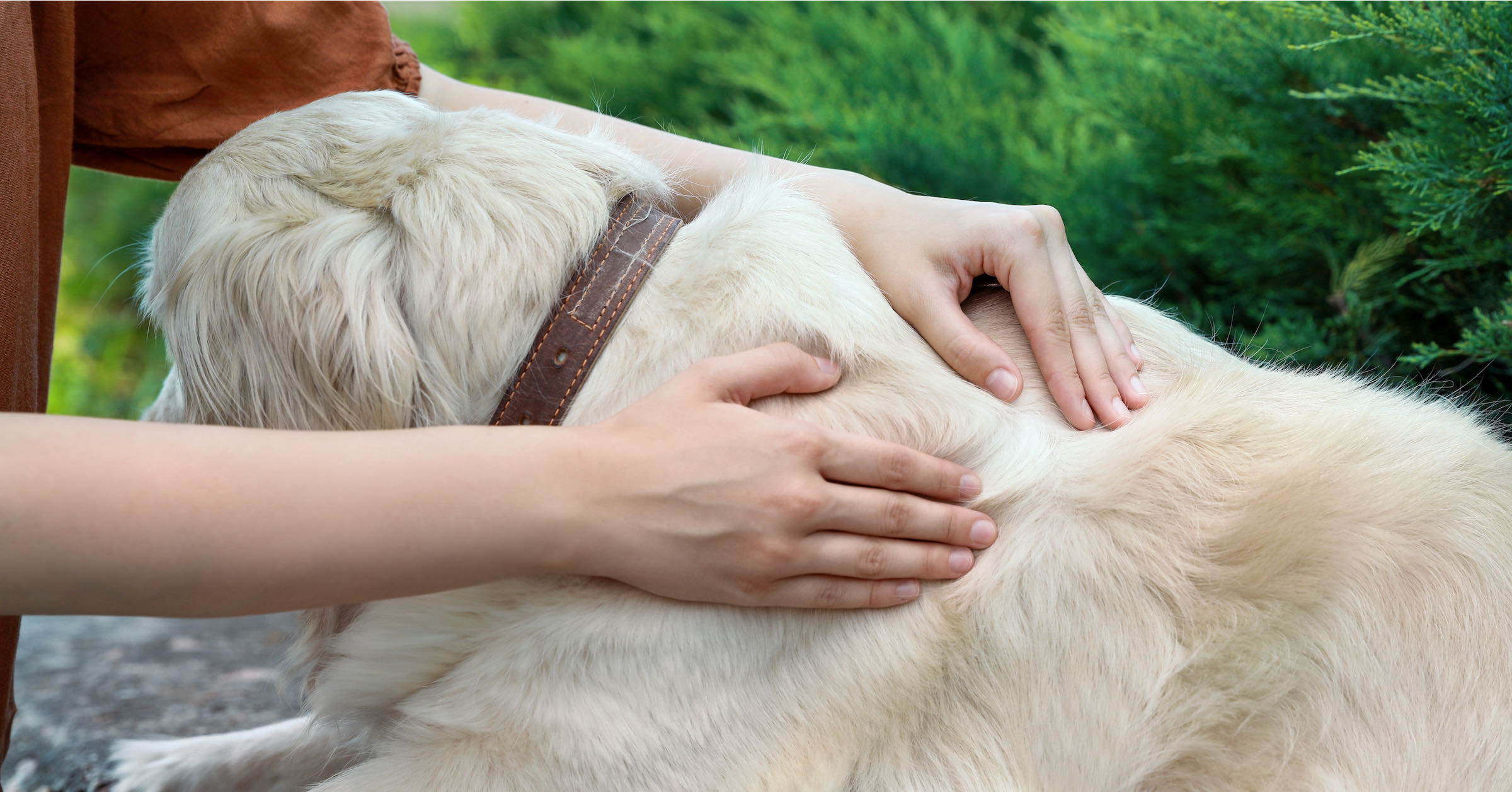
The Dog Health category offers comprehensive information to help you keep your pet in peak condition. From preventive care to managing chronic conditions, this section covers essential topics to ensure your dog lives a long, healthy, and happy life. Whether you’re looking for grooming tips, dietary advice, or natural remedies, this category has it all to support your pet’s well-being.

Topics Covered in This Category:

  1. Common Dog Health Issues – Identify and manage frequent health concerns like allergies, arthritis, and obesity.
  2. Preventive Dog Health Care – Insights on vaccinations, parasite control, and regular vet check-ups to prevent illnesses.
  3. Dog Nutrition for Optimal Health – How a balanced diet improves your dog’s immune system, energy levels, and longevity.
  4. Supplements for Dog Health – Top supplements like Omega-3, probiotics, and joint support vitamins for improved well-being.
  5. Natural Remedies for Dogs – Effective home remedies for treating minor issues like skin irritations and upset stomachs.
  6. Exercise and Fitness for DogsTips on maintaining your dog’s physical health with age-appropriate activities.
  7. Senior Dog Health – Care tips for older dogs, including mobility support, cognitive health, and diet adjustments.
  8. Puppy Health and Development – Key health practices for puppies, such as vaccinations, deworming, and proper nutrition.
  9. Grooming for Healthy Dogs – The role of grooming in preventing infections, skin conditions, and maintaining overall health.
  10. Mental Health for Dogs – How to manage anxiety, stress, and behavioral issues to ensure your dog’s emotional well-being.
  11. First Aid for Dogs – Essential first-aid tips to handle minor injuries and emergencies before visiting the vet.
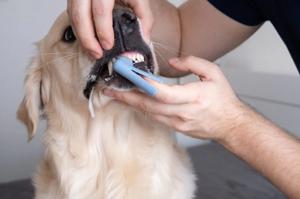
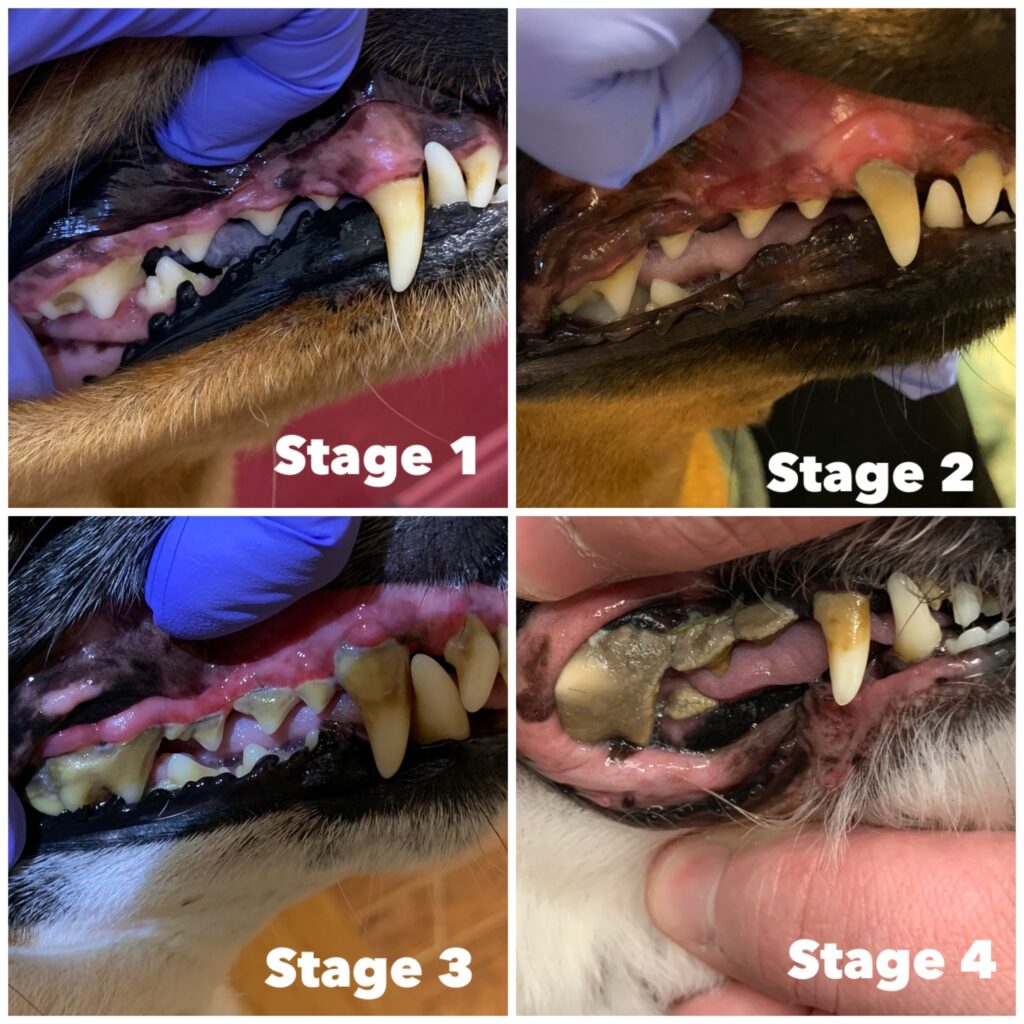
  12. Dental Health for Dogs – Importance of oral care, with tips to prevent dental diseases and bad breath.
  13. Weight Management for Dogs – Effective strategies to maintain a healthy weight and avoid obesity-related complications.
  14. Dog Health Products and Gadgets – Reviews of health-related products, including grooming tools and pet trackers.
  15. When to Visit the Vet – Red flags and symptoms that require immediate veterinary care to avoid complications.

Why Focus on Dog Health?

A proactive approach to dog health ensures your pet stays active and happy throughout all stages of life. Regular check-ups, balanced nutrition, exercise, and grooming are key to preventing common health problems. This category helps pet owners understand the importance of preventive care, along with offering solutions for chronic conditions and mental well-being.

Whether your dog is a playful puppy or a senior companion, this section provides tailored advice for every stage of life. With tips on nutrition, exercise, grooming, and mental health, you’ll have everything you need to keep your dog healthy and thriving.

  • Trazodone for Dogs: Calming Anxiety Safely & Effectively

    Trazodone for Dogs: Calming Anxiety Safely & Effectively

    Are you concerned about your furry friend’s anxiety? Trazodone, an antidepressant medication, has become increasingly popular for managing anxiety-related behaviors in dogs. We’ll explore how this medication can help our canine companions and what pet owners need to know.

    Trazodone works by increasing serotonin levels in a dog’s central nervous system, helping to regulate behavior and bodily functions. It’s commonly prescribed for various anxiety disorders and can be used daily or as needed for exact anxiety-triggering events. We’ll jump into the proper dosage, potential side effects, and safety considerations to help you make informed decisions about your dog’s well-being.

    What Is Trazodone for Dogs?

    Trazodone is a prescription medication primarily used to treat anxiety-related conditions in dogs. It’s an antidepressant that veterinarians often prescribe to help manage various behavioral issues in canines.

    How Trazodone Works in Dogs

    Trazodone works by increasing serotonin levels in a dog’s central nervous system. Serotonin, often called the “feel-good hormone,” plays a crucial role in regulating behavior and other bodily functions. Here’s how trazodone affects dogs:

    • Serotonin Reuptake Inhibition: Trazodone blocks the reabsorption of serotonin in the brain, allowing more of this neurotransmitter to remain active.
    • Receptor Blocking: It also blocks certain serotonin receptors, which can help reduce anxiety and stress responses.
    • Anxiety Reduction: By modulating serotonin levels, trazodone helps decrease anxiety, depression, and related behavioral issues in dogs.
    • Sedative Effects: Trazodone can produce mild sedative effects, helping to calm dogs in stressful situations.
    • Improved Mood: The increased serotonin activity can lead to an overall improvement in a dog’s mood and behavior.

    Trazodone’s effects are similar to those of selective serotonin reuptake inhibitors (SSRIs), but it works through slightly different mechanisms. This medication helps dogs cope with various anxiety-inducing situations, from separation anxiety to noise phobias, making it a versatile tool in veterinary behavioral medicine.

    Main Uses of Trazodone in Dogs

    Trazodone is a versatile medication used to address various behavioral and anxiety-related issues in dogs. Its primary applications focus on managing anxiety, phobias, and other behavioral concerns.

    Treating Anxiety and Phobias

    Trazodone effectively treats anxiety and stress in dogs by acting as a serotonin antagonist and reuptake inhibitor (SARI). It increases serotonin levels in the brain, stabilizing mood and reducing anxiety. This medication is particularly useful for:

    • Separation anxiety: Calms dogs when left alone or away from their family
    • Noise phobias: Helps manage fear of loud noises like fireworks or thunderstorms
    • General anxiety: Soothes dogs in unfamiliar environments or during stressful events
    • Travel-related stress: Eases anxiety during car rides or plane trips
    • Veterinary visits: Reduces stress and fear associated with vet appointments

    Trazodone’s calming effects make it an excellent choice for dogs struggling with various anxiety-related conditions, improving their overall quality of life.

    Managing Behavioral Issues

    Trazodone plays a crucial role in addressing behavioral problems in dogs, often stemming from anxiety or stress. Its applications include:

    • Excessive barking: Helps reduce anxiety-induced vocalization
    • Aggression: Manages aggression linked to fear or stress
    • Compulsive behaviors: Aids in controlling excessive licking or chewing
    • Post-surgery recovery: Keeps dogs calm during confined rest periods
    • Grooming visits: Eases stress associated with grooming appointments

    By alleviating underlying anxiety, Trazodone helps modify problematic behaviors, making it easier for owners to carry out training and behavior modification techniques. It’s particularly beneficial for short-term use in stressful situations or as part of a comprehensive treatment plan for long-term behavioral issues.

    Trazodone Dosage and Administration

    Trazodone dosage for dogs varies based on weight and the condition being treated. It’s crucial to follow veterinary guidance for proper administration and dosing.

    Recommended Dosage by Weight

    Trazodone dosage for dogs typically ranges from 1.7 to 9.5 mg/kg orally every 8 to 24 hours. For short-term use, such as anxiety-provoking events like fireworks or vet visits, the dose is usually given 90 minutes before the event. A common starting dose is 3-5 mg/kg, adjustable as needed. Long-term anxiety management may start with a lower dose, gradually increasing. For example:

    Dog WeightInitial DosageTarget Dosage
    < 22 lb (10 kg)25 mg every 8-24 hrs50 mg every 8-24 hrs
    22-44 lb (10-20 kg)50 mg every 12-24 hrs100 mg every 8-24 hrs
    > 44 lb (20 kg)100 mg every 12-24 hrs200 mg every 8-24 hrs
    > 88 lb (40 kg)200-300 mg every 8-24 hrsAdjust as needed

    How to Give Trazodone to Dogs

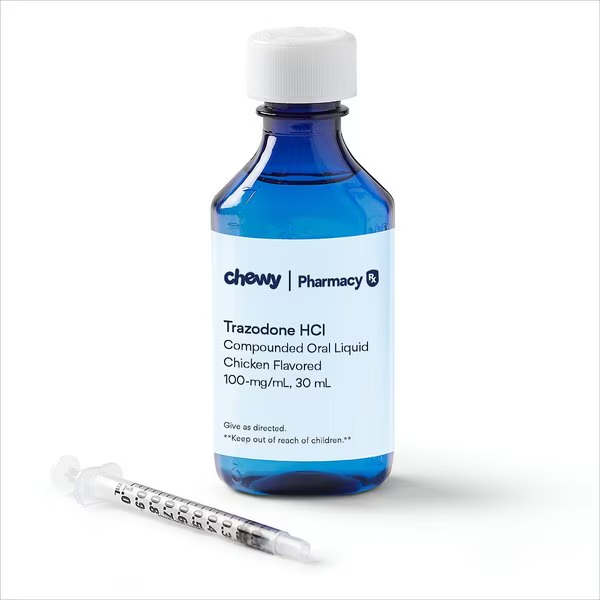
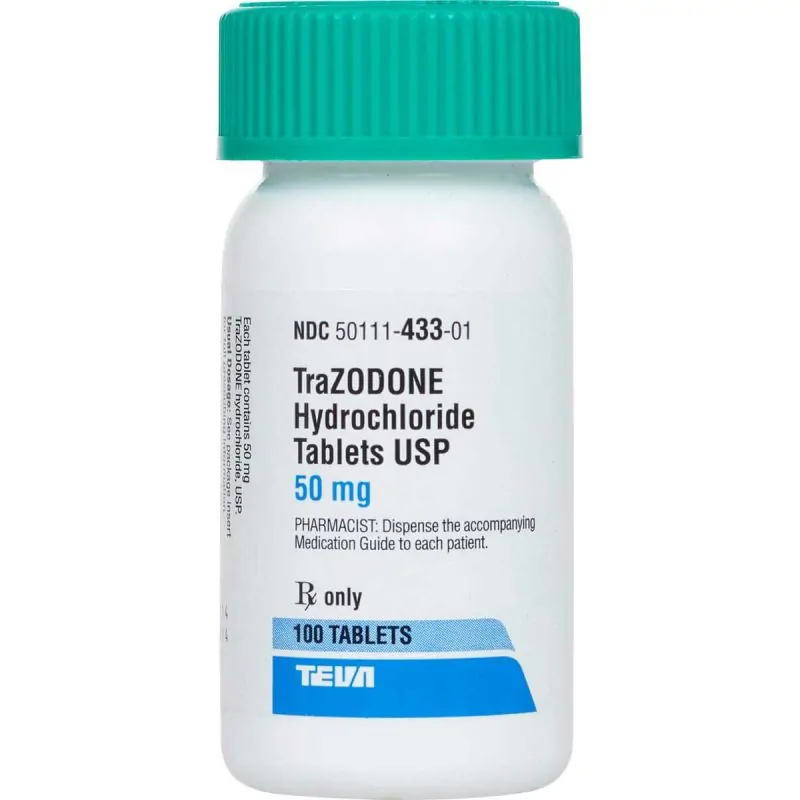
    Administer trazodone orally as prescribed by your veterinarian. It’s available in 50 mg, 100 mg, 150 mg, and 300 mg scored white round tablets. Give the medication with or without food, but consistency is key. If using for situational anxiety, administer 90 minutes before the anticipated stressful event. For ongoing treatment, maintain a regular dosing schedule. Always start with the lowest effective dose and adjust as needed under veterinary supervision. Monitor your dog closely for side effects and efficacy, especially when starting treatment or changing dosage. Never abruptly stop trazodone without consulting your vet, as this may cause withdrawal symptoms.

    Effectiveness of Trazodone in Dogs

    Trazodone has proven to be an effective medication for managing various anxiety-related conditions in dogs. Its therapeutic benefits, combined with minimal adverse effects, make it a popular choice for veterinarians and pet owners alike.

    Onset of Action

    Trazodone’s onset of action in dogs is relatively quick. The medication typically starts working within 1-2 hours after administration. For short-term use, such as managing anxiety during exact events, it’s recommended to administer trazodone about 90 minutes before the anticipated stressor. This timing allows the drug to reach therapeutic levels in the dog’s system, providing optimal anxiety relief when needed. But, for chronic anxiety management, consistent daily dosing may be necessary to maintain stable blood levels and achieve the desired therapeutic effect.
    Trazodone for Dogs

    Duration of Effects

    The duration of trazodone’s effects in dogs varies based on several factors, including dosage and individual metabolism. Typically, the therapeutic effects of trazodone last for 6-12 hours in dogs. The elimination half-life of trazodone in dogs is 120-200 minutes (2-3 hours), meaning half of the drug is cleared from the body within this timeframe. For anxiety management, trazodone may be administered every 8-24 hours, depending on the dog’s exact needs and the veterinarian’s recommendations. In post-operative scenarios or for short-term anxiety relief, more frequent dosing up to every 8 hours may be prescribed to maintain consistent sedation and anxiety reduction.

    Potential Side Effects and Risks

    Trazodone for dogs, while generally safe, can cause various side effects and risks. We’ll explore common side effects and serious adverse reactions associated with this medication.

    Common Side Effects

    Trazodone typically causes mild side effects in dogs. Digestive issues like vomiting, diarrhea, and nausea are frequently observed. Sedation is another common effect, with dogs experiencing drowsiness or grogginess. This sedative effect can impact working or assistance dogs’ performance. Paradoxically, some dogs may exhibit increased anxiety or agitation. Other common side effects include:

    • Dry mouth
    • Increased heart rate
    • Changes in appetite
    • Muscle tremors or twitching
    • Mild confusion or disorientation

    It’s crucial to monitor your dog closely after starting trazodone treatment and report any persistent or severe side effects to your veterinarian.

    Serious Adverse Reactions

    While rare, trazodone can lead to serious adverse reactions in dogs. Serotonin syndrome is a potentially life-threatening condition that may occur when trazodone interacts with other serotonin-affecting medications. This syndrome can cause:

    • Severe agitation
    • Hyperthermia (high body temperature)
    • Rapid heart rate
    • Seizures
    • Tremors
    • Loss of consciousness

    Other serious reactions include:

    • Priapism (prolonged erection)
    • Severe allergic reactions
    • Liver or kidney dysfunction
    • Blood pressure changes
    • Irregular heartbeat

    We strongly recommend immediate veterinary attention if you notice any of these symptoms. To minimize risks, always inform your veterinarian about all medications and supplements your dog is taking before starting trazodone treatment.

    Trazodone Interactions with Other Medications

    Trazodone, while effective for managing anxiety in dogs, can interact with various medications. Understanding these interactions is crucial for ensuring the safety and well-being of dogs undergoing treatment.

    Safe Combinations

    Trazodone can be safely combined with certain medications when prescribed by a veterinarian. Some safe combinations include:

    • Selective Serotonin Reuptake Inhibitors (SSRIs): Fluoxetine can be used alongside trazodone under careful veterinary supervision.
    • Benzodiazepines: These anxiety medications can complement trazodone’s effects when properly dosed.
    • Some antibiotics: Certain antibiotics are compatible with trazodone treatment.
    • Exact pain medications: Some pain relievers can be used concurrently with trazodone.

    It’s essential to consult with a veterinarian before combining trazodone with any other medication, as dosage adjustments may be necessary to ensure safety and effectiveness.

    Medications to Avoid

    When administering trazodone to dogs, certain medications should be avoided due to potential interactions:

    • Monoamine Oxidase Inhibitors (MAOIs): Drugs like selegiline can increase the risk of serotonin syndrome when combined with trazodone.
    • Non-steroidal Anti-inflammatory Drugs (NSAIDs): Caution is advised when using trazodone with NSAIDs.
    • Azole antifungals: Medications such as ketoconazole or itraconazole may interact with trazodone.
    • Heart medications: Some cardiac drugs can potentially interact with trazodone.
    • Phenothiazines: Chlorpromazine and similar drugs should be avoided.
    • Tramadol: This pain medication may interact with trazodone.
    • Cisapride and metoclopramide: These gastrointestinal medications can potentially interact.
    • Macrolide antibiotics: Erythromycin and related antibiotics may interact with trazodone.
    • Ondansetron (Zofran): This anti-nausea medication should be used cautiously with trazodone.
    • Fluoroquinolone antibiotics: These antibiotics may interact with trazodone.
    • Other sedatives: Combining trazodone with additional sedatives can lead to excessive drowsiness.

    It’s crucial to inform the veterinarian about all medications, supplements, and herbal therapies a dog is taking before prescribing trazodone. Dogs with certain health conditions, such as glaucoma, heart disease, liver disease, or kidney disease, require special consideration when using trazodone. Pregnant or nursing dogs should also be monitored closely if trazodone treatment is necessary.

    Alternative Treatments for Canine Anxiety

    While Trazodone is an effective medication for managing canine anxiety, there are several alternative treatments that can complement or, in some cases, replace pharmacological interventions. These options provide a holistic approach to addressing anxiety in dogs, focusing on both physical and mental well-being.

    Integrative Veterinary Medicine

    Integrative veterinary medicine offers a range of alternative therapies that can be highly effective in managing canine anxiety:

    • Massage Therapy: Helps relax tense muscles and promotes overall relaxation
    • Acupuncture: Stimulates exact points on the body to reduce stress and anxiety
    • Chiropractic Care: Addresses physical discomfort that may contribute to anxiety

    These therapies can be used alone or in combination with traditional treatments to enhance healing, relieve pain, and optimize a dog’s quality of life.

    Environmental Modifications

    Simple changes in a dog’s environment can significantly reduce anxiety:

    • Create a Safe Space: Designate a quiet area where your dog can retreat when stressed
    • Noise Reduction: Use white noise machines or soundproofing to minimize external stressors
    • Calming Aids: Use pheromone diffusers or anxiety wraps to promote relaxation

    Dietary Adjustments

    Nutrition plays a crucial role in managing canine anxiety:

    • Supplements: Consider adding milk or fish derivatives to your dog’s diet
    • Protein Levels: Adjust protein intake based on your dog’s exact needs
    • Herbal Supplements: Some herbs may have calming effects on dogs

    Always consult with a veterinarian before making important changes to your dog’s diet or adding supplements.

    Mental Stimulation

    Captivating your dog’s mind can help divert attention from anxiety-inducing stimuli:

    • Puzzle Toys: Provide interactive toys that challenge your dog mentally
    • Training Sessions: Regular training can build confidence and reduce anxiety
    • Nose Work: Scent-based activities can be particularly calming for dogs

    Behavioral Modification Techniques

    Implementing behavior modification strategies can help address the root causes of anxiety:

    • Desensitization: Gradually expose your dog to anxiety triggers in a controlled manner
    • Counterconditioning: Associate positive experiences with previously stressful situations
    • Positive Reinforcement: Reward calm behavior to encourage its repetition

    Exercise and Physical Activity

    Regular exercise is crucial for managing anxiety in dogs:

    • Daily Walks: Provide structured physical activity to release pent-up energy
    • Playtime: Engage in interactive play sessions to strengthen the bond with your dog
    • Agility Training: Combines physical exercise with mental stimulation

    By incorporating these alternative treatments, we can create a comprehensive approach to managing canine anxiety. While Trazodone remains a valuable tool, these methods offer additional ways to support our anxious dogs and improve their overall well-being.

    Conclusion

    Trazodone offers a valuable solution for managing anxiety in dogs. It’s effective for various conditions from separation anxiety to noise phobias. While it provides important benefits we must remember it’s just one part of a comprehensive approach to canine anxiety.

    Proper dosage administration and monitoring for side effects are crucial. We encourage pet owners to work closely with their veterinarians to ensure the best outcomes. Combining Trazodone with alternative treatments and lifestyle changes can create a holistic anxiety management strategy customized to each dog’s unique needs.
  • Why Is My Dog Nose Dry? 7 Common Causes and Solutions

    Why Is My Dog Nose Dry? 7 Common Causes and Solutions

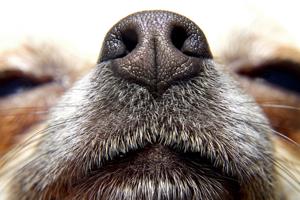
    Have you ever noticed your pet usually wet nose feeling a bit dry? We’ve all been there, wondering if it’s a cause for concern. A dog’s nose is an incredible tool, and its moisture plays a crucial role in their ability life. We will answer a question, why is my dog nose dry?

    A dog’s wet nose serves several crucial functions that contribute to their overall well-being and interaction with the environment. We’ll explore the primary purposes of this unique feature:

    Enhanced Sense of Smell

    A dog’s wet nose significantly amplifies their olfactory capabilities:

    • Scent Absorption: The thin layer of mucus on a dog’s nose captures and holds scent particles, allowing for more efficient odor detection.
    • Improved Interpretation: This moisture helps dogs better interpret their surroundings by improving their ability to process various smells.
    • Olfactory Receptors: Dogs possess approximately 300 million olfactory receptors in their noses, which is 40 times more than humans.

    Temperature Regulation

    Dogs rely on their wet noses to help maintain their body temperature:

    • Cooling Mechanism: The moisture on a dog’s nose assists in regulating body temperature, similar to how panting helps cool them down.
    • Lack of Sweat Glands: Unlike humans, dogs don’t have sweat glands throughout their bodies. Their noses and paws play a crucial role in temperature control.

    Moisture Production

    A dog’s nose stays wet through two primary methods:

    1. Mucus Glands: Special glands beneath the nose’s surface produce mucus, coating the exterior and keeping it moist.
    2. Self-Licking: Dogs frequently lick their noses, which helps maintain moisture and cleanliness.

    Sensory Enhancement

    The wet nose contributes to a dog’s sensory experiences:

    • Taste-Smell Connection: Dogs can interpret smells through taste, thanks to a specialized olfactory organ called the Jacobson’s organ.
    • Particle Collection: The moist surface of the nose helps collect dirt and pollen particles, which dogs can then analyze by licking.

    Understanding the purpose of a dog’s wet nose helps us appreciate their remarkable sensory abilities and the importance of this feature in their daily lives. While a wet nose is typical, it’s essential to remember that a dry nose doesn’t always indicate a health issue. Various factors can influence nose moisture, and it’s just one aspect of a dog’s overall health.

    Common Reasons for a Dog Nose Dry

    A dog’s nose can become dry for various reasons, and understanding these causes helps pet owners address potential issues. Here are four common factors that contribute to a dry nose in dogs:

    Just Woke Up from Sleep

    Dogs’ noses are typically dry after waking up from sleep. This dryness is a normal occurrence and doesn’t indicate a health problem. During sleep, dogs don’t lick their noses, which is the primary source of moisture. As a result, the nose becomes dry temporarily. Once awake, dogs resume licking their noses, and the moisture returns. This natural cycle of dryness and moisture is part of a dog’s normal physiology. Pet owners shouldn’t be concerned if their dog’s nose is dry immediately after waking up, as it’s a common and harmless phenomenon.

    Exposure to Weather Elements

    Weather conditions play a important role in the moisture level of a dog’s nose. Harsh environments can cause a dog’s nose to dry out quickly. Exposure to hot summer sun, cold winter air, or strong winds can lead to nose dryness. In sunny weather, a dog’s nose may become sunburned, causing irritation and dryness. Similarly, cold, dry winters can chap a dog’s nose. Indoor conditions also affect nose moisture. Dogs sleeping near heating vents or fireplaces often experience dry noses due to the warm, dry air. It’s essential to protect dogs from extreme weather and provide a balanced indoor environment to maintain proper nose moisture.

    Dehydration

    Dehydration is a critical factor in causing dry noses in dogs. When a dog’s body lacks sufficient water, it produces less saliva. This reduction in saliva production directly affects the moisture level of the nose. A dehydrated dog can’t lick its nose as frequently or effectively, leading to dryness. Signs of dehydration include lethargy, sunken eyes, and loss of skin elasticity. To prevent dehydration-related nose dryness, ensure dogs have constant access to fresh, clean water. This is especially important during hot weather or after strenuous exercise. If dehydration persists or is severe, it’s crucial to consult a veterinarian for proper treatment.

    Age-Related Changes

    As dogs age, they become more prone to developing dry noses. Older dogs often experience changes in their skin’s ability to retain moisture, which can affect their nose’s hydration levels. This age-related dryness is often accompanied by other skin issues, such as increased sensitivity or dermatitis. Senior dogs may produce less natural oils, leading to overall drier skin, including the nose. Also, older dogs might have reduced saliva production or may lick their noses less frequently, contributing to dryness. While age-related nose dryness isn’t typically a severe concern, it’s essential to monitor older dogs for any unusual changes and provide appropriate care to maintain their nose’s health and comfort.

    Health Issues That Can Cause a Dry Nose

    A dog’s dry nose can be indicative of various health issues. While a wet nose isn’t always a sign of good health, certain medical conditions can lead to persistent dryness. Let’s explore some common health problems that may cause a dog’s nose to become dry.

    Allergies and Skin Conditions

    Allergies are a common cause of dry noses in dogs. These allergic reactions can be triggered by pollen, mold, food, or environmental factors. Symptoms often include:

    • Redness and swelling of the nose
    • Excessive rubbing or scratching of the face
    • Dryness and cracking of the nasal area

    Severe allergic reactions can cause important dryness, redness, and swelling of the nose. In some cases, treatment with anti-histamines or steroids may be necessary to alleviate symptoms and restore moisture to the nose. It’s crucial to identify and address the underlying allergen to prevent recurrence and maintain a healthy, moist nose.

    Autoimmune Diseases

    Autoimmune disorders can significantly impact a dog’s nose health. Two notable conditions are:

    1. Discoid lupus erythematosus
    2. Pemphigus

    These diseases can cause changes to the nose’s surface, leading to:

    • Dryness
    • Cracking
    • Bleeding

    Diagnosis typically involves:

    • Blood tests
    • Urine analysis
    • Nasal biopsy

    Treatment often includes immunosuppressive drugs like prednisone to manage symptoms and reduce inflammation. Early detection and proper management are crucial for maintaining the dog’s quality of life and preventing further complications.

    Fever and Overheating

    Fever and overheating can cause a dog’s nose to become warm and dry. This condition may result from:

    • Infections
    • Various illnesses
    • Exposure to high temperatures

    Signs of fever or overheating include:

    • Lethargy
    • Loss of appetite
    • Excessive panting

    In severe cases, a dog’s body temperature can rise above 106°F, which is life-threatening. Elderly dogs and young puppies are particularly vulnerable to temperature regulation issues. To prevent overheating:

    • Provide access to fresh water
    • Ensure proper ventilation
    • Limit outdoor activities during hot weather

    If you suspect your dog has a fever or is overheating, consult a veterinarian immediately for proper diagnosis and treatment.

    Nasal Hyperkeratosis

    Nasal hyperkeratosis is a condition characterized by excessive keratin production in the nose, leading to:

    • Thickening and hardening of the skin
    • Potential cracking of the nasal area
    • Formation of a crust over the nose

    This condition is more common in certain breeds, including:

    • Labrador Retrievers
    • French Mastiffs
    • Cocker Spaniels
    • Irish Terriers

    Older dogs are also at higher risk due to natural thickening of nose skin with age. While mild cases may not require treatment, severe cases can be managed with:

    • Moisturizing treatments
    • Topical medications
    • Regular cleaning and care of the affected area

    Early intervention and proper management can help maintain the dog’s nose health and prevent complications.

    Dry Eye or Blocked Tear Ducts

    Dry eye (keratoconjunctivitis sicca) and blocked tear ducts can contribute to a dry nose in dogs. These conditions affect the production and drainage of tears, which normally help keep the nose moist. Symptoms include:

    • Thick eye discharge
    • Reddened eyes
    • Watery eyes with tears running down the face
    • Dry nose due to lack of moisture from tear ducts
    Why Is My Dog Nose Dry?

    Causes of dry eye or blocked tear ducts may include:

    • Immune-mediated diseases
    • Injuries to the eye area
    • Certain medications

    Treatment options vary depending on the underlying cause but may include:

    • Artificial tear supplements
    • Medications to stimulate tear production
    • Surgical intervention for blocked tear ducts

    Regular check-ups with a veterinarian can help detect and address these issues early, preventing complications and maintaining proper nose moisture.

    Breed-Specific Considerations

    Brachycephalic Breeds

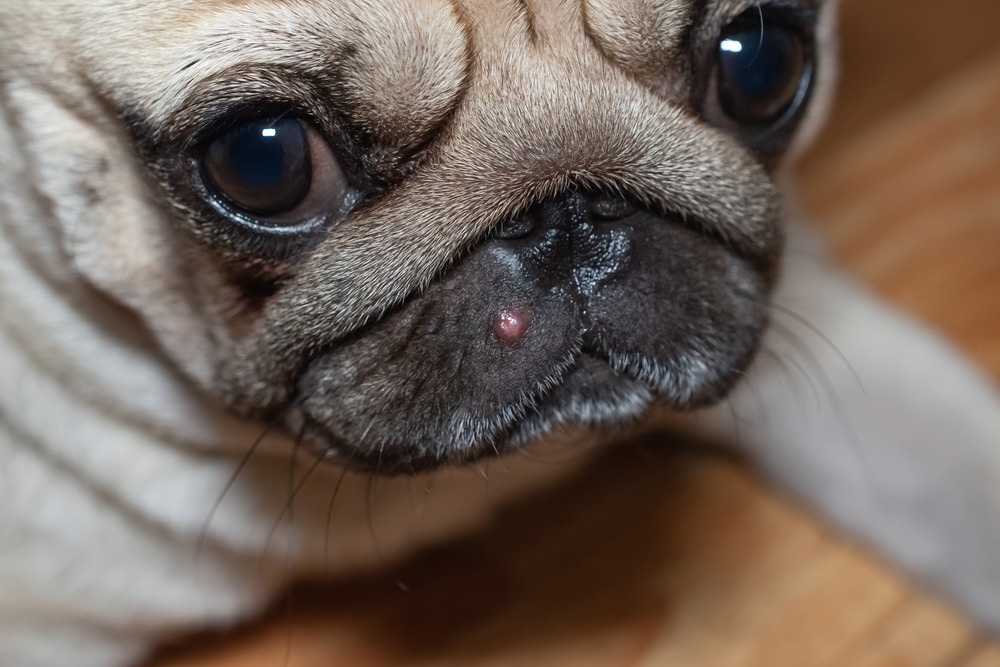
    Brachycephalic dogs, characterized by their short snouts and flat faces, often experience unique challenges with nose moisture. Breeds like Pugs, Bulldogs, and French Bulldogs have difficulty licking their noses due to their distinctive skull conformation. This anatomical feature leads to a higher likelihood of chronically dry, crusty, or cracked noses.

    The shortened muzzle of these breeds affects their ability to maintain adequate nose moisture through natural licking behavior. As a result, brachycephalic dogs may require extra attention and care to prevent nose dryness and associated discomfort. Pet owners of these breeds should be particularly vigilant in monitoring their dog’s nose condition.

    Other Breed Considerations

    While brachycephalic breeds are most commonly associated with dry nose issues, other breeds may also be predisposed to nose dryness for various reasons:

    • Hairless breeds: Dogs like the Chinese Crested or Xoloitzcuintli have minimal fur protection, making their noses more susceptible to environmental factors that can cause dryness.
    • Working breeds: Dogs bred for outdoor work, such as hunting or herding, may experience more frequent nose dryness due to increased exposure to harsh weather conditions.
    • Breeds with long snouts: Some long-snouted breeds, like Collies or Greyhounds, may have a larger surface area on their noses, potentially leading to increased moisture loss.

    It’s important to note that while breed can play a role in nose dryness, individual dogs within any breed may experience varying degrees of this condition. Factors such as genetics, overall health, and environmental conditions all contribute to a dog’s nose moisture levels.

    Breed TypeCommon Nose IssuesPotential Causes
    BrachycephalicChronic dryness, crackingDifficulty licking nose, skull conformation
    HairlessIncreased sensitivity to drynessLack of fur protection
    Working breedsFrequent drynessExtended exposure to outdoor elements
    Long-snouted breedsPotential for increased moisture lossLarger nose surface area

    Understanding these breed-exact considerations helps pet owners tailor their approach to nose care. For brachycephalic and other prone breeds, regular moisturizing with dog-safe products may be beneficial. Also, ensuring proper hydration and protecting dogs from extreme weather conditions can help maintain optimal nose health across all breeds.

    By recognizing the unique needs of different dog breeds, we can better address nose dryness issues and promote overall canine well-being. Regular veterinary check-ups remain crucial for all breeds to catch and address any persistent nose problems early on.

    Why Is My Dog Nose Dry?

    When to Seek Veterinary Care

    While a dry nose in dogs isn’t always cause for alarm, certain situations warrant professional medical attention. We’ll explore the key indicators that signal it’s time to consult a veterinarian about your dog’s dry nose.

    Persistent Dryness

    A dog’s nose that remains dry for an extended period requires veterinary evaluation. Persistent dryness lasting more than 24 hours may indicate an underlying health issue. This prolonged dryness can be accompanied by:

    • Changes in texture (rough or cracked)
    • Discoloration
    • Discharge

    Accompanying Symptoms

    We recommend seeking veterinary care if your dog’s dry nose is accompanied by:

    • Lethargy
    • Loss of appetite
    • Vomiting or diarrhea
    • Difficulty breathing
    • Excessive panting
    • Behavioral changes

    These symptoms could signal a more serious condition requiring prompt medical attention.

    Visible Irritation or Lesions

    Inspect your dog’s nose regularly for:

    • Redness
    • Swelling
    • Crusting
    • Open sores
    • Bleeding

    Any of these signs indicate potential skin conditions or infections that necessitate professional treatment.

    Changes in Nose Shape or Size

    Consult a veterinarian if you notice:

    • Unusual growths
    • Lumps or bumps
    • Asymmetry in nose shape

    These changes could be signs of tumors or other serious conditions requiring immediate evaluation.

    Excessive Nasal Discharge

    While some nasal discharge is normal, excessive or abnormal discharge warrants veterinary attention. Look out for:

    • Thick, colored discharge
    • Blood-tinged mucus
    • Persistent runny nose

    These symptoms may indicate respiratory infections or other health issues.

    Difficulty Breathing

    If your dog’s dry nose is accompanied by:

    • Labored breathing
    • Wheezing
    • Coughing
    • Sneezing

    These respiratory symptoms require prompt veterinary assessment to rule out serious conditions.

    Dehydration Signs

    A dry nose can be a symptom of dehydration. Seek veterinary care if you observe:

    • Sunken eyes
    • Dry gums
    • Loss of skin elasticity
    • Reduced urination

    Dehydration can quickly become life-threatening if left untreated.

    Why Is My Dog Nose Dry?

    Fever

    A dry, warm nose accompanied by other signs of illness may indicate fever. Check for:

    • Elevated body temperature (above 103°F or 39.4°C)
    • Shivering
    • Decreased activity

    Fever can be a sign of infection or inflammation requiring medical intervention.

    Allergic Reactions

    If your dog’s dry nose is part of a sudden allergic reaction, watch for:

    • Swelling of the face or muzzle
    • Hives
    • Excessive scratching
    • Difficulty breathing

    Severe allergic reactions can be life-threatening and require immediate veterinary attention.

    Chronic Conditions

    For dogs with known chronic conditions, such as autoimmune diseases or hormonal imbalances, any changes in nose moisture or texture should be reported to your veterinarian. These changes may indicate:

    • Disease progression
    • Need for treatment adjustment
    • Development of secondary conditions

    Regular check-ups are crucial for managing chronic conditions effectively.

    By staying vigilant and recognizing these signs, we can ensure our dogs receive timely veterinary care when needed. Remember, while a dry nose isn’t always serious, it’s better to err on the side of caution when it comes to our furry friends’ health.

    Home Care Tips for a Dog’s Dry Nose

    Hydration

    Dehydration often causes a dry nose in dogs. We recommend ensuring your dog has constant access to fresh, cool water. Place water bowls in multiple locations around your home and regularly check and refill them. For outdoor activities, carry a portable water bottle and bowl to keep your dog hydrated. In hot weather, add ice cubes to their water to encourage drinking and help maintain hydration.

    Moisturizing

    Apply dog-safe moisturizers or balms to your pet’s nose. These products, available at pet stores or through veterinarians, provide essential hydration. Coconut oil is a natural alternative that’s safe for dogs and offers anti-inflammatory benefits. Apply a thin layer to your dog’s nose 2-3 times daily, especially after meals and before bedtime. Avoid using human moisturizers, as they may contain harmful ingredients.

    Environmental Adjustments

    Protect your dog from extreme temperatures and harsh weather conditions. In winter, limit outdoor exposure and use pet-safe balms before walks. During summer, avoid peak sun hours and apply dog-friendly sunscreen to light-colored noses to prevent sunburn. Indoors, use a humidifier to add moisture to the air, particularly in dry seasons or when using heating or air conditioning.

    Allergen Management

    Allergies can contribute to a dry nose. Identify and minimize your dog’s exposure to potential allergens. Regularly clean your home, including vacuuming and dusting, to reduce indoor allergens. Use hypoallergenic bedding for your dog and wash it weekly. If you suspect food allergies, consult your veterinarian about an elimination diet to identify problem ingredients.

    Regular Cleaning

    Gently clean your dog’s nose with a warm, damp cloth to remove dirt and debris. This helps maintain the nose’s natural moisture and prevents irritation. After cleaning, pat the nose dry and apply a thin layer of dog-safe moisturizer. Be careful not to over-clean, as this can strip away natural oils.

    Nutritional Support

    A balanced diet supports overall skin health, including the nose. Ensure your dog’s food contains essential fatty acids, particularly omega-3 and omega-6, which promote healthy skin and coat. Consider adding fish oil supplements to their diet, after consulting with your veterinarian. Adequate vitamin E intake also supports skin health and can be found in many high-quality dog foods.

    Rest and Recovery

    After strenuous exercise or playtime, especially in hot weather, allow your dog time to rest and rehydrate. Provide a cool, comfortable space for recovery and offer water immediately. Monitor your dog’s breathing and overall condition, ensuring they have time to cool down before resuming activity.

    Hydration TipsFrequency
    Refill water bowls2-3 times daily
    Offer water during walksEvery 15-20 minutes
    Add ice to waterOn hot days

    By implementing these home care strategies, we can help maintain our dog’s nose health and prevent dryness. Remember, while occasional dryness is normal, persistent issues or accompanying symptoms warrant veterinary attention.

    Conclusion

    A dog’s nose health is crucial for their overall well-being. While a wet nose is typical, occasional dryness isn’t always cause for alarm. We’ve explored various factors that can lead to a dry nose and when it might signal a more serious issue.

    Remember to monitor your dog’s nose regularly and be aware of any persistent changes or accompanying symptoms. By understanding the importance of nose health and implementing proper care strategies, we can ensure our furry friends stay happy and healthy.

    If you’re ever in doubt about your dog’s nose condition, don’t hesitate to consult with a veterinarian. They’re best equipped to provide customized advice and treatment if needed.

  • Dog Stung by Wasp? Quick Guide to Symptoms, Treatment, and Prevention

    Dog Stung by Wasp? Quick Guide to Symptoms, Treatment, and Prevention

    Ouch! Has your furry friend ever yelped in pain after an encounter with a buzzing menace? A wasp sting can quickly turn a joyful outdoor romp into a painful predicament for our canine companions. While wasps play a crucial role in our network, their stings can pose a real threat to our dogs’ well-being.

    We’ll explore the steps you should take if your dog gets stung by a wasp. From identifying the signs to providing immediate care, we’ve got you covered. Although most wasp stings aren’t severe, it’s essential to know how to react and when to seek veterinary help. By the end of this article, you’ll be equipped with the knowledge to handle this common pet emergency with confidence.

    Identifying a Dog Stung by Wasp

    Recognizing a wasp sting on your dog is crucial for prompt and appropriate care. We’ll guide you through the physical and behavioral signs to look out for when your canine companion encounters these buzzing insects.

    Physical Signs

    When a wasp stings your dog, several visible indicators may appear:

    • Redness: The affected area often becomes noticeably red and inflamed.
    • Swelling: Look for localized swelling around the sting site.
    • Tenderness: The area may be sensitive to touch.
    • Itchiness: Your dog might show signs of discomfort or a desire to scratch.
    • Puncture wound: A tiny, visible mark where the stinger entered the skin.

    Behavioral Signs

    Your dog’s behavior can also signal a wasp sting:

    • Excessive licking or biting at a exact spot
    • Scratching persistently at one area
    • Whining or vocalizing discomfort
    • Limping, if stung on a paw
    • Pawing at the face or mouth
    • Increased drooling
    • Smacking or licking lips

    Common Symptoms

    Be alert for these typical reactions to a wasp sting:

    • Swelling of the affected area
    • Lumpy or bumpy skin texture
    • Agitation or restlessness
    • Whimpering or other signs of distress

    Serious Symptoms

    While rare, some dogs may experience severe reactions:

    • Difficulty breathing
    • Swelling in the mouth or throat
    • Collapse or weakness
    • Excessive drooling or vomiting
    • Diarrhea
    • Hives or widespread redness

    If you observe any of these serious symptoms, it’s essential to seek immediate veterinary care. Wasp stings in the mouth or throat are particularly dangerous, as swelling can obstruct airways and become a medical emergency.

    By familiarizing yourself with these signs and symptoms, you’ll be better equipped to identify a wasp sting and take appropriate action to ensure your dog’s comfort and safety.

    Common Symptoms of Wasp Stings in Dogs

    When a dog is stung by a wasp, it’s crucial to recognize the symptoms quickly. We’ve compiled a comprehensive list of common signs to help you identify if your furry friend has been stung.

    Immediate Reactions

    • Pain and Discomfort: Dogs often whine, show agitation, or become restless due to the sting’s pain.
    • Swelling and Redness: The area around the sting site typically becomes swollen, red, and inflamed.
    • Localized Irritation: Your dog may bite, nibble, or scratch at the sting site.
    • Excessive Drooling: If stung near the mouth or face, dogs may drool more than usual.
    • Pawing at Face: Dogs stung on the face frequently paw at the affected area.

    Behavioral Changes

    • Whimpering or Crying: Your dog may vocalize its discomfort.
    • Agitation: Restlessness or unusual behavior can indicate distress from a sting.
    • Limping: If stung on a paw, your dog may hold it up or limp.
    • Licking or Chewing: Excessive attention to a exact body part can signal a sting.

    Physical Symptoms

    • Visible Sting Site: You may notice a small puncture wound where the wasp stung.
    • Hives: Red, swollen, itchy skin can appear around the sting area.
    • Lumpy Skin: The affected area may develop a bumpy or uneven texture.
    • Swelling: Localized swelling is common, especially if stung on the paw or face.

    Severe Reactions (Require Immediate Veterinary Attention)

    • Difficulty Breathing: Labored breathing or wheezing can indicate a serious allergic reaction.
    • Facial Swelling: Important swelling, especially around the throat or neck, is concerning.
    • Weakness or Collapse: These symptoms suggest a severe reaction that needs urgent care.
    • Vomiting or Diarrhea: Gastrointestinal upset can occur in some cases of wasp stings.
    • Increasing Discomfort: Some dogs may show worsening symptoms over time.
    • Allergic Reactions: These can develop gradually, with symptoms intensifying hours after the sting.

    By recognizing these symptoms, we can quickly identify if our dogs have been stung by a wasp and take appropriate action. Remember, while most wasp stings cause only minor discomfort, it’s essential to monitor your dog closely and seek veterinary care if you notice any severe or worsening symptoms.

    Dangers of Wasp Stings for Dogs

    Wasp stings pose important risks to dogs, ranging from mild discomfort to severe allergic reactions. Understanding these dangers is crucial for pet owners to protect their furry companions and respond appropriately when stings occur.

    Allergic Reactions

    Allergic reactions to wasp stings in dogs can be life-threatening. These reactions occur when a dog’s immune system overreacts to the venom, causing symptoms that extend beyond the sting site. Signs of an allergic reaction include:

    • Swelling of the face, throat, or entire body
    • Difficulty breathing or wheezing
    • Vomiting or diarrhea
    • Excessive drooling
    • Weakness or collapse
    • Pale gums

    Anaphylaxis, a severe allergic reaction, can develop rapidly within minutes or up to 24 hours after the sting. It’s critical to seek immediate veterinary care if any of these symptoms appear, as anaphylaxis can be fatal without prompt treatment.

    Stings in Sensitive Areas

    Wasp stings in sensitive areas of a dog’s body can lead to more severe complications. These areas include:

    • Mouth and throat: Stings here can cause swelling that obstructs breathing
    • Eyes: May result in vision problems or eye damage
    • Paw pads: Can cause important pain and limping
    • Genital area: Leads to extreme discomfort and potential urinary issues

    Stings in these locations often require immediate veterinary attention due to the risk of severe swelling and potential organ damage. Multiple stings in sensitive areas can be particularly dangerous, increasing the likelihood of a systemic reaction or toxic effects from the venom.

    First Aid for a Dog Stung by a Wasp

    When a dog gets stung by a wasp, quick action is crucial. Here’s how to provide immediate care and relief for your canine companion.

    Removing the Stinger

    Unlike bees, wasps don’t leave their stingers behind, so there’s no need to remove a stinger after a wasp sting. But, it’s important to check the affected area carefully:

    • Inspect the sting site for any foreign objects
    • If you suspect a bee sting instead, gently scrape the area with a credit card or fingernail
    • Avoid using tweezers, as they can squeeze more venom into the wound
    • If you’re unsure about the type of sting, it’s best to consult a veterinarian

    Remember, wasp stings don’t require stinger removal, but careful examination of the affected area is essential for proper treatment.

    Dog Stung by Wasp

    Treating the Affected Area

    After a wasp sting, focus on reducing pain and swelling:

    • Apply a cool compress to the affected area
    • Use a bag of frozen vegetables or an ice pack wrapped in a thin towel
    • Hold the compress on the sting site for 10-15 minutes at a time
    • Repeat this process every hour as needed
    • Monitor the area for signs of swelling or increased discomfort

    If your dog shows signs of an allergic reaction, such as difficulty breathing or excessive swelling, seek immediate veterinary care. For most cases, these first aid steps provide relief and comfort for your dog after a wasp sting.

    When to Seek Veterinary Care

    Recognizing when to seek professional medical attention for a dog stung by a wasp is crucial. While many wasp stings can be managed at home, certain situations require immediate veterinary intervention. We’ll outline the exact scenarios that necessitate prompt medical care for your furry friend.

    Immediate Reactions Requiring Veterinary Attention

    Wasp stings on sensitive areas of a dog’s body can lead to severe complications. If your dog experiences a sting on the mouth, nose, or around the head, monitor them closely for any swelling. Increased swelling in these areas can interfere with breathing or swallowing, making it essential to seek veterinary care immediately.

    Multiple Stings

    Multiple wasp stings pose a important risk to dogs. If your canine companion disturbs a wasp hive and receives many stings, the situation can quickly become life-threatening. Multiple stings can lead to:

    • Severe reactions
    • Shock
    • Circulatory collapse

    In such cases, immediate veterinary attention is critical to prevent potentially fatal outcomes.

    Signs of Allergic Reactions

    Some dogs may experience allergic reactions to wasp stings. Watch for these symptoms that indicate a need for urgent veterinary care:

    • Important facial swelling
    • Swelling in the throat area
    • Difficulty breathing
    • Excessive drooling
    • Weakness or lethargy
    • Pale gums
    • Vomiting

    These symptoms may signal the onset of anaphylaxis, a severe allergic reaction that can develop rapidly and requires immediate medical intervention.

    Persistent or Worsening Symptoms

    If your dog’s symptoms persist or worsen over time, it’s important to consult a veterinarian. Pay attention to:

    • Increased pain or discomfort
    • Expanding areas of swelling
    • Continuous scratching or licking of the affected area
    • Signs of infection (e.g., pus, warmth, or redness at the sting site)
    Dog Stung by Wasp

    Changes in Behavior or Appetite

    Important changes in your dog’s behavior or appetite following a wasp sting warrant veterinary evaluation. Look out for:

    • Refusal to eat or drink
    • Unusual lethargy or depression
    • Aggression or irritability
    • Difficulty moving or reluctance to walk

    When Home Care Isn’t Enough

    If you’ve attempted home care measures and your dog’s condition doesn’t improve within a few hours, it’s time to seek professional help. A veterinarian can provide targeted treatments, such as:

    • Antihistamines to reduce allergic reactions
    • Pain relief medications
    • Corticosteroids to manage inflammation
    • Antibiotics if secondary infection develops

    By recognizing these signs and situations, you’ll be better equipped to make informed decisions about when to seek veterinary care for your dog after a wasp sting. Remember, it’s always better to err on the side of caution when it comes to your pet’s health and well-being.

    Home Remedies for Wasp Stings

    When a dog is stung by a wasp, quick action can help alleviate discomfort and prevent complications. Here are effective home remedies for treating wasp stings in dogs:

    Removing the Stinger

    Unlike bees, wasps don’t leave their stingers behind. There’s no need to remove a stinger after a wasp sting. If you mistakenly think it’s a bee sting, remember that wasps retain their stingers.

    Reducing Pain and Swelling

    Apply an ice pack or cold compress to the affected area to minimize swelling and pain:

    • Use a bag of frozen peas or vegetables
    • Wrap ice in a cloth to avoid direct skin contact
    • Apply for 10 minutes, then remove for 10 minutes
    • Repeat this cycle for the first hour or two

    For multiple stings, soak a towel in cold water and apply it to the affected areas.

    Neutralizing the Venom

    Wasp stings are alkaline, so vinegar can help neutralize the venom:

    • Apply apple cider vinegar to a cotton ball or pad
    • Hold it directly on the stung area
    • Repeat several times until swelling subsides
    • Avoid contact with your dog’s eyes

    Applying Topical Treatments

    Create a soothing paste to apply to the sting site:

    • Mix baking soda (sodium bicarbonate) with water
    • Apply the paste directly to the affected area
    • This helps neutralize the venom and reduce irritation

    Using Natural Remedies

    Witch hazel can provide relief from inflammation and itching:

    • Apply witch hazel to a cotton swab or ball
    • Gently dab the affected area several times daily
    • Avoid contact with your dog’s eyes

    Preventing Further Irritation

    To prevent your dog from aggravating the sting site:

    • Consider using an Elizabethan collar
    • Put socks on your dog’s paws to prevent scratching
    • Monitor the area for signs of infection or prolonged irritation

    Remember, these home remedies are for mild cases. If your dog shows signs of an allergic reaction or severe symptoms, seek immediate veterinary care. Always consult with your vet before administering any medications, including antihistamines, as they’re not licensed for pets and can be dangerous if used incorrectly.

    Preventing Wasp Stings in Dogs

    Training and Recall

    Effective recall training is crucial for protecting dogs from wasp stings. We recommend teaching your dog to return immediately when called. This skill helps prevent your furry friend from approaching wasps or bees when you spot them. Consistent practice of commands like “leave it” or “stay away” can significantly reduce the risk of wasp encounters.

    Avoiding Wasps and Bees

    Keep your dog away from areas where wasps and bees are commonly found. These include:

    • Flowering gardens
    • Trash cans
    • Outdoor eating areas
    • Sweet-smelling substances
    • Standing water

    During walks, keep your dog on a leash to prevent them from exploring risky areas. This precaution is especially important during peak wasp and bee activity times, typically from early spring to late autumn.

    Supervision

    Always supervise your dog when they’re outdoors. Vigilant observation allows you to spot potential wasp hazards before your dog does. This practice is particularly important during warmer months when wasp activity is high.

    Removing Attractants

    Ensure your yard is free from items that attract wasps:

    • Promptly dispose of garbage
    • Keep outdoor eating areas clean
    • Remove food debris
    • Eliminate standing water

    If you use wasp traps, place them away from areas where your dog usually plays or rests.

    Protective Measures

    For dogs that enjoy outdoor activities, consider using protective gear:

    • Muzzles
    • Face masks
    • Outfox Guard

    These items can prevent stings to sensitive areas like the mouth or face while still allowing your dog to pant, drink, and play.

    Checking for Hives and Nests

    Regularly inspect your property for wasp nests:

    • Check nooks and crannies weekly
    • Look for signs of hive or nest building
    • Remove any discovered nests promptly
    • Consider professional extermination for difficult-to-reach nests

    Remember, even if your dog isn’t usually allergic to stings, multiple stings can expose them to large amounts of venom, potentially causing severe reactions.

    Limiting Exposure to Flowering Plants

    Reduce your dog’s access to flowering plants:

    • Keep flowering plants behind fences in your yard
    • Discourage your dog from sniffing plants during walks
    • Create designated play areas away from flowers

    By implementing these preventive measures, we can significantly reduce the risk of wasp stings in dogs. But, it’s important to note that even with the best precautions, stings may still occur. Being prepared and knowing how to respond to a sting is equally crucial for your dog’s safety.

    Conclusion

    Wasp stings can be a painful experience for our canine companions. By understanding the signs prompt action and appropriate care we can ensure our dogs’ safety and comfort. Remember to stay calm assess the situation and provide immediate first aid when necessary. While many stings can be managed at home it’s crucial to recognize when veterinary care is needed. With proper knowledge and preventive measures we can minimize the risk of wasp stings and keep our furry friends safe during outdoor adventures.

  • Dog Lumps Under Skin: Causes, Concerns, and When to See a Vet

    Dog Lumps Under Skin: Causes, Concerns, and When to See a Vet

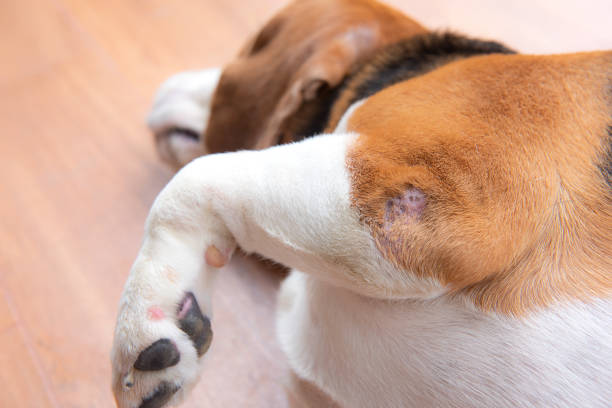
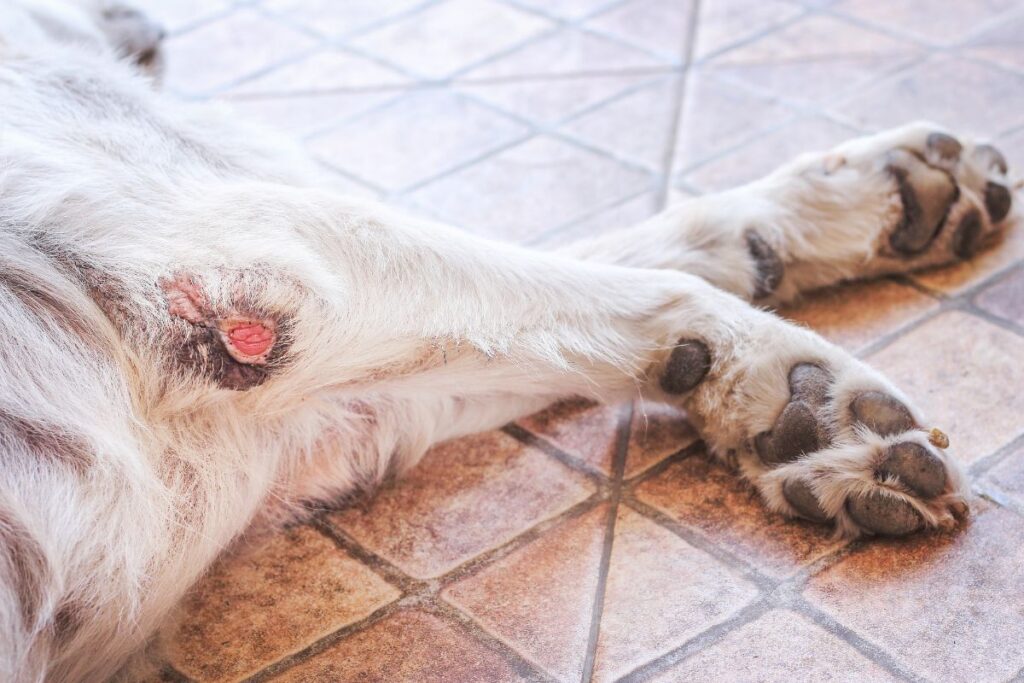
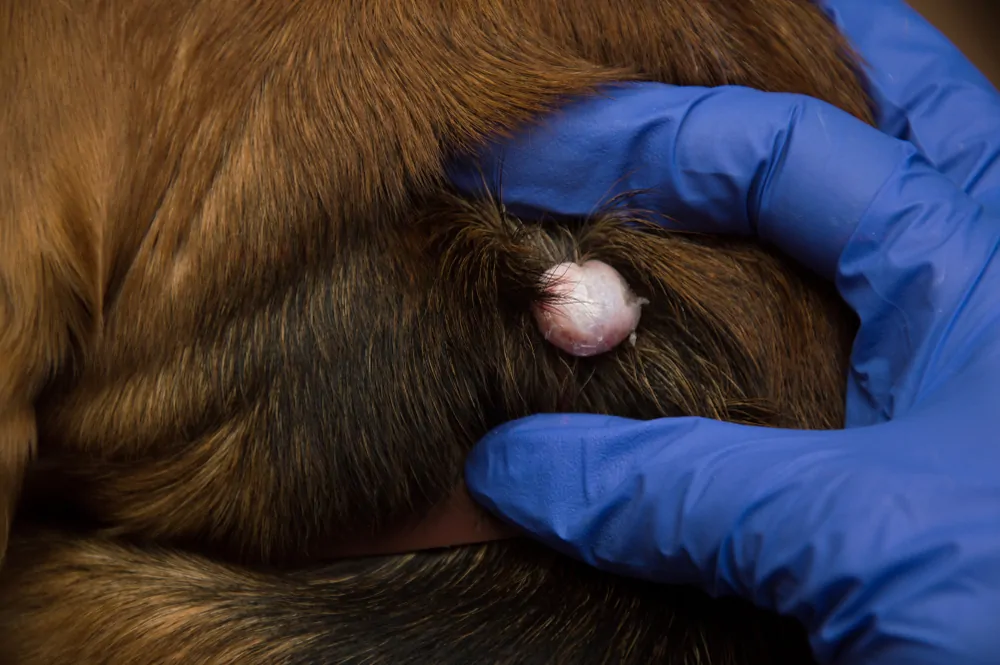
    Have you ever felt a sudden lump under your dog’s skin? It’s a heart-stopping moment that can leave any pet parent worried. While it’s natural to fear the worst, it’s important to know that not all lumps are life-threatening.

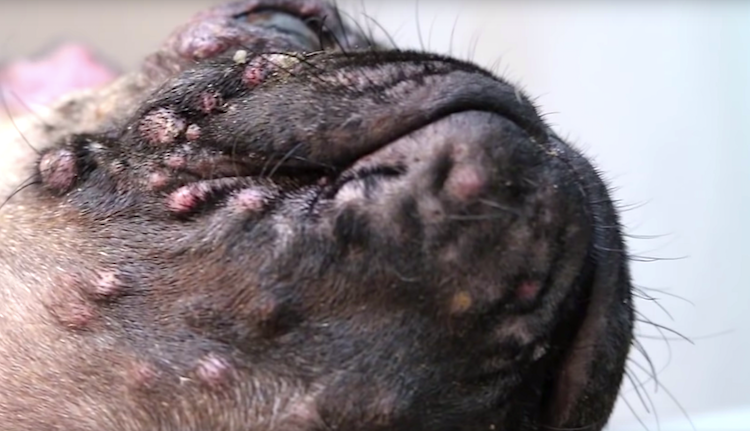
    We’ll explore the common causes of sudden lumps under dog skin, from harmless warts to more serious conditions. Understanding these potential issues can help you make informed decisions about your furry friend’s health. We’ll also discuss the importance of prompt veterinary care and what you can expect during the diagnosis process. Remember, early detection and treatment can make a important difference in your dog’s prognosis and quality of life.

    Understanding Sudden Dog Lumps

    Sudden lumps under a dog’s skin can be alarming for pet owners. While not all lumps are cancerous, it’s crucial to understand their nature and seek professional advice for proper diagnosis and treatment.

    Types of Lumps and Bumps

    Dogs can develop various types of lumps and bumps under their skin. These include:

    1. Lipomas: Soft, fatty tumors that are usually benign
    2. Cysts: Fluid-filled sacs often caused by blocked oil glands
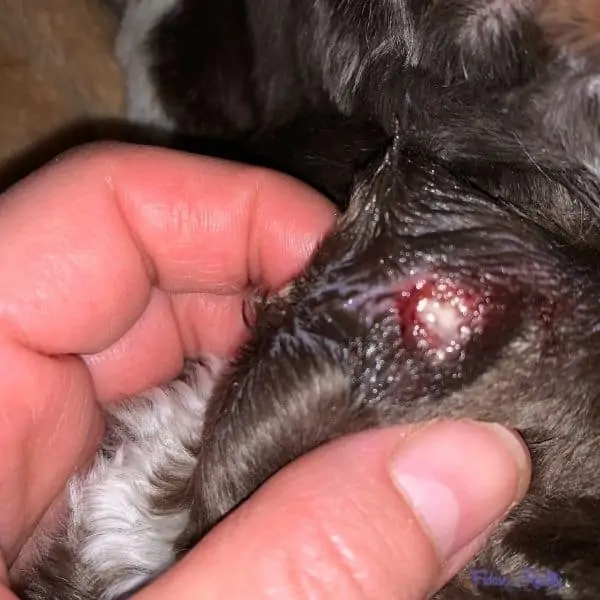
    3. Abscesses: Pus-filled swellings typically resulting from infections
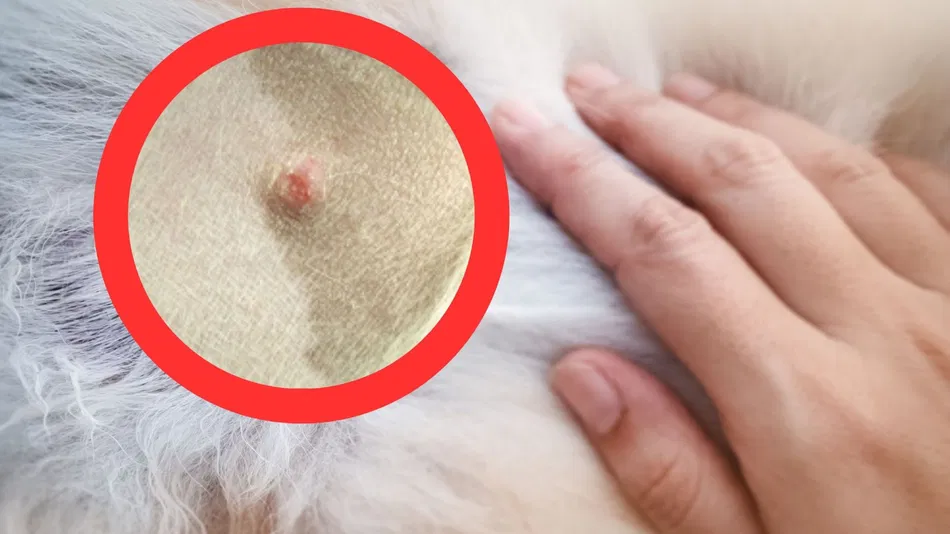
    4. Mast cell tumors: Potentially malignant growths that can appear suddenly
    5. Warts: Viral growths common in young or immunocompromised dogs
    6. Hematomas: Blood-filled swellings often caused by trauma
    7. Sebaceous adenomas: Benign tumors of the oil glands

    It’s important to note that visual inspection alone isn’t sufficient to determine the nature of a lump. A veterinarian’s expertise is essential for accurate diagnosis through various tests, including fine needle aspirates or biopsies.

    Common Locations

    Lumps and bumps can appear anywhere on a dog’s body, but some locations are more common than others:

    1. Skin surface: Many lumps develop on or just under the skin
    2. Mammary glands: Especially in unspayed females
    3. Limbs: Including legs and paws
    4. Head and neck: Including the face and ears
    5. Abdomen: Both externally and internally
    6. Back and tail area: Often noticed during petting or grooming

    The location of a lump can sometimes provide clues about its nature. For example, lipomas are often found on the chest, abdomen, or legs, while mast cell tumors commonly appear on the trunk, limbs, and between toes. But, professional veterinary assessment is always necessary for accurate identification and appropriate treatment.

    Identifying Different Lumps

    Identifying the nature of sudden lumps under a dog’s skin is crucial for proper treatment. We’ll explore various types of lumps, starting with benign growths that are typically less concerning.

    Benign Growths

    Benign growths are non-cancerous lumps that often appear suddenly on dogs. These growths are generally slow-growing and don’t spread to other parts of the body. While they’re usually harmless, some may require attention if they grow large or cause discomfort. Here are common types of benign growths:

    1. Lipomas (Fatty Tumors):
    • Most common benign growths in dogs
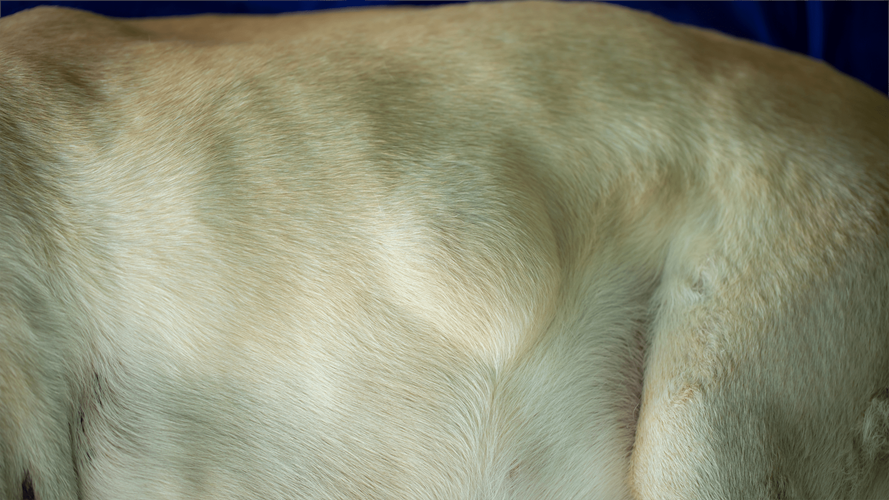
    • Soft, squishy, and movable masses under the skin
    • Composed of fat cells
    • Generally not painful or problematic
    • Can be monitored unless they interfere with daily activities
    • Surgical removal possible if necessary

    2. Sebaceous Cysts:

      • Blocked oil glands appearing as small bumps
      • Can grow larger over time
      • Typically not painful
      • Similar to pimples in humans
      • May rupture and drain on their own
      • Surgical removal needed if problematic

      3. Papules:

        • Small bumps that develop around hair follicles
        • Often caused by allergic reactions or minor infections
        • Usually resolve on their own with proper care

        4. Histiocytomas:

          • Common in young dogs
          • Red, round, and angry-looking
          • Appear suddenly
          • Often disappear after a few weeks without treatment

          5. Warts:

            • Caused by papillomavirus
            • Typically appear on the face, mouth, or paws
            • Often resolve on their own, especially in younger dogs

            While these benign growths are generally not cause for alarm, it’s essential to have any new lump examined by a veterinarian. They can determine if further testing or treatment is necessary. Regular check-ups and monitoring of existing lumps help ensure early detection of any changes that may require attention.

            Potentially Malignant Lumps

            Potentially malignant lumps in dogs require immediate veterinary attention. These growths can be life-threatening if left untreated. Let’s examine two common types of potentially malignant lumps found in dogs.

            Mast Cell Tumors

            Mast cell tumors are the most common skin cancer in dogs, accounting for up to 25% of all tumors. They typically affect dogs older than 8 years and are prevalent in breeds like Boxers, Boston Terriers, Labradors, Beagles, and Schnauzers. These tumors vary in appearance, ranging from small, movable skin lumps to large, ulcerated, hairless masses.

            Characteristics of mast cell tumors:

            • Can occur anywhere on the body, often on the trunk, legs, and head
            • May be firm to the touch with irregular shapes
            • Can appear as single or multiple lumps
            • May change size rapidly, sometimes growing and shrinking

            Diagnosis requires a fine needle aspirate or biopsy, as visual inspection alone is insufficient. Early detection is crucial, as these tumors can spread to other parts of the body. Treatment typically involves surgical removal of the tumor along with a margin of healthy tissue. In some cases, additional therapies like radiation or chemotherapy may be necessary.

            Dog Lumps

            Soft Tissue Sarcomas

            Soft tissue sarcomas are a group of tumors that develop from connective tissue. They’re commonly found in middle-aged and older large breed dogs. These tumors are highly invasive to surrounding tissues and can be challenging to treat.

            Key features of soft tissue sarcomas:

            • Appear as firm or semi-firm lumps in the deep layer of skin, under the skin, or within muscle
            • Often develop on the legs, chest, or abdominal wall
            • Usually non-painful with normal skin overlying them
            • Can grow rapidly and spread to nearby tissues

            Diagnosis typically requires a biopsy, as these tumors can be mistaken for benign growths like lipomas. Treatment often involves wide surgical excision with clean margins, which can be difficult due to the invasive nature of these tumors. In some cases, radiation therapy may be recommended to reduce the risk of recurrence.

            Early detection and prompt veterinary evaluation are essential for managing both mast cell tumors and soft tissue sarcomas. Regular check-ups and monitoring of any existing lumps can significantly improve a dog’s prognosis and quality of life.

            Causes of Sudden Lumps

            Sudden lumps on dogs can arise from various factors, ranging from benign to potentially serious conditions. Understanding these causes helps pet owners identify when veterinary attention is necessary. Let’s explore some common reasons for sudden lumps under a dog’s skin.

            Allergic Reactions

            Allergic reactions often manifest as sudden lumps on a dog’s skin. These reactions can be triggered by:

            • Insect bites or stings
            • New shampoos or grooming products
            • Environmental allergens like pollen or grass

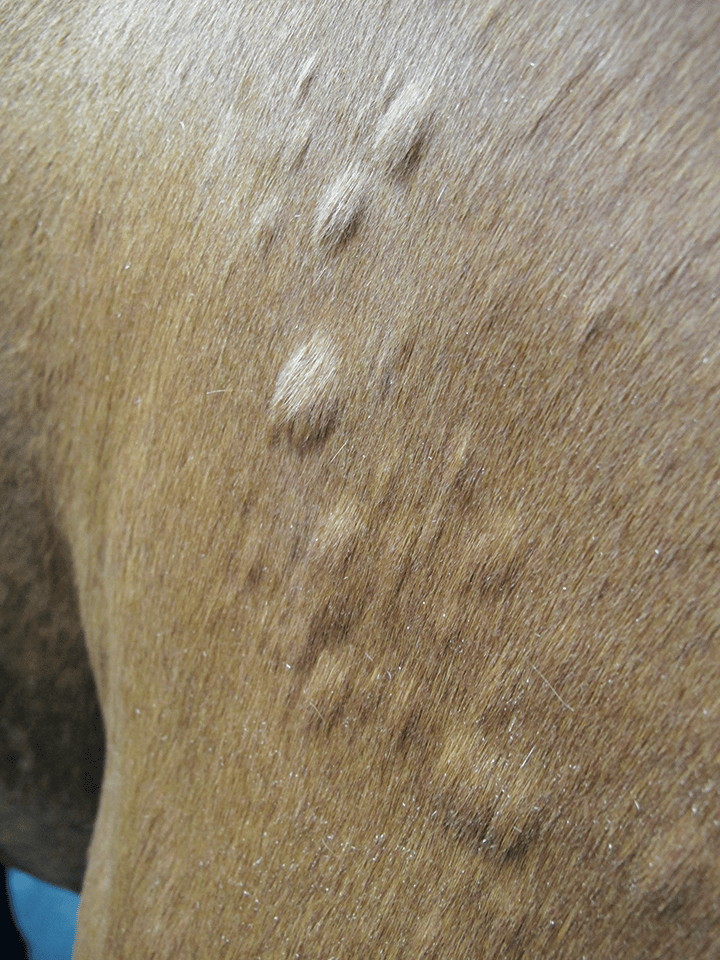
            Hives, a common allergic response, appear as small, raised bumps that develop rapidly, usually within hours of exposure to an allergen. They’re typically itchy and may cause discomfort for the dog. In some cases, these bumps resolve on their own, but severe reactions might require veterinary intervention.

            Allergic contact dermatitis can also result in small bumps called papules. These develop around hair follicles when the skin comes into contact with an allergen. Removing the allergen often leads to resolution, but persistent cases may need professional evaluation.

            Infections and Abscesses

            Infections and abscesses are common causes of sudden lumps in dogs. These can result from:

            • Bacterial infections
            • Fungal infections
            • Parasitic infestations

            Abscesses form when bacteria enter the skin through a wound or bite, causing a pocket of pus to develop. These lumps are often painful, warm to the touch, and may feel fluctuant. As the infection progresses, the abscess can grow larger and more painful.

            Fungal infections like ringworm can cause circular, raised lesions on the skin. These are often accompanied by hair loss and scaling. Parasites such as ticks or mites can also lead to localized swelling and irritation, creating noticeable lumps.

            Trauma-Induced Swellings

            Physical trauma can result in sudden lumps on a dog’s skin. These swellings can be caused by:

            • Bumps or collisions
            • Bites from other animals
            • Excessive scratching or licking

            Hematomas, which are collections of blood under the skin, often occur after trauma. They appear as soft, fluctuant swellings and can be quite large, especially on areas like the ears. Serosanguineous swellings, containing a mixture of blood and clear fluid, can also develop after an injury.

            Excessive licking or scratching due to allergies or anxiety can lead to acral lick granulomas. These are firm, raised lesions that typically appear on the legs and can become chronic if the underlying cause isn’t addressed. In some cases, trauma-induced swellings may resolve on their own, but persistent or large lumps should be evaluated by a veterinarian.

            When to Be Concerned

            Sudden lumps under a dog’s skin can be alarming for pet owners. While not all lumps are serious, it’s crucial to know when to seek veterinary attention. Let’s explore the warning signs and the importance of prompt care.

            Warning Signs

            Exact warning signs indicate when a lump requires immediate veterinary attention:

            • Rapid growth: Lumps that increase in size quickly
            • Changes in appearance: Alterations in color, texture, or shape
            • Pain or discomfort: Dog shows signs of pain when the lump is touched
            • Bleeding or discharge: Any secretions from the lump
            • Multiple lumps: Sudden appearance of several lumps
            • Location: Lumps in areas like the mouth, genitals, or near lymph nodes
            • Hard or fixed lumps: Immovable masses attached to underlying tissue
            • Ulceration: Open sores or breaks in the skin over the lump

            These signs may indicate a more serious condition, such as a malignant tumor. Regular checks and monitoring of existing lumps help detect changes early.

            Importance of Prompt Veterinary Care

            Seeking prompt veterinary care for suspicious lumps is crucial for several reasons:

            1. Early detection: Quick diagnosis improves treatment outcomes
            2. Accurate identification: Vets can determine if a lump is benign or malignant
            3. Customized treatment: Early intervention allows for more targeted therapies
            4. Prevention of complications: Addressing issues early can prevent spread or worsening
            5. Peace of mind: Professional assessment alleviates owner anxiety

            Veterinarians use various diagnostic tools to evaluate lumps, including:

            • Physical examination
            • Fine needle aspiration
            • Biopsy
            • Imaging tests (X-rays, ultrasounds, or CT scans)

            These methods help determine the nature of the lump and guide appropriate treatment plans. Remember, while many lumps are harmless, only a veterinarian can provide a definitive diagnosis and recommend the best course of action for your dog’s health.

            Diagnostic Process

            When a dog develops sudden lumps under the skin, a systematic diagnostic process is essential. This process involves a physical examination and various diagnostic tests to determine the nature and cause of the lumps.

            Dog Lumps Under Skin

            Physical Examination

            A thorough physical examination is the first step in diagnosing sudden lumps on a dog’s skin. The veterinarian carefully inspects and palpates the affected areas, assessing the lump’s size, shape, texture, and mobility. They’ll note whether the lump is soft or firm, fixed or movable, and if it’s causing any discomfort to the dog. The vet also examines the surrounding skin for any changes in color, temperature, or texture. This initial assessment helps narrow down potential causes and guides the decision for further diagnostic tests. The vet may also check the dog’s lymph nodes and overall body condition to gather more information about the dog’s general health.

            Diagnostic Tests

            After the physical examination, the veterinarian may recommend several diagnostic tests to further investigate the lumps. These tests provide crucial information about the nature of the growths and help determine the appropriate treatment plan. Common diagnostic procedures include:

            1. Fine Needle Aspiration (FNA): This minimally invasive technique involves using a thin needle to extract cells from the lump for microscopic examination. It’s often the first-line diagnostic tool for evaluating skin lumps.
            2. Biopsy: If FNA results are inconclusive or suggest a more serious condition, a biopsy may be necessary. This procedure involves removing a small tissue sample for detailed analysis.
            3. Blood Tests: Complete blood count and biochemistry panels can reveal underlying health issues that might contribute to lump formation or affect treatment options.
            4. Imaging Studies: X-rays, ultrasounds, or advanced imaging like CT scans or MRIs may be recommended to assess the extent of the lump and check for internal abnormalities.
            5. Allergy Testing: If an allergic reaction is suspected, exact allergy tests might be conducted to identify the trigger.
            6. Cytology: Microscopic examination of cells obtained through FNA or impression smears can help identify cellular characteristics and potential malignancy.

            These diagnostic tests enable veterinarians to make accurate diagnoses and develop appropriate treatment plans for dogs with sudden lumps under their skin. The exact tests chosen depend on the individual case, the lump’s characteristics, and the dog’s overall health status.

            Treatment Options

            When dealing with sudden lumps under a dog’s skin, veterinarians employ various treatment strategies based on the diagnosis. These options range from monitoring to surgical intervention and other therapies.

            Monitoring

            Monitoring is often recommended for benign lumps like lipomas that don’t pose immediate health risks. Veterinarians typically suggest regular check-ups to track changes in size, shape, or appearance of the lump. This approach involves:

            • Measuring the lump’s dimensions at each visit
            • Documenting any changes in color or texture
            • Assessing the dog’s comfort level and behavior
            • Taking photographs for visual comparison over time

            We advise pet owners to maintain a log of their observations between vet visits. This helps identify any rapid growth or concerning changes that may require prompt attention. Monitoring allows for a conservative approach while ensuring early detection of potential issues.

            Surgical Removal

            Surgical removal is a common treatment for both benign and malignant lumps on dogs. This procedure involves:

            • Preoperative assessment and blood work
            • Anesthesia administration
            • Excision of the lump and surrounding tissue
            • Closure of the surgical site
            • Post-operative care and monitoring

            For benign growths like large lipomas, surgery may be necessary if they interfere with the dog’s mobility or cause discomfort. In cases of malignant tumors such as mast cell tumors or soft tissue sarcomas, surgical removal is often crucial. The procedure aims to eliminate all cancerous cells by removing a margin of healthy tissue around the tumor.

            Other Therapies

            Plus to monitoring and surgery, veterinarians may recommend other therapies for treating sudden lumps on dogs:

            • Chemotherapy: Used for certain types of cancerous tumors
            • Radiation therapy: Often combined with surgery for malignant growths
            • Cryosurgery: Freezing technique for small, superficial tumors
            • Immunotherapy: Boosts the dog’s immune system to fight cancer cells
            • Laser therapy: Can help reduce inflammation and promote healing
            • Photodynamic therapy: Uses light-sensitive drugs to target cancer cells

            These alternative treatments may be used alone or in combination with surgery, depending on the lump’s type, location, and the dog’s overall health. We emphasize the importance of discussing all available options with a veterinarian to determine the most appropriate treatment plan for each individual case.

            Preventing and Managing Lumps

            While it’s not possible to prevent all lumps under a dog’s skin, there are steps we can take to reduce the risk and manage them effectively. Regular check-ups and maintaining overall health are crucial in preventing and managing sudden lumps on dogs.

            Regular Check-ups

            Regular veterinary check-ups are essential for early detection and management of lumps under a dog’s skin. During these visits, veterinarians perform thorough physical examinations, which can reveal new growths or changes in existing ones. We recommend scheduling check-ups at least once a year for adult dogs and more frequently for senior pets or those with a history of skin issues.

            Between vet visits, it’s important to conduct regular at-home examinations. Run your hands over your dog’s body, feeling for any new lumps or changes in existing ones. Pay close attention to areas prone to lumps, such as the skin surface, mammary glands, limbs, and head and neck region. If you notice any sudden lumps, schedule an appointment with your veterinarian promptly.

            Maintaining Overall Health

            Maintaining your dog’s overall health is crucial in preventing and managing lumps. A strong immune system can help fight off infections and reduce the risk of certain types of growths. Here are key aspects to focus on:

            1. Balanced diet: Provide a nutritious, well-balanced diet appropriate for your dog’s age, size, and health status. Proper nutrition supports the immune system and overall health.
            2. Regular exercise: Engage your dog in daily physical activities to maintain a healthy weight and promote circulation, which can help prevent certain types of lumps.
            3. Grooming: Regular grooming helps you notice any skin changes early and keeps your dog’s skin and coat healthy. It also allows you to monitor for allergens or irritants that may cause skin reactions.
            4. Parasite prevention: Use appropriate flea, tick, and heartworm preventatives as recommended by your veterinarian. These parasites can cause skin irritations and lumps.
            5. Allergies management: Identify and manage any allergies your dog may have, as allergic reactions can sometimes manifest as skin lumps or hives.

            By focusing on these aspects of your dog’s health, you can potentially reduce the risk of some health issues, including the development of certain types of lumps. Remember, while genetics play a important role in a dog’s predisposition to lumps, maintaining a healthy lifestyle can contribute to overall well-being and potentially lower the risk of some skin issues.

            Conclusion

            Sudden lumps on dogs can be concerning but understanding their nature is crucial for proper care. We’ve explored various types of lumps from benign growths to potentially malignant tumors and their causes. Remember prompt veterinary attention is key for accurate diagnosis and effective treatment. Regular check-ups and at-home examinations play vital roles in early detection. While not all lumps are preventable maintaining your dog’s overall health can help reduce risks. By staying vigilant and working closely with your vet you’ll be well-equipped to handle any lumps that may appear ensuring your furry friend’s health and happiness.

          1. Why Dogs Lick Their Lips: Causes & Solutions for Concerned Pet Owners

            Why Dogs Lick Their Lips: Causes & Solutions for Concerned Pet Owners

            Have you noticed your dogs lick their lips? While it might seem like a harmless habit, excessive lip-licking in dogs can be a sign of underlying issues. As pet owners, we’re always on the lookout for unusual behaviors that might indicate our dogs aren’t feeling their best.

            In this comprehensive guide, we’ll explore the key reasons why your dog keeps licking its lips. From acid reflux and nausea to dental problems and stress, we’ll investigate into each potential cause. By understanding these factors, you’ll be better equipped to decode your dog’s body language and take appropriate action. Whether it’s a simple case of anticipation or a more serious health concern, we’ve got you covered with expert insights and practical advice.

            Understanding Dog Lip Licking Behavior

            Dogs communicate through various behaviors, and lip licking is a common yet often misunderstood signal. We’ll explore the reasons behind this behavior to help you better understand your canine companion.

            Normal Reasons for Lip Licking

            Lip licking in dogs isn’t always a cause for concern. Here are some typical scenarios where this behavior is perfectly normal:

            • Food Anticipation: Dogs often lick their lips when they’re hungry or expecting a meal. This action stems from increased salivation due to the anticipation of food.
            • Post-Meal Behavior: After eating, dogs may continue to lick their lips to manage excess saliva produced during the meal.
            • Appetizing Smells: When dogs catch a whiff of something tasty, they might respond by licking their lips.

            Medical Reasons for Excessive Lip Licking

            While occasional lip licking is normal, excessive or persistent lip licking can indicate underlying health issues:

            • Dental Problems: Periodontal disease, gum disease, tooth decay, abscesses, and broken teeth can cause mouth pain, leading to frequent lip licking. Other signs include bad breath, difficulty chewing, and pawing at the face.
            • Nausea: Various factors can cause nausea in dogs, including motion sickness, food poisoning, or underlying diseases like kidney or liver problems. Nausea often results in hypersalivation and lip licking.
            • Acid Reflux: Dogs suffering from acid reflux may exhibit frequent lip licking as a response to the discomfort caused by stomach acid entering the esophagus.

            Behavioral Reasons for Lip Licking

            Dogs also use lip licking as a form of non-verbal communication:

            • Stress and Anxiety: When dogs feel uncomfortable, scared, or nervous, they may lick their lips as a calming signal. This behavior can be a self-soothing mechanism in anxious dogs.
            • Submission: Dogs lick their lips to show submission or appeasement when they perceive a threat or want to avoid conflict. This behavior is often accompanied by looking away from the perceived threat.
            • Appeasement: When dogs are in trouble or feel guilty, they might lick their lips as a sign of appeasement. This behavior can also occur when meeting new dogs or encountering larger or more aggressive canines.

            When to Be Concerned

            While occasional lip licking is normal, certain situations warrant attention:

            • Frequency: If your dog is constantly licking their lips without any obvious reason, it could indicate an underlying issue.
            • Accompanying Symptoms: Watch for other signs like bad breath, difficulty eating, excessive drooling, or changes in behavior.
            • Sudden Changes: If your dog suddenly starts licking their lips excessively, it’s worth investigating the cause.

            Understanding your dog’s body language, including lip licking, is crucial for maintaining their health and well-being. By recognizing the context and frequency of this behavior, you can better determine whether it’s a normal response or a sign of a more serious issue that requires veterinary attention.

            Common Reasons Why Dogs Lick Their Lips

            Dogs lick their lips for various reasons, ranging from normal behaviors to signs of discomfort or stress. Understanding these reasons can help pet owners identify potential issues and respond appropriately.

            Normal Behaviors

            Dogs often lick their lips as part of their natural behavior patterns. Here are some common reasons:

            • Food anticipation: Dogs lick their lips when expecting food, as saliva production increases.
            • Post-meal behavior: Lip licking may continue after eating as a way to clean up.
            • Communication: It’s a form of non-verbal expression, indicating excitement or calmness.
            • Habit or attention-seeking: Some dogs learn to lick their lips to get their owner’s attention.
            • Smell response: Appetizing odors can trigger lip licking.

            These behaviors are typically harmless and don’t require intervention unless they become excessive or are accompanied by other symptoms.

            Signs of Stress or Anxiety

            Lip licking can also indicate that a dog is experiencing stress or anxiety. Key points to consider:

            • Calming signal: Dogs use lip licking as a way to show appeasement when feeling threatened or nervous.
            • Contextual cues: If lip licking occurs in exact situations, it may indicate situational anxiety.
            • Accompanying behaviors: Look for other signs like panting, yawning, or salivating without apparent physical reasons.
            • Frequency and intensity: Excessive or constant lip licking can be a sign of chronic stress or anxiety.
            • Environmental factors: Changes in routine, new people, or unfamiliar surroundings can trigger stress-related lip licking.

            Recognizing these signs can help owners address their dog’s emotional needs and reduce stress triggers.

            Physical Discomfort

            Lip licking can also be a sign of physical discomfort or health issues in dogs:

            • Dental problems: Tooth pain, gum disease, or oral injuries may cause excessive lip licking.
            • Nausea: Dogs might lick their lips when feeling nauseous or before vomiting.
            • Acid reflux: Gastroesophageal reflux can lead to frequent lip licking and swallowing.
            • Mouth injuries: Cuts, burns, or foreign objects in the mouth can trigger lip licking.
            • Dehydration: A dry mouth may cause a dog to lick its lips more frequently.

            If lip licking is accompanied by other symptoms like bad breath, difficulty eating, or changes in behavior, it’s important to consult a veterinarian for a proper diagnosis and treatment.

            Medical Causes for Excessive Lip Licking

            Excessive lip licking in dogs can be a sign of various medical conditions. We’ll explore the most common medical causes, including oral health issues, digestive problems, and neurological concerns.

            Oral Health Issues

            Oral health problems are a leading cause of excessive lip licking in dogs. Periodontal disease, a progressive condition affecting the supporting structures of teeth, often triggers this behavior. Signs include bad breath, reddened gums, and difficulty chewing. Mouth pain from broken teeth, abscesses, or jaw cancer can also lead to increased saliva production and lip licking. Dogs may lick their lips frequently when trying to dislodge foreign objects stuck in their mouth or upper gastrointestinal tract. Regular dental check-ups and proper oral hygiene are crucial for preventing these issues and reducing excessive lip licking.

            Digestive Problems

            Digestive issues frequently cause dogs to lick their lips excessively. Nausea is a primary culprit, often resulting from various gastrointestinal problems or medication side effects. Dogs experiencing acid reflux may also exhibit frequent lip licking as they try to manage the discomfort caused by stomach acid in their esophagus. Other digestive problems that can lead to lip licking include inflammatory bowel disease, food allergies, and parasitic infections. If your dog’s lip licking is accompanied by vomiting, diarrhea, or changes in appetite, it’s essential to consult a veterinarian for proper diagnosis and treatment.

            Dogs Lick Their Lips

            Neurological Concerns

            Neurological issues can sometimes manifest as excessive lip licking in dogs. Seizures, particularly partial seizures, may cause repetitive lip licking or chewing motions. Cognitive dysfunction syndrome, common in older dogs, can lead to compulsive behaviors like excessive licking. Brain tumors or other neurological disorders might also result in unusual licking patterns. If lip licking is accompanied by other neurological symptoms such as disorientation, changes in behavior, or balance problems, it’s crucial to seek veterinary care promptly. A thorough neurological examination and possibly advanced imaging techniques may be necessary to diagnose and address these concerns effectively.

            Environmental Factors Affecting Lip Licking

            Environmental factors play a important role in a dog’s lip-licking behavior. These factors can trigger various responses in dogs, ranging from stress to physical discomfort. Let’s explore how dehydration, allergies, skin irritations, and foreign objects in the mouth contribute to excessive lip licking in dogs.

            Dehydration

            Dehydration is a common cause of excessive lip licking in dogs. When a dog’s body lacks sufficient water, it may lick its lips to moisten its mouth and stimulate saliva production. This behavior is especially noticeable in hot weather or after physical activity. Signs of dehydration include:

            • Dry, sticky gums
            • Sunken eyes
            • Decreased skin elasticity
            • Lethargy

            To prevent dehydration-induced lip licking, ensure your dog has access to fresh water at all times. If lip licking persists along with symptoms like panting, pacing, or weakness, it may indicate severe dehydration requiring immediate veterinary attention.

            Allergies and Skin Irritations

            Allergies and skin irritations can cause discomfort around a dog’s mouth, leading to frequent lip licking. Common allergens include:

            • Pollen
            • Dust mites
            • Certain foods
            • Environmental irritants

            Skin irritations may result from:

            • Insect bites
            • Contact with irritating substances
            • Fungal or bacterial infections

            When a dog experiences allergies or skin irritations, it may lick its lips in an attempt to soothe the affected area. This behavior can exacerbate the problem, leading to further irritation and even the development of hot spots. If you notice persistent lip licking accompanied by redness, swelling, or hair loss around the mouth, consult your veterinarian for proper diagnosis and treatment.

            Foreign Objects in the Mouth

            Dogs often explore their environment with their mouths, which can lead to foreign objects becoming lodged in their oral cavity. These objects can cause discomfort and trigger excessive lip licking. Common foreign objects include:

            • Small sticks or twigs
            • Grass blades
            • Toy fragments
            • Bone splinters

            Signs that a foreign object may be present in your dog’s mouth include:

            • Pawing at the mouth
            • Drooling
            • Difficulty eating or drinking
            • Gagging or retching

            If you suspect your dog has a foreign object in its mouth, carefully inspect the oral cavity. If you can’t safely remove the object or if lip licking persists, seek veterinary assistance promptly to prevent potential complications such as infections or injuries to the mouth and throat.

            When to Be Concerned About Your Dog’s Lip Licking

            Lip licking in dogs is often a normal behavior, but there are instances when it can signal underlying health issues. We’ll explore when to be concerned about your dog’s lip licking and what actions to take.

            Frequency and Duration

            Excessive or persistent lip licking is a key indicator of potential problems. If your dog is constantly licking their lips without an apparent reason, it’s time to pay attention. Normal lip licking occurs occasionally, but frequent or prolonged episodes warrant closer observation.

            Accompanying Symptoms

            Be alert for additional signs that may accompany lip licking:

            • Bad breath
            • Excessive drooling
            • Difficulty chewing
            • Pawing at the mouth
            • Loss of appetite
            • Vomiting or diarrhea
            • Changes in behavior or energy levels

            These symptoms, when combined with lip licking, can indicate various health issues ranging from dental problems to digestive disorders.

            Dental Issues

            Dental disease is a common cause of abnormal lip licking in dogs. Signs to watch for include:

            • Periodontal disease
            • Tooth infections
            • Abscesses

            If you notice your dog licking their lips excessively along with signs of oral discomfort, it’s crucial to have their teeth examined by a veterinarian.

            Foreign Objects

            Dogs may lick their lips persistently if there’s a foreign object stuck in their mouth. This can be a piece of food, a small toy, or other debris. If you suspect this is the case, carefully inspect your dog’s mouth or seek veterinary assistance to remove the object safely.

            Nausea and Digestive Problems

            Lip licking can be a sign of nausea or digestive discomfort. If your dog is licking their lips and showing other signs of gastrointestinal distress, such as:

            • Decreased appetite
            • Vomiting
            • Diarrhea
            • Lethargy

            It’s important to consult with your veterinarian to rule out potential digestive issues or more serious conditions.

            Stress and Anxiety

            While not a medical concern, chronic stress or anxiety can lead to excessive lip licking. If you notice this behavior along with other signs of distress, such as:

            • Pacing
            • Trembling
            • Excessive panting
            • Avoidance behaviors

            Consider consulting with a veterinary behaviorist to address your dog’s emotional well-being.

            Sudden Changes in Behavior

            Any abrupt change in your dog’s lip-licking behavior should be taken seriously. If your normally calm dog suddenly starts licking their lips frequently, it could indicate discomfort or illness that requires veterinary attention.

            When to Seek Veterinary Care

            We recommend consulting a veterinarian if:

            1. Lip licking persists for more than 24 hours
            2. There are accompanying symptoms of illness or discomfort
            3. You notice sudden changes in your dog’s behavior
            4. Your dog shows signs of oral pain or difficulty eating

            Early intervention can prevent minor issues from becoming more serious health problems. When in doubt, it’s always best to seek professional advice to ensure your dog’s well-being.

            By staying attentive to your dog’s behavior and knowing when to be concerned about lip licking, you can take proactive steps to maintain their health and happiness. Remember, regular veterinary check-ups are essential for catching potential issues early and keeping your furry friend in optimal health.

            How to Address Excessive Lip Licking in Dogs

            Addressing excessive lip licking in dogs requires a combination of home remedies, preventive measures, and professional veterinary care. We’ll explore practical steps pet owners can take at home and when it’s crucial to seek expert medical attention for their furry companions.

            Home Remedies and Preventive Measures

            To address excessive lip licking in dogs, start with simple home remedies and preventive measures. Ensure your dog has access to fresh water to prevent dehydration-induced lip licking. Monitor your dog’s diet and eliminate potential allergens that may cause oral discomfort. Regular dental care, including brushing your dog’s teeth and providing dental chews, can help prevent oral health issues that lead to lip licking.

            Dogs Lick Their Lips

            Reduce stress by creating a calm environment and providing mental stimulation through toys and activities. For dogs with allergies, use hypoallergenic grooming products and keep your home clean to minimize allergens. If you suspect nausea, try feeding smaller, more frequent meals. Always observe your dog’s behavior closely and keep a record of when lip licking occurs to identify potential triggers.

            Professional Veterinary Care

            When home remedies and preventive measures don’t resolve excessive lip licking, it’s time to seek professional veterinary care. A veterinarian can perform a thorough oral examination to check for dental disease, foreign objects, or oral tumors. They may recommend blood tests or imaging studies to rule out systemic issues like gastrointestinal problems or neurological disorders.

            For dogs with suspected allergies, an allergy test can help identify exact triggers. If stress or anxiety is the cause, your vet might suggest behavior modification techniques or refer you to a canine behaviorist. In cases of severe dental disease, professional cleaning or tooth extraction may be necessary. For digestive issues, your vet can prescribe medication to manage nausea or acid reflux. Remember, early intervention is key to preventing minor issues from becoming serious health problems.

            Conclusion

            Understanding why our dogs lick their lips excessively is crucial for their health and happiness. We’ve explored various causes ranging from normal behaviors to potential health issues. By recognizing these signs we can take appropriate action whether it’s providing comfort offering water or seeking veterinary care. Remember that persistent lip licking often signals an underlying problem that shouldn’t be ignored. Stay attentive to your furry friend’s behavior and don’t hesitate to consult a vet if you’re concerned. With proper care and attention we can ensure our canine companions lead comfortable healthy lives.

          2. Dog Acne: Causes, Symptoms, and Treatment for Your Pup’s Skin

            Dog Acne: Causes, Symptoms, and Treatment for Your Pup’s Skin

            Did you know that dogs can get acne too? It’s true! Just like humans, our furry friends can experience those pesky pimples, but in their case, it’s known as muzzle folliculitis or furunculosis. This skin condition affects a dog’s muzzle and lips, causing red bumps or pustules that can be uncomfortable for our canine companions.

            We’ll jump into the industry of dog acne, exploring its causes, symptoms, and treatments. From understanding how everyday activities like playing and scratching can lead to inflamed hair follicles, to learning about the best ways to help your pup find relief, we’ve got you covered. By the end of this article, you’ll be equipped with the knowledge to spot, prevent, and manage dog acne, ensuring your four-legged friend stays happy and healthy.

            What Is Dog Acne?

            Dog acne, also known as muzzle folliculitis and furunculosis, is a skin condition affecting dogs’ muzzles and lips. It’s characterized by red bumps, pustules, or pimples on the skin, often accompanied by swelling and discomfort.

            Characteristics

            Dog acne typically appears as:

            • Red bumps or pimples
            • Pustules filled with pus
            • Swollen areas around the muzzle
            • Scabbing or active bleeding
            • Hair loss in affected areas

            These lesions primarily occur on the dog’s chin, lower lips, and muzzle area.

            Causes of Inflammation

            The inflammation associated with dog acne stems from two main sources:

            1. Folliculitis: Short hairs push below the skin’s surface, causing inflammation.
            2. Furunculosis: Hair follicles under the skin become infected, painful, and inflamed, often containing pus.

            Factors contributing to these conditions include:

            • Trauma from rough play or rubbing against surfaces
            • Underlying skin allergies causing itching and rubbing
            • Age (most common in dogs 6 months to 1 year old)
            • Breed predisposition (more frequent in short-haired breeds)

            Physical Appearance

            The physical manifestations of dog acne include:

            • Small areas of inflammation surrounding irritated hair follicles
            • Blackhead-like or pimple-like lesions on lips and chin
            • Swollen lips or muzzle in severe cases
            • Potential scarring from chronic inflammation
            AspectDescription
            Common locationsChin, lower lips, muzzle
            AppearanceRed bumps, pustules, swelling
            Age range6 months to 1 year old
            Breeds affectedShort-haired breeds (e.g., Boxers, Dobermans, Bulldogs)

            Understanding dog acne’s characteristics helps in early detection and proper management, ensuring our canine companions receive timely care for this uncomfortable condition.

            Causes of Dog Acne

            Dog acne develops due to various factors affecting the skin and hair follicles. Understanding these causes helps pet owners recognize and address the condition effectively. Let’s explore the main contributors to canine acne.

            Hormonal Changes

            Hormonal fluctuations play a important role in the development of dog acne. Adolescent dogs, typically between 5 to 8 months old, are particularly susceptible to this condition. During puberty, hormonal changes can trigger an increase in sebum production, leading to clogged hair follicles and acne formation. This explains why dog acne is most common in young dogs aged 6 months to 1 year. As dogs mature, their hormone levels often stabilize, which can result in a reduction or disappearance of acne symptoms. But, some dogs may continue to experience acne episodes throughout their lives due to ongoing hormonal variations.

            Dog Acne

            Excessive Oil Production

            Excessive sebum production is a key factor in the development of dog acne. Sebaceous glands in a dog’s skin produce this oily substance to keep the skin and coat healthy. But, when these glands produce too much sebum, it can mix with dead skin cells and bacteria, clogging hair follicles. This buildup leads to the formation of blackheads, whiteheads, and other types of acne lesions. Factors that can contribute to excessive oil production include genetics, environmental conditions, and certain skin care practices. Regular grooming and proper skin care can help manage oil production and reduce the likelihood of acne formation in dogs.

            Breed Predisposition

            Certain dog breeds are more prone to developing acne due to genetic predisposition and physical characteristics. Short-haired breeds are particularly susceptible to this condition. Commonly affected breeds include:

            • Boxers
            • English Bulldogs
            • Great Danes
            • German Shorthaired Pointers
            • Weimaraners
            • Mastiffs
            • Rottweilers
            • Doberman Pinschers

            These breeds often have deeper skin folds and larger pores, which can trap more oil and debris, increasing the risk of acne formation. While these breeds are more predisposed, it’s important to note that any dog can potentially develop acne. Regular skin checks and proper grooming practices are essential for all breeds to maintain healthy skin and prevent acne outbreaks.

            Symptoms of Dog Acne

            Dog acne presents with distinct signs that help in its identification. Understanding these symptoms is crucial for early detection and proper treatment.

            Common Signs to Look For

            Dog acne typically manifests as red bumps, whiteheads, or blackheads on the chin, lips, and muzzle. Swelling and inflammation often accompany these lesions, particularly if they become infected. Dogs may exhibit itchiness or scratching around the affected areas. In advanced cases, pustules, cysts, and ulcerated lesions with discharge can form. The affected skin may become hairless, with crusty or bleeding areas. Owners might notice their dog rubbing its face against carpets or furniture, indicating discomfort. These symptoms can vary in severity, ranging from mild irritation to more serious infections.

            Differentiating from Other Skin Conditions

            Distinguishing dog acne from other skin conditions is essential for accurate diagnosis. Unlike allergic dermatitis, which often affects larger areas of the body, dog acne is typically localized to the muzzle and chin. Demodectic mange, caused by mites, can present similar symptoms but usually involves hair loss and affects multiple body areas. Bacterial pyoderma might resemble acne but often spreads beyond the face. Fungal infections like ringworm create circular, scaly patches unlike acne’s bumps and pustules. In cases of uncertainty, veterinarians may perform skin scrapings, biopsies, or bacterial cultures to confirm the diagnosis and rule out other conditions. This differentiation ensures appropriate treatment and prevents misdiagnosis of potentially more serious skin disorders.

            Diagnosing Dog Acne

            Diagnosing dog acne requires a careful examination and consideration of various factors. Veterinarians use a combination of methods to accurately identify this skin condition and rule out other potential issues.

            Veterinary Examination

            A thorough veterinary examination is the first step in diagnosing dog acne. During this process, vets look for characteristic skin lesions such as red bumps, pustules, or papules, typically located around the lips and muzzle. They’ll assess the severity of the condition and check for any signs of infection or inflammation. Veterinarians also gather a detailed medical history, including information about the dog’s diet, environment, and any recent changes that might contribute to the skin issue. This comprehensive approach helps differentiate dog acne from other skin conditions with similar symptoms.

            Additional Tests and Analyses

            To confirm the diagnosis of dog acne and rule out other skin problems, veterinarians may perform additional tests:

            1. Skin scraping: This involves gently scraping off a small sample of cells from the affected area for microscopic examination. It helps identify skin parasites like Demodex mites or other underlying causes.
            2. Cytology: Analyzing collected cells under a microscope can reveal the presence of bacteria, yeast, or other microorganisms that may be contributing to the skin condition.
            3. Bacterial culture and sensitivity: In cases of suspected infection, this test identifies the exact bacteria involved and determines which antibiotics will be most effective for treatment.
            4. Skin biopsy: In more severe or persistent cases, a small tissue sample may be taken to rule out other skin disorders and confirm the acne diagnosis.

            These diagnostic tools help veterinarians develop an accurate treatment plan customized to each dog’s exact needs, ensuring the most effective management of canine acne.

            Treatment Options for Dog Acne

            Dog acne treatment focuses on managing symptoms and preventing future outbreaks. Our approach combines topical treatments, oral medications, and strategies to manage secondary infections.

            Topical Treatments

            Topical treatments are the cornerstone of dog acne management. Benzoyl peroxide is the most commonly recommended option, available in shampoos, gels, and creams. It effectively flushes out hair follicles and reduces bacterial contamination. Topical antibiotics, like mupirocin, decrease surface bacteria. For inflammation reduction, veterinarians may prescribe topical steroids such as betamethasone or fluocinolone. Specialized cleansers and pet-safe shampoos help cleanse the skin and combat bacterial and fungal infections. Regular application of these treatments, following veterinary guidance, is crucial for optimal results.

            Oral Medications

            In severe cases of dog acne, oral medications complement topical treatments. Antibiotics are prescribed to combat bacterial infections that don’t respond to topical therapies. These medications target bacteria from within, reducing inflammation and preventing the spread of infection. Anti-inflammatory agents, including corticosteroids, may be recommended to alleviate severe swelling and discomfort. It’s essential to follow the prescribed dosage and complete the full course of treatment to prevent antibiotic resistance. Regular veterinary check-ups during oral medication therapy ensure the treatment’s effectiveness and allow for necessary adjustments.

            Managing Secondary Infections

            Secondary infections often complicate dog acne cases, requiring a multi-faceted approach. We focus on identifying and addressing underlying causes, such as allergies or hormonal imbalances, that predispose dogs to recurrent acne. Treatment may involve anti-itch medications or long-term oral steroids for dogs with acne due to allergies. Regular cleaning of the affected areas with medicated wipes or answers helps prevent bacterial overgrowth. In cases of fungal infections, antifungal medications may be necessary. Monitoring for signs of infection, such as increased redness, swelling, or discharge, is crucial for prompt intervention and effective management of dog acne complications.

            Home Care and Prevention

            Managing dog acne at home involves proper hygiene practices, dietary considerations, and avoiding potential irritants. These preventive measures can significantly reduce the occurrence and severity of acne in dogs.

            Proper Hygiene Practices

            Regular cleaning is crucial for preventing dog acne. Bathe your dog with vet-approved medicated shampoos containing benzoyl peroxide to cleanse the skin and reduce acne. Daily face cleaning, especially the chin and lip areas, using a gentle, pet-safe cleanser and soft cloth prevents dirt, oil, and bacteria buildup. Between baths, use dog acne wipes or damp cloths with diluted benzoyl peroxide to keep the muzzle clean. Maintain a clean environment by regularly washing dog beds, blankets, and crates to reduce bacterial accumulation. Consistent hygiene practices help manage existing acne and prevent future outbreaks, promoting healthier skin for your dog.

            Dog Acne

            Diet and Nutrition

            A balanced diet plays a important role in managing dog acne. Hormonal changes, particularly in younger dogs, can contribute to acne development. Consult your veterinarian to adjust your dog’s diet if necessary. High-quality, nutrient-rich food supports overall skin health and may help reduce acne occurrence. Consider incorporating omega-3 fatty acids, which have anti-inflammatory properties, into your dog’s diet through fish oil supplements or foods rich in these nutrients. Ensure your dog stays hydrated, as proper hydration supports skin health. Some dogs may benefit from probiotics to promote a healthy gut-skin connection. Always introduce dietary changes gradually and monitor your dog’s response to prevent digestive issues.

            Avoiding Irritants

            Identifying and eliminating potential irritants is crucial in managing dog acne. Remove plastic food and water bowls, which can harbor bacteria and irritate the skin. Replace them with stainless steel, ceramic, or glass alternatives. Regularly wash your dog’s bedding and toys to prevent bacteria accumulation. Avoid using harsh chemicals or fragrances in cleaning products around your home. When grooming, use gentle, hypoallergenic products specifically formulated for dogs. Be cautious with topical flea treatments, as some can irritate the skin. If your dog wears a collar, ensure it’s clean and not too tight to prevent friction and irritation. During walks, be mindful of environmental irritants like tall grass or plants that may cause skin reactions.

            When to Seek Veterinary Care

            Recognizing the right time to seek veterinary care for dog acne is crucial for your pet’s health and comfort. We’ll outline key indicators that signal it’s time to consult a professional.

            Visible Symptoms

            Dog acne typically manifests as red bumps, pustules, or blackheads on your pet’s chin, lips, or muzzle. These symptoms alone warrant a vet visit:

            • Red, swollen bumps on the muzzle area
            • Blackheads or whiteheads around the chin or lips
            • Scabbed-over lesions on affected areas

            Early detection and treatment prevent the condition from worsening and reduce the risk of secondary infections.

            Increased Itchiness or Discomfort

            Observe your dog’s behavior around the affected area:

            • Frequent scratching of the chin or muzzle
            • Rubbing the face against furniture or carpets
            • Signs of pain or discomfort when touching the area

            These behaviors indicate irritation and discomfort, potentially leading to further skin damage if left untreated.

            Infection Signs

            Look for these indicators of infection, which require immediate veterinary attention:

            • Pus-filled bumps on the affected skin
            • Oozing or discharge from lesions
            • Strong, unpleasant odor from the acne-affected area
            Infection SignDescriptionAction Required
            Pus-filled bumpsVisible white or yellowish fluid in lesionsSeek immediate vet care
            Oozing/DischargeLiquid seeping from affected areasConsult vet promptly
            Strong odorUnusual smell from acne-affected skinSchedule vet appointment

            Infected acne can lead to more serious skin conditions and cause important discomfort for your dog. Prompt veterinary care ensures proper diagnosis and treatment, preventing complications and promoting faster healing.

            Remember, while mild cases of dog acne might resolve on their own, it’s always better to err on the side of caution. A veterinary professional can provide an accurate diagnosis, rule out other skin conditions, and recommend the most effective treatment plan for your pet’s exact case.

            Conclusion

            Dog acne can be a frustrating condition for both pets and owners. By understanding its causes symptoms and treatment options we’re better equipped to manage this skin issue effectively. Regular cleaning proper hygiene and a balanced diet play crucial roles in prevention. It’s important to monitor our furry friends for any signs of discomfort or unusual skin changes. With prompt veterinary care and diligent home management we can help our dogs maintain healthy clear skin. Remember every dog is unique so working closely with a veterinarian ensures the best care customized to your pet’s exact needs.

          3. National Dog Show: A Thanksgiving Tradition Returns for 2025

            National Dog Show: A Thanksgiving Tradition Returns for 2025

            Looking for the perfect Thanksgiving entertainment? We’ve got just the thing to make your holiday even more paw-some! The National Dog Show, a beloved tradition, returns for its 22nd year, promising a tail-wagging spectacle that’ll have you glued to your screens.

            What Is the National Dog Show?

            The National Dog Show is an all-breed benched conformation show sanctioned by the American Kennel Club (AKC) and the Kennel Club of Philadelphia. It features purebred dogs from 212 AKC-recognized breeds and varieties competing in seven groups: sporting, hound, working, terrier, toy, non-sporting, and herding.

            History and Significance

            The National Dog Show’s history dates back to 1879 when the Kennel Club of Philadelphia first organized the event. Inspired by a one-time dog show at the 1876 U.S. centennial, it ran annually until 1927, resumed in 1933, and has continued every year since. It’s one of the three major dog shows in the United States, alongside the AKC National Championship and the Westminster Dog Show. As one of the last six remaining benched shows in the country, it allows spectators to meet and learn about various dog breeds. The show’s winners may receive invitations to compete at Crufts, emphasizing its prestige in the dog show industry.

            Connection to Thanksgiving

            The National Dog Show has become a beloved Thanksgiving tradition for millions of Americans. Broadcast annually on NBC following the Macy’s Thanksgiving Day Parade, it offers captivating family entertainment during the holiday. The show’s timing aligns perfectly with the festive atmosphere, providing a delightful distraction as families prepare their Thanksgiving meals.

            Its popularity has grown significantly since its first television broadcast in 2002, attracting both dog enthusiasts and casual viewers. The event’s focus on diverse dog breeds and their unique characteristics resonates with the Thanksgiving spirit of appreciation and togetherness, making it an integral part of many households’ holiday celebrations.

            How the Show Works?

            The National Dog Show, presented by the Kennel Club of Philadelphia and licensed by the American Kennel Club (AKC), is an all-breed benched conformation show. This Thanksgiving tradition has been delighting dog lovers since 2002, showcasing the best of purebred dogs in a competitive and entertaining format.

            Judging Process

            The National Dog Show follows a multi-tiered judging process:

            1. Breed Judging: Dogs of the same breed compete against each other based on AKC breed standards. The winner is named “Best in Breed.”
            2. Group Judging: Best in Breed winners advance to compete within one of seven groups. Judges evaluate how well each dog conforms to its breed standard, not against other dogs. The top dog in each group is awarded “First in Group.”
            3. Best in Show: The seven group winners compete for the prestigious “Best in Show” title. The dog that best represents its breed standard takes home the top honor and a $20,000 prize.

            This rigorous judging process ensures that the winning dogs exemplify the ideal characteristics of their respective breeds.

            Dog Group Categories

            The AKC organizes the 212 recognized breeds and varieties into seven distinct groups:

            1. Sporting: Breeds developed for hunting, such as retrievers and spaniels.
            2. Hound: Dogs bred for hunting by sight or scent, including beagles and bloodhounds.
            3. Working: Large, powerful breeds often used for tasks like guarding and rescue.
            4. Terrier: Small to medium-sized dogs originally bred to hunt vermin.
            5. Toy: Small companion dogs, including chihuahuas and pomeranians.
            6. Non-Sporting: A diverse group with varying sizes and purposes.
            7. Herding: Breeds developed to herd livestock, such as collies and shepherds.

            Each group showcases dogs with unique characteristics and purposes, reflecting the rich diversity of purebred dogs. While not every AKC-recognized breed may be represented at each National Dog Show, the event offers a comprehensive display of canine excellence across these seven categories.

            National Dog Show

            Watching the Thanksgiving Dog Show

            The National Dog Show has become a cherished Thanksgiving tradition, offering a delightful blend of canine competition and holiday entertainment. Here’s what you need to know about tuning in to this beloved event.

            Broadcast Schedule

            The National Dog Show airs annually on Thanksgiving Day, perfectly timed to complement your holiday festivities. NBC broadcasts the show starting at noon in all time zones, immediately following the Macy’s Thanksgiving Day Parade. This strategic scheduling allows viewers to seamlessly transition from parade floats to furry competitors, creating a continuous stream of holiday entertainment. The show’s placement ensures it reaches a wide audience, making it an integral part of many families’ Thanksgiving traditions.

            Viewing Options

            Watching the National Dog Show is more accessible than ever, with multiple viewing options to suit various preferences. The primary method is tuning in to NBC television, where the show is broadcast live. For those who prefer streaming, NBC’s website offers a convenient online viewing option. Also, popular streaming services such as Hulu Live and YouTube TV include the show in their lineup, catering to cord-cutters.

            The NBC app provides another versatile option, accessible on various mobile and connected devices, including Roku, Apple TV, and Amazon Fire. This array of viewing choices ensures that dog enthusiasts and casual viewers alike can enjoy the show, whether they’re at home or on the go during the holiday.

            Best in Show

            The Best in Show category at the National Dog Show Presented by Purina represents the pinnacle of canine excellence. This prestigious title is awarded to the dog that best exemplifies its breed standard among all competitors.

            Recent Winners

            The 2023 National Dog Show crowned a 3-year-old male Sealyham Terrier named “Stache” as Best in Show. Stache, handled by Margery Good, triumphed over nearly 2,000 dogs from over 200 breeds. In 2022, a French Bulldog named Winston took the top honor. Notably, a Scottish Deerhound named GCH Foxcliffe Claire Randall Fraser achieved back-to-back victories in 2020 and 2021, showcasing exceptional consistency in the competition. These recent winners highlight the diversity of breeds that can achieve the highest accolade in this prestigious event.

            National Dog Show

            Prize and Recognition

            The Best in Show winner at the National Dog Show receives more than just a title. They’re awarded the prestigious recognition of being the top dog among all breeds, earning important respect in the dog show community. While exact monetary prizes aren’t publicly disclosed for this event, the honor of winning Best in Show often leads to increased breeding value and opportunities for the winning dog. The recognition extends beyond the show itself, with the winner often featured in media coverage and gaining national attention, especially due to the show’s prime-time television broadcast on Thanksgiving Day.

            Attending the Event

            The National Dog Show offers an exciting opportunity for dog enthusiasts to witness the spectacle in person. Here’s what you need to know about attending this prestigious event.

            Ticket Information

            Tickets for the 2025 National Dog Show are available for purchase through the official website (nds.nationaldogshow.com). Adult admission is $20, while children aged 4-11 can enter for $10. Kids under 3 enjoy free admission. We recommend buying tickets in advance to guarantee your spot at this popular Thanksgiving tradition. The event takes place on November 16-17, 2024, at the Great Philadelphia Expo Center in Oaks, Pennsylvania. Doors open at 8 a.m. both days, with free parking available at the venue.

            What to Expect

            At the National Dog Show, you’ll experience a bustling atmosphere filled with canine excitement. The event showcases nearly 2,000 dogs from over 200 AKC-recognized breeds competing for the coveted Best in Show title. You’ll witness breed judging, group competitions, and special events throughout the day. The main show ring hosts the most anticipated events, where top dogs in each group vie for the ultimate prize.

            As a benched show, you’ll have the opportunity to meet the competing dogs and their handlers up close. Expect to see a diverse array of breeds, from tiny Chihuahuas to majestic Great Danes, all groomed to perfection. The event also features various activities, demonstrations, and vendor booths, offering a full day of canine-centered entertainment for the whole family.

            Impact on Dog Enthusiasts

            The National Dog Show significantly influences dog enthusiasts, educating viewers about different breeds and fostering a sense of community. With around 25 million people tuning in each year, it’s become a beloved Thanksgiving tradition that brings families together.

            Breed Popularity Trends

            The National Dog Show plays a crucial role in shaping breed popularity trends among dog enthusiasts. By showcasing a wide variety of breeds, the show exposes viewers to dogs they might not encounter in their daily lives. This exposure often leads to increased interest in exact breeds, influencing adoption and purchasing decisions.

            For example, after a particular breed wins Best in Show, it’s common to see a surge in popularity for that breed. This phenomenon, known as the “Westminster effect,” can impact breed registrations and adoptions in the months following the show. But, it’s important to note that responsible breeders and animal welfare organizations often caution against making impulsive decisions based solely on a dog’s appearance or performance in a show.

            The show also highlights lesser-known breeds, potentially increasing their popularity among dog enthusiasts. This exposure can be beneficial for preserving rare breeds and educating the public about their unique characteristics and needs.

            National Dog Show

            Inspiring Future Handlers

            The National Dog Show serves as a powerful inspiration for aspiring dog handlers and breeders. By showcasing the skill, dedication, and bond between handlers and their dogs, the event motivates many viewers to discover the area of dog shows and competitions.

            For young enthusiasts, the show provides a glimpse into potential career paths in the canine industry. It demonstrates the various roles involved in dog shows, from handlers and groomers to judges and event organizers. This exposure can spark interest in veterinary medicine, animal behavior, or professional dog training.

            The show also emphasizes the importance of responsible breeding practices and proper dog care. By highlighting the standards for each breed, it educates viewers about the ideal characteristics and health considerations for different dogs. This knowledge can inspire future breeders to prioritize the health and well-being of their dogs over aesthetic qualities.

            Also, the National Dog Show often features stories about handlers and their journeys, providing relatable role models for aspiring enthusiasts. These narratives can motivate viewers to pursue their passion for dogs, whether through showing, training, or other dog-related activities.

            Conclusion

            The National Dog Show on Thanksgiving has become a beloved American tradition. We’ve explored its rich history, intricate judging process, and widespread appeal. This annual event not only entertains millions but also educates viewers about diverse dog breeds. It inspires dog enthusiasts and shapes breed popularity trends. Whether you’re watching from home or attending in person, the National Dog Show offers a unique blend of competition, companionship, and canine celebration that perfectly complements the Thanksgiving holiday spirit.

          4. Yeast Infections in Dogs: Causes, Symptoms, and Solutions

            Yeast Infections in Dogs: Causes, Symptoms, and Solutions

            Did you know that yeast infections are a common but often overlooked health issue in dogs? These pesky fungal overgrowths can cause discomfort and lead to more serious complications if left untreated.

            We’ll explore the causes, symptoms, and treatments for yeast infections in dogs. From ear troubles to skin irritations, we’ll cover everything you need to know to keep your furry friend healthy and comfortable. Whether you’re a new pet parent or a seasoned dog owner, understanding yeast infections is crucial for maintaining your dog’s well-being. Let’s jump into the industry of canine yeast infections and learn how to spot, treat, and prevent these bothersome issues.

            What Is a Yeast Infection in Dogs?

            A yeast infection in dogs is a fungal overgrowth caused by the excessive proliferation of naturally occurring yeast on a dog’s skin or in their ears. The most common type of yeast involved in these infections is Malassezia pachydermatis. While yeast typically resides on a dog’s skin in small amounts without causing issues, certain factors can lead to its rapid multiplication, resulting in an infection.

            Common Sites for Yeast Infections

            Yeast thrives in warm, moist environments, making certain areas of a dog’s body more susceptible to infections:

            • Ears
            • Skin folds
            • Paws
            • Armpits
            • Groin

            These areas provide ideal conditions for yeast to multiply, especially in dogs with long ears, wrinkly skin, or those who frequently swim or bathe.

            Factors Contributing to Yeast Overgrowth

            Several factors can contribute to the development of yeast infections in dogs:

            1. Weakened immune system
            2. Underlying health conditions (e.g., hypothyroidism)
            3. Environmental allergies
            4. Food allergies
            5. Frequent bathing or swimming
            6. Poor ear hygiene
            7. Warm, humid climate

            Dogs with compromised immune systems or those suffering from allergies are particularly prone to yeast overgrowth. Allergic reactions can cause skin irritation, creating an environment conducive to yeast proliferation.

            Symptoms of Yeast Infections in Dogs

            SymptomDescription
            ItchingExcessive scratching or licking of affected areas
            OdorStrong, musty smell emanating from the skin or ears
            Skin changesRedness, inflammation, or greasy texture
            Ear issuesHead shaking, ear scratching, or dark discharge
            Hair lossPatchy hair loss in affected areas
            Behavioral changesIrritability or discomfort

            It’s important to note that these symptoms can be similar to other skin conditions, so a proper diagnosis from a veterinarian is crucial.

            Diagnosing Yeast Infections

            Veterinarians typically diagnose yeast infections through a combination of:

            1. Physical examination
            2. Medical history review
            3. Microscopic examination of skin samples
            4. Cytology tests

            These diagnostic methods help differentiate yeast infections from other skin conditions and determine the most appropriate treatment plan.

            Understanding the nature of yeast infections in dogs is essential for early detection and prompt treatment. By recognizing the signs and contributing factors, dog owners can take proactive steps to prevent these uncomfortable and potentially serious infections.

            Common Types of Yeast Infections in Dogs

            Yeast infections in dogs can manifest in various parts of their bodies. These infections are typically caused by an overgrowth of the fungus Malassezia pachydermatis. Let’s explore the three most common types of yeast infections in dogs.

            Skin Yeast Infections

            Skin yeast infections, also known as yeast dermatitis, are characterized by intense itching, redness, and skin irritation. Dogs with skin yeast infections often exhibit:

            • Greasy coat
            • Hair loss
            • Strong, musty odor
            • Pink or sore-looking skin
            • Saliva staining on the coat due to excessive licking

            These infections frequently develop due to underlying conditions such as skin allergies, seborrhea, or bacterial infections. Factors like stress, poor diet, and compromised immune systems can contribute to their occurrence. Treatment typically involves antifungal shampoos and, in severe cases, oral medications.

            Ear Yeast Infections

            Ear yeast infections, or yeast otitis, are common in dogs, especially those with floppy ears. Symptoms include:

            • Excessive scratching or pawing at ears
            • Head shaking
            • Redness and swelling of the ear canal
            • Dark, waxy discharge
            • Foul odor from the ears

            Factors contributing to ear yeast infections include moisture buildup, allergies, and hormonal imbalances. Treatment often involves cleaning the ears and applying topical antifungal medications. In some cases, oral medications may be necessary to clear the infection.

            Paw Yeast Infections

            Paw yeast infections often occur in the moist areas between a dog’s toes. Signs of paw yeast infections include:

            • Redness and swelling between toes
            • Excessive licking or chewing of paws
            • Brown discoloration of nails
            • Greasy or sticky paw pads
            • Foul odor from paws

            These infections can be triggered by allergies, moisture, or poor grooming practices. Treatment typically involves antifungal foot soaks, topical medications, and in severe cases, oral antifungal drugs. Regular paw cleaning and drying can help prevent recurrence of paw yeast infections.

            Symptoms of Yeast Infections in Dogs

            Yeast infections in dogs can manifest through various symptoms, depending on the affected area. We’ll explore the common signs that indicate a potential yeast overgrowth in our canine companions.

            General Symptoms

            Yeast infections often present with these general symptoms:

            • Itching (Pruritus): Dogs experience intense itching, which can be localized or generalized.
            • Redness and Inflammation: Affected areas appear pink, sore, and inflamed.
            • Greasy Coat: The dog’s fur may become oily or greasy to the touch.
            • Hair Loss: Patches of hair loss, especially around infected areas, are common.
            • Strong Odor: A distinct musty or cheesy smell often accompanies yeast infections.
            • Skin Changes: The skin may become thickened, leathery, or discolored (pink, red, or even gray to black in chronic cases).
            • Scaling or Flaking: Some dogs develop scaly or flaky skin, similar to dandruff.

            Ear Infections (Yeast Otitis)

            Yeast infections commonly affect dogs’ ears, presenting these symptoms:

            • Head Shaking: Dogs frequently shake their heads to alleviate discomfort.
            • Ear Scratching: Persistent scratching of the ears is a telltale sign.
            • Ear Discharge: A thick, brown discharge in the ear canal is characteristic.
            • Redness: The ear canals appear red and inflamed.
            • Odor: A strong, unpleasant smell emanates from the ears.

            Skin Infections (Yeast Dermatitis)

            When yeast affects the skin, these symptoms may occur:

            • Itchy Skin: Dogs exhibit excessive scratching, licking, or chewing of affected areas.
            • Skin Discoloration: The skin may turn pink, red, or brown.
            • Small Red Bumps: Tiny, red bumps may appear on the skin.
            • Recurring Hot Spots: Frequent development of moist, inflamed skin patches.

            Paw Infections

            Yeast infections can also target a dog’s paws, causing:

            • Paw Licking: Excessive licking or chewing of the paws.
            • Redness: The skin between paw pads becomes red and inflamed.
            • Swelling: Paws may appear swollen or feel warm to the touch.
            • Discoloration: Brown staining of the fur around the paws is common.

            Other Notable Symptoms

            In some cases, yeast infections may lead to:

            • Behavioral Changes: Dogs may become irritable or lethargic due to discomfort.
            • Appetite Changes: Severe infections can cause a decrease in appetite.
            • Drooling: In rare cases of oral yeast infections, excessive drooling may occur.

            It’s crucial to note that while these symptoms can indicate a yeast infection, they may also be signs of other health issues. If you observe any of these symptoms in your dog, consult a veterinarian for proper diagnosis and treatment. Early detection and intervention can prevent the infection from worsening and ensure your dog’s comfort and well-being.

            Causes of Canine Yeast Infections

            Yeast infections in dogs stem from an overgrowth of naturally occurring yeast, primarily Malassezia pachydermatis. These infections develop when the balance of microorganisms on a dog’s skin or in their ears is disrupted. Understanding the causes helps in prevention and effective treatment.

            Weakened Immune System

            Dogs with compromised immune systems are more susceptible to yeast infections. Conditions that weaken the immune response include:

            • Autoimmune disorders
            • Cancer
            • Endocrine diseases (e.g., hypothyroidism, Cushing’s disease)
            • Chronic stress
            • Prolonged use of immunosuppressive medications

            A weakened immune system struggles to keep yeast populations in check, allowing them to proliferate and cause infections.

            Yeast Infections in Dogs

            Allergies

            Allergies play a important role in canine yeast infections. Both environmental and food allergies can trigger skin irritation, creating an ideal environment for yeast overgrowth. Common allergens include:

            • Pollen
            • Dust mites
            • Certain proteins in dog food (e.g., beef, chicken, dairy)
            • Grains

            Allergic reactions often lead to inflammation and increased oil production in the skin, providing ample nutrients for yeast to thrive.

            Skin Conditions

            Pre-existing skin conditions can predispose dogs to yeast infections. These include:

            • Seborrhea: Causes excessive oil production
            • Atopic dermatitis: Leads to chronic inflammation
            • Skin folds: Create warm, moist environments ideal for yeast growth

            Dogs with these conditions often experience recurrent yeast infections if the underlying issue isn’t addressed.

            Warm and Humid Environments

            Yeast thrives in warm, moist conditions. Dogs living in humid climates or those frequently exposed to water are at higher risk. Areas of the body prone to yeast overgrowth include:

            • Ears
            • Paw pads
            • Skin folds
            • Armpits
            • Groin area

            Regular cleaning and drying of these areas can help prevent yeast infections.

            Hormonal Imbalances

            Hormonal disorders can disrupt the skin’s natural balance, making it more susceptible to yeast overgrowth. Conditions such as:

            • Hypothyroidism
            • Cushing’s disease
            • Diabetes mellitus

            These disorders can alter the skin’s environment, making it more hospitable for yeast growth.

            Prolonged Antibiotic Use

            While antibiotics are essential for treating bacterial infections, prolonged use can disrupt the natural balance of microorganisms on a dog’s skin and in their gut. This disruption can lead to yeast overgrowth, as beneficial bacteria that typically keep yeast in check are reduced.

            Poor Hygiene

            Inadequate grooming practices can contribute to yeast infections. Factors include:

            • Infrequent bathing
            • Failure to dry dogs thoroughly after swimming or bathing
            • Neglecting to clean ears regularly, especially in floppy-eared breeds

            Proper hygiene helps maintain the skin’s natural defenses against yeast overgrowth.

            Breed Predisposition

            Certain dog breeds are more prone to yeast infections due to their physical characteristics or genetic predispositions. Breeds at higher risk include:

            • Basset Hounds
            • Cocker Spaniels
            • Poodles
            • Bulldogs
            • Shar-Peis

            These breeds often have skin folds, floppy ears, or a tendency toward allergies, making them more susceptible to yeast overgrowth.

            Understanding these causes of canine yeast infections empowers dog owners to take preventive measures and seek prompt treatment when necessary. By addressing underlying factors and maintaining good hygiene practices, we can help reduce the occurrence of these uncomfortable infections in our canine companions.

            Yeast Infections in Dogs

            Diagnosing Yeast Infections in Dogs

            Accurately diagnosing yeast infections in dogs requires a comprehensive approach combining clinical evaluation, medical history, and exact diagnostic tests. Here’s how veterinarians typically diagnose these infections:

            Medical History and Physical Examination

            We start the diagnostic process by gathering a thorough medical history. This includes:

            • Onset of symptoms
            • Current medications
            • Previous health conditions
            • Recent environmental changes
            • Dietary modifications

            A full physical exam follows, assessing the dog’s overall health and identifying exact areas affected by the yeast infection.

            Visual Inspection and Clinical Signs

            During the examination, we look for common signs of yeast infections:

            • Intense itching and scratching
            • Redness and inflammation
            • Strong, musty odor
            • Skin changes (thickening, discoloration)
            • Hair loss in affected areas

            We pay particular attention to areas prone to yeast overgrowth:

            • Ears
            • Skin folds
            • Paws
            • Armpits
            • Groin

            Diagnostic Tests

            To confirm a yeast infection diagnosis, we employ several diagnostic methods:

            1. Skin Cytology: We collect samples from affected areas using tape strips, skin scrapes, or swabs. These samples are examined under a microscope to identify yeast organisms.
            2. Culture: In some cases, we may culture samples to identify the exact yeast species and determine the most effective treatment.
            3. Ear Swab: For suspected ear infections, we collect samples from the ear canal for microscopic examination.
            4. Skin Biopsy: In rare cases, a small skin sample may be taken for histopathological examination.
            5. Allergy Testing: If we suspect underlying allergies contributing to recurrent yeast infections, allergy testing may be recommended.

            Differential Diagnosis

            We also consider other conditions that may present similar symptoms:

            • Bacterial skin infections
            • Allergic dermatitis
            • Mange
            • Hormonal imbalances

            By ruling out these conditions, we can ensure an accurate diagnosis of a yeast infection.

            Additional Considerations

            In some cases, we may recommend further testing to identify underlying causes:

            • Blood tests to check for hormonal imbalances or immune system issues
            • Thyroid function tests
            • Adrenal function tests

            These additional tests help us develop a comprehensive treatment plan that addresses both the yeast infection and any contributing factors.

            By following this systematic approach to diagnosing yeast infections in dogs, we can provide targeted and effective treatment, improving the comfort and well-being of our canine patients.

            Yeast Infections in Dogs

            Treatment Options for Yeast Infections

            Effective treatment for yeast infections in dogs involves a combination of medical interventions and home remedies. These approaches target the underlying causes and alleviate symptoms, promoting faster recovery and preventing recurrence.

            Medical Treatments

            Medical treatments for yeast infections in dogs focus on eliminating the overgrowth of yeast organisms and addressing any underlying conditions. Veterinarians typically prescribe a combination of topical and oral medications:

            • Antifungal shampoos: These contain ingredients like ketoconazole or miconazole to reduce yeast populations on the skin.
            • Medicated sprays and creams: Applied directly to affected areas, these products help alleviate itching and inflammation.
            • Ear treatments: For yeast otitis, antifungal ear drops or ointments are prescribed to clear the infection and reduce symptoms.
            • Oral medications: In severe cases, systemic antifungal drugs may be necessary to treat widespread infections.
            • Allergy management: If allergies contribute to the yeast overgrowth, antihistamines or immunotherapy may be recommended.

            Veterinarians may also suggest dietary changes or supplements to support the immune system and prevent future infections.

            Home Remedies

            While medical treatments are essential, several home remedies can complement professional care and provide relief for dogs with yeast infections:

            • Apple cider vinegar: Diluted and applied topically, it helps balance skin pH and create an unfavorable environment for yeast growth.
            • Coconut oil: Its antifungal properties make it effective when applied to affected areas or added to the dog’s diet.
            • Probiotics: These support gut health and boost the immune system, potentially reducing yeast overgrowth.
            • Regular bathing: Using gentle, antifungal shampoos can help control yeast populations on the skin.
            • Dietary adjustments: Limiting carbohydrates and sugars in the dog’s diet may help control yeast growth.
            • Essential oils: Some, like tea tree oil (diluted and used carefully), have antifungal properties.
            • Proper hygiene: Regularly cleaning ears, paws, and skin folds can prevent moisture buildup and yeast growth.

            It’s crucial to consult a veterinarian before starting any home remedies, as some may interact with medications or be unsuitable for certain dogs.

            Preventing Yeast Infections in Dogs

            Preventing yeast infections in dogs involves a multi-faceted approach that focuses on maintaining overall health, proper hygiene, and environmental management. By implementing these preventive measures, we can significantly reduce the risk of yeast overgrowth in our canine companions.

            Maintaining Proper Hygiene

            Proper hygiene plays a crucial role in preventing yeast infections in dogs. Here are some key practices:

            • Keep your dog’s ears dry, especially after swimming or bathing
            • Clean your dog’s ears regularly using veterinarian-approved ear cleansers
            • Dry your dog thoroughly after baths or swims, paying special attention to skin folds and paws
            • Groom your dog regularly, focusing on areas prone to moisture accumulation
            • Trim hair around the ears and between paw pads to improve air circulation

            Environmental Control

            Managing your dog’s environment can help prevent conditions that promote yeast growth:

            • Ensure good ventilation in areas where your dog spends time
            • Keep your dog’s bedding clean and dry
            • Reduce humidity in your home, especially in areas where your dog sleeps
            • Limit exposure to extreme heat and humidity when possible

            Dietary Management

            A well-balanced diet can support your dog’s immune system and help prevent yeast infections:

            • Feed a high-quality, balanced diet that supports skin and immune health
            • Consider diets specifically formulated to reduce allergies and improve skin condition
            • Be aware of potential food allergies that may trigger skin reactions
            • Avoid excessive sugar and carbohydrates in your dog’s diet, as these can feed yeast growth

            Boosting the Immune System

            A strong immune system helps prevent yeast overgrowth:

            • Ensure your dog gets regular exercise
            • Manage stress levels in your dog’s environment
            • Consider probiotics to support gut health and overall immunity
            • Keep up with regular veterinary check-ups and vaccinations

            Monitoring and Early Detection

            Regular monitoring can help catch potential yeast infections early:

            • Check your dog’s skin and ears regularly for signs of irritation or infection
            • Be aware of excessive scratching, licking, or chewing behaviors
            • Monitor for any unusual odors, particularly from the ears or paws
            • Address any skin issues promptly to prevent them from developing into yeast infections

            Preventing Recurrence

            If your dog has had a yeast infection before, take extra precautions:

            • Follow your veterinarian’s recommendations for long-term management
            • Use preventive treatments as prescribed, such as medicated shampoos or ear cleaners
            • Be vigilant about maintaining proper hygiene and environmental control
            • Address any underlying health conditions that may contribute to recurrent infections

            By implementing these preventive measures, we can significantly reduce the risk of yeast infections in our dogs. But, it’s important to remember that every dog is unique, and what works for one may not work for another. Always consult with your veterinarian to develop a prevention plan customized to your dog’s exact needs and health status.

            Breeds Prone to Yeast Infections

            Certain dog breeds are more susceptible to yeast infections due to their physical characteristics and genetic predispositions. We’ve compiled a list of breeds that are particularly prone to these fungal overgrowths, categorized by exact traits that contribute to their increased risk.

            Breeds with Long or Floppy Ears

            Dogs with long or floppy ears are especially vulnerable to yeast infections, particularly in their ear canals. The structure of their ears creates a warm, moist environment that’s ideal for yeast growth. Breeds in this category include:

            • Cocker Spaniels
            • Basset Hounds
            • Labrador Retrievers

            These breeds require extra attention to ear hygiene to prevent yeast infections. Regular cleaning and drying of the ears can help reduce the risk of infection.

            Breeds with Skin Folds

            Skin folds create areas where moisture can accumulate, providing an ideal environment for yeast to thrive. Breeds with prominent skin folds that are prone to yeast infections include:

            • Pit Bulls
            • Boxers
            • Shar Peis

            For these breeds, it’s crucial to keep skin folds clean and dry to prevent yeast overgrowth.

            Other Genetically Predisposed Breeds

            Several other breeds have a genetic predisposition to yeast infections, regardless of their ear structure or skin folds. These include:

            • West Highland White Terriers
            • Silky Terriers
            • Australian Terriers
            • Maltese
            • Chihuahuas
            • Poodles
            • Shetland Sheepdogs
            • Lhasa Apsos
            • Dachshunds

            While these breeds are more susceptible to yeast infections, it’s important to note that any dog can develop a yeast infection under the right conditions.

            Factors Contributing to Increased Risk

            Regardless of breed, certain factors can increase a dog’s susceptibility to yeast infections:

            1. Allergies: Dogs with environmental or food allergies are more prone to skin irritation, which can lead to yeast overgrowth.
            2. Weakened immune system: Conditions that compromise the immune system can make dogs more vulnerable to yeast infections.
            3. Hormonal imbalances: Disorders like Cushing’s disease or hypothyroidism can increase the risk of yeast infections.
            4. Prolonged antibiotic use: This can disrupt the balance of microorganisms on the skin, allowing yeast to proliferate.

            Understanding these breed-exact predispositions and contributing factors can help dog owners take proactive steps in preventing yeast infections. Regular grooming, proper hygiene, and vigilant monitoring for early signs of infection are essential for all dogs, but particularly for those breeds at higher risk.

            Conclusion

            Yeast infections in dogs are a common yet often overlooked health issue that requires attention from pet owners. We’ve explored the causes symptoms and treatments for these fungal overgrowths affecting our canine companions. By understanding the signs and risk factors we can take proactive steps to prevent and manage yeast infections effectively.

            Remember that early detection and proper veterinary care are crucial for your dog’s comfort and well-being. With the right knowledge and approach we can help our furry friends lead healthier happier lives free from the discomfort of yeast infections.

          5. Dog Pregnancy Duration: From Conception to Birth (63 Days on Average)

            Dog Pregnancy Duration: From Conception to Birth (63 Days on Average)

            Have you ever wondered how long your furry friend will be expecting? When it comes to canine pregnancy, the answer isn’t as straightforward as you might think. While the average dog gestation period is around 63 days, various factors can influence this timeline.

            We’ll explore the fascinating journey of canine pregnancy, from conception to birth. Understanding your dog’s pregnancy duration is crucial for proper care and preparation. Did you know that smaller breeds tend to have shorter pregnancies than larger ones? We’ll investigate into these differences and discuss how factors like breed, size, and individual health can affect gestation length. By the end of this article, you’ll be well-equipped to support your pregnant pup through this exciting time.

            Understanding Dog Pregnancy

            Duration of Dog Pregnancy

            Dog pregnancy typically lasts about 63 days from the time of ovulation. This gestation period, approximately 9 weeks or 2 months, can vary slightly depending on several factors. The actual range for dog pregnancies spans from 56 to 70 days, with breed differences and individual variations playing a role.

            Variations in Pregnancy Length

            Several factors influence the length of a :

            • Breed size: Smaller breeds often have shorter pregnancies
            • Individual health: A dog’s overall health can affect gestation length
            • Litter size: Larger litters may result in slightly shorter pregnancies
            • Conception timing: Sperm can survive in the female for up to a week, affecting the exact start of pregnancy

            Stages of Pregnancy

            Dog pregnancies are divided into three trimesters, each lasting about 21 days:

            1. First Trimester (Days 1-21):
            • Embryos travel to uterine horns
            • Implantation in uterine lining occurs
            • Few visible signs of pregnancy

            2. Second Trimester (Days 22-42):

              • Fetal development accelerates
              • Noticeable physical changes begin

              3. Third Trimester (Days 43-63):

                • Rapid fetal growth
                • Preparation for whelping (birthing)
                TrimesterDurationKey Events
                First21 daysEmbryo implantation
                Second21 daysFetal development
                Third21 daysRapid growth, birth preparation

                Understanding these stages helps dog owners prepare for the changes their pet will experience throughout the pregnancy. Regular veterinary check-ups are crucial to monitor the progress and ensure the health of both the mother and her developing puppies.

                How Long Are Dogs Pregnant?

                Dog pregnancies typically last around 63 days from conception, but this can vary slightly depending on several factors. Let’s explore the normal gestation period and the elements that can affect pregnancy length in dogs.

                Normal Gestation Period

                The normal gestation period for dogs is approximately 63 days from conception. But, this timeline can range from 58 to 68 days if the exact date of conception isn’t known. This variation occurs because sperm can survive in the female’s reproductive tract for several days, and eggs remain fertile for up to 48 hours after ovulation.

                Dog pregnancies are divided into three trimesters, each lasting about 21 days. During the first trimester, which spans days 1-21, the embryos implant in the uterine lining around day 16. By day 22, the fetuses begin to take shape, and fetal heartbeats can often be detected via ultrasound between days 28 and 30. This crucial period sets the stage for the rapid development that follows in the subsequent trimesters.

                Factors Affecting Pregnancy Length

                Several factors can influence the length of a dog’s pregnancy:

                1. Breed size: Generally, smaller dog breeds tend to have shorter pregnancies compared to larger breeds. But, exceptions exist, and individual variations within breeds are common.
                2. Litter size: Larger litters may result in slightly shorter gestation periods, as the uterus becomes more crowded.
                3. Age of the mother: While a dog’s age doesn’t directly affect gestation length, it can impact overall pregnancy health and complications.
                4. Genetic factors: Some breeds may have naturally longer or shorter gestation periods due to genetic predispositions.
                5. Health and nutrition: A well-nourished, healthy dog is more likely to carry puppies to full term without complications.
                6. Stress levels: High stress can potentially affect hormone levels and impact pregnancy duration.
                7. Accuracy of conception date: Precise knowledge of the breeding date helps in estimating the gestation period more accurately.

                Understanding these factors helps dog owners and breeders provide optimal care throughout the pregnancy and prepare for the arrival of puppies.

                Signs of Dog Pregnancy

                Recognizing the signs of dog pregnancy is crucial for providing proper care. Here are the key physical and behavioral changes to watch for:

                Physical Changes

                As a dog’s pregnancy progresses, several physical changes become apparent:

                • Weight gain and enlarged abdomen: The most noticeable sign, occurring gradually over the 63-day gestation period.
                • Mammary gland development: The nipples enlarge and may darken, preparing for nursing.
                • Changes in nipple appearance: They become larger and pinker.
                • Swollen genitals: Particularly noticeable around the vulva.
                • Slight mucus discharge: May occur from the vagina.
                • Hormone-induced sickness: Some dogs experience nausea due to hormonal changes.

                These physical signs typically become more evident around 5-6 weeks into the pregnancy. But, it’s important to note that every dog is different, and some may show signs earlier or later than others.

                Dog Pregnancy Duration

                Behavioral Changes

                Pregnant dogs often exhibit distinct behavioral changes:

                • Appetite fluctuations: Some dogs may eat more, while others experience decreased appetite.
                • Lethargy: Increased tiredness or reduced activity levels are common.
                • Increased affection: Many dogs seek more attention from their owners.
                • Nesting behavior: Preparing a comfortable space for giving birth.
                • Restlessness: Especially as the due date approaches.
                • Changes in sleep patterns: Some dogs may sleep more or have trouble settling.

                These behavioral changes can start as early as 4-5 weeks into the pregnancy. But, they may not be noticeable until later in some cases. It’s important to monitor your dog closely and consult with a veterinarian if you suspect pregnancy, as early detection ensures proper care throughout the gestation period.

                Stages of Dog Pregnancy

                Dog pregnancy is divided into three distinct stages, each lasting approximately one month. Understanding these stages helps owners provide optimal care for their pregnant dogs throughout gestation.

                First Month

                The first month of a dog’s pregnancy is characterized by subtle changes. During this period:

                • Fertilized eggs travel to the uterine horns and embed in the uterine lining around 15-18 days after conception
                • Physical changes are minimal and often unnoticeable
                • Some dogs may experience increased appetite and slight weight gain
                • Enlarged nipples may become visible
                • Behavioral changes include increased affection and decreased physical activity
                • Clear vaginal discharge may appear around week four
                • Mild “morning sickness” can occur during weeks 3-4

                Regular veterinary check-ups are crucial during this stage to confirm pregnancy and monitor the dog’s health.

                Second Month

                The second month brings more noticeable changes in the pregnant dog:

                • The dog’s abdomen starts to enlarge visibly
                • Nipples along the mammary chain enlarge and darken
                • Fetal development accelerates rapidly
                • Weight gain becomes more pronounced
                • Appetite may fluctuate
                • The dog may exhibit nesting behavior
                • Ultrasounds can detect fetal heartbeats
                • X-rays can determine litter size towards the end of this month

                Proper nutrition and exercise are essential during this stage to support the growing puppies and maintain the mother’s health.

                Third Month

                The final month of pregnancy is marked by important changes:

                • The dog’s abdomen becomes noticeably larger and more rigid
                • Fetal movement may be visible through the abdominal wall
                • Mammary glands swell in preparation for milk production
                • Colostrum, the first milk, may leak from the nipples
                • The dog may shed hair from her belly
                • Appetite may decrease as the puppies take up more space
                • Nesting behavior intensifies
                • The dog may become restless or uncomfortable
                • Preparation for whelping begins

                As the due date approaches, owners should create a comfortable whelping area and be prepared for the onset of labor.

                Confirming Dog Pregnancy

                Confirming dog pregnancy involves a combination of veterinary examinations and at-home observations. Early detection and proper care are crucial for ensuring the health of both the mother and her developing puppies.

                Veterinary Examination Methods

                Veterinary professionals use several reliable methods to confirm dog pregnancy:

                • Ultrasound: This non-invasive technique can detect fetal heartbeats and estimate litter size as early as 25 to 35 days after conception. It’s safe and provides real-time images of the developing puppies.
                • Hormone Tests: Blood tests measuring relaxin levels can confirm pregnancy around 25 to 30 days after mating. Relaxin is produced only during pregnancy, making this test highly accurate.
                • Abdominal Palpation: Experienced vets can feel for embryos in the uterus between 28 to 35 days of gestation. But, this method is less reliable and should only be performed by trained professionals.
                • X-rays: Conducted around day 45 of gestation, X-rays can confirm pregnancy and provide an accurate count of puppies. This method is typically used later in the pregnancy due to radiation exposure concerns.
                Dog Pregnancy Duration

                At-Home Observations

                While veterinary confirmation is essential, dog owners can observe several signs indicating potential pregnancy:

                • Physical Changes: Look for weight gain, enlarged abdomen, and swollen nipples. These changes usually become noticeable around 4-5 weeks into the pregnancy.
                • Behavioral Shifts: Pregnant dogs may exhibit increased affection, lethargy, or changes in appetite. Some dogs may experience “morning sickness” in the early stages.
                • Nesting Behavior: As the due date approaches, pregnant dogs often start preparing a comfortable area for whelping.
                • Decreased Activity: Pregnant dogs typically become less active and may sleep more than usual.
                • Changes in Nipple Color: The nipples may become more prominent and darker in color.
                • Mucus Discharge: A clear, odorless discharge may be present in the later stages of pregnancy.

                Remember, these at-home observations aren’t definitive proof of pregnancy. Always consult a veterinarian for accurate confirmation and proper prenatal care.

                Caring for a Pregnant Dog

                Proper care during pregnancy is crucial for the health of both the mother and her puppies. We’ll explore essential aspects of caring for a pregnant dog, including nutrition, exercise, and veterinary check-ups.

                Nutrition and Diet

                A balanced diet is vital for pregnant dogs. Increase food intake gradually, aiming for a 25-50% increase by the end of pregnancy. Feed high-quality, nutrient-dense food formulated for pregnant or nursing dogs. Divide meals into smaller, frequent portions to prevent discomfort. Ensure constant access to fresh water. Supplement with folic acid and omega-3 fatty acids after consulting your vet.

                Avoid raw diets due to the risk of bacterial contamination. Monitor weight gain closely, as obesity can lead to complications during pregnancy and delivery. Adjust portions based on your dog’s size, breed, and the veterinarian’s recommendations to maintain optimal health throughout gestation.

                Exercise and Activity

                Moderate exercise is beneficial for pregnant dogs, but avoid strenuous activities. Continue regular walks, reducing intensity and duration as the pregnancy progresses. Swimming is an excellent low-impact exercise option. Avoid rough play with other dogs to prevent accidental injuries. In the third trimester, limit exercise to short, gentle walks. Encourage mental stimulation through puzzle toys and gentle play sessions. Create a quiet, comfortable resting area for your dog to retreat to when needed. Monitor your dog’s energy levels and adjust activities accordingly. As the due date approaches, restrict contact with unfamiliar dogs to minimize the risk of disease transmission. Always supervise outdoor time and provide ample opportunities for rest.

                Veterinary Check-ups

                Regular veterinary check-ups are essential during canine pregnancy. Schedule an initial visit to confirm pregnancy and discuss a care plan. Follow up with monthly check-ups in the first two trimesters, increasing to bi-weekly or weekly visits in the final trimester. These appointments typically include physical examinations, weight monitoring, and nutritional assessments.

                Your vet may recommend blood tests, ultrasounds, or X-rays to track fetal development and detect potential complications. Discuss vaccinations and parasite control with your vet, as some treatments may be unsafe during pregnancy. Prepare for potential emergencies by familiarizing yourself with signs of labor and complications. Keep your vet’s contact information readily available, and don’t hesitate to reach out with any concerns between scheduled appointments.

                Preparing for Labor and Delivery

                As your dog’s pregnancy progresses, it’s crucial to prepare for the upcoming labor and delivery. Creating a comfortable whelping area and recognizing the signs of labor are essential steps in ensuring a smooth birthing process for your dog and her puppies.

                Creating a Whelping Area

                A whelping area provides a safe, quiet, and private space for your dog to give birth and nurse her puppies. To create an ideal whelping area:

                1. Choose a quiet location: Select a low-traffic area in your home where your dog feels comfortable and secure.
                2. Set up a whelping box: Use a large cardboard box or a purpose-built whelping box with low sides for easy access.
                3. Line the box: Add puppy pads and clean bedding to keep the area dry and comfortable.
                4. Include familiar items: Place your dog’s clean toys and bedding in the box to help her acclimate to the space.
                5. Gather supplies: Keep clean towels, nail scissors, small blankets, and microwavable bean bags nearby for warmth if needed.
                6. Ensure proper temperature: Maintain a warm environment (around 85°F) for newborn puppies.
                7. Provide easy access: Ensure the whelping box is easily accessible for your dog but not for the puppies to climb out.

                Recognizing Signs of Labor

                Identifying the signs of labor helps you prepare for your dog’s delivery. Key indicators include:

                1. Nesting behavior: Your dog may become restless and start arranging bedding in her whelping area.
                2. Temperature drop: A rectal temperature drop below 100°F often signals labor within 24 hours.
                3. Loss of appetite: Many dogs refuse food as labor approaches.
                4. Panting and restlessness: Increased panting and inability to settle are common pre-labor signs.
                5. Vomiting: Some dogs experience mild vomiting before labor begins.
                6. Vaginal discharge: A clear or slightly bloody discharge may occur as labor nears.
                7. Abdominal contractions: Visible contractions indicate active labor has begun.
                8. Straining: Your dog may strain as she prepares to deliver puppies.

                Monitor these signs closely and contact your veterinarian if you notice any concerning symptoms or if labor doesn’t progress as expected. Being prepared and attentive during this crucial time ensures the best possible outcome for your dog and her newborn puppies.

                The Birthing Process

                The birthing process, also known as whelping, is a crucial stage in a dog’s pregnancy. It typically occurs around 63 days after conception and involves three distinct stages of labor. Understanding these stages helps dog owners prepare for and support their pet during this critical time.

                Stages of Labor

                The whelping process consists of three main stages:

                1. First Stage: This stage lasts 6-12 hours and involves uterine contractions and cervix dilation. The dog may exhibit restlessness, anxiety, and nesting behavior. She might shiver, pant, or vomit during this time.
                2. Second Stage: This is the active labor phase, lasting 1-24 hours. Intense abdominal contractions begin, and puppies are born. Each puppy’s birth typically takes 30-60 minutes, with rest periods in between.
                3. Third Stage: This stage involves the delivery of the placenta for each puppy. It usually occurs shortly after each birth but can take up to 15 minutes.

                What to Expect During Whelping

                During whelping, you’ll notice several key events:

                1. Nesting behavior: The mother dog may become restless and start preparing a comfortable area for delivery.
                2. Temperature drop: A decrease in rectal temperature to 99°F or lower often precedes labor by 8-24 hours.
                3. Loss of appetite: Many dogs refuse food as labor approaches.
                4. Visible contractions: Abdominal contractions become stronger and more frequent as labor progresses.
                5. Water sac emergence: You may see the amniotic sac appear when a puppy enters the birth canal.
                6. Puppy delivery: The first puppy should be born within 1-2 hours after strong contractions begin. Subsequent puppies typically arrive every 30-60 minutes.
                7. Placenta delivery: Each puppy is usually followed by its placenta.
                8. Maternal care: The mother will typically clean each puppy and stimulate its breathing.

                Monitor the process closely and be prepared to contact a veterinarian if complications arise, such as prolonged labor without puppy delivery or signs of distress in the mother.

                Postpartum Care

                After the whelping process, proper postpartum care is crucial for both the mother dog and her newborn puppies. This period requires careful attention to ensure the health and well-being of the entire litter.

                Caring for the Mother Dog

                Postpartum care for the mother dog focuses on her recovery and ability to nurse her puppies. Keep her on a high-calorie diet designed for nursing mothers or puppies while she’s lactating. Ensure she has constant access to fresh water and food. Create a quiet, low-traffic area for the mother and her puppies to reduce stress. Provide a separate resting space where she can retreat from her litter while still having easy access to them. Monitor her for signs of mastitis or other postpartum complications. Gradually reintroduce exercise as she recovers, starting with short, gentle walks. Continue regular veterinary check-ups to ensure her health and discuss any concerns about her recovery or nursing abilities.

                Monitoring Newborn Puppies

                Newborn puppies require close observation and care in their first few weeks of life. Place all puppies along the mother’s belly and ensure they nurse within the first few hours after birth. Monitor their breathing and nursing habits closely. Puppies should nurse every one to two hours in the first week or two. Watch for signs of illness or distress, such as constant crying, lethargy, or failure to nurse.

                Keep the whelping area clean and maintain a warm environment, as newborns can’t regulate their body temperature. Weigh the puppies daily to ensure they’re gaining weight consistently. Be aware that newborns lack a developed immune system and rely on their mother’s colostrum in the first 24 hours for antibodies. Consult with a veterinarian about appropriate vaccination schedules and deworming protocols for the puppies as they grow.

                Conclusion

                Understanding the intricacies of dog pregnancy is crucial for providing optimal care. We’ve explored the typical 63-day gestation period factors influencing its duration and the three distinct trimesters. Recognizing pregnancy signs early monitoring physical and behavioral changes and seeking veterinary confirmation are essential steps. Proper prenatal care including nutrition exercise and regular check-ups ensures the health of both mother and puppies. By preparing for labor and understanding the whelping process dog owners can confidently support their pets through this remarkable journey.

              1. Canine Ear Hematomas: Causes, Symptoms, and Treatment Options

                Canine Ear Hematomas: Causes, Symptoms, and Treatment Options

                Has your furry friend been shaking their head excessively or pawing at their ears? They might be suffering from an ear hematoma, a painful condition that affects many dogs. This blood-filled swelling in the ear flap can cause discomfort and potentially lead to long-term complications if left untreated.

                We’ll explore the causes, symptoms, and treatment options for ear hematomas in dogs. From understanding the underlying factors that contribute to this condition to recognizing the signs early on, we’ll provide you with the knowledge you need to keep your canine companion’s ears healthy. By the end of this article, you’ll be equipped to spot potential ear hematomas and know when it’s time to seek veterinary care for your beloved pet.

                What Is an Ear Hematoma in Dogs?

                An ear hematoma in dogs, also known as an aural or auricular hematoma, is a blood-filled swelling that occurs on the ear flap (pinna). It’s a condition where blood vessels between the skin and cartilage of the dog’s ear rupture, causing blood to pool and form a pocket under the skin.

                Definition and Appearance

                Ear hematomas are characterized by a noticeable swelling on the inside of the ear flap. This swelling can:

                • Involve the entire ear or just a portion of it
                • Make the ear appear thicker
                • Give the ear a “cauliflower” appearance
                • Feel firm or soft and fluctuant to the touch

                The affected ear often looks distorted and may feel warm when touched. In most cases, only one ear is affected, but it’s possible for both ears to develop hematomas simultaneously.

                Symptoms

                Dogs with ear hematomas typically exhibit several symptoms:

                • Swelling of the ear flap
                • Redness and warmth in the affected area
                • Pain when the ear is touched
                • Excessive head shaking and ear scratching
                • Itching
                • Head tilting to one side
                • Discharge or foul odor from the ear

                These symptoms can vary in severity depending on the size of the hematoma and its underlying cause. It’s crucial to recognize these signs early, as ear hematomas can be very painful for dogs and may lead to long-term complications if left untreated.

                Causes

                Ear hematomas in dogs usually result from self-inflicted injuries. The most common causes include:

                1. Vigorous head shaking
                2. Excessive scratching of the ears
                3. Underlying ear irritations or infections

                Several factors can contribute to ear irritation and subsequent hematoma formation:

                • Allergies
                • Inflammation
                • Ear mites or other parasites
                • Trauma (e.g., bites or wounds)
                • Foreign bodies in the ear canal
                • Immune-mediated diseases

                It’s important to note that while treating the hematoma is crucial, identifying and addressing the underlying cause is equally essential to prevent recurrence and ensure your dog’s long-term ear health.

                Causes of Ear Hematomas in Dogs

                Ear hematomas in dogs result from a complex interplay of factors that lead to blood vessel rupture in the earflap (pinna). Understanding these causes is crucial for prevention and effective treatment. Here are the primary factors contributing to ear hematomas in dogs:

                Ear Infections

                Ear infections are a leading cause of ear hematomas in dogs. These infections can be bacterial, yeast-based, or fungal in nature. The irritation from these infections prompts dogs to shake their heads vigorously and scratch their ears, which can rupture blood vessels and lead to hematoma formation.

                Allergies

                Allergic reactions, including atopy (environmental allergies) and food allergies, are important contributors to ear hematomas. These allergies cause intense itching and discomfort, leading to excessive scratching and head shaking. The repeated trauma from these actions can cause blood vessels in the ear to burst, resulting in hematomas.

                Ear Mites

                While less common in dogs than in cats, ear mite infestations can still lead to ear hematomas. Ear mites, such as Otodectes cyanotis, cause severe itching and irritation. Dogs infested with these parasites often shake their heads vigorously and scratch their ears, potentially causing blood vessel damage and subsequent hematoma formation.

                Trauma

                Direct trauma to the ear can cause immediate hematoma formation. This trauma can result from:

                • Dog fights or rough play
                • Accidents or injuries
                • Foreign objects in the ear canal
                • Excessive grooming or cleaning

                Underlying Health Conditions

                Certain health conditions can predispose dogs to ear hematomas:

                • Blood clotting disorders
                • Immune-mediated diseases
                • Hormonal imbalances

                These conditions can weaken blood vessels or alter the body’s normal healing processes, making hematoma formation more likely.

                Breed Predisposition

                Some dog breeds are more prone to ear hematomas due to their ear structure or predisposition to certain health issues:

                • Breeds with long, floppy ears (e.g., Basset Hounds, Cocker Spaniels)
                • Breeds prone to allergies (e.g., Labrador Retrievers, Golden Retrievers)
                • Breeds with a higher incidence of ear infections (e.g., Shar-Peis, Poodles)

                Environmental Factors

                Environmental conditions can contribute to ear hematoma development:

                • High humidity: Promotes bacterial and yeast growth in the ear
                • Swimming: Increases moisture in the ear canal
                • Extreme temperatures: Can cause irritation or damage to ear tissue

                Understanding these causes helps dog owners and veterinarians identify risk factors and take preventive measures against ear hematomas. By addressing underlying issues and maintaining proper ear hygiene, the likelihood of hematoma formation can be significantly reduced.

                Signs and Symptoms of Canine Ear Hematomas

                Physical Appearance and Feel

                Ear hematomas in dogs present distinctive physical characteristics. The affected ear flap (pinna) becomes noticeably swollen, often resembling a balloon or water balloon. This swelling can involve the entire ear flap or be localized to a exact area. When touched, the affected region feels soft, spongy, and warm. In some cases, the ear may take on a thickened appearance, sometimes referred to as “cauliflower ear.”

                Behavioral Symptoms

                Dogs with ear hematomas often exhibit exact behavioral changes:

                • Excessive head shaking
                • Frequent scratching of the affected ear
                • Tilting the head to one side
                • Showing signs of discomfort or pain when the ear is touched
                • Reduced appetite due to discomfort

                These behaviors are typically responses to the pain and irritation caused by the hematoma or underlying ear issues.

                Visual and Olfactory Indicators

                Visual inspection of a dog’s ear with a hematoma reveals several key signs:

                • Redness and inflammation of the ear flap
                • Swelling that may be firm or fluctuant
                • Possible discharge from the ear
                • Presence of crust or debris in the ear canal

                In some cases, a foul odor may emanate from the affected ear, particularly if an infection is present.

                General Health Indicators

                Ear hematomas can impact a dog’s overall well-being:

                • Decreased energy levels
                • Changes in eating habits
                • Irritability or changes in behavior
                • Reluctance to play or engage in normal activities

                It’s crucial to note that while these signs and symptoms strongly indicate an ear hematoma, they may also point to underlying conditions causing the hematoma. Prompt veterinary examination is essential for accurate diagnosis and appropriate treatment.

                Diagnosing Ear Hematomas in Dogs

                Diagnosing ear hematomas in dogs involves a comprehensive approach combining physical examination, symptom assessment, and sometimes additional diagnostic tests. Here’s what we look for when identifying this condition:

                Physical Examination

                A veterinarian’s physical examination is the primary method for diagnosing ear hematomas in dogs. During the exam, we observe:

                • Swollen, enlarged earflap (pinna)
                • Redness and inflammation
                • Warm-to-touch affected area
                • Soft and fluctuant or firm texture

                The characteristic appearance of the ear often provides strong evidence of a hematoma. The swelling can affect the entire earflap or be localized to a exact area.

                Symptoms

                We assess the following common symptoms associated with ear hematomas:

                • Vigorous head shaking
                • Pain or discomfort in the ear
                • Squishy feeling in the affected ear
                • Reduced appetite
                • Crust or debris in the ear canal
                • Thick, hot skin in the ear area

                These symptoms, combined with the physical appearance of the ear, help us confirm the presence of a hematoma.

                Otoscopic Examination

                An otoscopic examination is crucial for a thorough diagnosis. This procedure allows us to:

                • Inspect the ear canal
                • Identify underlying conditions (e.g., ear infections, mites)
                • Determine potential causes of head shaking or scratching

                By examining the inner ear, we can often pinpoint the primary cause of the hematoma, which is essential for effective treatment and prevention of recurrence.

                Additional Diagnostic Tests

                In some cases, we may recommend further diagnostic tests to ensure a comprehensive diagnosis:

                • Needle aspiration: Confirming the presence of blood in the swollen area
                • Swab tests: Checking for infections or parasites
                • Microscopy: Examining ear discharge for bacteria, yeast, or mites
                • Blood tests: Assessing overall health and checking for underlying conditions
                • Imaging: In complex cases, CT scans may be necessary for a detailed view of the ear structure

                These additional tests help us rule out other conditions and develop an appropriate treatment plan customized to each dog’s exact situation.

                By combining these diagnostic methods, we can accurately identify ear hematomas in dogs and address both the immediate issue and any underlying causes. This comprehensive approach ensures the best possible outcome for our canine patients.

                Treatment Options for Dog Ear Hematomas

                Treating ear hematomas in dogs requires a customized approach based on the severity and underlying causes. We’ll explore various treatment options, including medical management, surgical intervention, and home care remedies.

                Medical Management

                Medical management is often the first line of treatment for dog ear hematomas, especially in mild cases. This approach includes:

                • Needle aspiration: A veterinarian drains the fluid from the hematoma using a needle and syringe. This procedure may require sedation and is typically followed by bandaging the ear flap.
                • Steroid injections: After draining the hematoma, steroids are injected into the ear to reduce inflammation and swelling. Oral steroids may also be prescribed for ongoing management.
                • Medications: Antibiotics and anti-inflammatory drugs are often prescribed to address underlying infections and reduce pain. These can be administered orally or as ear drops.
                • Pressure bandages: Applied after draining to prevent fluid reaccumulation and promote healing.

                Medical management may require multiple treatments and close monitoring to ensure proper healing and prevent recurrence.

                Ear Hematoma in Dogs

                Surgical Intervention

                Surgical intervention is recommended for larger or recurring hematomas. The procedure involves:

                • General anesthesia: Ensures the dog’s comfort during surgery.
                • Incision and drainage: The veterinarian makes a small incision to drain the fluid and remove any blood clots.
                • Suturing: The ear flap is sutured to close the incision and prevent fluid reaccumulation. Various suturing techniques may be used, including:
                • Mattress sutures: Create pressure to keep the skin and cartilage together.
                • Placing tubes or drains: Allows continued drainage during healing.
                • Post-operative care: Includes pain management, antibiotics, and regular check-ups to monitor healing progress.

                Surgery often provides a more permanent solution but requires a longer recovery period and carries some risks associated with anesthesia.

                Home Care and Remedies

                While professional treatment is essential, home care plays a crucial role in managing ear hematomas:

                • Warm compresses: Apply to the affected ear for 5-10 minutes, 2-3 times daily, to reduce swelling and promote healing.
                • Restricted activity: Limit vigorous head shaking or scratching to prevent further damage.
                • Elizabethan collar: Use to prevent scratching and additional trauma to the ear.
                • Ear cleaning: Gently clean the ears as directed by your veterinarian to address underlying issues.
                • Dietary changes: If allergies are a contributing factor, your vet may recommend a hypoallergenic diet.
                • Supplements: Omega-3 fatty acids or other supplements may be suggested to support skin and ear health.

                Remember, home remedies should complement professional treatment, not replace it. Always consult your veterinarian before starting any home care regimen for ear hematomas in dogs.

                Recovery and Prognosis

                Recovery Time

                Ear hematomas in dogs typically heal within 1 to 6 weeks, depending on severity and treatment efficacy. Surgical interventions generally result in a two-week recovery period. During the initial days post-surgery, dogs may experience soreness, which can be managed with pain medications and anti-inflammatory drugs prescribed by the veterinarian.

                Post-Surgical Care

                Proper post-surgical care is crucial for optimal healing of ear hematomas in dogs. Key aspects include:

                • Following veterinary instructions meticulously
                • Cleaning and drying the ear canal regularly
                • Treating the incision site as directed
                • Massaging out small fluid pockets that may form
                • Using an Elizabethan collar (e-collar) to prevent scratching
                • Monitoring drainage tubes, if placed, which are typically removed 3-14 days after surgery

                Adhering to these care guidelines significantly improves the recovery process and reduces the risk of complications. Regular follow-up appointments with the veterinarian ensure proper healing and allow for timely adjustments to the treatment plan if necessary.

                Long-Term Outlook

                The prognosis for dogs with ear hematomas is generally positive when treated promptly and appropriately. But, several factors can influence the long-term outlook:

                • Underlying causes: Addressing root issues like allergies or infections is crucial for preventing recurrence
                • Treatment method: Surgical interventions often yield better long-term results compared to conservative treatments
                • Timeliness of treatment: Early intervention typically leads to faster healing and reduced risk of complications
                • Post-treatment care: Diligent aftercare significantly impacts the final cosmetic outcome and ear function

                In some cases, dogs may experience minor cosmetic changes to the affected ear, such as slight wrinkling or thickening. But, these changes rarely impact the dog’s quality of life or hearing ability.

                Preventing Recurrence

                To minimize the risk of future ear hematomas, consider these preventive measures:

                • Regular ear cleaning and inspection
                • Prompt treatment of ear infections or allergies
                • Addressing underlying health conditions
                • Protecting ears during high-risk activities (e.g., swimming)
                • Maintaining a healthy diet to support overall ear health

                By implementing these strategies and staying vigilant about ear health, dog owners can significantly reduce the likelihood of recurrent ear hematomas and ensure their pets’ long-term well-being.

                Preventing Ear Hematomas in Dogs

                Preventing ear hematomas in dogs requires a proactive approach focused on addressing underlying causes and maintaining optimal ear health. We’ve identified several key strategies to help reduce the risk of these painful swellings:

                Identifying and Treating Underlying Causes

                Ear hematomas often result from underlying conditions such as:

                • Ear infections (bacterial, yeast, or fungal)
                • Allergies (environmental or food-related)
                • Ear mite infestations

                Promptly diagnosing and treating these issues is crucial for prevention. If we notice signs of ear irritation, such as excessive head shaking or scratching, it’s essential to consult a veterinarian immediately. They’ll prescribe appropriate treatments, which may include:

                • Antibiotics for bacterial infections
                • Antifungal medications for yeast infections
                • Antiparasitic treatments for ear mites
                • Allergy management strategies

                Regular Ear Cleaning and Inspection

                Maintaining clean ears is fundamental in preventing hematomas. We recommend:

                1. Establishing a routine ear cleaning schedule
                2. Using veterinarian-approved ear cleaning answers
                3. Gently wiping the visible parts of the ear canal
                4. Avoiding insertion of cotton swabs or other objects deep into the ear canal

                Regular inspections allow us to catch early signs of problems. Look for:

                • Redness or inflammation
                • Discharge or unusual odors
                • Excessive wax buildup
                • Signs of parasites
                Ear Hematoma in Dogs

                Addressing Allergies and Environmental Factors

                Allergies often contribute to ear irritation, leading to scratching and head shaking. We can minimize this risk by:

                • Identifying and managing food allergies through elimination diets
                • Reducing exposure to environmental allergens
                • Using air purifiers in the home
                • Regularly bathing dogs with hypoallergenic shampoos

                For dogs prone to swimmer’s ear, we suggest:

                • Drying ears thoroughly after swimming or bathing
                • Using ear-drying answers recommended by veterinarians

                Proper Grooming Practices

                For breeds with long, floppy ears or excessive hair growth in the ear canal, proper grooming is essential:

                • Trim excess hair around the ears to improve air circulation
                • Keep the area around the ears clean and dry
                • Consider professional grooming for breeds with challenging ear maintenance needs

                Managing Chronic Conditions

                Some dogs may have ongoing health issues that increase their risk of ear hematomas. In these cases, we recommend:

                • Following veterinarian-prescribed treatment plans for chronic ear infections
                • Regularly monitoring and managing autoimmune disorders
                • Addressing hormonal imbalances that may contribute to skin and ear problems

                Reducing Trauma Risk

                Physical trauma can lead to ear hematomas. To minimize this risk:

                • Supervise play between dogs to prevent ear injuries
                • Use protective gear during high-risk activities or sports
                • Be cautious when using grooming tools near the ears

                Regular Veterinary Check-ups

                Scheduling regular veterinary examinations is crucial for early detection and prevention of ear issues:

                • Aim for at least annual check-ups, or more frequently for at-risk breeds
                • Have the veterinarian perform thorough ear examinations during these visits
                • Discuss any concerns or changes in ear health promptly

                Nutritional Support

                A balanced diet contributes to overall health, including ear health:

                • Ensure the dog’s diet includes essential fatty acids for skin and coat health
                • Consider supplements that support immune function and skin integrity
                • Consult with a veterinarian about dietary adjustments for dogs with food-related allergies

                By implementing these preventive measures, we can significantly reduce the risk of ear hematomas in dogs. While not all cases are preventable, a proactive approach to ear health goes a long way in maintaining our canine companions’ comfort and well-being. Remember, early intervention is key when signs of ear problems arise, so don’t hesitate to seek veterinary care at the first indication of ear discomfort or irritation.

                Potential Complications of Untreated Ear Hematomas

                Untreated ear hematomas in dogs can lead to several serious complications, affecting both the ear’s structure and the dog’s overall health. We’ll explore the potential consequences of leaving this condition unaddressed.

                Infection

                Ear hematomas left untreated are prone to infection. The accumulation of blood creates an ideal environment for bacteria to thrive. Signs of infection include:

                • Excessive head shaking
                • Increased scratching
                • Discharge from the ear
                • Foul odor emanating from the affected area

                These infections cause important discomfort and pain for the dog, potentially leading to more severe health issues if not addressed promptly.

                Thickening and Scarring of the Earflap

                One of the most common long-term effects of untreated ear hematomas is the thickening and scarring of the earflap. As the body attempts to heal the hematoma without proper intervention, it forms scar tissue. This process results in:

                • Permanent changes to the pinna’s anatomy
                • A thickened, lumpy appearance of the ear
                • Reduced flexibility of the ear flap

                These changes not only affect the ear’s appearance but also its functionality, potentially increasing the risk of future ear problems.

                Chronic Pain and Discomfort

                Dogs with untreated ear hematomas often experience ongoing pain and discomfort. This persistent discomfort can manifest in various ways:

                • Crying out in pain when the ear is touched
                • Increased irritability or aggression
                • Reduced appetite
                • Changes in sleeping patterns
                • Decreased energy levels and activity

                The chronic nature of this pain can significantly impact the dog’s quality of life, affecting their behavior and overall well-being.

                Malformation of the Ear

                If left to resolve on its own, an ear hematoma can lead to important morphological changes in the pinna and ear canal. These changes include:

                • A crinkled or cauliflower-like appearance of the ear
                • Partial or complete blockage of the ear canal
                • Altered positioning of the ear

                These malformations not only affect the dog’s appearance but can also lead to functional issues, such as difficulty hearing or an increased susceptibility to ear infections.

                Increased Risk of Recurrent Ear Infections

                The structural changes caused by untreated ear hematomas can create an environment conducive to recurring ear infections. The altered anatomy of the ear can:

                • Trap moisture and debris more easily
                • Reduce air circulation within the ear canal
                • Make it harder to clean the ear effectively

                These factors combine to increase the likelihood of future ear infections, creating a cycle of ongoing ear problems for the dog.

                Potential for Systemic Health Issues

                In rare cases, untreated ear hematomas can lead to more severe systemic health problems. If an infection in the hematoma spreads, it can cause:

                • Fever
                • Lethargy
                • Loss of appetite
                • In extreme cases, sepsis

                While uncommon, these systemic complications underscore the importance of prompt treatment for ear hematomas.

                By understanding these potential complications, we can appreciate the importance of timely and appropriate treatment for ear hematomas in dogs. Proper care not only addresses the immediate discomfort but also prevents long-term consequences that could affect a dog’s health and quality of life.

                When to Seek Veterinary Care

                Recognizing the right time to seek veterinary care for a dog’s ear hematoma is crucial for effective treatment and prevention of complications. We’ll outline key indicators that signal the need for professional medical attention.

                Symptoms Requiring Immediate Attention

                Ear hematomas in dogs present several distinct symptoms that warrant prompt veterinary care:

                • Swelling and Redness: A noticeable balloon-like swelling or “cauliflower ear” appearance in the ear flap indicates a potential hematoma.
                • Pain and Discomfort: Dogs exhibiting pain when their ear is touched or manipulated need immediate assessment.
                • Vigorous Head Shaking: Persistent, excessive head shaking often precedes or accompanies ear hematomas.
                • Excessive Scratching: Frequent pawing or scratching at the ears suggests discomfort and possible hematoma formation.
                • Head Tilting: Dogs may tilt their head to one side, indicating ear discomfort or balance issues.
                • Discharge or Odor: Presence of discharge or a foul smell from the ear necessitates veterinary examination.

                Behavioral Changes

                Alterations in a dog’s behavior can signify ear hematoma development:

                • Reduced Appetite: Pain and discomfort may lead to decreased food intake.
                • Lethargy: Dogs might show less energy or enthusiasm for normal activities.
                • Irritability: Increased agitation or sensitivity, especially around the head and ears.

                Progression of Symptoms

                Monitor the following progression indicators:

                • Rapid Swelling: Quick enlargement of the ear flap requires immediate attention.
                • Persistent Symptoms: Symptoms lasting more than 24 hours without improvement necessitate veterinary evaluation.
                • Worsening Discomfort: Escalating signs of pain or distress call for prompt care.

                Underlying Conditions

                Certain factors increase the urgency for veterinary care:

                • Existing Ear Problems: Dogs with a history of ear infections or allergies need swift assessment when hematoma symptoms appear.
                • Breed Predisposition: Breeds with long, floppy ears (e.g., Basset Hounds, Cocker Spaniels) are more susceptible to ear hematomas and may require earlier intervention.

                Prevention of Complications

                Seeking timely veterinary care helps prevent:

                • Chronic Pain: Untreated hematomas can lead to long-term discomfort.
                • Ear Deformities: Delayed treatment may result in permanent ear disfigurement.
                • Recurrent Infections: Prompt addressing of underlying causes reduces the risk of recurring ear problems.

                By recognizing these signs and seeking veterinary care promptly, we ensure the best possible outcome for dogs with ear hematomas. Early intervention not only alleviates immediate discomfort but also prevents long-term complications, maintaining the overall health and well-being of our canine companions.

                Conclusion

                Ear hematomas in dogs are a serious condition that requires prompt attention and proper care. By understanding the causes symptoms and treatment options we’ve outlined dog owners can take proactive steps to protect their pets’ ear health. Remember early intervention is key to preventing complications and ensuring a smooth recovery. With the right knowledge and care we can help our furry friends maintain healthy happy ears for years to come. Stay vigilant monitor your dog’s ear health and don’t hesitate to seek veterinary care when needed. Your dog’s comfort and well-being are worth every effort.

              2. Interdigital Cysts in Dogs: Causes, Symptoms, and Treatment Options

                Interdigital Cysts in Dogs: Causes, Symptoms, and Treatment Options

                Have you ever noticed your furry friend limping or obsessively licking their paws? They might be dealing with an interdigital cyst, a painful condition that affects many dogs. These cysts, which appear between a dog’s toes, can cause discomfort and impact their daily activities.

                We’ll explore the causes, symptoms, and treatment options for interdigital cysts in dogs. From understanding the role of hair follicles to identifying risk factors, we’ll provide you with the knowledge you need to help your canine companion. Whether you’re a concerned pet parent or simply curious about canine health, this article will shed light on this common but often misunderstood condition.

                What Are Interdigital Cysts in Dogs?

                Interdigital cysts in dogs are inflamed and infected tissue that develop in the webbing between a dog’s toes. These painful nodules typically appear on the front paws but can affect all four paws, causing discomfort and potential mobility issues for affected canines.

                Common Breeds Affected

                Interdigital cysts are more prevalent in certain dog breeds due to their physical characteristics and predispositions. Short-coated, allergy-prone dogs are particularly susceptible to this condition. Common breeds affected include:

                • Pit Bull Terriers
                • Great Danes
                • English Bulldogs
                • French Bulldogs
                • Labrador Retrievers
                • Chinese Shar-Peis
                • Bull Terriers

                These breeds often have exact paw shapes, hair coat types, or genetic predispositions that make them more vulnerable to developing interdigital cysts. Factors such as obesity and allergies can exacerbate the condition in these breeds, leading to recurrent infections and cyst formation.

                BreedPredisposing Factors
                Pit Bull TerriersShort coat, allergies
                Great DanesLarge size, weight distribution
                English BulldogsPaw shape, skin folds
                French BulldogsCompact paws, allergies
                Labrador RetrieversActive lifestyle, allergies
                Chinese Shar-PeisWrinkled skin, allergies
                Bull TerriersShort coat, paw structure

                While these breeds are more commonly affected, it’s important to note that interdigital cysts can occur in any dog breed. Regular paw checks and proper grooming can help identify and prevent the development of these painful cysts in all dogs, regardless of breed.

                Symptoms and Appearance of Interdigital Cysts

                Interdigital cysts in dogs present with distinctive symptoms and a characteristic appearance. We’ll explore the visible signs and behavioral changes that indicate the presence of these painful nodules.

                Visible Signs

                Interdigital cysts typically manifest as:

                • Red, purple, or inflamed nodules between a dog’s toes
                • Shiny, hairless bumps ranging from 1-2 centimeters in size
                • Swollen and reddened skin in the webbing of the paw
                • Fleshy or ulcerated sores in the affected area
                • Presence of blood, pus, or clear fluid, especially if the cyst has ruptured

                These cysts usually appear on the top side of the paw but can occasionally develop on the bottom. They’re often found on the front paws but may affect all four paws in some cases.

                Behavioral Signs

                Dogs with interdigital cysts often exhibit:

                • Excessive licking or chewing of the affected paw
                • Limping or difficulty walking, particularly on uneven surfaces
                • Signs of discomfort or pain when the paw is touched
                • Reluctance to put weight on the affected paw

                Cyst Development

                Interdigital cysts develop in stages:

                1. Initial formation in deeper skin layers
                2. Rising to the surface, becoming visible as raised nodules
                3. Potential rupture, leading to drainage of blood or pus-like material

                Multiple cysts may form, with new lesions developing as others resolve. This cyclical nature can make the condition challenging to manage without proper veterinary care.

                Appearance Progression

                The appearance of interdigital cysts can change over time:

                • Early stages: Smooth, red bumps between the toes
                • Advanced stages: Enlarged nodules with a distinct cyst-like appearance
                • Ruptured stage: Open sores with visible discharge

                It’s important to note that while these growths are often called “cysts,” they’re actually inflammatory lesions rather than true cysts. Their movable nature and tendency to rupture contribute to this misnomer.

                By recognizing these symptoms and appearance characteristics, dog owners can quickly identify potential interdigital cysts and seek appropriate veterinary care. Early detection and treatment are crucial in managing this painful condition and preventing complications that could affect a dog’s mobility and quality of life.

                Causes and Risk Factors

                Interdigital cysts in dogs stem from various factors, including anatomical features, environmental triggers, and underlying health conditions. Understanding these causes helps in prevention and management of this painful condition.

                Anatomical Predisposition

                Certain dog breeds are more prone to developing interdigital cysts due to their physical characteristics. English Bulldogs, Bullmastiffs, Great Danes, and Boxers have shorter, coarser hair coats, making their hair follicles more susceptible to irritation and rupture. Labradors, German Shepherds, and Pekingese, with wider paws and more space between toe pads, bear weight on the hairy skin between pads, increasing stress.

                Interdigital Cysts in Dogs

                Chinese Shar-Peis and Labrador Retrievers, characterized by poor foot conformation and increased webbing between toes, face higher risks. These anatomical features create an environment conducive to cyst formation, highlighting the importance of breed-exact care and regular paw checks.

                Environmental Triggers

                Environmental factors play a crucial role in the development of interdigital cysts in dogs. Exposure to harsh surfaces like rough concrete, gravel, or abrasive terrain can cause micro-injuries to the skin between a dog’s toes. These small wounds become entry points for bacteria, leading to inflammation and cyst formation. Wet or muddy conditions soften the skin, making it more vulnerable to irritation and infection.

                Allergens in the environment, such as pollen or certain grasses, can trigger allergic reactions in sensitive dogs, causing them to excessively lick their paws and potentially damage the interdigital skin. Regular paw cleaning after outdoor activities and providing soft walking surfaces can help mitigate these environmental risks.

                Underlying Health Conditions

                Various health issues can contribute to the development of interdigital cysts in dogs. Allergies, both food-related and environmental, often lead to excessive paw licking and chewing, irritating the interdigital skin. Hormonal imbalances, such as hypothyroidism, can affect skin health and increase susceptibility to infections.

                Autoimmune disorders may compromise the skin’s natural defenses, making it easier for bacteria to invade and cause cysts. Obesity puts extra pressure on a dog’s paws, potentially leading to skin irritation and cyst formation. Chronic skin conditions like atopic dermatitis can weaken the skin barrier, making it more prone to infections. Addressing these underlying health issues through proper veterinary care is essential in preventing and managing interdigital cysts effectively.

                Diagnosis of Interdigital Cysts

                Diagnosing interdigital cysts in dogs involves a comprehensive approach combining clinical examination, medical history, and diagnostic tests. Here’s how veterinarians typically diagnose this condition:

                Clinical Examination and History

                Veterinarians start by conducting a thorough physical examination and gathering the dog’s medical history. They look for:

                • Inflamed, reddened skin between the toes
                • Painful nodules on the paws
                • Discharge or bleeding from the affected areas
                • Changes in the dog’s gait or behavior, such as limping or excessive paw licking

                The vet will ask about the onset of symptoms, any recent changes in the dog’s environment, and pre-existing health conditions that might contribute to interdigital cyst development.

                Visual Inspection

                A close visual inspection of the paws is crucial for identifying interdigital cysts. Veterinarians look for:

                • Raised, red to purple nodules between the toes
                • Shiny, hairless bumps on the dorsal aspect of the paw
                • Swollen skin in the interdigital spaces
                • Signs of trauma or irritation to the paw pads

                Diagnostic Tests

                To confirm the diagnosis and rule out other conditions, vets may perform several tests:

                1. Skin scraping: This test checks for the presence of Demodex mites, which can contribute to interdigital cyst formation.
                2. Hair trichogram: Examining hair samples from the affected area can reveal underlying follicular issues or parasites.
                3. Cytology: A sample from the cyst is examined under a microscope to check for:
                • Bacterial infections
                • Yeast overgrowth
                • Inflammatory cells
                • Abnormal cell types
                1. Culture and sensitivity testing: If infection is suspected, this test identifies the exact bacteria involved and determines the most effective antibiotics.
                2. Allergy testing: Since allergies can contribute to interdigital cysts, allergy tests may be recommended to identify potential triggers.
                3. Biopsy: In rare cases, a small tissue sample may be taken for histopathological examination to rule out other skin conditions or tumors.
                4. Radiographs: X-rays of the paw may be necessary to check for foreign bodies or underlying bone abnormalities.

                By combining these diagnostic methods, veterinarians can accurately diagnose interdigital cysts and develop an effective treatment plan customized to each dog’s exact needs. Early and accurate diagnosis is crucial for managing this painful condition and preventing complications that could affect a dog’s mobility and quality of life.

                Treatment Options

                Effective treatment for interdigital cysts in dogs involves a combination of approaches customized to the severity and underlying causes. We’ll explore the various options available to manage this painful condition and provide relief for affected dogs.

                Interdigital Cysts in Dogs

                Medications

                Medications play a crucial role in treating interdigital cysts in dogs. Topical antibiotics are often the first line of defense for mild cases, applied directly to the affected area to combat infection. For more severe or deep-seated infections, oral antibiotics may be prescribed for 6-12 weeks to ensure complete eradication.

                Medicated cleansers containing chlorhexidine can be used to clean the cyst and surrounding skin, promoting healing. Steroids and anti-inflammatory medications, administered topically or orally, help reduce inflammation and alleviate pain associated with interdigital cysts. These medications work together to address both the symptoms and underlying causes of the condition, providing relief and promoting healing for affected dogs.

                Surgical Interventions

                When conservative treatments prove ineffective, surgical interventions may be necessary to address persistent interdigital cysts. Laser therapy is a minimally invasive option that can remove the cyst and surrounding damaged tissue while promoting healing. For more severe cases, surgical excision of the affected tissue may be performed under general anesthesia.

                This procedure involves removing the cyst and any infected or damaged tissue to prevent recurrence. In some instances, fusion podoplasty, a more extensive surgery that fuses the toes together, may be recommended for dogs with chronic, recurrent cysts. Post-surgical care typically includes bandaging, pain management, and antibiotics to ensure proper healing and prevent complications.

                Alternative Therapies

                Alternative therapies can complement traditional treatments for interdigital cysts in dogs. Hydrotherapy, involving controlled swimming or underwater treadmill exercises, can promote healing and reduce inflammation while minimizing pressure on the affected paws. Acupuncture may help manage pain and stimulate the body’s natural healing processes. Some veterinarians recommend dietary changes or supplements to support overall skin health and reduce inflammation.

                Paw soaks with Epsom salts or diluted povidone-iodine can help clean the affected area and promote healing. While these alternative therapies shouldn’t replace conventional treatments, they can be valuable additions to a comprehensive management plan for interdigital cysts, potentially improving outcomes and improving the dog’s overall well-being.

                Home Care and Management

                Home care and management are crucial for effectively treating interdigital cysts in dogs. We’ll explore essential techniques for cleaning, maintenance, topical applications, and foot soaks to alleviate symptoms and promote healing.

                Cleaning and Maintenance

                Daily inspection and cleaning of your dog’s paws are essential for managing interdigital cysts. Use a natural, organic shampoo mixed with 1-2 drops of antibacterial essential oils like garlic, oregano, or myrrh to clean the affected area. This helps prevent infection and promotes healing. After cleansing, apply a homemade foot powder made from bentonite clay mixed with a drop of antibacterial essential oil. This combination helps dry out the cyst, remove toxins, and prevent further infection. Regular paw checks and proper grooming are key to preventing the development of interdigital cysts and catching any issues early.

                Topical Applications

                Topical applications play a vital role in treating interdigital cysts. Create a homemade balm using 8 tsp beeswax, 4 tbsp coconut oil, 4 tbsp olive oil, 2 tsp vitamin E oil, 4 tbsp shea butter, 4 tsp sweet almond oil, and 24 drops of essential oil. Melt the oils and wax slowly on the stove, then gently stir in the essential oils. Pour the mixture into 4-ounce jars and store in a cool location.

                Apply the balm to your dog’s paws as needed, focusing on the affected areas. For precise application between toes, melt a small amount in hot water and carefully drip it onto the cyst, massaging gently. Prevent your dog from licking the area for at least 15 minutes to allow absorption.

                Interdigital Cysts in Dogs

                Foot Soaks

                Foot soaks are effective for relieving discomfort and promoting healing of interdigital cysts. Use baking soda in warm water (1-2 tbsp per gallon) to remove allergens and soothe inflamed skin. Have your dog stand in the solution for a few minutes after outdoor activities. Alternatively, create herbal tea soaks using chamomile, sage, echinacea, goldenseal, or decaffeinated green tea.

                These natural remedies have mild astringent properties that heal sores and wounds while providing anti-inflammatory benefits. Add tea bags to a gallon of warm water or combine with an apple cider vinegar soak. Let your dog stand in the solution for 30 seconds, then air dry. Aim for a foot soak every few days to promote healing and continue even after the cysts have healed.

                Prevention Strategies

                Preventing interdigital cysts in dogs involves a multifaceted approach that focuses on maintaining good hygiene, reducing trauma, and managing underlying health conditions. By implementing these strategies, we can significantly decrease the risk of cyst formation and promote overall paw health in our canine companions.

                Maintaining Good Hygiene

                Keeping our dog’s paws clean and dry is crucial in preventing interdigital cysts. Excess moisture can create an ideal environment for bacterial and fungal skin infections, which may lead to cyst formation. Here are some effective hygiene practices:

                • Clean paws daily, especially after walks or outdoor activities
                • Use medicated wipes prescribed by a veterinarian for daily cleansing
                • Dry paws thoroughly after cleaning or exposure to wet conditions
                • Trim excess hair between toes to reduce moisture retention

                Reducing Trauma

                Minimizing physical trauma to our dog’s paws is essential in preventing interdigital cysts. We can protect their feet by:

                • Avoiding areas with potential irritants such as thorns, prickers, grass awns, and foxtails
                • Using protective booties in harsh weather conditions or on rough surfaces
                • Inspecting paws regularly for signs of injury or irritation
                • Providing smooth, cushioned surfaces for rest and play

                Managing Weight

                Excess weight can increase pressure on the webbing between a dog’s toes, contributing to the development of interdigital cysts. To manage our dog’s weight effectively:

                • Consult with a veterinarian to develop a customized weight loss program
                • Measure food portions accurately to control calorie intake
                • Provide regular exercise appropriate for the dog’s age and breed
                • Monitor weight regularly and adjust the diet as needed
                Weight Management TipsBenefits
                Portion controlPrevents overfeeding
                Regular exerciseMaintains healthy weight
                Veterinary consultationEnsures proper nutrition
                Weight monitoringAllows for timely adjustments

                Addressing Underlying Conditions

                Certain health issues can predispose dogs to interdigital cysts. Addressing these conditions can help prevent cyst formation:

                • Treat allergies promptly to reduce skin irritation and inflammation
                • Manage hormonal imbalances under veterinary guidance
                • Address any chronic skin conditions with appropriate medications
                • Ensure proper nutrition to support overall skin and coat health

                By implementing these prevention strategies, we can significantly reduce the risk of interdigital cysts in our dogs. Regular paw checks, proper grooming, and maintaining a healthy lifestyle are key components in keeping our canine companions‘ feet healthy and cyst-free.

                When to Consult a Veterinarian

                Recognizing the right time to seek professional help is crucial for managing interdigital cysts in dogs effectively. We’ve compiled a list of key indicators that signal it’s time to consult a veterinarian:

                Persistent Symptoms

                Interdigital cysts often cause noticeable changes in a dog’s behavior and appearance. If you observe any of the following symptoms persisting for more than 24-48 hours, it’s time to schedule a vet appointment:

                • Limping or favoring a particular paw
                • Excessive licking or chewing of the affected area
                • Visible nodules or swelling between the toes
                • Redness or inflammation in the interdigital spaces
                • Discharge or bleeding from the cyst

                Pain and Discomfort

                Dogs with interdigital cysts may exhibit signs of pain or discomfort. Watch for:

                • Reluctance to walk or play
                • Whining or yelping when the paw is touched
                • Increased irritability or aggression when handling the affected area
                • Changes in sleep patterns or appetite due to discomfort

                Recurring Issues

                If your dog has a history of interdigital cysts, it’s important to consult a veterinarian at the first sign of recurrence. Chronic cases may require more aggressive treatment or investigation into underlying causes.

                Breed Predisposition

                Certain breeds are more prone to developing interdigital cysts. If you own a:

                • Pit Bull Terrier
                • Great Dane
                • English Bulldog
                • French Bulldog
                • Labrador Retriever
                • Chinese Shar-Pei
                • Bull Terrier

                It’s advisable to schedule regular check-ups and consult a vet promptly if you notice any suspicious symptoms.

                Secondary Infections

                Interdigital cysts can lead to secondary bacterial infections. Seek veterinary care if you observe:

                • Pus or foul-smelling discharge
                • Increased swelling or redness
                • Fever or lethargy in your dog

                Ineffective Home Treatments

                If you’ve attempted home care methods without improvement, it’s time to seek professional help. A veterinarian can provide more effective treatments and rule out other potential causes.

                Diagnostic Uncertainty

                Sometimes, interdigital cysts can be confused with other paw conditions. If you’re unsure about the cause of your dog’s symptoms, a veterinary examination is essential for accurate diagnosis and appropriate treatment.

                Impact on Quality of Life

                When interdigital cysts significantly affect your dog’s daily activities or quality of life, immediate veterinary attention is necessary. This includes:

                • Difficulty walking or running
                • Reluctance to engage in normal activities
                • Signs of depression or anxiety related to paw discomfort

                By staying vigilant and seeking timely veterinary care, you can ensure your dog receives the necessary treatment for interdigital cysts, promoting faster recovery and preventing potential complications.

                Conclusion

                Interdigital cysts can significantly impact a dog’s well-being but with proper care they’re manageable. We’ve explored the causes symptoms and treatments for this painful condition. By staying vigilant and implementing preventive measures we can help our furry friends avoid discomfort. Remember early detection and prompt veterinary care are crucial for successful management. With the right approach we can ensure our dogs maintain healthy paws and continue to lead happy active lives.

              3. Dog Wounds Care: Essential Guide for Pet Owners

                Dog Wounds Care: Essential Guide for Pet Owners

                Have you ever found yourself panicking over a sudden cut or scrape on your furry friend? As pet owners, we know that accidents happen, and our dogs can get injured when we least expect it. That’s why understanding proper dog wound care is crucial for every pet parent.

                We’ll guide you through the essentials of treating your dog’s wounds at home and when to seek professional help. From cleaning minor cuts to recognizing signs of more serious injuries, we’ve got you covered. By the end of this article, you’ll be equipped with the knowledge to handle common dog injuries confidently and ensure your pet’s quick recovery.

                Remember, while some wounds can be managed at home, others require immediate veterinary attention. Let’s jump into the industry of dog wound care and learn how to keep our four-legged friends safe and healthy.

                Types of Dog Wounds

                Dogs can experience various types of wounds, each requiring exact care and treatment. Understanding these different wound types helps pet owners provide appropriate first aid and know when to seek veterinary assistance.

                Minor Cuts and Abrasions

                Minor cuts and abrasions are common injuries in dogs, often resulting from play or exploration. These superficial wounds typically affect only the outer layers of skin and don’t require immediate veterinary attention unless they show signs of infection.

                To treat minor cuts and abrasions:

                1. Clean the wound with lukewarm water or pet-safe antiseptic solution
                2. Apply light pressure with a clean towel to stop bleeding
                3. Use a small amount of antibacterial ointment
                4. Cover the wound with a sterile gauze pad or bandage
                5. Secure the bandage with elastic tape or VetWrap, avoiding tightness

                Monitor the wound daily for signs of infection, such as swelling, discharge, or color changes. If healing doesn’t progress or symptoms worsen, consult a veterinarian.

                Deep Cuts and Lacerations

                Deep cuts and lacerations penetrate further into the skin, potentially damaging underlying tissues, muscles, or organs. These wounds carry a higher risk of complications and often require professional veterinary care.

                Characteristics of deep cuts and lacerations:

                • Extend beyond the skin’s surface
                • May involve important bleeding
                • Can affect ligaments, tendons, nerves, or muscles
                • Often require sutures (stitches) for proper healing

                If your dog sustains a deep cut or laceration:

                1. Apply firm pressure with a clean cloth to control bleeding
                2. Keep the wound clean and covered
                3. Seek immediate veterinary attention

                Veterinarians may need to clean the wound thoroughly, assess tissue damage, and determine if sutures are necessary for optimal healing.

                Bite and Puncture Wounds

                Bite and puncture wounds, though they may appear small on the surface, can be some of the most serious injuries dogs experience. These wounds often involve deep tissue damage and carry a high risk of infection.

                Key points about bite and puncture wounds:

                • Can be deceptively small on the surface
                • Often cause more internal damage than visible externally
                • High risk of infection due to bacteria from the bite
                • May require drainage or extensive cleaning

                Treatment for bite and puncture wounds:

                1. Clean the wound area gently
                2. Apply pressure to stop bleeding
                3. Seek immediate veterinary care

                Veterinarians may need to explore the wound, provide antibiotics, and monitor for complications such as abscesses or sepsis.

                Burns and Hot Spots

                Burns and hot spots are painful skin conditions that require prompt attention. Burns can result from various sources, while hot spots are typically self-inflicted due to excessive licking or scratching.

                Characteristics of burns and hot spots:

                • Burns: Range from mild to severe, causing skin damage and pain
                • Hot spots: Moist, inflamed areas of skin that can spread quickly

                Treatment for burns:

                1. Cool the affected area with room temperature water
                2. Apply a cool, damp cloth to soothe the skin
                3. Seek veterinary care for assessment and treatment

                Managing hot spots:

                1. Trim hair around the affected area
                2. Clean gently with a mild antiseptic solution
                3. Apply a topical treatment recommended by a veterinarian
                4. Use an Elizabethan collar to prevent further irritation

                For both burns and hot spots, professional veterinary care is crucial to prevent complications and ensure proper healing.

                The wound on the dog’s elbow

                Essential Supplies for Dog Wound Care

                Proper dog wound care requires a well-stocked first aid kit. We’ve compiled a list of essential supplies to help you effectively treat your canine companion’s injuries at home.

                First Aid Kit Essentials

                A comprehensive first aid kit for dog wound care includes:

                • Disposable gloves to prevent contamination
                • Sterile gauze pads and rolls for cleaning and dressing wounds
                • Non-adherent dressings like Telfa pads to protect wounds without sticking
                • Scissors for cutting bandages and trimming fur around the wound
                • Tweezers for removing debris or foreign objects
                • Antiseptic wipes or solution (e.g., chlorhexidine or povidone-iodine) for disinfecting
                • Saline solution for flushing wounds
                • Antibiotic ointment for topical application (under veterinary guidance)
                • Muzzle to prevent biting during treatment
                • Electric clippers for removing fur around the wound area

                Cleaning and Disinfecting Products

                Effective cleaning and disinfecting are crucial for proper dog wound care:

                • Chlorhexidine scrub (2%) for cleaning the skin around the wound
                • Povidone-iodine solution as an alternative antiseptic
                • Pet-safe antiseptic answers for cleaning infected wounds
                • Clean water or saline solution for rinsing minor wounds
                • Spray bottle for applying cleaning answers
                • Epsom salt for soaking paw injuries
                • Rubbing alcohol for sterilizing instruments
                • Water-based lubricant (e.g., KY jelly) for easier hair removal around wounds
                • Clean towels or rags for drying and cleaning
                • Self-adhesive elastic bandages (e.g., VetWrap) for secure wrapping
                • Cotton roll or bandage padding for cushioning
                • Sterile non-stick gauze pads for the first layer of dressing
                • Adhesive tape for securing bandages
                • Cast padding for the second layer of bandaging to absorb fluid and provide support
                • Elastic wraps for the third layer to apply pressure and protect inner layers
                • Bandage scissors for safe removal of dressings
                • Wet-to-dry bandages for wounds requiring debridement
                • Non-stick telfa pads to prevent adhesion to the wound
                • Cohesive bandages for flexible, breathable wound coverage

                Assessing the Severity of Dog Wounds

                Properly assessing dog wounds is crucial for determining the appropriate course of action. We’ll explore when to treat wounds at home and when to seek veterinary care.

                When to Treat at Home

                Minor wounds can often be treated at home if they’re superficial and show no signs of complications. These include:

                • Small cuts or scrapes less than 1 cm long
                • Mild abrasions that don’t penetrate deep layers of skin
                • Minor burns that only affect the top layer of skin
                • Shallow puncture wounds from thorns or splinters

                For these injuries:

                1. Clean the wound with warm water and mild soap
                2. Apply an antiseptic solution like diluted chlorhexidine
                3. Cover with a non-stick bandage if necessary
                4. Monitor for signs of infection

                Remember to keep the wound clean and dry, and prevent your dog from licking or chewing the affected area.

                Signs That Require Veterinary Care

                Certain wounds demand immediate professional attention. Seek veterinary care if you observe:

                • Deep cuts penetrating multiple skin layers
                • Wounds larger than 2 cm or with important tissue loss
                • Injuries near sensitive areas (face, paws, joints)
                • Bite wounds from animals, even if they appear small
                • Puncture wounds, especially in the chest or abdomen
                • Excessive or uncontrolled bleeding
                • Signs of infection: redness, swelling, discharge, foul odor
                • Wounds that haven’t healed after several days
                • Burns affecting large areas or deeper skin layers
                • Injuries causing limping, lethargy, or difficulty breathing

                In these cases, prompt veterinary intervention can prevent complications and ensure proper healing. Don’t hesitate to consult a professional if you’re unsure about the severity of your dog’s wound.

                Step-by-Step Guide to Dog Wound Care

                Proper dog wound care is essential for preventing infections and promoting healing. We’ve outlined a comprehensive step-by-step guide to help you effectively treat your dog’s wounds at home.

                Securing and Calming Your Dog

                Ensuring your dog is calm and secure is crucial before starting any wound care. Gently restrain your dog using a leash or have someone hold them. For anxious or aggressive dogs, consider using a muzzle. In severe cases, veterinarians may recommend sedation with intravenous butorphanol tartrate and dexmedetomidine HCl. Speak softly and reassuringly to your dog throughout the process. Create a quiet, comfortable environment to minimize stress. If your dog becomes overly agitated, take breaks or seek professional help.

                Cleaning the Wound

                Thoroughly clean the wound to remove debris and reduce infection risk. Clip the fur around the wound using electric clippers or scissors. Clean the surrounding skin with 2% chlorhexidine gluconate and 70% isopropyl alcohol. Irrigate the wound with 0.9% saline solution, applying pressure (e.g., 300 mm Hg) to remove visible debris. Use a clean cloth or gauze to gently pat the area dry. Avoid using hydrogen peroxide or rubbing alcohol, as these can damage tissue and delay healing.

                Controlling Bleeding

                For bleeding wounds, apply direct pressure using a clean cloth or sterile gauze pad. Hold the pressure steadily for at least 5 minutes without lifting to check. If blood soaks through, add more layers without removing the original dressing. Elevate the wounded area if possible to reduce blood flow. For severe bleeding or if it doesn’t stop after 10-15 minutes of pressure, seek immediate veterinary care. Never use a tourniquet unless instructed by a veterinarian.

                Applying Topical Treatments

                After cleaning, apply a thin layer of pet-safe antibiotic ointment to the wound. Avoid human antibiotic creams, as some ingredients can be harmful to dogs. For minor cuts and scrapes, use products containing bacitracin, neomycin, or polymyxin B. Apply the ointment using a clean cotton swab or gloved finger. Don’t overapply, as excess ointment can trap moisture and bacteria. For larger or deeper wounds, consult your veterinarian before applying any topical treatments.

                Bandaging Techniques

                Proper bandaging protects the wound and promotes healing. Start with a non-stick gauze pad directly on the wound. Add a layer of absorbent gauze or cotton padding for cushioning. Secure with a self-adhering bandage wrap, starting from the bottom and working upward. Ensure the bandage is snug but not tight enough to restrict circulation. Check for swelling or coldness in the limb below the bandage. Change the bandage daily or as directed by your veterinarian. Use an E-collar to prevent your dog from licking or chewing the bandage.

                Ongoing Care and Monitoring

                Proper ongoing care and monitoring are essential for ensuring optimal healing of dog wounds. Regular attention and maintenance help prevent complications and promote faster recovery.

                Preventing Infection

                Infection prevention is crucial in dog wound care. Clean the wound 1-3 times daily using pet-safe antiseptic answers like 2% chlorhexidine or povidone-iodine. Warm tap water or saline solution work well for rinsing. Replace bandages daily, ensuring they’re clean, dry, and not too tight. Watch for infection signs:

                • Increased redness or swelling
                • Unusual discharge (thick, colored, or foul-smelling)
                • Fever
                • Lethargy
                • Changes in appetite

                If you notice any of these signs, contact a veterinarian immediately. Proper wound cleaning and regular monitoring significantly reduce infection risks, promoting faster healing for your dog.

                Managing Pain and Inflammation

                Effective pain and inflammation management is key to your dog’s comfort and recovery. Follow these steps:

                1. Apply cold compresses for 10-15 minutes every 2-3 hours during the first 24-48 hours to reduce swelling.
                2. After 48 hours, switch to warm compresses to improve blood circulation and promote healing.
                3. Administer veterinarian-prescribed pain medications as directed.
                4. Limit your dog’s activity to prevent further injury and allow proper healing.
                5. Provide a comfortable, quiet resting area away from other pets.
                6. Use an Elizabethan collar to prevent licking or chewing the wound.

                Monitor your dog’s behavior and comfort level closely. If pain or inflammation persists or worsens, consult your veterinarian for additional treatment options.

                Stages of Wound Healing

                Understanding the stages of wound healing helps you monitor your dog’s progress effectively. The three major stages are:

                1. Inflammation (1-5 days):
                • Blood vessels constrict to control bleeding
                • Vessels dilate, causing localized swelling
                • White blood cells clean up damaged tissue and fight bacteria

                2. Proliferation (5-14 days):

                  • Fibroblasts and capillaries create a framework for new tissue
                  • In closed wounds, skin cells cover the incision within 48 hours
                  • Open wounds require granulation tissue before skin cell migration

                  3. Remodeling (14 days – 2 years):

                    • Collagen fibers reorganize along tension lines
                    • Scar formation occurs
                    • Wound strength increases slowly over time

                    Proper care during each stage is crucial for optimal healing. Maintain a moist environment for open wounds, and follow your veterinarian’s instructions for bandage changes and medication. Remember, most scars remain 15-20% weaker than original tissue, so continue monitoring even after apparent healing.

                    Professional Veterinary Treatments

                    Professional veterinary treatments for dog wounds involve advanced techniques and specialized care. We’ll explore the various approaches veterinarians use to treat serious injuries and promote healing in dogs.

                    Surgical Interventions

                    Veterinarians perform surgical interventions for severe dog wounds to ensure proper healing. For abscesses and infected wounds, vets may lance and clean the affected area under heavy sedation or anesthesia. A latex drain is often placed to help drainage and prevent further infection. Deep cuts and large wounds typically require surgical closure with sutures or stitches. In cases of contaminated or infected wounds, vets may leave them open for a period to allow for drainage before closing. Surgical debridement is also performed to remove dead tissue and foreign material, promoting faster healing and reducing the risk of complications.

                    Advanced Therapies for Wound Healing

                    Veterinarians employ various advanced therapies to enhance wound healing in dogs. Laser therapy is a popular option that can improve circulation, reduce inflammation, and accelerate the healing process. We often use it as a supplementary treatment to enhance overall outcomes. Other advanced therapies include hyperbaric oxygen treatment, which increases oxygen delivery to the wound site, and platelet-rich plasma therapy, which utilizes the dog’s own blood components to stimulate healing. Negative pressure wound therapy may be used for complex wounds to promote granulation tissue formation and reduce edema. These advanced treatments are customized to each dog’s exact needs, considering factors such as the wound type, location, and the animal’s overall health condition.

                    Preventing Future Wounds in Dogs

                    Environmental Precautions

                    We know that a safe environment is crucial for preventing wounds in dogs. To minimize risks:

                    • Remove sharp objects, toxic substances, and potential hazards from your home and yard
                    • Regularly inspect your dog’s living areas for new dangers
                    • Secure trash cans and keep harmful foods out of reach
                    • Install gates or barriers to restrict access to hazardous areas
                    • Cover or remove exposed wires and cords

                    Regular Grooming and Inspection

                    Consistent grooming practices help identify potential issues early:

                    • Brush your dog’s coat regularly to check for skin irritations or injuries
                    • Trim fur around prone areas to prevent debris accumulation
                    • Inspect paws, ears, and skin folds for signs of irritation or infection
                    • Clean your dog’s ears and teeth regularly to prevent infections
                    • Schedule professional grooming sessions for thorough inspections

                    Protective Gear

                    Using protective gear can significantly reduce the risk of injuries:

                    • Use booties when walking on hot pavement, rough terrain, or in areas with sharp objects
                    • Apply paw protectants for extra cushioning and protection
                    • Consider body suits or protective clothing for dogs with skin sensitivities
                    • Use life jackets for water activities to prevent drowning-related injuries

                    Exercise and Training

                    Proper exercise and training contribute to wound prevention:

                    • Provide regular, age-appropriate exercise to maintain physical fitness
                    • Train your dog to respond to basic commands for better control in potentially dangerous situations
                    • Socialize your dog to reduce aggressive behaviors that may lead to fight-related injuries
                    • Use positive reinforcement techniques to encourage safe behaviors

                    Nutrition and Health Maintenance

                    A healthy diet and regular veterinary care support overall well-being:

                    • Feed a balanced, nutritious diet to support skin and coat health
                    • Provide fresh water to maintain hydration and skin elasticity
                    • Schedule regular veterinary check-ups for preventive care
                    • Keep vaccinations up-to-date to prevent disease-related skin issues
                    • Address any allergies or skin conditions promptly to prevent self-inflicted wounds from scratching

                    Supervision and Safe Play

                    Proper supervision during activities helps prevent accidents:

                    • Monitor your dog during playtime, especially with other animals
                    • Choose appropriate toys that won’t splinter or break easily
                    • Avoid rough play that might lead to accidental scratches or bites
                    • Supervise interactions with children to prevent unintentional injuries

                    By implementing these preventive measures, we can significantly reduce the risk of wounds in dogs and ensure their long-term health and safety.

                    Conclusion

                    Proper dog wound care is crucial for our furry friends’ health and well-being. We’ve covered essential steps for treating minor injuries at home and recognizing when veterinary care is necessary. Remember to maintain a well-stocked first aid kit and stay vigilant about your dog’s environment to prevent future injuries. By following these guidelines you’ll be better prepared to handle unexpected accidents and ensure your dog’s swift recovery. Always prioritize your pet’s safety and don’t hesitate to seek professional help when needed. With the right knowledge and care we can keep our canine companions happy healthy and wound-free.

                  1. Red Eyes in Dogs: Causes & Treatment Guide (2025) | Pet Health

                    Red Eyes in Dogs: Causes & Treatment Guide (2025) | Pet Health

                    Have you ever noticed your dog’s eyes turning an alarming shade of red? It’s a sight that can send any pet owner into a panic. Red eyes in dogs are a common issue that affects many of our furry friends, and it’s essential to understand what might be causing this condition.

                    We’ll explore the various reasons behind your dog’s red eyes, from simple allergies to more serious medical conditions. Whether it’s due to environmental irritants, infections, or injuries, understanding the root cause is crucial for proper treatment. By the end of this article, you’ll be equipped with the knowledge to identify potential issues and know when it’s time to seek veterinary care for your beloved canine companion.

                    Common Causes of Red Eyes in Dogs

                    Red eyes in dogs can stem from various factors, ranging from mild irritations to serious medical conditions. Understanding these causes helps pet owners identify potential issues and seek appropriate veterinary care when necessary.

                    Allergies and Environmental Irritants

                    Allergies are a frequent culprit behind red eyes in dogs. Environmental allergens like pollen, dust, mold, and smoke often trigger seasonal or year-round allergic reactions. Symptoms include red eyes, sneezing, runny nose, and watery eyes. Dogs with allergies may also exhibit excessive scratching or licking.

                    Environmental irritants such as dirt, dust, and cleaning fumes can cause eye redness and irritation in dogs. These particles can easily get into a dog’s eyes during outdoor activities or when exposed to household cleaning products. Regular grooming and maintaining a clean living environment help reduce exposure to these irritants, minimizing the risk of eye irritation.

                    Eye Injuries and Trauma

                    Eye injuries from trauma are another common cause of red eyes in dogs. Accidents, falls, dog bites, or foreign objects like dirt or eyelashes can lead to eye injuries. These incidents may result in cuts, scratches, or corneal ulcers, causing redness and inflammation in the affected eye.

                    Trauma-induced eye injuries often cause pain, swelling, and discomfort. Dogs may exhibit symptoms such as squinting, excessive blinking, or pawing at the affected eye. In some cases, the injury may not be immediately visible to the naked eye. It’s crucial to seek immediate veterinary attention for any suspected eye injury to prevent infection or potential vision loss.

                    Infections and Inflammation

                    Infections and inflammation are important contributors to red eyes in dogs. Conjunctivitis, commonly known as pink eye, is a frequent cause of eye redness. This condition involves inflammation of the conjunctiva, the tissue lining the eyelids and covering the white part of the eye. Bacterial or viral infections often trigger conjunctivitis, leading to redness, discharge, and discomfort.

                    Other types of eye infections, such as keratitis (inflammation of the cornea) or uveitis (inflammation of the uvea), can also cause red eyes in dogs. These conditions may be accompanied by additional symptoms like squinting, excessive tearing, or changes in eye appearance. Prompt veterinary care is essential for diagnosing and treating eye infections to prevent complications and alleviate discomfort.

                    Specific Eye Conditions

                    Red eyes in dogs can be caused by various eye conditions, each with distinct characteristics and treatments. Here are some exact eye conditions that may lead to redness in your dog’s eyes:

                    Conjunctivitis (Pink Eye)

                    Conjunctivitis, commonly known as pink eye, is a frequent cause of red eyes in dogs. It’s characterized by inflammation of the conjunctiva, the thin membrane covering the white part of the eye and the inner eyelid. Symptoms include:

                    • Redness and swelling
                    • Puffy eyelids
                    • Stringy or watery discharge
                    • Pawing at the eyes
                    • Squinting
                    • Eyelids sticking together

                    Causes range from allergies and injuries to bacterial or viral infections. Treatment often involves medicated eye drops or ointments. In severe cases, veterinarians may prescribe oral medication. It’s crucial to identify the underlying cause for effective treatment.

                    Dry Eye Syndrome

                    Dry Eye Syndrome, or Keratoconjunctivitis Sicca (KCS), occurs when there’s insufficient tear production, leading to eye inflammation and redness. This condition can cause:

                    • Thick, mucoid discharge
                    • Cloudy or dull corneas
                    • Frequent blinking or squinting
                    • Pawing at the eyes
                    • Recurrent eye infections

                    Treatment aims to stimulate tear production and manage symptoms. Options include:

                    • Artificial tear supplements
                    • Immunosuppressive medications
                    • Cyclosporine eye drops
                    • Surgery to reposition the tear gland (in severe cases)

                    Regular veterinary check-ups are essential for monitoring and adjusting treatment as needed.

                    Glaucoma

                    Glaucoma is a serious condition characterized by increased pressure within the eye. It can lead to blindness if left untreated. Symptoms include:

                    • Redness and swelling
                    • Cloudy or bluish cornea
                    • Dilated pupils
                    • Vision loss
                    • Pain (squinting, rubbing)

                    Treatment typically involves:

                    • Medications to reduce intraocular pressure
                    • Eye drops to decrease fluid production
                    • Surgery in advanced cases

                    Early detection and treatment are crucial for preserving vision. Regular eye exams can help catch glaucoma in its early stages.

                    Corneal Ulcers

                    Corneal ulcers are open sores on the cornea, the clear membrane covering the eye’s surface. They can be caused by:

                    • Trauma
                    • Infections
                    • Underlying eye diseases

                    Symptoms of corneal ulcers include:

                    • Redness and swelling
                    • Excessive tearing
                    • Squinting or keeping the eye closed
                    • Cloudy appearance of the eye
                    • Visible indentation on the cornea’s surface

                    Treatment depends on the severity and cause of the ulcer. Options may include:

                    • Antibiotic eye drops or ointments
                    • Pain medications
                    • Protective collars to prevent further injury
                    • Surgery in severe cases

                    Prompt veterinary care is essential to prevent complications and potential vision loss.

                    Breed-Specific Eye Issues

                    Certain dog breeds are more prone to eye problems, including red eyes, due to their unique physical characteristics. Understanding these breed-exact issues helps pet owners provide better care and early intervention when necessary.

                    Brachycephalic Breeds

                    Brachycephalic or flat-faced breeds, such as Pugs, Bulldogs, and Shih Tzus, are particularly susceptible to eye issues. Their facial structure often leads to:

                    • Increased exposure to irritants
                    • Tear duct problems
                    • Higher risk of conjunctivitis
                    • Greater likelihood of eye injuries

                    These breeds require extra attention to eye health and regular check-ups with a veterinarian.

                    Breeds with Droopy Eyes

                    Dogs with loose, droopy skin around their eyes, like Bloodhounds and Basset Hounds, face unique challenges:

                    • Higher risk of ectropion (outward-folding eyelids)
                    • Increased susceptibility to environmental irritants
                    • Greater chance of developing eye infections

                    Regular cleaning around the eyes and monitoring for signs of irritation are crucial for these breeds.

                    Long-Haired Breeds

                    Breeds with long hair around their faces, such as Poodles, Maltese, and Sheepdogs, may experience:

                    • Increased eye irritation from hair contact
                    • Higher risk of eye infections due to trapped moisture
                    • Greater likelihood of developing eye discharge

                    Regular grooming and trimming of facial hair are essential for maintaining eye health in these breeds.

                    Red Eyes in Dogs

                    Breeds Prone to Exact Eye Conditions

                    Some breeds are genetically predisposed to certain eye conditions:

                    1. Glaucoma:
                    • Beagles
                    • Cocker Spaniels
                    • Basset Hounds

                    2. Dry Eye Syndrome:

                      • West Highland White Terriers
                      • English Bulldogs
                      • Lhasa Apsos

                      3. Cherry Eye:

                        • Beagles
                        • Bulldogs
                        • Boston Terriers

                        Regular eye exams and early detection are crucial for managing these breed-exact conditions.

                        By understanding these breed-exact eye issues, dog owners can take proactive steps to maintain their pets’ eye health and seek prompt veterinary care when needed. Regular eye checks, proper grooming, and awareness of breed-exact risks contribute to better overall eye health for dogs.

                        Diagnosing Red Eyes in Dogs

                        When a dog presents with red eyes, it’s crucial to obtain an accurate diagnosis to determine the underlying cause and provide appropriate treatment. Veterinarians employ various diagnostic techniques to assess the condition of a dog’s eyes and identify potential issues.

                        Physical Examination

                        A thorough physical examination is the first step in diagnosing red eyes in dogs. The vet examines the dog’s eyes, surrounding tissues, and overall health. This includes:

                        • Assessing eye symmetry and position
                        • Checking for discharge or abnormal secretions
                        • Evaluating eyelid structure and function
                        • Examining the cornea for clarity and surface irregularities
                        • Inspecting the sclera (white part of the eye) for redness or discoloration

                        Ophthalmic Tests

                        Specialized ophthalmic tests help veterinarians gather more detailed information about the dog’s eye health:

                        1. Fluorescein stain test: Detects corneal ulcers or abrasions
                        2. Tonometry: Measures intraocular pressure to check for glaucoma
                        3. Schirmer tear test: Evaluates tear production to diagnose dry eye syndrome

                        These tests provide valuable insights into the dog’s eye condition and help guide treatment decisions.

                        Red Eyes in Dogs

                        Diagnostic Imaging

                        In some cases, advanced imaging techniques may be necessary to obtain a comprehensive view of the eye and surrounding structures:

                        • Ultrasound: Assesses the internal structures of the eye
                        • Computed tomography (CT) scans: Provides detailed cross-sectional images of the eye and orbit
                        • Magnetic resonance imaging (MRI): Offers high-resolution images of soft tissues and helps detect tumors or other abnormalities

                        Blood Tests

                        Blood tests can reveal underlying systemic conditions that may contribute to red eyes in dogs. These tests help identify:

                        • Infections
                        • Autoimmune disorders
                        • Hormonal imbalances
                        • Nutritional deficiencies

                        By analyzing blood work results, veterinarians can develop a more comprehensive treatment plan that addresses both ocular and systemic issues.

                        Allergy Testing

                        If allergies are suspected as the cause of red eyes, allergy testing may be recommended. This can involve:

                        • Intradermal skin tests
                        • Blood tests for exact allergens
                        • Elimination diets to identify food allergies

                        Identifying and managing allergies can significantly improve a dog’s eye health and overall well-being.

                        Breed-Exact Considerations

                        When diagnosing red eyes in dogs, veterinarians take into account breed-exact predispositions to certain eye conditions. For example:

                        • Brachycephalic breeds: More prone to corneal ulcers and exposure keratitis
                        • Cocker Spaniels and Beagles: Higher risk of glaucoma
                        • Bloodhounds and Basset Hounds: Susceptible to ectropion and entropion

                        Understanding these breed-exact tendencies helps veterinarians focus their diagnostic efforts and provide more targeted care.

                        By utilizing a combination of these diagnostic tools and considering breed-exact factors, veterinarians can accurately identify the cause of red eyes in dogs and develop an effective treatment plan. Early diagnosis and intervention are key to preserving a dog’s vision and ensuring their overall ocular health.

                        Treatment Options for Red Dog Eyes

                        Veterinary Consultation

                        Red eyes in dogs require immediate veterinary attention. Veterinarians perform thorough examinations to determine the underlying cause and recommend appropriate treatments. They may conduct specialized tests, such as fluorescein stain tests or tonometry, to diagnose exact eye conditions.

                        Medication

                        Depending on the diagnosis, veterinarians may prescribe:

                        • Antibiotic eye drops or ointments for bacterial infections
                        • Antiviral medications for viral infections
                        • Anti-inflammatory drugs to reduce swelling and redness
                        • Antihistamines for allergy-related red eyes
                        • Artificial tears for dry eye conditions

                        Allergy Management

                        For dogs with allergies causing red eyes:

                        • Identify and remove allergens from the environment
                        • Use hypoallergenic bedding and cleaning products
                        • Carry out dietary changes if food allergies are suspected
                        • Administer prescribed allergy medications

                        Environmental Modifications

                        To reduce eye irritation:

                        • Keep living areas clean and dust-free
                        • Use air purifiers to remove airborne irritants
                        • Avoid exposing dogs to smoke, chemicals, or strong fumes
                        • Trim hair around eyes for long-haired breeds

                        Surgical Interventions

                        In severe cases, surgical options may include:

                        • Cherry eye correction
                        • Entropion or ectropion repair
                        • Tear duct surgery for dry eye conditions
                        • Glaucoma treatment procedures

                        Home Care

                        Under veterinary guidance, home care may involve:

                        • Gently cleaning the eyes with veterinarian-approved wipes
                        • Applying warm compresses to reduce inflammation
                        • Administering prescribed medications as directed
                        • Monitoring for changes in eye condition or overall health

                        Breed-Exact Considerations

                        Treatment plans often account for breed-exact eye issues:

                        • Brachycephalic breeds may require more frequent eye cleaning
                        • Breeds prone to dry eye may need ongoing tear stimulation therapy
                        • Dogs with droopy eyes might benefit from regular eyelid cleaning

                        By tailoring treatment options to the exact cause of red eyes and considering breed-exact factors, veterinarians can effectively manage and treat eye conditions in dogs. Early intervention and consistent follow-up care are crucial for maintaining optimal eye health and preventing complications.

                        Preventing Eye Problems in Dogs

                        Maintaining our dogs’ eye health is crucial for their overall well-being. By implementing preventive measures, we can significantly reduce the risk of eye problems and ensure our furry friends’ eyes stay healthy and bright.

                        Regular Eye Examinations

                        Regular eye examinations are essential for early detection and prevention of eye problems in dogs. We recommend:

                        • Scheduling annual check-ups with a veterinarian
                        • Seeking immediate attention if any changes in eye appearance or behavior are noticed
                        • Considering more frequent exams for breeds prone to eye issues

                        Proper Hygiene and Grooming

                        Maintaining good hygiene and grooming practices helps prevent eye irritation and infections:

                        • Trim hair around the eyes regularly, especially for long-haired breeds
                        • Clean the area around the eyes daily using a damp, soft cloth
                        • Use dog-exact eye wipes for gentle cleaning
                        • Avoid using human eye products on dogs

                        Protection from Environmental Hazards

                        Safeguarding our dogs’ eyes from environmental risks is crucial:

                        • Keep dogs away from dusty or smoky areas
                        • Use protective eyewear (doggles) during outdoor activities or car rides
                        • Avoid exposing dogs to harsh chemicals or cleaning products

                        Nutritional Support

                        A balanced diet contributes to overall eye health:

                        • Provide foods rich in vitamins A, C, and E
                        • Include omega-3 fatty acids in their diet
                        • Consider supplements specifically designed for canine eye health

                        Managing Allergies

                        Allergies can significantly impact eye health. To manage them effectively:

                        • Identify and eliminate allergens in the dog’s environment
                        • Use hypoallergenic bedding and cleaning products
                        • Consult a veterinarian for allergy testing and appropriate treatment

                        Breed-Exact Considerations

                        Some breeds are more susceptible to eye problems. For these breeds:

                        • Be aware of breed-exact eye issues
                        • Carry out targeted preventive measures
                        • Consider more frequent eye examinations

                        Avoiding Trauma

                        Preventing eye injuries is crucial for maintaining eye health:

                        • Supervise playtime to avoid rough play
                        • Keep potentially harmful objects out of reach
                        • Use protective gear during high-risk activities

                        By following these preventive measures, we can significantly reduce the risk of eye problems in our dogs and ensure their eyes remain healthy and clear. Remember, early detection and prompt veterinary care are key to maintaining optimal eye health in our canine companions.

                        When to Seek Veterinary Care

                        Red eyes in dogs can range from minor irritations to serious medical conditions. Knowing when to seek professional help is crucial for your pet’s eye health. Here are key situations that warrant immediate veterinary attention:

                        Persistent Redness

                        If your dog’s eyes remain red for more than 24 hours, it’s time to consult a vet. Prolonged redness can indicate underlying issues that require professional assessment.

                        Pain or Discomfort

                        Signs of eye pain include:

                        • Excessive blinking
                        • Pawing at the eye
                        • Keeping the eye closed
                        • Visible swelling around the eye

                        These symptoms suggest a potentially serious condition that needs prompt evaluation.

                        Changes in Eye Appearance

                        Seek veterinary care if you notice:

                        • Cloudiness or opacity in the eye
                        • Visible foreign objects
                        • Protruding third eyelid
                        • Unequal pupil sizes

                        These changes can signify conditions like glaucoma, corneal ulcers, or eye injuries.

                        Discharge

                        Abnormal eye discharge warrants veterinary attention, especially if it’s:

                        • Thick or pus-like
                        • Yellow or green in color
                        • Accompanied by crusting around the eyes

                        Such discharge often indicates infection or inflammation requiring treatment.

                        Vision Changes

                        If your dog shows signs of vision problems, such as:

                        • Bumping into objects
                        • Reluctance to move in dimly lit areas
                        • Failure to respond to visual cues

                        These behaviors may indicate serious eye conditions affecting vision.

                        Systemic Symptoms

                        Seek immediate care if red eyes occur alongside:

                        • Lethargy
                        • Loss of appetite
                        • Fever
                        • Other signs of illness

                        These combinations can indicate systemic diseases affecting the eyes.

                        Breed-Exact Concerns

                        For brachycephalic breeds (e.g., Pugs, Bulldogs) or breeds prone to eye issues, any eye redness should be evaluated promptly due to their increased risk of eye problems.

                        By recognizing these signs and seeking timely veterinary care, we can prevent minor eye issues from escalating into serious conditions. Remember, early intervention is key to preserving your dog’s eye health and overall well-being.

                        Conclusion

                        Red eyes in dogs can stem from various causes ranging from minor irritations to serious medical conditions. We’ve explored the common triggers preventive measures and treatment options for this issue. Remember early detection and prompt veterinary care are crucial for maintaining your dog’s eye health. By staying vigilant and following the guidelines we’ve discussed you’ll be well-equipped to ensure your furry friend’s eyes remain healthy and bright. Always consult with your veterinarian if you notice persistent redness or any concerning symptoms in your dog’s eyes.

                      1. How to Express Dog Anal Glands: A Step-by-Step Guide for Pet Owners

                        How to Express Dog Anal Glands: A Step-by-Step Guide for Pet Owners

                        Did you know that expressing your dog’s anal glands is a crucial part of their hygiene routine? While it might not be the most pleasant task, it’s essential for your furry friend’s comfort and health. We’ll guide you through this process step-by-step, ensuring you can handle it with confidence.

                        Anal glands play a vital role in canine social communication, releasing scents that convey important information to other dogs. But, when these glands become impacted or infected, they can cause discomfort and even health issues for your pet. By learning how to express dog anal glands properly, you’ll be able to prevent potential problems and keep your pup happy and healthy. In this text, we’ll break down the process into simple, manageable steps, making it easier for you to tackle this important aspect of dog care at home.

                        Understanding Dog Anal Glands

                        Dog anal glands play a crucial role in canine communication and health. We’ll explore these small but important organs and their common issues to help you better care for your furry friend.

                        What Are Anal Glands and Their Purpose

                        Dog anal glands, also called anal sacs, are two small pockets located on either side of a dog’s anus. These pea-sized glands produce a distinctive, strong-smelling fluid that serves multiple purposes:

                        • Territorial marking: The secretions help dogs leave their scent during bowel movements.
                        • Communication: The fluid contains information about the dog’s hormonal status, which other dogs can detect when sniffing.
                        • Natural expression: During defecation, the pressure from stool naturally expresses the fluid.

                        These glands are essential for canine social interaction and scent-based communication. While not vital for survival, they contribute significantly to a dog’s natural behaviors and interactions with other dogs.

                        Common Anal Gland Issues in Dogs

                        Anal gland problems are relatively common in dogs and can cause discomfort if left untreated. Here are some issues to watch for:

                        1. Impaction: When glands don’t empty properly, fluid builds up, leading to discomfort.
                        2. Infection: Bacteria can multiply in blocked glands, causing painful infections.
                        3. Abscesses: Severe infections can lead to abscesses, which may rupture if untreated.

                        Signs of anal gland problems include:

                        • Scooting: Dogs may drag their rear end across the floor to relieve discomfort.
                        • Excessive licking or biting: Frequent attention to the anal area can indicate irritation.
                        • Foul odor: An unusually strong, fishy smell may signal anal gland issues.
                        • Difficulty defecating: Impacted glands can make bowel movements uncomfortable.

                        Regular check-ups and proper hygiene can help prevent these issues. If you notice any of these signs, consult your veterinarian for proper diagnosis and treatment.

                        Signs Your Dog Needs Anal Gland Expression

                        Recognizing when your dog needs anal gland expression is crucial for their comfort and health. We’ll explore the physical symptoms and behavioral changes that indicate it’s time for this essential grooming task.

                        Physical Symptoms to Watch For

                        Dogs with anal gland issues often exhibit distinctive physical signs. Look for:

                        • A foul, fishy odor emanating from your dog’s rear
                        • Swelling or redness around the anus
                        • Visible discharge or staining near the anal area
                        • Difficulty defecating or straining during bowel movements
                        • Changes in stool consistency, particularly harder stools
                        • Matted fur around the anus
                        • Discoloration of anal gland fluid from yellow or tan to brownish-gray

                        These symptoms often indicate full or impacted anal glands that require expression. If you notice any of these signs, it’s important to address the issue promptly to prevent discomfort or potential infections.

                        Behavioral Changes Indicating Discomfort

                        Alongside physical symptoms, dogs often display behavioral changes when experiencing anal gland discomfort. Watch for:

                        • Excessive scooting or dragging their bottom across the floor
                        • Frequent licking or biting at the anal area
                        • Chasing their tail more than usual
                        • Visible signs of pain or discomfort when sitting or defecating
                        • Reluctance to sit or sudden aversion to having their rear touched
                        • Increased irritability or restlessness
                        • Changes in posture, especially while defecating

                        These behaviors often indicate your dog is trying to relieve pressure or discomfort from full anal glands. If you observe any of these signs persisting for more than a day or two, it’s advisable to consult with your veterinarian. They can determine if anal gland expression is necessary and guide you on the best course of action for your dog’s exact needs.

                        How to Express Dog Anal Glands at Home?

                        Expressing dog anal glands at home can be a challenging task, but it’s essential for maintaining your pet’s health and comfort. We’ll guide you through the process, including necessary supplies and step-by-step instructions for both external and internal expression techniques.

                        Necessary Supplies and Preparation

                        Before expressing your dog’s anal glands, gather these supplies:

                        • Disposable medical gloves
                        • Paper towels
                        • Petroleum jelly or water-based lubricant
                        • Warm, damp washcloth
                        • Mild antiseptic wipes
                        • Comfortable, secure location for your dog
                        • Optional: Toy or treat for distraction

                        Prepare a clean, well-lit area. Have your dog stand on all fours or lie on their side, depending on their size and comfort level. Ensure you have a helper to restrain your dog if needed. Put on gloves and apply lubricant to your index finger.

                        Step-by-Step Guide for External Expression

                        1. Position your dog securely, with their tail lifted.
                        2. Locate the anal glands at 4 and 8 o’clock positions around the anus.
                        3. Place your thumb outside the anus and your index finger inside.
                        4. Gently squeeze the gland between your fingers, applying pressure from the bottom up.
                        5. Continue until fluid is expressed; it may have a strong odor.
                        6. Repeat for the other gland.
                        7. Clean the area with a warm, damp washcloth and antiseptic wipes.

                        If you encounter difficulty or resistance, stop and consult a veterinarian. Never force expression if it causes your dog pain or discomfort.

                        Internal Expression Technique (For Experienced Owners)

                        Internal expression is more effective but requires more skill:

                        1. Insert your lubricated index finger about one inch into the rectum.
                        2. Feel for the gland, which should be firm and round.
                        3. Gently milk the gland from the bottom up, toward the anus opening.
                        4. Apply consistent pressure until the gland empties.
                        5. Repeat for the other gland.
                        6. Clean the area thoroughly.

                        This technique carries a higher risk of injury if done incorrectly. If you’re unsure or uncomfortable, seek professional help from a veterinarian or experienced groomer. Always monitor your dog for signs of discomfort or pain during the process.

                        Dog Anal Glands

                        When to Seek Professional Help

                        While expressing dog anal glands at home is possible, there are situations where professional help is necessary. We’ll explore the risks of DIY anal gland expression and signs of infection or serious problems that require veterinary attention.

                        Risks of DIY Anal Gland Expression

                        Expressing dog anal glands at home carries potential risks. Improper technique can lead to injury, inflammation, or infection. Overzealous expression may cause anal gland damage or rupture. Inexperienced owners might miss underlying issues that require medical attention. Incomplete expression can result in recurring problems. There’s also a risk of spreading bacteria if proper hygiene isn’t maintained. Dogs with sensitive anal areas may experience discomfort or pain during home expression. Some dogs may develop anxiety or aggression associated with the procedure. In rare cases, excessive pressure can lead to rectal prolapse. It’s crucial to recognize these risks and seek professional help if you’re unsure about the procedure or encounter difficulties.

                        Signs of Infection or Serious Problems

                        Recognizing signs of infection or serious anal gland problems is crucial for prompt veterinary care. Swelling or redness around the anus indicates inflammation or infection. Visible discharge, especially if bloody or pus-like, suggests an abscess. Foul odor beyond normal anal gland secretions may signal infection. Difficulty defecating or straining during bowel movements can be a sign of severe impaction. Excessive licking or biting at the anal area may indicate discomfort or pain.

                        Changes in behavior, such as reluctance to sit or increased irritability, warrant attention. Fever or lethargy combined with anal gland issues requires immediate veterinary care. Hard, immovable lumps near the anus could be tumors. Persistent scooting or dragging the rear end on the ground, especially if accompanied by other symptoms, necessitates professional evaluation. Any signs of severe pain or distress when attempting to express the glands at home should prompt a veterinary visit.

                        Preventing Anal Gland Issues

                        Preventing anal gland problems in dogs is essential for their comfort and health. We’ll explore dietary considerations and exercise strategies to help maintain healthy anal glands.

                        Dog Anal Glands

                        Dietary Considerations

                        A fiber-rich diet plays a crucial role in preventing anal gland issues. High-fiber foods promote firmer, bulkier stools, which naturally express the anal glands during defecation. We recommend:

                        • Adding pumpkin or sweet potato to your dog’s meals
                        • Incorporating fresh vegetables like green beans or carrots
                        • Choosing dog foods with adequate fiber content

                        Avoid feeding table scraps or inappropriate treats, as these can lead to loose stools, making it harder for dogs to express their anal glands naturally. Consult with your veterinarian to determine the best diet for your dog’s exact needs and to ensure proper nutrition.

                        Exercise and Weight Management

                        Regular exercise and maintaining a healthy weight are crucial for preventing anal gland problems. Overweight dogs are more prone to anal gland issues, so we emphasize the importance of:

                        Consistent exercise helps strengthen the muscles around the anal area, promoting natural gland expression. It also aids in maintaining a healthy weight, reducing the risk of obesity-related anal gland problems. Work with your vet to develop an appropriate exercise plan customized to your dog’s age, breed, and overall health condition.

                        Conclusion

                        Expressing your dog’s anal glands is a crucial aspect of canine care. While it may seem daunting at first, with the right knowledge and approach, it’s a manageable task that can significantly improve your pet’s comfort and health.

                        Remember, prevention is key. A balanced diet, regular exercise, and routine check-ups can help minimize anal gland issues. If you’re ever unsure or uncomfortable with the process, don’t hesitate to seek professional help.

                        By staying vigilant and addressing problems early, we can ensure our furry friends lead happy, healthy lives free from anal gland discomfort.

                      2. CBD Oil for Dogs: Benefits, Safety, and How It Works

                        CBD Oil for Dogs: Benefits, Safety, and How It Works

                        Have you ever wondered if there’s a natural way to support your furry friend’s health and well-being? CBD oil for dogs has been gaining popularity among pet owners, and for good reason. This hemp-derived compound offers a range of potential benefits for our canine companions, from easing stress to supporting joint health.

                        CBD oil for dogs is a natural extract containing cannabidiol, a non-psychoactive compound found in hemp plants. It’s typically mixed with a carrier oil for easy administration. Unlike its cousin THC, CBD won’t get your dog “high” but may provide various therapeutic effects. In fact, a study published in the Journal of the American Veterinary Medical Association found that CBD reduced seizures in 89% of dogs tested.

                        In this text, we’ll explore what CBD oil is, how it works, and the potential benefits it offers for dogs. We’ll also discuss proper dosing, safety considerations, and how to choose the right product for your four-legged friend. Let’s immerse and discover if CBD oil might be the natural solution you’ve been looking for to support your dog’s health and happiness.

                        What Is CBD Oil for Dogs?

                        CBD oil for dogs is a natural extract derived from the hemp plant, specifically from Cannabis sativa. It contains cannabidiol (CBD), a non-psychoactive compound that offers potential health benefits for canines without the intoxicating effects associated with marijuana.

                        The oil is typically made by extracting CBD from hemp plants and diluting it with a carrier oil, such as coconut or hemp seed oil. This process creates a product that’s easy to administer and can be readily absorbed by a dog’s body.

                        CBD oil interacts with the endocannabinoid system in dogs, which plays a crucial role in maintaining various physiological processes. This interaction may contribute to its potential therapeutic effects.

                        Research has shown promising results for CBD oil in managing several canine health issues:

                        1. Stress reduction: Studies indicate that CBD can significantly lower stress levels in dogs, particularly in situations like car travel or being left alone.
                        2. Pain management: CBD has demonstrated effectiveness in reducing pain and increasing activity in dogs with conditions like osteoarthritis.
                        3. Seizure control: When used alongside traditional anti-seizure medications, CBD has shown potential in reducing seizure frequency in dogs with idiopathic epilepsy.

                        It’s important to note that while CBD oil for dogs is derived from the cannabis plant, it contains less than 0.3% THC, the psychoactive compound found in marijuana. This trace amount ensures that the oil won’t produce a “high” in dogs.

                        When considering CBD oil for your dog, it’s crucial to choose a product specifically formulated for canine use. Human CBD products may contain ingredients that are harmful to dogs or have THC levels that are unsafe for pets.

                        Quality CBD oil for dogs should:

                        1. Be sourced from organic, U.S.-grown hemp
                        2. Contain a carrier oil suitable for dogs
                        3. Be free from artificial additives and GMOs
                        4. Come with a Certificate of Analysis (COA) from third-party lab testing

                        While CBD oil shows promise for various canine health issues, it’s essential to consult with a veterinarian before starting any new supplement regimen for your dog. They can provide guidance on dosage, potential interactions with other medications, and whether CBD oil is appropriate for your dog’s exact health needs.

                        How CBD Oil Works in Dogs

                        CBD oil interacts with dogs’ bodies through a complex network of receptors and chemicals. Understanding this interaction helps explain the potential benefits of CBD for canine health.

                        The Endocannabinoid System

                        The endocannabinoid system (ECS) plays a crucial role in how CBD oil affects dogs. This system is present in all mammals, including humans and canines. Here’s what you need to know about the ECS:

                        • Function: The ECS helps maintain balance (homeostasis) in the body, regulating various physiological processes.
                        • Components: It consists of three main elements:
                        1. Endocannabinoids: Naturally occurring compounds in the body
                        2. Receptors: CB1 and CB2 receptors found throughout the body
                        3. Enzymes: Responsible for breaking down endocannabinoids
                        • CB1 Receptors: Located primarily in the brain and central nervous system, these receptors influence mood, pain perception, and cognitive functions.
                        • CB2 Receptors: Found mainly in the peripheral nervous system and immune cells, these receptors play a role in inflammation and immune response.
                        • CBD Interaction: Unlike THC, CBD doesn’t directly bind to these receptors. Instead, it influences the ECS indirectly by:
                        • Improving the body’s natural endocannabinoids
                        • Modifying receptor activity
                        • Inhibiting enzymes that break down endocannabinoids

                        By interacting with the ECS, CBD oil can potentially help regulate various bodily functions in dogs, including pain sensation, mood, appetite, and immune response. This interaction forms the basis for many of the reported benefits of CBD oil for dogs.

                        Potential Benefits of CBD Oil for Dogs

                        CBD oil offers several potential benefits for dogs, addressing various health concerns. Research suggests that it may help with pain management, anxiety relief, and seizure control. Let’s explore these benefits in detail.

                        Pain Management

                        CBD oil shows promise in managing pain for dogs, particularly those suffering from arthritis and other chronic conditions. A Cornell University study found that over 80% of dogs with osteoarthritis experienced decreased pain after using CBD oil, leading to improved comfort and activity levels. CBD interacts with the endocannabinoid system, potentially reducing inflammation and alleviating discomfort. It’s especially effective for:

                        • Arthritis pain
                        • Neuropathic pain
                        • Hip and elbow dysplasia
                        • Sprains and strains

                        Many pet owners report that their dogs show increased mobility and a better quality of life after incorporating CBD oil into their pain management routine.

                        Anxiety Relief

                        CBD oil can be beneficial for managing anxiety and stress in dogs. It interacts with the dog’s endocannabinoid system, which helps regulate mood and emotional balance. This interaction may lead to:

                        • Reduced stress during thunderstorms or fireworks
                        • Decreased separation anxiety
                        • Improved behavior in social situations
                        • Calmer demeanor during travel or vet visits

                        The calming effects of CBD oil can help dogs feel more relaxed without the sedative effects of traditional anti-anxiety medications. Many pet owners find that CBD oil helps their dogs cope better with stressful situations, leading to a more balanced and content pet.

                        Seizure Control

                        CBD oil shows potential in controlling seizures in dogs, particularly those with epilepsy. Studies have demonstrated that CBD can significantly reduce the frequency and severity of seizures in some dogs. Benefits may include:

                        • Decreased seizure frequency
                        • Reduced severity of seizure episodes
                        • Improved overall quality of life

                        A Colorado State University study found that 89% of dogs with epilepsy experienced a reduction in seizure frequency when given CBD oil. While more research is needed, many veterinarians and pet owners report positive outcomes when using CBD oil as part of a comprehensive seizure management plan. It’s important to note that CBD should be used under veterinary supervision, especially when combined with other anti-epileptic medications.

                        Safety and Side Effects

                        CBD oil for dogs has gained popularity as a natural supplement, but it’s essential to understand its safety profile and potential side effects. Let’s explore these aspects in detail.

                        Is CBD Oil Safe for Dogs?

                        CBD oil is generally considered safe for dogs when administered correctly. Studies have shown that CBD is well-tolerated by canines, with minimal adverse effects reported. But, it’s crucial to consult a veterinarian before introducing CBD oil to your dog’s regimen. Vets can provide guidance on proper dosing and potential interactions with other medications. Quality matters too; choose CBD oil sourced from organic hemp and tested by third-party laboratories to ensure purity and potency. Always start with a low dose and gradually increase it while monitoring your dog’s response.

                        Possible Side Effects

                        While CBD oil is typically safe, some dogs may experience mild side effects. These can include:

                        1. Dry mouth: CBD may decrease saliva production, leading to increased thirst.
                        2. Drowsiness: Some dogs may become slightly lethargic, especially with higher doses.
                        3. Lowered blood pressure: A temporary drop in blood pressure can cause light-headedness.
                        4. Changes in appetite: CBD may increase or decrease appetite in some dogs.
                        5. Diarrhea: Gastrointestinal upset can occur, particularly when first introducing CBD oil.

                        These side effects are usually mild and temporary. If any persist or worsen, discontinue use and consult your veterinarian. It’s important to note that CBD can interact with certain medications by affecting liver enzymes involved in drug metabolism. This interaction underscores the importance of veterinary supervision when using CBD oil for dogs, especially those on other medications.

                        Choosing the Right CBD Oil

                        Selecting the appropriate CBD oil for your dog is crucial for ensuring safety and effectiveness. We’ll explore key factors to consider when making your choice.

                        Quality Considerations

                        When choosing CBD oil for dogs, quality is paramount. Look for products sourced from organic, USDA-certified hemp farms in the United States. This ensures the oil is free from pesticides, fungicides, and solvents. Avoid cheaper options that may contain toxic substances like heavy metals.

                        Always request a certificate of analysis from the manufacturer. This document certifies the amount of CBD in the product and confirms the absence of THC. Many CBD products contain only small amounts of CBD, so verification is essential.

                        Opt for CBD oil in liquid form rather than dog treats. This allows for precise dosage adjustments. Look for the National Animal Supplement Counsel (NASC) Seal of Quality Assurance, which indicates adherence to strict quality standards.

                        Full Spectrum vs. Isolate

                        CBD oil for dogs comes in two main types: full spectrum and isolate. Full spectrum CBD contains all cannabinoids and terpenes found in the hemp plant, potentially offering enhanced benefits through the “entourage effect.” This synergistic interaction between compounds may increase CBD’s effectiveness.

                        Isolate, on the other hand, contains only pure CBD. While it lacks additional cannabinoids, it’s THC-free and may be preferable for dogs sensitive to other hemp compounds.

                        When selecting full spectrum products, ensure they contain no THC, as it’s toxic to pets. Avoid products formulated for human consumption, which may include harmful ingredients like xylitol.

                        Eventually, the choice between full spectrum and isolate depends on your dog’s exact needs and sensitivities. Consult with your veterinarian to determine the best option for your pet.

                        Proper Dosage and Administration

                        Administering CBD oil to dogs requires careful consideration of dosage and method. We’ll explore how to determine the correct dose and various administration techniques to ensure your dog receives the maximum benefits of CBD oil.

                        Determining the Correct Dose

                        CBD dosage for dogs depends on factors like weight, condition severity, and individual response. Studies show that 4 mg/kg body weight per day is safe and effective for long-term use. For example, a 20 kg dog would receive 80 mg of CBD daily. Start with a lower dose and gradually increase, observing your dog’s response. A clinical trial found CBD oil reduced seizure frequency in dogs with idiopathic epilepsy, though optimal dosing for this condition is still being researched. Always consult your veterinarian before starting CBD treatment, as they can provide personalized dosage recommendations based on your dog’s exact needs and health status.

                        Methods of Administration

                        CBD oil for dogs can be administered in several ways, each with its own advantages. The most common methods include:

                        1. Oral drops: Place CBD oil directly into your dog’s mouth or mix with food. This method allows for precise dosing and quick absorption.
                        2. Treats: CBD-infused treats offer a convenient and tasty option, especially for picky eaters.
                        3. Topical application: Apply CBD-infused balms or creams directly to your dog’s skin for localized relief.
                        4. Capsules: Easy to administer and provide consistent dosing, ideal for dogs who don’t mind swallowing pills.
                        5. Infused food: Mix CBD oil with your dog’s regular food for seamless integration into their diet.

                        When administering CBD oil, consistency is key. Establish a regular dosing schedule and monitor your dog’s response. Some dogs may show improvement within hours, while others may take several days or weeks to experience full benefits. Adjust the dosage or administration method as needed, always under veterinary guidance. Remember that CBD oil’s effectiveness can vary depending on the quality of the product and your dog’s individual physiology.

                        Legal and Regulatory Aspects

                        Source of CBD Oil

                        CBD oil for dogs comes from hemp plants containing less than 0.3% THC. This low THC content distinguishes hemp-derived CBD from marijuana-derived CBD, impacting its legal status. Hemp plants provide a legal source for CBD oil, making it widely available for pet owners seeking natural alternatives for their dogs’ health.

                        Legal Status

                        The 2018 Farm Bill clarified hemp’s legal status, removing it from the controlled substances list. This change effectively legalized hemp-derived CBD oil in most states. But, it’s important to note that while CBD oil for dogs is legal, regulations vary by state. Pet owners should check local laws before purchasing or using CBD products for their canine companions.

                        Regulatory Oversight

                        The FDA hasn’t approved CBD for use in dogs, nor provided dosing guidelines. This lack of regulatory oversight means CBD products for pets aren’t held to the same standards as pharmaceuticals. Pet owners must exercise caution when selecting CBD oil for their dogs, relying on reputable manufacturers and third-party testing to ensure product quality and safety.

                        To navigate the complex legal and regulatory industry of CBD oil for dogs, we recommend:

                        1. Choosing hemp-derived CBD products with less than 0.3% THC
                        2. Verifying the legal status of CBD in your state
                        3. Selecting products from reputable manufacturers with third-party testing
                        4. Consulting with a veterinarian before starting a CBD regimen for your dog

                        By understanding these legal and regulatory aspects, pet owners can make informed decisions about using CBD oil for their dogs’ health and wellness needs.

                        What Veterinarians Say About CBD Oil for Dogs

                        Veterinarians’ perspectives on CBD oil for dogs are evolving as research progresses. Many vets recognize the potential benefits of CBD oil but emphasize the need for more comprehensive studies.

                        Current Veterinary Stance

                        Veterinarians generally acknowledge the potential of CBD oil in managing various canine health issues. But, they stress the importance of scientific evidence to support its use. Here’s what vets are saying:

                        • Pain Management: Many vets report positive outcomes in using CBD oil for dogs with chronic pain, especially those with osteoarthritis.
                        • Anxiety Relief: Some veterinarians note improvements in dogs with anxiety when using CBD oil, particularly for situational stress.
                        • Seizure Control: A growing number of vets are cautiously optimistic about CBD’s potential in managing canine epilepsy.

                        Research-Backed Opinions

                        Veterinarians base their opinions on emerging research:

                        • Arthritis Study: A Cornell University study found that dogs receiving 2 mg/kg of CBD twice daily showed important improvement in pain relief and quality of life.
                        • Epilepsy Research: The Journal of the American Veterinary Medical Association published a study showing that 89% of dogs experienced reduced seizure frequency when given CBD oil.

                        Veterinary Cautions

                        While many vets are open to CBD oil’s potential, they also express several cautions:

                        • Lack of Regulation: Vets warn about the inconsistent quality of CBD products due to limited FDA oversight.
                        • Potential Side Effects: Some veterinarians report mild side effects in dogs, including drowsiness and changes in appetite.
                        • Drug Interactions: Vets stress the importance of monitoring potential interactions between CBD oil and other medications.

                        Legal Considerations

                        Veterinarians must navigate complex legal landscapes:

                        • State Regulations: Laws about CBD oil for dogs vary by state, affecting vets’ ability to recommend or prescribe it.
                        • Professional Guidelines: Many veterinary associations are still developing official stances on CBD use in pets.

                        Future Outlook

                        Most veterinarians agree on the need for more research:

                        • Clinical Trials: Vets are calling for more extensive clinical trials to establish dosing guidelines and long-term effects.
                        • Standardization: Many veterinarians advocate for standardized production and testing of CBD products for pets.

                        As research progresses, veterinarians continue to approach CBD oil for dogs with cautious optimism. They emphasize the importance of consulting with a veterinarian before starting any CBD regimen for pets.

                        Conclusion

                        CBD oil for dogs shows promising potential in supporting canine health and well-being. We’ve explored its benefits for pain management anxiety relief and seizure control. While generally safe it’s crucial to choose high-quality products and consult with a veterinarian. As research continues to evolve we expect to see more comprehensive studies on CBD’s effects on dogs. By staying informed and working closely with veterinary professionals pet owners can make the best decisions for their furry companions’ health. Remember that every dog is unique and what works for one may not work for another. Always prioritize your pet’s safety and well-being when considering CBD oil as a supplement.

                      3. Best Dog Toothpaste: Choose the Right One for Your Pup’s Pearly Whites

                        Best Dog Toothpaste: Choose the Right One for Your Pup’s Pearly Whites

                        Did you know that over 80% of dogs develop dental problems by the age of three? It’s a startling statistic that highlights the importance of proper oral care for our furry friends. That’s where dog toothpaste comes in – a crucial tool in maintaining your pup’s dental health.

                        We’ll discover the area of dog toothpaste, from its benefits to the best options available. We’ll jump into why regular brushing is essential, what ingredients to look for, and how to choose the right toothpaste for your canine companion. Whether you’re a first-time pet owner or a seasoned dog lover, we’ve got you covered with expert advice and practical tips to keep your dog’s smile bright and healthy.

                        Understanding Dog Toothpaste

                        Dog toothpaste is a crucial component of canine oral care. It’s specifically formulated to address the unique dental needs of dogs while ensuring their safety.

                        Why Dogs Need Special Toothpaste

                        Dogs require specially formulated toothpaste for several reasons:

                        1. Toxicity concerns: Human toothpaste contains ingredients that are harmful to dogs. Fluoride, a common component in human toothpaste, is toxic to dogs and can cause severe health issues if ingested.
                        2. Xylitol danger: This artificial sweetener, often found in human toothpaste, is extremely toxic to dogs. It can lead to rapid blood sugar drops and potential liver failure.
                        3. Swallowing risk: Dogs can’t rinse and spit like humans. They typically swallow toothpaste, making it essential to use a formula that’s safe for ingestion.
                        4. Foaming agents: Human toothpaste contains foaming agents like sodium lauryl sulfate, which aren’t suitable for dogs as they may swallow them.
                        5. pH balance: Canine toothpaste is designed to maintain the proper pH balance in a dog’s mouth, which differs from that of humans.

                        Safe Ingredients for Canine Oral Care

                        Dog toothpaste contains ingredients that are both safe and effective for canine oral health:

                        1. Enzymes: Many dog toothpastes are enzymatic, containing glucose oxidase or lactoperoxidase. These enzymes help break down plaque and prevent tartar buildup.
                        2. Silica: This mild abrasive helps remove plaque and food particles from teeth without damaging enamel.
                        3. Sorbitol: A safe sweetener that improves taste without the risks associated with xylitol.
                        4. Emulsifiers: Ingredients like glycerin help maintain the toothpaste’s consistency and prevent separation.
                        5. Natural flavors: Dog-friendly flavors like poultry, beef, or peanut butter make the toothpaste more appealing to pets.
                        6. Calcium carbonate: A gentle abrasive that helps clean teeth without causing damage.
                        7. Baking soda: This ingredient helps neutralize acids in the mouth and freshen breath.
                        8. Natural antibacterials: Some formulas include ingredients like neem oil or tea tree oil for their antibacterial properties.

                        By using these safe ingredients, dog toothpaste effectively cleans teeth, freshens breath, and promotes overall oral health without risking your pet’s well-being.

                        Types of Dog Toothpaste

                        Dog toothpaste comes in various formulations to cater to different needs and preferences. Let’s explore the main types of dog toothpaste available in the market.

                        Enzymatic Toothpaste

                        Enzymatic toothpaste is a popular choice for canine dental care. It contains active enzymes that target and break down harmful bacteria, plaque, and tartar. These enzymes stimulate chemical reactions that help eliminate stink- and plaque-causing compounds. Enzymatic toothpastes often use a dual enzyme approach for maximum effectiveness. They’re available in flavors like poultry, beef, and seafood to make brushing more appealing to dogs. Some enzymatic toothpastes also include baking soda for additional cleaning power. Regular use of enzymatic toothpaste can significantly reduce plaque and tartar buildup, promoting better oral health for dogs.

                        Natural and Organic Options

                        Natural and organic dog toothpastes are gaining popularity among pet owners seeking chemical-free alternatives. These toothpastes typically contain ingredients like coconut oil, baking soda, and natural flavors. Coconut oil offers antibacterial properties, while baking soda acts as a gentle abrasive to clean teeth. Some natural options include ingredients like kelp powder or turmeric for added health benefits. DIY recipes often use these natural ingredients, allowing pet owners to create custom toothpastes at home. But, it’s crucial to ensure all ingredients are safe for dogs and to consult with a veterinarian before using homemade toothpastes.

                        Flavored Varieties

                        Flavored dog toothpastes are designed to make the brushing experience more enjoyable for pets. Common flavors include chicken, beef, and seafood, which appeal to a dog’s taste preferences. Some brands offer unique flavors like peanut butter or mint to cater to different palates. Flavored toothpastes often combine taste appeal with effective cleaning properties, using ingredients like enzymatic formulas or natural abrasives. When choosing a flavored toothpaste, it’s important to select one that encourages your dog to cooperate during brushing while still providing effective cleaning. Some multi-pet households opt for poultry-flavored toothpastes that are suitable for both dogs and cats, offering versatility in pet dental care.

                        Choosing the Right Toothpaste for Your Dog

                        Selecting the appropriate toothpaste for your dog is crucial for maintaining their oral health. We’ll explore key factors to consider when making this important decision.

                        Considering Age and Breed

                        When choosing dog toothpaste, age and breed play important roles. Puppies require gentler formulations with lower abrasiveness to protect their developing teeth. Large breeds, prone to dental issues, benefit from toothpastes with stronger plaque-fighting properties. Small breeds with crowded teeth need toothpastes that can penetrate tight spaces effectively. Senior dogs often require toothpastes with additional ingredients to combat age-related dental problems. We recommend consulting your veterinarian to determine the best toothpaste based on your dog’s exact age and breed requirements.

                        Addressing Exact Dental Issues

                        Different dental issues call for specialized toothpaste formulations. For dogs with gingivitis, look for toothpastes containing chlorhexidine or zinc gluconate, which effectively combat gum inflammation. If your dog suffers from bad breath, opt for toothpastes with natural breath-freshening ingredients like mint or parsley. For tartar control, enzymatic toothpastes with glucose oxidase and lactoperoxidase are highly effective. Dogs with sensitive teeth benefit from toothpastes with soothing ingredients like aloe vera. We advise discussing your dog’s exact dental concerns with your vet to choose a toothpaste that targets their individual needs.

                        How to Use Dog Toothpaste Effectively

                        Using dog toothpaste effectively is crucial for maintaining your furry friend’s oral health. We’ll explore proper brushing techniques and optimal frequency to ensure your dog’s teeth stay clean and healthy.

                        Proper Brushing Techniques

                        To brush your dog’s teeth effectively, start by selecting a toothbrush designed specifically for dogs. Apply a small amount of dog toothpaste to the brush – a pea-sized amount is sufficient for most dogs. Hold the toothbrush at a 45-degree angle to the teeth and gums, using gentle circular motions to clean the interface between the teeth and gums.

                        Focus on the outer surfaces of the teeth, as these are most prone to plaque buildup. Be patient and gentle, especially if your dog is new to teeth brushing. Start with short sessions and gradually increase the duration as your dog becomes more comfortable. Remember to praise and reward your dog during and after brushing to create a positive association with the experience.

                        Frequency of Use

                        For optimal oral health, brush your dog’s teeth daily. Regular brushing helps prevent plaque buildup, reduces the risk of dental diseases, and maintains fresh breath. If daily brushing isn’t feasible, aim for at least 3-4 times per week. Consistency is key in preventing tartar formation and gum disease. Establish a routine that works for both you and your dog, such as brushing after meals or before bedtime. For dogs with existing dental issues or those prone to tartar buildup, more frequent brushing may be necessary. Always consult your veterinarian to determine the ideal brushing frequency for your dog’s exact needs. Remember, regular use of dog toothpaste, combined with professional dental cleanings, forms a comprehensive approach to canine dental care.

                        Homemade Dog Toothpaste Recipes

                        Creating your own dog toothpaste at home is a cost-effective and customizable option for maintaining your pet’s oral health. We’ll explore simple and flavor-enhanced recipes that use safe, dog-friendly ingredients to keep your furry friend’s teeth clean and breath fresh.

                        Simple Two-Ingredient Formula

                        Our basic homemade dog toothpaste recipe combines just two readily available ingredients:

                        • 1 tablespoon baking soda
                        • 1 tablespoon water or broth

                        Mix these ingredients to form a paste-like consistency. Baking soda acts as a mild abrasive, effectively neutralizing odors and cleaning teeth. The water or broth helps create the right texture for easy application. Use a pea-sized amount on your dog’s toothbrush for each brushing session.

                        This simple formula is an excellent starting point for dog owners new to making homemade toothpaste. It’s effective, easy to prepare, and uses ingredients you likely already have in your kitchen. Store the mixture in an airtight container in your refrigerator for up to two weeks.

                        Flavor-Enhanced Options

                        For dogs that need extra encouragement to accept tooth brushing, try these flavor-enhanced recipes:

                        1. Minty Fresh Formula:
                        • 1/4 cup coconut oil
                        • 1 tablespoon baking soda
                        • A few drops of peppermint oil (dog-safe variety)

                        2. Savory Beef Blend:

                          • 1 tablespoon beef bouillon granules (dissolved in 1 tablespoon hot water)
                          • 2 tablespoons baking soda
                          • 1/3 cup coconut oil

                          3. Cinnamon Surprise:

                            • 2 tablespoons baking soda
                            • 1 teaspoon cinnamon
                            • 1/4 cup coconut oil

                            Combine ingredients for each recipe in a food processor or mix thoroughly by hand. Store these mixtures in airtight containers in the refrigerator. Remember to use only dog-safe ingredients and avoid any known allergens or sensitivities your pet may have.

                            Alternative Dental Care Products

                            While dog toothpaste remains a primary tool for canine oral health, alternative dental care products offer additional options for pet owners. These alternatives can complement regular brushing or serve as substitutes when traditional methods aren’t feasible.

                            Dental Gels and Sprays

                            Dental gels and sprays provide a convenient alternative to traditional dog toothpaste. These products contain enzymatic ingredients like lactoperoxidase, lactoferrin, and lysozyme, which effectively combat plaque by eliminating bacterial, fungal, and viral components. Pet owners can easily apply gels or sprays directly to their dog’s teeth and gums, making them ideal for dogs who resist toothbrushes. The enzymes in these products work to break down plaque and tartar, promoting fresher breath and healthier gums. Some gels and sprays also include soothing ingredients to reduce gum inflammation, offering a dual benefit for dogs with sensitive mouths.

                            No-Brush Answers

                            No-brush answers offer a hands-off approach to canine dental care, perfect for busy pet owners or dogs that don’t tolerate brushing. These products include dental chews, water additives, and specially formulated diets. Dental chews, made with textures that help scrape plaque off teeth, come in various shapes and flavors to appeal to different dogs. Water additives can be mixed into a dog’s drinking water, providing continuous oral care throughout the day.

                            Some additives contain chlorhexidine or other antibacterial agents to reduce plaque formation. Specialized dental diets feature kibble designed to mechanically clean teeth as dogs chew, often incorporating enzymes or other plaque-fighting ingredients. While these answers can’t entirely replace brushing, they offer a valuable supplement to a comprehensive dental care routine.

                            Benefits of Regular Teeth Cleaning for Dogs

                            Regular teeth cleaning is essential for maintaining your dog’s oral health and overall well-being. It prevents various dental issues and contributes to a longer, healthier life for your furry companion.

                            Preventing Dental Diseases

                            Regular teeth cleaning effectively prevents common dental diseases in dogs. It reduces plaque and tartar buildup, which are primary causes of oral health problems. Canine toothpastes containing enzymes or antimicrobial agents target harmful bacteria while preserving beneficial ones, inhibiting plaque formation. This process is crucial in preventing gingivitis and periodontal disease, conditions linked to bacterial accumulation below the gum line. Consistent brushing with dog toothpaste decreases the bacterial population and biofilm, reducing the risk of gingival inflammation and more severe dental issues. By maintaining proper oral hygiene, dogs are less likely to develop tooth decay, gum infections, and other painful dental conditions that can impact their quality of life.

                            Improving Overall Health

                            Regular teeth cleaning significantly improves a dog’s overall health. Good oral hygiene prevents bacteria from entering the bloodstream through infected gums, reducing the risk of systemic infections that can affect vital organs like the heart, liver, and kidneys. Clean teeth and healthy gums also contribute to better digestion, as proper chewing is essential for nutrient absorption.

                            Dogs with healthy mouths are more likely to maintain a healthy appetite and weight. Also, regular teeth cleaning helps eliminate bad breath, improving the bond between dogs and their owners. It also allows for early detection of oral tumors or other abnormalities, potentially saving a dog’s life through early intervention. By prioritizing dental care, dog owners can help their pets live longer, more comfortable lives with reduced risk of chronic health issues related to poor oral hygiene.

                            Conclusion

                            We’ve explored the industry of dog toothpaste and its crucial role in canine dental health. From understanding key ingredients to choosing the right product for your furry friend we’ve covered it all. Remember regular brushing combined with the right toothpaste can prevent many health issues and contribute to your dog’s overall well-being. Whether you opt for store-bought options or try homemade recipes always prioritize your pet’s safety. By incorporating dental care into your dog’s routine you’re taking a important step towards ensuring a happier healthier life for your beloved companion.

                          1. Puppy Pads: The Ultimate Guide to Easy Indoor Dog Training

                            Puppy Pads: The Ultimate Guide to Easy Indoor Dog Training

                            Are you tired of cleaning up puppy accidents around your home? Puppy pads might be the solution you’ve been searching for. These handy tools have become increasingly popular among pet owners, especially those living in apartments or dealing with young or elderly dogs.

                            We’ll explore the benefits of puppy pads and how they can make your life easier. From potty training puppies to providing a convenient indoor option for dogs who can’t always make it outside, these absorbent pads offer versatility and peace of mind. We’ll also discuss the different types available, including washable and grass-like options, to help you find the perfect fit for your furry friend’s needs.

                            What Are Puppy Pads?

                            Puppy pads, also known as pet pee pads or potty pads, are absorbent mats designed to provide dogs, especially puppies, with a designated indoor relief area. These pads function similarly to baby diapers, absorbing urine and feces to simplify cleanup and maintenance.

                            Function and Use

                            Puppy pads serve as an essential tool for potty training, particularly during a puppy’s early stages when frequent outdoor trips aren’t always feasible. They’re especially useful for puppies with small bladders that need to relieve themselves often. Pet owners can easily replace soiled pads with fresh ones, making the training process more manageable.

                            1. Convenience: Puppy pads offer a practical solution for pet owners with busy lifestyles or those living in apartments.
                            2. Versatility: These pads can be used part-time or full-time, adapting to both the puppy’s needs and the owner’s schedule.
                            3. Indoor option: For dogs without immediate access to outdoor spaces, puppy pads provide a reliable indoor relief area.
                            4. Easy cleanup: Replacing soiled pads is quick and simple, reducing the risk of accidents on floors or carpets.
                            5. Training aid: Puppy pads help establish a consistent potty routine, making the transition to outdoor relief easier.

                            Puppy pads come in various sizes and styles, including washable, reusable, and grass-like options. This variety allows pet owners to choose the most suitable pad for their dog’s needs and their living situation.

                            Benefits of Using Puppy Pads

                            Puppy pads offer many advantages for pet owners, making them an essential tool for dog care. These absorbent mats provide a designated indoor relief area, simplifying the process of raising and training puppies or caring for adult dogs with special needs.

                            Convenience for Pet Owners

                            Puppy pads provide unparalleled convenience for pet owners, especially during the early stages of a dog’s life or for those with busy schedules. They offer a reliable indoor bathroom solution, eliminating the need for frequent outdoor trips. This is particularly beneficial for apartment dwellers, elderly pet owners, or those with limited mobility. Puppy pads also protect floors and carpets from accidents, reducing the risk of permanent stains and damage. The easy cleanup process involves simply removing and replacing the pad, saving time and effort. Also, puppy pads can be strategically placed in multiple locations throughout the home, ensuring that dogs always have access to a designated relief area.

                            Indoor Training Solution

                            Puppy pads serve as an effective indoor training solution, particularly for young puppies still developing bladder control. They provide a consistent, designated spot for dogs to relieve themselves, reinforcing good habits and aiding in the potty training process. This is especially useful during the night or in inclement weather when outdoor trips are impractical. Puppy pads can be gradually moved closer to the door over time, helping to transition dogs to outdoor elimination. They also offer a safe option for dogs recovering from surgery or illness, when movement might be restricted. The distinct patterns and scents infused in some puppy pads can help dogs differentiate between appropriate and inappropriate elimination areas, further supporting the training process.

                            Types of Puppy Pads

                            Puppy pads come in various types to suit different needs and preferences. We’ll explore the main categories of puppy pads available in the market, focusing on their unique features and benefits.

                            Disposable vs. Reusable Pads

                            Puppy pads are primarily categorized into disposable and reusable options. Disposable pads are designed for single use, offering convenience and easy cleanup. They often feature multiple layers for effective absorption and odor control, with some incorporating superabsorbent polymers to transform liquid into gel. Disposable pads come in various sizes, catering to different dog breeds and needs.

                            Reusable pads, on the other hand, provide an eco-friendly and cost-effective alternative. Made from durable materials like polyester, these pads typically have a waterproof inner layer and can withstand multiple machine washes. Some reusable pads can last for over 300 washes, making them a long-term investment for pet owners. While initially more expensive, reusable pads can save money in the long run and reduce environmental impact.

                            Scented vs. Unscented Options

                            Puppy pads are available in both scented and unscented varieties, each serving different purposes in potty training. Scented pads often contain attractants that encourage dogs to use them, making them particularly useful during the initial training phase. These attractants can help dogs differentiate between the pad and other surfaces, potentially reducing accidents elsewhere in the home.

                            Puppy Pads

                            Unscented pads, but, are preferred by some pet owners and dogs who may be sensitive to strong odors. They’re ideal for dogs already trained to use pads or for those with allergies. Unscented options focus solely on absorption and leak protection without additional fragrances.

                            When choosing between scented and unscented pads, consider your dog’s preferences and any sensitivities they may have. Some dogs may be deterred by strong scents, while others might be more attracted to use scented pads. Eventually, the choice depends on what works best for your pet and your household needs.

                            How to Choose the Right Puppy Pad?

                            Selecting the ideal puppy pad requires careful consideration of various factors. We’ll explore key aspects to help you make an well-informed choice for your furry friend’s needs.

                            Size and Absorbency Considerations

                            Puppy pads come in various sizes to accommodate different breeds and ages. Small pads suit toy breeds or young puppies, while larger pads are necessary for bigger dogs or extended use. Consider your dog’s size and the available space in your home when choosing pad dimensions.

                            Absorbency is crucial for effective puppy pads. Look for options with multiple absorbing layers to handle frequent urination and prevent leaks. High-absorbency pads are particularly important for young puppies with limited bladder control or older dogs with incontinence issues. Some pads feature quick-drying surfaces to keep your puppy’s paws dry and comfortable.

                            Special Features to Look For

                            When selecting puppy pads, consider special features that enhance functionality. Odor-control technology is essential for maintaining a fresh-smelling home. Look for pads with activated carbon or other odor-neutralizing agents.

                            Leak-proof backing prevents urine from seeping through to the floor, protecting your surfaces from damage. Some pads include adhesive strips to secure them in place, preventing slipping or bunching.

                            For easier training, consider pads with built-in attractants. These pheromone-infused pads encourage puppies to use them, speeding up the housebreaking process. Pads with printed targets can also help guide your puppy to the correct spot.

                            Eco-conscious pet owners might prefer washable, reusable pads. These sustainable options reduce waste and can be more cost-effective in the long run, though they require regular laundering.

                            Training Your Dog to Use Puppy Pads

                            Training your dog to use puppy pads requires patience, consistency, and positive reinforcement. We’ll guide you through the step-by-step process and address common challenges to help you successfully train your furry friend.

                            Step-by-Step Training Process

                            1. Choose the right location for the puppy pads, ideally on hard flooring for easy cleanup.
                            2. Introduce your puppy to the pads by allowing them to sniff and explore.
                            3. Establish a consistent routine, taking your puppy to the pad every 2-3 hours and after meals, naps, and playtime.
                            4. Use a clear verbal cue like “Go potty” when leading your puppy to the pad.
                            5. Reward successful use with praise and treats to reinforce positive behavior.
                            6. Gradually reduce the number of pads and move them closer to the door as your puppy progresses.
                            7. Clean accidents thoroughly to remove odors that might attract your puppy back to the wrong spot.
                            8. Supervise your puppy closely during training, restricting access to other areas of the house.
                            9. Be patient and consistent, as training can take several weeks depending on your puppy’s age and personality.
                            10. Reluctance to use the pad: Make the pad more attractive by placing a few drops of urine on it or using scented pads designed to attract dogs.
                            11. Chewing or playing with the pad: Redirect your puppy’s attention with appropriate toys and provide plenty of mental and physical stimulation.
                            12. Missing the pad: Use larger pads or place multiple pads side by side during the initial training phase.
                            13. Regressing in training: Return to basics and reinforce the routine. Ensure all family members are consistent in their approach.
                            14. Difficulty transitioning to outdoor potty: Gradually move the pads closer to the door and eventually outside to help your puppy make the connection.
                            15. Accidents in other areas: Increase supervision and limit access to problem areas. Clean accidents thoroughly with an enzymatic cleaner.
                            16. Inconsistent use of the pad: Maintain a strict feeding and potty schedule to help predict when your puppy needs to go.
                            17. Overreliance on pads: Gradually reduce pad use as your puppy learns to signal when they need to go outside.

                            By addressing these challenges proactively, you’ll set your puppy up for success in their potty pad training journey.

                            Proper Usage and Maintenance

                            Proper usage and maintenance of puppy pads are crucial for effective training and hygiene. We’ll explore the best practices for placement, replacement frequency, and cleaning to ensure a clean and comfortable environment for your furry friend.

                            Puppy Pads

                            Placement and Replacement Frequency

                            Selecting the right location for puppy pads is essential for successful training. Place pads in a designated bathroom area with hard flooring for easy cleanup. Start with two pads to accommodate puppies’ imperfect aim. Consistency in pad placement helps dogs associate the area with elimination.

                            Replace puppy pads at least once daily or after 2-3 uses. For young puppies or dogs with frequent elimination needs, replace pads more often. Immediately remove any pads soiled with feces to maintain hygiene.

                            Take your dog to the pad frequently, especially after meals, naps, and playtime. For young puppies, this may be as often as every 15 minutes. Use a verbal cue like “go potty” to help your dog associate the command with the action. Reward your dog with praise and treats immediately after they use the pad correctly to reinforce good behavior.

                            Cleaning and Hygiene Tips

                            Maintaining a clean environment is crucial when using puppy pads. Here are some tips to ensure proper hygiene:

                            1. Regular cleaning: Clean the area around the puppy pad daily with pet-safe disinfectant.
                            2. Odor control: Use enzymatic cleaners to neutralize odors and prevent re-marking.
                            3. Hand hygiene: Wash hands thoroughly after handling soiled pads or cleaning the area.
                            4. Proper disposal: Seal used pads in plastic bags before disposing of them in the trash.
                            5. Floor protection: Place a waterproof mat under the puppy pad to protect flooring from leaks.
                            6. Pad rotation: If using reusable pads, have multiple sets to allow for thorough washing and drying.
                            7. Washing reusable pads: Clean washable pads with hot water and pet-safe detergent to eliminate bacteria.
                            8. Ventilation: Ensure proper air circulation in the pad area to reduce odors and moisture buildup.
                            9. Regular pad checks: Inspect pads frequently for signs of wear or damage, replacing as needed.
                            10. Deep cleaning: Periodically deep clean the entire pad area with pet-safe products to maintain freshness.

                            By following these cleaning and hygiene practices, we can create a healthier environment for both our pets and ourselves while using puppy pads effectively.

                            Environmental Considerations

                            As pet owners, we must consider the environmental impact of puppy pads. Traditional disposable pads contribute to landfill waste and can harm ecosystems. Let’s explore eco-friendly alternatives that reduce our carbon pawprint while still providing effective answers for our furry friends.

                            Eco-Friendly Alternatives

                            Reusable puppy pads offer a sustainable option for environmentally conscious pet owners. These washable pads are made from durable, absorbent materials that can withstand hundreds of washes. By choosing reusable pads, we significantly reduce waste and minimize our environmental impact.

                            Key benefits of reusable puppy pads:

                            • Long-lasting: One reusable pad can replace hundreds of disposable ones
                            • Cost-effective: Initial investment pays off over time
                            • Reduced waste: Fewer pads end up in landfills
                            • Customizable: Available in various sizes and styles to suit different needs

                            Biodegradable disposable pads are another eco-friendly alternative. These pads are made from natural materials that decompose more quickly than traditional plastic-based options. While not as sustainable as reusable pads, they’re a step in the right direction for those who prefer disposable products.

                            Features of biodegradable puppy pads:

                            • Made from plant-based materials like bamboo or cornstarch
                            • Break down faster in landfills
                            • Reduce plastic waste
                            • Often free from harmful chemicals

                            Grass pads offer a natural alternative that mimics outdoor environments. These pads use real or artificial grass on a drainage system, providing a more authentic experience for dogs while being reusable and eco-friendly.

                            Advantages of grass pads:

                            • Encourages natural behavior
                            • Reusable and easy to clean
                            • Reduces odors more effectively than traditional pads
                            • Helps with transitioning to outdoor potty training

                            By choosing these eco-friendly alternatives, we can minimize the environmental impact of puppy pads while still providing effective answers for our pets’ needs. As responsible pet owners, it’s crucial to consider sustainable options that benefit both our furry companions and the planet.

                            When to Transition Away from Puppy Pads

                            Transitioning away from puppy pads is a crucial step in a dog’s potty training journey. We’ll explore the key indicators that signal it’s time to move from indoor puppy pads to outdoor bathroom habits.

                            Age and Physical Development

                            Puppies typically gain better bladder control around 4-6 months of age. At this stage, they’re physically capable of holding their urine for longer periods, making outdoor potty training more feasible. We recommend assessing your puppy’s individual development, as some breeds may mature faster or slower than others.

                            Vaccination Status

                            Puppies need a complete set of vaccinations before venturing outdoors regularly. Once your veterinarian gives the all-clear, usually around 16 weeks of age, it’s safe to transition to outdoor potty breaks. This ensures your puppy’s immune system is strong enough to handle potential environmental pathogens.

                            Established Routine

                            When your puppy consistently uses the puppy pads and shows clear signs before eliminating, it’s a good indication they’re ready for the next step. Look for behaviors like circling, sniffing, or heading towards the pad area when they need to go.

                            Home Environment

                            Consider your living situation when deciding to transition. If you live in an apartment or have limited outdoor access, you may need to delay the transition or carry out a gradual approach. Homeowners with yards often find it easier to make the switch earlier.

                            Weather Conditions

                            Seasonal changes can impact the transition process. We suggest starting the transition during milder weather conditions, as extreme heat or cold might discourage your puppy from going outside.

                            Nighttime Control

                            When your puppy can consistently sleep through the night without needing to use the puppy pad, it’s a strong sign they’re ready for outdoor training. This usually occurs around 4-6 months of age but varies among individuals.

                            Owner’s Schedule

                            Assess your daily routine and availability. Transitioning away from puppy pads requires consistent outdoor trips and supervision. Ensure you can commit to frequent potty breaks before initiating the transition.

                            By considering these factors, we can determine the optimal time to transition your puppy from indoor pads to outdoor potty habits. Remember, each dog is unique, so it’s essential to tailor the transition process to your puppy’s individual needs and progress.

                            Conclusion

                            Puppy pads are a versatile tool for pet owners offering convenience comfort and cleanliness. They’re invaluable for potty training providing indoor relief options and protecting floors from accidents. We’ve explored various types sizes and features to help you choose the right pad for your furry friend. Remember that proper usage maintenance and training techniques are key to success. As your puppy grows consider transitioning to outdoor habits when appropriate. By making informed choices about puppy pads we can ensure our pets’ comfort while minimizing environmental impact.

                          2. Dog Dry Skin: Causes, Treatment & Prevention Tips | 2025

                            Dog Dry Skin: Causes, Treatment & Prevention Tips | 2025

                            Is your furry friend constantly scratching and shedding flakes? Dog dry skin is a common issue that can cause discomfort and concern for pet owners. We’ll explore the causes, symptoms, and answers to help your canine companion find relief.

                            Dry skin in dogs can stem from various factors, including environmental conditions, allergies, parasites, and nutritional deficiencies. Symptoms may include itchiness, dandruff, hair loss, and even pimples or scabs. Understanding these underlying causes is crucial for effective treatment and prevention.

                            In this text, we’ll jump into the root causes of dog dry skin, discuss how to identify the problem, and provide practical tips for managing and treating this condition. By the end, you’ll be equipped with the knowledge to keep your dog’s skin healthy and itch-free.

                            Understanding Dog Dry Skin

                            Identifying the Signs

                            Dogs with dry skin often exhibit exact symptoms. These include:

                            • Excessive scratching or licking
                            • Flaky, dandruff-like skin
                            • Redness or inflammation
                            • Hair loss or thinning coat
                            • Dull, brittle fur
                            • Hot spots or scabs

                            Recognizing these signs early helps in prompt treatment and prevention of further complications.

                            Common Causes

                            Dog dry skin stems from various factors:

                            Allergies

                            Allergic reactions frequently cause dry skin in dogs. These include:

                            • Food allergies: Lead to duller coats, thinner hair, and other skin issues
                            • Atopic dermatitis: Chronic itching and skin changes due to environmental allergens

                            Parasites

                            Several parasites contribute to dry, flaky skin in dogs:

                            • Demodex mites
                            • Canine scabies
                            • Cheyletiellosis (Walking Dandruff)

                            Skin Infections

                            Skin infections resulting from various factors can lead to dry skin:

                            • Exposure to water
                            • Skin damage
                            • Flea infestations

                            These often cause secondary skin problems, including dryness.

                            Systemic Disorders

                            Certain metabolic diseases affect skin health:

                            • Cushing’s disease
                            • Hypothyroidism

                            These conditions often cause dry and brittle hair, hair loss, and skin infections alongside dry skin.

                            Environmental Factors

                            Weather conditions significantly impact dog skin health:

                            • Cold, dry weather
                            • Excessive heat
                            • High indoor heating

                            These factors can dry out a dog’s skin, leading to flakiness and discomfort.

                            The Role of Nutrition

                            A dog’s diet plays a crucial role in maintaining healthy skin. Nutritional deficiencies, particularly in essential fatty acids like omega-3 and omega-6, can result in dry skin and a less healthy coat. Ensuring a balanced diet with appropriate nutrients supports optimal skin health.

                            Impact of Seasonal Changes

                            Seasonal variations, especially winter, can exacerbate dry skin issues in dogs. Low humidity levels during colder months lead to increased transepidermal water loss (TEWL), where moisture from the skin is drawn into the environment. This process makes the skin more susceptible to dryness, brittleness, and potential damage.

                            The Importance of Proper Grooming

                            Regular grooming practices contribute significantly to maintaining healthy skin in dogs. But, excessive bathing or using harsh shampoos can strip natural oils from the skin, leading to dryness. Balancing proper hygiene with skin health is essential for preventing dry skin issues.

                            By understanding these aspects of dog dry skin, we can better identify, prevent, and treat this common canine issue, ensuring our furry companions remain comfortable and healthy.

                            Common Causes of Dry Skin in Dogs

                            Dry skin in dogs stems from various factors that disrupt the skin’s natural balance. Understanding these causes helps pet owners address the issue effectively and maintain their dog’s skin health.

                            Allergies and Environmental Factors

                            Allergies significantly contribute to dry skin in dogs. Food allergies and environmental triggers like pollen, dust, and chemicals in grooming products can lead to atopic dermatitis. This chronic inflammatory skin condition manifests as itching, redness, and inflammation. Environmental allergens, including dust mites and molds, also cause dry, itchy skin and secondary infections. Seasonal changes, particularly cold weather and low humidity, exacerbate skin dryness. Indoor heating during winter months further depletes moisture from dogs’ skin, leading to increased dryness and discomfort.

                            Parasites and Infections

                            External parasites are common culprits of dry skin in dogs. Fleas, ticks, and mites cause severe skin irritation and dryness. Mange, a condition caused by mites, results in scaliness, redness, and hair loss. Fungal infections like ringworm are contagious and create dry, patchy areas with hair loss and excessive scratching. Bacterial infections, including folliculitis, also contribute to dry skin and related issues. These parasites and infections not only cause immediate discomfort but can lead to chronic skin problems if left untreated.

                            Dog Dry Skin

                            Nutritional Deficiencies

                            A dog’s diet plays a crucial role in maintaining healthy skin. Lack of essential nutrients, particularly omega-3 and omega-6 fatty acids, can result in dry, unhealthy skin and a dull coat. These fatty acids are vital for skin cell structure and function, helping to maintain the skin’s natural barrier against moisture loss. Deficiencies in vitamins A, E, and zinc can also contribute to skin problems. A balanced diet rich in these nutrients supports skin health, hydration, and overall coat quality. Consulting with a veterinarian can help determine if dietary adjustments or supplements are necessary.

                            Hormonal Imbalances

                            Hormonal disorders significantly impact a dog’s skin health. Conditions like hypothyroidism, where the thyroid gland produces insufficient hormones, can lead to dry, flaky skin and hair loss. Cushing’s disease, characterized by excessive cortisol production, often results in thinning skin, hair loss, and increased susceptibility to infections. Hormonal imbalances affect the skin’s ability to produce natural oils and maintain proper hydration. Diagnosing these conditions requires veterinary expertise and often involves blood tests. Proper treatment of the underlying hormonal disorder is crucial for resolving skin issues and improving overall health.

                            Symptoms of Dry Skin in Dogs

                            Recognizing the signs of dry skin in dogs is crucial for early intervention and effective treatment. Dogs with dry skin often exhibit various visual and behavioral symptoms that indicate discomfort and irritation.

                            Visual Signs

                            Dry skin in dogs manifests through several noticeable visual indicators:

                            • Flaky or scaly skin, often visible in the dog’s bed or resting areas
                            • Scabs and sores from persistent scratching or biting
                            • Redness and inflammation, particularly in less furry areas
                            • Hair loss due to excessive scratching and rubbing
                            • Dandruff, appearing as white flakes in the coat
                            • Rough, dull coat lacking its usual shine
                            • Bald patches where hair has fallen out
                            • Scaly, dry patches that may be sensitive to touch

                            These visual signs can vary in severity and may occur in combination, depending on the underlying cause and the dog’s individual reaction to skin irritation.

                            Behavioral Changes

                            Dogs with dry skin often display distinct behavioral changes:

                            • Increased scratching, biting, or licking of affected areas
                            • Restlessness or difficulty settling due to discomfort
                            • Frequent shaking or head-shaking if ears are affected
                            • Rubbing against furniture or carpets for relief
                            • Irritability or changes in temperament from constant itching
                            • Reluctance to be touched in certain areas
                            • Excessive grooming, leading to fur loss or skin damage
                            • Changes in sleep patterns due to discomfort

                            These behavioral symptoms often accompany the visual signs and can significantly impact a dog’s quality of life. It’s essential to monitor these changes and consult a veterinarian if symptoms persist or worsen.

                            Diagnosing Dry Skin in Dogs

                            Diagnosing dry skin in dogs requires a comprehensive approach to identify the underlying causes. Dry skin can be a symptom of various conditions, so it’s crucial to consider multiple factors during the diagnostic process.

                            Physical Examination

                            A thorough physical examination is the first step in diagnosing dry skin in dogs. We look for common signs such as:

                            • Flaking or scaling of the skin
                            • Redness or inflammation
                            • Hair loss or thinning
                            • Excessive scratching or licking
                            • Presence of dandruff or scabs
                            • Changes in skin texture or elasticity

                            Skin Scrapings and Tests

                            To rule out parasitic infestations, we often perform skin scrapings. These tests help identify:

                            • Demodex mites
                            • Sarcoptic mange (canine scabies)
                            • Cheyletiella mites

                            Skin cytology may also be conducted to check for bacterial or yeast infections, particularly Malassezia pachydermatis, which can exacerbate dry skin in dogs with atopic dermatitis.

                            Allergy Testing

                            Allergies are a common cause of dry skin in dogs. We may recommend:

                            • Blood tests for exact allergens
                            • Intradermal skin testing
                            • Elimination diets to identify food allergies

                            Atopic dermatitis, a common allergic skin disease, is often characterized by chronic itching and can be triggered by environmental allergens.

                            Hormonal and Systemic Disorder Screening

                            Certain systemic disorders can lead to dry skin. We may conduct blood tests to check for:

                            • Cushing’s disease
                            • Hypothyroidism

                            These conditions can cause dry and brittle hair, hair loss, and skin infections plus to dry skin.

                            Environmental Assessment

                            We consider environmental factors that may contribute to dry skin, such as:

                            • Low humidity levels
                            • Exposure to harsh chemicals or irritants
                            • Frequent bathing with harsh shampoos

                            Breed-Exact Considerations

                            Some dog breeds are more prone to dry skin issues. For example, hairless breeds may require special care to maintain skin health.

                            Nutritional Evaluation

                            We assess the dog’s diet to ensure it’s providing adequate:

                            • Essential fatty acids (omega-3 and omega-6)
                            • Vitamins and minerals necessary for skin health

                            By conducting a thorough diagnostic process, we can identify the root cause of dry skin in dogs and develop an effective treatment plan customized to each individual case.

                            Treatment Options for Dog Dry Skin

                            Effective treatment for dog dry skin depends on identifying and addressing the underlying cause. We’ll explore various options to help alleviate your dog’s discomfort and restore their skin health.

                            Medical Treatments

                            Medical interventions are often necessary for severe cases of dog dry skin. Veterinarians may prescribe oral medications to address underlying health issues causing dry skin. These can include antibiotics for skin infections, antihistamines for allergies, or steroids to reduce inflammation. For dogs with chronic allergies, immunotherapy options like allergy shots can effectively control symptoms such as dry skin and itching.

                            In some cases, topical ointments and creams may be recommended for localized skin issues. It’s crucial to use only veterinarian-approved products, as human topical treatments can be harmful to dogs. Always consult with a veterinarian before starting any medical treatment for your dog’s dry skin to ensure the most appropriate and effective care.

                            Dietary Adjustments

                            Proper nutrition plays a vital role in maintaining healthy skin for dogs. A balanced diet rich in essential fatty acids, particularly omega-3 and omega-6, can significantly improve skin health. Consider switching to a high-quality dog food that contains these nutrients or supplementing your dog’s diet with fish oil or flaxseed oil. Vitamins A, E, and zinc also contribute to skin health and can be found in specially formulated dog foods or supplements.

                            Some dogs may benefit from a hypoallergenic diet if food allergies are suspected as the cause of dry skin. Always consult with your veterinarian before making important changes to your dog’s diet or adding supplements to ensure they’re appropriate for your pet’s exact needs.

                            Topical Answers

                            Topical treatments can provide immediate relief for dogs with dry skin. Oatmeal-based shampoos are particularly soothing and can help alleviate itching and flaking. When bathing your dog, use lukewarm water and avoid over-bathing, which can strip natural oils from the skin. After bathing, apply a dog-exact moisturizer to help lock in hydration. Coconut oil can be a natural moisturizer for some dogs, but always patch test first to ensure no adverse reactions.

                            For localized dry patches, your veterinarian may recommend medicated sprays or spot-on treatments. Using a humidifier in your home can also help maintain moisture in the air, benefiting both your dog’s skin and your own. Remember to use only products specifically formulated for dogs, as human skincare products can be harmful to their sensitive skin.

                            Home Remedies for Dog Dry Skin

                            Treating your dog’s dry skin at home can be effective for mild cases. We’ve compiled a list of natural remedies that can help soothe your furry friend’s itchy, flaky skin.

                            Oatmeal Baths

                            Oatmeal baths are a time-tested solution for relieving dry, itchy skin in dogs. Here’s how to prepare one:

                            1. Grind 1/2 to 1 cup of plain, unflavored oatmeal into a fine powder.
                            2. Add the oatmeal powder to warm running water in the tub.
                            3. Soak your dog for 5 to 10 minutes.
                            4. Rinse thoroughly with warm water and dry well.

                            Oatmeal works as a colloid, forming a protective barrier on the skin that locks in moisture and soothes irritation.

                            Aloe Vera Application

                            Aloe vera is known for its soothing and moisturizing properties. When applying aloe vera to your dog’s skin:

                            • Use pure aloe vera juice or gel.
                            • Ensure the product is free from additives.
                            • Apply directly to the affected areas.

                            Always check with your vet before using aloe vera, as some dogs may be sensitive to it.

                            Herbal Tea Rinses

                            Herbal teas can provide relief for dogs with dry skin. Try these steps:

                            1. Steep 6 teabags or 6 teaspoons of dried herbs in a 1-quart glass jar of boiling water.
                            2. Let it cool to room temperature.
                            3. Strain the liquid.
                            4. Use as a final rinse after bathing or spray onto your dog’s coat.

                            Chamomile, calendula, and green tea are excellent options for their soothing properties.

                            Coconut Oil Massage

                            Virgin coconut oil can be an effective moisturizer for dogs with dry skin:

                            • Gently massage a small amount of virgin coconut oil onto your dog’s skin.
                            • Focus on particularly dry or itchy areas.
                            • Use sparingly to avoid making your dog’s coat greasy.

                            Coconut oil has moisturizing and anti-inflammatory properties that can help alleviate dry skin symptoms.

                            Omega-3 Fatty Acid Supplements

                            Incorporating omega-3 fatty acid supplements into your dog’s diet can promote skin and coat health:

                            • Choose high-quality fish oil supplements.
                            • Follow dosage instructions based on your dog’s size.
                            • Consult with your veterinarian before starting any new supplement regimen.

                            Omega-3 fatty acids help maintain skin moisture and reduce inflammation.

                            DIY Healing Balm

                            Create a homemade healing balm using natural ingredients:

                            • Mix equal parts shea butter, coconut oil, and beeswax.
                            • Melt the ingredients together and let cool.
                            • Apply the balm to dry, cracked areas on your dog’s skin.

                            Ensure all ingredients are safe for dogs before use.

                            Humidify Indoor Spaces

                            Adding moisture to the air can help prevent dry skin, especially during colder months:

                            • Use a humidifier in your home.
                            • Place it in areas where your dog spends the most time.
                            • Maintain cleanliness to prevent mold growth.

                            Increased humidity can benefit both you and your dog’s skin.

                            Epsom Salt Soaks

                            For older dogs or those with rough paw pads and dry skin around the elbows:

                            1. Prepare a warm water soak with a few tablespoons of Epsom salt.
                            2. Let your dog soak the affected areas for 5-10 minutes.
                            3. Gently pat dry after the soak.

                            This method can help exfoliate and soften your dog’s skin and coat.

                            While these home remedies can provide relief for mild cases of dry skin, it’s crucial to consult with a veterinarian if symptoms persist or worsen. Underlying health issues may require professional diagnosis and treatment. Remember, maintaining a balanced diet, proper grooming practices, and regular vet check-ups are key to keeping your dog’s skin healthy.

                            Preventing Dry Skin in Dogs

                            Preventing dry skin in dogs requires a multifaceted approach. We’ll explore proper grooming practices, environmental considerations, and nutritional support to help maintain your dog’s skin health.

                            Proper Grooming Practices

                            Proper grooming is essential for preventing dry skin in dogs. Regular brushing distributes natural oils throughout the coat, promoting healthy skin. Limit bathing to once every 4-6 weeks, using mild, dog-exact shampoos to avoid stripping natural oils. When bathing, use lukewarm water and rinse thoroughly to remove all soap residue. After bathing, dry your dog completely, paying extra attention to areas prone to moisture retention. Avoid over-grooming, as it can irritate the skin. For long-haired breeds, consider professional grooming every 6-8 weeks to maintain coat health. Regular nail trimming and ear cleaning also contribute to overall skin health by preventing infections and irritation.

                            Environmental Considerations

                            The environment plays a crucial role in maintaining your dog’s skin health. During winter, use a humidifier to combat dry indoor air, aiming for 30-50% humidity. Protect your dog from extreme temperatures, using protective gear like coats and boots when necessary. Limit exposure to harsh weather conditions, especially in breeds with thin coats. After walks in wet weather, dry your dog thoroughly to prevent moisture-related skin issues. Consider using hypoallergenic bedding to reduce potential irritants. Regularly clean your dog’s living areas to minimize dust and allergens. If you live in an area with hard water, consider using a water softener or filtered water for bathing to prevent mineral buildup on the skin.

                            Nutritional Support

                            A balanced diet is crucial for maintaining healthy skin in dogs. Ensure your dog’s food contains adequate levels of essential fatty acids, particularly omega-3 and omega-6. These nutrients support skin health and coat quality. Consider adding fish oil supplements, providing 20-55 mg per pound of body weight daily. Incorporate foods rich in vitamin E,

                            such as spinach and broccoli, which act as antioxidants for skin health. Ensure proper hydration by providing fresh water at all times. For dogs with exact sensitivities, consult your veterinarian about hypoallergenic diets. Probiotics can also support skin health by promoting a balanced gut microbiome. Avoid excessive treats or table scraps, which can disrupt nutritional balance. Remember, dietary changes should be made gradually to prevent digestive upset.

                            When to Consult a Veterinarian

                            While minor cases of dry skin in dogs can often be managed at home, certain situations require professional veterinary attention. We’ll outline key scenarios where consulting a veterinarian is crucial for your dog’s health and well-being.

                            Persistent or Severe Symptoms

                            If your dog exhibits persistent or severe symptoms of dry skin, it’s time to seek veterinary care. These symptoms include:

                            • Intense itching or scratching
                            • Excessive dandruff or flaking
                            • Visible scaling or scabs
                            • Hair loss or bald patches
                            • Inflamed or reddened skin
                            • Unusual odor from the skin
                            • Increased oiliness of the coat
                            • Presence of pimples or pustules

                            When these symptoms persist for more than a few days or worsen even though home treatments, a veterinary consultation is necessary to identify and address the underlying cause.

                            Suspected Underlying Conditions

                            Dry skin can be a symptom of various underlying health issues that require professional diagnosis and treatment. Consider consulting a veterinarian if you suspect:

                            • Allergies (food or environmental)
                            • Parasitic infestations (e.g., Demodex mites, canine scabies, cheyletiellosis)
                            • Skin infections (bacterial or fungal)
                            • Systemic disorders (e.g., Cushing’s disease, hypothyroidism)
                            • Auto-immune diseases
                            • Skin cancer or other growths

                            These conditions often require exact diagnostic tests and customized treatment plans that only a veterinarian can provide.

                            Breed-Exact Concerns

                            Some dog breeds are more prone to exact skin conditions. If you own a breed known for skin issues, it’s advisable to consult a veterinarian at the first sign of dry skin. Breeds that may require extra attention include:

                            • Bulldogs and other wrinkly-faced breeds
                            • Chinese Shar-Peis
                            • West Highland White Terriers
                            • Labrador Retrievers
                            • Golden Retrievers

                            A veterinarian familiar with breed-exact skin conditions can provide targeted advice and preventive measures.

                            Ineffective Home Treatments

                            If you’ve tried home remedies or over-the-counter treatments for your dog’s dry skin without success, it’s time to consult a veterinarian. Professional intervention may be necessary when:

                            • Moisturizing shampoos or conditioners don’t improve the condition
                            • Dietary changes or supplements haven’t shown results after several weeks
                            • Home remedies like oatmeal baths or coconut oil applications provide only temporary relief

                            A veterinarian can assess the effectiveness of your current approach and recommend more potent or specialized treatments if needed.

                            Changes in Behavior or Overall Health

                            Dry skin can sometimes be a sign of a more serious health issue. Consult a veterinarian if you notice:

                            • Changes in appetite or water consumption
                            • Lethargy or decreased activity levels
                            • Weight loss or gain
                            • Vomiting or diarrhea
                            • Changes in urination habits

                            These symptoms, combined with dry skin, may indicate an underlying systemic condition that requires prompt veterinary attention.

                            Recurring or Seasonal Issues

                            If your dog experiences recurring bouts of dry skin or if the condition worsens during exact seasons, a veterinary consultation can help identify patterns and develop a long-term management plan. This may include:

                            • Allergy testing to identify environmental triggers
                            • Preventive treatments for seasonal parasites
                            • Adjustments to diet or grooming routines based on seasonal changes

                            A veterinarian can help create a customized approach to manage these recurring issues effectively.

                            By recognizing these situations that warrant professional attention, we can ensure our dogs receive timely and appropriate care for their dry skin concerns. Remember, early intervention often leads to more effective treatment and better outcomes for our canine companions.

                            Conclusion

                            Dry skin in dogs is a common issue that can significantly impact their comfort and health. By understanding the causes symptoms and treatment options we’ve equipped you with the knowledge to address this problem effectively. Remember that a multi-faceted approach including proper nutrition grooming and environmental management is key to preventing and managing dry skin. While home remedies can offer relief for mild cases it’s crucial to consult a veterinarian for persistent or severe symptoms. With the right care and attention we can help our furry friends maintain healthy happy skin ensuring their overall well-being and quality of life.

                          3. Dog Teeth Cleaning Cost: What to Expect in 2024 | Save Money on Canine Dental Care

                            Dog Teeth Cleaning Cost: What to Expect in 2024 | Save Money on Canine Dental Care

                            Did you know that neglecting your dog’s dental health could lead to costly problems down the road? Just like humans, our furry friends need regular teeth cleaning to maintain their overall well-being. But how much does it actually cost to keep those canine pearly whites sparkling?

                            We’ll jump into the industry of dog teeth cleaning costs, exploring the factors that influence prices and what you can expect to pay. From standard cleanings to more complex procedures, we’ll break down the expenses so you can make informed decisions about your pup’s dental care. Whether you’re a first-time dog owner or a seasoned pet parent, understanding these costs is crucial for budgeting and ensuring your four-legged companion stays healthy and happy for years to come.

                            Understanding Dog Teeth Cleaning Costs

                            Dog teeth cleaning is an essential aspect of canine health care, but the costs can vary significantly. Several factors influence the price, and understanding these can help pet owners budget effectively for their dog’s dental care.

                            Factors Affecting the Price

                            The cost of dog teeth cleaning is influenced by various elements:

                            1. Geographical location: Prices differ based on where you live. For example, in Los Angeles, CA, the cost averages around $465.95, while in Miami, FL, it’s about $488.95.
                            2. Veterinarian type: General practitioner veterinarians typically charge between $170 to $350, whereas board-certified veterinary dentists may charge up to $4,000.
                            3. Dog’s size and age: Larger dogs or older canines often require more extensive care, increasing the overall cost.
                            4. Severity of dental issues: More complex procedures or additional treatments can raise the price.
                            5. Anesthesia requirements: The type and duration of anesthesia used during the cleaning process affect the total cost.

                            Average Cost Range

                            The average cost range for dog teeth cleaning varies:

                            1. Standard cleaning: Typically falls between $300 to $700, depending on location and complexity.
                            2. General practitioner vs. specialist: General veterinarians charge $170 to $350, while board-certified dentists may charge up to $4,000.
                            3. Additional procedures: Tooth extractions or other dental work can increase costs significantly.
                            4. Geographical variations: Urban areas tend to have higher prices compared to rural locations.
                            5. Pre-cleaning examinations: Some veterinarians include pre-cleaning exams in their overall cost, while others charge separately.

                            Remember, investing in regular dental cleanings can prevent more costly dental issues in the future, potentially saving money in the long run.

                            What’s Included in Professional Dog Teeth Cleaning

                            Professional dog teeth cleaning is a comprehensive procedure that involves several steps to ensure your pet’s oral health. Here’s what you can expect during a typical cleaning session:

                            Standard Procedures

                            Professional dog teeth cleaning includes several standard procedures:

                            • Initial consultation: A veterinarian examines your dog’s oral health before the cleaning.
                            • Pre-cleaning oral exam: Often involves dental X-rays to identify issues like cavities, infections, or bone damage.
                            • Anesthesia administration: General anesthesia keeps your dog still and comfortable during the procedure.
                            • Scaling and polishing: Scaling removes plaque, tartar, and calcium deposits from teeth, both above and below the gumline. Polishing smooths tooth surfaces to prevent future tartar buildup.
                            • After-care medication: Prescriptions may be given to manage pain or prevent infection post-procedure.

                            These standard procedures ensure a thorough cleaning and assessment of your dog’s dental health.

                            Additional Services

                            Some clinics offer additional services during professional dog teeth cleaning:

                            • Advanced dental X-rays: While sometimes included in standard costs, these may be charged separately for a more detailed view of your dog’s oral structures.
                            • Tooth extractions: If severe decay or damage is found, tooth extraction may be necessary.
                            • Periodontal treatments: For dogs with gum disease, specialized treatments may be recommended.
                            • Fluoride treatments: Applied to strengthen tooth enamel and reduce sensitivity.
                            • Sealants: Used to protect teeth from future decay.
                            • Oral cancer screening: A thorough examination to detect early signs of oral cancer.

                            These additional services enhance the overall dental care for your dog, addressing exact needs or preventive measures.

                            Dog Teeth Cleaning Cost

                            Benefits of Regular Canine Dental Cleaning

                            Regular dental cleaning for dogs offers many advantages that extend beyond just maintaining a healthy mouth. Here’s why it’s crucial to prioritize your canine companion’s oral health:

                            Prevents Periodontal Disease

                            Regular teeth cleanings significantly reduce the risk of periodontal disease in dogs. This condition, which affects the gums and supporting structures of the teeth, can lead to serious health complications if left untreated. Professional cleanings remove plaque and tartar buildup, preventing the progression of periodontal disease.

                            Improves Overall Health

                            Dental cleanings contribute to a dog’s overall well-being. Poor oral health has been linked to various systemic issues, including:

                            • Liver disease
                            • Heart disease
                            • Kidney problems
                            • Respiratory infections

                            By maintaining good oral hygiene through regular cleanings, we can help prevent these potentially life-threatening conditions.

                            Enhances Quality of Life

                            Clean, healthy teeth and gums improve a dog’s quality of life in several ways:

                            • Reduces pain and discomfort associated with dental issues
                            • Improves appetite and ability to eat comfortably
                            • Eliminates bad breath, improving the bond between dogs and their owners

                            Early Detection of Dental Issues

                            Professional cleanings allow veterinarians to identify and address dental problems early. During the cleaning process, they can detect:

                            • Broken or fractured teeth
                            • Oral tumors or cysts
                            • Signs of tooth decay
                            • Gum inflammation

                            Early detection and treatment of these issues can prevent more serious and costly dental problems in the future.

                            Cost-Effective in the Long Run

                            While regular dental cleanings may seem expensive, they’re often more cost-effective than treating advanced dental issues. Preventive care through routine cleanings can help avoid:

                            • Expensive tooth extractions
                            • Oral surgeries
                            • Treatment for systemic health issues caused by poor dental health

                            Extends Lifespan

                            By preventing serious health complications associated with poor oral hygiene, regular dental cleanings can contribute to a longer, healthier life for dogs.

                            BenefitImpact
                            Prevents periodontal diseaseReduces risk of gum and tooth loss
                            Improves overall healthLowers chances of liver, heart, and kidney problems
                            Enhances quality of lifeReduces pain, improves appetite, eliminates bad breath
                            Enables early detectionIdentifies dental issues before they become severe
                            Cost-effectiveAvoids expensive treatments for advanced dental problems
                            Extends lifespanContributes to overall longevity and health

                            Regular canine dental cleanings, typically recommended every 6 to 12 months depending on the dog’s individual needs, are an essential component of responsible pet ownership. By investing in routine dental care, we’re not just maintaining our dogs’ oral health, but also ensuring their overall well-being and longevity.

                            Frequency of Dog Teeth Cleaning

                            Professional dog teeth cleanings are typically recommended once every 6 to 12 months, depending on various factors. The frequency of cleanings is determined by:

                            1. Breed: Some dog breeds are more prone to dental issues, requiring more frequent cleanings.
                            2. Age: Older dogs may need more frequent cleanings due to increased risk of dental problems.
                            3. Size: Smaller dogs often need more frequent cleanings than larger breeds.
                            4. Dental history: Dogs with a history of dental issues may require more frequent cleanings.

                            Veterinarians assess each dog’s individual needs to determine the optimal cleaning schedule. Regular dental check-ups allow vets to monitor oral health and adjust cleaning frequency as necessary.

                            Professional cleanings performed by general practitioner veterinarians typically cost between $170 and $350. But, board-certified veterinary dentists may charge $500 to $4,000 or more, especially for advanced procedures.

                            The American Veterinary Medical Association and the American Animal Hospital Association recommend anesthesia-based cleanings for safety and efficacy. Anesthesia-free cleanings, while less expensive, are not recommended due to potential risks and reduced effectiveness.

                            Between professional cleanings, at-home dental care is crucial for maintaining good oral health. This includes:

                            • Regular brushing (2-3 times per week)
                            • Dental chews and toys
                            • Oral rinses or gels containing chlorhexidine

                            These at-home practices help reduce plaque buildup and extend the time between professional cleanings, potentially lowering long-term costs.

                            Dental disease severity significantly impacts cleaning frequency and cost. More severe tartar and plaque buildup, as well as additional dental problems like loose or infected teeth, can increase both the frequency of required cleanings and the cost per procedure.

                            Geographical location also affects cleaning costs, with prices ranging from $440 to $488 in different regions. Urban areas tend to have higher costs compared to rural locations.

                            By maintaining a regular cleaning schedule and practicing good at-home dental care, pet owners can help prevent more severe dental issues and potentially reduce the frequency and cost of professional cleanings over time.

                            Dog Teeth Cleaning Cost

                            Anesthesia vs. Anesthesia-Free Cleaning

                            When considering dog teeth cleaning, pet owners face two primary options: anesthesia-based cleaning and anesthesia-free cleaning. Each method has distinct characteristics and implications for both the dog’s health and the owner’s wallet.

                            Safety Considerations

                            Anesthesia-based cleaning is widely recommended by veterinary professionals for its safety and effectiveness. It allows for a thorough examination and treatment of all areas of the dog’s mouth, including hard-to-reach spots. The American Animal Hospital Association (AAHA) endorses this method, considering it the safest and most comprehensive approach to canine dental care.

                            Anesthesia-free dentistry, also known as non-anesthetic dentistry (NAD), is deemed unprofessional, unsafe, and ineffective by many veterinary organizations. This method poses several risks:

                            • Difficulty in reaching and cleaning inner tooth surfaces
                            • Inability to accurately diagnose or treat tooth decay
                            • Potential for accidental gum injuries if the dog startles
                            • Safety risks for veterinarians due to potential dog bites

                            Cost Differences

                            Anesthesia-based cleaning typically costs more than anesthesia-free options due to the use of general anesthesia and more comprehensive care. The average cost for anesthesia-based dog teeth cleaning ranges from $300 to $700, with general practitioners charging between $170 to $350.

                            Anesthesia-free cleaning might seem less expensive initially, but it’s important to consider the long-term costs. Since NAD is less thorough and may miss underlying issues, it can lead to more severe dental problems in the future, potentially resulting in higher veterinary bills.

                            Board-certified veterinary dentists may charge up to $4,000 for advanced anesthesia-based procedures, reflecting the higher level of expertise and care provided. While this cost is important, it ensures a thorough cleaning and allows for addressing any complex dental issues that may be present.

                            Pet Insurance Coverage for Dental Cleaning

                            Pet insurance coverage for dog teeth cleaning varies significantly among policies and providers. Understanding the nuances of dental coverage is crucial for pet owners considering insurance or planning dental procedures for their furry companions.

                            Standard Coverage

                            Most pet insurance policies don’t cover routine dental cleanings as they fall under preventative care. These procedures are typically considered part of regular maintenance rather than unexpected medical issues. But, many insurers offer coverage for dental treatments related to accidents or illnesses.

                            Wellness Plans

                            Some pet insurance companies provide wellness plans as add-ons to their standard policies. These plans often include coverage for routine dental care, including professional cleanings. While wellness plans can help offset the costs of regular dental maintenance, they also increase the overall insurance expenses.

                            Coverage for Dental Emergencies

                            Many pet insurance policies cover emergency dental procedures, such as extractions due to accidents or severe dental diseases. These treatments are usually considered medically necessary and fall under the accident and illness coverage of most plans.

                            Pre-existing Conditions

                            It’s important to note that if a dog was diagnosed with dental disease before acquiring the insurance policy, related procedures might be excluded as pre-existing conditions. This highlights the importance of obtaining pet insurance early in a dog’s life, before dental issues arise.

                            Policy Variations

                            Coverage for exact dental procedures can vary widely between policies. For example, some plans may cover root canals and extractions, while others may not. It’s essential for pet owners to carefully review policy details and understand exactly what dental treatments are covered before purchasing insurance or scheduling a dental procedure.

                            Reimbursement Process

                            Most pet insurance policies operate on a reimbursement basis. This means pet owners typically pay for dental procedures upfront and then submit a claim for reimbursement. It’s crucial to understand this process and ensure you have the means to cover the initial costs.

                            By understanding these aspects of pet insurance coverage for dental cleaning, dog owners can make informed decisions about their pet’s dental care and insurance needs. Always review policy details carefully and consult with insurance providers to clarify any questions about dental coverage.
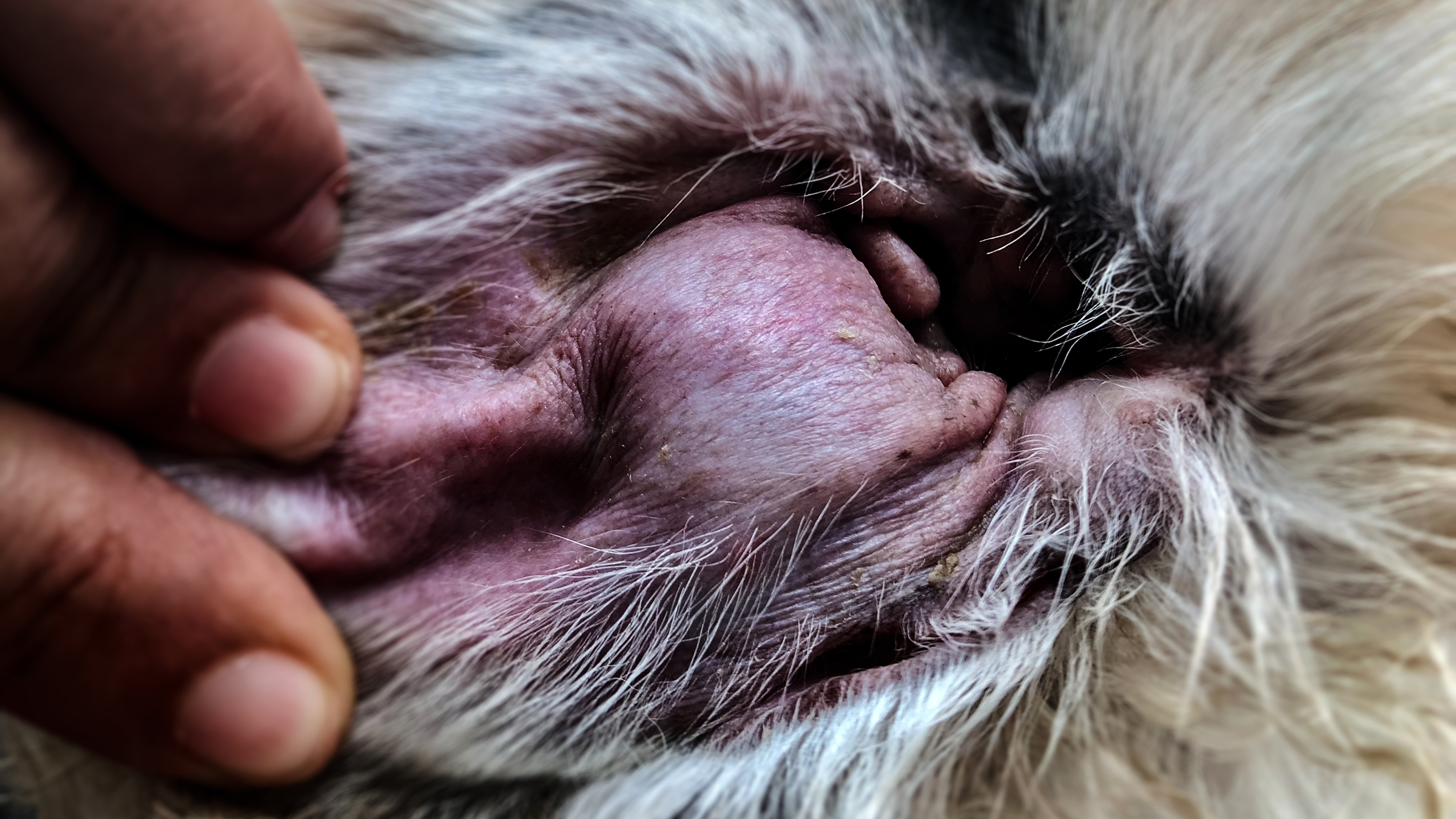
                            Saving Money on Dog Teeth Cleaning

                            While professional dog teeth cleaning is essential, it can be costly. Fortunately, there are ways to save money without compromising your pet’s dental health. We’ll explore preventative care at home and methods for finding affordable services to help keep your dog’s teeth clean and your wallet happy.

                            Preventative Care at Home

                            Implementing a regular at-home dental care routine significantly reduces the frequency and cost of professional cleanings. Brush your dog’s teeth daily using dog-exact toothpaste and a soft-bristled toothbrush. Provide dental chews and toys designed to remove plaque. Use water additives or oral rinses to fight bacteria and freshen breath. Feed your dog dental-friendly kibble or add dental supplements to their diet. Regular check-ups allow early detection of dental issues, preventing costly treatments later. By maintaining good oral hygiene at home, you’ll extend the time between professional cleanings and potentially save hundreds of dollars annually.

                            Finding Affordable Services

                            Shop around for the best prices on dog teeth cleaning services. Compare quotes from multiple veterinarians in your area. Consider veterinary school clinics, which often offer lower prices under professional supervision. Look into mobile veterinary services, which may have lower overhead costs. Ask about package deals or discounts for multiple pets. Explore pet wellness plans that cover preventive care, including dental cleanings. Some veterinarians offer payment plans or accept Care Credit, which provides financing options for pet care. Check local animal welfare organizations for low-cost dental clinics. Consider traveling to areas with lower living costs for more affordable services. Remember, while seeking affordable options, ensure the provider is licensed and uses proper anesthesia for safe, thorough cleanings.

                            DIY Dog Teeth Cleaning Methods

                            At-home dog teeth cleaning is a crucial component of maintaining good oral health for our canine companions. While professional cleanings are essential, DIY methods can significantly reduce plaque buildup and extend the time between costly veterinary procedures.

                            Brushing Your Dog’s Teeth

                            Brushing is the most effective DIY method for cleaning dog teeth. Here’s how to make it a positive experience:

                            • Start gradually: Begin with short sessions, focusing on a few teeth at a time.
                            • Use dog-exact toothpaste: Never use human toothpaste, as it can be harmful to dogs.
                            • Choose the right brush: Use a soft-bristled toothbrush designed for dogs or a finger brush.
                            • Brush technique: Gently brush in circular motions, focusing on the gum line.
                            • Frequency: Aim to brush your dog’s teeth 2-3 times per week for optimal results.

                            Dental Chews and Toys

                            Dental chews and toys offer a fun way to maintain oral health:

                            • Look for products with the Veterinary Oral Health Council (VOHC) seal of approval.
                            • Choose appropriate sizes to prevent choking hazards.
                            • Offer dental chews after brushing as a reward.
                            • Rotate different dental toys to keep your dog interested.

                            Oral Rinses and Gels

                            Oral rinses and gels can supplement brushing:

                            • Chlorhexidine-based products are effective in reducing plaque.
                            • Follow product instructions for proper application.
                            • Use as part of a comprehensive dental care routine.

                            Dental Wipes

                            Dental wipes offer a quick cleaning option:

                            • Ideal for dogs resistant to brushing.
                            • Gently wipe teeth and gums to remove plaque.
                            • Use daily for best results.

                            Diet and Nutrition

                            A proper diet contributes to dental health:

                            • Consider dental-exact dry food formulas.
                            • Raw bones (under supervision) can help remove tartar.
                            • Avoid sticky or sugary treats that promote tooth decay.

                            By incorporating these DIY dog teeth cleaning methods into our routine, we can significantly improve our pets’ oral health and potentially reduce the frequency and cost of professional cleanings. Remember, these at-home techniques complement, but don’t replace, regular veterinary dental check-ups and professional cleanings.

                            Signs Your Dog Needs Dental Care

                            Recognizing the signs that your dog needs dental care is crucial for maintaining their oral health and overall well-being. Here are key indicators to watch for:

                            Bad Breath

                            Bad breath in dogs isn’t just an unpleasant odor; it’s often a sign of underlying dental issues. While some degree of “dog breath” is normal, persistent foul odor can indicate bacterial overgrowth, gum disease, or tooth decay.

                            Changes in Eating Habits

                            Dogs experiencing dental pain may exhibit changes in their eating behavior:

                            • Difficulty picking up food
                            • Dropping food while eating
                            • Reluctance to eat hard kibble
                            • Chewing on one side of the mouth

                            These behaviors often indicate discomfort or pain when eating due to dental problems.

                            Visible Dental Issues

                            Inspect your dog’s mouth regularly for visible signs of dental problems:

                            • Discolored teeth (yellow or brown)
                            • Tartar buildup
                            • Loose or broken teeth
                            • Red, swollen, or bleeding gums

                            Any of these symptoms warrant a visit to the veterinarian for a thorough dental examination.

                            Pawing at the Mouth

                            If your dog frequently paws at their mouth or face, it may be trying to alleviate discomfort caused by dental issues. This behavior can also indicate other oral problems, such as foreign objects stuck in the teeth or gums.

                            Excessive Drooling

                            While some breeds are naturally prone to drooling, a sudden increase in drooling can be a sign of dental pain or oral discomfort. Pay attention to changes in your dog’s drooling habits.

                            Behavioral Changes

                            Dental pain can affect your dog’s overall behavior. Watch for:

                            • Irritability or aggression
                            • Reluctance to play with chew toys
                            • Withdrawing from social interactions

                            These behavioral changes may indicate that your dog is experiencing oral discomfort.

                            Swelling Around the Face

                            Swelling in the face, particularly around the muzzle or under the eyes, can be a sign of a dental abscess or other serious oral health issues. This requires immediate veterinary attention.

                            Age-Related Considerations

                            As dogs age, they become more susceptible to dental problems. The American Animal Hospital Association (AAHA) recommends:

                            • First dental cleaning at 1-2 years old for small and medium-sized dogs
                            • First dental cleaning at 2-3 years old for large dogs
                            • Annual cleanings for small dogs
                            • Cleanings every 1.5-2 years for larger dogs

                            Regular veterinary check-ups are essential to monitor your dog’s dental health, especially as they age.

                            By staying vigilant and recognizing these signs early, you can ensure your dog receives timely dental care. Regular professional cleanings and at-home dental care practices are key to preventing more severe dental issues and maintaining your dog’s overall health. Remember, investing in preventative dental care can help avoid more costly treatments in the future and contribute to your dog’s long-term well-being.

                            Conclusion

                            Keeping our dogs’ teeth clean is crucial for their overall health and well-being. While the cost of professional cleanings can vary widely we’ve seen that investing in regular dental care can prevent more expensive problems down the line.

                            By combining professional cleanings with at-home care we can maintain our furry friends’ oral health effectively. Remember to stay vigilant for signs of dental issues and consider pet insurance options to help manage costs.

                            Eventually the investment in our dogs’ dental health is an investment in their quality of life and longevity. With proper care and attention we can ensure our canine companions keep their happy healthy smiles for years to come.

                          4. Dog Dry Cough and Gagging: Causes and When to Worry

                            Dog Dry Cough and Gagging: Causes and When to Worry

                            Is your furry friend struggling with a persistent dry cough followed by gagging? You’re not alone. Many dog owners face this concerning issue, which can be distressing for both pets and their human companions.

                            A dry cough followed by gagging in dogs can be a symptom of various underlying conditions, ranging from minor irritations to more serious health problems. While it’s natural to worry, understanding the potential causes and knowing when to seek veterinary care is crucial. In this text, we’ll explore the common reasons behind this troubling combination of symptoms, helping you better care for your canine companion and determine the best course of action.

                            Understanding Dry Cough and Gagging in Dogs

                            A dry cough followed by gagging in dogs is a common issue that can be caused by various factors. It’s essential to understand the difference between coughing and gagging to accurately describe the symptoms to a veterinarian.

                            Differentiating Cough from Gag

                            Coughing in dogs is a forceful expulsion of air from the throat and mouth, often producing a hacking noise. It’s the body’s way of clearing the airways from irritants, mucus, or foreign objects. A dry cough, specifically, doesn’t produce mucus or phlegm.

                            Gagging, on the other hand, is similar to retching and resembles the initial stages of vomiting. But, during a gag, nothing comes up except possibly a small amount of mucus. While coughing and gagging can occur separately, dogs sometimes cough and then gag at the end of the coughing fit.

                            1. Respiratory Infections
                            • Kennel cough (Canine Infectious Respiratory Disease)
                            • Bronchitis
                            • Pneumonia
                            • Canine influenza

                            2. Heart Disease

                              • Congestive heart failure
                              • Mitral valve endocardiosis
                              • Dilated cardiomyopathy

                              3. Environmental Factors

                                • Allergens
                                • Airborne debris
                                • Poor air quality

                                4. Breed-Exact Issues

                                  • Brachycephalic breeds (e.g., pugs, bulldogs, boxers) are prone to respiratory problems due to their short snouts

                                  5. Eating Habits

                                    • Rapid eating can cause food to enter the trachea instead of the esophagus, leading to coughing and gagging

                                    Understanding these causes helps in identifying potential issues and determining whether veterinary care is necessary. If a dog’s dry cough and gagging persist or worsen, it’s crucial to consult a veterinarian for proper diagnosis and treatment.

                                    Common Causes of Coughing and Gagging

                                    When a dog experiences a dry cough followed by gagging, it’s essential to understand the potential underlying causes. These symptoms can indicate various health issues, ranging from minor irritations to more serious conditions. Let’s explore some common causes of coughing and gagging in dogs.

                                    Respiratory Infections

                                    Respiratory infections are a frequent cause of dry coughing and gagging in dogs. These infections can affect the upper or lower respiratory tract, leading to inflammation and irritation. Common respiratory infections include:

                                    • Viral infections (e.g., canine influenza)
                                    • Bacterial infections (e.g., Bordetella bronchiseptica)
                                    • Fungal infections (e.g., Aspergillosis)

                                    Symptoms often include a persistent dry cough, gagging, nasal discharge, and difficulty breathing. In severe cases, dogs may develop pneumonia, which can cause more intense coughing and gagging. If you suspect a respiratory infection, consult a veterinarian for proper diagnosis and treatment.

                                    Gagging in Dogs

                                    Kennel Cough

                                    Kennel cough, also known as infectious tracheobronchitis, is a highly contagious respiratory infection in dogs. It’s caused by a combination of viruses and bacteria, with Bordetella bronchiseptica being the primary culprit. Symptoms include:

                                    • A harsh, dry, honking cough
                                    • Gagging or retching, especially after coughing
                                    • Mild fever in some cases
                                    • Nasal discharge

                                    Kennel cough typically resolves within 2-3 weeks without treatment. But, puppies, senior dogs, and those with compromised immune systems may require veterinary care. Vaccination can help prevent kennel cough, especially for dogs frequently exposed to other canines in kennels or daycare settings.

                                    Tracheal Collapse

                                    Tracheal collapse is a progressive condition that primarily affects small and toy breed dogs. It occurs when the cartilage rings supporting the trachea weaken, causing the airway to flatten. This condition leads to:

                                    • A chronic, honking cough
                                    • Gagging or retching, particularly when excited or after eating/drinking
                                    • Difficulty breathing, especially during exercise
                                    • Bluish gums in severe cases

                                    Tracheal collapse is more common in older dogs and overweight individuals. Treatment options include weight management, medication to reduce inflammation and coughing, and in severe cases, surgical intervention. Environmental changes, such as using a harness instead of a collar, can also help manage symptoms.

                                    Heart Disease

                                    Heart disease in dogs can manifest as coughing and gagging, especially in cases of congestive heart failure. As the heart’s ability to pump blood efficiently decreases, fluid can accumulate in the lungs, leading to:

                                    • A persistent, dry cough that may worsen at night or during activity
                                    • Gagging or retching after coughing episodes
                                    • Difficulty breathing or rapid breathing
                                    • Fatigue and reluctance to exercise

                                    Other signs of heart disease may include weight loss, decreased appetite, and fainting episodes. If you suspect heart disease, seek veterinary care immediately. Diagnosis typically involves physical examination, chest X-rays, and echocardiography. Treatment depends on the exact type and severity of the heart condition.

                                    Gagging in Dogs

                                    Foreign Objects

                                    Ingestion or inhalation of foreign objects can cause sudden and severe coughing and gagging in dogs. Common items include:

                                    • Small toys or toy parts
                                    • Bones or rawhide chews
                                    • Sticks or plant material
                                    • Food particles

                                    If a foreign object becomes lodged in the throat or airway, it can lead to:

                                    • Sudden, violent coughing and gagging
                                    • Pawing at the mouth or throat
                                    • Difficulty swallowing or breathing
                                    • Excessive drooling

                                    This situation requires immediate veterinary attention. Attempting to remove the object yourself may cause further damage or push it deeper into the airway. Prevention is key – supervise your dog during playtime and ensure toys and chews are appropriate for your dog’s size.

                                    Distinguishing Cough Types

                                    Understanding the different types of coughs in dogs is crucial for identifying potential health issues. Let’s explore the characteristics of dry hacking, wet, and honking coughs to help you better assess your dog’s condition.

                                    Dry Hacking Cough

                                    A dry hacking cough in dogs is characterized by a sharp, abrupt sound without producing mucus or phlegm. This type of cough often indicates:

                                    • Respiratory infections like kennel cough
                                    • Tracheal irritation or inflammation
                                    • Early stages of heart disease
                                    • Environmental irritants such as dust or smoke

                                    Kennel cough, a common cause, typically results in a harsh, goose-like cough followed by gagging. Tracheal collapse, more prevalent in small breeds, can also lead to a dry cough as the weakened cartilage affects the airway. If your dog exhibits a persistent dry cough, especially if accompanied by gagging, it’s essential to consult a veterinarian for proper diagnosis and treatment.

                                    Wet Cough

                                    A wet cough in dogs is distinguishable by its moist, phlegmy sound, often accompanied by the production of mucus. This type of cough may indicate:

                                    • Lower respiratory tract infections like pneumonia
                                    • Congestive heart failure
                                    • Chronic bronchitis
                                    • Canine influenza

                                    Wet coughs suggest issues in the dog’s lower airway or lungs. If you hear your dog coughing with a wet, gurgling sound or observe them coughing up phlegm, it’s crucial to seek immediate veterinary attention. These symptoms can be signs of serious conditions that require prompt medical intervention. Timely diagnosis and treatment are essential for managing wet coughs and preventing potential complications.

                                    Honking Cough

                                    A honking cough in dogs is characterized by a deep, dry sound resembling a goose’s honk. This distinctive cough is often associated with:

                                    • Tracheal collapse, especially in small breeds
                                    • Advanced stages of kennel cough
                                    • Reverse sneezing episodes
                                    • Certain throat or laryngeal conditions

                                    Tracheal collapse is a common cause of honking coughs, particularly in toy and small dog breeds. The weakened tracheal rings lead to airway obstruction, resulting in the characteristic honking sound. Kennel cough can also produce a similar sound in its later stages. If your dog develops a persistent honking cough, it’s important to consult a veterinarian promptly. Proper diagnosis is crucial for determining the underlying cause and implementing appropriate treatment strategies.

                                    When to Seek Veterinary Care

                                    Recognizing when to seek veterinary care for a dog with a dry cough and gagging is crucial for their health and well-being. We’ll explore the signs of respiratory distress and persistent symptoms that warrant immediate medical attention.

                                    Signs of Respiratory Distress

                                    Respiratory distress in dogs is a medical emergency requiring immediate veterinary care. Watch for:

                                    • Rapid breathing or panting without apparent reason
                                    • Purplish, bluish, or pale gums
                                    • Labored breathing or struggling to breathe
                                    • Abnormal breathing sounds (harsh or high-pitched)
                                    • Abdominal expansion and contraction with each breath
                                    • Short, shallow breaths
                                    • Inability to move normally (only standing still, sitting, or lying down)
                                    • Outstretched neck or elbows winged out to the sides
                                    • Panicked expression
                                    • Respiratory rate exceeding 40 breaths per minute at rest

                                    If you observe these signs, take your dog to an emergency veterinary facility immediately. They’ll need oxygen therapy and medication to improve breathing.

                                    Gagging in Dogs

                                    Persistent Symptoms

                                    While not all coughing and gagging requires emergency care, persistent symptoms necessitate veterinary attention. Schedule a checkup if:

                                    • Coughing or gagging worsens in frequency or severity
                                    • Your dog exhibits additional symptoms like:
                                    • Eye or nose discharge
                                    • Sneezing
                                    • Fever
                                    • Lethargy
                                    • Your dog has a history of respiratory or cardiac issues and symptoms worsen
                                    • Breathing sounds or appears different, but your dog still eats, drinks, and plays normally
                                    • You have any concerns about your dog’s condition

                                    Don’t hesitate to contact your veterinarian if symptoms persist or worsen. Early intervention can prevent more serious health complications and ensure your dog receives appropriate treatment.

                                    Diagnosis and Treatment

                                    Diagnosing and treating a dog’s dry cough and gagging requires a comprehensive approach. We’ll explore the veterinary examination process, diagnostic tests, and available treatment options to address these symptoms effectively.

                                    Veterinary Examination

                                    A thorough veterinary examination is crucial for identifying the underlying cause of a dog’s dry cough and gagging. The vet starts by reviewing the dog’s medical history, including vaccination records and recent activities. They’ll then perform a physical examination, focusing on the respiratory system. This includes listening to the dog’s heart and lungs with a stethoscope, checking for nasal discharge, and palpating the throat and trachea. The vet observes the dog’s breathing pattern and may induce a cough to assess its characteristics. They’ll also check for signs of fever, dehydration, or other systemic issues that could contribute to the symptoms.

                                    Diagnostic Tests

                                    Diagnostic tests help pinpoint the exact cause of a dog’s dry cough and gagging. Common tests include:

                                    1. Blood work: Complete blood count and biochemistry profile to check for infections or organ dysfunction.
                                    2. Chest X-rays: To visualize the heart, lungs, and trachea for abnormalities.
                                    3. Fecal examination: To rule out parasitic infections.
                                    4. Heartworm test: Especially in endemic areas.
                                    5. Bronchoscopy: For a detailed view of the airways.
                                    6. Echocardiogram: If heart disease is suspected.
                                    7. PCR testing: To identify exact pathogens like Bordetella.

                                    These tests provide valuable information for accurate diagnosis and treatment planning.

                                    Treatment Options

                                    Treatment for a dog’s dry cough and gagging varies depending on the underlying cause:

                                    1. Kennel cough:
                                    • Rest and isolation
                                    • Cough suppressants
                                    • Antibiotics for secondary bacterial infections

                                    2. Tracheal collapse:

                                      • Weight management
                                      • Cough suppressants
                                      • Anti-inflammatory medications
                                      • Surgery in severe cases

                                      3. Heart disease:

                                        • Diuretics
                                        • ACE inhibitors
                                        • Dietary changes
                                        • Exercise restriction

                                        4. Allergies:

                                          • Antihistamines
                                          • Environmental management
                                          • Immunotherapy

                                          5. Foreign body:

                                            • Endoscopic removal
                                            • Surgery if necessary

                                            6. Pneumonia:

                                              • Antibiotics
                                              • Nebulization
                                              • Supportive care

                                              In all cases, follow-up appointments are essential to monitor progress and adjust treatment as needed. We always recommend consulting with a veterinarian for proper diagnosis and customized treatment plans.

                                              Home Care and Prevention

                                              Home care and prevention are crucial for managing a dog’s dry cough and gagging. We’ll explore environmental modifications, dietary considerations, and preventive measures to help alleviate your dog’s symptoms and reduce the risk of future occurrences.

                                              Environmental Modifications

                                              Creating a comfortable environment is essential for dogs with a dry cough and gagging. We recommend using a humidifier to add moisture to the air, which helps soothe irritated airways. Keep your home free from irritants like smoke, strong perfumes, and cleaning products. For brachycephalic breeds, avoid steam therapy as it can worsen their condition. Switch to a harness instead of a collar to reduce pressure on the trachea. Ensure your dog has a clean, dust-free sleeping area with comfortable bedding. Regular vacuuming and air purification can help remove airborne allergens that may trigger coughing episodes.

                                              Dietary Considerations

                                              Proper nutrition plays a vital role in managing a dog’s dry cough and gagging. We suggest offering low-sodium chicken broth or homemade bone broth to encourage fluid intake and keep your dog hydrated. Avoid giving your dog dry kibble during coughing episodes, as it may irritate the throat. Instead, moisten their food with warm water or broth. Consider adding immune-boosting foods like sweet potatoes, blueberries, and salmon to their diet. Omega-3 fatty acids can help reduce inflammation in the airways. Always consult your veterinarian before making important changes to your dog’s diet, especially if they have underlying health conditions.

                                              Preventive Measures

                                              Taking preventive measures can help reduce the likelihood of your dog developing a dry cough and gagging. We recommend keeping your dog’s vaccinations up to date, especially for respiratory diseases like kennel cough. Regular exercise helps maintain a healthy weight and strong respiratory system. Avoid exposing your dog to extreme temperatures or sudden temperature changes. Keep your dog away from other dogs showing signs of illness. For dogs prone to tracheal collapse, use a harness instead of a collar during walks. Regular dental check-ups and cleanings can prevent oral health issues that may contribute to coughing. Finally, schedule routine veterinary check-ups to catch and address potential health issues early.

                                              Conclusion

                                              A dry cough followed by gagging in dogs can signal various health issues ranging from minor irritations to serious conditions. We’ve explored potential causes symptoms and when to seek veterinary care. Understanding these aspects is crucial for your dog’s well-being. Remember prompt action and proper diagnosis are key to effective treatment. By staying vigilant and providing appropriate care you’ll help ensure your furry friend stays healthy and happy. Always consult with your vet for personalized advice and treatment options customized to your dog’s exact needs.
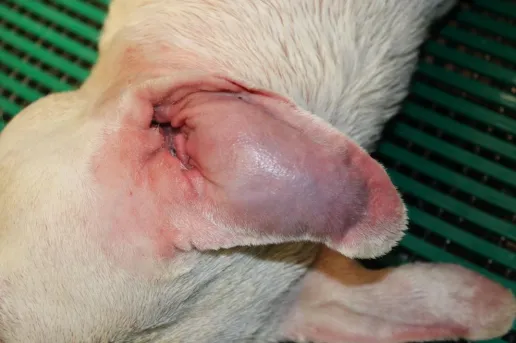
                                            1. When Is Your Dog Considered a Senior? Age Guide for Canine Companions

                                              When Is Your Dog Considered a Senior? Age Guide for Canine Companions

                                              Have you ever wondered at what age your furry friend becomes a senior citizen in the canine industry? It’s not as simple as you might think. While we often hear that one dog year equals seven human years, the reality is far more nuanced.

                                              As our loyal companions age, their needs change, and it’s crucial for us to recognize when our dogs enter their golden years. The term “senior” can vary widely depending on factors like breed and size. For instance, smaller dogs tend to have longer lifespans and may not be considered seniors until around nine years old, while larger breeds might enter their twilight years as early as five or six. In this text, we’ll explore the signs that indicate your dog is becoming a senior and discuss how we can best support them during this stage of life.

                                              When Is a Dog Considered a Senior?

                                              The age at which a dog is considered senior varies based on several factors. Breed, size, and individual health play crucial roles in determining when a dog enters its golden years.

                                              Age and Breed Factors

                                              A dog’s transition to senior status isn’t universal. Small breeds typically live longer and age more slowly, while larger breeds age faster and have shorter lifespans. Here’s a general breakdown:

                                              • Small breeds (under 20 lbs): Senior at 10-12 years
                                              • Medium breeds (20-50 lbs): Senior at 8-10 years
                                              • Large breeds (50-90 lbs): Senior at 6-8 years
                                              • Giant breeds (over 90 lbs): Senior at 5-6 years

                                              It’s important to note that these are general guidelines. Some breeds, like Cavalier King Charles Spaniels, may be considered senior earlier even though their small size. Regular veterinary check-ups help determine when your dog enters its senior phase.

                                              Small vs. Large Dogs

                                              Small dogs and large dogs age differently, affecting when they’re considered seniors:

                                              Small Dogs:

                                              • Typically reach senior status at 10-12 years
                                              • Often live up to 16 years or more
                                              • Show signs of aging later in life
                                              • Age more slowly after reaching adulthood

                                              Large Dogs:

                                              • Usually considered senior at 6-8 years
                                              • Have shorter lifespans, often 10-12 years
                                              • Show signs of aging earlier
                                              • Age more quickly throughout their lives

                                              These differences stem from various factors, including metabolism, growth rates, and genetic predispositions. Understanding these variations helps dog owners provide appropriate care as their pets age.

                                              Signs of an Aging Dog

                                              As dogs enter their senior years, they undergo various physical and behavioral changes. These signs of aging can be subtle at first but become more noticeable over time.

                                              Physical Changes

                                              Senior dogs experience several physical transformations as they age:

                                              • Graying fur, especially around the muzzle and face
                                              • Cloudy eyes or vision difficulties due to conditions like nuclear sclerosis
                                              • Gradual hearing loss
                                              • Decreased muscle tone and loss of muscle mass
                                              • Joint stiffness and reduced mobility, often caused by osteoarthritis
                                              • Dental issues, including tooth loss and gum disease
                                              • Weight changes, either gain or loss
                                              • Skin changes, such as thinning or developing lumps
                                              • Decreased energy levels and increased sleep time
                                              • Slower healing and recovery from injuries or illnesses

                                              These physical changes vary in severity and onset depending on the dog’s breed, size, and overall health.

                                              Behavioral Changes

                                              As dogs age, their behavior often shifts in noticeable ways:

                                              • Increased irritability or anxiety in unfamiliar situations
                                              • Changes in sleep patterns, including more frequent napping during the day
                                              • Decreased interest in play or exercise
                                              • Difficulty with house training or increased accidents indoors
                                              • Confusion or disorientation, especially in familiar environments
                                              • Altered social interactions with humans or other pets
                                              • Increased vocalization, such as barking or whining
                                              • Changes in appetite or eating habits
                                              • Reluctance to climb stairs or jump onto furniture
                                              • Increased neediness or desire for attention from their owners

                                              It’s important to note that some behavioral changes can indicate underlying health issues, so it’s crucial to consult with a veterinarian if you notice important shifts in your dog’s behavior.

                                              Dog Considered a Senior

                                              Caring for a Senior Dog

                                              As dogs enter their golden years, they require specialized care to maintain their health and quality of life. We’ll explore key aspects of senior dog care, including veterinary attention, nutrition, and exercise.

                                              Veterinary Care

                                              Regular veterinary check-ups are crucial for senior dogs. We recommend:

                                              • Twice-yearly wellness exams to screen for age-related conditions
                                              • Comprehensive health monitoring for mobility issues, sensory changes, and behavioral shifts
                                              • Early detection and treatment of geriatric conditions
                                              • Customized vaccination schedules based on the dog’s lifestyle and health status
                                              • Dental care to prevent periodontal disease and maintain overall health
                                              • Blood work and urinalysis to assess organ function and detect early signs of disease
                                              • Cancer screenings, as senior dogs are more susceptible to certain types of tumors
                                              • Medication management for chronic conditions like arthritis or heart disease

                                              By prioritizing regular veterinary care, we can help senior dogs maintain their health and catch potential issues early.

                                              Nutrition and Diet

                                              Proper nutrition is essential for senior dogs’ well-being. We advise:

                                              • Adjusting calorie intake to maintain a healthy weight, as metabolism slows with age
                                              • Choosing senior-exact dog food formulas with balanced nutrients
                                              • Increasing protein content to maintain muscle mass
                                              • Adding omega-3 fatty acids to support joint health and cognitive function
                                              • Incorporating antioxidants to boost the immune system and fight cellular aging
                                              • Ensuring adequate fiber intake for digestive health
                                              • Monitoring water intake to prevent dehydration, which is common in older dogs
                                              • Considering supplements like glucosamine and chondroitin for joint support
                                              • Addressing exact dietary needs for dogs with chronic health conditions
                                              • Offering smaller, more frequent meals to aid digestion

                                              A customized nutrition plan can significantly impact a senior dog’s overall health and longevity.

                                              Exercise and Mental Stimulation

                                              Maintaining physical and mental activity is vital for senior dogs. We suggest:

                                              • Adapting exercise routines to accommodate reduced mobility or joint issues
                                              • Captivating in low-impact activities like swimming or short walks on soft surfaces
                                              • Incorporating puzzle toys and food-dispensing games to stimulate cognitive function
                                              • Practicing gentle obedience training or learning new tricks to keep the mind sharp
                                              • Providing comfortable resting areas with orthopedic bedding
                                              • Implementing a consistent daily routine to reduce anxiety and confusion
                                              • Encouraging socialization with other dogs and people to prevent isolation
                                              • Using scent work or nose games to engage their natural instincts
                                              • Offering massage or gentle stretching to alleviate muscle stiffness
                                              • Creating a safe environment with non-slip surfaces and easy access to necessities

                                              By balancing physical exercise with mental stimulation, we can help senior dogs maintain their quality of life and cognitive function as they age.

                                              Common Health Issues in Senior Dogs

                                              As dogs age, they become more susceptible to various health conditions. Understanding these issues helps pet owners provide better care for their senior canine companions.

                                              Joint and Mobility Problems

                                              Joint and mobility problems are prevalent in senior dogs, with osteoarthritis being a common culprit. Symptoms include:

                                              • Stiffness in limbs, especially in the morning
                                              • Limping or favoring certain legs
                                              • Reluctance to climb stairs or jump
                                              • Slower walking pace and reduced overall mobility
                                              • Visible discomfort when getting up or lying down

                                              These issues often result from wear and tear on joints over time. Large and giant breeds are particularly prone to joint problems due to their size and weight. Regular low-impact exercise, maintaining a healthy weight, and joint supplements can help manage these conditions. Some dogs may benefit from physical therapy or medications prescribed by a veterinarian to alleviate pain and improve mobility.

                                              Cognitive Decline

                                              Cognitive decline in senior dogs, also known as canine cognitive dysfunction (CCD), resembles dementia or Alzheimer’s in humans. Signs of cognitive decline include:

                                              • Disorientation or confusion in familiar environments
                                              • Changes in sleep patterns, such as restlessness at night
                                              • Decreased interest in social interactions
                                              • Accidents in house-trained dogs
                                              • Altered response to commands or names
                                              • Increased anxiety or irritability

                                              Cognitive decline can significantly impact a dog’s quality of life. While there’s no cure for CCD, early detection and management can slow its progression. Strategies like mental stimulation through puzzle toys, maintaining routines, and dietary changes can help. Some veterinarians may recommend supplements or medications to support brain function in affected dogs.

                                              Sensory Changes

                                              As dogs age, they often experience changes in their sensory abilities:

                                              • Vision: Cloudy eyes, cataracts, or decreased night vision
                                              • Hearing: Gradual hearing loss or unresponsiveness to familiar sounds
                                              • Smell: Reduced sense of smell, affecting appetite and environmental awareness

                                              These changes can lead to:

                                              • Increased startle responses
                                              • Difficulty handling in dim light or unfamiliar spaces
                                              • Reduced interest in food or altered eating habits

                                              Adapting the home environment to accommodate these sensory changes is crucial. This might include using nightlights, maintaining consistent furniture arrangements, and using hand signals along with verbal commands. Regular veterinary check-ups can help monitor and manage age-related sensory decline, ensuring senior dogs remain comfortable and engaged with their surroundings.

                                              Dog Considered a Senior

                                              Adapting Your Home for an Older Dog

                                              Creating a Safe Environment

                                              As our furry friends age, their needs change, and it’s crucial to adapt our homes to ensure their comfort and safety. Senior dogs often experience mobility issues, vision problems, and cognitive decline, making it essential to create a safe environment customized to their changing needs.
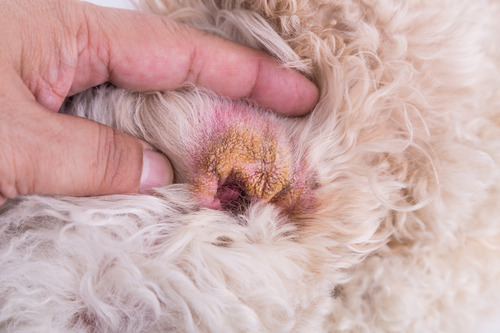
                                              Non-Slip Surfaces

                                              Install non-slip mats or rugs in areas where your senior dog frequents. This includes:

                                              • Entryways
                                              • Hardwood or tile floors
                                              • Stairs
                                              • Around food and water bowls

                                              These surfaces provide better traction, reducing the risk of slips and falls for dogs with joint problems or mobility issues.

                                              Accessible Ramps and Steps

                                              For senior dogs struggling with stairs or accessing furniture:

                                              • Install ramps for easier outdoor access
                                              • Use pet stairs for beds or couches
                                              • Consider a ramp for vehicles if your dog still enjoys car rides

                                              Ensure ramps have a gentle slope and non-slip surfaces for optimal safety.

                                              Comfortable Resting Areas

                                              Senior dogs require comfortable, easily accessible resting spots throughout the home. Consider:

                                              • Orthopedic beds with memory foam for joint support
                                              • Heated beds for dogs with arthritis or circulation issues
                                              • Multiple beds in different rooms for convenience

                                              Place beds in quiet areas away from high-traffic zones to provide a peaceful retreat.

                                              Temperature Regulation

                                              Older dogs may struggle with temperature regulation. To address this:

                                              • Provide warm, draft-free sleeping areas in winter
                                              • Ensure access to cool, shaded spots during summer
                                              • Use pet-safe heating pads or cooling mats as needed

                                              Monitor your home’s temperature and adjust accordingly to keep your senior dog comfortable year-round.

                                              Lighting and Visibility

                                              As vision declines, improve lighting in your home:

                                              • Install night lights in hallways and stairs
                                              • Use contrasting colors for food bowls and bedding
                                              • Keep pathways clear of clutter

                                              These adjustments help your senior dog navigate more easily, reducing anxiety and potential accidents.

                                              Cognitive Stimulation

                                              Maintain mental acuity in senior dogs by:

                                              • Setting up puzzle feeders
                                              • Rotating toys regularly
                                              • Creating safe, enclosed outdoor spaces for sensory stimulation

                                              Captivating activities help combat cognitive decline and keep your older dog mentally sharp.

                                              Easy Access to Essentials

                                              Ensure your senior dog can easily reach important items:

                                              • Place water bowls in multiple locations
                                              • Use elevated food and water dishes for dogs with neck or back issues
                                              • Keep favorite toys within reach

                                              This setup minimizes strain and encourages proper hydration and engagement.

                                              Bathroom Accommodations

                                              Address potential incontinence issues by:

                                              • Increasing access to outdoor areas
                                              • Using washable, waterproof bed covers
                                              • Placing pee pads in strategic locations

                                              These measures help maintain hygiene and comfort for both you and your senior dog.

                                              By making these thoughtful adjustments to our homes, we can significantly improve the quality of life for our aging canine companions. Remember, each dog’s needs are unique, so observe your senior pet closely and consult with your veterinarian for personalized recommendations.

                                              Conclusion

                                              Understanding when our dogs become seniors helps us provide the best care possible. While age varies by breed and size it’s crucial to watch for physical and behavioral changes. Regular vet check-ups preventive care and a supportive home environment are key to ensuring our aging companions stay healthy and happy.

                                              By adapting our homes and routines to meet their changing needs we can significantly improve their quality of life. Remember every dog ages differently so staying attentive to their individual needs is essential. With proper care and attention our senior dogs can continue to thrive and enjoy their golden years.

                                            2. Sebaceous Cysts in Dogs: Causes, Treatment, and Prevention Tips

                                              Sebaceous Cysts in Dogs: Causes, Treatment, and Prevention Tips

                                              Have you ever noticed a small, raised bump on your dog’s skin? It might be a sebaceous cyst, a common and typically harmless condition in canines. These fluid-filled sacs develop under the skin and are filled with sebum, an oily substance produced by sebaceous glands.

                                              We’ll discover the area of sebaceous cysts in dogs, from their causes to treatment options. These growths, which can range from 0.5 to 5 centimeters in size, often appear as single, well-defined lumps on a dog’s skin or just beneath it. While they’re usually benign, it’s essential to understand how to identify and manage them to ensure your furry friend’s comfort and health.

                                              What Are Sebaceous Cysts in Dogs?

                                              Sebaceous cysts in dogs are benign, fluid-filled sacs that develop under the skin. These growths result from the accumulation of sebum, an oily substance produced by sebaceous glands to lubricate the skin and hair follicles.

                                              Definition and Characteristics

                                              Sebaceous cysts, also known as epidermoid cysts or wens, are small, sac-like growths filled with sebum. They typically range from 0.5 to 5 centimeters in diameter and appear as smooth, round, firm or fluctuant lumps. These cysts can have a slightly blue color and may release a thick, grayish-white or brown discharge with a cheesy consistency if ruptured. Sebaceous cysts are usually solitary lesions but can occur in multiples. They’re generally harmless and non-cancerous, originating from hair follicle structures. The cysts have a distinct lining and can be soft or firm to the touch, located in the skin or just beneath it.

                                              Common Locations on Dogs

                                              Sebaceous cysts can appear on various parts of a dog’s body, but certain areas are more prone to their development:

                                              • Head and Neck: These are common locations, especially in young dogs.
                                              • Chest: Cysts frequently occur in this area.
                                              • Upper Limbs: The front legs are often affected.
                                              • Eyelid Margins: Similar lumps can form on eyelids due to meibomian gland secretions.
                                              • Torso: While less common, cysts can appear on the body.

                                              In very young dogs, sebaceous cysts often appear on the top of their heads. It’s important to note that while these are typical locations, cysts can potentially develop anywhere on a dog’s body where sebaceous glands are present.

                                              Causes of Sebaceous Cysts

                                              Sebaceous cysts in dogs develop due to various factors affecting the skin and hair follicles. These benign growths result from the accumulation of sebum, a waxy substance produced by sebaceous glands. Let’s explore the main causes of these cysts in more detail.

                                              Genetic Predisposition

                                              Certain dog breeds are genetically predisposed to developing sebaceous cysts. This genetic susceptibility can lead to a higher likelihood of cyst formation throughout their lives. Breeds commonly affected include:

                                              • Schnauzers
                                              • Poodles
                                              • Cocker Spaniels
                                              • Basset Hounds
                                              • Kerry Blue Terriers

                                              These breeds may have inherited traits that make their sebaceous glands more prone to blockages or overproduction of sebum. Genetic factors can influence the structure and function of hair follicles and sebaceous glands, increasing the risk of cyst formation.

                                              Blocked Follicles and Trauma

                                              Blocked follicles and trauma are primary causes of sebaceous cysts in dogs. Sebaceous glands can become obstructed, leading to sebum accumulation and cyst formation. Factors contributing to blockages include:

                                              • Debris or dead skin cells clogging hair follicles
                                              • Excessive sebum production
                                              • Inflammation of the skin
                                              • Bacterial infections

                                              Trauma to the skin can also trigger cyst development. Common forms of trauma include:

                                              • Scratches or bites from other animals
                                              • Surgical wounds
                                              • Pressure points (e.g., elbows) exposed to constant friction
                                              • Injuries from grooming tools or rough handling

                                              When hair follicles or sebaceous glands are damaged, they may secrete sebum into a pocket beneath the skin instead of onto the surface. This trapped sebum forms a cyst that grows as the waxy material accumulates. While these cysts can sometimes be drained, they often recur unless the abnormal skin section is surgically removed.

                                              Identifying Sebaceous Cysts

                                              Identifying sebaceous cysts in dogs requires careful observation of their physical characteristics and distinguishing them from other skin growths. Let’s explore the key features to look for when examining these common canine skin lesions.

                                              Physical Appearance

                                              Sebaceous cysts in dogs typically appear as smooth, round, or slightly elongated growths beneath the skin. These cysts range from 5 mm to 5 cm in diameter, roughly half an inch to over 2 inches. They feel soft or firm to the touch and may be slightly mobile under the skin. Some cysts have a bluish tint, while others match the surrounding skin color. Common locations include the head, neck, chest, and upper limbs. Young dogs often develop cysts on the top of their heads, and they can also occur on eyelid margins. The most noticeable symptom is a raised bump or lump on the skin’s surface.

                                              Differentiating from Other Skin Growths

                                              Distinguishing sebaceous cysts from other skin growths is crucial for proper diagnosis and treatment. Unlike tumors, sebaceous cysts are typically benign and filled with a waxy substance called sebum. They’re different from abscesses, which are painful, inflamed, and often warm to the touch. Sebaceous cysts don’t usually cause discomfort unless infected or irritated. Lipomas, another common skin growth, feel softer and more pliable than sebaceous cysts. While cysts have a distinct sac-like structure, lipomas are composed of fatty tissue. Mast cell tumors, which can be malignant, may resemble sebaceous cysts but often change in size and appearance over time. If you’re unsure about a skin growth on your dog, it’s best to consult a veterinarian for a proper diagnosis.

                                              Diagnosis of Sebaceous Cysts

                                              Accurate diagnosis of sebaceous cysts in dogs is crucial for proper treatment. We’ll explore the diagnostic process, including veterinary examination and exact procedures used to identify these skin growths.

                                              Veterinary Examination

                                              A thorough veterinary examination is the first step in diagnosing sebaceous cysts in dogs. During this process, the veterinarian performs a comprehensive physical assessment, focusing on the dog’s skin and any visible lumps or lesions. They’ll carefully inspect and palpate the affected areas, noting the size, texture, and mobility of any suspicious growths. The vet will also gather information about the dog’s medical history, including any recent changes in behavior or health observed by the owner. This detailed examination helps differentiate sebaceous cysts from other skin conditions and guides further diagnostic steps.

                                              Diagnostic Procedures

                                              Several diagnostic procedures aid in confirming the presence of sebaceous cysts in dogs:

                                              1. Visual Inspection and Palpation:
                                              • Vets closely examine the cyst’s appearance, size, and location
                                              • They palpate the growth to assess its consistency and mobility
                                              • Sebaceous cysts typically feel smooth, round, and movable under the skin

                                              2. Fine Needle Aspiration (FNA):

                                                • This minimally invasive procedure involves using a thin needle to extract cells from the cyst
                                                • The collected sample undergoes cytological examination under a microscope
                                                • FNA helps identify sebaceous cells and rule out other conditions

                                                3. Dermoscopy:

                                                  • A non-invasive imaging technique using a handheld device to examine skin lesions
                                                  • Helps visualize surface and subsurface structures of the cyst

                                                  4. Skin Biopsy:

                                                    • In some cases, a small tissue sample may be surgically removed for histopathological examination
                                                    • This procedure provides definitive diagnosis and helps rule out malignant growths

                                                    5. Ultrasound:

                                                      • Used to assess the cyst’s internal structure and differentiate it from other masses
                                                      • Helps determine the extent and depth of the cyst

                                                      By employing these diagnostic procedures, veterinarians can accurately identify sebaceous cysts and develop appropriate treatment plans for affected dogs.

                                                      Treatment Options for Sebaceous Cysts

                                                      Sebaceous cysts in dogs require exact treatment approaches depending on their size, location, and potential complications. We’ll explore various options for managing these common skin growths, ranging from home care to veterinary interventions.

                                                      Home Care and Management

                                                      Home care for sebaceous cysts in dogs focuses on monitoring and prevention. We recommend regularly inspecting your dog’s skin for any new growths or changes in existing cysts. Keep the affected area clean and dry to prevent irritation or infection. Avoid squeezing or attempting to drain the cyst at home, as this can lead to complications. If the cyst ruptures on its own, gently clean the area with a mild, pet-safe antiseptic solution. Apply warm compresses to the cyst for 5-10 minutes, 2-3 times daily, to help promote drainage and reduce inflammation. But, if you notice any signs of infection, such as redness, swelling, or discharge, consult your veterinarian promptly.

                                                      Veterinary Interventions

                                                      Veterinary interventions for sebaceous cysts in dogs range from minimally invasive procedures to surgical removal. The most common and often definitive treatment is surgical excision, particularly for cysts causing discomfort, infection, or rupture. This method effectively removes the entire cyst, including its wall, preventing recurrence. But, it may not be practical for dogs with many cysts.

                                                      Fine needle aspiration (FNA) is another technique used by veterinarians. This procedure involves using a thin needle to collect a sample of the cyst’s contents for microscopic examination. While FNA can aid in diagnosis, it may not always provide definitive results and might need to be followed by a biopsy.

                                                      Biopsy is a more comprehensive diagnostic tool that involves surgically removing the cyst or a portion of it for analysis by a histopathologist. This method is crucial for confirming the diagnosis and ruling out other skin conditions or potential malignancies.

                                                      In some cases, veterinarians may opt for observation and monitoring, especially if the cyst is small, asymptomatic, and not causing any discomfort to the dog. This approach is particularly suitable for benign cysts that don’t interfere with the dog’s quality of life.

                                                      For infected cysts, veterinarians may prescribe antibiotics to treat the infection before considering surgical removal. In cases where multiple cysts are present, your veterinarian might recommend a combination of treatments, addressing the most problematic cysts first and monitoring the others.

                                                      It’s important to note that while sebaceous cysts are typically benign, any unusual growths should be evaluated by a veterinarian to ensure proper diagnosis and treatment. The choice of intervention depends on various factors, including the cyst’s size, location, and the dog’s overall health. Your veterinarian will consider these factors and discuss the most appropriate treatment plan for your dog’s exact situation.

                                                      Potential Complications

                                                      Sebaceous cysts in dogs, while often benign, can lead to several complications if left untreated. These complications can affect a dog’s comfort and overall health. Let’s explore the potential issues that may arise from sebaceous cysts.

                                                      Infection and Rupture

                                                      Sebaceous cysts are prone to infection, especially when scratched, bitten, or accidentally caught during grooming. Bacteria and yeast on the skin can contaminate the cyst, causing redness, inflammation, and an unpleasant odor. If a cyst ruptures, it leads to discharge and bleeding, causing pain and discomfort for the dog. There’s also a higher risk of infection post-rupture. It’s crucial to keep the area clean and prevent the dog from licking or biting it. Squeezing or popping a cyst isn’t recommended, as it can cause imploding and lead to cellulitis, a secondary bacterial infection requiring antibiotics.

                                                      Recurrence and Growth

                                                      Even after surgical removal, sebaceous cysts can recur if the entire sac isn’t completely removed. This recurrence can be frustrating for both dogs and their owners. In some cases, cysts may continue to grow, potentially interfering with the dog’s movement or causing discomfort. Regular monitoring and follow-up veterinary care are essential to manage recurring cysts and prevent complications from cyst growth.

                                                      Prevention and Long-Term Care

                                                      Preventing sebaceous cysts in dogs and providing long-term care involves a combination of proactive measures and regular monitoring. Let’s explore key strategies to maintain your dog’s skin health and prevent the development of these cysts.

                                                      Skin Health Maintenance

                                                      Maintaining optimal skin health is crucial in preventing sebaceous cysts in dogs. Regular grooming plays a vital role in this process. Brush your dog’s coat frequently to remove debris and distribute natural oils evenly across the skin. For breeds prone to sebaceous cysts, such as Schnauzers and Poodles, daily brushing is recommended.

                                                      Incorporate healthy fats into your dog’s diet to regulate sebum production. Omega-3 fatty acids and coconut oil are excellent additions that support skin health. You can also apply coconut oil topically as a therapeutic mask to soothe and nourish your dog’s skin.

                                                      A balanced diet is essential for overall skin health. Consider feeding your dog a whole food, raw meat diet to balance their pH levels, address inflammation, and support their immune system. Avoid foods high in starches, sugars, salt, poor quality protein, or dairy, as these can lead to poor metabolism and unbalanced pH.

                                                      Regular Check-ups

                                                      Scheduling regular veterinary check-ups is crucial for the long-term prevention and management of sebaceous cysts in dogs. These appointments allow veterinarians to monitor your dog’s skin health and detect any developing cysts early. Aim for bi-annual check-ups, or more frequently if your dog is prone to skin issues.

                                                      During these visits, veterinarians perform thorough skin examinations, checking for any abnormal growths or changes in existing cysts. They can also assess your dog’s overall health, which plays a important role in skin condition. Regular blood work and other diagnostic tests may be recommended to ensure your dog’s immune system is functioning optimally.

                                                      Use these check-ups as an opportunity to discuss your dog’s diet, grooming routine, and any concerns you may have about their skin health. Your veterinarian can provide customized advice on preventive measures exact to your dog’s breed and individual needs.
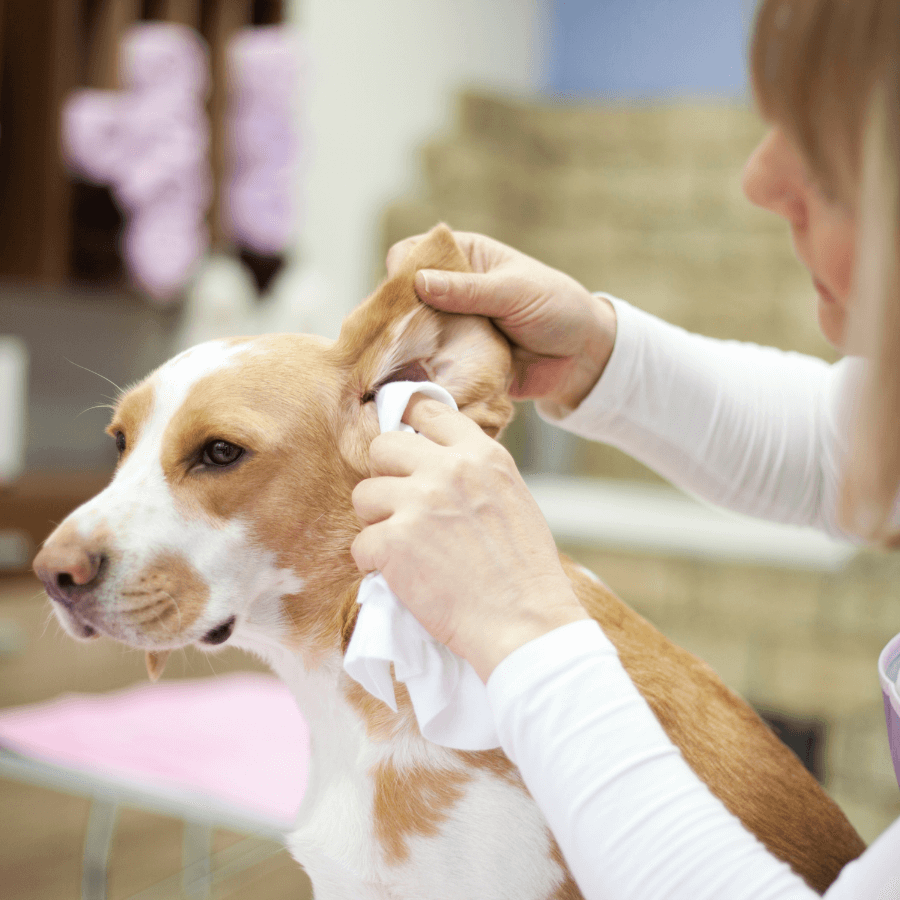
                                                      When to Seek Veterinary Care

                                                      Recognizing when to seek veterinary care for sebaceous cysts in dogs is crucial for their health and well-being. We’ll explore the key warning signs and symptoms that indicate it’s time to consult a veterinarian.

                                                      Warning Signs and Symptoms

                                                      Sebaceous cysts in dogs often require professional attention. Here are the warning signs and symptoms to watch for:

                                                      • New growths: If you notice a new bump or lump on your dog’s skin, it’s essential to have it checked by a veterinarian. This helps rule out potentially serious conditions and ensures proper diagnosis.
                                                      • Infection or inflammation: Infected or inflamed cysts may show signs such as:
                                                      • Redness around the cyst
                                                      • Swelling of the affected area
                                                      • Unpleasant odor
                                                      • Discharge from the cyst
                                                      • Cyst rupture: A ruptured sebaceous cyst requires immediate veterinary attention. Signs of rupture include:
                                                      • Release of grayish-white, brown, or cottage cheese-like discharge
                                                      • Bleeding from the cyst site
                                                      • Changes in size or appearance: Monitor existing cysts for:
                                                      • Rapid enlargement
                                                      • Changes in color
                                                      • Alterations in texture

                                                      Rapidly growing masses should be surgically removed and biopsied to rule out malignancy.

                                                      • Pain or discomfort: If your dog shows signs of pain or discomfort when the cyst area is touched, it’s time to consult a veterinarian.
                                                      • Interference with daily activities: Cysts that impede your dog’s normal movements or activities, such as eating or walking, require professional evaluation.
                                                      • Multiple cysts: The appearance of multiple cysts may indicate an underlying health issue and should be assessed by a veterinarian.

                                                      By staying vigilant and recognizing these warning signs, we can ensure timely veterinary care for our dogs with sebaceous cysts. Early intervention often leads to better outcomes and prevents potential complications.

                                                      Conclusion

                                                      Sebaceous cysts in dogs are generally benign but require attentive care and monitoring. We’ve explored their causes diagnosis and treatment options emphasizing the importance of professional veterinary care. By staying vigilant about our dogs’ skin health and seeking timely medical attention we can effectively manage these cysts and prevent complications. Remember regular check-ups and a healthy lifestyle are key to maintaining your dog’s overall well-being and reducing the risk of skin issues. With proper care and attention sebaceous cysts can be managed ensuring our furry friends stay comfortable and healthy.

                                                    1. When Is a Puppy Considered an Adult Dog? Puppy to Grown-Up Guide

                                                      When Is a Puppy Considered an Adult Dog? Puppy to Grown-Up Guide

                                                      When does your playful puppy officially become an adult dog? It’s a question many pet owners ponder as they watch their furry friends grow and mature. While there’s no one-size-fits-all answer, understanding the journey from puppyhood to adulthood can help us provide better care for our canine companions.

                                                      Generally, dogs are considered adults between one and two years of age. But, this timeline can vary significantly depending on factors like breed size, sexual maturity, and behavioral development. We’ll explore the key milestones that mark a dog’s transition to adulthood, from physical growth to emotional maturity. By understanding these stages, we’ll be better equipped to meet our dogs’ changing needs and ensure they thrive as they enter their adult years.

                                                      Understanding Canine Maturity

                                                      Determining when a dog is considered an adult involves assessing various aspects of their development. We’ll explore the different facets of canine maturity, including physical, sexual, and emotional milestones.

                                                      Physical Maturity

                                                      Physical maturity in dogs varies significantly based on breed size. Small breeds typically reach full size earlier, often between 8 to 12 months old. Extra-small breeds (under 10 pounds) are usually fully grown by 8 months, while mini breeds (10-25 pounds) reach full size around 10 months. Medium-sized dogs (26-55 pounds) generally mature physically by 12 months. Large and giant breeds take longer, with maxi breeds (56-100 pounds) reaching full size around 15 months and giant breeds (101 pounds and up) taking 18 to 24 months to fully grow. The closure of growth plates in bones marks the end of a dog’s physical growth, signaling their transition to adulthood.

                                                      Sexual Maturity

                                                      Sexual maturity in dogs typically occurs earlier than physical and emotional maturity. Dogs reach sexual maturity when their reproductive organs are fully developed, usually between 6 to 8 months of age. This means they can physically reproduce at this stage, though it’s generally considered too young for breeding. The onset of sexual maturity can vary depending on breed size and individual factors. It’s important to note that while dogs may be capable of reproducing at this age, they’re not yet considered fully mature adults. Responsible pet owners should consult with veterinarians about appropriate timing for spaying or neutering to prevent unwanted litters and promote overall health.

                                                      Emotional and Behavioral Maturity

                                                      Emotional and behavioral maturity takes the longest to develop in dogs, typically occurring around 12 to 18 months of age. This stage marks the pinnacle of a dog’s transition to adulthood. Signs of emotional maturity include settling down, understanding boundaries, responding more easily to commands, and exhibiting less distractibility. Dogs become calmer and more socialized, responding appropriately to other dogs’ cues. The process varies for each individual dog and may take up to 24 months for some breeds. Factors influencing emotional maturity include hormonal changes, training, and socialization experiences. As dogs reach this stage, they generally lose most of their wild puppy behavior, though some may retain playful traits throughout their lives.
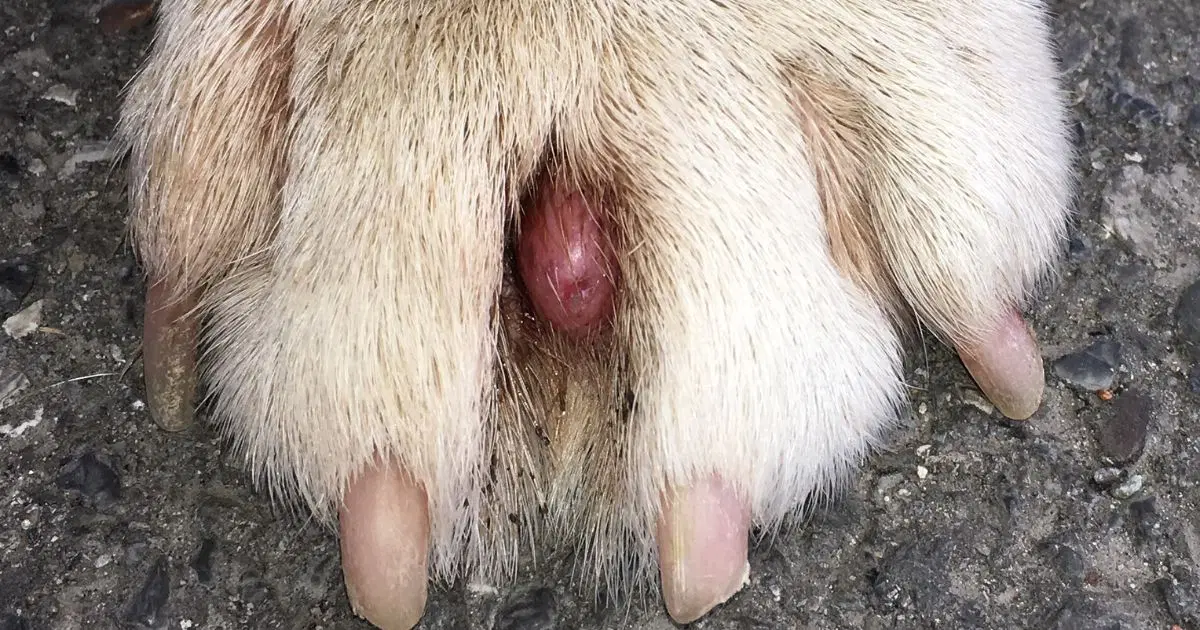
                                                      Factors Affecting a Dog’s Transition to Adulthood

                                                      A dog’s transition to adulthood is influenced by several key factors. These include breed size, genetic makeup, and whether the dog is a purebred or mixed breed. Let’s explore how these factors impact a dog’s journey to maturity.

                                                      Breed Size Differences

                                                      Breed size plays a crucial role in determining when a dog reaches adulthood. Small breeds typically mature faster than larger breeds:

                                                      • Small breeds (up to 20 lbs): Reach adult size by 8-12 months
                                                      • Medium breeds (21-50 lbs): Fully grown around 12 months
                                                      • Large breeds (51-100 lbs): Take 10-16 months to reach adult size
                                                      • Giant breeds (over 100 lbs): Require 18-24 months to complete growth

                                                      Physical maturity often occurs when a dog reaches 80-90% of its adult weight. But, it’s important to note that emotional maturity may lag behind physical growth, especially in larger breeds. While small breeds might be considered adults by 9-10 months, giant breeds may still exhibit puppy-like behavior well into their second year.
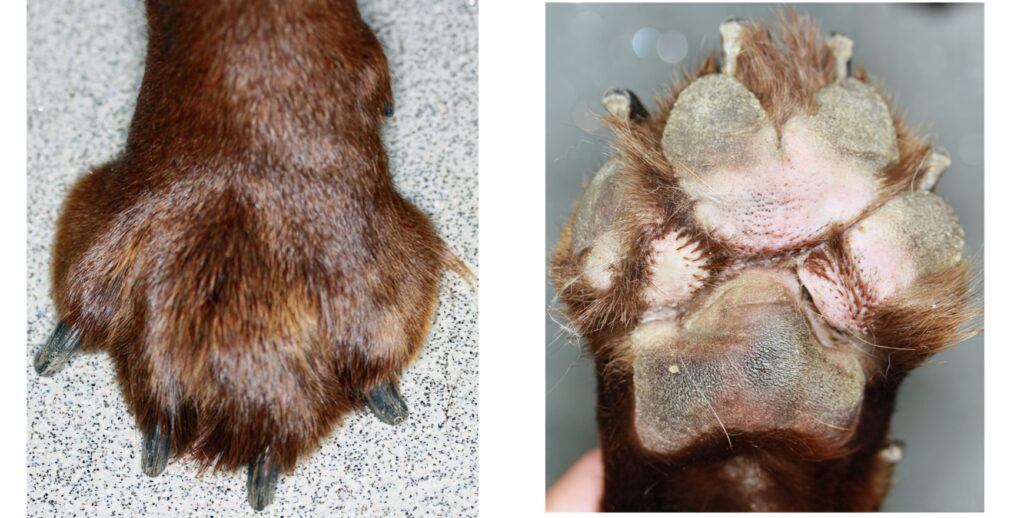
                                                      Pure vs. Mixed Breeds
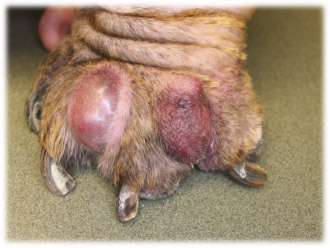
                                                      The distinction between purebred and mixed-breed dogs can affect their transition to adulthood:

                                                      Purebred dogs:

                                                      • More predictable growth patterns
                                                      • Breeders can often estimate adult size based on parents and littermates
                                                      • Exact breed traits may influence maturity timelines

                                                      Mixed-breed dogs:

                                                      • Growth patterns can be less predictable
                                                      • Adult size may be harder to estimate without knowing the breed mix
                                                      • DNA tests can help predict adult size by revealing breed makeup

                                                      Both purebred and mixed-breed dogs follow the same general stages of development: puppyhood, adolescence, adulthood, and senior years. But, the timing of these stages can vary. Consulting with a veterinarian and considering DNA testing for mixed breeds can provide valuable insights into a dog’s expected growth and maturation timeline.
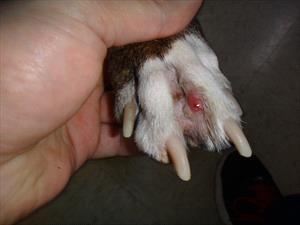
                                                      Signs Your Puppy Is Becoming an Adult

                                                      As puppies grow, they exhibit several distinct signs indicating their transition to adulthood. We’ll explore key indicators that your furry friend is maturing, including physical changes and behavioral shifts.

                                                      Loss of Puppy Teeth

                                                      The loss of puppy teeth is a important milestone in a dog’s journey to adulthood. By 6 months to 1 year of age, puppies typically lose all their baby teeth, replaced by a full set of permanent teeth. This process, known as teething, can be uncomfortable for puppies and may lead to increased chewing behavior. As adult teeth emerge, it’s crucial to start a regular dental care routine. Introducing finger brushes and dental treats can help maintain oral health. Brush the outside surface of your dog’s teeth at least three times per week to prevent dental issues and ensure proper hygiene as they enter adulthood.

                                                      Changes in Behavior and Energy Levels

                                                      As puppies mature into adults, their behavior and energy levels undergo noticeable changes. Adult dogs generally display increased calmness and reduced energy compared to their puppy counterparts. They become less distractible and more responsive to commands, indicating improved focus and attentiveness. Social maturity also develops, with adult dogs showing more complex interactions with other dogs and people. They may assert dominance or display deference in canine social situations. These behavioral changes often occur gradually, typically becoming more pronounced between 18 and 36 months of age. It’s important to note that while adult dogs are generally calmer, individual personalities and breed characteristics can influence energy levels throughout a dog’s life.

                                                      Adult Dog

                                                      Reduced Destructive Tendencies

                                                      As puppies transition to adulthood, there’s usually a noticeable decrease in destructive behaviors. Adult dogs typically engage in less inappropriate chewing and destructive activities compared to their puppy stage. This reduction is partly due to the completion of teething and a decreased need to explore their environment through oral means. But, it’s important to note that destructive behavior can persist in adult dogs if they’re bored or under-exercised. To prevent such issues, provide appropriate chew toys and ensure regular exercise and mental stimulation. While destructive tendencies generally diminish with age, individual dogs may still exhibit these behaviors occasionally. Consistent training and providing suitable outlets for energy are key to managing and reducing destructive behaviors as your dog matures.

                                                      Nutrition and Diet Changes

                                                      As dogs transition from puppyhood to adulthood, their nutritional needs change significantly. We’ll explore the key adjustments required in their diet to support their health and well-being as they mature.

                                                      Transitioning from Puppy to Adult Food

                                                      Switching from puppy to adult dog food is a crucial step in a dog’s nutritional journey. The timing of this transition depends on the dog’s breed size. Small breeds typically switch at 9-12 months, medium breeds around 12 months, and large breeds between 12-16 months. We recommend gradually introducing adult food over a week, mixing it with puppy food in increasing proportions. This gradual transition helps prevent digestive upset.

                                                      Adult dog food contains fewer calories and a different balance of nutrients compared to puppy food. It’s formulated to maintain a healthy weight and support overall health rather than rapid growth. Continuing to feed puppy food beyond the appropriate age can lead to obesity and potential health issues due to excess calories and nutrients.

                                                      Adjusting Portion Sizes

                                                      As dogs reach adulthood, their caloric needs change. Adult dogs typically require fewer calories per pound of body weight compared to growing puppies. We advise adjusting portion sizes based on the dog’s age, size, activity level, and metabolism. Overfeeding can lead to obesity, while underfeeding may result in nutritional deficiencies.

                                                      Adult Dog

                                                      It’s essential to follow feeding guidelines on the dog food packaging as a starting point, but these should be customized to each dog’s individual needs. We recommend monitoring your dog’s body condition regularly and adjusting portions accordingly. A healthy adult dog should have a visible waist when viewed from above and palpable ribs without excess fat covering.

                                                      Regular weigh-ins and consultations with a veterinarian can help determine the ideal portion sizes for your adult dog, ensuring they maintain a healthy weight throughout adulthood.

                                                      Care and Training for Young Adult Dogs

                                                      As dogs transition into adulthood, their care and training needs evolve. Understanding these changes is crucial for maintaining their health and behavior. Let’s explore the key aspects of caring for and training young adult dogs.

                                                      Exercise Requirements

                                                      Young adult dogs require regular exercise to maintain physical and mental health. The amount of exercise needed varies based on breed, size, and individual energy levels. Large breeds typically need 1-2 hours of daily activity, while smaller breeds may be satisfied with 30-60 minutes.

                                                      Exercise options include:

                                                      • Daily walks (2-3 times per day)
                                                      • Playtime in a fenced yard
                                                      • Fetch or frisbee games
                                                      • Swimming (for water-loving breeds)
                                                      • Agility training

                                                      It’s crucial to avoid overexertion, especially in large breeds whose growth plates may still be closing. Gradually increase exercise intensity as the dog matures. Monitor for signs of fatigue or discomfort during activities.

                                                      Ongoing Training and Socialization

                                                      Training and socialization remain essential for young adult dogs. At this stage, dogs often test boundaries and may exhibit behavioral changes. Consistent training reinforces good habits and addresses any emerging issues.

                                                      Key training areas include:

                                                      • Reinforcing basic obedience commands
                                                      • Leash manners and loose-leash walking
                                                      • Impulse control exercises
                                                      • Advanced tricks or skills

                                                      Socialization opportunities:

                                                      • Supervised playdates with other dogs
                                                      • Visits to dog-friendly public spaces
                                                      • Exposure to various environments and stimuli

                                                      Use positive reinforcement techniques to encourage desired behaviors. Short, frequent training sessions (10-15 minutes) are often more effective than longer ones. Engage in scent work or puzzle toys to provide mental stimulation, which is crucial for preventing boredom and associated behavioral problems.

                                                      Health Considerations for Maturing Dogs

                                                      As dogs transition into adulthood, their health needs evolve. Regular veterinary care and timely decisions about spaying or neutering are crucial for maintaining their well-being. Let’s explore these important aspects of canine health management.

                                                      Importance of Regular Veterinary Check-ups

                                                      Regular veterinary check-ups are essential for maintaining a dog’s health as they mature into adulthood. Annual wellness exams allow veterinarians to monitor growth, detect early signs of health issues, and administer necessary vaccinations. These check-ups typically include physical examinations, weight assessments, and discussions about nutrition and exercise needs.

                                                      Adult Dog

                                                      Veterinarians use these visits to update vaccinations, conduct heartworm tests, and recommend parasite prevention strategies. They also perform dental evaluations, as adult dogs are prone to dental issues. Blood work and other diagnostic tests may be recommended to screen for age-related conditions.

                                                      By maintaining a consistent schedule of veterinary visits, dog owners can ensure their pets receive timely preventive care and early interventions for any developing health concerns. This proactive approach to healthcare can significantly contribute to a dog’s longevity and quality of life.

                                                      Spaying and Neutering

                                                      Spaying and neutering are important considerations for dog owners as their pets reach sexual maturity. These procedures, typically performed around six months of age, offer many health benefits and help control the pet population.

                                                      Spaying involves removing a female dog’s ovaries and uterus, while neutering removes a male dog’s testicles. These surgeries eliminate the risk of certain reproductive cancers and reduce the likelihood of other health issues, such as pyometra in females and prostate problems in males.

                                                      https://youtu.be/CZuZ-5rih7o

                                                      Beyond health benefits, spaying and neutering can positively impact behavior. Neutered males are often less aggressive and less likely to roam, while spayed females don’t experience heat cycles, which can be disruptive to both the dog and household.

                                                      The optimal timing for these procedures can vary based on breed size and individual health factors. Large breed dogs may benefit from delaying the surgery until they’re closer to full growth. It’s crucial to consult with a veterinarian to determine the best timing for each individual dog.

                                                      Conclusion

                                                      Understanding when a dog transitions to adulthood is crucial for providing appropriate care. While the journey varies for each dog it generally occurs between one and two years of age. Factors like breed size physical growth and emotional maturity all play vital roles. As our furry friends mature their nutritional exercise and healthcare needs evolve. By recognizing these changes and adapting our care strategies we can ensure our dogs thrive throughout their adult lives. Remember every dog is unique so consulting with a veterinarian remains essential for tailoring care to your pet’s exact needs.