Author: David Peine

  • Dog Acne: Causes, Symptoms, and Treatment for Your Pup’s Skin

    Dog Acne: Causes, Symptoms, and Treatment for Your Pup’s Skin

    Did you know that dogs can get acne too? It’s true! Just like humans, our furry friends can experience those pesky pimples, but in their case, it’s known as muzzle folliculitis or furunculosis. This skin condition affects a dog’s muzzle and lips, causing red bumps or pustules that can be uncomfortable for our canine companions.

    We’ll jump into the industry of dog acne, exploring its causes, symptoms, and treatments. From understanding how everyday activities like playing and scratching can lead to inflamed hair follicles, to learning about the best ways to help your pup find relief, we’ve got you covered. By the end of this article, you’ll be equipped with the knowledge to spot, prevent, and manage dog acne, ensuring your four-legged friend stays happy and healthy.

    What Is Dog Acne?

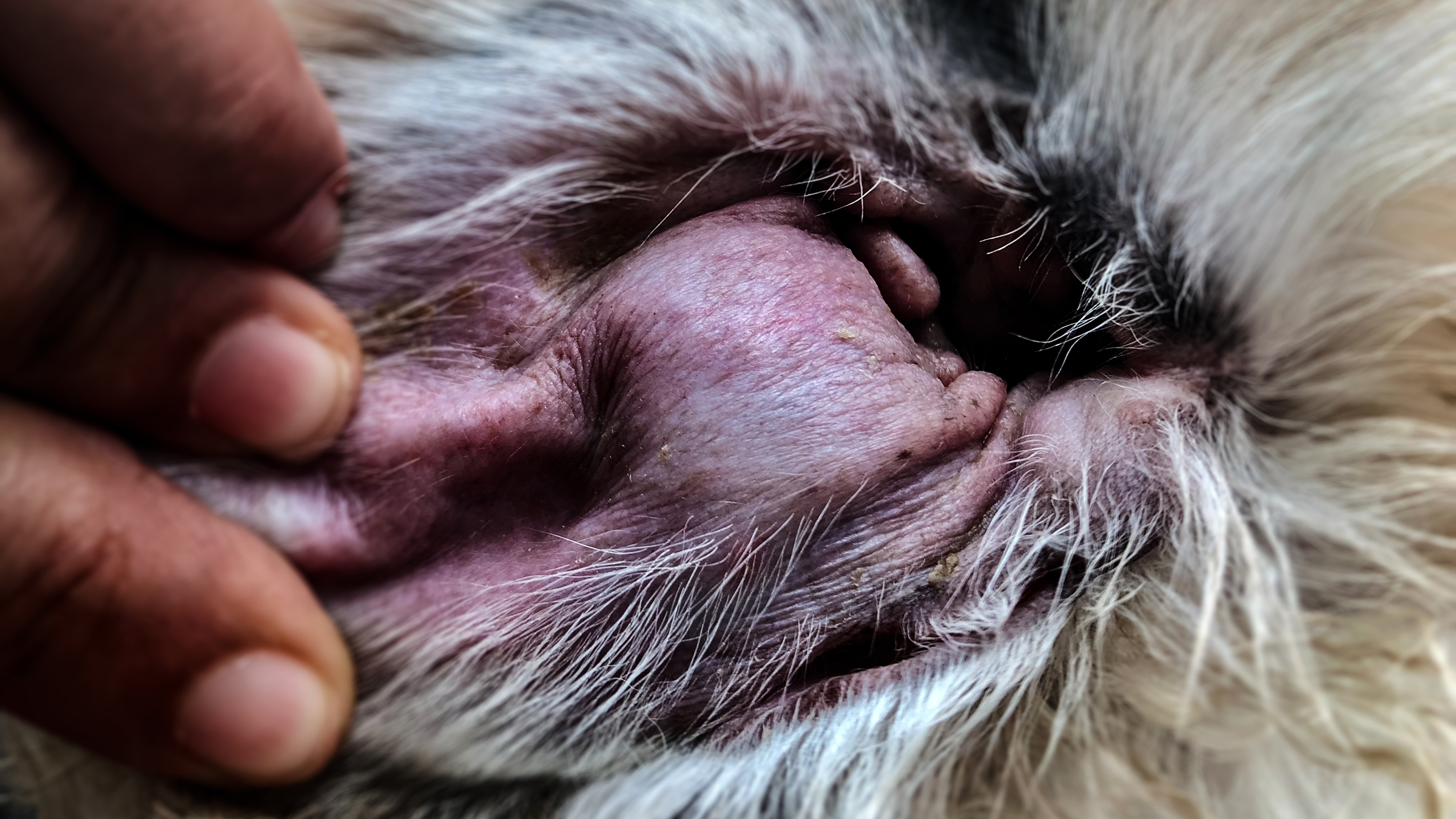
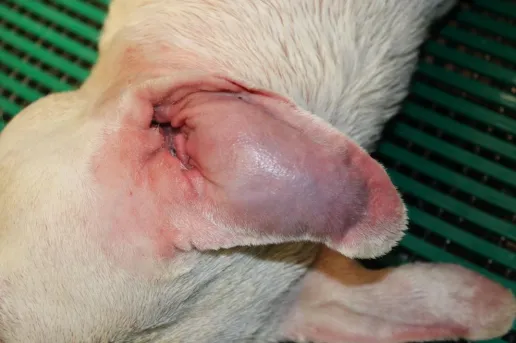
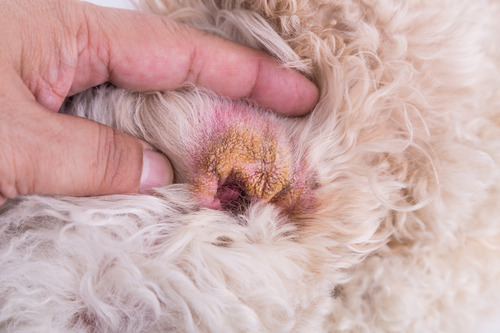
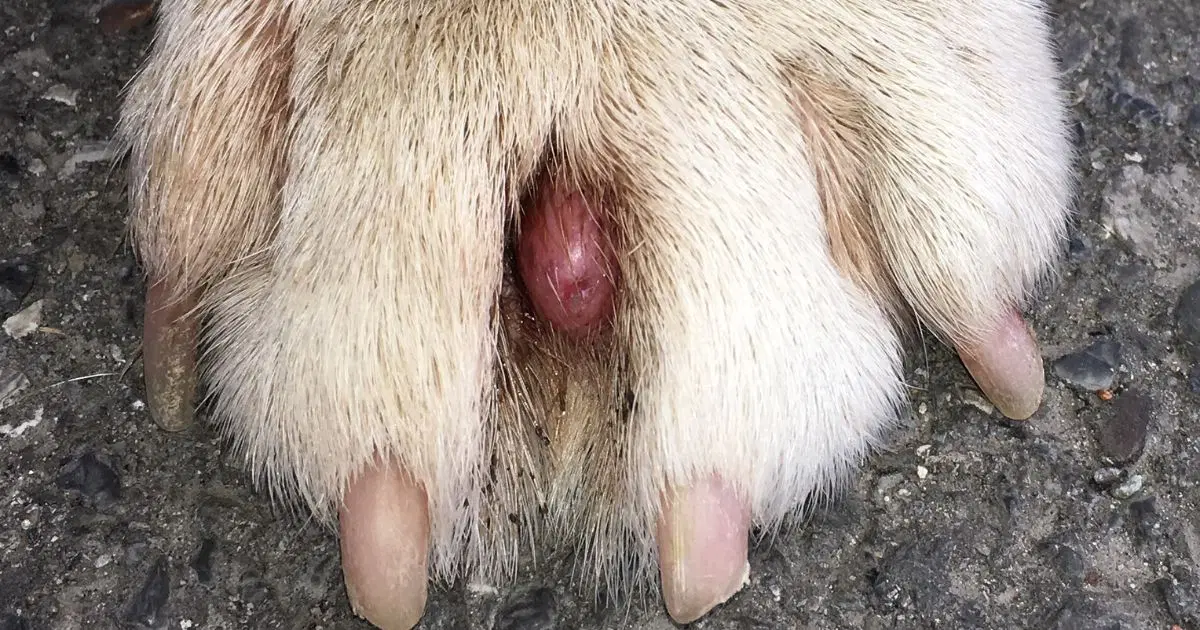
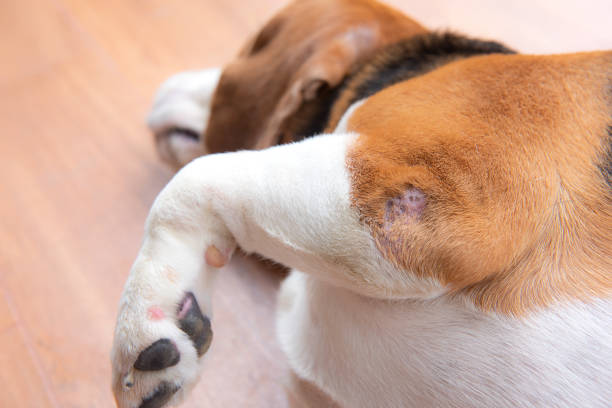
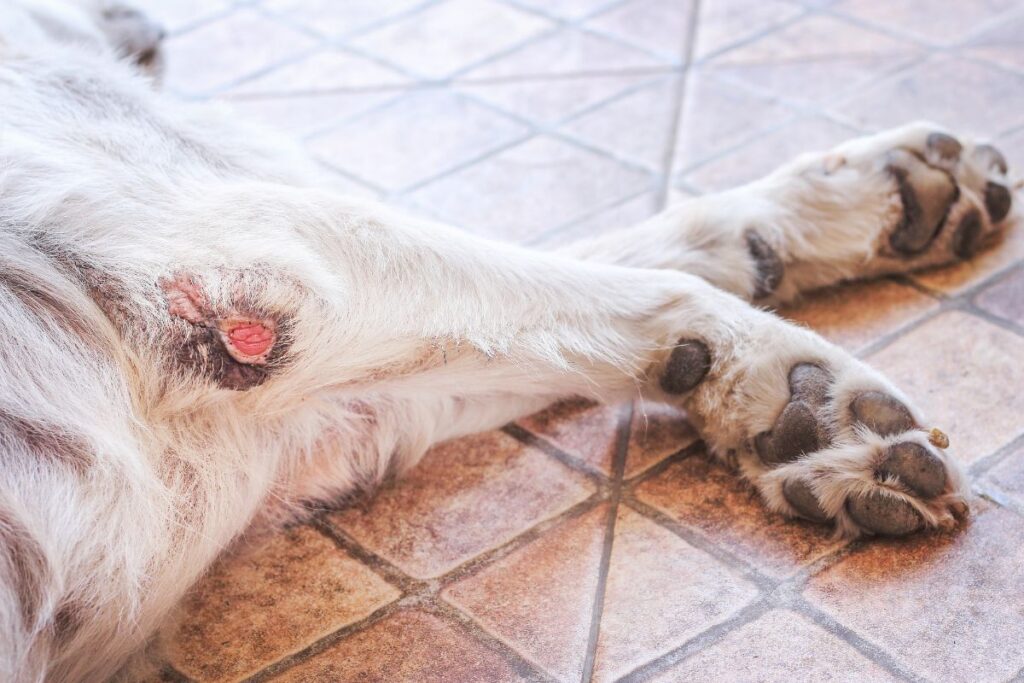
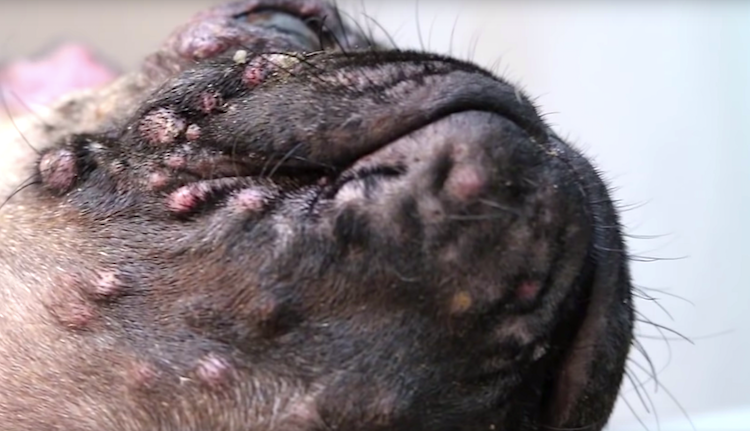
    Dog acne, also known as muzzle folliculitis and furunculosis, is a skin condition affecting dogs’ muzzles and lips. It’s characterized by red bumps, pustules, or pimples on the skin, often accompanied by swelling and discomfort.

    Characteristics

    Dog acne typically appears as:

    • Red bumps or pimples
    • Pustules filled with pus
    • Swollen areas around the muzzle
    • Scabbing or active bleeding
    • Hair loss in affected areas

    These lesions primarily occur on the dog’s chin, lower lips, and muzzle area.

    Causes of Inflammation

    The inflammation associated with dog acne stems from two main sources:

    1. Folliculitis: Short hairs push below the skin’s surface, causing inflammation.
    2. Furunculosis: Hair follicles under the skin become infected, painful, and inflamed, often containing pus.

    Factors contributing to these conditions include:

    • Trauma from rough play or rubbing against surfaces
    • Underlying skin allergies causing itching and rubbing
    • Age (most common in dogs 6 months to 1 year old)
    • Breed predisposition (more frequent in short-haired breeds)

    Physical Appearance

    The physical manifestations of dog acne include:

    • Small areas of inflammation surrounding irritated hair follicles
    • Blackhead-like or pimple-like lesions on lips and chin
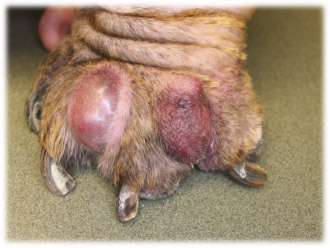
    • Swollen lips or muzzle in severe cases
    • Potential scarring from chronic inflammation
    AspectDescription
    Common locationsChin, lower lips, muzzle
    AppearanceRed bumps, pustules, swelling
    Age range6 months to 1 year old
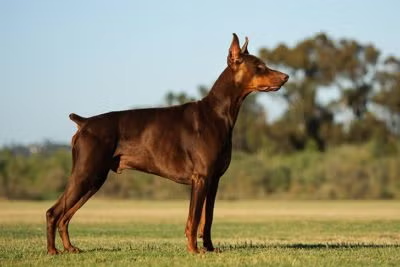
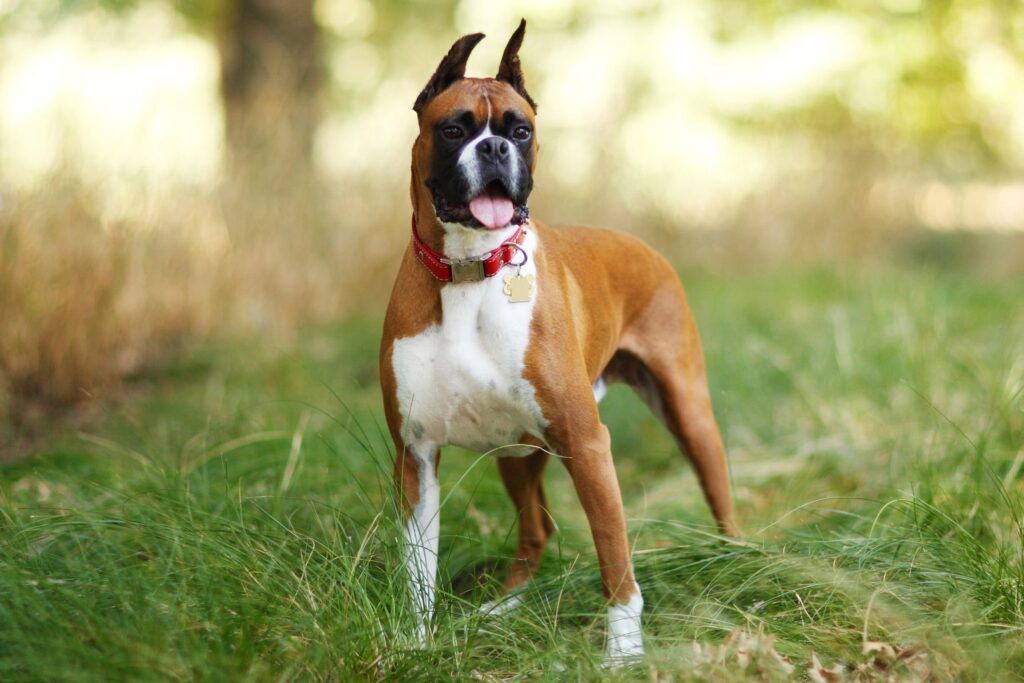
    Breeds affectedShort-haired breeds (e.g., Boxers, Dobermans, Bulldogs)

    Understanding dog acne’s characteristics helps in early detection and proper management, ensuring our canine companions receive timely care for this uncomfortable condition.

    Causes of Dog Acne

    Dog acne develops due to various factors affecting the skin and hair follicles. Understanding these causes helps pet owners recognize and address the condition effectively. Let’s explore the main contributors to canine acne.

    Hormonal Changes

    Hormonal fluctuations play a important role in the development of dog acne. Adolescent dogs, typically between 5 to 8 months old, are particularly susceptible to this condition. During puberty, hormonal changes can trigger an increase in sebum production, leading to clogged hair follicles and acne formation. This explains why dog acne is most common in young dogs aged 6 months to 1 year. As dogs mature, their hormone levels often stabilize, which can result in a reduction or disappearance of acne symptoms. But, some dogs may continue to experience acne episodes throughout their lives due to ongoing hormonal variations.
    Dog Acne

    Excessive Oil Production

    Excessive sebum production is a key factor in the development of dog acne. Sebaceous glands in a dog’s skin produce this oily substance to keep the skin and coat healthy. But, when these glands produce too much sebum, it can mix with dead skin cells and bacteria, clogging hair follicles. This buildup leads to the formation of blackheads, whiteheads, and other types of acne lesions. Factors that can contribute to excessive oil production include genetics, environmental conditions, and certain skin care practices. Regular grooming and proper skin care can help manage oil production and reduce the likelihood of acne formation in dogs.

    Breed Predisposition

    Certain dog breeds are more prone to developing acne due to genetic predisposition and physical characteristics. Short-haired breeds are particularly susceptible to this condition. Commonly affected breeds include:

    • Boxers
    • English Bulldogs
    • Great Danes
    • German Shorthaired Pointers
    • Weimaraners
    • Mastiffs
    • Rottweilers
    • Doberman Pinschers

    These breeds often have deeper skin folds and larger pores, which can trap more oil and debris, increasing the risk of acne formation. While these breeds are more predisposed, it’s important to note that any dog can potentially develop acne. Regular skin checks and proper grooming practices are essential for all breeds to maintain healthy skin and prevent acne outbreaks.

    Symptoms of Dog Acne

    Dog acne presents with distinct signs that help in its identification. Understanding these symptoms is crucial for early detection and proper treatment.

    Common Signs to Look For

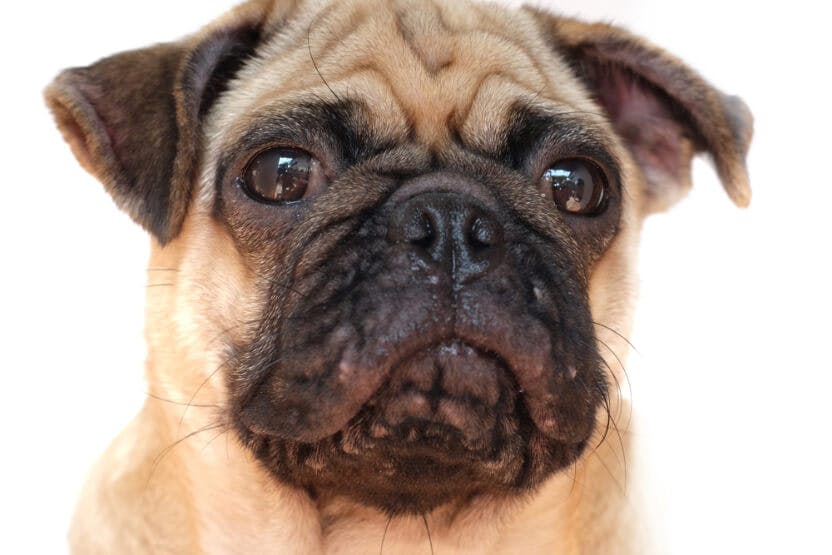
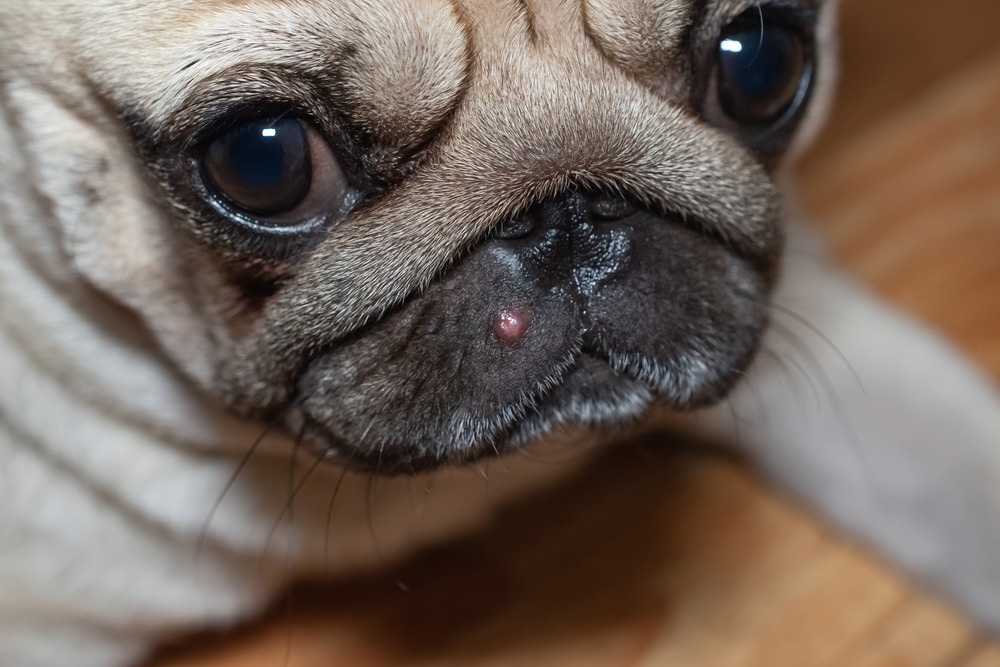
    Dog acne typically manifests as red bumps, whiteheads, or blackheads on the chin, lips, and muzzle. Swelling and inflammation often accompany these lesions, particularly if they become infected. Dogs may exhibit itchiness or scratching around the affected areas. In advanced cases, pustules, cysts, and ulcerated lesions with discharge can form. The affected skin may become hairless, with crusty or bleeding areas. Owners might notice their dog rubbing its face against carpets or furniture, indicating discomfort. These symptoms can vary in severity, ranging from mild irritation to more serious infections.

    Differentiating from Other Skin Conditions

    Distinguishing dog acne from other skin conditions is essential for accurate diagnosis. Unlike allergic dermatitis, which often affects larger areas of the body, dog acne is typically localized to the muzzle and chin. Demodectic mange, caused by mites, can present similar symptoms but usually involves hair loss and affects multiple body areas. Bacterial pyoderma might resemble acne but often spreads beyond the face. Fungal infections like ringworm create circular, scaly patches unlike acne’s bumps and pustules. In cases of uncertainty, veterinarians may perform skin scrapings, biopsies, or bacterial cultures to confirm the diagnosis and rule out other conditions. This differentiation ensures appropriate treatment and prevents misdiagnosis of potentially more serious skin disorders.

    Diagnosing Dog Acne

    Diagnosing dog acne requires a careful examination and consideration of various factors. Veterinarians use a combination of methods to accurately identify this skin condition and rule out other potential issues.

    Veterinary Examination

    A thorough veterinary examination is the first step in diagnosing dog acne. During this process, vets look for characteristic skin lesions such as red bumps, pustules, or papules, typically located around the lips and muzzle. They’ll assess the severity of the condition and check for any signs of infection or inflammation. Veterinarians also gather a detailed medical history, including information about the dog’s diet, environment, and any recent changes that might contribute to the skin issue. This comprehensive approach helps differentiate dog acne from other skin conditions with similar symptoms.

    Additional Tests and Analyses

    To confirm the diagnosis of dog acne and rule out other skin problems, veterinarians may perform additional tests:

    1. Skin scraping: This involves gently scraping off a small sample of cells from the affected area for microscopic examination. It helps identify skin parasites like Demodex mites or other underlying causes.
    2. Cytology: Analyzing collected cells under a microscope can reveal the presence of bacteria, yeast, or other microorganisms that may be contributing to the skin condition.
    3. Bacterial culture and sensitivity: In cases of suspected infection, this test identifies the exact bacteria involved and determines which antibiotics will be most effective for treatment.
    4. Skin biopsy: In more severe or persistent cases, a small tissue sample may be taken to rule out other skin disorders and confirm the acne diagnosis.

    These diagnostic tools help veterinarians develop an accurate treatment plan customized to each dog’s exact needs, ensuring the most effective management of canine acne.

    Treatment Options for Dog Acne

    Dog acne treatment focuses on managing symptoms and preventing future outbreaks. Our approach combines topical treatments, oral medications, and strategies to manage secondary infections.

    Topical Treatments

    Topical treatments are the cornerstone of dog acne management. Benzoyl peroxide is the most commonly recommended option, available in shampoos, gels, and creams. It effectively flushes out hair follicles and reduces bacterial contamination. Topical antibiotics, like mupirocin, decrease surface bacteria. For inflammation reduction, veterinarians may prescribe topical steroids such as betamethasone or fluocinolone. Specialized cleansers and pet-safe shampoos help cleanse the skin and combat bacterial and fungal infections. Regular application of these treatments, following veterinary guidance, is crucial for optimal results.

    Oral Medications

    In severe cases of dog acne, oral medications complement topical treatments. Antibiotics are prescribed to combat bacterial infections that don’t respond to topical therapies. These medications target bacteria from within, reducing inflammation and preventing the spread of infection. Anti-inflammatory agents, including corticosteroids, may be recommended to alleviate severe swelling and discomfort. It’s essential to follow the prescribed dosage and complete the full course of treatment to prevent antibiotic resistance. Regular veterinary check-ups during oral medication therapy ensure the treatment’s effectiveness and allow for necessary adjustments.

    Managing Secondary Infections

    Secondary infections often complicate dog acne cases, requiring a multi-faceted approach. We focus on identifying and addressing underlying causes, such as allergies or hormonal imbalances, that predispose dogs to recurrent acne. Treatment may involve anti-itch medications or long-term oral steroids for dogs with acne due to allergies. Regular cleaning of the affected areas with medicated wipes or answers helps prevent bacterial overgrowth. In cases of fungal infections, antifungal medications may be necessary. Monitoring for signs of infection, such as increased redness, swelling, or discharge, is crucial for prompt intervention and effective management of dog acne complications.

    Home Care and Prevention

    Managing dog acne at home involves proper hygiene practices, dietary considerations, and avoiding potential irritants. These preventive measures can significantly reduce the occurrence and severity of acne in dogs.

    Proper Hygiene Practices

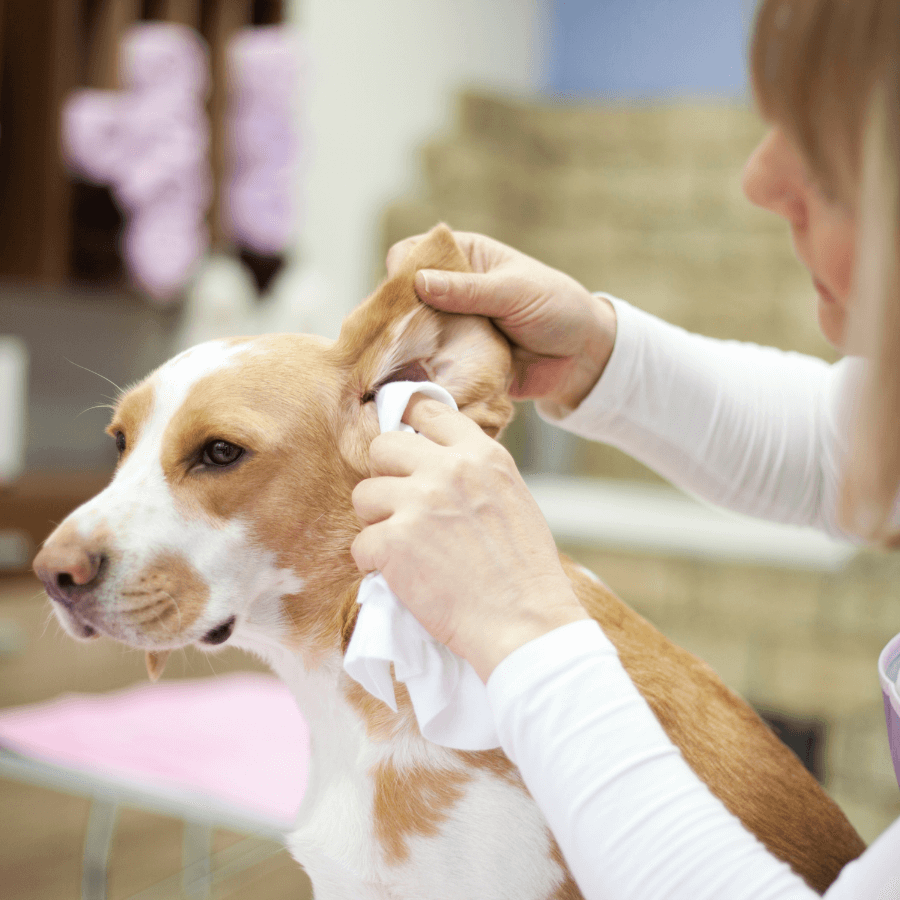
    Regular cleaning is crucial for preventing dog acne. Bathe your dog with vet-approved medicated shampoos containing benzoyl peroxide to cleanse the skin and reduce acne. Daily face cleaning, especially the chin and lip areas, using a gentle, pet-safe cleanser and soft cloth prevents dirt, oil, and bacteria buildup. Between baths, use dog acne wipes or damp cloths with diluted benzoyl peroxide to keep the muzzle clean. Maintain a clean environment by regularly washing dog beds, blankets, and crates to reduce bacterial accumulation. Consistent hygiene practices help manage existing acne and prevent future outbreaks, promoting healthier skin for your dog.
    Dog Acne

    Diet and Nutrition

    A balanced diet plays a important role in managing dog acne. Hormonal changes, particularly in younger dogs, can contribute to acne development. Consult your veterinarian to adjust your dog’s diet if necessary. High-quality, nutrient-rich food supports overall skin health and may help reduce acne occurrence. Consider incorporating omega-3 fatty acids, which have anti-inflammatory properties, into your dog’s diet through fish oil supplements or foods rich in these nutrients. Ensure your dog stays hydrated, as proper hydration supports skin health. Some dogs may benefit from probiotics to promote a healthy gut-skin connection. Always introduce dietary changes gradually and monitor your dog’s response to prevent digestive issues.

    Avoiding Irritants

    Identifying and eliminating potential irritants is crucial in managing dog acne. Remove plastic food and water bowls, which can harbor bacteria and irritate the skin. Replace them with stainless steel, ceramic, or glass alternatives. Regularly wash your dog’s bedding and toys to prevent bacteria accumulation. Avoid using harsh chemicals or fragrances in cleaning products around your home. When grooming, use gentle, hypoallergenic products specifically formulated for dogs. Be cautious with topical flea treatments, as some can irritate the skin. If your dog wears a collar, ensure it’s clean and not too tight to prevent friction and irritation. During walks, be mindful of environmental irritants like tall grass or plants that may cause skin reactions.

    When to Seek Veterinary Care

    Recognizing the right time to seek veterinary care for dog acne is crucial for your pet’s health and comfort. We’ll outline key indicators that signal it’s time to consult a professional.

    Visible Symptoms

    Dog acne typically manifests as red bumps, pustules, or blackheads on your pet’s chin, lips, or muzzle. These symptoms alone warrant a vet visit:

    • Red, swollen bumps on the muzzle area
    • Blackheads or whiteheads around the chin or lips
    • Scabbed-over lesions on affected areas

    Early detection and treatment prevent the condition from worsening and reduce the risk of secondary infections.

    Increased Itchiness or Discomfort

    Observe your dog’s behavior around the affected area:

    • Frequent scratching of the chin or muzzle
    • Rubbing the face against furniture or carpets
    • Signs of pain or discomfort when touching the area

    These behaviors indicate irritation and discomfort, potentially leading to further skin damage if left untreated.

    Infection Signs

    Look for these indicators of infection, which require immediate veterinary attention:

    • Pus-filled bumps on the affected skin
    • Oozing or discharge from lesions
    • Strong, unpleasant odor from the acne-affected area
    Infection SignDescriptionAction Required
    Pus-filled bumpsVisible white or yellowish fluid in lesionsSeek immediate vet care
    Oozing/DischargeLiquid seeping from affected areasConsult vet promptly
    Strong odorUnusual smell from acne-affected skinSchedule vet appointment

    Infected acne can lead to more serious skin conditions and cause important discomfort for your dog. Prompt veterinary care ensures proper diagnosis and treatment, preventing complications and promoting faster healing.

    Remember, while mild cases of dog acne might resolve on their own, it’s always better to err on the side of caution. A veterinary professional can provide an accurate diagnosis, rule out other skin conditions, and recommend the most effective treatment plan for your pet’s exact case.

    Conclusion

    Dog acne can be a frustrating condition for both pets and owners. By understanding its causes symptoms and treatment options we’re better equipped to manage this skin issue effectively. Regular cleaning proper hygiene and a balanced diet play crucial roles in prevention. It’s important to monitor our furry friends for any signs of discomfort or unusual skin changes. With prompt veterinary care and diligent home management we can help our dogs maintain healthy clear skin. Remember every dog is unique so working closely with a veterinarian ensures the best care customized to your pet’s exact needs.

  • Top Automatic Dog Feeders: Simplify Your Pet’s Mealtime in 2025

    Top Automatic Dog Feeders: Simplify Your Pet’s Mealtime in 2025

    Are you tired of juggling your busy schedule with your furry friend’s feeding routine? We’ve got the perfect solution for you: automatic dog feeders. These innovative devices are revolutionizing the way pet owners manage their dogs’ meals, offering convenience and peace of mind.

    Automatic dog feeders allow us to maintain our pups’ feeding schedules without being tethered to mealtime. They’re ideal for busy professionals, frequent travelers, or anyone who wants to ensure their dog is fed on time, every time. With features like portion control and timed dispensing, these feeders promote healthier eating habits and can even help with weight management. In this text, we’ll explore the benefits of automatic dog feeders, how to choose the right one, and tips for making the most of this game-changing pet care technology.

    What Is an Automatic Dog Feeder?

    An automatic dog feeder is a device designed to dispense food to dogs at predetermined intervals without human intervention. These innovative gadgets use electronic components and programmable interfaces to ensure pets receive their meals on time, even when their owners aren’t home.

    Components and Functionality

    Automatic dog feeders typically consist of several key components:

    • Food container
    • Dispensing mechanism
    • Programmable interface
    • Sensors (e.g., ultrasonic ranging modules)
    • LCD screen
    • Servo motors
    • Microcontrollers (such as Arduino boards)

    The food container stores the pet’s meals, while the dispensing mechanism, often controlled by servo motors, releases the food at set times. Sensors detect the dog’s presence, triggering the food release. The programmable interface allows owners to set feeding schedules and portion sizes, which are displayed on the LCD screen.

    1. Programmable Feeders
    • Allow owners to set exact feeding times and amounts
    • Ensure consistent and accurate food delivery
    • Ideal for pets with strict dietary requirements

    2. Gravity Feeders

      • Refill the bowl as it empties
      • Best suited for pets with smaller appetites or self-control

      3. Smart Feeders

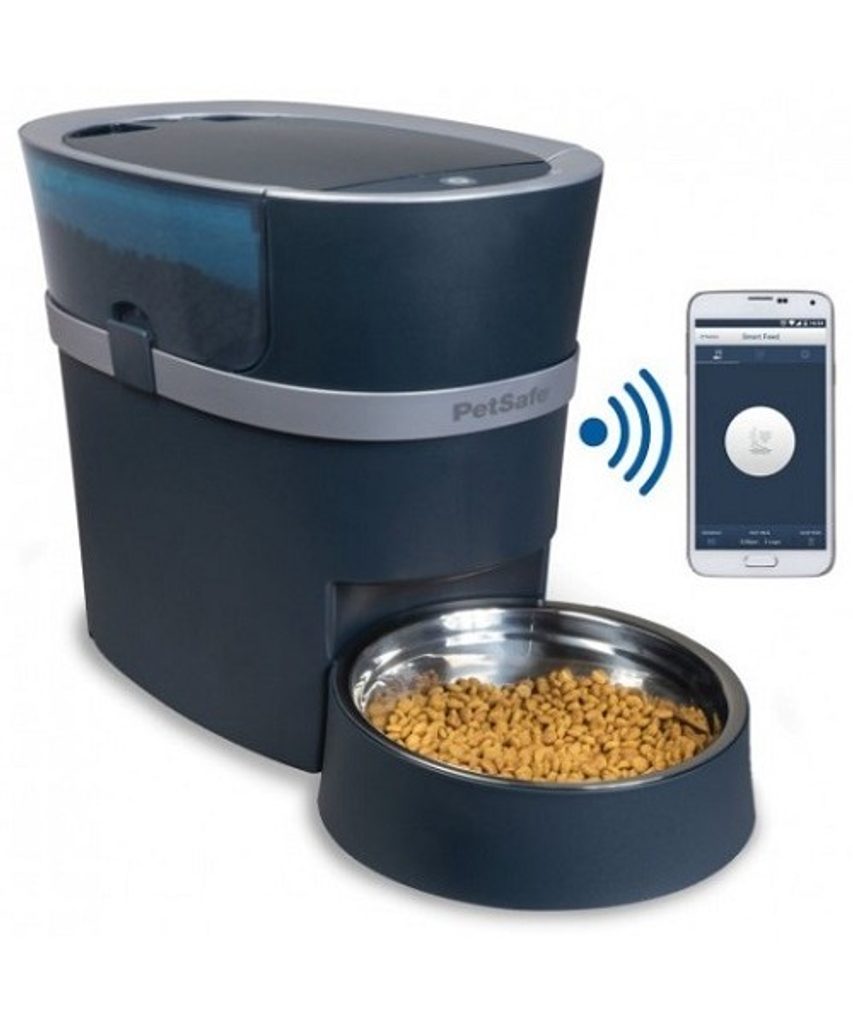
        • Connect to smartphones or home automation systems
        • Offer remote feeding options and real-time monitoring

        4. Portion Control Feeders

          • Dispense precise amounts of food
          • Help maintain healthy eating habits and weight management

          By incorporating these features, automatic dog feeders provide convenience for pet owners while ensuring dogs maintain regular feeding schedules. They’re particularly useful for busy households, working professionals, or when owners are away for short periods.

          Benefits of Using an Automatic Dog Feeder

          Convenience and Consistency

          Automatic dog feeders offer unparalleled convenience and consistency in your pet’s feeding routine. They dispense meals at preset times, ensuring your dog eats on schedule even when you’re not home. This regularity is essential for pets, as they thrive on routine and predictable mealtimes. By maintaining a consistent feeding schedule, automatic feeders help regulate your dog’s digestive system and prevent anxiety related to irregular mealtimes.

          Portion Control

          One of the key advantages of automatic dog feeders is precise portion control. These devices allow you to measure and dispense exact amounts of food for each meal. This feature is crucial for:

          • Preventing overeating
          • Maintaining a healthy weight
          • Managing exact dietary needs
          • Controlling calorie intake for dogs with health conditions like diabetes

          By eliminating guesswork and human error in portion sizes, automatic feeders contribute significantly to your dog’s overall health and well-being.

          Fresh Food and Reduced Contamination

          Automatic dog feeders keep food fresh and protected from contaminants. They typically store food in sealed containers, dispensing it only at scheduled feeding times. This storage method offers several benefits:

          • Preserves food quality
          • Reduces the risk of spoilage
          • Prevents exposure to air and moisture
          • Keeps out insects and other pests

          By maintaining food freshness, these feeders ensure your dog always has access to high-quality, safe meals.

          Time Management

          For busy pet owners, automatic dog feeders are a game-changer in time management. They:

          • Eliminate the need to rush home for feeding times
          • Allow for more flexible work schedules
          • Reduce stress during busy periods or travel
          • Free up time for other pet care activities, like walks or playtime

          By automating the feeding process, these devices give you more quality time to spend with your furry friend without compromising their nutritional needs.

          Types of Automatic Dog Feeders

          Automatic dog feeders come in various designs to suit different needs and preferences. We’ve categorized these feeders into three main types: gravity feeders, electronic programmable feeders, and smart feeders. Each type offers unique features and benefits for pet owners and their furry companions.

          Gravity Feeders

          Gravity feeders operate on a simple principle, food is dispensed from a reservoir into a bowl as the dog eats. These feeders are low-tech and don’t require electricity or batteries. The food container sits atop the bowl, allowing kibble to flow down as the bowl empties. Gravity feeders are ideal for dogs who can self-regulate their food intake, as they provide a constant supply of food. But, they’re not suitable for dogs prone to overeating. Benefits of gravity feeders include:

          • Low maintenance
          • No programming required
          • Suitable for multiple pets
          • Large capacity for extended periods

          Drawbacks include lack of portion control and the potential for food to become stale if not consumed quickly.

          Electronic Programmable Feeders

          Electronic programmable feeders offer more control over your dog’s feeding schedule. These devices use timers and portion control mechanisms to dispense pre-set amounts of food at exact times. Key features include:

          • Customizable feeding schedules
          • Portion control for weight management
          • LCD displays for easy programming
          • Battery backup to ensure feeding during power outages

          Electronic feeders are excellent for maintaining consistent feeding routines, especially for dogs with exact dietary needs or owners with irregular schedules. They help prevent overfeeding and ensure your dog receives the right amount of food at the right time. Some models even allow for multiple feeding profiles, making them suitable for households with multiple pets.

          Smart Feeders

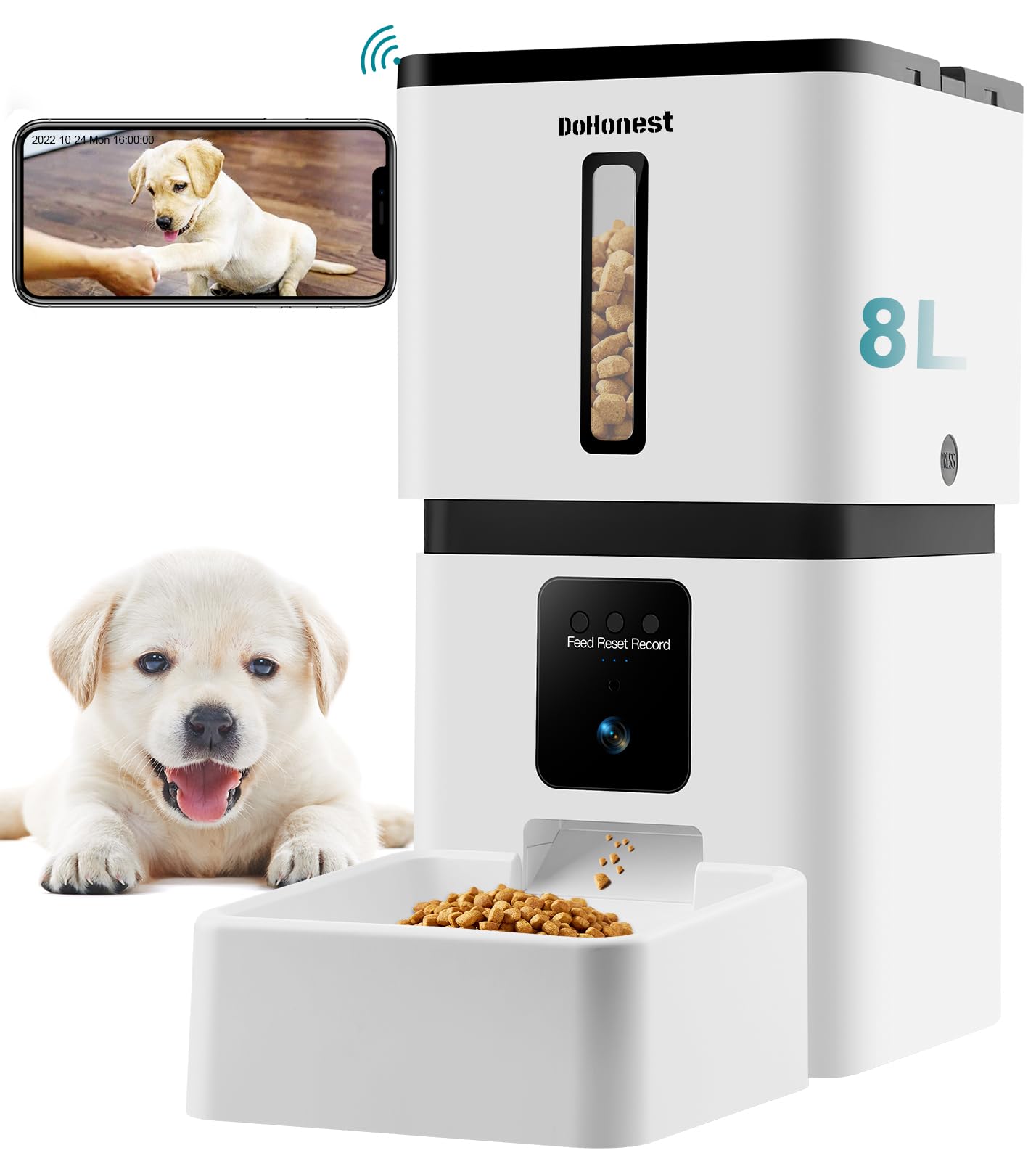
          Smart feeders represent the latest innovation in automatic dog feeding technology. These devices combine programmable features with internet connectivity, offering advanced control and monitoring capabilities. Smart feeders typically include:

          • Smartphone app integration for remote feeding
          • Real-time feeding notifications
          • Voice recording features for personalized meal calls
          • Built-in cameras for pet monitoring
          • Integration with smart home systems

          Smart feeders provide unparalleled convenience for pet owners, allowing them to manage feeding schedules from anywhere. They’re particularly useful for those who travel frequently or have unpredictable schedules. Some models even offer features like slow feed modes to prevent rapid eating and automatic reordering of pet food when supplies run low.

          Key Features to Consider

          When selecting an automatic dog feeder, several key features warrant careful consideration. These features impact the feeder’s functionality, convenience, and suitability for your pet’s needs.

          Capacity and Size

          The capacity and size of an automatic dog feeder are crucial factors to consider. Feeders come in various sizes, with some capable of holding up to 30lb of dog food. This large capacity is ideal for larger dogs or for extended periods without refilling. The physical dimensions of the feeder also matter, with typical sizes around 1′ wide by 1′ deep by 4′ tall. This compact design ensures easy placement and access for refilling. When choosing a feeder, consider your dog’s size, feeding requirements, and the available space in your home to determine the most suitable capacity and dimensions.

          Scheduling Options

          Scheduling options are a fundamental feature of automatic dog feeders. These devices allow users to set exact feeding times, ensuring consistent meals even when owners are away. Most feeders offer customizable scheduling, with the ability to set multiple feeding times throughout the day. The flexibility to adjust feeding intervals, often in one-hour increments, caters to various dietary needs and routines. Advanced models even provide remote scheduling options through smartphone apps, allowing owners to modify feeding times on the go. This feature is particularly beneficial for pet owners with irregular schedules or those who travel frequently.

          Portion Control

          Portion control is a critical feature in automatic dog feeders, promoting healthier eating habits and weight management. These feeders typically offer adjustable portion sizes, allowing owners to dispense precise amounts of food at each meal. This feature helps prevent overfeeding and supports dogs with exact dietary requirements or weight issues. Some advanced models even incorporate weight sensors to adjust portions based on your dog’s current weight and activity level. By providing consistent, measured meals, automatic feeders with portion control capabilities contribute to maintaining your dog’s optimal health and preventing obesity-related issues.

          Power Source and Backup

          The power source and backup options of an automatic dog feeder are important considerations for reliable operation. Most electronic feeders run on electricity, either through a direct power connection or rechargeable batteries. It’s crucial to choose a feeder with a dependable power source that suits your home setup. Some models offer dual power options, combining battery and AC adapter capabilities for added versatility. Also, look for feeders with battery backup systems to ensure continued operation during power outages. This feature is particularly important for pet owners who are frequently away from home, as it guarantees uninterrupted feeding schedules regardless of power fluctuations.

          Ease of Cleaning

          The ease of cleaning is a vital feature to consider when selecting an automatic dog feeder. Regular cleaning maintains hygiene and prevents bacterial growth, ensuring your pet’s health. Look for feeders with removable components, such as food containers and dispensing trays, that can be easily disassembled for thorough cleaning. Dishwasher-safe parts are a bonus, simplifying the cleaning process. Some feeders feature antimicrobial materials or coatings that inhibit bacterial growth, reducing the frequency of deep cleaning required. When evaluating cleaning ease, consider the feeder’s design, materials, and any exact cleaning instructions provided by the manufacturer to ensure proper maintenance and longevity of the device.

          Choosing the Right Automatic Feeder for Your Dog

          Selecting an appropriate automatic dog feeder is crucial for your pet’s health and well-being. We’ll explore key factors to consider when choosing a feeder that meets your dog’s exact needs.
          Size and Breed Considerations

          When choosing an automatic dog feeder, it’s essential to consider your dog’s size and breed. The feeder’s capacity and portion control features are critical factors:

          • Large breeds require feeders with higher capacities, typically holding up to 30 pounds of food.
          • Small breeds need feeders with smaller capacities to prevent overfeeding.
          • Look for feeders with adjustable portion control settings to ensure the right amount of food is dispensed at each meal.

          The feeding mechanism should also be suitable for your dog’s food type. Some feeders work better with dry kibble, while others can handle wet or semi-moist food. Consider your dog’s eating habits and the type of food they consume when selecting a feeder.

          For dogs with exact eating behaviors, such as fast eaters or those prone to overeating, choose a feeder with slow-feed options or dispensing mechanisms that regulate food flow.

          Special Dietary Needs

          Automatic dog feeders can be particularly beneficial for dogs with special dietary needs. Here’s what to consider:

          • For dogs on strict diets, opt for feeders with precise portion control to manage calorie intake.
          • If your dog requires multiple small meals throughout the day, choose a feeder with programmable scheduling options.
          • For dogs with food allergies, select feeders with separate compartments to keep different types of food isolated.
          • Some feeders come with built-in scales, which can be useful for dogs on weight management plans.

          Consider feeders with voice recording features if your dog needs encouragement to eat. This can be particularly helpful for dogs with anxiety or those recovering from illness.

          For dogs with medication needs, look for feeders with separate compartments or trays that allow you to include pills or supplements with their meals.

          Setting Up and Using Your Automatic Dog Feeder

          Setting up and using an automatic dog feeder is a straightforward process that can significantly simplify your pet care routine. We’ll guide you through the initial setup, programming tips, and maintenance to ensure you get the most out of your device.

          Programming Tips

          When programming your automatic dog feeder, focus on customization to meet your dog’s exact needs. Set portion sizes based on your pet’s weight, age, and activity level. Schedule feeding times to match your dog’s routine, typically 2-3 meals per day for adult dogs. Use the smart features of your feeder to adjust portions easily if your dog’s needs change. For dogs on weight management plans, program smaller, more frequent meals throughout the day. If your feeder has a slow-feed option, activate it for dogs who tend to eat too quickly. Take advantage of voice recording features to comfort anxious eaters with familiar sounds at mealtime. Remember to sync the feeder’s clock with your home’s time zone for accurate scheduling.
          Maintenance and Cleaning

          Regular maintenance and cleaning of your automatic dog feeder are essential for its proper functioning and your pet’s health. Clean the food container and dispensing mechanism weekly to prevent bacteria growth and food contamination. For feeders with removable parts, disassemble and wash them in warm, soapy water. Use a soft brush to clean hard-to-reach areas and remove any stuck food particles. Dry all components thoroughly before reassembling to prevent moisture-related issues.

          Check and replace batteries in battery-operated feeders every 3-4 months, or as recommended by the manufacturer. For smart feeders, update the firmware regularly to ensure optimal performance and security. Inspect the feeder’s moving parts monthly for signs of wear and tear, and replace any damaged components promptly. Always use pet-safe cleaning products to avoid harmful residues. Store extra food in an airtight container to maintain freshness and prevent pests.

          Potential Drawbacks and Considerations

          Automatic dog feeders offer many benefits, but it’s crucial to understand their potential drawbacks and considerations before investing in one. We’ll explore two key areas of concern: technical issues and reliability, and maintenance and cleaning.

          Technical Issues and Reliability

          Automatic dog feeders rely on various components to function properly, which can lead to several technical challenges:

          • Jamming: Some models, particularly those using gravity-fed systems, are prone to food jams. This can result in inconsistent feeding and potential malnutrition if the feeder fails to dispense food as intended.
          • Electronic failures: Feeders with microcontrollers, Wi-Fi modules, and other electronic parts may experience:
          • Software glitches
          • Connectivity problems
          • Hardware malfunctions

          These issues can disrupt feeding schedules and cause stress for both pets and owners. To mitigate these risks:

          1. Choose a reputable brand with positive customer reviews
          2. Opt for models with backup power sources
          3. Regularly check the feeder’s functionality
          4. Have a backup feeding plan in case of device failure

          Maintenance and Cleaning

          Proper maintenance and cleaning are essential for the longevity and hygiene of automatic dog feeders:

          • Regular upkeep: These devices require consistent maintenance to ensure optimal performance. This includes:
          • Cleaning the food container
          • Wiping down dispensing mechanisms
          • Checking for any blockages or wear and tear
          • Cleaning challenges: Some models have complex designs that make thorough cleaning difficult:
          • Multiple components may need disassembly
          • Hard-to-reach areas can accumulate food residue and bacteria
          • Time-consuming cleaning processes may lead to less frequent maintenance

          To address these concerns:

          1. Select a feeder with easily removable and dishwasher-safe parts
          2. Establish a regular cleaning schedule (e.g., weekly deep cleans)
          3. Use pet-safe cleaning products to sanitize all components
          4. Inspect the feeder daily for any signs of food buildup or malfunction

          By understanding these potential drawbacks and taking proactive measures, pet owners can make informed decisions about incorporating automatic dog feeders into their pet care routines. Regular monitoring and maintenance can help ensure these devices continue to provide convenient and reliable feeding answers for dogs.

          Conclusion

          Automatic dog feeders offer a game-changing solution for pet owners seeking convenience and consistency in their furry friends’ feeding routines. We’ve explored their benefits features and potential drawbacks to help you make an well-informed choice. By choosing the right feeder for your dog’s needs and maintaining it properly you’ll ensure a reliable and efficient feeding system.

          Remember that while automatic feeders provide many advantages they shouldn’t replace quality time with your pet. Use the time saved to bond play and nurture your relationship with your canine companion. With the right automatic feeder you’ll enjoy peace of mind knowing your dog is well-fed and healthy even when you’re not at home.

        1. Top 10 Most Expensive Dogs: Million-Dollar Breeds Revealed

          Top 10 Most Expensive Dogs: Million-Dollar Breeds Revealed

          Have you ever wondered how much the industry’s most expensive dog costs? Prepare to be amazed, as some pups can fetch prices in the millions!

          We’re diving into the intriguing area of high-end canines, exploring why certain breeds command such astronomical prices. From rare Tibetan Mastiffs to show-winning champions, we’ll uncover the factors that make these dogs so valuable. Whether it’s their rarity, pedigree, or special abilities, these pricey pooches are in a league of their own.

          Join us as we reveal the top contenders for the title of most expensive dog and learn what sets them apart. We’ll also shed light on the ongoing costs of owning these prestigious breeds, helping you understand the full financial picture of luxury dog ownership.

          What Makes a Dog Breed Expensive?

          Initial Purchase Price

          The initial purchase price is a important factor in determining the most expensive dog breeds. Rare and highly sought-after breeds often command premium prices. For example:

          • Tibetan Mastiffs can cost between $3,000 and $10,000, with exceptional cases reaching up to $1.95 million.
          • Samoyeds, French Bulldogs, and English Bulldogs typically range from $3,000 to $14,000.

          These high prices reflect the breed’s rarity, demand, and breeding costs. Pedigree also plays a crucial role in pricing. Dogs with traceable lineages spanning several generations or those whose parents have won prestigious dog shows often come with higher price tags.

          Health Issues and Veterinary Care

          Many expensive dog breeds are prone to exact health issues, contributing to their overall cost of ownership. These health concerns often require frequent and costly veterinary care:

          • Tibetan Mastiffs are susceptible to hip dysplasia, hypothyroidism, and eye anomalies.
          • English Bulldogs and French Bulldogs, known for their brachycephalic (flat-faced) structure, often face respiratory problems, joint issues, and other health concerns that may require expensive surgeries.

          The potential for ongoing medical expenses adds to the overall cost of owning these breeds, making them some of the most expensive dogs to maintain long-term.

          Breeding Costs

          The expenses associated with breeding certain dog types contribute significantly to their high prices. Factors that increase breeding costs include:

          • Specialized care for pregnant females
          • Genetic testing to ensure healthy offspring
          • Artificial insemination for breeds with difficulty reproducing naturally
          • Small litter sizes, which limit the number of puppies available for sale

          These breeding expenses are often passed on to buyers, resulting in higher initial purchase prices for the most expensive dog breeds.

          Rarity and Demand

          The law of supply and demand applies to dog breeds as well. Rare breeds or those with limited availability often command higher prices. Factors contributing to a breed’s rarity include:

          • Geographic limitations (breeds native to exact regions)
          • Strict breeding standards
          • Limited number of registered breeders

          When demand for a particular breed outpaces the available supply, prices can skyrocket, making these dogs some of the most expensive in the industry.

          Specialized Training and Abilities

          Some expensive dog breeds are prized for their unique abilities or specialized training:

          • Working dogs with exact skills (e.g., guard dogs, search and rescue dogs)
          • Show dogs with extensive training and competition experience
          • Dogs bred for exact purposes (e.g., hunting, herding)

          The time, effort, and resources invested in developing these specialized skills contribute to the overall cost of the breed.

          By understanding these factors, we can better appreciate why certain dog breeds command such high prices. It’s important to note that the initial purchase price is just one aspect of the total cost of dog ownership. Potential owners should consider ongoing expenses such as food, grooming, and veterinary care when deciding on a breed.

          Top 10 Most Expensive Dog Breeds

          Expensive Dogs

          The industry of luxury canines offers a range of prestigious breeds that come with hefty price tags. Here’s a look at the top 10 most expensive dog breeds, each known for their unique characteristics and high-end appeal.

          1. Tibetan Mastiff

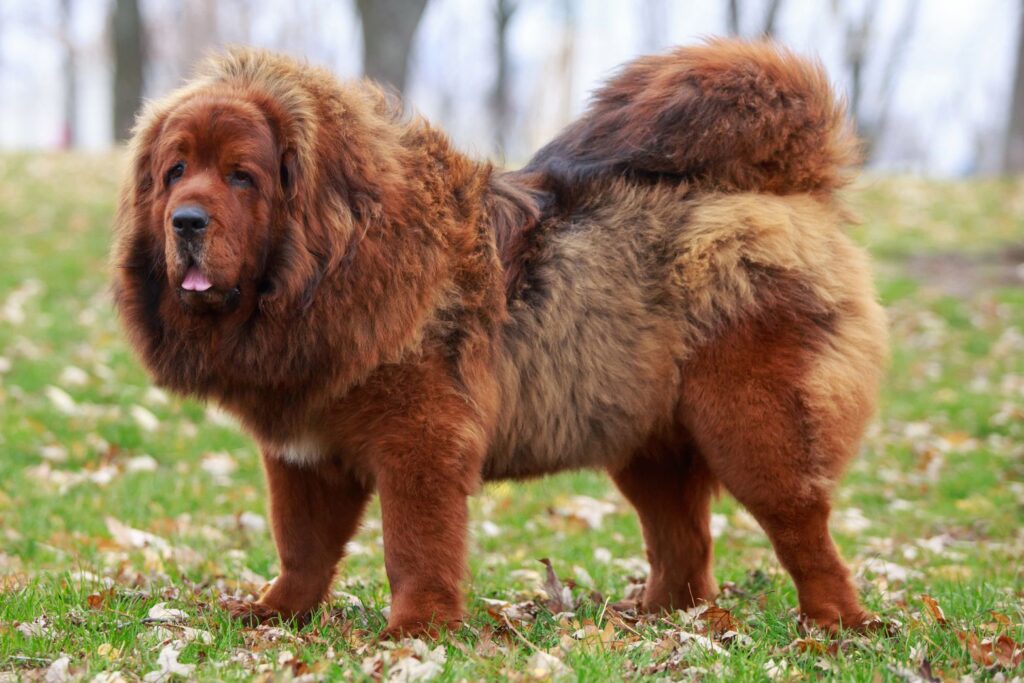
          Tibetan Mastiffs reign supreme as the most expensive dog breed. These majestic canines command prices ranging from $3,000 to $10,000, with exceptional specimens fetching even higher sums. The breed’s claim to fame includes a red Tibetan Mastiff named Big Splash, which sold for an astounding $1.5 million. Their rarity, imposing size, and lion-like mane contribute to their high value. Tibetan Mastiffs are known for their protective nature and loyalty, making them sought-after guard dogs for estates and livestock. Their ancient lineage, tracing back to the nomadic tribes of the Himalayas, adds to their allure and price.

          Expensive Dogs

          2. Samoyed

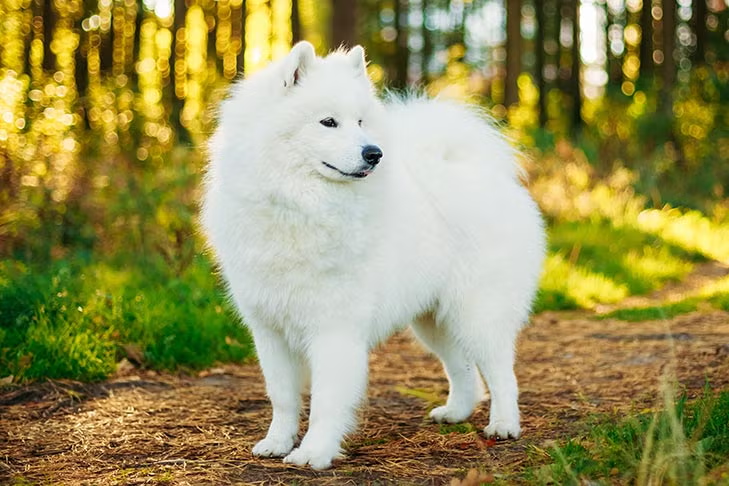
          Samoyeds, with their striking white coats and gentle dispositions, are among the priciest dog breeds. These fluffy companions typically cost between $2,500 and $5,000, with some reaching up to $10,000. Their high price is attributed to their rarity and the extensive grooming needs of their luxurious double coats. Samoyeds are prone to hereditary eye problems and hip dysplasia, which can add to their overall cost of ownership. Even though these potential health issues, their friendly nature and stunning appearance make them a popular choice for those willing to invest in a premium pet.

          Expensive Dogs

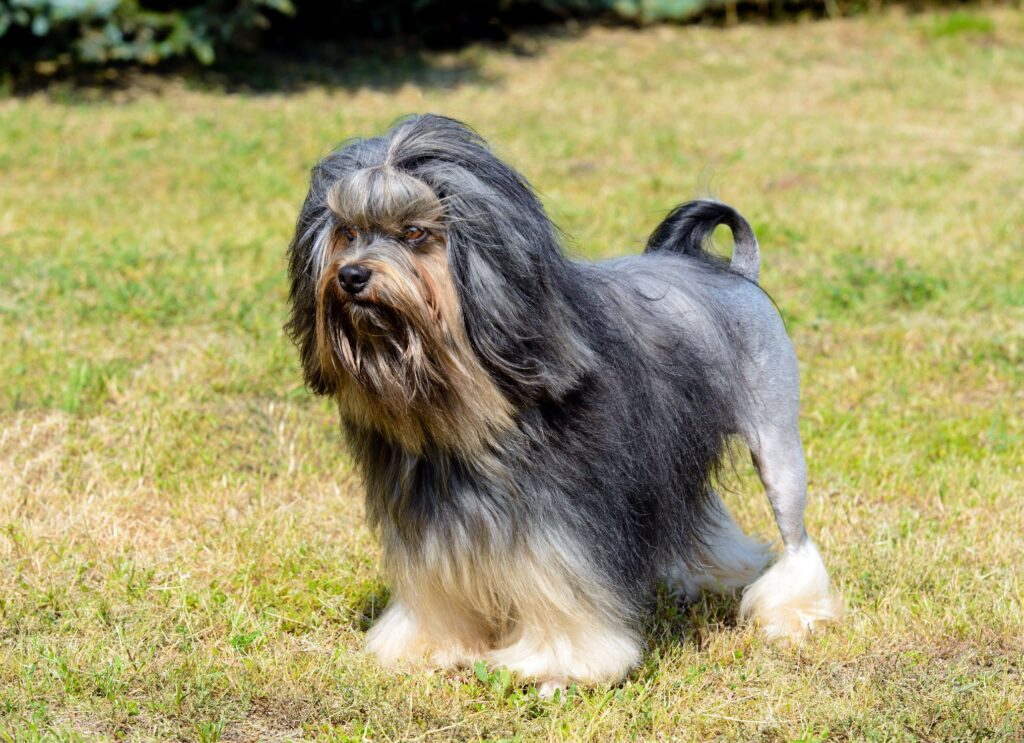
          3. Löwchen

          The Löwchen, also known as the Little Lion Dog, is a rare and expensive breed. While exact prices aren’t widely detailed, it’s consistently mentioned alongside other high-cost breeds like the Tibetan Mastiff and French Bulldog. Their scarcity contributes significantly to their high price tag. Löwchens are known for their playful personalities and distinctive lion-like cut. Their small size and low-shedding coats make them popular among those seeking a luxurious lap dog. The breed’s rarity and unique appearance justify its place among the most expensive dog breeds in the industry.

          Expensive Dogs

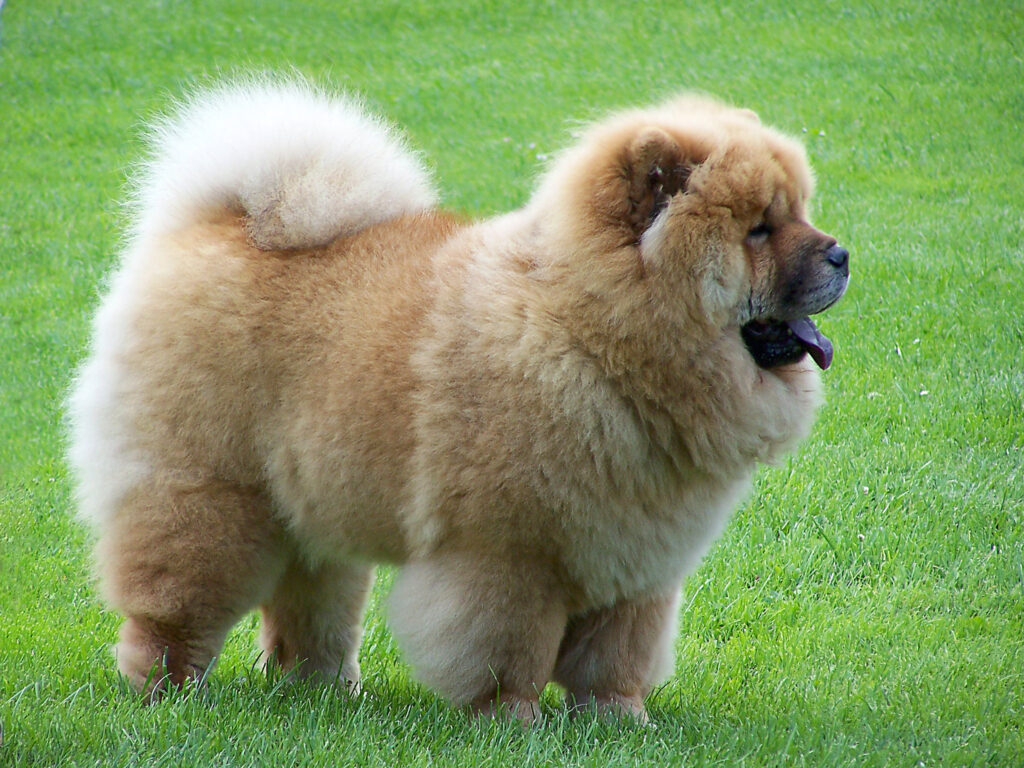
          4. Chow Chow

          Chow Chows, with their distinctive lion-like mane and blue-black tongues, are another expensive breed. These fluffy dogs typically cost between $1,500 and $4,000. Their unique appearance, including a thick double coat and sturdy build, contributes to their high price. Chow Chows are known for their loyal nature and independent personalities. Their grooming needs are extensive, which adds to the overall cost of ownership. Even though their aloof demeanor with strangers, Chow Chows form strong bonds with their families, making them a coveted companion for those who can afford their hefty price tag.

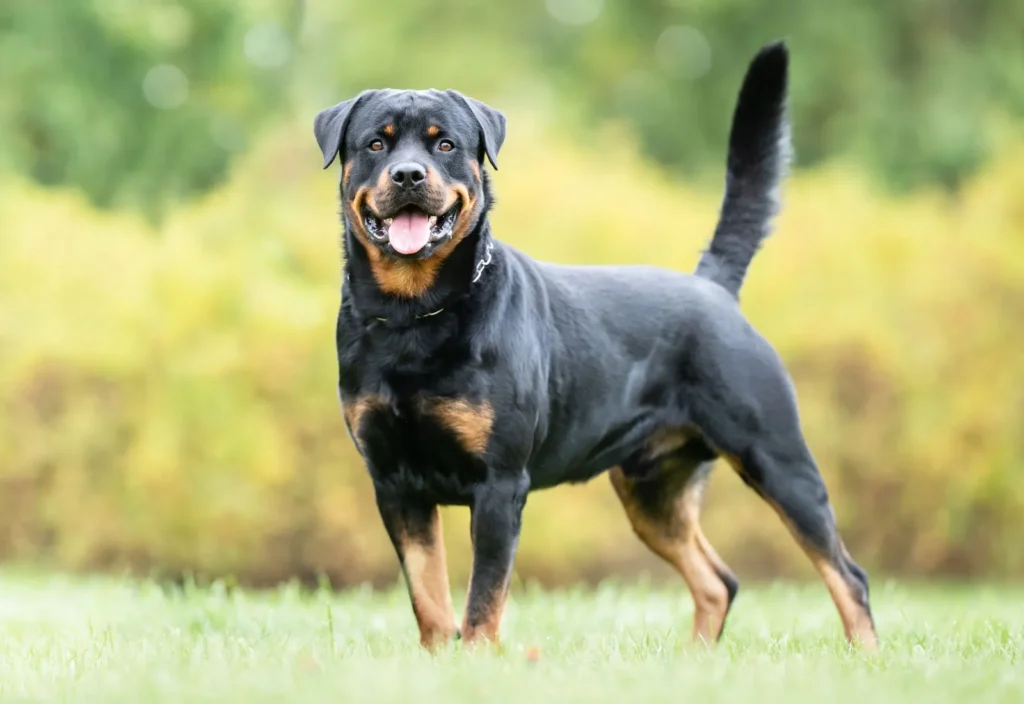
          5. Rottweiler

          Expensive Dogs

          Rottweilers, known for their strength and loyalty, are among the most expensive dog breeds. These powerful dogs can cost between $2,000 and $8,000, depending on their lineage and training. Rottweilers are prized for their intelligence and protective instincts, making them excellent guard dogs. Their large size and muscular build require proper training and socialization, contributing to their high price. Rottweilers also have exact health needs, including a predisposition to hip dysplasia, which can increase long-term ownership costs. Even though these factors, their devoted nature and versatility make them a popular choice for those seeking a robust and loyal companion.

          Expensive Dogs

          6. French Bulldog

          French Bulldogs, with their distinctive bat-like ears and compact build, command high prices in the canine industry. These popular city dwellers can cost between $1,500 and $8,000, with some rare colors fetching even higher prices. Their high cost is partly due to breeding difficulties, as most French Bulldogs require artificial insemination and cesarean sections to reproduce. This breed is prone to various health issues, including breathing problems and spinal disorders, which can lead to important veterinary expenses. Even though these challenges, their charming personalities and adaptability to apartment living make them a sought-after breed among urban dog lovers.

          7. Canadian Eskimo Dog

          Expensive Dogs

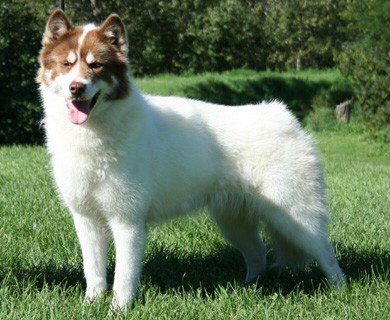
          The Canadian Eskimo Dog, also known as the Canadian Inuit Dog, is a rare and expensive breed. These arctic working dogs can cost between $3,000 and $7,000. Their high price is due to their rarity and the specialized care required to maintain their thick double coats. Canadian Eskimo Dogs were originally bred for sledding and hunting in harsh Arctic conditions, making them hardy and resilient. Their strong work ethic and loyalty make them valuable companions, but they require experienced owners who can provide ample exercise and mental stimulation. The breed’s scarcity and unique heritage contribute to its high price tag.

          8. Azawakh

          The Azawakh, a sighthound from West Africa, is a rare and expensive breed. These elegant dogs can cost between $2,000 and $5,000. Their high price is due to their rarity outside their native region and their unique physical characteristics. Azawakhs are known for their slender build, deep chest, and short coat, which require minimal grooming. These dogs are prized for their speed and agility, making them excellent companions for active owners. Their independent nature and strong prey drive necessitate experienced handling, further justifying their high cost. The Azawakh’s exotic origins and limited availability contribute to its status as one of the most expensive dog breeds.

          Expensive Dogs

          9. Pharaoh Hound

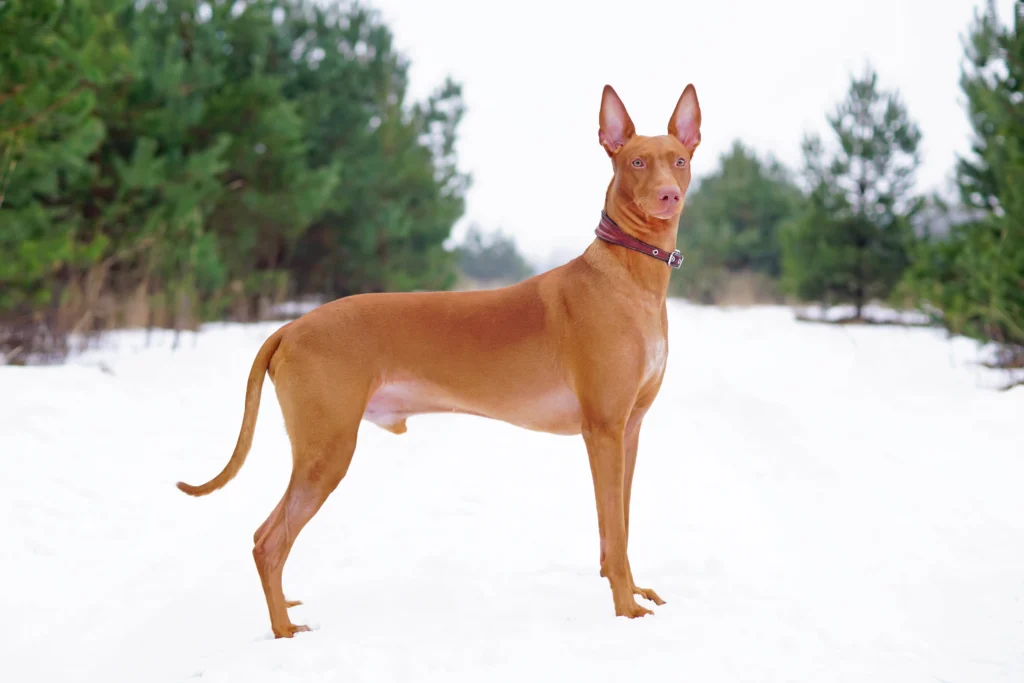
          Pharaoh Hounds, with their sleek bodies and distinctive “blushing” ability, are among the most expensive dog breeds. These ancient Egyptian dogs can cost between $2,500 and $6,500. Their rarity and unique characteristics contribute to their high price. Pharaoh Hounds are known for their intelligence, athleticism, and gentle nature. They require regular exercise and mental stimulation to thrive. This breed’s low-shedding coat and minimal grooming needs are attractive features for potential owners. The Pharaoh Hound’s rich history, dating back to ancient Egypt, adds to its allure and justifies its place among luxury dog breeds.

          10. Afghan Hound

          Expensive Dogs

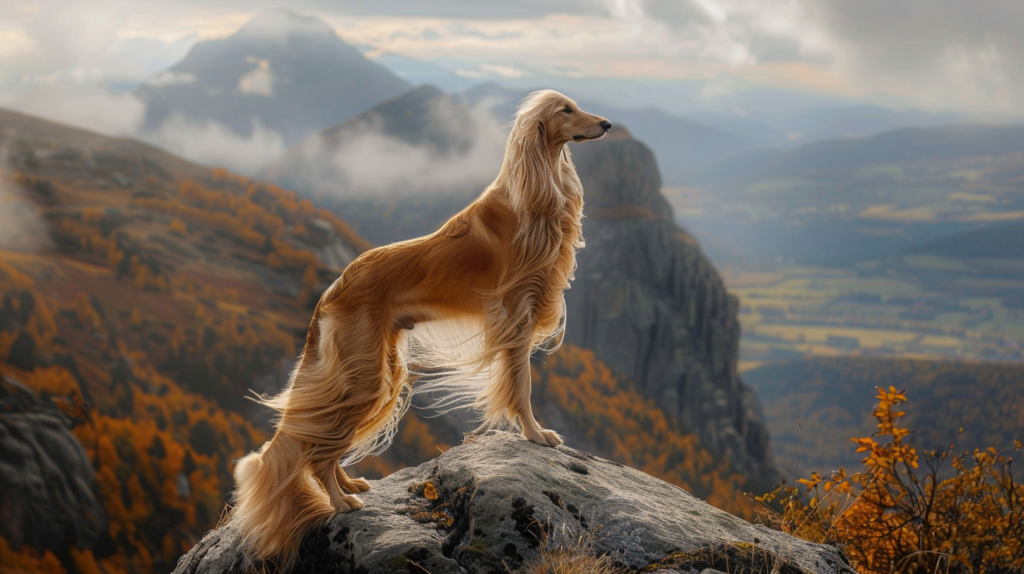
          Afghan Hounds, with their regal appearance and flowing silky coats, round out our list of the most expensive dog breeds. These elegant dogs can cost between $2,000 and $5,000. Their high price is attributed to their striking looks and the extensive grooming required to maintain their luxurious coats. Afghan Hounds are known for their independent nature and speed, making them popular in dog shows and as companion animals. Their unique appearance and aristocratic demeanor have earned them the nickname “King of Dogs.” While their grooming needs can be time-consuming and costly, many owners find the Afghan Hound’s beauty and grace well worth the investment.

          Factors Influencing Dog Breed Prices

          Several factors contribute to the high prices of certain dog breeds. These elements range from the breed’s rarity to the costs associated with breeding and maintaining their health. Let’s explore the key factors that influence the prices of the most expensive dog breeds.

          Rarity and Demand

          Rarity and demand significantly impact dog breed prices. Breeds like the Black Russian Terrier command high prices due to their scarcity and limited availability of puppies with completed health checks. The Lagotto Romagnolo’s rarity in the U.S. and specialized training needs contribute to its elevated cost. Tibetan Mastiffs, known for their historical significance and luxury status, can fetch millions of dollars due to their exclusivity. The limited supply of these breeds, coupled with high demand from enthusiasts, drives up their market value. Breeds with unique characteristics or those considered status symbols often see increased demand, further inflating their prices.

          Breeding Costs

          Breeding costs play a crucial role in determining the prices of expensive dog breeds. Reputable breeders invest important time, effort, and money into producing healthy puppies while adhering to strict breeding regulations. These costs include:

          1. Genetic testing to ensure healthy offspring
          2. Specialized veterinary care for breeding dogs
          3. Facility maintenance for proper breeding conditions
          4. Nutrition and health supplements for breeding pairs
          5. Registration fees and documentation costs

          Also, breeders often select parent dogs from excellent bloodlines, which can be costly to acquire. The expenses associated with maintaining breeding stock, including regular health check-ups and proper nutrition, contribute to the overall cost of puppies.

          Health and Grooming Requirements

          Health and grooming requirements significantly influence the prices of expensive dog breeds. Breeds prone to exact health issues often require more veterinary care, increasing their overall cost of ownership. For example:

          1. English Bulldogs and French Bulldogs frequently face respiratory problems
          2. Large breeds like Tibetan Mastiffs may be susceptible to hip dysplasia
          3. Some purebreds have genetic predispositions to certain diseases

          Grooming needs also factor into the price:

          1. Breeds with long or thick coats require regular professional grooming
          2. Specialized grooming tools and products may be necessary
          3. Some breeds need frequent bathing or skin treatments

          These ongoing health and grooming expenses are often reflected in the initial purchase price, as breeders factor in the long-term care requirements of the breed. Potential owners should consider these recurring costs when contemplating the purchase of an expensive dog breed.

          The True Cost of Owning an Expensive Dog

          Owning an expensive dog breed involves more than just the initial purchase price. We’ll explore the various costs associated with these luxury canines, from acquisition to long-term care.

          Initial Purchase Price

          Expensive dog breeds command high prices due to their rarity, pedigree, and unique characteristics. The Tibetan Mastiff tops the list, with prices ranging from $2,000 to millions. In 2014, a red Tibetan Mastiff puppy sold for an astonishing $1.95 million. Other costly breeds include:

          • Czechoslovakian Wolfdog: Up to $50,000
          • Samoyed: Average of $14,000, ranging from $1,200 to $3,500
          • Lowchen: Around $12,000

          These prices reflect the breeds’ exclusivity and the careful breeding practices required to maintain their lineage. Factors influencing initial costs include:

          1. Rarity and demand
          2. Pedigree and show quality
          3. Breeder reputation
          4. Geographical location

          It’s important to note that adopting from shelters or rescues can significantly reduce initial costs while providing a loving home to a dog in need.

          Lifetime Care Expenses

          The true cost of owning an expensive dog extends far beyond the initial purchase price. We must consider various ongoing expenses throughout the dog’s lifetime:

          1. Food and nutrition:
          • High-quality dog food
          • Special dietary requirements
          • Supplements

          2. Healthcare:

            • Routine veterinary check-ups
            • Vaccinations and preventive medications
            • Emergency medical care
            • Breed-exact health issues

            3. Grooming:

              • Professional grooming services
              • Grooming tools and supplies
              • Breed-exact grooming needs

              4. Training and socialization:

                • Obedience classes
                • Behavioral training
                • Socialization activities

                5. Accessories and supplies:

                  • Bedding
                  • Toys
                  • Leashes and collars
                  • Crates or carriers

                  6. Insurance:

                    • Pet health insurance premiums
                    • Liability insurance

                    7. Boarding or pet-sitting:

                      • Kennel fees
                      • Professional pet-sitting services

                      These expenses can vary significantly depending on the breed, individual dog’s needs, and geographical location. Luxury breeds often require specialized care, which can increase overall costs. For example, breeds prone to health issues may incur higher veterinary expenses over time.

                      It’s crucial to factor in these long-term costs when considering an expensive dog breed. While the initial investment may be substantial, the ongoing care expenses often surpass the purchase price over the dog’s lifetime.

                      Ethical Considerations in Expensive Dog Breeding

                      The industry of expensive dog breeds raises several ethical concerns, particularly in breeding practices and ownership responsibilities. We’ll explore these issues to provide a comprehensive understanding of the ethical implications associated with high-priced canines.

                      Health Issues and Veterinary Costs

                      Many expensive dog breeds are prone to important health problems, leading to substantial veterinary expenses:

                      • Rottweilers face a wide range of diseases and cancers, resulting in high pet insurance claims and veterinary bills.
                      • Tibetan Mastiffs often suffer from hip dysplasia, hypothyroidism, and eye anomalies, requiring frequent testing and treatment.
                      • Samoyeds are susceptible to corneal dystrophy, autoimmune conditions, and cardiac disorders, necessitating costly health care.

                      These health issues raise ethical concerns about the dogs’ welfare, as they can significantly impact their quality of life. Potential owners must consider the long-term health implications and associated costs when choosing an expensive breed.

                      Breeding Practices and Genetic Diversity

                      Ethical breeding practices are crucial for maintaining the health and well-being of expensive dog breeds:

                      • Responsible breeders focus on genetic diversity to reduce the risk of inherited diseases.
                      • Overbreeding to meet high demand can lead to health problems and compromised genetic pools.
                      • Some breeds with extreme physical features may suffer from respiratory issues or skeletal problems.

                      Ethical breeders prioritize the health and temperament of their dogs over profit, conducting thorough health screenings and genetic tests to ensure the best possible outcomes for their puppies.

                      Demand and Commercialization

                      The high demand for expensive dog breeds can lead to ethical dilemmas:

                      • Puppy mills and unethical breeders may exploit the demand for profit, disregarding animal welfare.
                      • The commercialization of certain breeds can lead to impulse purchases without proper consideration of long-term care requirements.
                      • Social media trends can drive demand for exact breeds, potentially leading to abandonment when owners realize they can’t meet the dogs’ needs.

                      We encourage potential owners to thoroughly research breeds and breeders, considering adoption from shelters where many purebred dogs end up.

                      Ownership Responsibilities

                      Owning an expensive dog breed comes with important responsibilities:

                      • Financial commitment: Owners must be prepared for ongoing costs, including high-quality food, routine healthcare, and potential medical emergencies.
                      • Time and attention: Many expensive breeds require extensive grooming, exercise, and mental stimulation.
                      • Lifestyle compatibility: Owners should choose breeds that fit their living situation and activity levels.

                      Responsible ownership involves a long-term commitment to the dog’s well-being, not just the prestige of owning a high-priced breed.

                      Environmental Impact

                      The breeding and maintenance of expensive dog breeds can have environmental implications:

                      • Large breeds often have important carbon footprints due to their food consumption and waste production.
                      • Specialized breeding facilities may contribute to resource consumption and environmental strain.
                      • Transportation of dogs across long distances for breeding or sales purposes can increase carbon emissions.

                      Ethical considerations in this area include sustainable breeding practices and responsible resource management.

                      By addressing these ethical considerations, we aim to promote responsible breeding and ownership practices in the industry of expensive dog breeds. It’s crucial for potential owners to weigh these factors carefully before making a decision, ensuring they can provide a loving, healthy home for their canine companion while considering the broader implications of their choice.

                      Alternatives to Buying Expensive Dogs

                      When considering adding a furry friend to our family, we don’t always have to opt for the most expensive dog breeds. There are several alternatives that can provide us with loving companionship without very costly.

                      Adoption from Shelters

                      Adopting from animal shelters is a cost-effective and compassionate alternative to purchasing expensive dogs. Here’s why:

                      • Lower initial costs: Adoption fees typically range from $50 to $300, significantly less than buying from breeders.
                      • Included services: Many shelters provide initial vaccinations, spaying/neutering, and microchipping as part of the adoption fee.
                      • Variety of breeds: Shelters often have a mix of purebred and mixed-breed dogs, including some rarer breeds.
                      • Support a good cause: Adoption helps reduce the number of homeless pets and supports local animal welfare organizations.

                      Rescue Organizations

                      Breed-exact rescue organizations offer another alternative to expensive dog purchases:

                      • Focus on exact breeds: These organizations specialize in rescuing and rehoming particular breeds.
                      • Lower costs: Adoption fees are generally much lower than purchasing from breeders.
                      • Health screenings: Many rescue organizations provide thorough health checks before adoption.
                      • Breed expertise: Staff and volunteers often have extensive knowledge about the breed’s needs and characteristics.

                      Mixed-Breed Dogs

                      Opting for mixed-breed dogs, often called “mutts,” can be a great alternative to expensive purebreds:

                      • Lower purchase price: Mixed-breed puppies are typically less expensive than purebred counterparts.
                      • Hybrid vigor: Mixed breeds often have fewer genetic health issues due to diverse gene pools.
                      • Unique characteristics: Each mixed-breed dog has a one-of-a-kind combination of traits from its parent breeds.
                      • Lower maintenance costs: Many mixed breeds have fewer breed-exact health concerns, potentially reducing long-term veterinary expenses.

                      Senior Dogs

                      Considering senior dogs as an alternative to expensive puppies offers several advantages:

                      • Reduced adoption fees: Many shelters offer lower fees for older dogs to encourage their adoption.
                      • Established personalities: Senior dogs often have well-developed temperaments, making it easier to find a good match for our lifestyle.
                      • Lower energy requirements: Older dogs typically require less exercise and attention compared to puppies, suiting busy households.
                      • Immediate companionship: Senior dogs are often already trained and ready to integrate into our homes.

                      Foster-to-Adopt Programs

                      Foster-to-adopt programs provide a unique opportunity to experience dog ownership before making a long-term commitment:

                      • Trial period: These programs allow us to foster a dog for a set period before deciding on adoption.
                      • Lower initial costs: Fostering often comes with minimal or no upfront fees.
                      • Support system: Many organizations provide food, supplies, and medical care during the foster period.
                      • Opportunity to help: Fostering frees up shelter space for other animals in need.

                      By considering these alternatives to buying expensive dogs, we can find loving companions while potentially saving money and supporting animal welfare efforts. Each option offers unique benefits, allowing us to choose the best fit for our lifestyle and budget.

                      Conclusion

                      Expensive dog breeds captivate us with their rarity and unique traits but come with important financial and ethical considerations. We’ve explored the top contenders their prices and the factors driving their costs. It’s clear that owning these luxury breeds involves more than just the initial purchase price.

                      We’ve also highlighted alternatives like adoption which offer loving companionship at a fraction of the cost. Eventually the decision to own an expensive dog should be made with careful consideration of long-term commitments and responsibilities. Remember that every dog regardless of price deserves a loving and responsible home.

                    1. Custom Dog Collars: Stylish, Safe, and Personalized for Your Pup

                      Custom Dog Collars: Stylish, Safe, and Personalized for Your Pup

                      Have you ever wondered why your dog’s collar just doesn’t seem quite right? You’re not alone. We’ve discovered that when it comes to our furry friends, one size doesn’t fit all. That’s where custom dog collars come into play, offering a perfect blend of style, comfort, and functionality.

                      Custom dog collars aren’t just a fashion statement; they’re a practical solution for pet owners who want the best for their canine companions. From puppies to full-grown dogs, these collars can be customized to fit perfectly, ensuring your pet’s safety and comfort. We’ll explore how these customizable options allow for easy adjustments as your dog grows, preventing the risks associated with ill-fitting collars.

                      What Are Custom Dog Collars?

                      Custom dog collars are customized accessories designed to meet the exact needs, preferences, and styles of individual dogs and their owners. These collars offer a personalized approach to pet care, combining functionality with aesthetic appeal.

                      Materials and Construction

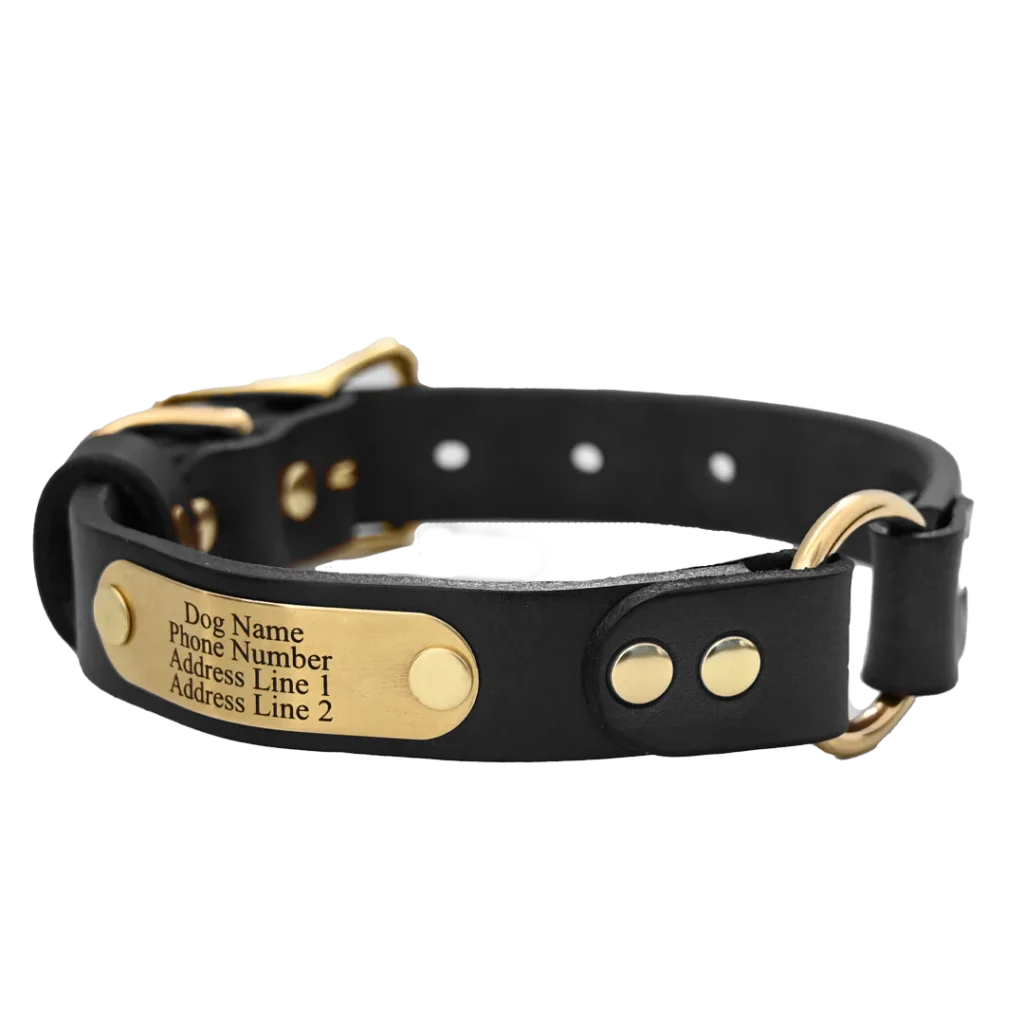
                      Custom dog collars come in a variety of materials, each offering unique benefits:

                      • Nylon: Durable and water-resistant
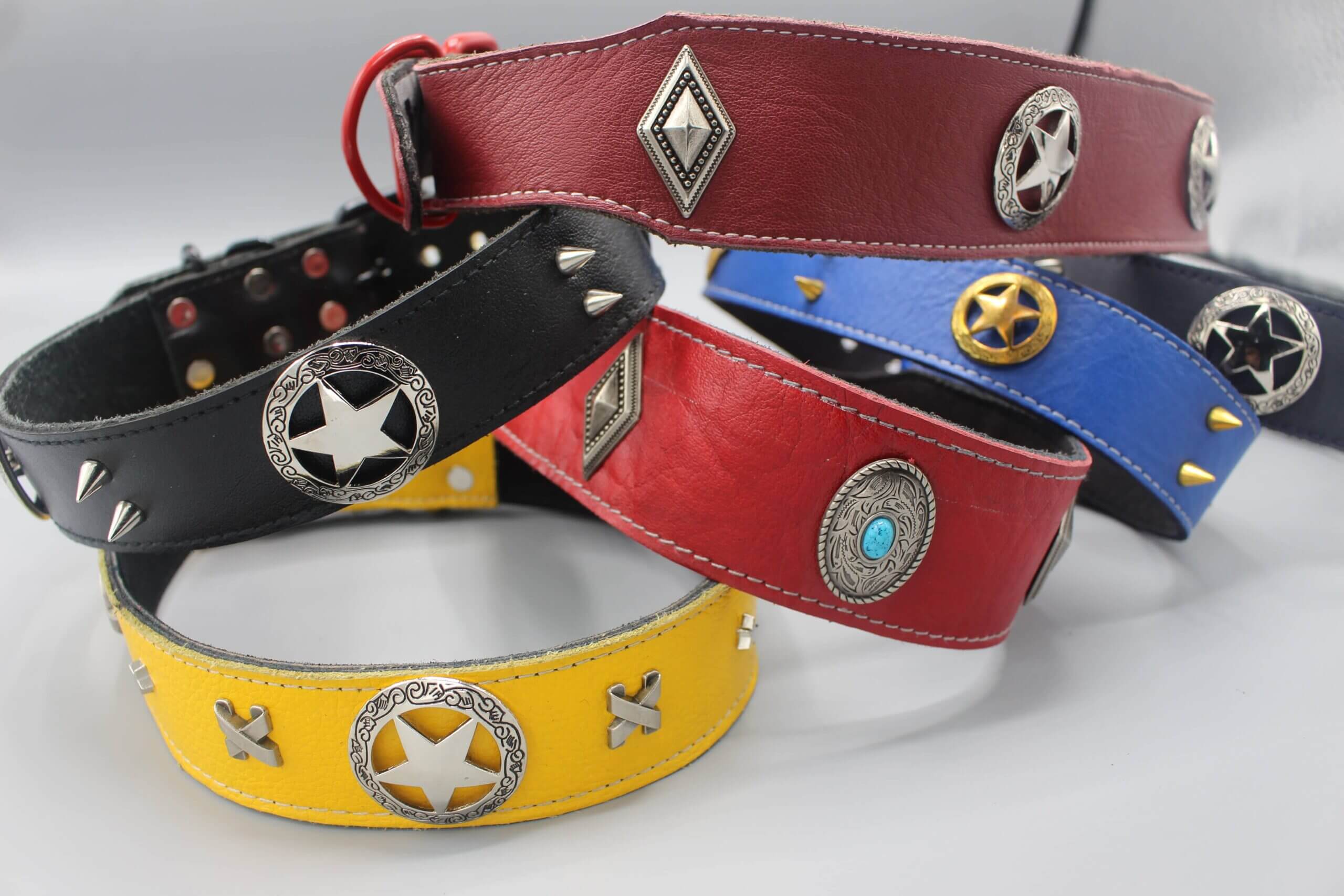
                      • Leather: Classic look with long-lasting wear
                      • Neoprene: Soft and comfortable for sensitive skin
                      • Faux Leather: Cruelty-free alternative to leather
                      • Cotton: Breathable and gentle on the skin
                      • Biothane: Waterproof and easy to clean
                      • Hemp: Eco-friendly and naturally antimicrobial
                      • Rubber: Flexible and ideal for active dogs

                      The construction of these collars focuses on durability and comfort, ensuring they withstand daily wear while providing a pleasant experience for the dog.

                      Personalization Options

                      A key feature of custom dog collars is the ability to personalize them. Common personalization options include:

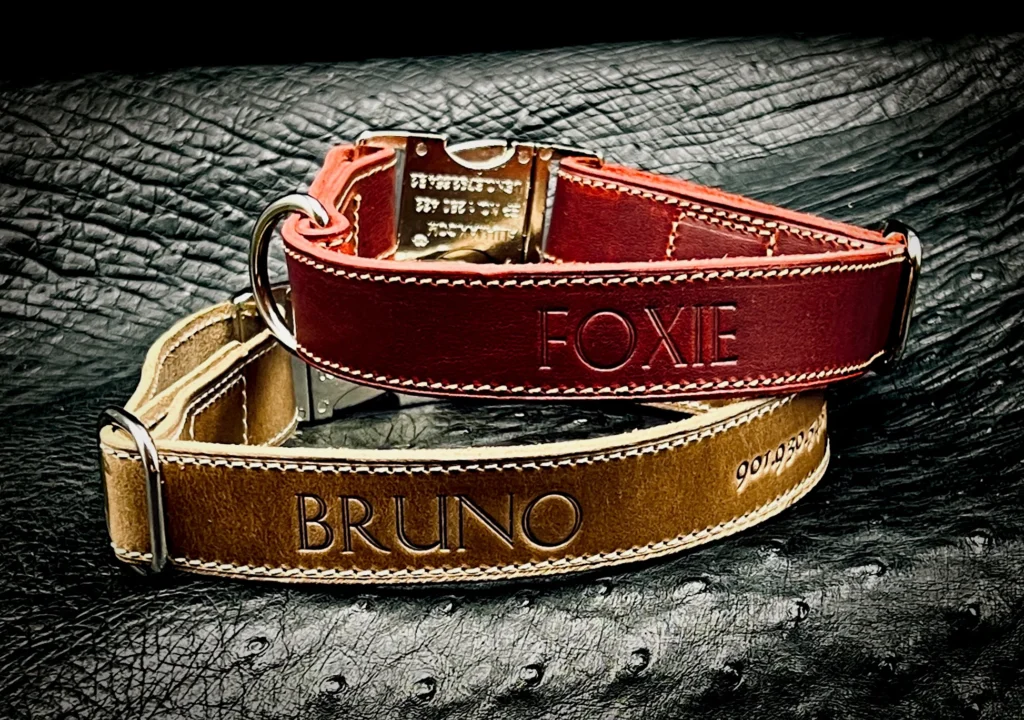
                      • Embroidered names
                      • Phone numbers for easy identification
                      • Unique designs or patterns
                      • Attachment points for tags (city, rabies, microchip)
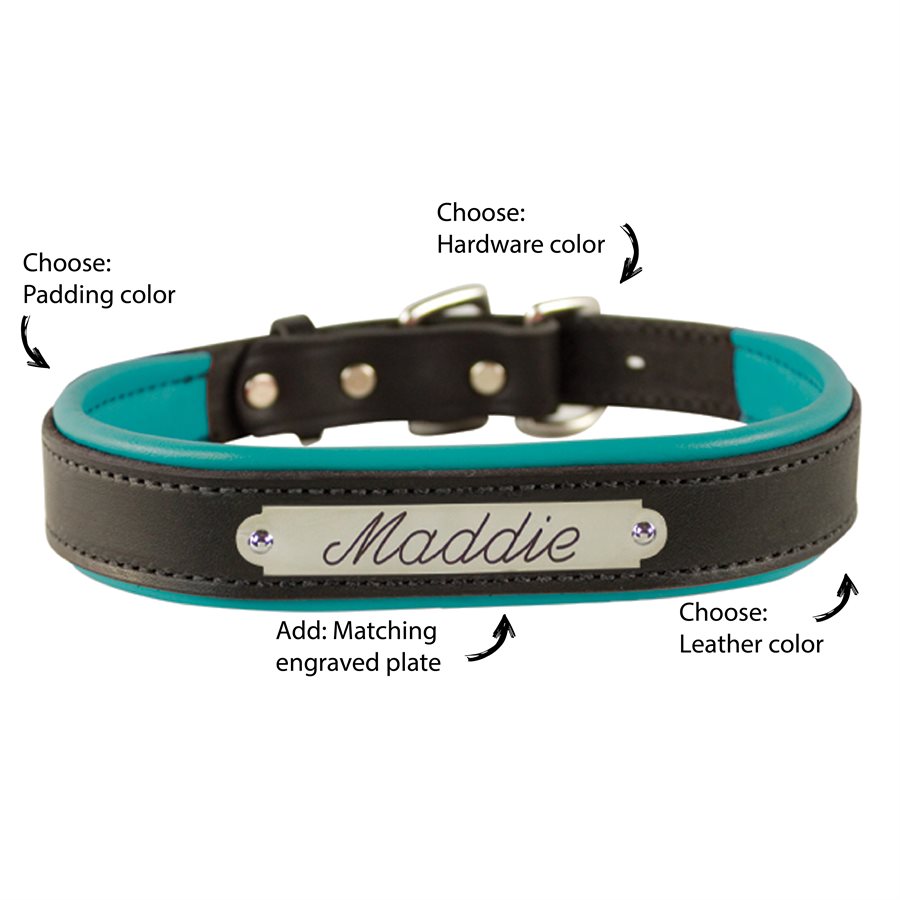
                      • Custom color combinations
                      • Specialized hardware (buckles, D-rings)

                      This level of customization allows owners to create a collar that’s not only functional but also reflects their dog’s personality or their own style preferences.

                      Design and Style Variations

                      Custom collars come in various designs to suit different tastes:

                      • Classic solid colors
                      • Patterned designs (stripes, polka dots, plaid)
                      • Themed collars (seasonal, holiday, sports teams)
                      • Reflective options for enhanced visibility
                      • Padded designs for extra comfort
                      • Adjustable styles to accommodate growth
                      • Breakaway collars for added safety

                      These design variations ensure that there’s a custom collar to match every dog’s lifestyle and owner’s aesthetic preferences.

                      Functionality and Special Features

                      Beyond style, custom dog collars often incorporate functional features:

                      • Reflective strips for nighttime visibility
                      • Quick-release buckles for easy on and off
                      • Waterproof materials for water-loving dogs
                      • Odor-resistant fabrics for active pets
                      • Hypoallergenic options for sensitive skin
                      • Reinforced stitching for durability
                      • Integrated GPS trackers for location monitoring

                      These features enhance the collar’s practicality, addressing exact needs or concerns of dog owners.

                      By offering a combination of personalized style, comfort, and functionality, custom dog collars provide a customized solution for pet owners who want more than just a basic collar for their canine companions.

                      Benefits of Personalized Dog Collars

                      Personalized dog collars offer many advantages for both pets and their owners. These custom accessories provide a blend of functionality, safety, and style that sets them apart from standard collars.

                      Safety and Identification

                      Personalized dog collars enhance safety and identification in several ways:

                      • Immediate Contact Information: Custom collars feature embroidered or laser-engraved details, including the dog’s name and owner’s contact information. This enables quick communication if a dog is found, eliminating the need for separate ID tags that can be lost or damaged.
                      • Reduced Approach Risk: For fearful or undersocialized dogs, personalized collars allow people to read contact information from a distance. This minimizes the need for close approach, reducing the risk of startling the dog or provoking defensive reactions.
                      • Enhanced Visibility: Many personalized collars incorporate reflective materials, improving visibility in low-light conditions. This added safety feature is particularly beneficial during evening walks or in dimly lit areas.
                      • Built-in Identification: Some custom collars, like ScruffTag designs, integrate nameplates directly into the collar structure. This ensures identification remains secure and visible at all times, even if other tags are lost.

                      Style and Expression

                      Personalized dog collars offer unique opportunities for style and expression:

                      • Reflection of Personality: Custom collars allow owners to showcase their dog’s unique personality through color choices, patterns, and designs. This personalization extends beyond functionality to create a fashion statement.
                      • Variety of Materials: Owners can choose from a range of materials such as nylon, leather, or eco-friendly options like hemp. Each material offers distinct aesthetic qualities and practical benefits.
                      • Customizable Designs: From embroidered names to themed patterns, personalized collars can be customized to match exact preferences or occasions. This level of customization allows for a truly unique accessory.
                      • Coordination with Accessories: Custom collars can be designed to complement other pet accessories like leashes, harnesses, or bandanas, creating a cohesive look for the dog.
                      • Seasonal Options: Personalized collars can be created for different seasons or holidays, allowing owners to update their pet’s look throughout the year.
                      Custom Dog Collars

                      Types of Custom Dog Collars

                      Custom dog collars come in various styles, each offering unique personalization options. We’ll explore three popular types: engraved, embroidered, and printed collars.

                      Engraved Collars

                      Engraved collars provide a durable and sleek personalization option. These collars typically feature text or designs etched directly onto the material, often leather or metal. The engraving process creates a permanent, professional-looking identification that won’t fade or wear off over time. Engraved collars offer several advantages:

                      • Longevity: The engraved information lasts as long as the collar itself
                      • Sleek Appearance: No additional tags or attachments required
                      • Customization options: Various fonts, sizes, and designs available
                      • Safety: Contact information is always visible, even if tags are lost
                      • Quiet: No jingling from separate ID tags

                      Engraved collars are ideal for pet owners seeking a minimalist, yet effective way to display their dog’s identification information.

                      Embroidered Collars

                      Embroidered collars offer a softer, more colorful personalization option. These collars feature text or designs stitched directly onto the fabric, typically nylon or polyester. Embroidered collars provide several benefits:

                      • Visibility: Bright, colorful thread options make information easy to read
                      • Comfort: No raised surfaces or metal tags to irritate your dog’s neck
                      • Durability: High-quality embroidery withstands regular wear and washing
                      • Versatility: Suitable for various collar styles and materials
                      • Customization: Multiple font styles, sizes, and thread colors available

                      Embroidered collars are perfect for pet owners who want a comfortable, visually appealing way to display their dog’s information while adding a touch of personality.

                      Printed Collars

                      Printed collars offer the most versatile and creative personalization options. These collars feature designs or text printed directly onto the material using various techniques, such as sublimation or screen printing. Printed collars provide several advantages:

                      • Unlimited design options: From simple text to complex graphics
                      • Full-color capabilities: Vibrant, eye-catching designs
                      • Quick Production: Faster turnaround times compared to engraving or embroidery
                      • Affordability: Often less expensive than other personalization methods
                      • Variety of Materials: Available on nylon, polyester, and some leather collars

                      Printed collars are ideal for pet owners who want to showcase their dog’s personality through unique, colorful designs or patterns while still incorporating essential identification information.

                      Choosing the Right Custom Collar

                      Selecting the perfect custom dog collar involves considering various factors to ensure comfort, safety, and style for your furry friend. We’ll explore the key elements to keep in mind when choosing a custom collar for your dog.

                      Material Options

                      Custom dog collars come in a range of materials, each offering unique benefits:

                      • Leather: Durable and classic, with bridle leather being highly regarded for its quality and longevity.
                      • Nylon: Lightweight, easy to clean, and often more affordable than leather. It’s versatile and comfortable for everyday wear.
                      • Neoprene: Soft, flexible, and easy to maintain. It’s an excellent choice for dogs with sensitive skin or those who love water activities.
                      • Biothane: A waterproof, durable material that’s easy to clean and maintain. It’s ideal for active dogs or those living in wet climates.
                      • Faux leather: A cruelty-free alternative to genuine leather, often more affordable while still providing a stylish look.
                      • Cotton: Breathable and comfortable, though it may not be as durable as other options. It’s suitable for dogs with allergies or skin sensitivities.

                      Consider your dog’s lifestyle, activity level, and any skin sensitivities when choosing the material for their custom collar.

                      Custom Dog Collars

                      Size and Fit Considerations

                      Proper sizing is crucial for your dog’s comfort and safety when selecting a custom collar:

                      • Measure your dog’s neck circumference using a soft measuring tape, allowing for two fingers of space between the collar and neck.
                      • For puppies, choose adjustable collars that can grow with them. Custom options often allow for easy adjustments as your puppy develops.
                      • Consider your dog’s breed and body type. Some breeds, like Greyhounds, may require specialized collar styles to prevent slipping.
                      • Ensure the collar width is appropriate for your dog’s size. Larger dogs typically need wider collars for comfort and control.
                      • Check the collar fit regularly, especially for growing puppies or dogs that fluctuate in weight.
                      • Look for collars with multiple adjustment points to achieve the perfect fit.

                      Remember, a well-fitted custom collar should be snug enough to stay in place without causing discomfort or restricting breathing.

                      Design Elements

                      Custom dog collars offer many design elements to reflect your dog’s personality and your style preferences:

                      • Color Selection: Choose colors that complement your dog’s fur or match your personal taste. Consider bright colors for visibility during walks.
                      • Patterns and Prints: From classic stripes to playful polka dots, select patterns that suit your dog’s character.
                      • Personalization Options: Add your dog’s name, your contact information, or a unique design through engraving, embroidery, or printing.
                      • Hardware Selection: Choose from various buckle types, such as traditional metal buckles or quick-release plastic clips for convenience.
                      • Reflective Elements: Incorporate reflective strips or stitching for enhanced visibility during nighttime walks.
                      • Decorative Accents: Consider adding studs, rhinestones, or charms for a more stylish look, ensuring they’re securely attached.
                      • Seasonal Designs: Opt for interchangeable designs to suit different seasons or occasions.

                      When selecting design elements, prioritize both aesthetics and functionality to create a custom collar that’s both stylish and practical for your dog’s needs.

                      How to Personalize Your Dog’s Collar

                      Personalizing your dog’s collar is an excellent way to ensure their safety and showcase their unique personality. We’ll explore the key aspects of customizing a collar, from selecting information to choosing colors and patterns.

                      Selecting Information to Include

                      When personalizing a dog collar, it’s crucial to include essential information for your pet’s safety. Here are the key details to consider:

                      • Dog’s Name: Embroidering or engraving your dog’s name on the collar helps identify them quickly.
                      • Phone Number: Include your primary contact number for immediate reach in case your dog gets lost.
                      • Address: Adding your address is helpful if your dog tends to wander locally.
                      • Multiple Phone Numbers: Consider including an alternate contact for emergencies.
                      • Medical information: For dogs with health conditions, include brief medical details or allergies.
                      • Microchip Information: If your dog is microchipped, add the chip ID number.
                      • Funny Sayings or Quotes: For a personal touch, include a short, witty phrase that reflects your dog’s personality.

                      Remember, the amount of information you can include depends on the collar’s size and the customization method used.

                      Choosing Colors and Patterns

                      Selecting the right colors and patterns for your dog’s custom collar enhances their appearance and reflects their personality. Here’s what to consider:

                      • Color Options: Choose from a wide range of colors, including red, blue, orange, black, and pink. Select a color that complements your dog’s fur or matches your personal style.
                      • Contrast: Opt for colors that contrast with your dog’s coat for better visibility.
                      • Pattern Varieties: Explore various patterns like stripes, polka dots, or themed designs (e.g., holidays, sports teams).
                      • Material Textures: Consider different textures such as velvet, cotton voile, or canvas for added visual interest.
                      • Reflective Elements: Incorporate reflective materials for enhanced visibility during nighttime walks.
                      • Seasonal Designs: Select patterns that match different seasons or holidays for a festive touch.
                      • Breed-exact Patterns: Choose designs that complement your dog’s breed characteristics.
                      • Embroidery Thread Colors: If opting for embroidered text, select a thread color that stands out against the collar’s base color.

                      When choosing colors and patterns, consider your dog’s personality, your personal preferences, and the collar’s functionality to create a unique and practical accessory for your furry friend.

                      Custom Dog Collars

                      Caring for Your Custom Dog Collar

                      Cleaning Methods

                      Custom dog collars require regular cleaning to maintain their appearance and functionality. For nylon collars, we recommend using mild soap and water. Gently scrub the collar with a soft brush, ensuring you reach all areas. Rinse thoroughly to remove all soap residue and let it air dry completely before putting it back on your dog.

                      Leather collars demand more careful attention. Avoid exposing them to excessive water or harsh chemicals, as this can damage the material. Instead, use a leather conditioner to keep the collar soft and supple. Apply the conditioner sparingly, working it into the leather with a clean cloth.

                      Material Maintenance

                      Different materials used in custom dog collars require exact care:

                      • Nylon: Durable and easy to maintain, nylon collars withstand regular use without important wear and tear.
                      • Leather: Requires periodic conditioning to prevent cracking and maintain flexibility.
                      • Biothane: Wipe clean with a damp cloth; resistant to odors and stains.
                      • Neoprene: Machine washable, but air dry to prevent shrinkage.

                      Storage Tips

                      Proper storage extends the life of your custom dog collar:

                      1. Store in a dry place to prevent moisture buildup.
                      2. Hang the collar or lay it flat to maintain its shape.
                      3. Keep away from direct sunlight to prevent color fading.
                      4. Separate from other pet accessories to avoid tangling or scratching.

                      Regular Inspections

                      Perform weekly checks on your custom dog collar:

                      • Examine for signs of wear or damage.
                      • Check buckles and D-rings for secure attachment.
                      • Ensure any embroidery or engraving remains legible.
                      • Verify the fit, adjusting as needed for your dog’s comfort and safety.

                      By following these care instructions, we ensure our custom dog collars remain in top condition, providing both style and functionality for our canine companions.

                      Conclusion

                      Custom dog collars offer a perfect blend of style functionality and personalization for our canine companions. We’ve explored the various materials designs and benefits these collars provide ensuring both safety and self-expression for our pets. By choosing the right collar and maintaining it properly we can enhance our dog’s comfort and showcase their unique personality. Whether it’s for identification safety or style custom collars are an excellent investment in our furry friends’ well-being and happiness. With so many options available there’s a perfect custom collar out there for every dog.

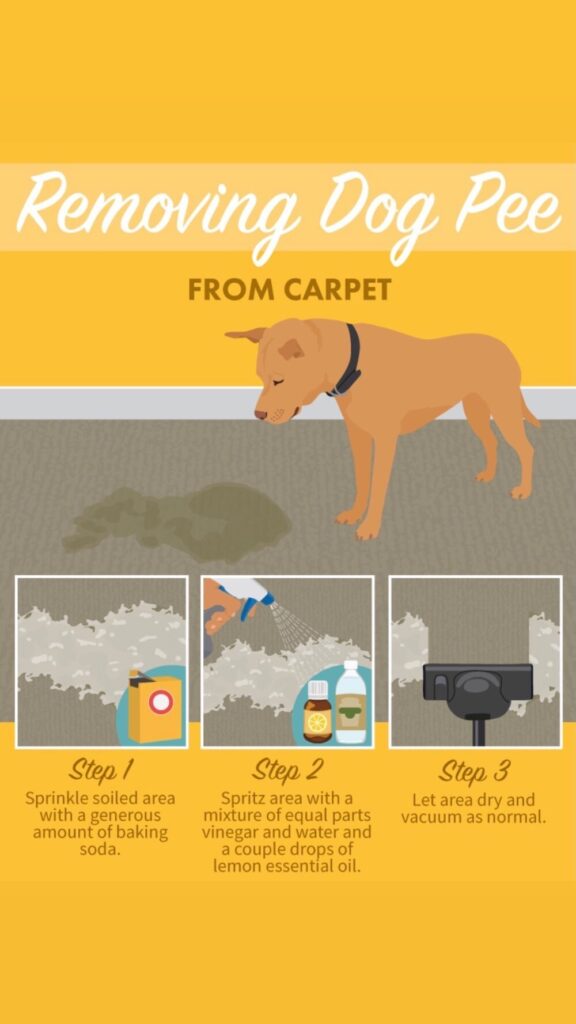
                    2. How to Remove Dog Pee from Carpet: Easy DIY Solutions

                      How to Remove Dog Pee from Carpet: Easy DIY Solutions

                      We’ve all been there – that unmistakable smell of dog urine wafting from our beloved carpets. It’s a common problem for pet owners, but don’t worry! Getting dog pee out of carpet isn’t as daunting as it might seem.

                      Whether you’re dealing with a one-time accident or a recurring issue, we’ve got you covered. In this guide, we’ll walk you through effective methods to remove dog urine from your carpet, from quick DIY answers to professional cleaning techniques. We’ll also explore why dogs might be peeing indoors and how to prevent future accidents. With our expert tips, you’ll be able to tackle those stubborn stains and odors, keeping your carpets fresh and your home smelling clean.

                      Understanding Dog Pee Stains on Carpet

                      Dog urine stains on carpets are a common issue for pet owners. Understanding the reasons behind this behavior and the different types of stains can help us address the problem more effectively.

                      Why Dogs Pee on Carpet

                      Dogs may urinate on carpets for various reasons, including:

                      1. Medical Issues: Urinary tract infections, bladder stones, or diabetes can cause increased urination.
                      2. Lack of Training: Puppies or newly adopted dogs may not be fully house-trained.
                      3. Marking Territory: Dogs use urine to mark their territory, especially in multi-pet households.
                      4. Anxiety: Stress or changes in the environment can lead to inappropriate urination.
                      5. Age-Related Issues: Older dogs may have reduced bladder control.

                      Identifying the underlying cause is crucial for preventing future accidents. If the behavior persists, consult a veterinarian to rule out medical issues.

                      Types of Stains: Fresh vs. Dried

                      Fresh and dried urine stains require different cleaning approaches:

                      Fresh Urine Stains:

                      • Easier to clean if addressed immediately
                      • Still moist and have not fully set into carpet fibers
                      • Strong, pungent odor

                      Cleaning steps for fresh stains:

                      1. Blot the area with paper towels or a cloth to absorb excess moisture
                      2. Rinse with cool water and blot again
                      3. Apply a cleaning solution (e.g., vinegar and water mixture)
                      4. Blot dry and repeat if necessary

                      Dried Urine Stains:

                      • More challenging to clean and remove odors
                      • May have crystallized in carpet fibers
                      • Faint but persistent smell

                      Cleaning steps for dried stains:

                      1. Locate the stain using a blacklight if necessary
                      2. Pre-treat the area with an enzyme cleaner
                      3. Use a carpet cleaner or steam cleaner for deep cleaning
                      4. Apply baking soda to neutralize odors

                      Remember, prompt action is key to preventing long-lasting damage and odors in your carpet.

                      Essential Supplies for Removing Dog Pee

                      Effective dog pee removal from carpets requires exact supplies. We’ve compiled a list of essential items to tackle this common household challenge, including both everyday items and specialized products.

                      Common Household Items

                      To remove dog pee from carpet, we can use several common household items:

                      • Paper towels or absorbent microfiber cloths: These are crucial for blotting up as much urine as possible.
                      • Baking soda: This versatile powder neutralizes odors and absorbs moisture.
                      • White vinegar: It effectively neutralizes the alkalinity of urine.
                      • Spray bottle: Useful for applying cleaning answers evenly.
                      • Wet-dry vacuum cleaner: Helps saturate and extract moisture from the affected area.
                      • Sponge: Aids in applying and working cleaning answers into the carpet fibers.

                      These items are typically readily available and can be used as a first line of defense against dog pee stains and odors.

                      Specialized Cleaning Products

                      For more stubborn dog pee stains and odors, specialized cleaning products can be highly effective:

                      • Enzymatic cleaners: These products contain exact enzymes that break down urine molecules, eliminating both stains and odors.
                      • Pet odor neutralizers: Designed to counteract the strong smell of pet urine.
                      • Carpet shampoos: Formulated to deep clean carpets and remove tough stains.
                      • Stain removers: Specifically designed to target and lift pet stains from carpet fibers.
                      • Odor-blocking treatments: Help prevent future pet accidents in the same spot.

                      These specialized products are often more potent than DIY answers and can be particularly useful for severe or repeated pet accidents on carpets.

                      Cleaning Fresh Dog Urine Stains

                      Fresh dog urine stains require immediate action for effective removal. Our step-by-step process and blotting tips ensure you’ll tackle these accidents quickly and efficiently, preventing long-lasting damage to your carpet.

                      Step-by-Step Process

                      1. Blot the area: Use dry white cloths or paper towels to absorb as much urine as possible. Press firmly and repeatedly to soak up the liquid.
                      2. Rinse with cool water: Pour a small amount of cool water over the stain to dilute remaining urine. Use a wet-dry vacuum or blot again with clean towels to remove the water.
                      3. Apply enzymatic cleaner: Use a pet-exact enzymatic cleaner to break down urine molecules and eliminate odors. Follow the product’s instructions, working the cleaner deep into carpet fibers.
                      4. Blot again: After applying the cleaner, blot the area with clean, dry towels to remove excess moisture.
                      5. Allow to dry: Let the area air dry completely. Avoid walking on the cleaned spot until it’s fully dry.
                      6. Act quickly: The sooner you start blotting, the more urine you’ll remove before it soaks into carpet padding.
                      7. Use white materials: Colored cloths may transfer dye to your carpet. Stick with white towels or paper products.
                      8. Press, don’t rub: Rubbing can spread the stain and damage carpet fibers. Use firm pressure to press and lift repeatedly.
                      9. Work from outside in: Start blotting at the edges of the stain and move inward to prevent spreading.
                      10. Change towels frequently: Replace saturated towels with fresh ones to maximize absorption. Use a wet-dry vacuum: If available, this tool can extract more liquid than manual blotting alone.
                      11. Consider weight application: After initial blotting, place a thick layer of paper towels over the area and weigh it down to continue absorption.

                      Tackling Dried Dog Urine Stains

                      Dried dog urine stains present unique challenges for carpet cleaning. These set-in stains require exact techniques and products to effectively remove both the discoloration and odor. Let’s explore how to identify and eliminate these stubborn carpet blemishes.

                      Identifying Old Stains

                      Locating dried dog urine stains on carpets can be tricky. Look for these telltale signs:

                      • Discoloration: Yellow or brownish spots on the carpet
                      • Texture changes: Stiff or crusty areas
                      • Odor: Persistent, ammonia-like smell
                      • UV light detection: Use a blacklight to reveal fluorescent stains
                      • Moisture: Slightly damp patches, even if the surface feels dry

                      To confirm a suspected stain, perform a sniff test. Mark identified areas with tape for targeted treatment. Remember, old stains may have penetrated deep into the carpet fibers and padding, requiring more thorough cleaning methods.

                      Removal Techniques for Set-In Odors

                      Eliminating dried dog urine stains and odors involves a multi-step process:

                      1. Rinse and Extract: Saturate the area with clean water and use a wet-dry vacuum to remove as much liquid as possible.
                      2. Apply Enzymatic Cleaner: Use a pet-exact enzymatic solution to break down urine molecules.
                      3. Allow Dwell Time: Let the cleaner sit for the recommended duration to effectively neutralize odors.
                      4. Blot and Dry: Remove excess moisture with clean towels and allow the area to air dry completely.
                      5. Repeat if Necessary: For stubborn stains, repeat the process or consider professional cleaning services.

                      Avoid using steam cleaners, as heat can set the stain and odor permanently. For persistent issues, consider deep cleaning with a rented carpet cleaner or hiring professional carpet cleaning services.

                      Natural Cleaning Solutions

                      Natural cleaning answers offer effective ways to remove dog pee from carpet without harsh chemicals. These methods use common household items and are easy to carry out.

                      Vinegar and Baking Soda Method

                      The vinegar and baking soda method is a powerful, natural way to clean dog urine from carpets. Here’s how to use it:

                      1. Blot the area with paper towels or microfiber cloths to absorb as much urine as possible.
                      2. Mix one cup of white vinegar with two cups of cool water in a spray bottle.
                      3. Spray the solution generously on the stained area and let it sit for 5-10 minutes.
                      4. Blot the area again with clean towels to remove the solution and urine.
                      5. Sprinkle a generous amount of baking soda over the damp spot.
                      6. Let the baking soda sit for several hours or overnight to absorb odors.
                      7. Vacuum the area thoroughly to remove the dried baking soda.

                      This method effectively neutralizes odors and helps remove stains without using harsh chemicals.

                      Enzyme-Based Cleaners

                      Enzyme-based cleaners are specifically designed to break down organic matter, making them highly effective for removing dog urine from carpets. Here’s what you need to know:

                      Enzyme cleaners contain beneficial bacteria that produce enzymes to break down urine molecules, effectively eliminating both stains and odors.

                      1. How they work:
                      • Blot the area to remove excess urine.
                      • Apply the enzyme cleaner generously, ensuring it penetrates the carpet fibers.
                      • Allow it to sit for the time specified on the product label (usually 10-15 minutes).
                      • Blot the area with a clean, damp cloth to remove the cleaner and dissolved urine.

                      2. Benefits:

                      • Targets the source of the odor, rather than just masking it.
                      • Safe for use around pets and children when used as directed.
                      • Effective on both fresh and old stains.

                      3. Tips for use:

                      • Always test on an inconspicuous area first to ensure colorfastness.
                      • For best results, use on fresh stains whenever possible.
                      • Some enzyme cleaners may require multiple applications for stubborn or set-in stains.

                      Dealing with Stubborn Odors

                      Stubborn dog urine odors can persist even after initial cleaning attempts. Here’s how to tackle these challenging smells and ensure your carpet stays fresh.

                      Locating Hidden Urine Spots

                      Finding hidden urine spots is crucial for effective odor removal. Use a blacklight in a darkened room to reveal urine stains that glow yellow or green. Hold the blacklight about two feet from the carpet and scan systematically. Mark identified spots with tape for targeted cleaning. Perform a sniff test to confirm urine odors. For large areas, divide the carpet into sections and check each thoroughly. Remember, old stains may appear as dark patches or discolored areas under normal light. Pay special attention to corners, baseboards, and furniture edges where dogs often mark territory.

                      Deep Cleaning Techniques

                      For deep cleaning dog urine from carpets, start by thoroughly rinsing the affected area with cool water. Use a wet-dry vacuum to extract as much liquid as possible. Apply an enzymatic cleaner specifically designed for pet urine, ensuring it penetrates deep into the carpet fibers and padding. Allow the cleaner to sit for 10-15 minutes, then blot with a clean, white cloth. For severe cases, repeat this process several times.

                      To neutralize odors, create a solution of equal parts white vinegar and water. Spray the mixture on the affected area, let it sit for a few minutes, then blot dry. Follow up with a sprinkling of baking soda, working it into the carpet fibers. Leave the baking soda overnight, then vacuum thoroughly.

                      For persistent odors, consider using a carpet cleaning machine with a urine-exact cleaning solution. Make several passes over the area, first applying the solution, then extracting it. Finish with clean water rinses to remove any residual cleaning agents.

                      If DIY methods don’t suffice, professional carpet cleaning services offer specialized treatments for pet urine odors. They use industrial-strength equipment and answers that can penetrate deep into carpet padding and subfloors where odors often linger.

                      Remember, never use steam cleaners on urine stains, as the heat can set the odor and stain permanently. Always test cleaning answers on an inconspicuous area first to ensure colorfastness. Patience is key when dealing with stubborn odors – it may take multiple treatments to completely eliminate the smell.

                      Preventing Future Accidents

                      Preventing dog urine accidents on carpets requires a combination of effective training and proactive measures. By addressing the root causes and implementing preventive strategies, we can significantly reduce the likelihood of future incidents.

                      Training Tips for Dogs

                      Consistent training is key to preventing carpet accidents. Establish a regular potty schedule, taking your dog out first thing in the morning, after meals, and before bedtime. Use positive reinforcement techniques, rewarding your dog with treats or praise when they eliminate outdoors. For puppies or newly adopted dogs, consider crate training to help with housebreaking. Watch for signs that your dog needs to go, such as sniffing, circling, or whining. If you catch your dog in the act of urinating indoors, interrupt them calmly and immediately take them outside. Avoid punishing your dog for accidents, as this can lead to anxiety and more frequent urination.

                      Protecting Your Carpet

                      To protect your carpet from future accidents, consider using washable rugs or carpet runners in high-traffic areas. Apply a pet-safe carpet protector spray to create a barrier against stains and odors. Place pee pads in strategic locations for senior dogs or those still in training. Regularly clean and maintain your carpets to prevent lingering odors that might attract your dog back to the same spot. Use enzyme-based cleaners specifically designed for pet urine to thoroughly eliminate odors. Consider installing pet gates to limit access to carpeted areas when you’re not home. For persistent issues, consult with a veterinarian to rule out any underlying medical conditions that may be causing frequent urination.

                      When to Seek Professional Help

                      Sometimes, dog urine stains and odors can be too severe for DIY methods. Professional carpet cleaning services offer specialized equipment and expertise for tackling stubborn pet stains and odors.

                      Signs of Severe Carpet Damage

                      Carpet damage from dog urine can go beyond surface-level stains. Look for these signs of severe damage:

                      • Persistent odors that linger after multiple cleaning attempts
                      • Discoloration that doesn’t fade with cleaning
                      • Carpet fibers that feel stiff or crunchy
                      • Visible mold or mildew growth
                      • Urine stains that reappear after cleaning
                      • Strong ammonia smell, indicating deep-set urine
                      • Carpet padding that feels damp or squishy
                      • Multiple or large urine spots covering a important area

                      If you notice any of these signs, it’s time to consider professional carpet cleaning services. Severe damage may require carpet replacement in extreme cases.

                      Choosing a Carpet Cleaning Service

                      When selecting a professional carpet cleaning service for dog urine removal:

                      1. Look for specialists: Choose companies with experience in pet stain and odor removal.
                      2. Check certifications: Ensure the service is certified by reputable organizations like the IICRC.
                      3. Ask about methods: Inquire about their cleaning techniques and products used for pet urine.
                      4. Get multiple quotes: Compare prices and services from at least three companies.
                      5. Read reviews: Check customer feedback on independent review sites.
                      6. Verify insurance: Ensure the company is insured to protect your property.
                      7. Ask about guarantees: Reputable services often offer satisfaction guarantees.
                      8. Inquire about equipment: Professional-grade equipment is essential for deep cleaning.
                      9. Discuss pre-treatment: Ask if they use enzymatic cleaners specifically for pet urine.
                      10. Consider follow-up services: Some companies offer protective treatments post-cleaning.

                      Remember, professional services have access to industrial-strength cleaners and equipment that can effectively tackle severe pet urine damage in carpets.

                      Conclusion

                      Dealing with dog urine on carpets can be challenging but it’s not impossible. With the right techniques tools and patience you can effectively remove stains and odors. Remember to act quickly for fresh stains and use appropriate methods for dried ones. Enzymatic cleaners and natural answers offer effective alternatives to harsh chemicals.

                      For stubborn problems don’t hesitate to seek professional help. Most importantly focus on prevention through consistent training and proactive measures. By following these guidelines you’ll maintain clean fresh-smelling carpets while enjoying the companionship of your furry friend.

                    3. National Dog Show: A Thanksgiving Tradition Returns for 2025

                      National Dog Show: A Thanksgiving Tradition Returns for 2025

                      Looking for the perfect Thanksgiving entertainment? We’ve got just the thing to make your holiday even more paw-some! The National Dog Show, a beloved tradition, returns for its 22nd year, promising a tail-wagging spectacle that’ll have you glued to your screens.

                      What Is the National Dog Show?

                      The National Dog Show is an all-breed benched conformation show sanctioned by the American Kennel Club (AKC) and the Kennel Club of Philadelphia. It features purebred dogs from 212 AKC-recognized breeds and varieties competing in seven groups: sporting, hound, working, terrier, toy, non-sporting, and herding.

                      History and Significance

                      The National Dog Show’s history dates back to 1879 when the Kennel Club of Philadelphia first organized the event. Inspired by a one-time dog show at the 1876 U.S. centennial, it ran annually until 1927, resumed in 1933, and has continued every year since. It’s one of the three major dog shows in the United States, alongside the AKC National Championship and the Westminster Dog Show. As one of the last six remaining benched shows in the country, it allows spectators to meet and learn about various dog breeds. The show’s winners may receive invitations to compete at Crufts, emphasizing its prestige in the dog show industry.

                      Connection to Thanksgiving

                      The National Dog Show has become a beloved Thanksgiving tradition for millions of Americans. Broadcast annually on NBC following the Macy’s Thanksgiving Day Parade, it offers captivating family entertainment during the holiday. The show’s timing aligns perfectly with the festive atmosphere, providing a delightful distraction as families prepare their Thanksgiving meals.

                      Its popularity has grown significantly since its first television broadcast in 2002, attracting both dog enthusiasts and casual viewers. The event’s focus on diverse dog breeds and their unique characteristics resonates with the Thanksgiving spirit of appreciation and togetherness, making it an integral part of many households’ holiday celebrations.

                      How the Show Works?

                      The National Dog Show, presented by the Kennel Club of Philadelphia and licensed by the American Kennel Club (AKC), is an all-breed benched conformation show. This Thanksgiving tradition has been delighting dog lovers since 2002, showcasing the best of purebred dogs in a competitive and entertaining format.

                      Judging Process

                      The National Dog Show follows a multi-tiered judging process:

                      1. Breed Judging: Dogs of the same breed compete against each other based on AKC breed standards. The winner is named “Best in Breed.”
                      2. Group Judging: Best in Breed winners advance to compete within one of seven groups. Judges evaluate how well each dog conforms to its breed standard, not against other dogs. The top dog in each group is awarded “First in Group.”
                      3. Best in Show: The seven group winners compete for the prestigious “Best in Show” title. The dog that best represents its breed standard takes home the top honor and a $20,000 prize.

                      This rigorous judging process ensures that the winning dogs exemplify the ideal characteristics of their respective breeds.

                      Dog Group Categories

                      The AKC organizes the 212 recognized breeds and varieties into seven distinct groups:

                      1. Sporting: Breeds developed for hunting, such as retrievers and spaniels.
                      2. Hound: Dogs bred for hunting by sight or scent, including beagles and bloodhounds.
                      3. Working: Large, powerful breeds often used for tasks like guarding and rescue.
                      4. Terrier: Small to medium-sized dogs originally bred to hunt vermin.
                      5. Toy: Small companion dogs, including chihuahuas and pomeranians.
                      6. Non-Sporting: A diverse group with varying sizes and purposes.
                      7. Herding: Breeds developed to herd livestock, such as collies and shepherds.

                      Each group showcases dogs with unique characteristics and purposes, reflecting the rich diversity of purebred dogs. While not every AKC-recognized breed may be represented at each National Dog Show, the event offers a comprehensive display of canine excellence across these seven categories.

                      National Dog Show

                      Watching the Thanksgiving Dog Show

                      The National Dog Show has become a cherished Thanksgiving tradition, offering a delightful blend of canine competition and holiday entertainment. Here’s what you need to know about tuning in to this beloved event.

                      Broadcast Schedule

                      The National Dog Show airs annually on Thanksgiving Day, perfectly timed to complement your holiday festivities. NBC broadcasts the show starting at noon in all time zones, immediately following the Macy’s Thanksgiving Day Parade. This strategic scheduling allows viewers to seamlessly transition from parade floats to furry competitors, creating a continuous stream of holiday entertainment. The show’s placement ensures it reaches a wide audience, making it an integral part of many families’ Thanksgiving traditions.

                      Viewing Options

                      Watching the National Dog Show is more accessible than ever, with multiple viewing options to suit various preferences. The primary method is tuning in to NBC television, where the show is broadcast live. For those who prefer streaming, NBC’s website offers a convenient online viewing option. Also, popular streaming services such as Hulu Live and YouTube TV include the show in their lineup, catering to cord-cutters.

                      The NBC app provides another versatile option, accessible on various mobile and connected devices, including Roku, Apple TV, and Amazon Fire. This array of viewing choices ensures that dog enthusiasts and casual viewers alike can enjoy the show, whether they’re at home or on the go during the holiday.

                      Best in Show

                      The Best in Show category at the National Dog Show Presented by Purina represents the pinnacle of canine excellence. This prestigious title is awarded to the dog that best exemplifies its breed standard among all competitors.

                      Recent Winners

                      The 2023 National Dog Show crowned a 3-year-old male Sealyham Terrier named “Stache” as Best in Show. Stache, handled by Margery Good, triumphed over nearly 2,000 dogs from over 200 breeds. In 2022, a French Bulldog named Winston took the top honor. Notably, a Scottish Deerhound named GCH Foxcliffe Claire Randall Fraser achieved back-to-back victories in 2020 and 2021, showcasing exceptional consistency in the competition. These recent winners highlight the diversity of breeds that can achieve the highest accolade in this prestigious event.

                      National Dog Show

                      Prize and Recognition

                      The Best in Show winner at the National Dog Show receives more than just a title. They’re awarded the prestigious recognition of being the top dog among all breeds, earning important respect in the dog show community. While exact monetary prizes aren’t publicly disclosed for this event, the honor of winning Best in Show often leads to increased breeding value and opportunities for the winning dog. The recognition extends beyond the show itself, with the winner often featured in media coverage and gaining national attention, especially due to the show’s prime-time television broadcast on Thanksgiving Day.

                      Attending the Event

                      The National Dog Show offers an exciting opportunity for dog enthusiasts to witness the spectacle in person. Here’s what you need to know about attending this prestigious event.

                      Ticket Information

                      Tickets for the 2025 National Dog Show are available for purchase through the official website (nds.nationaldogshow.com). Adult admission is $20, while children aged 4-11 can enter for $10. Kids under 3 enjoy free admission. We recommend buying tickets in advance to guarantee your spot at this popular Thanksgiving tradition. The event takes place on November 16-17, 2024, at the Great Philadelphia Expo Center in Oaks, Pennsylvania. Doors open at 8 a.m. both days, with free parking available at the venue.

                      What to Expect

                      At the National Dog Show, you’ll experience a bustling atmosphere filled with canine excitement. The event showcases nearly 2,000 dogs from over 200 AKC-recognized breeds competing for the coveted Best in Show title. You’ll witness breed judging, group competitions, and special events throughout the day. The main show ring hosts the most anticipated events, where top dogs in each group vie for the ultimate prize.

                      As a benched show, you’ll have the opportunity to meet the competing dogs and their handlers up close. Expect to see a diverse array of breeds, from tiny Chihuahuas to majestic Great Danes, all groomed to perfection. The event also features various activities, demonstrations, and vendor booths, offering a full day of canine-centered entertainment for the whole family.

                      Impact on Dog Enthusiasts

                      The National Dog Show significantly influences dog enthusiasts, educating viewers about different breeds and fostering a sense of community. With around 25 million people tuning in each year, it’s become a beloved Thanksgiving tradition that brings families together.

                      Breed Popularity Trends

                      The National Dog Show plays a crucial role in shaping breed popularity trends among dog enthusiasts. By showcasing a wide variety of breeds, the show exposes viewers to dogs they might not encounter in their daily lives. This exposure often leads to increased interest in exact breeds, influencing adoption and purchasing decisions.

                      For example, after a particular breed wins Best in Show, it’s common to see a surge in popularity for that breed. This phenomenon, known as the “Westminster effect,” can impact breed registrations and adoptions in the months following the show. But, it’s important to note that responsible breeders and animal welfare organizations often caution against making impulsive decisions based solely on a dog’s appearance or performance in a show.

                      The show also highlights lesser-known breeds, potentially increasing their popularity among dog enthusiasts. This exposure can be beneficial for preserving rare breeds and educating the public about their unique characteristics and needs.

                      National Dog Show

                      Inspiring Future Handlers

                      The National Dog Show serves as a powerful inspiration for aspiring dog handlers and breeders. By showcasing the skill, dedication, and bond between handlers and their dogs, the event motivates many viewers to discover the area of dog shows and competitions.

                      For young enthusiasts, the show provides a glimpse into potential career paths in the canine industry. It demonstrates the various roles involved in dog shows, from handlers and groomers to judges and event organizers. This exposure can spark interest in veterinary medicine, animal behavior, or professional dog training.

                      The show also emphasizes the importance of responsible breeding practices and proper dog care. By highlighting the standards for each breed, it educates viewers about the ideal characteristics and health considerations for different dogs. This knowledge can inspire future breeders to prioritize the health and well-being of their dogs over aesthetic qualities.

                      Also, the National Dog Show often features stories about handlers and their journeys, providing relatable role models for aspiring enthusiasts. These narratives can motivate viewers to pursue their passion for dogs, whether through showing, training, or other dog-related activities.

                      Conclusion

                      The National Dog Show on Thanksgiving has become a beloved American tradition. We’ve explored its rich history, intricate judging process, and widespread appeal. This annual event not only entertains millions but also educates viewers about diverse dog breeds. It inspires dog enthusiasts and shapes breed popularity trends. Whether you’re watching from home or attending in person, the National Dog Show offers a unique blend of competition, companionship, and canine celebration that perfectly complements the Thanksgiving holiday spirit.

                    4. Weight Management Dog Food: Vet-Approved Choices

                      Weight Management Dog Food: Vet-Approved Choices

                      Is your furry friend carrying a few extra pounds? You’re not alone. Many pet owners struggle with their dogs’ weight, but we’ve got good news, The right diet can make all the difference. Weight management dog food isn’t just about cutting calories; it’s about providing balanced nutrition customized to your pup’s needs.

                      We’ve researched the best dog foods for weight loss to help your canine companion shed those extra pounds safely and effectively. From high-protein options to fiber-rich formulas, we’ll explore how these specialized diets can improve your dog’s health and extend their lifespan. Our guide will break down the key features to look for, helping you make an well-informed choice for your four-legged friend’s well-being.

                      Understanding Weight Management Dog Food

                      Effective canine weight management is crucial for maintaining your dog’s health and longevity. We’ll explore the signs of an overweight dog and the importance of maintaining a healthy weight for our furry friends.

                      Signs Your Dog Is Overweight

                      Recognizing if your dog is overweight is the first step in addressing weight management issues. Here are key indicators to watch for:

                      • Lack of visible waistline or abdominal tuck
                      • Difficulty feeling ribs under a layer of fat
                      • Reduced energy levels or reluctance to exercise
                      • Panting excessively, even with minimal activity
                      • Difficulty grooming or reaching certain body parts
                      • Visible fat deposits over the back, tail base, or neck

                      Regular weight checks and body condition assessments help monitor your dog’s weight status. Consult with a veterinarian if you’re unsure about your dog’s ideal weight or body condition.

                      Importance of Healthy Weight for Dogs

                      Maintaining a healthy weight is essential for your dog’s overall well-being and quality of life. Here’s why it matters:

                      1. Increased lifespan: Studies show that dogs at a healthy weight live up to 2.5 years longer than overweight dogs.
                      2. Improved mobility: Proper weight reduces stress on joints, improving mobility and reducing the risk of arthritis.
                      3. Better cardiovascular health: A healthy weight supports heart function and reduces the risk of heart disease.
                      4. Enhanced respiratory function: Less excess weight means easier breathing and improved stamina.
                      5. Reduced risk of certain cancers: Some studies suggest a link between obesity and increased cancer risk in dogs.
                      6. Improved immune function: A healthy weight contributes to a stronger immune system, helping fight off diseases.
                      7. Better temperature regulation: Dogs at a healthy weight can regulate their body temperature more effectively.

                      By maintaining an optimal weight through proper nutrition and regular exercise, we can significantly improve our dogs’ health and happiness.

                      Nutritional Factors in Weight Loss Dog Food

                      Selecting the right dog food for weight loss requires attention to exact nutritional factors. These factors play a crucial role in helping dogs shed excess pounds while maintaining their overall health.

                      High-Quality Protein Sources

                      High-quality protein sources are essential in weight loss dog food. These proteins help maintain lean muscle mass while the dog is on a calorie-restricted diet. Animal-based proteins, such as chicken, beef, turkey, and fish, are ideal choices. They provide complete amino acid profiles necessary for muscle preservation and overall health. A diet rich in protein helps dogs feel fuller for longer periods, reducing the likelihood of overeating. Aim for dog foods with protein content ranging from 25% to 30% on a dry matter basis. This higher protein content supports muscle maintenance and promotes a healthy metabolism, contributing to effective weight loss.

                      Fiber and Fat Content

                      Fiber and fat content are critical components in weight loss dog food. Fiber adds bulk to the diet without contributing important calories, promoting satiety. Both soluble and insoluble fibers offer benefits:

                      • Soluble fiber: Slows digestion, helping dogs feel full longer
                      • Insoluble fiber: Increases stool frequency and volume

                      A balanced mix of these fibers supports digestive health and weight management. Look for dog foods with fiber content between 8% to 10%.

                      Fat content should be lower in weight loss formulas. While essential for nutrient absorption and energy, fat is calorie-dense. Aim for dog foods with fat content between 6% to 12% on a dry matter basis. This reduced fat content helps create a calorie deficit necessary for weight loss while still providing essential fatty acids.

                      Caloric Density Considerations

                      Caloric density is a crucial factor in weight loss dog food. It refers to the number of calories per unit of food. Lower caloric density allows dogs to eat a satisfying volume of food while consuming fewer calories. Look for dog foods with caloric densities ranging from 3,100 to 3,600 kcal/kg. This range provides adequate nutrition while supporting weight loss. Wet or canned dog foods often have lower caloric densities due to higher moisture content. They can be beneficial for weight loss as they provide volume without excessive calories. When selecting a weight loss dog food, consider the feeding guidelines and adjust portions based on your dog’s exact needs and activity level.

                      Key Ingredients for Weight Management

                      When selecting dog food for weight loss, exact ingredients play a crucial role in effective weight management. These key components work together to support healthy weight loss while maintaining overall nutrition.

                      L-Carnitine and Its Benefits

                      L-carnitine is an essential amino acid that’s vital for canine weight management. It aids in fat metabolism by transporting fatty acids into cells’ mitochondria, where they’re burned for energy. This process helps dogs lose weight more efficiently while preserving lean muscle mass. Many weight loss dog foods include L-carnitine as a supplement, typically in concentrations of 200-300 mg per kg of food. Studies have shown that dogs fed diets containing L-carnitine experience greater fat loss and maintain more lean body mass compared to those on diets without it. Also, L-carnitine supports heart health and cognitive function, making it a beneficial ingredient for overall canine wellness during weight loss.

                      Role of Antioxidants

                      Antioxidants play a crucial role in supporting overall health during a dog’s weight loss journey. These compounds help neutralize harmful free radicals in the body, reducing oxidative stress and inflammation. Common antioxidants found in weight loss dog foods include vitamins E and C, beta-carotene, and selenium. They support immune function, which can be compromised during calorie restriction. Antioxidants also aid in maintaining healthy skin and coat condition, often affected during weight loss. Some weight loss dog foods incorporate natural sources of antioxidants like blueberries, spinach, and sweet potatoes. These ingredients not only provide antioxidants but also contribute to the overall nutrient profile of the food, ensuring balanced nutrition while promoting weight loss.

                      Choosing the Best Dog Food for Weight Loss

                      Selecting the right dog food for weight loss requires careful consideration of various factors. We’ll explore the options available and help you make an well-informed choice for your furry friend’s health.

                      Dry vs. Wet Food Options

                      When choosing between dry and wet food for weight loss, both options have their merits. Dry food typically contains fewer calories per volume, making portion control easier. It’s also more convenient to store and serve. But, wet food often has higher protein content and lower carbohydrates, which can be beneficial for weight loss. Wet food’s higher moisture content can help dogs feel fuller, potentially reducing overall calorie intake. Some pet owners opt for a combination of both, using wet food as a topper to make dry food more appealing. Eventually, the choice between dry and wet food depends on your dog’s preferences, dietary needs, and your veterinarian’s recommendations.

                      Grain-Free Alternatives

                      Grain-free dog foods have gained popularity as weight loss options, but it’s essential to understand their pros and cons. These diets typically replace grains with alternative carbohydrate sources like sweet potatoes or legumes. While some dogs may benefit from grain-free diets, especially those with exact allergies, they’re not necessarily better for weight loss. In fact, some grain-free foods may be higher in calories and fat content.

                      When considering grain-free options, focus on the overall nutrient profile rather than the absence of grains. Look for foods with high-quality protein sources, moderate fat content, and adequate fiber. Always consult with your veterinarian before switching to a grain-free diet, as recent studies have raised concerns about potential links to certain heart conditions in dogs.

                      Implementing a Weight Loss Plan

                      Implementing an effective weight loss plan for dogs requires a structured approach. We’ll explore the key components of a successful plan, including calorie calculation, feeding schedules, and exercise routines.

                      Calculating Calorie Intake

                      Determining the ideal caloric intake is crucial for a dog’s weight loss journey. We consider factors such as body condition score, muscle condition score, lifestyle, and any concurrent medical conditions. To calculate your dog’s calorie needs:

                      1. Use the Resting Energy Requirement (RER) formula:
                      2. Factor in the Metabolic Energy Requirement (MER) based on health status and neutering.
                      3. Consult online tools like the Association for Pet Obesity Prevention’s guide for breed-exact guidelines.
                      4. Work with a veterinarian to fine-tune the calorie intake based on your dog’s individual needs and weight loss goals.

                      This table uses the RER formula:

                      • For kilograms: (Weight in kg × 30) + 70
                      • For pounds: ((Weight in lbs ÷ 2.2) × 30) + 70
                      Weight (kg)RER (kcal/day)Weight (lbs)RER (kcal/day)
                      11002.2100
                      21304.4130
                      522011.0220
                      1037022.0370
                      1552033.0520
                      2067044.0670
                      2582055.0820
                      3097066.0970
                      351,12077.01,120
                      401,27088.01,270
                      501,570110.01,570

                      Creating a Feeding Schedule

                      A well-structured feeding schedule is essential for successful weight loss in dogs. We recommend:

                      1. Measure exact food amounts as directed by your veterinarian.
                      2. Divide daily portions into several smaller meals throughout the day.
                      3. Avoid free-choice feeding or large, infrequent meals.
                      4. Prevent access to other pets’ food or human food.
                      5. Limit treats to 10% of daily calorie intake.

                      Vet-approved low-calorie treats include:

                      • Carrot slices
                      • Green beans
                      • Small amounts of cooked, plain lean meat (e.g., chicken)
                      • Packaged low-calorie treats
                      • Broccoli

                      Consistency in feeding times and portion sizes helps regulate metabolism and promotes steady weight loss.

                      Incorporating Exercise

                      Exercise is a vital component of any dog weight loss plan. We recommend:

                      1. Consult your veterinarian before starting a new exercise routine.
                      2. Begin with low-impact activities like short walks or swimming.
                      3. Gradually increase duration and intensity as fitness improves.
                      4. Aim for 30-60 minutes of exercise daily, split into multiple sessions if needed.
                      5. Include interactive play sessions with toys to boost mental and physical stimulation.

                      Monitor your dog’s progress with regular weigh-ins at the vet. Adjust the diet and exercise routine to achieve a 1-2% body weight loss per week. Remember, weight loss often occurs in a stair-step fashion, with periods of important loss followed by plateaus. Maintain consistency and patience throughout the process for long-term success in your dog’s weight management journey.

                      Common Mistakes in Dog Weight Management

                      Many dog owners unknowingly make errors when trying to manage their pet’s weight. These mistakes can hinder progress and even lead to health issues. Let’s explore some common pitfalls to avoid in dog weight management.

                      Weight Management Dog Food

                      Overfeeding Treats

                      Treats are a major culprit in canine weight gain. Many owners don’t realize that treats should make up no more than 10-15% of a dog’s daily calorie intake. Overindulgence in high-calorie snacks can quickly derail weight loss efforts. Opt for low-calorie alternatives like fresh vegetables or small pieces of lean meat. Remember, even healthy treats count towards daily calorie limits. Instead of food rewards, consider using praise, toys, or extra playtime as positive reinforcement. When treats are necessary, break them into smaller pieces to reduce calorie intake while still providing the same rewarding experience for your dog.

                      Misunderstanding Portion Sizes

                      Incorrect portion sizes often contribute to weight management issues in dogs. Many owners rely on package guidelines, which are typically based on active adult dogs and don’t account for individual factors. These factors include age, breed, size, activity level, and neuter status. For example, neutered dogs may require 20-30% fewer calories than intact dogs. Use a measuring cup to ensure accurate portions, and adjust based on your dog’s exact needs. Don’t eyeball food amounts, as this can lead to important overfeeding over time. Consult with your veterinarian to determine the ideal portion size for your dog’s weight loss plan. Remember, reducing portion sizes gradually can help your dog adapt to the new feeding routine without feeling deprived.

                      Maintaining Your Dog’s Ideal Weight

                      Maintaining your dog’s ideal weight requires ongoing commitment and adjustments to their diet and lifestyle. We’ll explore long-term dietary strategies and the importance of regular monitoring to ensure your dog stays at a healthy weight.

                      Long-Term Dietary Adjustments

                      Long-term dietary adjustments are crucial for sustaining your dog’s ideal weight. Once your dog reaches their target weight, it’s essential to transition to a maintenance diet that prevents weight regain. This diet should still be high in protein (25-30% on a dry matter basis) to preserve lean muscle mass and promote satiety. Fiber content should remain between 8-10% to support digestive health and maintain fullness. Adjust fat content to 10-15%, balancing energy needs without excess calories.

                      Incorporate nutrient-dense, low-calorie foods like vegetables to add volume without significantly increasing calorie intake. Consistently measure portions and adjust serving sizes based on your dog’s activity level and metabolism. Remember, treats should comprise no more than 10% of daily calorie intake, focusing on healthy options like small pieces of lean meat or low-calorie commercial treats.

                      Regular Weigh-Ins and Assessments

                      Regular weigh-ins and assessments are essential for maintaining your dog’s ideal weight. Schedule monthly weigh-ins to track progress and catch any weight fluctuations early. Use the same scale and weigh at consistent times for accurate comparisons. During these check-ups, perform body condition assessments. You should be able to feel your dog’s ribs without excess fat covering, and they should have a visible waist when viewed from above. Adjust food portions or exercise routines if you notice weight changes.

                      Consider keeping a weight log to identify trends over time. Reassess your dog’s caloric needs every 6-12 months, as metabolism can change with age. If you notice persistent weight gain or loss even though dietary adjustments, consult your veterinarian to rule out underlying health issues. Regular assessments also allow you to monitor your dog’s overall health, energy levels, and coat condition, which can be indicators of proper nutrition and weight management.

                      Conclusion

                      Choosing the best dog food for weight loss is crucial for your furry friend’s health and happiness. We’ve explored the key factors to consider including protein content fiber levels and caloric density. Remember that successful weight management goes beyond just picking the right food. It’s about creating a comprehensive plan that includes portion control regular exercise and consistent monitoring. By following our guidelines and working closely with your veterinarian you’ll be well-equipped to help your dog achieve and maintain a healthy weight. With patience and dedication you can ensure your canine companion enjoys a longer healthier and more active life.

                    5. Adorable Dog Costumes: Dress Up Your Furry Friend for Any Occasion

                      Adorable Dog Costumes: Dress Up Your Furry Friend for Any Occasion

                      Ever wondered how to turn your furry friend into the life of the party? Dog costumes are the perfect way to add a dash of fun and personality to your pup’s wardrobe. From adorable hot dog outfits to wild animal transformations, the options are endless.

                      We’ve seen a surge in pet parents dressing up their canine companions, not just for Halloween, but for everyday photo ops and special occasions. It’s no wonder why – a well-dressed pooch can instantly elevate cuteness levels and bring smiles to everyone around. Whether you’re looking for a spooky ensemble for trick-or-treating or a dapper outfit for a family gathering, there’s a costume out there to suit every dog’s style and size.

                      Types of Dog Costumes

                      Dog costumes come in a wide variety of styles and themes, catering to different preferences and occasions. From funny and whimsical options to movie-inspired designs and holiday-themed outfits, there’s a perfect costume for every canine companion.

                      Funny and Whimsical Options

                      Funny dog costumes add a touch of humor to any event or everyday life. Popular choices include:

                      • S’mores costume: A DIY option combining a dog shirt with cardboard to create a sweet treat look
                      • Clucking chicken: A hoodie-style outfit that keeps the dog’s legs free for movement
                      • Cookie Monster: A plush onesie resembling the beloved Sesame Street character
                      • Hot dog: A classic costume made from faux leather, transforming your pup into a delicious snack
                      • Shark: A fin-tastic option for dogs who love to make a splash

                      These whimsical costumes are sure to bring smiles and laughter to everyone who sees them.

                      Movie and Pop Culture Inspired Designs

                      Pop culture-inspired dog costumes allow pets to join in on the fun of their owners’ favorite movies, TV shows, and characters. Some popular options include:

                      • Hocus Pocus’ Winifred Sanderson: Perfect for Halloween, this costume transforms your dog into the iconic witch
                      • Superhero outfits: Let your pup become a caped crusader with costumes inspired by Batman, Superman, or Wonder Woman
                      • Star Wars characters: Dress your dog as Yoda, Darth Vader, or a Stormtrooper for galactic adventures
                      • Disney princesses: Turn your furry friend into royalty with costumes inspired by Cinderella, Belle, or Elsa
                      • Iconic movie characters: Recreate famous movie scenes with costumes like Dorothy from The Wizard of Oz or Indiana Jones

                      These costumes are ideal for themed parties, movie nights, or cosplay events.

                      Holiday-Themed Outfits

                      Holiday-themed dog costumes add festive cheer to celebrations throughout the year. Popular options include:

                      • Christmas: Santa Claus suits, reindeer antlers, or elf outfits for yuletide fun
                      • Halloween: Spooky ghost costumes, jack-o’-lantern outfits, or witch hats for trick-or-treating
                      • Easter: Bunny ears or chick costumes for spring celebrations
                      • St. Patrick’s Day: Leprechaun outfits or green shamrock-themed accessories
                      • Thanksgiving: Turkey costumes or pilgrim hats for a festive feast
                      • Fourth of July: Patriotic costumes featuring red, white, and blue designs

                      These holiday-themed outfits allow dogs to participate in seasonal celebrations and create memorable photo opportunities for pet owners.

                      Dog Costumes

                      Choosing the Right Costume for Your Dog

                      Selecting the perfect costume for your dog involves careful consideration of various factors. We’ll explore key aspects to ensure your furry friend looks great and feels comfortable in their new outfit.

                      Considering Size and Breed

                      When choosing a dog costume, size and breed play crucial roles. Large breeds like Labradors and Golden Retrievers may feel uncomfortable in tightly fitted or bulky costumes. Consider these points:

                      • Measure your dog’s neck, chest, and length before purchasing
                      • Choose costumes designed for exact breeds or body types
                      • Ensure the costume allows for natural movement and doesn’t restrict legs or tail
                      • Avoid oversized costumes that may cause tripping or entanglement
                      • For small breeds, opt for lightweight materials to prevent overheating
                      • Consider adjustable costumes to accommodate different body shapes

                      Remember, a well-fitted costume enhances your dog’s appearance while ensuring their comfort and safety.

                      Comfort and Safety Factors

                      Prioritizing your dog’s comfort and safety is essential when selecting a costume. Keep these factors in mind:

                      • Choose breathable fabrics to prevent overheating
                      • Avoid costumes with small, detachable parts that could be choking hazards
                      • Ensure the costume doesn’t obstruct your dog’s vision or hearing
                      • Check for sharp edges or rough seams that may cause irritation
                      • Opt for costumes with easy-to-use fastenings, like Velcro straps
                      • Allow your dog to move freely in the costume before extended wear
                      • Monitor your dog for signs of distress or discomfort while in costume
                      • Remove the costume immediately if your dog shows signs of anxiety

                      By prioritizing comfort and safety, you’ll ensure a positive experience for your furry friend.

                      Matching Your Dog’s Personality

                      Selecting a costume that complements your dog’s personality can make the experience more enjoyable for both of you. Consider these tips:

                      • Observe your dog’s temperament and energy level
                      • Choose costumes that reflect their unique traits or behaviors
                      • For laid-back dogs, consider relaxed, comfortable outfits
                      • Active dogs may prefer lightweight, less restrictive costumes
                      • Shy dogs might feel more comfortable in simpler designs
                      • Confident dogs can pull off more elaborate or attention-grabbing costumes
                      • Consider your dog’s favorite activities or toys for inspiration
                      • Experiment with different styles to find what your dog enjoys most

                      Remember, a costume that matches your dog’s personality will make them feel more at ease and enhance their natural charm.

                      Popular Dog Costume Themes

                      Dog costumes come in a wide variety of themes, catering to different tastes and occasions. We’ve identified three popular categories that consistently capture pet owners’ attention and imagination.

                      Dog Costumes

                      Animal Transformations

                      Animal transformation costumes are a hit among dog owners, allowing their pets to embody different creatures. These outfits turn pooches into lions, tigers, bears, or even other domestic animals like cats and rabbits. The appeal lies in the creative and often humorous contrast between the dog’s actual appearance and their costumed alter ego. For example, a tiny Chihuahua dressed as a fierce lion creates a delightful visual juxtaposition. These costumes are particularly popular during Halloween and pet festivals, where they showcase the owners’ creativity and the dogs’ adaptability. The groundbreaking nature of these outfits also makes for great photo opportunities, perfect for sharing on social media or creating lasting memories.

                      Superhero and Character Costumes

                      Superhero and character costumes for dogs have soared in popularity, riding the wave of pop culture enthusiasm. These outfits allow pets to embody beloved characters from movies, TV shows, and comics. Popular choices include Superman, Batman, Wonder Woman, and characters from franchises like Star Wars or Harry Potter. The appeal of these costumes extends beyond mere aesthetics, they often reflect the owner’s interests and allow for fun role-playing scenarios.

                      For instance, a family might dress up as the Avengers for Halloween, with the family dog joining in as Thor or Captain America. These costumes are not limited to superheroes; they also include famous movie characters, cartoon personalities, and even historical figures, providing a wide range of options for pet owners to express their creativity.

                      Food-Inspired Outfits

                      Food-inspired dog costumes have become increasingly popular, offering a whimsical and often humorous take on pet attire. These outfits transform dogs into various edible items, from fruits and vegetables to full meals. Common examples include hot dog costumes, which are particularly fitting for dachshunds, sushi rolls, tacos, and even elaborate multi-piece outfits that turn dogs into walking picnic baskets.

                      The appeal of food costumes lies in their universality and the unexpected juxtaposition of pets and cuisine. They’re particularly popular at food-themed events, pet parades, and casual costume parties. Food costumes often spark conversations and bring smiles to faces, making them a favorite for social media content. Also, these outfits can be relevant year-round, not just during exact holidays, offering more opportunities for use.

                      DIY Dog Costume Ideas

                      Creating DIY dog costumes is a fun and cost-effective way to dress up your furry friend. With a little creativity and some household items, you can create unique and adorable outfits for your canine companion. Here are some easy-to-make costume ideas that’ll have your pup looking stylish in no time.

                      Dog Costumes

                      Using Household Items

                      Transform everyday objects into charming dog costumes with these simple ideas:

                      1. Mummy Costume: Wrap your dog in medical gauze or toilet paper. For an authentic look, soak the gauze in brown tea water.
                      2. Martini Glass: Repurpose a plastic cone (like those used by vets) into a martini glass. Decorate with green marker and red felt for olives.
                      3. To-Go Cup: Use a cardboard box as the base, add a coffee cup lid as a hat, and attach a logo for a convincing coffee cup costume.
                      4. Ghost: Cut eye holes in a white sheet or felt to create a classic ghost costume.
                      5. Piñata: Create a colorful piñata outfit using cardboard, felt, and glue.

                      These costumes require minimal materials and no sewing, making them perfect for quick and easy transformations.

                      Simple Sewing Projects

                      For those with basic sewing skills, try these DIY dog costume ideas:

                      1. Superhero Cape: Cut a small cape from felt or fabric. Sew on velcro straps for easy attachment.
                      2. Flower Collar: Create fabric flowers and attach them to a soft collar for a floral costume.
                      3. Unicorn Horn: Sew a cone-shaped horn from felt and attach it to a headband.
                      4. Bow Tie: Create a dapper bow tie from fabric scraps and elastic for a quick formal look.
                      5. Tutu Skirt: Gather tulle or lightweight fabric to create a ballerina-inspired tutu for your pup.

                      These projects require basic sewing but result in adorable, custom-fit costumes for your dog.

                      Dog Costumes

                      Tips for Dressing Your Dog in a Costume

                      Dressing your dog in a costume requires careful consideration to ensure their comfort and safety. Here are some essential tips to make the experience enjoyable for both you and your furry friend.

                      Introducing the Costume Gradually

                      Introduce the costume to your dog step-by-step to avoid stress. Start by letting them see and sniff the costume without wearing it. Use positive reinforcement with treats and praise when they show no signs of fear. Begin with short wearing periods of a few minutes and gradually increase the duration. This approach helps your dog associate the costume with positive experiences, making them more likely to accept it. Always monitor your dog’s body language for signs of discomfort or anxiety during the introduction process.

                      Ensuring Proper Fit and Movement

                      A properly fitting costume is crucial for your dog’s comfort and safety. Measure your dog’s neck, chest, and length before selecting a costume. Ensure the outfit allows full range of motion, including sitting, walking, and lying down. Avoid costumes with tight elastic bands or restrictive elements. Check for any loose parts that could be chewed or swallowed. Opt for breathable fabrics to prevent overheating. Always supervise your dog while they’re wearing the costume and remove it immediately if they show signs of distress or discomfort.

                      Best Occasions for Dog Costumes

                      Dog costumes add a playful and festive touch to various events throughout the year. From seasonal celebrations to community gatherings, there are many occasions where dressing up our furry friends can enhance the fun and create lasting memories.

                      Halloween and Seasonal Events

                      Halloween reigns supreme as the most popular occasion for dog costumes. Pet owners eagerly dress their canine companions in an array of outfits, from spooky ghosts and witches to adorable pumpkins and superheroes. The pet costume market experiences important growth during this period, with sales soaring as Halloween approaches.

                      Beyond Halloween, seasonal events like Christmas, Easter, and Thanksgiving provide ample opportunities for costume creativity. Santa suits, Easter bunny outfits, and turkey-themed attire allow dogs to fully participate in family festivities. This trend reflects the growing tendency to include pets in holiday celebrations, treating them as integral members of the family.

                      Pet Parades and Competitions

                      Pet parades and costume competitions offer exciting venues for showcasing canine couture. These events, often held during holidays or as standalone community gatherings, attract dog owners eager to display their pets’ unique looks. Participants compete for prizes in various categories, such as most creative costume, best group theme, or funniest outfit.

                      Many cities host annual pet parades, drawing large crowds of spectators and participants. These events not only provide entertainment but also often support local animal charities. Costume competitions at pet expos and festivals give dog owners additional opportunities to showcase their creativity and bond with their furry friends in a fun, social setting.

                      Conclusion

                      Dog costumes offer a delightful way to showcase our pets’ personalities and bring joy to various occasions. From funny outfits to pop culture-inspired designs there’s something for every furry friend. We’ve explored popular themes DIY ideas and essential safety tips to ensure a positive experience. Whether it’s Halloween a pet parade or just a fun day at home dressing up our dogs can create lasting memories and strengthen the bond we share with our beloved companions. So why not embrace the trend and let your pup’s inner fashionista shine?

                    6. Seresto Dog Collar: 8-Month Flea & Tick Protection for Your Pup

                      Seresto Dog Collar: 8-Month Flea & Tick Protection for Your Pup

                      Are you tired of constantly battling fleas and ticks on your furry friend? We’ve got great news for you! The Seresto dog collar is revolutionizing pet protection, offering an innovative solution that keeps your canine companion safe from pesky parasites for up to eight months.

                      In this text, we’ll explore the game-changing features of the Seresto collar and why it’s become a go-to choice for dog owners across the country. From its unique polymer matrix technology to its water-resistant formula, we’ll break down how this collar provides long-lasting protection against fleas, ticks, and even sarcoptic mange. We’ll also investigate into its ease of use and effectiveness, helping you make an well-informed choice about your dog’s health and well-being.

                      What Is A Seresto Dog Collar?

                      A Seresto dog collar is an innovative flea and tick prevention product designed for canines. It’s a non-greasy, odorless collar that provides long-lasting protection against parasites for up to 8 months. The collar’s effectiveness stems from its unique polymer matrix technology, which slowly releases two active ingredients: imidacloprid and flumethrin.

                      Imidacloprid targets fleas, while flumethrin repels and kills ticks. This dual-action formula spreads across the dog’s skin and coat, creating a protective barrier against parasites. The Seresto collar starts eliminating existing fleas within 24 hours of application and repels new ticks within 6 hours.

                      Key features of the Seresto dog collar include:

                      • Water-resistant formula
                      • Effective for 8 continuous months
                      • Safe for puppies 7 weeks and older
                      • Kills and repels fleas, ticks, and chewing lice
                      • Treats and controls sarcoptic mange infections

                      The collar’s water-resistant properties ensure it remains effective even after bathing, swimming, or exposure to rain. But, for optimal results, it’s recommended not to bathe dogs more than once a month while wearing the collar.

                      Seresto collars are available in different sizes to accommodate various dog breeds:

                      Dog SizeFlea ProtectionTick Protection
                      Small Dogs (up to 18 lbs)8 Months4 Months
                      Large Dogs (over 18 lbs)8 Months4 Months

                      The Seresto dog collar is registered under the Federal Insecticide, Fungicide, and Rodenticide Act (FIFRA) and meets the Environmental Protection Agency’s (EPA) standards. This regulatory compliance ensures the product’s safety and efficacy for use on dogs.

                      By providing continuous protection against parasites, the Seresto dog collar helps prevent the transmission of diseases such as babesiosis, which is commonly spread by ticks like Dermacentor reticulatus. This makes it an essential tool for maintaining your dog’s health and well-being.

                      How The Collar Works

                      The Seresto dog collar utilizes a unique slow-release technology to provide continuous protection against fleas, ticks, and other parasites. This innovative approach ensures long-lasting effectiveness without compromising safety.

                      Active Ingredients

                      The Seresto collar’s efficacy stems from its two primary active ingredients:

                      1. Imidacloprid: A neonicotinoid that targets the nervous system of fleas and other insects.
                      2. Flumethrin: A pyrethroid that repels and kills ticks and other parasites.

                      These ingredients are embedded in the collar’s polymer matrix, allowing for a controlled release over time. As the dog’s natural skin oils come into contact with the collar, the active substances spread across the animal’s skin and coat. This distribution creates a protective barrier that covers the entire body, effectively safeguarding against parasites.

                      Duration Of Protection

                      The Seresto collar offers extended protection, lasting up to 8 months. This long-lasting efficacy is due to the collar’s innovative design:

                      • Slow-release technology: The active ingredients are gradually released, maintaining consistent levels of protection throughout the collar’s lifespan.
                      • Water-resistant formula: The collar remains effective even after swimming or bathing, ensuring continuous protection in various conditions.
                      • Sustained distribution: The active substances continue to spread across the dog’s skin and coat over time, maintaining the protective barrier.

                      By providing such prolonged protection, the Seresto collar eliminates the need for monthly treatments, making it a convenient and cost-effective solution for dog owners seeking reliable parasite control.

                      Benefits And Features

                      The Seresto dog collar offers a range of advantages for pet owners seeking effective parasite control. Its innovative design and advanced technology provide long-lasting protection against fleas and ticks, along with water-resistant properties.

                      Flea And Tick Prevention

                      The Seresto collar excels in flea and tick prevention, offering comprehensive protection for dogs. It starts working within 24 hours of application, quickly eliminating existing fleas on dogs. For new adult fleas, the collar kills them within two hours of contact. This rapid action helps break the flea life cycle, preventing further infestations.

                      The collar’s effectiveness extends to various tick species, including deer ticks, American dog ticks, brown dog ticks, and Lone Star ticks. It not only kills these ticks but also repels them, reducing the risk of tick-borne diseases. Also, the collar repels and kills chewing lice, providing broader parasite protection.

                      One of the most important benefits is the collar’s long-lasting efficacy. It provides continuous protection against fleas and ticks for up to 8 months, eliminating the need for monthly treatments and offering convenience to pet owners.

                      Water Resistance

                      The Seresto dog collar’s water-resistant formula enhances its effectiveness and convenience for pet owners. This feature ensures that the collar remains functional even after exposure to water, maintaining its protective properties in various conditions.

                      The collar’s water resistance allows dogs to continue their regular activities without compromising the efficacy of the flea and tick protection. Whether your dog enjoys swimming, gets caught in the rain, or requires regular baths, the Seresto collar continues to work effectively.

                      This water-resistant quality contributes to the collar’s long-lasting protection, as it doesn’t need to be removed during water-related activities. It saves pet owners the hassle of constantly removing and reapplying the collar, ensuring continuous protection against fleas and ticks.

                      The collar’s ability to withstand water exposure also means that its active ingredients remain stable and continue to be released slowly over time, maintaining consistent protection throughout its 8-month lifespan.

                      Safety Considerations

                      The Seresto dog collar’s safety profile is a critical aspect of its widespread use. We’ll explore potential side effects and regulatory oversight to provide a comprehensive understanding of the collar’s safety considerations.

                      Potential Side Effects

                      While the Seresto dog collar is generally safe, some dogs may experience mild side effects. These can include skin irritation, redness, or itching at the application site. In rare cases, dogs may exhibit signs of discomfort, such as excessive scratching or hair loss around the collar area. Allergic reactions, though uncommon, can occur and may manifest as swelling or difficulty breathing. It’s essential to monitor your dog closely after applying the collar and remove it immediately if any adverse reactions occur. Consult your veterinarian if symptoms persist or worsen. Some dogs may also experience temporary appetite loss or changes in behavior, which typically resolve within a few days of collar application.

                      Regulatory Oversight

                      The Seresto dog collar undergoes rigorous regulatory scrutiny to ensure its safety and efficacy. The Environmental Protection Agency (EPA) has conducted extensive reviews of the collar under the Federal Insecticide, Fungicide, and Rodenticide Act (FIFRA). Even though concerns and incident reports, the EPA has confirmed that Seresto collars continue to meet their standards for safety and efficacy. A multi-year review of Seresto-related incidents by the EPA found that while adverse events were reported, the collars remain safe for use when applied according to label instructions. To address safety concerns, the EPA has implemented several measures:

                      1. Label warnings: Enhanced labeling to provide clear safety information
                      2. Outreach program: Informing veterinarians and the public about potential risks
                      3. Improved incident reporting: Capturing more detailed information on adverse events

                      These measures aim to ensure that pet owners and veterinarians have access to accurate information about the collar’s safety profile. The EPA’s ongoing monitoring and assessment of Seresto collars demonstrate their commitment to maintaining product safety while balancing the benefits of effective flea and tick prevention.

                      Proper Usage And Care

                      The Seresto dog collar provides up to eight months of flea, tick, and lice prevention. We’ll cover essential application instructions and guidelines for bathing and swimming to ensure optimal performance and safety.

                      Application Instructions

                      To apply the Seresto collar correctly:

                      1. Remove the collar from its packaging and unroll it.
                      2. Place the collar around your dog’s neck, ensuring it’s not too tight or loose.
                      3. Adjust the fit so two fingers can fit between the collar and your dog’s neck.
                      4. Cut off any excess length, leaving about 2 inches (5 cm) beyond the clasp.
                      5. Secure the collar by inserting the loose end through the loop and buckle.

                      Monitor your dog for side effects after application. Common reactions include mild itching, while rare cases may involve neurological symptoms like convulsions or ataxia. If adverse effects occur, remove the collar immediately and report the incident to the EPA or National Pesticide Information Center.

                      Bathing And Swimming Guidelines

                      The Seresto collar’s water-resistant formula allows for regular bathing and swimming without compromising effectiveness. Here are key guidelines:

                      1. Bathing: Limit bathing to once a month for dogs wearing the collar. Frequent bathing may reduce the collar’s duration of effectiveness.
                      2. Swimming: Dogs can swim while wearing the collar. But, limit water activities to no more than once a month for extended periods.
                      3. Drying: After swimming or bathing, allow the collar to air dry completely before reattaching it to your dog.
                      4. Reapplication: If the collar becomes loose after water exposure, readjust it to maintain proper fit and contact with your dog’s skin.
                      5. Effectiveness: The collar remains effective after water exposure, but prolonged or frequent immersion may shorten its lifespan.

                      By following these guidelines, you’ll ensure your dog receives optimal protection from the Seresto collar while maintaining their regular activities.

                      Effectiveness Compared To Other Products

                      The Seresto dog collar stands out as a highly effective solution for flea and tick control. Its unique slow-release technology provides continuous protection for up to eight months, setting it apart from many other products on the market.

                      Oral Medications

                      Oral flea and tick medications offer a different approach to parasite control. While effective, they typically require monthly administration. The Seresto collar’s long-lasting protection eliminates this need, providing convenience for pet owners. Oral medications containing isoxazolines, such as Bravecto and Nexgard, have different mechanisms of action. They’re absorbed into the dog’s bloodstream, killing fleas and ticks when they bite. But, the Seresto collar’s dual-action formula not only kills parasites but also repels them, creating a protective barrier around the dog. This repellent effect gives Seresto an edge in preventing tick-borne diseases, as it reduces the likelihood of ticks attaching to the dog in the first place.

                      Topical Treatments

                      Topical flea and tick treatments, like spot-on answers, are popular alternatives to collars. The Seresto collar matches or exceeds the effectiveness of many topical treatments. It kills adult fleas within 24 hours of application and new fleas within two hours, rivaling the speed of action of topical products. Unlike monthly spot-on treatments, which can lose efficacy towards the end of the treatment period, the Seresto collar maintains consistent protection throughout its eight-month lifespan.

                      This sustained effectiveness eliminates the “end-of-month gap” often seen with topical treatments. Also, the Seresto collar’s water-resistant properties allow it to remain effective even after swimming or bathing, a feature that some topical treatments lack. When compared to products like Frontline, the Seresto collar often performs favorably, particularly in its ability to repel fleas and ticks rather than just kill them after they’ve already attached to the dog.

                      Common Concerns And Misconceptions

                      Adverse Reactions and Deaths

                      The Seresto dog collar has faced scrutiny due to reports of adverse reactions and deaths associated with its use. Since the product’s introduction, over 100,000 incidents have been reported, including more than 3,000 deaths. These reports have raised concerns among pet owners and animal welfare advocates.

                      Reported symptoms include:

                      • Skin lesions
                      • Lethargy
                      • Neurological issues (difficulty standing and walking)
                      • Respiratory problems
                      • Digestive issues (vomiting and diarrhea)

                      It’s important to note that while these reports are important, they represent a small percentage of the millions of Seresto collars sold worldwide. The EPA continues to monitor the situation and has not deemed the product unsafe when used as directed.

                      Regulatory Scrutiny

                      The Environmental Protection Agency (EPA) has faced criticism for its handling of safety assessments related to Seresto collars. Even though confirming the registration and safety of the product, there have been calls for:

                      1. More thorough risk assessments
                      2. Better reporting of adverse incidents
                      3. Improved transparency in the review process

                      A congressional report suggested that the EPA’s review process for pesticide products like Seresto needs revamping. This recommendation aims to enhance the agency’s ability to assess and respond to potential risks associated with pet products containing pesticides.

                      Balancing Benefits and Risks

                      When considering the use of Seresto dog collars, it’s crucial to weigh the potential risks against the benefits of effective flea and tick prevention. While adverse reactions are possible, many dogs use the collar without incident, benefiting from its long-lasting protection against parasites.

                      Key considerations include:

                      • Individual pet sensitivity to ingredients
                      • Proper application and monitoring
                      • Consultation with a veterinarian before use

                      Addressing Misconceptions

                      Some common misconceptions about Seresto dog collars include:

                      1. All reported incidents are directly caused by the collar
                      2. The collar is unsafe for all dogs
                      3. There are no benefits to using the product

                      It’s important to approach these claims critically and consider the context of each reported incident. Many factors can contribute to adverse reactions, and not all reported issues may be directly linked to the collar itself.

                      Ongoing Research and Improvements

                      Bayer, the manufacturer of Seresto collars, continues to conduct research and gather data on the product’s safety and efficacy. They work closely with regulatory agencies to address concerns and improve the product where necessary.

                      Recent efforts include:

                      • Enhanced labeling to provide clearer usage instructions
                      • Ongoing studies to assess long-term safety
                      • Improved reporting mechanisms for adverse events

                      Alternative Flea and Tick Prevention Methods

                      For pet owners concerned about using Seresto collars, there are alternative flea and tick prevention methods available:

                      1. Oral medications
                      2. Topical treatments
                      3. Natural repellents
                      4. Regular grooming and environmental control

                      Each method has its own set of benefits and potential drawbacks, and pet owners should consult with their veterinarian to determine the best approach for their dog’s exact needs.

                      Making Informed Decisions

                      When considering the use of Seresto dog collars or any flea and tick prevention method, it’s essential to:

                      1. Consult with a veterinarian
                      2. Research product safety and efficacy data
                      3. Monitor your pet closely for any adverse reactions
                      4. Report any concerns to the manufacturer and regulatory agencies

                      By staying informed and vigilant, pet owners can make the best decisions for their dogs’ health and well-being while effectively managing flea and tick prevention.

                      Conclusion

                      The Seresto dog collar offers a unique solution for long-lasting flea and tick prevention. Its innovative design provides continuous protection for up to eight months while remaining water-resistant and easy to use.

                      While safety concerns exist we believe the benefits outweigh potential risks when used as directed. We encourage pet owners to consult with their veterinarians and closely monitor their dogs after application.

                      Eventually the Seresto collar stands out as an effective and convenient option for those seeking reliable parasite control. By understanding its features benefits and proper usage pet owners can make informed decisions to keep their furry companions healthy and protected.

                    7. Corneal Ulcers in Dogs: Symptoms, Causes, and Treatment Guide

                      Corneal Ulcers in Dogs: Symptoms, Causes, and Treatment Guide

                      Have you ever noticed your furry friend squinting or pawing at their eye? It might be more than just an irritation. Corneal ulcers in dogs are a painful and potentially sight-threatening condition that demands our attention.

                      We’ll discover the area of canine corneal ulcers, from common symptoms like excessive tearing and ocular redness to the various causes, including trauma, infections, and even breed predispositions. Understanding this condition is crucial for every dog owner, as prompt diagnosis and treatment are key to preserving your pet’s vision and comfort.

                      In this text, we’ll jump into the symptoms, causes, and treatment options for corneal ulcers in dogs. We’ll also discuss how veterinarians diagnose this condition and what you can do to help prevent it. By the end, you’ll be equipped with the knowledge to spot early signs and take action to protect your furry companion’s eyesight.

                      Understanding Corneal Ulcers in Dogs

                      Corneal ulcers in dogs are serious eye conditions that require prompt attention. These painful injuries affect the cornea, the transparent outer layer of the eye, and can lead to vision loss if left untreated.

                      What Is a Corneal Ulcer?

                      A corneal ulcer in dogs is a wound or defect in the cornea, the clear front surface of the eye. It occurs when the outer layer of the cornea is damaged, exposing the deeper layers. Corneal ulcers can result from various factors, including:

                      • External injuries
                      • Infections
                      • Underlying health conditions
                      • Foreign objects
                      • Chemical burns

                      These ulcers range from superficial, affecting only the top layer, to deep, extending into the cornea’s inner layers. Deep ulcers are more serious and can lead to corneal rupture if not addressed promptly.

                      The Importance of the Cornea

                      The cornea plays a crucial role in a dog’s visual system and overall eye health. Its importance stems from several key functions:

                      1. Transparency and Vision:
                      • Maintains clarity for light transmission
                      • Essential for sharp, clear vision

                      2. Eye Structure:

                        • Helps maintain the eye’s shape
                        • Protects inner structures from external damage

                        3. Sensitivity and Pain:

                          • Highly sensitive to touch and irritation
                          • Ulcers can cause important discomfort

                          4. Refraction:

                            • Bends light as it enters the eye
                            • Crucial for proper focus on the retina

                            The cornea’s health is vital for a dog’s visual acuity and comfort. Any damage or ulceration can lead to opacity, impaired vision, and severe pain, often manifesting as blepharospasm (eyelid spasms), redness, and discharge.

                            Types of Corneal Ulcers in Dogs

                            Corneal ulcers in dogs come in various forms, each with distinct characteristics and treatment requirements. We’ll explore four main types of corneal ulcers commonly seen in canine patients.

                            Superficial Ulcers

                            Superficial ulcers are the most prevalent type of corneal ulcers in dogs. These ulcers affect only the outermost layer of the cornea, known as the epithelium, and occasionally extend into the superficial stroma. Typically unilateral, superficial ulcers occur more frequently in male dogs. With proper treatment, such as subconjunctival injection of autologous platelet-rich plasma (PRP), these ulcers often heal within 2 to 4 weeks. Superficial ulcers generally have a better prognosis compared to deeper ulcers due to their limited depth and faster healing time.

                            Deep Stromal Ulcers

                            Deep stromal ulcers penetrate beyond the superficial layer, extending deeper into the corneal stroma. While less common than superficial ulcers, deep stromal ulcers are more severe and challenging to treat. These ulcers often require more intensive therapy, including multiple injections of PRP or other advanced treatments. Deep stromal ulcers pose a greater risk of complications, such as corneal rupture, if not addressed promptly. The healing process for deep stromal ulcers is typically longer and may necessitate surgical intervention to provide structural support and promote healing with a healthy blood supply.

                            Indolent (Non-Healing) Ulcers

                            Indolent ulcers, also known as spontaneous chronic corneal epithelial defects (SCCEDs) or boxer ulcers, are a unique type of corneal ulcer commonly seen in older dogs. Certain breeds, including Boxers, Corgis, Border Collies, and Samoyeds, are predisposed to this condition. These superficial ulcers fail to heal because the epithelium grows across the stroma but doesn’t adhere properly. Indolent ulcers can persist for weeks or months, often appearing wider than they seem. Treatment typically involves surgical removal of the non-adherent epithelium to promote proper healing.

                            Melting Ulcers

                            Melting ulcers are a severe form of corneal ulcer characterized by rapid corneal degradation. This condition occurs when enzymes, often released by bacterial infections, break down the corneal tissue. Melting ulcers can progress quickly, leading to corneal thinning and potential rupture if left untreated. These ulcers require aggressive treatment, including frequent administration of antibiotic and anti-collagenase medications. In some cases, surgical intervention may be necessary to save the eye and preserve vision. Early detection and prompt treatment are crucial for managing melting ulcers and preventing vision loss.

                            Causes of Corneal Ulcers in Dogs

                            Corneal ulcers in dogs stem from various factors that disrupt the cornea’s structure or function. Understanding these causes is crucial for prevention and early intervention. Let’s explore the main factors contributing to corneal ulcers in our canine companions.

                            Trauma and Injury

                            Trauma and injury are common culprits behind corneal ulcers in dogs. These incidents can occur in several ways:

                            • Blunt trauma from rough play or rubbing against surfaces
                            • Lacerations from sharp objects like cat claws or plant thorns
                            • Chemical burns from exposure to irritants such as shampoo or household cleaners
                            • Foreign bodies lodging in the eye, including grass awns or small debris

                            Even minor scratches can develop into ulcers if left untreated. It’s essential to protect our dogs’ eyes from potential hazards and seek veterinary care promptly after any eye injury.

                            Underlying Health Conditions

                            Several health issues can predispose dogs to corneal ulcers:

                            • Dry eye (keratoconjunctivitis sicca): Decreased tear production leaves the cornea vulnerable
                            • Eyelid abnormalities: Conditions like entropion or ectopic cilia cause constant irritation
                            • Glaucoma: Increased intraocular pressure can damage the cornea
                            • Bacterial and viral infections: These can directly attack the corneal tissue
                            • Eyelid masses or tumors: These can interfere with normal eyelid function and corneal protection

                            Regular eye exams and managing these conditions can significantly reduce the risk of corneal ulcers developing in our dogs.

                            Breed Predispositions

                            Certain dog breeds are more susceptible to corneal ulcers due to their facial structure or genetic factors:

                            • Brachycephalic breeds (e.g., Pugs, Bulldogs): Their protruding eyes are more exposed to potential injury
                            • Boxers: Prone to indolent ulcers, a type of non-healing corneal erosion
                            • Corgis: May have a genetic predisposition to corneal ulcers
                            • Boston Terriers: Often affected by corneal ulcers due to their eye shape

                            Owners of these breeds should be particularly vigilant about eye health and protection. Regular check-ups with a veterinarian can help detect and address potential issues early, reducing the risk of corneal ulcers in these predisposed breeds.

                            corneal ulcers in dogs

                            Symptoms of Corneal Ulcers in Dogs

                            Corneal ulcers in dogs present with distinct and often painful symptoms. Recognizing these signs early is crucial for prompt treatment and prevention of vision loss.

                            Common Signs to Look For

                            • Excessive tearing or discharge from the affected eye
                            • Squinting or blinking more frequently than usual
                            • Redness and swelling around the eye
                            • Pawing or rubbing at the eye due to irritation
                            • Cloudy or grayish appearance of the cornea
                            • Light sensitivity (photophobia)
                            • Visible third eyelid (nictitating membrane)
                            • Lethargy or decreased appetite
                            • General discomfort or malaise

                            These symptoms indicate potential corneal damage and require immediate attention. Dogs with brachycephalic breeds, like Boxers or Boston Terriers, may be more prone to developing corneal ulcers due to their facial structure.

                            When to Contact Your Veterinarian

                            Contact your veterinarian immediately if you notice:

                            • Sudden onset of eye-related symptoms
                            • Persistent squinting or excessive tearing
                            • Any changes in eye appearance or behavior
                            • Signs of pain or discomfort around the eye
                            • Visible trauma or foreign objects in the eye
                            • Cloudy or discolored cornea
                            • Sensitivity to light or reluctance to open the eye

                            Early diagnosis and treatment are essential for preventing further damage and restoring vision. Your veterinarian will perform a complete ocular examination, including a fluorescein stain test, to assess the severity of the ulcer and determine the appropriate treatment plan.

                            Diagnosis of Corneal Ulcers

                            Diagnosing corneal ulcers in dogs requires a comprehensive approach combining physical examination and exact diagnostic tests. Veterinarians use various techniques to assess the severity and underlying causes of corneal ulcers, ensuring an accurate diagnosis for effective treatment.

                            Physical Examination

                            During the physical examination, veterinarians assess several aspects of the dog’s eye and overall health:

                            • Visual inspection: Observing the dog’s face and eye sockets for asymmetry and eyelid position
                            • Eyelid examination: Checking for abnormalities in eyelid orientation or eyelash growth
                            • Neurologic evaluation: Assessing visual responses, blinking ability, and pupil reaction
                            • Topical anesthetic application: Numbing the eye surface for a thorough examination
                            • Foreign material search: Looking for irritants or abnormal hairs causing ulceration
                            • Entropion assessment: Diagnosing inward-turning eyelids that may contribute to ulcers

                            Veterinarians carefully evaluate these factors to determine the presence and severity of corneal ulcers, as well as potential underlying causes.

                            Diagnostic Tests

                            Veterinarians employ exact diagnostic tests to confirm and characterize corneal ulcers:

                            • Fluorescein stain: Adheres to damaged corneal areas, revealing ulcer presence and extent
                            • Tonometry: Measures intraocular pressure to assess glaucoma risk
                            • Schirmer tear test: Evaluates tear production to rule out dry eye (keratoconjunctivitis sicca)
                            • Corneal cytology: Examines corneal cells for bacterial infection or other abnormalities
                            • Corneal culture: Identifies exact bacteria causing infection in severe cases
                            • Slit-lamp examination: Provides detailed view of corneal layers and ulcer depth
                            • Ocular ultrasound: Assesses deeper eye structures in cases of severe ulceration

                            These tests help veterinarians determine the ulcer’s severity, identify underlying causes, and develop an appropriate treatment plan. Early and accurate diagnosis is crucial for preventing complications and preserving the dog’s vision.

                            corneal ulcers in dogs

                            Treatment Options for Canine Corneal Ulcers

                            Treating corneal ulcers in dogs requires a multi-faceted approach customized to the severity and underlying cause of the condition. We’ll explore various treatment options, including medical management, surgical interventions, and pain management strategies.

                            Medical Management

                            Medical management is the primary treatment for most canine corneal ulcers. It includes:

                            • Topical antibiotics: Broad-spectrum antibiotics applied directly to the eye every few hours prevent or treat infections.
                            • Lubricants: Artificial tear ointments keep the cornea moist and protect it from irritation.
                            • Serum therapy: Topical autogenous serum inhibits collagenase breakdown in cases with important neutrophil presence.
                            • Antifungal medication: Used when fungal infections are suspected.
                            • Cycloplegic drugs: Atropine or tropicamide dilate the pupil, reducing pain and preventing iris spasm.

                            For severe cases, oral antibiotics may be prescribed. Treatment frequency and duration vary based on ulcer depth and healing progress. Regular veterinary check-ups are essential to monitor improvement and adjust treatment as needed.

                            Surgical Interventions

                            Surgical procedures are necessary for deep ulcers or those unresponsive to medical treatment. Common surgical options include:

                            • Conjunctival flap: A flap of conjunctiva covers the ulcer, providing blood supply and promoting healing.
                            • Corneal grafting: Donor corneal tissue replaces damaged areas.
                            • Keratectomy: Removal of damaged corneal tissue to promote healing.
                            • Debridement: Removal of loose epithelium in indolent ulcers to encourage re-epithelialization.
                            • Grid keratotomy: Creating a grid pattern on the cornea to promote healing in superficial chronic ulcers.

                            These procedures are typically performed by veterinary ophthalmologists. Post-operative care includes antibiotics, pain management, and regular follow-ups to ensure proper healing and prevent complications.

                            Pain Management

                            Effective pain management is crucial for corneal ulcer treatment in dogs. Strategies include:

                            • Topical anesthetics: Short-term use for immediate pain relief during examinations.
                            • Oral pain medications: Non-steroidal anti-inflammatory drugs (NSAIDs) or opioids for systemic pain relief.
                            • Atropine eye drops: Dilate the pupil and reduce ciliary muscle spasms, alleviating pain.
                            • Elizabethan collars: Prevent self-trauma and further irritation.
                            • Environmental modifications: Reducing bright light exposure and providing a calm, comfortable space.

                            Pain management is customized to each dog’s needs and adjusted based on their response to treatment. Regular veterinary assessments ensure optimal pain control throughout the healing process. It’s essential to follow prescribed dosages and report any adverse reactions promptly.

                            Recovery and Follow-Up Care

                            Recovery and follow-up care are crucial for dogs with corneal ulcers. Proper care ensures optimal healing and reduces the risk of complications.

                            Using Protective Collars

                            Protective collars, also known as Elizabethan collars or pet cones, are essential during corneal ulcer recovery. These collars prevent dogs from rubbing or pawing at the affected eye, which can worsen the ulcer and delay healing. It’s crucial to keep the collar on until the veterinarian approves its removal. Premature removal may lead to further trauma and complications. The collar should be comfortable and properly fitted, allowing the dog to eat, drink, and sleep while protecting the eye. Some dogs may need time to adjust to wearing the collar, but it’s a necessary precaution to ensure proper healing of the corneal ulcer.

                            Administering Medications

                            Administering medications is a key component of corneal ulcer treatment in dogs. Topical antibiotics are typically applied every 4-6 hours to prevent bacterial infections. Ointments may have a longer-lasting effect than drops but still require frequent application. Topical atropine is often prescribed to reduce pain and prevent eye spasms, usually administered every 12-48 hours. When administering multiple medications, it’s important to follow the veterinarian’s instructions about the order and timing of application to maximize effectiveness. Consistency in medication administration is crucial for successful treatment and recovery from corneal ulcers.

                            Monitoring Healing Progress

                            Monitoring the healing progress of corneal ulcers in dogs is essential for ensuring proper recovery. Regular check-ups with the veterinarian are necessary to assess the ulcer’s improvement and adjust treatment if needed. During these visits, the veterinarian may perform fluorescein staining to evaluate the ulcer’s size and depth. It’s important to observe the dog’s behavior and symptoms at home, noting any changes in eye appearance, discharge, or discomfort. As the ulcer heals, the dog’s pain level should decrease, potentially leading to adjusted medication dosages. Owners should be vigilant for signs of complications or delayed healing, such as increased redness, swelling, or discharge, and report these to the veterinarian promptly.

                            Prevention of Corneal Ulcers in Dogs

                            Preventing corneal ulcers in dogs requires a proactive approach that combines protective measures, regular veterinary care, and awareness of risk factors. We’ll explore effective strategies to safeguard your dog’s eye health and reduce the likelihood of corneal ulcers.

                            Protective Measures

                            Implementing protective measures is crucial in preventing corneal ulcers in dogs. Here are some key steps to take:

                            • Minimize Eye Trauma: Keep your dog away from sharp objects, bushes, and other potential hazards that could cause eye injuries. This is especially important for brachycephalic breeds like Pugs, Shih Tzus, and Bulldogs, whose prominent eyes are more susceptible to damage.
                            • Separate Pets: If your dog and cat don’t get along, keep them apart to prevent cat scratches, a common cause of corneal ulcers in dogs.
                            • Use Protective Eyewear: Consider using doggy goggles for outdoor activities, particularly for breeds prone to eye issues or dogs participating in high-risk activities.
                            • Trim Facial Hair: Regularly trim hair around your dog’s eyes to prevent irritation and reduce the risk of eye infections that can lead to corneal ulcers.
                            • Clean Eyes Gently: Use a damp, soft cloth to gently clean around your dog’s eyes, removing any discharge or debris that could potentially irritate the cornea.

                            Regular Veterinary Check-Upshttps://genghiscollar.com/bald-spots/

                            Routine veterinary care plays a vital role in preventing corneal ulcers:

                            • Schedule Regular Eye Exams: Annual or bi-annual eye exams can help detect early signs of eye problems before they progress to corneal ulcers.
                            • Monitor Underlying Conditions: Regular check-ups allow veterinarians to identify and manage conditions like dry eye (keratoconjunctivitis sicca), epithelial dystrophy, and eyelid abnormalities such as entropion or ectropion, which can predispose dogs to corneal ulcers.
                            • Address Eye Issues Promptly: If you notice any changes in your dog’s eyes, such as redness, squinting, or excessive tearing, seek veterinary care immediately to prevent potential ulcer formation.

                            Breed-Exact Considerations

                            Some dog breeds are more prone to corneal ulcers due to their facial structure or genetic predispositions:

                            • Brachycephalic Breeds: Breeds with flat faces and prominent eyes, such as Pugs, Bulldogs, and Boston Terriers, require extra care to protect their corneas from injury.
                            • Boxers and Corgis: These breeds are prone to indolent ulcers, a type of non-healing corneal ulcer. Regular eye check-ups are especially important for these dogs.
                            • Breeds with Eyelid Abnormalities: Some breeds are predisposed to conditions like entropion or ectropion, which can increase the risk of corneal ulcers. Identifying and addressing these issues early is crucial.

                            Environmental Considerations

                            Creating a safe environment for your dog can significantly reduce the risk of corneal ulcers:

                            • Remove Potential Hazards: Keep your home free of sharp objects at your dog’s eye level, and be cautious of low-hanging branches or thorny plants in outdoor areas.
                            • Control Dust and Allergens: Regularly clean your home and use air purifiers to minimize airborne irritants that could affect your dog’s eyes.
                            • Provide Adequate Humidity: In dry environments, use a humidifier to prevent eye dryness, which can increase susceptibility to corneal ulcers.

                            Nutritional Support

                            A balanced diet can contribute to overall eye health and potentially reduce the risk of corneal ulcers:

                            • Omega-3 Fatty Acids: Include sources of omega-3s in your dog’s diet, as they can help maintain eye health and reduce inflammation.
                            • Antioxidants: Foods rich in vitamins A, C, and E can support eye health and potentially reduce the risk of corneal damage.
                            • Hydration: Ensure your dog has constant access to fresh water to maintain overall hydration, including tear production.

                            Avoiding Chemical Exposure

                            Chemicals can cause severe corneal damage, leading to ulcers:

                            • Store Cleaning Products Safely: Keep all household cleaners, chemicals, and potentially harmful substances out of your dog’s reach.
                            • Use Pet-Safe Products: When cleaning areas your dog frequents, opt for pet-safe cleaning products to minimize the risk of chemical burns to the eyes.
                            • Rinse After Swimming: If your dog swims in chlorinated pools or salt water, rinse their eyes with clean water afterward to remove potential irritants.

                            By implementing these preventive measures, you can significantly reduce the risk of corneal ulcers in your dog. Regular veterinary care, a safe environment, and attention to breed-exact needs are key components of maintaining your dog’s eye health. Remember, early detection and prompt treatment of any eye issues are crucial in preventing the development of corneal ulcers and preserving your dog’s vision.

                            Conclusion

                            We’ve covered the crucial aspects of corneal ulcers in dogs from symptoms to treatment. Early detection and prompt veterinary care are key to preserving your pet’s vision. Remember to stay vigilant for signs of eye discomfort and carry out preventive measures to protect your dog’s eyes. With proper care and attention your furry friend can recover from corneal ulcers and maintain healthy eyesight. Always consult your veterinarian for personalized advice and treatment plans customized to your dog’s exact needs.

                          1. Yeast Infections in Dogs: Causes, Symptoms, and Solutions

                            Yeast Infections in Dogs: Causes, Symptoms, and Solutions

                            Did you know that yeast infections are a common but often overlooked health issue in dogs? These pesky fungal overgrowths can cause discomfort and lead to more serious complications if left untreated.

                            We’ll explore the causes, symptoms, and treatments for yeast infections in dogs. From ear troubles to skin irritations, we’ll cover everything you need to know to keep your furry friend healthy and comfortable. Whether you’re a new pet parent or a seasoned dog owner, understanding yeast infections is crucial for maintaining your dog’s well-being. Let’s jump into the industry of canine yeast infections and learn how to spot, treat, and prevent these bothersome issues.

                            What Is a Yeast Infection in Dogs?

                            A yeast infection in dogs is a fungal overgrowth caused by the excessive proliferation of naturally occurring yeast on a dog’s skin or in their ears. The most common type of yeast involved in these infections is Malassezia pachydermatis. While yeast typically resides on a dog’s skin in small amounts without causing issues, certain factors can lead to its rapid multiplication, resulting in an infection.

                            Common Sites for Yeast Infections

                            Yeast thrives in warm, moist environments, making certain areas of a dog’s body more susceptible to infections:

                            • Ears
                            • Skin folds
                            • Paws
                            • Armpits
                            • Groin

                            These areas provide ideal conditions for yeast to multiply, especially in dogs with long ears, wrinkly skin, or those who frequently swim or bathe.

                            Factors Contributing to Yeast Overgrowth

                            Several factors can contribute to the development of yeast infections in dogs:

                            1. Weakened immune system
                            2. Underlying health conditions (e.g., hypothyroidism)
                            3. Environmental allergies
                            4. Food allergies
                            5. Frequent bathing or swimming
                            6. Poor ear hygiene
                            7. Warm, humid climate

                            Dogs with compromised immune systems or those suffering from allergies are particularly prone to yeast overgrowth. Allergic reactions can cause skin irritation, creating an environment conducive to yeast proliferation.

                            Symptoms of Yeast Infections in Dogs

                            SymptomDescription
                            ItchingExcessive scratching or licking of affected areas
                            OdorStrong, musty smell emanating from the skin or ears
                            Skin changesRedness, inflammation, or greasy texture
                            Ear issuesHead shaking, ear scratching, or dark discharge
                            Hair lossPatchy hair loss in affected areas
                            Behavioral changesIrritability or discomfort

                            It’s important to note that these symptoms can be similar to other skin conditions, so a proper diagnosis from a veterinarian is crucial.

                            Diagnosing Yeast Infections

                            Veterinarians typically diagnose yeast infections through a combination of:

                            1. Physical examination
                            2. Medical history review
                            3. Microscopic examination of skin samples
                            4. Cytology tests

                            These diagnostic methods help differentiate yeast infections from other skin conditions and determine the most appropriate treatment plan.

                            Understanding the nature of yeast infections in dogs is essential for early detection and prompt treatment. By recognizing the signs and contributing factors, dog owners can take proactive steps to prevent these uncomfortable and potentially serious infections.

                            Common Types of Yeast Infections in Dogs

                            Yeast infections in dogs can manifest in various parts of their bodies. These infections are typically caused by an overgrowth of the fungus Malassezia pachydermatis. Let’s explore the three most common types of yeast infections in dogs.

                            Skin Yeast Infections

                            Skin yeast infections, also known as yeast dermatitis, are characterized by intense itching, redness, and skin irritation. Dogs with skin yeast infections often exhibit:

                            • Greasy coat
                            • Hair loss
                            • Strong, musty odor
                            • Pink or sore-looking skin
                            • Saliva staining on the coat due to excessive licking

                            These infections frequently develop due to underlying conditions such as skin allergies, seborrhea, or bacterial infections. Factors like stress, poor diet, and compromised immune systems can contribute to their occurrence. Treatment typically involves antifungal shampoos and, in severe cases, oral medications.

                            Ear Yeast Infections

                            Ear yeast infections, or yeast otitis, are common in dogs, especially those with floppy ears. Symptoms include:

                            • Excessive scratching or pawing at ears
                            • Head shaking
                            • Redness and swelling of the ear canal
                            • Dark, waxy discharge
                            • Foul odor from the ears

                            Factors contributing to ear yeast infections include moisture buildup, allergies, and hormonal imbalances. Treatment often involves cleaning the ears and applying topical antifungal medications. In some cases, oral medications may be necessary to clear the infection.

                            Paw Yeast Infections

                            Paw yeast infections often occur in the moist areas between a dog’s toes. Signs of paw yeast infections include:

                            • Redness and swelling between toes
                            • Excessive licking or chewing of paws
                            • Brown discoloration of nails
                            • Greasy or sticky paw pads
                            • Foul odor from paws

                            These infections can be triggered by allergies, moisture, or poor grooming practices. Treatment typically involves antifungal foot soaks, topical medications, and in severe cases, oral antifungal drugs. Regular paw cleaning and drying can help prevent recurrence of paw yeast infections.

                            Symptoms of Yeast Infections in Dogs

                            Yeast infections in dogs can manifest through various symptoms, depending on the affected area. We’ll explore the common signs that indicate a potential yeast overgrowth in our canine companions.

                            General Symptoms

                            Yeast infections often present with these general symptoms:

                            • Itching (Pruritus): Dogs experience intense itching, which can be localized or generalized.
                            • Redness and Inflammation: Affected areas appear pink, sore, and inflamed.
                            • Greasy Coat: The dog’s fur may become oily or greasy to the touch.
                            • Hair Loss: Patches of hair loss, especially around infected areas, are common.
                            • Strong Odor: A distinct musty or cheesy smell often accompanies yeast infections.
                            • Skin Changes: The skin may become thickened, leathery, or discolored (pink, red, or even gray to black in chronic cases).
                            • Scaling or Flaking: Some dogs develop scaly or flaky skin, similar to dandruff.

                            Ear Infections (Yeast Otitis)

                            Yeast infections commonly affect dogs’ ears, presenting these symptoms:

                            • Head Shaking: Dogs frequently shake their heads to alleviate discomfort.
                            • Ear Scratching: Persistent scratching of the ears is a telltale sign.
                            • Ear Discharge: A thick, brown discharge in the ear canal is characteristic.
                            • Redness: The ear canals appear red and inflamed.
                            • Odor: A strong, unpleasant smell emanates from the ears.

                            Skin Infections (Yeast Dermatitis)

                            When yeast affects the skin, these symptoms may occur:

                            • Itchy Skin: Dogs exhibit excessive scratching, licking, or chewing of affected areas.
                            • Skin Discoloration: The skin may turn pink, red, or brown.
                            • Small Red Bumps: Tiny, red bumps may appear on the skin.
                            • Recurring Hot Spots: Frequent development of moist, inflamed skin patches.

                            Paw Infections

                            Yeast infections can also target a dog’s paws, causing:

                            • Paw Licking: Excessive licking or chewing of the paws.
                            • Redness: The skin between paw pads becomes red and inflamed.
                            • Swelling: Paws may appear swollen or feel warm to the touch.
                            • Discoloration: Brown staining of the fur around the paws is common.

                            Other Notable Symptoms

                            In some cases, yeast infections may lead to:

                            • Behavioral Changes: Dogs may become irritable or lethargic due to discomfort.
                            • Appetite Changes: Severe infections can cause a decrease in appetite.
                            • Drooling: In rare cases of oral yeast infections, excessive drooling may occur.

                            It’s crucial to note that while these symptoms can indicate a yeast infection, they may also be signs of other health issues. If you observe any of these symptoms in your dog, consult a veterinarian for proper diagnosis and treatment. Early detection and intervention can prevent the infection from worsening and ensure your dog’s comfort and well-being.

                            Causes of Canine Yeast Infections

                            Yeast infections in dogs stem from an overgrowth of naturally occurring yeast, primarily Malassezia pachydermatis. These infections develop when the balance of microorganisms on a dog’s skin or in their ears is disrupted. Understanding the causes helps in prevention and effective treatment.

                            Weakened Immune System

                            Dogs with compromised immune systems are more susceptible to yeast infections. Conditions that weaken the immune response include:

                            • Autoimmune disorders
                            • Cancer
                            • Endocrine diseases (e.g., hypothyroidism, Cushing’s disease)
                            • Chronic stress
                            • Prolonged use of immunosuppressive medications

                            A weakened immune system struggles to keep yeast populations in check, allowing them to proliferate and cause infections.

                            Yeast Infections in Dogs

                            Allergies

                            Allergies play a important role in canine yeast infections. Both environmental and food allergies can trigger skin irritation, creating an ideal environment for yeast overgrowth. Common allergens include:

                            • Pollen
                            • Dust mites
                            • Certain proteins in dog food (e.g., beef, chicken, dairy)
                            • Grains

                            Allergic reactions often lead to inflammation and increased oil production in the skin, providing ample nutrients for yeast to thrive.

                            Skin Conditions

                            Pre-existing skin conditions can predispose dogs to yeast infections. These include:

                            • Seborrhea: Causes excessive oil production
                            • Atopic dermatitis: Leads to chronic inflammation
                            • Skin folds: Create warm, moist environments ideal for yeast growth

                            Dogs with these conditions often experience recurrent yeast infections if the underlying issue isn’t addressed.

                            Warm and Humid Environments

                            Yeast thrives in warm, moist conditions. Dogs living in humid climates or those frequently exposed to water are at higher risk. Areas of the body prone to yeast overgrowth include:

                            • Ears
                            • Paw pads
                            • Skin folds
                            • Armpits
                            • Groin area

                            Regular cleaning and drying of these areas can help prevent yeast infections.

                            Hormonal Imbalances

                            Hormonal disorders can disrupt the skin’s natural balance, making it more susceptible to yeast overgrowth. Conditions such as:

                            • Hypothyroidism
                            • Cushing’s disease
                            • Diabetes mellitus

                            These disorders can alter the skin’s environment, making it more hospitable for yeast growth.

                            Prolonged Antibiotic Use

                            While antibiotics are essential for treating bacterial infections, prolonged use can disrupt the natural balance of microorganisms on a dog’s skin and in their gut. This disruption can lead to yeast overgrowth, as beneficial bacteria that typically keep yeast in check are reduced.

                            Poor Hygiene

                            Inadequate grooming practices can contribute to yeast infections. Factors include:

                            • Infrequent bathing
                            • Failure to dry dogs thoroughly after swimming or bathing
                            • Neglecting to clean ears regularly, especially in floppy-eared breeds

                            Proper hygiene helps maintain the skin’s natural defenses against yeast overgrowth.

                            Breed Predisposition

                            Certain dog breeds are more prone to yeast infections due to their physical characteristics or genetic predispositions. Breeds at higher risk include:

                            • Basset Hounds
                            • Cocker Spaniels
                            • Poodles
                            • Bulldogs
                            • Shar-Peis

                            These breeds often have skin folds, floppy ears, or a tendency toward allergies, making them more susceptible to yeast overgrowth.

                            Understanding these causes of canine yeast infections empowers dog owners to take preventive measures and seek prompt treatment when necessary. By addressing underlying factors and maintaining good hygiene practices, we can help reduce the occurrence of these uncomfortable infections in our canine companions.

                            Yeast Infections in Dogs

                            Diagnosing Yeast Infections in Dogs

                            Accurately diagnosing yeast infections in dogs requires a comprehensive approach combining clinical evaluation, medical history, and exact diagnostic tests. Here’s how veterinarians typically diagnose these infections:

                            Medical History and Physical Examination

                            We start the diagnostic process by gathering a thorough medical history. This includes:

                            • Onset of symptoms
                            • Current medications
                            • Previous health conditions
                            • Recent environmental changes
                            • Dietary modifications

                            A full physical exam follows, assessing the dog’s overall health and identifying exact areas affected by the yeast infection.

                            Visual Inspection and Clinical Signs

                            During the examination, we look for common signs of yeast infections:

                            • Intense itching and scratching
                            • Redness and inflammation
                            • Strong, musty odor
                            • Skin changes (thickening, discoloration)
                            • Hair loss in affected areas

                            We pay particular attention to areas prone to yeast overgrowth:

                            • Ears
                            • Skin folds
                            • Paws
                            • Armpits
                            • Groin

                            Diagnostic Tests

                            To confirm a yeast infection diagnosis, we employ several diagnostic methods:

                            1. Skin Cytology: We collect samples from affected areas using tape strips, skin scrapes, or swabs. These samples are examined under a microscope to identify yeast organisms.
                            2. Culture: In some cases, we may culture samples to identify the exact yeast species and determine the most effective treatment.
                            3. Ear Swab: For suspected ear infections, we collect samples from the ear canal for microscopic examination.
                            4. Skin Biopsy: In rare cases, a small skin sample may be taken for histopathological examination.
                            5. Allergy Testing: If we suspect underlying allergies contributing to recurrent yeast infections, allergy testing may be recommended.

                            Differential Diagnosis

                            We also consider other conditions that may present similar symptoms:

                            • Bacterial skin infections
                            • Allergic dermatitis
                            • Mange
                            • Hormonal imbalances

                            By ruling out these conditions, we can ensure an accurate diagnosis of a yeast infection.

                            Additional Considerations

                            In some cases, we may recommend further testing to identify underlying causes:

                            • Blood tests to check for hormonal imbalances or immune system issues
                            • Thyroid function tests
                            • Adrenal function tests

                            These additional tests help us develop a comprehensive treatment plan that addresses both the yeast infection and any contributing factors.

                            By following this systematic approach to diagnosing yeast infections in dogs, we can provide targeted and effective treatment, improving the comfort and well-being of our canine patients.

                            Yeast Infections in Dogs

                            Treatment Options for Yeast Infections

                            Effective treatment for yeast infections in dogs involves a combination of medical interventions and home remedies. These approaches target the underlying causes and alleviate symptoms, promoting faster recovery and preventing recurrence.

                            Medical Treatments

                            Medical treatments for yeast infections in dogs focus on eliminating the overgrowth of yeast organisms and addressing any underlying conditions. Veterinarians typically prescribe a combination of topical and oral medications:

                            • Antifungal shampoos: These contain ingredients like ketoconazole or miconazole to reduce yeast populations on the skin.
                            • Medicated sprays and creams: Applied directly to affected areas, these products help alleviate itching and inflammation.
                            • Ear treatments: For yeast otitis, antifungal ear drops or ointments are prescribed to clear the infection and reduce symptoms.
                            • Oral medications: In severe cases, systemic antifungal drugs may be necessary to treat widespread infections.
                            • Allergy management: If allergies contribute to the yeast overgrowth, antihistamines or immunotherapy may be recommended.

                            Veterinarians may also suggest dietary changes or supplements to support the immune system and prevent future infections.

                            Home Remedies

                            While medical treatments are essential, several home remedies can complement professional care and provide relief for dogs with yeast infections:

                            • Apple cider vinegar: Diluted and applied topically, it helps balance skin pH and create an unfavorable environment for yeast growth.
                            • Coconut oil: Its antifungal properties make it effective when applied to affected areas or added to the dog’s diet.
                            • Probiotics: These support gut health and boost the immune system, potentially reducing yeast overgrowth.
                            • Regular bathing: Using gentle, antifungal shampoos can help control yeast populations on the skin.
                            • Dietary adjustments: Limiting carbohydrates and sugars in the dog’s diet may help control yeast growth.
                            • Essential oils: Some, like tea tree oil (diluted and used carefully), have antifungal properties.
                            • Proper hygiene: Regularly cleaning ears, paws, and skin folds can prevent moisture buildup and yeast growth.

                            It’s crucial to consult a veterinarian before starting any home remedies, as some may interact with medications or be unsuitable for certain dogs.

                            Preventing Yeast Infections in Dogs

                            Preventing yeast infections in dogs involves a multi-faceted approach that focuses on maintaining overall health, proper hygiene, and environmental management. By implementing these preventive measures, we can significantly reduce the risk of yeast overgrowth in our canine companions.

                            Maintaining Proper Hygiene

                            Proper hygiene plays a crucial role in preventing yeast infections in dogs. Here are some key practices:

                            • Keep your dog’s ears dry, especially after swimming or bathing
                            • Clean your dog’s ears regularly using veterinarian-approved ear cleansers
                            • Dry your dog thoroughly after baths or swims, paying special attention to skin folds and paws
                            • Groom your dog regularly, focusing on areas prone to moisture accumulation
                            • Trim hair around the ears and between paw pads to improve air circulation

                            Environmental Control

                            Managing your dog’s environment can help prevent conditions that promote yeast growth:

                            • Ensure good ventilation in areas where your dog spends time
                            • Keep your dog’s bedding clean and dry
                            • Reduce humidity in your home, especially in areas where your dog sleeps
                            • Limit exposure to extreme heat and humidity when possible

                            Dietary Management

                            A well-balanced diet can support your dog’s immune system and help prevent yeast infections:

                            • Feed a high-quality, balanced diet that supports skin and immune health
                            • Consider diets specifically formulated to reduce allergies and improve skin condition
                            • Be aware of potential food allergies that may trigger skin reactions
                            • Avoid excessive sugar and carbohydrates in your dog’s diet, as these can feed yeast growth

                            Boosting the Immune System

                            A strong immune system helps prevent yeast overgrowth:

                            • Ensure your dog gets regular exercise
                            • Manage stress levels in your dog’s environment
                            • Consider probiotics to support gut health and overall immunity
                            • Keep up with regular veterinary check-ups and vaccinations

                            Monitoring and Early Detection

                            Regular monitoring can help catch potential yeast infections early:

                            • Check your dog’s skin and ears regularly for signs of irritation or infection
                            • Be aware of excessive scratching, licking, or chewing behaviors
                            • Monitor for any unusual odors, particularly from the ears or paws
                            • Address any skin issues promptly to prevent them from developing into yeast infections

                            Preventing Recurrence

                            If your dog has had a yeast infection before, take extra precautions:

                            • Follow your veterinarian’s recommendations for long-term management
                            • Use preventive treatments as prescribed, such as medicated shampoos or ear cleaners
                            • Be vigilant about maintaining proper hygiene and environmental control
                            • Address any underlying health conditions that may contribute to recurrent infections

                            By implementing these preventive measures, we can significantly reduce the risk of yeast infections in our dogs. But, it’s important to remember that every dog is unique, and what works for one may not work for another. Always consult with your veterinarian to develop a prevention plan customized to your dog’s exact needs and health status.

                            Breeds Prone to Yeast Infections

                            Certain dog breeds are more susceptible to yeast infections due to their physical characteristics and genetic predispositions. We’ve compiled a list of breeds that are particularly prone to these fungal overgrowths, categorized by exact traits that contribute to their increased risk.

                            Breeds with Long or Floppy Ears

                            Dogs with long or floppy ears are especially vulnerable to yeast infections, particularly in their ear canals. The structure of their ears creates a warm, moist environment that’s ideal for yeast growth. Breeds in this category include:

                            • Cocker Spaniels
                            • Basset Hounds
                            • Labrador Retrievers

                            These breeds require extra attention to ear hygiene to prevent yeast infections. Regular cleaning and drying of the ears can help reduce the risk of infection.

                            Breeds with Skin Folds

                            Skin folds create areas where moisture can accumulate, providing an ideal environment for yeast to thrive. Breeds with prominent skin folds that are prone to yeast infections include:

                            • Pit Bulls
                            • Boxers
                            • Shar Peis

                            For these breeds, it’s crucial to keep skin folds clean and dry to prevent yeast overgrowth.

                            Other Genetically Predisposed Breeds

                            Several other breeds have a genetic predisposition to yeast infections, regardless of their ear structure or skin folds. These include:

                            • West Highland White Terriers
                            • Silky Terriers
                            • Australian Terriers
                            • Maltese
                            • Chihuahuas
                            • Poodles
                            • Shetland Sheepdogs
                            • Lhasa Apsos
                            • Dachshunds

                            While these breeds are more susceptible to yeast infections, it’s important to note that any dog can develop a yeast infection under the right conditions.

                            Factors Contributing to Increased Risk

                            Regardless of breed, certain factors can increase a dog’s susceptibility to yeast infections:

                            1. Allergies: Dogs with environmental or food allergies are more prone to skin irritation, which can lead to yeast overgrowth.
                            2. Weakened immune system: Conditions that compromise the immune system can make dogs more vulnerable to yeast infections.
                            3. Hormonal imbalances: Disorders like Cushing’s disease or hypothyroidism can increase the risk of yeast infections.
                            4. Prolonged antibiotic use: This can disrupt the balance of microorganisms on the skin, allowing yeast to proliferate.

                            Understanding these breed-exact predispositions and contributing factors can help dog owners take proactive steps in preventing yeast infections. Regular grooming, proper hygiene, and vigilant monitoring for early signs of infection are essential for all dogs, but particularly for those breeds at higher risk.

                            Conclusion

                            Yeast infections in dogs are a common yet often overlooked health issue that requires attention from pet owners. We’ve explored the causes symptoms and treatments for these fungal overgrowths affecting our canine companions. By understanding the signs and risk factors we can take proactive steps to prevent and manage yeast infections effectively.

                            Remember that early detection and proper veterinary care are crucial for your dog’s comfort and well-being. With the right knowledge and approach we can help our furry friends lead healthier happier lives free from the discomfort of yeast infections.

                          2. Dog Seat Belts: Secure Your Pup for Safe Car Rides

                            Dog Seat Belts: Secure Your Pup for Safe Car Rides

                            Ever wondered how to keep your furry friend safe during car rides? A dog seat belt might be the answer you’re looking for. As pet owners, we know the importance of protecting our four-legged companions, especially when they’re along for the ride.

                            Dog seat belts are designed to secure your pup in the back seat, preventing them from distracting you while driving and keeping them safe in case of sudden stops or accidents. These innovative devices connect directly to your vehicle’s frame, providing a level of security comparable to child car seats. We’ll explore how these safety belts work, their benefits, and what to look for when choosing the right one for your canine companion.

                            Understanding the Importance of Dog Seat Belts

                            Safety Reasons

                            Dog seat belts are crucial for ensuring the safety of both dogs and human passengers in vehicles. Here’s why they’re essential:

                            • Injury Prevention: Unrestrained dogs become dangerous projectiles during crashes or sudden stops. A 10-pound dog generates 500 pounds of force in a 30-mph crash, while an 80-pound dog becomes a 2,400-pound projectile at 50 mph.
                            • Airbag Protection: Dogs in the front passenger seat risk injury from airbags designed for adult humans.
                            • External Debris Protection: Dogs hanging their heads out windows face potential injury from road particles, branches, or other objects.
                            • Distraction Reduction: Dog seat belts minimize distractions, allowing drivers to focus on the road. Common distractions include:
                            • Escape attempts
                            • Barking or lunging at windows or doors
                            • Wandering into the driver’s lap (illegal in some states)
                            • Moving around the cabin, blocking mirrors and sight lines
                            • Attention-grabbing antics
                            • Legal Compliance: Some states have laws requiring dogs to be restrained while in vehicles.

                            Types of Dog Seat Belts

                            Several types of dog seat belts are available, each with unique features:

                            1. Dog Harnesses: The most common type, consisting of a full-body harness that attaches to the vehicle’s seat belt via a loop or strap.
                            2. Tethers: These connect a dog’s existing harness to the car’s seat belt system or LATCH anchors.
                            3. Booster Seats: Ideal for small dogs, these elevated seats secure pets while allowing them to see out the window.
                            4. Zipline Harnesses: These allow dogs more movement while still keeping them secure.
                            5. Crates and Carriers: While not technically seat belts, these provide an alternative method of restraint for dogs during travel.

                            When choosing a dog seat belt, consider factors such as your dog’s size, weight, and temperament. It’s crucial to select a product that’s been crash-tested and certified for safety.

                            By using dog seat belts, we prioritize our pets’ safety and well-being during car rides. These devices not only protect our furry friends but also enhance overall road safety for all passengers.

                            Types of Dog Seat Belt Attachments

                            Dog seat belts come in various designs to ensure your pet’s safety during car travel. We’ll explore two common types of attachments: harness-based systems and tether and swivel designs.

                            Harness-Based Systems

                            Harness-based systems are the most recommended dog seat belt attachments. These systems distribute force across the dog’s body, reducing the risk of injury in case of sudden stops or accidents. Crash-tested harnesses, certified by organizations like the Center for Pet Safety (CPS), offer the highest level of protection. They’re constructed with durable materials, strong metal buckles, and quality stitching to withstand impact forces. Harness-based systems typically connect to the car’s existing seat belt system or LATCH anchors, providing a secure attachment point. When selecting a harness, it’s crucial to choose one that fits your dog properly and allows for some movement while keeping them safely restrained.

                            Tether and Swivel Designs

                            Tether and swivel designs offer a balance between security and mobility for dogs during car rides. These attachments typically consist of a sturdy strap with a clip on one end to attach to your dog’s harness and a latch or buckle on the other end to secure to the car’s seat belt or LATCH system. The swivel feature allows your dog to move around comfortably without getting tangled.

                            Tether lengths vary, usually adjustable between 16 to 26 inches, to accommodate different dog sizes and car interiors. While these designs offer more freedom of movement than harness-based systems, they may not provide the same level of crash protection. It’s essential to use tether attachments along with a well-fitted harness, never attaching them directly to a collar to prevent potential choking hazards.

                            Key Features to Look for in Dog Seat Belts

                            When selecting a dog seat belt, it’s crucial to consider several key features that ensure your pet’s safety and comfort during car rides. We’ll explore the most important aspects to look for when choosing the right dog seat belt for your furry friend.

                            Safety Certifications

                            Safety certifications are paramount when selecting a dog seat belt. Look for products certified by independent organizations like the Center for Pet Safety (CPS). These organizations conduct rigorous crash tests to ensure harnesses protect dogs in accidents. Only a few harnesses pass these stringent tests, so prioritize products with reputable third-party certifications. Certified dog seat belts undergo thorough testing to meet exact safety standards, providing peace of mind for pet owners. When evaluating safety certifications, consider factors such as impact resistance, durability, and overall performance in simulated crash scenarios.

                            Adjustability and Comfort

                            Adjustability is essential for ensuring a proper fit for your dog. A high-quality dog seat belt should feature multiple adjustment points to accommodate various dog sizes and shapes. Look for harnesses with adjustable straps around the chest and neck areas, allowing for a snug yet comfortable fit. Padded straps and breathable materials enhance comfort during long car rides. Consider dog seat belts with quick-release buckles for easy on and off. The ideal harness should allow your dog to sit, stand, or lie down comfortably while remaining securely restrained. Remember, a well-fitting harness distributes force evenly across your dog’s body in case of sudden stops or accidents.

                            Universal Compatibility

                            Universal compatibility is a crucial feature to consider when choosing a dog seat belt. Look for options that work with various vehicle types and seat belt systems. Many dog seat belts come with a universal seat belt clip that easily latches into standard car buckles. Some models feature a carabiner attachment that loops around the car’s headrest or seat belt for added versatility.

                            Ensure the dog seat belt you choose is compatible with your exact vehicle make and model. Universal compatibility also extends to different harness types, allowing you to use the seat belt with your dog’s existing harness. This flexibility ensures you can use the dog seat belt in different vehicles and with various harness styles, providing convenience and consistency in your pet’s travel safety.

                            Dog Seat Belts

                            Choosing the Right Size for Your Dog

                            When selecting a dog seat belt or harness, choosing the right size is crucial for ensuring your pet’s safety and comfort during car rides. We’ll guide you through the key factors to consider when sizing a dog seat belt.

                            Importance of Fit

                            A properly fitting dog seat belt or harness is essential for its effectiveness. An ill-fitting restraint can compromise your dog’s safety in case of an accident. The ideal fit should be snug but not restrictive, allowing your dog to move comfortably while preventing escape.

                            Measurement and Sizing

                            To select the correct size, accurate measurements of your dog are necessary. Here are the key measurements to take:

                            1. Chest circumference: Measure around the widest part of your dog’s chest, just behind the front legs.
                            2. Neck circumference: Measure around the narrowest part of your dog’s neck.
                            3. Length: Some harnesses require measuring from the base of the neck to the base of the tail.

                            Use these measurements to compare with the manufacturer’s sizing chart for the exact dog seat belt or harness you’re considering. Many brands offer size ranges based on weight and breed, but individual measurements are more accurate for ensuring a proper fit.

                            Adjustability Features

                            Look for dog seat belts with multiple adjustment points. These allow for a more customized fit, accommodating your dog’s unique body shape. Adjustable straps around the chest and neck areas are particularly important for achieving a secure yet comfortable fit.

                            Adjustment AreaImportance
                            ChestEnsures a snug fit around the body
                            NeckPrevents chafing and allows for comfortable head movement
                            LengthAccommodates different body shapes and sizes

                            Growth Considerations

                            If you have a puppy or a young dog, consider their potential growth when choosing a seat belt. Some harnesses offer expandable features or come with additional padding that can be removed as your dog grows. This adaptability can save you from having to purchase multiple harnesses as your dog matures.

                            Breed-Exact Considerations

                            Different dog breeds have unique body shapes that can affect the fit of a seat belt or harness. For example:

                            • Deep-chested breeds like Greyhounds may require specially designed harnesses.
                            • Short-legged breeds such as Corgis might need adjustments to prevent the harness from dragging on the ground.
                            • Broad-shouldered breeds like Bulldogs may need extra room in the chest area.

                            Always consult the manufacturer’s breed recommendations when selecting a dog seat belt.

                            By taking these factors into account, we can ensure that our furry companions are both safe and comfortable during car rides. Remember, a properly fitted dog seat belt not only protects your pet but also contributes to overall road safety for all passengers.

                            How Dog Seat Belts Enhance Driving Safety

                            Dog seat belts significantly improve driving safety by addressing two crucial aspects: reducing distractions and protecting dogs in accidents. Let’s explore how these safety devices contribute to a safer driving experience for both humans and their canine companions.

                            Reducing Distractions

                            Dog seat belts play a vital role in minimizing distractions while driving. Unrestrained dogs can cause many distractions, including:

                            • Moving around the vehicle
                            • Climbing onto the driver’s lap
                            • Sticking their heads out windows
                            • Barking or lunging at passing objects

                            These behaviors divert the driver’s attention from the road, increasing the risk of accidents. By using a dog seat belt or harness, we keep our furry friends secure in one place, allowing us to focus on driving. This simple safety measure prevents dogs from interfering with the driver’s line of sight, blocking mirrors, or causing sudden movements that could lead to dangerous situations.

                            Protecting Dogs in Accidents

                            Dog seat belts are essential for safeguarding our canine companions during accidents or sudden stops. When dogs are unrestrained, they can become projectiles in a crash, posing important risks to themselves and other passengers. Here’s how dog seat belts enhance protection:

                            • Prevent ejection: Seat belts keep dogs inside the vehicle during collisions, reducing the risk of severe injuries or fatalities.
                            • Distribute impact forces: Well-designed harnesses spread the force of impact across the dog’s body, minimizing the risk of localized injuries.
                            • Limit movement: By restricting a dog’s movement during a crash, seat belts reduce the likelihood of the dog colliding with hard surfaces or other passengers.
                            • Airbag protection: Keeping dogs restrained in the back seat protects them from potential injuries caused by airbag deployment.

                            By using dog seat belts, we not only protect our pets but also ensure the safety of all vehicle occupants during unexpected incidents on the road.

                            Crash Testing and Safety Standards

                            Crash testing and safety standards are crucial for ensuring the effectiveness of dog seat belts. Unlike human safety restraints, dog seat belts lack standardized safety protocols. But, several organizations conduct independent crash tests to evaluate these products.

                            The Center for Pet Safety (CPS) leads in dog harness testing. Their 2013 study revealed alarming results:

                            Study FindingsDetails
                            Harnesses TestedMultiple brands
                            Pass RateLow
                            Common IssuesCatastrophic failures
                            Test CriteriaBased on child car seat standards

                            Most harnesses failed to meet safety standards, with many experiencing catastrophic failures during testing. These results highlight the importance of rigorous testing for dog seat belts.

                            Safety harnesses attempting to be as lightweight as walking harnesses often fail independently conducted crash tests. The CPS found that many of these harnesses lacked the construction strength to withstand crash impact velocities, essentially falling apart during testing.

                            Crash testing for dog seat belts typically involves:

                            • High-speed impact simulations
                            • Use of specially designed dog dummies
                            • Evaluation of harness integrity post-impact
                            • Assessment of potential injury risks to the dog

                            Some companies conduct their own crash tests using recognized facilities. For example, certain harnesses have been tested at university facilities using Federal Motor Vehicle Safety Standards for child restraint systems. These tests evaluate harnesses for dogs weighing up to 108 pounds, providing valuable data on their safety performance.

                            It’s important to note that crash test standards and methods evolve. Companies committed to dog safety continually update their testing procedures to align with current industry standards. This ongoing refinement ensures that dog seat belts meet the latest safety requirements.

                            When selecting a dog seat belt, consider:

                            1. CPS certification
                            2. Crash test results from reputable sources
                            3. Weight limits specified in safety tests
                            4. Construction quality and materials used

                            By prioritizing these factors, dog owners can make informed decisions about the safety of their pets during car travel. Remember, a properly tested and certified dog seat belt significantly enhances the safety of both the dog and vehicle occupants during travel.

                            Introducing Your Dog to a Seat Belt

                            Introducing a dog seat belt requires patience and positive reinforcement. A gradual approach helps dogs associate the safety device with comfort and enjoyment during car rides.

                            Training Tips

                            • Start with short sessions: Begin by letting your dog wear the harness for 5-10 minutes at home.
                            • Use treats and praise: Reward your dog with treats and verbal praise when they wear the harness.
                            • Practice in a stationary car: Let your dog sit in the car with the seat belt on while parked.
                            • Take short trips: Start with brief drives around the block to build positive associations.
                            • Maintain a calm demeanor: Your relaxed attitude helps your dog feel secure.
                            • Use familiar items: Place your dog’s favorite toy or blanket in the car for comfort.
                            • Be consistent: Use the seat belt every time you travel to establish a routine.
                            • Monitor for signs of stress: Watch for panting, whining, or restlessness and adjust accordingly.
                            • Home introduction: Let your dog explore the harness and seat belt in a familiar environment.
                            • Treat association: Place treats near the harness to create positive connections.
                            • Harness practice: Put the harness on your dog for short periods at home, gradually increasing duration.
                            • Car familiarization: Allow your dog to sit in the stationary car with the harness on, offering treats and praise.
                            • Buckle acclimation: Practice attaching and detaching the seat belt while in the driveway.
                            • Short drives: Begin with brief car rides around the block, gradually extending trip length.
                            • Destination rewards: Plan trips to enjoyable locations like parks to reinforce positive associations.
                            • Consistent use: Make the seat belt a regular part of every car journey to establish a routine.

                              By following these gradual acclimation techniques, you’ll help your dog feel comfortable and secure with their seat belt, ensuring safer and more enjoyable car rides for both of you.

                              Alternatives to Dog Seat Belts

                              While dog seat belts are popular for securing pets in vehicles, there are alternative options available. These alternatives offer different features and benefits, catering to various dog sizes and owner preferences.

                              Car Seats and Booster Seats

                              Car seats and booster seats for dogs are common alternatives to traditional seat belts. These products elevate smaller dogs, allowing them to see out the window and providing a sense of security. But, it’s important to note that many car seats and booster seats don’t offer adequate protection if a crash.

                              When considering a car seat or booster seat:

                              • Choose products specifically designed for pets
                              • Look for models with secure attachment points to the vehicle’s seat
                              • Ensure the seat has a harness or tether to keep your dog in place
                              • Check for padding and comfort features
                              • Verify weight limits and size recommendations

                              While these seats can be convenient, they’re typically best suited for small to medium-sized dogs. For optimal safety, combine a car seat with a crash-tested harness for added protection during travel.

                              Carriers and Crates

                              Carriers and crates provide an enclosed space for dogs during car travel, offering both security and comfort. These options are particularly suitable for small to medium-sized dogs or those who prefer a den-like environment.

                              Key considerations for carriers and crates include:

                              • Size: Ensure the carrier or crate is large enough for your dog to stand, turn around, and lie down comfortably
                              • Material: Look for durable, crash-resistant materials like high-grade plastic or metal
                              • Ventilation: Choose options with adequate airflow to keep your dog comfortable
                              • Secure fastening: Opt for carriers or crates that can be safely secured to the vehicle using seat belts or other attachment systems

                              For enhanced safety, consider CPS-certified carriers like Sleepypod Carriers or Gunner Kennels. These products have undergone rigorous crash testing and offer superior protection if an accident. While they may come at a higher price point, the investment in your dog’s safety can provide peace of mind during travel, especially for long distances or frequent trips.

                              Legal Considerations for Restraining Dogs in Cars

                              When it comes to restraining dogs in cars, laws and regulations vary significantly across different states in the United States. It’s crucial for dog owners to understand and comply with these legal requirements to ensure the safety of their pets and other road users.

                              States with Exact Dog Restraint Laws

                              Several states have implemented exact laws requiring dog restraints in vehicles:

                              • Hawaii: It’s illegal for drivers to hold a dog in their lap or allow it to be in the immediate area if it interferes with vehicle control. Dogs must be restrained using a seat belt or crate.
                              • New Jersey: Dogs are required to be in a crate or tethered to a seatbelt using a harness. Violations can result in fines ranging from $250 to $1,000 or up to six months in jail.
                              • Rhode Island: Pets must be under the physical control of a person other than the driver or restrained by crates, harnesses, or seat belts. Fines for violations can be up to $200.

                              General Safety Laws

                              While not all states have exact dog restraint laws, many have general distracted driving laws that can apply to unrestrained pets:

                              • Distracted driving laws: In many states, driving with an unrestrained dog that causes distraction can lead to citations under existing distracted driving statutes.
                              • Obstruction of view: Laws prohibiting obstructions to the driver’s view or control can apply if an unrestrained dog interferes with driving.

                              Potential Consequences of Non-Compliance

                              Failing to restrain dogs in cars can lead to various consequences:

                              1. Traffic citations and fines
                              2. Increased insurance premiums
                              3. Liability in case of accidents
                              4. Potential criminal charges in severe cases

                              Best Practices for Dog Safety in Cars

                              To ensure compliance with laws and prioritize safety:

                              1. Use certified dog seat belts or harnesses
                              2. Secure dogs in crates or carriers when possible
                              3. Keep dogs in the back seat to avoid airbag injuries
                              4. Never allow dogs to sit in the driver’s lap
                              5. Research local laws before traveling to different states

                              By understanding and following these legal considerations, we can create a safer environment for our dogs, ourselves, and other road users during car travel.

                              Conclusion

                              Dog seat belts are essential for safe and responsible pet travel. We’ve explored their importance in reducing distractions improving safety and complying with local laws. From various types and features to proper sizing and introduction techniques we’ve covered crucial aspects of choosing and using these devices. Remember to prioritize crash-tested products and consider your dog’s exact needs. By investing in a quality dog seat belt you’re not just following best practices – you’re ensuring the safety and well-being of your furry friend and everyone on the road.

                            1. Safe Melatonin Dosage for Dogs: A Guide for Pet Owners

                              Safe Melatonin Dosage for Dogs: A Guide for Pet Owners

                              Are you considering melatonin to help your furry friend sleep better or calm their anxiety? You’re not alone. Many pet owners are turning to this natural supplement to support their dogs’ well-being.

                              We understand the importance of giving our canine companions the right melatonin dosage of any supplement. That’s why we’re here to guide you through the ins and outs of melatonin for dogs. In this text, we’ll explore the appropriate dosages based on your dog’s size, the potential benefits, and when it’s best to consult with your veterinarian. We’ll also discuss the safety considerations and possible side effects to ensure you’re making an well-informed choice for your beloved pet.

                              Understanding Melatonin for Dogs

                              Melatonin is a naturally occurring hormone that plays a crucial role in regulating sleep-wake cycles in both humans and dogs. As pet owners explore natural remedies for their canine companions, it’s essential to understand how melatonin works and its potential benefits.

                              What Is Melatonin and How Does It Work?

                              Melatonin is a hormone produced by the pineal gland in the brain of mammals, including dogs. It’s responsible for regulating mood, sleep-wake cycles, and reproduction. The production of melatonin is stimulated by darkness and inhibited by light, which means dogs produce more melatonin when it’s dark outside and less when it’s light. This natural cycle helps control shifts in hormone levels that affect wakefulness and fatigue.

                              When used as a supplement, melatonin works by promoting relaxation and reducing the time it takes for dogs to fall asleep. It can be particularly helpful for dogs with disrupted sleep patterns or those experiencing anxiety-related issues.

                              Benefits of Melatonin for Dogs

                              Melatonin offers several potential benefits for dogs:

                              1. Anxiety and Stress Relief: It helps calm dogs suffering from various forms of anxiety, including separation anxiety and noise phobias related to events like thunderstorms or fireworks.
                              2. Sleep Regulation: Melatonin aids in regulating sleep patterns, especially beneficial for older dogs with canine cognitive dysfunction (CCD) or those with disrupted sleep cycles.
                              3. Skin Conditions: It’s effective in treating certain skin conditions, such as seasonal flank alopecia and atopic dermatitis, promoting hair regrowth.
                              4. Immune System Support: Thanks to its antioxidant properties, melatonin helps prevent cell damage from free radicals, potentially supporting overall immune function.
                              5. Behavioral Disorders: Some dogs with behavioral issues may benefit from melatonin’s calming effects, helping to manage certain disorders.

                              By understanding these benefits, pet owners can make informed decisions about using melatonin as a supplement for their dogs, always in consultation with a veterinarian for proper dosing and administration.

                              Safe Melatonin Dosage for Dogs

                              Determining the safe melatonin dosage for dogs requires careful consideration of various factors. We’ll explore these factors and provide a dosage chart to help pet owners administer melatonin correctly.

                              Factors Affecting Dosage

                              The appropriate melatonin dosage for dogs depends on several key factors:

                              • Weight: A dog’s size significantly influences the melatonin dose. Larger dogs typically require higher doses than smaller ones.
                              • Condition: The exact issue being treated affects dosage. Anxiety, sleep disorders, or skin conditions may require different amounts.
                              • Age: Adult dogs metabolize melatonin differently than puppies or seniors.
                              • Health status: Existing health conditions or medications can impact the appropriate melatonin dose.
                              • Veterinarian guidance: Professional advice ensures safe and effective dosing customized to each dog’s needs.

                              Consider these factors when determining the right melatonin dosage for your dog. Always consult a veterinarian before starting any new supplement regimen.

                              Dosage Chart by Dog’s Weight

                              To help pet owners administer melatonin safely, we’ve compiled a general dosage chart based on a dog’s weight. Remember, this chart serves as a guideline and should be verified with a veterinarian.

                              Dog’s WeightRecommended Melatonin Dosage
                              Under 10 lbs1 mg
                              10-25 lbs1.5 mg
                              26-100 lbs3 mg
                              Over 100 lbs3-6 mg

                              Administer melatonin up to three times daily, as needed. For optimal results, give the supplement 30 minutes before bedtime or during periods of expected anxiety. Always start with the lowest recommended dose and adjust as necessary under veterinary supervision.

                              Melatonin Dosage for Dogs

                              Administering Melatonin to Your Dog

                              Administering melatonin to your dog requires careful consideration of timing, dosage, and method. We’ll explore when and how to give melatonin to ensure your dog receives the maximum benefits from this supplement.

                              When to Give Melatonin

                              Melatonin is most effective when administered at exact times, depending on the condition being treated. For sleep-related issues, give melatonin to your dog 30 minutes before bedtime. This allows the supplement to take effect as your dog prepares to sleep. When using melatonin for anxiety, administer it 30 to 60 minutes before anticipated stressful events, such as thunderstorms or fireworks. For dogs with seasonal alopecia, veterinarians often recommend giving melatonin daily for several months. Always follow your vet’s instructions about frequency and timing of melatonin administration. Consistency is key, so try to give melatonin at the same time each day if it’s part of a regular treatment plan.

                              How to Give Melatonin

                              Melatonin comes in various forms, including tablets, capsules, liquids, and chewables. Choose the form that’s easiest for you to administer and most appealing to your dog. For tablets or capsules, you can hide them in a small piece of food or use a pill pocket treat. Some dogs readily accept tablets wrapped in a thin slice of cheese or meat. If using liquid melatonin, measure the correct dose using a syringe or dropper, and administer it directly into your dog’s mouth or mix it with a small amount of wet food.

                              Chewable melatonin tablets are often flavored and can be given as treats. Ensure your dog consumes the entire dose. Always check the label for xylitol, an artificial sweetener toxic to dogs, and avoid products containing it. If your dog resists taking melatonin, consult your vet about alternative administration methods or formulations.

                              Remember to store melatonin supplements in a cool, dry place out of your dog’s reach. Follow the dosage guidelines provided by your veterinarian, and monitor your dog for any side effects or changes in behavior after administration. If you notice any adverse reactions, discontinue use and contact your vet immediately.

                              Potential Side Effects and Precautions

                              While melatonin is generally considered safe for dogs, it’s essential to be aware of potential side effects and take necessary precautions. We’ll explore common side effects and situations where melatonin should be avoided.

                              Common Side Effects

                              Melatonin typically causes mild side effects in dogs. These may include:

                              • Drowsiness or lethargy
                              • Upset stomach or gastrointestinal distress
                              • Changes in heart rate
                              • Itching or scratching
                              • Confusion or disorientation

                              Most side effects are temporary and subside as the dog’s body adjusts to the supplement. But, if symptoms persist or worsen, discontinue use and consult a veterinarian immediately.

                              In rare cases, more serious side effects can occur:

                              • Allergic reactions (hives, swelling, difficulty breathing)
                              • Increased seizure activity in epileptic dogs
                              • Changes in fertility (in intact dogs)

                              Monitor your dog closely after administering melatonin and report any unusual symptoms to your vet promptly.

                              When to Avoid Melatonin

                              While melatonin offers benefits for many dogs, it’s not suitable for all. Avoid giving melatonin to:

                              1. Puppies: Melatonin can interfere with hormones crucial for development.
                              2. Pregnant or nursing dogs: The supplement may affect reproductive hormones.
                              3. Dogs with liver or kidney disease: These conditions can alter melatonin metabolism.
                              4. Dogs with autoimmune disorders: Melatonin may interact with the immune system.
                              5. Dogs taking certain medications: Consult your vet about potential drug interactions.

                              Also, exercise caution when using melatonin for:

                              • Diabetic dogs: Melatonin may affect blood sugar levels.
                              • Dogs with bleeding disorders: The supplement might influence blood clotting.
                              • Dogs scheduled for surgery: Discontinue use at least two weeks before any procedure.

                              Always consult a veterinarian before starting melatonin supplements, especially if your dog has pre-existing health conditions or is taking other medications.

                              Melatonin Dosage for Dogs

                              Effectiveness and Duration

                              Melatonin’s effectiveness and duration in dogs depend on various factors, including the dog’s size, metabolism, and the exact condition being treated. Understanding these aspects helps pet owners make informed decisions about melatonin supplementation for their furry companions.

                              How Long It Takes to Work

                              Melatonin typically starts working in dogs within 10 to 15 minutes after administration. But, the full effects may not be noticeable for up to 30 minutes. For sleep-related issues, it’s best to give melatonin 30 minutes before bedtime. When using melatonin for anxiety, administer it 30 to 60 minutes before anticipated stressful events. The onset of action can vary depending on factors such as the dog’s size, metabolism, and the form of melatonin used (e.g., tablets, liquids, or chewables). Consistent administration and following veterinary guidance ensure optimal effectiveness.

                              How Long It Stays in a Dog’s System

                              Melatonin’s duration in a dog’s system varies, but it generally remains active for 8 to 12 hours. The half-life of melatonin in dogs is approximately 4 hours, meaning half of the dose is eliminated from the body within this timeframe. Factors affecting duration include the dog’s size, metabolism, liver function, and overall health. Larger dogs may metabolize melatonin more slowly, potentially extending its effects. For dogs with sleep issues, the benefits of melatonin can last throughout the night. When used for anxiety, the calming effects typically persist for several hours after administration. It’s important to note that regular use doesn’t lead to tolerance or decreased effectiveness over time.

                              Conclusion

                              Melatonin can be a valuable supplement for dogs struggling with sleep issues or anxiety. When used correctly it offers many benefits with minimal side effects. But we can’t stress enough the importance of consulting a veterinarian before starting any new supplement regimen. They’ll help determine the right dosage and ensure it’s safe for your furry friend. By following professional guidance and monitoring your dog’s response you can harness the potential of melatonin to improve your pet’s quality of life. Remember every dog is unique so what works for one may not work for another. With patience and proper care you’ll find the best solution for your canine companion.

                            2. Chiweenie: The Ultimate Guide to This Adorable Mixed Breed

                              Chiweenie: The Ultimate Guide to This Adorable Mixed Breed

                              Ever wondered about the perfect blend of sass and charm in a pint-sized package? Meet the Chiweenie, a delightful crossbreed that’s taking the pet industry by storm. This unique mix of Chihuahua and Dachshund brings together the best of both worlds, creating a companion that’s as lovable as it is entertaining.

                              We’ll jump into the industry of Chiweenies, exploring their distinctive characteristics and what makes them such popular pets. From their petite stature (standing 6-10 inches tall and weighing 5-12 pounds) to their vibrant personalities, we’ll uncover why these pups are capturing hearts across the country. Whether you’re a potential owner or simply curious about this charming breed, we’ve got you covered with everything you need to know about the Chiweenie’s temperament, care needs, and why they might just be the perfect addition to your family.

                              What Is a Chiweenie?

                              A Chiweenie is a designer dog breed resulting from crossing a Chihuahua and a Dachshund. This small, charming hybrid combines the best traits of both parent breeds, creating a unique and lovable companion.

                              Origin and History

                              Chiweenies first appeared in the United States during the early 1990s. Breeders initially aimed to create a dog with the Dachshund’s appearance while reducing the risk of back problems common in purebred Dachshunds. Although the exact origins aren’t well-documented, Chiweenies quickly gained popularity due to their adorable looks and captivating personalities. This hybrid breed is part of the designer dog trend that emerged in the late 20th century, focusing on creating dogs with exact traits from different purebred parents.

                              Physical Characteristics

                              Chiweenies typically stand 6-10 inches tall at the shoulder and weigh between 5-12 pounds, making them ideal for apartment living. Their body shape often resembles a Dachshund’s elongated frame with shorter legs, while their head may feature the distinctive Chihuahua traits. Coat types vary widely, including short, long, and wire-haired varieties. Colors range from solid shades like black, brown, or tan to mixed patterns such as brindle or merle. Their ears can be either erect like a Chihuahua’s or floppy like a Dachshund’s, adding to their unique appearance.

                              Chiweenie Temperament and Personality

                              Chiweenies are known for their vibrant personalities and distinctive temperament. These small, energetic dogs inherit traits from both their Chihuahua and Dachshund parents, resulting in a unique blend of characteristics that make them lovable companions.

                              Affectionate Nature

                              Chiweenies are affectionate dogs that thrive on human interaction. They form strong bonds with their owners and often seek attention through cuddling or sitting close by. These pups are known for their loyalty and desire to please, making them excellent companions for those who can provide ample affection. Chiweenies often display their love by following their owners around the house and even attempting to sleep in the same bed if allowed. Their playful nature is evident in their enthusiastic greetings and eagerness to engage in activities with their family members. But, it’s important to note that Chiweenies can become anxious or demanding if they don’t receive enough attention, which may lead to excessive barking or clingy behavior.

                              Compatibility with Children and Pets

                              Chiweenies can be good companions for families, but their compatibility with children and other pets depends on various factors. These dogs generally get along well with older children who understand how to interact gently with small dogs. But, they may not be the best choice for families with very young children due to their small size and potential for injury during rough play. Chiweenies can be protective and may become aggressive if they feel threatened or overlooked, especially around energetic children.

                              When it comes to other pets, Chiweenies often coexist well with cats and dogs, particularly if socialized from a young age. Their playful nature can make them enjoyable companions for other animals in the household. But, their strong personalities and occasional stubbornness may lead to conflicts with larger or more dominant pets. Early socialization and proper introductions are crucial for ensuring harmonious relationships between Chiweenies and other household animals.

                              Living with a Chiweenie

                              Chiweenies are energetic, loyal, and playful companions that bring joy to their owners’ lives. These small dogs inherit traits from both Chihuahuas and Dachshunds, resulting in a unique and charming personality.

                              Exercise Requirements

                              Chiweenies are active dogs that require regular exercise to maintain their physical and mental well-being. Even though their small size, they have moderate energy levels and need daily activity. A 30-minute walk or two 15-minute play sessions are typically sufficient to keep a Chiweenie healthy and content.

                              These dogs enjoy indoor games, fetch, and interactive toys that stimulate their minds. Puzzle toys and treat-dispensing games are excellent options for mental stimulation. While they don’t need extensive exercise, Chiweenies benefit from consistent physical activity to prevent obesity and maintain muscle tone.

                              It’s important to note that Chiweenies may inherit the Dachshund’s tendency for back problems, so activities that involve jumping or climbing stairs should be limited to protect their spine.

                              Apartment Suitability

                              Chiweenies are well-suited for apartment living due to their small size and adaptability. Their compact stature makes them ideal for smaller living spaces, and they don’t require a large yard to thrive. But, apartment-dwelling Chiweenies still need regular exercise and mental stimulation to prevent boredom and destructive behaviors.

                              These dogs are generally quiet and well-behaved in apartments when properly trained and socialized. They’re content with indoor playtime and short walks around the neighborhood. Chiweenies adapt well to urban environments and can be comfortable in various living situations.

                              To ensure a harmonious apartment life, provide your Chiweenie with a designated space, such as a cozy bed or crate, where they can retreat when needed. Regular socialization with neighbors and other dogs in the building is also beneficial for their overall well-being.

                              Barking Tendencies

                              Chiweenies have a reputation for being vocal dogs, inheriting this trait from both parent breeds. While their barking can be an asset for alerting owners to potential dangers, it may become excessive without proper training and management.

                              These dogs often bark in response to unfamiliar sounds, sights, or people. Their protective nature and desire to alert their owners can contribute to frequent barking. But, with consistent training and positive reinforcement, Chiweenies can learn to control their vocalizations.

                              To manage barking tendencies:

                              1. Start early socialization to reduce fear-based barking
                              2. Use positive reinforcement techniques to reward quiet behavior
                              3. Provide mental stimulation to prevent boredom-induced barking
                              4. Teach the “quiet” command to control excessive vocalization
                              5. Address underlying anxiety or stress that may trigger barking

                              It’s important to note that some Chiweenies may be more prone to barking than others, depending on their individual temperament and upbringing. Consistent training and patience are key to managing this behavior effectively.

                              Caring for Your Chiweenie

                              Chiweenies are delightful companions that require exact care to thrive. We’ll explore the essential aspects of grooming, diet, and training to ensure your Chiweenie stays healthy and happy.

                              Grooming Needs

                              Chiweenies inherit diverse coat types from their Chihuahua and Dachshund parents, ranging from short to long and wire-haired. Regular grooming is crucial for maintaining their coat’s health and appearance. For short-coated Chiweenies, weekly brushing suffices, while long and wire-haired varieties need more frequent attention. Occasional baths keep their coat clean, but avoid over-bathing to prevent skin irritation. Trim their nails regularly to prevent discomfort and potential health issues. Clean their ears weekly to prevent infections, and brush their teeth daily to maintain good oral hygiene. Pay special attention to dental care, as Chiweenies are prone to dental problems. Consistent grooming routines not only keep your Chiweenie looking their best but also strengthen your bond through positive interactions.

                              Dietary Requirements

                              Chiweenies require a balanced diet customized to their small size and energy level. As active dogs, they need nutrient-dense food to support their metabolism. Opt for high-quality, small-breed dog food that’s rich in protein and contains essential vitamins and minerals. Monitor portion sizes carefully to prevent obesity, which can lead to health issues in this small breed.

                              Divide their daily food intake into two or three meals to maintain stable blood sugar levels. Fresh water should always be available. Avoid human foods that are toxic to dogs, such as chocolate, grapes, and onions. Consult your veterinarian to determine the ideal diet for your Chiweenie, considering factors like age, weight, and activity level. Remember, a proper diet is crucial for maintaining your Chiweenie’s health and longevity.

                              Training Tips

                              Training a Chiweenie requires patience and consistency due to their strong-willed nature. Start socializing your Chiweenie early to help them become comfortable with new people and situations. Use positive reinforcement techniques, rewarding good behavior with treats and praise. Keep training sessions short and captivating to match their attention span. Focus on basic obedience commands like “sit,” “stay,” and “come.” Address potential barking issues early by teaching a “quiet” command.

                              Chiweenies are a mixed breed dog. Cherry eye is a prolapsed eye gland, specifically a prolapsed nictitating membrane.

                              Housetraining may take time, so establish a consistent routine and use frequent potty breaks. Crate training can be beneficial for both housetraining and providing a safe space. Be firm but gentle, as Chiweenies can be sensitive to harsh corrections. Incorporate mental stimulation through puzzle toys and interactive games to prevent boredom and destructive behavior. With patience and consistent training, your Chiweenie can become a well-behaved and delightful companion.

                              Health Considerations

                              Chiweenies, like all dog breeds, have exact health considerations that potential owners should be aware of. Understanding these health issues helps ensure proper care and a happy, healthy life for these charming hybrid dogs.

                              Common Health Issues

                              Chiweenies can inherit health problems from both their Chihuahua and Dachshund parents. Allergies are a frequent concern, often causing excessive licking, scratching, or chewing on the skin. These reactions can be triggered by pollen, dust, or certain food ingredients. Intervertebral Degenerative Disc Disease is another common issue, affecting the neck and back due to the Chiweenie’s long body and short legs. This condition can lead to disc degeneration, pain, shivering, and potentially paralysis. Hypothyroidism is also observed in some Chiweenies, causing symptoms like lethargy, weight gain, skin problems, and hair loss. Regular veterinary check-ups and a balanced diet can help manage these health concerns effectively.

                              Lifespan and Longevity

                              Chiweenies typically enjoy a lifespan of 12 to 16 years, thanks to their small size and hybrid vigor. Proper nutrition, regular exercise, and routine veterinary care play crucial roles in extending their longevity. A balanced diet customized to their size and activity level helps maintain a healthy weight, reducing the risk of obesity-related health issues. Regular dental care is essential, as small breeds like Chiweenies are prone to dental problems. Providing mental stimulation through interactive toys and activities can also contribute to their overall well-being and longevity. By addressing potential health issues early and maintaining a healthy lifestyle, Chiweenie owners can help their pets live long, happy lives.

                              Chiweenie

                              Is a Chiweenie Right for You?

                              Chiweenies are charming and energetic small dogs that can make wonderful companions for the right owners. Before deciding if a Chiweenie is the perfect pet for you, it’s essential to consider their unique characteristics and needs.

                              Pros and Cons

                              Pros:

                              • Affectionate and loyal companions
                              • Energetic and playful
                              • Low maintenance grooming
                              • Suitable for apartment living
                              • Good watchdogs

                              Cons:

                              • Can be stubborn and challenging to train
                              • May bark excessively if not properly trained
                              • Prone to separation anxiety
                              • Not ideal for homes with very young children
                              • Potential for health issues inherited from parent breeds

                              Ideal Owner Profile

                              The ideal Chiweenie owner is:

                              • An individual or family with older children
                              • Someone who works from home or has a flexible schedule
                              • A person who enjoys daily walks and playtime
                              • An apartment dweller or homeowner with a small yard
                              • Patient and consistent with training
                              • Willing to provide regular veterinary care
                              • Able to give plenty of attention and affection
                              • Experienced with small dog breeds
                              • Prepared to manage potential barking issues
                              • Committed to socializing their pet from an early age

                              Chiweenies thrive in households where they receive ample attention and exercise. They’re best suited for owners who can dedicate time to training, socialization, and companionship.

                              Conclusion

                              The Chiweenie is a delightful blend of charm and sass that brings joy to many pet owners. We’ve explored their unique characteristics, care needs, and potential challenges. While they’re not for everyone, these pint-sized pups offer big love in a small package. With proper care, training, and attention, Chiweenies can become wonderful companions. If you’re ready for a loyal, energetic, and affectionate furry friend, a Chiweenie might just be the perfect addition to your family. Remember, responsible ownership is key to ensuring a happy and healthy life for these adorable crossbreeds.

                            3. Dog Pregnancy Duration: From Conception to Birth (63 Days on Average)

                              Dog Pregnancy Duration: From Conception to Birth (63 Days on Average)

                              Have you ever wondered how long your furry friend will be expecting? When it comes to canine pregnancy, the answer isn’t as straightforward as you might think. While the average dog gestation period is around 63 days, various factors can influence this timeline.

                              We’ll explore the fascinating journey of canine pregnancy, from conception to birth. Understanding your dog’s pregnancy duration is crucial for proper care and preparation. Did you know that smaller breeds tend to have shorter pregnancies than larger ones? We’ll investigate into these differences and discuss how factors like breed, size, and individual health can affect gestation length. By the end of this article, you’ll be well-equipped to support your pregnant pup through this exciting time.

                              Understanding Dog Pregnancy

                              Duration of Dog Pregnancy

                              Dog pregnancy typically lasts about 63 days from the time of ovulation. This gestation period, approximately 9 weeks or 2 months, can vary slightly depending on several factors. The actual range for dog pregnancies spans from 56 to 70 days, with breed differences and individual variations playing a role.

                              Variations in Pregnancy Length

                              Several factors influence the length of a :

                              • Breed size: Smaller breeds often have shorter pregnancies
                              • Individual health: A dog’s overall health can affect gestation length
                              • Litter size: Larger litters may result in slightly shorter pregnancies
                              • Conception timing: Sperm can survive in the female for up to a week, affecting the exact start of pregnancy

                              Stages of Pregnancy

                              Dog pregnancies are divided into three trimesters, each lasting about 21 days:

                              1. First Trimester (Days 1-21):
                              • Embryos travel to uterine horns
                              • Implantation in uterine lining occurs
                              • Few visible signs of pregnancy

                              2. Second Trimester (Days 22-42):

                                • Fetal development accelerates
                                • Noticeable physical changes begin

                                3. Third Trimester (Days 43-63):

                                  • Rapid fetal growth
                                  • Preparation for whelping (birthing)
                                  TrimesterDurationKey Events
                                  First21 daysEmbryo implantation
                                  Second21 daysFetal development
                                  Third21 daysRapid growth, birth preparation

                                  Understanding these stages helps dog owners prepare for the changes their pet will experience throughout the pregnancy. Regular veterinary check-ups are crucial to monitor the progress and ensure the health of both the mother and her developing puppies.

                                  How Long Are Dogs Pregnant?

                                  Dog pregnancies typically last around 63 days from conception, but this can vary slightly depending on several factors. Let’s explore the normal gestation period and the elements that can affect pregnancy length in dogs.

                                  Normal Gestation Period

                                  The normal gestation period for dogs is approximately 63 days from conception. But, this timeline can range from 58 to 68 days if the exact date of conception isn’t known. This variation occurs because sperm can survive in the female’s reproductive tract for several days, and eggs remain fertile for up to 48 hours after ovulation.

                                  Dog pregnancies are divided into three trimesters, each lasting about 21 days. During the first trimester, which spans days 1-21, the embryos implant in the uterine lining around day 16. By day 22, the fetuses begin to take shape, and fetal heartbeats can often be detected via ultrasound between days 28 and 30. This crucial period sets the stage for the rapid development that follows in the subsequent trimesters.

                                  Factors Affecting Pregnancy Length

                                  Several factors can influence the length of a dog’s pregnancy:

                                  1. Breed size: Generally, smaller dog breeds tend to have shorter pregnancies compared to larger breeds. But, exceptions exist, and individual variations within breeds are common.
                                  2. Litter size: Larger litters may result in slightly shorter gestation periods, as the uterus becomes more crowded.
                                  3. Age of the mother: While a dog’s age doesn’t directly affect gestation length, it can impact overall pregnancy health and complications.
                                  4. Genetic factors: Some breeds may have naturally longer or shorter gestation periods due to genetic predispositions.
                                  5. Health and nutrition: A well-nourished, healthy dog is more likely to carry puppies to full term without complications.
                                  6. Stress levels: High stress can potentially affect hormone levels and impact pregnancy duration.
                                  7. Accuracy of conception date: Precise knowledge of the breeding date helps in estimating the gestation period more accurately.

                                  Understanding these factors helps dog owners and breeders provide optimal care throughout the pregnancy and prepare for the arrival of puppies.

                                  Signs of Dog Pregnancy

                                  Recognizing the signs of dog pregnancy is crucial for providing proper care. Here are the key physical and behavioral changes to watch for:

                                  Physical Changes

                                  As a dog’s pregnancy progresses, several physical changes become apparent:

                                  • Weight gain and enlarged abdomen: The most noticeable sign, occurring gradually over the 63-day gestation period.
                                  • Mammary gland development: The nipples enlarge and may darken, preparing for nursing.
                                  • Changes in nipple appearance: They become larger and pinker.
                                  • Swollen genitals: Particularly noticeable around the vulva.
                                  • Slight mucus discharge: May occur from the vagina.
                                  • Hormone-induced sickness: Some dogs experience nausea due to hormonal changes.

                                  These physical signs typically become more evident around 5-6 weeks into the pregnancy. But, it’s important to note that every dog is different, and some may show signs earlier or later than others.

                                  Dog Pregnancy Duration

                                  Behavioral Changes

                                  Pregnant dogs often exhibit distinct behavioral changes:

                                  • Appetite fluctuations: Some dogs may eat more, while others experience decreased appetite.
                                  • Lethargy: Increased tiredness or reduced activity levels are common.
                                  • Increased affection: Many dogs seek more attention from their owners.
                                  • Nesting behavior: Preparing a comfortable space for giving birth.
                                  • Restlessness: Especially as the due date approaches.
                                  • Changes in sleep patterns: Some dogs may sleep more or have trouble settling.

                                  These behavioral changes can start as early as 4-5 weeks into the pregnancy. But, they may not be noticeable until later in some cases. It’s important to monitor your dog closely and consult with a veterinarian if you suspect pregnancy, as early detection ensures proper care throughout the gestation period.

                                  Stages of Dog Pregnancy

                                  Dog pregnancy is divided into three distinct stages, each lasting approximately one month. Understanding these stages helps owners provide optimal care for their pregnant dogs throughout gestation.

                                  First Month

                                  The first month of a dog’s pregnancy is characterized by subtle changes. During this period:

                                  • Fertilized eggs travel to the uterine horns and embed in the uterine lining around 15-18 days after conception
                                  • Physical changes are minimal and often unnoticeable
                                  • Some dogs may experience increased appetite and slight weight gain
                                  • Enlarged nipples may become visible
                                  • Behavioral changes include increased affection and decreased physical activity
                                  • Clear vaginal discharge may appear around week four
                                  • Mild “morning sickness” can occur during weeks 3-4

                                  Regular veterinary check-ups are crucial during this stage to confirm pregnancy and monitor the dog’s health.

                                  Second Month

                                  The second month brings more noticeable changes in the pregnant dog:

                                  • The dog’s abdomen starts to enlarge visibly
                                  • Nipples along the mammary chain enlarge and darken
                                  • Fetal development accelerates rapidly
                                  • Weight gain becomes more pronounced
                                  • Appetite may fluctuate
                                  • The dog may exhibit nesting behavior
                                  • Ultrasounds can detect fetal heartbeats
                                  • X-rays can determine litter size towards the end of this month

                                  Proper nutrition and exercise are essential during this stage to support the growing puppies and maintain the mother’s health.

                                  Third Month

                                  The final month of pregnancy is marked by important changes:

                                  • The dog’s abdomen becomes noticeably larger and more rigid
                                  • Fetal movement may be visible through the abdominal wall
                                  • Mammary glands swell in preparation for milk production
                                  • Colostrum, the first milk, may leak from the nipples
                                  • The dog may shed hair from her belly
                                  • Appetite may decrease as the puppies take up more space
                                  • Nesting behavior intensifies
                                  • The dog may become restless or uncomfortable
                                  • Preparation for whelping begins

                                  As the due date approaches, owners should create a comfortable whelping area and be prepared for the onset of labor.

                                  Confirming Dog Pregnancy

                                  Confirming dog pregnancy involves a combination of veterinary examinations and at-home observations. Early detection and proper care are crucial for ensuring the health of both the mother and her developing puppies.

                                  Veterinary Examination Methods

                                  Veterinary professionals use several reliable methods to confirm dog pregnancy:

                                  • Ultrasound: This non-invasive technique can detect fetal heartbeats and estimate litter size as early as 25 to 35 days after conception. It’s safe and provides real-time images of the developing puppies.
                                  • Hormone Tests: Blood tests measuring relaxin levels can confirm pregnancy around 25 to 30 days after mating. Relaxin is produced only during pregnancy, making this test highly accurate.
                                  • Abdominal Palpation: Experienced vets can feel for embryos in the uterus between 28 to 35 days of gestation. But, this method is less reliable and should only be performed by trained professionals.
                                  • X-rays: Conducted around day 45 of gestation, X-rays can confirm pregnancy and provide an accurate count of puppies. This method is typically used later in the pregnancy due to radiation exposure concerns.
                                  Dog Pregnancy Duration

                                  At-Home Observations

                                  While veterinary confirmation is essential, dog owners can observe several signs indicating potential pregnancy:

                                  • Physical Changes: Look for weight gain, enlarged abdomen, and swollen nipples. These changes usually become noticeable around 4-5 weeks into the pregnancy.
                                  • Behavioral Shifts: Pregnant dogs may exhibit increased affection, lethargy, or changes in appetite. Some dogs may experience “morning sickness” in the early stages.
                                  • Nesting Behavior: As the due date approaches, pregnant dogs often start preparing a comfortable area for whelping.
                                  • Decreased Activity: Pregnant dogs typically become less active and may sleep more than usual.
                                  • Changes in Nipple Color: The nipples may become more prominent and darker in color.
                                  • Mucus Discharge: A clear, odorless discharge may be present in the later stages of pregnancy.

                                  Remember, these at-home observations aren’t definitive proof of pregnancy. Always consult a veterinarian for accurate confirmation and proper prenatal care.

                                  Caring for a Pregnant Dog

                                  Proper care during pregnancy is crucial for the health of both the mother and her puppies. We’ll explore essential aspects of caring for a pregnant dog, including nutrition, exercise, and veterinary check-ups.

                                  Nutrition and Diet

                                  A balanced diet is vital for pregnant dogs. Increase food intake gradually, aiming for a 25-50% increase by the end of pregnancy. Feed high-quality, nutrient-dense food formulated for pregnant or nursing dogs. Divide meals into smaller, frequent portions to prevent discomfort. Ensure constant access to fresh water. Supplement with folic acid and omega-3 fatty acids after consulting your vet.

                                  Avoid raw diets due to the risk of bacterial contamination. Monitor weight gain closely, as obesity can lead to complications during pregnancy and delivery. Adjust portions based on your dog’s size, breed, and the veterinarian’s recommendations to maintain optimal health throughout gestation.

                                  Exercise and Activity

                                  Moderate exercise is beneficial for pregnant dogs, but avoid strenuous activities. Continue regular walks, reducing intensity and duration as the pregnancy progresses. Swimming is an excellent low-impact exercise option. Avoid rough play with other dogs to prevent accidental injuries. In the third trimester, limit exercise to short, gentle walks. Encourage mental stimulation through puzzle toys and gentle play sessions. Create a quiet, comfortable resting area for your dog to retreat to when needed. Monitor your dog’s energy levels and adjust activities accordingly. As the due date approaches, restrict contact with unfamiliar dogs to minimize the risk of disease transmission. Always supervise outdoor time and provide ample opportunities for rest.

                                  Veterinary Check-ups

                                  Regular veterinary check-ups are essential during canine pregnancy. Schedule an initial visit to confirm pregnancy and discuss a care plan. Follow up with monthly check-ups in the first two trimesters, increasing to bi-weekly or weekly visits in the final trimester. These appointments typically include physical examinations, weight monitoring, and nutritional assessments.

                                  Your vet may recommend blood tests, ultrasounds, or X-rays to track fetal development and detect potential complications. Discuss vaccinations and parasite control with your vet, as some treatments may be unsafe during pregnancy. Prepare for potential emergencies by familiarizing yourself with signs of labor and complications. Keep your vet’s contact information readily available, and don’t hesitate to reach out with any concerns between scheduled appointments.

                                  Preparing for Labor and Delivery

                                  As your dog’s pregnancy progresses, it’s crucial to prepare for the upcoming labor and delivery. Creating a comfortable whelping area and recognizing the signs of labor are essential steps in ensuring a smooth birthing process for your dog and her puppies.

                                  Creating a Whelping Area

                                  A whelping area provides a safe, quiet, and private space for your dog to give birth and nurse her puppies. To create an ideal whelping area:

                                  1. Choose a quiet location: Select a low-traffic area in your home where your dog feels comfortable and secure.
                                  2. Set up a whelping box: Use a large cardboard box or a purpose-built whelping box with low sides for easy access.
                                  3. Line the box: Add puppy pads and clean bedding to keep the area dry and comfortable.
                                  4. Include familiar items: Place your dog’s clean toys and bedding in the box to help her acclimate to the space.
                                  5. Gather supplies: Keep clean towels, nail scissors, small blankets, and microwavable bean bags nearby for warmth if needed.
                                  6. Ensure proper temperature: Maintain a warm environment (around 85°F) for newborn puppies.
                                  7. Provide easy access: Ensure the whelping box is easily accessible for your dog but not for the puppies to climb out.

                                  Recognizing Signs of Labor

                                  Identifying the signs of labor helps you prepare for your dog’s delivery. Key indicators include:

                                  1. Nesting behavior: Your dog may become restless and start arranging bedding in her whelping area.
                                  2. Temperature drop: A rectal temperature drop below 100°F often signals labor within 24 hours.
                                  3. Loss of appetite: Many dogs refuse food as labor approaches.
                                  4. Panting and restlessness: Increased panting and inability to settle are common pre-labor signs.
                                  5. Vomiting: Some dogs experience mild vomiting before labor begins.
                                  6. Vaginal discharge: A clear or slightly bloody discharge may occur as labor nears.
                                  7. Abdominal contractions: Visible contractions indicate active labor has begun.
                                  8. Straining: Your dog may strain as she prepares to deliver puppies.

                                  Monitor these signs closely and contact your veterinarian if you notice any concerning symptoms or if labor doesn’t progress as expected. Being prepared and attentive during this crucial time ensures the best possible outcome for your dog and her newborn puppies.

                                  The Birthing Process

                                  The birthing process, also known as whelping, is a crucial stage in a dog’s pregnancy. It typically occurs around 63 days after conception and involves three distinct stages of labor. Understanding these stages helps dog owners prepare for and support their pet during this critical time.

                                  Stages of Labor

                                  The whelping process consists of three main stages:

                                  1. First Stage: This stage lasts 6-12 hours and involves uterine contractions and cervix dilation. The dog may exhibit restlessness, anxiety, and nesting behavior. She might shiver, pant, or vomit during this time.
                                  2. Second Stage: This is the active labor phase, lasting 1-24 hours. Intense abdominal contractions begin, and puppies are born. Each puppy’s birth typically takes 30-60 minutes, with rest periods in between.
                                  3. Third Stage: This stage involves the delivery of the placenta for each puppy. It usually occurs shortly after each birth but can take up to 15 minutes.

                                  What to Expect During Whelping

                                  During whelping, you’ll notice several key events:

                                  1. Nesting behavior: The mother dog may become restless and start preparing a comfortable area for delivery.
                                  2. Temperature drop: A decrease in rectal temperature to 99°F or lower often precedes labor by 8-24 hours.
                                  3. Loss of appetite: Many dogs refuse food as labor approaches.
                                  4. Visible contractions: Abdominal contractions become stronger and more frequent as labor progresses.
                                  5. Water sac emergence: You may see the amniotic sac appear when a puppy enters the birth canal.
                                  6. Puppy delivery: The first puppy should be born within 1-2 hours after strong contractions begin. Subsequent puppies typically arrive every 30-60 minutes.
                                  7. Placenta delivery: Each puppy is usually followed by its placenta.
                                  8. Maternal care: The mother will typically clean each puppy and stimulate its breathing.

                                  Monitor the process closely and be prepared to contact a veterinarian if complications arise, such as prolonged labor without puppy delivery or signs of distress in the mother.

                                  Postpartum Care

                                  After the whelping process, proper postpartum care is crucial for both the mother dog and her newborn puppies. This period requires careful attention to ensure the health and well-being of the entire litter.

                                  Caring for the Mother Dog

                                  Postpartum care for the mother dog focuses on her recovery and ability to nurse her puppies. Keep her on a high-calorie diet designed for nursing mothers or puppies while she’s lactating. Ensure she has constant access to fresh water and food. Create a quiet, low-traffic area for the mother and her puppies to reduce stress. Provide a separate resting space where she can retreat from her litter while still having easy access to them. Monitor her for signs of mastitis or other postpartum complications. Gradually reintroduce exercise as she recovers, starting with short, gentle walks. Continue regular veterinary check-ups to ensure her health and discuss any concerns about her recovery or nursing abilities.

                                  Monitoring Newborn Puppies

                                  Newborn puppies require close observation and care in their first few weeks of life. Place all puppies along the mother’s belly and ensure they nurse within the first few hours after birth. Monitor their breathing and nursing habits closely. Puppies should nurse every one to two hours in the first week or two. Watch for signs of illness or distress, such as constant crying, lethargy, or failure to nurse.

                                  Keep the whelping area clean and maintain a warm environment, as newborns can’t regulate their body temperature. Weigh the puppies daily to ensure they’re gaining weight consistently. Be aware that newborns lack a developed immune system and rely on their mother’s colostrum in the first 24 hours for antibodies. Consult with a veterinarian about appropriate vaccination schedules and deworming protocols for the puppies as they grow.

                                  Conclusion

                                  Understanding the intricacies of dog pregnancy is crucial for providing optimal care. We’ve explored the typical 63-day gestation period factors influencing its duration and the three distinct trimesters. Recognizing pregnancy signs early monitoring physical and behavioral changes and seeking veterinary confirmation are essential steps. Proper prenatal care including nutrition exercise and regular check-ups ensures the health of both mother and puppies. By preparing for labor and understanding the whelping process dog owners can confidently support their pets through this remarkable journey.

                                1. Dog Booties: Protect Paws in Every Season | Ultimate Guide 2025

                                  Dog Booties: Protect Paws in Every Season | Ultimate Guide 2025

                                  Ever wondered why your furry friend might need a pair of shoes? Dog booties aren’t just a fashion statement – they’re essential gear for protecting our canine companions’ paws in various conditions. From scorching summer sidewalks to icy winter streets, these paw protectors offer comfort and safety for our four-legged friends.

                                  We’ve seen a growing trend in pet owners investing in dog boots, and for good reason. These clever accessories not only shield paws from extreme temperatures and rough terrain but also provide traction for older dogs or those with mobility issues. Whether you’re an avid hiker with a trail-loving pup or a city dweller handling salt-covered sidewalks, there’s a perfect pair of dog booties out there for every situation.

                                  Why Dogs Need Booties

                                  Dog booties are essential accessories that protect canine paws from various environmental hazards. They offer crucial benefits for dogs in different situations, ensuring their comfort and safety during outdoor activities.

                                  Protection from Extreme Weather

                                  Dog booties provide vital protection against extreme weather conditions. In hot weather, they shield paws from scorching surfaces like asphalt, concrete, and sand, preventing painful burns and blisters. When temperatures soar above 85°F, these surfaces can reach 140°F, causing severe injury to unprotected paws. During winter, booties guard against frostbite and cold injuries, especially in temperatures below 32°F. Insulated boots with faux fur or specialized fabric prevent hypothermia and allow dogs to play comfortably in the snow. Also, booties protect paws from harmful chemical substances like road salts and deicers, which can cause irritation or toxicity if ingested or absorbed through the skin.

                                  Injury Prevention and Paw Care

                                  Dog booties play a crucial role in injury prevention and paw care. They provide traction on slippery surfaces, reducing the risk of falls and injuries, particularly for older dogs or those with mobility issues. On rough terrains, booties offer cushioning and protection against cuts, scrapes, and punctures from sharp objects like rocks, thorns, or broken glass. For dogs recovering from paw injuries or surgeries, booties create a protective barrier that aids in the healing process and prevents further damage. They also shield paws from allergens and irritants that may cause discomfort or trigger allergic reactions. By wearing booties, dogs can safely navigate various environments while maintaining healthy, well-protected paws.

                                  Types of Dog Booties

                                  Dog booties come in various styles, each designed for exact purposes and environments. We’ll explore three main types of dog booties: thick traction sole boots, soft sole boots, and rubber coverings.

                                  Thick Traction Sole Boots

                                  Thick traction sole boots offer robust protection for dogs in rugged terrain. These boots feature durable soles with excellent grip, making them ideal for hiking, backpacking, and mountain biking. The sturdy construction shields paws from sharp objects like rocks, thorns, and broken glass. Thick traction sole boots provide superior traction on various surfaces, ensuring stability during outdoor adventures. They’re particularly useful in challenging environments where dogs need extra support and protection. While heavier than other types, these boots offer unparalleled durability and safety for active dogs exploring rough terrain.

                                  Dog Booties

                                  Soft Sole Boots

                                  Soft sole boots provide a balance between protection and comfort for dogs. Available in non-leather and leather varieties, these boots offer flexibility and lightweight wear. Non-leather soft sole boots often use waterproof thermoplastic materials, combining durability with paw protection. Leather options provide a natural, breathable alternative. Soft sole boots are ideal for everyday use, offering protection from hot pavement, cold surfaces, and minor irritants. They’re less restrictive than thick traction boots, allowing for more natural paw movement. These boots are perfect for urban walks, light hiking, and dogs who need gentle paw protection without compromising mobility.

                                  Rubber Coverings

                                  Rubber coverings offer a unique approach to paw protection for dogs. These flexible, waterproof boots provide excellent insulation against extreme temperatures and wet conditions. Rubber coverings are easy to put on and take off, making them convenient for quick outdoor trips. They’re particularly effective for protecting paws from ice, snow, and harmful chemicals like road salt during winter. In summer, rubber coverings shield paws from hot surfaces and provide a barrier against allergens and irritants. While not as durable as thick traction boots, rubber coverings offer versatile, lightweight protection suitable for various weather conditions and short-duration outdoor activities.

                                  Choosing the Right Dog Booties

                                  Selecting the perfect dog booties ensures your furry friend’s comfort and protection during outdoor adventures. We’ll guide you through the essential factors to consider when picking the ideal boots for your canine companion.

                                  Measuring Your Dog’s Paws

                                  Accurate paw measurements are crucial for finding the right fit. To measure your dog’s paws:

                                  1. Place their paw on a piece of paper
                                  2. Gently press down to spread the toes
                                  3. Mark the width and length of the paw
                                  4. Measure from the marks to get the dimensions

                                  For the most precise measurement, lift the opposing paws to spread the toes fully. When in doubt, size up. A slightly larger bootie is preferable to one that’s too tight. Remember, front paws are often wider than rear paws, so consider purchasing two sets of different sizes for the best fit.

                                  Considering Your Dog’s Activity Level

                                  Your dog’s lifestyle and activities play a important role in choosing the right booties:

                                  • For hiking and rugged terrain: Select boots with deep grooves and anti-slip soles for improved traction on uneven surfaces
                                  • For everyday walks: Opt for lightweight, breathable boots that provide basic protection
                                  • For winter activities: Choose insulated boots with water-resistant materials to guard against cold and moisture
                                  • For hot pavement: Look for boots with heat-resistant soles to prevent burns

                                  Consider the frequency and intensity of your dog’s activities. High-energy dogs may require more durable boots, while less active pups might do well with simpler designs. Boots designed for exact activities, such as winter sports or summer hikes, can enhance your dog’s performance and comfort during these adventures.

                                  How to Introduce Dogs to Wearing Booties

                                  Introducing dogs to wearing booties requires patience and a strategic approach. We’ll explore effective techniques to help your furry friend adjust to this new accessory comfortably and confidently.

                                  Gradual Acclimation Techniques

                                  Gradual acclimation is key to successfully introducing dogs to booties. Start by letting your dog explore the booties, allowing them to sniff and investigate. Place treats near or on the booties to create positive associations. Begin with short indoor sessions, putting on one bootie at a time. Let your dog wear it for a few minutes, then remove it. Gradually increase the duration and number of booties worn. Once comfortable indoors, transition to short outdoor walks. Monitor your dog’s reactions and adjust the pace accordingly. Use distractions like toys or treats during the process to keep their focus off the booties. With consistent practice, most dogs adapt to wearing booties within a few weeks.

                                  Positive Reinforcement Strategies

                                  Positive reinforcement is crucial when introducing dogs to booties. Reward your dog with treats, praise, and affection every time they interact positively with the booties. Use high-value treats to make the experience more appealing. Incorporate fun activities or games while your dog wears the booties to create positive associations. Celebrate small victories, such as your dog taking a few steps in the booties.

                                  Dog Booties

                                  Never force your dog to wear them if they show signs of stress or discomfort. Instead, take a step back and proceed more slowly. Maintain a calm and encouraging demeanor throughout the process. Consistency is key – practice regularly and keep sessions short and positive. Over time, your dog will associate wearing booties with positive experiences, making the transition smoother.

                                  Caring for Dog Booties

                                  Proper care and maintenance of dog booties are essential for their longevity and effectiveness. Regular cleaning, proper storage, and timely replacement ensure your dog’s paws remain protected and comfortable.

                                  Cleaning and Maintenance

                                  Clean dog booties after each use with mild soap and water, especially when exposed to mud, dirt, or ice. Gently scrub the soles to maintain traction without using harsh chemicals or abrasive materials. Ensure booties are completely dry before storage to prevent moisture buildup and potential yeast infections. Regularly inspect for signs of wear, such as torn seams, worn-out soles, or loose straps. For boots with anti-slip soles, clean them carefully to preserve their grip. Proper maintenance extends the life of the booties and maintains their protective qualities for your dog’s comfort and safety.

                                  When to Replace

                                  Replace dog booties when they show important signs of wear and tear. Look for frayed edges, holes, or worn-out soles that compromise protection and traction. If the booties no longer fit properly due to stretching or shrinkage, it’s time for a new pair. Regularly check the velcro or fastening mechanisms; if they’re no longer secure, replace the booties to prevent them from falling off during walks. For dogs that wear booties frequently, consider replacing them every 3-6 months, depending on usage and wear patterns. Timely replacement ensures continued paw protection and comfort for your dog during outdoor activities.

                                  Dog Booties

                                  Alternatives to Dog Booties

                                  While dog booties offer excellent protection, some dogs may not tolerate them well. Fortunately, several alternatives can provide similar benefits for paw protection and comfort.

                                  Paw Balms and Waxes

                                  Paw balms and waxes are popular alternatives to dog booties, offering a protective layer for your dog’s paw pads. These products create a hydrophobic barrier that shields paws from salt, chemicals, and extreme temperatures. Musher’s Secret, a well-known brand, is easy to apply and mimics the natural protection of a dog’s paw pads. When using paw balms:

                                  • Apply a thin layer before outdoor activities
                                  • Reapply as needed, especially in harsh conditions
                                  • Choose products with natural, non-toxic ingredients
                                  • Use regularly to maintain paw health and moisture

                                  While not providing as much protection as booties, balms and waxes are less intrusive and can be an excellent option for dogs that resist wearing footwear.

                                  Protective Sprays

                                  Protective sprays offer a quick and convenient alternative to dog booties, especially for short outings. These sprays typically contain a blend of natural oils and waxes that create a temporary barrier on your dog’s paw pads. Key benefits include:

                                  • Easy application without the need for fitting or adjustments
                                  • Quick-drying formulas that don’t leave residue
                                  • Protection against hot surfaces, salt, and ice
                                  • Often include moisturizing ingredients for paw health

                                  When selecting a protective spray:

                                  • Look for products with all-natural, non-toxic ingredients
                                  • Choose sprays specifically designed for dog paws
                                  • Consider options with added grip for slippery surfaces
                                  • Test on a small area first to ensure no adverse reactions

                                  While sprays may not offer the same level of protection as booties for extended periods, they’re an excellent option for daily walks or brief outdoor activities.

                                  Conclusion

                                  Dog booties are more than just a trendy accessory; they’re essential for protecting our furry friends’ paws. From extreme weather to rough terrain, these versatile protectors offer comfort and safety in various environments.

                                  We’ve explored the types of booties available, how to choose the right fit, and even alternatives for picky pups. By investing in quality booties and properly caring for them, we’re ensuring our dogs can enjoy outdoor adventures safely and comfortably.

                                  Remember, introducing booties may take time and patience, but the benefits far outweigh any initial resistance. Let’s step up our game and give our four-legged companions the paw protection they deserve!

                                2. Canine Ear Hematomas: Causes, Symptoms, and Treatment Options

                                  Canine Ear Hematomas: Causes, Symptoms, and Treatment Options

                                  Has your furry friend been shaking their head excessively or pawing at their ears? They might be suffering from an ear hematoma, a painful condition that affects many dogs. This blood-filled swelling in the ear flap can cause discomfort and potentially lead to long-term complications if left untreated.

                                  We’ll explore the causes, symptoms, and treatment options for ear hematomas in dogs. From understanding the underlying factors that contribute to this condition to recognizing the signs early on, we’ll provide you with the knowledge you need to keep your canine companion’s ears healthy. By the end of this article, you’ll be equipped to spot potential ear hematomas and know when it’s time to seek veterinary care for your beloved pet.

                                  What Is an Ear Hematoma in Dogs?

                                  An ear hematoma in dogs, also known as an aural or auricular hematoma, is a blood-filled swelling that occurs on the ear flap (pinna). It’s a condition where blood vessels between the skin and cartilage of the dog’s ear rupture, causing blood to pool and form a pocket under the skin.

                                  Definition and Appearance

                                  Ear hematomas are characterized by a noticeable swelling on the inside of the ear flap. This swelling can:

                                  • Involve the entire ear or just a portion of it
                                  • Make the ear appear thicker
                                  • Give the ear a “cauliflower” appearance
                                  • Feel firm or soft and fluctuant to the touch

                                  The affected ear often looks distorted and may feel warm when touched. In most cases, only one ear is affected, but it’s possible for both ears to develop hematomas simultaneously.

                                  Symptoms

                                  Dogs with ear hematomas typically exhibit several symptoms:

                                  • Swelling of the ear flap
                                  • Redness and warmth in the affected area
                                  • Pain when the ear is touched
                                  • Excessive head shaking and ear scratching
                                  • Itching
                                  • Head tilting to one side
                                  • Discharge or foul odor from the ear

                                  These symptoms can vary in severity depending on the size of the hematoma and its underlying cause. It’s crucial to recognize these signs early, as ear hematomas can be very painful for dogs and may lead to long-term complications if left untreated.

                                  Causes

                                  Ear hematomas in dogs usually result from self-inflicted injuries. The most common causes include:

                                  1. Vigorous head shaking
                                  2. Excessive scratching of the ears
                                  3. Underlying ear irritations or infections

                                  Several factors can contribute to ear irritation and subsequent hematoma formation:

                                  • Allergies
                                  • Inflammation
                                  • Ear mites or other parasites
                                  • Trauma (e.g., bites or wounds)
                                  • Foreign bodies in the ear canal
                                  • Immune-mediated diseases

                                  It’s important to note that while treating the hematoma is crucial, identifying and addressing the underlying cause is equally essential to prevent recurrence and ensure your dog’s long-term ear health.

                                  Causes of Ear Hematomas in Dogs

                                  Ear hematomas in dogs result from a complex interplay of factors that lead to blood vessel rupture in the earflap (pinna). Understanding these causes is crucial for prevention and effective treatment. Here are the primary factors contributing to ear hematomas in dogs:

                                  Ear Infections

                                  Ear infections are a leading cause of ear hematomas in dogs. These infections can be bacterial, yeast-based, or fungal in nature. The irritation from these infections prompts dogs to shake their heads vigorously and scratch their ears, which can rupture blood vessels and lead to hematoma formation.

                                  Allergies

                                  Allergic reactions, including atopy (environmental allergies) and food allergies, are important contributors to ear hematomas. These allergies cause intense itching and discomfort, leading to excessive scratching and head shaking. The repeated trauma from these actions can cause blood vessels in the ear to burst, resulting in hematomas.

                                  Ear Mites

                                  While less common in dogs than in cats, ear mite infestations can still lead to ear hematomas. Ear mites, such as Otodectes cyanotis, cause severe itching and irritation. Dogs infested with these parasites often shake their heads vigorously and scratch their ears, potentially causing blood vessel damage and subsequent hematoma formation.

                                  Trauma

                                  Direct trauma to the ear can cause immediate hematoma formation. This trauma can result from:

                                  • Dog fights or rough play
                                  • Accidents or injuries
                                  • Foreign objects in the ear canal
                                  • Excessive grooming or cleaning

                                  Underlying Health Conditions

                                  Certain health conditions can predispose dogs to ear hematomas:

                                  • Blood clotting disorders
                                  • Immune-mediated diseases
                                  • Hormonal imbalances

                                  These conditions can weaken blood vessels or alter the body’s normal healing processes, making hematoma formation more likely.

                                  Breed Predisposition

                                  Some dog breeds are more prone to ear hematomas due to their ear structure or predisposition to certain health issues:

                                  • Breeds with long, floppy ears (e.g., Basset Hounds, Cocker Spaniels)
                                  • Breeds prone to allergies (e.g., Labrador Retrievers, Golden Retrievers)
                                  • Breeds with a higher incidence of ear infections (e.g., Shar-Peis, Poodles)

                                  Environmental Factors

                                  Environmental conditions can contribute to ear hematoma development:

                                  • High humidity: Promotes bacterial and yeast growth in the ear
                                  • Swimming: Increases moisture in the ear canal
                                  • Extreme temperatures: Can cause irritation or damage to ear tissue

                                  Understanding these causes helps dog owners and veterinarians identify risk factors and take preventive measures against ear hematomas. By addressing underlying issues and maintaining proper ear hygiene, the likelihood of hematoma formation can be significantly reduced.

                                  Signs and Symptoms of Canine Ear Hematomas

                                  Physical Appearance and Feel

                                  Ear hematomas in dogs present distinctive physical characteristics. The affected ear flap (pinna) becomes noticeably swollen, often resembling a balloon or water balloon. This swelling can involve the entire ear flap or be localized to a exact area. When touched, the affected region feels soft, spongy, and warm. In some cases, the ear may take on a thickened appearance, sometimes referred to as “cauliflower ear.”

                                  Behavioral Symptoms

                                  Dogs with ear hematomas often exhibit exact behavioral changes:

                                  • Excessive head shaking
                                  • Frequent scratching of the affected ear
                                  • Tilting the head to one side
                                  • Showing signs of discomfort or pain when the ear is touched
                                  • Reduced appetite due to discomfort

                                  These behaviors are typically responses to the pain and irritation caused by the hematoma or underlying ear issues.

                                  Visual and Olfactory Indicators

                                  Visual inspection of a dog’s ear with a hematoma reveals several key signs:

                                  • Redness and inflammation of the ear flap
                                  • Swelling that may be firm or fluctuant
                                  • Possible discharge from the ear
                                  • Presence of crust or debris in the ear canal

                                  In some cases, a foul odor may emanate from the affected ear, particularly if an infection is present.

                                  General Health Indicators

                                  Ear hematomas can impact a dog’s overall well-being:

                                  • Decreased energy levels
                                  • Changes in eating habits
                                  • Irritability or changes in behavior
                                  • Reluctance to play or engage in normal activities

                                  It’s crucial to note that while these signs and symptoms strongly indicate an ear hematoma, they may also point to underlying conditions causing the hematoma. Prompt veterinary examination is essential for accurate diagnosis and appropriate treatment.

                                  Diagnosing Ear Hematomas in Dogs

                                  Diagnosing ear hematomas in dogs involves a comprehensive approach combining physical examination, symptom assessment, and sometimes additional diagnostic tests. Here’s what we look for when identifying this condition:

                                  Physical Examination

                                  A veterinarian’s physical examination is the primary method for diagnosing ear hematomas in dogs. During the exam, we observe:

                                  • Swollen, enlarged earflap (pinna)
                                  • Redness and inflammation
                                  • Warm-to-touch affected area
                                  • Soft and fluctuant or firm texture

                                  The characteristic appearance of the ear often provides strong evidence of a hematoma. The swelling can affect the entire earflap or be localized to a exact area.

                                  Symptoms

                                  We assess the following common symptoms associated with ear hematomas:

                                  • Vigorous head shaking
                                  • Pain or discomfort in the ear
                                  • Squishy feeling in the affected ear
                                  • Reduced appetite
                                  • Crust or debris in the ear canal
                                  • Thick, hot skin in the ear area

                                  These symptoms, combined with the physical appearance of the ear, help us confirm the presence of a hematoma.

                                  Otoscopic Examination

                                  An otoscopic examination is crucial for a thorough diagnosis. This procedure allows us to:

                                  • Inspect the ear canal
                                  • Identify underlying conditions (e.g., ear infections, mites)
                                  • Determine potential causes of head shaking or scratching

                                  By examining the inner ear, we can often pinpoint the primary cause of the hematoma, which is essential for effective treatment and prevention of recurrence.

                                  Additional Diagnostic Tests

                                  In some cases, we may recommend further diagnostic tests to ensure a comprehensive diagnosis:

                                  • Needle aspiration: Confirming the presence of blood in the swollen area
                                  • Swab tests: Checking for infections or parasites
                                  • Microscopy: Examining ear discharge for bacteria, yeast, or mites
                                  • Blood tests: Assessing overall health and checking for underlying conditions
                                  • Imaging: In complex cases, CT scans may be necessary for a detailed view of the ear structure

                                  These additional tests help us rule out other conditions and develop an appropriate treatment plan customized to each dog’s exact situation.

                                  By combining these diagnostic methods, we can accurately identify ear hematomas in dogs and address both the immediate issue and any underlying causes. This comprehensive approach ensures the best possible outcome for our canine patients.

                                  Treatment Options for Dog Ear Hematomas

                                  Treating ear hematomas in dogs requires a customized approach based on the severity and underlying causes. We’ll explore various treatment options, including medical management, surgical intervention, and home care remedies.

                                  Medical Management

                                  Medical management is often the first line of treatment for dog ear hematomas, especially in mild cases. This approach includes:

                                  • Needle aspiration: A veterinarian drains the fluid from the hematoma using a needle and syringe. This procedure may require sedation and is typically followed by bandaging the ear flap.
                                  • Steroid injections: After draining the hematoma, steroids are injected into the ear to reduce inflammation and swelling. Oral steroids may also be prescribed for ongoing management.
                                  • Medications: Antibiotics and anti-inflammatory drugs are often prescribed to address underlying infections and reduce pain. These can be administered orally or as ear drops.
                                  • Pressure bandages: Applied after draining to prevent fluid reaccumulation and promote healing.

                                  Medical management may require multiple treatments and close monitoring to ensure proper healing and prevent recurrence.

                                  Ear Hematoma in Dogs

                                  Surgical Intervention

                                  Surgical intervention is recommended for larger or recurring hematomas. The procedure involves:

                                  • General anesthesia: Ensures the dog’s comfort during surgery.
                                  • Incision and drainage: The veterinarian makes a small incision to drain the fluid and remove any blood clots.
                                  • Suturing: The ear flap is sutured to close the incision and prevent fluid reaccumulation. Various suturing techniques may be used, including:
                                  • Mattress sutures: Create pressure to keep the skin and cartilage together.
                                  • Placing tubes or drains: Allows continued drainage during healing.
                                  • Post-operative care: Includes pain management, antibiotics, and regular check-ups to monitor healing progress.

                                  Surgery often provides a more permanent solution but requires a longer recovery period and carries some risks associated with anesthesia.

                                  Home Care and Remedies

                                  While professional treatment is essential, home care plays a crucial role in managing ear hematomas:

                                  • Warm compresses: Apply to the affected ear for 5-10 minutes, 2-3 times daily, to reduce swelling and promote healing.
                                  • Restricted activity: Limit vigorous head shaking or scratching to prevent further damage.
                                  • Elizabethan collar: Use to prevent scratching and additional trauma to the ear.
                                  • Ear cleaning: Gently clean the ears as directed by your veterinarian to address underlying issues.
                                  • Dietary changes: If allergies are a contributing factor, your vet may recommend a hypoallergenic diet.
                                  • Supplements: Omega-3 fatty acids or other supplements may be suggested to support skin and ear health.

                                  Remember, home remedies should complement professional treatment, not replace it. Always consult your veterinarian before starting any home care regimen for ear hematomas in dogs.

                                  Recovery and Prognosis

                                  Recovery Time

                                  Ear hematomas in dogs typically heal within 1 to 6 weeks, depending on severity and treatment efficacy. Surgical interventions generally result in a two-week recovery period. During the initial days post-surgery, dogs may experience soreness, which can be managed with pain medications and anti-inflammatory drugs prescribed by the veterinarian.

                                  Post-Surgical Care

                                  Proper post-surgical care is crucial for optimal healing of ear hematomas in dogs. Key aspects include:

                                  • Following veterinary instructions meticulously
                                  • Cleaning and drying the ear canal regularly
                                  • Treating the incision site as directed
                                  • Massaging out small fluid pockets that may form
                                  • Using an Elizabethan collar (e-collar) to prevent scratching
                                  • Monitoring drainage tubes, if placed, which are typically removed 3-14 days after surgery

                                  Adhering to these care guidelines significantly improves the recovery process and reduces the risk of complications. Regular follow-up appointments with the veterinarian ensure proper healing and allow for timely adjustments to the treatment plan if necessary.

                                  Long-Term Outlook

                                  The prognosis for dogs with ear hematomas is generally positive when treated promptly and appropriately. But, several factors can influence the long-term outlook:

                                  • Underlying causes: Addressing root issues like allergies or infections is crucial for preventing recurrence
                                  • Treatment method: Surgical interventions often yield better long-term results compared to conservative treatments
                                  • Timeliness of treatment: Early intervention typically leads to faster healing and reduced risk of complications
                                  • Post-treatment care: Diligent aftercare significantly impacts the final cosmetic outcome and ear function

                                  In some cases, dogs may experience minor cosmetic changes to the affected ear, such as slight wrinkling or thickening. But, these changes rarely impact the dog’s quality of life or hearing ability.

                                  Preventing Recurrence

                                  To minimize the risk of future ear hematomas, consider these preventive measures:

                                  • Regular ear cleaning and inspection
                                  • Prompt treatment of ear infections or allergies
                                  • Addressing underlying health conditions
                                  • Protecting ears during high-risk activities (e.g., swimming)
                                  • Maintaining a healthy diet to support overall ear health

                                  By implementing these strategies and staying vigilant about ear health, dog owners can significantly reduce the likelihood of recurrent ear hematomas and ensure their pets’ long-term well-being.

                                  Preventing Ear Hematomas in Dogs

                                  Preventing ear hematomas in dogs requires a proactive approach focused on addressing underlying causes and maintaining optimal ear health. We’ve identified several key strategies to help reduce the risk of these painful swellings:

                                  Identifying and Treating Underlying Causes

                                  Ear hematomas often result from underlying conditions such as:

                                  • Ear infections (bacterial, yeast, or fungal)
                                  • Allergies (environmental or food-related)
                                  • Ear mite infestations

                                  Promptly diagnosing and treating these issues is crucial for prevention. If we notice signs of ear irritation, such as excessive head shaking or scratching, it’s essential to consult a veterinarian immediately. They’ll prescribe appropriate treatments, which may include:

                                  • Antibiotics for bacterial infections
                                  • Antifungal medications for yeast infections
                                  • Antiparasitic treatments for ear mites
                                  • Allergy management strategies

                                  Regular Ear Cleaning and Inspection

                                  Maintaining clean ears is fundamental in preventing hematomas. We recommend:

                                  1. Establishing a routine ear cleaning schedule
                                  2. Using veterinarian-approved ear cleaning answers
                                  3. Gently wiping the visible parts of the ear canal
                                  4. Avoiding insertion of cotton swabs or other objects deep into the ear canal

                                  Regular inspections allow us to catch early signs of problems. Look for:

                                  • Redness or inflammation
                                  • Discharge or unusual odors
                                  • Excessive wax buildup
                                  • Signs of parasites
                                  Ear Hematoma in Dogs

                                  Addressing Allergies and Environmental Factors

                                  Allergies often contribute to ear irritation, leading to scratching and head shaking. We can minimize this risk by:

                                  • Identifying and managing food allergies through elimination diets
                                  • Reducing exposure to environmental allergens
                                  • Using air purifiers in the home
                                  • Regularly bathing dogs with hypoallergenic shampoos

                                  For dogs prone to swimmer’s ear, we suggest:

                                  • Drying ears thoroughly after swimming or bathing
                                  • Using ear-drying answers recommended by veterinarians

                                  Proper Grooming Practices

                                  For breeds with long, floppy ears or excessive hair growth in the ear canal, proper grooming is essential:

                                  • Trim excess hair around the ears to improve air circulation
                                  • Keep the area around the ears clean and dry
                                  • Consider professional grooming for breeds with challenging ear maintenance needs

                                  Managing Chronic Conditions

                                  Some dogs may have ongoing health issues that increase their risk of ear hematomas. In these cases, we recommend:

                                  • Following veterinarian-prescribed treatment plans for chronic ear infections
                                  • Regularly monitoring and managing autoimmune disorders
                                  • Addressing hormonal imbalances that may contribute to skin and ear problems

                                  Reducing Trauma Risk

                                  Physical trauma can lead to ear hematomas. To minimize this risk:

                                  • Supervise play between dogs to prevent ear injuries
                                  • Use protective gear during high-risk activities or sports
                                  • Be cautious when using grooming tools near the ears

                                  Regular Veterinary Check-ups

                                  Scheduling regular veterinary examinations is crucial for early detection and prevention of ear issues:

                                  • Aim for at least annual check-ups, or more frequently for at-risk breeds
                                  • Have the veterinarian perform thorough ear examinations during these visits
                                  • Discuss any concerns or changes in ear health promptly

                                  Nutritional Support

                                  A balanced diet contributes to overall health, including ear health:

                                  • Ensure the dog’s diet includes essential fatty acids for skin and coat health
                                  • Consider supplements that support immune function and skin integrity
                                  • Consult with a veterinarian about dietary adjustments for dogs with food-related allergies

                                  By implementing these preventive measures, we can significantly reduce the risk of ear hematomas in dogs. While not all cases are preventable, a proactive approach to ear health goes a long way in maintaining our canine companions’ comfort and well-being. Remember, early intervention is key when signs of ear problems arise, so don’t hesitate to seek veterinary care at the first indication of ear discomfort or irritation.

                                  Potential Complications of Untreated Ear Hematomas

                                  Untreated ear hematomas in dogs can lead to several serious complications, affecting both the ear’s structure and the dog’s overall health. We’ll explore the potential consequences of leaving this condition unaddressed.

                                  Infection

                                  Ear hematomas left untreated are prone to infection. The accumulation of blood creates an ideal environment for bacteria to thrive. Signs of infection include:

                                  • Excessive head shaking
                                  • Increased scratching
                                  • Discharge from the ear
                                  • Foul odor emanating from the affected area

                                  These infections cause important discomfort and pain for the dog, potentially leading to more severe health issues if not addressed promptly.

                                  Thickening and Scarring of the Earflap

                                  One of the most common long-term effects of untreated ear hematomas is the thickening and scarring of the earflap. As the body attempts to heal the hematoma without proper intervention, it forms scar tissue. This process results in:

                                  • Permanent changes to the pinna’s anatomy
                                  • A thickened, lumpy appearance of the ear
                                  • Reduced flexibility of the ear flap

                                  These changes not only affect the ear’s appearance but also its functionality, potentially increasing the risk of future ear problems.

                                  Chronic Pain and Discomfort

                                  Dogs with untreated ear hematomas often experience ongoing pain and discomfort. This persistent discomfort can manifest in various ways:

                                  • Crying out in pain when the ear is touched
                                  • Increased irritability or aggression
                                  • Reduced appetite
                                  • Changes in sleeping patterns
                                  • Decreased energy levels and activity

                                  The chronic nature of this pain can significantly impact the dog’s quality of life, affecting their behavior and overall well-being.

                                  Malformation of the Ear

                                  If left to resolve on its own, an ear hematoma can lead to important morphological changes in the pinna and ear canal. These changes include:

                                  • A crinkled or cauliflower-like appearance of the ear
                                  • Partial or complete blockage of the ear canal
                                  • Altered positioning of the ear

                                  These malformations not only affect the dog’s appearance but can also lead to functional issues, such as difficulty hearing or an increased susceptibility to ear infections.

                                  Increased Risk of Recurrent Ear Infections

                                  The structural changes caused by untreated ear hematomas can create an environment conducive to recurring ear infections. The altered anatomy of the ear can:

                                  • Trap moisture and debris more easily
                                  • Reduce air circulation within the ear canal
                                  • Make it harder to clean the ear effectively

                                  These factors combine to increase the likelihood of future ear infections, creating a cycle of ongoing ear problems for the dog.

                                  Potential for Systemic Health Issues

                                  In rare cases, untreated ear hematomas can lead to more severe systemic health problems. If an infection in the hematoma spreads, it can cause:

                                  • Fever
                                  • Lethargy
                                  • Loss of appetite
                                  • In extreme cases, sepsis

                                  While uncommon, these systemic complications underscore the importance of prompt treatment for ear hematomas.

                                  By understanding these potential complications, we can appreciate the importance of timely and appropriate treatment for ear hematomas in dogs. Proper care not only addresses the immediate discomfort but also prevents long-term consequences that could affect a dog’s health and quality of life.

                                  When to Seek Veterinary Care

                                  Recognizing the right time to seek veterinary care for a dog’s ear hematoma is crucial for effective treatment and prevention of complications. We’ll outline key indicators that signal the need for professional medical attention.

                                  Symptoms Requiring Immediate Attention

                                  Ear hematomas in dogs present several distinct symptoms that warrant prompt veterinary care:

                                  • Swelling and Redness: A noticeable balloon-like swelling or “cauliflower ear” appearance in the ear flap indicates a potential hematoma.
                                  • Pain and Discomfort: Dogs exhibiting pain when their ear is touched or manipulated need immediate assessment.
                                  • Vigorous Head Shaking: Persistent, excessive head shaking often precedes or accompanies ear hematomas.
                                  • Excessive Scratching: Frequent pawing or scratching at the ears suggests discomfort and possible hematoma formation.
                                  • Head Tilting: Dogs may tilt their head to one side, indicating ear discomfort or balance issues.
                                  • Discharge or Odor: Presence of discharge or a foul smell from the ear necessitates veterinary examination.

                                  Behavioral Changes

                                  Alterations in a dog’s behavior can signify ear hematoma development:

                                  • Reduced Appetite: Pain and discomfort may lead to decreased food intake.
                                  • Lethargy: Dogs might show less energy or enthusiasm for normal activities.
                                  • Irritability: Increased agitation or sensitivity, especially around the head and ears.

                                  Progression of Symptoms

                                  Monitor the following progression indicators:

                                  • Rapid Swelling: Quick enlargement of the ear flap requires immediate attention.
                                  • Persistent Symptoms: Symptoms lasting more than 24 hours without improvement necessitate veterinary evaluation.
                                  • Worsening Discomfort: Escalating signs of pain or distress call for prompt care.

                                  Underlying Conditions

                                  Certain factors increase the urgency for veterinary care:

                                  • Existing Ear Problems: Dogs with a history of ear infections or allergies need swift assessment when hematoma symptoms appear.
                                  • Breed Predisposition: Breeds with long, floppy ears (e.g., Basset Hounds, Cocker Spaniels) are more susceptible to ear hematomas and may require earlier intervention.

                                  Prevention of Complications

                                  Seeking timely veterinary care helps prevent:

                                  • Chronic Pain: Untreated hematomas can lead to long-term discomfort.
                                  • Ear Deformities: Delayed treatment may result in permanent ear disfigurement.
                                  • Recurrent Infections: Prompt addressing of underlying causes reduces the risk of recurring ear problems.

                                  By recognizing these signs and seeking veterinary care promptly, we ensure the best possible outcome for dogs with ear hematomas. Early intervention not only alleviates immediate discomfort but also prevents long-term complications, maintaining the overall health and well-being of our canine companions.

                                  Conclusion

                                  Ear hematomas in dogs are a serious condition that requires prompt attention and proper care. By understanding the causes symptoms and treatment options we’ve outlined dog owners can take proactive steps to protect their pets’ ear health. Remember early intervention is key to preventing complications and ensuring a smooth recovery. With the right knowledge and care we can help our furry friends maintain healthy happy ears for years to come. Stay vigilant monitor your dog’s ear health and don’t hesitate to seek veterinary care when needed. Your dog’s comfort and well-being are worth every effort.

                                3. Top 8 Police Dog Breeds: Furry Heroes of Law Enforcement

                                  Top 8 Police Dog Breeds: Furry Heroes of Law Enforcement

                                  Ever wondered what makes a police dog so effective in law enforcement? These canine officers are more than just furry companions; they’re highly trained professionals with unique skills that human officers can’t match.

                                  We’ll jump into the industry of police dog breeds, exploring the most popular and effective choices for law enforcement agencies. From the versatile German Shepherd to the agile Belgian Malinois, we’ll uncover why certain breeds excel in police work. We’ll also discuss the essential traits that make a successful police dog, including intelligence, strength, and a strong work ethic. Whether you’re a law enforcement professional or simply curious about these remarkable animals, this guide will provide valuable insights into the best police dog breeds and their crucial role in keeping our communities safe.

                                  Top Police Dog Breeds

                                  Police dogs play a crucial role in law enforcement, utilizing their unique skills to assist officers in various tasks. We’ll explore the top police dog breeds known for their intelligence, strength, and specialized abilities.

                                  German Shepherd

                                  Top Police Dog Breeds

                                  German Shepherds are the quintessential police dog breed, renowned for their versatility and strong work ethic. These intelligent canines excel in multiple areas of law enforcement, including:

                                  • Tracking suspects and missing persons
                                  • Detecting narcotics and explosives
                                  • Apprehending criminals
                                  • Search and rescue operations

                                  Their exceptional sense of smell, combined with high pain tolerance, makes them ideal for challenging conditions. German Shepherds form strong bonds with their handlers, displaying unwavering loyalty and protectiveness. Their imposing presence alone often serves as a deterrent to criminal activity, making them an invaluable asset to police forces worldwide.

                                  Belgian Malinois

                                  Belgian Malinois / Police Dog Breeds

                                  Belgian Malinois have gained popularity in law enforcement circles due to their intense drive, focus, and agility. These medium-sized dogs offer several advantages:

                                  • Compact size for handling tight spaces
                                  • Exceptional speed and athleticism
                                  • High energy levels for extended work periods
                                  • Strong bite force for suspect apprehension

                                  Belgian Malinois require extensive training and mental stimulation to prevent boredom and destructive behavior. Their intelligence and loyalty make them excellent partners for police officers, particularly in high-intensity situations. These dogs are often chosen for specialized units, including SWAT teams and military operations.

                                  Dutch Shepherd

                                  Dutch Shepherd / Police Dog Breeds

                                  Dutch Shepherds share many characteristics with their German and Belgian counterparts, making them well-suited for police work. Key traits include:

                                  • Adaptability to various environments
                                  • Strong protective instincts
                                  • Excellent problem-solving skills
                                  • Versatility in different police roles

                                  These dogs excel in obedience training and can quickly learn complex commands. Dutch Shepherds are often employed in patrol work, narcotics detection, and search and rescue missions. Their stamina and agility allow them to perform efficiently in demanding situations, making them a valuable asset to law enforcement agencies.

                                  Labrador Retriever

                                  Police Dog Breeds
                                  Black labrador retriever on the grass

                                  Labrador Retrievers are popular choices for exact police tasks due to their friendly nature and exceptional scenting abilities. Their strengths include:

                                  • Superior nose for detecting drugs and explosives
                                  • Calm demeanor in crowded public spaces
                                  • Gentle disposition for community outreach programs
                                  • Endurance for long search operations

                                  Labradors are often deployed in airports, border crossings, and large public events for security screening. Their non-threatening appearance makes them ideal for interacting with the public while maintaining a vigilant presence. These dogs also excel in search and rescue operations, utilizing their strong swimming abilities when necessary.

                                  Bloodhound

                                  Police Dog Breeds

                                  Bloodhounds are unparalleled in their tracking abilities, making them indispensable for exact police operations. Their unique skills include:

                                  • Exceptional scenting power, able to follow trails days old
                                  • Persistence in following a scent over long distances
                                  • Distinctive appearance that’s easily recognizable
                                  • Gentle temperament suitable for public interactions

                                  These dogs are primarily used for tracking missing persons, fugitives, and in search and rescue missions. Bloodhounds can differentiate between scents even in heavily contaminated areas, making them valuable in complex investigations. Their droopy ears and wrinkled skin help trap scent particles, improving their already remarkable olfactory abilities.

                                  Specialized Roles of Police Dogs

                                  Police dogs play crucial roles in law enforcement, utilizing their unique abilities to assist officers in various tasks. These highly trained canines excel in exact areas, improving the effectiveness of police operations.

                                  Apprehension and Protection

                                  Police dogs trained for apprehension and protection are essential assets in law enforcement. German Shepherds and Belgian Malinois are top choices for these roles due to their strength, agility, and protective instincts. These breeds excel in:

                                  • Pursuing and apprehending suspects
                                  • Protecting officers from potential threats
                                  • Controlling crowds during civil disturbances
                                  • Deterring criminal activity through their presence

                                  K-9 units trained in apprehension undergo rigorous training to ensure they respond accurately to commands and use appropriate force. Their ability to quickly subdue suspects often reduces the need for officers to use firearms, potentially saving lives in high-risk situations.

                                  Detection and Tracking

                                  Detection and tracking are vital functions performed by specialized police dogs. Breeds like Labrador Retrievers and Belgian Malinois are frequently employed for their exceptional scenting abilities. These dogs are trained to detect:

                                  • Narcotics and illegal substances
                                  • Explosives and bomb materials
                                  • Missing persons or fugitives
                                  • Evidence at crime scenes

                                  Police dogs’ olfactory capabilities far surpass human abilities, allowing them to detect minute traces of substances or track scents over long distances. This skill is invaluable in locating hidden contraband, identifying potential threats, and following trails left by suspects or missing individuals.

                                  Search and Rescue

                                  Search and rescue operations benefit greatly from the assistance of specialized police dogs. Breeds like Bloodhounds and German Shepherds are particularly suited for this role due to their endurance and tracking abilities. These dogs are trained to:

                                  • Locate missing persons in various terrains
                                  • Find survivors in disaster areas
                                  • Track lost hikers or children
                                  • Assist in water rescue operations

                                  Police dogs in search and rescue roles can cover large areas quickly and efficiently, using their keen senses to detect human scent or signs of life. Their ability to work in challenging environments, including rubble or dense forests, makes them invaluable assets in time-sensitive rescue missions. These canines often provide hope and increase the chances of successful outcomes in critical situations.

                                  Traits of Effective Police Dogs

                                  Effective police dogs possess a unique combination of physical and mental attributes that make them invaluable assets to law enforcement. These traits enable them to perform a wide range of tasks with precision and reliability.

                                  Physical Characteristics

                                  Police dogs require exceptional physical attributes to excel in their demanding roles. German Shepherds, Belgian Malinois, and Dutch Shepherds are prized for their strength and endurance, crucial for apprehending suspects and participating in search and rescue missions. These breeds boast agile frames, allowing them to overcome obstacles and navigate various terrains with ease.

                                  Exceptional olfactory abilities are paramount for detection tasks. Bloodhounds, German Shepherds, and Labradors possess superior sense of smell, making them invaluable for tracking suspects, locating missing persons, and detecting drugs and explosives. Police dogs must also maintain a lean, athletic build to ensure peak performance in physically demanding situations.

                                  Temperament and Trainability

                                  The ideal police dog exhibits a balanced temperament, combining confidence with a strong work ethic. German Shepherds and Belgian Malinois are renowned for their intelligence and eagerness to please, making them highly trainable. These breeds display a natural protective instinct, essential for their role in law enforcement.

                                  Effective police dogs remain calm under pressure, adapting quickly to various environments and situations. They possess high energy levels and drive, necessary for long work hours and intense training sessions. Labradors, known for their friendly nature, excel in public-facing roles while maintaining the focus required for detection work. Trainability is crucial, as police dogs must respond reliably to commands and maintain discipline in high-stress scenarios.

                                  Less Common Police Dog Breeds

                                  While German Shepherds and Belgian Malinois are popular choices, several less common breeds excel in law enforcement roles. These unique police dogs bring specialized skills to their departments, improving the versatility of K9 units.

                                  Police Dog Breeds

                                  Doberman Pinscher

                                  Doberman Pinschers are formidable police dogs known for their intimidating appearance and fearless nature. These muscular canines excel in physically demanding situations, making them ideal for SWAT teams and high-risk operations. Dobermans possess exceptional tracking abilities and can detect various substances, contributing to their versatility in police work.

                                  Their strong protective instincts and intelligence make them highly effective in apprehending suspects and safeguarding officers. But, Dobermans lack a thick undercoat, limiting their suitability for cold climates. This breed thrives in warmer conditions, making them a preferred choice for law enforcement agencies in temperate regions.

                                  Police Dog Breeds

                                  Boxer

                                  Boxers are fearless and energetic police dogs with a strong desire to please their handlers. These attributes make them excellent candidates for various law enforcement tasks. Boxers were among the first breeds selected for police training in Germany, showcasing their long-standing reputation in the field.

                                  European police forces more commonly use Boxers due to their versatility and trainability. Their muscular build and agility allow them to excel in physical tasks, while their intelligence enables them to master complex commands. Boxers’ friendly demeanor also makes them suitable for community policing roles, where they can interact positively with the public while maintaining their protective instincts.

                                  Police Dog Breeds

                                  Giant Schnauzer

                                  Giant Schnauzers are highly adaptable police dogs capable of performing various duties. Their versatility makes them valuable assets in law enforcement. These intelligent canines excel in contraband detection, suspect tracking, and officer protection, showcasing their wide range of skills.

                                  With their natural protective instinct, Giant Schnauzers are among the best police dogs for security operations. Their large size and imposing presence serve as effective deterrents, while their agility allows them to navigate challenging environments. Giant Schnauzers’ high energy and drive to achieve tasks make them well-suited for the demanding nature of police work, ensuring they remain focused and motivated throughout their shifts.

                                  Training and Certification for Police Dogs

                                  Police dog training is an extensive process that begins with the selection and training of canine handlers. These handlers undergo rigorous preparation to ensure they can train their dogs to the highest standards. Here’s an overview of the training and certification process:

                                  Handler Training

                                  Canine handlers must complete exact requirements before joining a K9 unit:

                                  • Graduate from a police academy
                                  • Gain 1-2 years of patrol experience
                                  • Demonstrate knowledge in dog obedience and crowd control
                                  • Show ability to communicate effectively with animals
                                  • Exhibit approachable and personable demeanor

                                  Prior experience with dog training is considered an asset, as it enhances the handler’s ability to work effectively with their canine partner.

                                  Dog Training Process

                                  The initial training for police dogs typically lasts 8-12 months, depending on the exact role and training methods. Key aspects of police dog training include:

                                  • Obedience training
                                  • Agility training
                                  • Scent detection
                                  • Verbal and hand gesture command recognition
                                  • Specialized task training (e.g., narcotics detection, suspect apprehension)

                                  Police dogs must learn to respond to commands in multiple languages, improving their versatility in various situations.

                                  Ongoing Training and Certification

                                  Police dogs and their handlers participate in regular training programs to reinforce skills and maintain peak performance. This ongoing training ensures:

                                  • Skill maintenance and improvement
                                  • Adaptation to new techniques and technologies
                                  • Compliance with certification requirements

                                  Certification processes vary by jurisdiction but often involve rigorous testing of the dog’s abilities in areas such as:

                                  • Obedience
                                  • Agility
                                  • Scent detection
                                  • Apprehension techniques
                                  AspectDuration/Intensity
                                  Initial handler trainingPolice academy + 1-2 years patrol experience
                                  Initial dog training8-12 months
                                  Total training hours800-1000 hours
                                  Ongoing trainingRegular sessions throughout career

                                  The extensive training ensures that police dogs are well-prepared for the challenges they face in law enforcement roles. This comprehensive approach produces highly skilled canine units capable of performing a wide range of tasks essential to public safety and law enforcement operations.

                                  Challenges and Controversies in K9 Policing

                                  Ethical Concerns in K9 Use

                                  K9 units face scrutiny over ethical considerations in law enforcement. The use of police dogs raises questions about potential excessive force and civil rights violations. Critics argue that deploying dogs against suspects can lead to severe injuries, sometimes disproportionate to the situation. In 2020, a study by the Marshall Project found that police dog bites resulted in more hospital visits than any other use of force by police.

                                  Racial disparities in K9 deployments also spark controversy. Data from several U.S. cities shows that police dogs are more frequently used in minority neighborhoods. This trend raises concerns about systemic bias in K9 policing practices.

                                  Training and Handling Issues

                                  Proper training and handling of police dogs are crucial for effective and safe K9 policing. Inadequate training can lead to:

                                  • Misinterpretation of handler commands
                                  • Inappropriate aggression
                                  • Failure to perform duties effectively

                                  High-profile incidents of K9 units causing unintended harm have highlighted the importance of ongoing training and certification. For example, in 2019, a police dog in California mistakenly bit a young boy during a search operation, prompting a review of training protocols.

                                  Legal Challenges and Liability

                                  K9 units face increasing legal scrutiny, with lawsuits challenging the constitutionality of certain practices. Key legal issues include:

                                  • Fourth Amendment concerns about searches and seizures
                                  • Excessive force claims related to dog bites
                                  • Liability for injuries caused by police dogs

                                  Courts have grappled with defining the limits of K9 use in law enforcement. In 2013, the U.S. Supreme Court ruled in Florida v. Harris that a drug detection dog’s alert can provide probable cause for a search, but questions remain about the reliability of such alerts.

                                  Public Perception and Community Relations

                                  The use of police dogs can significantly impact community relations. While many view K9 units as valuable assets in law enforcement, others see them as intimidating or potentially dangerous. Public demonstrations of K9 capabilities can help build trust, but incidents of dog attacks can quickly erode community confidence.

                                  Media coverage of K9-related incidents often shapes public perception. Positive stories about search and rescue operations can boost support for K9 programs, while negative incidents can lead to calls for reform or restrictions on K9 use.

                                  Health and Welfare of Police Dogs

                                  Ensuring the well-being of police dogs is a important challenge in K9 policing. These animals face many risks, including:

                                  • Physical injuries during training or operations
                                  • Exposure to toxic substances during drug searches
                                  • Long-term health effects from stress and intense work environments

                                  In 2000, the Federal Law Enforcement Animal Protection Act was passed to provide additional protection for police dogs, recognizing their importance and the need to safeguard their welfare.

                                  Cost and Resource Allocation

                                  Maintaining K9 units requires important financial investment. Costs include:

                                  Expense CategoryEstimated Cost Range
                                  Initial dog purchase$8,000 – $15,000
                                  Training (dog and handler)$12,000 – $15,000
                                  Annual care and maintenance$2,500 – $5,000

                                  These expenses can strain police department budgets, especially in smaller jurisdictions. Critics argue that these resources could be better allocated to other areas of law enforcement or community programs.

                                  Technological Advancements and K9 Roles

                                  Emerging technologies are challenging traditional K9 roles in law enforcement. Drones, advanced sensors, and artificial intelligence are increasingly capable of performing tasks traditionally assigned to police dogs. This trend raises questions about the future relevance of K9 units and the need to adapt their roles.

                                  But, proponents argue that the unique capabilities of police dogs, such as their agility and sensory abilities, remain valuable in many scenarios where technology falls short.

                                  Cross-Contamination in Drug Detection

                                  The reliability of drug-detection dogs has come under scrutiny due to concerns about cross-contamination. Studies have shown that trace amounts of drugs on currency or in the environment can lead to false positives. In 2011, a study in the journal Animal Cognition found that handler beliefs and expectations could influence a dog’s alert behavior, potentially compromising the integrity of searches.

                                  Retirement and Post-Service Care

                                  The retirement of police dogs presents unique challenges. Issues include:

                                  • Determining the appropriate age for retirement
                                  • Providing ongoing medical care for retired dogs
                                  • Finding suitable homes for retired K9s

                                  Many departments have implemented programs to address these concerns, such as allowing handlers to adopt their K9 partners or creating specialized retirement facilities. But, the long-term care of retired police dogs remains a important challenge for many agencies.

                                  By addressing these challenges and controversies, law enforcement agencies can work towards improving K9 policing practices, improving public trust, and ensuring the ethical and effective use of police dogs in law enforcement operations.

                                  Conclusion

                                  Police dog breeds play a vital role in law enforcement contributing to public safety in many ways. From German Shepherds to Bloodhounds each breed brings unique skills to the force. We’ve explored their specialized roles training requirements and the challenges faced in K9 policing. As law enforcement evolves these loyal companions will continue to be indispensable assets adapting to new technologies and societal needs. The bond between handlers and their canine partners remains at the heart of effective K9 units serving and protecting communities worldwide.

                                4. Interdigital Cysts in Dogs: Causes, Symptoms, and Treatment Options

                                  Interdigital Cysts in Dogs: Causes, Symptoms, and Treatment Options

                                  Have you ever noticed your furry friend limping or obsessively licking their paws? They might be dealing with an interdigital cyst, a painful condition that affects many dogs. These cysts, which appear between a dog’s toes, can cause discomfort and impact their daily activities.

                                  We’ll explore the causes, symptoms, and treatment options for interdigital cysts in dogs. From understanding the role of hair follicles to identifying risk factors, we’ll provide you with the knowledge you need to help your canine companion. Whether you’re a concerned pet parent or simply curious about canine health, this article will shed light on this common but often misunderstood condition.

                                  What Are Interdigital Cysts in Dogs?

                                  Interdigital cysts in dogs are inflamed and infected tissue that develop in the webbing between a dog’s toes. These painful nodules typically appear on the front paws but can affect all four paws, causing discomfort and potential mobility issues for affected canines.

                                  Common Breeds Affected

                                  Interdigital cysts are more prevalent in certain dog breeds due to their physical characteristics and predispositions. Short-coated, allergy-prone dogs are particularly susceptible to this condition. Common breeds affected include:

                                  • Pit Bull Terriers
                                  • Great Danes
                                  • English Bulldogs
                                  • French Bulldogs
                                  • Labrador Retrievers
                                  • Chinese Shar-Peis
                                  • Bull Terriers

                                  These breeds often have exact paw shapes, hair coat types, or genetic predispositions that make them more vulnerable to developing interdigital cysts. Factors such as obesity and allergies can exacerbate the condition in these breeds, leading to recurrent infections and cyst formation.

                                  BreedPredisposing Factors
                                  Pit Bull TerriersShort coat, allergies
                                  Great DanesLarge size, weight distribution
                                  English BulldogsPaw shape, skin folds
                                  French BulldogsCompact paws, allergies
                                  Labrador RetrieversActive lifestyle, allergies
                                  Chinese Shar-PeisWrinkled skin, allergies
                                  Bull TerriersShort coat, paw structure

                                  While these breeds are more commonly affected, it’s important to note that interdigital cysts can occur in any dog breed. Regular paw checks and proper grooming can help identify and prevent the development of these painful cysts in all dogs, regardless of breed.

                                  Symptoms and Appearance of Interdigital Cysts

                                  Interdigital cysts in dogs present with distinctive symptoms and a characteristic appearance. We’ll explore the visible signs and behavioral changes that indicate the presence of these painful nodules.

                                  Visible Signs

                                  Interdigital cysts typically manifest as:

                                  • Red, purple, or inflamed nodules between a dog’s toes
                                  • Shiny, hairless bumps ranging from 1-2 centimeters in size
                                  • Swollen and reddened skin in the webbing of the paw
                                  • Fleshy or ulcerated sores in the affected area
                                  • Presence of blood, pus, or clear fluid, especially if the cyst has ruptured

                                  These cysts usually appear on the top side of the paw but can occasionally develop on the bottom. They’re often found on the front paws but may affect all four paws in some cases.

                                  Behavioral Signs

                                  Dogs with interdigital cysts often exhibit:

                                  • Excessive licking or chewing of the affected paw
                                  • Limping or difficulty walking, particularly on uneven surfaces
                                  • Signs of discomfort or pain when the paw is touched
                                  • Reluctance to put weight on the affected paw

                                  Cyst Development

                                  Interdigital cysts develop in stages:

                                  1. Initial formation in deeper skin layers
                                  2. Rising to the surface, becoming visible as raised nodules
                                  3. Potential rupture, leading to drainage of blood or pus-like material

                                  Multiple cysts may form, with new lesions developing as others resolve. This cyclical nature can make the condition challenging to manage without proper veterinary care.

                                  Appearance Progression

                                  The appearance of interdigital cysts can change over time:

                                  • Early stages: Smooth, red bumps between the toes
                                  • Advanced stages: Enlarged nodules with a distinct cyst-like appearance
                                  • Ruptured stage: Open sores with visible discharge

                                  It’s important to note that while these growths are often called “cysts,” they’re actually inflammatory lesions rather than true cysts. Their movable nature and tendency to rupture contribute to this misnomer.

                                  By recognizing these symptoms and appearance characteristics, dog owners can quickly identify potential interdigital cysts and seek appropriate veterinary care. Early detection and treatment are crucial in managing this painful condition and preventing complications that could affect a dog’s mobility and quality of life.

                                  Causes and Risk Factors

                                  Interdigital cysts in dogs stem from various factors, including anatomical features, environmental triggers, and underlying health conditions. Understanding these causes helps in prevention and management of this painful condition.

                                  Anatomical Predisposition

                                  Certain dog breeds are more prone to developing interdigital cysts due to their physical characteristics. English Bulldogs, Bullmastiffs, Great Danes, and Boxers have shorter, coarser hair coats, making their hair follicles more susceptible to irritation and rupture. Labradors, German Shepherds, and Pekingese, with wider paws and more space between toe pads, bear weight on the hairy skin between pads, increasing stress.

                                  Interdigital Cysts in Dogs

                                  Chinese Shar-Peis and Labrador Retrievers, characterized by poor foot conformation and increased webbing between toes, face higher risks. These anatomical features create an environment conducive to cyst formation, highlighting the importance of breed-exact care and regular paw checks.

                                  Environmental Triggers

                                  Environmental factors play a crucial role in the development of interdigital cysts in dogs. Exposure to harsh surfaces like rough concrete, gravel, or abrasive terrain can cause micro-injuries to the skin between a dog’s toes. These small wounds become entry points for bacteria, leading to inflammation and cyst formation. Wet or muddy conditions soften the skin, making it more vulnerable to irritation and infection.

                                  Allergens in the environment, such as pollen or certain grasses, can trigger allergic reactions in sensitive dogs, causing them to excessively lick their paws and potentially damage the interdigital skin. Regular paw cleaning after outdoor activities and providing soft walking surfaces can help mitigate these environmental risks.

                                  Underlying Health Conditions

                                  Various health issues can contribute to the development of interdigital cysts in dogs. Allergies, both food-related and environmental, often lead to excessive paw licking and chewing, irritating the interdigital skin. Hormonal imbalances, such as hypothyroidism, can affect skin health and increase susceptibility to infections.

                                  Autoimmune disorders may compromise the skin’s natural defenses, making it easier for bacteria to invade and cause cysts. Obesity puts extra pressure on a dog’s paws, potentially leading to skin irritation and cyst formation. Chronic skin conditions like atopic dermatitis can weaken the skin barrier, making it more prone to infections. Addressing these underlying health issues through proper veterinary care is essential in preventing and managing interdigital cysts effectively.

                                  Diagnosis of Interdigital Cysts

                                  Diagnosing interdigital cysts in dogs involves a comprehensive approach combining clinical examination, medical history, and diagnostic tests. Here’s how veterinarians typically diagnose this condition:

                                  Clinical Examination and History

                                  Veterinarians start by conducting a thorough physical examination and gathering the dog’s medical history. They look for:

                                  • Inflamed, reddened skin between the toes
                                  • Painful nodules on the paws
                                  • Discharge or bleeding from the affected areas
                                  • Changes in the dog’s gait or behavior, such as limping or excessive paw licking

                                  The vet will ask about the onset of symptoms, any recent changes in the dog’s environment, and pre-existing health conditions that might contribute to interdigital cyst development.

                                  Visual Inspection

                                  A close visual inspection of the paws is crucial for identifying interdigital cysts. Veterinarians look for:

                                  • Raised, red to purple nodules between the toes
                                  • Shiny, hairless bumps on the dorsal aspect of the paw
                                  • Swollen skin in the interdigital spaces
                                  • Signs of trauma or irritation to the paw pads

                                  Diagnostic Tests

                                  To confirm the diagnosis and rule out other conditions, vets may perform several tests:

                                  1. Skin scraping: This test checks for the presence of Demodex mites, which can contribute to interdigital cyst formation.
                                  2. Hair trichogram: Examining hair samples from the affected area can reveal underlying follicular issues or parasites.
                                  3. Cytology: A sample from the cyst is examined under a microscope to check for:
                                  • Bacterial infections
                                  • Yeast overgrowth
                                  • Inflammatory cells
                                  • Abnormal cell types
                                  1. Culture and sensitivity testing: If infection is suspected, this test identifies the exact bacteria involved and determines the most effective antibiotics.
                                  2. Allergy testing: Since allergies can contribute to interdigital cysts, allergy tests may be recommended to identify potential triggers.
                                  3. Biopsy: In rare cases, a small tissue sample may be taken for histopathological examination to rule out other skin conditions or tumors.
                                  4. Radiographs: X-rays of the paw may be necessary to check for foreign bodies or underlying bone abnormalities.

                                  By combining these diagnostic methods, veterinarians can accurately diagnose interdigital cysts and develop an effective treatment plan customized to each dog’s exact needs. Early and accurate diagnosis is crucial for managing this painful condition and preventing complications that could affect a dog’s mobility and quality of life.

                                  Treatment Options

                                  Effective treatment for interdigital cysts in dogs involves a combination of approaches customized to the severity and underlying causes. We’ll explore the various options available to manage this painful condition and provide relief for affected dogs.

                                  Interdigital Cysts in Dogs

                                  Medications

                                  Medications play a crucial role in treating interdigital cysts in dogs. Topical antibiotics are often the first line of defense for mild cases, applied directly to the affected area to combat infection. For more severe or deep-seated infections, oral antibiotics may be prescribed for 6-12 weeks to ensure complete eradication.

                                  Medicated cleansers containing chlorhexidine can be used to clean the cyst and surrounding skin, promoting healing. Steroids and anti-inflammatory medications, administered topically or orally, help reduce inflammation and alleviate pain associated with interdigital cysts. These medications work together to address both the symptoms and underlying causes of the condition, providing relief and promoting healing for affected dogs.

                                  Surgical Interventions

                                  When conservative treatments prove ineffective, surgical interventions may be necessary to address persistent interdigital cysts. Laser therapy is a minimally invasive option that can remove the cyst and surrounding damaged tissue while promoting healing. For more severe cases, surgical excision of the affected tissue may be performed under general anesthesia.

                                  This procedure involves removing the cyst and any infected or damaged tissue to prevent recurrence. In some instances, fusion podoplasty, a more extensive surgery that fuses the toes together, may be recommended for dogs with chronic, recurrent cysts. Post-surgical care typically includes bandaging, pain management, and antibiotics to ensure proper healing and prevent complications.

                                  Alternative Therapies

                                  Alternative therapies can complement traditional treatments for interdigital cysts in dogs. Hydrotherapy, involving controlled swimming or underwater treadmill exercises, can promote healing and reduce inflammation while minimizing pressure on the affected paws. Acupuncture may help manage pain and stimulate the body’s natural healing processes. Some veterinarians recommend dietary changes or supplements to support overall skin health and reduce inflammation.

                                  Paw soaks with Epsom salts or diluted povidone-iodine can help clean the affected area and promote healing. While these alternative therapies shouldn’t replace conventional treatments, they can be valuable additions to a comprehensive management plan for interdigital cysts, potentially improving outcomes and improving the dog’s overall well-being.

                                  Home Care and Management

                                  Home care and management are crucial for effectively treating interdigital cysts in dogs. We’ll explore essential techniques for cleaning, maintenance, topical applications, and foot soaks to alleviate symptoms and promote healing.

                                  Cleaning and Maintenance

                                  Daily inspection and cleaning of your dog’s paws are essential for managing interdigital cysts. Use a natural, organic shampoo mixed with 1-2 drops of antibacterial essential oils like garlic, oregano, or myrrh to clean the affected area. This helps prevent infection and promotes healing. After cleansing, apply a homemade foot powder made from bentonite clay mixed with a drop of antibacterial essential oil. This combination helps dry out the cyst, remove toxins, and prevent further infection. Regular paw checks and proper grooming are key to preventing the development of interdigital cysts and catching any issues early.

                                  Topical Applications

                                  Topical applications play a vital role in treating interdigital cysts. Create a homemade balm using 8 tsp beeswax, 4 tbsp coconut oil, 4 tbsp olive oil, 2 tsp vitamin E oil, 4 tbsp shea butter, 4 tsp sweet almond oil, and 24 drops of essential oil. Melt the oils and wax slowly on the stove, then gently stir in the essential oils. Pour the mixture into 4-ounce jars and store in a cool location.

                                  Apply the balm to your dog’s paws as needed, focusing on the affected areas. For precise application between toes, melt a small amount in hot water and carefully drip it onto the cyst, massaging gently. Prevent your dog from licking the area for at least 15 minutes to allow absorption.

                                  Interdigital Cysts in Dogs

                                  Foot Soaks

                                  Foot soaks are effective for relieving discomfort and promoting healing of interdigital cysts. Use baking soda in warm water (1-2 tbsp per gallon) to remove allergens and soothe inflamed skin. Have your dog stand in the solution for a few minutes after outdoor activities. Alternatively, create herbal tea soaks using chamomile, sage, echinacea, goldenseal, or decaffeinated green tea.

                                  These natural remedies have mild astringent properties that heal sores and wounds while providing anti-inflammatory benefits. Add tea bags to a gallon of warm water or combine with an apple cider vinegar soak. Let your dog stand in the solution for 30 seconds, then air dry. Aim for a foot soak every few days to promote healing and continue even after the cysts have healed.

                                  Prevention Strategies

                                  Preventing interdigital cysts in dogs involves a multifaceted approach that focuses on maintaining good hygiene, reducing trauma, and managing underlying health conditions. By implementing these strategies, we can significantly decrease the risk of cyst formation and promote overall paw health in our canine companions.

                                  Maintaining Good Hygiene

                                  Keeping our dog’s paws clean and dry is crucial in preventing interdigital cysts. Excess moisture can create an ideal environment for bacterial and fungal skin infections, which may lead to cyst formation. Here are some effective hygiene practices:

                                  • Clean paws daily, especially after walks or outdoor activities
                                  • Use medicated wipes prescribed by a veterinarian for daily cleansing
                                  • Dry paws thoroughly after cleaning or exposure to wet conditions
                                  • Trim excess hair between toes to reduce moisture retention

                                  Reducing Trauma

                                  Minimizing physical trauma to our dog’s paws is essential in preventing interdigital cysts. We can protect their feet by:

                                  • Avoiding areas with potential irritants such as thorns, prickers, grass awns, and foxtails
                                  • Using protective booties in harsh weather conditions or on rough surfaces
                                  • Inspecting paws regularly for signs of injury or irritation
                                  • Providing smooth, cushioned surfaces for rest and play

                                  Managing Weight

                                  Excess weight can increase pressure on the webbing between a dog’s toes, contributing to the development of interdigital cysts. To manage our dog’s weight effectively:

                                  • Consult with a veterinarian to develop a customized weight loss program
                                  • Measure food portions accurately to control calorie intake
                                  • Provide regular exercise appropriate for the dog’s age and breed
                                  • Monitor weight regularly and adjust the diet as needed
                                  Weight Management TipsBenefits
                                  Portion controlPrevents overfeeding
                                  Regular exerciseMaintains healthy weight
                                  Veterinary consultationEnsures proper nutrition
                                  Weight monitoringAllows for timely adjustments

                                  Addressing Underlying Conditions

                                  Certain health issues can predispose dogs to interdigital cysts. Addressing these conditions can help prevent cyst formation:

                                  • Treat allergies promptly to reduce skin irritation and inflammation
                                  • Manage hormonal imbalances under veterinary guidance
                                  • Address any chronic skin conditions with appropriate medications
                                  • Ensure proper nutrition to support overall skin and coat health

                                  By implementing these prevention strategies, we can significantly reduce the risk of interdigital cysts in our dogs. Regular paw checks, proper grooming, and maintaining a healthy lifestyle are key components in keeping our canine companions‘ feet healthy and cyst-free.

                                  When to Consult a Veterinarian

                                  Recognizing the right time to seek professional help is crucial for managing interdigital cysts in dogs effectively. We’ve compiled a list of key indicators that signal it’s time to consult a veterinarian:

                                  Persistent Symptoms

                                  Interdigital cysts often cause noticeable changes in a dog’s behavior and appearance. If you observe any of the following symptoms persisting for more than 24-48 hours, it’s time to schedule a vet appointment:

                                  • Limping or favoring a particular paw
                                  • Excessive licking or chewing of the affected area
                                  • Visible nodules or swelling between the toes
                                  • Redness or inflammation in the interdigital spaces
                                  • Discharge or bleeding from the cyst

                                  Pain and Discomfort

                                  Dogs with interdigital cysts may exhibit signs of pain or discomfort. Watch for:

                                  • Reluctance to walk or play
                                  • Whining or yelping when the paw is touched
                                  • Increased irritability or aggression when handling the affected area
                                  • Changes in sleep patterns or appetite due to discomfort

                                  Recurring Issues

                                  If your dog has a history of interdigital cysts, it’s important to consult a veterinarian at the first sign of recurrence. Chronic cases may require more aggressive treatment or investigation into underlying causes.

                                  Breed Predisposition

                                  Certain breeds are more prone to developing interdigital cysts. If you own a:

                                  • Pit Bull Terrier
                                  • Great Dane
                                  • English Bulldog
                                  • French Bulldog
                                  • Labrador Retriever
                                  • Chinese Shar-Pei
                                  • Bull Terrier

                                  It’s advisable to schedule regular check-ups and consult a vet promptly if you notice any suspicious symptoms.

                                  Secondary Infections

                                  Interdigital cysts can lead to secondary bacterial infections. Seek veterinary care if you observe:

                                  • Pus or foul-smelling discharge
                                  • Increased swelling or redness
                                  • Fever or lethargy in your dog

                                  Ineffective Home Treatments

                                  If you’ve attempted home care methods without improvement, it’s time to seek professional help. A veterinarian can provide more effective treatments and rule out other potential causes.

                                  Diagnostic Uncertainty

                                  Sometimes, interdigital cysts can be confused with other paw conditions. If you’re unsure about the cause of your dog’s symptoms, a veterinary examination is essential for accurate diagnosis and appropriate treatment.

                                  Impact on Quality of Life

                                  When interdigital cysts significantly affect your dog’s daily activities or quality of life, immediate veterinary attention is necessary. This includes:

                                  • Difficulty walking or running
                                  • Reluctance to engage in normal activities
                                  • Signs of depression or anxiety related to paw discomfort

                                  By staying vigilant and seeking timely veterinary care, you can ensure your dog receives the necessary treatment for interdigital cysts, promoting faster recovery and preventing potential complications.

                                  Conclusion

                                  Interdigital cysts can significantly impact a dog’s well-being but with proper care they’re manageable. We’ve explored the causes symptoms and treatments for this painful condition. By staying vigilant and implementing preventive measures we can help our furry friends avoid discomfort. Remember early detection and prompt veterinary care are crucial for successful management. With the right approach we can ensure our dogs maintain healthy paws and continue to lead happy active lives.

                                5. Dog Wounds Care: Essential Guide for Pet Owners

                                  Dog Wounds Care: Essential Guide for Pet Owners

                                  Have you ever found yourself panicking over a sudden cut or scrape on your furry friend? As pet owners, we know that accidents happen, and our dogs can get injured when we least expect it. That’s why understanding proper dog wound care is crucial for every pet parent.

                                  We’ll guide you through the essentials of treating your dog’s wounds at home and when to seek professional help. From cleaning minor cuts to recognizing signs of more serious injuries, we’ve got you covered. By the end of this article, you’ll be equipped with the knowledge to handle common dog injuries confidently and ensure your pet’s quick recovery.

                                  Remember, while some wounds can be managed at home, others require immediate veterinary attention. Let’s jump into the industry of dog wound care and learn how to keep our four-legged friends safe and healthy.

                                  Types of Dog Wounds

                                  Dogs can experience various types of wounds, each requiring exact care and treatment. Understanding these different wound types helps pet owners provide appropriate first aid and know when to seek veterinary assistance.

                                  Minor Cuts and Abrasions

                                  Minor cuts and abrasions are common injuries in dogs, often resulting from play or exploration. These superficial wounds typically affect only the outer layers of skin and don’t require immediate veterinary attention unless they show signs of infection.

                                  To treat minor cuts and abrasions:

                                  1. Clean the wound with lukewarm water or pet-safe antiseptic solution
                                  2. Apply light pressure with a clean towel to stop bleeding
                                  3. Use a small amount of antibacterial ointment
                                  4. Cover the wound with a sterile gauze pad or bandage
                                  5. Secure the bandage with elastic tape or VetWrap, avoiding tightness

                                  Monitor the wound daily for signs of infection, such as swelling, discharge, or color changes. If healing doesn’t progress or symptoms worsen, consult a veterinarian.

                                  Deep Cuts and Lacerations

                                  Deep cuts and lacerations penetrate further into the skin, potentially damaging underlying tissues, muscles, or organs. These wounds carry a higher risk of complications and often require professional veterinary care.

                                  Characteristics of deep cuts and lacerations:

                                  • Extend beyond the skin’s surface
                                  • May involve important bleeding
                                  • Can affect ligaments, tendons, nerves, or muscles
                                  • Often require sutures (stitches) for proper healing

                                  If your dog sustains a deep cut or laceration:

                                  1. Apply firm pressure with a clean cloth to control bleeding
                                  2. Keep the wound clean and covered
                                  3. Seek immediate veterinary attention

                                  Veterinarians may need to clean the wound thoroughly, assess tissue damage, and determine if sutures are necessary for optimal healing.

                                  Bite and Puncture Wounds

                                  Bite and puncture wounds, though they may appear small on the surface, can be some of the most serious injuries dogs experience. These wounds often involve deep tissue damage and carry a high risk of infection.

                                  Key points about bite and puncture wounds:

                                  • Can be deceptively small on the surface
                                  • Often cause more internal damage than visible externally
                                  • High risk of infection due to bacteria from the bite
                                  • May require drainage or extensive cleaning

                                  Treatment for bite and puncture wounds:

                                  1. Clean the wound area gently
                                  2. Apply pressure to stop bleeding
                                  3. Seek immediate veterinary care

                                  Veterinarians may need to explore the wound, provide antibiotics, and monitor for complications such as abscesses or sepsis.

                                  Burns and Hot Spots

                                  Burns and hot spots are painful skin conditions that require prompt attention. Burns can result from various sources, while hot spots are typically self-inflicted due to excessive licking or scratching.

                                  Characteristics of burns and hot spots:

                                  • Burns: Range from mild to severe, causing skin damage and pain
                                  • Hot spots: Moist, inflamed areas of skin that can spread quickly

                                  Treatment for burns:

                                  1. Cool the affected area with room temperature water
                                  2. Apply a cool, damp cloth to soothe the skin
                                  3. Seek veterinary care for assessment and treatment

                                  Managing hot spots:

                                  1. Trim hair around the affected area
                                  2. Clean gently with a mild antiseptic solution
                                  3. Apply a topical treatment recommended by a veterinarian
                                  4. Use an Elizabethan collar to prevent further irritation

                                  For both burns and hot spots, professional veterinary care is crucial to prevent complications and ensure proper healing.

                                  The wound on the dog’s elbow

                                  Essential Supplies for Dog Wound Care

                                  Proper dog wound care requires a well-stocked first aid kit. We’ve compiled a list of essential supplies to help you effectively treat your canine companion’s injuries at home.

                                  First Aid Kit Essentials

                                  A comprehensive first aid kit for dog wound care includes:

                                  • Disposable gloves to prevent contamination
                                  • Sterile gauze pads and rolls for cleaning and dressing wounds
                                  • Non-adherent dressings like Telfa pads to protect wounds without sticking
                                  • Scissors for cutting bandages and trimming fur around the wound
                                  • Tweezers for removing debris or foreign objects
                                  • Antiseptic wipes or solution (e.g., chlorhexidine or povidone-iodine) for disinfecting
                                  • Saline solution for flushing wounds
                                  • Antibiotic ointment for topical application (under veterinary guidance)
                                  • Muzzle to prevent biting during treatment
                                  • Electric clippers for removing fur around the wound area

                                  Cleaning and Disinfecting Products

                                  Effective cleaning and disinfecting are crucial for proper dog wound care:

                                  • Chlorhexidine scrub (2%) for cleaning the skin around the wound
                                  • Povidone-iodine solution as an alternative antiseptic
                                  • Pet-safe antiseptic answers for cleaning infected wounds
                                  • Clean water or saline solution for rinsing minor wounds
                                  • Spray bottle for applying cleaning answers
                                  • Epsom salt for soaking paw injuries
                                  • Rubbing alcohol for sterilizing instruments
                                  • Water-based lubricant (e.g., KY jelly) for easier hair removal around wounds
                                  • Clean towels or rags for drying and cleaning
                                  • Self-adhesive elastic bandages (e.g., VetWrap) for secure wrapping
                                  • Cotton roll or bandage padding for cushioning
                                  • Sterile non-stick gauze pads for the first layer of dressing
                                  • Adhesive tape for securing bandages
                                  • Cast padding for the second layer of bandaging to absorb fluid and provide support
                                  • Elastic wraps for the third layer to apply pressure and protect inner layers
                                  • Bandage scissors for safe removal of dressings
                                  • Wet-to-dry bandages for wounds requiring debridement
                                  • Non-stick telfa pads to prevent adhesion to the wound
                                  • Cohesive bandages for flexible, breathable wound coverage

                                  Assessing the Severity of Dog Wounds

                                  Properly assessing dog wounds is crucial for determining the appropriate course of action. We’ll explore when to treat wounds at home and when to seek veterinary care.

                                  When to Treat at Home

                                  Minor wounds can often be treated at home if they’re superficial and show no signs of complications. These include:

                                  • Small cuts or scrapes less than 1 cm long
                                  • Mild abrasions that don’t penetrate deep layers of skin
                                  • Minor burns that only affect the top layer of skin
                                  • Shallow puncture wounds from thorns or splinters

                                  For these injuries:

                                  1. Clean the wound with warm water and mild soap
                                  2. Apply an antiseptic solution like diluted chlorhexidine
                                  3. Cover with a non-stick bandage if necessary
                                  4. Monitor for signs of infection

                                  Remember to keep the wound clean and dry, and prevent your dog from licking or chewing the affected area.

                                  Signs That Require Veterinary Care

                                  Certain wounds demand immediate professional attention. Seek veterinary care if you observe:

                                  • Deep cuts penetrating multiple skin layers
                                  • Wounds larger than 2 cm or with important tissue loss
                                  • Injuries near sensitive areas (face, paws, joints)
                                  • Bite wounds from animals, even if they appear small
                                  • Puncture wounds, especially in the chest or abdomen
                                  • Excessive or uncontrolled bleeding
                                  • Signs of infection: redness, swelling, discharge, foul odor
                                  • Wounds that haven’t healed after several days
                                  • Burns affecting large areas or deeper skin layers
                                  • Injuries causing limping, lethargy, or difficulty breathing

                                  In these cases, prompt veterinary intervention can prevent complications and ensure proper healing. Don’t hesitate to consult a professional if you’re unsure about the severity of your dog’s wound.

                                  Step-by-Step Guide to Dog Wound Care

                                  Proper dog wound care is essential for preventing infections and promoting healing. We’ve outlined a comprehensive step-by-step guide to help you effectively treat your dog’s wounds at home.

                                  Securing and Calming Your Dog

                                  Ensuring your dog is calm and secure is crucial before starting any wound care. Gently restrain your dog using a leash or have someone hold them. For anxious or aggressive dogs, consider using a muzzle. In severe cases, veterinarians may recommend sedation with intravenous butorphanol tartrate and dexmedetomidine HCl. Speak softly and reassuringly to your dog throughout the process. Create a quiet, comfortable environment to minimize stress. If your dog becomes overly agitated, take breaks or seek professional help.

                                  Cleaning the Wound

                                  Thoroughly clean the wound to remove debris and reduce infection risk. Clip the fur around the wound using electric clippers or scissors. Clean the surrounding skin with 2% chlorhexidine gluconate and 70% isopropyl alcohol. Irrigate the wound with 0.9% saline solution, applying pressure (e.g., 300 mm Hg) to remove visible debris. Use a clean cloth or gauze to gently pat the area dry. Avoid using hydrogen peroxide or rubbing alcohol, as these can damage tissue and delay healing.

                                  Controlling Bleeding

                                  For bleeding wounds, apply direct pressure using a clean cloth or sterile gauze pad. Hold the pressure steadily for at least 5 minutes without lifting to check. If blood soaks through, add more layers without removing the original dressing. Elevate the wounded area if possible to reduce blood flow. For severe bleeding or if it doesn’t stop after 10-15 minutes of pressure, seek immediate veterinary care. Never use a tourniquet unless instructed by a veterinarian.

                                  Applying Topical Treatments

                                  After cleaning, apply a thin layer of pet-safe antibiotic ointment to the wound. Avoid human antibiotic creams, as some ingredients can be harmful to dogs. For minor cuts and scrapes, use products containing bacitracin, neomycin, or polymyxin B. Apply the ointment using a clean cotton swab or gloved finger. Don’t overapply, as excess ointment can trap moisture and bacteria. For larger or deeper wounds, consult your veterinarian before applying any topical treatments.

                                  Bandaging Techniques

                                  Proper bandaging protects the wound and promotes healing. Start with a non-stick gauze pad directly on the wound. Add a layer of absorbent gauze or cotton padding for cushioning. Secure with a self-adhering bandage wrap, starting from the bottom and working upward. Ensure the bandage is snug but not tight enough to restrict circulation. Check for swelling or coldness in the limb below the bandage. Change the bandage daily or as directed by your veterinarian. Use an E-collar to prevent your dog from licking or chewing the bandage.

                                  Ongoing Care and Monitoring

                                  Proper ongoing care and monitoring are essential for ensuring optimal healing of dog wounds. Regular attention and maintenance help prevent complications and promote faster recovery.

                                  Preventing Infection

                                  Infection prevention is crucial in dog wound care. Clean the wound 1-3 times daily using pet-safe antiseptic answers like 2% chlorhexidine or povidone-iodine. Warm tap water or saline solution work well for rinsing. Replace bandages daily, ensuring they’re clean, dry, and not too tight. Watch for infection signs:

                                  • Increased redness or swelling
                                  • Unusual discharge (thick, colored, or foul-smelling)
                                  • Fever
                                  • Lethargy
                                  • Changes in appetite

                                  If you notice any of these signs, contact a veterinarian immediately. Proper wound cleaning and regular monitoring significantly reduce infection risks, promoting faster healing for your dog.

                                  Managing Pain and Inflammation

                                  Effective pain and inflammation management is key to your dog’s comfort and recovery. Follow these steps:

                                  1. Apply cold compresses for 10-15 minutes every 2-3 hours during the first 24-48 hours to reduce swelling.
                                  2. After 48 hours, switch to warm compresses to improve blood circulation and promote healing.
                                  3. Administer veterinarian-prescribed pain medications as directed.
                                  4. Limit your dog’s activity to prevent further injury and allow proper healing.
                                  5. Provide a comfortable, quiet resting area away from other pets.
                                  6. Use an Elizabethan collar to prevent licking or chewing the wound.

                                  Monitor your dog’s behavior and comfort level closely. If pain or inflammation persists or worsens, consult your veterinarian for additional treatment options.

                                  Stages of Wound Healing

                                  Understanding the stages of wound healing helps you monitor your dog’s progress effectively. The three major stages are:

                                  1. Inflammation (1-5 days):
                                  • Blood vessels constrict to control bleeding
                                  • Vessels dilate, causing localized swelling
                                  • White blood cells clean up damaged tissue and fight bacteria

                                  2. Proliferation (5-14 days):

                                    • Fibroblasts and capillaries create a framework for new tissue
                                    • In closed wounds, skin cells cover the incision within 48 hours
                                    • Open wounds require granulation tissue before skin cell migration

                                    3. Remodeling (14 days – 2 years):

                                      • Collagen fibers reorganize along tension lines
                                      • Scar formation occurs
                                      • Wound strength increases slowly over time

                                      Proper care during each stage is crucial for optimal healing. Maintain a moist environment for open wounds, and follow your veterinarian’s instructions for bandage changes and medication. Remember, most scars remain 15-20% weaker than original tissue, so continue monitoring even after apparent healing.

                                      Professional Veterinary Treatments

                                      Professional veterinary treatments for dog wounds involve advanced techniques and specialized care. We’ll explore the various approaches veterinarians use to treat serious injuries and promote healing in dogs.

                                      Surgical Interventions

                                      Veterinarians perform surgical interventions for severe dog wounds to ensure proper healing. For abscesses and infected wounds, vets may lance and clean the affected area under heavy sedation or anesthesia. A latex drain is often placed to help drainage and prevent further infection. Deep cuts and large wounds typically require surgical closure with sutures or stitches. In cases of contaminated or infected wounds, vets may leave them open for a period to allow for drainage before closing. Surgical debridement is also performed to remove dead tissue and foreign material, promoting faster healing and reducing the risk of complications.

                                      Advanced Therapies for Wound Healing

                                      Veterinarians employ various advanced therapies to enhance wound healing in dogs. Laser therapy is a popular option that can improve circulation, reduce inflammation, and accelerate the healing process. We often use it as a supplementary treatment to enhance overall outcomes. Other advanced therapies include hyperbaric oxygen treatment, which increases oxygen delivery to the wound site, and platelet-rich plasma therapy, which utilizes the dog’s own blood components to stimulate healing. Negative pressure wound therapy may be used for complex wounds to promote granulation tissue formation and reduce edema. These advanced treatments are customized to each dog’s exact needs, considering factors such as the wound type, location, and the animal’s overall health condition.

                                      Preventing Future Wounds in Dogs

                                      Environmental Precautions

                                      We know that a safe environment is crucial for preventing wounds in dogs. To minimize risks:

                                      • Remove sharp objects, toxic substances, and potential hazards from your home and yard
                                      • Regularly inspect your dog’s living areas for new dangers
                                      • Secure trash cans and keep harmful foods out of reach
                                      • Install gates or barriers to restrict access to hazardous areas
                                      • Cover or remove exposed wires and cords

                                      Regular Grooming and Inspection

                                      Consistent grooming practices help identify potential issues early:

                                      • Brush your dog’s coat regularly to check for skin irritations or injuries
                                      • Trim fur around prone areas to prevent debris accumulation
                                      • Inspect paws, ears, and skin folds for signs of irritation or infection
                                      • Clean your dog’s ears and teeth regularly to prevent infections
                                      • Schedule professional grooming sessions for thorough inspections

                                      Protective Gear

                                      Using protective gear can significantly reduce the risk of injuries:

                                      • Use booties when walking on hot pavement, rough terrain, or in areas with sharp objects
                                      • Apply paw protectants for extra cushioning and protection
                                      • Consider body suits or protective clothing for dogs with skin sensitivities
                                      • Use life jackets for water activities to prevent drowning-related injuries

                                      Exercise and Training

                                      Proper exercise and training contribute to wound prevention:

                                      • Provide regular, age-appropriate exercise to maintain physical fitness
                                      • Train your dog to respond to basic commands for better control in potentially dangerous situations
                                      • Socialize your dog to reduce aggressive behaviors that may lead to fight-related injuries
                                      • Use positive reinforcement techniques to encourage safe behaviors

                                      Nutrition and Health Maintenance

                                      A healthy diet and regular veterinary care support overall well-being:

                                      • Feed a balanced, nutritious diet to support skin and coat health
                                      • Provide fresh water to maintain hydration and skin elasticity
                                      • Schedule regular veterinary check-ups for preventive care
                                      • Keep vaccinations up-to-date to prevent disease-related skin issues
                                      • Address any allergies or skin conditions promptly to prevent self-inflicted wounds from scratching

                                      Supervision and Safe Play

                                      Proper supervision during activities helps prevent accidents:

                                      • Monitor your dog during playtime, especially with other animals
                                      • Choose appropriate toys that won’t splinter or break easily
                                      • Avoid rough play that might lead to accidental scratches or bites
                                      • Supervise interactions with children to prevent unintentional injuries

                                      By implementing these preventive measures, we can significantly reduce the risk of wounds in dogs and ensure their long-term health and safety.

                                      Conclusion

                                      Proper dog wound care is crucial for our furry friends’ health and well-being. We’ve covered essential steps for treating minor injuries at home and recognizing when veterinary care is necessary. Remember to maintain a well-stocked first aid kit and stay vigilant about your dog’s environment to prevent future injuries. By following these guidelines you’ll be better prepared to handle unexpected accidents and ensure your dog’s swift recovery. Always prioritize your pet’s safety and don’t hesitate to seek professional help when needed. With the right knowledge and care we can keep our canine companions happy healthy and wound-free.

                                    1. Red Eyes in Dogs: Causes & Treatment Guide (2025) | Pet Health

                                      Red Eyes in Dogs: Causes & Treatment Guide (2025) | Pet Health

                                      Have you ever noticed your dog’s eyes turning an alarming shade of red? It’s a sight that can send any pet owner into a panic. Red eyes in dogs are a common issue that affects many of our furry friends, and it’s essential to understand what might be causing this condition.

                                      We’ll explore the various reasons behind your dog’s red eyes, from simple allergies to more serious medical conditions. Whether it’s due to environmental irritants, infections, or injuries, understanding the root cause is crucial for proper treatment. By the end of this article, you’ll be equipped with the knowledge to identify potential issues and know when it’s time to seek veterinary care for your beloved canine companion.

                                      Common Causes of Red Eyes in Dogs

                                      Red eyes in dogs can stem from various factors, ranging from mild irritations to serious medical conditions. Understanding these causes helps pet owners identify potential issues and seek appropriate veterinary care when necessary.

                                      Allergies and Environmental Irritants

                                      Allergies are a frequent culprit behind red eyes in dogs. Environmental allergens like pollen, dust, mold, and smoke often trigger seasonal or year-round allergic reactions. Symptoms include red eyes, sneezing, runny nose, and watery eyes. Dogs with allergies may also exhibit excessive scratching or licking.

                                      Environmental irritants such as dirt, dust, and cleaning fumes can cause eye redness and irritation in dogs. These particles can easily get into a dog’s eyes during outdoor activities or when exposed to household cleaning products. Regular grooming and maintaining a clean living environment help reduce exposure to these irritants, minimizing the risk of eye irritation.

                                      Eye Injuries and Trauma

                                      Eye injuries from trauma are another common cause of red eyes in dogs. Accidents, falls, dog bites, or foreign objects like dirt or eyelashes can lead to eye injuries. These incidents may result in cuts, scratches, or corneal ulcers, causing redness and inflammation in the affected eye.

                                      Trauma-induced eye injuries often cause pain, swelling, and discomfort. Dogs may exhibit symptoms such as squinting, excessive blinking, or pawing at the affected eye. In some cases, the injury may not be immediately visible to the naked eye. It’s crucial to seek immediate veterinary attention for any suspected eye injury to prevent infection or potential vision loss.

                                      Infections and Inflammation

                                      Infections and inflammation are important contributors to red eyes in dogs. Conjunctivitis, commonly known as pink eye, is a frequent cause of eye redness. This condition involves inflammation of the conjunctiva, the tissue lining the eyelids and covering the white part of the eye. Bacterial or viral infections often trigger conjunctivitis, leading to redness, discharge, and discomfort.

                                      Other types of eye infections, such as keratitis (inflammation of the cornea) or uveitis (inflammation of the uvea), can also cause red eyes in dogs. These conditions may be accompanied by additional symptoms like squinting, excessive tearing, or changes in eye appearance. Prompt veterinary care is essential for diagnosing and treating eye infections to prevent complications and alleviate discomfort.

                                      Specific Eye Conditions

                                      Red eyes in dogs can be caused by various eye conditions, each with distinct characteristics and treatments. Here are some exact eye conditions that may lead to redness in your dog’s eyes:

                                      Conjunctivitis (Pink Eye)

                                      Conjunctivitis, commonly known as pink eye, is a frequent cause of red eyes in dogs. It’s characterized by inflammation of the conjunctiva, the thin membrane covering the white part of the eye and the inner eyelid. Symptoms include:

                                      • Redness and swelling
                                      • Puffy eyelids
                                      • Stringy or watery discharge
                                      • Pawing at the eyes
                                      • Squinting
                                      • Eyelids sticking together

                                      Causes range from allergies and injuries to bacterial or viral infections. Treatment often involves medicated eye drops or ointments. In severe cases, veterinarians may prescribe oral medication. It’s crucial to identify the underlying cause for effective treatment.

                                      Dry Eye Syndrome

                                      Dry Eye Syndrome, or Keratoconjunctivitis Sicca (KCS), occurs when there’s insufficient tear production, leading to eye inflammation and redness. This condition can cause:

                                      • Thick, mucoid discharge
                                      • Cloudy or dull corneas
                                      • Frequent blinking or squinting
                                      • Pawing at the eyes
                                      • Recurrent eye infections

                                      Treatment aims to stimulate tear production and manage symptoms. Options include:

                                      • Artificial tear supplements
                                      • Immunosuppressive medications
                                      • Cyclosporine eye drops
                                      • Surgery to reposition the tear gland (in severe cases)

                                      Regular veterinary check-ups are essential for monitoring and adjusting treatment as needed.

                                      Glaucoma

                                      Glaucoma is a serious condition characterized by increased pressure within the eye. It can lead to blindness if left untreated. Symptoms include:

                                      • Redness and swelling
                                      • Cloudy or bluish cornea
                                      • Dilated pupils
                                      • Vision loss
                                      • Pain (squinting, rubbing)

                                      Treatment typically involves:

                                      • Medications to reduce intraocular pressure
                                      • Eye drops to decrease fluid production
                                      • Surgery in advanced cases

                                      Early detection and treatment are crucial for preserving vision. Regular eye exams can help catch glaucoma in its early stages.

                                      Corneal Ulcers

                                      Corneal ulcers are open sores on the cornea, the clear membrane covering the eye’s surface. They can be caused by:

                                      • Trauma
                                      • Infections
                                      • Underlying eye diseases

                                      Symptoms of corneal ulcers include:

                                      • Redness and swelling
                                      • Excessive tearing
                                      • Squinting or keeping the eye closed
                                      • Cloudy appearance of the eye
                                      • Visible indentation on the cornea’s surface

                                      Treatment depends on the severity and cause of the ulcer. Options may include:

                                      • Antibiotic eye drops or ointments
                                      • Pain medications
                                      • Protective collars to prevent further injury
                                      • Surgery in severe cases

                                      Prompt veterinary care is essential to prevent complications and potential vision loss.

                                      Breed-Specific Eye Issues

                                      Certain dog breeds are more prone to eye problems, including red eyes, due to their unique physical characteristics. Understanding these breed-exact issues helps pet owners provide better care and early intervention when necessary.

                                      Brachycephalic Breeds

                                      Brachycephalic or flat-faced breeds, such as Pugs, Bulldogs, and Shih Tzus, are particularly susceptible to eye issues. Their facial structure often leads to:

                                      • Increased exposure to irritants
                                      • Tear duct problems
                                      • Higher risk of conjunctivitis
                                      • Greater likelihood of eye injuries

                                      These breeds require extra attention to eye health and regular check-ups with a veterinarian.

                                      Breeds with Droopy Eyes

                                      Dogs with loose, droopy skin around their eyes, like Bloodhounds and Basset Hounds, face unique challenges:

                                      • Higher risk of ectropion (outward-folding eyelids)
                                      • Increased susceptibility to environmental irritants
                                      • Greater chance of developing eye infections

                                      Regular cleaning around the eyes and monitoring for signs of irritation are crucial for these breeds.

                                      Long-Haired Breeds

                                      Breeds with long hair around their faces, such as Poodles, Maltese, and Sheepdogs, may experience:

                                      • Increased eye irritation from hair contact
                                      • Higher risk of eye infections due to trapped moisture
                                      • Greater likelihood of developing eye discharge

                                      Regular grooming and trimming of facial hair are essential for maintaining eye health in these breeds.

                                      Red Eyes in Dogs

                                      Breeds Prone to Exact Eye Conditions

                                      Some breeds are genetically predisposed to certain eye conditions:

                                      1. Glaucoma:
                                      • Beagles
                                      • Cocker Spaniels
                                      • Basset Hounds

                                      2. Dry Eye Syndrome:

                                        • West Highland White Terriers
                                        • English Bulldogs
                                        • Lhasa Apsos

                                        3. Cherry Eye:

                                          • Beagles
                                          • Bulldogs
                                          • Boston Terriers

                                          Regular eye exams and early detection are crucial for managing these breed-exact conditions.

                                          By understanding these breed-exact eye issues, dog owners can take proactive steps to maintain their pets’ eye health and seek prompt veterinary care when needed. Regular eye checks, proper grooming, and awareness of breed-exact risks contribute to better overall eye health for dogs.

                                          Diagnosing Red Eyes in Dogs

                                          When a dog presents with red eyes, it’s crucial to obtain an accurate diagnosis to determine the underlying cause and provide appropriate treatment. Veterinarians employ various diagnostic techniques to assess the condition of a dog’s eyes and identify potential issues.

                                          Physical Examination

                                          A thorough physical examination is the first step in diagnosing red eyes in dogs. The vet examines the dog’s eyes, surrounding tissues, and overall health. This includes:

                                          • Assessing eye symmetry and position
                                          • Checking for discharge or abnormal secretions
                                          • Evaluating eyelid structure and function
                                          • Examining the cornea for clarity and surface irregularities
                                          • Inspecting the sclera (white part of the eye) for redness or discoloration

                                          Ophthalmic Tests

                                          Specialized ophthalmic tests help veterinarians gather more detailed information about the dog’s eye health:

                                          1. Fluorescein stain test: Detects corneal ulcers or abrasions
                                          2. Tonometry: Measures intraocular pressure to check for glaucoma
                                          3. Schirmer tear test: Evaluates tear production to diagnose dry eye syndrome

                                          These tests provide valuable insights into the dog’s eye condition and help guide treatment decisions.

                                          Red Eyes in Dogs

                                          Diagnostic Imaging

                                          In some cases, advanced imaging techniques may be necessary to obtain a comprehensive view of the eye and surrounding structures:

                                          • Ultrasound: Assesses the internal structures of the eye
                                          • Computed tomography (CT) scans: Provides detailed cross-sectional images of the eye and orbit
                                          • Magnetic resonance imaging (MRI): Offers high-resolution images of soft tissues and helps detect tumors or other abnormalities

                                          Blood Tests

                                          Blood tests can reveal underlying systemic conditions that may contribute to red eyes in dogs. These tests help identify:

                                          • Infections
                                          • Autoimmune disorders
                                          • Hormonal imbalances
                                          • Nutritional deficiencies

                                          By analyzing blood work results, veterinarians can develop a more comprehensive treatment plan that addresses both ocular and systemic issues.

                                          Allergy Testing

                                          If allergies are suspected as the cause of red eyes, allergy testing may be recommended. This can involve:

                                          • Intradermal skin tests
                                          • Blood tests for exact allergens
                                          • Elimination diets to identify food allergies

                                          Identifying and managing allergies can significantly improve a dog’s eye health and overall well-being.

                                          Breed-Exact Considerations

                                          When diagnosing red eyes in dogs, veterinarians take into account breed-exact predispositions to certain eye conditions. For example:

                                          • Brachycephalic breeds: More prone to corneal ulcers and exposure keratitis
                                          • Cocker Spaniels and Beagles: Higher risk of glaucoma
                                          • Bloodhounds and Basset Hounds: Susceptible to ectropion and entropion

                                          Understanding these breed-exact tendencies helps veterinarians focus their diagnostic efforts and provide more targeted care.

                                          By utilizing a combination of these diagnostic tools and considering breed-exact factors, veterinarians can accurately identify the cause of red eyes in dogs and develop an effective treatment plan. Early diagnosis and intervention are key to preserving a dog’s vision and ensuring their overall ocular health.

                                          Treatment Options for Red Dog Eyes

                                          Veterinary Consultation

                                          Red eyes in dogs require immediate veterinary attention. Veterinarians perform thorough examinations to determine the underlying cause and recommend appropriate treatments. They may conduct specialized tests, such as fluorescein stain tests or tonometry, to diagnose exact eye conditions.

                                          Medication

                                          Depending on the diagnosis, veterinarians may prescribe:

                                          • Antibiotic eye drops or ointments for bacterial infections
                                          • Antiviral medications for viral infections
                                          • Anti-inflammatory drugs to reduce swelling and redness
                                          • Antihistamines for allergy-related red eyes
                                          • Artificial tears for dry eye conditions

                                          Allergy Management

                                          For dogs with allergies causing red eyes:

                                          • Identify and remove allergens from the environment
                                          • Use hypoallergenic bedding and cleaning products
                                          • Carry out dietary changes if food allergies are suspected
                                          • Administer prescribed allergy medications

                                          Environmental Modifications

                                          To reduce eye irritation:

                                          • Keep living areas clean and dust-free
                                          • Use air purifiers to remove airborne irritants
                                          • Avoid exposing dogs to smoke, chemicals, or strong fumes
                                          • Trim hair around eyes for long-haired breeds

                                          Surgical Interventions

                                          In severe cases, surgical options may include:

                                          • Cherry eye correction
                                          • Entropion or ectropion repair
                                          • Tear duct surgery for dry eye conditions
                                          • Glaucoma treatment procedures

                                          Home Care

                                          Under veterinary guidance, home care may involve:

                                          • Gently cleaning the eyes with veterinarian-approved wipes
                                          • Applying warm compresses to reduce inflammation
                                          • Administering prescribed medications as directed
                                          • Monitoring for changes in eye condition or overall health

                                          Breed-Exact Considerations

                                          Treatment plans often account for breed-exact eye issues:

                                          • Brachycephalic breeds may require more frequent eye cleaning
                                          • Breeds prone to dry eye may need ongoing tear stimulation therapy
                                          • Dogs with droopy eyes might benefit from regular eyelid cleaning

                                          By tailoring treatment options to the exact cause of red eyes and considering breed-exact factors, veterinarians can effectively manage and treat eye conditions in dogs. Early intervention and consistent follow-up care are crucial for maintaining optimal eye health and preventing complications.

                                          Preventing Eye Problems in Dogs

                                          Maintaining our dogs’ eye health is crucial for their overall well-being. By implementing preventive measures, we can significantly reduce the risk of eye problems and ensure our furry friends’ eyes stay healthy and bright.

                                          Regular Eye Examinations

                                          Regular eye examinations are essential for early detection and prevention of eye problems in dogs. We recommend:

                                          • Scheduling annual check-ups with a veterinarian
                                          • Seeking immediate attention if any changes in eye appearance or behavior are noticed
                                          • Considering more frequent exams for breeds prone to eye issues

                                          Proper Hygiene and Grooming

                                          Maintaining good hygiene and grooming practices helps prevent eye irritation and infections:

                                          • Trim hair around the eyes regularly, especially for long-haired breeds
                                          • Clean the area around the eyes daily using a damp, soft cloth
                                          • Use dog-exact eye wipes for gentle cleaning
                                          • Avoid using human eye products on dogs

                                          Protection from Environmental Hazards

                                          Safeguarding our dogs’ eyes from environmental risks is crucial:

                                          • Keep dogs away from dusty or smoky areas
                                          • Use protective eyewear (doggles) during outdoor activities or car rides
                                          • Avoid exposing dogs to harsh chemicals or cleaning products

                                          Nutritional Support

                                          A balanced diet contributes to overall eye health:

                                          • Provide foods rich in vitamins A, C, and E
                                          • Include omega-3 fatty acids in their diet
                                          • Consider supplements specifically designed for canine eye health

                                          Managing Allergies

                                          Allergies can significantly impact eye health. To manage them effectively:

                                          • Identify and eliminate allergens in the dog’s environment
                                          • Use hypoallergenic bedding and cleaning products
                                          • Consult a veterinarian for allergy testing and appropriate treatment

                                          Breed-Exact Considerations

                                          Some breeds are more susceptible to eye problems. For these breeds:

                                          • Be aware of breed-exact eye issues
                                          • Carry out targeted preventive measures
                                          • Consider more frequent eye examinations

                                          Avoiding Trauma

                                          Preventing eye injuries is crucial for maintaining eye health:

                                          • Supervise playtime to avoid rough play
                                          • Keep potentially harmful objects out of reach
                                          • Use protective gear during high-risk activities

                                          By following these preventive measures, we can significantly reduce the risk of eye problems in our dogs and ensure their eyes remain healthy and clear. Remember, early detection and prompt veterinary care are key to maintaining optimal eye health in our canine companions.

                                          When to Seek Veterinary Care

                                          Red eyes in dogs can range from minor irritations to serious medical conditions. Knowing when to seek professional help is crucial for your pet’s eye health. Here are key situations that warrant immediate veterinary attention:

                                          Persistent Redness

                                          If your dog’s eyes remain red for more than 24 hours, it’s time to consult a vet. Prolonged redness can indicate underlying issues that require professional assessment.

                                          Pain or Discomfort

                                          Signs of eye pain include:

                                          • Excessive blinking
                                          • Pawing at the eye
                                          • Keeping the eye closed
                                          • Visible swelling around the eye

                                          These symptoms suggest a potentially serious condition that needs prompt evaluation.

                                          Changes in Eye Appearance

                                          Seek veterinary care if you notice:

                                          • Cloudiness or opacity in the eye
                                          • Visible foreign objects
                                          • Protruding third eyelid
                                          • Unequal pupil sizes

                                          These changes can signify conditions like glaucoma, corneal ulcers, or eye injuries.

                                          Discharge

                                          Abnormal eye discharge warrants veterinary attention, especially if it’s:

                                          • Thick or pus-like
                                          • Yellow or green in color
                                          • Accompanied by crusting around the eyes

                                          Such discharge often indicates infection or inflammation requiring treatment.

                                          Vision Changes

                                          If your dog shows signs of vision problems, such as:

                                          • Bumping into objects
                                          • Reluctance to move in dimly lit areas
                                          • Failure to respond to visual cues

                                          These behaviors may indicate serious eye conditions affecting vision.

                                          Systemic Symptoms

                                          Seek immediate care if red eyes occur alongside:

                                          • Lethargy
                                          • Loss of appetite
                                          • Fever
                                          • Other signs of illness

                                          These combinations can indicate systemic diseases affecting the eyes.

                                          Breed-Exact Concerns

                                          For brachycephalic breeds (e.g., Pugs, Bulldogs) or breeds prone to eye issues, any eye redness should be evaluated promptly due to their increased risk of eye problems.

                                          By recognizing these signs and seeking timely veterinary care, we can prevent minor eye issues from escalating into serious conditions. Remember, early intervention is key to preserving your dog’s eye health and overall well-being.

                                          Conclusion

                                          Red eyes in dogs can stem from various causes ranging from minor irritations to serious medical conditions. We’ve explored the common triggers preventive measures and treatment options for this issue. Remember early detection and prompt veterinary care are crucial for maintaining your dog’s eye health. By staying vigilant and following the guidelines we’ve discussed you’ll be well-equipped to ensure your furry friend’s eyes remain healthy and bright. Always consult with your veterinarian if you notice persistent redness or any concerning symptoms in your dog’s eyes.

                                        1. How to Express Dog Anal Glands: A Step-by-Step Guide for Pet Owners

                                          How to Express Dog Anal Glands: A Step-by-Step Guide for Pet Owners

                                          Did you know that expressing your dog’s anal glands is a crucial part of their hygiene routine? While it might not be the most pleasant task, it’s essential for your furry friend’s comfort and health. We’ll guide you through this process step-by-step, ensuring you can handle it with confidence.

                                          Anal glands play a vital role in canine social communication, releasing scents that convey important information to other dogs. But, when these glands become impacted or infected, they can cause discomfort and even health issues for your pet. By learning how to express dog anal glands properly, you’ll be able to prevent potential problems and keep your pup happy and healthy. In this text, we’ll break down the process into simple, manageable steps, making it easier for you to tackle this important aspect of dog care at home.

                                          Understanding Dog Anal Glands

                                          Dog anal glands play a crucial role in canine communication and health. We’ll explore these small but important organs and their common issues to help you better care for your furry friend.

                                          What Are Anal Glands and Their Purpose

                                          Dog anal glands, also called anal sacs, are two small pockets located on either side of a dog’s anus. These pea-sized glands produce a distinctive, strong-smelling fluid that serves multiple purposes:

                                          • Territorial marking: The secretions help dogs leave their scent during bowel movements.
                                          • Communication: The fluid contains information about the dog’s hormonal status, which other dogs can detect when sniffing.
                                          • Natural expression: During defecation, the pressure from stool naturally expresses the fluid.

                                          These glands are essential for canine social interaction and scent-based communication. While not vital for survival, they contribute significantly to a dog’s natural behaviors and interactions with other dogs.

                                          Common Anal Gland Issues in Dogs

                                          Anal gland problems are relatively common in dogs and can cause discomfort if left untreated. Here are some issues to watch for:

                                          1. Impaction: When glands don’t empty properly, fluid builds up, leading to discomfort.
                                          2. Infection: Bacteria can multiply in blocked glands, causing painful infections.
                                          3. Abscesses: Severe infections can lead to abscesses, which may rupture if untreated.

                                          Signs of anal gland problems include:

                                          • Scooting: Dogs may drag their rear end across the floor to relieve discomfort.
                                          • Excessive licking or biting: Frequent attention to the anal area can indicate irritation.
                                          • Foul odor: An unusually strong, fishy smell may signal anal gland issues.
                                          • Difficulty defecating: Impacted glands can make bowel movements uncomfortable.

                                          Regular check-ups and proper hygiene can help prevent these issues. If you notice any of these signs, consult your veterinarian for proper diagnosis and treatment.

                                          Signs Your Dog Needs Anal Gland Expression

                                          Recognizing when your dog needs anal gland expression is crucial for their comfort and health. We’ll explore the physical symptoms and behavioral changes that indicate it’s time for this essential grooming task.

                                          Physical Symptoms to Watch For

                                          Dogs with anal gland issues often exhibit distinctive physical signs. Look for:

                                          • A foul, fishy odor emanating from your dog’s rear
                                          • Swelling or redness around the anus
                                          • Visible discharge or staining near the anal area
                                          • Difficulty defecating or straining during bowel movements
                                          • Changes in stool consistency, particularly harder stools
                                          • Matted fur around the anus
                                          • Discoloration of anal gland fluid from yellow or tan to brownish-gray

                                          These symptoms often indicate full or impacted anal glands that require expression. If you notice any of these signs, it’s important to address the issue promptly to prevent discomfort or potential infections.

                                          Behavioral Changes Indicating Discomfort

                                          Alongside physical symptoms, dogs often display behavioral changes when experiencing anal gland discomfort. Watch for:

                                          • Excessive scooting or dragging their bottom across the floor
                                          • Frequent licking or biting at the anal area
                                          • Chasing their tail more than usual
                                          • Visible signs of pain or discomfort when sitting or defecating
                                          • Reluctance to sit or sudden aversion to having their rear touched
                                          • Increased irritability or restlessness
                                          • Changes in posture, especially while defecating

                                          These behaviors often indicate your dog is trying to relieve pressure or discomfort from full anal glands. If you observe any of these signs persisting for more than a day or two, it’s advisable to consult with your veterinarian. They can determine if anal gland expression is necessary and guide you on the best course of action for your dog’s exact needs.

                                          How to Express Dog Anal Glands at Home?

                                          Expressing dog anal glands at home can be a challenging task, but it’s essential for maintaining your pet’s health and comfort. We’ll guide you through the process, including necessary supplies and step-by-step instructions for both external and internal expression techniques.

                                          Necessary Supplies and Preparation

                                          Before expressing your dog’s anal glands, gather these supplies:

                                          • Disposable medical gloves
                                          • Paper towels
                                          • Petroleum jelly or water-based lubricant
                                          • Warm, damp washcloth
                                          • Mild antiseptic wipes
                                          • Comfortable, secure location for your dog
                                          • Optional: Toy or treat for distraction

                                          Prepare a clean, well-lit area. Have your dog stand on all fours or lie on their side, depending on their size and comfort level. Ensure you have a helper to restrain your dog if needed. Put on gloves and apply lubricant to your index finger.

                                          Step-by-Step Guide for External Expression

                                          1. Position your dog securely, with their tail lifted.
                                          2. Locate the anal glands at 4 and 8 o’clock positions around the anus.
                                          3. Place your thumb outside the anus and your index finger inside.
                                          4. Gently squeeze the gland between your fingers, applying pressure from the bottom up.
                                          5. Continue until fluid is expressed; it may have a strong odor.
                                          6. Repeat for the other gland.
                                          7. Clean the area with a warm, damp washcloth and antiseptic wipes.

                                          If you encounter difficulty or resistance, stop and consult a veterinarian. Never force expression if it causes your dog pain or discomfort.

                                          Internal Expression Technique (For Experienced Owners)

                                          Internal expression is more effective but requires more skill:

                                          1. Insert your lubricated index finger about one inch into the rectum.
                                          2. Feel for the gland, which should be firm and round.
                                          3. Gently milk the gland from the bottom up, toward the anus opening.
                                          4. Apply consistent pressure until the gland empties.
                                          5. Repeat for the other gland.
                                          6. Clean the area thoroughly.

                                          This technique carries a higher risk of injury if done incorrectly. If you’re unsure or uncomfortable, seek professional help from a veterinarian or experienced groomer. Always monitor your dog for signs of discomfort or pain during the process.

                                          Dog Anal Glands

                                          When to Seek Professional Help

                                          While expressing dog anal glands at home is possible, there are situations where professional help is necessary. We’ll explore the risks of DIY anal gland expression and signs of infection or serious problems that require veterinary attention.

                                          Risks of DIY Anal Gland Expression

                                          Expressing dog anal glands at home carries potential risks. Improper technique can lead to injury, inflammation, or infection. Overzealous expression may cause anal gland damage or rupture. Inexperienced owners might miss underlying issues that require medical attention. Incomplete expression can result in recurring problems. There’s also a risk of spreading bacteria if proper hygiene isn’t maintained. Dogs with sensitive anal areas may experience discomfort or pain during home expression. Some dogs may develop anxiety or aggression associated with the procedure. In rare cases, excessive pressure can lead to rectal prolapse. It’s crucial to recognize these risks and seek professional help if you’re unsure about the procedure or encounter difficulties.

                                          Signs of Infection or Serious Problems

                                          Recognizing signs of infection or serious anal gland problems is crucial for prompt veterinary care. Swelling or redness around the anus indicates inflammation or infection. Visible discharge, especially if bloody or pus-like, suggests an abscess. Foul odor beyond normal anal gland secretions may signal infection. Difficulty defecating or straining during bowel movements can be a sign of severe impaction. Excessive licking or biting at the anal area may indicate discomfort or pain.

                                          Changes in behavior, such as reluctance to sit or increased irritability, warrant attention. Fever or lethargy combined with anal gland issues requires immediate veterinary care. Hard, immovable lumps near the anus could be tumors. Persistent scooting or dragging the rear end on the ground, especially if accompanied by other symptoms, necessitates professional evaluation. Any signs of severe pain or distress when attempting to express the glands at home should prompt a veterinary visit.

                                          Preventing Anal Gland Issues

                                          Preventing anal gland problems in dogs is essential for their comfort and health. We’ll explore dietary considerations and exercise strategies to help maintain healthy anal glands.

                                          Dog Anal Glands

                                          Dietary Considerations

                                          A fiber-rich diet plays a crucial role in preventing anal gland issues. High-fiber foods promote firmer, bulkier stools, which naturally express the anal glands during defecation. We recommend:

                                          • Adding pumpkin or sweet potato to your dog’s meals
                                          • Incorporating fresh vegetables like green beans or carrots
                                          • Choosing dog foods with adequate fiber content

                                          Avoid feeding table scraps or inappropriate treats, as these can lead to loose stools, making it harder for dogs to express their anal glands naturally. Consult with your veterinarian to determine the best diet for your dog’s exact needs and to ensure proper nutrition.

                                          Exercise and Weight Management

                                          Regular exercise and maintaining a healthy weight are crucial for preventing anal gland problems. Overweight dogs are more prone to anal gland issues, so we emphasize the importance of:

                                          Consistent exercise helps strengthen the muscles around the anal area, promoting natural gland expression. It also aids in maintaining a healthy weight, reducing the risk of obesity-related anal gland problems. Work with your vet to develop an appropriate exercise plan customized to your dog’s age, breed, and overall health condition.

                                          Conclusion

                                          Expressing your dog’s anal glands is a crucial aspect of canine care. While it may seem daunting at first, with the right knowledge and approach, it’s a manageable task that can significantly improve your pet’s comfort and health.

                                          Remember, prevention is key. A balanced diet, regular exercise, and routine check-ups can help minimize anal gland issues. If you’re ever unsure or uncomfortable with the process, don’t hesitate to seek professional help.

                                          By staying vigilant and addressing problems early, we can ensure our furry friends lead happy, healthy lives free from anal gland discomfort.

                                        2. Top Dog Raincoats: Keep Your Pup Dry & Stylish in 2025

                                          Top Dog Raincoats: Keep Your Pup Dry & Stylish in 2025

                                          When it comes to keeping our furry friends dry and comfortable, a high-quality dog raincoat is essential. We’ve all experienced those soggy walks where our pups end up looking like drowned rats. But fear not! We’re here to discover the area of dog raincoats and help you find the perfect solution for your four-legged companion.

                                          In this text, we’ll jump into the features that make a great dog raincoat, from waterproof materials to reflective elements for safety. We’ll also discuss the benefits of reversible designs and insulated options for those chilly, rainy days. Whether you’re an urban dog owner or an adventurous hiker, we’ve got you covered with insights on the best dog raincoats to keep your pup dry and stylish in any weather.

                                          Why Dogs Need Raincoats

                                          Dogs need raincoats to stay dry and comfortable during wet weather. These protective garments offer many benefits for our canine companions, especially those with exact breed characteristics or living in rainy climates.

                                          Protection from the Elements

                                          Raincoats provide essential protection for dogs against various weather conditions. Certain breeds, such as single-coated dogs like Boxers, Dalmatians, and Maltese, lack a dense undercoat and are more vulnerable to cold and wet weather. Short-legged breeds, including Corgis and Dachshunds, are closer to the ground and more susceptible to getting wet and muddy. A raincoat with underbelly protection keeps these dogs cleaner and drier during walks.

                                          Climate considerations also play a role in determining whether a dog needs a raincoat. Dogs living in areas with frequent rainfall benefit from the added protection regardless of their breed or age. Waterproof materials used in high-quality raincoats ensure that dogs stay dry, preventing discomfort and potential health issues associated with prolonged exposure to wet conditions.

                                          Comfort and Health Benefits

                                          Wearing a raincoat offers important comfort and health benefits for dogs. Many dogs, including Pitbulls, French Bulldogs, and even puppies, dislike getting wet, which can lead to anxiety during rainy walks. A raincoat provides a protective barrier, keeping them calm and comfortable even though the wetness.

                                          By keeping dogs dry, raincoats help prevent skin irritations and infections that can develop from prolonged exposure to moisture. This is particularly important for dogs with sensitive skin or those prone to skin conditions. Also, raincoats can help maintain a dog’s body temperature in cold, wet weather, reducing the risk of hypothermia.

                                          For owners, dog raincoats offer practical benefits as well. They minimize the need for extensive cleaning after wet outdoor adventures, saving time and effort in drying and grooming their pets. This convenience can encourage more frequent walks, even in less-than-ideal weather conditions, ensuring dogs receive necessary exercise and mental stimulation.

                                          Dog Raincoats

                                          Types of Dog Raincoats

                                          Dog raincoats come in various styles, each designed to meet exact needs and preferences. We’ll explore three main types: full-body raincoats, lightweight rain jackets, and poncho-style raincoats.

                                          Full-Body Raincoats

                                          Full-body raincoats offer comprehensive protection for dogs, covering them from neck to tail. These raincoats typically include sleeves for all four legs, ensuring maximum coverage against rain and mud. Key features of full-body raincoats include:

                                          • Complete coverage: Protects the dog’s entire body, including the belly
                                          • Adjustable fit: Often equipped with snaps or straps for a secure, comfortable fit
                                          • Reflective elements: Many include reflective strips for enhanced visibility during low-light conditions
                                          • Easy cleaning: Usually made of materials that are simple to wipe down or machine wash
                                          • Lightweight design: Even though full coverage, these coats are designed to be lightweight for ease of movement

                                          Full-body raincoats are particularly beneficial for short-legged breeds or dogs with long fur, as they provide excellent protection against water and mud splashing from the ground.

                                          Lightweight Rain Jackets

                                          Lightweight rain jackets offer a balance between protection and mobility, making them ideal for dogs who need moderate rain protection. These jackets typically cover the back, chest, and sometimes the belly, while leaving the legs free for easy movement. Key characteristics include:

                                          • Water-resistant or waterproof materials: Keeps the dog’s core dry without being too heavy
                                          • Breathable fabric: Allows air circulation to prevent overheating
                                          • Easy on/off design: Often features Velcro or snap closures for quick dressing
                                          • Compact and portable: Can be easily folded and carried in a pocket or bag
                                          • Versatile use: Suitable for light rain or drizzle, and can be layered with other clothing in colder weather

                                          Lightweight rain jackets are perfect for active dogs who need protection during walks or outdoor activities without restricting their movement.

                                          Poncho-Style Raincoats

                                          Poncho-style raincoats offer a simple, easy-to-use solution for keeping dogs dry in wet weather. These raincoats typically drape over the dog’s back and fasten around the belly or chest. Key features of poncho-style raincoats include:

                                          • Quick and easy to put on: Ideal for dogs who dislike complicated dressing processes
                                          • Adjustable fit: Often come with adjustable straps to fit various dog sizes and shapes
                                          • Ample coverage: Protects the dog’s back, sides, and sometimes part of the belly
                                          • Lightweight and packable: Easy to carry and store when not in use
                                          • Variety of designs: Available in various colors and patterns to suit different tastes

                                          Poncho-style raincoats are excellent for dogs who need occasional rain protection or for owners looking for a hassle-free option. They’re particularly useful for quick potty breaks or short walks in light rain.

                                          Features to Look for in a Dog Raincoat

                                          When choosing a dog raincoat, certain features are essential for ensuring your furry friend stays dry and comfortable during wet weather. We’ve identified key elements that make a high-quality dog raincoat effective and practical for both you and your canine companion.

                                          Waterproof Materials

                                          The primary function of a dog raincoat is to keep your pet dry, making waterproof materials a crucial feature. Look for raincoats made from water-resistant fabrics that repel moisture rather than absorb it. High-quality options include coats made from waterproof PU (polyurethane) or heavy-duty waterproof vinyl. These materials effectively shield your dog from rain, snow, and other wet conditions, ensuring they remain dry even during heavy downpours. Some raincoats offer a reversible design, featuring a waterproof side for rainy days and a water-resistant printed polyester side for lighter protection and style versatility.

                                          Reflective Elements

                                          Safety is paramount when walking your dog, especially in low-light conditions often associated with rainy weather. Reflective elements on a dog raincoat significantly enhance visibility, making your pet more noticeable to drivers and other pedestrians. Look for raincoats with strategically placed reflective strips or patches on the back, sides, and chest areas. These reflective features are particularly important during early morning or late evening walks when visibility is reduced due to rain or fog. By choosing a raincoat with reflective elements, you’re adding an extra layer of protection for your dog during wet weather outings.

                                          Adjustable Fit

                                          A properly fitting raincoat is essential for your dog’s comfort and the garment’s effectiveness. Look for raincoats with adjustable features that allow for a customized fit. Elastic elements, adjustable straps, or Velcro closures around the neck, chest, and belly areas help ensure the raincoat stays in place while accommodating your dog’s unique shape and size. Some raincoats feature exclusive technologies, like Elastofit, designed to provide a snug fit for dogs of various shapes and sizes. A well-fitting raincoat prevents water from seeping in and allows for unrestricted movement, ensuring your dog remains comfortable and dry during rainy walks or outdoor activities.

                                          Dog Raincoats

                                          How to Measure Your Dog for a Raincoat

                                          Accurate measurements are crucial for finding the perfect raincoat fit for your dog. We’ll guide you through the essential steps to measure your dog correctly and use sizing charts effectively.

                                          Length and Girth Measurements

                                          To measure your dog for a raincoat, focus on two key areas: length and girth. For length, measure from the base of your dog’s neck to the base of their tail. This measurement ensures the raincoat covers your dog’s torso adequately. For girth, measure around the widest part of your dog’s chest, typically just behind the front legs. This measurement is critical for a comfortable fit that doesn’t restrict movement.

                                          Use a flexible tape measure for accuracy. If your dog is fidgety, try measuring when they’re calm or distracted. Record both measurements in inches and centimeters for easy reference when comparing to sizing charts.

                                          Sizing Charts and Guidelines

                                          Sizing charts vary among raincoat manufacturers, so always refer to the exact brand’s guidelines. Use your dog’s length and girth measurements to find the appropriate size on the chart. Some brands may require additional measurements, such as neck circumference or back length.

                                          Pay attention to weight recommendations listed in sizing charts, as they can help confirm the right size. If your dog falls between sizes, it’s generally best to choose the larger size for comfort. Look for raincoats with adjustable features like Velcro closures, elastic straps, or drawstring adjustments. These allow for a more customized fit, accommodating your dog’s unique body shape.

                                          Dog Raincoats

                                          Styling Your Dog in Wet Weather

                                          Dog raincoats offer both functionality and fashion for your furry friend during rainy days. We’ll explore various color and pattern options, as well as matching accessories to keep your pup looking stylish while staying dry.

                                          Color and Pattern Options

                                          Dog raincoats come in a wide array of colors and patterns to suit different preferences and needs. Bright and reflective colors enhance visibility in low-light conditions, ensuring safety during evening walks or gloomy days. Classic and neutral colors like black, red, and yellow provide a timeless look. For the fashion-forward pup, patterned designs add a touch of personality. Some raincoats feature reflective piping or trim, further increasing visibility. When selecting a color or pattern, consider your dog’s coat color, the local weather conditions, and your personal style preferences to find the perfect match for your four-legged friend.
                                          Matching Accessories

                                          Complementing your dog’s raincoat with matching accessories creates a cohesive and stylish look. Consider waterproof booties to protect paws from puddles and mud, ensuring comfort during walks. A coordinating umbrella designed for dogs can provide additional coverage. Reflective collars and leashes enhance safety and visibility while complementing the raincoat’s design. For added warmth, look for insulated options that pair well with the raincoat. Some accessories, like waterproof treat pouches or portable water bowls, offer both style and practicality for rainy day outings. By carefully selecting matching accessories, you can create a fashionable and functional ensemble for your dog’s wet weather adventures.

                                          Caring for Your Dog’s Raincoat

                                          Proper care and maintenance of your dog’s raincoat ensure its longevity and effectiveness. We’ll cover essential cleaning, maintenance, and storage tips to keep your pup’s raincoat in top condition.

                                          Dog Raincoats

                                          Cleaning and Maintenance

                                          Cleaning your dog’s raincoat is crucial for maintaining its waterproof properties and overall performance. Most raincoats are made from waterproof materials like polyester, nylon, or plastic. For these, use a damp cloth to wipe off dirt and stains. Avoid harsh chemicals unless specified by the manufacturer. Some raincoats are machine washable, but always check the care label first. If machine washing is allowed, use a gentle cycle with cold water and mild detergent.

                                          After cleaning, air dry the raincoat to prevent damage to the waterproof coating. Hang it in a well-ventilated area away from direct sunlight or heat sources. Regularly inspect the raincoat for signs of wear and tear, such as loose seams or damaged fasteners, and repair as needed to maintain its effectiveness.

                                          Storage Tips

                                          Proper storage of your dog’s raincoat helps maintain its shape and functionality between uses. After ensuring the raincoat is completely dry, fold it loosely to prevent creases that could compromise the waterproof coating. Store the raincoat in a cool, dry place away from direct sunlight to prevent material degradation. If the raincoat came with a storage bag, use it to protect from dust and debris.

                                          For raincoats with detachable linings, store these components separately to maintain their individual qualities. Avoid storing the raincoat in plastic bags, which can trap moisture and lead to mold growth. Instead, use breathable fabric storage bags or hang the raincoat on a padded hanger. Before storing for extended periods, clean the raincoat thoroughly to prevent stains from setting in.

                                          Conclusion

                                          A high-quality dog raincoat is an essential accessory for any pet owner. We’ve explored the various types features and benefits of these practical garments. From full-body protection to stylish designs there’s a raincoat to suit every dog’s needs. Remember to measure your furry friend carefully and choose a coat with adjustable features for the perfect fit. With proper care and maintenance your dog’s raincoat will keep them dry comfortable and fashionable through countless rainy adventures. Invest in a quality raincoat today and watch your pup enjoy the outdoors no matter the weather!
                                        3. CBD Oil for Dogs: Benefits, Safety, and How It Works

                                          CBD Oil for Dogs: Benefits, Safety, and How It Works

                                          Have you ever wondered if there’s a natural way to support your furry friend’s health and well-being? CBD oil for dogs has been gaining popularity among pet owners, and for good reason. This hemp-derived compound offers a range of potential benefits for our canine companions, from easing stress to supporting joint health.

                                          CBD oil for dogs is a natural extract containing cannabidiol, a non-psychoactive compound found in hemp plants. It’s typically mixed with a carrier oil for easy administration. Unlike its cousin THC, CBD won’t get your dog “high” but may provide various therapeutic effects. In fact, a study published in the Journal of the American Veterinary Medical Association found that CBD reduced seizures in 89% of dogs tested.

                                          In this text, we’ll explore what CBD oil is, how it works, and the potential benefits it offers for dogs. We’ll also discuss proper dosing, safety considerations, and how to choose the right product for your four-legged friend. Let’s immerse and discover if CBD oil might be the natural solution you’ve been looking for to support your dog’s health and happiness.

                                          What Is CBD Oil for Dogs?

                                          CBD oil for dogs is a natural extract derived from the hemp plant, specifically from Cannabis sativa. It contains cannabidiol (CBD), a non-psychoactive compound that offers potential health benefits for canines without the intoxicating effects associated with marijuana.

                                          The oil is typically made by extracting CBD from hemp plants and diluting it with a carrier oil, such as coconut or hemp seed oil. This process creates a product that’s easy to administer and can be readily absorbed by a dog’s body.

                                          CBD oil interacts with the endocannabinoid system in dogs, which plays a crucial role in maintaining various physiological processes. This interaction may contribute to its potential therapeutic effects.

                                          Research has shown promising results for CBD oil in managing several canine health issues:

                                          1. Stress reduction: Studies indicate that CBD can significantly lower stress levels in dogs, particularly in situations like car travel or being left alone.
                                          2. Pain management: CBD has demonstrated effectiveness in reducing pain and increasing activity in dogs with conditions like osteoarthritis.
                                          3. Seizure control: When used alongside traditional anti-seizure medications, CBD has shown potential in reducing seizure frequency in dogs with idiopathic epilepsy.

                                          It’s important to note that while CBD oil for dogs is derived from the cannabis plant, it contains less than 0.3% THC, the psychoactive compound found in marijuana. This trace amount ensures that the oil won’t produce a “high” in dogs.

                                          When considering CBD oil for your dog, it’s crucial to choose a product specifically formulated for canine use. Human CBD products may contain ingredients that are harmful to dogs or have THC levels that are unsafe for pets.

                                          Quality CBD oil for dogs should:

                                          1. Be sourced from organic, U.S.-grown hemp
                                          2. Contain a carrier oil suitable for dogs
                                          3. Be free from artificial additives and GMOs
                                          4. Come with a Certificate of Analysis (COA) from third-party lab testing

                                          While CBD oil shows promise for various canine health issues, it’s essential to consult with a veterinarian before starting any new supplement regimen for your dog. They can provide guidance on dosage, potential interactions with other medications, and whether CBD oil is appropriate for your dog’s exact health needs.
                                          How CBD Oil Works in Dogs

                                          CBD oil interacts with dogs’ bodies through a complex network of receptors and chemicals. Understanding this interaction helps explain the potential benefits of CBD for canine health.

                                          The Endocannabinoid System

                                          The endocannabinoid system (ECS) plays a crucial role in how CBD oil affects dogs. This system is present in all mammals, including humans and canines. Here’s what you need to know about the ECS:

                                          • Function: The ECS helps maintain balance (homeostasis) in the body, regulating various physiological processes.
                                          • Components: It consists of three main elements:
                                          1. Endocannabinoids: Naturally occurring compounds in the body
                                          2. Receptors: CB1 and CB2 receptors found throughout the body
                                          3. Enzymes: Responsible for breaking down endocannabinoids
                                          • CB1 Receptors: Located primarily in the brain and central nervous system, these receptors influence mood, pain perception, and cognitive functions.
                                          • CB2 Receptors: Found mainly in the peripheral nervous system and immune cells, these receptors play a role in inflammation and immune response.
                                          • CBD Interaction: Unlike THC, CBD doesn’t directly bind to these receptors. Instead, it influences the ECS indirectly by:
                                          • Improving the body’s natural endocannabinoids
                                          • Modifying receptor activity
                                          • Inhibiting enzymes that break down endocannabinoids

                                          By interacting with the ECS, CBD oil can potentially help regulate various bodily functions in dogs, including pain sensation, mood, appetite, and immune response. This interaction forms the basis for many of the reported benefits of CBD oil for dogs.

                                          Potential Benefits of CBD Oil for Dogs

                                          CBD oil offers several potential benefits for dogs, addressing various health concerns. Research suggests that it may help with pain management, anxiety relief, and seizure control. Let’s explore these benefits in detail.

                                          Pain Management

                                          CBD oil shows promise in managing pain for dogs, particularly those suffering from arthritis and other chronic conditions. A Cornell University study found that over 80% of dogs with osteoarthritis experienced decreased pain after using CBD oil, leading to improved comfort and activity levels. CBD interacts with the endocannabinoid system, potentially reducing inflammation and alleviating discomfort. It’s especially effective for:

                                          • Arthritis pain
                                          • Neuropathic pain
                                          • Hip and elbow dysplasia
                                          • Sprains and strains

                                          Many pet owners report that their dogs show increased mobility and a better quality of life after incorporating CBD oil into their pain management routine.

                                          Anxiety Relief

                                          CBD oil can be beneficial for managing anxiety and stress in dogs. It interacts with the dog’s endocannabinoid system, which helps regulate mood and emotional balance. This interaction may lead to:

                                          • Reduced stress during thunderstorms or fireworks
                                          • Decreased separation anxiety
                                          • Improved behavior in social situations
                                          • Calmer demeanor during travel or vet visits

                                          The calming effects of CBD oil can help dogs feel more relaxed without the sedative effects of traditional anti-anxiety medications. Many pet owners find that CBD oil helps their dogs cope better with stressful situations, leading to a more balanced and content pet.

                                          Seizure Control

                                          CBD oil shows potential in controlling seizures in dogs, particularly those with epilepsy. Studies have demonstrated that CBD can significantly reduce the frequency and severity of seizures in some dogs. Benefits may include:

                                          • Decreased seizure frequency
                                          • Reduced severity of seizure episodes
                                          • Improved overall quality of life

                                          A Colorado State University study found that 89% of dogs with epilepsy experienced a reduction in seizure frequency when given CBD oil. While more research is needed, many veterinarians and pet owners report positive outcomes when using CBD oil as part of a comprehensive seizure management plan. It’s important to note that CBD should be used under veterinary supervision, especially when combined with other anti-epileptic medications.

                                          Safety and Side Effects

                                          CBD oil for dogs has gained popularity as a natural supplement, but it’s essential to understand its safety profile and potential side effects. Let’s explore these aspects in detail.

                                          Is CBD Oil Safe for Dogs?

                                          CBD oil is generally considered safe for dogs when administered correctly. Studies have shown that CBD is well-tolerated by canines, with minimal adverse effects reported. But, it’s crucial to consult a veterinarian before introducing CBD oil to your dog’s regimen. Vets can provide guidance on proper dosing and potential interactions with other medications. Quality matters too; choose CBD oil sourced from organic hemp and tested by third-party laboratories to ensure purity and potency. Always start with a low dose and gradually increase it while monitoring your dog’s response.

                                          Possible Side Effects

                                          While CBD oil is typically safe, some dogs may experience mild side effects. These can include:

                                          1. Dry mouth: CBD may decrease saliva production, leading to increased thirst.
                                          2. Drowsiness: Some dogs may become slightly lethargic, especially with higher doses.
                                          3. Lowered blood pressure: A temporary drop in blood pressure can cause light-headedness.
                                          4. Changes in appetite: CBD may increase or decrease appetite in some dogs.
                                          5. Diarrhea: Gastrointestinal upset can occur, particularly when first introducing CBD oil.

                                          These side effects are usually mild and temporary. If any persist or worsen, discontinue use and consult your veterinarian. It’s important to note that CBD can interact with certain medications by affecting liver enzymes involved in drug metabolism. This interaction underscores the importance of veterinary supervision when using CBD oil for dogs, especially those on other medications.

                                          Choosing the Right CBD Oil

                                          Selecting the appropriate CBD oil for your dog is crucial for ensuring safety and effectiveness. We’ll explore key factors to consider when making your choice.

                                          Quality Considerations

                                          When choosing CBD oil for dogs, quality is paramount. Look for products sourced from organic, USDA-certified hemp farms in the United States. This ensures the oil is free from pesticides, fungicides, and solvents. Avoid cheaper options that may contain toxic substances like heavy metals.

                                          Always request a certificate of analysis from the manufacturer. This document certifies the amount of CBD in the product and confirms the absence of THC. Many CBD products contain only small amounts of CBD, so verification is essential.

                                          Opt for CBD oil in liquid form rather than dog treats. This allows for precise dosage adjustments. Look for the National Animal Supplement Counsel (NASC) Seal of Quality Assurance, which indicates adherence to strict quality standards.

                                          Full Spectrum vs. Isolate

                                          CBD oil for dogs comes in two main types: full spectrum and isolate. Full spectrum CBD contains all cannabinoids and terpenes found in the hemp plant, potentially offering enhanced benefits through the “entourage effect.” This synergistic interaction between compounds may increase CBD’s effectiveness.

                                          Isolate, on the other hand, contains only pure CBD. While it lacks additional cannabinoids, it’s THC-free and may be preferable for dogs sensitive to other hemp compounds.

                                          When selecting full spectrum products, ensure they contain no THC, as it’s toxic to pets. Avoid products formulated for human consumption, which may include harmful ingredients like xylitol.

                                          Eventually, the choice between full spectrum and isolate depends on your dog’s exact needs and sensitivities. Consult with your veterinarian to determine the best option for your pet.

                                          Proper Dosage and Administration

                                          Administering CBD oil to dogs requires careful consideration of dosage and method. We’ll explore how to determine the correct dose and various administration techniques to ensure your dog receives the maximum benefits of CBD oil.

                                          Determining the Correct Dose

                                          CBD dosage for dogs depends on factors like weight, condition severity, and individual response. Studies show that 4 mg/kg body weight per day is safe and effective for long-term use. For example, a 20 kg dog would receive 80 mg of CBD daily. Start with a lower dose and gradually increase, observing your dog’s response. A clinical trial found CBD oil reduced seizure frequency in dogs with idiopathic epilepsy, though optimal dosing for this condition is still being researched. Always consult your veterinarian before starting CBD treatment, as they can provide personalized dosage recommendations based on your dog’s exact needs and health status.

                                          Methods of Administration

                                          CBD oil for dogs can be administered in several ways, each with its own advantages. The most common methods include:

                                          1. Oral drops: Place CBD oil directly into your dog’s mouth or mix with food. This method allows for precise dosing and quick absorption.
                                          2. Treats: CBD-infused treats offer a convenient and tasty option, especially for picky eaters.
                                          3. Topical application: Apply CBD-infused balms or creams directly to your dog’s skin for localized relief.
                                          4. Capsules: Easy to administer and provide consistent dosing, ideal for dogs who don’t mind swallowing pills.
                                          5. Infused food: Mix CBD oil with your dog’s regular food for seamless integration into their diet.

                                          When administering CBD oil, consistency is key. Establish a regular dosing schedule and monitor your dog’s response. Some dogs may show improvement within hours, while others may take several days or weeks to experience full benefits. Adjust the dosage or administration method as needed, always under veterinary guidance. Remember that CBD oil’s effectiveness can vary depending on the quality of the product and your dog’s individual physiology.

                                          Legal and Regulatory Aspects

                                          Source of CBD Oil

                                          CBD oil for dogs comes from hemp plants containing less than 0.3% THC. This low THC content distinguishes hemp-derived CBD from marijuana-derived CBD, impacting its legal status. Hemp plants provide a legal source for CBD oil, making it widely available for pet owners seeking natural alternatives for their dogs’ health.

                                          Legal Status

                                          The 2018 Farm Bill clarified hemp’s legal status, removing it from the controlled substances list. This change effectively legalized hemp-derived CBD oil in most states. But, it’s important to note that while CBD oil for dogs is legal, regulations vary by state. Pet owners should check local laws before purchasing or using CBD products for their canine companions.

                                          Regulatory Oversight

                                          The FDA hasn’t approved CBD for use in dogs, nor provided dosing guidelines. This lack of regulatory oversight means CBD products for pets aren’t held to the same standards as pharmaceuticals. Pet owners must exercise caution when selecting CBD oil for their dogs, relying on reputable manufacturers and third-party testing to ensure product quality and safety.

                                          To navigate the complex legal and regulatory industry of CBD oil for dogs, we recommend:

                                          1. Choosing hemp-derived CBD products with less than 0.3% THC
                                          2. Verifying the legal status of CBD in your state
                                          3. Selecting products from reputable manufacturers with third-party testing
                                          4. Consulting with a veterinarian before starting a CBD regimen for your dog

                                          By understanding these legal and regulatory aspects, pet owners can make informed decisions about using CBD oil for their dogs’ health and wellness needs.
                                          What Veterinarians Say About CBD Oil for Dogs

                                          Veterinarians’ perspectives on CBD oil for dogs are evolving as research progresses. Many vets recognize the potential benefits of CBD oil but emphasize the need for more comprehensive studies.
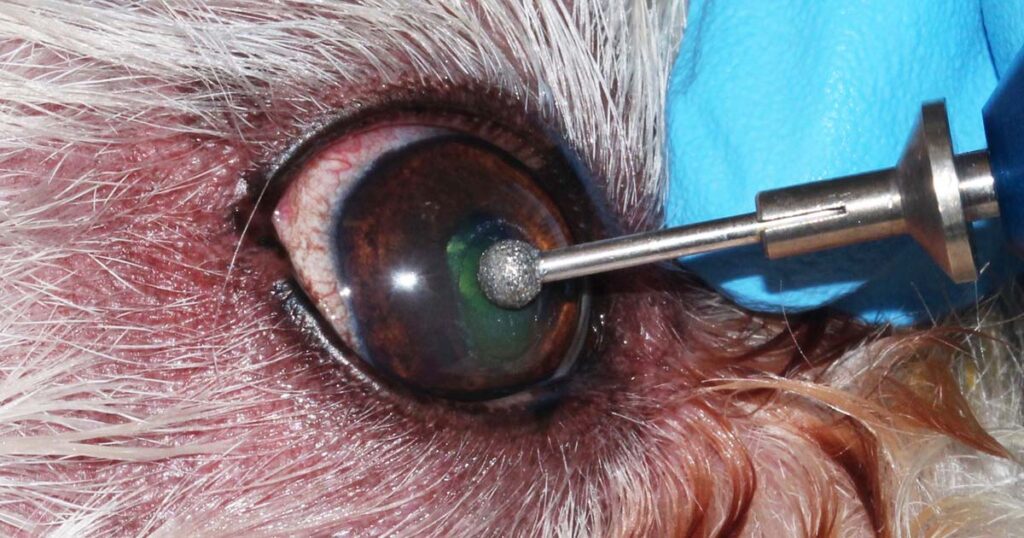
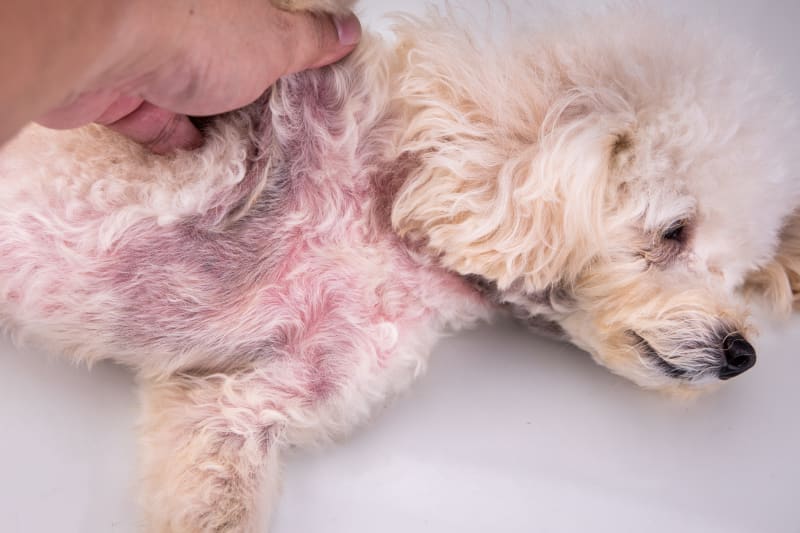
                                          Current Veterinary Stance

                                          Veterinarians generally acknowledge the potential of CBD oil in managing various canine health issues. But, they stress the importance of scientific evidence to support its use. Here’s what vets are saying:

                                          • Pain Management: Many vets report positive outcomes in using CBD oil for dogs with chronic pain, especially those with osteoarthritis.
                                          • Anxiety Relief: Some veterinarians note improvements in dogs with anxiety when using CBD oil, particularly for situational stress.
                                          • Seizure Control: A growing number of vets are cautiously optimistic about CBD’s potential in managing canine epilepsy.

                                          Research-Backed Opinions

                                          Veterinarians base their opinions on emerging research:

                                          • Arthritis Study: A Cornell University study found that dogs receiving 2 mg/kg of CBD twice daily showed important improvement in pain relief and quality of life.
                                          • Epilepsy Research: The Journal of the American Veterinary Medical Association published a study showing that 89% of dogs experienced reduced seizure frequency when given CBD oil.

                                          Veterinary Cautions

                                          While many vets are open to CBD oil’s potential, they also express several cautions:

                                          • Lack of Regulation: Vets warn about the inconsistent quality of CBD products due to limited FDA oversight.
                                          • Potential Side Effects: Some veterinarians report mild side effects in dogs, including drowsiness and changes in appetite.
                                          • Drug Interactions: Vets stress the importance of monitoring potential interactions between CBD oil and other medications.

                                          Legal Considerations

                                          Veterinarians must navigate complex legal landscapes:

                                          • State Regulations: Laws about CBD oil for dogs vary by state, affecting vets’ ability to recommend or prescribe it.
                                          • Professional Guidelines: Many veterinary associations are still developing official stances on CBD use in pets.

                                          Future Outlook

                                          Most veterinarians agree on the need for more research:

                                          • Clinical Trials: Vets are calling for more extensive clinical trials to establish dosing guidelines and long-term effects.
                                          • Standardization: Many veterinarians advocate for standardized production and testing of CBD products for pets.

                                          As research progresses, veterinarians continue to approach CBD oil for dogs with cautious optimism. They emphasize the importance of consulting with a veterinarian before starting any CBD regimen for pets.

                                          Conclusion

                                          CBD oil for dogs shows promising potential in supporting canine health and well-being. We’ve explored its benefits for pain management anxiety relief and seizure control. While generally safe it’s crucial to choose high-quality products and consult with a veterinarian. As research continues to evolve we expect to see more comprehensive studies on CBD’s effects on dogs. By staying informed and working closely with veterinary professionals pet owners can make the best decisions for their furry companions’ health. Remember that every dog is unique and what works for one may not work for another. Always prioritize your pet’s safety and well-being when considering CBD oil as a supplement.