Author: David Peine

  • Presa Canario: Powerful Guardian and Gentle Giant | Breed Guide 2025

    Presa Canario: Powerful Guardian and Gentle Giant | Breed Guide 2025

    Have you ever heard of a dog breed that’s both a loyal guardian and a gentle giant? Meet the Presa Canario, a Spanish mastiff-type breed that’s capturing the hearts of dog enthusiasts across the U.S.

    Originating from the Canary Islands, the Presa Canario has a rich history as a working dog. Known for their impressive strength and protective nature, these dogs were traditionally used for guarding, herding, and even dog fighting before it was outlawed. Today, they’re valued as devoted family companions and excellent guard dogs. We’ll explore the unique characteristics of this breed, from their muscular build to their affectionate personality, and discuss why proper training and socialization are crucial for these powerful pups.

    The Presa Canario: An Overview of the Canary Mastiff

    The Presa Canario, also known as the Canary Mastiff or Dogo Canario, is a powerful and imposing breed that hails from the Canary Islands. This large, muscular dog has a rich history as a working breed, originally used for guarding, herding, and unfortunately, dog fighting. Today, the Presa Canario has found its place as a loyal companion and formidable guardian.

    Origin and History

    The Presa Canario’s roots trace back to the Canary Islands, particularly Gran Canaria and Tenerife. The breed evolved from a mix of native dogs and molossoid-type breeds introduced during the colonial period. British dogs brought to the islands in the late 19th century also influenced the breed’s development.

    Initially, Presa Canarios served multiple purposes:

    • Guarding livestock and property
    • Herding sheep and cattle
    • Participating in dog fights (until banned in 1936)

    The breed faced near-extinction in the 1960s due to factors like:

    • Prohibition of dog fighting
    • Introduction of other guard dog breeds
    • Changing agricultural practices

    Thanks to the efforts of the Club Español del Presa Canario, established in 1982, the breed was revived. The Presa Canario gained official recognition from:

    • Spanish national government (2001)
    • Fédération Cynologique Internationale (2011)

    Physical Characteristics

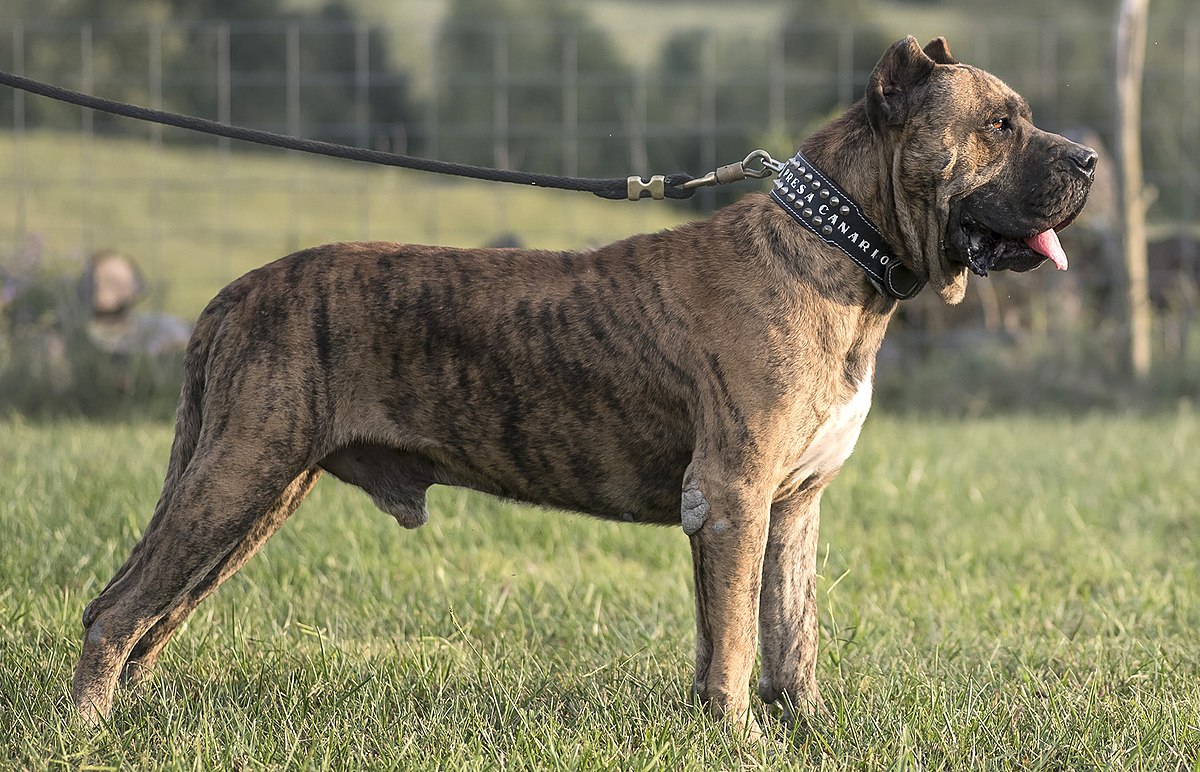
    The Presa Canario is a large, muscular dog with a distinctive appearance:

    FeatureDescription
    HeightMales: 60-66 cm (24-26 in)
    Females: 56-62 cm (22-24 in)
    WeightMales: 50-65 kg (110-145 lb)
    Females: 40-55 kg (90-120 lb)
    CoatShort, dense, and typically brindle or fawn
    HeadLarge, broad, and cube-shaped
    EarsMedium-sized, hanging close to the head
    EyesMedium-sized, almond-shaped, ranging from medium to dark brown
    TailThick, tapering to a point, reaching the hock

    The breed’s imposing stature and muscular build contribute to its effectiveness as a guard dog. Their deep bark and alert demeanor serve as natural deterrents to potential intruders.

    Temperament and Personality

    Presa Canarios are known for their:

    • Loyalty to family
    • Protective nature
    • Intelligence
    • Calm demeanor (when properly trained and socialized)

    While affectionate with their families, Presa Canarios can be wary of strangers. Early socialization and consistent training are crucial to ensure they develop into well-balanced adults. Their strong guarding instincts make them excellent protectors, but also require responsible ownership to manage their territorial tendencies.

    Exercise and Training Needs

    Presa Canarios require:

    • Regular exercise (daily walks, playtime)
    • Mental stimulation (training sessions, puzzle toys)
    • Consistent, firm training from an experienced owner

    Even though their size, Presa Canarios adapt well to various living situations, provided they receive adequate exercise and attention. Their intelligence makes them responsive to training, but their strong-willed nature necessitates a confident, experienced handler.

    Health Considerations

    Like many large breeds, Presa Canarios are prone to certain health issues:

    • Hip dysplasia
    • Elbow dysplasia
    • Patellar luxation
    • Bloat (gastric dilatation-volvulus)

    Regular veterinary check-ups, a balanced diet, and appropriate exercise can help mitigate these risks. The breed’s average lifespan is typically 9-11 years.

    Is the Presa Canario Right for You?

    Owning a Presa Canario requires careful consideration:

    Pros:

    • Excellent guard dog
    • Loyal and affectionate with family
    • Impressive appearance
    • Adaptable to various living situations (with proper exercise)

    Cons:

    • Requires experienced handling
    • Strong guarding instincts need management
    • Potential for aggression if not properly socialized
    • High exercise and mental stimulation needs

    The Presa Canario isn’t suitable for every household. Prospective owners should honestly assess their ability to provide the necessary training, socialization, and exercise this powerful breed requires. For those who can meet these needs, the Presa Canario can be a loyal, protective, and impressive companion.

    Origin and History

    The Presa Canario, a powerful mastiff-type breed, originated in the Canary Islands of Spain. Its history dates back to the 15th and 16th centuries, following the Castilian conquest of the archipelago.

    Development in the Canary Islands

    The Presa Canario evolved from a mix of native island dogs and imported breeds. Its primary ancestors include the Iberian Presa (Perro de Ganado Majorero) and the Bardino Majorero, a pre-Hispanic sheepdog from Fuerteventura. English colonists later introduced Bandogges, Tiedogs, Bull/Terriers, Bulldogs, and Mastiffs, further shaping the breed’s development.
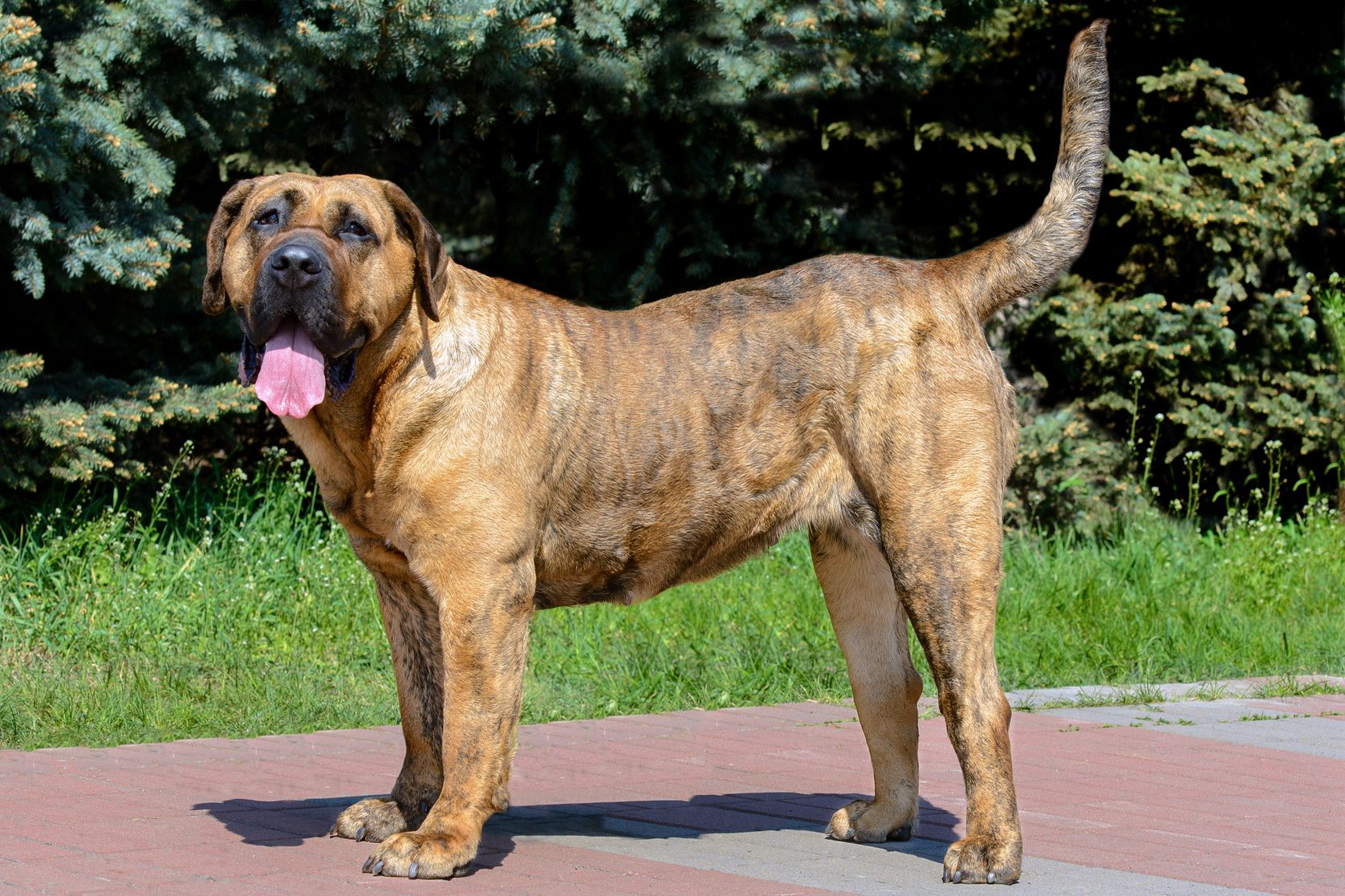
    Presa Canario

    The unique environment and needs of the Canary Islands significantly influenced the Presa Canario’s characteristics. Breeders focused on developing a strong, agile dog capable of working in the islands’ rugged terrain. This selective breeding resulted in a versatile canine with exceptional guarding instincts and the ability to adapt to various tasks.

    Historical Roles and Functions

    The Presa Canario served multiple roles throughout its history, adapting to the changing needs of the islanders. These dogs were primarily used for:

    1. Livestock guarding: Protecting cattle and other farm animals from predators and thieves
    2. Property protection: Serving as formidable guardians for homes and businesses
    3. Herding: Assisting in managing and moving livestock
    4. Dog fighting: Unfortunately, they were also bred for this purpose until it was outlawed

    The breed’s strength, intelligence, and loyalty made it an invaluable asset to the Canary Islands’ inhabitants. Presa Canarios excelled in their working roles, demonstrating remarkable versatility and adaptability. Their protective nature and imposing presence deterred intruders, while their herding abilities helped manage livestock efficiently.

    As the islands’ economy evolved, so did the Presa Canario’s functions. They transitioned from primarily working dogs to becoming prized companions and guardians for families. This shift in roles contributed to the breed’s near-extinction in the 1960s, as the demand for traditional working dogs decreased.

    Physical Characteristics

    The Presa Canario boasts a striking physical presence that commands attention. This breed’s impressive stature and muscular build are complemented by a range of distinctive features that set it apart from other large dog breeds.

    Size and Appearance

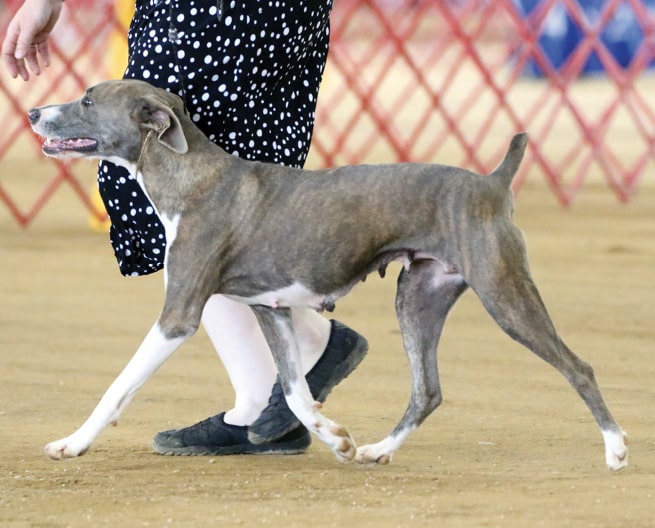
    The Presa Canario is a large to medium-sized dog with a powerful, muscular build. Males typically stand 22-27 inches (55-68 cm) at the withers and weigh 80-130 pounds (36-59 kg). Females are slightly smaller, measuring 20-25 inches (50-63 cm) and weighing 60-100 pounds (27-45 kg). Their body structure is mesomorphic, slightly longer than tall, contributing to a feline-like movement. The breed’s head is broad, massive, and square with a brachycephalic shape. A broad muzzle and pendulous upper lip form an inverted V shape when viewed from the front. The chest is deep and broad, with a slightly raised rump completing their imposing silhouette.

    Coat Colors and Markings

    The Presa Canario’s coat comes in a variety of colors, adding to the breed’s visual appeal. Common coat colors include fawn, brindle, and black, with fawn and brindle being the most prevalent. Fawn coats range from light to dark shades, while brindle patterns feature dark stripes on a lighter background. Black coats, though rare, occur in some lines. White markings may appear on the chest, paws, and muzzle, but excessive white is considered a fault in breed standards. The coat is short and dense, lying flat against the body. This sleek coat not only enhances the dog’s muscular appearance but also requires minimal grooming, making the Presa Canario a relatively low-maintenance breed in terms of coat care.

    Temperament and Personality

    The Presa Canario’s temperament and personality are as distinctive as its physical appearance. These dogs possess a unique combination of traits that make them both formidable guardians and affectionate companions.

    Protective Instincts

    Presa Canarios are renowned for their strong protective instincts. Their loyalty to family members is unwavering, and they’re naturally inclined to guard their home and loved ones. This breed’s confidence and bravery make them excellent watchdogs, always alert and ready to defend against perceived threats. But, their strong-willed nature requires experienced handling and consistent training to ensure these protective instincts are properly channeled. Early socialization is crucial to prevent overly aggressive behavior towards strangers. Presa Canarios thrive on mental stimulation, excelling in tasks that challenge their problem-solving abilities. Their intelligence allows them to quickly learn commands and adapt to various situations, making them versatile working dogs and family protectors.

    Interactions with Family and Other Pets

    Within their family circle, Presa Canarios display a softer side. They’re affectionate and gentle with their loved ones, often forming strong bonds with children. But, due to their size and strength, supervision is essential during interactions with young kids. These dogs are typically reserved around strangers, maintaining a cautious demeanor until they determine there’s no threat. When it comes to other pets, Presa Canarios can be territorial and may show aggression towards unfamiliar dogs, especially those of the same sex.
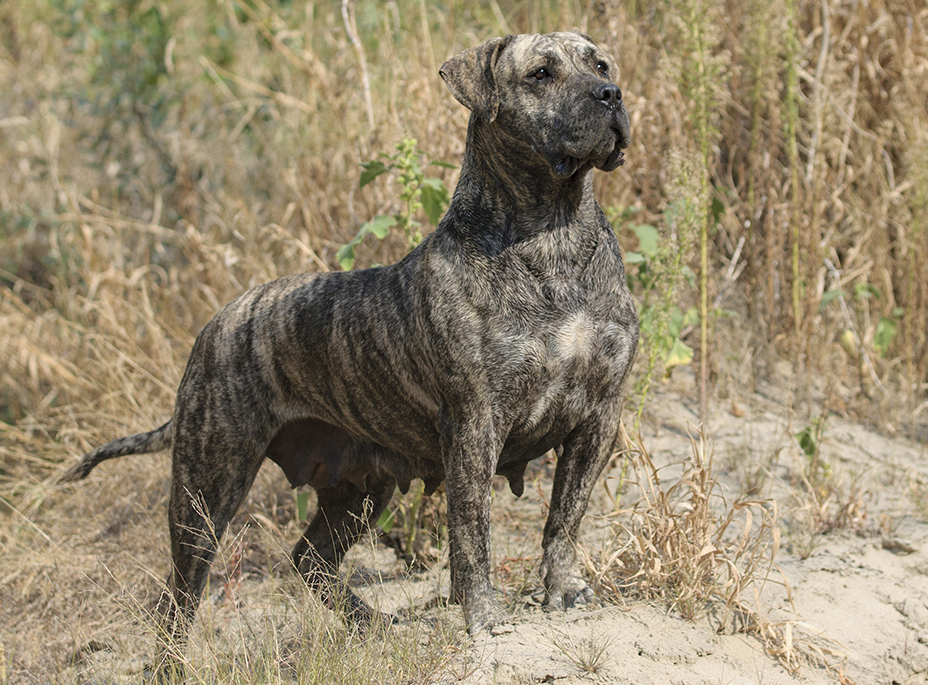
    Presa Canario

    Early socialization and proper introductions are key to fostering positive relationships with other animals in the household. Their high energy levels require regular exercise and mental stimulation to prevent boredom-induced destructive behaviors. With proper training and socialization, Presa Canarios can be well-balanced family companions, showcasing their loyalty and affection while maintaining their natural protective instincts.

    Care and Maintenance

    Proper care and maintenance are crucial for the health and well-being of Presa Canarios. These powerful dogs require dedicated attention to their exercise, grooming, and nutritional needs to thrive as family companions.

    Exercise Requirements

    Presa Canarios are high-energy dogs that need substantial physical and mental stimulation. Daily exercise is essential for their overall health and behavior management:

    • Two 30-minute walks per day, minimum
    • Additional activities like tug-of-war, fetch, or hiking
    • Mental stimulation through puzzle toys and obedience training
    • Engagement in working dog activities or competitions

    As working dogs, Presa Canarios benefit from having a job to do. Competition training in conformation or obedience trials can provide both physical and mental challenges. Their Mediterranean origins make them more tolerant of warm weather, but caution is necessary in extreme heat or cold.

    Grooming Needs

    Presa Canarios have relatively low-maintenance grooming requirements due to their short coat:

    • Weekly brushing to remove loose hair and distribute skin oils
    • Occasional baths, typically every 6-8 weeks or as needed
    • Regular nail trimming, usually every 2-3 weeks
    • Dental care, including brushing teeth 2-3 times per week
    • Ear cleaning to prevent infections, especially after swimming or bathing

    While professional grooming isn’t typically necessary, regular at-home care helps maintain their coat’s health and appearance. Pay attention to any skin folds, particularly around the face, to prevent irritation or infection.

    Nutrition and Feeding Guidelines

    Proper nutrition is vital for maintaining the Presa Canario’s muscular build and overall health:

    • High-quality, protein-rich diet formulated for large, active breeds
    • Balanced meals with appropriate ratios of protein, fats, and carbohydrates
    • Portion control to prevent obesity, which can strain joints
    • Feeding schedule of 2-3 meals per day, rather than free-feeding
    • Fresh water available at all times

    Consider consulting with a veterinarian to determine the best diet plan based on your Presa Canario’s age, weight, and activity level. Some owners opt for raw or home-cooked diets, but these should be carefully balanced to meet nutritional requirements. Avoid overfeeding, as Presa Canarios can be prone to weight gain, which can lead to health issues.

    Training and Socialization

    Proper training and socialization are essential for Presa Canarios to become well-adjusted companions. These powerful dogs require consistent guidance and early exposure to various stimuli to develop into balanced adults.

    Importance of Early Training

    Early training is crucial for Presa Canarios, beginning as soon as they join the family. The critical socialization period occurs between 3 to 14 weeks of age, during which puppies should be exposed to diverse people, animals, environments, and experiences. This early exposure helps mitigate natural wariness and ensures they’re comfortable in various situations.

    Positive reinforcement techniques are highly effective for training Presa Canarios. We use treats, praise, and affection to create positive associations with new experiences and desired behaviors. Consistency in commands and routines helps reinforce training, establishing clear expectations for the dog.
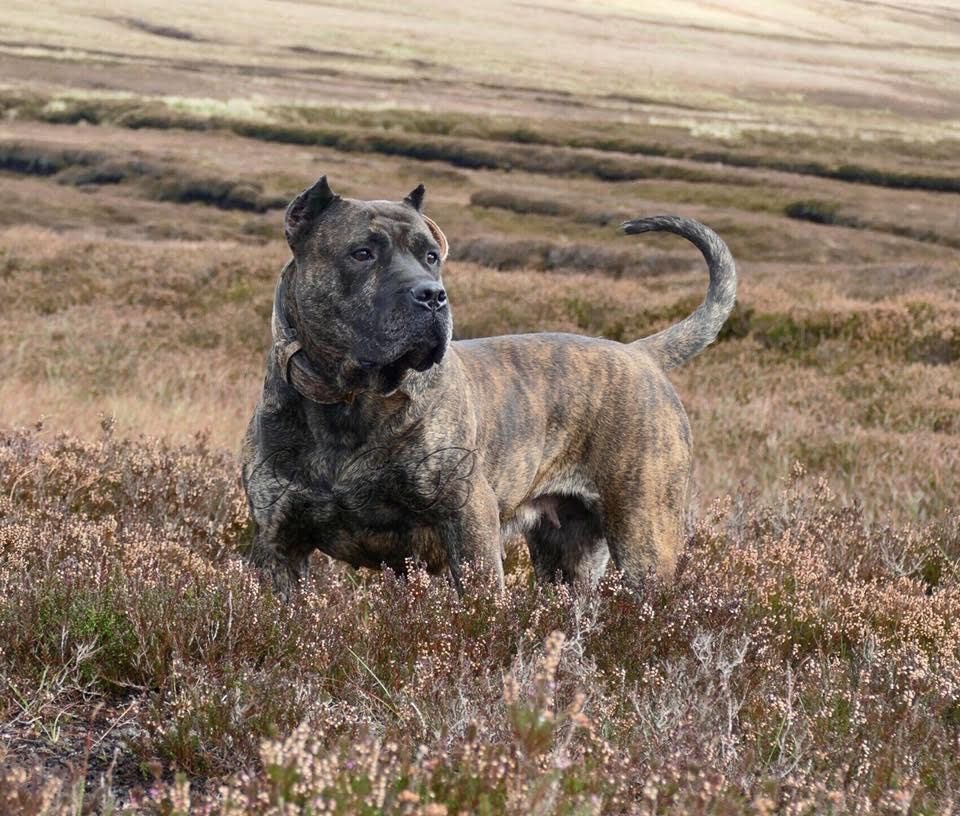
    Presa Canario

    Basic obedience training, including commands like sit, stay, and come, should be prioritized. These foundational skills provide structure and help manage the Presa Canario’s strong-willed nature. Regular training sessions, kept short and captivating, maintain the dog’s interest and reinforce learned behaviors.

    Managing Prey Drive

    Presa Canarios possess a strong prey drive due to their working dog heritage. Managing this instinct is essential for their safety and the well-being of other animals. We carry out several strategies to address and channel this natural drive:

    1. Early socialization: Expose Presa Canarios to various animals from a young age, teaching appropriate interactions.
    2. Consistent training: Use positive reinforcement to reward calm behavior around potential prey animals.
    3. Leash control: Keep Presa Canarios on a leash during walks to prevent chasing instincts from taking over.
    4. Secure environment: Ensure a high, secure fence in the yard to prevent escape when outdoors.
    5. Mental stimulation: Provide puzzle toys and interactive games to channel energy positively.
    6. Structured playtime: Engage in activities that satisfy the prey drive, such as tug-of-war or fetch, under controlled conditions.
    7. Avoid triggers: Identify and manage exposure to stimuli that increase prey drive, like high-pitched noises or fast movements.
    8. Professional assistance: Consult an experienced dog trainer, especially one familiar with large breeds like the Presa Canario, for personalized guidance.

    By implementing these strategies consistently, we can effectively manage the Presa Canario’s prey drive while nurturing their positive qualities as loyal and protective companions.

    Health Considerations

    Presa Canarios are generally healthy dogs, but like all breeds, they’re prone to certain health issues. Understanding these potential problems helps owners provide the best care for their pets.

    Common Health Issues

    Presa Canarios face several breed-exact health challenges:

    • Hip Dysplasia: This genetic condition affects the hip joint, causing pain and arthritis. Regular exercise and maintaining a healthy weight help manage this issue.
    • Elbow Dysplasia: Similar to hip dysplasia, this developmental disorder affects the elbow joint. Proper nutrition during growth and regular vet check-ups are crucial.
    • Dilated Cardiomyopathy (DCM): This heart condition weakens the heart muscle, reducing blood pumping efficiency. A balanced diet and cardiovascular exercise support heart health.

    Other health concerns include:

    • Gastric Dilatation-Volvulus (Bloat): This life-threatening condition requires immediate veterinary attention.
    • Eye Problems: Regular eye exams help detect and manage issues early.
    • Skin Allergies: Proper grooming and a balanced diet can help prevent skin irritations.

    Lifespan and Genetic Predispositions

    Presa Canarios typically live 9-11 years. Their lifespan depends on various factors, including:

    • Genetics
    • Diet and nutrition
    • Exercise
    • Overall health care

    Genetic predispositions in Presa Canarios include:

    1. Orthopedic Issues: Hip and elbow dysplasia are common due to their large size.
    2. Heart Problems: DCM and other cardiac issues can be hereditary.
    3. Eye Conditions: Entropion and ectropion may occur.

    To mitigate these risks:

    • Choose reputable breeders who conduct health screenings
    • Maintain regular veterinary check-ups
    • Provide a balanced diet and appropriate exercise
    • Monitor for early signs of health issues

    By understanding these genetic predispositions, we can take proactive steps to ensure our Presa Canarios lead healthy, fulfilling lives.

    Living with a Presa Canario

    Living with a Presa Canario requires dedication, experience, and a suitable environment. These powerful dogs need proper care, training, and socialization to thrive as family companions.

    Ideal Home Environment

    Presa Canarios require a spacious home environment with ample room for exercise and movement. A large, securely fenced yard is ideal for these active dogs. They’re not well-suited for apartment living due to their size and exercise needs. Presa Canarios thrive in homes with:

    • Experienced dog owners who understand their strong-willed nature
    • Consistent training and clear boundaries
    • Regular physical activity and mental stimulation
    • A calm, stable household environment
    • Limited exposure to strangers or unfamiliar animals

    These dogs need a structured routine and plenty of attention from their owners. They’re not recommended for homes with small children or other pets due to their protective instincts and potential for aggression if not properly socialized.

    Suitability for Different Owners

    Presa Canarios aren’t suitable for all owners. They’re best matched with:

    • Experienced dog owners: Their strong temperament requires confident handling and consistent training.
    • Active individuals or families: These dogs need regular exercise and engagement.
    • Those with spacious homes: A large yard or access to open spaces is essential for their well-being.
    • People with a calm demeanor: Presa Canarios respond well to steady, assertive leadership.

    They’re not recommended for:

    • First-time dog owners: Their size and temperament can be challenging for novices.
    • Families with young children: While affectionate with family, their size and strength pose risks.
    • Those living in apartments: Limited space can lead to frustration and behavioral issues.
    • Individuals with busy lifestyles: Presa Canarios require important time and attention.

    Potential owners must commit to extensive socialization, ongoing training, and providing a structured environment. These dogs thrive with owners who understand and respect their natural instincts while providing firm, loving guidance.

    Breed Misconceptions and Challenges

    Presa Canarios face many misconceptions and challenges that impact their reputation and ownership. These issues stem from misunderstandings about their temperament and the responsibilities of owning such a powerful breed.

    Legal Considerations

    Presa Canarios are subject to breed-exact legislation in some areas, restricting or banning their ownership. These laws often result from misconceptions about the breed’s aggression. In certain jurisdictions, owning a Presa Canario requires special permits, insurance, or adherence to exact housing requirements. Potential owners must research local laws before acquiring a Presa Canario to ensure compliance with regulations. Some countries have outright bans on the breed, while others impose strict control measures. These legal challenges can make it difficult for responsible owners to keep Presa Canarios as family pets, even though the breed’s loyalty and affectionate nature when properly trained and socialized.

    Public Perception

    The public perception of Presa Canarios is often skewed by media portrayal and isolated incidents. Many people view these dogs as inherently aggressive or dangerous, which is not an accurate representation of the breed as a whole. This misconception stems from their imposing physical appearance and history as guard dogs. In reality, well-trained and socialized Presa Canarios are typically gentle and affectionate with their families.

    But, their strong protective instincts can be misinterpreted as aggression by those unfamiliar with the breed. Educating the public about responsible ownership and the breed’s true temperament is crucial to improving their image. Positive interactions with well-behaved Presa Canarios can help dispel myths and showcase their potential as loving companions when in the right hands.

    Conclusion

    The Presa Canario is a remarkable breed with a rich history and unique characteristics. We’ve explored their physical traits temperament and care requirements highlighting both the rewards and challenges of ownership. While they can be loving companions their strong-willed nature and size demand experienced handling.

    Proper training socialization and care are crucial for raising a well-balanced Presa Canario. We encourage potential owners to thoroughly research and consider their lifestyle before welcoming this powerful breed into their homes. With the right approach a Presa Canario can become a loyal protector and cherished family member.
  • 11 Stunning Long-Haired Dog Breeds: Find Your Perfect Fluffy Companion

    11 Stunning Long-Haired Dog Breeds: Find Your Perfect Fluffy Companion

    Have you ever been captivated by the majestic beauty of a long-haired dog? These stunning canines, with their flowing locks, are among the most eye-catching breeds in the industry. From the elegant Afghan Hound to the fluffy Samoyed, long-haired dog breeds offer a diverse range of sizes, personalities, and coat textures.

    We’ll explore 11 remarkable long-haired dog breeds, each with its own unique charm. While these pooches may require extra grooming time, the results are well worth the effort. We’ll investigate into the varying energy levels, shedding tendencies, and trainability of these breeds, helping you find the perfect long-haired companion for your family. Whether you’re drawn to hypoallergenic options or don’t mind a little extra vacuuming, there’s a long-haired breed out there for everyone.

    Understanding Long-Haired Dog Breeds

    Long-haired dog breeds are cherished for their luxurious coats and elegant appearance. These dogs come in various sizes and temperaments, each with unique grooming needs and characteristics.

    Types of Long-Haired Coats

    Long-haired dogs exhibit diverse coat types, each requiring exact care:

    1. Silky: Smooth, shiny coats that can be single or double-layered.
    2. Double: A soft undercoat paired with a thick, long outer coat.
    3. Curly/Wooly: Tightly curled, wavy, or straight coats, often hypoallergenic.
    4. Wire: Rough, hair-like fur that’s coarser to the touch.

    Coat lengths vary, with some breeds sporting hair just a few inches long, while others have floor-length locks. Small breeds like Maltese and Shih Tzus often have flowing coats requiring daily brushing. Medium-sized breeds such as Cocker Spaniels and Collies need regular grooming to maintain their wavy or fluffy coats.

    Benefits and Challenges of Long-Haired Dogs

    Long-haired breeds offer several advantages:

    1. Striking appearance: Their luxurious coats turn heads and add to their charm.
    2. Weather protection: Many long-haired breeds, especially double-coated ones, are well-suited for colder climates.
    3. Versatility: Long-haired dogs come in various sizes and temperaments, suitable for different lifestyles.

    But, owning a long-haired dog also presents challenges:

    1. Grooming demands: Regular brushing, often daily, is necessary to prevent matting and tangles.
    2. Shedding: Many long-haired breeds shed significantly, requiring consistent coat maintenance.
    3. Hygiene concerns: Long coats can trap dirt, debris, and parasites more easily than shorter coats.
    4. Cost: Professional grooming may be needed regularly, adding to the overall expense of pet ownership.

    We recommend considering these factors when choosing a long-haired breed to ensure it aligns with your lifestyle and commitment level.

    Popular Large Long-Haired Dog Breeds

    Large long-haired dog breeds are known for their impressive size and luxurious coats. These gentle giants often capture hearts with their striking appearance and affectionate personalities. Let’s explore three popular breeds in this category.

    Old English Sheepdog

    Old English Sheepdogs are beloved for their shaggy, mop-like coats and sweet dispositions. These dogs stand 21-24 inches tall and weigh 60-100 pounds. With a life expectancy of 12 years, they’re known for their intelligence and gentle nature. Old English Sheepdogs have a moderate activity level and shedding factor.

    Grooming is intensive for this breed. Their long, thick coats require daily brushing to prevent matting and tangling. Regular trimming, especially around the paws, is necessary to avoid dirt buildup. Without proper grooming, these dogs may need to be shaved to remove knots. Even though the grooming challenges, Old English Sheepdogs make loving and loyal companions for families willing to invest time in their care.

    Long-Haired Dog Breeds

    Newfoundland

    Newfoundlands are massive, friendly dogs known for their thick, water-resistant coats. Standing 26-28 inches tall and weighing 100-150 pounds, these gentle giants have a life expectancy of 9-10 years. Newfoundlands are renowned for their loving, loyal personalities and moderate to high shedding factor.

    These dogs require regular grooming to maintain their luxurious double coats. Brushing several times a week is essential to prevent matting and manage shedding. Newfoundlands excel in water-related activities due to their webbed feet and water-resistant coats. Even though their size, they’re known for their calm demeanor and patience with children, making them excellent family pets for those with ample space and time for grooming.

    Bernese Mountain Dog

    Bernese Mountain Dogs are striking large breeds with long, tri-colored coats. These dogs typically stand 23-27 inches tall and have a life expectancy of 7-10 years. Known for their gentle and affectionate nature, Bernese Mountain Dogs make excellent family companions.

    Their thick, double coats require regular grooming to maintain their lustrous appearance. Brushing 2-3 times a week helps manage shedding and prevents matting. Bernese Mountain Dogs are prone to heavy seasonal shedding, necessitating more frequent grooming during these periods. Even though their size, they’re often described as “gentle giants” and are known for their patience with children. These dogs thrive in cooler climates and enjoy outdoor activities, making them ideal for active families in temperate regions.

    Medium-Sized Long-Haired Dog Breeds

    Medium-sized long-haired dog breeds offer a perfect balance of size and elegance. These dogs combine the benefits of larger breeds with the manageability of smaller ones, making them ideal for various living situations. Let’s explore three popular medium-sized long-haired dog breeds.

    Collie

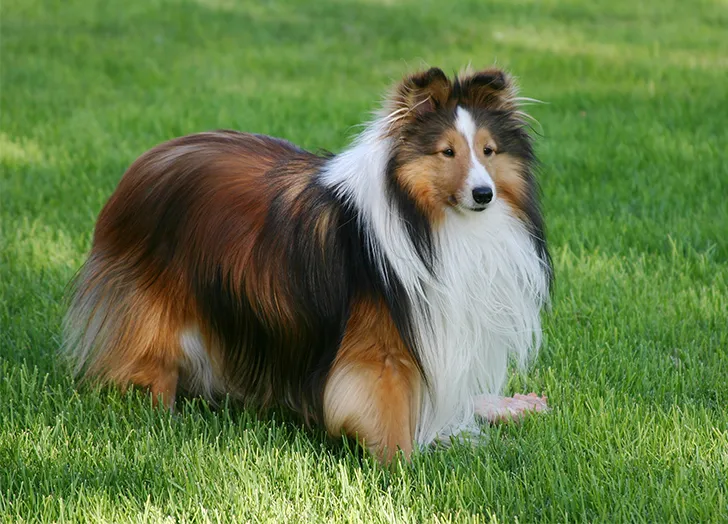
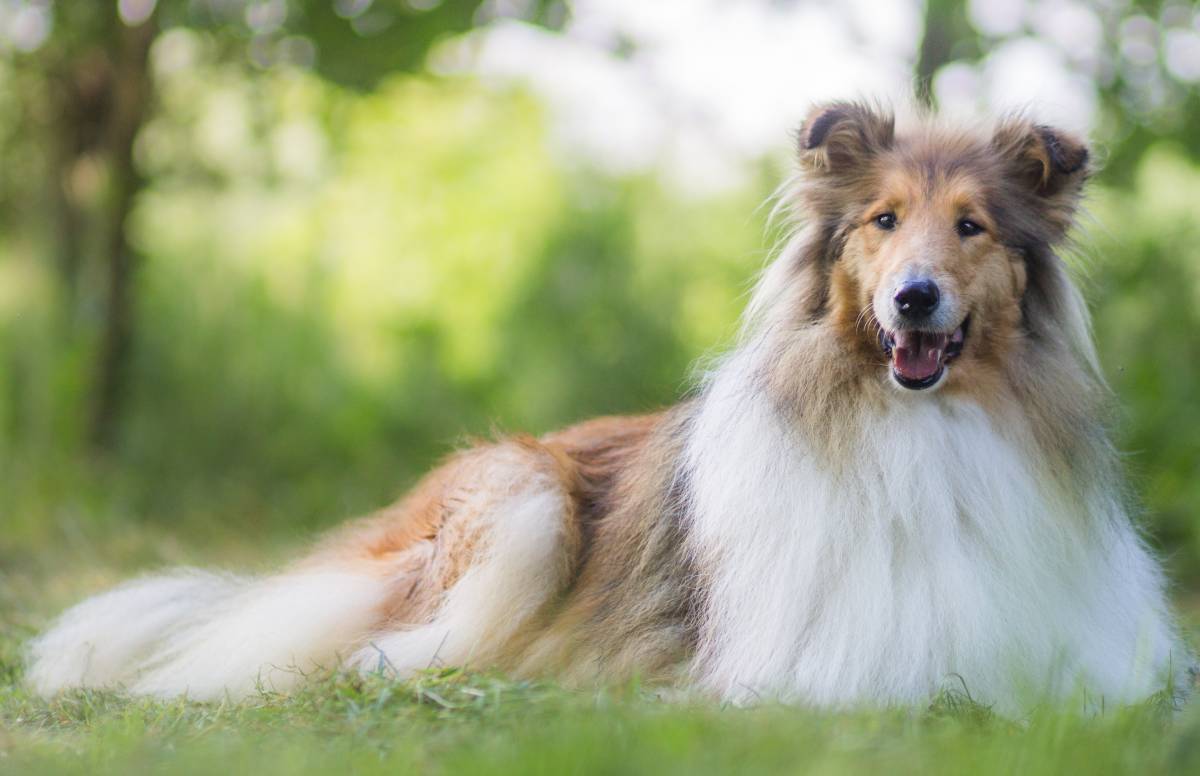
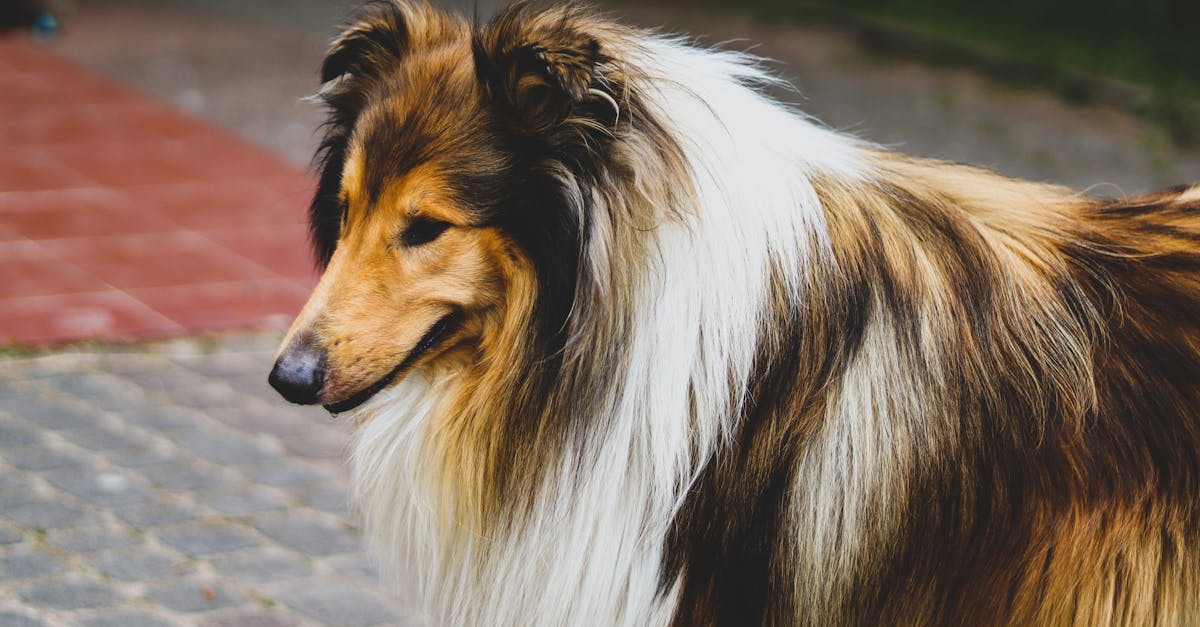
    Collies are intelligent and gentle medium-sized dogs known for their thick, double coats. Standing 22-26 inches tall and weighing 50-75 pounds, they come in rough or smooth coat varieties. The rough-coated Collie requires more grooming, needing brushing 2-3 times a week to maintain its lustrous appearance.

    These herding dogs are playful and active, requiring 1-2 hours of daily exercise. Collies are easy to train due to their intelligence and eagerness to please. They’re excellent family dogs, known for their loyalty and protective nature towards children. With proper care, Collies can live 12-15 years, making them long-term companions.

    Long-Haired Dog Breeds

    Irish Setter

    Irish Setters are striking medium to large dogs, standing 25-27 inches tall and weighing 60-70 pounds. Their most distinctive feature is their flowing, mahogany coat, which requires regular grooming to maintain its beauty. These dogs need daily brushing and occasional trimming to prevent matting.

    Known for their energetic and playful nature, Irish Setters thrive on exercise and human interaction. They’re excellent family dogs, displaying affection and patience with children. Their hunting background makes them alert and active, requiring plenty of physical and mental stimulation. With proper care, Irish Setters can live 11-15 years, providing years of companionship.

    Portuguese Water Dog

    Portuguese Water Dogs are medium-sized, athletic breeds known for their waterproof, non-shedding coats. Standing 17-23 inches tall and weighing 35-60 pounds, these dogs have a robust build suited for their original purpose as fishing assistants. Their coats can be wavy or curly and require regular grooming to prevent matting.

    These intelligent dogs are highly trainable and excel in various activities, from obedience to agility. Portuguese Water Dogs are energetic and need daily exercise to stay healthy and happy. They’re known for their friendly, outgoing personalities and make excellent family pets. With proper care, these dogs can live 10-14 years, offering long-term companionship to active families.

    Small Long-Haired Dog Breeds

    Small long-haired dog breeds are popular choices for those seeking compact companions with luxurious coats. These pint-sized pooches combine charm and elegance, making them ideal for various living situations. Let’s explore three beloved small long-haired breeds: the Shih Tzu, Yorkshire Terrier, and Maltese.

    Shih Tzu

    Shih Tzus are ancient Tibetan dogs with a rich history as companions to Chinese royalty. These affectionate and outgoing pups stand 8-11 inches tall and weigh 9-16 pounds. Their long, flowing coats require daily brushing and monthly trimming to prevent matting. Shih Tzus are born companions with upbeat personalities, making them excellent family pets. Their social nature and adaptability to small living spaces contribute to their popularity. Even though their high-maintenance grooming needs, Shih Tzus reward their owners with unwavering loyalty and affection.

    Yorkshire Terrier

    Yorkshire Terriers, or Yorkies, originated in 19th-century Yorkshire, England, as working dogs in mills and mines. These tiny dynamos typically weigh 4-7 pounds and stand 7-8 inches tall. Yorkies sport a long, silky coat that’s actually hair rather than fur, growing in a single fine layer. This unique coat requires regular grooming to maintain its luxurious appearance and prevent tangles. Yorkies are known for their peppy, outgoing, and inquisitive personalities. Their compact size and low-shedding coat make them popular choices for apartment dwellers and those with allergies. Even though their small stature, Yorkies possess a big personality and often display a feisty, terrier-like temperament.

    Long-Haired Dog Breeds

    Maltese

    The Maltese is an ancient breed with a history dating back over 2,000 years. These diminutive dogs stand 7-9 inches tall and weigh 4-7 pounds. Their signature long, silky white coat flows to the ground, requiring daily brushing and regular bathing to maintain its pristine appearance. Maltese are known for their gentle, affectionate nature and playful personality. They excel as lap dogs and companions, adapting well to various living situations. Even though their delicate appearance, Maltese are surprisingly sturdy and energetic. Their low-shedding coat makes them a popular choice for allergy sufferers. With proper care and attention, Maltese can live up to 15 years, providing long-lasting companionship to their devoted owners.

    Unique Long-Haired Dog Breeds

    Long-haired dog breeds come in various shapes and sizes, but some stand out for their truly unique coats. We’ll explore three remarkable breeds known for their distinctive long hair: the Komondor, Afghan Hound, and Puli.

    Komondor

    The Komondor, originating from Hungary, is a large breed known for its extraordinary corded coat. These dogs weigh between 80 to 100 pounds and have a thick, white coat that resembles dreadlocks. The Komondor’s unique coat serves a practical purpose, providing protection from harsh weather and predators while guarding livestock.

    Grooming a Komondor requires special attention. While they don’t need regular brushing, their corded coat demands frequent baths to maintain cleanliness. The cords naturally form as the dog ages, with the outer coat growing coarse and trapping the softer undercoat.

    Komondors are loyal, protective, and gentle dogs. They excel as guard dogs due to their protective nature but can be reserved with strangers. With proper training and socialization, they make excellent family companions, especially for those willing to commit to their unique grooming needs.

    Long-Haired Dog Breeds

    Afghan Hound

    The Afghan Hound, originating from the Middle East, is renowned for its elegant, silky coat. This breed’s long, flowing hair is not just for show – it served as protection against the harsh climate of its native mountainous region.

    Afghan Hounds are medium to large dogs, standing 25 to 27 inches tall at the shoulder. Their coat requires important grooming, including daily brushing and regular bathing to maintain its luxurious appearance and prevent matting.

    Known for their independent nature, Afghan Hounds can be aloof but are also gentle and affectionate with their families. They have a strong prey drive and require plenty of exercise. Their unique combination of grace, beauty, and athleticism makes them a striking presence in any home.

    Puli

    The Puli, another Hungarian breed, is easily recognizable by its corded coat, similar to the Komondor but on a smaller scale. These medium-sized dogs weigh between 25 to 35 pounds and stand 16 to 17 inches tall at the shoulder.

    The Puli’s coat naturally forms into cords as the dog matures, creating a unique, mop-like appearance. This corded coat served a practical purpose, protecting the dog from harsh weather and potential predator attacks while herding livestock.

    Grooming a Puli requires special care. While the cords form naturally, they need regular separation to prevent matting. Bathing can be time-consuming as the thick cords take a long time to dry.

    Pulis are known for their intelligence, agility, and playful nature. They’re loyal to their families and make excellent watchdogs. Their energetic personality and unique appearance make them a distinctive choice for those seeking an active and eye-catching canine companion.

    Caring for Long-Haired Dogs

    Long-haired dogs require special attention to maintain their beautiful coats. We’ll explore the essential grooming requirements and provide valuable tips for managing shedding and maintenance.

    Grooming Requirements

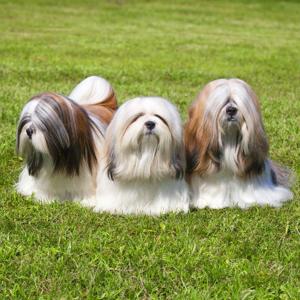
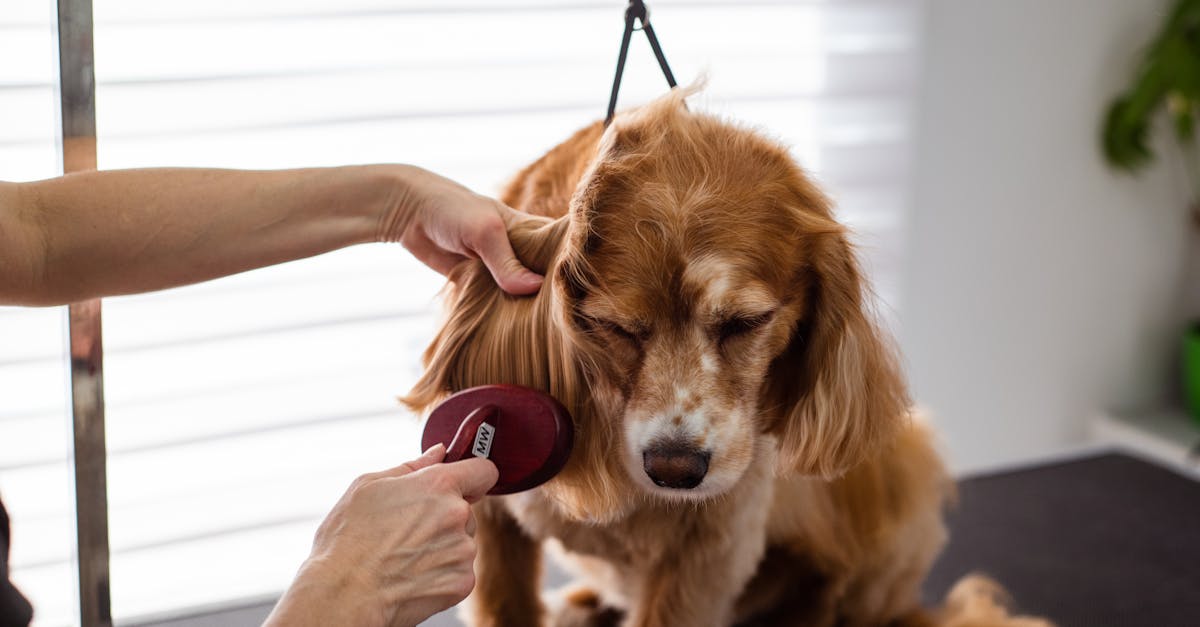
    Long-haired dog breeds demand regular grooming to keep their coats healthy and tangle-free. Brushing is crucial, with frequency varying by breed. Shih Tzus need daily brushing, while Collies and Bernese Mountain Dogs require several sessions per week. Yorkshire Terriers’ silky coats need almost daily attention and trimming every 4-6 weeks. Lhasa Apsos also require regular brushing to prevent tangling, even with shorter trims. Many long-haired breeds benefit from professional grooming every 6-8 weeks for thorough cleaning, detangling, and trimming. Regular nail trimming, ear cleaning, and teeth brushing are also essential parts of a comprehensive grooming routine for long-haired dogs.

    Shedding and Maintenance Tips

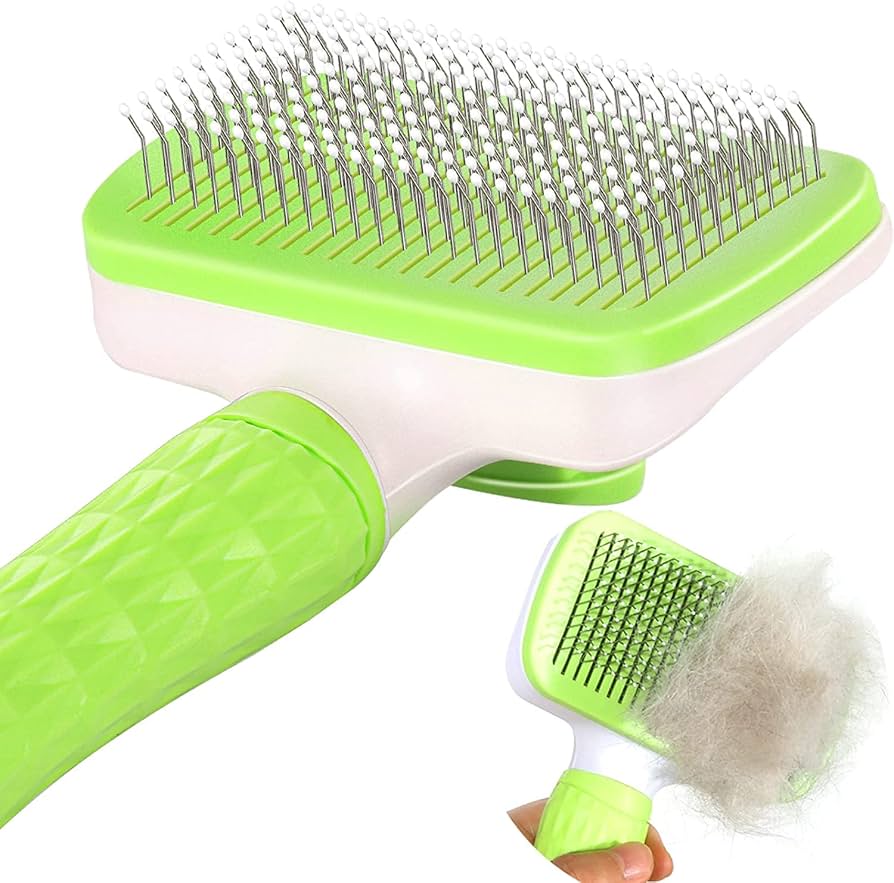
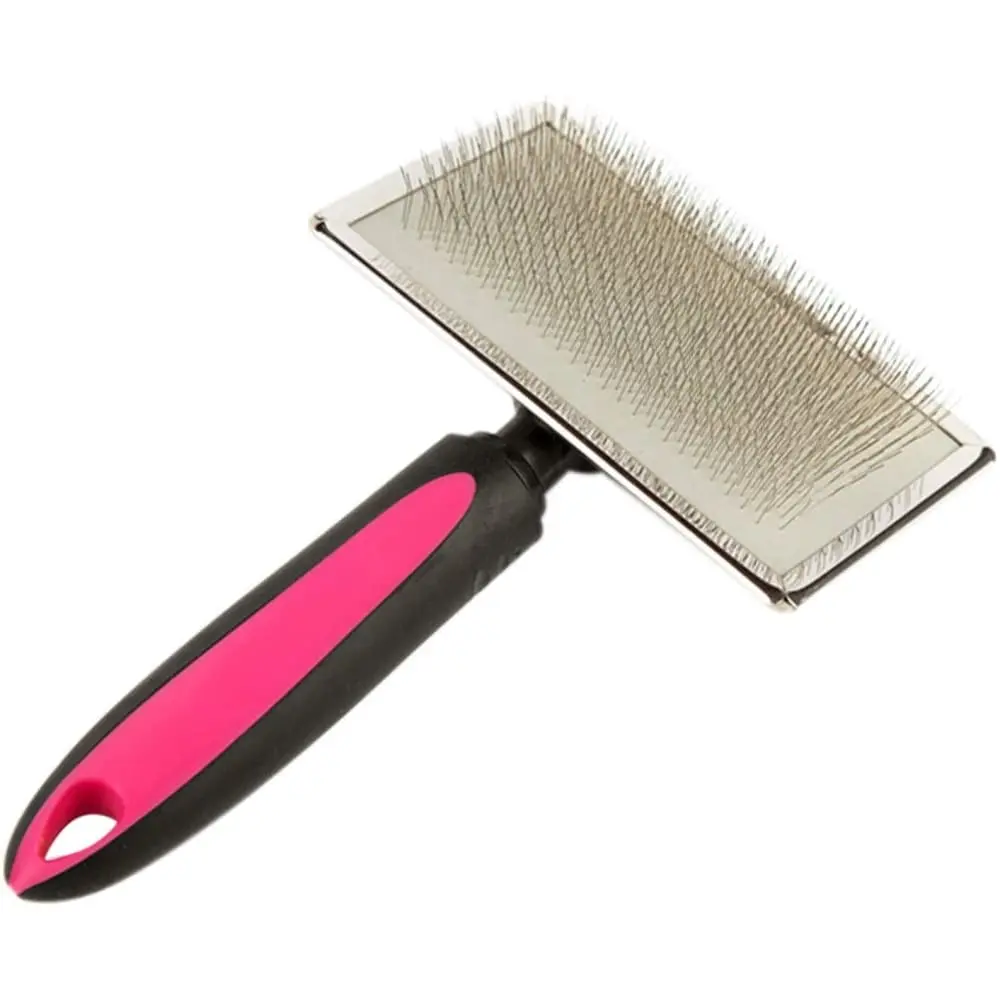
    Managing shedding and maintaining long-haired dogs’ coats requires diligence and the right tools. We recommend using a slicker brush for daily grooming to remove loose hair and prevent matting. For breeds with thick undercoats, like Samoyeds or Collies, a undercoat rake helps remove dead hair during shedding seasons. Regular baths using dog-exact shampoos keep coats clean and healthy, but avoid over-bathing to prevent dry skin. Between baths, use dry shampoo or coat sprays to freshen up your dog’s coat.

    To reduce shedding, supplement your dog’s diet with omega-3 fatty acids and ensure they stay well-hydrated. Consider using deshedding tools during heavy shedding periods to remove loose undercoat. For dogs prone to matting, like Poodles or Bichon Frises, regular professional grooming helps maintain coat health and appearance.

    Choosing the Right Long-Haired Dog Breed

    Selecting the ideal long-haired dog breed involves careful consideration of various factors. We’ll explore key aspects to help you make an well-informed choice that aligns with your lifestyle and preferences.

    Lifestyle Considerations

    Long-haired dog breeds require important time and effort for proper care. Grooming needs vary widely among breeds, with some demanding daily attention while others need less frequent maintenance. For example, Maltese dogs require daily brushing to prevent matting, while Bernese Mountain Dogs need several brushings a week, especially during shedding seasons. Activity levels also differ greatly between breeds. Irish Setters are known for their boundless energy and need regular exercise, while some long-haired breeds are more laid-back. Consider your available time for grooming and exercise when choosing a breed. Living space is another crucial factor, as some long-haired breeds, like the Briard, require ample outdoor space for activities.

    Notable Long-Haired Dog Breeds

    Matching Breed Characteristics to Your Needs

    When selecting a long-haired dog breed, it’s essential to match the breed’s traits with your lifestyle and requirements. Consider factors such as size, temperament, and exact care needs. For instance, if you live in an apartment, a smaller breed like a Shih Tzu might be more suitable than a large, active breed like an Irish Setter. Assess your tolerance for shedding, as some long-haired breeds shed more than others. The Komondor, with its unique corded coat, doesn’t shed but requires regular baths for maintenance.

    If you have allergies, consider hypoallergenic breeds like the Portuguese Water Dog. Evaluate the breed’s trainability and social needs; some long-haired breeds are more independent, while others thrive on constant human interaction. Climate is another important consideration, as some breeds with thick double coats are better suited for colder environments. By carefully matching breed characteristics to your lifestyle and preferences, you’ll find a long-haired companion that fits seamlessly into your life.

    Conclusion

    Long-haired dog breeds offer a unique blend of beauty and companionship. We’ve explored various breeds, from the majestic Afghan Hound to the playful Puli, each with its own distinct charm. While these dogs require dedicated grooming and care, they reward owners with their stunning appearance and affectionate personalities.

    Choosing the right long-haired breed involves careful consideration of lifestyle factors, grooming commitment, and living space. By understanding the needs of these magnificent dogs, you’ll be well-equipped to welcome a furry friend that perfectly complements your life and brings joy for years to come.

  • Female Dog Humping: 9 Surprising Reasons Explained

    Female Dog Humping: 9 Surprising Reasons Explained

    Have you ever wondered why your female dog engages in humping behavior? You’re not alone. While often associated with male dogs, humping is actually a common behavior among both sexes, and it’s not always about dominance or mating.

    We’ll explore the surprising reasons behind why female dogs hump and how this behavior relates to their emotional and physical needs. From stress and anxiety to excitement and attention-seeking, there are many factors that can trigger this seemingly puzzling conduct. By understanding the root causes, we’ll provide you with valuable insights to better interpret your furry friend’s actions and address any underlying issues. Let’s jump into the intriguing area of canine behavior and uncover the truth about why female dogs hump.

    Understanding Female Dog Humping Behavior

    Female dog humping is a common behavior that often surprises pet owners. While it’s typically associated with male dogs, female dogs also engage in this behavior for various reasons. Let’s explore the normalcy of this behavior and address some common misconceptions.

    Is It Normal for Female Dogs to Hump?

    Female dog humping is a normal canine behavior. It’s not limited to male dogs or solely related to sexual activity. Female dogs may hump other dogs, objects, or even people as a form of communication or expression. This behavior can stem from various factors, including:

    1. Overexcitement: Female dogs often hump when they’re overly excited, especially in new environments or when meeting new dogs or people.
    2. Stress and anxiety: Humping can be a coping mechanism for dogs experiencing stress or anxiety.
    3. Attention-seeking: Some female dogs use humping as a way to get attention from their owners or other dogs.
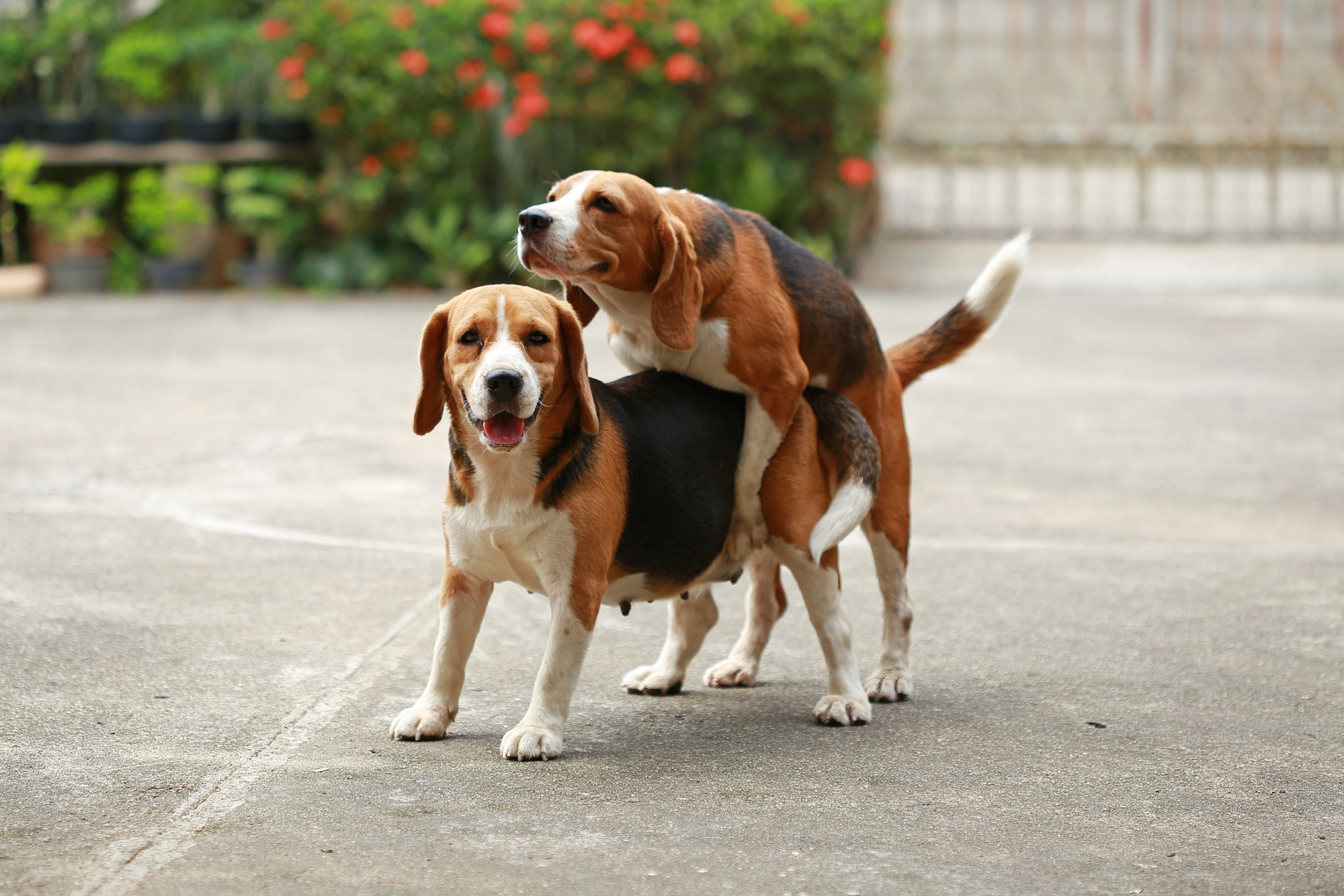
    4. Play behavior: Humping can be part of normal play between dogs, regardless of gender.
    5. Hormonal changes: Unspayed females may hump more frequently due to hormonal fluctuations.

    It’s important to note that while humping is normal, excessive or compulsive humping may indicate underlying issues that require veterinary attention.

    Common Misconceptions About Female Dog Humping

    Several misconceptions surround female dog humping behavior:

    1. Dominance assertion: Contrary to popular belief, humping isn’t always about establishing dominance. It’s often a response to excitement or stress.
    2. Sexual behavior only: While humping can be sexual, it’s not the sole reason female dogs engage in this behavior.
    3. Indication of poor training: Humping doesn’t necessarily reflect poor training or socialization. It’s a natural canine behavior.
    4. Age-exact behavior: Humping isn’t limited to puppies or young dogs. Dogs of all ages may exhibit this behavior.
    5. Gender-exact behavior: Many people assume only male dogs hump, but female dogs engage in this behavior too.

    Understanding these misconceptions helps pet owners better interpret their dog’s behavior and respond appropriately. It’s crucial to observe the context in which the humping occurs to determine the underlying cause and address it effectively.

    Reasons Why Female Dogs Hump

    Female dogs hump for various reasons, and it’s essential to understand these behaviors to address them effectively. Here are the main reasons behind this common canine behavior:

    Overexcitement and Playfulness

    Overexcitement is a primary cause of humping in female dogs. This behavior often occurs when:

    • Meeting new dogs or people
    • Captivating in playful activities
    • Experiencing heightened energy levels

    Female puppies are particularly prone to humping due to their exploratory nature and lack of socialization. Adult dogs may also exhibit this behavior if they haven’t been properly socialized. Humping serves as an outlet for excess energy, especially when dogs don’t receive adequate physical or mental stimulation. It’s crucial to provide appropriate exercise and play opportunities to help manage this behavior.

    Stress and Anxiety

    Stress and anxiety significantly contribute to humping behavior in female dogs. This action often serves as a coping mechanism when dogs feel:

    • Overwhelmed
    • Uncomfortable
    • Anxious in new situations

    Signs of stress and anxiety in dogs include:

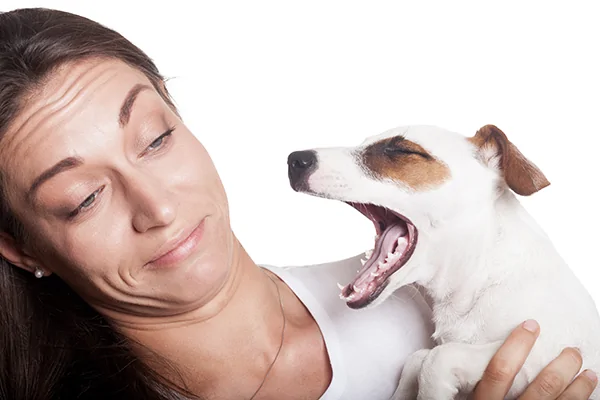
    • Yawning
    • Pacing
    • Restlessness
    • Behavioral changes

    Humping can be a self-soothing behavior for dogs experiencing stress or anxiety. Identifying and addressing the underlying causes of these emotions is crucial in managing this behavior effectively. Creating a calm environment and providing positive reinforcement can help reduce stress-induced humping.

    Attention-Seeking Behavior

    Female dogs may hump to gain attention from their owners or other dogs. This behavior often occurs when:

    • They feel neglected
    • They want to initiate play
    • They’re seeking interaction

    Attention-seeking humping can be reinforced if owners respond by giving attention, even if it’s negative. To address this:

    • Redirect the behavior to more appropriate activities
    • Provide regular positive attention and interaction
    • Establish consistent training routines

    It’s important to avoid inadvertently rewarding the behavior and instead focus on reinforcing desired actions through positive reinforcement techniques.

    Sexual Behavior and Hormonal Influences

    While less common in spayed females, hormonal influences can still contribute to humping behavior. Factors include:

    • Residual hormones after spaying
    • Incomplete spaying procedures
    • Hormonal imbalances

    During heat cycles, intact female dogs may exhibit increased humping due to hormonal changes. This behavior can persist even after spaying, especially if the dog learned it as a puppy. To manage hormonally-driven humping:

    • Consult with a veterinarian about hormone levels
    • Consider spaying if the dog is intact
    • Carry out consistent training and redirection techniques

    Understanding the role of hormones helps in addressing this behavior effectively.

    Female Dog Humping

    Medical Conditions

    In some cases, humping behavior in female dogs may indicate underlying medical issues. Potential conditions include:

    • Urinary tract infections
    • Skin irritations or allergies
    • Neurological disorders
    • Hormonal imbalances

    Signs that humping may be health-related:

    • Sudden onset of behavior
    • Excessive or obsessive humping
    • Accompanying symptoms (e.g., lethargy, changes in appetite)

    If you suspect a medical cause for your dog’s humping behavior:

    • Consult with a veterinarian for a thorough examination
    • Keep a record of when and how often the behavior occurs
    • Note any other changes in behavior or physical condition

    Addressing any underlying health issues is crucial for managing humping behavior effectively and ensuring your dog’s overall well-being.

    Specific Humping Scenarios

    Female dogs exhibit humping behavior in various situations. Let’s explore some exact scenarios where this behavior commonly occurs and understand the underlying reasons.

    Humping After Being Spayed

    Spaying doesn’t always eliminate humping behavior in female dogs. Hormonal changes post-surgery can persist for up to three months, potentially influencing humping. Also, if the behavior was learned before spaying, it may continue due to habit rather than hormonal influence.

    Reasons for post-spay humping include:

    • Residual hormones in the system
    • Learned behavior reinforced over time
    • Stress or anxiety related to the surgical experience
    • Underlying medical conditions unrelated to reproductive organs

    To address post-spay humping:

    1. Allow time for hormonal balance to stabilize
    2. Maintain consistent training and positive reinforcement
    3. Consult a veterinarian to rule out medical issues
    4. Provide mental and physical stimulation to reduce stress

    Humping Other Dogs (Male or Female)

    Female dogs may hump other dogs regardless of gender. This behavior often stems from social dynamics rather than sexual motivations. Common scenarios include:

    • Establishing dominance in a pack hierarchy
    • Overexcitement during play sessions
    • Stress or anxiety in new social situations
    • Lack of proper socialization skills

    When a female dog humps another dog:

    1. Observe the context and body language of both dogs
    2. Intervene if the behavior becomes aggressive or causes distress
    3. Redirect the humping dog to a more appropriate activity
    4. Gradually expose the dog to various social situations to improve behavior

    Consistent training and positive reinforcement can help modify this behavior over time.

    Humping People or Objects

    Female dogs may hump people or objects as a form of displacement behavior or attention-seeking. This can occur due to:

    • Overexcitement during greetings or play
    • Stress or anxiety in unfamiliar environments
    • Boredom or lack of mental stimulation
    • Learned behavior reinforced by unintentional attention

    To address humping of people or objects:

    1. Identify triggers that lead to the behavior
    2. Redirect the dog to an alternative activity when humping starts
    3. Provide ample exercise and mental stimulation
    4. Use positive reinforcement to encourage appropriate behaviors
    5. Avoid punishing the dog, as this may increase anxiety

    In some cases, humping exact objects may indicate a fixation or compulsive behavior. If the issue persists, consult a professional dog trainer or behaviorist for customized advice.

    Female Dog Humping

    When to Be Concerned About Humping Behavior

    While humping is often a normal behavior in female dogs, there are instances when it may indicate underlying issues that require attention. We’ll explore scenarios where humping behavior might be cause for concern and when it’s time to consult a veterinarian.

    Excessive or Compulsive Humping

    Excessive humping that interferes with a dog’s daily activities or social interactions can be problematic. Signs of compulsive behavior include:

    • Humping objects, people, or other dogs frequently throughout the day
    • Difficulty interrupting or redirecting the behavior
    • Ignoring other stimuli while engaged in humping
    • Showing signs of distress when prevented from humping

    Compulsive behaviors often stem from anxiety or stress and may require professional intervention.

    Medical Issues

    Sometimes, humping can be a sign of underlying medical conditions:

    • Urinary tract infections
    • Skin irritations or allergies
    • Hormonal imbalances
    • Neurological issues

    If humping is accompanied by other symptoms such as excessive licking of the genital area, changes in urination habits, or signs of discomfort, it’s crucial to consult a veterinarian.

    Aggression or Dominance

    While humping isn’t always about dominance, it can sometimes escalate into aggressive behavior:

    • Growling or snapping when interrupted
    • Targeting exact dogs or people consistently
    • Humping that leads to fights with other dogs

    These behaviors indicate a need for professional behavior modification and potentially medical evaluation.

    Changes in Behavior

    Sudden changes in humping behavior, especially in older dogs or those who have been spayed, may warrant investigation:

    • A spayed female suddenly starting to hump
    • Increased frequency or intensity of humping
    • Humping accompanied by other behavioral changes

    These changes could signal hormonal issues, cognitive decline in older dogs, or other health concerns.

    Interference with Quality of Life

    Humping becomes problematic when it negatively impacts the dog’s or the owner’s quality of life:

    • Causing embarrassment or discomfort in social situations
    • Preventing the dog from captivating in normal activities
    • Straining relationships with other pets or family members

    In these cases, addressing the behavior through training or professional help is essential.

    By recognizing these signs, we can better understand when humping behavior in female dogs transitions from a normal expression to a potential problem. Early intervention and proper veterinary care ensure our canine companions remain healthy and well-adjusted.

    Managing and Correcting Humping Behavior

    Understanding the reasons behind female dog humping is crucial for effective management and correction. Let’s explore various strategies to address this behavior in a positive and constructive manner.

    Spaying and Its Effects

    Spaying can significantly reduce humping behavior in female dogs. This surgical procedure removes the ovaries and uterus, eliminating hormonal influences that may contribute to humping. While spaying doesn’t guarantee complete elimination of the behavior, it often leads to a notable decrease. Some female dogs may continue humping post-spay due to learned behavior or non-hormonal factors. It’s important to note that spaying also offers health benefits, such as reducing the risk of certain cancers and eliminating heat cycles. But, the timing of spaying should be discussed with a veterinarian, as it can impact a dog’s physical development and behavior.

    Training and Socialization Techniques

    Proper training and socialization are key to managing humping behavior in female dogs. Early socialization exposes puppies to various situations, reducing anxiety and overexcitement that can lead to humping. Obedience training establishes clear communication and reinforces desired behaviors. Teaching commands like “leave it” or “off” can be effective in interrupting humping episodes. Consistency is crucial in training; all family members should use the same commands and techniques. Regular socialization with other dogs in controlled environments helps female dogs learn appropriate interaction skills. Puppy classes and supervised playdates provide opportunities for positive social experiences and behavior reinforcement.

    Redirecting and Positive Reinforcement

    Redirecting and positive reinforcement are effective strategies for managing humping behavior. When a female dog starts to hump, redirect her attention to a more appropriate activity, such as playing with a toy or practicing a command. Reward the dog with treats or praise when she engages in the alternative behavior. This positive reinforcement encourages the desired response and helps create new habits. It’s important to be proactive and redirect the dog before the humping behavior fully starts. Consistency in redirection and reward is key to success. Providing mental stimulation through puzzle toys or training sessions can also help reduce boredom-related humping. Remember, patience is essential as changing established behaviors takes time and consistent effort.

    Conclusion

    Female dog humping is a complex behavior with various underlying causes. We’ve explored the reasons behind this action ranging from social dynamics to medical issues. Understanding these motivations is crucial for effective management. Through proper training socialization and veterinary care we can address this behavior constructively. Remember humping is often a normal canine behavior but excessive or sudden changes may warrant attention. By approaching this topic with knowledge and patience we can ensure our female dogs lead happy healthy lives while maintaining positive relationships with their human companions.

  • Dog Mites: Symptoms, Treatment, and Prevention for Pet Owners

    Dog Mites: Symptoms, Treatment, and Prevention for Pet Owners

    Did you know that your furry friend might be hosting some unwelcome guests? Dog mites, tiny arthropods related to spiders and ticks, can cause big trouble for our canine companions. These microscopic pests can live on or burrow into a dog’s skin, leading to itching, inflammation, and hair loss.

    While not all cases of dog mites are problematic, certain types of infestations can escalate into serious health issues. We’ll explore the four main species of mites that affect dogs, including those that cause demodicosis and sarcoptic mange. Understanding these tiny troublemakers is crucial for every dog owner, as it can help prevent discomfort and potential health complications for our beloved pets.

    What Are Dog Mites?

    Dog mites are microscopic parasitic arachnids that infest dogs’ skin, causing various dermatological issues. These tiny creatures, related to spiders and ticks, can lead to important discomfort and health problems for our canine companions.

    Types of Dog Mites

    There are four main types of dog mites that cause noticeable symptoms:

    1. Demodex canis: These mites live in hair follicles and sebaceous glands. They’re responsible for demodicosis, which can be localized or generalized. Demodex mites thrive in young dogs during puberty when sebaceous glands are more active.
    2. Sarcoptes scabiei: These highly contagious mites cause sarcoptic mange. They burrow into the skin, leading to intense itching, scaling, and crusting. Sarcoptic mange can spread to other dogs and humans.
    3. Otodectes cynotis: Known as ear mites, these parasites primarily infest dogs’ ears but can also be found on other body parts. They cause severe itching and irritation in the ear canal.
    4. Cheyletiella: These surface-dwelling mites cause cheyletiellosis, often called “walking dandruff” due to the appearance of moving scales on the skin.

    Lifecycle and Behavior

    Dog mites have a complex lifecycle that varies depending on the species:

    1. Eggs: Female mites lay eggs on the dog’s skin or in hair follicles.
    2. Larvae: After hatching, larvae emerge and begin feeding on skin cells or oils.
    3. Nymphs: Larvae molt into nymphs, which continue to feed and grow.
    4. Adults: Nymphs develop into adult mites, ready to reproduce and continue the cycle.

    Mite behavior differs among species:

    • Demodex mites typically live harmlessly on dogs but can overpopulate in immunocompromised animals.
    • Sarcoptes mites burrow into the skin, causing intense itching and inflammation.
    • Ear mites prefer the warm, dark environment of the ear canal but can spread to other body areas.

    Understanding mite lifecycles and behavior is crucial for effective treatment and prevention of infestations in our canine companions.

    How Dogs Get Mites

    Dogs can acquire mites through various means, depending on the exact type of mite. Understanding these transmission methods is crucial for prevention and treatment.

    Transmission Methods

    Mites spread among dogs through different pathways:

    • Direct contact: Sarcoptic mange mites primarily transmit through close physical contact between infected and healthy dogs.
    • Maternal transmission: Demodex mites are typically passed from mother to puppies during nursing.
    • Environmental exposure: Dogs can pick up mites from contaminated bedding, grooming tools, or other shared surfaces.
    • Indirect contact: Mites can spread through contact with infected hair or fomites (objects that can carry infectious organisms).
    • Wildlife interaction: Dogs encountering wildlife, particularly foxes, may contract mites.

    Understanding these transmission methods helps dog owners take appropriate precautions to protect their pets from mite infestations.

    Risk Factors

    Several factors increase a dog’s susceptibility to mite infestations:

    • Age: Young puppies and older dogs with weakened immune systems are more vulnerable.
    • Health status: Dogs with compromised immune systems due to illness or stress are at higher risk.
    • Living conditions: Overcrowded or unsanitary environments promote mite spread.
    • Nutrition: Malnourished dogs are more susceptible to mite infestations.
    • Breed predisposition: Some breeds may be more prone to certain types of mites.
    • Outdoor exposure: Dogs with frequent outdoor activities have higher exposure risks.
    • Grooming habits: Infrequent grooming can make it easier for mites to establish themselves.

    By addressing these risk factors, we can significantly reduce the likelihood of mite infestations in dogs and maintain their skin health.

    Symptoms of Dog Mite Infestations

    Dog mite infestations can cause a range of uncomfortable symptoms for our canine companions. These tiny parasites often lead to visible signs of distress and skin irritation. Let’s explore the common indicators and exact symptoms associated with different types of mites.

    Common Signs and Symptoms

    Dog mite infestations typically manifest through intense itching and scratching. Affected dogs may exhibit relentless scratching, biting, or rubbing against furniture to alleviate discomfort. Skin irritation, redness, and inflammation are common, particularly in areas where mites congregate. Hair loss and bald patches often develop as a result of constant scratching and mite activity.

    In severe cases, crusty patches of skin may form, and the skin can become thickened. Secondary bacterial or fungal infections frequently occur due to the damage caused by mites and excessive scratching. Dogs with ear mites may shake their heads frequently and scratch at their ears. It’s crucial to monitor for these signs and seek veterinary care promptly if mite infestation is suspected.

    Exact Symptoms by Mite Type

    Different mite species cause varying symptoms in dogs. Demodex mites often lead to localized or generalized hair loss, particularly around the face, legs, and trunk. Sarcoptic mange mites cause intense itching, redness, and crusty lesions, typically starting on the ears, elbows, and belly. Ear mites produce dark, coffee ground-like debris in the ear canal and can cause head shaking and ear scratching.

    Cheyletiella mites, known as “walking dandruff,” create excessive scaling and mild itching along the back. Regardless of the mite type, affected dogs may experience secondary symptoms such as lethargy, loss of appetite, and behavioral changes due to discomfort. Recognizing these exact symptoms helps in identifying the type of mite infestation and seeking appropriate treatment.

    Diagnosing Mites in Dogs

    Accurate diagnosis of mites in dogs is crucial for effective treatment. We’ll explore the key steps veterinarians take to identify these tiny pests and the exact tests used to confirm their presence.

    Veterinary Examination

    During a veterinary examination for suspected mite infestations, the clinician looks for telltale signs. These include intense itching (pruritus), especially in cases of sarcoptic mange caused by Sarcoptes scabiei. Skin lesions such as papules, scaling, and crusting are common, often accompanied by secondary superficial pyoderma. Hair loss (alopecia) is frequently observed in areas where mites are most active. The vet also checks for erythema, pustules, and papules, paying close attention to the distal parts of the limbs and tail, which are often affected. This thorough examination helps narrow down the potential cause of the dog’s discomfort and guides further diagnostic steps.

    Diagnostic Tests

    Skin scrapings are the gold standard for diagnosing mite infestations in dogs. This process involves gently scraping the surface of the dog’s skin to collect samples, which are then examined under a microscope. The vet looks for mites, their eggs, or mite-related debris to confirm the presence and type of mites. In cases where skin scrapings don’t yield conclusive results, additional tests may be employed. These include tape preparations, where clear tape is pressed against affected skin areas to collect mites and debris. For suspected ear mite infestations, vets use an otoscope to examine the ear canals. These diagnostic methods help identify the exact mite species, allowing for targeted treatment and more effective management of the infestation.

    Dog Mites

    Treatment Options for Dog Mites

    Effective treatment for dog mites involves a combination of medications, topical treatments, and management of secondary complications. The approach varies depending on the type of mite infestation and its severity.

    Medications and Topical Treatments

    Veterinarians prescribe exact medications to target mite infestations in dogs. Topical treatments, applied directly to the dog’s skin, include shampoos, dips, sprays, and spot-on treatments. These formulations contain ingredients that kill or repel mites. For demodectic mange, topical medications like moxidectin + imidacloprid and fluralaner are commonly used off-label. Anti-parasitic shampoos effectively combat various mite infestations by flushing out and opening hair follicles.

    Oral medications work systemically to eliminate mites throughout the body. The choice between topical and oral treatments depends on the mite species and infestation severity. In some cases, veterinarians may recommend a combination of both for optimal results.

    Managing Secondary Complications

    Mite infestations often lead to secondary bacterial or fungal infections due to skin barrier damage. To address these complications, veterinarians may prescribe additional medications such as antibiotics or antifungal treatments. These medications help prevent further skin damage and promote healing.

    Managing secondary complications also involves addressing the dog’s overall health. A well-rounded, nutritious diet supports the immune system, helping the dog’s body better control mite populations. Veterinarians may recommend dietary changes or supplements to boost the dog’s natural defenses against infestations.

    Preventing Dog Mite Infestations

    Preventing dog mite infestations involves a combination of proper hygiene, grooming practices, and environmental control. By implementing these preventive measures, we can significantly reduce the risk of mite infestations in our canine companions.

    Hygiene and Grooming Practices

    Regular grooming is essential for preventing dog mite infestations. We recommend brushing your dog’s fur frequently, especially after exposure to other dogs or potentially infested environments. This practice helps in early detection and removal of mites. Bathing with medicated shampoos containing benzyl peroxide can reduce mite populations on the dog’s skin. Keeping your dog’s nails clean and trimmed prevents mites from hiding in the nail beds. Regular ear cleaning is crucial, particularly for preventing ear mites like Otodectes cynotis. Use ear cleaning answers to maintain proper ear hygiene and deter mite infestations.

    Environmental Control

    Controlling the environment is crucial in preventing dog mite infestations. Regularly clean and vacuum areas where your dog spends time, including bedding, carpets, and furniture. Wash your dog’s bedding, toys, and other items in hot water weekly to eliminate potential mite habitats. Maintain a clean living space by frequently disinfecting floors and surfaces. Limit your dog’s exposure to potentially infested areas or animals. If you have multiple pets, isolate any infected animals to prevent the spread of mites. Consider using pet-safe pesticides or natural repellents in outdoor areas to reduce mite populations. Regularly inspect and treat outdoor spaces where your dog plays to minimize the risk of mite exposure.

    Can Dog Mites Affect Humans?

    Dog mites primarily affect canines, but some species can occasionally impact humans. While the risk is generally low, it’s essential to understand the zoonotic potential of these parasites and take appropriate precautions.

    Zoonotic Potential

    Most dog mites are species-exact, preferring dogs as their primary hosts. But, certain mite species can affect humans:

    • Sarcoptes scabiei: This mite, responsible for sarcoptic mange in dogs, can infest humans. It causes a self-limiting dermatitis with intense itching and a rash. Fortunately, these mites don’t complete their life cycle on humans and eventually die off.
    • Otodectes cynotis and Cheyletiella spp.: While primarily canine parasites, these mites can occasionally cause temporary irritation in humans.
    • Demodex canis: This mite is highly exact to dogs and poses no zoonotic risk to humans.

    Precautions for Pet Owners

    To minimize the risk of mite transmission from dogs to humans:

    1. Practice good hygiene: Wash hands thoroughly after handling pets, especially those with suspected mite infestations.
    2. Promptly treat infested dogs: Address mite infestations in dogs quickly to reduce the risk of transmission.
    3. Limit direct contact: Avoid close contact with infested dogs until treatment is complete.
    4. Clean living spaces: Regularly clean and disinfect areas where infested dogs spend time.
    5. Monitor for symptoms: Watch for signs of skin irritation or rashes in humans who have been in contact with infested dogs.
    6. Consult professionals: Seek veterinary care for dogs with suspected mite infestations and medical attention for any persistent skin issues in humans.

    Conclusion

    Dog mites pose a important threat to our canine companions’ health and well-being. By understanding their types lifecycle and transmission methods we’re better equipped to protect our pets. Early detection proper diagnosis and comprehensive treatment are crucial in managing infestations. Regular grooming good hygiene practices and environmental control play key roles in prevention. While some mites can affect humans maintaining cleanliness and seeking professional advice can minimize risks. With vigilance and proper care we can ensure our furry friends stay happy healthy and mite-free.

  • 7 Effective Home Remedies for Dog UTIs: Quick Relief Guide 2025

    7 Effective Home Remedies for Dog UTIs: Quick Relief Guide 2025

    Is your furry friend showing signs of discomfort? Urinary tract infections (UTIs) in dogs can be a painful and distressing experience for both pets and their owners. We understand the urgency to provide relief, which is why we’re exploring how to treat dog UTIs at home.

    While severe cases may require veterinary intervention, many mild UTIs can be managed with natural remedies. From cranberry supplements to increased water intake, we’ll guide you through effective home treatments that can help soothe your dog’s symptoms. We’ll also discuss when it’s crucial to seek professional help, ensuring your pup receives the best care possible.

    Understanding Dog UTIs

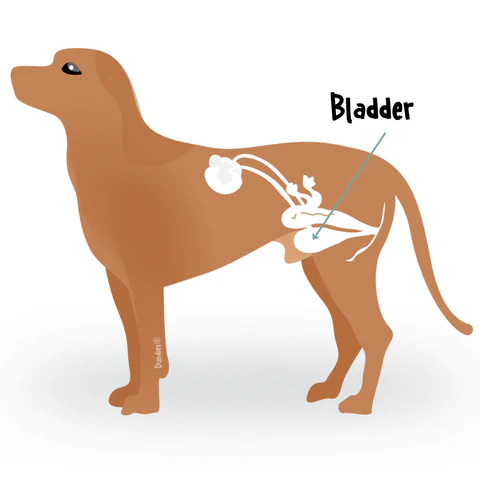
    Urinary Tract Infections (UTIs) in dogs are bacterial infections that affect the urinary system, including the bladder, urethra, and sometimes the kidneys. These infections are common, with up to 27% of dogs experiencing a UTI at some point in their lives.

    Common Causes of UTIs in Dogs

    UTIs in dogs typically result from bacteria entering the urinary tract. The most common causes include:

    • Bacterial infections: E. coli is the primary culprit, often originating from the dog’s skin or intestines.
    • Anatomical issues: Some dogs have congenital abnormalities that increase their risk of UTIs.
    • Underlying health conditions: Diabetes, Cushing’s disease, and prostate problems can make dogs more susceptible to UTIs.
    • Bladder inflammation: Stress, bladder stones, or debris in the urinary tract can lead to inflammation and subsequent infection.
    • Poor hygiene: Lack of proper grooming can allow bacteria to enter the urinary tract more easily.

    Female dogs, especially older ones, are more prone to UTIs due to their shorter urethras, which allow bacteria to reach the bladder more easily.

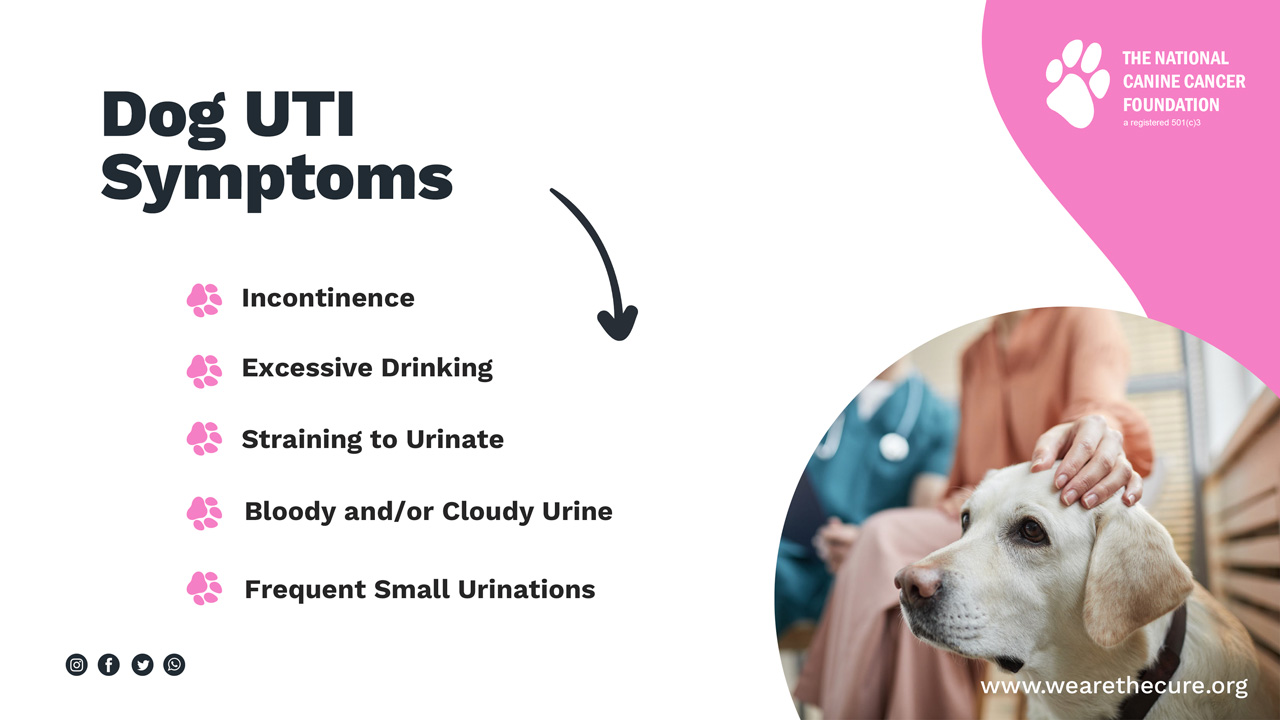
    Symptoms of UTIs in Dogs

    Recognizing the signs of a UTI in dogs is crucial for early treatment. Common symptoms include:

    • Frequent urination: Dogs may need to go out more often than usual.
    • Straining to urinate: You might notice your dog taking longer to pee or appearing uncomfortable.
    • Blood in the urine: Urine may appear pink, red, or cloudy.
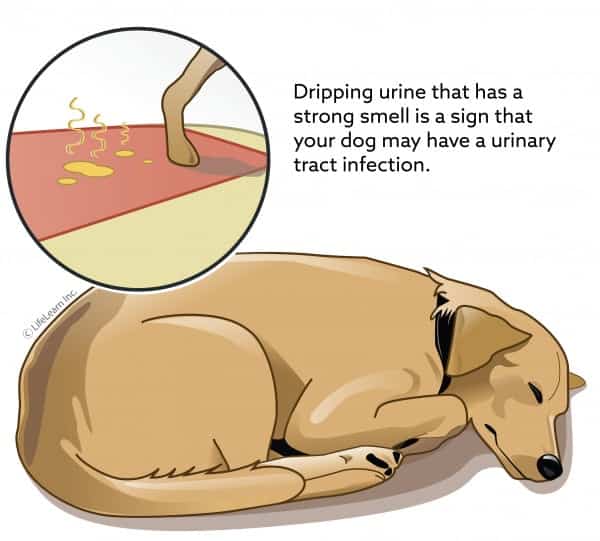
    • Accidents in the house: Even well-trained dogs may have trouble controlling their bladder.
    • Licking the genital area: Excessive licking can indicate discomfort or irritation.
    • Increased thirst: Dogs with UTIs often drink more water than usual.
    • Changes in behavior: Your dog may seem more lethargic or irritable.
    • Fever: In some cases, dogs with UTIs may develop a fever.

    If you notice any of these symptoms, it’s important to consult with a veterinarian for proper diagnosis and treatment.

    Diagnosing UTIs in Dogs

    Identifying urinary tract infections (UTIs) in dogs requires careful observation of symptoms and professional veterinary diagnosis. We’ll explore when to seek veterinary care and the diagnostic procedures used to confirm UTIs in dogs.

    When to See a Veterinarian

    Contact your veterinarian immediately if you notice any of these symptoms in your dog:

    • Inability to urinate for 12 hours or more
    • Straining to urinate without producing urine
    • Blood in the urine
    • Frequent accidents in the house
    • Whining or showing pain while urinating
    • Increased thirst and urination
    • Recurrence of UTI symptoms within a month of previous treatment
    • Underlying conditions like diabetes or bladder stones
    • Current use of immunosuppressive drugs

    Early intervention is crucial for effective treatment and prevention of complications. Dogs with a history of UTIs or those at higher risk due to existing health conditions require prompt veterinary attention.

    Diagnostic Procedures

    Veterinarians use several methods to diagnose UTIs in dogs:

    1. Urinalysis: This initial test examines urine concentration, pH, and presence of bacteria, inflammatory cells, crystals, and other indicators of urinary tract health.
    2. Urine Culture and Sensitivity Test: Considered the gold standard for UTI diagnosis, this test involves:
    • Obtaining a sterile urine sample via cystocentesis
    • Incubating the sample on a special medium plate for 1-3 days
    • Monitoring for bacterial growth to confirm UTI
    • Determining the most effective antibiotic treatment

    3. Additional Tests for Chronic UTIs:

      • Full blood work
      • Imaging studies (X-rays or ultrasounds)
      • Further diagnostic procedures to investigate underlying causes

      These diagnostic procedures help veterinarians accurately identify UTIs and develop appropriate treatment plans. For dilute urine samples or cases where bacteria aren’t visible in urinalysis, urine culture becomes essential to uncover hidden infections and determine the most effective antibiotics.

      Home Remedies for Dog UTIs

      Home remedies can be effective for managing mild cases of urinary tract infections (UTIs) in dogs. These treatments focus on promoting urinary health and supporting the body’s natural defense mechanisms.

      Increasing Water Intake

      Encouraging your dog to drink more water is crucial for treating UTIs at home. Increased water consumption helps flush out bacteria from the urinary tract. Here are effective strategies to boost your dog’s water intake:

      • Add low-sodium chicken or beef broth to water to make it more appealing
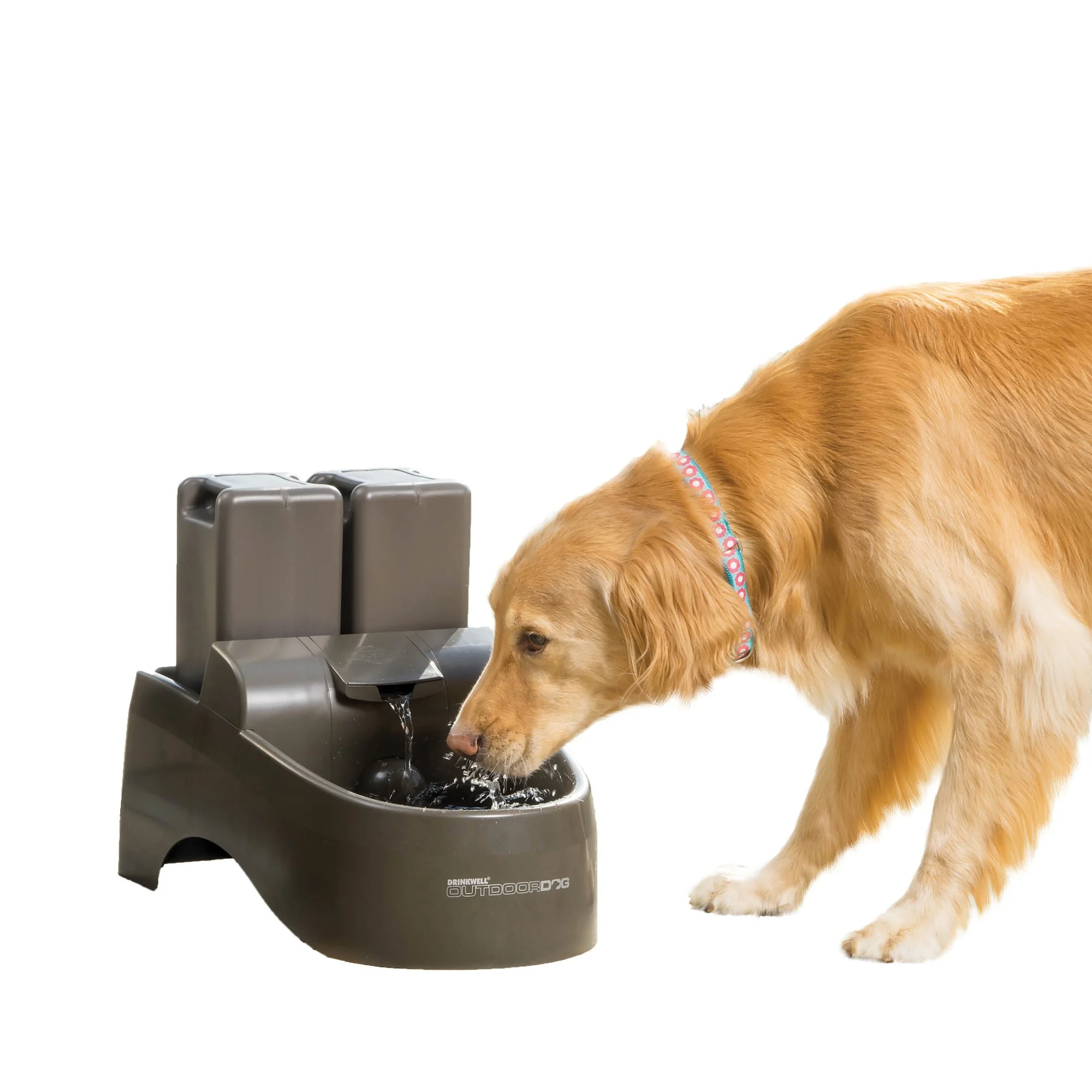
      • Use water fountains or interactive water dispensers to stimulate drinking
      • Ensure fresh, clean water is always available
      • Switch from dry kibble to wet food to increase overall hydration
      • Take your dog for more frequent bathroom breaks to encourage urination
      • Consider ice cubes or frozen treats as a fun way to increase water consumption

      By implementing these tactics, you’ll help your dog stay hydrated and support their urinary health.

      Dietary Changes

      Modifying your dog’s diet can significantly impact urinary tract health and aid in managing UTIs. Consider these dietary adjustments:

      • Feed a diet that promotes a healthy urinary pH balance
      • Incorporate foods rich in antioxidants to boost the immune system
      • Reduce sodium intake to prevent water retention
      • Include foods high in vitamin C to support urinary health
      • Opt for high-quality, easily digestible protein sources
      • Avoid ingredients that may irritate the urinary tract, such as artificial additives
      • Consider a temporary switch to a prescription urinary diet recommended by your vet

      Always consult with your veterinarian before making important changes to your dog’s diet, especially when treating a UTI.

      Dog UTIs

      Natural Supplements

      Natural supplements can complement other home remedies for dog UTIs. These supplements support urinary health and may help alleviate symptoms:

      • D-Mannose: Prevents E. coli from adhering to the urinary tract
      • Cranberry supplements: Support overall urinary health
      • Probiotics: Promote a healthy balance of gut bacteria
      • Omega-3 fatty acids: Reduce inflammation in the urinary tract
      • Vitamin C: Boosts the immune system and supports urinary health
      • Glucosamine and chondroitin: Support bladder wall health
      • Marshmallow root: Soothes inflammation in the urinary tract

      Always consult your veterinarian before starting any supplement regimen, as dosages and suitability can vary based on your dog’s size and health condition.

      Herbal Remedies

      Herbal remedies offer natural alternatives for treating dog UTIs at home. These herbs have antimicrobial and anti-inflammatory properties that may help alleviate symptoms:

      • Couch grass: Acts as a diuretic and has antimicrobial properties
      • Parsley leaf: Contains antiseptic properties and promotes urinary production
      • Echinacea: Boosts the immune system to fight infections
      • Uva ursi: Helps combat bacteria in the urinary tract
      • Horsetail: Supports urinary health (use cautiously and short-term)
      • Goldenseal: Has antimicrobial properties that may help fight UTIs
      • Juniper berries: Act as a natural diuretic and have antimicrobial effects

      When using herbal remedies, it’s crucial to consult with a veterinarian experienced in herbal medicine. Proper dosage and administration are essential for safety and effectiveness. Monitor your dog closely and discontinue use if any adverse reactions occur.

      Lifestyle Changes to Support UTI Treatment

      Implementing lifestyle changes can significantly support UTI treatment in dogs. These adjustments focus on promoting urinary health and preventing future infections. Here’s how to create a more UTI-resistant environment for your canine companion.

      Maintaining Proper Hygiene

      Proper hygiene plays a crucial role in preventing and managing UTIs in dogs. Keep your dog’s genital area clean and dry to reduce bacterial growth. Regularly groom long-haired dogs, trimming excess fur around the urinary opening. After walks or outdoor play, gently clean your dog’s urinary area with pet-safe wipes. For female dogs, wipe from front to back to prevent bacteria from spreading. Maintain a clean living environment by regularly washing your dog’s bedding and cleaning areas where they frequently urinate. These hygiene practices help minimize the risk of bacterial contamination and support your dog’s urinary health.

      Increasing Bathroom Breaks

      Frequent urination helps flush out bacteria from the urinary tract, reducing the risk of UTIs. Take your dog out for bathroom breaks more often, aiming for at least 4-6 times daily. Encourage complete bladder emptying during these breaks by allowing ample time for your dog to urinate. If you’re away during the day, consider hiring a dog walker or using a doggy door to ensure your pet has regular access to outdoor relief. For older dogs or those with mobility issues, create easily accessible outdoor spaces. Praise your dog after successful bathroom breaks to reinforce positive behavior. By increasing bathroom breaks, you’re actively supporting your dog’s urinary health and aiding in UTI prevention and treatment.

      Preventing Future UTIs in Dogs

      Preventing urinary tract infections (UTIs) in dogs is crucial for their long-term health and well-being. We’ve compiled effective strategies to help reduce the risk of recurring UTIs in your canine companion.

      Maintain Proper Hydration

      Adequate water intake is essential in preventing UTIs. We recommend:

      • Providing fresh, clean water at all times
      • Using water fountains to encourage drinking
      • Adding low-sodium broth to water for flavor
      • Incorporating wet food into their diet

      Regular Bathroom Breaks

      Frequent urination helps flush out bacteria. We suggest:

      • Allowing 4-6 bathroom breaks daily
      • Setting up a consistent schedule
      • Using dog walkers or pet sitters if you’re away

      Proper Hygiene

      Maintaining cleanliness is crucial in UTI prevention:

      • Keep the genital area clean and dry
      • Regularly groom long-haired dogs
      • Clean your dog after outdoor activities
      • Use pet-safe wipes for dogs with skin folds

      Dietary Considerations

      A balanced diet promotes urinary health:

      • Feed high-quality, moisture-rich foods
      • Consider prescription diets for chronic UTI cases
      • Incorporate antioxidant-rich foods
      • Avoid excessive amounts of salt and sugar

      Nutritional Supplements

      Certain supplements can support urinary tract health:

      • D-Mannose
      • Cranberry supplements (not juice)
      • Probiotics
      • Omega-3 fatty acids

      Address Underlying Health Conditions

      Some health issues increase UTI risk:

      • Manage diabetes effectively
      • Treat Cushing’s disease if present
      • Address prostate issues in male dogs
      • Monitor and treat bladder stones

      Regular Veterinary Check-ups

      Routine examinations help catch issues early:

      • Schedule annual wellness exams
      • Conduct periodic urinalyses
      • Follow through with recommended treatments
      • Monitor for recurring symptoms

      Stress Reduction

      Minimizing stress supports overall health:

      By implementing these preventive measures, we can significantly reduce the likelihood of future UTIs in dogs. Remember, each dog is unique, so consult with your veterinarian to create a customized prevention plan for your furry friend.

      Dog UTIs

      When Home Remedies Aren’t Enough

      Home remedies can be effective for mild UTIs in dogs, but there are times when professional veterinary care is essential. Recognizing when to seek medical intervention is crucial for your dog’s health and well-being.

      The Role of Antibiotics

      Antibiotics play a vital role in treating dog UTIs when home remedies are insufficient. These medications target and eliminate the bacteria causing the infection, providing relief for your furry friend. Veterinarians typically prescribe antibiotics based on the exact bacteria identified through urine culture and sensitivity tests.

      Common antibiotics used for dog UTIs include:

      • Amoxicillin
      • Cephalexin
      • Enrofloxacin
      • Trimethoprim-sulfamethoxazole

      It’s crucial to administer the full course of antibiotics as prescribed, even if symptoms improve. This ensures complete eradication of the infection and reduces the risk of antibiotic-resistant bacteria developing. We always recommend consulting with your veterinarian before starting any antibiotic treatment for your dog’s UTI.

      Conclusion

      Treating dog UTIs at home requires a balanced approach of natural remedies and professional care. We’ve explored various strategies from increasing water intake to using supplements like cranberry and D-Mannose. While these home treatments can be effective for mild cases they’re not substitutes for veterinary care in severe situations. Remember to monitor your dog closely and seek professional help if symptoms persist or worsen. By combining home care with veterinary guidance we can ensure our furry friends receive the best possible treatment for UTIs promoting their overall health and happiness.

    1. Why Is My Dog Suddenly Wobbly? 7 Causes of Balance Issues in Dogs

      Why Is My Dog Suddenly Wobbly? 7 Causes of Balance Issues in Dogs

      Have you ever seen your dog suddenly stumble around like they’ve had one too many doggy cocktails? It’s a sight that can leave any pet parent feeling panicked and confused. When our furry friends start wobbling and losing their balance out of the blue, it’s natural to worry.

      We understand how unsettling it can be to watch your beloved canine companion struggle to stay upright. That’s why we’re here to shed light on this concerning issue. In this text, we’ll explore seven potential reasons why your dog might be wobbly and off balance all of a sudden. From inner ear infections to neurological disorders, we’ll dive deep into the possible culprits behind your pup’s unsteady gait. By the end, you’ll be better equipped to recognize the signs and know when it’s time to seek veterinary care for your four-legged friend.

      Understanding Sudden Balance Issues in Dogs

      When a dog suddenly becomes wobbly and off balance, it’s often a sign of an underlying medical condition. This sudden loss of coordination can be alarming for pet owners and requires prompt veterinary attention.

      What Is Ataxia in Dogs?

      Ataxia is a neurological condition characterized by a loss of coordination and balance in dogs. It affects the nervous system, resulting in uncoordinated movements and difficulty maintaining equilibrium. Dogs with ataxia may exhibit symptoms such as staggering, stumbling, falling over, or an inability to walk in a straight line. This condition can affect various parts of the dog’s body, including the limbs, head, or rear end, depending on the underlying cause.

      Types of Ataxia: Vestibular, Cerebellar, and Proprioceptive

      There are three main types of ataxia in dogs, each affecting different parts of the nervous system:

      1. Vestibular Ataxia:
      • Affects the inner ear or brainstem
      • Symptoms: head tilting, circling, falling to one side, nystagmus (rapid eye movements)
      • Causes: ear infections, tumors, hypothyroidism, trauma

      2. Cerebellar Ataxia:

        • Affects the cerebellum, responsible for coordinating movement
        • Symptoms: exaggerated or uncoordinated movements, tremors, wide-based stance
        • Causes: congenital defects, infections, toxins, tumors

        3. Proprioceptive Ataxia:

          • Affects the spinal cord or peripheral nerves
          • Symptoms: dragging feet, knuckling over, difficulty judging limb position
          • Causes: intervertebral disc disease, spinal cord compression, nerve injuries

          Understanding these types of ataxia helps veterinarians diagnose and treat the underlying causes of a dog’s sudden balance issues effectively.

          Common Causes of Sudden Wobbliness in Dogs

          When a dog becomes wobbly and off balance suddenly, it’s crucial to identify the underlying cause. Here are some common reasons for this alarming symptom:

          Ear Infections

          Ear infections are a frequent cause of sudden wobbliness in dogs. These infections typically affect the inner or middle ear, disrupting the dog’s balance and coordination. Signs of ear infections include:

          • Head tilting to one side
          • Persistent head shaking and ear scratching
          • Rapid, involuntary eye movements (nystagmus)
          • Circular walking patterns
          • Redness, swelling, discharge, or odor from the affected ear

          Ear infections can be caused by bacteria, yeast, or parasites. They often result from moisture trapped in the ear canal, allergies, or underlying health conditions. Prompt veterinary treatment is essential to prevent complications and alleviate discomfort.

          Vestibular Disease

          Vestibular disease affects the dog’s balance system and is a common cause of sudden wobbliness. It’s divided into two types:

          1. Peripheral vestibular disease: Often caused by inner or middle ear infections, idiopathic vestibular syndrome (also known as “old dog” vestibular disease), or other ear-related issues.
          2. Central vestibular disease: Originates in the brain and can be caused by tumors, infections, or inflammatory conditions.

          Symptoms of vestibular disease include:

          • Severe disorientation and loss of balance
          • Rapid eye movements
          • Nausea and vomiting
          • Head tilt
          • Circling or falling to one side

          While vestibular disease can be distressing, many cases improve with time and proper treatment.

          Neurological Conditions

          Various neurological conditions can cause sudden wobbliness in dogs. These include:

          1. Spinal cord problems: Bulging disks, tumors, infections, or degenerative diseases like degenerative myelopathy can affect balance and coordination.
          2. Brain disorders: Tumors, strokes, or inflammatory conditions in the brain can lead to sudden balance issues.
          3. Wobbler syndrome: This condition affects the spine in the neck area, causing a characteristic wobbly gait, especially noticeable when the dog walks slowly or on slippery surfaces.
          4. Seizures: Some seizure activity can manifest as sudden wobbliness or disorientation.

          Neurological conditions often require advanced diagnostic techniques, such as MRI or CT scans, for accurate diagnosis and treatment planning. Early veterinary intervention is crucial for managing these conditions effectively.

          Spinal Cord Issues

          Spinal cord problems can cause a dog to become wobbly and off balance suddenly. These issues often result in sensory ataxia, leading to coordination loss and balance difficulties. We’ll explore two main types of spinal cord issues that can affect a dog’s stability:

          Spinal Cord Compression or Injury

          Spinal cord compression is a serious condition that can cause a dog to lose balance and coordination. Here’s what you need to know:

          • Causes: Compression often results from tumors or bulging intervertebral discs
          • Primary symptom: Sensory ataxia, particularly affecting the hind legs
          • Signs to watch for:
          • Unsteady gait
          • Difficulty standing or walking
          • Weakness in the legs, especially the hind legs
          • Reluctance to move or climb stairs

          Spinal cord injuries can occur due to trauma, such as car accidents or falls. These injuries can lead to similar symptoms as compression, ranging from mild wobbliness to complete paralysis.

          Balance Issues in Dogs

          Spinal Fractures

          Spinal fractures are another serious issue that can cause a dog to appear wobbly or off balance. Key points include:

          • Severity: Can range from minor to severe, depending on the location and extent of the fracture
          • Symptoms:
          • Paralysis (in severe cases)
          • Important loss of balance
          • Muscle weakness
          • Visible wobbling or unsteadiness
          Spinal IssueMain CausesPrimary Symptoms
          CompressionTumors, bulging discsSensory ataxia, hind leg weakness
          InjuryTrauma (accidents, falls)Unsteady gait, paralysis (severe cases)
          FracturesSevere traumaBalance loss, muscle weakness, wobbling

          It’s crucial to seek immediate veterinary care if you suspect your dog has a spinal cord issue. These conditions can worsen rapidly without proper treatment, potentially leading to permanent damage or paralysis. A veterinarian can perform diagnostic tests, such as X-rays or MRI scans, to determine the exact nature and location of the spinal problem and recommend appropriate treatment options.

          Injuries and Trauma

          Injuries and trauma are important causes of sudden wobbliness and balance issues in dogs. These incidents can affect various parts of a dog’s body, leading to disorientation and unsteadiness. We’ll explore three main types of injuries that can cause a dog to become wobbly: head trauma, inner ear damage, and spinal injuries.

          Head Trauma

          Head trauma is a serious condition that can severely impact a dog’s balance and coordination. When a dog experiences a blow to the head, it can damage crucial areas of the brain responsible for maintaining equilibrium, such as the cerebellum and vestibular system. The symptoms of head trauma in dogs include:

          • Head tilting
          • Walking in circles
          • Stumbling or falling
          • Abnormal eye movements (nystagmus)
          • Changes in appetite or behavior

          These signs often appear suddenly and can be quite alarming for pet owners. It’s essential to seek immediate veterinary care if you suspect your dog has experienced head trauma, as prompt treatment can significantly improve the prognosis.

          Inner Ear Damage

          Inner ear damage, whether from trauma or other causes, can lead to vestibular ataxia in dogs. The vestibular system, located in the inner ear, plays a crucial role in maintaining balance and spatial orientation. When this system is compromised, dogs may exhibit the following symptoms:

          • Wobbly or uncoordinated gait
          • Head tilting to one side
          • Rapid involuntary eye movements (nystagmus)
          • Nausea and vomiting

          Inner ear damage can result from various factors, including ear infections, tumors, or physical trauma. The sudden onset of these symptoms can be distressing for both the dog and its owner, necessitating prompt veterinary attention for proper diagnosis and treatment.

          Balance Issues in Dogs

          Spinal Injuries

          Spinal injuries can also cause balance issues in dogs, affecting their ability to move and coordinate their body. These injuries can range from mild to severe and may involve spinal fractures or compression of the spinal cord. Common symptoms of spinal injuries in dogs include:

          • Unsteady or wobbly gait
          • Difficulty standing or walking
          • Pain or discomfort when touched
          • Weakness in the legs, particularly the hind legs
          • Loss of bladder or bowel control in severe cases

          Spinal injuries require immediate veterinary attention, as they can rapidly worsen without proper treatment. In some cases, these injuries may lead to permanent damage or paralysis if left untreated.

          When a dog suddenly becomes wobbly and off balance, it’s crucial to consider the possibility of injuries or trauma. By recognizing the signs of head trauma, inner ear damage, and spinal injuries, pet owners can quickly seek the necessary veterinary care, potentially improving their dog’s chances of recovery.

          Toxin Exposure

          Toxin exposure is a serious concern for dogs, potentially causing sudden wobbliness and balance issues. We’ll explore the symptoms, types of toxins, and steps to take if you suspect your dog has been exposed to harmful substances.

          Symptoms of Toxin Exposure

          Dogs exposed to toxins often exhibit a range of symptoms:

          • Staggering or uncoordinated gait
          • Wobbliness resembling a “drunk” walk
          • Loss of balance and coordination
          • Vomiting and nausea
          • Lethargy
          • Altered mental state
          • Seizures (in severe cases)
          • Coma (in extreme situations)

          Common Toxins Affecting Balance

          Several toxins can cause balance problems in dogs:

          1. Marijuana: Causes wobbliness, lethargy, and altered mental state
          2. Medications: Some human drugs can be toxic to dogs
          3. Pesticides: Exposure can lead to neurological symptoms
          4. Household chemicals: Cleaning products and other substances can be harmful
          5. Certain plants: Some plants are toxic to dogs if ingested
          6. Antifreeze: Contains ethylene glycol, which is highly toxic to dogs
          7. Xylitol: An artificial sweetener found in many products

          Immediate Steps to Take

          If you suspect toxin exposure:

          1. Remove the dog from the source of toxin
          2. Identify the substance if possible
          3. Contact your veterinarian or pet poison helpline immediately
          4. Collect any remaining toxin or packaging for identification
          5. Monitor your dog’s symptoms and report changes to the vet

          Prevention and Safety Measures

          To protect your dog from toxin exposure:

          • Store chemicals and medications securely
          • Keep toxic plants out of reach
          • Use pet-safe cleaning products
          • Dispose of garbage properly
          • Be cautious when walking in areas with potential toxins
          • Educate family members about toxic substances

          By understanding the risks of toxin exposure and taking preventive measures, we can help keep our dogs safe from sudden balance issues caused by harmful substances. Always consult a veterinarian if you suspect toxin exposure, as prompt treatment is crucial for a positive outcome.

          Diagnosing Balance Problems in Dogs

          Accurately diagnosing balance problems in dogs requires a comprehensive approach. Veterinarians use a combination of physical examinations and diagnostic tests to determine the underlying cause of a dog’s sudden wobbliness or loss of balance.

          Physical Examination

          A thorough physical examination is the first step in diagnosing balance problems in dogs. The vet checks the dog’s overall health, focusing on neurological and vestibular functions. They observe the dog’s gait, posture, and coordination. The exam includes:

          1. Checking vital signs
          2. Assessing reflexes and muscle strength
          3. Evaluating eye movements and pupil responses
          4. Examining the ears for signs of infection or inflammation
          5. Testing cranial nerve function

          The vet also looks for head tilting, circling behavior, or nystagmus (involuntary eye movements). These symptoms can indicate vestibular disease or other neurological issues affecting balance.

          Diagnostic Tests

          After the physical examination, veterinarians may recommend exact diagnostic tests to pinpoint the cause of balance problems. These tests help rule out or confirm various conditions:

          1. Blood tests: Complete blood count and biochemistry panel to check for infections, toxins, or metabolic disorders
          2. Urinalysis: To detect kidney problems or infection
          3. X-rays: For spinal or skeletal abnormalities
          4. CT scans or MRI: To visualize brain or inner ear structures
          5. Cerebrospinal fluid analysis: To check for inflammation or infection in the central nervous system
          6. Ear swabs and cultures: To identify ear infections
          7. Thyroid function tests: Hypothyroidism can sometimes cause balance issues
          8. Vestibular function tests: To assess inner ear function

          In some cases, advanced tests like electromyography or nerve conduction studies may be necessary to evaluate nerve and muscle function. The combination of physical examination findings and diagnostic test results helps veterinarians determine the most appropriate treatment plan for dogs experiencing sudden balance problems.

          Treatment Options for Wobbly Dogs

          When a dog becomes wobbly and off balance, prompt treatment is crucial. The approach to treatment depends on the underlying cause and may involve addressing exact conditions and providing supportive care.

          Addressing Underlying Causes

          Treatment for wobbly dogs focuses on tackling the root cause of the balance issues. For ear infections, antibiotics or antifungal medications are prescribed. Vestibular disease often resolves on its own, but medications to manage symptoms like nausea may be necessary. Neurological conditions require specialized treatments:

          • Wobbler Syndrome: Conservative management with restricted activity and medication, or surgical intervention in severe cases
          • Intervertebral Disc Disease (IVDD): Rest, pain management, and physical therapy for mild cases; surgery for severe cases or those with neurological deficits
          • Brain tumors: Surgery, radiation therapy, or chemotherapy, depending on the tumor’s location and type
          • Toxin exposure: Decontamination procedures, supportive care, and exact antidotes when available

          In cases of trauma or injury, treatment may involve wound care, pain management, and sometimes surgical repair.

          Supportive Care Techniques

          Alongside treating the underlying cause, supportive care is essential for wobbly dogs:

          1. Physical therapy: Exercises to improve balance, strength, and coordination
          2. Assistive devices: Harnesses, slings, or mobility carts to aid movement
          3. Environmental modifications: Non-slip surfaces, ramps, and obstacle removal to prevent falls
          4. Dietary adjustments: Specialized diets to support overall health and recovery
          5. Medication management: Pain relievers, anti-inflammatory drugs, or other medications as prescribed
          6. Rest and restricted activity: To prevent further injury and promote healing
          7. Hydrotherapy: Low-impact exercise to improve strength and balance
          8. Massage therapy: To reduce muscle tension and improve circulation
          9. Acupuncture: May help with pain management and neurological function

          Consistent monitoring and follow-up veterinary care ensure the effectiveness of treatment and allow for adjustments as needed.

          When to Seek Emergency Veterinary Care

          Emergency veterinary care is essential when a dog suddenly becomes wobbly and off balance. Recognizing the signs that require immediate attention can be critical for your pet’s health and well-being. Here are key situations that necessitate urgent veterinary intervention:

          Sudden Onset of Severe Symptoms

          A dog exhibiting abrupt and severe balance issues, such as staggering, stumbling, or falling over, requires immediate medical attention. These symptoms may indicate:

          • Vestibular disease
          • Stroke
          • Severe ear infection
          • Brain tumor
          • Toxin ingestion

          Neurological Symptoms

          Neurological issues often manifest as balance problems and can quickly escalate. Seek emergency care if your dog displays:

          • Head tilt
          • Walking in circles
          • Abnormal eye movements (nystagmus)
          • Disorientation
          • Seizures

          Signs of Trauma

          If your dog has experienced a recent injury or fall, balance problems could indicate:

          • Head trauma
          • Spinal cord injury
          • Internal bleeding

          Immediate veterinary assessment is crucial in these cases to prevent long-term complications or permanent damage.

          Suspected Toxin Exposure

          Ingestion of toxic substances can cause sudden wobbliness. Common toxins include:

          • Medications (human or veterinary)
          • Household chemicals
          • Certain plants
          • Xylitol (found in sugar-free gum and other products)

          If you suspect toxin exposure, contact a veterinarian or pet poison hotline immediately for guidance.

          Persistent Vomiting or Nausea

          While vomiting can have many causes, when combined with balance issues, it may indicate:

          • Vestibular disease
          • Ear infection
          • Ingestion of a foreign object

          Prolonged vomiting can lead to dehydration, making prompt veterinary care essential.

          Rapid Deterioration of Symptoms

          If your dog’s condition worsens quickly, with increasing wobbliness or additional symptoms developing, don’t wait to seek help. Rapid deterioration can indicate a severe underlying condition requiring immediate intervention.

          Pre-existing Medical Conditions

          Dogs with known health issues, such as:

          • Heart disease
          • Diabetes
          • Cushing’s disease
          • Cancer

          should receive prompt care if they suddenly develop balance problems, as these may indicate complications related to their condition.

          Age-related Concerns

          Senior dogs are more susceptible to certain conditions that can cause sudden balance issues, such as:

          • Vestibular disease
          • Stroke
          • Brain tumors

          Older dogs may have less reserve to cope with sudden health changes, making timely veterinary care crucial.

          Inability to Stand or Walk

          If your dog is unable to stand or walk without assistance, this is a clear sign of a serious problem requiring immediate veterinary attention. Causes may include:

          • Severe vestibular disease
          • Spinal cord compression
          • Neurological disorders

          Changes in Mental State

          Alongside balance issues, if your dog exhibits:

          • Confusion
          • Lack of responsiveness
          • Aggression (uncharacteristic)

          these could indicate a neurological emergency requiring prompt medical intervention.

          In any of these situations, it’s crucial to act quickly. Delaying care can lead to worsening of the condition and potentially reduce the chances of a full recovery. When in doubt, it’s always better to err on the side of caution and consult with a veterinarian. Many emergency veterinary clinics offer 24/7 services, ensuring that help is available when you need it most.

          Remember, while waiting for veterinary care:

          1. Keep your dog calm and comfortable
          2. Prevent falls or injuries by limiting movement
          3. Do not administer any medications without veterinary guidance
          4. Gather any relevant information (recent activities, possible exposures, medical history) to share with the veterinarian

          By recognizing these signs and acting promptly, you can ensure your dog receives the necessary care when facing sudden balance issues. Early intervention often leads to better outcomes and can be crucial in managing potentially life-threatening conditions.

          Long-Term Management and Prognosis

          When a dog is wobbly and off balance all of a sudden, the long-term management and prognosis depend on the underlying cause. We’ll explore two common conditions that can lead to sudden balance issues in dogs: vestibular syndrome and ataxia.

          Vestibular Syndrome

          Vestibular syndrome occurs due to dysfunction of the inner ear or brainstem, causing sudden balance problems in dogs. The long-term management and prognosis for this condition are as follows:

          • Management: Treatment varies based on the exact cause. For inner or middle ear infections, extended courses of systemic antibiotics are often necessary. In some cases, a myringotomy procedure may be required. Supportive care is crucial for managing secondary symptoms such as:
          • Nausea
          • Vomiting
          • Dehydration
          • Prognosis: The outlook for dogs with vestibular syndrome is generally positive:
          • Many dogs show rapid improvement with time and appropriate supportive care
          • Some dogs may have lingering signs, such as a residual head tilt
          • Early treatment typically leads to a good prognosis
          • A small percentage of dogs may experience ongoing vestibular dysfunction

          Ataxia

          Ataxia is a neurological condition characterized by a loss of coordination and balance. There are two main types of ataxia that can cause a dog to become wobbly and off balance suddenly:

          1. Cerebellar Ataxia
          • Cause: Damage to the cerebellum
          • Management: Treatment depends on the underlying cause and may include:
          • Medications to manage symptoms
          • Physical therapy to improve coordination
          • Supportive care to prevent complications
          • Prognosis: Varies based on the extent of cerebellar damage:
          • Mild cases may show improvement with appropriate management
          • Severe cases may have a more guarded prognosis

          2. Sensory Ataxia

            • Cause: Spinal cord compression
            • Management: Treatment focuses on addressing the underlying spinal issue:
            • Surgery may be necessary for severe compression
            • Anti-inflammatory medications to reduce swelling
            • Physical therapy to maintain muscle strength and coordination
            • Prognosis: Depends on the severity and duration of spinal cord compression:
            • Early intervention often leads to better outcomes
            • Chronic cases may have a more challenging recovery process

            In both vestibular syndrome and ataxia cases, long-term management typically involves:

            1. Regular veterinary check-ups to monitor progress
            2. Ongoing physical therapy or rehabilitation exercises
            3. Environmental modifications to ensure the dog’s safety
            4. Dietary adjustments to support overall health
            5. Medications as needed to manage symptoms or underlying conditions

            The prognosis for dogs with sudden balance issues varies widely based on:

            • The exact underlying cause
            • The severity of the condition
            • How quickly treatment is initiated
            • The dog’s overall health and age
            • The effectiveness of the chosen treatment plan

            We recommend working closely with a veterinarian to develop a comprehensive long-term management strategy customized to your dog’s exact needs. This approach ensures the best possible outcome for dogs experiencing sudden wobbliness and balance problems.

            Conclusion

            Sudden wobbliness in dogs can be a sign of various underlying health issues. We’ve explored the potential causes ranging from ear infections to neurological disorders and toxin exposure. It’s crucial to recognize the signs and seek prompt veterinary care when your dog shows unexpected balance problems. With proper diagnosis and treatment most dogs can recover or effectively manage their condition. Remember early intervention is key to ensuring the best possible outcome for your furry friend. By staying vigilant and proactive we can help our canine companions lead healthy happy lives even though unexpected health challenges.

          1. 10 Proven Ways to Banish Dog Odors and Freshen Your Home

            10 Proven Ways to Banish Dog Odors and Freshen Your Home

            Does your house smell like a kennel? If you’re a dog owner, you’ve likely faced the challenge of removing that persistent pet odor from your home. We love our furry friends, but their distinct scent can sometimes be overwhelming.

            Getting rid of dog smell in your house doesn’t mean banishing your pup to the backyard. There are many effective ways to combat those unpleasant odors while keeping your four-legged family member comfortable indoors. From regular grooming to strategic cleaning techniques, we’ll explore practical answers that’ll help you maintain a fresh-smelling home without compromising on cuddle time with your canine companion.

            Understanding Dog Odors in the Home

            Dog odor in the home is a common challenge for pet owners. To effectively eliminate these smells, it’s crucial to understand their origins and carry out targeted answers.

            1. Dander and Hair: Dog dander and shed hair are primary contributors to pet odor. These particles settle on surfaces throughout the house, spreading the scent.
            2. Pet Accidents: Urine, vomit, and feces accidents leave strong, lingering smells. If not cleaned promptly, these odors can penetrate deep into carpets and upholstery.
            3. Dog Bedding and Furniture: Areas where dogs frequently rest, such as beds and upholstered furniture, absorb and retain odors. Regular cleaning of these spots is essential to prevent smell buildup.
            4. Outdoor Pollutants: Dogs bring in outdoor contaminants like dirt, pollen, and other allergens, contributing to the overall odor in the house.
            5. Natural Body Oils: Dogs produce sebum, an oily substance that helps maintain healthy skin and coat. This oil has a distinct scent that can accumulate on surfaces over time.
            6. Skin and Dental Issues: Infections or health problems can cause dogs to emit stronger odors. Regular veterinary check-ups help identify and address these issues promptly.
            7. Wet Dog Smell: When dogs get wet, bacteria and yeast on their skin release unpleasant odors. Proper drying after baths or outdoor activities minimizes this smell.

            By identifying these common causes of dog smell, we can carry out targeted strategies to keep our homes fresh and odor-free while enjoying the company of our furry friends.

            Cleaning Strategies for Dog Odor Removal

            Effective cleaning strategies are crucial for eliminating dog odors from your home. We’ll explore methods for deep cleaning carpets and upholstery, washing dog bedding and toys, and cleaning hard surfaces to keep your house smelling fresh.

            Deep Cleaning Carpets and Upholstery

            Carpets and upholstery are prime areas for trapping dog odors. Start by thoroughly vacuuming all surfaces, including floors, furniture, curtains, and mattresses, to remove pet hair and dander. Use a vacuum with a HEPA filter to capture allergens and dust effectively. Next, sprinkle baking soda on carpets, upholstered furniture, and dog beds. Let it sit for 15 to 30 minutes before vacuuming it up to absorb and neutralize odors.

            For a deeper clean, use a carpet steamer on both carpets and upholstered furniture. Steam cleaning combines hot water, a cleaning solution, and suction to eliminate hair, dander, and odors effectively. For stubborn stains or accidents, apply enzymatic cleaners to break down the ammonia and bacteria in urine, vomit, or feces. These specialized cleaners target the source of the odor, ensuring a thorough and long-lasting freshness.

            Washing Dog Bedding and Toys

            Regular washing of dog bedding and toys is essential for maintaining a fresh-smelling home. Start by gathering all washable items, including dog beds, blankets, and plush toys. Check the care labels and wash them according to the manufacturer’s instructions, using hot water when possible to kill bacteria and remove odors effectively.

            For non-washable items, such as foam dog beds or large toys, spot clean with a pet-safe cleaner or a mixture of warm water and mild detergent. After cleaning, ensure all items are thoroughly dried before returning them to your dog. Consider using a pet-safe fabric freshener or adding a cup of white vinegar to the rinse cycle for extra odor-fighting power. Regularly rotating and replacing bedding and toys can also help maintain a fresh-smelling environment for both you and your furry friend.

            Cleaning Hard Surfaces

            Hard surfaces in your home can harbor dog odors and bacteria, requiring regular cleaning to maintain freshness. Start by sweeping or vacuuming floors to remove loose hair and debris. For tile, hardwood, or linoleum floors, use a pet-safe cleaner or a solution of warm water and vinegar to mop thoroughly. Pay special attention to areas where your dog spends the most time or where accidents have occurred.

            For walls and baseboards, wipe them down with a damp cloth and a mild cleaning solution to remove any lingering odors or stains. Don’t forget to clean other hard surfaces like pet crates, food bowls, and water dishes regularly. Use hot, soapy water or run them through the dishwasher if possible. For outdoor areas, such as patios or decks, pressure washing can help remove built-up odors and stains. By consistently cleaning these hard surfaces, you’ll significantly reduce dog odors and create a healthier living environment for both you and your pet.

            Natural Remedies for Eliminating Dog Smell

            Natural remedies offer effective, eco-friendly answers for eliminating dog odors in your home. These methods use common household items and are safe for both pets and humans.

            Baking Soda Answers

            Baking soda is a powerful odor neutralizer that absorbs unpleasant smells. To use it effectively:

            1. Sprinkle baking soda on carpets, upholstery, and pet bedding.
            2. Let it sit for several hours or overnight.
            3. Vacuum thoroughly to remove the baking soda and trapped odors.

            For stubborn smells, create a paste by mixing baking soda with water. Apply this paste to hard surfaces, let it dry, then wipe clean. We can also place open boxes of baking soda in areas where our dogs spend the most time to continuously absorb odors.

            Vinegar-Based Cleaners

            Vinegar’s acidic properties make it an excellent natural deodorizer and disinfectant. To create an effective vinegar-based cleaner:

            1. Mix equal parts water and white vinegar in a spray bottle.
            2. Spray the solution on hard surfaces, carpets, or upholstery.
            3. Wipe clean with a microfiber cloth or blot dry.

            For floor cleaning, add 1/2 cup of vinegar to a gallon of warm water. This solution effectively removes odors and leaves surfaces clean. While the vinegar smell dissipates quickly, adding a few drops of essential oil can mask the initial scent.

            Essential Oils and Aromatherapy

            Essential oils not only mask dog odors but also provide aromatherapeutic benefits. Some pet-safe essential oils include:

            1. Lavender: Calming and deodorizing
            2. Lemongrass: Fresh scent with insect-repelling properties
            3. Peppermint: Invigorating and odor-neutralizing

            To use essential oils:

            1. Add a few drops to a diffuser with water.
            2. Mix with baking soda for a scented carpet deodorizer.
            3. Create a room spray by adding 10-15 drops to water in a spray bottle.

            Always dilute essential oils properly and avoid using them directly on pets. Some oils can be toxic to dogs, so consult with a veterinarian before using any new scents in your home.

            Improving Air Quality to Reduce Dog Odor

            Improving air quality is a crucial step in eliminating dog smell from your house. By implementing proper ventilation techniques and using air purifiers, you can significantly reduce pet odors and create a fresher living environment.

            Proper Ventilation Techniques

            Proper ventilation is key to maintaining fresh air and reducing dog odors in your home. Open windows regularly to allow fresh air to circulate and stale odors to escape. Use fans strategically to improve air movement, placing them near windows to draw in fresh air or expel stale air. Consider installing exhaust fans in areas prone to pet odors, such as bathrooms or laundry rooms. Cross-ventilation, achieved by opening windows on opposite sides of a room, can create a natural airflow that helps dissipate odors quickly. In colder months, use heat recovery ventilators to maintain air quality without losing heat. Remember to clean air vents and replace filters regularly to ensure optimal air circulation and odor control.

            Using Air Purifiers

            Air purifiers are highly effective tools for combating dog odors and improving overall air quality in your home. Look for purifiers with HEPA (High Efficiency Particulate Air) filters, which can capture 99.97% of airborne particles as small as 0.3 microns, including pet dander and hair. Choose a purifier with activated carbon filters to absorb odors effectively.

            Place air purifiers in areas where your dog spends the most time, such as the living room or bedroom. For larger spaces, consider using multiple units or a whole-house air purification system. Some advanced models feature air quality sensors that automatically adjust settings based on detected pollutants. Regularly clean and replace filters according to the manufacturer’s instructions to maintain optimal performance. By incorporating air purifiers into your home, you can significantly reduce dog odors and create a healthier living environment for both you and your pet.

            Preventing Dog Odor Build-Up

            Preventing dog odor build-up is essential for maintaining a fresh-smelling home. We’ll explore effective strategies to minimize pet odors before they become overwhelming.

            Regular Grooming Practices

            Regular grooming is crucial for preventing dog odors from permeating your home. We recommend brushing your dog’s coat at least 3-4 times a week to remove loose fur, dander, and debris. This practice reduces the amount of odor-causing particles that settle on surfaces throughout your house.

            Bathing your dog every 4-6 weeks helps control body odors and removes dirt and oils that contribute to unpleasant smells. Use a dog-exact shampoo to maintain their skin’s natural pH balance. After bathing, thoroughly dry your dog to prevent the “wet dog” smell caused by bacteria and yeast on their skin.

             Banish Dog Odors

            Don’t forget about dental hygiene. Brush your dog’s teeth 2-3 times a week to prevent bad breath and reduce overall odor. Regular ear cleaning is also important, as ear infections can lead to strong, unpleasant smells.

            Maintaining a Clean Living Space

            A clean living space is crucial for preventing dog odor build-up. We recommend vacuuming all areas, including floors, furniture, curtains, and mattresses, at least twice a week to remove pet hair and dander. Use a vacuum with a HEPA filter to capture allergens and pet dander effectively.

            For deeper cleaning, use a wet vacuum to thoroughly clean floors and remove any moisture that could contribute to odors. Pay special attention to areas where your dog spends most of their time.

            Use natural remedies to combat odors. Sprinkle baking soda on carpets, upholstered furniture, and dog beds to neutralize odors. Let it sit for 15 to 30 minutes before vacuuming or wiping with a damp cloth. A vinegar solution (equal parts water and white distilled vinegar or apple cider vinegar) is excellent for mopping floors, cleaning hard surfaces, and neutralizing odors on fabrics.

            Wash your dog’s bedding weekly in hot water to eliminate odors and bacteria. Don’t forget to clean and disinfect your dog’s toys regularly, as they can harbor odor-causing bacteria.

            Professional Solutions for Persistent Odors

            When dealing with stubborn dog odors that won’t budge, professional-grade answers can be highly effective. These methods target and eliminate even the most persistent pet smells, leaving your home fresh and inviting.

            Enzymatic Cleaners

            Enzymatic cleaners are powerful tools for eliminating dog odors, especially those caused by urine, vomit, and feces. These cleaners contain natural enzymes that break down the ammonia and bacteria in pet accidents, effectively removing both the smell and the stain. To use enzymatic cleaners:

             Banish Dog Odors
            1. Apply directly to the affected area
            2. Allow it to sit for 15-30 minutes
            3. Blot with a clean cloth
            4. Repeat if necessary

            For best results, use enzymatic cleaners on carpets, upholstery, and hard surfaces where pet accidents commonly occur. Regular use of these cleaners can help prevent odor buildup and maintain a fresh-smelling home.

            Ozone Treatments

            Ozone treatments offer a potent solution for neutralizing dog odors throughout your home. Ozone generators produce O3 molecules that oxidize and break down organic compounds responsible for unpleasant smells. Here’s what you need to know about ozone treatments:

            1. Effectiveness: Ozone can penetrate porous surfaces, eliminating odors at their source
            2. Safety precautions: Proper ventilation is crucial after treatment
            3. Application: Use in unoccupied spaces for 2-4 hours
            4. Post-treatment: Allow at least 2 hours for ozone to dissipate
            5. Ventilation: Open windows and doors to circulate fresh air

            While ozone treatments are highly effective, they should be used with caution and only when necessary for severe odor problems. Always follow manufacturer guidelines and consider professional application for optimal results and safety.

            Conclusion

            We’ve explored various effective strategies to combat dog odors and maintain a fresh-smelling home. From regular cleaning and grooming to natural remedies and professional answers there’s a method for every situation. By implementing these techniques consistently you’ll create a pleasant environment for both you and your furry friend. Remember it’s possible to enjoy the companionship of your dog without compromising on a clean and inviting living space. With patience and dedication you’ll achieve the perfect balance between a dog-friendly home and a fresh-smelling sanctuary.

          2. Quick Fixes for Bad Dog Breath: Freshen Your Pup’s Mouth Fast

            Quick Fixes for Bad Dog Breath: Freshen Your Pup’s Mouth Fast

            Have you ever leaned in for a cuddle with your furry friend, only to be greeted by a foul odor emanating from their mouth? Bad dog breath can be a real mood killer, but don’t worry – we’ve got you covered.

            We know how important it is to keep your pup healthy and happy, and that includes maintaining fresh breath. In this text, we’ll explore quick and effective ways to get rid of bad dog breath fast. From simple home remedies to professional answers, we’ll guide you through everything you need to know to banish that stink and get back to enjoying quality time with your four-legged companion.

            Understanding the Causes of Bad Dog Breath

            Bad dog breath, medically known as halitosis, is a common issue that affects many canines. To effectively address this problem, we need to understand its root causes. Here are the primary factors contributing to foul-smelling dog breath:

            Periodontal Disease

            Periodontal disease is the most prevalent cause of bad breath in dogs, affecting over 80% of canines aged 3 and above. This condition results from:

            • Plaque buildup
            • Tartar accumulation
            • Bacterial growth

            As these issues progress, they lead to gum inflammation, tissue destruction, and potentially tooth loss. The bacteria responsible for periodontal disease produce sulfur compounds, resulting in the characteristic foul odor.

            Poor Oral Hygiene

            Inadequate dental care is a important contributor to bad dog breath. Without regular teeth brushing or professional cleaning:

            • Food particles accumulate
            • Bacteria multiply
            • Plaque forms
            • Tartar develops

            This buildup creates an ideal environment for odor-causing bacteria to thrive.

            Diet and Eating Habits

            A dog’s diet plays a crucial role in their oral health and breath odor. Factors include:

            • Type of food (wet vs. dry)
            • Frequency of meals
            • Snacking habits

            Wet food tends to stick to teeth more easily, potentially leading to worse breath compared to dry kibble. Also, dogs that frequently eat or chew on foul-smelling items (e.g., garbage, feces, or dead animals) are more likely to have bad breath.

            Underlying Health Conditions

            Several systemic health issues can manifest as bad breath in dogs:

            1. Diabetes: Increases glucose levels in saliva, promoting bacterial growth
            2. Kidney disease: Results in buildup of waste products in the blood
            3. Liver disease: Causes accumulation of toxins in the body

            These conditions often lead to a distinct, unpleasant odor that differs from typical “dog breath.”

            Oral Infections and Abscesses

            Infections in the mouth, such as abscesses or infected teeth, can cause severe halitosis. These issues often require immediate veterinary attention and may necessitate tooth extraction or other dental procedures.

            Metabolic Disorders

            Certain metabolic disorders can affect a dog’s breath odor. These conditions alter the body’s normal processes, leading to the accumulation of waste products that can be expelled through exhalation.

            By understanding these causes, we can better address bad dog breath and improve our pets‘ overall oral health. In the following sections, we’ll explore effective methods to combat halitosis and maintain fresh-smelling canine breath.

            Quick Solutions for Bad Dog Breath

            Bad dog breath can be a persistent problem, but there are several quick answers to combat this issue. We’ll explore effective methods to freshen your dog’s breath using dental chews, natural remedies, and oral hygiene products.

            Dental Chews and Treats

            Dental chews and treats are popular answers for addressing bad dog breath quickly. These products are designed to reduce plaque and tartar buildup, promoting fresher breath and healthier gums. Dental chews approved by the Veterinary Oral Health Council (VOHC) are particularly effective in maintaining oral hygiene.

            Rawhide bones can also help remove plaque and bacteria from teeth, but it’s crucial to supervise your dog to prevent choking hazards. Flavored dental sticks containing prebiotics support gum health and overall oral hygiene. These sticks target plaque and tartar buildup, making them safe for daily use. When selecting dental chews, look for products that are appropriately sized for your dog and made with high-quality ingredients to ensure maximum benefits.

            Natural Food Remedies

            Natural food remedies offer a simple and effective approach to combating bad dog breath. Crunchy fruits and vegetables, such as carrots, apples, and celery, act as natural toothbrushes, helping to scrape away plaque and freshen breath. These healthy snacks also provide additional nutrients and fiber to your dog’s diet.

            Parsley is known for its breath-freshening properties and can be added to your dog’s food in small amounts. Coconut oil, when added to your dog’s diet or used for brushing teeth, can help reduce bacteria in the mouth due to its antimicrobial properties. Probiotics found in plain yogurt can promote good bacteria in the digestive system, potentially improving breath odor. Always introduce new foods gradually and in moderation to avoid digestive upset.

            Oral Hygiene Products

            Oral hygiene products play a crucial role in maintaining fresh breath for dogs. Dog-exact toothpaste and toothbrushes are essential for regular teeth cleaning. These products are formulated to be safe for dogs and often come in flavors they enjoy. Water additives can be an easy solution for dogs that resist tooth brushing. These liquid products contain plaque and bacteria-fighting ingredients that can be added to your dog’s water bowl.

            Dental wipes and gels offer convenient alternatives for quick cleaning between brushing sessions. Oral sprays containing chlorhexidine or other antibacterial agents can help reduce bacteria in the mouth, leading to fresher breath. When using any oral hygiene product, it’s important to choose those specifically designed for dogs and follow the manufacturer’s instructions for proper use and frequency.

            Effective Home Remedies

            Home remedies offer a natural, cost-effective way to combat bad dog breath. These answers use readily available ingredients and can be easily incorporated into your dog’s daily routine.

            Brushing Your Dog’s Teeth

            Regular tooth brushing is the most effective home remedy for bad dog breath. Use a pea-sized amount of dog-exact toothpaste and a canine toothbrush to clean your dog’s teeth 2-3 times a week. Focus on the back molars and gum line, using small circular motions for about two minutes. This process removes plaque and bacteria buildup, preventing periodontal disease. Never use human toothpaste, as it contains ingredients toxic to dogs. While your dog may initially resist, consistent practice and praise will help them adjust. If you notice any discoloration, extra saliva, or pus-filled sores during brushing, consult your veterinarian immediately.

            Coconut Oil and Apple Cider Vinegar

            Coconut oil and apple cider vinegar are natural breath fresheners for dogs. Add a teaspoon of organic, unrefined coconut oil to your dog’s food daily. Its antimicrobial properties help combat odor-causing bacteria. For apple cider vinegar, mix one teaspoon into your dog’s water bowl. The acidity helps balance pH levels in the mouth, reducing bad breath. Both remedies also promote overall dental health and can improve digestion. Start with small amounts and gradually increase to avoid digestive upset. Monitor your dog’s reaction and consult your vet if you notice any adverse effects.

            Crunchy Fruits and Vegetables

            Crunchy fruits and vegetables act as natural toothbrushes, helping to scrape away plaque and freshen breath. Safe options include apple slices (without seeds), carrots, and celery. These foods are low in calories and high in fiber, promoting good digestion and reducing bad breath. Parsley, rich in chlorophyll, is particularly effective in neutralizing odors. Sprinkle fresh, chopped parsley on your dog’s food or steep it in water to create a breath-freshening spritz. Always introduce new foods gradually and in small quantities to avoid digestive issues. Remember to remove any seeds or pits, as these can be harmful to dogs.

            Dietary Changes to Improve Breath

            Modifying your dog’s diet can significantly impact their breath. Here are some effective dietary changes to combat bad dog breath:

            Probiotics and Yogurt

            Probiotics play a crucial role in balancing your dog’s gut microbiome, which directly affects their breath. Incorporating probiotic-rich foods like yogurt into your dog’s diet can help combat bad breath at its source. Yogurt contains beneficial bacteria that promote a healthy digestive system, reducing the likelihood of halitosis.

            When choosing yogurt for your dog, opt for plain, unsweetened varieties without artificial additives. Start with small amounts, such as a teaspoon for small dogs or a tablespoon for larger breeds, and gradually increase the serving size. Remember to monitor your dog for any signs of lactose intolerance, as some dogs may have difficulty digesting dairy products.

            Water Additives

            Water additives are an easy and effective way to improve your dog’s breath. These liquid answers are designed to be added to your dog’s drinking water, providing continuous oral care throughout the day. Most water additives contain ingredients that help reduce plaque and tartar buildup, freshen breath, and promote overall oral health.

            They’re particularly useful for dogs who resist tooth brushing or have difficulty with other dental care methods. When selecting a water additive, look for products specifically formulated for dogs and avoid those containing xylitol or other harmful ingredients. Start with a small amount and gradually increase to the recommended dosage to allow your dog to adjust to the taste.

            Specialized Dental Diets

            Veterinary-approved dental diets are formulated to address bad dog breath and promote oral health. These diets typically feature kibble with a exact texture and size designed to scrape away plaque and tartar as your dog chews. Many dental diets also contain ingredients that help reduce bacterial growth in the mouth, further combating bad breath. Some formulations include enzymes that break down plaque or additives that prevent mineral formation on teeth.

            When considering a dental diet, consult your veterinarian to ensure it’s appropriate for your dog’s exact needs. Introduce the new diet gradually over 7-10 days, mixing it with your dog’s current food to prevent digestive upset. Remember that while dental diets can be effective, they should be used along with regular tooth brushing and dental check-ups for optimal results.

            Professional Treatments and When to See a Vet

            Professional treatments play a crucial role in eliminating bad dog breath and maintaining optimal oral health. We’ll explore effective professional options and provide guidance on when to consult a veterinarian.

            Dental Cleaning

            Professional dental cleaning is one of the most effective ways to combat bad dog breath. This procedure typically involves:

            • Thorough scaling to remove plaque and tartar
            • Polishing to smooth tooth surfaces
            • Fluoride treatment to strengthen enamel
            • X-rays to detect hidden dental issues

            Veterinarians perform dental cleanings under anesthesia, ensuring your dog remains still and comfortable throughout the process. This allows for a comprehensive cleaning of all tooth surfaces, including below the gum line.

            Annual Dental Check-Ups

            Regular dental check-ups are essential for maintaining your dog’s oral health and preventing bad breath. Annual visits to the vet help:

            • Identify dental issues early
            • Monitor oral health progress
            • Adjust home care routines as needed
            • Prevent more serious health problems

            During these check-ups, veterinarians examine your dog’s teeth, gums, and oral cavity for signs of dental disease, infections, or abnormalities.

            Dental Sealants

            For dogs prone to tooth decay, dental sealants offer an additional layer of protection. These sealants:

            • Create a barrier against plaque and tartar
            • Help prevent tooth decay and gum disease
            • Reduce the likelihood of bad breath
            • Last for several months before reapplication is needed

            Veterinarians apply dental sealants during routine check-ups or after professional cleanings to enhance your dog’s oral health.

            When to See a Vet

            While home remedies and preventive care are beneficial, certain situations require professional veterinary attention. Consult a vet if you notice:

            1. Persistent bad breath even though home care efforts
            2. Bleeding or swollen gums
            3. Loose or discolored teeth
            4. Difficulty eating or loss of appetite
            5. Excessive drooling or pawing at the mouth
            6. Sudden changes in behavior or energy levels

            These symptoms may indicate underlying health issues that contribute to bad breath, such as periodontal disease, oral infections, or systemic conditions.

            Advanced Dental Procedures

            In some cases, more advanced dental procedures may be necessary to address severe oral health issues:

            • Tooth extractions for severely damaged or infected teeth
            • Root canals to save structurally sound teeth with pulp damage
            • Oral surgery to address jaw or palate abnormalities

            These procedures require specialized veterinary dental expertise and are typically performed under general anesthesia.

            By combining professional treatments with diligent home care, you can effectively combat bad dog breath and ensure your furry friend’s long-term oral health. Regular veterinary check-ups and prompt attention to dental concerns are key to maintaining fresh breath and a healthy, happy dog.

            Prevention Tips for Fresh Dog Breath

            Maintaining fresh dog breath is easier than treating existing issues. We’ve compiled effective prevention tips to keep your furry friend’s breath pleasant and their oral health in top condition.

            Daily Tooth Brushing

            Daily tooth brushing is the cornerstone of canine oral hygiene. Use a dog-exact toothpaste and an ADA-compliant toothbrush. Brush for 30 seconds, focusing on the gum line where plaque accumulates. If your dog resists brushing, start slowly and gradually increase duration.

            Dental Chews and Treats

            Incorporate dental chews and treats into your dog’s routine. Look for products approved by the Veterinary Oral Health Council (VOHC). These specially designed treats help scrape away plaque and tartar while satisfying your dog’s urge to chew.

            Crunchy Fruits and Vegetables

            Offer crunchy fruits and vegetables as natural teeth cleaners. Carrots, apple slices, and celery act as natural toothbrushes, scraping away plaque and bacteria. These healthy snacks also provide added nutrients and fiber to your dog’s diet.

            Coconut Oil Supplementation

            Add a small amount of cold-pressed coconut oil to your dog’s food. Coconut oil’s antimicrobial, antifungal, and antiviral properties help combat bad breath-causing bacteria. Start with a quarter teaspoon for small dogs and up to one tablespoon for large breeds.

            Regular Dental Check-ups

            Schedule annual dental check-ups with your veterinarian. Professional examinations help detect early signs of dental disease and allow for timely interventions. Your vet can also provide personalized advice on maintaining your dog’s oral health.

            Water Additives

            Use dog-exact water additives to promote oral health. These products contain ingredients that help reduce plaque and freshen breath. Simply add the recommended amount to your dog’s water bowl daily.

            Balanced Diet

            Feed a balanced diet that supports oral health. Some dry kibbles are formulated to reduce plaque and tartar buildup. Consult your veterinarian about specialized dental diets that can help maintain fresh breath and overall dental hygiene.

            Chew Toys

            Provide appropriate chew toys to stimulate saliva production and help clean teeth. Look for toys designed to promote dental health, such as those with ridges or nubs that massage gums and remove plaque.

            By implementing these prevention tips, we can significantly reduce the likelihood of bad dog breath and maintain our furry companions’ oral health. Remember, consistency is key in preventing dental issues and ensuring your dog’s breath stays fresh.

            Conclusion

            Bad dog breath doesn’t have to be a persistent problem. With the right combination of home care dental hygiene and professional treatments we’ve outlined you can effectively combat halitosis in your furry friend. Remember that consistency is key in maintaining your dog’s oral health. By implementing these strategies and staying vigilant about your pet’s dental care you’ll not only freshen their breath but also improve their overall well-being. Don’t hesitate to consult your veterinarian for personalized advice and regular check-ups. With proper care you and your pup can enjoy many more years of fresh-breathed cuddles and kisses.

          3. Miki Dog Breed: Gentle Companion for Small Spaces

            Miki Dog Breed: Gentle Companion for Small Spaces

            Are you searching for a gentle, affectionate companion that’s perfect for small spaces? Look no further than the Miki dog breed. These charming toy dogs have captured hearts with their friendly nature and calm demeanor, making them an ideal choice for families and apartment dwellers alike.

            We’ll explore the unique characteristics of the Miki, a relatively new breed that’s been gaining popularity since the late 1980s. From their low-shedding coats to their energetic yet manageable exercise needs, we’ll investigate into what makes these pups stand out. We’ll also cover grooming tips, health considerations, and why Mikis are becoming a top choice for allergy sufferers. Whether you’re considering adding a Miki to your family or simply curious about this delightful breed, we’ve got you covered.

            What Is a MiKi Dog?

            The Mi-Ki dog is a rare toy breed developed in the 1980s by breeder Maureen van Wormer in Wisconsin. These charming companions are known for their gentle nature, affectionate personality, and distinctive appearance. Mi-Kis are the result of a unique blend of several small dog breeds, including Shih Tzus, Papillons, Maltese, Yorkshire Terriers, and Japanese Chins.

            Physical Characteristics

            Mi-Kis are small, elegant dogs with a fine-to-medium bone structure and a light gait. They typically stand between 7 to 9 inches tall and weigh between 6 to 11 pounds, making them perfect for apartment living. Their most striking feature is their long, silky coat, which can be straight or slightly wavy and comes in a wide range of colors and patterns.

            CharacteristicDescription
            Height7-9 inches
            Weight6-11 pounds
            Coat TypeLong, silky, single-coated
            Coat ColorsCream, red, silver, black, white, blue, apricot, brown, beige, fawn, mahogany
            Coat PatternsSolid and parti-color

            Temperament and Personality

            Mi-Kis are renowned for their calm and quiet nature, making them excellent companions for families and individuals alike. Even though their small size, these dogs are energetic and playful, often racing around the house with surprising vigor. Their friendly and outgoing personality, combined with their gentle demeanor, makes them ideal therapy and service dogs.

            Exercise and Living Requirements

            While Mi-Kis are energetic, they don’t require extensive exercise. A modest living room provides ample space for them to burn off energy, and approximately seven miles of walking per week suffices for their exercise needs. Their adaptability to small living spaces makes them perfect for apartments or condos.

            Grooming and Care

            Mi-Kis are low-shedding dogs and are often considered hypoallergenic, making them a popular choice for those with pet allergies. But, regular grooming is essential to maintain their beautiful coat:

            • Brush their hair regularly to prevent matting
            • Bathe infrequently using mild dog shampoo
            • Perform routine teeth brushing, nail clipping, and ear cleaning

            Health and Lifespan

            Purebred Mi-Kis generally enjoy excellent health. Their unique genetic makeup, confirmed through DNA analysis, contributes to their overall well-being. Regular veterinary check-ups and proper care can help ensure a long, healthy life for these delightful companions.

            Summarizing, the Mi-Ki dog breed offers a perfect blend of companionship, adaptability, and charm in a small package. Their gentle nature, combined with their low-maintenance grooming needs and suitability for various living situations, makes them an excellent choice for many dog lovers.

            History and Origin of the Mi-Ki Breed

            The Mi-Ki breed boasts a fascinating and relatively recent history, originating in the United States during the late 1950s. This toy dog breed’s development is primarily attributed to Maureen van Wormer, also known as Mikki Mackin or Rev. Maureen van Wormer, a resident of Milwaukee, Wisconsin.

            Van Wormer’s vision was to create a small, long-haired breed with a calm and quiet temperament. To achieve this goal, she embarked on a meticulous breeding program that involved crossbreeding various toy breeds. The foundation breeds used in the Mi-Ki’s development include:

            • Shih Tzu
            • Maltese
            • Papillon
            • Yorkshire Terrier
            • Japanese Chin

            Later DNA analysis revealed traces of additional breeds in the Mi-Ki’s ancestry, including:

            • Pekingese
            • Pomeranian

            While the breeding program began in the late 1950s, the Mi-Ki breed gained important popularity in the late 1980s. This period marked a turning point in the breed’s recognition and acceptance among dog enthusiasts.

            In 1991, van Wormer took a crucial step in establishing the Mi-Ki as a distinct breed by founding the Imperial Toy Mi-Ki Club (ITMC). This organization played a pivotal role in promoting the breed and setting standards for its development. Van Wormer also authored the initial breed standard, which outlined the desired physical and temperamental characteristics of the Mi-Ki.

            Miki Dog Breed: Gentle Companion for Small Spaces

            The MiKi’s journey to recognition continued in the following years:

            • 1995: The States Kennel Club recognized the Mi-Ki breed
            • 1999: The International MiKi Registry Inc. was founded by Connie Faye Abel, Annette Jurkiewicz, and Cindy Jurkiewicz
            • 2016: The United Kennel Club officially recognized the Mi-Ki breed on January 1

            It’s important to note that the exact percentages of each foundation breed in the Mi-Ki’s makeup remain uncertain due to incomplete record-keeping during the initial breeding stages. This aspect of the breed’s history adds an element of mystery to its origins.

            The Mi-Ki’s development as a breed exemplifies the careful selection and breeding practices aimed at creating a companion dog with exact traits. The breed’s calm nature, small size, and long, silky coat are testaments to the success of van Wormer’s vision and the subsequent efforts of dedicated breeders.

            Today, the Mi-Ki continues to captivate dog lovers with its unique blend of characteristics inherited from its diverse ancestry. As a relatively new breed, the Mi-Ki represents an exciting chapter in the ongoing story of dog breeding and development.

            Physical Characteristics

            The Mi-Ki dog breed boasts a distinctive appearance that sets it apart from other toy breeds. These small, adorable dogs have unique features that make them instantly recognizable and endearing to dog lovers.

            Size and Weight

            Mi-Kis are small dogs that fall into the toy breed category. They typically stand 7 to 11 inches (18 to 28 cm) tall at the shoulder, making them perfect for apartments and small living spaces. Adult Mi-Kis weigh between 3 to 10 pounds (1.4 to 4.5 kg), with most falling in the 4 to 8 pound (1.8 to 3.6 kg) range. Their compact size and lightweight nature contribute to their portability and ease of handling, making them ideal companions for various lifestyles.

            Coat Types and Colors

            Mi-Kis come in two distinct coat types: smooth and long. The smooth coat lies close to the body and skull, giving the dog a sleek appearance. It lacks a beard or mustache and features short fringing on the ears and legs. In contrast, the long coat is fine, silky, and straight, with long feathering on the ears, legs, and tail. Long-coated Mi-Kis may sport a beard and mustache, often accompanied by a shaved head. These dogs showcase a wide array of coat colors, including cream, red, silver, black, white, blue, apricot, brown, beige, fawn, and mahogany. Their coat patterns can be solid or parti-color, with puppies often changing color before reaching adulthood.

            Distinctive Features

            Mi-Kis possess several distinctive features that contribute to their charm. They have a rounded head that’s not domed, giving them a soft, appealing expression. Their eyes are typically large and expressive, adding to their endearing appearance. Mi-Kis often have a small, button nose and a well-proportioned muzzle. Their ears can be either erect or dropped, depending on the individual dog. The breed’s tail is usually carried high and curved over the back, adding to their alert and lively demeanor. These unique characteristics combine to create the Mi-Ki’s signature look, making them instantly recognizable and irresistibly cute to dog enthusiasts.

            MiKi Temperament and Personality

            MiKi dogs are renowned for their exceptional temperament and charming personality, making them ideal companions for various households. These small, affectionate pups possess a unique blend of traits that set them apart from other toy breeds.

            Calm and Gentle Nature

            Mi-Kis are known for their calm and gentle demeanor. These dogs were specifically bred for quiet companionship, making them perfect for families seeking a peaceful pet. Their low-key nature allows them to adapt easily to different living environments, including apartments and condos.

            Affectionate and Loving

            One of the Mi-Ki’s most endearing qualities is their affectionate nature. They form strong bonds with their owners and enjoy being close to their human family members. Mi-Kis are always eager to shower their loved ones with attention and affection.

            Friendly and Sociable

            Even though their small size, Mi-Kis have big hearts when it comes to socializing. They’re friendly towards people and other animals, often welcoming strangers with a wagging tail. This sociable nature makes them excellent therapy dogs and great additions to multi-pet households.

            Miki Dog Breed: Gentle Companion for Small Spaces

            Intelligent and Trainable

            Mi-Kis possess average intelligence, but their eagerness to please makes them highly trainable. They respond well to positive reinforcement techniques and enjoy learning new tricks. Their adaptability and willingness to learn contribute to their success in obedience training and therapy work.

            Playful yet Low-Energy

            While Mi-Kis enjoy playtime, they’re not overly energetic. They strike a perfect balance between playfulness and relaxation, making them suitable for various lifestyles. Their moderate activity level means they’re content with short play sessions and leisurely walks.

            Quiet and Non-Yappy

            Unlike some small breeds, Mi-Kis are generally quiet dogs. They’re not prone to excessive barking, which makes them excellent apartment dwellers. When they do vocalize, it’s often in the form of a unique yodel or joyful twittering sound.

            Adaptable and Even-Tempered

            Mi-Kis are highly adaptable dogs with even temperaments. They can adjust to different living situations and family dynamics with ease. This adaptability, combined with their calm nature, makes them ideal companions for seniors, families with children, and individuals with busy lifestyles.

            Cat-Like Qualities

            Interestingly, Mi-Kis exhibit some cat-like behaviors. They enjoy sunbathing, are relatively independent, and may even groom themselves like cats. These unique traits add to their charm and make them stand out among other toy breeds.

            To conclude, the Mi-Ki’s temperament and personality are truly special. Their combination of calmness, affection, intelligence, and adaptability makes them excellent companions for a wide range of people. Whether you’re looking for a therapy dog, a family pet, or a quiet companion, the Mi-Ki’s unique personality traits make them a top choice in the industry of toy breeds.

            Caring for a MiKi

            Mi-Ki dogs require exact care to maintain their health and happiness. We’ll explore the essential aspects of Mi-Ki care, including nutrition, exercise, grooming, and training.

            Nutrition and Feeding

            Mi-Kis thrive on high-quality dog food formulated for toy breeds. We recommend:

            • Choosing age-appropriate formulas (puppy, adult, or senior)
            • Portioning food with a measuring cup to prevent overfeeding
            • Limiting treats to 10% of daily calorie intake
            • Monitoring food intake to avoid weight issues

            Mi-Kis have small stomachs, so we suggest dividing their daily food into 2-3 small meals. Fresh water should always be available. Consult a veterinarian for exact dietary recommendations based on your Mi-Ki’s age, weight, and activity level.

            Exercise Requirements

            Mi-Kis are moderately active dogs with modest exercise needs:

            • Short daily walks (15-20 minutes) are sufficient
            • Playtime in a fenced yard provides mental and physical stimulation
            • Indoor games like fetch or hide-and-seek can supplement outdoor activities
            • Competitive obedience or agility training offers additional exercise

            We recommend about 30 minutes of daily activity for adult Mi-Kis. Puppies and senior dogs may require adjusted routines. Monitor your Mi-Ki’s energy levels and adjust exercise accordingly, avoiding overexertion due to their small size.

            Grooming Needs

            Mi-Kis have single coats that can be long or smooth, requiring regular grooming:

            • Brush long-coated Mi-Kis daily to prevent matting
            • Smooth-coated Mi-Kis need weekly brushing
            • Bathe every 2-4 weeks, or as needed
            • Trim nails regularly, typically every 2-3 weeks
            • Clean ears weekly to prevent infections
            • Brush teeth daily for optimal dental health

            Professional grooming every 6-8 weeks helps maintain coat health and appearance. We recommend starting grooming routines early to accustom your Mi-Ki to handling, making the process easier and more enjoyable for both of you.

            Training and Socialization

            Mi-Kis are intelligent and eager to please, making them relatively easy to train:

            • Use positive reinforcement techniques
            • Keep training sessions short (5-10 minutes) and frequent
            • Start basic obedience training early (sit, stay, come)
            • Socialize Mi-Kis with various people, animals, and environments from puppyhood

            Crate training can help with housebreaking and provide a safe space. We suggest enrolling in puppy classes for structured socialization and training. Consistent training and early socialization help develop well-mannered, confident Mi-Kis that adapt easily to different situations and environments.

            Health Considerations

            Mi-Ki dogs are generally healthy, but like all breeds, they’re prone to certain health issues. We’ll explore common health concerns, lifespan, and genetic conditions to help Mi-Ki owners provide the best care for their furry companions.

            Common Health Issues

            Mi-Ki dogs face several health challenges that require attention:

            • Brachycephalic Syndrome: Mi-Kis with shorter muzzles may experience respiratory problems, including loud breathing and overheating. Weight management and limited exercise in cool temperatures help manage symptoms.
            • Dental Problems: Periodontal disease is common in toy breeds like Mi-Kis. Regular teeth brushing and veterinary check-ups are essential for maintaining oral health.
            • Patellar Luxation: This condition causes kneecap dislocation, leading to limping and pain. It’s either inherited or results from trauma. Treatment options include surgery and medication.

            Regular veterinary check-ups and preventive care are crucial for early detection and management of these health issues in Mi-Ki dogs.

            Lifespan and Genetic Conditions

            Mi-Ki dogs typically enjoy a lifespan of 13 to 15 years with proper care. While they’re generally healthy, some genetic conditions may affect the breed:

            • Eye Problems: Regular eye examinations help detect and manage potential issues early.
            • Heart Conditions: Routine check-ups can identify and monitor any heart-related concerns.
            • Hip Dysplasia: Though less common in small breeds, Mi-Kis may be susceptible to this condition.

            Responsible breeding practices and genetic testing help reduce the risk of inherited conditions. Mi-Ki owners should work closely with veterinarians to ensure their pets receive appropriate screenings and preventive care throughout their lives.

            Is a Mi-Ki Right for You?

            Mi-Ki dogs are charming companions known for their adaptability and gentle nature. Let’s explore their suitability for different living situations and family dynamics.

            Suitability for Families

            Mi-Kis excel as family pets due to their sweet-natured and adaptable personalities. These intelligent, easy-to-train dogs are particularly well-suited for households with children, thanks to their calm and quiet demeanor. Their small size and loving disposition make them ideal for families of all sizes. Mi-Kis’ gentle nature allows them to integrate seamlessly into family life, providing companionship without overwhelming the household. Their patience and affectionate nature make them excellent playmates for children, while their low-maintenance needs appeal to busy parents. Mi-Kis’ adaptability ensures they can thrive in various family dynamics, from single-child homes to large, bustling households.

            Compatibility with Other Pets

            Mi-Kis demonstrate remarkable compatibility with other pets, including cats and dogs of all sizes. Their easy-going temperament and lack of aggression make them excellent additions to multi-pet households. These gentle dogs often form strong bonds with other animals, creating harmonious living environments. Mi-Kis’ non-territorial nature allows them to share space comfortably with other pets, reducing the likelihood of conflicts. Their small size doesn’t intimidate larger animals, while their playful spirit enables them to keep up with more energetic pets. Mi-Kis’ adaptability extends to various pet personalities, making them versatile companions in diverse animal families. Their gentle disposition often helps calm more anxious pets, contributing to a peaceful household atmosphere.

            Breed Recognition and Standards

            Breed Recognition

            The Mi-Ki breed has gained recognition from several canine registries, though it’s not yet universally acknowledged by all major organizations. Here’s a breakdown of the breed’s current recognition status:

            • United Kennel Club (UKC): Officially recognized the Mi-Ki on January 1, 2016
            • International Mi-Ki Registry, Inc.: Founded in March 1999 to develop and promote the breed
            • American Mi-Ki Registry Association (AMRA): Dedicated to maintaining breed excellence and standards
            • American Kennel Club (AKC): Has not yet recognized the Mi-Ki breed

            These recognitions highlight the growing acceptance of Mi-Kis in the dog breeding community, even though their relatively recent development.

            Breed Standards

            General Appearance

            Mi-Kis are small, toy breed dogs with distinctive characteristics:

            • Fine to medium bone structure
            • Light, graceful gait
            • Slightly longer than tall body proportion
            • Height: Ideally 7 to 9 inches, maximum 10 inches
            • Weight: 3 to 10 pounds, not exceeding 10 pounds

            These standards ensure Mi-Kis maintain their compact size and elegant appearance, making them ideal for various living situations.

            Coat and Coloring

            Mi-Kis boast a unique coat that sets them apart from other toy breeds:

            • Single-coated
            • Long, silky texture
            • Full body coverage
            • Various colors and patterns available

            The Mi-Ki’s coat is one of its most distinguishing features, contributing to its appeal as a low-shedding, hypoallergenic breed.

            Head and Face

            The Mi-Ki’s head and face features contribute to its charming expression:

            • Ears: Set wide apart, slightly below the crown
            • Ear carriage: Ranges from erect to dropped, with no preference given
            • Muzzle: Proportionate to head size, never exceeding 1/3 of the distance from stop to occiput
            • Nose: Wide, open nostrils
            • Pigmentation: Black on black or silver-gray dogs; self-colored on chocolate and blue dogs; black, charcoal, or brown on clear red dogs

            These exact traits help define the Mi-Ki’s unique appearance and contribute to its overall appeal.

            Bite and Teeth

            The Mi-Ki’s bite structure allows for some variation:

            • Bite range: Slightly undershot to tight scissor, with no preference given
            • Teeth: Missing or slightly misaligned teeth are not heavily penalized

            This flexibility in bite standards acknowledges the breed’s diverse genetic background while maintaining overall health and functionality.

            By adhering to these breed standards, Mi-Ki breeders and enthusiasts work to preserve the unique characteristics that make this toy breed so special. As the Mi-Ki continues to gain recognition, these standards serve as a guide for maintaining the breed’s quality and consistency across the globe.

            Conclusion

            The Miki dog breed stands out as a charming companion perfect for various lifestyles. We’ve explored their unique history gentle temperament and adaptable nature. Their small size low-shedding coat and calm demeanor make them ideal for apartments and families alike. While they require moderate care and attention Mikis reward their owners with unwavering affection and loyalty. As this rare breed continues to gain recognition we’re confident that more dog lovers will discover the joy of owning a Miki. Whether you’re seeking a therapy dog or a loving family pet the Miki offers a delightful blend of qualities that make them truly special.

          4. Kirkland Dog Food Review: Quality Nutrition at Costco Prices?

            Kirkland Dog Food Review: Quality Nutrition at Costco Prices?

            Is Kirkland dog food the right choice for your furry friend? With many options available in the pet food market, it’s crucial to make an well-informed choice about what goes into your dog’s bowl.

            We’ll dive deep into Kirkland’s dog food offerings, examining their ingredient quality, nutritional value, and overall reputation. As a Costco private label brand manufactured by Diamond Pet Foods, Kirkland has gained attention for its affordability and quality. But, it’s not without controversy, having faced recalls in the past. We’ll explore the pros and cons, helping you determine if Kirkland dog food is a suitable option for your canine companion.

            Our comprehensive review will cover Kirkland’s dry and wet food options, analyzing their formulas for different life stages and breed sizes. We’ll also discuss customer feedback and expert opinions to give you a well-rounded perspective on this popular pet food brand.

            Overview of Kirkland Dog Food

            Quality and Ingredients

            Kirkland Signature Dog Food stands out for its high-quality ingredient profile. The recipes typically feature real meat as the primary ingredient, including chicken, lamb, and beef. These protein sources are essential for a dog’s overall health and muscle development.

            Following the main protein, Kirkland often includes meat meals like chicken meal. These concentrated protein sources provide additional nutritional value. The formulas also incorporate complex carbohydrates such as brown rice and barley, offering sustained energy for dogs.

            Healthy fats, like chicken fat, are included to support skin and coat health. These ingredients contribute to a well-rounded nutritional profile that caters to a dog’s dietary needs.

            Nutrient Profile

            Kirkland Signature Dog Food boasts an impressive nutrient analysis. The dry matter protein content averages around 29%, which is above average for commercial dog foods. This high protein level supports muscle maintenance and growth.

            The fat content in Kirkland dog food is approximately 18%, providing ample energy for active dogs. Carbohydrates make up about 45% of the formula, offering a balanced energy source.

            To enhance digestive health, Kirkland incorporates prebiotics into their formulas. These beneficial bacteria support a healthy gut microbiome. The addition of chelated minerals improves nutrient absorption, ensuring dogs receive maximum benefits from their food.

            Antioxidants are also included in Kirkland dog food formulas. These compounds help support overall well-being and boost the immune system, contributing to a dog’s long-term health.

            Product Range and Varieties

            Kirkland Signature Dog Food offers a diverse range of products to meet the nutritional needs of dogs at different life stages and sizes. The product line includes both dry and wet food options, catering to various dietary preferences and requirements.

            Dry Dog Food Options

            Kirkland’s dry dog food lineup features several formulas customized to exact age groups and nutritional needs. The Adult Chicken, Rice and Vegetable formula contains chicken as the primary ingredient, followed by chicken meal and whole grain brown rice. This blend provides a balanced mix of protein, carbohydrates, and essential nutrients.

            For dogs with different protein preferences, the Adult Lamb, Rice and Vegetable formula offers an alternative. Kirkland also produces a Puppy formula designed to support growth and development in younger dogs. These dry food options typically contain 18% chicken or lamb, 18% whole grain brown rice, and additional ingredients like barley, dried egg, and beet pulp for added nutrition.

            Wet Dog Food Options

            Plus to dry food, Kirkland offers wet dog food options to provide variety and cater to dogs who prefer moist textures. These canned formulas often feature real meat as the primary ingredient, complemented by vegetables and essential nutrients. Wet food options may include flavors such as chicken and rice, beef and vegetable, or lamb and rice. These formulas are typically grain-free and designed to be highly palatable. Wet food can be served alone or mixed with dry kibble to enhance flavor and moisture content. The canned options are particularly beneficial for dogs who need additional hydration or have dental issues that make chewing dry food difficult.

            Ingredient Analysis

            Kirkland dog food’s ingredient list reveals a commitment to quality nutrition. We’ll examine the components and their nutritional impact to help you make an well-informed choice for your furry friend.

            Quality of Ingredients

            Kirkland Signature Dog Food prioritizes high-quality protein sources. Real meat, such as chicken, lamb, or beef, tops the ingredient list, providing essential amino acids for muscle development and maintenance. Meat meals, like chicken meal, follow closely, offering concentrated protein content. Complex carbohydrates, including brown rice and barley, supply energy and fiber.

            The inclusion of chicken fat ensures a healthy dose of linoleic acid, an essential omega-6 fatty acid. Egg product, while variable in quality, contributes additional protein. Notably, Kirkland avoids artificial preservatives, colors, and flavors, opting for natural alternatives. This approach aligns with many pet owners’ preference for wholesome, minimally processed dog food options.

            Nutritional Value

            Kirkland dog food formulas boast impressive nutritional profiles customized to canine health needs. The protein content averages around 29%, surpassing the minimum requirements set by AAFCO for adult dog maintenance. Fat content, typically around 18%, provides sustained energy and supports skin and coat health. Complex carbohydrates offer digestible energy sources and dietary fiber.

            Kirkland incorporates prebiotics to promote digestive health and antioxidants to bolster immune function. Essential vitamins and minerals are added to ensure complete and balanced nutrition. While exact nutrient levels may vary between formulas, Kirkland consistently aims to meet or exceed nutritional standards. This balanced approach supports overall canine health, from puppyhood through senior years, making Kirkland a nutritionally sound choice for many dogs.

            Kirkland Dog Food

            Pros and Cons

            Kirkland dog food offers a mix of benefits and potential drawbacks for pet owners to consider. We’ve analyzed the product to provide a comprehensive overview of its strengths and limitations.

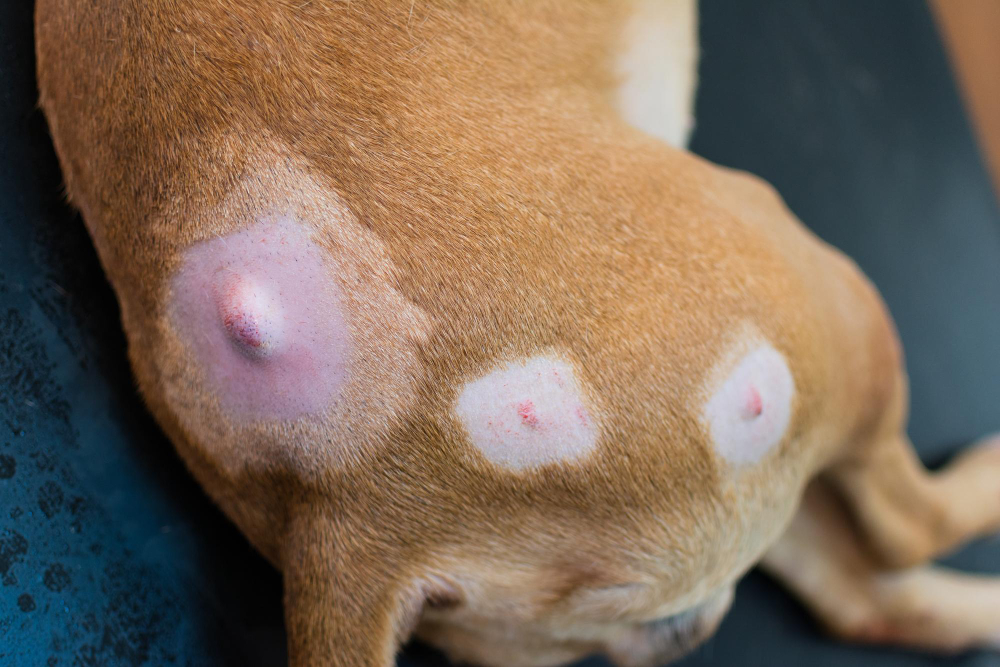
            Advantages of Kirkland Dog Food

            Kirkland dog food boasts several notable advantages:

            • High-quality ingredients: Real meat is often the first ingredient, providing essential protein for dogs.
            • Nutrient-rich formulas: The food contains an above-average protein content of 29% and a mean fat level of 15%.
            • Affordable pricing: Kirkland offers quality nutrition at a competitive price point.
            • Variety of options: The brand provides formulas for different life stages and breed sizes.
            • No artificial additives: Kirkland avoids artificial preservatives, colors, and flavors.
            • Meets AAFCO standards: The nutrient profiles comply with industry standards for various life stages.
            • Added health benefits: Includes prebiotics for digestive health and antioxidants for immune support.
            • Limited wet food options: The brand specializes in dry dog food, offering fewer wet food choices.
            • Availability concerns: Kirkland is exclusively sold at Costco, which may be inconvenient for some pet owners.
            • Past recalls: The brand experienced multiple recalls in 2012, raising quality control concerns.
            • Ingredient sensitivities: Some dogs may be sensitive to exact ingredients used in Kirkland formulas.
            • Grain inclusion: Most formulas contain grains, which may not suit all dogs’ dietary needs.
            • Lack of prescription diets: Kirkland doesn’t offer specialized formulas for dogs with exact health conditions.
            • Inconsistent product availability: Some formulas may not be consistently stocked at all Costco locations.

            Safety and Recalls

            Kirkland dog food’s safety record is a crucial consideration for pet owners. We’ll examine the brand’s recall history and current safety measures to provide a comprehensive overview.

            Recall History

            Kirkland Signature Dog Food, manufactured by Diamond Pet Foods, has experienced recalls in the past. While exact details of recent recalls up to October 2024 aren’t extensively documented in our sources, historical incidents have occurred. Diamond Pet Foods, responsible for producing Kirkland dog food, has been involved in several recalls due to contamination issues. These have included instances of Salmonella and aflatoxin contamination. But, it’s important to note that the most recent recall information isn’t detailed in our current sources, indicating a potentially improved safety record in recent years.

            Current Safety Measures

            Even though past recalls, Kirkland Signature Dog Food has implemented robust safety measures and maintains high standards. The brand prioritizes ingredient quality, typically listing meat as the first ingredient in their formulas. This includes high-quality protein sources such as chicken, lamb, and fish. Following the primary meat ingredient, Kirkland dog foods often include meat meals and other nutritious components, ensuring a well-rounded nutritional profile. These ingredient choices reflect Kirkland’s commitment to providing dogs with essential nutrients and maintaining food safety standards. While exact details of their manufacturing processes aren’t provided, the emphasis on quality ingredients suggests a focus on producing safe, nutritious dog food.

            Customer Reviews and Feedback

            Kirkland dog food has garnered a important amount of customer feedback, providing valuable insights into its quality and effectiveness. We’ve analyzed many reviews to present a comprehensive overview of pet owners’ experiences with this popular brand.

            Positive Experiences

            Many customers report high satisfaction levels with Kirkland dog food. Dogs seem to enjoy the taste, and owners have noticed improvements in their pets’ overall health. For instance, a German Shepherd owner shared that their dog has thrived on Kirkland dog food for 13 years without any health issues.

            Several pet parents have observed positive changes in their dogs’ coats after switching to Kirkland. Users with various breeds, including Huskies, Bostons, Pugs, and Frenchies, have reported shinier, healthier-looking coats. This improvement in coat quality often indicates good overall health and proper nutrition.

            Affordability and Value

            One of the most frequently mentioned advantages of Kirkland dog food is its affordability. Many customers find it provides excellent value for money, especially when compared to more expensive premium brands. Some owners even claim that Kirkland’s quality matches or surpasses that of pricier alternatives like Orijen.

            AspectCustomer Feedback
            Taste AcceptanceHigh
            Health BenefitsPositive
            Coat ImprovementNoticeable
            Value for MoneyExcellent

            Quality Concerns

            While the majority of reviews are positive, some customers have expressed concerns about quality consistency. A few owners reported digestive issues in their dogs after switching to Kirkland, though these instances appear to be relatively rare.

            Availability

            The limited availability of Kirkland dog food, sold exclusively at Costco, is a common point of discussion among customers. While many appreciate the convenience of buying in bulk during their Costco trips, others find it inconvenient if they don’t live near a Costco location.

            Long-term Use

            Many reviews come from long-term Kirkland dog food users, suggesting high customer loyalty. These customers often report consistent positive experiences over extended periods, sometimes spanning several years or even a dog’s entire lifetime.

            By considering these customer reviews and feedback, pet owners can make more informed decisions about whether Kirkland dog food is the right choice for their furry companions. As with any pet food, individual dogs may respond differently, so it’s essential to monitor your pet’s health and consult with a veterinarian when making dietary changes.

            Price and Value Comparison

            When evaluating Kirkland dog food, we’ve found that its price and value proposition stand out in the competitive pet food market. Let’s break down these aspects to give you a clearer picture.

            Price Point

            Kirkland dog food offers a cost-effective solution for pet owners looking to balance quality and affordability. Here’s what we’ve observed:

            • A 40-pound bag of Kirkland dog food typically costs around $35
            • This price point is significantly lower than many comparable brands
            • The cost-per-pound ratio makes it an attractive option for multi-dog households

            Value for Money

            Even though its budget-friendly price, Kirkland dog food doesn’t compromise on quality. We’ve identified several factors contributing to its value:

            1. Quality Ingredients
            • Animal meat often listed as the first ingredient
            • High protein content crucial for canine health
            • No artificial preservatives, colors, or flavors

            2. Nutritional Profile

              • Average protein content of 29%
              • Fat content around 18%
              • Inclusion of prebiotics for digestive health
              • Antioxidants to support immune function
              Kirkland Dog Food

              3. Formula Variety

                • Puppy formulas for growing dogs
                • Adult dog options for maintenance
                • Mature dog formulas for seniors
                • Small breed exact options
                • Grain-free alternatives under the Nature’s Domain line
                Formula TypeTarget Age/SizeKey Features
                Puppy0-1 yearHigher protein, DHA for brain development
                Adult1-7 yearsBalanced nutrition, joint support
                Mature7+ yearsLower calories, glucosamine for joints
                Small BreedAll agesSmaller kibble size, higher energy density
                Grain-FreeAll agesAlternative carbohydrate sources

                By offering this range of formulas, Kirkland ensures that pet owners can find appropriate nutrition for their dogs throughout different life stages and with various dietary needs.

                Cost-Effectiveness Over Time

                We’ve found that the value of Kirkland dog food extends beyond its initial purchase price:

                • Consistent use may lead to better overall health, potentially reducing veterinary costs
                • The high-quality ingredients can contribute to improved coat condition and digestive health
                • Bulk purchasing options at Costco can lead to additional savings for committed buyers

                Comparison to Premium Brands

                When we compare Kirkland to premium dog food brands, we notice:

                • Similar ingredient quality to more expensive options
                • Comparable nutritional profiles at a fraction of the cost
                • Less marketing and packaging expenses, allowing for lower retail prices

                Considerations

                While Kirkland dog food offers excellent value, we must note:

                • Limited availability (exclusively sold at Costco)
                • Membership requirement for purchase
                • Fewer specialized formulas compared to some premium brands

                To conclude, Kirkland dog food presents a compelling price-to-value ratio in the pet food market. It combines quality ingredients and balanced nutrition with affordable pricing, making it a worthy consideration for budget-conscious pet owners who don’t want to compromise on their dog’s nutrition.

                Suitability for Different Dogs

                Kirkland dog food offers a range of formulas customized to meet the nutritional needs of dogs at various life stages and sizes. These options ensure that pet owners can find the right food for their furry companions, regardless of age or breed.

                Age-Exact Formulas

                Kirkland Signature provides three main age-exact formulas to cater to dogs’ changing nutritional requirements throughout their lives:

                1. Adult Formula: Available in two flavors – Chicken, Rice and Vegetable, and Lamb, Rice and Vegetable. This formula is designed for adult dogs with balanced nutrition for maintenance.
                2. Puppy Formula: Specially crafted for growing puppies, this formula features smaller pellets for easier consumption. It’s also recommended for pregnant or nursing dogs. The Chicken and Pea flavor provides essential nutrients for early development.
                3. Mature Dog Formula: Customized for older dogs, this formula includes ingredients like glucosamine to support joint health, addressing the exact needs of aging canines.

                These age-exact options ensure that dogs receive appropriate nutrition at each life stage, promoting overall health and well-being.

                Size-Exact Options

                Kirkland Signature recognizes that different dog sizes have varying nutritional needs. Their size-exact option includes:

                Kirkland Signature Small Dog Formula: This formula is specifically designed to meet the unique nutritional requirements of smaller breed dogs. Small breeds often have higher metabolic rates and require more calories per pound than larger breeds. This formula likely contains:

                • Higher protein content to support muscle maintenance
                • Smaller kibble size for easier chewing and digestion
                • Balanced calories to prevent obesity in less active small dogs
                • Added nutrients to support dental health, a common concern in small breeds

                While Kirkland offers this specialized formula for small dogs, it’s worth noting that they don’t currently provide exact formulas for large or giant breeds. But, their adult and mature dog formulas can be suitable for larger dogs when fed in appropriate portions.

                Brand History and Reputation

                Kirkland Signature Dog Food has established a strong presence in the pet food market, backed by a reputable manufacturer and a history of providing quality nutrition for dogs. We’ll explore the brand’s origins, production details, and overall reputation in the industry.

                Manufacturer and Production

                Kirkland Signature Dog Food is produced by Diamond Pet Foods, a well-known name in the pet food industry. Diamond Pet Foods has been operating for several decades, gaining recognition for manufacturing various pet food brands, including the Kirkland Signature line exclusively for Costco.

                Diamond Pet Foods’ experience and expertise in pet nutrition contribute significantly to the quality and consistency of Kirkland dog food. Their long-standing relationship with Costco ensures that Kirkland Signature Dog Food maintains high standards of production and ingredient sourcing.

                Reputation in the Pet Food Industry

                Kirkland Signature Dog Food has garnered a generally positive reputation among pet owners and industry experts. Several factors contribute to its standing in the market:

                1. Quality Ingredients: Kirkland dog food is praised for its use of high-quality ingredients. Real meat is often listed as the first ingredient, demonstrating a commitment to providing dogs with essential protein sources.
                2. Nutritional Value: The brand offers a balanced nutritional profile, with formulas containing:
                • Named meat meals (e.g., chicken meal) for concentrated protein
                • Complex carbohydrates like brown rice and barley for sustained energy
                • Healthy fats, including chicken fat, for skin and coat health
                • Prebiotics to support digestive health
                • Chelated minerals for enhanced nutrient absorption

                3. Affordability: As a Costco private label brand, Kirkland dog food offers premium-quality nutrition at a more accessible price point compared to many other high-end dog food brands.

                4. Range of Formulas: Kirkland provides options for different life stages and breed sizes, catering to a wide variety of dog nutritional needs.

                5. Transparency: The brand is open about its ingredient sourcing and manufacturing processes, which builds trust among consumers.

                  Customer Satisfaction

                  Many pet owners report positive experiences with Kirkland Signature Dog Food. Common praises include:

                  • Improved coat condition and overall health in their dogs
                  • Good palatability, with most dogs enjoying the taste
                  • Consistent quality across batches
                  • Excellent value for money, especially for multi-dog households

                  Industry Recognition

                  While Kirkland dog food may not have as many industry awards as some premium brands, it consistently receives positive reviews from pet nutrition experts and veterinarians. Many professionals acknowledge its quality ingredients and balanced nutrition as comparable to more expensive brands.

                  Addressing Past Concerns

                  Like many pet food brands, Kirkland has faced challenges in the past:

                  1. Recalls: There have been instances of product recalls, primarily due to potential contamination issues. But, the brand has been proactive in addressing these concerns and implementing stricter quality control measures.
                  2. Limited Availability: As a Costco-exclusive brand, some pet owners find it inconvenient to purchase Kirkland dog food regularly. This limited availability can be a drawback for some consumers.
                  3. Grain Inclusion: While not inherently negative, the inclusion of grains in most Kirkland formulas may not align with the preferences of pet owners seeking grain-free options.

                  Even though these challenges, Kirkland Signature Dog Food has maintained its position as a trusted brand in the pet food industry. Its commitment to quality ingredients, nutritional balance, and affordability continues to resonate with many dog owners.

                  To conclude, Kirkland Signature Dog Food’s brand history and reputation reflect a commitment to providing quality nutrition at an accessible price point. Backed by Diamond Pet Foods’ manufacturing expertise and Costco’s quality standards, Kirkland has established itself as a reliable choice for many dog owners seeking balanced nutrition for their pets.

                  Conclusion

                  Kirkland Signature Dog Food offers a compelling blend of quality and affordability. We’ve found it to be a solid choice for budget-conscious pet owners who don’t want to compromise on nutrition.

                  With its diverse range of formulas high-quality ingredients and balanced nutritional profiles Kirkland caters to dogs of various life stages and sizes. While it’s not without its drawbacks the brand’s commitment to value and quality makes it worth considering for many dog owners.

                  Eventually the decision to choose Kirkland depends on your dog’s exact needs and your personal preferences. We encourage you to weigh the pros and cons carefully to make the best choice for your furry friend.

                1. Top 7 Dog Brushes for Shedding: Expert-Tested Solutions for 2024

                  Top 7 Dog Brushes for Shedding: Expert-Tested Solutions for 2024

                  Are you drowning in a sea of fluffy dog fur? You’re not alone. Most dogs shed, and some really shed a lot. That’s why finding the best dog brushes for shedding is crucial for any pet owner’s grooming kit.

                  We’ve explored various types of brushes, from undercoat deshedding tools to slicker and rake brushes, to help you tackle your pup’s shedding problem. With expert advice from veterinarians and our own testing, we’ll guide you through choosing the right brush for your dog’s coat type. Whether you’re dealing with daily maintenance or seasonal shedding, we’ve got you covered. Let’s jump into our top picks for the best dog brushes that’ll keep your home fur-free and your furry friend looking fabulous.

                  Understanding Dog Shedding and Brush Types

                  Dog shedding is a natural process that occurs in most breeds. Understanding why dogs shed and the different types of brushes available can help pet owners manage their dog’s coat effectively.

                  Why Dogs Shed

                  Dogs shed for various reasons:

                  • Seasonal changes: Many dogs shed heavily during spring and fall to adjust to temperature changes.
                  • Hormonal fluctuations: Changes in hormones can trigger shedding.
                  • Health issues: Certain medical conditions or nutritional deficiencies may cause excessive shedding.
                  • Breed-exact factors: Some breeds naturally shed more due to their coat type.
                  • Regular growth cycle: Dogs continuously replace old or damaged fur with new hair.

                  Regular brushing helps manage shedding by removing loose hair, preventing matting, and distributing skin oils. This process keeps the coat healthy and reduces the amount of fur found around the home.

                  Types of Dog Brushes for Shedding

                  Several types of dog brushes are effective for managing shedding:

                  • Undercoat rakes: Ideal for double-coated breeds, these brushes reach deep into the undercoat to remove loose fur.
                  • Slicker brushes: Effective for removing tangles and mats in medium to long-haired dogs.
                  • Pin brushes: Suitable for dogs with medium to long hair, helping to detangle and remove loose fur.
                  • Bristle brushes: Best for short-haired dogs, these brushes help distribute natural oils and remove loose hair.
                  • Deshedding tools: Specialized brushes designed to remove loose undercoat hair effectively.
                  • Rubber curry brushes: Great for short-haired breeds, stimulating circulation and loosening dead hair.
                  • Grooming gloves: Comfortable option for dogs who dislike traditional brushes, effective for removing loose fur.

                  Choosing the right brush depends on your dog’s coat type, length, and shedding pattern. Some dogs may benefit from a combination of brush types for optimal coat maintenance.

                  Factors to Consider When Choosing a Shedding Brush

                  Selecting the right shedding brush for your dog is crucial for effective grooming and coat maintenance. We’ve identified key factors to consider when choosing the best dog brush for shedding.

                  Dog’s Coat Type and Length

                  The type and length of your dog’s coat significantly influence the choice of shedding brush. Short-haired dogs benefit from brushes with sharp stainless steel teeth, which efficiently remove loose hair without causing discomfort. For long-haired dogs, brushes with curved metal bristles or undercoat rakes are more suitable, as they can work through tangles and reach deep into the undercoat. Curly or double-coated breeds require brushes that can handle tangles and mats effectively. Consider your dog’s exact coat characteristics to ensure you choose a brush that addresses their unique shedding needs.

                  Brush Material and Design

                  The material and design of the brush play a crucial role in its effectiveness and comfort for your dog. Look for brushes with ergonomic handles for comfortable grip during extended grooming sessions. Stainless steel bristles or teeth are durable and effective for removing loose hair, while rubber bristles can be gentler on sensitive skin. Some brushes feature a combination of materials to address different aspects of grooming. Consider the brush’s size and shape to ensure it’s suitable for your dog’s body and coat type. A well-designed brush will make the grooming process more efficient and enjoyable for both you and your pet.

                  Ease of Use and Cleaning

                  When choosing a shedding brush, consider its ease of use and cleaning features. Look for brushes with self-cleaning mechanisms or easy-to-clean designs, as these will save time and effort during grooming sessions. Some brushes come with a button that releases collected hair, making disposal quick and convenient. The brush’s weight and handle design also affect its ease of use, especially for longer grooming sessions. Opt for brushes that are easy to maneuver through your dog’s coat without causing discomfort. Also, consider brushes that are easy to wash and maintain, as regular cleaning is essential for hygiene and the brush’s longevity.

                  Top Features of Effective Shedding Brushes

                  Effective shedding brushes possess key features that enhance their performance and usability. These features ensure optimal grooming results for dogs while making the process comfortable for both pets and owners.

                  Deshedding Effectiveness

                  The best dog brushes for shedding have unique design elements that maximize their ability to remove loose fur:

                  • Stainless steel teeth: Sharp, durable teeth penetrate the coat to reach the undercoat effectively.
                  • Tooth and wave pattern: This configuration helps grab hair tips and extract loose fur without painful tugging.
                  • Undercoat focus: Brushes designed to target the undercoat are particularly effective for double-coated breeds.
                  • Size options: Various brush sizes accommodate different dog sizes and coat types.
                  • Curved guard: A protective edge prevents the brush from getting too close to the skin while effectively removing loose hair.

                  Effective deshedding brushes can remove up to 90% of loose fur, significantly reducing shedding and keeping homes cleaner.

                  Comfort for Dogs

                  Comfort is crucial when selecting a dog brush for shedding:

                  • Gentle bristles: Soft bristles prevent skin irritation while effectively removing loose fur.
                  • Ergonomic design: Brushes with comfortable handles reduce strain during grooming sessions.
                  • Flexible head: A flexible brush head conforms to the dog’s body contours for gentler grooming.
                  • Non-slip grip: This feature ensures better control and prevents accidental scratches.
                  • Rounded tips: Bristles with rounded tips minimize discomfort and skin irritation.
                  • Adjustable pressure: Some brushes allow users to adjust the pressure for different coat types and sensitivities.

                  Comfortable brushes make grooming a positive experience for dogs, encouraging regular maintenance and reducing shedding-related issues.

                  Dog Brushes for Shedding

                  Durability and Quality

                  High-quality materials and construction ensure the longevity and effectiveness of shedding brushes:

                  • Stainless steel components: Rust-resistant materials maintain brush quality over time.
                  • Reinforced connections: Sturdy connections between the brush head and handle prevent breakage.
                  • Easy-clean design: Self-cleaning mechanisms or easy-to-clean surfaces simplify maintenance.
                  • Replaceable parts: Some brushes offer replaceable combs or bristles, extending the tool’s lifespan.
                  • Warranty: Quality brushes often come with warranties, indicating manufacturer confidence.
                  • Sturdy construction: Durable plastic or metal frames withstand regular use and accidental drops.

                  Investing in a durable, high-quality shedding brush ensures long-term effectiveness and value for dog owners managing their pets’ shedding.

                  Best Brushes for Different Dog Coat Types

                  Selecting the right brush for your dog’s coat type is crucial for effective shedding management. We’ve identified the best brushes for various coat types to help you maintain your dog’s fur and reduce shedding.

                  For Short-Haired Dogs

                  Short-haired dogs benefit from brushes that can effectively remove loose hair without irritating their skin. Rubber brushes are an excellent choice for these breeds. These brushes feature short, flexible rubber bristles that massage the skin, bringing dirt and loose hair to the surface. Their gentle nature makes them ideal for dogs with sensitive skin.

                  Bristle brushes are another effective option for short-haired dogs. Made with natural or synthetic bristles, they excel at removing loose hair and dander while stimulating the skin. These brushes help maintain the health and shine of short coats, distributing natural oils throughout the fur.

                  For short-haired dogs that shed heavily, some deshedding tools can be effective. These tools are designed to reach deeper into the coat, removing loose undercoat hair and reducing overall shedding.

                  For Long-Haired Dogs

                  Long-haired dogs require brushes that can penetrate deep into their coats to remove tangles, mats, and loose fur. Pin brushes are particularly effective for these breeds. Their long bristles can reach the undercoat, effectively removing loose fur and preventing matting.

                  Slicker brushes are another excellent choice for long-haired dogs. These brushes feature fine, short wires close together on a flat surface, making them ideal for removing tangles and mats. They’re also effective at removing loose undercoat hair, which is crucial for managing shedding in long-haired breeds.

                  For dogs with particularly long or silky coats, a combination of a pin brush for daily maintenance and a slicker brush for deeper grooming sessions can be highly effective. This approach helps maintain coat health and minimize shedding.

                  For Double-Coated Breeds

                  Double-coated breeds, such as Siberian Huskies or German Shepherds, have unique grooming needs due to their dense undercoat and tougher topcoat. For these dogs, undercoat rakes are essential tools. These brushes are designed to penetrate the topcoat and remove loose hair from the undercoat, which is where most shedding occurs.

                  Slicker brushes are also beneficial for double-coated breeds, helping to remove tangles and loose fur from both the topcoat and undercoat. For heavy shedding periods, such as seasonal changes, deshedding tools can be particularly effective. These tools are specifically designed to remove loose undercoat hair without damaging the topcoat.

                  A combination of an undercoat rake for regular maintenance and a deshedding tool for heavy shedding periods can provide optimal results for double-coated breeds, effectively managing shedding and maintaining coat health.

                  How to Use a Shedding Brush Properly

                  Proper brushing technique is crucial for effectively managing your dog’s shedding and maintaining a healthy coat. We’ll explore the best brushing techniques and how often you should brush your dog to keep their coat in top condition.

                  Brushing Techniques

                  When using a shedding brush, start with gentle, short strokes in the direction of hair growth. Focus on areas where shedding is most prominent, such as the back, neck, and sides. For dogs with double coats, use an undercoat rake to remove loose fur from the undercoat first, followed by a slicker brush to smooth the topcoat. Be careful not to apply too much pressure, as this can irritate your dog’s skin.

                  For long-haired breeds, work through small sections at a time to prevent tangles and mats. Use a pin brush or slicker brush to gently detangle any knots before using a deshedding tool. When brushing short-haired dogs, use a rubber curry brush or bristle brush in circular motions to stimulate the skin and remove loose hair.

                  Frequency of Brushing

                  The frequency of brushing depends on your dog’s coat type and shedding patterns. For most dogs, brushing 2-3 times a week is sufficient to manage shedding and maintain coat health. But, during shedding season or when a dog is blowing their coat, daily brushing is recommended to control excessive hair loss and prevent matting.

                  Short-haired dogs may require brushing once or twice a week, while long-haired breeds often need more frequent attention to prevent tangles. Double-coated breeds typically benefit from brushing 3-4 times a week, with increased frequency during heavy shedding periods. Regular brushing not only helps manage shedding but also distributes natural oils throughout the coat, promoting overall skin and coat health.

                  https://youtu.be/UfyYB5C6LWg

                  Benefits of Regular Brushing

                  Regular brushing offers many advantages for both dogs and their owners. It’s an essential part of dog care that goes beyond just managing shedding. Let’s explore the key benefits of consistent brushing for your furry friend.

                  Reduced Shedding

                  Regular brushing significantly reduces shedding by removing loose fur before it falls on your furniture or floors. This process helps distribute natural oils throughout the coat, which can minimize excessive shedding. Brushing 2-3 times a week for most dogs, and 3-4 times for double-coated breeds during heavy shedding periods, effectively manages loose hair. Using the right brush, such as undercoat rakes for double-coated breeds or slicker brushes for long-haired dogs, removes dead hair from the undercoat. This proactive approach keeps your home cleaner and reduces the amount of fur your dog sheds around the house.

                  Improved Coat Health

                  Brushing promotes a healthier, shinier coat by stimulating blood circulation to the skin and hair follicles. This increased blood flow nourishes the skin and encourages the production of natural oils, leading to a glossier, more vibrant coat. Regular brushing also helps distribute these oils evenly throughout the coat, preventing dry skin and reducing the likelihood of matting and tangling, especially in long-haired breeds. By removing dead hair, dirt, and debris, brushing keeps the coat clean and reduces the frequency of baths needed, which can strip the coat of its natural oils if done too often.

                  Dog Brushes for Shedding

                  Bonding with Your Pet

                  Brushing provides an excellent opportunity for bonding with your dog. This one-on-one time allows you to give your pet undivided attention, strengthening your relationship. Many dogs enjoy the sensation of brushing, finding it relaxing and comforting. Regular grooming sessions help your dog associate handling with positive experiences, making future grooming, vet visits, and general care easier. It’s also an ideal time to check for any skin issues, lumps, or parasites that might otherwise go unnoticed. By incorporating gentle praise and treats during brushing, you can create a positive association with grooming, making it an enjoyable experience for both you and your pet.

                  Additional Tips for Managing Dog Shedding

                  Effective shedding management goes beyond brushing. We’ve compiled additional strategies to help control your dog’s shedding and maintain a healthy coat.

                  Diet and Nutrition

                  A balanced diet is crucial for managing dog shedding. High-quality dog food rich in essential fatty acids, particularly omega-3 and omega-6, promotes healthy skin and coat. These nutrients help reduce excessive shedding and improve coat texture.

                  Key nutritional tips:

                  • Choose dog food with real meat as the first ingredient
                  • Look for foods containing fish oil or flaxseed for omega fatty acids
                  • Ensure adequate protein content (at least 18% for adult dogs)
                  • Consider supplements like biotin or vitamin E for coat health
                  • Provide fresh, clean water to keep your dog hydrated

                  Consult your veterinarian before making important changes to your dog’s diet, especially if they have exact health concerns or dietary requirements.

                  Bathing and Grooming Routine

                  A consistent bathing and grooming routine is essential for managing shedding. Regular baths help remove loose fur and distribute natural oils throughout the coat.

                  Effective bathing and grooming tips:

                  • Brush your dog before bathing to remove loose fur
                  • Use lukewarm water and dog-exact shampoo
                  • Rinse thoroughly to prevent skin irritation
                  • Avoid over-bathing, which can dry out the skin
                  • Consider using a de-shedding conditioner
                  • Blow-dry on a low, cool setting while brushing
                  • Maintain a regular grooming schedule based on your dog’s coat type

                  For double-coated breeds, consider professional grooming services during heavy shedding seasons to help manage excessive fur loss.

                  Recommended Products

                  Brush TypeProduct NameKey Features
                  Undercoat RakeFurminator Grooming Rake360-degree rotating pins, effective for undercoats
                  Slicker BrushChris Christensen Big G SlickerGentle on skin, excellent detangling
                  Deshedding ToolFurminator Undercoat deShedding ToolErgonomic handle, self-cleaning function
                  Rubber BrushLe Salon Essentials Rubber Dog BrushGreat for shedding and bathing
                  Bristle BrushHartz Groomer’s Best Combo BrushDual-sided for versatility, suitable for various coats

                  Conclusion

                  We’ve explored the industry of dog brushes for shedding highlighting top picks for various coat types and shedding needs. By choosing the right brush and maintaining a regular grooming routine you’ll keep your furry friend’s coat healthy and your home fur-free. Remember that proper nutrition and overall care play crucial roles in managing shedding. With these insights and recommendations you’re now equipped to tackle shedding effectively and enjoy a cleaner home and a happier healthier pet.

                2. Best Dog Water Fountains: Fresh, Clean Hydration for Your Pup

                  Best Dog Water Fountains: Fresh, Clean Hydration for Your Pup

                  Are you tired of constantly refilling your dog’s water bowl? A dog water fountain might be the perfect solution for keeping your furry friend hydrated and happy.

                  We’ve all seen our canine companions lap up water from puddles or even the toilet, but did you know that many dogs prefer moving water? That’s where dog water fountains come in. These innovative devices provide a continuous flow of fresh, filtered water that encourages dogs to drink more throughout the day. With various sizes and styles available, there’s a fountain to suit every home and every pup’s needs.

                  In this text, we’ll explore the benefits of dog water fountains, how to choose the right one for your pet, and share our top picks for the best fountains on the market. Whether you’re looking to upgrade your dog’s hydration routine or simply curious about these nifty gadgets, we’ve got you covered.

                  Benefits of Dog Water Fountains

                  Fresh, Clean Drinking Water

                  Dog water fountains provide a constant supply of fresh, clean water for your canine companion. These devices often include filtration systems that remove impurities such as hair, dirt, and debris. This filtration process ensures the water remains clean and free from contaminants, which is crucial for your dog’s health. Traditional water bowls can become breeding grounds for harmful bacteria like MRSA, E. coli, and salmonella. By using a dog water fountain, you’re significantly reducing the risk of these pathogens affecting your pet’s health.

                  Encourages Proper Hydration

                  One of the key advantages of dog water fountains is their ability to encourage proper hydration. Dogs naturally prefer running water over stagnant pools, and the movement of water in a fountain taps into this instinct. This preference can lead to increased water consumption, which is particularly beneficial for dogs on dry kibble diets who may be prone to chronic dehydration. The running water in fountains is more appealing due to its freshness and the absence of undesirable odors and tastes often associated with tap water.

                  Cooler Water Temperature

                  Dog water fountains maintain a cooler water temperature through continuous circulation. This feature is especially beneficial during warmer months when dogs need to stay hydrated and cool. The cooler water is more refreshing and appealing to dogs, further encouraging them to drink more frequently. This can help prevent heat-related issues and ensure your dog stays comfortable and well-hydrated throughout the day.

                  Convenience for Pet Owners

                  Dog water fountains offer important convenience for pet owners. Once set up, these devices provide a constant supply of fresh water without the need for frequent refills. This feature is particularly useful for busy pet owners or those who are away from home for extended periods. Also, many dog water fountains have large capacities, reducing the frequency of refills and ensuring your dog always has access to water.

                  Improved Water Quality

                  The continuous circulation of water in dog fountains helps maintain water quality. Stagnant water in traditional bowls can quickly accumulate bacteria, algae, and other contaminants. In contrast, the constant movement of water in fountains helps oxygenate it, reducing the growth of harmful microorganisms. This improved water quality contributes to better overall health for your dog.

                  Suitable for Multi-Pet Households

                  Dog water fountains are often designed to accommodate multiple pets, making them ideal for households with more than one dog or even cats. The larger capacity and continuous flow ensure that all pets have access to fresh water throughout the day. This can help reduce competition for water resources and ensure that each pet stays properly hydrated.

                  Environmental Benefits

                  Using a dog water fountain can have environmental benefits. By providing a constant source of fresh water, you’re less likely to waste water by frequently emptying and refilling traditional water bowls. Some fountains are also designed to be energy-efficient, using minimal electricity to operate. This can contribute to a more environmentally friendly approach to pet care.

                  Types of Dog Water Fountains

                  Dog water fountains come in various styles to suit different needs and environments. We’ll explore three main types: indoor fountains, outdoor fountains, and multi-pet fountains, each designed to keep your furry friends hydrated and happy.

                  Indoor Fountains

                  Indoor dog water fountains are perfect for keeping your pet hydrated within the comfort of your home. These fountains typically use an electric pump to circulate water through a filter, ensuring a continuous flow of fresh, clean water. The filtered water is dispensed through a fountainhead, creating an attractive stream or bubbler that encourages dogs to drink more frequently.

                  Indoor fountains are available in various materials, including stainless steel, ceramic, and plastic. Stainless steel options offer durability and rust resistance, while ceramic fountains provide aesthetic appeal and easy cleaning. Plastic fountains are lightweight and budget-friendly. Many indoor models feature multiple spout modes, such as flower waterfall, faucet waterfall, or bubbler designs, catering to different dog preferences.

                  These fountains often include features like low-water indicators, LED lights for visibility, and quiet operation to blend seamlessly into your home environment. With capacities ranging from 58 ounces to 2.1 gallons, indoor fountains can accommodate various dog sizes and household needs.

                  Outdoor Fountains

                  Outdoor dog water fountains are designed to withstand the elements and provide a refreshing water source for pets spending time in the yard. These fountains are typically more durable and weather-resistant than their indoor counterparts, often featuring sturdy construction materials like heavy-duty plastic or metal.

                  Outdoor fountains come in various styles, including step-on models that activate when your dog steps on a pedal, and solar-powered options that harness the sun’s energy to operate. Some outdoor fountains connect directly to a garden hose, ensuring a constant supply of fresh water without the need for manual refilling.

                  Many outdoor models incorporate larger water reservoirs to accommodate extended outdoor play sessions and multiple pets. They often include features like UV-resistant materials to prevent sun damage and algae growth, as well as easy-to-clean designs for hassle-free maintenance. Some outdoor fountains also double as fun water play stations, encouraging dogs to stay cool and hydrated during hot weather.

                  Multi-Pet Fountains

                  Multi-pet water fountains are designed to cater to households with multiple dogs or a combination of dogs and cats. These fountains typically feature larger capacities and multiple drinking stations to accommodate several pets simultaneously, reducing competition for water access.

                  Multi-tier designs are popular in this category, offering drinking options at different heights to suit pets of various sizes. These fountains often incorporate wider water basins or multiple spouts to allow easy access for multiple animals. Some models even feature separate drinking areas for dogs and cats, catering to their distinct preferences.

                  Dog Water Fountains
                  Version 1.0.0

                  Filtration systems in multi-pet fountains are usually more robust, capable of handling increased water consumption and potential debris from multiple animals. Many models include features like adjustable flow rates to accommodate different drinking preferences and quiet operation to minimize disturbance in multi-pet households.

                  These fountains often boast capacities of 2 gallons or more, ensuring a steady supply of fresh water for all your pets throughout the day. Some advanced models may include smart features like app connectivity for monitoring water levels and filter change reminders, making it easier to maintain optimal hydration for your furry family members.

                  Key Features to Consider

                  When choosing a dog water fountain, it’s essential to evaluate several key features to ensure you select the best option for your pet. Let’s explore the critical aspects to consider when making your decision.

                  Capacity and Size

                  The capacity and size of a dog water fountain are crucial factors in your selection process. Fountains typically range from 2 to 6 liters, with most models falling between 2 and 4 liters. For single-dog households, a 2-liter fountain is often sufficient. But, multi-pet homes or large breed dogs may require a 4 to 6-liter capacity. Consider your dog’s size, water consumption habits, and the number of pets using the fountain. A larger capacity means less frequent refills, ideal for busy pet owners or those who are away from home for extended periods. Remember to account for the fountain’s physical dimensions to ensure it fits comfortably in your intended space.

                  Material and Durability

                  The material of your dog water fountain affects its durability, ease of cleaning, and overall lifespan. Stainless steel fountains offer excellent durability and resist rust, making them a popular choice among dog owners. These fountains withstand wear and tear, are easy to sanitize, and don’t harbor bacteria. Ceramic fountains provide an aesthetically pleasing option and are also easy to clean. They’re heavier, which can prevent tipping, but may chip if dropped. Plastic fountains are lightweight and affordable but can be less durable and more prone to scratches, which can harbor bacteria. When selecting a material, consider your dog’s chewing habits, the fountain’s placement, and your cleaning routine to ensure longevity and hygiene.

                  Filtration System

                  A robust filtration system is essential for maintaining clean, fresh water in your dog’s fountain. Most fountains incorporate a multi-stage filtration process, including mechanical, chemical, and sometimes biological filtration. Mechanical filters remove debris, hair, and particles from the water. Activated carbon filters eliminate odors and improve taste by removing chlorine and other impurities. Some advanced models include UV sterilization to kill bacteria and other microorganisms. When evaluating filtration systems, consider the filter replacement frequency and cost. Look for fountains with easily accessible filters and clear maintenance instructions. A high-quality filtration system ensures your dog has access to clean, safe drinking water, promoting better health and encouraging increased water consumption.

                  Noise Level

                  The noise level of a dog water fountain can impact both your pet’s comfort and your home environment. Most quality fountains operate quietly, with a gentle humming sound from the pump. But, some models may produce more noticeable sounds, especially as water levels decrease. Look for fountains with adjustable flow rates, allowing you to customize the water stream and potentially reduce noise. Ceramic and stainless steel fountains tend to be quieter than plastic ones due to their sound-dampening properties. Consider your dog’s sensitivity to noise and the fountain’s intended location when making your choice. A quiet fountain ensures your pet isn’t deterred from drinking and prevents disturbances in your living space, particularly important for nighttime use or in apartments.

                  Choosing the Right Water Fountain for Your Dog

                  Selecting the ideal water fountain for your dog involves considering both your pet’s needs and your home environment. Let’s explore these factors to help you make an well-informed choice.

                  Assessing Your Dog’s Needs

                  When choosing a water fountain for your dog, it’s essential to evaluate your pet’s exact requirements. Unlike cats, most dogs don’t have a strong preference for running water over still water. They typically drink from standard water bowls without issue. But, certain factors may influence the need for a fountain:

                  • Health considerations: Dogs with exact health issues or those not drinking enough water might benefit from a fountain. Consult your veterinarian to determine if a fountain is necessary and rule out underlying health problems.
                  • Age and immune system: Puppies and dogs with compromised immune systems may benefit from a clean, fresh water source. But, this can often be achieved with a regularly cleaned and changed water bowl.
                  • Size and breed: Larger breeds or multiple dogs may require fountains with higher capacities to ensure adequate water supply throughout the day.
                  • Available space: Measure the area where you plan to place the fountain. Ensure it fits comfortably without obstructing walkways or other pet accessories.
                  • Indoor vs. outdoor use: If you intend to use the fountain outdoors, choose a model designed to withstand various weather conditions.
                  • Noise level: Consider the fountain’s noise output, especially if you plan to place it in a high-traffic area or near sleeping spaces. Some models are quieter than others, ensuring minimal disturbance.
                  • Power source: Check the availability of electrical outlets near the intended location. If power access is limited, consider battery-operated or solar-powered options.
                  • Maintenance requirements: Evaluate how easy the fountain is to clean and maintain. Models with dishwasher-safe components can simplify the cleaning process.

                  Maintenance and Cleaning

                  Proper maintenance and cleaning of dog water fountains are essential for ensuring your pet’s health and the fountain’s longevity. Regular upkeep prevents the buildup of bacteria, algae, and mineral deposits, keeping the water fresh and appealing to your furry friend.

                  Daily Maintenance

                  Daily maintenance of your dog water fountain is crucial for optimal performance. Check the water level each day to prevent the fountain from running dry, which can damage the pump and reduce efficiency. Quickly inspect for visible debris or sediment accumulation. If you notice important buildup or discoloration, perform a deeper clean immediately. Wipe down exterior surfaces with a damp cloth to remove any splashed water or pet hair. Refill the fountain with fresh, clean water as needed, ensuring a constant supply for your dog. Monitor the pump’s operation, listening for any unusual noises that might indicate a problem. By incorporating these simple tasks into your daily routine, you’ll keep your dog’s water fountain in top condition.

                  Deep Cleaning Tips

                  Deep cleaning your dog water fountain is essential for maintaining its hygiene and functionality. Start by unplugging the fountain and disassembling all components, including the reservoir, pump, and water pathways. This thorough disassembly allows for a comprehensive clean of all parts. Soak the components in a solution of mild soap and warm water, or create a mixture of white vinegar and baking soda for tougher stains. Vinegar is particularly effective against biofilm and bacteria buildup.

                  Dog Water Fountains
                  Version 1.0.0

                  Use a soft brush or cloth to gently scrub all surfaces, paying special attention to corners and crevices where debris can accumulate. Rinse all parts thoroughly with clean water to remove any cleaning solution residue. For the pump, carefully clean the impeller and intake valve to ensure proper function. Descale mineral deposits by soaking affected parts in a vinegar solution. Once clean, dry all components completely before reassembling the fountain. Replace filters as recommended by the manufacturer to maintain optimal water quality. Perform this deep cleaning process weekly or bi-weekly, depending on usage and your dog’s habits, to keep the fountain in prime condition.

                  Troubleshooting Common Issues

                  Dog water fountains can encounter various problems that affect their performance. We’ll explore the most frequent issues and provide practical answers to keep your pet’s water flowing smoothly.

                  Water Flow Problems

                  Water flow issues in dog fountains often stem from clogged filters or debris accumulation. Clogged filters significantly reduce or halt water circulation, impacting the fountain’s effectiveness. Regular filter cleaning and replacement are crucial for maintaining proper flow. Debris like food particles, dust, and pet hair can also obstruct the system. To prevent this, disassemble and clean the fountain thoroughly each week, paying special attention to the fountainhead and other components. This routine maintenance ensures optimal water flow and keeps the fountain functioning as intended. By addressing these common causes of water flow problems, you’ll ensure your dog always has access to fresh, circulating water.

                  Pump Malfunctions

                  Pump failures are a common issue across various pet fountain models. These malfunctions can disrupt water circulation, compromising the fountain’s primary function. To troubleshoot pump problems, first check the power source and ensure all connections are secure. If the pump is running but not circulating water, it may be clogged with debris or mineral buildup.

                  Cleaning the pump thoroughly, including the impeller, can often resolve this issue. In some cases, air bubbles in the system can cause the pump to lose prime. To fix this, unplug the fountain, refill it with water, and restart the pump. If these steps don’t resolve the problem, the pump may need replacement. Regular maintenance, including cleaning the pump and checking for wear, can help prevent unexpected malfunctions and extend the life of your dog water fountain.

                  Conclusion

                  Dog water fountains are a game-changer for pet hydration. They offer many benefits including cleaner water improved hydration and convenience for pet owners. By choosing the right fountain and maintaining it properly we can ensure our furry friends stay healthy and hydrated.

                  Remember to consider your dog’s exact needs when selecting a fountain. With proper care and attention these devices can become an invaluable addition to your pet care routine. Embrace the advantages of dog water fountains and watch your canine companion thrive with fresh flowing water at their disposal.

                3. Dog Pregnancy Tests: Quick, Accurate Results at Home

                  Dog Pregnancy Tests: Quick, Accurate Results at Home

                  Have you ever wondered if your furry friend might be expecting? Determining whether your dog is pregnant can be a challenging task, but thanks to advancements in veterinary science, we now have reliable at-home dog pregnancy tests.

                  We understand the importance of knowing your pet’s pregnancy status early on. Dog pregnancy tests have revolutionized the way pet owners can monitor their canine companions’ reproductive health. These tests measure relaxin, a hormone produced during pregnancy, with up to 96% accuracy when used 28 days after ovulation. In just 10-15 minutes, you can have results in the comfort of your own home, eliminating the need for stressful vet visits and invasive procedures.

                  Understanding Dog Pregnancy Tests

                  Dog pregnancy tests are essential tools for breeders and pet owners to confirm canine gestation. These tests provide a reliable method to detect pregnancy in female dogs, helping owners prepare for the upcoming litter or rule out false pregnancies.

                  What Is a Dog Pregnancy Test?

                  A dog pregnancy test is a diagnostic tool used to determine if a female dog is pregnant. These tests typically measure the levels of relaxin, a hormone produced by the developing placenta after embryo implantation. The two main types of dog pregnancy tests are:

                  1. Blood Test (Relaxin Test): This test detects relaxin in the dog’s blood as early as 22-27 days post-breeding. It’s highly reliable for distinguishing between pregnancy and pseudopregnancy.
                  2. Home Pregnancy Test Kits: These kits use lateral flow technology to detect relaxin in a small blood sample. They provide results within 10-15 minutes and are designed for easy home use.

                  Both methods offer accurate results, with home kits providing up to 96% accuracy when used correctly.

                  When to Test for Pregnancy in Dogs

                  Timing is crucial for accurate dog pregnancy test results. Here are key points to consider:

                  1. Optimal Testing Window: The most reliable results are obtained 28 days after ovulation. Testing earlier may lead to false negatives due to insufficient hormone levels.
                  2. Ovulation Timing: If ovulation timing is unknown, a progesterone test can help pinpoint it before mating.
                  3. Multiple Tests: For increased accuracy, veterinarians may recommend performing two or more blood tests a week apart, especially if the breeding date is uncertain.
                  4. False Negatives: Tests conducted before 22 days post-breeding may result in false negatives, even if the dog is pregnant.
                  5. Confirmation: Two consecutive negative blood tests typically indicate that the dog is not pregnant.

                  By understanding the appropriate timing for dog pregnancy tests, owners can ensure more accurate results and better prepare for their pet’s potential pregnancy.

                  Types of Dog Pregnancy Tests

                  Dog pregnancy tests come in various forms, each with its own advantages and accuracy levels. We’ll explore the different types of tests available, including professional veterinary methods and at-home options.

                  Professional Veterinary Methods

                  Professional veterinary methods for detecting dog pregnancy offer high accuracy and detailed information. These tests are performed by trained veterinarians using specialized equipment and techniques.

                  1. Blood Tests: Veterinarians use blood tests to measure relaxin levels, a hormone produced by the developing placenta. This method is highly accurate and can detect pregnancy as early as 22-27 days after breeding. Multiple tests may be necessary for confirmation, especially if the breeding date is uncertain.
                  2. Ultrasound: This non-invasive technique uses sound waves to visualize the dog’s internal organs and detect fetal development. Ultrasounds can typically identify pregnancies around 25-35 days after breeding. They provide real-time images of the puppies and can help determine litter size and fetal health.
                  3. Palpation: Experienced veterinarians can sometimes feel the presence of developing puppies through abdominal palpation. This method is most effective between 28-35 days of gestation but carries a risk of misdiagnosis or potential harm to the fetuses if not performed correctly.
                  4. X-rays: While not used for early pregnancy detection, X-rays can confirm pregnancy and provide an accurate count of puppies in the later stages of gestation, typically after day 45. This method is particularly useful for planning the whelping process.

                  At-Home Dog Pregnancy Tests

                  At-home dog pregnancy tests offer a convenient way for pet owners to determine if their dog is pregnant without visiting a veterinarian. These tests are designed to be user-friendly and provide quick results, typically within 10-15 minutes.

                  How At-Home Tests Work

                  At-home dog pregnancy tests detect the presence of relaxin, a hormone produced by the developing placenta. Here’s how they work:

                  1. Blood sample collection: Using a lancet provided in the kit, a small blood sample is taken from the dog’s vein.
                  2. Sample application: The blood sample is applied to the test strip or card.
                  3. Result interpretation: The test strip displays one or two lines:
                  Dog Pregnancy Tests
                  • One line indicates a negative result (not pregnant)
                  • Two lines indicate a positive result (pregnant)
                  1. Timing: Tests are most accurate when performed 28 days or more after breeding.
                  2. Kit contents: Test kits include all necessary equipment, eliminating the need for professional expertise or needles.

                  These tests use lateral flow technology, similar to human pregnancy tests, making them easy to use at home.

                  Accuracy of Home Testing Kits

                  At-home dog pregnancy tests offer high accuracy when used correctly:

                  1. Accuracy rate: Most kits boast up to 96% accuracy when testing 28 days post-ovulation.
                  2. Timing factors: Testing too early can lead to false negatives, as relaxin levels may not be detectable.
                  3. Multiple testing: For increased accuracy, it’s recommended to perform multiple tests over time.
                  4. Distinguishing features: These tests can differentiate between pseudopregnancy and real gestation.
                  5. Limitations: While highly accurate, at-home tests don’t provide information about the number or health of puppies.
                  6. Professional confirmation: For breeding purposes or health concerns, veterinary confirmation is still advised.
                  7. User error: Improper sample collection or test interpretation can affect accuracy.

                  By understanding these factors, pet owners can make informed decisions about their dog’s potential pregnancy using at-home testing kits.

                  Choosing the Right Pregnancy Test for Your Dog

                  Selecting the appropriate pregnancy test for your dog is crucial for accurate results. We’ll explore key factors to consider and compare costs and reliability of different testing methods.

                  Factors to Consider

                  When choosing a dog pregnancy test, we must account for several important factors:

                  1. Timing: Test accuracy depends on when it’s performed. Blood tests detect pregnancy 22-27 days post-breeding, while home kits are most reliable after 28 days.
                  2. Method reliability: Different tests offer varying levels of accuracy. Blood tests and ultrasounds provide high reliability, while home kits offer convenience with slightly lower accuracy.
                  3. Ease of use: Home test kits are user-friendly, requiring minimal expertise. Professional methods may need veterinary assistance.
                  4. Frequency of testing: Multiple tests may be necessary for confirmation, especially with home kits.
                  5. Dog’s health: Consider your dog’s overall health and any potential complications that may affect test results.

                  Comparing Costs and Reliability

                  We’ve compiled a comparison of different dog pregnancy testing methods:

                  MethodCostReliabilityEarliest Detection
                  Blood Test (Relaxin)$$High22-27 days
                  Home Test Kit$Moderate-High28 days
                  Ultrasound$$$Very High25-35 days
                  Palpation$Moderate28-35 days
                  X-ray$$$Very High45+ days

                  Blood tests offer a balance of cost and reliability, detecting pregnancy as early as 22-27 days post-breeding. Home test kits are more affordable and provide results within 10-15 minutes, but are most accurate after 28 days. Professional methods like ultrasounds and X-rays offer the highest reliability but come at a higher cost. Consider your exact needs and budget when selecting the most appropriate testing method for your dog.

                  The Testing Process

                  The testing process for dog pregnancy involves exact methods and preparations. Understanding these aspects helps ensure accurate results and a comfortable experience for your dog.

                  Preparing Your Dog for a Pregnancy Test

                  Most dog pregnancy tests don’t require special preparation. But, if your dog gets anxious at the vet’s office, consider these steps:

                  • Fast your dog for 6-12 hours before testing, unless they’re a brachycephalic breed.
                  • Continue giving water until 1-2 hours before the test.
                  • For very anxious dogs, sedation may be necessary.
                  • Consult your vet about exact preparations based on your dog’s behavioral history.
                  • Bring your dog’s medical records and breeding information to the appointment.
                  • Keep your dog calm and comfortable before the test.

                  Always follow your veterinarian’s exact instructions for test preparation.

                  What to Expect During Testing

                  During a dog pregnancy test, you can expect the following:

                  • A relaxin blood test is the most common method.
                  • The test requires only 2 drops of plasma or serum.
                  • Results are typically available within 10 minutes.
                  • A positive test shows two lines, while a negative test shows one.
                  • If the initial test is negative, retesting after one week is recommended.
                  • The test can detect pregnancy as early as 20-24 days post-breeding.
                  • Reliable detection typically occurs between 22-27 days post-breeding.
                  • Abdominal ultrasound may be used for more detailed pregnancy confirmation.

                  The testing process is generally quick and minimally invasive, causing little discomfort to your dog.

                  Dog Pregnancy Tests

                  Interpreting Test Results

                  Interpreting dog pregnancy test results accurately is crucial for proper pet care and breeding management. Understanding the implications of positive and negative results helps owners make informed decisions about their dog’s health and potential pregnancy.

                  Understanding Positive and Negative Results

                  A positive dog pregnancy test indicates the presence of relaxin, confirming conception and placental development. Two distinct lines on the test strip signify a positive result, revealing that the dog is likely pregnant. But, it’s important to note that a positive test doesn’t guarantee the delivery of live puppies, as pregnancies can fail at any stage.

                  Negative results, shown by a single line on the test strip, suggest that the dog isn’t pregnant. False negatives can occur if the test is performed too early, before the placenta produces detectable levels of relaxin. Factors such as improper test administration or defective test kits may also lead to inaccurate results.

                  When to Retest or Seek Veterinary Confirmation

                  Retesting is recommended if the initial test yields inconclusive or unexpected results. We suggest waiting 5-7 days before conducting a second test to allow hormone levels to change. If two consecutive tests produce negative results, it’s likely the dog isn’t pregnant.

                  Veterinary confirmation becomes necessary in several scenarios:

                  1. Conflicting test results
                  2. Suspected pregnancy complications
                  3. Breeding management purposes
                  4. Health concerns related to potential pregnancy

                  Professional methods like ultrasounds or blood tests provide more detailed information about the pregnancy status and fetal health. Seeking veterinary advice ensures comprehensive care for both the dog and potential puppies, especially for first-time breeders or high-risk pregnancies.

                  Benefits and Limitations of Dog Pregnancy Tests

                  Dog pregnancy tests offer valuable insights into a dog’s reproductive status, but they come with both advantages and potential drawbacks. Understanding these aspects helps pet owners and breeders make informed decisions about their dogs’ care.

                  Advantages of Early Detection

                  Early detection of dog pregnancy through reliable tests provides several benefits:

                  1. Timely preparation: Identifying pregnancy early allows owners to prepare for the upcoming litter, including adjusting the dog’s diet and setting up a suitable whelping area.
                  2. Health monitoring: Early detection enables veterinarians to closely monitor the pregnant dog’s health, addressing any potential complications promptly.
                  3. Breeding management: For breeders, early confirmation of pregnancy helps in planning future breeding cycles and managing their breeding program effectively.
                  4. Differentiation from pseudopregnancy: Tests like the relaxin blood test can distinguish between true pregnancy and pseudopregnancy, avoiding unnecessary interventions.
                  5. Cost-effective care: Early detection allows for better financial planning, as owners can budget for prenatal care and potential medical needs during pregnancy.

                  Potential Drawbacks and Considerations

                  While dog pregnancy tests offer valuable information, there are some limitations to consider:

                  1. Timing sensitivity: Tests performed too early may yield false negative results, necessitating retesting and potentially causing unnecessary stress.
                  2. Breed-exact challenges: Small and toy breeds may produce insufficient relaxin for accurate detection, especially if carrying a small litter.
                  3. Limited information: At-home tests can confirm pregnancy but don’t provide details about litter size or puppy health, which may require additional veterinary examinations.
                  4. Cost considerations: Professional tests like ultrasounds and blood work can be expensive, especially if multiple tests are needed for confirmation.
                  5. Interpretation errors: Incorrect test administration or misinterpretation of results can lead to false conclusions about a dog’s pregnancy status.
                  6. Invasiveness: Some tests, like blood draws, may cause discomfort for some dogs, potentially affecting their stress levels.
                  7. Radiation exposure: While generally considered safe, X-rays used later in pregnancy involve minimal radiation exposure, which some owners may prefer to avoid.

                  Conclusion

                  Dog pregnancy tests offer valuable insights for pet owners and breeders. We’ve explored various testing methods from professional veterinary options to convenient at-home kits. Each has its strengths and limitations but all play a crucial role in canine reproductive health management. By understanding the testing process timing and result interpretation we can better care for our furry companions during this important life stage. Remember to consult with a veterinarian for the most accurate and comprehensive pregnancy care for your dog.

                4. Dog Cysts: Causes, Types, and Treatment Options for Pet Owners

                  Dog Cysts: Causes, Types, and Treatment Options for Pet Owners

                  Have you ever felt a small lump on your dog while cuddling? Don’t panic! Dog cysts are more common than you might think. These fluid-filled sacs can develop on or under a dog’s skin, and they’re often harmless. But, it’s crucial to understand what they are and when to seek veterinary attention.

                  In this text, we’ll discover the area of canine cysts, from their causes to treatment options. We’ll discuss different types of cysts, including those affecting the sweat glands and ovaries, and provide insights on when to be concerned. Whether you’re a new pet parent or a seasoned dog owner, we’ve got you covered with expert advice to help you navigate this common canine condition.

                  What Are Dog Cysts?

                  Dog cysts are fluid-filled sacs that form within tissue. These hollow spaces develop on or under a dog’s skin, containing various substances such as fluid, semi-fluid, or solid material. Cysts can appear in different parts of a dog’s body, but they’re most commonly found on or just beneath the skin’s surface.

                  Types of Dog Cysts

                  There are several types of cysts that can affect dogs:

                  1. True cysts
                  2. Dermoid cysts
                  3. Follicular cysts
                  4. Sebaceous cysts
                  5. False cysts

                  Each type has unique characteristics and may require different approaches to treatment.

                  Common Locations for Dog Cysts

                  Dog cysts can develop in various locations, including:

                  • On the skin
                  • Under the skin
                  • In internal organs (e.g., ovaries, kidneys)

                  While some cysts are easily visible or palpable, others may require diagnostic imaging to detect.

                  Causes of Dog Cysts

                  Dog cysts can be caused by multiple factors:

                  • Blocked pores (comedones)
                  • Infections
                  • Reactions to medications
                  • Genetic predispositions

                  Some dog breeds are more prone to developing cysts, including:

                  • Basset Hounds
                  • Boxers
                  • Chinese Crested
                  • Cocker Spaniels
                  • Golden Retrievers
                  • Schnauzers

                  Odontogenic Cysts: A Special Case

                  Odontogenic cysts, also known as dentigerous cysts, are a exact type of cyst associated with unerupted teeth. These cysts are particularly common in brachycephalic breeds like Tibetan Spaniels and Boxers. Key characteristics of odontogenic cysts include:

                  • Formation around the crown of an unerupted tooth
                  • Potential destruction of surrounding bone
                  • Visible absence of a tooth or intraoral swelling
                  • Radiological appearance of a unilocular, circular radiolucency with a well-defined cortex

                  The probability of malignant changes in odontogenic cysts is extremely low, estimated at 0-1.4% with a 95% confidence interval.

                  Identifying Dog Cysts

                  While internal cysts may require veterinary diagnostics, some cysts can be identified through physical examination. Signs to look for include:

                  • Lumps or bumps on or under the skin
                  • Swelling in exact areas
                  • Changes in skin texture or appearance

                  It’s important to note that not all lumps are cysts, and professional veterinary assessment is crucial for accurate diagnosis.

                  By understanding the nature of dog cysts, their causes, and common locations, we can better recognize and address these issues in our canine companions. Regular check-ups and prompt veterinary attention for any unusual growths are essential for maintaining our dogs’ health and well-being.

                  Common Types of Cysts in Dogs

                  Dogs can develop various types of cysts, which are fluid-filled sacs that form on or under the skin. Let’s explore three common types of cysts found in dogs: sebaceous, follicular, and dermoid cysts.

                  Sebaceous Cysts

                  Sebaceous cysts are one of the most prevalent cyst types in dogs. These benign, non-cancerous growths originate from the sebaceous glands, which produce sebum to lubricate the skin and hair. Sebaceous cysts typically appear as firm, round, or oval lumps under the skin, often filled with a thick, cheesy substance. They’re commonly found around the head, neck, and tops of the legs.

                  These cysts can vary in size and may become infected or rupture, leading to inflammation and discomfort for the dog. While sebaceous cysts are generally harmless, they can occasionally cause issues if they grow large or become irritated. Regular monitoring and veterinary check-ups are essential to ensure these cysts don’t cause problems for your dog.

                  Follicular Cysts

                  Follicular cysts, also known as epidermoid cysts, are another common type of cyst in dogs. These cysts form when a hair follicle becomes blocked, resulting in the accumulation of keratin, a skin protein, within the cyst. Follicular cysts are often associated with the base of the hair follicle and can become irritated or inflamed.

                  You’ll frequently spot follicular cysts around a dog’s mouth and legs. They may appear as small, hard lumps and can sometimes resemble comedones or blackheads. The material inside these cysts can vary, ranging from black or white discharge to a cheesy, foul-smelling substance. Like sebaceous cysts, follicular cysts are prone to infection and may require veterinary attention if they become problematic or cause discomfort to your dog.

                  Dermoid Cysts

                  Dermoid cysts are congenital cysts that form during fetal development. These cysts contain various tissue types, including hair follicles, sweat glands, and sebaceous glands. Dermoid cysts can occur anywhere on a dog’s body but are most commonly found along the midline of the back, near the tail, or on the head.

                  Unlike sebaceous and follicular cysts, dermoid cysts are present from birth and may grow slowly over time. They often appear as raised, round masses and can vary in size. In some cases, dermoid cysts may have a small opening on the skin’s surface, which can lead to drainage or infection. While dermoid cysts are typically benign, they may require surgical removal if they cause discomfort or become infected. Regular veterinary check-ups are crucial for monitoring these cysts and determining the best course of action.

                  Causes of Cysts in Dogs

                  Cysts in dogs can develop due to various factors, ranging from genetic predisposition to environmental influences. Understanding these causes helps dog owners identify potential risks and take appropriate preventive measures.

                  Genetic Predisposition

                  Certain dog breeds are more susceptible to developing cysts due to their genetic makeup. These breeds include:

                  • Boxers
                  • Basset Hounds
                  • Schnauzers
                  • Yorkshire Terriers
                  • Doberman Pinschers
                  • Chinese Crested (and other hairless breeds)

                  These breeds have a higher likelihood of developing sebaceous and follicular cysts, among other types.

                  Blockage of Glands or Ducts

                  Sebaceous cysts, one of the most common types in dogs, often form when sebaceous glands become blocked. This blockage can result from:

                  • Accumulation of sebum within the gland
                  • Debris buildup
                  • Dead skin cells
                  • Other obstructions

                  When these glands are blocked, they can’t release their natural oils, leading to cyst formation.

                  Dog Cysts

                  Trauma or Injury

                  Physical trauma or injury to a dog’s skin can lead to cyst development in two primary ways:

                  1. False cysts: These develop when dead tissue liquefies following an injury, creating a fluid-filled mass.
                  2. Sebaceous cysts: Trauma can disrupt the normal skin structure, causing inflammation or infection that may result in cyst formation.

                  Infections and Inflammation

                  Bacterial or fungal infections can trigger cyst development in dogs. These infections may cause:

                  • Blockage of hair follicles or glands
                  • Inflammation of surrounding tissues
                  • Accumulation of fluid or cellular debris

                  Chronic inflammation, regardless of its cause, can also contribute to cyst formation over time.

                  Environmental Factors

                  Several environmental factors can increase the risk of cyst development in dogs:

                  • UV ray damage from excessive sun exposure
                  • Exposure to irritants or allergens
                  • Extreme temperature fluctuations
                  • Poor grooming practices leading to blocked pores

                  Hormonal Imbalances

                  Hormonal fluctuations or imbalances can sometimes lead to cyst formation, particularly in the case of ovarian cysts in female dogs. These imbalances may be caused by:

                  • Natural hormonal cycles
                  • Underlying endocrine disorders
                  • Certain medications affecting hormone levels

                  Developmental Abnormalities

                  Some cysts, such as dermoid cysts, result from developmental abnormalities during fetal growth. These congenital cysts contain various tissue types and are often found:

                  • Along the midline of the back
                  • On the head
                  • Near the tail base

                  Blocked Hair Follicles

                  Follicular cysts form when hair follicles become blocked. This blockage can be caused by:

                  • Excessive oil production
                  • Accumulation of dead skin cells
                  • Poor grooming practices
                  • Certain skin conditions

                  Medication Reactions

                  In some cases, cysts may develop as a reaction to certain medications. While relatively rare, this can occur due to:

                  • Allergic reactions to topical treatments
                  • Side effects of systemic medications
                  • Localized irritation from injections or other medical procedures

                  By understanding these various causes of cysts in dogs, owners can better monitor their pets’ health and work with veterinarians to prevent or address cyst formation promptly. Regular check-ups and maintaining good overall health can significantly reduce the risk of cyst development in dogs.

                  Identifying Cysts on Your Dog

                  Identifying cysts on your dog is crucial for maintaining their health. We’ll explore the appearance, location, and signs that indicate when you should be concerned about these growths.

                  Appearance and Location

                  Cysts on dogs typically appear as hollow spaces filled with fluid, semi-fluid, or solid material, often surrounded by a membrane. They’re commonly found on or slightly under the skin, though they can develop in any part of the body. True cysts have a lining that produces secretions, often related to blocked ducts, particularly in sweat glands. False cysts lack a secretory lining and may result from trauma or injury. Exact types include dentigerous cysts, associated with unerupted teeth and commonly found in the jaw area. These appear as a visibly absent tooth and may cause intraoral swelling, showing radiologically as a unilocular, circular radiolucency enclosing the crown of an unerupted tooth.

                  Dog Cysts

                  When to Be Concerned

                  While most cysts are benign, certain signs warrant veterinary attention. Rapid growth, changes in color or texture, discharge, or signs of discomfort in your dog indicate a need for professional assessment. Cysts that interfere with your dog’s movement or daily activities also require evaluation. If a cyst ruptures, bleeds, or becomes infected, immediate veterinary care is essential. Regular monitoring of existing cysts is crucial, as sudden changes may indicate underlying health issues. Breeds like Basset Hounds, Boxers, and Golden Retrievers are more prone to cysts, necessitating extra vigilance. Remember, only a veterinarian can accurately diagnose a cyst through diagnostic methods like fine needle aspirates or biopsies, ruling out more serious conditions.

                  Diagnosis of Dog Cysts

                  Diagnosing dog cysts involves a thorough veterinary examination and several diagnostic procedures. These steps help determine the nature and severity of the cyst, ensuring appropriate treatment.

                  Veterinary Examination

                  A comprehensive veterinary examination is the first step in diagnosing dog cysts. The vet inspects the cyst and surrounding skin, noting its appearance, size, location, and signs of inflammation or infection. They perform a palpation to assess the cyst’s consistency, mobility, and attachment to underlying tissues. This examination helps distinguish between fluid-filled and solid masses. The dog’s breed, age, and the cyst’s location are crucial factors in determining the next steps. Veterinarians also consider the dog’s overall health and medical history during this initial assessment.

                  Diagnostic Procedures

                  Several diagnostic procedures aid in accurately identifying dog cysts:

                  1. Visual Inspection: The vet examines the cyst visually, looking for characteristics indicative of sebaceous cysts or other skin lesions.
                  2. Fine Needle Aspiration (FNA): This common procedure involves inserting a thin needle into the cyst to collect a sample of its contents. The extracted material is then evaluated under a microscope.
                  3. Cytology: The sample obtained through FNA undergoes cytological examination to determine the cyst type and rule out more serious conditions.
                  4. Biopsy: In some cases, a biopsy may be necessary. This involves removing all or part of the growth for laboratory assessment.
                  5. Histopathology: The removed tissue is examined microscopically to confirm the diagnosis and assess for any signs of malignancy.
                  6. Additional Tests: Depending on the initial findings, the vet may recommend blood tests, imaging studies, or other diagnostic procedures to ensure a comprehensive evaluation.

                  These diagnostic procedures help veterinarians accurately identify the type of cyst and develop an appropriate treatment plan for the dog.

                  Treatment Options for Dog Cysts

                  Treatment options for dog cysts vary depending on the type, location, and severity of the cyst. We’ll explore various approaches to managing and treating these common canine growths.

                  Home Care

                  Home care for dog cysts involves monitoring and basic management techniques. For small, non-inflamed cysts, veterinarians often recommend a wait-and-see approach. Owners can gently clean the area around the cyst with warm water and mild soap to prevent infection. Applying warm compresses for 5-10 minutes, 3-4 times daily, can help reduce inflammation and promote drainage of sebaceous cysts. It’s crucial to avoid squeezing or attempting to drain cysts at home, as this can lead to infection or further complications. If the cyst grows, becomes painful, or shows signs of infection, professional veterinary care is necessary.

                  Medical Interventions

                  Medical interventions for dog cysts typically begin with a thorough diagnosis. Veterinarians use physical examinations, fine needle aspiration (FNA), and sometimes biopsies to determine the cyst’s nature. For small, inflamed sebaceous cysts, treatment often includes antibiotics and anti-inflammatory medications. Topical treatments may be prescribed to reduce inflammation and prevent infection. In some cases, oral isotretinoin combined with antibiotics can resolve multiple cysts. If a cyst becomes infected or ruptures, veterinarians manage the infection with antibiotics and topical medications before considering surgical options. The choice of medical intervention depends on the cyst’s type, location, and the dog’s overall health.

                  Surgical Removal

                  Surgical removal is often the most effective treatment for persistent or problematic dog cysts. Veterinarians may recommend surgery if the cyst is large, causing discomfort, or doesn’t respond to other treatments. The procedure typically involves removing the entire cyst, including its wall, to prevent recurrence. Surgical methods include using a scalpel blade, surgical laser, or cryotherapy. The choice of technique depends on the cyst’s location and size. After surgery, dogs usually recover quickly, with minimal scarring. In some cases, such as ovarian cysts, the treatment involves removing the ovary and uterus (spaying). Post-operative care includes monitoring the incision site for signs of infection and following the veterinarian’s instructions for pain management and activity restrictions.

                  Preventing Cysts in Dogs

                  Preventing cysts in dogs involves a multifaceted approach that addresses genetic predisposition, risk factors, and overall health maintenance. While it’s not always possible to completely prevent cysts, there are several strategies we can employ to reduce their occurrence and manage potential risks.

                  Genetic Predisposition

                  Certain dog breeds are more susceptible to developing cysts due to genetic factors. These breeds include:

                  • Terriers
                  • Chinese Crested
                  • Basset Hounds
                  • Boxers
                  • English Springer Spaniels
                  • Schnauzers
                  • Golden Retrievers

                  If you own one of these breeds, it’s crucial to be extra vigilant about your dog’s skin health and overall well-being. Regular check-ups with a veterinarian can help detect any early signs of cyst formation.

                  Identifying and Managing Risk Factors

                  Injuries and Trauma

                  Cysts can develop as a result of injuries or trauma to the skin or underlying tissues. To minimize this risk:

                  • Provide a safe environment for your dog
                  • Use protective gear during high-impact activities
                  • Address any injuries promptly with proper veterinary care

                  Infections

                  Infections can contribute to cyst formation. To reduce the risk of infections:

                  • Maintain good hygiene practices
                  • Regularly groom your dog
                  • Clean any wounds or scratches thoroughly
                  • Keep your dog’s living area clean and sanitized

                  Diseases and Medications

                  Some diseases and medications can increase the likelihood of cyst development. To manage this risk:

                  • Follow your veterinarian’s recommendations for disease management
                  • Monitor your dog for any side effects from medications
                  • Discuss alternative treatment options if cysts become a recurring issue

                  Promoting Overall Health

                  A healthy dog is better equipped to prevent cyst formation. Here are some strategies to promote your dog’s overall health:

                  1. Balanced Diet: Provide a nutritious, balanced diet appropriate for your dog’s age, breed, and activity level.
                  2. Regular Exercise: Maintain a consistent exercise routine to keep your dog physically fit and mentally stimulated.
                  3. Stress Reduction: Minimize stress in your dog’s environment, as chronic stress can weaken the immune system.
                  4. Proper Hydration: Ensure your dog has access to clean, fresh water at all times.
                  5. Weight Management: Keep your dog at a healthy weight to reduce strain on their body systems.

                  Regular Veterinary Check-ups

                  Routine veterinary visits are essential for preventing and early detection of cysts. During these check-ups:

                  • Your vet can perform thorough skin examinations
                  • Any suspicious growths can be identified and assessed early
                  • Preventive measures can be discussed and implemented

                  By following these preventive strategies, we can significantly reduce the risk of cyst formation in dogs and ensure early detection if they do occur. Remember, while not all cysts can be prevented, proactive care and management can go a long way in maintaining your dog’s health and well-being.

                  Distinguishing Cysts from Other Growths

                  When it comes to identifying cysts in dogs, it’s crucial to differentiate them from other types of growths. Cysts are fluid-filled sacs that can develop on or under a dog’s skin, but they can be mistaken for other lumps or bumps. Here’s how we distinguish cysts from other growths:

                  Visual Inspection

                  Cysts typically appear as smooth, raised bumps on or under the skin. They’re usually slow-growing and can vary in size. Here are some key visual characteristics:

                  • Color: Cysts often appear white, blue, or dark-hued
                  • Texture: Smooth and round
                  • Consistency: Firm or slightly soft to the touch
                  • Discharge: Some cysts may ooze a thick, white, yellow, or brown material when pressed

                  Diagnostic Methods

                  To accurately identify cysts and rule out other conditions, veterinarians employ several diagnostic techniques:

                  Imaging Techniques

                  Advanced imaging methods play a crucial role in identifying and classifying cysts:

                  • Abdominal ultrasound
                  • Abdominal radiographs
                  • Computed tomography (CT)
                  • Excretory urography

                  For instance, in cases of prostatic cysts, ultrasound is used in 93.2% of cases to determine the position and size of cysts relative to the prostate gland.

                  Fine Needle Aspirate

                  This procedure involves:

                  1. Using a small needle to extract fluid or cells from the growth
                  2. Examining the extracted material under a microscope
                  3. Identifying the type of cyst
                  4. Ruling out more serious conditions

                  Biopsy and Histopathology

                  For a definitive diagnosis, a biopsy may be necessary:

                  1. Removing all or part of the growth
                  2. Sending the sample to a laboratory for analysis
                  3. Determining the exact type of cyst
                  4. Ruling out malignancy

                  Differentiating Features

                  Here’s how cysts compare to other common growths:

                  FeatureCystsTumorsAbscesses
                  Growth rateSlowVariableRapid
                  PainUsually painlessCan be painfulOften painful
                  ConsistencyFluid-filledSolid or mixedFilled with pus
                  MobilityOften movableMay be fixedUsually fixed
                  SurfaceSmoothCan be irregularRed, inflamed

                  Exact Types of Cysts

                  Understanding different types of cysts helps in accurate identification:

                  Follicular Cysts

                  • Originate from hair follicles
                  • Appear as large, benign bumps on the skin
                  • May release thick white, yellow, or brown material when pressed
                  • Can become itchy or painful as they grow

                  Sebaceous Cysts

                  • Form from blocked sebaceous glands
                  • Appear as firm lumps filled with a thick substance
                  • Common around the head, neck, and legs

                  Dermoid Cysts

                  • Congenital in nature
                  • Contain various tissue types
                  • Often found along the midline of the back or on the head
                  • Less common but seen in breeds like Rhodesian Ridgebacks and Kerry Blue Terriers

                  When to Seek Veterinary Care

                  While many cysts are benign, it’s important to consult a veterinarian if you notice:

                  • Rapid growth
                  • Changes in color or texture
                  • Signs of pain or discomfort
                  • Discharge or bleeding
                  • Multiple growths appearing simultaneously

                  By understanding these distinguishing features, we can better identify cysts and ensure proper care for our canine companions. Remember, professional veterinary assessment is always the best course of action for accurate diagnosis and appropriate treatment of any unusual growths on your dog.

                  Conclusion

                  Dog cysts are common but often manageable health issues. We’ve explored their types causes and treatment options. Remember that while many cysts are harmless regular veterinary check-ups are crucial. Early detection and proper care can prevent complications and ensure your dog’s well-being. By staying informed and attentive you’re taking important steps to keep your furry friend healthy and happy. Trust your instincts and don’t hesitate to consult your vet if you notice any unusual growths on your dog.

                5. Best Outdoor Dog Fences: Secure Your Pup’s Freedom in 2025

                  Best Outdoor Dog Fences: Secure Your Pup’s Freedom in 2025

                  Ever wondered how to give your furry friend the freedom they crave while keeping them safe? A well-secured dog fence outdoor might be the answer you’re looking for. It’s not just about containment; it’s about creating a space where your pup can thrive.

                  We’ll explore the various types of outdoor dog fences, from traditional wooden barriers to high-tech invisible systems. Each option comes with its own set of pros and cons, and we’ll help you navigate through them. Whether you’re dealing with a digger, a jumper, or just an enthusiastic explorer, there’s a fence solution that can meet your needs and keep your four-legged family member secure.

                  Types of Outdoor Dog Fences

                  Outdoor dog fences come in various types, each designed to meet different needs and preferences. We’ll explore the most common options to help you choose the best fence for your furry friend.

                  Traditional Fencing Options

                  Traditional fencing options provide physical barriers that keep dogs contained within a designated area. These include:

                  1. Chain Link Fence:
                  • Cost-effective and low-maintenance
                  • Metal posts with thick wire mesh
                  • At least 6 feet tall for larger dogs
                  • Limited privacy and aesthetics

                  2. Wooden Fence:

                    • Strong and provides good privacy
                    • Various styles available (e.g., “dog ear”)
                    • Requires maintenance to prevent rotting
                    • Can be chewed through by determined dogs

                    3. Picket Fence:

                      • Less tall than standard wooden fences
                      • Larger spaces between slats
                      • Suitable for smaller, less active dogs
                      • May not contain larger or more energetic breeds

                      Electronic Containment Systems

                      Electronic containment systems use technology to create invisible boundaries for dogs:

                      1. Wireless Systems:
                      • Transmitter creates a circular boundary
                      • Dogs wear special collars that emit warnings
                      • Easy to set up and adjust
                      • May not work well in areas with interference

                      2. In-Ground Systems:

                        • Buried wire creates a customized boundary
                        • More precise than wireless systems
                        • Requires installation effort
                        • Can be used for complex yard shapes

                        3. GPS-Based Systems:

                          • Uses satellite technology for containment
                          • No physical installation required
                          • Works over large areas
                          • May have limitations in areas with poor signal

                          4. Underground Wire Systems:

                            • Wire buried along property perimeter
                            • Dogs wear special collars that react to the wire
                            • Preserves industry aesthetics
                            • Requires training for effectiveness

                            5. Virtual GPS Fences:

                              • Uses GPS technology to create boundaries
                              • No physical installation needed
                              • Flexible and easily adjustable
                              • May have accuracy limitations in some areas

                              6. Hybrid Systems:

                                • Combines elements of traditional and electronic fencing
                                • Provides visual cues and electronic containment
                                • Offers enhanced security for escape-prone dogs
                                • Can be more expensive than single-type answers
                                Outdoor Dog Fences

                                Choosing the Right Outdoor Dog Fence

                                Selecting an appropriate outdoor dog fence requires careful consideration of various factors. We’ll explore the key aspects to help you make an well-informed choice for your furry friend’s safety and comfort.

                                Considering Your Dog’s Size and Breed

                                A dog’s size and breed significantly influence the type of outdoor fence needed. Large, athletic breeds require taller fences to prevent jumping, while small dogs need fences with narrower gaps to avoid escaping. Chain link fences pose risks for both small and large dogs, as smaller ones can squeeze through and larger ones can climb. High-energy breeds with strong prey drives may ignore invisible fence shocks, making physical barriers more suitable. For jumpers, vinyl or aluminum fences offer height advantages, while aluminum fences installed close to the ground deter diggers. Consider your dog’s exact traits to choose a fence that matches their physical abilities and behavioral tendencies.

                                Evaluating Your Property Layout

                                Your property’s layout plays a crucial role in selecting an outdoor dog fence. Assess the terrain, including slopes, trees, and landscaping features. Uneven ground may require adjustable fence panels or custom installation. Consider property boundaries, existing structures, and local zoning regulations. For large properties, invisible fences offer flexibility but may not provide visual barriers. Wooden or vinyl fences work well for smaller yards, offering privacy and containment. Evaluate access points, such as gates for vehicles and pedestrians, ensuring they’re secure and convenient. Factor in sun exposure and wind patterns to choose materials that withstand local weather conditions. A thorough property evaluation ensures your chosen fence integrates seamlessly with your outdoor space.

                                Assessing Safety and Security Needs

                                Safety and security are paramount when choosing an outdoor dog fence. Consider potential hazards in your area, such as wildlife or busy roads. For areas with high foot traffic, solid fences provide visual barriers, reducing stress for reactive dogs. Evaluate your dog’s temperament – anxious dogs may benefit from privacy fences, while social dogs might prefer see-through options.

                                Ensure the fence material is non-toxic and free from sharp edges or splinters. For multi-dog households, choose fences that accommodate different sizes and behaviors. Consider adding dig guards for persistent diggers and roller bars for climbers. Regularly inspect the fence for wear and damage to maintain its effectiveness. Remember, a well-chosen fence not only contains your dog but also protects them from external threats, creating a safe outdoor environment.

                                Benefits of Outdoor Dog Fences

                                Outdoor dog fences offer many advantages for both pets and their owners. Let’s explore the key benefits that make these fences an essential addition to any dog-friendly home.

                                Increased Freedom for Your Pet

                                Outdoor dog fences provide a safe and controlled environment for dogs to roam freely. This increased freedom offers several benefits:

                                • Exercise and Stimulation: Fenced yards allow dogs to run, play, and explore without restrictions, promoting physical health and mental stimulation.
                                • Convenient Potty Breaks: Dogs can easily access the outdoors for bathroom needs, reducing indoor accidents and stress.
                                • Reduced Escape Risk: A secure fence prevents dogs from wandering off or running into dangerous situations, ensuring their safety.
                                • Socialization Opportunities: Dogs can interact with passersby and neighboring pets from a safe distance, improving their social skills.

                                By providing a secure outdoor space, dog fences contribute to happier, healthier, and more well-adjusted pets.

                                Enhanced Property Aesthetics

                                Outdoor dog fences can significantly improve the appearance of your property:

                                • Variety of Styles: Choose from various fence designs that complement your home’s architecture and industry.
                                • Natural Boundaries: Use fences to create distinct areas within your yard, improving overall aesthetics and functionality.
                                • Improved Curb Appeal: Well-designed fences can increase property value and create a more polished look for your home.
                                • Customization Options: Select materials, colors, and heights that best suit your preferences and property needs.

                                With thoughtful design, outdoor dog fences can seamlessly integrate into your property’s layout, improving its overall appearance while providing essential functionality.

                                Outdoor Dog Fences

                                Cost-Effectiveness vs Traditional Fencing

                                Outdoor dog fences often prove more cost-effective than traditional fencing options:

                                • Lower Installation Costs: Many dog fence systems, especially electronic ones, are less expensive to install than full perimeter fences.
                                • Reduced Maintenance: Electronic fences require minimal upkeep compared to wooden or metal fences that may need regular repairs or painting.
                                • Versatility: Dog fences can cover larger areas at a fraction of the cost of traditional fencing, making them ideal for expansive properties.
                                • Long-Term Savings: Durable materials and low maintenance requirements result in fewer replacement costs over time.

                                By choosing an outdoor dog fence, property owners can achieve their pet containment goals while potentially saving money compared to traditional fencing options.

                                Installing an Outdoor Dog Fence

                                Installing an outdoor dog fence requires careful planning and execution. Whether you choose to tackle the project yourself or hire professionals, it’s essential to consider various factors to ensure a safe and effective containment system for your furry friend.

                                DIY Installation Tips

                                For those considering a DIY approach to installing an outdoor dog fence, here are some key tips:

                                1. Plan the layout: Carefully map out the fence line, avoiding underground utilities and obstacles.
                                2. Choose appropriate materials: Select weather-resistant and durable fencing materials suitable for your dog’s size and behavior.
                                3. Gather necessary tools: Ensure you have all required equipment, including post-hole diggers, saws, and a level.
                                4. Set posts correctly: Dig holes at least 2 feet deep and use concrete to secure posts for stability.
                                5. Install tension wire: For chain-link fences, add a bottom tension wire to prevent digging.
                                6. Secure gate areas: Pay extra attention to gate installation, ensuring proper alignment and latching mechanisms.
                                7. Test the fence: Once installed, thoroughly check for weak spots or potential escape routes.

                                Remember, while DIY installation can save money, it requires important time and effort to ensure a properly installed and secure outdoor dog fence.

                                Professional Installation Services

                                Opting for professional installation services for your outdoor dog fence offers several advantages:

                                1. Expertise and experience: Professionals have the knowledge to handle various terrains and dog-exact requirements.
                                2. Time-saving: Installation is typically completed faster, allowing your dog to enjoy the new space sooner.
                                3. Quality assurance: Reputable companies often provide warranties and guarantees on their work.
                                4. Customization: Professionals can tailor the fence design to your property’s unique features and your dog’s needs.
                                5. Proper equipment: They have access to specialized tools and high-quality materials for optimal installation.
                                6. Code compliance: Professionals ensure the fence meets local regulations and building codes.
                                7. Obstacle management: They can effectively navigate around trees, rocks, and other industry features.
                                8. Post-installation support: Many services offer maintenance and repair assistance after installation.

                                While professional installation may cost more upfront, it often results in a more reliable and long-lasting outdoor dog fence solution.

                                Maintaining Your Outdoor Dog Fence

                                Maintaining your outdoor dog fence is crucial for ensuring its effectiveness and your pet’s safety. Regular upkeep helps prevent escapes and extends the fence’s lifespan.

                                Regular Inspection and Repairs

                                Regular inspections of your outdoor dog fence are essential for optimal performance. Carry out monthly checks as part of your routine, coinciding with other pet care tasks like administering heartworm medication. During these checks:

                                • Verify the wall transmitter is plugged in and functioning
                                • Test the receiver collar at a known boundary point
                                • Examine the fence line for signs of wear or damage
                                • Check battery life in the collar and replace as needed

                                Many modern collar systems include low battery warning lights, simplifying maintenance. For a more thorough assessment, consider annual professional inspections. Certified technicians can:

                                • Conduct comprehensive component checks
                                • Repair any identified issues
                                • Recalibrate the system if necessary

                                By staying proactive with inspections and repairs, you’ll maintain a reliable and safe outdoor environment for your dog.

                                Training Your Dog to Respect Boundaries

                                Training your dog to respect the boundaries of your outdoor dog fence is crucial for its effectiveness. Start with short, positive training sessions:

                                • Introduce your dog to boundary flags, teaching them to associate these with the fence limits
                                • Use verbal cues and praise to reinforce good behavior when your dog stays within bounds
                                • Gradually increase distractions during training to mimic real-industry scenarios
                                • Consistently reinforce boundary rules during daily activities

                                For invisible fences:

                                • Familiarize your dog with the warning beep before introducing corrections
                                • Use a leash during initial training to guide your dog away from boundaries
                                • Slowly extend off-leash time as your dog demonstrates understanding

                                Remember, every dog learns at their own pace. Patience and consistency are key to successful boundary training with your outdoor dog fence.

                                Addressing Common Escape Behaviors

                                Outdoor dog fences are essential for keeping our furry friends safe, but some dogs are determined escape artists. Understanding why dogs escape and implementing preventive measures are crucial for maintaining an effective outdoor dog fence.

                                Understanding Why Dogs Escape

                                Dogs escape for various reasons, including separation anxiety, boredom, and prey drive. Separation anxiety often leads dogs to attempt escape when left alone, as they seek to reunite with their owners. Boredom and lack of stimulation can drive dogs to search for excitement beyond their yard. The natural instinct to chase prey, such as squirrels or cats, can also motivate dogs to breach their boundaries. By recognizing these motivations, we can address the root causes of escape attempts and create a more secure environment for our pets.

                                Preventing Digging and Jumping

                                To prevent digging, we recommend extending the fence at least 6 inches underground. Using chicken wire or landscaping rocks along the fence line creates an additional barrier. For jumping prevention, ensure the fence is tall enough for your dog’s size and athleticism. A 6-foot fence is typically sufficient for most breeds. Adding an inward-facing angle at the top of the fence can deter climbers. Regular exercise and mental stimulation reduce the likelihood of escape attempts. Providing toys, puzzle feeders, and interactive play sessions keep dogs engaged and less interested in escaping their outdoor area.

                                Alternatives to Permanent Fencing

                                When a permanent outdoor dog fence isn’t feasible, there are several temporary and portable options available. These alternatives provide flexibility and convenience while still ensuring your dog’s safety and containment.

                                Temporary Containment Answers

                                Temporary mesh fencing offers a quick and easy solution for outdoor dog containment. These fences typically consist of lightweight materials with metal rods that can be inserted into soft ground or grass. For harder surfaces, consider using temporary fencing panels designed specifically for dogs. T-posts and wire fencing provide another effective option, especially when the ground isn’t frozen. Secure the wire snugly to the ground using fencing staples for added stability. Orange construction fencing serves as a cost-effective, temporary barrier that’s easy to set up. For a more durable option without ground penetration, no-dig fences made from rustproof metal offer a sturdy containment solution that can be quickly installed and removed as needed.

                                Exercise Pens and Playpens

                                Exercise pens and playpens provide versatile outdoor containment options for dogs. These portable enclosures typically feature multiple interconnected panels that can be arranged in various configurations to suit your space and needs. Many exercise pens come with doors for easy access and can be expanded by adding extra panels.

                                Look for models with sturdy construction and appropriate height for your dog’s size to prevent jumping or climbing. Some playpens include weather-resistant materials, making them suitable for outdoor use. Exercise pens offer flexibility in creating temporary play areas or containment zones, allowing you to move them around your yard or take them on trips. When selecting an exercise pen, consider factors such as size, durability, ease of setup, and portability to ensure it meets your exact outdoor dog containment requirements.

                                Conclusion

                                Outdoor dog fences are essential for providing a safe and enjoyable space for our canine companions. We’ve explored various options, from traditional fencing to high-tech electronic systems, each offering unique benefits. By considering your dog’s needs, property layout, and safety requirements, you’ll find the perfect solution. Remember, proper installation and maintenance are crucial for long-term effectiveness. With the right outdoor fence, we can give our dogs the freedom they crave while ensuring their safety and our peace of mind.

                              1. Dog Weight Loss Tips & Solutions | Safe Pet Weight Management | 2025

                                Dog Weight Loss Tips & Solutions | Safe Pet Weight Management | 2025

                                Is your furry friend carrying a few extra pounds? You’re not alone. Many pet owners struggle with dog weight loss and helping their dogs maintain a healthy weight. We understand the challenge, but did you know that keeping your dog at an ideal weight can help them live up to 15% longer?

                                In this text, we’ll explore effective strategies to help your dog shed those extra pounds. From adjusting their diet and exercise routine to making simple lifestyle changes, we’ll cover everything you need to know about helping your dog lose weight safely and effectively. We’ll also discuss the importance of veterinary guidance and how to make the weight loss journey enjoyable for both you and your canine companion.

                                Understanding Canine Obesity

                                Canine obesity is a widespread health issue affecting over 50% of dogs in America. We’ll explore the signs of overweight dogs and the associated health risks to help you better understand this condition.

                                Signs Your Dog Is Overweight

                                Identifying an overweight dog involves several key observations:

                                • Visual inspection: A dog’s ribs should be easily felt without excessive fat coverage.
                                • Body shape: Look for a visible waist when viewed from above and a tucked-up abdomen from the side.
                                • Face and neck: An overweight dog may have a rounder face and a thicker, fatty neck.
                                • Energy levels: Reluctance to exercise, getting easily out of breath, or excessive sleeping can indicate excess weight.
                                • Movement: Difficulty walking or moving around comfortably may suggest obesity.

                                Veterinarians use a Body Condition Score (BCS) system to evaluate a dog’s body condition, ranging from underweight to obese. This standardized method helps assess your dog’s weight status accurately.

                                Health Risks of Excess Weight in Dogs

                                Excess weight in dogs can lead to many health issues:

                                • Reduced lifespan: Overweight dogs often live shorter lives than their healthy-weight counterparts.
                                • Joint problems: Extra weight puts stress on joints, increasing the risk of arthritis and other mobility issues.
                                • Respiratory difficulties: Obesity can make breathing harder, especially in brachycephalic breeds.
                                • Diabetes: Overweight dogs are at higher risk of developing diabetes mellitus.
                                • Heart disease: Excess weight strains the cardiovascular system, potentially leading to heart problems.
                                • Increased cancer risk: Some studies suggest a link between obesity and certain types of cancer in dogs.
                                • Decreased quality of life: Overweight dogs may experience reduced energy and enthusiasm for activities they once enjoyed.

                                By maintaining a healthy weight, we can help our dogs avoid these risks and enjoy a better quality of life.

                                Assessing Your Dog Weight Loss Needs

                                Accurately assessing your dog’s weight loss needs is crucial for developing an effective plan. We’ll explore the importance of veterinary consultation and how to determine your dog’s ideal weight.

                                Consulting Your Veterinarian

                                Veterinary guidance is essential before starting any weight loss plan for your dog. Your vet can rule out underlying health issues contributing to weight gain and set safe weight loss goals. During the consultation:

                                • Discuss existing health challenges like diabetes or other conditions requiring medication or diet adjustments
                                • Ask about a body condition chart to evaluate your dog’s current weight status
                                • Inquire about a customized weight loss plan exact to your dog’s needs
                                • Request guidance on appropriate exercise routines based on your dog’s age and breed
                                • Seek advice on calculating proper calorie intake for weight loss

                                Determining Your Dog’s Ideal Weight

                                Identifying your dog’s ideal weight involves several factors:

                                • Use a body condition score (BCS) chart to assess your dog’s current weight
                                • Check for extra padding on the ribs and waist; you should easily feel the ribs
                                • Look for a clearly defined waist when viewed from above
                                • Consider breed standards as a general guideline, but remember individual variations exist
                                • Factor in your dog’s age, sex, and reproductive status (spayed/neutered)
                                • Aim for a gradual weight loss of 1-4% of starting body weight every two weeks
                                • Track progress using a bathroom scale or pet scale, but focus on body condition rather than numbers alone

                                Remember, determining an exact ideal weight can be challenging due to individual differences. Focus on achieving a healthy body condition score rather than a exact number on the scale.

                                Developing a Healthy Feeding Plan

                                Developing a healthy feeding plan is crucial for helping dogs lose weight. We’ll explore key aspects of creating an effective plan, including choosing the right food, controlling portions, and managing treats.

                                Choosing the Right Dog Food

                                Selecting the appropriate dog food is essential for weight loss. We recommend high-protein, low-carbohydrate options with low fat content. These foods help maintain muscle mass while reducing calorie intake. Look for moisture-rich and fiber-dense foods that promote satiety. Consult your veterinarian to determine the best food for your dog’s exact needs, considering factors like age, breed, and health conditions. Avoid grain-free diets unless specifically recommended, as they may not provide balanced nutrition. Opt for high-quality, nutritionally complete foods that support weight management and overall health.

                                dog weight loss

                                Portion Control and Meal Scheduling

                                Proper portion control and meal scheduling are vital for successful weight loss. Measure your dog’s food accurately using a kitchen scale or measuring cup to ensure consistent portions. Divide the daily food allowance into two or three smaller meals to help regulate metabolism and prevent hunger. Establish a regular feeding schedule to create routine and manage your dog’s expectations. Gradually reduce portion sizes over time, following your veterinarian’s recommendations. Monitor your dog’s weight and adjust portions accordingly. Avoid free-feeding, as it can lead to overeating and weight gain.

                                Managing Treats and Table Scraps

                                Effective treat management is crucial for weight loss success. Limit treats to no more than 10% of your dog’s daily calorie intake. Replace high-calorie treats with healthier alternatives like small pieces of carrots, apples, or green beans. Use low-carbohydrate or low-calorie options when food rewards are necessary. Incorporate non-food rewards such as praise, belly rubs, or playtime to reinforce positive behavior. Avoid sharing table scraps, as human food often contains excess calories and unhealthy ingredients. Educate family members and guests about your dog’s dietary restrictions to prevent unintentional overfeeding. By managing treats and eliminating table scraps, you’ll help your dog stay on track with their weight loss journey.

                                Increasing Physical Activity

                                Increasing physical activity is crucial for helping dogs lose weight. Regular exercise not only burns calories but also provides mental stimulation and improves overall health. Let’s explore safe exercise options and ways to make physical activity fun for your furry friend.

                                Safe Exercise Options for Dogs

                                Walking is an excellent low-impact exercise for dogs of all ages and fitness levels. Aim for 30 minutes to two hours of daily walks, depending on your dog’s breed, age, and health condition. Swimming is another safe option, especially for dogs with joint issues or arthritis. It provides a full-body workout while being gentle on the joints. For more active dogs, consider activities like fetch, tug-of-war, or agility training. These exercises help burn calories and improve coordination. Always start with shorter sessions and gradually increase duration and intensity to prevent overexertion.

                                Making Exercise Fun and Captivating

                                To keep your dog motivated, vary the types of activities and exercise locations. Try different walking routes or visit dog parks for socialization and playtime. Incorporate interactive toys like puzzle feeders or treat-dispensing balls to combine mental stimulation with physical activity. Dog sports, such as agility courses or flyball, can be exciting ways to bond with your pet while burning calories. For indoor exercise, set up obstacle courses using household items or play hide-and-seek with treats. Remember to praise and reward your dog during exercise sessions to create positive associations. By making physical activity enjoyable, you’ll help your dog maintain a consistent exercise routine and achieve their weight loss goals.

                                Implementing Lifestyle Changes

                                Implementing lifestyle changes is crucial for helping dogs lose weight effectively. These changes focus on modifying daily routines and habits to support a healthier lifestyle for our canine companions.

                                Using Puzzle Feeders and Food Toys

                                Puzzle feeders and food toys are excellent tools for weight management in dogs. These devices slow down eating, providing mental stimulation and extending meal times. By using puzzle feeders, we encourage dogs to work for their food, burning calories in the process. Food toys, such as those that dispense kibble when rolled or pushed, promote physical activity during mealtime. This approach not only helps with portion control but also satisfies dogs’ natural foraging instincts. Incorporating these tools into feeding routines can make weight loss more captivating and enjoyable for dogs, reducing the likelihood of begging behaviors and promoting a healthier relationship with food.

                                Rewarding Without Food

                                Rewarding dogs without relying on food treats is essential for successful weight loss. We can use alternative forms of positive reinforcement to motivate and encourage good behavior. Verbal praise, extra playtime, and physical affection are effective non-food rewards that dogs appreciate. Introducing new toys or captivating in favorite activities as rewards can also be highly motivating.

                                For training sessions, consider using a portion of the dog’s regular meal as rewards, rather than additional treats. This approach maintains the positive reinforcement aspect of training while controlling calorie intake. By shifting the focus from food-based rewards to other forms of positive interaction, we help dogs associate good behavior with various types of enjoyable experiences, supporting their weight loss journey without compromising their training or emotional well-being.

                                Monitoring Progress

                                Tracking your dog’s weight loss journey is crucial for success. Regular monitoring helps ensure steady progress and allows for timely adjustments to the weight loss plan. Let’s explore the key aspects of monitoring your dog’s progress effectively.

                                Tracking Weight Loss

                                Consistent weight tracking is essential for monitoring your dog’s progress. Weigh your dog weekly using a reliable scale, preferably at the same time of day. Record these measurements in a log or digital app for easy reference. Take monthly body measurements, including chest and waist circumference, to track changes in body composition. Use a body condition score (BCS) chart to assess your dog’s physical appearance every two weeks. This visual assessment complements weight measurements and provides a more comprehensive view of progress. Regularly update your veterinarian with these records to ensure your dog’s weight loss plan remains on track.

                                Adjusting the Plan as Needed

                                Flexibility is key when helping your dog lose weight. Review your dog’s progress every two weeks and adjust the plan if necessary. If weight loss stalls, reduce daily calorie intake by 10% or increase exercise duration by 5-10 minutes per session. For dogs losing weight too quickly (more than 2% of body weight per week), slightly increase food portions or decrease exercise intensity. Monitor your dog’s energy levels and adjust exercise routines accordingly. If you notice any concerning changes in behavior or health, consult your veterinarian immediately. Remember, successful weight loss is a gradual process, so patience and consistency are crucial. Celebrate small victories along the way to keep both you and your dog motivated.

                                Maintaining a Healthy Weight Long-Term

                                Helping a dog lose weight is just the first step. Maintaining a healthy weight long-term requires ongoing commitment and consistent habits. We’ll explore strategies to prevent weight regain and the importance of regular veterinary check-ups in sustaining your dog’s ideal weight.

                                Preventing Weight Regain

                                Maintaining a dog’s healthy weight is an ongoing process that extends beyond the initial weight loss phase. We recommend sticking to the established feeding routine and portion sizes that led to successful weight loss. It’s crucial to resist the temptation to increase food portions or reintroduce high-calorie treats. Regular exercise remains essential, so we suggest maintaining the activity levels that helped achieve weight loss. Monitoring your dog’s weight weekly helps catch any slight increases early, allowing for quick adjustments. We also advise involving all family members in the maintenance plan to ensure consistency in feeding and exercise habits.

                                Regular Veterinary Check-ups

                                Scheduling regular veterinary check-ups is vital for maintaining your dog’s healthy weight long-term. We recommend bi-annual visits to assess your dog’s overall health and weight status. During these check-ups, your vet can perform body condition scoring, weigh your dog, and make necessary adjustments to the diet or exercise plan. These visits also allow for early detection of any health issues that might affect weight management. We suggest discussing any challenges or concerns you’re facing in maintaining your dog’s weight with your vet. They can provide customized advice and support to help you stay on track with your dog’s weight management goals.

                                Conclusion

                                Helping your dog lose weight is a journey that requires dedication and patience. By following the strategies we’ve outlined you’ll be well-equipped to guide your furry friend towards a healthier weight. Remember that every dog is unique and progress may vary. Stay committed to your pet’s well-being and celebrate each milestone along the way. With consistent effort and love your dog can achieve and maintain a healthy weight leading to a happier longer life together. Keep up the great work and enjoy the positive changes you’ll see in your beloved companion!

                              2. Dog Eye Infection: Symptoms, Causes, and Treatment Guide

                                Dog Eye Infection: Symptoms, Causes, and Treatment Guide

                                Is your furry friend squinting, pawing at their eye, or showing signs of redness and discharge? These could be symptoms of a dog eye infection, a common condition that affects many of our canine companions. As pet owners, we’re always on the lookout for ways to keep our dogs healthy and comfortable.

                                Dog eye infections can be caused by various factors, including bacteria, viruses, allergies, or even trauma. While some cases may seem minor, it’s crucial to address these issues promptly to prevent potential complications. In this text, we’ll explore the common signs of dog eye infections, their causes, and the steps you can take to help your four-legged friend find relief. We’ll also discuss when it’s time to seek professional veterinary care for your dog’s eye health.

                                Understanding Dog Eye Infections

                                Dog eye infections are common health issues that can cause discomfort and potentially lead to more serious complications if left untreated. These infections involve inflammation of the eye or surrounding tissues, often resulting from various pathogens or environmental factors.

                                Types of Eye Infections in Dogs

                                There are several types of eye infections that can affect dogs:

                                1. Conjunctivitis: Inflammation of the conjunctiva, the thin membrane covering the eye and inner eyelids.
                                2. Keratitis: Infection of the cornea, often resulting from trauma or underlying conditions.
                                3. Uveitis: Inflammation of the uvea, which includes the iris, ciliary body, and choroid.
                                4. Blepharitis: Infection of the eyelids, causing swelling and redness.
                                5. Orbital cellulitis: Infection of the tissues surrounding the eye.

                                Each type of infection presents unique symptoms and may require exact treatment approaches. Proper diagnosis by a veterinarian is crucial for effective management of these conditions.

                                Common Causes of Dog Eye Infections

                                Dog eye infections can stem from various sources:

                                1. Bacterial infections: Common bacteria like Staphylococcus and Streptococcus can cause eye infections in dogs.
                                2. Viral infections: Canine distemper and herpesvirus are examples of viruses that can lead to eye problems.
                                3. Fungal infections: Less common but can occur, especially in dogs with compromised immune systems.
                                4. Allergies: Environmental allergens such as pollen, dust mites, or mold can irritate dogs’ eyes and lead to infections.
                                5. Trauma or injury: Scratches, foreign objects, or chemical exposure can damage the eye and create an entry point for pathogens.
                                6. Blocked tear ducts: This condition can cause tear accumulation and create a breeding ground for bacteria.
                                7. Structural abnormalities: Eyelid or eyelash abnormalities can cause irritation and subsequent infection.
                                8. Immune-mediated disorders: Certain autoimmune conditions can affect the eyes and increase susceptibility to infections.
                                9. Environmental factors: Exposure to irritants like smoke, chemicals, or excessive wind can contribute to eye problems.
                                10. Age-related issues: Older dogs may be more prone to certain eye conditions that can lead to infections.

                                Understanding these causes helps in prevention and early detection of eye infections in dogs. Regular eye checks and maintaining good hygiene can significantly reduce the risk of these issues.

                                Recognizing Symptoms of Dog Eye Infections

                                Dog eye infections often present with noticeable symptoms that pet owners can identify. Recognizing these signs early is crucial for prompt treatment and preventing potential complications. Here’s what to look out for:

                                Visual Signs

                                Red, inflamed eyes are a common indicator of dog eye infections. The white part of the eye or the surrounding area may appear pinker or redder than usual. Unusual discharge is another telltale sign, ranging from clear to yellow or green in color. Chronic infections often produce yellow or green discharge.

                                Swelling around the eye or eyelids is frequently observed, sometimes causing the eye to be swollen shut. The third eyelid, a membrane in the inner corner of the eye, may prolapse or become more visible. Corneal abrasions, appearing as scratches or ulcers on the eye’s surface, can cause redness and discharge.

                                Behavioral Changes

                                Dogs with eye infections often exhibit changes in behavior due to discomfort. Squinting or excessive blinking is common, as the dog attempts to alleviate irritation. Light sensitivity may cause them to avoid bright areas or show discomfort in well-lit environments.

                                Pawing at the affected eye is a frequent response to eye discomfort. This behavior, while natural, can potentially worsen the condition. Dogs may also rub their face against furniture or the floor to relieve itching or irritation.

                                Changes in activity levels or general demeanor can occur. A dog with an eye infection might become less active or show signs of lethargy. They may also display changes in eating habits or overall energy levels due to the discomfort caused by the infection.

                                Diagnosing Eye Infections in Dogs

                                Diagnosing eye infections in dogs requires a comprehensive approach to identify the cause and extent of the problem. Veterinarians use various techniques and tools to accurately assess the condition and determine the most effective treatment plan.

                                Veterinary Examination Process

                                The veterinary examination process for diagnosing dog eye infections involves several key steps. A thorough physical examination focuses on the outer and inner structures of the eye, including the cornea, eyelids, and tear ducts. Veterinarians use an ophthalmoscope to examine the interior of the eye, checking for signs of infection, inflammation, or damage.

                                They also review the dog’s medical history to identify any recurring issues or relevant health conditions. Observing clinical signs and symptoms is crucial, as it helps determine the severity and nature of the infection. Additional diagnostic tools may include fluorescein stain tests to identify corneal scratches or ulcers, and tear production tests to check for dry eye. These comprehensive assessments enable veterinarians to form an accurate diagnosis and develop an effective treatment plan customized to the dog’s exact needs.

                                Differentiating Infections from Other Eye Conditions

                                Distinguishing eye infections from other eye conditions in dogs is crucial for proper treatment. Veterinarians consider various factors to make an accurate diagnosis. They may conduct additional tests, such as intraocular pressure tests for glaucoma or use eye drops to dilate the pupil for a more detailed examination. These tests help identify conditions that may mimic infection symptoms, such as glaucoma or structural abnormalities. Bacterial and fungal infections typically require different treatments, so identifying the exact cause is essential.

                                Other conditions that can be mistaken for infections include allergies, dry eye (keratoconjunctivitis sicca), and eyelid abnormalities. In some cases, what appears to be an infection may be a symptom of a systemic illness or immune-mediated disorder. By carefully evaluating symptoms, conducting thorough examinations, and using appropriate diagnostic tools, veterinarians can accurately differentiate between infections and other eye conditions, ensuring the most effective treatment approach for the dog’s eye health.

                                Treatment Options for Dog Eye Infections

                                Dog eye infections require prompt and appropriate treatment to prevent complications and ensure a quick recovery. Let’s explore the various treatment options available for managing these conditions effectively.

                                Prescription Medications

                                Prescription medications play a crucial role in treating dog eye infections. Veterinarians prescribe exact medications based on the underlying cause and severity of the infection:

                                • Topical antibiotics: For bacterial conjunctivitis or corneal ulcers, eye drops or ointments containing gentamicin, tobramycin, oxytetracycline, or ciprofloxacin are commonly prescribed.
                                • Antiviral medications: Viral eye infections may require topical or oral antiviral drugs.
                                • Antifungal treatments: Fungal eye infections are addressed with topical or oral antifungal medications.
                                • Steroid eye drops: Allergic conjunctivitis often responds well to steroid eye drops or ointments, sometimes combined with oral steroids and antihistamines to reduce inflammation and manage allergic reactions.
                                • Cyclosporine or tacrolimus: These medications stimulate tear production in dogs suffering from dry eye (keratoconjunctivitis sicca).

                                It’s essential to follow the veterinarian’s instructions carefully when administering these medications to ensure the best possible outcome for your dog’s eye health.

                                Home Care Techniques

                                Plus to prescription medications, several home care techniques can support the healing process and provide relief for dogs with eye infections:

                                • Saline flushes: Regular saline solution rinses help keep the eyes clean and free of discharge, promoting healing and reducing discomfort.
                                • E-collar use: An Elizabethan collar (e-collar) prevents your dog from pawing or rubbing the affected eye, reducing the risk of further irritation or injury.
                                • Warm compresses: Applying warm, damp cloths to the affected eye can help soothe discomfort and encourage drainage of any discharge.
                                • Proper hygiene: Maintain cleanliness around your dog’s eyes by gently wiping away any discharge with a clean, damp cloth.
                                • Isolation: If the infection is contagious, keep the affected dog separated from other pets to prevent spread.
                                • Environmental adjustments: Minimize exposure to potential irritants like dust, pollen, or smoke that could exacerbate the condition.

                                Remember, while these home care techniques can complement professional treatment, they don’t replace veterinary care. Always consult your veterinarian before attempting any home remedies for dog eye infections.

                                Dog Eye Infection

                                Preventing Eye Infections in Dogs

                                Preventing eye infections in dogs requires a proactive approach to maintain eye health and minimize risk factors. We’ll explore essential strategies for maintaining eye hygiene and managing environmental considerations to protect your dog’s eyes.

                                Maintaining Eye Hygiene

                                Regular eye inspections are crucial for detecting early signs of infection. We recommend examining your dog’s eyes daily for redness, swelling, or discharge. Keep the area around the eyes clean by gently wiping away dirt with a damp cloth, avoiding direct eye contact. During grooming, protect your dog’s eyes to prevent accidental scratches or irritation. If necessary, use dog-exact eye cleaning products, but always consult a veterinarian before introducing new products. For breeds with long hair, trim the fur around the eyes to reduce irritation and infection risk. Maintain clean hands when handling your dog’s eye area to avoid introducing bacteria.

                                Environmental Considerations

                                Environmental factors play a important role in preventing dog eye infections. Dogs spending considerable time outdoors face increased exposure to bacteria, viruses, and fungi. When taking your dog out in potentially hazardous environments, like convertible rides or walks in dense vegetation, consider using protective eyewear such as dog goggles.

                                These protect against foreign objects and strong winds. Be mindful of shampoos, flea treatments, and medications that may irritate your dog’s eyes. If using potentially harmful products, protect your dog’s eyes or thoroughly rinse any residues. Minimize exposure to irritants and allergens in your dog’s environment. For dogs with allergies, discuss long-term management strategies with your veterinarian. Regular veterinary check-ups can help catch potential issues early, ensuring your dog’s eyes remain healthy.

                                When to Seek Immediate Veterinary Care

                                Recognizing the signs that require urgent veterinary attention is crucial for managing dog eye infections effectively. We’ll outline key indicators that necessitate prompt professional care.

                                Severe Symptoms

                                Severe symptoms warrant immediate veterinary attention:

                                • Intense redness in or around the eye
                                • Important swelling of the eye or surrounding tissues
                                • Large amounts of discharge, especially if thick, yellow, or green
                                • Visible changes in eye appearance or structure

                                These symptoms often indicate a serious infection or injury that requires swift intervention to prevent complications and protect your dog’s vision.

                                Dog Eye Infection

                                Pain and Discomfort

                                Signs of pain or discomfort in your dog’s eyes include:

                                • Squinting or excessive blinking
                                • Pawing at the eyes repeatedly
                                • Reluctance to open the affected eye
                                • Visible discomfort when touching the area around the eye

                                These behaviors suggest your dog is experiencing important distress, which calls for prompt veterinary assessment and treatment.

                                Light Sensitivity

                                Increased light sensitivity, known as photophobia, is a serious concern:

                                • Avoiding bright areas or sunlight
                                • Squinting or closing eyes in well-lit environments
                                • Seeking dark or shaded spots more than usual

                                This symptom often indicates a severe eye infection or other serious ocular conditions that require immediate professional evaluation.

                                Persistent or Worsening Symptoms

                                Seek veterinary care if:

                                • Symptoms persist or worsen after 24-48 hours
                                • Home care measures don’t show improvement
                                • New symptoms develop during treatment

                                Prolonged or escalating eye issues can lead to more severe complications if left untreated.

                                Additional Concerning Factors

                                Consider immediate veterinary attention in these situations:

                                • Eye infections in puppies, senior dogs, or those with compromised immune systems
                                • Symptoms accompanied by other health changes (e.g., lethargy, appetite loss)
                                • Behavioral differences coinciding with eye symptoms
                                • Any sudden or dramatic changes in eye appearance or function

                                These factors can indicate more complex health issues requiring comprehensive veterinary care.

                                By promptly addressing these signs, we ensure our dogs receive necessary care, facilitating quicker recovery and preventing potential complications. Early intervention is key in managing eye infections effectively, safeguarding our dogs’ ocular health and overall well-being.

                                Conclusion

                                Dog eye infections require vigilant care and prompt attention. We’ve explored the signs symptoms causes and treatments emphasizing the critical role of early detection and professional veterinary care. By understanding the various types of infections and their potential complications we can better protect our furry friends’ eye health. Regular check-ups proper hygiene and preventive measures are key to maintaining your dog’s ocular well-being. Remember a quick response to any eye-related issues can make all the difference in preserving your pet’s vision and quality of life. Stay alert to your dog’s needs and don’t hesitate to seek expert help when in doubt.

                              3. Mountain Curs: America’s Versatile Hunting and Herding Dog

                                Mountain Curs: America’s Versatile Hunting and Herding Dog

                                Ever wondered about a dog breed that’s as tough as the Appalachian Mountains themselves? Meet the Mountain Cur, a versatile working dog with a rich American heritage. This intelligent and resilient breed has been a faithful companion to settlers for generations, proving its worth in hunting, herding, and guarding.

                                We’ll explore the intriguing area of the Mountain Cur, from its origins in the rugged terrain of the United States to its modern-day roles. You’ll discover why this breed’s strength, loyalty, and adaptability make it an excellent choice for active families and outdoor enthusiasts alike. Whether you’re considering adding a Mountain Cur to your household or simply curious about this remarkable breed, we’ve got you covered with all the essential information you need.

                                What Is a Mountain Cur?

                                The Mountain Cur is a versatile working dog breed that originated in the United States, specifically in the Appalachian Mountains region. These intelligent and hardy dogs were bred by early American settlers for their adaptability in various tasks, including hunting, guarding, and farm work.

                                Breed Overview

                                Mountain Curs are descendants of European hunting hounds and terriers crossed with native dogs, such as the Indian Cur. They played a crucial role in the lives of early American settlers, providing meat, pelts, and protection. The breed’s numbers declined during Industry War II as families moved from rural areas to cities, but they’ve since regained popularity. Mountain Curs are known for their ability to tree and trail small game like squirrels and raccoons, as well as hunt and bay larger game such as bears and wild boars. Their versatility, loyalty, and protective nature make them excellent working dogs and family companions.

                                Physical Characteristics

                                Mountain Curs are medium-sized dogs with a muscular build, reflecting their working heritage. Males typically stand 18-26 inches tall, while females range from 16-24 inches in height. Both sexes generally weigh between 30-60 pounds. Their coat is short and can be either smooth or rough, with a soft undercoat for protection against harsh weather conditions. Mountain Curs come in a variety of colors, including brindle, black, brown, blue, red, and yellow. They may also have tan points, white markings, or brindle points. Their ears are set high and drop down, and they have a strong, square muzzle. Mountain Curs possess a powerful, athletic body that’s well-suited for their various working roles and outdoor activities.

                                History and Origin of the Mountain Cur

                                The Mountain Cur’s history is deeply intertwined with the early settlement of the United States. These versatile dogs played a crucial role in the lives of pioneers, particularly in the Appalachian Mountains and Ohio River Valley regions. While the exact origins of the Mountain Cur aren’t fully documented, we can trace their roots back to the 1940s in the United States.

                                European Ancestry

                                The Mountain Cur’s lineage can be traced to various cur-type dogs, hunting hounds, and terriers brought over by European settlers. These early dogs formed the foundation for the breed we know today. The settlers, primarily from Britain and other parts of Europe, relied on these dogs for their survival and success in the New Industry.

                                Role in Pioneer Life

                                Mountain Curs quickly became indispensable to frontier families. Their versatility made them ideal companions for the challenging life in mountainous regions. These dogs excelled in:

                                • Hunting small game (rabbits, squirrels)
                                • Tracking larger game (wild boar, bears)
                                • Guarding homesteads
                                • Protecting livestock
                                • Treeing prey (a hunting technique where dogs force prey up trees)

                                The Mountain Cur’s ability to adapt to various tasks made them highly valued by settlers who prioritized functionality over pedigree.

                                Breed Development

                                As settlers pushed further into the American wilderness, the Mountain Cur continued to evolve. The harsh conditions and exact needs of frontier life shaped the breed’s characteristics. Mountain Curs developed:

                                • Strong climbing abilities
                                • Exceptional hunting instincts
                                • Protective nature
                                • Loyalty to their families

                                These traits ensured their survival and usefulness in the rugged terrain of early America.

                                Formal Recognition

                                Even though their long history, the Mountain Cur wasn’t formally recognized as a breed until the mid-20th century. Key milestones include:

                                • 1957: Formation of the Original Mountain Cur Breeders of America
                                • 1998: United Kennel Club recognition
                                • Present: Inclusion in the American Kennel Club’s Foundation Stock Service Group (though not eligible for AKC registration)

                                Modern Significance

                                Today, the Mountain Cur stands as a testament to America’s pioneering spirit. While their role has evolved from essential survival companions to beloved family pets, they still retain their strong work ethic and versatile nature. The breed continues to attract those who appreciate a loyal, hardworking dog with a gentle disposition.

                                The Mountain Cur’s journey from European imports to distinctly American working dogs highlights their adaptability and the ingenuity of early settlers. Their history is a fascinating glimpse into the development of rural America and the enduring bond between humans and their canine companions.

                                Mountain Curs

                                Temperament and Personality

                                Mountain Curs possess a distinctive temperament shaped by their history as hunting and guarding dogs. These intelligent and loyal canines exhibit a strong work ethic and protective nature, making them unique companions for the right owners.

                                Intelligence and Trainability

                                Mountain Curs are highly intelligent dogs with excellent problem-solving skills. Their keen hunting instincts and natural alertness contribute to their quick learning ability. Training a Mountain Cur requires consistency, patience, and positive reinforcement techniques. These dogs respond well to firm but gentle guidance and thrive on mental stimulation.

                                Early socialization is crucial for Mountain Curs to develop into well-rounded adults. They excel in obedience training and can quickly pick up new commands. Their high energy levels make them ideal candidates for agility training and other canine sports. Mountain Curs’ intelligence extends to their ability to adapt to various working roles, from hunting to livestock guarding.

                                Compatibility with Families and Other Pets

                                Mountain Curs can be excellent family dogs when properly socialized and trained. They form strong bonds with their families and are particularly loyal to their primary caregiver. These dogs are protective of children but require supervision due to their high energy levels and strong prey drive.

                                Introducing a Mountain Cur to other pets requires careful management. Their strong hunting instincts may lead them to chase smaller animals, so early socialization with other pets is essential. Mountain Curs generally get along well with other dogs when raised together, but they may be territorial with unfamiliar canines.

                                These dogs thrive in active households that can provide ample exercise and mental stimulation. They’re not ideal for apartment living due to their high energy levels and tendency to bark. Mountain Curs do best in homes with secure, fenced yards where they can run and play. Their protective nature makes them excellent watchdogs, but this trait requires proper training to prevent excessive barking or overly aggressive behavior towards strangers.

                                Care and Maintenance

                                Mountain Curs require attentive care and maintenance to thrive. We’ll explore their exercise requirements, grooming needs, and nutritional demands to ensure these versatile dogs remain healthy and happy.

                                Exercise Requirements

                                Mountain Curs are high-energy dogs that need ample exercise to stay physically and mentally stimulated. They require at least 60-90 minutes of vigorous activity daily, which can include:

                                • Long walks or jogs
                                • Hiking trails
                                • Fetch sessions
                                • Agility training

                                These dogs excel in outdoor activities and benefit from a large, securely fenced yard where they can run and play. Without sufficient exercise, Mountain Curs may develop destructive behaviors due to pent-up energy. Regular physical activity helps maintain their muscular build and prevents obesity-related health issues.

                                Captivating their minds is equally important. Puzzle toys, scent work, and obedience training provide mental stimulation, keeping them sharp and content. Remember, a tired Mountain Cur is a well-behaved Mountain Cur.

                                Mountain Curs

                                Grooming Needs

                                Mountain Curs have relatively low-maintenance grooming needs due to their short, dense coats. Their grooming routine includes:

                                • Weekly brushing to remove loose hair and distribute natural oils
                                • Occasional baths (every 2-3 months) or when dirty
                                • Regular nail trimming (every 3-4 weeks)
                                • Dental care with teeth brushing 2-3 times a week

                                Pay special attention to their ears, as Mountain Curs are prone to ear infections. Clean their ears weekly with a vet-approved solution to prevent buildup of wax and debris. During shedding seasons (spring and fall), increase brushing frequency to manage loose fur.

                                While professional grooming isn’t necessary, some owners opt for occasional professional services to maintain their Mountain Cur’s coat and overall hygiene.

                                Nutritional Needs

                                Proper nutrition is crucial for maintaining a Mountain Cur’s health and energy levels. Their diet should consist of high-quality, protein-rich dog food formulated for active breeds. Key nutritional considerations include:

                                • Protein: 22-26% for adults, 28-32% for puppies
                                • Fat: 12-16% for adults, 15-20% for puppies
                                • Carbohydrates: Complex carbs for sustained energy
                                • Vitamins and minerals: Balanced for overall health

                                Feed adult Mountain Curs twice daily, adjusting portions based on age, weight, and activity level. Puppies require more frequent meals (3-4 times daily) to support growth. Always provide fresh water.

                                Avoid overfeeding, as Mountain Curs can gain weight easily when inactive. Monitor their body condition and adjust food intake accordingly. Consult a veterinarian for personalized dietary recommendations, especially for working dogs or those with exact health concerns.

                                Health Considerations

                                Mountain Curs are generally hardy dogs, but they can be prone to certain health issues. Understanding these potential problems and implementing preventive care measures can help ensure a long, healthy life for these active companions.

                                Common Health Issues

                                Mountain Curs may face several health challenges:

                                • Hip Dysplasia: This genetic condition affects the hip joint, causing discomfort and mobility issues. It can lead to arthritis if left untreated. Treatment options include pain medication, joint supplements, and surgery in severe cases.
                                • Ear Infections: Due to their floppy ears, Mountain Curs are susceptible to ear infections. Moisture, wax, and debris can become trapped, creating an ideal environment for bacteria. Regular cleaning with a vet-approved solution is essential for prevention.
                                • Skin Infections and Irritation: These dogs can develop skin problems, especially if their skin dries out from excessive bathing. Maintaining a clean coat and using fish oil supplements can help prevent these issues.
                                • Eye Problems: Some Mountain Curs may experience eye conditions such as cataracts or progressive retinal atrophy.
                                Mountain Curs

                                Lifespan and Preventive Care

                                Mountain Curs typically live 10-13 years. To maximize their lifespan and overall health:

                                • Regular Vet Check-ups: Schedule annual or bi-annual veterinary exams to catch potential health issues early.
                                • Vaccinations: Keep vaccinations up-to-date to protect against common canine diseases.
                                • Parasite Prevention: Administer regular flea, tick, and heartworm preventatives.
                                • Dental Care: Brush their teeth regularly and provide dental chews to maintain oral health.
                                • Balanced Diet: Feed a high-quality, protein-rich diet appropriate for their age and activity level.
                                • Exercise: Ensure they receive adequate daily exercise to maintain a healthy weight and strong muscles.
                                • Mental Stimulation: Provide puzzles and training exercises to keep their minds sharp.

                                By implementing these preventive care measures, we can help Mountain Curs live long, healthy lives as active and loyal companions.

                                Training Tips for Mountain Curs

                                Mountain Curs are intelligent and easily trained dogs that thrive on having a job to do. To ensure effective and positive outcomes when training these versatile canines, we’ve compiled essential tips to guide you through the process.

                                Building a Strong Bond

                                Training a Mountain Cur starts with establishing a strong, loving bond between the dog and its owner. This foundation is crucial for successful training and a harmonious relationship. To build this bond:

                                • Spend quality time together daily
                                • Take your Mountain Cur on varied outings to experience different environments
                                • Establish mutual respect through consistent rules and boundaries
                                • Develop clear communication methods using verbal cues and hand signals

                                Early Socialization

                                Mountain Curs have a naturally protective nature, which can lead to aggression towards strangers if not properly managed. Early socialization is key to preventing unwanted behaviors:

                                • Expose your Mountain Cur puppy to various people, animals, and environments from a young age
                                • Arrange positive interactions with strangers to build trust
                                • Introduce your dog to different sights, sounds, and textures
                                • Enroll in puppy socialization classes for structured interactions

                                Consistent and Firm Training Approach

                                While Mountain Curs can be stubborn, they respond well to consistent and firm training methods. To effectively train your Mountain Cur:

                                • Use positive reinforcement techniques, such as treats and praise
                                • Be firm and consistent with commands and expectations
                                • Keep training sessions short and captivating to maintain focus
                                • Use high-value treats for motivation during training exercises

                                Mental Stimulation

                                Mountain Curs are intelligent dogs that require mental stimulation to prevent boredom and anxiety. Incorporate these activities into your training regimen:

                                • Puzzle toys and interactive games
                                • Scent work exercises to engage their natural tracking abilities
                                • Obedience training with increasing complexity
                                • Agility courses to challenge both mind and body

                                Physical Exercise

                                As a high-energy breed, Mountain Curs need ample physical exercise to stay happy and well-behaved. Include the following in your training routine:

                                • Daily walks or jogs (at least 60-90 minutes)
                                • Fetch games in a secure, fenced area
                                • Swimming sessions if access to water is available
                                • Hiking trips to satisfy their love for outdoor activities

                                Channeling Prey Drive

                                Mountain Curs have a strong prey drive due to their hunting heritage. To manage this instinct:

                                • Teach a reliable recall command
                                • Use a long leash during initial off-leash training
                                • Practice impulse control exercises
                                • Provide appropriate outlets for their hunting instincts, such as scent games

                                Addressing Protective Instincts

                                To harness their natural guarding abilities while preventing excessive aggression:

                                • Teach the “quiet” command to control barking
                                • Socialize extensively to help differentiate between threats and normal occurrences
                                • Establish yourself as the leader to prevent overprotective behaviors
                                • Use desensitization techniques for common triggers (e.g., doorbells, mailmen)

                                Leash Training

                                Proper leash manners are essential for Mountain Curs. Follow these tips for effective leash training:

                                • Start training in a low-distraction environment
                                • Use positive reinforcement for walking calmly beside you
                                • Gradually increase distractions as your dog improves
                                • Practice loose-leash walking techniques consistently

                                Crate Training

                                Crate training can provide a safe space for your Mountain Cur and aid in housebreaking:

                                • Choose an appropriately sized crate
                                • Introduce the crate gradually with positive associations
                                • Never use the crate as punishment
                                • Establish a consistent crate routine

                                Advanced Training

                                Once your Mountain Cur has mastered basic obedience, consider advanced training options:

                                • Agility courses to challenge their athleticism
                                • Tracking exercises to engage their scenting abilities
                                • Barn hunt activities for a controlled outlet of their prey drive
                                • Therapy dog training for well-socialized individuals

                                By implementing these training tips, we can help Mountain Curs develop into well-rounded, obedient, and happy companions. Remember that patience, consistency, and positive reinforcement are key to successful training outcomes with this intelligent and versatile breed.

                                Interesting Facts About Mountain Curs

                                Mountain Curs are fascinating dogs with a rich history and unique characteristics. Here are some intriguing facts about this versatile breed:

                                Origin and History

                                • Mountain Curs originated in the United States, specifically in the Appalachian Mountains of Ohio, Kentucky, Virginia, and Tennessee.
                                • European settlers brought these dogs to America nearly two centuries ago.
                                • They were bred for multiple purposes, including guarding family and property, hunting, and treeing game.

                                Physical Characteristics

                                • Mountain Curs are short-coated dogs with a variety of color options:
                                • Blue
                                • Black
                                • Yellow
                                • Brown
                                • Brindle
                                • Many Mountain Curs have white markings on their face or chest.

                                Size Variations

                                Hunting and Working Abilities

                                Mountain Curs excel in various hunting and working tasks:

                                • Treeing and trailing small game (e.g., squirrels, raccoons)
                                • Hunting and baying big game (e.g., bear, wild boar)
                                • All-purpose farm work:
                                • Herding livestock
                                • Guarding the farm

                                Temperament and Personality

                                Mountain Curs possess several notable traits:

                                • Intelligent and easily trained
                                • Neither vicious nor shy
                                • Eager to please their humans
                                • Generally good with children and other pets
                                • Thrive when given a job or purpose
                                • May become anxious or bored without adequate mental and physical stimulation

                                Working Dog Characteristics

                                • Mountain Curs have a strong work ethic and excel in various roles.
                                • They’re happiest and most obedient when given tasks to perform.
                                • These dogs require experienced owners who can provide:
                                • Ample mental and physical stimulation
                                • Clear boundaries and consistent training

                                Watchdog Abilities

                                • Mountain Curs are well-developed watchdogs.
                                • They’re friendly with familiar people but may be reserved around strangers.
                                • Their protective nature makes them excellent guardians for families and property.

                                Prey Drive

                                • Due to their hunting background, Mountain Curs may have a high prey drive.
                                • This instinct can make them unsafe around small animals.
                                • It’s advisable to keep Mountain Curs on a leash to prevent chasing potential prey.

                                Grooming Needs

                                Mountain Curs have relatively low-maintenance grooming requirements:

                                • Short hair that’s easy to care for
                                • Occasional brushing to remove dead and loose hair
                                • More frequent brushing during shedding seasons (twice a year)
                                • Bathing only as needed
                                • Regular nail trimming, teeth brushing, and ear cleaning

                                By understanding these interesting facts about Mountain Curs, potential owners can better appreciate the breed’s unique qualities and determine if they’re the right fit for their lifestyle. These versatile dogs offer a combination of working abilities, loyalty, and adaptability that make them valuable companions for the right households.

                                Conclusion

                                The Mountain Cur stands as a testament to American resilience and adaptability. We’ve explored their rich history, unique characteristics, and the care they require. These intelligent and loyal dogs make excellent companions for active families who can provide proper training and exercise. With their versatile skills and strong work ethic, Mountain Curs continue to prove their worth as both working dogs and beloved pets. By understanding their needs and providing appropriate care, owners can enjoy a rewarding relationship with these remarkable canines for years to come.

                              4. 10 Warning Signs Your Dog is Dying: Pet Care Guide 2025

                                10 Warning Signs Your Dog is Dying: Pet Care Guide 2025

                                As pet owners, we cherish every moment with our furry companions. But how can we tell when our beloved dogs are nearing the end of their journey? Recognizing the signs your dog is dying is crucial for providing comfort and making informed decisions during this difficult time.

                                While some symptoms may indicate treatable conditions, understanding the potential signs of a dog’s declining health can help us prepare for what’s to come. From changes in behavior and appetite to physical symptoms, we’ll explore the key indicators that might suggest your canine friend is approaching their final days. By learning these signs, we’ll be better equipped to offer the care and support our loyal companions need in their twilight hours.

                                Understanding Signs Your Dog is Dying

                                As our canine companions age, it’s crucial to recognize the signs that indicate they may be nearing the end of their life. These signs can help us provide the best care and comfort during their final days. Here are some key indicators to watch for:

                                1- Prolonged Lethargy and Disinterest

                                Dogs approaching the end of their life often display:

                                • Increased sleeping periods
                                • Reduced interest in favorite activities
                                • Lack of enthusiasm for walks or playtime
                                • Diminished interaction with family members

                                This prolonged lethargy and disinterest are important markers of a dog’s declining health.

                                2- Loss of Appetite and Thirst

                                A dying dog’s eating and drinking habits typically change:

                                • Refusal to eat favorite foods or treats
                                • Decreased water intake
                                • Gradual weight loss
                                • Visible loss of muscle mass

                                These changes stem from the dog’s digestive system and other organs beginning to shut down.

                                3- Movement Problems and Loss of Coordination

                                Physical changes in a dog’s mobility often occur:

                                • Difficulty standing or walking
                                • Frequent stumbling or wobbling
                                • Inability to climb stairs or jump onto furniture
                                • Collapsing when attempting to move

                                These movement issues can be distressing for both the dog and their owners.

                                4- Changes in Breathing Patterns

                                Respiratory changes are common in dying dogs:

                                • Labored or shallow breathing
                                • Irregular breathing patterns
                                • Coughing or wheezing
                                • Long pauses between breaths

                                These breathing difficulties can indicate the progression of underlying health issues.

                                5- Incontinence and Loss of Bladder Control

                                As bodily functions deteriorate, dogs may experience:

                                • Accidents in the house
                                • Inability to control bowel movements
                                • Difficulty urinating
                                • Leaking urine while sleeping

                                This loss of control can be uncomfortable for the dog and challenging for owners to manage.

                                6- Seeking Isolation or Unusual Clinginess

                                Dogs nearing the end of life may exhibit changes in their social behavior:

                                • Retreating to quiet, isolated spaces
                                • Avoiding interaction with family members
                                • Unusually clingy behavior
                                • Resistance to being left alone

                                These behavioral shifts can be a dog’s way of coping with their declining health.

                                7- Confusion or Disorientation

                                Cognitive changes are common in aging dogs, but may intensify near the end of life:

                                • Appearing lost in familiar surroundings
                                • Staring blankly at walls or into space
                                • Failing to recognize family members
                                • Restlessness or pacing at night

                                These signs of confusion can be distressing for both the dog and their owners.

                                8- Changes in Gum Color

                                A dog’s gum color can provide important health information:

                                • Pale or white gums indicating poor circulation
                                • Blue or purple gums signaling lack of oxygen
                                • Very red gums potentially indicating heat stroke or poisoning
                                • Yellow gums possibly indicating liver problems

                                Regular gum checks can help monitor a dog’s overall health status.

                                9- Decreased Response to Stimuli

                                As dogs near the end of their life, they may become less responsive:

                                • Reduced reaction to sounds or visual cues
                                • Diminished response to their name being called
                                • Less interest in favorite toys or treats
                                • Minimal reaction to touch or petting

                                This decreased responsiveness can be a sign of the dog’s declining awareness of their surroundings.

                                10- Seizures or Muscle Twitching

                                Some dogs may experience neurological symptoms:

                                • Full-body seizures
                                • Localized muscle twitching
                                • Involuntary leg movements
                                • Facial twitches or tremors

                                These symptoms can be frightening for owners and may indicate serious underlying health issues.

                                By recognizing these signs, we can better understand our dog’s condition and provide appropriate care during their final days. It’s important to consult with a veterinarian to confirm any end-of-life symptoms and discuss potential treatment options or palliative care. Remember, every dog is unique, and these signs may manifest differently or not at all in some cases. Our focus should be on ensuring our furry companions remain comfortable and loved throughout their twilight years.

                                10 Warning Signs Your Dog is Dying

                                Common Physical Signs

                                As dogs approach the end of their lives, they exhibit several physical signs that indicate their declining health. These signs can help pet owners recognize when their furry companions are nearing their final days. Here are some common physical signs to watch for:

                                Loss of Appetite and Weight

                                Dogs nearing the end of life often experience a important decrease in appetite. This loss of interest in food is typically one of the earliest signs of a dog’s declining health. Terminally ill dogs may refuse meals, treats, or even their favorite snacks due to pain, nausea, or organ failure. As a result of reduced food intake, noticeable weight loss occurs. The dog’s body may appear thinner, with visible ribs and a pronounced spine. This weight loss can be rapid and dramatic, even if the dog still consumes small amounts of food. Pet owners should monitor their dog’s eating habits and body condition closely, as sudden changes in appetite and weight can indicate serious health issues.

                                Changes in Breathing Patterns

                                Breathing difficulties are common in dogs nearing the end of their lives. Labored breathing, coughing, wheezing, or shortness of breath may indicate serious health problems such as heart failure or lung disease. These symptoms suggest the dog’s respiratory system is struggling to function properly. As the body begins to shut down, breathing patterns may become irregular, with lengthy pauses between inhaling and exhaling. Rapid, shallow breathing or gasping for air are also concerning signs. Some dogs may experience a type of breathing called Cheyne-Stokes respiration, characterized by alternating periods of rapid breathing and no breathing at all. Pet owners should pay close attention to these changes and consult a veterinarian if they notice any unusual breathing patterns.

                                Decreased Mobility and Coordination

                                Loss of coordination and mobility is a common sign in dying dogs. This decline in physical function may start subtly, with the dog trotting instead of running after a ball. As the condition progresses, the dog may struggle to jump on furniture or into the car, have difficulty climbing stairs, or experience trouble getting up after resting.

                                In advanced stages, the dog may be unable to maintain a standing position and struggle to walk even short distances. These mobility issues can be caused by various factors, including pain from arthritis, loss of muscle mass, or declining vision. To support a dog with decreased mobility, ensure food and water bowls are easily accessible, and consider using a sling or harness to assist with movement.

                                Incontinence Issues

                                Incontinence, or the loss of bladder and bowel control, is a common occurrence in senior dogs nearing the end of their lives. This issue can manifest in various ways, such as urinating or defecating during sleep, dribbling urine while walking, or having accidents in the house without seeming to notice. Incontinence can be distressing for dogs, as they naturally don’t want to soil their living areas.

                                It’s crucial for pet owners to approach this issue with compassion and never scold their dogs for these accidents, as it will only increase their distress. While some cases of incontinence may be treatable, such as those caused by urinary tract infections, the condition often worsens as a dog approaches the end of its life. More frequent trips outside and medications prescribed by a veterinarian can help manage the symptoms and maintain the dog’s comfort and dignity.

                                Behavioral and Mental Changes

                                As dogs approach the end of their lives, they often exhibit important behavioral and mental changes. These alterations can be distressing for pet owners but are important indicators of a dog’s declining health. Let’s explore some key signs to watch for in your aging canine companion.

                                Lethargy and Weakness

                                Lethargy and weakness are common signs that a dog’s health is deteriorating. You’ll notice your once-energetic pet becoming increasingly inactive and uninterested in activities they previously enjoyed. They may:

                                • Spend more time sleeping or resting
                                • Show reluctance to go for walks or play
                                • Have difficulty standing up or moving around
                                • Appear weak or unsteady on their feet
                                • Lose interest in toys or favorite objects

                                These changes often indicate that your dog’s body is conserving energy as its systems begin to shut down. It’s essential to provide a comfortable, quiet space for your pet to rest and consult with your veterinarian about pain management options if necessary.

                                Social Withdrawal or Neediness

                                Dogs nearing the end of their lives may exhibit changes in social behavior. Some dogs become more withdrawn, while others seek increased attention. You might observe:

                                • Your dog isolating themselves in quiet corners of the house
                                • Reduced interest in interacting with family members or other pets
                                • Unusual clinginess or a need for constant physical contact
                                • Reluctance to be left alone
                                • Changes in how they respond to familiar people or animals

                                These behavioral shifts can be confusing for pet owners, but they’re often a natural part of the dying process. Respect your dog’s preferences while providing comfort and support. If your dog seeks solitude, ensure they have a peaceful space to retreat to. For those craving extra attention, offer gentle reassurance and physical closeness.

                                Cognitive Decline

                                Cognitive decline is another important indicator that a dog may be nearing the end of its life. This can manifest in various ways, including:

                                • Confusion or disorientation in familiar surroundings
                                • Difficulty recognizing family members or other pets
                                • Changes in sleep patterns, such as restlessness at night
                                • Staring blankly at walls or into space
                                • Pacing or wandering aimlessly
                                • Decreased responsiveness to commands or their name

                                These signs of cognitive decline can be particularly distressing for pet owners. It’s important to maintain a consistent routine and environment to help minimize confusion. Speak to your veterinarian about potential treatments or supplements that may help manage cognitive symptoms and improve your dog’s quality of life in their final days.

                                Assessing Your Dog’s Quality of Life

                                Evaluating a dog’s quality of life is crucial when determining if they’re nearing the end. We’ll explore two key methods to help assess your dog’s well-being: the HHHHHMM Scale and the concept of good days versus bad days.

                                The HHHHHMM Scale

                                The HHHHHMM Scale, developed by veterinary oncologist Dr. Alice Villalobos, is a valuable tool for assessing a dog’s quality of life. This scale evaluates seven key areas:

                                1. Hurt: Is your dog experiencing pain?
                                2. Hunger: Does your dog maintain a healthy appetite?
                                3. Hydration: Is your dog drinking enough water?
                                4. Hygiene: Can you keep your dog clean and well-groomed?
                                5. Happiness: Does your dog still enjoy favorite activities?
                                6. Mobility: Can your dog move comfortably?
                                7. More good days than bad: Is your dog having more positive experiences overall?

                                Each category is scored from 0 to 10, with a total score of 35 or higher indicating acceptable quality of life. This scale helps pet owners and veterinarians make informed decisions about end-of-life care.

                                Good Days vs. Bad Days

                                Assessing the balance between good and bad days is another effective method for evaluating a dog’s quality of life. Good days are characterized by:

                                • Captivating in favorite activities
                                • Maintaining normal eating and drinking habits
                                • Interacting positively with family members
                                • Showing interest in surroundings

                                Bad days may include:

                                • Refusal to eat or drink
                                • Extreme lethargy or discomfort
                                • Difficulty breathing or moving
                                • Showing signs of distress or pain

                                Keep a daily log to track your dog’s good and bad days. If bad days consistently outnumber good ones over a period of time, it may indicate a declining quality of life. This information can guide discussions with your veterinarian about potential treatment options or end-of-life care decisions.

                                Signs Your Dog is Dying

                                Caring for a Dying Dog

                                Providing compassionate care for a dying dog requires attention to their physical and emotional needs. We’ll explore essential aspects of end-of-life care to ensure comfort and dignity for our canine companions.

                                Pain Management

                                Pain management is crucial for dying dogs to maintain quality of life. Veterinarians often prescribe medications customized to the dog’s exact condition and pain level. Common options include:

                                • Non-steroidal anti-inflammatory drugs (NSAIDs)
                                • Opioids for severe pain
                                • Gabapentin for nerve pain

                                Monitoring pain signs, such as whimpering, restlessness, or changes in breathing, helps adjust medication dosages. Alternative therapies like acupuncture or massage may provide additional relief. Regular vet consultations ensure the pain management plan remains effective as the dog’s condition progresses.

                                Comfort Measures

                                Creating a comfortable environment is essential for dying dogs. Key comfort measures include:

                                • Soft, easily accessible bedding
                                • Quiet, familiar surroundings
                                • Gentle grooming to maintain hygiene
                                • Temperature regulation (blankets or cooling mats)
                                • Limiting visitors to reduce stress

                                Maintaining a consistent routine provides security. Spend quality time with your dog, offering gentle touches and soothing words. Some dogs find comfort in familiar scents or soft music. Respect their desire for solitude if they seek it, but remain nearby. These measures help reduce anxiety and promote relaxation during their final days.

                                Hydration and Nutrition Support

                                Maintaining proper hydration and nutrition is challenging but vital for dying dogs. Strategies include:

                                • Offering small, frequent meals of highly palatable food
                                • Using appetite stimulants prescribed by a vet
                                • Providing easily digestible, nutrient-dense options
                                • Offering water in various ways (bowls, pet fountains, ice chips)
                                • Using subcutaneous fluids if recommended by a vet

                                Hand-feeding or syringe-feeding may be necessary if the dog struggles to eat independently. Warm food slightly to enhance aroma and appeal. Monitor intake and weight, adjusting the feeding plan as needed. Consult your vet regularly to ensure nutritional needs are met without causing discomfort or nausea.

                                When to Consult a Veterinarian

                                When your dog shows signs of declining health or behavior changes, it’s crucial to consult a veterinarian promptly. Early intervention can make a important difference in your dog’s comfort and quality of life during their final days.

                                Discussing End-of-Life Options

                                Consulting with a veterinarian about end-of-life options for your dog is an essential step in providing the best care possible. During these discussions, you’ll explore various aspects of your dog’s health and well-being to make informed decisions.

                                Key topics to address with your veterinarian include:

                                1. Quality of life assessment: Use tools like the HHHHHMM Scale to evaluate your dog’s overall well-being.
                                2. Pain management options: Discuss medications and alternative therapies to keep your dog comfortable.
                                3. Hospice care: Explore the possibility of at-home care with veterinary support.
                                4. Euthanasia: Understand the process and determine when it might be the most humane option.
                                5. Palliative care: Learn about treatments that focus on comfort rather than curing the underlying condition.

                                When discussing these options, be prepared to provide detailed information about your dog’s symptoms, behavior changes, and overall health history. This will help your veterinarian make accurate assessments and recommend appropriate courses of action.

                                Remember that end-of-life decisions are deeply personal, and there’s no one-size-fits-all approach. Your veterinarian can guide you through the process, helping you weigh the pros and cons of each option based on your dog’s exact situation and your family’s needs.

                                Conclusion

                                Recognizing the signs of a dying dog is crucial for providing compassionate care. By staying attentive to changes in behavior appetite and physical symptoms we can ensure our furry companions receive the support they need. Remember that every dog is unique and may display these signs differently. Regular veterinary consultations and quality of life assessments are essential for making informed decisions. With proper care and understanding we can help our beloved pets experience comfort and dignity in their final days. Though difficult this journey allows us to express our love and gratitude for the joy our dogs have brought into our lives.

                              5. Best Low-Fat Dog Food: Healthy Options for Weight Management

                                Best Low-Fat Dog Food: Healthy Options for Weight Management

                                Is your furry friend carrying a few extra pounds? Low fat dog food might be the solution you’re looking for. With obesity affecting nearly 56% of dogs in the United States, it’s crucial to understand the importance of a balanced diet for our canine companions.

                                We’ll discover the area of low fat dog food, diving into its benefits and how it can help manage various health conditions. From pancreatitis to liver disease, this specialized diet can play a important role in improving your dog’s overall health. We’ll also discuss how to choose the right low fat food for your pup, with options typically containing less than 10% fat or fewer than 17% of calories from fat.

                                What Is Low-Fat Dog Food?

                                Definition and Fat Content

                                Low-fat dog food contains significantly less fat than standard dog foods. It’s typically defined as having less than 10% fat or fewer than 17% of calories from fat. This contrasts with moderate-fat diets, which contain 10-15% fat or 17-23% of calories from fat, and high-fat diets, which have more than 20% fat.

                                Nutritional Composition

                                The nutritional profile of low-fat dog food differs from regular dog food:

                                • Protein: Generally 23-25% minimum on a dry matter basis
                                • Fat: Less than 10% on a dry matter basis
                                • Carbohydrates: Higher percentage to balance the reduced fat content

                                Low-fat dog foods often have a higher proportion of carbohydrates and may have slightly lower protein content to compensate for the reduced fat levels. This composition helps maintain the food’s nutritional balance while reducing overall calorie density.

                                Purpose and Benefits

                                Low-fat dog food serves several purposes:

                                1. Weight management for overweight dogs
                                2. Treatment of exact health conditions like pancreatitis
                                3. Management of liver disease

                                For dogs with pancreatitis, low-fat diets help reduce stress on the pancreas. In cases of liver disease, these diets’ higher carbohydrate and lower protein content help decrease ammonia levels in the bloodstream.

                                Considerations

                                While low-fat dog food can be beneficial, it’s crucial to remember that dogs still need some fat in their diet. Extremely low-fat diets may not provide adequate amounts of fat-soluble vitamins and can lead to issues such as:

                                • Poor coat and skin health
                                • Decreased energy levels
                                • Constant hunger

                                It’s essential to consult with a veterinarian before switching to a low-fat diet to ensure it’s appropriate for your dog’s exact needs.

                                Selecting Low-Fat Dog Food

                                When choosing a low-fat dog food:

                                1. Check the ingredient list for simple, easy-to-pronounce ingredients
                                2. Ensure the food is free from any allergens your dog may have
                                3. Look for foods that maintain a balance of nutrients even though the lower fat content

                                Remember, the ideal low-fat dog food should still provide a nutritionally balanced diet customized to your dog’s health requirements.

                                Benefits of Low-Fat Dog Food

                                Low-fat dog food offers several advantages for canine health and well-being. Let’s explore the key benefits of incorporating low-fat options into your dog’s diet.

                                Weight Management

                                Low-fat dog food plays a crucial role in managing canine weight and preventing obesity. Here’s how it helps:

                                • Calorie reduction: Low-fat formulas contain fewer calories per serving, allowing dogs to eat satisfying portions while consuming less energy.
                                • Increased fiber: Many low-fat options include higher fiber content, promoting feelings of fullness and reducing between-meal hunger.
                                • Protein maintenance: Even though lower fat content, these foods often maintain adequate protein levels to support muscle health and satiety.
                                • Portion control: The reduced caloric density enables easier portion management without significantly decreasing meal sizes.
                                • Metabolic support: Low-fat diets can help boost metabolism, facilitating more efficient weight loss or maintenance.

                                By incorporating low-fat dog food into a balanced diet and exercise routine, overweight dogs can achieve healthier body conditions more effectively.

                                Digestive Health

                                Low-fat dog food can significantly benefit dogs with exact digestive issues:

                                • Pancreatitis management: Dogs with pancreatitis or those prone to recurrent episodes benefit from low-fat diets, which reduce strain on the pancreas.
                                • Improved nutrient absorption: Lower fat content can enhance the digestive system’s ability to absorb essential nutrients more efficiently.
                                • Reduced gastrointestinal distress: Some dogs experience less stomach upset and diarrhea when consuming low-fat food.
                                • Liver support: Dogs with liver problems may find low-fat diets easier to process, reducing the workload on this vital organ.
                                • Gallbladder health: Low-fat options can be beneficial for dogs with gallbladder issues, as they require less bile for digestion.

                                When considering low-fat dog food for digestive health, it’s essential to consult with a veterinarian to ensure the diet meets your dog’s exact nutritional needs.

                                When to Choose Low-Fat Dog Food

                                Low-fat dog food serves exact purposes in canine nutrition. It’s particularly beneficial for dogs with certain health conditions and those struggling with weight management. Let’s explore the situations where low-fat dog food is most appropriate.

                                Health Conditions

                                Low-fat dog food is often recommended for dogs with exact health issues:

                                • Pancreatitis: Dogs with this condition benefit from low-fat diets as high-fat foods can exacerbate inflammation of the pancreas.
                                • Liver Disease: Lower fat content helps reduce the strain on the liver, aiding in its function and recovery.
                                • Gastrointestinal Issues: Dogs with sensitive stomachs or inflammatory bowel disease may find relief with low-fat foods that are easier to digest.
                                • Hyperlipidemia: This condition, characterized by high levels of fat in the blood, can be managed with a low-fat diet.
                                • Lymphangiectasia: A disorder affecting the lymphatic system in the intestines, often treated with a low-fat, high-protein diet.

                                It’s crucial to consult with a veterinarian before switching to a low-fat diet for these conditions, as they can provide customized advice based on your dog’s exact health needs.

                                Best Low-Fat Dog Food

                                Overweight Dogs

                                Low-fat dog food plays a crucial role in weight management for overweight canines:

                                • Calorie Reduction: Low-fat foods typically contain fewer calories per serving, helping dogs achieve a calorie deficit necessary for weight loss.
                                • Increased Satiety: These diets often include more fiber, which helps dogs feel full longer, reducing overeating tendencies.
                                • Muscle Maintenance: Quality low-fat foods maintain adequate protein levels, essential for preserving muscle mass during weight loss.
                                • Metabolic Support: Some low-fat diets are formulated to boost metabolism, aiding in more efficient weight loss.
                                • Portion Control: The reduced calorie density allows for larger portion sizes, satisfying dogs accustomed to eating larger volumes of food.

                                When choosing low-fat dog food for weight management, look for options that meet nutritional standards while providing balanced nutrition. Always transition to new foods gradually and monitor your dog’s progress closely.

                                Key Ingredients in Low-Fat Dog Food

                                Low-fat dog food contains exact ingredients that provide essential nutrients while keeping fat content low. These key components ensure a balanced diet for dogs requiring weight management or those with certain health conditions.

                                Lean Protein Sources

                                Low-fat dog foods prioritize lean protein sources to maintain nutritional value without excessive fat. Common lean protein ingredients include:

                                • Chicken meal: A concentrated form of chicken protein
                                • Turkey meal: Similar to chicken meal but from turkey
                                • Fish proteins: Cod and salmon meal, suitable for dogs with allergies or sensitive stomachs
                                • Pork meal: Another lean protein option
                                • Beef and chicken combination: Offers a mix of protein sources

                                These protein sources provide essential amino acids for muscle maintenance and overall health while keeping fat content in check. Lean proteins help dogs feel full and satisfied, supporting weight management goals.

                                Fiber-Rich Ingredients

                                Fiber-rich ingredients are crucial in low-fat dog foods, aiding digestion and promoting a feeling of fullness. Common fiber sources include:

                                • Brown rice: A complex carbohydrate that provides energy and fiber
                                • Oatmeal: Offers soluble fiber and essential nutrients
                                • Barley: Another wholesome grain rich in fiber
                                • Sweet potatoes: A nutritious, fiber-rich vegetable
                                • Peas: Provide both protein and fiber
                                • Vegetables: Various vegetables add fiber and essential vitamins

                                These ingredients support digestive health, help regulate blood sugar levels, and contribute to a balanced, low-fat diet. Fiber-rich components also assist in maintaining a healthy weight by promoting satiety and supporting proper digestion.

                                Nutritional Considerations

                                Low-fat dog food requires careful nutritional balancing to ensure dogs receive essential nutrients while maintaining a reduced fat content. We’ll explore key aspects of calorie content and essential nutrients in low-fat dog food formulations.

                                Calorie Content

                                Low-fat dog food typically contains fewer calories than standard formulas. The caloric content of low-fat dog food varies, but it generally ranges from 300 to 350 kcal per cup. For example, some low-fat options provide 320 kcal per cup. This reduced calorie density helps manage weight while still providing adequate nutrition. When choosing low-fat dog food, it’s crucial to compare the calorie content across different brands and formulas. The calorie information is usually listed on the packaging as kcal per cup or kcal per kilogram. By understanding the calorie content, pet owners can better control their dog’s daily caloric intake and support weight management goals.

                                Essential Nutrients

                                Low-fat dog food must still provide essential nutrients to maintain overall health. Protein is a critical component, with most low-fat formulas containing 23-25% protein on a dry matter basis. This higher protein content helps maintain muscle mass and supports metabolic function. Essential fatty acids, while reduced, are still present in low-fat formulas to support skin and coat health. Omega-3 and omega-6 fatty acids are typically included in balanced ratios. Fiber content is often increased in low-fat dog food, ranging from 3-5% or higher, to promote satiety and digestive health.

                                Vitamins and minerals are carefully balanced to meet nutritional requirements, with particular attention to fat-soluble vitamins (A, D, E, and K) that may be affected by reduced fat content. Carbohydrates are usually increased to compensate for reduced fat, providing energy and digestible fiber. Low-fat dog food formulations also often include functional ingredients such as L-carnitine to support fat metabolism and joint supplements like glucosamine and chondroitin for overall health.

                                Choosing the Right Low-Fat Dog Food

                                Selecting the appropriate low-fat dog food requires careful consideration of various factors. We’ll explore how to read labels effectively and the importance of consulting your veterinarian to ensure your dog’s nutritional needs are met.

                                Reading Labels

                                When choosing low-fat dog food, reading labels is crucial. Look for products with a balanced fat content, typically between 5-8% on a dry matter basis. Extremely low-fat diets can lead to nutritional deficiencies, so it’s important to find the right balance. Check the protein sources listed on the label, ensuring they’re high-quality and appropriate for your dog’s needs. For example, some low-fat dog foods use chicken meal, cod, turkey meal, or salmon meal as primary protein sources. Pay attention to the crude protein percentage, which should be at least 23-25% to support muscle health. Also, consider the fiber content, as ingredients like brown rice, oatmeal, and vegetables can aid digestion and promote satiety.

                                Consulting Your Veterinarian

                                Before switching to a low-fat dog food, consulting your veterinarian is essential. They can assess your dog’s exact health needs and recommend an appropriate diet. In some cases, veterinarians may prescribe a specialized diet that’s only available with their permission. Your vet can help determine if a low-fat diet is necessary for conditions like pancreatitis, liver disease, or weight management. They’ll consider factors such as your dog’s age, breed, activity level, and overall health when making recommendations. Regular check-ups and monitoring are important to ensure the chosen low-fat diet is effective and doesn’t lead to any nutritional imbalances. Your veterinarian can also guide you on proper portion sizes and feeding schedules to maximize the benefits of the low-fat diet.

                                Transitioning to a Low-Fat Diet

                                Gradual Introduction

                                Transitioning to a low-fat dog food requires a careful approach. We recommend introducing the new diet gradually over 7-10 days. This method helps prevent digestive upset and allows your dog’s system to adjust to the change. Here’s a suggested schedule:

                                • Days 1-3: 75% current food, 25% new low-fat food
                                • Days 4-6: 50% current food, 50% new low-fat food
                                • Days 7-9: 25% current food, 75% new low-fat food
                                • Day 10: 100% new low-fat food

                                Monitoring Your Dog’s Response

                                During the transition period, we advise closely monitoring your dog’s response to the new low-fat diet. Watch for:

                                • Changes in appetite
                                • Stool consistency
                                • Energy levels
                                • Coat condition

                                If you notice any adverse reactions, slow down the transition process or consult your veterinarian for guidance.

                                Adjusting Portion Sizes

                                Low-fat dog food typically contains fewer calories than standard formulas. We suggest adjusting portion sizes accordingly to maintain proper calorie intake. Follow the feeding guidelines on the product label, but remember these are general recommendations. Your dog’s exact needs may vary based on factors like:

                                • Age
                                • Activity level
                                • Health status
                                • Weight management goals

                                Supplementing with Healthy Fats

                                While transitioning to a low-fat diet, it’s crucial to ensure your dog still receives essential fatty acids. We recommend discussing with your veterinarian about supplementing with:

                                • Omega-3 fatty acids (fish oil)
                                • Omega-6 fatty acids (flaxseed oil)

                                These supplements support skin health, coat condition, and overall well-being.

                                Addressing Potential Challenges

                                Some dogs may experience challenges when transitioning to a low-fat diet:

                                1. Decreased palatability: Low-fat foods may be less appealing to some dogs. To enhance flavor:
                                • Add a small amount of low-fat broth
                                • Mix in a spoonful of plain, non-fat yogurt
                                • Sprinkle a few pieces of their favorite low-fat treats

                                2. Increased hunger: The reduced calorie content may leave some dogs feeling disappointed. To combat this:

                                  • Divide daily portions into smaller, more frequent meals
                                  • Incorporate low-calorie, high-fiber vegetables as healthy snacks

                                  3. Nutritional imbalances: Ensure the chosen low-fat dog food meets AAFCO standards for complete and balanced nutrition.

                                    Long-Term Considerations

                                    As you continue with the low-fat diet, we recommend:

                                    • Regular veterinary check-ups to monitor your dog’s health
                                    • Periodic blood work to assess nutritional status
                                    • Adjusting the diet as needed based on your dog’s response and health condition

                                    Remember, a low-fat diet isn’t suitable for all dogs. It’s primarily beneficial for those with exact health conditions or weight management needs. Always consult with your veterinarian to determine the best dietary approach for your dog’s individual requirements.

                                    Potential Concerns with Low-Fat Dog Food

                                    While low-fat dog food serves a valuable purpose for certain health conditions, it’s essential to understand potential concerns associated with these diets:

                                    Nutritional Imbalance

                                    Low-fat dog food, when not properly formulated, can lead to nutritional imbalances:

                                    • Essential Fatty Acids: Dogs require some fat for obtaining essential fatty acids, crucial for energy, skin health, and overall well-being.
                                    • Fat-Soluble Vitamins: Diets too low in fat may not provide adequate amounts of fat-soluble vitamins (A, D, E, K).
                                    • Protein Content: Some low-fat foods compensate by increasing carbohydrates, potentially reducing protein content.

                                    Energy Deficiency

                                    Fat is a concentrated energy source for dogs. Low-fat diets may result in:

                                    • Reduced Energy Levels: Dogs on very low-fat diets might experience fatigue or decreased activity.
                                    • Increased Hunger: Lower calorie density can lead to increased hunger and begging behaviors.

                                    Coat and Skin Health

                                    Fats play a crucial role in maintaining healthy skin and coat:

                                    • Dry Skin: Insufficient fat intake can lead to dry, flaky skin.
                                    • Dull Coat: A lack of essential fatty acids may result in a lackluster coat.

                                    Digestive Issues

                                    Switching to a low-fat diet can sometimes cause digestive problems:

                                    • Gastrointestinal Upset: Sudden changes in fat content may lead to diarrhea or constipation.
                                    • Altered Gut Microbiome: Important diet changes can affect the balance of gut bacteria.

                                    Inappropriate Use

                                    Low-fat dog food isn’t suitable for all dogs:

                                    • Healthy Dogs: Dogs without exact health issues may not benefit from a low-fat diet.
                                    • Growing Puppies: Low-fat diets are generally not recommended for puppies, who need higher fat content for growth.
                                    • Active or Working Dogs: These dogs often require higher fat content to meet their energy needs.

                                    Palatability Concerns

                                    Low-fat dog foods may be less appealing to some dogs:

                                    • Reduced Flavor: Fat enhances food flavor, and its reduction can make meals less appetizing.
                                    • Difficulty Transitioning: Some dogs may resist switching to a lower-fat option.

                                    By understanding these potential concerns, dog owners can make informed decisions about using low-fat dog food and work closely with their veterinarians to ensure their pets receive balanced nutrition customized to their exact health needs.

                                    Conclusion

                                    Low-fat dog food can be a valuable tool for managing weight and addressing exact health conditions in our canine companions. We’ve explored its benefits potential challenges and key considerations for implementation. Remember that every dog is unique and consulting with a veterinarian is crucial before making any dietary changes. By carefully selecting and properly transitioning to a low-fat diet we can support our dogs’ health and well-being. With the right approach low-fat dog food can play a important role in maintaining our furry friends’ optimal health and vitality.

                                  1. Zyrtec for Dogs: Safe Allergy Relief for Your Canine Companion

                                    Zyrtec for Dogs: Safe Allergy Relief for Your Canine Companion

                                    Is your furry friend constantly scratching? Zyrtec, a popular human allergy medication, might be the solution you’re looking for. We’ll explore how this over-the-counter antihistamine can help manage your dog’s allergies and skin conditions.

                                    Veterinarians often recommend Zyrtec for dogs with atopic dermatitis or mild to moderate environmental allergies. It’s particularly effective for pups who scratch excessively, are sensitive to insect bites, or suffer from dermatitis. We’ll investigate into the benefits, proper dosage, and potential side effects of using Zyrtec for dogs, ensuring you have all the information you need to make the best decision for your canine companion’s health and comfort.

                                    What Is Zyrtec and How Does It Work for Dogs?

                                    Zyrtec, an over-the-counter human allergy medication, is sometimes used to manage allergy symptoms in dogs. Its active ingredient, cetirizine, is a second-generation antihistamine that blocks histamine receptors in the body, preventing allergic reactions.

                                    Understanding Antihistamines for Pets

                                    Antihistamines like Zyrtec work by blocking histamine receptors in a dog’s body. Histamine is a chemical released by the immune system when it detects allergens, causing symptoms such as itching, sneezing, and skin reactions. By blocking these receptors, antihistamines prevent histamine from triggering these allergic responses.

                                    Zyrtec is particularly useful for dogs with atopic dermatitis or mild to moderate environmental allergies. It’s often recommended for dogs who scratch excessively, are sensitive to insect bites, or have dermatitis. As a second-generation antihistamine, Zyrtec doesn’t cause drowsiness, and dogs don’t develop a tolerance to its active ingredient with long-term use.

                                    When considering antihistamines for pets, it’s crucial to understand that their effectiveness can vary. The response to antihistamines in dogs with canine atopic dermatitis is often individualized and unpredictable. This means that while Zyrtec might work well for one dog, it may not be as effective for another.

                                    It’s important to note that Zyrtec should only be used under veterinary guidance. While it’s generally safe for dogs, certain factors such as age, weight, and breed can affect the appropriate dosage. Also, dogs with kidney or liver problems may require special consideration, as the medication can stay in their system longer than in healthy dogs.

                                    Benefits of Using Zyrtec for Dogs

                                    Zyrtec offers several advantages for dogs suffering from allergies and skin conditions. This second-generation antihistamine provides effective relief with fewer side effects compared to older medications.

                                    Common Allergic Conditions Treated

                                    Zyrtec effectively manages various allergic conditions in dogs:

                                    • Atopic dermatitis: Zyrtec alleviates excessive itchiness in 18% of dogs with this condition.
                                    • Seasonal allergies: It helps reduce symptoms like sneezing and watery eyes.
                                    • Insect bites and stings: Zyrtec minimizes local inflammation and allergic reactions to bug bites.
                                    • Food allergies: While not a cure, it can help manage symptoms associated with food sensitivities.

                                    Zyrtec’s active ingredient, cetirizine, blocks histamine receptors, preventing the body’s allergic response to various environmental triggers. This makes it particularly useful for dogs with mild to moderate allergies, offering relief from itching, redness, and other uncomfortable symptoms.

                                    Efficacy in Allergy Symptoms

                                    Zyrtec demonstrates high efficacy in treating allergy symptoms:

                                    • Itchy skin: Significantly reduces scratching and discomfort.
                                    • Watery eyes: Decreases excessive tearing and eye irritation.
                                    • Sneezing: Helps control frequent sneezing caused by allergies.
                                    • Hives: Reduces the occurrence and severity of hive outbreaks.

                                    Studies show that Zyrtec is more efficient than some first-generation antihistamines like diphenhydramine (Benadryl) in managing the body’s immune response and combating allergy symptoms in dogs.

                                    Rapid Onset of Action

                                    Zyrtec provides quick relief for dogs suffering from allergic reactions:

                                    • Fast-acting: Typically starts working within 1-2 hours after administration.
                                    • Sustained relief: Continues to alleviate symptoms throughout the day.
                                    • Consistent effectiveness: Maintains its efficacy with regular use.

                                    This rapid onset of action makes Zyrtec an excellent choice for dogs experiencing sudden allergy flare-ups or acute allergic reactions.

                                    Low Risk of Drowsiness

                                    Unlike first-generation antihistamines, Zyrtec offers benefits with minimal sedative effects:

                                    • Reduced drowsiness: Dogs remain alert and active after taking Zyrtec.
                                    • Improved quality of life: Pets can maintain their normal routines without feeling sluggish.
                                    • Long-term use: Dogs don’t develop tolerance to cetirizine, allowing for extended treatment periods.

                                    The low risk of drowsiness makes Zyrtec a preferred option for many pet owners, especially those with active dogs or working breeds.

                                    Zyrtec for Dogs

                                    Proper Dosage and Administration

                                    Administering Zyrtec to dogs requires careful consideration of dosage and proper administration techniques. The correct dosage ensures optimal effectiveness while minimizing potential side effects.

                                    Factors Affecting Dosage

                                    The appropriate Zyrtec dosage for dogs depends on several factors:

                                    • Body Weight: The standard dosage is 1 mg per kilogram of body weight, administered every 12-24 hours.
                                    • Severity of Symptoms: Dogs with more severe allergies may require higher doses.
                                    • Medical Conditions: Dogs with kidney or liver problems need adjusted dosages.
                                    • Age: Older dogs may metabolize the medication differently.
                                    • Breed: Some breeds may be more sensitive to antihistamines.

                                    Dosage guidelines based on weight:

                                    Dog’s WeightRecommended Dosage
                                    < 10 lbs2.5 mg
                                    10-50 lbs10 mg
                                    > 50 lbsUp to 20 mg

                                    Always consult a veterinarian before starting Zyrtec treatment to determine the most appropriate dosage for your dog’s exact needs.

                                    How to Give Zyrtec to Your Dog

                                    Administering Zyrtec to dogs can be done effectively with these methods:

                                    1. Tablet Form:
                                    • Give the tablet directly by placing it at the back of the dog’s throat.
                                    • Hide the tablet in a treat or small amount of food.

                                    2. Liquid Form:

                                      3. With Food:

                                        • Offer Zyrtec with a small meal to reduce the risk of stomach upset.

                                        4. Consistent Timing:

                                          • Administer at the same time each day for optimal effectiveness.

                                          5. Duration:

                                            • Follow veterinarian’s instructions for treatment duration.

                                            Remember to monitor your dog for any adverse reactions after administering Zyrtec. If you notice any unusual symptoms, contact your veterinarian immediately.

                                            Zyrtec for Dogs

                                            Potential Side Effects and Risks

                                            While Zyrtec is generally safe for dogs, it’s important to be aware of potential side effects and risks. Here’s what pet owners should know about common reactions and when to seek veterinary attention.

                                            Common Side Effects

                                            Zyrtec can cause several side effects in dogs, ranging from mild to more important:

                                            • Drowsiness: Some dogs may become sleepy or lethargic after taking Zyrtec.
                                            • Vomiting and diarrhea: Gastrointestinal upset is a common reaction.
                                            • Excessive salivation: Dogs may drool more than usual.
                                            • Hyperactivity: Paradoxically, some dogs become more active or impulsive.
                                            • Urinary retention: Difficulty urinating can occur in some cases.
                                            • Constipation: Changes in bowel movements are possible.

                                            These side effects are typically mild and often resolve on their own. But, if symptoms persist or worsen, it’s crucial to consult a veterinarian.

                                            When to Consult Your Veterinarian

                                            While Zyrtec is generally well-tolerated, certain situations warrant immediate veterinary attention:

                                            • Allergic reactions: Watch for signs like facial swelling, hives, or difficulty breathing.
                                            • Severe vomiting or diarrhea: Prolonged or intense gastrointestinal symptoms can lead to dehydration.
                                            • Extreme lethargy: If your dog becomes unresponsive or excessively drowsy.
                                            • Changes in appetite: Important decrease in food or water intake.
                                            • Behavioral changes: Unusual aggression, disorientation, or extreme anxiety.
                                            • Tremors or seizures: These are rare but serious side effects.

                                            It’s essential to contact your veterinarian if you notice any of these symptoms or if your dog’s condition doesn’t improve after starting Zyrtec. Always consult with a professional before adjusting dosages or discontinuing the medication.

                                            Safety Considerations and Precautions

                                            When using Zyrtec for dogs, it’s crucial to prioritize safety and follow proper precautions. We’ll explore key considerations to ensure your dog’s well-being while using this medication.

                                            Drug Interactions

                                            Zyrtec may interact with other medications, potentially affecting its efficacy or causing adverse reactions. Common drug interactions include:

                                            • Central nervous system depressants
                                            • Anticholinergic drugs
                                            • Theophylline
                                            • Digoxin

                                            Always inform your veterinarian about any medications, supplements, or herbal products your dog is taking. This includes over-the-counter drugs and natural remedies. Your vet will assess potential interactions and adjust the treatment plan accordingly.

                                            https://youtu.be/1h89q5o36oE

                                            Contraindications

                                            Certain conditions or circumstances may contraindicate the use of Zyrtec in dogs. These include:

                                            • Hypersensitivity to cetirizine or hydroxyzine
                                            • Severe liver disease
                                            • Kidney dysfunction
                                            • Pregnancy or lactation
                                            • History of seizures

                                            Dogs with these conditions may require alternative treatments or closer monitoring. Also, Zyrtec isn’t recommended for use in puppies under 6 months old due to limited safety data. Always consult your veterinarian before administering Zyrtec, especially if your dog has pre-existing health issues or is on other medications.

                                            Alternatives to Zyrtec for Canine Allergies

                                            While Zyrtec is a popular choice for treating canine allergies, several alternatives can be equally effective. These options provide pet owners with a range of choices to address their dog’s exact allergy symptoms and health needs.

                                            Benadryl (Diphenhydramine)

                                            Benadryl is a first-generation antihistamine that’s commonly used to treat allergic reactions in dogs. It’s effective for managing symptoms like:

                                            • Itching
                                            • Hives
                                            • Swelling
                                            • Mild allergic reactions

                                            Benadryl typically causes more drowsiness than Zyrtec, which can be beneficial for dogs experiencing nighttime itching. But, it requires more frequent administration, usually every 8-12 hours.

                                            Claritin (Loratadine)

                                            Claritin is another second-generation antihistamine that’s safe for dogs when used correctly. It’s particularly effective for:

                                            • Seasonal allergies
                                            • Environmental allergies
                                            • Skin irritations

                                            When choosing Claritin for dogs, it’s crucial to select a formulation without decongestants, as these can be harmful to canines. Some dogs may respond better to Claritin than Zyrtec, making it a valuable alternative.

                                            Apoquel (Oclacitinib)

                                            Apoquel is a non-steroidal medication specifically designed for dogs with allergic skin conditions. It’s highly effective for:

                                            • Controlling itching
                                            • Reducing inflammation
                                            • Managing atopic dermatitis

                                            Unlike antihistamines, Apoquel works by targeting exact pathways in the immune system responsible for itching and inflammation. It typically provides rapid relief, often within 4 hours of administration.

                                            Atopica (Cyclosporine)

                                            Atopica is an immunosuppressant medication used to treat chronic allergic skin conditions in dogs. It’s particularly beneficial for:

                                            • Long-term management of atopic dermatitis
                                            • Controlling severe allergic reactions
                                            • Dogs who don’t respond well to antihistamines

                                            Atopica works by suppressing the immune response that causes allergic symptoms, providing relief for dogs with persistent allergies.

                                            Hydrocortisone Products

                                            Over-the-counter hydrocortisone products can provide localized relief for dogs with skin irritations. These are useful for:

                                            • Spot-treating itchy areas
                                            • Soothing hot spots
                                            • Temporary relief of mild skin allergies

                                            It’s important to use products specifically formulated for pets and to prevent dogs from licking the treated areas.

                                            Natural Remedies

                                            Some pet owners prefer natural alternatives to manage their dog’s allergies. These options include:

                                            • Omega-3 fatty acid supplements
                                            • Coconut oil (applied topically or given orally)
                                            • Oatmeal baths for skin irritations
                                            • Quercetin (a natural antihistamine found in fruits and vegetables)

                                            While these natural remedies can be helpful, it’s essential to consult with a veterinarian before starting any new treatment regimen.

                                            When considering alternatives to Zyrtec for canine allergies, it’s crucial to work closely with a veterinarian. They can help determine the most appropriate treatment based on the dog’s exact symptoms, overall health, and potential drug interactions. Each dog may respond differently to various treatments, so finding the right solution may require some trial and error.

                                            Conclusion

                                            Zyrtec can be a valuable tool for managing allergies in dogs when used correctly. We’ve explored its benefits dosage considerations and potential side effects. Remember it’s crucial to consult your veterinarian before starting any new medication regimen for your furry friend. They’ll help determine if Zyrtec is the right choice and guide you on proper usage. With the right approach Zyrtec can significantly improve your dog’s quality of life by alleviating allergy symptoms and keeping them comfortable year-round.

                                          1. Why Is My Dog Shedding So Much? 7 Reasons and Solutions

                                            Why Is My Dog Shedding So Much? 7 Reasons and Solutions

                                            Is your home turning into a furry wonderland? You’re not alone. Many dog owners find themselves puzzled by the sudden increase in their pet’s shedding. While it’s a natural process for dogs to lose old or damaged hair, excessive shedding can be a cause for concern.

                                            We’ll explore the reasons behind your dog’s increased shedding and what you can do about it. From seasonal changes to nutritional deficiencies, there are various factors that can contribute to this furry phenomenon. Understanding these causes will help you take better care of your four-legged friend and keep your home cleaner. So, let’s jump into the industry of canine coat care and uncover the secrets to managing your dog’s shedding.

                                            Understanding Dog Shedding

                                            Dog shedding is a natural process where dogs lose old or damaged hair. It’s a normal part of a dog’s hair growth cycle, but the amount and frequency can vary depending on several factors.

                                            Normal vs. Excessive Shedding

                                            Normal shedding is part of a dog’s natural hair growth cycle and doesn’t cause skin irritation. It’s influenced by genetics and seasonal changes. Different breeds shed at different rates – some, like Poodles, shed minimally, while others, like Siberian Huskies, shed heavily.

                                            Excessive shedding, but, goes beyond the normal hair loss and may indicate underlying issues. Signs of excessive shedding include:

                                            • Bald patches or thinning fur
                                            • Skin irritation, redness, or bumps
                                            • Constant scratching or biting at the skin
                                            • Dull or dry coat

                                            If you notice these signs, it’s important to consult a veterinarian to rule out potential health problems.

                                            Seasonal Shedding Patterns

                                            Many dogs experience seasonal shedding, typically twice a year. This process, known as “blowing coat,” helps dogs adapt to changing temperatures:

                                            1. Spring shedding: Dogs shed their winter coats to prepare for warmer weather.
                                            2. Fall shedding: Dogs grow a thicker coat for winter and shed the lighter summer coat.

                                            Factors influencing seasonal shedding:

                                            • Breed: Double-coated breeds like German Shepherds tend to shed more during season changes.
                                            • Climate: Dogs in consistent climates may shed year-round instead of seasonally.
                                            • Indoor vs. outdoor living: Indoor dogs might have less pronounced seasonal shedding due to controlled environments.

                                            Understanding these patterns helps manage shedding expectations and maintain proper grooming routines throughout the year.

                                            Common Causes of Excessive Shedding

                                            Excessive shedding in dogs can be caused by various factors. Understanding these common causes helps pet owners identify potential issues and take appropriate action to manage their dog’s shedding effectively.

                                            Breed-Exact Factors

                                            A dog’s breed significantly influences its shedding patterns. Some breeds, like Labrador Retrievers, are naturally prone to excessive shedding due to their genetic makeup. These dogs have a double coat that sheds heavily during seasonal changes. In contrast, breeds like Poodles shed minimally or not at all. Long-haired breeds tend to shed more noticeably than short-haired ones. Understanding breed-exact shedding characteristics helps set appropriate expectations for grooming needs and home maintenance.

                                            Dietary Issues

                                            A dog’s diet plays a crucial role in coat health and shedding. Poor nutrition can lead to excessive shedding and a dull coat. Diets lacking essential nutrients, vitamins, and minerals often result in poor coat quality. High-quality dog food rich in omega-3 and omega-6 fatty acids is vital for maintaining a healthy coat and minimizing shedding. Food allergies or intolerances can also cause increased shedding. It’s important to consult with a veterinarian before making important dietary changes to ensure a balanced and appropriate diet for your dog’s exact needs.

                                            Stress and Anxiety

                                            Dogs experiencing stress or anxiety often shed more than usual. Common stressors include changes in routine, moving to a new home, the addition of a new family member, or separation anxiety. Stressed dogs may exhibit other symptoms alongside excessive shedding, such as changes in appetite, restlessness, or destructive behavior. Creating a calm environment, maintaining a consistent routine, and providing adequate exercise and mental stimulation can help reduce stress-related shedding. In severe cases, consulting with a veterinarian or animal behaviorist may be necessary to address underlying anxiety issues.

                                            Skin Conditions and Allergies

                                            Various skin conditions and allergies can cause excessive shedding in dogs. These include environmental allergies, contact dermatitis, and hormonal imbalances. Skin irritations often lead to itching and scratching, which can further exacerbate shedding. Common signs of skin issues include redness, flaky skin, hot spots, or bald patches. Allergies to pollen, dust, or certain foods can also trigger increased shedding. Regular grooming and skin checks help identify potential skin problems early. If you notice persistent skin issues or unusual shedding patterns, it’s crucial to consult a veterinarian for proper diagnosis and treatment.

                                            Parasites and Infections

                                            Parasites and infections can cause important shedding in dogs. Common culprits include fleas, ticks, mites, and fungal infections like ringworm. These parasites irritate the skin, leading to excessive scratching and hair loss. Flea allergy dermatitis, in particular, can cause severe shedding and skin inflammation. Internal parasites, such as worms, can also impact a dog’s overall health and coat condition. Regular parasite prevention, including flea and tick treatments and deworming, is essential for maintaining coat health. If you suspect a parasite infestation or infection, prompt veterinary care is necessary to diagnose and treat the issue effectively.

                                            Why Is My Dog Shedding So Much

                                            Health Concerns Related to Shedding

                                            Excessive shedding in dogs can be a sign of underlying health issues. While some shedding is normal, an unusual increase may indicate various health concerns that require attention.

                                            Hormonal Imbalances

                                            Hormonal imbalances can significantly impact a dog’s shedding patterns. Conditions like hypothyroidism, where the thyroid gland doesn’t produce enough hormones, often lead to excessive hair loss. Cushing’s disease, characterized by an overproduction of cortisol, can also cause abnormal shedding. Hormonal changes during pregnancy or after giving birth may result in increased hair loss. Regular veterinary check-ups can help detect these imbalances early. Blood tests are typically used to diagnose hormonal issues, allowing for timely treatment and management of shedding problems.

                                            Underlying Medical Conditions

                                            Several medical conditions can contribute to excessive shedding in dogs. Autoimmune disorders, where the body attacks its own hair follicles, can cause important hair loss. Certain types of cancer may also lead to abnormal shedding patterns. Liver or kidney disease can affect the quality of a dog’s coat, resulting in increased hair loss. Infections, both bacterial and fungal, can cause localized or widespread shedding. Nutritional deficiencies, particularly lack of essential fatty acids, can lead to a dull, brittle coat that sheds excessively. It’s crucial to consult a veterinarian if you notice sudden or excessive shedding, as early diagnosis and treatment of these underlying conditions can help manage shedding and improve your dog’s overall health.

                                            Managing Your Dog’s Shedding

                                            Effective shedding management involves a holistic approach to your dog’s health and grooming. We’ll explore key strategies to help minimize excessive shedding and keep your dog’s coat healthy.

                                            Proper Nutrition and Hydration

                                            A balanced diet is crucial for maintaining a healthy coat and reducing shedding. High-quality dog food rich in essential nutrients, particularly omega-3 and omega-6 fatty acids, promotes skin health and coat strength. Look for foods that meet AAFCO standards and contain ingredients like fish oil, flaxseed, or chia seeds.

                                            Adequate hydration is equally important. Ensure your dog has constant access to fresh, clean water. Proper hydration helps maintain skin elasticity and prevents dry, flaky skin that can lead to excessive shedding. Consider adding moisture-rich foods to your dog’s diet, such as wet food or low-sodium broth, especially if they’re not keen on drinking water.

                                            Regular Grooming Techniques

                                            Consistent grooming is essential for managing shedding. Brush your dog’s coat daily, especially during high-shedding seasons. Use appropriate tools based on your dog’s coat type:

                                            • Slicker brushes for long-haired or thick-coated breeds
                                            • Bristle brushes for short-haired dogs
                                            • Undercoat rakes for double-coated breeds

                                            Regular brushing removes loose fur, distributes natural oils, and stimulates blood circulation in the skin. Bathe your dog monthly using a gentle, dog-exact shampoo to remove dead hair and keep the coat clean. But, avoid over-bathing, as it can strip natural oils and lead to dry skin.

                                            Stress Reduction Strategies

                                            Stress can significantly impact a dog’s shedding patterns. Carry out these strategies to create a calm environment:

                                            1. Establish a consistent daily routine for feeding, walks, and playtime.
                                            2. Provide a quiet, comfortable space where your dog can retreat when feeling overwhelmed.
                                            3. Use calming aids like pheromone diffusers or anxiety wraps during stressful events.
                                            4. Engage in regular exercise and mental stimulation to reduce anxiety.
                                            5. Practice positive reinforcement training to build confidence and reduce stress-related behaviors.

                                            Consider incorporating relaxation techniques such as gentle massage or low-energy play sessions. If your dog shows signs of chronic stress, consult with a veterinarian or professional dog behaviorist for customized advice.

                                            Why Is My Dog Shedding So Much

                                            When to Consult a Veterinarian

                                            While some shedding is normal for most dogs, excessive hair loss can be a sign of underlying health issues. We recommend consulting a veterinarian if you notice any of the following symptoms:

                                            1. Sudden increase in shedding
                                            2. Bald patches or thinning fur
                                            3. Skin irritation, redness, or inflammation
                                            4. Persistent scratching or licking
                                            5. Changes in behavior or appetite

                                            Excessive or Abnormal Shedding

                                            Excessive shedding that’s out of character for your dog’s breed or usual shedding pattern warrants a veterinary visit. This is especially true if the shedding is accompanied by other symptoms like lethargy, weight loss, or changes in appetite.

                                            Skin Conditions

                                            If you notice any of the following skin issues along with increased shedding, it’s time to consult a vet:

                                            • Dry, flaky, or oily skin
                                            • Hot spots or areas of inflamed skin
                                            • Scabs, lesions, or open sores
                                            • Foul odor from the skin or coat

                                            Parasites and Infections

                                            Parasites like fleas, ticks, and mites can cause excessive shedding. If you suspect a parasite infestation or notice signs of infection, such as:

                                            • Visible parasites in the coat
                                            • Intense itching or scratching
                                            • Skin redness or swelling
                                            • Hair loss around the ears, eyes, or mouth

                                            Seek veterinary care promptly to address these issues and prevent further complications.

                                            Hormonal Imbalances

                                            Hormonal disorders like hypothyroidism or Cushing’s disease can lead to abnormal shedding patterns. Signs that may indicate a hormonal imbalance include:

                                            • Symmetrical hair loss
                                            • Changes in skin pigmentation
                                            • Increased thirst and urination
                                            • Weight gain or loss

                                            A veterinarian can perform blood tests to diagnose and treat hormonal issues effectively.

                                            Allergies and Autoimmune Disorders

                                            Allergies and autoimmune conditions can cause excessive shedding and other skin problems. Consult a vet if you observe:

                                            • Constant scratching or licking
                                            • Recurrent ear infections
                                            • Gastrointestinal issues
                                            • Respiratory symptoms like coughing or sneezing

                                            Nutritional Deficiencies

                                            Poor nutrition can lead to a dull coat and increased shedding. If you’ve recently changed your dog’s diet or suspect nutritional issues, consult a veterinarian. They can recommend appropriate dietary adjustments or supplements to improve coat health.

                                            Stress and Anxiety

                                            Chronic stress or anxiety can cause excessive shedding in dogs. If you notice increased shedding along with:

                                            • Changes in behavior or temperament
                                            • Loss of appetite
                                            • Destructive behaviors
                                            • Excessive barking or whining

                                            Seek professional advice to address the underlying causes of stress and develop a management plan.

                                            Remember, early detection and treatment of underlying health issues can help manage shedding and improve your dog’s overall well-being. Don’t hesitate to consult a veterinarian if you’re concerned about your dog’s shedding patterns or general health.

                                            Conclusion

                                            Excessive shedding in dogs can be a complex issue with various underlying causes. By understanding these factors and implementing proper care strategies we can effectively manage shedding and improve our furry friends’ overall health. Regular grooming daily brushing and a balanced diet are key to maintaining a healthy coat. We shouldn’t hesitate to consult a veterinarian if we notice sudden changes in shedding patterns or other concerning symptoms. With the right approach we can keep our dogs comfortable and our homes cleaner while strengthening the bond with our beloved pets.

                                          2. Dog Hot Spot Healing Stages: 4 Steps to Recovery (2025 Guide)

                                            Dog Hot Spot Healing Stages: 4 Steps to Recovery (2025 Guide)

                                            Is your furry friend suffering from an irritating hot spot? You’re not alone. Many dog owners face this common skin condition, but understanding the healing stages can make all the difference in your pup’s recovery.

                                            We’ll guide you through the dog hot spot healing stages, from initial identification to complete recovery. Hot spots, or acute moist dermatitis, can be painful for our canine companions, but with proper care, they typically heal within two to three weeks. By learning about each stage, you’ll be better equipped to provide the right treatment and support your dog needs.

                                            In this text, we’ll explore the essential steps for hot spot healing, including cleaning and drying the affected area, applying appropriate treatments, and monitoring your dog’s progress. We’ll also share tips on preventing future outbreaks, ensuring your beloved pet stays happy and healthy.

                                            What Are Dog Hot Spot?

                                            Dog hot spots, also known as acute moist dermatitis, are painful skin lesions that can appear suddenly on a dog’s body. These rapidly developing sores occur under the haircoat and can quickly become a serious issue if left untreated.

                                            Causes

                                            Hot spots are often triggered by various factors:

                                            • Minor skin conditions
                                            • Parasites
                                            • Allergies
                                            • Infections
                                            • Moisture trapped in the coat

                                            The cycle of scratching introduces bacteria, typically Staphylococcus, into the wound. This leads to infection and increased itching, exacerbating the problem.

                                            Appearance

                                            Hot spots have distinctive characteristics:

                                            • Initially appear as small, red patches of skin
                                            • Quickly enlarge and spread
                                            • May scab, ooze discharge, or bleed in severe cases
                                            • Typically moist and inflamed
                                            • Hair loss in the affected area
                                            • Painful to the touch

                                            Common Locations

                                            While hot spots can occur anywhere on a dog’s body, they’re frequently found on:

                                            • Face
                                            • Neck
                                            • Limbs
                                            • Hips
                                            • Back
                                            • Tail base
                                            • Side of the thigh

                                            Symptoms

                                            Key symptoms of dog hot spots include:

                                            • Redness
                                            • Swelling
                                            • Oozing or discharge
                                            • Pain and discomfort
                                            • Itching and scratching
                                            • Licking or chewing the affected area
                                            • Hair loss
                                            • Crusting and matting of surrounding hair

                                            Hot spots tend to occur more frequently in hot, humid weather and are more common in thick-coated or long-haired dogs. They can develop rapidly, often enlarging significantly within days.

                                            It’s important to note that many of these symptoms overlap with other skin conditions. If you suspect your dog has a hot spot, contact your veterinarian promptly for proper diagnosis and treatment.

                                            Causes and Risk Factors of Hot Spots

                                            Hot spots in dogs, also known as acute moist dermatitis, develop due to a combination of factors. Understanding these causes and risk factors is crucial for prevention and effective management of this painful skin condition.

                                            Common Triggers

                                            Hot spots often start with a superficial skin injury that traps moisture under the dog’s coat. This moist environment creates ideal conditions for bacterial growth, leading to inflammation and rapid expansion of the affected area. Common triggers include:

                                            • Skin parasites (fleas, ticks, mange mites)
                                            • Allergies (environmental, food, or contact)
                                            • Matted hair
                                            • Foreign objects caught in the coat
                                            • Minor skin injuries

                                            Environmental Factors

                                            Certain environmental conditions increase the likelihood of hot spot development:

                                            • Hot, humid weather
                                            • Excessive moisture (swimming, bathing without proper drying)
                                            • Poor ventilation in thick or dense coats

                                            Breed Predisposition

                                            Some dog breeds are more prone to developing hot spots due to their coat type or skin sensitivity:

                                            • Golden Retrievers
                                            • German Shepherds
                                            • Labrador Retrievers
                                            • St. Bernards
                                            • Rottweilers

                                            These breeds often have thick, dense coats that retain moisture, creating an environment conducive to hot spot formation.

                                            Dog Hot Spot Healing Stages

                                            Behavioral Factors

                                            Dogs’ behaviors can contribute to the development of hot spots:

                                            • Excessive licking or chewing of the skin
                                            • Scratching due to allergies or irritation
                                            • Boredom or anxiety-induced self-trauma

                                            Underlying Health Conditions

                                            Certain health issues can make dogs more susceptible to hot spots:

                                            • Hypothyroidism
                                            • Cushing’s disease
                                            • Immune system disorders
                                            • Chronic skin infections

                                            Poor Grooming Practices

                                            Inadequate grooming can lead to hot spot development:

                                            • Infrequent brushing, especially in long-haired breeds
                                            • Failure to remove tangles and mats
                                            • Incomplete drying after bathing or swimming

                                            Seasonal Factors

                                            Hot spots are more common during exact seasons:

                                            • Summer: Increased humidity and heat
                                            • Spring and fall: Higher incidence of allergies

                                            By understanding these causes and risk factors, we can take proactive steps to prevent hot spots and ensure our dogs’ skin health. Regular grooming, prompt treatment of skin irritations, and addressing underlying health issues are key to reducing the likelihood of hot spot occurrence.

                                            Identifying Hot Spots on Dogs

                                            Hot spots on dogs are painful, inflamed skin lesions that can develop rapidly. Recognizing these troublesome areas early is crucial for prompt treatment and relief for your furry friend.

                                            Common Locations

                                            Hot spots can appear anywhere on a dog’s body, but certain areas are more prone:

                                            • Face: Particularly around the eyes and ears
                                            • Neck: Easily accessible for scratching
                                            • Hips: Often related to skin irritations
                                            • Limbs: Including legs and paws
                                            • Tail base: Frequently affected area
                                            • Perineal area: Skin between anus and vulva or scrotum
                                            • Ears: Can contribute to facial hot spots
                                            • Belly: Less common but possible location

                                            Understanding these common locations helps in regular checks and early detection of hot spots on your dog.

                                            Symptoms and Appearance

                                            Hot spots have distinct characteristics that set them apart from other skin conditions:

                                            • Redness and inflammation: Bright red or yellow patches, turning pink as they heal
                                            • Swelling: Affected area may be visibly swollen
                                            • Hair loss: Noticeable thinning or complete loss of fur around the hot spot
                                            • Scabbing and oozing: May develop crusty scabs or discharge clear fluid
                                            • Bleeding: In severe cases, the area might bleed
                                            • Pain: Sensitive to touch, causing discomfort for your dog
                                            • Circular shape: Often appear as round, inflamed patches
                                            • Moist appearance: Can look wet or greasy
                                            • Size variation: Start small but can quickly enlarge
                                            • Excessive licking or scratching: Dogs often focus on the affected area

                                            These symptoms help identify hot spots, enabling quick intervention and proper care for your dog’s skin health.

                                            Dog Hot Spot Healing Stages

                                            Dog Hot Spot Healing Stages

                                            Dog hot spots typically progress through four distinct healing stages. Understanding these stages helps dog owners provide appropriate care and monitor their pet’s recovery effectively.

                                            Stage 1: Initial Inflammation (Days 1-3)

                                            During the initial inflammation stage, hot spots appear as small, red patches that can quickly enlarge. The affected area becomes swollen, painful to touch, and may ooze discharge or bleed. It’s crucial to trim the fur around the hot spot, exposing it to air and keeping it clean. Cleaning the area with a mild antiseptic or saline solution and applying a topical treatment like hydrocortisone cream helps reduce inflammation and itching. Within 72 hours, the hot spot should start softening from bright red or yellow to pink or pale pink, signaling the beginning of the healing process. Proper care during this stage is essential to prevent the hot spot from worsening and to promote faster healing.

                                            Stage 2: Scab Formation (Days 3-7)

                                            As the hot spot begins to heal, a scab forms over the affected area. This stage is critical because the scab protects the healing tissue underneath. The scab acts as a natural barrier, shielding the wound from external contaminants and allowing new skin cells to regenerate. It’s essential to prevent your dog from scratching or licking the scab, as this can delay healing or lead to secondary infections. Continuing to keep the area clean and applying any prescribed medications is crucial during this stage. The scab formation stage typically lasts several days, depending on the size and severity of the hot spot.

                                            Stage 3: Healing and Hair Regrowth (Days 5-10)

                                            During the healing and hair regrowth stage, the scab gradually falls off, revealing new, healthy skin underneath. The redness and swelling diminish, and your dog’s discomfort lessens. Hair begins to regrow in the previously affected area, though the time for complete regrowth varies depending on the hot spot’s severity and your dog’s individual healing ability. It’s important to continue monitoring the area for any signs of recurrence or new irritation. Maintaining a regular grooming routine and addressing any underlying causes, such as allergies or flea infestations, helps prevent future hot spots and promotes overall skin health.

                                            Stage 4: Complete Recovery (Days 10-14)

                                            The final stage of hot spot healing is complete recovery, typically occurring within two to three weeks of the initial onset. At this stage, the scab has fallen off completely, and the skin appears healthy and normal. Hair regrowth should be well underway, if not complete. While the hot spot has healed, it’s crucial to remain vigilant and continue monitoring your dog’s behavior and skin condition. Maintaining proper grooming practices, addressing any allergies or sensitivities, and providing a balanced diet contribute to preventing future hot spots. Regular check-ups with your veterinarian ensure any underlying issues are addressed promptly, keeping your furry companion healthy and happy.

                                            Full Recovery (Weeks 2-4):

                                            • Complete healing can take several weeks, particularly for fur to regrow fully over the previously affected area.
                                            • Signs: Normal skin texture and color return; hair begins to grow back in.

                                            Treatment Options for Dog Hot Spots

                                            Effective treatment of dog hot spots involves a combination of at-home care and veterinary interventions. The approach depends on the severity of the hot spot and the underlying cause. Let’s explore both types of treatment options to help your furry friend heal quickly and comfortably.

                                            At-Home Care

                                            At-home care is crucial for managing dog hot spots effectively. Start by gently clipping the hair around the affected area to prevent further matting and allow air circulation. Clean the hot spot daily using a mild antiseptic solution, such as diluted chlorhexidine. Apply a cold compress for 5-10 minutes several times a day to reduce inflammation and provide relief. To prevent further irritation, use an Elizabethan collar or recovery suit to stop your dog from licking or scratching the area. Maintain a clean, dry environment for your dog, and regularly inspect the hot spot for signs of improvement or worsening.

                                            Veterinary Interventions

                                            When at-home care isn’t sufficient, veterinary interventions become necessary. A veterinarian will assess the severity of the hot spot and may perform tests to identify underlying causes. Treatment often includes topical or oral antibiotics to combat secondary bacterial infections. Anti-inflammatory medications, such as corticosteroids, may be prescribed to reduce swelling and itching. In some cases, allergy medications are recommended if allergies are suspected as the root cause. For severe cases, your vet might suggest medicated shampoos or wipes for ongoing care. They may also provide guidance on diet changes or supplements to support skin health and prevent future hot spots.

                                            Preventing Hot Spots in Dogs

                                            Preventing hot spots in dogs is crucial for maintaining their skin health and overall well-being. We’ll explore effective strategies to minimize the risk of these painful skin lesions.

                                            Regular Grooming

                                            Regular grooming is essential in preventing hot spots:

                                            • Brush your dog’s coat daily, especially for breeds with thick or long hair
                                            • Remove loose fur and prevent matting that can trap moisture
                                            • Pay extra attention to areas prone to hot spots, such as the face, neck, and hips
                                            • Thoroughly dry your dog after bathing or swimming, focusing on the ear flaps and skin folds

                                            Flea and Tick Control

                                            Proper parasite prevention is vital:

                                            • Keep your dog current on flea and tick prevention medications
                                            • Use veterinarian-recommended products for optimal protection
                                            • Regularly inspect your dog’s coat for signs of fleas or ticks
                                            • Wash your dog’s bedding weekly in warm, soapy water to eliminate parasites

                                            Allergy Management

                                            Addressing allergies can significantly reduce hot spot occurrences:

                                            • Work with your veterinarian to identify and manage allergy triggers
                                            • Carry out dietary changes if food allergies are suspected
                                            • Use prescribed allergy medications as directed
                                            • Consider fatty acid supplements, such as fish oil, to promote skin health

                                            Environmental Enrichment

                                            Preventing boredom can reduce excessive licking:

                                            • Provide interactive toys to keep your dog mentally stimulated
                                            • Increase daily exercise to reduce stress and anxiety
                                            • Offer puzzle toys filled with treats to occupy your dog’s attention
                                            • Ensure your dog has enough physical activity to prevent destructive behaviors

                                            Proper Nutrition

                                            A balanced diet supports overall skin health:

                                            • Feed your dog a high-quality, nutritionally complete diet
                                            • Consider adding skin-supporting supplements, like omega-3 fatty acids
                                            • Ensure your dog has access to fresh, clean water at all times
                                            • Consult with your veterinarian about dietary adjustments for optimal skin health

                                            Ear Care

                                            Maintaining clean ears can prevent infections that lead to hot spots:

                                            • Clean your dog’s ears regularly with a veterinarian-approved cleanser
                                            • Check for signs of ear infections, such as redness, odor, or discharge
                                            • Dry your dog’s ears thoroughly after swimming or bathing
                                            • Seek veterinary care if you suspect an ear infection

                                            By implementing these preventive measures, we can significantly reduce the risk of hot spots in dogs. Regular grooming, parasite control, allergy management, environmental enrichment, proper nutrition, and ear care all play crucial roles in maintaining healthy skin and preventing painful hot spots.

                                            When to Consult a Veterinarian

                                            While many dog hot spots can be managed at home, certain situations require professional veterinary care. We recommend seeking veterinary consultation in the following circumstances:

                                            Severe or Rapidly Spreading Hot Spots

                                            Hot spots that are large, deeply infected, or spreading quickly need immediate veterinary attention. These can indicate a more serious underlying condition or infection that requires professional treatment.

                                            Persistent Hot Spots

                                            If a hot spot doesn’t show signs of improvement within 3-5 days of at-home treatment, it’s time to consult a veterinarian. Persistent hot spots may need stronger medications or indicate an underlying health issue.

                                            Multiple Hot Spots

                                            The presence of multiple hot spots on a dog’s body can signal a systemic problem, such as allergies or hormonal imbalances. A veterinarian can help identify and address the root cause.

                                            Recurrent Hot Spots

                                            Dogs experiencing frequent hot spots should be evaluated by a veterinarian. Recurring hot spots often indicate an underlying health issue that needs professional diagnosis and treatment.

                                            Signs of Infection

                                            If the hot spot shows signs of severe infection, such as excessive pus, foul odor, or increased swelling, veterinary care is necessary. These symptoms may require oral antibiotics or other targeted treatments.

                                            Intense Pain or Discomfort

                                            When a dog shows signs of extreme pain, lethargy, or loss of appetite due to a hot spot, immediate veterinary care is crucial. These symptoms can indicate a more serious condition or severe infection.

                                            https://youtu.be/K0kfHb-C5a8

                                            Unusual Location or Appearance

                                            Hot spots in atypical locations or with unusual appearances may require professional evaluation. These could be signs of other skin conditions that mimic hot spots but need different treatments.

                                            Compromised Immune System

                                            Dogs with known immune system issues or chronic health conditions should always be seen by a veterinarian when hot spots develop. These pets may be more susceptible to complications and require specialized care.

                                            Accompanying Symptoms

                                            If the hot spot is accompanied by other symptoms like fever, vomiting, or changes in behavior, prompt veterinary care is essential. These could indicate a more systemic issue requiring comprehensive treatment.

                                            Uncertainty in Home Treatment

                                            When pet owners are unsure about proper home treatment or feel uncomfortable managing the hot spot themselves, consulting a veterinarian is the best course of action. Professional guidance ensures proper care and prevents potential complications.

                                            By seeking timely veterinary care in these situations, we can ensure that our dogs receive the most appropriate and effective treatment for their hot spots, promoting faster healing and preventing potential complications.

                                            Conclusion

                                            Understanding dog hot spot healing stages is crucial for effective treatment and prevention. We’ve explored the causes symptoms and progression of these painful skin lesions. By recognizing the four healing stages and following proper care techniques we can help our furry friends recover faster and more comfortably.

                                            Remember that prevention is key. Regular grooming allergy management and addressing underlying health issues can significantly reduce the risk of hot spots. If you’re ever unsure about your dog’s condition don’t hesitate to consult a veterinarian. With the right knowledge and care we can keep our dogs happy healthy and hot spot-free.