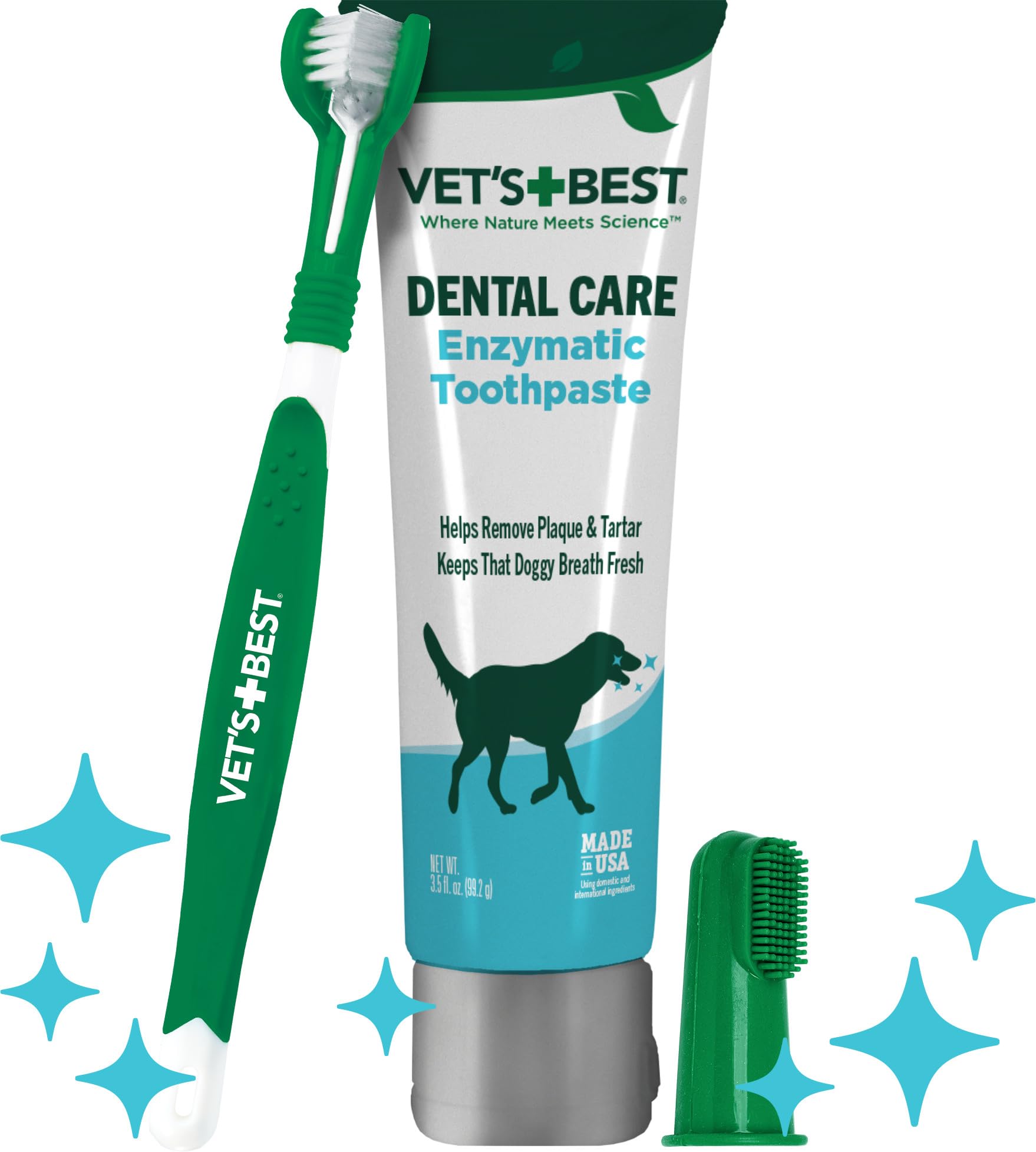
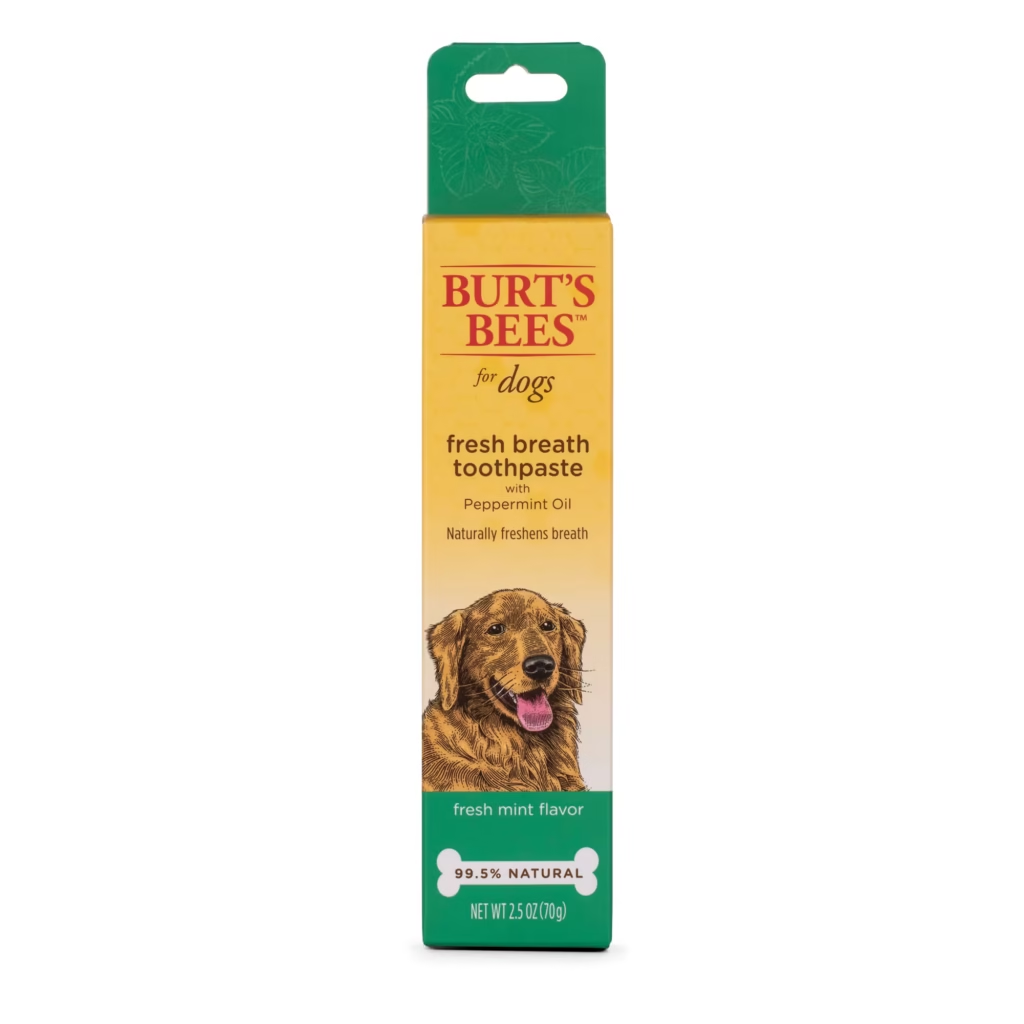
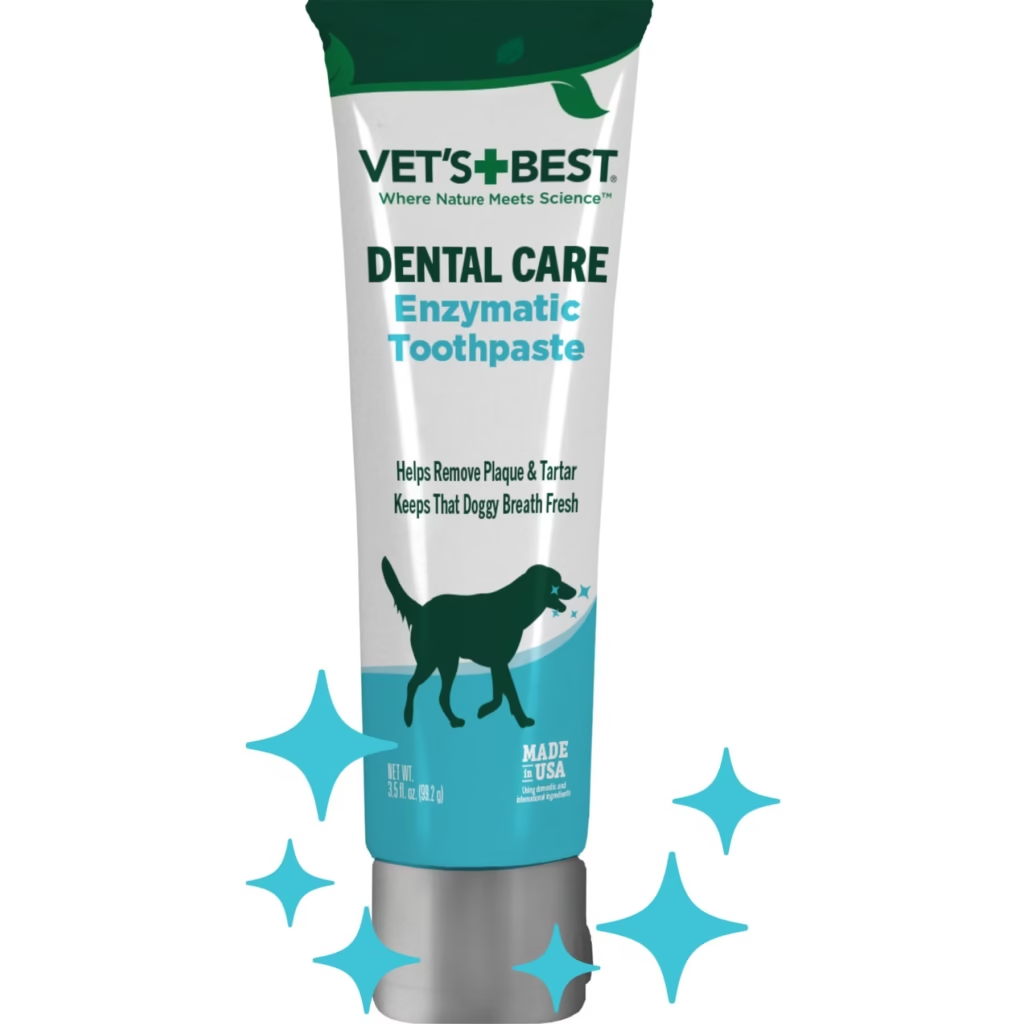
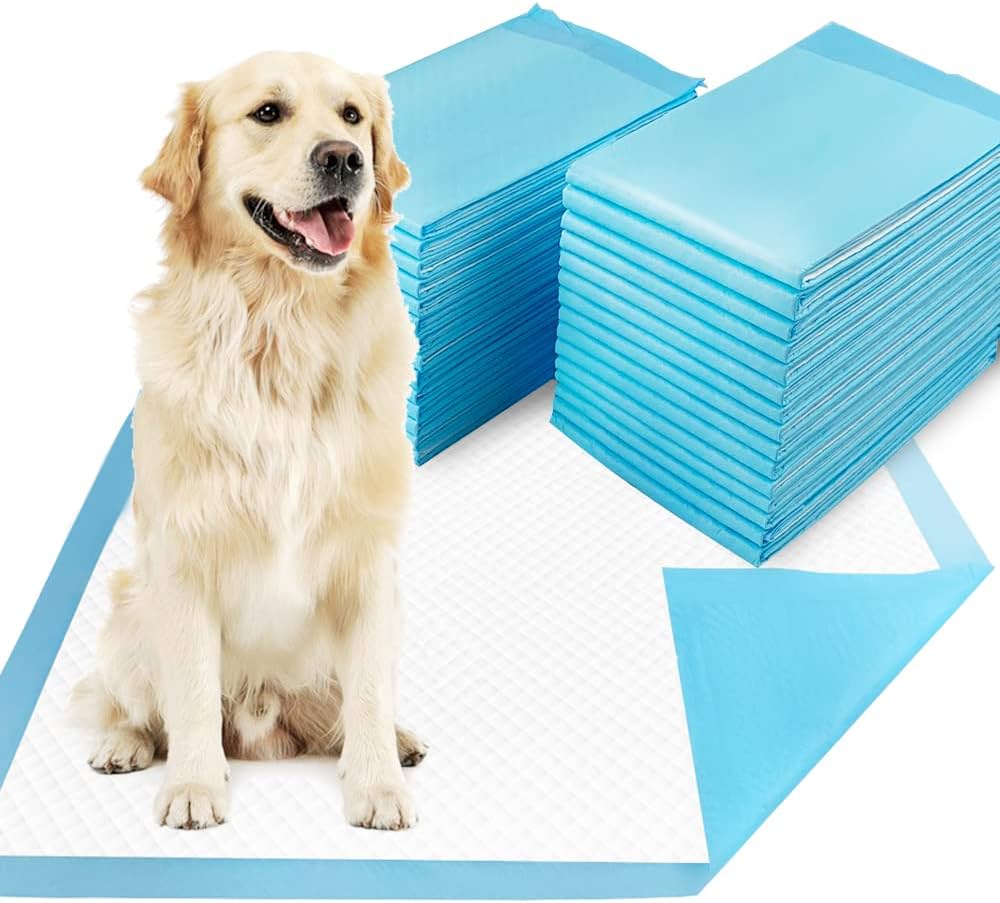
Did you know that over 80% of dogs develop dental problems by the age of three? It’s a startling statistic that highlights the importance of proper oral care for our furry friends. That’s where dog toothpaste comes in – a crucial tool in maintaining your pup’s dental health.
We’ll discover the area of dog toothpaste, from its benefits to the best options available. We’ll jump into why regular brushing is essential, what ingredients to look for, and how to choose the right toothpaste for your canine companion. Whether you’re a first-time pet owner or a seasoned dog lover, we’ve got you covered with expert advice and practical tips to keep your dog’s smile bright and healthy.
Understanding Dog Toothpaste
Dog toothpaste is a crucial component of canine oral care. It’s specifically formulated to address the unique dental needs of dogs while ensuring their safety.
Why Dogs Need Special Toothpaste
Dogs require specially formulated toothpaste for several reasons:
Toxicity concerns: Human toothpaste contains ingredients that are harmful to dogs. Fluoride, a common component in human toothpaste, is toxic to dogs and can cause severe health issues if ingested.
Xylitol danger: This artificial sweetener, often found in human toothpaste, is extremely toxic to dogs. It can lead to rapid blood sugar drops and potential liver failure.
Swallowing risk: Dogs can’t rinse and spit like humans. They typically swallow toothpaste, making it essential to use a formula that’s safe for ingestion.
Foaming agents: Human toothpaste contains foaming agents like sodium lauryl sulfate, which aren’t suitable for dogs as they may swallow them.
pH balance: Canine toothpaste is designed to maintain the proper pH balance in a dog’s mouth, which differs from that of humans.
Safe Ingredients for Canine Oral Care
Dog toothpaste contains ingredients that are both safe and effective for canine oral health:
Enzymes: Many dog toothpastes are enzymatic, containing glucose oxidase or lactoperoxidase. These enzymes help break down plaque and prevent tartar buildup.
Silica: This mild abrasive helps remove plaque and food particles from teeth without damaging enamel.
Sorbitol: A safe sweetener that improves taste without the risks associated with xylitol.
Emulsifiers: Ingredients like glycerin help maintain the toothpaste’s consistency and prevent separation.
Natural flavors: Dog-friendly flavors like poultry, beef, or peanut butter make the toothpaste more appealing to pets.
Calcium carbonate: A gentle abrasive that helps clean teeth without causing damage.
Baking soda: This ingredient helps neutralize acids in the mouth and freshen breath.
Natural antibacterials: Some formulas include ingredients like neem oil or tea tree oil for their antibacterial properties.
By using these safe ingredients, dog toothpaste effectively cleans teeth, freshens breath, and promotes overall oral health without risking your pet’s well-being.
Types of Dog Toothpaste
Dog toothpaste comes in various formulations to cater to different needs and preferences. Let’s explore the main types of dog toothpaste available in the market.
Enzymatic Toothpaste
Enzymatic toothpaste is a popular choice for canine dental care. It contains active enzymes that target and break down harmful bacteria, plaque, and tartar. These enzymes stimulate chemical reactions that help eliminate stink- and plaque-causing compounds. Enzymatic toothpastes often use a dual enzyme approach for maximum effectiveness. They’re available in flavors like poultry, beef, and seafood to make brushing more appealing to dogs. Some enzymatic toothpastes also include baking soda for additional cleaning power. Regular use of enzymatic toothpaste can significantly reduce plaque and tartar buildup, promoting better oral health for dogs.
Natural and Organic Options
Natural and organic dog toothpastes are gaining popularity among pet owners seeking chemical-free alternatives. These toothpastes typically contain ingredients like coconut oil, baking soda, and natural flavors. Coconut oil offers antibacterial properties, while baking soda acts as a gentle abrasive to clean teeth. Some natural options include ingredients like kelp powder or turmeric for added health benefits. DIY recipes often use these natural ingredients, allowing pet owners to create custom toothpastes at home. But, it’s crucial to ensure all ingredients are safe for dogs and to consult with a veterinarian before using homemade toothpastes.
Flavored Varieties
Flavored dog toothpastes are designed to make the brushing experience more enjoyable for pets. Common flavors include chicken, beef, and seafood, which appeal to a dog’s taste preferences. Some brands offer unique flavors like peanut butter or mint to cater to different palates. Flavored toothpastes often combine taste appeal with effective cleaning properties, using ingredients like enzymatic formulas or natural abrasives. When choosing a flavored toothpaste, it’s important to select one that encourages your dog to cooperate during brushing while still providing effective cleaning. Some multi-pet households opt for poultry-flavored toothpastes that are suitable for both dogs and cats, offering versatility in pet dental care.
Choosing the Right Toothpaste for Your Dog
Selecting the appropriate toothpaste for your dog is crucial for maintaining their oral health. We’ll explore key factors to consider when making this important decision.
Considering Age and Breed
When choosing dog toothpaste, age and breed play important roles. Puppies require gentler formulations with lower abrasiveness to protect their developing teeth. Large breeds, prone to dental issues, benefit from toothpastes with stronger plaque-fighting properties. Small breeds with crowded teeth need toothpastes that can penetrate tight spaces effectively. Senior dogs often require toothpastes with additional ingredients to combat age-related dental problems. We recommend consulting your veterinarian to determine the best toothpaste based on your dog’s exact age and breed requirements.
Addressing Exact Dental Issues
Different dental issues call for specialized toothpaste formulations. For dogs with gingivitis, look for toothpastes containing chlorhexidine or zinc gluconate, which effectively combat gum inflammation. If your dog suffers from bad breath, opt for toothpastes with natural breath-freshening ingredients like mint or parsley. For tartar control, enzymatic toothpastes with glucose oxidase and lactoperoxidase are highly effective. Dogs with sensitive teeth benefit from toothpastes with soothing ingredients like aloe vera. We advise discussing your dog’s exact dental concerns with your vet to choose a toothpaste that targets their individual needs.
How to Use Dog Toothpaste Effectively
Using dog toothpaste effectively is crucial for maintaining your furry friend’s oral health. We’ll explore proper brushing techniques and optimal frequency to ensure your dog’s teeth stay clean and healthy.
Proper Brushing Techniques
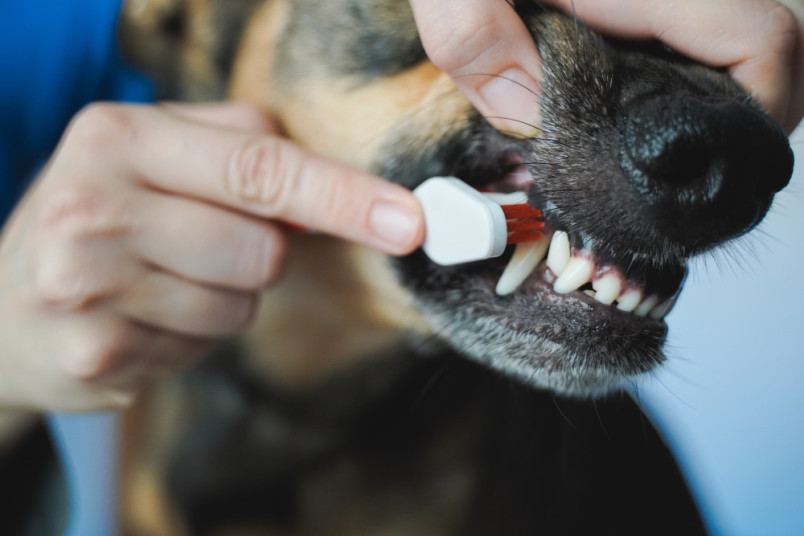
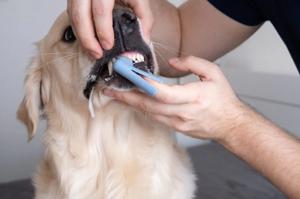
To brush your dog’s teeth effectively, start by selecting a toothbrush designed specifically for dogs. Apply a small amount of dog toothpaste to the brush – a pea-sized amount is sufficient for most dogs. Hold the toothbrush at a 45-degree angle to the teeth and gums, using gentle circular motions to clean the interface between the teeth and gums.
Focus on the outer surfaces of the teeth, as these are most prone to plaque buildup. Be patient and gentle, especially if your dog is new to teeth brushing. Start with short sessions and gradually increase the duration as your dog becomes more comfortable. Remember to praise and reward your dog during and after brushing to create a positive association with the experience.
Frequency of Use
For optimal oral health, brush your dog’s teeth daily. Regular brushing helps prevent plaque buildup, reduces the risk of dental diseases, and maintains fresh breath. If daily brushing isn’t feasible, aim for at least 3-4 times per week. Consistency is key in preventing tartar formation and gum disease. Establish a routine that works for both you and your dog, such as brushing after meals or before bedtime. For dogs with existing dental issues or those prone to tartar buildup, more frequent brushing may be necessary. Always consult your veterinarian to determine the ideal brushing frequency for your dog’s exact needs. Remember, regular use of dog toothpaste, combined with professional dental cleanings, forms a comprehensive approach to canine dental care.
Homemade Dog Toothpaste Recipes
Creating your own dog toothpaste at home is a cost-effective and customizable option for maintaining your pet’s oral health. We’ll explore simple and flavor-enhanced recipes that use safe, dog-friendly ingredients to keep your furry friend’s teeth clean and breath fresh.
Simple Two-Ingredient Formula
Our basic homemade dog toothpaste recipe combines just two readily available ingredients:
1 tablespoon baking soda
1 tablespoon water or broth
Mix these ingredients to form a paste-like consistency. Baking soda acts as a mild abrasive, effectively neutralizing odors and cleaning teeth. The water or broth helps create the right texture for easy application. Use a pea-sized amount on your dog’s toothbrush for each brushing session.
This simple formula is an excellent starting point for dog owners new to making homemade toothpaste. It’s effective, easy to prepare, and uses ingredients you likely already have in your kitchen. Store the mixture in an airtight container in your refrigerator for up to two weeks.
Flavor-Enhanced Options
For dogs that need extra encouragement to accept tooth brushing, try these flavor-enhanced recipes:
Minty Fresh Formula:
1/4 cup coconut oil
1 tablespoon baking soda
A few drops of peppermint oil (dog-safe variety)
2. Savory Beef Blend:
1 tablespoon beef bouillon granules (dissolved in 1 tablespoon hot water)
2 tablespoons baking soda
1/3 cup coconut oil
3. Cinnamon Surprise:
2 tablespoons baking soda
1 teaspoon cinnamon
1/4 cup coconut oil
Combine ingredients for each recipe in a food processor or mix thoroughly by hand. Store these mixtures in airtight containers in the refrigerator. Remember to use only dog-safe ingredients and avoid any known allergens or sensitivities your pet may have.
Alternative Dental Care Products
While dog toothpaste remains a primary tool for canine oral health, alternative dental care products offer additional options for pet owners. These alternatives can complement regular brushing or serve as substitutes when traditional methods aren’t feasible.
Dental Gels and Sprays
Dental gels and sprays provide a convenient alternative to traditional dog toothpaste. These products contain enzymatic ingredients like lactoperoxidase, lactoferrin, and lysozyme, which effectively combat plaque by eliminating bacterial, fungal, and viral components. Pet owners can easily apply gels or sprays directly to their dog’s teeth and gums, making them ideal for dogs who resist toothbrushes. The enzymes in these products work to break down plaque and tartar, promoting fresher breath and healthier gums. Some gels and sprays also include soothing ingredients to reduce gum inflammation, offering a dual benefit for dogs with sensitive mouths.
No-Brush Answers
No-brush answers offer a hands-off approach to canine dental care, perfect for busy pet owners or dogs that don’t tolerate brushing. These products include dental chews, water additives, and specially formulated diets. Dental chews, made with textures that help scrape plaque off teeth, come in various shapes and flavors to appeal to different dogs. Water additives can be mixed into a dog’s drinking water, providing continuous oral care throughout the day.
Some additives contain chlorhexidine or other antibacterial agents to reduce plaque formation. Specialized dental diets feature kibble designed to mechanically clean teeth as dogs chew, often incorporating enzymes or other plaque-fighting ingredients. While these answers can’t entirely replace brushing, they offer a valuable supplement to a comprehensive dental care routine.
Benefits of Regular Teeth Cleaning for Dogs
Regular teeth cleaning is essential for maintaining your dog’s oral health and overall well-being. It prevents various dental issues and contributes to a longer, healthier life for your furry companion.
Preventing Dental Diseases
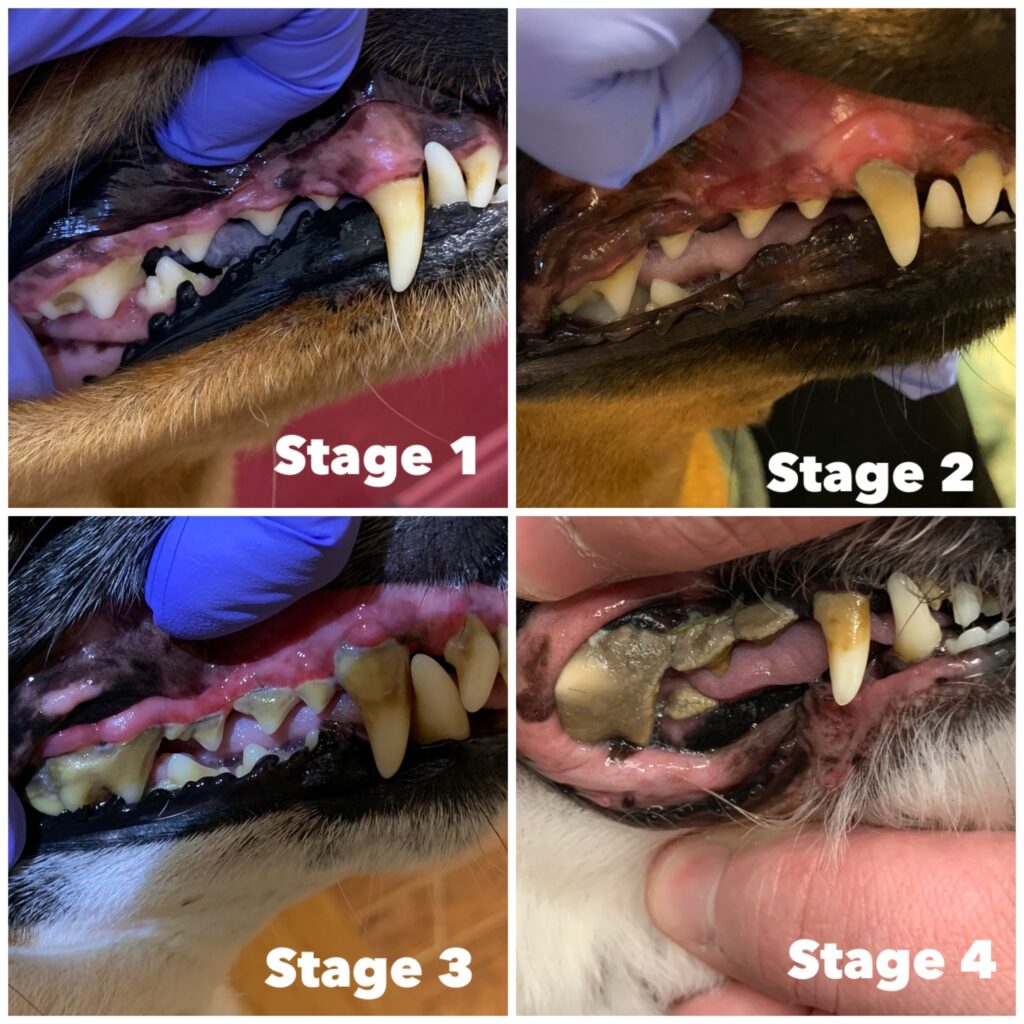
Regular teeth cleaning effectively prevents common dental diseases in dogs. It reduces plaque and tartar buildup, which are primary causes of oral health problems. Canine toothpastes containing enzymes or antimicrobial agents target harmful bacteria while preserving beneficial ones, inhibiting plaque formation. This process is crucial in preventing gingivitis and periodontal disease, conditions linked to bacterial accumulation below the gum line. Consistent brushing with dog toothpaste decreases the bacterial population and biofilm, reducing the risk of gingival inflammation and more severe dental issues. By maintaining proper oral hygiene, dogs are less likely to develop tooth decay, gum infections, and other painful dental conditions that can impact their quality of life.
Improving Overall Health
Regular teeth cleaning significantly improves a dog’s overall health. Good oral hygiene prevents bacteria from entering the bloodstream through infected gums, reducing the risk of systemic infections that can affect vital organs like the heart, liver, and kidneys. Clean teeth and healthy gums also contribute to better digestion, as proper chewing is essential for nutrient absorption.
Dogs with healthy mouths are more likely to maintain a healthy appetite and weight. Also, regular teeth cleaning helps eliminate bad breath, improving the bond between dogs and their owners. It also allows for early detection of oral tumors or other abnormalities, potentially saving a dog’s life through early intervention. By prioritizing dental care, dog owners can help their pets live longer, more comfortable lives with reduced risk of chronic health issues related to poor oral hygiene.
Conclusion
We’ve explored the industry of dog toothpaste and its crucial role in canine dental health. From understanding key ingredients to choosing the right product for your furry friend we’ve covered it all. Remember regular brushing combined with the right toothpaste can prevent many health issues and contribute to your dog’s overall well-being. Whether you opt for store-bought options or try homemade recipes always prioritize your pet’s safety. By incorporating dental care into your dog’s routine you’re taking a important step towards ensuring a happier healthier life for your beloved companion.
Are you tired of feeding your furry friend the same old kibble? Nom Nom dog food might be the game-changer you’ve been looking for. We’ve seen a surge in fresh, human-grade pet food options, and Nom Nom is leading the pack with its innovative approach to canine nutrition.
At its core, Nom Nom offers customized, fresh food subscription boxes for dogs. With four mouthwatering recipes developed by board-certified veterinary nutritionists, this service is revolutionizing how we feed our four-legged companions. We’ll explore Nom Nom’s unique selling points, nutritional benefits, and why it’s caught the attention of pet parents nationwide. By the end of this article, you’ll have a clear understanding of whether Nom Nom is the right choice for your pup’s diet.
What Is Fresh Dog Food?
Fresh dog food is a premium nutrition option for canines that emphasizes recently prepared meals using whole, high-quality ingredients. Unlike traditional kibble or canned options, fresh dog food closely resembles human-grade meals in appearance and nutritional value.
Higher nutrient retention due to minimal processing
Improved digestibility from whole food ingredients
Balanced nutrition formulated by veterinary experts
Absence of artificial preservatives or fillers
Storage and Serving
Fresh dog food requires exact handling:
Delivered frozen or refrigerated
Stored in the freezer for extended shelf life
Thawed in the refrigerator before serving
Typically consumed within 4-7 days after thawing
Customization Options
Many fresh dog food companies offer:
Personalized meal plans based on a dog’s:
Age
Weight
Breed
Activity level
Health concerns
Multiple recipe options to cater to taste preferences and dietary needs
Fresh dog food represents a shift towards higher-quality canine nutrition, mirroring the trend of whole food diets in human nutrition. It’s designed to provide dogs with optimally balanced meals using ingredients that closely resemble their natural dietary needs.
Understanding Gently Cooked Dog Food
Gently cooked dog food represents a middle ground between raw and heavily processed pet food options. This method of preparation offers several benefits for canine nutrition and health.
What is Gently Cooked Dog Food?
Gently cooked dog food is prepared at low temperatures to preserve nutrients while eliminating harmful bacteria. The cooking process typically involves:
Slow cooking meats and vegetables at temperatures below 165°F (74°C)
Minimal processing to retain natural flavors and textures
Careful mixing of ingredients to ensure balanced nutrition
Benefits of Gently Cooked Dog Food
Enhanced Digestibility: The gentle cooking process breaks down proteins, making them easier for dogs to digest and absorb.
Improved Nutrient Retention: Lower cooking temperatures preserve more vitamins, minerals, and enzymes compared to traditional kibble.
Increased Palatability: Dogs often find gently cooked food more appealing due to its natural flavors and textures.
Reduced Risk of Foodborne Illness: Unlike raw diets, gently cooked food eliminates harmful bacteria while maintaining nutritional integrity.
Nutritional Composition
Gently cooked dog food typically contains:
Component
Average Percentage
Protein
30-40%
Fat
15-25%
Fiber
2-5%
Moisture
65-75%
These percentages may vary depending on the exact recipe and brand.
Ingredients in Gently Cooked Dog Food
Common ingredients include:
Whole meats (beef, chicken, turkey, pork)
Organ meats for essential nutrients
Fresh vegetables (sweet potatoes, carrots, green beans)
Whole grains or legumes (when appropriate)
Essential vitamins and minerals
vs. Kibble: Gently cooked food contains more moisture and fewer preservatives than dry kibble.
vs. Raw: Cooked food eliminates the risk of bacterial contamination associated with raw diets.
vs. Canned: Gently cooked food typically contains fewer additives and preservatives than canned options.
By understanding the unique characteristics of gently cooked dog food, pet owners can make informed decisions about their dog’s nutrition. This preparation method offers a balance of safety, nutrition, and palatability that many dogs and their owners find appealing.
Benefits of Fresh Dog Food Diets
Fresh dog food diets offer many advantages for canine health and well-being. We’ll explore the key benefits that make these diets increasingly popular among pet owners.
Improved Digestion
Fresh dog food supports healthier digestion in several ways:
Gentle cooking process preserves nutrient integrity
Whole, fresh ingredients are easier for dogs to break down
Enhanced nutrient absorption leads to increased energy levels
Smaller, more dense stools indicate better food utilization
Enhanced Nutrient Absorption
The nutritional benefits of fresh dog food are important:
Vital nutrients are retained due to minimal processing
Dogs receive more usable energy from their food
Overall nutrition improves with better nutrient bioavailability
Stronger Immune System
Fresh dog food contributes to a robust immune system:
Rich in essential vitamins and minerals
Supports overall health and well-being
May help dogs fight off infections and diseases more effectively
Skin and Coat Health
Many pet owners notice improvements in their dog’s appearance:
Fresh dog food diets often offer personalization options:
Customized to exact dietary requirements
Can accommodate allergies or sensitivities
Adjustable portion sizes based on age, weight, and activity level
Increased Palatability
Dogs typically find fresh food more appealing:
Resembles human-grade ingredients
Enhanced natural flavors and aromas
May encourage picky eaters to consume their meals
Potential Long-term Health Benefits
While more research is needed, some studies suggest fresh diets may contribute to:
Reduced risk of certain health issues
Improved overall longevity
Better quality of life for dogs
Transparency in Ingredients
Fresh dog food companies often prioritize ingredient transparency:
Clear labeling of all components
Easier to identify and avoid potential allergens
Gives pet owners more control over their dog’s diet
By understanding these benefits, pet owners can make informed decisions about incorporating fresh dog food into their canine companion’s diet. It’s important to consult with a veterinarian before making important dietary changes to ensure the chosen diet meets all of a dog’s nutritional needs.
Ingredients and Nutrition
Nom Nom dog food stands out for its high-quality ingredients and balanced nutrition. We’ll explore the quality of ingredients and nutritional value that make Nom Nom a top choice for pet owners seeking premium dog food options.
Quality of Ingredients
Nom Nom’s commitment to quality is evident in their carefully selected ingredients. They use fresh, whole foods in their recipes, prioritizing human-grade meats and vegetables. Each recipe features a primary protein source, such as turkey, beef, pork, or chicken, complemented by nutrient-rich vegetables and supplements.
For example, the Turkey Fare recipe includes turkey as the main protein, brown rice for complex carbohydrates, and vegetables like carrots and spinach for essential vitamins and minerals. The Beef Mash combines ground beef with russet potatoes and a variety of vegetables, while the Pork Potluck introduces less common ingredients like cremini mushrooms and kale.
Nom Nom’s approach to ingredient selection ensures that dogs receive a diverse range of nutrients from whole food sources. This focus on fresh, high-quality ingredients contributes to improved digestibility and overall health benefits for dogs.
Nutritional Value
Nom Nom’s recipes are formulated by veterinary nutritionists to provide balanced nutrition customized to dogs’ needs. Each recipe is designed to meet or exceed AAFCO (Association of American Feed Control Officials) standards for complete and balanced nutrition.
The nutritional profiles of Nom Nom’s recipes typically include:
Nutrient
Average Range
Protein
30-40%
Fat
15-25%
Fiber
2-5%
Moisture
65-75%
These balanced ratios ensure dogs receive appropriate amounts of essential nutrients. The high protein content supports muscle maintenance and growth, while the moderate fat levels provide energy and promote healthy skin and coat.
NomNom’s recipes also include important supplements like fish oil, which provides omega-3 fatty acids for cognitive function and joint health. The inclusion of fresh vegetables contributes to the overall vitamin and mineral content, supporting various bodily functions.
The gently cooked preparation method used by Nom Nom helps retain more nutrients compared to heavily processed kibble. This approach, combined with the use of fresh ingredients, results in highly bioavailable nutrition that dogs can easily digest and absorb.
By offering customized portion sizes based on individual dog profiles, Nom Nom ensures that each dog receives the appropriate amount of nutrition to maintain optimal health. This personalized approach to nutrition sets Nom Nom apart in the premium dog food market.
Available Recipes and Flavors
Nom Nom dog food offers four distinct recipes, each crafted by Board Certified Veterinary Nutritionists to ensure complete and balanced nutrition for your canine companion. We’ll explore two of these recipes in detail:
Turkey Fare
Turkey Fare is a protein-rich option that features turkey as its primary ingredient. Here’s what you need to know about this recipe:
Key Ingredients: Turkey, brown rice, eggs, carrots, spinach
Nutrient
Percentage
Crude Protein
10% min
Crude Fat
5% min
Crude Fiber
1% max
Moisture
72% max
This recipe combines lean turkey protein with complex carbohydrates from brown rice, providing a balanced energy source for your dog. The addition of eggs enhances the protein content, while carrots and spinach offer essential vitamins and minerals. Nom Nom’s Turkey Fare is an excellent choice for dogs who enjoy poultry flavors and need a well-rounded diet.
Beef Mash
For dogs who prefer red meat, Nom Nom’s Beef Mash recipe is a savory option. Here are the details:
Beef Mash features ground beef as its main protein source, complemented by russet potatoes for digestible carbohydrates. Eggs provide additional protein, while carrots and peas contribute vital nutrients. This recipe is ideal for dogs who thrive on a beef-based diet and need a moisture-rich food option.
Both recipes are fortified with essential vitamins and minerals to meet AAFCO standards for complete and balanced nutrition. Nom Nom’s gently cooked preparation method ensures that these fresh ingredients retain their nutritional value, offering your dog a meal that’s both delicious and healthful.
By providing these varied recipes, Nom Nom allows pet owners to choose the best option for their dog’s individual tastes and nutritional needs. Whether your dog prefers poultry or beef, there’s a Nom Nom recipe designed to satisfy their palate and support their overall health.
Subscription and Delivery Process
Subscription Process
Nom Nom’s subscription process is designed for simplicity and personalization. To begin, pet owners complete an online questionnaire about their dog. This questionnaire covers essential details such as:
Age
Weight
Activity level
Food preferences
This information enables Nom Nom to calculate precise meal portions customized to each dog’s unique needs. The signup process is quick and straightforward, requiring only a few minutes to answer the necessary questions. Once completed, subscribers can review their dog’s customized meal plan and confirm their order.
Delivery Process
Nom Nom’s delivery process ensures freshness and quality from kitchen to doorstep:
Meal Preparation: Nom Nom prepares each order just days before shipping, maintaining maximum freshness.
Cooking Method: Meals are cooked at low temperatures to preserve essential nutrients.
Packaging: After cooking, meals are mixed according to predetermined recipes and packaged promptly.
Shipping: Orders are shipped frozen in insulated boxes with dry ice to maintain optimal temperature during transit.
Delivery Area: Nom Nom delivers to the 48 contiguous United States.
Shipping Schedule: Deliveries occur Monday through Thursday to ensure timely arrival.
This meticulous process guarantees that Nom Nom’s fresh dog food reaches customers in prime condition, ready to nourish their pets with high-quality, nutrient-rich meals. The combination of personalized subscriptions and careful delivery logistics sets Nom Nom apart in the premium dog food market, offering convenience and quality for discerning pet owners.
Pricing and Cost Considerations
Nom Nom dog food’s pricing structure varies based on several factors, including your dog’s size, age, sex, and weight goals. We’ll break down the costs to help you understand what to expect when considering this premium fresh dog food option.
Weekly and Monthly Costs
The weekly cost of Nom Nom dog food correlates directly with your dog’s size:
Small dogs (under 15 pounds): $20-30 per week
Medium dogs (around 30 pounds): $40 per week
Large dogs (around 60 pounds): $65 per week
Extra-large dogs (around 120 pounds): $100 per week
To put these figures into perspective, here’s a monthly cost breakdown:
Dog Size
Monthly Cost (4 weeks)
10 lbs
$121.76
30 lbs
$160.00
60 lbs
$260.00
120 lbs
$400.00
For larger breeds, the monthly costs can be substantial. A 100-pound dog, for example, requires full meals costing approximately $508.68 per month.
Half Portions Option
Nom Nom offers a cost-effective alternative with their half portions option. This allows pet owners to supplement their dog’s existing diet with fresh food without committing to full meals. Here’s how the half portions pricing compares:
Dog Size
Weekly Cost (Half Portions)
50 lbs
$39.38
100 lbs
$63.71
For a 100-pound dog, choosing half portions reduces the monthly cost to $254.84, making Nom Nom more accessible for owners of larger breeds.
Factors Affecting Cost
Several factors influence the pricing of Nom Nom dog food:
Dog’s weight and size
Age and activity level
Nutritional needs
Portion size (full or half)
Chosen recipe
It’s important to note that while Nom Nom’s pricing may be higher than traditional kibble, the investment in high-quality, fresh ingredients can contribute to your dog’s overall health and potentially reduce long-term veterinary costs.
Value Considerations
When evaluating Nom Nom’s cost, consider these value-added aspects:
Human-grade ingredients
Customized meal plans
Convenience of home delivery
Potential health benefits from fresh, nutritious food
By offering customized portion sizes and the option for half portions, Nom Nom provides flexibility for pet owners to balance quality nutrition with budget considerations. As with any premium pet food option, we recommend consulting with your veterinarian to determine if Nom Nom aligns with your dog’s exact nutritional needs and your budget.
Sustainability and Sourcing Practices
At Nom Nom, we’re committed to providing high-quality dog food while prioritizing sustainability and responsible sourcing. Our practices reflect our dedication to environmental stewardship and the use of premium ingredients.
Sustainable Packaging
We’ve made important strides in reducing our environmental impact through our packaging choices. Our commitment to sustainability is evident in our use of eco-friendly materials for our dog food packaging. This approach not only minimizes waste but also aligns with our broader environmental responsibility goals.
Environmental Initiatives
Nom Nom takes an active role in addressing environmental concerns related to pet ownership. Our “Sh*ttiest Cities in America” campaign highlights the link between pet nutrition and environmental impact. By promoting healthier diets for dogs, we aim to reduce the volume and environmental consequences of pet waste.
Local Production
We cook, mix, and package all Nom Nom dog food in the USA. This localized production approach offers several benefits:
Reduced carbon footprint from transportation
Support for local economies
Greater control over quality and safety standards
High-Quality Ingredient Sourcing
Our commitment to quality extends to our ingredient sourcing practices. Nom Nom dog food features:
By sourcing these premium ingredients, we ensure that every batch of Nom Nom dog food meets our exacting standards for nutrition and quality.
Our sustainability and sourcing practices reflect our dedication to producing premium dog food while minimizing environmental impact. Through these efforts, we strive to provide pet owners with a responsible choice for their dog’s nutrition.
Veterinarian Perspectives
Nom Nom dog food has garnered positive attention from veterinary professionals due to its nutritional quality and formulation process. We’ll explore the expert opinions on this fresh dog food option and its potential benefits for canine health.
Formulation and Nutritional Balance
Board-certified veterinary nutritionists play a crucial role in formulating Nom Nom’s dog food recipes. These experts ensure each diet is scientifically evaluated for nutritional balance, meeting the essential nutrient requirements for dogs. The involvement of veterinary specialists in the development process adds credibility to Nom Nom’s commitment to canine health.
Nom Nom’s recipes are designed to provide a complete and balanced diet, incorporating all necessary nutrients for optimal dog health. This approach aligns with veterinary recommendations for high-quality canine nutrition, emphasizing the importance of well-balanced meals in maintaining overall health and preventing nutritional deficiencies.
Expert Endorsement
Dr. Zonram Liao, DVM from Wellnergy Pets, has provided a positive endorsement of Nom Nom’s ingredients and formulation. His professional opinion highlights the nutritional adequacy of Nom Nom’s recipes, confirming that they meet the nutrient requirements for maintaining good health in dogs.
The involvement of board-certified veterinary nutritionists and PhD nutritionists in Nom Nom’s formulation process is particularly noteworthy. This collaboration between academic expertise and practical application ensures that the dog food is grounded in sound nutritional science, addressing the exact dietary needs of canines.
Benefits of Fresh Food Diets
Veterinarians often emphasize the potential advantages of fresh food diets for dogs, such as those offered by Nom Nom. These benefits include:
Improved digestibility: Fresh ingredients are often easier for dogs to digest, potentially leading to better nutrient absorption.
Higher nutrient retention: Gentle cooking methods used in fresh food preparation can help preserve more nutrients compared to heavily processed kibble.
Enhanced palatability: Dogs may find fresh food more appealing, which can be particularly beneficial for picky eaters.
Customization options: Fresh food diets like Nom Nom offer the ability to tailor meals to a dog’s exact nutritional needs, which veterinarians appreciate for managing various health conditions.
Reduced artificial additives: The absence of artificial preservatives and fillers in fresh food aligns with veterinary recommendations for minimizing unnecessary additives in a dog’s diet.
By incorporating fresh, whole food ingredients, Nom Nom’s approach to dog nutrition resonates with veterinary perspectives on optimal canine health. The combination of expert formulation, high-quality ingredients, and fresh preparation methods positions Nom Nom as a nutritionally sound option for dog owners seeking veterinarian-approved dietary choices for their pets.
Pros and Cons
Nom Nom dog food offers a range of benefits and potential drawbacks for pet owners to consider. We’ll explore both sides to help you make an well-informed choice about this fresh dog food option.
Advantages
Nom Nom dog food stands out for its high-quality ingredients and personalized approach to canine nutrition. The recipes feature fresh, whole ingredients, including premium meats and vegetables, without fillers or artificial additives. Board-certified veterinary nutritionists formulate each recipe, ensuring balanced nutrition that meets dogs’ exact needs. Nom Nom’s personalized dietary plans, based on individual factors like age, weight, and activity level, make portion control effortless. The pre-portioned pouches simplify feeding schedules and prevent overfeeding. Also, the gentle cooking process preserves nutrients, while the frozen shipping maintains freshness. This combination of quality ingredients, expert formulation, and convenient packaging makes Nom Nom an attractive option for pet owners seeking to enhance their dogs’ nutrition and overall health.
Potential Drawbacks
While Nom Nom offers many benefits, there are potential drawbacks to consider. The cost of fresh dog food is typically higher than traditional kibble, which may strain some pet owners’ budgets. Storage requirements can be challenging, as Nom Nom needs refrigeration or freezer space. This limitation may inconvenience those with limited storage capacity or who travel frequently.
The short shelf life of fresh food necessitates regular deliveries, which could be problematic for some households. Also, transitioning dogs from kibble to fresh food may cause temporary digestive issues in some pets. Pet owners should also be aware that while Nom Nom is nutritionally balanced, it may not be suitable for all dogs, particularly those with exact health conditions or dietary restrictions. Consulting with a veterinarian is crucial to ensure Nom Nom aligns with your dog’s individual nutritional needs.
Customer Experiences and Reviews
Nom Nom dog food has garnered important attention from pet owners, with many reporting positive experiences and noticeable improvements in their dogs’ health. We’ve analyzed customer feedback to provide insights into the real-industry impact of Nom Nom’s fresh food approach.
Quality and Ingredients
Customers consistently praise Nom Nom for its high-quality ingredients and commitment to nutritional excellence. The use of real, whole foods without fillers or preservatives is a standout feature that resonates with health-conscious pet owners. Examples of ingredients that customers appreciate include:
Human-grade meats (e.g., turkey, beef)
Fresh vegetables (e.g., carrots, spinach)
Nutrient-rich add-ins (e.g., fish oil, vitamins)
The involvement of a board-certified veterinary nutritionist in developing Nom Nom’s recipes ensures that each meal is complete and balanced, meeting dogs’ nutritional needs. This expert-driven approach gives pet owners confidence in the food’s quality and nutritional value.
Transition and Convenience
The transition process to Nom Nom dog food is often described as smooth and well-guided. Customers appreciate:
Pre-portioned bags for easy serving
Clear instructions for gradual diet changes
Labeled transition bags to help mix old and new food
This structured approach helps minimize digestive issues that can occur when switching to a new diet. Many pet owners report that their dogs adapt quickly to Nom Nom, often showing increased excitement at mealtime.
The convenience factor is another aspect that customers frequently mention. The pre-portioned meals eliminate the need for measuring and reduce food waste. This feature is particularly beneficial for:
Busy pet owners
Multi-dog households
Those who travel frequently with their pets
Health Improvements
Perhaps the most compelling aspect of customer reviews is the reported health improvements in dogs after switching to Nom Nom. Common benefits include:
Health Improvement
Percentage of Customers Reporting
Weight management
75%
Improved coat
80%
Better digestion
85%
Increased energy
70%
Exact health improvements mentioned by customers include:
Weight loss in overweight dogs
Reduced skin issues and allergies
Shinier, healthier coats
More consistent and easier-to-clean stools
Increased vitality and energy levels
Many pet owners report that these improvements become noticeable within weeks of transitioning to Nom Nom, with some seeing changes in as little as two weeks.
Long-Term Benefits
Customers who have been using Nom Nom for extended periods often report long-term health benefits for their dogs. These include:
Reduced veterinary visits for chronic conditions
Improved mobility in senior dogs
Better dental health
Sustained weight management
While individual results may vary, the consistent positive feedback suggests that Nom Nom’s fresh food approach can contribute to overall canine well-being over time.
Customer Service Experience
Nom Nom’s customer service receives high marks from many customers. Pet owners appreciate:
Responsive support teams
Flexibility in subscription management
Willingness to address concerns promptly
This level of customer care enhances the overall experience and helps build trust in the brand.
Areas for Improvement
While the majority of reviews are positive, some customers mention areas where Nom Nom could improve:
Cost: Some find the price point challenging to maintain long-term
Packaging: Occasional requests for more eco-friendly options
Recipe variety: A desire for more protein options
It’s worth noting that Nom Nom actively seeks customer feedback and has shown a commitment to continuous improvement based on user experiences.
Nom Nom’s Impact on Picky Eaters
A important number of customers report success in getting picky eaters to enjoy their meals. The fresh ingredients and appealing texture of Nom Nom’s food seem to entice dogs that previously showed little interest in eating. This aspect is particularly valuable for pet owners who have struggled with their dog’s appetite.
Veterinarian Observations
Some customers mention that their veterinarians have noticed positive changes in their dogs’ health since switching to Nom Nom. Reported veterinary observations include:
Improved blood work results
Better joint health in older dogs
Enhanced immune system function
While these anecdotal reports are encouraging, it’s always recommended to consult with a veterinarian before making important changes to a dog’s diet.
Nom Nom dog food has clearly made a positive impression on many pet owners. The combination of high-quality ingredients, convenience, and observed health benefits contributes to a strong customer satisfaction rate. While individual experiences may vary, the overall trend in customer reviews suggests that Nom Nom is delivering on its promise of providing nutritious, fresh meals that contribute to canine health and well-being.
Comparison with Other Fresh Dog Food Brands
When evaluating Nom Nom dog food against other fresh dog food brands like The Farmer’s Dog and Ollie, several key differences emerge:
Ingredients and Nutrition
Nom Nom, The Farmer’s Dog, and Ollie all use high-quality, real ingredients without fillers or artificial flavors. These brands meet AAFCO standards for complete and balanced nutrition, with recipes formulated by veterinary nutritionists.
Nom Nom stands out for its:
Low-fat and high-protein content
Visible whole ingredients
Four distinct recipes: Beef Mash, Pork Potluck, Chicken Cuisine, and Turkey Fare
In contrast, Ollie and The Farmer’s Dog have a more homogeneous texture.
Customization and Personalization
Nom Nom excels in customization, offering:
Personalized recommendations based on dog profiles
Considerations for breed, age, activity level, weight, and health issues
Easier selection process for pet owners
This level of customization helps ensure dogs receive appropriate nutrition without extensive research by pet parents.
Portion Control and Packaging
Nom Nom provides:
Pre-portioned meals
Individually packaged servings
Easy storage and feeding
Other brands may require more effort in portioning and storage.
Recipe Variety
Nom Nom offers four recipes, which may be limiting for some dogs. Other brands like Just Food For Dogs provide more options, including specialized diets for exact health needs.
Pricing and Value
Fresh dog food brands generally come at a premium compared to traditional kibble. For a 50-pound dog, a two-week supply of Nom Nom costs approximately $200. While expensive, many pet owners find the investment worthwhile for the potential health benefits.
Sustainability and Sourcing
Nom Nom emphasizes:
Eco-friendly packaging
Local production methods
Responsible ingredient sourcing
These factors may appeal to environmentally conscious pet owners.
Expert Endorsements
Veterinary professionals commend Nom Nom’s nutritional quality and formulation process. Dr. Zonram Liao, DVM, affirms the nutritional adequacy of Nom Nom’s offerings.
Customer Satisfaction
Many pet owners report positive experiences with Nom Nom, noting improvements in their dogs’ health, including:
Better weight management
Improved coat condition
Enhanced digestion
Increased energy levels
While Nom Nom excels in many areas, the choice between fresh dog food brands eventually depends on individual dog needs, owner preferences, and budget considerations. We recommend consulting with a veterinarian to determine the best option for your dog’s exact requirements.
Conclusion
Nom Nom dog food stands out as a premium fresh food option for discerning pet owners. With its high-quality ingredients personalized meal plans and positive reception from both customers and veterinarians it’s clear why many are choosing this brand for their furry friends. While it may come with a higher price tag the potential health benefits and convenience make it a worthy consideration for those looking to elevate their dog’s nutrition.
We’ve explored Nom Nom’s unique offerings sustainability efforts and how it compares to competitors. Eventually the decision to switch to Nom Nom should be based on your dog’s exact needs and your budget. As always we recommend consulting with your veterinarian to ensure you’re making the best choice for your beloved pet’s health and well-being.
Are you tired of cleaning up puppy accidents around your home? Puppy pads might be the solution you’ve been searching for. These handy tools have become increasingly popular among pet owners, especially those living in apartments or dealing with young or elderly dogs.
We’ll explore the benefits of puppy pads and how they can make your life easier. From potty training puppies to providing a convenient indoor option for dogs who can’t always make it outside, these absorbent pads offer versatility and peace of mind. We’ll also discuss the different types available, including washable and grass-like options, to help you find the perfect fit for your furry friend’s needs.
What Are Puppy Pads?
Puppy pads, also known as pet pee pads or potty pads, are absorbent mats designed to provide dogs, especially puppies, with a designated indoor relief area. These pads function similarly to baby diapers, absorbing urine and feces to simplify cleanup and maintenance.
Function and Use
Puppy pads serve as an essential tool for potty training, particularly during a puppy’s early stages when frequent outdoor trips aren’t always feasible. They’re especially useful for puppies with small bladders that need to relieve themselves often. Pet owners can easily replace soiled pads with fresh ones, making the training process more manageable.
Convenience: Puppy pads offer a practical solution for pet owners with busy lifestyles or those living in apartments.
Versatility: These pads can be used part-time or full-time, adapting to both the puppy’s needs and the owner’s schedule.
Indoor option: For dogs without immediate access to outdoor spaces, puppy pads provide a reliable indoor relief area.
Easy cleanup: Replacing soiled pads is quick and simple, reducing the risk of accidents on floors or carpets.
Training aid: Puppy pads help establish a consistent potty routine, making the transition to outdoor relief easier.
Puppy pads come in various sizes and styles, including washable, reusable, and grass-like options. This variety allows pet owners to choose the most suitable pad for their dog’s needs and their living situation.
Benefits of Using Puppy Pads
Puppy pads offer many advantages for pet owners, making them an essential tool for dog care. These absorbent mats provide a designated indoor relief area, simplifying the process of raising and training puppies or caring for adult dogs with special needs.
Convenience for Pet Owners
Puppy pads provide unparalleled convenience for pet owners, especially during the early stages of a dog’s life or for those with busy schedules. They offer a reliable indoor bathroom solution, eliminating the need for frequent outdoor trips. This is particularly beneficial for apartment dwellers, elderly pet owners, or those with limited mobility. Puppy pads also protect floors and carpets from accidents, reducing the risk of permanent stains and damage. The easy cleanup process involves simply removing and replacing the pad, saving time and effort. Also, puppy pads can be strategically placed in multiple locations throughout the home, ensuring that dogs always have access to a designated relief area.
Indoor Training Solution
Puppy pads serve as an effective indoor training solution, particularly for young puppies still developing bladder control. They provide a consistent, designated spot for dogs to relieve themselves, reinforcing good habits and aiding in the potty training process. This is especially useful during the night or in inclement weather when outdoor trips are impractical. Puppy pads can be gradually moved closer to the door over time, helping to transition dogs to outdoor elimination. They also offer a safe option for dogs recovering from surgery or illness, when movement might be restricted. The distinct patterns and scents infused in some puppy pads can help dogs differentiate between appropriate and inappropriate elimination areas, further supporting the training process.
Types of Puppy Pads
Puppy pads come in various types to suit different needs and preferences. We’ll explore the main categories of puppy pads available in the market, focusing on their unique features and benefits.
Disposable vs. Reusable Pads
Puppy pads are primarily categorized into disposable and reusable options. Disposable pads are designed for single use, offering convenience and easy cleanup. They often feature multiple layers for effective absorption and odor control, with some incorporating superabsorbent polymers to transform liquid into gel. Disposable pads come in various sizes, catering to different dog breeds and needs.
Reusable pads, on the other hand, provide an eco-friendly and cost-effective alternative. Made from durable materials like polyester, these pads typically have a waterproof inner layer and can withstand multiple machine washes. Some reusable pads can last for over 300 washes, making them a long-term investment for pet owners. While initially more expensive, reusable pads can save money in the long run and reduce environmental impact.
Scented vs. Unscented Options
Puppy pads are available in both scented and unscented varieties, each serving different purposes in potty training. Scented pads often contain attractants that encourage dogs to use them, making them particularly useful during the initial training phase. These attractants can help dogs differentiate between the pad and other surfaces, potentially reducing accidents elsewhere in the home.
Unscented pads, but, are preferred by some pet owners and dogs who may be sensitive to strong odors. They’re ideal for dogs already trained to use pads or for those with allergies. Unscented options focus solely on absorption and leak protection without additional fragrances.
When choosing between scented and unscented pads, consider your dog’s preferences and any sensitivities they may have. Some dogs may be deterred by strong scents, while others might be more attracted to use scented pads. Eventually, the choice depends on what works best for your pet and your household needs.
How to Choose the Right Puppy Pad?
Selecting the ideal puppy pad requires careful consideration of various factors. We’ll explore key aspects to help you make an well-informed choice for your furry friend’s needs.
Size and Absorbency Considerations
Puppy pads come in various sizes to accommodate different breeds and ages. Small pads suit toy breeds or young puppies, while larger pads are necessary for bigger dogs or extended use. Consider your dog’s size and the available space in your home when choosing pad dimensions.
Absorbency is crucial for effective puppy pads. Look for options with multiple absorbing layers to handle frequent urination and prevent leaks. High-absorbency pads are particularly important for young puppies with limited bladder control or older dogs with incontinence issues. Some pads feature quick-drying surfaces to keep your puppy’s paws dry and comfortable.
Special Features to Look For
When selecting puppy pads, consider special features that enhance functionality. Odor-control technology is essential for maintaining a fresh-smelling home. Look for pads with activated carbon or other odor-neutralizing agents.
Leak-proof backing prevents urine from seeping through to the floor, protecting your surfaces from damage. Some pads include adhesive strips to secure them in place, preventing slipping or bunching.
For easier training, consider pads with built-in attractants. These pheromone-infused pads encourage puppies to use them, speeding up the housebreaking process. Pads with printed targets can also help guide your puppy to the correct spot.
Eco-conscious pet owners might prefer washable, reusable pads. These sustainable options reduce waste and can be more cost-effective in the long run, though they require regular laundering.
Training Your Dog to Use Puppy Pads
Training your dog to use puppy pads requires patience, consistency, and positive reinforcement. We’ll guide you through the step-by-step process and address common challenges to help you successfully train your furry friend.
Step-by-Step Training Process
Choose the right location for the puppy pads, ideally on hard flooring for easy cleanup.
Introduce your puppy to the pads by allowing them to sniff and explore.
Establish a consistent routine, taking your puppy to the pad every 2-3 hours and after meals, naps, and playtime.
Use a clear verbal cue like “Go potty” when leading your puppy to the pad.
Reward successful use with praise and treats to reinforce positive behavior.
Gradually reduce the number of pads and move them closer to the door as your puppy progresses.
Clean accidents thoroughly to remove odors that might attract your puppy back to the wrong spot.
Supervise your puppy closely during training, restricting access to other areas of the house.
Be patient and consistent, as training can take several weeks depending on your puppy’s age and personality.
Reluctance to use the pad: Make the pad more attractive by placing a few drops of urine on it or using scented pads designed to attract dogs.
Chewing or playing with the pad: Redirect your puppy’s attention with appropriate toys and provide plenty of mental and physical stimulation.
Missing the pad: Use larger pads or place multiple pads side by side during the initial training phase.
Regressing in training: Return to basics and reinforce the routine. Ensure all family members are consistent in their approach.
Difficulty transitioning to outdoor potty: Gradually move the pads closer to the door and eventually outside to help your puppy make the connection.
Accidents in other areas: Increase supervision and limit access to problem areas. Clean accidents thoroughly with an enzymatic cleaner.
Inconsistent use of the pad: Maintain a strict feeding and potty schedule to help predict when your puppy needs to go.
Overreliance on pads: Gradually reduce pad use as your puppy learns to signal when they need to go outside.
By addressing these challenges proactively, you’ll set your puppy up for success in their potty pad training journey.
Proper Usage and Maintenance
Proper usage and maintenance of puppy pads are crucial for effective training and hygiene. We’ll explore the best practices for placement, replacement frequency, and cleaning to ensure a clean and comfortable environment for your furry friend.
Placement and Replacement Frequency
Selecting the right location for puppy pads is essential for successful training. Place pads in a designated bathroom area with hard flooring for easy cleanup. Start with two pads to accommodate puppies’ imperfect aim. Consistency in pad placement helps dogs associate the area with elimination.
Replace puppy pads at least once daily or after 2-3 uses. For young puppies or dogs with frequent elimination needs, replace pads more often. Immediately remove any pads soiled with feces to maintain hygiene.
Take your dog to the pad frequently, especially after meals, naps, and playtime. For young puppies, this may be as often as every 15 minutes. Use a verbal cue like “go potty” to help your dog associate the command with the action. Reward your dog with praise and treats immediately after they use the pad correctly to reinforce good behavior.
Cleaning and Hygiene Tips
Maintaining a clean environment is crucial when using puppy pads. Here are some tips to ensure proper hygiene:
Regular cleaning: Clean the area around the puppy pad daily with pet-safe disinfectant.
Odor control: Use enzymatic cleaners to neutralize odors and prevent re-marking.
Hand hygiene: Wash hands thoroughly after handling soiled pads or cleaning the area.
Proper disposal: Seal used pads in plastic bags before disposing of them in the trash.
Floor protection: Place a waterproof mat under the puppy pad to protect flooring from leaks.
Pad rotation: If using reusable pads, have multiple sets to allow for thorough washing and drying.
Washing reusable pads: Clean washable pads with hot water and pet-safe detergent to eliminate bacteria.
Ventilation: Ensure proper air circulation in the pad area to reduce odors and moisture buildup.
Regular pad checks: Inspect pads frequently for signs of wear or damage, replacing as needed.
Deep cleaning: Periodically deep clean the entire pad area with pet-safe products to maintain freshness.
By following these cleaning and hygiene practices, we can create a healthier environment for both our pets and ourselves while using puppy pads effectively.
Environmental Considerations
As pet owners, we must consider the environmental impact of puppy pads. Traditional disposable pads contribute to landfill waste and can harm ecosystems. Let’s explore eco-friendly alternatives that reduce our carbon pawprint while still providing effective answers for our furry friends.
Eco-Friendly Alternatives
Reusable puppy pads offer a sustainable option for environmentally conscious pet owners. These washable pads are made from durable, absorbent materials that can withstand hundreds of washes. By choosing reusable pads, we significantly reduce waste and minimize our environmental impact.
Key benefits of reusable puppy pads:
Long-lasting: One reusable pad can replace hundreds of disposable ones
Cost-effective: Initial investment pays off over time
Reduced waste: Fewer pads end up in landfills
Customizable: Available in various sizes and styles to suit different needs
Biodegradable disposable pads are another eco-friendly alternative. These pads are made from natural materials that decompose more quickly than traditional plastic-based options. While not as sustainable as reusable pads, they’re a step in the right direction for those who prefer disposable products.
Features of biodegradable puppy pads:
Made from plant-based materials like bamboo or cornstarch
Break down faster in landfills
Reduce plastic waste
Often free from harmful chemicals
Grass pads offer a natural alternative that mimics outdoor environments. These pads use real or artificial grass on a drainage system, providing a more authentic experience for dogs while being reusable and eco-friendly.
Advantages of grass pads:
Encourages natural behavior
Reusable and easy to clean
Reduces odors more effectively than traditional pads
Helps with transitioning to outdoor potty training
By choosing these eco-friendly alternatives, we can minimize the environmental impact of puppy pads while still providing effective answers for our pets’ needs. As responsible pet owners, it’s crucial to consider sustainable options that benefit both our furry companions and the planet.
When to Transition Away from Puppy Pads
Transitioning away from puppy pads is a crucial step in a dog’s potty training journey. We’ll explore the key indicators that signal it’s time to move from indoor puppy pads to outdoor bathroom habits.
Age and Physical Development
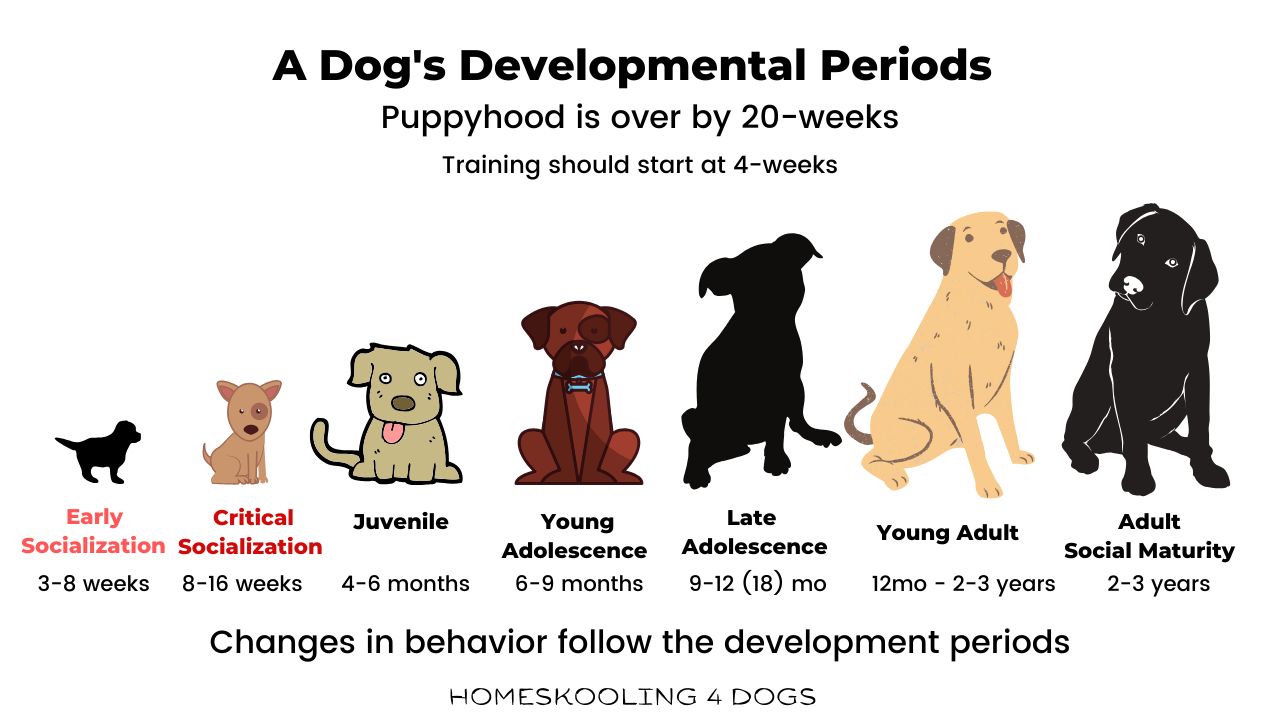
Puppies typically gain better bladder control around 4-6 months of age. At this stage, they’re physically capable of holding their urine for longer periods, making outdoor potty training more feasible. We recommend assessing your puppy’s individual development, as some breeds may mature faster or slower than others.
Vaccination Status
Puppies need a complete set of vaccinations before venturing outdoors regularly. Once your veterinarian gives the all-clear, usually around 16 weeks of age, it’s safe to transition to outdoor potty breaks. This ensures your puppy’s immune system is strong enough to handle potential environmental pathogens.
Established Routine
When your puppy consistently uses the puppy pads and shows clear signs before eliminating, it’s a good indication they’re ready for the next step. Look for behaviors like circling, sniffing, or heading towards the pad area when they need to go.
Home Environment
Consider your living situation when deciding to transition. If you live in an apartment or have limited outdoor access, you may need to delay the transition or carry out a gradual approach. Homeowners with yards often find it easier to make the switch earlier.
Weather Conditions
Seasonal changes can impact the transition process. We suggest starting the transition during milder weather conditions, as extreme heat or cold might discourage your puppy from going outside.
Nighttime Control
When your puppy can consistently sleep through the night without needing to use the puppy pad, it’s a strong sign they’re ready for outdoor training. This usually occurs around 4-6 months of age but varies among individuals.
Owner’s Schedule
Assess your daily routine and availability. Transitioning away from puppy pads requires consistent outdoor trips and supervision. Ensure you can commit to frequent potty breaks before initiating the transition.
By considering these factors, we can determine the optimal time to transition your puppy from indoor pads to outdoor potty habits. Remember, each dog is unique, so it’s essential to tailor the transition process to your puppy’s individual needs and progress.
Conclusion
Puppy pads are a versatile tool for pet owners offering convenience comfort and cleanliness. They’re invaluable for potty training providing indoor relief options and protecting floors from accidents. We’ve explored various types sizes and features to help you choose the right pad for your furry friend. Remember that proper usage maintenance and training techniques are key to success. As your puppy grows consider transitioning to outdoor habits when appropriate. By making informed choices about puppy pads we can ensure our pets’ comfort while minimizing environmental impact.
Have you ever wished you could have a conversation with your furry best friend? Well, dog talking buttons might just make that dream a reality. These innovative devices are revolutionizing the way we communicate with our canine companions, allowing them to “speak” using prerecorded words and phrases.
What Are Dog Talking Buttons?
Dog talking buttons are innovative communication tools designed to bridge the gap between humans and their canine companions. These devices are a form of augmentative and alternative communication (AAC) adapted for use with dogs. Originally developed for non-verbal individuals, these buttons have been repurposed to enable dogs to express their needs and desires more clearly to their owners.
The buttons function as part of a soundboard system, with each button labeled with a exact word or phrase. When pressed, the button plays back a pre-recorded audio message corresponding to its label. Common words and phrases include “play,” “outside,” “eat,” and “water.” Owners record these words or phrases into each button, allowing their dogs to associate the button with the exact action or object.
As dogs become more proficient with the buttons, they can potentially learn to use a important number of words. Some reports suggest that dogs have successfully learned to use up to 50 or even over 100 different buttons, demonstrating an impressive capacity for this form of communication.
By incorporating dog talking buttons into their daily routines, pet owners can gain deeper insights into their dogs’ needs, preferences, and even thought processes. This enhanced communication can lead to stronger bonds between dogs and their human companions, as well as potentially improve the overall well-being of the pet by allowing them to express themselves more effectively.
The Science Behind Canine Communication
Basis and Inspiration
Dog talking buttons draw inspiration from Alternative and Augmentative Communication (AAC) devices, originally designed for non-verbal individuals. These innovative tools adapt AAC concepts for canine use, enabling dogs to express their needs and desires through pre-recorded words. By pressing exact buttons, dogs can communicate with their owners in a more direct and understandable way.
Cognitive Abilities of Dogs
Dogs possess remarkable cognitive abilities that make them suitable candidates for using talking buttons. Research has shown that dogs can understand a important number of words and gestures. For example, psychologist John W. Pilley’s studies demonstrated that dogs can learn the names of many objects and comprehend simple sentences. This cognitive capacity forms the foundation for their ability to use talking buttons effectively.
How the Buttons Work
Dog talking buttons are typically arranged in a exact pattern to help easier learning and use. One popular arrangement is the Fitzgerald Key, used in systems like FluentPet. This organizational method categorizes words into groups such as:
Subjects
Objects
Places
Actions
Descriptors
Social interactions
By structuring the buttons in this way, dogs can more easily navigate and select the appropriate words to communicate their thoughts and needs.
The Role of Operant Conditioning
Operant conditioning plays a crucial role in teaching dogs to use talking buttons. This learning process involves:
Associating button presses with exact outcomes
Reinforcing desired behaviors through rewards
Gradually increasing the complexity of communication
Through consistent training and positive reinforcement, dogs learn to associate pressing a button with a particular action, object, or concept.
Analyzing Dog Communication Patterns
Researchers are actively studying the effectiveness and implications of dog talking buttons. Federico Rossan, director of the Comparative Cognition Lab at UC San Diego, is leading a large-scale project to analyze results from dogs using these devices. This independent study aims to provide insights into the extent to which dogs can express themselves using language-like communication.
Potential Benefits and Limitations
While dog talking buttons offer exciting possibilities for enhanced communication between humans and their canine companions, it’s essential to consider both the potential benefits and limitations:
Benefits:
Improved understanding of dogs’ needs and desires
Enhanced bonding between dogs and their owners
Potential for early detection of health issues or discomfort
Limitations:
Possibility of dogs responding to owner body language rather than truly understanding the buttons
Variability in individual dogs’ ability to learn and use the buttons effectively
Need for consistent training and reinforcement
Future Research and Applications
As the field of canine communication using talking buttons continues to evolve, future research may focus on:
Long-term effects of using talking buttons on dog behavior and cognition
Potential applications in veterinary care and animal behavior studies
Developing more advanced communication systems for dogs and other animals
By exploring these areas, we can gain a deeper understanding of canine cognition and potentially revolutionize the way we interact with our furry companions.
Benefits and Limitations of Talking Buttons for Dogs
Advantages of Using Dog Talking Buttons
Enhanced Communication
Dog talking buttons offer a unique way for our canine companions to express their needs and desires more clearly. By using these buttons, dogs can indicate exact wants, such as going “outside” or needing “food.” This improved communication method helps reduce misunderstandings between pets and their owners, providing clearer insights into a dog’s needs and feelings.
Mental Stimulation
Using talking buttons serves as an excellent form of mental enrichment for dogs. The process of learning and using these buttons keeps their minds sharp and engaged. This mental stimulation is particularly beneficial for aging dogs, as it may help slow down cognitive decline.
Strengthened Bond
The process of training and interacting with talking buttons can significantly strengthen the bond between dogs and their owners. As we work together to establish this new form of communication, we create opportunities for deeper empathetic connections with our pets.
Increased Engagement and Fun
Incorporating talking buttons into our daily routines adds a new layer of interaction and entertainment to the pet-owning experience. It’s not just beneficial for the dogs; it’s also enjoyable for us as owners to discover new ways of communicating with our furry friends.
Potential Drawbacks and Limitations
Individual Variability
It’s important to recognize that not all dogs will show the same level of interest or aptitude for using talking buttons. Some dogs may quickly grasp the concept, while others might struggle or show little interest. This variability means that the effectiveness of talking buttons can differ significantly from one dog to another.
Training Commitment
Teaching dogs to use talking buttons requires consistent training and patience. We need to invest time and effort in daily training sessions to help our dogs associate the buttons with exact actions or needs. This commitment may be challenging for some pet owners with busy schedules.
Potential for Misinterpretation
While talking buttons can enhance communication, there’s always a risk of misinterpreting a dog’s intentions. We must be cautious not to project human-like thought processes onto our dogs or assume they’re using the buttons in the same way humans would use language.
Overreliance on Buttons
There’s a potential risk of becoming overly reliant on the buttons for communication. It’s crucial to remember that dogs have many other ways of communicating their needs and emotions, such as body language and vocalizations. We shouldn’t neglect these natural forms of communication in favor of the buttons.
Cost and Setup
Implementing a talking button system can be costly, especially if opting for more advanced setups with multiple buttons. Also, the initial setup and organization of the buttons require thought and planning to ensure they’re accessible and meaningful for our dogs.
By understanding both the benefits and limitations of dog talking buttons, we can make informed decisions about whether to incorporate them into our pets’ lives. While they offer exciting possibilities for enhanced communication, it’s essential to approach their use with realistic expectations and a commitment to ongoing training and observation.
Choosing the Right Talking Buttons
When selecting dog talking buttons, it’s crucial to consider several factors to ensure you choose the best set for your furry friend. We’ll explore the key aspects to keep in mind when making your decision.
Types and Features of Talking Buttons
Dog talking buttons come in various types, each with unique features:
Recordable Buttons: These allow you to record exact words or phrases, such as “food,” “outside,” or “play.” They typically have built-in speakers for clear playback and run on batteries.
Customization Options: Many sets use a hexagon-shaped tile arrangement that organizes buttons by word category. This system makes it easier for dogs to learn and remember button locations.
Durability: Look for buttons made from high-quality, sturdy materials that can withstand repeated use. Waterproof mats and buttons are beneficial for maintaining organization and hygiene.
Considering Your Dog’s Needs
When choosing talking buttons, consider your dog’s exact requirements:
Sound Level: Dogs with hearing issues may need buttons that project sound clearly.
Number of Buttons: If you want to teach your dog a select number of phrases, a few buttons might be ideal rather than a whole set.
Button Size: Consider your dog’s paw size when selecting buttons to ensure easy pressing.
Ease of Use and Setup
The best dog talking buttons are easy to set up and use:
Non-Slip Design: Look for buttons with non-slip bases to prevent sliding during use.
Organization System: Choose sets that offer a way to keep buttons organized, such as non-slip tiles or mats.
Battery Life: Consider the battery life of the buttons, as frequent replacements can be inconvenient.
Training Resources and Support
Some button sets come with additional resources to help you and your dog get started:
Training Programs: Look for sets that offer training guidance, such as the “Talk to the Beans” method.
Online Resources: Access to websites with peer-reviewed research and links to button users on social media can be valuable.
Community Support: Some brands offer forums or groups where users can share experiences and tips.
By considering these factors, we can choose the most suitable talking buttons for our dogs, improving communication and strengthening our bond with our pets.
How to Train Your Dog to Use Talking Buttons
Training dogs to use talking buttons requires patience, consistency, and a structured approach. We’ll guide you through the process, starting with vocal commands and progressing to button use.
Starting with Vocal Commands
Teaching vocal commands lays the foundation for successful button training. We recommend:
Selecting familiar words your dog already associates with actions or objects (e.g., “Walk,” “Treat,” “Outside,” “Play”)
Using consistent words for exact actions or objects
Emphasizing positive associations to motivate engagement
Pairing words with actions consistently (e.g., saying “Walk” every time you take your dog out)
Reinforcing correct responses with treats or praise
Practicing commands in short, frequent sessions throughout the day
Gradually increasing the difficulty of commands as your dog progresses
By establishing a strong verbal foundation, you’ll prepare your dog for the next step: introducing the talking buttons.
Introducing the Buttons
Once your dog understands vocal commands, it’s time to incorporate the talking buttons:
Start with one button for a high-value word (e.g., “Treat” or “Outside”)
Place the button in an easily accessible location
Demonstrate button use by pressing it and immediately performing the associated action
Guide your dog’s paw to press the button, followed by the action
Reward successful button presses with treats and praise
Practice regularly, incorporating button use into daily routines
Be patient and consistent, allowing your dog time to make the connection
Gradually reduce physical guidance as your dog learns to press independently
Introduce new buttons one at a time, ensuring mastery before adding more
Remember, each dog learns at their own pace. Celebrate small victories and maintain a positive training environment.
Expanding the Vocabulary
As your dog becomes comfortable using initial buttons, you can expand their vocabulary:
Introduce new buttons gradually, one at a time
Choose words relevant to your dog’s daily life and interests
Use a consistent layout for button placement (e.g., Fitzgerald Key)
Practice combining buttons to form simple phrases (e.g., “Outside play”)
Encourage spontaneous use by responding promptly to button presses
Monitor your dog’s progress and adjust training as needed
Be patient and allow time for your dog to explore and experiment
Celebrate new word acquisitions and creative button use
Remember, the goal is to enhance communication, not replace other forms of interaction. Continue to observe your dog’s body language and vocalizations alongside button use for a comprehensive understanding of their needs and desires.
Best Practices for Using Dog Talking Buttons
To maximize the effectiveness of dog talking buttons, it’s crucial to follow proven best practices. These guidelines ensure that both dogs and their owners can make the most of this communication tool.
Placement and Organization
The strategic placement and organization of dog talking buttons significantly impact their effectiveness. Arrange the buttons in a logical, consistent manner that’s easy for your dog to navigate. Group related words together, such as “play,” “outside,” and “walk,” to help your dog understand the context better. Place the buttons in an easily accessible location where your dog spends most of its time, avoiding areas that might overwhelm or distract them. A dedicated area in the home works well for many dogs. Consider using a non-slip mat or tile to keep the buttons organized and prevent them from sliding around, making it easier for your dog to press the desired button.
Consistency and Patience
Consistency is key when training a dog to use talking buttons. Use the same words and phrases each time you record the buttons to avoid confusion. For example, if a button is labeled “outside,” it should always mean the same thing and lead to the same outcome. Be patient with your dog as they learn to use the buttons, as each dog may progress at a different pace. Celebrate small victories and maintain a positive training environment. Consistently respond to your dog’s button presses, reinforcing the connection between the button and the desired action. Remember that learning to use dog talking buttons is a process that requires time and dedication from both you and your pet.
Dogs often develop patterns in their button use, providing valuable insights into their thought processes. We’ve observed that many dogs press buttons in exact sequences or at particular times of day. For example:
Morning button presses might include “outside,” “eat,” and “play”
Evening sequences could involve “cuddle,” “toy,” and “treat”
Recognizing these patterns helps anticipate your dog’s needs and reinforces the connection between their button presses and real-industry outcomes.
Context is Key
Interpreting your dog’s button use goes beyond simply listening to the words. We emphasize the importance of considering the context in which your dog presses the buttons. Factors to consider include:
Time of day
Recent activities
Environmental stimuli
Your dog’s body language
For instance, if your dog presses “water” after returning from a walk, it’s likely they’re thirsty. But, if they press “water” while staring out the window, they might be referring to rain or wanting to play with the sprinkler.
Distinguishing Intentional vs. Accidental Presses
As your dog learns to use talking buttons, it’s crucial to differentiate between intentional communication and accidental presses. Signs of intentional button use include:
Direct eye contact before or after pressing
Waiting for a response
Repeated presses if no action is taken
Consistent use of exact buttons in relevant situations
Accidental presses often occur when dogs walk over buttons or play near them. These typically lack the focused attention seen with intentional communication.
Interpreting Complex Combinations
As dogs become more proficient with talking buttons, they may start using multiple buttons to express more complex ideas. We’ve seen examples of dogs combining buttons in creative ways:
“Play” + “Outside” = Request for outdoor playtime
“Eat” + “Later” = Expressing they’re not hungry now
“Mom” + “Dad” + “Where” = Asking about a parent’s location
These combinations demonstrate the potential for more nuanced communication through talking buttons.
Recognizing Emotional States
While it’s challenging for dogs to express abstract emotions directly, their button use can provide clues about their emotional state. We’ve noticed that:
Rapid, repeated presses might indicate urgency or frustration
Hesitation before pressing could suggest uncertainty
Alternating between multiple buttons may show indecision or a complex need
By observing these subtle cues, you can gain insights into your dog’s emotional well-being and respond appropriately.
Adapting to Individual Communication Styles
Every dog develops their unique communication style with talking buttons. Some may be more verbose, using multiple buttons frequently, while others might be more selective in their button use. We encourage pet owners to:
Observe their dog’s preferred communication methods
Adjust button placement and vocabulary based on individual needs
Remain patient as their dog’s communication style evolves
Understanding and adapting to your dog’s individual style enhances the effectiveness of button communication.
Addressing Misinterpretations
Misinterpretations can occur when interpreting your dog’s button use. Common scenarios include:
Pressing buttons randomly out of boredom
Using buttons for attention rather than exact needs
Associating buttons with unintended outcomes
When misinterpretations happen, we recommend:
Reassessing the button’s placement and context
Reviewing your response to button presses
Considering additional training or adjustments to your approach
By addressing misinterpretations promptly, you maintain the integrity of the communication system.
Tracking Progress and Evolution
Monitoring your dog’s progress with talking buttons provides valuable insights into their learning and communication development. We suggest:
Keeping a log of new buttons introduced and when they’re first used correctly
Noting changes in button use frequency and combinations over time
Recording any novel or unexpected uses of buttons
This tracking helps identify areas for improvement and celebrates your dog’s communication milestones.
Balancing Button Use with Other Forms of Communication
While talking buttons offer exciting communication possibilities, it’s essential to maintain a balance with other forms of interaction. We emphasize the importance of:
Continuing to respond to your dog’s body language and vocalizations
Captivating in regular play and training sessions without buttons
Using buttons as a supplement to, not a replacement for, traditional communication
This balanced approach ensures a well-rounded communication system between you and your dog.
By carefully interpreting your dog’s button use and considering these various aspects, you can develop a deeper understanding of your pet’s needs and desires. Remember that each dog’s journey with talking buttons is unique, and patience and consistency are key to successful communication.
Potential Challenges and Misconceptions
While dog talking buttons offer exciting possibilities for enhanced communication, it’s crucial to understand the potential challenges and misconceptions associated with their use. By addressing these issues, we can set realistic expectations and maximize the benefits of this innovative tool.
Limitations of Comprehension
Dog talking buttons have shown promise in facilitating communication, but it’s important to recognize their limitations. Studies, such as the one published in PLOS ONE by researchers from the University of California, San Diego, have demonstrated that dogs can comprehend exact words associated with these buttons. But, the extent of this comprehension remains a subject of debate.
Research indicates that dogs respond appropriately to words like “play” and “outside” when triggered by button presses. Yet, it’s unclear whether this comprehension goes beyond simple associative learning. The question of whether dogs can use these buttons in a more complex, wordlike manner, such as forming sentences, is still under investigation by researchers like Federico Rossano.
Associative Learning vs. Language Acquisition
One common misconception is that dogs using talking buttons are acquiring language in the same way humans do. In reality, the process is more akin to associative learning, where dogs link exact button presses to desired outcomes or actions. This distinction is crucial for setting appropriate expectations and interpreting a dog’s button use accurately.
Individual Variability
Not all dogs show equal interest or aptitude for using talking buttons. Factors such as breed, age, temperament, and previous training experiences can significantly influence a dog’s ability to learn and use this communication method. Some dogs may quickly grasp the concept, while others might show little interest or struggle to make connections.
Training Commitment
Successfully implementing dog talking buttons requires a substantial time commitment and consistent training efforts. Owners must be prepared to invest time in teaching their dogs how to use the buttons, reinforcing desired behaviors, and expanding their vocabulary over time. This ongoing process demands patience and dedication.
Misinterpretation Risks
There’s a potential risk of misinterpreting a dog’s intentions when using talking buttons. While dogs may learn to associate certain buttons with exact outcomes, their understanding of abstract concepts or complex ideas remains limited. Owners should be cautious about attributing human-like thought processes or intentions to their dog’s button presses.
Overreliance on Buttons
As dog talking buttons gain popularity, there’s a risk of overreliance on this form of communication. It’s essential to remember that these buttons should supplement, not replace, other forms of interaction and communication with our canine companions. Traditional methods of understanding dog behavior, body language, and vocalizations remain crucial.
Cost Considerations
Implementing a dog talking button system can involve important upfront costs. High-quality buttons, durable mats, and associated training materials may represent a substantial investment. Also, ongoing costs for maintenance or replacement of damaged buttons should be considered.
Technological Limitations
Current dog talking button systems have technological limitations. Most rely on pre-recorded audio messages, which may not capture the full range of a dog’s needs or desires. Future advancements in AI and language processing may address these limitations, but for now, the technology remains relatively simple.
Scientific Skepticism
While anecdotal evidence and some studies support the effectiveness of dog talking buttons, the scientific community remains divided. More rigorous, long-term studies are needed to fully understand the implications and effectiveness of this communication method. As research continues, our understanding of the potential and limitations of dog talking buttons will likely evolve.
Ethical Considerations
The use of dog talking buttons raises ethical questions about the extent to which we should attempt to “humanize” our pets’ communication. There’s ongoing debate about whether this approach respects dogs’ natural communication methods or imposes human expectations on their behavior.
By acknowledging these potential challenges and misconceptions, we can approach the use of dog talking buttons with a balanced perspective. This understanding allows us to harness the benefits of this innovative tool while maintaining realistic expectations and respecting our dogs’ natural communication abilities.
Conclusion
Dog talking buttons offer an exciting new way to connect with our canine companions. While they present unique opportunities for enhanced communication and bonding they’re not without challenges. As we explore this innovative tool it’s crucial to maintain realistic expectations and respect our dogs’ natural communication abilities. With patience consistency and a balanced approach we can unlock new dimensions in our relationships with our furry friends. As research progresses we’ll gain deeper insights into the long-term effects and potential applications of this technology potentially revolutionizing how we interact with and understand our beloved pets.
Is your furry friend constantly scratching and shedding flakes? Dog dry skin is a common issue that can cause discomfort and concern for pet owners. We’ll explore the causes, symptoms, and answers to help your canine companion find relief.
Dry skin in dogs can stem from various factors, including environmental conditions, allergies, parasites, and nutritional deficiencies. Symptoms may include itchiness, dandruff, hair loss, and even pimples or scabs. Understanding these underlying causes is crucial for effective treatment and prevention.
In this text, we’ll jump into the root causes of dog dry skin, discuss how to identify the problem, and provide practical tips for managing and treating this condition. By the end, you’ll be equipped with the knowledge to keep your dog’s skin healthy and itch-free.
Understanding Dog Dry Skin
Identifying the Signs
Dogs with dry skin often exhibit exact symptoms. These include:
Allergic reactions frequently cause dry skin in dogs. These include:
Food allergies: Lead to duller coats, thinner hair, and other skin issues
Atopic dermatitis: Chronic itching and skin changes due to environmental allergens
Parasites
Several parasites contribute to dry, flaky skin in dogs:
Demodex mites
Canine scabies
Cheyletiellosis (Walking Dandruff)
Skin Infections
Skin infections resulting from various factors can lead to dry skin:
Exposure to water
Skin damage
Flea infestations
These often cause secondary skin problems, including dryness.
Systemic Disorders
Certain metabolic diseases affect skin health:
Cushing’s disease
Hypothyroidism
These conditions often cause dry and brittle hair, hair loss, and skin infections alongside dry skin.
Environmental Factors
Weather conditions significantly impact dog skin health:
Cold, dry weather
Excessive heat
High indoor heating
These factors can dry out a dog’s skin, leading to flakiness and discomfort.
The Role of Nutrition
A dog’s diet plays a crucial role in maintaining healthy skin. Nutritional deficiencies, particularly in essential fatty acids like omega-3 and omega-6, can result in dry skin and a less healthy coat. Ensuring a balanced diet with appropriate nutrients supports optimal skin health.
Impact of Seasonal Changes
Seasonal variations, especially winter, can exacerbate dry skin issues in dogs. Low humidity levels during colder months lead to increased transepidermal water loss (TEWL), where moisture from the skin is drawn into the environment. This process makes the skin more susceptible to dryness, brittleness, and potential damage.
The Importance of Proper Grooming
Regular grooming practices contribute significantly to maintaining healthy skin in dogs. But, excessive bathing or using harsh shampoos can strip natural oils from the skin, leading to dryness. Balancing proper hygiene with skin health is essential for preventing dry skin issues.
By understanding these aspects of dog dry skin, we can better identify, prevent, and treat this common canine issue, ensuring our furry companions remain comfortable and healthy.
Common Causes of Dry Skin in Dogs
Dry skin in dogs stems from various factors that disrupt the skin’s natural balance. Understanding these causes helps pet owners address the issue effectively and maintain their dog’s skin health.
Allergies and Environmental Factors
Allergies significantly contribute to dry skin in dogs. Food allergies and environmental triggers like pollen, dust, and chemicals in grooming products can lead to atopic dermatitis. This chronic inflammatory skin condition manifests as itching, redness, and inflammation. Environmental allergens, including dust mites and molds, also cause dry, itchy skin and secondary infections. Seasonal changes, particularly cold weather and low humidity, exacerbate skin dryness. Indoor heating during winter months further depletes moisture from dogs’ skin, leading to increased dryness and discomfort.
Parasites and Infections
External parasites are common culprits of dry skin in dogs. Fleas, ticks, and mites cause severe skin irritation and dryness. Mange, a condition caused by mites, results in scaliness, redness, and hair loss. Fungal infections like ringworm are contagious and create dry, patchy areas with hair loss and excessive scratching. Bacterial infections, including folliculitis, also contribute to dry skin and related issues. These parasites and infections not only cause immediate discomfort but can lead to chronic skin problems if left untreated.
Nutritional Deficiencies
A dog’s diet plays a crucial role in maintaining healthy skin. Lack of essential nutrients, particularly omega-3 and omega-6 fatty acids, can result in dry, unhealthy skin and a dull coat. These fatty acids are vital for skin cell structure and function, helping to maintain the skin’s natural barrier against moisture loss. Deficiencies in vitamins A, E, and zinc can also contribute to skin problems. A balanced diet rich in these nutrients supports skin health, hydration, and overall coat quality. Consulting with a veterinarian can help determine if dietary adjustments or supplements are necessary.
Hormonal Imbalances
Hormonal disorders significantly impact a dog’s skin health. Conditions like hypothyroidism, where the thyroid gland produces insufficient hormones, can lead to dry, flaky skin and hair loss. Cushing’s disease, characterized by excessive cortisol production, often results in thinning skin, hair loss, and increased susceptibility to infections. Hormonal imbalances affect the skin’s ability to produce natural oils and maintain proper hydration. Diagnosing these conditions requires veterinary expertise and often involves blood tests. Proper treatment of the underlying hormonal disorder is crucial for resolving skin issues and improving overall health.
Symptoms of Dry Skin in Dogs
Recognizing the signs of dry skin in dogs is crucial for early intervention and effective treatment. Dogs with dry skin often exhibit various visual and behavioral symptoms that indicate discomfort and irritation.
Visual Signs
Dry skin in dogs manifests through several noticeable visual indicators:
Flaky or scaly skin, often visible in the dog’s bed or resting areas
Scabs and sores from persistent scratching or biting
Redness and inflammation, particularly in less furry areas
Hair loss due to excessive scratching and rubbing
Dandruff, appearing as white flakes in the coat
Rough, dull coat lacking its usual shine
Bald patches where hair has fallen out
Scaly, dry patches that may be sensitive to touch
These visual signs can vary in severity and may occur in combination, depending on the underlying cause and the dog’s individual reaction to skin irritation.
Behavioral Changes
Dogs with dry skin often display distinct behavioral changes:
Increased scratching, biting, or licking of affected areas
Restlessness or difficulty settling due to discomfort
Frequent shaking or head-shaking if ears are affected
Rubbing against furniture or carpets for relief
Irritability or changes in temperament from constant itching
Reluctance to be touched in certain areas
Excessive grooming, leading to fur loss or skin damage
Changes in sleep patterns due to discomfort
These behavioral symptoms often accompany the visual signs and can significantly impact a dog’s quality of life. It’s essential to monitor these changes and consult a veterinarian if symptoms persist or worsen.
Diagnosing Dry Skin in Dogs
Diagnosing dry skin in dogs requires a comprehensive approach to identify the underlying causes. Dry skin can be a symptom of various conditions, so it’s crucial to consider multiple factors during the diagnostic process.
Physical Examination
A thorough physical examination is the first step in diagnosing dry skin in dogs. We look for common signs such as:
Flaking or scaling of the skin
Redness or inflammation
Hair loss or thinning
Excessive scratching or licking
Presence of dandruff or scabs
Changes in skin texture or elasticity
Skin Scrapings and Tests
To rule out parasitic infestations, we often perform skin scrapings. These tests help identify:
Demodex mites
Sarcoptic mange (canine scabies)
Cheyletiella mites
Skin cytology may also be conducted to check for bacterial or yeast infections, particularly Malassezia pachydermatis, which can exacerbate dry skin in dogs with atopic dermatitis.
Allergy Testing
Allergies are a common cause of dry skin in dogs. We may recommend:
Blood tests for exact allergens
Intradermal skin testing
Elimination diets to identify food allergies
Atopic dermatitis, a common allergic skin disease, is often characterized by chronic itching and can be triggered by environmental allergens.
Hormonal and Systemic Disorder Screening
Certain systemic disorders can lead to dry skin. We may conduct blood tests to check for:
Cushing’s disease
Hypothyroidism
These conditions can cause dry and brittle hair, hair loss, and skin infections plus to dry skin.
Environmental Assessment
We consider environmental factors that may contribute to dry skin, such as:
Low humidity levels
Exposure to harsh chemicals or irritants
Frequent bathing with harsh shampoos
Breed-Exact Considerations
Some dog breeds are more prone to dry skin issues. For example, hairless breeds may require special care to maintain skin health.
Nutritional Evaluation
We assess the dog’s diet to ensure it’s providing adequate:
Essential fatty acids (omega-3 and omega-6)
Vitamins and minerals necessary for skin health
By conducting a thorough diagnostic process, we can identify the root cause of dry skin in dogs and develop an effective treatment plan customized to each individual case.
Treatment Options for Dog Dry Skin
Effective treatment for dog dry skin depends on identifying and addressing the underlying cause. We’ll explore various options to help alleviate your dog’s discomfort and restore their skin health.
Medical Treatments
Medical interventions are often necessary for severe cases of dog dry skin. Veterinarians may prescribe oral medications to address underlying health issues causing dry skin. These can include antibiotics for skin infections, antihistamines for allergies, or steroids to reduce inflammation. For dogs with chronic allergies, immunotherapy options like allergy shots can effectively control symptoms such as dry skin and itching.
In some cases, topical ointments and creams may be recommended for localized skin issues. It’s crucial to use only veterinarian-approved products, as human topical treatments can be harmful to dogs. Always consult with a veterinarian before starting any medical treatment for your dog’s dry skin to ensure the most appropriate and effective care.
Dietary Adjustments
Proper nutrition plays a vital role in maintaining healthy skin for dogs. A balanced diet rich in essential fatty acids, particularly omega-3 and omega-6, can significantly improve skin health. Consider switching to a high-quality dog food that contains these nutrients or supplementing your dog’s diet with fish oil or flaxseed oil. Vitamins A, E, and zinc also contribute to skin health and can be found in specially formulated dog foods or supplements.
Some dogs may benefit from a hypoallergenic diet if food allergies are suspected as the cause of dry skin. Always consult with your veterinarian before making important changes to your dog’s diet or adding supplements to ensure they’re appropriate for your pet’s exact needs.
Topical Answers
Topical treatments can provide immediate relief for dogs with dry skin. Oatmeal-based shampoos are particularly soothing and can help alleviate itching and flaking. When bathing your dog, use lukewarm water and avoid over-bathing, which can strip natural oils from the skin. After bathing, apply a dog-exact moisturizer to help lock in hydration. Coconut oil can be a natural moisturizer for some dogs, but always patch test first to ensure no adverse reactions.
For localized dry patches, your veterinarian may recommend medicated sprays or spot-on treatments. Using a humidifier in your home can also help maintain moisture in the air, benefiting both your dog’s skin and your own. Remember to use only products specifically formulated for dogs, as human skincare products can be harmful to their sensitive skin.
Home Remedies for Dog Dry Skin
Treating your dog’s dry skin at home can be effective for mild cases. We’ve compiled a list of natural remedies that can help soothe your furry friend’s itchy, flaky skin.
Oatmeal Baths
Oatmeal baths are a time-tested solution for relieving dry, itchy skin in dogs. Here’s how to prepare one:
Grind 1/2 to 1 cup of plain, unflavored oatmeal into a fine powder.
Add the oatmeal powder to warm running water in the tub.
Soak your dog for 5 to 10 minutes.
Rinse thoroughly with warm water and dry well.
Oatmeal works as a colloid, forming a protective barrier on the skin that locks in moisture and soothes irritation.
Aloe Vera Application
Aloe vera is known for its soothing and moisturizing properties. When applying aloe vera to your dog’s skin:
Use pure aloe vera juice or gel.
Ensure the product is free from additives.
Apply directly to the affected areas.
Always check with your vet before using aloe vera, as some dogs may be sensitive to it.
Herbal Tea Rinses
Herbal teas can provide relief for dogs with dry skin. Try these steps:
Steep 6 teabags or 6 teaspoons of dried herbs in a 1-quart glass jar of boiling water.
Let it cool to room temperature.
Strain the liquid.
Use as a final rinse after bathing or spray onto your dog’s coat.
Chamomile, calendula, and green tea are excellent options for their soothing properties.
Coconut Oil Massage
Virgin coconut oil can be an effective moisturizer for dogs with dry skin:
Gently massage a small amount of virgin coconut oil onto your dog’s skin.
Focus on particularly dry or itchy areas.
Use sparingly to avoid making your dog’s coat greasy.
Coconut oil has moisturizing and anti-inflammatory properties that can help alleviate dry skin symptoms.
Omega-3 Fatty Acid Supplements
Incorporating omega-3 fatty acid supplements into your dog’s diet can promote skin and coat health:
Choose high-quality fish oil supplements.
Follow dosage instructions based on your dog’s size.
Consult with your veterinarian before starting any new supplement regimen.
Omega-3 fatty acids help maintain skin moisture and reduce inflammation.
DIY Healing Balm
Create a homemade healing balm using natural ingredients:
Mix equal parts shea butter, coconut oil, and beeswax.
Melt the ingredients together and let cool.
Apply the balm to dry, cracked areas on your dog’s skin.
Ensure all ingredients are safe for dogs before use.
Humidify Indoor Spaces
Adding moisture to the air can help prevent dry skin, especially during colder months:
Use a humidifier in your home.
Place it in areas where your dog spends the most time.
Maintain cleanliness to prevent mold growth.
Increased humidity can benefit both you and your dog’s skin.
Epsom Salt Soaks
For older dogs or those with rough paw pads and dry skin around the elbows:
Prepare a warm water soak with a few tablespoons of Epsom salt.
Let your dog soak the affected areas for 5-10 minutes.
Gently pat dry after the soak.
This method can help exfoliate and soften your dog’s skin and coat.
While these home remedies can provide relief for mild cases of dry skin, it’s crucial to consult with a veterinarian if symptoms persist or worsen. Underlying health issues may require professional diagnosis and treatment. Remember, maintaining a balanced diet, proper grooming practices, and regular vet check-ups are key to keeping your dog’s skin healthy.
Preventing Dry Skin in Dogs
Preventing dry skin in dogs requires a multifaceted approach. We’ll explore proper grooming practices, environmental considerations, and nutritional support to help maintain your dog’s skin health.
Proper Grooming Practices
Proper grooming is essential for preventing dry skin in dogs. Regular brushing distributes natural oils throughout the coat, promoting healthy skin. Limit bathing to once every 4-6 weeks, using mild, dog-exact shampoos to avoid stripping natural oils. When bathing, use lukewarm water and rinse thoroughly to remove all soap residue. After bathing, dry your dog completely, paying extra attention to areas prone to moisture retention. Avoid over-grooming, as it can irritate the skin. For long-haired breeds, consider professional grooming every 6-8 weeks to maintain coat health. Regular nail trimming and ear cleaning also contribute to overall skin health by preventing infections and irritation.
Environmental Considerations
The environment plays a crucial role in maintaining your dog’s skin health. During winter, use a humidifier to combat dry indoor air, aiming for 30-50% humidity. Protect your dog from extreme temperatures, using protective gear like coats and boots when necessary. Limit exposure to harsh weather conditions, especially in breeds with thin coats. After walks in wet weather, dry your dog thoroughly to prevent moisture-related skin issues. Consider using hypoallergenic bedding to reduce potential irritants. Regularly clean your dog’s living areas to minimize dust and allergens. If you live in an area with hard water, consider using a water softener or filtered water for bathing to prevent mineral buildup on the skin.
Nutritional Support
A balanced diet is crucial for maintaining healthy skin in dogs. Ensure your dog’s food contains adequate levels of essential fatty acids, particularly omega-3 and omega-6. These nutrients support skin health and coat quality. Consider adding fish oil supplements, providing 20-55 mg per pound of body weight daily. Incorporate foods rich in vitamin E,
such as spinach and broccoli, which act as antioxidants for skin health. Ensure proper hydration by providing fresh water at all times. For dogs with exact sensitivities, consult your veterinarian about hypoallergenic diets. Probiotics can also support skin health by promoting a balanced gut microbiome. Avoid excessive treats or table scraps, which can disrupt nutritional balance. Remember, dietary changes should be made gradually to prevent digestive upset.
When to Consult a Veterinarian
While minor cases of dry skin in dogs can often be managed at home, certain situations require professional veterinary attention. We’ll outline key scenarios where consulting a veterinarian is crucial for your dog’s health and well-being.
Persistent or Severe Symptoms
If your dog exhibits persistent or severe symptoms of dry skin, it’s time to seek veterinary care. These symptoms include:
Intense itching or scratching
Excessive dandruff or flaking
Visible scaling or scabs
Hair loss or bald patches
Inflamed or reddened skin
Unusual odor from the skin
Increased oiliness of the coat
Presence of pimples or pustules
When these symptoms persist for more than a few days or worsen even though home treatments, a veterinary consultation is necessary to identify and address the underlying cause.
Suspected Underlying Conditions
Dry skin can be a symptom of various underlying health issues that require professional diagnosis and treatment. Consider consulting a veterinarian if you suspect:
These conditions often require exact diagnostic tests and customized treatment plans that only a veterinarian can provide.
Breed-Exact Concerns
Some dog breeds are more prone to exact skin conditions. If you own a breed known for skin issues, it’s advisable to consult a veterinarian at the first sign of dry skin. Breeds that may require extra attention include:
Bulldogs and other wrinkly-faced breeds
Chinese Shar-Peis
West Highland White Terriers
Labrador Retrievers
Golden Retrievers
A veterinarian familiar with breed-exact skin conditions can provide targeted advice and preventive measures.
Ineffective Home Treatments
If you’ve tried home remedies or over-the-counter treatments for your dog’s dry skin without success, it’s time to consult a veterinarian. Professional intervention may be necessary when:
Moisturizing shampoos or conditioners don’t improve the condition
Dietary changes or supplements haven’t shown results after several weeks
Home remedies like oatmeal baths or coconut oil applications provide only temporary relief
A veterinarian can assess the effectiveness of your current approach and recommend more potent or specialized treatments if needed.
Changes in Behavior or Overall Health
Dry skin can sometimes be a sign of a more serious health issue. Consult a veterinarian if you notice:
These symptoms, combined with dry skin, may indicate an underlying systemic condition that requires prompt veterinary attention.
Recurring or Seasonal Issues
If your dog experiences recurring bouts of dry skin or if the condition worsens during exact seasons, a veterinary consultation can help identify patterns and develop a long-term management plan. This may include:
Allergy testing to identify environmental triggers
Preventive treatments for seasonal parasites
Adjustments to diet or grooming routines based on seasonal changes
A veterinarian can help create a customized approach to manage these recurring issues effectively.
By recognizing these situations that warrant professional attention, we can ensure our dogs receive timely and appropriate care for their dry skin concerns. Remember, early intervention often leads to more effective treatment and better outcomes for our canine companions.
Conclusion
Dry skin in dogs is a common issue that can significantly impact their comfort and health. By understanding the causes symptoms and treatment options we’ve equipped you with the knowledge to address this problem effectively. Remember that a multi-faceted approach including proper nutrition grooming and environmental management is key to preventing and managing dry skin. While home remedies can offer relief for mild cases it’s crucial to consult a veterinarian for persistent or severe symptoms. With the right care and attention we can help our furry friends maintain healthy happy skin ensuring their overall well-being and quality of life.
Are you looking for a dog food that satisfies your furry friend’s ancestral cravings? Blue Wilderness dog food might be the answer you’re seeking. This premium, high-protein option is designed to meet the nutritional needs of dogs while appealing to their wild side.
We’ll explore the unique features of Blue Wilderness dog food, including its protein-rich formula and grain-free options. From dry kibble to wet food and treats, we’ll cover the variety of choices available to suit different life stages and breed sizes. You’ll discover how this brand combines real meat with wholesome ingredients to provide balanced nutrition for your canine companion.
Understanding High-Protein Dog Food
High-protein dog food, like Blue Wilderness, offers many benefits for canine health and vitality. These formulas are designed to provide balanced nutrition while meeting dogs’ ancestral dietary needs.
The Benefits of Meat-Rich Diets for Dogs
Meat-rich diets support optimal canine health in several ways. High-protein formulas promote muscle development, maintaining lean body mass essential for active dogs. These diets also provide sustained energy, supporting dogs’ daily activities and exercise needs. Real meat ingredients offer essential amino acids, vital for various bodily functions, including immune system support and healthy skin and coat maintenance. Also, protein-rich diets often lead to improved digestibility, resulting in smaller, firmer stools and better nutrient absorption. The higher fat content in meat-based foods contributes to healthier skin and a shinier coat. Finally, many dogs find meat-rich diets more palatable, which can be particularly beneficial for picky eaters or dogs with reduced appetites.
Comparing Protein-Rich Options
When evaluating protein-rich dog foods, several factors merit consideration. First, examine the protein source quality. Opt for foods listing real meat as the primary ingredient, avoiding by-products or meat meals. Next, assess the overall protein content, typically ranging from 25% to 35% in high-protein formulas. Consider the inclusion of wholesome grains or grain-free options based on your dog’s exact needs.
Evaluate the presence of additional nutrients like omega-3 and omega-6 fatty acids, vitamins, and minerals for comprehensive nutrition. Compare moisture content between dry kibble and wet food options, noting that wet foods generally have higher moisture levels. Finally, consider any exact dietary requirements your dog may have, such as life stage-exact formulas or breed size-appropriate options.
Premium dog food prioritizes high-quality protein sources as the foundation of its formulas. Real meat, such as deboned beef, venison, lamb, duck, and chicken, often appears as the first ingredient. These protein-rich sources satisfy dogs’ ancestral cravings and support muscle development. For example, some recipes include:
Deboned beef, venison, and lamb in mountain-inspired formulas
Real duck in grain-free options
Chicken as the primary protein in classic recipes
These protein sources provide essential amino acids crucial for maintaining healthy skin, coat, and immune function. By focusing on real meat ingredients, premium dog food ensures dogs receive the protein they need for optimal health and vitality.
Essential Nutrients and Supplements
Premium dog food formulas incorporate a variety of essential nutrients and supplements to create a well-rounded diet. These include:
Complex carbohydrates: Potatoes, sweet potatoes, barley, oatmeal, and brown rice provide energy and support digestive health.
Fruits and vegetables: Nutrient-rich produce adds fiber, vitamins, and minerals to the diet.
Omega-3 and omega-6 fatty acids: These support healthy skin, coat, and cognitive function.
Antioxidants: Vitamins C and E, along with other antioxidants, boost the immune system.
Glucosamine and chondroitin: These supplements promote joint health and mobility.
Probiotics: Beneficial bacteria support digestive health and nutrient absorption.
By combining these essential nutrients and supplements with high-quality protein sources, premium dog food provides comprehensive nutrition customized to dogs’ exact needs at various life stages.
Analyzing the Nutritional Profile
Blue Wilderness dog food offers a comprehensive nutritional profile customized to meet canine dietary needs. Let’s examine the key components that make this premium dog food stand out in terms of protein content, quality, and overall nutrient balance.
Protein Content and Quality
Blue Wilderness dog food excels in protein content and quality, making it an excellent choice for pet owners seeking high-protein diets for their dogs. The Salmon Recipe, for instance, features real deboned salmon as the primary ingredient, ensuring a rich source of high-quality protein. This recipe also incorporates chicken meal and fish meal, both protein-rich meat concentrates that contribute to the overall protein content.
The guaranteed minimum crude protein content is impressive at 34% on an as-fed basis, which translates to approximately 38% on a dry matter basis. This important protein content is crucial for maintaining muscle health and supporting overall canine well-being. By using a combination of deboned salmon, chicken meal, and fish meal, Blue Wilderness ensures a diverse amino acid profile, essential for various bodily functions and optimal nutrition.
Fat and Carbohydrate Balance
Blue Wilderness dog food maintains a balanced approach to fat and carbohydrate content, complementing its high-protein formula. The fat content is moderate, with a guaranteed minimum of 15% crude fat on an as-fed basis, which equates to about 17% on a dry matter basis. This level of fat provides essential energy and supports nutrient absorption without excessive calories.
The primary fat source in Blue Wilderness formulas is chicken fat preserved with mixed tocopherols. This high-quality fat source not only enhances palatability but also contributes to maintaining skin and coat health. The use of mixed tocopherols as a preservative ensures the stability and nutritional value of the fat content, preventing rancidity and maintaining the food’s quality over time.
Feeding Guidelines and Recommendations
Blue Wilderness dog food provides exact feeding guidelines based on a dog’s weight and activity level. These recommendations ensure optimal nutrition for canines of all sizes.
Portion Sizes for Different Dog Sizes
Portion sizes for Blue Wilderness dog food vary depending on the dog’s weight:
Dogs up to 15 lbs: ¼ to 1 cup per day
Dogs 16 to 25 lbs: 1 to 1½ cups per day
Dogs 26 to 40 lbs: 1½ to 2¼ cups per day
Dogs 41 to 60 lbs: 2¼ to 3 cups per day
Dogs 61 to 80 lbs: 3 to 3¾ cups per day
Dogs 81 to 100 lbs: 3¾ to 4½ cups per day
Dogs over 100 lbs: 4½ cups plus ½ cup for each additional 20 lbs
Meal frequency differs based on breed size. Small breeds typically require 1 meal per day, while medium and large breeds benefit from 2 meals per day. It’s crucial to adjust portions based on the dog’s age, energy level, and activity to maintain a healthy weight.
Transitioning to a New Diet
Transitioning to Blue Wilderness dog food requires a gradual approach to prevent digestive upset. The process typically takes 1-2 weeks:
Days 1-2: Mix 75% old food with 25% Blue Wilderness
Days 3-4: Blend 50% old food with 50% Blue Wilderness
Days 5-6: Combine 25% old food with 75% Blue Wilderness
Day 7 onwards: Feed 100% Blue Wilderness
During the transition, monitor your dog’s response to the new food. Adjust the transition timeline if needed, slowing down the process for dogs with sensitive stomachs. Ensure fresh water is always available throughout the transition and beyond.
Impact on Dog Health and Vitality
Blue Wilderness dog food significantly impacts canine health and vitality. Its nutrient-rich formula, featuring real meat as the primary ingredient, supports overall well-being and maintains lean muscle mass.
Effects on Coat and Skin
Blue Wilderness dog food promotes healthy skin and a lustrous coat. The high-protein content, combined with wholesome grains like oats, barley, and brown rice, provides essential nutrients for skin health. Omega fatty acids in the formula nourish the skin and coat from within, resulting in a soft, shiny appearance. The absence of artificial additives and low-quality fillers reduces the risk of skin irritations and allergies, contributing to a healthier coat.
Energy Levels and Overall Well-being
Blue Wilderness dog food enhances energy levels and overall well-being in dogs. The protein-rich formula provides sustained energy throughout the day, supporting active lifestyles. LifeSource Bits, a proprietary blend of antioxidants, vitamins, and minerals, bolster immune system function and address exact life stage requirements. This carefully crafted mixture, developed by veterinarians and animal nutritionists, promotes a healthy oxidative balance, contributing to longevity and vitality. The absence of chicken by-product meals, corn, wheat, soy, and artificial preservatives ensures a diet that’s gentle on the digestive system, supporting optimal nutrient absorption and overall health.
Considerations for Special Dietary Needs
Blue Wilderness dog food offers specialized formulations to address various dietary requirements. These customized options cater to dogs with exact nutritional needs, ensuring optimal health and well-being across different life stages and sensitivities.
Age-Exact Formulations
Blue Wilderness provides age-exact formulations to meet the unique nutritional needs of dogs at different life stages. Puppy formulas contain higher levels of protein and calories to support rapid growth and development. Adult formulas maintain a balanced nutritional profile for optimal health and energy. Senior formulas include ingredients that support joint health, cognitive function, and weight management. These age-exact options ensure dogs receive appropriate nutrition throughout their lives, with adjusted protein levels, calorie content, and essential nutrients customized to each life stage. For example, senior formulas may include glucosamine and chondroitin for joint support, while puppy formulas emphasize DHA for brain and eye development.
Addressing Food Sensitivities
Blue Wilderness offers specialized formulas to address common food sensitivities in dogs. Grain-free options are available for dogs with grain sensitivities or allergies, utilizing alternative carbohydrate sources like sweet potatoes and peas. Limited ingredient diets (LID) feature a single protein source and reduced ingredients, making it easier to identify and eliminate potential allergens.
Novel protein sources, such as duck or venison, are used in some formulas to provide options for dogs with sensitivities to common proteins like chicken or beef. These specialized formulas also exclude common allergens like corn, wheat, and soy. Blue Wilderness incorporates probiotics and easily digestible ingredients to support gut health and reduce digestive sensitivities. Also, the brand offers formulas with exact protein sources to cater to dogs with food intolerances or allergies.
Pricing and Value Comparison
Blue Wilderness dog food is a premium brand that offers high-quality nutrition for dogs. While it’s priced higher than some competitors, it’s essential to consider the value it provides in terms of ingredients and nutritional benefits.
Cost Per Serving Analysis
Blue Wilderness dog food’s cost per serving varies based on the exact formula and dog size. A 24-lb bag of Blue Buffalo Wilderness Large Breed Adult Dry Dog Food costs around $78.17. For a 70-lb dog consuming 3.5 cups daily, this bag provides approximately 40 days of food. The cost per day is roughly $1.95, or $0.65 per serving. Smaller dogs require less food, resulting in a lower daily cost. When comparing costs, it’s crucial to consider the high-quality ingredients and nutritional value Blue Wilderness provides, which may contribute to better long-term health and potentially lower veterinary costs.
Long-Term Health Benefits vs. Price
While Blue Wilderness dog food may have a higher upfront cost, the long-term health benefits can outweigh the price difference. The premium ingredients and balanced nutrition contribute to:
Improved overall health: High-quality protein sources support muscle development and maintenance.
Better digestive health: Grain-free options and easily digestible ingredients reduce the risk of gastrointestinal issues.
Enhanced immune function: The LifeSource Bits blend of antioxidants, vitamins, and minerals boosts the immune system.
Healthier skin and coat: Omega fatty acids promote a lustrous coat and reduce skin irritations.
Increased energy levels: Nutrient-rich formula provides sustained energy for active lifestyles.
These health benefits can lead to fewer veterinary visits and a better quality of life for dogs, potentially offsetting the higher initial cost of Blue Wilderness dog food over time. When evaluating the price, it’s essential to consider the long-term value and potential savings on healthcare costs that come with feeding a premium, nutritionally balanced diet.
Conclusion
Blue Wilderness dog food stands out as a premium choice for pet owners seeking high-quality nutrition for their canine companions. With its protein-rich formulas customized to various life stages and dietary needs it offers comprehensive nutritional support. While the price may be higher than some alternatives the long-term health benefits and potential reduction in veterinary costs make it a worthwhile investment. By choosing Blue Wilderness we’re not just feeding our dogs we’re investing in their overall well-being and longevity.
Did you know that neglecting your dog’s dental health could lead to costly problems down the road? Just like humans, our furry friends need regular teeth cleaning to maintain their overall well-being. But how much does it actually cost to keep those canine pearly whites sparkling?
We’ll jump into the industry of dog teeth cleaning costs, exploring the factors that influence prices and what you can expect to pay. From standard cleanings to more complex procedures, we’ll break down the expenses so you can make informed decisions about your pup’s dental care. Whether you’re a first-time dog owner or a seasoned pet parent, understanding these costs is crucial for budgeting and ensuring your four-legged companion stays healthy and happy for years to come.
The cost of dog teeth cleaning is influenced by various elements:
Geographical location: Prices differ based on where you live. For example, in Los Angeles, CA, the cost averages around $465.95, while in Miami, FL, it’s about $488.95.
Veterinarian type: General practitioner veterinarians typically charge between $170 to $350, whereas board-certified veterinary dentists may charge up to $4,000.
Dog’s size and age: Larger dogs or older canines often require more extensive care, increasing the overall cost.
Severity of dental issues: More complex procedures or additional treatments can raise the price.
Anesthesia requirements: The type and duration of anesthesia used during the cleaning process affect the total cost.
Average Cost Range
The average cost range for dog teeth cleaning varies:
Standard cleaning: Typically falls between $300 to $700, depending on location and complexity.
General practitioner vs. specialist: General veterinarians charge $170 to $350, while board-certified dentists may charge up to $4,000.
Additional procedures: Tooth extractions or other dental work can increase costs significantly.
Geographical variations: Urban areas tend to have higher prices compared to rural locations.
Pre-cleaning examinations: Some veterinarians include pre-cleaning exams in their overall cost, while others charge separately.
Remember, investing in regular dental cleanings can prevent more costly dental issues in the future, potentially saving money in the long run.
What’s Included in Professional Dog Teeth Cleaning
Professional dog teeth cleaning is a comprehensive procedure that involves several steps to ensure your pet’s oral health. Here’s what you can expect during a typical cleaning session:
Standard Procedures
Professional dog teeth cleaning includes several standard procedures:
Initial consultation: A veterinarian examines your dog’s oral health before the cleaning.
Pre-cleaning oral exam: Often involves dental X-rays to identify issues like cavities, infections, or bone damage.
Anesthesia administration: General anesthesia keeps your dog still and comfortable during the procedure.
Scaling and polishing: Scaling removes plaque, tartar, and calcium deposits from teeth, both above and below the gumline. Polishing smooths tooth surfaces to prevent future tartar buildup.
After-care medication: Prescriptions may be given to manage pain or prevent infection post-procedure.
These standard procedures ensure a thorough cleaning and assessment of your dog’s dental health.
Additional Services
Some clinics offer additional services during professional dog teeth cleaning:
Advanced dental X-rays: While sometimes included in standard costs, these may be charged separately for a more detailed view of your dog’s oral structures.
Tooth extractions: If severe decay or damage is found, tooth extraction may be necessary.
Periodontal treatments: For dogs with gum disease, specialized treatments may be recommended.
Fluoride treatments: Applied to strengthen tooth enamel and reduce sensitivity.
Sealants: Used to protect teeth from future decay.
Oral cancer screening: A thorough examination to detect early signs of oral cancer.
These additional services enhance the overall dental care for your dog, addressing exact needs or preventive measures.
Benefits of Regular Canine Dental Cleaning
Regular dental cleaning for dogs offers many advantages that extend beyond just maintaining a healthy mouth. Here’s why it’s crucial to prioritize your canine companion’s oral health:
Prevents Periodontal Disease
Regular teeth cleanings significantly reduce the risk of periodontal disease in dogs. This condition, which affects the gums and supporting structures of the teeth, can lead to serious health complications if left untreated. Professional cleanings remove plaque and tartar buildup, preventing the progression of periodontal disease.
Improves Overall Health
Dental cleanings contribute to a dog’s overall well-being. Poor oral health has been linked to various systemic issues, including:
Liver disease
Heart disease
Kidney problems
Respiratory infections
By maintaining good oral hygiene through regular cleanings, we can help prevent these potentially life-threatening conditions.
Enhances Quality of Life
Clean, healthy teeth and gums improve a dog’s quality of life in several ways:
Reduces pain and discomfort associated with dental issues
Improves appetite and ability to eat comfortably
Eliminates bad breath, improving the bond between dogs and their owners
Early Detection of Dental Issues
Professional cleanings allow veterinarians to identify and address dental problems early. During the cleaning process, they can detect:
Broken or fractured teeth
Oral tumors or cysts
Signs of tooth decay
Gum inflammation
Early detection and treatment of these issues can prevent more serious and costly dental problems in the future.
Cost-Effective in the Long Run
While regular dental cleanings may seem expensive, they’re often more cost-effective than treating advanced dental issues. Preventive care through routine cleanings can help avoid:
Expensive tooth extractions
Oral surgeries
Treatment for systemic health issues caused by poor dental health
Extends Lifespan
By preventing serious health complications associated with poor oral hygiene, regular dental cleanings can contribute to a longer, healthier life for dogs.
Benefit
Impact
Prevents periodontal disease
Reduces risk of gum and tooth loss
Improves overall health
Lowers chances of liver, heart, and kidney problems
Enhances quality of life
Reduces pain, improves appetite, eliminates bad breath
Enables early detection
Identifies dental issues before they become severe
Cost-effective
Avoids expensive treatments for advanced dental problems
Extends lifespan
Contributes to overall longevity and health
Regular canine dental cleanings, typically recommended every 6 to 12 months depending on the dog’s individual needs, are an essential component of responsible pet ownership. By investing in routine dental care, we’re not just maintaining our dogs’ oral health, but also ensuring their overall well-being and longevity.
Frequency of Dog Teeth Cleaning
Professional dog teeth cleanings are typically recommended once every 6 to 12 months, depending on various factors. The frequency of cleanings is determined by:
Breed: Some dog breeds are more prone to dental issues, requiring more frequent cleanings.
Age: Older dogs may need more frequent cleanings due to increased risk of dental problems.
Size: Smaller dogs often need more frequent cleanings than larger breeds.
Dental history: Dogs with a history of dental issues may require more frequent cleanings.
Veterinarians assess each dog’s individual needs to determine the optimal cleaning schedule. Regular dental check-ups allow vets to monitor oral health and adjust cleaning frequency as necessary.
Professional cleanings performed by general practitioner veterinarians typically cost between $170 and $350. But, board-certified veterinary dentists may charge $500 to $4,000 or more, especially for advanced procedures.
The American Veterinary Medical Association and the American Animal Hospital Association recommend anesthesia-based cleanings for safety and efficacy. Anesthesia-free cleanings, while less expensive, are not recommended due to potential risks and reduced effectiveness.
Between professional cleanings, at-home dental care is crucial for maintaining good oral health. This includes:
Regular brushing (2-3 times per week)
Dental chews and toys
Oral rinses or gels containing chlorhexidine
These at-home practices help reduce plaque buildup and extend the time between professional cleanings, potentially lowering long-term costs.
Dental disease severity significantly impacts cleaning frequency and cost. More severe tartar and plaque buildup, as well as additional dental problems like loose or infected teeth, can increase both the frequency of required cleanings and the cost per procedure.
Geographical location also affects cleaning costs, with prices ranging from $440 to $488 in different regions. Urban areas tend to have higher costs compared to rural locations.
By maintaining a regular cleaning schedule and practicing good at-home dental care, pet owners can help prevent more severe dental issues and potentially reduce the frequency and cost of professional cleanings over time.
Anesthesia vs. Anesthesia-Free Cleaning
When considering dog teeth cleaning, pet owners face two primary options: anesthesia-based cleaning and anesthesia-free cleaning. Each method has distinct characteristics and implications for both the dog’s health and the owner’s wallet.
Safety Considerations
Anesthesia-based cleaning is widely recommended by veterinary professionals for its safety and effectiveness. It allows for a thorough examination and treatment of all areas of the dog’s mouth, including hard-to-reach spots. The American Animal Hospital Association (AAHA) endorses this method, considering it the safest and most comprehensive approach to canine dental care.
Anesthesia-free dentistry, also known as non-anesthetic dentistry (NAD), is deemed unprofessional, unsafe, and ineffective by many veterinary organizations. This method poses several risks:
Difficulty in reaching and cleaning inner tooth surfaces
Inability to accurately diagnose or treat tooth decay
Potential for accidental gum injuries if the dog startles
Safety risks for veterinarians due to potential dog bites
Cost Differences
Anesthesia-based cleaning typically costs more than anesthesia-free options due to the use of general anesthesia and more comprehensive care. The average cost for anesthesia-based dog teeth cleaning ranges from $300 to $700, with general practitioners charging between $170 to $350.
Anesthesia-free cleaning might seem less expensive initially, but it’s important to consider the long-term costs. Since NAD is less thorough and may miss underlying issues, it can lead to more severe dental problems in the future, potentially resulting in higher veterinary bills.
Board-certified veterinary dentists may charge up to $4,000 for advanced anesthesia-based procedures, reflecting the higher level of expertise and care provided. While this cost is important, it ensures a thorough cleaning and allows for addressing any complex dental issues that may be present.
Pet Insurance Coverage for Dental Cleaning
Pet insurance coverage for dog teeth cleaning varies significantly among policies and providers. Understanding the nuances of dental coverage is crucial for pet owners considering insurance or planning dental procedures for their furry companions.
Standard Coverage
Most pet insurance policies don’t cover routine dental cleanings as they fall under preventative care. These procedures are typically considered part of regular maintenance rather than unexpected medical issues. But, many insurers offer coverage for dental treatments related to accidents or illnesses.
Wellness Plans
Some pet insurance companies provide wellness plans as add-ons to their standard policies. These plans often include coverage for routine dental care, including professional cleanings. While wellness plans can help offset the costs of regular dental maintenance, they also increase the overall insurance expenses.
Coverage for Dental Emergencies
Many pet insurance policies cover emergency dental procedures, such as extractions due to accidents or severe dental diseases. These treatments are usually considered medically necessary and fall under the accident and illness coverage of most plans.
Pre-existing Conditions
It’s important to note that if a dog was diagnosed with dental disease before acquiring the insurance policy, related procedures might be excluded as pre-existing conditions. This highlights the importance of obtaining pet insurance early in a dog’s life, before dental issues arise.
Policy Variations
Coverage for exact dental procedures can vary widely between policies. For example, some plans may cover root canals and extractions, while others may not. It’s essential for pet owners to carefully review policy details and understand exactly what dental treatments are covered before purchasing insurance or scheduling a dental procedure.
Reimbursement Process
Most pet insurance policies operate on a reimbursement basis. This means pet owners typically pay for dental procedures upfront and then submit a claim for reimbursement. It’s crucial to understand this process and ensure you have the means to cover the initial costs.
By understanding these aspects of pet insurance coverage for dental cleaning, dog owners can make informed decisions about their pet’s dental care and insurance needs. Always review policy details carefully and consult with insurance providers to clarify any questions about dental coverage.
Saving Money on Dog Teeth Cleaning
While professional dog teeth cleaning is essential, it can be costly. Fortunately, there are ways to save money without compromising your pet’s dental health. We’ll explore preventative care at home and methods for finding affordable services to help keep your dog’s teeth clean and your wallet happy.
Preventative Care at Home
Implementing a regular at-home dental care routine significantly reduces the frequency and cost of professional cleanings. Brush your dog’s teeth daily using dog-exact toothpaste and a soft-bristled toothbrush. Provide dental chews and toys designed to remove plaque. Use water additives or oral rinses to fight bacteria and freshen breath. Feed your dog dental-friendly kibble or add dental supplements to their diet. Regular check-ups allow early detection of dental issues, preventing costly treatments later. By maintaining good oral hygiene at home, you’ll extend the time between professional cleanings and potentially save hundreds of dollars annually.
Finding Affordable Services
Shop around for the best prices on dog teeth cleaning services. Compare quotes from multiple veterinarians in your area. Consider veterinary school clinics, which often offer lower prices under professional supervision. Look into mobile veterinary services, which may have lower overhead costs. Ask about package deals or discounts for multiple pets. Explore pet wellness plans that cover preventive care, including dental cleanings. Some veterinarians offer payment plans or accept Care Credit, which provides financing options for pet care. Check local animal welfare organizations for low-cost dental clinics. Consider traveling to areas with lower living costs for more affordable services. Remember, while seeking affordable options, ensure the provider is licensed and uses proper anesthesia for safe, thorough cleanings.
DIY Dog Teeth Cleaning Methods
At-home dog teeth cleaning is a crucial component of maintaining good oral health for our canine companions. While professional cleanings are essential, DIY methods can significantly reduce plaque buildup and extend the time between costly veterinary procedures.
Brushing Your Dog’s Teeth
Brushing is the most effective DIY method for cleaning dog teeth. Here’s how to make it a positive experience:
Start gradually: Begin with short sessions, focusing on a few teeth at a time.
Use dog-exact toothpaste: Never use human toothpaste, as it can be harmful to dogs.
Choose the right brush: Use a soft-bristled toothbrush designed for dogs or a finger brush.
Brush technique: Gently brush in circular motions, focusing on the gum line.
Frequency: Aim to brush your dog’s teeth 2-3 times per week for optimal results.
Dental Chews and Toys
Dental chews and toys offer a fun way to maintain oral health:
Look for products with the Veterinary Oral Health Council (VOHC) seal of approval.
Choose appropriate sizes to prevent choking hazards.
Offer dental chews after brushing as a reward.
Rotate different dental toys to keep your dog interested.
Oral Rinses and Gels
Oral rinses and gels can supplement brushing:
Chlorhexidine-based products are effective in reducing plaque.
Follow product instructions for proper application.
Use as part of a comprehensive dental care routine.
Dental Wipes
Dental wipes offer a quick cleaning option:
Ideal for dogs resistant to brushing.
Gently wipe teeth and gums to remove plaque.
Use daily for best results.
Diet and Nutrition
A proper diet contributes to dental health:
Consider dental-exact dry food formulas.
Raw bones (under supervision) can help remove tartar.
Avoid sticky or sugary treats that promote tooth decay.
By incorporating these DIY dog teeth cleaning methods into our routine, we can significantly improve our pets’ oral health and potentially reduce the frequency and cost of professional cleanings. Remember, these at-home techniques complement, but don’t replace, regular veterinary dental check-ups and professional cleanings.
Signs Your Dog Needs Dental Care
Recognizing the signs that your dog needs dental care is crucial for maintaining their oral health and overall well-being. Here are key indicators to watch for:
Bad Breath
Bad breath in dogs isn’t just an unpleasant odor; it’s often a sign of underlying dental issues. While some degree of “dog breath” is normal, persistent foul odor can indicate bacterial overgrowth, gum disease, or tooth decay.
These behaviors often indicate discomfort or pain when eating due to dental problems.
Visible Dental Issues
Inspect your dog’s mouth regularly for visible signs of dental problems:
Discolored teeth (yellow or brown)
Tartar buildup
Loose or broken teeth
Red, swollen, or bleeding gums
Any of these symptoms warrant a visit to the veterinarian for a thorough dental examination.
Pawing at the Mouth
If your dog frequently paws at their mouth or face, it may be trying to alleviate discomfort caused by dental issues. This behavior can also indicate other oral problems, such as foreign objects stuck in the teeth or gums.
Excessive Drooling
While some breeds are naturally prone to drooling, a sudden increase in drooling can be a sign of dental pain or oral discomfort. Pay attention to changes in your dog’s drooling habits.
Behavioral Changes
Dental pain can affect your dog’s overall behavior. Watch for:
Irritability or aggression
Reluctance to play with chew toys
Withdrawing from social interactions
These behavioral changes may indicate that your dog is experiencing oral discomfort.
Swelling Around the Face
Swelling in the face, particularly around the muzzle or under the eyes, can be a sign of a dental abscess or other serious oral health issues. This requires immediate veterinary attention.
Age-Related Considerations
As dogs age, they become more susceptible to dental problems. The American Animal Hospital Association (AAHA) recommends:
First dental cleaning at 1-2 years old for small and medium-sized dogs
First dental cleaning at 2-3 years old for large dogs
By staying vigilant and recognizing these signs early, you can ensure your dog receives timely dental care. Regular professional cleanings and at-home dental care practices are key to preventing more severe dental issues and maintaining your dog’s overall health. Remember, investing in preventative dental care can help avoid more costly treatments in the future and contribute to your dog’s long-term well-being.
Conclusion
Keeping our dogs’ teeth clean is crucial for their overall health and well-being. While the cost of professional cleanings can vary widely we’ve seen that investing in regular dental care can prevent more expensive problems down the line.
By combining professional cleanings with at-home care we can maintain our furry friends’ oral health effectively. Remember to stay vigilant for signs of dental issues and consider pet insurance options to help manage costs.
Eventually the investment in our dogs’ dental health is an investment in their quality of life and longevity. With proper care and attention we can ensure our canine companions keep their happy healthy smiles for years to come.
Is your furry friend struggling with a persistent dry cough followed by gagging? You’re not alone. Many dog owners face this concerning issue, which can be distressing for both pets and their human companions.
A dry cough followed by gagging in dogs can be a symptom of various underlying conditions, ranging from minor irritations to more serious health problems. While it’s natural to worry, understanding the potential causes and knowing when to seek veterinary care is crucial. In this text, we’ll explore the common reasons behind this troubling combination of symptoms, helping you better care for your canine companion and determine the best course of action.
Understanding Dry Cough and Gagging in Dogs
A dry cough followed by gagging in dogs is a common issue that can be caused by various factors. It’s essential to understand the difference between coughing and gagging to accurately describe the symptoms to a veterinarian.
Differentiating Cough from Gag
Coughing in dogs is a forceful expulsion of air from the throat and mouth, often producing a hacking noise. It’s the body’s way of clearing the airways from irritants, mucus, or foreign objects. A dry cough, specifically, doesn’t produce mucus or phlegm.
Gagging, on the other hand, is similar to retching and resembles the initial stages of vomiting. But, during a gag, nothing comes up except possibly a small amount of mucus. While coughing and gagging can occur separately, dogs sometimes cough and then gag at the end of the coughing fit.
Brachycephalic breeds (e.g., pugs, bulldogs, boxers) are prone to respiratory problems due to their short snouts
5. Eating Habits
Rapid eating can cause food to enter the trachea instead of the esophagus, leading to coughing and gagging
Understanding these causes helps in identifying potential issues and determining whether veterinary care is necessary. If a dog’s dry cough and gagging persist or worsen, it’s crucial to consult a veterinarian for proper diagnosis and treatment.
Common Causes of Coughing and Gagging
When a dog experiences a dry cough followed by gagging, it’s essential to understand the potential underlying causes. These symptoms can indicate various health issues, ranging from minor irritations to more serious conditions. Let’s explore some common causes of coughing and gagging in dogs.
Respiratory Infections
Respiratory infections are a frequent cause of dry coughing and gagging in dogs. These infections can affect the upper or lower respiratory tract, leading to inflammation and irritation. Common respiratory infections include:
Symptoms often include a persistent dry cough, gagging, nasal discharge, and difficulty breathing. In severe cases, dogs may develop pneumonia, which can cause more intense coughing and gagging. If you suspect a respiratory infection, consult a veterinarian for proper diagnosis and treatment.
Kennel Cough
Kennel cough, also known as infectious tracheobronchitis, is a highly contagious respiratory infection in dogs. It’s caused by a combination of viruses and bacteria, with Bordetella bronchiseptica being the primary culprit. Symptoms include:
A harsh, dry, honking cough
Gagging or retching, especially after coughing
Mild fever in some cases
Nasal discharge
Kennel cough typically resolves within 2-3 weeks without treatment. But, puppies, senior dogs, and those with compromised immune systems may require veterinary care. Vaccination can help prevent kennel cough, especially for dogs frequently exposed to other canines in kennels or daycare settings.
Tracheal Collapse
Tracheal collapse is a progressive condition that primarily affects small and toy breed dogs. It occurs when the cartilage rings supporting the trachea weaken, causing the airway to flatten. This condition leads to:
A chronic, honking cough
Gagging or retching, particularly when excited or after eating/drinking
Difficulty breathing, especially during exercise
Bluish gums in severe cases
Tracheal collapse is more common in older dogs and overweight individuals. Treatment options include weight management, medication to reduce inflammation and coughing, and in severe cases, surgical intervention. Environmental changes, such as using a harness instead of a collar, can also help manage symptoms.
Heart Disease
Heart disease in dogs can manifest as coughing and gagging, especially in cases of congestive heart failure. As the heart’s ability to pump blood efficiently decreases, fluid can accumulate in the lungs, leading to:
A persistent, dry cough that may worsen at night or during activity
Gagging or retching after coughing episodes
Difficulty breathing or rapid breathing
Fatigue and reluctance to exercise
Other signs of heart disease may include weight loss, decreased appetite, and fainting episodes. If you suspect heart disease, seek veterinary care immediately. Diagnosis typically involves physical examination, chest X-rays, and echocardiography. Treatment depends on the exact type and severity of the heart condition.
If a foreign object becomes lodged in the throat or airway, it can lead to:
Sudden, violent coughing and gagging
Pawing at the mouth or throat
Difficulty swallowing or breathing
Excessive drooling
This situation requires immediate veterinary attention. Attempting to remove the object yourself may cause further damage or push it deeper into the airway. Prevention is key – supervise your dog during playtime and ensure toys and chews are appropriate for your dog’s size.
Distinguishing Cough Types
Understanding the different types of coughs in dogs is crucial for identifying potential health issues. Let’s explore the characteristics of dry hacking, wet, and honking coughs to help you better assess your dog’s condition.
Dry Hacking Cough
A dry hacking cough in dogs is characterized by a sharp, abrupt sound without producing mucus or phlegm. This type of cough often indicates:
Respiratory infections like kennel cough
Tracheal irritation or inflammation
Early stages of heart disease
Environmental irritants such as dust or smoke
Kennel cough, a common cause, typically results in a harsh, goose-like cough followed by gagging. Tracheal collapse, more prevalent in small breeds, can also lead to a dry cough as the weakened cartilage affects the airway. If your dog exhibits a persistent dry cough, especially if accompanied by gagging, it’s essential to consult a veterinarian for proper diagnosis and treatment.
Wet coughs suggest issues in the dog’s lower airway or lungs. If you hear your dog coughing with a wet, gurgling sound or observe them coughing up phlegm, it’s crucial to seek immediate veterinary attention. These symptoms can be signs of serious conditions that require prompt medical intervention. Timely diagnosis and treatment are essential for managing wet coughs and preventing potential complications.
Honking Cough
A honking cough in dogs is characterized by a deep, dry sound resembling a goose’s honk. This distinctive cough is often associated with:
Tracheal collapse, especially in small breeds
Advanced stages of kennel cough
Reverse sneezing episodes
Certain throat or laryngeal conditions
Tracheal collapse is a common cause of honking coughs, particularly in toy and small dog breeds. The weakened tracheal rings lead to airway obstruction, resulting in the characteristic honking sound. Kennel cough can also produce a similar sound in its later stages. If your dog develops a persistent honking cough, it’s important to consult a veterinarian promptly. Proper diagnosis is crucial for determining the underlying cause and implementing appropriate treatment strategies.
When to Seek Veterinary Care
Recognizing when to seek veterinary care for a dog with a dry cough and gagging is crucial for their health and well-being. We’ll explore the signs of respiratory distress and persistent symptoms that warrant immediate medical attention.
Signs of Respiratory Distress
Respiratory distress in dogs is a medical emergency requiring immediate veterinary care. Watch for:
Rapid breathing or panting without apparent reason
Purplish, bluish, or pale gums
Labored breathing or struggling to breathe
Abnormal breathing sounds (harsh or high-pitched)
Abdominal expansion and contraction with each breath
Short, shallow breaths
Inability to move normally (only standing still, sitting, or lying down)
Outstretched neck or elbows winged out to the sides
Panicked expression
Respiratory rate exceeding 40 breaths per minute at rest
If you observe these signs, take your dog to an emergency veterinary facility immediately. They’ll need oxygen therapy and medication to improve breathing.
Persistent Symptoms
While not all coughing and gagging requires emergency care, persistent symptoms necessitate veterinary attention. Schedule a checkup if:
Coughing or gagging worsens in frequency or severity
Your dog exhibits additional symptoms like:
Eye or nose discharge
Sneezing
Fever
Lethargy
Your dog has a history of respiratory or cardiac issues and symptoms worsen
Breathing sounds or appears different, but your dog still eats, drinks, and plays normally
You have any concerns about your dog’s condition
Don’t hesitate to contact your veterinarian if symptoms persist or worsen. Early intervention can prevent more serious health complications and ensure your dog receives appropriate treatment.
Diagnosis and Treatment
Diagnosing and treating a dog’s dry cough and gagging requires a comprehensive approach. We’ll explore the veterinary examination process, diagnostic tests, and available treatment options to address these symptoms effectively.
Veterinary Examination
A thorough veterinary examination is crucial for identifying the underlying cause of a dog’s dry cough and gagging. The vet starts by reviewing the dog’s medical history, including vaccination records and recent activities. They’ll then perform a physical examination, focusing on the respiratory system. This includes listening to the dog’s heart and lungs with a stethoscope, checking for nasal discharge, and palpating the throat and trachea. The vet observes the dog’s breathing pattern and may induce a cough to assess its characteristics. They’ll also check for signs of fever, dehydration, or other systemic issues that could contribute to the symptoms.
Diagnostic Tests
Diagnostic tests help pinpoint the exact cause of a dog’s dry cough and gagging. Common tests include:
Blood work: Complete blood count and biochemistry profile to check for infections or organ dysfunction.
Chest X-rays: To visualize the heart, lungs, and trachea for abnormalities.
Fecal examination: To rule out parasitic infections.
Heartworm test: Especially in endemic areas.
Bronchoscopy: For a detailed view of the airways.
Echocardiogram: If heart disease is suspected.
PCR testing: To identify exact pathogens like Bordetella.
These tests provide valuable information for accurate diagnosis and treatment planning.
Treatment Options
Treatment for a dog’s dry cough and gagging varies depending on the underlying cause:
Kennel cough:
Rest and isolation
Cough suppressants
Antibiotics for secondary bacterial infections
2. Tracheal collapse:
Weight management
Cough suppressants
Anti-inflammatory medications
Surgery in severe cases
3. Heart disease:
Diuretics
ACE inhibitors
Dietary changes
Exercise restriction
4. Allergies:
Antihistamines
Environmental management
Immunotherapy
5. Foreign body:
Endoscopic removal
Surgery if necessary
6. Pneumonia:
Antibiotics
Nebulization
Supportive care
In all cases, follow-up appointments are essential to monitor progress and adjust treatment as needed. We always recommend consulting with a veterinarian for proper diagnosis and customized treatment plans.
Home Care and Prevention
Home care and prevention are crucial for managing a dog’s dry cough and gagging. We’ll explore environmental modifications, dietary considerations, and preventive measures to help alleviate your dog’s symptoms and reduce the risk of future occurrences.
Environmental Modifications
Creating a comfortable environment is essential for dogs with a dry cough and gagging. We recommend using a humidifier to add moisture to the air, which helps soothe irritated airways. Keep your home free from irritants like smoke, strong perfumes, and cleaning products. For brachycephalic breeds, avoid steam therapy as it can worsen their condition. Switch to a harness instead of a collar to reduce pressure on the trachea. Ensure your dog has a clean, dust-free sleeping area with comfortable bedding. Regular vacuuming and air purification can help remove airborne allergens that may trigger coughing episodes.
Dietary Considerations
Proper nutrition plays a vital role in managing a dog’s dry cough and gagging. We suggest offering low-sodium chicken broth or homemade bone broth to encourage fluid intake and keep your dog hydrated. Avoid giving your dog dry kibble during coughing episodes, as it may irritate the throat. Instead, moisten their food with warm water or broth. Consider adding immune-boosting foods like sweet potatoes, blueberries, and salmon to their diet. Omega-3 fatty acids can help reduce inflammation in the airways. Always consult your veterinarian before making important changes to your dog’s diet, especially if they have underlying health conditions.
Preventive Measures
Taking preventive measures can help reduce the likelihood of your dog developing a dry cough and gagging. We recommend keeping your dog’s vaccinations up to date, especially for respiratory diseases like kennel cough. Regular exercise helps maintain a healthy weight and strong respiratory system. Avoid exposing your dog to extreme temperatures or sudden temperature changes. Keep your dog away from other dogs showing signs of illness. For dogs prone to tracheal collapse, use a harness instead of a collar during walks. Regular dental check-ups and cleanings can prevent oral health issues that may contribute to coughing. Finally, schedule routine veterinary check-ups to catch and address potential health issues early.
Are you looking for a way to keep your furry friend mentally stimulated and entertained? Dog puzzle toys might just be the solution you’ve been searching for. These innovative playthings offer a perfect blend of fun and mental exercise for our canine companions.
We’ve seen a growing trend in pet parents turning to puzzle toys to enrich their dogs’ lives. From simple snuffle mats to complex interactive games, there’s a wide range of options available. These toys not only provide hours of entertainment but also help prevent boredom and reduce destructive behaviors. In this text, we’ll discover the area of dog puzzle toys, their benefits, and how to choose the right one for your pup.
What Are Dog Puzzle Toys?
Dog puzzle toys are interactive devices designed to challenge and entertain canines while providing mental stimulation. These toys engage a dog’s problem-solving skills by requiring them to work for their food or treats. We’ve found that puzzle toys come in various forms, each offering unique benefits for our furry companions.
Purpose and Benefits
Dog puzzle toys serve multiple purposes in a pet’s daily routine:
Mental Stimulation: They keep dogs’ minds active, reducing boredom and stress.
Slowed Eating: Puzzle toys help prevent rapid food consumption, benefiting dogs prone to gulping their meals.
Natural Behaviors: These toys encourage foraging and exploration, aligning with dogs’ instinctual behaviors.
Occupation: They provide entertainment when owners are away or during periods of confinement due to injury or illness.
Types of Puzzle Toys
The market offers a wide range of dog puzzle toys to suit different canine preferences and skill levels:
Hollow Bones and Rubber Toys
Fillable with soft treats like peanut butter or canned dog food
Can be frozen for added difficulty and longer-lasting engagement
2. Treat-Dispensing Balls
Roll around to dispense kibble or small treats
Adjustable difficulty levels to match a dog’s problem-solving abilities
3. Snuffle Mats
Mimic natural foraging behaviors
Encourage dogs to use their noses to find hidden treats
4. Sliding Puzzles
Require dogs to move pieces to reveal treats
Offer varying complexity levels for progressive learning
5. Interactive Electronic Toys
Provide audiovisual stimulation
Often feature programmable play sessions
By incorporating these puzzle toys into a dog’s routine, we can enhance their cognitive abilities, promote physical activity, and provide a fun, rewarding experience. It’s essential to choose toys appropriate for your dog’s size, age, and skill level to ensure safe and enjoyable playtime.
Benefits of Puzzle Toys for Dogs
Puzzle toys offer many advantages for our canine companions. These interactive devices provide mental and physical stimulation, promoting overall well-being and preventing behavioral issues.
Mental Stimulation
Puzzle toys are highly effective in providing mental stimulation for dogs. They engage a dog’s mind, encouraging problem-solving skills as the canine figures out how to access treats or kibble hidden within the puzzle. This mental activation helps prevent boredom-related behaviors such as excessive barking, chewing, or digging. By challenging dogs to think and work for their rewards, puzzle toys reduce stress, build confidence, and alleviate anxiety. They also serve as excellent tools for bonding with our pets, as we can use them in interactive play sessions, improving our relationship and aiding in successful training and obedience.
Physical Exercise
While puzzle toys primarily focus on mental stimulation, they also contribute to physical exercise. Many puzzle toys require dogs to manipulate objects, push buttons, or move pieces, promoting fine motor skills and coordination. This physical engagement is particularly beneficial for dogs with limited outdoor access or during inclement weather. Puzzle toys that dispense treats or kibble encourage dogs to move around, promoting activity even when indoors. For senior dogs or those with mobility issues, low-impact puzzle toys provide a way to stay active without overexertion. By combining mental and physical stimulation, these toys help maintain a healthy weight and improve overall fitness in dogs of all ages and abilities.
Types of Dog Puzzle Toys
Dog puzzle toys come in various forms, each designed to challenge and entertain canines in unique ways. These interactive playthings offer mental stimulation and physical activity, catering to different dog behaviors and preferences.
Classic Treat-Dispensing Toys
Classic treat-dispensing toys are a popular choice for dog owners seeking to engage their pets’ minds and reward them simultaneously. These toys typically feature hollow interiors that can be filled with treats or kibble. Dogs must manipulate the toy to release the treats, providing both mental stimulation and a tasty reward.
Some common designs include:
Rubber toys with small openings
Ball-shaped dispensers that roll and release treats
Textured surfaces for licking and chewing
These toys often have adjustable difficulty levels, allowing owners to increase the challenge as their dogs become more adept at solving the puzzles. They’re excellent for slow feeding, keeping dogs occupied, and encouraging problem-solving skills.
Interactive Board Games
Interactive board games for dogs take puzzle toys to the next level, offering complex challenges that require multiple steps to solve. These toys typically consist of a board with various compartments, sliders, and movable pieces that conceal treats.
Key features of interactive board games include:
Multiple treat compartments
Sliding pieces or flaps to uncover hidden rewards
Different difficulty levels to suit various dog abilities
Dogs must use their paws and noses to manipulate the pieces and access the treats, providing a high level of mental stimulation. These games are particularly beneficial for intelligent breeds that require more challenging activities to stay engaged and prevent boredom-related behaviors.
Hide-and-Seek Toys
Hide-and-seek toys tap into dogs’ natural instincts to hunt and forage, providing both mental and physical stimulation. These toys typically consist of a base or container with multiple hiding spots for treats or smaller toys.
Common types of hide-and-seek toys include:
Plush toys with hidden compartments
Snuffle mats with fabric strips to conceal treats
Puzzle boxes with multiple drawers or compartments
Dogs must use their sense of smell and problem-solving skills to locate and retrieve the hidden items. These toys are excellent for encouraging natural foraging behaviors and can help reduce anxiety in dogs by providing a focused, rewarding activity.
How to Choose the Right Puzzle Toy
Selecting the perfect puzzle toy for your dog enhances their mental stimulation and enjoyment. We’ll explore key factors to consider and how to match toys to your dog’s skill level.
Factors to Consider
When choosing a dog puzzle toy, consider:
Dog’s size and breed: Ensure the toy is appropriate for your dog’s physical attributes.
Durability: Select toys that can withstand your dog’s chewing habits.
Safety: Opt for toys without small, detachable parts that could pose choking hazards.
Cleaning ease: Choose toys that are easy to clean and maintain.
Variety: Provide different types of puzzles to keep your dog engaged.
Difficulty level: Start with simpler puzzles and gradually increase complexity.
Material: Choose non-toxic materials that are safe for your dog.
Interest level: Consider your dog’s preferences for certain types of toys or activities.
Budget: Determine how much you’re willing to invest in puzzle toys.
Supervision needs: Some toys require supervision, while others are safe for independent play.
Matching Toys to Your Dog’s Skill Level
Selecting puzzle toys that match your dog’s skill level is crucial for their engagement and success:
Beginner level:
Simple treat-dispensing balls or wobble toys
Basic snuffle mats for scent work
Easy-to-solve food puzzles with large openings
2. Intermediate level:
Interactive board games with sliding pieces
Treat-dispensing toys with adjustable difficulty
Puzzle mats with multiple hiding spots
3. Advanced level:
Complex multi-step puzzle toys
Toys requiring problem-solving skills
Electronic puzzles with programmable challenges
Start with easier puzzles and gradually increase difficulty as your dog’s skills improve. Observe your dog’s interaction with the toy and adjust accordingly. Rotate toys regularly to maintain interest and prevent boredom. Remember to supervise play sessions, especially with new or complex toys, to ensure safety and provide guidance when needed.
Introducing Your Dog to Puzzle Toys
Introducing puzzle toys to your dog requires a strategic approach to ensure a positive and captivating experience. We’ll explore effective methods for introducing these interactive toys, starting with simple puzzles and gradually increasing difficulty.
Starting with Simple Puzzles
Simple puzzle toys are the ideal starting point for dogs new to interactive play. Begin with easily solvable puzzles that dispense treats quickly, such as basic stuffable toys or lick mats. These toys tap into your dog’s natural behaviors like licking and sniffing, making the initial experience rewarding. Opt for puzzles with large openings or obvious treat compartments to build your dog’s confidence. Soft rubber toys that can be filled with peanut butter or wet food are excellent choices for beginners. As your dog becomes more adept, introduce toys with slightly more complex mechanisms, like those requiring a gentle push or nudge to release treats.
Gradually Increasing Difficulty
As your dog masters simple puzzles, it’s time to introduce more challenging options. Gradually increase the difficulty by selecting toys with multiple compartments, sliding pieces, or flaps that require more manipulation. This progression helps maintain your dog’s interest and continues to stimulate their problem-solving skills. Introduce new puzzle elements one at a time, allowing your dog to learn each new concept before combining them.
For example, start with a toy that requires pushing a single button, then move to one with multiple buttons. Monitor your dog’s engagement and adjust the difficulty level accordingly. If they show signs of frustration, revert to an easier puzzle temporarily before trying the more challenging one again. Regularly rotating between different types of puzzles keeps the experience fresh and exciting for your dog.
DIY Dog Puzzle Toys
Creating homemade dog puzzle toys is an excellent way to provide mental stimulation for your canine companion while saving money. These DIY options offer captivating activities that challenge your dog’s problem-solving skills and keep them entertained.
Easy Homemade Options
DIY dog puzzle toys can be simple yet effective. Start with a muffin tin filled with treats, covered by tennis balls. This easy setup encourages your dog to remove the balls to access the rewards. Another option is the towel roll-up: spread treats on a towel, roll it up, and let your dog unravel it. For a more challenging puzzle, create a treat-dispensing bottle by cutting holes in a clean plastic bottle and filling it with kibble. Your dog will need to roll and manipulate the bottle to get the food out, providing both mental and physical stimulation.
Repurposing Household Items
Everyday objects can be transformed into captivating dog puzzle toys. Use cardboard boxes to create a simple maze, hiding treats in different compartments. Cut holes of varying sizes in the box, allowing your dog to reach in and retrieve the rewards. Empty yogurt containers or small plastic tubs can become treat-hiding spots when turned upside down and arranged in a group. Encourage your dog to flip them over to find the hidden goodies. For a snuffle mat alternative, tie strips of fleece fabric to a rubber mat, hiding treats among the fabric strips. This DIY toy mimics foraging behavior and keeps your dog occupied for extended periods.
Tips for Using Puzzle Toys Effectively
Dog puzzle toys provide mental stimulation and entertainment for our canine companions. Here are some essential tips to maximize the benefits of these captivating toys.
Supervising Playtime
Supervision is crucial when introducing new puzzle toys to our dogs. We should watch for signs of frustration or destructive behavior. Initially, we’ll guide our pets through the puzzle-solving process, offering encouragement and rewards. As they become more adept, we can gradually reduce supervision. But, we’ll always monitor playtime with toys that have small or movable parts to prevent choking hazards. Regular checks for wear and tear are essential to maintain safety. By supervising, we ensure a positive experience and can adjust the difficulty level as needed.
Rotating Toys to Maintain Interest
To keep our dogs engaged with puzzle toys, we’ll carry out a rotation system. We’ll introduce new toys regularly while temporarily removing familiar ones. This strategy prevents boredom and maintains the novelty factor. We’ll alternate between different types of puzzles, such as treat-dispensing balls, sliding puzzles, and snuffle mats. By varying textures, shapes, and challenge levels, we stimulate different cognitive skills. We’ll reintroduce toys after a few weeks, often feeling new to our pets again. This rotation method also extends the lifespan of toys and provides opportunities for cleaning and maintenance. We’ll observe which puzzles our dogs prefer and use this information to guide future toy selections.
Conclusion
Dog puzzle toys offer a fantastic way to enrich our furry friends’ lives. They provide mental stimulation prevent boredom and promote overall well-being. By choosing the right toy and introducing it properly we can unlock a industry of fun and learning for our dogs.
Remember to consider your dog’s individual needs and preferences when selecting puzzle toys. Whether store-bought or DIY these toys can significantly improve your dog’s quality of life. With proper supervision and rotation puzzle toys become an invaluable tool in keeping our canine companions happy healthy and engaged.
Is your furry friend looking a little too lean? Helping a dog gain weight can be a challenging but necessary task for many pet owners. Whether your pup’s lost weight due to illness or simply needs to bulk up, we’ve got you covered.
In this guide, we’ll explore effective strategies to help your dog put on healthy weight. We’ll discuss proper nutrition, feeding techniques, and exercise considerations that can make a important difference. From choosing the right high-calorie foods to managing activity levels, we’ll provide practical tips to get your canine companion back to a healthy weight. Remember, it’s not just about feeding more – it’s about feeding smart and creating the right environment for weight gain.
An underweight dog exhibits several visible indicators:
Visible ribs, hip bones, and pelvic bones
Lack of muscle mass, especially around shoulders, back, and hindquarters
Pronounced waistline and tucked-up abdomen
Lower energy levels
Dull, dry, or excessively shedding coat
Depression or changes in behavior
Poor eating habits
Regular weight checks and body condition assessments are essential for monitoring your dog’s health. Consult your veterinarian to determine your dog’s ideal weight range based on breed, age, and activity level.
Common Causes of Weight Loss in Dogs
Weight loss in dogs can stem from various factors:
Medical conditions:
Cancer
Chronic diseases
Infections
2. Nutritional issues:
Poor diet quality
Insufficient calorie intake
Nutrient deficiencies
3. Parasites:
Internal parasites affecting nutrient absorption
4. Dental problems:
Tooth decay or gum disease making eating painful
5. Gastrointestinal issues:
Digestive disorders affecting nutrient absorption
6. Stress or anxiety:
Emotional factors impacting appetite
7. Age-related factors:
Metabolic changes in senior dogs
8. High activity levels:
Increased calorie burn without adequate intake
Identifying the root cause is crucial for developing an effective weight gain plan. If you suspect your dog is underweight, consult a veterinarian to rule out underlying health conditions and create a customized approach to address the issue.
Assessing Your Dog’s Nutritional Needs
Assessing your dog’s nutritional needs is crucial for ensuring they maintain a healthy weight. We’ll explore the ideal weight for different breeds and the importance of a balanced diet to help your dog gain weight safely and effectively.
Ideal Weight for Different Breeds
Different dog breeds have varying ideal weight ranges. Small breeds like Chihuahuas typically weigh 3-6 pounds, while large breeds such as German Shepherds can weigh 75-95 pounds. Factors influencing ideal weight include:
Breed standards
Age
Body structure
Activity level
To determine if your dog is underweight, use the body condition scoring system:
Feel the ribs: They should be palpable with a thin layer of fat.
Check the waistline: A visible tuck should be present when viewed from above.
Observe the abdominal tuck: A slight upward slope from the ribcage to the hips.
Consult your veterinarian to establish your dog’s ideal weight range and create a customized weight gain plan.
Importance of a Balanced Diet
A balanced diet is essential for healthy weight gain in dogs. It provides the necessary nutrients for overall health and supports proper bodily functions. Key components of a balanced diet include:
Protein: Crucial for muscle development and repair
Carbohydrates: Provide energy and fiber
Healthy fats: Support coat health and aid in nutrient absorption
Vitamins and minerals: Essential for various bodily functions
When aiming to put weight on a dog, focus on nutrient-dense foods rather than simply increasing portion sizes. High-quality dog foods with higher protein and fat content can help promote weight gain. Consider these strategies:
Choose calorie-dense foods specifically formulated for weight gain
Add healthy supplements like fish oil or coconut oil to meals
Incorporate lean meats or eggs as protein-rich toppers
Regular monitoring and adjustments to the diet plan are crucial for achieving and maintaining the ideal weight for your dog.
Strategies to Help Your Dog Gain Weight
Helping your dog gain weight requires a multifaceted approach. We’ll explore effective strategies to increase your dog’s calorie intake and promote healthy weight gain.
Consider high-fat diets for dogs recovering from surgery or illness
High-quality, nutrient-rich foods support overall health while promoting weight gain. Avoid foods with excessive fillers and additives, as they provide little nutritional value. Regular veterinary check-ups help monitor progress and adjust the diet plan as needed.
Increasing Meal Frequency
Increasing meal frequency can significantly aid weight gain:
Switch from two large meals to three or four smaller meals daily
Spread meals throughout the day for better digestion and nutrient absorption
Prevent overeating and reduce gastrointestinal issues
Provide a consistent energy supply to support metabolism
Customize feeding schedule based on your dog’s exact needs
By offering more frequent meals, we create additional opportunities for calorie intake. This approach helps maintain steady energy levels and promotes gradual, healthy weight gain.
Adding Healthy Human Foods to Their Diet
Incorporating healthy human foods can boost calorie intake and add variety:
Lean meats (e.g., roasted chicken without skin)
Eggs (boiled or scrambled)
Plain yogurt
Healthy oils (coconut or olive oil)
Vegetables and fruits (in moderation)
Fish oil supplements
Introduce new foods gradually and monitor your dog’s reaction. These additions provide extra nutrients and flavor, improving the overall diet. Remember to maintain a balance between calorie-dense foods and a well-rounded nutritional profile.
Incorporating Treats and Snacks
Strategic use of treats and snacks can contribute to weight gain:
Opt for protein-rich options like freeze-dried meat treats
Treats provide extra calories and encourage positive behavior. But, we must use them judiciously to avoid disrupting the main diet. Always factor treat calories into the overall daily intake to maintain a balanced approach to weight gain.
Feeding Tips for Picky Eaters
Encouraging weight gain in picky eaters requires creativity and patience. We’ll explore effective strategies to make food more appealing and establish a consistent feeding schedule for your dog.
Making Food More Appealing
To entice picky eaters, we recommend adding wet or canned food to dry kibble. This combination enhances the meal’s aroma and texture, making it more palatable. High-calorie toppers like duck egg omelets or nut butters (free from xylitol) can boost calorie intake and appeal. For dogs with dental issues or texture preferences, try softening kibble with a splash of milk or water.
Warming food slightly can enhance its aroma, making it more enticing. Incorporate home-cooked meals occasionally to add variety. Experiment with feeding locations to create novelty and excitement around mealtime. Adding small amounts of flavorful toppings like grated cheese can encourage eager eating. By varying textures, temperatures, and presentation, we can make meals more appealing to picky eaters.
Establishing a Consistent Feeding Schedule
A consistent feeding schedule is crucial for regulating your dog’s appetite and encouraging weight gain. We recommend dividing the daily food allowance into three or four small meals instead of one or two large ones. This approach aids digestion and helps metabolize nutrients throughout the day. Aim to feed your dog every 4-6 hours during waking hours.
When transitioning to smaller, more frequent meals, start by dividing one large meal into smaller portions. This method helps you track the total amount fed while adjusting to the new routine. Stick to designated feeding times to create a predictable pattern for your dog. Consistency in timing and location can help stimulate appetite and reduce anxiety around mealtimes. Regular feeding times also allow for better monitoring of food intake and can help identify any changes in eating habits quickly.
The Role of Exercise in Healthy Weight Gain
Exercise plays a crucial role in helping dogs gain weight healthily. It builds muscle mass and stimulates appetite, contributing to overall well-being. Here’s how to balance activity with calorie intake and choose appropriate exercise routines for underweight dogs.
Balancing Activity with Calorie Intake
Balancing activity with calorie intake is essential for healthy weight gain in dogs. We recommend:
Gradually increasing exercise intensity to avoid burning excessive calories
Focusing on low-impact activities that promote muscle development
Adjusting food portions to compensate for increased activity levels
Monitoring your dog’s energy levels and appetite after exercise sessions
Consulting with a veterinarian to create a customized exercise and nutrition plan
By striking the right balance, we ensure that exercise supports weight gain rather than hinders it. This approach helps build lean muscle mass while avoiding unhealthy fat deposits.
Appropriate Exercise Routines for Underweight Dogs
For underweight dogs, we suggest the following exercise routines:
Swimming: Low-impact activity that builds muscle without straining joints
Light fetch games: Engage in brief play sessions to stimulate appetite and build strength
Tug-of-war: Builds upper body strength and encourages bonding
Indoor obstacle courses: Create simple courses using household items for mental and physical stimulation
We recommend starting with 2-3 short sessions per week, increasing frequency and duration as your dog’s stamina improves. Always monitor your dog’s response to exercise and adjust routines accordingly. Remember, the goal is to support weight gain through muscle development while avoiding overexertion.
Monitoring Your Dog’s Progress
Tracking your dog’s weight gain journey is crucial for success. Regular monitoring allows us to make necessary adjustments and ensure steady progress towards a healthy weight.
Regular Weigh-Ins and Vet Check-ups
Weekly weigh-ins provide a clear picture of your dog’s weight gain or loss over time. Use a bathroom scale to weigh your dog by holding them and subtracting your own weight. Schedule regular vet check-ups to assess your dog’s overall health and progress. Vets may conduct blood work or body measurements for a comprehensive evaluation. Keep a health journal to track meals, treats, exercise, and weight changes. This record helps identify patterns and guides necessary adjustments to your dog’s weight gain plan.
Adjusting the Diet Plan as Needed
Monitor your dog’s response to the current diet plan and make adjustments as necessary. If weight gain is slow, gradually increase calorie intake by adding more nutrient-dense foods or increasing portion sizes. For rapid weight gain, slightly reduce calories while maintaining nutritional balance. Pay attention to your dog’s energy levels and appetite, adjusting meal frequency if needed. Incorporate new high-calorie, nutrient-rich foods to prevent dietary boredom and maintain interest in meals. Regularly reassess your dog’s body condition score to ensure progress towards the ideal weight range.
When to Seek Professional Help
Professional help is crucial when addressing weight gain in dogs. Consulting a veterinarian is essential before starting any weight gain program to rule out underlying medical conditions that may be causing weight loss or hindering weight gain.
Medical Conditions That May Affect Weight Gain
Several medical conditions can impact a dog’s ability to gain weight. These include:
A veterinarian will perform a physical exam, check for parasites, and may recommend blood tests to rule out these conditions. It’s important to seek professional help if your dog has unexplained weight loss, lethargy, or changes in behavior.
Working with a Veterinary Nutritionist
A veterinary nutritionist specializes in animal nutrition and can provide customized advice for your dog’s weight gain journey. They’ll:
Assess your dog’s current health status
Calculate precise caloric requirements
Design a customized meal plan
Recommend appropriate supplements
Monitor progress and adjust the plan as needed
Working with a nutritionist ensures a balanced approach to weight gain, focusing on nutrient-dense foods rather than simply increasing portion sizes. They can also address exact dietary needs for dogs with medical conditions or food sensitivities.
Conclusion
Helping your dog gain weight safely requires patience commitment and a well-rounded approach. By focusing on nutrient-dense foods increasing meal frequency and incorporating healthy supplements you’ll set your furry friend on the path to a healthy weight. Remember that exercise plays a crucial role in building muscle mass and stimulating appetite. Regular monitoring and professional guidance are key to success. With the right strategy and dedication you’ll soon see your dog thriving at their ideal weight. Always consult your veterinarian for personalized advice and enjoy the journey of nurturing your pet back to optimal health.
Are you looking for a furry companion that matches your laid-back lifestyle? Lazy dog breeds might be the perfect fit for you! While many people assume all dogs need constant exercise and playtime, there’s a whole industry of low-energy canines waiting to snuggle up on the couch with you.
We’ll explore some of the laziest dog breeds and why they make excellent pets for those who prefer a calmer household. From apartment dwellers to weekend loungers, these easy-going pups can adapt to various living situations without demanding hours of daily activity. You’ll discover their unique traits, care requirements, and the benefits of choosing a more relaxed canine companion.
So, if you’re ready to find your perfect lazy furry friend, let’s jump into the industry of low-maintenance dog breeds that’ll happily join you for a Netflix marathon or a peaceful afternoon nap.
Understanding Lazy Dog Breeds
What Makes a Dog Breed “Lazy”?
Lazy dog breeds are characterized by their low energy levels and preference for rest over intense physical activity. These dogs are content with short, gentle exercises and spend a important amount of time sleeping or lounging around. It’s important to note that the term “lazy” doesn’t mean these dogs are unhealthy or inactive; rather, they have naturally lower energy requirements compared to more high-strung breeds.
Characteristics of Lazy Dog Breeds
Lazy dog breeds typically share several common traits:
Low energy levels
Preference for napping and lounging
Minimal exercise requirements
Calm and relaxed temperament
Adaptability to apartment living
Affectionate nature
Lower likelihood of destructive behavior
These characteristics make lazy dog breeds ideal companions for pet owners who prefer a more laid-back lifestyle or have limited time for extensive exercise routines.
Benefits of Owning a Lazy Dog Breed
Lazy dog breeds offer many advantages for certain lifestyles:
Suitable for apartment living
Ideal for less active owners
Lower exercise requirements
Reduced risk of destructive behavior
Great for families with young children or elderly members
Perfect companions for relaxation and cuddling
Often quieter and less prone to excessive barking
Popular Lazy Dog Breeds
While individual dogs may vary, certain breeds are known for their laid-back nature:
Breed
Size
Energy Level
Maltese
Small
Low
Pomeranian
Small
Low
Chihuahua
Small
Low
Bulldog
Medium
Low
Basset Hound
Medium
Low
Great Dane
Large
Low
Considerations When Choosing a Lazy Dog Breed
While lazy dog breeds can be excellent pets, it’s crucial to consider:
Health needs: Some breeds may be prone to exact health issues
Grooming requirements: Certain breeds require regular grooming even though low activity levels
Socialization: Even lazy dogs need proper socialization and mental stimulation
Exercise: While minimal, all dogs require some form of daily exercise
Diet: Proper nutrition is essential to maintain a healthy weight, especially for less active dogs
By understanding these factors, potential dog owners can make informed decisions when selecting a lazy dog breed that fits their lifestyle and preferences.
Characteristics of Low-Energy Dogs
Size and Breed Groups
Low-energy dogs come in various sizes and breed groups. We often find these lazy dog breeds in the toy, hound, and non-sporting groups. For example, the Shih Tzu, Basset Hound, and French Bulldog are well-known representatives of these groups. These breeds typically have lower exercise requirements and are content with a more relaxed lifestyle.
Energy Levels and Exercise Needs
Lazy dog breeds have distinct energy levels and exercise needs compared to their more active counterparts:
Minimal exercise requirements: These dogs thrive on short, leisurely walks and indoor playtime. Basset Hounds and French Bulldogs, for instance, maintain their health with brief daily outings.
Surprising couch potatoes: Some breeds, like Greyhounds, may surprise you. Even though their athletic build, they’re often content with short daily walks and plenty of rest.
Large breeds with low energy: Even some larger breeds, such as Bernese Mountain Dogs and Bullmastiffs, have relatively low energy levels. They still need regular walks but not as extensive as high-energy breeds.
Breed
Exercise Needs
Basset Hound
Short, leisurely walks
French Bulldog
Brief daily outings
Greyhound
Short daily walks
Bernese Mountain Dog
Regular, moderate walks
Bullmastiff
Regular, moderate walks
Temperament
The temperament of lazy dog breeds is a key factor in their appeal:
Gentle nature: These dogs are often known for their calm and affectionate personalities. Basset Hounds, for example, are renowned for their friendly and gentle demeanor.
Family-friendly: Many low-energy breeds make excellent companions for families, including those with young children or elderly members.
Adaptability: Lazy dog breeds often adapt well to various living situations, including apartments or homes with limited outdoor space.
By understanding these characteristics, we can better appreciate the unique traits of low-energy dogs. These breeds offer companionship without demanding excessive physical activity, making them ideal for those seeking a more relaxed pet ownership experience.
Top Lazy Dog Breeds
Lazy dog breeds offer the perfect companionship for those seeking a relaxed lifestyle. These low-energy canines come in various sizes, each with their unique characteristics and minimal exercise requirements. Let’s explore some of the top lazy dog breeds across different size categories.
Small Breeds
Small lazy dog breeds are ideal for apartment living and those with limited space. These compact canines offer affection and companionship without demanding excessive exercise.
Chihuahua: Standing 5-8 inches tall and weighing up to 6 pounds, Chihuahuas are loving and adaptable. They need only 30 minutes of daily exercise and require weekly grooming.
Pomeranian: These perky watchdogs stand 6-7 inches tall and weigh 3-7 pounds. They’re affectionate but may bark frequently. Grooming is needed more than once a week.
Maltese: At 7-9 inches tall and weighing up to 7 pounds, Maltese dogs are playful and adaptable. They require daily grooming and have a medium barking tendency.
These small breeds are perfect for those seeking a lazy companion that fits comfortably in their lap and home.
Medium Breeds
Medium-sized lazy dog breeds offer a balance between size and energy levels. These dogs are suitable for various living situations and provide a calm presence in the home.
Basset Hound: Known for their short legs and long bodies, Basset Hounds are gentle and easygoing. They enjoy short walks and lounging around the house.
French Bulldog: These compact, muscular dogs are adaptable to apartment living. French Bulldogs are affectionate and require minimal exercise, making them ideal lazy companions.
Cavalier King Charles Spaniel: With their gentle nature and moderate exercise needs, these spaniels are perfect for those seeking a calm, affectionate medium-sized breed.
These medium breeds offer the best of both worlds: a substantial presence without the high energy demands of larger dogs.
Large Breeds
Contrary to popular belief, some large dog breeds are surprisingly lazy and well-suited for a relaxed lifestyle. These gentle giants offer a commanding presence with a laid-back attitude.
Great Dane: Even though their size, Great Danes are known as “gentle giants.” They adapt well to apartment living and have a calm demeanor, making them excellent lazy companions.
Bullmastiff: These large, muscular dogs are naturally protective but have low exercise requirements. They’re content with short walks and plenty of lounging time.
Bernese Mountain Dog: While they enjoy outdoor activities, Bernese Mountain Dogs are generally calm and easygoing indoors. They’re affectionate and well-suited for families seeking a large, lazy breed.
These large lazy dog breeds prove that size doesn’t always correlate with energy levels. They offer the best of both worlds: an impressive stature and a relaxed temperament.
Benefits of Owning a Lazy Dog
Lazy dog breeds offer many advantages for pet owners seeking a more relaxed companion. These low-energy canines perfectly complement laid-back lifestyles, providing companionship without demanding excessive physical activity.
Low Exercise Needs
Lazy dogs require minimal exercise compared to their high-energy counterparts. Most lazy breeds are content with short, leisurely walks lasting 20-45 minutes per day. This makes them ideal for:
Breeds like the Bernese Mountain Dog, Neapolitan Mastiff, and Basset Hound exemplify this gentle nature, offering affectionate companionship without overwhelming energy levels.
Reduced Risk of Destructive Behavior
High-energy dogs often engage in destructive behaviors when bored or under-stimulated. Lazy breeds are less prone to:
Excessive chewing
Digging
Hyperactivity-induced property damage
This reduced risk of destructive behavior translates to a more harmonious living environment and potentially lower maintenance costs.
Adaptability to Various Living Situations
Lazy dog breeds adapt well to different living situations, including:
Small apartments
Houses with limited outdoor space
Urban environments
Their ability to thrive in confined spaces makes them versatile companions for city dwellers and those with space constraints.
Perfect Couch Companions
Lazy dogs excel as couch companions, making them ideal for:
Movie nights
Relaxing weekends
Quiet evenings at home
Breeds like the English Bulldog and French Bulldog are renowned for their love of lounging, providing comfort and companionship during leisurely activities.
Lower Grooming Requirements
Many lazy dog breeds have minimal grooming needs, which can be advantageous for owners who prefer low-maintenance pets. This often includes:
Less frequent bathing
Reduced shedding
Fewer trips to professional groomers
Suitable for First-Time Dog Owners
The laid-back nature of lazy dog breeds makes them excellent choices for first-time dog owners. Their manageable energy levels and typically easy-going personalities can help new pet parents adjust to dog ownership without feeling overwhelmed.
By choosing a lazy dog breed, pet owners can enjoy the companionship and love of a canine friend while maintaining a relaxed lifestyle. These breeds offer a perfect balance of affection and low-maintenance care, making them ideal for those seeking a more leisurely approach to pet ownership.
Caring for Low-Energy Dogs
Caring for low-energy dogs requires a unique approach customized to their laid-back nature. While these breeds don’t demand intense physical activity, they still need proper care to maintain their health and happiness.
Exercise Requirements
Low-energy dogs have minimal exercise needs compared to their high-energy counterparts. Short, leisurely walks and brief play sessions are often sufficient for these breeds. For example:
English Bulldogs benefit from gentle, 15-20 minute walks twice daily.
Basset Hounds enjoy 30-minute strolls and occasional playtime.
Pugs require 20-30 minutes of daily activity, split into shorter sessions.
Greyhounds thrive on 30-minute walks with short bursts of running.
It’s crucial to monitor these breeds during exercise, especially those with flat faces like Bulldogs and Pugs, to prevent overexertion. Avoid strenuous activities in hot weather, as these breeds can be prone to heat exhaustion. Always provide fresh water and allow for plenty of rest between exercise sessions.
Mental Stimulation
While low-energy dogs may not require intense physical exercise, mental stimulation is essential for their well-being. Captivating their minds helps prevent boredom and potential behavioral issues. Here are effective ways to provide mental enrichment:
Puzzle toys: Use treat-dispensing toys to challenge their problem-solving skills.
Scent games: Hide treats around the house for a stimulating “treasure hunt.”
Training sessions: Short, positive reinforcement training keeps their minds active.
Rotating toys: Introduce new toys regularly to maintain interest.
Gentle play: Engage in low-key games like hide-and-seek or gentle tug-of-war.
Remember, even lazy dog breeds benefit from daily mental exercises. Tailor activities to your dog’s energy level and preferences, ensuring they remain engaged without becoming overwhelmed. Regular mental stimulation contributes to a happy, well-adjusted low-energy companion.
Choosing the Right Lazy Dog for Your Lifestyle
Assessing Your Living Space
When selecting a lazy dog breed, consider your living space. Small apartments suit toy breeds like Chihuahuas or Maltese. Larger homes accommodate bigger lazy breeds such as Great Danes or Bullmastiffs. Evaluate available square footage, outdoor access, and noise restrictions.
Evaluating Your Activity Level
Match your dog’s energy to your lifestyle. Extremely low-energy breeds like Basset Hounds or French Bulldogs thrive with minimal exercise. Slightly more active lazy breeds, such as Cavalier King Charles Spaniels, enjoy short walks. Consider your daily routine and exercise habits.
Considering Time Commitment
Lazy dog breeds require less time for exercise but need attention and care. Assess grooming needs: short-haired breeds like Bulldogs need less maintenance than long-haired Maltese. Factor in time for feeding, health check-ups, and companionship.
Analyzing Family Dynamics
Lazy dogs often suit families with children or elderly members. Gentle giants like Bernese Mountain Dogs are patient with kids. Small breeds like Pomeranians adapt well to seniors’ lifestyles. Consider allergies, existing pets, and family members’ preferences.
Understanding Health Considerations
Research breed-exact health issues. Brachycephalic breeds (e.g., Bulldogs, Pugs) may have breathing difficulties. Large breeds like Great Danes are prone to joint problems. Consider potential veterinary costs and care requirements.
Factoring in Climate
Some lazy breeds adapt better to certain climates. Short-nosed breeds struggle in hot weather, while thick-coated breeds like Chow Chows prefer cooler temperatures. Choose a breed that suits your local climate to ensure comfort.
Considering Personality Traits
Lazy dogs have varying personalities. Bulldogs are often stubborn, while Cavalier King Charles Spaniels are typically eager to please. Research breed temperaments to find a match for your personality and training preferences.
Evaluating Cost Factors
Factor in long-term costs. Large breeds consume more food, while some breeds require professional grooming. Consider adoption fees, food, veterinary care, and potential breed-exact expenses when budgeting for your lazy dog.
By carefully considering these factors, you’ll find the perfect lazy dog breed that complements your lifestyle and provides companionship without excessive energy demands.
Health Considerations for Lazy Breeds
While lazy dog breeds are known for their relaxed nature, they still require proper care to maintain their health and well-being. We’ve compiled essential health considerations for these low-energy canines to help you provide the best care for your furry friend.
Exercise Needs and Health Implications
Lazy dog breeds may not demand intense physical activity, but regular exercise remains crucial for their overall health. Here’s what you need to know:
Short, leisurely walks: Breeds like Basset Hounds, Bernese Mountain Dogs, and Newfoundland’s benefit from daily walks to prevent obesity and maintain joint health.
Bursts of activity: Greyhounds, even though their lazy reputation, require occasional short bursts of exercise to stay healthy.
Playtime: Incorporate brief play sessions to keep your lazy dog mentally stimulated and physically active.
Regular exercise helps prevent obesity, supports cardiovascular health, and provides mental stimulation for lazy dog breeds.
Weight Management
Lazy breeds are particularly prone to weight gain due to their low energy levels. Here’s how to manage their weight effectively:
Monitor food intake: Carefully control portion sizes and avoid overfeeding.
Choose appropriate diets: Select high-quality, low-calorie dog foods designed for less active breeds.
Regular weigh-ins: Schedule periodic weight checks with your veterinarian to catch any unhealthy weight gain early.
Breed
Ideal Weight Range (lbs)
Daily Calorie Needs
Great Dane
110-175
2,500-3,000
Newfoundland
100-150
2,000-2,500
Saint Bernard
120-180
2,500-3,500
Grooming Requirements
Some lazy dog breeds have exact grooming needs that are essential for their health:
Regular brushing: Breeds with longer coats, like the Bernese Mountain Dog, require frequent brushing to prevent matting and skin issues.
Skin fold care: Breeds with wrinkles, such as Bulldogs, need regular cleaning to prevent skin infections.
Nail trimming: Due to less natural wear from exercise, lazy breeds often need more frequent nail trims.
Joint Health
Many lazy breeds, especially larger ones, are prone to joint issues:
Joint supplements: Consider adding glucosamine and chondroitin supplements to support joint health.
Orthopedic bedding: Provide comfortable, supportive beds to alleviate pressure on joints.
Low-impact exercise: Choose activities that don’t strain joints, such as swimming or gentle walks on soft surfaces.
Mental Stimulation
While lazy breeds don’t require intense physical activity, mental stimulation is crucial:
Puzzle toys: Offer food-dispensing toys to engage their minds during meal times.
Training sessions: Short, positive training sessions can provide mental exercise and strengthen your bond.
Scent games: Hide treats around the house to encourage natural foraging behaviors.
Annual exams: Schedule yearly check-ups to monitor overall health and catch potential issues early.
Breed-exact screenings: Some lazy breeds are prone to certain health conditions, so discuss appropriate screenings with your vet.
Vaccination schedule: Maintain up-to-date vaccinations to protect against preventable diseases.
By addressing these health considerations, we can ensure that our lazy dog breeds lead happy, healthy lives. Remember, while these dogs may not demand intense exercise, they still require attentive care and regular health maintenance to thrive.
Conclusion
We’ve explored the industry of lazy dog breeds and their perfect fit for relaxed lifestyles. These low-energy companions offer a unique blend of affection and minimal maintenance making them ideal for various living situations. While they may not require intense exercise they still need proper care to thrive. By understanding their exact needs and providing attentive care we can ensure these laid-back pups lead happy healthy lives. Whether you’re living in a cozy apartment or simply prefer a more leisurely pace lazy dog breeds offer the perfect balance of companionship and ease.
Have you ever wondered at what age your furry friend becomes a senior citizen in the canine industry? It’s not as simple as you might think. While we often hear that one dog year equals seven human years, the reality is far more nuanced.
As our loyal companions age, their needs change, and it’s crucial for us to recognize when our dogs enter their golden years. The term “senior” can vary widely depending on factors like breed and size. For instance, smaller dogs tend to have longer lifespans and may not be considered seniors until around nine years old, while larger breeds might enter their twilight years as early as five or six. In this text, we’ll explore the signs that indicate your dog is becoming a senior and discuss how we can best support them during this stage of life.
When Is a Dog Considered a Senior?
The age at which a dog is considered senior varies based on several factors. Breed, size, and individual health play crucial roles in determining when a dog enters its golden years.
Age and Breed Factors
A dog’s transition to senior status isn’t universal. Small breeds typically live longer and age more slowly, while larger breeds age faster and have shorter lifespans. Here’s a general breakdown:
Small breeds (under 20 lbs): Senior at 10-12 years
Medium breeds (20-50 lbs): Senior at 8-10 years
Large breeds (50-90 lbs): Senior at 6-8 years
Giant breeds (over 90 lbs): Senior at 5-6 years
It’s important to note that these are general guidelines. Some breeds, like Cavalier King Charles Spaniels, may be considered senior earlier even though their small size. Regular veterinary check-ups help determine when your dog enters its senior phase.
Small vs. Large Dogs
Small dogs and large dogs age differently, affecting when they’re considered seniors:
Small Dogs:
Typically reach senior status at 10-12 years
Often live up to 16 years or more
Show signs of aging later in life
Age more slowly after reaching adulthood
Large Dogs:
Usually considered senior at 6-8 years
Have shorter lifespans, often 10-12 years
Show signs of aging earlier
Age more quickly throughout their lives
These differences stem from various factors, including metabolism, growth rates, and genetic predispositions. Understanding these variations helps dog owners provide appropriate care as their pets age.
Signs of an Aging Dog
As dogs enter their senior years, they undergo various physical and behavioral changes. These signs of aging can be subtle at first but become more noticeable over time.
Physical Changes
Senior dogs experience several physical transformations as they age:
Graying fur, especially around the muzzle and face
Cloudy eyes or vision difficulties due to conditions like nuclear sclerosis
Gradual hearing loss
Decreased muscle tone and loss of muscle mass
Joint stiffness and reduced mobility, often caused by osteoarthritis
Dental issues, including tooth loss and gum disease
Weight changes, either gain or loss
Skin changes, such as thinning or developing lumps
Decreased energy levels and increased sleep time
Slower healing and recovery from injuries or illnesses
These physical changes vary in severity and onset depending on the dog’s breed, size, and overall health.
Behavioral Changes
As dogs age, their behavior often shifts in noticeable ways:
Increased irritability or anxiety in unfamiliar situations
Changes in sleep patterns, including more frequent napping during the day
Decreased interest in play or exercise
Difficulty with house training or increased accidents indoors
Confusion or disorientation, especially in familiar environments
Altered social interactions with humans or other pets
Increased vocalization, such as barking or whining
Changes in appetite or eating habits
Reluctance to climb stairs or jump onto furniture
Increased neediness or desire for attention from their owners
It’s important to note that some behavioral changes can indicate underlying health issues, so it’s crucial to consult with a veterinarian if you notice important shifts in your dog’s behavior.
Caring for a Senior Dog
As dogs enter their golden years, they require specialized care to maintain their health and quality of life. We’ll explore key aspects of senior dog care, including veterinary attention, nutrition, and exercise.
Veterinary Care
Regular veterinary check-ups are crucial for senior dogs. We recommend:
Twice-yearly wellness exams to screen for age-related conditions
Comprehensive health monitoring for mobility issues, sensory changes, and behavioral shifts
Early detection and treatment of geriatric conditions
Dental care to prevent periodontal disease and maintain overall health
Blood work and urinalysis to assess organ function and detect early signs of disease
Cancer screenings, as senior dogs are more susceptible to certain types of tumors
Medication management for chronic conditions like arthritis or heart disease
By prioritizing regular veterinary care, we can help senior dogs maintain their health and catch potential issues early.
Nutrition and Diet
Proper nutrition is essential for senior dogs’ well-being. We advise:
Adjusting calorie intake to maintain a healthy weight, as metabolism slows with age
Choosing senior-exact dog food formulas with balanced nutrients
Increasing protein content to maintain muscle mass
Adding omega-3 fatty acids to support joint health and cognitive function
Incorporating antioxidants to boost the immune system and fight cellular aging
Ensuring adequate fiber intake for digestive health
Monitoring water intake to prevent dehydration, which is common in older dogs
Considering supplements like glucosamine and chondroitin for joint support
Addressing exact dietary needs for dogs with chronic health conditions
Offering smaller, more frequent meals to aid digestion
A customized nutrition plan can significantly impact a senior dog’s overall health and longevity.
Exercise and Mental Stimulation
Maintaining physical and mental activity is vital for senior dogs. We suggest:
Adapting exercise routines to accommodate reduced mobility or joint issues
Captivating in low-impact activities like swimming or short walks on soft surfaces
Incorporating puzzle toys and food-dispensing games to stimulate cognitive function
Practicing gentle obedience training or learning new tricks to keep the mind sharp
Providing comfortable resting areas with orthopedic bedding
Implementing a consistent daily routine to reduce anxiety and confusion
Encouraging socialization with other dogs and people to prevent isolation
Using scent work or nose games to engage their natural instincts
Offering massage or gentle stretching to alleviate muscle stiffness
Creating a safe environment with non-slip surfaces and easy access to necessities
By balancing physical exercise with mental stimulation, we can help senior dogs maintain their quality of life and cognitive function as they age.
Common Health Issues in Senior Dogs
As dogs age, they become more susceptible to various health conditions. Understanding these issues helps pet owners provide better care for their senior canine companions.
Joint and Mobility Problems
Joint and mobility problems are prevalent in senior dogs, with osteoarthritis being a common culprit. Symptoms include:
Stiffness in limbs, especially in the morning
Limping or favoring certain legs
Reluctance to climb stairs or jump
Slower walking pace and reduced overall mobility
Visible discomfort when getting up or lying down
These issues often result from wear and tear on joints over time. Large and giant breeds are particularly prone to joint problems due to their size and weight. Regular low-impact exercise, maintaining a healthy weight, and joint supplements can help manage these conditions. Some dogs may benefit from physical therapy or medications prescribed by a veterinarian to alleviate pain and improve mobility.
Cognitive Decline
Cognitive decline in senior dogs, also known as canine cognitive dysfunction (CCD), resembles dementia or Alzheimer’s in humans. Signs of cognitive decline include:
Disorientation or confusion in familiar environments
Changes in sleep patterns, such as restlessness at night
Decreased interest in social interactions
Accidents in house-trained dogs
Altered response to commands or names
Increased anxiety or irritability
Cognitive decline can significantly impact a dog’s quality of life. While there’s no cure for CCD, early detection and management can slow its progression. Strategies like mental stimulation through puzzle toys, maintaining routines, and dietary changes can help. Some veterinarians may recommend supplements or medications to support brain function in affected dogs.
Sensory Changes
As dogs age, they often experience changes in their sensory abilities:
Vision: Cloudy eyes, cataracts, or decreased night vision
Hearing: Gradual hearing loss or unresponsiveness to familiar sounds
Smell: Reduced sense of smell, affecting appetite and environmental awareness
These changes can lead to:
Increased startle responses
Difficulty handling in dim light or unfamiliar spaces
Reduced interest in food or altered eating habits
Adapting the home environment to accommodate these sensory changes is crucial. This might include using nightlights, maintaining consistent furniture arrangements, and using hand signals along with verbal commands. Regular veterinary check-ups can help monitor and manage age-related sensory decline, ensuring senior dogs remain comfortable and engaged with their surroundings.
Adapting Your Home for an Older Dog
Creating a Safe Environment
As our furry friends age, their needs change, and it’s crucial to adapt our homes to ensure their comfort and safety. Senior dogs often experience mobility issues, vision problems, and cognitive decline, making it essential to create a safe environment customized to their changing needs.
Non-Slip Surfaces
Install non-slip mats or rugs in areas where your senior dog frequents. This includes:
Entryways
Hardwood or tile floors
Stairs
Around food and water bowls
These surfaces provide better traction, reducing the risk of slips and falls for dogs with joint problems or mobility issues.
Accessible Ramps and Steps
For senior dogs struggling with stairs or accessing furniture:
Creating safe, enclosed outdoor spaces for sensory stimulation
Captivating activities help combat cognitive decline and keep your older dog mentally sharp.
Easy Access to Essentials
Ensure your senior dog can easily reach important items:
Place water bowls in multiple locations
Use elevated food and water dishes for dogs with neck or back issues
Keep favorite toys within reach
This setup minimizes strain and encourages proper hydration and engagement.
Bathroom Accommodations
Address potential incontinence issues by:
Increasing access to outdoor areas
Using washable, waterproof bed covers
Placing pee pads in strategic locations
These measures help maintain hygiene and comfort for both you and your senior dog.
By making these thoughtful adjustments to our homes, we can significantly improve the quality of life for our aging canine companions. Remember, each dog’s needs are unique, so observe your senior pet closely and consult with your veterinarian for personalized recommendations.
Conclusion
Understanding when our dogs become seniors helps us provide the best care possible. While age varies by breed and size it’s crucial to watch for physical and behavioral changes. Regular vet check-ups preventive care and a supportive home environment are key to ensuring our aging companions stay healthy and happy.
By adapting our homes and routines to meet their changing needs we can significantly improve their quality of life. Remember every dog ages differently so staying attentive to their individual needs is essential. With proper care and attention our senior dogs can continue to thrive and enjoy their golden years.
Have you ever spotted a dog so unique you couldn’t help but wonder what breed it was? While Labrador Retrievers and Golden Retrievers dominate neighborhoods across America, there’s a intriguing area of rare dog breeds waiting to be discovered.
We’ll take you on a journey through the lesser-known corners of the canine kingdom, exploring some of the rarest and most intriguing dog breeds recognized by the American Kennel Club (AKC). With over 200 breeds in their registry, it’s no surprise that some have remained hidden gems. From high-maintenance pooches to those with unusual traits, we’ll uncover why these rare breeds haven’t gained widespread popularity even though their remarkable qualities.
What Makes a Dog Breed Rare?
Several factors contribute to a dog breed’s rarity. We’ll explore the key elements that determine why some breeds are less common than others.
These low numbers make it challenging to find and acquire these breeds, contributing to their rarity.
Historical and Geographical Isolation
Breeds originating in remote or isolated areas typically remain rare due to limited exposure and breeding opportunities. The Telomian, for instance, was bred by the Orang Asli indigenous people in isolated villages near Malaysia’s Telom River. This breed wasn’t officially discovered until 1963, highlighting how geographical isolation can contribute to a breed’s rarity.
Decline in Traditional Roles
Many rare breeds were originally developed for exact tasks that are no longer common or necessary. As these traditional roles decline, the breeds associated with them often become less popular. The Norwegian Lundehund, originally used to hunt puffins, saw a important decline in numbers as traditional hunting methods decreased. This breed was nearly decimated by canine distemper, further contributing to its rarity.
Specialized Traits and Maintenance Requirements
Some rare breeds possess unique traits or require specialized care, making them less appealing to the average dog owner. These factors can include:
Complex grooming needs
Exact exercise requirements
Unusual dietary restrictions
Temperaments that require experienced handlers
Limited Recognition and Breed Standards
Breeds that aren’t recognized by major kennel clubs or lack established breed standards often remain rare. Without official recognition, these breeds may have limited opportunities for shows, competitions, and organized breeding programs, which can help increase a breed’s popularity and visibility.
Cultural and Regional Preferences
Some dog breeds remain rare simply because they haven’t gained popularity outside their country or region of origin. Cultural preferences, climate suitability, and local laws can all influence a breed’s distribution and prevalence in different parts of the industry.
By understanding these factors, we can appreciate the unique circumstances that contribute to the rarity of certain dog breeds. These uncommon canines offer a glimpse into the diverse industry of dogs, each with its own fascinating history and characteristics.
Top 12 Rarest Dog Breeds in the World
The industry of canines is filled with unique and fascinating breeds, but some stand out for their rarity. Let’s explore five of the rarest dog breeds, each with its own distinct characteristics and history.
Norwegian Lundehund
The Norwegian Lundehund is an exceptionally rare breed with unique physical adaptations. These dogs possess six toes on each foot, allowing them to climb steep cliffs with ease. Their flexible necks can bend backward to touch their spines, and they can rotate their forelegs at 90-degree angles. Originally bred to hunt puffins on Norway’s rocky coasts, Lundehunds are now critically endangered. With a global population of only 1,200 to 1,400, they’re among the rarest breeds worldwide. Lundehunds typically weigh 13 to 15 pounds and stand 12 to 16 inches tall. Even though their small size, they’re agile and make excellent hiking companions. Their life expectancy ranges from 5 to 10 years.
Azawakh
The Azawakh, hailing from West Africa, is a striking sighthound known for its elegance and athleticism. Native to Mali, Niger, and Burkina Faso, these dogs were bred to hunt gazelle, hare, and wild boar in the harsh Saharan desert. Azawakhs are characterized by their slender build, deep chest, and long legs, which contribute to their impressive speed and stamina. With an estimated global population of 1,500 to 2,000, they remain one of the industry’s rarest breeds. Azawakhs typically weigh between 45 to 50 pounds and stand 25 to 30 inches tall. Their life expectancy ranges from 12 to 14 years, making them a long-lived companion for those fortunate enough to own one.
Otterhound
The Otterhound is a rare British breed originally developed for hunting otters. These large, rough-coated dogs are known for their powerful swimming abilities and keen sense of smell. Otterhounds have webbed feet and a waterproof double coat, making them excellent water dogs. Their population has dwindled significantly, with only about 600 Otterhounds remaining worldwide. This scarcity places them on the Kennel Club’s list of vulnerable native breeds. Otterhounds typically weigh between 80 to 115 pounds and stand 24 to 27 inches tall. Even though their size, they’re known for their gentle and affectionate nature, making them loyal family companions.
Chinook
The Chinook is a rare American breed developed in New Hampshire in the early 20th century. These dogs were bred for sledding and are known for their strength, speed, and endurance. Chinooks nearly went extinct in the 1960s, with only 11 breedable dogs remaining. Thanks to dedicated breeders, their numbers have increased, but they’re still considered rare. Chinooks typically weigh between 55 to 90 pounds and stand 21 to 27 inches tall. They’re known for their tawny coat color and friendly, gentle temperament. Chinooks excel in various activities, including sledding, skijoring, and search and rescue operations.
Mudi
The Mudi is a rare Hungarian herding breed known for its versatility and intelligence. These medium-sized dogs have a distinctive curly or wavy coat that can come in various colors, including black, brown, gray, and merle. Mudis are highly energetic and excel in activities such as agility, obedience, and herding trials. Their global population is estimated to be between 8,000 to 10,000, making them one of the rarer breeds recognized by major kennel clubs. Mudis typically weigh between 18 to 29 pounds and stand 15 to 19 inches tall. They’re known for their loyalty, trainability, and adaptability, making them excellent working dogs and family companions.
The Lagotto Romagnolo, hailing from Italy’s Romagna region, boasts a history dating back to medieval times. Originally bred as a water retriever, this breed’s primary function has evolved to truffle hunting. Their dense, woolly coat and keen sense of smell make them ideally suited for this task.
Lagotto Romagnolos are medium-sized dogs with a muscular build and curly, non-shedding coats. Their physical attributes, combined with their intelligence and strong work ethic, make them versatile companions. These dogs excel in various activities, including therapy work, search and rescue, and dog sports like tracking and agility.
While not as rare as some other breeds, Lagotto Romagnolos remain relatively uncommon outside of Italy. Their unique appearance, specialized skills, and affectionate nature have garnered them a dedicated following among dog enthusiasts who appreciate their distinctive qualities and versatile abilities.
Cirneco dell’Etna
The Cirneco dell’Etna, originating from Sicily, is an ancient breed with a rich heritage tied to the region around Mount Etna. These sleek, athletic dogs are known for their distinctive appearance, featuring large, erect ears and a slender build reminiscent of sighthounds.
Cirneco dell’Etna stacked in a field outdoors.
Cirnecos are prized for their intelligence, independence, and strong hunting instincts. Even though their small to medium size, they possess remarkable agility and endurance. Their short, smooth coat comes in various shades of tan or chestnut, often with white markings.
While relatively rare outside of Italy, Cirneco dell’Etnas are gradually gaining recognition among dog enthusiasts worldwide. Efforts to preserve the breed and maintain its unique characteristics are ongoing. These dogs make loyal and affectionate companions for those who appreciate their distinctive qualities and can provide them with adequate exercise and mental stimulation.
Grand Basset Griffon Vendéen
The Grand Basset Griffon Vendéen (GBGV) is a French scent hound breed known for its distinctive appearance and excellent hunting abilities. These medium-sized dogs feature a rough, shaggy coat and long, drop ears that give them a charming, rustic appearance.
Grand Basset Griffon Vendeen laying down in the grass.
GBGVs were originally bred for hunting in the Vendée region of France, where their strong sense of smell and tenacity made them invaluable companions for hunters tracking various game. Their name aptly describes their key features: “Grand” for their larger size compared to their Petit Basset cousins, “Basset” for their low-set body, “Griffon” for their wire-haired coat, and “Vendéen” for their region of origin.
Even though their hunting heritage, GBGVs have adapted well to family life. They’re known for their friendly, outgoing personalities and their ability to get along with children and other pets. But, their strong hunting instincts mean they require proper training and socialization from an early age to channel their energy positively.
Uncommon Asian Dog Breeds
Asia is home to several rare and unique dog breeds that have captivated dog enthusiasts worldwide. These breeds possess distinctive characteristics and rich histories that set them apart from more common canine companions. Let’s explore two of the most intriguing uncommon Asian dog breeds: the Thai Ridgeback and the Tibetan Mastiff.
Thai Ridgeback
The Thai Ridgeback is a rare breed originating from Thailand, known for its distinctive ridge of hair running along its back. This unique feature sets it apart from most other dog breeds, with only two others sharing this trait. Thai Ridgebacks are medium to large-sized dogs, typically weighing between 50-75 pounds and standing 20-24 inches tall at the shoulder.
These dogs have a rich history in Thailand, where they’ve been present for centuries. Originally bred for hunting and guarding purposes, Thai Ridgebacks are highly intelligent and agile. Their muscular build and keen senses make them excellent trackers and versatile working dogs.
The breed’s rarity stems from its isolated origins on the islands of Eastern Thailand, where limited transportation made breeding opportunities scarce. Today, there are only an estimated 500 to 600 Thai Ridgebacks worldwide, making them a truly uncommon sight outside their native country.
Tibetan Mastiff
The Tibetan Mastiff is an ancient breed hailing from the Himalayan regions of Tibet, Nepal, and Central Asia. These massive dogs are known for their impressive size, thick coats, and guardian instincts. Tibetan Mastiffs typically weigh between 70-150 pounds and stand 24-30 inches tall at the shoulder, with males generally larger than females.
Originally bred to protect livestock and property in harsh mountain environments, Tibetan Mastiffs possess a strong, independent nature. Their thick double coats, designed to withstand extreme cold, require regular grooming to maintain.
While not as rare as some other Asian breeds, Tibetan Mastiffs remain uncommon in many parts of the industry. Their specialized care requirements, including extensive socialization and exercise needs, contribute to their limited popularity as pets. Even though this, they’re highly valued for their loyalty, protective instincts, and majestic appearance.
Tibetan Mastiffs have a life expectancy of 10-12 years and are known for their calm demeanor inside the home. But, their strong-willed nature and size make them best suited for experienced dog owners who can provide proper training and socialization from an early age.
Rare American Dog Breeds
The United States has contributed several unique and rare dog breeds to the canine industry. These breeds, while not as well-known as their popular counterparts, possess distinctive characteristics and rich histories that make them truly special.
Catahoula Leopard Dog
The Catahoula Leopard Dog, America’s first homegrown breed, hails from Louisiana’s Catahoula Parish. Known for their striking multi-colored or spotted coats, these dogs were originally bred for hunting wild boar and other game. Catahoulas are intelligent, energetic, and possess a strong work ethic, making them excellent working dogs and family companions. Their adaptability and unique appearance set them apart from more common breeds. While not as rare as some other breeds, Catahoulas are less frequently encountered than popular breeds, which adds to their allure. Their distinctive traits and versatility make them a prized choice for those seeking a rare American breed with a fascinating heritage.
American Foxhound
The American Foxhound, while not as rare as some breeds, remains less common than many popular dog breeds in the United States. Developed in the 18th century for fox hunting, these dogs are known for their stamina, keen sense of smell, and melodious howl. American Foxhounds are typically friendly, easy-going, and great with families, but they require plenty of exercise due to their high energy levels.
Their rarity can be attributed to their exact hunting background and the decline in traditional fox hunting practices. Even though this, American Foxhounds continue to be valued for their tracking abilities and make excellent companions for active owners. Their place in American history and their unique traits make them a noteworthy rare breed with a loyal following among enthusiasts.
Conservation Efforts for Rare Breeds
Conservation efforts for rare dog breeds are crucial to preserving their unique characteristics and genetic diversity. We’ll explore the initiatives aimed at protecting two endangered breeds: the Norwegian Lundehund and the Otterhound.
Norwegian Lundehund
The Norwegian Lundehund is one of the rarest dog breeds, known for its distinctive features:
Polydactylism (six toes on each foot)
Flexible neck (can bend backward to touch the spine)
Unique shoulder structure
These traits evolved for puffin hunting on steep cliffs, but nearly led to the breed’s extinction during Industry War II. Norwegian breeders have since made important efforts to recover the Lundehund population:
Conservation Measure
Impact
Breeding programs
Increased population from near-extinction to 1,200-1,400 dogs
Genetic diversity management
Reduced inbreeding and improved overall health
Education initiatives
Raised awareness about the breed’s unique characteristics
Even though these efforts, the Norwegian Lundehund remains critically endangered. Ongoing conservation strategies focus on:
Expanding the breeding pool
Promoting responsible ownership
Collaborating with international kennel clubs for breed recognition
Otterhound
The Otterhound, a British breed, faces an even more precarious situation:
Fewer than 1,000 dogs worldwide
UK’s most endangered native dog breed
The breed’s decline began after otter hunting was banned in the UK, eliminating its primary purpose. Conservation efforts for the Otterhound include:
Breed-exact health research
Careful breeding programs to maintain genetic diversity
Public education about the breed’s history and characteristics
The Kennel Club and other organizations are working tirelessly to increase the Otterhound population. Their initiatives include:
Hosting breed-exact events
Supporting Otterhound rescue organizations
Encouraging responsible breeding practices
These conservation efforts aim to ensure the survival of these rare breeds, preserving their unique traits and historical significance for future generations. By raising awareness and implementing targeted breeding programs, conservationists hope to see these endangered dog populations stabilize and grow in the coming years.
Challenges of Owning a Rare Dog Breed
Owning a rare dog breed comes with unique challenges that set these canines apart from more common breeds. We’ll explore three key areas that potential owners should consider before bringing a rare breed into their homes.
Rarity and Availability
Finding a rare dog breed can be a important challenge. The limited population of these breeds often results in long waiting lists and extensive searches. For example:
Norwegian Lundehund: With only 1,200 to 1,400 dogs worldwide, locating a breeder can be extremely difficult.
Peruvian Inca Orchid: This hairless breed has a global population of just 500 to 600 dogs.
The scarcity of these breeds means prospective owners may need to travel long distances or even consider international adoption to find their desired rare dog.
High Costs
Rare dog breeds often come with a hefty price tag due to their limited availability and specialized breeding programs. Here’s a breakdown of some rare breed costs:
Breed
Approximate Cost
Azawakh
Up to $10,000
Tibetan Mastiff
Around $10,000
Löwchen
Up to $12,000
Samoyed
Up to $14,000
These high costs extend beyond the initial purchase price. Rare breeds may require specialized care, including unique dietary needs, grooming requirements, or training methods, which can add to the overall expense of ownership.
Health Issues
Due to their limited gene pools, rare dog breeds are often more susceptible to exact health problems. This genetic predisposition can lead to increased veterinary costs and specialized care requirements. Some examples include:
Azawakh: Prone to epilepsy and Wobbler disease
Tibetan Mastiff: Susceptible to hip dysplasia, hypothyroidism, and eye anomalies
Owners of rare breeds must be prepared for potential health complications and the associated costs of treatment. Regular veterinary check-ups and genetic testing are often necessary to monitor and maintain the health of these unique dogs.
By understanding these challenges, potential owners can make informed decisions about whether a rare dog breed is the right choice for their lifestyle and resources. While owning a rare breed can be rewarding, it’s crucial to consider these factors to ensure a happy and healthy life for both the dog and its owner.
Conclusion
Rare dog breeds offer a fascinating glimpse into the diverse industry of canines. We’ve explored unique breeds from around the globe their distinctive traits and the challenges they face. While owning a rare breed can be rewarding it’s crucial to understand the responsibilities involved. These dogs often require specialized care higher costs and dedicated conservation efforts. By raising awareness and supporting conservation initiatives we can help preserve these extraordinary breeds for future generations. Whether you’re considering a rare breed or simply curious about canine diversity we hope this journey has deepened your appreciation for these remarkable dogs.
Have you ever caught a whiff of corn chips emanating from your furry friend? If you’re wondering, “Why does my dog smell like Fritos?” you’re not alone. This peculiar phenomenon, often referred to as “Frito feet,” is more common among pet parents than you might think.
We’ll jump into the science behind this curious scent and explore why your dog’s paws might be reminiscent of a popular snack food. From bacterial overgrowth to yeast infections, we’ll uncover the potential culprits behind this corny conundrum. Plus, we’ll share some practical tips on how to keep your pup’s paws fresh and when it’s time to consult a vet.
Why Dogs Smell Like Fritos: Understanding the Phenomenon
Bacterial Overgrowth
The primary cause of the Fritos smell in dogs’ paws is bacterial overgrowth. Certain bacteria, such as Proteus and Pseudomonas, naturally occur on a dog’s skin. These microorganisms thrive in moist environments, making paw pads an ideal habitat. As these bacteria multiply, they produce compounds like putrescine and isovaleric acid, which emit a corn chip-like odor.
Dogs’ paws are constantly exposed to various surfaces, accumulating bacteria throughout the day. When combined with the natural sweat from paw pads and saliva from grooming, these bacteria create the distinctive Fritos scent. This smell is particularly noticeable in the crevices between toes and in the folds of the paw pads.
Yeast Overgrowth
Plus to bacteria, yeast overgrowth contributes to the Fritos smell in dogs’ paws. Yeast thrives in warm, moist environments, making the spaces between a dog’s toes an ideal breeding ground. When yeast populations increase, they can produce a more pungent version of the corn chip odor.
Yeast infections are more common in dogs with allergies or those prone to excessive paw licking. The combination of moisture from saliva and warmth creates perfect conditions for yeast proliferation. If you notice an intensified Fritos smell along with redness, swelling, or excessive paw licking, it may indicate a yeast infection requiring veterinary attention.
Breed-Exact Factors
Certain dog breeds are more susceptible to developing the Fritos smell due to their physical characteristics. Breeds with skin folds and wrinkles, such as Bulldogs, Pugs, and Shar Peis, are particularly prone to this odor. These skin folds create additional warm, moist areas where bacteria and yeast can flourish.
Also, dogs with long hair between their toes may trap more moisture, leading to increased bacterial and yeast growth. Regular grooming and trimming of excess hair can help minimize this issue in susceptible breeds.
Environmental Influences
A dog’s environment plays a important role in the development of the Fritos smell. Dogs that frequently walk on damp surfaces or spend time in humid areas are more likely to experience bacterial and yeast overgrowth on their paws. Similarly, dogs that swim often or have regular baths without proper drying may develop this odor more easily.
The type of surfaces a dog walks on can also impact the intensity of the smell. Rough or abrasive surfaces may cause micro-abrasions on the paw pads, creating more entry points for bacteria and yeast. Conversely, dogs that primarily walk on clean, dry surfaces may experience less bacterial growth and, so, a milder Fritos scent.
Diet and Health Factors
A dog’s diet and overall health can influence the intensity of the Fritos smell. Dogs with food allergies or sensitivities may experience increased inflammation and sweating in their paws, creating a more favorable environment for bacterial growth. Also, dogs with compromised immune systems may struggle to keep bacterial and yeast populations in check, leading to more pronounced odors.
Certain health conditions, such as hormonal imbalances or metabolic disorders, can affect a dog’s natural odor. While these conditions may not directly cause the Fritos smell, they can exacerbate existing bacterial or yeast overgrowth issues.
Understanding the various factors contributing to the Fritos smell in dogs’ paws helps pet owners recognize when it’s a normal occurrence and when it might indicate an underlying health issue. Regular paw maintenance and attention to any changes in odor intensity or accompanying symptoms are key to keeping your dog’s feet healthy and odor-free.
The Science Behind the Corn Chip Odor
The distinctive Frito-like smell emanating from your dog’s paws isn’t a sign of snack thievery but rather a fascinating biological phenomenon. Let’s investigate into the scientific explanation behind this peculiar scent.
Microorganisms on Paw Pads
Dogs’ paw pads provide an ideal environment for microorganisms to thrive. These warm, moist areas create perfect conditions for bacteria and yeast to colonize and multiply. The spaces between toe pads and the crevices in paw pads offer ample real estate for these microbes to set up shop.
Factors such as humidity, temperature, and the dog’s grooming habits contribute to the microbial network on their paws. Regular exposure to various surfaces during walks and outdoor activities introduces new microorganisms, further diversifying the paw pad microbiome. This complex community of microbes plays a crucial role in producing the corn chip odor that many dog owners find familiar.
Role of Bacteria and Yeast
The primary culprits behind the Frito-like smell are exact types of bacteria and yeast. Two bacterial species, Proteus and Pseudomonas, are particularly noteworthy in this olfactory phenomenon. These microorganisms naturally occur on dogs’ skin and are typically harmless in balanced quantities.
Proteus bacteria produce a compound called putrescine, which contributes significantly to the corn chip aroma. Pseudomonas, on the other hand, thrives in the small cracks and crevices of a dog’s feet, adding its own unique scent to the mix. Also, yeast overgrowth can intensify the odor, especially in dogs prone to skin allergies or those with compromised immune systems.
It’s important to note that while these microorganisms are responsible for the Frito smell, their presence alone doesn’t necessarily indicate a health problem. But, an overly strong or persistent odor may signal an imbalance in the paw microbiome, warranting closer attention and potentially veterinary care.
Common Areas That May Smell Like Fritos
Dogs can emit a Frito-like odor from various parts of their body. Let’s explore the common areas where this smell may occur and understand the underlying causes.
Paws and Feet
The most frequent source of the Frito smell in dogs is their paws and feet. This odor stems from bacterial and yeast overgrowth in the warm, moist environment between the toes and on paw pads. Bacteria like Proteus and Pseudomonas produce isovaleric acid, which has a corn chip-like aroma. The natural microbiome on a dog’s skin, particularly in the paw area, contributes to this smell. Sweat glands in the paws create ideal conditions for microbial growth. Regular paw cleaning, drying after walks, and nail trimming can help reduce this odor. But, an overly strong or persistent smell may indicate an imbalance in the paw microbiome, warranting veterinary attention.
Skin Folds and Ears
Skin folds and ears are other areas prone to developing a Frito-like smell in dogs. These regions provide warm, moist environments ideal for bacterial and yeast growth. Dogs with wrinkled skin or floppy ears are particularly susceptible. The accumulation of moisture, debris, and natural skin oils in these areas can lead to microbial overgrowth, resulting in the characteristic odor. Regular cleaning and drying of skin folds and ears can help prevent this issue. It’s crucial to maintain proper hygiene in these areas to avoid infections and reduce unpleasant smells. If the odor persists or is accompanied by redness, irritation, or discharge, consult a veterinarian.
Other Body Parts
While less common, other body parts can also emit a Frito-like smell. The face, particularly around the mouth and chin, may develop this odor due to food particles and saliva accumulation. The belly and groin areas can also be affected, especially in dogs with skin allergies or those prone to skin infections. In some cases, the entire body might smell like Fritos due to systemic issues such as hormonal imbalances or certain metabolic disorders.
It’s important to note that a sudden onset of this smell throughout the body could indicate an underlying health problem. Regular grooming, including bathing and brushing, can help minimize odors from these areas. If the smell is persistent or accompanied by other symptoms, it’s best to consult a veterinarian for a thorough examination.
Factors Contributing to the Frito Smell
The Frito smell in dogs’ paws is caused by several factors working together. These factors create an environment that promotes bacterial and yeast growth, leading to the distinctive corn chip odor. Let’s explore the main contributors to this phenomenon.
Moisture and Sweat
Dogs’ paws are naturally moist due to sweat glands located in their paw pads. This moisture creates an ideal environment for bacteria and yeast to thrive. When dogs walk, run, or play, their paws generate heat and sweat, increasing humidity between their toes and paw pads. The combination of warmth and moisture accelerates microbial growth, intensifying the Frito smell. Also, dogs with hairy paws or long fur between their toes retain more moisture, exacerbating the issue. Regular paw checks and drying can help manage moisture levels and reduce odor-causing bacterial growth.
Poor Hygiene
Inadequate paw hygiene significantly contributes to the Frito smell in dogs. When paws aren’t cleaned regularly, dirt, debris, and environmental contaminants accumulate between the toes and in the nail beds. This buildup creates a breeding ground for bacteria and yeast, intensifying the corn chip odor. Dogs that frequently walk on dirty surfaces or spend time in moist environments are more susceptible to poor paw hygiene. Establishing a routine paw cleaning regimen, including wiping paws after walks and trimming excess fur, can help minimize bacterial overgrowth and reduce the Frito smell.
Allergies and Skin Conditions
Allergies and skin conditions can exacerbate the Frito smell in dogs’ paws. When dogs experience allergic reactions or develop skin issues, their paws may become inflamed, itchy, or irritated. This inflammation can lead to excessive licking and chewing of the paws, creating a moist environment that promotes bacterial and yeast growth. Common allergens like food ingredients, environmental factors, or seasonal changes can trigger these reactions. Skin conditions such as atopic dermatitis or yeast infections can also contribute to the Frito odor by altering the natural balance of microorganisms on the paws. If you notice persistent paw odor accompanied by redness, swelling, or excessive licking, consult a veterinarian to address potential underlying allergies or skin issues.
Is the Frito Smell Normal or Concerning?
The Frito smell in dogs is often normal and harmless. But, in some cases, it may indicate underlying health issues that require attention. Let’s explore when this odor is benign and when it might be a cause for concern.
When It’s Harmless
A mild Frito smell from your dog’s paws is typically harmless. This odor results from naturally occurring bacteria and yeast on the skin. Dogs’ paw pads contain sweat glands, creating a moist environment ideal for microbial growth. These microorganisms produce compounds that emit a corn chip-like scent. The smell is usually more noticeable after your dog has been sleeping or inactive for a while. Regular grooming and paw cleaning can help manage the odor without causing harm. If the smell isn’t overpowering and your dog shows no signs of discomfort, it’s generally not a cause for concern.
Signs That Warrant Veterinary Attention
While a mild Frito smell is normal, certain signs indicate a need for veterinary care:
Intense or persistent odor: If the smell becomes overpowering or doesn’t improve with regular cleaning, it may signal an overgrowth of bacteria or yeast.
Redness or swelling: Inflammation of the paws or surrounding areas can indicate an infection or allergic reaction.
Excessive licking or chewing: If your dog constantly licks or chews its paws, it may be experiencing discomfort or irritation.
Discoloration: Changes in paw pad color, such as redness or dark spots, can suggest an underlying issue.
Discharge or crusty skin: Any unusual discharge or crusty patches on the paws may indicate an infection.
Limping or favoring a paw: If your dog shows signs of pain or discomfort when walking, it could be related to a paw problem.
Spreading odor: If the Frito smell extends beyond the paws to other body parts, it may signify a more widespread skin condition.
In these cases, consult a veterinarian for a proper diagnosis and treatment plan. They can determine if the odor is due to a simple hygiene issue or a more serious condition requiring medical intervention.
Managing and Preventing the Frito Odor
While the Frito smell in dogs is often harmless, managing and preventing it can improve your pet’s overall hygiene and comfort. Here are effective strategies to address this common issue:
Proper Paw Care and Hygiene
Regular paw care is essential in managing the Frito odor. Clean your dog’s paws daily, especially after walks or outdoor activities. Use warm water and a mild, dog-exact soap to wash between the toes and paw pads. Dry thoroughly, paying extra attention to the spaces between toes where moisture can accumulate. Consider using pet-safe wipes for quick cleanups. Trim the hair between paw pads regularly to reduce bacteria buildup. For dogs with skin folds, clean these areas daily with a damp cloth and dry completely. Maintain your dog’s nails at an appropriate length to prevent dirt accumulation.
Regular Grooming Techniques
Carry out a consistent grooming routine to combat the Frito smell. Brush your dog’s coat regularly to distribute natural oils and remove dirt. Bathe your dog every 4-6 weeks using a high-quality, pH-balanced dog shampoo. Pay special attention to paws, ears, and skin folds during baths. Use a dog-exact toothpaste and brush to maintain oral hygiene, as poor dental health can contribute to odors. Consider professional grooming services for breeds with complex coat needs. After grooming, always dry your dog thoroughly, especially in areas prone to moisture retention. Regular grooming not only reduces odors but also allows you to check for any skin issues or abnormalities.
Addressing Underlying Health Issues
If the Frito smell persists or intensifies even though proper hygiene, it may indicate underlying health problems. Watch for signs of excessive paw licking, redness, swelling, or discharge, which could suggest allergies or infections. Consult your veterinarian if you notice these symptoms or if the odor becomes overwhelming. They may recommend allergy tests, dietary changes, or treatments for bacterial or yeast overgrowth. For dogs prone to ear infections, regular ear cleaning with a veterinarian-approved solution can help prevent odor-causing bacteria. Address any skin conditions promptly, as these can exacerbate the Frito smell. If your dog has chronic health issues contributing to the odor, work with your vet to develop a long-term management plan customized to your pet’s needs.
Conclusion
The Frito smell in dogs is often a harmless result of natural bacteria on their paws. While it’s typically not a cause for concern regular paw care and grooming can help manage the odor. We’ve explored the science behind this phenomenon and provided practical tips for maintaining your dog’s hygiene. Remember that an unusually strong or persistent smell may indicate underlying health issues. If you’re concerned about your dog’s odor or notice any accompanying symptoms don’t hesitate to consult your veterinarian. By staying vigilant and proactive you can ensure your furry friend stays healthy and smelling fresh.
Spaying your dog is a crucial decision that affects both your pet’s health and your wallet. But how much does it really cost to spay a dog? We’ve researched this important topic to help you understand the financial implications and benefits of this common procedure.
The cost of spaying a dog can vary widely, typically ranging from $200 to $700. Factors such as your location, your dog’s size, and her health status all play a role in determining the final price. While this may seem expensive, it’s important to consider the long-term health benefits and potential cost savings. Spaying reduces the risk of certain cancers and infections, which could save you thousands in veterinary bills down the road.
In this text, we’ll break down the costs associated with spaying, explore low-cost options, and discuss why this procedure is a worthwhile investment in your dog’s health. We’ll also provide tips on how to make spaying more affordable without compromising your pet’s well-being.
Understanding Spay a Dog
Spaying is a crucial aspect of responsible pet ownership. We’ll explore what spaying entails and how it differs from neutering, helping you make informed decisions about your dog’s health.
What Is Spaying?
Spaying, also known as ovariohysterectomy, is a surgical procedure that removes a female dog’s reproductive organs. This operation involves the complete removal of the uterus, ovaries, and fallopian tubes. The process eliminates a dog’s ability to reproduce and stops her heat cycles permanently.
During the procedure, a veterinary surgeon makes an incision on the lower portion of the abdomen to access these organs. Some surgeons use internal, dissolvable sutures, while others opt for non-dissolvable stitches that require removal 10-14 days post-surgery. Mild bruising around the incision site is normal, and the wound typically heals with minimal scarring.
Spaying vs. Neutering
While both spaying and neutering are sterilization procedures, they differ in several key aspects:
Target: Spaying is for female dogs, while neutering is for males.
Organs removed: Spaying removes the ovaries, fallopian tubes, and uterus. Neutering removes the testicles.
Complexity: Spaying is more invasive and complex, requiring a larger incision and manipulation of internal organs.
Duration: Spay surgery typically takes longer than neutering.
Cost: Due to its complexity, spaying is generally more expensive than neutering.
Recovery: Both procedures require about 10-14 days of limited activity for proper healing.
Hormonal effects: Spaying reduces estrogen and progesterone levels, while neutering decreases testosterone.
Both surgeries are routine and safe, especially for younger dogs. But, it’s essential to consult with a veterinarian to determine the best timing and approach for your exact pet.
Average Cost of Spaying a Dog
The cost of spaying a dog varies widely, typically ranging from $200 to $700. This price range reflects the differences in veterinary practices, geographical locations, and individual dog characteristics.
Cost Factors
Several factors influence the cost of spaying a dog:
Dog’s size: Larger dogs require more anesthesia and surgical supplies, increasing the cost.
Age: Older dogs or those with multiple heat cycles may incur higher costs due to surgical complexity.
Health status: Pre-existing conditions, pregnancy, or being in heat can raise the price.
Location: Veterinary costs vary by region and between urban and rural areas.
Facility type: Private practices generally charge more than low-cost clinics or humane societies.
Additional services: Pre-operative blood work, pain medication, or post-operative care can add to the total cost.
Understanding these factors helps pet owners anticipate and budget for the procedure more effectively.
Breakdown of Procedure Expenses
The cost of spaying a dog includes various components:
Anesthesia: Covers the drugs and monitoring equipment used during surgery.
Surgical fees: Includes the veterinarian’s time and expertise.
Facility costs: Covers the use of the operating room and recovery area.
Medical supplies: Includes surgical instruments, sutures, and sterilization materials.
Pre-operative exams: May involve physical examinations and blood tests.
Post-operative care: Includes pain medication and follow-up visits.
Overnight stay: Some clinics may require an overnight stay for observation.
Low-cost clinics often offer basic packages, while private practices may provide more comprehensive care options. It’s essential to discuss the full breakdown of expenses with your veterinarian to understand what’s included in the quoted price.
Where to Get Your Dog Spayed
Getting your dog spayed is an important decision, and choosing the right place for the procedure is crucial. We’ll explore two main options for spaying your dog: veterinary clinics and low-cost spay programs.
Veterinary Clinics
Veterinary clinics offer professional and comprehensive care for dog spaying procedures. These facilities are equipped with state-of-the-art medical equipment and staffed by experienced veterinarians. Private veterinary practices typically charge between $400 and $700 for spaying, depending on factors such as the dog’s size, age, and health status.
Advantages of choosing a veterinary clinic include:
Personalized care customized to your dog’s exact needs
Access to advanced medical technology
Comprehensive pre-operative exams and post-operative care
Established relationship with your regular veterinarian
When selecting a veterinary clinic, consider:
The clinic’s reputation and experience with spaying procedures
Availability of payment plans to manage costs
Quality of post-operative care and follow-up appointments
Low-Cost Spay Programs
Low-cost spay programs provide affordable options for dog owners, with prices ranging from $40 to $300. These programs are often offered by:
Humane societies
Animal shelters
Non-profit organizations
Some veterinary schools
Benefits of low-cost spay programs include:
Significantly reduced prices compared to private clinics
Professional care from trained veterinarians
Accessibility for pet owners on a tight budget
When considering a low-cost program, keep in mind:
Services may be limited to basic spaying without additional tests or treatments
Wait times might be longer due to high demand
Eligibility may be based on income or location
To find low-cost spay programs in your area:
Contact local animal shelters or humane societies
Check with your state or county for population control initiatives
Inquire at nearby veterinary schools about their clinic services
Remember, “low-cost” doesn’t mean low-quality. These programs often employ highly trained staff and maintain efficient practices to keep costs down while providing essential care.
Benefits of Spaying Your Dog
Spaying your dog offers many advantages for both your pet and your household. Let’s explore the health and behavioral benefits of this important procedure.
Health Advantages
Spaying significantly reduces the risk of several health issues in female dogs. It eliminates the possibility of pyometra, a life-threatening uterine infection that affects 1 in 4 unspayed females. The procedure also decreases the risk of mammary tumors by 34% when performed before the first heat cycle. Spayed dogs have a lower chance of developing ovarian and uterine cancers, which can be costly to treat. Also, spaying prevents unwanted pregnancies, reducing the strain on a dog’s body and eliminating complications associated with pregnancy and whelping. By opting for spaying, you’re investing in your dog’s long-term health and potentially saving on future veterinary expenses.
Behavioral Improvements
Spaying can lead to positive changes in your dog’s behavior. The procedure eliminates heat cycles, which occur every six months and can last up to three weeks. This means no more messy discharge or the need for special garments during these periods. Spayed dogs typically show reduced anxiety and restlessness associated with hormonal fluctuations. They’re less likely to exhibit behaviors like excessive vocalization or attempts to escape in search of a mate. The absence of heat cycles also decreases the likelihood of unwanted male dog attention, potentially reducing the risk of fights or injuries. While spaying doesn’t change a dog’s fundamental personality, it can help create a calmer, more balanced pet that’s easier to manage and train.
Preparing for the Spay Procedure
Preparing for your dog’s spay procedure involves careful planning and consideration. We’ll guide you through the ideal age for spaying and important pre-surgery considerations to ensure the best outcome for your furry friend.
Ideal Age for Spaying
The ideal age for spaying a dog depends on her size and breed. For dogs weighing less than 45 pounds as adults, spaying before the first heat cycle (around 5-6 months old) is recommended. This timing reduces the risk of mammary cancer from 23-34% to just 0.5%. Larger breeds (over 45 pounds) require more careful consideration. While spaying after the first heat increases mammary cancer risk to 8%, and after the second heat to 26%, early spaying in large breeds may lead to orthopedic problems and urinary incontinence. We advise consulting with a veterinarian to determine the best timing for your exact dog, balancing cancer prevention with potential orthopedic concerns.
Pre-Surgery Considerations
Before your dog’s spay procedure, several important factors need attention. First, schedule a pre-operative appointment with your veterinarian. This exam ensures your dog is healthy enough for surgery and can handle anesthesia. Bloodwork is often performed to check organ function and detect any underlying health issues. We recommend discussing any current medications or supplements your dog is taking, as some may need to be adjusted before surgery.
It’s crucial to follow your vet’s instructions about food and water intake before the procedure – typically, fasting is required for 8-12 hours before surgery. Prepare a quiet, comfortable recovery area at home for your dog’s post-operative care. Gather any prescribed medications and special food in advance. Finally, arrange transportation to and from the veterinary clinic, as your dog won’t be able to walk home after the procedure.
Post-Spay Care and Recovery
Proper post-operative care is crucial for a dog’s smooth recovery after spaying. Here’s what to expect and how to provide the best care for your furry friend during this period.
What to Expect After Surgery
After spaying, dogs typically need 10 to 14 days for full recovery. Your pet may regain energy quickly, but it’s essential to restrict activity to prevent incision damage. Here’s what to expect:
Leashed outdoor activities only
No running, jumping, or playing during recovery
Mild swelling or bruising at the incision site (resolves in a few days)
Use of a cone collar or bodysuit to prevent licking
Pain medications for comfort
For high-energy puppies, prescription calming medications can help manage exercise and potty time. Avoid bathing your dog for at least 10 days post-surgery or until the incision heals completely.
Monitor the incision site daily. Contact your vet if you notice persistent redness, discharge, foul odor, or increased swelling.
Follow-Up Care
Proper follow-up care ensures a smooth recovery for your spayed dog:
Offer small amounts of water and food as directed by your vet
Attend all scheduled post-operative check-ups
For dogs with non-dissolvable sutures, schedule a follow-up appointment for removal approximately 10-14 days after surgery. During recovery, watch for signs of complications such as lethargy, loss of appetite, vomiting, or diarrhea. If these symptoms occur, contact your veterinarian immediately.
Remember, each dog’s recovery may vary. Always follow your veterinarian’s exact post-operative instructions for the best outcomes.
Financial Assistance Options
Spaying a dog can be a important expense, but there are several financial assistance options available to help pet owners manage the cost. These options can make the procedure more affordable and accessible for many dog owners.
Pet Insurance Coverage
Pet insurance typically doesn’t cover spaying as it’s considered an elective procedure. But, some providers offer wellness plans that include coverage for spay surgeries. These plans often provide a stipend towards the cost of spaying, which can significantly reduce out-of-pocket expenses. It’s important to carefully review the terms of any insurance plan, as there may be waiting periods or exact conditions for coverage. While pet insurance with wellness add-ons can be beneficial, it’s crucial to compare the long-term costs with the potential savings on spay surgery and other routine care.
Low-Cost Clinics and Programs
Many organizations offer low-cost spay services to make the procedure more accessible. These options include:
Non-profit veterinary clinics: Charge between $25 and $350 for spaying
State voucher programs: Can reduce costs to around $100 or less
Animal shelters and humane societies: Often provide discounted spay services
ASPCA and other national organizations: May offer free or reduced-cost spaying
Several states have referral programs for affordable spay/neuter services, including West Virginia, Alabama, Connecticut, Delaware, Illinois, Maine, Oregon, Michigan, Florida, Vermont, and Tennessee. While these low-cost options can significantly reduce expenses, it’s essential to verify the level of post-operative care provided. Some clinics may offer limited services compared to private practices, so it’s crucial to understand the care your dog will receive before proceeding.
Conclusion
Spaying your dog is a crucial investment in their health and well-being. While costs can vary we’ve shown that affordable options exist. By understanding the procedure exploring low-cost alternatives and preparing properly you’ll be well-equipped to make the best decision for your furry friend. Remember the long-term benefits of spaying far outweigh the initial costs. It’s not just about preventing unwanted litters but also about ensuring a healthier happier life for your beloved pet.
Have you ever noticed a small, raised bump on your dog’s skin? It might be a sebaceous cyst, a common and typically harmless condition in canines. These fluid-filled sacs develop under the skin and are filled with sebum, an oily substance produced by sebaceous glands.
We’ll discover the area of sebaceous cysts in dogs, from their causes to treatment options. These growths, which can range from 0.5 to 5 centimeters in size, often appear as single, well-defined lumps on a dog’s skin or just beneath it. While they’re usually benign, it’s essential to understand how to identify and manage them to ensure your furry friend’s comfort and health.
What Are Sebaceous Cysts in Dogs?
Sebaceous cysts in dogs are benign, fluid-filled sacs that develop under the skin. These growths result from the accumulation of sebum, an oily substance produced by sebaceous glands to lubricate the skin and hair follicles.
Definition and Characteristics
Sebaceous cysts, also known as epidermoid cysts or wens, are small, sac-like growths filled with sebum. They typically range from 0.5 to 5 centimeters in diameter and appear as smooth, round, firm or fluctuant lumps. These cysts can have a slightly blue color and may release a thick, grayish-white or brown discharge with a cheesy consistency if ruptured. Sebaceous cysts are usually solitary lesions but can occur in multiples. They’re generally harmless and non-cancerous, originating from hair follicle structures. The cysts have a distinct lining and can be soft or firm to the touch, located in the skin or just beneath it.
Common Locations on Dogs
Sebaceous cysts can appear on various parts of a dog’s body, but certain areas are more prone to their development:
Head and Neck: These are common locations, especially in young dogs.
Chest: Cysts frequently occur in this area.
Upper Limbs: The front legs are often affected.
Eyelid Margins: Similar lumps can form on eyelids due to meibomian gland secretions.
Torso: While less common, cysts can appear on the body.
In very young dogs, sebaceous cysts often appear on the top of their heads. It’s important to note that while these are typical locations, cysts can potentially develop anywhere on a dog’s body where sebaceous glands are present.
Causes of Sebaceous Cysts
Sebaceous cysts in dogs develop due to various factors affecting the skin and hair follicles. These benign growths result from the accumulation of sebum, a waxy substance produced by sebaceous glands. Let’s explore the main causes of these cysts in more detail.
Genetic Predisposition
Certain dog breeds are genetically predisposed to developing sebaceous cysts. This genetic susceptibility can lead to a higher likelihood of cyst formation throughout their lives. Breeds commonly affected include:
Schnauzers
Poodles
Cocker Spaniels
Basset Hounds
Kerry Blue Terriers
These breeds may have inherited traits that make their sebaceous glands more prone to blockages or overproduction of sebum. Genetic factors can influence the structure and function of hair follicles and sebaceous glands, increasing the risk of cyst formation.
Blocked Follicles and Trauma
Blocked follicles and trauma are primary causes of sebaceous cysts in dogs. Sebaceous glands can become obstructed, leading to sebum accumulation and cyst formation. Factors contributing to blockages include:
Debris or dead skin cells clogging hair follicles
Excessive sebum production
Inflammation of the skin
Bacterial infections
Trauma to the skin can also trigger cyst development. Common forms of trauma include:
Scratches or bites from other animals
Surgical wounds
Pressure points (e.g., elbows) exposed to constant friction
Injuries from grooming tools or rough handling
When hair follicles or sebaceous glands are damaged, they may secrete sebum into a pocket beneath the skin instead of onto the surface. This trapped sebum forms a cyst that grows as the waxy material accumulates. While these cysts can sometimes be drained, they often recur unless the abnormal skin section is surgically removed.
Identifying Sebaceous Cysts
Identifying sebaceous cysts in dogs requires careful observation of their physical characteristics and distinguishing them from other skin growths. Let’s explore the key features to look for when examining these common canine skin lesions.
Physical Appearance
Sebaceous cysts in dogs typically appear as smooth, round, or slightly elongated growths beneath the skin. These cysts range from 5 mm to 5 cm in diameter, roughly half an inch to over 2 inches. They feel soft or firm to the touch and may be slightly mobile under the skin. Some cysts have a bluish tint, while others match the surrounding skin color. Common locations include the head, neck, chest, and upper limbs. Young dogs often develop cysts on the top of their heads, and they can also occur on eyelid margins. The most noticeable symptom is a raised bump or lump on the skin’s surface.
Differentiating from Other Skin Growths
Distinguishing sebaceous cysts from other skin growths is crucial for proper diagnosis and treatment. Unlike tumors, sebaceous cysts are typically benign and filled with a waxy substance called sebum. They’re different from abscesses, which are painful, inflamed, and often warm to the touch. Sebaceous cysts don’t usually cause discomfort unless infected or irritated. Lipomas, another common skin growth, feel softer and more pliable than sebaceous cysts. While cysts have a distinct sac-like structure, lipomas are composed of fatty tissue. Mast cell tumors, which can be malignant, may resemble sebaceous cysts but often change in size and appearance over time. If you’re unsure about a skin growth on your dog, it’s best to consult a veterinarian for a proper diagnosis.
Diagnosis of Sebaceous Cysts
Accurate diagnosis of sebaceous cysts in dogs is crucial for proper treatment. We’ll explore the diagnostic process, including veterinary examination and exact procedures used to identify these skin growths.
Veterinary Examination
A thorough veterinary examination is the first step in diagnosing sebaceous cysts in dogs. During this process, the veterinarian performs a comprehensive physical assessment, focusing on the dog’s skin and any visible lumps or lesions. They’ll carefully inspect and palpate the affected areas, noting the size, texture, and mobility of any suspicious growths. The vet will also gather information about the dog’s medical history, including any recent changes in behavior or health observed by the owner. This detailed examination helps differentiate sebaceous cysts from other skin conditions and guides further diagnostic steps.
Diagnostic Procedures
Several diagnostic procedures aid in confirming the presence of sebaceous cysts in dogs:
Visual Inspection and Palpation:
Vets closely examine the cyst’s appearance, size, and location
They palpate the growth to assess its consistency and mobility
Sebaceous cysts typically feel smooth, round, and movable under the skin
2. Fine Needle Aspiration (FNA):
This minimally invasive procedure involves using a thin needle to extract cells from the cyst
The collected sample undergoes cytological examination under a microscope
FNA helps identify sebaceous cells and rule out other conditions
3. Dermoscopy:
A non-invasive imaging technique using a handheld device to examine skin lesions
Helps visualize surface and subsurface structures of the cyst
4. Skin Biopsy:
In some cases, a small tissue sample may be surgically removed for histopathological examination
This procedure provides definitive diagnosis and helps rule out malignant growths
5. Ultrasound:
Used to assess the cyst’s internal structure and differentiate it from other masses
Helps determine the extent and depth of the cyst
By employing these diagnostic procedures, veterinarians can accurately identify sebaceous cysts and develop appropriate treatment plans for affected dogs.
Treatment Options for Sebaceous Cysts
Sebaceous cysts in dogs require exact treatment approaches depending on their size, location, and potential complications. We’ll explore various options for managing these common skin growths, ranging from home care to veterinary interventions.
Home Care and Management
Home care for sebaceous cysts in dogs focuses on monitoring and prevention. We recommend regularly inspecting your dog’s skin for any new growths or changes in existing cysts. Keep the affected area clean and dry to prevent irritation or infection. Avoid squeezing or attempting to drain the cyst at home, as this can lead to complications. If the cyst ruptures on its own, gently clean the area with a mild, pet-safe antiseptic solution. Apply warm compresses to the cyst for 5-10 minutes, 2-3 times daily, to help promote drainage and reduce inflammation. But, if you notice any signs of infection, such as redness, swelling, or discharge, consult your veterinarian promptly.
Veterinary Interventions
Veterinary interventions for sebaceous cysts in dogs range from minimally invasive procedures to surgical removal. The most common and often definitive treatment is surgical excision, particularly for cysts causing discomfort, infection, or rupture. This method effectively removes the entire cyst, including its wall, preventing recurrence. But, it may not be practical for dogs with many cysts.
Fine needle aspiration (FNA) is another technique used by veterinarians. This procedure involves using a thin needle to collect a sample of the cyst’s contents for microscopic examination. While FNA can aid in diagnosis, it may not always provide definitive results and might need to be followed by a biopsy.
Biopsy is a more comprehensive diagnostic tool that involves surgically removing the cyst or a portion of it for analysis by a histopathologist. This method is crucial for confirming the diagnosis and ruling out other skin conditions or potential malignancies.
In some cases, veterinarians may opt for observation and monitoring, especially if the cyst is small, asymptomatic, and not causing any discomfort to the dog. This approach is particularly suitable for benign cysts that don’t interfere with the dog’s quality of life.
For infected cysts, veterinarians may prescribe antibiotics to treat the infection before considering surgical removal. In cases where multiple cysts are present, your veterinarian might recommend a combination of treatments, addressing the most problematic cysts first and monitoring the others.
It’s important to note that while sebaceous cysts are typically benign, any unusual growths should be evaluated by a veterinarian to ensure proper diagnosis and treatment. The choice of intervention depends on various factors, including the cyst’s size, location, and the dog’s overall health. Your veterinarian will consider these factors and discuss the most appropriate treatment plan for your dog’s exact situation.
Potential Complications
Sebaceous cysts in dogs, while often benign, can lead to several complications if left untreated. These complications can affect a dog’s comfort and overall health. Let’s explore the potential issues that may arise from sebaceous cysts.
Infection and Rupture
Sebaceous cysts are prone to infection, especially when scratched, bitten, or accidentally caught during grooming. Bacteria and yeast on the skin can contaminate the cyst, causing redness, inflammation, and an unpleasant odor. If a cyst ruptures, it leads to discharge and bleeding, causing pain and discomfort for the dog. There’s also a higher risk of infection post-rupture. It’s crucial to keep the area clean and prevent the dog from licking or biting it. Squeezing or popping a cyst isn’t recommended, as it can cause imploding and lead to cellulitis, a secondary bacterial infection requiring antibiotics.
Recurrence and Growth
Even after surgical removal, sebaceous cysts can recur if the entire sac isn’t completely removed. This recurrence can be frustrating for both dogs and their owners. In some cases, cysts may continue to grow, potentially interfering with the dog’s movement or causing discomfort. Regular monitoring and follow-up veterinary care are essential to manage recurring cysts and prevent complications from cyst growth.
Maintaining optimal skin health is crucial in preventing sebaceous cysts in dogs. Regular grooming plays a vital role in this process. Brush your dog’s coat frequently to remove debris and distribute natural oils evenly across the skin. For breeds prone to sebaceous cysts, such as Schnauzers and Poodles, daily brushing is recommended.
Incorporate healthy fats into your dog’s diet to regulate sebum production. Omega-3 fatty acids and coconut oil are excellent additions that support skin health. You can also apply coconut oil topically as a therapeutic mask to soothe and nourish your dog’s skin.
A balanced diet is essential for overall skin health. Consider feeding your dog a whole food, raw meat diet to balance their pH levels, address inflammation, and support their immune system. Avoid foods high in starches, sugars, salt, poor quality protein, or dairy, as these can lead to poor metabolism and unbalanced pH.
Regular Check-ups
Scheduling regular veterinary check-ups is crucial for the long-term prevention and management of sebaceous cysts in dogs. These appointments allow veterinarians to monitor your dog’s skin health and detect any developing cysts early. Aim for bi-annual check-ups, or more frequently if your dog is prone to skin issues.
During these visits, veterinarians perform thorough skin examinations, checking for any abnormal growths or changes in existing cysts. They can also assess your dog’s overall health, which plays a important role in skin condition. Regular blood work and other diagnostic tests may be recommended to ensure your dog’s immune system is functioning optimally.
Use these check-ups as an opportunity to discuss your dog’s diet, grooming routine, and any concerns you may have about their skin health. Your veterinarian can provide customized advice on preventive measures exact to your dog’s breed and individual needs.
When to Seek Veterinary Care
Recognizing when to seek veterinary care for sebaceous cysts in dogs is crucial for their health and well-being. We’ll explore the key warning signs and symptoms that indicate it’s time to consult a veterinarian.
Warning Signs and Symptoms
Sebaceous cysts in dogs often require professional attention. Here are the warning signs and symptoms to watch for:
New growths: If you notice a new bump or lump on your dog’s skin, it’s essential to have it checked by a veterinarian. This helps rule out potentially serious conditions and ensures proper diagnosis.
Infection or inflammation: Infected or inflamed cysts may show signs such as:
Redness around the cyst
Swelling of the affected area
Unpleasant odor
Discharge from the cyst
Cyst rupture: A ruptured sebaceous cyst requires immediate veterinary attention. Signs of rupture include:
Release of grayish-white, brown, or cottage cheese-like discharge
Bleeding from the cyst site
Changes in size or appearance: Monitor existing cysts for:
Rapid enlargement
Changes in color
Alterations in texture
Rapidly growing masses should be surgically removed and biopsied to rule out malignancy.
Pain or discomfort: If your dog shows signs of pain or discomfort when the cyst area is touched, it’s time to consult a veterinarian.
Interference with daily activities: Cysts that impede your dog’s normal movements or activities, such as eating or walking, require professional evaluation.
Multiple cysts: The appearance of multiple cysts may indicate an underlying health issue and should be assessed by a veterinarian.
By staying vigilant and recognizing these warning signs, we can ensure timely veterinary care for our dogs with sebaceous cysts. Early intervention often leads to better outcomes and prevents potential complications.
Conclusion
Sebaceous cysts in dogs are generally benign but require attentive care and monitoring. We’ve explored their causes diagnosis and treatment options emphasizing the importance of professional veterinary care. By staying vigilant about our dogs’ skin health and seeking timely medical attention we can effectively manage these cysts and prevent complications. Remember regular check-ups and a healthy lifestyle are key to maintaining your dog’s overall well-being and reducing the risk of skin issues. With proper care and attention sebaceous cysts can be managed ensuring our furry friends stay comfortable and healthy.
When does your playful puppy officially become an adult dog? It’s a question many pet owners ponder as they watch their furry friends grow and mature. While there’s no one-size-fits-all answer, understanding the journey from puppyhood to adulthood can help us provide better care for our canine companions.
Generally, dogs are considered adults between one and two years of age. But, this timeline can vary significantly depending on factors like breed size, sexual maturity, and behavioral development. We’ll explore the key milestones that mark a dog’s transition to adulthood, from physical growth to emotional maturity. By understanding these stages, we’ll be better equipped to meet our dogs’ changing needs and ensure they thrive as they enter their adult years.
Understanding Canine Maturity
Determining when a dog is considered an adult involves assessing various aspects of their development. We’ll explore the different facets of canine maturity, including physical, sexual, and emotional milestones.
Physical Maturity
Physical maturity in dogs varies significantly based on breed size. Small breeds typically reach full size earlier, often between 8 to 12 months old. Extra-small breeds (under 10 pounds) are usually fully grown by 8 months, while mini breeds (10-25 pounds) reach full size around 10 months. Medium-sized dogs (26-55 pounds) generally mature physically by 12 months. Large and giant breeds take longer, with maxi breeds (56-100 pounds) reaching full size around 15 months and giant breeds (101 pounds and up) taking 18 to 24 months to fully grow. The closure of growth plates in bones marks the end of a dog’s physical growth, signaling their transition to adulthood.
Sexual Maturity
Sexual maturity in dogs typically occurs earlier than physical and emotional maturity. Dogs reach sexual maturity when their reproductive organs are fully developed, usually between 6 to 8 months of age. This means they can physically reproduce at this stage, though it’s generally considered too young for breeding. The onset of sexual maturity can vary depending on breed size and individual factors. It’s important to note that while dogs may be capable of reproducing at this age, they’re not yet considered fully mature adults. Responsible pet owners should consult with veterinarians about appropriate timing for spaying or neutering to prevent unwanted litters and promote overall health.
Emotional and Behavioral Maturity
Emotional and behavioral maturity takes the longest to develop in dogs, typically occurring around 12 to 18 months of age. This stage marks the pinnacle of a dog’s transition to adulthood. Signs of emotional maturity include settling down, understanding boundaries, responding more easily to commands, and exhibiting less distractibility. Dogs become calmer and more socialized, responding appropriately to other dogs’ cues. The process varies for each individual dog and may take up to 24 months for some breeds. Factors influencing emotional maturity include hormonal changes, training, and socialization experiences. As dogs reach this stage, they generally lose most of their wild puppy behavior, though some may retain playful traits throughout their lives.
Factors Affecting a Dog’s Transition to Adulthood
A dog’s transition to adulthood is influenced by several key factors. These include breed size, genetic makeup, and whether the dog is a purebred or mixed breed. Let’s explore how these factors impact a dog’s journey to maturity.
Breed Size Differences
Breed size plays a crucial role in determining when a dog reaches adulthood. Small breeds typically mature faster than larger breeds:
Small breeds (up to 20 lbs): Reach adult size by 8-12 months
Medium breeds (21-50 lbs): Fully grown around 12 months
Large breeds (51-100 lbs): Take 10-16 months to reach adult size
Physical maturity often occurs when a dog reaches 80-90% of its adult weight. But, it’s important to note that emotional maturity may lag behind physical growth, especially in larger breeds. While small breeds might be considered adults by 9-10 months, giant breeds may still exhibit puppy-like behavior well into their second year.
Pure vs. Mixed Breeds
The distinction between purebred and mixed-breed dogs can affect their transition to adulthood:
Purebred dogs:
More predictable growth patterns
Breeders can often estimate adult size based on parents and littermates
Exact breed traits may influence maturity timelines
Mixed-breed dogs:
Growth patterns can be less predictable
Adult size may be harder to estimate without knowing the breed mix
DNA tests can help predict adult size by revealing breed makeup
Both purebred and mixed-breed dogs follow the same general stages of development: puppyhood, adolescence, adulthood, and senior years. But, the timing of these stages can vary. Consulting with a veterinarian and considering DNA testing for mixed breeds can provide valuable insights into a dog’s expected growth and maturation timeline.
Signs Your Puppy Is Becoming an Adult
As puppies grow, they exhibit several distinct signs indicating their transition to adulthood. We’ll explore key indicators that your furry friend is maturing, including physical changes and behavioral shifts.
Loss of Puppy Teeth
The loss of puppy teeth is a important milestone in a dog’s journey to adulthood. By 6 months to 1 year of age, puppies typically lose all their baby teeth, replaced by a full set of permanent teeth. This process, known as teething, can be uncomfortable for puppies and may lead to increased chewing behavior. As adult teeth emerge, it’s crucial to start a regular dental care routine. Introducing finger brushes and dental treats can help maintain oral health. Brush the outside surface of your dog’s teeth at least three times per week to prevent dental issues and ensure proper hygiene as they enter adulthood.
Changes in Behavior and Energy Levels
As puppies mature into adults, their behavior and energy levels undergo noticeable changes. Adult dogs generally display increased calmness and reduced energy compared to their puppy counterparts. They become less distractible and more responsive to commands, indicating improved focus and attentiveness. Social maturity also develops, with adult dogs showing more complex interactions with other dogs and people. They may assert dominance or display deference in canine social situations. These behavioral changes often occur gradually, typically becoming more pronounced between 18 and 36 months of age. It’s important to note that while adult dogs are generally calmer, individual personalities and breed characteristics can influence energy levels throughout a dog’s life.
Reduced Destructive Tendencies
As puppies transition to adulthood, there’s usually a noticeable decrease in destructive behaviors. Adult dogs typically engage in less inappropriate chewing and destructive activities compared to their puppy stage. This reduction is partly due to the completion of teething and a decreased need to explore their environment through oral means. But, it’s important to note that destructive behavior can persist in adult dogs if they’re bored or under-exercised. To prevent such issues, provide appropriate chew toys and ensure regular exercise and mental stimulation. While destructive tendencies generally diminish with age, individual dogs may still exhibit these behaviors occasionally. Consistent training and providing suitable outlets for energy are key to managing and reducing destructive behaviors as your dog matures.
Nutrition and Diet Changes
As dogs transition from puppyhood to adulthood, their nutritional needs change significantly. We’ll explore the key adjustments required in their diet to support their health and well-being as they mature.
Transitioning from Puppy to Adult Food
Switching from puppy to adult dog food is a crucial step in a dog’s nutritional journey. The timing of this transition depends on the dog’s breed size. Small breeds typically switch at 9-12 months, medium breeds around 12 months, and large breeds between 12-16 months. We recommend gradually introducing adult food over a week, mixing it with puppy food in increasing proportions. This gradual transition helps prevent digestive upset.
Adult dog food contains fewer calories and a different balance of nutrients compared to puppy food. It’s formulated to maintain a healthy weight and support overall health rather than rapid growth. Continuing to feed puppy food beyond the appropriate age can lead to obesity and potential health issues due to excess calories and nutrients.
Adjusting Portion Sizes
As dogs reach adulthood, their caloric needs change. Adult dogs typically require fewer calories per pound of body weight compared to growing puppies. We advise adjusting portion sizes based on the dog’s age, size, activity level, and metabolism. Overfeeding can lead to obesity, while underfeeding may result in nutritional deficiencies.
Regular weigh-ins and consultations with a veterinarian can help determine the ideal portion sizes for your adult dog, ensuring they maintain a healthy weight throughout adulthood.
Care and Training for Young Adult Dogs
As dogs transition into adulthood, their care and training needs evolve. Understanding these changes is crucial for maintaining their health and behavior. Let’s explore the key aspects of caring for and training young adult dogs.
Exercise Requirements
Young adult dogs require regular exercise to maintain physical and mental health. The amount of exercise needed varies based on breed, size, and individual energy levels. Large breeds typically need 1-2 hours of daily activity, while smaller breeds may be satisfied with 30-60 minutes.
Exercise options include:
Daily walks (2-3 times per day)
Playtime in a fenced yard
Fetch or frisbee games
Swimming (for water-loving breeds)
Agility training
It’s crucial to avoid overexertion, especially in large breeds whose growth plates may still be closing. Gradually increase exercise intensity as the dog matures. Monitor for signs of fatigue or discomfort during activities.
Use positive reinforcement techniques to encourage desired behaviors. Short, frequent training sessions (10-15 minutes) are often more effective than longer ones. Engage in scent work or puzzle toys to provide mental stimulation, which is crucial for preventing boredom and associated behavioral problems.
Health Considerations for Maturing Dogs
As dogs transition into adulthood, their health needs evolve. Regular veterinary care and timely decisions about spaying or neutering are crucial for maintaining their well-being. Let’s explore these important aspects of canine health management.
Importance of Regular Veterinary Check-ups
Regular veterinary check-ups are essential for maintaining a dog’s health as they mature into adulthood. Annual wellness exams allow veterinarians to monitor growth, detect early signs of health issues, and administer necessary vaccinations. These check-ups typically include physical examinations, weight assessments, and discussions about nutrition and exercise needs.
Veterinarians use these visits to update vaccinations, conduct heartworm tests, and recommend parasite prevention strategies. They also perform dental evaluations, as adult dogs are prone to dental issues. Blood work and other diagnostic tests may be recommended to screen for age-related conditions.
By maintaining a consistent schedule of veterinary visits, dog owners can ensure their pets receive timely preventive care and early interventions for any developing health concerns. This proactive approach to healthcare can significantly contribute to a dog’s longevity and quality of life.
Spaying and Neutering
Spaying and neutering are important considerations for dog owners as their pets reach sexual maturity. These procedures, typically performed around six months of age, offer many health benefits and help control the pet population.
Spaying involves removing a female dog’s ovaries and uterus, while neutering removes a male dog’s testicles. These surgeries eliminate the risk of certain reproductive cancers and reduce the likelihood of other health issues, such as pyometra in females and prostate problems in males.
https://youtu.be/CZuZ-5rih7o
Beyond health benefits, spaying and neutering can positively impact behavior. Neutered males are often less aggressive and less likely to roam, while spayed females don’t experience heat cycles, which can be disruptive to both the dog and household.
The optimal timing for these procedures can vary based on breed size and individual health factors. Large breed dogs may benefit from delaying the surgery until they’re closer to full growth. It’s crucial to consult with a veterinarian to determine the best timing for each individual dog.
Conclusion
Understanding when a dog transitions to adulthood is crucial for providing appropriate care. While the journey varies for each dog it generally occurs between one and two years of age. Factors like breed size physical growth and emotional maturity all play vital roles. As our furry friends mature their nutritional exercise and healthcare needs evolve. By recognizing these changes and adapting our care strategies we can ensure our dogs thrive throughout their adult lives. Remember every dog is unique so consulting with a veterinarian remains essential for tailoring care to your pet’s exact needs.
Are you dreaming of a four-legged companion who’s more zen master than zoomie enthusiast? You’re not alone. Many dog lovers seek out breeds known for their calm demeanor, whether it’s to match their lifestyle or to find a pet-friendly apartment companion.
While a dog’s temperament can vary based on individual personality, training, and environment, certain breeds are renowned for their laid-back nature. From gentle giants to pocket-sized pooches, calmest dog breeds come in all shapes and sizes. We’ll explore these serene canines, offering insights into their characteristics and care needs.
As we jump into our list of the calmest dog breeds, remember that every dog is unique. We’ll provide you with valuable information to help you find your perfect, peaceful pup companion, whether you’re looking for a couch potato or a mild-mannered walking buddy.
Understanding Calmest Dog Breeds
Calm dog breeds are characterized by their gentle temperaments, low energy levels, and adaptable nature. These breeds are known for their easygoing personalities and make excellent companions for various lifestyles.
Characteristics of Calm Dogs
Calm dogs possess several distinct traits that set them apart:
Gentle temperament: These breeds are known for their mild-mannered nature, making them ideal for families with children or other pets.
Low energy: Many calm breeds require moderate exercise and are content with leisurely activities.
Adaptability: They adjust well to different living situations, from apartments to houses with yards.
Quiet nature: Calm dogs tend to bark less, only vocalizing when necessary.
Even-tempered: They’re less likely to react strongly to stimuli that might cause other dogs to become excited or agitated.
Patient: Calm breeds often exhibit patience, making them suitable for households with young children or elderly individuals.
It’s important to note that while breed tendencies exist, individual dogs may vary in temperament based on factors such as training, socialization, and environment.
Benefits of Owning a Calm Dog
Owning a calm dog offers many advantages:
Reduced stress: Their relaxed nature can help lower stress levels in the household.
Easier training: Calm dogs are often more focused and receptive to training.
Lower exercise requirements: They’re suitable for owners with less active lifestyles or limited outdoor space.
Compatibility with apartment living: Many calm breeds adapt well to smaller living spaces.
Good with children and other pets: Their gentle temperament makes them excellent family dogs.
Less disruptive: Quiet nature means fewer noise complaints from neighbors.
Ideal for first-time owners: Calm breeds are often more forgiving of novice mistakes.
Suitable for therapy work: Their gentle disposition makes them excellent candidates for therapy or emotional support roles.
While calm dogs offer these benefits, it’s crucial to remember that all dogs require proper care, attention, and regular exercise to maintain their physical and mental well-being.
Small Calm Dog Breeds
When searching for a tranquil canine companion, small calm dog breeds offer the perfect blend of size and temperament. These pocket-sized pooches provide all the love and affection of larger breeds while maintaining a peaceful demeanor.
Cavalier King Charles Spaniel
Cavalier King Charles Spaniels are renowned for their gentle and affectionate nature. These small, calm dogs thrive on human companionship and adapt well to various living situations. Their silky coats and expressive eyes make them irresistible companions.
Cavaliers excel in both active households and more relaxed environments, making them versatile pets. Their social nature allows them to get along well with children and other dogs, cementing their status as excellent family pets. Even though their small size, Cavaliers have big hearts and form strong bonds with their owners.
These dogs require moderate exercise, enjoying leisurely walks and playtime. Their calm demeanor makes them ideal for apartment living, but they also appreciate having a backyard to explore. Regular grooming is necessary to maintain their beautiful coats and prevent matting.
French Bulldog
French Bulldogs, affectionately known as “Frenchies,” are beloved for their calm and even-tempered nature. These compact dogs are particularly well-suited for apartment living due to their low energy levels and minimal exercise requirements.
While Frenchies may experience an energetic phase as puppies, they typically settle into a more relaxed lifestyle as adults. Their easygoing nature makes them excellent companions for various households, including those with children or other pets.
French Bulldogs are known for their distinctive bat-like ears and wrinkled faces, which contribute to their charming appearance. They’re generally quiet dogs, rarely barking without reason, which adds to their appeal as calm companions. But, their short snouts can lead to breathing difficulties, so owners should monitor their activity levels and avoid excessive heat.
Pug
Pugs are small, calm dog breeds known for their wrinkled faces and playful personalities. These charming companions are well-suited for various living situations, including apartments and homes with limited space.
Even though their small stature, Pugs have big personalities and a calm demeanor that endears them to many dog lovers. They’re often described as the clowns of the canine industry, with a natural ability to entertain their owners while maintaining a relatively low energy level.
Pugs are adaptable dogs that enjoy spending time with their families. They’re content with short walks and indoor play sessions, making them ideal for those seeking a less active pet. Their calm nature and affectionate disposition make them excellent companions for seniors and families with children. But, like French Bulldogs, Pugs are brachycephalic breeds and may experience breathing difficulties, so owners should monitor their exercise and exposure to heat.
Medium-Sized Calm Dog Breeds
Medium-sized calm dog breeds offer the perfect balance of companionship and tranquility. These breeds are known for their easy-going nature and adaptability to various living situations, making them ideal for families, apartment dwellers, and those seeking a relaxed canine companion.
Basset Hound
Basset Hounds are renowned for their calm and gentle demeanor. These low-to-the-ground dogs are content with moderate exercise and adapt well to new surroundings. Even though their independent streak, Basset Hounds form loyal partnerships with their owners through patient training. Their distinctive booming bark is rarely heard, as they’re generally quiet unless alerting to potential danger. Originally bred for hunting, Basset Hounds possess an exceptional sense of smell, second only to Bloodhounds, with over 220 smell receptors. This breed excels at following scents calmly without distraction, making them ideal for owners who prefer a relaxed companion over a high-energy pet.
Whippet
Whippets are the epitome of calm in the medium-sized dog category. Known for their mellow demeanor, these sleek canines are content to lounge around for most of the day. While they do experience short bursts of high energy, Whippets quickly return to their peaceful state. Their calm nature makes them excellent apartment dogs, provided they have occasional opportunities to stretch their legs. Whippets thrive in quiet environments and are perfectly happy curling up on the couch with their owners. Even though their racing heritage, these dogs don’t require extensive exercise, making them ideal for those seeking a low-maintenance, tranquil companion.
Chow Chow
Chow Chows are medium-sized dogs known for their distinctive lion-like mane and calm temperament. These ancient Chinese breeds are naturally aloof and independent, preferring a serene environment over constant activity. Chow Chows are loyal to their families but can be reserved with strangers, making them excellent watchdogs. Their low energy levels mean they’re content with moderate daily exercise, such as short walks or play sessions. Chow Chows adapt well to various living situations, including apartments, as long as they receive proper socialization and training from an early age. Their thick double coat requires regular grooming, but their quiet and dignified nature makes them ideal companions for those seeking a calm, low-key pet.
Large Calm Dog Breeds
When it comes to gentle giants, large calm dog breeds offer a unique combination of size and tranquility. These gentle giants are known for their relaxed demeanor and affectionate nature, making them excellent companions for families and individuals alike.
Golden Retriever
Golden Retrievers are renowned for their calm and friendly disposition. These intelligent dogs are easy to train and adapt well to various living situations. Their gentle nature makes them ideal family pets, especially for households with children. Golden Retrievers are also popular as therapy and service dogs due to their patient temperament.
Key traits of Golden Retrievers:
Affectionate and gentle with children
Highly trainable and eager to please
Calm demeanor when properly exercised
Excellent for first-time dog owners
While Golden Retrievers have a reputation for being energetic, they typically calm down significantly after reaching 3-4 years of age. Regular exercise and mental stimulation are crucial for maintaining their calm behavior.
Saint Bernard
Saint Bernards are iconic gentle giants known for their massive size and incredibly calm nature. These dogs are often referred to as “nanny dogs” due to their patient and gentle demeanor, especially around children.
Notable characteristics of Saint Bernards:
Exceptionally calm and easygoing
Patient and gentle with children
Low energy levels, preferring relaxation over intense activity
Loyal and affectionate companions
Even though their large size, Saint Bernards are relaxed and adaptable to various living situations. They’re known for their historical role in search-and-rescue missions, where their calm nature proves invaluable. Saint Bernards require moderate exercise and thrive in cooler climates due to their thick coats.
Irish Wolfhound
Irish Wolfhounds are gentle giants that combine impressive size with a calm, tender nature. These dignified dogs are known for their patient and easygoing temperament, making them excellent companions for families with older children or adults.
Key attributes of Irish Wolfhounds:
Calm and sensitive disposition
Gentle and affectionate with family members
Low energy levels, content with moderate exercise
Excellent therapy dogs due to their calm nature
While Irish Wolfhounds are generally calm, their large size means they may accidentally knock over small children or fragile objects. They’re best suited for homes with ample space and families who can provide them with the attention and gentle exercise they need to maintain their calm demeanor.
Giant Calm Dog Breeds
Giant calm dog breeds combine impressive size with gentle temperaments, making them ideal companions for those seeking a large but tranquil pet. These gentle giants offer a unique blend of strength and serenity, perfect for families or individuals looking for a calm, imposing presence in their homes.
Great Dane
Great Danes are renowned for their gentle nature and calm demeanor, even though their impressive size. These quiet giants typically stand 28-32 inches tall and weigh between 110-175 pounds. Great Danes are known for their laid-back personalities, often described as “gentle giants” due to their patient and easygoing nature.
These dogs require regular exercise, including daily walks, but their calm temperament makes these activities generally hassle-free. Great Danes adapt well to family life and are known for their affectionate behavior towards children. While they need plenty of space to move comfortably, they’re not high-energy dogs and are content with moderate activity levels.
Great Danes make excellent companions for those seeking a large, calm breed that combines an imposing presence with a gentle spirit. Their quiet nature and unruffled demeanor make them well-suited for various living situations, provided they have enough space to accommodate their size.
Newfoundland
Newfoundlands, affectionately known as “Newfies,” are celebrated for their sweet temperament and gentle demeanor. These large dogs typically weigh around 130-150 pounds and stand 26-28 inches tall. Newfoundlands are renowned for their calm and patient nature, making them excellent family pets and companions.
These gentle giants are particularly good with children, thanks to their social nature and unflappable temperament. Newfoundlands have a natural affinity for water and were originally bred as working dogs for fishermen, which contributes to their strong swimming abilities and rescue instincts.
Even though their size, Newfies are known for their calm and easygoing personalities. They require regular exercise but are not overly demanding in terms of physical activity. Their gentle nature, combined with their impressive size, makes them ideal for families seeking a large, tranquil dog that’s both protective and affectionate.
Bernese Mountain Dog
Bernese Mountain Dogs are known for their calm and gentle dispositions, making them excellent family companions. These large dogs typically stand 23-27.5 inches tall and weigh between 70-115 pounds. Their striking tri-color coats and friendly expressions contribute to their appeal as gentle giants.
Originally bred as working dogs in Switzerland, Bernese Mountain Dogs possess a calm and steady temperament. They’re known for their patience and affection towards family members, including children. These dogs have a moderate energy level and enjoy outdoor activities, but they’re equally content lounging at home with their families.
Bernese Mountain Dogs are intelligent and eager to please, which makes them relatively easy to train. Their calm nature helps them adapt well to various living situations, provided they receive adequate exercise and mental stimulation. While they can be protective of their families, they typically maintain a gentle and friendly demeanor, making them an excellent choice for those seeking a large, calm breed with a loving disposition.
Factors Affecting a Dog’s Calmness
A dog’s calmness isn’t solely determined by breed. Several factors contribute to a dog’s overall temperament and behavior. Let’s explore the key elements that influence a dog’s calmness.
Breed Temperament
Breed temperament plays a important role in a dog’s calmness. Different breeds have distinct personality traits:
English Bulldogs are known for their gentle and easygoing nature, making them excellent companions for families and seniors.
Cavalier King Charles Spaniels are friendly, affectionate, and well-mannered, thriving on human companionship.
Basset Hounds are calm, gentle, and adaptable to new surroundings, content with moderate exercise.
Great Danes, even though their size, are renowned for their gentle and quiet nature, making them ideal family dogs.
While these breeds are predisposed to calmness, individual dogs may vary. Factors like socialization, training, and environment also influence a dog’s temperament.
Exercise and Training
Exercise and training are crucial factors in maintaining a dog’s calmness:
Regular exercise helps burn excess energy, reducing anxiety and hyperactivity.
Mental stimulation through training and interactive toys keeps dogs engaged and less prone to destructive behaviors.
Consistent exercise routines and training sessions create structure, which can lead to a calmer demeanor.
Even naturally calm breeds benefit from appropriate exercise and training. Tailoring these activities to a dog’s individual needs and energy levels is essential for fostering a balanced and calm temperament.
Choosing the Right Calm Dog for Your Lifestyle
Assessing Your Living Situation
When selecting a calm dog breed, it’s crucial to evaluate your living environment. Apartment dwellers benefit from smaller, quieter breeds like Cavalier King Charles Spaniels or French Bulldogs. These breeds adapt well to limited space and don’t require extensive exercise. Homeowners with yards have more flexibility, accommodating larger calm breeds such as Golden Retrievers or Saint Bernards.
Considering Your Activity Level
Match your dog’s energy to your lifestyle. Low-energy individuals or seniors may prefer ultra-calm breeds like Basset Hounds or English Bulldogs. These dogs are content with short walks and lounging. More active people might opt for moderately calm breeds like Whippets or Bernese Mountain Dogs, which enjoy regular exercise but aren’t hyperactive.
Family Dynamics
Family composition plays a important role in choosing a calm dog. Families with young children benefit from patient, gentle breeds like Newfoundlands or Golden Retrievers. These dogs tolerate the unpredictable nature of kids well. Empty nesters or single adults might prefer the companionship of Tibetan Spaniels or Chow Chows, which form strong bonds with their owners.
Time Commitment
Consider the time you can dedicate to your dog. While calm breeds generally require less intense exercise, they still need attention, training, and care. Breeds like Pugs or French Bulldogs are suitable for busy individuals, as they’re content with shorter playtimes. Breeds like Irish Wolfhounds or Saint Bernards, even though their calm nature, need more time for grooming and exercise.
Health Considerations
Be aware of breed-exact health issues. Brachycephalic breeds like English Bulldogs and Pugs, while calm, may require special care due to their flat faces. Larger calm breeds such as Great Danes might be prone to joint issues. Research breed-exact health concerns and factor them into your decision-making process.
Training and Socialization Needs
Even naturally calm breeds benefit from proper training and socialization. Some calm breeds, like Chow Chows, can be independent and require consistent training. Others, like Golden Retrievers, are typically eager to please and easier to train. Consider your experience level and willingness to invest time in training when choosing a breed.
By carefully considering these factors, you’ll be better equipped to choose a calm dog breed that seamlessly fits into your lifestyle, ensuring a harmonious relationship between you and your new canine companion.
Conclusion
Choosing a calm dog breed can greatly enhance your life and living situation. We’ve explored various breeds known for their serene nature from small to giant sizes. Remember that while breed tendencies are important factors individual temperaments can vary. Exercise training and socialization play crucial roles in maintaining a dog’s calm demeanor. By considering your lifestyle needs and the characteristics of different breeds you’ll be well-equipped to find your perfect peaceful companion. Whether you’re looking for a relaxed apartment dweller or a gentle family pet there’s a calm breed out there waiting to bring tranquility to your home.
Have you ever heard of a dog breed that’s both a skilled herder and a loyal protector? Meet the Beauceron, a remarkable French breed that’s been turning heads in the U.S. since its American Kennel Club recognition in 2007.
We’re excited to introduce you to this powerful and intelligent working dog. The Beauceron, also known as Berger de Beauce or Bas Rouge, hails from the plains of central France. With its muscular build, double coat, and striking appearance, this breed is gaining popularity among dog enthusiasts. In this text, we’ll explore the Beauceron’s history, characteristics, and what makes it an exceptional companion for the right owner. Whether you’re considering adding a Beauceron to your family or simply curious about this fascinating breed, we’ve got you covered.
The Beauceron: An Overview of the Breed
Origin and History
The Beauceron, also known as the Berger de Beauce or Bas Rouge, originated from the plains of Central France, specifically the La Beauce region surrounding Paris. This herding breed’s history dates back to 1587, with its first mention in a manuscript. In 1809, it was officially named “Berger de Beauce.” Beaucerons served primarily as livestock guarding and herding dogs, showcasing their versatility and work ethic.
During Industry War II, the French army employed Beaucerons for various tasks, including messaging, mine detection, and tracking. This period marked a important turning point for the breed, as it gained recognition beyond its native France. In the 1960s, the French Ministry of Agriculture requested the Society Central Canine to develop a confirmation examination to preserve the breed’s qualities, addressing concerns about potential dilution or extinction due to modernization.
Physical Characteristics
Beaucerons are large, muscular dogs with a commanding presence. Their physical attributes include:
Height: 24 to 27.5 inches (61 to 70 cm)
Weight: 66 to 100 pounds (30 to 45 kg)
Coat: Double coat with a coarse, dense outer layer (approximately 1.5 inches long) and a fine, dense undercoat
Colors: Black and tan, tricolor, black, or harlequin coat pattern
Characteristic
Description
Build
Muscular, powerful without heaviness
Appearance
Balanced, harmonious, free from exaggeration
Movement
Effortless
Manner
Direct and fearless
A distinctive feature of the Beauceron is its hind double dewclaws, forming a pair of independent “thumbs” on the rear legs. This unique trait sets them apart from other herding breeds.
Temperament and Personality
Beaucerons are known for their:
Loyalty
Intelligence
Protective nature
High energy levels
Watchfulness
These dogs often stay close to their owners, earning them the nickname of “shadow dogs.” They’re affectionate with family members and enjoy being part of household activities, whether it’s relaxing on the couch or joining outdoor adventures.
Training and Exercise Needs
As a working breed, Beaucerons require:
Consistent, positive training methods
Mental stimulation
Ample physical exercise
Without proper outlets for their energy, Beaucerons can become destructive or develop undesirable behaviors. They have a natural tendency to mouth objects, so providing durable chew toys is essential.
Suitability as a Family Pet
Beaucerons can make excellent family companions for owners who:
Understand and appreciate herding breeds
Lead active lifestyles
Can provide consistent training and socialization
Have experience with large, intelligent dogs
Their protective nature and strong bond with family members make them loyal guardians. But, their size and energy levels may not be suitable for homes with very young children or limited space.
Grooming and Care
The Beauceron’s double coat requires regular grooming:
Brush weekly to remove loose hair and distribute natural oils
Bathe as needed, typically every few months
Check and clean ears regularly
Trim nails monthly or as needed
Health Considerations
While generally healthy, Beaucerons may be prone to certain genetic health issues:
Hip dysplasia
Bloat (gastric dilatation-volvulus)
Progressive retinal atrophy
Regular veterinary check-ups and a balanced diet are crucial for maintaining their health and longevity.
By understanding the Beauceron’s history, physical characteristics, temperament, and care requirements, potential owners can make an well-informed choice about whether this remarkable breed is the right fit for their lifestyle and family dynamics.
Physical Characteristics
The Beauceron is a large, well-proportioned breed with a distinctive appearance. Its physical attributes reflect its heritage as a working dog, combining strength and agility.
Size and Build
Beaucerons are known for their impressive stature. Adult males typically stand 25.5 to 27.5 inches (64-70 cm) at the shoulder, while females range from 24 to 26.5 inches (61-67 cm). Their weight varies between 70 and 110 pounds (32-50 kg), with females generally lighter than males. The breed’s body is slightly longer than tall, giving it a rectangular shape. Beaucerons boast a solid bone structure without appearing heavy, showcasing both power and agility. Their well-balanced build allows them to move with grace and efficiency, a testament to their working dog heritage.
Coat Colors and Markings
Beaucerons have a short, dense, and coarse double coat. The outer coat is rough and straight, while the undercoat is fine and soft. Their coat comes in two primary color variations:
Black and Tan: This is the most common color pattern. The black is deep and rich, complemented by bright rust markings. These tan markings appear:
Above the eyes
On the sides of the muzzle
On the chest (two spots preferred)
On the throat
Under the tail
On the feet, extending up to the hocks and wrists
2. Blue Mottled with Tan (Harlequin): This pattern features gray, black, and tan in a unique arrangement of blue-gray patches distributed evenly over the body. Sometimes, black may predominate.
In both color variations, the tan markings should become progressively narrower on the limbs, typically not extending higher than one-third of the leg on the outside. A few white hairs on the chest are permissible, but extensive white markings are considered a fault in the breed standard.
Temperament and Personality
Beaucerons are known for their loving, loyal, and energetic personalities. These intelligent dogs form strong bonds with their families and excel as both working dogs and companions.
Loyalty and Protective Nature
Beaucerons are fiercely loyal to their families, forming deep, lasting bonds. Their protective instincts make them excellent watchdogs, always alert to potential threats. These dogs are gentle and playful with family members but can be reserved around strangers. Beaucerons follow their owners closely, showcasing their devotion through constant companionship. Their adaptability allows them to handle changes well, though they may remain cautious when meeting new people. This combination of loyalty and protective nature makes Beaucerons ideal for families seeking a devoted guardian and loving companion.
Intelligence and Trainability
Beaucerons are highly intelligent dogs with a strong desire to please their owners. Their keen observational skills and quick learning ability make them highly trainable. These dogs excel in various activities, including obedience, agility, and herding trials. Beaucerons require mental stimulation to prevent boredom and potential destructive behaviors. Consistent training and positive reinforcement yield the best results with this breed. Their intelligence allows them to learn complex tasks and commands quickly. Beaucerons thrive when given jobs or tasks to perform, making them excellent working dogs in various fields. Early socialization is crucial to ensure well-rounded, confident adult dogs.
History and Origin
The Beauceron’s rich history dates back to the 16th century, with roots deeply embedded in French culture. This noble breed has evolved from ancient hunting dogs to become a versatile working companion.
French Heritage
The Beauceron, also known as Berger de Beauce or Bas Rouge, originates from the plains of Central France, particularly La Beauce region. First mentioned in 1587, the breed’s earliest records appear in a Renaissance manuscript from 1578. The name “Beauceron” was coined by Pierre Mégnin, a veterinarian and zoology professor, in his 1888 book about war dogs. This distinctly French breed gained official recognition when the first Beauceron was registered in the “Livres Origines Francais” (French Book of Origin) in September 1892. Even though its prevalence throughout northern France, the Beauceron’s ties to La Beauce remain strong, cementing its status as a quintessential French working dog.
Traditional Working Roles
The Beauceron’s ancestry can be traced to the “Chien des Tourbieres,” an ancient canine renowned for hunting large game such as bear, boar, and stag. Over time, these powerful dogs transitioned into roles as flock guardians and herding dogs, showcasing their versatility and adaptability. Their strength, intelligence, and loyalty made them invaluable assets to French farmers and shepherds.
Beaucerons excelled in managing and protecting livestock, demonstrating their natural herding instincts and protective nature. As their reputation grew, these dogs began to take on more diverse roles, including military and police work. During Industry War II, Beaucerons served in the French army, performing tasks such as detecting mines, carrying messages, and aiding in search and rescue operations. This multifaceted history has shaped the Beauceron into the capable and devoted working dog we know today.
Care Requirements
Beaucerons require dedicated care to thrive. Their high energy levels and intelligence demand consistent attention and engagement from their owners.
Exercise Needs
Beaucerons are highly energetic dogs that require substantial daily exercise. They need at least 2-3 hours of vigorous physical activity each day to maintain their health and happiness. This can include long walks, runs, hikes, or cycling trips. Beaucerons particularly enjoy outdoor activities in open spaces, making regular excursions to the countryside or large parks essential.
Their love for nature and wide-open fields aligns with their herding heritage. This breed isn’t suited for a sedentary lifestyle and thrives in active families who can match their energy levels. Mental stimulation is equally important for Beaucerons. They excel in dog sports and obedience competitions, which provide both physical and mental challenges. Early socialization is crucial to ensure they adapt well to various situations and interact positively with other pets and strangers.
Grooming and Maintenance
Beaucerons have a relatively low-maintenance grooming routine compared to some other breeds. Their short, dense double coat requires weekly brushing to remove loose hair and distribute natural oils. During shedding seasons, which typically occur twice a year, more frequent brushing may be necessary to manage the increased hair loss. Bathing should be done only when necessary, as over-bathing can strip the coat of its natural oils. Beaucerons need monthly nail trims to prevent overgrowth and discomfort.
Regular ear checks are essential, with weekly cleaning using a damp cotton ball and a gentle, pH-balanced ear cleaner to prevent infections. Dental hygiene is crucial for Beaucerons. Their natural chewing tendencies help maintain dental cleanliness, but providing durable dental chew toys or bones can further combat tartar buildup, especially on back molars. Supplementing this with periodic brushing using a soft toothbrush and dog-exact toothpaste enhances overall gum and teeth health.
Health Considerations
Beaucerons are generally healthy dogs, but like all breeds, they’re prone to certain health conditions. Understanding these potential issues helps owners provide the best care for their canine companions.
Common Health Issues
Beaucerons are susceptible to several health concerns:
Bloat and Gastric Dilatation-Volvulus (GDV): This life-threatening condition affects deep-chested breeds like Beaucerons. GDV occurs when the stomach fills with gas and twists, cutting off blood supply. Symptoms include restlessness, abdominal swelling, and unsuccessful attempts to vomit.
Canine Hip Dysplasia (CHD): Affecting about 14% of Beaucerons, CHD is a genetic condition causing hip joint laxity. It leads to pain, lameness, and arthritis. Reputable breeders screen for CHD using OFA or PennHIP evaluations.
Eye Problems: Beaucerons may develop progressive retinal atrophy, a degenerative eye disorder that can lead to blindness. Regular eye exams by a veterinary ophthalmologist are crucial for early detection.
Dilated Cardiomyopathy: This heart condition can affect Beaucerons, causing the heart to enlarge and lose its ability to pump blood effectively. Regular cardiac screenings are essential for early diagnosis and management.
Preventive Care and Nutrition
Proper preventive care and nutrition are vital for maintaining a Beauceron’s health:
Regular Veterinary Check-ups: Schedule annual or bi-annual visits for comprehensive health assessments, vaccinations, and preventive treatments.
Balanced Diet: Feed high-quality, breed-appropriate dog food. Divide daily portions into two or three meals to reduce the risk of bloat.
Exercise Regimen: Provide ample physical activity to maintain a healthy weight and prevent obesity-related health issues. But, avoid vigorous exercise immediately before or after meals.
Dental Care: Carry out regular tooth brushing and provide dental chews to maintain oral health and prevent periodontal disease.
Parasite Prevention: Administer monthly flea, tick, and heartworm preventatives as recommended by your veterinarian.
Mental Stimulation: Engage your Beauceron in mentally stimulating activities to support cognitive health and prevent boredom-related behaviors.
Grooming: Brush your Beauceron’s coat weekly to distribute natural oils and check for skin issues. Trim nails regularly and clean ears to prevent infections.
Genetic Testing: Consider genetic testing to identify potential hereditary conditions and make informed breeding decisions.
By following these preventive measures and providing proper nutrition, Beauceron owners can help ensure their dogs lead long, healthy lives. Regular communication with a trusted veterinarian is key to addressing any health concerns promptly and effectively.
Training and Socialization
Beaucerons are intelligent and highly trainable dogs, but they require consistent, firm guidance to reach their full potential. Early training and socialization are crucial for developing well-rounded Beaucerons that excel as family companions and working dogs.
Early Training Techniques
Beaucerons respond well to positive reinforcement and consistency in training. We recommend starting training as early as possible, ideally during the puppy stage, to establish good behaviors and prevent potential issues. Short, captivating training sessions throughout the day are most effective, keeping the Beauceron’s attention and preventing boredom.
Clicker training and reward-based methods using treats and praise work exceptionally well with this breed. It’s essential to provide clear leadership and set consistent boundaries, as Beaucerons thrive on structured routines and tasks. This approach aligns with their heritage as sheep herders, satisfying their need for purpose and direction.
When training Beaucerons, we emphasize the importance of firm but fair techniques. Clear communication and patience are key, as these intelligent dogs can quickly pick up on commands but may also test boundaries. Incorporating tasks that challenge their problem-solving abilities keeps them mentally stimulated and engaged in the training process.
Socialization with People and Other Pets
Proper socialization is crucial for Beaucerons to develop into well-adjusted adult dogs. We recommend exposing them to various people, animals, and environments from an early age. This exposure helps prevent fearfulness or aggression towards unfamiliar situations later in life.
Introduce your Beauceron to different types of people, including children, elderly individuals, and people with diverse appearances. Controlled interactions with other dogs and pets are also important. Puppy socialization classes offer a structured environment for these experiences.
When socializing Beaucerons, we encourage positive experiences through treats and praise. Gradual introductions to new stimuli help build confidence. It’s important to respect the Beauceron’s natural protective instincts while teaching them to differentiate between genuine threats and normal social situations.
Consistent socialization throughout a Beauceron’s life helps maintain their friendly demeanor. Regular outings to dog-friendly locations, such as parks or pet stores, provide ongoing opportunities for positive interactions. This continued exposure helps Beaucerons remain adaptable and well-mannered in various social settings.
The Beauceron as a Family Pet
The Beauceron, also known as the Berger de Beauce or Bas Rouge, can make an excellent family pet for the right household. These intelligent and loyal dogs require careful consideration due to their exact needs and characteristics.
Suitability for Different Households
Beaucerons are best suited for experienced dog owners who can provide firm leadership and consistent training. They thrive in homes with large, fenced-in yards where they can run and play, ideally needing more than two hours of vigorous activity per day. But, they can adapt to smaller homes if given regular long walks and ample exercise opportunities.
These dogs require early socialization and ongoing training to ensure they’re well-behaved and accepting of other pets. Beaucerons are highly intelligent and eager to please, making them responsive to training, but they can also be strong-willed and independent. Households that can dedicate time to mental stimulation through activities like obedience training, agility, or herding trials will find Beaucerons to be engaged and satisfied companions.
Interaction with Children
Beaucerons can be excellent companions for children when properly socialized and trained. Their protective nature and loyalty make them attentive and patient with kids. But, due to their large size and herding instincts, supervision is crucial, especially with younger children.
These dogs often form strong bonds with family members, including children, and can be gentle and affectionate. Their playful nature and high energy levels match well with active kids who can engage in games and outdoor activities. It’s important to teach children how to interact respectfully with Beaucerons, as with any large breed.
Early socialization with children of various ages helps ensure Beaucerons remain calm and gentle in their presence. While they’re generally good with kids, their herding instincts may lead them to nip at heels or attempt to corral running children. Consistent training can help curb these behaviors, making Beaucerons reliable and loving family pets.
Conclusion
The Beauceron is a remarkable breed with a rich history and versatile skillset. We’ve explored their physical traits, temperament, care needs, and potential health concerns. These intelligent and loyal dogs make excellent companions for experienced owners who can provide ample exercise, mental stimulation, and consistent training. With proper care and attention, Beaucerons can thrive as working dogs or family pets. As this French breed gains popularity in the U.S., it’s crucial for potential owners to understand their unique needs and characteristics to ensure a harmonious partnership.
Are you tired of your neighbor’s dog barking incessantly? We’ve got good news for you! Anti-barking devices have revolutionized the way we address excessive canine vocalization, offering a humane and effective solution to this common problem.
These innovative devices use ultrasonic sound technology to deter dogs from barking excessively. With features like adjustable distance settings, waterproof designs, and automatic operation, anti-barking devices are becoming increasingly popular among pet owners and their neighbors. We’ll explore how these devices work, their benefits, and what to consider when choosing the right one for your needs. Whether you’re dealing with your own pup’s barking or a neighbor’s noisy companion, we’re here to help you find peace and quiet.
Understanding Anti-Barking Devices
Anti-barking devices are designed to reduce or eliminate excessive barking in dogs. These tools offer a potential solution for managing nuisance barking, which can be disruptive to both dog owners and their neighbors.
Types of Anti-Barking Devices
Ultrasonic Bark Control Devices:
Emit high-frequency sounds audible to dogs but not humans
Available in indoor and outdoor versions
Can be stationary or handheld
Example: Outdoor Bark Control device, resembling a small plastic house
Uses a microphone to detect barking and emits ultrasonic noise
2. Citronella Spray Collars:
Use a microphone to detect barking
Release a citronella-scented spray or odorless alternative
Accompanied by an audible hiss
Unexpected odor and sound designed to interrupt barking
3. Static Correction Collars:
Deliver a mild static correction when barking is detected
Adjustable intensity levels
Some models include warning tones before correction
4. Vibration Collars:
Produce a vibration sensation to interrupt barking
Often considered a gentler alternative to static correction
How Anti-Barking Devices Work
Anti-barking devices operate on the principle of interrupting the dog’s barking behavior through various stimuli. Here’s how different types function:
Sound-based devices:
Detect barking through sensitive microphones
Emit ultrasonic sounds to startle or distract the dog
Typically have adjustable range settings (15-50 feet)
2. Spray collars:
Microphone activates when barking is detected
Release a burst of citronella spray or unscented mist
The unexpected sensation aims to deter barking
3. Static correction collars:
Deliver a mild static correction when triggered by barking
Often include progressive correction levels
Some models offer tone-only or vibration warnings
4. Vibration collars:
Produce a vibration sensation when barking is detected
Designed to interrupt the behavior without discomfort
It’s important to note that while these devices aim to address the symptom of barking, they don’t address the underlying cause. For long-term effectiveness, it’s crucial to identify and address the root cause of excessive barking through proper training and behavior modification techniques.
Ultrasonic Anti-Barking Solutions
Ultrasonic anti-barking devices offer a humane and effective way to control excessive dog barking. These innovative tools use high-frequency sounds to deter dogs from barking, providing relief for both pet owners and their neighbors.
Features and Functionality
Ultrasonic anti-barking devices emit high-frequency sounds typically around 25,000 Hz, which are inaudible to humans but within dogs’ hearing range of 67 Hz to 45,000 Hz. These devices use sensitive microphones to detect barking and automatically emit ultrasonic tones in response. Available in various formats, including indoor and outdoor models, handheld devices, and stationary units, they offer versatility for different situations. Some key features include:
These devices provide a simple, safe, and hands-free solution for managing barking issues in various environments.
Effectiveness and Range
The effectiveness of ultrasonic anti-barking devices varies depending on factors such as the dog’s temperament, the device’s placement, and environmental conditions. Most devices have a range of up to 50 feet, making them suitable for both indoor and outdoor use. Some models offer adjustable distance settings, allowing users to customize the device’s reach based on their exact needs.
Ultrasonic devices are particularly effective for:
Deterring neighboring dogs from barking
Controlling barking in multi-dog households
Training dogs to reduce excessive barking
While these devices can provide immediate results, their long-term effectiveness may diminish as some dogs become accustomed to the sound. For optimal results, it’s recommended to use ultrasonic devices along with positive reinforcement training techniques to address the underlying causes of excessive barking.
Collar-Based Anti-Barking Options
Collar-based anti-barking devices offer targeted answers for managing excessive barking in dogs. These devices come in various forms, each utilizing different mechanisms to deter unwanted vocalization.
Vibration Collars
Vibration collars are designed to interrupt barking through sensory distraction. These devices detect both the sound and throat vibration of a bark, ensuring only the dog wearing the collar is affected. Key features include:
Dual-detection system for accurate bark sensing
Adjustable intensity settings for customized correction
Non-invasive vibration stimulus to distract the dog
Proper fitting required for optimal effectiveness
Vibration collars are considered less invasive than other types of correction collars. They work by creating a momentary distraction that interrupts the barking behavior. For best results, it’s crucial to consult with a professional trainer to ensure proper use and fitting of the device.
Spray Collars
Spray collars employ a unique approach to bark deterrence by releasing a burst of air or citronella spray when triggered. This method combines multiple sensory deterrents:
Auditory: Hissing sound of the spray release
Tactile: Sudden burst of air or liquid on the dog’s face
Olfactory: Strong citronella scent (in citronella-based models)
The combination of these stimuli effectively interrupts and discourages barking behavior. Spray collars are designed to be:
Activated by bark detection sensors
Refillable for long-term use
Adjustable to fit various dog sizes
When selecting a spray collar, look for models with accurate bark detection to avoid false triggers. It’s important to note that while effective, some dogs may become desensitized to the spray over time.
Static Correction Collars
Static correction collars deliver a mild electric stimulation to deter barking. These devices are designed with safety and effectiveness in mind:
Multiple levels of correction for customized training
Safety features to prevent over-correction
Waterproof designs for indoor and outdoor use
Rechargeable batteries for convenience
The static correction is intended to be startling rather than painful, creating an unpleasant association with excessive barking. Key considerations include:
Proper fit for accurate contact and detection
Gradual introduction to allow the dog to understand the association
Regular monitoring of the dog’s response and adjustment as needed
While effective, static correction collars are controversial. It’s essential to use them responsibly and under the guidance of a professional trainer to ensure the dog’s well-being and achieve the desired behavioral changes.
Evaluating the Effectiveness of Anti-Barking Devices
Anti-barking devices offer a potential solution for managing excessive dog barking. Their effectiveness varies based on several factors, including the type of device and the individual dog’s response.
Pros and Cons
Anti-barking devices have both advantages and drawbacks:
Pros:
Immediate results in some cases
Automated operation
Non-invasive options available
Suitable for indoor and outdoor use
Can deter nuisance barking
Cons:
Effectiveness varies among dogs
May not address underlying causes of barking
Potential for misuse or overuse
Some devices may cause discomfort or stress
Environmental factors can impact performance
When considering an anti-barking device, it’s crucial to weigh these pros and cons carefully. While they can provide quick results, addressing the root cause of excessive barking through training and behavior modification remains essential for long-term success.
Potential Side Effects
Using anti-barking devices can lead to unintended consequences:
Stress and anxiety: Some dogs may experience increased stress levels when exposed to deterrent stimuli.
Fear or aggression: Repeated use of aversive devices might lead to fear-based behaviors or aggression in some dogs.
Habituation: Dogs may become accustomed to the device, reducing its effectiveness over time.
Confusion: If not used correctly, dogs may associate the deterrent with unrelated stimuli, leading to confusion.
Physical discomfort: Certain devices, like static correction collars, can cause mild discomfort if not properly fitted or used.
Interference with communication: Excessive use of anti-barking devices may suppress a dog’s natural communication methods.
To minimize these potential side effects, it’s essential to use anti-barking devices responsibly, under professional guidance, and along with positive reinforcement training techniques.
Alternative Methods to Control Barking
While anti-barking devices can be effective, there are alternative methods to address excessive barking. These approaches focus on addressing the root causes of barking and teaching dogs more desirable behaviors.
Positive Reinforcement Training
Positive reinforcement training is a highly effective method for controlling barking. This approach rewards desired behaviors, encouraging dogs to repeat them. Here’s how to carry out it:
Identify triggers: Observe what causes your dog to bark excessively.
Set up training sessions: Create controlled environments to practice.
Use rewards: Offer treats, praise, or toys when your dog remains quiet.
Clicker training: Incorporate a clicker to mark the exact moment of desired behavior.
Consistency: Practice regularly and involve all family members.
Gradually increase difficulty: Slowly introduce more challenging situations.
Patience: Remember that behavior change takes time and persistence.
By consistently rewarding quiet behavior, dogs learn that silence is more rewarding than barking. This method builds a stronger bond between you and your dog while addressing the barking issue.
Distraction Techniques
Distraction techniques can be valuable tools in managing excessive barking. These methods redirect a dog’s attention away from barking triggers. Here are effective distraction techniques:
Puzzle toys: Offer mentally stimulating toys to keep your dog occupied.
Exercise: Increase physical activity to reduce pent-up energy that may lead to barking.
White noise: Use background sounds to mask external noises that trigger barking.
Scent work: Introduce nose work activities to channel your dog’s focus.
Visual barriers: Block your dog’s view of potential barking stimuli.
Calming music: Play specially designed music to soothe anxious dogs.
Implementing these techniques requires consistency and patience. It’s important to identify your dog’s exact barking triggers and tailor the distraction methods accordingly. Remember, the goal is to redirect your dog’s attention and provide alternative, more desirable behaviors.
Choosing the Right Anti-Barking Solution
Selecting an effective anti-barking device requires careful consideration of various factors and matching the solution to exact barking problems. We’ll explore key considerations and how to tailor your approach to address different types of excessive barking.
Factors to Consider
When choosing an anti-barking device, consider:
Dog’s size and temperament
Type and frequency of barking
Indoor vs. outdoor use
Range and effectiveness
Safety and humane operation
Battery life and maintenance
Ease of use and setup
Weather resistance for outdoor devices
Adjustability of settings
Cost and durability
Evaluate these factors to select a device that suits your dog’s needs and your living situation. For example, citronella spray collars are highly effective, with 88.9% of owners reporting satisfaction in reducing barking over a 2-week period. Ultrasonic devices offer a non-invasive option, emitting sounds audible to dogs but not humans.
Matching Answers to Exact Barking Problems
Different barking issues require customized approaches:
Territorial barking:
Ultrasonic devices with adjustable range settings
Citronella spray collars for persistent cases
2. Anxiety-induced barking:
Combination of anti-barking device and behavior modification
Calming aids or pheromone diffusers as complementary answers
3. Attention-seeking barking:
Positive reinforcement training
Timed ultrasonic devices to interrupt the behavior
4. Boredom barking:
Mental stimulation toys
Anti-barking devices combined with increased exercise
5. Reactive barking:
Desensitization training
Citronella or ultrasonic collars for immediate interruption
6. Compulsive barking:
Consultation with a veterinary behaviorist
Anti-barking devices as part of a comprehensive treatment plan
7. Alarm barking:
Ultrasonic devices with motion sensors
Training to differentiate between real threats and false alarms
8. Separation anxiety barking:
Gradual desensitization to departure cues
Anti-barking devices used cautiously to avoid increasing anxiety
For each type of barking problem, consider the underlying cause and choose a solution that addresses both the symptom and the root issue. Combine anti-barking devices with positive reinforcement training for long-term success in managing excessive barking.
Ethical Considerations and Best Practices
When using anti-barking devices, it’s crucial to consider ethical implications and adopt best practices. We’ll explore humane approaches and effective strategies for combining these devices with training techniques.
Humane Use of Anti-Barking Devices
Anti-barking devices raise important ethical concerns, particularly those using aversive methods. Pain and discomfort are primary issues, as shock collars, citronella collars, and prong collars can cause physical harm, including burns, soft tissue trauma, and potential brain damage. The psychological impact is equally concerning, with devices potentially inducing stress, anxiety, and fear in dogs.
This can lead to additional behavioral problems, such as aggression and compulsive behaviors. Negative reinforcement, the principle behind these devices, often yields poor long-term outcomes and reduces animal welfare. It’s crucial to recognize that these methods don’t address the root cause of barking and may exacerbate the problem.
Combining Devices with Training
To effectively manage excessive barking, it’s essential to combine anti-barking devices with positive reinforcement training techniques. This approach addresses the underlying causes of barking while providing immediate deterrence. Start by identifying barking triggers and setting up structured training sessions. Use rewards to reinforce desired behaviors and maintain consistency in your training approach. Incorporate distraction techniques, such as puzzle toys, increased exercise, and training games, to redirect your dog’s attention from barking triggers.
When using anti-barking devices, ensure they’re used responsibly and under professional guidance. Monitor your dog’s response closely and adjust the training plan as needed. By combining devices with positive training methods, you’ll create a more balanced and effective strategy for managing excessive barking in the long term.
Conclusion
Anti-barking devices offer a potential solution for managing excessive barking but require careful consideration. We’ve explored various options from ultrasonic devices to collar-based answers highlighting their benefits and drawbacks. It’s crucial to remember that these tools work best when combined with positive reinforcement training and addressing underlying causes of barking. By choosing the right device for your dog’s exact needs and using it responsibly you can create a more peaceful environment for both pets and humans. Remember ethical considerations are paramount and professional guidance can ensure the best outcomes for your furry friend.
Have you ever wondered if dogs can have strokes? While we often associate strokes with humans, our canine companions can indeed experience them too. As pet owners, it’s crucial to recognize the signs of a dog stroke and understand the importance of prompt veterinary care.
We’ll explore the symptoms of dog strokes, their causes, and potential treatments. From sudden loss of balance to abnormal eye movements, we’ll cover the key indicators that might signal a stroke in your furry friend. By familiarizing ourselves with these signs, we can ensure our dogs receive the timely care they need in case of an emergency.
Understanding dog strokes can be the difference between a full recovery and long-term complications for our beloved pets. Let’s jump into this important topic to better protect our four-legged family members.
What Is a Stroke in Dogs?
A stroke in dogs, also known as a cerebrovascular accident (CVA), is a sudden disruption of blood flow to the brain. This interruption can lead to immediate neurological deficits, affecting various bodily functions depending on the area of the brain impacted. Strokes in dogs are more common than previously thought, especially with the advent of advanced diagnostic tools like MRI.
Types of Strokes in Dogs
There are two main types of strokes that can affect dogs:
Ischemic Stroke: This occurs when blood flow to the brain is blocked, usually by a blood clot. It’s the most common type of stroke in dogs.
Hemorrhagic Stroke: This type involves bleeding in the brain, often due to a ruptured blood vessel.
Causes and Risk Factors
Strokes in dogs can result from various underlying conditions:
Kidney disease
Cushing’s disease
Hypertension
Diabetes
Heart disease
Bleeding disorders
Hypothyroidism
Cancer
Age is a important risk factor, with middle-aged to elderly dogs being more susceptible. Certain breeds, such as Cavalier King Charles Spaniels and Greyhounds, have a higher predisposition due to breed-exact health issues.
Recognizing a Stroke in Dogs
Unlike humans, dogs can’t verbalize their symptoms. Common signs of a stroke in dogs include:
Sudden loss of balance
Head tilt
Circling or walking in one direction
Abnormal eye movements
Loss of vision
Sudden collapse
Seizures
It’s crucial to note that these symptoms can also indicate other neurological conditions, emphasizing the importance of prompt veterinary evaluation.
Diagnosis and Treatment
Diagnosing a stroke in dogs typically involves:
Physical examination
Neurological assessment
Advanced imaging (MRI or CT scan)
Blood tests to check for underlying conditions
Treatment focuses on managing symptoms and addressing any underlying health issues. This may include:
Oxygen therapy
Intravenous fluids
Medication to reduce brain swelling
Management of underlying conditions
While strokes can be serious, many dogs recover with proper care and rehabilitation. The prognosis often depends on the stroke’s severity and the speed of treatment initiation.
Understanding what a stroke is and recognizing its signs can help dog owners act quickly, potentially improving their pet’s chances of recovery. Regular check-ups and managing underlying health conditions are key to reducing the risk of strokes in dogs.
Types of Strokes in Dogs
Strokes in dogs can be categorized into two main types: ischemic and hemorrhagic. Understanding these types is crucial for recognizing symptoms and seeking appropriate veterinary care.
Ischemic Stroke
Ischemic strokes occur when blood flow to the brain is obstructed, typically by a blood clot or narrowed blood vessels. This obstruction leads to a lack of oxygen and nutrients in the affected area, causing tissue damage. Common arteries affected include the rostral cerebellar artery, perforating arteries of the caudal thalamus and rostral brainstem, cerebral striate arteries, middle cerebral artery (MCA), and rostral cerebral artery.
Underlying health conditions like heart disease or hypertension
Clinical signs of an ischemic stroke vary depending on the location of the infarction but may include:
Ataxia (loss of coordination)
Head tilt
Nystagmus (rapid eye movements)
Decreased menace response
Seizures
Mental changes
Hemiparesis (weakness on one side of the body)
Vestibular dysfunction
Hemorrhagic Stroke
Hemorrhagic strokes occur when a blood vessel in the brain ruptures, causing bleeding into the surrounding tissue. This type of stroke can lead to increased pressure on the brain and damage to nearby brain cells. Hemorrhagic strokes are often more severe than ischemic strokes due to the rapid onset of symptoms and potential for extensive brain damage.
Common causes of hemorrhagic strokes in dogs include:
High blood pressure
Blood clotting disorders
Trauma to the head
Certain types of tumors
Symptoms of a hemorrhagic stroke may include:
Sudden onset of severe neurological deficits
Loss of consciousness
Seizures
Severe disorientation
Inability to walk
Rapid eye movements
Head pressing against walls or objects
Diagnosis of hemorrhagic strokes typically requires advanced imaging techniques such as CT scans or MRI to identify the location and extent of bleeding. Treatment focuses on managing symptoms, controlling blood pressure, and addressing any underlying conditions that may have contributed to the stroke.
Signs and Symptoms of Dog Strokes
Dog strokes manifest with sudden, often alarming symptoms. These signs vary depending on the affected area of the brain or spinal cord, and understanding them is crucial for prompt recognition and treatment.
Forebrain Stroke Symptoms
Forebrain strokes in dogs affect the cerebral cortex and can cause distinct behavioral changes. Dogs may exhibit compulsive circling, walking in a exact direction regardless of obstacles. Sudden seizures are common, resulting in loss of consciousness and convulsions. Personality changes are notable, with dogs becoming withdrawn, irritable, or disoriented. Head pressing, where dogs compulsively push their heads against walls or objects, is another telltale sign. Visual deficits may occur, leading to bumping into objects or sudden blindness. Unequal pupil sizes and abnormal eye movements, such as rapid side-to-side motions, are also indicative of forebrain strokes.
Brainstem and Cerebellum Stroke Symptoms
Strokes affecting the brainstem or cerebellum in dogs present with distinct motor and balance issues. A noticeable head tilt to one side is common, often accompanied by loss of balance and uncoordinated movements. Dogs may fall over or have difficulty standing up. Abnormal eye movements, including nystagmus (rapid involuntary eye movements) or strabismus (misaligned eyes), are frequently observed. Vomiting or nausea can occur due to vestibular disturbances. Dogs may also exhibit weakness on one side of the body, known as hemiparesis. In severe cases, loss of consciousness or coma may result from brainstem strokes.
Spinal Cord Stroke Symptoms
Spinal cord strokes in dogs, though less common, cause sudden and severe neurological deficits. Symptoms typically appear rapidly and may worsen over 24 hours. Dogs often experience sudden paralysis or weakness in one or more limbs, depending on the location of the stroke. Loss of bladder and bowel control is common. Pain responses may be altered, with dogs showing decreased sensation in affected areas. Gait abnormalities are frequent, with dogs dragging limbs or walking with an unsteady gait. In some cases, dogs may lose the ability to walk entirely. Respiratory difficulties can occur if the stroke affects the upper cervical spinal cord.
Causes of Strokes in Dogs
Strokes in dogs can be caused by various factors, often related to underlying health conditions. Understanding these causes is crucial for prevention and early intervention. Let’s explore the main underlying medical conditions that can lead to strokes in dogs.
Underlying Medical Conditions
Several health issues can increase a dog’s risk of experiencing a stroke. These conditions often affect the cardiovascular system or overall blood flow, creating an environment conducive to stroke occurrence.
Heart Disease: Cardiac problems, such as heart failure or arrhythmias, can lead to the formation of blood clots. These clots may travel to the brain, causing an ischemic stroke.
Kidney Disease: Renal issues can contribute to hypertension and other systemic problems, increasing the risk of both ischemic and hemorrhagic strokes.
Cushing’s Disease: This endocrine disorder can lead to hypertension and metabolic imbalances, potentially triggering a stroke.
Diabetes: Dogs with diabetes are at higher risk of developing blood clots and experiencing changes in blood vessel integrity, both of which can lead to strokes.
Blood Clotting Disorders: Conditions that affect blood coagulation can increase the likelihood of both ischemic and hemorrhagic strokes.
Tumors: Cancerous growths can cause blockages or release fragments that clog blood vessels, potentially leading to an ischemic stroke.
Infections: Bacterial and parasitic infections can cause inflammation and blockages in blood vessels, increasing stroke risk.
Hypertension: Persistently high blood pressure can damage blood vessels, making them more susceptible to rupture and causing hemorrhagic strokes.
By identifying and managing these underlying conditions, we can potentially reduce the risk of strokes in dogs. Regular veterinary check-ups and proper management of chronic health issues are essential in maintaining overall canine health and minimizing stroke risk.
When a dog presents with these symptoms, veterinarians initiate a comprehensive evaluation to determine if a stroke has occurred.
Physical Examination and Medical History
A thorough physical examination is the first step in diagnosing a stroke in dogs. Veterinarians assess:
Neurological responses
Cardiovascular function
Blood pressure
Overall physical condition
Reviewing the dog’s medical history is equally important. This review helps identify:
Underlying conditions that may contribute to stroke risk
Previous health issues
Current medications
Recent changes in behavior or health
Diagnostic Tests
To confirm a stroke diagnosis and rule out other conditions, veterinarians may recommend several diagnostic tests:
Blood work: Assesses overall health and checks for underlying conditions.
Urinalysis: Evaluates kidney function and checks for infections.
X-rays: Examines the chest and abdomen for potential causes of stroke.
Electrocardiogram (ECG): Evaluates heart function and rhythm.
Blood pressure measurement: Checks for hypertension, a common stroke risk factor.
Advanced Imaging Techniques
While the above tests provide valuable information, advanced imaging is often necessary for a definitive stroke diagnosis:
Magnetic Resonance Imaging (MRI): Provides detailed images of the brain, allowing veterinarians to identify areas affected by stroke and differentiate between ischemic and hemorrhagic strokes.
Computed Tomography (CT) scan: Offers cross-sectional images of the brain, helpful in identifying bleeding or other abnormalities.
These imaging techniques are crucial in ruling out other neurological conditions that may mimic stroke symptoms, such as brain tumors or infections.
Cardiac Evaluation
Given the strong link between heart disease and strokes in dogs, a comprehensive cardiac evaluation may be necessary. This evaluation may include:
Echocardiography: Provides detailed images of the heart’s structure and function.
Holter monitoring: Records the heart’s electrical activity over an extended period.
Specialized Tests
In some cases, additional specialized tests may be required:
Cerebrospinal fluid analysis: Helps rule out inflammatory conditions or infections of the nervous system.
Coagulation profiles: Assess blood clotting function, which can be relevant in certain types of strokes.
By combining clinical observations, physical examinations, and advanced diagnostic techniques, veterinarians can accurately diagnose strokes in dogs. This comprehensive approach ensures that dogs receive appropriate treatment promptly, increasing their chances of recovery.
Treatment Options for Dog Strokes
When a dog experiences a stroke, prompt and appropriate treatment is crucial for the best possible outcome. Treatment options focus on addressing the underlying cause, managing symptoms, and providing supportive care to aid recovery.
Immediate Care
Immediate veterinary attention is essential for dogs suspected of having a stroke. The initial treatment aims to stabilize the dog’s condition and prevent further damage. This includes:
Oxygen therapy to support brain function
Intravenous fluids to maintain hydration and blood pressure
Medications to reduce inflammation and prevent blood clots
Blood pressure management to normalize circulation
Anticonvulsants if seizures are present
Diagnostic tests such as MRI or CT scans help confirm the stroke diagnosis and determine its type and location. Based on these findings, veterinarians develop a customized treatment plan to address the exact needs of the affected dog.
Long-Term Management
Long-term management of dog strokes focuses on rehabilitation and preventing future occurrences. This involves:
Physical therapy to improve mobility and strength
Occupational therapy to regain daily living skills
Dietary adjustments to support overall health
Medications to manage underlying conditions
Regular follow-up appointments to monitor progress
Some dogs may require assistive devices like slings or wheelchairs during recovery. Environmental modifications at home, such as non-slip surfaces and ramps, can help dogs navigate more safely. Ongoing medical management of underlying conditions like hypertension or heart disease is crucial to reduce the risk of future strokes.
Recovery and Prognosis
Recovery from a dog stroke varies significantly based on several factors, including the stroke’s severity, affected brain area, and the dog’s overall health. Most dogs that experience a stroke can recover, with many resuming normal lives within a few weeks to months.
Factors Influencing Recovery
Stroke severity: Milder strokes typically lead to faster recovery.
Affected brain region: Damage to critical areas may result in longer recovery times.
Overall health: Dogs with pre-existing conditions may face more challenges.
Intravenous fluids: Maintains hydration and supports circulation.
Medications: Control seizures and decrease intracranial pressure.
Physical therapy: Helps regain strength and coordination.
Occupational therapy: Assists in relearning daily activities.
Prognosis
The prognosis for dogs after a stroke can range from excellent to guarded:
Excellent: Full recovery with minimal to no lasting effects.
Good: Important improvement with minor residual deficits.
Fair: Partial recovery with noticeable ongoing issues.
Guarded: Limited improvement or potential for further complications.
Factors affecting prognosis include:
Stroke type (ischemic vs. hemorrhagic)
Extent of brain damage
Response to initial treatment
Presence of underlying health conditions
Long-term Management
Long-term management is essential for optimal recovery and prevention of future strokes:
Regular veterinary check-ups
Management of underlying health conditions
Dietary adjustments
Ongoing physical therapy
Environmental modifications for safety
Potential Complications
While many dogs recover well, some may experience complications:
Recurrent strokes
Persistent neurological deficits
Seizures
Cognitive changes
Prevention Strategies
To reduce the risk of future strokes:
Control underlying health conditions (e.g., hypertension, heart disease)
Maintain a healthy weight
Provide regular exercise
Feed a balanced diet
Schedule regular veterinary check-ups
By understanding the recovery process and providing appropriate care, we can help dogs affected by strokes achieve the best possible outcomes. Each dog’s recovery journey is unique, and patience, dedication, and ongoing support are key to handling this challenging experience.
Preventing Strokes in Dogs
Preventing strokes in dogs is challenging due to the diverse and often unknown underlying causes. But, we can take several proactive steps to reduce the risk of strokes in our canine companions.
Understanding Risk Factors
Strokes in dogs differ from those in humans. While atherosclerosis is a major risk factor for humans, it’s rare in dogs. Instead, we need to focus on other conditions that may increase stroke risk:
Diabetes mellitus
Hypothyroidism
Hypercoagulable states
Heart disease
Neoplasia
Endocrine disorders
Organ dysfunctions
Certain breeds, such as Cavalier King Charles Spaniels and Greyhounds, are more susceptible to strokes due to blood-related issues common in their lineages.
Regular Veterinary Check-ups
Regular veterinary examinations are crucial for stroke prevention. These check-ups allow for:
Early detection of underlying diseases
Timely treatment of potential risk factors
Monitoring of overall health status
By addressing health issues promptly, we can significantly reduce the risk of strokes in our dogs.
Managing Underlying Conditions
Effective management of existing health conditions is key to stroke prevention:
Heart Disease: Proper treatment can reduce the risk of blood clots forming and traveling to the brain.
Kidney Disease: Maintaining kidney health helps regulate blood pressure and reduce stroke risk.
Cushing’s Disease: Managing this condition can help prevent complications that may lead to strokes.
Diabetes: Controlling blood sugar levels is essential for overall vascular health.
Hypertension: Keeping blood pressure in check reduces the risk of both ischemic and hemorrhagic strokes.
Medications for Prevention
In some cases, veterinarians may recommend medications to help prevent strokes:
Clopidogrel (Plavix): Makes platelets less sticky, decreasing the risk of clot formation.
Amlodipine: Used to treat high blood pressure and may decrease the risk of blood clots.
ACE inhibitors (e.g., enalapril): Can reduce blood pressure in dogs with heart disease, potentially lowering stroke risk.
It’s important to note that these medications should only be administered under veterinary supervision.
Healthy Lifestyle Choices
While we can’t completely prevent strokes, promoting a healthy lifestyle can reduce the risk:
Balanced Diet: Provide a nutritious diet appropriate for your dog’s age, breed, and health status.
Regular Exercise: Maintain a consistent exercise routine to support overall cardiovascular health.
Weight Management: Keep your dog at a healthy weight to reduce strain on their cardiovascular system.
Dental Care: Good oral hygiene can prevent bacterial infections that may lead to heart problems.
Parasitic Prevention
Certain parasites, such as Dirofilaria immitis (heartworms), can increase the risk of thromboembolic events. Consistent use of preventative medications as recommended by your veterinarian is crucial.
Recognizing Early Warning Signs
While not directly preventive, being able to recognize potential stroke symptoms can lead to faster treatment and better outcomes:
Sudden loss of balance
Head tilt
Abnormal eye movements
Seizures
Changes in behavior or mental state
If you notice any of these signs, seek veterinary care immediately.
By implementing these preventive measures and maintaining vigilant care, we can work towards reducing the risk of strokes in our beloved canine companions. Remember, while we can’t guarantee prevention, a proactive approach to your dog’s health can make a important difference in their overall well-being and longevity.
Conclusion
Dog strokes are serious medical emergencies that require immediate attention. By understanding the signs symptoms and risk factors we can take proactive steps to protect our canine companions. While the road to recovery may be challenging with proper care and support many dogs can overcome the effects of a stroke. Remember that regular veterinary check-ups and a healthy lifestyle are key to preventing future episodes. Let’s stay vigilant and informed to ensure our furry friends lead happy healthy lives for years to come.
Ever wondered how to keep tabs on your furry friend while giving them the freedom to roam? Enter the AirTag dog collar, a game-changing innovation in pet care technology. We’ve seen a surge in popularity for these smart collars, combining style, safety, and cutting-edge GPS tracking.
AirTag dog collars offer pet owners peace of mind by seamlessly integrating Apple’s tracking technology into durable, adjustable collars. They’re not just for dogs – cat owners and even parents of adventurous children are finding these collars invaluable. From reflective materials for nighttime visibility to waterproof designs, these collars are built to withstand your pet’s active lifestyle. We’ll explore the features that make AirTag collars a must-have for modern pet parents and how they’re revolutionizing the way we care for our four-legged companions.
Understanding AirTag Dog Collars
AirTag dog collars have gained popularity among pet owners seeking innovative ways to track their furry companions. These collars combine Apple’s AirTag technology with traditional pet accessories, offering a unique solution for pet monitoring.
What Is an AirTag?
An AirTag is a small, circular Bluetooth tracking device developed by Apple. It’s designed to help users locate lost items using the Find My network. AirTags use ultra-wideband technology for precise location tracking and can be attached to various objects. While originally intended for items like keys and wallets, some pet owners have repurposed AirTags for pet tracking. But, it’s crucial to note that AirTags weren’t specifically designed for pet use, which can lead to potential limitations and risks.
How AirTags Work with Dog Collars
AirTags integrated into dog collars leverage Apple’s Find My network to track pets. When an AirTag-equipped collar is within Bluetooth range (typically about 30 feet) of any Apple device in the Find My network, it transmits its location. This data is then securely sent to the owner’s iPhone, allowing them to view their pet’s location on a map.
But, AirTags have limitations for pet tracking:
Range: They rely on nearby Apple devices to relay location information.
Battery life: The coin cell battery needs periodic replacement.
Water resistance: While AirTags are water-resistant, they’re not waterproof.
Size: The AirTag’s dimensions may be uncomfortable for smaller pets.
Pet owners considering AirTag dog collars should weigh these factors against dedicated pet GPS trackers, which often offer more comprehensive features for animal safety and tracking.
Pros and Cons of Using AirTags for Pet Tracking
AirTags offer a unique solution for pet owners looking to keep tabs on their furry friends. While these small devices provide some advantages, they also come with limitations that are important to consider.
Benefits of AirTag Dog Collars
AirTag dog collars provide a cost-effective and convenient option for pet tracking. At $29 per unit with no monthly fees, they’re more affordable than many GPS collars. The small, lightweight design (11 grams) and water-resistant construction make AirTags comfortable for dogs to wear and durable for everyday use.
AirTags leverage Apple’s Find My network, enabling location tracking when the device is within range of any iPhone with cell service. This feature is particularly useful in populated areas where iPhones are common. The “Lost Mode” feature sends notifications to nearby iPhones, potentially alerting Good Samaritans to your pet’s location.
Maintenance is minimal, with a user-replaceable CR2032 coin cell battery lasting up to a year. This eliminates the need for frequent recharging, ensuring your pet’s location is trackable for extended periods.
Limitations and Concerns
Even though their benefits, AirTags have important limitations for pet tracking. They rely on Bluetooth technology and the proximity of Apple devices, which may not be reliable in rural or less populated areas. This dependency on nearby iPhones limits their effectiveness as a standalone pet tracking solution.
AirTags lack real-time GPS tracking capabilities, making it challenging to locate a pet that’s constantly on the move. They also don’t offer features like geofencing or activity monitoring, which are common in dedicated pet GPS trackers.
While AirTags are water-resistant, they’re not fully waterproof, which could be problematic for dogs who love to swim or play in water. The size of the AirTag, while small for many dogs, may be too large or heavy for smaller pets or cats.
There are also privacy concerns, as AirTags were designed to track objects, not living beings. This raises questions about the ethical implications of using them for pet tracking without proper safeguards in place.
Alternatives to AirTag Dog Collars
While AirTag dog collars offer some benefits, there are more suitable alternatives designed specifically for pet tracking. These options provide better safety features and functionality for monitoring your furry friends.
GPS Pet Trackers
GPS pet trackers are purpose-built devices that offer real-time location tracking for dogs and cats. Unlike AirTags, these trackers don’t rely on nearby Apple devices, making them more reliable in rural areas. GPS trackers typically feature:
Real-time location updates
Geofencing capabilities with escape alerts
Activity monitoring
Longer battery life
Water-resistant or waterproof designs
Many GPS trackers, like the Tractive GPS Dog LTE Tracker, attach securely to existing collars. They often provide faster escape alerts, typically within one minute of a pet leaving a designated safe zone. While GPS trackers usually require a monthly subscription, they offer more comprehensive tracking features and peace of mind for pet owners.
Smart Collars
Smart collars combine GPS tracking with additional health and wellness monitoring features. These collars are designed specifically for pets, addressing safety concerns associated with AirTags. Key features of smart collars include:
Built-in GPS tracking
Activity and fitness monitoring
Temperature sensors
LED lights for visibility
Durable, pet-safe construction
The Fi Series 3 is an example of a smart collar that offers long battery life and a durable build. It’s suitable for dogs of various sizes, including smaller breeds. Smart collars often provide more accurate tracking and health insights compared to AirTags, making them a more comprehensive solution for pet owners concerned about their furry friends’ wellbeing and location.
Choosing the Right Pet Tracking Solution
Selecting an effective pet tracking solution requires careful consideration of various factors. We’ll explore key aspects to help you make an well-informed choice for your furry friend’s safety and your peace of mind.
Factors to Consider
When choosing a pet tracking solution, it’s crucial to evaluate:
Tracking technology: GPS vs. Bluetooth-based systems
Battery life: Longevity and charging requirements
Range and coverage: Urban vs. rural effectiveness
Water resistance: Protection against rain and swimming
Size and weight: Comfort for your pet
Additional features: Activity monitoring, health tracking, geofencing
Subscription costs: One-time purchase vs. recurring fees
Durability: Ability to withstand active pet lifestyles
Ease of use: User-friendly app interface and setup process
Accuracy: Precision of location tracking
These factors help determine which tracking solution best suits your pet’s needs and lifestyle.
Compatibility with Your Devices
Device compatibility is a critical factor when selecting a pet tracking solution. AirTag dog collars work within the Apple network, utilizing Bluetooth to communicate with nearby Apple devices. This system relies on the Find My network, which requires a sufficient number of Apple devices in the vicinity to report the AirTag’s location effectively.
For optimal performance, consider:
Your smartphone’s operating system (iOS or Android)
The prevalence of Apple devices in your area
Your home’s smart device network
In rural or less populated areas, AirTag effectiveness diminishes significantly due to fewer Apple devices. Alternatively, GPS pet trackers often offer broader compatibility and don’t rely on nearby devices, making them more versatile for various environments and user preferences.
Legal and Ethical Considerations
Using AirTag dog collars raises important legal and ethical questions. We’ll explore the privacy concerns and age restrictions associated with this technology.
Privacy Concerns
AirTag dog collars pose important privacy issues. These devices can potentially track individuals without their consent, infringing on personal privacy rights. Pet owners must comply with state and federal regulations about tracking devices to avoid legal complications. The use of AirTags for pet tracking requires a delicate balance between pet safety and respecting others’ privacy.
Key privacy concerns include:
Inadvertent tracking of people near the pet
Potential misuse of location data
Lack of explicit consent from those being tracked
Ethical implications of monitoring living beings without proper safeguards
To address these concerns, pet owners should:
Use AirTags exclusively for pet tracking purposes
Inform neighbors and frequent visitors about the tracking device
Regularly review and delete unnecessary location data
Stay informed about local privacy laws and regulations
Version 1.0.0
Age Restrictions
Age restrictions for AirTag dog collars aren’t explicitly defined, but ethical considerations come into play. While there’s no legal minimum age for using these devices on pets, responsible usage is crucial. Parents and guardians should carefully consider the implications of tracking technology for younger pet owners.
Factors to consider for age-appropriate use:
Maturity level of the child or teen
Understanding of privacy and responsible tracking
Ability to manage the technology safely
Parental supervision and guidance
Recommendations for age-appropriate use:
Educate children about responsible pet tracking
Carry out parental controls on associated devices
Encourage open discussions about privacy and technology
Set clear guidelines for AirTag usage within the family
By addressing these age-related considerations, families can ensure the ethical and responsible use of AirTag dog collars while prioritizing both pet safety and privacy concerns.
Best Practices for Pet Tracking
When using an AirTag dog collar for pet tracking, it’s essential to combine technology with traditional methods and prioritize your pet’s safety and comfort. Here are some best practices to consider:
Combining Technology with Traditional Methods
AirTag dog collars offer innovative tracking capabilities, but they shouldn’t replace traditional pet safety measures. We recommend:
Microchipping: Always microchip your pet as a permanent form of identification.
ID tags: Attach a collar with up-to-date contact information.
Training: Teach your dog basic obedience and recall commands.
Regular vet check-ups: Maintain your pet’s health and update vaccinations.
Local registration: Register your pet with local authorities if required.
By integrating these methods with AirTag technology, you’ll create a comprehensive approach to pet safety and tracking.
Ensuring Your Pet’s Safety and Comfort
While AirTag dog collars can be useful, it’s crucial to prioritize your pet’s well-being:
Proper fit: Ensure the collar fits snugly but not too tight, allowing two fingers to slip between the collar and your pet’s neck.
Regular checks: Inspect the AirTag and collar for signs of wear and tear, replacing them as needed.
Waterproof protection: Consider a waterproof case for the AirTag if your dog loves water.
Activity monitoring: Use the AirTag along with activity tracking to monitor your pet’s health and exercise levels.
Safe zones: Set up “safe zones” in your Apple Find My app to receive notifications if your pet leaves designated areas.
Remember, AirTags aren’t specifically designed for pet tracking, so always supervise your pet and use this technology responsibly.
Conclusion
AirTag dog collars offer an innovative solution for pet tracking but come with limitations. We’ve explored their benefits including cost-effectiveness and lightweight design alongside drawbacks such as limited range and lack of real-time GPS. It’s crucial to weigh these factors against alternatives like dedicated GPS pet trackers.
Eventually the right choice depends on your exact needs. Consider your pet’s size environment and your budget. Remember to combine technology with traditional safety measures and use tracking devices responsibly. By making an well-informed choice you’ll ensure your furry friend’s safety while respecting privacy concerns.
Have you ever caught your furry friend munching on dirt and wondered, “Why on earth is my dog eating dirt?” You’re not alone. This puzzling behavior is more common than you might think, and it’s got many pet parents scratching their heads.
We’ve delved into the industry of canine dirt-eating to uncover the reasons behind this peculiar habit. From nutritional deficiencies to boredom and even instinctive behaviors, there’s a wide range of potential causes. In this text, we’ll explore these possibilities and help you understand when it’s just a harmless quirk and when it might be a sign of something more serious.
Understanding Why Dog Eating Dirt
Dogs eating dirt, a behavior known as geophagia or pica, can be attributed to several reasons. Understanding these reasons is crucial for pet owners to address any underlying issues and ensure their dog’s well-being.
Common Reasons for Dirt Eating Behavior
Nutritional deficiencies often drive dogs to eat dirt. A lack of essential minerals and nutrients in their diet can lead to this behavior as dogs instinctively seek alternative sources. Anemia, characterized by a lack of healthy red blood cells, may cause dogs to consume dirt to compensate for iron deficiency.
Behavioral factors also play a role. Boredom and lack of stimulation can result in dogs eating dirt as a form of displacement behavior. Dogs left alone for extended periods without mental or physical engagement may resort to this unusual habit.
Some dogs may eat dirt due to an upset stomach, attempting to induce vomiting to alleviate discomfort. Also, exploration is a natural canine behavior, and dogs use their mouths to investigate their surroundings, which may lead to dirt consumption.
Distinguishing Normal vs. Problematic Dirt Consumption
Occasional dirt eating isn’t typically cause for concern, but frequent or compulsive behavior warrants attention. Normal dirt consumption is infrequent and doesn’t result in health issues. Problematic behavior includes persistent dirt eating, accompanying symptoms like lethargy or weight loss, or ingestion of large quantities.
To differentiate, observe your dog’s overall behavior and health. If dirt eating is accompanied by other unusual behaviors or physical symptoms, consult a veterinarian. Persistent dirt consumption may indicate underlying health issues or nutritional deficiencies requiring professional assessment.
Monitor the frequency and quantity of dirt ingested. Occasional small amounts are less concerning than daily or large-volume consumption. Also, consider the context – is your dog eating dirt out of boredom or after meals? This information can help determine if the behavior is problematic.
Nutritional Deficiencies and Dirt Eating
Dogs may eat dirt due to nutritional deficiencies or imbalances in their diet. This behavior, known as geophagia, often stems from a lack of essential minerals and nutrients in their food. Let’s explore the key minerals dogs might seek and signs of dietary imbalances.
Key Minerals and Nutrients Dogs May Seek
Dogs eating dirt often crave exact minerals lacking in their diet. These include:
Iron: Essential for red blood cell production
Calcium: Crucial for bone health and muscle function
Sodium: Important for nerve and muscle function
Trace minerals: Such as zinc and copper, vital for various bodily processes
Wild dogs instinctively sought these nutrients from soil when their diet was deficient. Modern dogs may exhibit this behavior if their commercial food lacks proper nutrition or if they’re on an unbalanced homemade diet.
It’s important to feed dogs AAFCO-approved food that meets nutritional standards. High-quality commercial diets typically provide all necessary nutrients, reducing the likelihood of dirt eating due to deficiencies.
Signs of Dietary Imbalances
Recognizing signs of nutritional deficiencies is crucial for addressing dirt eating behavior:
Decreased energy levels
Dull or brittle coat
Skin problems or excessive shedding
Weakened immune system
Gastrointestinal issues
Weight loss or difficulty maintaining weight
Anemia (pale gums)
Muscle weakness
Abnormal heart rate
If you notice these signs alongside dirt eating, consult a veterinarian. They can perform tests to identify exact deficiencies and recommend appropriate dietary changes or supplements.
Remember, underlying health issues like intestinal parasites can also cause nutritional deficiencies. A vet can rule out these conditions and ensure your dog receives proper nutrition.
Medical Conditions That Cause Dirt Eating
Several medical conditions can lead dogs to eat dirt. This behavior, known as geophagia or pica, may indicate underlying health issues that require veterinary attention. Let’s explore some of the medical conditions associated with dirt eating in dogs.
Gastrointestinal Disorders
Gastrointestinal issues often prompt dogs to eat dirt as a way to alleviate discomfort. Common disorders include:
Inflammatory Bowel Disease (IBD): Chronic inflammation in the digestive tract can cause abdominal pain and altered eating habits.
Gastritis: Inflammation of the stomach lining may lead to stomach upset and dirt consumption.
Intestinal parasites: Worms and other parasites irritate the digestive system, potentially causing dogs to seek relief through dirt eating.
Pancreatitis: Inflammation of the pancreas can result in digestive issues and unusual eating behaviors.
Exocrine Pancreatic Insufficiency (EPI): This condition affects the pancreas’s ability to produce digestive enzymes, leading to nutrient malabsorption and potential dirt eating.
Dogs with these disorders may eat dirt in an attempt to soothe their digestive tract or supplement missing nutrients.
Anemia and Other Blood-Related Issues
Blood-related conditions can significantly impact a dog’s behavior and lead to dirt eating. Key issues include:
Anemia: A lack of red blood cells or hemoglobin can cause fatigue and unusual cravings, including dirt consumption.
Iron deficiency: Often associated with anemia, iron deficiency may drive dogs to seek iron-rich soil.
Vitamin B12 deficiency: This can lead to anemia and neurological issues, potentially causing dogs to eat dirt.
Hemolytic disorders: Conditions that destroy red blood cells can result in anemia and associated behaviors.
These blood-related issues often cause dogs to instinctively seek minerals in soil to compensate for deficiencies. Regular blood tests can help detect these conditions early.
Liver and Kidney Problems
Liver and kidney issues can alter a dog’s behavior and eating habits, potentially leading to dirt consumption. Common problems include:
Liver disease: Hepatic encephalopathy and other liver conditions can affect appetite and behavior.
Kidney disease: Chronic kidney disease can cause nausea and changes in eating habits.
Hepatic lipidosis: This liver condition, often seen in overweight dogs, can lead to unusual eating behaviors.
Portosystemic shunts: These vascular abnormalities affecting the liver can cause neurological symptoms and altered eating habits.
These conditions often result in toxin buildup in the body, leading to behavioral changes and unusual cravings. Dogs with liver or kidney problems may eat dirt as a response to these internal imbalances or in an attempt to alleviate discomfort.
Behavioral Factors Behind Dirt Consumption
Dogs may eat dirt due to various behavioral factors. These include boredom, lack of stimulation, anxiety, and stress-related behaviors. Understanding these factors can help pet owners address the root causes of their dog’s dirt-eating habit.
Boredom and Lack of Stimulation
Dogs often resort to eating dirt when they’re bored or understimulated. This behavior typically occurs in dogs left alone for extended periods without adequate physical and mental engagement. Here’s what you need to know:
Insufficient activity leads to dirt-eating as a time-passing behavior
Dogs require both physical and mental stimulation
Daily walks, playtime, and interactive toys prevent boredom-induced dirt consumption
Extended periods of isolation contribute to this behavior
Lack of environmental enrichment can result in dogs seeking alternative forms of entertainment
Providing diverse activities and toys helps reduce the likelihood of dirt-eating
Stress triggers can include changes in routine, new environments, or separation anxiety
Dirt-eating may serve as a self-soothing behavior for anxious dogs
Identifying and addressing the underlying causes of stress is crucial
Creating a calm, predictable environment helps reduce anxiety-related behaviors
Consistent routines and positive reinforcement can alleviate stress
Professional help from a veterinarian or animal behaviorist may be necessary for severe cases
Certain dogs may be more prone to stress-induced behaviors due to genetics or past experiences
Potential Dangers of Dirt Eating in Dogs
While occasional dirt eating may not be harmful, persistent geophagia in dogs can lead to serious health risks. We’ll explore the potential dangers associated with this behavior, including gastrointestinal issues, exposure to harmful substances, and damage to the mouth and digestive tract.
Gastrointestinal Obstruction Risks
Dirt consumption poses a important risk of gastrointestinal obstruction in dogs. Ingesting large amounts of dirt can lead to compacted intestines, potentially requiring surgical intervention. Foreign objects like rocks or sticks mixed with dirt can get lodged in the esophagus, stomach, or intestines, causing a blockage. Symptoms of gastrointestinal obstruction include:
Gagging and coughing
Regurgitation
Abdominal pain
Decreased appetite
Vomiting shortly after eating or drinking
Lethargy
If you notice these signs in your dirt-eating dog, it’s crucial to seek veterinary attention promptly to prevent severe complications.
Exposure to Toxins and Parasites
Dogs that eat dirt are at risk of ingesting harmful substances and organisms. Dirt often contains:
Pesticides and fertilizers
Chemical toxins
Parasites (e.g., roundworms, hookworms)
These contaminants can accumulate to toxic levels if a dog consumes enough dirt. Parasites ingested through dirt can cause a range of health issues, including:
Intestinal infections
Anemia
Weight loss
Diarrhea
Regular deworming and veterinary check-ups are essential for dogs with a habit of eating dirt to prevent parasite-related complications. It’s also important to be aware of any chemicals used in your yard or nearby areas where your dog may access dirt.
Dental and Intestinal Tract Damage
Dirt eating can cause important damage to a dog’s teeth and digestive system. The abrasive nature of dirt, especially when mixed with rocks or other hard objects, can lead to:
Dental wear and tear
Tooth fractures
Gum injuries
Sharp objects like sticks or stones in the dirt pose a serious risk of puncturing the linings of the:
Mouth
Throat
Stomach
Intestines
These injuries can result in internal bleeding, infections, or perforation of the digestive tract, requiring immediate medical attention. To protect your dog’s dental and digestive health, it’s crucial to discourage dirt eating and provide appropriate chew toys and dental care. Regular dental check-ups can help identify and address any damage caused by this behavior.
How to Stop Your Dog from Eating Dirt?
Preventing your dog from eating dirt requires a multifaceted approach. By addressing nutritional needs, increasing stimulation, and implementing training techniques, you can effectively curb this behavior.
Addressing Nutritional Needs
Nutritional deficiencies often drive dogs to eat dirt. To address this:
Consult a veterinarian to rule out underlying health issues
Switch to a high-quality, balanced diet that meets AAFCO standards
Consider adding supplements if recommended by your vet
Ensure your dog has access to fresh, clean water at all times
Monitor your dog’s weight and adjust food portions accordingly
Introduce variety in your dog’s diet with vet-approved fruits and vegetables
Pay attention to your dog’s stool quality as an indicator of digestive health
By providing a nutritionally complete diet, you’ll reduce the likelihood of your dog seeking minerals from soil.
Increasing Mental and Physical Stimulation
Boredom can lead to dirt eating. To keep your dog mentally and physically engaged:
Provide daily walks and exercise appropriate for your dog’s breed and age
Use interactive toys like puzzle feeders to stimulate your dog’s mind
Rotate toys regularly to maintain interest
Engage in training sessions to challenge your dog mentally
Consider agility training or other dog sports for active breeds
Set up a safe outdoor area with various textures and obstacles
Schedule regular playdates with other dogs if your pet is sociable
Increasing stimulation helps prevent boredom-induced behaviors like dirt eating and promotes overall well-being.
Training and Distraction Techniques
Consistent training and distraction can help break the habit of dirt eating:
Use positive reinforcement to reward your dog for ignoring dirt
Teach a strong “leave it” command for immediate response
Redirect your dog’s attention with toys or treats when they approach dirt
Supervise outdoor time and intervene quickly if dirt eating begins
Use noise makers or clapping to interrupt the behavior
Provide alternative chew toys to satisfy oral fixations
Consider using bitter apple spray on areas where your dog frequently eats dirt
Enroll in obedience classes for professional guidance on behavior modification
With patience and consistency, these techniques can help your dog overcome the urge to eat dirt and develop healthier habits.
When to Consult a Veterinarian
While occasional dirt eating may not be a cause for concern, persistent or excessive dirt consumption can indicate underlying health issues. It’s crucial to recognize when your dog’s behavior requires professional attention.
Recognizing Serious Symptoms
Consult a veterinarian if your dog exhibits these symptoms alongside dirt eating:
Frequent vomiting or diarrhea
Lethargy or decreased energy levels
Important weight loss
Changes in appetite or water consumption
Visible discomfort or pain while eating or defecating
Bloody stools or vomit
Persistent coughing or gagging
Swollen abdomen
Excessive drooling
Pale gums
These signs may indicate serious conditions such as gastrointestinal obstruction, nutritional deficiencies, or other health problems requiring immediate medical attention.
Diagnostic Tests and Treatments
When you bring your dog to the veterinarian for dirt eating, they’ll conduct a thorough examination and may perform several diagnostic tests:
Complete blood count (CBC) to check for anemia or infections
Biochemistry profile to assess organ function and nutritional status
Urinalysis to detect urinary tract issues or kidney problems
Fecal examination for parasites
X-rays or ultrasounds to check for gastrointestinal obstructions
Based on the results, treatments may include:
Dietary changes or supplements to address nutritional deficiencies
Medication for underlying health conditions
Surgery for obstructions or severe gastrointestinal issues
Behavioral modification techniques for anxiety-related dirt eating
Early veterinary intervention is key to addressing the root cause of dirt eating and preventing potential complications.
Preventing Dirt Eating Behavior
Preventing dogs from eating dirt requires a multifaceted approach focusing on nutrition, routine, and environment. Here’s how to address this behavior effectively:
Creating a Balanced Diet and Routine
A balanced diet is crucial in preventing dirt eating. Feed high-quality, AAFCO-approved dog food to ensure all nutritional needs are met. Establish a consistent feeding schedule, typically twice daily for adult dogs. Provide fresh water at all times to prevent dehydration, which can lead to dirt eating.
Incorporate daily exercise and mental stimulation to combat boredom. A tired dog is less likely to engage in unwanted behaviors. Schedule regular walks, playtime, and training sessions. Use interactive toys and puzzles to keep your dog mentally engaged. Consider agility training or scent work for additional stimulation.
Maintain a consistent routine for feeding, exercise, and potty breaks. This stability helps reduce anxiety and stress, which can contribute to dirt eating. Regular veterinary check-ups ensure any underlying health issues are addressed promptly.
Environmental Management Strategies
Environmental management is key to preventing dirt eating. Supervise your dog during outdoor time, especially in areas where they’ve shown interest in eating dirt. Use positive reinforcement techniques to redirect their attention when they approach dirt. Reward them for focusing on toys or captivating in other activities instead.
Create designated digging areas filled with safe materials like sand or mulch. This provides an appropriate outlet for natural digging instincts. Use deterrents like bitter apple spray on areas where dirt eating is common. Ensure your yard is free from toxic plants or substances that might be mixed with the dirt.
Consider using barriers or fencing to limit access to problematic areas. Provide plenty of chew toys and bones to satisfy oral fixations. Keep your dog’s living area clean and free from dirt or debris that might tempt them. Carry out a rotating toy system to maintain novelty and prevent boredom.
During walks, use a short leash for better control and to prevent access to dirt. Choose routes with grass or paved areas when possible. If dirt eating persists even though these strategies, consult a professional dog trainer or behaviorist for personalized advice.
Conclusion
We’ve explored the various reasons why dogs eat dirt and the potential risks associated with this behavior. Understanding the underlying causes whether nutritional medical or behavioral is crucial for addressing this issue effectively. By providing a balanced diet ample exercise and mental stimulation we can help prevent dirt eating in most cases. But if the behavior persists it’s essential to consult a veterinarian. They can rule out serious health concerns and provide customized answers. Remember your dog’s well-being is paramount and with the right approach we can ensure they lead happy healthy lives free from the urge to snack on soil.
Are you wondering if your furry friend needs a bath more often? You’re not alone. Many dog owners struggle to find the right balance between keeping their pets clean and not overdoing it.
We’ll jump into the factors that determine how often you should bathe your dog. From breed-exact needs to lifestyle considerations, we’ll cover it all. Whether you have a muddy adventurer or a couch potato pup, we’ll help you establish the perfect bathing routine. Plus, we’ll share some expert tips on making bath time a stress-free experience for both you and your canine companion. Get ready to discover the ideal bathing schedule that’ll keep your dog healthy, happy, and huggable.
Factors Affecting Dog Bathing Frequency
Several key factors influence how often you should bathe your dog. These include the dog’s coat type and breed, health conditions, and lifestyle and activity level. Let’s explore each of these factors in detail.
Coat Type and Breed
A dog’s coat type and breed significantly impact bathing frequency. Long, fluffy, and thick-coated breeds like Maltese, Huskies, and Retrievers typically need monthly baths. Regular brushing between baths helps maintain cleanliness. Short or thin-haired dogs, such as Beagles, can go one to three months between baths. A damp cloth can remove dirt between full baths for these breeds.
Hairless breeds like Chinese Crested and Xoloitzcuintli require weekly baths to maintain skin health. Dogs with oily coats, like Retrievers, may need more frequent bathing to reduce odor. Thick double-coated breeds like Siberian Huskies and Chow Chows shed constantly, requiring less frequent baths but daily brushing to distribute oils.
Health Conditions
A dog’s health status plays a crucial role in determining bathing frequency. Dogs with skin conditions or allergies may need more frequent baths with medicated shampoos as prescribed by a veterinarian. These conditions can include dermatitis, fungal infections, or parasitic infestations. On the other hand, dogs with dry or sensitive skin might require less frequent bathing to avoid stripping natural oils from their coat.
Some breeds are prone to exact skin issues, necessitating a customized bathing routine. For example, dogs with skin folds, like Bulldogs or Pugs, may need more frequent cleaning in those areas to prevent infections. Always consult with a veterinarian to establish the best bathing schedule for dogs with health concerns.
Lifestyle and Activity Level
A dog’s lifestyle and activity level significantly influence how often they need a bath. Active dogs who spend a lot of time outdoors, playing in mud or swimming, will naturally require more frequent baths. These dogs may need weekly or bi-weekly baths to remove dirt, debris, and odors. But, indoor dogs or those with a more sedentary lifestyle may only need a bath every few months.
Working dogs or those participating in sports activities might need more frequent bathing due to increased exposure to dirt and sweat. It’s important to note that while regular bathing is necessary for cleanliness, over-bathing can strip natural oils from a dog’s coat, leading to dry skin. Striking a balance based on your dog’s exact lifestyle is key to maintaining their coat and skin health.
Guidelines for Bathing Different Dogs
Bathing frequency varies depending on the dog’s coat type, breed, and exact needs. Here are guidelines for different types of dogs to help maintain their coat health and overall cleanliness.
Short-Haired Dogs
Short-haired dogs generally require less frequent bathing compared to other coat types. These breeds can typically go 1 to 3 months between baths, depending on their activity level and how quickly they get dirty. For example, French Bulldogs with short coats may only need a bath every 2 to 3 months if they stay relatively clean. But, active short-haired dogs that spend a lot of time outdoors might need more frequent baths, potentially every 2 to 4 weeks. When bathing short-haired dogs, use a gentle shampoo and focus on thoroughly rinsing to avoid skin irritation. Regular brushing between baths helps distribute natural oils and remove loose hair, keeping their coat healthy and reducing the need for frequent bathing.
Long-Haired Dogs
Long-haired dogs typically require more frequent bathing and grooming to maintain their coat health. These breeds usually need a bath every 4 to 6 weeks, but the frequency can vary based on coat thickness and lifestyle. Dogs with thick, double coats may need baths less often, while those with silky, fine hair might require more frequent washing.
When bathing long-haired dogs, use a detangling shampoo and conditioner to prevent matting. Thoroughly brush the coat before and after bathing to remove tangles and distribute natural oils. Pay extra attention to areas prone to matting, such as behind the ears and under the legs. Regular grooming sessions between baths are essential for long-haired breeds to prevent knots and keep their coat in top condition.
Dogs with Skin Issues
Dogs with skin issues require special care when it comes to bathing. The frequency and products used depend on the exact condition and veterinarian recommendations. Some skin conditions may require more frequent baths, potentially 1 to 3 times per week, while others might benefit from less frequent washing. Use medicated shampoos prescribed by a veterinarian for dogs with allergies, infections, or other skin problems. These specialized products help manage symptoms and promote healing.
When bathing dogs with skin issues, use lukewarm water and avoid scrubbing vigorously, as this can irritate sensitive skin. Focus on gentle massaging motions and ensure thorough rinsing to remove all shampoo residue. After bathing, pat the dog dry with a soft towel and avoid using a hairdryer, which can further dry out the skin. Always consult with a veterinarian before changing the bathing routine for dogs with skin issues to ensure proper care.
Signs Your Dog Needs a Bath
Dogs communicate their need for a bath through various signs. Recognizing these indicators helps maintain your pet’s hygiene and overall health.
Visible Dirt or Debris
A dog’s coat visibly dirty or matted with debris is a clear sign it’s bath time. Active dogs often need more frequent baths, especially after outdoor activities like:
Rolling in mud
Swimming in lakes or ponds
Playing in dusty areas
Unpleasant Odor
A strong, unpleasant smell from your dog indicates it’s time for a bath. While dogs naturally have a distinct scent, an overpowering odor suggests:
Accumulation of dirt and oils
Potential skin infections
Presence of bacteria or yeast
Excessive Scratching or Licking
Increased scratching or licking might indicate skin irritation or parasites. Look for:
Persistent scratching in exact areas
Excessive licking of paws or other body parts
Signs of fleas or ticks
Oily or Greasy Coat
An excessively oily or greasy coat is a sign your dog needs a bath. This condition is more common in breeds with naturally oily coats, such as:
Basset Hounds
Cocker Spaniels
Labrador Retrievers
Seasonal Shedding
During shedding seasons, regular baths help remove loose fur and reduce shedding. This is particularly important for double-coated breeds like:
Siberian Huskies
German Shepherds
Golden Retrievers
After Outdoor Adventures
Dogs that frequently engage in outdoor activities often require more baths. Consider bathing your dog after:
Hiking trips
Beach outings
Camping adventures
Skin Conditions
Dogs with skin conditions may need more frequent baths with medicated shampoos. Consult your veterinarian if you notice:
Redness or inflammation
Dry, flaky skin
Hot spots or rashes
By recognizing these signs, you’ll be better equipped to maintain your dog’s cleanliness and overall health. Remember, while regular bathing is important, over-bathing can strip natural oils from your dog’s coat and skin. Always tailor your dog’s bathing schedule to their individual needs and lifestyle.
Proper Bathing Techniques
Bathing your dog correctly ensures a pleasant experience for both you and your furry friend. We’ll cover essential techniques to make bath time efficient and stress-free.
Choosing the Right Shampoo
Selecting an appropriate shampoo is crucial for your dog’s skin and coat health. Use a dog-exact shampoo, as human products can irritate canine skin. For dogs with oily coats, like Retrievers, choose a degreasing shampoo. Dogs with thick, double coats benefit from moisturizing formulas. Short-coated breeds often do well with mild, all-purpose dog shampoos. For dogs with soft, curly, or non-shedding coats, opt for a gentle, hypoallergenic shampoo. If your dog has skin issues, consult your vet for a medicated shampoo recommendation. Always avoid getting shampoo in your dog’s eyes and ears during the bathing process.
Brush your dog’s coat to remove loose fur and tangles before bathing.
Use lukewarm water to wet your dog’s fur thoroughly.
Apply dog shampoo, starting from the hindquarters and working forward.
Massage the shampoo into the coat for about five minutes to tackle matted-in grime.
Pay extra attention to paws, underbelly, and behind the ears.
Rinse thoroughly, ensuring no soap residue remains.
Repeat the rinse process to guarantee all shampoo is removed.
Avoid directing water into the ear canal.
Use a washcloth for cleaning the face to prevent soap from entering eyes and ears.
Gently squeeze excess water from the coat.
Towel dry your dog, or use a low-heat blow dryer if your dog tolerates it.
For anxious dogs, offer treats and praise throughout the bathing process. A licky mat with dog-safe peanut butter can keep them occupied during washing. Ensure a stable surface for your dog to stand on, such as a non-slip mat in the tub or a solid grooming table for larger breeds. For outdoor bathing, secure your dog on a lead and use a gentle hose or a kiddie pool for larger dogs.
Risks of Over-Bathing
Over-bathing dogs can lead to several issues that affect their skin and coat health. Here’s what you need to know about the potential risks:
Disruption of Natural Oils
Bathing too frequently strips away essential oils from a dog’s skin and coat. These oils:
Protect the skin from environmental irritants
Maintain coat health and shine
Regulate skin moisture levels
Without these oils, dogs become more susceptible to skin problems and coat damage.
Skin Irritation and Dryness
Excessive bathing can cause:
Itchy, flaky skin
Increased sensitivity to allergens
Redness and inflammation
These issues often lead to discomfort and may prompt dogs to scratch excessively, potentially causing further skin damage.
Bacterial Imbalance
The skin’s natural microbiome helps protect against harmful bacteria. Over-bathing disrupts this balance, potentially leading to:
Overgrowth of harmful bacteria
Increased risk of skin infections
Yeast overgrowth, particularly in warm, moist areas
Coat Damage
Frequent bathing can negatively impact a dog’s coat:
Brittle and dry fur
Increased shedding
Loss of natural luster and shine
This damage can be particularly noticeable in breeds with long or thick coats.
Increased Sensitivity to Shampoos
Repeated exposure to shampoos, even mild ones, can lead to:
Skin allergies or sensitivities
Chemical burns from harsh products
Increased absorption of potentially harmful ingredients
Compromised Natural Defenses
A dog’s skin and coat act as barriers against:
UV radiation
Temperature fluctuations
Minor injuries
Over-bathing weakens these natural defenses, leaving dogs more vulnerable to environmental stressors.
Behavioral Changes
Frequent bathing can cause stress in some dogs, leading to:
Anxiety during grooming sessions
Avoidance behavior when it’s time for a bath
Negative associations with water or touch
To avoid these risks, we recommend adhering to a bathing schedule customized to your dog’s exact needs. Consult with a veterinarian to determine the optimal bathing frequency for your pet, considering factors such as breed, coat type, and lifestyle.
Between-Bath Grooming Tips
Regular grooming between baths is essential for maintaining your dog’s coat health and overall cleanliness. We’ve compiled a list of effective between-bath grooming tips to keep your furry friend looking and feeling their best.
Brushing
Frequent brushing is crucial for all coat types:
Short-coated breeds: Brush 1-2 times per week
Medium to long-coated breeds: Brush 3-4 times per week
Double-coated breeds: Brush daily during shedding seasons
Brushing removes loose fur, distributes natural oils, and prevents matting. Use a brush appropriate for your dog’s coat type for optimal results.
Dry Shampoo
Dry shampoo is an excellent option for freshening up your dog between baths:
Apply to dry coat
Massage into fur
Brush out thoroughly
This method helps absorb excess oils and eliminates odors without stripping the coat of essential oils.
Spot Cleaning
For localized dirt or messes:
Use pet-safe wipes or a damp cloth
Focus on problem areas (paws, face, rear)
Dry thoroughly after cleaning
Spot cleaning helps maintain cleanliness without the need for a full bath.
Ear Cleaning
Regular ear cleaning prevents infections:
Use a veterinarian-approved ear cleaner
Gently wipe the visible part of the ear
Never insert anything into the ear canal
Clean ears weekly or as recommended by your vet.
Nail Trimming
Maintain your dog’s nails to prevent discomfort and walking issues:
Trim every 2-4 weeks
Use proper dog nail clippers
Avoid cutting the quick (blood vessel in the nail)
If you’re unsure, consult a professional groomer or veterinarian for guidance.
Dental Care
Oral hygiene is crucial for your dog’s overall health:
Brush teeth 2-3 times per week
Use dog-exact toothpaste
Provide dental chews or toys
Regular dental care prevents bad breath and reduces the risk of dental diseases.
By incorporating these between-bath grooming tips into your routine, you’ll keep your dog clean, comfortable, and healthy while extending the time between baths. Remember to tailor your grooming routine to your dog’s exact needs and consult with a veterinarian if you have any concerns.
When to Seek Professional Grooming
Professional grooming services offer expertise and specialized tools for maintaining your dog’s coat health. We recommend considering professional grooming in the following situations:
Complex coat types: Dogs with continuously growing, non-shedding coats like Poodles and Bichons often require regular full-body cuts.
Large or unruly dogs: Professional groomers have experience handling dogs of all sizes and temperaments, making the process safer and less stressful.
Exact grooming needs: If your dog has ear, leg, or rear-end feathers that need trimming, a groomer can ensure these areas are properly maintained.
Thick or heavily shedding coats: Breeds like Siberian Huskies or Golden Retrievers benefit from professional deshedding treatments to manage their undercoat.
Time constraints: If you lack the time or energy to bathe your dog at home, professional groomers can provide comprehensive care.
Comprehensive grooming: Groomers offer full-service packages including bathing, brushing, trimming, ear cleaning, and nail trimming.
Special situations: For dogs with tight knots or those who’ve encountered sticky substances, groomers have specialized tools to address these issues safely.
Seasonal grooming: Professional groomers can provide seasonal haircuts or shave-downs as needed.
Regular professional grooming, combined with at-home care, ensures optimal coat health for your dog. Consult with a groomer to determine the best schedule based on your dog’s exact needs.
Conclusion
Bathing your dog is a crucial aspect of pet care that requires a customized approach. We’ve explored the various factors influencing bathing frequency including breed coat type health conditions and lifestyle. Remember that over-bathing can be just as harmful as under-bathing. By recognizing the signs that your dog needs a bath and following proper bathing techniques you’ll keep your furry friend clean and healthy. When in doubt consult with a veterinarian or professional groomer to create the perfect bathing routine for your dog. With the right balance of bathing and between-bath care you’ll ensure your dog’s coat remains in top condition.