Author: David Peine

  • Dog Lick Mats 2024: Ultimate Guide to Calming and Enriching Your Pup’s Life

    Dog Lick Mats 2024: Ultimate Guide to Calming and Enriching Your Pup’s Life

    Are you tired of your furry friend’s endless licking and nervous energy? Dog lick mats might be the solution you’ve been searching for. These innovative pet accessories have taken the canine industry by storm, offering a range of benefits for both dogs and their owners.

    We’ve seen a surge in popularity of dog lick mats, and for good reason. These simple yet effective tools can help reduce anxiety, promote better dental hygiene, and provide mental stimulation for our four-legged companions. Whether you’re dealing with a hyperactive pup or just looking to add some enrichment to your dog’s daily routine, lick mats could be the game-changer you need.

    What Are Dog Lick Mats?

    Dog lick mats are innovative pet accessories designed to engage dogs in their natural licking behavior. These versatile tools offer many benefits for canine mental and physical well-being. Let’s explore the key aspects of dog lick mats and how they can enhance your furry friend’s daily routine.

    Construction and Design

    Dog lick mats are typically crafted from durable, pet-safe materials such as TPR rubber or food-grade silicone. These materials ensure longevity and easy cleaning, making them practical for regular use. The mats feature:

    • Intricate surface patterns with grooves, ridges, and textures
    • Diverse shapes and sizes to suit different dog breeds
    • Suction cups on the bottom for secure placement

    The textured surface creates a grazing maze that encourages dogs to use their tongues to access treats or food spread across the mat. This design mimics the natural foraging behavior of canines, providing both mental and physical stimulation.

    Purpose and Benefits

    Dog lick mats serve multiple purposes, making them valuable tools for pet owners. Here are the primary benefits:

    1. Mental Stimulation
    • Engages dogs in problem-solving activities
    • Provides a fun and rewarding challenge
    • Helps prevent boredom and destructive behaviors
    1. Anxiety Relief
    • Acts as a calming distraction during stressful situations
    • Promotes the release of endorphins through repetitive licking
    • Useful for separation anxiety, thunderstorms, and vet visits
    1. Slow Feeding
    • Encourages slower eating habits
    • Helps prevent indigestion and bloating
    • Supports weight management by prolonging meal times
    1. Dental Health
    • Promotes saliva production, which aids in oral hygiene
    • Helps remove food particles from teeth and gums
    • Provides a gentle massaging action for gums
    1. Grooming Aid
    • Distracts dogs during grooming sessions
    • Makes bathing and nail trimming less stressful
    • Can be used to keep dogs occupied during at-home grooming
    BenefitDescriptionImpact
    Mental StimulationEngages problem-solving skillsReduces boredom and destructive behaviors
    Anxiety ReliefPromotes endorphin releaseCalms dogs during stressful situations
    Slow FeedingExtends meal timesPrevents indigestion and supports weight management
    Dental HealthIncreases saliva productionImproves oral hygiene
    Grooming AidDistracts during groomingMakes grooming sessions less stressful

    Dog lick mats are versatile tools that can be used with various treats and foods. Popular options include:

    • Peanut butter (xylitol-free)
    • Yogurt
    • Pureed fruits and vegetables
    • Wet dog food
    • Homemade dog-safe spreads

    By offering these enticing treats on the lick mat, pet owners can create positive associations with various activities and situations, making dog lick mats an invaluable addition to their pet care toolkit.

    Benefits of Using Lick Mats for Dogs

    Lick mats offer many advantages for dogs, improving their overall well-being and providing pet owners with an effective tool for managing various canine behaviors. Let’s explore the key benefits of using lick mats for dogs.

    Stress and Anxiety Reduction

    Lick mats excel at reducing stress and anxiety in dogs. The repetitive licking action stimulates the release of endorphins and dopamine, promoting a calming effect. This natural stress relief proves particularly beneficial during anxiety-inducing situations such as vet visits, thunderstorms, or encounters with unfamiliar dogs. By captivating in the soothing activity of licking, dogs can redirect their focus and find comfort in stressful environments. Pet owners often report noticeable improvements in their dogs‘ behavior and demeanor after regular use of lick mats, making them an valuable tool for managing canine anxiety.

    Oral Health Improvement

    Lick mats contribute significantly to dogs’ oral health maintenance. The textured surfaces and intricate grooves on these mats encourage increased saliva production as dogs lick and explore. This enhanced salivation aids in cleaning the tongue, teeth, and gums by naturally washing away food particles and bacteria. While lick mats support oral hygiene, they don’t replace regular brushing. The friction provided by lick mats may not reach all teeth effectively, so it’s crucial to maintain a comprehensive dental care routine. By incorporating lick mats into daily activities, pet owners can supplement their dogs’ oral health regimen and promote better overall dental hygiene.

    Mental Stimulation

    Lick mats provide essential mental stimulation for dogs, combating boredom and promoting cognitive health. These captivating accessories challenge dogs to problem-solve as they work to access treats spread across the textured surface. This mental exercise is particularly beneficial for high-energy breeds or dogs prone to destructive behaviors when understimulated. By encouraging natural foraging instincts, lick mats offer a constructive outlet for dogs’ energy and curiosity. Regular use of lick mats can help improve focus, reduce anxiety-related behaviors, and provide a sense of accomplishment, contributing to a happier, more balanced canine companion.

    Types of Dog Lick Mats

    Dog lick mats come in various designs to cater to different canine needs and preferences. These innovative accessories offer mental stimulation, anxiety relief, and promote healthy eating habits. Let’s explore three popular types of dog lick mats:

    Textured Mats

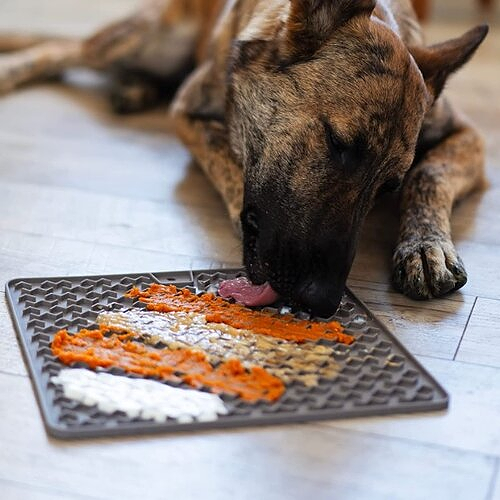
    Textured mats are the most common type of dog lick mat, featuring intricate surface patterns that encourage natural licking behavior. Made from durable TPR rubber or food-grade silicone, these mats have grooves, ridges, and bumps that create a maze-like surface. The textured design serves multiple purposes:

    • Traps food or treats, making it challenging for dogs to eat quickly
    • Stimulates saliva production, aiding in oral health
    • Provides a sensory experience that engages dogs’ tongues and minds
    • Helps reduce anxiety by promoting focus and concentration

    Popular textures include honeycomb patterns, wavy lines, and small nubs. These mats are versatile and can be used with various treats, from peanut butter to pureed fruits, making them suitable for dogs of all sizes and breeds.
    Dog Lick Mats

    Puzzle-Style Mats

    Puzzle-style mats take the concept of textured mats a step further by incorporating more complex designs and challenges. These mats feature:

    • Raised patterns and intricate shapes
    • Criss-cross designs and deeper crevices
    • Multiple levels or compartments

    The advanced design of puzzle-style mats offers several benefits:

    • Increases mental stimulation by requiring problem-solving skills
    • Extends engagement time, keeping dogs occupied longer
    • Provides a more challenging licking experience
    • Helps slow down fast eaters more effectively

    Puzzle-style mats are ideal for intelligent dogs or those that quickly master simpler lick mats. They’re particularly useful for combating boredom and destructive behaviors in high-energy breeds.

    Freezable Mats

    Freezable mats are designed to be filled with wet food, broth, or purees and then frozen. Key features include:

    • Made from freeze-safe materials like silicone
    • Often have deeper pockets or compartments
    • Can withstand temperature changes without warping

    The unique benefits of freezable mats include:

    • Providing a longer-lasting licking experience
    • Offering a cooling effect, perfect for hot days
    • Soothing teething puppies or dogs with dental discomfort
    • Creating a more challenging puzzle as the frozen treats slowly thaw

    Freezable mats are excellent for extending playtime and keeping dogs entertained during periods of alone time. They’re also useful for dogs that need to be kept busy during crate training or recovery from surgery.

    How to Introduce Your Dog to a Lick Mat

    Choosing the Right Lick Mat

    When introducing your dog to a lick mat, selecting the appropriate mat is crucial. We recommend opting for lick mats made from durable materials such as TPR rubber or silicone. These materials withstand repeated use and are easy to clean. For dogs with a tendency to chew, the LickiMat Tuff is an excellent choice, offering increased durability compared to classic versions.

    Preparation

    Before presenting the lick mat to your dog, we need to select suitable treats or foods. Popular options include:

    • Xylitol-free peanut butter
    • Wet dog food
    • Natural yogurt
    • Pure pumpkin puree
    • Veggie purees

    These options not only entice your dog but also provide nutritional benefits. When preparing the lick mat, ensure the chosen treat is spread evenly across the surface, encouraging your dog to explore the entire mat.

    Initial Introduction

    To familiarize your dog with the lick mat, follow these steps:

    1. Present the empty mat: Allow your dog to sniff and investigate the lick mat without any treats. This initial exposure helps them become comfortable with the mat’s texture and smell.
    2. Add a small amount of treats: Once your dog shows interest in the empty mat, apply a small amount of their favorite treat. Start with easily accessible treats to build positive associations.
    3. Encourage exploration: Use verbal praise and positive reinforcement to encourage your dog to interact with the lick mat. Let them discover the treats at their own pace.
    4. Gradually increase difficulty: As your dog becomes more comfortable with the lick mat, you can increase the challenge by spreading treats into harder-to-reach areas or using thicker consistencies.
    5. Supervise initial sessions: Monitor your dog’s first few interactions with the lick mat to ensure they’re using it safely and effectively.

    By following these steps, we introduce the lick mat as a positive and captivating experience for your dog. Remember, patience is key during this process, as some dogs may take longer to adapt to new items in their environment.

    Best Practices for Using Lick Mats

    Lick mats offer many benefits for dogs, but it’s essential to use them correctly. We’ll explore key practices to ensure your dog’s safety and maximize the effectiveness of these captivating tools.

    Supervision and Safety

    Lick mats require constant supervision to prevent potential hazards. Dogs left unattended may chew and ingest parts of the mat, leading to intestinal obstruction. Cases of both dogs and cats suffering from blockages after consuming mat pieces have been reported. Even well-trained dogs shouldn’t be left alone with lick mats, as frustration might cause them to chew the mat. Always monitor your dog during lick mat sessions to ensure their safety and prevent accidents.

    Using Lick Mats in Stressful Situations

    Lick mats serve as excellent distractions during anxiety-inducing events. They’re particularly effective for:

    • Vet visits
    • Thunderstorms
    • Bath time
    • Grooming sessions
    • Arrival of visitors

    By providing mental stimulation and redirecting focus, lick mats help calm dogs in these stressful situations. The act of licking promotes relaxation and can significantly reduce anxiety levels.

    Choosing the Right Foods

    Selecting appropriate foods for lick mats is crucial for your dog’s enjoyment and health. Opt for dog-safe options like:

    • Xylitol-free peanut butter
    • Plain, low-fat yogurt
    • Pureed fruits (e.g., banana, apple)
    • Wet dog food
    • Mashed vegetables (e.g., pumpkin, sweet potato)

    Avoid foods high in sugar, salt, or artificial additives. Vary the treats to maintain interest and provide a range of nutrients. For longer-lasting engagement, freeze the lick mat with wet food or yogurt spread on it.

    Cleaning and Maintenance

    Proper cleaning and maintenance of lick mats ensure hygiene and longevity. Follow these steps:

    1. Rinse the mat immediately after use to prevent food from drying and sticking.
    2. Wash thoroughly with warm, soapy water.
    3. Use a soft brush to clean crevices and textured areas.
    4. Rinse completely to remove all soap residue.
    5. Air dry or pat dry with a clean towel.

    For deep cleaning, most lick mats are dishwasher-safe (top rack). Check the manufacturer’s instructions for exact care guidelines. Regularly inspect the mat for signs of wear or damage, replacing it if you notice any tears or loose pieces to prevent ingestion risks.

    Safety Considerations

    When using dog lick mats, it’s crucial to prioritize your pet’s safety. We’ll explore potential risks associated with these tools and discuss alternatives for dogs who may not be suitable candidates for lick mats.

    Potential Risks

    Dog lick mats, while generally safe, can pose certain risks if not used properly. Choking hazards are a primary concern, especially for aggressive chewers who might tear off and swallow pieces of the mat. Dental issues may arise if dogs with sensitive teeth or gum problems use lick mats excessively. Overfeeding is another risk, as the treats used on lick mats can contribute to weight gain if not accounted for in the dog’s daily calorie intake. Allergic reactions to certain mat materials or treats are possible, particularly in dogs with sensitive skin or food allergies. Finally, hygiene issues can occur if lick mats aren’t cleaned thoroughly after each use, leading to bacterial growth and potential illness.

    Alternatives to Lick Mats

    For dogs who can’t safely use lick mats, several alternatives provide similar benefits. Puzzle toys offer mental stimulation and can slow down eating, mimicking the benefits of lick mats. Frozen Kong toys filled with dog-safe treats provide a long-lasting, captivating activity. Snuffle mats encourage natural foraging behaviors and can be used for dry treats or kibble. Interactive feeding balls dispense food as the dog plays, combining physical activity with mental engagement. For anxiety relief, calming aids like ThunderShirts or pheromone diffusers can be effective. Chew toys made from durable materials offer a safe outlet for dogs who need prolonged chewing activities. These alternatives cater to various needs and preferences, ensuring that dogs can enjoy enrichment activities safely.

    Conclusion

    Dog lick mats offer a multitude of benefits for our canine companions. From reducing anxiety and promoting dental health to providing mental stimulation these innovative accessories can significantly enhance our dogs’ well-being. We’ve explored their types uses and safety considerations to help you make informed decisions for your furry friend.

    By incorporating lick mats into our dogs’ routines we’re not just offering a treat but also addressing their natural instincts and needs. Remember to choose the right mat supervise its use and maintain proper hygiene. With these simple steps we can provide our pets with a fun captivating and beneficial experience that’ll keep their tails wagging.
  • 7 Ways to Predict How Big Your Dog Will Get: From Paws to DNA

    7 Ways to Predict How Big Your Dog Will Get: From Paws to DNA

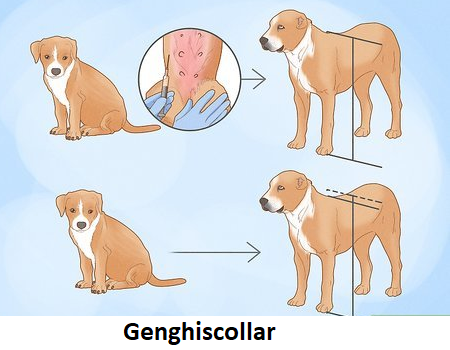
    Have you ever wondered how big your adorable puppy will grow? We’ve all been there, imagining our little furball as a full-grown dog. It’s a common question among new pet parents, and for good reason – knowing, how big your dog will get can help you prepare for their future needs.

    We’re here to help you unlock the mystery of your pup’s potential growth. In this text, we’ll explore seven reliable ways to predict your dog’s adult size. From breed standards to paw size, we’ll cover the key indicators that can give you a glimpse into your furry friend’s future. By understanding these factors, you’ll be better equipped to provide the right care, nutrition, and living space for your growing companion.

    Understanding Puppy Growth Factors

    Understanding the factors that influence a puppy’s growth is crucial for predicting their adult size. We’ll explore two key elements that play a important role in determining how big your dog will get.

    Breed Influence on Size

    A puppy’s breed is a primary indicator of their adult size. Different breeds have exact size ranges:

    • Toy dogs: Under 12 pounds, fully grown by 6-8 months
    • Small dogs: 12-25 pounds, reach full size within a year
    • Medium dogs: 25-50 pounds, fully grown around 1 year
    • Large dogs: 50-100 pounds, take 14-18 months to reach full size
    • Giant dogs: Over 100 pounds, may take up to two years to reach full size

    Knowing your puppy’s breed or mix can provide valuable insights into their potential adult size. Breed standards offer a reliable guide for size expectations, helping owners prepare for their dog’s growth trajectory.

    Genetic Factors

    Genetics play a crucial role in determining a puppy’s adult size. The size of the puppy’s parents is often a reliable indicator of how big they’ll grow. Here’s what to consider:

    • Parental influence: Both mother and father contribute to the puppy’s size
    • Dominant genes: Some size-related traits may be more prominent
    • Mixed breeds: Size prediction can be more challenging, but parental sizes still offer clues
    • Genetic variations: Even within purebreds, there can be size differences

    Understanding these genetic factors helps set realistic expectations for your puppy’s growth. But, it’s important to note that other elements, such as nutrition and health, can also influence a dog’s final size.

    Seven Ways to Predict Your Dog’s Adult Size

    Determining your dog’s future size is crucial for proper care and planning. We’ve compiled seven reliable methods to help you predict your dog’s adult size accurately.

    DNA Testing for Accurate Size Prediction

    DNA testing stands out as the most precise method for predicting a dog’s adult size. This scientific approach analyzes genetic markers associated with body size, explaining up to 85% of size variation in dogs. It’s particularly valuable for mixed-breed puppies, where other prediction methods may fall short. DNA tests examine exact genes that influence growth, providing a comprehensive picture of your dog’s potential size. Results typically include a predicted weight range and height estimate, offering pet owners valuable insights for future planning.

    German Shepherd Lying on Ground / How Big Your Dog Will Get

    Photo by Irina Solianyk on Pexels

    Examining Parental Size

    Parental size serves as a reliable indicator of a puppy’s future dimensions. Genetics play a important role in determining a dog’s adult size, with puppies often growing to resemble their parents. While variations within litters occur, most puppies fall within the size range of their parents. This method proves especially useful for purebred dogs with known lineage. For mixed breeds, observing both parents (if possible) can provide a general size estimate. Remember, the larger parent typically has a more substantial influence on the puppy’s eventual size.

    Assessing Paw Size

    Paw size offers a quick, visual cue to estimate a puppy’s adult size. Larger paws often correlate with a bigger overall frame and longer legs. This method works on the principle that puppies grow into their paws. Disproportionately large paws on a small puppy typically indicate important growth potential. But, paw size prediction isn’t foolproof, as some breeds naturally have larger or smaller paws relative to their body size. Use this method along with other indicators for a more accurate prediction.

    Calculating Weight Using Growth Formulas

    Growth formulas provide a mathematical approach to size prediction. These formulas use a puppy’s current weight and age to estimate their adult size. One common method doubles a puppy’s weight at 14 weeks to predict their adult weight. For giant breeds, doubling the 16-week weight often yields accurate results. Another formula multiplies the 6-week weight by four. While these calculations offer a starting point, they’re most accurate for medium to large breeds and may require adjustment for toy or giant breeds.

    Puppy Growth Formula for pet owner

    Considering Breed Averages

    Breed standards offer valuable insights into a dog’s potential size. Each recognized breed has established size ranges, including height and weight. For purebred puppies, these standards provide a reliable estimate of adult size. Mixed breeds pose a greater challenge, but identifying dominant breed characteristics can still offer useful clues. Remember that individual dogs may fall outside breed averages due to genetic variations or environmental factors. Consulting breed-exact growth charts can provide a more detailed prediction of your puppy’s growth trajectory.

    Monitoring Food Intake

    A puppy’s appetite and food intake can indicate their growth potential. Rapidly growing puppies often have hearty appetites to fuel their development. But, it’s crucial to maintain a balanced diet to prevent obesity, which can skew size predictions. Monitor your puppy’s body condition score alongside their food intake. A consistently high appetite in a puppy maintaining a healthy weight may suggest they’re on track for substantial growth. Conversely, a smaller appetite might indicate a more modest adult size.

    Evaluating Growth Rate

    Closely monitoring your puppy’s growth rate provides valuable clues about their adult size. Most puppies experience rapid growth in their first few months, with larger breeds continuing to grow for longer periods. Tracking weight gain and height increases weekly or monthly can reveal growth patterns. Small breeds typically reach adult size by 9-12 months, medium breeds by 12-15 months, and large breeds by 18 months or later. A puppy growing faster or slower than average for their breed may indicate a different adult size than initially expected.

    Additional Factors Affecting Dog Size

    While breed and genetics play important roles in determining a dog’s size, several other factors can influence their growth and final dimensions. Let’s explore these additional elements that impact a dog’s size.

    Impact of Gender

    Gender differences in dogs can affect their ultimate size. Male dogs typically grow larger than females of the same breed. This size disparity is more pronounced in larger breeds, where males can outweigh females by 20% or more. For example, male German Shepherds often reach weights of 65-90 pounds, while females usually weigh 50-70 pounds. In smaller breeds, the difference is less noticeable but still present. Hormones play a crucial role in this size variation, with testosterone contributing to increased muscle mass and bone density in males.

    Effects of Spaying or Neutering

    Spaying or neutering can influence a dog’s growth patterns and final size. Dogs altered before reaching sexual maturity often grow slightly taller than their intact counterparts. This occurs because the absence of sex hormones delays the closure of growth plates in bones. But, early spaying or neutering may lead to a lankier build with less muscle mass. The timing of the procedure is crucial. Dogs neutered after reaching sexual maturity typically maintain the expected size for their breed. It’s important to consult with a veterinarian to determine the optimal time for spaying or neutering based on breed and individual health factors.

    Nutritional Considerations

    A dog’s diet plays a vital role in its growth and final size. Proper nutrition during puppyhood is essential for reaching genetic potential. Overfeeding can lead to rapid growth and excess weight, potentially causing joint problems and obesity. Conversely, underfeeding may result in stunted growth. Large and giant breeds require exact nutrition to support their growth rate and prevent developmental issues. Puppies need balanced diets with appropriate calcium and phosphorus levels to ensure proper bone development. It’s crucial to feed puppies breed-exact formulas and follow feeding guidelines based on their projected adult weight. Regular weight checks and body condition assessments help ensure healthy growth. Always consult with a veterinarian to create a customized nutrition plan for your puppy’s optimal development.

    Using Puppy Growth Charts

    Puppy growth charts serve as valuable tools for estimating a dog’s adult size. These charts provide a visual representation of expected growth patterns based on breed and age, helping pet owners track their puppy’s development.

    How to Track Your Puppy’s Growth

    To effectively track your puppy’s growth, start by weighing them regularly. Record their weight weekly until they’re 6 months old, then monthly until they reach adulthood. Measure their height at the shoulders using a tape measure or ruler. Compare these measurements to breed-exact growth charts, which are available online or from veterinarians. For mixed breeds, use charts that correspond to the dominant breed characteristics. Keep a log of your puppy’s measurements, including date, weight, and height, to identify growth trends over time. This data helps you gauge if your puppy is growing at a healthy rate and provides valuable information for veterinary check-ups.

    Interpreting Growth Patterns

    Interpreting growth patterns requires understanding breed-exact growth rates. Small breeds typically reach their adult size faster, often by 9-12 months. Medium breeds usually reach full size between 12-15 months, while large and giant breeds may continue growing until 18-24 months. Watch for growth spurts, which commonly occur between 3-6 months for most breeds. If your puppy’s growth deviates significantly from the chart, consult your veterinarian. Slower growth might indicate nutritional deficiencies, while rapid growth could lead to skeletal issues in larger breeds. Remember, these charts are guidelines, not definitive predictions. Factors like genetics, nutrition, and overall health influence individual growth patterns. Use the charts along with other size prediction methods for a more accurate estimate of your puppy’s adult size.

    When Do Puppies Stop Growing?

    Puppies reach their full adult size at different rates depending on their breed and individual genetics. Understanding growth timelines helps pet owners provide appropriate care and nutrition throughout their dog’s development stages.

    Growth Timelines for Different Breeds

    Different dog breeds have distinct growth patterns, with smaller breeds typically reaching full size faster than larger breeds. Here’s a breakdown of general growth timelines for various breed sizes:

    • Toy and Small Breeds (up to 20 pounds):
    • Reach full size: 6-8 months
    • Examples: Chihuahuas, Yorkshire Terriers, Pomeranians
    • Medium Breeds (20-50 pounds):
    • Reach full size: 8-12 months
    • Examples: Beagles, Cocker Spaniels, Border Collies
    • Large Breeds (50-90 pounds):
    • Reach full size: 12-18 months
    • Examples: Labrador Retrievers, German Shepherds, Golden Retrievers
    • Giant Breeds (over 90 pounds):
    • Reach full size: 18-24 months
    • Examples: Great Danes, Saint Bernards, Newfoundlands

    It’s important to note that while dogs may reach their full height by these timelines, they might continue to fill out and gain muscle mass for several months after. Factors like nutrition, exercise, and overall health can influence a dog’s growth rate and final size.

    To track your puppy’s growth accurately:

    1. Regularly weigh and measure your puppy
    2. Compare their measurements to breed-exact growth charts
    3. Consult with your veterinarian for personalized growth assessments

    By understanding these growth timelines, we can better anticipate our puppies’ needs and ensure they develop into healthy adult dogs. Remember that individual dogs may deviate from these general timelines, so it’s essential to monitor your puppy’s growth and consult with a veterinarian if you have concerns about their development.

    Final Thought on How Big Your Dog Will Get

    Predicting your puppy’s adult size doesn’t have to be a mystery. We’ve explored seven reliable methods to help you estimate how big your furry friend will grow. From DNA testing to growth charts these tools offer valuable insights into your dog’s future dimensions. Remember that each puppy is unique and factors like nutrition and health play crucial roles in their development. By understanding your dog’s growth potential you’ll be better prepared to meet their needs throughout their life. Embrace the journey of watching your puppy grow and enjoy every moment of their transformation into a healthy adult dog.

  • Best Dry Dog Food for Your Pup in 2024

    Best Dry Dog Food for Your Pup in 2024

    Are you wondering what to feed your furry friend? With so many options on the market, choosing the right dry dog food can feel overwhelming. But don’t worry we’ve got you covered!

    We’ll jump into the industry of dry dog food, exploring the key factors to consider when selecting a high-quality brand that meets your pup’s unique needs. From understanding essential nutrients to deciphering ingredient labels, we’ll arm you with the knowledge to make an well-informed choice.

    Types of Dry Dog Food

    When selecting the best dry dog food, it’s important to understand the different types available. Here’s a breakdown of the most common types of dry dog food and their unique characteristics.

    Kibble

    Kibble is the most popular and affordable dry dog food option. It’s made by combining various ingredients, including meats, grains, and other nutrients, which are then extruded into small, crunchy pieces. The low moisture content of kibble helps maintain its shelf life without requiring refrigeration.

    The crunchy texture of kibble can help reduce tartar buildup on your dog’s teeth, promoting better dental health. Many high-quality kibble brands offer complete and balanced nutrition, ensuring your dog receives all the essential nutrients they need. When choosing a kibble, look for brands that use high-quality protein sources, such as real meat or fish, and avoid those with fillers or artificial preservatives.

    Freeze-Dried

    Freeze-dried dog food is a nutritious and convenient option that has gained popularity in recent years. This type of dry dog food is made by freezing raw or cooked ingredients, then removing the moisture through a vacuum process. The result is a lightweight, shelf-stable product that retains much of its original nutritional value.

    One of the main advantages of freeze-dried dog food is that it maintains the natural flavors and nutrients of the ingredients, making it highly palatable for dogs. It’s also easy to store and serve, as you simply need to rehydrate the food with water before feeding. Many freeze-dried options are grain-free and contain high-quality protein sources, making them suitable for dogs with sensitivities or allergies.

    Air-Dried

    Air-dried dog food is another alternative to traditional kibble that has been gaining traction among pet owners. This type of dry dog food is made by gently drying raw ingredients using air instead of heat, which helps preserve the natural nutrients and enzymes in the food. The result is a nutrient-dense, shelf-stable product that resembles jerky or dehydrated meat.

    Like freeze-dried food, air-dried dog food is often made with high-quality, whole food ingredients and is free from artificial preservatives and fillers. It’s a great option for dogs that prefer a more natural diet or have sensitivities to certain ingredients found in kibble. Air-dried food is also highly concentrated, so you can feed your dog smaller portions while still providing them with the nutrition they need.

    Key Ingredients to Look For

    When searching for the best dry dog food, it’s crucial to examine the ingredients list closely. High-quality, nutritious components are essential for your dog’s overall health and well-being.

    Animal Protein Sources

    Named animal proteins like chicken, beef, lamb, or fish should be the first ingredients in any premium dry dog food. These high-quality protein sources provide essential amino acids that support muscle development, tissue repair, and a healthy immune system. Avoid brands that list generic terms such as “meat meal” or “poultry by-product meal,” as these may contain lower-quality protein sources. Instead, opt for dry dog food with exact, identifiable animal proteins to ensure your dog receives the best possible nutrition.

    Healthy Carbohydrates

    Whole grains and vegetables are excellent sources of complex carbohydrates, which provide your dog with sustained energy throughout the day. Look for dry dog food that includes whole grains like brown rice, oatmeal, or barley, as these are rich in fiber, vitamins, and minerals. Vegetables such as sweet potatoes, peas, and carrots are also beneficial, offering additional nutrients and antioxidants. Be cautious of brands that rely heavily on fillers like corn, wheat, or soy, as these may trigger allergies or sensitivities in some dogs.

    Essential Fatty Acids

    Omega-3 and omega-6 fatty acids are crucial for maintaining your dog’s skin and coat health, as well as supporting brain and eye development. The best dry dog food brands include sources of these essential fatty acids, such as flaxseed, fish oil, or canola oil. Omega-3 fatty acids, particularly EPA and DHA, have anti-inflammatory properties that can help alleviate skin irritations and promote overall health. When comparing dry dog food options, look for brands that prioritize the inclusion of these beneficial fats.

    Vitamins and Minerals

    A well-balanced dry dog food should contain a variety of vitamins and minerals to support your dog’s overall health. Key vitamins to look for include vitamin A for eye health, vitamin E for a strong immune system, and B-complex vitamins for energy metabolism. Essential minerals include calcium and phosphorus for strong bones and teeth, as well as zinc and iron for proper growth and development. Premium dry dog food brands often include chelated minerals, which are more easily absorbed by your dog’s body, ensuring they receive the maximum benefit from these nutrients.

    Factors to Consider When Choosing

    When selecting the best dry dog food for your furry friend, it’s crucial to consider several key factors. Let’s explore these aspects in detail to help you make an well-informed choice.

    Dog’s Life Stage

    Your dog’s life stage significantly influences their nutritional requirements, so it’s essential to choose a dry dog food formulated for their exact age group. Here’s a breakdown:

    • Puppies: Opt for high-protein dry dog food designed for growth and development. Look for premium dry dog food brands that offer puppy-exact formulas with optimal nutrient ratios.
    • Adult Dogs: Choose a balanced adult dry dog food that provides sustained energy and maintains overall health. Consider your dog’s activity level and select a formula that meets their needs.
    • Senior Dogs: Senior dog dry food should have lower calorie content and added nutrients to support joint health and cognitive function. Veterinary recommended dry dog food brands often have senior-exact formulas.

    Dog’s Size and Breed

    The size and breed of your dog play a crucial role in determining their dietary needs. Here’s what to keep in mind:

    • Small Dogs: Dry dog food for small dogs should have smaller kibble size for easier chewing and digestion. Look for nutrient-dense formulas to meet their high metabolic rates.
    • Large Breeds: Dry dog food for large breeds should support joint health and contain balanced calcium and phosphorus levels for controlled growth. Opt for kibble size appropriate for their larger jaws.
    • Breed-Exact: Some premium dry dog food brands offer breed-exact formulas customized to the unique needs of different dog breeds. Research your dog’s breed to find suitable options.

    Food Allergies and Sensitivities

    If your dog has food allergies or sensitivities, it’s crucial to select hypoallergenic dry dog food that avoids triggering ingredients. Consider these options:

    • Grain-Free: Grain-free dry dog food eliminates common allergens like wheat, corn, and soy. But, consult with your vet to ensure grain-free is appropriate for your dog.
    • Limited Ingredient: Dry dog food with limited ingredients reduces the risk of allergic reactions. Look for formulas with a single protein source and easily digestible carbohydrates.
    • Novel Protein: If your dog is sensitive to common proteins, try dry dog food with novel protein sources like venison, duck, or fish. These are less likely to trigger allergies.

    Budget

    Finding affordable dry dog food that doesn’t compromise on quality is essential for many pet owners. Here are some cost-effective options:

    • Bulk Buying: Look for dry dog food bulk buy deals to save money in the long run. Many online retailers offer discounts for larger quantities.
    • Subscription Services: Dry dog food subscription services often provide competitive prices and the convenience of regular deliveries. Compare offers to find the best value.
    • Sales and Coupons: Keep an eye out for dry dog food on sale or use dry dog food coupons to save on your preferred brands. Sign up for brand newsletters to stay informed about promotions.

    When choosing the best dry dog food, prioritize your dog’s exact needs and consult with your veterinarian for personalized recommendations. By considering these factors, you’ll be well-equipped to select a high-quality, nutritious dry dog food that supports your furry friend’s overall health and well-being.

    How to Evaluate Quality

    When choosing the best dry dog food for our furry friends, it’s crucial to evaluate the quality of the options available. Let’s explore the key factors to consider when assessing dry dog food quality.

    Reading the Label

    It’s essential to carefully read the label when selecting dry dog food. Look for a statement indicating that the food is “complete and balanced” and meets the nutritional standards set by AAFCO or FEDIAF. The ingredient list should prioritize named protein sources like chicken or beef, rather than fillers or by-products. Ensure the label includes manufacturing information and any relevant certifications. By scrutinizing the label, we can make informed decisions about the quality of the dry dog food we choose for our pets.

    Recognizing Fillers and By-products

    To ensure our dogs receive the best nutrition, it’s crucial to recognize and avoid fillers and by-products in dry dog food. Fillers are low-quality ingredients that provide little nutritional value, such as corn, wheat, and soy. By-products are the less desirable parts of animals, like beaks, feet, and feathers. Instead, opt for dry dog food that features whole, named ingredients like chicken, lamb, or fish. High-quality dry dog food will prioritize these nutritious components, ensuring our dogs receive the essential nutrients they need for optimal health and well-being.

    Checking Nutrient Profiles

    When evaluating the quality of dry dog food, it’s important to check the nutrient profiles. Look for brands that offer a balanced blend of proteins, carbohydrates, fats, vitamins, and minerals customized to our dog’s life stage and exact needs. High-protein dry dog food is essential for maintaining lean muscle mass, while grain-free options cater to dogs with sensitivities. Consider dry dog food with added benefits like probiotics for digestive health or omega-3 fatty acids for a shiny coat. By examining the nutrient profiles, we can choose a premium dry dog food that supports our dog’s overall well-being.

    Serving and Storing Dry Dog Food

    Proper serving and storage practices are essential for maintaining the quality and safety of dry dog food. Let’s explore the key aspects of portion control, storage, and shelf life to ensure your furry friend receives the best nutrition possible.

    Portion Control

    It’s crucial to provide your dog with the appropriate portion sizes based on their age, weight, and activity level. Overfeeding can lead to obesity, while underfeeding may cause malnutrition. We recommend following the feeding guidelines provided by the manufacturer or consulting with your veterinarian for personalized advice.

    Using a measuring cup or scale can help ensure accurate portions. Regularly monitor your dog’s weight and body condition, adjusting the amount of dry dog food as needed. Splitting the daily portion into smaller meals can aid digestion and prevent overeating. By practicing portion control, you’ll help maintain your dog’s healthy weight and overall well-being.

    Proper Storage

    To preserve the quality and freshness of dry dog food, it’s essential to store it correctly. Keep the food in a cool, dry place, away from direct sunlight and heat sources. Airtight containers or the original packaging with a tightly sealed lid can prevent moisture, pests, and odors from affecting the food.

    Avoid storing dry dog food in humid areas or near strong-smelling substances, as it can absorb moisture and odors, compromising its taste and nutritional value. Regularly clean and sanitize the storage containers to prevent bacterial growth. By following these storage guidelines, you’ll ensure that your dog’s dry food remains fresh, tasty, and nutritious.

    Shelf Life

    Understanding the shelf life of dry dog food is crucial for maintaining its quality and safety. Most commercial dry dog foods have a shelf life of 12-18 months when unopened and stored properly. But, once opened, it’s best to use the food within 4-6 weeks to ensure optimal freshness and nutritional value.

    Check the expiration or “best by” date on the package and always purchase dry dog food from reputable sources. Discard any food that appears moldy, has an off-odor, or has been exposed to moisture or pests. By monitoring the shelf life and practicing proper storage, you’ll provide your dog with safe and nutritious meals.

    When selecting high-quality dry dog food, consider options that cater to your dog’s exact needs, such as grain-free, high-protein, or hypoallergenic formulas. Premium brands often use superior ingredients and offer a balanced nutritional profile. Remember to always consult with your veterinarian for personalized recommendations and stay informed about any potential recalls or safety concerns.

    By prioritizing portion control, proper storage, and shelf life, you’ll ensure that your dog receives the best nutrition possible from their dry food. Investing in your pet’s well-being through informed choices and best practices will contribute to a happy, healthy life for your furry companion.

    Conclusion

    Selecting the best dry dog food can be a challenging job, but by considering your dog’s exact needs and understanding the key factors to look for, you’ll be well-equipped to make an well-informed choice. Remember to choose a high-quality, nutritionally balanced food that caters to your dog’s life stage, size, breed, and any health concerns.

    Carefully reading labels, avoiding fillers and by-products, and opting for whole, named ingredients will ensure your furry friend receives the best nutrition possible. With proper portion control and storage practices, you’ll maintain the quality and safety of the dry dog food, contributing to your dog’s overall health and happiness.

    By following our guidance and prioritizing your dog’s well-being, you’ll find the perfect dry dog food that keeps your four-legged companion thriving for years to come.

  • Pumice Stone: The Secret Weapon for Dog Hair Removal 2024

    Pumice Stone: The Secret Weapon for Dog Hair Removal 2024

    Are you tired of finding dog hair everywhere in your home? We’ve got a surprising solution that’s been hiding in plain sight: pumice stones. These volcanic wonders aren’t just for smoothing rough feet; they’re also incredibly effective at removing stubborn pet hair from various surfaces.

    We’ll explore how this simple tool can revolutionize your pet hair cleanup routine. From carpets to car seats, pumice stones offer a cost-effective and eco-friendly alternative to traditional lint rollers and vacuums. We’ll jump into the best techniques for using pumice stones on different materials, ensuring you can keep your home hair-free without damaging your belongings.

    What Is a Pumice Stone?

    A pumice stone is a natural volcanic rock with a highly abrasive surface, making it an effective tool for dog hair removal. This lightweight, porous stone forms when lava cools rapidly, creating a rough texture that’s ideal for grabbing and removing pet hair from various surfaces.

    Composition and Physical Properties

    Pumice stones are primarily composed of:

    • Silica (70-77%)
    • Aluminum oxide (12-13%)
    • Potassium oxide (4-5%)
    • Sodium oxide (3-4%)

    These stones typically have a density ranging from 0.64 to 0.97 g/cm³, making them light enough to float on water. Their porous structure results from trapped gas bubbles during the rapid cooling process of lava.

    Effectiveness in Dog Hair Removal

    Pumice stones excel at removing dog hair due to their:

    1. Rough texture: Grabs and lifts hair from fabric fibers
    2. Abrasive nature: Pulls embedded hair out of carpets and upholstery
    3. Durability: Withstands repeated use without losing effectiveness

    When used for dog hair removal, pumice stones outperform many conventional cleaning tools. They’re particularly effective on:

    • Carpets
    • Upholstered furniture
    • Car interiors
    • Clothing

    Advantages Over Traditional Methods

    Pumice stones offer several benefits compared to other dog hair removal techniques:

    FeaturePumice StoneLint RollerVacuum Cleaner
    CostLowModerateHigh
    ReusabilityHighLowHigh
    PortabilityExcellentGoodPoor
    Effectiveness on embedded hairExcellentPoorModerate

    By using a pumice stone, pet owners can efficiently remove dog hair without relying on disposable products or expensive equipment. This natural tool provides a cost-effective and environmentally friendly solution for maintaining a hair-free home.

    How Pumice Stones Work for Dog Hair Removal

    Pumice stones are highly effective for removing dog hair due to their unique abrasive texture. These volcanic rocks serve as powerful tools for pet owners struggling with persistent shedding issues.

    The Science Behind Pumice and Pet Hair

    Pumice stones’ effectiveness in removing pet hair stems from their physical properties and interaction with hair fibers. The stone’s porous structure, composed of silica, aluminum oxide, potassium oxide, and sodium oxide, creates a rough surface that generates friction against fabrics. This friction allows the pumice to grip and lift dog hair from various materials, including carpets, upholstery, and car interiors.

    The abrasive nature of pumice stones also helps break the static bond between pet hair and fabric fibers. As the stone is rubbed across a surface, it disrupts the electrostatic attraction that often causes dog hair to cling stubbornly to textiles. This process makes it easier to collect and remove the loosened hair.

    Benefits of Using Pumice Stone

    Using a pumice stone for dog hair removal offers several advantages over traditional cleaning methods:

    1. Cost-effective: Pumice stones are inexpensive and long-lasting, providing excellent value for pet owners.
    2. Eco-friendly: As natural products, pumice stones reduce reliance on disposable cleaning tools.
    3. Versatile: They work on multiple surfaces, from furniture to clothing.
    4. Chemical-free: Pumice stones don’t require cleaning answers, making them safe for households with pets and children.
    5. Efficient: The abrasive texture removes embedded hair that vacuums and lint rollers often miss.

    Pumice stones also excel at removing hair from textured fabrics like chenille or tightly-woven materials, where other methods often fall short. Their ability to access hard-to-reach areas makes them invaluable for thorough cleaning of pet-friendly spaces.

    Using a Pumice Stone on Different Surfaces

    Pumice stones are versatile tools for removing dog hair from various surfaces in your home and vehicle. We’ll explore how to effectively use a pumice stone on different materials, ensuring a hair-free environment without causing damage.

    Upholstery and Furniture

    Pumice stones excel at removing dog hair from upholstered furniture, particularly those with textured or tightly woven fabrics. They’re highly effective on chenille-type upholstery and damask materials, easily collecting pet hair, crumbs, and dander. The abrasive surface of the pumice stone grips stubborn hairs, lifting them from deep within the fabric fibers.

    But, pumice stones aren’t suitable for all upholstery types. They’re less effective on loose fabrics and slipcovers, and shouldn’t be used on wood, plastic, or leather surfaces. For these materials, alternative cleaning methods are recommended to avoid potential damage.

    To use a pumice stone on upholstery:

    1. Gently brush the stone across the fabric in short, controlled strokes
    2. Work in small sections, moving systematically across the surface
    3. Vacuum loose hair and debris periodically during the process
    4. For delicate fabrics, test the pumice stone on an inconspicuous area first
    Large Breed Dogs / Pumice Stone

    Car Interiors

    Pumice stones are a favorite tool among car detailing professionals for removing pet hair from automotive carpets and upholstery. They act like magnets, grabbing dog hair deep from the carpet’s pile and lifting it without fuss. This makes them particularly useful for car interiors where pet hair often accumulates and becomes embedded.

    To effectively use a pumice stone in your car:

    1. Start with a thorough vacuum to remove loose hair and debris
    2. Use short, firm strokes with the pumice stone on carpeted areas
    3. Pay special attention to areas where your dog frequently sits or lies
    4. For fabric seats, use gentle pressure to avoid damaging the material
    5. Clean the pumice stone regularly during use to maintain its effectiveness

    Remember to test the pumice stone on a small, hidden area first to ensure it doesn’t damage your car’s interior surfaces.

    Carpets and Rugs

    Pumice stones are highly effective for removing dog hair from carpets and rugs, especially those with dense, short fibers. The stone’s rough texture creates friction against the carpet, loosening and lifting embedded pet hair that vacuums often miss.

    To use a pumice stone on carpets and rugs:

    1. Vacuum the area thoroughly to remove loose hair and debris
    2. Work in small sections, using short, firm strokes with the pumice stone
    3. Move in different directions to ensure you catch all the hair
    4. Use a brush or vacuum to collect the loosened hair as you go
    5. For delicate or antique rugs, consult a professional cleaner first

    Pumice stones are particularly useful for high-traffic areas and pet bedding spots where hair tends to accumulate. They can also help remove stubborn hair from carpet edges and corners that are often difficult to clean with traditional methods.

    For best results, combine the pumice stone technique with regular vacuuming to maintain a hair-free carpet. This method is especially effective for homes with heavy-shedding dog breeds or multiple pets.

    Proper Technique for Using Pumice Stone

    Using a pumice stone effectively removes dog hair from various surfaces. We’ll guide you through the proper technique and safety precautions to ensure optimal results.

    Step-by-Step Guide

    1. Prepare the Pumice Stone: Rinse the stone under water to remove any natural sediment from shipping.
    2. Test the Stone: Before using it on a larger area, test the pumice stone on a small, inconspicuous section of the fabric to ensure it doesn’t damage the material.
    3. Use on Appropriate Surfaces: Apply the pumice stone on heavier weight textiles like carpets, upholstered furniture, and car seats. It’s particularly effective for removing pet hair from these surfaces.
    4. Apply the Stone: Hold the pumice stone firmly and rub it gently over the area with pet hair. The abrasive nature of the stone lifts and removes the hair.
    5. Brush or Vacuum: After using the pumice stone, brush or vacuum the area to collect loose hair and debris.
    6. Clean the Stone: Rinse the pumice stone thoroughly after each use to remove collected hair and maintain its effectiveness.
    1. Gentle Pressure: Apply light pressure when using the pumice stone to avoid damaging delicate fabrics or surfaces.
    2. Avoid Delicate Materials: Don’t use pumice stones on silk, leather, or other delicate materials that can easily scratch or tear.
    3. Regular Inspection: Check the pumice stone for wear and tear. Replace it if it becomes smooth or starts to crumble.
    4. Proper Storage: Store the pumice stone in a dry place to prevent mold growth and maintain its abrasive properties.
    5. Test First: Always test the pumice stone on a small, hidden area before using it on visible surfaces to ensure compatibility.
    6. Skin Protection: Wear gloves to protect your hands from abrasion, especially during prolonged use.
    7. Ventilation: Use the pumice stone in a well-ventilated area to avoid inhaling loose hair or debris.

    Comparing Pumice Stone to Other Pet Hair Removal Methods

    Pumice stones offer a unique approach to dog hair removal, but how do they stack up against traditional methods? We’ll compare pumice stones to brushes, combs, lint rollers, and vacuum cleaners to help you determine the best solution for your pet hair challenges.

    Brushes and Combs

    Brushes and combs are staple tools for managing dog hair, primarily used directly on pets. Unlike pumice stones, these tools focus on grooming rather than surface cleaning. Brushes excel at removing loose fur, detangling, and distributing natural oils throughout the coat. Combs are particularly effective for removing mats and tangles in long-haired breeds.

    While brushes and combs are essential for pet care, they’re less versatile for cleaning furniture and carpets. Pumice stones, in contrast, are designed specifically for removing pet hair from various surfaces in the home. Brushes and combs require regular cleaning and may need replacement over time, whereas pumice stones are long-lasting and easy to maintain.

    Lint Rollers

    Lint rollers are popular for quick pet hair removal from clothing and small surface areas. They’re portable, easy to use, and effective on smooth fabrics. But, lint rollers have limitations compared to pumice stones. They quickly fill up with hair, requiring frequent sheet changes, which can be costly and wasteful over time.

    Pumice stones offer a more sustainable and cost-effective solution. They don’t require disposable sheets and can cover larger areas more efficiently. While lint rollers work well on smooth surfaces, they struggle with textured fabrics and deeply embedded hair. Pumice stones excel in these scenarios, making them more versatile for various household surfaces.

    Vacuum Cleaners

    Vacuum cleaners are versatile tools for pet hair removal, capable of cleaning large areas quickly. They’re particularly effective on carpets and hard floors. Many modern vacuums come with specialized pet hair attachments, improving their performance on furniture and in hard-to-reach areas.

    But, vacuums may struggle with deeply embedded hair in textured fabrics. They also require regular maintenance, filter changes, and can be noisy. Pumice stones offer a quieter, more targeted approach, especially effective on upholstery and car interiors. While vacuums are essential for overall home cleaning, pumice stones provide a complementary solution for stubborn pet hair that vacuums might miss.

    Maintaining Your Pumice Stone

    Cleaning the Pumice Stone

    We recommend cleaning your pumice stone after each use to maintain its effectiveness for dog hair removal. Rinse the stone under running water to remove collected pet hair, dust, and debris. This simple step ensures the stone’s abrasive surface remains free from obstructions, allowing it to perform optimally during your next cleaning session.

    Drying the Pumice Stone

    After cleaning, it’s crucial to dry your pumice stone properly. Lay it flat on a clean, dry surface to air dry completely. This prevents moisture from affecting the stone’s abrasive properties and maintains its effectiveness for future use on dog hair-covered surfaces.

    Testing on Surfaces

    Before using your pumice stone on a new surface, we advise testing it in a small, inconspicuous area. This precautionary step helps ensure the stone doesn’t damage the fabric or material you’re cleaning. It’s particularly important for delicate or sensitive surfaces that may be prone to scratching or wear.

    Storage

    Proper storage is key to preserving your pumice stone’s longevity and effectiveness for dog hair removal. Keep it in a dry place to prevent dampness or damage. A drawer, glove box, or any other convenient location that remains dry is ideal for storage. This ensures your pumice stone is always ready for action when you need to tackle pet hair around your home.

    By following these maintenance tips, you’ll extend the life of your pumice stone and maintain its effectiveness in removing dog hair from various surfaces in your home and car. Regular care ensures that this versatile tool remains a reliable solution for managing pet hair, complementing your other cleaning methods and keeping your living spaces fresh and hair-free.

    When Not to Use a Pumice Stone

    While pumice stones are effective for removing dog hair from many surfaces, there are exact scenarios where their use is not recommended. Understanding these limitations ensures we protect our belongings and maintain their quality.

    On Delicate or Loose Fabrics

    Pumice stones are unsuitable for loose or delicate fabrics. These materials include:

    • Blankets
    • Slipcovers
    • Lace curtains
    • Silk garments
    • Knitted sweaters

    The abrasive texture of pumice stones can tug at these fabrics, potentially causing damage or dislodging them from their surface. For these items, gentler hair removal methods like lint rollers or specialized pet hair brushes are more appropriate.

    On Wood, Plastic, or Leather Surfaces

    We must avoid using pumice stones on non-fabric surfaces such as:

    • Wooden furniture
    • Plastic components
    • Leather upholstery
    • Vinyl flooring
    • Painted surfaces

    The abrasive nature of pumice stones can scratch or damage these materials, leading to permanent marks or deterioration. Instead, use microfiber cloths, electrostatic dusters, or specialized cleaning products designed for these exact surfaces to remove dog hair.

    On Tight Corners and Small Spaces

    Pumice stones are less effective in areas with limited accessibility:

    • Between cushions
    • In crevices of car seats
    • Around furniture legs
    • Inside narrow gaps
    • Along baseboards

    The size and shape of pumice stones make them challenging to maneuver in tight spaces. For these areas, consider using vacuum attachments, crevice tools, or flexible rubber brushes that can reach into small spaces more easily.

    On Extremely Dirty or Wet Surfaces

    Avoid using pumice stones on surfaces that are:

    • Heavily soiled with dirt or grime
    • Wet or damp
    • Recently cleaned with liquid answers
    • Covered in sticky substances
    • Contaminated with pet accidents

    Using a pumice stone on these surfaces can spread the dirt or moisture, making the cleaning process more difficult. It’s best to clean and dry the surface thoroughly before attempting to remove dog hair with a pumice stone.

    On Sensitive Skin or Fur

    While pumice stones are primarily used on household surfaces, it’s crucial to note that they should never be used directly on:

    • Your dog’s skin
    • Your dog’s fur
    • Human skin

    The abrasive nature of pumice stones can irritate or damage sensitive skin and fur. For grooming purposes, always use brushes and combs specifically designed for pet care.

    By recognizing these situations where pumice stones are not suitable, we can ensure we use the right tools for each cleaning task. This approach helps maintain the integrity of our belongings while effectively managing dog hair in our homes.

    Conclusion

    We’ve explored the surprising effectiveness of pumice stones for tackling dog hair. These versatile volcanic rocks offer a cost-effective eco-friendly solution for pet owners. By following our techniques and guidelines you’ll be well-equipped to keep your home hair-free.

    Remember to use gentle pressure and avoid delicate materials. With proper care your pumice stone can be a long-lasting addition to your cleaning arsenal. While not suitable for every surface it excels where traditional methods fall short.

    Embrace this natural tool and enjoy a cleaner home without compromising your pet-friendly lifestyle. Happy cleaning!

  • Dog Foster Homes: Help Shelter Dogs Find Loving Families Today

    Dog Foster Homes: Help Shelter Dogs Find Loving Families Today

    Every year, countless dogs find themselves in shelters, waiting for a loving home. But what if we told you there’s a way to make a real difference without committing to a lifelong companion? Dog foster homes offer a unique opportunity for us to provide temporary care for these furry friends, giving them a safe space while they await their forever families.

    Fostering not only helps alleviate the burden on overcrowded shelters but also enriches our lives in unexpected ways. Imagine the joy of nurturing a pup, watching them grow, and preparing them for adoption. It’s a rewarding experience that brings love and companionship into our homes, even if just for a little while. Join us as we explore the incredible impact of dog foster homes and how we can all play a part in this heartwarming journey.

    Understanding Dog Foster Homes

    Temporary care for dogs plays a vital role in their transition to permanent homes. Providing a caring environment helps address their individual needs while reducing shelter overcrowding.

    Benefits of Fostering Dogs

    Fostering dogs offers many advantages for both the dogs and foster caregivers. We help reduce overcrowding in shelters, allowing more animals to find homes. We gain valuable experience in dog care, providing enrichment and training that enhances the dog’s social skills. Emotional bonds formed during this period lead to personal fulfillment, as we witness the dog’s growth and eventual adoption. Participating in fostering also encourages community involvement, connecting us with fellow animal lovers and rescue organizations.

    Common Needs for Foster Care

    Dogs in foster care often require exact support to thrive. We must ensure a safe, clean living space that allows for proper exercise and socialization. Basic veterinary needs, including vaccinations and check-ups, must be met regularly. Behavioral training helps address challenges, while providing adequate mental stimulation fosters happiness. Meal planning focused on nutrition and proper feeding schedules are essential for health. Each dog may have unique needs, and it’s crucial to identify and cater to these requirements.

    Becoming a Dog Foster Parent

    Fostering dogs requires commitment and a desire to provide care for dogs in need. By stepping into the role of foster parent, we contribute to the wellbeing of these animals and help prepare them for a loving forever home.

    Steps to Start Fostering

    1. Find a Rescue Group or Shelter:
      We can locate a local animal shelter or rescue group that offers a foster program, such as Bideawee, Animal Care Centers of NYC (ACC), or New York City Second Chance Rescue (SCR).
    2. Attend an Orientation or Complete an Application:
      Many organizations require attendance at an orientation or completion of a foster application. Programs like ACC offer virtual orientations, while SCR necessitates filling out an application followed by a phone interview.
    3. Approval Process:
      Following application submission, we undergo an approval process. This may involve a home visit or interview, ensuring our living space meets the standards for providing a safe environment for a dog.
    1. Age and Responsibility:
      Most organizations set an age limit, typically 18 years or older, to ensure responsible care.
    2. Living Situation:
      A stable and secure living environment is crucial. We must have space available for the dog, including a safe area for play and relaxation.
    3. Time Commitment:
      Fostering requires a commitment to daily care, socialization, and exercise. We should be ready to dedicate time to meet each dog’s individual needs.
    4. Financial Responsibility:
      Some costs, such as food, supplies, and vet care, might be covered by the organization. We should generally expect to contribute to the dog’s upkeep during the fostering period.

    Types of Foster Dogs

    Foster homes cater to various dogs, each requiring exact support and care. Understanding these categories helps us prepare for the unique challenges and rewards of fostering.

    Puppies and Nursing Mothers

    Puppies, often too young for adoption, frequently need our assistance. We provide temporary homes for those needing bottle feeding, particularly when their mothers aren’t present. Also, nursing mothers and their litters thrive in a nurturing environment, ensuring healthy growth and socialization. For example, fostering allows us to help puppies learn essential skills, setting them up for successful adoptions.

    Adult Dogs

    Adult dog fostering occurs for several reasons, improving their chances of finding permanent homes. Dogs over 40 lbs. often experience stress in shelters but flourish in calmer home settings. We also provide crucial socialization for those with limited previous exposure to home life or human interaction. Through fostering, we help these dogs adjust and learn what it’s like to be part of a family, easing their transition to a forever home.

    Dogs with Special Needs

    Special needs dogs present unique fostering opportunities. These dogs may require extra care, rehabilitation, or behavioral support. We can offer them a tranquil space where they can thrive physically and emotionally. For instance, senior dogs may need specialized diets or regular veterinary check-ups, while dogs with behavioral issues benefit from consistent routines and training. By fostering these dogs, we contribute to their healing journey, increasing their chances of adoption.

    Support for Foster Parents

    Foster parents receive essential resources and support to help the care and rehabilitation of dogs in need. Organizations and shelters play a vital role in this process.

    Resources and Training

    We access a range of resources, including food, veterinary care, and necessary supplies to support our caregiving roles. Many organizations provide specialized training focused on managing behavioral issues and addressing the exact needs of each dog. For instance, behavioral rehabilitation and socialization techniques help ensure that dogs adapt well to family life. Statistics indicate that caregivers receiving comprehensive support and training significantly boost dogs’ chances of becoming adoptable companions.

    Community and Networking

    We engage with a supportive community of fellow foster parents and organizations. This network allows us to share experiences, advice, and resources, fostering a collaborative environment. Opportunities for networking include local events, online forums, and social media groups. These connections offer insights into effective strategies for dog care and enhance our ability to provide customized support for each dog’s unique requirements. Access to a robust community strengthens our efforts and elevates the overall fostering experience.

    Challenges of Fostering

    Fostering dogs presents several unique challenges that require careful consideration and preparation.

    Emotional Impact

    Fostering dogs can lead to important emotional highs and lows. We form close bonds with the animals in our care, making the eventual separation difficult. Experiencing joy in their progress and development also carries the weight of potential grief when they find permanent homes. Continuous emotional support and self-care help navigate these ups and downs while promoting resilience.

    Managing Multiple Pets

    Managing multiple pets during the fostering process presents additional challenges. We must carefully introduce foster dogs to our existing pets, ensuring a smooth transition while minimizing jealousy and conflict. Establishing separate spaces for each animal helps to maintain harmony. Monitoring interactions also identifies any issues early, allowing us to manage behaviors and minimize stress for everyone involved.

    Conclusion

    Fostering dogs is a fulfilling way for us to make a real difference in the lives of shelter animals. By opening our homes and hearts we not only help alleviate overcrowding but also prepare these dogs for their forever families. The connections we form during this journey enrich our lives while providing essential care for dogs in need.

    As we consider becoming foster parents we can look forward to the support from local shelters and the shared experiences within our fostering community. Each dog we help brings us one step closer to a industry where every pet has a loving home. Embracing this opportunity allows us to be part of something greater while experiencing the joy of nurturing and loving these incredible animals.

  • Discover the Best Dog Bed in 2025: Essential Tips for Your Pet’s Comfort and Health

    Discover the Best Dog Bed in 2025: Essential Tips for Your Pet’s Comfort and Health

    When it comes to our furry friends, comfort is key. A best dog bed isn’t just a luxury; it’s essential for their health and happiness. After all, our dogs spend an important part of their day resting and recharging. Choosing the right bed can make all the difference in their quality of life.
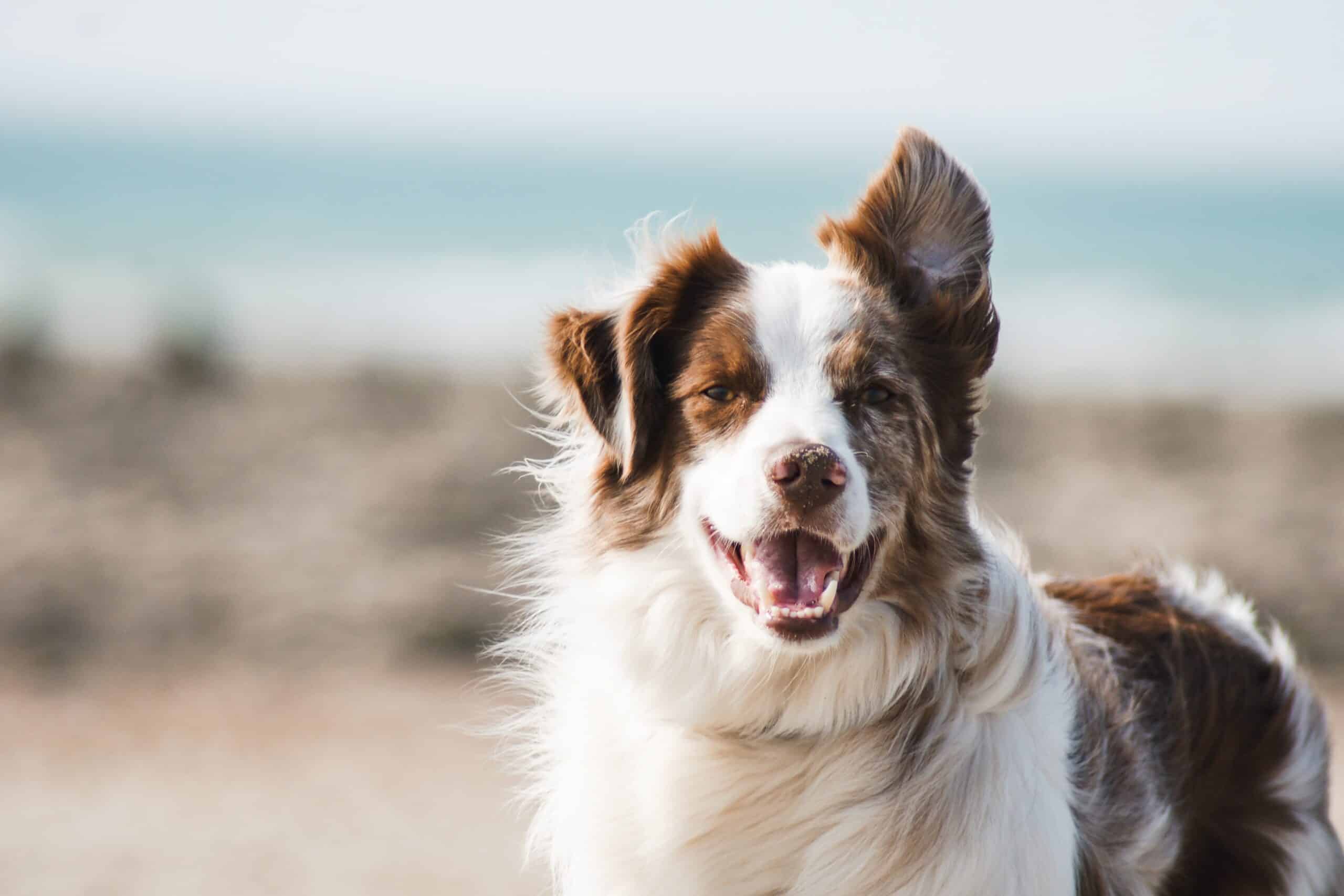
    Imagine your pup sinking into a cozy, supportive bed that cradles them in comfort. Whether they’re a playful puppy or a wise old soul, the right dog bed can provide the perfect haven for relaxation and rejuvenation. Let’s explore the benefits of investing in a quality dog bed that suits your pet’s unique needs and enhances their everyday life.

    Understanding Dog Beds

    Selecting the right dog bed plays a vital role in our dog’s overall well-being. Comfort is essential, especially since dogs spend an important portion of their time resting.
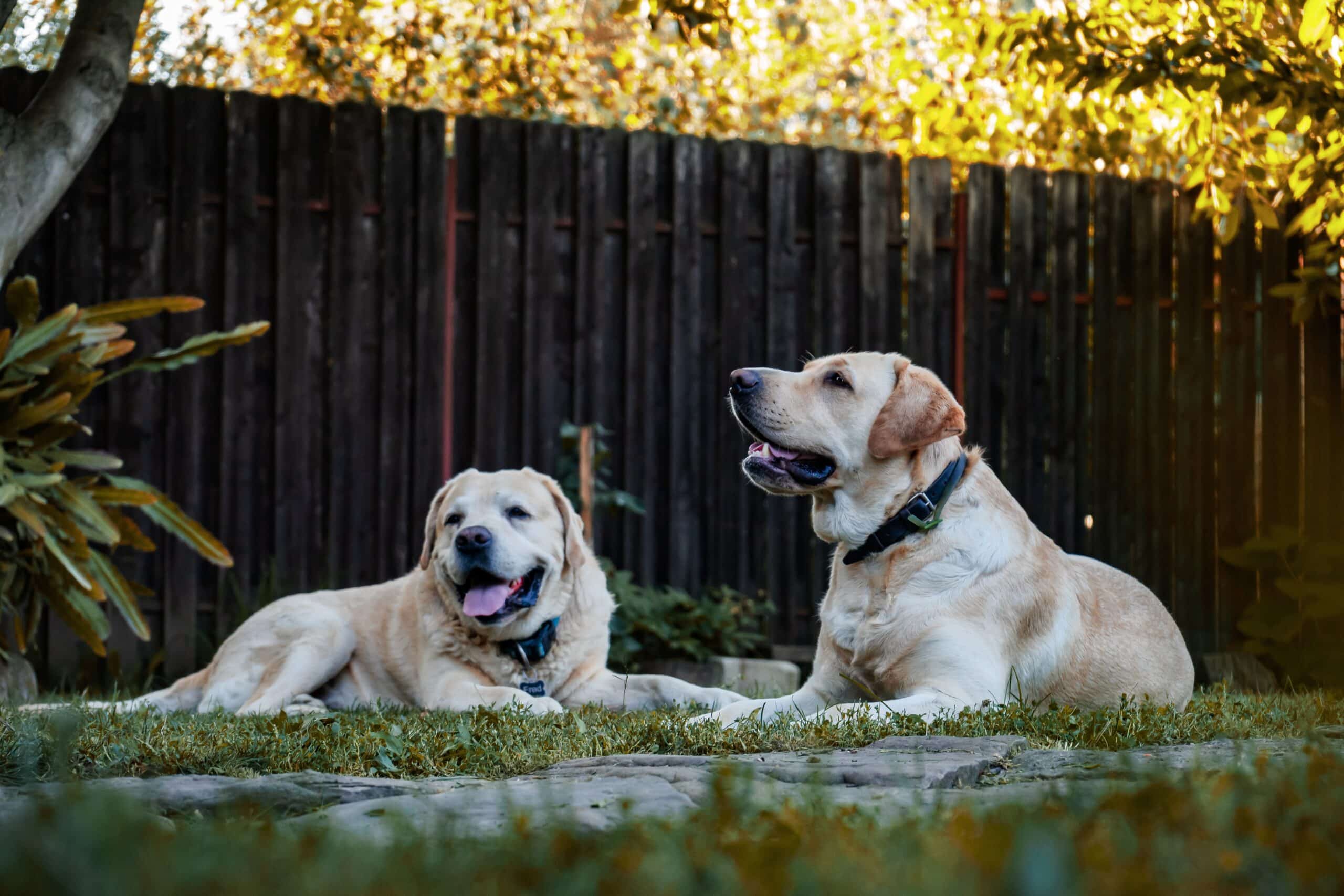

    Importance of Choosing the Right Dog Bed

    Choosing a comfortable dog bed significantly impacts our pets’ health. Supportive bedding, particularly for dogs with joint issues, is crucial. An orthopedic dog bed, for example, offers exceptional support thanks to memory foam or egg-crate foam materials. Quality sleep positively affects behavior; when our dogs rest well, they show increased energy during play and training sessions. Besides, creating a cozy pet bed allows dogs to enjoy a peaceful retreat away from household chaos. Providing the right space for relaxation can greatly enhance our dog’s life. In essence, a good dog mattress leads to fewer behavioral problems and happier furry companions.

    Types of Dog Beds Available

    Many dog bed types cater to diverse needs. A large dog bed might be perfect for bigger breeds, while a small dog bed suits tiny companions. Waterproof dog beds are handy for accidents or outdoor use, while chew-resistant options stand up to vigorous pups.

    Elevated dog beds keep pets cool in warm weather, while luxury dog beds add style to our home. Also, dog bed inserts offer customization, allowing us to select the perfect firmness. There are also options like dog crate beds designed to fit snugly in crates.

    With various materials available, finding a washable dog bed or soft dog bedding ensures we keep hygiene in check. Each choice rests on our dog’s exact needs and lifestyle, leading to informed decisions in our pet sleeping furniture selection.

    Factors to Consider When Buying a Dog Bed

    Choosing the right dog bed involves several key considerations that cater to our pets’ needs. Prioritizing comfort and fit ensures our furry companions enjoy a restful sleep.

    Size and Dimensions

    First, we must measure our dogs accurately. Determining the dog’s length from nose to tail and width from shoulder to shoulder provides insight into the appropriate dog bed sizes. A large dog bed allows ample space for stretching, while a small dog bed suits petite breeds. When selecting a dog mattress, consider the area where it will be placed. Providing sufficient room enhances comfort without compromising support.

    Materials and Comfort

    Materials play a crucial role in our dog’s comfort and the bed’s longevity. Many options, including memory foam dog beds and soft dog bedding, offer varying levels of support. Foam provides orthopedic benefits, especially for aging dogs that require extra care. Fleece and fabric choices feel cozy, inviting dogs to curl up. When evaluating dog bedding materials, thickness and padding influence how well the bed alleviates pressure points.

    Orthopedic and Health Benefits

    Choosing an orthopedic dog bed can significantly impact our pets’ health. Such beds support joints, particularly in older or injured dogs. Memory foam and raised dog beds promote better alignment during sleep, assisting in overall well-being. By investing in a durable pet bed, we ensure long-lasting support for our furry friends. An elevated dog bed can keep our pets dry and comfortable in various environments. Eventually, the right dog bed for aging dogs or active pups improves their quality of life and rejuvenates their energy levels.
    beagle lying on back on dog bed
    Photo by Albina White on Pexels.com

    Popular Features in Dog Beds

    Selecting a dog bed involves considering various features that enhance comfort and practicality. Among the most valued elements are washable covers and waterproof options.

    Washable and Removable Covers

    A washable dog bed significantly simplifies cleaning and maintenance. Dog owners appreciate removable covers that can be easily tossed in the washing machine. This feature proves crucial for puppies undergoing house-training and for aging dogs experiencing incontinence. For instance, beds like the Fur Haven Plush & Suede Orthopedic Dog Bed come with removable covers, allowing easy upkeep. Keeping our furry friends’ sleeping areas clean contributes to their overall health. Regular washing ensures that the dog mattress remains fresh and free from odors.

    Waterproof Options

    Waterproof dog beds offer solid protection against spills and accidents. Many find this feature essential, especially for senior dogs prone to mishaps. Durable materials with waterproof liners safeguard the dog bed padding from moisture. These beds, like the Pet Fusion Ultimate Dog Bed, protect your investment while providing a cozy haven. Also, waterproof features help keep allergens at bay, promoting a healthier sleeping environment. Spills and drool need no longer be a concern, allowing for carefree play and rest.

    Dog Bed

    Non-Slip Bottoms

    Non-slip bottoms enhance safety for our canine companions. A pet bed that stays in place minimizes risks of slipping or sliding, especially for older pets. This feature is particularly beneficial for larger dog beds, providing stability and comfort. Many modern beds incorporate grippy materials to keep them securely anchored during use. Choosing a bed with a non-slip bottom ensures confidence when our pets move in and out of their cozy spot. Captivating and safe sleeping surfaces contribute to a more enjoyable rest for our furry friends.

    Care and Maintenance of Dog Beds

    Keeping our canine buddy’s sleep environment clean and well-maintained enhances their comfort and health. Regular care ensures that our dog’s bed remains a cozy retreat.

    Cleaning Tips

    Vacuuming effectively removes hair, dirt, and dander from our pet’s sleeping surface. Next, we should unzip and remove the dog bed cover, checking the care label for washing instructions. Washing the cover in a machine with pet-safe detergent is essential; choosing a warm or hot water cycle effectively eliminates bacteria and odors. To avoid snags, we close all zippers before washing. If we’re drying the cover in a machine, using the lowest heat setting protects against shrinkage and possible damage. Air drying remains the ideal option, preserving the integrity of fabrics and materials.

    Longevity and Durability

    Opting for durable pet bedding materials can significantly extend the life of our dog’s bed. Selecting a dog mattress made from high-quality materials ensures it withstands daily wear and tear. Orthopedic dog beds and chew-resistant options cater to exact needs, particularly for aging dogs or those with heavy chewing habits. Large dog beds require robust construction just as small dog beds do. Maintaining these beds with regular cleaning also contributes to longevity. Employing waterproof dog beds prevents moisture and offers extra protection against spills and accidents. Investing in a luxury dog bed or raised dog bed not only enhances comfort but also adds to durability, creating a safe space for our furry friends.

    Conclusion

    Investing in a quality dog bed is one of the best decisions we can make for our furry companions. A comfortable and supportive bed not only enhances their quality of life but also promotes better health and behavior. By considering our dog’s exact needs and preferences, we can create a cozy haven for them to rest and rejuvenate.

    With various options available, like orthopedic beds and washable covers, we have the flexibility to choose what suits our pet best. Regular maintenance and attention to durability will ensure our dog’s bed lasts for years to come. Eventually, a well-chosen dog bed can transform our pets’ resting experience, leading to happier and healthier lives. Let’s prioritize their comfort and well-being with the right choice today.

  • Decoding Dog Barks: Understanding Your Canine’s Vocal Language

    Decoding Dog Barks: Understanding Your Canine’s Vocal Language

    Ever wondered why your furry friend’s barks sound so different? From high-pitched yaps to deep, resonant woofs, dog barking sounds are as diverse as the canines themselves. We’re diving into the intriguing area of canine communication to help you understand what your pup’s trying to tell you.

    Understanding Dog Barking Sounds

    Dog barking is a complex form of communication that serves various purposes in canine behavior. We’ll explore the reasons behind dog barking and the different types of barks to help you better understand your furry friend’s vocalizations.

    Why Dogs Bark

    Dogs bark as a primary means of communication, expressing a range of emotions and intentions. Here are the key reasons dogs bark:

    • Alerting: Dogs bark to warn their owners of potential threats, such as strangers or unusual noises.
    • Excitement: Barking can indicate playfulness or enthusiasm, often accompanied by wagging tails and energetic body language.
    • Attention-seeking: Dogs may bark to get their owner’s attention for food, playtime, or other needs.
    • Loneliness: Separation anxiety or isolation can trigger barking, especially when left alone for extended periods.
    • Fear or aggression: Dogs use barking as a defensive mechanism when feeling threatened or scared.
    • Territorial behavior: Barking serves to mark and protect a dog’s perceived territory from intruders.
    • Medical issues: Persistent barking may signal underlying health problems or discomfort.

    Understanding these motivations helps owners address their dog’s needs and manage excessive barking effectively.

    Types of Dog Barks

    Dogs produce various types of barks, each with distinct characteristics and meanings:

    • Alert barks: Short, sharp, and repetitive barks used to signal potential threats or unusual occurrences.
    • Playful barks: Higher-pitched, excited vocalizations often accompanied by yips or short howls during playtime.
    • Demand barks: Persistent, attention-seeking barks with pauses for owner response, typically for food or attention.
    • Greeting barks: Friendly, mid-pitched barks combined with tail wagging when welcoming familiar people or animals.
    • Warning barks: Low-pitched, intense barks aimed at potential intruders or perceived threats.
    • Lonely barks: High-pitched, prolonged barks with large gaps between them, indicating distress when left alone.
    • Pain barks: Sharp, sudden yelps or whines signaling discomfort or injury.
    • Boredom barks: Repetitive, monotonous barking resulting from lack of mental or physical stimulation.

    By recognizing these distinct bark types, owners can better interpret their dog’s needs and respond appropriately to their canine companion’s communication attempts.

    Common Dog Barking Sounds and Their Meanings

    Dogs communicate through various barking sounds, each with a distinct purpose. We’ll explore four common types of dog barks and their meanings to help you better understand your canine companion’s vocalizations.

    Alert Barks

    Alert barks are characterized by a deep, resonant pitch and continuous frequency. Dogs use these barks to warn their owners of potential threats, such as strangers approaching the door or window. The lower the pitch, the more serious the dog perceives the situation to be.

    Alert barks are typically rapid and persistent, with the dog often directing their attention towards the source of concern. For example, a dog might emit a series of deep, frenzied barks at the window when a stranger approaches the door. These vocalizations serve as an important communication tool, alerting owners to potential dangers and helping to protect their territory.

    Dog Barks

    Attention-Seeking Barks

    Attention-seeking barks are characterized by a higher pitch and consist of short, exact vocalizations. Dogs use these barks to gain their owner’s attention or highlight something they deem important. The frequency of these barks is often repetitive, with the dog essentially saying, “Look here!” or “Pay attention to me!” Attention-seeking barks are typically quick and sharp, delivered in rapid succession. For instance, a dog might emit a series of quick, repetitive barks when it wants its owner to notice something or desires interaction. These barks are often accompanied by other behaviors such as pawing, jumping, or bringing toys to further emphasize their desire for attention.

    Playful Barks

    Playful barks are distinguished by their higher pitch and enthusiastic tone. These vocalizations are often accompanied by excited body language, such as a wagging tail, playful bows, or bouncing movements. Dogs use playful barks to express joy, excitement, and an invitation to engage in fun activities. The frequency of these barks can vary but is often interspersed with short pauses or other playful sounds. For example, a dog might emit a series of high-pitched, cheerful barks while chasing a ball or playing with another dog. Playful barks are typically shorter in duration compared to alert barks and are often combined with other vocalizations like yips or small howls.

    Anxious or Fearful Barks

    Anxious or fearful barks are characterized by a high-pitched, often trembling tone. These vocalizations are typically accompanied by signs of stress or fear, such as a tucked tail, flattened ears, or trembling. Dogs use these barks to express discomfort, uncertainty, or fear in response to unfamiliar or threatening situations.

    The frequency of anxious barks can vary but is often persistent and may increase in intensity if the perceived threat doesn’t subside. For instance, a dog might emit a series of high-pitched, wavering barks during a thunderstorm or when confronted with an unfamiliar object. These barks serve as a communication tool for dogs to express their emotional state and seek reassurance or protection from their owners.

    Factors Influencing Dog Barking Sounds

    Dog barking sounds vary significantly based on several factors. Understanding these influences helps us interpret our canine companions’ vocalizations more accurately.

    Breed Differences

    Different dog breeds produce distinct barking sounds. Larger breeds typically have deeper, more resonant barks, while smaller breeds tend to have higher-pitched vocalizations. For example:

    • German Shepherds often have low, powerful barks
    • Chihuahuas produce high-pitched, yappy barks
    • Beagles are known for their melodious, howl-like barks

    Breed-exact traits also affect barking frequency and duration. Some breeds, like Basenjis, rarely bark, while others, such as Beagles and Terriers, are more vocal. These differences stem from the breeds’ original purposes and genetic predispositions.

    Dog Barks

    Age and Maturity

    A dog’s age and maturity level significantly impact its barking sounds. Puppies typically have higher-pitched, less controlled barks compared to adult dogs. As dogs mature:

    • Their vocal cords develop, deepening their bark
    • They learn to modulate their barking for different situations
    • Barking patterns become more consistent and purposeful

    Senior dogs may experience changes in their barking due to physical factors:

    • Reduced lung capacity can lead to softer barks
    • Cognitive decline might cause increased or unusual barking patterns
    • Hearing loss may result in louder or more frequent barking

    Understanding these age-related changes helps us better interpret and respond to our dogs’ vocalizations throughout their lives.

    Interpreting Dog Barking Sounds

    Understanding dog barking sounds is essential for decoding canine communication. We’ll explore how pitch, tone, duration, and frequency of barks convey different messages and emotions.

    Pitch and Tone

    Pitch and tone in dog barks provide crucial insights into a dog’s emotional state and the context of their vocalization. Higher-pitched barks typically indicate playfulness, excitement, or loneliness. For instance, during play sessions or when separated from their owners, dogs often emit higher-pitched, more tonal barks. Conversely, lower-pitched and harsher barks are associated with aggression, warning, or defensive behaviors. When dogs encounter strangers or potential intruders, their barks tend to be lower in pitch and longer in duration compared to playful or isolation-related barks.

    Duration and Frequency

    The duration and frequency of dog barks vary significantly based on the context and the message they’re trying to convey. Barks that are longer in duration with shorter intervals between them often signify a more serious or alert state. This pattern is commonly observed when dogs are warning off perceived threats or intruders. On the other hand, shorter, more rapid barks might indicate excitement or urgency. The frequency of barking can also provide clues about a dog’s emotional state or needs. Persistent, repetitive barking may suggest anxiety, boredom, or a desire for attention, while occasional barks might simply be a dog’s way of communicating with their environment or responding to stimuli.

    Dog Barks

    Managing Excessive Dog Barking

    Excessive dog barking can be a nuisance, but it’s often a sign of underlying issues. We’ll explore effective techniques to manage and reduce excessive barking, helping create a more peaceful environment for both dogs and their owners.

    Training Techniques

    Positive reinforcement is key to managing excessive barking. We recommend teaching the “quiet” command by rewarding silence. Start by allowing your dog to bark a few times, then say “quiet” and offer a treat when they stop. Consistency is crucial in this training process.

    Another effective technique is redirecting your dog’s attention. When they start barking excessively, engage them in a different activity or command they enjoy. This helps break the barking cycle and reinforces positive behaviors.

    Desensitization can also be helpful, especially for dogs that bark at exact triggers. Gradually expose your dog to the trigger at a distance where they don’t bark, rewarding calm behavior. Slowly decrease the distance over time, continuing to reward quiet reactions.

    Professional Help

    If excessive barking persists even though consistent training efforts, seeking professional help is advisable. Certified dog trainers or animal behaviorists can provide personalized strategies customized to your dog’s exact needs and triggers.

    These professionals can identify underlying causes of excessive barking, such as anxiety, boredom, or medical issues. They’ll develop a comprehensive behavior modification plan, which may include advanced training techniques, environmental enrichment, or even medication in severe cases.

    Professional help ensures a structured approach to managing excessive barking, offering support and guidance throughout the process. They can also address any unintentional reinforcement of barking behaviors by owners, ensuring a consistent and effective management strategy.

    Conclusion

    Understanding dog barking sounds is crucial for effective communication with our canine companions. We’ve explored various types of barks their meanings and the factors influencing them. By recognizing the nuances in pitch tone and frequency we can better interpret our dogs’ needs and emotions. Remember that each dog is unique and their barks may vary. With patience and practice we’ll become fluent in our furry friends’ language improving our bond and ensuring their well-being. Let’s listen closely to what our dogs are telling us through their barks and respond with empathy and understanding.

  • Skinwalker Dogs: Unraveling the Mystery of Shapeshifting Canines

    Skinwalker Dogs: Unraveling the Mystery of Shapeshifting Canines

    Have you ever heard tales of eerie creatures that can shapeshift into animals, blurring the line between myth and reality? Welcome to the chilling industry of skinwalkers, a phenomenon that’s captured the imagination of many, particularly in the form of the infamous “skinwalker dog.”

    In Navajo folklore, skinwalkers, or “yenaldooshi,” are supernatural beings with the ability to transform into various animals, including dogs. These shape-shifting entities have become a source of fascination and fear, sparking countless stories and alleged sightings. We’ll explore the origins of this legend, its cultural significance, and why the concept of a skinwalker dog continues to intrigue and terrify people across the United States.

    As we investigate into this mysterious topic, we’ll separate fact from fiction, examine reported encounters, and discuss the impact of skinwalker lore on popular culture. Whether you’re a skeptic or a believer, join us as we unravel the enigma of the skinwalker dog.

    What Is a Skinwalker Dog?

    A skinwalker dog isn’t a exact breed but a concept rooted in Native American folklore. It refers to a supernatural being with the ability to transform into various animals, including dogs.

    Origins in Native American Folklore

    Skinwalker dogs originate from Navajo tradition, where they’re known as “yee naaldlooshii.” These entities are part of a broader category of shapeshifters in Navajo mythology. The concept of skinwalkers is deeply embedded in Southwestern tribal cultures, particularly among the Navajo.

    In these traditions, skinwalkers aren’t limited to dog forms. They’re believed to possess the power to transform into or possess various animals, including wolves, coyotes, and bears. The dog form is just one of many manifestations attributed to these mythical beings.

    Navajo folklore portrays skinwalkers as malevolent witches who’ve gained their powers through taboo practices. These practices often involve breaking cultural norms or committing heinous acts, which are believed to grant them their shapeshifting abilities.

    Distinguishing Features

    Skinwalker dogs are said to possess several unique characteristics that set them apart from normal canines:

    1. Supernatural abilities: They’re believed to have enhanced strength, speed, and senses beyond those of regular dogs.
    2. Shapeshifting: The ability to transform between human and animal forms is their defining feature.
    3. Malevolent intent: Unlike regular dogs, skinwalker dogs are often associated with evil purposes or harmful intentions.
    4. Unusual behavior: They may exhibit behavior that’s atypical for dogs, such as walking on two legs or displaying human-like intelligence.
    5. Physical anomalies: Some accounts describe skinwalker dogs with unnaturally large eyes, disproportionate body parts, or the ability to make human-like sounds.

    These distinguishing features contribute to the fear and fascination surrounding the concept of skinwalker dogs in both traditional folklore and modern popular culture.

    Alleged Sightings and Encounters

    Skinwalker dog sightings and encounters have been reported across various locations, often described with eerie details. These accounts provide insight into the perceived characteristics and behaviors of these mythical creatures.

    Common Locations

    Skinwalker dog sightings are frequently reported in areas with strong Native American heritage, particularly in the southwestern United States. The Navajo Nation, spanning parts of Arizona, New Mexico, and Utah, is a hotspot for alleged encounters. Other locations include:

    • Skinwalker Ranch in Utah
    • Four Corners region (where Arizona, Colorado, New Mexico, and Utah meet)
    • Tribal lands in Oklahoma
    • Forested areas in the Pacific Northwest

    These locations often share common features such as isolated rural settings, proximity to sacred sites, and areas with a rich history of paranormal activity.

    Eyewitness Accounts

    Eyewitness accounts of skinwalker dogs often describe unsettling and bizarre encounters. These reports typically include elements of shape-shifting, unusual behavior, and a sense of malevolence. Here are some common themes in eyewitness accounts:

    1. Shape-Shifting: Many witnesses report seeing a creature transform from a dog-like form into something more humanoid. For example, one account describes a “huge evil-looking black lab” that changed into “almost a hairy human form.”
    2. Unnatural Size and Appearance: Skinwalker dogs are often described as being larger than normal dogs, with some reports mentioning creatures as big as a small horse. Their eyes are frequently described as glowing or unnaturally bright.
    3. Aggressive Behavior: Witnesses often report skinwalker dogs exhibiting aggressive or predatory behavior towards humans, pets, or livestock. One account mentions a skinwalker-like creature attacking a cat, leaving it with a noticeable limp.
    4. Supernatural Abilities: Some eyewitnesses claim these creatures can move at impossible speeds, disappear suddenly, or pass through solid objects.
    5. Eerie Vocalizations: Reports often include descriptions of unsettling sounds, such as human-like screams or laughter coming from what appears to be a dog.
    6. Physical Anomalies: Witnesses sometimes describe skinwalker dogs with peculiar physical features, such as elongated limbs, misshapen heads, or the ability to walk on two legs.
    7. Psychological Impact: Many who claim to have encountered skinwalker dogs report feeling an overwhelming sense of dread or evil presence during the encounter.

    These eyewitness accounts, while often dismissed as folklore or misidentification of natural phenomena, continue to fuel the legend of skinwalker dogs. The consistency in details across various reports adds to the intrigue surrounding these alleged encounters.

    Powers and Abilities

    Skinwalker dogs possess extraordinary abilities that set them apart from ordinary canines. These supernatural beings exhibit a range of powers that make them formidable and feared in Navajo folklore.

    Shapeshifting

    Skinwalker dogs have the remarkable ability to transform into various animals. This shapeshifting power allows them to take on the form, traits, and abilities of the creature they mimic. Typically, skinwalkers wear the hide of an animal to achieve transformation, with common forms including coyotes, bears, owls, and deer. The process of shapeshifting enables skinwalker dogs to adapt to different environments and situations, making them versatile and unpredictable. This ability isn’t limited to a single form, as skinwalkers can shift between multiple animal shapes, each granting them unique advantages and characteristics.

    Skinwalker Dogs

    Supernatural Speed and Strength

    Skinwalker dogs exhibit superhuman physical abilities that far exceed those of normal canines. Their enhanced speed allows them to cover vast distances in short periods, making them elusive and difficult to track. When in animal form, skinwalker dogs move at unnatural speeds, often appearing as blurs to the human eye. Their strength is equally impressive, with the ability to overpower larger prey and even humans with ease. This supernatural strength extends to their endurance, enabling them to maintain high levels of physical exertion for extended periods without fatigue. The combination of these enhanced physical attributes makes skinwalker dogs formidable adversaries and contributes to their fearsome reputation in Navajo folklore.

    Weaknesses and Vulnerabilities

    In Navajo folklore, skinwalker dogs, like other skinwalkers, possess formidable powers. But, they’re not invincible. These supernatural beings have exact weaknesses and vulnerabilities that can be exploited to counter their malevolent influence.

    Magical and Spiritual Weaknesses

    Skinwalker dogs are particularly susceptible to sacred objects and rituals. These spiritual defenses include:

    • Sacred stones: Certain types of stones, believed to hold spiritual power, can repel or harm skinwalkers.
    • Herbs: Exact plants with spiritual significance in Navajo culture may weaken or ward off skinwalker dogs.
    • Ritual objects: Items used in traditional ceremonies can provide protection against these entities.

    The effectiveness of these sacred items stems from their connection to Navajo spiritual beliefs, which are at odds with the dark magic skinwalkers employ.

    Physical Vulnerabilities

    Even though their supernatural nature, skinwalker dogs can be physically harmed or killed. Traditional beliefs suggest exact methods for combating these entities:

    • Silver bullets: Ammunition made from silver is said to be particularly effective against skinwalkers.
    • Sacred materials: Weapons crafted from or imbued with spiritually important substances can injure skinwalker dogs.

    These physical vulnerabilities are rooted in the belief that certain materials possess spiritual power capable of countering the skinwalker’s dark magic.

    Behavioral Weaknesses

    Skinwalker dogs, while adept at mimicking animal behavior, often struggle with certain actions that reveal their true nature:

    • Human-exact abilities: They may have difficulty performing tasks that require uniquely human capabilities.
    • Unusual behavior: Skinwalker dogs might exhibit behaviors that set them apart from normal animals, potentially exposing their supernatural nature.

    These behavioral quirks can serve as telltale signs for those aware of skinwalker lore, potentially allowing for identification and subsequent countermeasures.

    By understanding these weaknesses and vulnerabilities, we gain insight into the complex mythology surrounding skinwalker dogs. This knowledge not only enriches our understanding of Navajo folklore but also provides context for the enduring fascination with these supernatural beings in popular culture.

    Skinwalker Dogs

    Skinwalker Dogs in Popular Culture

    Skinwalker dogs have captured the imagination of audiences across various forms of media. Their supernatural origins and shape-shifting abilities have made them intriguing subjects for storytellers in movies, TV shows, books, and literature.

    Movies and TV Shows

    Skinwalker dogs have made notable appearances in several films and television series, often blending Native American folklore with modern storytelling techniques. In the 2006 horror film “Skinwalkers,” while not specifically about dogs, the movie explores the shape-shifting aspect of skinwalkers, drawing inspiration from Navajo legends. The popular TV series “Supernatural” features skinwalkers as shape-shifters capable of transforming into various animals, including dogs. These creatures are portrayed as complex antagonists, adding depth to the show’s mythology. “The X-Files,” known for its exploration of paranormal phenomena, occasionally delves into Native American legends, including entities that could be interpreted as skinwalkers. These portrayals have helped bring the concept of skinwalker dogs to a wider audience, sparking curiosity about their origins and abilities.

    Books and Literature

    Skinwalker dogs have found a prominent place in literature, particularly in genres such as horror, fantasy, and Native American fiction. Tony Hillerman’s Navajo Tribal Police mystery series, including novels like “Skinwalkers,” incorporates elements of Navajo folklore and skinwalker legends into its narratives. These books offer readers a blend of traditional beliefs and modern storytelling, often featuring skinwalker dogs as mysterious and feared entities.

    Urban fantasy authors have also embraced the concept, with series like Patricia Briggs’ Mercy Thompson novels featuring skinwalkers as complex characters with shape-shifting abilities. Non-fiction works exploring Native American mythology and cryptozoology frequently discuss skinwalker dogs, providing historical context and examining reported encounters. These literary representations have contributed to the enduring fascination with skinwalker dogs, offering diverse perspectives on their nature and significance in different cultural contexts.

    Skinwalker Dogs

    Debunking the Myth

    The myth of skinwalker dogs, while captivating, can be explained through scientific reasoning and critical analysis. We’ll explore the rational explanations behind these alleged encounters and the common misidentifications that fuel the legend.

    Scientific Explanations

    Skinwalker dog sightings often have logical explanations rooted in biology, psychology, and environmental factors. Coyotes or wolves with mange, a skin condition causing hair loss, can be mistaken for supernatural creatures due to their unusual appearance. Pareidolia, the tendency to perceive familiar patterns in random stimuli, can lead people to see human-like features in animals. Stress, fatigue, and low-light conditions can impair perception, causing misinterpretation of ordinary animals as something extraordinary. Also, the power of suggestion and cultural beliefs can influence how people interpret ambiguous stimuli, leading to reports of skinwalker dogs that align with preexisting folklore.

    Misidentification of Natural Phenomena

    Many reported sightings of skinwalker dogs can be attributed to the misidentification of natural phenomena or known animals. Large dog breeds like Great Danes or Irish Wolfhounds may be mistaken for supernatural beings due to their imposing size. Coyotes, which are common in areas associated with skinwalker lore, can exhibit unusual behavior when infected with rabies or distemper, leading to eerie encounters. Optical illusions caused by atmospheric conditions, such as light refraction or mirages, can distort the appearance of ordinary animals.

    Wildlife cameras often capture blurry or partial images of animals, which viewers might interpret as skinwalkers based on preconceived notions. Understanding these common misidentifications helps demystify many alleged skinwalker dog encounters and provides rational explanations for seemingly supernatural events.

    Conclusion

    The legend of skinwalker dogs continues to captivate our imagination blending ancient folklore with modern intrigue. While science offers rational explanations for many reported encounters we can’t deny the profound impact these stories have on our culture. Whether viewed as supernatural entities or misunderstood natural phenomena skinwalker dogs remind us of the enduring power of myth and the human desire to explore the unknown. As we navigate between skepticism and belief it’s clear that the allure of skinwalker dogs will persist challenging us to question the boundaries between the ordinary and the extraordinary in our industry.

  • Cheems Dog: Enduring Meme Legend and Cultural Phenomenon

    Cheems Dog: Enduring Meme Legend and Cultural Phenomenon

    Why does a Shiba Inu with a fondness for “cheemsburbgers” capture the hearts of millions online? The Cheems dog, known for its skeptical face and humorous memes, has become an internet sensation since its debut in 2017. As part of the doge meme genre, Cheems has not only entertained us but also inspired a wave of dog-themed cryptocurrencies, highlighting its cultural impact.

    We’re diving into the industry of Cheems to explore how this meme phenomenon came to be and why it resonates with so many. From its origins on Instagram to its widespread popularity on Reddit, Cheems has become more than just a meme—it’s a symbol of joy and creativity in the digital age. In this text, we’ll uncover the story behind Cheems, its influence on internet culture, and what it means for the future of memes. Join us as we celebrate the legacy of this iconic Shiba Inu.

    Origins Of Cheems Dog

    Cheems, affectionately known as Balltze, first stole our hearts as an internet meme sensation. This Shiba Inu, born on January 9, 2011, in Hong Kong, began its journey when fashion designer Kathy adopted him at age one from a friend. Cheems quickly became beloved for its endearing, skeptical expression. Our fascination with Cheems arose primarily from his first appearance online on September 4, 2017. This day marked the introduction of Cheems to the digital industry through Kathy’s Instagram account, @balltze, where she posted an iconic photo that captured Cheems’ unique charm.

    Cheems Dog

    The Cheems meme took off in June 2019. A Reddit user, Spicy_Meme_Boi, pioneered the “Cheemsburbger” meme, introducing a comic where Cheems humorously demanded a “cheemsburbger.” This whimsical creation quickly captivated users within the /r/dogelore subreddit and later spread to broader social media circles, firmly establishing Cheems as a staple in meme culture.

    Cheems’ popularity wasn’t solely reliant on its imagery. Kathy maintained a consistent presence on social media, sharing photos that vividly showcased Cheems’ daily moods and notable photogenic qualities. These photos, combined with Cheems’ persona, contributed significantly to his growing influence across various online platforms.

    As the meme evolved, Cheems became symbolic of many emotions, often used to depict discomfort or weakness in humorous situations. This aspect of Cheems’ identity struck a chord with audiences, leading to extensive meme adoption worldwide. Sadly, Cheems, or Balltze, passed away in August 2023, leaving behind a legacy that brought laughter and joy to countless people.

    In understanding the origins of Cheems, we see how an ordinary Shiba Inu became a powerful symbol in internet culture, highlighting the potential for digital art to unite and engage global audiences. As we reflect on Cheems’ journey, his story remains a testament to the enduring impact of memes in our lives.

    The Rise Of The Cheems Meme

    Viral Spread And Popularity

    The Cheems meme captured public imagination with its distinctive humor. Emerging from Reddit in June 2019, Cheems quickly spread across various platforms. Its quirky captions and Balltze’s endearing expression resonated with a wide audience. On platforms like Twitter and Instagram, users shared Cheems in different contexts, amplifying its reach. This widespread adoption helped Cheems become synonymous with relatable humor in meme culture. Its influence also extended into the Spanish-speaking industry, illustrating the global appeal of Cheems memes and their humorous takes on everyday scenarios.

    Meme Formats And Variations

    Cheems memes evolved into many formats and variations. Creators adapted Cheems into diverse meme templates, often featuring humorous misspellings, like “Cheemsburbger,” which highlighted the character’s charm. These variations included the dog contrasting different situations or emotions, providing fresh takes on popular culture themes. The memes also featured familiar phrases in Spanish, such as “no puede ser,” improving cultural relevance. Cheems’ versatile nature allowed creators to blend its format with current events and shared experiences, further cementing its status in online meme communities.

    Notable Cheems Memes

    Cheems holds a special place in meme culture thanks to his relatable and humorous depictions. Various meme variations contribute to his enduring popularity, each showcasing unique attributes of the Cheems dog.

    Cheems Dog

    Bonk Meme

    In the broader meme culture involving dogs, the “Bonk” meme stands out with a particular scenario where Cheems’ likeness is used to convey unexpected humor. The meme features Cheems with a baseball bat, aiming at another dog. The onomatopoeia “bonk” appears, often accompanied by the phrase “go to horny jail.” This meme is commonly deployed in response to suggestive commentary, serving as a humorous reprimand. This format gained traction, integrating seamlessly into meme culture’s industry and demonstrating Cheems’ adaptability in various meme formats.

    Swole Doge Vs. Cheems

    The “Swole Doge vs. Cheems” meme illustrates a stark juxtaposition between idealized and present states, with Swole Doge symbolizing the past’s strength and Cheems embodying the present’s lesser state. This meme format surged in popularity during the COVID-19 pandemic, resonating with audiences worldwide. It creatively contrasts past perceptions with current realities, often humorously highlighting the disparities. Cheems’ role in this meme underscores his versatility, seamlessly fitting into themes that explore change, nostalgia, and humor, further cementing his legacy in digital culture.

    Cultural Impact And Legacy

    Cheems, the Shiba Inu with a distinctive expression, left an indelible mark on internet culture. His memes emerged as a universal language of humor, resonating across social media platforms.

    Influence On Other Dog Memes

    Cheems sparked a creative wave, influencing other dog memes. His iconic presence alongside memes like “Swole Doge vs. Cheems” inspired creators to innovate. Many memes borrowed Cheems’ signature style—his overbite and quirky captions—leading to variations that celebrated canine expressions. The collaborative meme industry saw a blend of similar formats, incorporating humor with relatable social commentary. Cheems’ influence helped shape the ever-changing and evolving industry of dog memes, prompting fresh takes and spreading joy globally.

    Cheems Dog’s Legacy

    Cheems, affectionately known as Balltze, left an indelible mark on internet culture. Born in Hong Kong and adopted by Kathy, his rise to fame began in 2017. His lovable expression swiftly captivated millions online. Cheems memes, particularly the “Cheemsburbger” comic, became iconic in meme culture. This unique blend of humor resonated with audiences globally, positioning Cheems as a symbol of relatable internet humor.

    During the COVID-19 pandemic, Cheems memes achieved new heights, offering comfort and laughter when people needed it most. His images, often highlighting endearing quirks and relatable situations, spread rapidly across platforms like Instagram and Twitter. Cheems became synonymous with joy and humor amidst challenging times. The distinct ‘cheems’ language, known for intentionally misspelled words, became a staple in meme culture, embodying a playful twist on traditional communication.

    Cheems Dog

    Cheems’ legacy extends beyond his memes. His impact is reflected in his influence on dog-themed cryptocurrencies like Cheems Inu and Cheemscoin. These coins emerged as competitors to popular digital currencies, symbolizing Cheems’ lasting footprint in digital realms. By inspiring these niche innovations, he demonstrated the fascinating intersection between internet culture and emerging financial technologies, further showcasing his broad influence.

    Cheems’ memes spurred countless variations and adaptations, contributing to the evolving industry of internet humor. Memes like “Bonk” and “Swole Doge vs. Cheems” illustrate this, as they captured the essence of relatable humor and cultural commentary. These variations added depth to meme culture, blending humor with social reflection. His legacy endures in the creativity he inspired, encouraging others to innovate and derive joy from deceptively simple yet profound expressions.

    In August 2023, Cheems passed away, yet his impact lives on. Kathy continues to share messages and memories of Cheems, ensuring his legacy endures in the hearts of fans worldwide. Cheems left behind a vibrant trail in meme culture, representing the universal language of humor that binds communities together, demonstrating the power of a simple smile to resonate across diverse audiences.

    Conclusion

    Cheems’ journey from a charming Shiba Inu to a global meme icon illustrates the incredible power of internet culture to connect us through humor. His legacy lives on, not just as a meme but as a symbol of joy and creativity that transcends language and borders. As we continue to share and enjoy Cheems memes, we honor his memory and the laughter he brought into our lives. Let’s cherish the impact Cheems had on meme culture and appreciate the way he brought us together, reminding us of the simple yet profound joy found in a shared smile.

  • Large Breed Dogs: Gentle Giants for Your Family

    Large Breed Dogs: Gentle Giants for Your Family

    Have you ever wondered why large breed dogs capture our hearts so effortlessly? These gentle giants bring a unique blend of loyalty, strength, and affection to our lives. From Great Danes to Saint Bernards, large breed dogs offer companionship on a grand scale.

    We’ll discover the area of large breed dogs, discussing their characteristics, care requirements, and the joy they bring to families. Whether you’re considering adding a big fur baby to your home or simply curious about these majestic canines, we’ve got you covered. Join us as we investigate into the intriguing area of large breed dogs and discover why they’re more than just big bundles of fur.

    Understanding Large Breed Dogs

    Large breed dogs are majestic canines that capture our hearts with their size and personalities. Let’s explore the defining characteristics of these gentle giants and the unique aspects of owning them.

    Definition and Characteristics

    Large breed dogs typically weigh over 55 pounds and stand taller than 22 inches at the shoulders. Giant breeds, a subset of large breeds, can exceed 100 pounds and reach heights of 24 inches or more. Common examples include Great Danes, Mastiffs, Newfoundlands, Bernese Mountain Dogs, and German Shepherds.

    These dogs require ample space to move and play, as well as appropriately sized beds and furniture. When young, large breeds may appear clumsy, but with proper training and maturity, they often become more coordinated and gentle. Their physical presence is matched by their big hearts, making them popular choices for families seeking loyal companions.

    Benefits and Challenges of Owning Large Dogs

    Owning a large breed dog comes with unique rewards and responsibilities. The benefits include their unwavering loyalty and devotion to their families. These dogs often form strong bonds with their owners, providing a sense of security and companionship. Their size can be an advantage in certain situations, such as deterring potential intruders or participating in activities that require strength and endurance.

    But, large breed dogs also present challenges. They typically have higher food and healthcare costs due to their size. Regular exercise is crucial to maintain their health, which can be time-consuming for owners. Space requirements are another consideration, as these dogs need room to move comfortably both indoors and outdoors. Training is essential to ensure they’re well-behaved, especially given their strength and size.

    Even though these challenges, many owners find the joy and companionship of large breed dogs far outweigh the extra effort required. Their gentle nature, combined with their impressive stature, makes them unique and beloved pets for those prepared to meet their needs.

    Large breed dogs capture the hearts of many with their imposing size and gentle nature. We’ll explore some of the most popular large dog breeds, categorized into giant breeds, working dogs, and sporting dogs.

    Brown Short Coated Dog
    Photo by Matthias Zomer on Pexels

    Giant Breeds

    Giant breeds are the true titans of the canine industry. These majestic dogs include:

    • Saint Bernards: Weighing 120-180 pounds, these gentle giants hail from the Swiss Alps. They’re excellent family companions, known for their patience with children.
    • Great Danes: Standing 28-32 inches tall and weighing 110-175 pounds, Great Danes are friendly and outgoing. Their alert nature makes them effective guards without aggression.
    • Irish Wolfhounds: Recognized as the tallest dog breed by the AKC, Irish Wolfhounds weigh 105-120 pounds. They’re affectionate and protective, requiring ample space due to their size.
    • Newfoundlands: These water-loving giants weigh 100-150 pounds. They’re known for their sweet temperament and lifesaving abilities in water rescue.

    Large Working Dogs

    Large working dogs are bred for exact tasks and often excel as family protectors:

    • Akitas: Originating from Japan, Akitas weigh 70-130 pounds. They’re loyal and require early socialization to get along with people and other dogs.
    • Rottweilers: Weighing 80-135 pounds, Rottweilers are confident guardians. They’re intelligent and trainable, making them excellent working dogs.
    • Doberman Pinschers: Known for their sleek appearance, Dobermans weigh 60-100 pounds. They’re energetic, intelligent, and make excellent protection dogs.
    • German Shepherds: Versatile working dogs weighing 50-90 pounds, German Shepherds are often used in police and military roles due to their intelligence and trainability.

    Large Sporting Dogs

    Large sporting dogs are athletic and often make great family pets:

    • Labrador Retrievers: Weighing 55-80 pounds, Labs are America’s most popular breed. They’re friendly, outgoing, and excel in water activities.
    • Golden Retrievers: These gentle dogs weigh 55-75 pounds. They’re known for their intelligence and make excellent therapy and assistance dogs.
    • Weimaraners: Often called “Gray Ghosts,” Weimaraners weigh 55-90 pounds. They’re energetic and require plenty of exercise and mental stimulation.
    • Chesapeake Bay Retrievers: Weighing 55-80 pounds, these dogs are known for their waterproof coat. They’re excellent swimmers and loyal companions.

    Caring for Large Breed Dogs

    Large breed dogs require special care to ensure their health and well-being. We’ll explore essential aspects of caring for these gentle giants, including nutrition, exercise, and grooming needs.

    Nutrition and Feeding

    Proper nutrition is crucial for large breed dogs’ health and longevity. Large-breed puppies need specially formulated diets with balanced protein, calcium, and phosphorus to support proper bone and joint development. These diets typically contain about 1.5% calcium content, 30% high-quality protein, and a calcium to phosphorus ratio of 1:1 to 1:3. For joint health, look for foods with glucosamine, docosahexaenoic acid (DHA), and omega-6 fatty acids. Starting joint supplements at around 8 weeks can benefit long-term joint health. As large breeds reach adulthood (12-18 months), transition them to an adult large-breed diet lower in fat and calories to maintain a healthy weight and reduce injury risk.

    Exercise Requirements

    Large breed dogs need regular exercise to maintain their physical and mental well-being. Daily walks, playtime, and structured activities help keep them fit and prevent obesity-related health issues. Aim for at least 30-60 minutes of exercise per day, customized to your dog’s age, breed, and fitness level. Low-impact activities like swimming are excellent for joint health. Mental stimulation through puzzle toys and training sessions is equally important. But, be cautious with high-impact exercises, especially for growing puppies, to protect their developing joints. Always monitor your large breed dog during exercise and adjust the intensity based on their individual needs and any health concerns.

    Grooming Needs

    Grooming requirements for large breed dogs vary depending on their coat type and length. Regular brushing, at least 2-3 times a week, helps manage shedding and maintains coat health. Long-haired breeds may require daily brushing to prevent matting. Bathe your large breed dog every 6-8 weeks or as needed, using dog-exact shampoos to protect their skin. Pay special attention to their ears, cleaning them weekly to prevent infections. Trim nails regularly, typically every 2-4 weeks, to avoid discomfort and potential joint issues. Don’t forget dental care – brush their teeth several times a week or provide dental chews to maintain oral health. Large breeds may also need more frequent grooming sessions due to their size and potential for drooling.

    Health Considerations for Large Dogs

    Large breed dogs have unique health needs due to their size and genetic predispositions. We’ll explore common health issues and preventive care measures to ensure these gentle giants lead healthy, happy lives.

    Common Health Issues

    Large dogs are prone to several health conditions:

    • Joint Problems: Hip and elbow dysplasia are prevalent, leading to arthritis. Developmental orthopedic disorders like osteochondritis dissecans and panosteitis affect growth.
    • Gastric Dilatation Volvulus (GDV): This life-threatening condition, also known as bloat, occurs when the stomach twists and expands. Deep-chested breeds are particularly susceptible.
    • Heart Diseases: Large breeds face an increased risk of various cardiac issues, requiring regular monitoring.
    • Obesity: Excess weight strains joints and organs, exacerbating other health problems.
    • Cruciate Ligament Ruptures: Large dogs’ active lifestyles make them prone to knee injuries.

    Regular veterinary check-ups are crucial for early detection and management of these conditions.

    Preventive Care

    Proactive care is essential for large breed dogs:

    • Nutrition: Feed a balanced diet formulated for large breeds to support bone and joint health. Controlled feeding prevents rapid growth and obesity.
    • Exercise: Regular, low-impact activities maintain muscle tone and joint flexibility. Swimming is an excellent option for joint-friendly exercise.
    • Weight Management: Monitor your dog’s weight closely, adjusting food intake and exercise as needed.
    • Joint Supplements: Glucosamine and chondroitin supplements may support joint health. Consult your vet for appropriate dosages.
    • Dental Care: Regular teeth brushing and dental check-ups prevent periodontal disease.
    • Proper Bedding: Provide supportive bedding to alleviate pressure on joints during rest.
    • Environmental Modifications: Use ramps or steps to reduce joint stress when accessing furniture or vehicles.

    By implementing these preventive measures, we can help our large canine companions enjoy longer, healthier lives.

    Training and Socialization

    Training and socializing large breed dogs is crucial for their development and behavior. These gentle giants require consistent guidance and positive experiences to become well-mannered companions.

    Obedience Training

    Obedience training is essential for large breed dogs to ensure they’re manageable and safe. We start with basic commands like “Sit,” “Stay,” “Come,” and “Heel.” These foundational skills help maintain control and ensure the safety of both the dog and those around them. Leash training is particularly important for large breeds to prevent them from overpowering their handlers. We emphasize early training in leash manners, especially for giant breeds.

    Handling and grooming exercises are integral to obedience training. We accustom large breed dogs to being touched and handled from an early age. This includes regular nail trimming, teeth brushing, ear cleaning, and grooming sessions. By making these experiences positive, we reduce stress during veterinary visits and other handling situations.

    Socialization Techniques

    Proper socialization is key to raising well-adjusted large breed dogs. We expose them to various people, animals, and environments during their critical developmental period (typically between 3 and 16 weeks of age). This exposure helps prevent fear and aggression issues later in life.

    Puppy classes offer excellent socialization opportunities. These classes allow large breed puppies to interact with other dogs in a controlled environment. We encourage positive experiences with different types of people, including children, men with beards, and people wearing hats or glasses.

    Environmental socialization is equally important. We introduce large breed dogs to different surfaces, sounds, and sights. This includes walks in urban areas, visits to pet-friendly stores, and exposure to household appliances. By gradually introducing new experiences, we build confidence and reduce the likelihood of fear-based behaviors.

    For adult large breed dogs, we focus on ongoing socialization. Regular walks in varied locations, trips to dog parks, and playdates with other well-socialized dogs help maintain their social skills. We also emphasize positive reinforcement during these interactions to encourage good behavior.

    Living with Large Breed Dogs

    Living with large breed dogs presents unique challenges and rewards. These majestic canines require exact considerations to ensure their well-being and harmonious integration into family life.

    Space Requirements

    Large breed dogs need ample space to thrive. A spacious living area is essential for their comfort and health. These gentle giants require room to stretch out, move freely, and avoid feeling cramped. High ceilings prevent them from hitting their heads, while sufficient floor space accommodates their size.

    Exercise is crucial for large dogs. They need regular physical activity to maintain a healthy weight and prevent joint problems. A substantial outdoor area, such as a yard, provides the perfect environment for running, playing, and getting fresh air. Breeds like Great Danes and Newfoundlands particularly benefit from expansive spaces to move around.

    Indoor areas should also allow for easy movement. Wide hallways and open floor plans help large dogs navigate comfortably. Consider the layout of your home when bringing a large breed dog into your life to ensure they have enough room to maneuver without feeling restricted.

    Family Compatibility

    Large breed dogs often make excellent family companions. Their gentle nature and patience make them ideal for households with children. Many large breeds, such as Labrador Retrievers and Golden Retrievers, are known for their friendly disposition and adaptability to family life.

    These dogs typically have a calm demeanor, which can be beneficial in busy households. They’re often less prone to excessive barking or hyperactivity, making them suitable for various living situations. But, their size requires careful supervision around small children to prevent accidental injuries.

    Large breeds often form strong bonds with family members. Their loyalty and affectionate nature contribute to a loving home environment. Many of these dogs are protective of their families, providing a sense of security without being overly aggressive.

    It’s important to consider the energy levels of different large breeds when assessing family compatibility. Some, like Bernese Mountain Dogs, are relatively low-energy and well-suited to relaxed family life. Others, such as German Shepherds, require more activity and mental stimulation.

    Families should also factor in the financial aspects of owning a large breed dog. Higher food costs, larger equipment, and potentially increased veterinary expenses are part of the commitment. But, for many families, the love and companionship these dogs provide far outweigh the additional responsibilities.

    Conclusion

    Large breed dogs offer unparalleled companionship and loyalty. Their unique needs require dedicated care but the rewards are immeasurable. We’ve explored their characteristics care requirements and health considerations. From gentle giants to working dogs and sporting breeds these majestic canines bring joy to countless families. With proper training socialization and attention to their exact needs large breed dogs can thrive as loving family members. Whether you’re considering adoption or simply fascinated by these impressive animals understanding their requirements is crucial. Eventually the bond formed with a large breed dog is truly special making the extra effort in their care well worth it.


  • Dogs Comprehensive Guide 2024: Leather Dog Collars, Leashes & Harnesses for Stylish Pups

    Dogs Comprehensive Guide 2024: Leather Dog Collars, Leashes & Harnesses for Stylish Pups

    Have you ever wondered why leather dog accessories continue to be a popular choice among pet owners? In this dogs comprehensive guide of leather collars, leashes, and harnesses, we will uncover their enduring appeal and practical benefits.

    As pet parents, we know that choosing the right gear for our furry friends is crucial. Leather accessories offer a perfect blend of style, durability, and comfort. In this text, we’ll explore the advantages of leather dog products, compare them to other materials, and provide tips on selecting the best options for your canine companion.

    From classic collars to sturdy leashes and supportive harnesses, we’ll cover everything you need to know about leather dog accessories. We’ll also address common concerns and offer maintenance advice to help you make an well-informed choice for your beloved pet.

    Benefits of Leather Dog Accessories

    Leather dog accessories offer many advantages for pet owners and their furry companions. We’ll explore two key benefits: durability and style.

    Durability and Longevity

    Leather dog collars, leashes, and harnesses are renowned for their exceptional durability and longevity. Crafted from high-quality, full-grain leather, these accessories are built to last throughout your dog’s lifetime. Unlike synthetic materials, leather doesn’t weaken over time, ensuring the collar or harness remains secure even after years of use. Many manufacturers offer lifetime guarantees for their leather products, addressing potential issues that may arise. While it’s important to note that determined dogs can break any collar or harness, leather’s strength provides added peace of mind for pet owners seeking long-lasting accessories.

    Style and Aesthetics

    Leather dog accessories elevate your pet’s appearance with their luxurious and stylish appeal. These products come in a wide range of designs, catering to diverse tastes and needs. From classic styles to designer options, and even those adorned with studs and spikes, leather accessories offer versatility in aesthetics. The natural patina that develops on leather over time adds character, making each piece unique to your dog. Whether you’re looking for a sophisticated look for formal occasions or a rugged appearance for outdoor adventures, leather dog accessories provide the perfect blend of fashion and function.

    Types of Leather Dog Collars

    Leather dog collars come in various styles, each designed to meet exact needs and preferences. We’ll explore two popular types: traditional flat collars and rolled leather collars.

    Traditional Flat Collars

    Traditional flat collars are the most common leather dog collars. Made from a single piece of full-grain leather, these collars wrap around a dog’s neck, offering durability and style. They’re available in various widths to suit different dog sizes and breeds.

    Key features of traditional flat collars include:

    • Durability: Full-grain leather construction ensures long-lasting quality
    • Versatility: Suitable for everyday wear and special occasions
    • Customization: Often adorned with brass or nickel buckles, studs, or gemstones
    • Comfort: Flat design distributes pressure evenly around the neck
    • Style: Classic look that complements various dog breeds

    Traditional flat collars are ideal for dogs with short to medium-length coats. They’re easy to clean and maintain, making them a practical choice for many pet owners.

    Rolled Leather Collars

    Rolled leather collars are designed to prevent hair matting and skin irritation, making them an excellent choice for dogs with long or thick coats. These collars are crafted by rolling the leather into a cylindrical shape, creating a smooth surface that glides through fur.

    Benefits of rolled leather collars include:

    • Reduced tangling: Cylindrical shape minimizes hair matting
    • Even pressure distribution: Rounded design spreads pressure around the neck
    • Comfort: Soft, rolled edges prevent chafing and irritation
    • Durability: High-quality leather construction ensures longevity
    • Elegance: Sleek appearance suits many dog breeds

    Rolled leather collars are particularly popular for show dogs and breeds prone to coat issues. They’re available in various thicknesses to accommodate different dog sizes and coat types.

    Choosing the Right Leather Leash

    Selecting the perfect leather leash for your dog enhances both style and functionality. We’ll explore two popular types of leather leashes: standard and braided, each offering unique benefits for dog owners.

    Standard Leather Leashes

    Standard leather leashes are a classic choice for dog owners seeking durability and comfort. These leashes are crafted from full-grain leather, ensuring longevity and a luxurious feel. Available in various lengths (4′, 5′, 6′, and 7′), standard leather leashes cater to different walking styles and dog sizes. The handcrafted nature of these leashes guarantees superior quality, making them resistant to wear and tear from enthusiastic dogs.

    Pairing a standard leather leash with a matching collar creates a cohesive, stylish look for your furry friend. The sturdy construction withstands tugging, providing peace of mind during walks. Dog owners appreciate the natural grip and flexibility of leather, which improves handling and control. Standard leather leashes often feature high-quality hardware, such as brass or nickel-plated snap hooks, for added security and durability.

    Dogs Comprehensive Guide 2024: Leather Dog Collars, Leashes & Harnesses for Stylish Pups

    Photo by Matthias Zomer on Pexels

    Braided Leather Leashes

    Braided leather leashes offer a unique combination of strength and visual appeal. These leashes are constructed by intertwining multiple strands of leather, resulting in enhanced durability and a distinctive aesthetic. Available in various widths (1/2″, 5/8″, and 3/4″), braided leashes cater to different dog sizes and owner preferences. The braided design provides additional tensile strength, making these leashes ideal for larger or more powerful breeds. Law enforcement and military organizations often choose braided leather leashes for patrol dogs due to their exceptional durability.

    The intricate braiding pattern not only adds visual interest but also creates a textured surface for improved grip. Braided leather leashes are less likely to tangle or twist during use, ensuring a smoother walking experience. The unique construction of these leashes allows for greater flexibility without compromising strength, providing comfort for both dog and owner.

    Leather Harnesses for Dogs

    Leather harnesses offer a blend of style, durability, and comfort for dogs. These accessories provide an alternative to traditional collars, distributing pressure more evenly across a dog’s body.

    Comfort and Fit

    Leather harnesses prioritize canine comfort and proper fit. High-quality harnesses use full-grain leather, soft against the dog’s skin and non-irritating. For example, Dean & Tyler incorporates brass rolled leather handles and natural felt linings for enhanced comfort. Accurate sizing is crucial, with harnesses sized according to breed and neck circumference.

    A well-fitted harness allows two fingers between the harness and the dog’s body. Many leather harnesses feature adjustable straps, accommodating a dog’s growth and ensuring long-term comfort. This adjustability allows for a customized fit, adapting to different body shapes and sizes.

    Training Benefits

    Leather harnesses offer important training advantages for dogs. The sturdy construction provides better control during walks, making it easier to guide and redirect a dog’s attention. This improved control is particularly beneficial for larger or more energetic breeds. Leather harnesses distribute pressure evenly across the chest and shoulders, reducing strain on the neck and preventing potential tracheal damage associated with collar pulling.

    This design encourages proper leash etiquette and discourages pulling behavior. The comfortable fit of a leather harness can also increase a dog’s willingness to wear it, making training sessions more productive. Also, the durability of leather ensures consistent performance throughout the training process, allowing for reliable and consistent cues.

    Caring for Leather Dog Accessories

    Proper care of leather dog accessories ensures their longevity and maintains their quality. We’ll explore effective cleaning, maintenance, and storage techniques to keep your leather collars, leashes, and harnesses in top condition.

    Cleaning and Maintenance

    Leather dog accessories require regular cleaning and conditioning to preserve their appearance and durability. We recommend using a soft, damp cloth to wipe away dirt and debris from your leather collars, leashes, and harnesses. For stubborn stains, apply a mild leather cleaner, but always test it on a small, inconspicuous area first.

    Conditioning is crucial to keep the leather supple and prevent cracking. Use a high-quality leather conditioner or oil specifically designed for your accessories’ leather type. Apply it regularly, following the product instructions. Avoid harsh chemicals, abrasive cleaners, or excessive water, as these can damage the leather and cause deterioration. By following these cleaning and maintenance practices, you’ll extend the life of your leather dog accessories and keep them looking their best.

    Storage Tips

    Proper storage of leather dog accessories is essential to maintain their shape and prevent damage. We recommend storing your leather collars, leashes, and harnesses in a cool, dry place away from direct sunlight, which can cause fading and drying. Hang leashes and harnesses on hooks or pegs to prevent creasing, and store collars flat or gently rolled to maintain their shape. Avoid storing leather accessories in plastic bags, as this can trap moisture and lead to mold growth.

    Instead, use breathable fabric bags or boxes. Before storage, ensure your leather accessories are clean and dry to prevent odors and mildew. If you’re storing them for an extended period, apply a light coat of leather conditioner to keep the material supple. By following these storage tips, you’ll help preserve the quality and appearance of your leather dog accessories for years to come.

    Comparing Leather to Other Materials

    When selecting dog accessories, it’s essential to understand the differences between materials. Leather is a popular choice, but other options like nylon and synthetic leather alternatives have their own advantages. Let’s compare these materials to help you make an well-informed choice for your furry friend.

    Nylon vs. Leather

    Nylon and leather are two common materials used in dog collars, leashes, and harnesses. Each has distinct characteristics:

    • Durability: Leather is known for its long-lasting quality, often outliving nylon products. High-quality full-grain leather can last a dog’s lifetime.
    • Comfort: Leather is smooth and gentle on a dog’s skin, while nylon can cause chafing in some cases.
    • Maintenance: Nylon is easier to clean and more resistant to water and dirt. Leather requires regular care to maintain its quality.
    • Cost: Nylon products are generally less expensive than leather alternatives.
    • Weight: Nylon is lighter, making it ideal for smaller dogs or those who prefer lightweight gear.
    • Hardware: Leather products often feature solid brass hardware, adding to their durability and aesthetic appeal.
    • Stretching: Leather can stretch over time, requiring regular fitting checks. Nylon maintains its shape better.

    Synthetic Leather Alternatives

    Synthetic leather offers a middle ground between traditional leather and nylon:

    • Durability: While not as long-lasting as genuine leather, synthetic options are more durable than nylon.
    • Cost: Synthetic leather is typically more affordable than genuine leather but pricier than nylon.
    • Maintenance: These alternatives are easier to clean than genuine leather and more resistant to water damage.
    • Appearance: Synthetic leather can closely mimic the look of genuine leather, offering a similar aesthetic at a lower cost.
    • Eco-friendliness: Some synthetic leather options are made from recycled materials, appealing to environmentally conscious pet owners.
    • Variety: Synthetic leather comes in a wide range of colors and patterns, offering more design options than genuine leather.
    • Allergies: For dogs with leather allergies, synthetic alternatives provide a similar look and feel without the risk of allergic reactions.

    Customization Options

    Leather dog collars, leashes, and harnesses offer various customization options to suit different preferences and needs. These options allow pet owners to personalize their dog’s accessories, ensuring both style and functionality.

    Personalized Engraving

    Personalized engraving adds a unique touch to leather dog accessories while providing practical benefits. Companies like Popov Leather and California Collar Co. offer engraving services for their products. Popov Leather allows customers to engrave important information such as addresses or phone numbers directly onto the leather, improving safety in case a dog gets lost. This feature ensures that anyone who finds the dog can quickly contact the owner. California Collar Co. also provides custom engraving options, though exact details aren’t mentioned. Their use of solid brass hardware suggests potential for durable, long-lasting engravings. These personalized touches not only make the accessories unique but also serve as an additional safety measure for pets.

    Color and Design Choices

    Leather dog accessories come in a wide range of colors and designs to match various styles and preferences. Many companies offer multiple color options for their products. For example, Dean & Tyler provides leather harnesses in classic black and brown colors, catering to traditional tastes. Hund Denmark and Popov Leather expand the color palette further, offering collars and leashes in both natural leather tones and dyed options.

    This variety allows pet owners to choose accessories that complement their dog’s coat color or their personal style preferences. Some companies also offer unique designs or patterns on their leather products, providing even more customization options. The combination of color choices and design variations ensures that pet owners can find leather accessories that not only function well but also reflect their dog’s personality and their own aesthetic preferences.

    Conclusion

    Leather dog accessories offer a perfect blend of style durability and functionality. We’ve explored the benefits of leather collars leashes and harnesses highlighting their longevity comfort and versatile designs. From traditional flat collars to braided leashes these accessories cater to various needs and preferences.

    Proper care and maintenance are crucial to preserve the quality of leather items. We’ve also compared leather with alternative materials to help you make an informed choice. With customization options available you can personalize your pet’s gear for both style and practicality.

    Eventually investing in high-quality leather accessories ensures your furry friend’s comfort and safety while reflecting your personal style.

  • Big Dog Adoption: What You Need to Know Before Welcoming a Gentle Giant

    Big Dog Adoption: What You Need to Know Before Welcoming a Gentle Giant

    Have you ever dreamed of having a gentle giant by your side? Adopting a big dog can be a life-changing experience, bringing joy, loyalty, and endless cuddles to your home. But it’s not a decision to be taken lightly.

    We’ve seen countless families fall in love with large breeds, from Great Danes to Saint Bernards. These majestic canines offer unique benefits, but they also come with exact challenges. In this text, we’ll explore everything you need to know about adopting a big dog, from space requirements to exercise needs. We’ll help you navigate the exciting journey of welcoming a large furry friend into your life, ensuring you’re well-prepared for the big love that’s about to enter your home.

    What Defines a “Big Dog”?

    Weight

    When it comes to defining a big dog, weight’s a key factor. Dogs weighing over 50 pounds typically fall into the “big dog” category. This criterion’s widely accepted among pet professionals and enthusiasts alike. It’s important to note that this weight threshold’s not a hard and fast rule, but rather a general guideline.

    Size and Breed

    Size and breed play crucial roles in determining what constitutes a big dog. Some organizations focus on larger breeds, particularly those exceeding 100 pounds, often referred to as “giant breeds.” These include:

    • Great Danes
    • Saint Bernards
    • Newfoundlands
    • English Mastiffs

    The term “big dog” encompasses a wide range of breeds, including:

    • Huskies
    • German Shepherds
    • Labrador Retrievers
    • Golden Retrievers
    • Various large-breed mixes

    It’s worth noting that some breeds may not meet the weight criterion but are still considered large due to their height or overall build.

    General Characteristics

    Big dogs aren’t just defined by their physical attributes. Their personalities and temperaments are equally important factors. These gentle giants often exhibit diverse traits:

    • Laid-back and calm demeanor
    • High energy levels requiring ample exercise
    • Strong protective instincts
    • Gentle nature, especially around children
    • Need for mental stimulation

    Understanding these characteristics’s crucial when considering adopting a big dog. Each breed, and indeed each individual dog, has its unique personality that potential owners should consider.

    In the industry of canine companionship, big dogs offer a special blend of loyalty, affection, and presence. Their size might be intimidating to some, but many big dog owners find their large furry friends to be gentle souls in impressive packages. As we investigate deeper into the topic of adopting a big dog, we’ll explore the exact needs and considerations that come with these larger-than-life companions.

    Benefits of Adopting a Large Breed

    Emotional Stability and Temperament

    Large breed dogs offer exceptional emotional stability and temperament. These gentle giants often display remarkable patience and devotion to their owners. We’ve observed that big dogs typically exhibit a calm demeanor, making them well-suited for families with children. Their tolerance for rougher play and ability to remain composed in various situations set them apart from smaller breeds.

    Examples of emotionally stable large breeds include:

    • Golden Retrievers
    • Newfoundlands
    • Great Danes

    Intelligence and Trainability

    Big dogs excel in intelligence and trainability, making them ideal companions for those seeking a smart and obedient pet. We’ve found that many large breeds quickly grasp new commands and tricks, showcasing their cognitive abilities. Their eagerness to please their owners often translates into a smoother training process.

    Highly intelligent large breeds include:

    • Border Collies
    • German Shepherds
    • Labrador Retrievers

    These breeds consistently rank among the most trainable dogs, capable of learning complex tasks and behaviors with proper guidance.

    Exercise and Health Benefits

    Adopting a large breed dog provides important health benefits for both the pet and the owner. Big dogs require regular exercise, which naturally encourages their owners to maintain an active lifestyle. We’ve seen how this mutual need for physical activity can lead to improved cardiovascular health and overall well-being for both parties.

    Exercise benefits of owning a large breed:

    • Motivation for daily walks or runs
    • Opportunities for outdoor adventures like hiking
    • Increased physical activity through play sessions

    By adopting a big dog, we’re not just gaining a loyal companion but also a built-in exercise partner that keeps us moving and engaged in physical activities.

    Considerations Before Adopting

    Adopting a big dog requires careful planning and preparation. We’ll explore key factors to consider before bringing a large canine companion into your home.

    Space Requirements

    Big dogs need ample space to move, play, and relax comfortably. Here’s what to keep in mind:

    • Large breeds require more living space due to their size
    • Many big dogs adapt to apartments, but a house with a yard is ideal
    • Check landlord or condo board restrictions on dog size and breeds
    • Consider the impact on your living arrangements:
    • Furniture placement
    • Sleeping arrangements
    • Outdoor access
    • Travel accommodations for large dogs can be challenging:
    • They may need the entire back seat of a car
    • Some hotels have weight limits for pets
    • Provide designated areas for:
    • Feeding
    • Sleeping
    • Play and exercise

    Ensuring sufficient space enhances your big dog’s quality of life and prevents potential behavioral issues.

    Exercise Needs

    Big dogs have important exercise requirements to maintain their physical and mental health:

    • Daily exercise is crucial for large breeds:
    • Walks (1-2 hours minimum)
    • Playtime
    • Training sessions
    • Exercise needs vary by breed and individual dog:
    • High-energy breeds like Huskies require more activity
    • Giant breeds like Great Danes may need less intense exercise
    • Tailor exercise to your dog’s age and health:
    • Puppies need controlled exercise to protect developing joints
    • Senior dogs may require gentler activities
    • Incorporate mental stimulation:
    • Puzzle toys
    • Obedience training
    • Scent work
    • Consider your lifestyle and ability to meet exercise needs:
    • Time commitment
    • Physical capability
    • Access to suitable exercise areas

    Regular exercise prevents obesity, reduces behavioral problems, and strengthens your bond with your big dog.

    Feeding and Care Costs

    Owning a big dog comes with important financial responsibilities:

    • Food costs are higher for large breeds:
    • They consume more calories daily
    • High-quality, nutritionally balanced diets are essential
    • Veterinary expenses increase with size:
    • Medications are often dosed by weight
    • Procedures may cost more due to anesthesia requirements
    • Supplies and equipment are more expensive:
    • Larger crates, beds, and toys
    • Heavy-duty leashes and collars
    • Grooming costs can be substantial:
    • Professional grooming for long-haired breeds
    • More frequent baths and nail trims
    • Consider potential health issues common in large breeds:
    • Hip dysplasia
    • Bloat
    • Joint problems
    • Factor in ongoing expenses:
    • Regular check-ups
    • Vaccinations
    • Parasite prevention
    • Insurance premiums may be higher for big dogs

    Budgeting for these increased costs ensures you’re prepared to provide the best care for your large canine companion.

    The Adoption Process

    Adopting a big dog involves several important steps to ensure a successful match between the pet and its new family. We’ll guide you through the process of finding the right canine companion and handling the application and approval procedures.

    Finding the Right Match

    When adopting a big dog, it’s crucial to consider your lifestyle and the dog’s needs. Start by researching different large breeds to understand their temperaments, exercise requirements, and potential health issues. Visit local shelters or rescue organizations specializing in big dogs to meet potential matches in person. Interact with the dogs to assess their personalities and energy levels. Consider factors like the dog’s age, training level, and compatibility with children or other pets. Many shelters offer meet-and-greet sessions or foster-to-adopt programs, allowing you to spend time with the dog before making a final decision. Remember, finding the right match is about compatibility, not just size or appearance.

    Application and Approval

    The application and approval process for adopting a big dog typically involves several steps. Begin by submitting a detailed adoption application, which often includes questions about your living situation, experience with dogs, and plans for care. Many organizations require a home check to ensure your living space is suitable for a large breed.

    This may be conducted virtually or in person. Be prepared to provide references and veterinary records for any current pets. Some rescues mandate that all family members, including children and resident dogs, attend a meet-and-greet event to ensure compatibility. The approval process can take anywhere from a few days to several weeks, depending on the organization’s procedures. During this time, stay in communication with the adoption coordinator and be patient as they work to find the best match for both you and the dog.

    Preparing Your Home for a Big Dog

    Space and Living Arrangements

    We know that big dogs need space, but it’s a myth that they can’t thrive in smaller homes. Many large breeds adapt well to apartments or compact living spaces, provided they receive adequate exercise and mental stimulation. But, it’s crucial to assess your living situation before bringing home a big dog.

    Consider these factors:

    • Home size: Measure doorways, hallways, and rooms to ensure your dog can move comfortably
    • Yard availability: A fenced yard is ideal but not essential
    • Stairs: Evaluate if your big dog can navigate multiple floors easily
    • Flooring: Non-slip surfaces prevent injuries and protect your dog’s joints

    Equipment and Supplies

    Big dogs require larger, sturdier equipment than their smaller counterparts. Here’s a list of essential items:

    • Crate: Choose one that allows your dog to stand, turn, and lie down comfortably
    • Bed: Invest in a high-quality, orthopedic bed to support your dog’s joints
    • Food and water bowls: Elevated feeders can reduce strain on your dog’s neck
    • Toys: Opt for durable, appropriately sized toys to prevent choking hazards
    • Leash and collar: Select strong, wide options that can withstand your dog’s strength

    Remember, these items often come with a higher price tag due to their size and durability. Factor these costs into your budget when preparing for your big dog’s arrival.

    Exercise and Activity Needs

    Big dogs’ exercise requirements vary widely depending on the breed and individual temperament. Some large breeds are content with moderate activity, while others need extensive daily exercise. To meet your big dog’s activity needs:

    1. Research your chosen breed’s exact exercise requirements
    2. Plan for daily walks, runs, or playtime sessions
    3. Incorporate mental stimulation through training and puzzle toys
    4. Consider outdoor activities like hiking or swimming for high-energy breeds
    5. Provide a safe space for indoor play during inclement weather

    By addressing these key areas, we’re setting the stage for a successful transition when bringing a big dog into our home. Proper preparation ensures both you and your new furry friend can enjoy a comfortable, safe, and enriching environment together.

    Training and Socialization

    Training and socialization are crucial aspects of adopting a big dog. These elements ensure your new companion integrates smoothly into your home and community. Let’s explore the key components of training and socializing your large breed dog.

    Basic Obedience

    Basic obedience training forms the foundation for a well-behaved big dog. Start with essential commands like “sit,” “stay,” “come,” and “leave it.” Use positive reinforcement techniques, rewarding desired behaviors with treats and praise. Consistency is key when training large breeds. Establish a regular training schedule, dedicating 10-15 minutes daily to practice commands. As your dog progresses, introduce more advanced commands and gradually increase the difficulty of training sessions. Remember, patience is crucial when working with big dogs, as they may take longer to master certain skills due to their size.

    Leash Training

    Leash training is essential for big dogs to ensure safe and enjoyable walks. Start by introducing your dog to a collar or harness indoors, allowing them to get comfortable wearing it. Use a sturdy leash appropriate for your dog’s size and strength. Begin with short walks in a quiet area, rewarding your dog for walking calmly by your side. Gradually increase the duration and complexity of walks as your dog improves. Address pulling behavior immediately by stopping and waiting for your dog to return to your side before continuing. Consistency and positive reinforcement are key to successful leash training for big dogs.

    Health Considerations for Large Breeds

    When adopting a big dog, it’s crucial to understand the unique health considerations that come with large breeds. These gentle giants often face exact health challenges that require special attention and care.

    Joint and Bone Problems

    Large and giant breed dogs are prone to joint and bone issues. These problems can significantly impact their quality of life and mobility:

    • Hip and elbow dysplasia
    • Osteochondrosis
    • Osteosarcoma (bone tumors)

    Early signs of joint disease include:

    • Decreased mobility
    • Shifting weight
    • Non-weight-bearing lameness
    • Limping

    To support joint health, consider starting joint supplements as early as 8 weeks of age. Beneficial supplements include:

    • Glucosamine
    • Chondroitin sulfate
    • Omega-3 fatty acids
    • Omega-6 fatty acids

    Bloat (Gastric Dilation Volvulus – GDV)

    Bloat is a life-threatening condition that primarily affects deep-chested large-breed dogs. Risk factors for bloat include:

    • Exercising soon after eating
    • Having a first-degree relative with the condition

    Preventative measures are essential to reduce the risk of bloat. One such measure is gastropexy, a surgical procedure that may be recommended by your veterinarian.

    Health IssueCommon in Large BreedsPreventive Measures
    Joint ProblemsYesJoint supplements, regular exercise
    Bloat (GDV)YesGastropexy, proper feeding schedule
    Bone TumorsYesRegular check-ups, early detection

    Understanding these health considerations is vital when adopting a big dog. Regular veterinary check-ups, proper nutrition, and preventive care are essential for maintaining the health and well-being of large breed dogs. By being aware of these potential issues, we can provide the best possible care for our large canine companions.

    Living with a Big Dog

    Living with a big dog brings unique joys and challenges. From family integration to lifestyle adjustments, here’s what to expect when sharing your home with a large canine companion.

    Family Integration

    Big dogs often integrate seamlessly into family life, offering loyalty and affection. Their gentle nature makes them excellent companions for children, providing both playmates and protectors. But, proper introductions and supervision are crucial, especially with young kids. Establish clear boundaries and teach children how to interact safely with the dog. Socialization is key for big dogs, helping them become well-adjusted family members. Involve the entire family in training and care routines to foster a strong bond. Remember, big dogs may accidentally knock over small children due to their size, so teach the dog to be mindful of its body. With patience and consistent training, big dogs become cherished family members, offering unconditional love and creating lasting memories.

    Travel and Lifestyle Adjustments

    Traveling with a big dog requires careful planning and consideration. Many hotels and vacation rentals have weight restrictions, so research pet-friendly accommodations in advance. When flying, larger dogs often need to travel in the cargo hold, which can be stressful for both pet and owner. Consider alternative transportation methods like road trips, where you have more control over your dog’s comfort. For daily life, be prepared to make adjustments to your routine.

    Big dogs need regular exercise, so factor in daily walks or playtime. Your social life may change as well, as not all venues or friends’ homes can accommodate large dogs. On the positive side, owning a big dog encourages an active lifestyle and can lead to new social connections with fellow dog owners. Embrace the changes and enjoy the unique experiences that come with having a large canine companion.

    Dispelling Common Myths About Big Dogs

    When considering adopting a big dog, it’s crucial to separate fact from fiction. Many misconceptions surround large breed dogs, potentially deterring prospective owners from bringing these loving companions into their homes. Let’s address some of these myths and provide accurate information to help you make an well-informed choice.

    Space and Living Arrangements

    Contrary to popular belief, big dogs don’t always require sprawling estates or vast yards to thrive. Many large breeds adapt well to various living situations, including apartments and homes without yards. The key factors are:

    • Regular exercise: Daily walks and indoor play sessions can keep big dogs happy and healthy.
    • Mental stimulation: Puzzle toys and training activities provide essential mental engagement.
    • Comfortable resting areas: A cozy bed or crate customized to their size is more important than excess space.

    Examples of big dogs that can adapt to smaller living spaces include:

    • Great Danes
    • Mastiffs
    • Greyhounds

    These breeds often have lower energy levels and are content with moderate exercise, making them suitable for apartment living when their needs are met.

    Exercise Needs

    While it’s true that big dogs require regular exercise, the amount and intensity vary significantly between breeds and individual dogs. Some common misconceptions include:

    • All big dogs need hours of intense exercise daily
    • Large breeds can’t be suitable for less active owners

    In reality:

    • Exercise requirements depend on the breed, age, and health of the dog
    • Many big dogs are content with moderate activity levels
    • Some large breeds make excellent companions for active individuals or families

    For example:

    BreedExercise NeedsSuitable Activities
    NewfoundlandModerateSwimming, short walks
    Border CollieHighAgility, long runs
    Bernese Mountain DogModerateHiking, casual walks

    It’s essential to research exact breed characteristics and consult with veterinarians or breed experts to understand the exercise needs of different big dog breeds.

    Trainability and Intelligence

    A common myth suggests that big dogs are less intelligent or harder to train than smaller breeds. This misconception couldn’t be further from the truth. Many large breeds are known for their intelligence and eagerness to please, making them highly trainable. Some examples include:

    • German Shepherds: Often used in police and military work due to their intelligence and trainability
    • Labrador Retrievers: Frequently employed as service dogs because of their quick learning abilities
    • Poodles: Known for their high intelligence and versatility in various dog sports

    Effective training for big dogs involves:

    • Consistent positive reinforcement
    • Early socialization
    • Patience and persistence

    Remember, training a big dog requires the same dedication and effort as training any other size dog. The key is to start early and remain consistent throughout their lives.

    Temperament and Behavior

    Another myth suggests that big dogs are inherently aggressive or difficult to control. In reality, a dog’s temperament is influenced by various factors, including genetics, socialization, and training, rather than size alone. Many large breeds are known for their gentle and calm nature, such as:

    • Saint Bernards
    • Newfoundlands
    • Great Danes

    These breeds are often referred to as “gentle giants” due to their typically docile and patient temperaments. But, it’s important to note that every dog is an individual, and proper socialization and training are crucial for developing a well-behaved companion, regardless of size.

    Health and Lifespan

    While it’s true that some large breeds have shorter lifespans compared to smaller dogs, this doesn’t mean they’re constantly plagued with health issues. Many big dogs can live long, healthy lives with proper care, nutrition, and regular veterinary check-ups. Some health considerations for large breeds include:

    • Joint health: Supplements and appropriate exercise can support healthy joints
    • Weight management: Maintaining a healthy weight is crucial for overall health
    • Breed-exact health screenings: Regular check-ups can help detect and prevent potential issues

    By staying proactive about their health, owners can help their big dogs live full, comfortable lives.

    Cost of Ownership

    While it’s true that big dogs may incur higher costs in some areas, such as food and medication, the overall cost of ownership isn’t necessarily prohibitive. Factors that influence the cost of owning a big dog include:

    • Quality of food: Choosing appropriate nutrition is crucial for maintaining health
    • Preventive care: Regular check-ups and vaccinations can prevent costly health issues
    • Training and socialization: Investing in early training can prevent behavioral issues

    By budgeting appropriately and prioritizing preventive care, owning a big dog can be a manageable and rewarding experience.

    To conclude, many myths surrounding big dogs are based on misconceptions or overgeneralizations. By understanding the true nature of large breeds and their individual needs, potential owners can make informed decisions about adopting a big dog. These gentle giants can bring immense joy, loyalty, and companionship to the right homes, proving that size is just one factor in the wonderful industry of dog ownership.

    Conclusion

    Adopting a big dog is a rewarding journey that brings immense joy and companionship. We’ve explored the unique aspects of owning a large breed from space requirements to exercise needs and financial considerations. By understanding these factors and debunking common myths we hope you’re better equipped to make an well-informed choice.

    Remember each dog is an individual with its own personality. With proper care love and attention a big dog can become a cherished member of your family. If you’re ready for the commitment these gentle giants offer unparalleled loyalty and affection that will enrich your life for years to come.

  • 10 Common Dog Illnesses: Symptoms and Prevention for Pet Owners

    10 Common Dog Illnesses: Symptoms and Prevention for Pet Owners

    Did you know that 1 in 3 dogs will experience a common illness in their lifetime? As pet owners, we’re often caught off guard when our furry friends fall ill. Understanding dogs’ common illnesses is crucial for every dog parent to ensure their pup’s health and happiness.

    We’ll explore the most prevalent canine health issues, their symptoms, and preventive measures. From kennel cough to hip dysplasia, we’ve got you covered. By the end of this article, you’ll be equipped with the knowledge to spot early warning signs and take proactive steps to keep your four-legged companion in top shape.

    Understanding Common Dog Illnesses

    Parvovirus: A Serious Threat to Canine Health

    Parvovirus is one of the most common dog illnesses that can be life-threatening. It’s highly contagious and spreads through contact with infected feces. Symptoms of dog illness related to parvovirus include severe vomiting, lethargy, loss of appetite, bloody diarrhea, dehydration, and fever. Immediate veterinary care is crucial for treating this condition, typically involving intensive treatment with intravenous fluids and medications.

    Diabetes: A Manageable Metabolic Disorder

    Canine diabetes is another prevalent health issue affecting dogs. There are two types: Type I, characterized by a lack of insulin production, and Type II, involving impaired insulin production and response. Signs of this common dog illness include increased thirst and urination, weight loss, lethargy, dehydration, sweet-smelling or fruity breath, and urinary tract infections. While the exact causes are unknown, factors such as autoimmune disease, genetics, obesity, and certain medications can contribute to its development.

    Treatment and Management

    For Type I diabetes, insulin therapy is necessary. With proper care and management, diabetes in dogs is a controllable condition. Regular check-ups, monitoring blood glucose levels, and maintaining a healthy diet and exercise routine are essential for managing canine diabetes effectively.

    By understanding these common dog illnesses, pet owners can better recognize symptoms and seek timely veterinary care. Early detection and treatment are crucial for managing these conditions and ensuring the best possible quality of life for our canine companions.

    Infectious Diseases

    Infectious diseases pose important health risks to dogs. We’ll explore five common canine illnesses that pet owners should be aware of to ensure their furry friends’ well-being.

    Canine Distemper

    Canine distemper is a highly contagious viral disease transmitted through contact with infected dogs’ secretions. Symptoms include:

    • Pneumonia
    • Seizures
    • Secondary infections
    • Neurological signs (tremors, paralysis)

    There’s no cure for canine distemper, but vaccination is highly effective in prevention. It’s crucial to include distemper vaccines in your dog’s vaccination schedule. Early detection and supportive care can improve outcomes for infected dogs. Regular check-ups and maintaining a clean environment help reduce the risk of exposure to this severe illness.

    Parvovirus

    Parvovirus is a highly contagious and potentially fatal disease in dogs. It spreads through contact with infected feces or contaminated environments. Symptoms include:

    • Severe vomiting
    • Bloody diarrhea
    • Lethargy
    • Dehydration
    • Loss of appetite

    Parvovirus requires immediate veterinary attention. Treatment involves supportive care, including fluid therapy and medication to control symptoms. Prevention is key, with vaccination being the most effective method. Puppies and unvaccinated dogs are at highest risk. Maintain a clean environment and practice good hygiene to minimize the spread of this resilient virus.

    Kennel Cough

    Kennel cough, also known as canine infectious tracheobronchitis, is a highly contagious respiratory disease. It’s commonly spread in areas where dogs congregate, such as boarding facilities. Symptoms include:

    • Persistent, dry cough
    • Runny nose
    • Sneezing
    • Mild fever

    While kennel cough often resolves on its own, severe cases may require veterinary treatment. Antibiotics can help with secondary bacterial infections. Prevention methods include vaccination and avoiding exposure to infected dogs. Good ventilation and regular cleaning of shared spaces can reduce the risk of transmission.

    Leptospirosis

    Leptospirosis is a bacterial infection that affects dogs and can be transmitted to humans. Dogs typically contract it through contact with contaminated water or soil. Symptoms include:

    • Fever
    • Vomiting
    • Jaundice
    • Muscle pain
    • Increased thirst and urination

    Treatment involves antibiotics and supportive care. In severe cases, hospitalization may be necessary. Prevention includes vaccination and avoiding areas with stagnant water. Leptospirosis can cause liver and kidney damage, making early detection crucial. Regular testing and vaccination are essential for dogs in high-risk areas.

    Rabies

    Rabies is a fatal viral disease that affects the central nervous system of mammals, including dogs. It’s typically transmitted through the bite of an infected animal. Symptoms include:

    • Behavioral changes
    • Aggression
    • Paralysis
    • Excessive salivation
    • Seizures

    There’s no cure for rabies once symptoms appear, making prevention crucial. Vaccination is mandatory in many regions and highly effective in preventing the disease. If a dog is bitten by a potentially rabid animal, immediate medical attention is necessary. Rabies poses a important public health risk, emphasizing the importance of responsible pet ownership and vaccination.

    Parasitic Infections

    Parasitic infections are common dog illnesses that can significantly impact canine health. These infections are caused by organisms that live on or inside the dog’s body, feeding off their host. We’ll explore the most prevalent types of parasites affecting dogs.

    Internal Parasites

    Internal parasites live inside a dog’s body, causing various health issues. Common internal parasites include:

    • Roundworms: These worms infest the intestines, causing weight loss, diarrhea, and a pot-bellied appearance.
    • Tapeworms: Transmitted by fleas, tapeworms can cause weight loss and irritation around the anus.
    • Giardia: A microscopic parasite that causes severe diarrhea and dehydration.
    • Coccidia: These single-celled organisms cause watery, mucus-like diarrhea, especially in puppies.

    Prevention involves regular deworming, maintaining clean living areas, and avoiding contaminated water sources. Treatment typically includes oral medications prescribed by a veterinarian.

    External Parasites

    External parasites live on a dog’s skin and coat, causing discomfort and potential health problems. Common external parasites include:

    • Fleas: These tiny insects cause itching, skin irritation, and can transmit tapeworms.
    • Ticks: Blood-sucking parasites that can transmit serious diseases like Lyme disease.
    • Mites: Microscopic parasites causing mange, leading to hair loss and skin inflammation.
    • Lice: Less common but can cause intense itching and skin irritation.

    Prevention methods include regular use of flea and tick preventatives, frequent grooming, and keeping the dog’s environment clean. Treatment often involves topical or oral medications and environmental control measures.

    Heartworm Disease

    Heartworm disease is a severe and potentially fatal condition caused by parasitic worms living in the heart and pulmonary arteries of dogs. Key points include:

    • Transmission: Spread through mosquito bites
    • Symptoms: Coughing, fatigue, difficulty breathing, and weight loss
    • Prevention: Monthly heartworm preventatives are highly effective
    • Treatment: Complex and potentially risky, involving injectable medications and strict rest
    • Testing: Annual heartworm tests are recommended for all dogs

    Early detection and prevention are crucial in managing heartworm disease. Regular veterinary check-ups and consistent use of preventatives are essential for protecting dogs from this serious parasitic infection.

    Common Dog Illnesses. Free stock photo of animals, border collies, dogs

    Photo by Magda Ehlers on Pexels

    Digestive System Issues

    Digestive system issues are common dog illnesses that can significantly impact a canine’s health and quality of life. These problems range from mild to severe and often require prompt attention. Let’s explore some of the most prevalent digestive issues in dogs.

    Obesity

    Obesity is a growing concern among dogs, affecting their digestive health and overall well-being. It’s estimated that 25-30% of dogs in the United States are obese. Excess weight puts strain on the digestive system, leading to issues like acid reflux and pancreatitis. Obesity in dogs is often caused by overfeeding, lack of exercise, and improper diet. Symptoms include difficulty breathing, reduced mobility, and visible fat deposits. To prevent dog obesity:

    • Measure food portions accurately
    • Provide regular exercise
    • Avoid table scraps and high-calorie treats
    • Choose high-quality, age-appropriate dog food
    • Monitor weight regularly

    Consult a veterinarian to establish a healthy weight loss plan if your dog is overweight.

    Diarrhea and Vomiting

    Diarrhea and vomiting are common digestive issues in dogs that can result from various causes. These symptoms often indicate an underlying problem and can lead to dehydration if left untreated. Causes include:

    • Dietary indiscretion (eating spoiled food or garbage)
    • Food allergies or intolerances
    • Viral or bacterial infections
    • Parasites
    • Stress or anxiety

    For mild cases, withhold food for 12-24 hours and provide small amounts of water. If symptoms persist or are accompanied by lethargy, loss of appetite, or blood in stool, seek veterinary care immediately. To prevent these issues, maintain a consistent diet, avoid feeding table scraps, and ensure your dog has access to clean water.

    Bloat

    Bloat, also known as gastric dilatation-volvulus (GDV), is a life-threatening condition that requires immediate veterinary attention. It occurs when a dog’s stomach fills with gas and twists on itself, cutting off blood supply. Bloat is more common in large, deep-chested breeds. Symptoms include:

    • Distended abdomen
    • Unsuccessful attempts to vomit
    • Restlessness and pacing
    • Rapid breathing and drooling

    To reduce the risk of bloat:

    • Feed smaller, more frequent meals
    • Avoid exercising immediately after eating
    • Use elevated food bowls for large breeds
    • Consider preventive surgery for high-risk breeds

    If you suspect bloat, seek emergency veterinary care immediately, as it can be fatal within hours if left untreated.

    Skin Conditions

    Skin conditions are among the most common dog illnesses, affecting millions of canines worldwide. These issues can cause discomfort and distress for our furry friends, making it crucial for pet owners to recognize and address them promptly.

    Allergies and Itchy Skin

    Allergies are a leading cause of itchy skin in dogs, often resulting from environmental factors, food sensitivities, or contact with exact substances. Common allergens include pollen, dust mites, and mold. Symptoms of dog skin infections due to allergies include excessive scratching, chewing, and licking, which can lead to skin irritation and secondary infections.

    Treatment for dog skin allergies typically involves:

    1. Identifying and eliminating the allergen
    2. Administering anti-itch medications
    3. Implementing dietary changes
    4. Using medicated shampoos or topical treatments

    In severe cases, immunotherapy may be recommended to desensitize the dog’s immune system to exact allergens. Regular grooming and maintaining a clean living environment can help prevent and manage allergic reactions in dogs.

    Ringworm

    Contrary to its name, ringworm isn’t a worm but a fungal infection caused by dermatophytes. This highly contagious condition can affect dogs, cats, and even humans. Ringworm in dogs typically presents as:

    • Circular, scaly patches on the skin
    • Hair loss in affected areas
    • Broken or brittle hairs
    • Redness or inflammation

    Ringworm spreads through direct contact with infected animals or contaminated objects like bedding or grooming tools. Treatment usually involves:

    1. Antifungal medications (oral and topical)
    2. Medicated shampoos
    3. Environmental decontamination

    To prevent the spread of ringworm, isolate infected pets and practice good hygiene. Regular grooming and inspections can help detect ringworm early, ensuring prompt treatment and reducing the risk of transmission.

    Hot Spots

    Hot spots, also known as acute moist dermatitis, are localized areas of skin inflammation and infection that can develop rapidly. These painful, itchy patches are often triggered by:

    • Allergies
    • Flea bites
    • Skin irritations
    • Excessive licking or chewing

    Symptoms of hot spots include:

    • Red, moist, and inflamed skin
    • Hair loss in the affected area
    • Intense itching and pain
    • Possible discharge or odor

    Treatment for hot spots typically involves:

    1. Clipping hair around the affected area
    2. Cleaning and disinfecting the wound
    3. Applying topical medications
    4. Administering oral antibiotics or anti-inflammatory drugs

    Preventing hot spots involves addressing underlying causes, such as allergies or parasites, and maintaining good hygiene. Regular grooming and prompt attention to any skin irritations can help prevent these uncomfortable conditions from developing.

    Musculoskeletal Problems

    Musculoskeletal problems are common dog illnesses that can significantly impact a canine’s quality of life. These conditions affect the bones, joints, and muscles, causing pain and mobility issues. Let’s explore some of the most prevalent musculoskeletal problems in dogs.

    Hip Dysplasia

    Hip dysplasia is a genetic condition affecting the hip joint’s formation, leading to arthritis and mobility issues. It’s more common in larger breeds like Labradors, German Shepherds, and Rottweilers. Symptoms include:

    • Pain and lameness, especially after exercise
    • Muscle wasting in the hind legs
    • Bunny-hop gait
    • Reluctance to jump or play

    Early detection through radiographs and clinical examinations is crucial. Treatment options for dog arthritis caused by hip dysplasia include:

    • Weight management
    • Physical therapy
    • Anti-inflammatory medications
    • Surgical interventions in severe cases

    Regular exercise and joint supplements can help manage symptoms and improve quality of life.

    Arthritis

    Arthritis is a painful condition affecting dogs of all ages, though it’s most severe in older dogs. Heavier dogs and larger breeds are more susceptible. Common symptoms include:

    • Limping and lameness
    • Stiffness, especially after rest periods
    • Wincing or yelping when moving or touched
    • Swollen joints

    Dog arthritis treatment typically involves a multi-faceted approach:

    • Pain management with medications
    • Weight control to reduce joint stress
    • Low-impact exercise routines
    • Physical therapy and massage
    • Dietary supplements for joint health

    Early intervention and consistent management can significantly improve a dog’s comfort and mobility.

    Back Problems

    Back problems in dogs can range from mild discomfort to severe, debilitating conditions. Common issues include intervertebral disc disease (IVDD) and spinal injuries. Symptoms to watch for include:

    • Reluctance to move or jump
    • Hunched posture
    • Crying out in pain
    • Weakness or paralysis in limbs

    Treatment for back problems depends on the severity and may include:

    • Rest and restricted activity
    • Pain medications and anti-inflammatories
    • Physical therapy and rehabilitation
    • Surgery in severe cases

    Prevention strategies include maintaining a healthy weight, using proper lifting techniques, and avoiding high-impact activities for susceptible breeds.

    Eye and Ear Disorders

    Dogs can experience various eye and ear disorders that significantly impact their health and quality of life. These conditions range from cataracts and glaucoma to ear infections, each requiring exact attention and treatment.

    Cataracts

    Cataracts in dogs are characterized by the clouding of the eye’s lens, leading to vision impairment or blindness. This common dog illness affects many senior dogs but can also occur in younger animals due to genetics, injury, or diseases like diabetes. Symptoms include:

    • Cloudy or white appearance in the eye
    • Squinting or sensitivity to light
    • Changes in behavior indicating vision loss

    Treatment often involves surgical removal of the cataract, which can restore vision in many cases. Regular veterinary check-ups are crucial for early detection and management of cataracts. Some breeds, such as Cocker Spaniels and Poodles, are more predisposed to developing cataracts, making preventive care even more important for these dogs.

    Glaucoma

    Glaucoma is a serious eye condition characterized by increased pressure within the eye, potentially leading to vision loss or blindness if left untreated. This condition is considered a medical emergency in dogs. Common symptoms of glaucoma include:

    • Redness of the eye
    • Excessive tearing
    • Cloudy cornea
    • Enlarged or bulging eye

    Early detection and treatment are critical for managing glaucoma and preserving vision. Treatment options may include medications to reduce intraocular pressure or, in severe cases, surgery. Regular eye examinations are essential for detecting glaucoma early, especially in predisposed breeds like Beagles, Basset Hounds, and Cocker Spaniels.

    Ear Infections

    Ear infections are among the most common dog illnesses, particularly affecting breeds with floppy ears or those prone to allergies. Canine ear infections can be caused by bacteria, yeast, or ear mites. Symptoms to watch for include:

    • Scratching or pawing at the ears
    • Head shaking or tilting
    • Redness or swelling of the ear canal
    • Foul odor from the ears

    Treatment typically involves cleaning the ears and administering topical or oral medications. Preventing ear infections includes regular ear cleaning, keeping ears dry after swimming, and addressing underlying allergies. For dogs prone to recurrent ear infections, veterinarians may recommend long-term management strategies to maintain ear health and prevent future issues.

    Cardiovascular and Respiratory Issues

    Cardiovascular and respiratory issues are common dog illnesses that can significantly impact a canine’s health and quality of life. These conditions affect the heart, blood vessels, and respiratory system, often leading to severe complications if left untreated.

    Heart Conditions

    Heart conditions in dogs can range from congenital defects to acquired diseases. Heartworm disease, caused by the parasite Dirofilaria immitis, is a serious cardiovascular issue transmitted by mosquitoes. The worms infest the pulmonary artery and right ventricle, causing damage to arteries and vital organs. Symptoms include labored breathing, coughing, vomiting, weight loss, and lethargy. If untreated, it can lead to heart failure and death. Other heart conditions like dilated cardiomyopathy and mitral valve disease can also affect dogs, causing symptoms such as coughing, difficulty breathing, and fatigue. Regular check-ups and preventive measures are crucial for managing canine heart disease and ensuring early detection of these life-threatening conditions.

    Respiratory Problems

    Respiratory problems in dogs can manifest as various symptoms, including coughing fits, labored breathing, and unusual respiratory sounds. Common dog respiratory diseases include kennel cough, pneumonia, and chronic bronchitis. Kennel cough, a highly contagious respiratory infection, is characterized by a persistent, dry cough and can be particularly severe in puppies and older dogs. Pneumonia, an inflammation of the lungs, can result from viral or bacterial infections and may cause fever, lethargy, and difficulty breathing. Chronic bronchitis, often seen in older dogs, leads to persistent coughing and reduced exercise tolerance. Early recognition of these symptoms and prompt veterinary care are essential for effective treatment and prevention of complications in dogs with respiratory issues.

    Endocrine Disorders

    https://youtube.com/watch?v=ZPA-3Rt4Q88

    Endocrine disorders in dogs can significantly impact their overall health and quality of life. These conditions affect the endocrine system, which regulates hormones essential for various bodily functions. We’ll explore two common endocrine disorders in dogs: diabetes and thyroid issues.

    Diabetes

    Diabetes is a common dog illness that affects the body’s ability to regulate blood sugar levels. It’s typically caused by a lack of insulin production or an inadequate response to insulin. The most prevalent form in dogs is Type I, insulin-dependent diabetes, where the pancreas can’t produce or secrete enough insulin.

    Symptoms of dog illness related to diabetes include:

    • Increased appetite
    • Excessive thirst and water consumption
    • Weight loss
    • Increased urination
    • Sweet-smelling or fruity breath
    • Lethargy
    • Dehydration
    • Urinary tract infections
    • Vomiting
    • Cataract formation or blindness

    Canine diabetes management involves insulin therapy and proper care. With early detection and appropriate treatment, many diabetic dogs can lead happy, healthy lives.

    Thyroid Issues

    Thyroid disorders are another common endocrine problem in dogs, affecting the thyroid gland’s ability to produce hormones that regulate metabolism. The most frequent thyroid issue in dogs is hypothyroidism, where the gland doesn’t produce enough thyroid hormones.

    Signs of thyroid problems in dogs include:

    • Weight gain without increased appetite
    • Lethargy and low energy levels
    • Hair loss or poor coat quality
    • Skin issues, such as dryness or recurring infections
    • Intolerance to cold temperatures
    • Slow heart rate
    • Mental dullness

    Diagnosing thyroid issues involves blood tests to measure hormone levels. Treatment typically includes daily thyroid hormone replacement medication, which helps manage symptoms and improve the dog’s quality of life. Regular check-ups and medication adjustments are essential for effective management of thyroid disorders in dogs.

    Cancer in Dogs

    Cancer is a leading cause of death in dogs, particularly affecting older animals. As responsible pet owners, we need to be aware of the various types of cancer that can affect our canine companions.

    Common types of cancer in dogs include:

    • Lymphoma: Affects the lymphatic system
    • Melanoma: Skin cancer that can spread to other organs
    • Osteosarcoma: Bone cancer
    • Hemangiosarcoma: Cancer of blood vessels
    • Mast Cell Tumors: Skin cancer
    • Gastrointestinal cancers: Affecting the stomach and intestines

    Recognizing symptoms of cancer in dogs is crucial for early detection and treatment. While symptoms vary depending on the type and location of the cancer, some common signs include:

    • Lumps or bumps under the skin
    • Abnormal swelling
    • Sores that don’t heal
    • Weight loss
    • Loss of appetite
    • Difficulty eating or swallowing
    • Unexplained bleeding or discharge
    • Persistent lameness or stiffness
    • Difficulty breathing or coughing
    • Lethargy or depression
    • Changes in bathroom habits

    If you notice any of these symptoms, it’s essential to consult a veterinarian promptly. Early detection and treatment can significantly improve the prognosis for dogs with cancer. Treatment options may include surgery, chemotherapy, radiation therapy, or a combination of these approaches, depending on the type and stage of cancer.

    While not all cancers can be prevented, maintaining a healthy lifestyle for your dog can help reduce the risk. Regular exercise, a balanced diet, and routine check-ups with your veterinarian are key components in keeping your dog healthy and detecting potential health issues early.

    Preventive Care and Management

    Preventive care and management are crucial for maintaining your dog’s health and preventing common illnesses. We’ll explore effective strategies to keep your furry friend in top condition.

    Regular Veterinary Check-ups

    Scheduling annual check-ups with your veterinarian is essential for early detection and prevention of common dog illnesses. These visits allow for:

    • Comprehensive physical examinations
    • Vaccination updates
    • Parasite prevention
    • Dental health assessments

    Dental Care

    Gum disease affects 12.5% of dogs, making it the most commonly diagnosed health problem. To prevent dental issues:

    • Brush your dog’s teeth regularly
    • Provide dental chews and toys
    • Schedule annual dental cleanings with a veterinarian

    Ear Care

    Ear infections affect about 7.3% of dogs. To prevent these issues:

    • Clean your dog’s ears regularly, especially after water exposure
    • Use a dog-exact ear cleaning solution
    • Dry ears thoroughly after cleaning
    • Manage underlying allergies if present

    Proper Nutrition and Weight Management

    A balanced diet and healthy weight are crucial for preventing various health issues:

    • Feed high-quality, age-appropriate dog food
    • Measure portions accurately to prevent obesity
    • Provide fresh water at all times
    • Consult your vet for exact dietary needs

    Exercise and Mental Stimulation

    Regular exercise and mental stimulation help maintain overall health:

    • Provide daily walks and playtime
    • Engage in interactive games and training sessions
    • Adjust exercise intensity based on your dog’s age and health status

    By implementing these preventive care and management strategies, you can significantly reduce the risk of common dog illnesses and ensure a happy, healthy life for your canine companion.

    Conclusion

    As responsible pet owners we play a crucial role in safeguarding our furry friends’ health. By staying informed about common canine illnesses and their symptoms we’re better equipped to provide timely care. Regular vet check-ups preventive measures and a healthy lifestyle are key to keeping our dogs happy and thriving.

    Remember early detection is often the best defense against serious health issues. With proper care and attention we can help our beloved companions lead long vibrant lives. Let’s prioritize our dogs’ well-being and enjoy many joyful years together.

  • Dog with Low Health Problems: A Guide for Pet Owners

    Dog with Low Health Problems: A Guide for Pet Owners

    Are you dreaming of a four legged companion but worried about potential health issues? We’ve got great news for you! There are several dog breeds known for their robust health and minimal medical concerns. In this text, we’ll discover the area of dog with low health problems. We’ll jump into breeds that are naturally resilient, discussing their characteristics and why they’re excellent choices for those seeking a low-maintenance furry friend. From active pups to couch potatoes, we’ll cover a range of options to suit different lifestyles.

    Understanding Dogs with Low Health Problems

    Mixed-Breed Dogs: A Healthier Option

    Mixed-breed dogs often exhibit fewer health problems due to their diverse genetic background. This phenomenon, known as “hybrid vigor,” reduces the likelihood of inheriting breed-exact health issues. Mixed-breed dogs typically benefit from:

    • Decreased risk of genetic diseases
    • Improved overall health and longevity
    • Lower maintenance costs associated with medical care

    Purebred Dogs with Strong Health Profiles

    While mixed-breed dogs generally have fewer health issues, certain purebred dogs are known for their robust health:

    German Shorthaired Pointers

    German Shorthaired Pointers are renowned for their overall good health and longevity. These dogs possess:

    • High intelligence and trainability
    • Strong immune systems
    • Active lifestyles that contribute to their well-being

    But, responsible breeders screen for potential inherited conditions such as:

    • Hip and elbow dysplasia
    • Heart disease
    • Eye problems

    Factors Contributing to Dog Health

    To maintain a dog’s health, regardless of breed, consider the following:

    1. Balanced diet: Provide nutrient-rich food customized to the dog’s age and activity level
    2. Regular exercise: Engage in daily physical activities to promote cardiovascular health
    3. Preventative care: Schedule routine veterinary check-ups and vaccinations
    4. Genetic testing: Consult with breeders who perform health screenings on parent dogs
    5. Proper grooming: Maintain coat and skin health through regular grooming practices

    By understanding these factors, we can better select and care for dogs with naturally low health problems, ensuring a happy and healthy companion for years to come.

    Top Dog Breeds with Least Health Issues

    Small Breeds

    Small dog breeds with minimal health issues offer companionship and longevity. Border Terriers stand out for their robust health, typically living 12-15 years without major genetic problems. Boston Terriers, even though being brachycephalic, are generally healthy and weigh 10-25 pounds. Lakeland Terriers live 12-15 years and are free from hereditary health issues. Manchester Terriers are high-spirited and athletic, requiring ample exercise to maintain optimal health. Havanese dogs boast an impressive lifespan of 14-16 years. These small breeds demonstrate resilient health and make excellent low-maintenance companions for those seeking dogs with fewer health concerns.

    Medium Breeds

    Medium-sized dog breeds with strong immune systems and fewer health issues provide a balance of companionship and manageability. Australian Cattle Dogs are known for their longevity and robust health, often living up to 16 years. Siberian Huskies possess natural hardiness and typically experience minimal genetic diseases. Vizslas are energetic and athletic, with a lifespan of 10-14 years and relatively few breed-exact health concerns. Standard Poodles, even though their reputation for grooming needs, are generally healthy and intelligent dogs. Whippets combine speed with good health, having few inherited conditions. These medium breeds offer excellent options for those seeking dogs with minimal health problems and moderate exercise requirements.

    Large Breeds

    Large dog breeds with resilient health provide loyal companionship and often serve as working dogs. German Shorthaired Pointers are known for their robust health and longevity, typically living 10-12 years. Rottweilers, when properly bred and cared for, have fewer health issues than many large breeds. Greyhounds, even though their size, are generally healthy and have relatively few breed-exact problems. Belgian Malinois are active and athletic, with a lifespan of 10-14 years and minimal genetic health concerns. Standard Schnauzers are sturdy and healthy, often living up to 14 years. These large breeds demonstrate that size doesn’t always correlate with health problems, offering options for those seeking larger dogs with fewer health issues.

    Common Health Problems in Dogs

    Even though efforts to choose healthy dog breeds, all dogs can face health challenges. Understanding common health problems helps in prevention and early detection.

    Genetic Disorders

    Genetic disorders in dogs stem from inherited traits passed down through generations. Hip dysplasia, a condition affecting the hip joint, is prevalent in larger breeds like German Shepherds and Labrador Retrievers. This disorder can cause pain and mobility issues, often requiring lifelong management or surgery.

    Another genetic concern is heartworm disease, which affects the heart and lungs. While not exclusively genetic, some breeds show higher susceptibility. Regular preventative medication is crucial for protection against this potentially fatal condition.

    Skin allergies, particularly atopic dermatitis, are common genetic issues in breeds like Golden Retrievers and West Highland White Terriers. These allergies can cause intense itching, rashes, and discomfort, often requiring ongoing treatment and management.

    As dogs age, they become more susceptible to certain health problems. Arthritis is a common age-related issue, affecting up to 20% of adult dogs. It causes joint pain and stiffness, particularly in larger breeds or those with a history of joint injuries.

    Cognitive dysfunction syndrome, similar to dementia in humans, affects approximately 50% of dogs over the age of 11. Symptoms include disorientation, changes in sleep patterns, and altered interactions with family members.

    Dental disease is another prevalent age-related problem, with over 80% of dogs showing signs by age three. Regular dental care, including professional cleanings and at-home tooth brushing, can help prevent gum disease and tooth loss.

    Environmental Factors

    Environmental factors play a important role in canine health. Obesity, affecting nearly 56% of dogs in the United States, is often due to overfeeding and lack of exercise. It can lead to many health issues, including diabetes and joint problems.

    Parasites like fleas, ticks, and intestinal worms are common environmental threats. These can cause a range of health problems, from skin irritation to severe diseases like Lyme disease or intestinal blockages.

    Accidents and injuries, such as car accidents or falls, are environmental risks that can cause traumatic injuries. Proper training, supervision, and safety measures can help reduce these risks. Regular exercise, a balanced diet, and preventative care are essential for maintaining optimal dog health and minimizing environmental health risks.

    How to Choose a Dog with Low Health Problems?

    Researching Breed Health History

    Researching breed health history is crucial when choosing a dog with fewer health issues. Australian Cattle Dogs, known for their intelligence and stamina, have a long lifespan of 12-16 years with minimal health problems. Australian Shepherds, while prone to hip dysplasia, elbow dysplasia, and some eye diseases, generally live 12-15 years. Beagles, moderately active dogs, have an average lifespan of 10-15 years and are generally healthy but may develop eye and hip problems in older age. Greyhounds, one of the fastest dog breeds, are typically very healthy and live 10-13 years. When researching, consider breeds with strong immune systems and longevity to reduce the risk of genetic diseases and ensure optimal health throughout your dog’s life.

    Selecting a Reputable Breeder

    Selecting a reputable breeder is essential for choosing a healthy dog. A responsible breeder prioritizes the health and well-being of their dogs, conducting genetic testing to screen for inherited conditions. We recommend visiting the breeder’s facility to observe the living conditions and health of the parent dogs and puppies. Ask for health certificates and genetic test results for both parent dogs. Reputable breeders provide transparency about their breeding practices and the health history of their dogs. They should be knowledgeable about the breed’s exact health concerns and take steps to minimize these risks. By choosing a reputable breeder, you increase the likelihood of adopting a dog with minimal genetic diseases and a strong immune system.

    Adopting from Shelters

    Adopting from shelters offers an opportunity to choose a healthy dog while providing a loving home to a pet in need. Many shelter dogs are mixed breeds, which often exhibit fewer health problems due to their diverse genetic backgrounds. When adopting, we recommend asking about the dog’s health history, including any known medical issues or vaccinations.

    Shelters typically conduct health screenings and provide basic veterinary care before adoption. This can include vaccinations for disease prevention and treatments for common issues like parasites. Observe the dog’s behavior and energy levels during your visit, as these can be indicators of overall health. By adopting from a shelter, you not only give a dog a second chance but also potentially select a resilient companion with a strong immune system.

    Maintaining Your Dog’s Health

    Proper Nutrition and Diet

    A balanced diet is crucial for maintaining your dog’s health and preventing common illnesses. Feed your dog high-quality, breed-appropriate food that meets their nutritional needs. Consider the following guidelines:

    • Choose foods with real meat as the first ingredient
    • Avoid artificial preservatives, colors, and flavors
    • Include a mix of proteins, carbohydrates, and healthy fats
    • Adjust portions based on your dog’s age, weight, and activity level
    • Provide fresh water at all times

    For dogs with low health problems, incorporate immune-boosting foods like blueberries, sweet potatoes, and fish oil. Consult your veterinarian about natural supplements that may benefit your dog’s exact needs. Remember, a proper diet contributes significantly to your dog’s longevity and overall well-being.

    Regular Exercise and Mental Stimulation

    Exercise is essential for maintaining your dog’s physical and mental health. Regular activity helps prevent obesity, strengthens muscles, and reduces the risk of joint problems. Consider these exercise tips for healthy dogs:

    • Provide daily walks or runs appropriate for your dog’s breed and fitness level
    • Engage in interactive play sessions with toys or fetch games
    • Use puzzle toys or treat-dispensing devices for mental stimulation
    • Incorporate agility training or obedience exercises
    • Vary activities to keep your dog engaged and prevent boredom

    For breeds with naturally low health problems, like Australian Cattle Dogs or Beagles, ensure they receive adequate physical and mental stimulation to maintain their robust health. Tailor exercise routines to your dog’s age, breed, and energy level, gradually increasing intensity as their fitness improves.

    Grooming and Hygiene

    Proper grooming and hygiene practices are essential for maintaining your dog’s health and preventing skin issues. Follow these grooming tips for healthy dogs:

    • Brush your dog’s coat regularly to remove loose hair and distribute natural oils
    • Bathe your dog as needed, using dog-exact shampoos
    • Trim nails regularly to prevent discomfort and walking issues
    • Clean your dog’s ears weekly to prevent infections
    • Brush your dog’s teeth daily or use dental chews to maintain oral health

    For low-shedding dogs with fewer health issues, such as Poodles or Schnauzers, regular grooming helps maintain their coat and skin health. Pay attention to breed-exact grooming needs, and consult a professional groomer if necessary. Regular grooming sessions also provide an opportunity to check for any unusual lumps, bumps, or skin changes that may require veterinary attention.

    Preventive Care

    Preventive care is crucial for maintaining the health of dogs with naturally low health problems. By implementing a proactive approach, we can significantly reduce the risk of various health issues and ensure our canine companions lead long, healthy lives.

    Routine Veterinary Check-ups

    Regular veterinary check-ups are essential for maintaining optimal dog health. Schedule annual or bi-annual visits to monitor your dog’s overall well-being. During these check-ups, veterinarians perform comprehensive physical examinations, including:

    • Weight and body condition assessment
    • Dental health evaluation
    • Heart and lung auscultation
    • Eye and ear examinations
    • Orthopedic assessments

    These routine check-ups allow for early detection of potential health issues, even in breeds with fewer health problems. By establishing a consistent relationship with a veterinarian, we create a baseline for our dog’s health, making it easier to identify any deviations or concerns in the future.

    Vaccinations and Parasite Prevention

    Vaccinations and parasite prevention are critical components of preventive care for dogs. Core vaccines protect against highly contagious and potentially fatal diseases, including:

    • Rabies
    • Distemper
    • Parvovirus
    • Adenovirus

    Consult with your veterinarian to determine the appropriate vaccination schedule based on your dog’s lifestyle and risk factors. Also, carry out a year-round parasite prevention program to protect against:

    • Fleas
    • Ticks
    • Heartworms
    • Intestinal parasites

    Regular use of preventatives safeguards your dog’s health and reduces the risk of parasite-related diseases, even in breeds with strong immune systems.

    Early Detection of Health Issues

    Early detection of health issues is crucial for maintaining the longevity of dogs with resilient health. Be vigilant and observe your dog for any changes in:

    • Appetite or water consumption
    • Energy levels or activity patterns
    • Bathroom habits
    • Skin or coat condition
    • Breathing patterns

    Regular at-home examinations, including checking for lumps, bumps, or sensitive areas, can help identify potential health concerns early. Keep a log of any unusual symptoms or behaviors to share with your veterinarian during check-ups. By combining attentive observation with routine veterinary care, we can address health issues promptly, ensuring the best possible outcomes for our canine companions.

    Managing Dogs with Existing Health Problems

    Working with Your Veterinarian

    Collaborate closely with your veterinarian to manage your dog’s health issues effectively. Schedule regular checkups to monitor your dog’s condition and adjust treatment plans as needed. Discuss any changes in your dog’s behavior, appetite, or energy levels during these visits. Ask questions about your dog’s exact health concerns and request detailed explanations of treatment options. Keep a record of your dog’s medications, symptoms, and progress to share with your vet. Consider seeking a second opinion or referral to a specialist if your dog’s condition is complex or not improving. Remember, your veterinarian is your partner in ensuring the best possible quality of life for your dog with existing health problems.

    Dog Breeds low Health problem in poster

    Administering Medications

    Administering medications correctly is crucial for managing your dog’s health issues. Create a medication schedule and stick to it consistently. Use pill pockets or mix medications with small amounts of tasty food to make them more palatable. For liquid medications, use a syringe or dropper for precise dosing. Always follow your veterinarian’s instructions about dosage and timing. Monitor your dog for any side effects or changes in behavior after starting new medications. Keep medications stored safely out of your dog’s reach and check expiration dates regularly. If you’re having difficulty administering medications, consult your veterinarian for alternative options or techniques. Remember, consistent and correct medication administration is key to managing your dog’s existing health problems effectively.

    Adapting Home Environment

    Adapt your home environment to accommodate your dog’s health needs. For dogs with mobility issues, install non-slip mats or carpets to provide better traction on slippery surfaces. Use ramps or steps to help them access furniture or cars more easily. If your dog has vision problems, maintain a consistent layout and avoid moving furniture.

    For dogs with respiratory issues, use air purifiers and avoid strong scents or chemicals. Create a quiet, comfortable space for dogs with anxiety or cognitive issues. Ensure food and water bowls are easily accessible, and consider elevated feeders for dogs with neck or back problems. Regularly clean your dog’s bedding and living areas to minimize allergens and prevent infections. By adapting your home environment, you can significantly improve your dog’s comfort and quality of life while managing existing health problems.

    Tips for Extending Your Dog’s Lifespan

    Provide a Balanced Diet

    A balanced diet forms the foundation for optimal dog health. We recommend:

    • Choosing high-quality, breed-appropriate dog food
    • Incorporating immune-boosting foods like blueberries and sweet potatoes
    • Avoiding overfeeding to prevent obesity
    • Consulting with a veterinarian for personalized dietary advice

    Maintain Regular Exercise

    Regular exercise is crucial for your dog’s physical and mental well-being:

    • Engage in daily walks or runs
    • Provide interactive toys for mental stimulation
    • Adjust exercise intensity based on breed and age
    • Consider agility training or swimming for low-impact workouts

    Carry out Preventative Care

    Proactive health measures significantly reduce the risk of diseases:

    • Schedule annual veterinary check-ups
    • Keep vaccinations up-to-date
    • Administer monthly heartworm prevention
    • Use flea and tick preventatives year-round

    Practice Good Dental Hygiene

    Dental health impacts overall well-being:

    • Brush your dog’s teeth regularly
    • Provide dental chews or toys
    • Consider professional dental cleanings

    Support Joint Health

    Maintain healthy joints, especially in larger breeds:

    • Offer joint supplements containing glucosamine and chondroitin
    • Maintain a healthy weight to reduce joint stress
    • Provide orthopedic bedding for comfort

    By implementing these tips, we can help extend our dogs’ lifespans and ensure they lead healthy, fulfilling lives. Regular veterinary consultations and attentiveness to our pets’ needs form the cornerstone of effective long-term care.

    Conclusion: Ensuring a Happy, Healthy Life for Your Dog

    We’ve explored various aspects of maintaining a dog’s health and selecting breeds with naturally low health problems. By choosing a resilient breed or mixed-breed dog and providing proper care we can significantly reduce the likelihood of health issues.

    Remember that regular veterinary check-ups preventative care and a balanced lifestyle are key to ensuring your dog’s long-term well-being. With the right approach you’ll be well-equipped to provide your furry friend with a happy healthy life.

    By staying informed and attentive to your dog’s needs you’ll be able to enjoy many wonderful years together filled with love companionship and minimal health concerns.

  • How To Choose The Food For Your Dog?

    How To Choose The Food For Your Dog?

    Ever wondered what’s the best food for your furry friend? Selecting the right diet can make a industry of difference to your dog’s health and happiness. The pet food aisle is full of choices, each bag promising shiny coats, healthy joints, and high energy levels. But how do you cut through the marketing hype and make an well-informed choice?

    We’re here to guide you on this journey. We’ll demystify terms like ‘grain-free’, ‘organic’, and ‘all-natural’, helping you understand what truly matters when it comes to canine nutrition. By the end of this article, we’re confident that you’ll be well-equipped to choose a diet that fits not only your dog’s breed and lifestyle but also your budget.

    Understanding the Basics of Dog Nutrition

    Continuing from our previous discussion on choosing food for your dog, we’re now exploring into understanding the core aspects of canine nutrition. This segment discusses what it means to feed dogs a balanced diet and examines the key nutrients necessary for their health.

    Importance of a Balanced Diet for Dogs

    A balanced diet isn’t just important—it’s crucial to their overall wellbeing and longevity. Unlike humans, dogs have exact dietary needs that depend on various factors, including their life stage and breed. For instance, puppies thrive on foods rich in docosahexaenoic acid (DHA) that foster brain development. Senior dogs often need food formulated to maintain joint health and manage weight.

    It’s vital to note some dogs require specialized diets due to health considerations such as allergies or sensitive stomachs. In these instances, selecting dog food becomes more than choosing between wet vs dry dog food or comparing dog brands, it’s about tailoring meal plans with the assistance of a professional veterinarian.

    Key Nutrients for a Healthy Dog

    Speaking of nutritional needs brings us closer to identifying healthy dog food options that guarantee comprehensive nourishment. Proteins rank high on this list they form building blocks required in every aspect of growth and repair within your pet’s body.

    Proteins should primarily come from high-quality sources like chicken, beef, lamb, or fish—avoid generic ‘meat’ products because they lack specification about quality or origin. Raw vs kibble dog food can be an additional consideration depending upon preferences; but, nutritional value comes first before all else.

    Remember: Choosing grain-inclusive dog food or hypoallergenic selection depends entirely upon your pet’s health status and needs, whichever ensures optimal wellness is always the best choice.

    Debunking Dog Food Myths

    Handling through the maze of dog food options can be daunting. From grain-free diets to homemade recipes, there are plenty of myths that need addressing.

    One prevalent belief is that “grain-free” dog food boasts more benefits. But, in reality, many dogs digest grains quite efficiently and they provide valuable nutrients. The choice between grain inclusive or hypoallergenic dog food hinges on your pet’s individual health requirements, not marketing claims.

    Let us also debunk the myth about high-protein diets causing kidney damage in dogs. Studies show no direct link between a high protein diet and renal problems unless your canine companion already has a pre-existing kidney disease. Recommending high-quality proteins from sources like chicken, beef, lamb or fish still holds true for standard dietary plans.

    Another widespread misconception is wet food causes dental issues, while kibble cleans teeth. Neither wet nor dry foods can replace regular tooth brushing and dental cleanings for maintaining oral hygiene.

    Many pet parents believe feeding their pooch only one type of food leads to nutritional balance (e.g., wet vs dry dog food). Contrarily, varying your fur baby’s diet with different flavors and textures could help avoid developing allergies or intolerances; it may also make mealtime exciting!

    The idea that ‘premium’ brands equate to superior nutrition needs scrutiny as well- compare dog food brands carefully! Price isn’t always an indicator of quality; it’s crucial to check ingredient labels and ensure they meet AAFCO Dog Food Nutrient Profiles standards.

    Thinking homemade diets are perfectly balanced? Think again! Unless meticulously planned and executed under veterinary guidance (considering factors like essential nutrients), homemade meals usually lack certain key nutrients needed for optimal health.

    Fancy feeding raw? It may sound natural but brings risks like bacterial contamination and imbalanced nutrition if not properly planned caution here’s required!

    Let’s not fall prey to baseless myths. Consult a vet while selecting the right food for your dog, considering all aspects be it breed, age, size or health condition to ensure they thrive on a well rounded diet.

    How to Understand Dog Food Labels

    To ensure your canine companion receives the best nutrition, deciphering dog food labels becomes indispensable. This section empowers you with crucial tools for properly interpreting dog food packaging.

    Decoding Product Names

    When it comes to dog food, product names aren’t just catchy marketing. Investigate deeper and you’ll find valuable information about the main ingredient composition of the formula. According to AAFCO regulations, if a single ingredient is featured in the name (i.e., “Beef Dog Food”), it must constitute at least 95% of the total product weight excluding water for processing.

    If a statement like ‘dinner,’ ‘platter,’ ‘entrée,’ or similar terms are present (example: “Chicken Dinner for Dogs”), then only 25% of the total weight must be constituted by that ingredient. Beware, if there are qualifiers like “with” or “flavor,” such as “Dog Food with Chicken,” chicken only needs to constitute 3% or less respectively.

    Breaking Down the Ingredient List

    Turning our attention now to unpacking the ingredient list reveals further insights into your pet’s potential diet. Ingredients listed first carry higher proportions in comparison to those named later on. So, a smart move involves opting for products listing high-quality protein sources like chicken, beef, lamb, or fish right at the top.

    While grains have been demonized recently due to allergy concerns, grain-inclusive options may actually benefit dogs without exact allergies due their fiber content aiding digestion and providing essential nutrients. But, watch out for controversial items such as generic meat meals, artificial preservatives (BHA/BHT), and excessive filler ingredients which typically offer less nutritional value.

    Commercial versus Homemade Dog Food

    As we proceed with the article, let’s explore the pros and cons of different types of dog food. This information can help you select the right nutrition for your four-legged friend.

    Dry Dog Food (Kibble)

    Dry food, known as kibble, presents an accessible choice:

    • Pros: Kibble is convenient, doesn’t require refrigeration, typically cheaper than other options. With about 90% dry matter and 10% water content, it’s straightforward to store.
    • Cons: But, some dogs might find kibble less enticing due to its texture or taste.

    Wet Dog Food (Canned)

    On the other hand, canned wet food offers a distinct set of benefits and drawbacks:

    • Pros: Many dogs find it more flavorful which can aid picky eaters. It usually has higher quantities of fresh meat and animal byproducts.
    • Cons: The costs associated with canned food are higher compared to dry alternatives. Once opened it requires refrigeration and also has a shorter shelf life.

    Attending to your pet’s dietary needs involves understanding these choices. Evaluate what suits best for your dog in terms of health requirements, age stage, size, breed preferences and budget constraints.

    Different Dog Foods for Different Life Stages

    Transitioning from understanding canine nutrition basics, we now investigate deeper into the appropriate types of food for different dog life stages.

    Food for Puppies

    Puppyhood is a time of rapid development. It’s crucial that the sustenance they receive aids in their growth and prepares them for adulthood. Puppy-exact formulas contain necessary nutrients that adult dog food lacks, designed to support this pivotal phase. Integral to puppy diets is Docosahexaenoic Acid (DHA), an omega-3 fatty acid beneficial for brain development found in ingredients like fish oil.

    Also noteworthy are specialized foods catering to projected size and breed, such as large-breed puppy chow. These foods address exact needs like musculoskeletal health concerns unique to larger breeds. Example: A Labrador Retriever puppy might thrive on a diet enriched with glucosamine and chondroitin, nutrients supporting joint health.

    Food for Adult Dogs

    As dogs mature into adulthood, their dietary requirements shift accordingly. Nutritional balance is key during this stage – taking into account their size, breed and energy level. Adults typically require fewer calories than puppies or active dogs but still need nutrient-rich food.

    The main ingredient should be high quality protein sources including chicken, beef, fish or lamb – not generic meat products lacking exact information about its source or nature. For instance, a Border Collie would benefit from a high-protein diet due to its naturally active lifestyle.

    Food for Senior Dogs

    Finally comes old age where it becomes increasingly important to monitor your pet’s diet vigilantly as metabolism slows down and health issues may sneak up unnoticed.

    Senior dogs require fewer calories but more high quality protein which aids in maintaining body mass & immune function while minimizing the loss of muscle tissue often common in elderly canines.
    They also need increased fiber intake aiding digestion and reducing constipation problems associated with less physical activity compared to their younger counterparts. Regular vet consultations can help decide if a specialized diet is required based on health conditions like arthritis, heart disease or obesity.

    Remember, the optimal dog food choices always align with your pet’s exact stage of life – starting from the vivacious puppy years through to serene seniorhood.

    Choosing the Right Food for Dogs with Special Dietary Needs

    Handling the industry of dog food can be a challenging job, particularly if your pet has special dietary needs. It’s essential to take into account their life stage and breed, as well as inspecting ingredients and nutritional content closely.

    Considerations Based on Life Stage and Breed

    Leaning towards the right diet involves understanding what suits your dog at different stages of life. Puppies demand higher levels of protein, exact amino acids, fat, essential fatty acids, calcium, and phosphorus than adult dogs. If you’re raising large breed puppies such as German Shepherds or Great Danes, it becomes even more crucial to opt for food specifically formulated to manage their growth and lower the risk of orthopedic diseases like hip dysplasia.

    Transitioning to an adult stage requires a shift in diet – one that is balanced but lower in fat and protein when compared to puppy food. As they reach seniority, dogs may need more protein along with a good balance of fiber which aids in managing constipation and regulating glucose levels.

    Ingredients Matter: Quality Over Quantity

    The quality of ingredients plays a central role while choosing high-quality dog food options. Animal proteins (such as chicken, beef or fish), whole grains (like oats or brown rice), non GMO vegetables and fruits should form the core components of your beloved pet’s meals. Always remember that just like us humans require varied nutrients in our meals; similarly, our dogs deserve nutritionally balanced diets too.

    Choosing grain-inclusive or hypoallergenic dog foods depends on individual health prerequisites. If your furry friend suffers from sensitive stomachs or allergies then hypoallergenic options might be best suited.

    Being aware while trying out new brands is also necessary so make sure to compare different dog food brands based on their values rather than marketing promises alone.

    How Much and How Often Should I Feed my Dog?

    Assessing the right amount and schedule for feeding your dog revolves around several aspects. Key determinants include the dog’s life stage, breed, health status, activity level, food type, and weight. Also, understanding the importance of regular feeding times helps maintain a healthy digestion process.

    Age-based Feeding Guidelines

    Puppies typically need more frequent meals due to their active nature and faster metabolism. It’s often recommended that puppies aged up to six months receive three to four meals each day. As growing dogs require higher levels of protein and exact nutrients to support bone growth particularly in large breeds, it becomes essential to select puppy-exact foods enriched with these elements. But, as they mature into adult dogs (usually by 12 months), their nutritional requirements change.

    Adult dogs usually thrive on two meals per day – one in the morning and another in the evening. During this life stage, which spans from maturity until they reach seven years of age for most breeds, less fat and protein help prevent obesity issues.

    For senior dogs aged seven years or above, dietary needs revise again towards low-calorie but higher-protein meals infused with fiber enhancement for digestive health.

    Determining Portion Sizes

    Healthy portion sizes primarily depend on your pet’s size and energy expenditure levels. While guidelines exist on dog food packaging based on weight brackets, you must adjust accordingly if your pet is excessively energetic or sedentary.

    Remember that overweight dogs have a potential risk of developing various health complications like diabetes or heart disease; hence precise portion control remains crucial here.

    One common practice involves using a standard measuring cup to serve kibble accurately this aids in preventing overfeeding hazards while ensuring you meet necessary nutritional dog food options for maintaining good health.

    Understanding Food Labels

    Understanding labels correctly will indeed assist when selecting high-quality dog food choices based on AAFCO nutrition standards established by pet food regulatory bodies. AAFCO regulates labels, ensuring dog foods meet stated nutritional profiles suitable for exact life stages. Hence, always look for their certification during your next dog food purchase.

    Selecting the right food for your furry friend might seem daunting; but, veterinarian consultation can clarify such complexities making health-bound decisions easier in maintaining your beloved pet’s overall wellness.

    Transitioning Your Dog to a New Diet

    Switching your dog’s diet doesn’t happen overnight. Careful planning can help ensure a smooth transition. This process generally takes about seven to ten days, gradually incorporating more of the new diet and less of the old one each day.

    During this period, you’re likely to notice changes in your dog’s stool consistency or frequency, indicating that digestion is adjusting. For sudden differences or if your dog appears distressed, it’s better to consult with a veterinarian before moving forward.

    Select High-Quality Food for Your Dog

    Choosing high-quality food plays an essential role when transitioning your pet to a new diet. As part of our dog food buying guide, we recommend checking ingredient lists first. Proteins like chicken, beef, fish or lamb should be listed at the top. Avoid foods containing animal byproducts to ensure the best nutrition for your pet.

    Look out for common allergens such as soy, wheat and corn if your furry friend has shown signs of food sensitivity in the past.

    Gradual Transition: The Key Approach

    Start by introducing small amounts of the new food into their current meal plans during day one and two approximately 25% new food mixed with 75% old diet will serve right. Monitor their reactions closely.

    If there are no issues noted like vomiting or diarrhea on days three and four, increase the ratio of newly introduced food making it 50% old diet and 50% new addition. Observing how well they accept this mix gives clear indications on whether they find it palatable rate while also monitoring their digestive response.

    On days five and six aim for a blend that contains about 75% new food against only 25 % from previous plan assuming all proceeds without hicups upto now.

    By switching completely onto the newly introduced feed from day seven onwards means our furry friends have successfully adapted provided no adverse reactions were observed throughout this process.

    In sum, transitioning your dog to a new diet requires patience, observation and flexible adjustments. Following our guide can ensure you meet their nutritional needs and preference while also safeguarding their health in the process. Always consult with an expert if uncertainties arise during this critical period of change since every dog has unique health conditions.

    Ensuring the Quality: AAFCO and WSAVA Guidelines

    The following compilation of information demystifies two critical dog food quality assurance authorities, AAFCO and WSAVA. Every pet owner searching for high-quality dog food choices or compiling a dog food buying guide must understand these standards.

    AAFCO Standards

    The Association of American Feed Control Officials (AAFCO) orchestrates nutritional norms for dog nourishment. This association certifies that an individual’s choice in selecting the right food for their pet is complete and balanced from a nutritional standpoint. When comparing various dog food brands, identifying the affirmation on the product label forms an essential step. For instance, “(Name of product) is formulated to meet the nutritional levels established by the AAFCO Dog Food Nutrient Profiles” supports that this option aligns with dogs’ minimum nutritional necessities.

    Nutrition AuthorityKey Details
    AAFCOEstablishes nutrient profiles; Verifying statement confirms meeting nutritional requirements

    Dog owners should also be wary of foods advertised as “AAFCO compliant.” It means they’ve met only minimal standards, not necessarily optimal ones.

    WSAVA Recommendations

    On another avenue, we have The Industry Small Animal Veterinary Association (WSAVA). This entity offers guidelines vouched by many veterinarians worldwide. Favoring dog foods resonating with WSAVA standards often signifies choosing well-rooted brands such as Purina, Royal Canin, and Hill’s. These brands stand reinforced by rigorous scientific scrutiny and veterinary consensus.

    Nutrition AuthorityKey Details
    WSAVAProvides global nutrition guidelines; Recommends certain vet-approved brands

    Understandably so, when it comes to best dog food options – say hypoallergenic types for sensitive stomachs or grain-inclusive ones offering essential nutrients AAFCO and WSAVA guidelines act as trusty compasses. They aid in distinguishing marketing hypes from factual health benefits. In the end, it’s about providing a balanced diet for our dogs while ensuring their overall wellness.

    Finally, these established standards should be stepping stones, not tripwires. For instance, when deciding between wet vs dry dog food or considering homemade dog food recipes, prioritize your pet’s unique needs over generic guidelines. Consult with your vet to tailor the best nutritional pathway for your beloved canine companion.

    Best food for Dog
    Best food for Dog

    The Role of Your Vet: Seeking Professional Advice

    Consulting a vet plays a critical role in choosing the right food for your dog, factoring in unique dietary needs determined by age, breed, size, energy levels, and health status. For instance, puppies demand more protein, a range of amino acids essential to their growth, fats and exact minerals like calcium and phosphorus compared to their adult counterparts.

    Deciphering Your Dog’s Unique Nutritional Needs

    Customized advice from vets helps us comprehend our dog’s one-of-a-kind nutritional demands. Identifying these factors early provides an avenue for optimal health throughout life stages.

    Life Stage-Based Dietary Requirements

    Vets also guide us through vital life stage transitions. Among puppies especially large-breeds exact formulas come into play to regulate growth and deter orthopedic complications like hip dysplasia. As dogs mature into adulthood, gradual changes under the watchful eye of a vet ensures they are neither overfed nor undernourished when transitioning from puppy diet to adult varieties.

    For senior dogs requiring more specialized diets that promote joint health while managing weight effectively becomes pivotal; again veterinarians make this transition smoother with their experienced counsel.

    In essence, seeking expert advice before selecting dog food is indispensable regardless of your pet’s lifecycle stage ensuring you match choices with changing needs efficiently.

    Final Thought

    Handling the dog food market is no easy task, but it’s definitely worth it. As we’ve discussed, understanding your dog’s dietary needs and being mindful of differences in quality are crucial steps in ensuring their health. From distinguishing marketing terms to interpreting labels, our aim has been to equip you with the tools needed to select the right food for your canine companion.

    Remember that generic guidelines can’t replace personalized advice from a veterinarian, who can help tailor meal plans based on factors such as age, breed, size, health status, and even energy levels. Also let’s not forget about reassessing these plans throughout a dog’s life stages; puppies may require brain-boosting DHA while senior dogs benefit from diets that support joint health and weight management.

    But above all else never lose sight of ingredient quality. Whether opting for canned or dry food grain inclusive or hypoallergenic meals look past clever marketing tactics towards nutritional value. Be cautious when trying new brands steer clear of controversial ingredients like generic meat meals artificial preservatives.

    Finally maintain control over portions be diligent about dental care don’t rely solely on wet or dry food for this and consider rotating foods to combat allergies. We hope this guide empowers you to make informed decisions when choosing what best supports your four-legged friend’s well-being. Their tail-wagging gratitude will undoubtedly make every effort worthwhile!

  • Health Extension Dog Food: Premium Nutrition for Your Canine Companion

    Health Extension Dog Food: Premium Nutrition for Your Canine Companion

    Are you looking for a dog food that prioritizes your furry friend’s health and longevity? Health Extension dog food might be the answer you’ve been searching for.

    We understand that choosing the right nutrition for your canine companion can be overwhelming. With so many options on the market, it’s crucial to find a brand that aligns with your dog’s exact needs. Health Extension has gained popularity among pet owners for its commitment to high-quality ingredients and nutritionally balanced formulas.

    In this text, we’ll explore the benefits of Health Extension dog food, examine its ingredient list, and help you decide if it’s the right choice for your four-legged family member. We’ll also compare it to other popular brands, ensuring you have all the information you need to make an well-informed choice about your dog’s diet.

    What Is Health Extension Dog Food?

    Health Extension dog food is a holistic, premium brand that prioritizes natural ingredients and nutritional balance for canines. Manufactured in the USA, this brand offers a range of formulas designed to support dogs’ overall health and well-being.

    Key Ingredients and Nutritional Benefits

    Health Extension dog food stands out for its high-quality ingredients and nutritional profile. The brand incorporates over 30 superfoods and fresh, locally sourced ingredients from the United States. Here are some key features:

    • Protein Sources: Health Extension uses organic, free-range chicken and human-grade beef as primary protein sources.
    • Grain-Free Options: They offer Health Extension grain-free dog food for dogs with sensitivities.
    • Probiotics: Many formulas include Health Extension dog food with probiotics to support digestive health.
    • Natural Ingredients: The recipes exclude rendered animal fats, artificial colors, dyes, added sugars, and harmful preservatives like Ethoxyquin and BHT.
    • Nutritional Balance: Each formula is designed to provide complete and balanced nutrition for different life stages and breed sizes.
    • Allergy-Friendly: Health Extension dog food for allergies is available, featuring hypoallergenic ingredients.

    These features contribute to the brand’s reputation for producing high-quality, nutritious dog food that caters to various canine dietary needs.

    Product Range Overview

    Health Extension offers a diverse selection of dog food options to cater to various canine nutritional needs. We’ll explore their dry dog food, wet food varieties, and air-dried formulas to give you a comprehensive overview of their product range.

    Dry Dog Food Options

    Health Extension’s dry dog food line features a variety of formulas designed to provide balanced nutrition for dogs. Their options include:

    • Ingredients: Made with organic, free-range chicken, brown rice, oatmeal, flaxseeds, and other real foods. These ingredients are free from corn, wheat, and soy, making them highly digestible.
    • Recipes: Includes formulas like Chicken & Brown Rice, suitable for teacup, toy, and small breeds. Health Extension grain-free dog food options are also available for dogs with sensitivities.
    • Health Benefits: Supports overall health, promotes supple skin and a shiny coat, and aids in smoother digestion due to the inclusion of probiotics and omega fatty acids.
    • Special Formulas: Offers Health Extension puppy food and senior dog food options to cater to different life stages.

    Wet Food Varieties

    Health Extension’s wet food line provides a range of options for dogs who prefer moist meals or need variety in their diet:

    • Protein Sources: Includes chicken, beef, lamb, and fish varieties to suit different taste preferences and dietary needs.
    • Texture Options: Available in both chunky and pate styles to accommodate different canine preferences.
    • Nutritional Balance: Formulated to provide complete and balanced nutrition, making them suitable as standalone meals or as toppers for dry food.
    • Exact Needs: Offers options for Health Extension small breed dog food and weight management food to address exact dietary requirements.
    • Ingredients: Contains high-quality proteins, vegetables, and essential nutrients without artificial preservatives or colors.

    Air-Dried Formulas

    Health Extension’s air-dried dog food offers a unique alternative to traditional kibble and wet food:

    • Preparation Method: Gently air-dried to preserve nutrients and enhance flavor while eliminating harmful bacteria.
    • Convenience: Easy to serve and store, making it ideal for travel or as a topper for regular meals.
    • Nutrient Density: Concentrated nutrition due to the removal of moisture, allowing for smaller serving sizes.
    • Ingredients: Made with high-quality proteins, fruits, and vegetables, maintaining the brand’s commitment to holistic nutrition.
    • Versatility: Can be served dry or rehydrated, catering to different dog preferences and dietary needs.

    Health Benefits for Dogs

    Health Extension dog food offers many health benefits for canines, focusing on holistic nutrition and natural ingredients. We’ll explore two key areas where this premium brand excels in supporting dogs’ well-being.

    Immune System Support

    Health Extension dog food provides robust immune system support through its carefully formulated ingredients. The inclusion of over 30 superfoods and antioxidants helps bolster a dog’s immune defenses, protecting against various health issues. These powerful ingredients work synergistically to combat free radicals and reduce oxidative stress in the body.

    Key immune-boosting components in Health Extension dog food include:

    • Vitamins A, C, and E: Potent antioxidants that support overall immune function
    • Zinc and Selenium: Essential minerals that enhance the immune response
    • Omega-3 fatty acids: Anti-inflammatory properties that aid in immune regulation

    By incorporating these nutrient-dense ingredients, Health Extension dog food ensures that dogs receive a balanced diet crucial for maintaining a healthy immune system. This comprehensive approach to immune support helps dogs stay resilient against environmental stressors and potential health challenges.

    Digestive Health Advantages

    Health Extension dog food offers important digestive health benefits, promoting optimal gut function and nutrient absorption. The brand’s commitment to using high-quality, natural ingredients contributes to easier digestion and overall gastrointestinal well-being.

    Key digestive health advantages include:

    1. Probiotics: Many Health Extension formulas, such as the Little Bites Chicken & Brown Rice recipe, contain beneficial probiotics. These live microorganisms support a healthy gut microbiome, aiding in smoother digestion and improved nutrient utilization.
    2. Highly Digestible Ingredients: The food is made with easily digestible components like brown rice, oatmeal, and flaxseeds. These ingredients are free from common allergens such as corn, wheat, and soy, reducing the risk of digestive sensitivities.
    3. Fiber-Rich Formula: The inclusion of fiber-rich ingredients helps regulate bowel movements and promotes a healthy digestive tract.

    By prioritizing digestive health, Health Extension dog food helps maintain a balanced gut environment, potentially reducing the occurrence of gastrointestinal issues and supporting overall canine well-being.

    Quality Control and Safety Measures

    Health Extension dog food implements rigorous quality control and safety measures to ensure the highest standards for their products. We’ve found that their commitment to excellence is evident in every aspect of their production process.

    Rigorous Testing

    Health Extension’s quality assurance program includes up to 140 checkpoints for each product. This comprehensive testing process covers quality, safety, and palatability, ensuring that every bag of Health Extension dog food meets strict standards. By implementing such thorough checks, the brand demonstrates its dedication to providing pet owners with reliable and consistent products.

    Ingredient Selection

    We’ve observed that Health Extension carefully selects functional superfoods and high-quality ingredients for their formulas. Some notable inclusions are:

    • Apple Cider Vinegar
    • Ginger
    • Coconut Oil
    • Colostrum
    • Turmeric

    These ingredients are chosen for their exact nutritional benefits and integrated into the recipes to enhance overall canine health. This thoughtful approach to ingredient selection sets Health Extension apart from many other dog food brands.

    Nutrient Profiles

    Health Extension dog foods are formulated to meet the nutrient profiles defined by the Association of American Feed Control Officials (AAFCO). This adherence to established nutritional standards ensures that each formula provides balanced and complete nutrition for dogs at various life stages. By following AAFCO guidelines, Health Extension demonstrates its commitment to meeting industry-recognized benchmarks for pet nutrition.

    These quality control and safety measures contribute to the overall reliability and effectiveness of Health Extension dog food, making it a trustworthy choice for pet owners seeking high-quality nutrition for their furry companions.

    Potential Concerns and Considerations

    While Health Extension dog food offers many benefits, it’s essential to consider potential drawbacks. We’ll explore digestive sensitivities, palatability issues, and cost considerations to help you make an well-informed choice for your furry friend.

    Digestive Sensitivities

    Health Extension dog food, even though its high-quality ingredients, may cause digestive issues for some dogs. The inclusion of ingredients like flaxseed, beet pulp, and brewers yeast can be problematic for dogs with exact sensitivities or allergies. Some canines may experience adverse reactions to yeast, potentially leading to digestive discomfort.

    Also, the brand’s use of coconut oil, while beneficial for many dogs, could be a concern for those with particular digestive sensitivities. Pet owners should monitor their dogs closely when introducing Health Extension dog food, especially if their pets have a history of food sensitivities or allergies. It’s advisable to consult with a veterinarian before making any important changes to your dog’s diet, particularly if you’re considering Health Extension dog food for allergies or hypoallergenic options.

    Palatability for Picky Eaters

    Health Extension dog food generally receives positive feedback about palatability, with many pet owners reporting that their dogs find the food appetizing. The brand’s use of real meat as the first ingredient in their recipes often appeals to picky eaters. But, as with any dog food, individual preferences may vary. Some dogs may be less enthusiastic about certain flavors or formulas within the Health Extension line.

    To address this, Health Extension offers a variety of options, including dry dog food, wet food, and air-dried formulas. Pet owners with picky eaters might want to experiment with different Health Extension dog food flavors or consider mixing wet and dry options to enhance palatability. The Health Extension chicken formula and lamb and rice formula are popular choices that may appeal to discerning canine palates.

    Cost Considerations

    Health Extension dog food is positioned as a premium, holistic option, which is reflected in its pricing. While the brand offers high-quality ingredients and nutritional benefits, it may be more expensive than some conventional dog food brands. The cost can be a important factor for pet owners on a budget or those with multiple dogs. But, many pet owners find that the potential health benefits and quality of ingredients justify the higher price point.

    To manage costs, consider purchasing larger bags of dry food or looking for the best price on Health Extension dog food through authorized retailers or online platforms. Some pet owners may find that the Health Extension small breed dog food or weight management food options offer good value for their exact needs. It’s essential to weigh the cost against the potential long-term health benefits when deciding if Health Extension dog food fits your budget and your dog’s nutritional requirements.

    Customer Reviews and Experiences

    Health Extension dog food has garnered positive feedback from pet owners, earning a 4.5-star rating from reputable sources like Dog Time and Dog Food Advisor. This high rating reflects the brand’s commitment to quality and customer satisfaction.

    Customers appreciate Health Extension’s ingredient quality, particularly the use of meat as the first listed ingredient in many dry dog food recipes. This emphasis on high-quality protein sources aligns with pet owners’ desire for nutritious options for their furry companions.

    The inclusion of superfoods in Health Extension dog food formulas has been well-received. Ingredients such as apple cider vinegar, ginger, coconut oil, turmeric, green tea extract, kelp, and salmon oil are believed to offer various health benefits. Pet owners report improvements in their dogs’ digestion, skin and coat health, and overall immunity.

    For those seeking weight management answers, the Health Extension Lite Bite formula has garnered praise. This specialized option contains 50% less fat than the original formula, making it an excellent choice for overweight or senior dogs. Customers appreciate having a nutritious option that caters to their pets’ exact needs.

    While individual experiences may vary, the overall consensus among Health Extension dog food users is positive. Many pet owners find that the health benefits and quality ingredients justify the premium pricing. But, it’s essential to note that some dogs may experience digestive sensitivities to certain ingredients, highlighting the importance of monitoring your pet when introducing new food.

    Company Background and Reputation

    Health Extension Pet Care, founded in 1963, boasts a rich history spanning three generations. Originally known as “Vets Choice,” the company rebranded to Health Extension Pet Care in March 2015, aligning with its evolving mission to provide holistic pet food. This name change reflected the company’s commitment to delivering high-quality, trustworthy products to independent pet store owners.

    Operating from a state-of-the-art facility in Deer Park, New York, Health Extension has grown significantly since its humble beginnings. The company’s journey from a small basement operation with just two employees to its current advanced setup demonstrates its dedication to growth and innovation in the pet food industry.

    Health Extension’s reputation in the market is built on its focus on holistic nutrition and premium ingredients. Their commitment to using organic, free-range chicken and human-grade beef as primary protein sources has earned them recognition among pet owners seeking high-quality options. The brand’s inclusion of over 30 superfoods in their formulas further solidifies their position as a health-focused pet food manufacturer.

    The company’s product range caters to various canine needs, including Health Extension grain-free dog food options and formulas designed for exact life stages and breed sizes. Their dedication to quality is evident in their rigorous safety measures and adherence to AAFCO nutrient profiles, ensuring each product meets high standards of nutrition and safety.

    Customer reviews consistently highlight the quality of Health Extension dog food ingredients, with many pet owners praising the brand’s emphasis on meat as the first listed ingredient. The inclusion of probiotics for digestive health and the absence of harmful additives further contribute to the brand’s positive reputation among discerning pet owners.

    Conclusion

    Health Extension dog food stands out as a premium choice for pet owners seeking high-quality nutrition for their furry companions. With its focus on natural ingredients locally sourced superfoods and balanced formulas it’s clear why many dog owners trust this brand. While it may come at a higher price point the health benefits and positive customer feedback suggest it’s a worthwhile investment in your dog’s well-being.

    We believe Health Extension offers a compelling option for those looking to provide their dogs with top-tier nutrition. As always we recommend consulting with your veterinarian to ensure it’s the right fit for your pet’s exact needs.

  • Best Dog Food For Skin Allergies: Soothe Your Pup’s Itchy Skin

    Best Dog Food For Skin Allergies: Soothe Your Pup’s Itchy Skin

    Is your furry friend constantly scratching and itching? Skin allergies in dogs can be a frustrating and painful experience for both pets and owners. We understand the challenge of finding the right food to alleviate these symptoms and improve your dog’s quality of life. In this text, we’ll explore the best dog food for skin allergies, helping you make an well-informed choice for your canine companion. We’ll cover key ingredients to look for, common allergens to avoid, and top-rated brands that cater to dogs with sensitive skin. By the end, you’ll have the knowledge to choose a diet that can soothe your dog’s skin and potentially eliminate those pesky allergies for good.

    Understanding Skin Allergies in Dogs

    Causes of Skin Allergies in Dogs

    Skin allergies in dogs stem from various sources:

    • Food allergies: Immune reactions to exact ingredients like beef, chicken, dairy, soy, and wheat gluten
    • Flea allergy dermatitis: Allergic response to flea saliva, causing intense itching and skin inflammation
    • Environmental allergies: Reactions to external factors such as dust, pollen, fungus, and mold, often affecting paws, ears, and skin folds

    Symptoms of Skin Allergies in Dogs

    Common signs of skin allergies in dogs include:

    • Persistent itching: Chronic scratching, especially around ears, paws, and between toes
    • Inflamed skin: Redness and swelling, potentially leading to secondary infections
    • Hair loss: Excessive scratching or licking can result in bald patches
    • Ear infections: Frequent ear problems, often accompanied by head shaking or ear scratching
    • Skin lesions: Hot spots, scabs, or crusty areas on the skin
    • Paw licking: Excessive attention to paws, often resulting in staining of the fur

    Recognizing these symptoms is crucial for identifying and addressing skin allergies in dogs. Proper diagnosis and treatment, including selecting the right dog food for skin allergies, can significantly improve a dog’s quality of life. Hypoallergenic dog food or limited ingredient dog food options may help alleviate symptoms in dogs with food-related skin allergies.

    Common Causes of Food Allergies in Dogs

    Food allergies in dogs often manifest as skin issues, making it crucial to understand the common culprits when selecting the best dog food for skin allergies. We’ve identified several key factors that frequently trigger allergic reactions in our canine companions:

    1. Protein Sources:
    • Beef, chicken, and lamb are the most common protein allergens
    • Novel proteins can also cause reactions if previously exposed
    • Less frequent offenders include soy, eggs, and nuts
    1. Grains and Fillers:
    • Wheat, soy, and corn are common grain allergens
    • Many dogs benefit from grain-free dog food for allergies
    1. Symptoms:
    • Skin-related: Itchy skin, redness, chronic ear infections, ear thickening, patchy hair loss
    • Gastrointestinal: Diarrhea, vomiting

    To address these issues, hypoallergenic dog food or limited ingredient dog food options are often recommended. These specially formulated diets typically exclude common allergens and use novel protein sources to minimize the risk of allergic reactions.

    It’s important to note that diagnosing food allergies in dogs can be challenging. Unlike human allergy tests, canine food allergy tests are not considered reliable. The most effective method for identifying food allergies is through an elimination diet, which involves feeding a dog food for sensitive skin and stomach that contains ingredients the dog hasn’t been exposed to before.

    When choosing dog food for allergic dogs, consider options that are free from common allergens and focus on high-quality, easily digestible ingredients. Natural dog food for allergies or organic dog food for allergies may be beneficial for some dogs, as these products often contain fewer additives and preservatives that could potentially trigger reactions.

    Common Symptoms

    Food-related skin allergies in dogs manifest through various symptoms. We’ve compiled a list of the most prevalent signs to help you identify potential allergic reactions in your furry friend:

    1. Intense itchiness and redness
    • Frequent scratching, especially around ears, paws, and between toes
    • Head shaking and excessive paw licking
    • Chewing at affected areas
    1. Ear problems
    • Chronic ear infections
    • Thickening of the ears
    • Redness inside the ears
    1. Skin infections
    • Recurring bacterial or yeast infections
    • Difficulty in clearing up infections
    1. Hair loss
    • Patchy hair loss along the neck, trunk, and limbs
    • Caused by constant scratching and skin irritation
    1. Skin inflammation
    • Hot spots (acute moist dermatitis)
    • Rashes or hives
    1. Gastrointestinal issues
    • Vomiting or diarrhea
    • Increased bowel movements

    Recognizing these symptoms is crucial for proper diagnosis and treatment. If you notice any of these signs in your dog, it’s essential to consult with a veterinarian. They can help determine if the symptoms are related to food allergies and recommend the best dog food for skin allergies or other appropriate treatments.

    Identifying Food Allergens in Dogs

    Identifying food allergens in dogs is crucial for managing skin allergies effectively. We’ll explore two key methods: elimination diets and allergy testing.

    Elimination Diets

    Elimination diets are the gold standard for identifying food allergens in dogs with skin allergies. Here’s how they work:

    1. Start with a novel protein and carbohydrate source
    2. Feed this diet exclusively for 8-12 weeks
    3. Monitor for symptom improvement
    4. Gradually reintroduce potential allergens one at a time

    Limited ingredient dog food options often serve as the basis for elimination diets. These typically include a single protein source like duck, salmon, or kangaroo, paired with a single carbohydrate like sweet potatoes or peas. By simplifying the diet, we can more easily identify which ingredients trigger allergic reactions in dogs with sensitive skin.

    During the elimination diet, it’s crucial to avoid all other foods, treats, and supplements to ensure accurate results. If symptoms improve, we can then challenge the dog with individual ingredients to pinpoint exact allergens.

    Allergy Testing

    While elimination diets are the most reliable method for identifying food allergens, allergy testing can provide additional insights. Two main types of allergy tests are available for dogs:

    1. Blood tests: Measure antibodies to exact food proteins
    2. Intradermal skin tests: Involve injecting small amounts of allergens under the skin

    But, it’s important to note that these tests aren’t always accurate for food allergies. They can produce false positives or negatives, making them less reliable than elimination diets. Veterinarians often use allergy tests along with elimination diets to get a more comprehensive picture of a dog’s allergies.

    For dogs with persistent skin issues, veterinarian-recommended allergy testing can help guide the selection of hypoallergenic dog food or limited ingredient options. This approach can be particularly useful when dealing with complex cases or when trying to differentiate between food allergies and environmental allergies.

    Best Types of Dog Food for Skin Allergies

    When addressing skin allergies in dogs, selecting the right food is crucial. We’ll explore three effective types of dog food that can help alleviate skin allergy symptoms and improve your pet’s overall health.

    Limited Ingredient Diets

    Limited ingredient diets (LIDs) are excellent options for dogs with skin allergies. These diets typically contain a single protein source and a single carbohydrate source, reducing the likelihood of allergic reactions. LIDs simplify the process of identifying and eliminating potential allergens.

    Key features of LIDs include:

    • Fewer ingredients, making it easier to pinpoint allergens
    • Novel protein sources like duck, salmon, or venison
    • High-quality, easily digestible carbohydrates
    • Absence of common allergens such as wheat, soy, and dairy

    Popular LID options:

    • Wellness Simple Limited Ingredient Diet
    • Zignature Turkey Formula
    • Natural Balance L.I.D. Limited Ingredient Diets

    LIDs provide a straightforward approach to managing skin allergies while ensuring your dog receives essential nutrients.

    Hypoallergenic Dog Food

    Hypoallergenic dog food is specifically formulated to minimize the risk of allergic reactions. These foods are designed to exclude common allergens and often use hydrolyzed proteins, which are broken down into smaller molecules that are less likely to trigger an immune response.

    Key features of hypoallergenic dog food:

    • Hydrolyzed proteins or novel protein sources
    • Limited number of ingredients
    • Free from artificial colors, flavors, and preservatives
    • Often includes omega-3 fatty acids for skin health

    Popular hypoallergenic options:

    • Royal Canin Hypoallergenic Hydrolyzed Protein
    • Hill’s Prescription Diet z/d Skin/Food Sensitivities
    • Purina Pro Plan Veterinary Diets HA Hydrolyzed

    Hypoallergenic dog food offers a scientifically formulated solution for dogs with severe allergies or sensitivities.

    Novel Protein Sources

    Novel protein sources are proteins that your dog hasn’t been exposed to before, reducing the likelihood of an allergic reaction. These unique proteins can be an effective solution for dogs with allergies to common protein sources like beef or chicken.

    Benefits of novel protein sources:

    • Lower risk of triggering existing allergies
    • Potentially easier to digest
    • Often combined with limited ingredient formulas

    Popular novel protein options:

    • Kangaroo
    • Rabbit
    • Alligator
    • Venison
    • Bison

    Brands offering novel protein dog food:

    • Zignature Kangaroo Limited Ingredient Formula
    • Merrick Limited Ingredient Diet Grain-Free Real Rabbit Recipe
    • Taste of the Wild PREY Angus Beef Limited Ingredient Dog Food

    Novel protein sources provide a unique approach to managing skin allergies while offering variety in your dog’s diet.

    Key Nutrients for Dogs with Skin Allergies

    When addressing skin allergies in dogs through their diet, we’ve identified several essential nutrients that can make a important difference. These key components are crucial for managing allergic reactions and promoting overall skin health.

    Hydrolyzed Proteins

    Hydrolyzed proteins are a cornerstone of hypoallergenic dog food. These proteins are broken down into tiny molecules that the immune system can’t recognize as allergens. This process makes them an excellent option for dogs with food allergies. Popular brands like Royal Canin Hydrolyzed Protein and Hill’s z/d use these proteins to minimize the risk of allergic reactions.

    Novel Protein Sources

    For dogs allergic to common proteins like beef or chicken, novel protein sources can be a game-changer. Options such as venison, kangaroo, alligator, or fish (especially salmon) are less likely to trigger allergic responses because the dog hasn’t been exposed to them before. These novel proteins are often found in limited ingredient dog food, making them ideal for dogs with sensitive skin or allergies.

    Omega-3 Fatty Acids

    Omega-3 fatty acids, particularly EPA and DHA, play a crucial role in reducing inflammation and improving skin health. These essential fatty acids can be found in fish oil, flaxseed, and other sources. Incorporating omega-3s into your dog’s diet can help alleviate itchy skin and promote a healthier coat.

    By focusing on these key nutrients, we can help manage skin allergies in dogs more effectively. Whether you’re looking for the best dog food for skin allergies or considering a hypoallergenic dog food option, these nutrients should be at the top of your list. Remember, always consult with your veterinarian before making important changes to your dog’s diet, especially when dealing with allergies.

    Homemade Dog Food Options for Allergies

    Homemade dog food offers a customized approach to managing skin allergies in dogs. By controlling ingredients, pet owners can create meals that avoid common allergens and support their dog’s skin health.

    Benefits of Homemade Meals

    Homemade dog food for allergies provides complete control over ingredients, allowing pet owners to eliminate potential allergens. This control enables the creation of a personalized diet that addresses exact skin sensitivities. Homemade meals often contain fresher ingredients with higher nutritional value compared to processed options. They’re free from preservatives and artificial additives that may trigger allergic reactions in sensitive dogs. Also, homemade diets can be easily adjusted based on a dog’s changing needs or preferences. This flexibility is particularly beneficial for dogs with multiple allergies or those undergoing an elimination diet to identify triggers. Preparing meals at home also allows for the incorporation of skin-supporting nutrients like omega-3 fatty acids from sources such as fish oil or flaxseed.

    1. Salmon and Sweet Potato: Combine cooked salmon (a novel protein for many dogs) with mashed sweet potatoes and steamed green beans. This recipe is rich in omega-3s for skin health.
    2. Turkey and Rice: Mix lean ground turkey with cooked brown rice and pureed pumpkin. This limited ingredient recipe is gentle on sensitive stomachs.
    3. Venison and Quinoa: Pair cooked venison (another novel protein) with quinoa and roasted zucchini. This grain-free option is suitable for dogs with grain sensitivities.
    4. Rabbit and Potato: Combine cooked rabbit with boiled white potatoes and carrots. This hypoallergenic recipe uses uncommon protein and carbohydrate sources.

    Always consult a veterinarian or canine nutritionist before starting a homemade diet to ensure it meets all of your dog’s nutritional needs.

    Transitioning to an Allergy-Friendly Diet

    When transitioning to an allergy-friendly diet for dogs with skin issues, it’s crucial to follow a structured approach. We recommend starting with an elimination diet to identify exact allergens. This process involves feeding a novel protein and carbohydrate source exclusively for 8-12 weeks.

    Identifying Allergens

    The first step in managing skin allergies is pinpointing the culprit. Common allergenic proteins include:

    • Beef
    • Chicken
    • Lamb
    • Wheat
    • Soy
    • Eggs
    • Corn
    • Nuts

    Fish is less frequently an allergen but can still cause reactions in some dogs.

    Types of Allergy-Friendly Diets

    1. Hydrolyzed Protein Diets:
    • Proteins broken down into small pieces
    • Immune system can’t recognize allergens
    • Examples: Hill’s® z/d, Royal Canin® Hydrolyzed Protein
    1. Elemental Diets:
    • Proteins broken down to amino acids
    • Ideal for highly sensitive dogs
    1. Limited Ingredient Diets (LIDs):
    • Contain fewer ingredients
    • Use novel protein sources
    WeekOld FoodNew Allergy-Friendly Food
    175%25%
    250%50%
    325%75%
    40%100%

    During the transition, monitor your dog closely for any adverse reactions. If symptoms persist or worsen, consult your veterinarian immediately. Remember, finding the right allergy-friendly diet may require patience and experimentation, but it’s essential for your dog’s long-term health and comfort.

    When to Consult a Veterinarian

    We recommend consulting a veterinarian if your dog exhibits persistent symptoms of skin allergies, especially when they don’t respond to initial home treatments or dietary changes. Here are key situations that warrant professional medical attention:

    1. Severe itching and discomfort: If your dog’s scratching becomes intense and constant, preventing normal activities or sleep.
    2. Visible skin changes: Red, inflamed, or scaly patches, hives, or unusual bumps on the skin.
    3. Hair loss: Noticeable thinning or bald spots in your dog’s coat.
    4. Chronic ear infections: Frequent head shaking, ear scratching, or discharge from the ears.
    5. Gastrointestinal issues: Persistent vomiting or diarrhea, which may indicate food allergies.
    6. Secondary infections: Signs of bacterial or yeast infections, such as strong odors or oozing sores.
    7. Respiratory problems: Coughing, wheezing, or difficulty breathing, which may be related to environmental allergies.
    8. Behavioral changes: Increased irritability, lethargy, or loss of appetite.
    9. Failure to respond to over-the-counter treatments: If symptoms persist after trying hypoallergenic dog food or limited ingredient diets.
    10. Before making important dietary changes: Consult a vet before switching to prescription dog food for skin issues or starting a novel protein diet.

    A veterinarian can perform allergy tests, recommend the best dog food for skin allergies, and prescribe appropriate treatments. They may suggest hypoallergenic dog food, limited ingredient options, or even homemade dog food for allergies. In severe cases, they might prescribe medication or recommend allergy shots to provide relief and improve your dog’s quality of life.

    Remember, early intervention is crucial in managing skin allergies effectively. Regular check-ups can help prevent chronic skin issues and ensure your dog maintains optimal coat and skin health.

    Conclusion

    Choosing the right dog food for skin allergies can significantly improve your pet’s quality of life. We’ve explored various options from limited ingredient diets to homemade meals customized to your dog’s needs. Remember that every dog is unique and what works for one may not work for another.

    Always consult with your veterinarian before making dietary changes. They can help you develop a comprehensive plan to manage your dog’s skin allergies effectively. With patience persistence and the right approach you’ll be well on your way to helping your furry friend find relief and enjoy a healthier happier life.

  • Purebred Dogs in 2024: Benefits, Breeds, and Care Tips

    Purebred Dogs in 2024: Benefits, Breeds, and Care Tips

    Did you know that about 50% of American households own a dog? Purebred dogs, with their distinct traits and predictable temperaments, have fascinated us for generations. But what makes purebred dogs so captivating, and why do so many of us choose them as our loyal companions?

    Understanding the allure of purebred dogs goes beyond their appearance. It’s about the heritage, the exact characteristics, and the bond we form with them. In this text, we’ll investigate into the industry of purebred dogs, exploring their history, the benefits of choosing a purebred, and the responsibilities that come with it. By the end, you’ll have a clearer picture of whether a purebred dog is the right fit for your family.

    What Is A Purebred Dog?

    A purebred dog is defined by its ability to maintain consistent traits, thanks to selective breeding practices.

    Definition And Distinguishing Features

    Purebred dogs conform to breed standards established by kennel clubs like the American Kennel Club (AKC). These standards describe physical traits, temperament, and exact abilities, allowing for predictability in each purebred dog breed. A notable feature of purebred dogs is their documented pedigree, which traces lineage in a registry, such as a Stud Book. This pedigree ensures that both parents are of the same breed, reinforcing desired characteristics in offspring. Purebred dog breeders, providing detailed records and certifications, maintain the integrity and health of these animals.

    History And Origins

    The origins of purebred dogs trace back to ancient times when distinct breeds emerged for exact tasks. Over the centuries, selective breeding has honed these dogs’ abilities, making breeds like the Border Collie excellent herders. The establishment of modern kennel clubs and registries further formalized breed standards. The AKC, founded in the late 19th century, exemplifies this tradition by maintaining rigorous standards for purebred certification. The meticulous documentation of bloodlines in purebred dog registries helps preserve unique traits, ensuring dogs meet their breed’s historical expectations.

    Why Choose Purebreds?

    Purebred dogs offer several compelling reasons for dog enthusiasts to consider them. Their predictable characteristics make them a preferred choice for many households.

    Two Little Puppies Sitting Together
    Photo by Clarissa Roley on Pexels

    Advantages Of Purebred Dogs

    Predictable Physical Traits
    Purebred dogs exhibit exact physical traits consistently. Factors like size, coat type, and body shape follow established breed standards. For instance, when buying purebred dogs, a buyer knows if the breed will grow large like Great Danes or stay small like Chihuahuas.

    Predictable Behavior and Temperament
    Owners often choose purebred dog breeds for their known behaviors and temperaments. Breeds like poodles are energetic, while breeds like bulldogs tend to be more relaxed. This predictability helps us select dogs that align with our lifestyle, reducing the chance of mismatched energy levels or behavioral issues.

    Eligibility For Dog Shows
    Purebred dogs registered with organizations like the American Kennel Club (AKC) can participate in dog shows. Competitions evaluate adherence to breed standards and showcase a dog’s characteristics. For those interested in showcasing or breeding, this eligibility is a important advantage.

    Disadvantages Of Purebred Dogs

    Health Issues In Purebred Dogs
    One downside is the higher prevalence of genetic health issues. Many purebred dog breeds suffer from conditions like hip dysplasia and heart problems due to limited gene pools and selective breeding practices.

    Cost Of Purebred Dogs
    Buying purebred dogs can be expensive. Reputable purebred dog breeders invest in testing and ensuring lineage, which increases the cost. The price reflects the effort put into maintaining breed standards but can be a important financial consideration.

    Limited Adaptability
    Purebred dogs may have less adaptability compared to mixed breeds. While their traits are predictable, this also means they may not adjust well to changing environments or varying lifestyles. This limitation is a trade-off for their predictability.

    By understanding these advantages and disadvantages, we can make informed decisions about whether purebred dogs are the right fit for our families.

    AKC’s rankings provide insight into the most sought-after purebred dog breeds in the U.S. Each breed offers unique characteristics that make them popular among dog enthusiasts and families.

    Commonly Known Purebreds

    The French Bulldog tops the list due to its playful and adaptable nature, making it ideal for urban living. The Labrador Retriever, previously the top breed for 31 years, remains a favorite for its energetic and loyal personality. Golden Retrievers rank third, admired for their friendly and intelligent demeanor. The German Shepherd holds the fourth spot, known for its intelligence and protective instincts. Poodles follow, appreciated for their athleticism and low-shedding coats.

    These breeds are widely recognized, making them common choices for families and individuals seeking predictable temperaments and exact traits. AKC registered purebred dogs from reputable breeders ensure the authenticity and health of these popular breeds.

    Rare And Unique Purebreds

    While many gravitate towards common breeds, some prefer rare purebred dogs. Norwegian Lundehund, known for its unique anatomy, including six toes on each foot, is one such breed. The Azawakh, a sighthound from West Africa, is valued for its elegance and speed. Dandie Dinmont Terrier, with its distinct “topknot” of hair, offers a blend of playful and determined traits.

    Even though their rarity, these breeds attract enthusiasts interested in purebred dog characteristics that are less common. Finding purebred puppies of these breeds may require research and connecting with specialized breeders.

    Health Considerations in Purebreds

    When considering purebred dogs, it’s essential to be aware of potential health issues. For example, French Bulldogs are prone to brachycephalic syndrome due to their short snouts, and Labrador Retrievers may suffer from hip dysplasia. Captivating with reputable purebred dog breeders and conducting genetic health testing can help mitigate potential health risks. By being informed about the exact needs and conditions of your chosen breed, you can ensure a happy, healthy life for your pet.

    Health Considerations

    Common Health Issues

    Purebred dog breeds often face a range of health issues due to selective breeding practices. Health problems exact to certain breeds are prevalent, so potential owners must be aware of these issues before adopting purebred dogs.

    • Beagles: Prone to dementia, glaucoma, herniated discs, and mammary cancer.
    • Bloodhounds: Suffer from chronic eye irritation, eye infections, and skin infections related to their physical traits.
    • Dachshunds: Likely to experience back, knee, and joint problems, along with deafness, eye disease, and heart valve defects.
    • French Bulldogs: Susceptible to brachycephalic obstructive airway syndrome, diarrhea, ear infections, and skin fold dermatitis.
    • German Shepherds and Golden Retrievers: Higher risk for hip dysplasia, heart conditions, and various cancers.

    Awareness of these health issues is crucial when buying purebred dogs. Conducting genetic health testing and consulting reputable purebred dog breeders can help mitigate some risks.

    Improving Health Through Breeding Practices

    To improve health among purebred puppies for sale, implementing responsible breeding practices is vital. Ethical breeders prioritize genetic health testing and carefully select mating pairs to reduce health problems in purebred dog breeds.

    • Genetic Health Testing: Helps identify potential genetic disorders. Reputable purebred dog breeders often test for commonly known breed-exact issues.
    • Outcrossing: Introducing genes from different gene pools can reduce the incidence of hereditary diseases. Though not always recognized in purebred dog registry standards, this practice is gaining acceptance.
    • Selective Breeding: Breeders focusing on health rather than just physical characteristics can significantly improve overall breed health.

    Reputable purebred dog breeders near us often follow these practices to ensure healthier litters. Captivating with these breeders when looking for purebred dog adoption near me can result in finding a pet with fewer health concerns.

    Cost And Commitment

    Purebred dogs can be a important investment. Understanding the initial and long-term costs is essential before making a commitment.

    Initial Costs

    The initial costs of buying purebred dogs can vary. Prices depend on breed, breeder reputation, and lineage. The average purchase price ranges from $1,000 to $2,500. For instance, Golden Retrievers might cost between $2,500 and $3,000, while Australian Shepherds often fall between $1,100 and $1,800.

    Reputable purebred dog breeders include health testing for genetic diseases, hip and elbow evaluations, and other medical checks. These tests ensure the health and longevity of purebred puppies for sale, impacting the overall purchase price. Some breeders also offer genetic health guarantees. They might cover treatment costs or provide a replacement puppy if health issues arise.

    Another factor affecting cost is registration and titles. Puppies from breeders participating in AKC registered purebred dogs shows can be pricier. These achievements add value, reflecting the breeder’s commitment to maintaining breed standards.

    Long-Term Responsibilities

    Owning a purebred dog includes important long-term responsibilities. The cost and commitment don’t end after the initial purchase. Veterinary care, grooming, and training contribute to ongoing expenses. Regular vet visits are crucial for monitoring health issues in purebred dogs.

    Feeding a purebred dog a high-quality diet is vital for its health and wellbeing. Different purebred dog breeds have unique nutritional requirements. Frequent grooming is also essential, as some breeds require professional grooming services to maintain their coats and prevent health issues.

    Behavior and training are ongoing commitments. Purebred dog training tips suggest consistency and positive reinforcement. Investing in obedience classes can help manage the dog’s behavior and ensure it integrates well with the family.

    Finally, consider the potential for unforeseen medical expenses. Even with health testing, some purebred dogs may develop genetic conditions over time. Budgeting for these eventualities ensures you’re prepared to provide the best care possible for your dog.

    Conclusion

    Choosing a purebred dog is a important decision that comes with its own set of rewards and challenges. Their predictable traits and temperaments make them appealing to many families, but it’s crucial to consider the potential health issues and financial commitments involved. Captivating with reputable breeders and ensuring genetic health testing can help mitigate some of these concerns.

    Whether you’re drawn to the charm of a French Bulldog or the loyalty of a German Shepherd, understanding the responsibilities of purebred dog ownership is key. By making informed choices, we can enjoy the unique bonds these dogs offer while ensuring their well-being and happiness.

  • How to Care for Your Dog: Essential Tips for 2024

    How to Care for Your Dog: Essential Tips for 2024

    Did you know that nearly half of American households own a dog? As our loyal companions, dogs deserve the best care we can provide. Understanding how to care for your dog is essential for their happiness and well-being. Whether you’re a first-time pet owner or a seasoned dog lover, there’s always something new to learn about meeting your furry friend’s needs.

    Our dogs rely on us for everything from nutrition to exercise, and even mental stimulation. By addressing these areas, we ensure they lead healthy and fulfilling lives. This article will guide you through essential aspects of dog care, including diet, grooming, exercise, and emotional well-being.

    By the end, you’ll have the knowledge to create a nurturing environment for your canine companion. Let’s jump into the industry of dog care and discover how to make life better for our four-legged friends.

    How To Meet Your Dog’s Basic Needs

    Meeting a dog’s basic needs involves providing proper nutrition, regular exercise, grooming, and health care.

    Nutrition

    A well-balanced diet is essential for dogs’ health. Adult dogs thrive on high-quality premium dry food, sometimes mixed with water, broth, or canned food. Limit people food, as it’s generally unfavorable for their nutritional balance. Puppies, particularly large breeds, benefit from brand-name puppy food. Fresh water availability is crucial, so clean food and water dishes often.

    Exercise

    Exercise keeps dogs healthy, burning calories and stimulating their minds. Factors like breed, age, and health determine exercise needs. For example, high-energy breeds such as Labradors require at least an hour of exercise daily. Regular interaction and play help prevent boredom and behaviors perceived as destructive.

    Grooming and Health Care

    Consistent grooming and health care maintain a dog’s well-being. Regular brushing helps keep their coat healthy while bathing frequency depends on the breed and lifestyle. Investing in the best dog shampoo for sensitive skin supports this routine. It’s crucial to choose a vet familiar with your dog’s exact needs for vaccinations and check-ups.

    Mental Stimulation and Socialization

    Dogs require mental stimulation and opportunities for socialization. Safe chew toys can keep them engaged and prevent anxiety. Also, arranging playdates with other dogs or visiting dog-friendly parks enhances their social skills.

    Addressing these core aspects ensures that our dogs remain healthy and happy, becoming cherished companions in our lives.

    Feeding and Nutrition

    Feeding our dogs with the right nutrition is vital for their health and vitality. We focus on selecting the right food and establishing a consistent feeding routine to ensure balanced nutrition.

    Selecting the Right Food

    When choosing the appropriate food for our dogs, several considerations ensure a balanced diet. A balanced blend of proteins, carbohydrates, fats, vitamins, and minerals is crucial. Proteins support body tissues, fats provide energy and maintain healthy skin and hair, while carbohydrates power tissues and support gut health. It’s also important to consider the life stage of the dog. Puppies, for instance, require more calories and essential nutrients, with food typically containing 25-30% protein. Adult dogs transition to maintenance food around 10-12 months, while senior dogs benefit from diets with lower caloric density yet normal protein levels. Consulting brands known for quality nutrition and balanced dog diet plans can also aid in making the best choice.

    Establishing a Feeding Routine

    Maintaining a feeding routine helps in managing a dog’s weight and digestion. It’s advisable to feed adults twice daily, dividing the total daily food amount into two meals. For puppies, a more frequent schedule, such as three to four times a day, aligns with their rapid growth rates. This regularity offers structure, helping them anticipate meal times and preventing overfeeding. If adjustments are necessary due to changing activity levels or health conditions, monitoring a dog’s weight and signs they might be sick ensures timely dietary corrections. Maintaining consistency in feeding locations and times contributes to a stable and reliable routine for our dogs.

    Pregnant Woman Posing in a Studio with a Dog/ How to Care for Your Dog
    Photo by Jonathan Borba on Pexels

    Exercise and Physical Health

    Exercise is vital for maintaining a dog’s overall health and wellbeing. By incorporating consistent routines, we can ensure our dogs stay fit and lively.

    Daily Walks

    Daily walks provide low-impact aerobic activity, crucial for cardiovascular health, weight management, and muscle strengthening. High-energy breeds like collies and Labrador retrievers benefit from more extended periods, around two or more hours of exercise per day. In contrast, lower-energy breeds such as bulldogs and basset hounds thrive on just 30 to 60 minutes daily. We can enhance these walks using the best dog harness for walking to ensure safety and control. Integrating varied walking routes or visiting dog-friendly parks promotes socialization and mental engagement.

    Playtime and Activity

    Beyond walks, incorporating diverse playtime activities satisfies dogs’ instinctual needs and keeps them mentally stimulated. High-energy breeds enjoy activities like fetch, agility courses, or frisbee sessions. For lower-energy breeds, gentler games or puzzle toys offer adequate engagement. Safe chew toys for dogs provide mental stimulation and help alleviate anxiety, an essential aspect of dog behavior. Organizing playdates or trips to dog-friendly parks can also foster social skills. By tailoring activities to a dog’s breed and energy, we contribute significantly to their overall happiness and health.

    Grooming and Hygiene

    Grooming and hygiene form essential parts of a dog’s overall care. Regular attention ensures dogs remain comfortable, healthy, and clean.

    Brushing and Bathing

    Brushing helps maintain coat health and reduces the need for frequent bathing. Long-haired breeds benefit from daily brushing, while short-haired breeds find weekly sessions adequate. The right tools matter; slicker brushes fit long-haired dogs and bristle brushes suit short-haired ones. Brushing removes loose hair and dirt and distributes natural oils, which promote a healthy shine. Excessively bathing a dog can strip oils from the coat, so use best practices for dog bath frequency.

    Nail Trimming

    Nail trimming prevents discomfort and injuries. Regular trimming, every 3-4 weeks, keeps nails at an optimal length. Use an appropriate trimmer designed for safety, and be cautious near the quick, a sensitive area inside the nail. Positive reinforcement with healthy dog treats eases the trimming process. Accustoming dogs to nail care through gradual exposure helps alleviate anxiety. Checking nails during grooming sessions ensures they’re always at a healthy length, contributing to overall well-being.

    Plan for Unexpected Vet Bills with Pet Insurance

    Pet insurance alleviates the financial stress of unexpected veterinary expenses, ensuring our dogs receive necessary care. According to HABRI, well-prepared pet owners are more likely to seek treatment. By investing in a pet insurance plan, we can cover substantial portions of such costs and protect our budgets while prioritizing our pets’ health.

    Regular Vet Visits

    Regular vet visits are vital for our dogs’ health. They help in early detection of health issues and provide preventive care. Routine visits reinforce the human-animal bond, as vets familiar with our pets can offer personalized advice. Choosing a vet who understands our dog’s exact needs is important for effective care.

    Vaccinations and Medications

    Keeping up with vaccinations and medications is crucial for preventing diseases. A proper dog vaccination schedule protects against diseases like rabies and distemper. Medications including flea treatments for dogs keep them healthy and comfortable. Being proactive with these health measures maintains our pets’ wellness and minimizes potential illnesses.

    Safety and Home Environment

    It’s essential to ensure our dogs navigate a safe and welcoming home environment. Let’s explore ways to create secure spaces and maintain the necessary identification and licensing for our furry companions.

    Puppy-proofing Your Home

    Puppy-proofing transforms our living spaces into dog-friendly zones, reducing risks and potential hazards. We use childproof latches on cabinets and drawers to keep medications, cleaners, and chemicals out of reach. Covered trash cans or latched cabinets prevent access to dangerous substances, while keeping toilet lids closed reduces drowning or ingestion risks. Dog-proofing requires removing hazardous items like wires, poisonous plants, and small objects that dogs might ingest. Creating a safe retreat area with comfort items, food, and water helps promote a stress-free environment.

    Identification and Licensing

    Identification and licensing ensure our dogs’ safety and compliance with local regulations. Our dogs wear collars with identification tags that include our contact information to make reuniting easier in case they become lost. We consider microchipping for added security, as it’s a permanent form of identification. Keeping these records updated with current information is vital. Licensing involves registering our dogs with the local authorities, which often requires proof of vaccinations. Using a dog vaccination schedule helps in staying on top of required shots, ensuring our dogs are protected from diseases and remain within legal requirements.

    Training and Socialization

    Effective training and socialization are vital components of dog care, significantly impacting behavior and overall well-being. Proper techniques ensure a well-adjusted pet.

    Basics of Training

    Training dogs using consistent and positive methods facilitates obedience and happiness. Start with puppy training basics early to establish foundational skills like sit, stay, and come. Early training promotes discipline and minimizes dog behavior problems. Leverage best dog training classes for guidance and structured learning environments. These classes provide expert insights and techniques customized to various breeds and temperaments.

    Positive Reinforcement

    Positive reinforcement forms the backbone of successful dog training. Use treats, praise, and rewards to create a positive association with desired behaviors. When introducing new commands, healthy dog treats serve as effective incentives, reinforcing obedience and encouraging repetition. Regularly practicing commands with safe chew toys for dogs makes learning enjoyable and rewarding. This method fosters a trusting relationship, which enhances confidence and stability, crucial for addressing dog anxiety and ensuring a happy, well-trained companion.

    Mental Stimulation

    Captivating our dogs’ minds is as important as physical exercise for their overall well-being. Mental stimulation can alleviate boredom, reduce stress, and prevent behavioral issues like excessive barking.

    Captivating Toys

    Choosing the right toys is essential for providing mental stimulation to our dogs. Safe chew toys for dogs, such as puzzle toys or treat-dispensing balls, can keep them occupied while improving their problem-solving abilities. Using interactive toys encourages exploration and cognitive engagement. Stuffed toys that feature hidden compartments offer a rewarding challenge as dogs figure out how to retrieve the treats inside. Selecting the best toys for our dogs means considering their size, strength, and chewing habits to ensure safety and effectiveness.

    Brain Games

    Introducing brain games into our dogs’ routine supports mental agility and satisfaction. Games like “find it” involve hiding treats around the house and have dogs use their noses to locate them. This activity enhances their natural hunting instincts and sharpens their sense of smell. We can also engage our dogs in games of hide-and-seek, where they search for us in different rooms. These games promote focus, memory, and trust, making them excellent options to keep our dogs mentally alert and happy.

    Seasonal Care Tips

    Seasonal changes can impact our dogs’ health and well-being. Monitoring conditions and adjusting care routines helps ensure they stay happy and healthy.

    Monitor your pet’s time outside

    Temperature fluctuations affect dogs significantly. In extremely hot weather, limit outdoor activities to early mornings or late evenings to prevent heatstroke. During colder months, minimize exposure to extreme cold to avoid hypothermia. Keeping an eye on weather forecasts and planning walks accordingly supports a safe environment. Using a best dog harness enhances control and safety during walks.

    Pay close attention to your dog’s paws

    Dog paws require protection from harsh surface conditions. In summer, surfaces like asphalt can reach dangerous temperatures. Test it with your hand before walking your dog. In winter, ice, salt, and snow-melting chemicals risk damaging paws. Rinsing your dog’s feet after walks and using paw balm can mitigate these risks. Dog grooming tips stress the importance of regular paw inspections for cuts or irritations.

    Steer clear of toxic algae

    Water bodies sometimes develop toxic algae blooms, posing important health risks to pets. If signs, such as discolored water or foul odor, are present, it’s crucial to prevent dogs from drinking or swimming in these areas. Signs your dog is sick after exposure include vomiting, lethargy, or seizures. Prompt veterinary care can alleviate distress and safeguard your dog’s health.

    Avoid leaving your pet in a hot car

    Leaving pets in parked cars, even briefly, endangers them significantly. Interior temperatures can rise quickly, leading to potentially fatal heatstroke. Ensuring vehicles are pet-free on hot days preserves their health. Instead, planning outings around pet comfort or utilizing dog-friendly parks enhances safety. This proactive approach alongside adherence to dog vaccination schedules promotes overall well-being for dogs during travel.

    Train and Bond with Your Dog to Strengthen Your Relationship

    Strengthening the bond with our dogs is essential for their happiness and ours. Training and daily interactions not only enhance companionship but also contribute to a calm and obedient pup.

    Prioritize One-on-One Time with Your Pup

    Quality time builds trust and deepens our connection with dogs. Engage in activities like daily walks and play sessions. Research suggests adolescents with pet caretaking responsibilities often seek comfort in pet interactions during stressful times. Incorporating peaceful moments, like simply sitting together, reduces anxiety for both us and the dog, strengthening family bonds.

    Practice Patience and Consistency

    Consistency alleviates confusion, helping dogs understand expectations. Establishing routines, like feeding and walking schedules, creates a predictable environment. Consistent dog grooming tips, such as maintaining a regular brushing schedule, improve both coat health and overall comfort. Patience in training reduces stress and fosters a supportive atmosphere, encouraging dogs to follow routine commands effortlessly.

    Consider Positive Reinforcement Training

    Positive reinforcement enhances training effectiveness. Using treats and praise, we can teach basic commands as part of puppy training basics. This approach boosts confidence, resulting in a calm and well-mannered dog. Consistent praise for good behavior, such as sitting or staying, instills trust and strengthens our bond. By focusing on rewarding positive actions, we nurture a cooperative and joyful learning experience.

    Conclusion

    Caring for our dogs involves a comprehensive approach that ensures their physical and mental well-being. By focusing on proper nutrition, regular exercise, grooming, and mental stimulation, we can create a nurturing environment that supports their health and happiness. It’s important to tailor our care routines to fit our dogs’ unique needs, considering factors like breed, age, and energy levels. Let’s remember that our efforts in providing a safe home, consistent training, and proactive health measures contribute significantly to our dogs’ quality of life. With dedication and love, we can enjoy a fulfilling companionship with our furry friends.

  • How to Care for Your Leather Dog Collar: Cleaning & Maintenance Tips

    Is your furry friend’s leather collar looking a bit worse for wear? As responsible pet owners, it’s crucial that we keep our dogs’ accessories in tip-top shape. Not only does a well-maintained collar look great, but it also ensures your pup’s comfort and safety. How to care for your leather dog collar might seem daunting at first, but with the right techniques and a little TLC, it’s easier than you might think. We’ll walk you through the essential steps to clean, condition, and store your dog’s leather collar properly.

    Materials Needed

    To properly care for a leather dog collar, gather these essential items:

    • Mild soap: Choose a gentle, pH-balanced soap designed for leather, such as Saddle Soap or a mild dish soap like Dawn. Avoid harsh detergents that can strip the leather’s natural oils.
    • Warm water: Use lukewarm water for cleaning the collar. Hot water can damage the leather, while cold water may not effectively remove dirt and grime.
    • Soft-bristled brush: An old toothbrush or a dedicated leather cleaning brush with soft bristles will help remove dirt and debris from the collar’s crevices without scratching the surface.
    • Clean, damp cloth: Use a soft, lint-free cloth to apply the cleaning solution and wipe down the collar. Microfiber cloths work well for this purpose.
    • Leather conditioner: After cleaning, apply a leather conditioner to keep the collar soft and supple. Natural options include Sno-Seal, mink oil, or olive oil. For best results, choose a conditioner specifically designed for leather goods.
    • Towel: Have a clean, dry towel on hand to pat the collar dry after cleaning and conditioning.

    Optional items for tackling tough stains:

    • Baking soda: Mix baking soda with water to create a paste for removing stubborn stains.
    • White vinegar: Dilute white vinegar with water (50/50) to spot-clean heavily soiled areas. For extra cleaning power, use undiluted vinegar on hard-to-remove stains.

    By gathering these materials before starting the cleaning process, you’ll be well-prepared to give your dog’s leather collar the care it deserves. Remember, investing in quality cleaning supplies will help extend the life of the collar and keep your furry friend looking stylish for years to come.

    Toy Poodle Laying Head on a Hand / How to Care for Your Leather Dog Collar
    Photo by Grish Petrosyan on Pexels

    Cleaning Your Leather Dog Collar

    Cleaning your dog’s leather collar regularly is crucial for maintaining its appearance and extending its lifespan. Follow these simple steps to keep your pup’s collar looking its best.

    Routine Cleaning

    To maintain your leather dog collar and extend its lifespan, routine cleaning is essential. Here are the steps to follow:

    1. Wipe down: Use a soft, dry cloth to wipe down the collar, removing any loose dirt or dust. Hold the collar taut with one hand and rub the cloth along the leather in a gentle, circular motion.
    2. Mild cleaning: For slightly dirty collars, dampen a cloth with warm water and a small amount of mild dish soap. Gently wipe the collar, lightly scrubbing any stubborn areas. Ensure the cloth is not soaking wet to avoid damaging the leather.
    3. Drying: After cleaning, allow the collar to air dry completely. Avoid leaving a wet collar on your dog or bunched up, as this can lead to permanent stains, mold, or mildew.
    4. Conditioning: Once the collar is dry, apply a small amount of leather conditioner or saddle soap to keep the leather moisturized and protected. Work the conditioner into the leather using your fingers or a soft cloth, then wipe off any excess.

    Deep Cleaning for Heavily Soiled Collars

    For heavily soiled or stained leather dog collars, a more thorough cleaning may be necessary:

    1. Brush off dirt: Use a soft-bristled brush to remove any caked-on dirt, mud, or debris from the collar. Be gentle to avoid scratching the leather.
    2. Create cleaning solution: In a bowl, mix a solution of 1 cup warm water and 1 tablespoon mild dish soap. For tough stains, add 1/2 tablespoon of white vinegar or a sprinkle of baking soda to the mixture.
    3. Scrub the collar: Dip a soft cloth or brush into the cleaning solution and gently scrub the entire collar, paying extra attention to heavily soiled areas. Avoid saturating the leather, as excessive moisture can cause damage.
    4. Rinse: Using a clean, damp cloth, wipe away the cleaning solution from the collar. Be sure to remove all soap residue, as it can attract dirt if left on the leather.
    5. Dry completely: Allow the collar to air dry naturally, away from direct sunlight or heat sources. Do not put the collar back on your dog until it is completely dry.
    6. Condition the leather: After drying, apply a small amount of leather conditioner or saddle soap to the collar, working it into the leather with your fingers or a soft cloth. This step helps to moisturize and protect the leather, preventing cracking and extending the collar’s life.

    By following these routine and deep cleaning steps, you can keep your dog’s leather collar looking great and ensure it lasts for years to come. Remember to clean the collar regularly, especially if your dog is prone to getting dirty or wet during outdoor activities.

    Conditioning Your Leather Dog Collar

    Once your leather dog collar is clean and dry, it’s crucial to condition the leather to keep it soft, supple, and resistant to cracking or damage. Conditioning helps replenish the natural oils in the leather, which can be stripped away during the cleaning process or through regular wear and tear.

    When selecting a leather conditioner for your dog’s collar, opt for a product specifically designed for use on leather goods. We recommend using a conditioner that contains natural ingredients such as beeswax, coconut oil, almond oil, or lanolin. These nourishing ingredients penetrate the leather fibers, moisturizing and protecting the collar from the inside out.

    To apply the conditioner, place a small amount on a clean, soft cloth or your fingertips. Avoid using too much product, as this can lead to a greasy residue or buildup on the collar’s surface. Gently rub the conditioner into the leather, using circular motions to ensure even coverage. Pay extra attention to areas that may be prone to cracking or drying out, such as near the buckle or where the collar frequently bends.

    After applying the conditioner, allow the leather dog collar to air dry for about 15-20 minutes. This gives the conditioner time to absorb into the leather fibers. Once the collar is dry, use a clean cloth to buff the surface gently, removing any excess conditioner and restoring the collar’s natural shine.

    For the best results, we suggest conditioning your dog’s leather collar every 3-4 months or as needed based on the collar’s exposure to moisture, dirt, and wear. Regular conditioning not only extends the life of the collar but also keeps it looking its best, ensuring your furry friend is always stylish and comfortable.

    By following these simple steps for cleaning and conditioning your leather dog collar, you can maintain its appearance, durability, and comfort for years to come. Your dog will thank you for the extra TLC, and you’ll have peace of mind knowing their collar is always in top-notch condition.

    Drying Your Leather Dog Collar

    After cleaning your leather dog collar, it’s crucial to dry it properly to maintain its quality and prevent damage. Here are the steps we recommend for drying your leather dog collar:

    Air Drying

    • The best way to dry a leather dog collar is to let it air dry naturally. Hang the collar by its buckle or lay it flat on a clean, dry towel.
    • Choose a well-ventilated area away from direct sunlight or heat sources, as exposure to excessive heat can cause the leather to dry out, become brittle, or even crack.
    • Avoid using a hairdryer, radiator, or other artificial heat sources to speed up the drying process, as this can damage the leather fibers.

    Blotting Excess Moisture

    • Before air drying, gently blot the leather dog collar with a clean, dry towel to remove any excess moisture.
    • Do not rub or wring the collar, as this can cause stretching or damage to the leather. Instead, use a patting motion to absorb the water.
    • As the leather dog collar dries, you may need to reshape it to maintain its original form. Gently stretch and shape the collar while it’s still slightly damp to prevent it from drying in an odd shape.
    • Once the collar is completely dry, apply a small amount of leather conditioner to keep the material soft, supple, and resistant to cracking. Use a clean cloth to work the conditioner into the leather, following the product’s instructions.
    Drying MethodDosDon’ts
    Air DryingHang or lay flat in ventilated areaExpose to direct sunlight or heat
    BlottingUse clean, dry towel to absorb waterRub or wring the collar
    ConditioningApply conditioner when fully dryUse conditioner on wet or damp leather

    By following these steps for drying your leather dog collar, you can ensure that it retains its strength, appearance, and durability for years to come. Proper drying techniques, combined with regular cleaning and conditioning, will keep your furry friend looking stylish and comfortable in their well-maintained collar.

    Maintaining Hardware and Accessories

    Properly caring for the metal parts and specialty leathers on your dog’s collar is essential to keep it looking great and functioning well. Here’s how to maintain these important components:

    Cleaning Metal Parts

    Regularly clean the metal hardware on your dog’s leather collar, such as buckles, D-rings, and rivets, to prevent corrosion and maintain their shine. Use a soft cloth dampened with warm water and mild soap to gently wipe down the metal parts. For stubborn dirt or tarnish, use a soft-bristled brush or a cotton swab dipped in the cleaning solution. Rinse the hardware with a clean, damp cloth and dry it thoroughly with a soft towel. Apply a small amount of metal polish or conditioner to protect the hardware and keep it looking shiny.

    Caring for Specialty Leathers

    If your dog’s collar is made from a specialty leather, such as suede, nubuck, or patent leather, it may require extra care to maintain its unique texture and appearance. For suede and nubuck leathers, use a soft-bristled brush or a suede eraser to remove dirt and scuff marks gently. Avoid using water or cleaning answers, as they can damage the nap of the leather. To restore the texture, lightly brush the leather in a circular motion with a suede brush or a clean toothbrush.

    For patent leather collars, wipe down the surface with a soft, damp cloth to remove dirt and debris. Avoid using abrasive cleaning products or scrubbing the leather, as this can damage the glossy finish. To restore shine and protect the patent leather, apply a small amount of patent leather conditioner or a drop of mineral oil to a soft cloth and gently buff the surface.

    When caring for specialty leathers, always test any cleaning products or conditioners on a small, inconspicuous area first to ensure they don’t cause discoloration or damage. Follow the manufacturer’s instructions for the exact type of leather, and apply conditioners sparingly to avoid oversaturating the material. By taking the time to clean and maintain the hardware and specialty leathers on your dog’s collar, you’ll keep it looking and functioning its best for years to come.

    Troubleshooting Common Issues

    Even though our best efforts to keep leather dog collars clean and well-maintained, sometimes stubborn stains, odors, or wear and tear can occur. Here’s how to tackle these common issues and restore your pup’s collar to its former glory.

    Removing Stubborn Stains and Odors

    For tough stains that don’t come out with routine cleaning, create a paste using equal parts water and baking soda. Apply the paste to the stained area using a soft-bristled brush, gently scrubbing in circular motions. Let the paste sit for 15-20 minutes, then wipe it away with a damp cloth. For persistent odors, sprinkle baking soda on the collar and let it sit overnight before brushing it off.

    If the stain or odor remains, mix equal parts white vinegar and water in a spray bottle. Spray the solution onto the affected area, let it sit for 5-10 minutes, then blot it dry with a clean towel. Repeat the process if necessary, but be sure to condition the leather afterward to prevent drying or cracking.

    Dealing with Worn or Brittle Leather

    Over time, leather dog collars may become worn, scratched, or brittle due to age, exposure to the elements, or frequent use. To restore suppleness and extend the life of the collar, apply a quality leather conditioner using a soft cloth. Work the conditioner into the leather in circular motions, paying extra attention to areas that are particularly dry or cracked.

    If the collar has deep scratches or scuffs, you can use a leather repair kit to fill them in and blend them with the surrounding material. These kits typically include a color-matched filler compound and detailed instructions for application. For minor scratches, gently buffing the area with a soft cloth may be enough to minimize their appearance.

    For brittle leather that has become stiff or prone to cracking, a deep conditioning treatment may be necessary. Apply a liberal amount of leather conditioner to the collar and let it absorb for several hours or overnight. Wipe away any excess conditioner with a clean cloth and repeat the process if needed until the leather regains its flexibility.

    To prevent future damage, store the collar in a cool, dry place when not in use, and avoid exposing it to extreme temperatures or direct sunlight. Regular cleaning and conditioning every 3-4 months will also help keep the leather soft, supple, and resistant to wear and tear.

    Tips for Prolonging the Life of Your Leather Dog Collar

    To keep your leather dog collar looking its best and lasting for years, follow these essential tips:

    Store the Collar Properly

    When not in use, store your dog’s leather collar in a cool, dry place away from direct sunlight. Exposure to excessive heat, humidity, or UV rays can cause the leather to dry out, crack, or fade. Consider using a designated hook or storage box to keep the collar safe and organized.

    Avoid Water and Chemicals

    While occasional exposure to water during walks or playtime is inevitable, try to minimize your leather dog collar’s contact with water and harsh chemicals. Remove the collar before bathing your dog or allowing them to swim, and never soak the leather in water. Also, keep the collar away from perfumes, alcohol, oils, and cleaning products that can stain or weaken the leather.

    Address Wear and Tear Promptly

    Regularly inspect your dog’s leather collar for signs of wear and tear, such as loose stitching, fraying, or cracking. Address any issues promptly to prevent further damage. For minor scratches or scuffs, apply a small amount of leather conditioner to the affected area and buff gently with a soft cloth.

    Rotate Collars

    If possible, rotate between two or more leather dog collars to allow each one time to rest and dry out between uses. This is especially important if your dog wears their collar continuously or if they are prone to getting the collar wet or dirty. Rotating collars can help extend the life of each one and keep them looking their best.

    Protect from Chewing

    Some dogs, especially puppies, may be tempted to chew on their leather collar. To discourage this behavior, provide plenty of appropriate chew toys and supervise your dog when they are wearing the collar. If necessary, apply a bitter-tasting deterrent spray to the collar to discourage chewing.

    Professional Cleaning and Repair

    For deep cleaning or repairs that are beyond your abilities, consider taking your leather dog collar to a professional leather cleaner or repair service. They have the expertise and tools to handle more important issues and can help restore your collar to its original condition.

    By following these tips and providing regular care and maintenance, you can ensure that your dog’s leather collar remains a stylish and durable accessory for years to come. With a little effort and attention, you can keep your furry friend looking and feeling their best while showcasing their unique personality and style.

    When to Replace Your Leather Dog Collar

    Even with proper care and maintenance, leather dog collars will eventually need to be replaced. Here are some signs that indicate it’s time for a new collar:

    • Excessive Wear and Tear: If the leather is cracked, torn, or heavily scratched, it may no longer be safe or comfortable for your dog to wear. While minor scratches can often be repaired with leather repair kits, extensive damage may warrant a replacement.
    • Stretched or Loose Leather: Over time, leather can stretch and become loose, especially if your dog frequently pulls on the leash. A loose collar can slip off easily, posing a safety risk. If adjusting the buckle doesn’t provide a snug fit, it’s time for a new collar.
    • Foul Odors: Persistent odors that linger even after cleaning may indicate bacterial growth or mildew, which can irritate your dog’s skin. If the smell doesn’t dissipate with baking soda or other odor-removing techniques, consider replacing the collar.
    • Faded or Discolored Leather: Extensive exposure to sunlight, water, or chemicals can cause the leather to fade or discolor. While this may not affect the collar’s functionality, it can detract from its appearance. If the discoloration is severe or the leather becomes brittle, a new collar may be necessary.
    • Outgrown Collar: As your dog grows, especially during puppyhood, its neck size will change. A collar that’s too tight can cause discomfort and restrict breathing, while a loose collar can slip off. Regularly check the fit of your dog’s collar and replace it when necessary to ensure a safe and comfortable fit.
    • Outdated Contact Information: If your contact information on the collar’s ID tag is outdated or illegible, it’s crucial to replace the collar or tag. Up-to-date identification can help reunite you with your dog if they become lost.

    To extend the life of your leather dog collar and reduce the frequency of replacements:

    • Rotate between multiple collars to allow each one to dry and rest between uses.
    • Store the collar in a cool, dry place away from direct sunlight and heat.
    • Address any damage or wear and tear promptly with leather repair kits or professional repairs.
    • Clean and condition the collar every 3-4 months to maintain its suppleness and prevent cracking.

    By monitoring your leather dog collar’s condition and replacing it when necessary, you can ensure your furry friend remains safe, comfortable, and stylish during all your adventures together.

    Conclusion

    By following our step-by-step guide, you’ll be able to keep your dog’s leather collar looking great and functioning properly for years to come. Regular cleaning, conditioning, and maintenance are key to preserving the collar’s appearance and ensuring your furry friend’s safety and comfort.

    Remember to monitor the collar’s condition closely and replace it when necessary. With a little time and effort, you can keep your dog looking stylish and feeling comfortable in their well-maintained leather collar.

  • Best Food for Your Pet in 2024: The Ultimate Guide 

    Are you confused about what to feed your furry friend? With so many pet food options on the market, it’s no wonder pet owners often feel overwhelmed. But don’t worry – we’re here to help you navigate the industry of pet nutrition and make informed choices for your beloved companion.

    Providing your pet with a balanced, high-quality diet is essential for their overall health and well-being. It’s not just about satisfying their hunger; the right food can support their growth, maintain a healthy weight, boost their immune system, and even improve their coat and skin condition.

    In this text, we’ll jump into the essentials of pet nutrition, discussing the key components of a healthy diet, how to read pet food labels, and the importance of considering your pet’s unique needs. By the end, you’ll have the knowledge and confidence to choose the best food for your pet, ensuring they live a long, happy, and healthy life by your side.

    Choosing the Right Food for Your Pet

    Selecting the best food for your pet can be overwhelming with so many options available. We’ll cover the key factors to consider when choosing a healthy pet food that meets your furry friend’s exact needs.

    Wet Food vs. Dry Food

    When it comes to pet food, you’ll find both wet and dry options. Wet food has higher moisture content, which can help keep your pet hydrated. It’s often more palatable and can be beneficial for pets with urinary issues or reduced appetite. Dry food is convenient, cost-effective, and better for dental health due to its crunchy texture. Some pets do well with a combination of both. Consider your pet’s preferences and any health concerns when making a choice.

    Meeting AAFCO Nutrition Standards

    Look for pet foods that meet the nutritional standards set by the Association of American Feed Control Officials (AAFCO). These standards ensure that the food provides complete and balanced nutrition for your pet’s life stage. Check the label for a statement indicating that the food is formulated to meet AAFCO nutrient profiles or has undergone feeding trials. This certification guarantees that the pet food contains all the essential nutrients in the right proportions.

    Considering Your Pet’s Size, Weight and Life Stage

    Your pet’s size, weight, and life stage greatly influence their nutritional requirements. Puppies and kittens need more calories and protein to support growth and development, while senior pets may require lower-calorie diets to maintain a healthy weight. Large breed dogs have different nutritional needs than small breeds, so choose a pet food formulated for your pet’s size. If your pet has exact health issues, such as food allergies or sensitivities, opt for hypoallergenic or limited-ingredient diets. Always consult with your veterinarian to determine the best food for your pet’s individual needs.

    Safe Human Foods for Pets

    While it’s best to feed pets high-quality, nutritionally balanced pet food, certain human foods can be safe and healthy treats for our furry friends. Let’s explore some pet-friendly options that can add variety to their diets.

    Cooked, Unseasoned Meats

    Cooked, unseasoned chicken, turkey, beef, and fish are excellent sources of lean protein for pets. These meats provide essential amino acids for muscle development and repair. Always remove bones, skin, and excess fat before feeding. Cooked bones can splinter, causing choking or digestive issues. Opt for lean cuts and limit portion sizes to prevent obesity. Incorporating these healthy pet food options as occasional treats can boost the overall quality of your pet’s diet.

    Cooked Eggs

    Cooked eggs, whether hard-boiled or scrambled, offer a nutrient-dense treat for pets. They’re packed with high-quality protein, vitamin D, selenium, and riboflavin. Eggs can help support muscle growth, boost immune function, and promote healthy skin and coat. Always serve eggs plain, without added salt, oil, or seasonings. When introducing eggs to your pet’s diet, start with small amounts to gauge tolerance. Eggs can be a nutritious addition to a balanced pet food regimen.

    Photograph of a Girl Petting a Brown Dog while Sitting / Food for Your Pet in 2024: The Ultimate Guide 
    Photo by Ron Lach on Pexels

    Cooked Vegetables

    Certain cooked vegetables can provide pets with essential vitamins, minerals, and fiber. Steamed or boiled vegetables like carrots, green beans, peas, and sweet potatoes are safe options. These veggies offer beta-carotene, potassium, vitamin C, and other nutrients that support overall health. Avoid onions, garlic, and chives, which can be toxic to pets. Introduce new vegetables gradually and in small quantities to prevent digestive upset. Incorporating cooked veggies into your pet’s diet can promote digestive health and provide low-calorie snack options.

    Fresh Fruits

    Many fruits can be refreshing and nutritious treats for pets. Apples (without seeds or core), bananas, blueberries, and watermelon (seedless) are safe choices. These fruits are rich in antioxidants, vitamins, and fiber, supporting immune health and digestion. Always remove pits, seeds, and rinds before feeding. Introduce new fruits slowly and in moderation, as some pets may have sensitivities. Fruits can be a tasty way to boost your pet’s intake of essential nutrients while satisfying their craving for something sweet.

    Cooked Grains

    Cooked, plain grains like rice, oatmeal, and quinoa can be gentle on your pet’s digestive system. These grains provide complex carbohydrates for energy and fiber for digestive regularity. They can be especially beneficial for pets with sensitive stomachs or those recovering from illness. Always serve grains cooked and unseasoned. Avoid adding butter, salt, or spices. When introducing grains, start with small portions to monitor tolerance. Incorporating cooked grains into your pet’s diet can provide a nutritious, easily digestible option for balanced nutrition.

    Peanut Butter and Yogurt

    Peanut butter and plain, unsweetened yogurt can be tasty, protein-rich treats for pets. Choose natural peanut butter without added salt, sugar, or xylitol (a toxic sweetener). Peanut butter is high in healthy fats and protein, which can help keep your pet feeling full and satisfied. Plain yogurt contains beneficial probiotics that support digestive health and boost immunity. Always opt for non-fat or low-fat yogurt to avoid excessive calories. Offer these treats in moderation as part of a balanced pet food plan.

    Ingredients to Avoid Feeding Your Pet

    When selecting food for your pet, it’s crucial to be aware of several ingredients and foods that should be avoided to ensure your dog’s health and safety. Let’s explore the key ingredients and foods to steer clear of when choosing the best food for your pet.

    Byproduct Meals and Rendered Ingredients

    We recommend avoiding animal byproduct meals, even if a exact species is identified (e.g., chicken byproduct meal). These ingredients can be highly questionable and may contain remains of euthanized animals, which could include the lethal drug pentobarbital. When searching for premium pet food, look for options that use high-quality, named protein sources instead of byproducts.

    Animal Fat, Animal Digest, and Meat & Bone Meal

    Rendered or hydrolyzed ingredients like Animal Fat, Animal Digest, Meat and Bone Meal (MBM), and Beef and Bone Meal (BBM) are likely to contain pentobarbital and should be avoided. These ingredients lack transparency and may come from low-quality sources. Opt for pet food that lists exact, identifiable fat sources, such as chicken fat or salmon oil.

    Dyes and Artificial Additives

    When comparing pet food options, steer clear of those containing artificial dyes like Blue 2, Red 40, Yellow 5 and 6, among other numbered dyes. These additives can be harmful to your pet’s health and serve no nutritional purpose. Instead, choose pet food made with natural ingredients and free from artificial colors, flavors, and preservatives.

    Seasonings and Additives

    Avoid pet foods containing harmful seasonings and additives like onion, garlic, and excessive salt. These ingredients can cause digestive issues, anemia, and other health problems in pets. When selecting the best food for your pet, look for options with limited, natural ingredients and no unnecessary additives.

    Raw or Undercooked Foods

    Raw or undercooked meats, eggs, and fish can contain harmful bacteria like Salmonella and E. coli, which can cause serious illness in pets. It’s best to avoid feeding your pet raw or undercooked foods, especially if you’re unsure about their quality and handling. Stick to high-quality, cooked ingredients in your pet’s food.

    Toxic Foods for Pets

    Many common human foods are toxic to pets and should never be included in their diet. Examples include chocolate, grapes, raisins, onions, garlic, macadamia nuts, and avocado. When choosing the best food for your pet, ensure it doesn’t contain any of these harmful ingredients. Consult with your veterinarian for a comprehensive list of foods to avoid.

    High-Fat and High-Sodium Foods

    Excessive amounts of fat and sodium can lead to obesity, heart disease, and other health issues in pets. When comparing pet food options, look for those with moderate fat and sodium levels appropriate for your pet’s life stage and activity level. Avoid table scraps and high-fat treats, which can contribute to weight gain and digestive problems.

    Xylitol and Other Sweeteners

    Xylitol, an artificial sweetener found in many sugar-free products, is highly toxic to dogs and can cause rapid insulin release, leading to hypoglycemia and liver failure. Always check labels for xylitol and other sweeteners when selecting pet food or treats. Opt for natural, unsweetened options to keep your pet healthy and safe.

    Determining the Best Pet Food

    We know that choosing the right pet food can be overwhelming with so many options available. Let’s jump into the key factors to consider when selecting the best food for your furry friend.

    Reading Labels and Ingredients

    When comparing pet food options, it’s crucial to read the labels and ingredients carefully. Look for foods that meet AAFCO nutritional standards, ensuring a complete and balanced diet. Opt for high-quality protein sources like real meat, poultry, or fish as the first ingredient. Avoid artificial preservatives, colors, and flavors. Consider your pet’s exact needs, such as grain-free or limited-ingredient diets for sensitivities. By scrutinizing labels, you’ll be better equipped to choose a nutritious and appropriate food for your pet.

    Nutritional Value and Proportions

    Understanding your pet’s nutritional requirements is essential for selecting the best food. Puppies and kittens need higher levels of protein and calories to support growth, while senior pets may benefit from lower-calorie diets to maintain a healthy weight. Look for foods with optimal levels of protein, fat, and carbohydrates customized to your pet’s life stage and breed size. Premium pet foods often contain higher-quality ingredients and are formulated to provide balanced nutrition. Consult with your veterinarian to determine the ideal nutritional proportions for your pet’s unique needs.

    Palatability and Digestibility

    The best pet food not only provides optimal nutrition but is also palatable and easily digestible. High-quality ingredients, such as real meat and wholesome grains, contribute to better taste and digestibility. Look for foods with added probiotics and prebiotics to support gut health and nutrient absorption. Soft, moist foods can be more appealing to picky eaters, while crunchy kibble helps maintain dental health. Consider your pet’s preferences and any digestive issues when selecting a food that they’ll enjoy and can easily digest.

    Specialty Diets for Health Needs

    Some pets may require specialty diets to address exact health concerns or allergies. Veterinary-recommended foods are formulated to support various health needs, such as weight management, sensitive stomachs, or urinary tract health. Grain-free and limited-ingredient diets can be beneficial for pets with food sensitivities or allergies. Senior pets may need foods with added joint support or cognitive function ingredients. Work closely with your veterinarian to identify any health issues and choose a specialty diet that meets your pet’s unique nutritional requirements.

    Conclusion

    Selecting the right food for our pets is a crucial decision that directly impacts their health, happiness, and longevity. By understanding the essential components of a balanced diet, reading labels carefully, and considering our pets’ unique needs, we can provide them with the nutrition they require to thrive.

    Remember, every pet is different, and what works for one may not work for another. It’s important to consult with our veterinarian, monitor our pets’ reactions to new foods, and make adjustments as needed.

    With the right knowledge and a commitment to our pets’ well-being, we can ensure they receive the best possible nutrition throughout their lives. Let’s take the time to make informed choices and give our beloved companions the gift of a healthy, happy life.

  • Understanding Dogs With Health Problems: 2024 Insights

    Understanding Dogs With Health Problems: 2024 Insights

    Did you know that nearly 70% of American households own a pet, with dogs being the most popular choice? As our furry companions, dogs become cherished family members, and their well-being is a top priority. But, just like us, they can face various health problems that require attention and care. Understanding dogs with health problems is crucial for ensuring our dogs lead happy, healthy lives.

    Many dog owners search for reliable information to recognize and manage common health problems, from allergies to arthritis. By educating ourselves, we can make informed decisions that enhance our pets’ quality of life. In this text, we’ll explore prevalent health issues in dogs, signs to watch for, and effective management strategies.

    Our goal is to empower you with the knowledge needed to support your four-legged friends. Let’s jump into the industry of canine health and discover how we can keep our dogs thriving by addressing their unique needs.

    Common Health Problems in Dogs

    Dogs may face various health issues throughout their lives. Educating ourselves about these problems helps us keep our furry companions healthy and happy.

    Arthritis

    Arthritis can severely affect a dog’s mobility and quality of life. Common in older dogs, arthritis may also impact larger breeds and heavier dogs more frequently. Signs include limping and stiffness after rest, joint swelling, and signs of pain like yelping when moving. Managing a dog’s weight and providing joint supplements may aid in alleviating symptoms.

    Obesity

    Obesity ranks as a serious health issue impacting 30% to 60% of dogs. It results from overfeeding, lack of exercise, and genetic factors. Symptoms include a rounded face, difficulty in feeling the ribs, a lack of distinct waistline, and a decrease in physical activity. Implementing a balanced diet and regular exercise routine enhances weight management and overall health.

    Crop positive female strolling on path with group of dogs on leashes in rural area of countryside with green trees/ Dogs With Health Problems: 2024 Insights
    Photo by Blue Bird on Pexels

    Dental Diseases

    Dental diseases often occur in dogs, with periodontal disease being prevalent. Tartar buildup, inflamed gums, and bad breath indicate issues. Regular brushing and professional dental cleanings reduce the risk of conditions that can affect the entire body.

    Allergies

    Dogs frequently experience allergies, manifesting through skin irritations, ear itching, or gastrointestinal problems. Common allergens include pollen, dust, and certain foods. Identifying and avoiding allergens helps manage symptoms, while antihistamines and special diets may provide relief.

    Skin Conditions

    Skin conditions in dogs, like dermatitis and mange, could be due to parasites, allergies, or infections. Itching, redness, and hair loss are typical signs. Regular grooming and prompt veterinary care help prevent severe complications.

    Ear Infections

    Ear infections often afflict dogs, especially those with floppy ears. Year-round moisture in the ear canal contributes to infections, noted by head shaking and a bad odor. Regular inspections and maintaining clean, dry ears reduce the risk of infection.

    Urinary Tract Infections

    UTIs cause discomfort and complications for dogs, with more frequent urination and changes in urine odor or color as signs. Prompt veterinary evaluation and proper treatment, including antibiotics and dietary adjustments, address infections and prevent recurrence.

    Breed-Specific Health Issues

    Understanding health issues exact to certain dog breeds enhances our ability to care for our furry companions. Some breeds are more susceptible to exact conditions due to their physical traits.

    Brachycephalic Breeds and Respiratory Problems

    Brachycephalic breeds such as French Bulldogs, English Bulldogs, and Pugs often exhibit respiratory problems. Their iconic short, flat faces can lead to narrowed airways and elongated soft palates. These anatomical challenges make breathing difficult and increase the risk of brachycephalic syndrome. Symptoms include wheezing, difficulty breathing, and respiratory distress, which worsen in hot or humid weather. This condition requires careful management, ensuring these breeds live comfortably and healthily.

    Large Breeds and Joint Issues

    Large dog breeds like German Shepherds, Golden Retrievers, and Saint Bernards frequently face joint issues. Hip dysplasia and elbow dysplasia are common problems in these breeds, where improper joint formation leads to arthritis and mobility concerns. Early diagnosis and management, including weight control and joint supplements, help mitigate discomfort and enhance their quality of life. These proactive measures are critical, preventing further complications for our large breed companions.

    Small Breeds and Dental Problems

    Small breeds such as Chihuahuas, Dachshunds, and Toy Poodles are prone to dental problems. Due to their compact jaw sizes, small breeds frequently suffer from crowded teeth, increasing the risk of periodontal disease. Regular teeth brushing and professional dental cleanings are essential to maintain oral hygiene and avoid serious complications. This vigilance ensures small breeds enjoy healthy lives, fostering overall well-being and vitality.

    Dogs encounter different health challenges as they age, just like humans. Puppies and senior dogs often face unique issues that require vigilant care and attention.

    Health Issues in Puppies

    Puppies are vulnerable to various health issues due to their developing immune systems. Parvovirus remains a important threat, causing severe gastrointestinal symptoms and often resulting in fatalities if untreated. Canine distemper, affecting multiple vital systems, is another viral disease that poses a high risk to puppies. Intestinal parasites like hookworms, roundworms, and tapeworms are quite common, impacting puppies’ health by causing anemia, weakness, and lung damage. Completing the recommended vaccination schedule plays a crucial role in safeguarding puppies from these potential dangers.

    Common Problems in Senior Dogs

    Senior dogs tend to face health concerns related to aging. Arthritis frequently occurs as dogs get older, leading to joint pain and reduced mobility, and requiring joint supplements and weight control for management. Dental disease rates rise in older dogs, often resulting in tooth loss and oral pain, and necessitating regular veterinary care. Also, cognitive dysfunction may develop, characterized by disorientation and memory loss, which impacts their quality of life. Maintaining regular check-ups and providing a healthy diet assist in managing these age-related challenges.

    Preventive Care for Dogs

    Preventive care keeps dogs healthy and prevents many common health problems. It includes regular check-ups, a balanced diet, and consistent exercise.

    Routine Veterinary Exams

    Routine veterinary exams are critical in identifying potential health issues early. Regular visits allow veterinarians to monitor your dog’s overall health, update vaccinations, and perform necessary screenings. For instance, blood tests can detect signs of infections, while physical exams can reveal changes in weight or appearance. Based on breed or age, different tests might be suggested. Internal parasites, such as heartworms, often go unnoticed without routine check-ups and annual tests. Keeping a consistent veterinary schedule helps your dog maintain good health and longevity.

    Balanced Diet and Nutrition

    A balanced diet is fundamental for your dog’s health. Providing food with appropriate nutrients, such as proteins, fats, and carbohydrates, supports overall well-being. Many commercial dog foods cater to exact age groups, breeds, or health conditions, ensuring essential nutrients are met. For puppies, diets rich in calcium and protein support growth, while senior dogs benefit from foods with lower calories to prevent obesity. Consultation with a veterinarian can help tailor dietary plans for dogs with exact health needs like allergies or digestive issues, making balanced nutrition easier.

    Exercise and Physical Activity

    Exercise boosts physical and mental health for dogs. Daily activities can prevent obesity, which affects up to 60% of dogs. Regular exercise also helps manage joint issues in larger breeds. Activities vary based on breed and age; for instance, high-energy breeds like Border Collies thrive with activities like running or agility courses, whereas a simple walk might suffice for less active breeds. Captivating in regular physical activity promotes cardiovascular health and balances a dog’s mental and emotional state, contributing to a happier dog.

    Managing Health Problems in Dogs

    Managing health problems in dogs involves recognizing signs early and seeking appropriate treatment options. To ensure their well-being, we must stay informed about their potential health issues.

    Recognizing Signs and Symptoms

    Recognizing symptoms quickly can better manage dogs’ health problems. Common issues include:

    • Dental Disease: Bad breath, yellow teeth, and red gums signal dental problems like periodontal disease.
    • Osteoarthritis: Limping and stiffness suggest osteoarthritis, affecting mobility.
    • Ear Infections: Scratching ears and redness indicate infections, prevalent in mixed breeds.
    • Allergies: Itching and skin issues often result from seasonal allergies, impacting various breeds equally.

    Effective Treatments and Remedies

    Addressing health problems in dogs requires timely and effective interventions. For dental disease, regular teeth brushing and veterinary cleanings are essential. Weight management and joint supplements help alleviate osteoarthritis symptoms. Ear infections benefit from proper cleaning and veterinarian-prescribed medications. For allergies, allergen avoidance and antihistamines offer relief. Tailoring these treatments ensures that our dogs maintain optimal health.

    The Role of Pet Insurance

    Pet insurance can significantly aid in managing dogs’ health problems by covering preventive care and unexpected medical expenses. Policies often include routine check-ups and emergency treatments, lessening financial burdens when serious issues arise. By investing in pet insurance, we can provide essential care and maintain our dogs’ well-being without compromising on necessary treatments.

    Final Thought on Dogs With Health Problems

    Understanding our dogs’ health issues is crucial for ensuring they lead happy and fulfilling lives. By staying informed about common problems and recognizing early signs, we’re better equipped to take proactive steps in managing their well-being. Regular veterinary care, a balanced diet, and consistent exercise form the backbone of preventive care, helping us catch potential issues before they escalate. With the right knowledge and resources, we can navigate the complexities of dog health confidently and provide our furry companions with the care they deserve. Let’s continue to prioritize their health and happiness as cherished members of our families.

  • Dog Digestion Process: How Quickly Can Your Dog Digest Food in 2024

    Dog Digestion Process: How Quickly Can Your Dog Digest Food in 2024

    Ever wondered how long it takes for your furry friend to digest a meal? Understanding a dog’s digestion process isn’t just fascinating—it’s crucial for their health. Knowing when digestion occurs helps us make informed decisions about feeding schedules and dietary choices, ensuring our pets stay happy and healthy.

    The time it takes for a dog to digest food varies, influenced by factors like age, size, breed, and the type of food consumed. As pet owners, we’re always eager to optimize our dogs’ well-being, which starts with understanding their digestive timelines. This knowledge not only aids in preventing digestive issues but also enhances their overall quality of life.

    In this text, we’ll explore how digestion works in dogs, what factors affect it, and how we can tailor our pets’ diets for optimal health. By the end, you’ll have a clearer picture of your dog’s digestive journey and how to support it effectively.

    Understanding the Dog Digestion Process

    The canine digestive system is intricate, influenced by several factors including breed, size, and health conditions.

    The Digestive Journey: From Mouth to Anus

    Dogs quickly chew and swallow their food with no amylase in their saliva. Once swallowed, the food enters the stomach where gastric acids and enzymes rapidly transform it into chyme, a pulpy fluid. This efficient breakdown occurs due to the dog’s highly acidic stomach environment. The chyme then advances into the small intestine. Here, nutrients are absorbed through villi into the bloodstream. Remaining components, such as water and fiber, move into the large intestine for processing before being excreted as feces.

    How Dog Digestion Differs from Human Digestion

    Dog digestion begins in the stomach, unlike humans where it starts in the mouth. Humans rely on amylase in saliva to begin carbohydrate breakdown. In contrast, canine stomachs exhibit higher acidity levels, speeding up the digestive process. This allows for quicker transformation of food into chyme. Also, their digestive journey places less emphasis on nutrient absorption in the stomach and more reliance on the intestines. Understanding these differences helps us better tailor our dogs’ nutrition according to their unique digestive needs.

    How Long Does it Take for a Dog to Digest Food?

    Understanding the digestion time for dogs is crucial for pet owners to manage feeding schedules and identify potential health issues. Digestion times vary primarily based on the size of the dog and the type of food consumed.

    Typical Digestion Time for Different Dog Sizes

    The digestion time for dogs depends significantly on their size. Smaller breeds generally complete digestion quickly, usually within 4 to 6 hours. This is due to their smaller digestive tracts, which process food more efficiently. Larger breeds, on the other hand, typically take longer to digest their meals, often between 8 to 12 hours. The greater time frame for digestion in large dogs is attributed to larger digestive tracts, where food spends more time breaking down. But, the complete journey from consumption to elimination may extend anywhere from 4 to 24 hours, influenced by individual differences and factors related to diet and activity levels.

    Wet Food vs. Dry Kibble Digestion Time

    The type of food plays a important role in how long digestion takes in dogs. Wet food tends to be digested faster compared to dry kibble. This is because wet food is higher in moisture, which facilitates quicker breakdown and absorption in the digestive tract. Dry kibble, but, requires more time for the digestive system to break down and absorb nutrients due to its dense composition. When planning a diet, consider these differences to ensure optimal digestion and nutrient absorption for your dog. Adjust feeding schedules if necessary to cater to the preferred food type while ensuring the dog’s nutritional needs are adequately met.

    Factors Influencing Digestion Time

    Understanding digestion time for dogs reveals key insights into their health.

    Age: Puppies vs. Senior Dogs

    Puppies digest food faster due to their higher metabolism and frequent feeding needs. On average, puppies take around 4 hours for digestion. In comparison, senior dogs experience slower digestion and decreased efficiency. With aging, their system requires more time, increasing the chance of constipation.

    Size and Breed Impact

    Digestive process varies significantly across dog breeds and sizes. Smaller breeds like Chihuahuas often digest food within 4 to 6 hours, benefitting from their efficient system. Conversely, larger breeds such as Great Danes take longer, typically 8 to 12 hours, due to their more extended gastrointestinal tract. Size and breed influence how nutrients are absorbed and processed.

    Health and Gut Microbiome

    The dog’s gut health plays a critical role in digestion speed. A balanced gut microbiome enhances digestion and nutrient absorption. Health issues—such as gastrointestinal disorders—prolong digestion, altering regular patterns. Regular vet check-ups can help maintain gut health and optimize digestion, ensuring proper care.

    Diet and Food Types

    Diet composition and food type directly affect digestion time. Wet food, due to its higher moisture content, tends to digest faster than dry kibble. Also, protein-rich diets are generally processed quicker than carbohydrate-heavy meals. Observing how your dog handles different diets aids in optimizing their digestion process.

    Promoting Healthy Digestion

    Promoting healthy digestion in dogs ensures they absorb essential nutrients efficiently and maintain overall well-being.

    Hydration and Its Importance

    Hydration plays a crucial role in a dog’s digestive process. Adequate water intake aids in the breakdown and absorption of nutrients. Wet food options inherently provide more moisture content compared to dry kibble, contributing to a different digestion time. For example, dogs consuming wet food experience faster digestion due to higher moisture levels. Replenishing water supplies regularly throughout the day prevents dehydration and helps keep the digestive system functioning smoothly. Water also supports various physiological functions, such as maintaining body temperature and lubricating joints, improving overall health. For improved digestion, encourage dogs to drink water, especially after meals or exercise.

    Dog Digestion Process: How Quickly Can Your Dog Digest Food

    Exercise and Stress Management

    Exercise and stress management significantly influence a dog’s digestive health. Regular physical activity stimulates intestinal movement and accelerates digestion. Dogs captivating in activities like walks, playtime, or obedience training can experience improved digestion. Conversely, stress can negatively impact the digestive system by slowing gastrointestinal transit and altering the gut microbiome. Identifying stress triggers, such as environmental changes or loud noises, provides the opportunity to create a soothing atmosphere. Implementing calming routines, including relaxing music or interactive toys, minimizes stress levels and aids digestion.

    Dietary Considerations: Fiber, Probiotics, and Prebiotics

    Dietary components like fiber, probiotics, and prebiotics contribute to the digestive process. Fiber facilitates bowel movement and helps regulate digestion, keeping the digestive system in balance. Foods rich in fiber, such as pumpkin or carrots, can aid digestion efficiency. Probiotics introduce beneficial bacteria to the gut, supporting a healthy microbial balance. Products containing probiotics, such as yogurt or specialized supplements, promote gut health. Prebiotics provide nourishment for these beneficial bacteria, improving their activity. Including prebiotic-rich foods, like chicory root or bananas, supports optimal gastrointestinal function. Selecting the right balance of these dietary elements enhances digestion and overall gut health.

    Common Digestive Issues and Solutions

    Understanding common digestive issues enables us to address problems that impact our dog’s well-being. Recognizing the signs and taking action early can prevent more serious health concerns.

    Signs of Digestive Disorders

    Identifying signs of digestive disorders in dogs is crucial for timely intervention. Vomiting and diarrhea are frequent indicators of gastrointestinal distress. Occasional incidents might be harmless, but repeated occurrences generally suggest underlying problems. Excessive gas and bloating can also signal improper digestion or food intolerance. We should pay attention to appetite changes, particularly if our dogs suddenly refuse food, as this might indicate discomfort or pain when eating.

    Weight loss could point to nutrient absorption issues if our dog’s diet remains unchanged yet they rapidly lose weight. Finally, observe their energy levels. A sudden drop in activity or lethargy can be linked to digestive troubles. If any of these symptoms persist for more than a day, consulting with a veterinarian is advisable to confirm or rule out a diagnosis and propose suitable treatment options.

    Addressing Undigested Food in Stool

    Undigested food in a dog’s stool often suggests a digestive issue. This could be due to eating too quickly, preventing proper breakdown of food. Slowing down their eating rate through puzzle feeders can help. Another cause might be poor absorption, linked with dietary components that are hard to digest. Introducing easily digestible foods like chicken or rice within their diet can aid digestion.

    For some dogs, intolerance or allergy to exact ingredients leads to incomplete digestion. If we suspect an allergy, a food trial with hypoallergenic diets can identify culprits. Parasites might also affect digestion, in which case deworming treatments, recommended by a vet, are essential. Monitoring our dog’s stool and keeping track of any dietary changes helps in determining the root of the issue, enabling us to seek veterinary advice effectively if problems persist.

    Understanding these factors equips us to address potential issues affecting our dog’s digestive health efficiently.

    Ensuring Proper Diet for Optimal Digestion

    Understanding a dog’s diet is essential for promoting optimal digestion and overall health.

    Balance Your Dog’s Nutritional Intake

    Balanced nutrition ensures a dog’s digestion functions efficiently. A diet rich in proteins, carbohydrates, fats, vitamins, and minerals meets the dog’s energy and health needs. For instance, protein from poultry or fish supports muscle maintenance, while carbohydrates from rice or potatoes provide energy. Including omega-3 and omega-6 fatty acids supports brain and coat health. Vitamins A, D, E, and K play a role in immune function and bone health, while minerals like calcium and phosphorus are vital for strong bones. To maintain a balanced diet, consider consulting a veterinarian for customized nutritional advice based on exact breed needs, life stage, and health conditions.

    Raw Diet and Other Dietary Options

    Exploring various diets assists in deciding the best option for a dog’s digestion. A raw diet consists of uncooked meat, bones, fruits, and vegetables, aiming to mimic ancestral feeding. Supporters claim it improves coat health and dental hygiene. But, raw diets pose potential risks, such as bacterial contamination or nutrient imbalances if not properly planned. Alternatively, commercial kibble and wet foods offer convenience and balanced nutrition. Homemade diets, prepared under veterinary guidance, allow complete control over ingredients, ensuring no allergens or unwanted additives are included. Choosing the right diet depends on the dog’s health, lifestyle, and personal preferences, requiring thorough research and possibly veterinary guidance.

    Frequently Asked Questions (FAQs)

    How Long Does It Take a Dog’s Food to Digest?

    A dog’s food typically takes between 8 to 10 hours to digest, but this can vary. Wet food moves along faster through the gastrointestinal tract, usually taking 4 to 6 hours due to its moisture content. Dry kibble requires more time and can take around 10 hours to digest. Raw diets often mirror the digestion speed of wet food, offering a faster process compared to kibble.

    Why is My Dog’s Digestion Time Longer or Shorter Than Usual?

    Digestive speed in dogs can change due to various factors. Health issues, such as gastrointestinal disorders, can prolong digestion. Similarly, stress or anxiety may lead to irregular digestive processes. On the other hand, if we notice unusually rapid digestion, it could be due to a change in diet or an upset stomach. Smaller breeds and puppies generally digest faster because of their higher metabolism and smaller size, while older dogs often experience slower digestion due to age-related slowdowns in metabolism.

    Conclusion

    Understanding our dog’s digestion process is crucial for their health and well-being. By recognizing the factors that influence digestion time, we can tailor their diets and feeding schedules to suit their unique needs. Whether it’s adjusting their diet based on size, age, or breed or ensuring they get the right balance of nutrients, our proactive approach can make a important difference. Also, staying vigilant for signs of digestive issues and consulting with a veterinarian when necessary ensures our furry friends remain happy and healthy. Let’s continue to prioritize their digestive health for a long and vibrant life.

  • How Tight Should the Dog Collar Be? Expert Tips 2024

    Ever wondered how tight a dog collar should be? It’s a question many pet owners grapple with, as the how tight should the dog collar be for our furry friends’ safety and comfort. A collar that’s too tight can cause discomfort or even injury, while one that’s too loose might lead to escape. Understanding the perfect balance is essential for responsible pet ownership.

    When we talk about dog collars, we’re addressing a key aspect of pet care that directly impacts our dogs’ well-being. As pet enthusiasts, we know that ensuring our pets’ happiness and security is a top priority. This article will guide you through determining the ideal collar fit, ensuring it’s snug yet comfortable.

    We’ll explore practical tips on measuring your dog’s neck, signs that a collar might be too tight or loose, and how to adjust it properly. By the end, you’ll feel confident in choosing the perfect fit for your beloved companion.

    Importance of a Properly Fitting Dog Collar

    Ensuring a safe dog collar tightness is crucial for our pets’ comfort and safety. Proper dog collar fit prevents discomfort and potential injury while providing effective control during walks and training sessions. Utilizing a dog collar fitting guide helps us maintain the correct tightness for a dog collar, ensuring it isn’t too tight or too loose.

    An ideal dog collar fit enhances the safety of both small and large breeds by keeping the collar snug against the neck without restricting breathing. If we overlook this balance, there are risks. A loose or tight dog collar isn’t just uncomfortable; it can pose severe hazards. Loose dog collars might allow our furry friends to slip out, leading to dangerous situations. Conversely, collars that are too tight can cause skin chafing, breathing issues, and physical injuries.

    To effectively check and adjust, we rely on the two-finger rule for a dog collar. This simple check involves sliding two fingers between the collar and our dog’s neck, ensuring it’s snug but not constricting. Best practices for dog collar fit involve regularly monitoring and adjusting as our pets grow or their weight fluctuates.

    Our dog’s activity levels also play a part. For active dogs, a collar with an adjustable buckle ensures adaptability and durability during vigorous play and exercise. Whether we’re choosing a collar fit for growing puppies or large breeds, the ability to make quick adjustments is advantageous.

    When selecting a collar, consider a sizing chart to guide us in finding the right initial size. While no one-size-fits-all tool exists, many dog collar fit tips and sizing resources are available to assist us. We can leverage a dog collar size calculator for precision when measuring and fitting. These tools reduce the chances of ending up with a collar that’s either too small or too large.

    By prioritizing the importance of proper dog collar fit, we safeguard our pets’ well-being, providing them with the comfort and security they deserve.

    Determining the Correct Tightness

    Finding the proper dog collar fit is essential for the comfort and safety of our furry friends. A well-fitted collar ensures effective control during walks and prevents injury without risking it being too loose or too tight.

    Beagle on a Beach / How tight should the dog collar be
    Photo by Diogo Miranda on Pexels

    Two-Finger Rule

    The best way to adjust a dog collar involves the two-finger rule. This guide suggests placing two fingers comfortably between the collar and the dog’s neck. If only one finger or none fits, the collar is constricting and too tight. On the other hand, if more than two fingers fit easily, the collar risks slipping off, making it too loose. This rule helps maintain the recommended dog collar tightness.

    Signs of a Too-Tight Collar

    A collar that’s too tight presents several signs that should alert us to adjust it. Restricted breathing can occur due to tracheal pressure, especially in breeds with short noses. Watch for coughing or choking sounds as indicators of this issue. Also, visible marks or loss of fur around the neck signal excessive tightness. Correct tightness for a dog collar prevents these negative impacts, safeguarding our pet’s well-being.

    Signs of a Too-Loose Collar

    Too-loose collars pose their own set of risks. A collar that easily slips over the dog’s head is a clear sign of improper fit. Dogs may also frequently scratch or paw at a loose collar, indicating discomfort or irritation. In such cases, a loose or tight dog collar should be adjusted immediately. Ensuring an ideal dog collar fit involves checking for these behavioral cues to avoid accidental escapes during walks or training.

    Measuring Your Dog for a Collar

    Ensuring a proper dog collar fit starts with accurately measuring your dog’s neck. We use a flexible tape measure, string, or ribbon to determine the neck’s circumference. Measure the base of the neck, where the collar naturally sits, snugly without squeezing too tightly.

    After obtaining the base measurement, add about one to three inches for adjustments. Large breeds often require more than an inch allowance for comfortable movement, while small dogs may need less. This helps achieve the ideal dog collar fit and ensures it’s neither too loose nor too tight.

    To confirm the correct tightness for a dog collar, follow the two-finger rule. Once the collar is on, slide two fingers between the collar and the dog’s neck. If it feels snug yet comfortable, the fit is appropriate. A collar that’s too loose poses slip-off risks, whereas one that’s too tight can restrict breathing or cause discomfort.

    For growing puppies or large breeds, consider adjustable collars that accommodate neck size changes. This is crucial for active dogs or those with sensitive necks. By incorporating the dog collar fit check regularly, we ensure our pets’ safety and comfort during walks or training sessions.

    Remember, there are signs indicating a dog collar is too tight, such as coughing or chafing marks. Awareness of these indicators and adhering to a comprehensive dog collar fitting guide helps maintain the best practices for dog collar fit. This approach also utilizes LSI terms effectively, like dog collar sizing chart and safe dog collar tightness, improving the reliability of our dog collar fitting tips.

    Types of Dog Collars

    When selecting the best collar for our furry friends, it’s essential to consider the material and design to ensure safe dog collar tightness. Each type of collar offers unique benefits and may suit different needs based on the dog’s activity level and behavior.

    Fabric Collars

    Fabric collars are popular due to their comfort and versatility. They’re often made from materials like nylon or polyester, making them lightweight and durable. These collars usually come with adjustable buckles, providing the best collar for an adjustable fit across various dog breeds. This adjustable feature makes them ideal for growing puppies, as they can accommodate size changes easily. Fabric collars are suitable for everyday use and available in different colors and patterns to match a dog’s personality.

    Chain Collars

    Chain collars, also known as choke chains, serve as training aids. They’re designed to tighten when the dog pulls, helping owners maintain control. Proper usage and fit are crucial to prevent discomfort or harm. It’s important to follow a dog collar fitting guide to ensure the correct tightness for dog collar chains, avoiding any risks associated with too-tight fittings. Chain collars aren’t typically recommended for regular wear but can be effective during training under experienced supervision.

    Leather Collars

    Leather collars are favored for their durability and classic appearance. They often mold to a dog’s neck over time, providing a comfortable and secure fit. Leather’s strength makes it suitable for larger breeds needing robust support. When properly cared for, these collars can last a long time. For optimal comfort and safety, it’s advisable to follow recommended dog collar tightness guidelines when adjusting leather collars, ensuring they aren’t too tight or too loose.

    Lighted Collars

    Lighted collars are excellent for improving visibility during nighttime walks. They often feature LED lights, making dogs easily noticeable in low-light conditions. This added safety measure can prevent accidents and improve overall security during evening outings. Most lighted collars are adjustable, allowing for proper dog collar fit and ensuring they remain snug yet comfortable on a dog’s neck. They’re particularly beneficial for active dogs that enjoy night-time adventures.

    Martingale Collars

    Martingale collars provide a gentle corrective mechanism for dogs prone to slipping out of regular collars. Designed with a loop that tightens if the dog pulls, they offer control without the harshness of a choke chain. These collars are particularly effective for breeds with narrow heads like greyhounds, as they prevent escape while remaining gentle. To ensure the ideal dog collar fit, using the two-finger rule is advantageous when adjusting martingale collars, keeping them safe and snug.

    Tips for Regular Collar Maintenance

    Maintaining a dog’s collar is essential for ensuring both safety and comfort. We need to frequently check the collar’s fit, making adjustments to accommodate any changes in our dog’s size or weight. Using the two-finger rule for dog collar fit helps us verify that the collar isn’t too tight or loose.

    • Check for Wear and Tear: Regularly inspect the collar for damage. Frayed fabric or loose buckles can lead to accidents, so we should replace worn collars immediately. Using collars with an adjustable buckle offers durability and easier modification.
    • Clean the Collar: Wash collars regularly to prevent grime buildup, especially those used by active dogs. Most fabric and leather collars can be cleaned with mild soap and water. This helps reduce skin irritation around the neck and maintains hygiene.
    • Monitor Fit During Growth: Puppies and growing dogs often change size, requiring frequent size checks. To ensure a safe fit, use a dog collar fitting guide and adjust as necessary. Adding about one inch for small dogs and up to three inches for large breeds provides a comfortable fit.
    • Check for Proper Placement: Proper dog collar positioning ensures it sits comfortably at the base of the neck. A collar too high can cause neck strain, while a low-hanging one may slip off.
    • Inspect for Signs of Tightness: Watch for red flags like coughing, hair loss, or visible chafing marks, which indicate the collar might be too tight. These signs warrant immediate adjustment to prevent discomfort and possible injury.
    • Use a Collar Size Calculator: For precise measurements, online dog collar size calculators can be helpful. These tools provide an ideal dog collar fit based on breed and age information.
    • Check Regularly: Periodic checks for tightness ensure the collar remains a safe dog collar tightness, accommodating natural body changes or growing fur.

    To maintain safety during walks and training, it’s crucial we adhere to best practices for dog collar fit. Following these tips keeps collars in optimal condition, promoting the comfort and well-being of our dogs.

    Conclusion

    Finding the right fit for a dog collar is crucial for our pets‘ safety and comfort. By using the two-finger rule and regularly checking for signs of improper fit, we can ensure our dogs are both secure and comfortable. Adjustable collars offer flexibility for growing puppies and active dogs, making them a practical choice. Let’s remember to use sizing charts and calculators to get the perfect fit and choose collar types that suit our dog’s needs and lifestyle. Regular maintenance and monitoring will keep our pets happy and safe during every adventure.